Skip to content
Torta frita
Featured recipe

Torta frita

Fried dough discs

In Uruguay, a grey rainy afternoon has one answer: torta frita and mate. These thin discs of dough, pierced with a hole in the middle, are fried until puffed and golden and either sprinkled with sugar or eaten plain, still hot, between sips passed around the circle. In Montevideo you'll smell them from street stalls on wet days; at home they're made with butter or beef fat, here with butter. Chef's tip: the hole in the middle isn't decoration; it lets the centre cook through at the same speed as the edges.

Read more 0 views

What to eat today?

Around the world

Today's trip: Persian

A new country every day, from every cuisine on the site.

Persian

Nazkhatoon

Smoky aubergine with pomegranate 40 minMore from Persian (131) →

This week's collection

Kid-friendly dinners
537 recipes · a new collection every Monday

Latest recipes

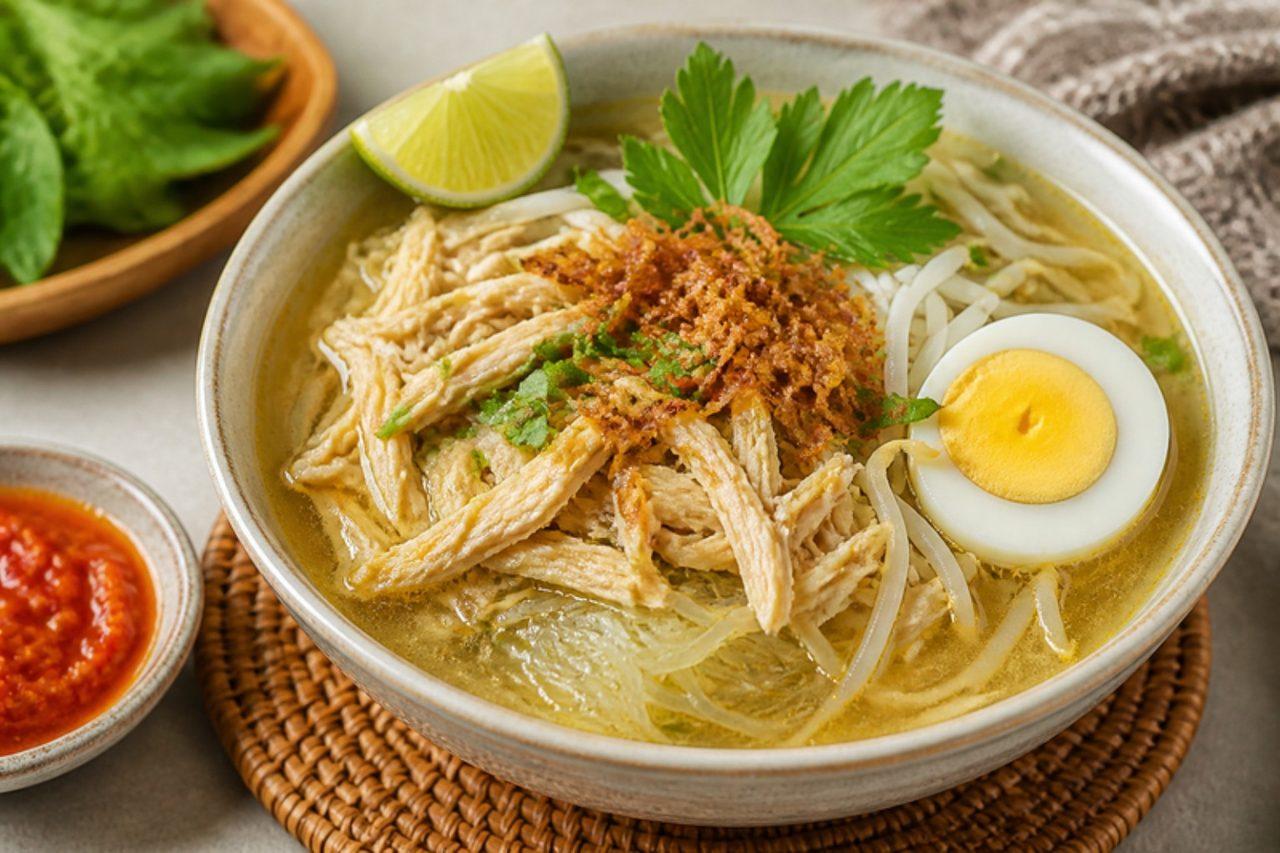
Soto BanjarSpiced chicken soup

Along the rivers of Banjarmasin in South Kalimantan, breakfast often means soto Banjar eaten at a wooden riverside warung, sometimes after a dawn trip to the floating market. Unlike the turmeric sotos of Java, this broth is pale and clear, perfumed with the sweet spices that traders brought up the river centuries ago: cinnamon, cloves, star anise, cardamom and nutmeg. Shredded chicken, glass noodles, carrot and a boiled egg go into the bowl with rice cakes, and lime and a little chilli sharpen it at the table. Chef's tip: toast the whole spices in the pan for a minute before the paste goes in; it brings out their sweetness without the dusty edge of ground spice.

by KrazyBadal 1 views

XawaashSomali spice blend

Xawaash (pronounced 'ha-wash') is the spice mix every Somali kitchen keeps in a jar, used in rice, soups, stews, sambuusa fillings and even tea. Families toast and grind their own, often in quantity before Ramadan, and the balance of warm cumin, earthy coriander and sweet cardamom and cinnamon varies from house to house. It is different from Yemeni hawaij and Ethiopian berbere: there is no chilli in it. Chef's tip: toast each spice only until it darkens a shade and smells warm; burnt cumin turns the whole jar bitter.

by KrazyBadal 0 views

ThalipeethMultigrain flatbread

Thalipeeth is a rustic Maharashtrian flatbread made from bhajani, a flour of roasted grains and lentils. The dough is soft and sticky with onion, green chilli and coriander, and is patted out by hand straight onto the pan, with holes poked in it so the oil can crisp it from both sides. It comes off the tawa crunchy at the edges and soft in the middle, smoky with cumin and coriander seed. Eat it hot for breakfast with thick yogurt, white butter or a garlic and peanut chutney, or with lemon pickle. Chef's tip: pat the dough out on a damp cloth or wet baking paper and flip it straight onto the pan; it's too soft to roll, and wet hands keep it from sticking.

by KrazyBadal 0 views

Soto ayamTurmeric chicken soup

From Lamongan to Semarang, Java's soto carts start ladling before the morning commute, and a bowl of soto ayam is how many people begin a working day. The broth is light but bright yellow with fresh turmeric, scented with lemongrass and lime leaf, and poured over slippery glass noodles, shredded chicken, crunchy bean sprouts and half a boiled egg. Squeeze in lime, stir in as much sambal as you dare and eat it with plain rice or rice cakes on the side. In East Java vendors finish it with koya, a sandy powder of prawn crackers and fried garlic that thickens the broth as you eat. Chef's tip: keep the pot at a lazy simmer the whole time; a hard boil turns the golden broth cloudy and greasy.

by KrazyBadal 0 views

Thayir sadamCurd rice

No Tamil meal is really finished without thayir sadam. It's the last course on a banana-leaf lunch, the comfort food packed for train journeys and school tiffins, and the prasadam handed out in some Tamil Nadu temples. Soft, mashed rice is mixed with cool yogurt and a splash of milk, seasoned with ginger, green chilli and curry leaves popped in hot oil, then dotted with pomegranate, grated carrot or green grapes. It's eaten slightly cool with a spoonful of pickle or a fried vathal on the side. Chef's tip: mix a little milk in with the yogurt; it keeps the rice creamy and stops it turning sour if you pack it for lunch several hours ahead.

by KrazyBadal 0 views

ThekuaWheat and jaggery cookies

During Chhath Puja, when families across Bihar stand in rivers and ponds to make offerings to the setting and rising sun, thekua fill the bamboo baskets carried to the ghats. Women make them at home in the days before, pressing jaggery-sweetened wheat dough into carved wooden moulds (sancha) and frying them in ghee until dark and crunchy. Outside the festival they are the snack Bihari students take back to hostels in the city, because they keep for weeks. Chef's tip: the dough must be stiff, and the frying slow; soft dough loses the pattern and hot oil leaves them pale and soft inside.

by KrazyBadal 0 views

ThethriGram flour twists

No Teeja in Chhattisgarh passes without a tin of thethri: knotted and twisted pieces of gram-flour dough, seasoned with ajwain and chilli and fried slowly until they shatter when you bite. Married daughters coming home for the festival are sent back with them, alongside the sweet khurmi, and they keep for weeks. Each family has its favourite shape, from simple knots to little spirals and braided rings. Chef's tip: fry on a medium-low flame and be patient; thethri fried hot puff up and brown outside but stay soft and chewy inside.

by KrazyBadal 0 views

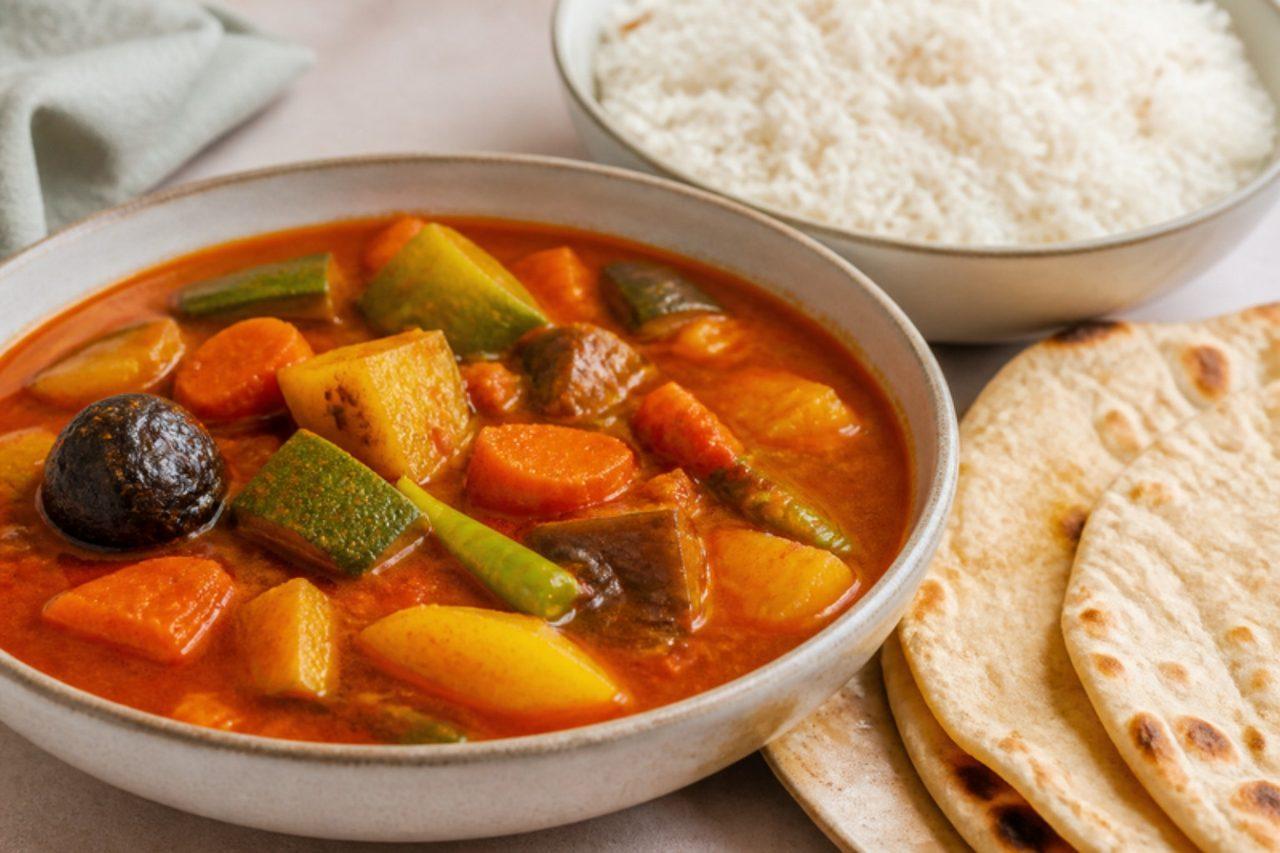
Vegetable saloonaVegetable and tomato stew

Saloona is the stew Emirati families make on an ordinary weekday, ladled over white rice for lunch in Abu Dhabi, Al Ain and every town between. Each household has its own mix, but the base is always the same: tomatoes, onions and the local bezar spice blend, sharpened with dried lime and simmered with whatever vegetables are in the fridge. This meat-free pot uses potato, courgette, aubergine, carrot and okra with chickpeas for body, and it tastes even better the next day. Chef's tip: add the okra in the last 10 minutes and leave it whole; cut okra goes slimy in a long simmer.

by KrazyBadal 0 views

ThieboudienneFish and rice in tomato broth

Ceebu jën, "rice and fish" in Wolof, is the dish Saint-Louis claims as its own and the whole of Senegal cooks for the big Friday or Sunday lunch, served on one wide platter that the family eats from together. Thick fish steaks are stuffed with a green paste of parsley, garlic and chilli, browned, then simmered in a deep tomato broth with whole cassava, carrot, cabbage and aubergine; the broken rice then soaks up that same broth until it turns orange and fragrant. The prized part is the xoon, the crust that forms at the bottom of the pot, which is shared out at the end. The usual mistake is leaving the fish in the pot while the rice cooks, so it falls apart; lift it out with the vegetables and keep it warm. Chef's tip: rinse the broken rice three times and steam it briefly before it goes into the broth, so the grains stay separate instead of turning to porridge.

by KrazyBadal 0 views

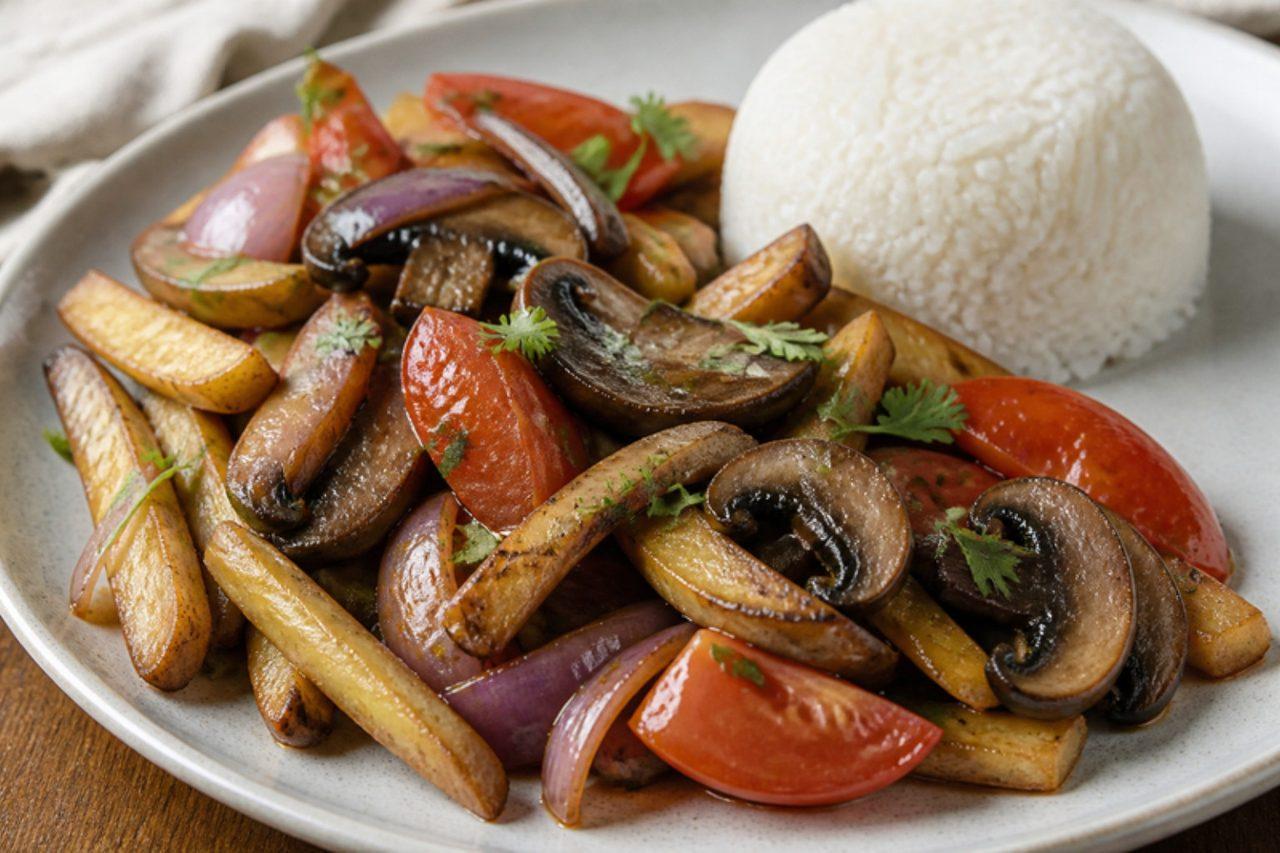
Vegetable saltadoWok-fried vegetables

Saltado comes from Lima's chifa tradition, the cooking of Chinese-Peruvian families who brought the wok to Peru in the nineteenth century. The famous version is lomo saltado with beef; this saltado de verduras uses meaty mushrooms in its place. Thick wedges of red onion and tomato are tossed over a fierce flame with garlic, ají amarillo, soy sauce and a splash of vinegar until just wilted, so the vegetables keep their shape and the pan juices turn smoky and savoury. It is always served with both chips and white rice, which soak up those juices. Chef's tip: cook in two batches if your pan is small; a crowded wok steams the vegetables instead of searing them, and the tomatoes collapse into soup.

by KrazyBadal 0 views

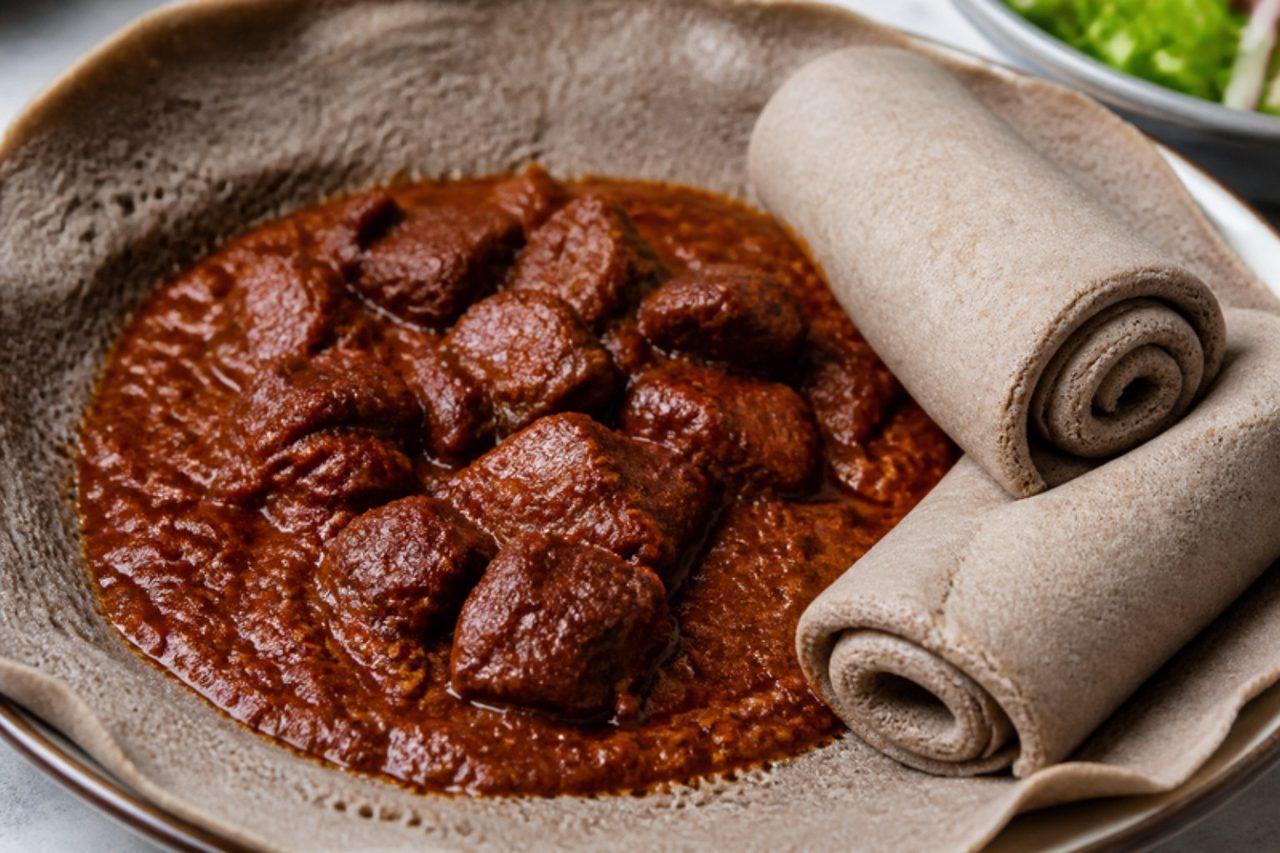
ZigniSpicy beef stew

Zigni is the signature stew of Asmara and the Eritrean highlands, served on a wide platter of injera at weddings, Sunday lunches and the end of fasts. Red onions are cooked slowly in a dry pot until they collapse, then berbere, garlic, ginger and tomato go in, followed by beef that simmers until tender in a deep red, peppery sauce finished with spiced butter (tesmi). The mistake is rushing the onions: they must cook down for a good 20 minutes to give the sauce its sweet base. Chef's tip: the onions start in a dry pan with no oil, the traditional way; stir them often and add a splash of water if they catch.

120 minEritreanMeatGluten freeSpicy
by KrazyBadal 0 views

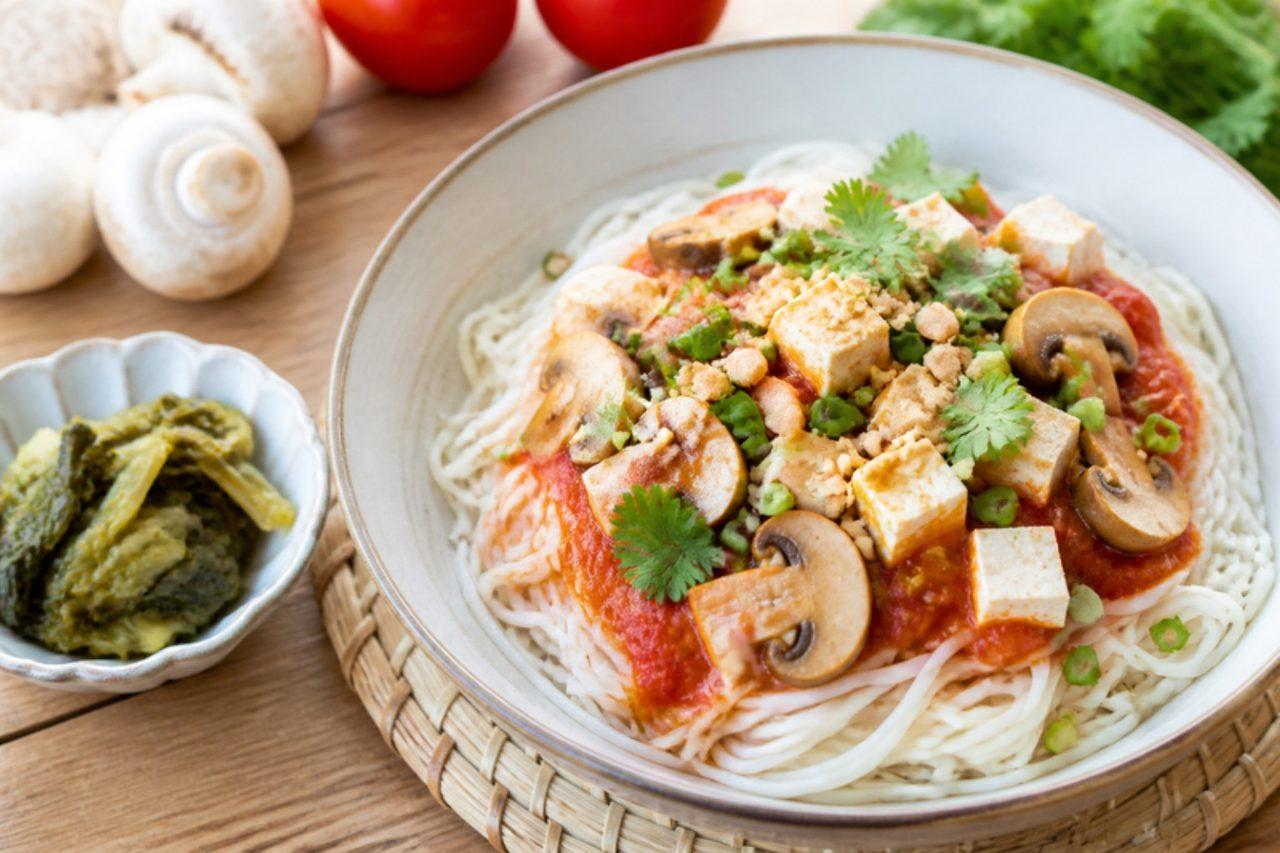
Vegetable Shan noodlesRice noodles with tomato sauce

Shan khao swe comes from the hills of Shan State in eastern Myanmar, where it's eaten for breakfast at markets around Inle Lake and Taunggyi before the day's work begins. Sticky rice noodles are tossed with a garlicky tomato sauce, sesame oil and crushed peanuts, then served with pickled mustard greens and a small bowl of clear broth on the side. Markets usually make the sauce with chicken or pork; here mushrooms and tofu give it the same savoury depth. Chef's tip: cook the tomatoes down until the oil separates and the sauce turns jammy; a watery sauce slides off the noodles and tastes flat.

by KrazyBadal 0 views

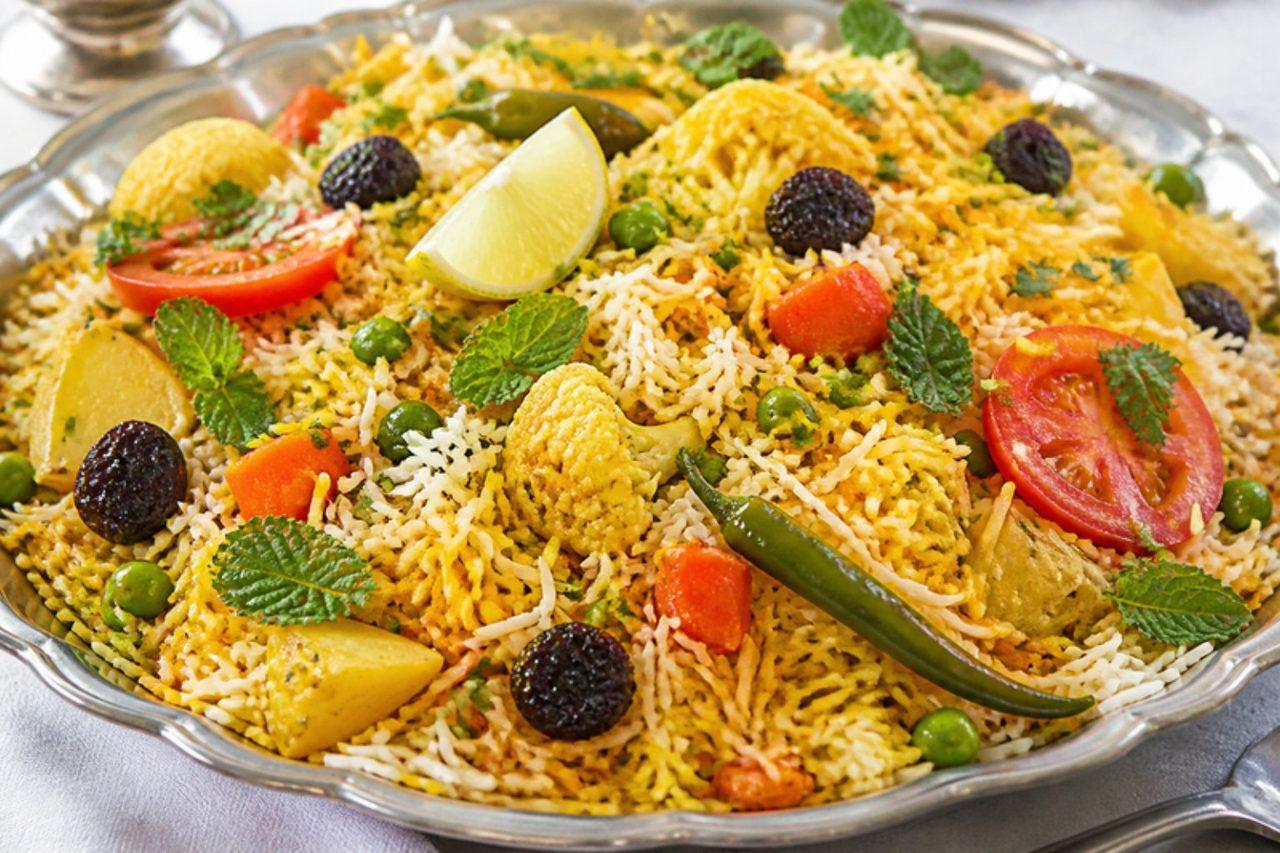
Vegetable Sindhi biryaniLayered vegetable biryani

Sindhi biryani is the biryani of Karachi, Hyderabad and the rest of Sindh, and it is the one people order by the deg (a huge pot) for weddings, Eid lunches and every big family gathering. What makes it Sindhi is the tang and the heat: plenty of tomatoes, yogurt, whole green chillies and sour dried plums (aloo bukhara) in the masala, with chunks of potato that soak up all of it. This vegetable version keeps all of that and swaps the meat for potato, carrot, cauliflower and peas, layered with half-cooked basmati, fried onions, mint and saffron milk, then steamed shut. A common mistake is boiling the rice until soft before layering; take it out when a grain still has a firm white core, because it finishes in the steam. Chef's tip: fry the onions until deep brown but not black, and keep the oil they fried in; it carries their flavour into every layer.

by KrazyBadal 0 views

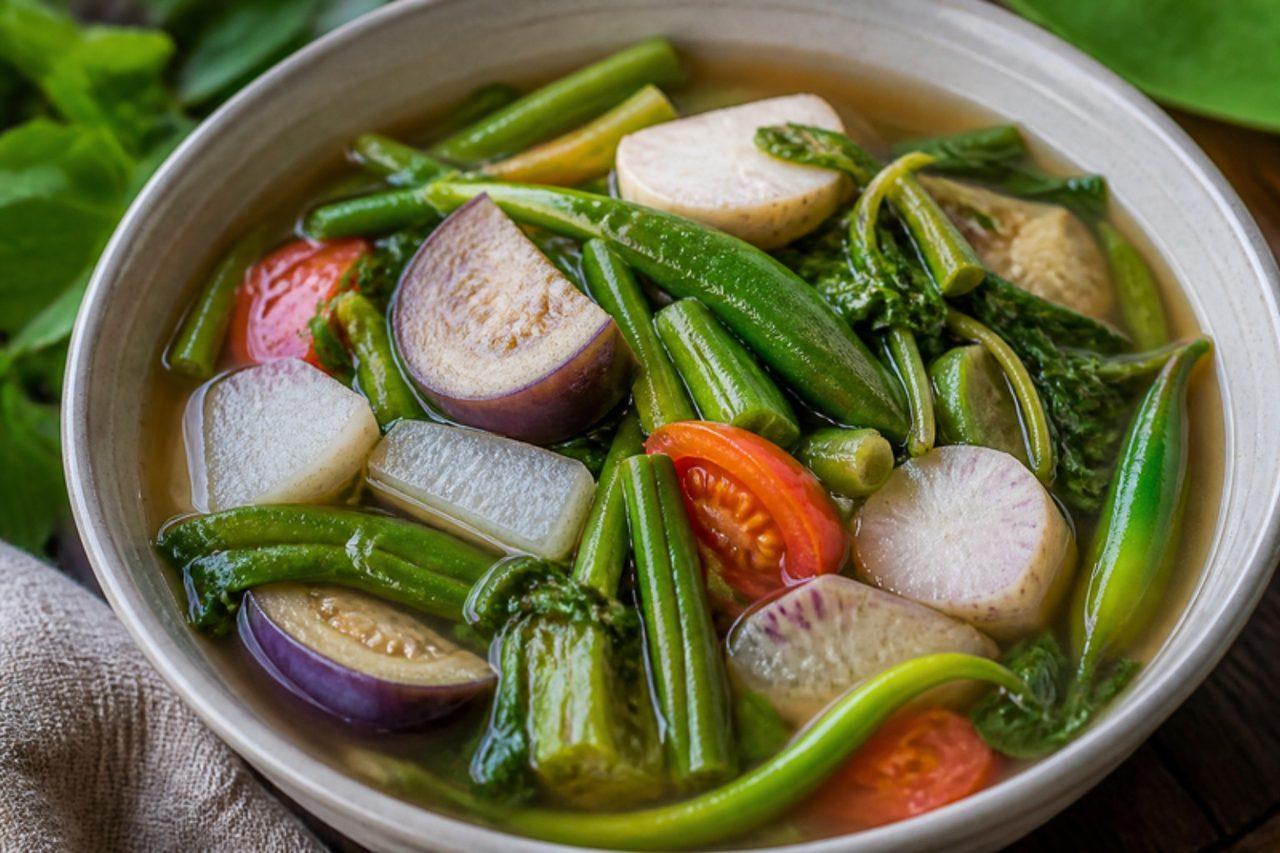
Vegetable sinigangSour tamarind vegetable soup

Sinigang is the sour soup that Tagalog families crave when the monsoon arrives between June and October, when rain hammers the tin roofs and a steaming bowl next to rice feels like the only sensible lunch. The sourness traditionally comes from young tamarind (sampalok) boiled and mashed into the broth, and the vegetables are whatever the market has: white radish, taro to thicken the soup slightly, okra, yard-long beans, aubergine and a final handful of water spinach. This vegetarian sinigang na gulay skips the pork or fish and relies on the tamarind, tomato and onion for flavour. The broth should make you pucker a little on the first sip. Chef's tip: add the tamarind in stages and taste between each, since blocks of tamarind vary a lot in sourness.

by KrazyBadal 0 views

ThukpaHimalayan noodle soup

Thukpa is the warming noodle soup of the Himalayas, eaten in Sikkim, Ladakh and the Tibetan settlements of the hills on cold evenings. A gingery, garlicky broth is cooked with carrot, cabbage and tomato, then wheat noodles and spinach go straight into the pot. It's light yet filling, savoury with soy and pepper and as spicy as you like with chilli on the side. Serve in deep bowls with a squeeze of lemon. Chef's tip: cook the noodles in the soup only just before serving; left standing, they keep drinking up the broth and turn soft.

by KrazyBadal 0 views

Timatim salataTomato and onion salad

Timatim salata is the cool, crunchy salad served alongside the stews of an Ethiopian meal, from roadside restaurants in Tigray to home tables in Addis Ababa. Ripe tomatoes, red onion and green chilli are dressed with lemon juice and oil, and the salad is left to stand so the juices mingle; mixed with torn injera it becomes timatim fitfit. Chef's tip: salt the tomatoes only a few minutes before serving, or they release so much liquid the salad turns soupy.

by KrazyBadal 0 views

Tian provençalBaked layered summer vegetables

A tian is named after the shallow earthenware dish Provençal cooks use to bake vegetables, and the most famous version lines up thin slices of courgette, aubergine, tomato and onion in tight rows like roof tiles. In Provence it's a Sunday side for the whole family and a light supper with a green salad in summer. The vegetables roast in their own juices with olive oil, garlic and thyme until soft, sweet and lightly browned on top. Unlike ratatouille, nothing is fried first, so it is lighter and more delicate. Chef's tip: choose vegetables of the same width and slice them all 3–4 mm thick; uneven slices are the common mistake and cook unevenly, some raw, some collapsed.

by KrazyBadal 0 views

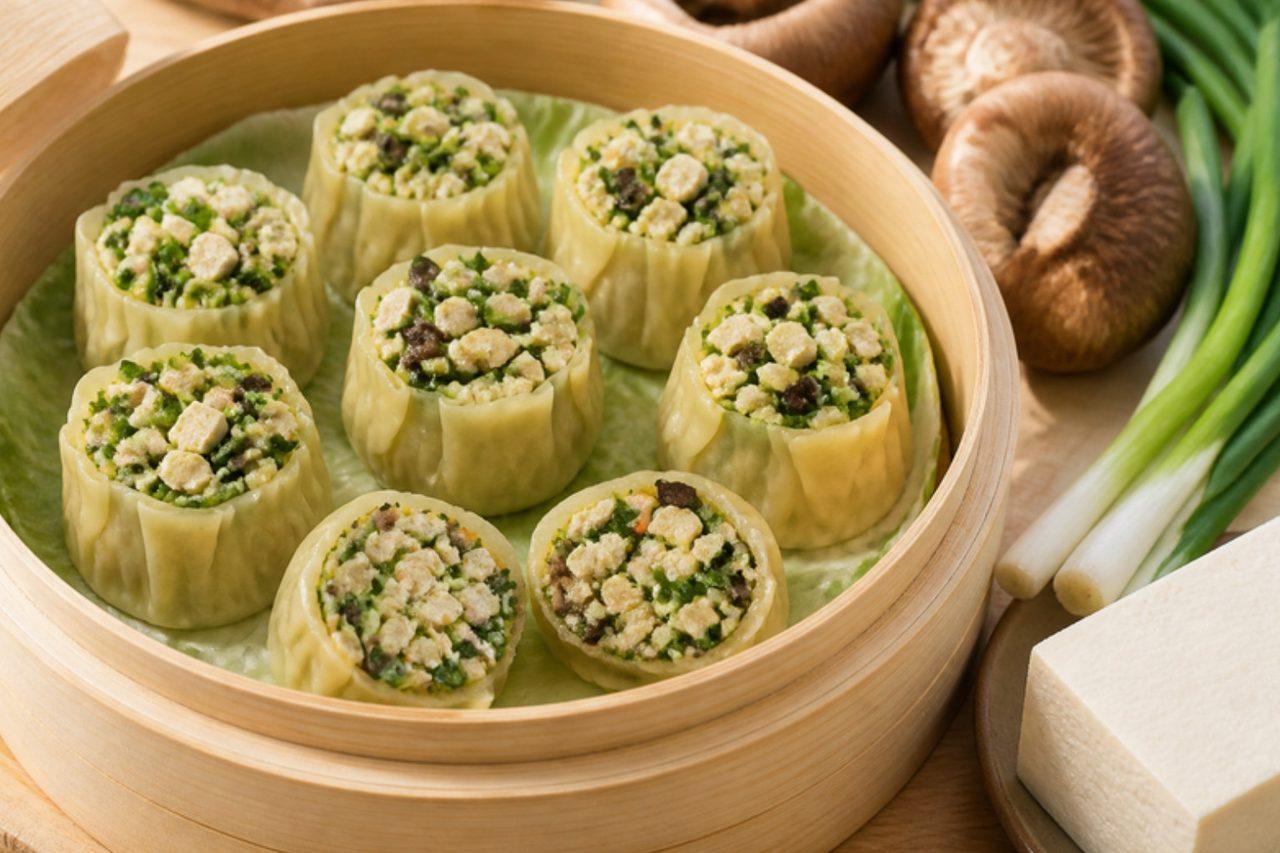
Vegetable siu maiOpen-topped vegetable dumplings

Siu mai are among the first baskets wheeled past at Cantonese dim sum in Guangzhou's tea houses, where people meet over yum cha on weekend mornings. The classic is pork and prawn; this one is packed with shiitake, tofu, crunchy water chestnut and carrot, with a dot of diced carrot on top in place of fish roe. Steam them in a bamboo basket and serve with chilli oil and soy. Chef's tip: squeeze the wrapper into a 'waist' with your thumb and finger and flatten the base on the board, so they stand up straight in the steamer.

by KrazyBadal 0 views

Vegetable Uzbek plovVegetable pilaf

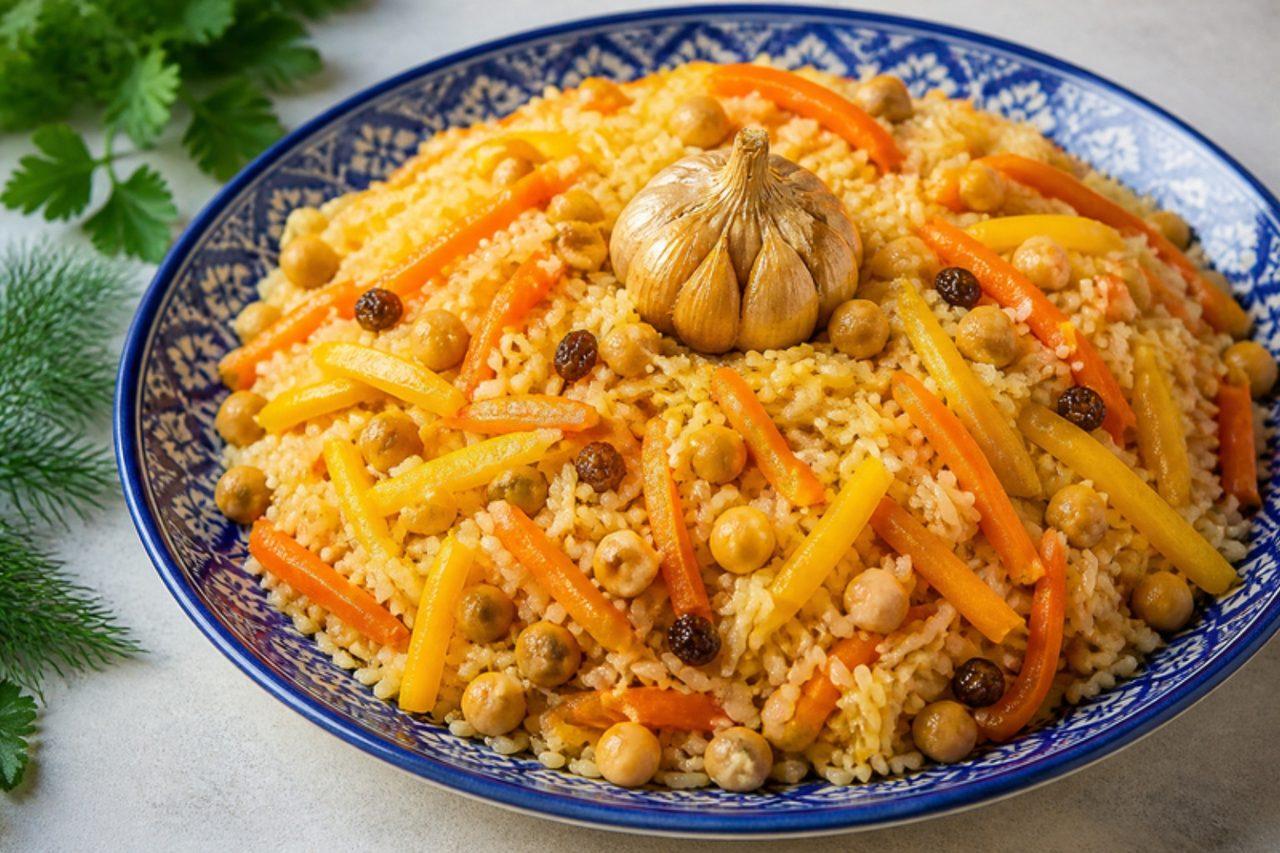
Plov (osh) is the dish Uzbeks cook for weddings, for Friday lunch and for guests, traditionally by men over a fire in a wide cast-iron kazan. Tashkent, Samarkand and Bukhara each have their own style, but all are built the same way: a zirvak (base) of onions and long strips of carrot fried in oil, rice laid on top and steamed until every grain is separate and glossy. This vegetarian version keeps the zirvak and swaps the meat for chickpeas (nohat), whole heads of garlic and barberries, as in Samarkand's chickpea plov. For the classic meat version, lamb or beef is browned in the oil before the onions and simmered in the zirvak for 40 minutes. Serve with achichuk. Chef's tip: hunt out yellow carrots from Central Asian or Turkish grocers; they are sweeter and less watery than orange ones and give plov its honeyed colour.

by KrazyBadal 0 views

ShabhaleyFried beef pastries

Tibetan families in Lhasa and across the plateau make these crisp, half-moon or disc-shaped pies for Losar, the Tibetan New Year, and for gatherings with friends; Tibetan cafés in exile communities sell them by the plate too. The name means meat bread, and the filling of minced beef with onion, ginger, coriander and a pinch of Sichuan pepper stays juicy inside a thin, crackly crust. They are hearty, savoury and lightly numbing, never fiery. Serve them hot with a tomato chilli sauce (sepen) and a cup of butter tea or black tea. Chef's tip: keep the oil at 170 °C; hotter and the pastry browns before the meat inside is cooked.

by KrazyBadal 0 views

ShaptaStir-fried yak with chillies

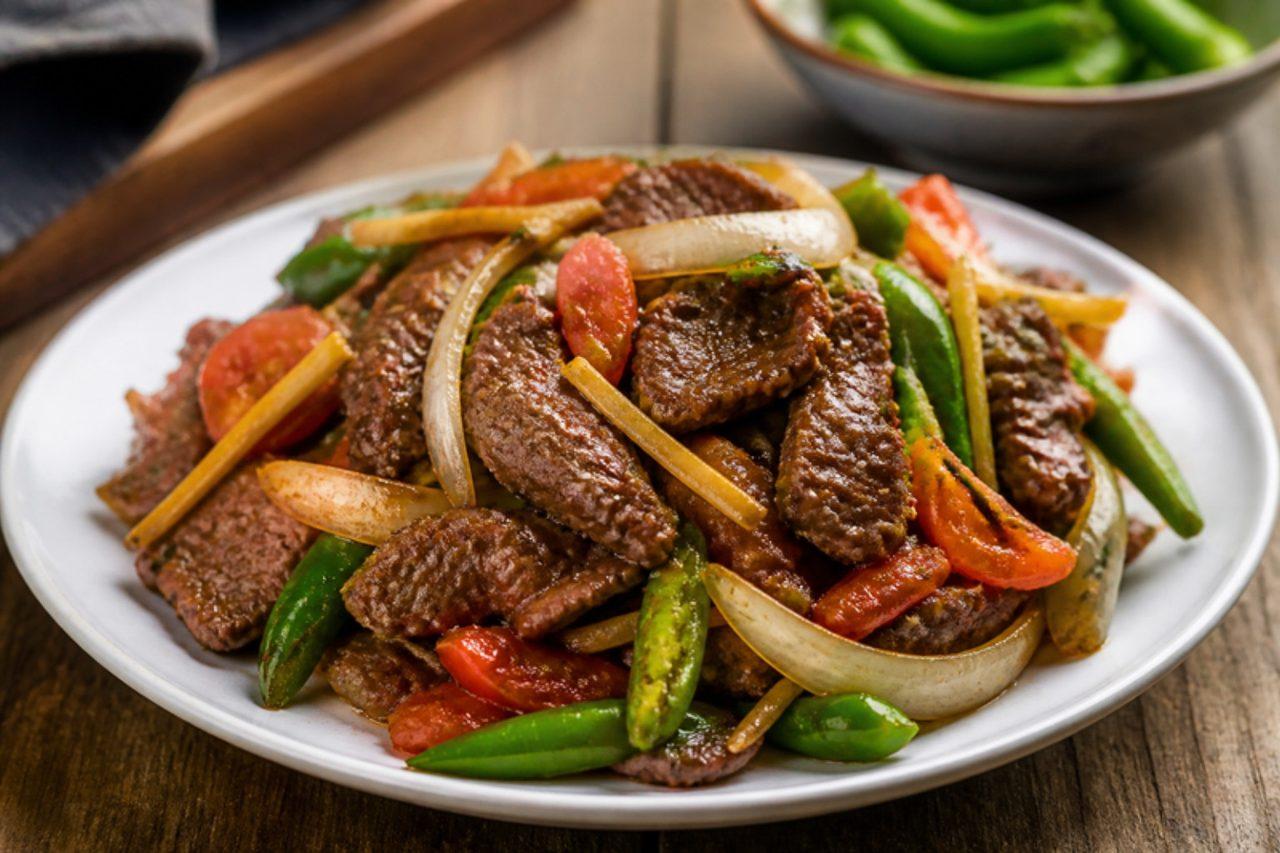
Herding families on the Tibetan plateau traditionally cook yak meat this way, and today shapta is a favourite at Tibetan restaurants from Lhasa to Kathmandu and Delhi. Thin slices of meat are seared with onion, green chillies and tomato, and seasoned with ginger, garlic and timur (Sichuan pepper), which gives a gentle tingle. Lean and full of flavour, it comes out savoury, slightly smoky and pleasantly hot. Serve it with tingmo (steamed bread), rice or flatbread, and a simple radish salad. Chef's tip: yak is very lean, so slice it thin and cook it fast; beef sirloin or rump is the easiest substitute.

by KrazyBadal 0 views

Tibetan tingmoSteamed twisted buns

Tingmo are the everyday bread of Tibet: plain steamed buns made by stretching and twisting oiled strips of dough into a knot, so they open into soft, pull-apart layers. Families in Lhasa and Tibetan communities in Nepal and India eat them with spicy vegetable stews, dal and chilli sauce, tearing off pieces to mop up the sauce. The dough is simple; the twist takes a little practice. Chef's tip: once the steaming time is up, turn off the heat and wait 3 minutes before lifting the lid, so the buns don't collapse.

by KrazyBadal 0 views

TsampaRoasted barley flour with butter tea

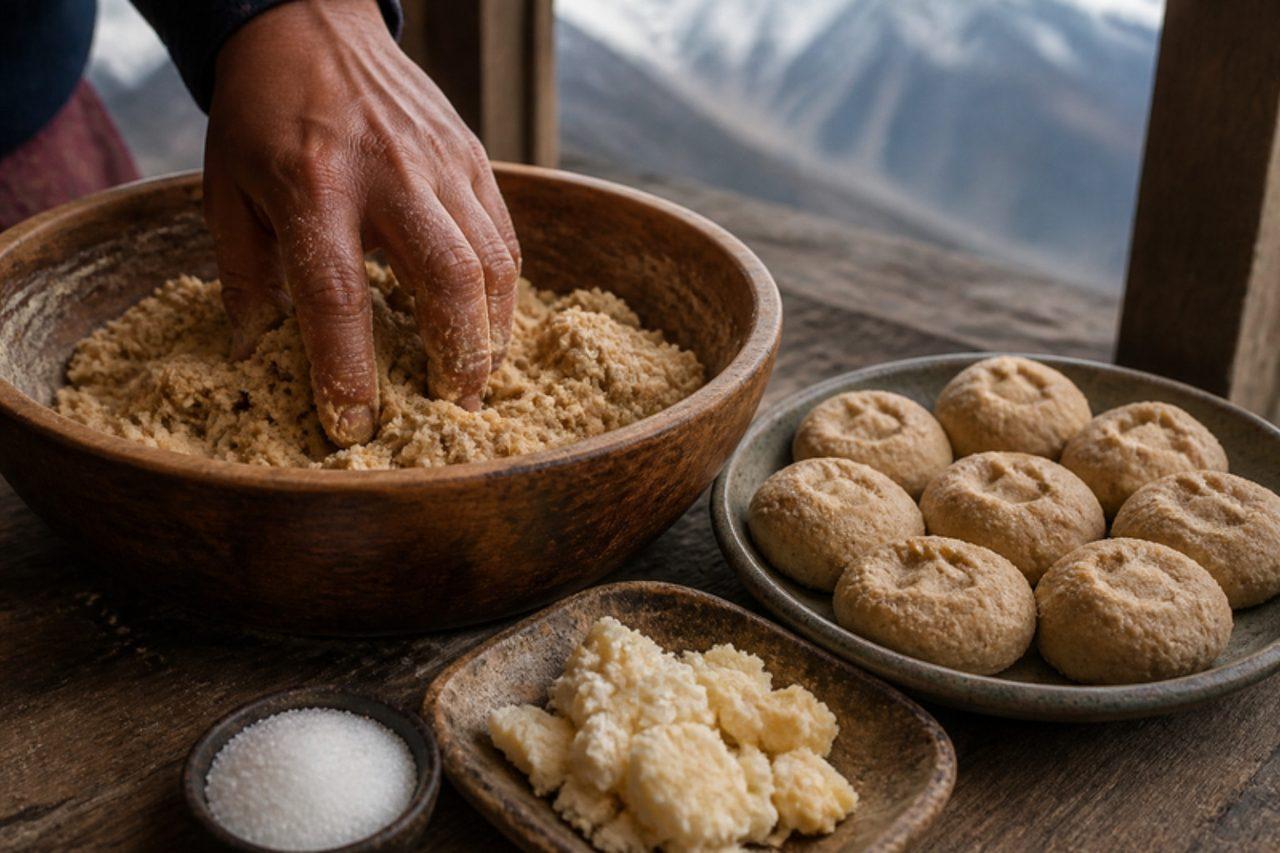
Tsampa, roasted highland barley flour, has been the staple food of the Tibetan plateau for centuries. Every morning, families in Lhasa and in nomad tents put a handful in a bowl, pour in butter tea, add a knob of butter and knead it with their fingers into small, nutty balls called pak. It's filling, quick and easy to carry. Barley flour is easy to find; toast it in a dry pan if it isn't already roasted. Chef's tip: add the tea a little at a time; you want a dough like firm marzipan, not a paste.

by KrazyBadal 0 views

Vegetable vindayeMustard vegetable pickle curry

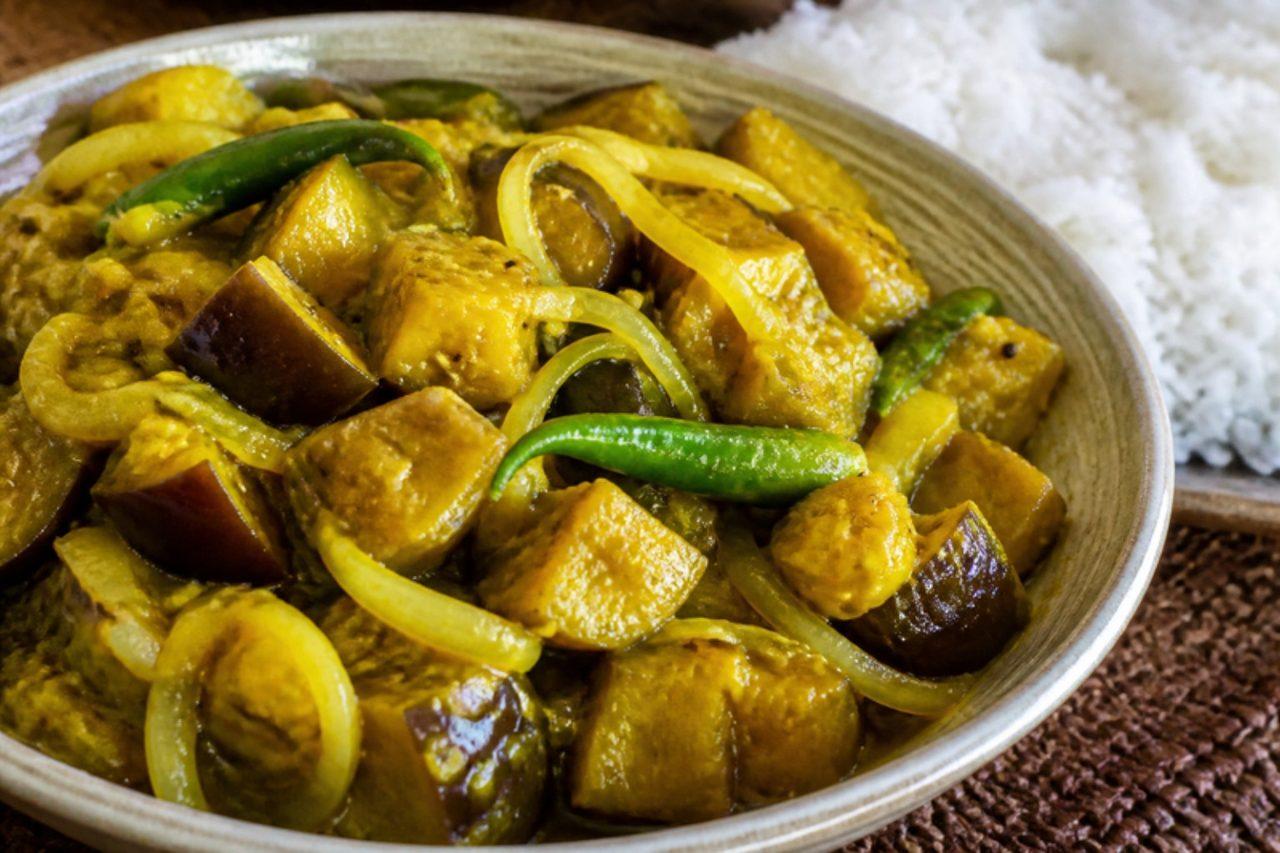
Vindaye is a Mauritian dish descended from the vindaloo and vinha d'alhos traditions but entirely its own: fried ingredients coated in a bright yellow paste of mustard seed, turmeric, garlic, ginger and vinegar, with lots of raw-crisp onion. Fish and octopus vindaye are the classics, served at room temperature with rice, faratas or bread; aubergine and potato vindaye is a well-loved vegetarian version for Hindu fasting days and buffets. Chef's tip: grind the mustard seeds fresh; ready-ground mustard gives a flat, dusty taste.

by KrazyBadal 0 views

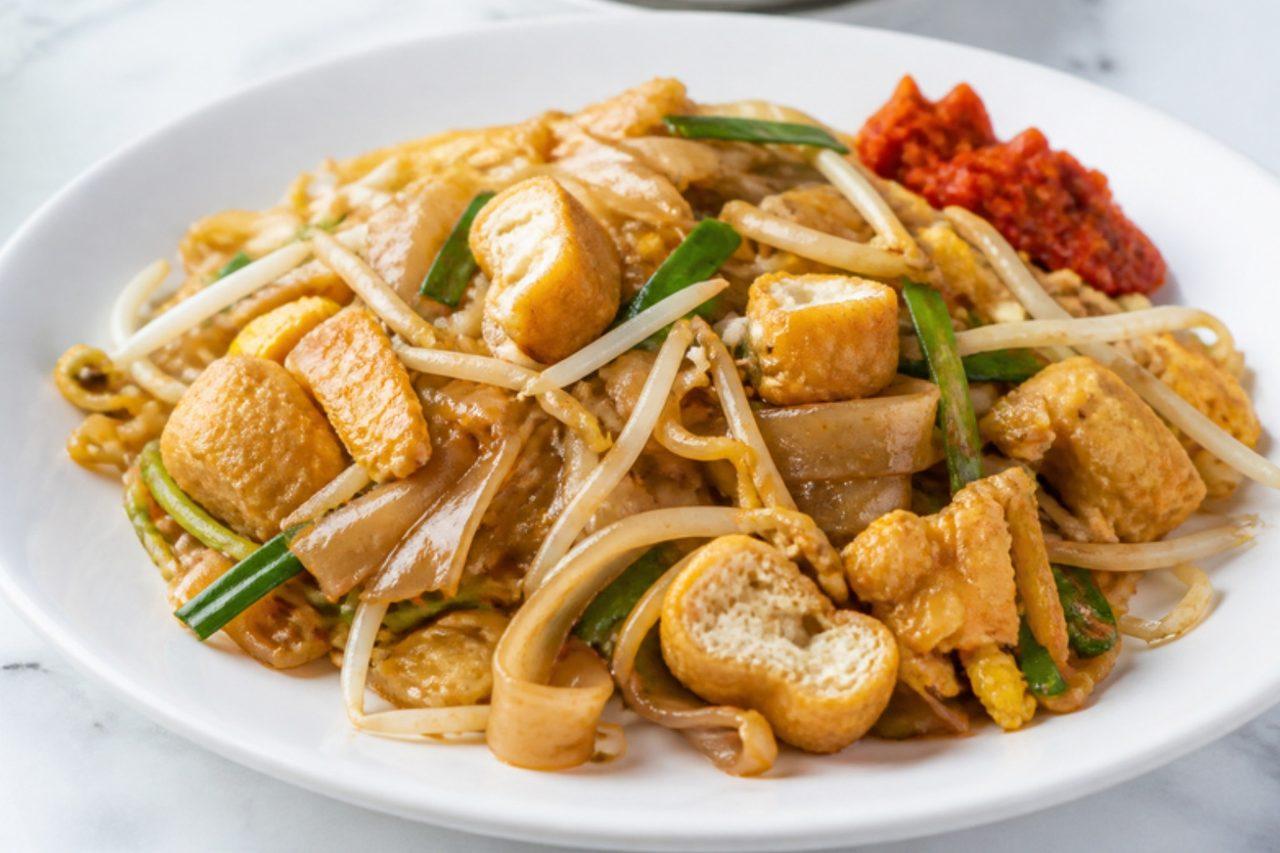
Vegetarian char kway teowStir-fried flat rice noodles

Char kway teow is the dish Singaporeans queue for at hawker centres like Old Airport Road and Zion Riverside: flat rice noodles and yellow noodles tossed over a roaring wok with dark sweet soy, egg, beansprouts and chives until smoky and sticky. The classic uses lard, cockles and Chinese sausage; this vegetarian version gets its richness from fried tofu puffs and plenty of garlic, and its char from a very hot pan. Chef's tip: cook one or two portions at a time; a crowded pan can't get hot enough for the smoky wok hei that defines the dish.

by KrazyBadal 0 views

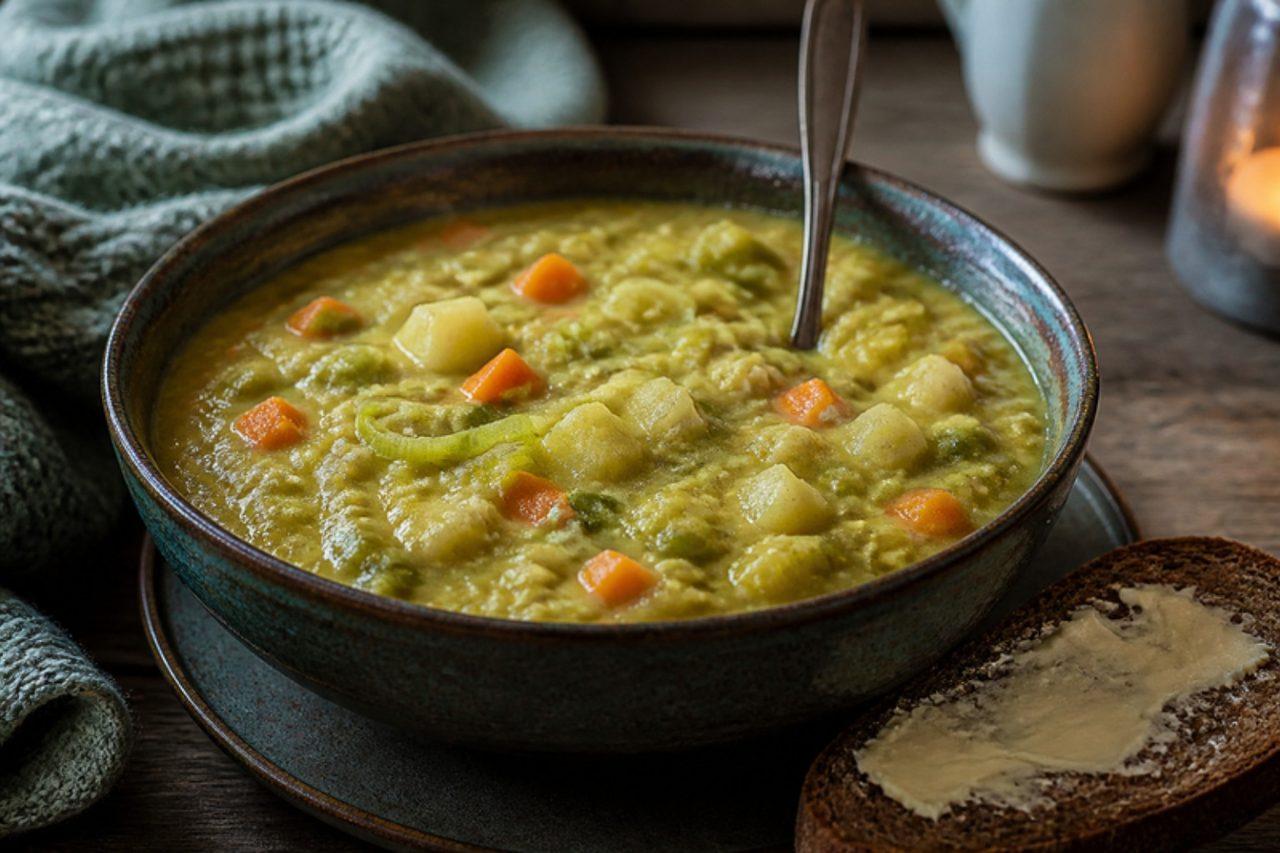
Vegetarian erwtensoepSplit pea soup

Erwtensoep, or snert, is the soup that Dutch skaters drink from paper cups at the koek-en-zopie stalls on frozen lakes, and that families leave to simmer on a Saturday in January. A proper snert is so thick that a spoon should stand upright in the pan, and it tastes better on the second day. The traditional pot is full of pork and smoked sausage; this version gets its depth from celeriac, leek, a little smoked paprika and a long, slow simmer. Serve it with dark rye bread (roggebrood), butter and mustard. Chef's tip: stir the bottom of the pan every 10 minutes in the last half hour; split peas settle as they thicken and catch easily, and a scorched taste spreads through the whole pot.

140 minDutchSoupsVeganGluten free
by KrazyBadal 0 views

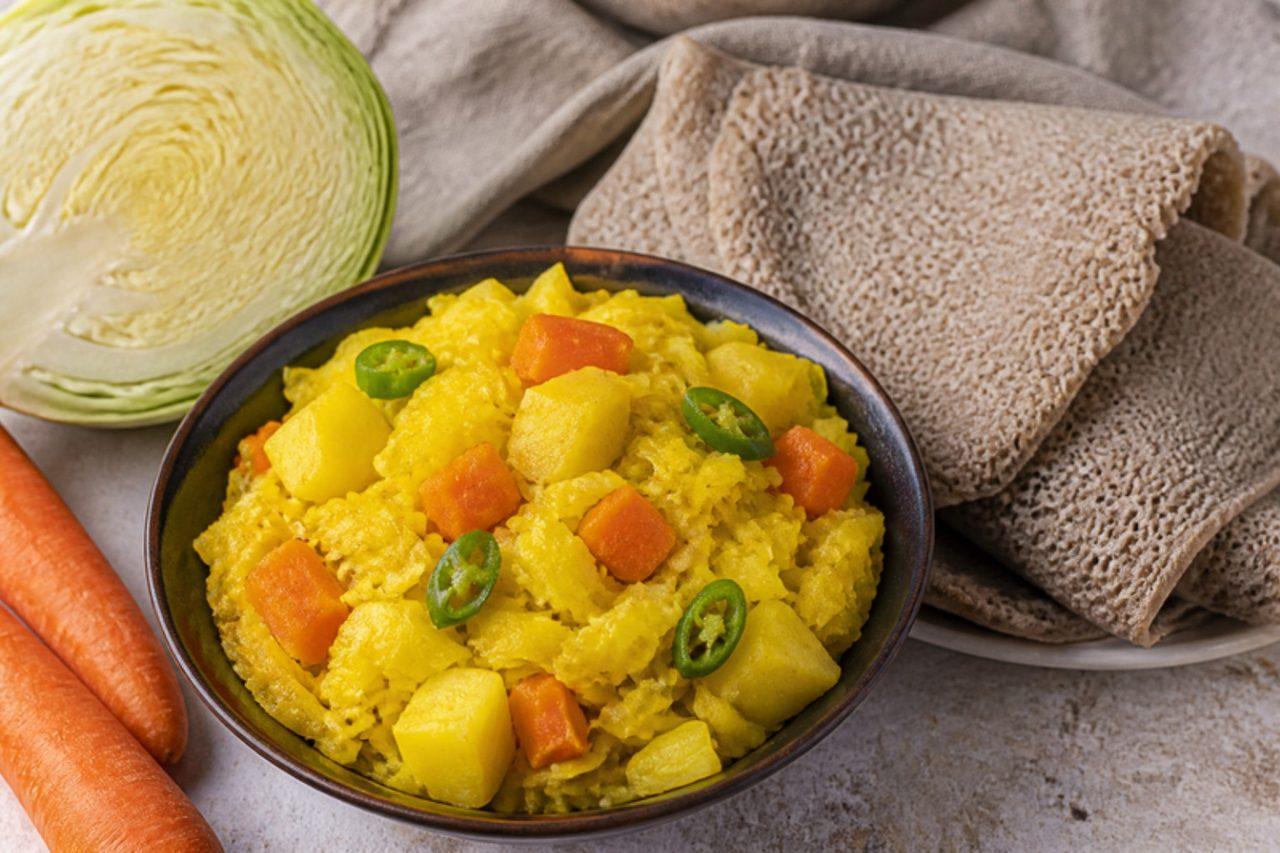
Tikil gomenCabbage, carrot and potato stew

Tikil gomen means 'cabbage stew', and it is the mild, golden side on almost every beyaynetu fasting platter in Addis Ababa and Bahir Dar. White cabbage, carrots and potatoes are cooked slowly with onion, garlic, ginger and turmeric until soft and sweet, with no chilli heat apart from a few strips of green pepper. Children love it, and it balances the spicy red wats beautifully. Chef's tip: let the cabbage cook down until it is sweet and slightly caramelised at the edges; that is where all the flavour comes from.

by KrazyBadal 0 views

Showing 27 of 7,762 recipes

Show more recipes

Page 691 of 863