


Skip to content
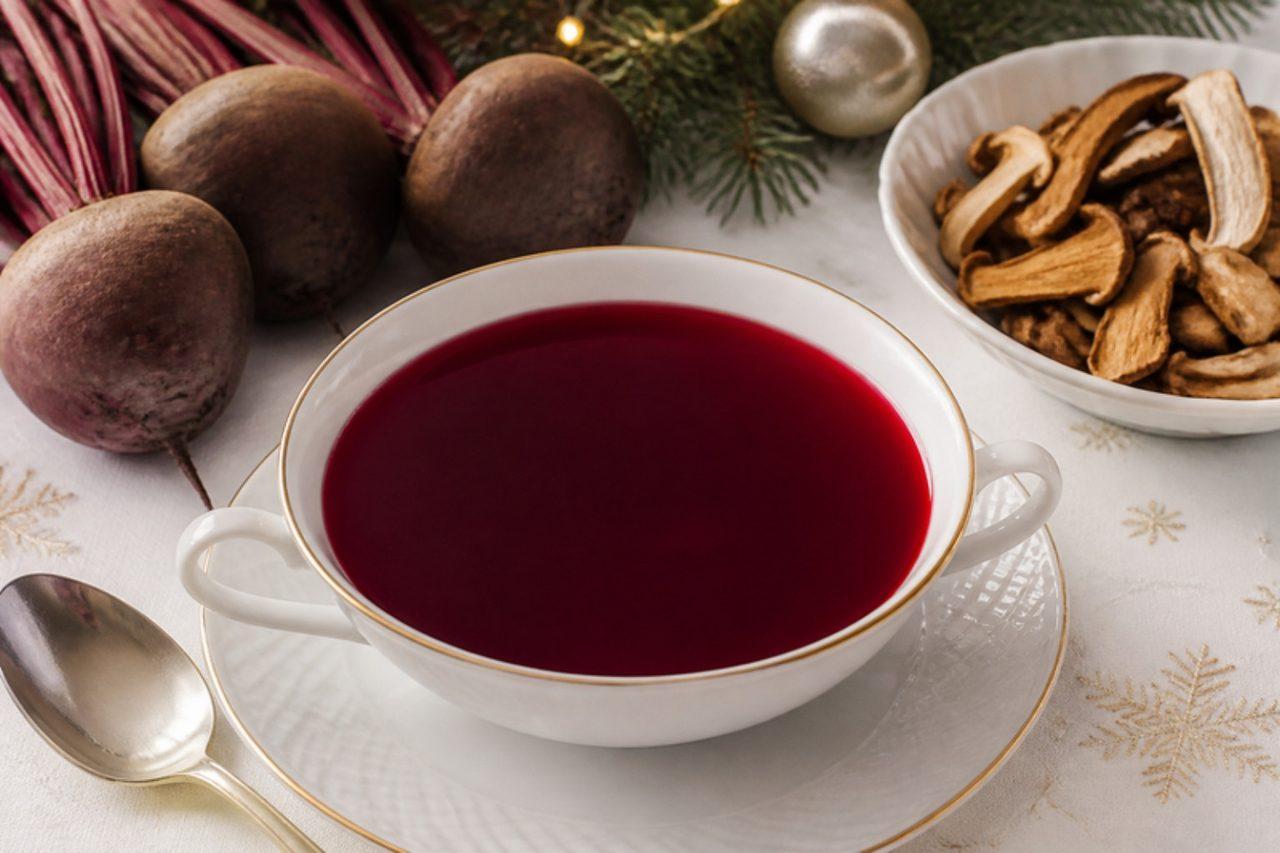
Barszcz czerwony (Christmas Eve beetroot broth)
Featured recipe

Barszcz czerwony (Christmas Eve beetroot broth)

Clear beetroot soup

Barszcz czerwony wigilijny is the clear, ruby-coloured beetroot broth that opens the Christmas Eve supper in most Polish homes, from Warsaw to Wrocław. It is not the thick vegetable soup of Ukraine but a sipping broth, sweet, sour and earthy, sharpened with beetroot kvass or lemon and deepened with dried forest mushrooms; on 24 December it is served with tiny mushroom dumplings called uszka, and through winter people drink it from mugs alongside a croquette. It is fully plant-based, as the Wigilia table traditionally is. Chef's tip: once the beetroot is in, never let the soup boil hard; a bare simmer keeps the colour bright, and boiling turns it a dull brown.

Read more 0 views

What to eat today?

Around the world

Today's trip: Persian

A new country every day, from every cuisine on the site.

Persian

Dizi

Lamb and chickpea stew 245 minMore from Persian (131) →

This week's collection

Kid-friendly dinners
537 recipes · a new collection every Monday

Latest recipes

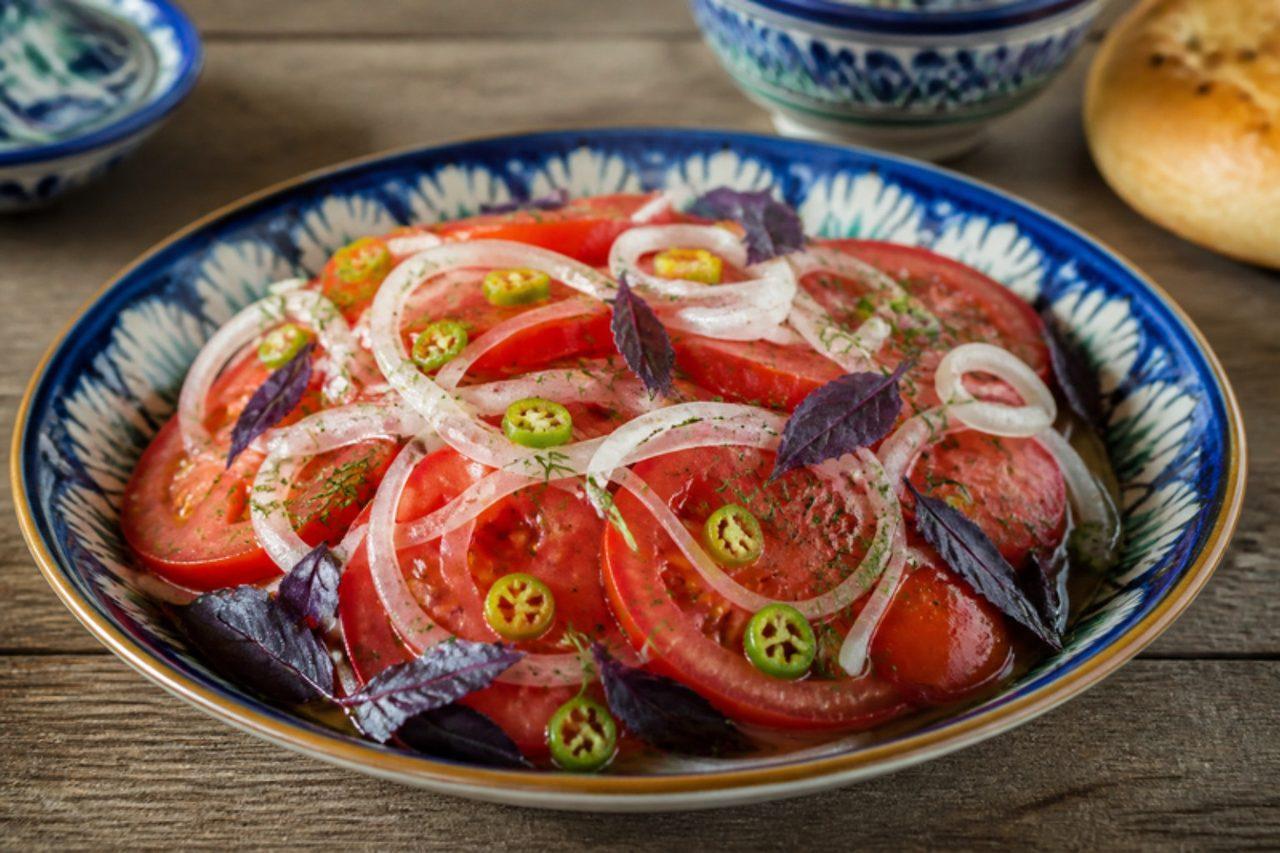
AchichukTomato and onion salad

Achichuk, which means 'sharp' in Uzbek, is the thin-sliced tomato and onion salad that sits beside every platter of plov from Bukhara to the Ferghana Valley. In summer Tashkent markets overflow with heavy, sweet tomatoes and this salad is little more than those tomatoes, rings of mild onion, a hot green chilli, salt and black pepper, with a fistful of basil (reyhan) or dill. Some families call it shakarob. It is meant to cut through the richness of rice cooked in oil, so it has no dressing beyond the juice the tomatoes give. Chef's tip: soak the onion in salted iced water for 10 minutes; it loses its harsh bite but stays crunchy, which is how Uzbek cooks get the onion so gentle.

by KrazyBadal 0 views

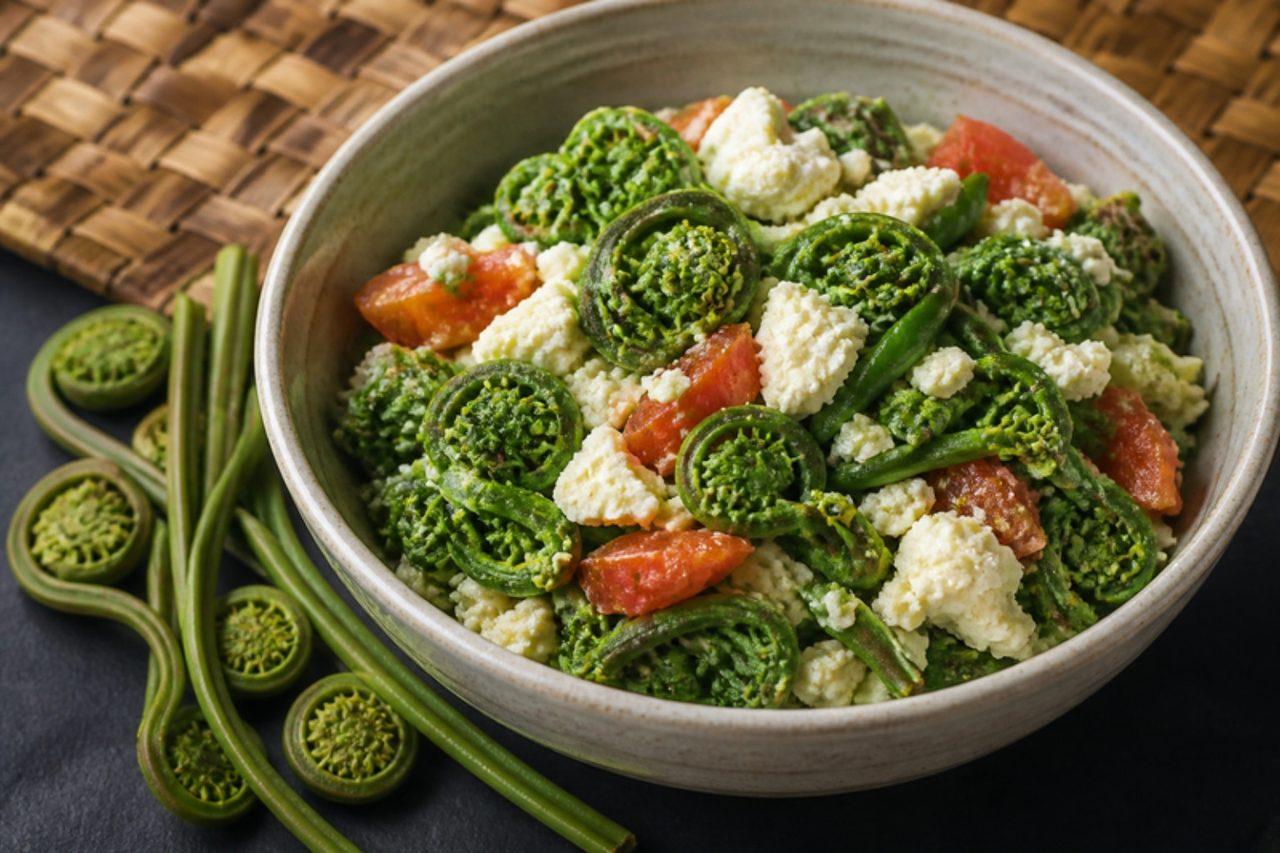
Churpi ningroFiddlehead fern curry

In the monsoon, ningro (fiddlehead fern) shoots appear in the hill markets of Gangtok, Namchi and Darjeeling, curled like violin scrolls. Sikkimese homes cook them quickly with onion, tomato and green chilli, then stir in crumbled soft churpi, a fresh, tangy cheese made from yak or cow's milk, which melts into a creamy, slightly sour sauce. It is a side dish for rice and dal, and tastes green and grassy, a little like asparagus. Chef's tip: always boil ferns for a few minutes and drain before cooking; it removes bitterness. Ricotta or crumbled feta is a fair stand-in for churpi.

by KrazyBadal 0 views

Chushki byurekFried cheese-stuffed peppers

Chushki byurek are one of the great autumn dishes of Bulgaria: in September, when the long red peppers ripen around Plovdiv and Pazardzhik, they are roasted, peeled, filled with sirene and egg, then dipped in flour, egg and breadcrumbs and fried. The outside crunches, the pepper is silky and sweet, and the salty cheese melts inside. They are served hot as a main course with a tomato salad, or cold the next day. Chef's tip: dry the peeled peppers well before filling; a wet pepper is the usual mistake, and the batter slides off and the oil spits.

by KrazyBadal 0 views

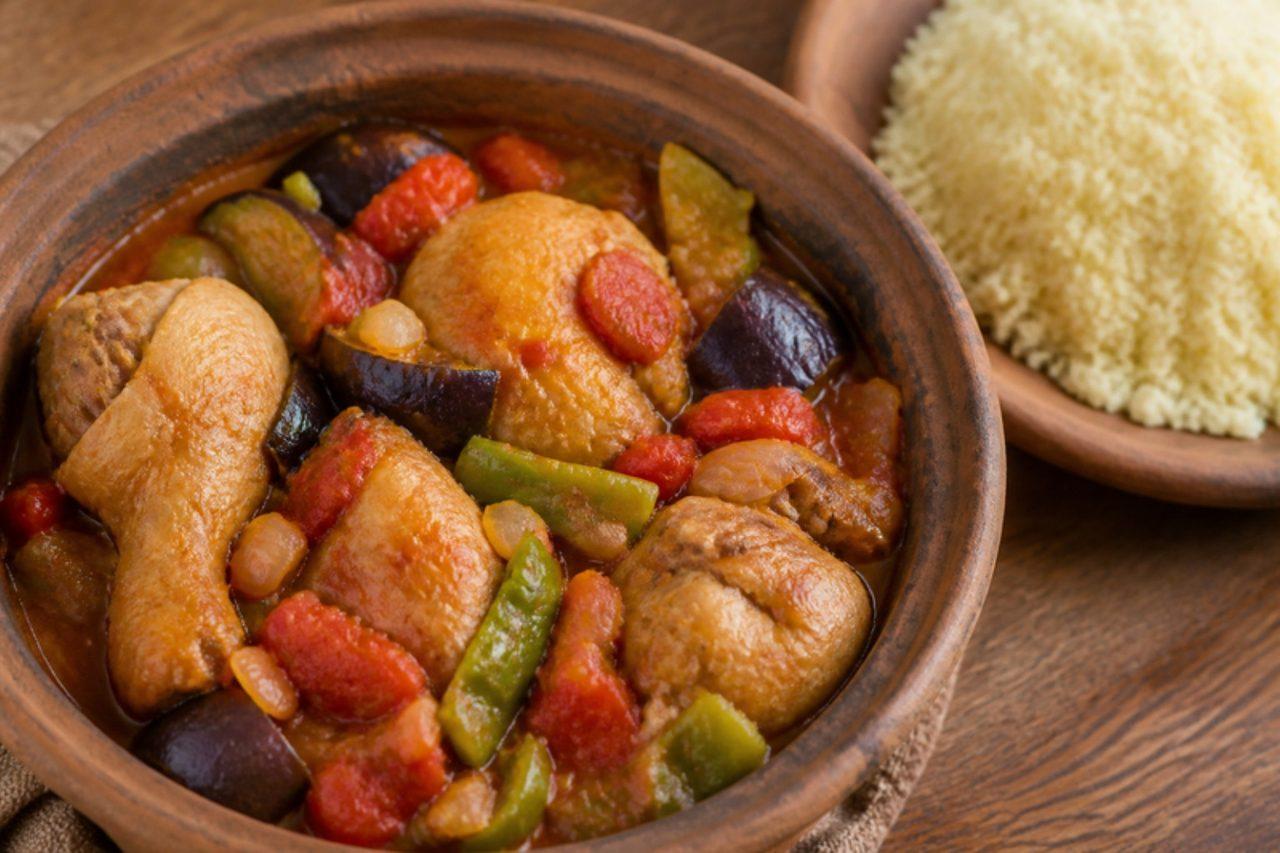
KedjenouPot-steamed chicken

Kedjenou comes from the Baoulé people of central Côte d'Ivoire, who cooked it in a sealed clay canari set in the embers and shook the pot instead of stirring it; today it is a weekend favourite in Abidjan's maquis, served with attiéké or rice. Chicken, tomato, onion, aubergine, ginger and chilli go into the pot with no water at all, and the vegetables release enough juice to make a light, intense sauce. The mistake is lifting the lid to stir: the steam escapes and the pot can burn, so seal it well and shake it instead. Chef's tip: a heavy casserole with a sheet of foil pressed under the lid works just like the clay pot.

by KrazyBadal 0 views

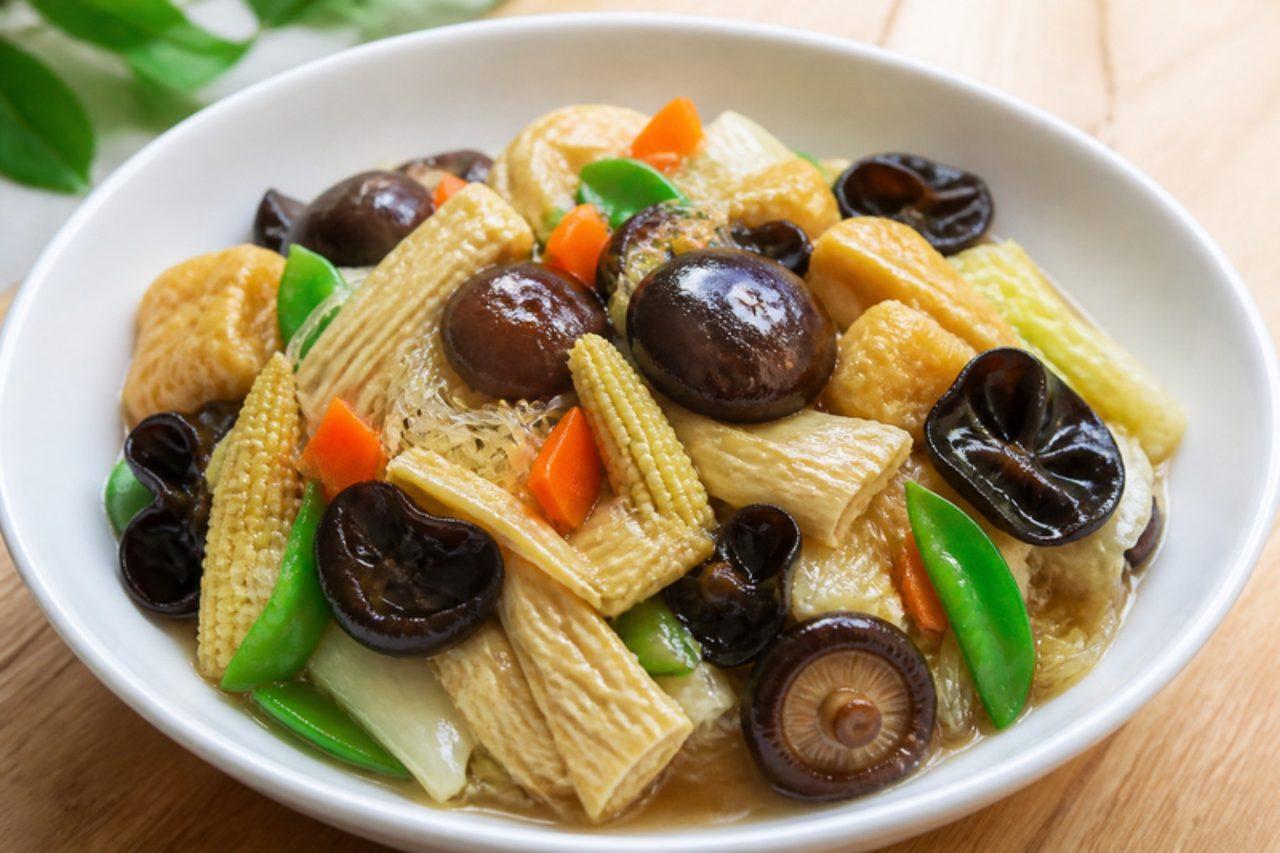
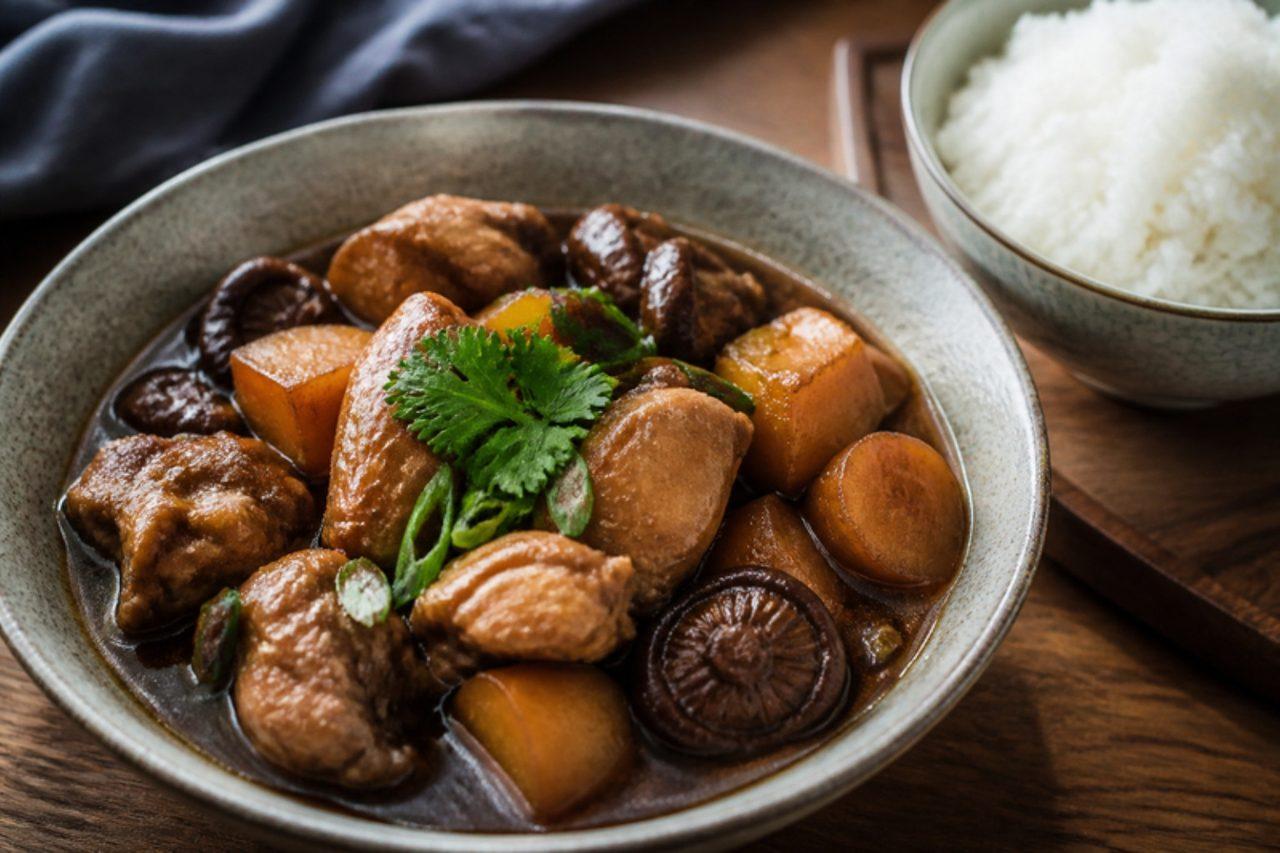
Buddha's delight (luohan zhai)Braised mushrooms, tofu and vegetables

Luohan zhai is the vegetarian dish of Chinese Buddhist temples, and many families cook it on the first day of the Lunar New Year, when eating meat is traditionally avoided. Recipes vary from house to house, but most combine dried shiitake, wood ear fungus, tofu puffs, tofu skin, napa cabbage and glass noodles, braised in one pot in a light, savoury sauce. It's light, colourful and full of different textures. Chef's tip: keep the shiitake soaking water; strained, it makes the base of the sauce and gives far more flavour than stock.

by KrazyBadal 0 views

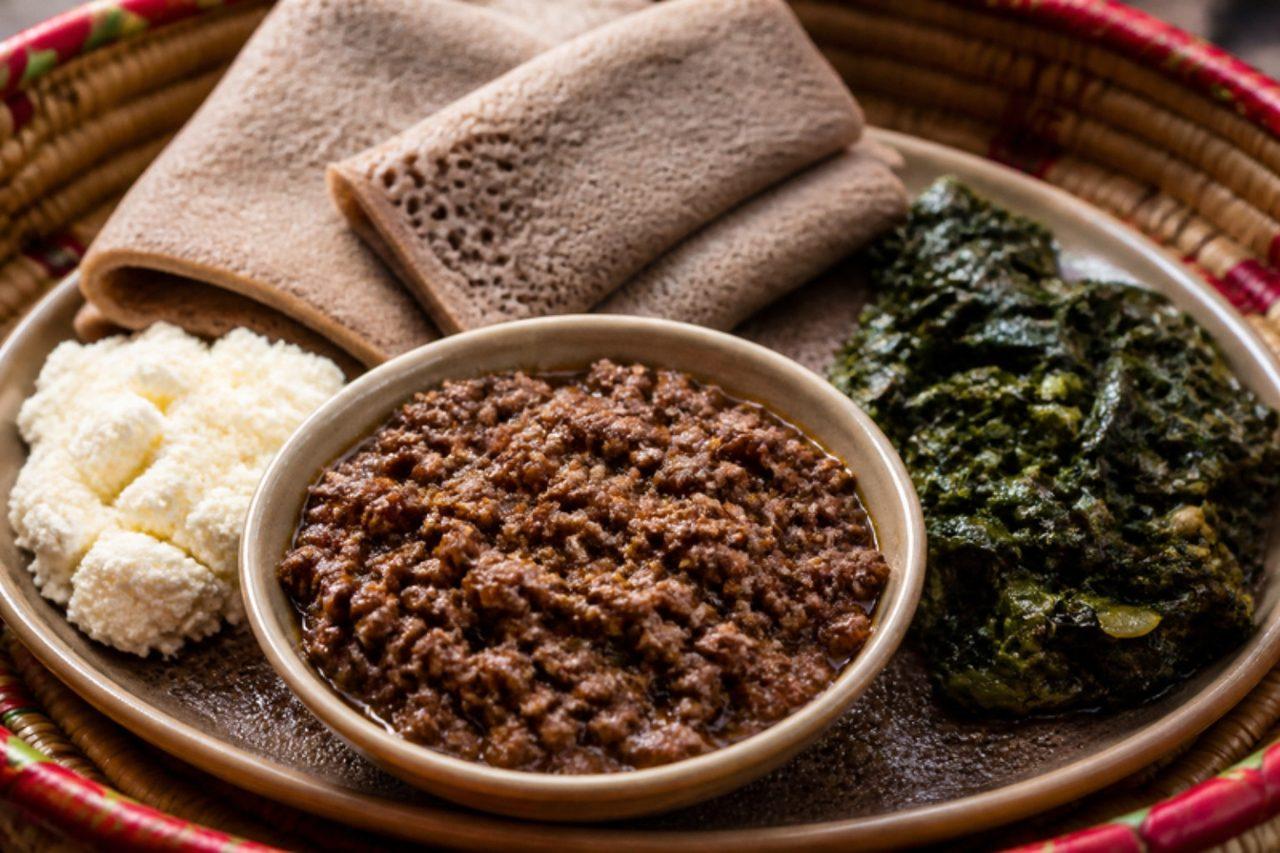
KitfoSpiced minced beef

Kitfo comes from the Gurage people south-west of Addis Ababa, and it is the dish Ethiopians order at special kitfo houses or make for Meskel, the September feast of the True Cross. Lean beef is finely minced and stirred with warm spiced butter and mitmita, a hot chilli and cardamom powder. In Ethiopia it is often eaten raw (tire) or barely warmed (leb leb), but raw or lightly warmed minced beef is not safe for home cooks: this version is cooked to 71 °C, which keeps the buttery, fiery flavour with a soft, crumbly texture. Serve with ayib, braised greens and injera or kocho. Chef's tip: mince the beef yourself from a single lean cut if you can, and keep it fridge-cold until the moment it goes into the pan.

by KrazyBadal 0 views

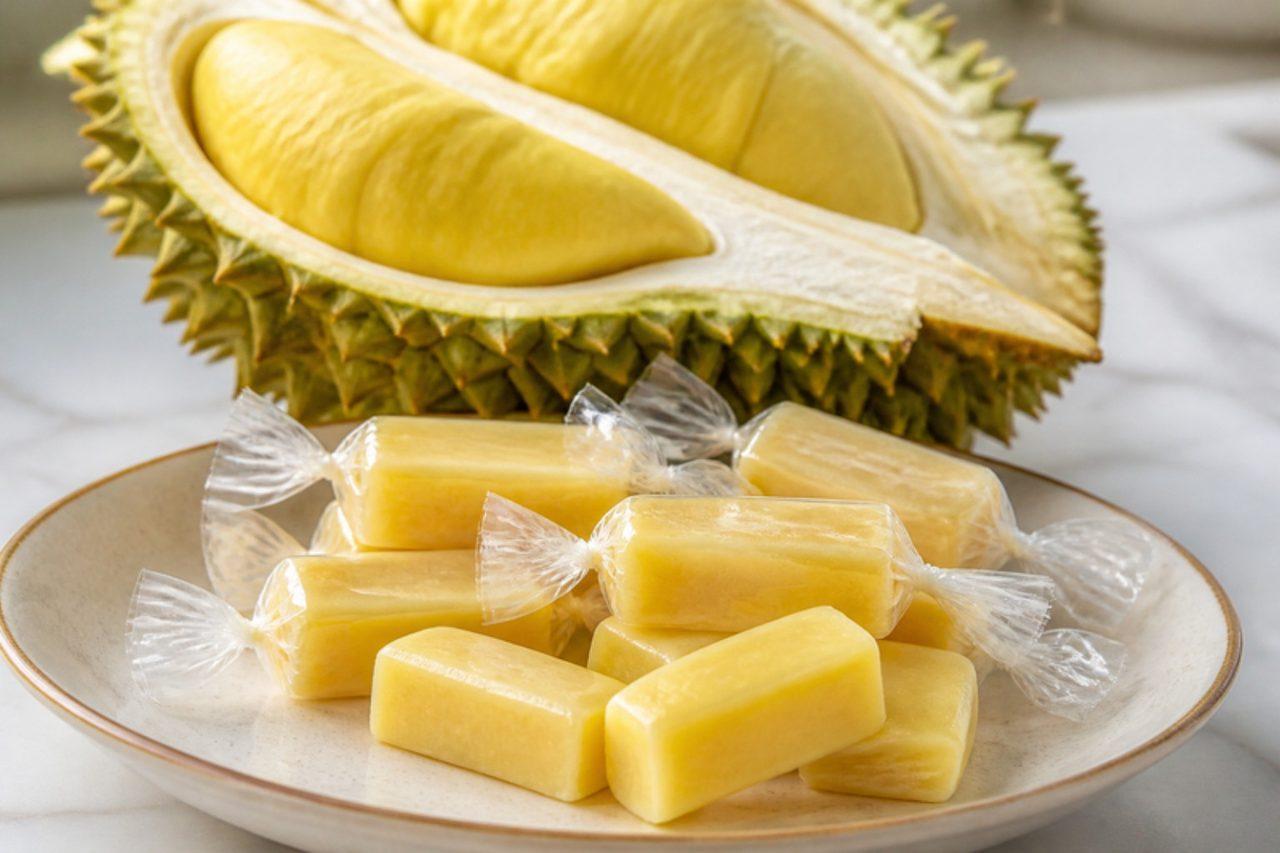
Durian candyDurian milk fudge

Davao City on Mindanao is the Philippines' durian capital, and its roadside stalls sell the fruit by the kilo next to boxes of durian candy for travellers who can't carry a whole one home. Ripe durian pulp is cooked slowly with condensed milk, sugar and butter until it becomes a dense, chewy fudge that tastes of caramel, custard and that famously strong fruit. Chef's tip: frozen durian pulp works perfectly; thaw it fully and pick out any seeds and fibrous bits before you start.

by KrazyBadal 0 views

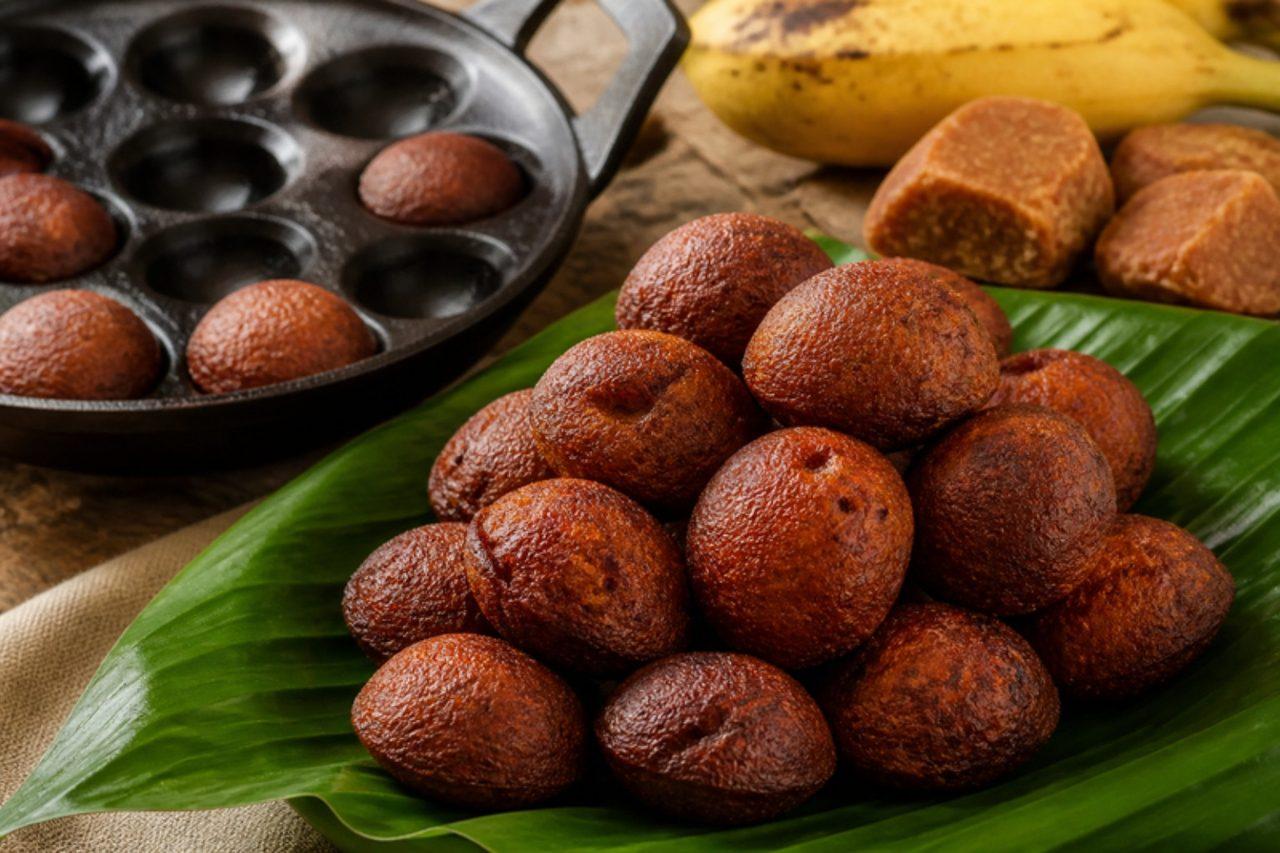
UnniyappamBanana and rice fritters

Unniyappam are small, round sweet dumplings that Kerala families make for Vishu and Karthika, and they are a well-known temple offering at Guruvayur and Sabarimala. A batter of ground rice, ripe banana and jaggery, studded with ghee-fried coconut bits and sesame, is fried in the round hollows of an unniyappa chatti until crisp and dark brown outside and soft and spongy in the middle. They keep for a couple of days in a tin and are perfect with tea. Chef's tip: let the batter rest for an hour; it softens and puffs a little, giving lighter unniyappam.

by KrazyBadal 0 views

Bore baasiSoaked rice with onion

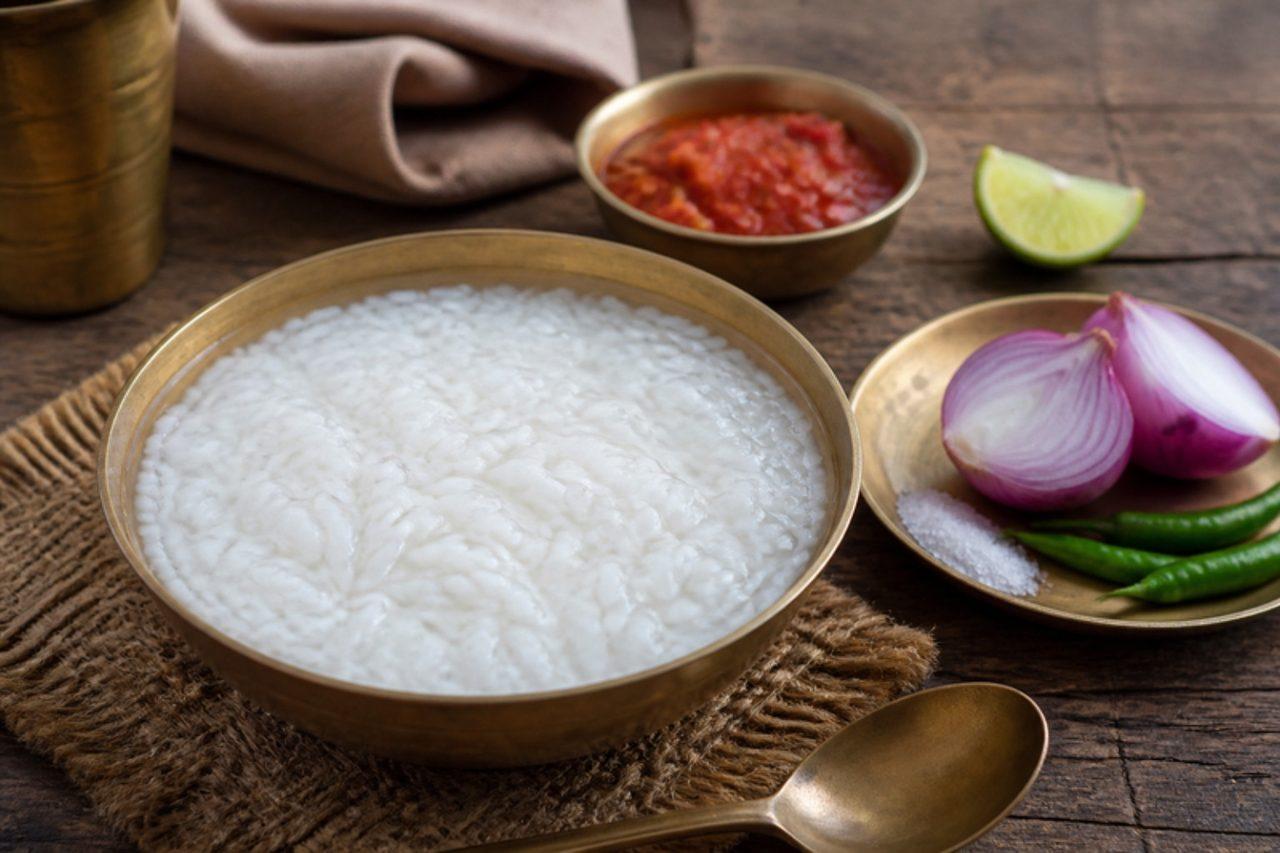
Bore baasi is the summer meal of Chhattisgarh's farmers: cooked rice soaked in water, either for a few hours (bore) or overnight (baasi), then eaten from the bowl with its slightly sour water, raw onion, green chilli and a pinch of salt. It is cooling, filling and easy on the stomach in the heat, and in recent years the state has made 1 May, Labour Day, the day to eat it as Bore Baasi Tihar. Many families add a ladle of buttermilk or curd and something fried or roasted on the side. Food safety matters with any cooked rice left standing, so this version cools the rice fast and soaks it in the fridge. Chef's tip: cool and cover the rice within an hour of cooking; rice left warm on the counter is the real risk, not the soaking.

by KrazyBadal 0 views

KladdkakaSticky chocolate cake

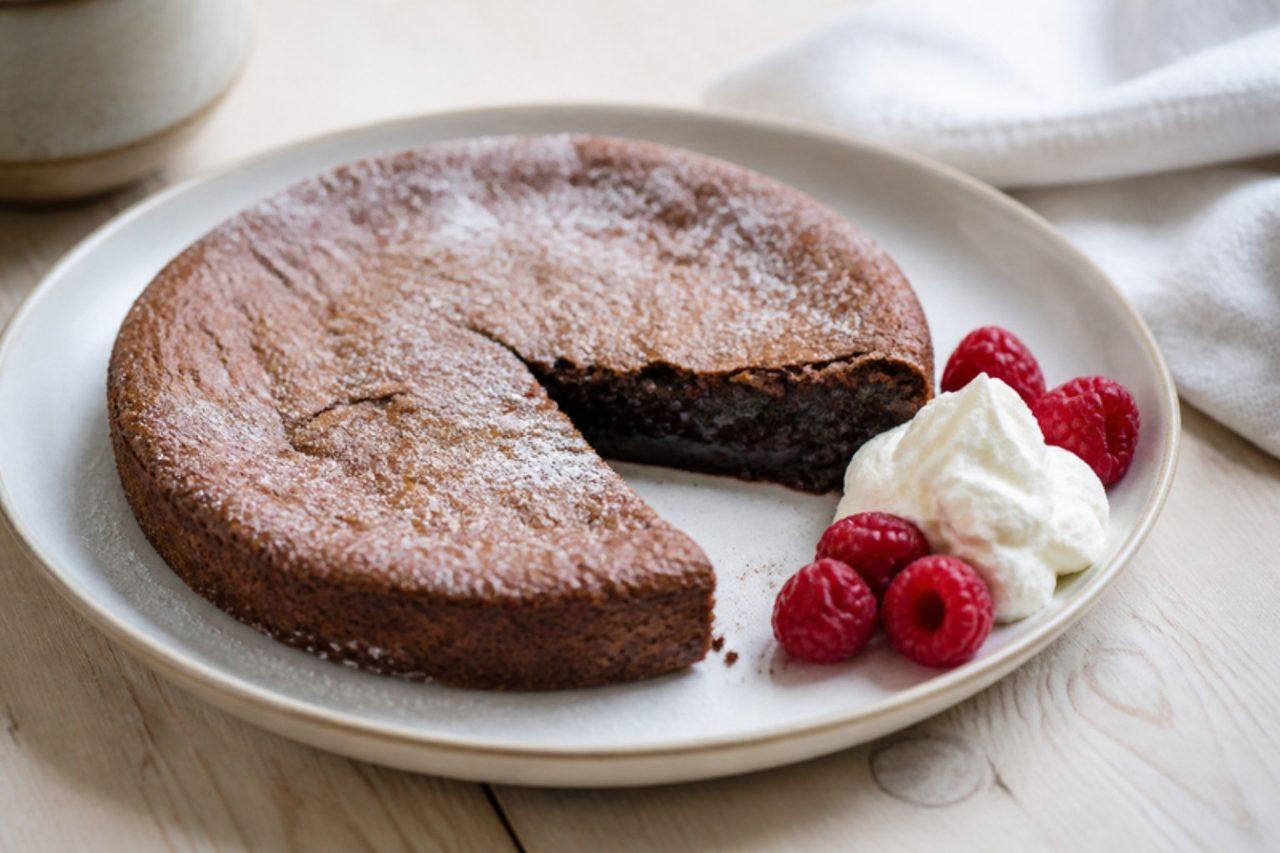
Kladdkaka, literally 'sticky cake', is the chocolate cake Swedish teenagers learn to make first, because it needs one pan, no mixer and no raising agent. The outside bakes to a thin, crackly crust while the centre stays fudgy and almost molten, somewhere between a brownie and a chocolate pudding. In Sweden it turns up at birthday parties, after Friday tacos and at summer cottages, cut into wedges and served with lightly whipped cream and a few raspberries or lingonberries. Cocoa, not bar chocolate, gives it its classic flavour. Chef's tip: take it out when the middle still wobbles like set jelly; it firms up as it cools and a fully set kladdkaka is just a dry chocolate cake.

by KrazyBadal 0 views

Borani banjanFried aubergine in tomato sauce

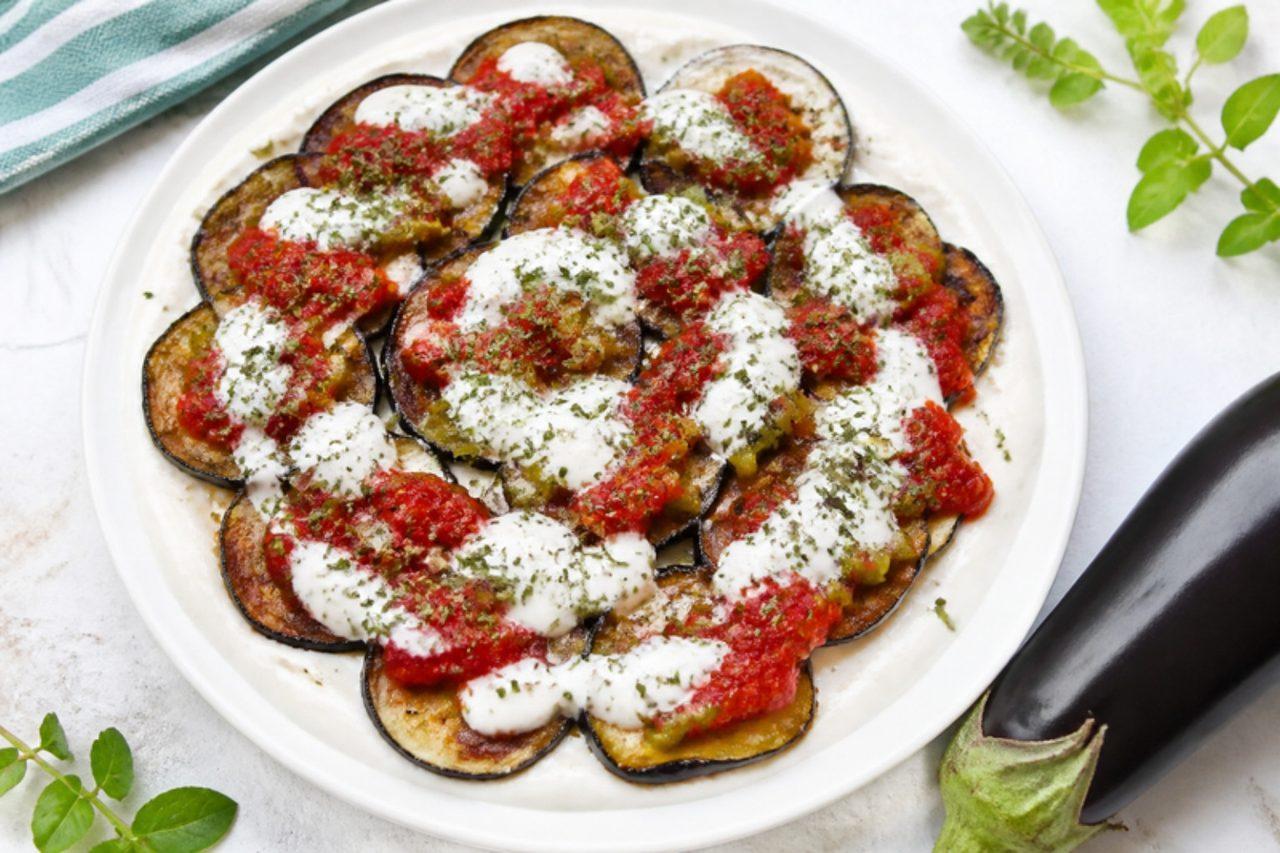
Borani banjan is the aubergine dish Afghan hosts set out at almost every dinner party and Eid meal, from Herat to Mazar-i-Sharif. Thick slices of aubergine are fried until golden, then simmered in a tomato and pepper sauce until meltingly soft and laid over a bed of garlic yoghurt, with dried mint on top. It's eaten warm with naan, or as a side to rice. Chef's tip: fry the aubergine slices in a hot pan and let them drain well before they go into the sauce; well-browned slices hold their shape and give the dish its deep, almost sweet flavour.

by KrazyBadal 0 views

ZapiekankaOpen baguette with mushrooms and cheese

Zapiekanka is Polish street food born in the 1970s and perfected at the hatch windows around Plac Nowy in Kraków's Kazimierz district, where students and night owls queue for one at midnight. Half a long baguette is topped with mushrooms fried with onion, covered in grated cheese and baked until crisp at the edges and bubbling, then finished with a zigzag of ketchup and chives. The classic version has no meat at all. Use a hard cheese made with vegetarian rennet (many supermarket mild Cheddars and Goudas are). Chef's tip: fry the mushrooms until completely dry before they go on the bread; wet mushrooms make the baguette soggy instead of crisp.

by KrazyBadal 1 views

KleponPandan rice balls with palm sugar

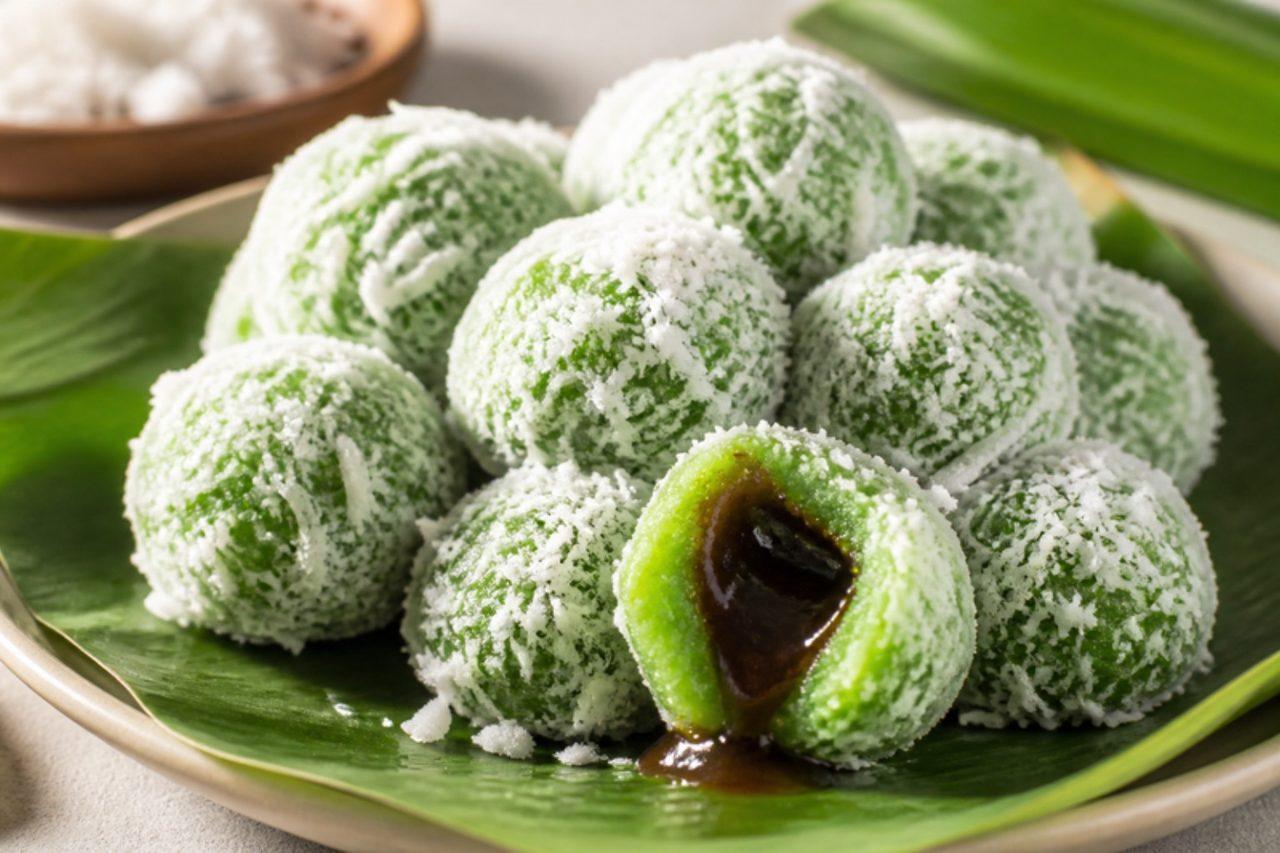
Klepon are the jajan pasar, or market cakes, of Java: sold in the morning from baskets lined with banana leaves, bright green from pandan and dusted with grated coconut. Bite one and a pocket of molten palm sugar floods your mouth, so Javanese eat them whole. Malaysians and Singaporeans know the same sweet as onde-onde, made for festive tea tables, so this page covers both. Chef's tip: seal the balls with no cracks and drop them into gently boiling water — the moment they float, give them one more minute, and the sugar inside will be fully molten.

by KrazyBadal 0 views

DushbaraTiny lamb dumplings in broth

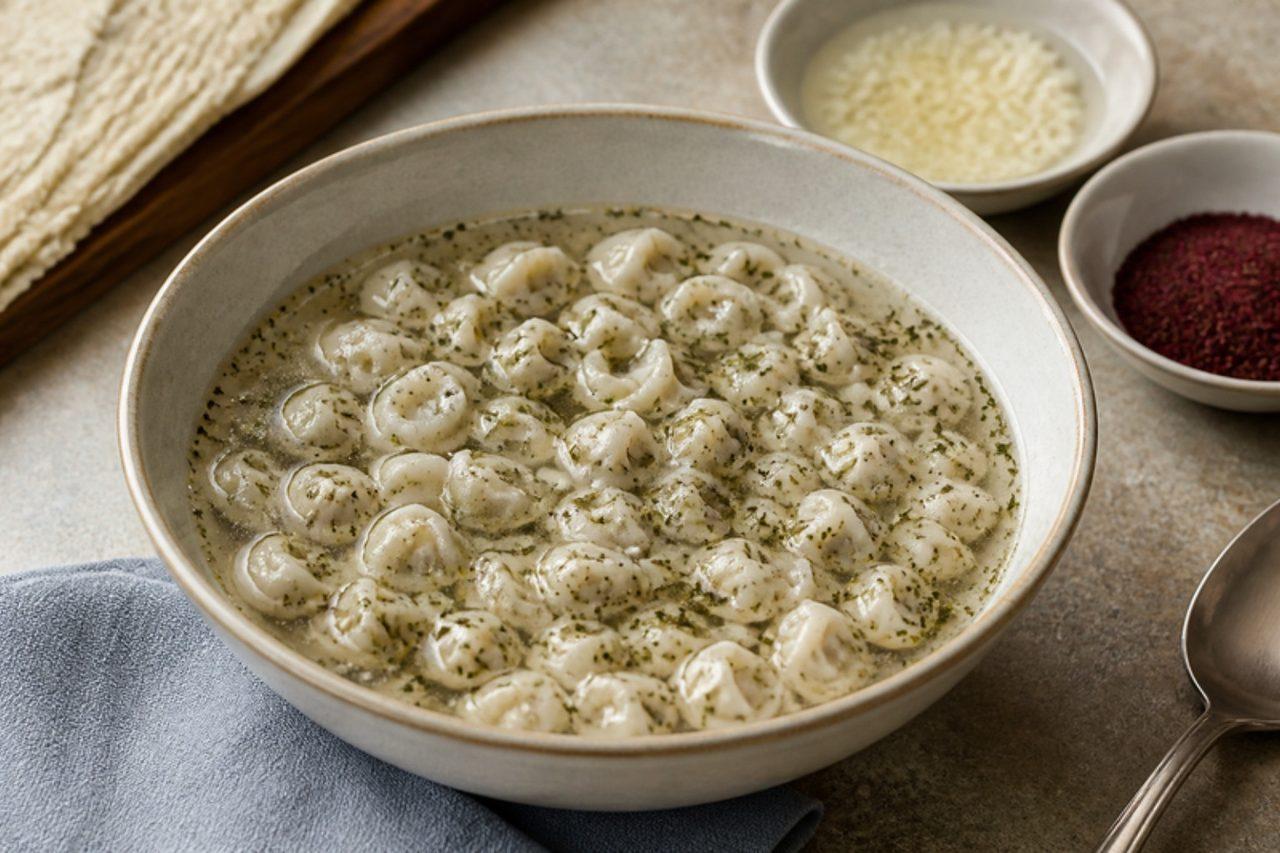
Dushbara is the test of a patient cook in Azerbaijan: dumplings so small that a dozen fit on a spoon, filled with lamb and onion and served in clear bone broth. Families in Baku and the Absheron towns make them for New Year and Novruz, everyone sitting around the table folding together. At the table each bowl gets dried mint, a little crushed garlic in vinegar, and sumac. Over-filling is the usual problem; too much meat and the edges won't seal, so the dumplings open in the pot. Chef's tip: make the broth from lamb bones the day before and chill it, so you can lift off the fat and the soup stays crystal clear.

by KrazyBadal 0 views

Dwaeji gukbapPork and rice soup

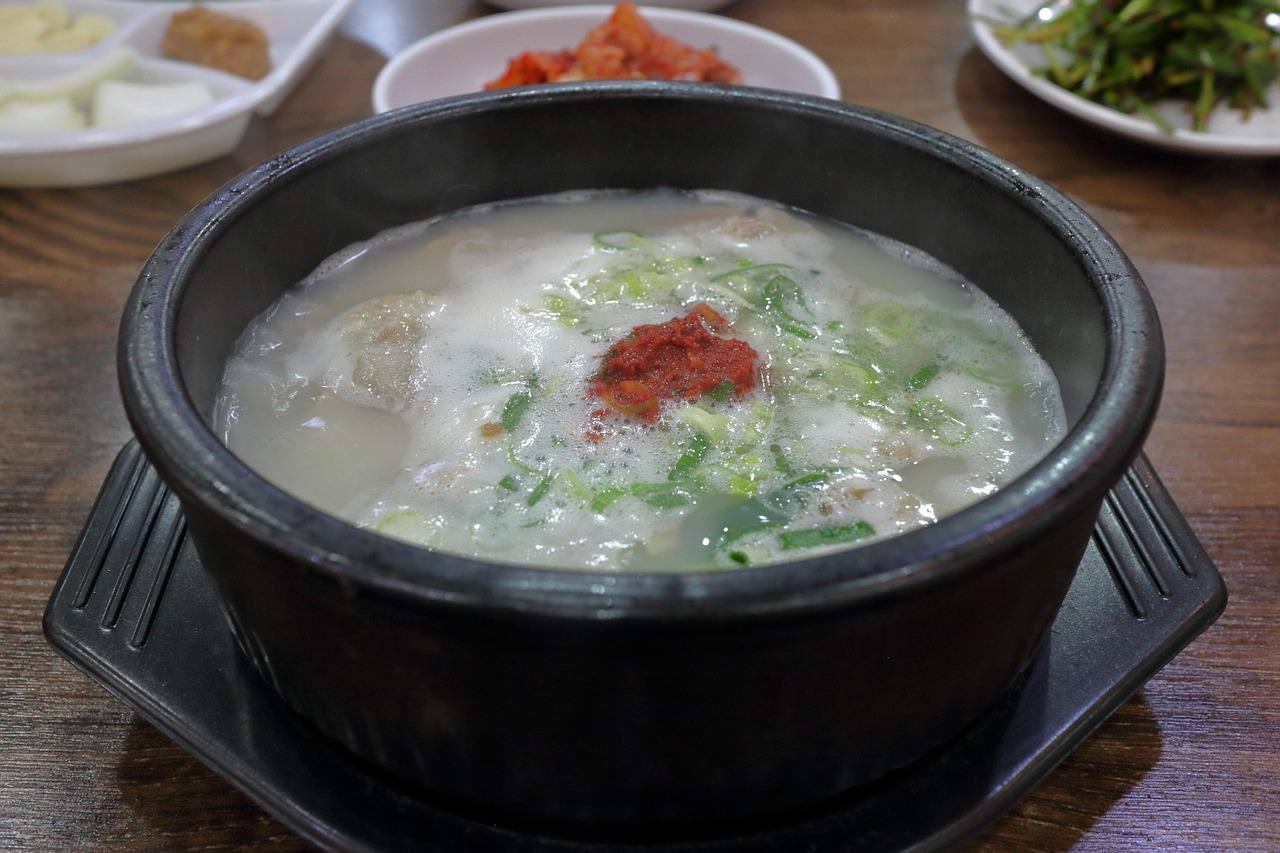
Ask anyone in Busan for a bowl of something filling at any hour and they will probably send you for dwaeji gukbap. Seomyeon has a whole alley of gukbap restaurants, open from early morning to late at night, serving the soup to market workers, students and people heading home after a night out. Pork bones are boiled hard for hours until the broth turns cloudy and white, then poured over sliced pork and rice. Each diner seasons their own bowl at the table with salted shrimp, chilli paste and a pile of garlic chives, with raw onion, green chilli and kimchi on the side. Chef's tip: season the soup in the bowl, not the pot; a little saeujeot at a time gives a clean, savoury depth that salt alone doesn't.

180 minKoreanSoups
by KrazyBadal 0 views

Uzbek chuchvaraTiny dumplings in dill broth

In Tashkent, chuchvara is the little cousin of manti: dumplings no bigger than a thumbnail, folded around a peppery lamb-and-beef filling and dropped into clear meat broth. Families make them in big batches on a slow weekend, freeze trays of them, and eat bowls through the winter with a spoonful of suzma (strained yogurt) or sour cream and lots of dill. The dough is thin and firm, the filling juicy with grated onion, and the broth light enough to drink. Many home cooks roll the dough too thick, which turns the dumplings stodgy; aim for a sheet you can just see the board through. Chef's tip: freeze the shaped dumplings on a floured tray before bagging them, so they stay separate and cook straight from frozen.

105 minUzbekSoups
by KrazyBadal 0 views

UzvarDried fruit drink

Uzvar is the dark, smoky-sweet drink brewed from dried apples, pears and plums that closes the Holy Supper on Ukrainian Christmas Eve, Sviat Vechir, where it is one of the twelve meatless dishes alongside kutia. In villages across Podillia and the Carpathians the fruit is dried in the oven or over smoke in autumn, which gives uzvar its distinctive campfire note; market stalls sell ready-mixed bags in December. It is drunk warm in winter and chilled in summer, and is naturally vegan when sweetened with sugar instead of honey. Chef's tip: simmer gently, then let it steep for several hours; common mistake is boiling it hard, which turns the fruit to mush and the drink cloudy.

by KrazyBadal 0 views

AyranSalted yogurt drink

Ayran is what Turks drink with lunch: a chilled, foamy blend of yogurt, water and a pinch of salt, poured from copper jugs alongside cheese pide, börek, lentil soup and bean stews. In the Susurluk area of Balıkesir it is whisked so hard that it arrives under a thick head of foam, and roadside cafés all over Anatolia serve it in tin cups on hot summer days. It is tangy, refreshing and cooling with spicy food. Make it just before you sit down and drink it ice-cold. Chef's tip: whisk the yogurt alone with the salt until smooth before adding any water, and you'll get a silky drink with no lumps.

by KrazyBadal 0 views

Koba akondroBanana, rice and peanut parcels

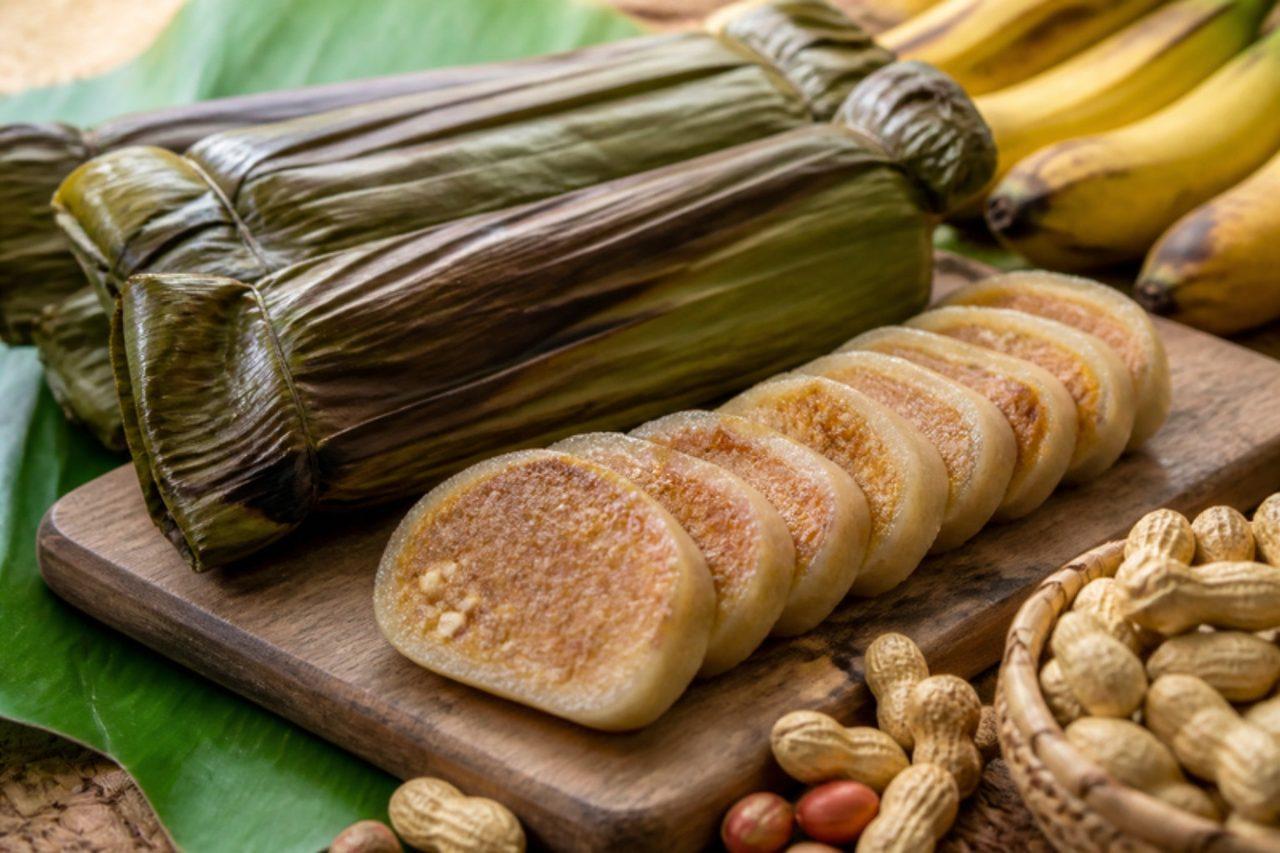
Koba is the street sweet of Madagascar's highlands, sold in thick slices from huge logs wrapped in banana leaves at markets and taxi-brousse stops around Antananarivo and Antsirabe. Koba ravina is a dense block of ground peanuts, rice flour and brown sugar; koba akondro adds ripe banana and is softer. This home version makes small parcels that steam in an hour and a half instead of a whole day. Chef's tip: wrap the parcels tightly; loose parcels let water in and the koba turns sticky instead of firm.

by KrazyBadal 0 views

CalabacitasCourgette and corn sauté

Calabacitas a la mexicana is the everyday summer side dish of kitchens all over Mexico: young squash (calabacitas) cooked quickly with sweetcorn, tomato, onion and strips of roasted poblano until tender and juicy, finished with crumbled fresh cheese. Mexican grey squash is milder and more tender than courgette, but young courgettes work beautifully. Eat it with rice and beans, roll it into tacos, or fill quesadillas with it. Use queso fresco made with vegetarian rennet. Chef's tip: cook over a high heat and don't cover the pan for long; you want the courgette to fry and keep a bite, not steam into a puddle.

by KrazyBadal 0 views

ConchasSweet bread buns

Conchas are the most famous pan dulce (sweet bread) in Mexico, piled high in every panadería and eaten for breakfast or merienda with hot chocolate or coffee. The bun is soft, slightly sweet and enriched with egg and butter, and it wears a crunchy, crumbly topping of sugar, fat and flour scored into the seashell pattern that gives it its name. Make some vanilla and some chocolate topping for the classic mix. Chef's tip: shape the dough into very tight balls before adding the topping; the tension makes them rise up instead of spreading out, so the shell cracks into neat stripes.

by KrazyBadal 0 views

XalwoCardamom halwa

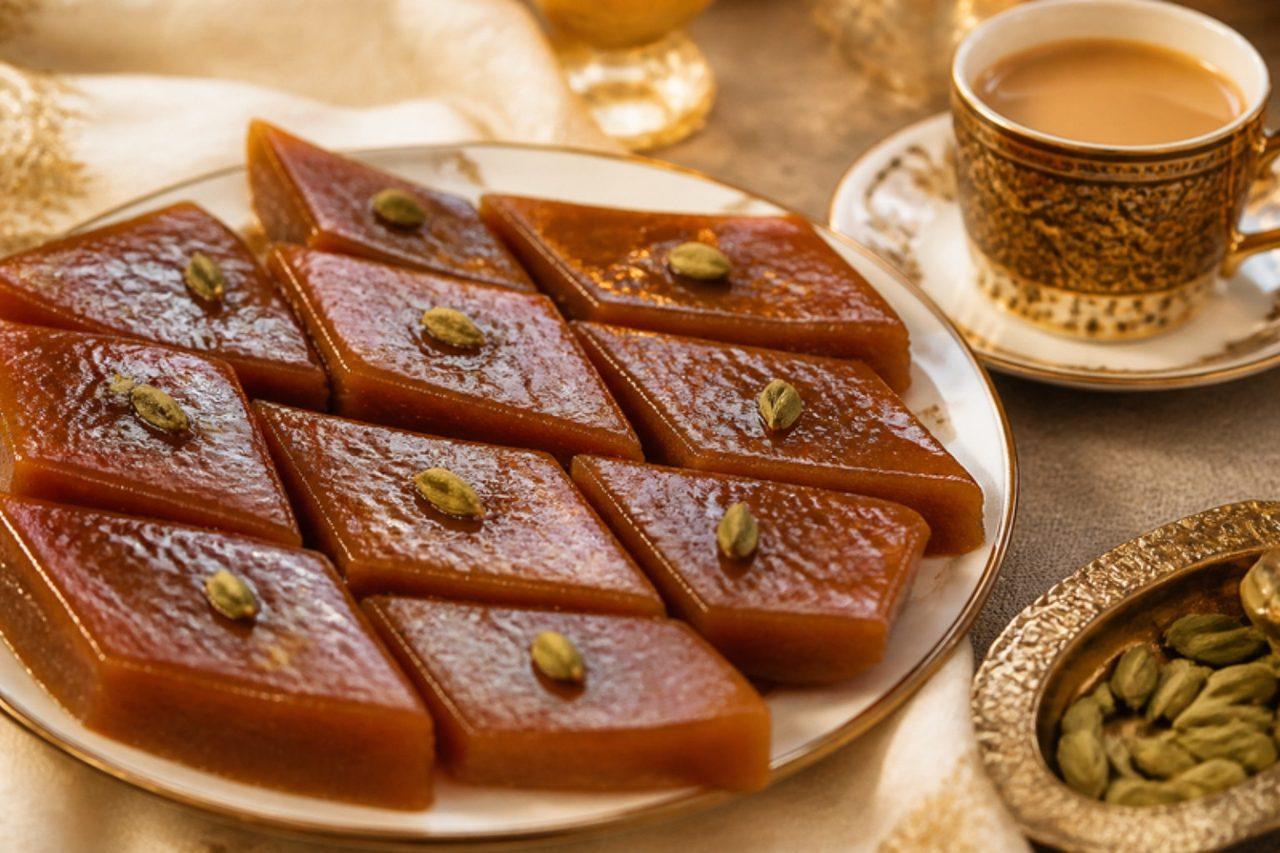
Xalwo is the sweet of Somali celebrations: weddings, Eid and the arrival of guests are all marked with a tray of this dark, glossy, chewy confection, cut into diamonds and served with coffee or spiced tea. Sugar is caramelised, then cooked slowly with cornflour and oil or ghee while the cook stirs without stopping until it pulls away from the pan. It is a cousin of Omani and Yemeni halwa. Chef's tip: stir constantly and keep going until the oil starts to separate and shine on the surface; stopped early, xalwo stays soft and does not set.

by KrazyBadal 0 views

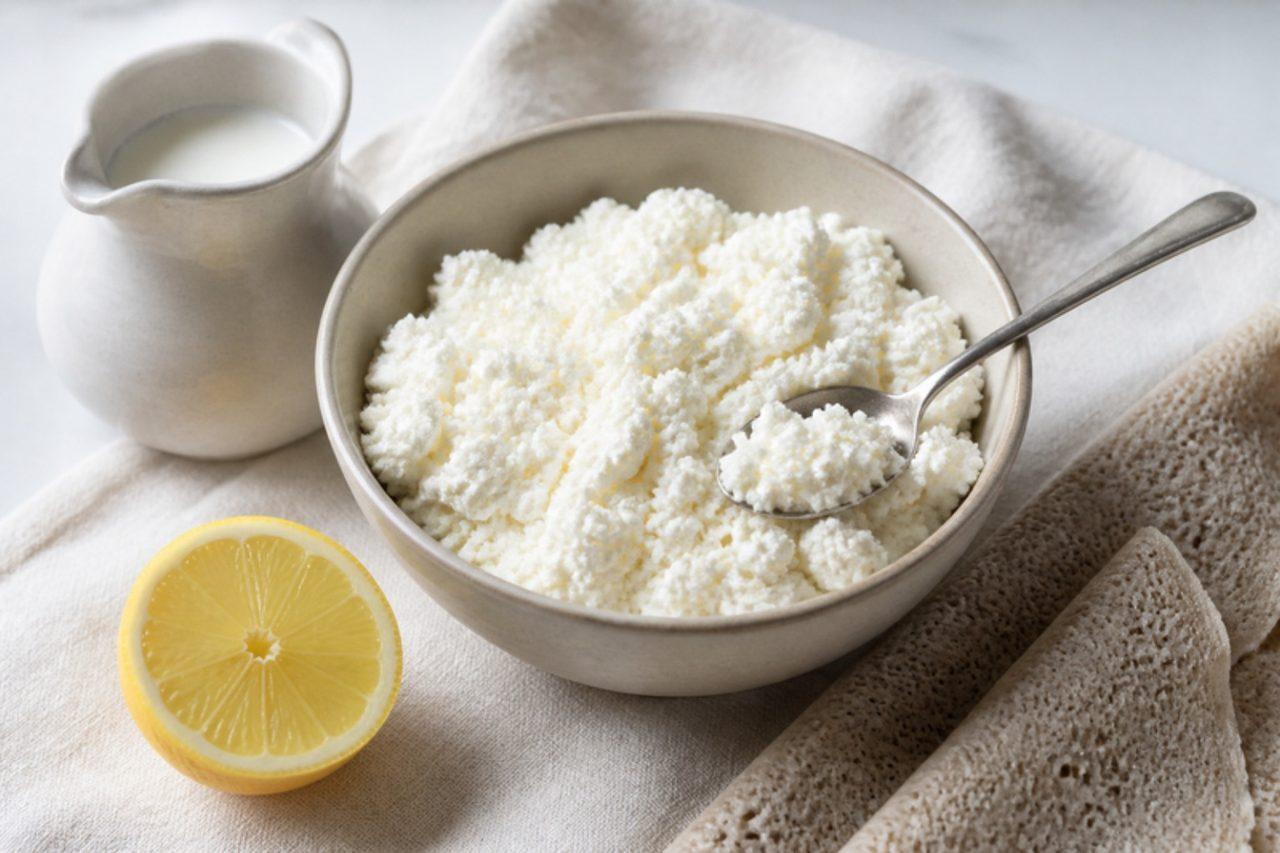
AyibFresh curd cheese

Ayib is the soft, crumbly fresh cheese that Ethiopians serve alongside spicy food to cool the mouth, especially with kitfo and gomen in the Gurage country south of Addis Ababa, where it is made from the buttermilk left after churning butter. It tastes very mild and slightly tangy, a little like ricotta or cottage cheese, and is often mixed with herbs or a pinch of mitmita. This home version uses milk and buttermilk, heated until they separate. Chef's tip: once the curds form, take it off the heat; boiling makes them tough and rubbery.

by KrazyBadal 0 views

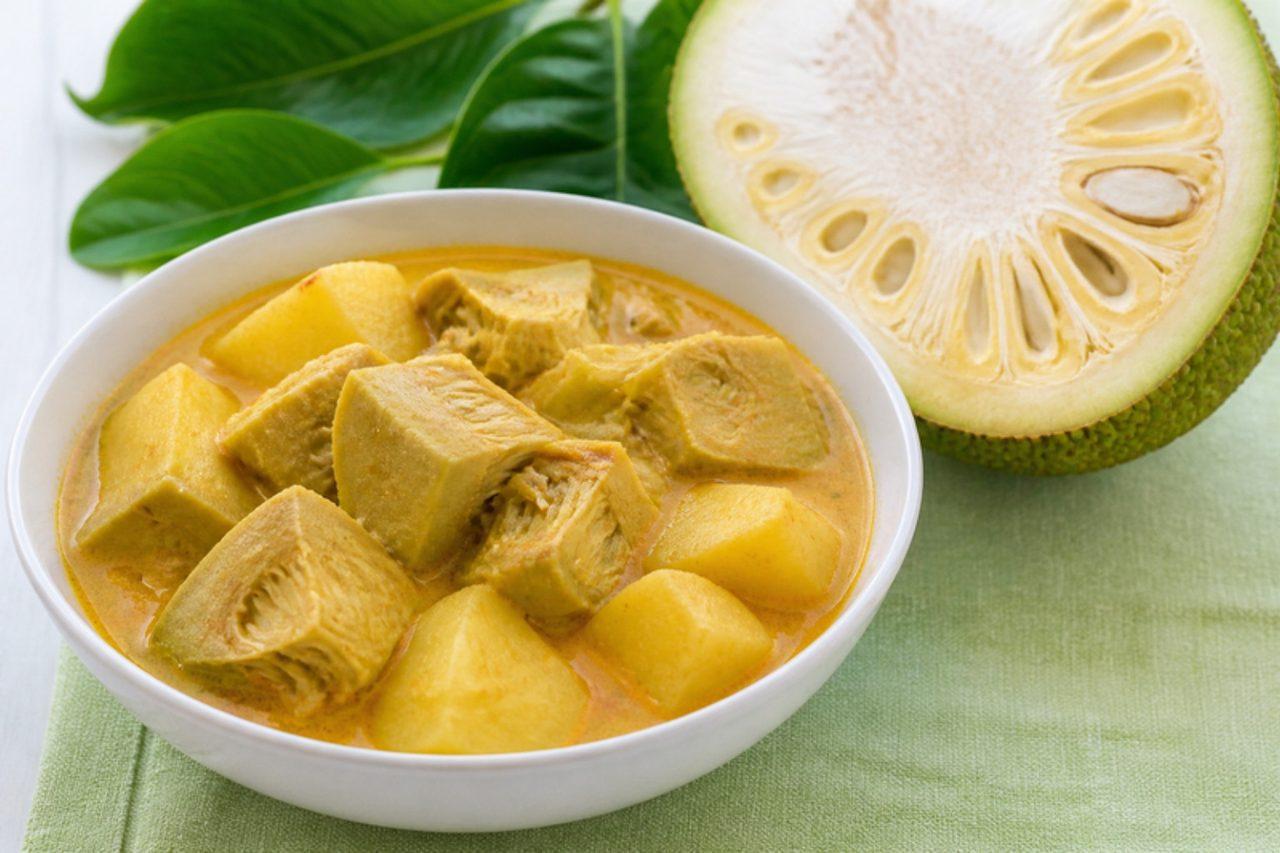
Echorer dalnaYoung jackfruit curry

In early summer, Kolkata's bazaars sell baby green jackfruit (echor), and Bengali households cook it into a dalna rich enough to be called gachh-patha, 'mutton from the tree'. The jackfruit is boiled, fried with potato and simmered in a ginger, cumin and tomato gravy, finished with ghee and garam masala. Its chewy, meaty texture soaks up the spice. It is a Sunday lunch dish, eaten with rice or luchi. Chef's tip: buy jackfruit no longer than your forearm, with pale seeds; older fruit is fibrous and the seeds are hard.

by KrazyBadal 0 views

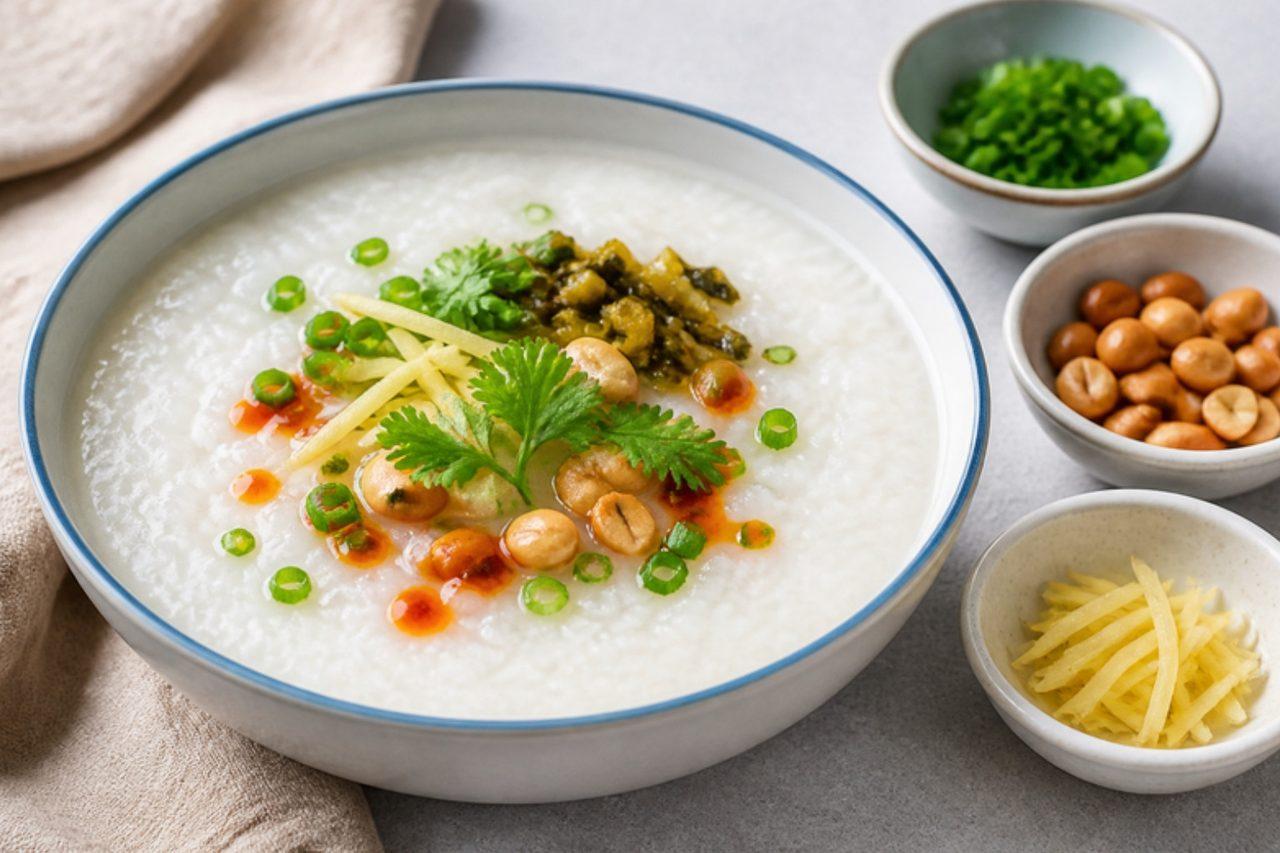
Plain rice congee with toppingsRice porridge with toppings

Congee (zhou in Mandarin, juk in Cantonese) is what much of China eats for breakfast, and what everyone is given when they are under the weather. The base is just rice and water cooked until the grains burst into a smooth, gentle porridge; the fun is in the toppings, from fried shallots to peanuts and salty pickles, so everyone builds their own bowl. Chef's tip: rinse the rice, then rub it with a little oil and salt and freeze it for an hour if you can; the grains crack and break down twice as fast.

by KrazyBadal 0 views

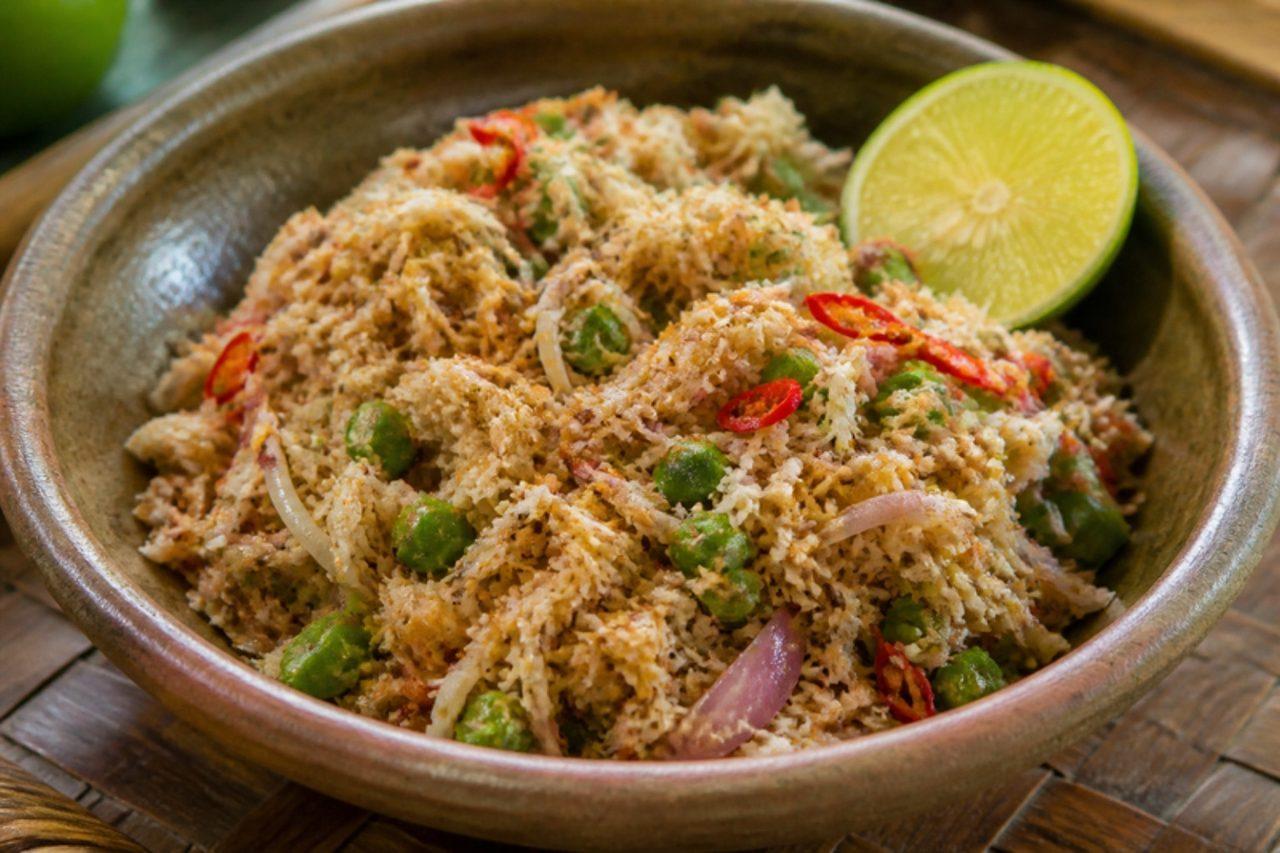
Kohu-kohuSmoked tuna salad

Ambon's fish markets sell ikan asar, tuna smoked over coconut husks, and one of the best things to do with it is kohu-kohu. Flakes of the smoky fish are tossed with crisp shredded long beans, bean sprouts, lightly toasted coconut, raw shallot, chilli and plenty of lime, making a salad that is crunchy, smoky, sour and hot all at once. It's a staple at Maluku family meals, often served next to papeda and fish soup or simply with rice. Chef's tip: mix it no more than an hour before eating; fresh coconut goes limp and sour if it sits around, and the salad loses its crunch.

by KrazyBadal 0 views

Ayam rica-ricaChicken in fresh chilli paste

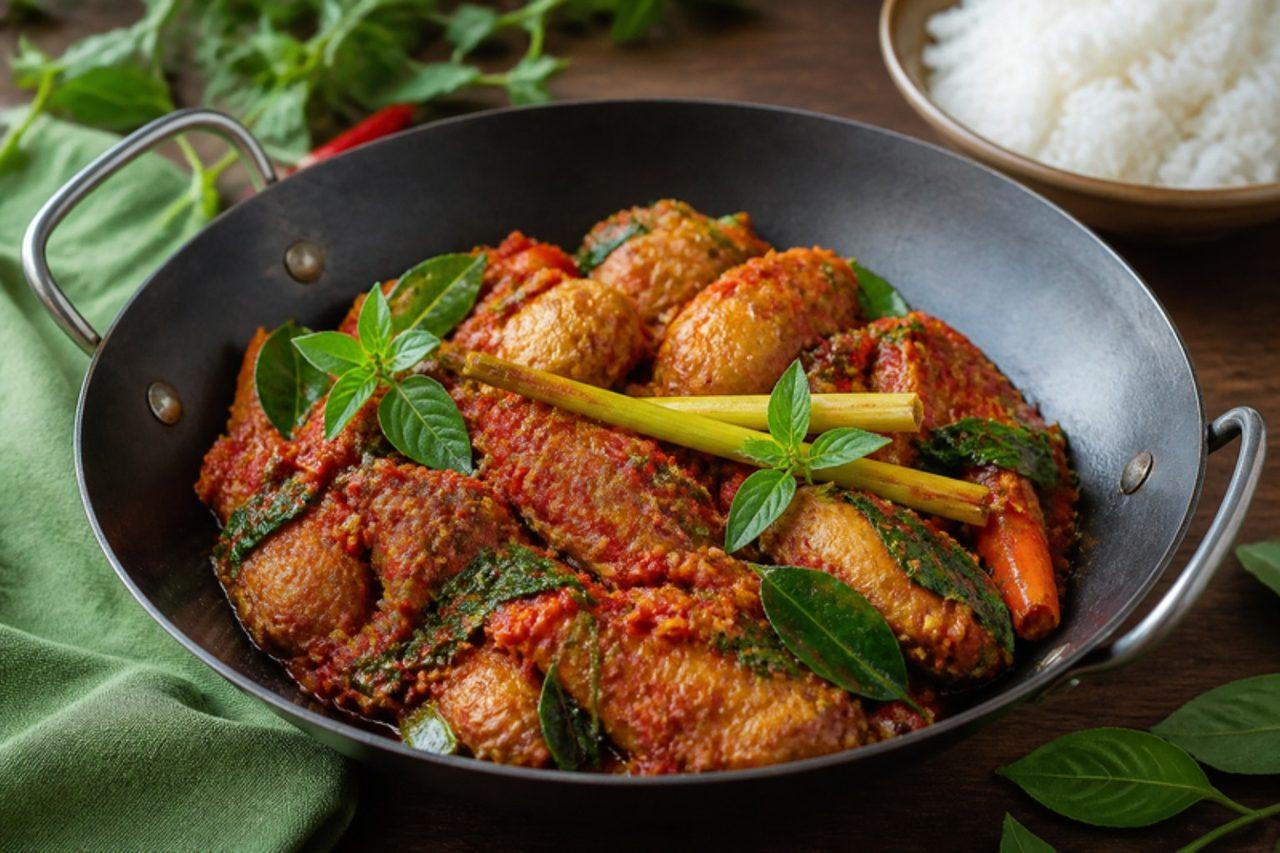
Rica means chilli in the Manado dialect, and North Sulawesi cooks are not shy with it. Ayam rica-rica turns up at Minahasa family parties and church gatherings, a heap of chicken pieces coated in a coarse, scarlet paste of fresh chillies, shallots and ginger, finished with tomato, spring onion and a fistful of lemon basil. It's hot, bright and fresh rather than deep and stewed, with a sticky sauce that clings to the meat. Serve it with lots of steamed rice and a cooling cucumber salad. Chef's tip: blend the paste coarse, with as little water as possible; a wet, smooth paste steams instead of frying and never gets that glossy, toasty edge.

by KrazyBadal 0 views

Kok choyGreen tea

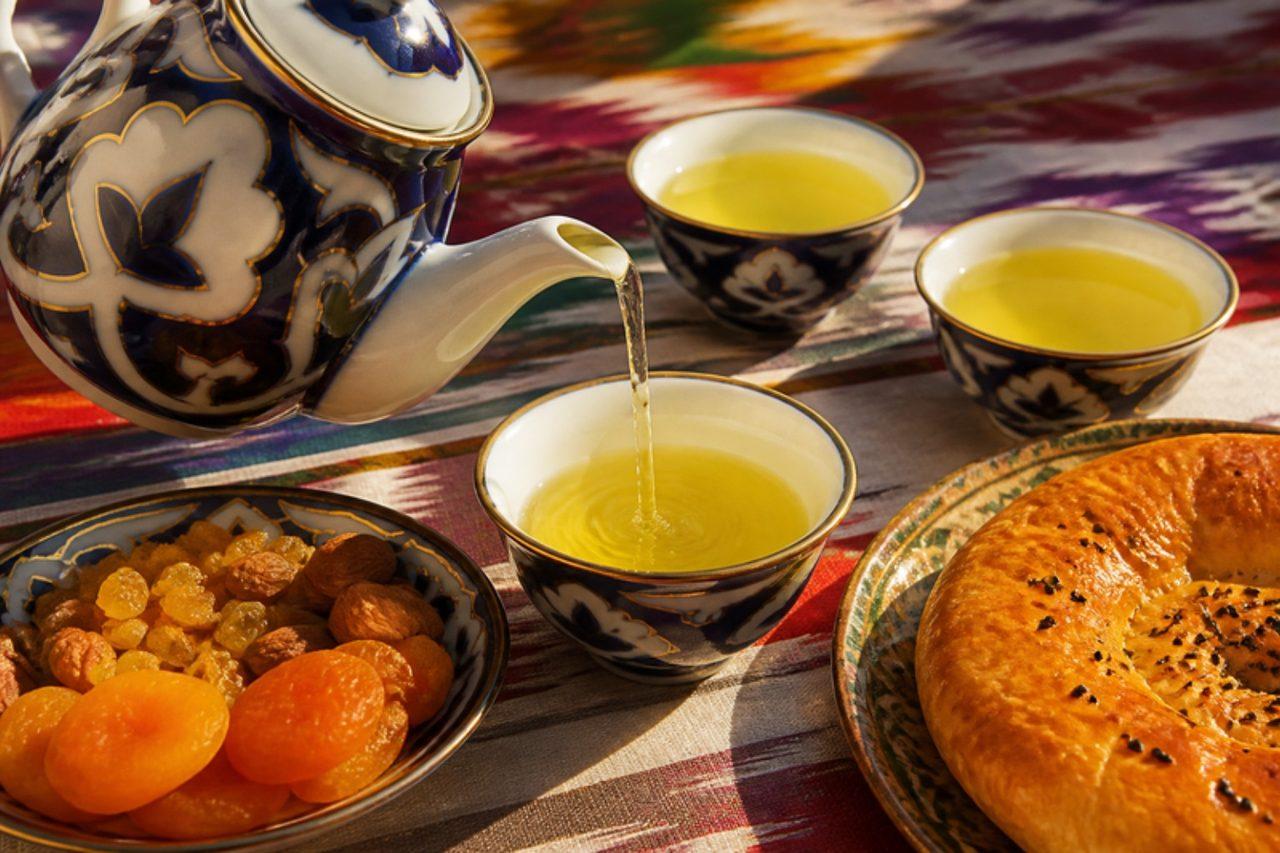
In an Uzbek chaikhana, from Tashkent's shady teahouses to the courtyards of Khiva, the first thing to arrive is a teapot of kok choy, green tea, with small bowls (piala) and a plate of raisins, almonds and sweets. The host performs qaytarish: pours a bowl, tips it back into the pot, and repeats three times to blend the brew, then serves each guest a bowl only half full, a sign they should stay and be topped up. Green tea is drunk with plov to cut the oil, and all through hot summer days. Chef's tip: use water just off the boil (about 90°C) and warm the pot first; boiling water straight from the kettle makes Chinese green tea taste harsh.

by KrazyBadal 0 views

KokiSteamed black-eyed bean pudding

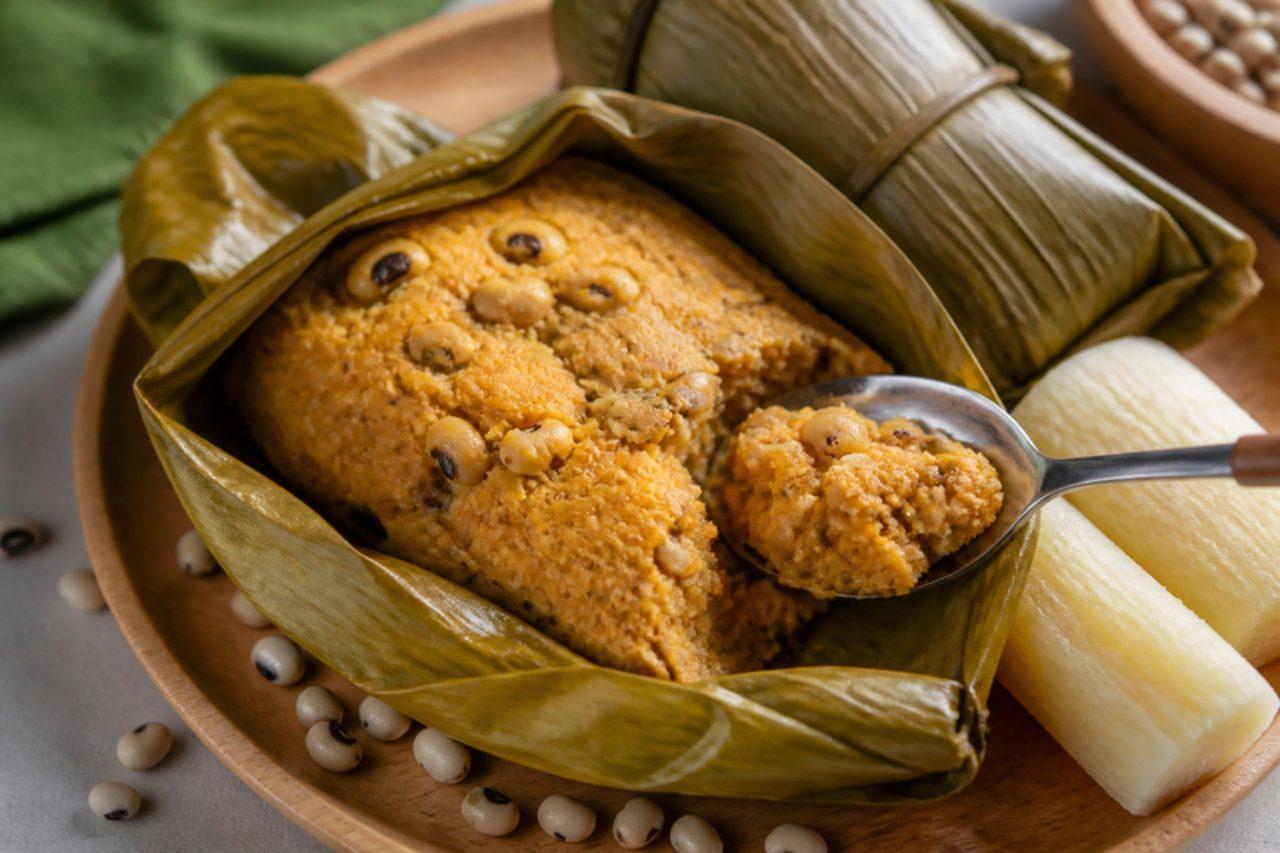
Koki is a dense, orange-red bean cake from the Douala and Bakweri country of Cameroon, made from skinned black-eyed beans blended with red palm oil, chilli and greens, then wrapped in banana leaves and steamed for hours. It is weekend food and market food, eaten with boiled plantain, cassava or ripe banana. It is related to Nigerian moi moi but heavier, richer with palm oil and full of cocoyam leaves or spinach. Chef's tip: warm the palm oil just until liquid before beating it in; poured in cold and solid it leaves streaks of fat instead of an even orange colour.

by KrazyBadal 0 views

KokisCrisp rice flour flowers

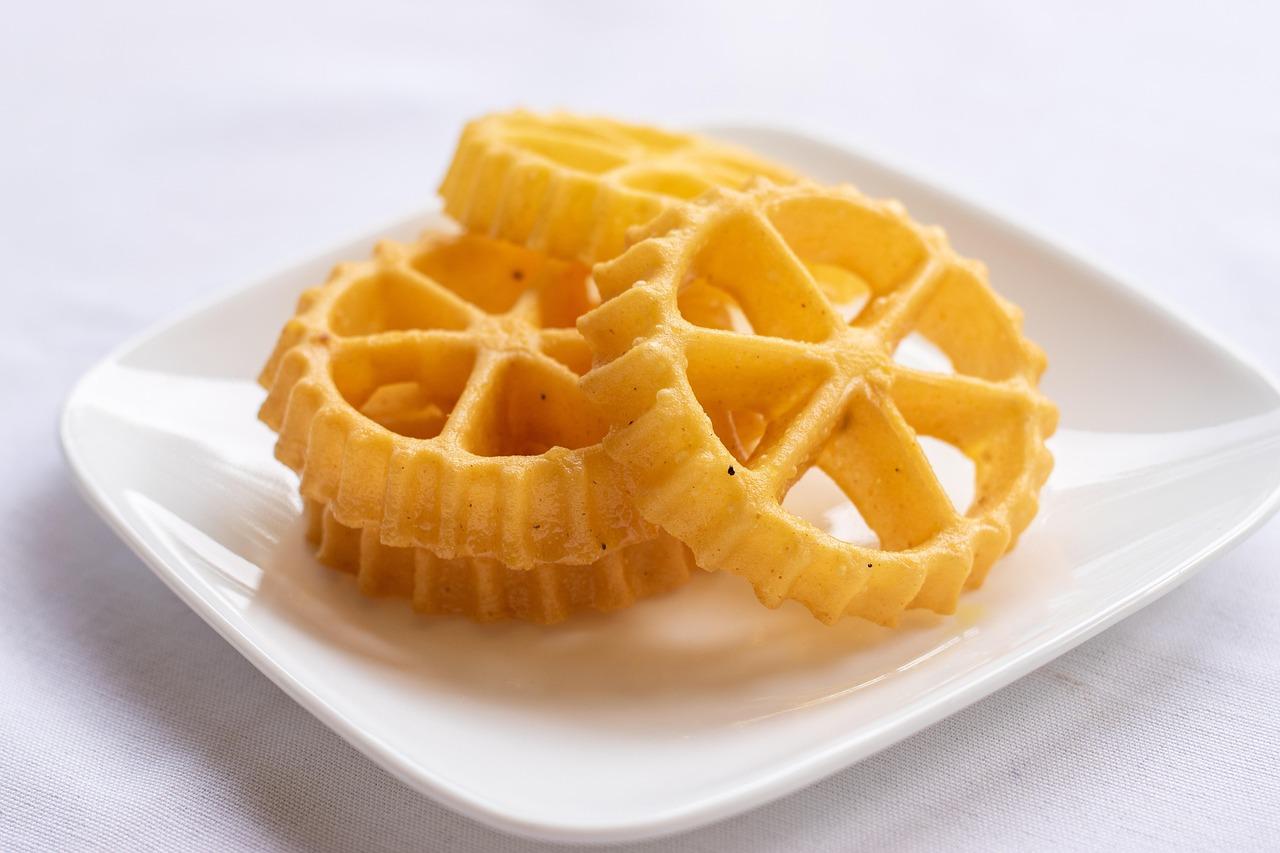
Kokis are the lacy, wheel-shaped crisps that every Sri Lankan family fries in the days before Sinhala and Tamil New Year in April, piled onto the Avurudu table beside kavum, kiri bath and banana. A thin batter of rice flour, thick coconut milk, egg and a little turmeric is picked up on a hot brass kokis mould, dipped into the oil, and shaken free as it sets, so each one is light, salty-sweet and shatteringly crunchy. They're a cousin of the rosette cookie but savoury rather than sugary. The usual mistake is dipping the mould right under the batter, so the kokis sticks and won't release; dip it only three-quarters of the way up its sides. Chef's tip: heat the mould in the oil for a full minute before the first dip, and return it to the oil between every kokis; a cold mould won't pick up batter.

by KrazyBadal 0 views

Ayam pongtehChicken and potato braise

Melaka's Peranakan (Nyonya) kitchens cook ayam pongteh for family dinners and for the Chinese New Year reunion table: a dark, gentle braise of chicken and potatoes that has no chilli at all. Its savour comes from taucheo, salted fermented soybeans, fried with a lot of shallots and garlic, sweetened with palm sugar and coloured with dark soy. The gravy is thin, glossy and moreish, and the potatoes drink it up until they are soft enough to crush with a spoon. Spoon it over plain rice with sambal belacan on the side for anyone who wants heat. Chef's tip: pound the shallots rather than blending them to a purée; slightly coarse shallots melt into the gravy and give it body.

by KrazyBadal 0 views

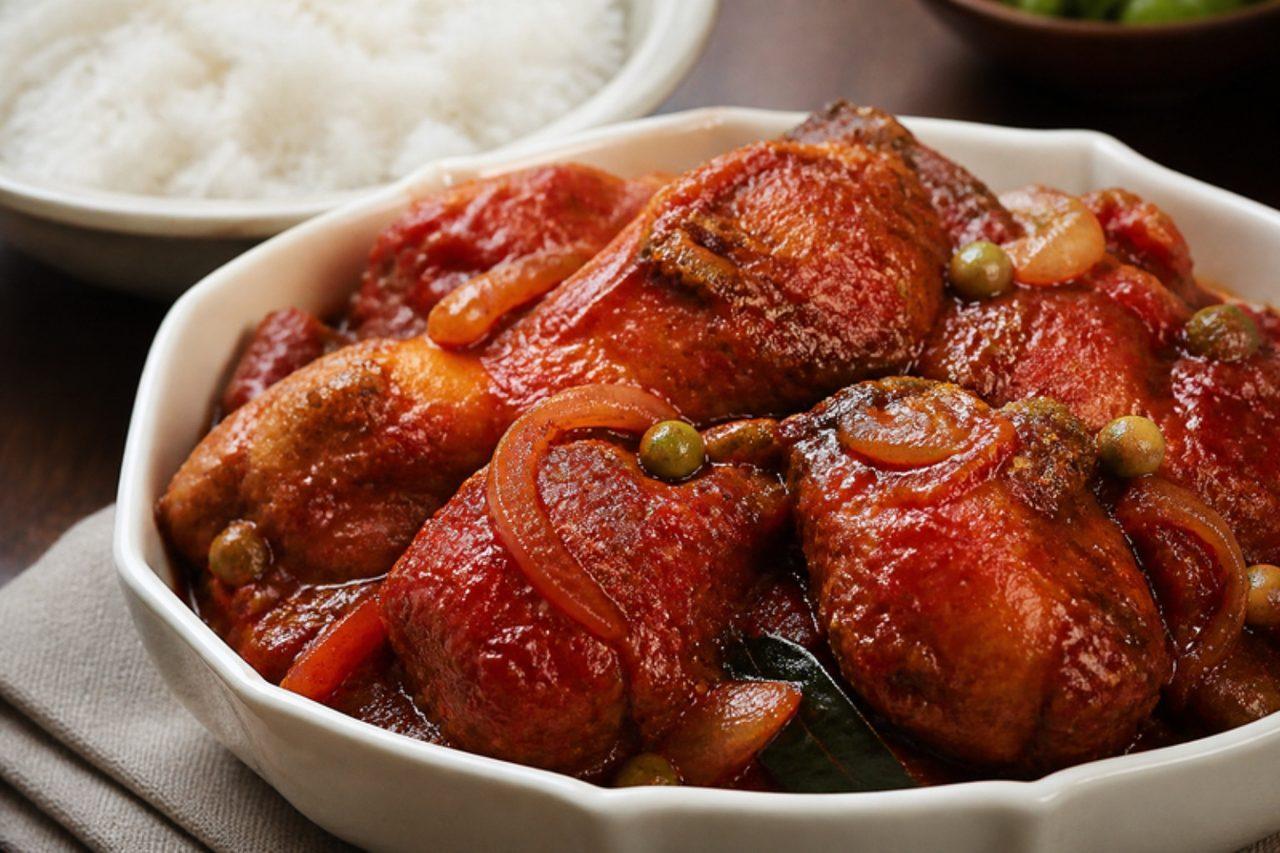
Ayam masak merahChicken in tomato chilli sauce

Red-cooked chicken turns up at almost every Malay kenduri (wedding feast) and Hari Raya open house across Malaysia, ladled out of huge pots beside nasi minyak or plain rice. The chicken pieces are fried first so the skin firms up, then simmered in a brick-red sauce of blended dried chillies, tomato and onion that tastes sweet first, then hot, then tangy. Cinnamon, star anise and cloves give it a warm, almost festive smell, and a splash of coconut milk at the end rounds off the edges. Serve it with steamed rice, cucumber slices and a spoon of acar (pickled vegetables). Chef's tip: fry the chilli paste until it darkens and the oil seeps out (pecah minyak) before any tomato goes in; raw paste makes the sauce taste harsh and bitter.

by KrazyBadal 0 views

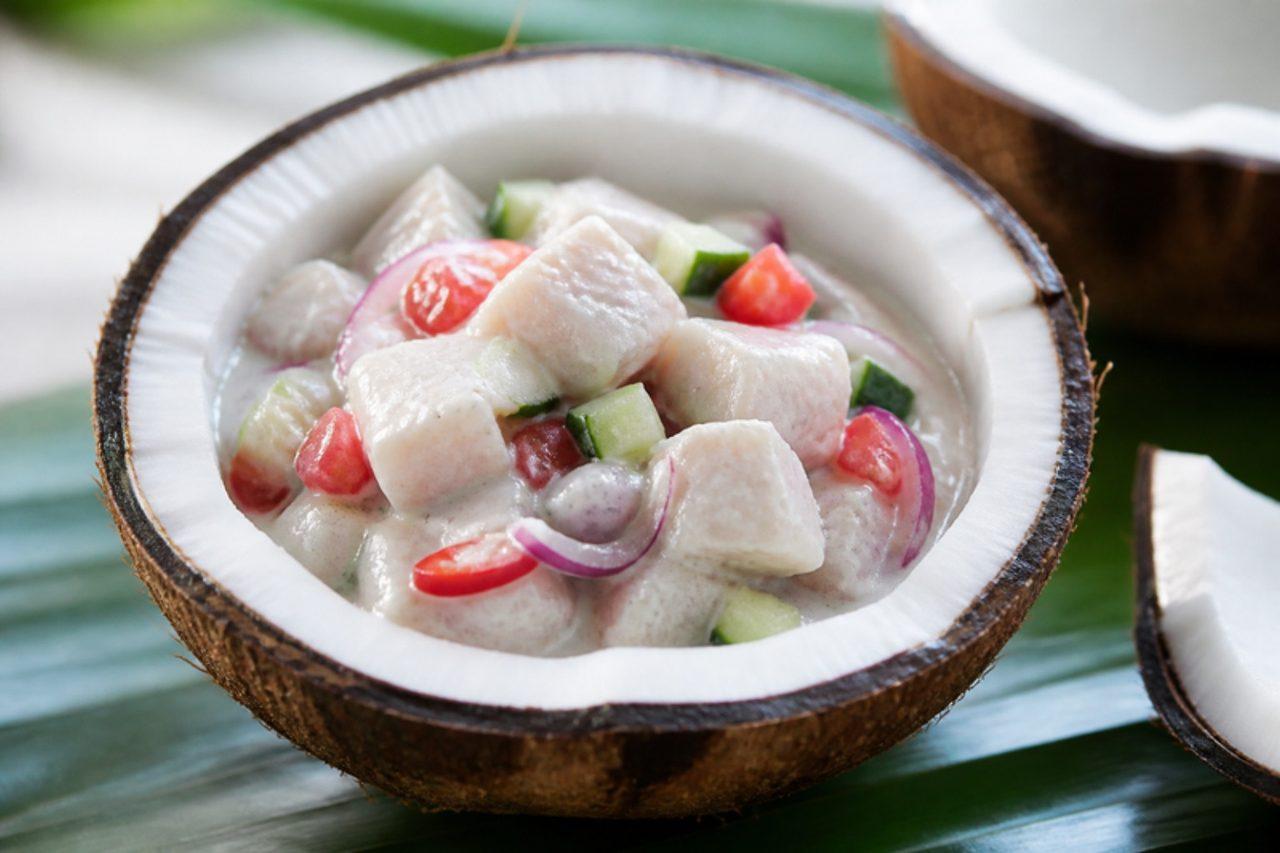
KokodaLime-cured fish in coconut cream

Kokoda (said "ko-kon-da") is Fiji's answer to ceviche, made in villages on Viti Levu and served at Suva's restaurants and family feasts in a half coconut shell: cubes of white fish soaked in lime juice until they turn white, then mixed with fresh coconut cream, onion, tomato, chilli and a little cucumber. Lime "cooks" the look of the fish but does not kill bacteria or parasites like heat does, so this is written as a safer version: use only very fresh fish that has been frozen first (sold as sashimi or sushi grade), keep everything cold and eat it within 2 hours. Raw or lime-cured fish is not for pregnant women, young children or anyone with a weakened immune system; for them, use the lightly poached option in the steps. The mistake is leaving the fish in lime too long, which turns it chalky; 15–20 minutes is enough. Chef's tip: drain off the lime juice before adding the coconut cream so the dish stays creamy, not sour.

by KrazyBadal 0 views

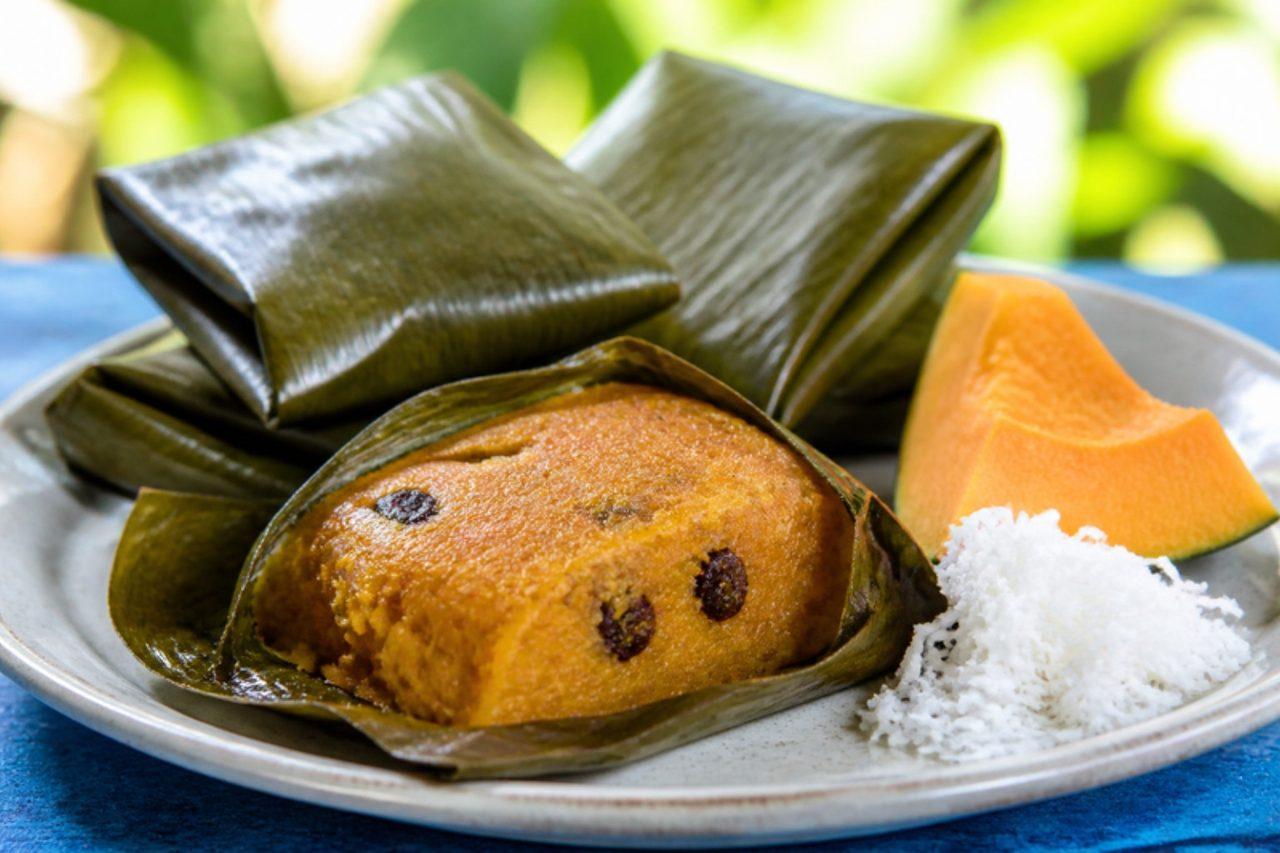
ConkiesSteamed pumpkin and cornmeal parcels

Conkies are made all over Barbados in late November for Independence Day on 30 November, when they're sold at roadside stalls and steamed in big pots at home; older Bajans remember them from Guy Fawkes Night, too. A spiced batter of grated pumpkin, sweet potato and coconut, cornmeal, sugar and raisins is folded into squares of banana leaf and steamed until it sets. Unwrapped, they're moist, dense, sweet and fragrant with nutmeg, almond and the faint green tea scent of the leaf. Chef's tip: pass the banana leaves briefly over a gas flame or dip them in hot water first; they turn glossy and supple and fold without splitting.

by KrazyBadal 0 views

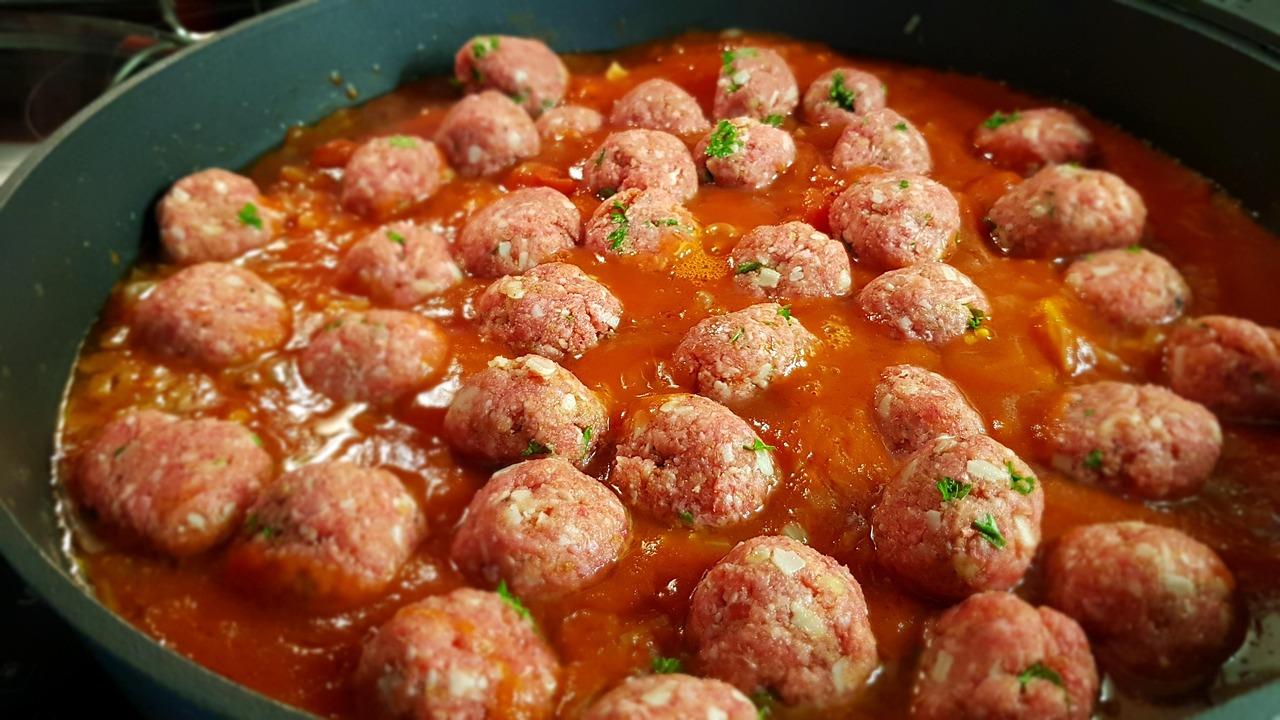
Albóndigas en salsaMeatballs in tomato almond sauce

Albóndigas turn up all over Spain: in a cazuelita on a tapas bar counter, as the second course of a weekday menú del día, and in home kitchens on a Sunday when there is time to roll them. These are made with pork and beef, softened with milk-soaked bread, browned and then simmered in a tomato sauce thickened the old Spanish way with ground fried almonds, which gives it body and a gentle nutty sweetness. Serve them with chips, rice or plenty of bread. They taste even better the next day. Chef's tip: wet your hands with cold water before rolling each meatball; the mixture won't stick and the balls come out smooth and round.

by KrazyBadal 0 views

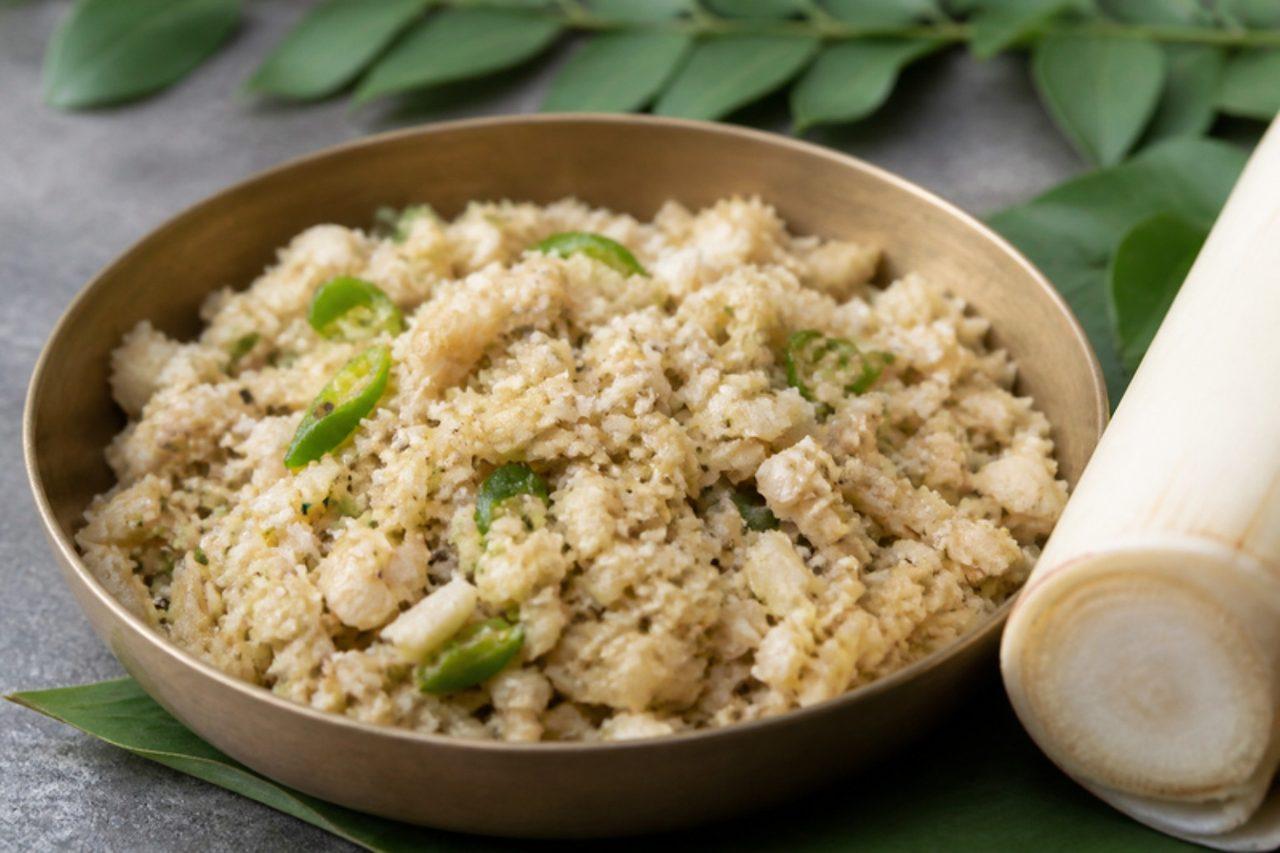
Kol posolaBanana stem stir-fry

Kol posola is the pale inner core of the banana plant, chopped and cooked down with mustard oil, ginger and green chilli until it is soft, juicy and faintly sweet. In Assamese villages, where banana plants grow in every yard, it is cheap everyday food, and it is also a favourite on Bihu tables and in Assamese thalis in Guwahati restaurants. It has a mild, cucumber-like flavour and is prized as a cooling, cleansing food. Chef's tip: as you chop the stem, twirl a finger or a skewer through the slices to catch and pull away the fine fibres; otherwise they stay stringy.

by KrazyBadal 0 views

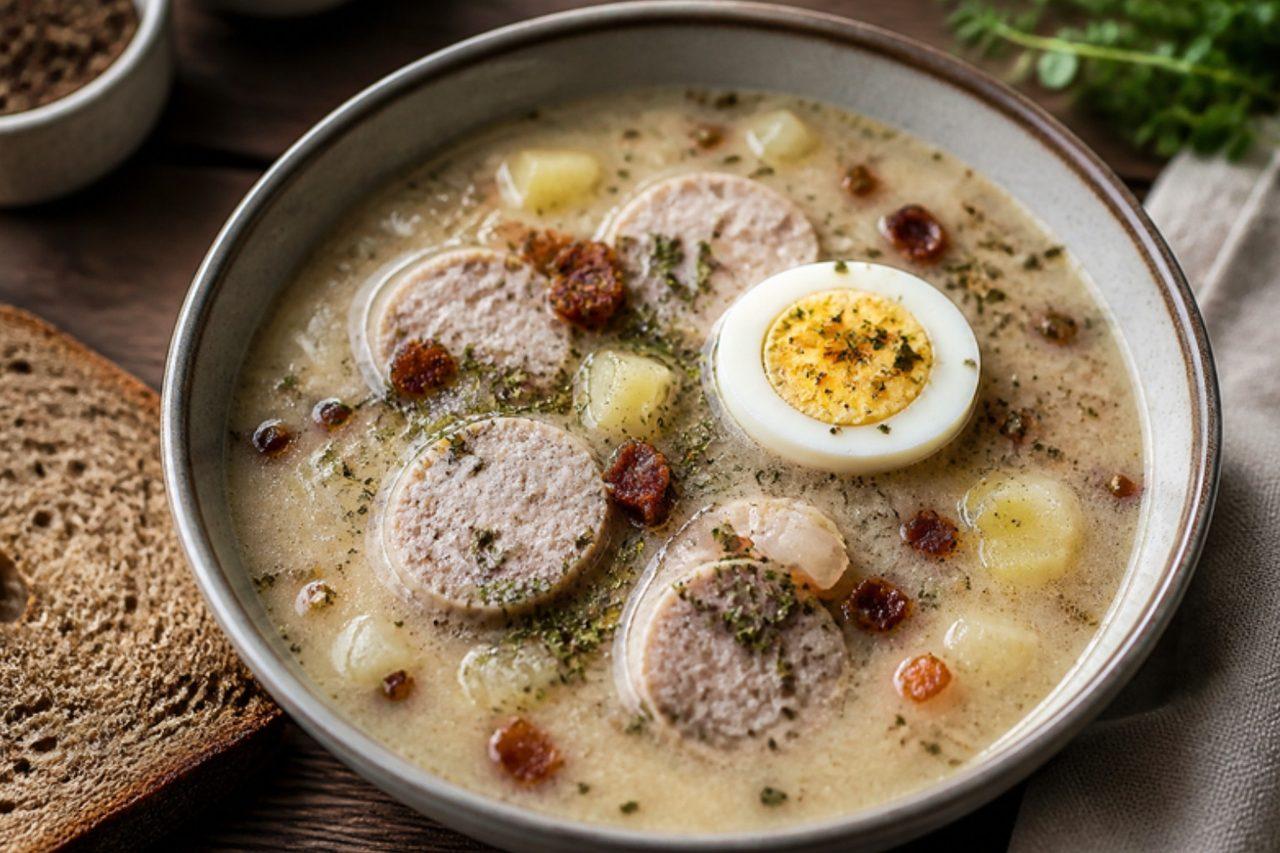
ŻurekSour rye soup with sausage

Żurek is the soup of Polish Easter, served in homes from Kraków to Gdańsk on Easter Sunday morning, and in highland Zakopane restaurants it comes in a hollowed-out bread loaf all year. Its tang comes from zakwas, a fermented rye-flour starter, simmered with marjoram, garlic and stock. This version contains pork: white sausage (biała kiełbasa) and smoked bacon, plus halved hard-boiled eggs. Chef's tip: shake the jar of zakwas before you pour it in; the flour settles and the soup will be thin without it.

by KrazyBadal 0 views

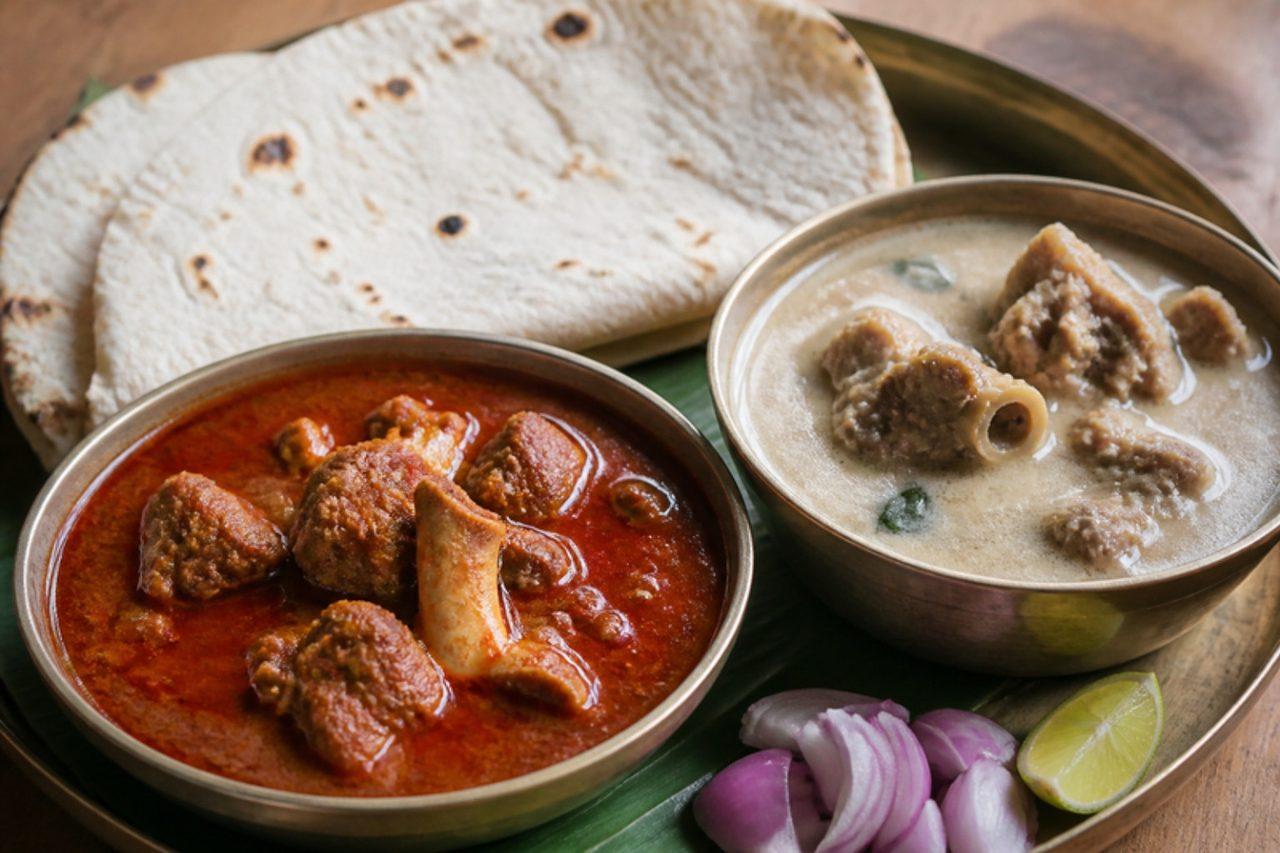
Kolhapuri tambda rassa with pandhra rassaFiery red mutton broth

In Kolhapur, in the far south of Maharashtra, Sunday lunch at a khanaval (a family-run eating house) means mutton cooked one way and served two: a thin, blazing-red tambda rassa and a soothing white pandhra rassa made from the same stock. Diners sip the white one between spoonfuls of the red, with bhakri, rice and raw onion on the side. The heat comes from Kolhapur's own chilli blend and a dark-roasted coconut and onion masala. Chef's tip: roast the dried coconut and the onions until they are properly brown, almost mahogany; that roasting, not extra chilli, is what gives the rassa its deep colour and smoky taste.

135 minIndianMeatGluten freeSpicy
by KrazyBadal 0 views

Kolkata aloo dumBaby potatoes in ginger tomato gravy

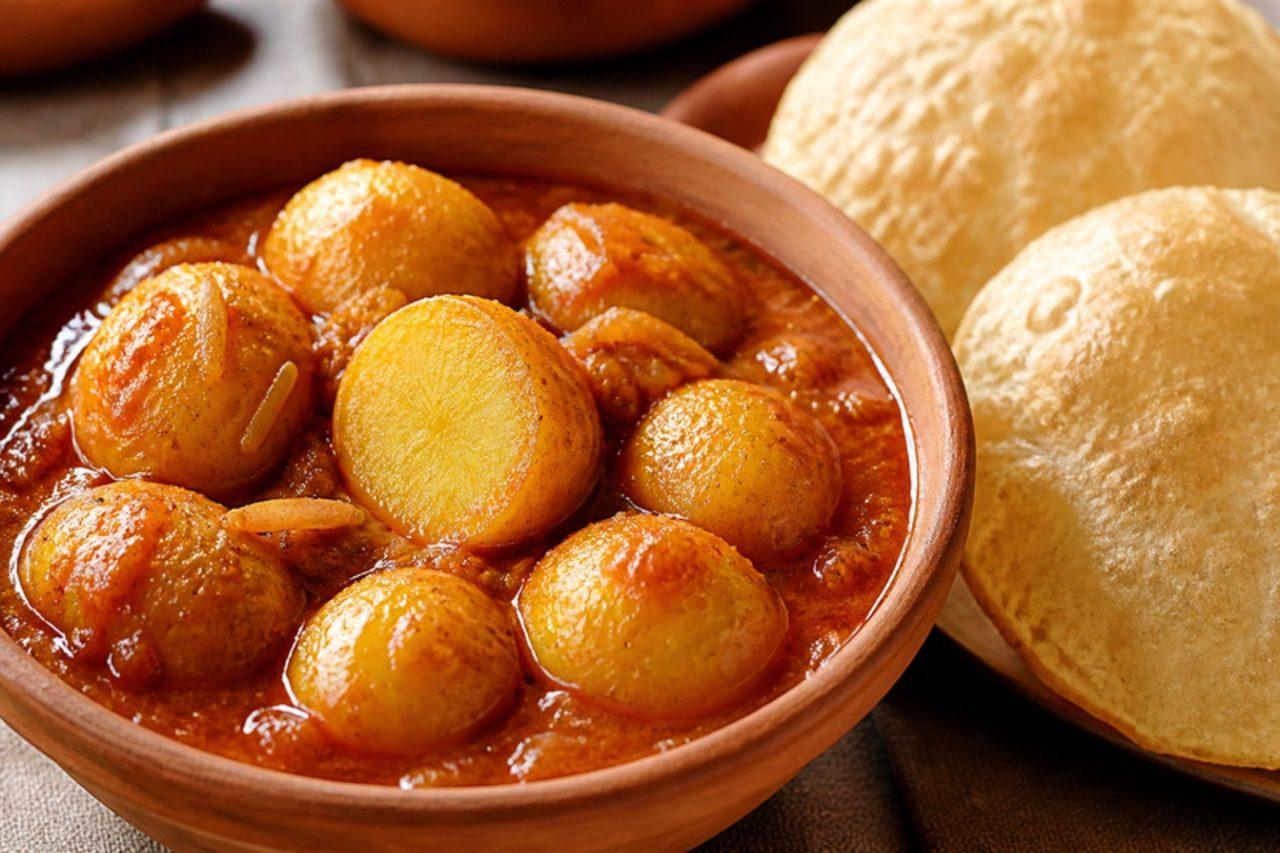
In Kolkata, aloo dum is the partner of luchi: hot puffed puris at a Sunday breakfast, or at the sweet shops and roadside stalls that sell 'luchi-alur dom' as a plate. Bengali aloo dum is thicker, sweeter and more gingery than its Kashmiri cousin, with no yogurt or fennel, and the potatoes are fried until their skins crinkle before they go into the gravy. A little sugar balances the chilli, and a final pinch of roasted cumin-coriander powder gives it the smell of a Bengali kitchen. Chef's tip: prick each boiled potato with a fork so the gravy gets inside.

by KrazyBadal 0 views

Ayam betutuSpiced slow-braised chicken

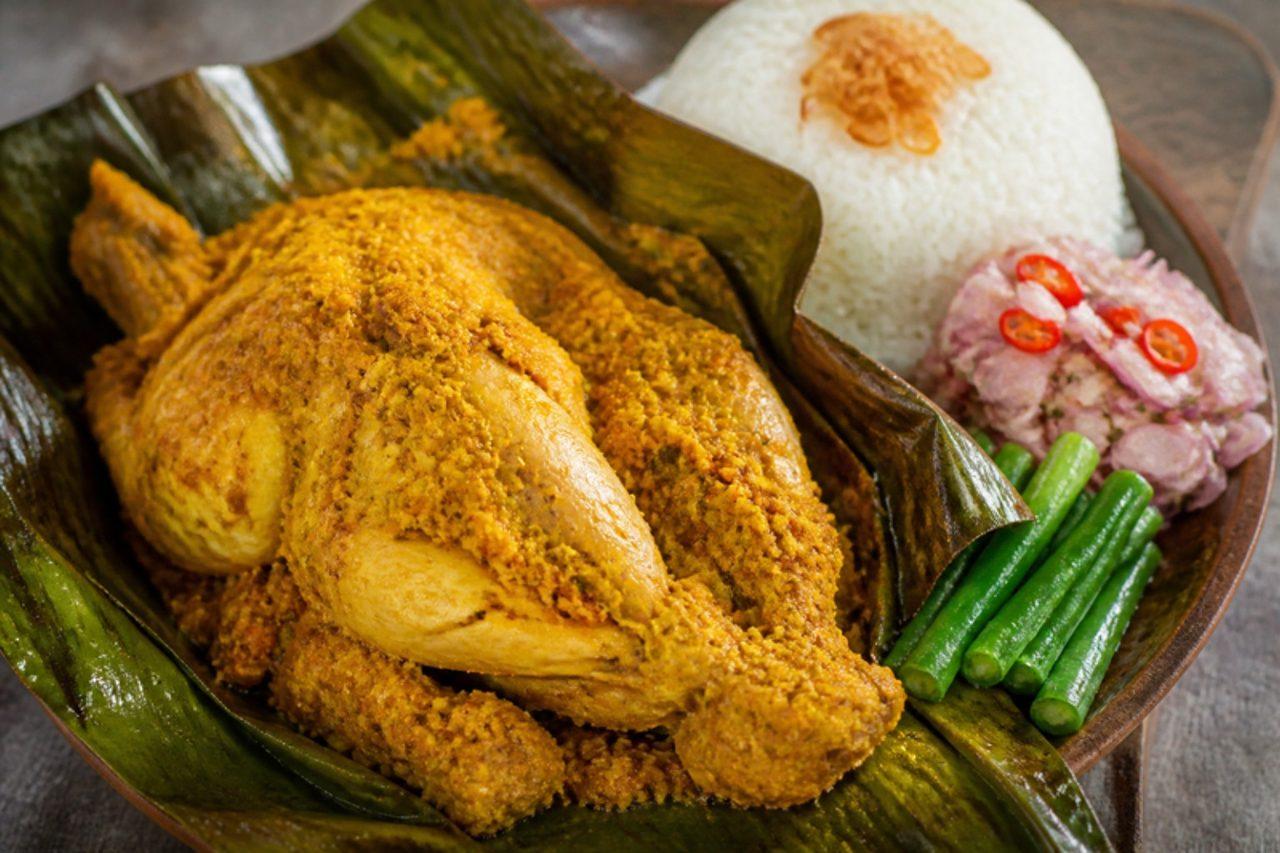
Drive through west Bali to the ferry port of Gilimanuk and the roadside warungs all sell the same thing: ayam betutu, chicken cooked so long in spice paste that it slumps off the bone into a fiery, turmeric-orange gravy. The paste is base genep, Bali's master seasoning of shallots, garlic, galangal, aromatic ginger, turmeric, chillies, candlenuts and shrimp paste, and it is rubbed inside and out before the bird braises gently in a covered pot. Expect deep heat, a little bitterness from the greens tucked inside and a rich, almost buttery sauce. Pile it on steamed rice with water spinach or a raw sambal matah to cut through. Chef's tip: braise it the day before; the paste mellows overnight and the chicken reheats beautifully.

by KrazyBadal 0 views

Axone porkPork with fermented soybean

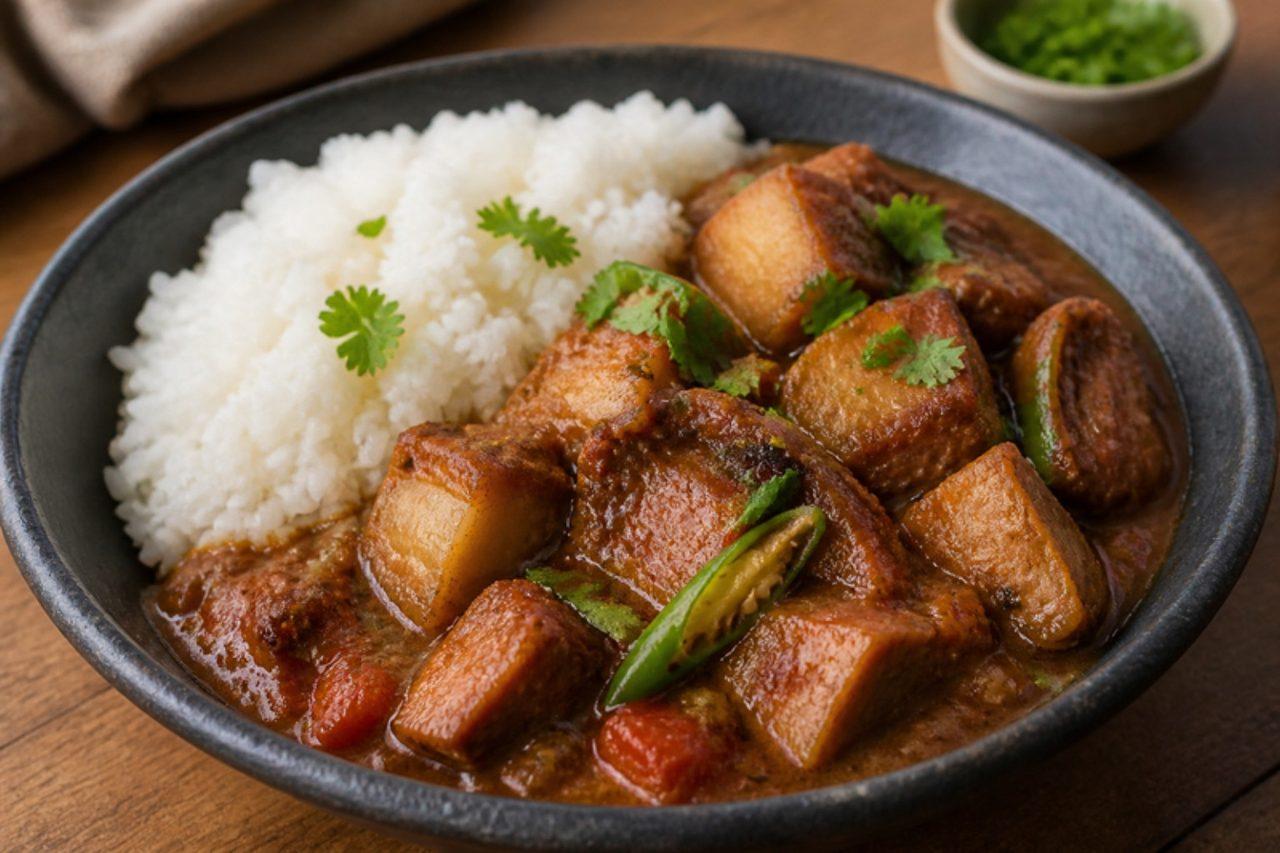
Axone, called akhuni in the Sumi Naga language, is soybean fermented in banana leaves until it is pungent and deeply savoury, and pork cooked with it is a signature of the Sumi people of Zunheboto in Nagaland. The smell is strong while it cooks, but the finished curry tastes rich, earthy and meaty, sharpened by tomato and chilli. Serve with rice and a green vegetable. Chef's tip: open a window and warn the household; axone is famously smelly in the pan and wonderful on the plate.

75 minIndianMeatGluten freeSpicy
by KrazyBadal 0 views

AvialMixed vegetables in coconut yogurt

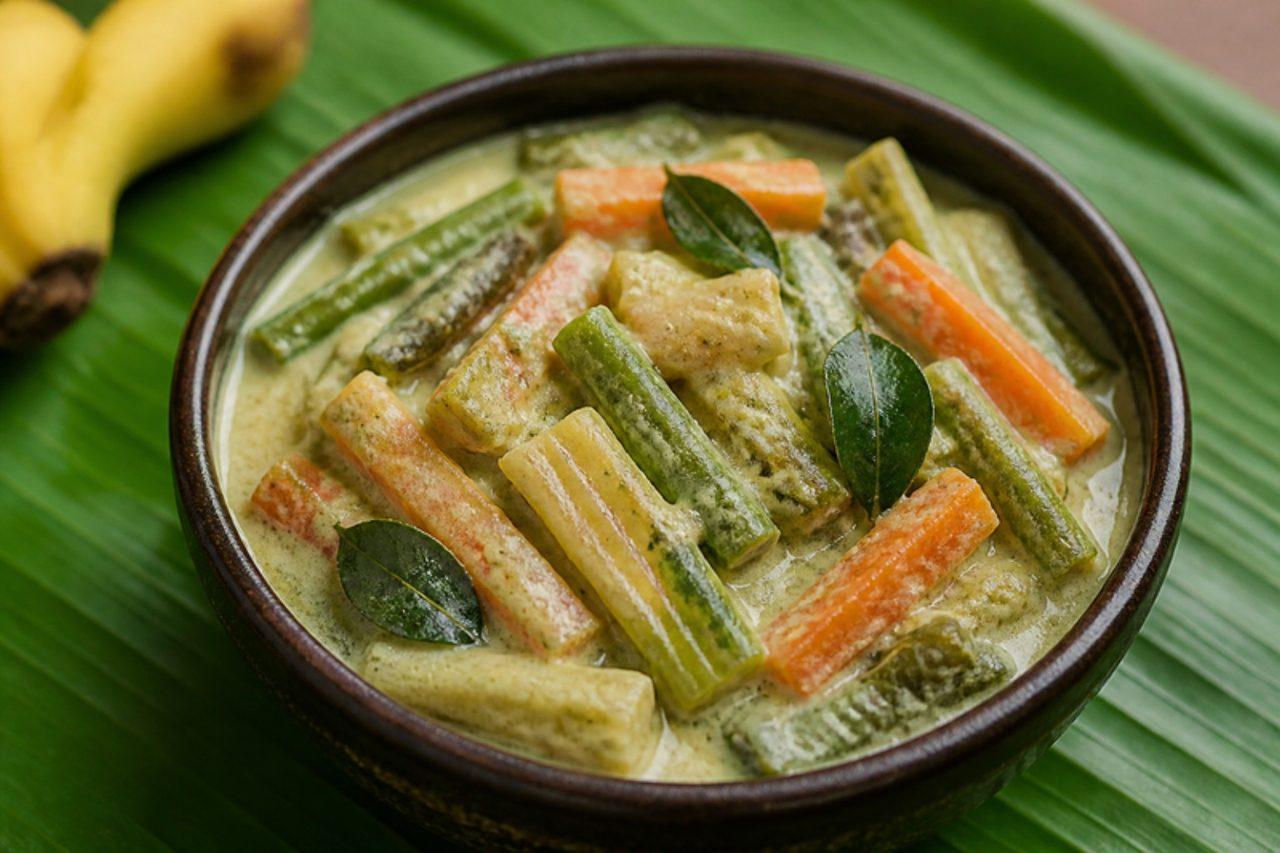
Avial is a mainstay of the Kerala sadya, the vegetarian feast served on a banana leaf at Onam and weddings. Batons of vegetables (raw banana, drumstick, yam, carrot, beans, ash gourd) are cooked just tender, then coated in a coarse paste of fresh coconut, cumin and green chilli, soured with curd and finished with raw coconut oil and curry leaves. It's thick rather than saucy, mild, tangy and fragrant. Serve with rice and sambar, or with adai. Chef's tip: cut every vegetable into the same 5 cm batons and add them in order of hardness, so they're all tender together and nothing turns to mush.

by KrazyBadal 0 views

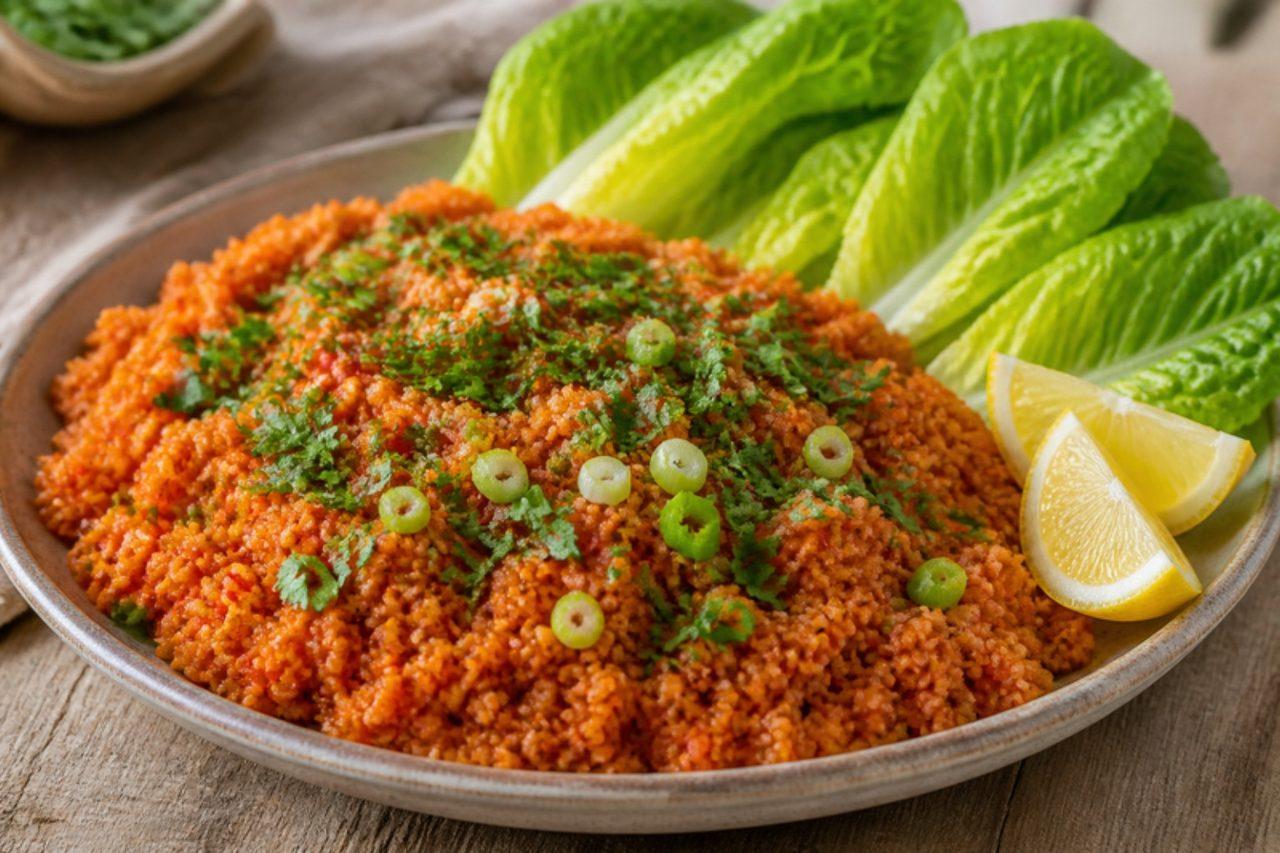
EetchBulgur in tomato and pepper

Eetch is a Western Armenian dish from the old Cilician towns, carried by families to Aleppo, Beirut and the Armenian quarters of American cities. Fine bulgur is stirred into a hot sauce of onion, red pepper, tomato and pepper paste and left to drink it up, then finished with lemon, parsley and spring onion and eaten at room temperature, often scooped up with lettuce leaves. Unlike a herb-heavy raw bulgur salad, eetch is cooked, so it is rich and tomatoey, and it is a fixture of Lenten tables, picnics and mezze spreads. It keeps for days, which makes it a favourite for lunchboxes. Chef's tip: take the pan off the heat before adding the bulgur and keep the lid on; the grains soften in the residual heat and stay separate instead of turning to porridge.

by KrazyBadal 0 views

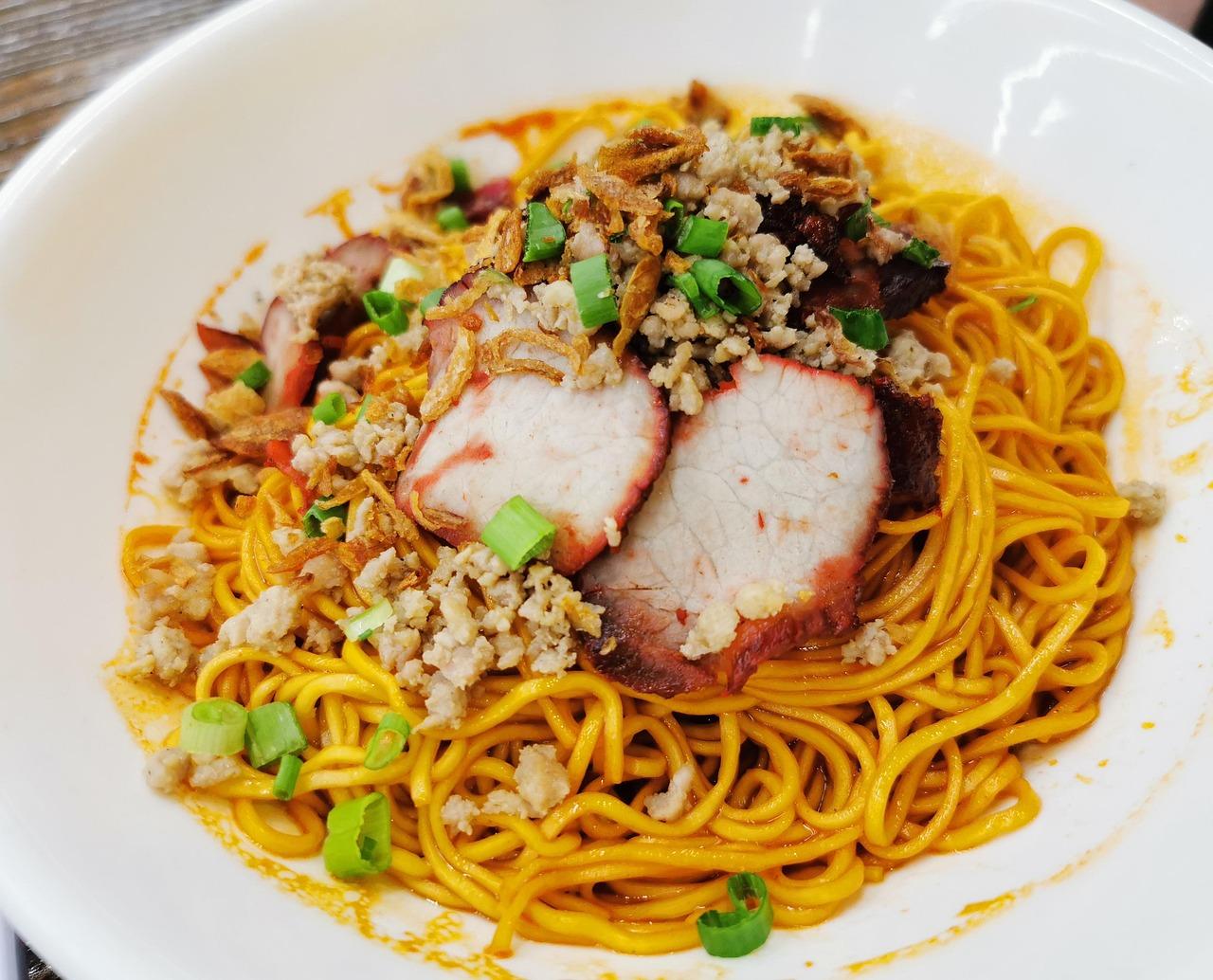
Kolo meeDry egg noodles with pork

Ask anyone from Kuching what they miss most and the answer is usually kolo mee, a bowl that looks almost too simple: curly, springy egg noodles tossed in fragrant shallot oil, a little soy and white pepper, then crowned with savoury minced pork and slices of char siu. There is no thick gravy and no chilli on top; the flavour is clean, porky and aromatic, and the texture is the whole point, each strand bouncy and separate. Stalls often add a dash of red char siu oil for the 'red' version. It is eaten at any hour with a small bowl of clear soup and pickled green chilli on the side. Chef's tip: cook the noodles in small portions in a big pot of fiercely boiling water and shake them really dry; any leftover water dilutes the shallot oil.

by KrazyBadal 0 views

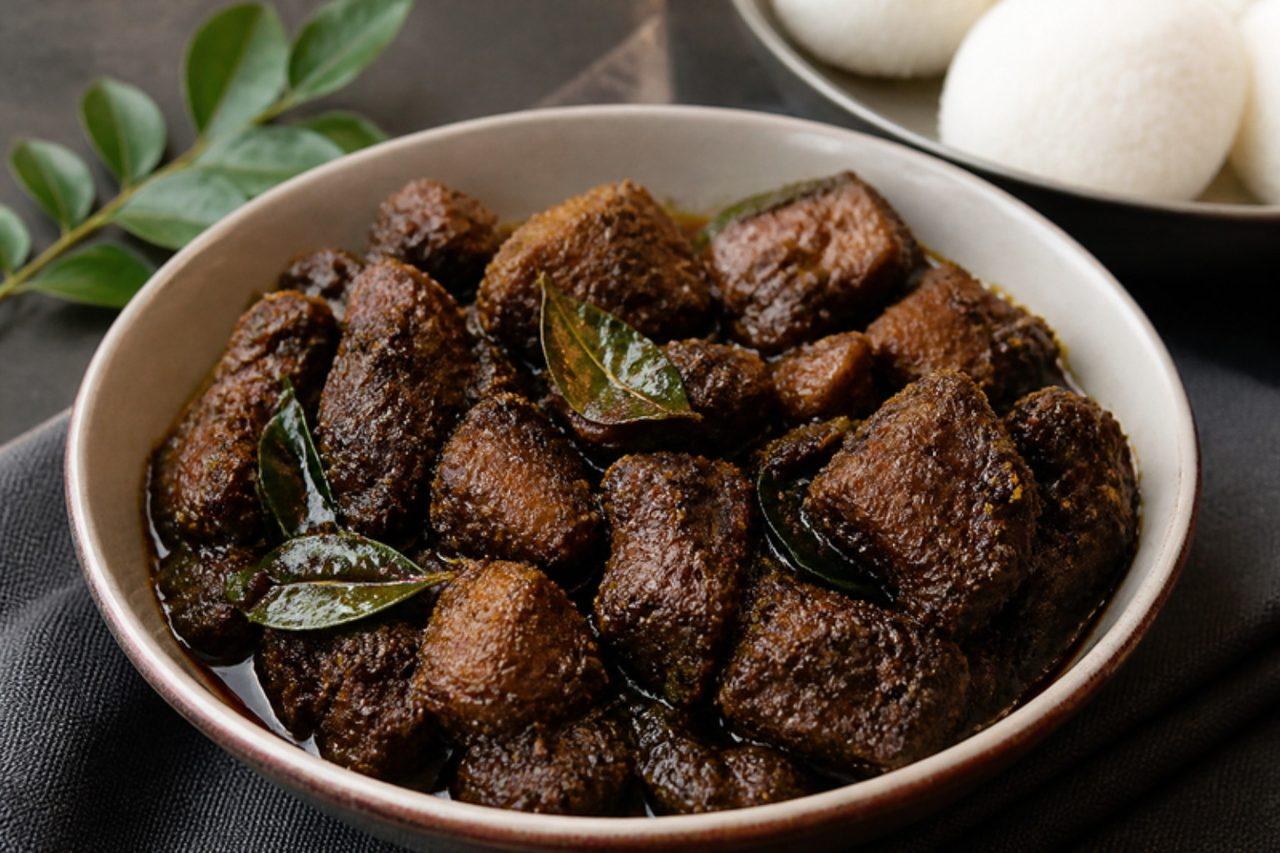
Coorg pandi curryDark spiced pork curry

Up in the coffee estates of Kodagu (Coorg), pandi curry is the dish of the Kodava people, cooked for Puttari, the harvest festival, and for every family gathering in between. Fatty pork simmers in its own juices with a masala of coriander and black pepper roasted almost black, then finishes with kachampuli, a dark, sour vinegar made from the Garcinia fruit. It is eaten with kadambuttu (steamed rice balls) or akki otti. Chef's tip: roast the spices slowly over a low heat until they are the colour of strong coffee; this is the dark colour and smoky flavour of a real pandi curry.

105 minIndianMeatGluten freeSpicy
by KrazyBadal 0 views

CoquitoCoconut rum drink

Coquito is Puerto Rico's Christmas in a glass: bottles of it are made in early December, given to neighbours and poured at every parranda, the late-night singing visits from house to house, until the Fiesta de San Sebastián in Old San Juan in January. This version contains alcohol: it blends coconut milk, sweet cream of coconut and condensed and evaporated milk with Puerto Rican white rum, cinnamon, nutmeg and vanilla. It's thick, cold and sweet, with the warmth of rum behind the spice. For children and anyone avoiding alcohol, make it without the rum as described in the steps. Chef's tip: let it rest in the fridge overnight; the spices bloom and the rum mellows, and it tastes far rounder on the second day.

by KrazyBadal 0 views

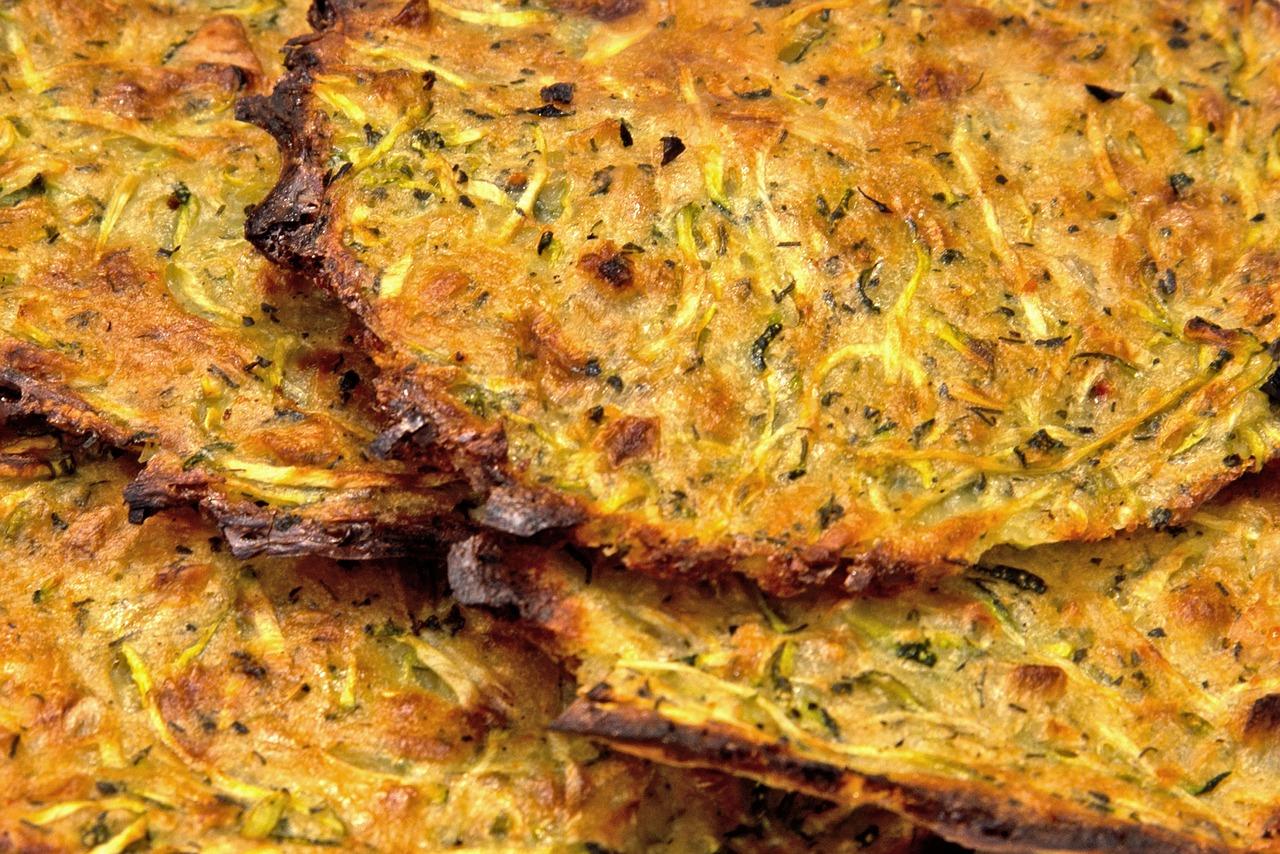
KolokithokeftedesCourgette and feta fritters

Kolokithokeftedes are what happens to a glut of courgettes in a Greek summer: grated, squeezed, mixed with feta, spring onion, mint and dill, and fried into crisp little patties. Tavernas serve them as a meze with a bowl of tzatziki, and at home they are a light dinner with salad. Outside they are golden and crunchy; inside they stay soft and herby. Use feta labelled vegetarian. Chef's tip: squeeze the salted courgette until it's almost dry; wet courgette is the usual mistake and makes fritters that spit, soak up oil and fall apart.

by KrazyBadal 0 views

Efo riroSpinach stew

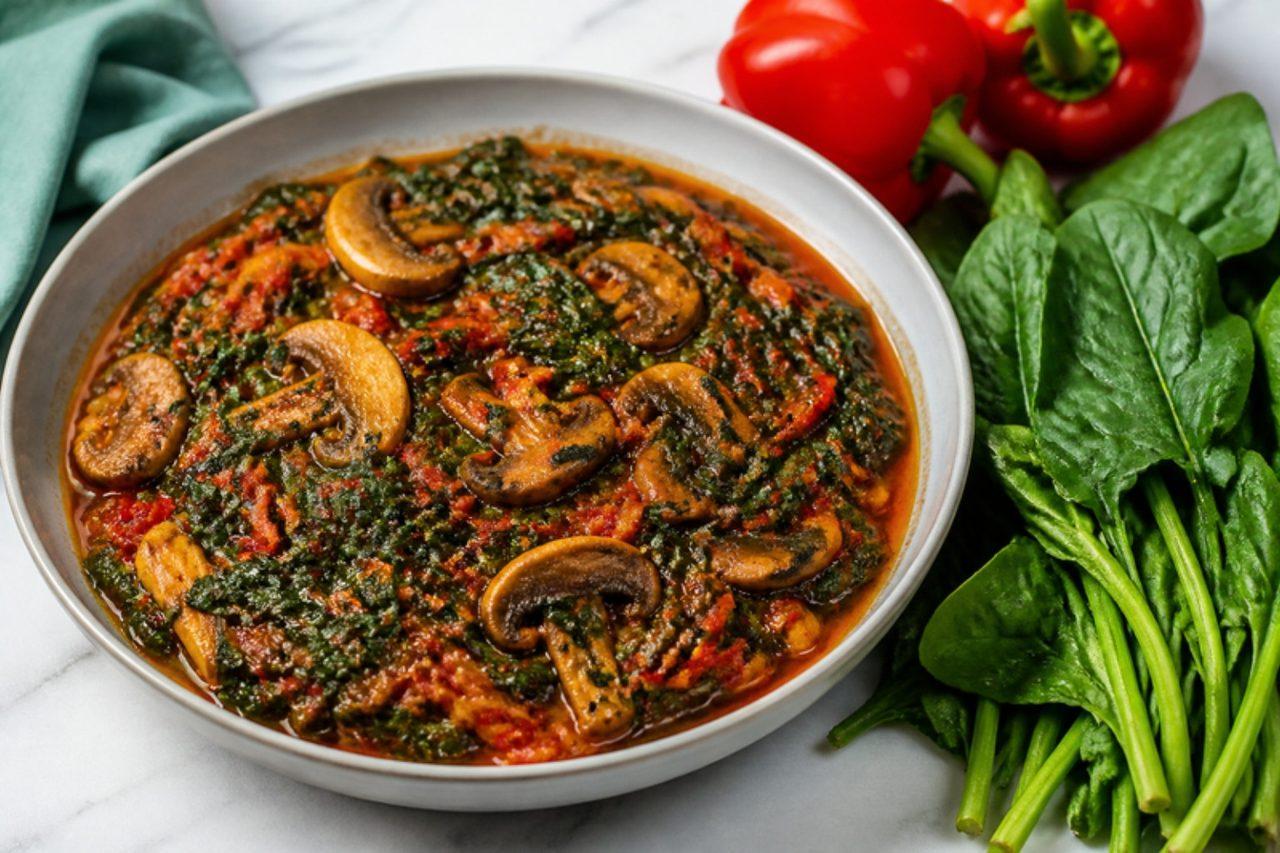
Efo riro, literally 'stirred greens', is the Yoruba vegetable stew cooked in homes from Ibadan to Lagos on any ordinary weekday, and eaten with pounded yam, eba or plain rice. Leafy greens are wilted into a rich base of blended peppers fried in palm oil with iru, the pungent fermented locust beans that give the dish its savoury backbone. Most families add assorted meats, stockfish and crayfish; some keep a little smoked fish on the side for those who want it. This version leans on mushrooms, iru and a touch of smoked paprika instead. Chef's tip: squeeze the blanched greens really dry before they go into the sauce; wet spinach thins the stew and washes out the flavour.

by KrazyBadal 0 views

AvakayaRaw mango pickle

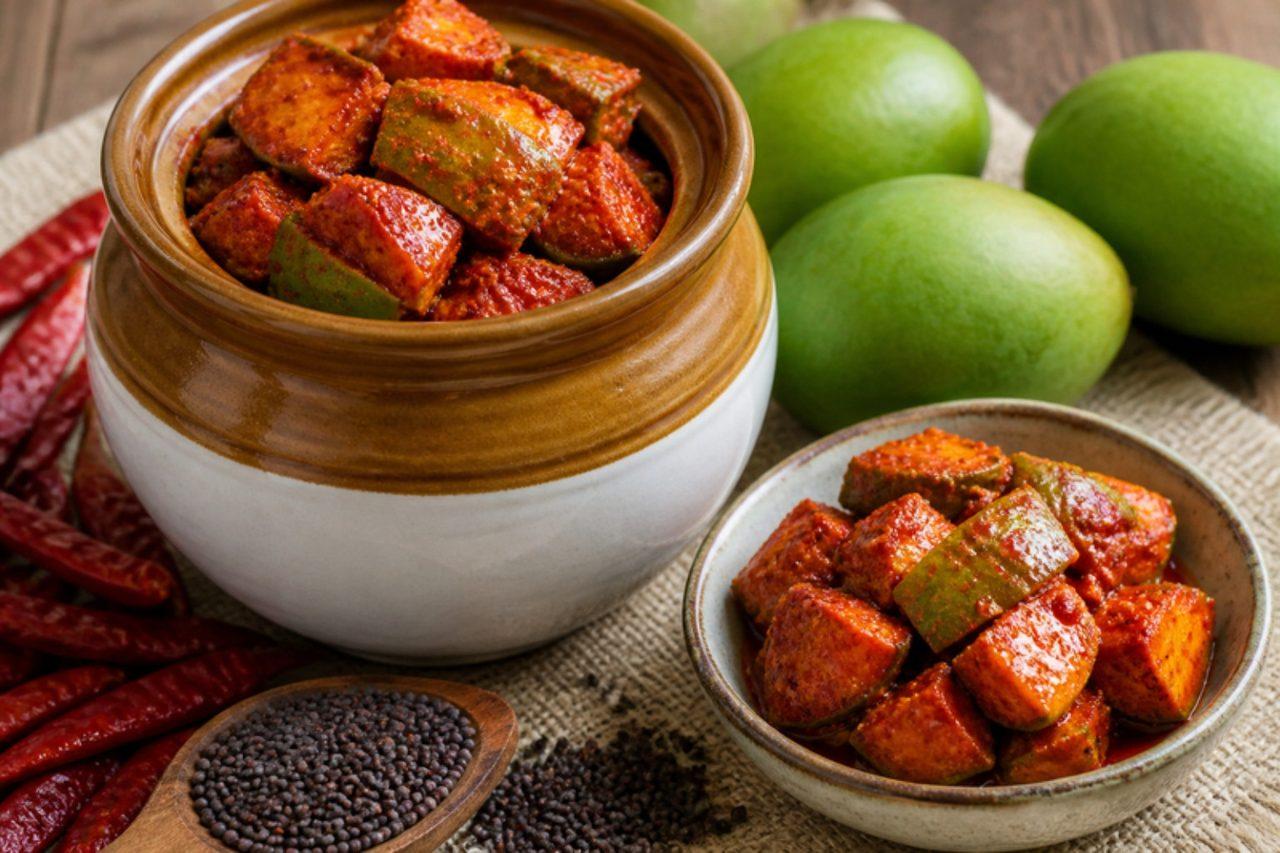
Every April and May, when the hard, sour green mangoes arrive, Andhra homes turn into pickle factories. The mangoes are cut, stone and all, with a heavy cleaver, then mixed with freshly ground mustard, fiery red chilli powder, salt and a flood of sesame oil, and packed into ceramic jars to mature. Avakaya is fierce, pungent, salty and sour, and a tiny piece mashed into hot rice with ghee and dal is many Telugu people's idea of perfect lunch. A jar lasts the whole year. Chef's tip: every piece of mango, every knife and the jar must be bone dry; a single drop of water can turn a whole batch mouldy.

by KrazyBadal 0 views

Brik à l'œufFried egg pastry triangle

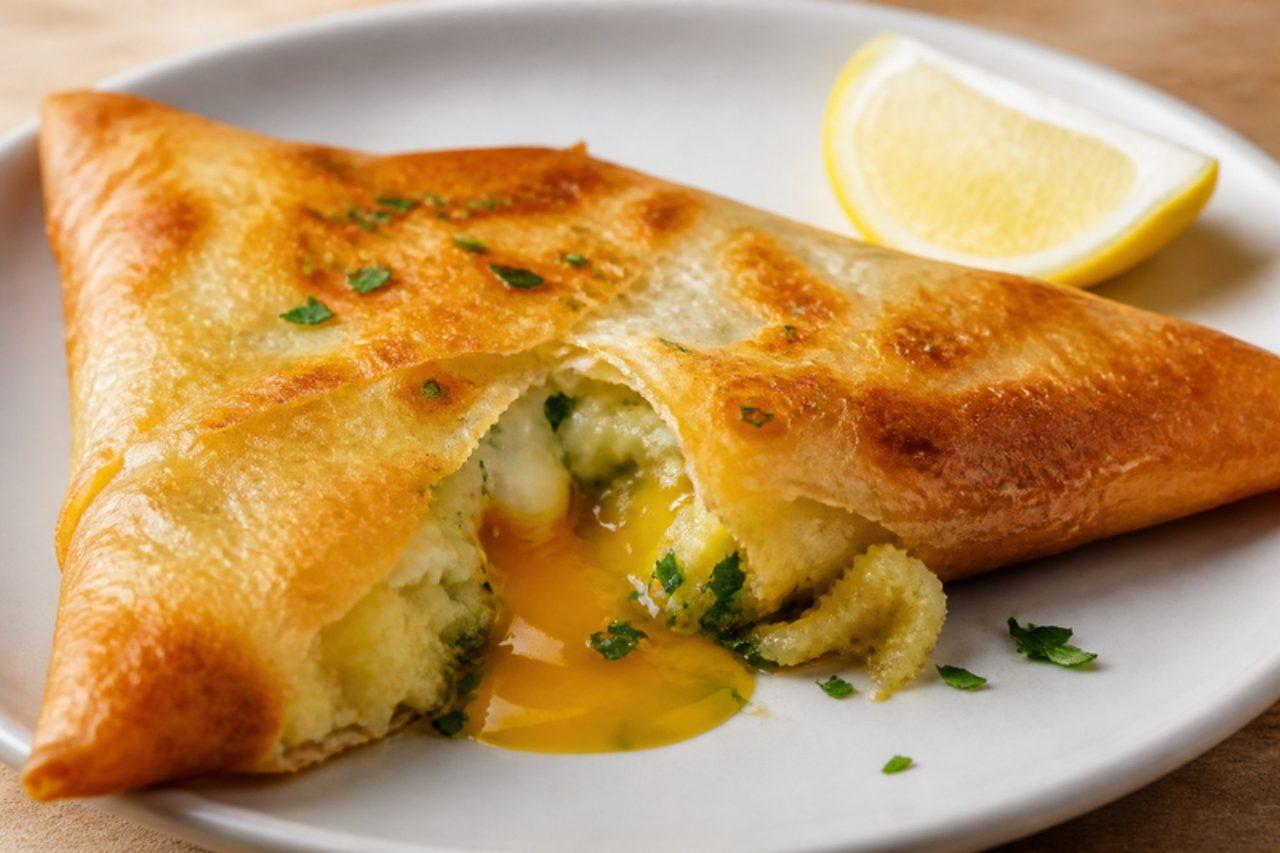
Brik is Tunisia's crackling street and Ramadan snack: a sheet of paper-thin malsouka pastry folded around a raw egg, mashed potato, parsley and capers, and fried for a minute until the shell shatters and the yolk is still runny. In Tunis and La Goulette it is eaten by hand, held by the corners and bitten carefully to avoid egg on the chin. The classic filling adds tuna; this version keeps it vegetarian with a little cheese. It is different from Moroccan briouats, which are small rolled parcels baked or fried with a cooked filling. Chef's tip: have the oil hot and ready before cracking the egg onto the pastry; once the egg sits, it soaks through the sheet.

by KrazyBadal 0 views

Corn bombSpiced corn on the cob chunks

Chunks of tender corn on the cob tossed in hot oil with cumin, green chillies, fresh coriander, turmeric, black pepper and lemon until every kernel is coated. It's hot, tangy and messy to eat with your fingers. Serve hot from the barbecue.

by KrazyBadal 0 views

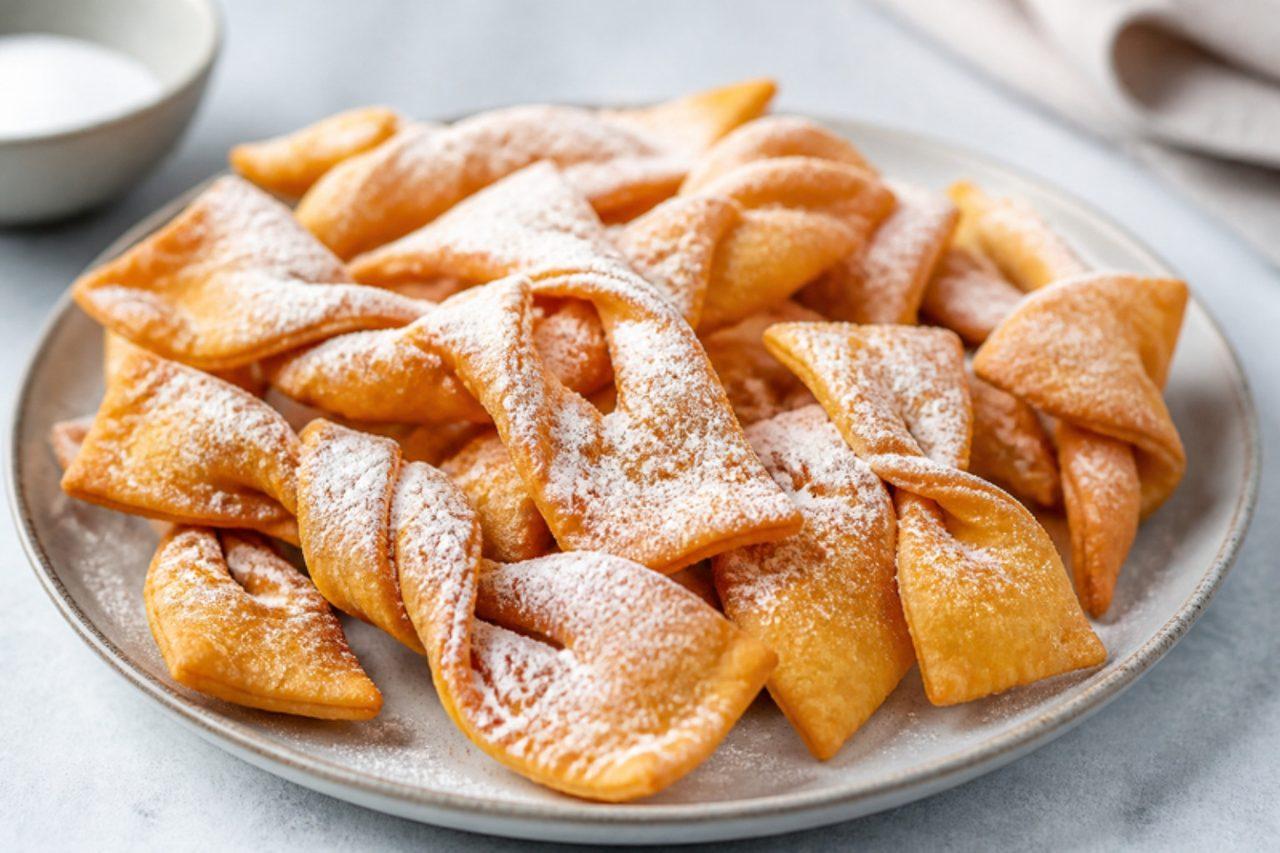
CornulețeJam-filled crescent cookies

Cornulețe are the little crescent cookies that fill tins in Romanian kitchens before Christmas and New Year, and that grandmothers in Sibiu and Timișoara bake by the hundred for weddings and name days. This version uses a tender yeasted dough made with butter and yogurt, wrapped around a spoonful of thick plum jam (magiun) or rose rahat and rolled into horns. They bake pale and soft, not flaky, and are rolled in vanilla sugar while warm (the recipe makes 32, two per serving), which sets them apart from the cream-cheese rugelach of Jewish baking. Chef's tip: use thick jam and pinch the ends shut; runny jam is the usual mistake and bubbles out and burns on the tray.

by KrazyBadal 0 views

KompotFruit and berry drink

Kompot is the drink of Russian summers: a big pan of water with whatever the garden or market offers, apples, cherries, redcurrants, strawberries, plums, simmered for a few minutes, lightly sweetened and served cold from the fridge. It is what children drink with lunch at school canteens and summer camps from Moscow to Novosibirsk, and dacha cellars are lined with three-litre jars of it bottled for winter. The fruit at the bottom of the glass is everyone's favourite part. Chef's tip: switch off the heat as soon as it boils and let the fruit steep as it cools; long boiling makes it taste stewed and dull.

by KrazyBadal 0 views

Varenyky with cherriesSour cherry dumplings

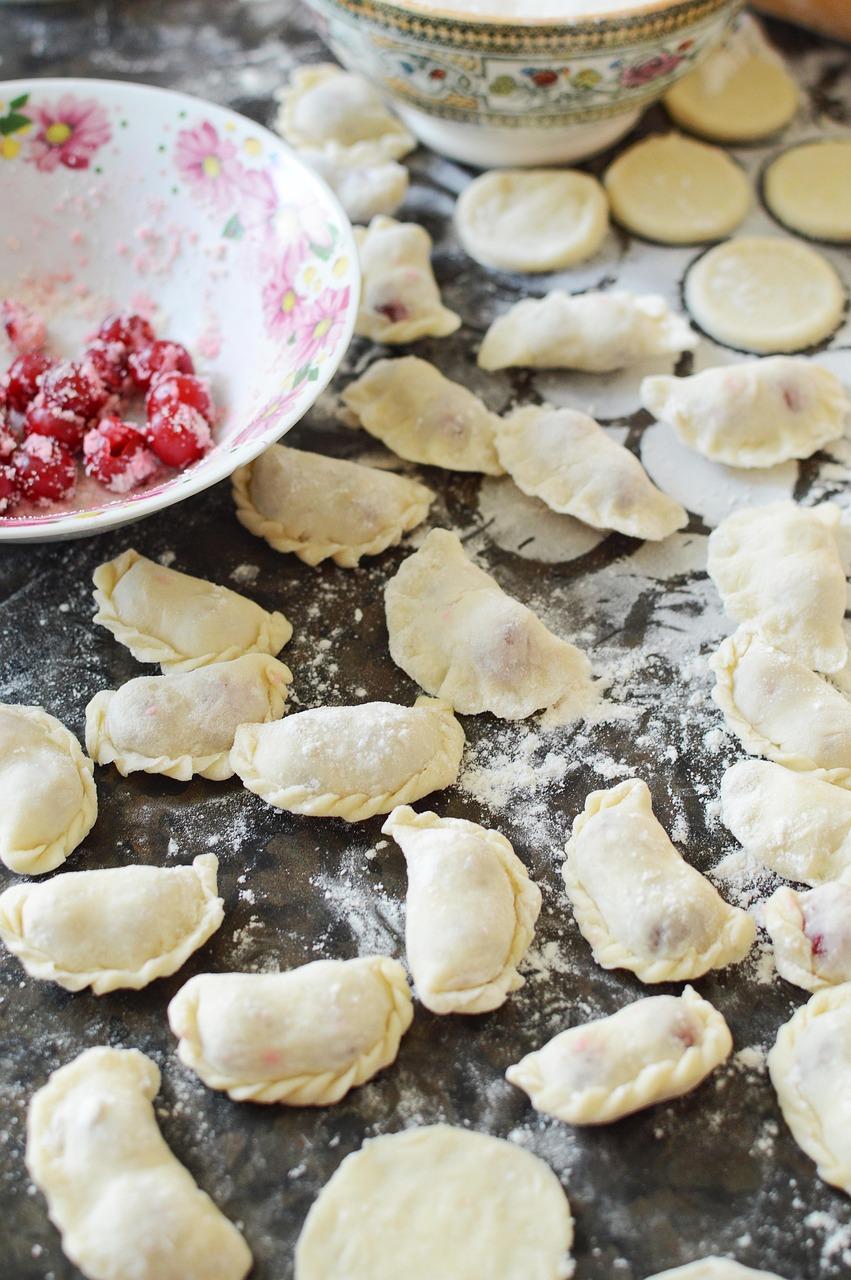
In late June, when the sour-cherry trees in every yard from Vinnytsia to Cherkasy turn red, Ukrainian families sit around the kitchen table pitting cherries for varenyky. These sweet dumplings are boiled, piled into a bowl and drenched in a syrup made from the cherry juice, a taste of summer holidays at grandmother's. The dough here is the simple water and oil kind, so the recipe is vegan; most Ukrainians also add a spoon of sour cream, which you are welcome to do if you are not cooking vegan. Chef's tip: sugar the cherries in a sieve and let the juice drain before filling, then put a pinch of sugar on each portion only as you seal it, so the dough stays dry at the edges.

by KrazyBadal 0 views

Showing 54 of 7,762 recipes

Show more recipes

Page 712 of 863