


Skip to content
Singapore chilli crab
Featured recipe

Singapore chilli crab

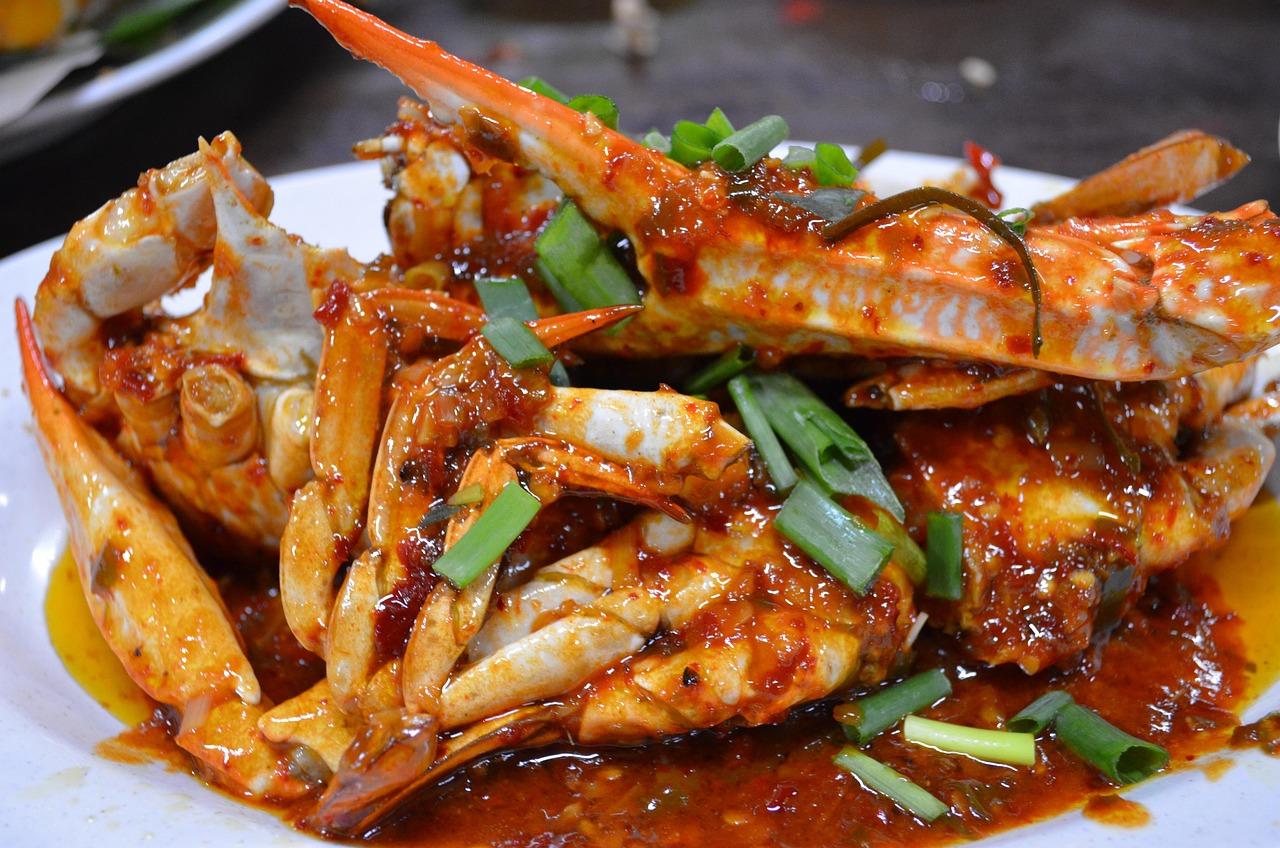
Chilli crab was first sold from a pushcart on the Kallang river in the 1950s and is now the dish visitors queue for along Singapore's East Coast seafood strip. Big mud crabs are cut up, wok-fried and simmered in a thick, sweet, tangy and gently hot sauce of chilli, tomato and garlic, which is then silked with beaten egg. Everyone eats with their hands and mops up the sauce with fried or steamed mantou buns. It is a weekend or celebration meal, messy and loud. Buy crabs live or freshly cooked the same day from a fishmonger you trust. Discard any live crab that doesn't move, smells of ammonia or has a cracked, leaking shell. The common mistake is boiling the sauce after adding the egg, which scrambles it into lumps; pour it in a thin stream over a low heat. Chef's tip: ask the fishmonger to clean and quarter the crab for you, and crack each claw lightly with the back of a cleaver so the sauce soaks in.

Read more 1 views

What to eat today?

Around the world

Today's trip: Paraguayan

A new country every day, from every cuisine on the site.

Paraguayan

Morcilla dulce

Sweet blood sausage with walnuts 120 minMore from Paraguayan (27) →

This week's collection

Kid-friendly dinners
537 recipes · a new collection every Monday

Latest recipes

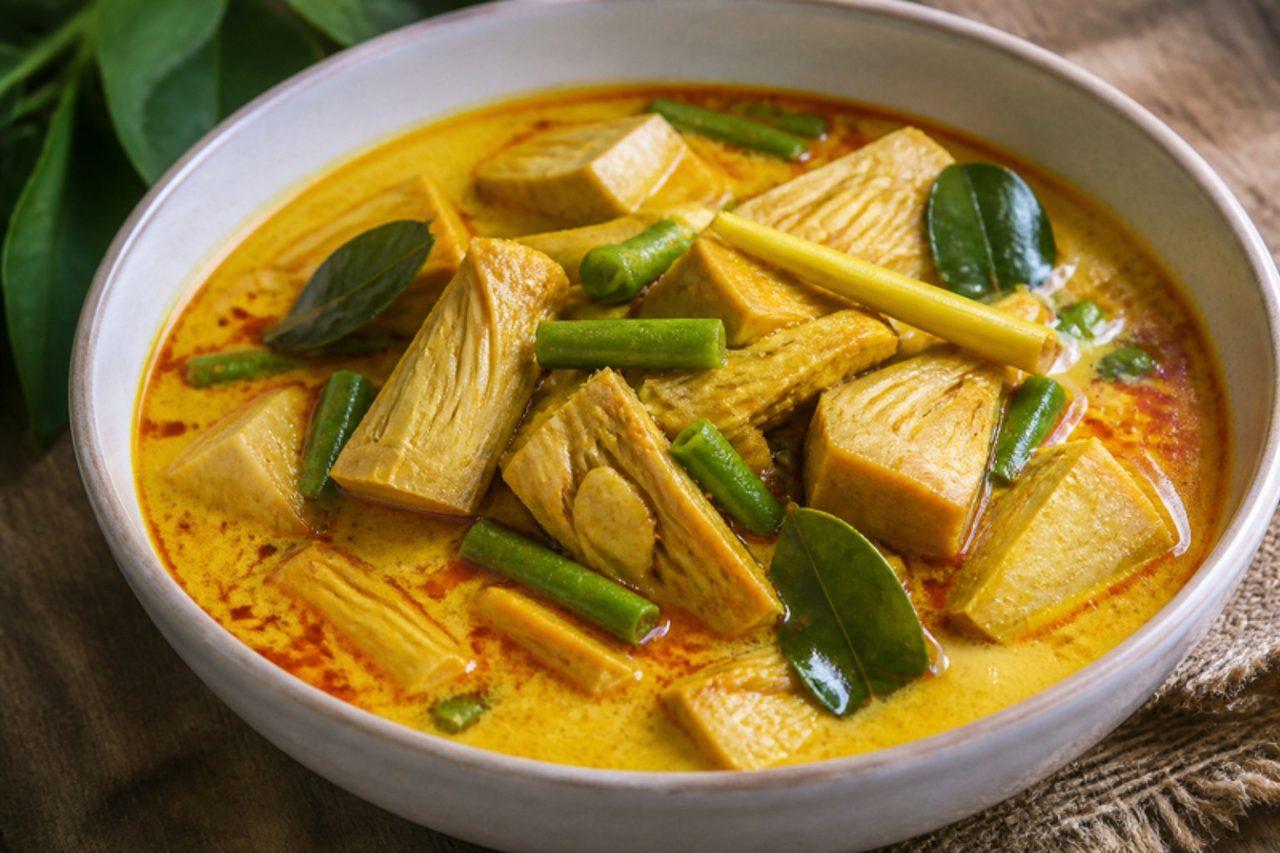
Gulai nangkaYoung jackfruit curry

In a nasi Padang restaurant, where dozens of dishes are stacked in the window and brought to the table on small plates, gulai nangka is the bright yellow one that gets spooned over rice to moisten everything else. Young jackfruit and long beans simmer in a thin, golden coconut sauce with turmeric, chilli and lemongrass until the jackfruit is tender and full of sauce. It's lighter and saucier than rendang and cooks in under an hour, so Padang households make it on ordinary weekdays. Chef's tip: stir the pot almost constantly for the first few minutes after the coconut milk goes in — Padang cooks say it keeps the gulai smooth and stops it splitting.

by KrazyBadal 0 views

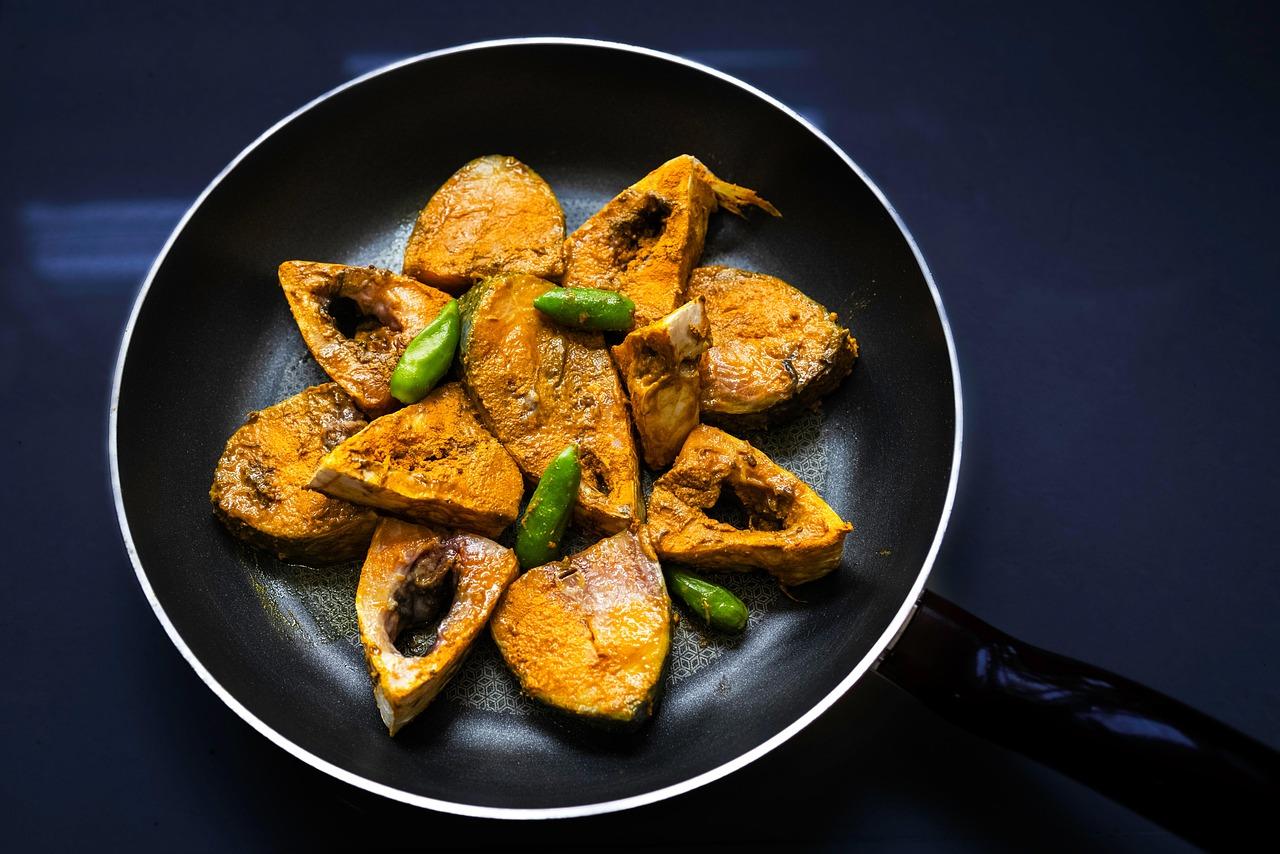
Shorshe ilishHilsa in mustard sauce

Hilsa, ilish, is the national fish of Bangladesh, and during the monsoon, when the shoals swim up the Padma and Meghna rivers, families in Dhaka and Chandpur cook it almost daily. Shorshe ilish is the most loved way: steaks of the rich, silvery fish gently simmered in a paste of ground yellow and black mustard seed, green chillies and mustard oil until the sauce turns sharp, creamy and nose-tingling. Eat it with plain white rice and nothing else. Hilsa is very bony, so warn guests and eat slowly; salmon steaks are an easier, less traditional swap. The common mistake is boiling the sauce hard after the mustard paste goes in, which turns it bitter. Chef's tip: grind the mustard seeds with a pinch of salt and a green chilli, and let the paste rest for 10 minutes before cooking; this tames the bitterness.

by KrazyBadal 0 views

ChoripánChorizo sandwich

Choripán is what fans buy outside football stadiums in Buenos Aires, what the asador hands round while the beef is still cooking, and what stalls sell along Costanera Sur on a Sunday afternoon. This is a pork dish: a fat Argentine-style fresh chorizo (pork, sometimes mixed with beef) is grilled slowly, split open (a mariposa) and tucked into a crusty roll with chimichurri or salsa criolla. That's it, and it doesn't need more. The common mistake is grilling the chorizos too hot, so the skins burst and the centre stays raw; low and slow is the rule. Chef's tip: once cooked, split each chorizo lengthways and give the cut sides 1 minute on the grill so they char a little.

by KrazyBadal 0 views

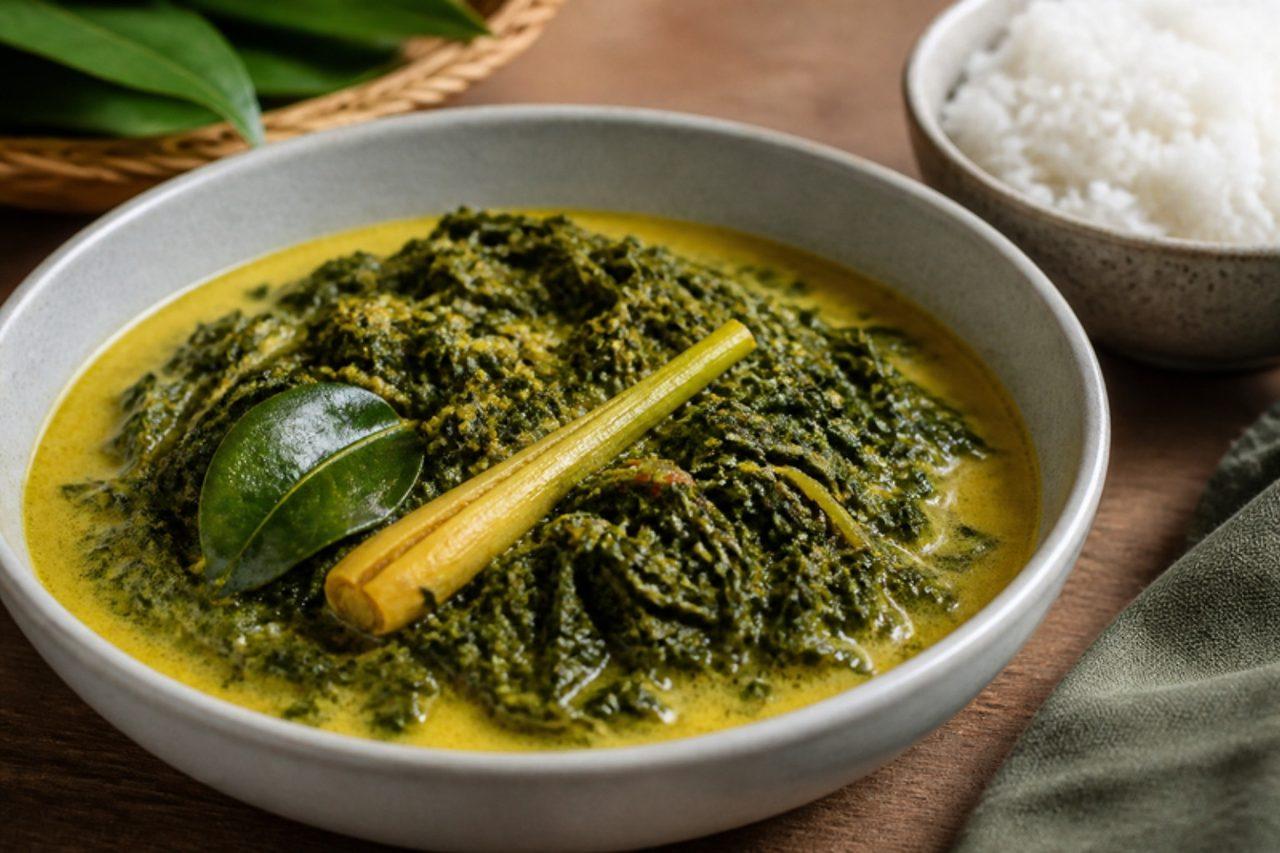
Gulai daun singkongCassava leaves in coconut gravy

No Padang restaurant in West Sumatra is complete without a dish of gulai daun singkong: dark cassava leaves simmered until silky in a yellow coconut gravy fragrant with lemongrass, turmeric leaf and galangal. It is the cooling green on a table of rich, fiery plates, ladled over rice with sambal hijau. Restaurants sometimes add dried anchovies; this version doesn't. Frozen cassava leaves from Asian shops work well; kale is the best stand-in. Chef's tip: squeeze the boiled leaves hard before adding them, or the gravy goes thin and grassy.

by KrazyBadal 0 views

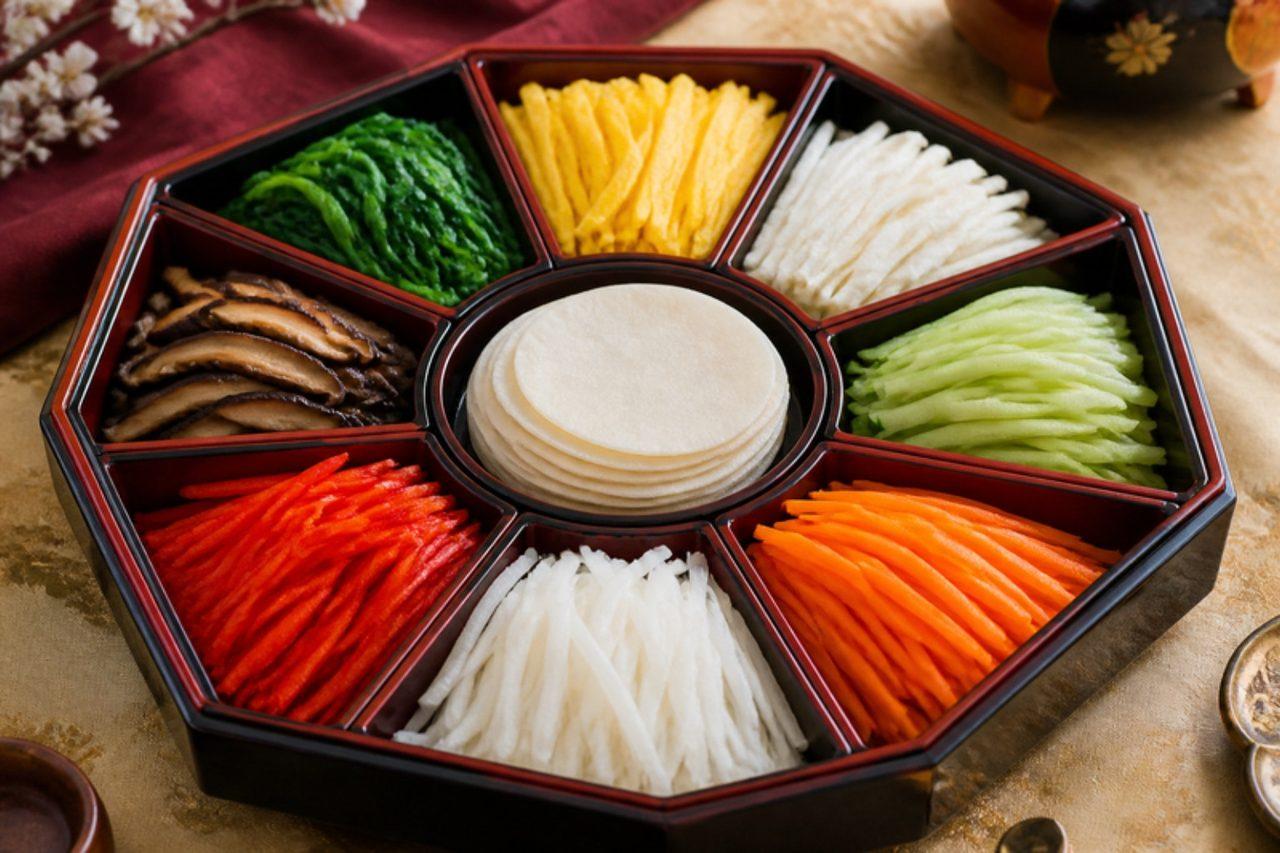
GujeolpanNine-section vegetable platter

Gujeolpan (구절판) takes its name from the octagonal lacquered tray it is served on: eight outer compartments of finely cut, separately seasoned fillings around a stack of paper-thin wheat crêpes in the middle. It was a dish of the Seoul royal court and noble households, and it still appears at weddings, 60th birthdays and Seollal tables, where everyone builds their own little rolls. Classic trays include beef; this one keeps all the colour with shiitake, wood ear, cucumber, carrot, peppers, radish and yellow and white egg. It takes patience rather than skill. Chef's tip: cut every filling into matchsticks the same length as the crêpes are wide, about 5 cm, so each roll closes neatly.

by KrazyBadal 0 views

Shui zhu fishFish in chilli broth

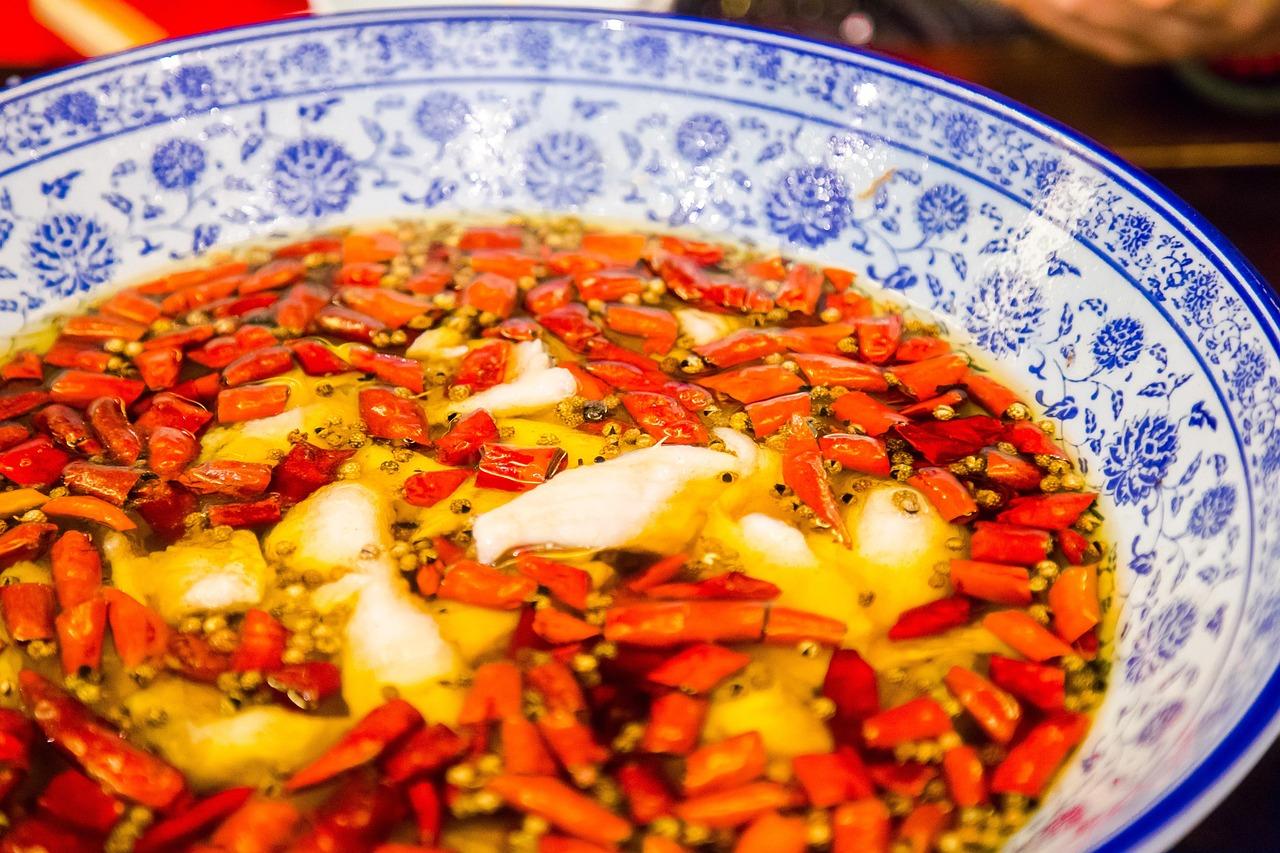
'Water-boiled fish' is Sichuan humour at its driest, because what arrives at the table in Chongqing and Chengdu restaurants is a great basin of silky fish slices half hidden under a red sea of chillies and Sichuan pepper, still crackling from a ladle of smoking oil poured over at the last moment. Underneath is a savoury broth of chilli bean paste with soft bean sprouts and celery. It is a dish for sharing with friends over beer or tea: you fish out the slices with chopsticks and leave the oil behind, as everyone does. Plain rice is essential, and something cooling such as smacked cucumber helps. Chef's tip: coat the fish in egg white and cornflour and give it no more than three minutes in the broth; the coating keeps each slice tender and stops it breaking up.

by KrazyBadal 0 views

ShuktoBitter mixed vegetable stew

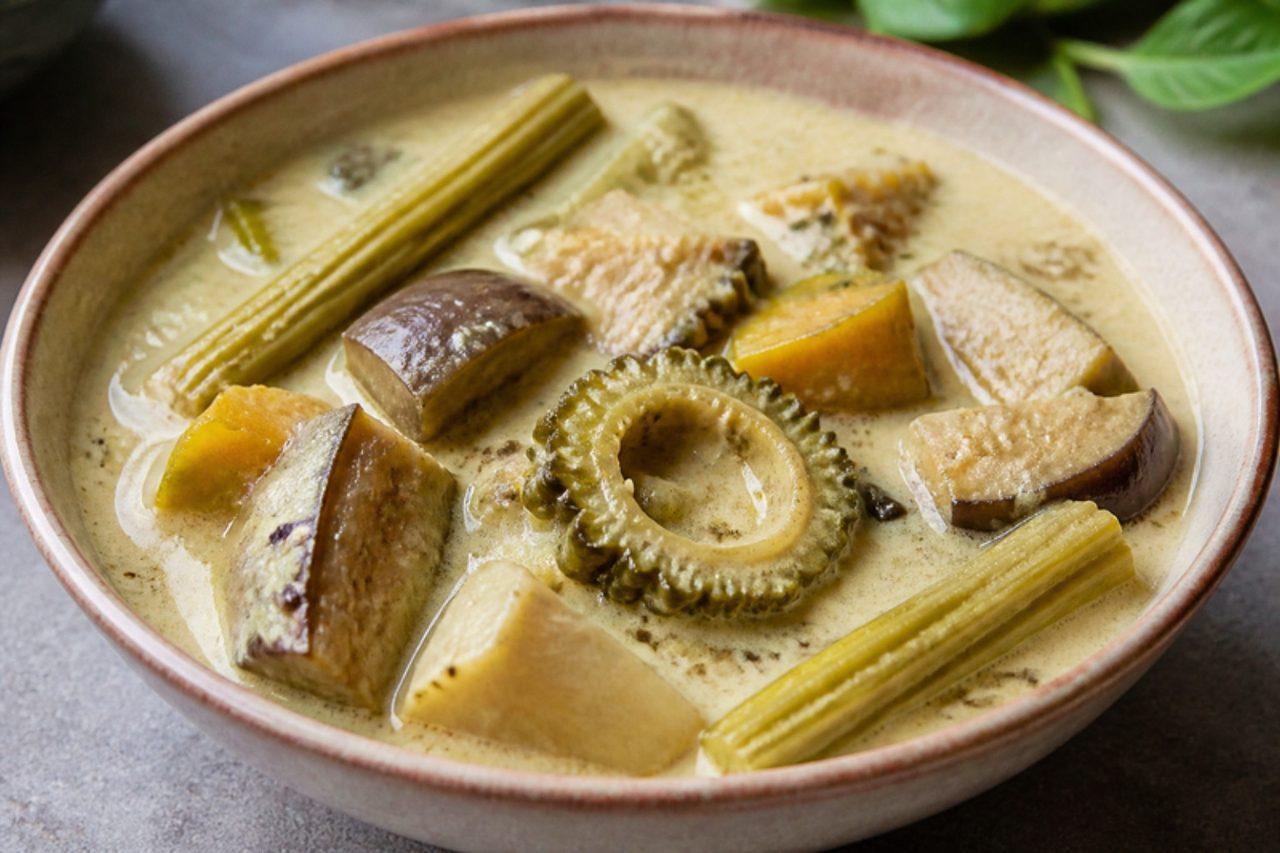
Shukto opens a traditional Bengali meal: a mild, slightly bitter stew of bitter gourd, raw banana, sweet potato, drumsticks and aubergine, eaten with the first mouthfuls of rice to wake up the palate. The vegetables are fried, then simmered with a paste of mustard and poppy seeds and finished with milk and a spoonful of ghee, so the bitterness is balanced by a creamy, faintly sweet sauce. It is a dish of West Bengal's home kitchens, cooked especially in spring. Chef's tip: fry the bitter gourd separately until well browned and add it at the end; this keeps its bitterness pleasant and stops it spreading through the whole pot.

by KrazyBadal 0 views

Carne de porco à alentejanaPork and clams

Despite the name, this surf-and-turf dish of pork and clams is most often linked with the Algarve coast, where Alentejo pork met local shellfish; today it is served in tascas all over Portugal, especially for Sunday lunch. It is a pork dish: cubes of pork shoulder marinate in massa de pimentão (sweet red pepper paste), garlic and traditionally white wine, then are fried and tossed with steamed clams, crisp potato cubes, pickles and lots of coriander. For an alcohol-free version, swap the wine for chicken stock with a tablespoon of white wine vinegar. Chef's tip: buy the pork with a little fat on; lean loin turns dry and tough when fried.

by KrazyBadal 0 views

Guiyang si wa waPancake rolls with shredded vegetables

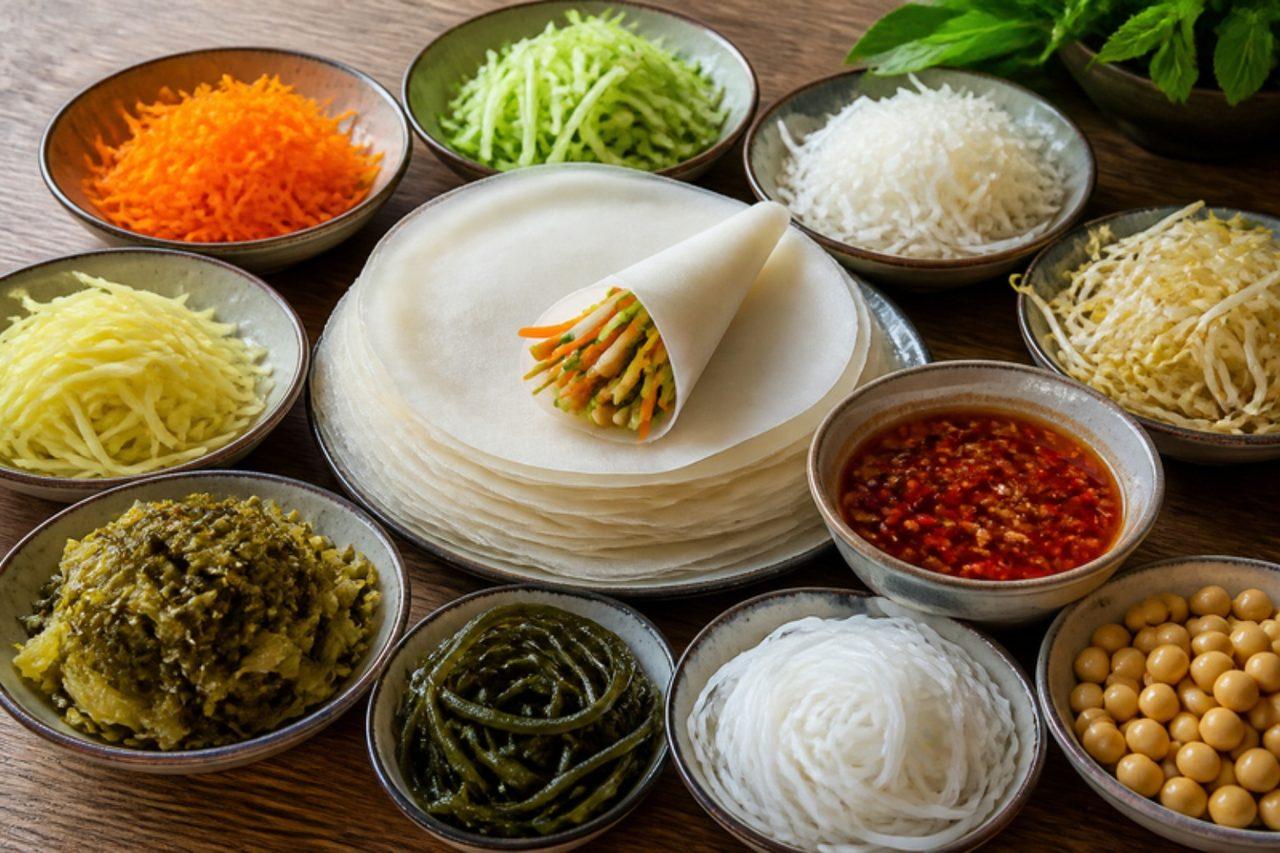
Guiyang's favourite street snack is a do-it-yourself meal: stalls set out twenty or more small bowls of shredded vegetables, and each person wraps a few strands in a pancake no bigger than a palm, folds it like a swaddled baby and pours in a spoonful of sour, chilli-flecked broth. It's light, crunchy and fun to eat with friends. Use as many fillings as you like; the more colours, the better. Chef's tip: shred everything as fine as you can, so the little parcels stay neat and each mouthful has several flavours.

by KrazyBadal 0 views

Showing 9 of 7,762 recipes

Show more recipes

Page 716 of 863