


Skip to content
Steak frites
Featured recipe

Steak frites

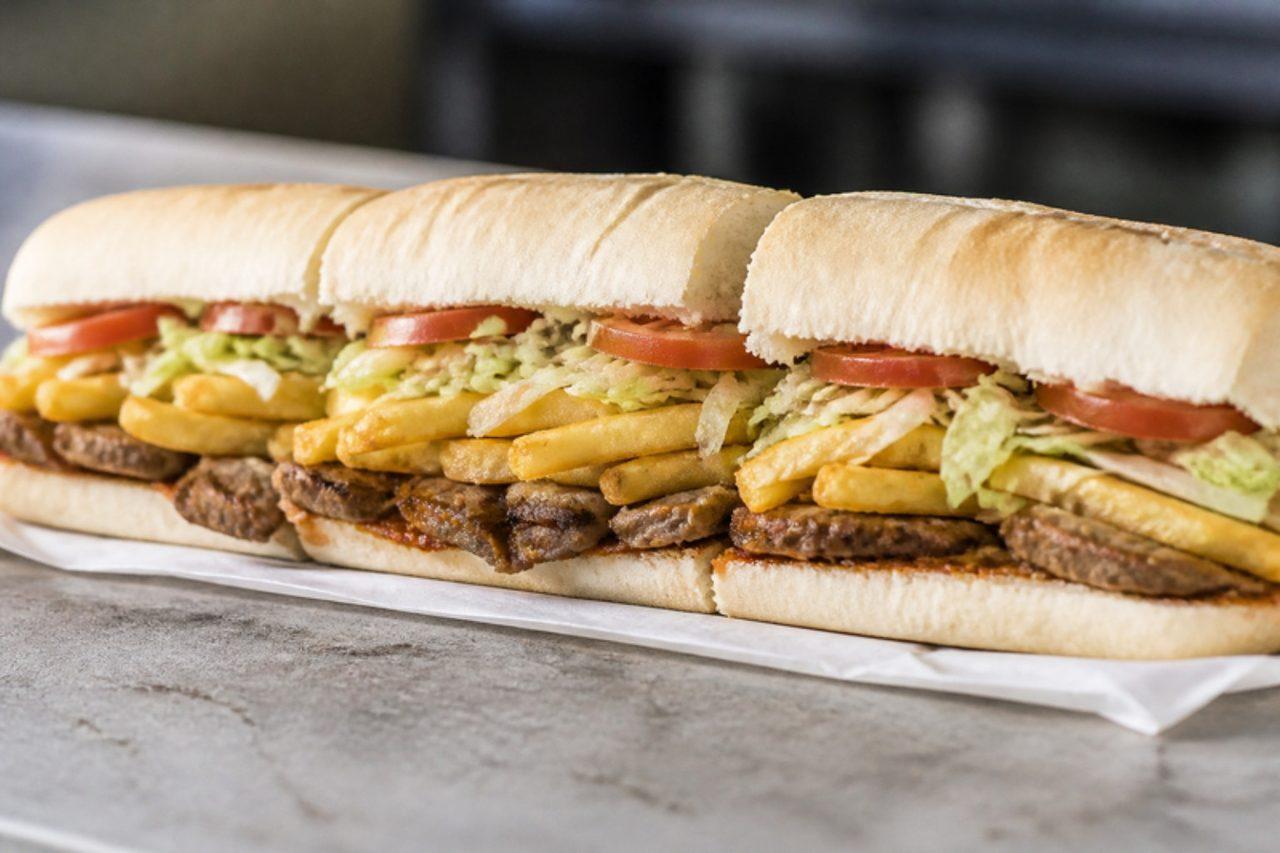
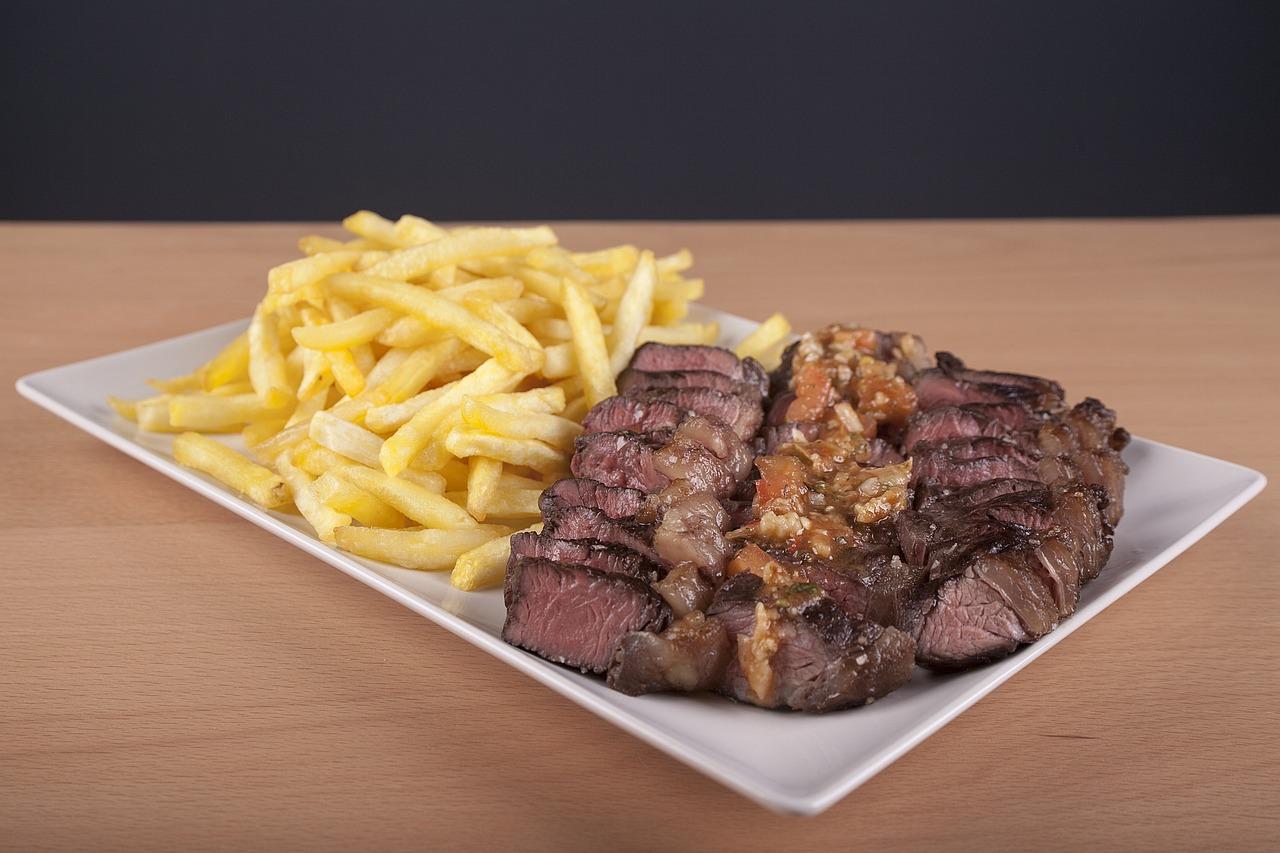
Steak frites is the backbone of the Parisian bistro and brasserie menu, ordered at a zinc-topped table at lunchtime with a green salad and a dab of Dijon. A thick entrecôte or bavette is seared hard in a very hot pan, rested, then topped with a melting coin of shallot and parsley butter, while chips cooked twice come out crisp outside and fluffy within. In France the steak is usually served rare (saignant) or medium-rare (à point); because this is a whole-muscle cut, the inside can safely be pink as long as the outside is well seared, but cook it to your taste using the guide in the steps. Chef's tip: take the steak out of the fridge 30 minutes before cooking and salt it just before it goes in the pan, for an even, crusty sear.

Read more 0 views

What to eat today?

Around the world

Today's trip: Paraguayan

A new country every day, from every cuisine on the site.

Paraguayan

Buñuelos de algas

Sea lettuce fritters 35 minMore from Paraguayan (27) →

This week's collection

Kid-friendly dinners
537 recipes · a new collection every Monday

Latest recipes

KokiSteamed black-eyed bean pudding

Koki is a dense, orange-red bean cake from the Douala and Bakweri country of Cameroon, made from skinned black-eyed beans blended with red palm oil, chilli and greens, then wrapped in banana leaves and steamed for hours. It is weekend food and market food, eaten with boiled plantain, cassava or ripe banana. It is related to Nigerian moi moi but heavier, richer with palm oil and full of cocoyam leaves or spinach. Chef's tip: warm the palm oil just until liquid before beating it in; poured in cold and solid it leaves streaks of fat instead of an even orange colour.

by KrazyBadal 0 views

Parippu vadaiCrunchy split pea fritters

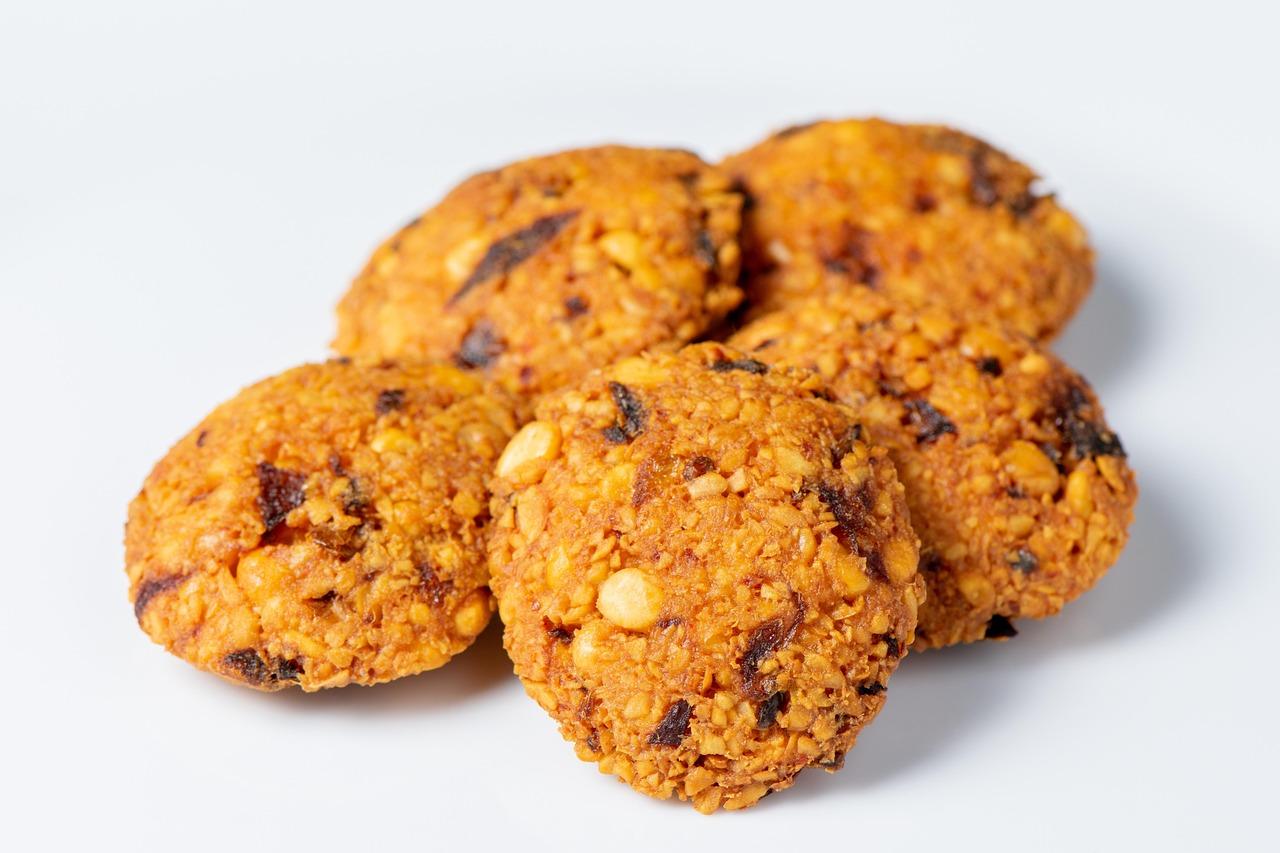
Parippu vadai are the crunchy, lumpy fritters sold from glass boxes on Sri Lankan trains and from carts along Colombo's Galle Face Green at sunset, often with a couple of fried prawns pressed on top; ours are the plain vegetarian kind, which are just as common. Soaked yellow split peas (kadala parippu) are coarsely ground with green chilli, onion, curry leaves and fennel, shaped into flat discs and deep-fried until craggy and golden, crisp outside and nubbly within. Eat them hot with a cup of plain tea or a spoonful of seeni sambol. They're different from South Indian medu vada, which are made with smooth black lentil batter. The common mistake is grinding the lentils to a smooth paste; leave plenty of whole and half peas for the crunch. Chef's tip: hold back about a quarter of the soaked peas and stir them in whole after grinding.

by KrazyBadal 0 views

Kok choyGreen tea

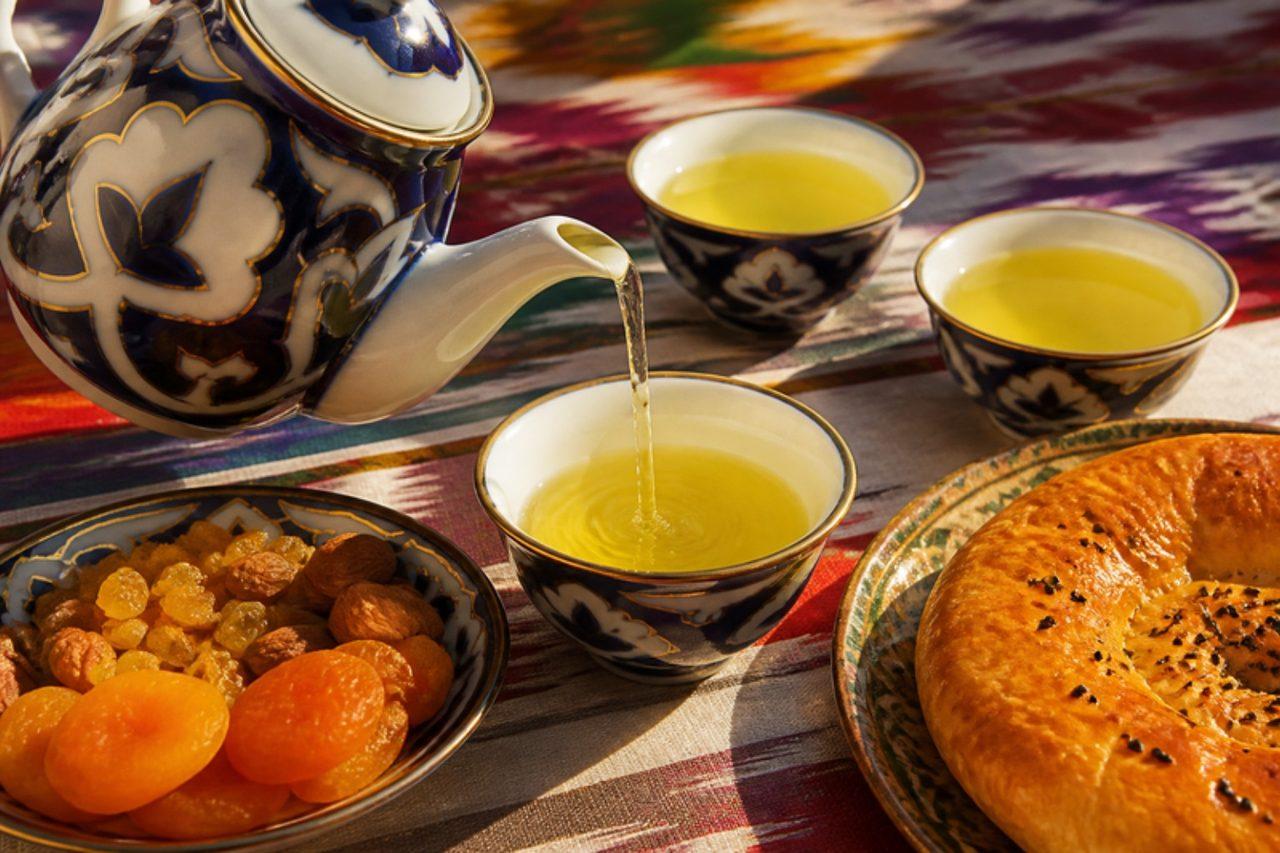
In an Uzbek chaikhana, from Tashkent's shady teahouses to the courtyards of Khiva, the first thing to arrive is a teapot of kok choy, green tea, with small bowls (piala) and a plate of raisins, almonds and sweets. The host performs qaytarish: pours a bowl, tips it back into the pot, and repeats three times to blend the brew, then serves each guest a bowl only half full, a sign they should stay and be topped up. Green tea is drunk with plov to cut the oil, and all through hot summer days. Chef's tip: use water just off the boil (about 90°C) and warm the pot first; boiling water straight from the kettle makes Chinese green tea taste harsh.

by KrazyBadal 0 views

Parmigiana di melanzaneBaked aubergine with tomato and mozzarella

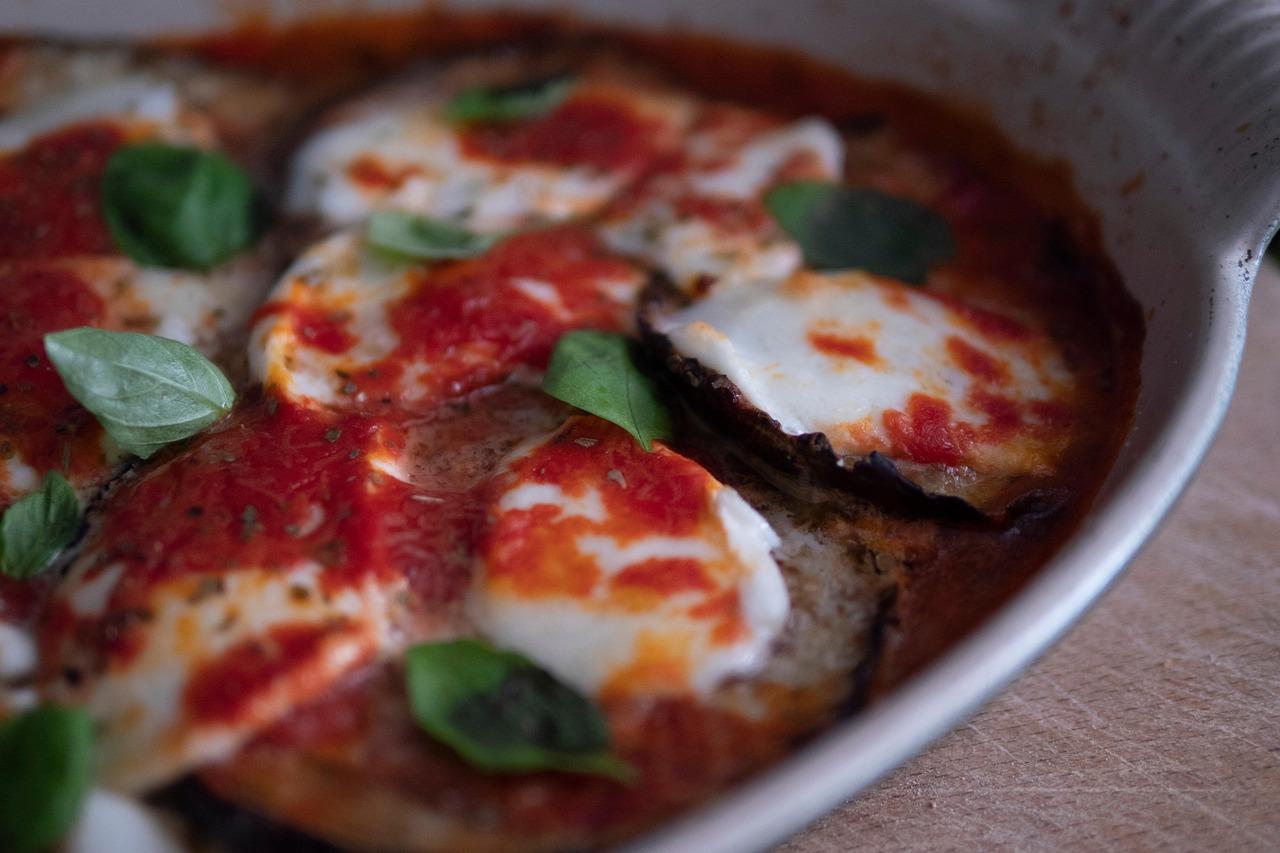
Parmigiana di melanzane is Campania's big summer bake, made when aubergines are cheap and glossy and served for Sunday lunch or carried in a tin to the beach. Fried slices of aubergine are layered with a quick basil tomato sauce, fior di latte and grated hard cheese, then baked until the edges bubble and darken. It is better warm than piping hot, and better still the next day, cut into neat squares. Chef's tip: salt the slices and press them for 30 minutes before frying; they drink less oil and the layers stay distinct instead of watery.

by KrazyBadal 0 views

Kohu-kohuSmoked tuna salad

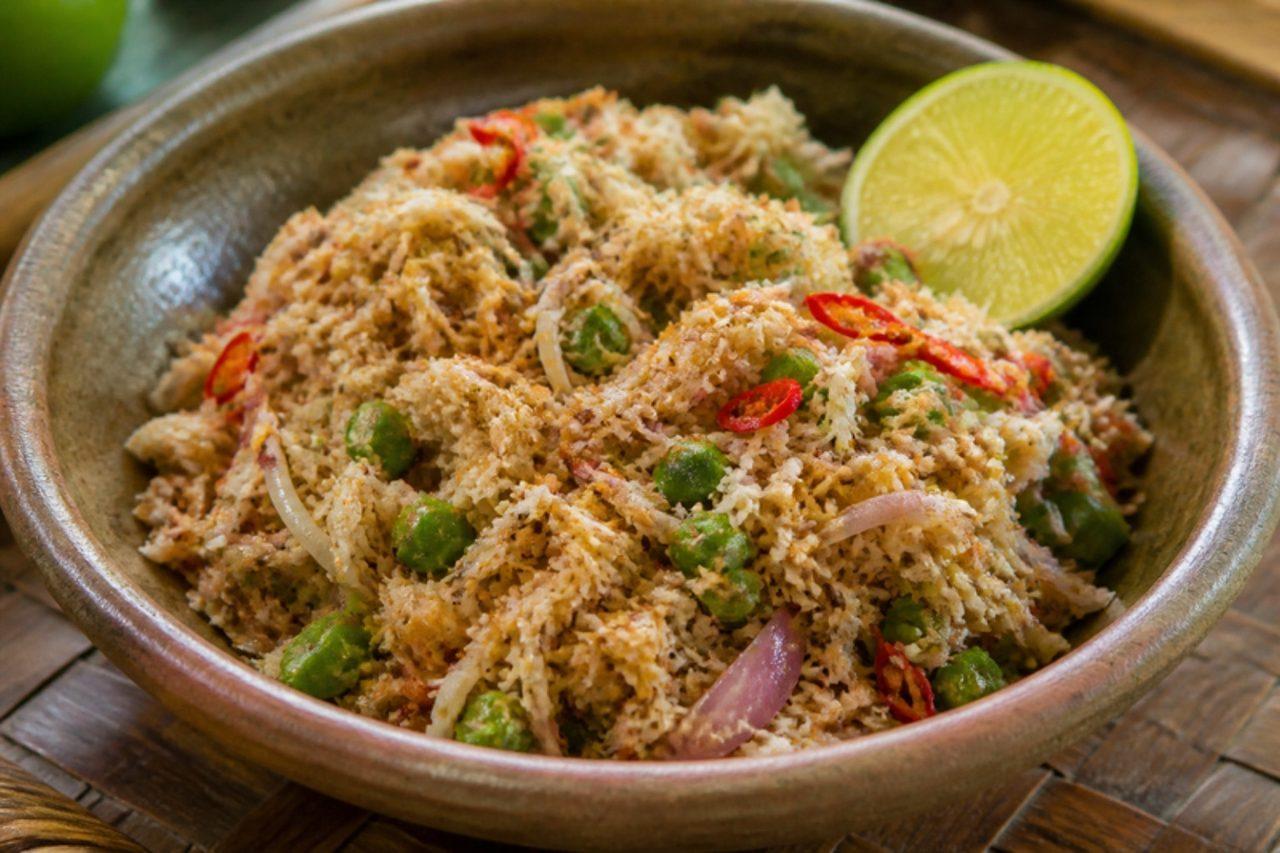
Ambon's fish markets sell ikan asar, tuna smoked over coconut husks, and one of the best things to do with it is kohu-kohu. Flakes of the smoky fish are tossed with crisp shredded long beans, bean sprouts, lightly toasted coconut, raw shallot, chilli and plenty of lime, making a salad that is crunchy, smoky, sour and hot all at once. It's a staple at Maluku family meals, often served next to papeda and fish soup or simply with rice. Chef's tip: mix it no more than an hour before eating; fresh coconut goes limp and sour if it sits around, and the salad loses its crunch.

by KrazyBadal 0 views

Koba akondroBanana, rice and peanut parcels

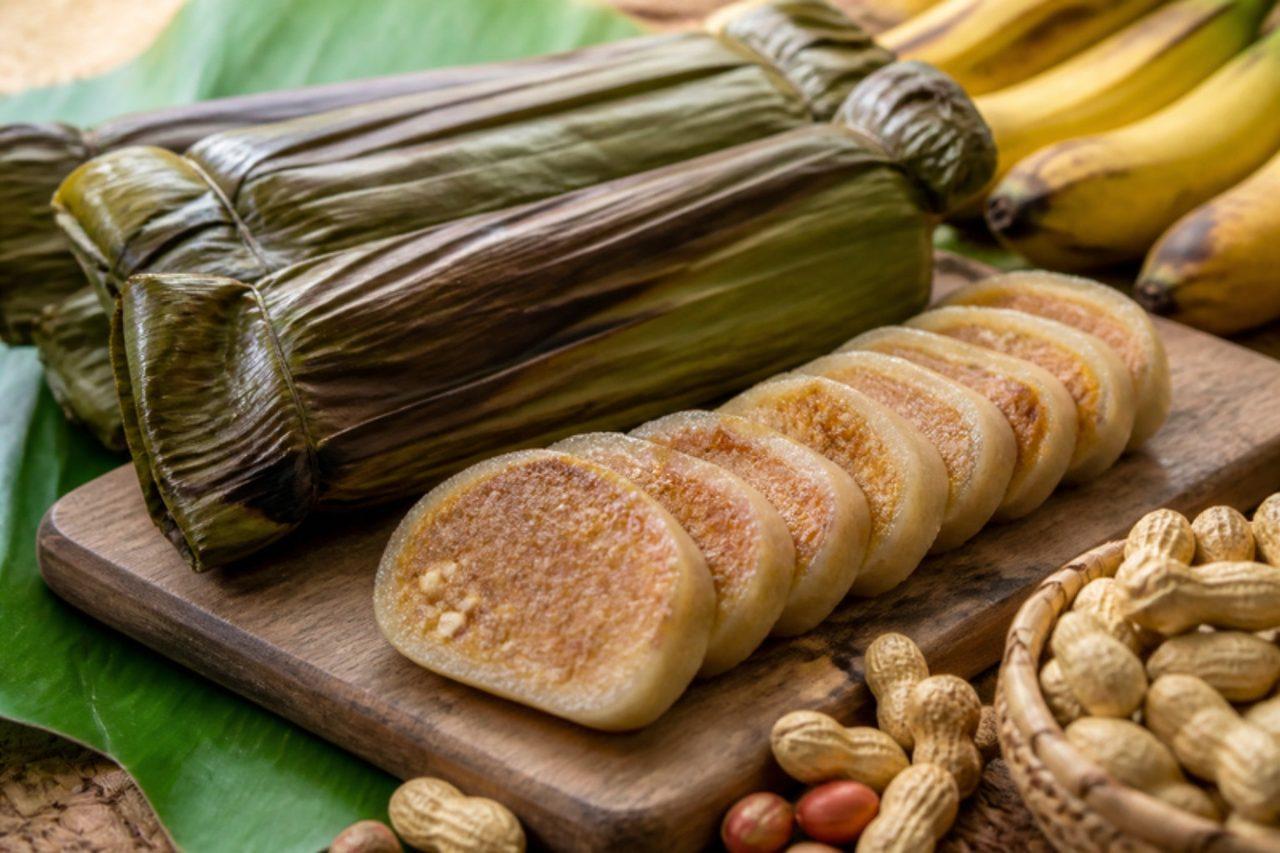
Koba is the street sweet of Madagascar's highlands, sold in thick slices from huge logs wrapped in banana leaves at markets and taxi-brousse stops around Antananarivo and Antsirabe. Koba ravina is a dense block of ground peanuts, rice flour and brown sugar; koba akondro adds ripe banana and is softer. This home version makes small parcels that steam in an hour and a half instead of a whole day. Chef's tip: wrap the parcels tightly; loose parcels let water in and the koba turns sticky instead of firm.

by KrazyBadal 0 views

KleponPandan rice balls with palm sugar

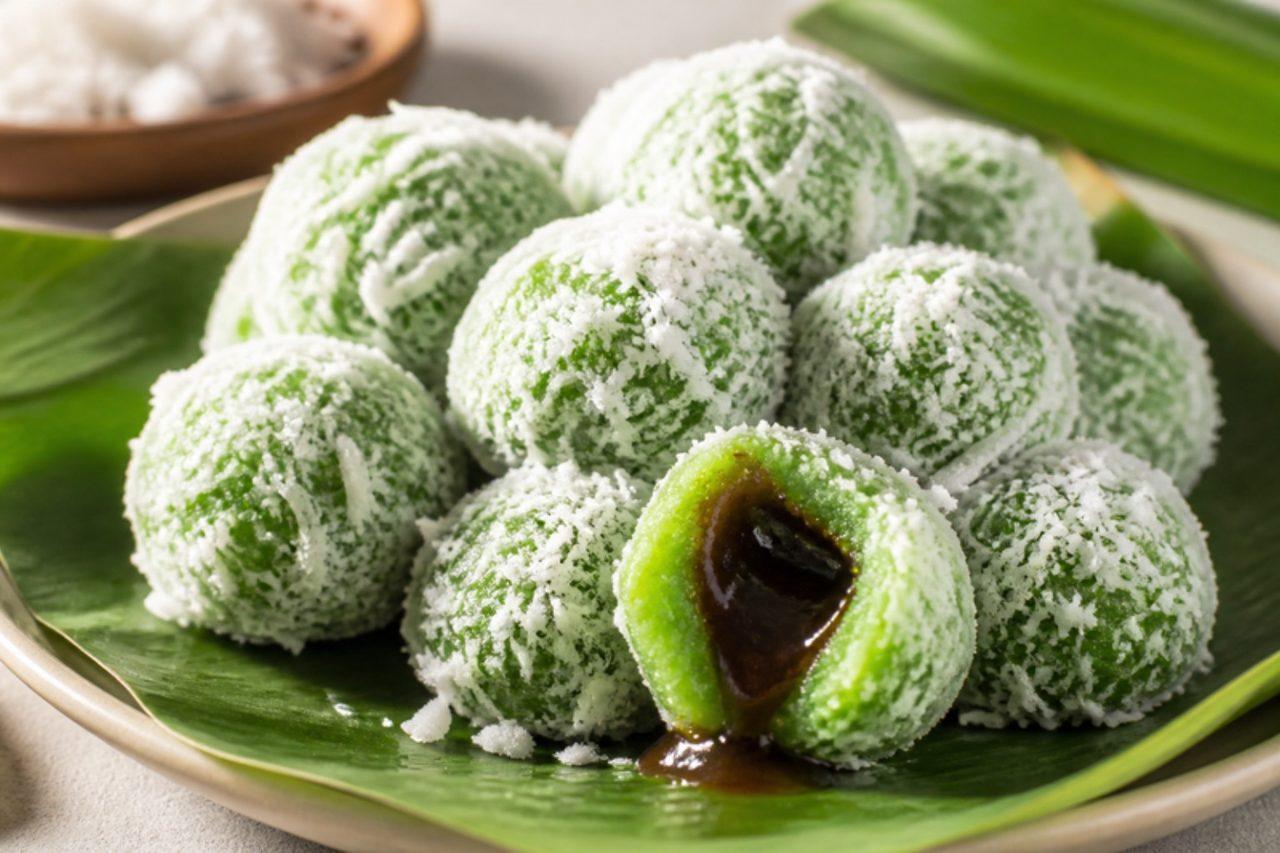
Klepon are the jajan pasar, or market cakes, of Java: sold in the morning from baskets lined with banana leaves, bright green from pandan and dusted with grated coconut. Bite one and a pocket of molten palm sugar floods your mouth, so Javanese eat them whole. Malaysians and Singaporeans know the same sweet as onde-onde, made for festive tea tables, so this page covers both. Chef's tip: seal the balls with no cracks and drop them into gently boiling water — the moment they float, give them one more minute, and the sugar inside will be fully molten.

by KrazyBadal 0 views

KladdkakaSticky chocolate cake

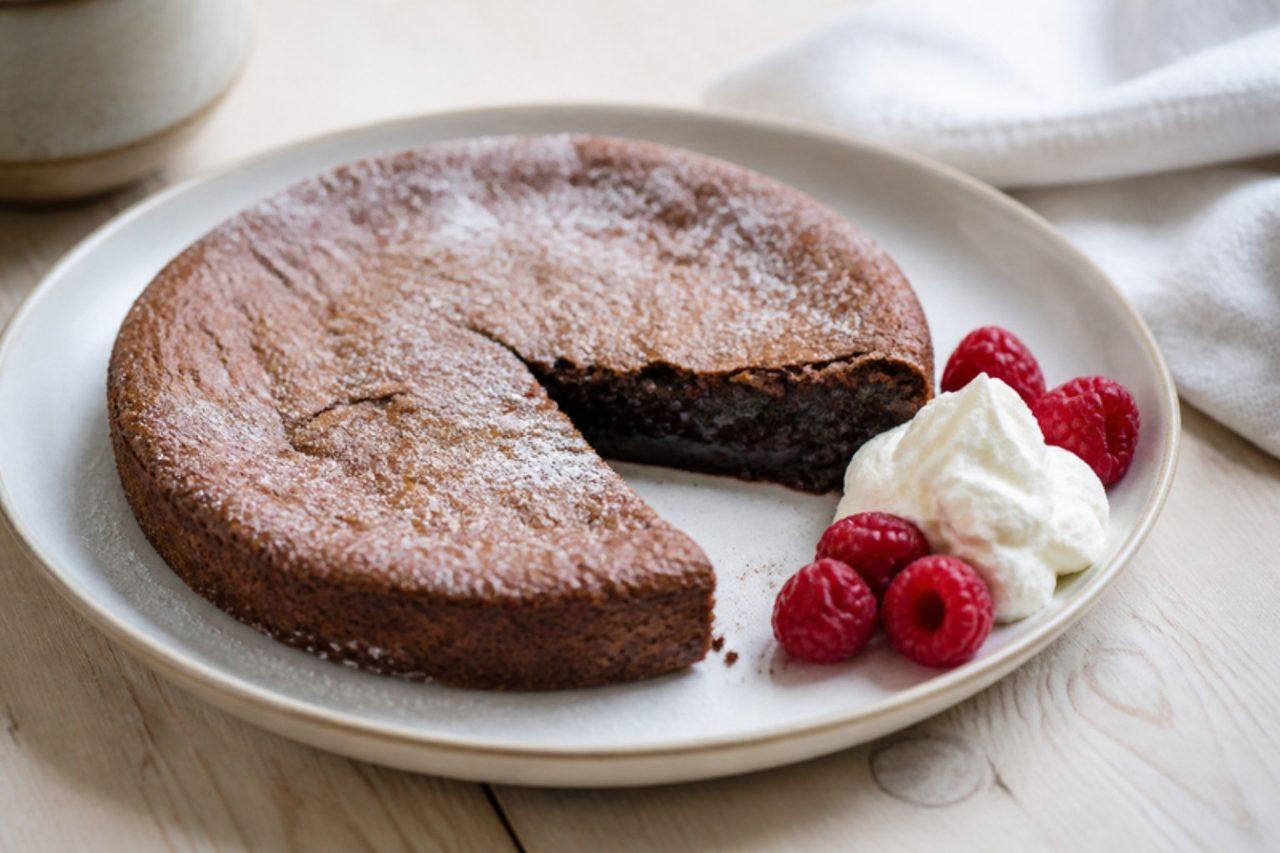
Kladdkaka, literally 'sticky cake', is the chocolate cake Swedish teenagers learn to make first, because it needs one pan, no mixer and no raising agent. The outside bakes to a thin, crackly crust while the centre stays fudgy and almost molten, somewhere between a brownie and a chocolate pudding. In Sweden it turns up at birthday parties, after Friday tacos and at summer cottages, cut into wedges and served with lightly whipped cream and a few raspberries or lingonberries. Cocoa, not bar chocolate, gives it its classic flavour. Chef's tip: take it out when the middle still wobbles like set jelly; it firms up as it cools and a fully set kladdkaka is just a dry chocolate cake.

by KrazyBadal 0 views

PasemburVegetable and fritter salad

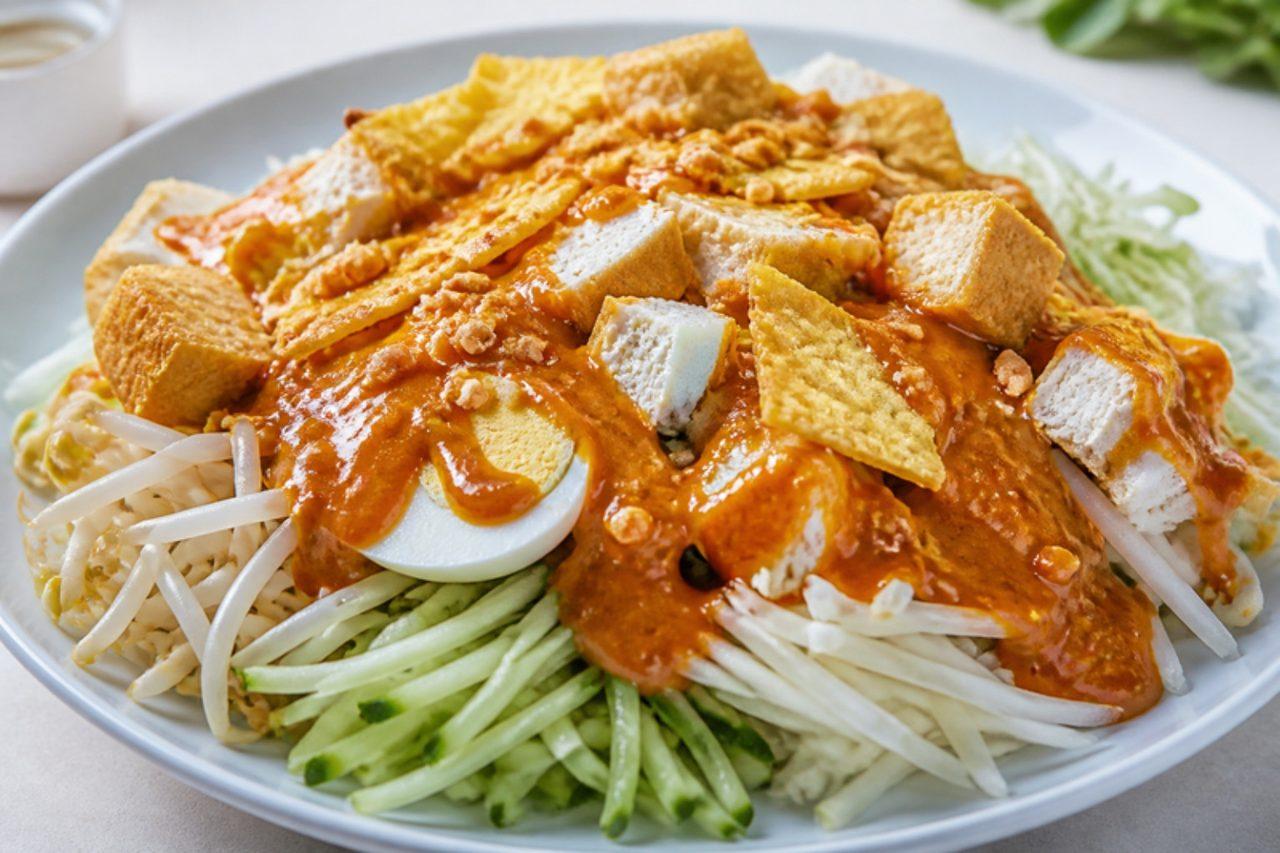
Pasembur is sold from Indian-Muslim (mamak) stalls along Penang's Gurney Drive and Esplanade: shredded cucumber, jicama and bean sprouts piled with sliced fried tofu, boiled egg and crisp fritters, all buried under a thick, sweet, gently spicy sauce made from sweet potato, chilli and peanuts. You pick your fritters at the stall; prawn fritters are common, but here they are crunchy cabbage and onion ones. Chef's tip: dress it at the very last moment and eat at once, so the fritters stay crisp under the sauce.

by KrazyBadal 0 views

Pasta alla griciaPasta with guanciale and pecorino

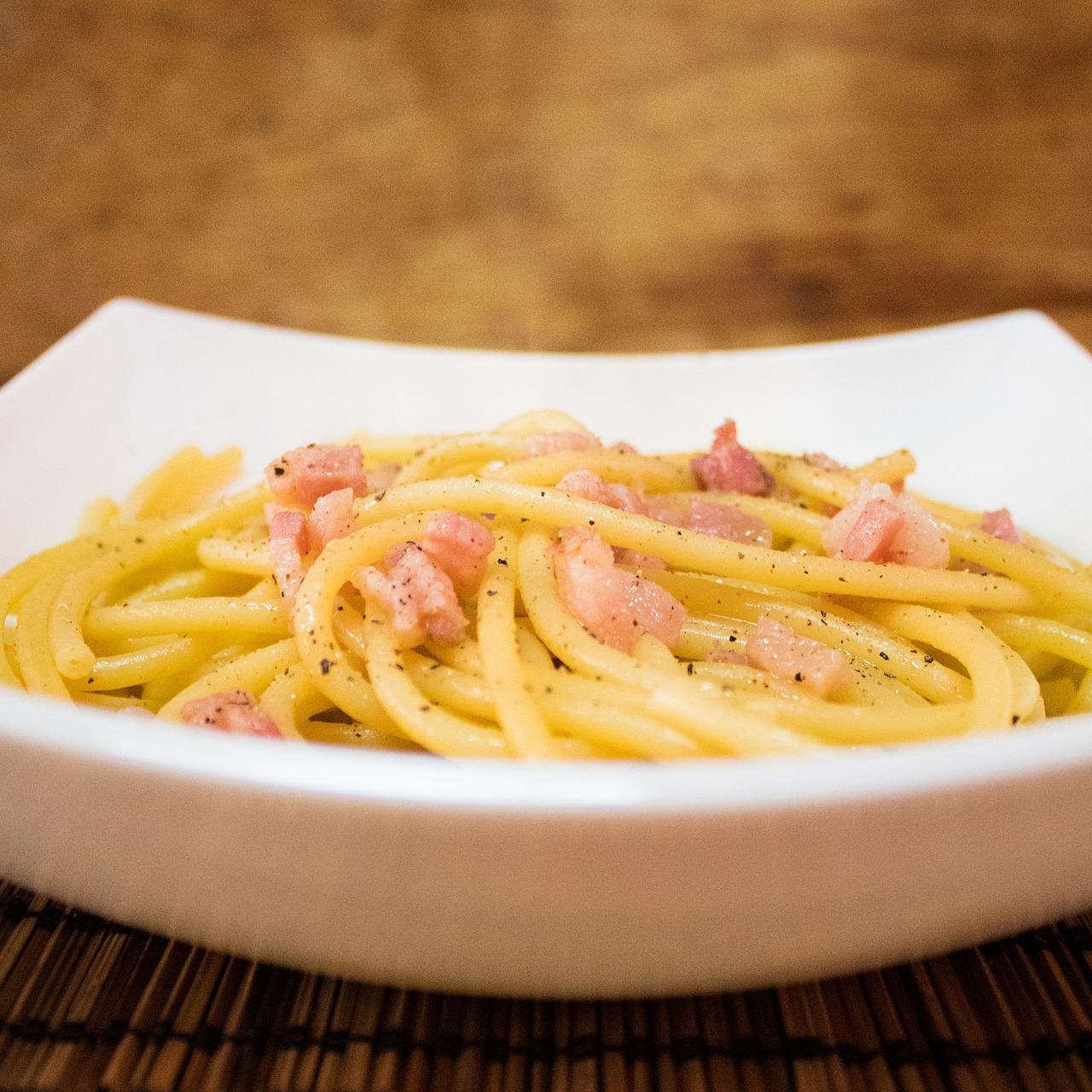
Older than both carbonara and amatriciana, gricia is the white pasta of the Roman hills: no egg, no tomato, nothing but guanciale, pecorino and pepper brought together with starchy cooking water. On a Roman menu it often sits with its siblings under the heading of the four great Roman pastas, and it is many locals' quiet favourite for a weekday lunch. Short rigatoni catch the creamy, salty sauce in their ridges and tubes, and the guanciale is cooked until amber and crisp-edged so its fat flavours everything. Follow it with something light, such as sautéed chicory with garlic. Chef's tip: before you finish the pasta, mash the pecorino in a bowl with a few spoonfuls of cooled pasta water into a smooth cream; it melts into the sauce instead of seizing into strings.

by KrazyBadal 0 views

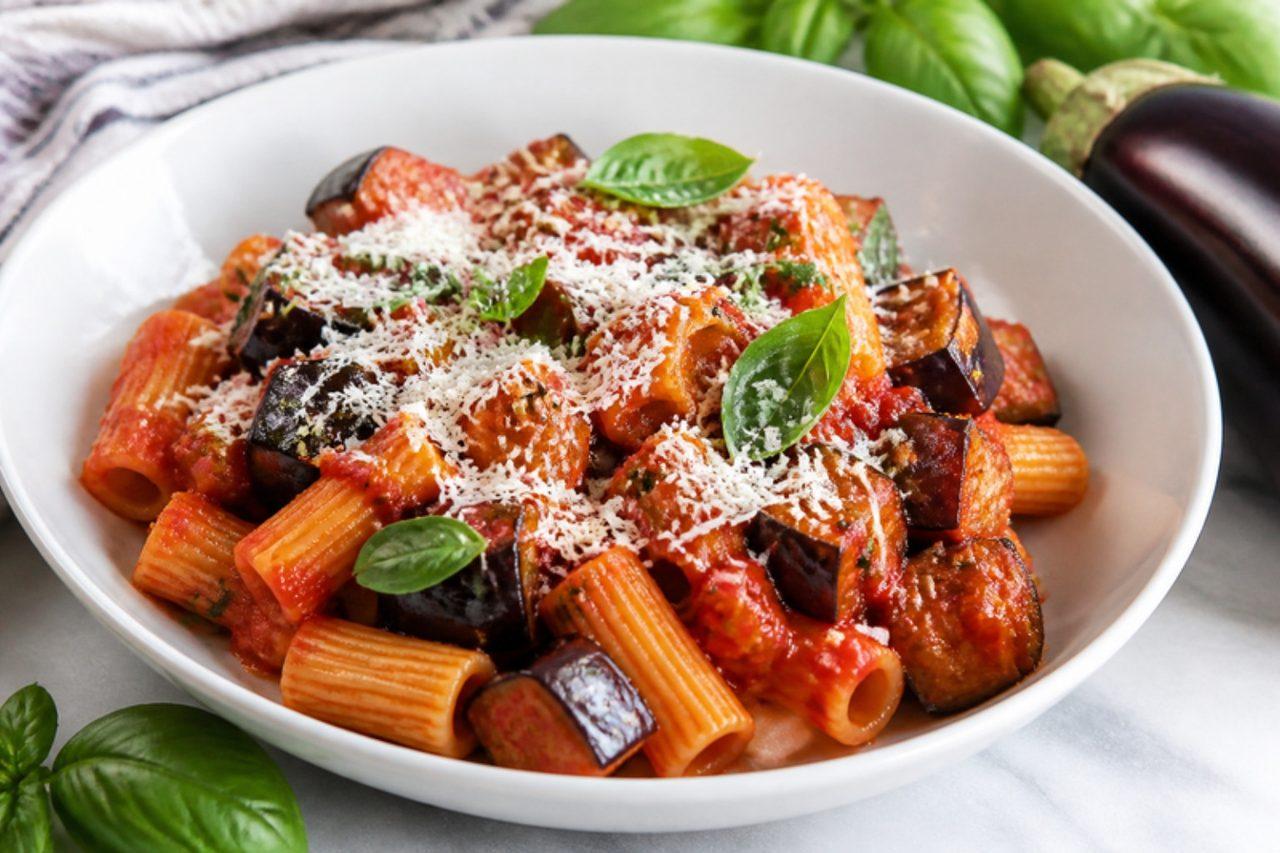
Pasta alla NormaPasta with fried aubergine and tomato

Pasta alla Norma comes from Catania, in the shadow of Mount Etna, and is named after Norma, the opera by the city's own composer Vincenzo Bellini; a local writer is said to have called the dish 'a real Norma', meaning a masterpiece. Fried aubergine, a simple garlic and basil tomato sauce and a snowfall of salty ricotta salata make one of Sicily's best summer lunches. Chef's tip: keep a few of the best fried aubergine slices aside and lay them on top at the end; the rest melt into the sauce and the top ones stay silky.

by KrazyBadal 0 views

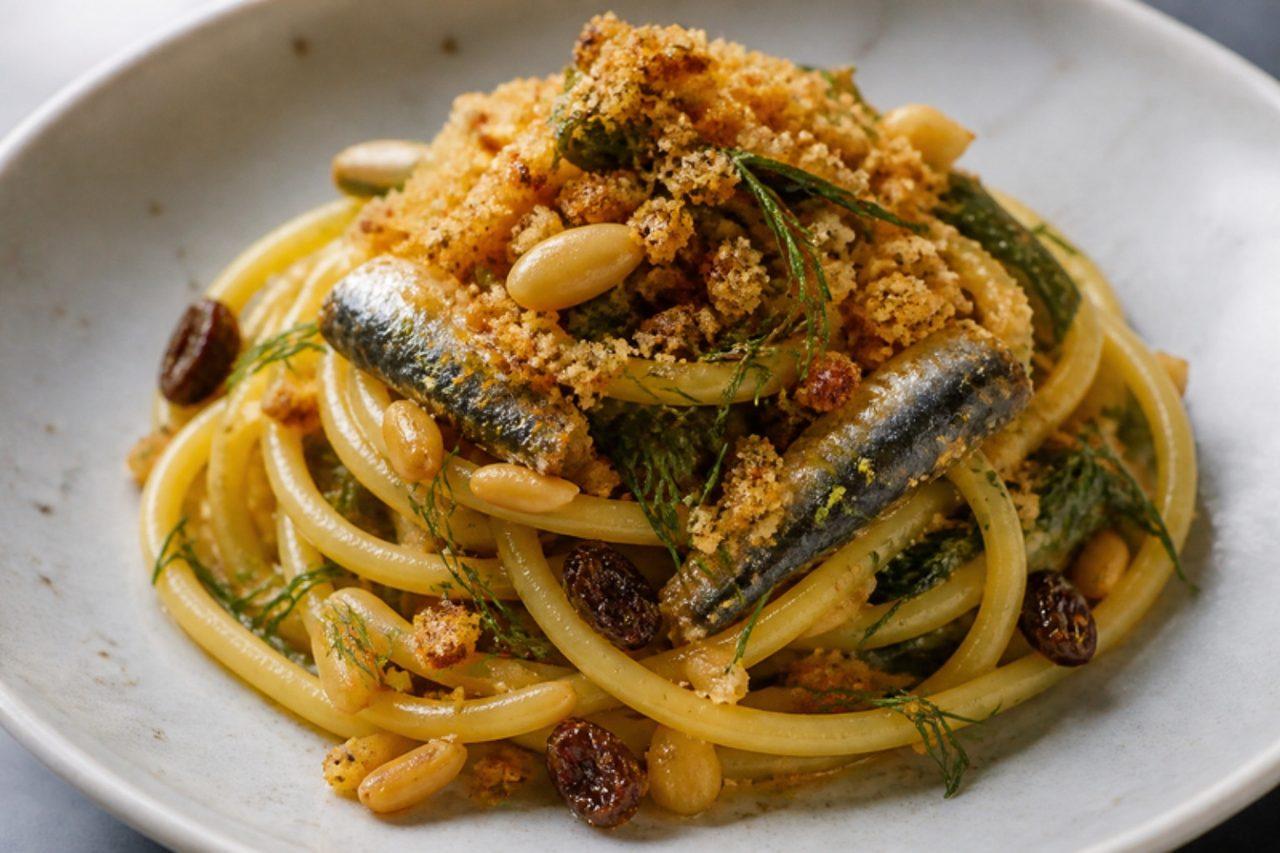
Pasta con le sardePasta with sardines and fennel

Sweet, salty and grassy all at once, Palermo's favourite pasta carries the island's history in one pan: Arab raisins, pine nuts and saffron meet fresh sardines and the wild fennel that grows on every Sicilian hillside in spring. It is cooked at home and in the city's old trattorie from March to the start of summer, and on 19 March for the feast of San Giuseppe. Instead of cheese, it is finished with olive oil toasted breadcrumbs, the crunchy 'muddica' that Sicilians call poor man's parmesan. Wild fennel is hard to find outside Italy; the fronds from two fennel bulbs plus a few fennel seeds come close. Serve it warm, or at room temperature as Palermitans often do. Chef's tip: blanch the fennel greens in the pasta pot first and cook the bucatini in that same green, aniseed-scented water, so the flavour runs right through the pasta.

by KrazyBadal 0 views

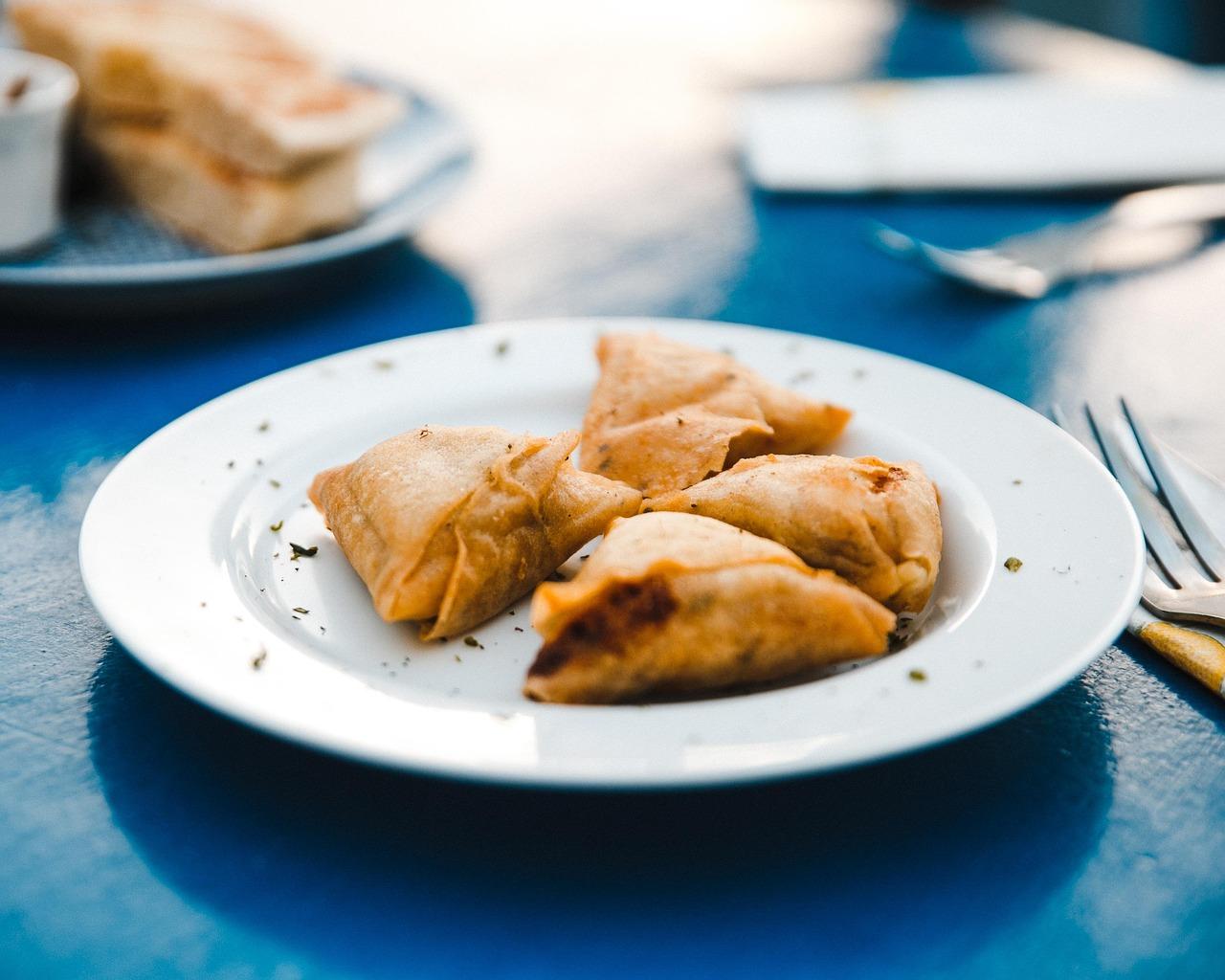
Vegetable briouatsSpiced vegetable pastry triangles

Briouats are the small, crunchy pastry triangles served at Moroccan weddings and at the iftar table during Ramadan, especially in Rabat and Fez where women make hundreds ahead and freeze them. The wrapper is warqa, a paper-thin pastry, though filo works well at home. Savoury briouats are often filled with meat or seafood; this vegetarian filling of potato, carrot, peas, spices and cheese is popular in family kitchens and loved by children. Bake or fry them and serve hot with a dipping saucer of harissa. Chef's tip: let the filling cool completely before wrapping; hot filling makes the pastry soggy and it splits in the oven.

by KrazyBadal 0 views

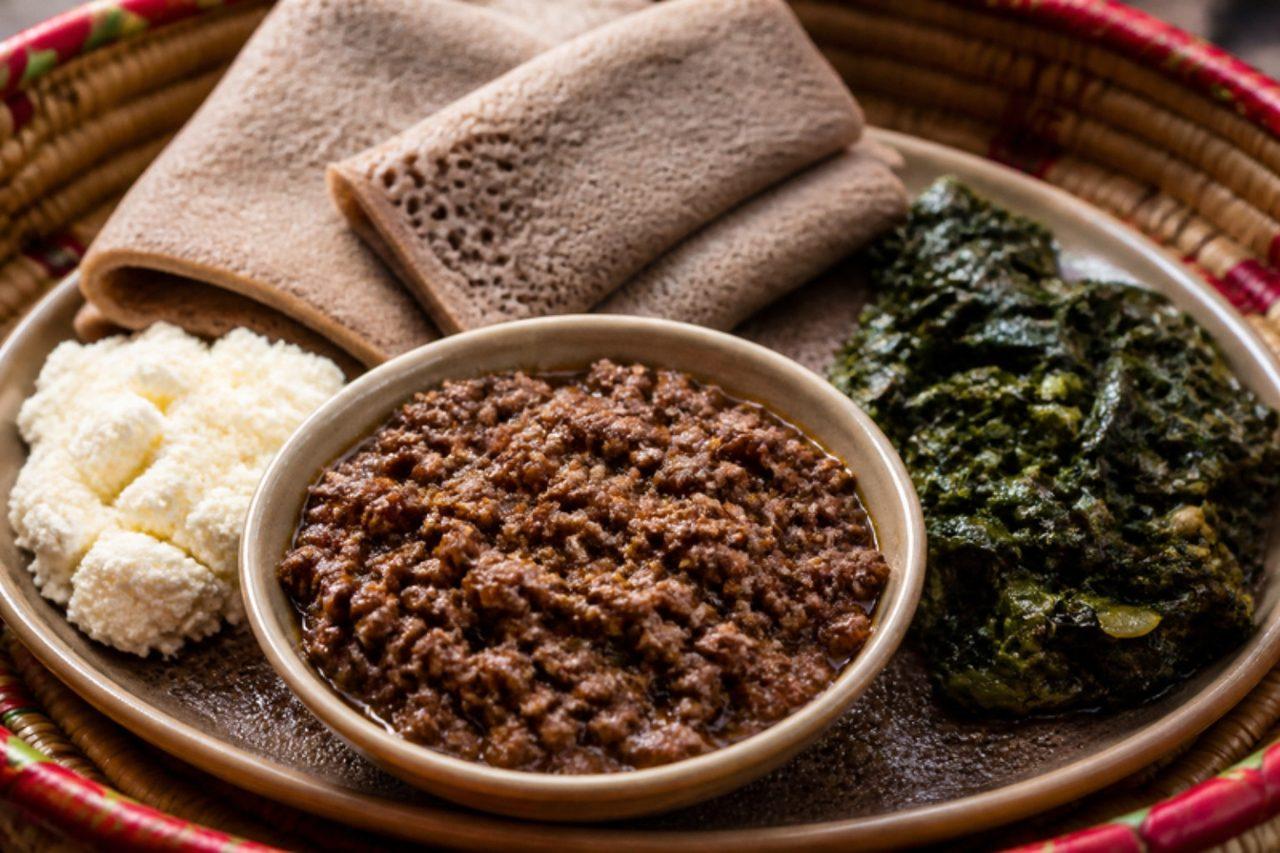
KitfoSpiced minced beef

Kitfo comes from the Gurage people south-west of Addis Ababa, and it is the dish Ethiopians order at special kitfo houses or make for Meskel, the September feast of the True Cross. Lean beef is finely minced and stirred with warm spiced butter and mitmita, a hot chilli and cardamom powder. In Ethiopia it is often eaten raw (tire) or barely warmed (leb leb), but raw or lightly warmed minced beef is not safe for home cooks: this version is cooked to 71 °C, which keeps the buttery, fiery flavour with a soft, crumbly texture. Serve with ayib, braised greens and injera or kocho. Chef's tip: mince the beef yourself from a single lean cut if you can, and keep it fridge-cold until the moment it goes into the pan.

by KrazyBadal 0 views

KisraFermented sorghum flatbread

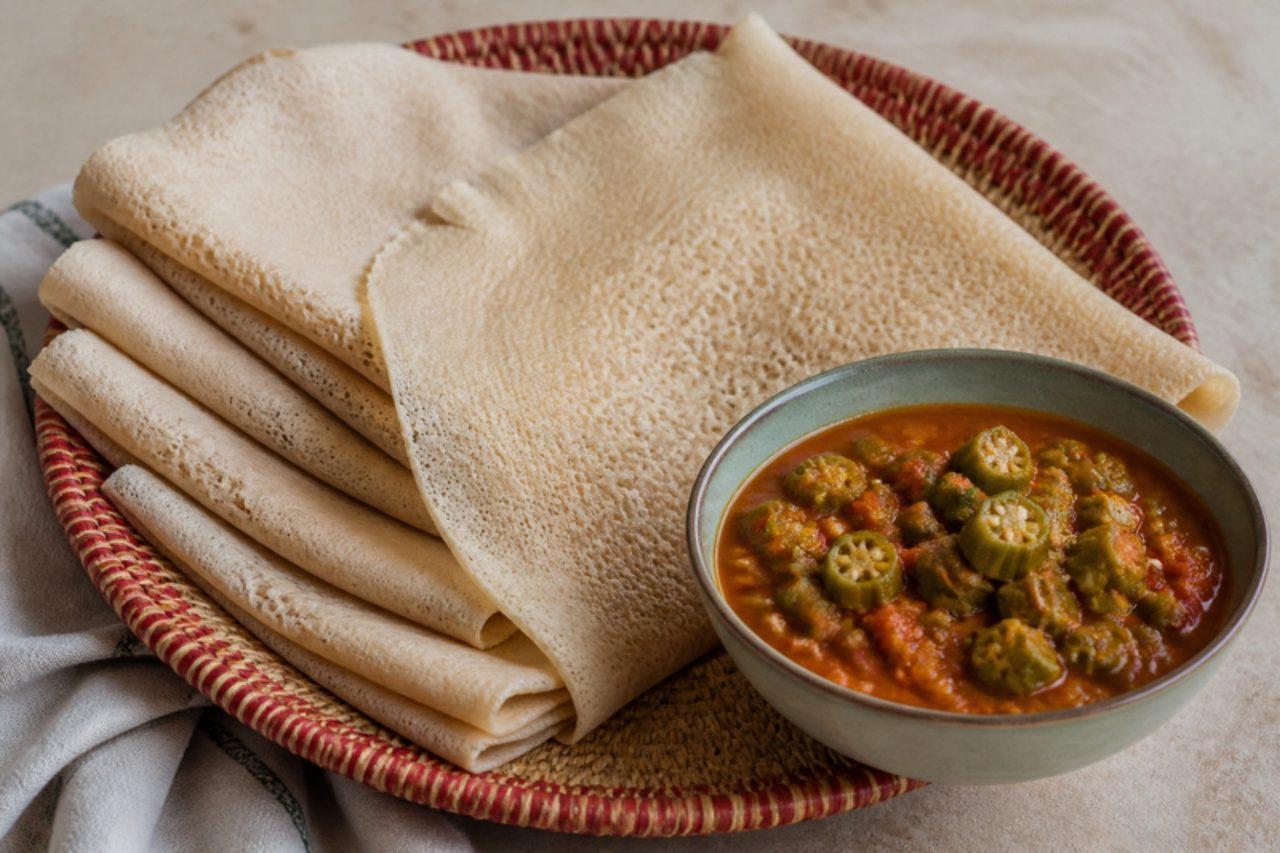
Kisra (kisra rahifa) is the daily bread of northern and central Sudan: a sorghum batter left to sour for a day, then wiped across a very hot iron plate in a single sweep so it cooks into a lacy sheet as thin as paper. In homes it is made early each morning and stacked in folded layers to eat with mullah stews, especially during Ramadan. A wide crêpe pan and a plastic scraper or spatula work at home. Chef's tip: the pan must be hot enough that the batter sets the moment it touches; if it is too cool the sheet sticks and tears.

by KrazyBadal 0 views

Pasta e fagioliBean and pasta soup

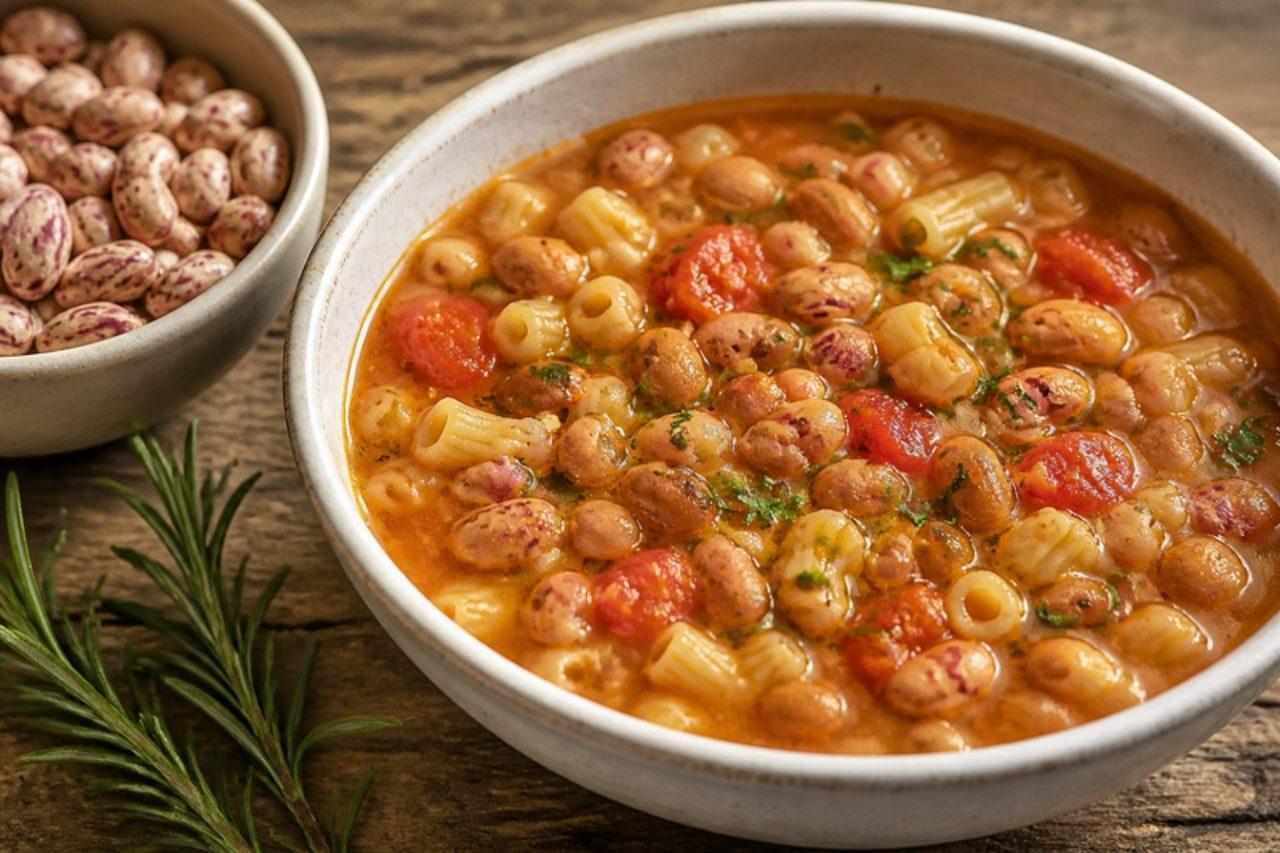
In Naples pasta e fagioli (pasta e fasule in dialect) is thick enough to stand a spoon in, made with cannellini or borlotti beans, a few cherry tomatoes, garlic and broken pasta cooked straight in the bean broth. It is a cheap, filling Friday-night meal in many Neapolitan homes, and the bean starch, not cream or cheese, makes it velvety; this version stays vegan. Chef's tip: blend a ladle of the beans before the pasta goes in; it thickens the soup naturally so the pasta is coated, not swimming.

by KrazyBadal 0 views

Pasta e patatePasta with potatoes

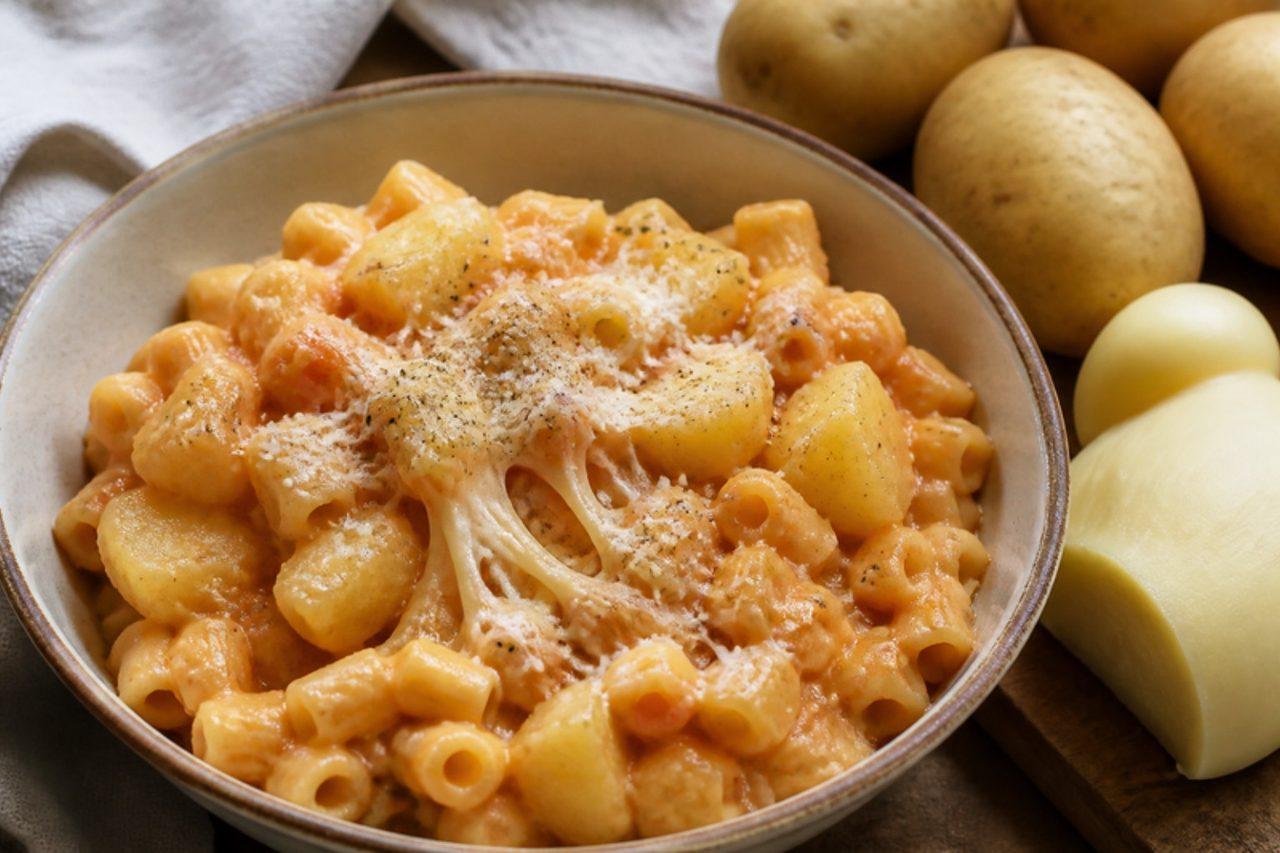
Pasta e patate is Neapolitan home cooking at its most thrifty: potatoes and mixed broken pasta (pasta mista, the odds and ends from many packets) cooked together in one pot like a risotto, until the potato breaks down and the starch makes everything creamy. Naples families eat it on weekday evenings in winter, and many stir in cubes of smoked provola at the end so it goes stringy (pasta patate e provola). Children love it. Chef's tip: cut half the potato small and half larger; the small pieces melt into the sauce while the larger ones keep their shape.

by KrazyBadal 0 views

KısırBulgur salad with pepper paste

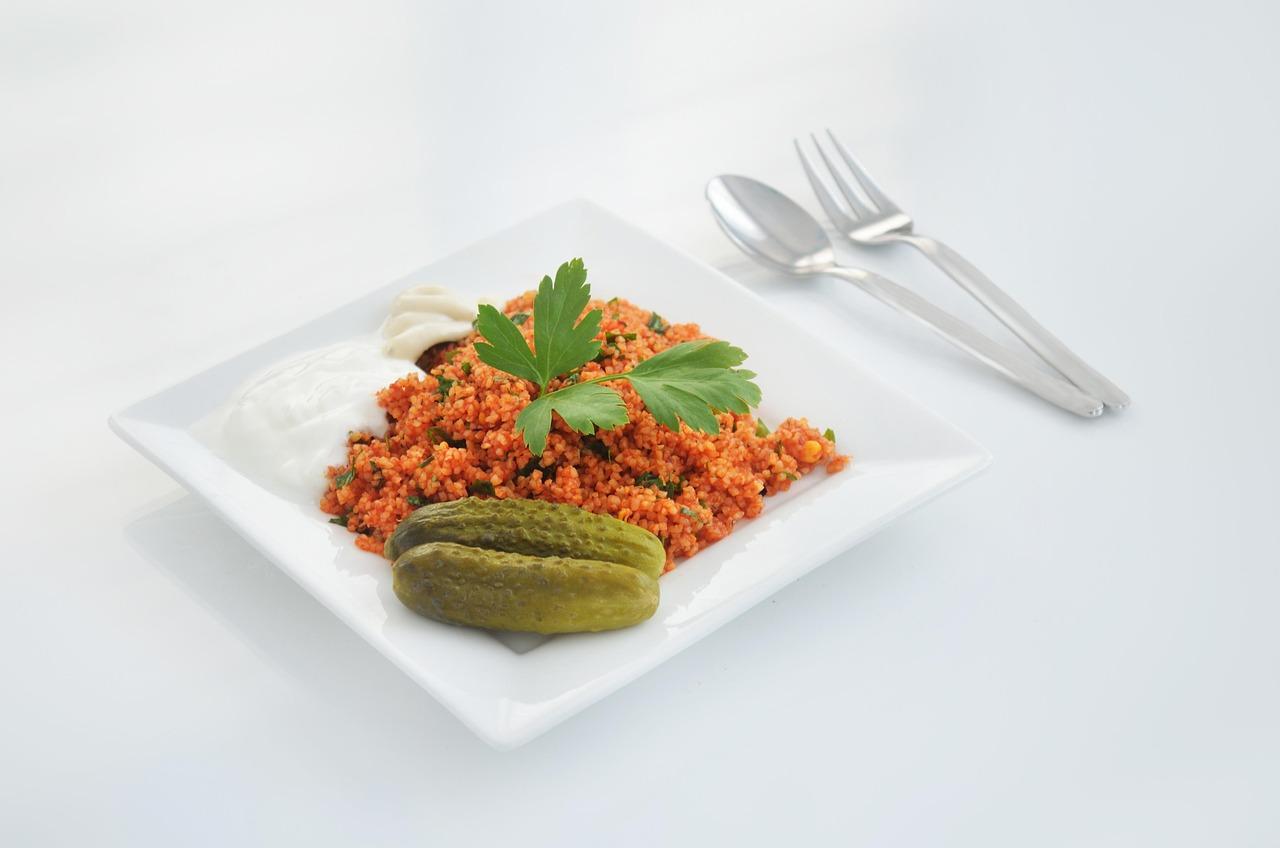
Kısır comes from southeastern Turkey but is now the dish women across the country bring to 'altın günü', the afternoon gatherings where friends meet at each other's homes over tea. Fine bulgur is softened with hot water and kneaded with tomato and pepper paste until rosy, then mixed with spring onion, parsley, mint, lemon and pomegranate molasses. It is served at room temperature, often wrapped in crisp lettuce leaves. The typical mistake is pouring in too much water, which turns the bulgur mushy; use just enough to cover. Chef's tip: knead the pastes into the warm bulgur with your hands for a full minute so every grain turns red and the flavour goes right through.

by KrazyBadal 0 views

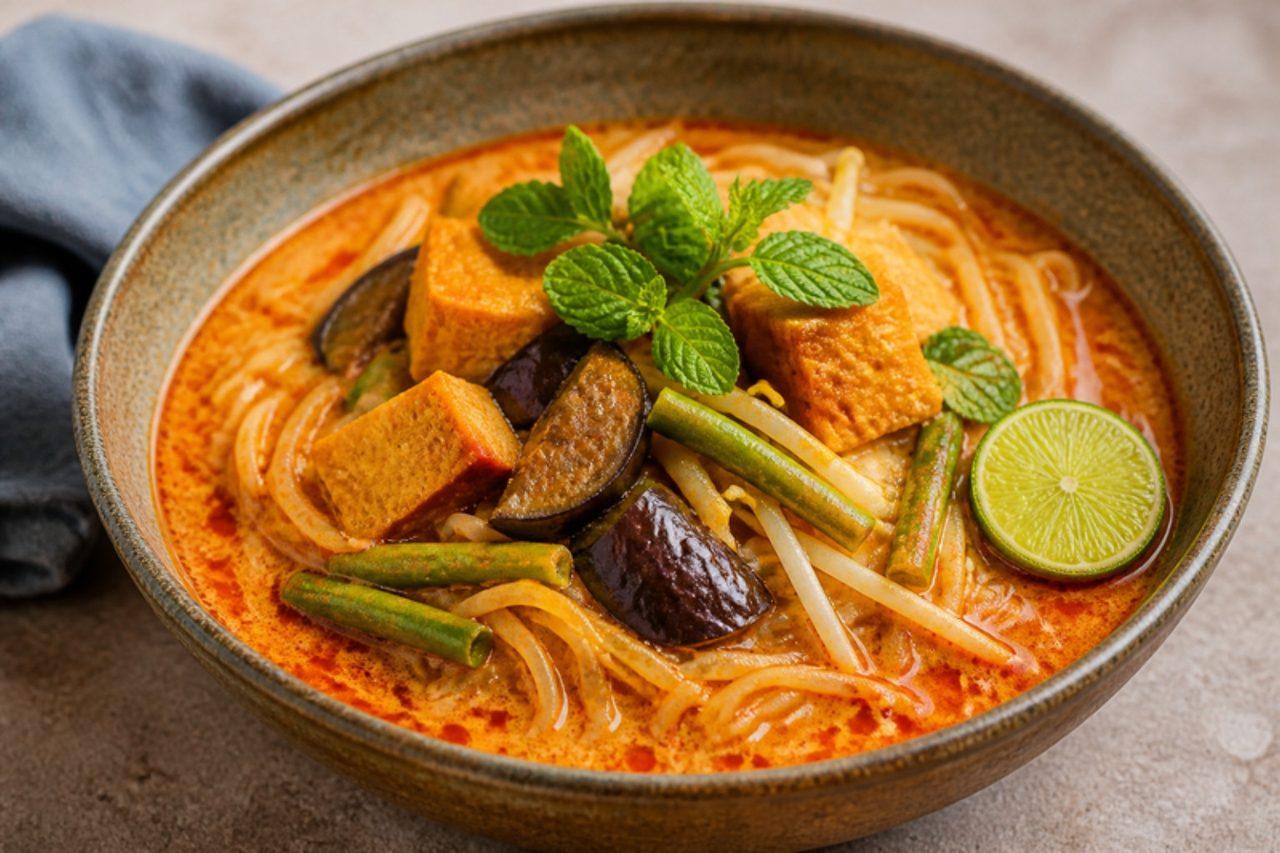
Vegetable curry laksaCoconut curry noodle soup

Curry laksa, or curry mee, is the coconut-rich laksa of Kuala Lumpur and the west coast, a hawker breakfast as often as a lunch, ladled from huge pots into bowls of noodles. The broth is a fried spice paste of chillies, lemongrass, galangal and candlenuts loosened with coconut milk, so it's spicy, creamy and fragrant at once. Stalls top it with chicken, cockles or prawns; ours is all vegetable: tofu puffs that soak up the soup like sponges, soft aubergine, long beans, crunchy bean sprouts and mint. Chef's tip: once the coconut milk goes in, keep it at a gentle simmer; a rolling boil splits it and leaves the broth greasy and grainy.

by KrazyBadal 0 views

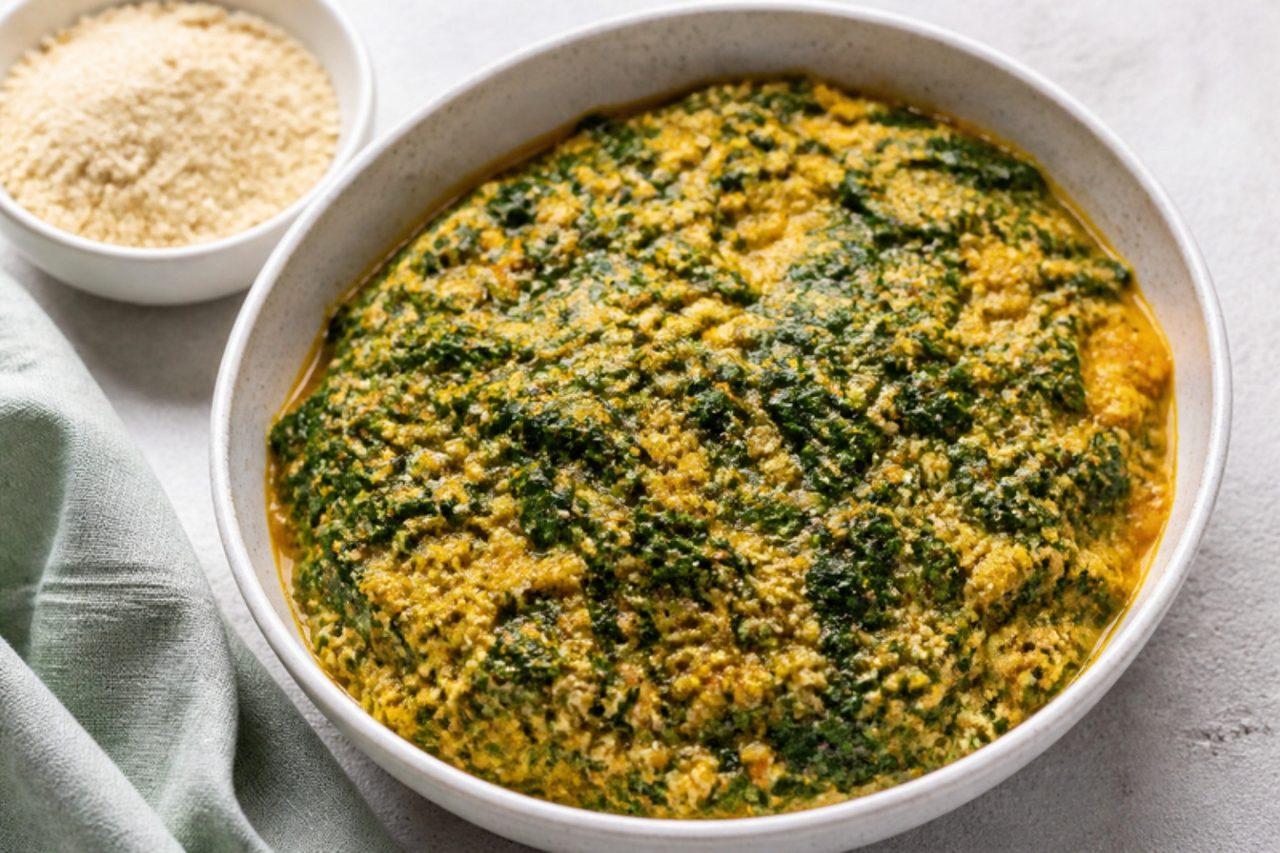
Vegetable egusi soupMelon seed soup

Egusi soup is cooked right across Nigeria, from Igbo kitchens in Enugu to Yoruba homes in Abeokuta, and it is the soup most people mean when they say 'swallow and soup'. Ground egusi (the protein-rich seeds of a wild melon) is fried and simmered in a pepper and palm-oil base until it forms soft, savoury curds, then finished with greens. It is eaten by hand with pounded yam, eba or fufu. The usual meats, stockfish and crayfish are left out here; mushrooms, iru and vegetable stock do the work. Chef's tip: let the egusi paste sit in the hot sauce without stirring for 5 minutes so it sets into fluffy curds before you break it up.

by KrazyBadal 0 views

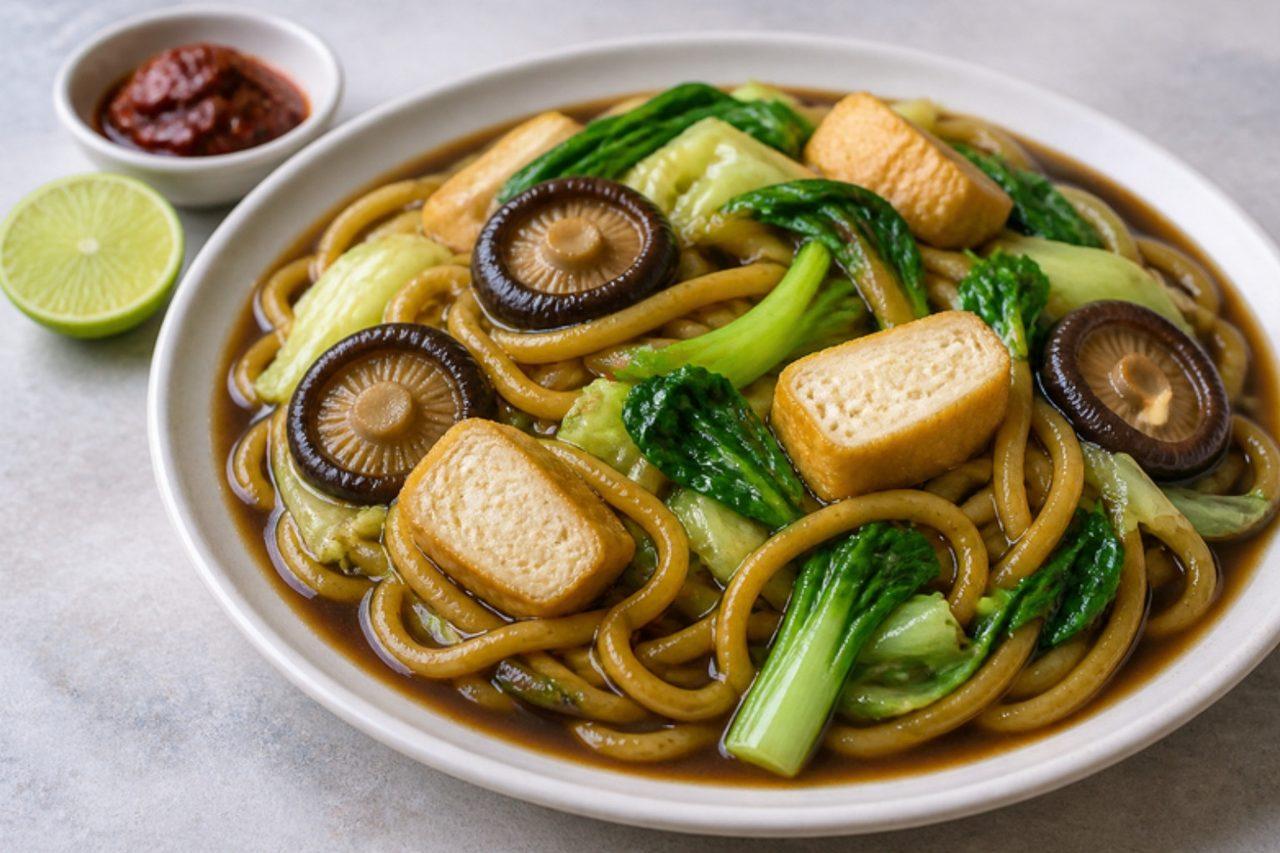
Vegetable Hokkien meeBraised black noodles with vegetables

In Kuala Lumpur, Hokkien mee means thick yellow noodles braised in a dark, caramel-sweet soy sauce until they turn almost black, a late-night hawker dish that Petaling Street and Jalan Alor stalls still cook over roaring flames long after midnight. The originals carry pork, prawns and crisp lard; ours uses meaty shiitake, tofu puffs that drink up the sauce, cabbage and choy sum, with fried shallots for the crunch the lard would give. It's smoky, salty-sweet and very slurpable. Chef's tip: let the noodles braise until the sauce has thickened and clings to every strand, with only a spoonful left in the wok.

by KrazyBadal 0 views

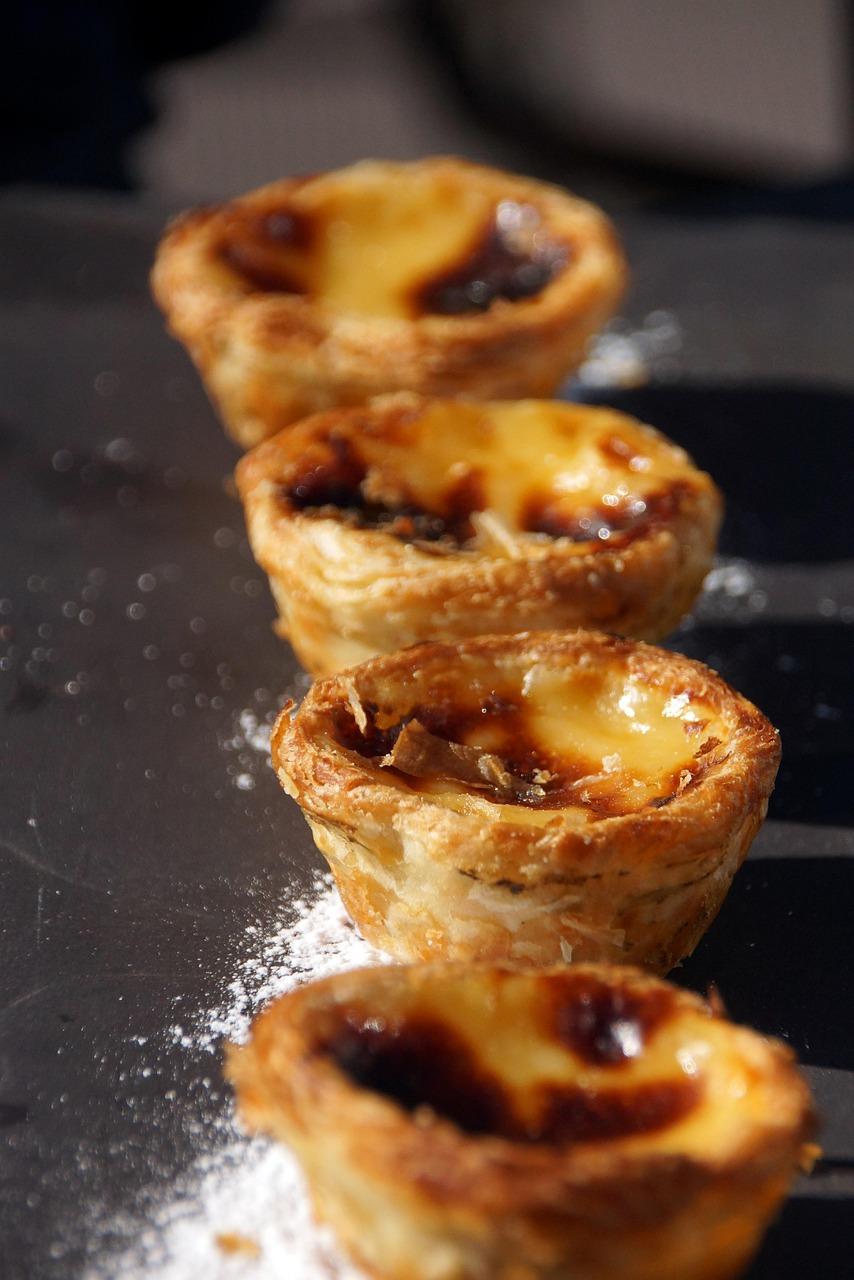
Pastéis de nataCustard tarts

Pastéis de nata were first baked by monks of the Jerónimos Monastery in Belém, on the Lisbon waterfront, who used surplus egg yolks (whites went to starch habits) in a lemon-and-cinnamon custard. Today every pastelaria in Portugal sells them warm from first thing in the morning, eaten standing at the counter with a bica or galão, dusted with cinnamon and icing sugar. The pastry is a spiral of thin, buttery layers pressed up the sides of the tin with a wet thumb; the custard is baked in the hottest oven you have, so it sets creamy and catches dark freckles in under 15 minutes. Chef's tip: chill the rolled log of pastry well and press the discs from the centre outwards, so the edge stands slightly above the rim; that thin rim is what shatters when you bite.

by KrazyBadal 0 views

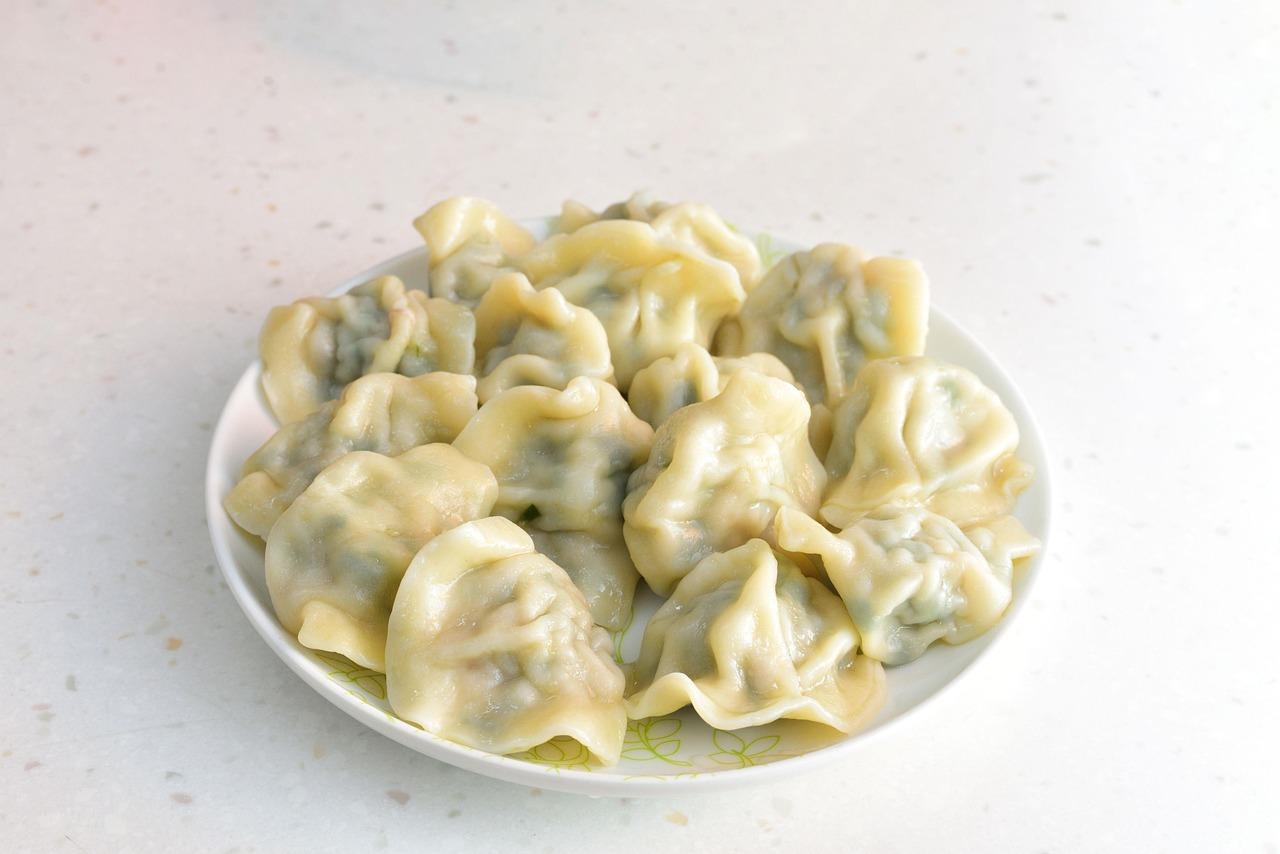
Egg and chive jiaoziEgg and chive dumplings

In northern China, from Shandong to Dongbei, families sit round the table on Chinese New Year's Eve and fold jiaozi together to eat at midnight. Jiu cai ji dan, egg and garlic chive, is the classic meat-free filling: soft scrambled egg, bright green chives and a few glass noodles to soak up the juices. Boil them and serve with black vinegar and chilli oil, or pan-fry the leftovers the next day. Chef's tip: stir a spoonful of oil into the chopped chives before adding the salt; the oil seals in their juice so the filling doesn't go watery.

by KrazyBadal 0 views

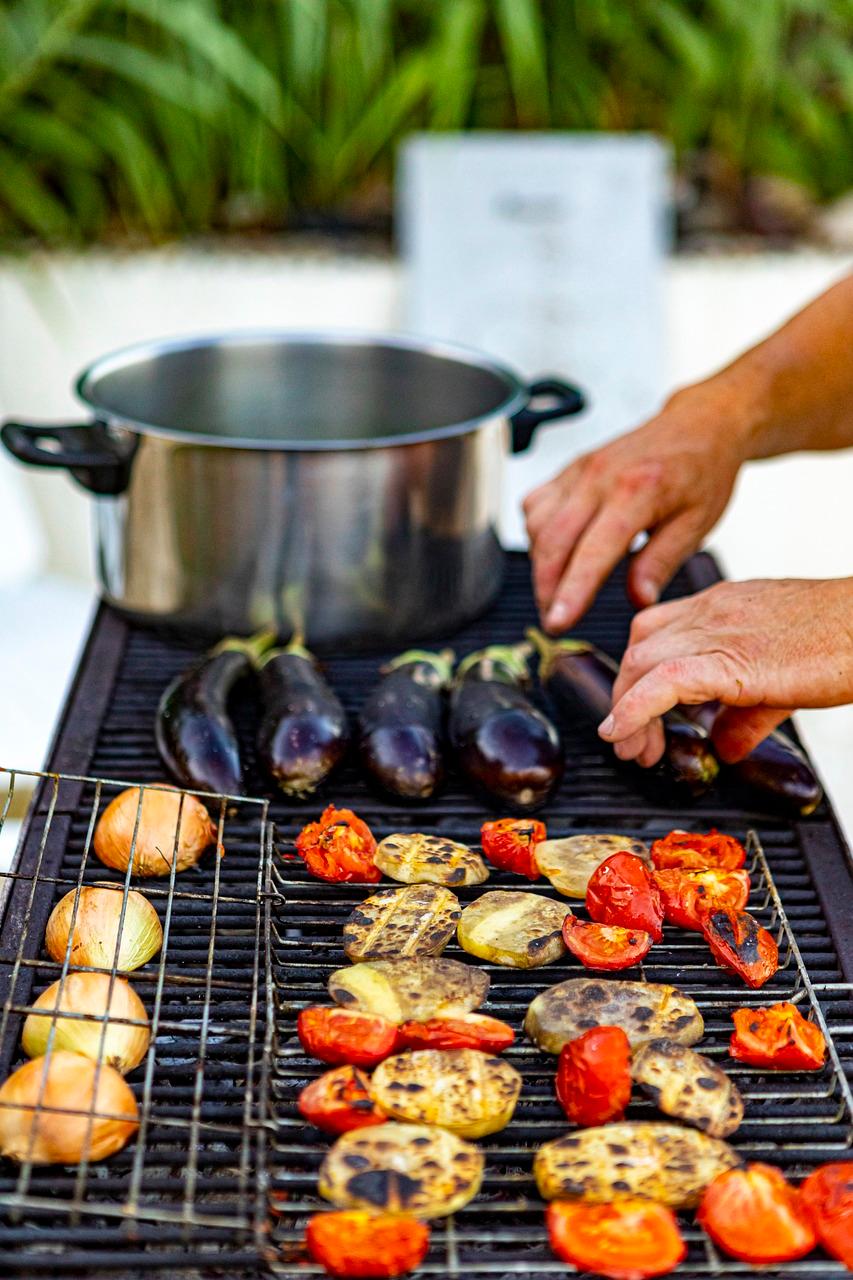
Vegetable khorovatsGrilled aubergine, peppers and tomatoes

No Armenian summer weekend at the dacha passes without a khorovats, the charcoal grill fired up in the garden from Dilijan to Lake Sevan. Alongside the skewers, whole aubergines, peppers and tomatoes are grilled until black and collapsing, then peeled and chopped with raw onion, garlic and herbs into a smoky, juicy salad. Served on its own with lavash, salty cheese and pickles, it makes a full meal, and it is one of the dishes that Armenians say tastes of summer itself. It works on a barbecue or straight on a gas flame. Chef's tip: grill the vegetables whole, without oil and without cutting them; the skins burn and peel away, while the flesh steams inside and soaks up the smoke.

by KrazyBadal 0 views

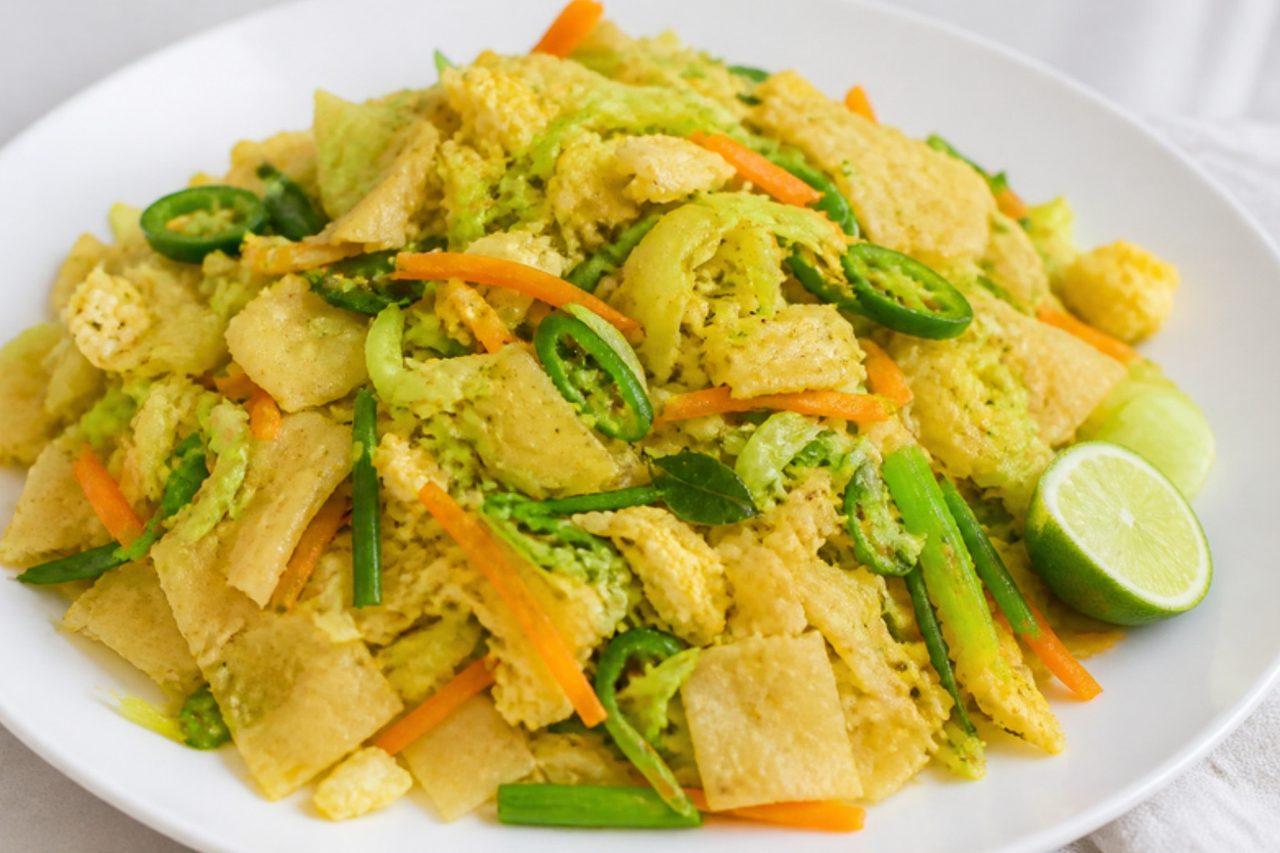
Vegetable kottu rotiChopped roti stir-fried with vegetables

After dark in Colombo you hear kottu before you see it: the rhythmic clang of two steel blades chopping roti on a hot flat-top at every street stall from Pettah to Wellawatte. Shredded godamba roti is stir-fried with leeks, carrot, cabbage, onion, chilli and egg, then moistened with a spoonful of spicy curry gravy so it's soft, smoky and messy in the best way. Stalls usually ladle on chicken curry gravy; we make a quick vegetable curry sauce instead, and the egg keeps it vegetarian rather than vegan. Leftover parathas or frozen flaky flatbreads stand in well for godamba roti. The common mistake is overcrowding a small pan, which steams everything; cook in two batches if your pan is under 30 cm. Chef's tip: chop the roti into strips while it is still slightly warm, then let it dry for 10 minutes so it fries rather than turns mushy.

by KrazyBadal 0 views

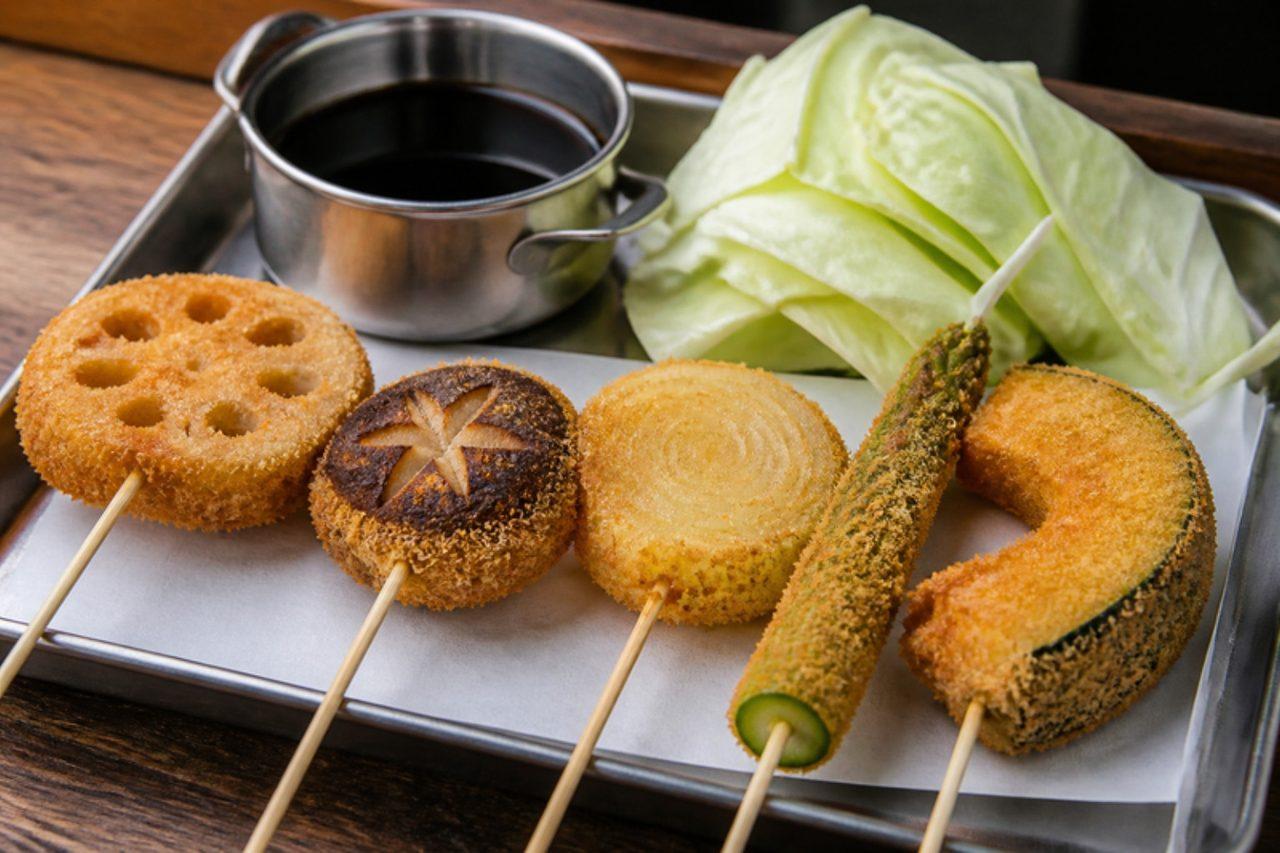
Vegetable kushikatsuBreaded vegetable skewers

Kushikatsu belongs to Shinsekai, the neon-lit old entertainment district at the foot of Osaka's Tsutenkaku tower. Since the 1920s, labourers have stood at its counters eating skewers fried to order, dunked in a shared steel pot of thin, fruity sauce. The famous house rule, 'no double dipping', is printed on signs everywhere. Vegetables are as popular as meat there: lotus root, shiitake, onion, asparagus and, a local favourite, chewy mochi and cheese. Have a plate of raw cabbage leaves on the side; they're free at every shop and used to scoop extra sauce. Chef's tip: use fine panko, or blitz ordinary panko briefly. Fine crumbs give the thin, crunchy jacket that Osaka shops are known for.

by KrazyBadal 0 views

Vegetarian pastel de chocloMushroom and corn bake

In Chile pastel de choclo is the taste of January and February, when choclo (big-kernelled starchy corn) is in every market from Santiago to Talca and families bake it in individual clay dishes called pailas. Underneath is the pino, a slow-cooked onion filling with olives, raisins and hard-boiled egg; on top, fresh corn blended with basil and a little milk, scattered with sugar so it browns into a crackly crust. This version makes the pino with mushrooms instead of beef. Chef's tip: cook the corn topping on the hob until it thickens like polenta before it goes in the oven, or it will stay runny.

by KrazyBadal 0 views

Showing 27 of 7,762 recipes

Show more recipes

Page 720 of 863