


Skip to content
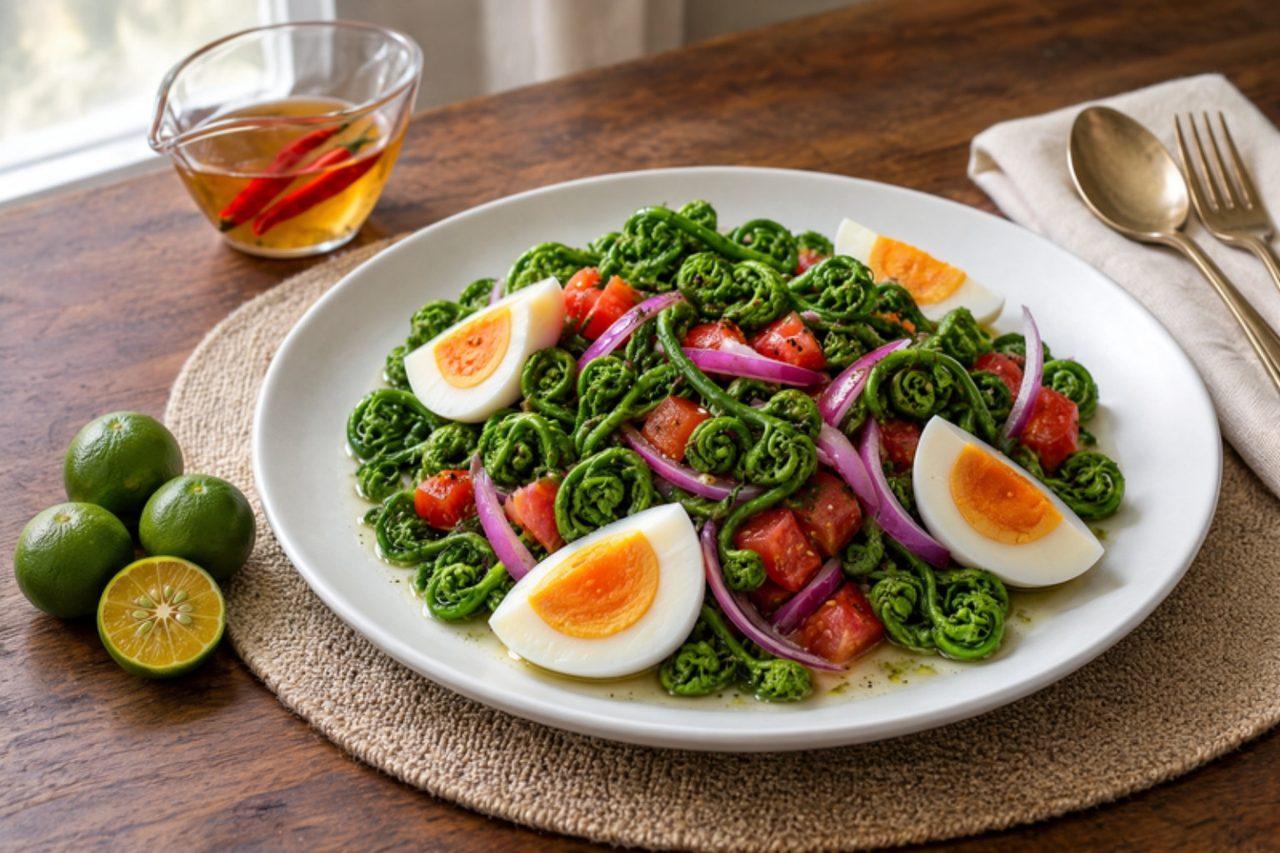
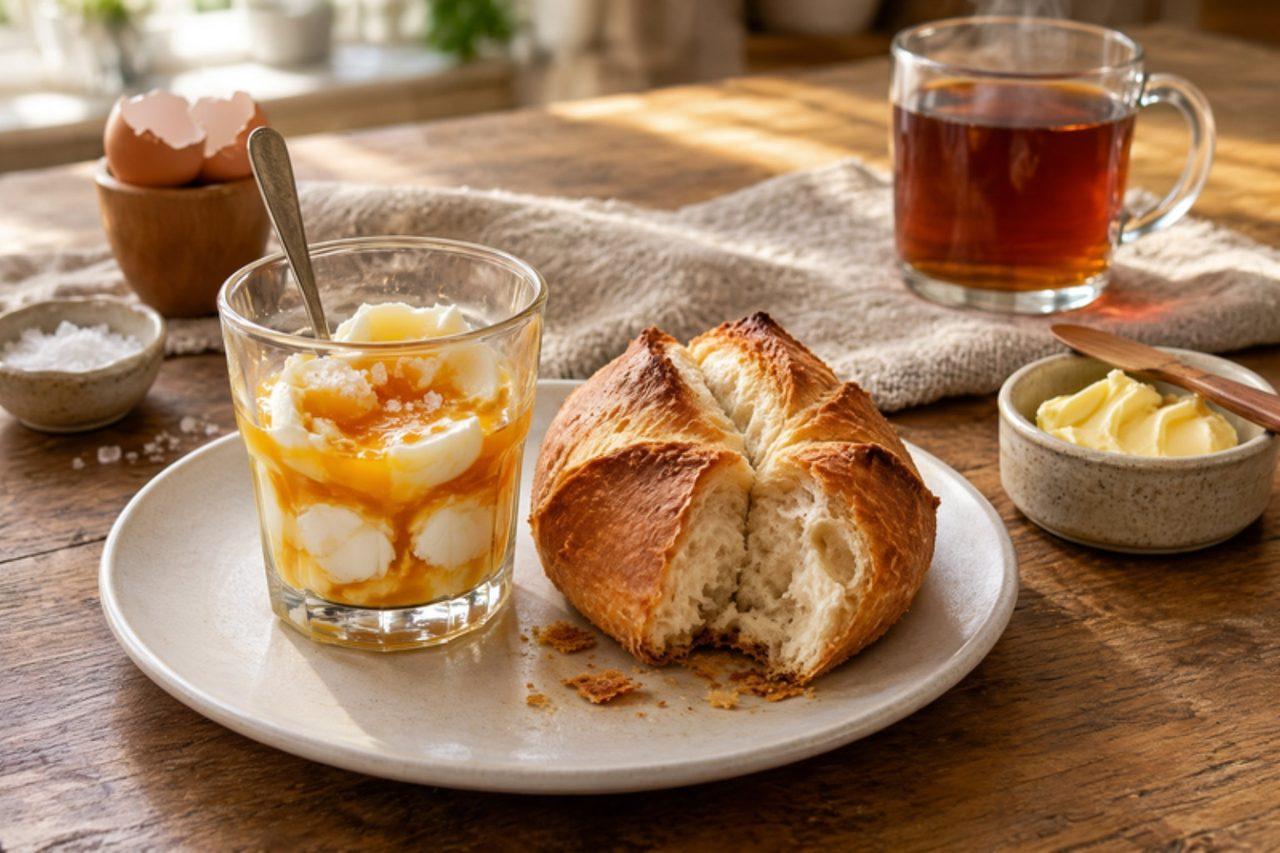
Huevos a la copa
Featured recipe

Huevos a la copa

Soft-boiled eggs in a glass

In Chilean homes, huevos a la copa are a weekday breakfast and a sick-day comfort: eggs boiled until the whites are just set and the yolks still runny, then scooped out of their shells into a small glass (the copa), broken up with a spoon, salted and eaten with warm marraqueta for dipping. The common mistake is timing from cold water, which makes the result unpredictable; lower the eggs into water that is already boiling. Runny yolks are not suitable for pregnant people, young children, older or vulnerable people; for them, boil the eggs for 9–10 minutes until fully set. If you need it gluten free, serve with gluten-free bread. Chef's tip: a tiny knob of butter stirred into the hot egg in the glass makes it silky.

Read more 1 views

What to eat today?

Around the world

Today's trip: Persian

A new country every day, from every cuisine on the site.

This week's collection

Kid-friendly dinners
537 recipes · a new collection every Monday

Latest recipes

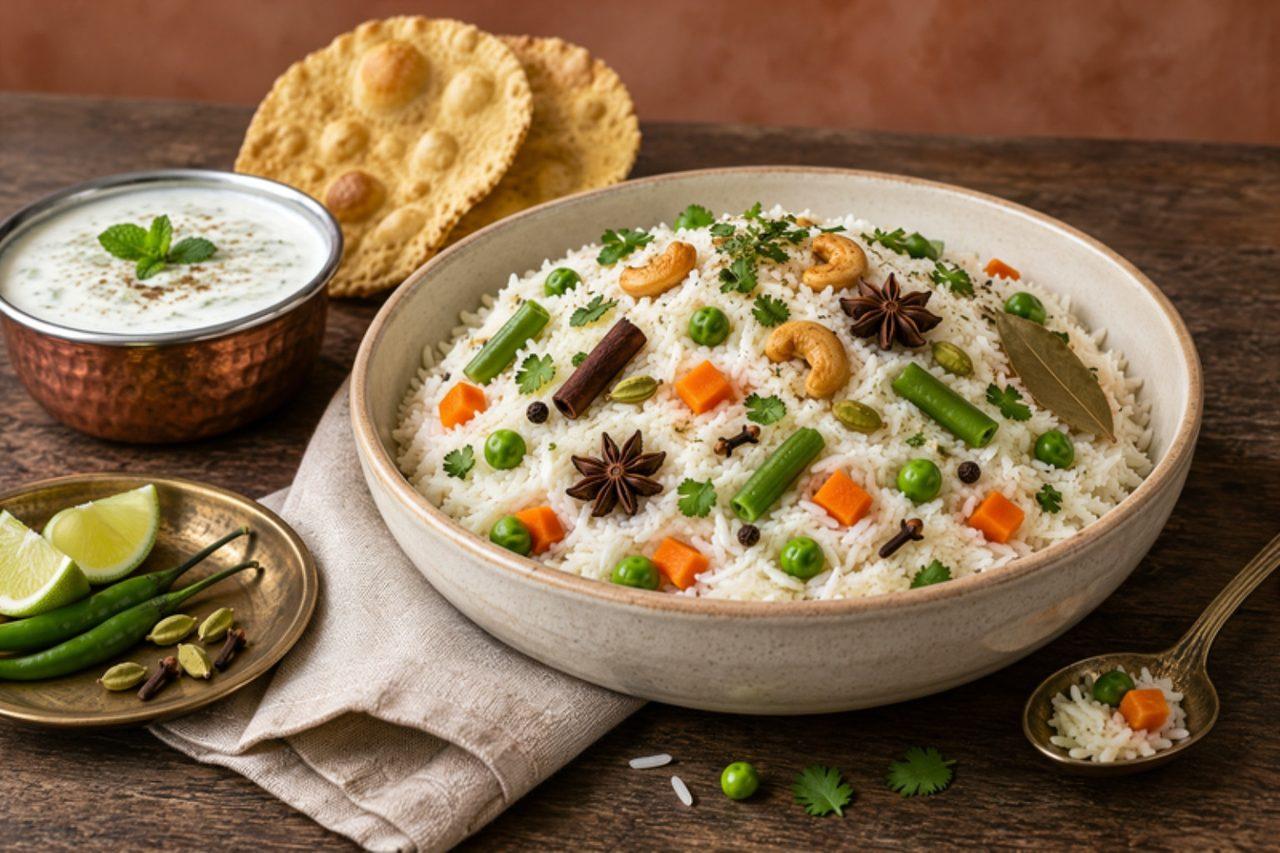
Vegetable pulao

This is the plain, comforting pulao that gets packed for small children all over India, from Kolkata to Bengaluru: no chilli heat, just whole spices, a little fried onion and plenty of carrot, beans and peas. It is just as good warm or at room temperature, with a pot of raita or a few potato wedges alongside. The mistake is stirring the rice once the water goes in, which breaks the grains and makes it gluey; cover the pan and leave it alone. Chef's tip: cut the vegetables the size of a pea, so a child's spoon gets rice and vegetables in every bite.

by KrazyBadal 0 views
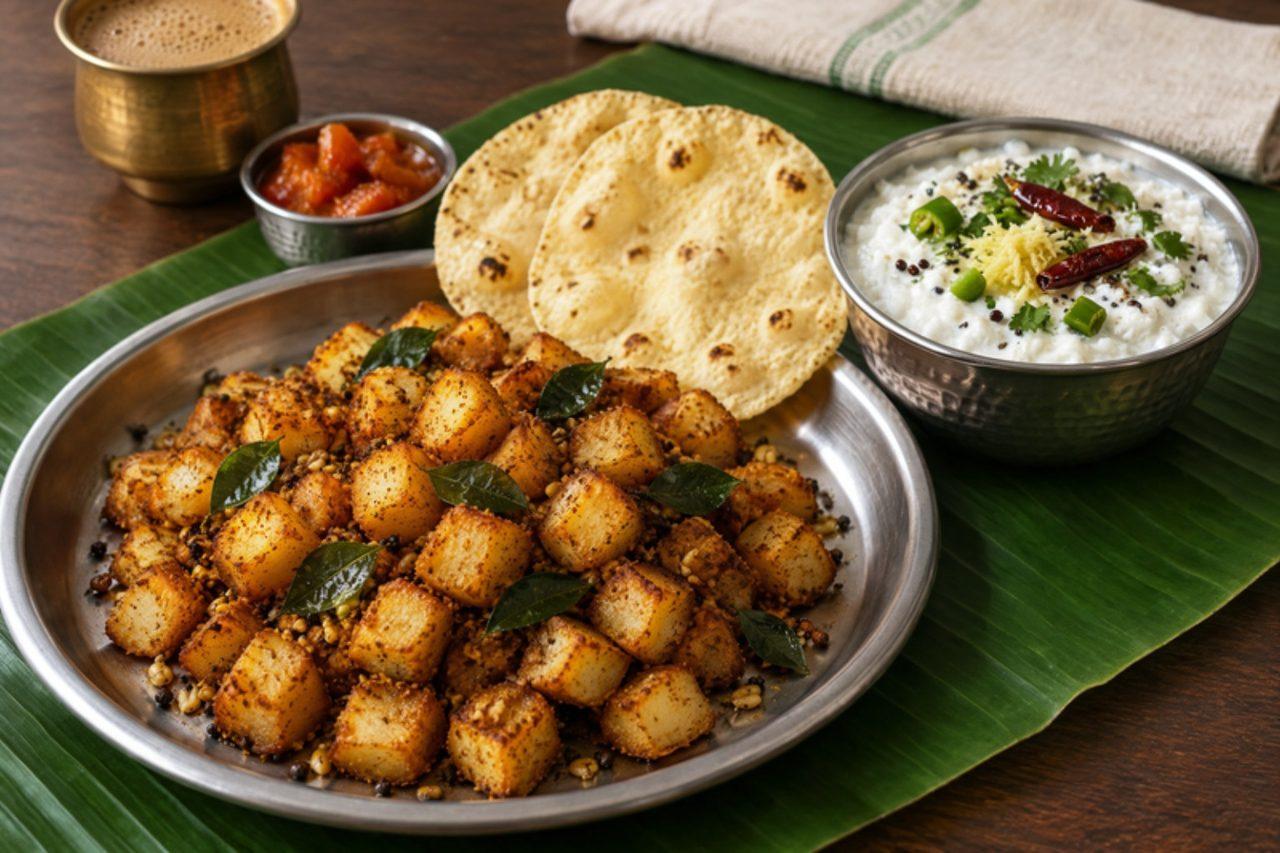
Urulaikizhangu roast (Tamil potato roast)

In Tamil lunch boxes, curd rice almost always comes with this: small cubes of boiled potato roasted slowly in a cast-iron pan with sambar powder, chilli and curry leaves until they are dark, crusty and chewy at the edges. It is a dry side, so it does not leak into the rice, and it tastes as good cold as hot. The mistake is stirring all the time; the potatoes need to sit undisturbed against the hot pan for a few minutes at a time to build the crust. Chef's tip: a teaspoon of rice flour scattered over in the last few minutes makes the coating even crisper.

by KrazyBadal 0 views

Dousha bao (red bean buns)

All over China, from Beijing breakfast stalls to Shanghai school bags, dousha bao are the sweet buns people grab in the morning and tuck into a lunch box for later: fluffy white yeasted dough wrapped around smooth red bean paste and steamed until springy. They freeze beautifully, so families make a big batch on Sunday. The mistake is opening the steamer lid as soon as the timer goes; the sudden cold makes the buns wrinkle and collapse. Turn off the heat and wait five minutes before lifting the lid. Chef's tip: chill the bean paste and roll it into balls before wrapping; a firm filling is much easier to seal neatly.

by KrazyBadal 0 views

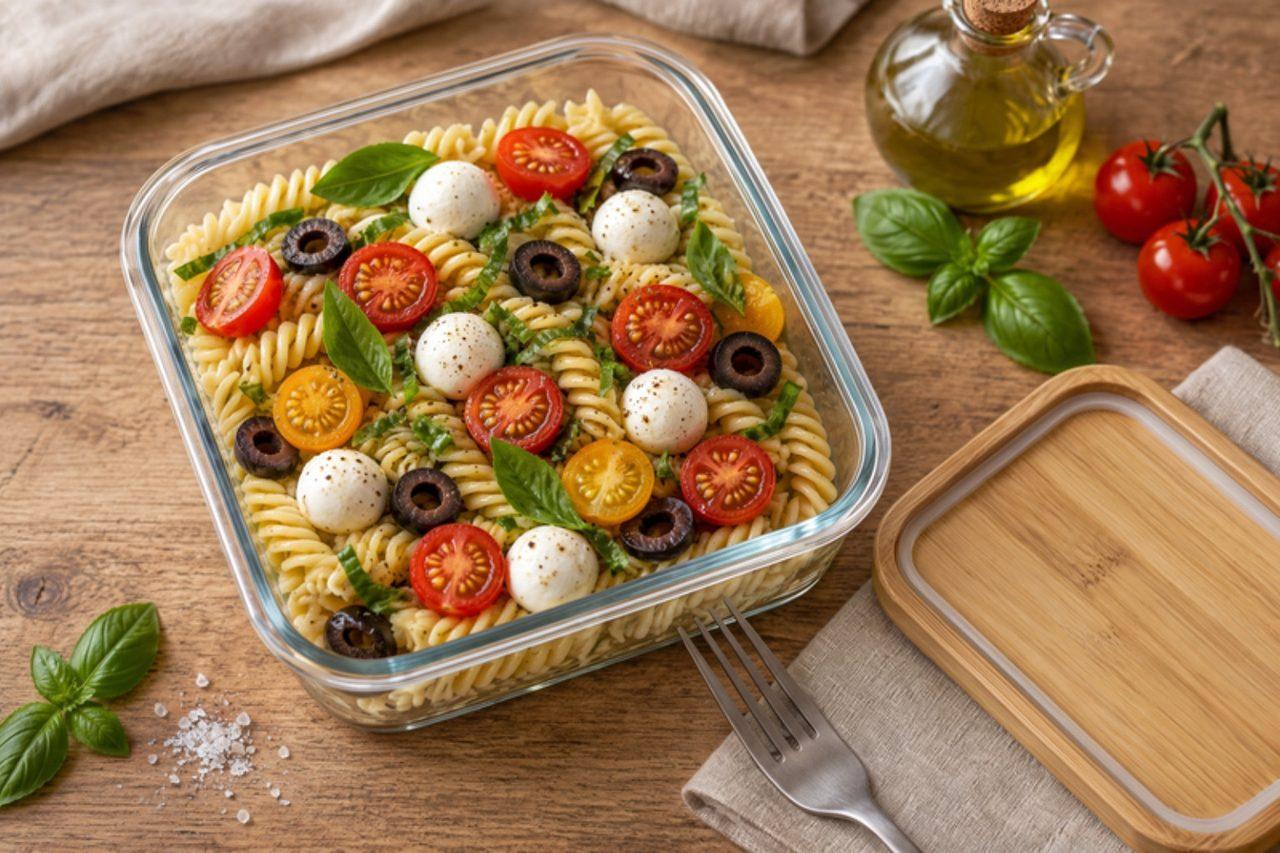
Insalata di pastaCold pasta salad

When Milan's offices empty onto park benches in July, the schiscetta (the Milanese word for a packed lunch tin) usually holds pasta fredda: short pasta dressed with olive oil, sweet cherry tomatoes, little mozzarella balls, black olives and torn basil. It is made the night before and tastes best at cool room temperature, never fridge-cold. The common mistake is rinsing the cooked pasta under the tap until it is icy and then dressing it: the starch closes up, the oil slides off and the salad tastes flat. Many mozzarellas are made with animal rennet, so look for one labelled vegetarian, or use cubes of a vegetarian cheese. Pack it with an ice pack and take it out of the bag 20 minutes before eating. Chef's tip: toss the drained, still-warm pasta with half the oil and the salted tomatoes straight away so it drinks up their juice.

by KrazyBadal 0 views

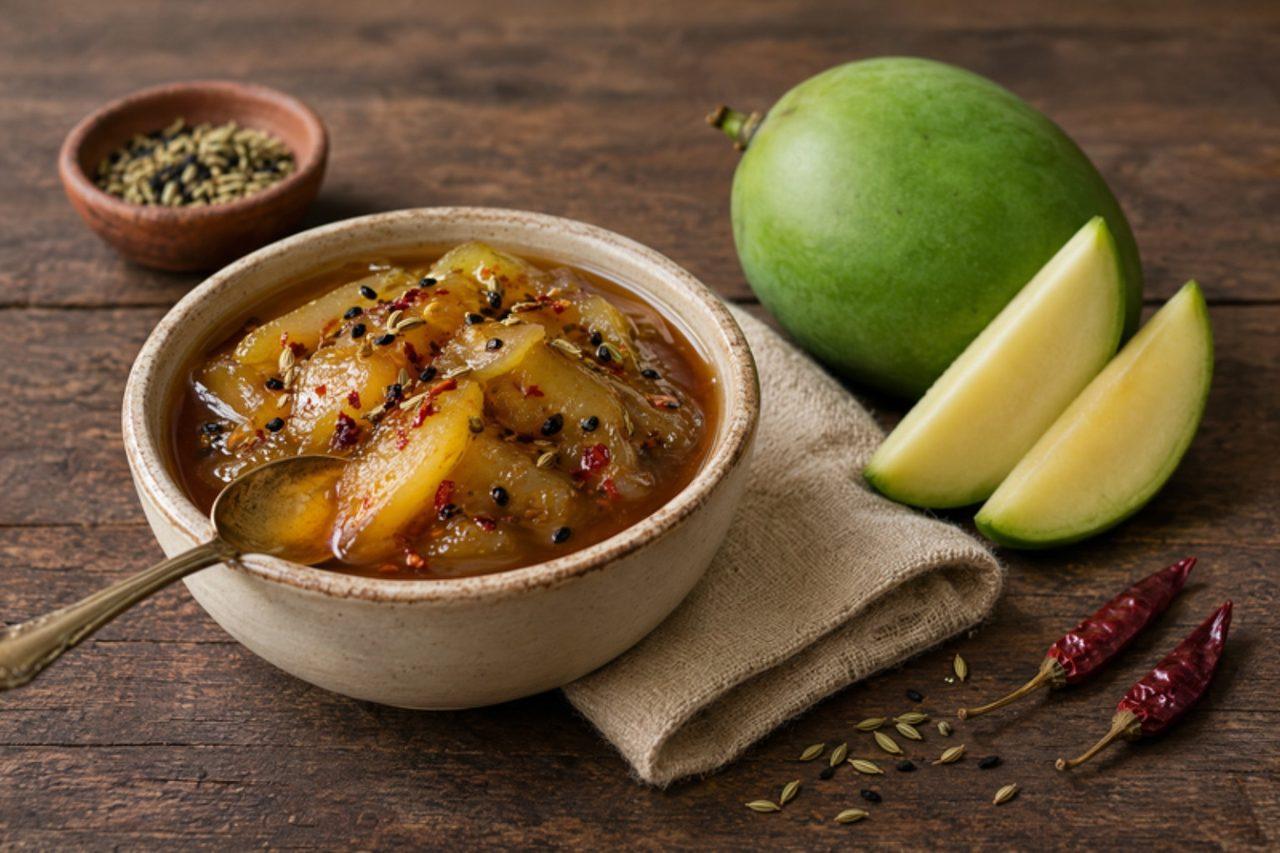
Aam ki launjiSweet and sour raw mango relish

In Rajasthan and across the Hindi belt, launji is the quick mango relish made the day the first raw mangoes come home in April, and it keeps appearing on the thali all through the scorching summer. Unlike the long-cured achaars, it is cooked in 20 minutes: mango pieces in mustard oil with saunf, kalonji, methi and cumin, then simmered with jaggery until glossy. The pieces stay soft but hold their shape in a thick, amber syrup that is sweet first, then sour, with a warm hum of chilli and a liquorice note from the fennel. Eat it with dal-baati, puri, paratha or plain khichdi; in the heat it is believed to cool the body. The common mistake is adding the jaggery too early, so it caramelises and turns bitter before the mango is tender; cook the mango first, then the jaggery. It is ready when the syrup coats the back of a spoon and the mango looks translucent at the edges. It thickens as it cools. Store in a clean jar in the fridge and eat within a week to 10 days. Chef's tip: leave a little peel on some pieces; it gives a pleasant chew and stops the mango from turning to mush.

by KrazyBadal 0 views

Empal gepukSweet spiced fried beef

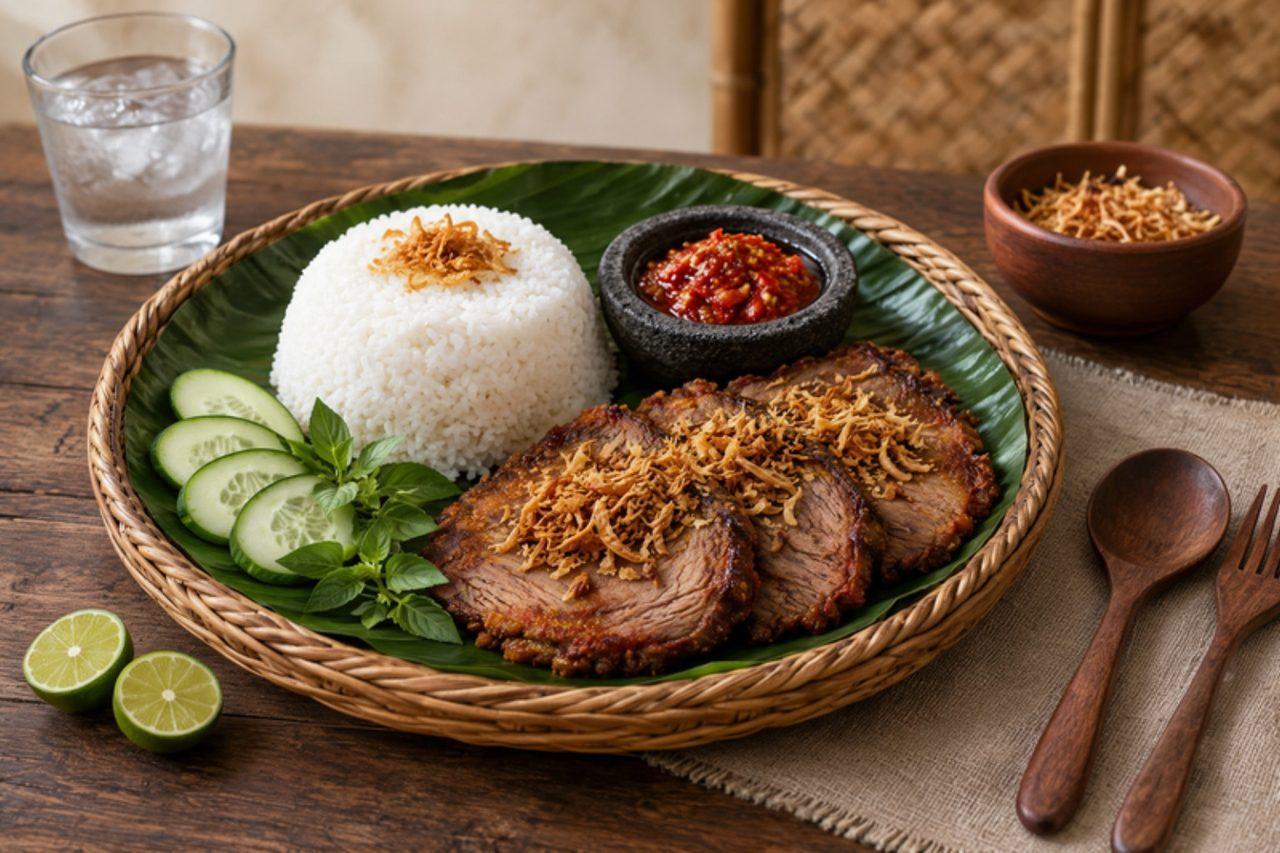
Empal gepuk is a Sundanese speciality from Bandung in West Java: beef simmered in coconut water and spices with palm sugar until the liquid is gone, pounded (gepuk) to loosen the fibres, then fried until the edges are crisp and sweet. Because it is dry and keeps for days, it is a classic in Indonesian bekal lunchboxes with rice, sambal and raw vegetables. The common mistake is cutting the beef with the grain, which makes it stringy; slice it across the grain before pounding. Chef's tip: pound gently with a pestle just until the slices fan out, then fry quickly; too long in the oil and they turn hard.

by KrazyBadal 0 views

Ka'i ladrilloPeanut molasses bricks

Ka'i ladrillo — 'monkey brick' in Guaraní — is the sweet sold by vendors on Asunción buses and at country fiestas: roasted peanuts bound in boiled cane molasses and set in brick-shaped blocks, crunchy and dark with a slightly smoky toffee taste. It contains peanuts, so keep it away from anyone with a peanut allergy. The common mistake is taking the syrup off too soon, so the bricks stay sticky and never set. Chef's tip: test the syrup by dropping a little into cold water; it is ready when it sets into a brittle thread that snaps.

by KrazyBadal 0 views

Tacos de guisado (picadillo and rajas con crema)

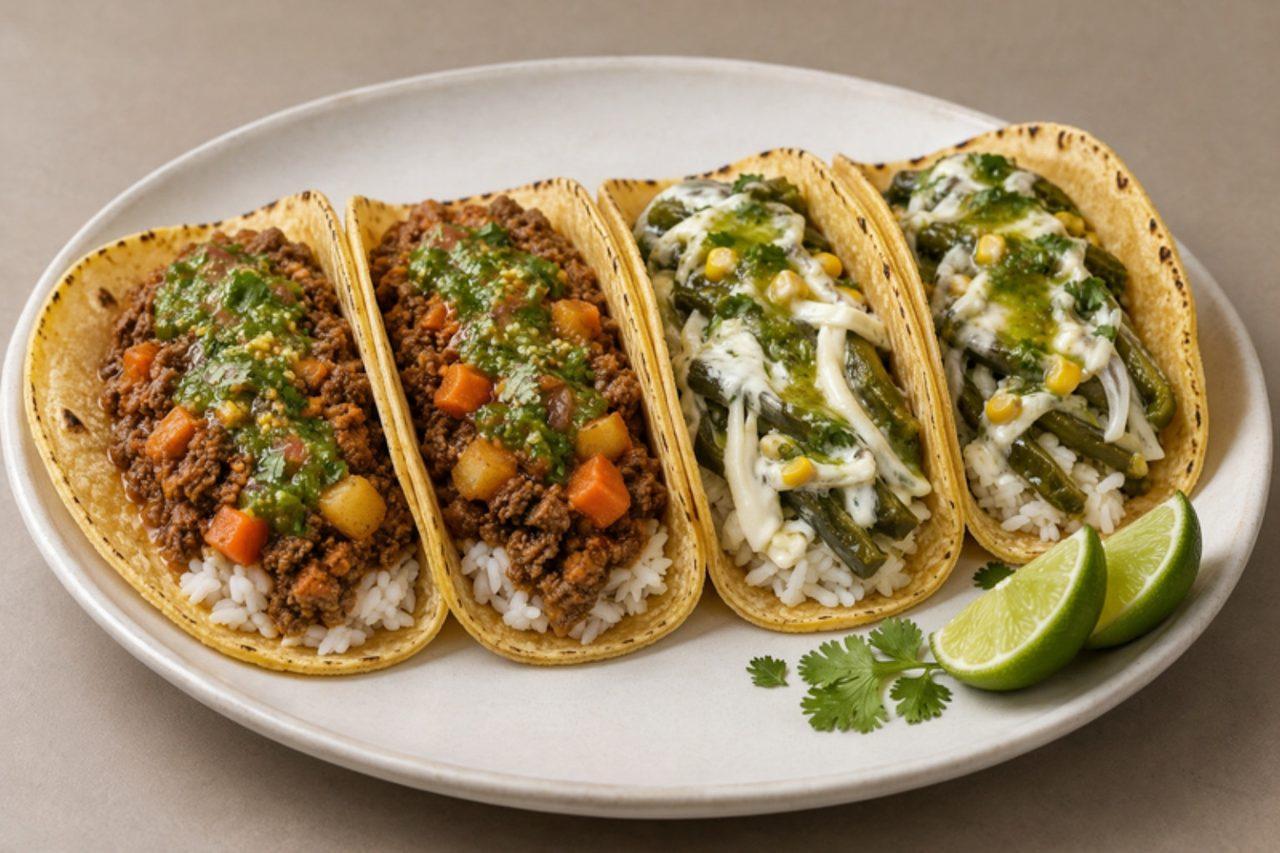
From about nine in the morning, guisado stalls set up on corners near offices and markets all over Mexico City, from the famous counters on Calle Ámsterdam in the Condesa to the stands outside the Mercado de Medellín. Clay pots line the counter, each with a different home-style stew: chicharrón in salsa verde, potato with chorizo, mole and many more. You point, and they spoon it into two warm tortillas. This home version makes two of the favourites, a tomatoey beef picadillo with potato and carrot, and smoky poblano strips with corn in cream. Chef's tip: always double the tortillas, as the stalls do; one tortilla tears under a juicy stew.

by KrazyBadal 0 views

Bolo de pote (cake in a jar)

On Sundays, when Avenida Paulista closes to cars, sellers line the pavement with cool boxes of bolo de pote, and the same jars turn up at São Paulo's weekly street fairs and outside metro stations: soft sponge cake layered with creamy fillings and eaten with a spoon. Brigadeiro cream (condensed milk cooked with cocoa) and a sweet, milky cream made with milk powder are the two everyone wants. They are rich and very sweet, so the jars are small. They contain egg, wheat and milk. Chef's tip: take both creams off the heat while they are still a little runny; they thicken as they cool and must stay soft enough to spread.

by KrazyBadal 0 views

Nasi bakarGrilled banana-leaf rice with chicken

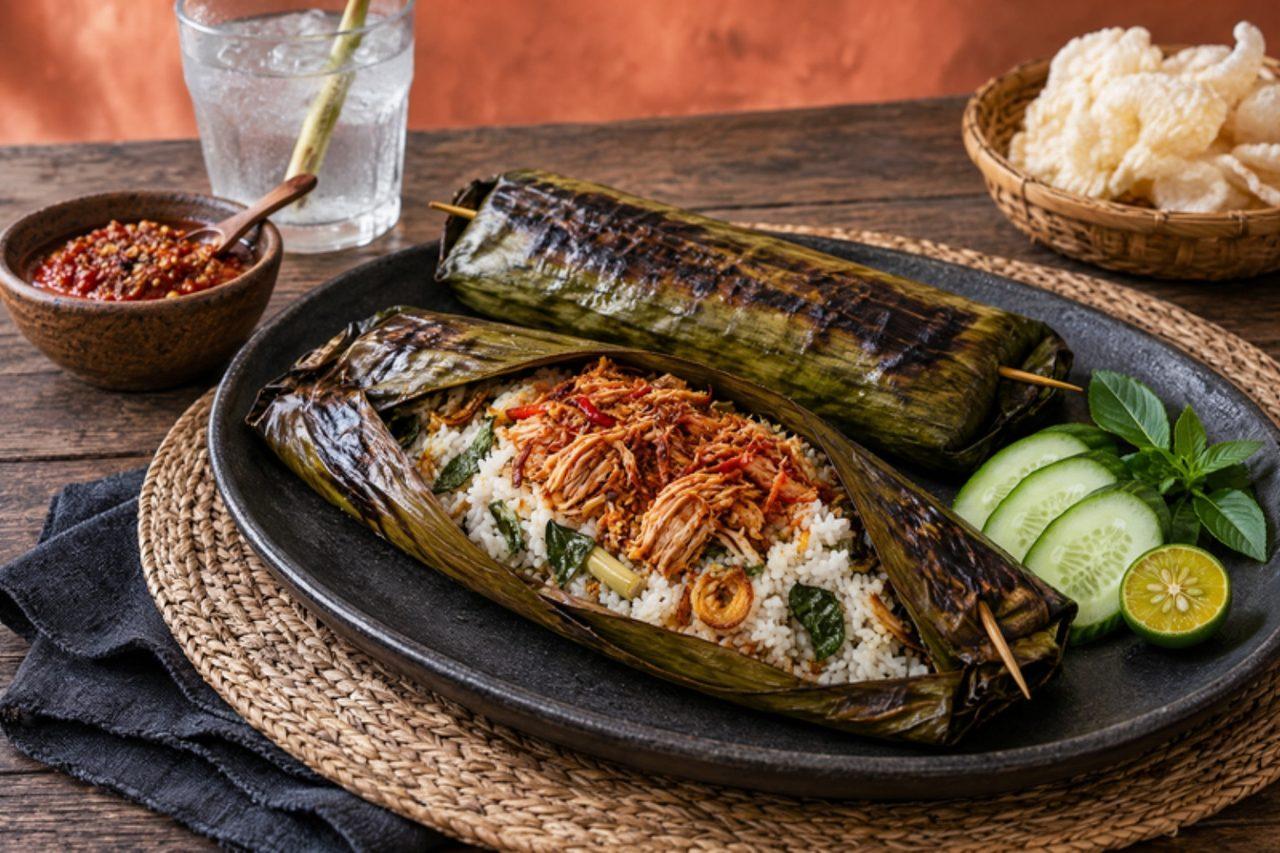
In Jakarta, nasi bakar parcels are sold from warung grills at lunchtime and in office canteens: rice cooked with coconut milk, lemongrass and salam leaves, filled with spicy shredded chicken (ayam suwir) and lemon basil, wrapped in banana leaf and grilled until the leaf chars and the rice crisps at the edges. Small dried anchovies (teri) are the other classic filling. The common mistake is wrapping the parcels loosely, so they fall open on the grill; fold them tight and pin with toothpicks. Chef's tip: grill until the leaf is blackened in patches; the smoke perfumes the rice inside.

by KrazyBadal 0 views

Nasi timbelRice with fried chicken and tofu

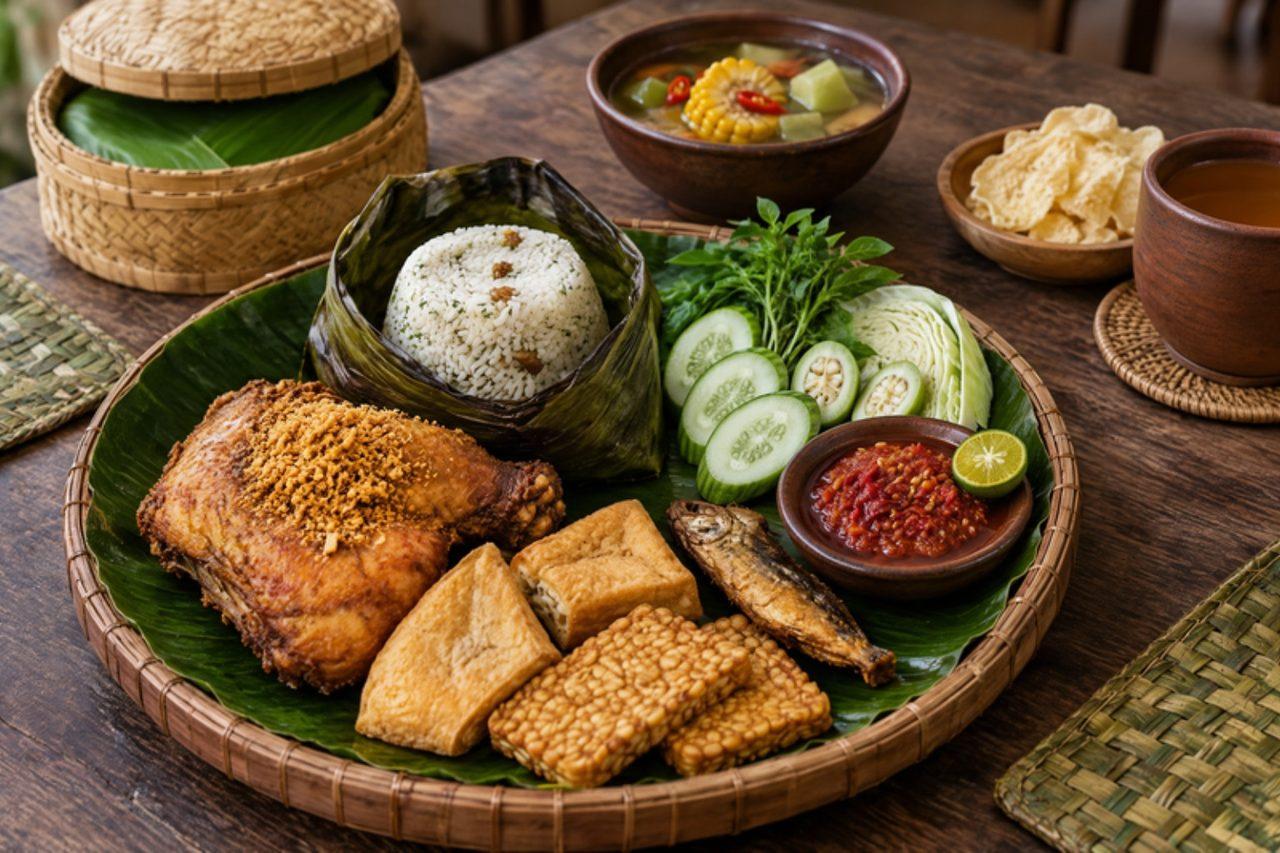
Nasi timbel is the packed lunch of West Java: rice pressed tight into a banana leaf, which keeps it warm and fragrant until noon, served with turmeric fried chicken, fried tofu and tempeh, crisp salted fish, raw vegetables (lalapan) and a fiery sambal terasi. Sundanese restaurants in Bandung and Jakarta serve it as a lunch platter. The usual mistake is frying the chicken straight from raw, which browns the outside long before the bone is cooked; simmer it in the spice paste first. Chef's tip: roll the rice in the leaf while it is very hot and wrap it tightly, then let it rest for 10 minutes so it sets firm.

by KrazyBadal 0 views

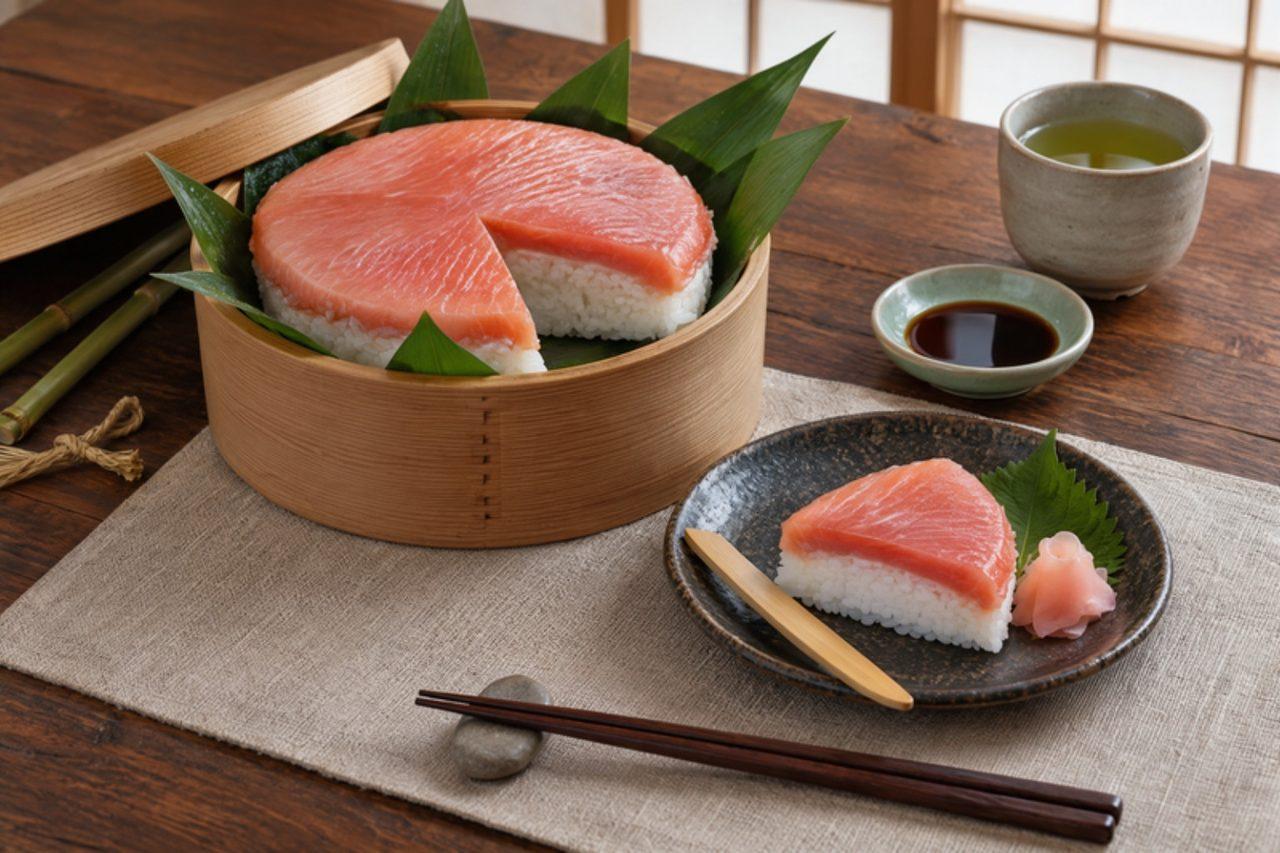
Masu zushiPressed trout sushi

Masu zushi is Toyama's famous ekiben, the boxed lunch sold at the station for the train ride: a round, flat cake of vinegared rice pressed under a layer of salted, vinegar-cured trout and wrapped in bright green bamboo leaves, cut into wedges like a pie. The fish is cured but raw, so use only fish sold as safe to eat raw and previously frozen, and keep everything cold; this version is not for pregnant women, young children or anyone with a weakened immune system. For a safer version, use hot-smoked trout fillet instead, which is fully cooked. The usual mistake is pressing the rice while it is still warm, which turns it mushy; cool it to body temperature first. Chef's tip: press the cake for a full hour under a heavy weight so it slices cleanly, then cut it with a wet knife.

by KrazyBadal 0 views

Fondue de poireauxSlow-cooked leeks in butter

Fondue de poireaux is a winter side from northern France and Belgium, cooked in home kitchens from Picardy to Lille whenever leeks are cheap and sweet. Thinly sliced leeks are sweated very gently in butter with a lid on until they collapse into a soft, pale-green tangle, then finished with a spoon of cream and nutmeg. Serve it with roast fish, eggs, potatoes, or spooned onto toast as a light supper. The usual mistake is cooking over too high a heat, which browns the leeks and makes them bitter; they should never colour. Chef's tip: wash the sliced leeks in a bowl of water and lift them out with your hands, so the grit stays at the bottom.

by KrazyBadal 0 views

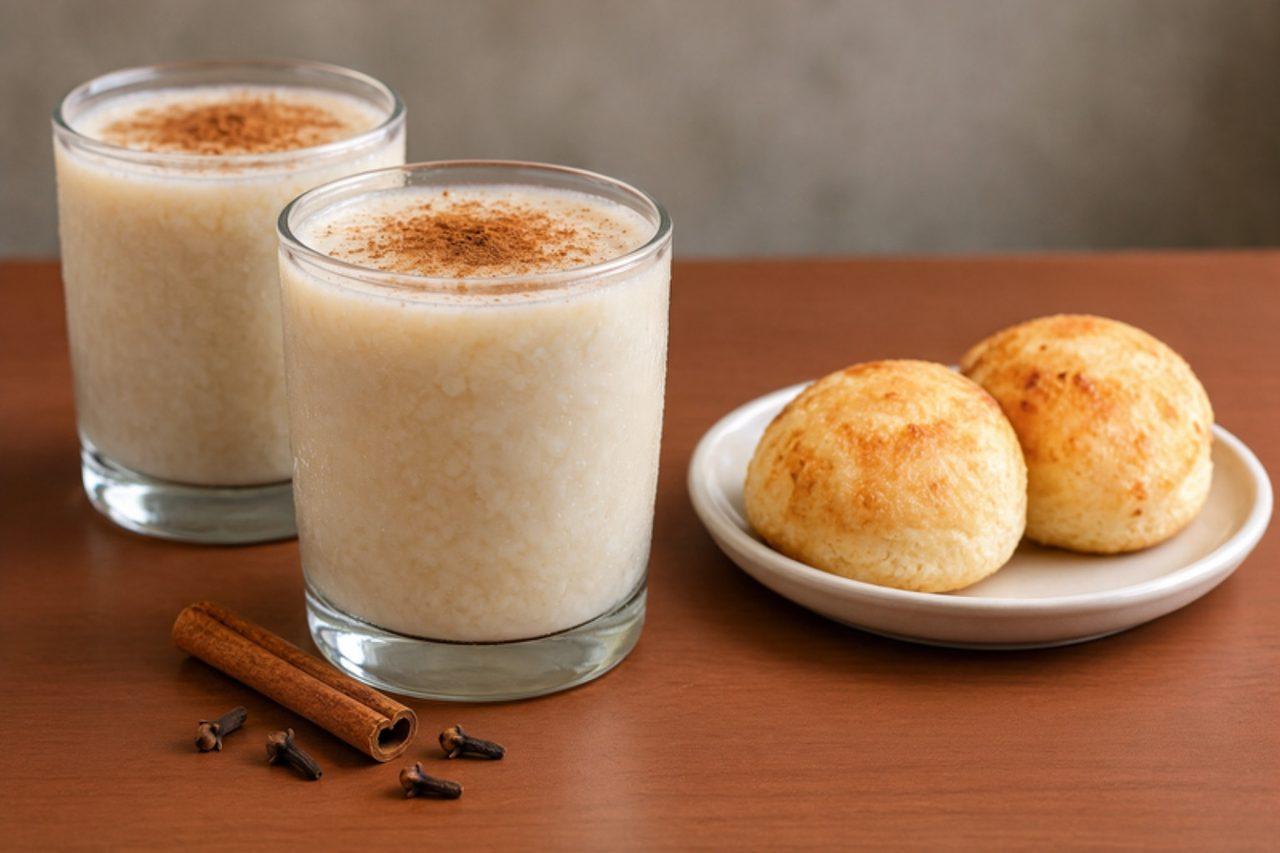
Masato de arroz (Bogotá spiced rice drink)

In the old bakeries of La Candelaria and at the juice stands of the Paloquemao market in Bogotá, masato is poured from big jugs to go with warm almojábanas and pandebono at mid-morning or with the afternoon onces. It is cooked rice blended with spiced syrup and left to rest until it turns gently tangy, so it tastes like a cross between rice pudding and a cool, creamy lemonade. Any natural fermentation produces a trace of alcohol the longer it goes on; this version rests only overnight and is then chilled, and for a completely alcohol-free drink skip the rest and add lime juice for the tang. Chef's tip: keep the rest short and taste it; it should be lightly sour and sweet, never fizzy or boozy.

by KrazyBadal 0 views

Cháo cá hồi bí đỏ (salmon and pumpkin congee)

Cháo cá hồi bí đỏ, salmon and pumpkin congee, is one of the most-shared ăn dặm (weaning) recipes among young parents in Hanoi and Ho Chi Minh City, a sunny orange bowl full of omega-3 fats. Rice simmers soft with diced pumpkin, then fresh salmon is poached in the pot at the end, so it stays moist. There is no fish sauce, salt or sugar, just the natural sweetness of the pumpkin. It contains fish and is free of milk, egg, gluten, nuts, soya and sesame. Chef's tip: run your fingers along the salmon fillet before cooking and pull out the pin bones with tweezers; they are much easier to find raw.

by KrazyBadal 0 views

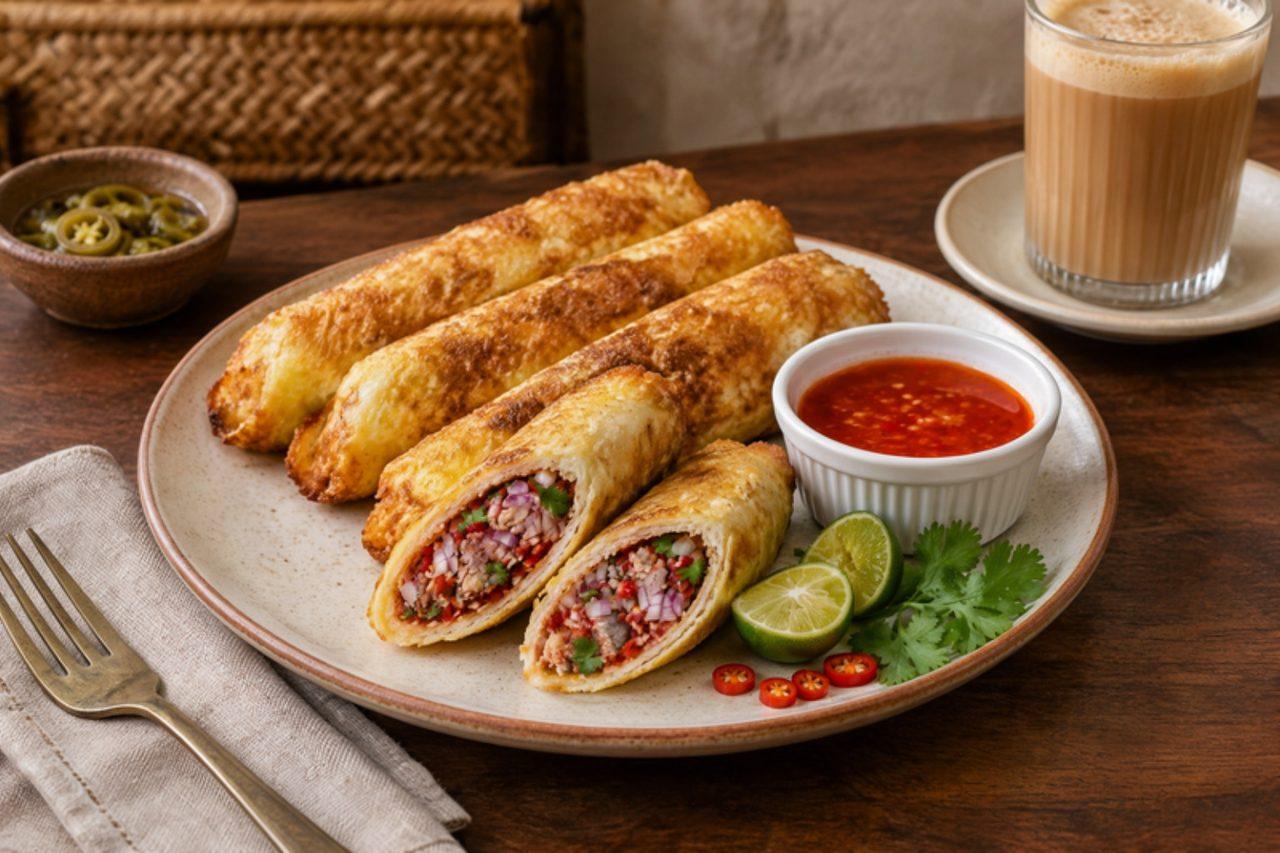
Roti sardinSardine-filled bread rolls

Roti sardin is a Malaysian school-bag and teatime favourite: tinned sardines in tomato sauce mashed with onion, chilli and lime, rolled inside flattened white bread and pan-fried until golden. Mothers across Malaysia make them for bekal and they are sold at Ramadan bazaars. The common mistake is leaving the sardine filling wet, which soaks through the bread; cook it down until it is thick. Chef's tip: seal the rolls with a little beaten egg, then fry seam side down first so they hold together.

by KrazyBadal 0 views

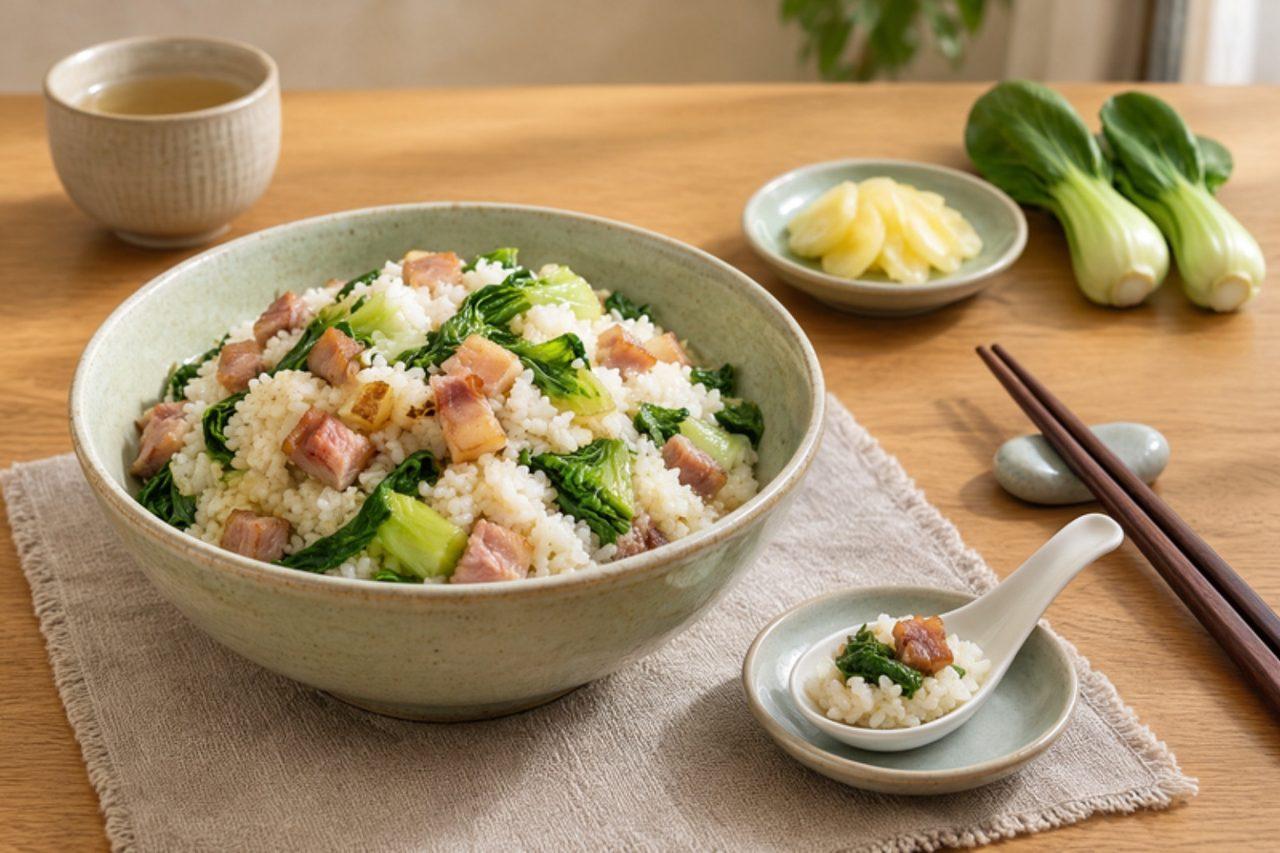
Shanghai cai fanRice with bok choy and pork

Cai fan, "vegetable rice", is what Shanghai grandmothers cook on cold winter days and what office workers buy steaming from the canteen: rice cooked in one pot with Shanghai bok choy and diced salted pork, enriched with a spoon of lard so every grain glistens. It goes into an insulated lunch tin piping hot. The common mistake is adding the greens with the raw rice, which turns them khaki and mushy; fry the stems first and stir the leaves in at the end. For a vegetarian version, use oil instead of lard, leave out the pork and add diced shiitake. Chef's tip: let the pot sit undisturbed on the lowest heat for the last 5 minutes to form a thin golden crust, guoba, at the bottom.

by KrazyBadal 0 views

TitiyasCoconut milk flatbread

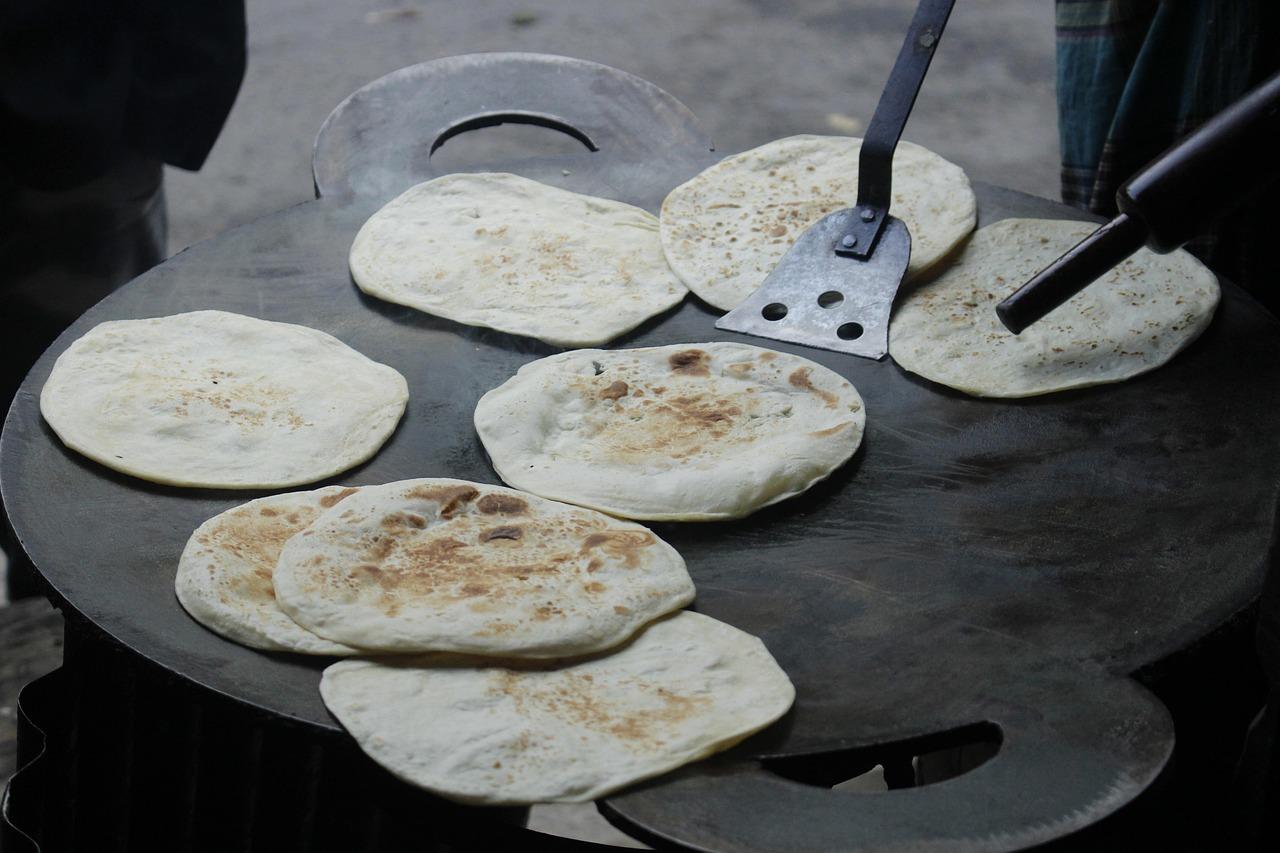
Titiyas are the soft, slightly sweet flatbreads of Guam and the Marianas, cooked on a griddle and eaten warm at breakfast, with fiesta food or rolled round a piece of grilled meat. Flour titiyas are made with coconut milk, which keeps them tender and gives a faint coconut taste; there is also a corn version (titiyas mai'es). A common mistake is rolling them too thick; 5 mm cooks through without burning. Chef's tip: cook on a dry, medium-hot pan and wrap each one in a towel as it comes off so they stay soft.

by KrazyBadal 0 views

Pan-gayu (bread porridge)

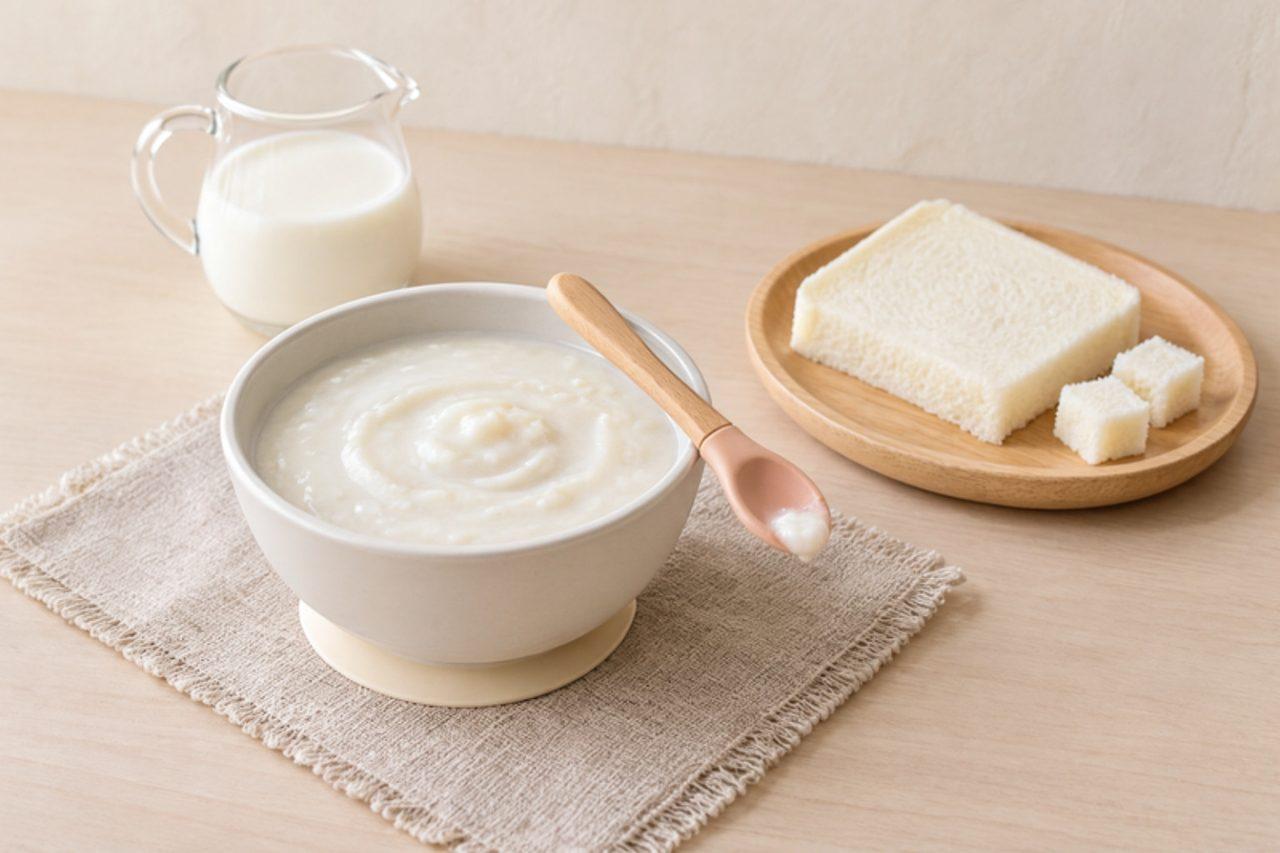
Pan-gayu is a staple of the early rinyushoku (weaning) stage in Japan, the second grain after rice porridge, and it fills the 'first foods' pages of every baby magazine sold in Tokyo convenience stores. Crustless white bread is torn into a pan of water, breast milk or formula and simmered until it collapses, then mashed smooth for a soft, milky, faintly sweet porridge. Bread already contains a little salt, so this is an occasional porridge rather than an everyday one, and no extra salt, sugar or honey goes in. It contains wheat (gluten) and milk if made with milk. Chef's tip: choose the softest, plainest white sandwich loaf with the lowest salt on the label, and cut away every bit of crust.

by KrazyBadal 0 views

ChässuppeBread and cheese soup

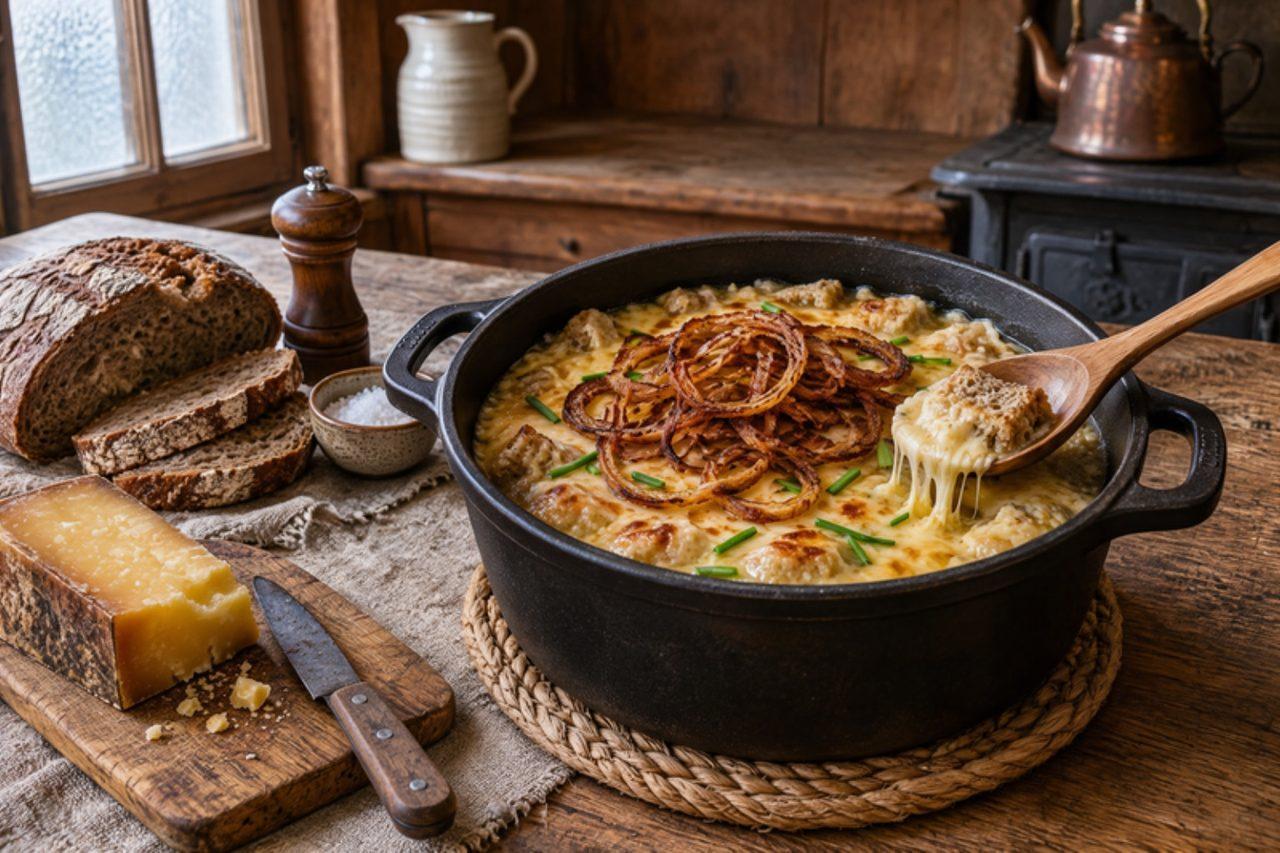
Chässuppe comes from the farmhouses of Central Switzerland, from Unterwalden to the Entlebuch, where it was a thrifty way to use up hard bread and the end of a wheel of cheese. It is a winter supper, especially on carnival and Advent evenings: bread and grated mountain cheese are soaked in hot broth and stirred into a thick, almost spoonable soup, then topped with butter-fried onions. Serve with a green salad and a mug of hot tea. Most Swiss mountain cheeses are made with animal rennet; for a vegetarian pot, choose a hard cheese labelled vegetarian with a nutty, Alpine-style flavour. The usual mistake is letting it boil once the cheese is in, which makes it stringy and oily. Chef's tip: soak the bread in the broth for 10 minutes before heating, so it melts into the soup instead of staying in lumps.

40 minSwissSoups
by KrazyBadal 0 views

Zhū gān ní (pork liver purée)

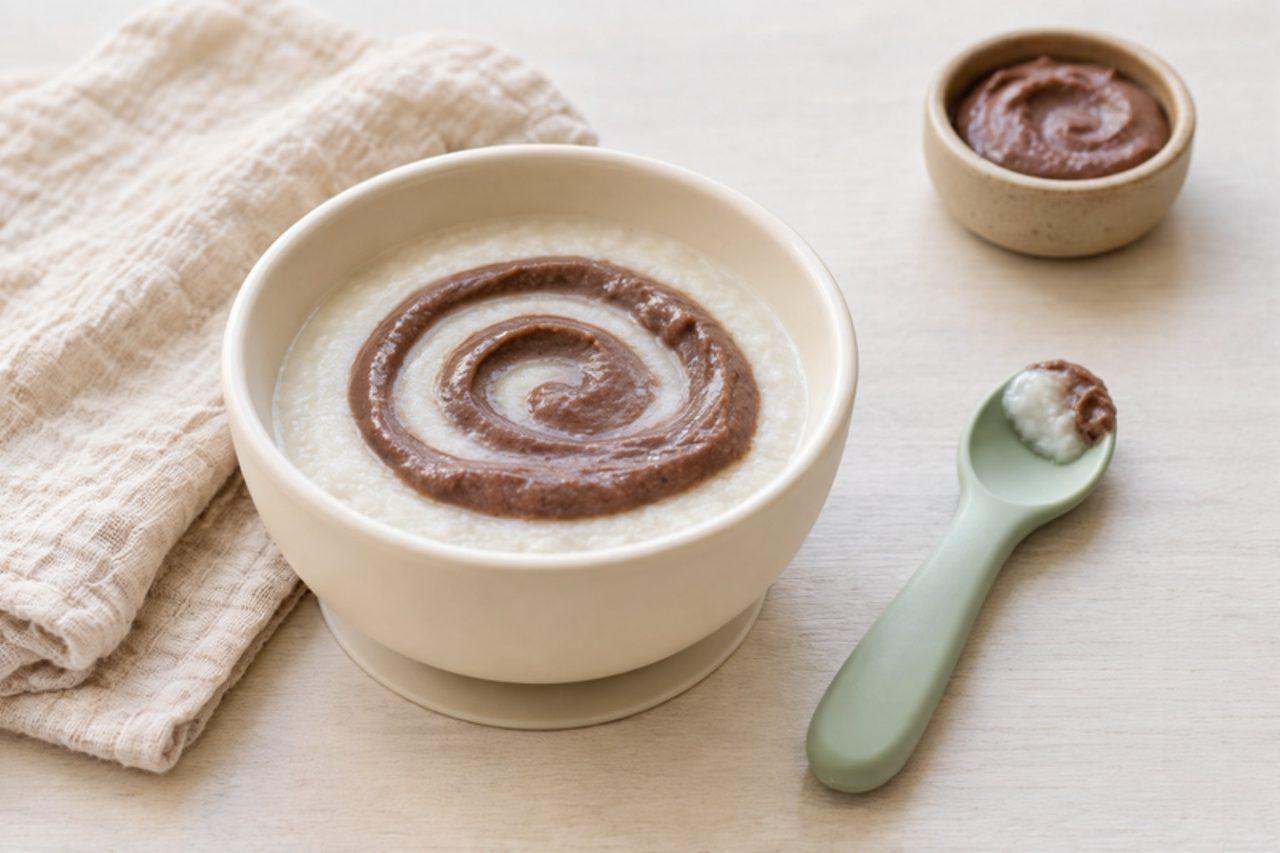
Zhū gān ní, a smooth purée of pork liver, is the iron food Chinese grandmothers swear by, and wet markets from Chengdu to Shanghai sell small pieces of very fresh pork liver for exactly this. The liver is soaked to draw out the blood, steamed with a slice of ginger until cooked right through, then blended and stirred into rice porridge, where it gives a mild, savoury, slightly sweet taste. Liver is very rich in vitamin A, so babies should have it only in small amounts, no more than once a week. No salt, soy sauce, sugar or honey for babies. It is free of the major allergens. Chef's tip: buy the freshest liver you can find, glossy and deep red-brown, and freeze the purée in cubes so one portion is always ready.

by KrazyBadal 0 views

MerkénSmoked chilli seasoning

Merkén comes from the Mapuche kitchens of Araucanía: cacho de cabra chillies are dried, smoked over a wood fire, then ground with toasted coriander seed and salt into a brick-red powder that is smoky, warm and lightly hot. In Temuco and across the south it is shaken over potatoes, eggs, sopaipillas, grilled fish and soups. Outside Chile, use dried smoked red chillies, or plain dried red chillies plus smoked paprika. The mistake to avoid is scorching the chillies in the pan: if they blacken, the whole jar is bitter. Chef's tip: grind it a little coarse, as it is sold in Temuco's market, so the coriander seeds stay noticeable.

by KrazyBadal 0 views

Gohan oyaki (rice finger patties)

Oyaki means a little pan-cooked cake, and Japanese parents make gohan oyaki from leftover rice when babies around nine months start wanting to feed themselves. Mashed rice is mixed with steamed kabocha squash (or grated carrot) and a spoon of potato starch, shaped into finger-sized patties and cooked gently until lightly golden. They are soft and sweet inside, hold together in a small fist and squash easily against the gums. They are free of the major allergens: no milk, egg, gluten, nuts, soya, sesame or fish. Chef's tip: mash the rice while it is warm; cold rice will not stick together and the patties crumble.

by KrazyBadal 0 views

Detsadovsky omlet (kindergarten oven omelette)

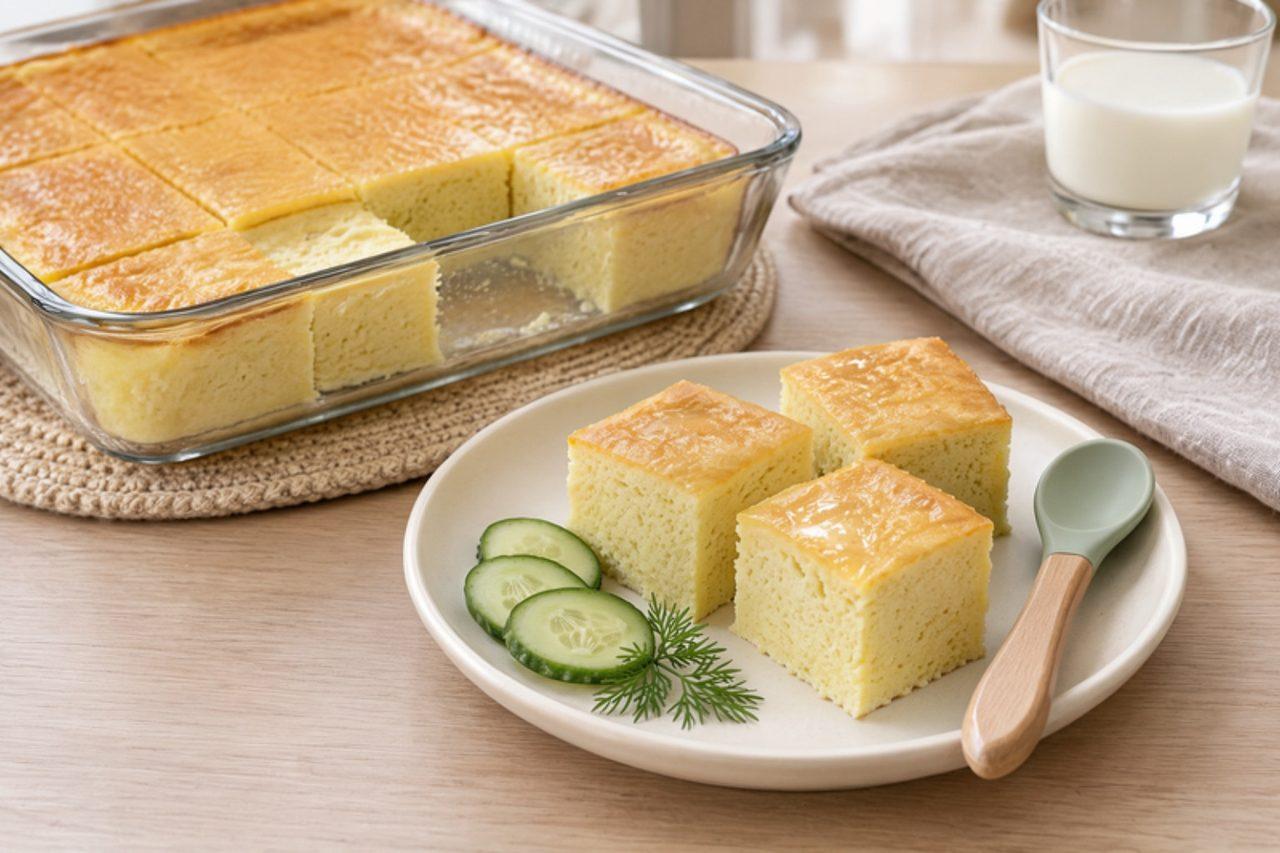
Anyone who went to a detsky sad, a kindergarten, in Moscow, Kyiv or Minsk remembers this omelette: tall, pale and soft as a sponge, baked in big trays and served in squares with a slice of bread and butter. The secret is lots of milk and a deep dish, so the eggs steam-bake into a quivering, custardy block rather than a flat frittata. It makes a protein-rich breakfast or supper for toddlers from 12 months, made here without salt. It contains egg and milk; there is no gluten, nuts or soya. Chef's tip: stir the eggs and milk, don't whisk them into a foam, or the omelette rises and then collapses.

by KrazyBadal 0 views

Mchuzi wa njegerePea and potato coconut curry

Mchuzi wa njegere, pea curry, is cooked in homes from Dar es Salaam to Tanga for an easy family lunch or supper, and it is a Friday favourite when families keep the meal meat-free. Green peas and potato chunks simmer in coconut milk with onion, tomato, turmeric and a mild curry powder until the potatoes are tender and the sauce is golden and creamy. Serve with chapati, plain rice or ugali. The usual mistake is boiling the curry hard once the coconut milk goes in, which makes it split and greasy. Chef's tip: add the peas last, as frozen peas need only 5 minutes and stay sweet and bright.

by KrazyBadal 0 views

OgokbapFive-grain rice

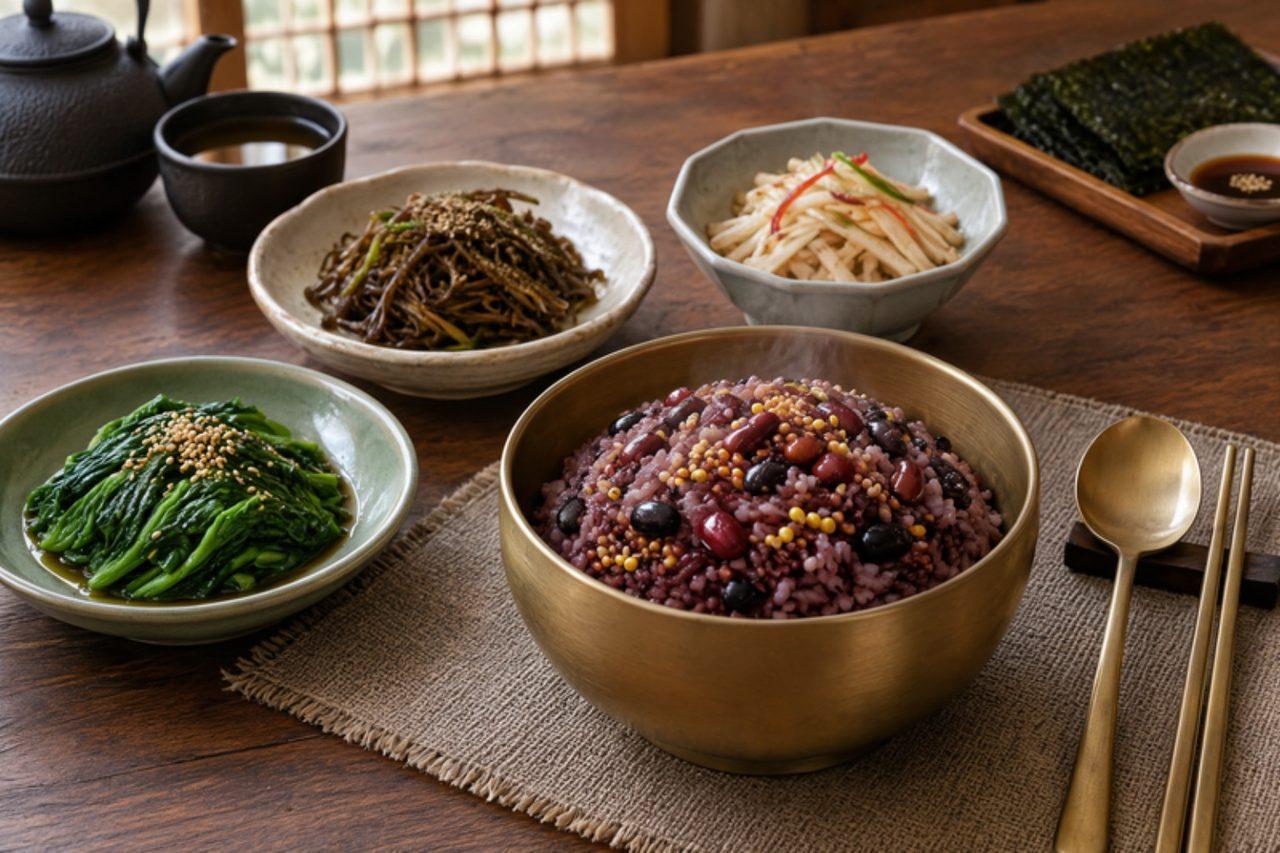
Ogokbap is cooked across Korea for Jeongwol Daeboreum, the first full moon of the lunar year, when families share five-grain rice with nine kinds of dried namul and crack nuts to wish for good health. Sticky rice, millet, sorghum, black soybeans and adzuki beans cook together into a chewy, purple-tinged rice with a nutty, gently sweet flavour. It is good any time of year beside soup and banchan. The usual mistake is putting the adzuki beans in raw with the rice: they stay hard while the rice turns soft, so parboil them first. Chef's tip: keep a little of the adzuki cooking water for the rice, as it gives ogokbap its lovely rosy colour.

by KrazyBadal 0 views

Chennai onion samosa

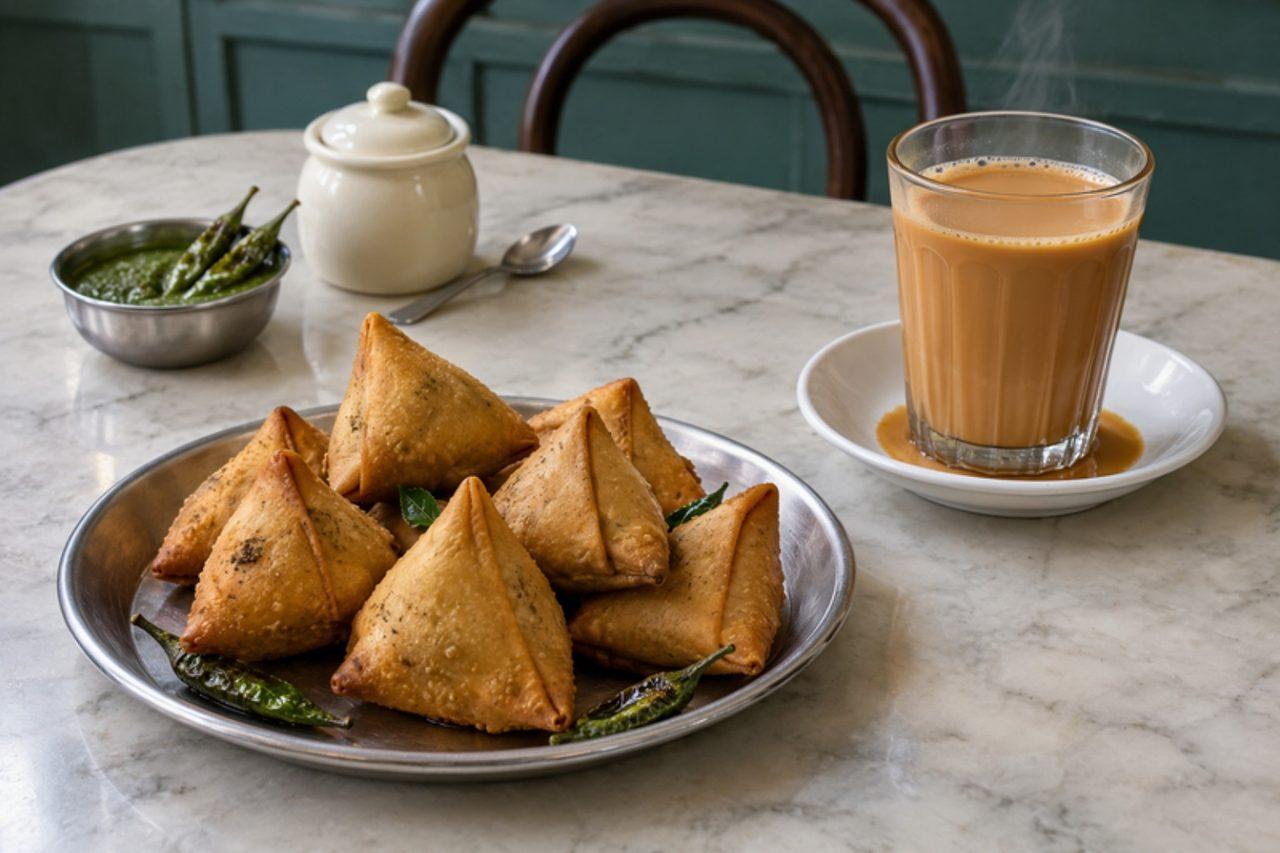
In Chennai's old tea shops, many started by Irani and Muslim families, a glass of strong tea comes with a plate of small onion samosas: thin, crackly pastry folded around a filling of nothing but slow-cooked onion, green chilli, curry leaves and a little poha to soak up the juices. They are sold by the dozen in the evenings and at bus stands across Tamil Nadu. The pastry is the thin, ready-rolled samosa-patti kind, so they are quick to fold. The common mistake is undercooking the onion, which leaks water and makes the samosas soggy; fry it until soft and sweet, then cool. Chef's tip: seal the folds with a thick paste of flour and water, not plain water, so they do not open in the oil.

by KrazyBadal 0 views

Pineapple gojjuSweet and sour pineapple gravy

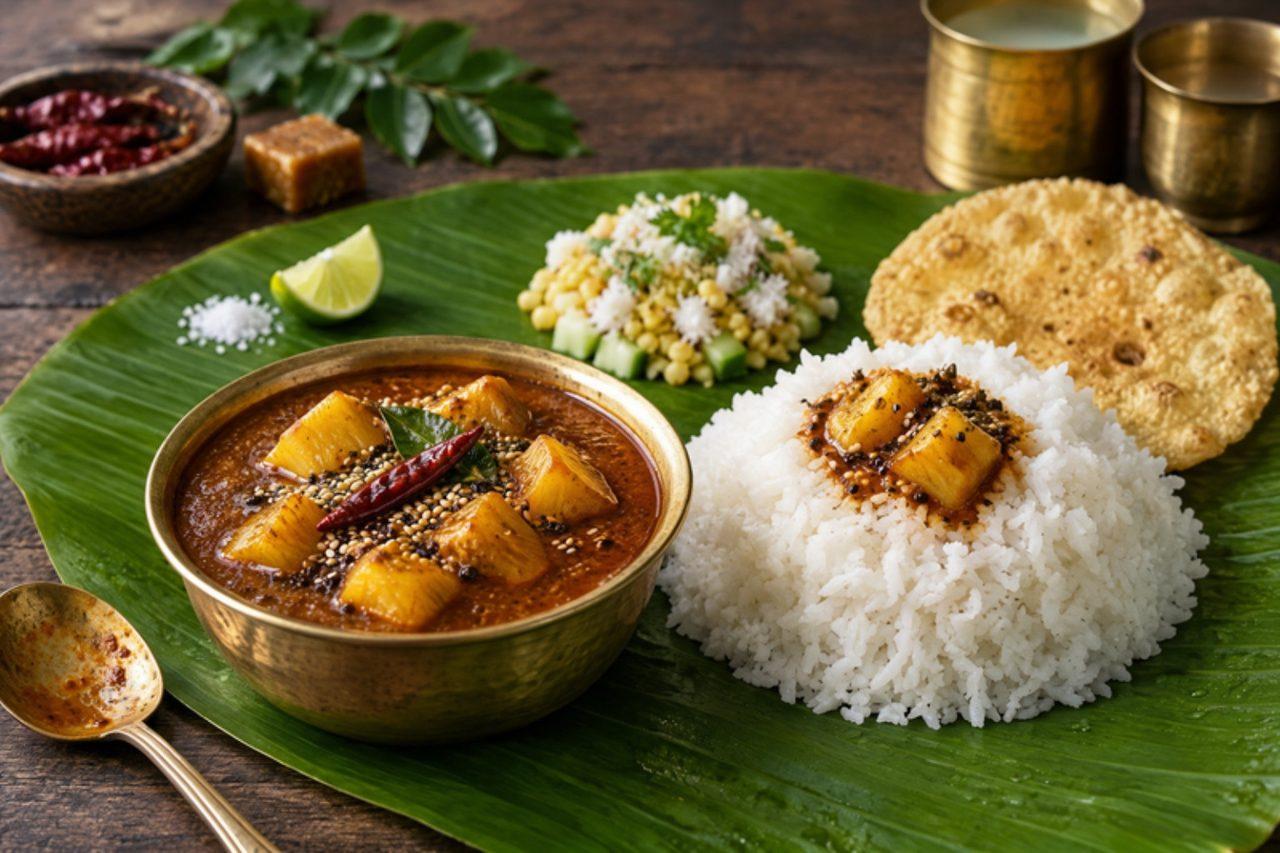
Pineapple gojju turns up on banana leaves at Kannada weddings, housewarmings and Ugadi feasts, where its bright sweet-sour-hot taste cuts through the rice, saaru and payasa. Ripe pineapple is simmered with tamarind and jaggery, then thickened with a roasted paste of sesame, coconut, chilli and lentils until glossy. It is eaten in small spoonfuls with rice or chapati, or as a relish on the side. The usual mistake is adding the jaggery too early and boiling it hard, which makes it sticky and dull; let the pineapple soften first. It keeps for 4 days in the fridge. Chef's tip: toast the sesame seeds separately and add them last, so they stay nutty and you can hear them crackle.

by KrazyBadal 0 views

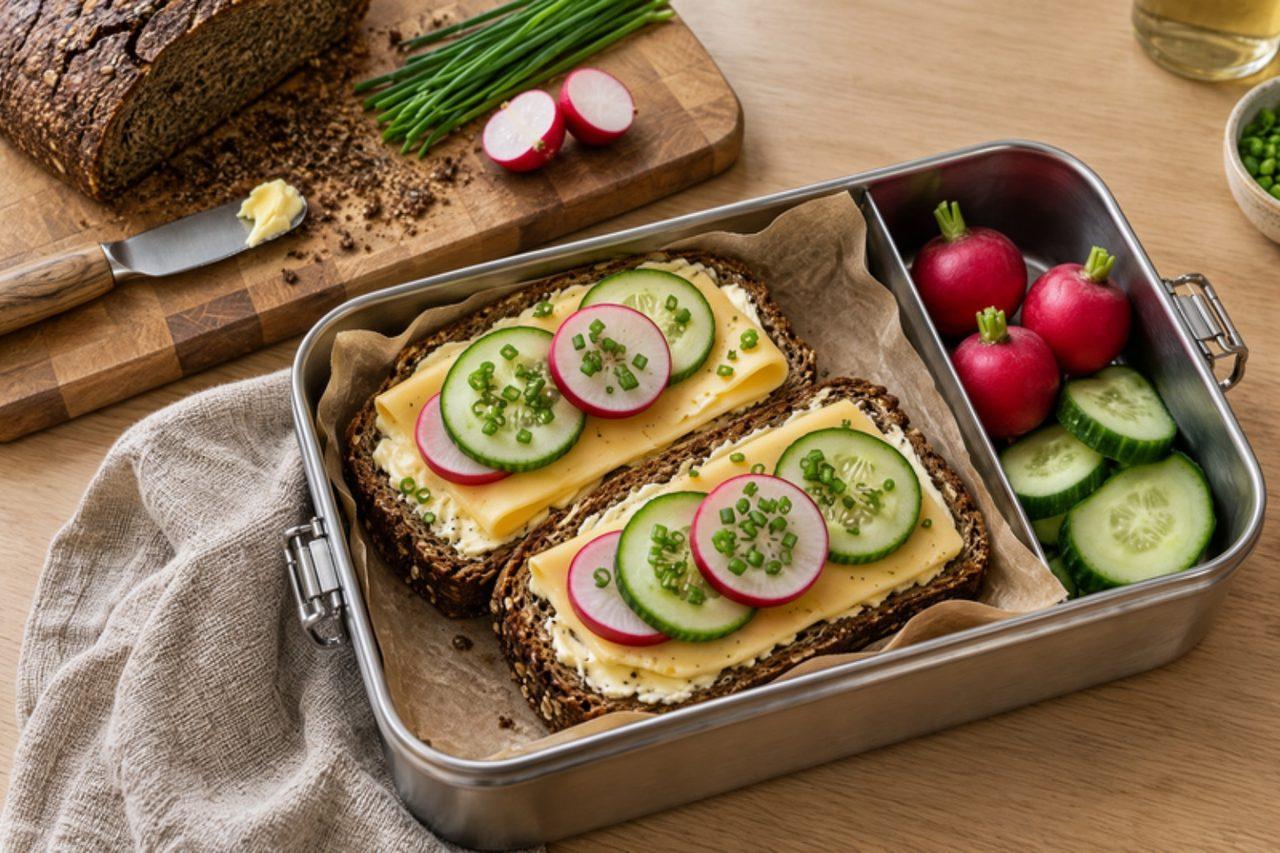
ButterbrotRye bread with cheese and vegetables

Every German schoolchild knows the Pausenbrot: two slices of rye or mixed-grain bread spread with good butter, closed around a slice of cheese, wrapped in paper and eaten in the mid-morning break, with a few cucumber or apple slices on the side. Adults take the same Butterbrot to work. The common mistake is spreading cold, hard butter, which tears the bread and leaves bare patches that let any wet filling soak in. Many Gouda-style cheeses use animal rennet, so choose one marked vegetarian. Chef's tip: butter right to the crust on both slices; the butter is a waterproof layer that keeps the bread fresh until lunchtime.

by KrazyBadal 0 views

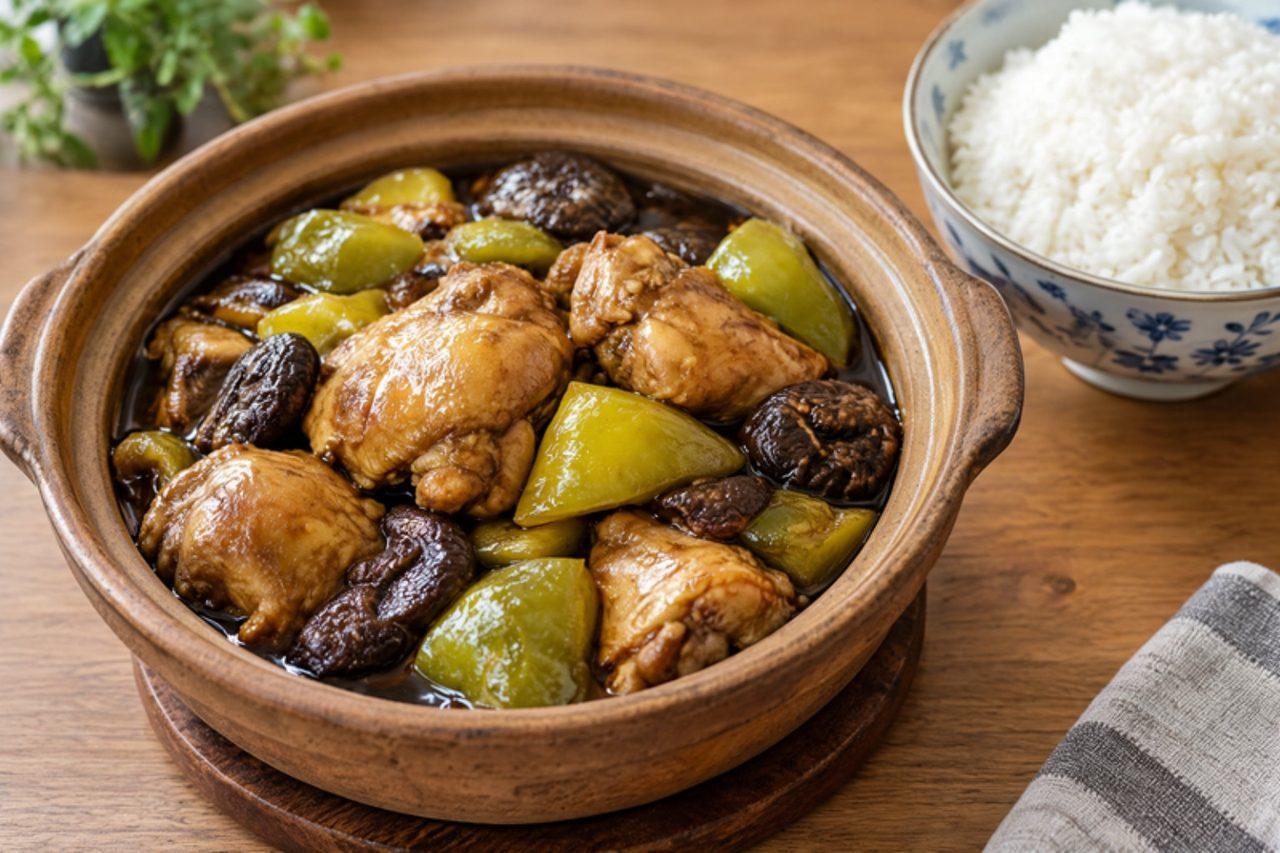
Huangmen jimifanBraised chicken rice

Huangmen jimifan began in Jinan, in Shandong, and spread to thousands of little clay-pot shops across China where office workers queue at noon for a bubbling pot of chicken braised dark and glossy with shiitake, ginger and green pepper, eaten over plain rice. It reheats perfectly in a work microwave. The common mistake is using breast, which goes dry and stringy in the braise; bone-in thigh stays juicy. Chef's tip: caramelise the rock sugar in the oil before the chicken goes in, which gives the sauce its amber colour without extra dark soy.

by KrazyBadal 0 views

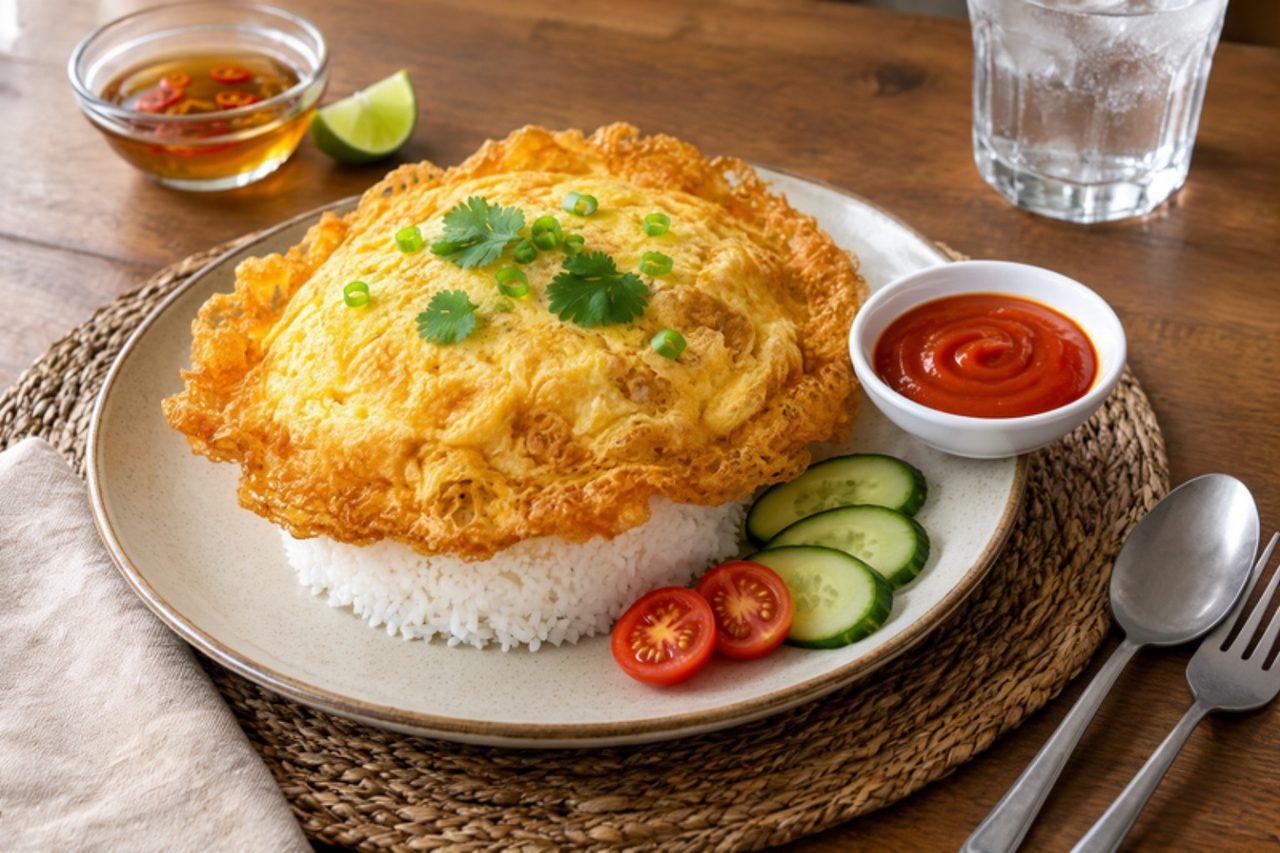
Khao kai jiaoThai omelette over rice

When there is no time for anything else, Bangkok office workers, students and taxi drivers eat khao khai jiao: eggs beaten with fish sauce and poured into very hot oil so they puff into a lacy, golden, crisp-edged omelette, slid onto a mound of jasmine rice with a squirt of chilli sauce. It is also the omelette mothers put in school lunch boxes. The common mistake is oil that is not hot enough, so the egg sits flat and greasy instead of ballooning up. For a vegetarian version, season with light soy sauce instead of fish sauce. Chef's tip: beat in a squeeze of lime and a spoon of water until very frothy; the air and steam make it puff dramatically.

by KrazyBadal 0 views

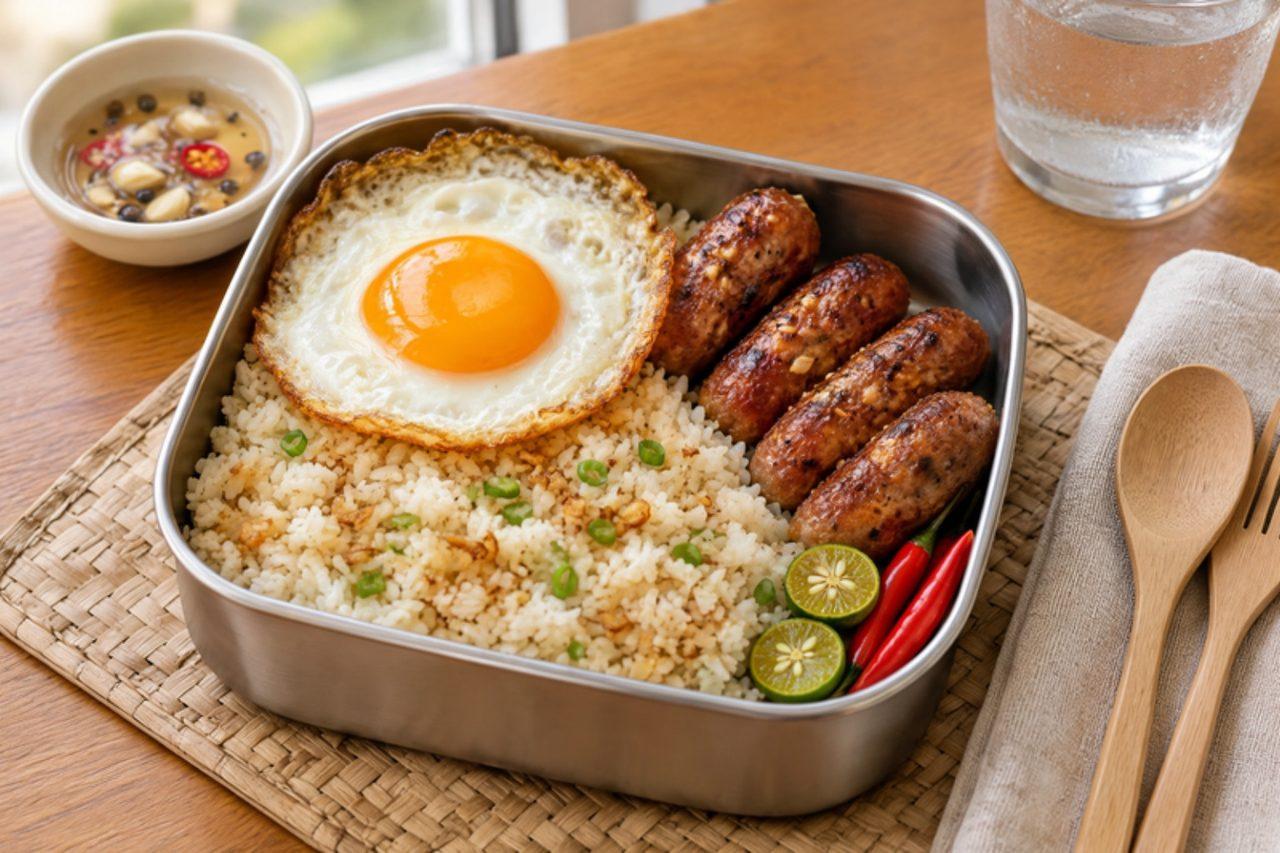
LongganisaGarlic pork sausages

Every Philippine province has its longganisa, from the garlicky, sour sausages of Vigan to the oregano-scented ones of Lucban and the sweet, sticky Pampanga style; this homemade skinless (hubad) version sits between them. These pork sausages are fried until caramelised, then packed into the baon (packed lunch) with sinangag garlic rice and a fried egg. The common mistake is frying them hard from raw, which burns the sugar before the pork is cooked; simmer them in a little water first. Chef's tip: roll the mixture in baking paper and chill overnight, and the sausages slice and fry far more neatly.

by KrazyBadal 0 views

TovveToor dal with green chilli

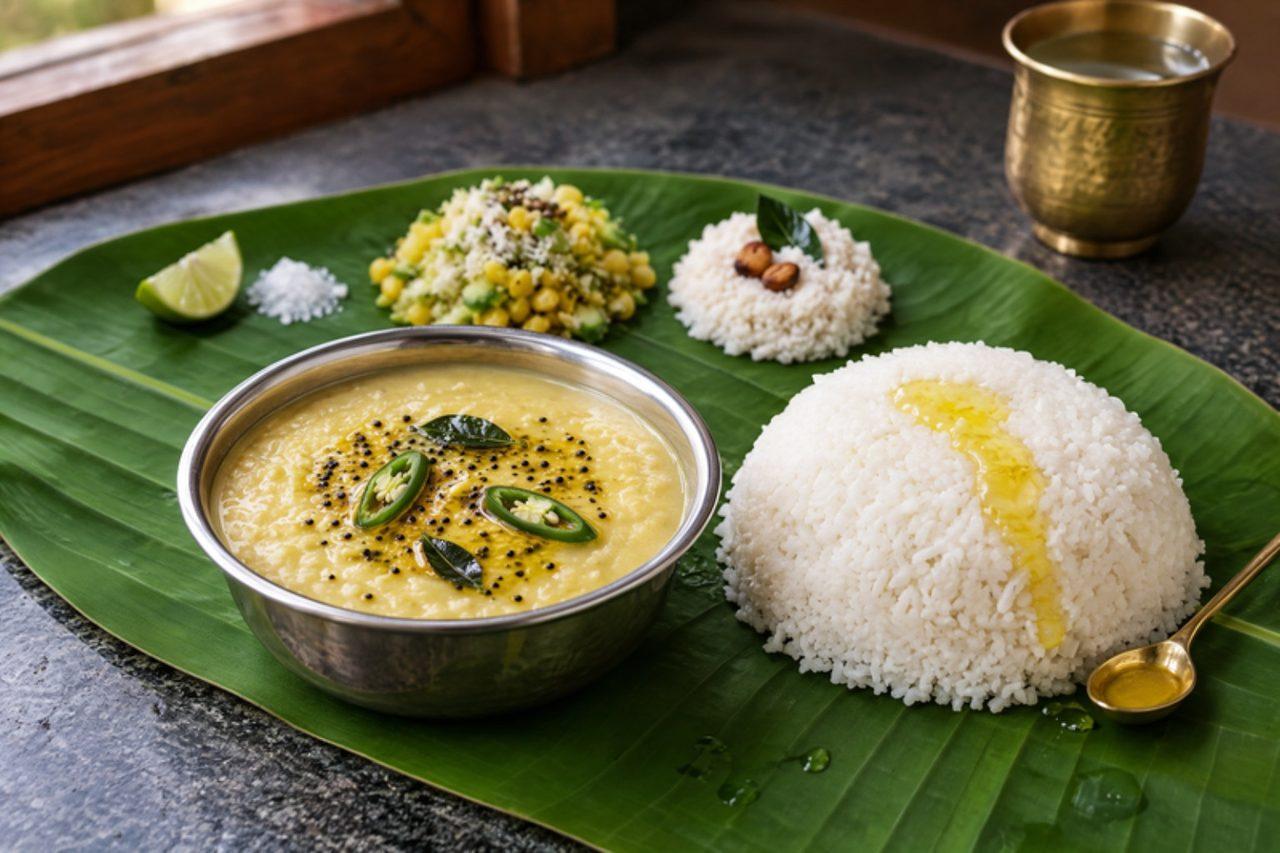
Tovve is the plainest dal of the Udupi temple kitchens and of Kannada homes along the coast: toor or moong cooked soft, seasoned with green chilli and ginger and finished with a sizzling ghee tempering. There is no tomato, no onion and no masala, so it is the first dal children eat and what families cook for a light dinner or after a fast, with rice, a spoon of ghee and a lemon pickle. Its flavour depends on a well-cooked dal, so it must be soft enough to fall apart when stirred. The usual mistake is adding salt before the dal is tender, which keeps it grainy. Chef's tip: whisk the cooked dal hard for 30 seconds before tempering; the smooth, creamy texture is what makes tovve taste of more than its few ingredients.

by KrazyBadal 0 views

Bò bíaJicama and sausage rice paper rolls

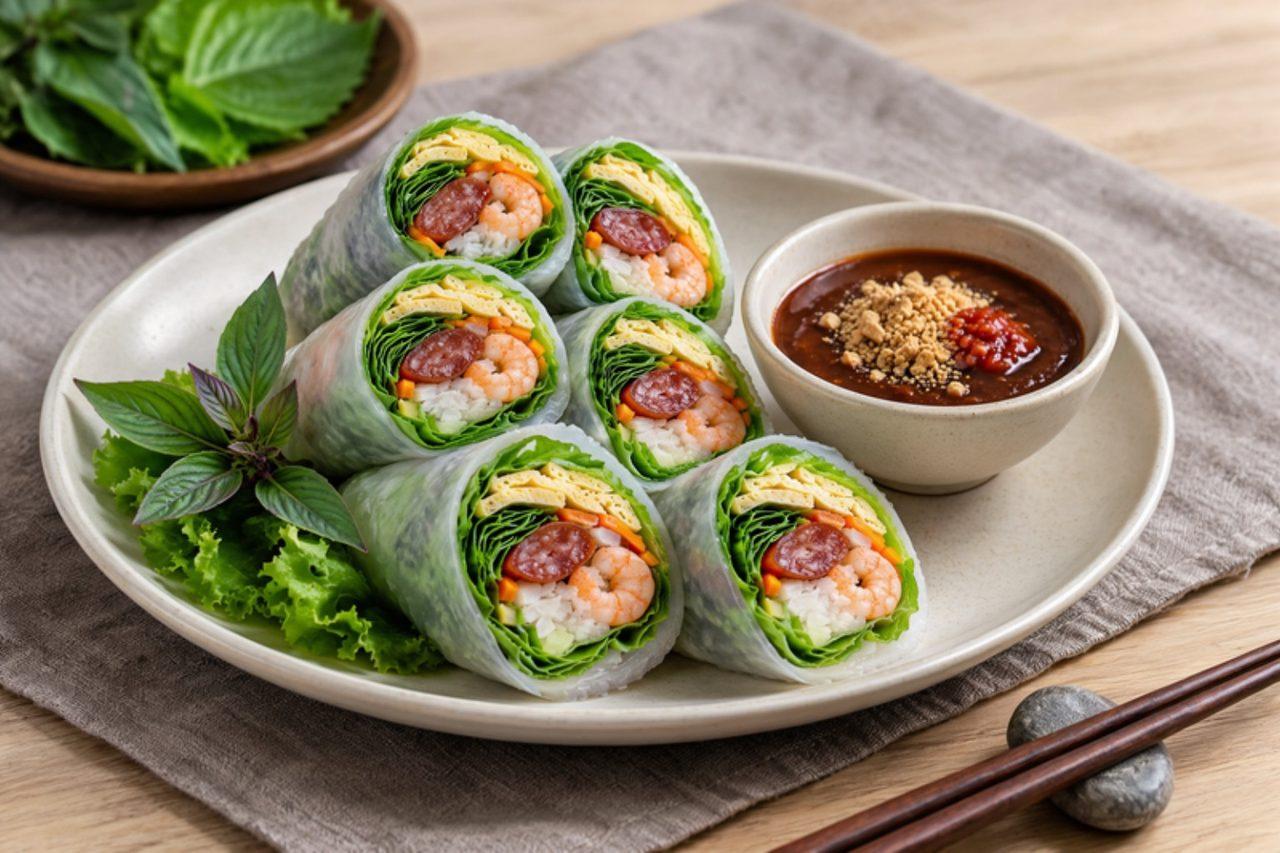
Bò bía carts park outside the schools of Chợ Lớn, Saigon's Chinatown, every afternoon, and the vendor rolls each one to order: sweet stir-fried jicama and carrot, crisp slices of lạp xưởng (Chinese pork sausage), toasted dried shrimp and ribbons of omelette, wrapped with basil and lettuce in soft rice paper and dipped in hoisin sauce loosened with peanut butter. It is a cousin of Chinese popiah and a favourite after-school snack. Chef's tip: dip the rice paper for only a second or two; it keeps softening as you fill it.

by KrazyBadal 0 views

Chhena tarkariFried cheese cube curry

In Odia homes, from Cuttack to Puri, chhena tarkari is the special curry for a Sunday lunch, a guest or a festival day when the household eats no onion or garlic. Fresh chhena, the soft cheese Odisha also turns into rasagola, is pressed, cut into cubes and fried golden, then simmered with potato in a thin gravy of tomato, ginger and roasted cumin. The cubes stay soft and soak up the sauce, and the dish is eaten with rice, puri or paratha. Chhena is made by curdling milk with lemon juice, so it contains no rennet. The usual mistake is boiling the gravy hard after the chhena goes in, which breaks the cubes into crumbs. Chef's tip: fry the chhena cubes until golden on two sides only, then rest them in warm water for five minutes; they swell and turn spongy, just like an Odia grandmother's.

by KrazyBadal 0 views

Mochai kottai kuzhambuField bean gravy

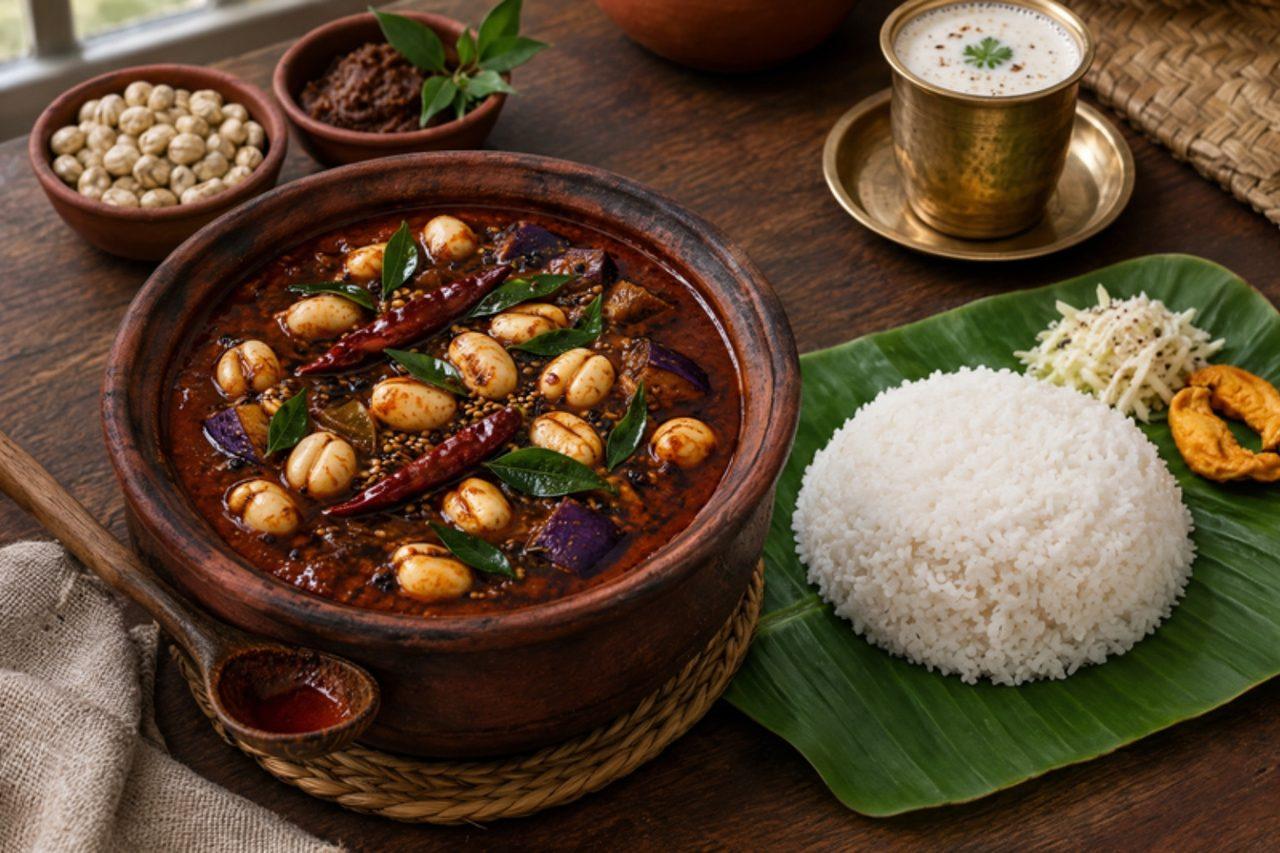
Across Tamil Nadu, from Madurai to Tirunelveli, mochai kottai kuzhambu is a winter and weekend curry: dried field beans and small brinjals stewed in a thick tamarind and sambar-powder gravy with shallots and garlic. It is cooked in a big batch, because everyone agrees it tastes better the next day, and eaten with rice, a spoon of sesame oil and appalam or a simple keerai. The beans turn creamy and the brinjal melts into the sauce. Dried field beans must be soaked and boiled until completely soft; never eat them undercooked. The usual mistake is adding the tamarind before the beans are tender, because acid stops them softening. Slow-cooker: boil the soaked beans hard on the hob for 10 minutes first, then cook everything on low for 6 hours. Chef's tip: fry the brinjal in the oil before the gravy goes in, so it holds its shape instead of dissolving.

by KrazyBadal 0 views

CuchuflíFilled wafer tubes

Cuchuflí are the thin, crisp wafer tubes filled with manjar that vendors sell from baskets on Chilean beaches and outside football stadiums, and that children beg for at the Fiestas Patrias fondas. At home you can bake the wafers yourself and roll them round a wooden spoon handle. The usual mistake is waiting too long to roll them: the wafers set within seconds and crack. Bake only three at a time. Chef's tip: fill them with a piping bag just before serving, or the manjar softens the wafer; dip the ends in melted chocolate if you like.

by KrazyBadal 0 views

DiziLamb and chickpea stew

Dizi, also called abgoosht, is Tehran's working lunch, served at old teahouses and bazaar canteens in individual stone pots, and cooked at home on cold Fridays. Lamb on the bone, chickpeas, white beans, potatoes, tomato and dried lime cook gently for hours. At the table you pour off the broth and soak torn sangak or lavash bread in it (tilit), then pound the meat, beans and potato into a coarse paste (goosht kubideh) to eat with herbs, raw onion and pickles. The usual mistake is adding the potatoes at the start: they collapse and cloud the broth. Slow-cooker: after the beans' hard boil, cook everything except the potatoes on low for 10 hours, adding them for the last 2. Chef's tip: pierce the dried limes so they flavour the broth without turning it bitter, and lift them out before pounding.

245 minPersianMeatGluten free
by KrazyBadal 0 views

Naengchae jokbalCold sliced pork trotter

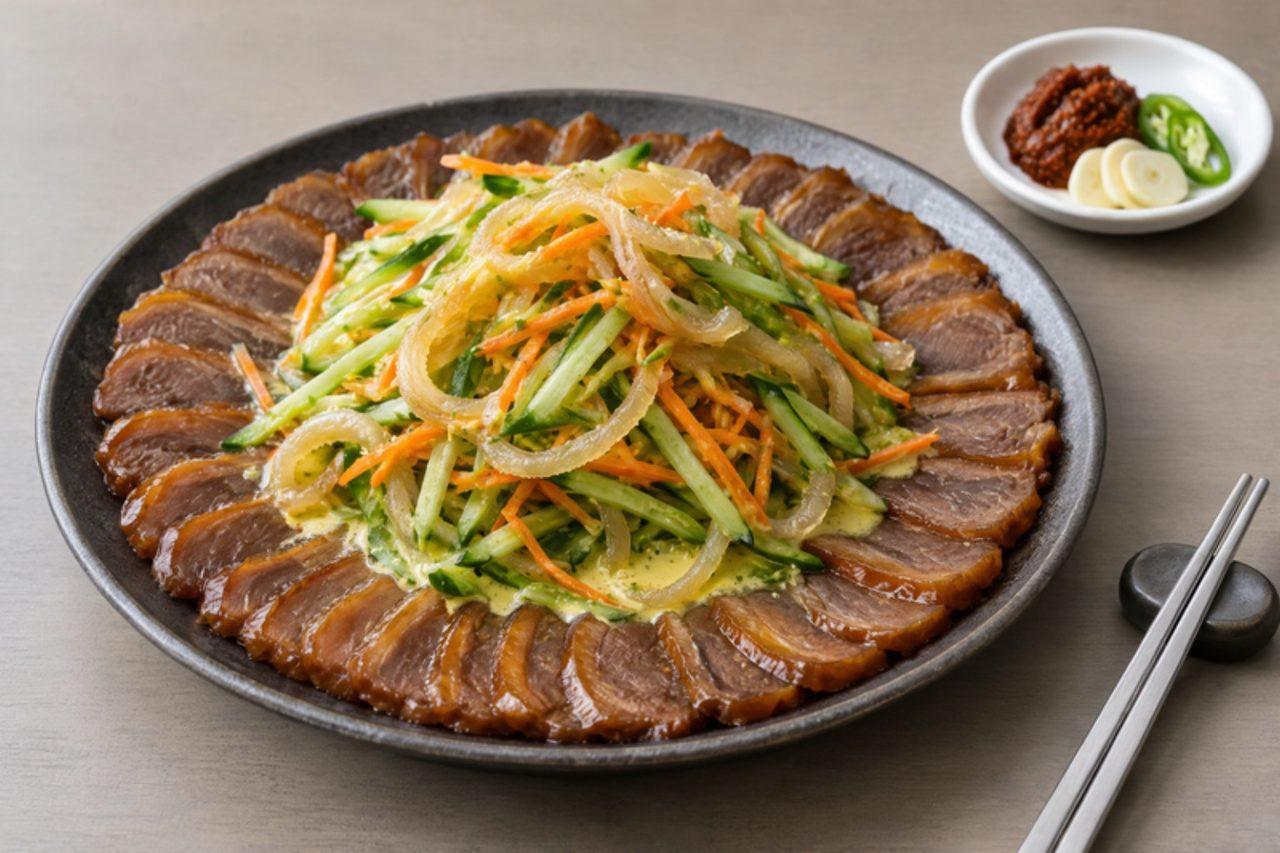
Busan's Jokbal Alley in Bupyeong-dong, beside Kkangtong Market, is where braised pork trotter was first served cold as a salad, a summer trick that spread across Korea. The pork trotters are simmered for hours in soy, ginger and spices until the skin turns sticky and tender, chilled, sliced thin and tossed with cucumber, shredded jellyfish and a nose-tingling dressing of Korean mustard, vinegar and garlic. It is evening food, shared from a big platter. Chef's tip: slice the meat only once it is fully cold; warm trotter meat tears instead of cutting into clean slices.

190 minKoreanMeat
by KrazyBadal 0 views

Paruppu urundai kuzhambuLentil dumpling gravy

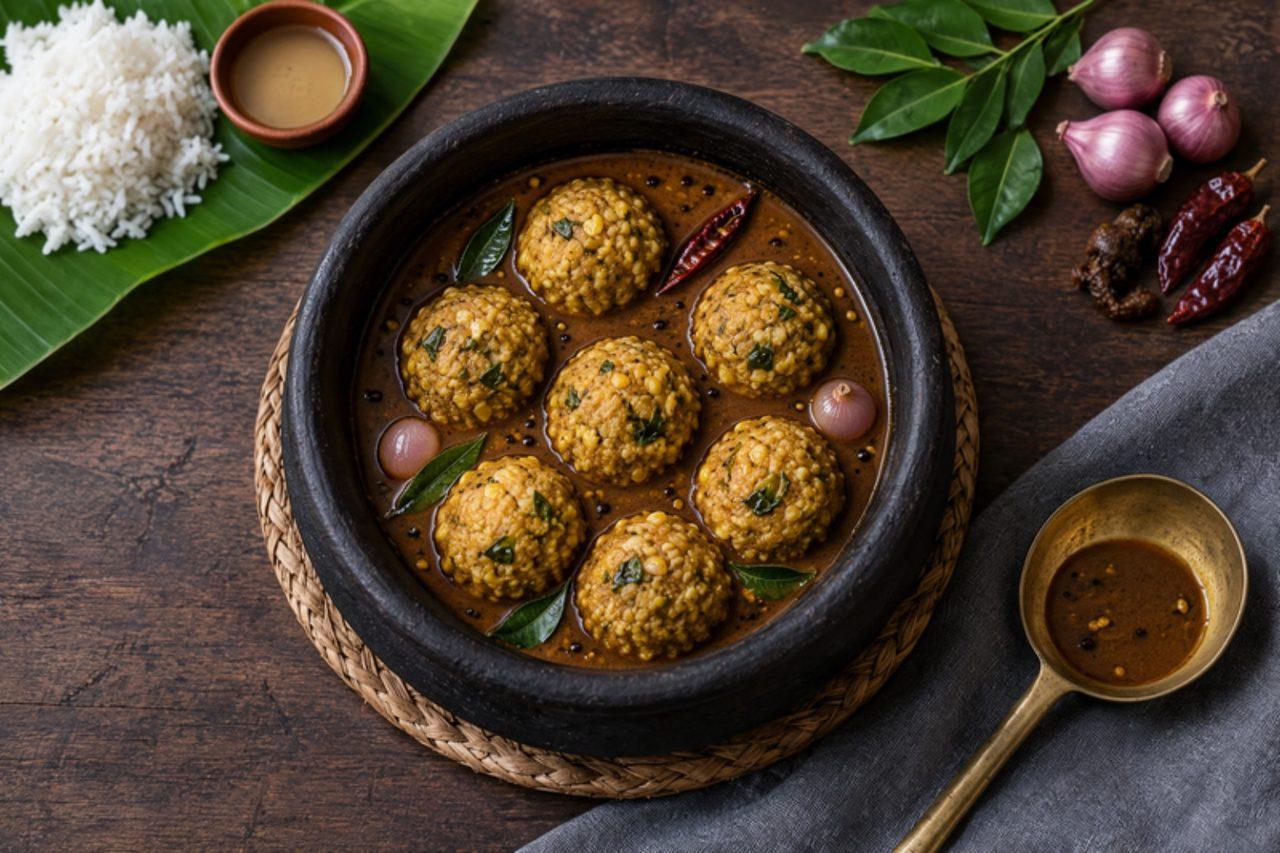
Paruppu urundai kuzhambu is a Sunday-lunch treat in Tamil homes from Chennai to Coimbatore: coarse balls of soaked chana and toor dal, spiked with fennel, chilli and shallot, dropped raw into a bubbling tamarind gravy where they steam and firm up. The dumplings come out soft inside and soak up the sour, spicy sauce, and the crumbs that escape thicken the gravy. Serve it with plain rice, a spoon of sesame oil and a vegetable poriyal. The usual mistake is stirring as soon as the balls go in, which breaks them; leave them alone until they float and feel firm. Chef's tip: drop one test ball in first; if it cracks, knead a spoon of rice flour into the mixture before shaping the rest.

by KrazyBadal 0 views

Berinjela refogadaSauteed aubergine with tomato

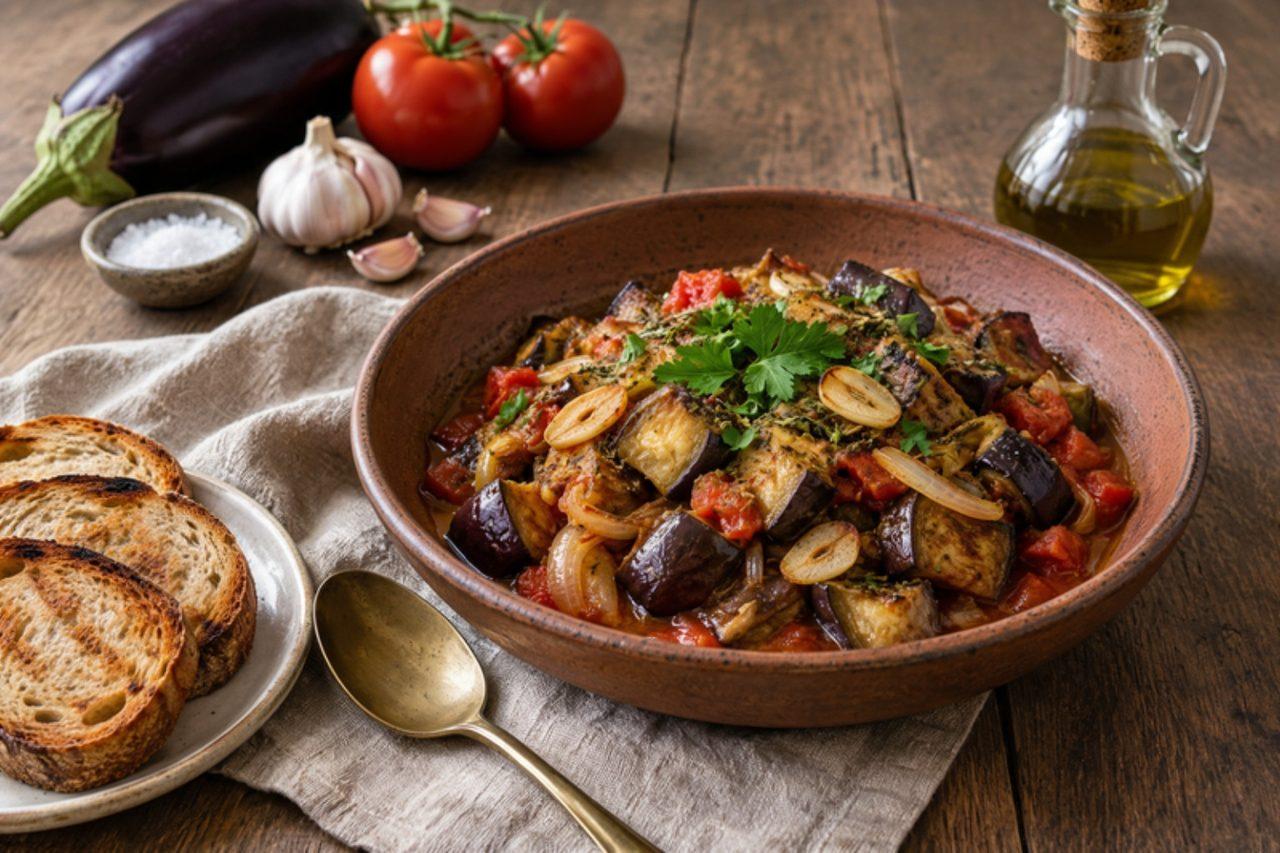
Brazilian home cooks make berinjela refogada on Sunday and spoon it into the week's marmitas beside rice, beans and a piece of grilled chicken or an egg; it reheats beautifully and tastes even better on the second day. The aubergine cooks down until silky with garlic, onion, tomato and oregano. The common mistake is pouring in more oil every time the pan looks dry; aubergine soaks it up and turns greasy. Add a splash of water instead and cover the pan so the cubes steam soft. Chef's tip: a squeeze of lime and a little chopped parsley just before packing lift the flavour after a night in the fridge.

by KrazyBadal 0 views

Chikuwa isobe-ageSeaweed-battered fish cake

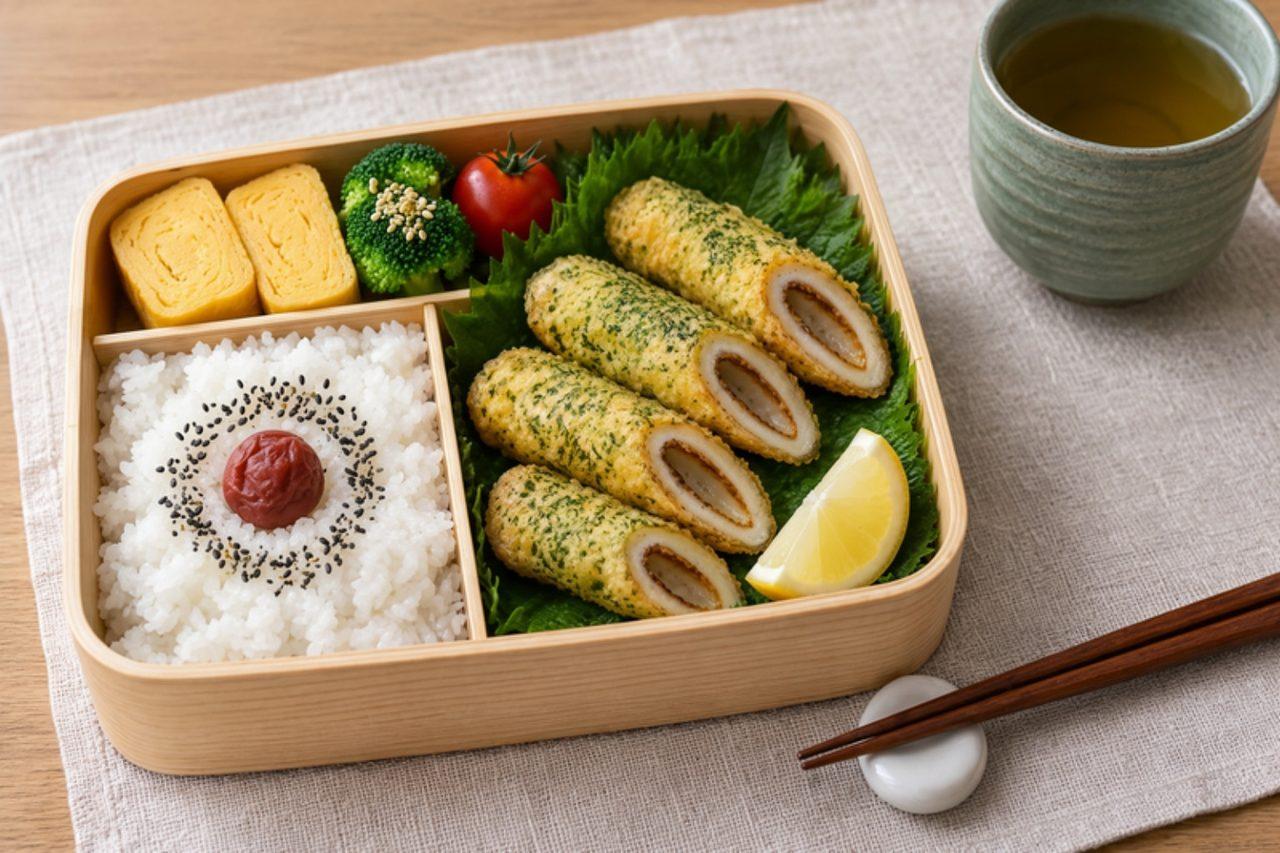
Isobe-age, "fried in the style of the rocky shore", means anything coated in a batter speckled with green aonori seaweed, and chikuwa isobe-age is the one every Japanese parent tucks into a bento: tubes of chikuwa fish cake fried until puffed and crisp. It is just as good cold and takes ten minutes. The common mistake is a thick batter, which turns bready; it should be like single cream. Chef's tip: dust the chikuwa with a little flour before dipping, so the batter clings and does not slide off in the oil.

by KrazyBadal 0 views

Peameal bacon sandwich

The peameal bacon sandwich is Toronto's signature breakfast, served from the stalls of St Lawrence Market since the early 1900s. Peameal bacon is cured but unsmoked pork loin rolled in yellow cornmeal (once ground dried peas, hence the name). Thick slices are griddled until golden and piled into a soft kaiser roll with yellow mustard. It is a Saturday market ritual. A common mistake is slicing too thin, which dries it out; aim for 5 mm. Chef's tip: cook it over a medium heat, not high, so the cornmeal crisps without burning before the pork is cooked.

by KrazyBadal 0 views

Katsu sandoPork cutlet sandwich

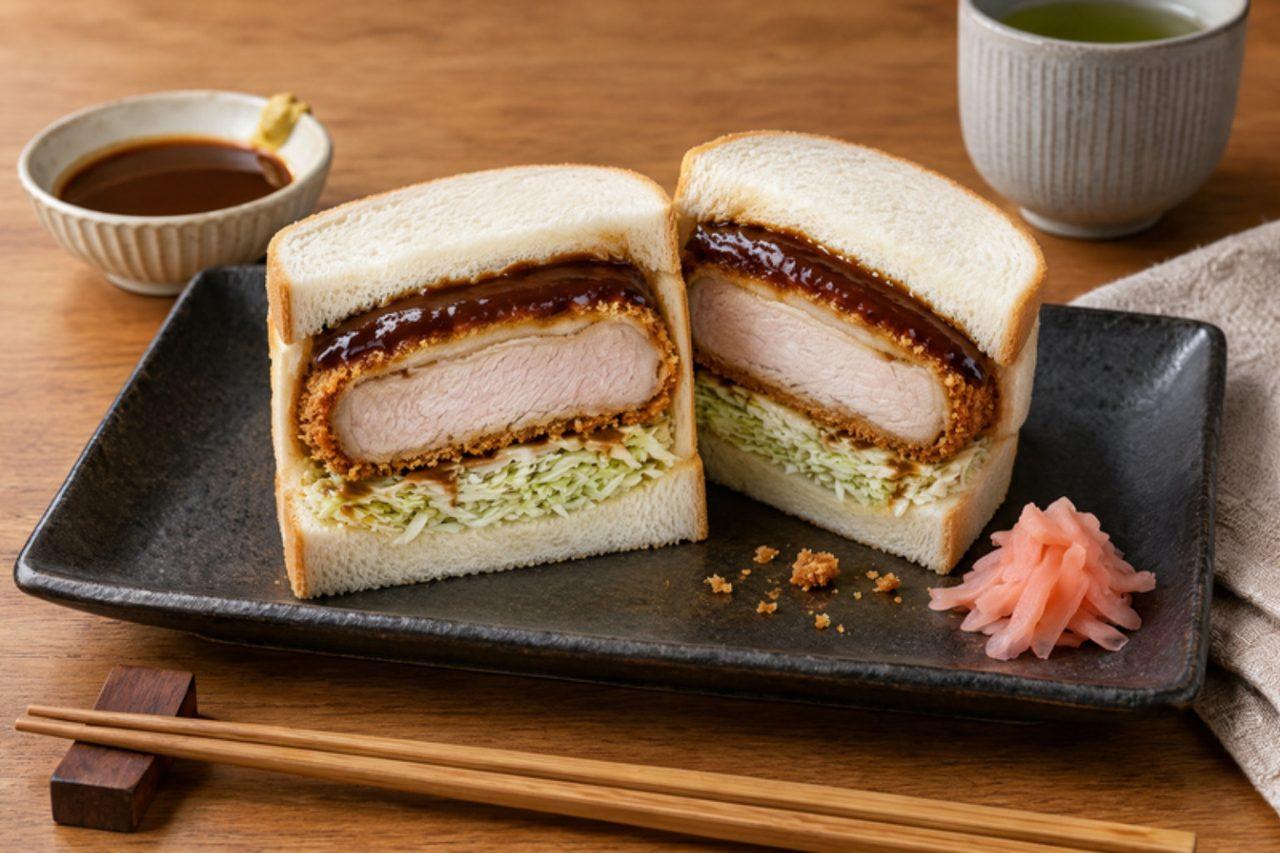
Katsu sando began in Tokyo tonkatsu shops in the 1930s as a cutlet you could carry, and is now a fixture of department-store food halls, train-station kiosks and lunchboxes all over Japan: a crisp panko pork loin cutlet soaked in sweet-sour tonkatsu sauce between pillowy white bread, crusts trimmed off. The common mistake is slicing it while hot, which squashes the bread and makes it soggy; let it rest under a light weight first. Pork loin is a whole cut, so cook it to 63 °C and rest it for 3 minutes. Chef's tip: butter the bread with a little mustard mixed in; it stops the sauce soaking through and adds a gentle kick.

by KrazyBadal 0 views

EinspännerBlack coffee with whipped cream

The Einspänner is named after the one-horse carriages of old Vienna: coachmen waiting outside in winter supposedly liked their coffee under a lid of cream that kept it hot and stopped it slopping. Today it is served in a handled glass at classic coffee houses, a strong black mocha (a double espresso or Großer Brauner without milk) topped with a thick layer of cold, lightly sweetened whipped cream and a pinch of icing sugar. You do not stir it: you sip the hot, bitter coffee through the cold, sweet cream, so each mouthful is two temperatures and two textures. It is an afternoon or late-morning coffee, often with a slice of Sachertorte. The common mistake is runny cream that sinks and turns the drink into a milky latte; whip it until it just holds a peak and spoon it on gently so it floats. It is ready when the cream stands at least 2 cm above the coffee and slowly sinks at the edges. It is strong: a double shot of caffeine in one glass. Chef's tip: pour the coffee in first and wait ten seconds before adding the cream, so the crema settles and helps support the cap.

by KrazyBadal 0 views

Showing 45 of 7,762 recipes

Show more recipes

Page 76 of 863