Indian
 Spanish
 Italian
 American
 Chinese
 Mexican
 Brazilian
 Japanese

 Paraguayan




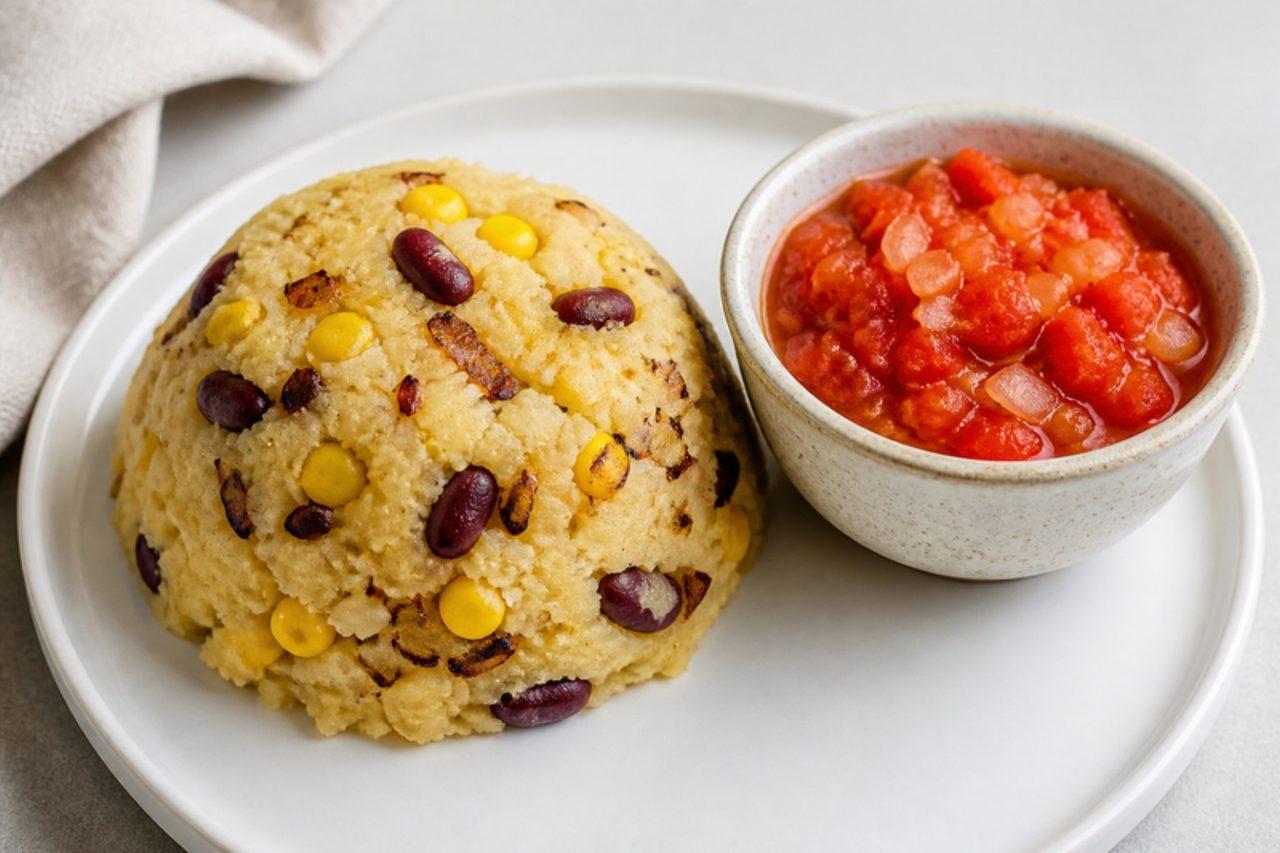
IrioMashed potato, corn and beans
Irio is a Kenyan mash of potatoes with whole corn and kidney beans, fried onion, chilli and butter. It's hearty and comforting. Serve it with a simple tomato stew, as here, or tomato sauce.

by KrazyBadal 0 views
Soft rice with greens for babies
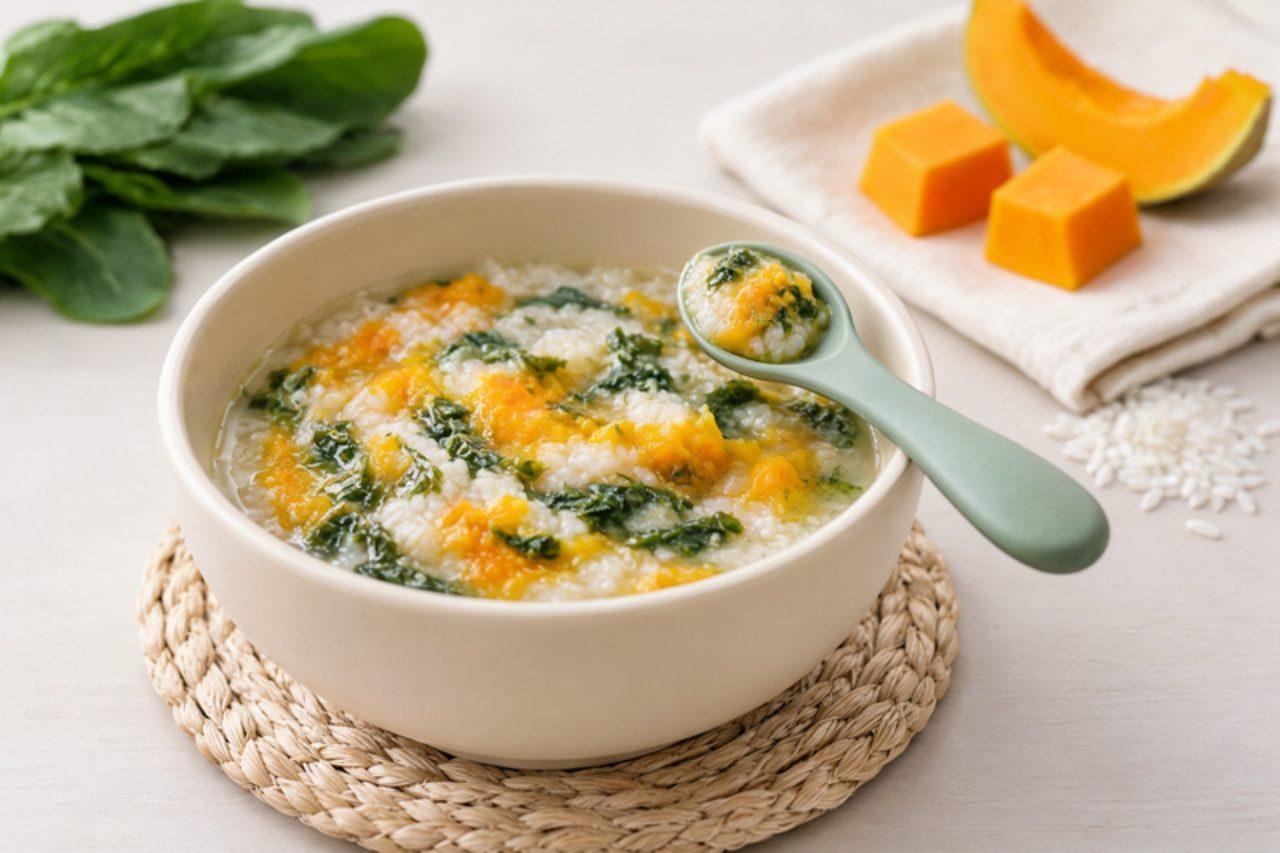
Vary sosoa, rice cooked with lots of water until soft and soupy, is the classic Malagasy breakfast, eaten in Antananarivo and the highland villages before the day's work starts, and the food given to the sick and the very young. For babies from about nine months it is cooked with diced pumpkin and finished with a handful of mild greens, then mashed. It is gentle, sweet and creamy. Skip brède mafane (paracress), the tingling green used for grown-ups' romazava, as it numbs the mouth; spinach or sweet potato leaves are kinder. It is free of the major allergens: no milk, egg, gluten, nuts, soya, sesame or fish. Chef's tip: use a short, starchy rice such as vary gasy or any broken rice; it releases more starch and makes the creamiest sosoa.
A new country every day, from every cuisine on the site.
Irio is a Kenyan mash of potatoes with whole corn and kidney beans, fried onion, chilli and butter. It's hearty and comforting. Serve it with a simple tomato stew, as here, or tomato sauce.
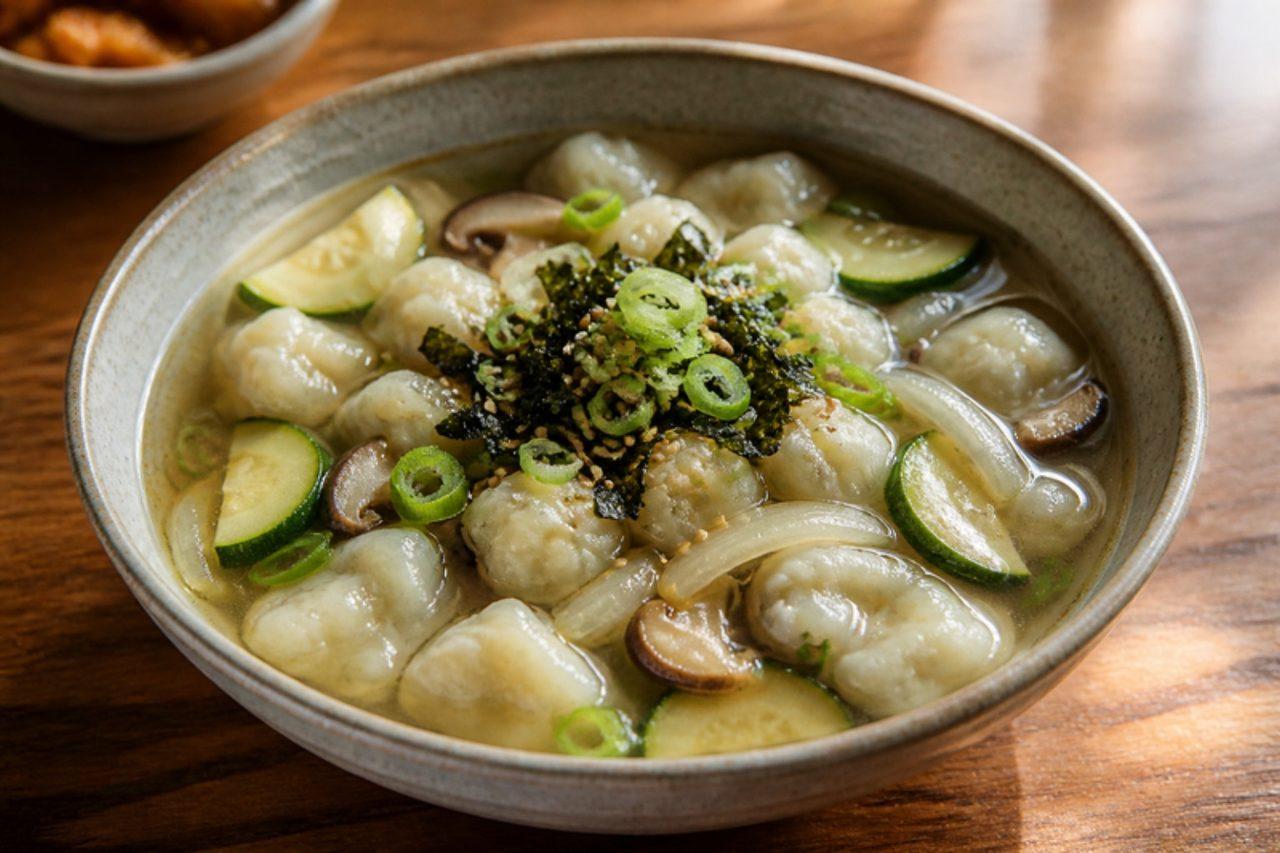
Ongsimi (옹심이) means 'little bird egg' in the Gangwon dialect, and it describes the small, chewy dumplings that Gangneung cooks make from grated potato and its own starch. Gangwon's mountains grow more potatoes than rice, and ongsimi restaurants around Gangneung still serve the dumplings in plain anchovy or kelp broth with courgette, sometimes with knife-cut noodles added. This version uses kelp and shiitake, so it is vegan and gluten free if you season with tamari. The dumplings are translucent, slippery and springy, nothing like gnocchi. Chef's tip: let the potato water stand until the white starch settles at the bottom, then add every bit of that starch back to the grated potato; it is what makes the dumplings chewy.
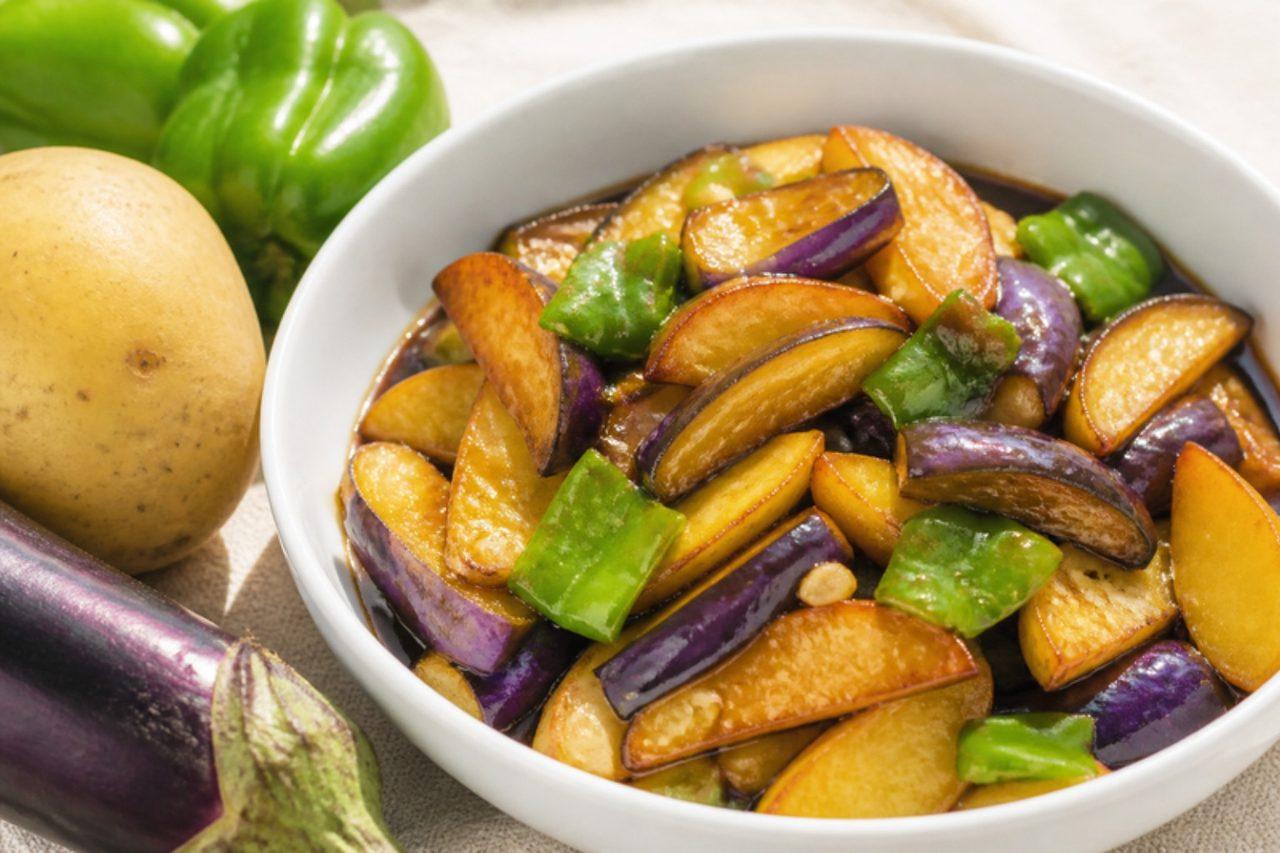
Di san xian means 'three fresh things from the earth', and it is the best-known home dish of Dongbei, China's cold north-east, where potatoes, aubergines and peppers are the summer harvest. Each vegetable is fried until golden, then tossed in a sticky, garlicky soy glaze. It's rich and filling, and goes with rice or steamed buns. Chef's tip: fry the potato first and longest; it needs to be golden and fully tender before it meets the sauce, because it won't soften further in the wok.
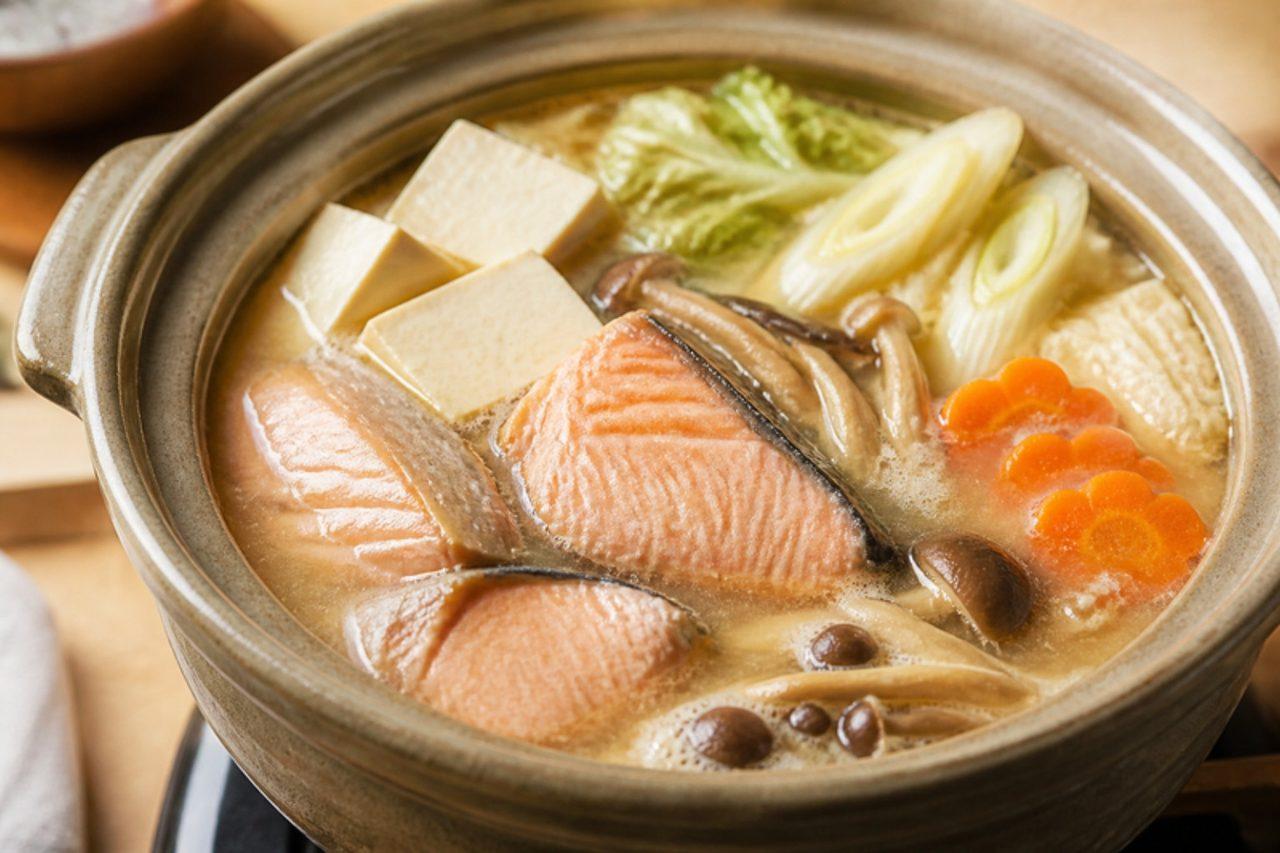
Autumn salmon swimming up the Ishikari River, near Sapporo, gave the fishing families at its mouth a glut of fish, and this miso hot pot is how they cooked it. Today Hokkaido families bring a clay pot of it to the table on cold nights from October onwards, and everyone helps themselves as it bubbles on a portable burner. Chunks of salmon, potato, cabbage, tofu and mushrooms simmer in kombu broth thickened with miso. A pinch of sansho pepper at the end lifts the richness, and some cooks melt a knob of butter on top. Chef's tip: salt the salmon for 10 minutes and pour boiling water over it before it goes in the pot, as this firms the flesh and washes away any fishy smell.
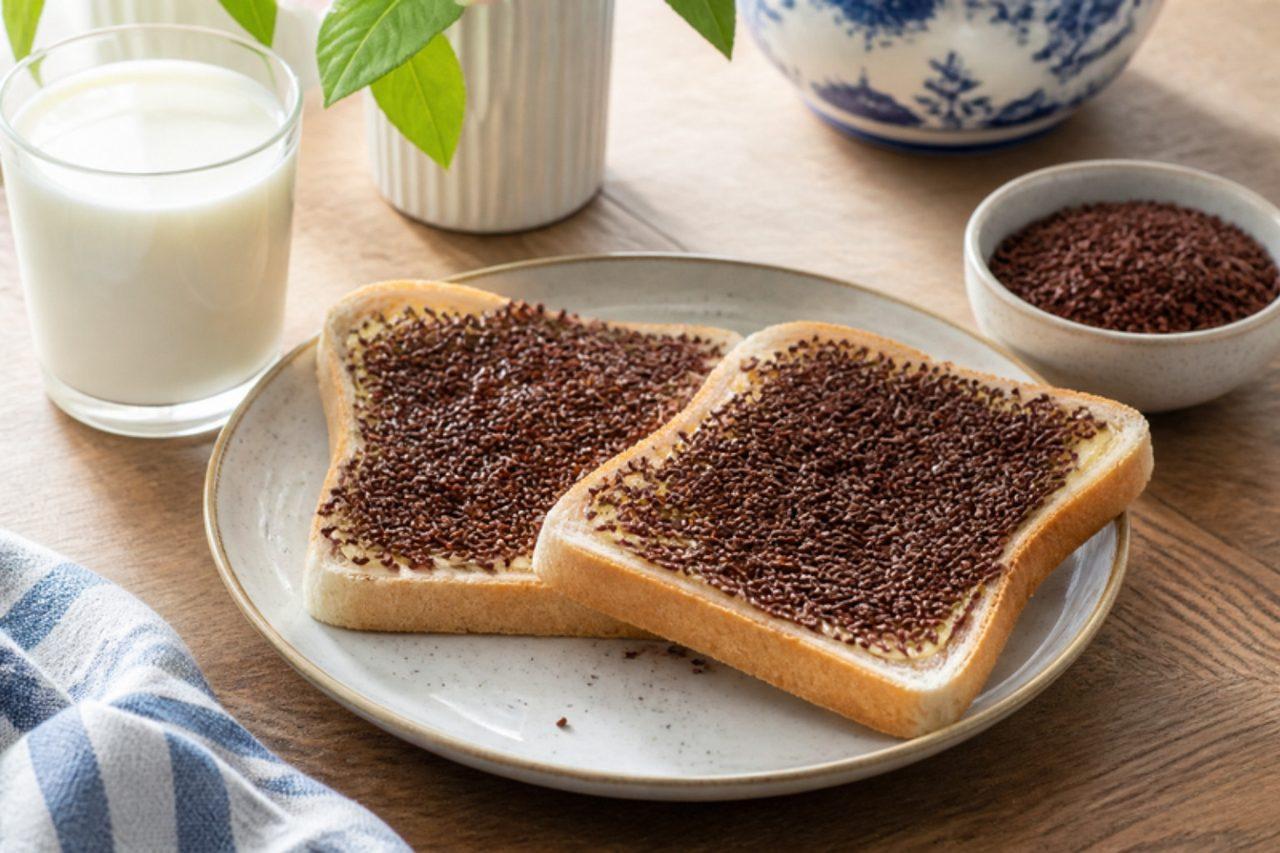
Ask anyone who grew up in the Netherlands what they ate before school and the answer is usually a boterham met hagelslag: a slice of soft bread, well buttered, and covered edge to edge in chocolate sprinkles. It is not a treat for special days but an ordinary Dutch breakfast and lunchbox filler, and the country gets through millions of kilos of hagelslag every year. There are milk and dark chocolate versions, plus vruchtenhagel (fruity pastel sprinkles) and anijshagel (aniseed sprinkles). Chef's tip: the butter is the glue, so spread it right to the crusts and press the sprinkles down gently with the flat of a knife before you lift the slice.
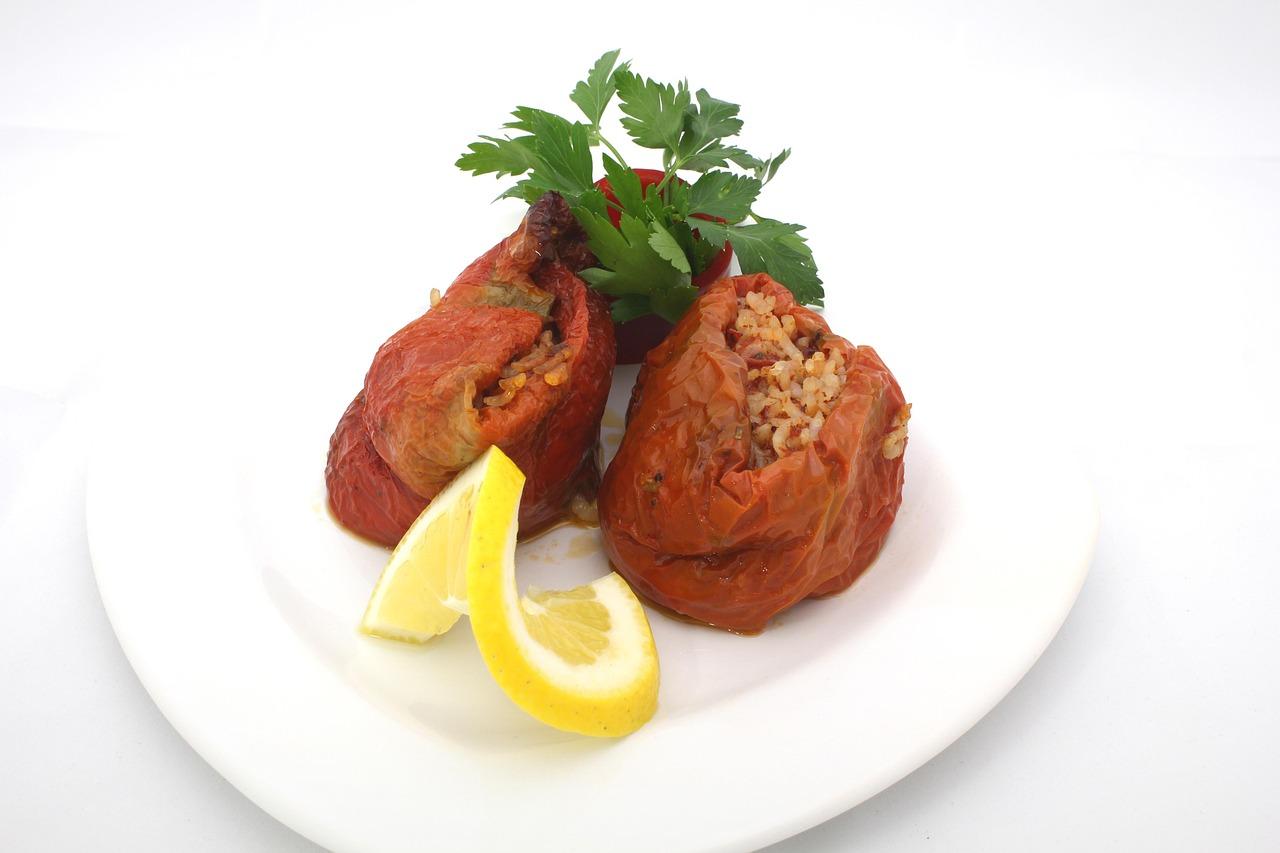
Biber dolması turns up in every corner of Turkey, from Istanbul meyhanes to village kitchens in central Anatolia, and the olive-oil version without meat is the one eaten cold at summer lunches or packed for picnics. Thin-walled green dolma peppers are filled with rice cooked with onion, tomato, pine nuts, currants and warm spices, capped with a slice of tomato and simmered until the peppers slump and wrinkle. A frequent mistake is packing the filling to the top: leave a finger of space so the rice can swell. Chef's tip: let the peppers cool completely in their pot; the filling firms up and the flavours of mint and allspice come through much more clearly than when hot.
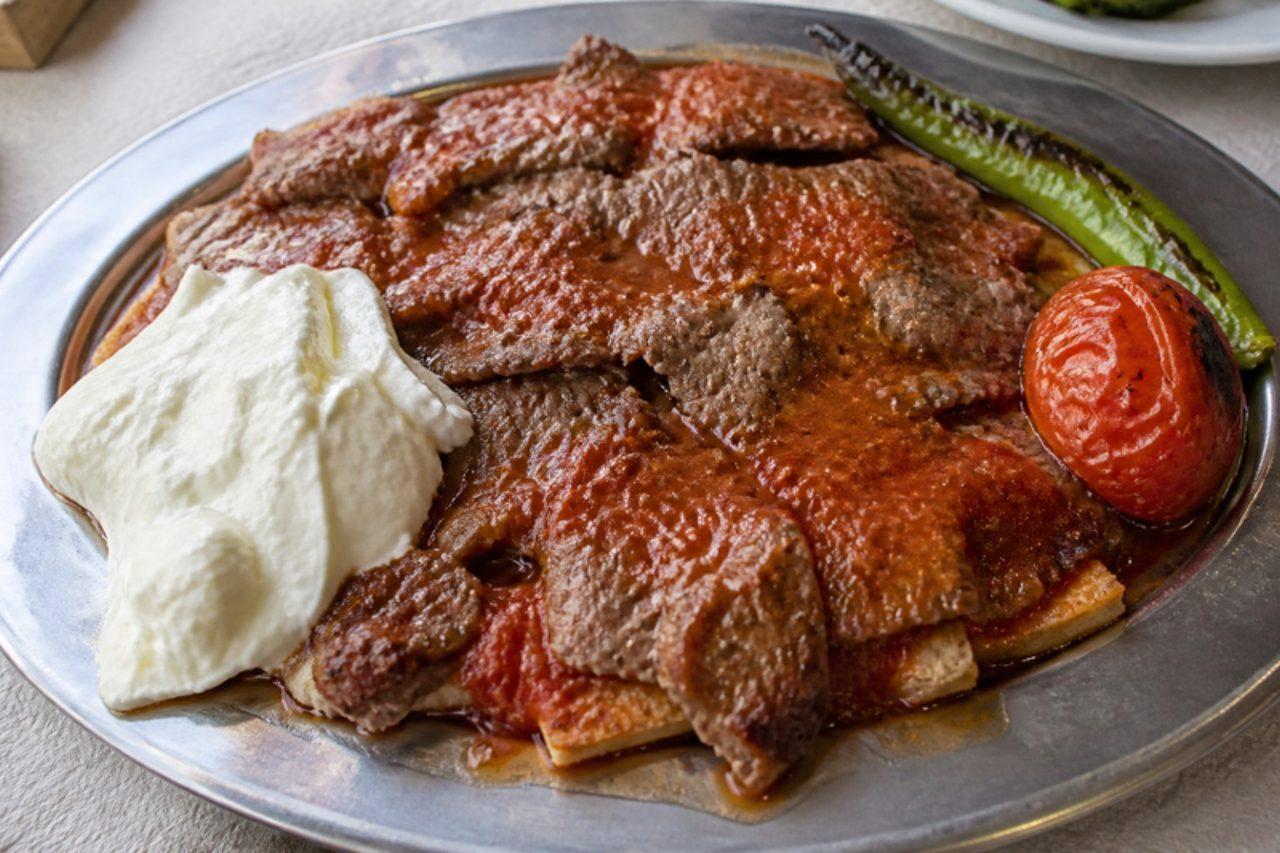
İskender comes from Bursa, the old Ottoman capital below Mount Uludağ, where restaurants have served it since the late 1800s and families still queue for it at weekend lunch. Shavings of grilled meat are laid over cubes of soft pide, soaked in a buttery tomato sauce and finished at the table with a pour of foaming brown butter beside a mound of thick yogurt. Without a vertical döner grill at home, very thin slices of marinated lamb leg seared fast in a hot pan get you close: crisp at the edges, juicy in the middle. Serve it with roasted green peppers and a glass of ayran. Chef's tip: partly freeze the meat for 30–40 minutes before slicing; it firms up and you can cut it almost as thin as döner shavings.
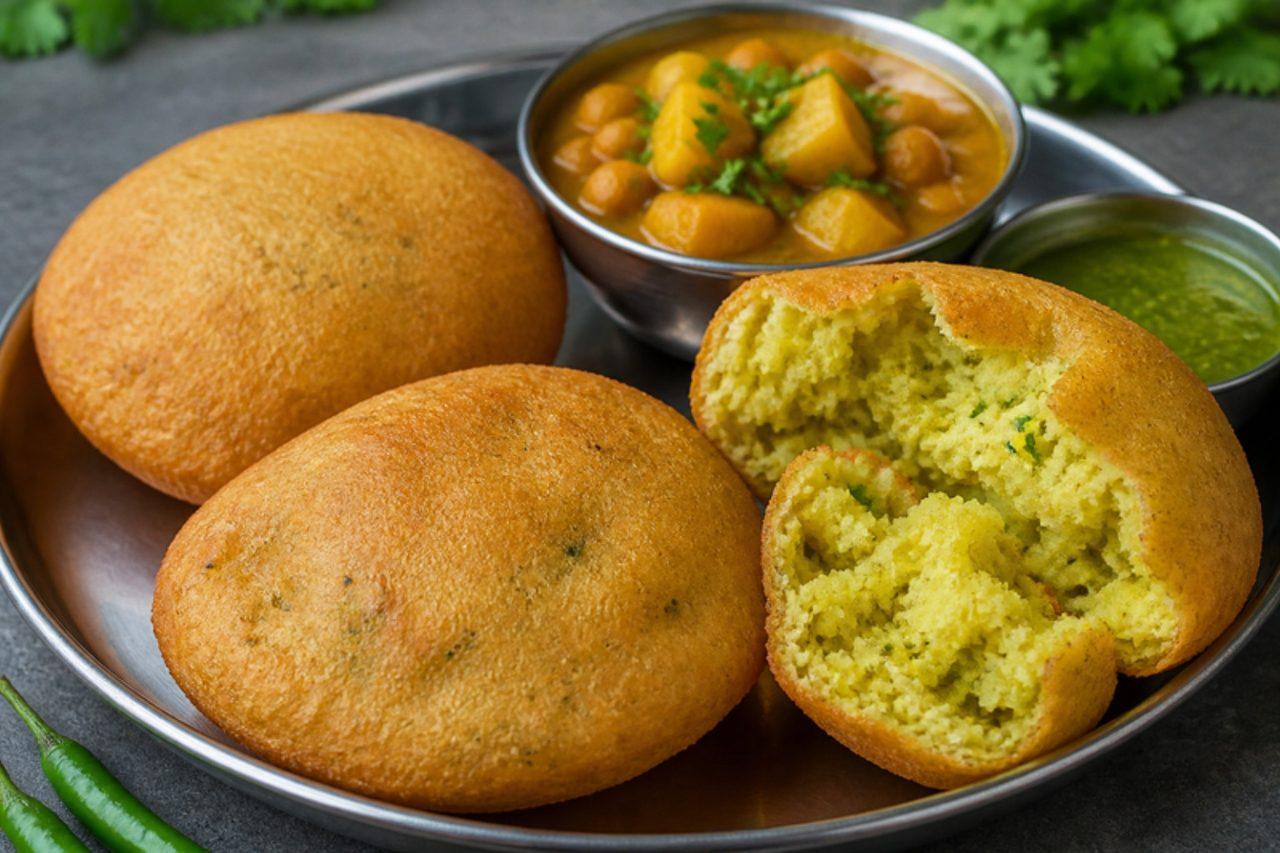
Dhuska is the breakfast of Ranchi and the whole of Jharkhand, fried fresh at roadside stalls from early morning. Rice and chana dal are soaked, ground to a thick, slightly coarse batter with green chilli and ginger, and ladled into hot oil, where each round puffs up crisp outside and soft and spongy inside. It is eaten with aloo-chana ghugni or a thin potato curry and a sharp coriander chutney, and it is a must at Jharkhandi weddings and Karma festival. Chef's tip: beat the batter hard for a couple of minutes before frying; the trapped air makes it puff without any soda.
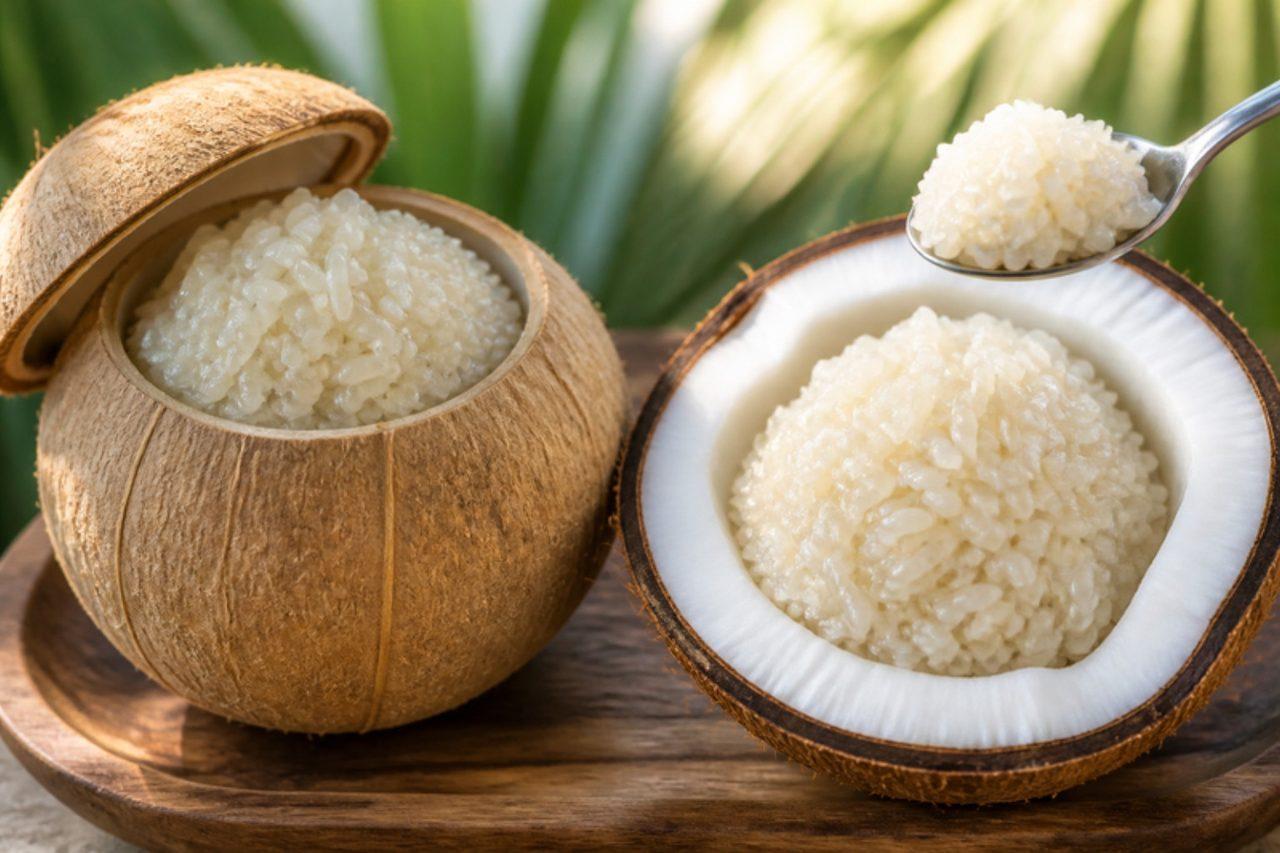
Across Hainan island, in Wenchang and Haikou especially, cooks fill whole mature coconuts with glutinous rice and steam them for hours until the rice is sticky, sweet and full of coconut flavour. The coconut is cut open at the table and served in wedges with the white flesh still attached. Look for brown, mature coconuts that slosh when shaken. Soak the rice for 4 hours first. Chef's tip: a cleaver tapped round the shell's 'equator' near the top opens it more safely than trying to saw it.
Showing 9 of 7,762 recipes
Show more recipesPage 733 of 863
 Korean

 Dutch
 Turkish