


Skip to content
Pudding and souse
Featured recipe

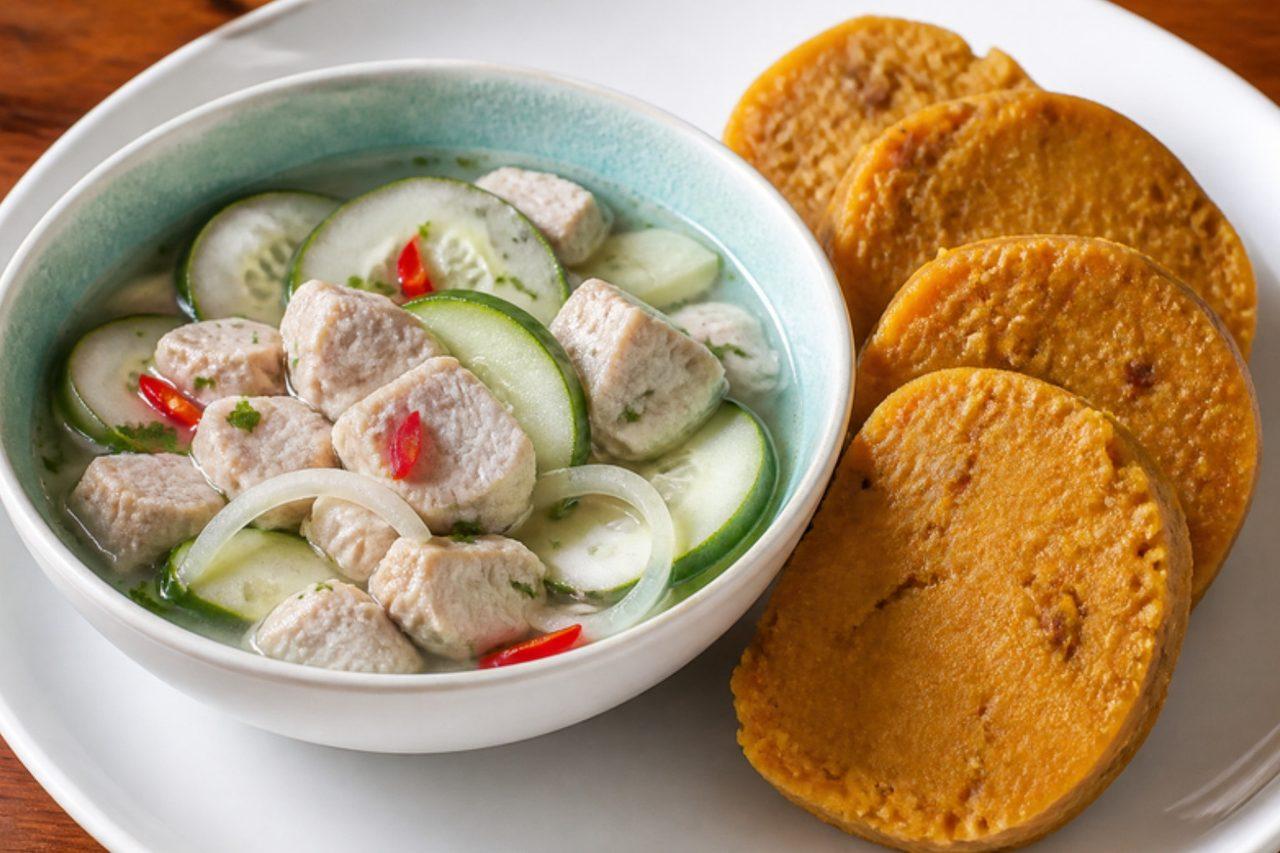
Pudding and souse

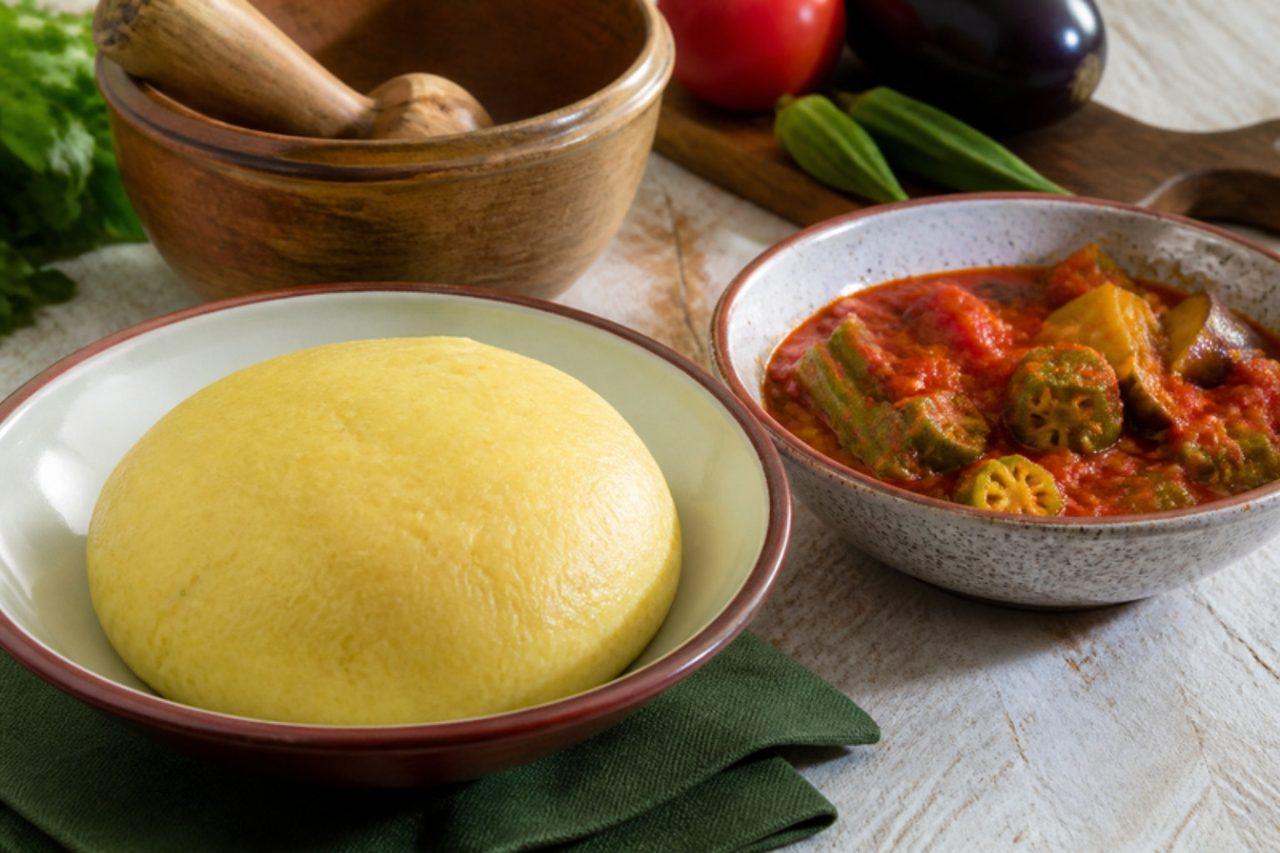
Saturday in Barbados means pudding and souse: rum shops and roadside cooks sell it from late morning, and families buy it by the container for lunch. Souse is boiled pork, traditionally from the head and trotters, served cold in a sharp, cucumber-studded pickle of lime, onion and hot pepper; the pudding is grated sweet potato seasoned with herbs and steamed. This is a pork dish. This home version uses trotters for the jelly-rich texture plus shoulder for meat, and steams the pudding in a basin instead of a casing; blood is left out (that darker version is black pudding). A common mistake is serving the souse as soon as it meets the pickle; it needs at least 2 hours in the fridge to turn sharp and cold. Chef's tip: grate the sweet potato on the fine side of the grater; coarse shreds make a crumbly pudding.

Read more 1 views

What to eat today?

Around the world

Today's trip: Persian

A new country every day, from every cuisine on the site.

Persian

Dizi

Lamb and chickpea stew 245 minMore from Persian (131) →

This week's collection

Kid-friendly dinners
537 recipes · a new collection every Monday

Latest recipes

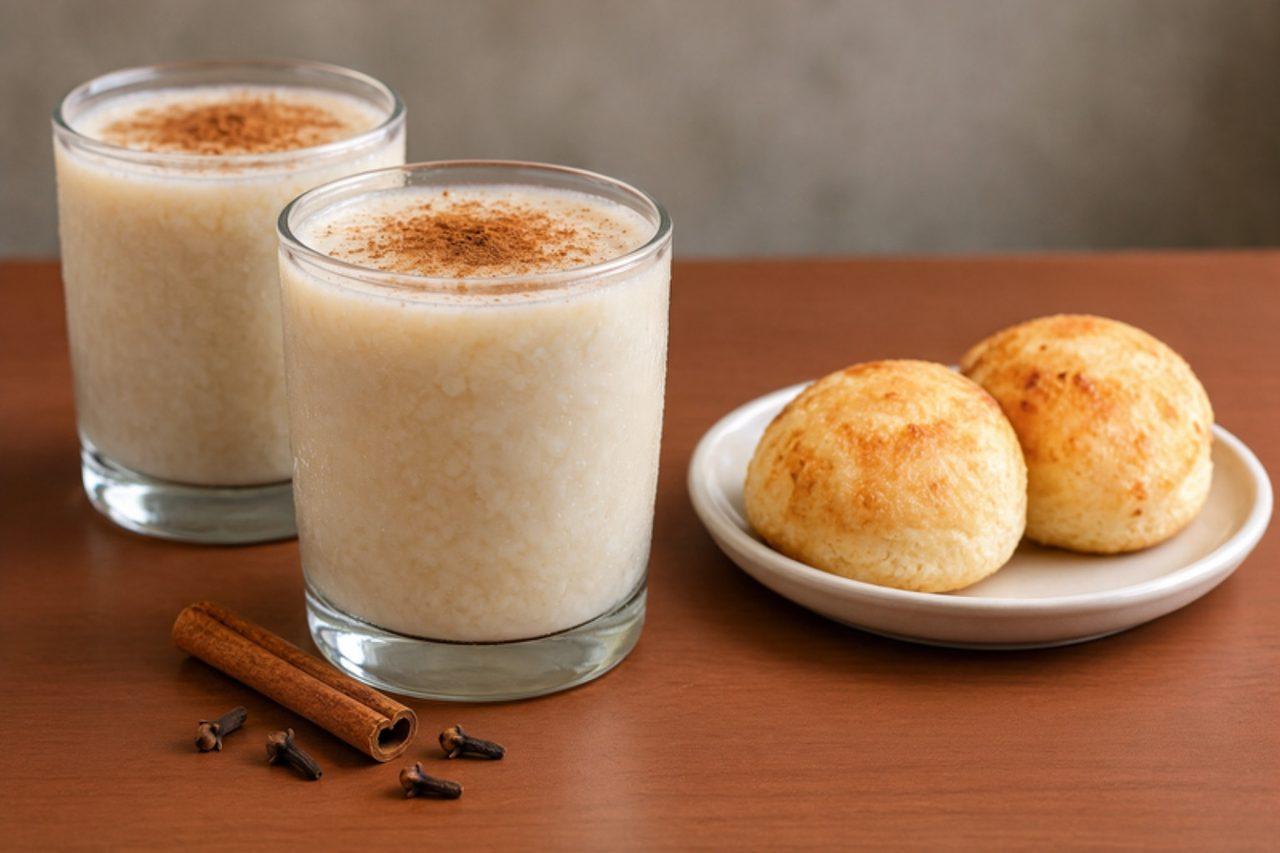
GalãoMilky espresso

Ask for a galão in a Lisbon café and it arrives in a tall glass, not a cup: one short espresso (a bica, in the capital's slang) topped up with about three times as much hot, frothy milk, so it is pale, mild and creamy. It is the breakfast and mid-morning drink of the city, ordered at the counter with a pastel de nata or a tosta mista, and the glass is held by the rim because it gets hot. A galão escuro has less milk, a galão claro more. Chef's tip: heat the milk only until it steams and the jug is too hot to hold for more than a moment, about 65 °C; boiled milk tastes flat and loses its sweetness.

by KrazyBadal 0 views

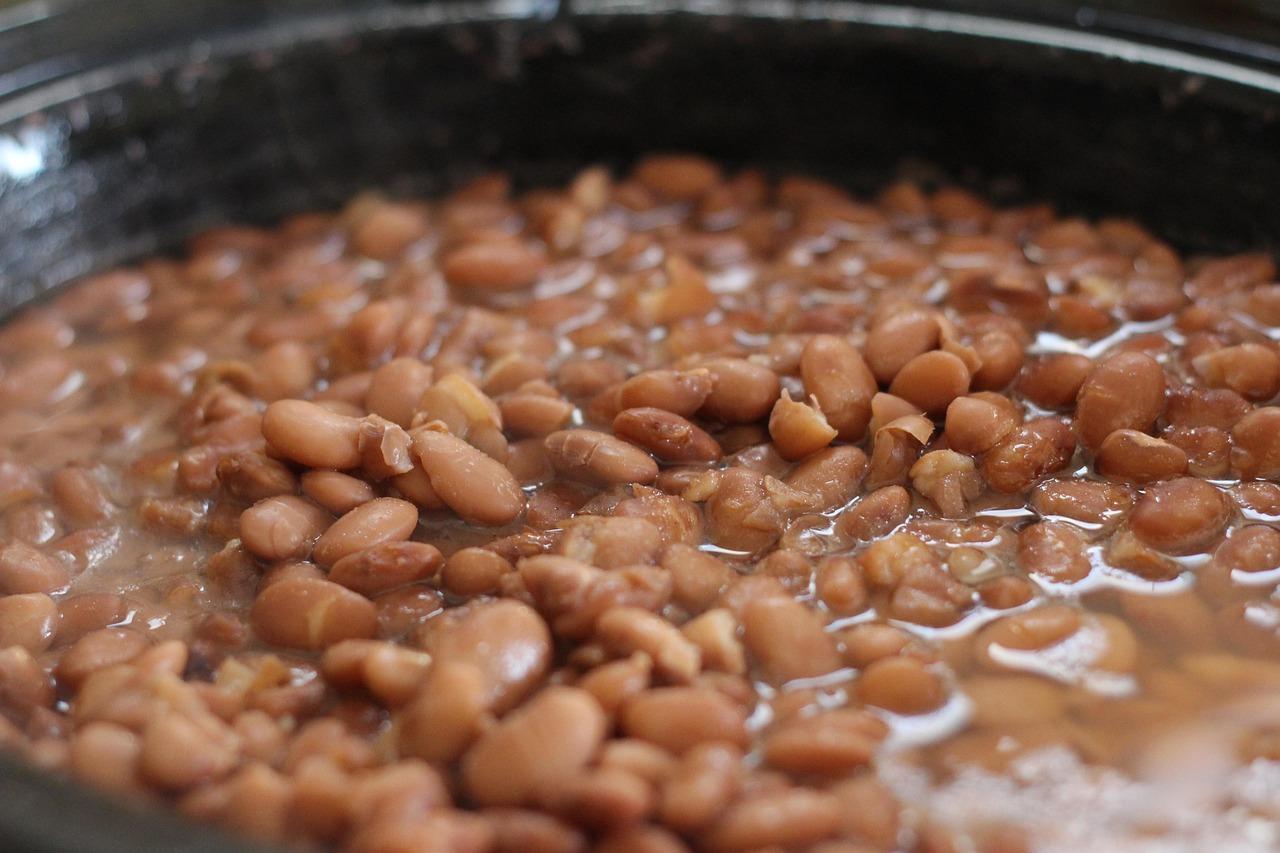
Frijoles de la olla & refritosPot beans and refried beans

Frijoles de la olla, beans cooked slowly in a pot (traditionally clay) with just onion, garlic and a sprig of epazote, are the backbone of Mexican home cooking from north to south. Served brothy in a bowl with chopped onion, chilli and lime, they are a meal on their own; mashed and fried in oil they become frijoles refritos, the creamy refried beans that go into tacos, tortas, sopes and molletes. This recipe makes both: one pot, half served as it is, half refried. We fry in vegetable oil rather than lard, so it is vegan. Chef's tip: salt the beans only once they are tender; salting at the start won't stop them cooking, but adding it late seasons the broth better and saves you from oversalting as it reduces.

120 minMexicanSidesVeganGluten free
by KrazyBadal 0 views

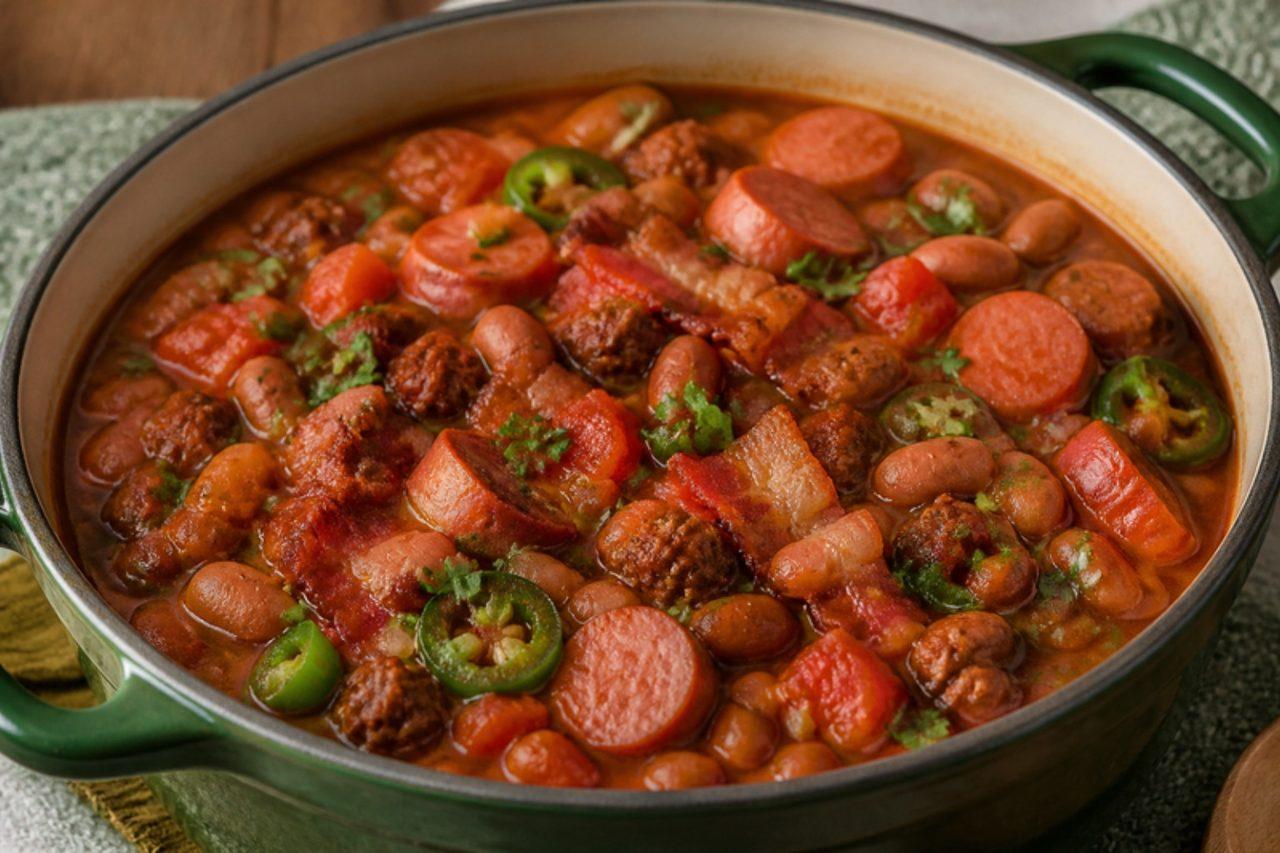
Frijoles charrosPinto beans with bacon and chorizo

Around Monterrey in Nuevo León, no carne asada is complete without a pot of frijoles charros keeping warm at the side of the grill. Soupy pinto beans cook down with smoky bacon, chorizo, tomato and fresh chilli until the broth is rich and brick-coloured, and they are spooned into small cups next to grilled beef, guacamole and flour tortillas. Some cooks in the north add sliced frankfurters too; we keep that optional. Chef's tip: cook the beans plain until they are fully soft before the tomato goes in, because acid stops beans softening.

165 minMexicanSidesGluten free
by KrazyBadal 0 views

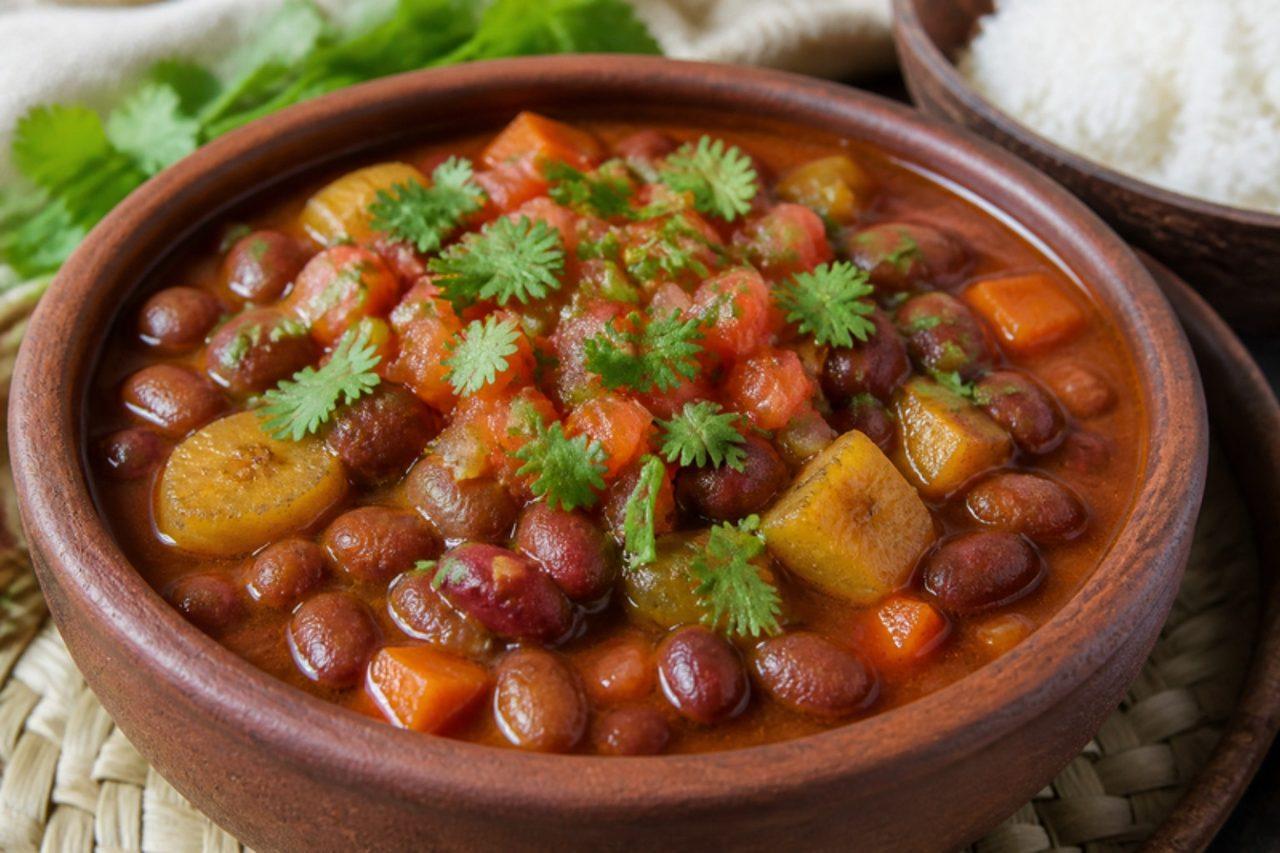
Frijoles antioqueñosRed beans with plantain

In Medellín and across Antioquia, red cargamanto beans simmered for hours are the heart of the bandeja paisa and of everyday lunch. The beans cook with grated green plantain and carrot, which melt in and thicken the pot, and are finished with hogao, the tomato and spring onion sauce. This version leaves out the pork hock and gets its depth from a long simmer and a smoky pinch of paprika. Serve with white rice, avocado and an arepa. Chef's tip: grate the plantain on the fine side of the grater; it dissolves into the beans and makes them creamy.

by KrazyBadal 0 views

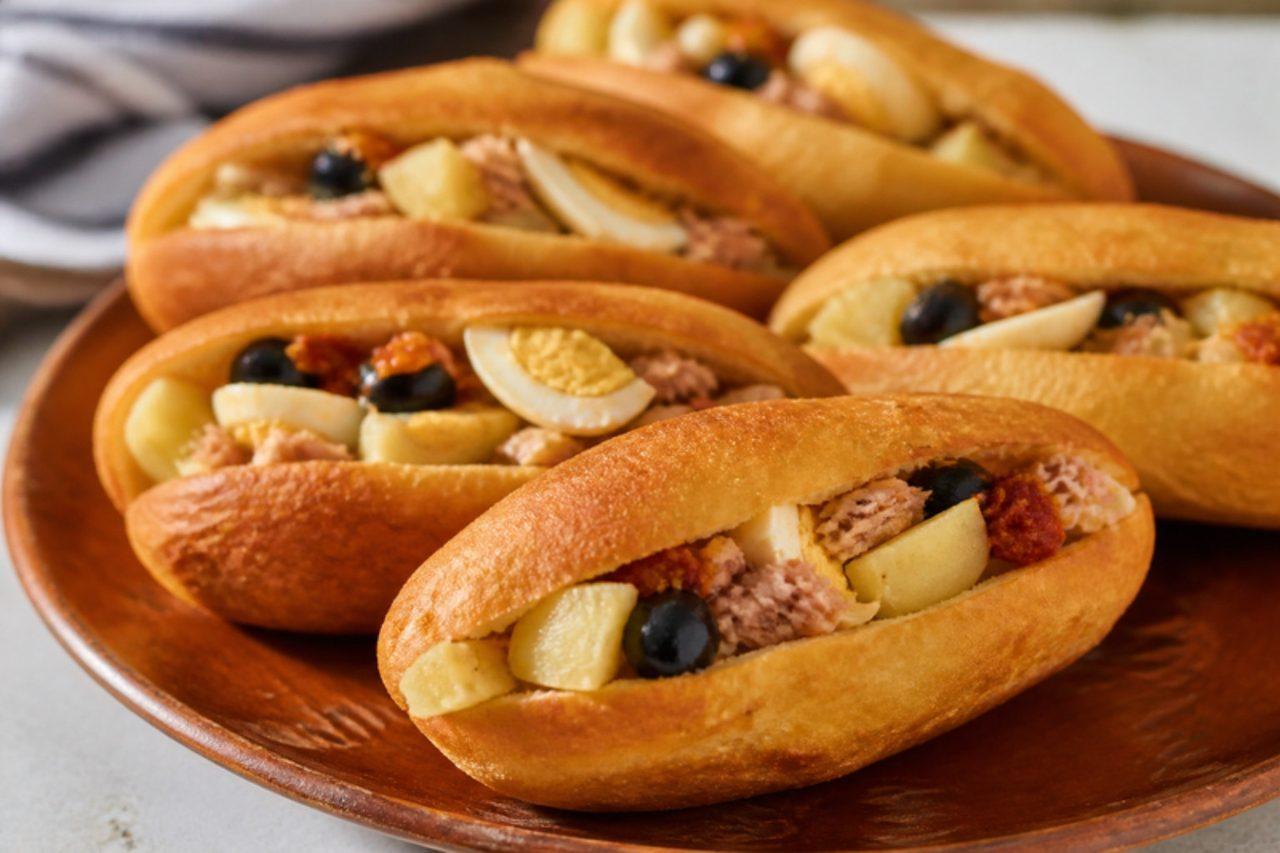
Tunisian fricasséFried rolls with tuna and egg

Fricassé are the small, soft fried rolls sold from glass-fronted counters in Tunis and the coastal towns, split while still warm and filled to order with tuna, boiled egg, olives, boiled potato, mechouia salad and a smear of harissa. They are an afternoon snack, a beach lunch and a Ramadan favourite. The mistake is frying the dough when the oil is too cool, which makes it greasy and heavy; keep the oil at 170 °C. Chef's tip: give the shaped rolls a full second rise so they puff and stay light inside.

by KrazyBadal 0 views

FrappéShaken iced coffee

The frappé was invented by accident at the Thessaloniki International Fair in 1957, when a coffee rep shook instant coffee with cold water because there was no hot water to hand. Within a few years it was the drink of every Greek café and beach bar, sipped slowly through a straw for an hour or more. Instant coffee, sugar and a little water are shaken or frothed into a thick, light-brown foam, then topped up with cold water, ice and, if you like, milk. Order it sketos (no sugar), metrios (medium) or glykos (sweet). Chef's tip: use only a splash of water for the first shake; adding all the water at once is the common mistake and you get thin coffee with no foam.

by KrazyBadal 0 views

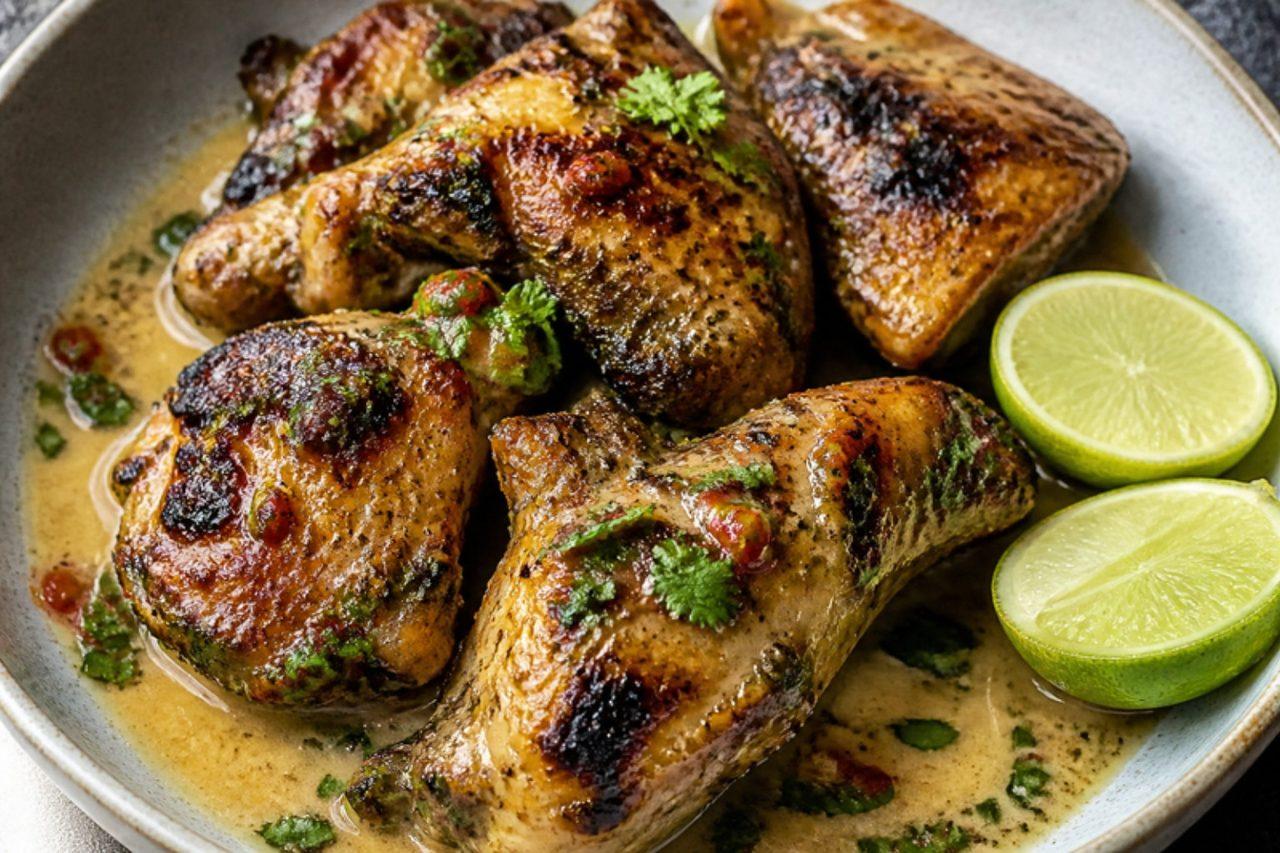
Frango à zambezianaCoconut-lime grilled chicken

Frango à zambeziana comes from Quelimane and the Zambezia province of central Mozambique, where coconut palms line the coast: chicken is marinated in coconut milk, lime, garlic and piri-piri chilli, then grilled over coals and basted with the marinade, boiled down into a sauce. It is served with rice or xima (maize porridge) at weekend lunches. The mistake is basting with raw marinade right up to the end; boil it first so it is safe and turns into a creamy sauce. Chef's tip: spatchcock the chicken or use pieces so it grills evenly.

by KrazyBadal 0 views

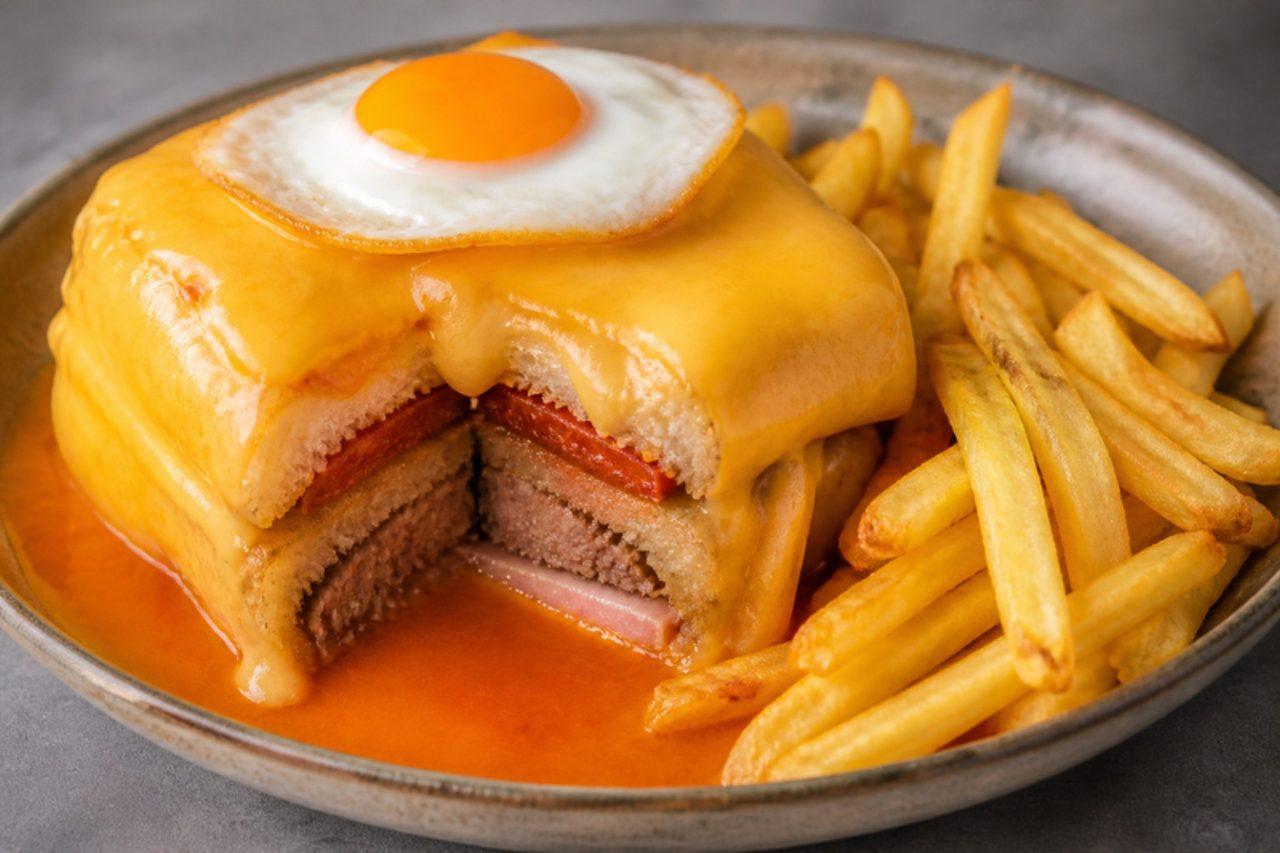
FrancesinhaLayered meat sandwich with beer sauce

The francesinha ('little French girl') belongs to Porto, where it was dreamed up in the 1950s by a cook inspired by the croque monsieur, and it is now the city's famous late-night and match-day meal. This sandwich contains pork: thick bread is layered with steak, ham and fresh sausage, covered in cheese slices, then drowned in a spicy tomato sauce made with beer and port-style fortified wine. For an alcohol-free sauce, use alcohol-free beer, or beef stock with a teaspoon of honey. Serve with chips and a fried egg on top if you dare. Chef's tip: simmer the sauce for at least 20 minutes and blend it smooth; it should be thick enough to cling, not run off.

by KrazyBadal 0 views

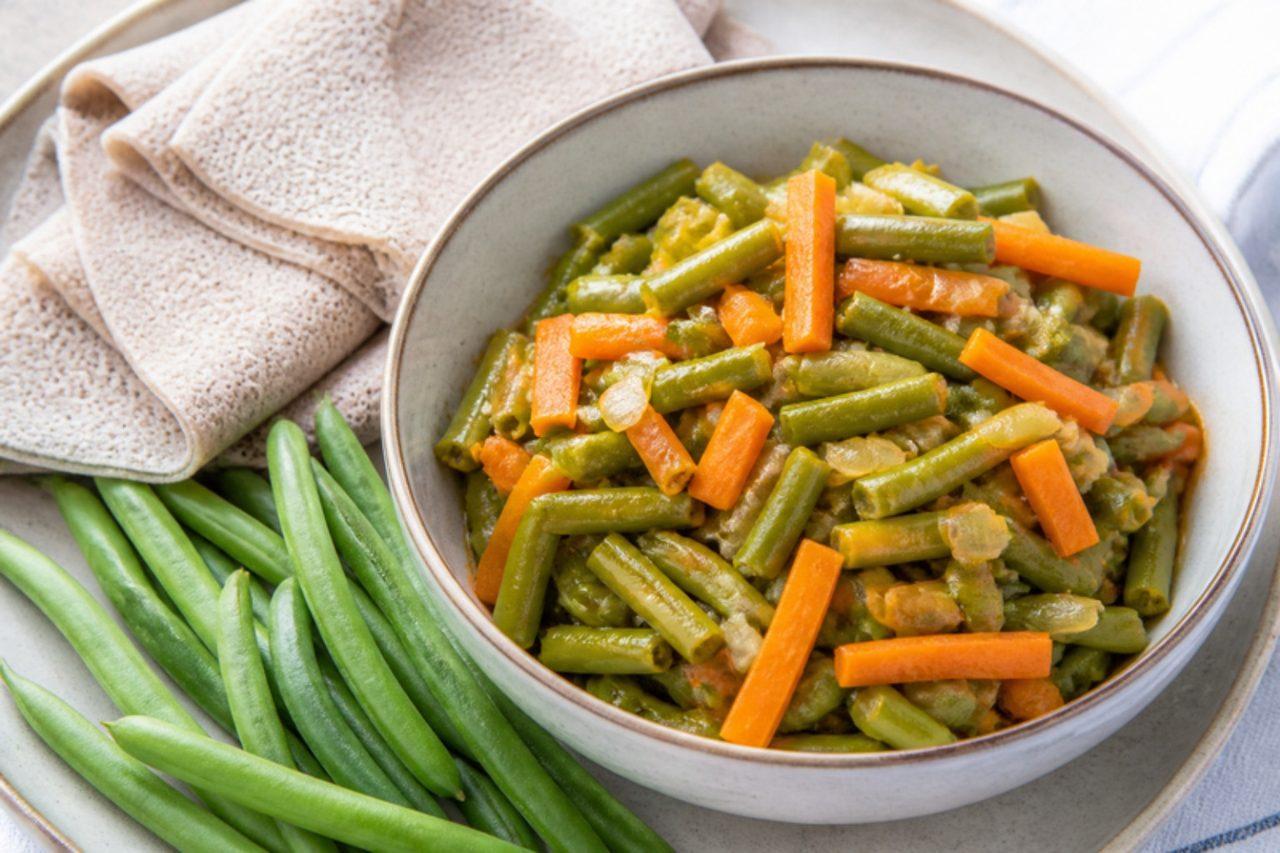
FosoliaGreen beans and carrots

Fosolia takes its name from the Italian fagioli, a reminder of the Italian occupation of the 1930s, but it is now completely Ethiopian and a regular on fasting platters in Addis Ababa and Dire Dawa. Green beans and carrot batons are cooked with lots of onion, garlic and ginger until tender but still bright, then served warm with injera or rice. It is quick, mild and colourful. Chef's tip: cut the beans and carrots to the same length and thickness so they cook evenly.

by KrazyBadal 0 views

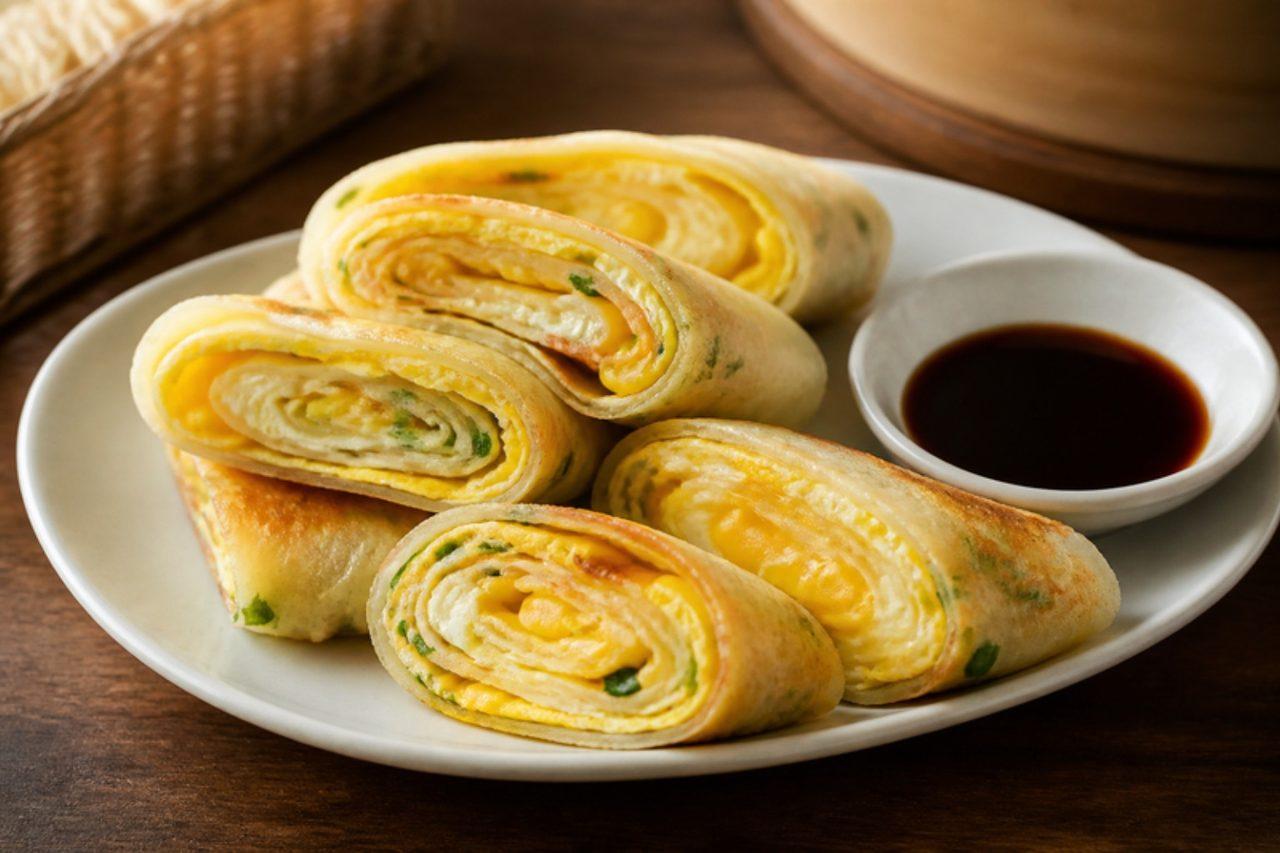
Taiwanese dan bingEgg crepe rolls

Every morning, breakfast shops on almost every block in Taiwan (zǎocān diàn) pour thin, chewy crêpes onto a flat griddle, crack an egg over them and roll them up into a soft log in under a minute. Customers order them plain, with corn, with cheese, or with basil, alongside a cup of soy milk or milk tea. The batter uses some tapioca starch, which gives that bouncy, slightly stretchy bite. Chef's tip: spread the egg over the crêpe while the top of the batter is still a little tacky; they bond into one layer and don't split apart when you roll.

by KrazyBadal 0 views

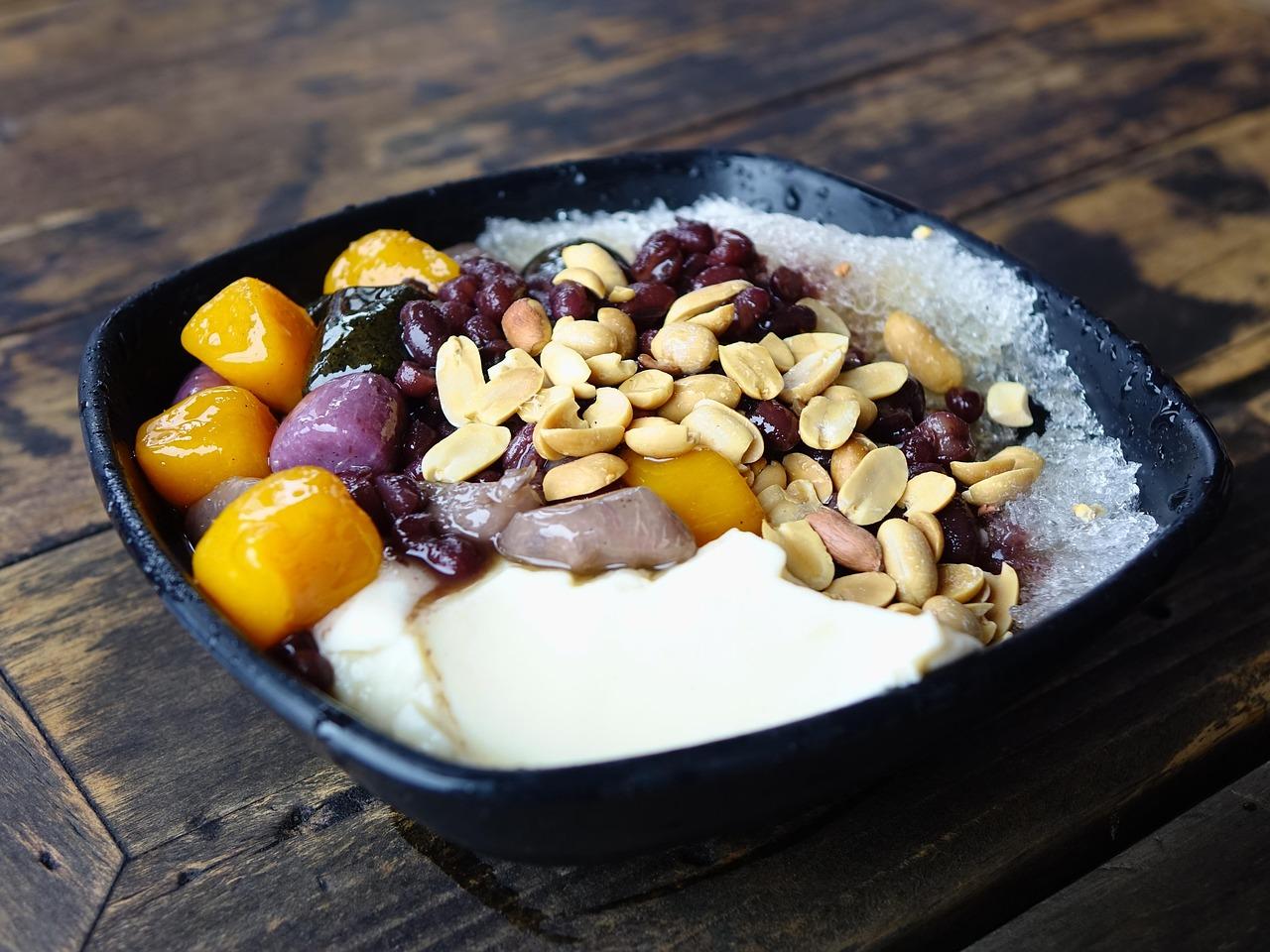
Douhua with ginger syrup and peanutsTofu pudding with ginger syrup

On summer evenings in Tainan and at old shops near Taipei's temples, douhua is ladled in wobbling scoops from a wooden bucket into bowls of cool syrup, then topped with soft-boiled peanuts, red beans or taro balls. In winter the same pudding is served warm with a sharper ginger syrup. It is just soy milk set into the most delicate curd, softer than any tofu you buy. Chef's tip: use a plain, unsweetened soy milk with at least 7% soy solids (or make your own); thin supermarket soy milk won't set properly.

by KrazyBadal 0 views

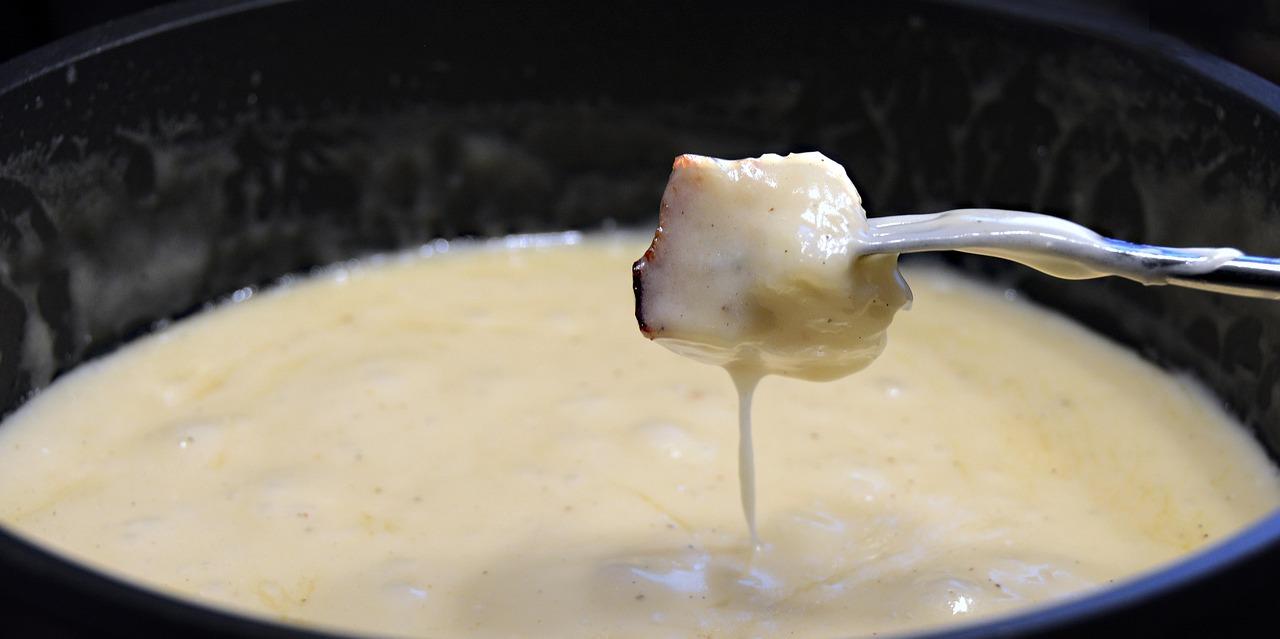
Fondue moitié-moitiéGruyère and Vacherin fondue

Moitié-moitié means half and half, and in Fribourg it names the canton's own fondue: equal weights of nutty Gruyère and soft, buttery Vacherin fribourgeois melted with dry white wine in a glazed earthenware caquelon. Families light the burner in the middle of the table on cold evenings from October to March, and ski huts above Gruyères serve it after a day on the slopes. The Vacherin makes it silkier and milder than a Gruyère-only fondue, so it clings to the bread in a thick, glossy coat. Serve with day-old bread, a plate of cornichons and small boiled potatoes, and drink white wine or warm black tea with it; locals say cold water sits badly with all that cheese. Traditional Gruyère and Vacherin are made with animal rennet, so for a vegetarian table look for wheels labelled with microbial or vegetarian rennet, or ask a cheesemonger for a similar Alpine cheese that uses it. Chef's tip: grate the cheese rather than cubing it and let it come to room temperature for 30 minutes; it melts evenly and the fondue stays smooth.

by KrazyBadal 0 views

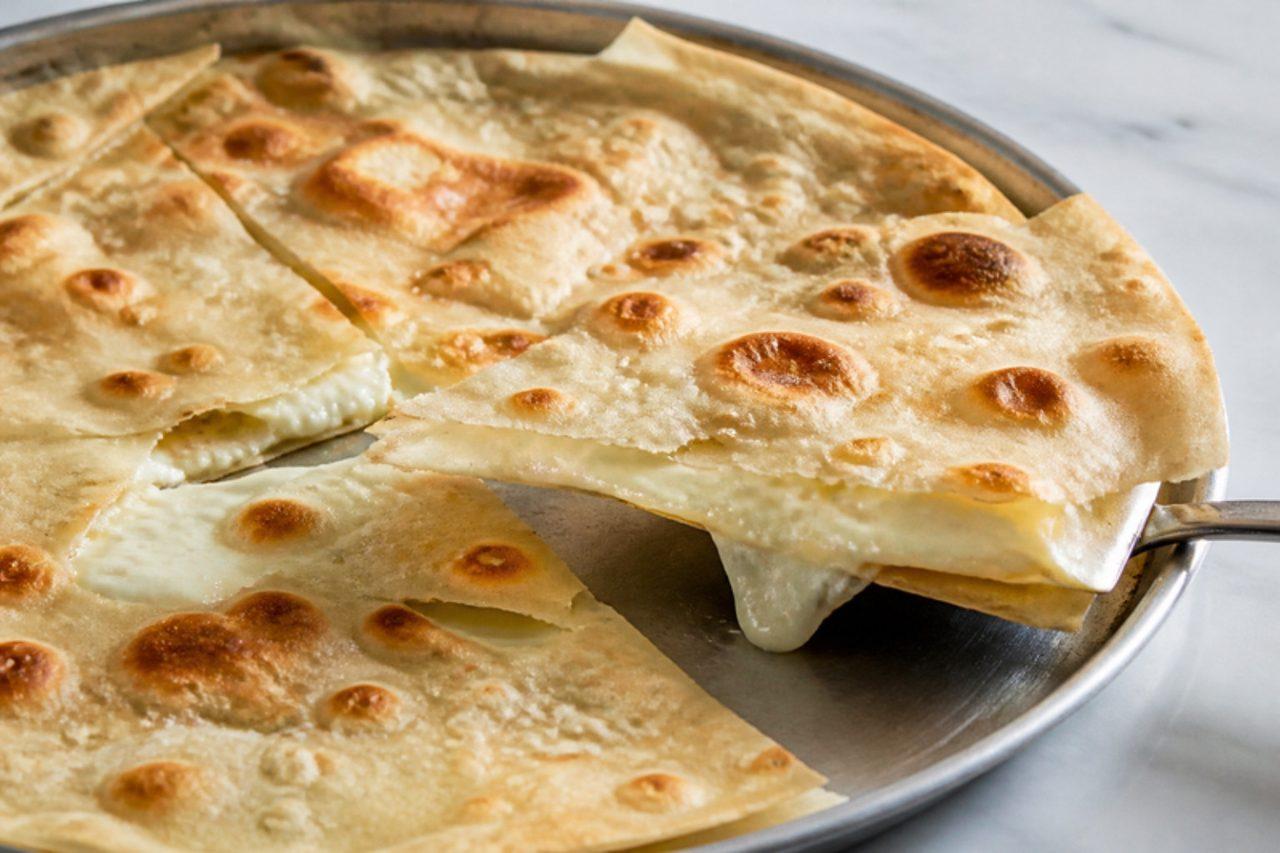
Focaccia di ReccoThin cheese-filled flatbread

Focaccia di Recco has nothing to do with the thick, bubbly focaccia most people know: it is two sheets of unleavened dough stretched almost transparent, with blobs of soft, tangy cheese in between, baked in a blisteringly hot oven for a few minutes. It comes from the seaside town of Recco, east of Genoa, where bakeries sell it in the morning and families eat it as a first course. At home, use stracchino or crescenza, the creamy fresh cheeses closest to Ligurian prescinseua. Chef's tip: stretch the dough over the backs of your hands like a pizzaiolo; rolling alone never gets it thin enough.

by KrazyBadal 0 views

Foutou bananePounded plantain and cassava

Foutou is the pounded staple of the Baoulé country around Bouaké and Yamoussoukro: boiled plantain, often mixed with cassava, pounded in a wooden mortar into a smooth, stretchy, slightly sweet ball. It is eaten with the fingers, pulled off in pieces and dipped into sauce graine (palm nut), sauce arachide or okra sauce. A food processor followed by a short knead does the job at home. Chef's tip: pound while everything is steaming hot; cold plantain will not come together and stays lumpy.

by KrazyBadal 0 views

Vegetarian FlammkuchenLeek and mushroom tarte flambée

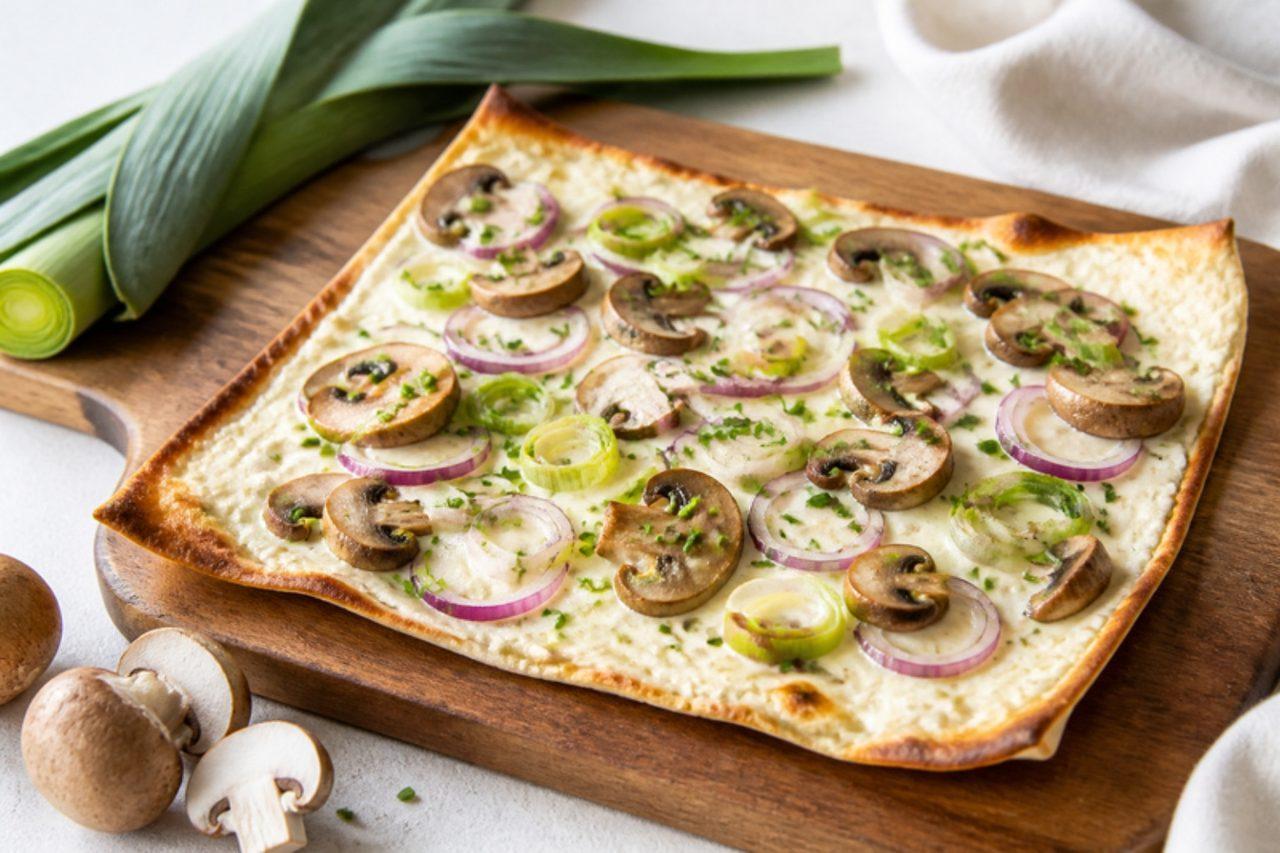
Flammkuchen comes from the borderlands of Alsace, Baden and the Palatinate, where farmers baked it on bread day to test the heat of the wood oven. The dough has no yeast and is rolled almost as thin as paper, spread with crème fraîche or quark and baked hot and fast so the edges blister and char in spots. The classic topping is onion and bacon; around Strasbourg and Freiburg the leek and mushroom version is a popular meat-free choice, often eaten with a glass of new wine in autumn. Chef's tip: bake it as hot as your oven will go, on a preheated tray or stone; a Flammkuchen baked at a moderate heat turns out bready instead of crisp.

by KrazyBadal 0 views

Fish ambul thiyalSour tuna curry

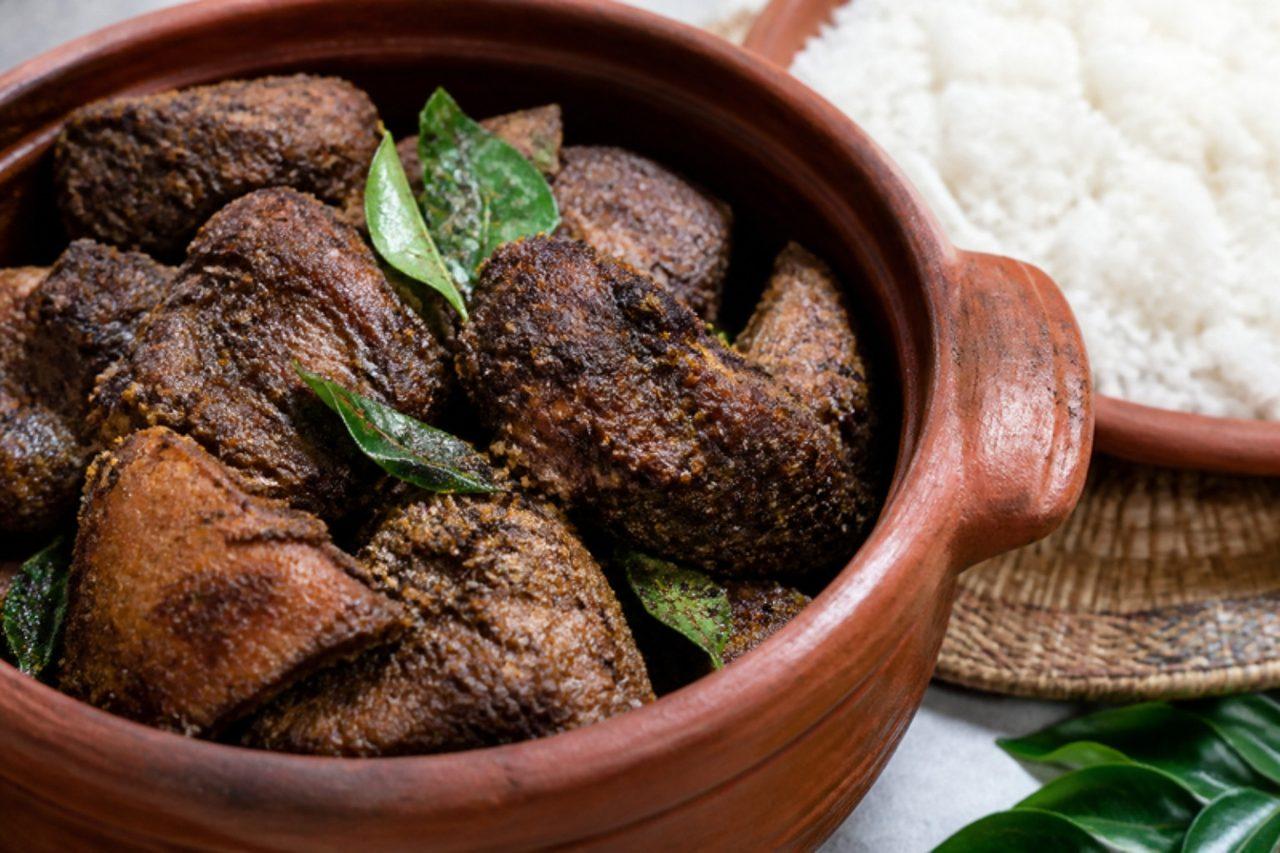
Ambul thiyal means 'sour stew', and it comes from the fishing towns of the south coast, around Matara, Galle and Tangalle. Fishermen once cooked it so the tuna would keep for days without a fridge: almost no liquid, plenty of goraka and black pepper, slowly reduced in a clay pot until each chunk is dark and coated. Today it is a favourite rice-and-curry dish on Sundays and holidays, and people often pack it for long journeys. It is sharp, peppery and firm, so a little goes a long way with rice and a coconut sambol. Chef's tip: cut the tuna into big 4 cm chunks; small pieces fall apart during the long, slow reduction.

by KrazyBadal 0 views

Fırın sütlaçBaked rice pudding

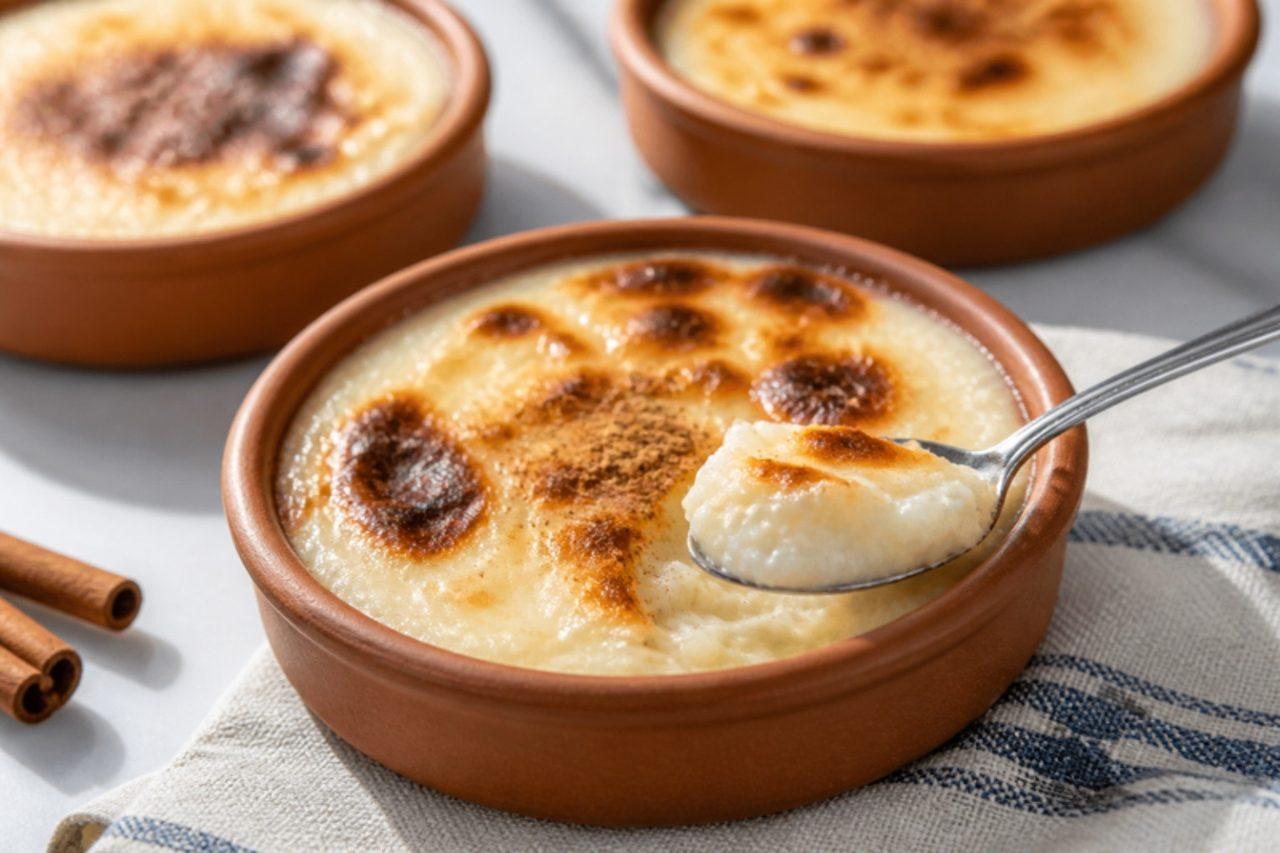
In Turkish pudding shops (muhallebici) from Istanbul to Ankara, fırın sütlaç is served chilled in little clay bowls, its surface blistered dark brown under the grill while the rice pudding beneath stays creamy and cool. It is a dessert families make on Sunday or for guests, since it has to set in the fridge for a few hours, and it travels well to neighbours during Ramadan evenings. The flavour is clean milk and vanilla, thickened with rice flour rather than eggs, so it is light compared with Western rice puddings. Eat it cold, plain or dusted with cinnamon or ground hazelnuts. Chef's tip: stand the filled bowls in a tray of cold water before they go under the grill; the water keeps the pudding from boiling up while the top browns.

by KrazyBadal 0 views

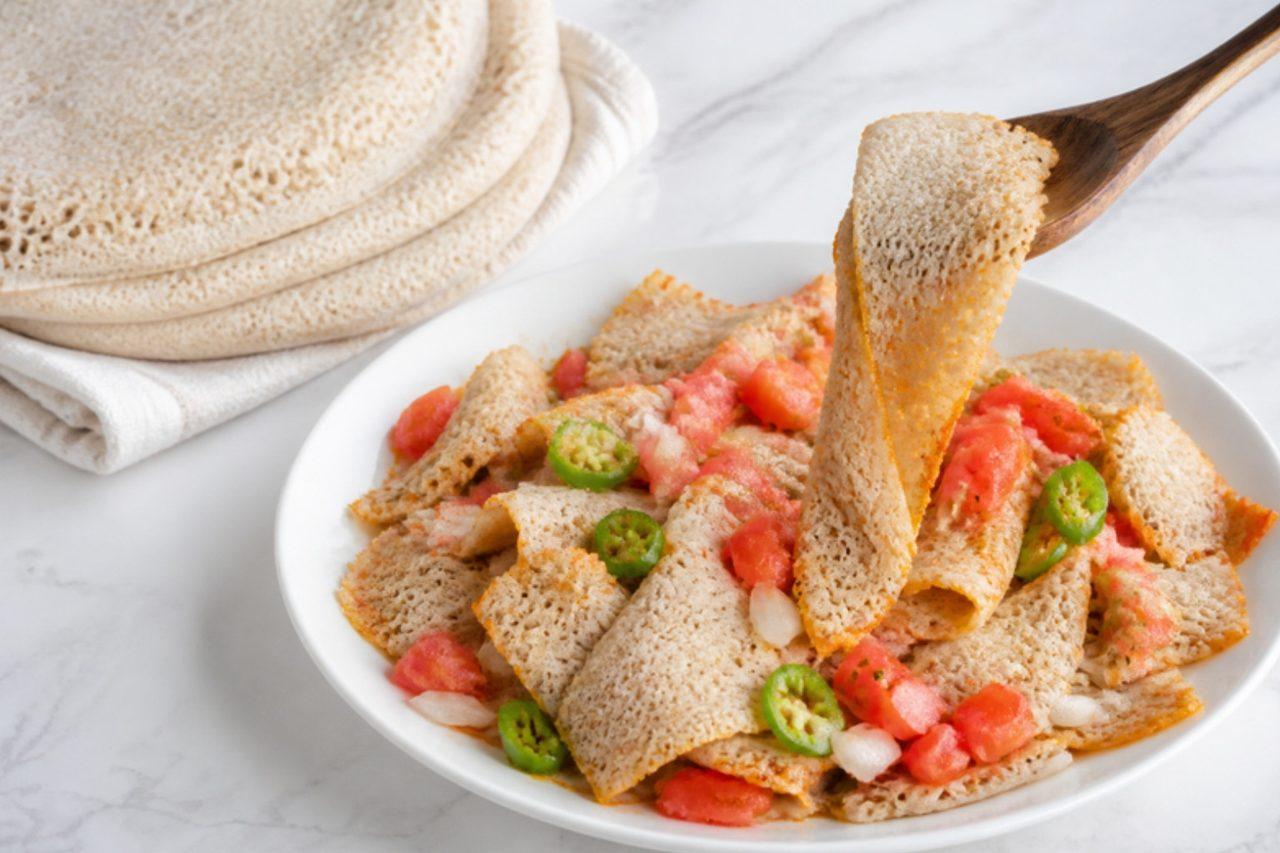
FirfirTorn injera in spicy sauce

Firfir (or fitfit) is what Ethiopian households do with yesterday's injera: torn into pieces and tossed in a hot, oniony berbere sauce until it soaks up all the flavour. It is breakfast in Addis Ababa cafés and homes alike, eaten with a spoon or, more often, scooped up with fresh injera. This version uses oil, making it suitable for fasting days; on other days a spoon of niter kibbeh adds richness. Chef's tip: use day-old injera; fresh injera is too soft and turns to mush in the sauce.

by KrazyBadal 0 views

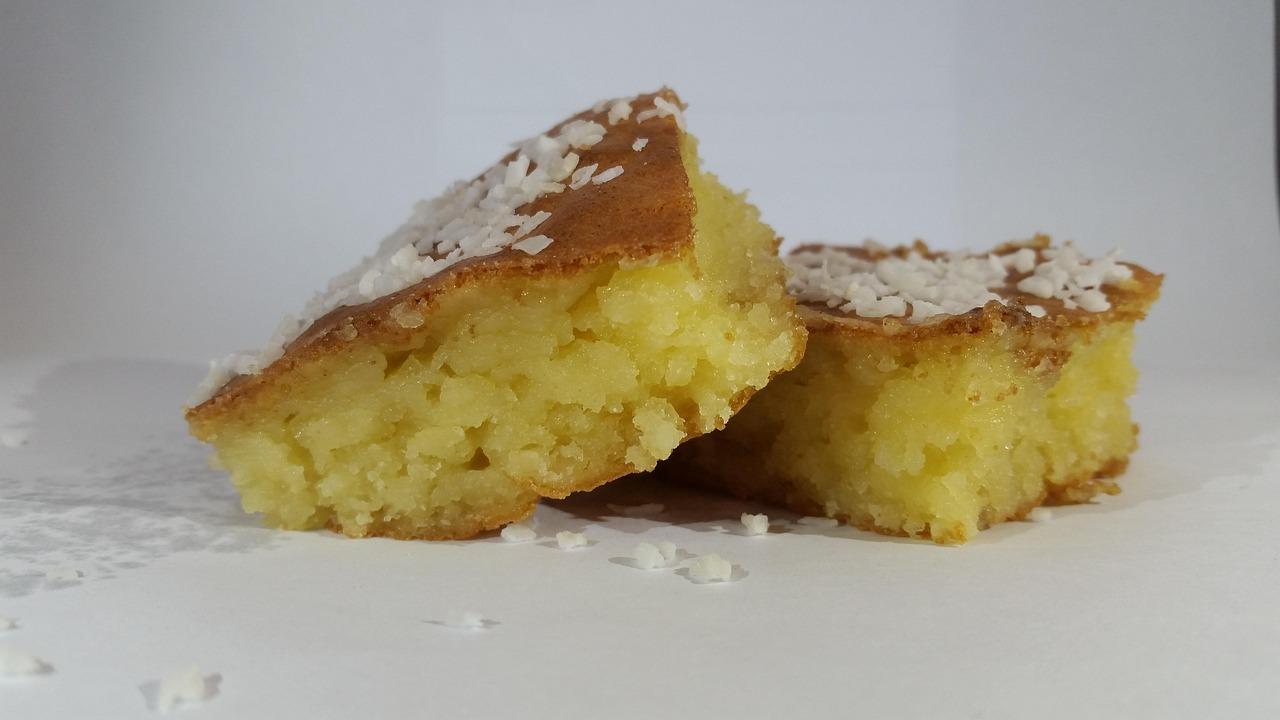
Fijian cassava cakeCassava and coconut cake

In Fiji, cassava (tavioka) is everyday food, and grated sweet cassava cake turns up at village feasts, church bazaars and morning tea across Viti Levu. Fresh cassava is finely grated and baked with coconut milk, sugar, butter and a little vanilla into a heavy, chewy, golden cake that's cut into squares. It's naturally gluten free and keeps well for a couple of days. Chef's tip: squeeze some of the liquid out of freshly grated cassava; too wet and the cake stays gluey in the middle.

by KrazyBadal 0 views

Tajine malsoukaBaked egg and cheese pie

In Tunisia a tajine is not a stew but a thick baked frittata, and tajine malsouka is the festive one: eggs, cheese and filling baked between layers of malsouka pastry so the top and bottom turn crisp and golden. It is served at Ramadan, weddings and Eid, cut into squares. Chicken is the usual filling; here spinach, potato and white beans give it body. Chef's tip: brush every pastry sheet with butter, edge to edge; dry corners burn in the oven.

by KrazyBadal 0 views

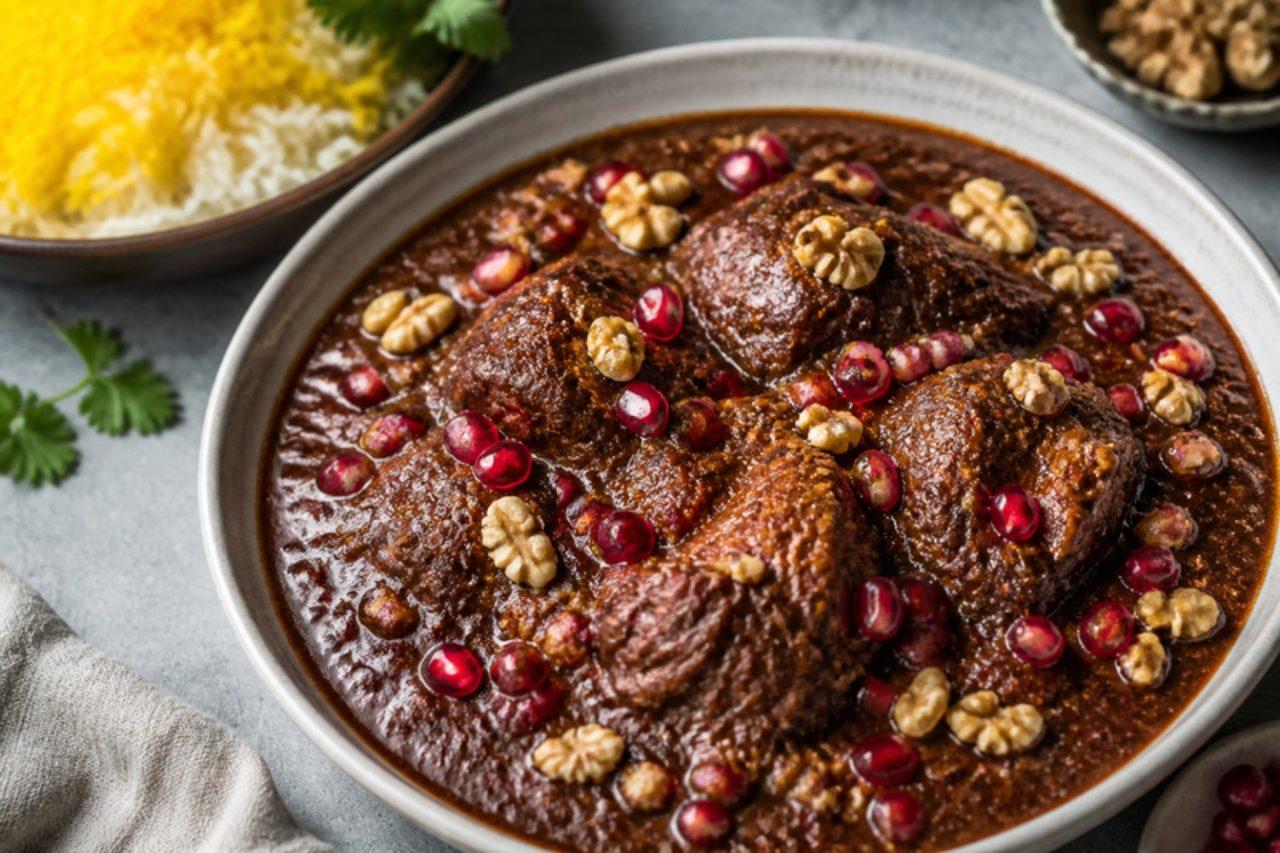
FesenjanChicken in pomegranate walnut sauce

In the rice paddies and forests of Gilan on the Caspian coast, fesenjan is cooked with duck or chicken in autumn, when walnuts are freshly cracked and pomegranates ripen; across Iran it now marks Yalda night in December and big family dinners. Ground walnuts are toasted, then simmered slowly with pomegranate molasses until their oil rises and the sauce turns almost chocolate-brown, thick and glossy, tangy first and gently sweet after. Chicken thighs braise in it until they are spoon-tender. Serve it over saffron chelow rice with a crisp tahdig. Chef's tip: stir the walnut paste over a low heat for a full hour; the longer, slower cook is what darkens the sauce and brings the walnut oil to the surface.

by KrazyBadal 0 views

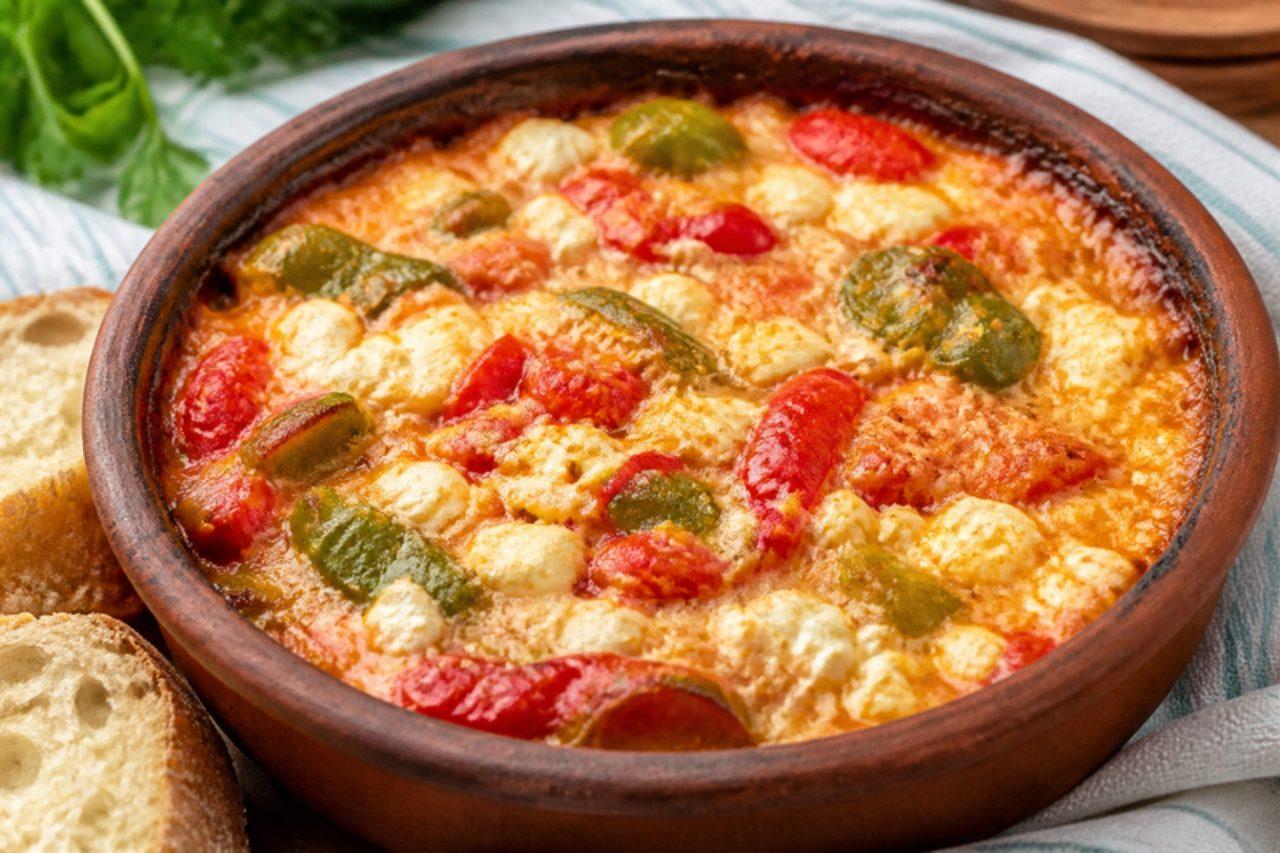
FërgesëBaked peppers and tomatoes with cheese

Fërgesë is the dish people in Tirana order at lunchtime in a small clay pot, still bubbling, with a basket of bread for dipping. Soft fried peppers and tomatoes are folded through gjizë, Albania's fresh salted curd cheese, then baked until the top spots golden. The meatless version with peppers is the everyday one across central Albania; it is rich, tangy and gently spicy. Ricotta mixed with a little feta is a good stand-in for gjizë outside Albania. Chef's tip: cook the tomatoes down until thick before the cheese goes in; a watery fërgesë that splits in the oven is the usual mistake.

by KrazyBadal 0 views

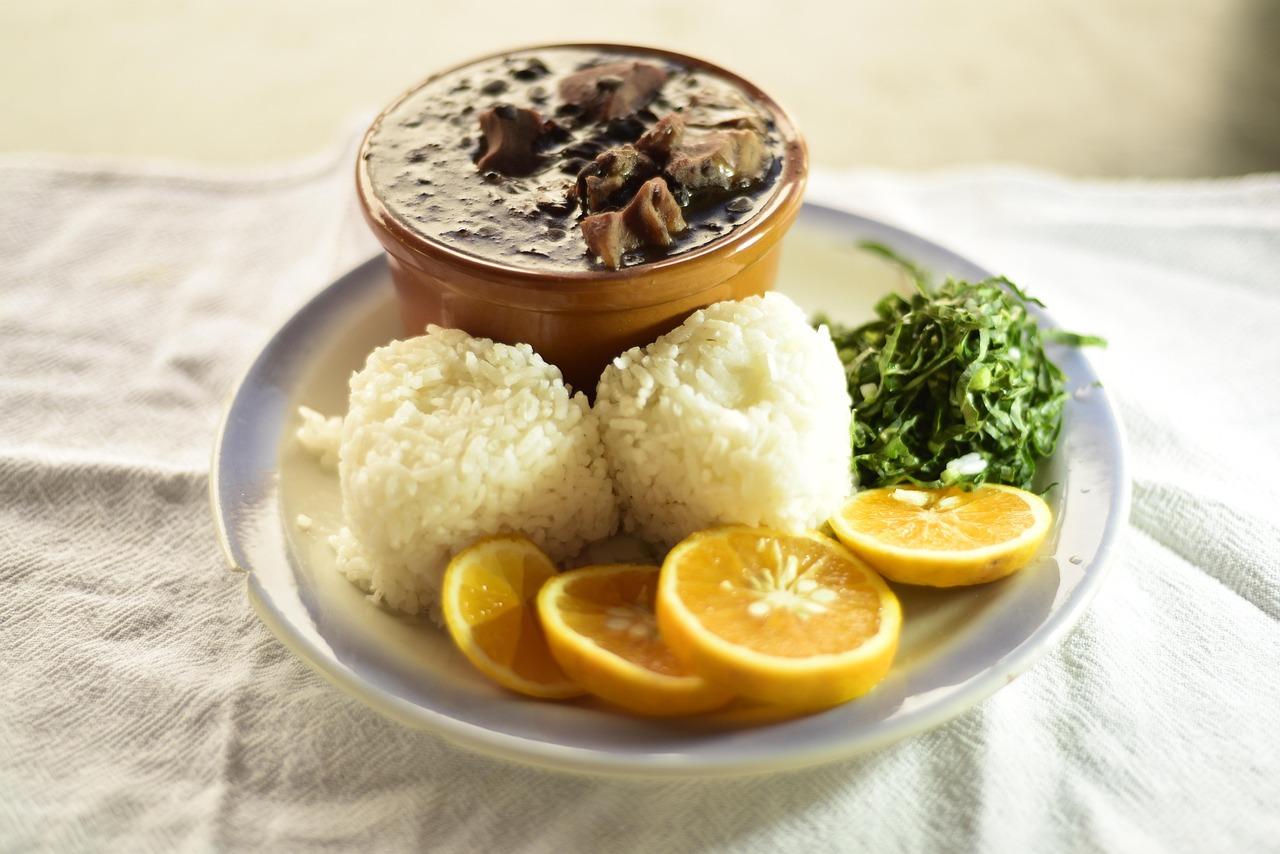
FeijoadaBlack bean and pork stew

In Rio de Janeiro, feijoada has its own days: Wednesdays and Saturdays, when botecos and restaurants put the big pots on and lunch stretches into the afternoon. Black beans simmer slowly with carne seca (salt-dried beef), salted pork ribs, smoky sausages and bacon until the broth is thick, dark and glossy. The full spread, feijoada completa, comes with white rice, garlicky shredded couve, crunchy farofa and slices of orange to freshen the palate. Our vegetarian feijoada covers the meat-free version; this is the classic. Start a day ahead, because the salted meats must soak. Chef's tip: mash a ladleful of cooked beans with the fried onion and garlic and stir it back in; it thickens the broth naturally.

by KrazyBadal 0 views

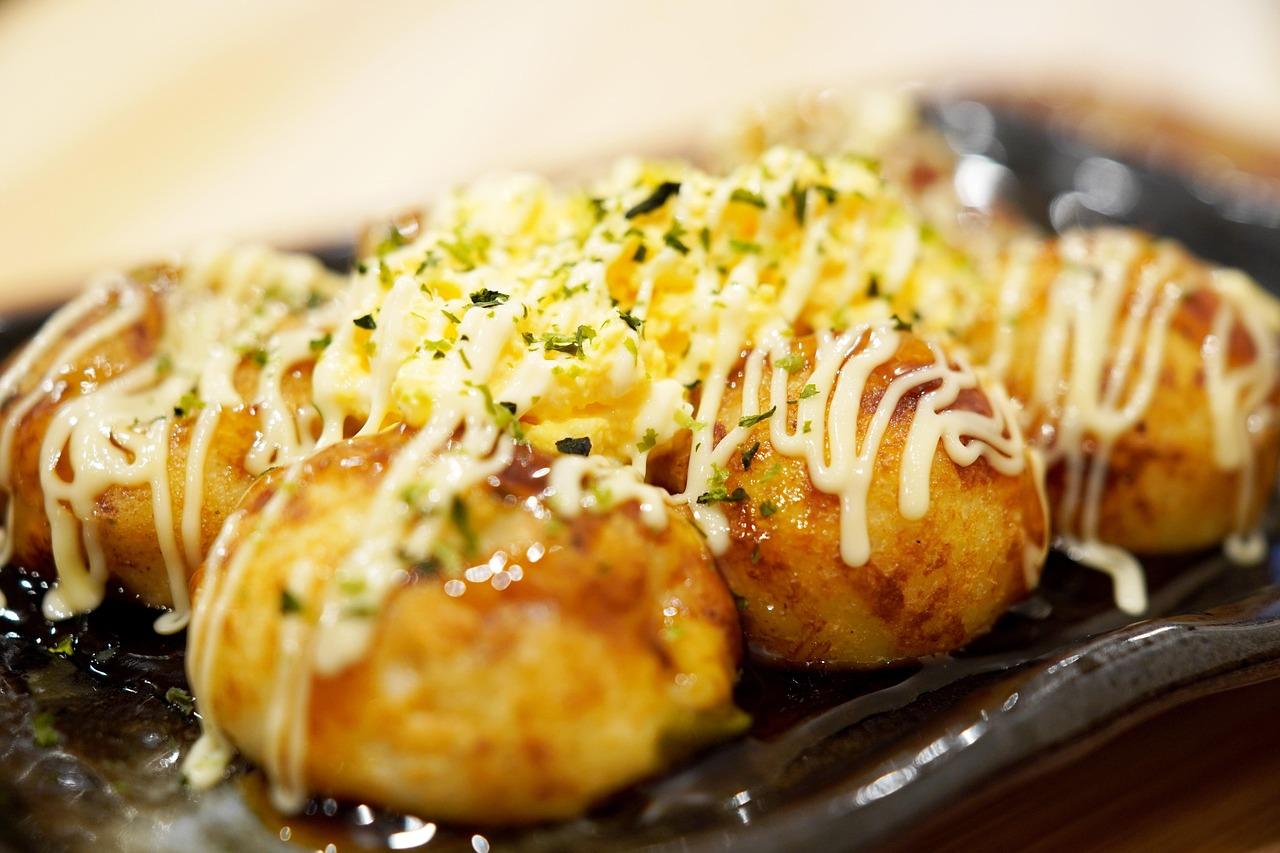
TakoyakiOctopus batter balls

Walk through Dotonbori in Osaka on any evening and you'll see cooks flicking dozens of batter balls around a cast-iron plate with metal picks. Stalls in the city have sold them since the 1930s, and they turn up at every summer festival, eaten from a paper boat with a cocktail stick. The outside is crisp, the inside almost molten, with a chewy piece of octopus at the centre. You need a takoyaki pan, either a stovetop cast-iron one or an electric plate. Chef's tip: fill the cups right to the top and let the batter flood across the whole plate, as the overflow is what you fold in to make each ball round.

by KrazyBadal 0 views

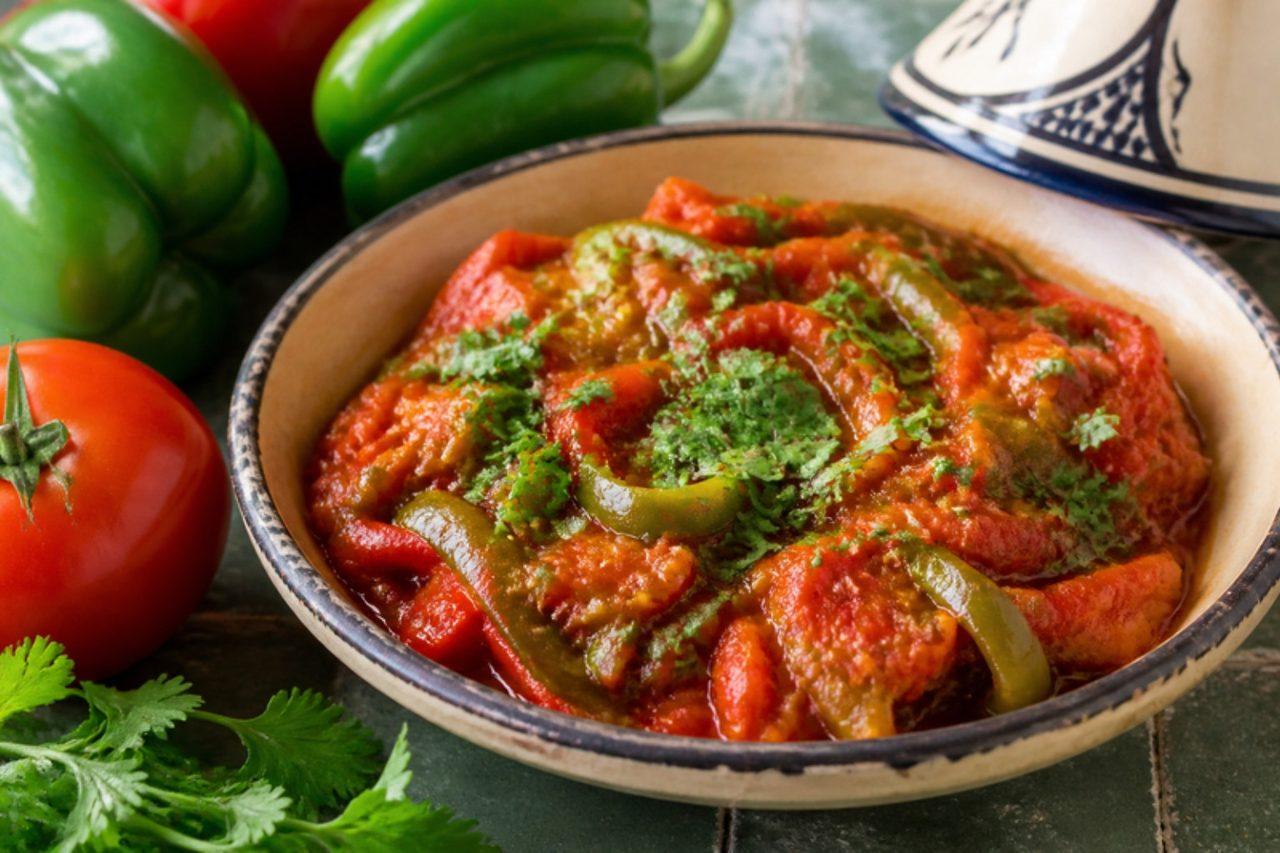
TaktoukaRoasted pepper and tomato salad

Taktouka is the pepper partner to zaalouk, served side by side on the salad plates of Moroccan homes and cafés, especially around Casablanca and the north. Grilled green peppers are peeled and cooked down with tomato, garlic and cumin until soft and jammy, then eaten lukewarm with bread or as a side to tagines and grilled vegetables. It is cheap, quick and keeps for three days in the fridge. Chef's tip: use the thin-skinned, slightly bitter green peppers if you can find them; they give a more authentic flavour than sweet bell peppers.

by KrazyBadal 0 views

Feteer meshaltetFlaky layered pie

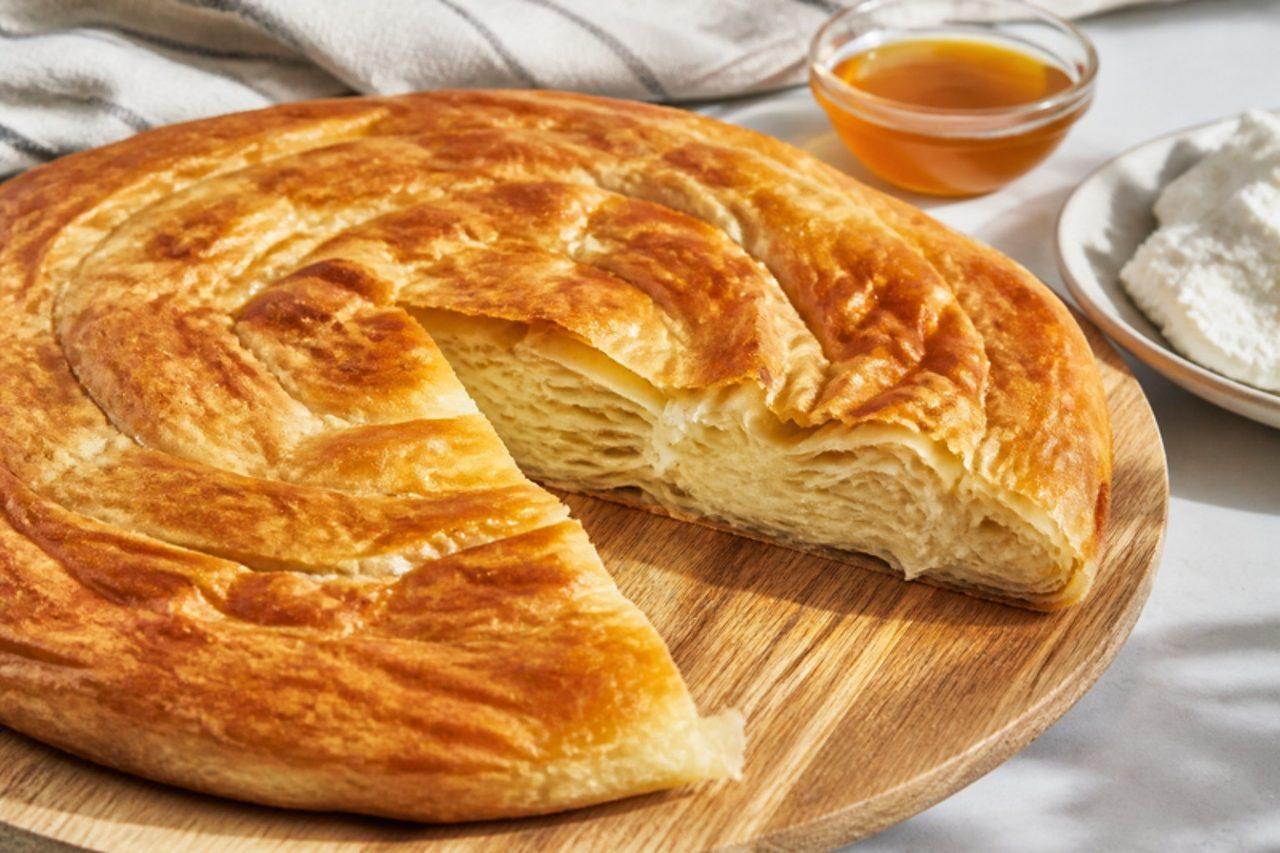
Feteer meshaltet comes from the villages of the Nile Delta, in Sharqia, Menoufia and around, where it is baked for weddings, feast days and for guests, and sent home with visitors in a cloth. A soft dough is stretched paper-thin, brushed with lots of ghee or butter and folded over and over into a round that bakes into dozens of crisp, flaky layers. Eat it warm, torn with your hands, dipped in honey or 'asal eswed (sugar-cane molasses) or with white cheese and olives. Chef's tip: let the dough balls rest in butter until they feel loose and silky; dough that hasn't relaxed tears when you stretch it, and torn dough is the most common reason a feteer comes out tough.

by KrazyBadal 0 views

Tallarín saltadoStir-fried noodles with vegetables

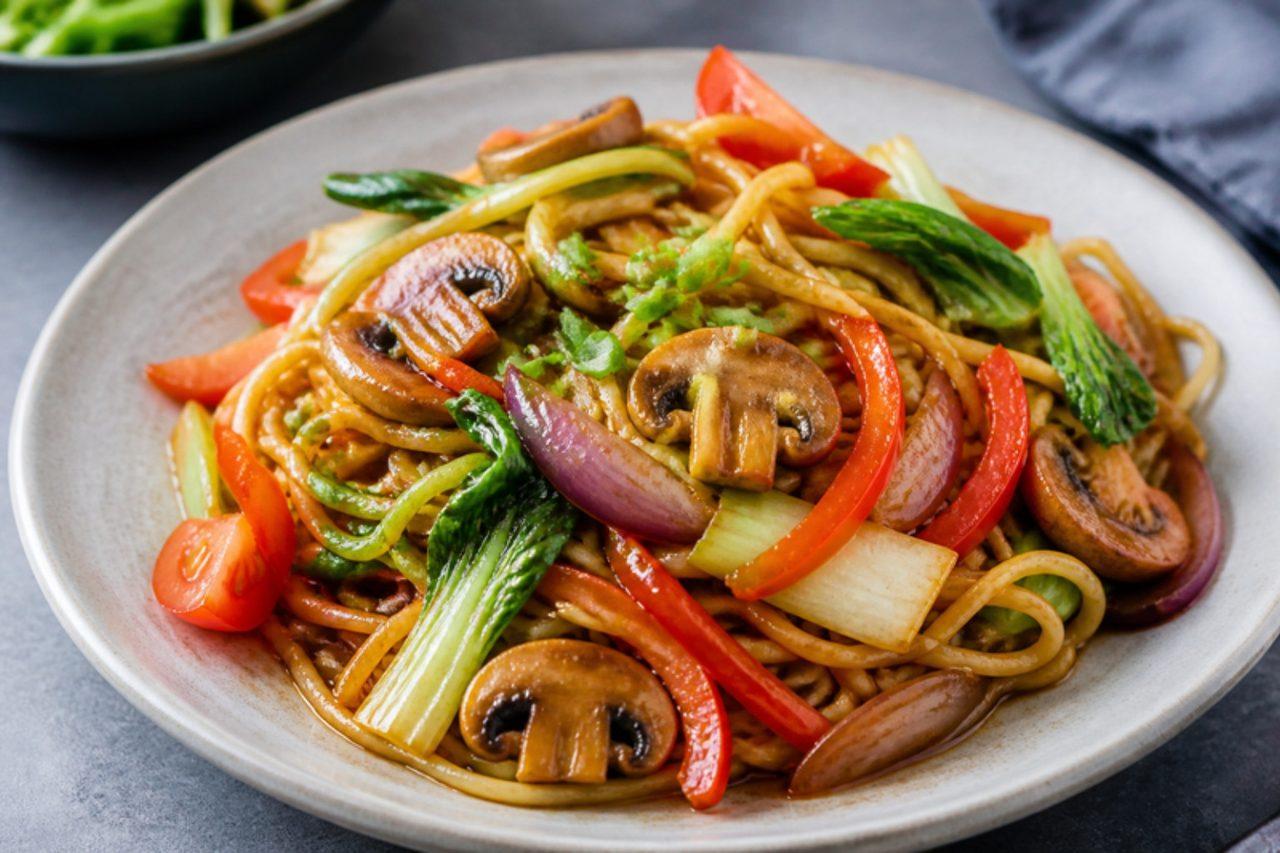
Tallarín saltado is the noodle cousin of lomo saltado, a chifa favourite from Lima where Chinese wok technique meets Peruvian ingredients. Spaghetti-style wheat noodles are tossed over a fierce heat with mushrooms, pak choi, red onion, tomato, ginger and ají amarillo, then glossed with soy sauce and a splash of vinegar. The noodles soak up the smoky, tangy sauce while the vegetables stay crisp. Peruvians use plain spaghetti from the shop on the corner, and so can you. Chef's tip: cook the noodles a minute short of the packet time and rinse them in cold water; they finish cooking in the wok and won't turn soft or clump.

by KrazyBadal 0 views

Boulets liégeoisMeatballs in sweet-sour fruit sauce

Liège is famous for its boulets: big, tennis-ball-sized meatballs served in a dark, sticky sauce made with sirop de Liège, the region's thick apple-and-pear syrup, with onions and a little vinegar. They are a brasserie staple across Wallonia, eaten with a mountain of chips and a side of salad, and families make them for Sunday lunch. The mix is half pork, half beef, so this is a pork dish. Rushing the onions is the step most people get wrong: they need a good 20 minutes to turn sweet before the sauce comes together. Chef's tip: if you cannot find sirop de Liège, use 3 tablespoons of apple butter or date syrup with 1 tablespoon of black treacle for the same dark, fruity tang.

by KrazyBadal 0 views

ChakalakaSpicy vegetable and bean relish

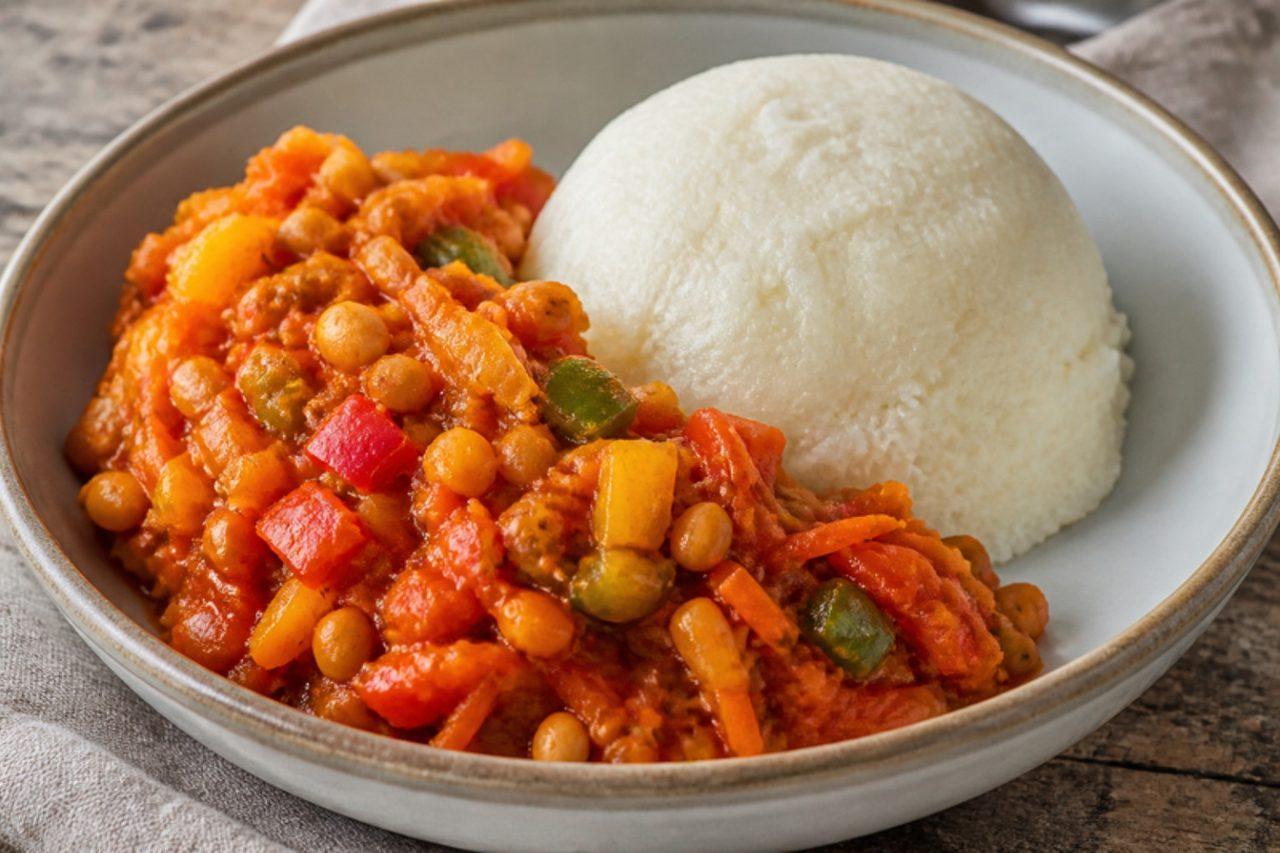
Chakalaka is said to have started in the townships and mines around Johannesburg, where workers cooked tinned beans and vegetables with chilli and curry powder over open fires. Today no South African braai (barbecue) is complete without a pot of it, and it goes on the table at Sunday lunch, at funerals and weddings, served warm or cold alongside pap. It is spicy, a little sweet from the carrots and peppers, and tangy from the tomato and beans. Chef's tip: grate the carrots rather than chopping them; they melt into the relish and give it its characteristic soft, spoonable texture.

by KrazyBadal 0 views

Wiener SchnitzelBreaded veal cutlet

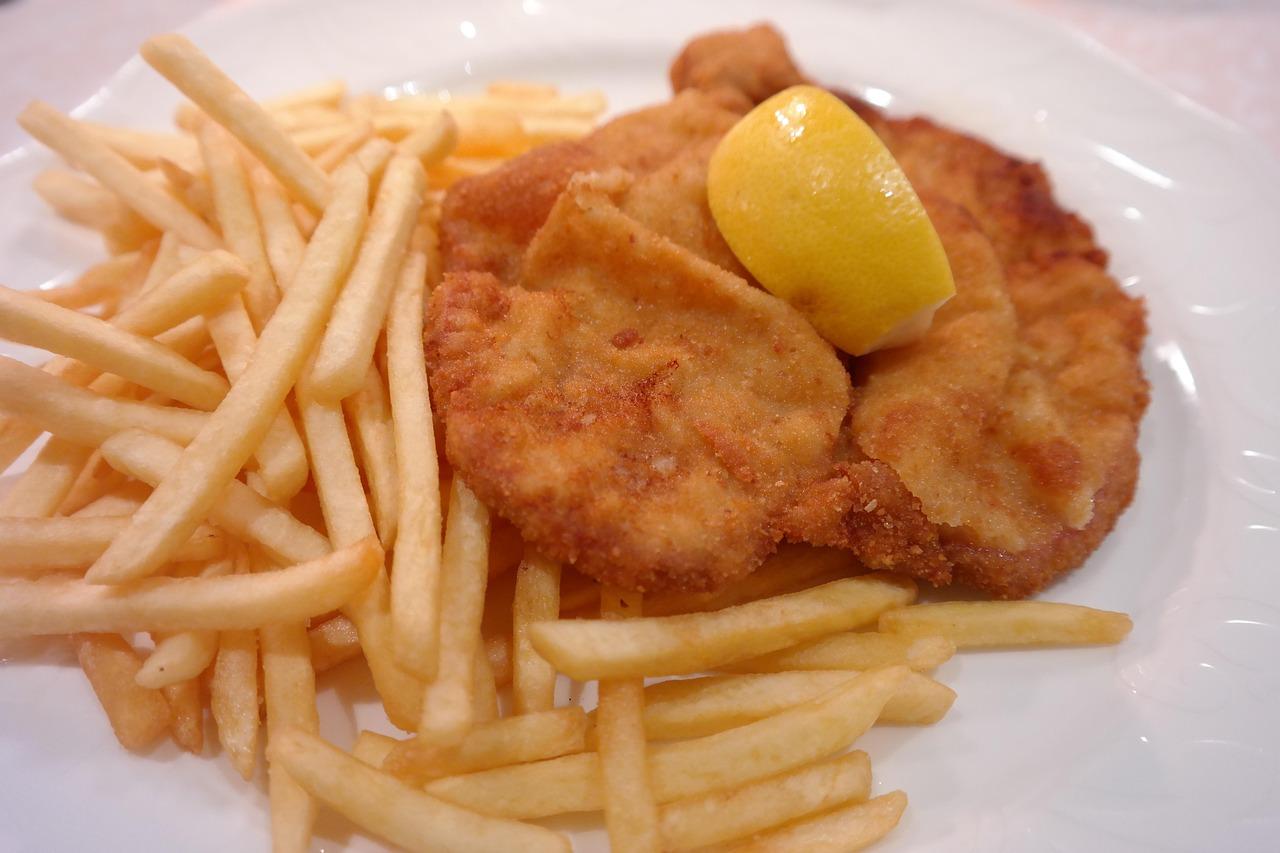
In Vienna's old Beisl taverns the Schnitzel arrives so large it hangs over the plate: a veal escalope beaten thin, coated in flour, egg and fine breadcrumbs and fried in plenty of hot fat while the pan is swirled, so the crumb lifts away from the meat in golden waves. Austrian law keeps the name 'Wiener Schnitzel' for veal; the pork version, very common in German homes, is called Schnitzel Wiener Art and is cooked exactly the same way. Serve it with a lemon wedge, lingonberry jam and potato salad. The most common mistake is pressing the crumbs firmly onto the meat, which stops the coating from puffing. Chef's tip: shake off the crumbs and lay the cutlet in only when the fat is hot enough that a crumb sizzles at once.

32 minGermanMeat
by KrazyBadal 0 views

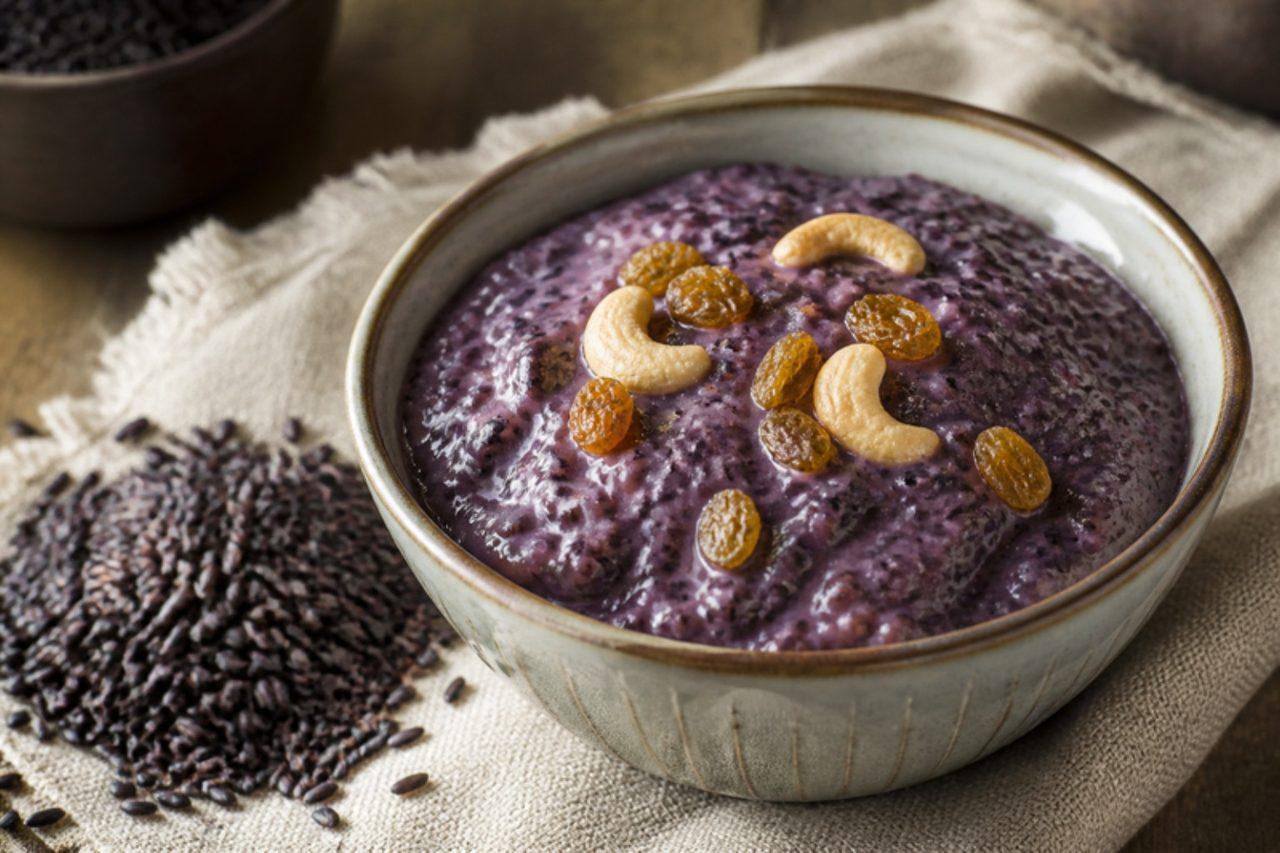
Chak-hao kheerBlack rice pudding

Chak-hao is Manipur's aromatic black rice, grown in the valley around Imphal; when cooked slowly in milk it turns a deep violet and makes chak-hao kheer, the pudding served at Meitei feasts, weddings and Ningol Chakouba, the festival when married daughters come home for a meal. The grains stay slightly chewy and nutty, and the milk takes on a lavender colour. Chef's tip: soak the rice for at least 3 hours, or overnight; black rice has a hard bran layer and won't soften in the milk otherwise.

by KrazyBadal 0 views

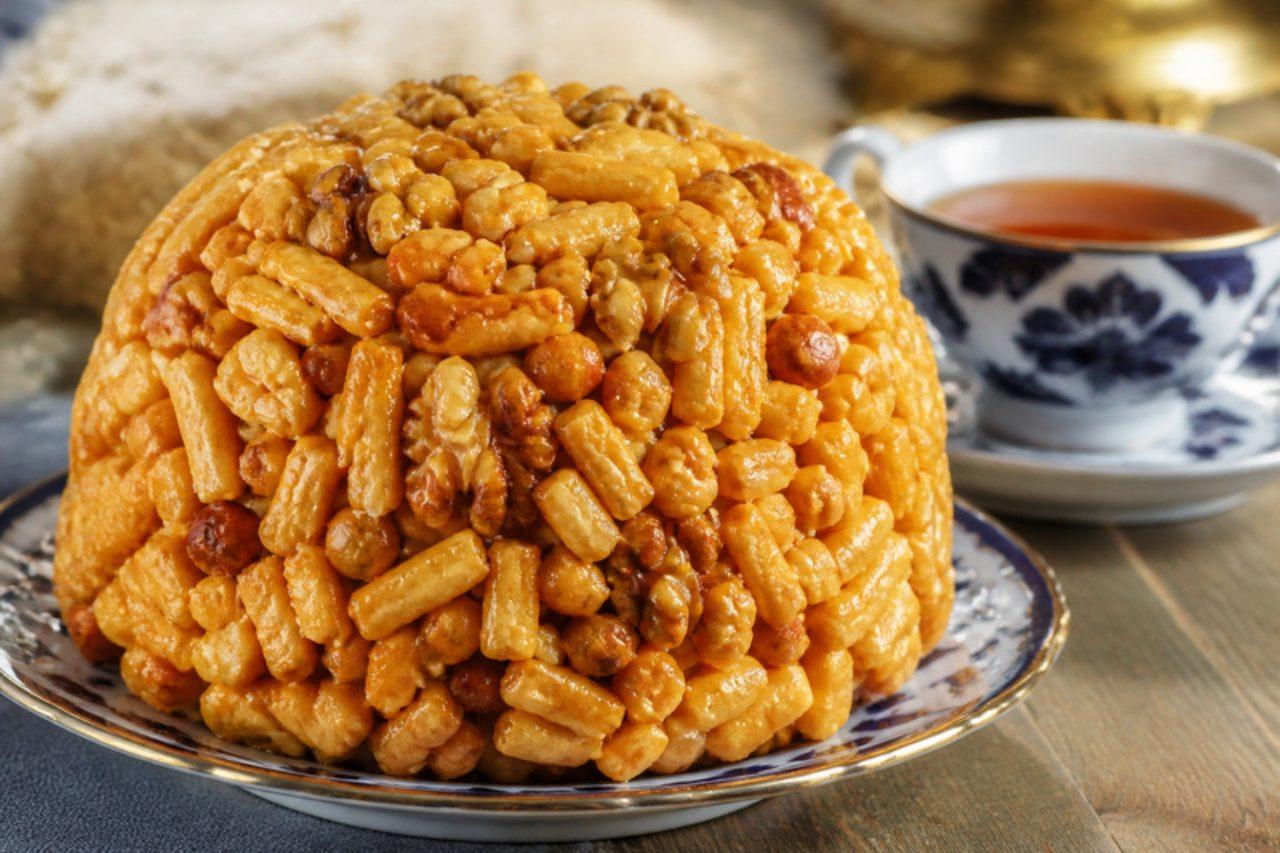
Chak-chakHoney-bound fried dough

Chak-chak arrived in Uzbekistan with Tatar families and is now a fixture of wedding tables and Navruz spreads in Tashkent and Samarkand: tiny nuggets of egg dough fried crisp, then tossed in hot honey syrup and pressed into a mound or ring that's broken apart with the fingers. Guests nibble it all evening with green tea. It keeps for a week, so it's often made a day or two ahead. Chef's tip: cook the honey syrup only to the soft-ball stage (about 115°C); boil it longer and the chak-chak sets as hard as brittle.

by KrazyBadal 0 views

ChajáSponge, peach and cream cake

Chajá was created in 1927 at a bakery in Paysandú, a city on the Uruguay River, and named after a local bird whose feathers look as fluffy as its crumbly meringue coat. Today it's Uruguay's birthday and celebration cake: layers of light sponge soaked in peach syrup, filled with whipped cream, peaches and dulce de leche, then covered in crushed meringue. It's sweet, soft and crunchy at once, best on the day it's assembled. Chef's tip: soak the sponge but not too much; it should feel moist, not wet, or the layers slide.

by KrazyBadal 0 views

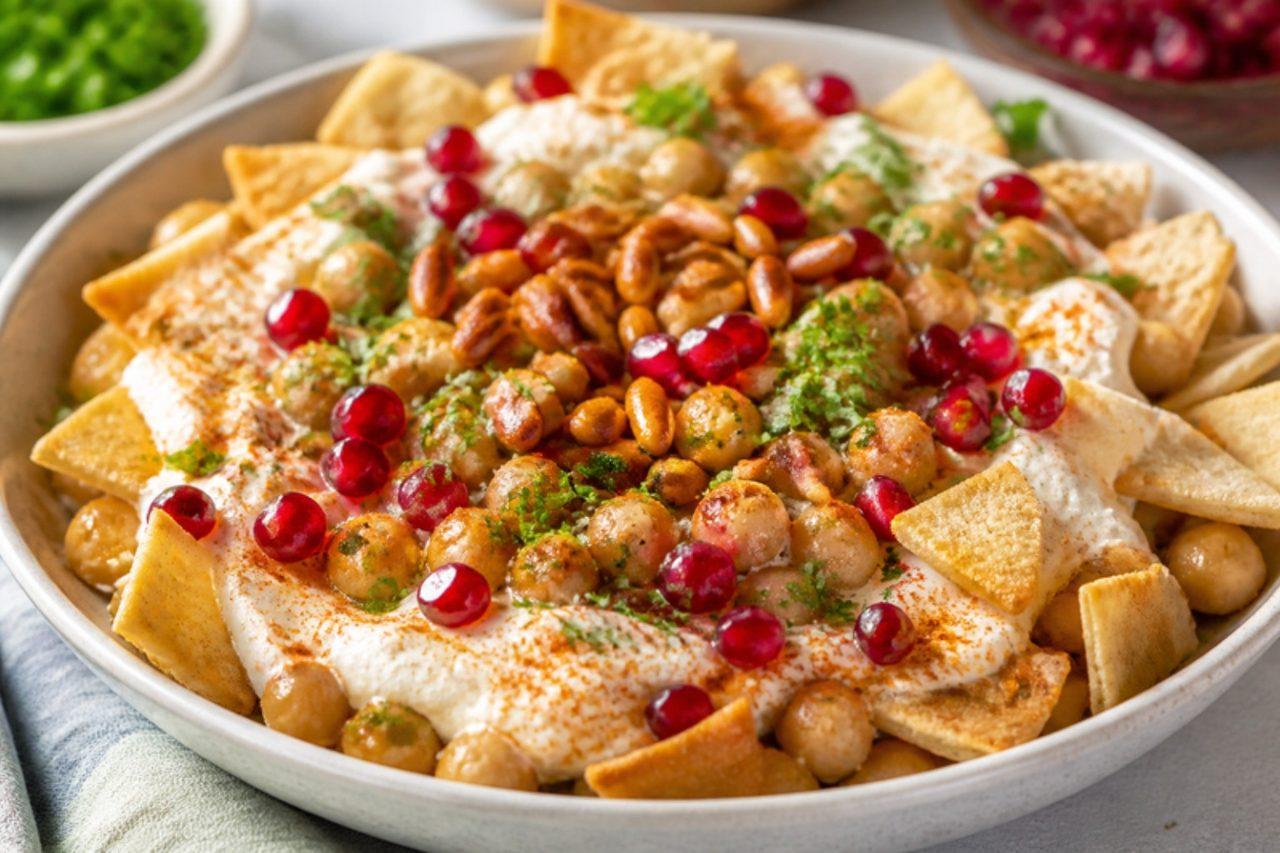
Fatteh with chickpeasChickpeas and crisp bread in yogurt

Fattet hummus belongs to Damascus, where breakfast restaurants in the old city serve it in deep bowls on Friday mornings, and it has spread to Beirut's Sunday tables too. The name comes from fatt, to break up, for the toasted flatbread at the bottom, which is topped with warm chickpeas in their broth, then a thick, garlicky sauce of yogurt and tahini, and finally sizzling pine nuts in butter or oil with a dust of paprika and cumin. The contrast is the point: crunchy and soft, hot and cool. Assembling it too early is the common mistake, since the bread soaks up the sauce and goes soggy; build it just before eating. Chef's tip: let the yogurt come to room temperature first, so it doesn't cool the chickpeas down too much and the bowl stays warm.

by KrazyBadal 0 views

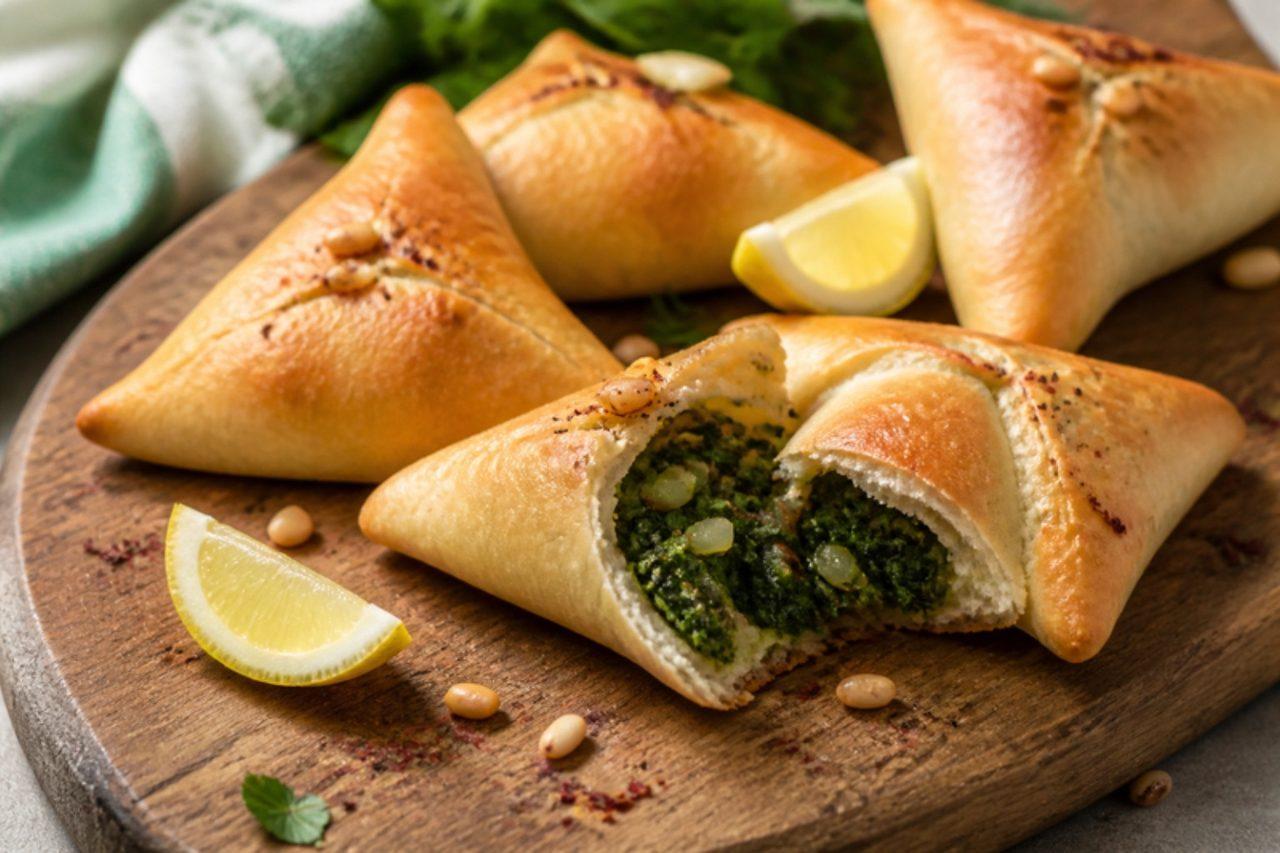
Fatayer bi sabanekhSpinach pastry triangles

Every Lebanese bakery, or furn, sells fatayer bi sabanekh warm from the oven in the morning: soft three-cornered pies filled with spinach that has been salted and squeezed, then mixed with onion, sumac, lemon and olive oil until it is tart enough to make you pucker. They go into school lunch boxes, onto picnic blankets and onto every buffet at Lebanese parties, and they freeze well. The usual problem is a filling that leaks and makes the pies burst open; wring out the spinach hard and seal the seams firmly so they stay closed in the oven. Chef's tip: let the sumac, lemon and onion sit together for ten minutes before adding the spinach so the onion softens and loses its raw bite.

by KrazyBadal 0 views

FatayaFried beef turnovers

Fataya are the half-moon pastries sold in paper cones outside schools and at bus stops all over Dakar, and fried by the dozen at home for baptisms and Tabaski. The dough is soft and short, the filling is minced beef cooked with onion, garlic and a little chilli, and they come with a sharp onion-and-mustard sauce for dipping. The common mistake is overfilling, which makes them burst in the oil; a heaped teaspoon per small round is enough. Chef's tip: let the filling cool completely before you fill the dough, or the steam softens the pastry and it tears.

by KrazyBadal 0 views

KootuVegetable and moong dal stew

Kootu sits halfway between a dal and a vegetable dish, and in Tamil homes it is the mild, kind side on a lunch plate next to a sharp rasam or a fiery kuzhambu. Chopped vegetables such as chow-chow, snake gourd, cabbage or pumpkin are cooked with moong dal until soft, then thickened with a paste of fresh coconut, cumin and a little green chilli. It's the dish many Tamil grandmothers give children and anyone recovering from a fever. Spoon it over rice with ghee or serve it alongside sambar and poriyal. Chef's tip: grind the coconut paste with the cumin raw, not toasted; the fresh, sweet cumin flavour is what makes kootu taste like kootu.

by KrazyBadal 0 views

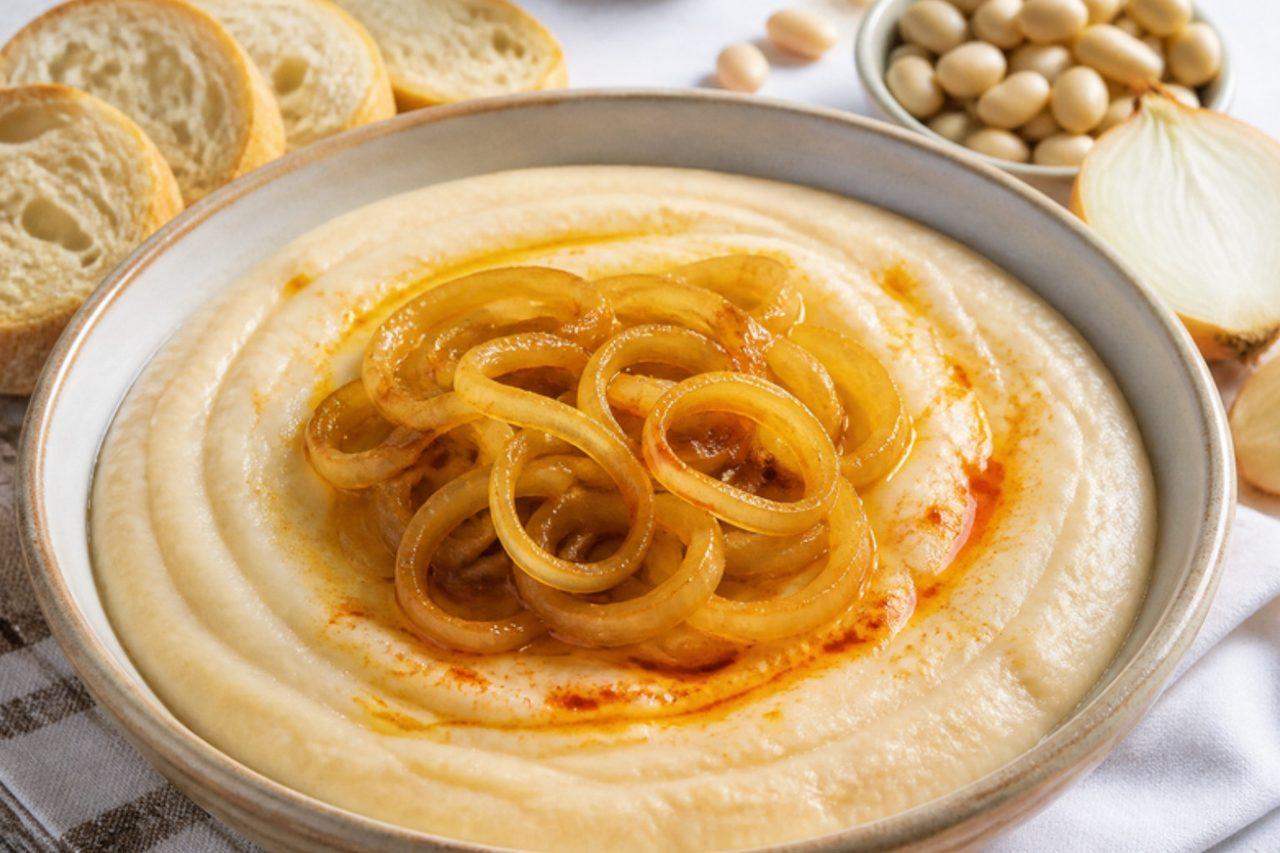
Fasole bătutăWhipped white bean dip

Fasole bătută, 'beaten beans', is the fasting-day spread of Romania: on Christmas Eve and through Lent, plates of it appear in homes from Bucharest to the monasteries of Bucovina. Soft white beans are mashed smooth with garlic and oil, then crowned with a tangle of slow-fried onions stained red with paprika. It is spread thickly on bread, or served beside pickles and mămăligă. Chef's tip: beat the beans while they are still warm; cold beans turn stiff and pasty, and a common mistake is adding too little liquid, so loosen with a splash of cooking water until the purée is light and fluffy.

by KrazyBadal 0 views

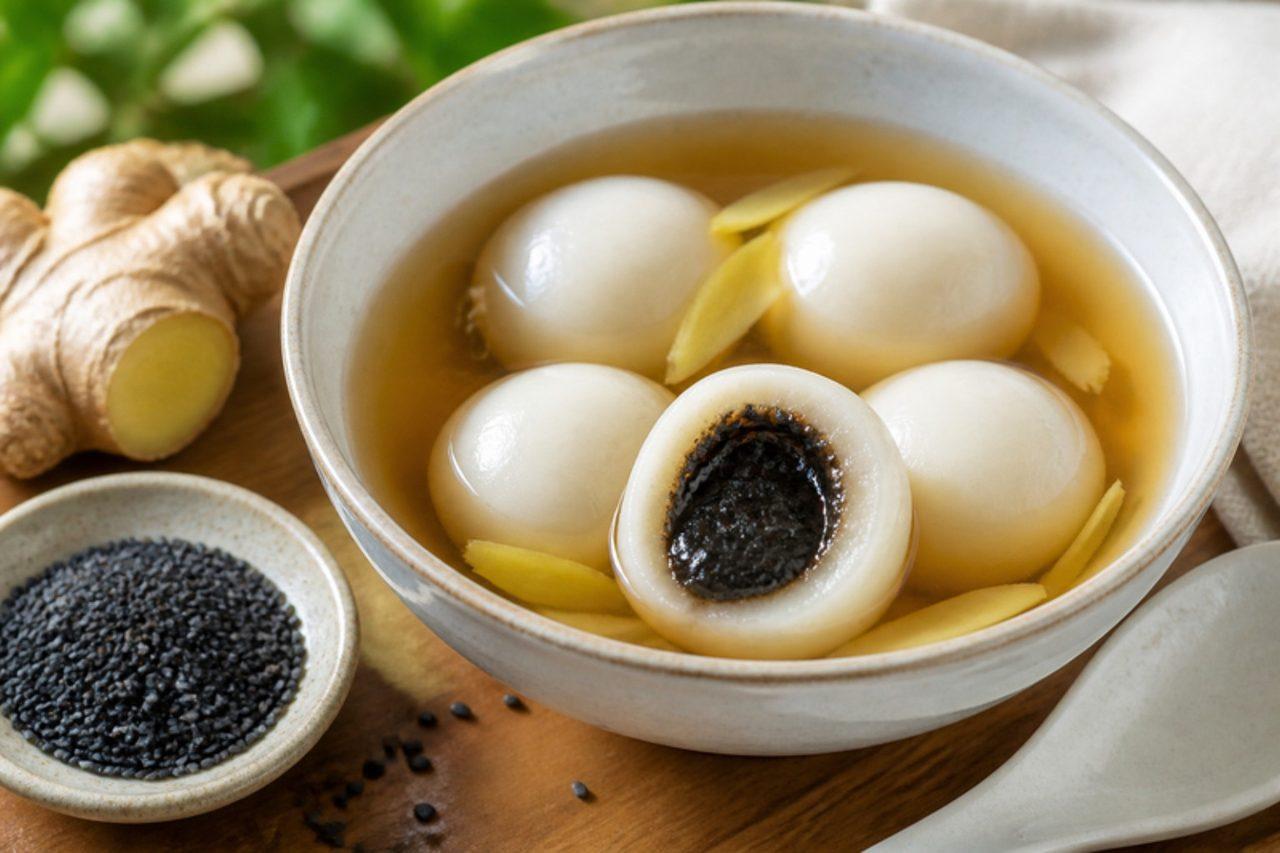
Black sesame tang yuan in ginger syrupSesame rice balls in ginger syrup

Tang yuan are eaten all over China at the Lantern Festival, on the fifteenth day of the Lunar New Year, and in the south also at the winter solstice; their roundness stands for family togetherness. The dough is glutinous rice flour, the classic filling black sesame, sugar and fat, served in a light ginger syrup. Lard is traditional in the filling; coconut oil sets just as firmly and keeps them vegan. Chef's tip: chill the filling until firm and roll it into balls before you start the dough; cold filling is far easier to wrap.

by KrazyBadal 0 views

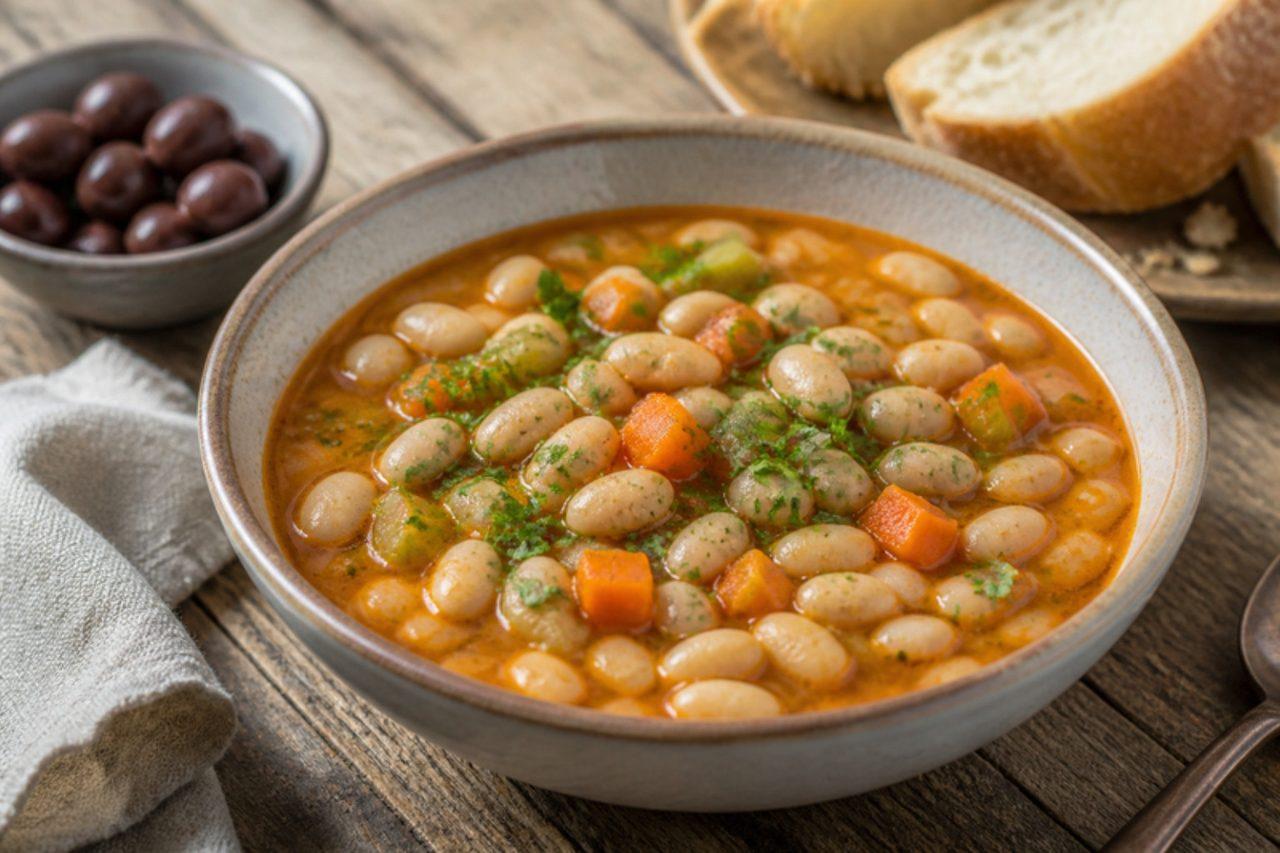
FasoladaWhite bean soup

Fasolada is sometimes called the national dish of Greece, and it is the soup that fed families through winters and long Lenten fasts. It is humble and filling: small white beans simmered slowly with carrot, celery, onion and tomato until the broth turns thick and creamy, then finished with a generous pour of raw olive oil. On a cold weekday it is dinner on its own, eaten with olives, pickled peppers, raw onion and bread. Soak the beans the night before. Chef's tip: let it simmer gently with the lid ajar and stir now and then so some beans break and thicken the broth; boiling it hard is the common mistake that splits the beans and leaves the soup thin.

105 minGreekSoupsVeganGluten free
by KrazyBadal 0 views

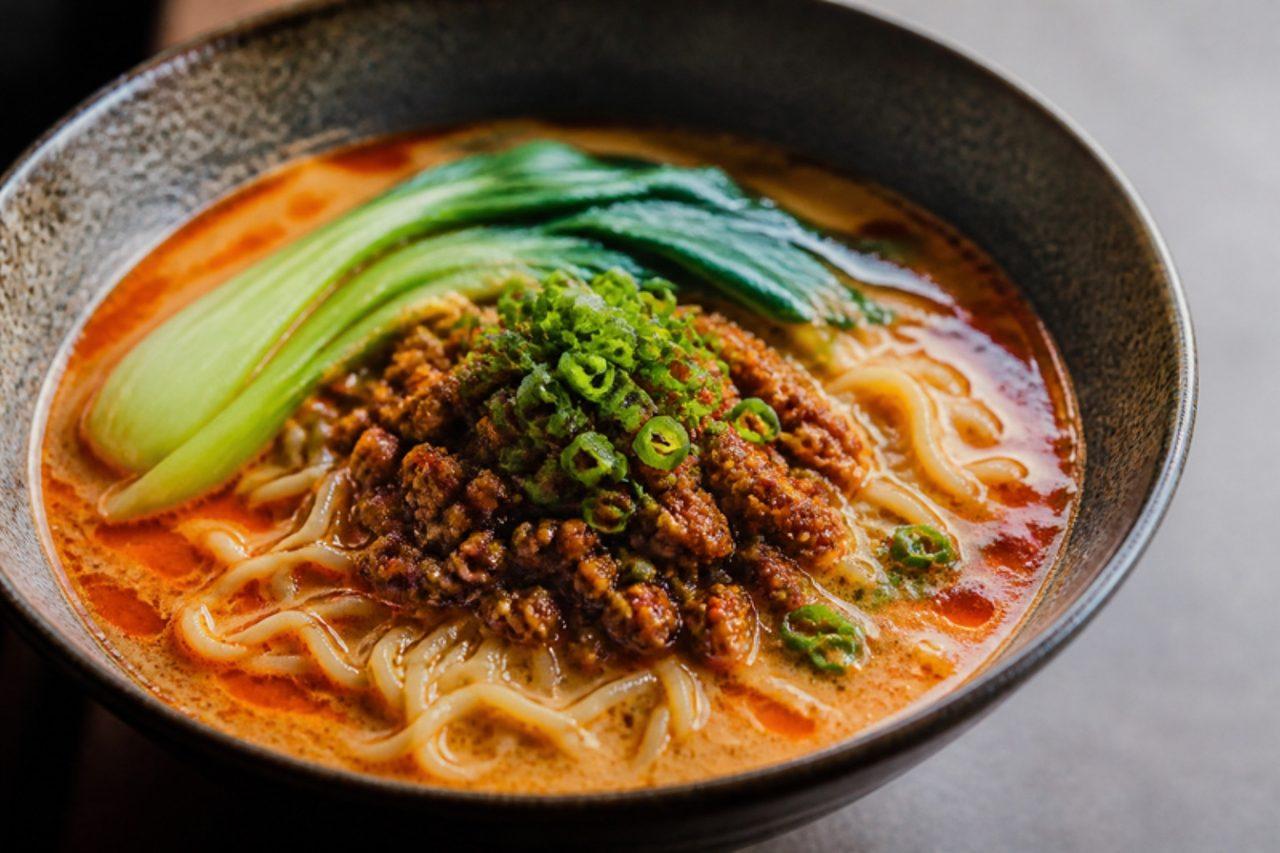
TantanmenSesame chilli noodle soup

Sichuan dan dan noodles are eaten almost dry, with just a spoonful of sauce, but Chinese chefs cooking in post-war Tokyo turned them into a full bowl of soup for Japanese diners. Today tantanmen sits on the menu of almost every Chinese-style restaurant and many ramen shops across Japan, and it sells best in the cold months. The broth is rich with sesame paste, softened with soy milk and lit up with chilli oil, then crowned with savoury fried pork. Pak choi adds a fresh, crunchy contrast. Chef's tip: fry the pork until it is properly brown and a little crisp before seasoning, so it keeps some bite in the soup instead of turning soft.

by KrazyBadal 0 views

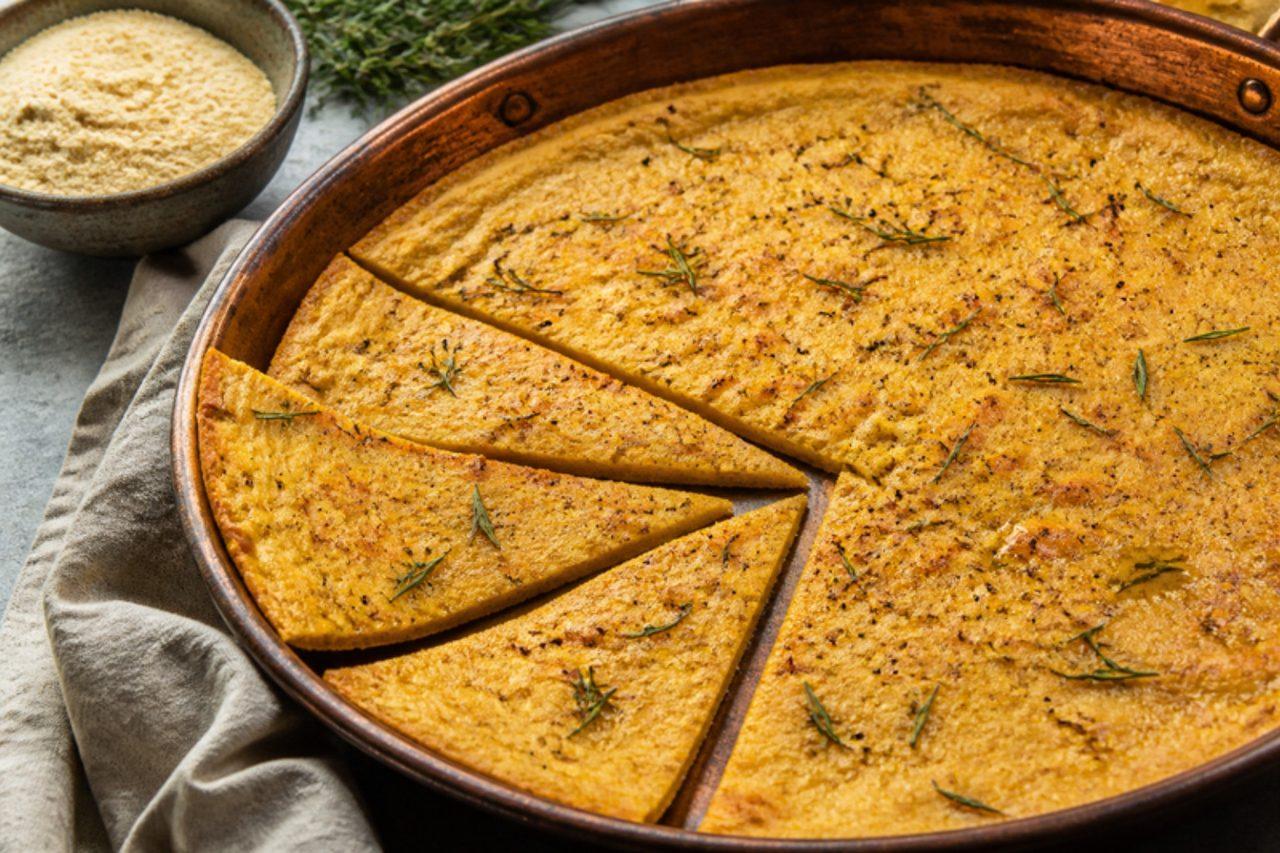
FarinataChickpea flour pancake

Farinata is a thin, golden chickpea-flour pancake sold by the slice from wood-fired ovens in the sciamadde (old bakeries) of Genoa's port district, where people eat it hot, on paper, with black pepper. It is just chickpea flour, water, olive oil and salt, with a crisp top and edges and a soft, custardy middle. In Nice it is called socca, in Livorno cecina. Start the batter 4 hours ahead (or the night before): resting is essential. Chef's tip: heat the oiled tin in the oven before pouring in the batter; the sizzle sets the base at once and gives crisp, lacy edges.

by KrazyBadal 0 views

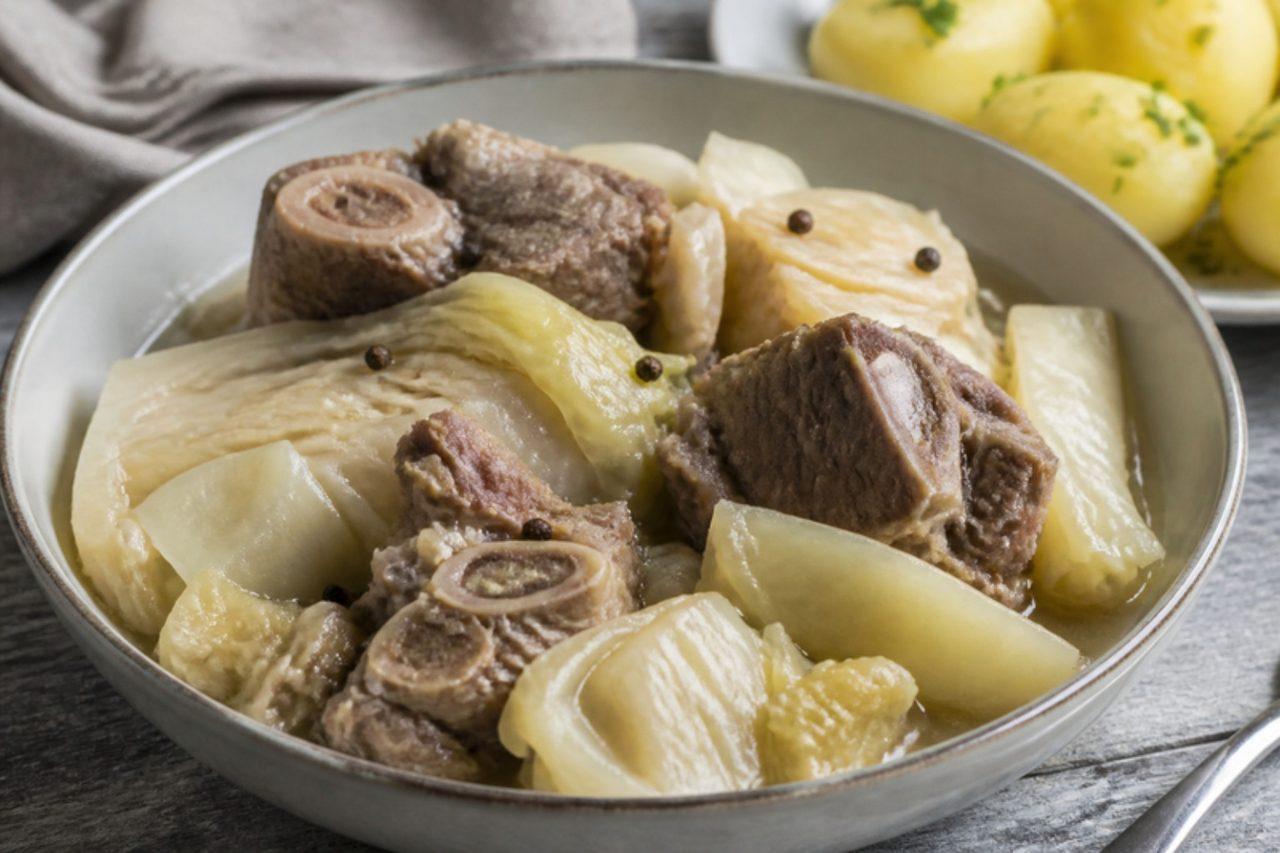
FårikålLamb and cabbage stew

Fårikål has been voted Norway's national dish, and on the last Thursday of September families from Bergen to Tromsø hold Fårikålens festdag, when the new season's lamb meets the autumn cabbage harvest. There are only a handful of ingredients: bone-in lamb, wedges of white cabbage and a generous pouch of whole black peppercorns, layered in a heavy pot and left to simmer until the meat slides off the bone and the cabbage turns sweet and silky. It is eaten with plain boiled potatoes and, in many homes, lingonberry jam. The thing that ruins it is drowning the pot: add only a little water, because the cabbage releases plenty of its own juice. Chef's tip: tie the peppercorns in a muslin bag so you get their warmth without crunching on them, and make it a day ahead; it tastes even better reheated.

by KrazyBadal 0 views

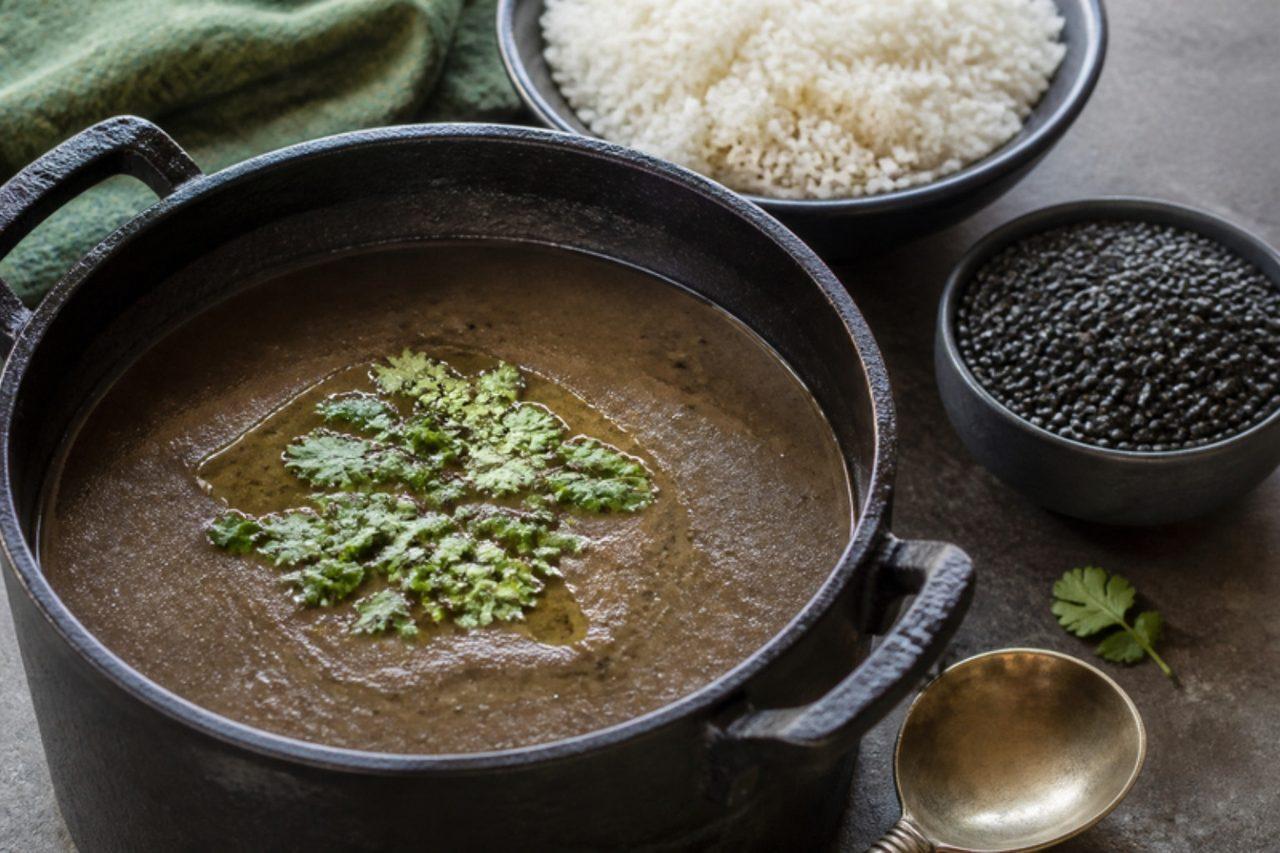
ChainsooRoasted black gram dal

Chainsoo comes from the Garhwal hills, where whole black urad is roasted in a dry pan until it smells like toasted bread, ground coarsely on a hand mill and cooked into a thick, smoky dal. It is a winter dish: heavy, warming and full of protein, eaten with plain rice or jhangora and a drizzle of ghee for anyone who isn't keeping it vegan. Village cooks make it in a lohe ki kadhai, the iron pan that turns it almost black. The texture should be grainy and spoonable, somewhere between a dal and a porridge. Chef's tip: roast the urad slowly over a medium-low heat; the moment it turns from golden to dark brown it tastes bitter, so keep stirring and pull it off early.

by KrazyBadal 0 views

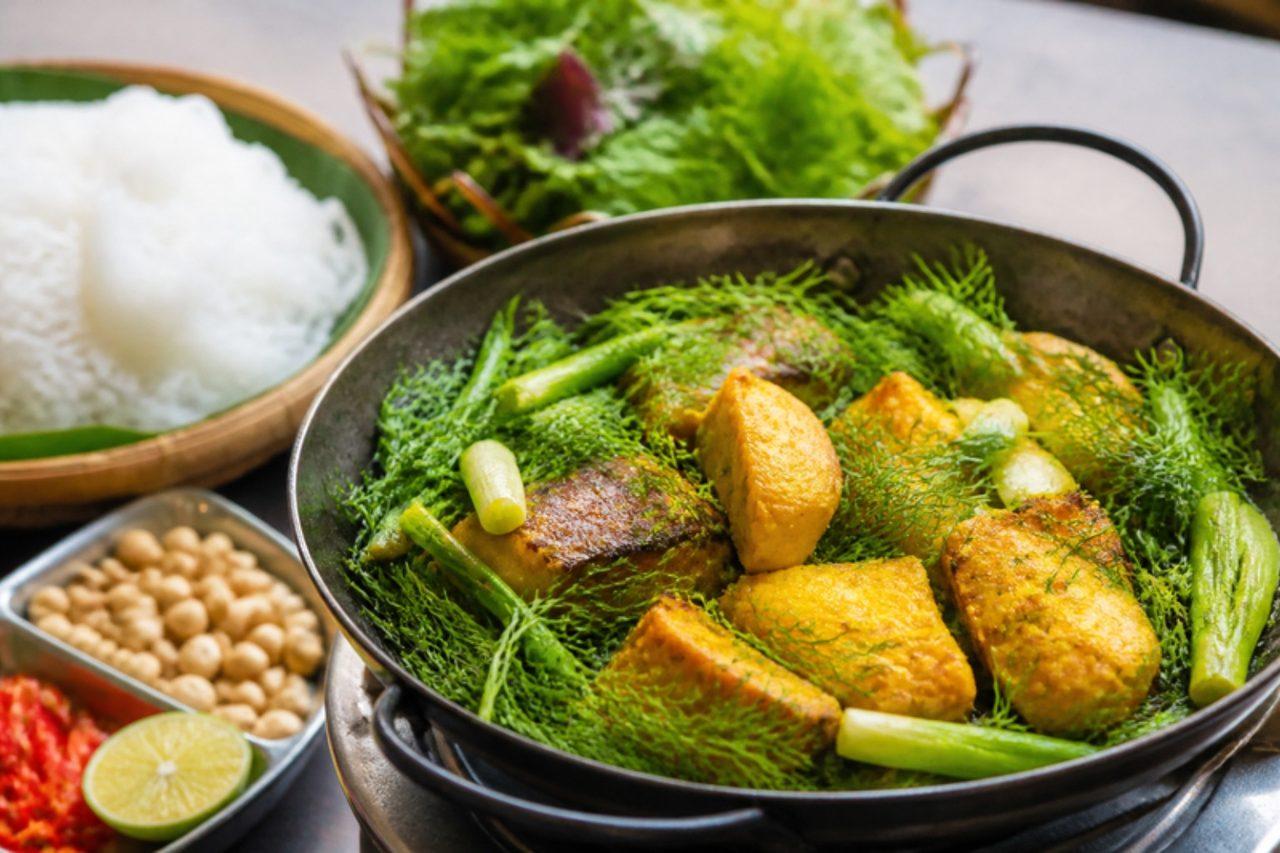
Cha ca La VongTurmeric fish with dill

A family restaurant in Hanoi's Old Quarter served this one dish for so long that the street itself was renamed Chả Cá, Grilled Fish Street. Chunks of white fish are marinated in turmeric and galangal, cooked until golden, then brought to the table in a pan of hot oil where everyone throws in handfuls of dill and spring onion to wilt. You eat it over rice vermicelli with peanuts, fresh herbs and a pungent shrimp-paste dip. Dill is rare elsewhere in Vietnamese cooking, which is why this dish tastes so distinct. Chef's tip: use a lot more dill than seems sensible; it is treated as a vegetable here, not a garnish.

by KrazyBadal 0 views

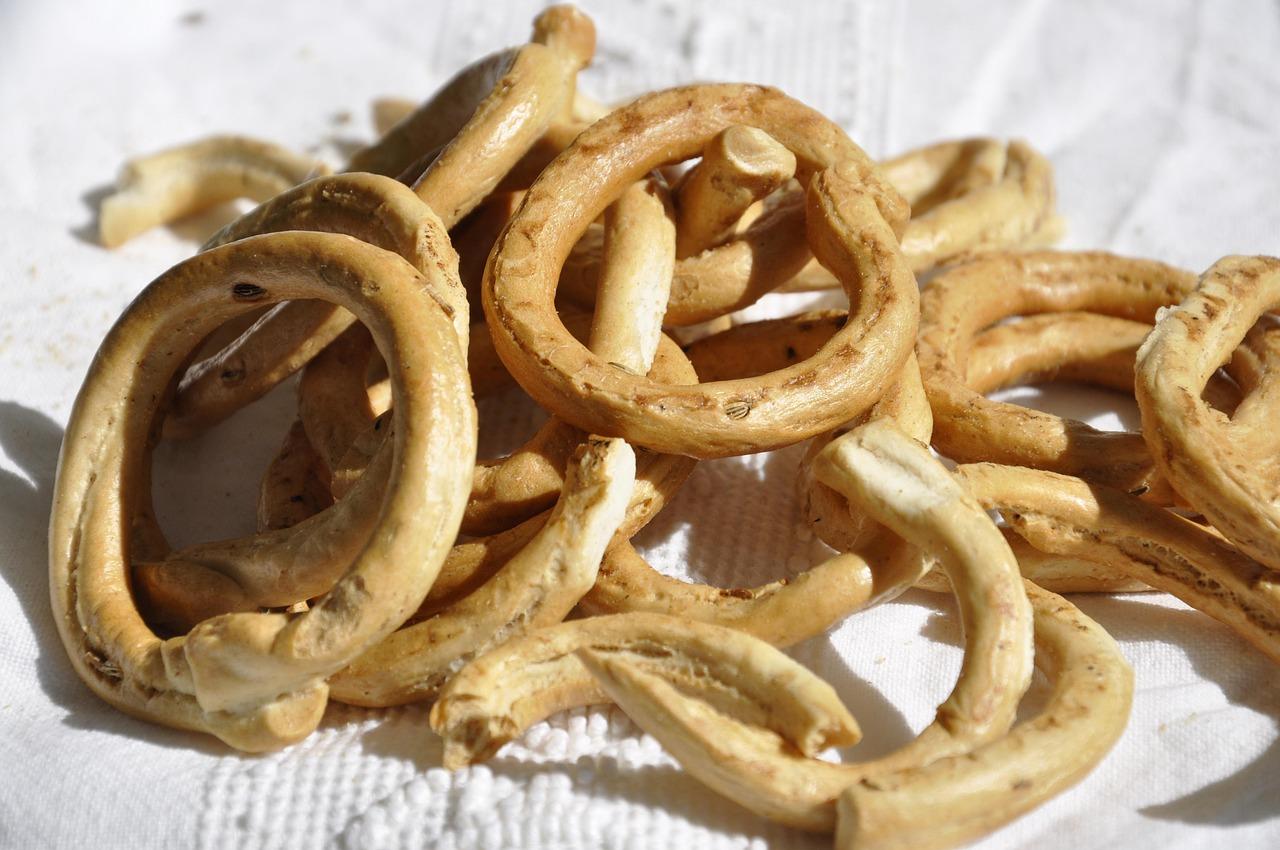
TaralliFennel and olive oil rings

Taralli are the crunchy rings found on every table in Puglia: with a glass of wine before dinner, in bags on the beach, or dunked in coffee. They are made with olive oil and dry white wine, no yeast or butter, and boiled briefly before baking, which gives them their shiny skin and fine, crumbly bite. Fennel seed is the classic flavour; black pepper or chilli are common too. They keep for weeks in a tin. Chef's tip: lift them out of the water the moment they float; longer boiling makes them hard and glassy instead of crumbly.

by KrazyBadal 0 views

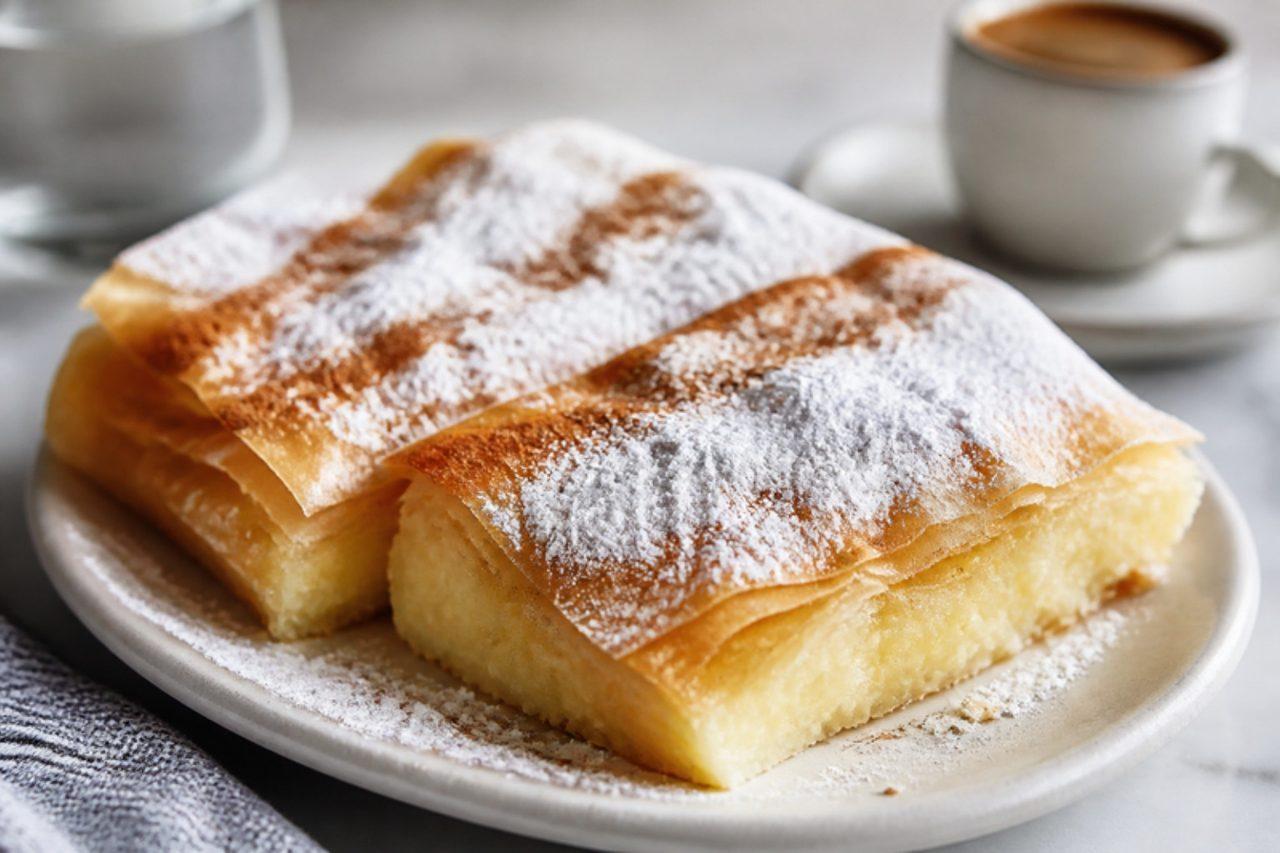
BougatsaSemolina custard pie

In Thessaloniki, breakfast is often a plate of bougatsa eaten at a marble counter at seven in the morning: warm vanilla custard wrapped in crackly pastry, chopped into bite-size pieces in front of you and dusted with icing sugar and cinnamon. The city's bougatsa shops stretch the dough paper-thin by hand; at home, shop fillo does a fine job. The custard is thickened with fine semolina, so it slices cleanly but stays soft and wobbly. Eat it warm with a Greek coffee or a cold frappé. Chef's tip: whisk the semolina into the milk in a slow stream and keep whisking; dumping it in at once is the usual mistake and leaves lumps you can't beat out.

by KrazyBadal 0 views

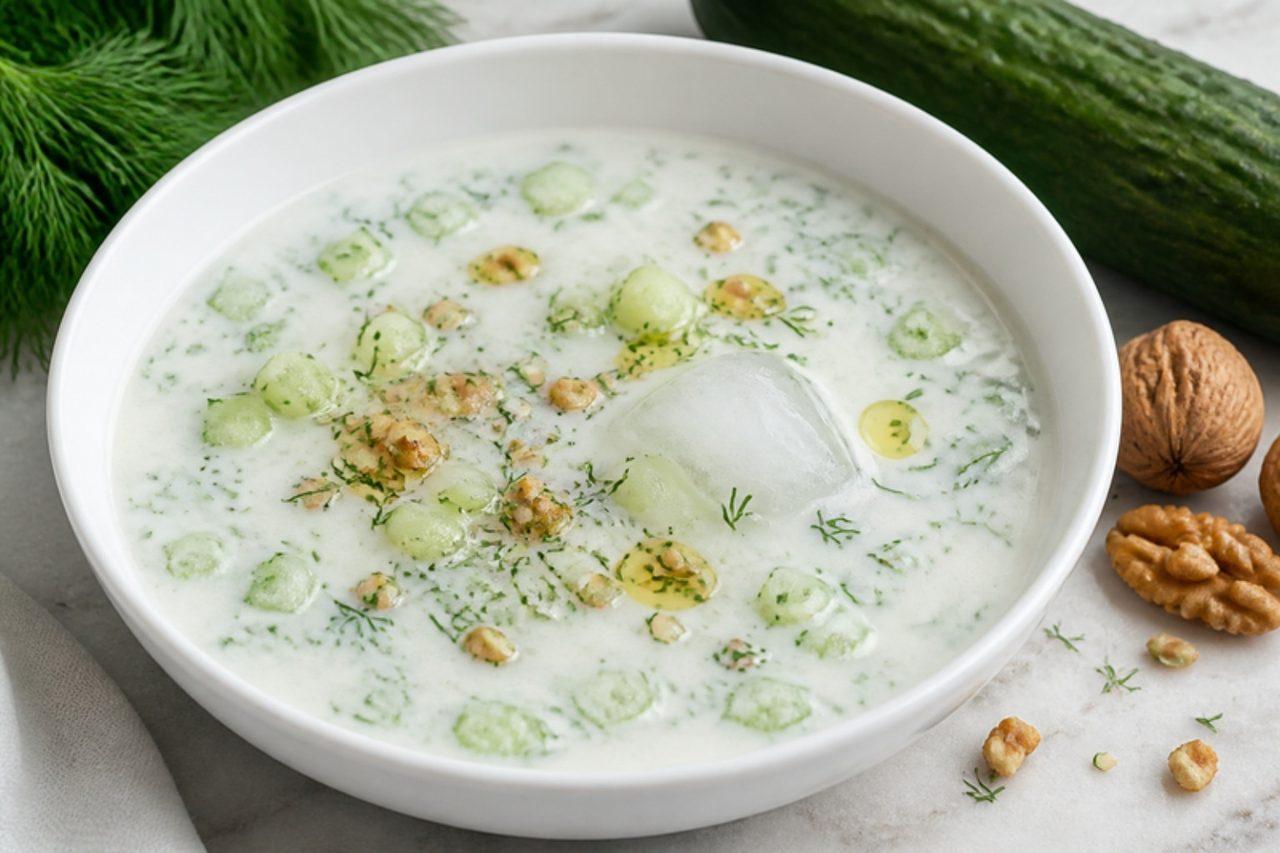
TaratorCold yogurt and cucumber soup

Tarator is what Bulgarians eat on hot July days, from the Black Sea resorts of Varna and Burgas to Sofia lunch counters: a cold, thin soup of tangy yogurt and water with grated cucumber, garlic, dill and crushed walnuts, a drizzle of sunflower oil on top and sometimes an ice cube floating in the bowl. It is served as a starter or drunk from a glass beside a plate of grilled vegetables. Chef's tip: use full-fat, sour, set yogurt and thin it to the consistency of single cream; making it too thick is the usual mistake, and it should be sippable.

by KrazyBadal 0 views

ĆevapiGrilled minced meat fingers

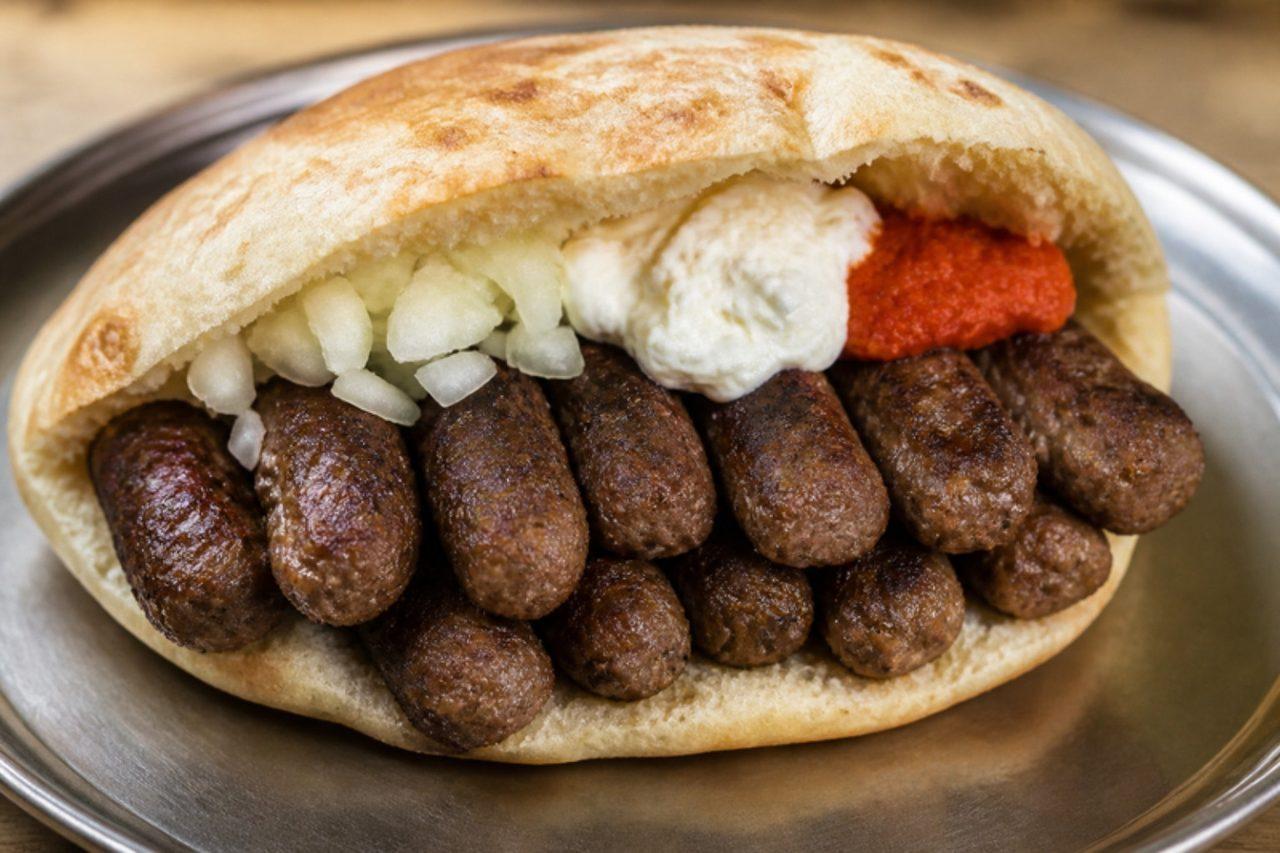
In Sarajevo's old Baščaršija bazaar, ćevabdžinicas grill ćevapi from morning till late night, serving them ten at a time stuffed into a puffy, griddle-warmed somun flatbread with raw onion and a spoon of kajmak. The little skinless fingers are made from beef (often mixed with lamb), seasoned with nothing more than salt, pepper, garlic and a little bicarbonate of soda, which gives them their bouncy bite. Belgrade and Banja Luka have their own versions, but the idea is the same: smoky meat, soft bread, sharp onion. People often over-season them with herbs and paprika; the Bosnian way is plain, letting the meat and charcoal speak. Chef's tip: chill the shaped ćevapi well before grilling and turn them only once or twice, so they keep a juicy centre and a crusty outside.

40 minBalkanMeat
by KrazyBadal 0 views

Tarri pohaFlattened rice with spicy chickpea curry

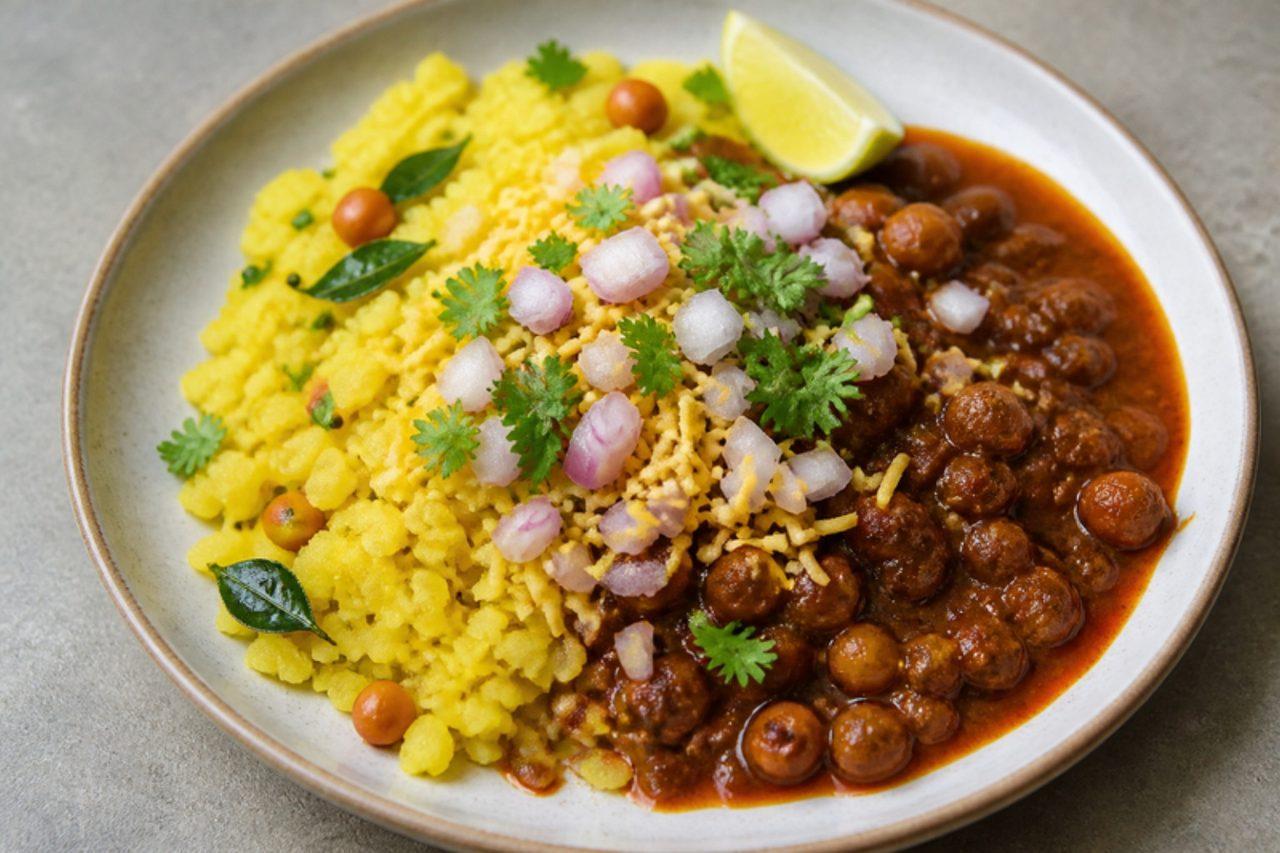
In Nagpur, winter mornings start at a poha stall: soft, turmeric-yellow flattened rice heaped onto a plate and then flooded with tarri, a spicy black-chickpea gravy with a slick of red oil on top, finished with raw onion, sev, coriander and a squeeze of lemon. It's Vidarbha's answer to the plain poha eaten elsewhere in India, louder and hotter, made for a cold morning and a cutting chai. Making it at home takes a little planning because the chana needs an overnight soak, but the tarri keeps for days. Chef's tip: don't skimp on the oil in the tarri; the red layer that floats on top is what soaks into the poha and gives the dish its name.

by KrazyBadal 0 views

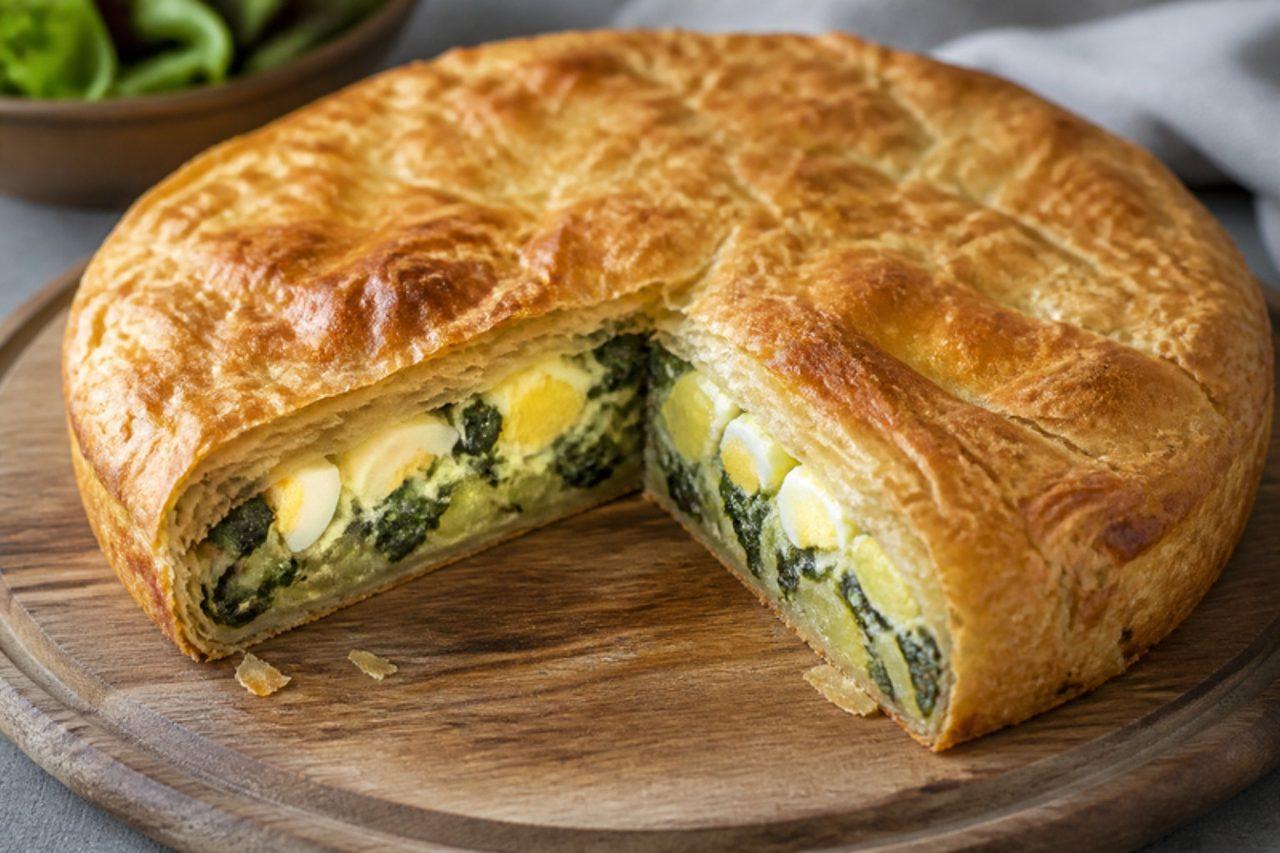
Tarta de acelgaChard and cheese pie

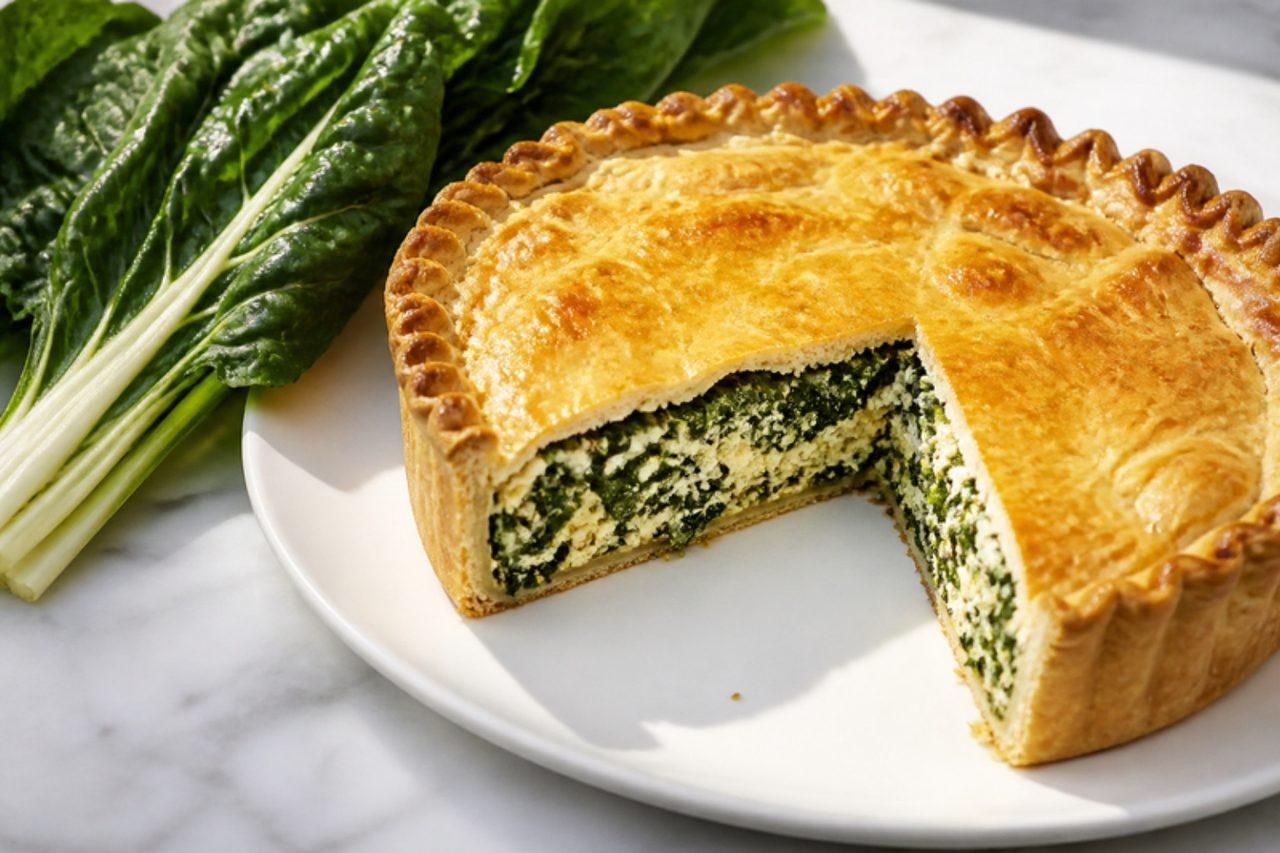
Tarta de acelga is the green, savoury pie found in every Argentine bakery window and on weeknight tables, a legacy of Italian torta pasqualina. Swiss chard is wilted with onion, bound with eggs and soft cheese, seasoned with nutmeg and baked between layers of pastry, sometimes with whole eggs hidden inside. It's eaten warm or cold, for dinner with a salad or packed for a picnic. Chef's tip: squeeze the cooked chard hard in your hands; any water left in it makes the pastry soggy.

by KrazyBadal 0 views

XalwoCardamom halwa

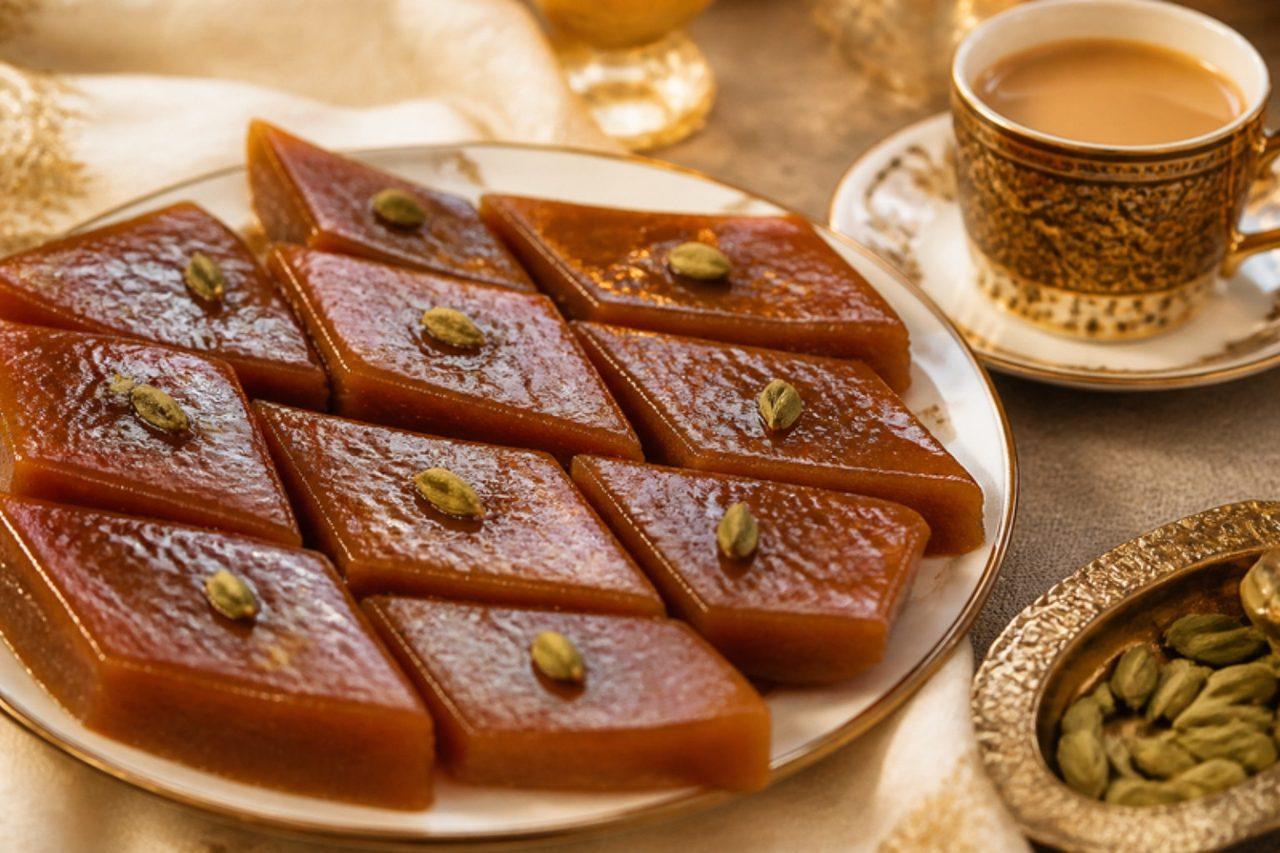
Xalwo is the sweet of Somali celebrations: weddings, Eid and the arrival of guests are all marked with a tray of this dark, glossy, chewy confection, cut into diamonds and served with coffee or spiced tea. Sugar is caramelised, then cooked slowly with cornflour and oil or ghee while the cook stirs without stopping until it pulls away from the pan. It is a cousin of Omani and Yemeni halwa. Chef's tip: stir constantly and keep going until the oil starts to separate and shine on the surface; stopped early, xalwo stays soft and does not set.

by KrazyBadal 0 views

Bot chienFried rice flour cakes with egg

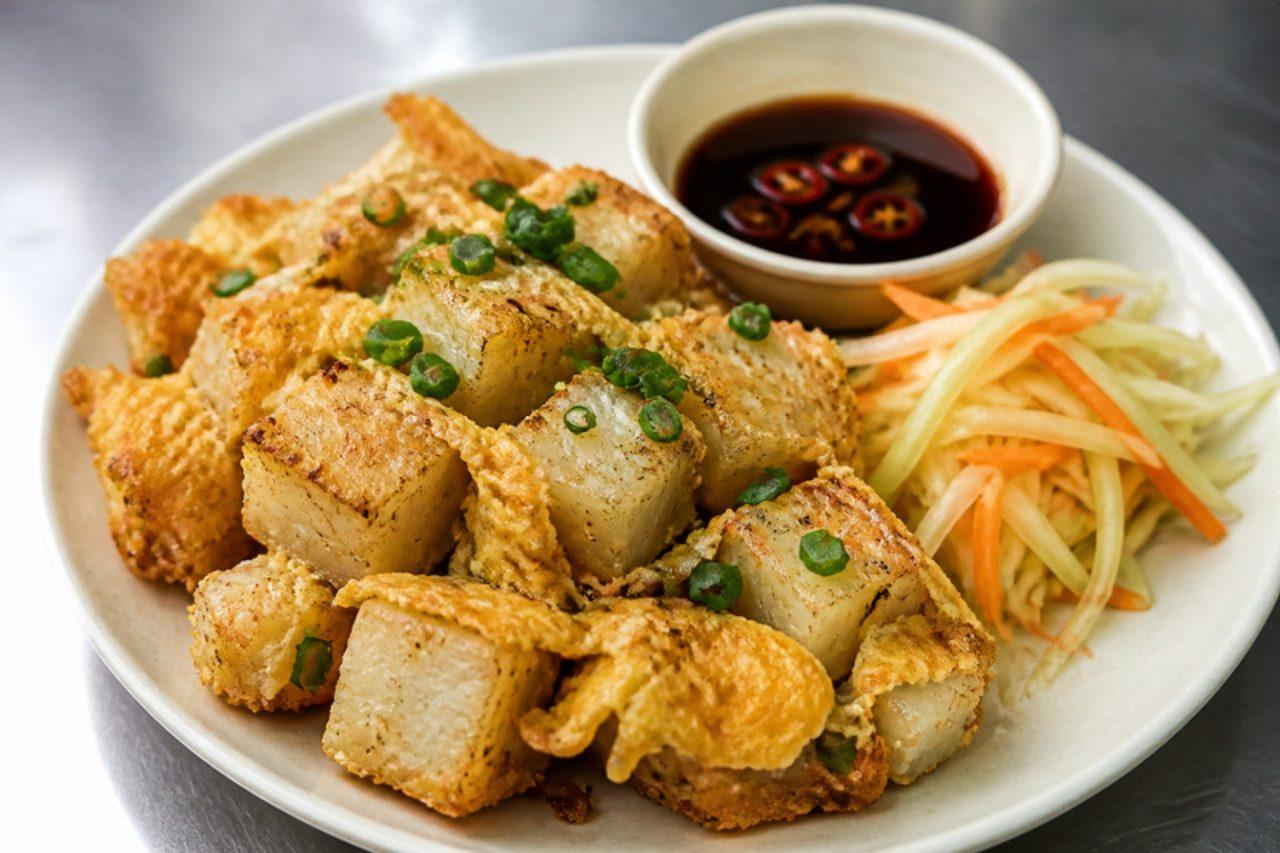
Bột chiên came to Saigon with the Teochew Chinese community of Chợ Lớn and is now an after-school snack sold from street pans across the city in the late afternoon. Cubes of steamed rice-flour cake are fried in a wide pan until crisp outside and soft inside, then an egg is poured over and stirred until it binds them in golden scraps. It is eaten with shredded pickled green papaya and a sweet, sour soy dipping sauce. Chef's tip: make the cake the day before and chill it overnight; cold, firm cake cuts into neat cubes and crisps far better.

by KrazyBadal 0 views

Tarte au rizRice pudding tart

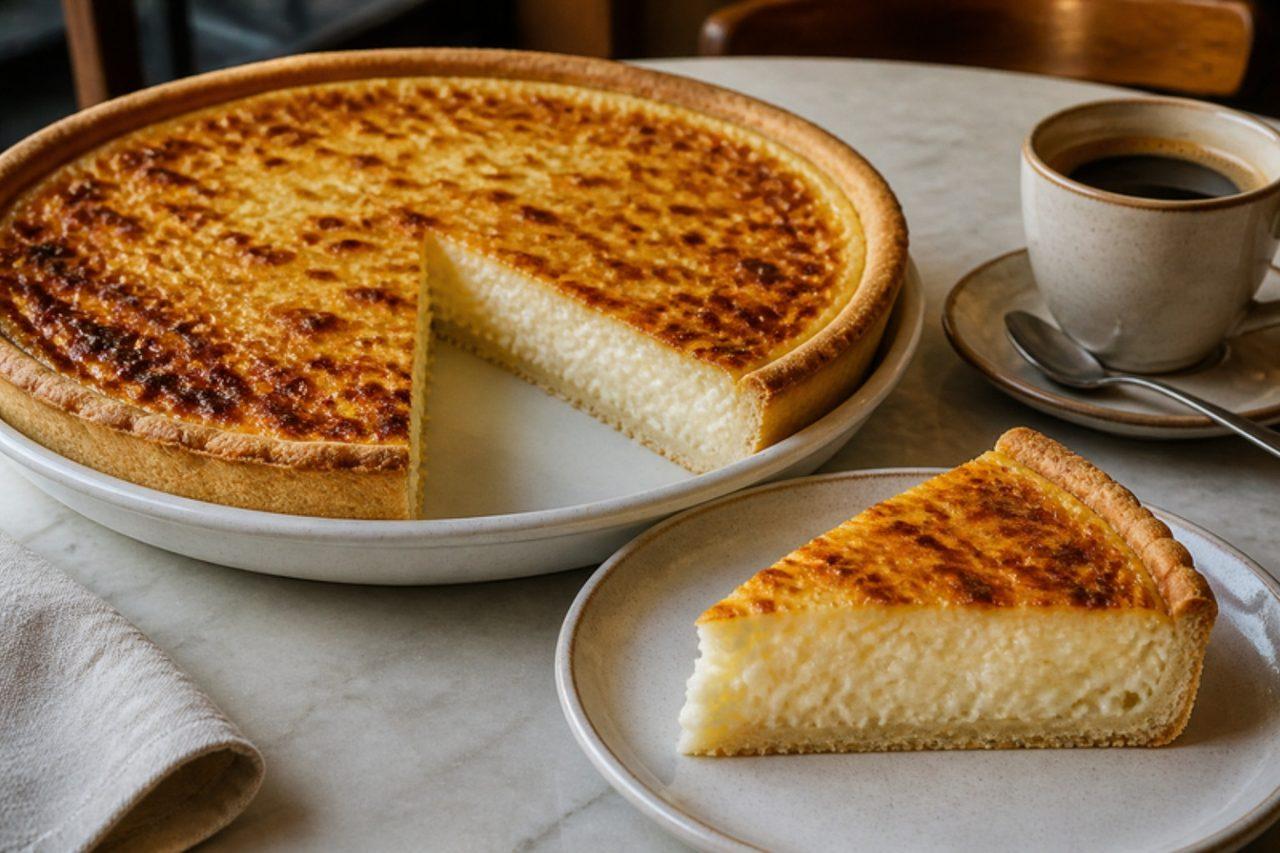
In the province of Liège, and above all in the town of Verviers, no village fair (ducasse) or family celebration happens without tarte au riz, called rijsttaart in Flanders. A thin, soft yeast-dough crust holds a thick layer of rice cooked slowly in milk with vanilla and sugar, enriched with egg yolks and baked until the top is speckled brown. People buy whole tarts from the bakery for a birthday and eat them cold with coffee. Chef's tip: cook the rice until a spoon drawn through it leaves a clear path that closes slowly; a runny filling never sets in the oven, and the crust turns soggy.

by KrazyBadal 0 views

Tarte au sucreMaple sugar pie

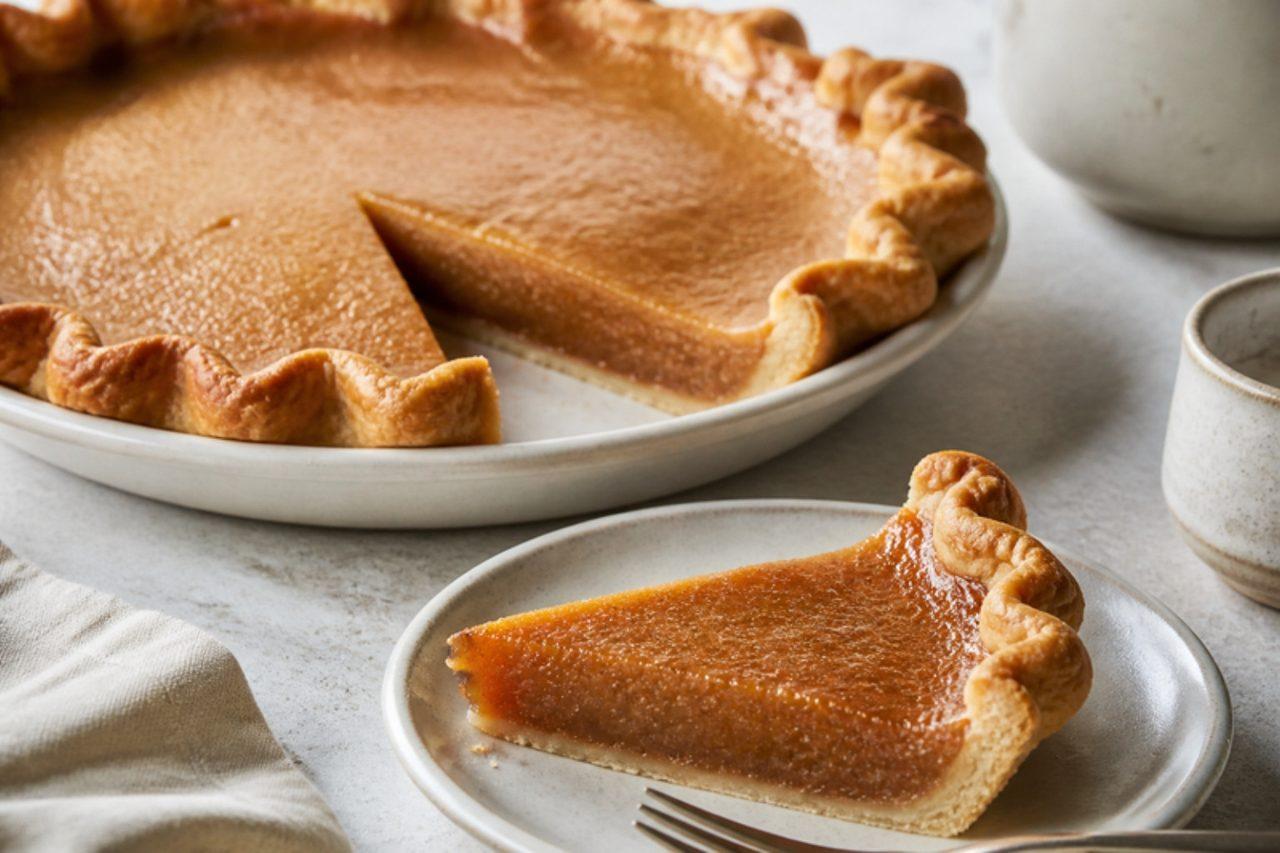
Tarte au sucre is the sweet that closes Québec's holiday réveillon (Christmas Eve feast) and the Sunday meal at grandmother's house. Brown sugar, cream and a little maple syrup are thickened with flour and baked in a buttery shell until set like soft fudge, glossy on top. It's very sweet, so slices are thin, often with a dollop of unsweetened whipped cream. Rural Acadian and Franco-Ontarian families make very similar pies. Chef's tip: let it cool completely, for at least 3 hours; warm sugar pie is runny and only sets as it cools.

by KrazyBadal 0 views

XawaashSomali spice blend

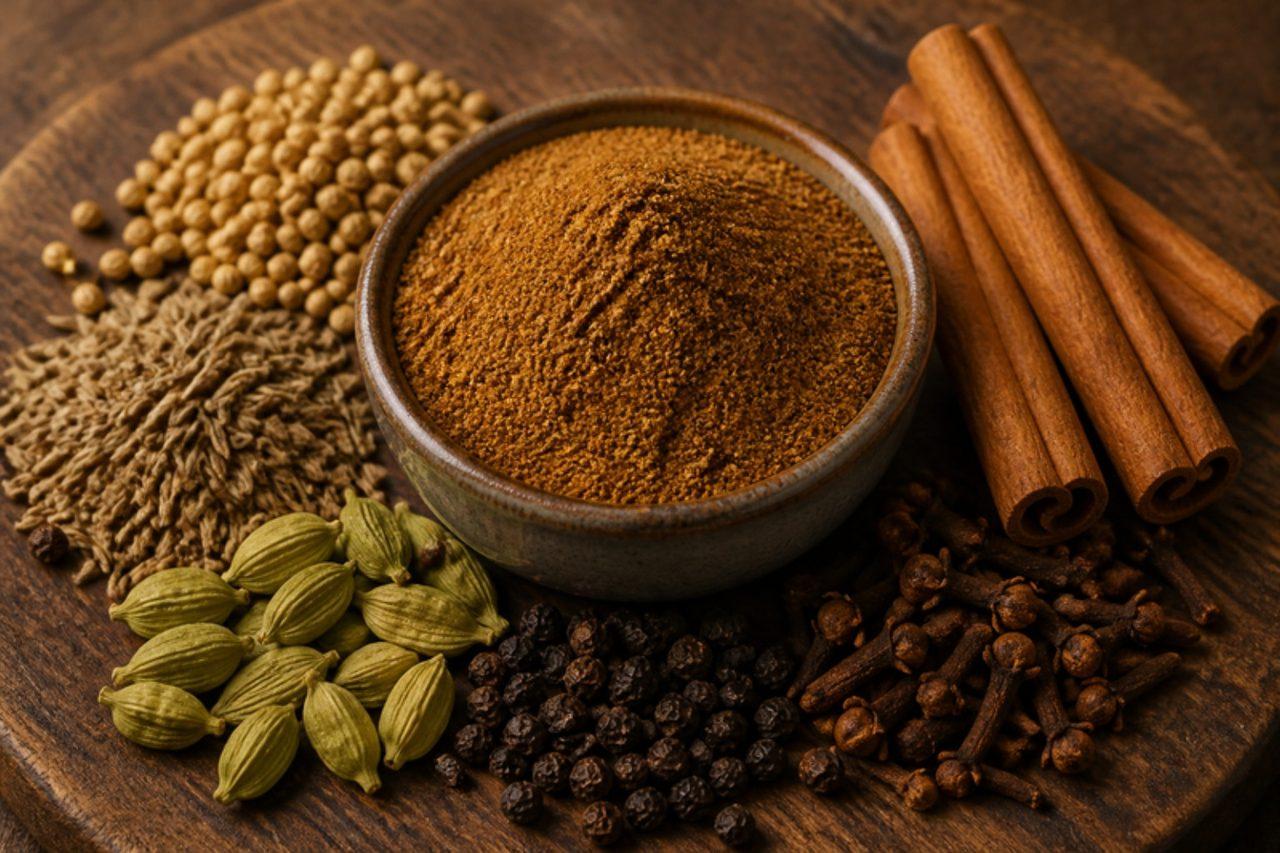
Xawaash (pronounced 'ha-wash') is the spice mix every Somali kitchen keeps in a jar, used in rice, soups, stews, sambuusa fillings and even tea. Families toast and grind their own, often in quantity before Ramadan, and the balance of warm cumin, earthy coriander and sweet cardamom and cinnamon varies from house to house. It is different from Yemeni hawaij and Ethiopian berbere: there is no chilli in it. Chef's tip: toast each spice only until it darkens a shade and smells warm; burnt cumin turns the whole jar bitter.

by KrazyBadal 0 views

ČesnečkaGarlic soup

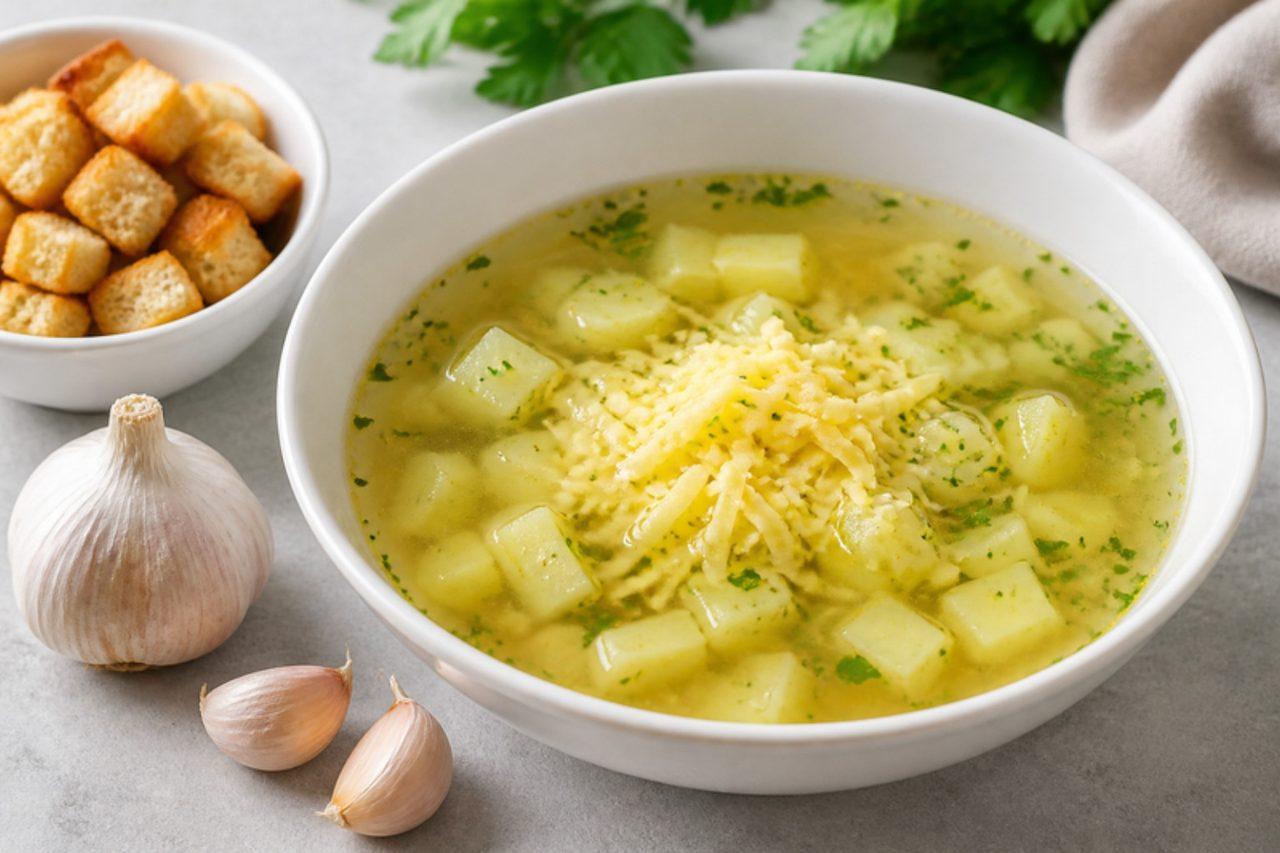
Česnečka is the soup Czechs swear by after a long night in a Prague pivnice: a thin, savoury broth fragrant with raw garlic, caraway and marjoram, with soft potato cubes, crunchy fried bread and a fistful of grated cheese melting into each bowl. It costs almost nothing, comes together in half an hour and is served in workers' canteens and village pubs all winter. This version uses vegetable stock instead of the old meat bouillon. Chef's tip: crush the garlic into the bowls or add it right at the end off the heat; boiled garlic goes sweet and mild, and česnečka should bite.

30 minCzechSoups
by KrazyBadal 0 views

Tarte normandeApple tart with custard

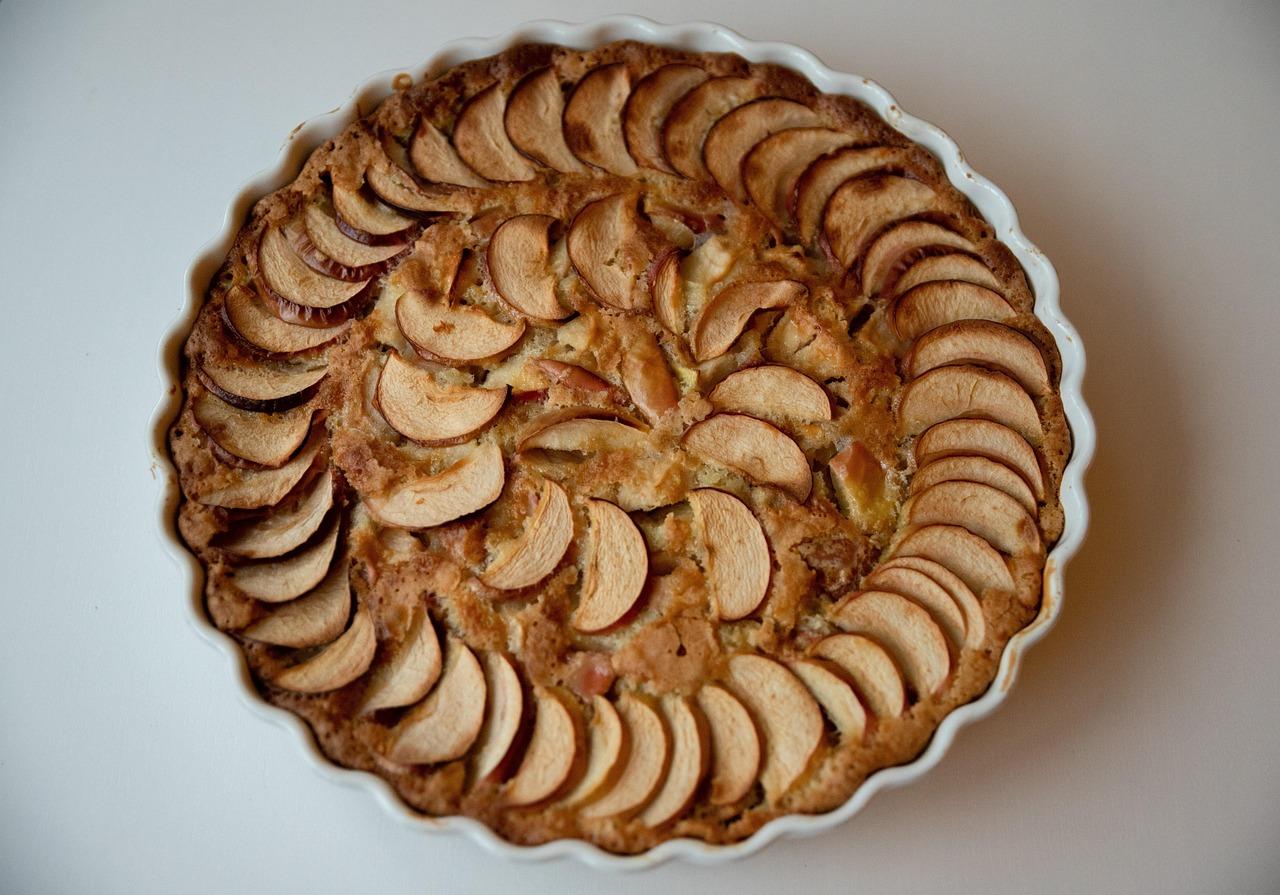
Normandy is the land of orchards and dairy cows, and its apple tart uses both: sliced apples baked in a buttery pastry case, then covered with a custard of eggs, crème fraîche and sugar that sets around the fruit, golden and slightly puffed. Some cooks add a splash of Calvados, the local apple brandy. It's served for Sunday lunch, at village fêtes in autumn, and with a glass of cider. The apples stay soft but hold their slices, and the custard tastes like baked cream. Chef's tip: pre-bake the pastry case before adding the custard; skipping it is the common mistake that leaves a pale, soggy base.

by KrazyBadal 0 views

Tarte tatinUpside-down apple tart

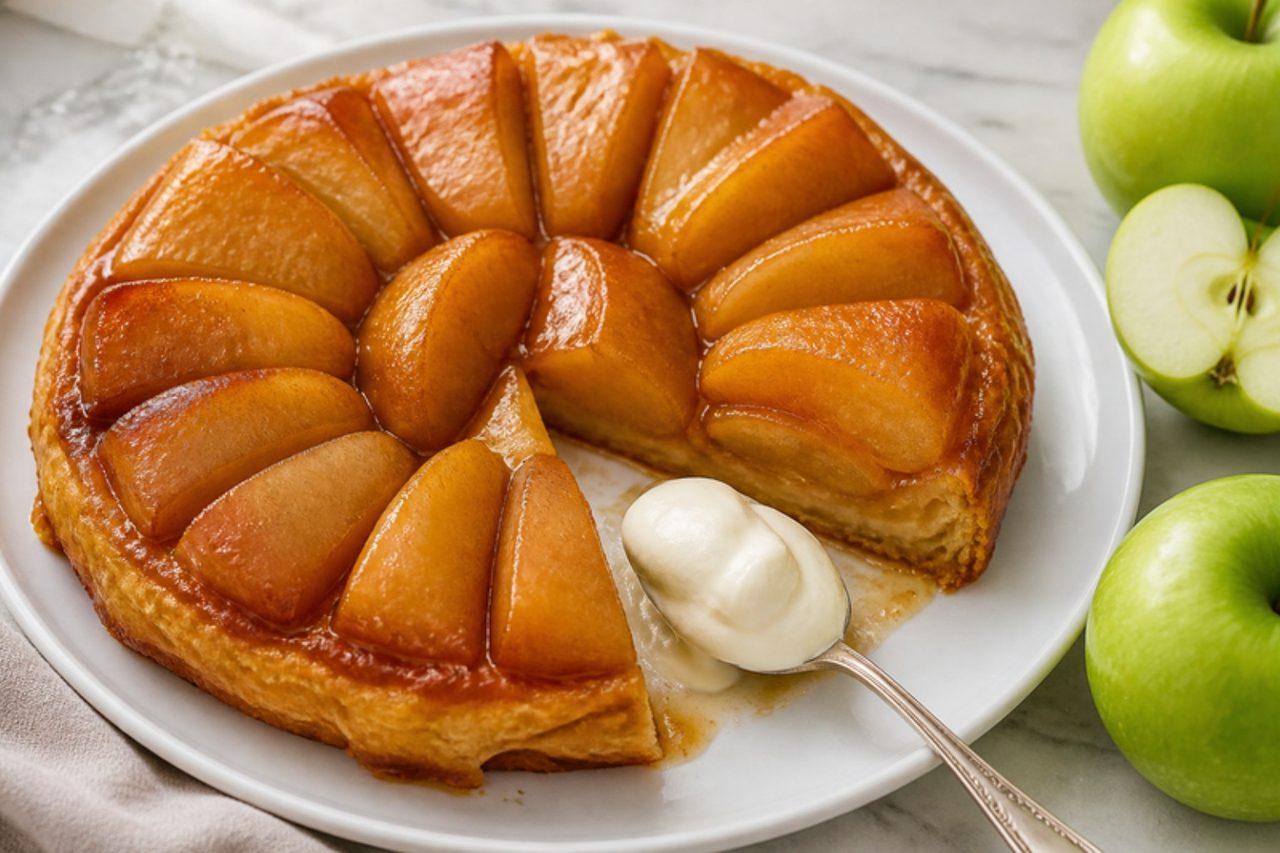
Tarte tatin is said to have been created at the Hôtel Tatin in Lamotte-Beuvron, in the Sologne, south of Orléans, where the Tatin sisters cooked for hunting parties in the 1880s. The apples are cooked in butter and sugar until they turn amber, covered with pastry, baked, then turned out so the glossy caramelised fruit sits on top of a crisp base. It is the French family dessert of autumn and winter, served warm with crème fraîche. This version uses an all-butter shortcrust made without egg. Chef's tip: pack in more apples than seem possible, as they shrink; using too few is the common mistake and leaves a flat tart with gaps.

by KrazyBadal 0 views

TartiflettePotato, bacon and Reblochon bake

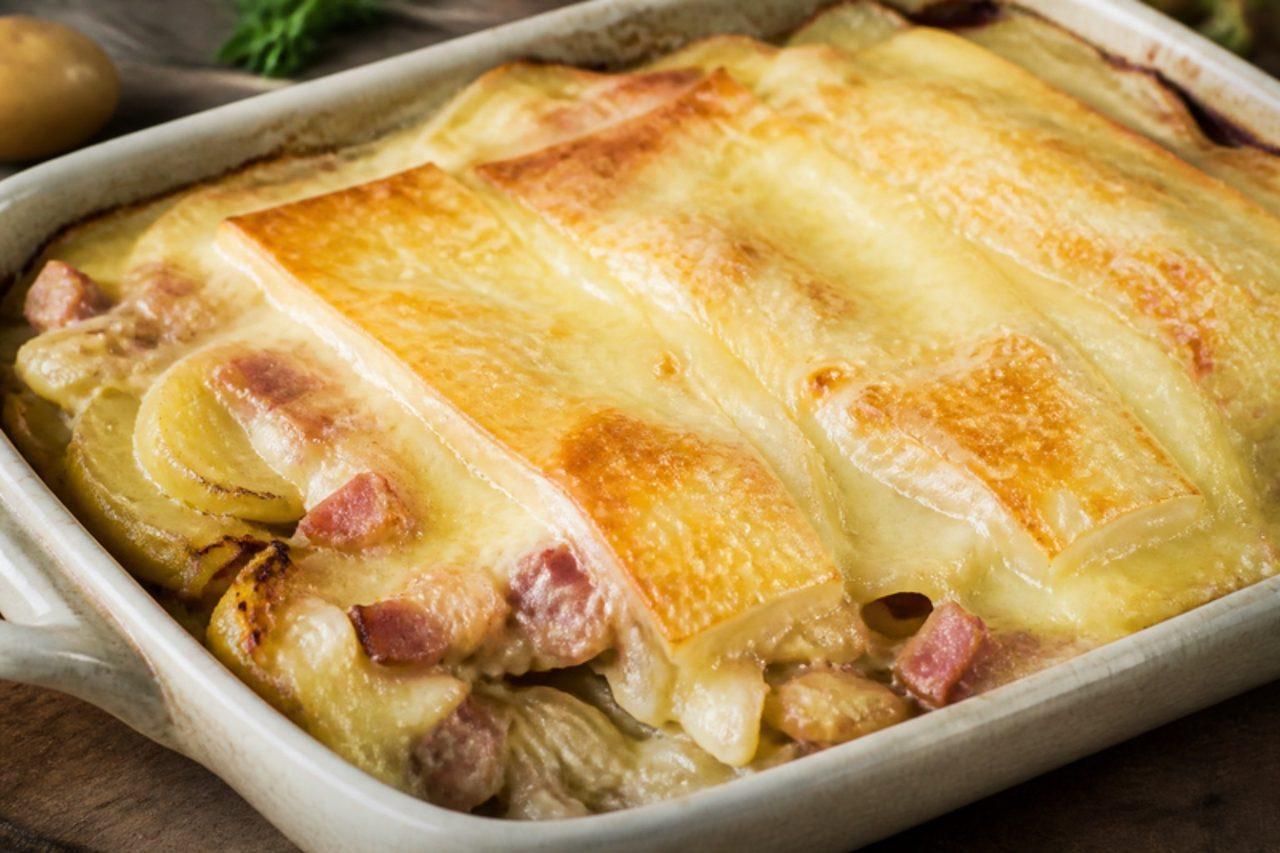
Tartiflette is the dish skiers dream about on the last run of the day in the Savoie Alps, served bubbling in its dish in mountain restaurants from Annecy to Val d'Isère. It contains pork: sliced potatoes are layered with onion, smoky lardons and a splash of cream, then a whole Reblochon cheese is halved and laid rind-side up on top so it melts down through everything in the oven. Many cooks add a splash of white wine to the onions; this recipe leaves it out, so it is alcohol-free. Eat it with a sharp green salad and cornichons. Chef's tip: keep the rind on the Reblochon; it bakes to a golden, nutty crust.

75 minFrenchMeatGluten free
by KrazyBadal 0 views

Bosanski lonacLayered meat and vegetable pot

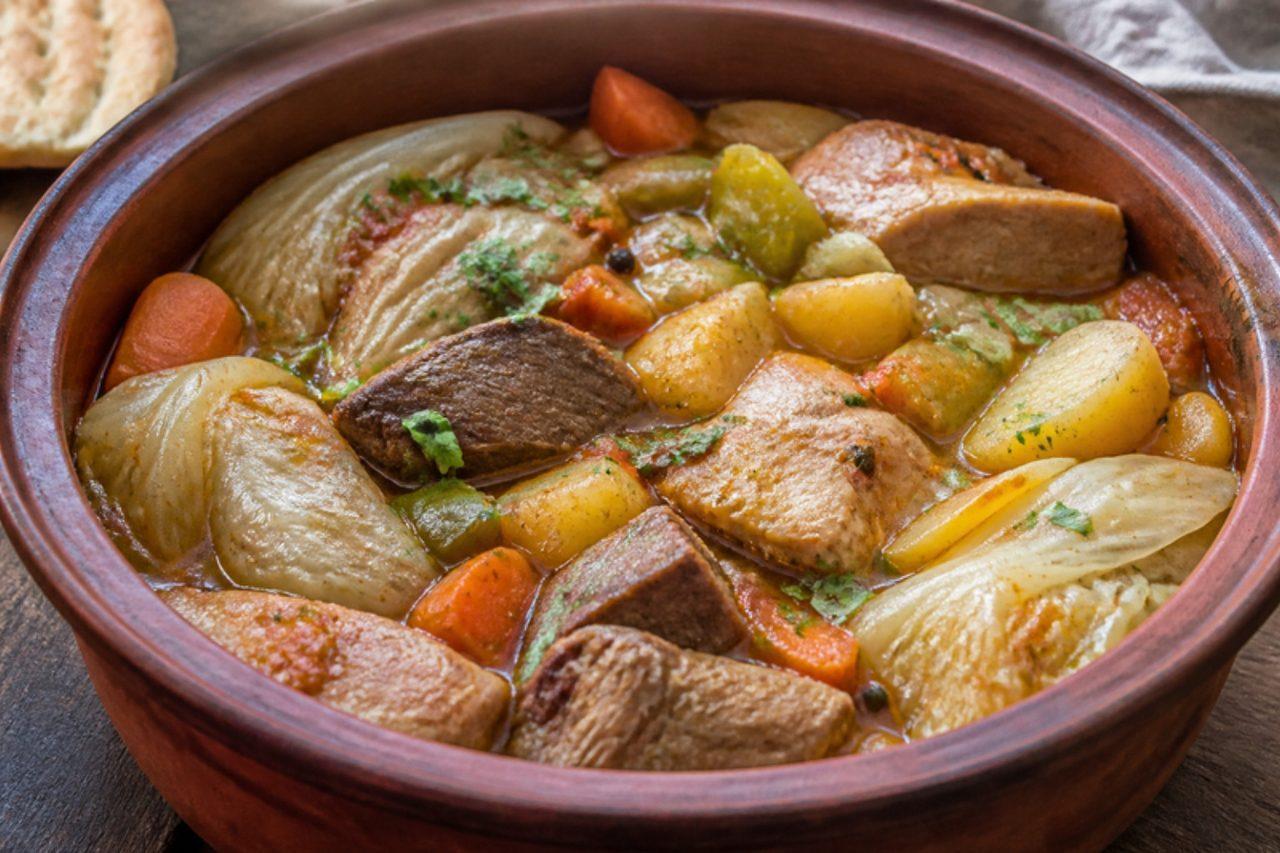
Bosanski lonac goes back to Bosnian village hearths, where a tall clay pot was layered with meat and vegetables and left in the embers for hours; in Sarajevo and Mostar it is still cooked for name-day gatherings and cold winter weekends. This home version layers chunks of beef, lamb and pork with cabbage, potatoes, carrots, tomatoes and peppers, then cooks it slowly in a covered pot with only a little water, so everything stews in its own juices. This recipe contains pork; use all beef and lamb if you prefer. The mistake people make is stirring it: the layers should stay intact and steam gently. Chef's tip: put the meat and onions at the bottom and the watery vegetables like tomatoes at the top, so the juices drip down through everything.

215 minBalkanMeatGluten free
by KrazyBadal 0 views

Bore baasiSoaked rice with onion

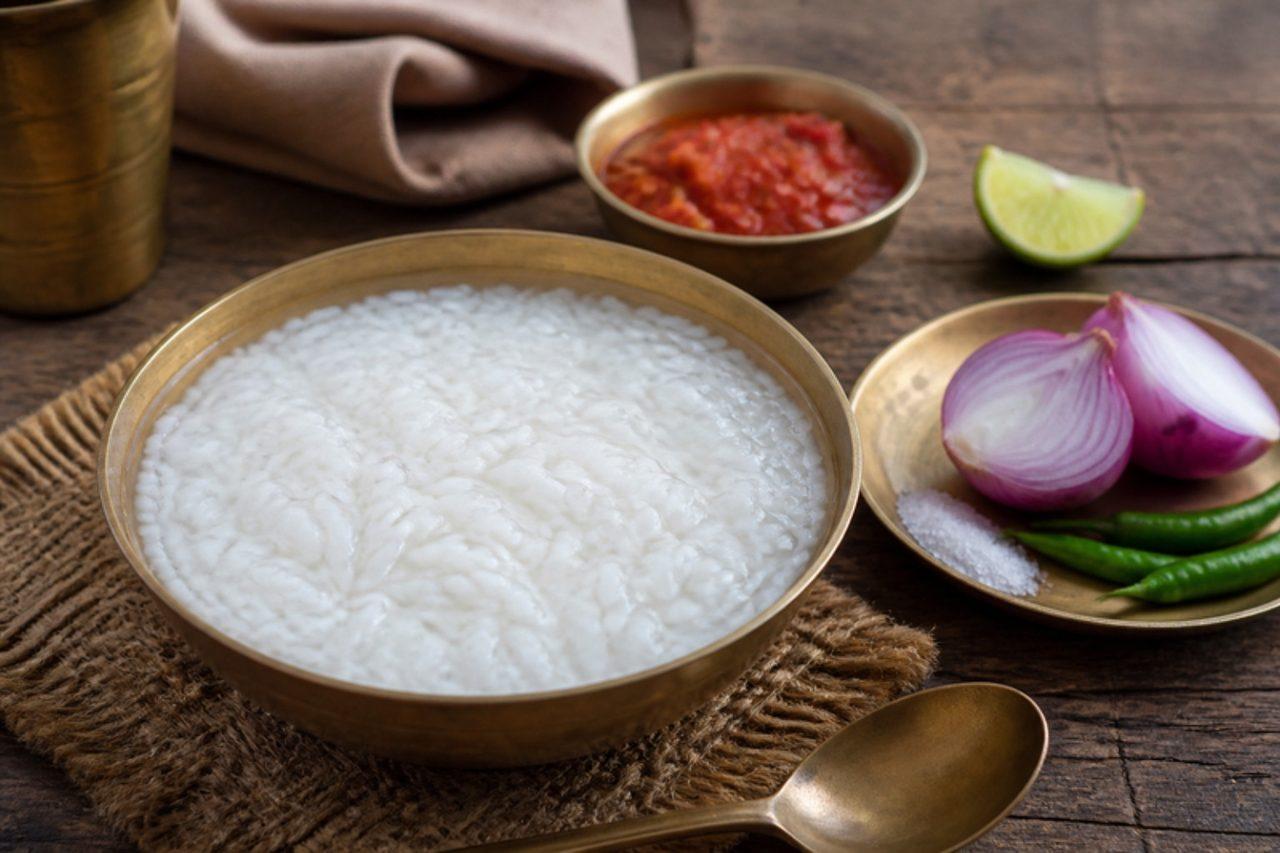
Bore baasi is the summer meal of Chhattisgarh's farmers: cooked rice soaked in water, either for a few hours (bore) or overnight (baasi), then eaten from the bowl with its slightly sour water, raw onion, green chilli and a pinch of salt. It is cooling, filling and easy on the stomach in the heat, and in recent years the state has made 1 May, Labour Day, the day to eat it as Bore Baasi Tihar. Many families add a ladle of buttermilk or curd and something fried or roasted on the side. Food safety matters with any cooked rice left standing, so this version cools the rice fast and soaks it in the fridge. Chef's tip: cool and cover the rice within an hour of cooking; rice left warm on the counter is the real risk, not the soaking.

by KrazyBadal 0 views

FaraSteamed rice dough fingers

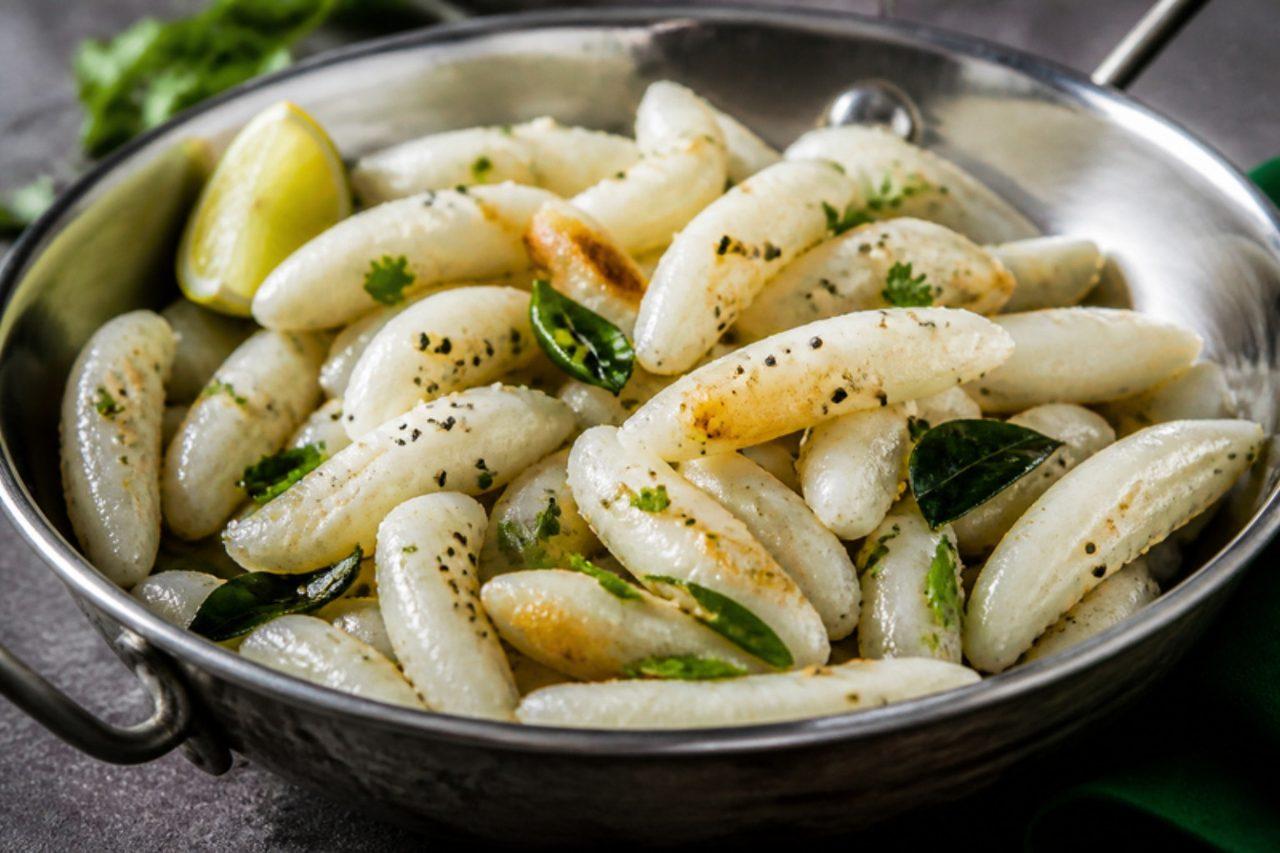
Fara is what a Chhattisgarhi kitchen does with yesterday's rice: it is kneaded with rice flour and hot water into a soft dough, rolled into little fingers, steamed and then tossed in a crackling tadka. Served at teatime or packed for long bus journeys, it is soft and chewy inside with spots of crispness from the pan. Some families spoon it into a thin, tangy curry instead, but the dry tempered version is the one sold in Raipur's snack corners. Chef's tip: knead the dough while it is still hot from the water; cold rice dough cracks and the fara split as they steam.

by KrazyBadal 0 views

FaloodehFrozen rice noodle sorbet

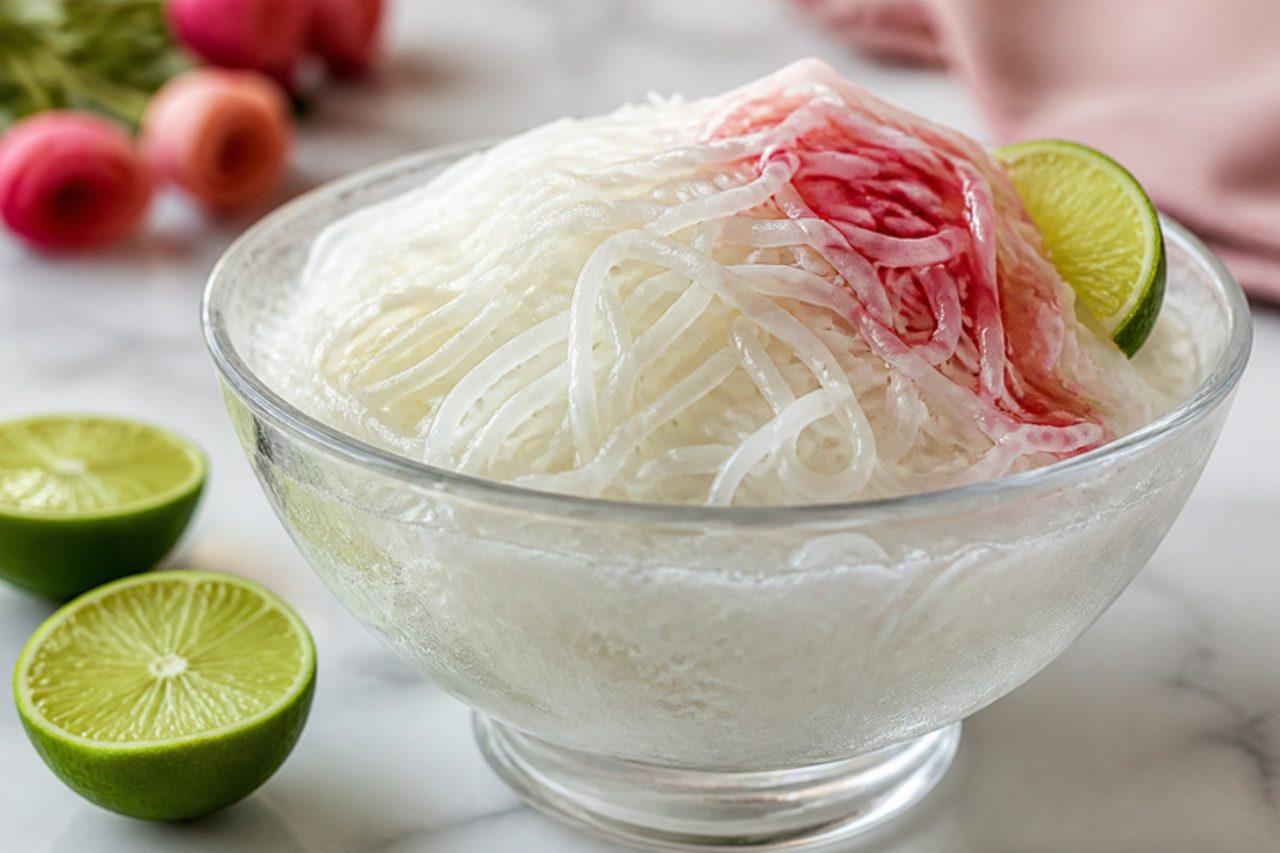
Faloodeh is the summer treat of Shiraz: thin rice noodles frozen in a rosewater syrup to make an icy, crunchy, chewy sorbet, sold in ice-cream shops across the city and in Tehran on hot evenings. Each glass is finished at the counter with a squeeze of fresh lime and, for many, a spoon of sour cherry syrup. It is very different from Indian falooda, which is a creamy milk drink; this one is dairy-free, sharp, floral and refreshing. Chef's tip: scrape the mixture with a fork every 30 minutes while it freezes, so you get snowy crystals rather than a solid block.

by KrazyBadal 0 views

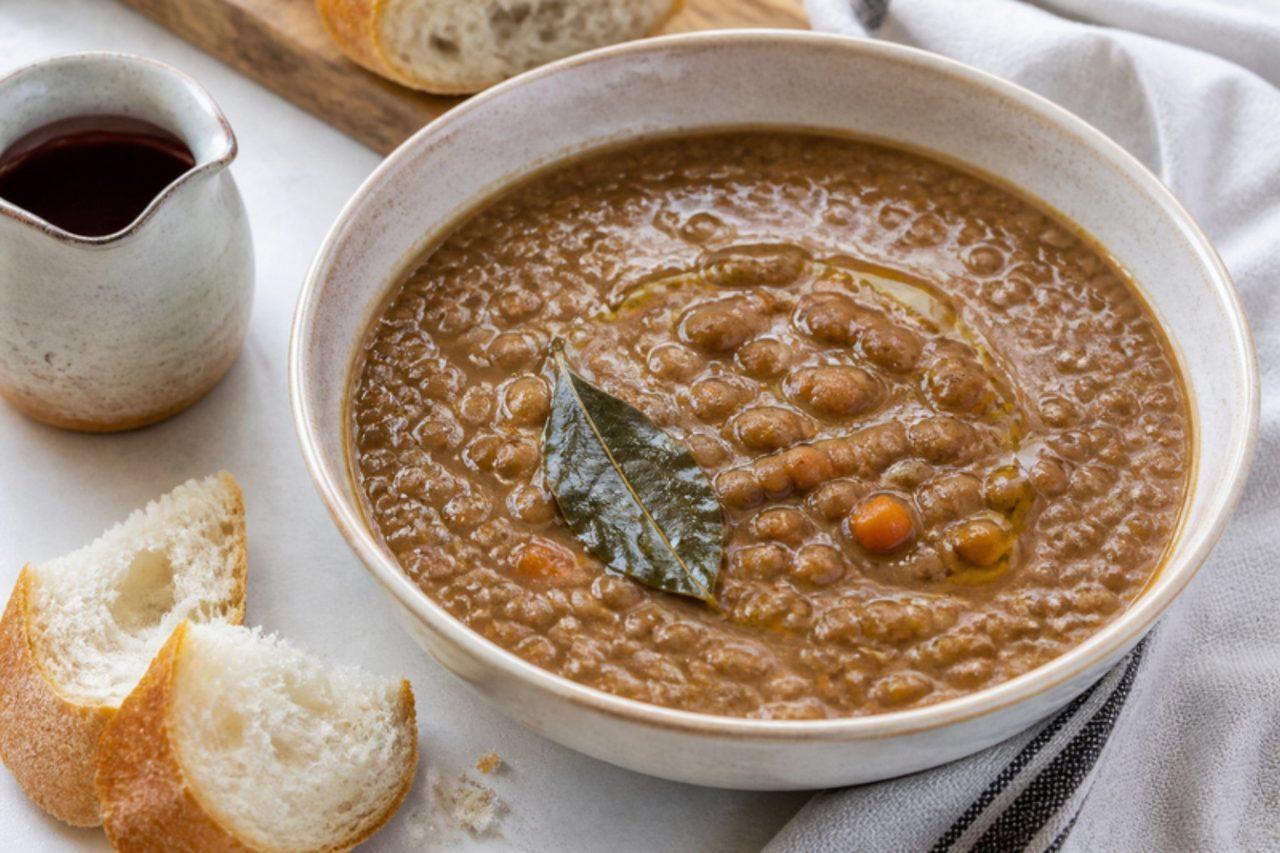
FakesLentil soup

Fakes (say 'fah-KES') is the weekday soup of Greek homes, often made on a Wednesday or Friday, the traditional fasting days. Small brown lentils are simmered with onion, garlic, carrot, tomato and bay until thick and soft, then brightened at the table with red wine vinegar. It is cheap, filling and ready in well under an hour. Greeks eat it with olives, a wedge of feta for those who eat dairy, raw onion and bread. Chef's tip: add the vinegar off the heat just before eating, not while it cooks; boiling it is the usual mistake and flattens the sharp lift it is meant to give.

45 minGreekSoupsVeganGluten free
by KrazyBadal 0 views

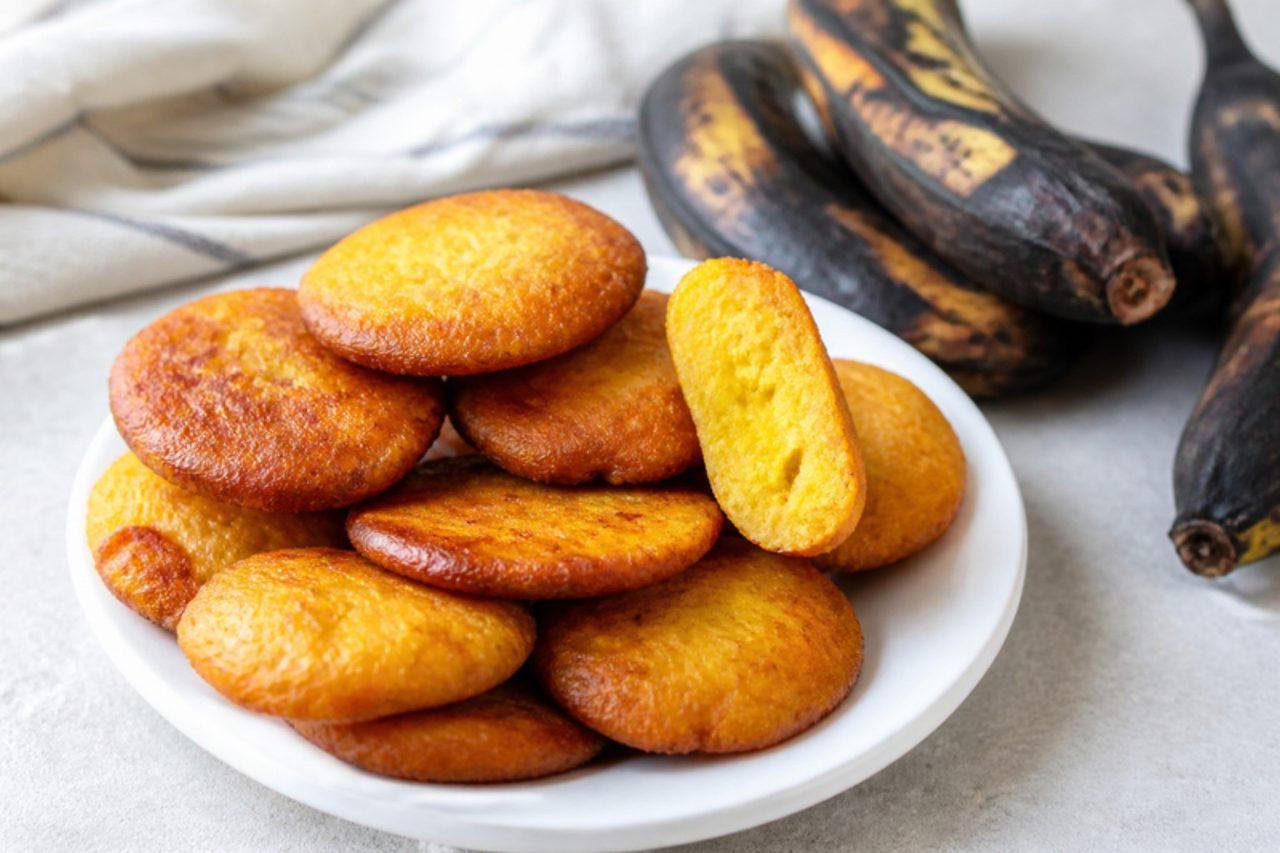
TataleSpiced plantain pancakes

Tatale is how Ghanaian cooks rescue plantains that have gone soft and black: they are mashed with onion, ginger and chilli, bound with a little flour, and fried as thick pancakes. In Accra and the Volta region they are sold warm from roadside pans and eaten as a snack or with a bowl of bean stew (aboboi). The outside crisps and caramelises while the inside stays soft and sweet. This version uses fine cornmeal, which keeps it gluten free. Chef's tip: the blacker the plantain skins, the better; they should feel soft like an overripe banana.

by KrazyBadal 0 views

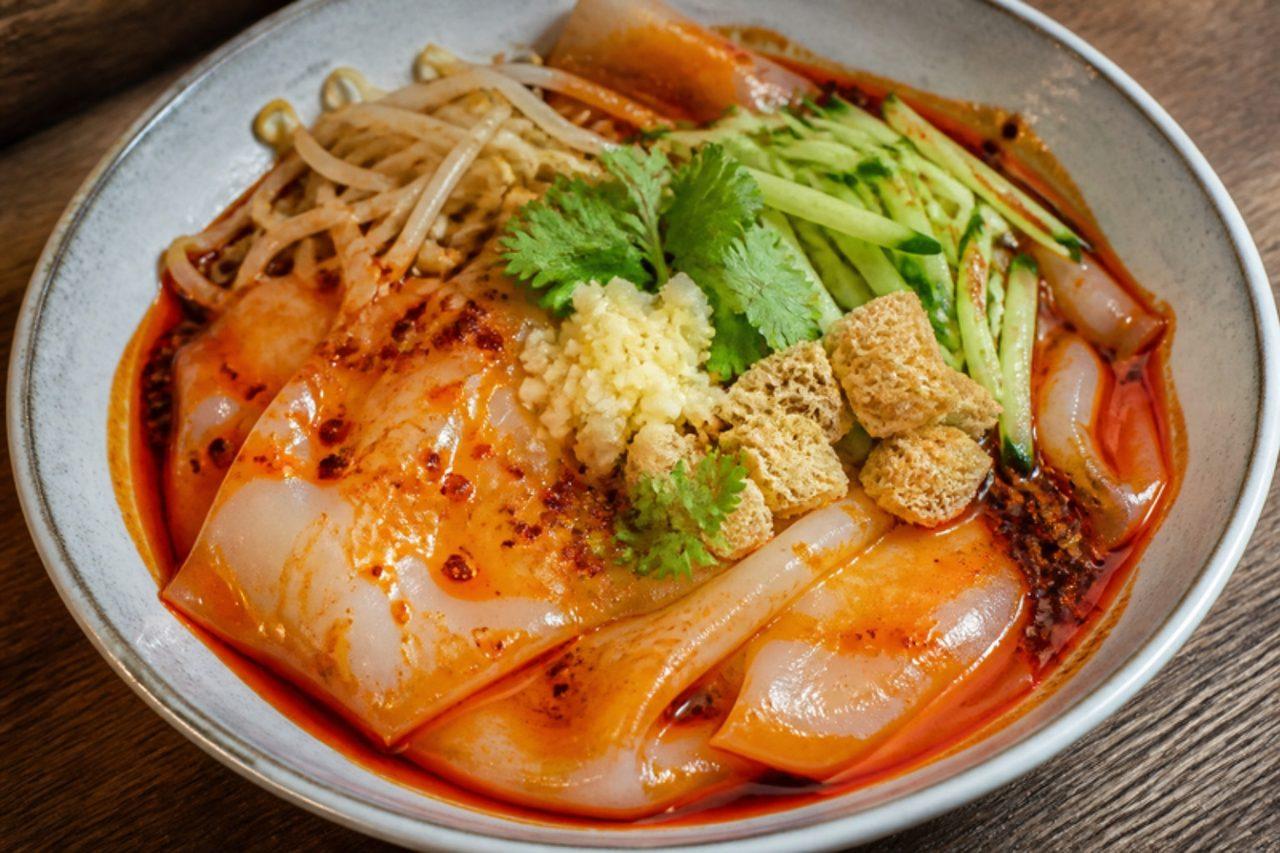
Xi'an liangpiCold wheat starch noodles

In Xi'an's Muslim Quarter, cooks peel liangpi off steaming trays all day, cut it into wide ribbons and toss it with chilli oil, black vinegar, garlic water and cubes of springy gluten. It's eaten cold, often with a flatbread, as a summer lunch. Gansu's niangpi, from Lanzhou and Tianshui, is the same dish with thicker sheets and more garlic, so it's covered here too. You wash a flour dough to split the starch from the gluten, so allow 4 hours for the starch to settle. Chef's tip: stir the starch water every time before you ladle it, because the starch sinks fast.

by KrazyBadal 0 views

Fairy breadSprinkle-covered bread

No children's birthday party in Australia, and in New Zealand too, is complete without a plate of fairy bread, a tradition going back about a hundred years. Soft white bread is spread with butter and pressed face-down into a pile of hundreds and thousands, the tiny round coloured sprinkles, then cut into triangles. It's sweet, crunchy, buttery and gloriously bright, and children love making it as much as eating it. Many sprinkles are coloured with insect-based carmine (E120) or glazed with shellac (E904); for a vegetarian plate, choose a brand that uses neither. Chef's tip: use soft, spreadable butter right to the edges; it's the glue that holds every sprinkle.

by KrazyBadal 0 views

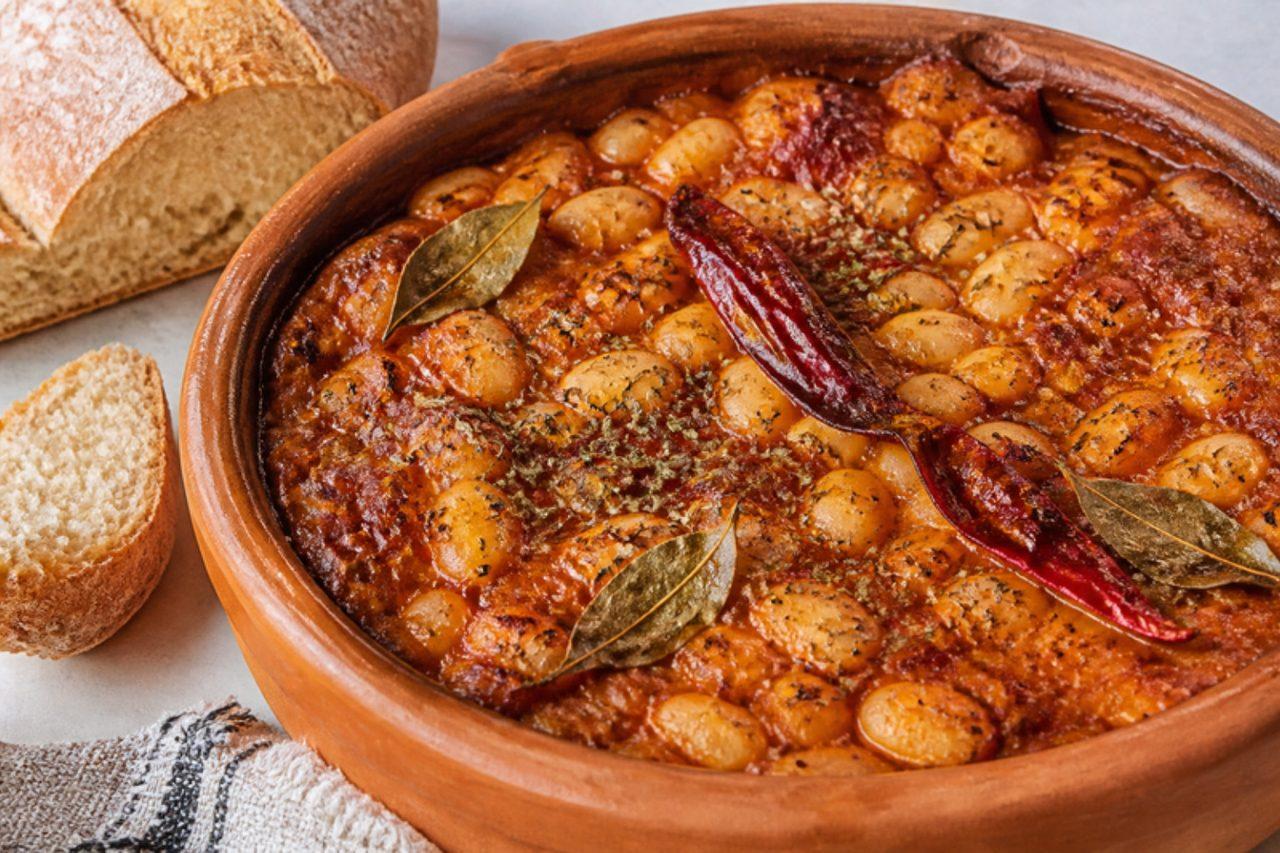
Tavče gravčeBaked white beans

Tavče gravče, 'beans in a pan', is the dish North Macedonians call their own: large white beans, ideally the Tetovo variety, cooked soft, then baked in a shallow earthenware tava with onions fried in paprika until the top forms a crust. In Skopje it is a Friday staple and a Christmas Eve fast-day dish, served in the same clay dish it baked in, with bread, pickled peppers and a cabbage salad. This version keeps to the meat-free fasting style, with a paprika-and-onion roux for depth. Chef's tip: let the paprika sizzle in the oil for only a few seconds off the heat; scorched paprika turns brown and bitter and spoils the whole dish, which is the most common slip.

by KrazyBadal 0 views

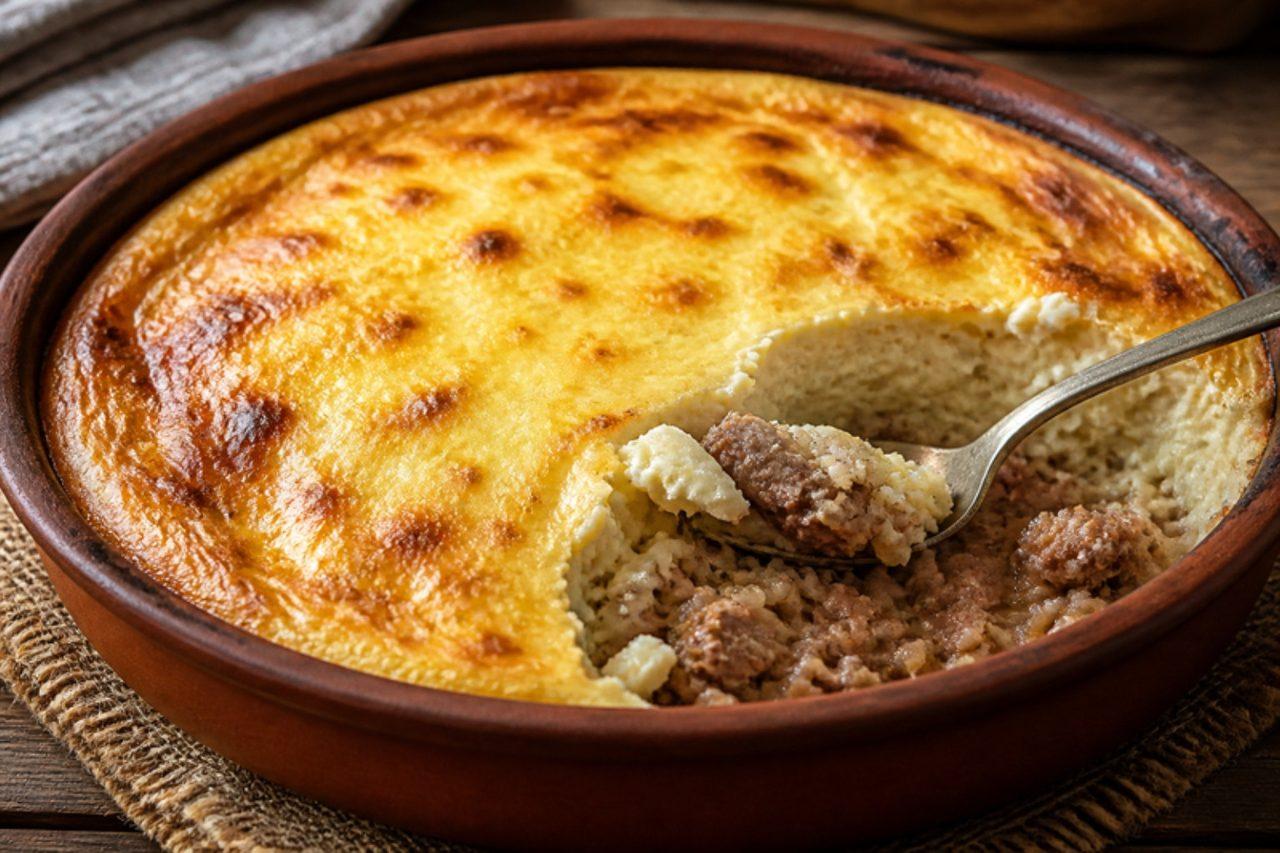
Tavë kosiBaked lamb and rice in yogurt

Elbasan, in central Albania, claims tavë kosi as its own and serves it on Dita e Verës, the spring festival in March, though families across Albania and Kosovo bake it all year. Pieces of lamb on the bone are browned with garlic and a little rice, then covered with a thick custard of tangy yogurt, eggs and a butter-flour roux and baked until puffed and golden on top. Inside, the custard stays soft and slightly sour against the rich meat. A classic slip is using thin, low-fat yogurt, which splits in the oven; use full-fat strained yogurt. Chef's tip: let the yogurt come to room temperature and whisk the warm roux in slowly, so the custard stays smooth.

135 minBalkanMeat
by KrazyBadal 0 views

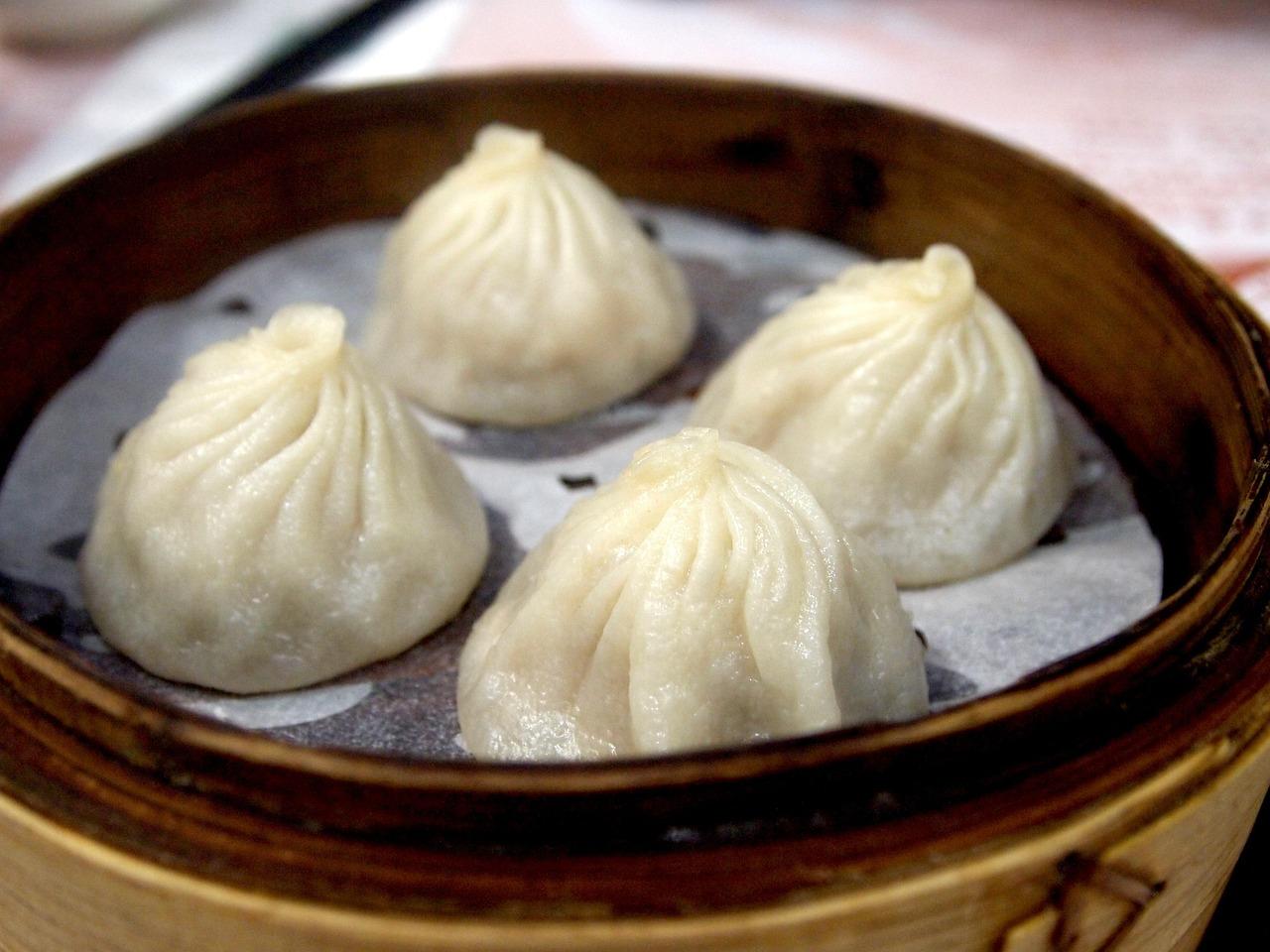
XiaolongbaoSoup dumplings

Bite carefully: inside each pleated parcel is a pork meatball floating in hot broth, which comes from a pork-skin jelly that melts as the dumplings steam. Shanghai's teahouses and the old town around Nanxiang have served them in bamboo baskets for well over a century, usually for breakfast or a late lunch with a saucer of black vinegar and threads of ginger. The wrapper should be thin enough to see the soup move but strong enough to lift with chopsticks. Make the jelly the day before (or use the gelatine shortcut in the ingredient note), then the folding takes about an hour with a little practice. Chef's tip: keep the filling in the fridge until the moment you wrap; cold jelly stays solid and the dumplings are far easier to pleat.

by KrazyBadal 0 views

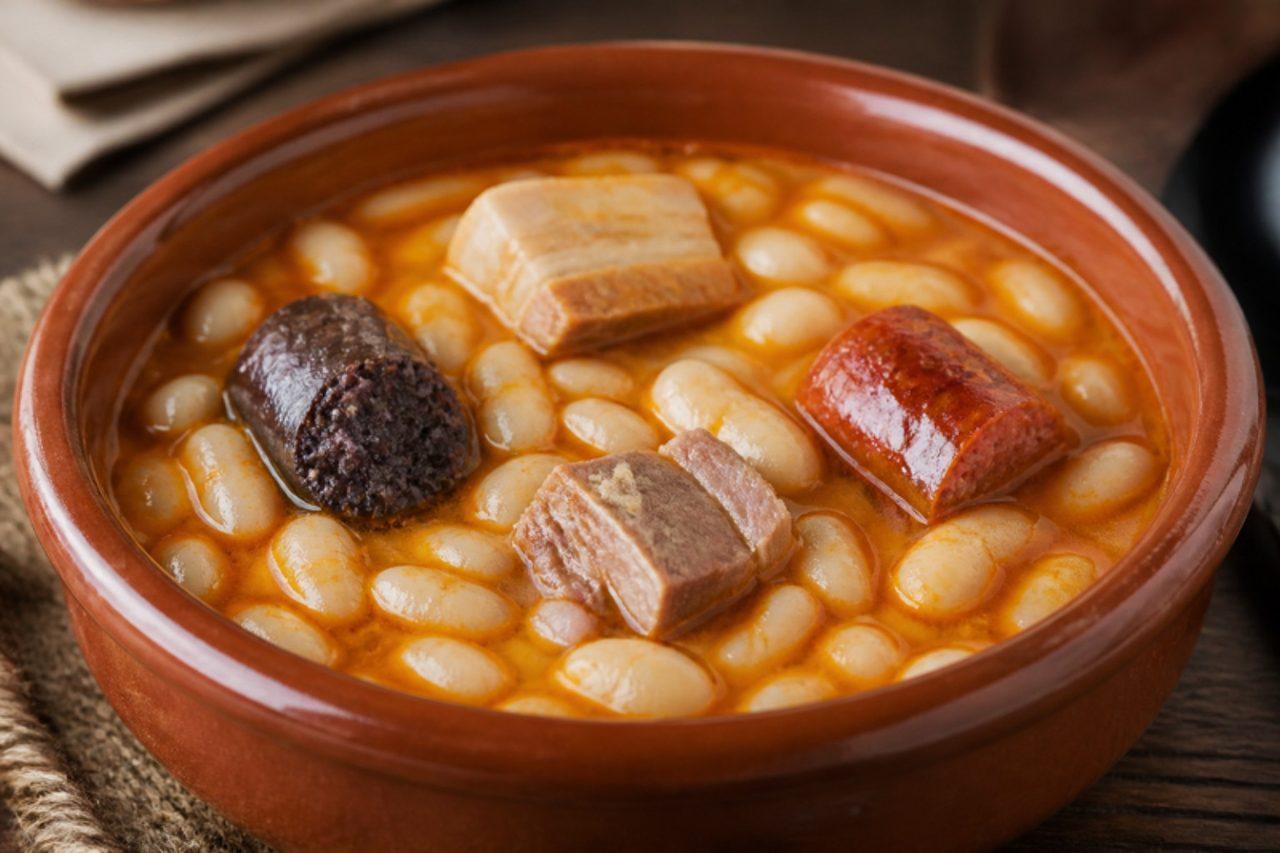
Fabada asturianaAsturian white bean stew

Fabada is the great midday stew of Asturias, on Spain's green, rainy north coast, eaten in winter at long lunches in village casas de comida and cider houses, usually followed by a quiet afternoon. Big, buttery fabes (Asturian white beans) cook slowly with the compango: smoked Asturian chorizo, morcilla, pork belly and lacón (cured pork shoulder). The beans should end up creamy inside and whole outside, in a thick, orange broth coloured by the chorizo. Large dried white beans such as judión or butter beans are the closest substitute if you can't find fabes. Chef's tip: make it the day before; it thickens and tastes better after a night in the fridge.

150 minSpanishMeat
by KrazyBadal 0 views

Showing 72 of 7,762 recipes

Show more recipes

Page 749 of 863