


Skip to content
Zhajiangmian with mushroom and tofu
Featured recipe

Zhajiangmian with mushroom and tofu

Noodles in bean paste sauce

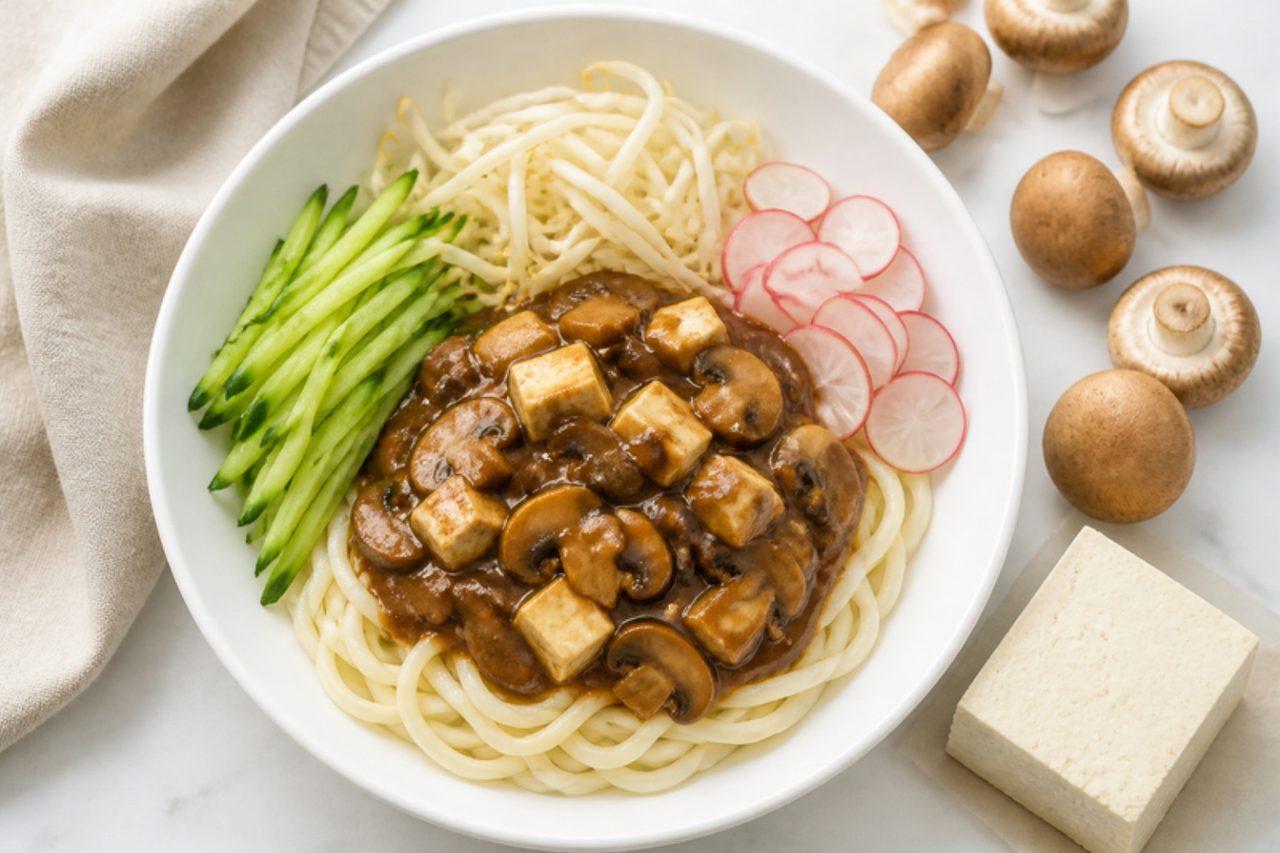
Zhajiangmian is old Beijing's comfort food, eaten in hutong noodle houses and at home on hot summer days. Thick wheat noodles are topped with a dark, salty-sweet sauce of fermented soybean paste fried slowly in oil, then piled with raw cucumber, radish and beansprouts that you mix in at the table. Pork is traditional; diced firm tofu and mushrooms give the sauce the same chunky body here. Chef's tip: fry the bean paste gently and patiently, on a low heat, until the oil separates out and it smells toasty; rushed, it tastes raw and harsh.

Read more 0 views

What to eat today?

Around the world

Today's trip: Paraguayan

A new country every day, from every cuisine on the site.

Paraguayan

Lampreado

Cassava starch cheese fritters 30 minMore from Paraguayan (27) →

This week's collection

Kid-friendly dinners
537 recipes · a new collection every Monday

Latest recipes

Hot and sour potato shreds

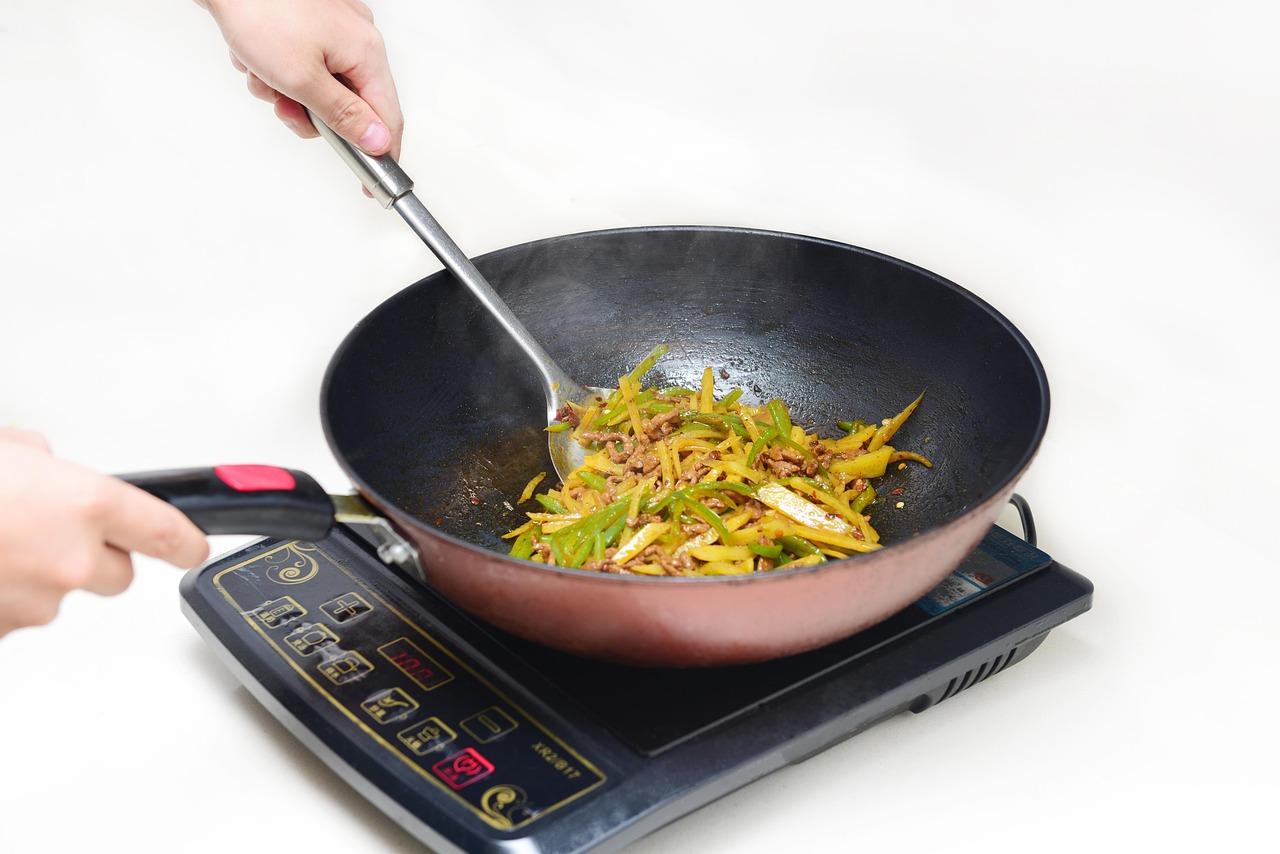
In Chengdu this is the dish a family orders when the table already has something rich: a heap of potato cut as fine as matchsticks, cooked for barely two minutes so it stays crunchy, sharp with vinegar and warm with dried chilli. Over the border in Shanxi the same dish is made with the province's dark aged vinegar (lǎo chéncù) and less chilli, and it tastes deeper and slightly sweet; both versions are given here. It goes with plain rice and any braised tofu or bean dish. Chef's tip: rinse the cut potato until the water runs clear, because that washed-off starch is what turns the shreds gluey in the wok.

by KrazyBadal 0 views
Fukagawa-meshi (Tokyo clam and miso rice)

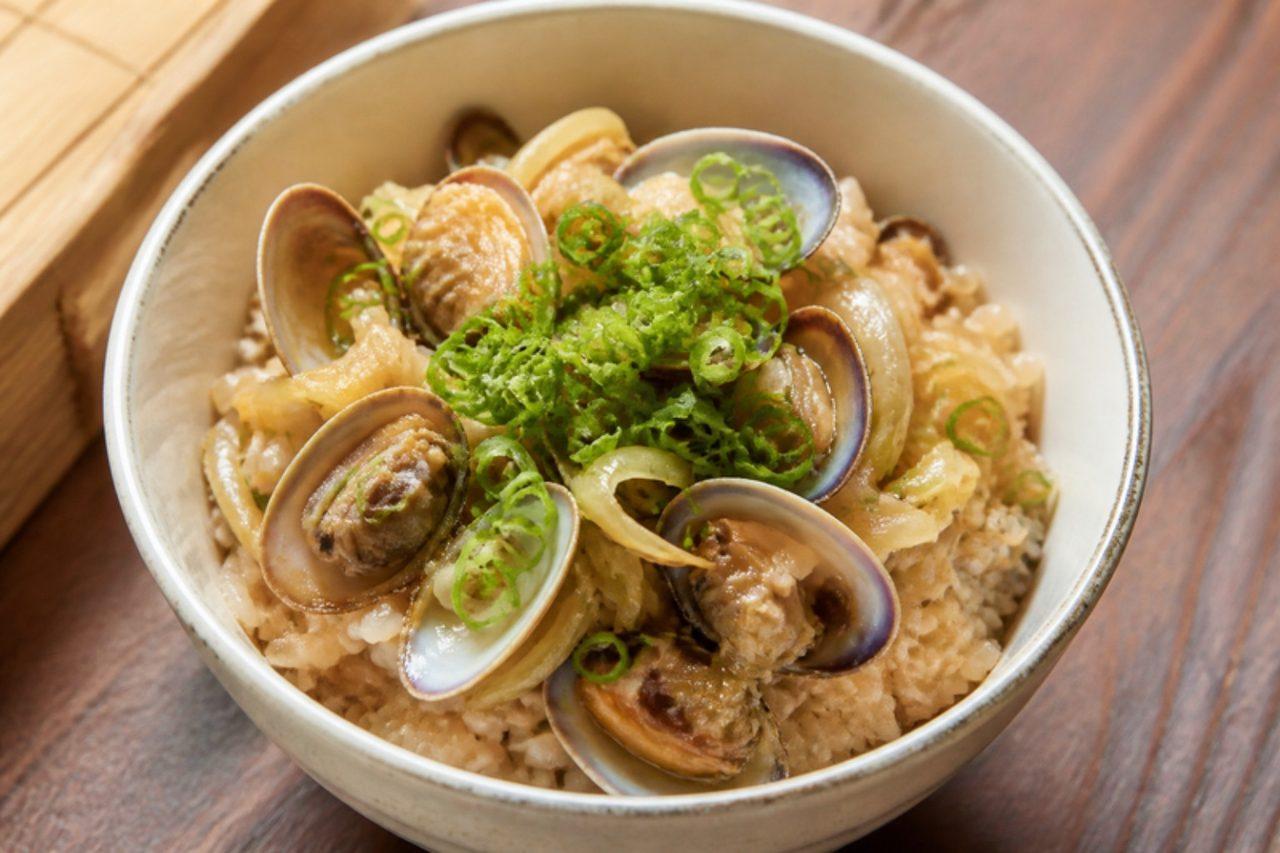
Clam diggers on the shallow shores of Fukagawa, in what is now Koto ward in eastern Tokyo, used to make a fast meal by simmering fresh asari clams with leek in miso soup and tipping it over rice. The bay has long since been built over, but small restaurants near Monzen-Nakacho and Kiyosumi-Shirakawa still serve it in bowls or lacquered boxes, and it is a well-known station lunch box. Some cooks steam the clams into the rice instead; this is the older poured-over style. It is savoury, briny and very quick. Chef's tip: steam the clams open first and take them out of the pot, then return them only for the last 30 seconds, so they stay plump instead of shrinking into rubbery nubs.

by KrazyBadal 0 views

Oden (Tokyo style)

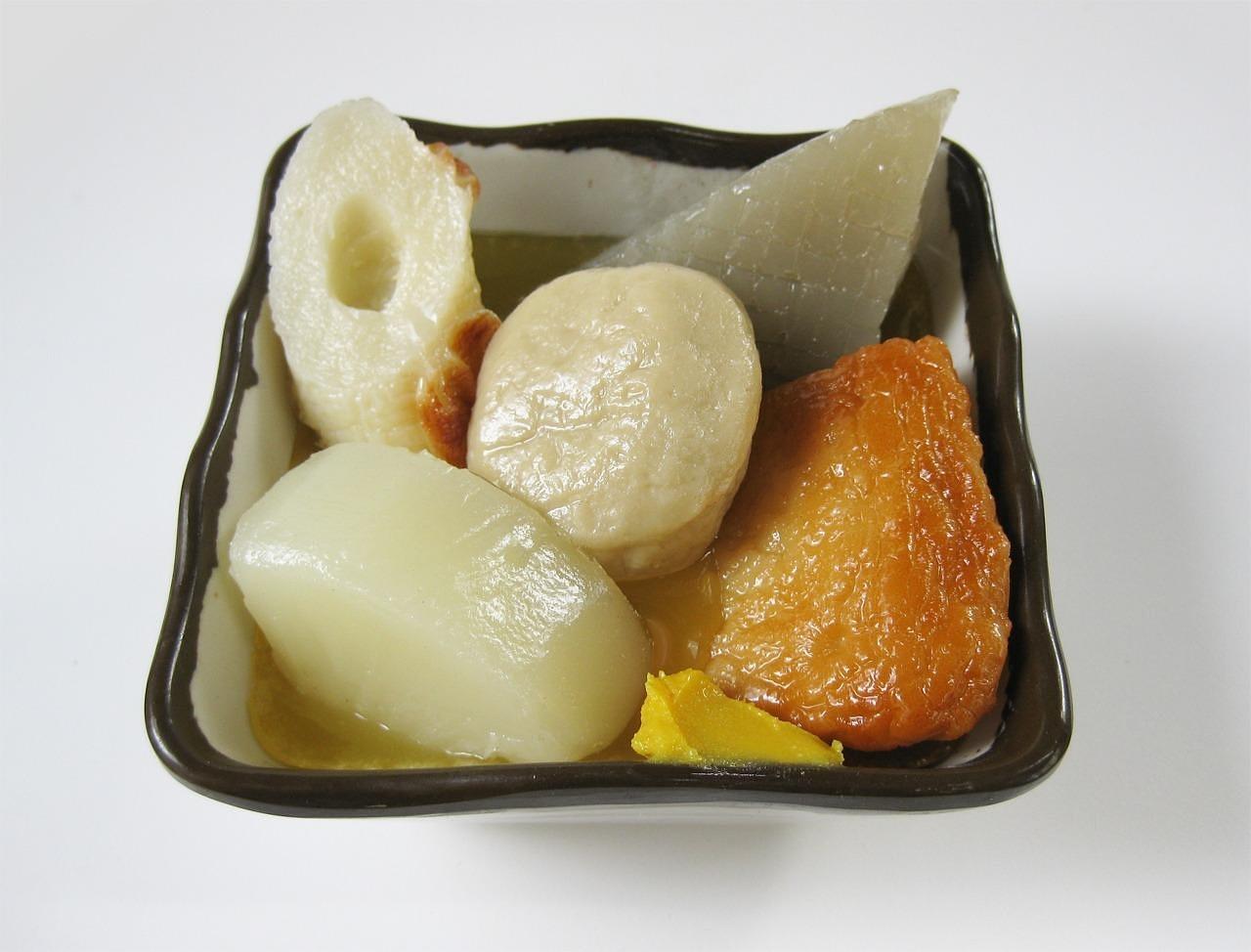
When the evenings turn cold, Tokyo's convenience stores set out steaming trays of oden by the till, and small oden bars and street stalls fill up with office workers. Tokyo's style uses a darker, soy-seasoned dashi than the paler Kansai one, and it includes chikuwabu, a chewy tube of wheat dough that is rarely seen outside the Kanto region. Everything simmers gently for a long time, so the daikon turns translucent and soaks up the broth. Serve it straight from the pot with a dab of hot Japanese mustard. Chef's tip: make oden a day ahead and let it cool in the broth overnight; the daikon and eggs take on far more flavour as they cool than while they boil.

by KrazyBadal 0 views

Changsha stinky tofuFried fermented tofu

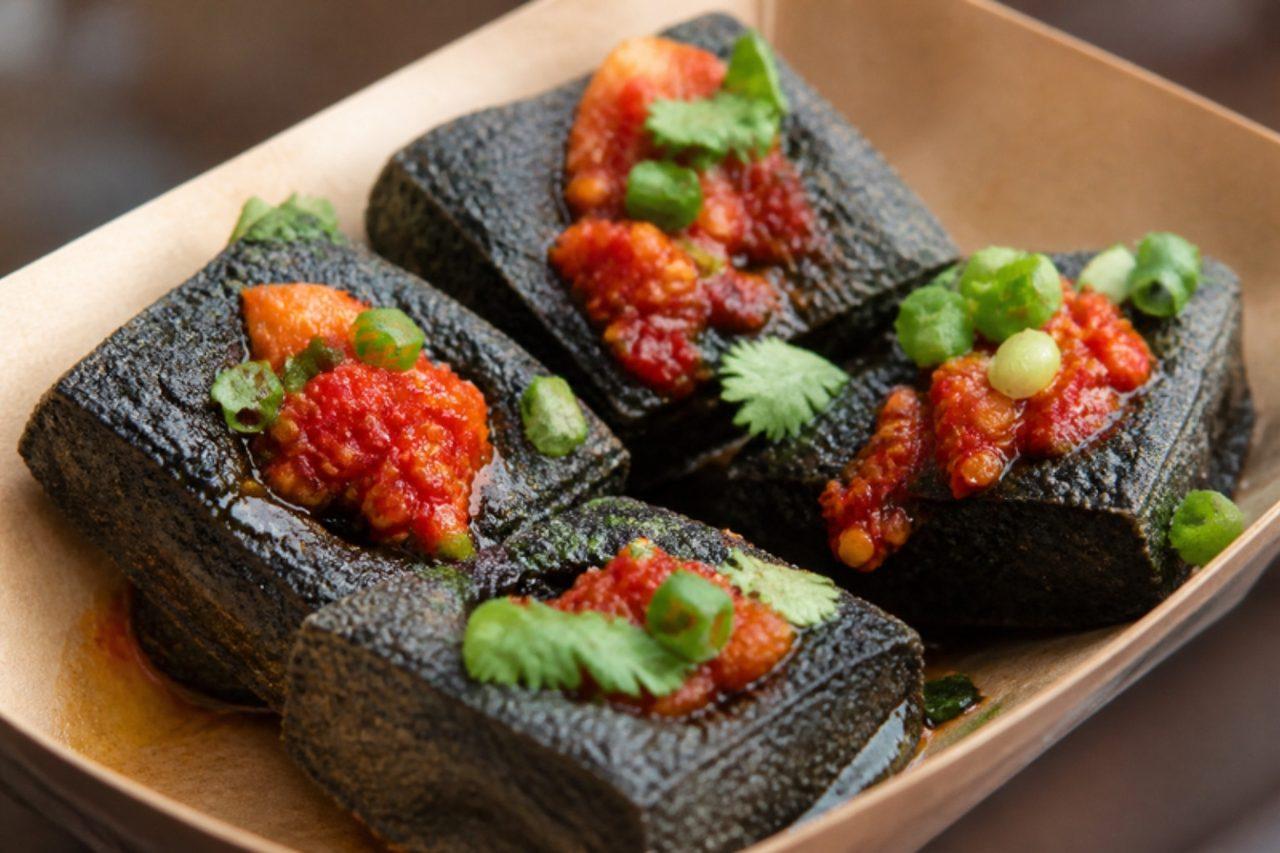
Walk down Pozi Street in Changsha and you'll smell this before you see it. The tofu is fermented in a brine until it turns jet black and pungent, then fried until it puffs up with a crisp skin and a soft, hollow middle. Vendors poke a hole in each piece and spoon in a sauce of chopped chillies, garlic and soy. Making the brine takes weeks, so this home version starts with bought stinky tofu (frozen, in Chinese supermarkets). Chef's tip: the smell fades a lot during frying; it tastes milder and nuttier than it smells.

by KrazyBadal 0 views

ChanguaMilk and egg breakfast soup

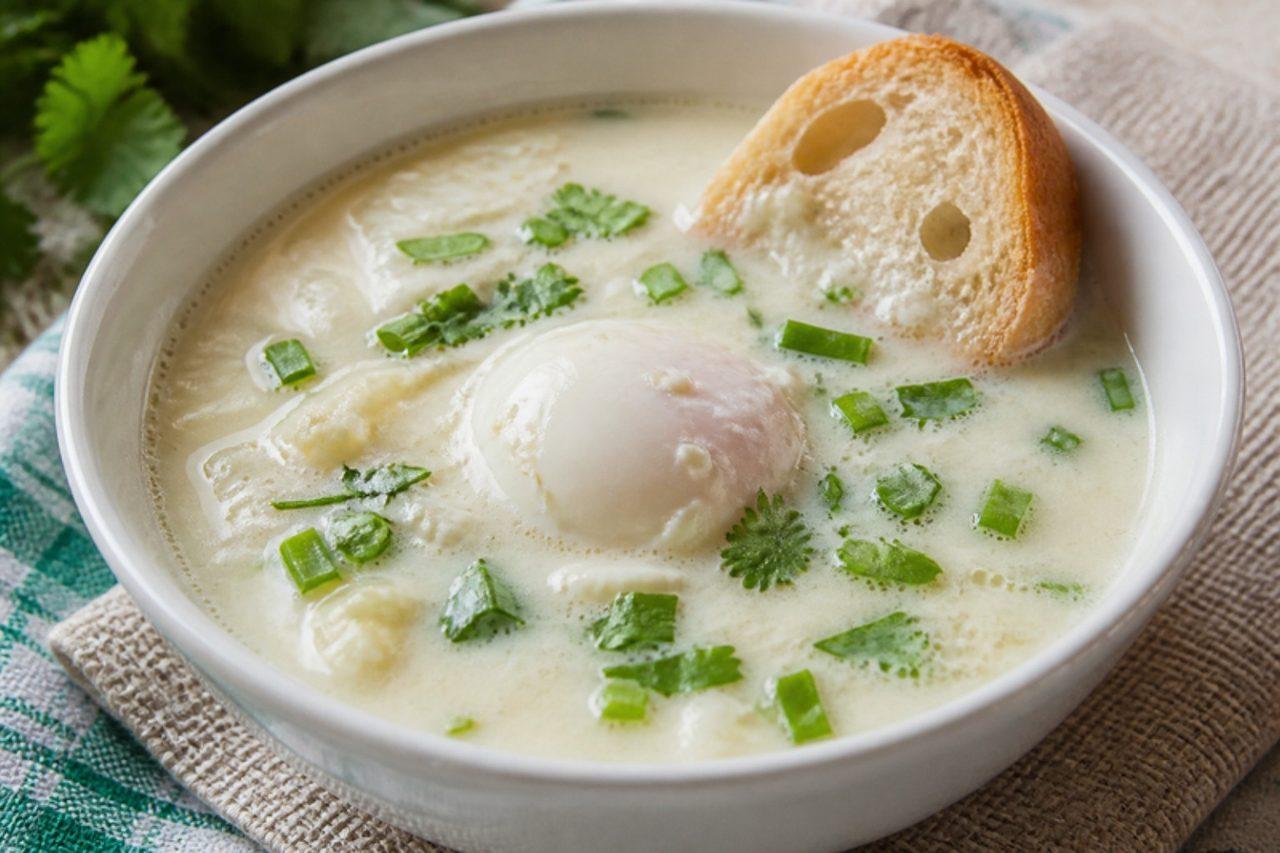
Changua is the breakfast soup of Bogotá and the high plains of Cundinamarca and Boyacá, where cold mornings call for something hot before work. Milk and water are simmered with spring onion, eggs are poached right in the pot, and the bowls get fresh coriander and pieces of stale bread or calado (dried toasted bread) that soften in the broth. It is gentle, creamy and filling. Chef's tip: keep the milk at a bare simmer; if it boils hard it can catch on the bottom and the eggs break apart.

by KrazyBadal 0 views

SukumawikiSautéed collard greens

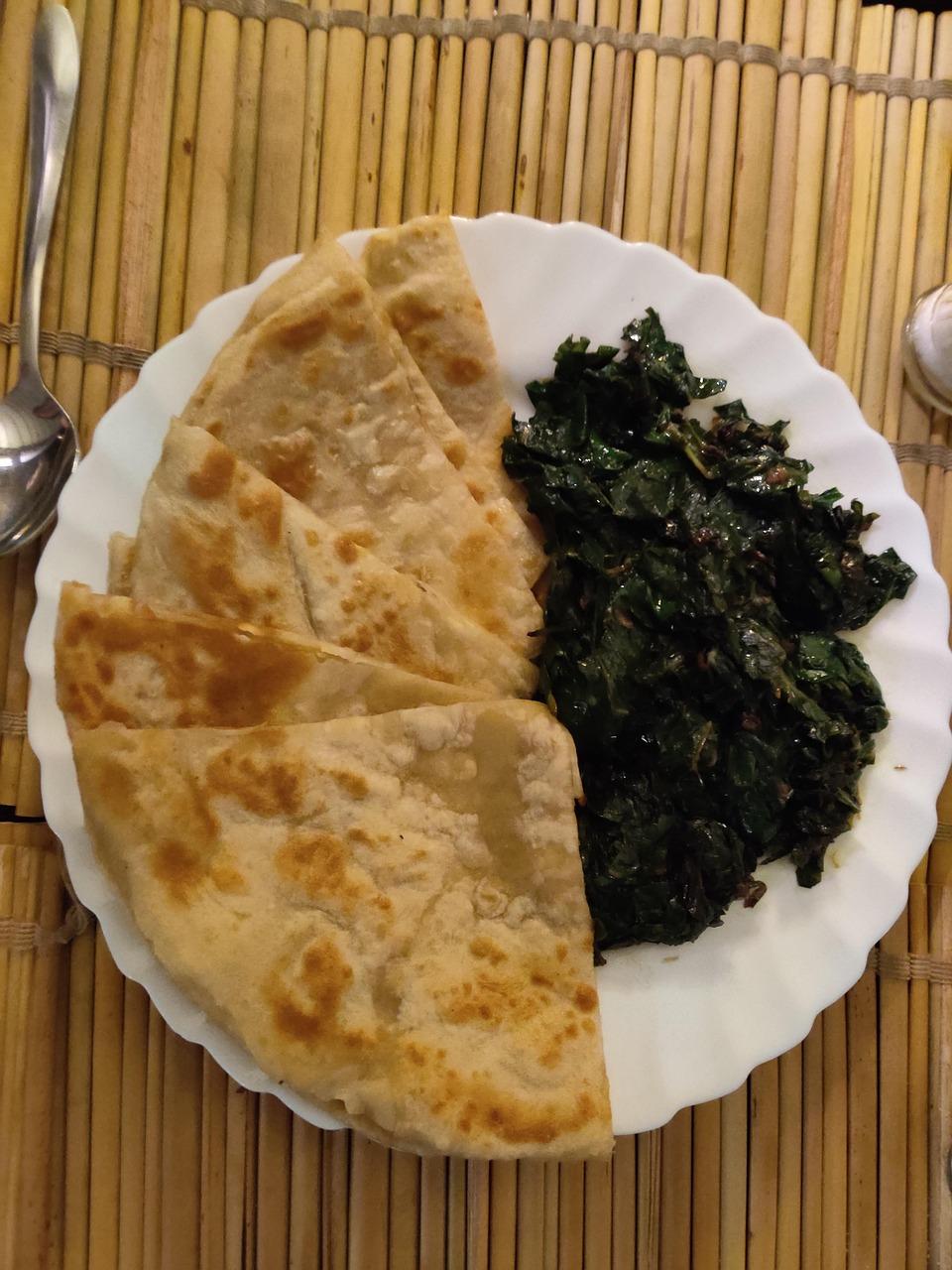
Sukumawiki (collard greens) finely chopped and cooked quickly with cumin, onion, tomato and a little turmeric, chilli and coriander-cumin powder until just tender. Its name means 'push the week', because it's cheap enough to stretch the budget to the end of the week. Serve hot with ugali.

by KrazyBadal 0 views

Kozuyu (Aizu dried scallop soup)

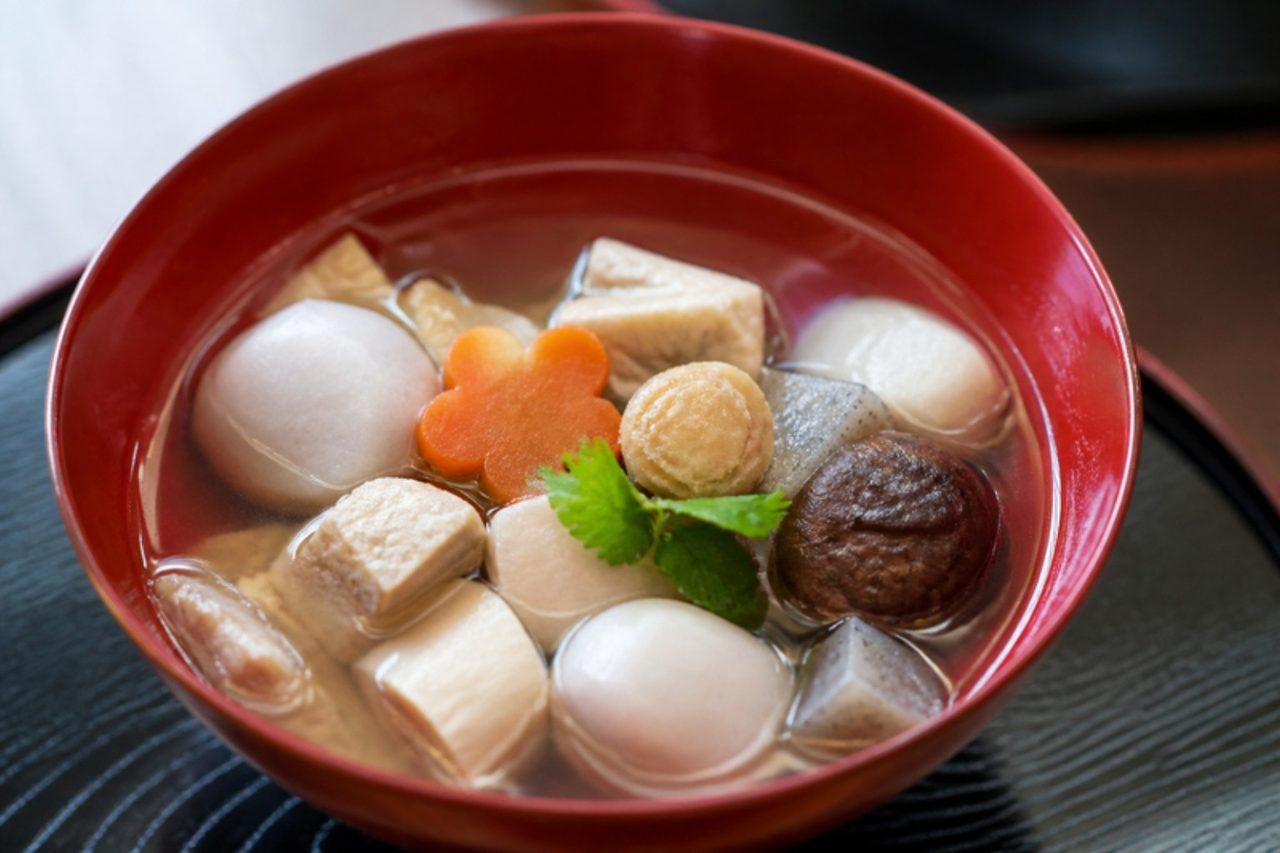
Far inland in the Aizu basin of Fukushima, the old castle town of Aizu-Wakamatsu builds its festive soup on dried scallops, which reached these mountains by trade from the northern coast. Kozuyu is served at New Year, weddings and other celebrations in shallow red lacquer bowls, and it is polite to accept a second or third helping. The stock is clear and lightly salted, full of small cubes of taro, carrot, mushroom, konjac noodles and tiny wheat gluten balls. Expect a delicate, sweet sea flavour rather than anything strong. Chef's tip: keep every drop of the scallop soaking water; it is the whole stock, and the scallops themselves shred into soft threads in the soup.

by KrazyBadal 0 views

Gyutan (Sendai grilled beef tongue)

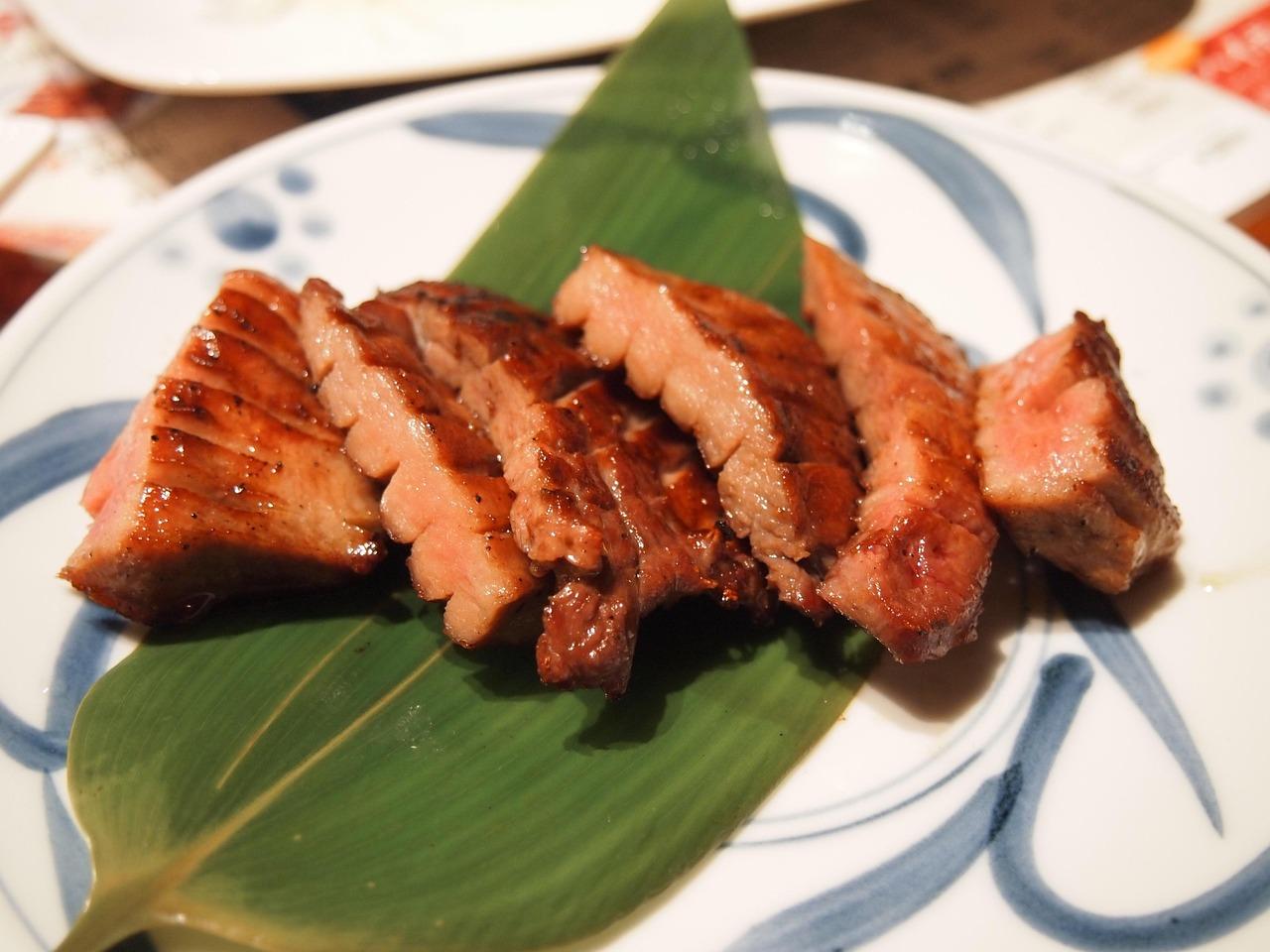
Sendai, the biggest city in Miyagi prefecture, turned beef tongue into its signature dish in the years after the Second World War. Specialist gyutan restaurants line the streets around Sendai Station, and the classic set is always the same: grilled tongue, a bowl of rice cooked with barley, a clear oxtail soup and a few pickles with a green chilli miso. This home version uses tongue sliced by a butcher, a short salt cure and a very hot pan, with a quick clear beef soup in place of the long-simmered oxtail. The meat should be chewy in a pleasant, bouncy way, with a smoky crust. Chef's tip: ask the butcher to peel the tongue and cut it into 1 cm slices; thick slices with shallow cuts on both sides stay juicy, while thin ones dry out in seconds.

by KrazyBadal 0 views

Chhum hanSteamed vegetables with chilli dip

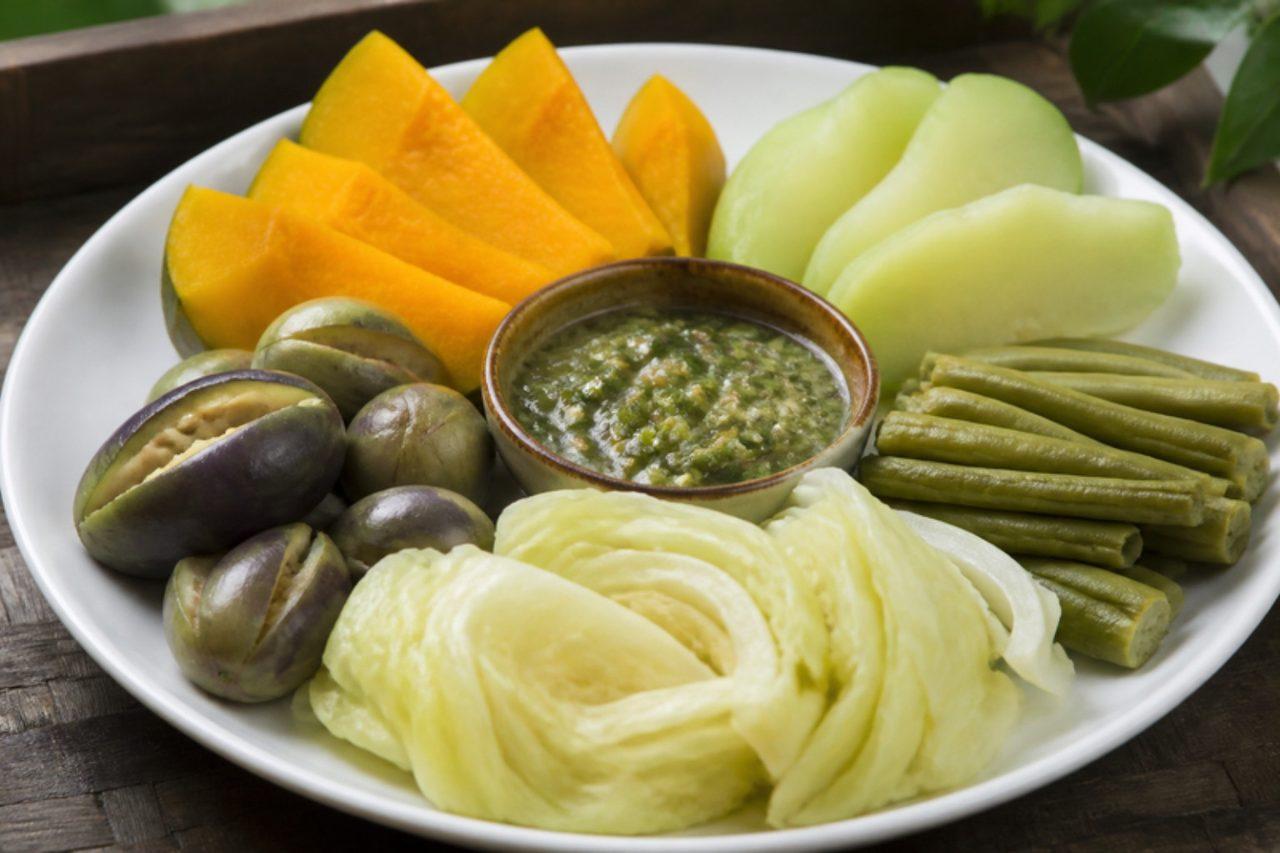
Chhum han is how Mizo families eat vegetables at their simplest: whatever is in the garden (pumpkin, chayote, beans, aubergine, cabbage, potato) steamed or boiled until just tender and served on a plate with a sharp dip of crushed chilli, garlic, salt and herbs. In Aizawl it is part of almost every home meal, eaten with rice and bai. The vegetables taste of themselves, and the dip does the work. Chef's tip: steam each vegetable for its own time and take it off when a knife slides in; overcooked chhum han is watery and dull.

by KrazyBadal 0 views

Chin chinCrunchy fried dough bites

Every December, Nigerian kitchens turn into small factories of chin chin, crunchy little cubes of sweet fried dough packed into big plastic tubs for Christmas visitors, weddings and the long drive back to the village. The dough is enriched with butter, egg and evaporated milk and scented with nutmeg; cut small and fried, it shatters with a satisfying crunch. It keeps for weeks, so families make kilos at a time. Chef's tip: roll the dough evenly thin, about 5 mm, so every piece fries through to a crisp centre at the same time.

by KrazyBadal 0 views

Imoni (Yamagata taro and beef stew)

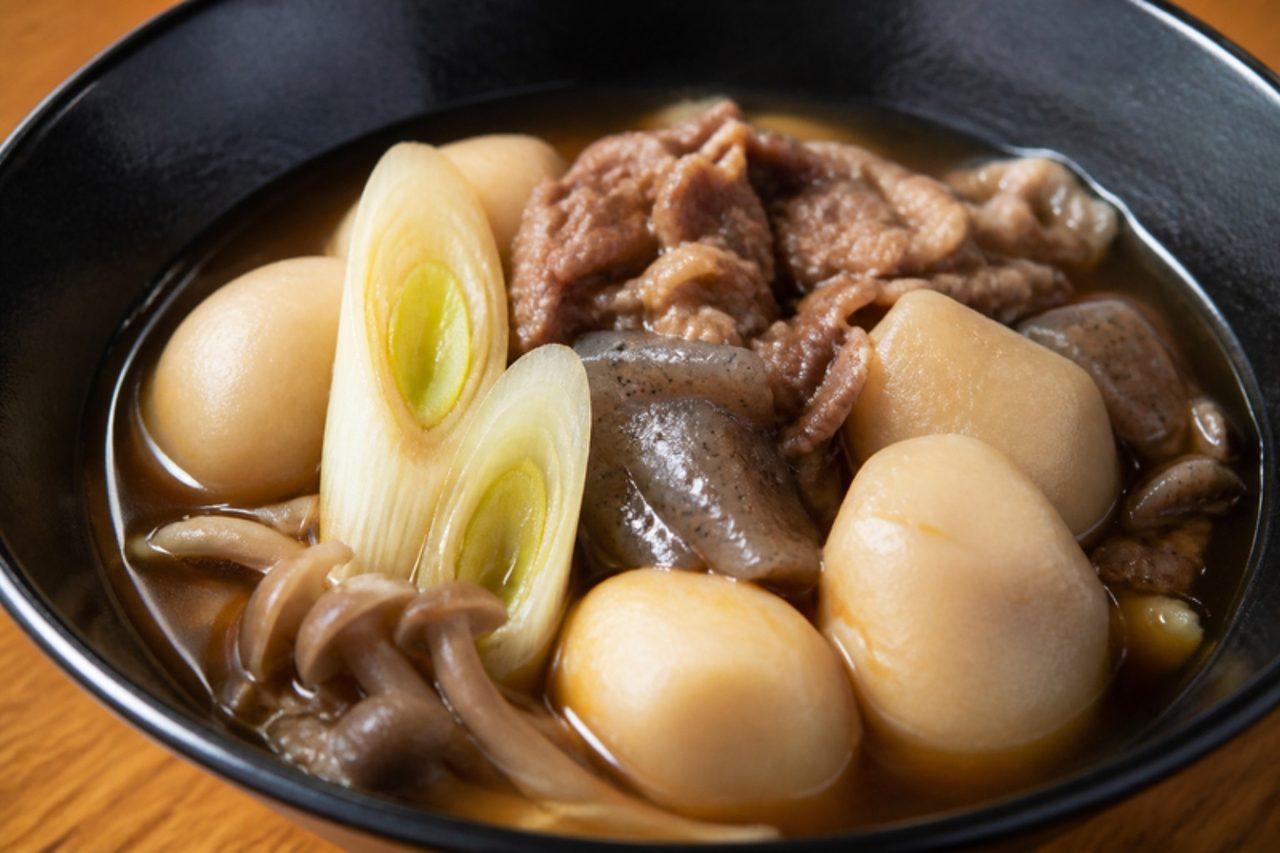
On autumn weekends in Yamagata, friends, families and workmates carry big pots, firewood and bags of taro down to the riverbanks and cook imoni outdoors; the gathering is called an imoni-kai. Yamagata city even holds a festival on the Mamigasaki River where the stew is made in a giant pot and ladled out with a mechanical digger. The Yamagata version uses beef and a soy broth, while neighbouring Miyagi makes it with pork and miso. Taro gives the soup a soft, slightly thick body, konjac adds bite and the leeks go in last so they stay sweet. Chef's tip: rub the peeled taro with salt and rinse it before cooking; this removes most of the slippery coating, so the broth stays clean rather than gluey.

by KrazyBadal 0 views

Darjeeling first flush tea

Darjeeling's first flush is picked in March and April on estates clinging to the hills above the town, and in Darjeeling's tea rooms it is served plain: pale gold, flowery and slightly astringent, with a 'muscatel' note in the later second flush. It is the opposite of a strong breakfast tea, so it is never boiled, stewed or given milk. Hill families drink it from morning till dusk, and it is a souvenir every visitor buys from Chowrasta. Chef's tip: use water just off the boil (about 90°C) and time the brew; overheated or overbrewed first flush turns bitter and loses its scent.

by KrazyBadal 0 views

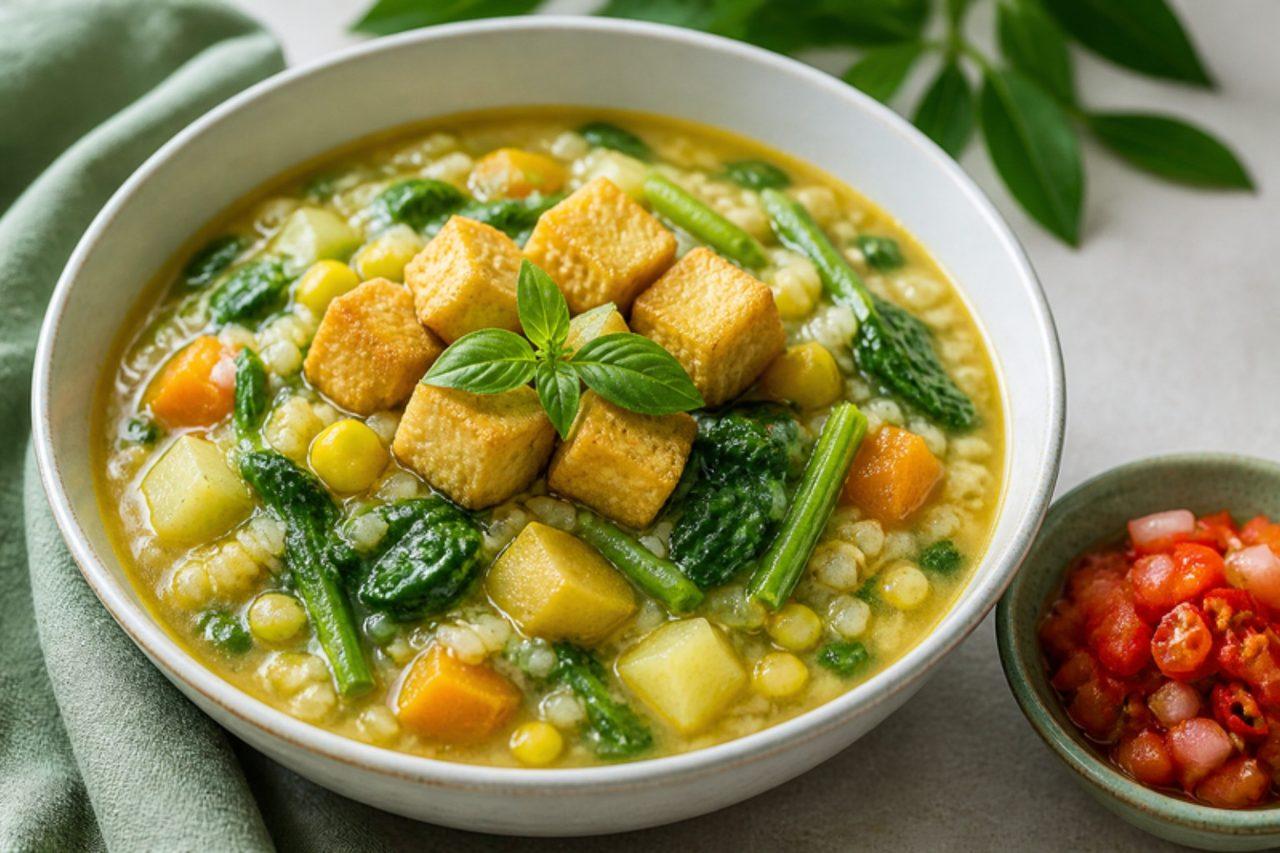
TinutuanRice porridge with pumpkin and greens

Tinutuan, also called bubur Manado, is what North Sulawesi eats for breakfast: rice simmered with pumpkin until the pumpkin melts and turns the porridge golden, then loaded with sweetcorn, cassava and a big handful of greens and lemon basil at the end. In Manado it comes with small fried fish and a fiery tomato dabu-dabu; this version skips the fish and pairs it with fried tofu. It is filling, gentle and naturally vegan. Chef's tip: add the leafy greens only in the last 3 minutes so they stay green and fresh.

by KrazyBadal 0 views

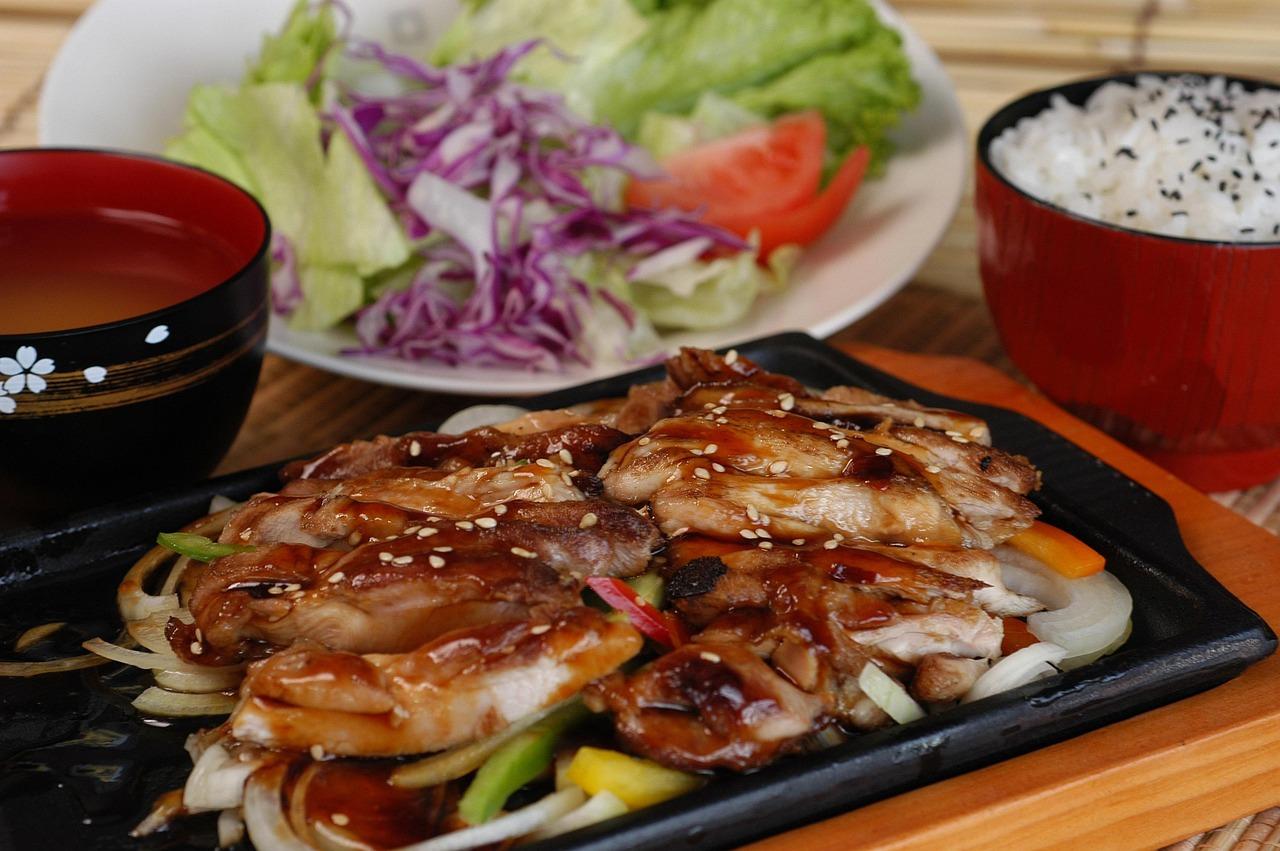
Chicken teriyaki

Teri means shine and yaki means grilled, which sums up the glossy, lacquered finish of this weeknight favourite. Japanese restaurants often save the teriyaki treatment for yellowtail in winter, but at home it is usually chicken thighs, cooked in one frying pan and sliced over rice or packed into a lunchbox. The sauce is just soy sauce, mirin, sake and sugar, bubbled down in the pan until it clings. Serve it with shredded cabbage and a bowl of miso soup. Chef's tip: wipe the fat out of the pan with kitchen paper before the sauce goes in, so the glaze thickens and shines instead of sitting in a greasy pool.

by KrazyBadal 0 views

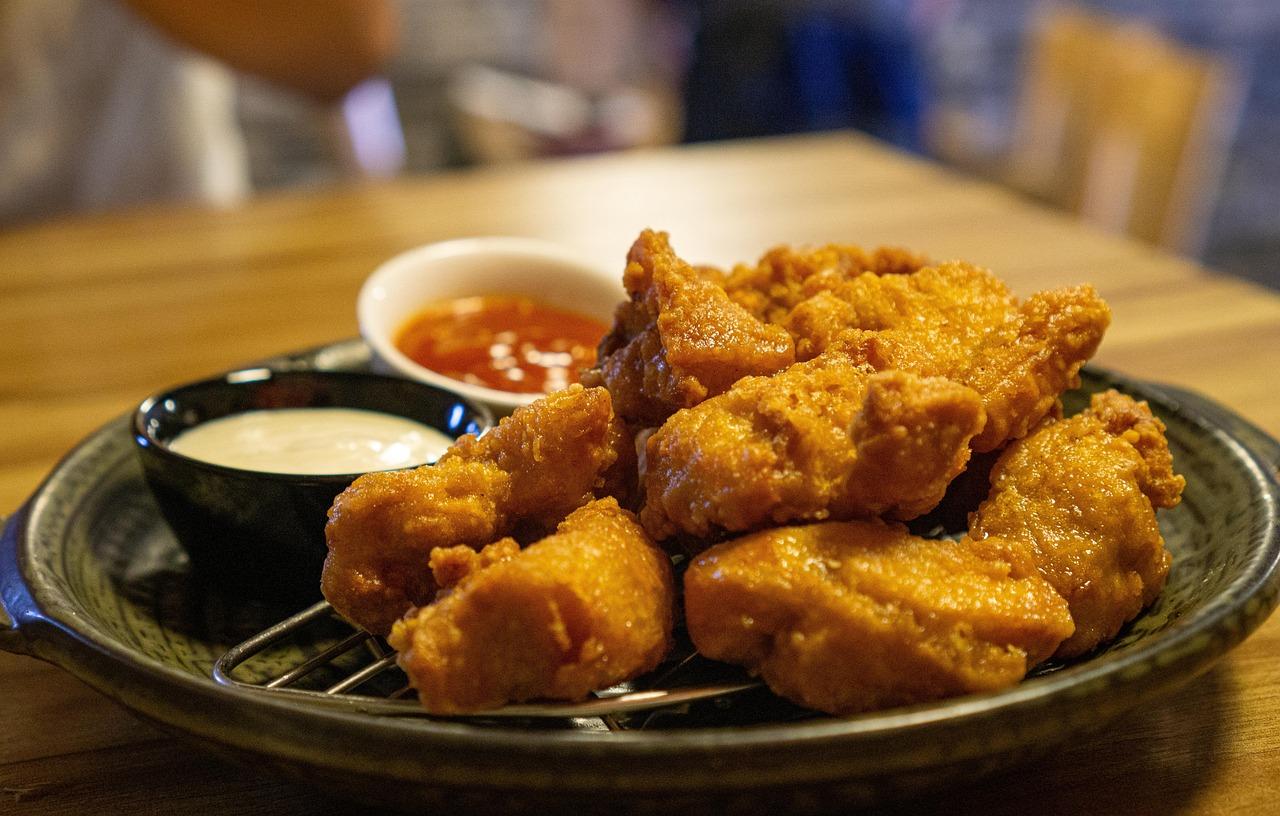
Chicken karaage

Nakatsu, a city in Oita prefecture on Kyushu, calls itself the capital of karaage and has dozens of takeaway shops selling it by weight. Across Japan, these bite-size nuggets fill school bento boxes, sit in the hot cabinet of every convenience store and arrive with a squeeze of lemon at izakaya bars. Boneless thigh soaks briefly in soy, ginger and garlic, then a dusting of potato starch fries into a thin, glassy crust. Frying twice keeps the meat juicy and the outside crisp for longer. Chef's tip: once you have tossed the chicken in starch, wait 5 minutes until the coating looks damp in patches, which is what gives that craggy, crunchy finish.

by KrazyBadal 0 views

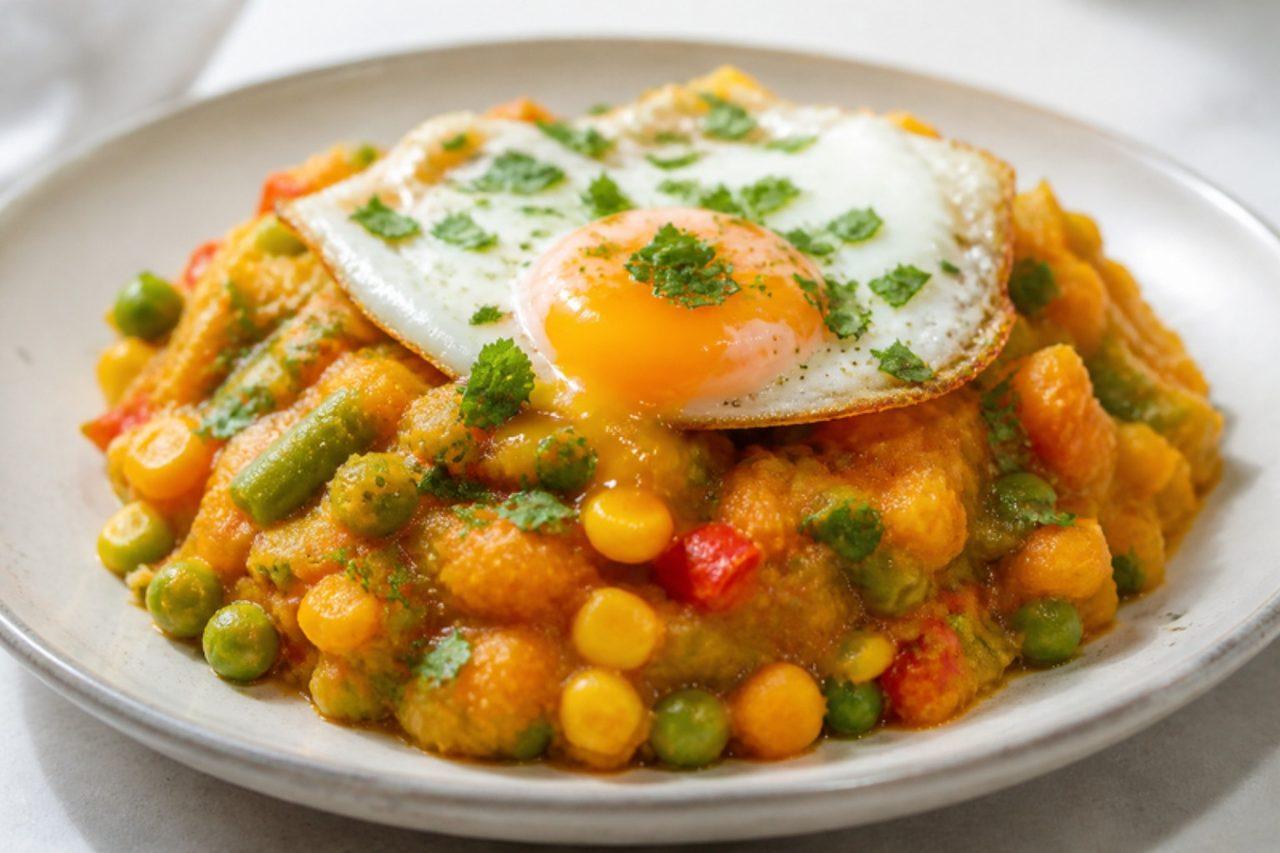
Vegetable charquicánPumpkin, potato and corn stew

Charquicán is old Chilean country food: a thick mash of pumpkin and potato with corn and peas, once made with charqui, the dried meat of the Andes. In the south and in Santiago homes it's a winter weeknight dinner, served in a deep plate with a fried egg on top and pickled onions or a simple salad. Without the meat it's still rich and smoky with merkén (smoked chilli) and paprika. Chef's tip: mash only roughly at the end; charquicán should have soft chunks, not be a smooth purée.

by KrazyBadal 0 views

Tonkotsu ramen

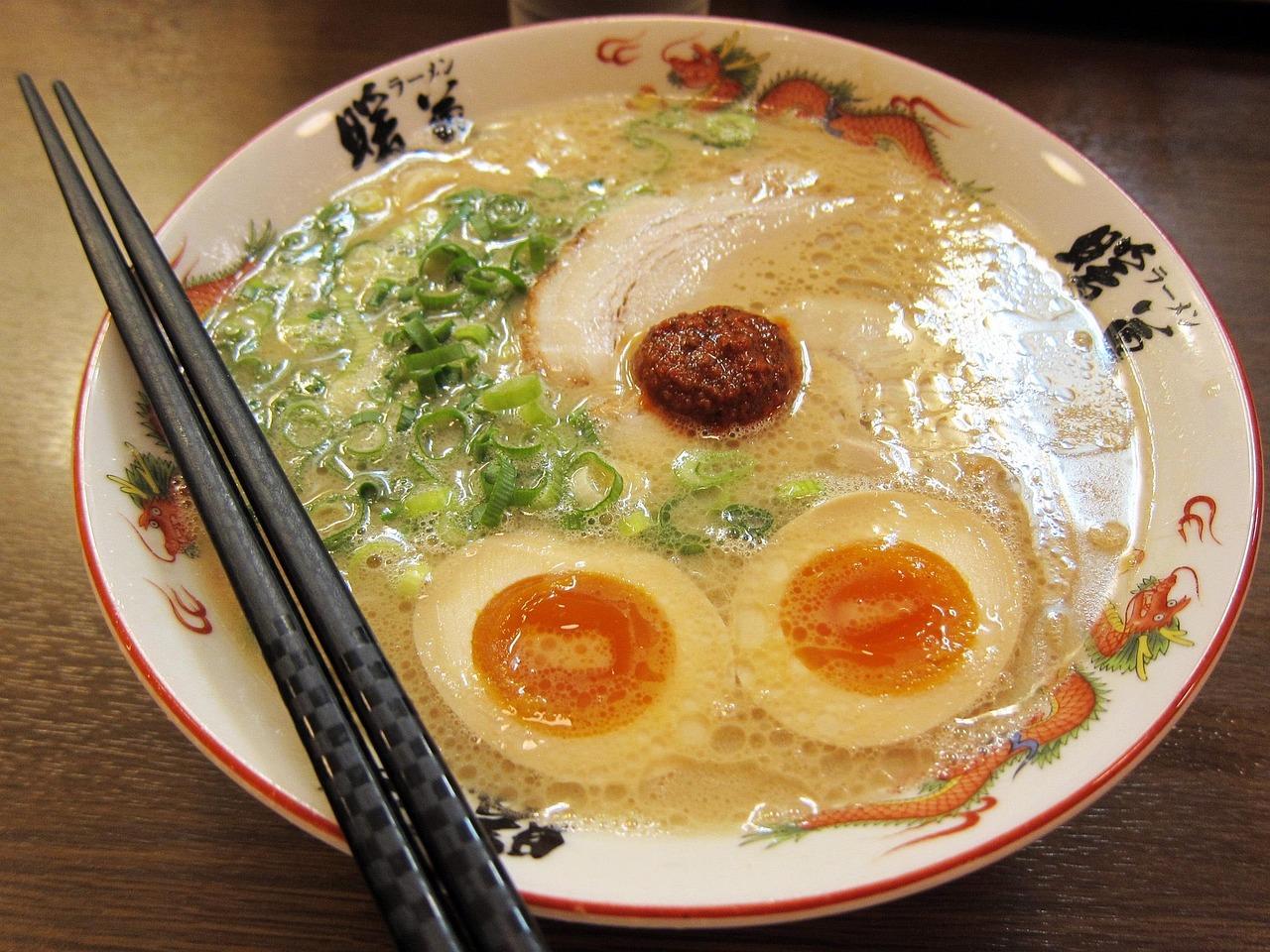
Late at night along the river in Nakasu, Fukuoka, the yatai street stalls ladle out bowls of creamy, opaque pork-bone soup to people heading home. Hakata noodles are thin and straight and cooked very firm, and regulars order a second ball of noodles, called kaedama, into the same soup. Making it at home is a weekend project: the bones need about 10 hours at a fierce boil to break down into that milky broth, while rolled pork belly braises on the side. Red pickled ginger, sesame and spring onion cut through the richness. Chef's tip: ask your butcher to split the trotters and saw the bones in half, as the exposed marrow and collagen are what make the soup turn white and silky.

by KrazyBadal 0 views

ChashushuliSpicy beef and tomato stew

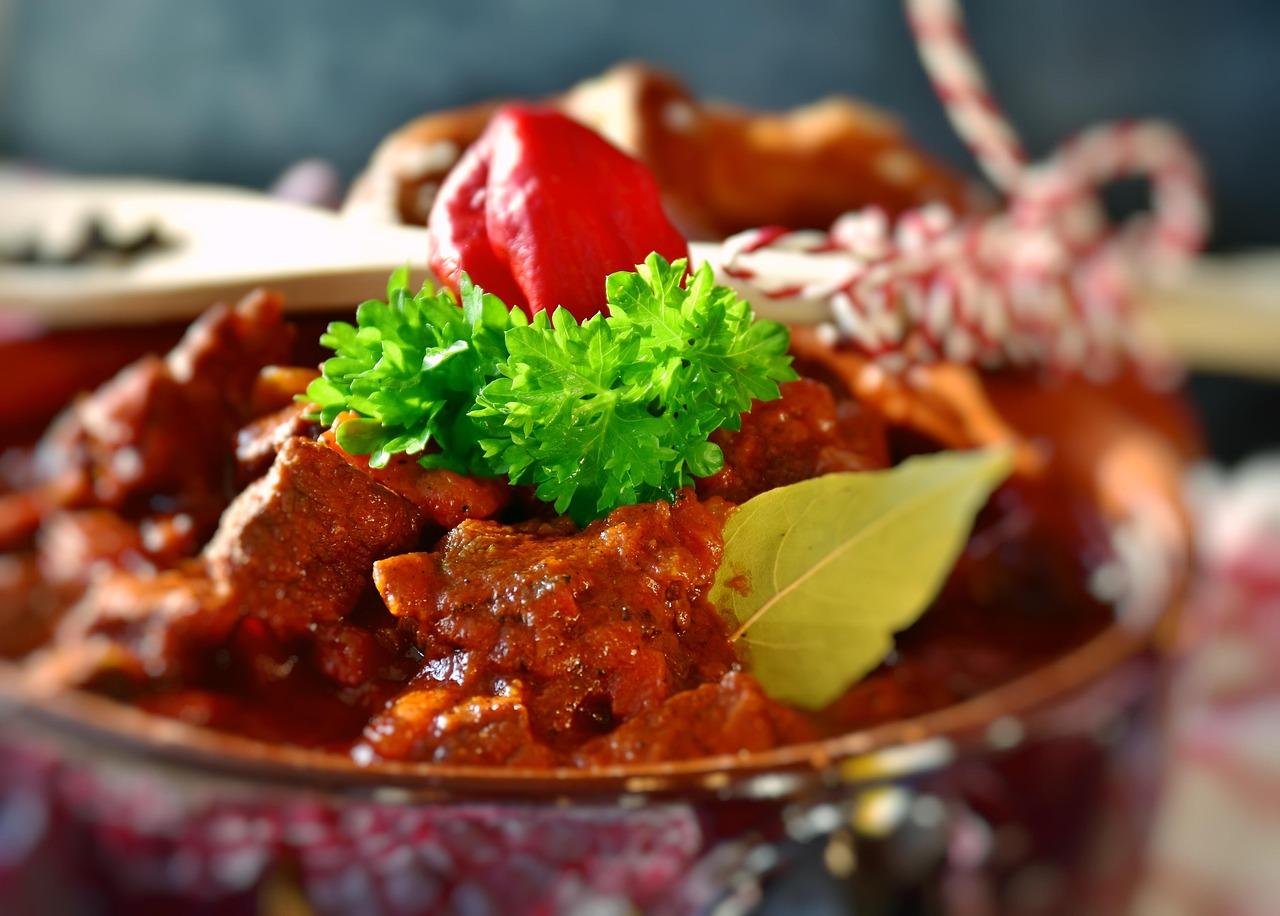
Chashushuli is a fiery beef stew from the home kitchens and Tbilisi taverns of eastern Georgia, cooked in a clay ketsi pot or a heavy pan and eaten with shoti bread. Beef simmers slowly with lots of onion and tomato, then gets a hit of garlic, chilli, khmeli suneli and fresh coriander right at the end. It is meant to be spicy, but you can halve the chilli. Chef's tip: cook it until the sauce is thick enough to scoop with bread; Georgians do not eat it like soup.

120 minGeorgianMeatGluten freeSpicy
by KrazyBadal 0 views

Showing 18 of 7,762 recipes

Show more recipes

Page 757 of 863