


Skip to content
Okonomiyaki
Featured recipe

Okonomiyaki

Savoury cabbage pancake

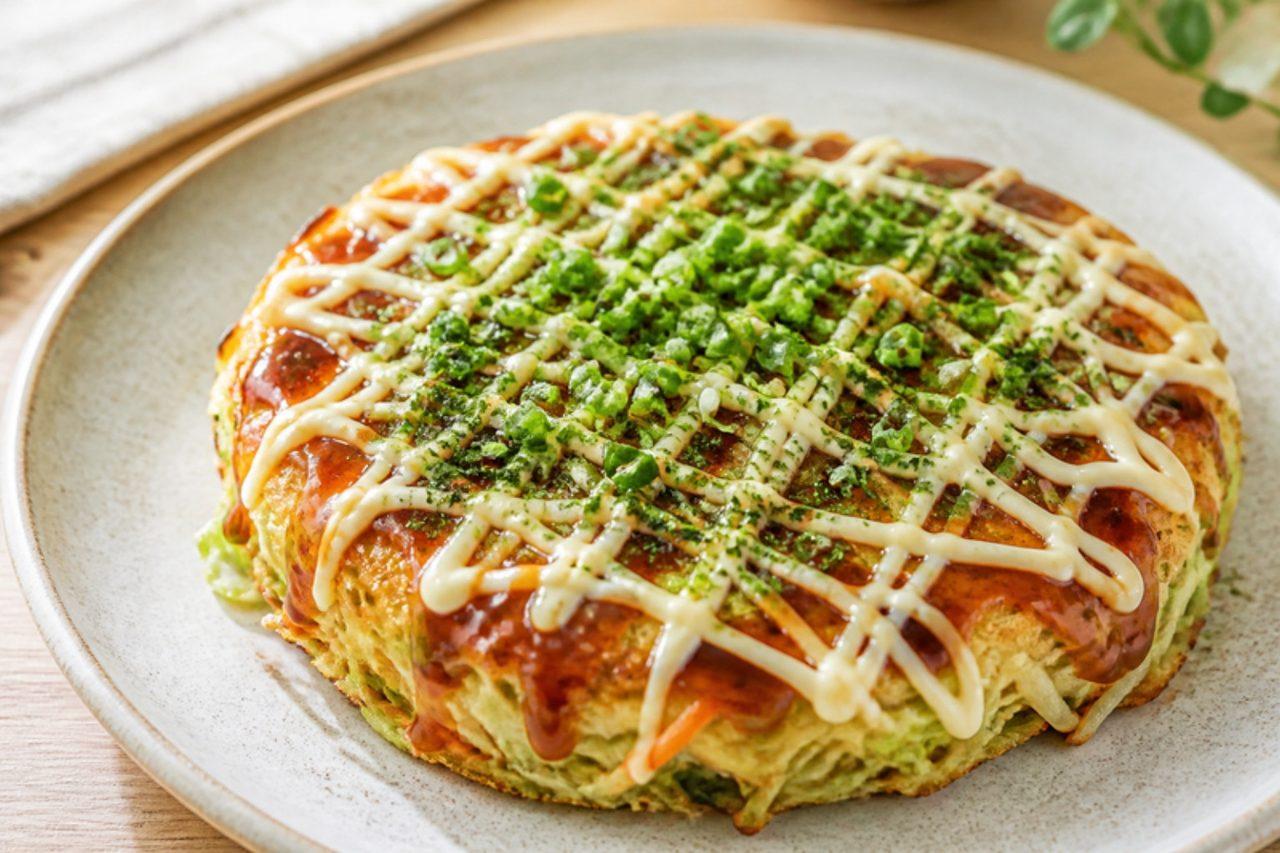
Okonomiyaki (お好み焼き, 'grilled as you like it') is the pride of Osaka, where it's cooked on hot iron griddles in lively restaurants. Finely shredded cabbage is folded into a light batter with egg and spring onion, then fried into a thick, soft pancake with a crisp outside. It's painted with a fruity brown sauce and zigzagged with mayonnaise. Bonito flakes are usual on top; this vegetarian version uses seaweed flakes and pickled ginger instead. Chef's tip: don't press the pancake down with your spatula while it cooks. Osaka cooks leave it alone so the cabbage steams inside and stays light and fluffy; pressing squeezes out the air.

Read more 1 views

What to eat today?

Around the world

Today's trip: Paraguayan

A new country every day, from every cuisine on the site.

Paraguayan

Buñuelos de algas

Sea lettuce fritters 35 minMore from Paraguayan (27) →

This week's collection

Kid-friendly dinners
537 recipes · a new collection every Monday

Latest recipes

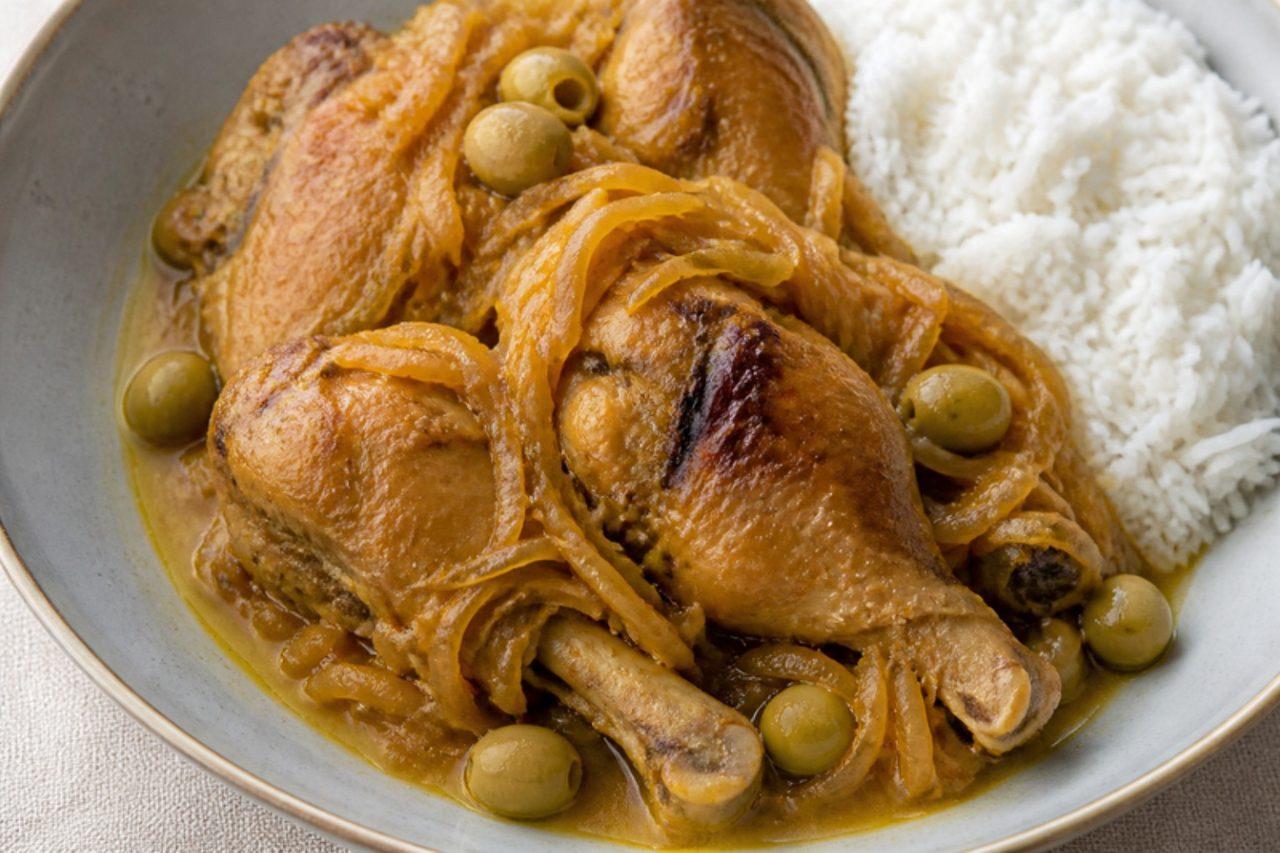
Yassa pouletLemon onion chicken

Yassa comes from Casamance, the green, rice-growing south of Senegal, and has become the dish Dakar families cook for guests and naming ceremonies. Chicken spends a night in lemon juice, mustard and a huge pile of sliced onions, is grilled or browned until charred at the edges, then braised in those same onions until they collapse into a sharp, sweet, jammy sauce. It is served over plain white rice with a green olive or two on top. A common mistake is rushing the onions; if they are still crunchy the sauce tastes raw and harsh, so give them the full half hour. Chef's tip: keep the marinade, because it becomes the sauce; just boil it well with the onions so it is safe to eat.

by KrazyBadal 0 views

TlayudasLarge crisp tortilla with beans and cheese

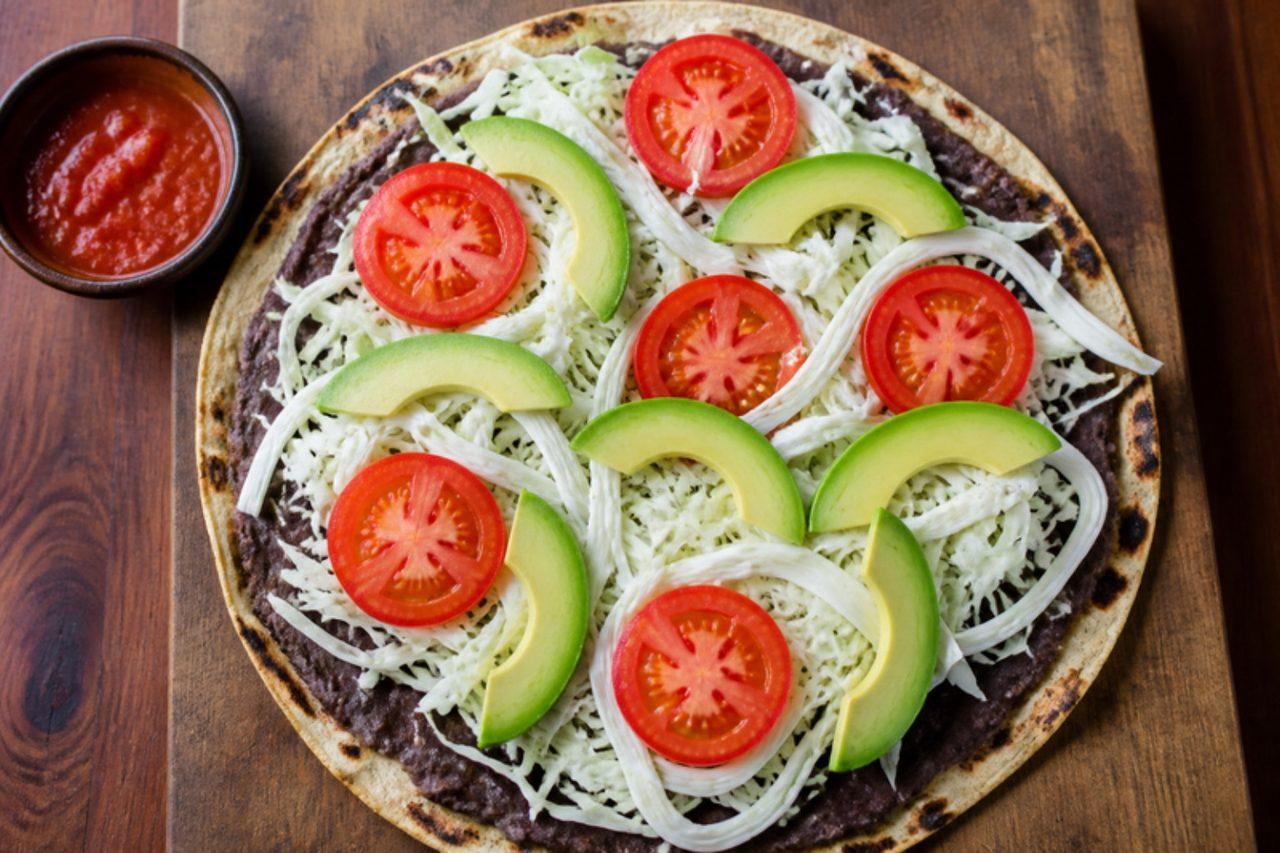
The tlayuda is the late-night street food of Oaxaca City: a huge, thin, slightly leathery corn tortilla spread with black bean paste and asiento (unrefined pork lard), scattered with quesillo (Oaxaca string cheese) and cabbage, folded and toasted over charcoal until crisp and smoky. This vegetarian version swaps the asiento for browned butter, which gives the same toasty richness, and is topped with avocado, tomato and salsa. Real tlayudas are about 30 cm across and hard to find outside Oaxaca; use the largest corn tortillas you can get, or flour tortillas of 25 cm (then they are not gluten free). Quesillo is made with animal rennet in Oaxaca; for a vegetarian dish use low-moisture mozzarella or a string cheese made with vegetarian rennet. Chef's tip: spread the beans thinly; a thick layer makes the tortilla soggy and stops it crisping.

by KrazyBadal 0 views

Pumpkin tortelliPumpkin-filled pasta

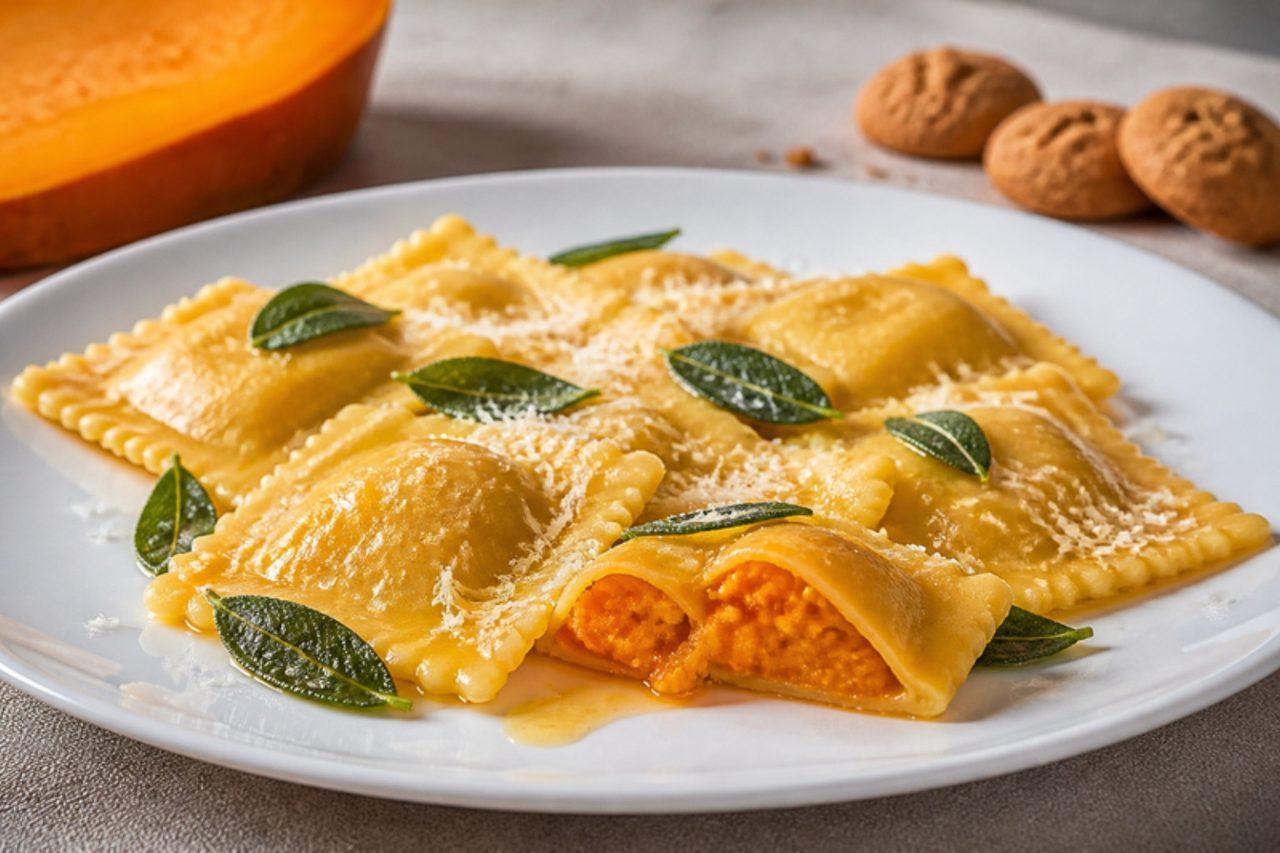
Tortelli di zucca are the Christmas Eve dish of Mantua, in Lombardy, where the dense orange pumpkins of the Po plain are roasted and mashed with crushed amaretti biscuits, spicy fruit mostarda and hard cheese. The filling is sweet, salty and a little hot all at once, a taste that goes back to the Renaissance Gonzaga court. They are served simply, with melted butter, sage and more cheese. Chef's tip: roast the pumpkin rather than boil it, and make the filling the day before; a dry, rested filling is easy to pipe and the flavours blend.

by KrazyBadal 0 views

CassouletWhite bean and duck stew

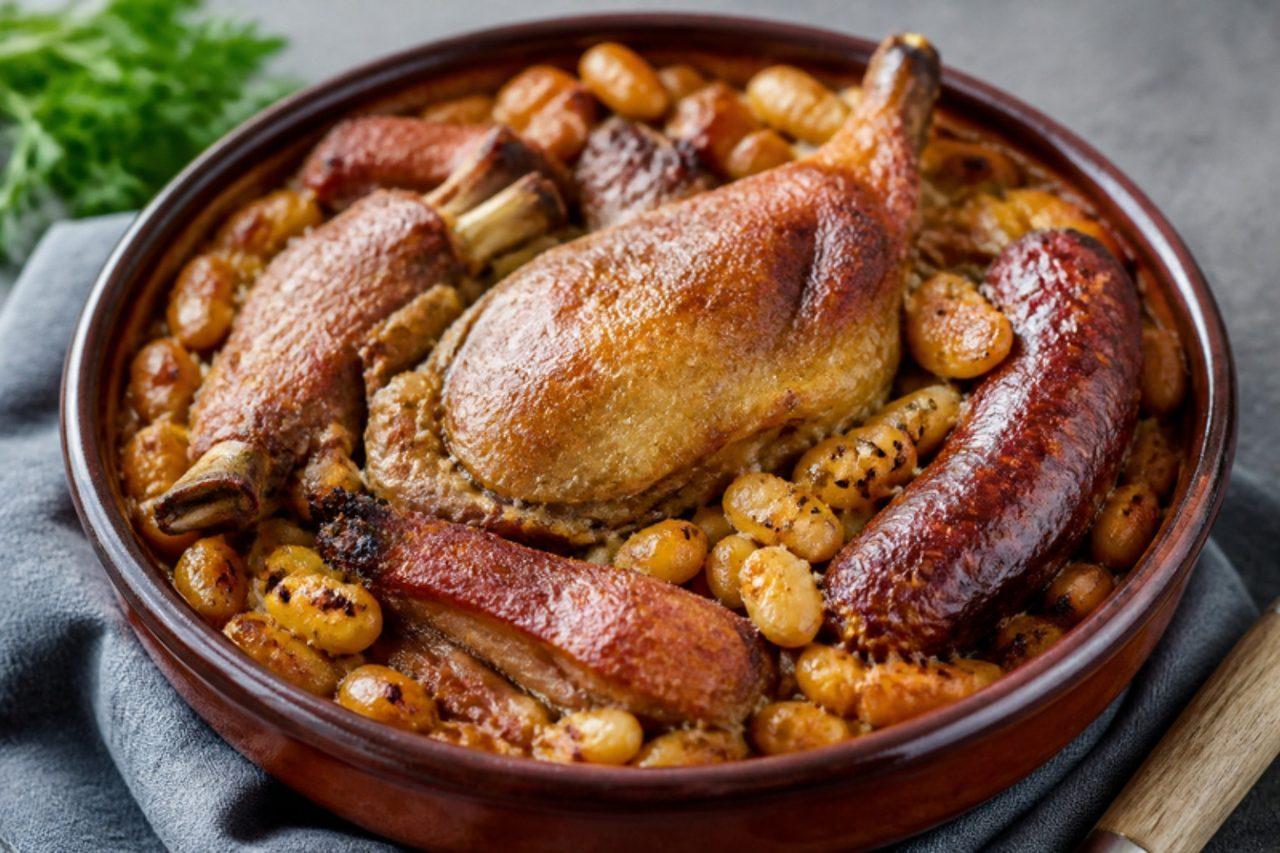
Cassoulet is the great winter feast of the Languedoc, and the towns of Castelnaudary, Carcassonne and Toulouse still argue over who makes it best. Contains pork: white beans cook with pork rind and belly, then bake for hours with duck confit and garlicky Toulouse sausages in a deep earthenware dish until a dark crust forms on top. It takes two days at a relaxed pace and feeds a crowd. Serve with nothing more than a green salad. Chef's tip: break the crust and push it under several times while it bakes; each new crust adds flavour and body.

280 minFrenchMeatGluten free
by KrazyBadal 0 views

Tocăniță de ciuperciMushroom stew

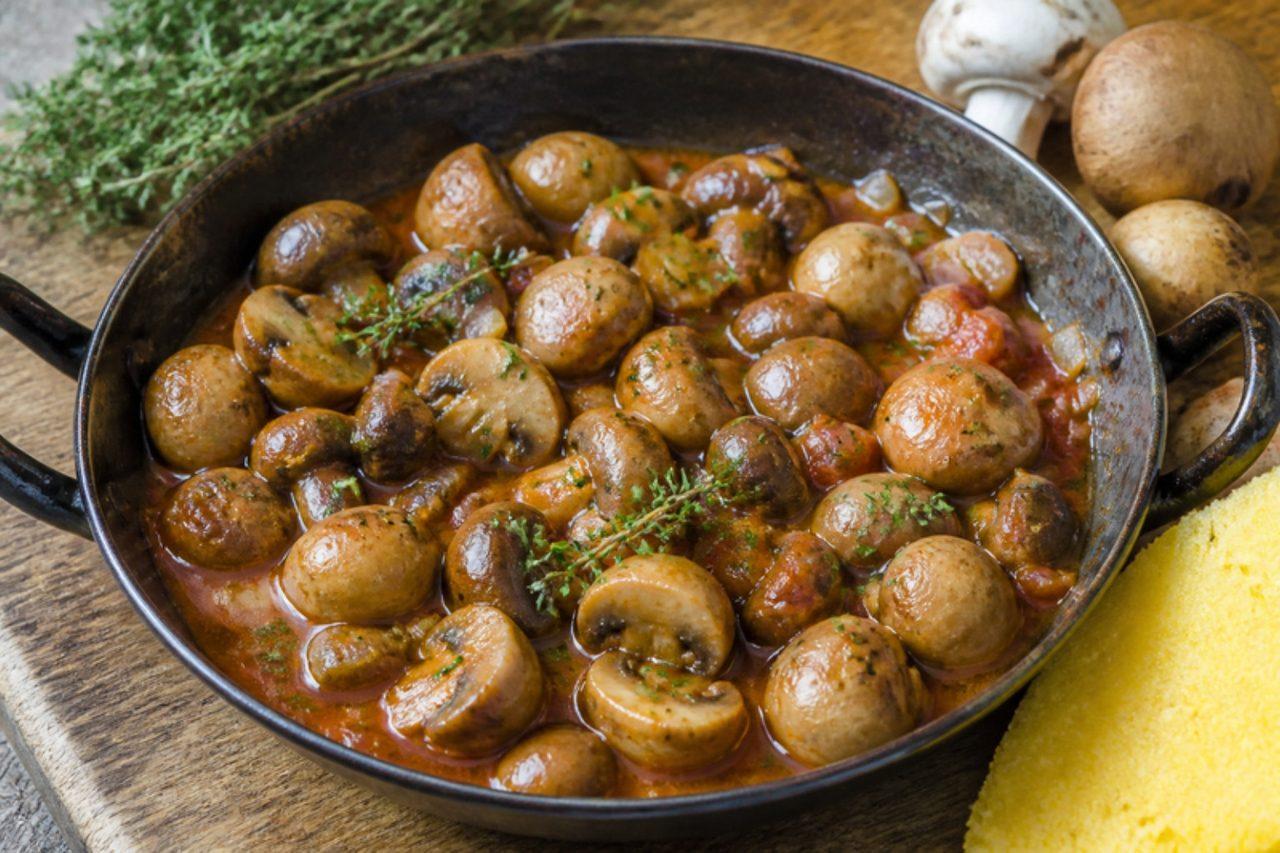
Tocăniță is the everyday stew of Romanian home cooking, and the mushroom version is a fixture of the Orthodox fasting days, when Transylvanian cooks use forest mushrooms gathered in the Apuseni hills and city cooks use button mushrooms from the market. Onions, garlic, tomato, white wine and thyme cook down into a thick, glossy sauce, without the sour cream and paprika of a Hungarian paprikás. It is always eaten with hot mămăligă and a spoon of the sauce over the top. Chef's tip: brown the mushrooms in batches in a hot pan; crowding them is the usual mistake, and they then stew grey in their own water instead of turning golden.

by KrazyBadal 0 views

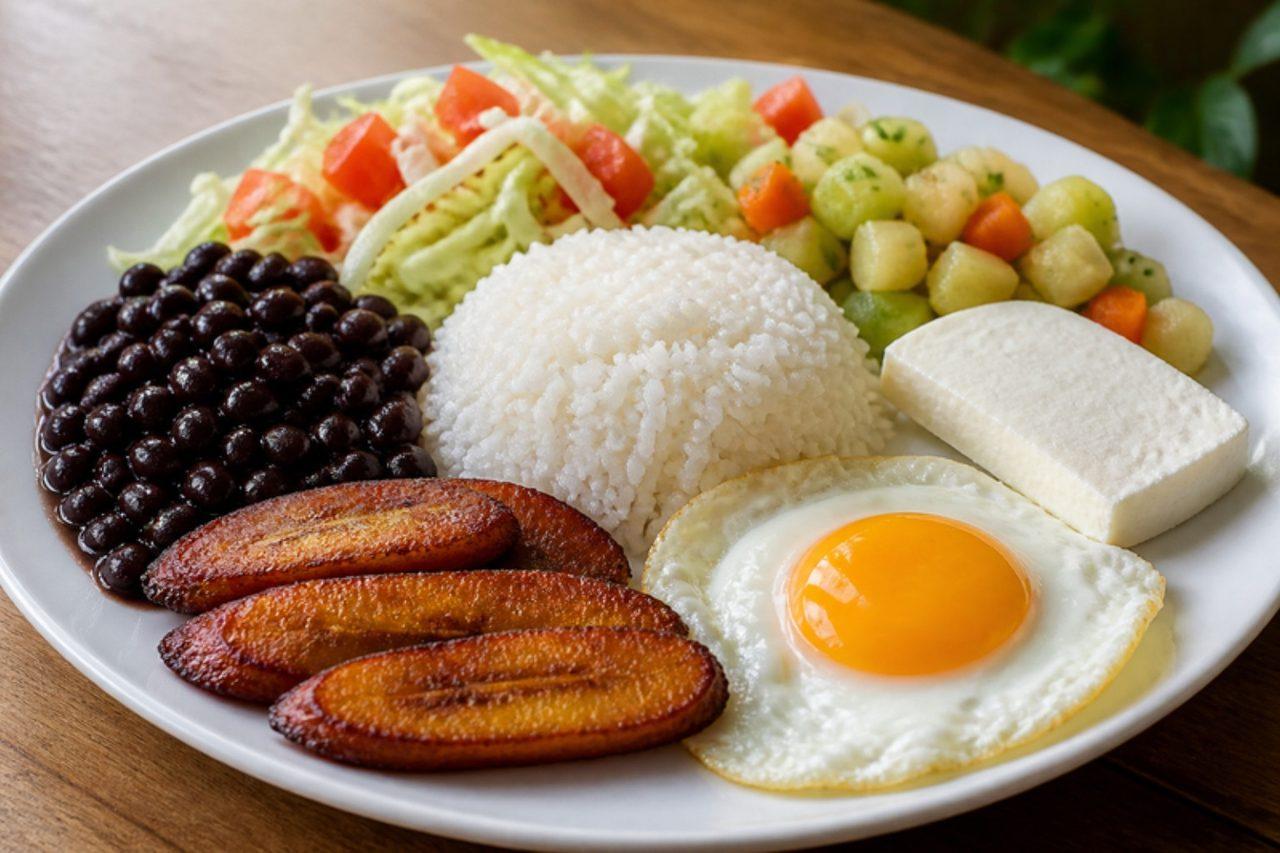
Casado vegetarianoRice, beans and plantain plate

Walk into any soda (small family diner) in San José at lunchtime and the board will offer a casado: one plate where rice and beans are 'married' to salad, sweet plantain and a main. The meatless version is just as common, with a fried egg and a slice of fresh white cheese, plus a little picadillo of chopped vegetables. It's a full, balanced lunch, and every element is simple. Chef's tip: cook the plantain only when it's deeply black-skinned and soft; ripe plantain caramelises to sticky dark edges, green plantain just goes dry.

by KrazyBadal 0 views

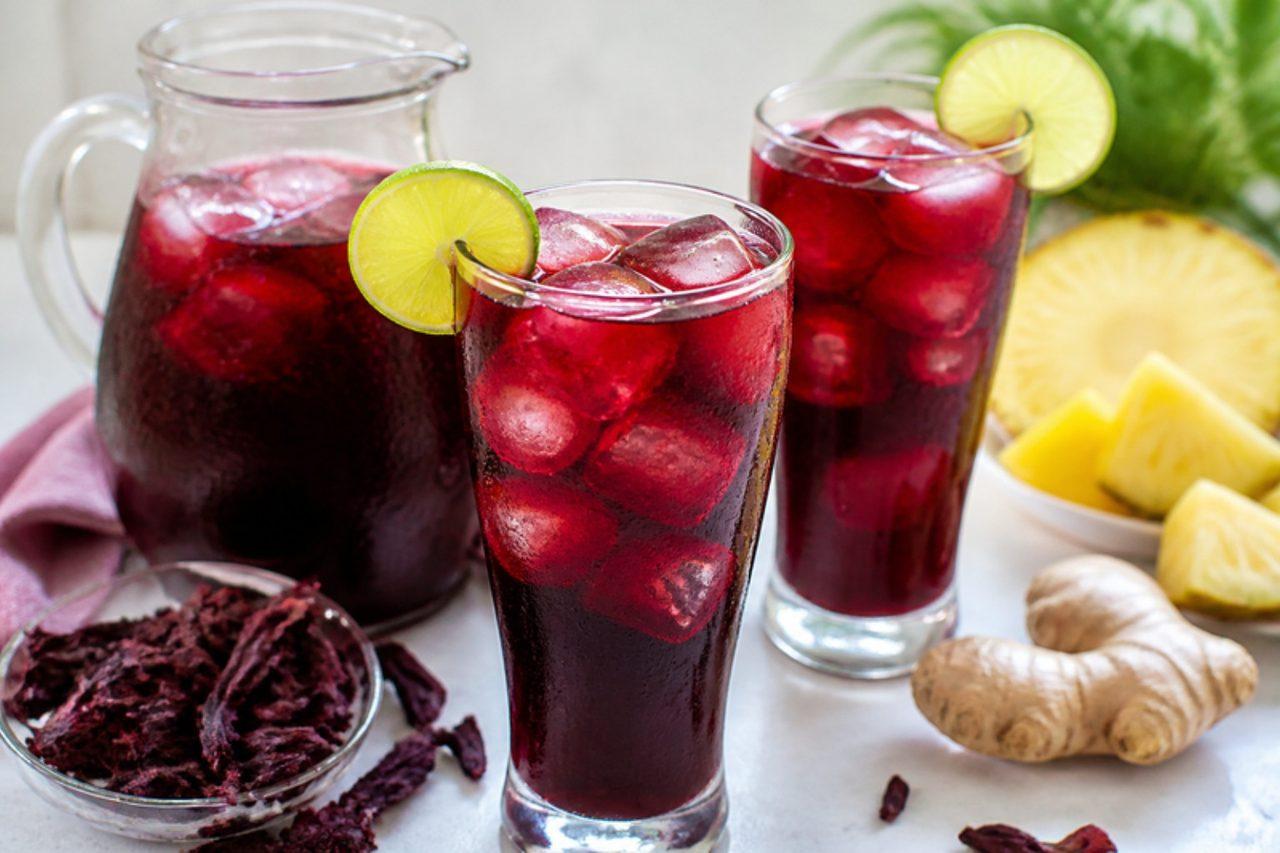
ZoboHibiscus and pineapple drink

Zobo is the deep crimson drink sold ice-cold in recycled bottles at Nigerian bus parks, markets and parties, and in Ghana the same drink is called sobolo, often made punchier with extra ginger and grains of selim. Dried hibiscus calyces are boiled with pineapple peel, fresh ginger and cloves, then strained and sweetened, giving a tart, fruity, gently spicy drink. It is drunk fresh and alcohol-free, very cold, especially in the dry heat before the rains. Chef's tip: sweeten the drink once it is strained and still warm, tasting as you go; hibiscus tastes much sharper hot than when it is chilled, so leave it a touch sweeter than you think.

by KrazyBadal 0 views

Carne de porco à alentejanaPork and clams

Despite the name, this surf-and-turf dish of pork and clams is most often linked with the Algarve coast, where Alentejo pork met local shellfish; today it is served in tascas all over Portugal, especially for Sunday lunch. It is a pork dish: cubes of pork shoulder marinate in massa de pimentão (sweet red pepper paste), garlic and traditionally white wine, then are fried and tossed with steamed clams, crisp potato cubes, pickles and lots of coriander. For an alcohol-free version, swap the wine for chicken stock with a tablespoon of white wine vinegar. Chef's tip: buy the pork with a little fat on; lean loin turns dry and tough when fried.

by KrazyBadal 0 views

Tofu adoboTofu braised in vinegar and soy

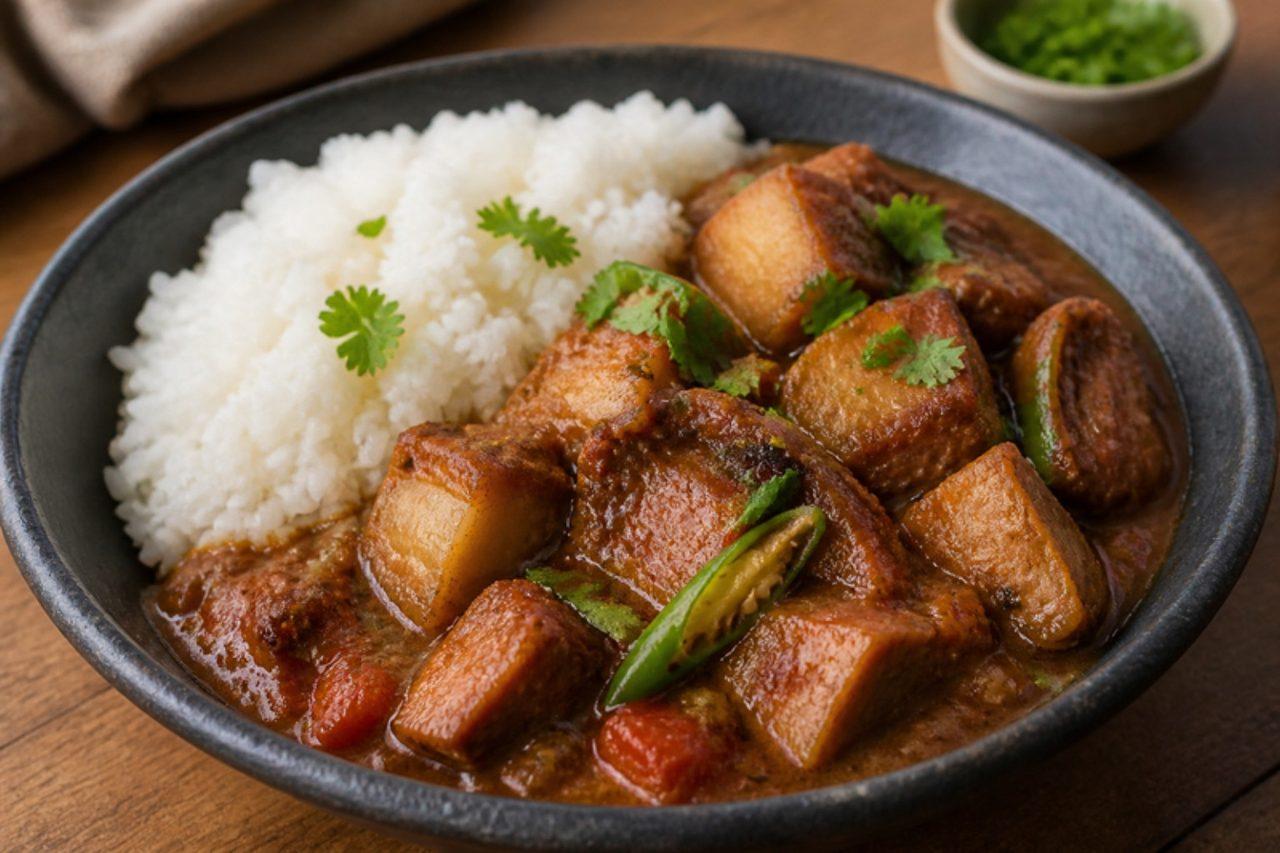
Adobo is the dish Filipinos call national, cooked in some form in nearly every home from Ilocos down to Mindanao, and the meat versions are what most people know. In Catholic households, though, Holy Week and the Fridays of Lent call for a meatless table, and adobong tokwa (tofu adobo) is the answer many families reach for. Firm tofu is fried until it has a golden skin, then simmered in a reduced sauce of cane vinegar, soy sauce, a whole head of garlic, bay leaves and whole peppercorns until the sauce clings, sour and salty with a little sweetness. It tastes even better the next day and is eaten with mounds of plain rice. Chef's tip: press the tofu well and fry it properly; a dry, golden crust is what soaks up the adobo sauce instead of turning it watery.

by KrazyBadal 0 views

Ohn no khao swe with tofuCoconut noodle soup with tofu

Ohn no khao swe is the comforting coconut noodle soup that Burmese families serve for weekend lunches and for crowds at donation feasts, especially around Mandalay and Yangon. Wheat noodles sit in a rich, mildly spiced coconut broth thickened with chickpea flour, and everyone adds their own toppings: lime, sliced raw onion, chilli flakes, coriander and crispy fried noodles. It's normally made with chicken; tofu and chickpeas take its place here. Chef's tip: stir the coconut milk in at the end and keep it at a gentle simmer; a hard boil makes the coconut split and turn oily.

by KrazyBadal 0 views

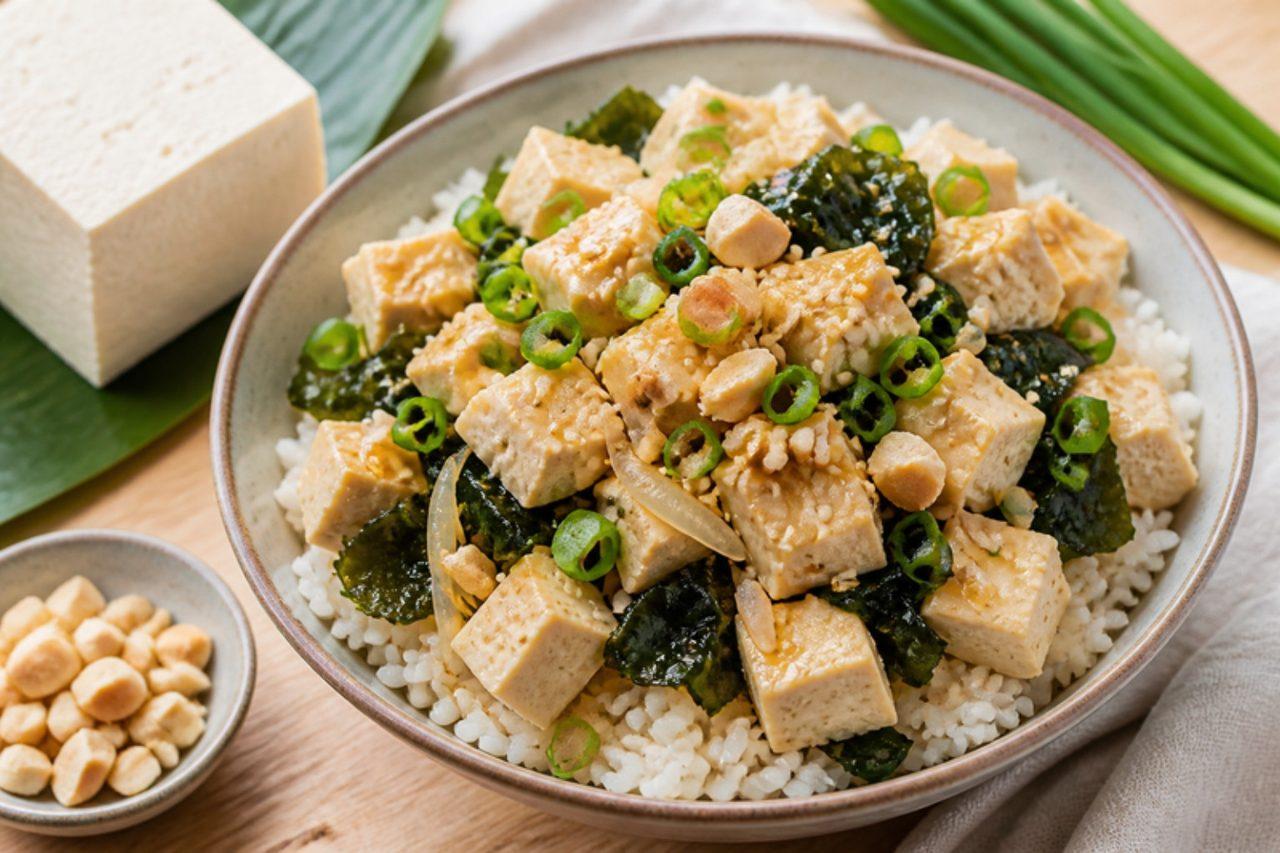
Hawaiian tofu pokeMarinated tofu bowl

Poke (say 'POH-keh', meaning 'to cut into pieces') is Hawaii's everyday snack: in local markets and at the deli counters of Honolulu, raw cubed fish is tossed with soy, sesame oil, sweet Maui onion, seaweed and inamona (roasted candlenut). Tofu poke has become a standard option at those same counters, and it's how this recipe is written; the original uses raw tuna (ahi) instead of tofu. Serve it as a pūpū (snack) or over rice. Chef's tip: press the tofu well and dry it; firm, dry cubes soak up the dressing instead of watering it down.

by KrazyBadal 0 views

Tofu and pumpkin amokSteamed tofu and pumpkin custard

Amok is the dish Cambodians proudly serve to visitors, especially around Siem Reap and the Tonlé Sap, where it is traditionally made with freshwater fish. This home version keeps everything that makes it amok, the fragrant kroeung, thick coconut cream and a beaten egg that sets it into a soft, spoonable custard, but fills the banana-leaf cups with firm tofu and sweet pumpkin instead. Noni leaves (slok ngor) usually line the cups; young spinach gives the same green layer. Serve it with plain jasmine rice for a special dinner. Chef's tip: stir the custard in one direction only while you mix the coconut cream and egg; Cambodian cooks say this keeps it silky, and it also stops air bubbles that leave holes once steamed.

by KrazyBadal 0 views

CarimañolasYuca fritters stuffed with beef

Carimañolas are torpedo-shaped fritters of mashed yuca filled with savoury minced beef, a breakfast and party snack in Panama City and along the Caribbean coast in Colón, often eaten with a cup of coffee or a spoon of hot sauce. The yuca dough is soft and smooth, the outside crisp after frying. The mistake is working the yuca dough while it is cold; mash and shape it while still warm, when it is smooth and pliable. Chef's tip: wet your hands with a little oil or water as you shape them so the dough doesn't stick.

by KrazyBadal 0 views

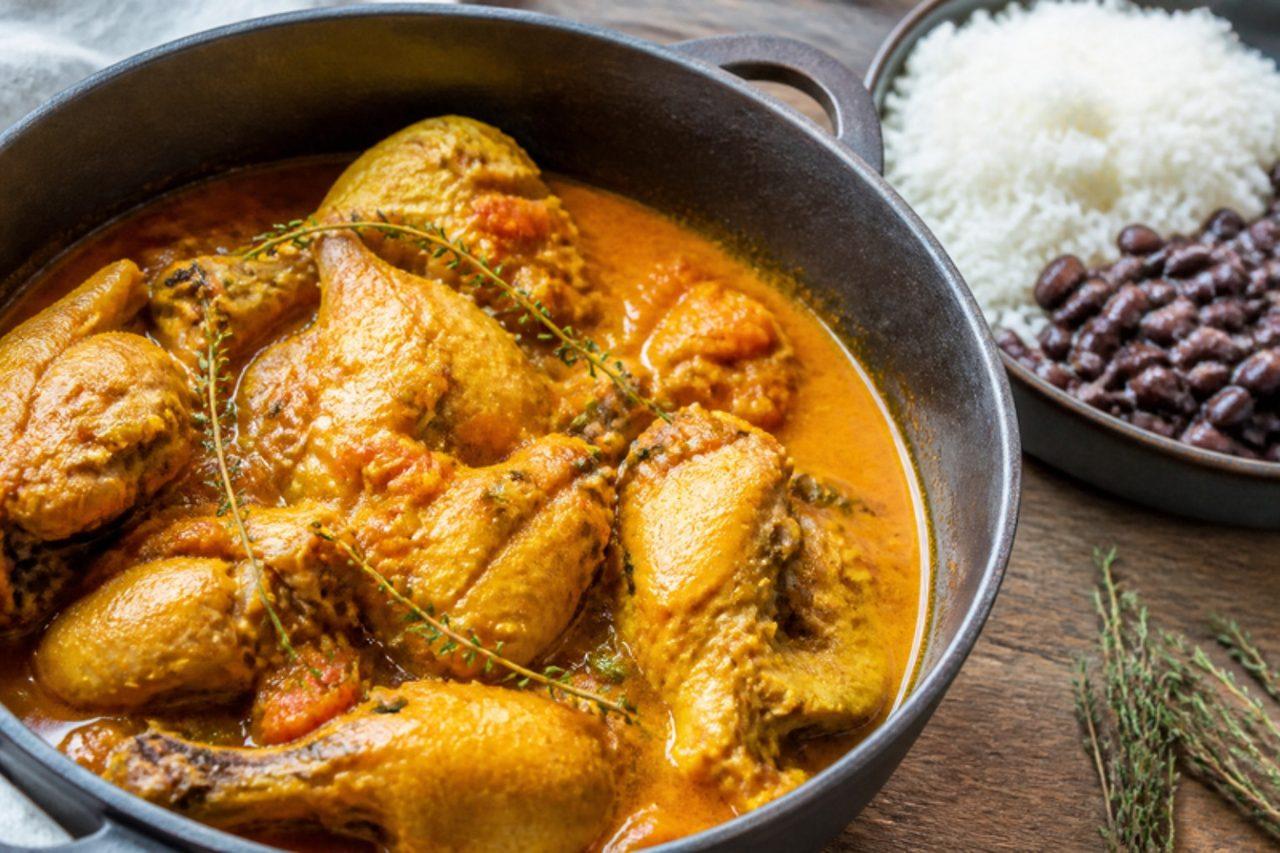
Cari pouletChicken curry

In Réunion a cari is any stew cooked with turmeric (called "safran" on the island), garlic, ginger, onion, tomato and thyme, and cari poulet is the dish families cook on Sundays in Saint-Denis and the mountain villages, often in a big cast-iron pot over a wood fire. It is served with white rice, red beans or lentils, and a fiery rougail on the side. The mistake is adding water too early: let the chicken brown and the tomatoes melt first, then add only a little. Chef's tip: thyme is essential in Réunionnais cooking; add it whole and fish it out before serving.

by KrazyBadal 0 views

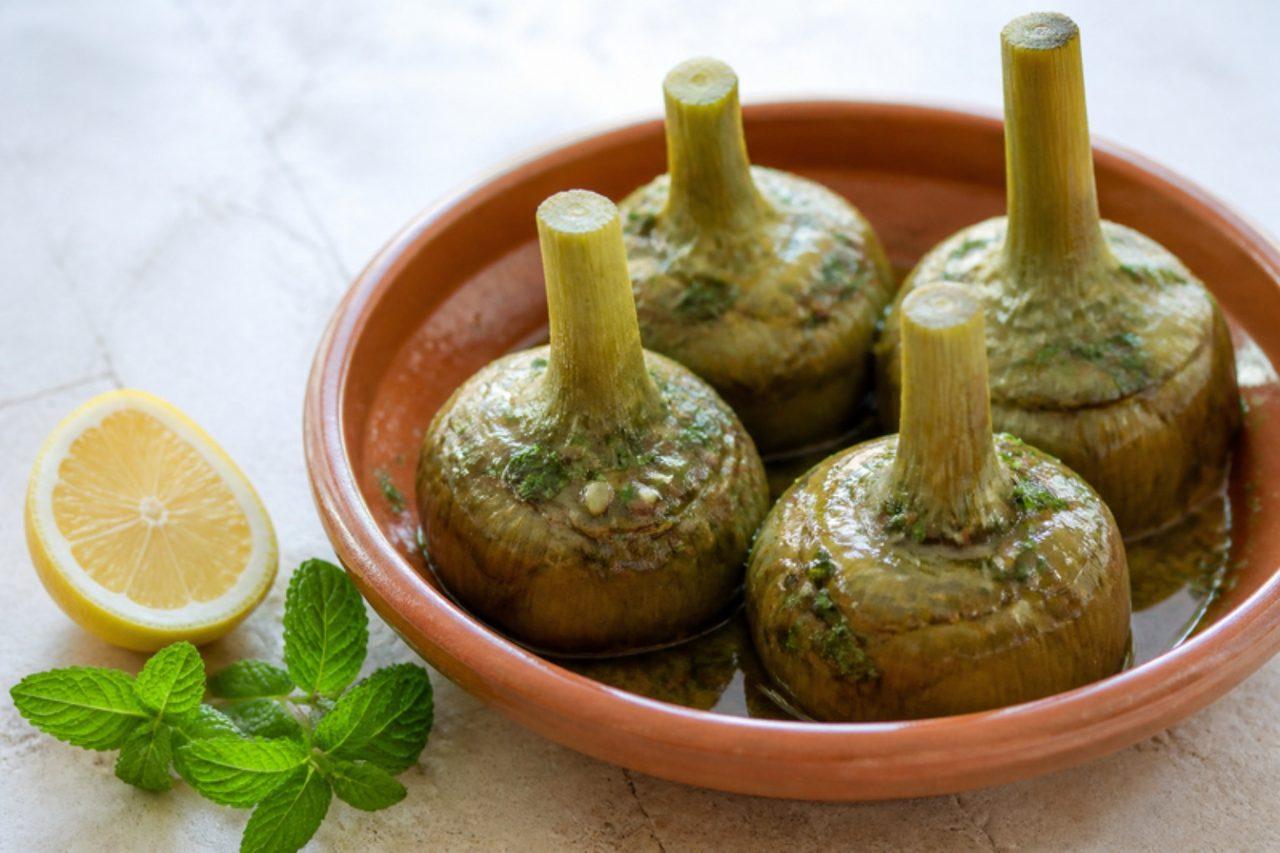
Carciofi alla romanaBraised artichokes with mint

Every spring, from February to April, Roman market stalls pile up round, thornless romanesco artichokes (cimaroli), and trattorie serve them alla romana: stuffed with wild mint, parsley and garlic and braised stem-up in oil and water until meltingly soft. They are eaten warm or at room temperature as a contorno, often next to their crisp cousins, carciofi alla giudia. Any large globe artichoke works at home. Chef's tip: braise them upside down, stems in the air and tightly packed, so the hearts sit in the liquid and the stems steam to the same tenderness.

by KrazyBadal 0 views

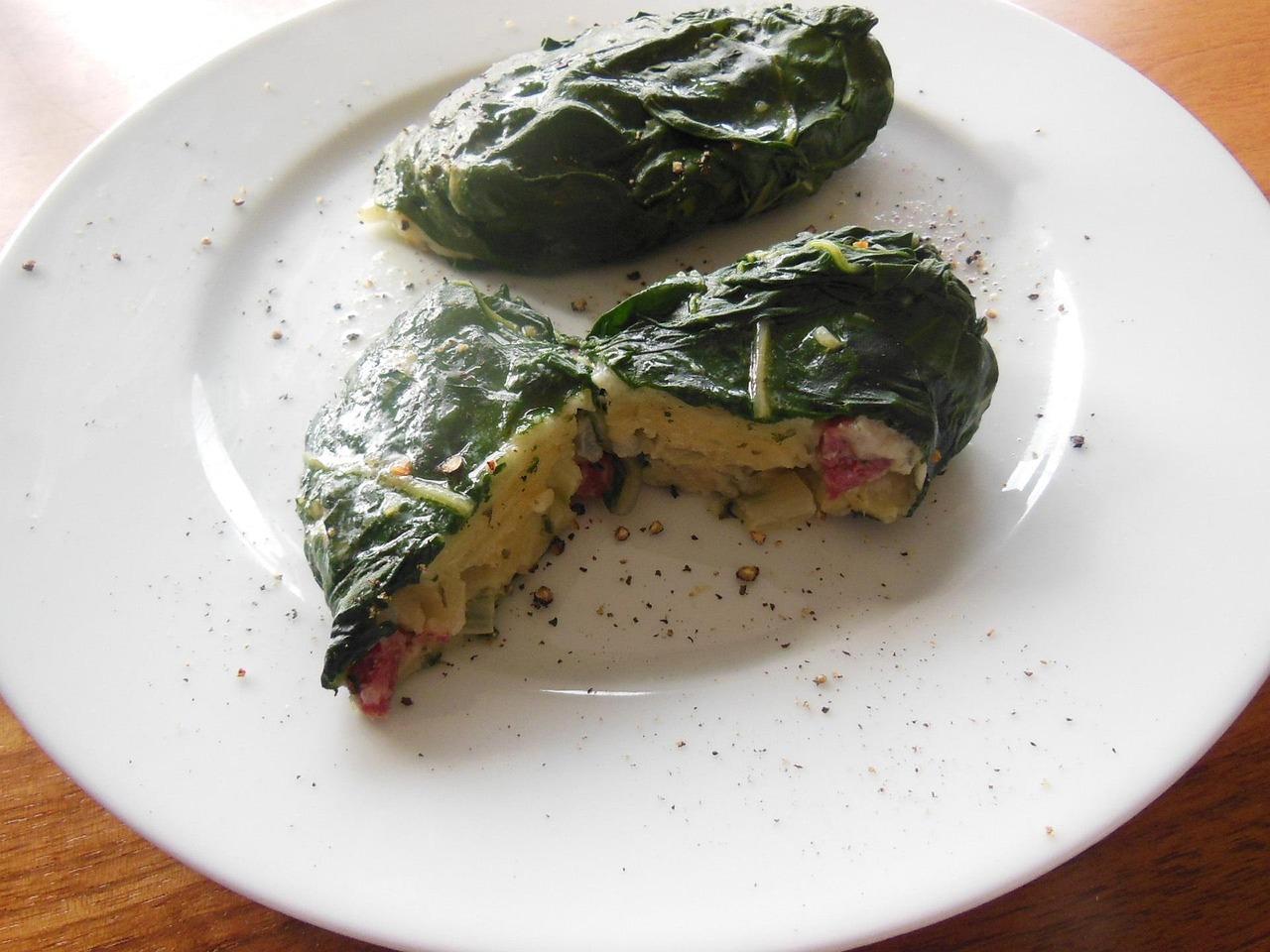
CapunsChard parcels of herby dough

Capuns come from the valleys of Graubünden, where every village in the Surselva and Engadin has its own way of making them, and they are cooked on cold evenings and for festivals in mountain inns. A soft spätzle batter flavoured with herbs and little cubes of air-dried salsiz sausage and bacon is wrapped in chard leaves, then the parcels are poached in a mixture of milk and stock and finished with butter and grated mountain cheese. The salsiz and bacon are pork. Most first attempts fail because the dough is too runny to wrap; it should drop slowly off a spoon, like very thick porridge. Chef's tip: dip the chard leaves into boiling water for just 10 seconds so they turn supple enough to roll without tearing.

80 minSwissMeat
by KrazyBadal 0 views

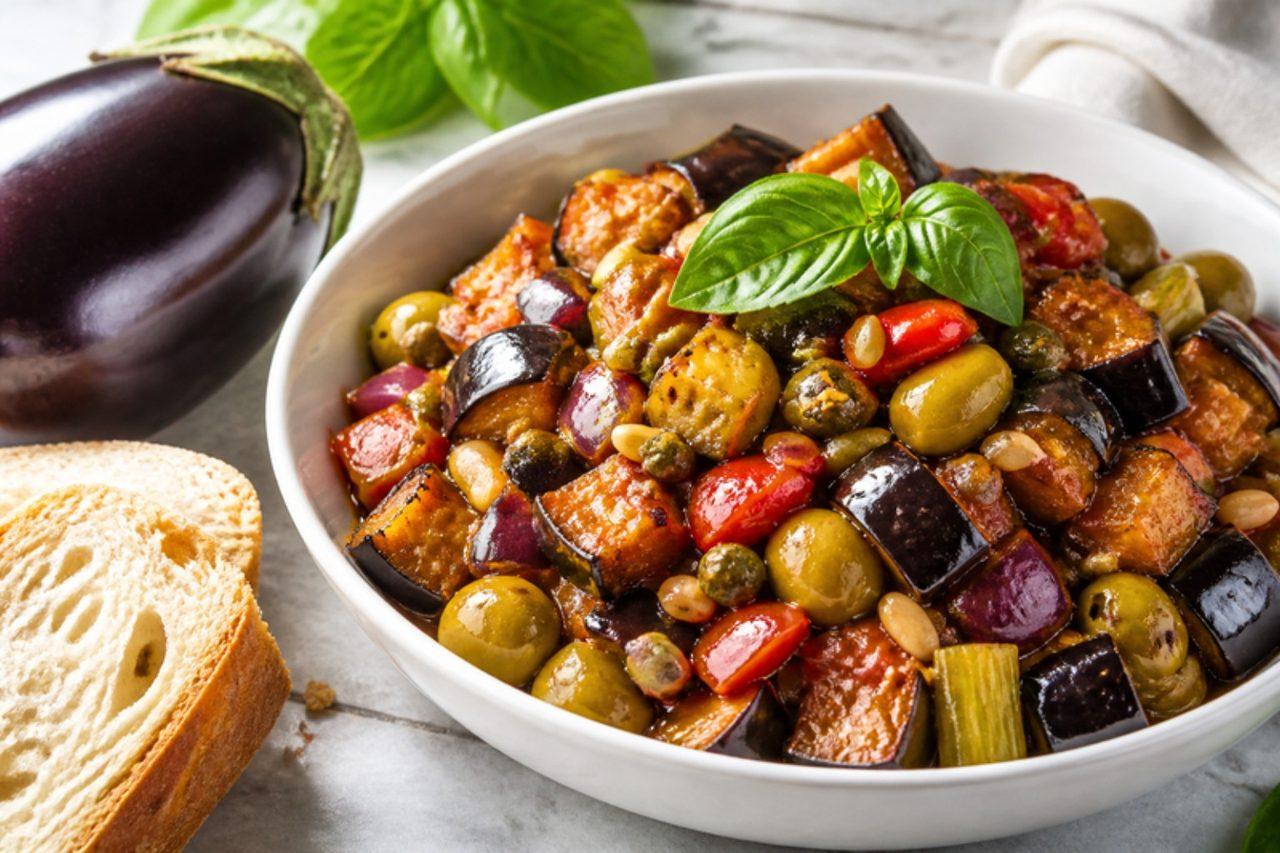
CaponataSweet and sour aubergine stew

Caponata is the agrodolce dish of Sicily: cubes of fried aubergine, crisp celery, green olives and capers in a glossy tomato sauce sharpened with vinegar and softened with a little sugar. Palermo families keep a bowl in the fridge through late summer and eat it at room temperature as an antipasto, a side or on bread, and many say it is best on the second day. The sweet-sour balance shows the Arab influence on Sicilian cooking. Chef's tip: blanch the celery for 2 minutes before frying; it keeps a pleasant crunch without tasting raw.

by KrazyBadal 0 views

Cape Malay koesistersSpiced syrup doughnuts

Koesisters are Cape Town's Sunday-morning ritual: in the Bo-Kaap and on the Cape Flats, families buy or make a batch to eat with tea after the week's work is done. They are nothing like the plaited, crunchy Afrikaner koeksister. These are soft, cake-like, oval dumplings flavoured with cinnamon, cardamom, ginger, aniseed and naartjie (tangerine) zest, fried, briefly boiled in a thin syrup and rolled in desiccated coconut. Chef's tip: fry them over a moderate heat so they cook through to a fluffy centre before the outside turns dark; they should be a rich brown, not black.

by KrazyBadal 0 views

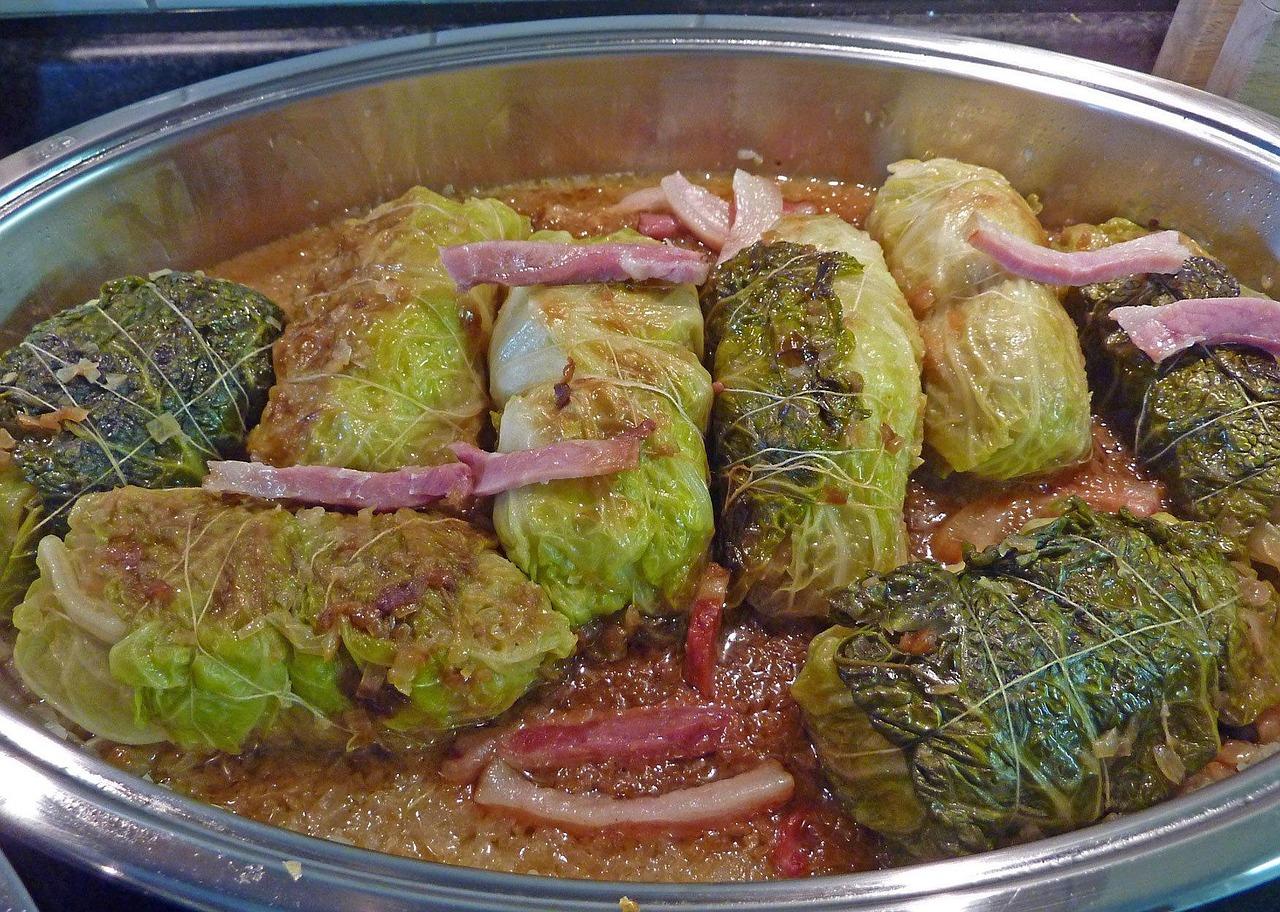
Töltött káposztaStuffed cabbage rolls

Töltött káposzta is the dish Hungarians make for Christmas and the wedding feasts of the countryside, a huge pot that tastes better each day. It is a pork dish: soured cabbage leaves are rolled around a filling of pork mince, rice, onion and paprika, then layered with chopped sauerkraut and smoked pork ribs or sausage and simmered for hours. It is served with a dollop of soured cream and bread. Chef's tip: look for whole soured cabbage heads (sold for this dish in Eastern European shops); if you cannot find them, blanch fresh savoy leaves and add extra sauerkraut.

by KrazyBadal 0 views

Cao lauPork and noodle bowl

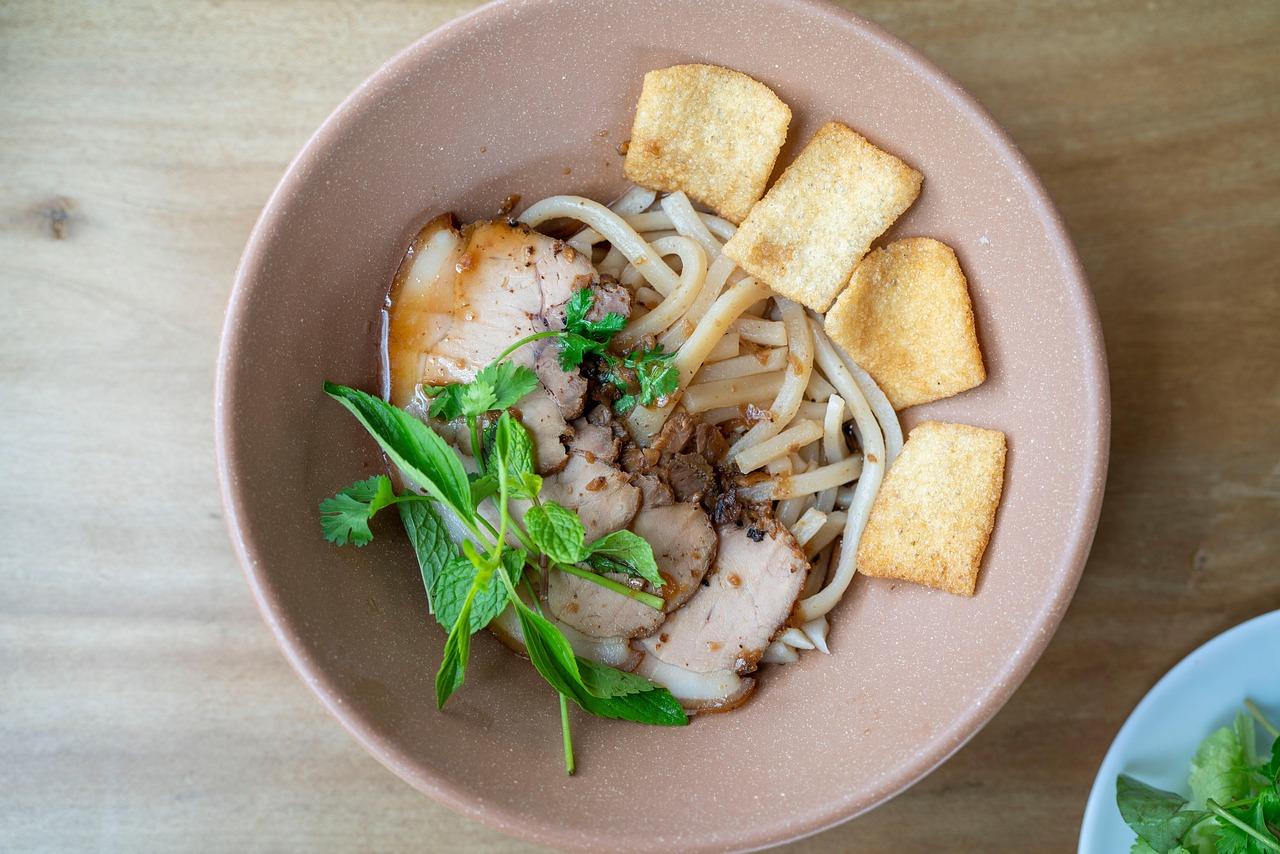
You will really only find proper cao lầu in Hội An, the old trading port on Vietnam's central coast, where it's sold in small family eateries and along the riverside at lunch. The noodles are yellowish and unusually chewy, made with lye water that locals traditionally link to the town's ancient Bá Lễ well. They come almost dry, topped with slices of sweet five-spice pork, raw greens and crisp squares of fried dough, with just a spoonful of the pork juices. Because the real noodles are very hard to buy outside Hội An, this home version uses thick udon noodles, which give a similar bouncy chew; it is a substitute, not the original. Chef's tip: rinse the cooked udon in cold water, then dip briefly in hot water just before serving, so they are warm but firm.

by KrazyBadal 0 views

CantucciTwice-baked almond biscuits

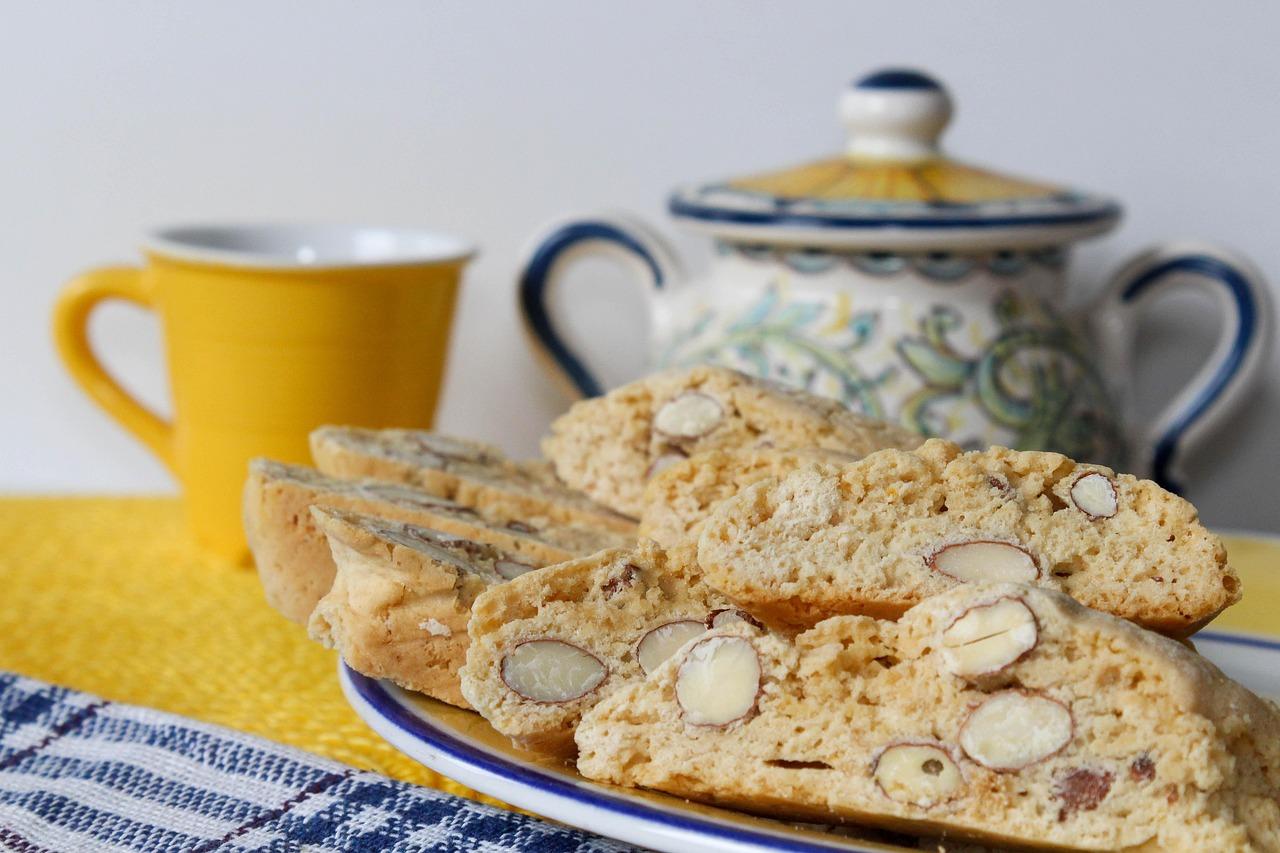
Cantucci, also called biscotti di Prato, are the hard almond biscuits of Prato, near Florence, where bakeries have sold them since the 1800s. The dough is shaped into logs, baked, sliced on the diagonal and baked again until crisp and golden, so they keep for weeks. In Tuscany they end a meal dipped in a small glass of Vin Santo; with coffee works just as well. The traditional recipe has no butter or oil, only eggs, sugar, flour and whole almonds. Chef's tip: slice the logs while still warm with a serrated knife and a firm sawing motion; once cold, they crumble.

by KrazyBadal 0 views

Tom yum goongHot and sour prawn soup

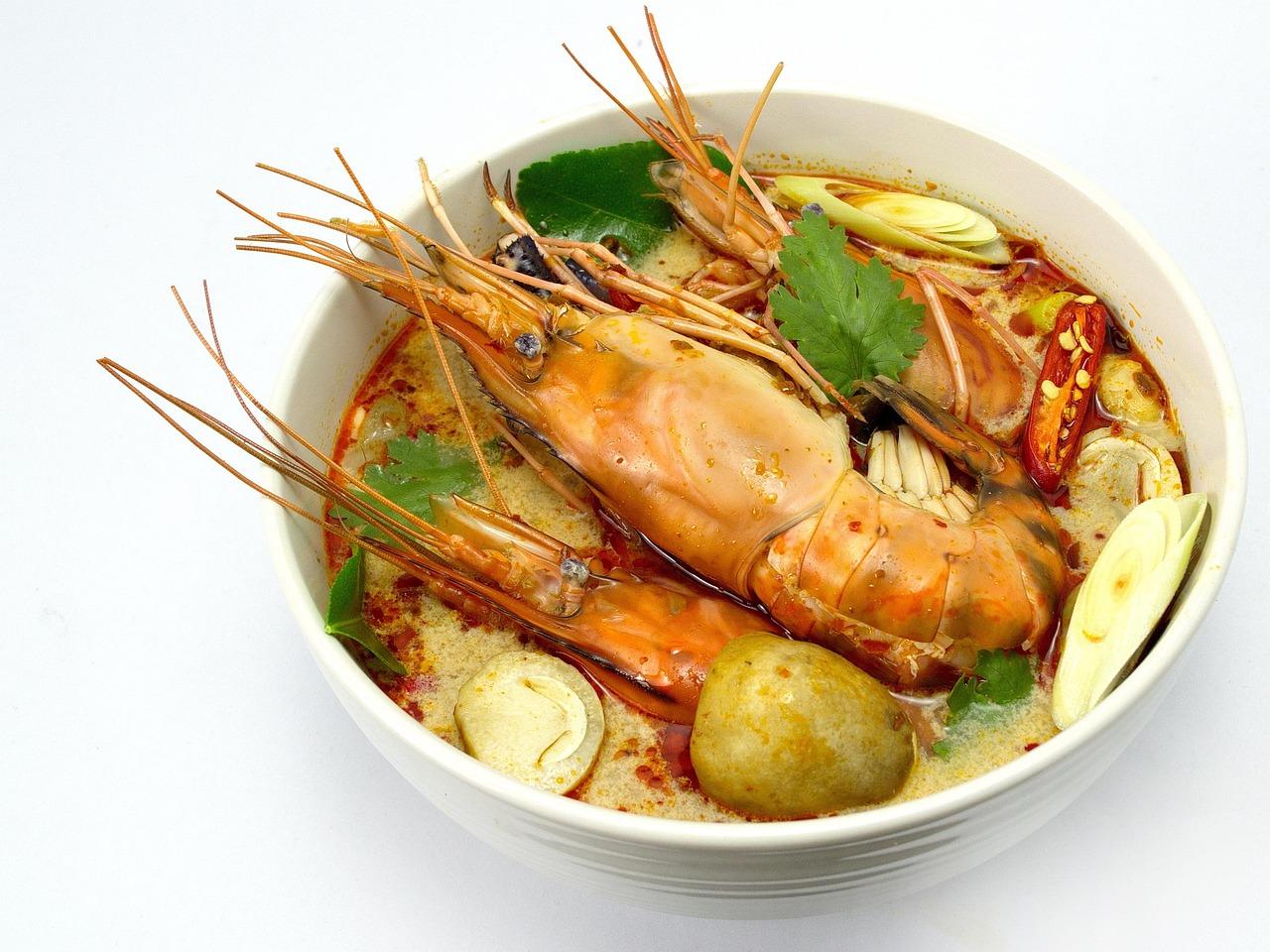
Steaming bowls of this prawn soup land on almost every table in central Thailand, from riverside shophouses in Ayutthaya to family dinners in Bangkok, where it sits in the middle to be shared with rice and two or three other dishes. The broth is thin but loud: sour from lime, salty from fish sauce, hot from crushed bird's eye chillies, and perfumed by bruised lemongrass, galangal and torn makrut lime leaf, which flavour the soup but are left in the bowl. This is the clear style (nam sai) with a spoonful of roasted chilli paste for colour and a gentle sweetness; the creamy nam khon style adds evaporated milk, which we leave out to keep it dairy free. Serve it piping hot with plain jasmine rice. Chef's tip: simmer the prawn heads and shells for five minutes before anything else goes in, and the soup tastes of the sea rather than of water.

25 minThaiSoupsGluten freeSpicy
by KrazyBadal 0 views

Tomaat-garnaalTomatoes stuffed with grey shrimp

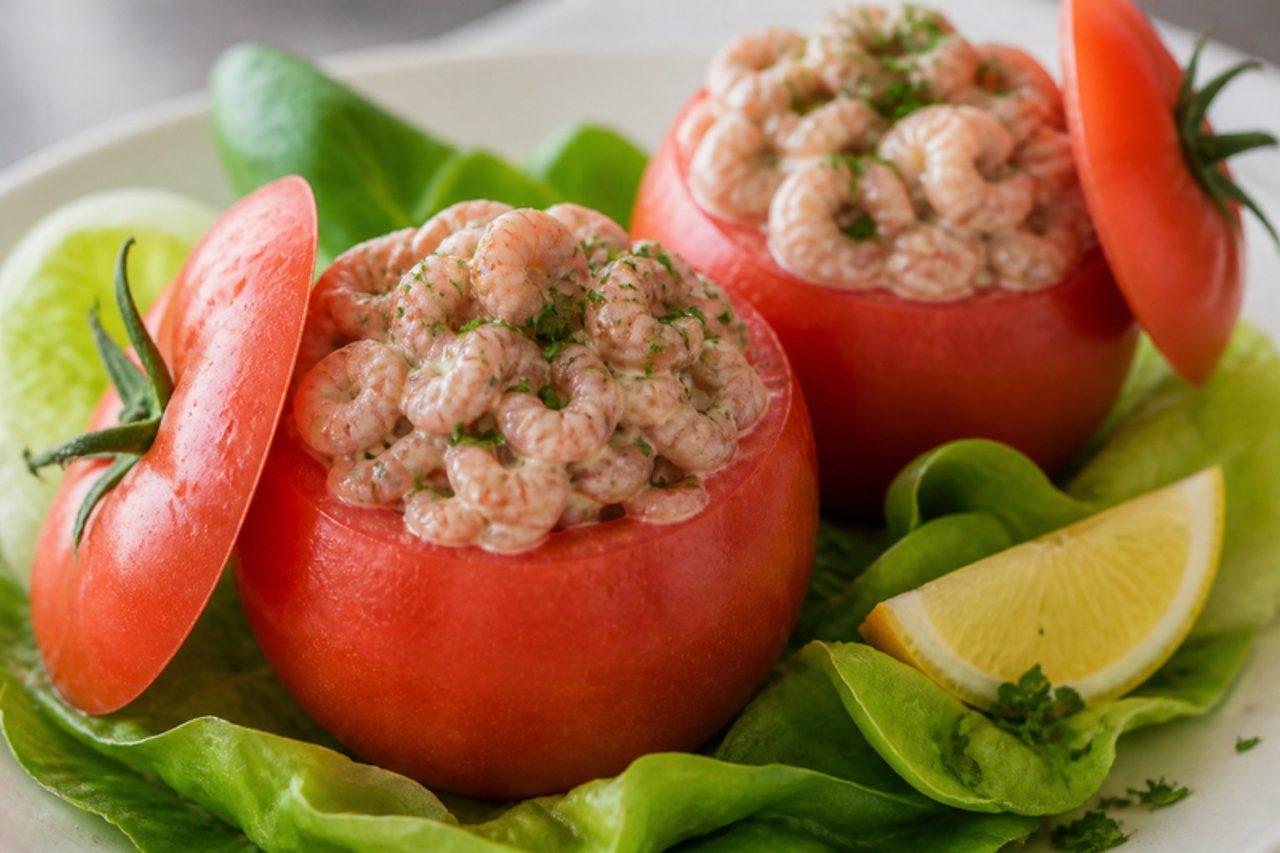
Along the Belgian coast, from Ostend to De Panne, tomaat-garnaal is the starter that tells you you are at the seaside: a hollowed raw tomato heaped with tiny, sweet North Sea grey shrimp in homemade mayonnaise, served with lettuce, lemon and often a few chips. The shrimp are caught and boiled on the boats, so they come ready-cooked and peeled. Because the dish has so few parts, everything depends on good ripe tomatoes and very fresh shrimp. The thing people often get wrong is drowning the shrimp in mayonnaise; use just enough to bind them so their sweetness comes through. Chef's tip: salt the hollowed tomatoes and turn them upside down for 10 minutes so they do not leak water onto the plate.

by KrazyBadal 0 views

CannoliFried shells with sweet ricotta

Cannoli were once a Carnival treat in Palermo; now Sicilian pastry shops fill them all year, piping the sweet sheep's-milk ricotta cream into the crisp, bubbly shells only when you order, so they never go soft. The ends are dipped in chopped pistachios, candied orange or chocolate chips. Traditional shells are fried with lard; this version uses butter in the dough and sunflower oil to fry. You need metal cannoli tubes. Chef's tip: drain the ricotta overnight and push it through a sieve; it makes a silky cream that holds its shape instead of a runny, grainy filling.

by KrazyBadal 0 views

CanjeeroSpongy fermented pancakes

Canjeero (also called laxoox) is Somali breakfast, made fresh each morning in homes and sold in cafés from Mogadishu to Djibouti: thin, spongy pancakes from a soured batter, cooked on one side only so the top is full of tiny holes. Eaten warm, they are drizzled with sesame oil or ghee and sprinkled with sugar, then rolled up with sweet spiced tea; on weekends they come with liver or beans. They are smaller and lighter than Ethiopian injera and made mostly from wheat. Chef's tip: spread the batter in a spiral with the back of the ladle, starting in the middle; that is what makes the thin, even, lacy sheet.

by KrazyBadal 0 views

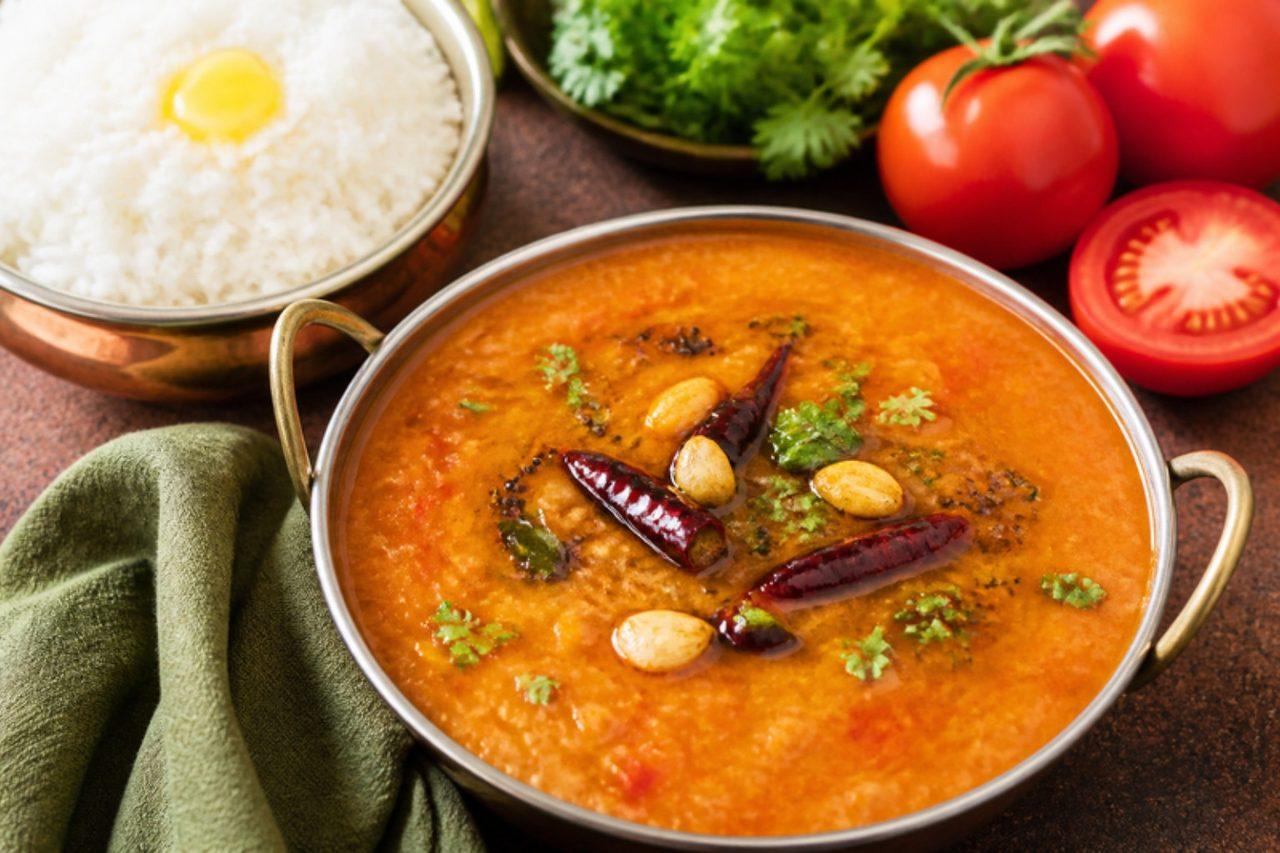
Tomato pappuTomato dal

Pappu (dal) is the backbone of an Andhra meal, and tomato pappu is the one most Telugu households cook on an ordinary weekday. Toor dal is cooked with plenty of ripe tomatoes, onion, green chillies and a little tamarind, then mashed to a thick, rustic consistency and finished with a fierce garlic and red chilli popu (tempering). It's tangier and hotter than a North Indian dal, and it's mixed into hot rice with a spoon of ghee and eaten with avakaya pickle and a crisp fried vegetable. Chef's tip: mash the dal and tomatoes together with a whisk or a wooden mathu while hot; it gives the creamy, slightly rough texture that blending never does.

by KrazyBadal 0 views

Tomato rasamTomato tamarind soup

Rasam is the thin, sour, peppery broth that runs through every Tamil Nadu meal, poured over rice after sambar or sipped from a tumbler when you have a cold. This tomato version is the everyday kind: ripe tomatoes and tamarind simmered with crushed garlic, black pepper and cumin, then lifted with a tempering of mustard seeds, dried chilli and curry leaves. It's light, warming and ready in 25 minutes. Serve it with plain rice and a dry vegetable, or on its own in a cup. Chef's tip: once you add the spice mix, take the rasam off the heat as soon as it froths up; boiling it hard turns the flavour flat and the pepper harsh.

by KrazyBadal 0 views

AyranSalted yogurt drink

Ayran is what Turks drink with lunch: a chilled, foamy blend of yogurt, water and a pinch of salt, poured from copper jugs alongside cheese pide, börek, lentil soup and bean stews. In the Susurluk area of Balıkesir it is whisked so hard that it arrives under a thick head of foam, and roadside cafés all over Anatolia serve it in tin cups on hot summer days. It is tangy, refreshing and cooling with spicy food. Make it just before you sit down and drink it ice-cold. Chef's tip: whisk the yogurt alone with the salt until smooth before adding any water, and you'll get a silky drink with no lumps.

by KrazyBadal 0 views

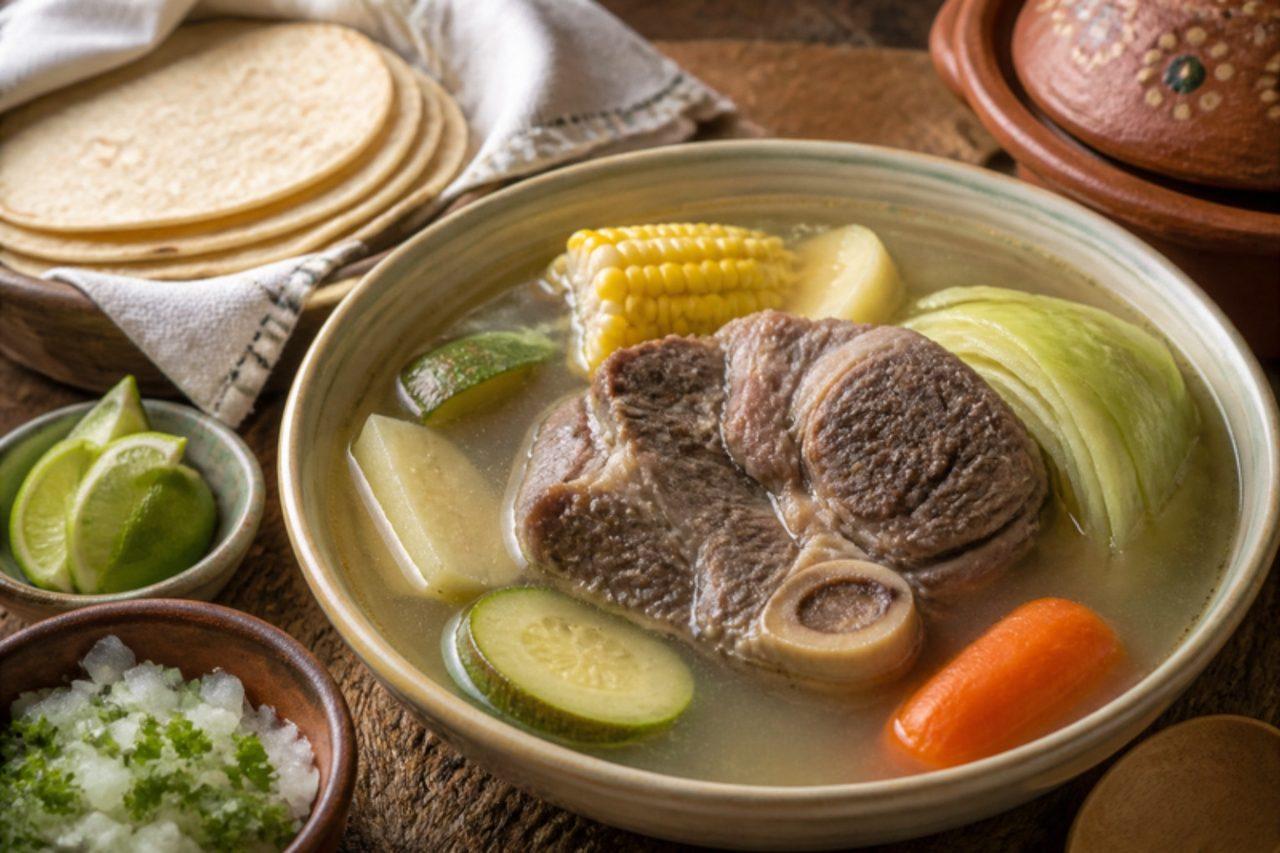
Caldo de resBeef shank soup

Ask almost any family in Mexico about Sunday lunch or a cold, rainy afternoon and caldo de res comes up: bone-in beef shank simmered for hours, then filled with big pieces of corn on the cob, carrot, potato, courgette and cabbage, so each bowl is a meal. Fondas from Monterrey to Mexico City sell it at midday with Mexican red rice, warm tortillas and a dish of chopped serrano and onion. The marrow from the shank bones enriches the clear broth. Chef's tip: add the vegetables in stages, the hard ones first, so everything is tender at the same time and nothing turns to mush.

205 minMexicanSoupsGluten free
by KrazyBadal 0 views

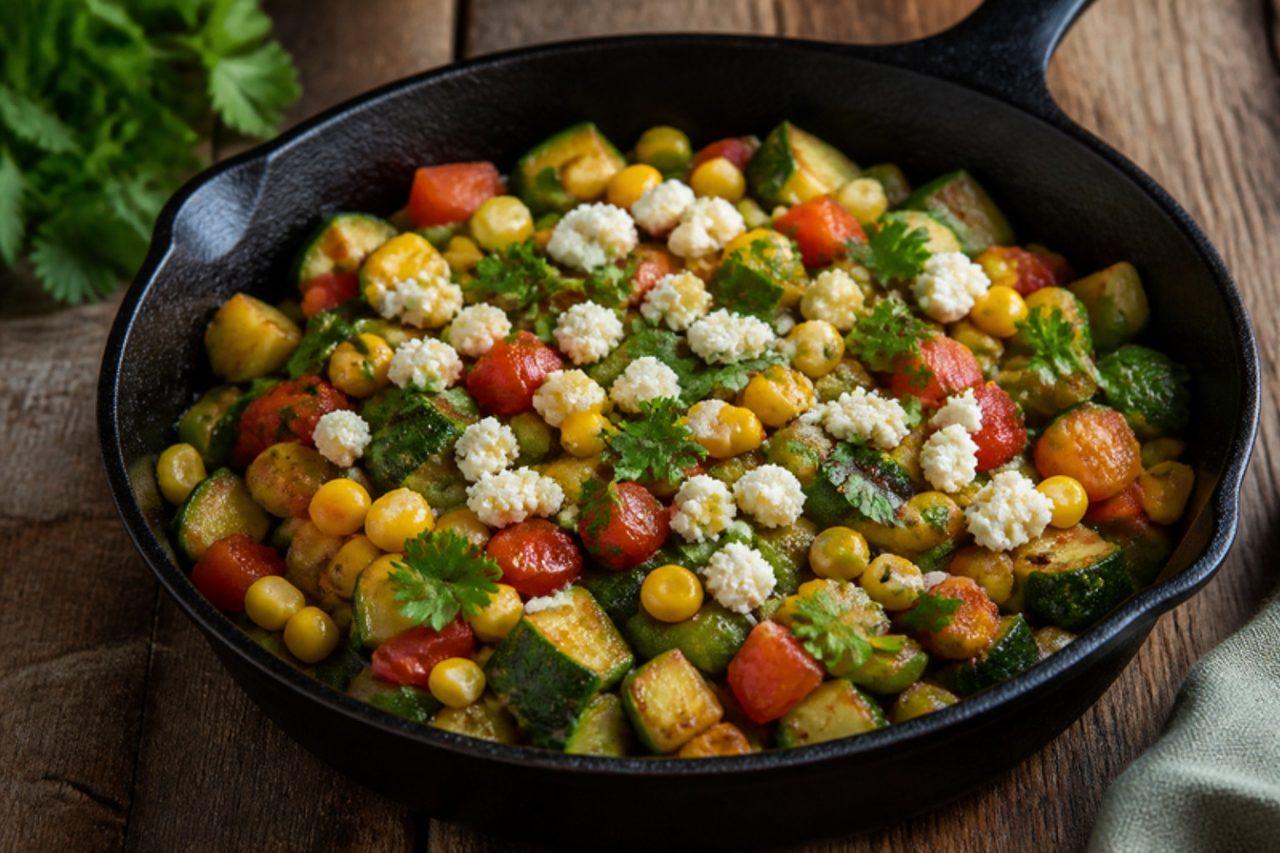
CalabacitasCourgette and corn sauté

Calabacitas a la mexicana is the everyday summer side dish of kitchens all over Mexico: young squash (calabacitas) cooked quickly with sweetcorn, tomato, onion and strips of roasted poblano until tender and juicy, finished with crumbled fresh cheese. Mexican grey squash is milder and more tender than courgette, but young courgettes work beautifully. Eat it with rice and beans, roll it into tacos, or fill quesadillas with it. Use queso fresco made with vegetarian rennet. Chef's tip: cook over a high heat and don't cover the pan for long; you want the courgette to fry and keep a bite, not steam into a puddle.

by KrazyBadal 0 views

Café cubanoSweet Cuban espresso

Café cubano, or cafecito, is the tiny, intensely sweet coffee poured into thimble-sized cups at every ventanita (walk-up window) in Miami and in homes across Cuba, often shared around the office at 3 o'clock. The secret is the espumita: the first few drops of coffee beaten hard with sugar into a pale caramel-coloured cream that floats on top. You need a stovetop moka pot. Chef's tip: catch only the very first, strongest drops for the foam; if you add too much coffee the sugar won't whip up.

by KrazyBadal 0 views

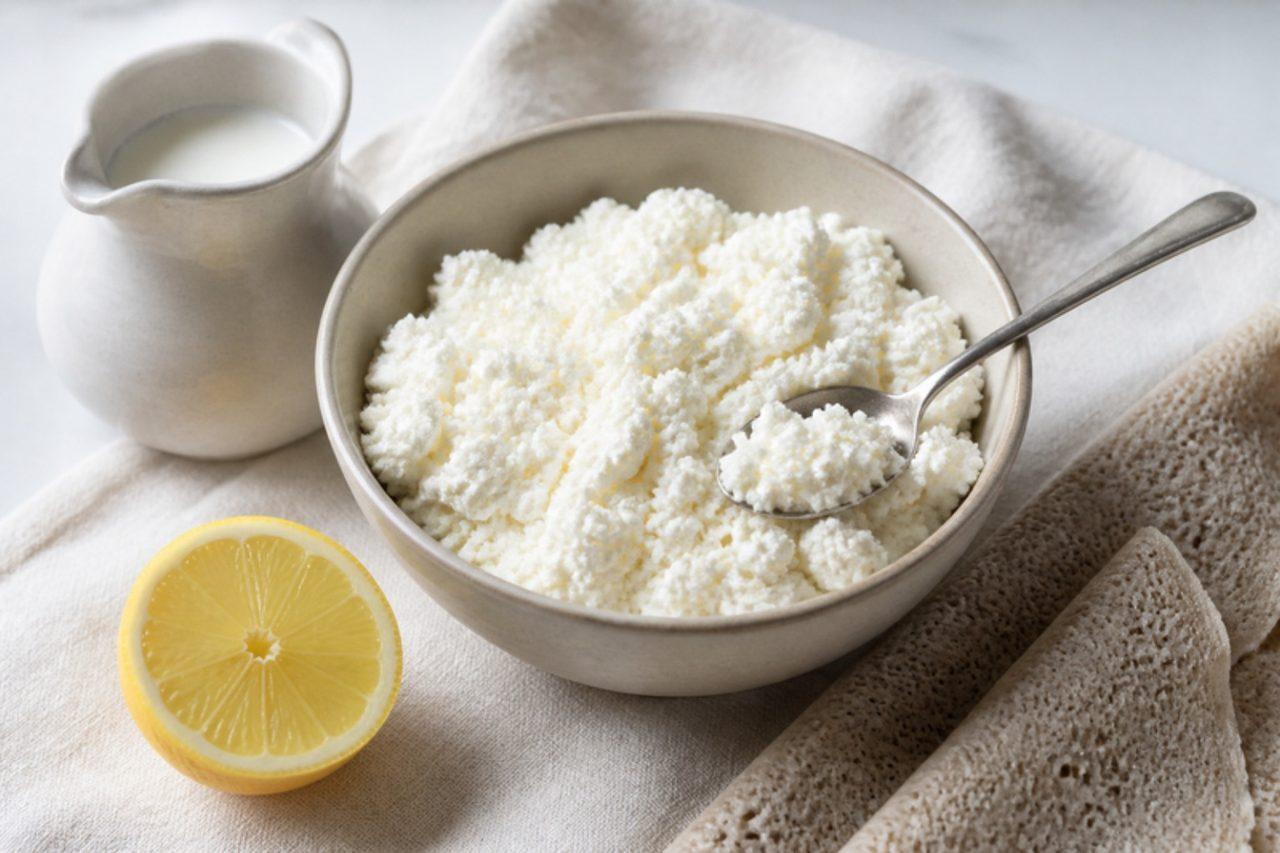
AyibFresh curd cheese

Ayib is the soft, crumbly fresh cheese that Ethiopians serve alongside spicy food to cool the mouth, especially with kitfo and gomen in the Gurage country south of Addis Ababa, where it is made from the buttermilk left after churning butter. It tastes very mild and slightly tangy, a little like ricotta or cottage cheese, and is often mixed with herbs or a pinch of mitmita. This home version uses milk and buttermilk, heated until they separate. Chef's tip: once the curds form, take it off the heat; boiling makes them tough and rubbery.

by KrazyBadal 0 views

CachapasSweet corn pancakes with cheese

Cachapas are the roadside breakfast of Venezuela; along the highways of Aragua and Carabobo, stands called cachaperas grill them on big iron plates from early morning. They are thick, slightly lumpy pancakes made from fresh blended sweetcorn, sweet and savoury at once, folded over a slab of soft, stretchy white cheese (queso de mano) that melts with the heat. Mozzarella works well outside Venezuela. Chef's tip: keep a few whole kernels in the batter; the little bursts of corn are part of a real cachapa.

by KrazyBadal 0 views

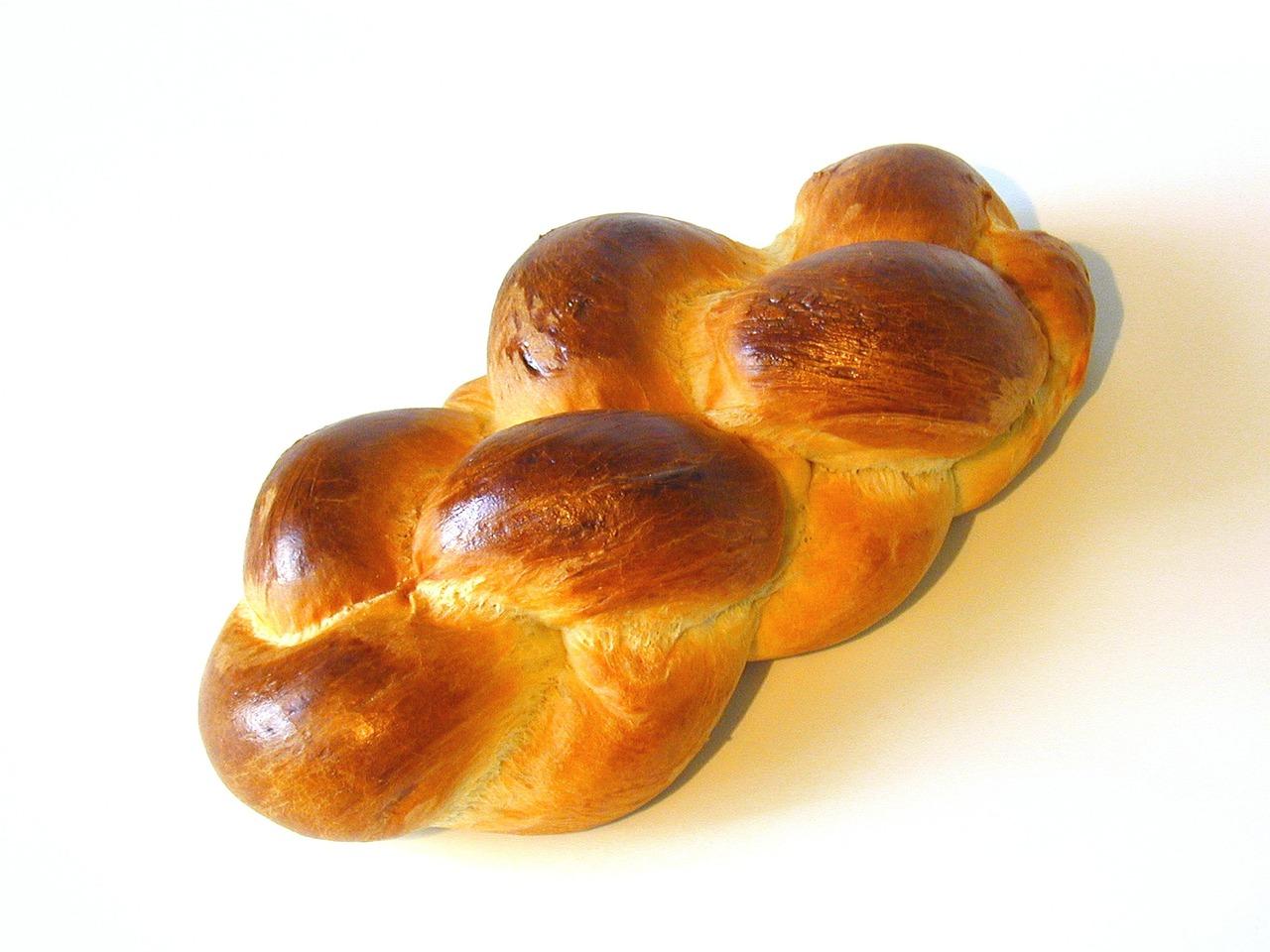
ZopfPlaited butter bread

In German-speaking Switzerland the Sunday breakfast table is not complete without a Zopf (Züpfe in Bern): a shiny, plaited white loaf made with milk and plenty of butter, sliced thick and spread with more butter and jam or honey. Bakeries from Bern to St Gallen bake them on Saturday nights, and many families plait their own on Sunday morning. The crumb is soft, light and faintly sweet from the butter, not the sugar, and the egg-yolk glaze gives a deep brown, glossy crust. Leftovers make excellent French toast (Fotzelschnitte). Chef's tip: let the shaped plait rest in a cool place for 15 minutes before glazing and baking; the strands hold their shape and the pattern stays crisp.

by KrazyBadal 0 views

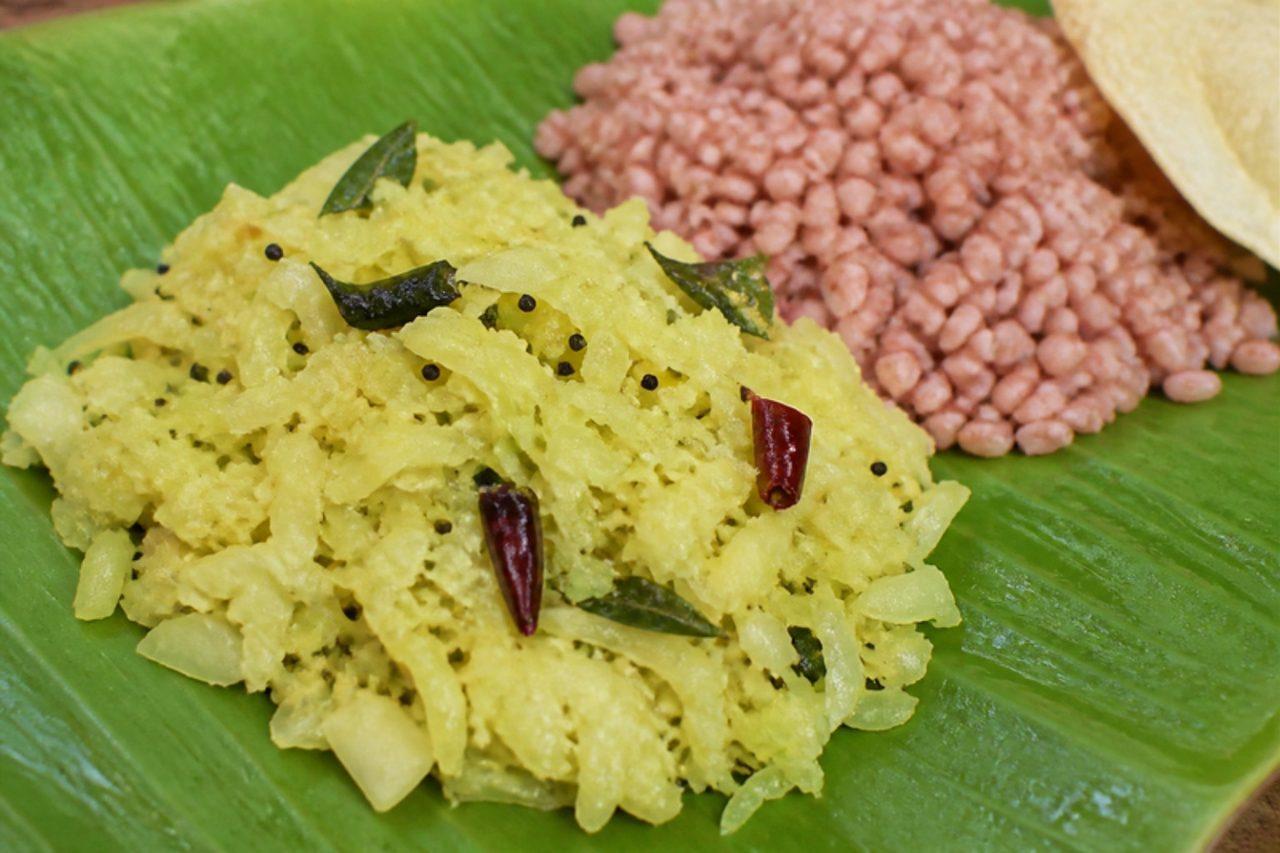
Cabbage thoranCabbage and coconut stir-fry

Thoran is the everyday dry vegetable of Kerala, on the lunch plate in nearly every home and in the steel tiffin boxes carried to offices from Thiruvananthapuram to Kannur. Cabbage is the classic choice: shredded fine, steamed in its own juices with mustard and curry leaves, then tossed with coconut that has been crushed (never ground smooth) with green chilli, garlic and cumin. It comes out sweet, fluffy and lightly crunchy. Serve it with rice, sambar or moru curry, or eat it with chapati. Chef's tip: shred the cabbage as finely as you can; thin shreds cook in their own steam in a few minutes and stay bright.

by KrazyBadal 0 views

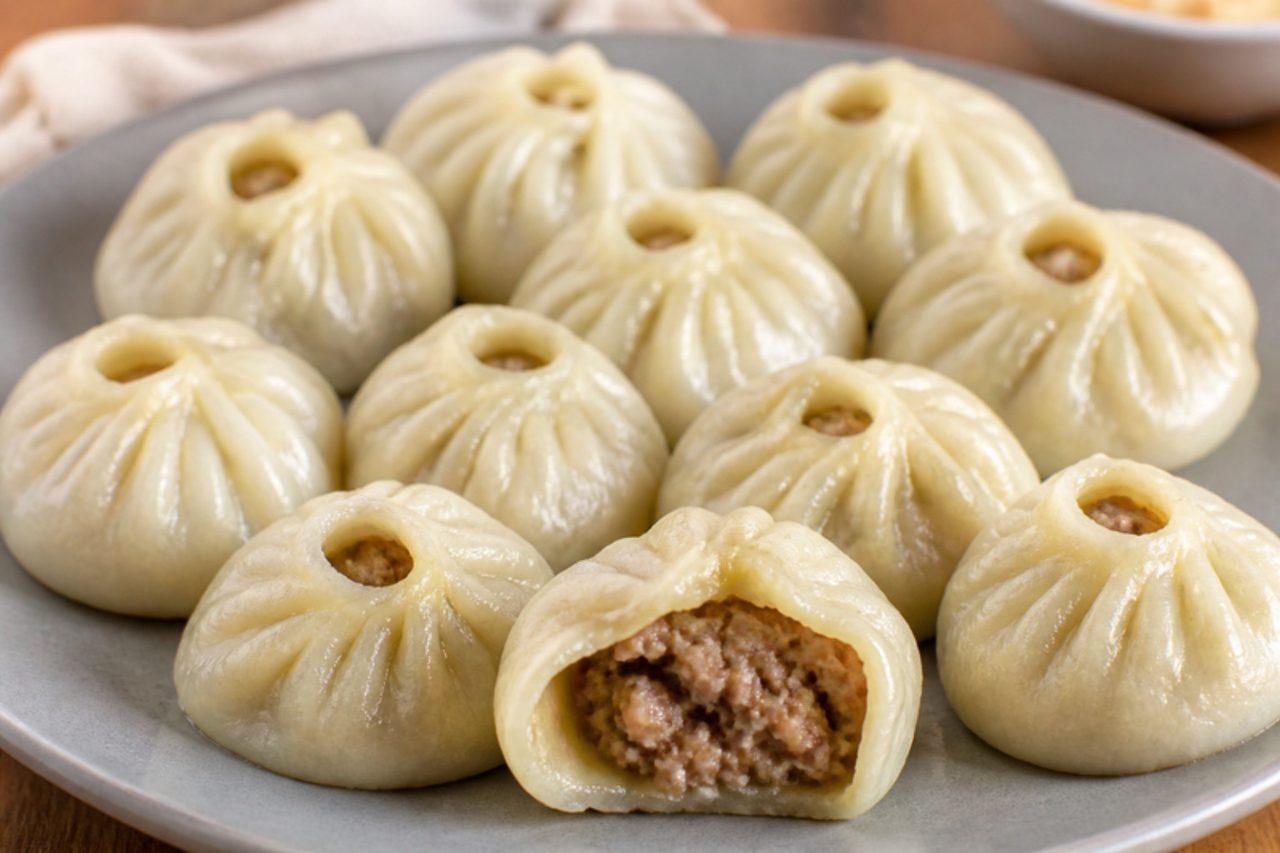
BuuzSteamed mutton dumplings

Buuz are the dumplings every Mongolian family makes in their hundreds before Tsagaan Sar, the Lunar New Year, in Ulaanbaatar flats and countryside gers alike, freezing them outside in the cold to steam for the stream of visitors. A simple dough wraps a juicy filling of chopped mutton, onion, garlic and caraway, pinched into a pleated shape with a small hole at the top, and the dumplings are eaten hot, with salty milk tea. The mistake is lean meat: buuz need some fat, or the filling is dry. Chef's tip: add a few spoons of cold water to the filling so it stays juicy when steamed.

by KrazyBadal 0 views

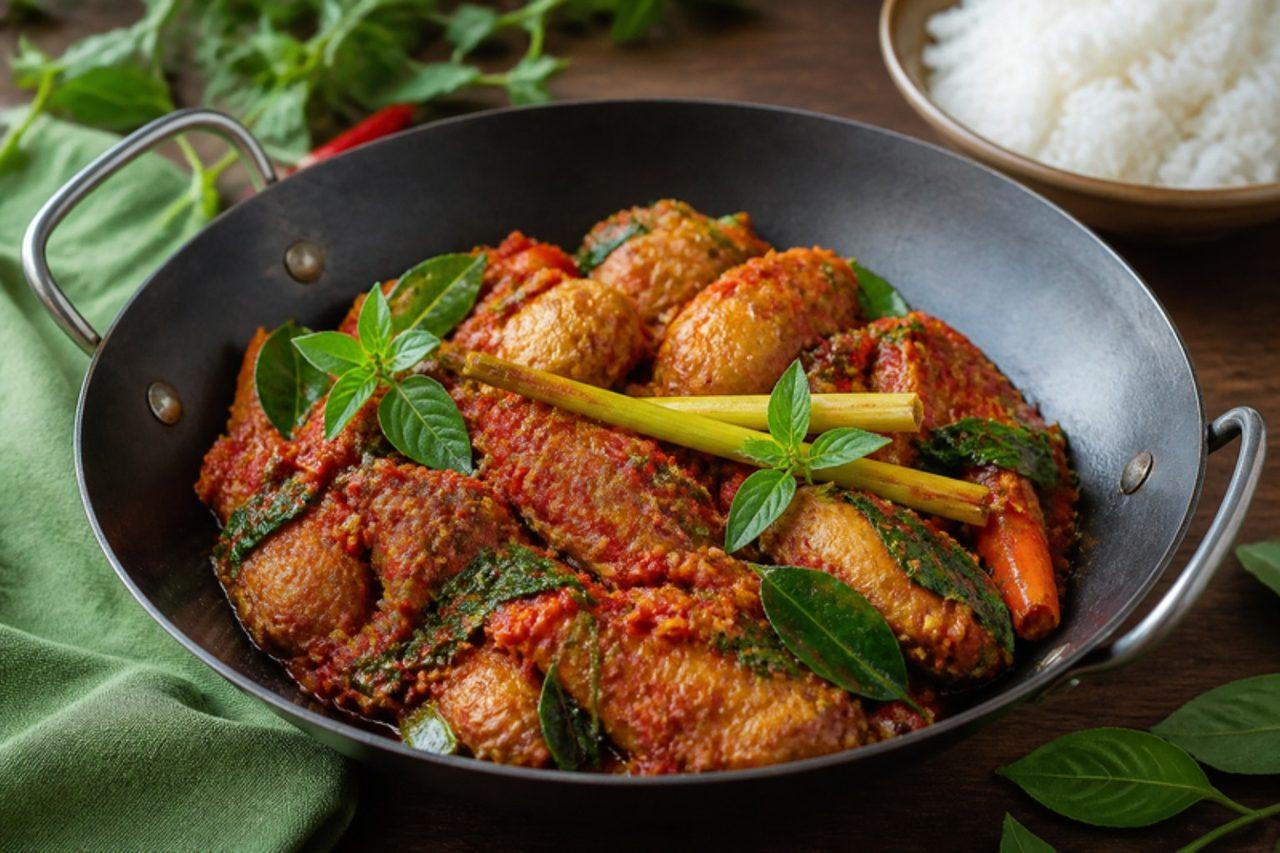
Ayam rica-ricaChicken in fresh chilli paste

Rica means chilli in the Manado dialect, and North Sulawesi cooks are not shy with it. Ayam rica-rica turns up at Minahasa family parties and church gatherings, a heap of chicken pieces coated in a coarse, scarlet paste of fresh chillies, shallots and ginger, finished with tomato, spring onion and a fistful of lemon basil. It's hot, bright and fresh rather than deep and stewed, with a sticky sauce that clings to the meat. Serve it with lots of steamed rice and a cooling cucumber salad. Chef's tip: blend the paste coarse, with as little water as possible; a wet, smooth paste steams instead of frying and never gets that glossy, toasty edge.

by KrazyBadal 0 views

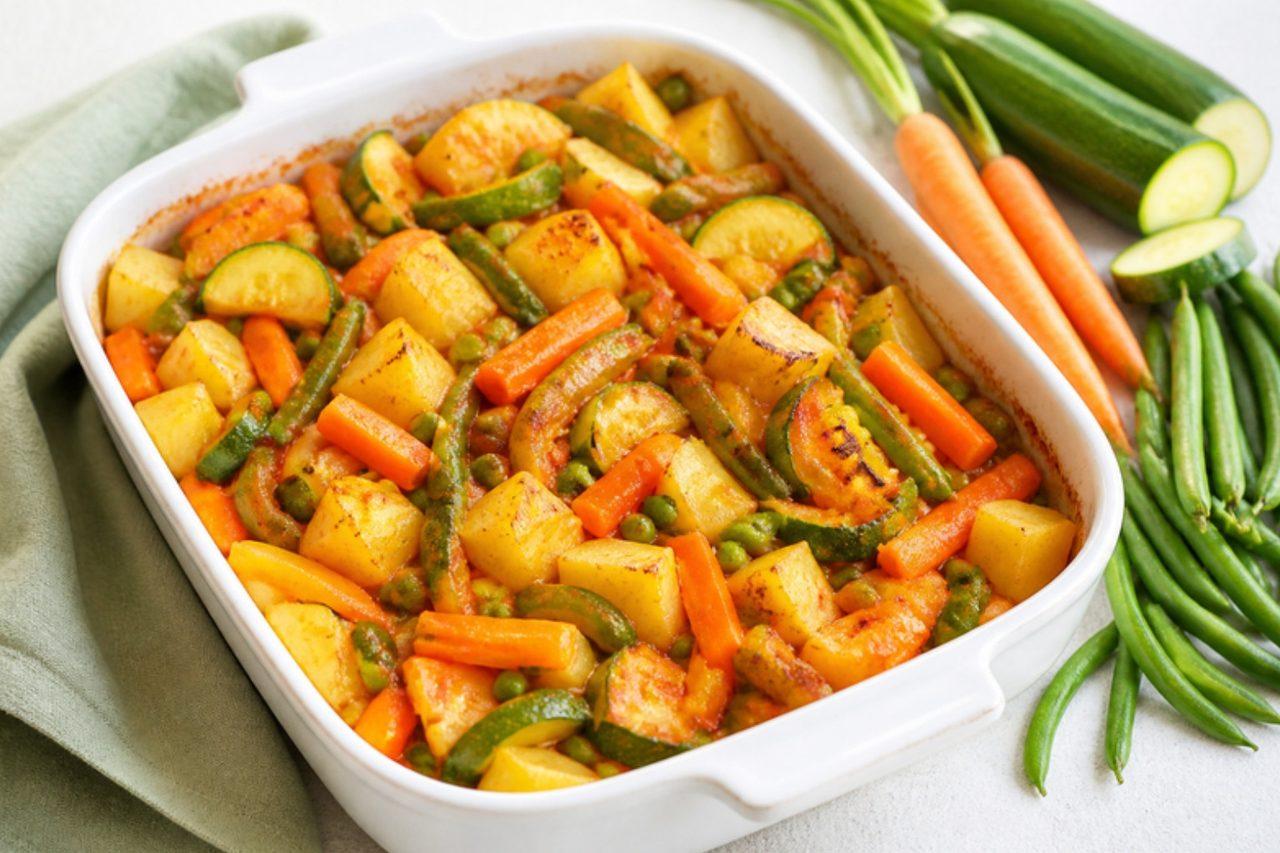
TorlyBaked mixed vegetables

Torly is a tray of mixed vegetables (potatoes, courgettes, carrots, green beans, peas, peppers) baked in a tomato and garlic sauce until soft and slightly caramelised at the edges. The name is Turkish, a reminder of Ottoman times, but it has long been an everyday Egyptian home dish, usually cooked when the summer markets are full of courgettes and served with white rice or vermicelli rice. Many families add meat; this meat-free version is just as common in fasting seasons. Chef's tip: cut the potatoes and carrots smaller than the courgettes, so everything is tender at the same moment.

by KrazyBadal 0 views

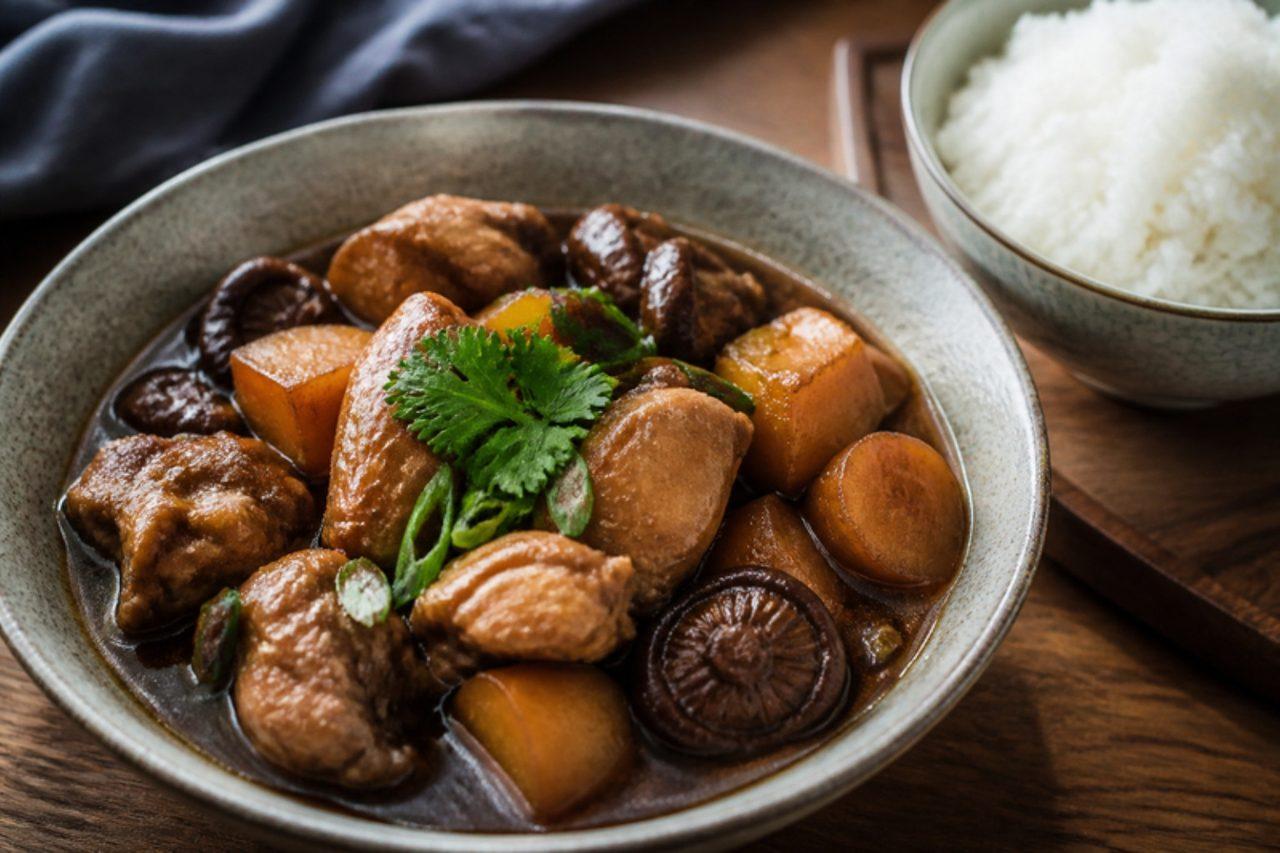
Ayam pongtehChicken and potato braise

Melaka's Peranakan (Nyonya) kitchens cook ayam pongteh for family dinners and for the Chinese New Year reunion table: a dark, gentle braise of chicken and potatoes that has no chilli at all. Its savour comes from taucheo, salted fermented soybeans, fried with a lot of shallots and garlic, sweetened with palm sugar and coloured with dark soy. The gravy is thin, glossy and moreish, and the potatoes drink it up until they are soft enough to crush with a spoon. Spoon it over plain rice with sambal belacan on the side for anyone who wants heat. Chef's tip: pound the shallots rather than blending them to a purée; slightly coarse shallots melt into the gravy and give it body.

by KrazyBadal 0 views

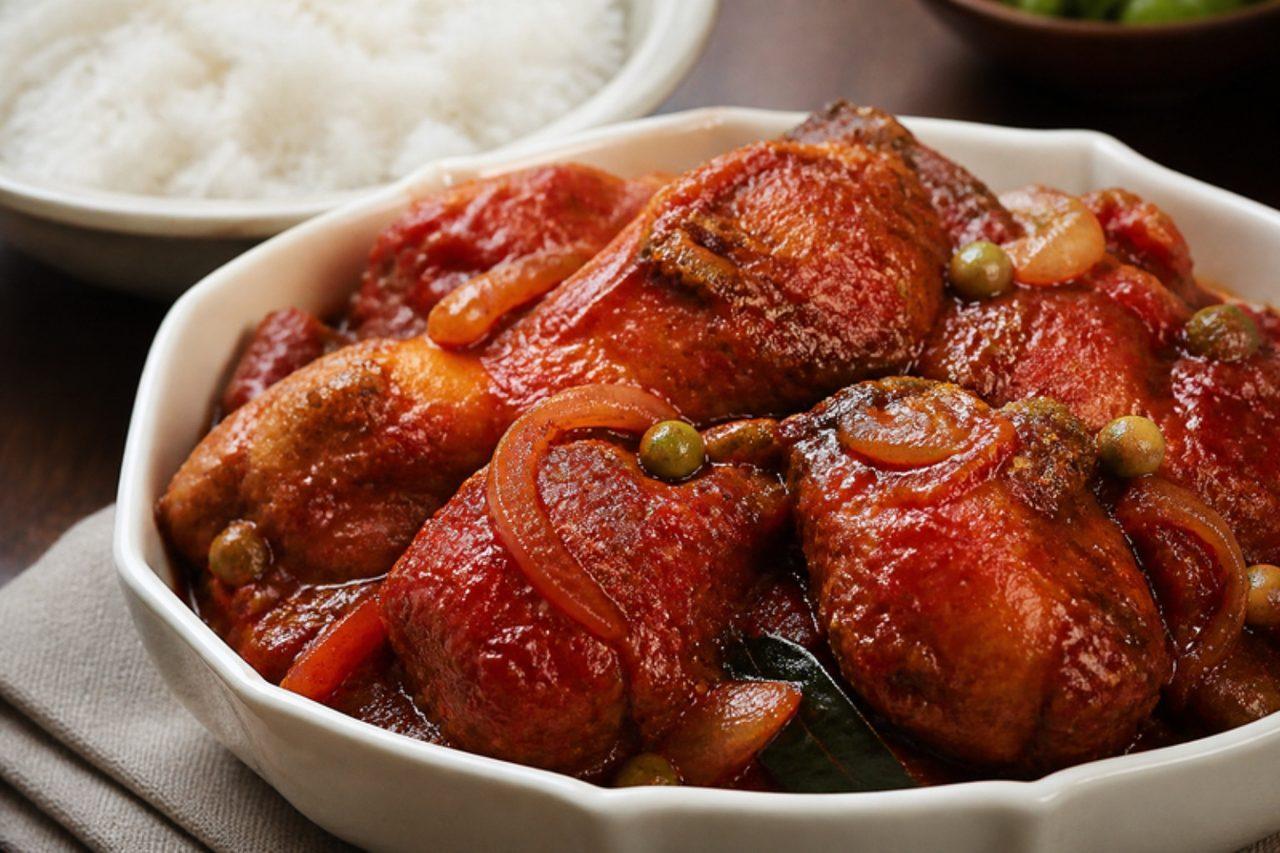
Ayam masak merahChicken in tomato chilli sauce

Red-cooked chicken turns up at almost every Malay kenduri (wedding feast) and Hari Raya open house across Malaysia, ladled out of huge pots beside nasi minyak or plain rice. The chicken pieces are fried first so the skin firms up, then simmered in a brick-red sauce of blended dried chillies, tomato and onion that tastes sweet first, then hot, then tangy. Cinnamon, star anise and cloves give it a warm, almost festive smell, and a splash of coconut milk at the end rounds off the edges. Serve it with steamed rice, cucumber slices and a spoon of acar (pickled vegetables). Chef's tip: fry the chilli paste until it darkens and the oil seeps out (pecah minyak) before any tomato goes in; raw paste makes the sauce taste harsh and bitter.

by KrazyBadal 0 views

Buttermilk rusks (beskuit)Twice-baked buttermilk rusks

Beskuit grew out of the Voortrekker need for bread that kept on long ox-wagon journeys; today a tin of rusks sits next to the kettle in homes from the Karoo to Pretoria, and they are dunked in early-morning coffee or rooibos. A soft buttermilk dough is baked as a loaf, cut into fingers and then dried in a low oven for hours until rock hard and crunchy. Chef's tip: dry the rusks slowly at a very low heat with the oven door slightly open; they should dry out completely, not brown further.

by KrazyBadal 0 views

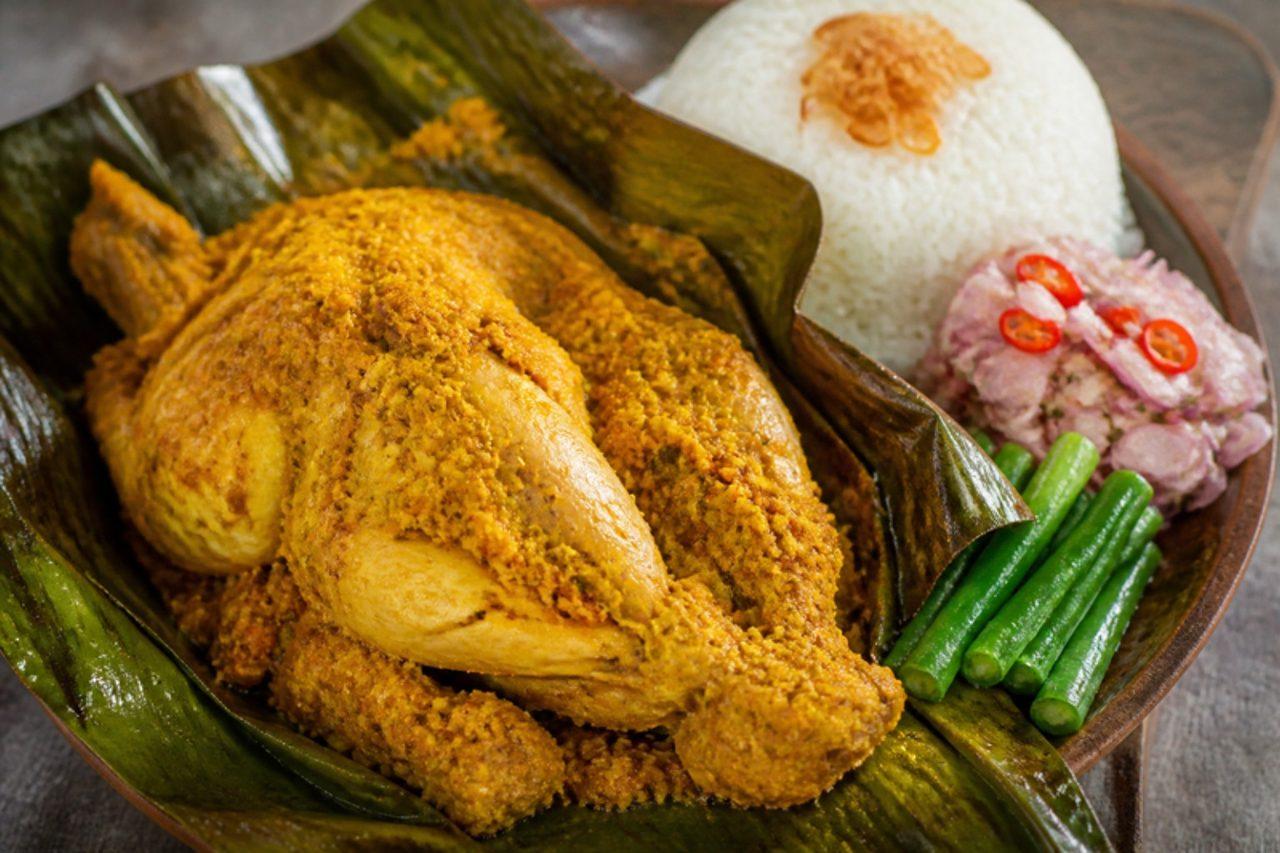
Ayam betutuSpiced slow-braised chicken

Drive through west Bali to the ferry port of Gilimanuk and the roadside warungs all sell the same thing: ayam betutu, chicken cooked so long in spice paste that it slumps off the bone into a fiery, turmeric-orange gravy. The paste is base genep, Bali's master seasoning of shallots, garlic, galangal, aromatic ginger, turmeric, chillies, candlenuts and shrimp paste, and it is rubbed inside and out before the bird braises gently in a covered pot. Expect deep heat, a little bitterness from the greens tucked inside and a rich, almost buttery sauce. Pile it on steamed rice with water spinach or a raw sambal matah to cut through. Chef's tip: braise it the day before; the paste mellows overnight and the chicken reheats beautifully.

by KrazyBadal 0 views

Axone porkPork with fermented soybean

Axone, called akhuni in the Sumi Naga language, is soybean fermented in banana leaves until it is pungent and deeply savoury, and pork cooked with it is a signature of the Sumi people of Zunheboto in Nagaland. The smell is strong while it cooks, but the finished curry tastes rich, earthy and meaty, sharpened by tomato and chilli. Serve with rice and a green vegetable. Chef's tip: open a window and warn the household; axone is famously smelly in the pan and wonderful on the plate.

75 minIndianMeatGluten freeSpicy
by KrazyBadal 0 views

YomariSteamed rice flour dumplings

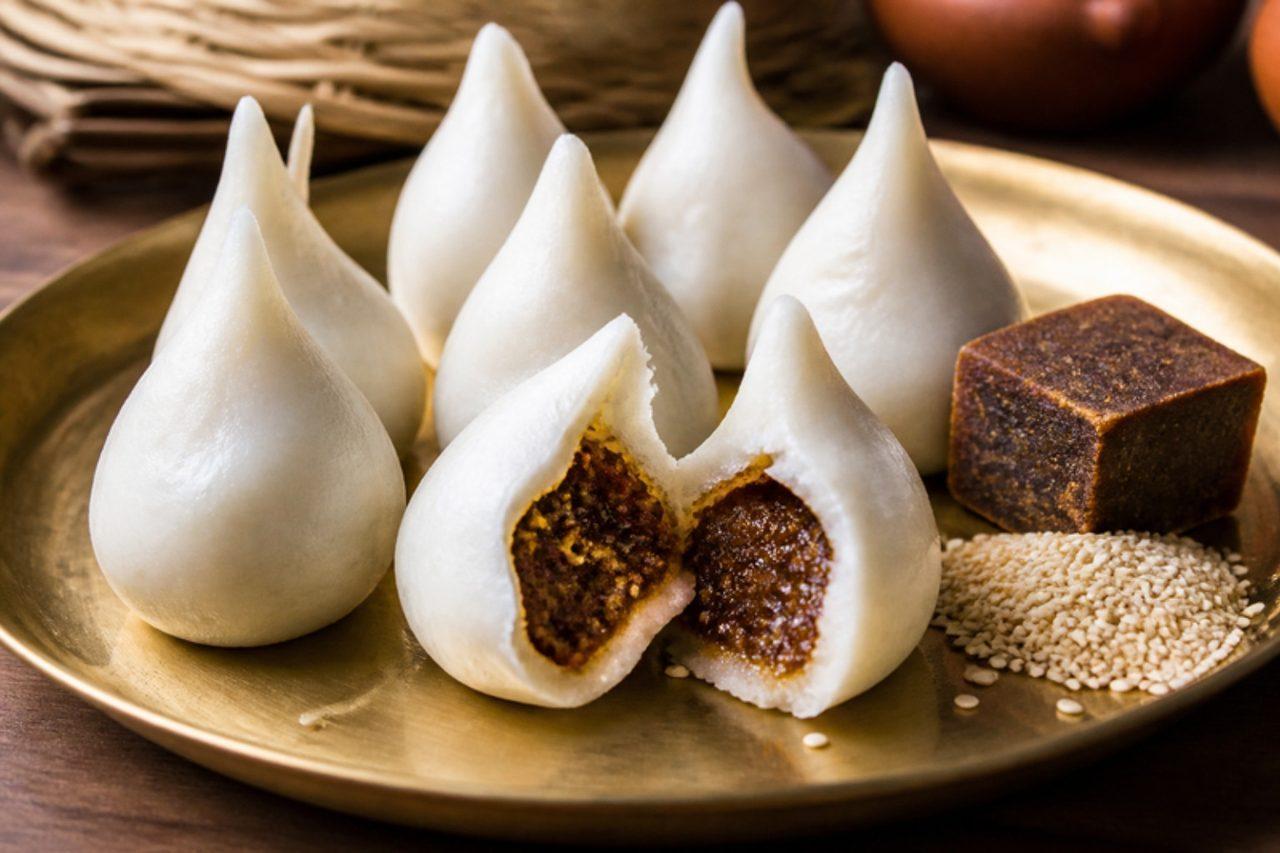
Yomari are the sweet dumplings of the Newars of the Kathmandu Valley, made once a year on Yomari Punhi, the full moon of December that marks the end of the rice harvest. Freshly milled rice flour is kneaded with hot water, pinched into a hollow cone, filled with chaku, a dark, fudgy Newari molasses, and toasted sesame, then shaped with a pointed tail like a fish or a teardrop and steamed. Children go from house to house singing for them, and families offer a few to the gods before anyone eats. The shell is soft and slightly chewy, and the filling melts into warm, smoky caramel. The usual mistake is mixing the dough with lukewarm water: it must be just off the boil so the starch swells and the dough stretches without cracking. Chef's tip: keep a bowl of warm water beside you and dip your fingertips often; damp hands smooth out cracks as you shape.

by KrazyBadal 0 views

Yong tau fooStuffed tofu and vegetables

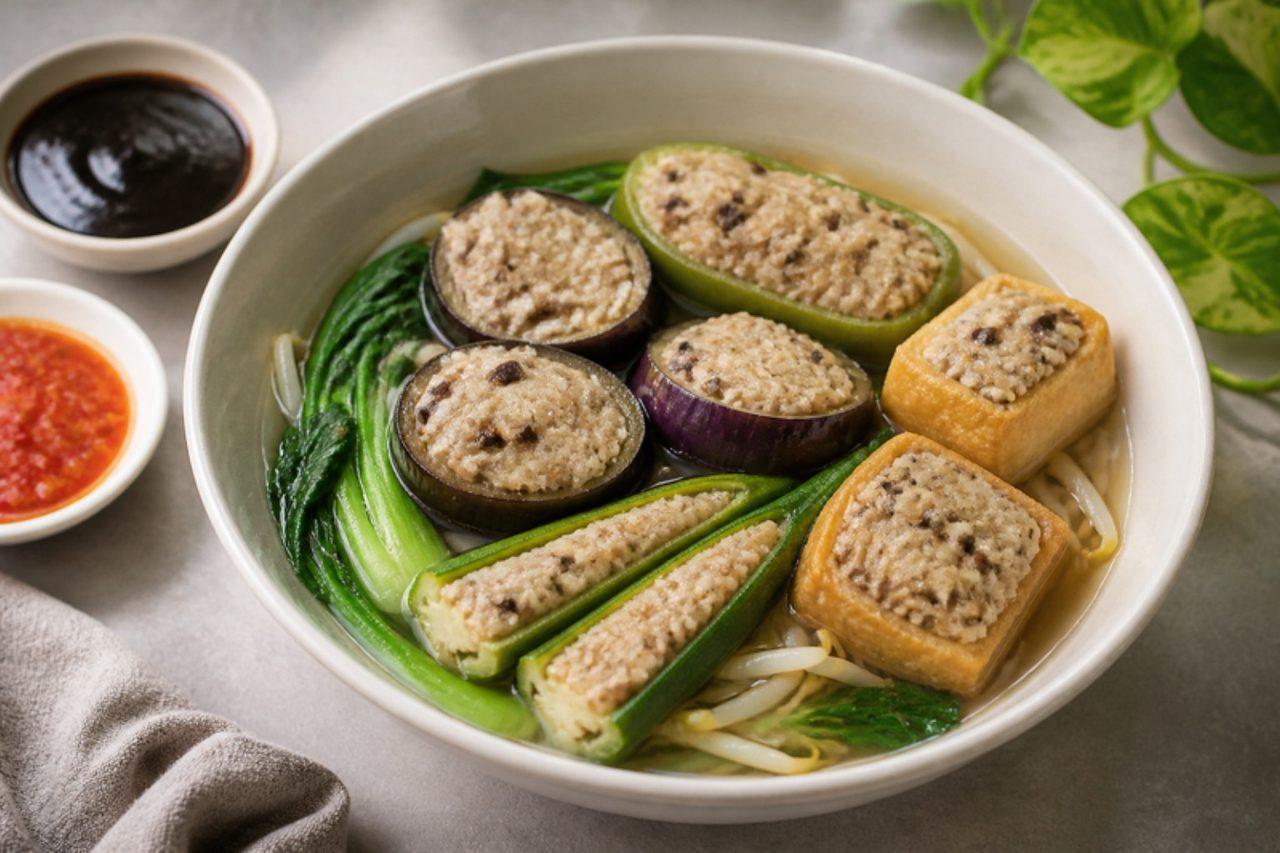
Hakka miners brought yong tau foo to the tin town of Ampang, on the edge of Kuala Lumpur, and families still drive there on weekends for big bowls of it. You choose your pieces from a counter, tofu, chillies, okra, aubergine and bitter gourd, each stuffed with a savoury paste, and the stall poaches or fries them and serves them in a light broth, with a sweet brown sauce and chilli sauce to dip. The traditional filling is fish and pork; this one is firm tofu, shiitake, water chestnut and carrot. It is a gentle, light meal. Chef's tip: press the stuffing in tightly and smooth it flush with a wet finger, so it stays put while it cooks.

by KrazyBadal 0 views

Showing 45 of 7,762 recipes

Show more recipes

Page 761 of 863