


Skip to content
Kotlety
Featured recipe

Kotlety

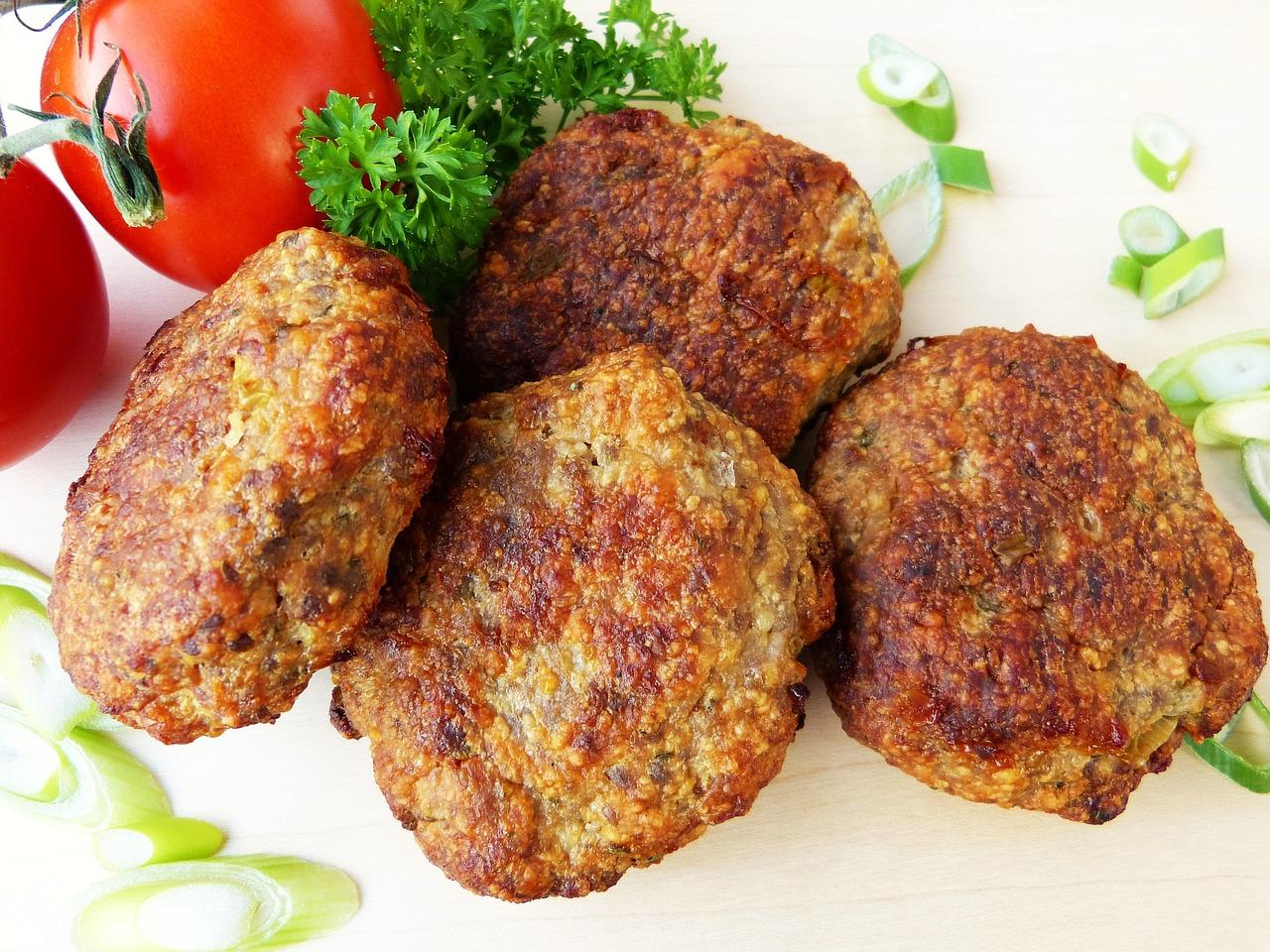
Pan-fried meat patties

Kotlety are what a Russian grandmother makes on an ordinary Tuesday and what Soviet school canteens served at lunch: soft, oval patties of minced pork and beef, fried golden and finished with a splash of water under a lid. They contain pork. Bread soaked in milk is the secret to their tenderness; the patties stay juicy enough to eat cold the next day in a sandwich. Serve them with mashed potato or buckwheat (grechka), a few pickles and a spoon of the pan juices. The mistake most people make is leaving out the soaked bread or using breadcrumbs instead, which gives dense, dry burgers rather than kotlety. Chef's tip: wet your hands with cold water before shaping each patty, so the soft mince doesn't stick and the surface stays smooth.

Read more 0 views

What to eat today?

Around the world

Today's trip: Persian

A new country every day, from every cuisine on the site.

This week's collection

Kid-friendly dinners
537 recipes · a new collection every Monday

Latest recipes

Aloo seddho bhaat for toddlersRice and potato mash for toddlers

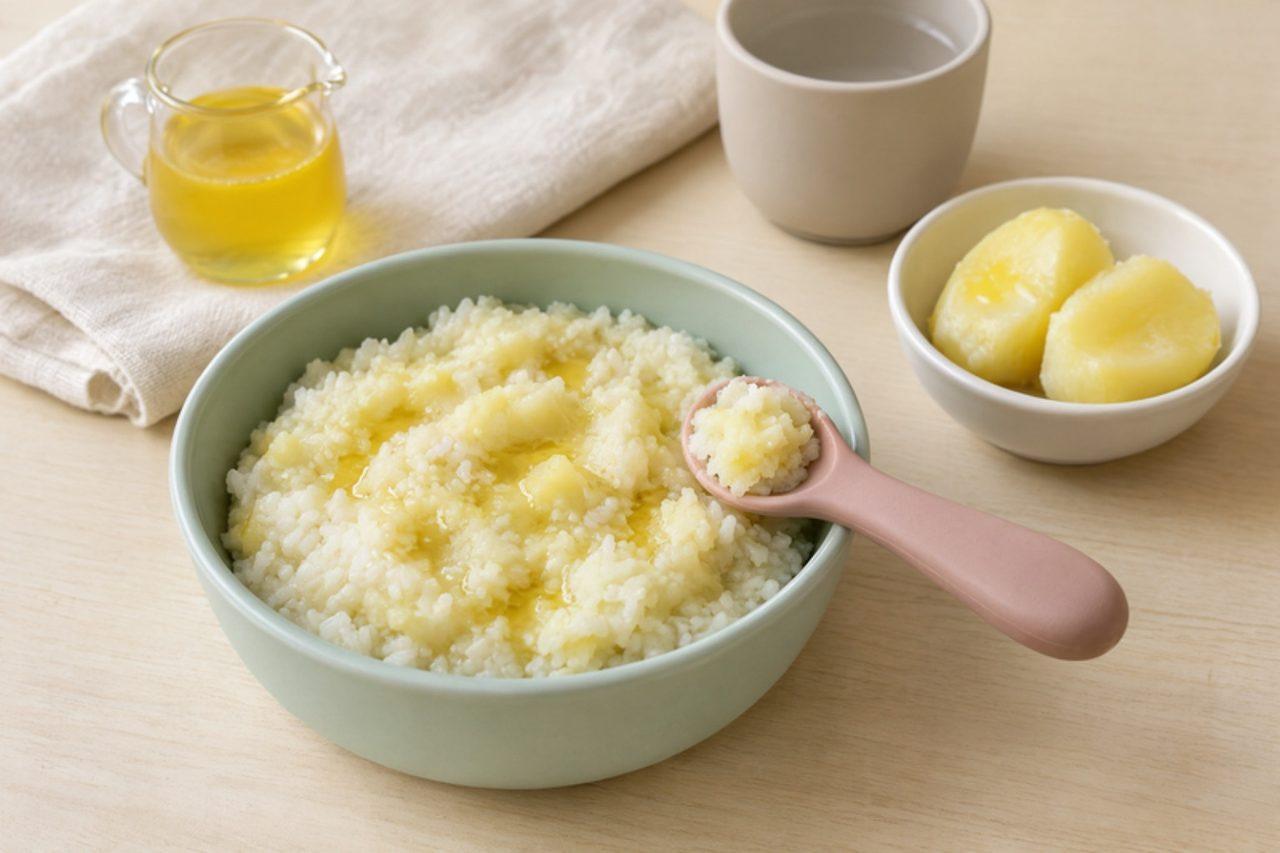
In Kolkata homes, from north Kolkata's old paras to the flats of Salt Lake, aloo seddho bhaat is what you cook when someone is tired, ill or very small: a potato boiled right in the rice pot, mashed with hot rice. Grown-ups add raw mustard oil, green chilli and onion; for toddlers from 12 months it is mashed instead with a spoon of ghee, so it's soft, buttery and mild. Gobindobhog rice gives it a lovely fragrance. It contains milk (ghee); there is no gluten, egg, nuts or soya. Chef's tip: mash the potato and rice with a fork or your fingers, never a blender, or it turns gluey.

by KrazyBadal 0 views
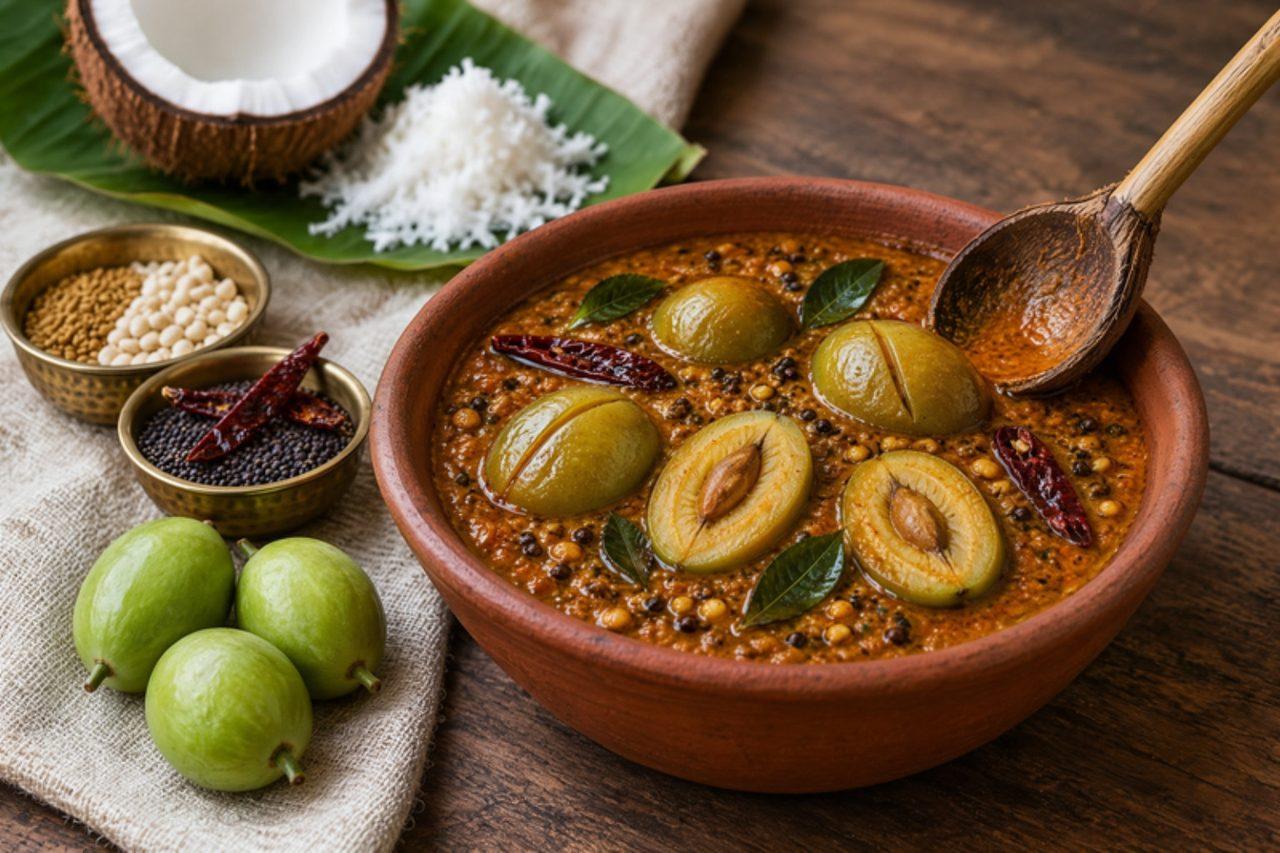
Ambadyachi udda methiHog plum coconut gravy

Udda methi is a Goan Saraswat curry named for its two roasted seasonings, urad dal and fenugreek seeds, and in the monsoon months the best version is made with tart green hog plums, ambade. The plums simmer whole in a coconut gravy that is sour, a little bitter, hot and faintly sweet from jaggery, and it is eaten with plain rice on rainy days or at a Shravan meal. The common mistake is burning the fenugreek: it should be roasted only until reddish, because dark seeds make the whole pot bitter. Raw mango works in place of ambade outside the season. Chef's tip: crush each hog plum lightly with a pestle before cooking so the gravy can soak into the flesh around the stone.

by KrazyBadal 0 views

Naengchae jokbalCold sliced pork trotter

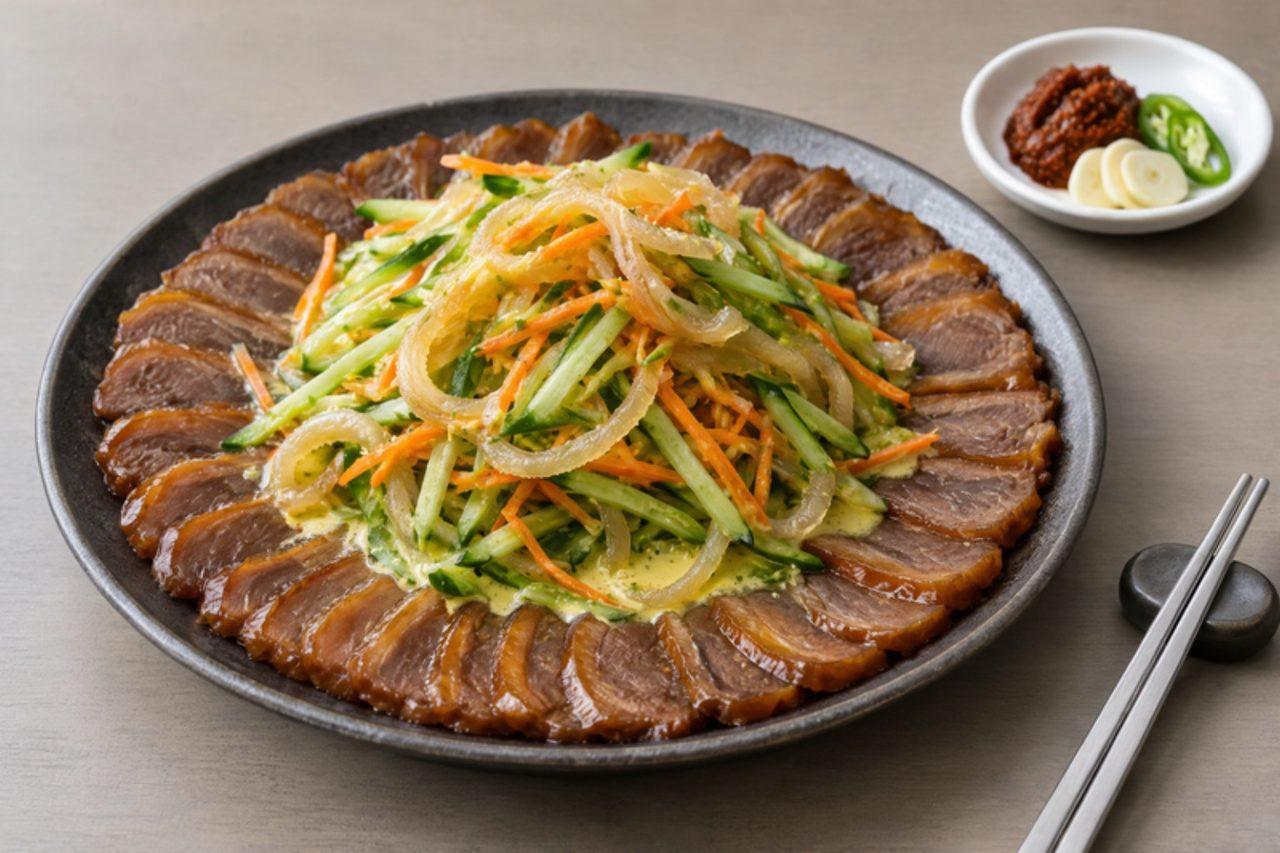
Busan's Jokbal Alley in Bupyeong-dong, beside Kkangtong Market, is where braised pork trotter was first served cold as a salad, a summer trick that spread across Korea. The pork trotters are simmered for hours in soy, ginger and spices until the skin turns sticky and tender, chilled, sliced thin and tossed with cucumber, shredded jellyfish and a nose-tingling dressing of Korean mustard, vinegar and garlic. It is evening food, shared from a big platter. Chef's tip: slice the meat only once it is fully cold; warm trotter meat tears instead of cutting into clean slices.

190 minKoreanMeat
by KrazyBadal 0 views

Paruppu urundai kuzhambuLentil dumpling gravy

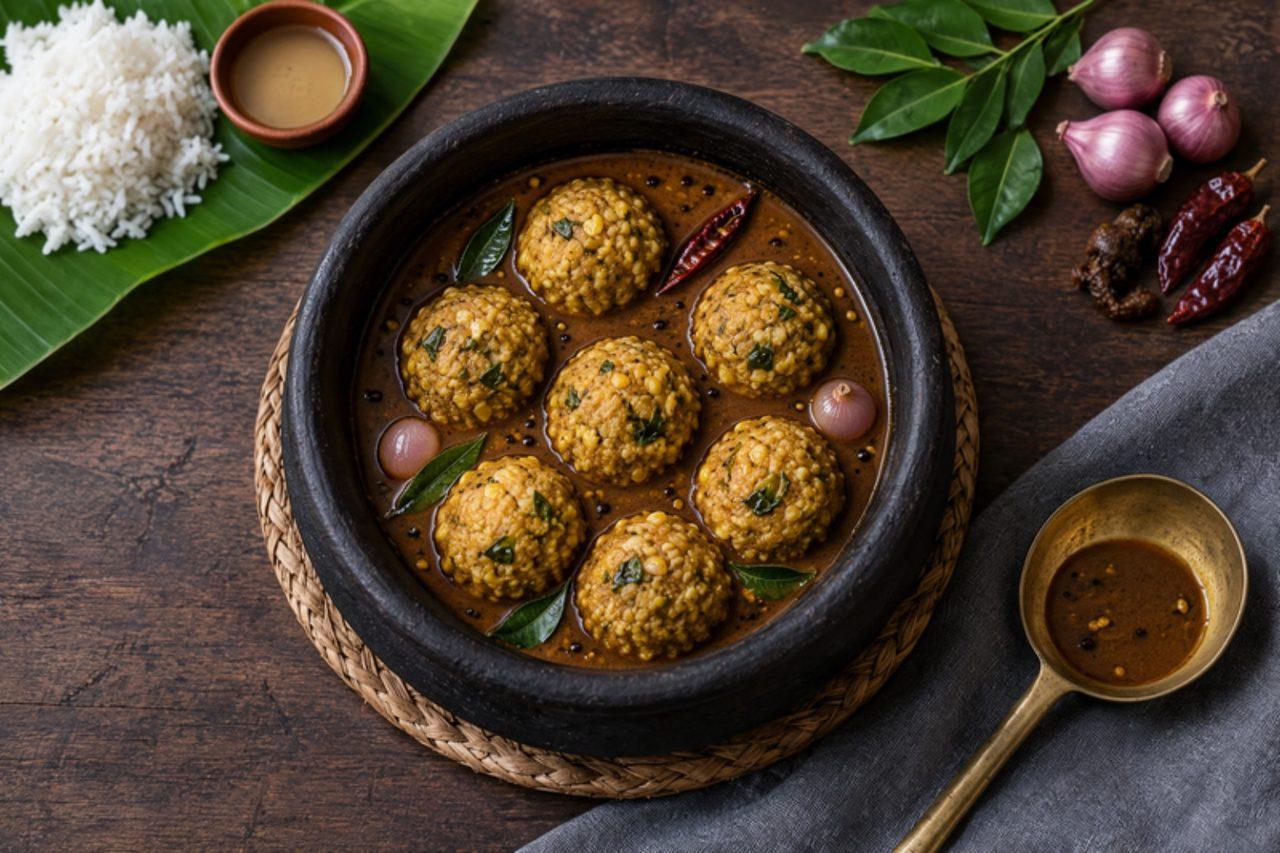
Paruppu urundai kuzhambu is a Sunday-lunch treat in Tamil homes from Chennai to Coimbatore: coarse balls of soaked chana and toor dal, spiked with fennel, chilli and shallot, dropped raw into a bubbling tamarind gravy where they steam and firm up. The dumplings come out soft inside and soak up the sour, spicy sauce, and the crumbs that escape thicken the gravy. Serve it with plain rice, a spoon of sesame oil and a vegetable poriyal. The usual mistake is stirring as soon as the balls go in, which breaks them; leave them alone until they float and feel firm. Chef's tip: drop one test ball in first; if it cracks, knead a spoon of rice flour into the mixture before shaping the rest.

by KrazyBadal 0 views

Berinjela refogadaSauteed aubergine with tomato

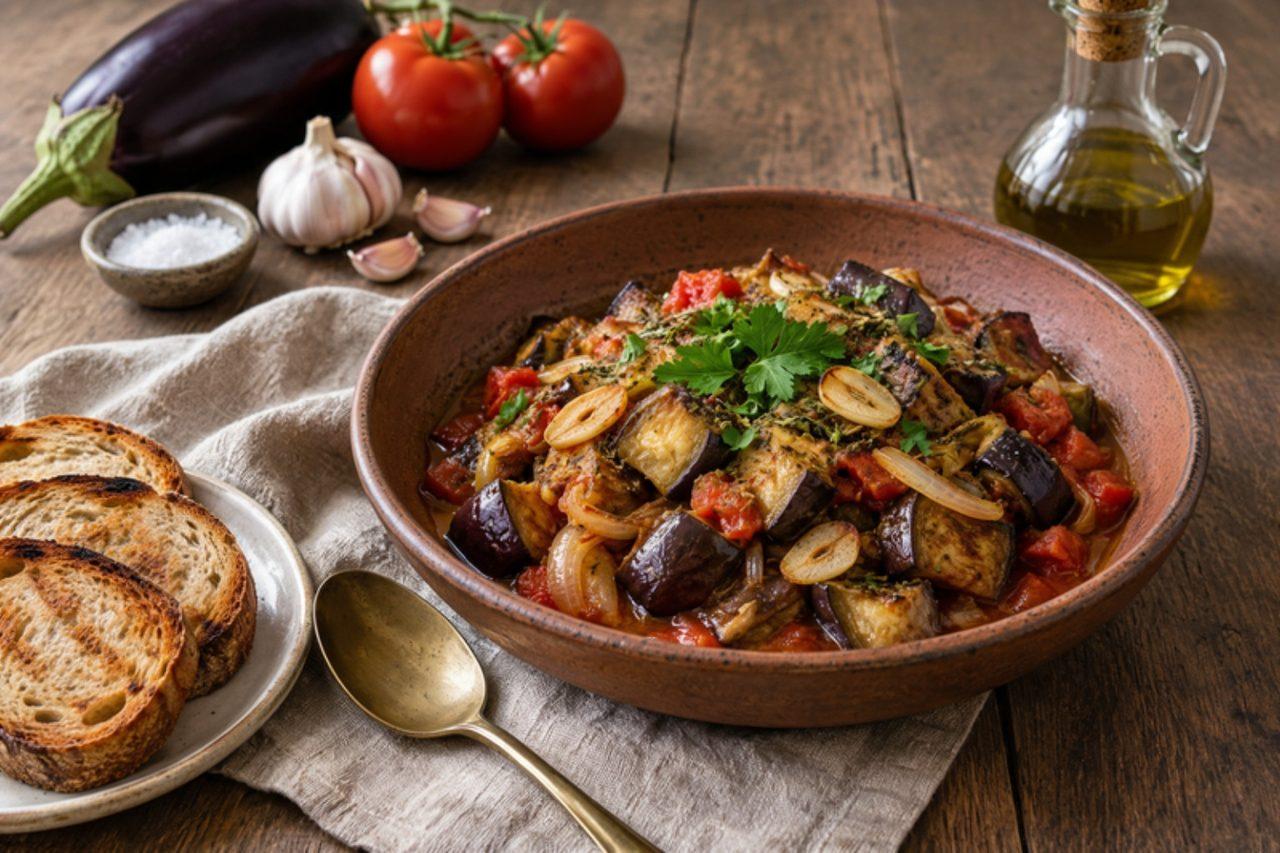
Brazilian home cooks make berinjela refogada on Sunday and spoon it into the week's marmitas beside rice, beans and a piece of grilled chicken or an egg; it reheats beautifully and tastes even better on the second day. The aubergine cooks down until silky with garlic, onion, tomato and oregano. The common mistake is pouring in more oil every time the pan looks dry; aubergine soaks it up and turns greasy. Add a splash of water instead and cover the pan so the cubes steam soft. Chef's tip: a squeeze of lime and a little chopped parsley just before packing lift the flavour after a night in the fridge.

by KrazyBadal 0 views

Chikuwa isobe-ageSeaweed-battered fish cake

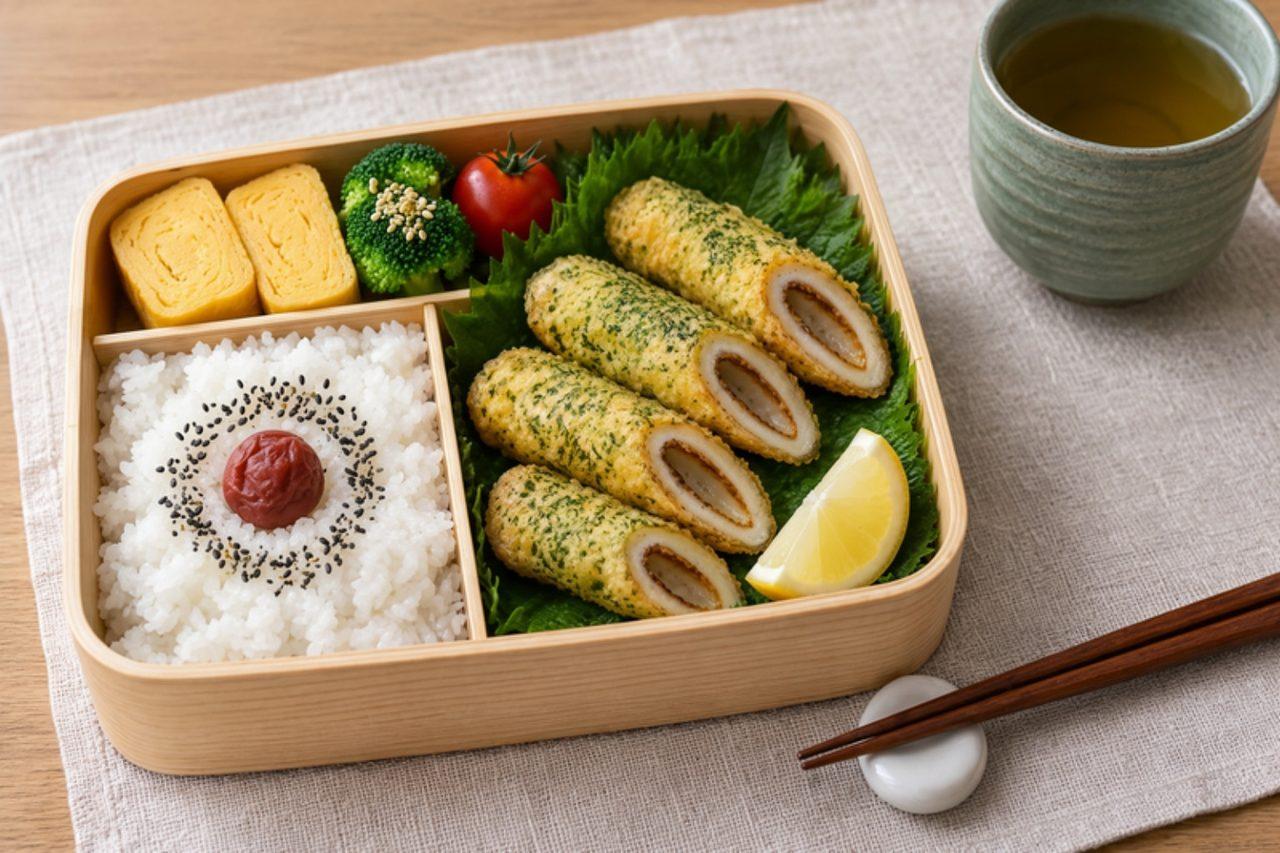
Isobe-age, "fried in the style of the rocky shore", means anything coated in a batter speckled with green aonori seaweed, and chikuwa isobe-age is the one every Japanese parent tucks into a bento: tubes of chikuwa fish cake fried until puffed and crisp. It is just as good cold and takes ten minutes. The common mistake is a thick batter, which turns bready; it should be like single cream. Chef's tip: dust the chikuwa with a little flour before dipping, so the batter clings and does not slide off in the oil.

by KrazyBadal 0 views

CaluluDried and fresh fish stew

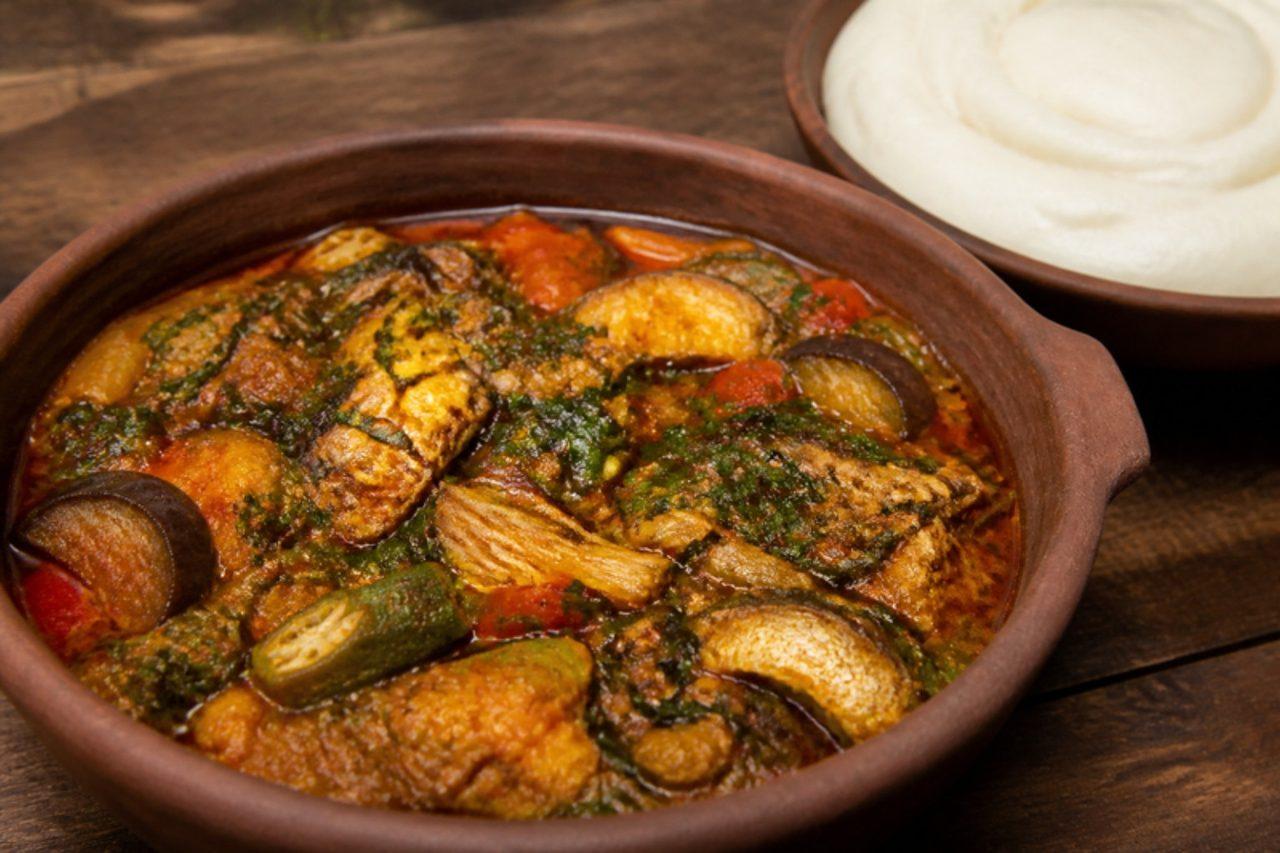
Calulu is what Luanda families cook when the whole family comes for Sunday lunch, and the Ilha's fish sellers know the order by heart: a piece of dried fish for depth, a firm fresh fish for sweetness. The two are layered in a pot with onion, tomato, okra, aubergine and sweet potato leaves, then simmered in red palm oil until the sauce turns silky from the okra and tastes of the sea, smoke and greens all at once. It is served with funge, feijão de óleo de palma and a little hot sauce. Salted dried fish needs a long soak to draw out the salt, so start it the day before; skipping that step is the classic way to ruin the pot. Chef's tip: lay the fresh fish on top and leave it alone, shaking the pot rather than stirring, so the pieces stay whole.

by KrazyBadal 0 views

Katsu sandoPork cutlet sandwich

Katsu sando began in Tokyo tonkatsu shops in the 1930s as a cutlet you could carry, and is now a fixture of department-store food halls, train-station kiosks and lunchboxes all over Japan: a crisp panko pork loin cutlet soaked in sweet-sour tonkatsu sauce between pillowy white bread, crusts trimmed off. The common mistake is slicing it while hot, which squashes the bread and makes it soggy; let it rest under a light weight first. Pork loin is a whole cut, so cook it to 63 °C and rest it for 3 minutes. Chef's tip: butter the bread with a little mustard mixed in; it stops the sauce soaking through and adds a gentle kick.

by KrazyBadal 0 views

Bokkeum kimchiStir-fried kimchi with pork belly

When a jar of kimchi turns very sour in Korean homes, it gets stir-fried with a little sugar and sesame oil, and often with pork belly, into bokkeum kimchi, a deep, mellow side dish that keeps for days and is a favourite in school and office dosirak. For a vegan version, use kimchi made without fish sauce or salted shrimp and leave out the pork. The usual mistake is using fresh, crisp kimchi, which tastes harsh when fried; it needs to be properly sour. Chef's tip: fry the kimchi until the edges just begin to catch and caramelise, which is where the flavour is.

by KrazyBadal 0 views

DakgangjeongSticky glazed fried chicken

Dakgangjeong is the boxed fried chicken of Sokcho's Jungang market on Korea's east coast, carried home by the tub and packed into lunchboxes the next day, because the double-fried pieces in their sticky glaze stay crunchy even when cold. The common mistake is frying only once; the second fry drives out moisture so the crust holds up to the sauce. Chef's tip: coat with potato starch rather than flour, and let the coated chicken sit for 5 minutes so the starch hydrates into a craggy crust.

by KrazyBadal 0 views

Jambon-beurreHam and butter baguette

France sells millions of jambon-beurre every working day: half a crusty baguette, split, spread with good salted butter and filled with thin slices of jambon de Paris, the delicate cooked pork ham. Parisians eat it at the office, on a park bench or on the train. The common mistake is a stingy smear of hard butter; the butter is a filling, not a glue, so spread it soft and generous. Some add cornichons, which purists call a different sandwich. Chef's tip: fold each slice of ham loosely in half rather than laying it flat, so the sandwich is airy and every bite has ham.

by KrazyBadal 0 views

Patacón maracuchoPlantain sandwich

In Maracaibo, the patacón is a sandwich where the bread is a whole green plantain, sliced lengthwise, fried, smashed flat and fried again until crisp. It's stacked with grilled meat, salty white cheese, lettuce, tomato and a flood of sauces, and sold from busy street stands late into the night. This version fills it with garlicky chicken. The common mistake is flattening the plantain after it has cooled, so it cracks. Chef's tip: press it between two sheets of baking paper with a heavy board while it is still hot from the first fry.

by KrazyBadal 0 views

Pâté en croûtePork and veal pie in pastry

Lyon's charcuteries display pâté en croûte like jewellery: a tall loaf of crisp, golden pastry wrapped around a coarse terrine of pork and veal. A slice wrapped in paper is a picnic and lunchbox luxury, and the whole loaf is a Sunday project eaten over several days. The common mistake is undercooking it for fear of drying it out: as it is made with minced pork, the centre must reach 71 °C, so use a probe thermometer. The classic farce has a splash of cognac; it's optional here, and apple juice or extra stock is the alcohol-free swap. Chef's tip: chill the filled, unbaked loaf for 30 minutes before baking so the pastry keeps its shape and pattern.

150 minFrenchMeat
by KrazyBadal 0 views

Aussie salad sandwich

The salad sandwich is the backbone of the Australian lunchbox and the school tuckshop order: soft bread built up with tinned beetroot, grated carrot, tasty cheese, tomato and crisp lettuce, cut into triangles and wrapped in paper. Beetroot is what makes it unmistakably Aussie. The common mistake is laying wet beetroot and tomato straight on bare bread, so by lunchtime it is pink and soggy. Many Cheddar-style "tasty" cheeses use animal rennet; choose one labelled vegetarian. Chef's tip: butter both slices to the edge and put the cheese and lettuce next to the bread, with the wet fillings sealed in the middle.

by KrazyBadal 0 views

Curried egg sandwich

A school canteen and church-fete favourite across Australia, the curried egg sandwich is soft white or wholemeal bread filled with hard-boiled egg mashed with mayonnaise and a little mild curry powder, often with lettuce or cress. It goes into lunch boxes cut into fingers. The common mistake is mashing the eggs while warm, which turns the mayonnaise oily and the filling runny; let them cool completely. Chef's tip: warm the curry powder in a dry pan for 20 seconds first, and the raw, dusty taste turns sweet and toasty.

by KrazyBadal 0 views

Tarta de zapallitosCourgette and cheese tart

In Buenos Aires every rotisería sells tartas by the slice, and at home a tarta de zapallitos is baked on Sunday evening so that a wedge can go into the vianda (packed lunch) for school and work all week. Zapallitos are round green courgettes; ordinary courgettes work just as well. The common mistake is adding the courgette raw, which floods the pastry; sauté it until the liquid has cooked away. Argentine queso rallado and many hard cheeses are made with animal rennet, so use a vegetarian hard cheese. Chef's tip: bake the tart on a preheated baking tray so the base crisps before the filling soaks in.

by KrazyBadal 0 views

Torta de chile rellenoStuffed poblano sandwich

At Mexico City's torta stands and school gates, the chile relleno torta is the meat-free favourite: a whole poblano, roasted, peeled, stuffed with melting cheese, dipped in fluffy egg batter and fried, then pressed into a bolillo spread with refried beans and salsa. People buy them warm mid-morning or wrap them in foil for lunch. The common mistake is frying a wet chile: the batter slides off, so pat it dry and dust it with flour first. Oaxaca cheese and Monterey Jack are often made with animal rennet, so choose a vegetarian melting cheese, and check the refried beans are made without lard. Chef's tip: beat the egg whites to stiff peaks before folding in the yolks; that airy capeado is what makes it puff and stay crisp.

by KrazyBadal 0 views

TsukuneChicken meatball skewers

Tsukune are the minced chicken patties of yakitori bars all over Japan, and squashed into small ovals they are one of the most loved bento fillers, eaten cold at school or the office. Ginger and spring onion keep them fresh, and a glossy soy tare makes them sticky and sweet. The tare uses mirin, a sweet rice wine; most of its alcohol cooks off as it bubbles, and for an alcohol-free glaze use 1 tbsp sugar and 2 tbsp water instead. The common mistake is a loose mix that falls apart in the pan; knead it until sticky. Chef's tip: add a spoon of grated tofu or potato starch to the mince, which keeps the patties juicy even the next day.

by KrazyBadal 0 views

Menchi katsuCrumbed meat patties

Menchi katsu, a juicy mince patty of beef and pork in a crisp panko coat, is sold hot at Tokyo butchers' shops like the famous ones in Kichijoji and packed cold in bento across Japan, with shredded cabbage and a drizzle of tonkatsu sauce. Sweet fried onion makes the inside tender. The common mistake is frying in oil that is too hot, so the crumb burns before the pork and beef in the middle are cooked. Chef's tip: chill the shaped patties for 20 minutes before crumbing so they keep their shape and stay juicy.

by KrazyBadal 0 views

CuchuflíFilled wafer tubes

Cuchuflí are the thin, crisp wafer tubes filled with manjar that vendors sell from baskets on Chilean beaches and outside football stadiums, and that children beg for at the Fiestas Patrias fondas. At home you can bake the wafers yourself and roll them round a wooden spoon handle. The usual mistake is waiting too long to roll them: the wafers set within seconds and crack. Bake only three at a time. Chef's tip: fill them with a piping bag just before serving, or the manjar softens the wafer; dip the ends in melted chocolate if you like.

by KrazyBadal 0 views

Arroz con palmitoBaked rice with hearts of palm

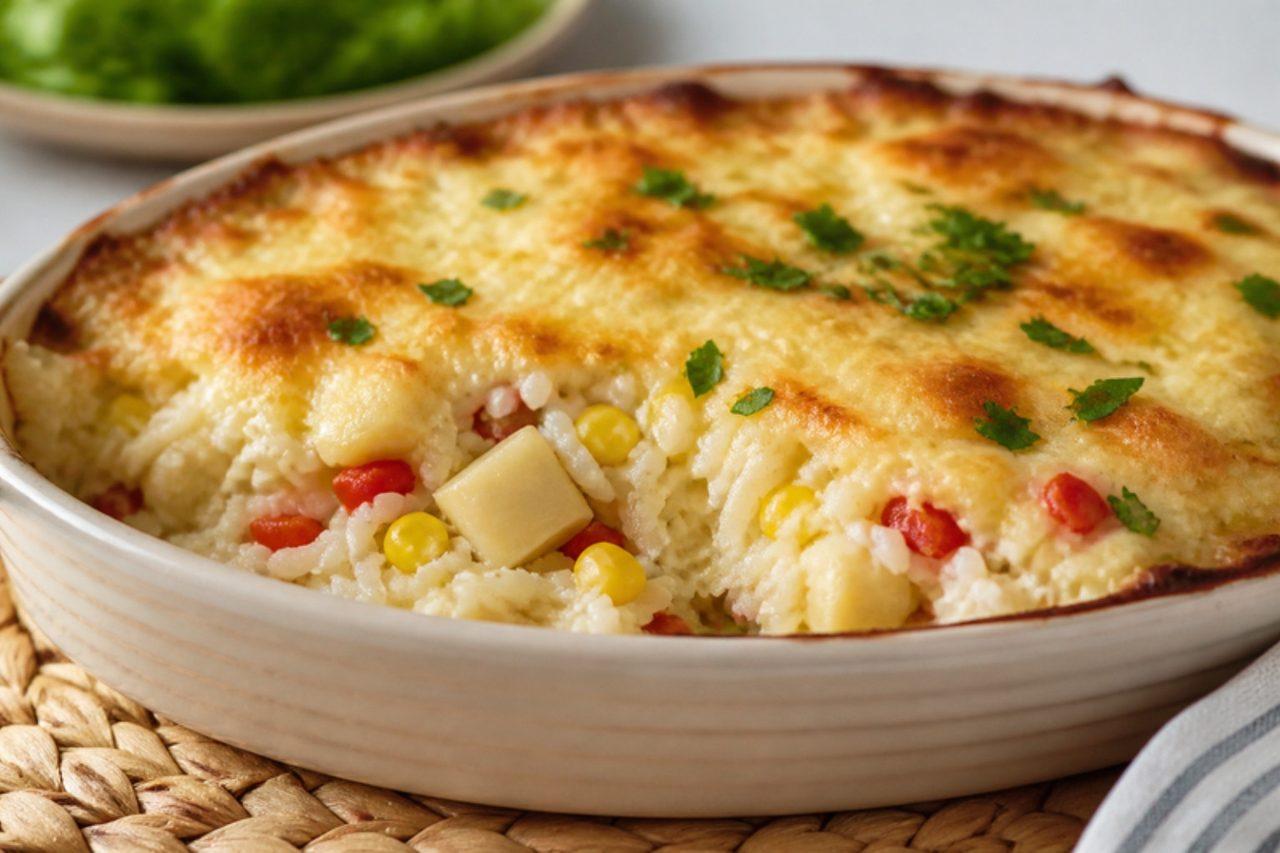
Hearts of palm grow commercially in Costa Rica's northern lowlands, and arroz con palmito is the creamy, cheesy rice bake that turns up at family birthdays, first communions and Christmas buffets across the country. Cooked rice is folded with sliced palmito, sweet corn and a light white sauce, then baked under melted cheese until bubbling. Overcooking the rice at the start is the usual mistake; it keeps softening in the oven, so cook it just tender. Costa Rica's Turrialba cheese and most mozzarella use animal rennet, so choose a vegetarian melting cheese if needed. Chef's tip: slice the palm hearts into coins rather than chopping them; they keep their delicate, artichoke-like bite.

by KrazyBadal 0 views

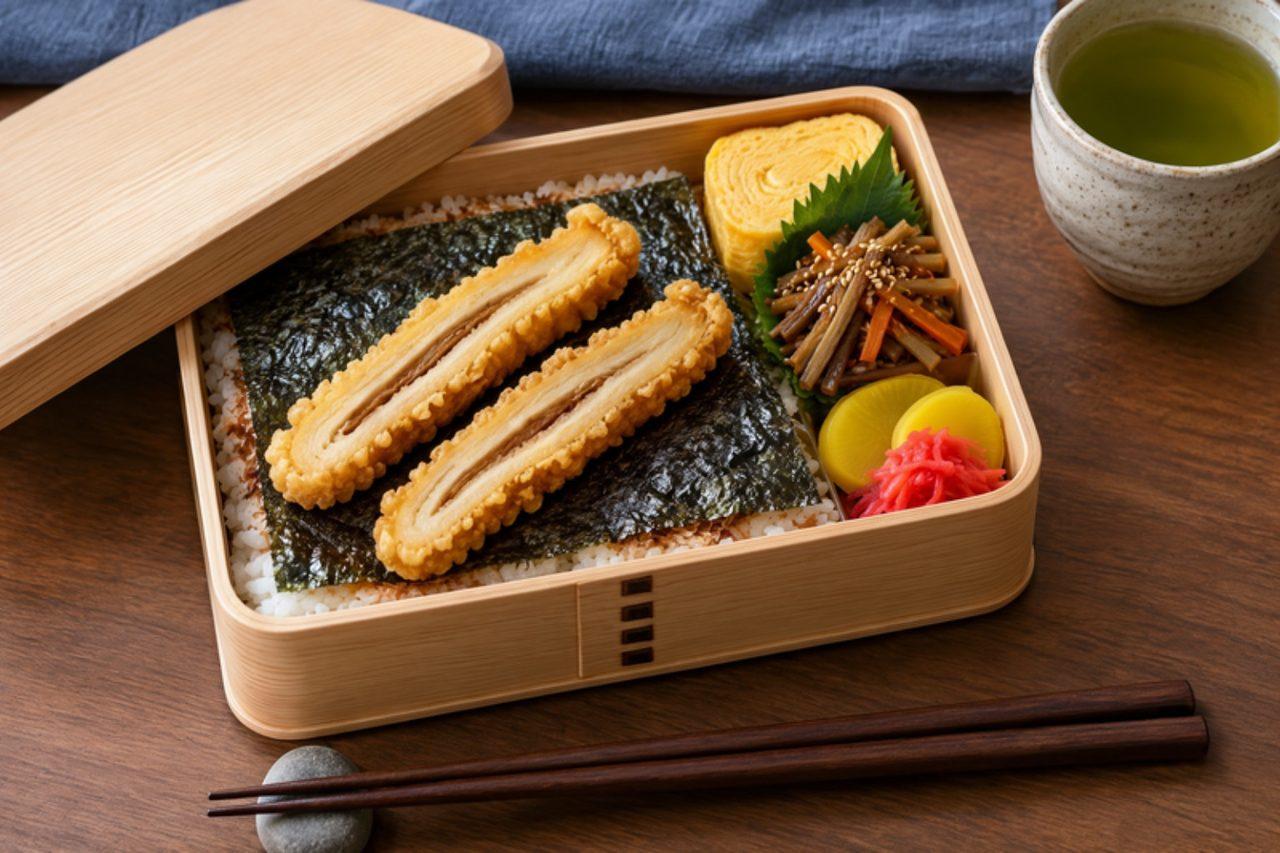
NoribenSeaweed and fish cake bento

Noriben is the humblest and most nostalgic Japanese packed lunch: rice spread with okaka (bonito flakes in soy) and covered with a whole sheet of nori, sometimes twice in layers, then topped with something fried such as chikuwa fish cake or white fish. Convenience stores and bento shops across Japan sell it for a few hundred yen. The usual mistake is laying the nori on steaming rice and closing the lid, which leaves it soggy and torn; let the rice cool a little first. Chef's tip: snip the nori into a few strips before it goes on, so it is easy to bite through with chopsticks.

by KrazyBadal 0 views

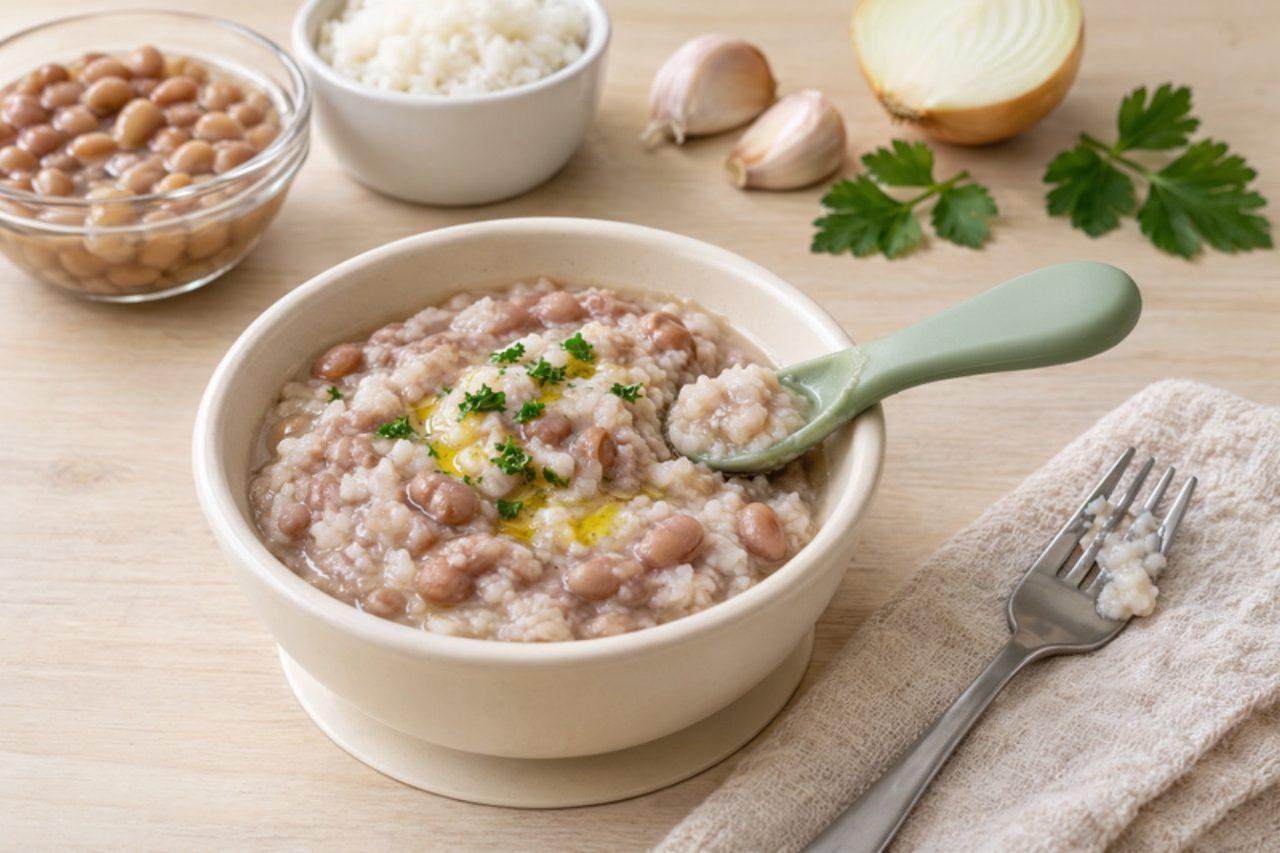
Arroz e feijão amassadinho for babiesMashed rice and beans for babies

Rice and beans are on almost every lunch plate in Brazil, from São Paulo office canteens to family tables in Minas Gerais, and babies join in from about eight or nine months with an amassadinho, a soft fork-mashed version. The beans are simmered with a little onion, garlic and bay leaf for flavour instead of salt, bacon or stock cubes, then mashed into soft rice with their thick broth. It is creamy, earthy and filling. It is free of the major allergens: no milk, egg, gluten, nuts, soya, sesame or fish. Chef's tip: mash the beans well and press them through a sieve the first few times; the skins are the part babies find hardest.

by KrazyBadal 0 views

TenmusuPrawn tempura rice balls

Tenmusu, short for tempura musubi, began in Tsu and became a Nagoya speciality: small salted rice balls with a crisp little prawn tempura poking out of the top, wrapped in nori and sold in boxes at Nagoya Station as a travel lunch. The common mistake is wrapping hot, crunchy tempura straight into the rice, so it steams soft; let it cool on a rack first. Use raw prawns that smell of the sea; throw away any that smell of ammonia. Chef's tip: brush the cooled tempura with a quick sweet soy dip before you shape the rice round it, which is the Nagoya secret to its flavour.

by KrazyBadal 0 views

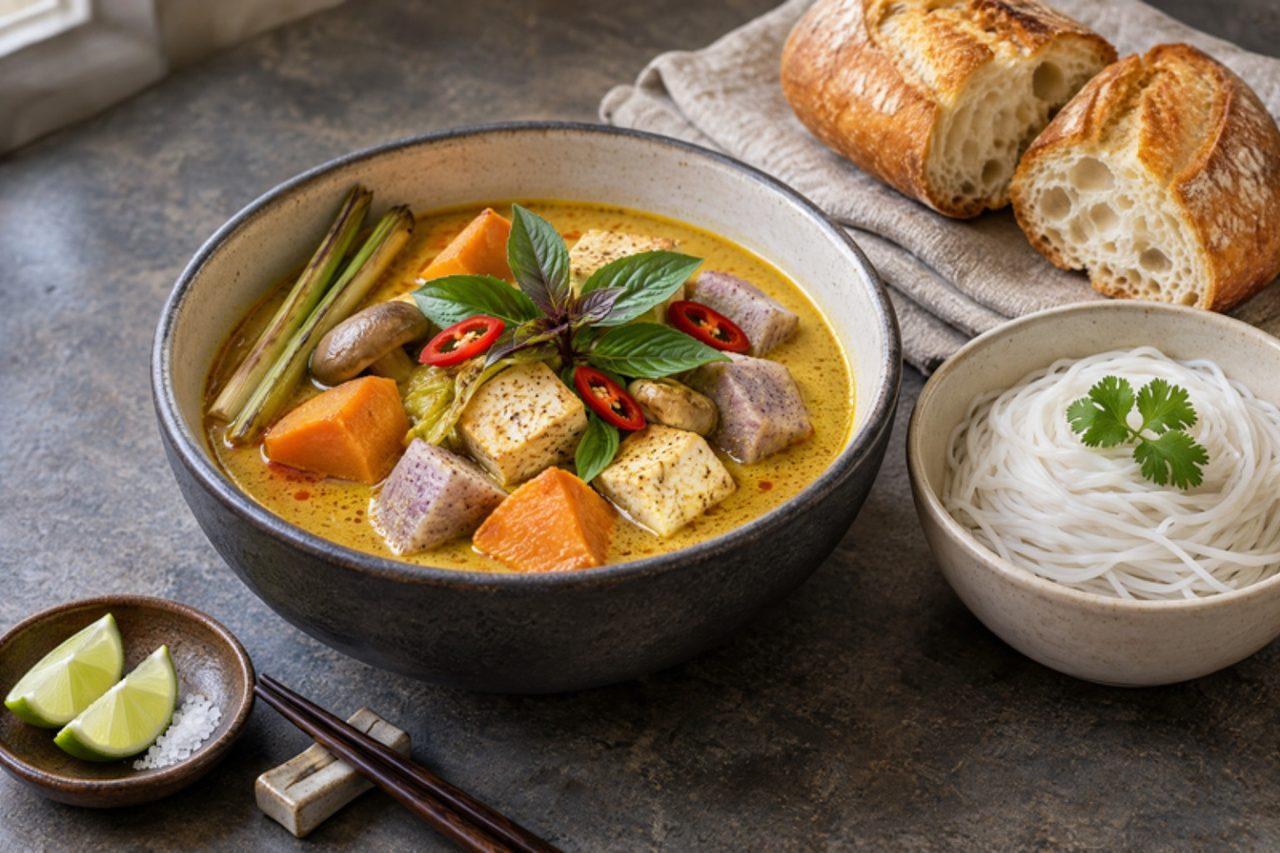
Cà ri chayVegetarian sweet potato curry

Cà ri chay is served at Buddhist temples and vegetarian restaurants across Saigon and the Mekong Delta, and many families cook it at home on rằm days, the first and fifteenth of the lunar month, when they eat no meat. Sweet potato and taro soften into a golden, lemongrass-scented coconut curry with fried tofu and meaty oyster mushrooms; it is mild and fragrant rather than fiery. Mop it up with a crusty baguette, or ladle it over rice vermicelli. The usual mistake is putting all the vegetables in at once: the sweet potato dissolves before the taro is cooked. Chef's tip: fry the taro and sweet potato briefly before simmering, which seals the outside so the chunks hold their shape in the sauce.

by KrazyBadal 0 views

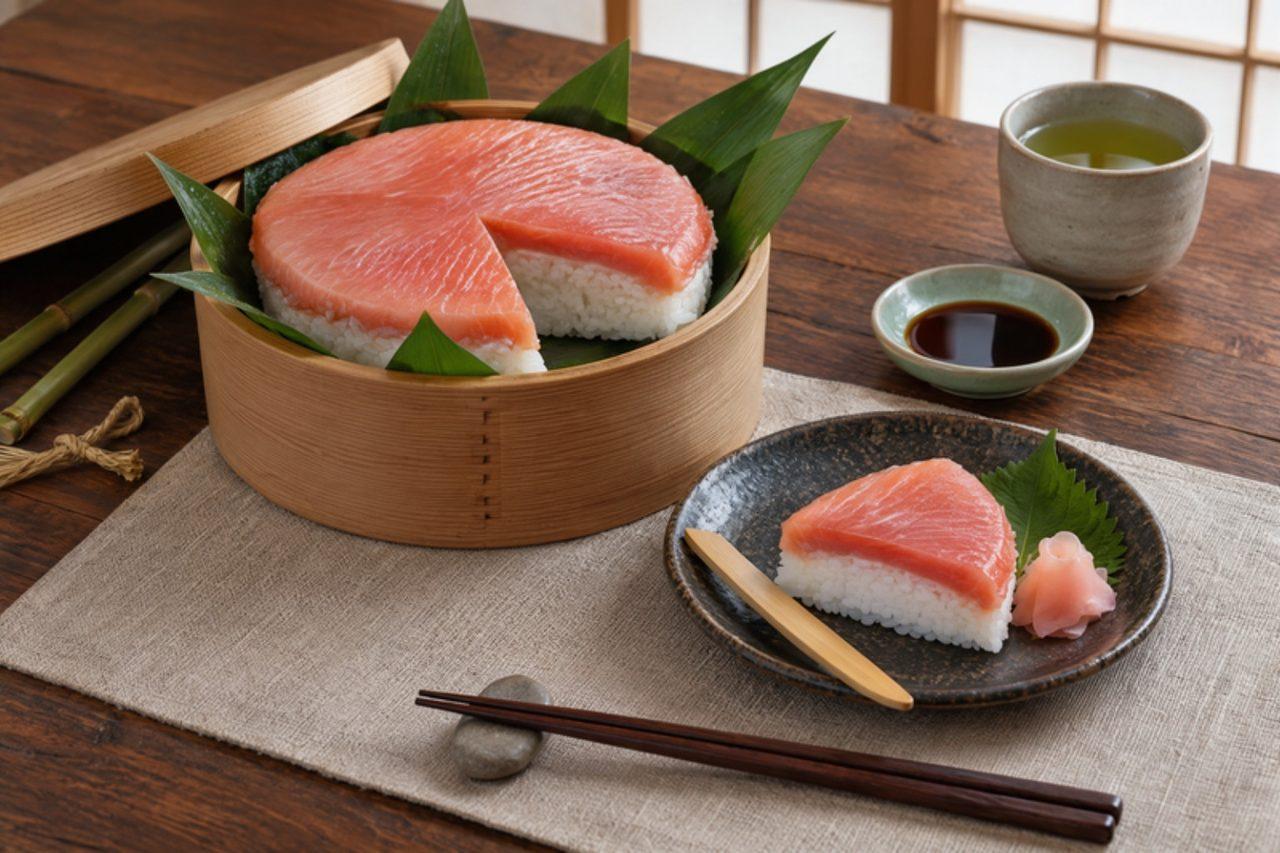
Masu zushiPressed trout sushi

Masu zushi is Toyama's famous ekiben, the boxed lunch sold at the station for the train ride: a round, flat cake of vinegared rice pressed under a layer of salted, vinegar-cured trout and wrapped in bright green bamboo leaves, cut into wedges like a pie. The fish is cured but raw, so use only fish sold as safe to eat raw and previously frozen, and keep everything cold; this version is not for pregnant women, young children or anyone with a weakened immune system. For a safer version, use hot-smoked trout fillet instead, which is fully cooked. The usual mistake is pressing the rice while it is still warm, which turns it mushy; cool it to body temperature first. Chef's tip: press the cake for a full hour under a heavy weight so it slices cleanly, then cut it with a wet knife.

by KrazyBadal 0 views

Atol shucoSour black corn drink

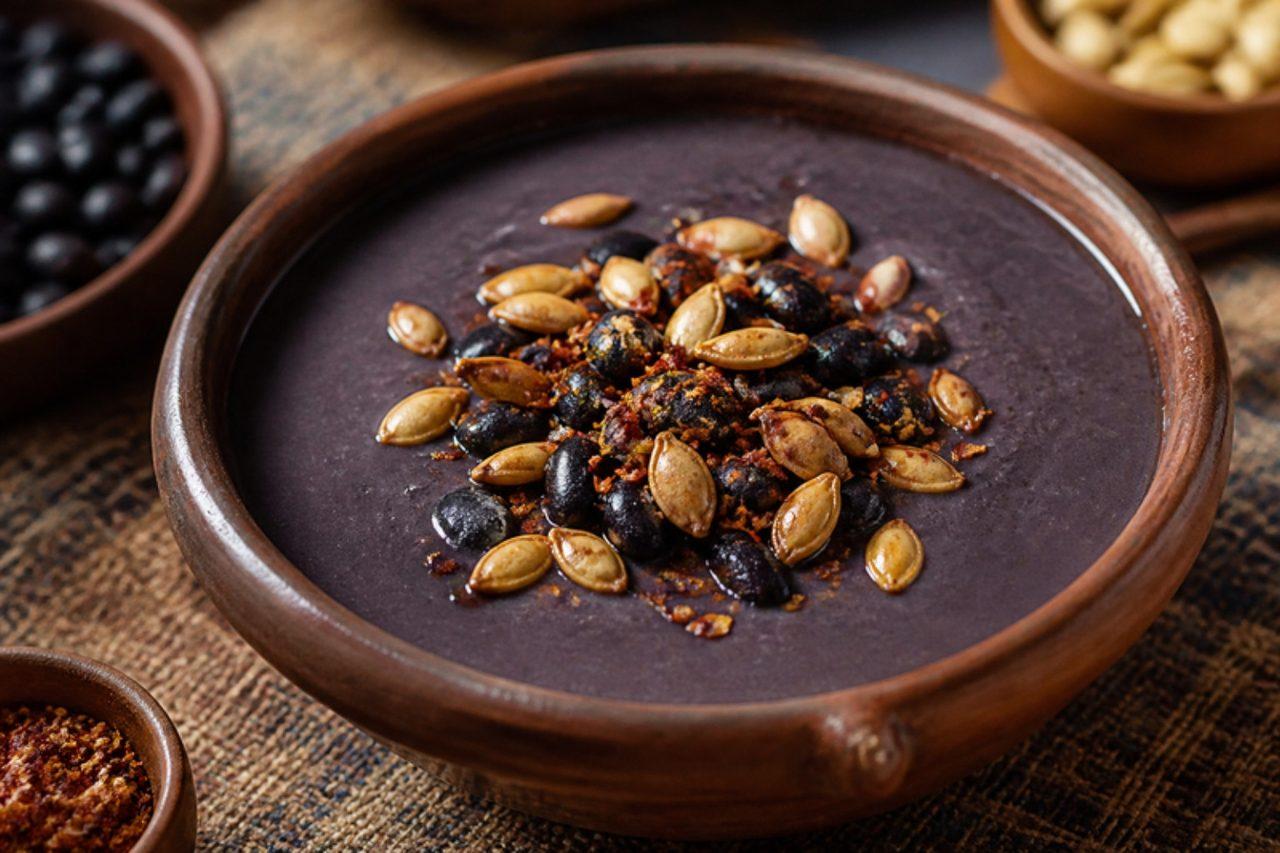
In San Salvador's Plaza Libertad and outside churches on cool mornings, atol shuco is ladled from steaming clay pots into gourd bowls. Shuco means 'dirty', for its dusky purple-grey colour: it is made from fermented black corn, so it tastes slightly sour and earthy, topped with ground toasted pumpkin seeds, a few whole black beans and a pinch of chilli salt. It is savoury and filling rather than sweet. The usual mistake is leaving the masa to ferment too long in a hot kitchen; check it after a day and use it as soon as it smells pleasantly tangy. Throw it away if you see mould or it smells unpleasant. Chef's tip: if you can't wait for fermentation, a squeeze of lime at the end gives a similar tang.

by KrazyBadal 0 views

Đậu hũ khoBraised tofu with shiitake

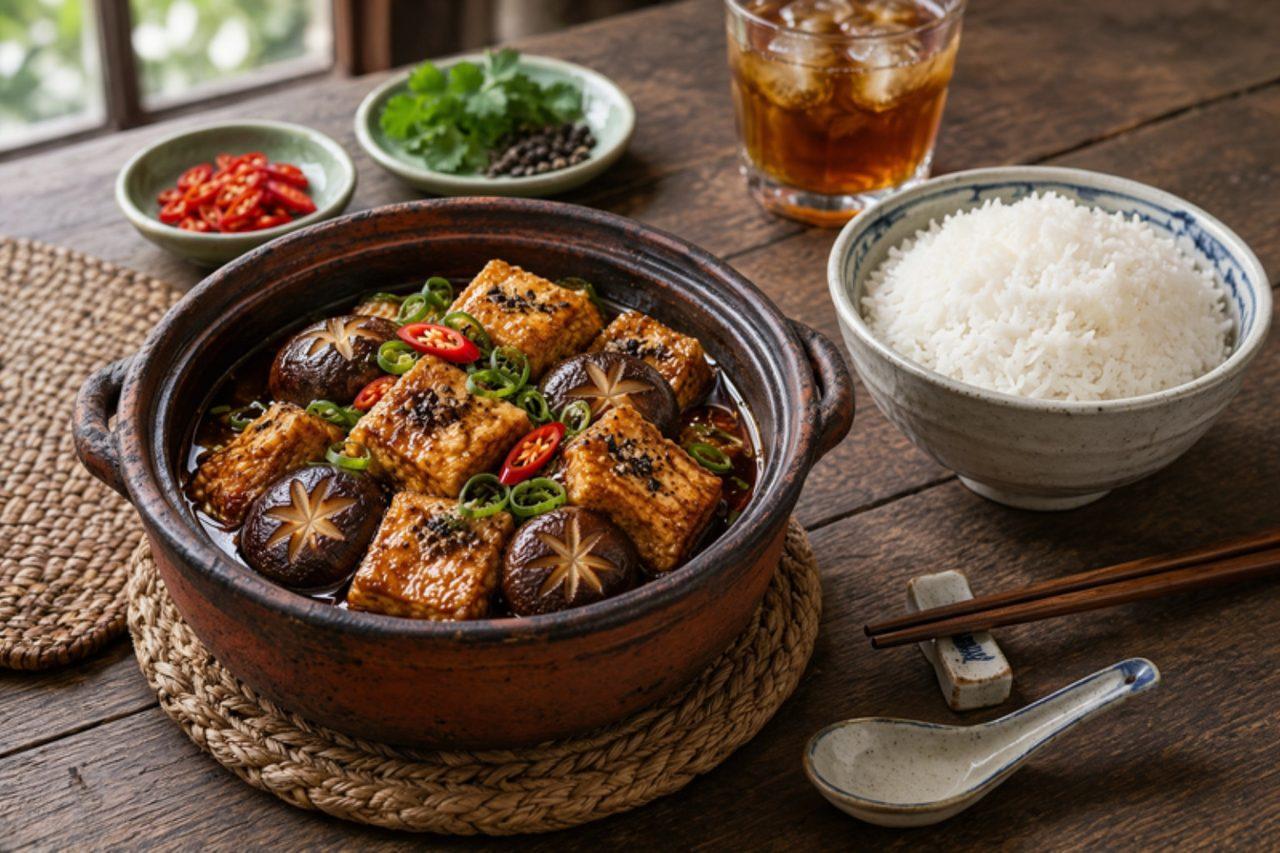
Đậu hũ kho is the vegetarian cousin of the caramel braises (kho) cooked in clay pots all over Vietnam, and in the south it is a standard of Buddhist fasting days and a good companion for a pot of rice through the week. Golden fried tofu and chewy shiitake are braised in a dark caramel, soy sauce and coconut water until the sauce turns sticky, salty-sweet and peppery. Serve with steamed rice, a plate of fresh cucumber and a light soup. The usual mistake is letting the caramel go too dark, which makes the whole dish bitter; stop when it is the colour of strong tea. Chef's tip: coconut water gives a rounder sweetness than plain water, and the braise keeps for 3 days in the fridge.

by KrazyBadal 0 views

Frijoles coladosStrained black beans

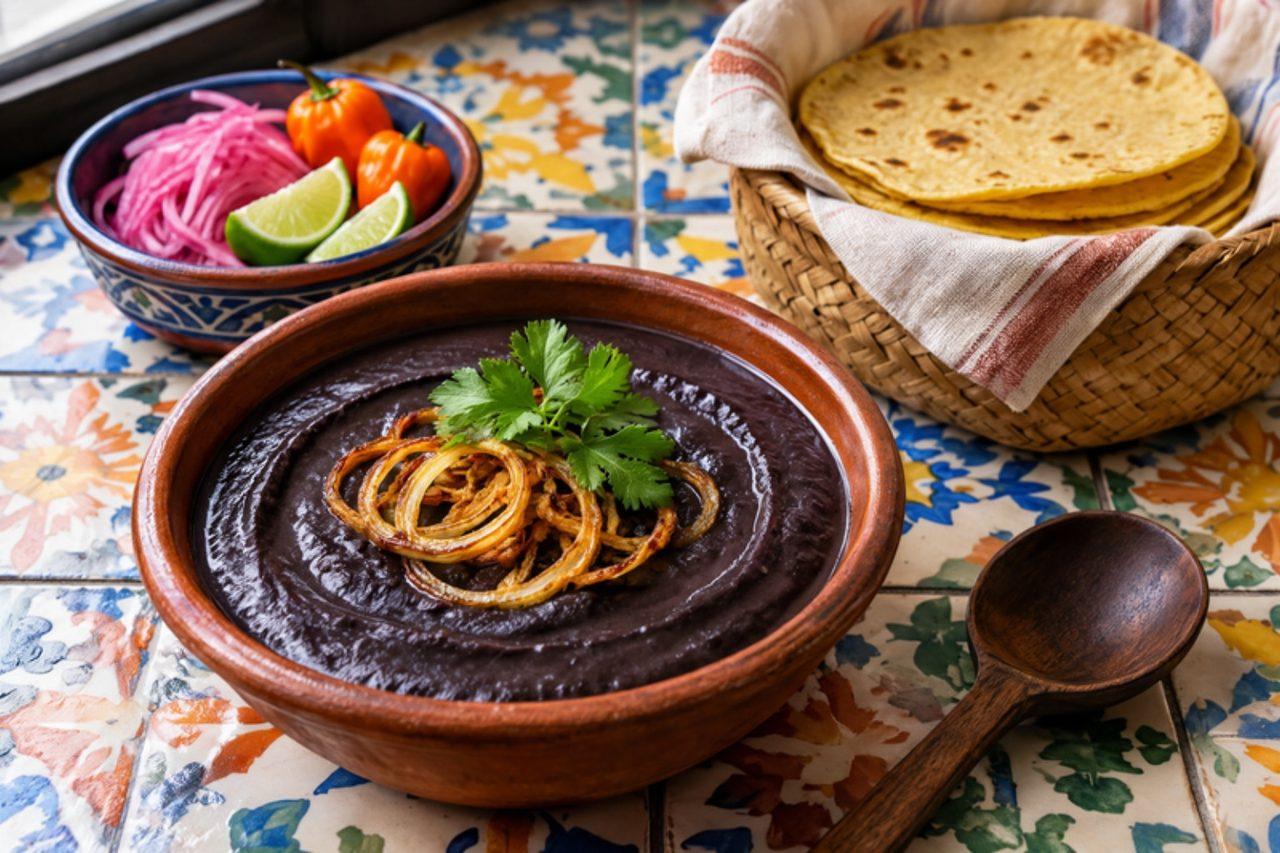
Every cocina económica and family kitchen in Mérida keeps a pot of frijoles colados for the midday meal, the smooth, almost soupy black beans that sit beside cochinita, poc chuc, eggs or simply rice and tortillas across the Yucatán. The beans are cooked soft with epazote, pushed through a sieve, then simmered with onion fried until sweet. Traditionally the onion is fried in pork lard; this version uses oil so it is vegan. The usual mistake is straining beans that are not fully cooked, which gives a gritty, floury purée, so cook them until they crush with no effort. Chef's tip: drop a whole habanero into the simmering purée for 5 minutes for perfume without much heat, then fish it out.

120 minMexicanSidesVeganGluten free
by KrazyBadal 0 views

Chungmu gimbapRice rolls with spicy squid

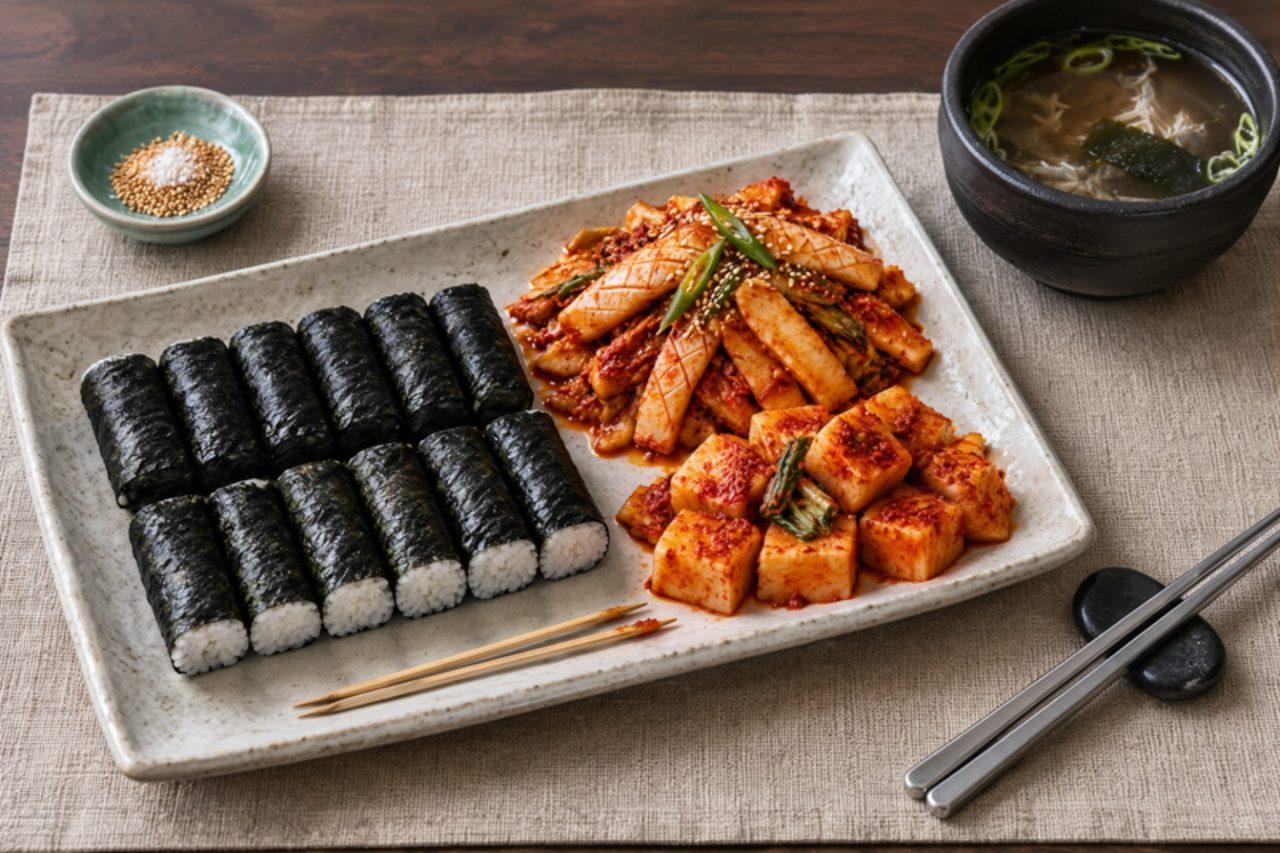
In the harbour town of Tongyeong (once called Chungmu), fishermen's wives made plain rice rolls in laver with the spicy side dishes packed separately, because filled gimbap spoiled in the heat of the boats. Today Chungmu gimbap is a lunchbox and road-trip classic all over Korea: finger-sized rolls eaten with a toothpick, sweet-spicy squid and fish cake, and crunchy radish kimchi. The common mistake is overcooking the squid, which goes rubbery; blanch it just until it turns white and curls. Chef's tip: brush the gim lightly with sesame oil before rolling, which keeps it from going chewy.

by KrazyBadal 0 views

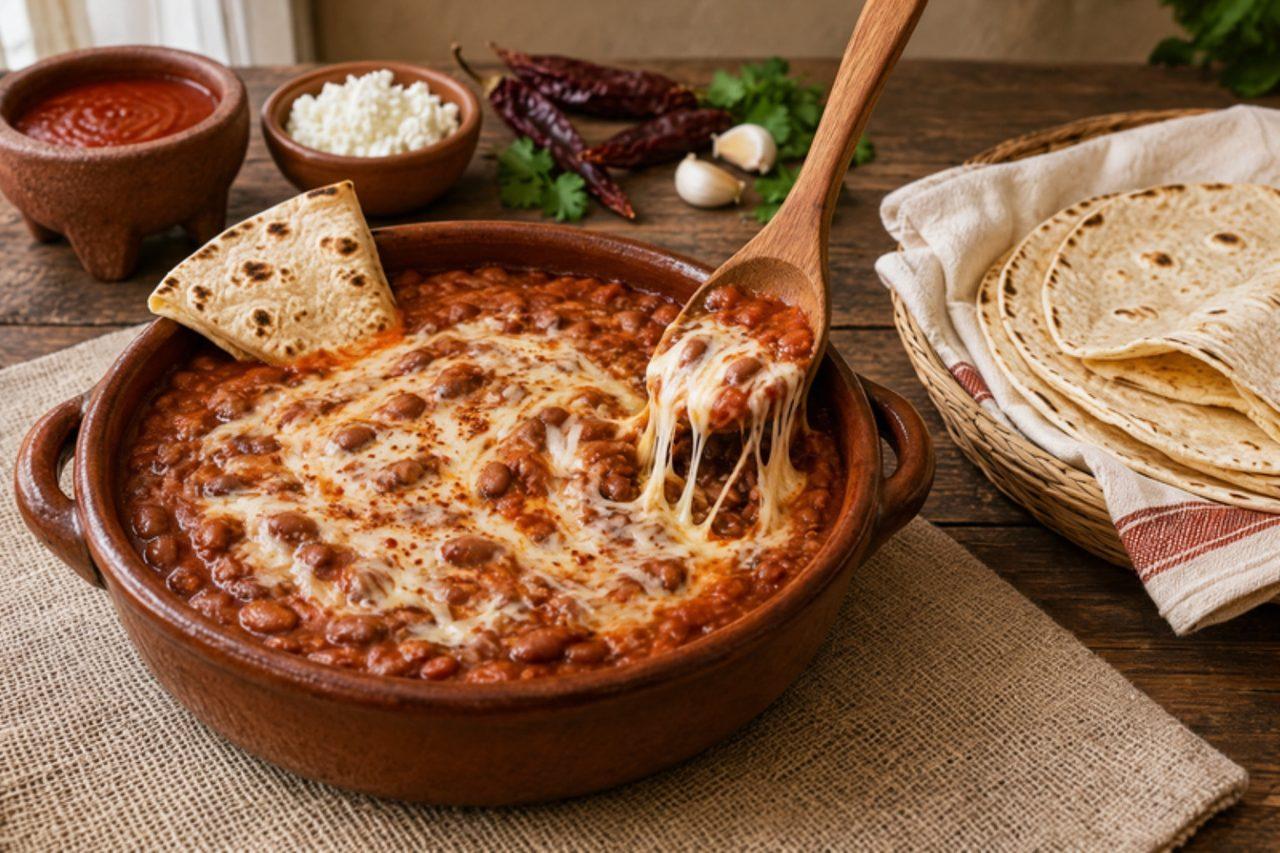
Frijoles maneadosPinto beans with chile and cheese

Frijoles maneados are the rich party beans of Sonora in northern Mexico, cooked for carne asada gatherings, weddings and Sunday lunch, and spooned onto flour tortillas. Soft pinto beans are mashed and beaten (maneados means stirred or worked) with dried red chile colorado, milk and so much melting cheese that the pot pulls into strings. Serve them with flour tortillas, grilled vegetables and a sharp salsa. The usual mistake is adding the cheese while the pot is boiling hard, which makes it go rubbery and oily; take the heat right down first. Chef's tip: Sonoran queso regional or Chihuahua cheese is often made with animal rennet, so for a vegetarian pot choose a vegetarian Monterey Jack-style or mild Cheddar cheese labelled suitable for vegetarians.

by KrazyBadal 0 views

ChässuppeBread and cheese soup

Chässuppe comes from the farmhouses of Central Switzerland, from Unterwalden to the Entlebuch, where it was a thrifty way to use up hard bread and the end of a wheel of cheese. It is a winter supper, especially on carnival and Advent evenings: bread and grated mountain cheese are soaked in hot broth and stirred into a thick, almost spoonable soup, then topped with butter-fried onions. Serve with a green salad and a mug of hot tea. Most Swiss mountain cheeses are made with animal rennet; for a vegetarian pot, choose a hard cheese labelled vegetarian with a nutty, Alpine-style flavour. The usual mistake is letting it boil once the cheese is in, which makes it stringy and oily. Chef's tip: soak the bread in the broth for 10 minutes before heating, so it melts into the soup instead of staying in lumps.

40 minSwissSoups
by KrazyBadal 0 views

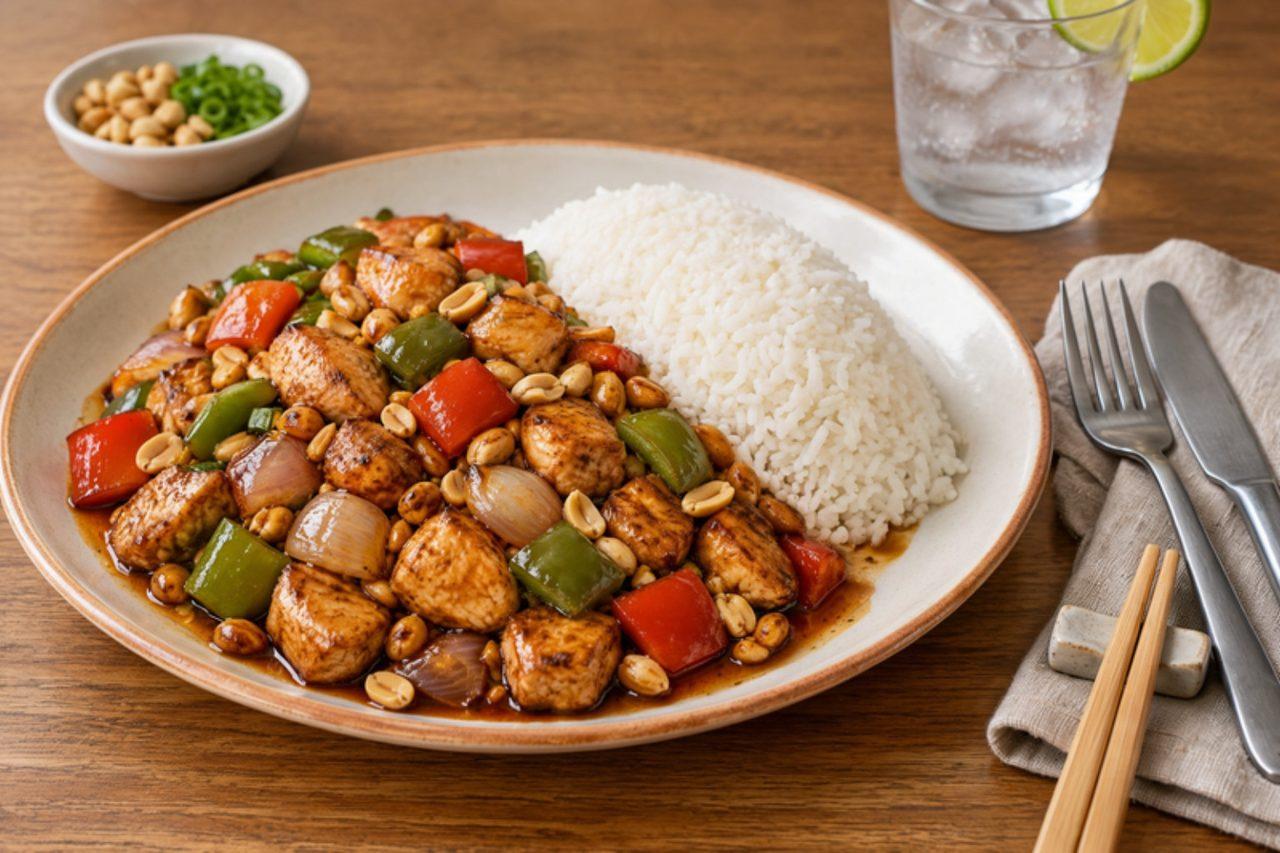
Frango xadrezChicken and pepper stir-fry

Frango xadrez, "chessboard chicken", was born in São Paulo's Chinese-Brazilian restaurants and named for its neat squares of chicken, pepper and onion. It is now a staple of lunch counters, delivery menus and the home-packed marmita, eaten over white rice. The common mistake is overcrowding the pan, so the chicken stews grey instead of searing; cook it in two batches. Chef's tip: toss the chicken with soy sauce and cornflour 15 minutes ahead; the coating keeps it juicy and thickens the sauce.

by KrazyBadal 0 views

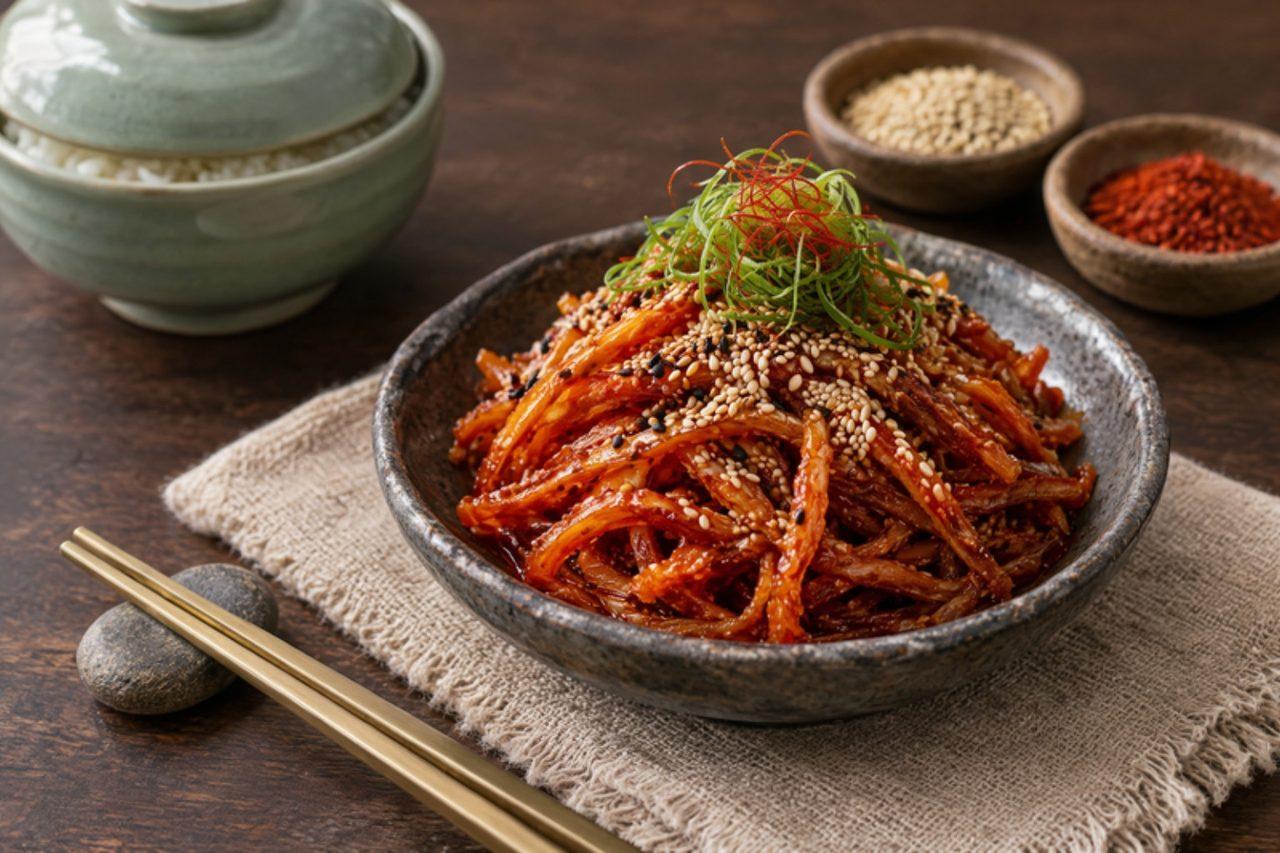
Jinmichae bokkeumGlazed dried squid strips

Jinmichae, shredded seasoned dried squid, is one of the most popular banchan in Korean lunchboxes: chewy, sweet and a little spicy, and it keeps for a week. Children across Korea find it in their dosirak and parents make a big tub on Sunday. The common mistake is glazing it over the heat, which turns the squid hard as wire; mix the strips into the warm sauce off the heat. Chef's tip: soak the squid briefly in water first and squeeze it out, so it stays tender even straight from the fridge.

15 minKoreanFishSpicy
by KrazyBadal 0 views

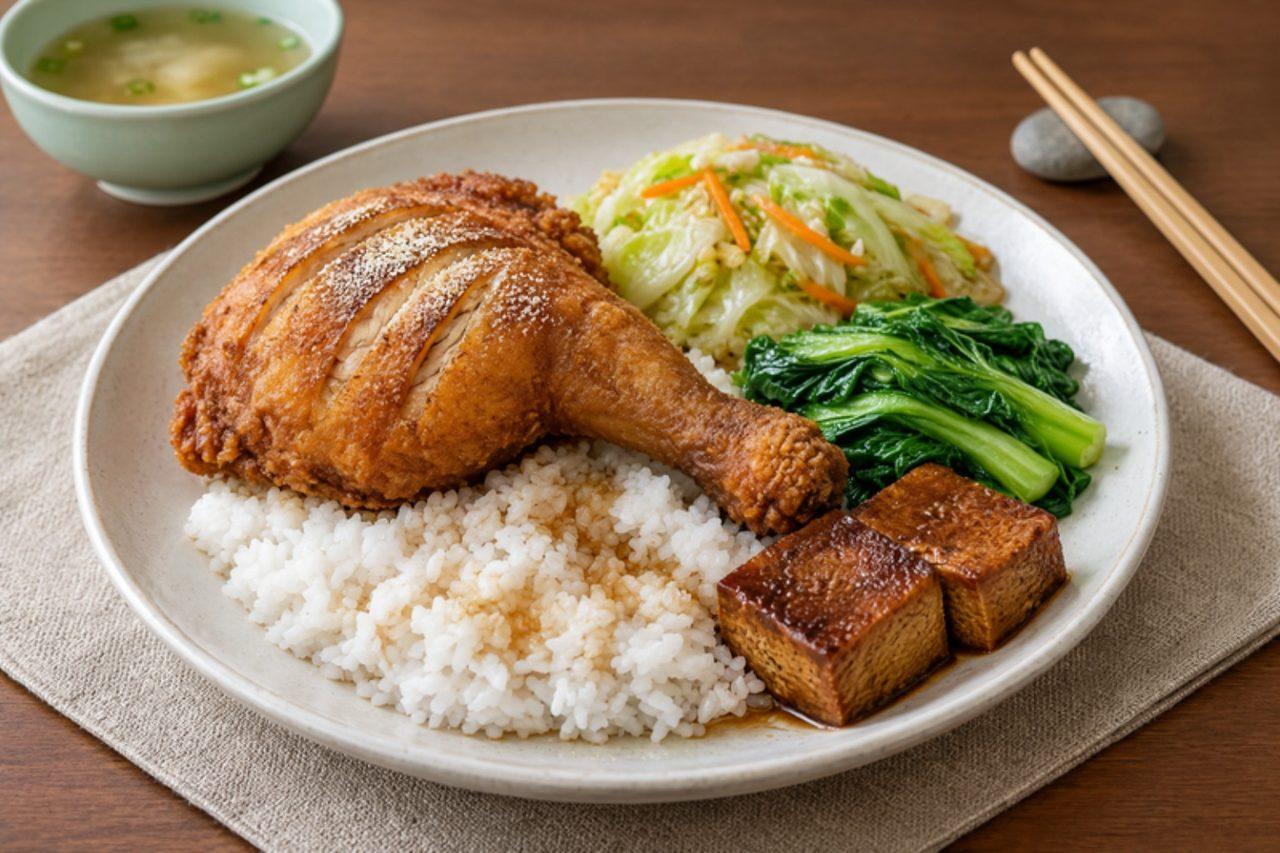
Jitui fanFried chicken leg rice

In every Taiwanese town, the biandang shop at lunchtime sells jitui fan: a whole chicken leg marinated in soy, garlic and five-spice, coated in coarse sweet potato starch and fried crisp, laid over rice with three small vegetable sides and a scoop of minced-pork sauce if you ask. Office workers and students carry the paper boxes back to their desks. The common mistake is frying in oil that is too hot, so the coating browns while the meat by the bone stays raw; fry gently, then crisp it at the end. Chef's tip: let the starch-coated legs sit for 5 minutes until the coating looks damp, so it fries into crunchy little pebbles.

by KrazyBadal 0 views

Bacon and egg pie

No Kiwi picnic, school trip or bach weekend is complete without a bacon and egg pie: flaky puff pastry wrapped around smoky pork bacon, peas and whole eggs that bake into golden rounds you can see when the pie is cut. It is served warm for tea and then sliced cold into lunch boxes the next day. The common mistake is pulling it out when the pastry looks done but the eggs are still runny in the middle; for a picnic pie that will be packed, the eggs must be fully set. Chef's tip: prick each yolk lightly before adding the lid, so the eggs cook evenly and don't bubble up through the pastry.

by KrazyBadal 0 views

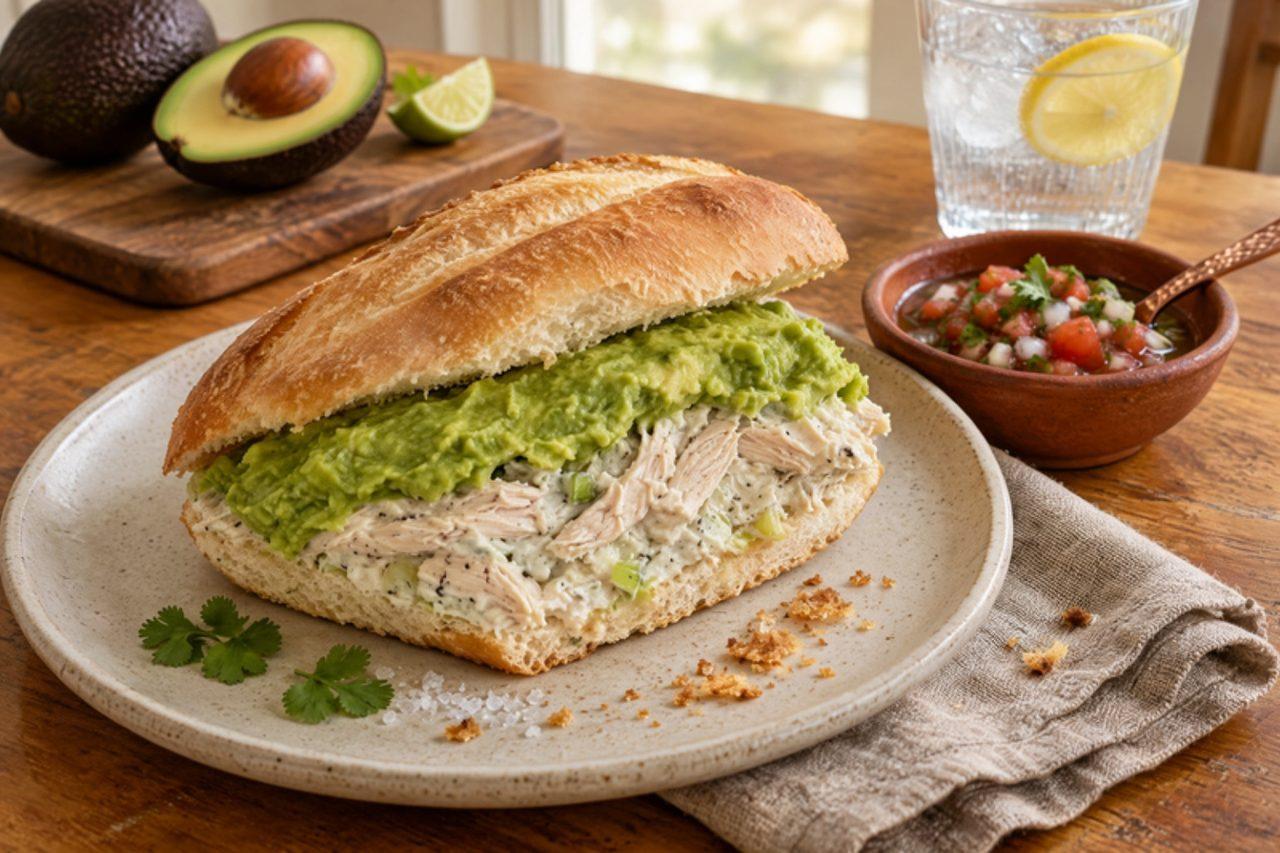
Ave paltaChicken and avocado roll

In Santiago's fuentes de soda and school kiosks, the ave palta is the lunch everyone orders: a soft hallulla or crusty marraqueta roll filled with shredded chicken in mayonnaise (ave mayo) and a thick layer of mashed avocado, palta. Chileans pack it for the office and for long bus journeys. The common mistake is mixing warm chicken with mayonnaise, which turns oily and is a food-safety risk; cool the chicken first. Pack it with an ice pack. Chef's tip: mash the avocado with lemon and salt just before assembling, so it stays green until lunch.

by KrazyBadal 0 views

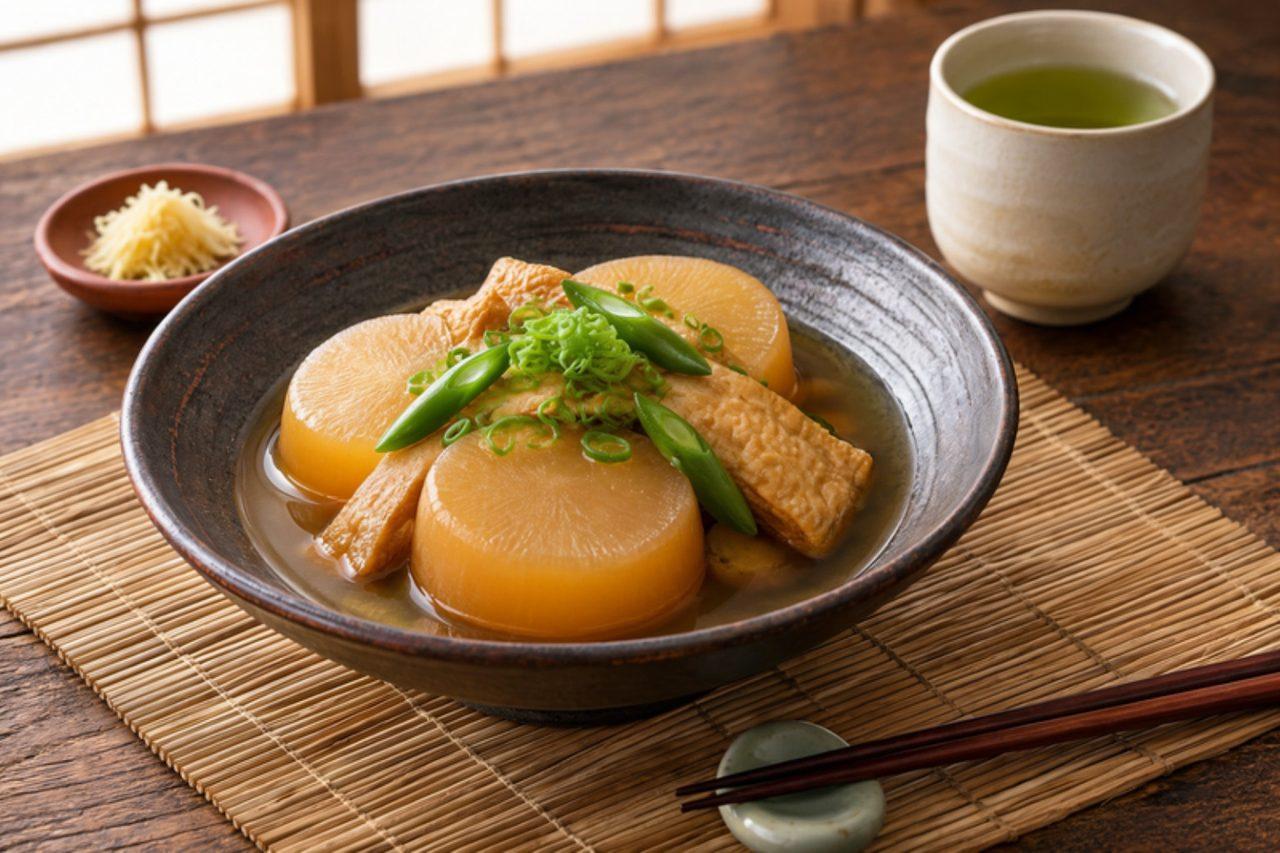
Daikon to aburaage no nimonoSimmered daikon and fried tofu

When winter daikon is fat, sweet and cheap in every Japanese market, home cooks from Hokkaido to Kyushu simmer it with strips of aburaage, the thin fried tofu pouches, as an everyday side for rice and grilled food. The radish turns soft and see-through and drinks up a light soy broth, while the tofu soaks up the rest like a sponge. This version uses a kelp and shiitake dashi instead of bonito, so the whole pot is vegan, and it tastes even better reheated the next day. The usual mistake is boiling it hard: the daikon edges crumble and the broth goes cloudy, so keep it at a lazy simmer under a drop lid. Chef's tip: pour boiling water over the aburaage before cutting it, which rinses off the stale frying oil and lets the broth soak in.

by KrazyBadal 0 views

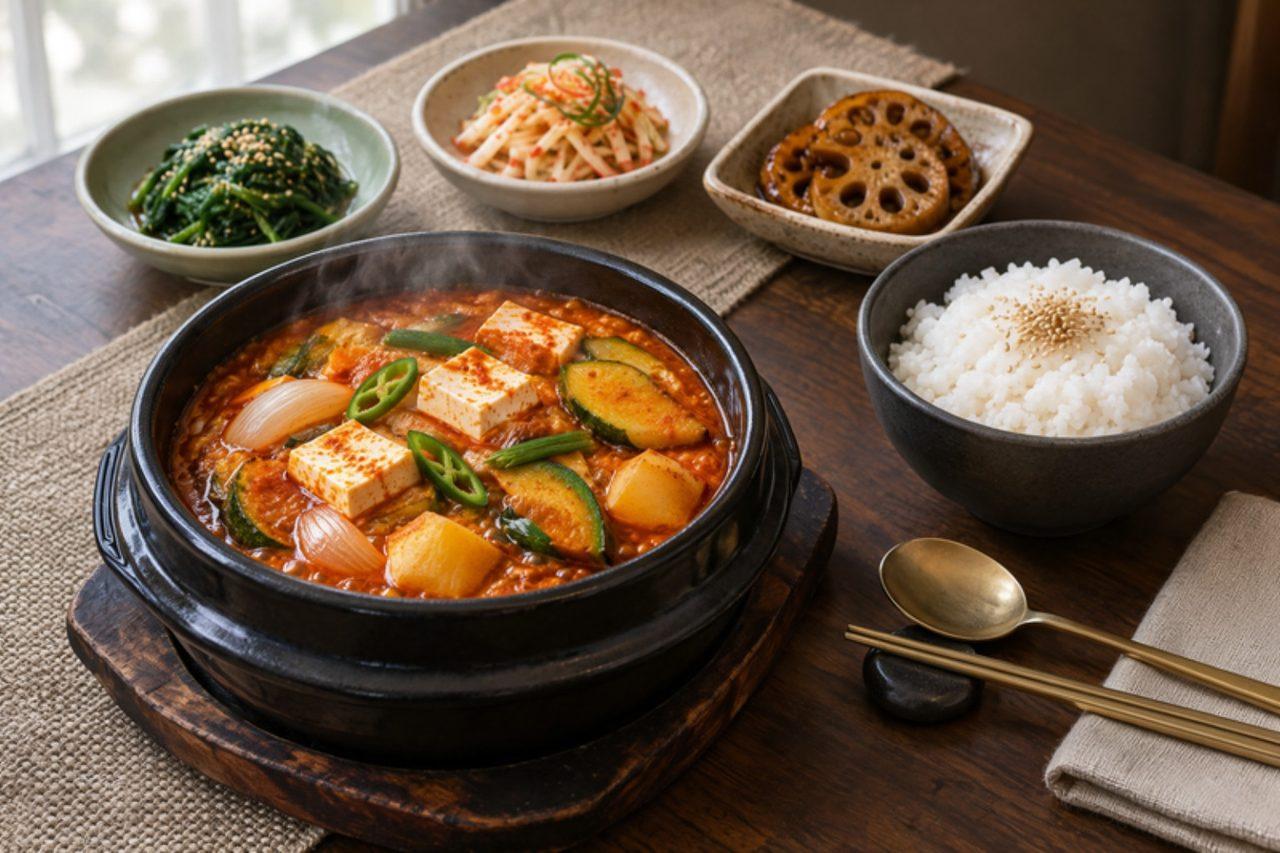
Hobak jjigaeCourgette and tofu stew

Hobak jjigae is the late-summer stew of Korean home kitchens, made when the garden throws up more courgettes (aehobak) than anyone can eat, and it lands on the table in its own pot next to rice and kimchi on any ordinary weeknight. Potato and soft tofu soften in a red, gently spicy broth of gochujang and kelp, and the courgette turns silky without falling apart. Most cooks start with anchovy stock; this one uses dried kelp and shiitake so it stays vegan. The usual mistake is adding the courgette with the potato, which leaves it mushy and grey by the time the potato is cooked. Chef's tip: a final splash of soup soy sauce (guk-ganjang) seasons the broth more deeply than salt without darkening it.

by KrazyBadal 0 views

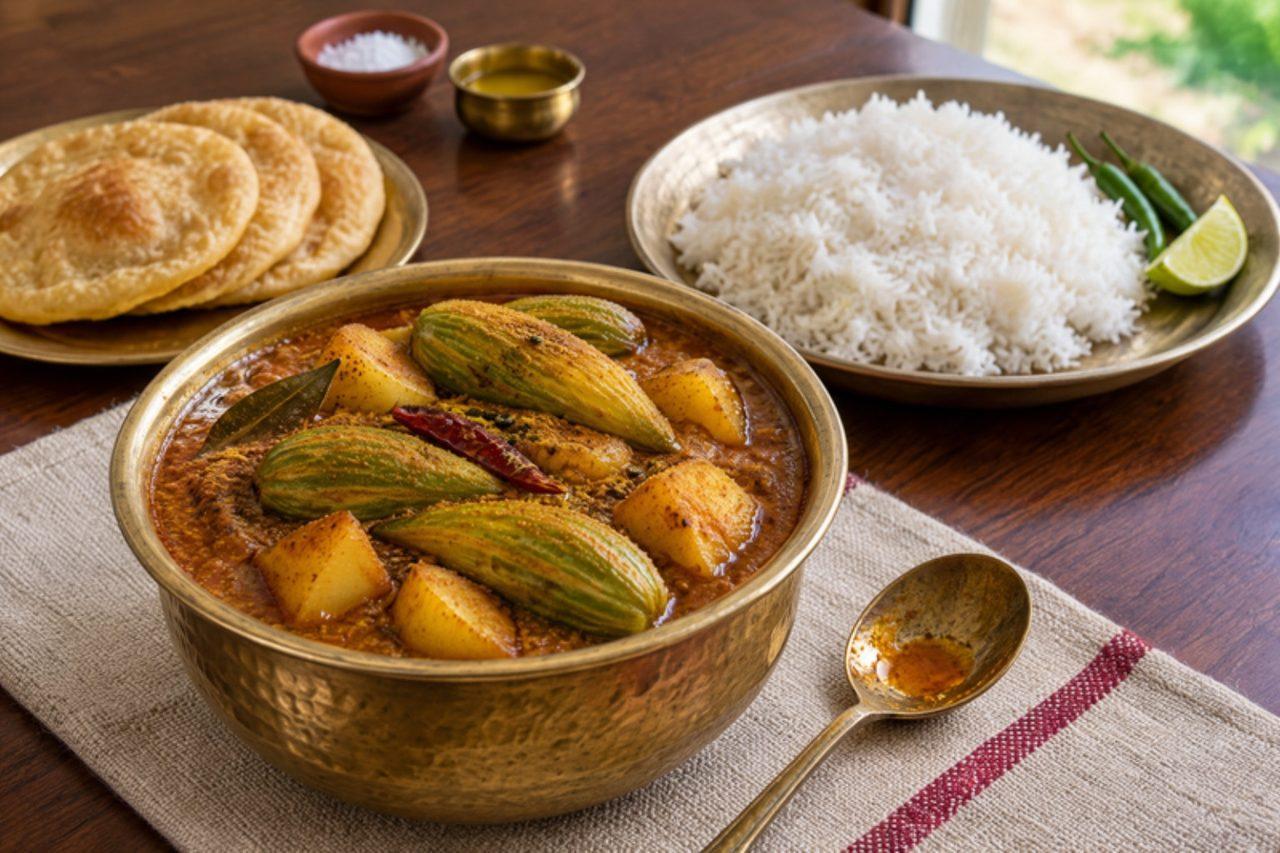
Aloo potoler dalnaPotato and pointed gourd curry

Pointed gourd (potol) floods the markets of Kolkata in summer, and aloo potoler dalna is how most Bengali homes cook it for a weekday lunch or a light Sunday meal. Half-peeled gourds and halved potatoes are fried until golden, then simmered in a loose gravy of ginger, cumin and tomato and finished with ghee and garam masala, so it tastes warm and gently sweet rather than hot. Serve it with rice or luchi. The usual mistake is peeling the gourds completely, which makes them fall apart; scrape off only the waxy skin in stripes. Chef's tip: prick each gourd once with a fork before frying so the gravy can soak into the seeds.

by KrazyBadal 0 views

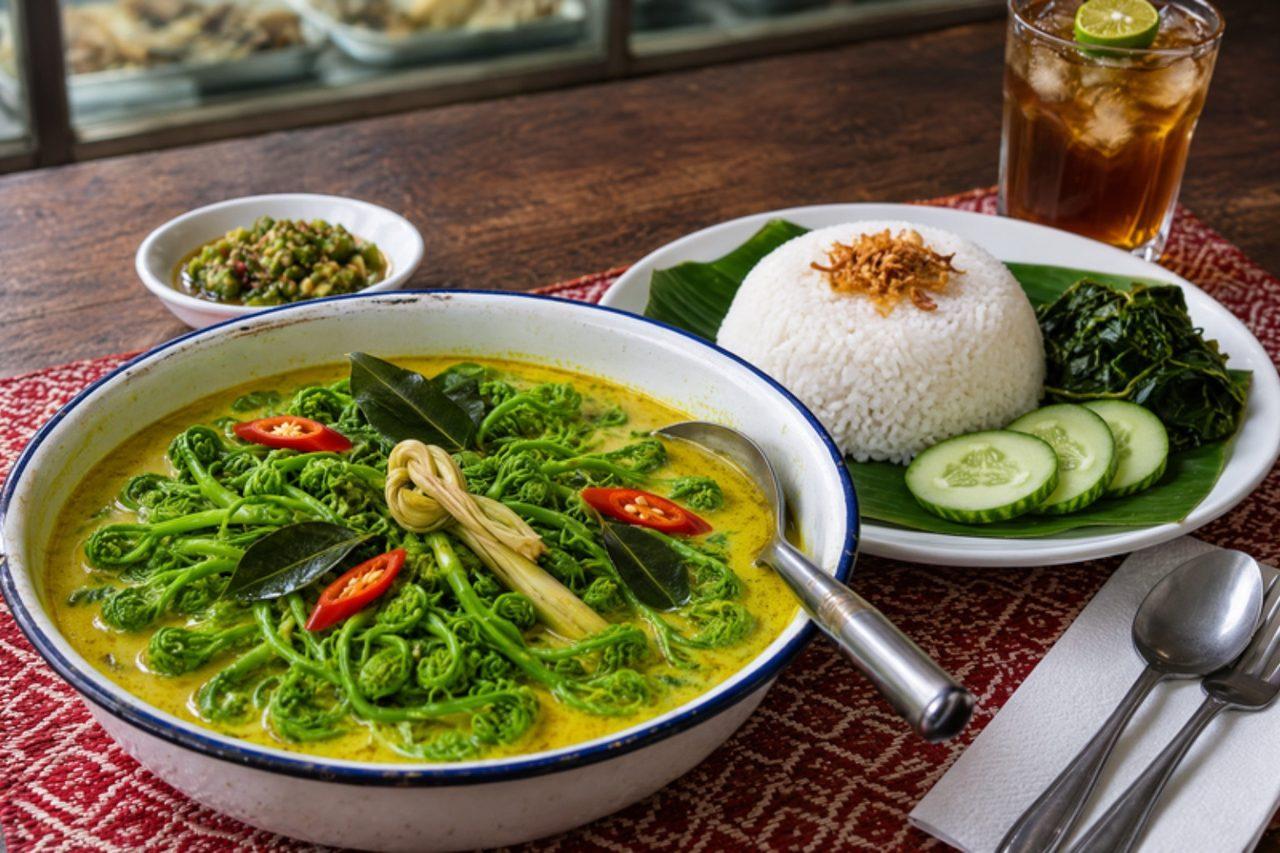
Gulai pakisFern tip coconut curry

Gulai pakis is one of the green dishes on the counter of every Minangkabau rice shop (rumah makan Padang), from Bukittinggi to Jakarta, and it is cooked at home in West Sumatra whenever fern shoots are gathered from the riverbanks. Tender fern tips simmer in a yellow coconut milk sauce of turmeric, galangal, chilli and lime leaves until rich and gently spicy; many cooks add tiny dried shrimp, which this vegan version leaves out. Serve it with rice, sambal and fried tempeh. The usual mistake is boiling the coconut milk hard or covering the pan, which makes it split into curds; stir it often and keep it at a simmer. Chef's tip: always cook fern shoots thoroughly as below, as some ferns are not safe raw or lightly cooked; buy vegetable fern (paku) or fiddleheads sold for eating.

by KrazyBadal 0 views

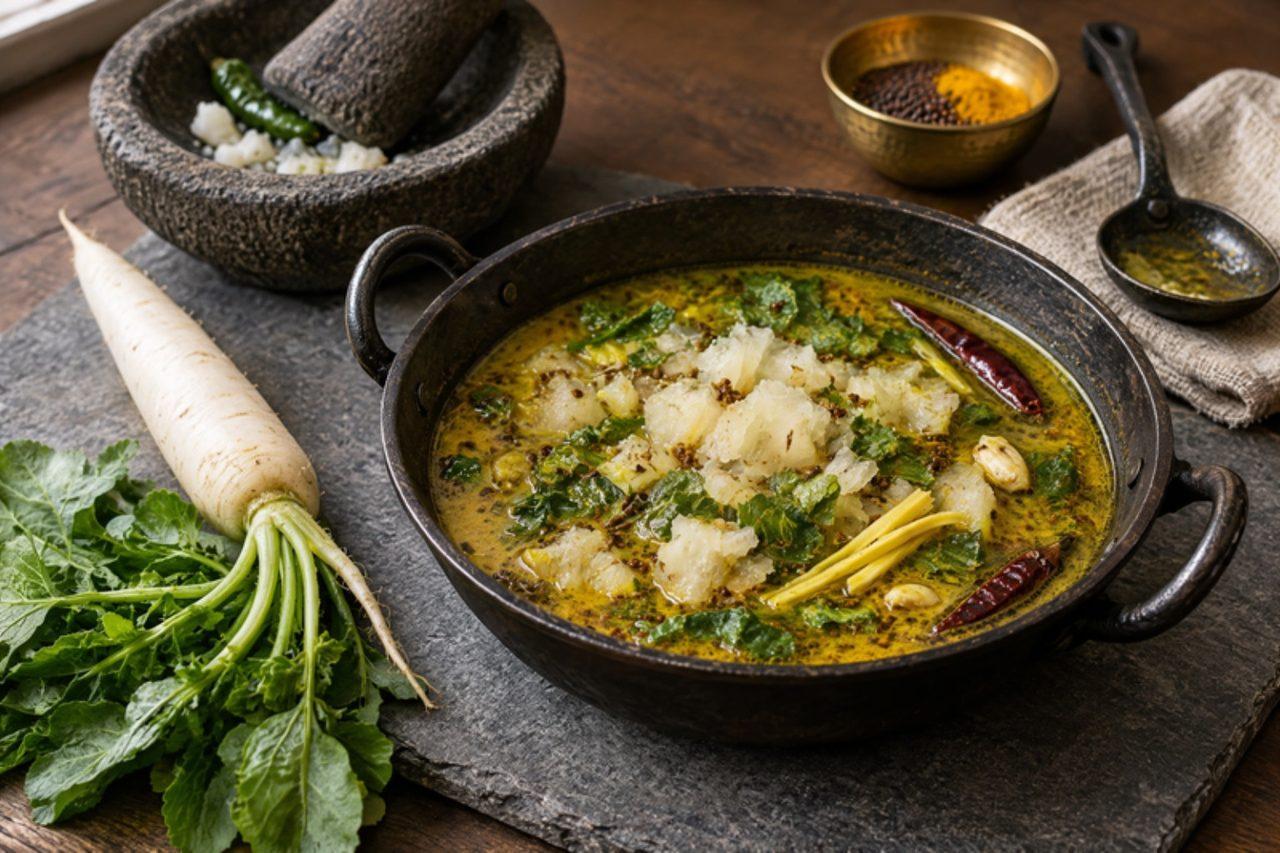
ThechwaniCrushed radish curry

Thechwani is a winter dish from the hill villages of Garhwal, Uttarakhand, cooked when the radishes are fat and sweet. Instead of chopping, the radish (or potato) is bashed with a stone or pestle so it cracks into rough pieces with lots of surface, then simmered in an iron kadhai with mustard oil, jakhya seeds and a little tomato. The broken pieces soak up the spices, and the iron pot darkens the gravy. It is eaten with rice or mandua (finger-millet) roti. Jakhya, a crunchy wild seed, is sold in hill stores; cumin is the swap. The usual mistake is slicing the radish neatly with a knife, which keeps the spices on the outside. Chef's tip: add the radish greens, finely chopped, in the last 5 minutes for colour and a peppery bite.

by KrazyBadal 0 views

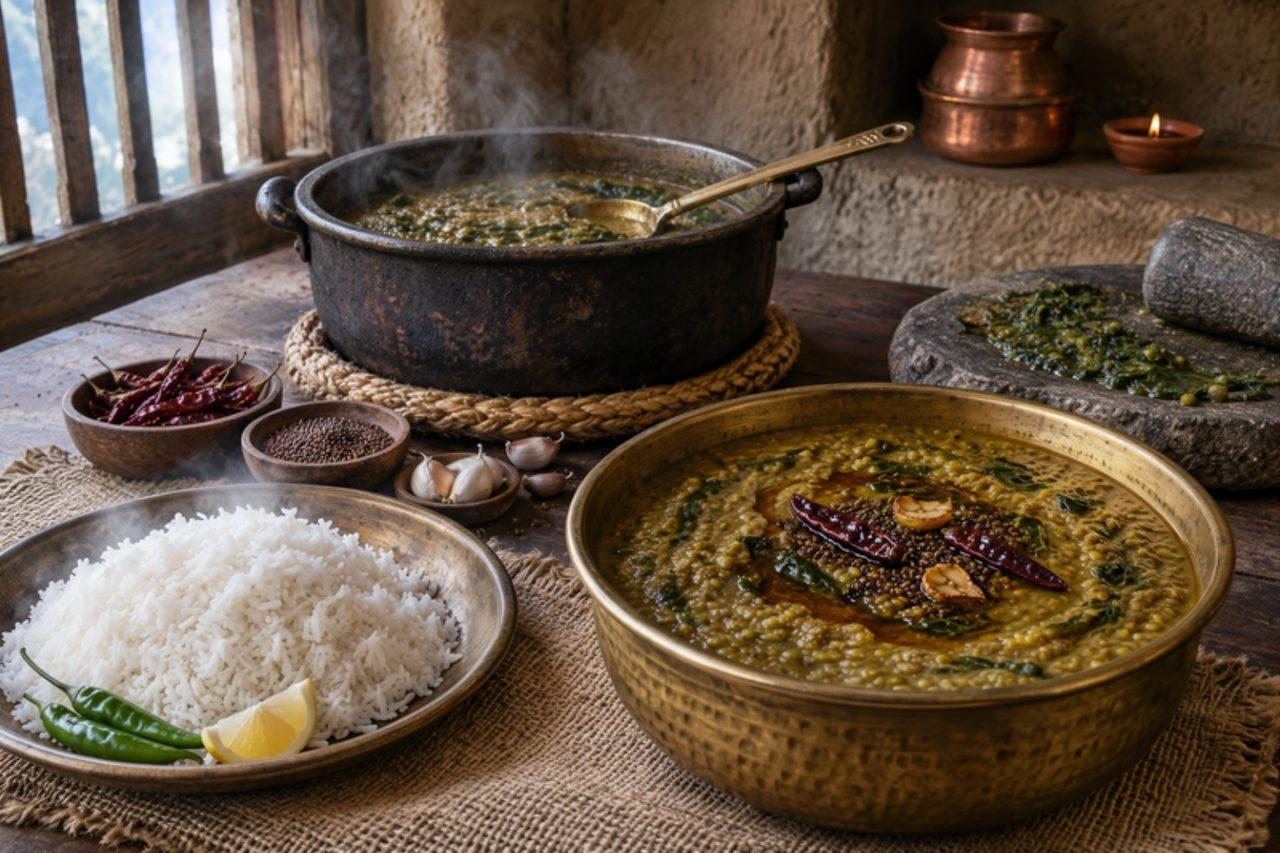
PhaanuGround mixed lentil stew

Phaanu is everyday food in Garhwal's hill villages, from Pauri to Tehri, made on cold days and in large pots for family gatherings. Mixed lentils are soaked overnight, ground to a coarse paste and simmered slowly in an iron pot until the paste turns into a thick, earthy stew, with spinach or other greens and a mustard-oil and jakhya tempering. It is eaten with steamed rice and a little ghee. The usual mistake is adding the paste to the pot and walking away; for the first 10 minutes it must be stirred constantly or it forms lumps and sticks to the bottom. Chef's tip: whisk the lentil paste into cold water before it goes on the heat; it thickens smoothly and never catches.

by KrazyBadal 0 views

Batido de lechosaPapaya and orange shake

Lechosa is what Venezuelans call papaya, and on breakfast tables from Valencia to Puerto La Cruz it turns up as a batido beside arepas or empanadas, often blended with the oranges that are piled cheap in every market. It is thick, smooth and sunset-orange, tasting of honeyed papaya and bright citrus, and it fills you up until lunch. Some families blend it with milk instead of juice, which turns it into a creamy merengada. The common mistake with milk is letting it stand: papaya's natural enzyme starts to turn milk bitter within half an hour, so drink it straight away. Another mistake is scraping the seed cavity too hard; the black seeds and their slippery coating make the batido bitter and peppery. It is ready when there are no fibres left, it pours in a thick stream and the colour is an even orange. Choose papaya that is mostly yellow-orange and gives slightly under your thumb; a green-streaked one tastes flat and a little musky. Chef's tip: a few drops of lime juice cut through papaya's musky note and make it taste fresher.

by KrazyBadal 0 views

Batido de mameyMamey milkshake

In Havana and all over the island, the cafeteria counter has a blender that never stops, turning out batidos of mango, guanábana, papaya and the favourite of all, mamey. The fruit has a rough brown skin and a soft, salmon-red flesh that tastes like sweet potato, pumpkin pie, almond and apricot at once, and blended with cold milk it makes a shake so thick it is almost a dessert. It is drunk mid-afternoon on hot days, at breakfast with toast, or at a kid's birthday party; Miami's Cuban cafés keep the tradition alive with frozen pulp. The common mistake is using a hard mamey, which tastes starchy and slightly bitter; the fruit must give like a ripe avocado when pressed and show deep red flesh when you scratch the skin with a fingernail. The batido is ready when it is smooth, pumpkin-orange and pours slowly in a thick ribbon. Frozen mamey pulp from Latin American shops is a good substitute; reduce the ice because the pulp is already cold. Chef's tip: a pinch of salt and a drop of vanilla bring out mamey's almond notes.

by KrazyBadal 0 views

BekangFried fermented soybeans

Bekang is the Mizo name for soybeans boiled and left to ferment in leaves until sticky and strongly savoury, and fried bekang is one of the most loved sides on the Aizawl table, spooned over plain rice. To ferment your own, keep the wrapped, drained beans at 30–40 °C for 2–3 days: they are ready when coated in sticky white threads and smell of ammonia and nuts. Throw them out if you see black, green or pink mould or they smell rotten. The common mistake is frying on high heat until the beans scorch and turn bitter. Chef's tip: bought kinema, axone or natto work in place of homemade bekang.

by KrazyBadal 0 views

BelgramiChewy fresh cheese sweet

Belgrami belongs to Udwantnagar in Bihar's Bhojpur district, where sweet makers have cooked it for generations and travellers buy boxes on the way through. Fresh chhena is cooked down with sugar until it firms into a dense, slightly chewy, pale cream block with a gentle caramel note, then cut into pieces. It keeps for days, which makes it a favourite gift at weddings and Chhath. The common mistake is stopping too early: it must cook until the mass pulls into one lump and no longer sticks to the pan, or the pieces stay soft and weep. Chef's tip: use chhena from full-fat cow's milk and hang it for an hour, so it is dry enough to cook down quickly.

by KrazyBadal 0 views

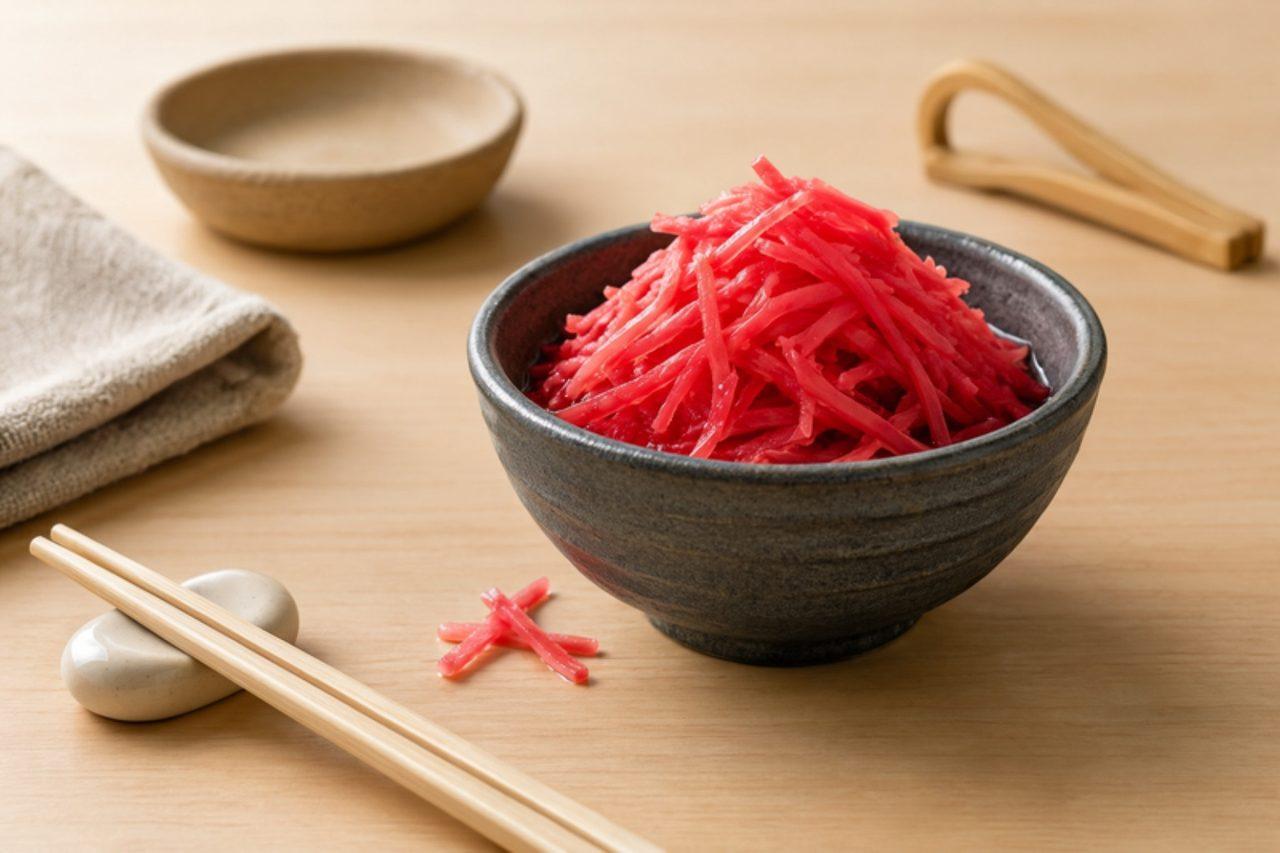
Beni shogaRed pickled ginger

Beni shoga is the bright pink tangle you see on Osaka street food: piled beside yakisoba, scattered on okonomiyaki, folded into takoyaki batter and heaped on a bowl of gyudon at lunchtime. Kansai cooks make it in early summer, when umeboshi plums finish salting and leave behind red umezu, the salty, sour, shiso-coloured plum vinegar that both cures and dyes the ginger. The result is crunchy, sharp and salty, with a clean ginger heat and none of the sweetness of sushi gari. Young summer ginger gives the most tender threads; mature ginger works but is hotter and more fibrous, so cut it thinner. If you cannot find red umezu, use rice vinegar with salt and a slice of raw beetroot for colour (see the note). The common mistake is skipping the salting and drying: wet ginger dilutes the umezu and turns soft and dull. Squeeze it and let it dry so it drinks up the vinegar. It is ready when the threads are evenly rosy right through and taste salty-sour rather than raw. Chef's tip: save the pink vinegar left in the jar; a spoonful in potato salad or rice for onigiri is excellent.

by KrazyBadal 0 views

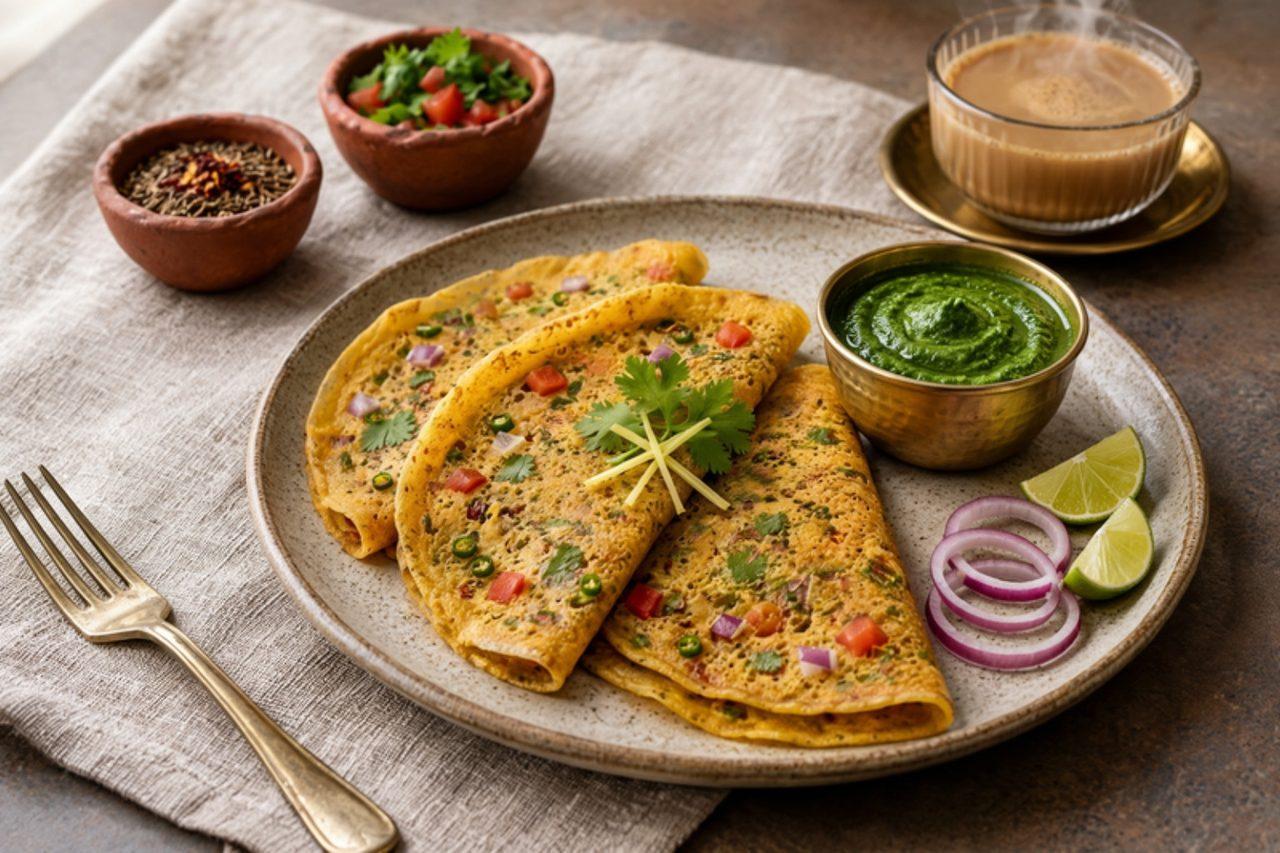
Besan chillaGram flour pancakes

Across North India, besan chilla is the answer when the tiffin needs packing in fifteen minutes: a pourable gram flour batter studded with onion, tomato, chilli and coriander, cooked thin on a tawa, then rolled up with chutney or ketchup. It is naturally egg-free and filling. The common mistake is a thick batter, which gives a heavy, raw-tasting pancake; it should flow like single cream. Chef's tip: spread the batter with the back of a ladle in quick circles from the centre outward, and cover the pan for the first minute so the top steams set.

by KrazyBadal 0 views

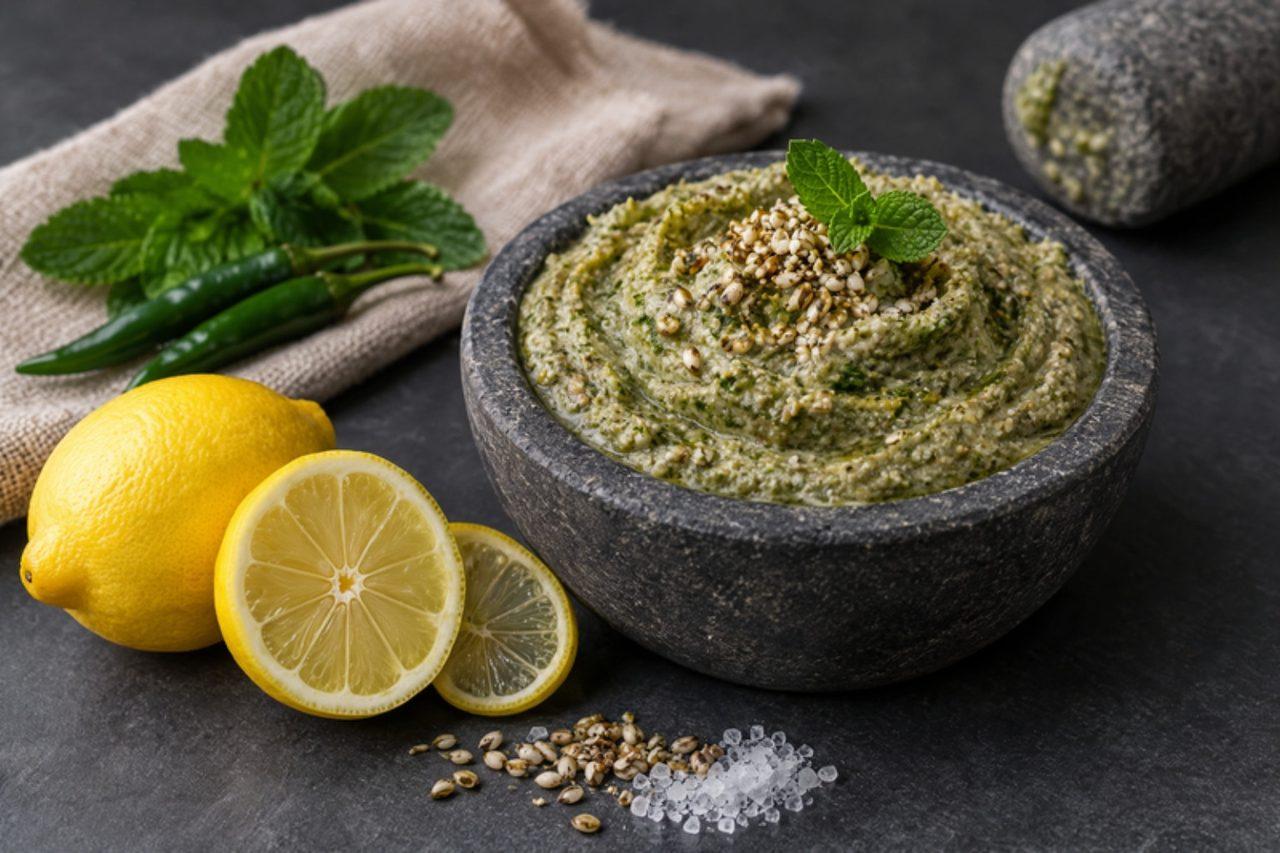
Bhang ki chutneyRoasted hemp seed chutney

In Kumaon every kitchen keeps a jar of hemp seeds, and this tangy chutney is ground fresh to go with rotis, aloo ke gutke and festive pakodas all through the year. It uses hulled, food-grade hemp seeds sold for cooking, which are not psychoactive at all; they simply taste like a cross between sesame and toasted pine nuts. The seeds are dry-roasted, ground with mint, chilli and the juice of the big hill lemon, and loosened with a little water. The usual mistake is roasting the seeds too dark, which turns the chutney bitter and grey. Chef's tip: grind in a mortar or with short pulses and stop while it still has some texture; a perfectly smooth paste loses the pleasant crunch.

by KrazyBadal 0 views

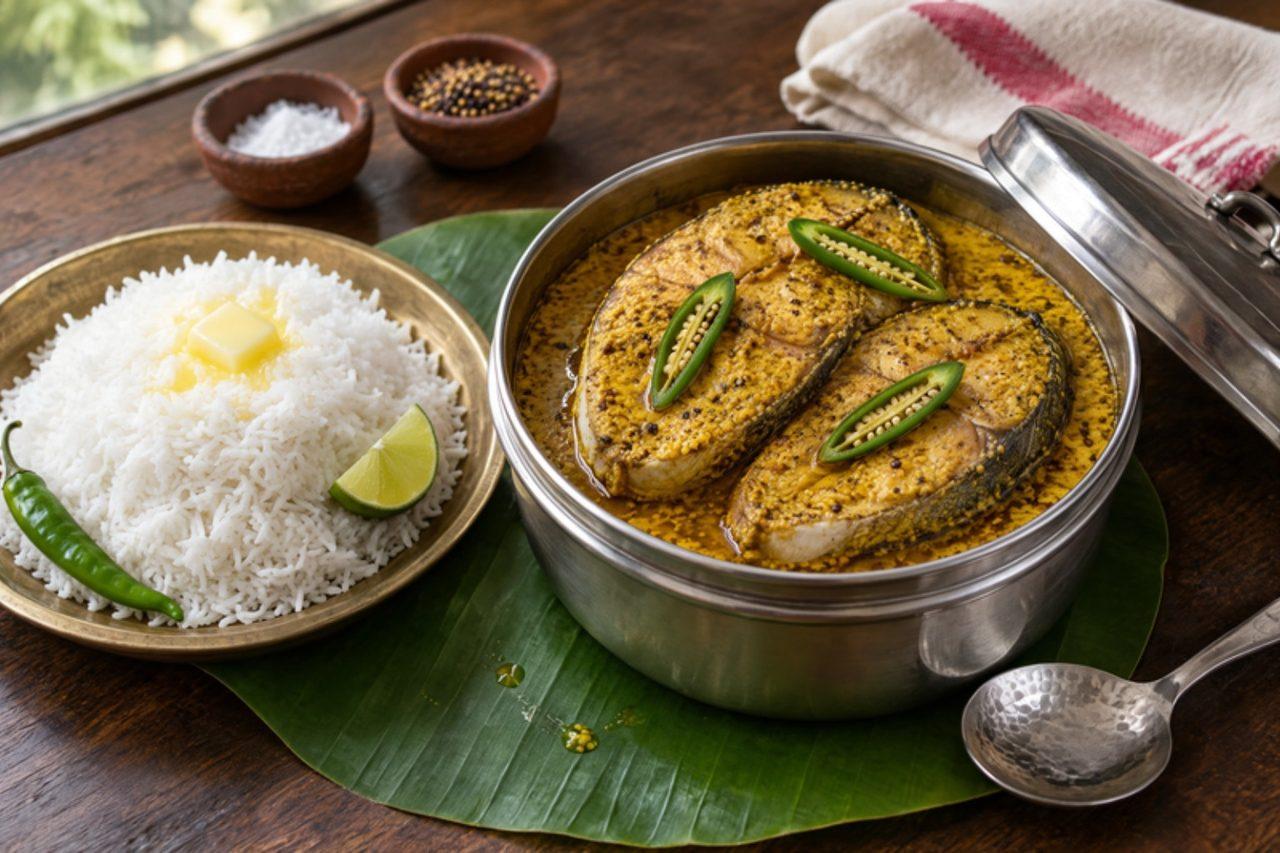
Bhapa ilishSteamed hilsa in mustard

When the monsoon brings hilsa up the Padma and Hooghly rivers, Kolkata households cook bhapa ilish, the fish steamed in a pungent paste of mustard seeds, green chilli and mustard oil in a closed tiffin box. It is the star of Jamai Sasthi and of any rainy-season Sunday, served with plain rice. The fish is rich and tender, with a nose-tingling mustard heat. Suitable as part of a balanced diet: high in protein and omega-3 fats, with no starch in the dish itself. About 340 kcal and 4 g carbohydrate per portion; keep the rice portion modest. The usual mistake is grinding the mustard seeds too long or with warm water, which turns the paste bitter; grind briefly with cold water, a pinch of salt and a green chilli. Hilsa is bony, so eat slowly and warn guests. Chef's tip: drizzle raw mustard oil over the top just before closing the box; it gives the true Bengali aroma.

40 minIndianFishGluten free
by KrazyBadal 0 views

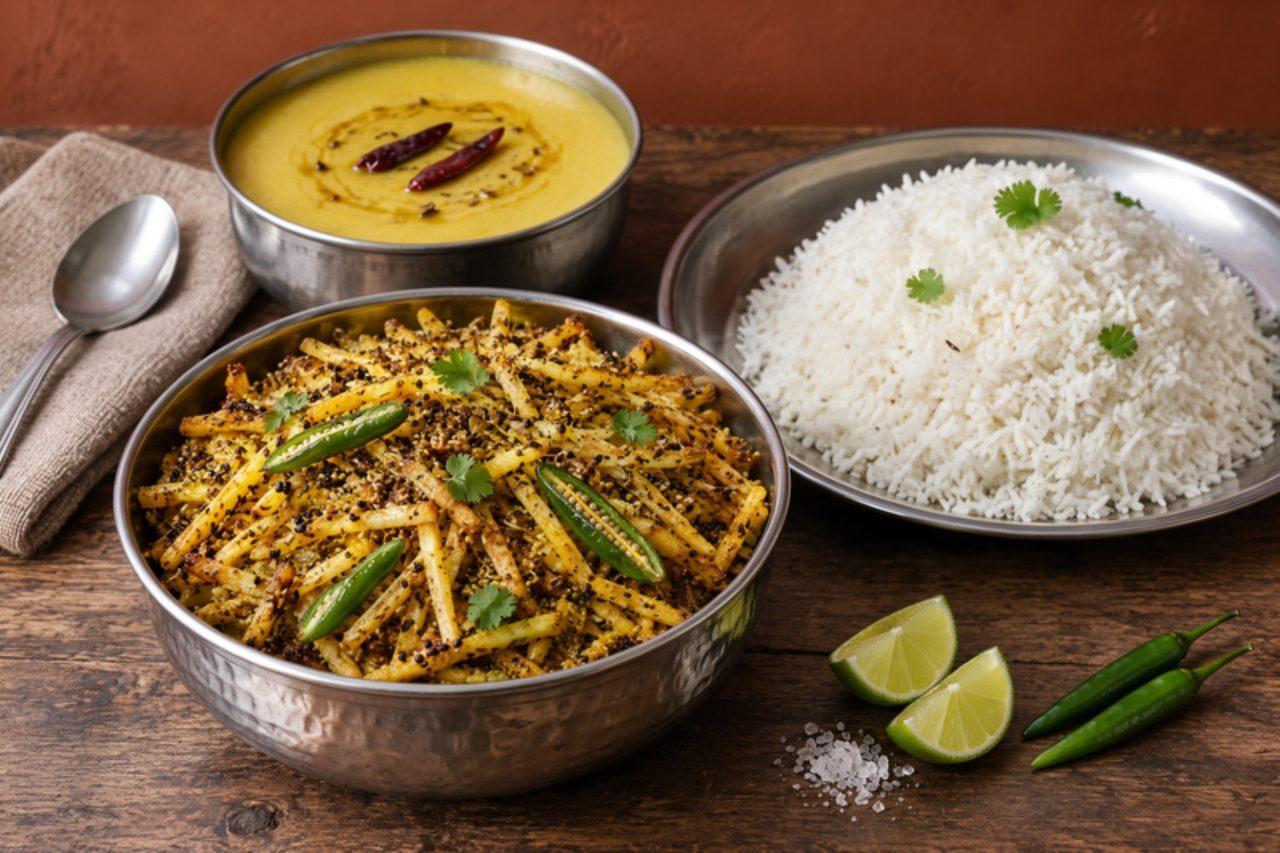
Bihari aloo bhujiaFried potato sticks

In Bihar, aloo bhujia is not the packaged snack but the everyday matchstick-potato fry that sits beside dal, bhaat and chokha on the lunch plate, cooked in mustard oil with panch phoron and a slit green chilli. Patna households make it most days of the week because it takes twenty minutes and pleases everyone. The common slip is crowding the pan and stirring too much, which turns the sticks to mash; give them room and toss gently. Chef's tip: soak the cut potatoes in cold water for 10 minutes and dry them well; washing off surface starch keeps the sticks separate and lightly crisp.

by KrazyBadal 0 views

Bilahi chutneySweet-sour tomato chutney

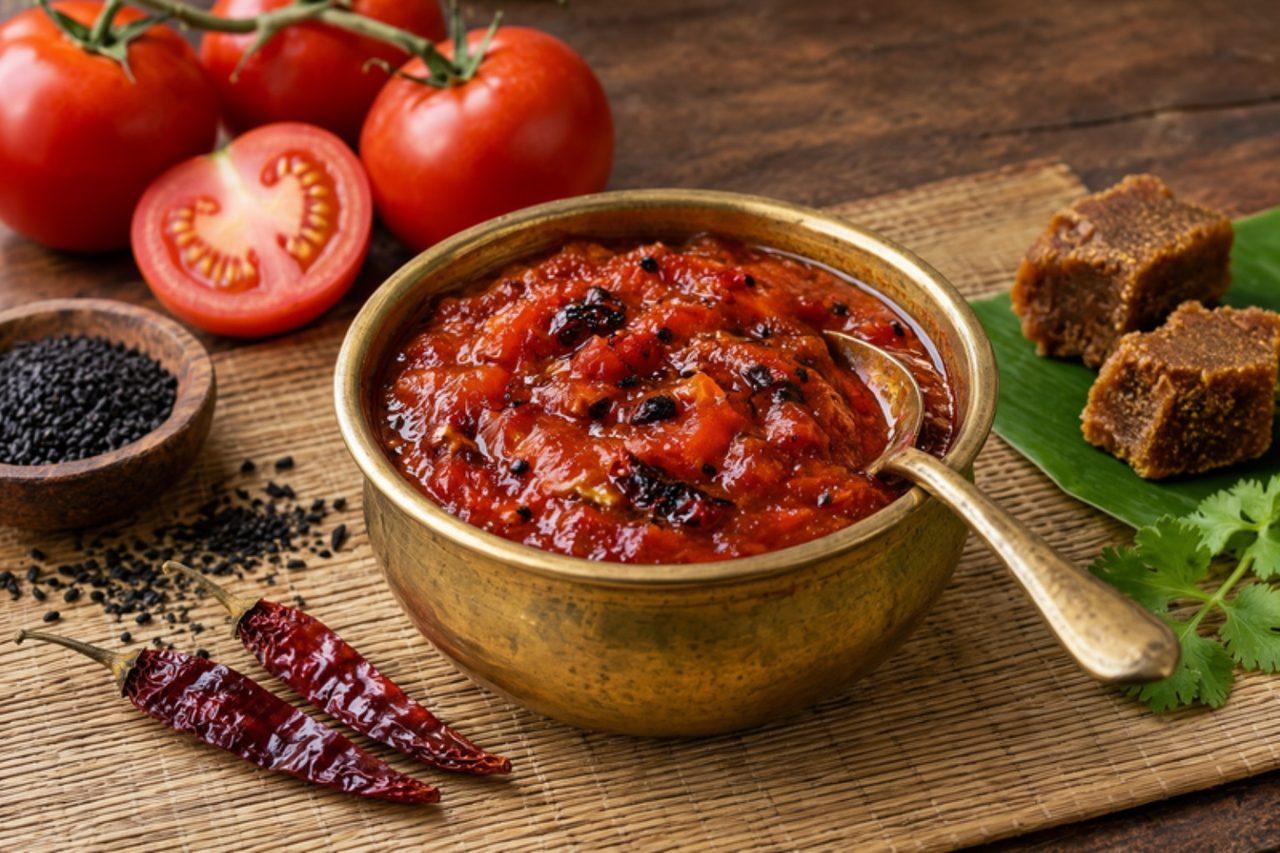
Bilahi is the Assamese word for tomato, and this glossy red chutney, sweet with jaggery and warmed with nigella and dried chilli, closes a festive Assamese meal, especially at weddings and on Bihu, as the sweet-sour last course before curd and sweets. Everyday cooks in Jorhat and Guwahati make a quick batch in winter when tomatoes are cheap. The mistake to avoid is adding the jaggery too early, which scorches before the tomatoes have broken down. Chef's tip: a few dates or raisins added with the jaggery give the chutney a deeper, jammy sweetness.

by KrazyBadal 0 views

Bir pletokSpiced ginger drink

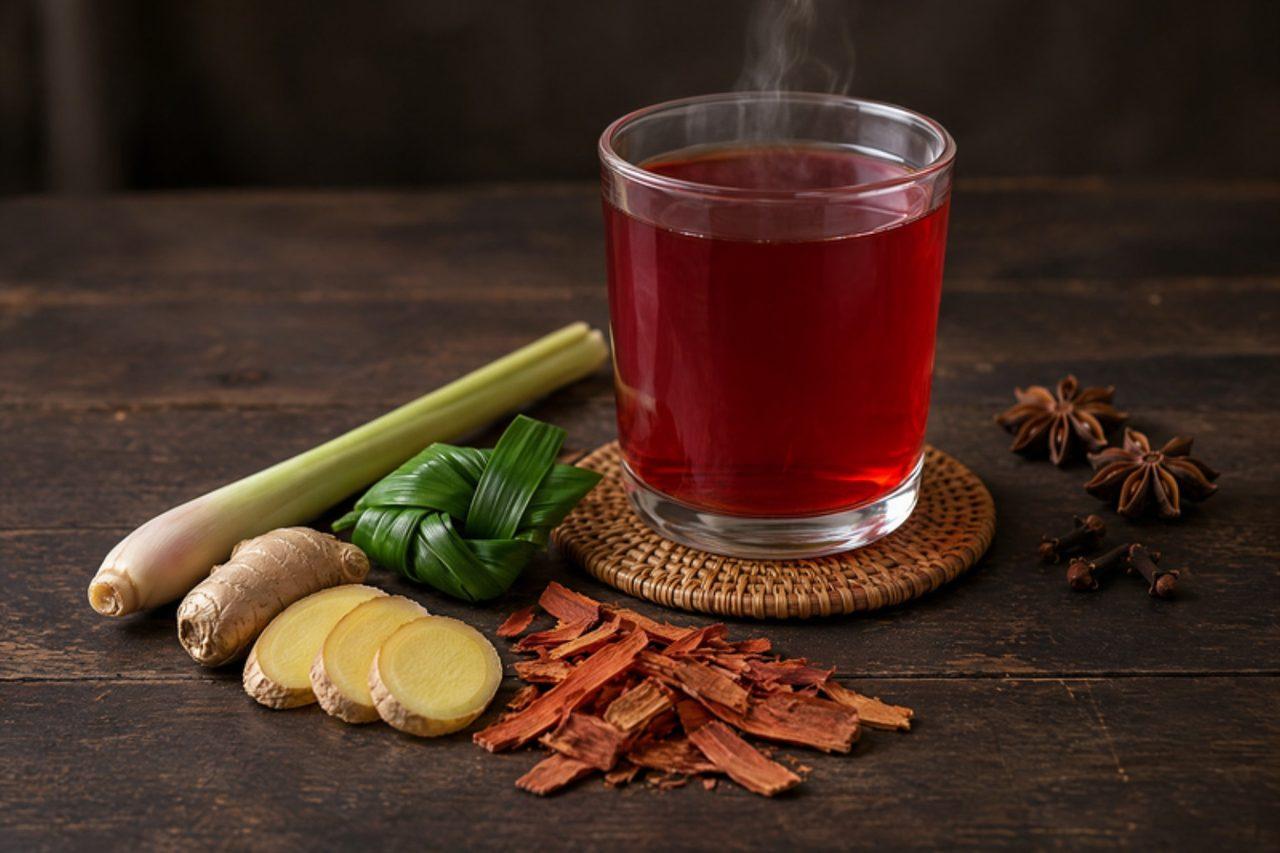
Bir pletok was the Betawi answer, in old Batavia, to the beer and wine drunk by the Dutch: a red, warming spice drink with no alcohol at all, served at weddings, at Lebaran open houses and in the evenings at Jakarta's Setu Babakan cultural village. 'Pletok' is said to be the popping sound it made when shaken in a bamboo tube to raise a foam. Ginger, lemongrass, pandan, cloves, cinnamon and cardamom are simmered with chips of secang (sappanwood), which turns the liquid deep ruby. It tastes hot and peppery from the ginger, perfumed from the pandan, sweet and lightly woody, and is drunk warm or with ice. The common mistake is skimping on ginger or slicing it thin and boiling briefly; you need plenty, bruised, and a slow simmer to draw out the heat. It is ready when the liquid is a clear ruby red and the ginger burn catches at the back of your throat. Secang chips are in Indonesian shops; dried hibiscus flowers give a similar red, slightly sourer. Keeps 5 days in the fridge. Chef's tip: shake each serving hard in a closed jar before pouring to get the foamy head.

by KrazyBadal 0 views

BlåbärssoppaBilberry soup

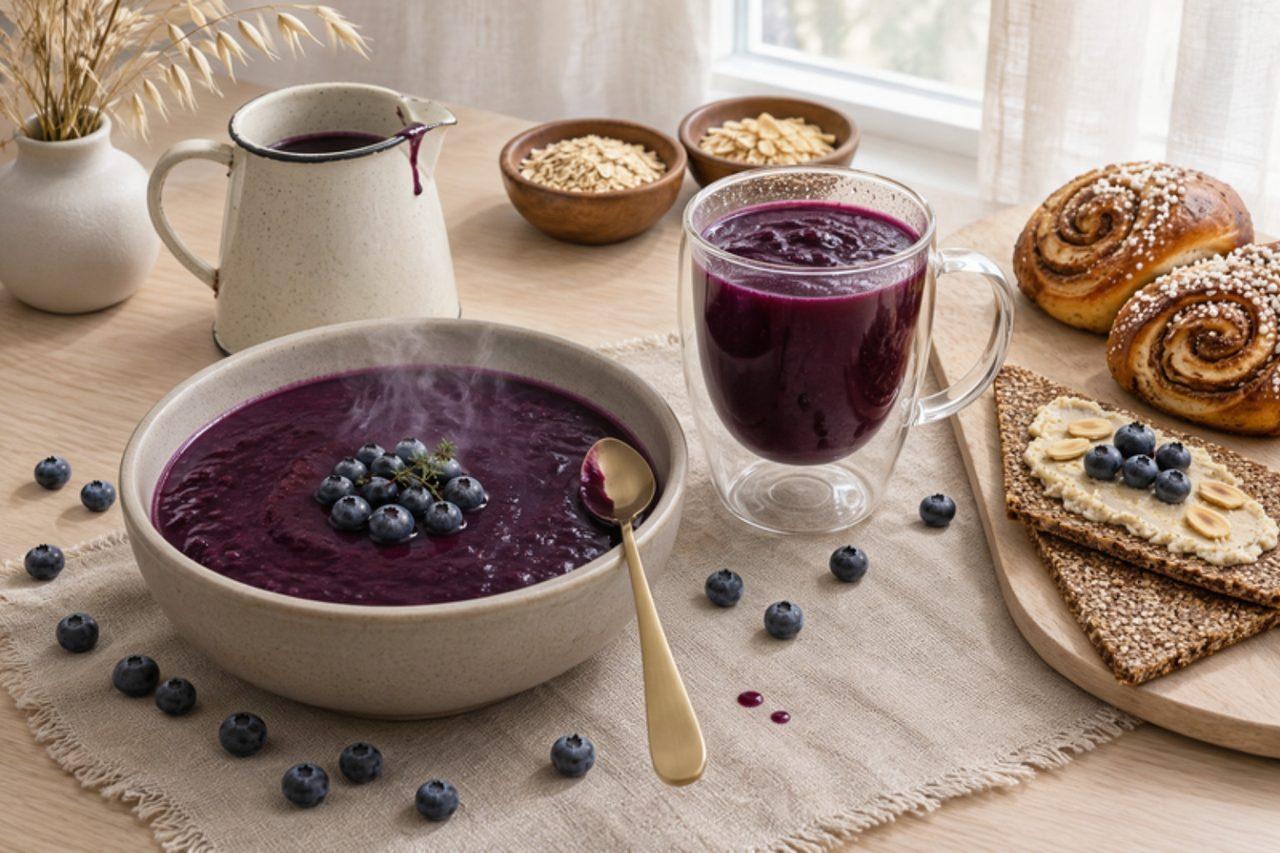
Swedes have drunk blåbärssoppa for generations, warm on a winter morning and cold from a cup after the Vasaloppet ski race, where skiers are handed it at every station. It is a thin, deep purple soup of bilberries or blueberries, sweetened and thickened just enough with potato starch to coat the tongue. The common mistake is boiling the soup after adding the starch: it turns stringy and then thins out again, so take it off the heat as soon as it thickens. Chef's tip: wild bilberries give a far deeper colour and flavour than cultivated blueberries, and frozen ones work perfectly.

by KrazyBadal 0 views

Bohar bhajiFlower bud curry

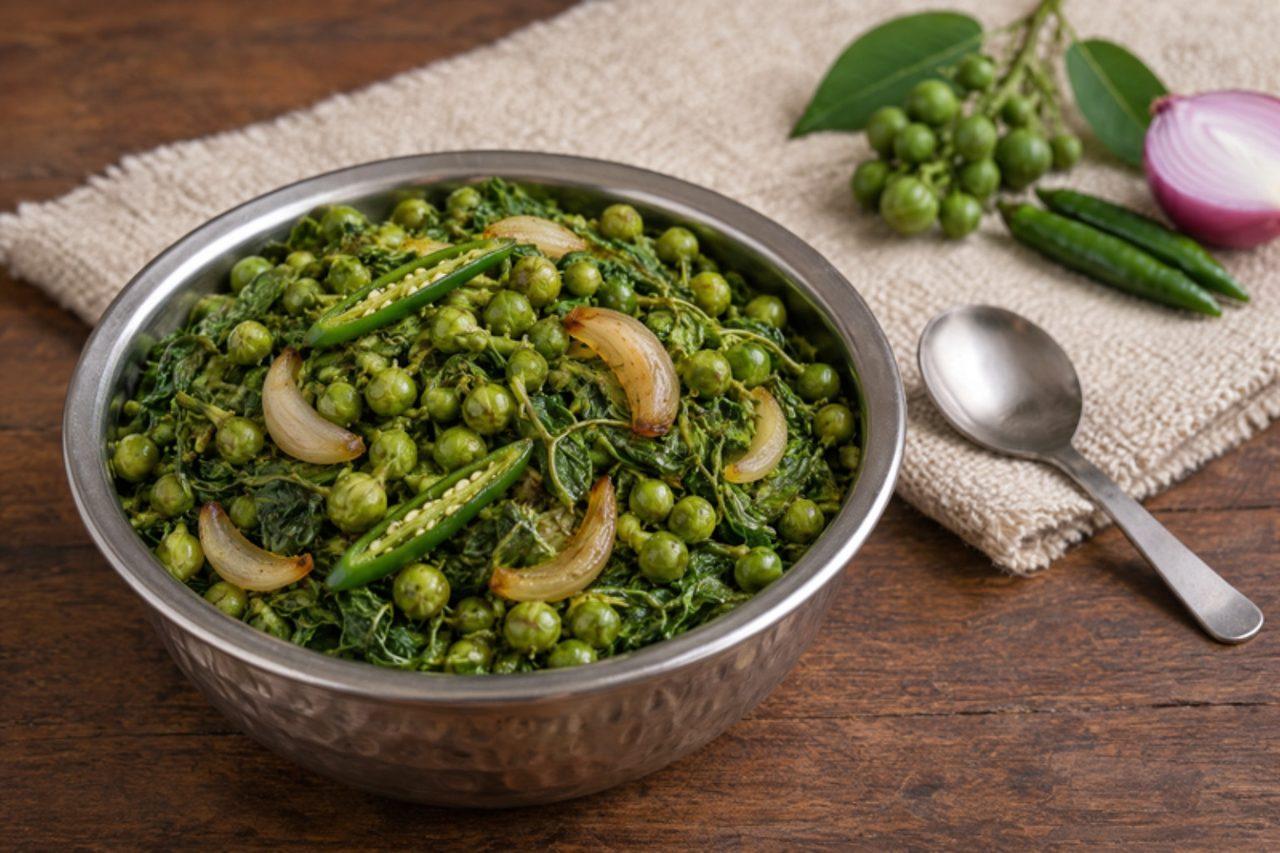
For a few weeks each spring, Raipur's markets sell small heaps of bohar, the young buds of the lasoda (Cordia) tree, and they are one of the most prized and pricey vegetables in Chhattisgarh. Cooked with onion, chilli and a spoon of curd, they have a pleasant, slightly sticky bite and an earthy taste, and families eat them with rice and dal for as long as the season lasts. People often skip the boiling step; without it the buds stay gummy and slightly bitter. Chef's tip: if you cannot find bohar, the same masala works with tender lasoda (gunda) fruit from Indian grocers, which is the same tree.

by KrazyBadal 0 views

Boller i karry for toddlersMeatballs in mild curry for toddlers

Boller i karry, meatballs in curry, is one of Denmark's best-loved dinners, voted a national favourite and cooked on weeknights from Copenhagen's Nørrebro to farmhouses in Jutland. The meatballs are pork, poached gently rather than fried, and the sauce is mild and creamy, made from the poaching liquid with apple and leek and just a pinch of curry powder. For toddlers from 12 months there is no stock cube and very little salt, and the meatballs are cut small. It contains wheat (gluten), milk and egg; there are no nuts or soya. Chef's tip: keep the poaching water at a bare shiver; boiling makes the meatballs tough and crumbly.

by KrazyBadal 0 views

Bolo de pubaFermented cassava cake

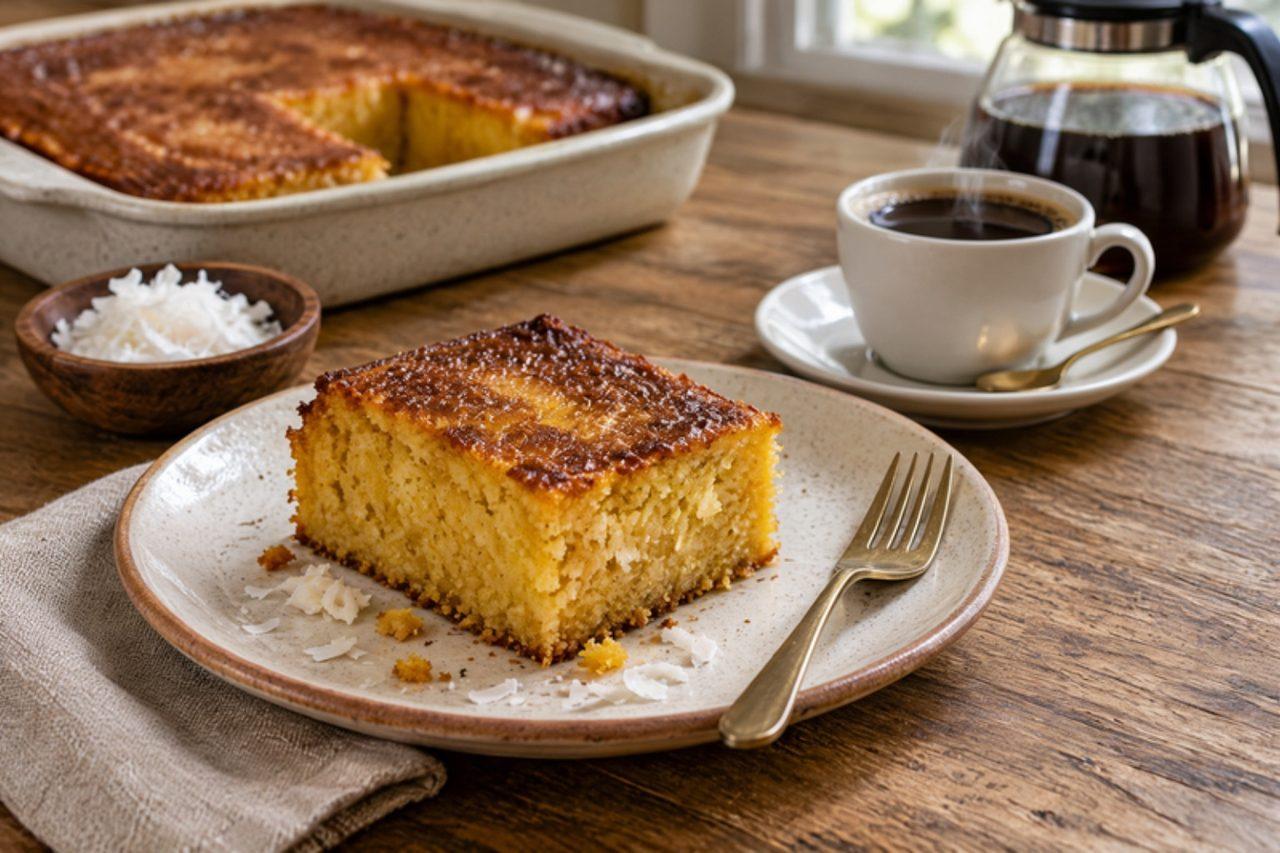
In Bahia, Pernambuco and Maranhão the afternoon and early-morning coffee table often carries a slab of bolo de puba, a dense, custardy cake made from puba, cassava that has been soaked until it ferments and softens into a tangy white paste. Coconut milk, grated coconut, eggs and butter turn it into something between a cake and a pudding, with a caramel-brown crust and a moist, slightly springy middle; it is especially loved around the June São João festivals. Puba is sold in Brazilian and African grocers as massa puba or carimã; it contains no wheat, so the cake is naturally gluten free. The common mistake is cutting it hot: it sets as it cools and will be gummy if sliced too early. Chef's tip: squeeze the puba in a clean cloth first if it is very wet, so the batter is thick enough to hold the coconut in suspension rather than letting it sink.

by KrazyBadal 0 views

Bossam kimchiWrapped cabbage kimchi

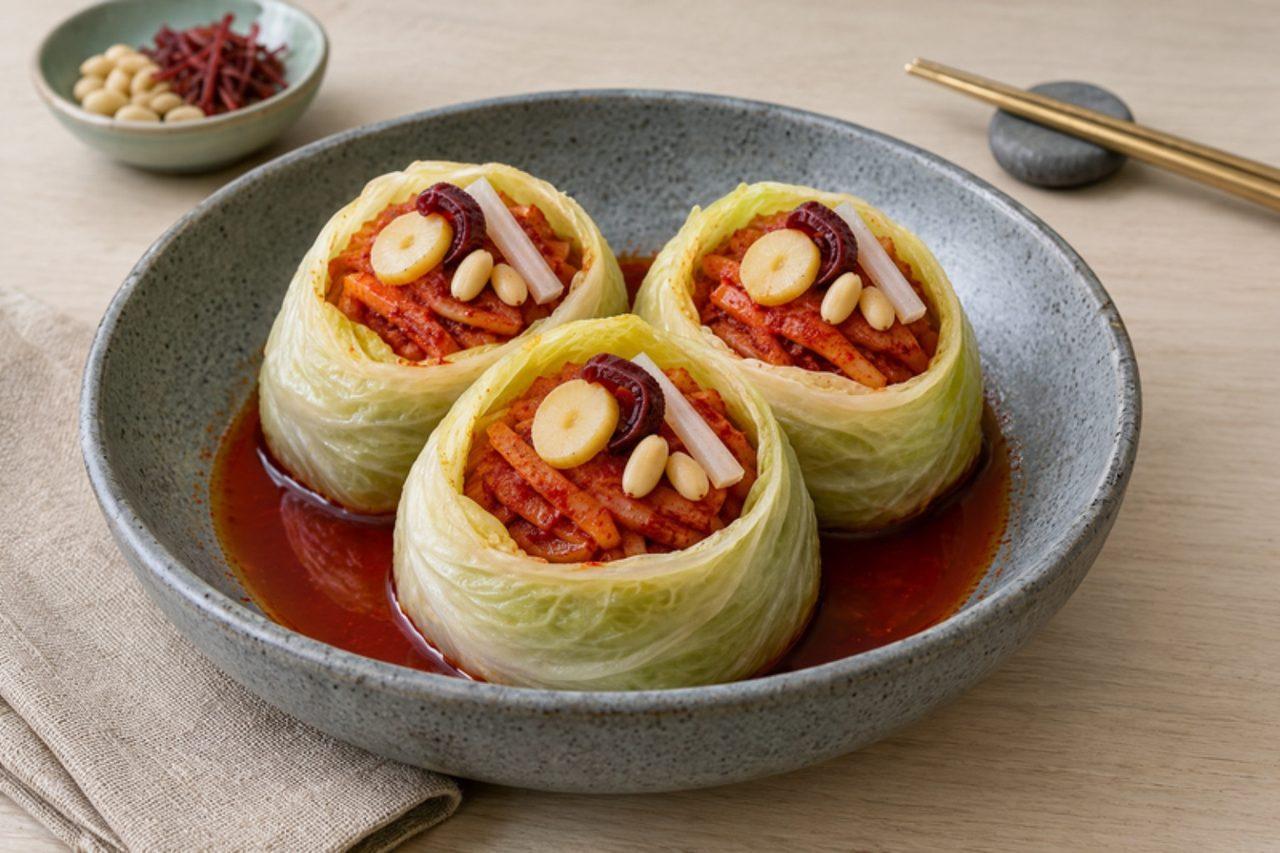
Bossam kimchi comes from Gaeseong, the old Goryeo capital just north of today's border, and it is the kimchi families make with special care at kimjang time in late November and set out for Seollal guests. Instead of rubbing seasoning into whole cabbage halves, the inner leaves are folded around a rich filling of radish, Korean pear, chestnut, jujube, pine nuts and herbs, then wrapped in large outer leaves like a gift. Unwrapped at the table, it is crisp, juicy and sweet from the pear, with mellow chilli heat and the savoury depth of salted shrimp. Traditional versions add raw oysters; here they are optional. Raw oysters are not safe for pregnant people, babies, older people or anyone with weak immunity, so leave them out for those guests or for any kimchi you mean to keep beyond 3 days. The common mistake is under-rinsing the cabbage, which makes every parcel too salty; rinse three times and taste a stem. It is ready after 3–4 days in the fridge, when the juice turns pleasantly sour and slightly fizzy. Chef's tip: tie each parcel with a blanched scallion if the leaves won't stay closed.

by KrazyBadal 0 views

Teh halia (ginger milk tea)

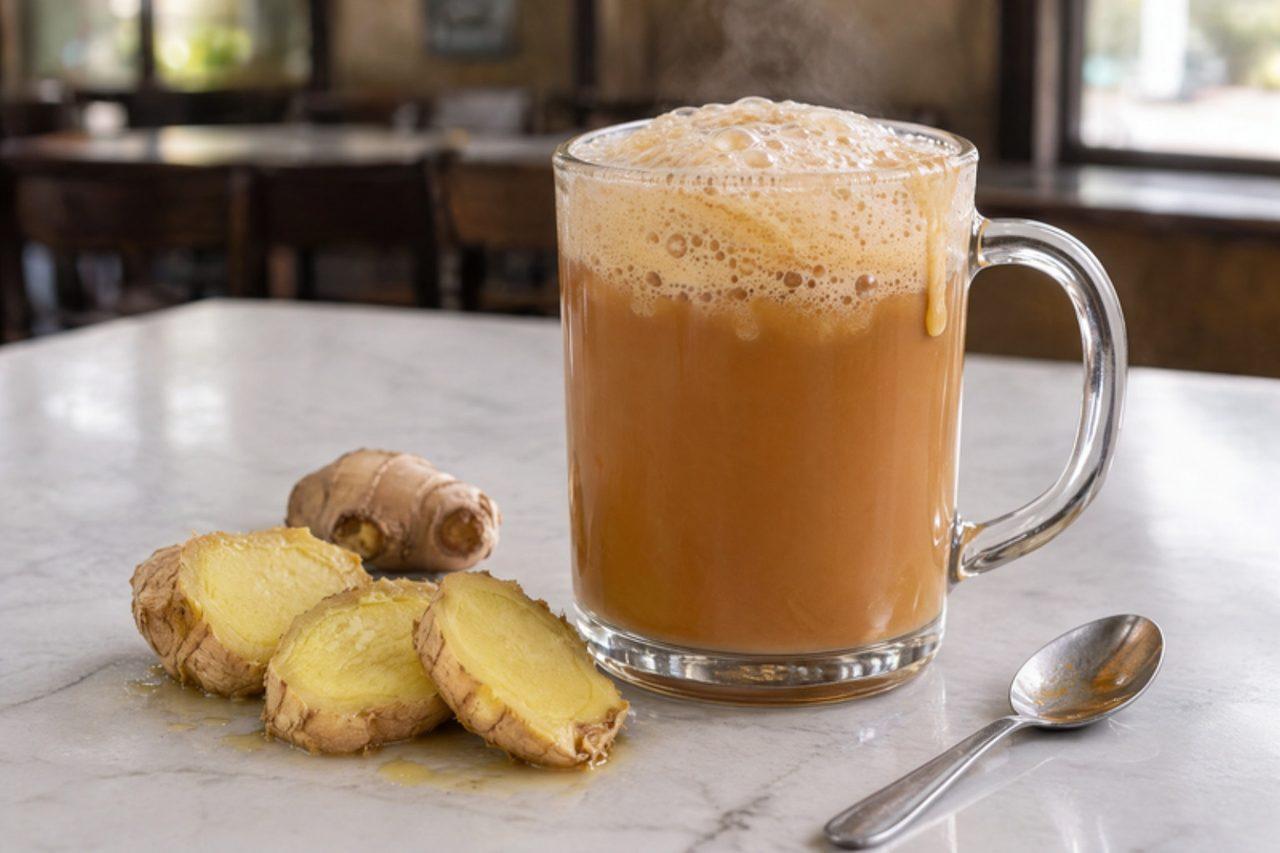
Sit down at any mamak stall in Kuala Lumpur, Penang or Johor Bahru, from breakfast roti canai to the after-football supper at 1 a.m., and someone at the table will order teh halia. It is teh tarik's spicier cousin: dust-fine black tea is boiled with plenty of crushed ginger, mixed with condensed and evaporated milk, then 'pulled' between two mugs from arm's length until a thick froth forms. The result is sweet, creamy and malty, with a ginger heat that catches your throat, most loved on wet monsoon evenings. The common mistake is adding ginger to tea at the end; it then tastes raw and thin. Boil the ginger in the water first for several minutes so the heat goes into the liquid. It is ready when the tea is the colour of milky caramel and a dense froth a few centimetres high sits on top. This contains caffeine, so it is not for children. Chef's tip: practise pulling with water over the sink first, then start low and raise the mug slowly as you pour.

by KrazyBadal 0 views

Escabeche de polloChicken in vinegar and carrot

Pollo en escabeche is a home classic in Córdoba and Buenos Aires, a legacy of Spanish preserving that Argentines make on a Saturday to eat cold all week. It comes out of the fridge for a picada before the asado, as a summer lunch with a green salad and crusty bread, or packed for a day in the sierras. Chicken is browned, then gently cooked in oil and vinegar with carrot, onion, red pepper, garlic, bay and black peppercorns, and left to rest at least a day. The meat turns tender and lightly tangy, the carrots keep a little crunch, and the oil carries the flavour of bay and pepper. Because garlic sits in oil, safety matters: the liquid is half strong vinegar (at least 5% acidity, never diluted beyond what the recipe says), and the jar always lives in the fridge, never on the shelf. Eat it within 5 days. The common mistake is letting it boil hard, which makes the chicken dry and stringy; it should barely tremble. It is ready the next day, when the chicken tastes seasoned right through and the oil has turned golden. Chef's tip: take it out 20 minutes before serving so the oil melts back to liquid.

by KrazyBadal 0 views

BourrideFish stew with garlic sauce

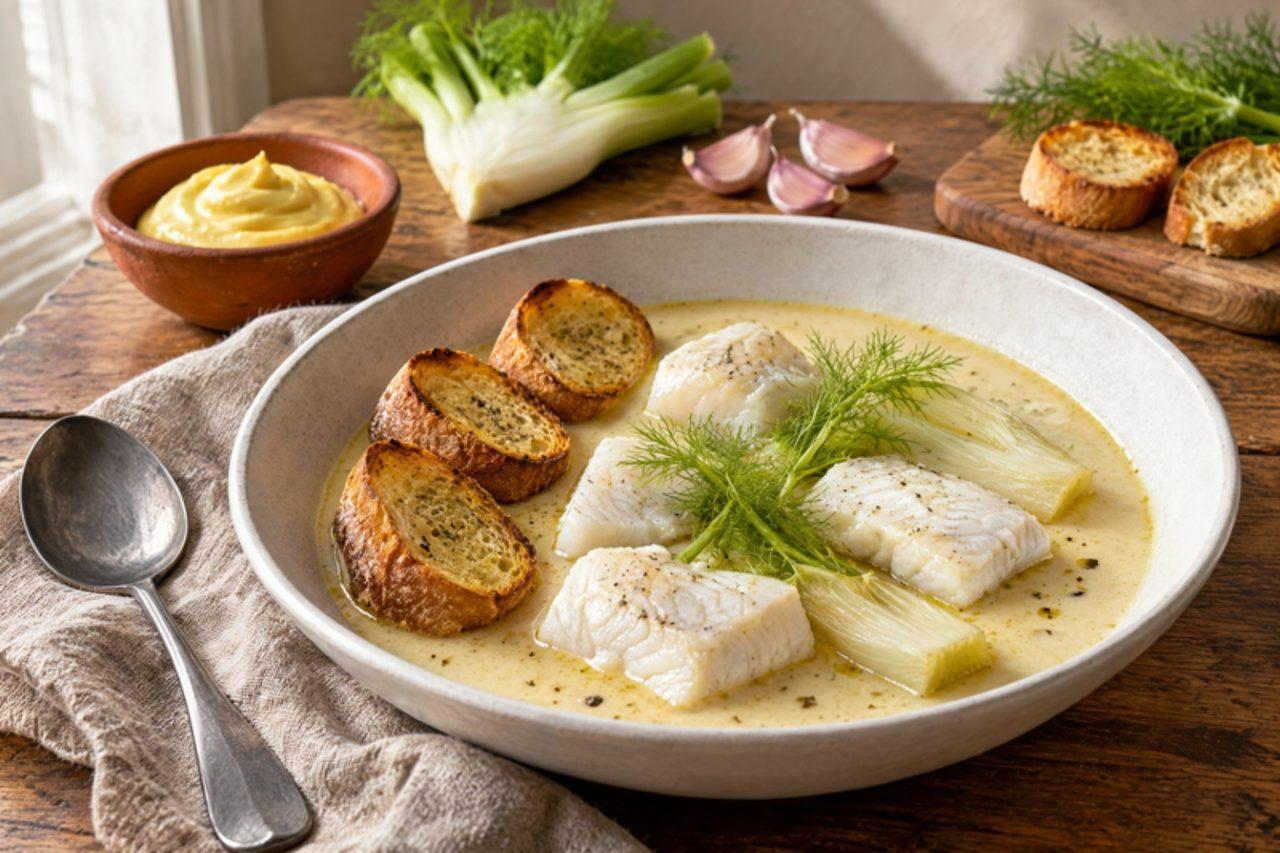
Bourride is the fish stew of Sète and the Provençal coast, a quieter, creamier cousin of bouillabaisse eaten for Friday lunch and summer dinners by the sea. Firm white fish poaches in a broth of fennel, leek, orange peel and thyme, then the broth is thickened with a rich garlic aïoli until it turns silky and pale gold. It is high in protein and suitable as part of a balanced diet; skip the traditional bread or keep it to one thin slice, and serve with steamed greens. About 400 kcal and 8 g carbohydrate per portion. The usual mistake is letting the broth boil after the aïoli goes in, which splits it like scrambled egg. Chef's tip: use pasteurised egg yolks, and stir the broth over a low heat until it coats a spoon and reaches about 72 °C.

50 minFrenchFishGluten free
by KrazyBadal 0 views

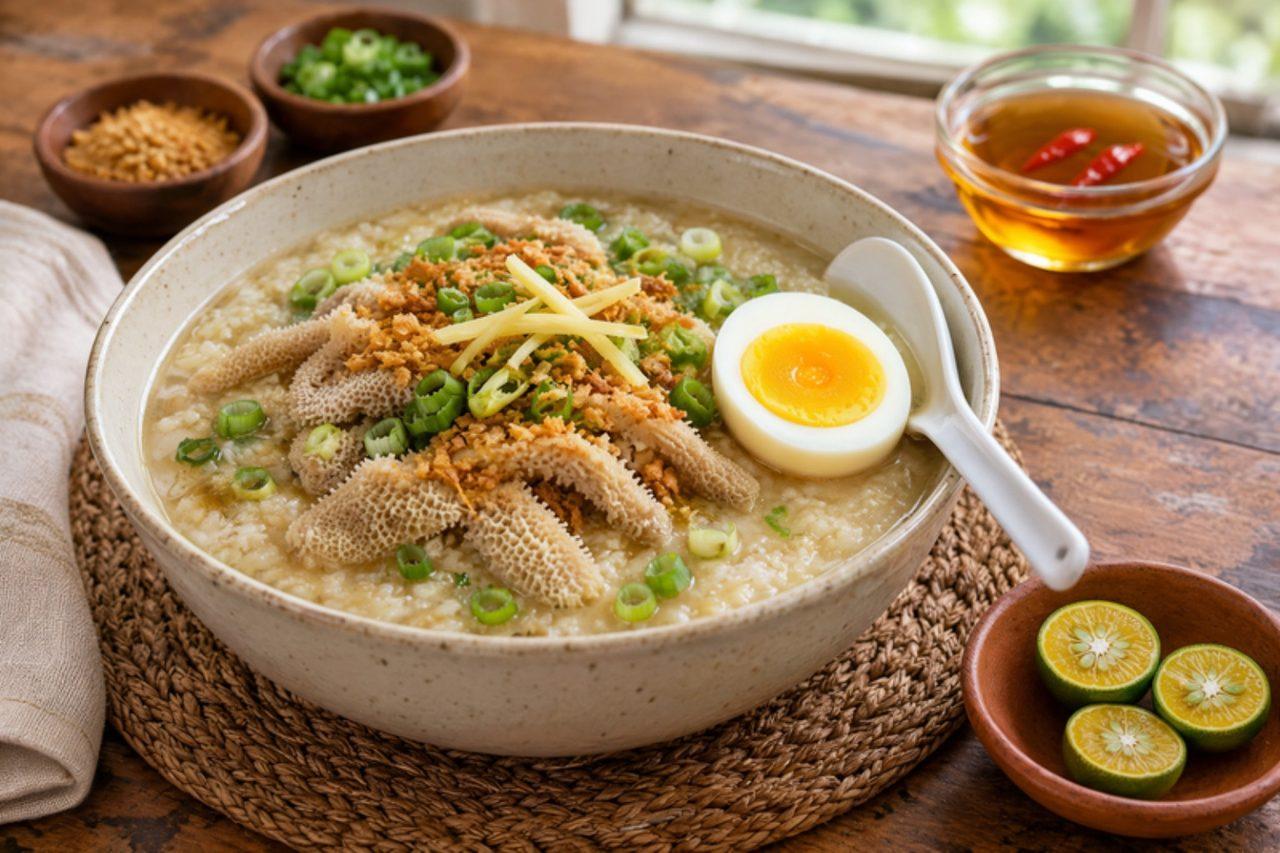
GotoGinger rice porridge with tripe

Goto is the tripe-rich cousin of arroz caldo, sold at dawn and late at night from gotohan stalls across Luzon, especially in Manila and Batangas. Glutinous rice is cooked in a ginger broth with long-simmered beef tripe until thick, then topped with toasted garlic, spring onion, a boiled egg and a squeeze of calamansi. The common mistake is skipping the pre-boil of the tripe, which leaves a strong farmyard smell. Chef's tip: buy cleaned honeycomb tripe and simmer it until a knife slides in easily before it meets the rice; it will not soften further once the porridge thickens.

by KrazyBadal 0 views

Showing 63 of 7,762 recipes

Show more recipes

Page 82 of 863