


Skip to content
Bollo de yuca
Featured recipe

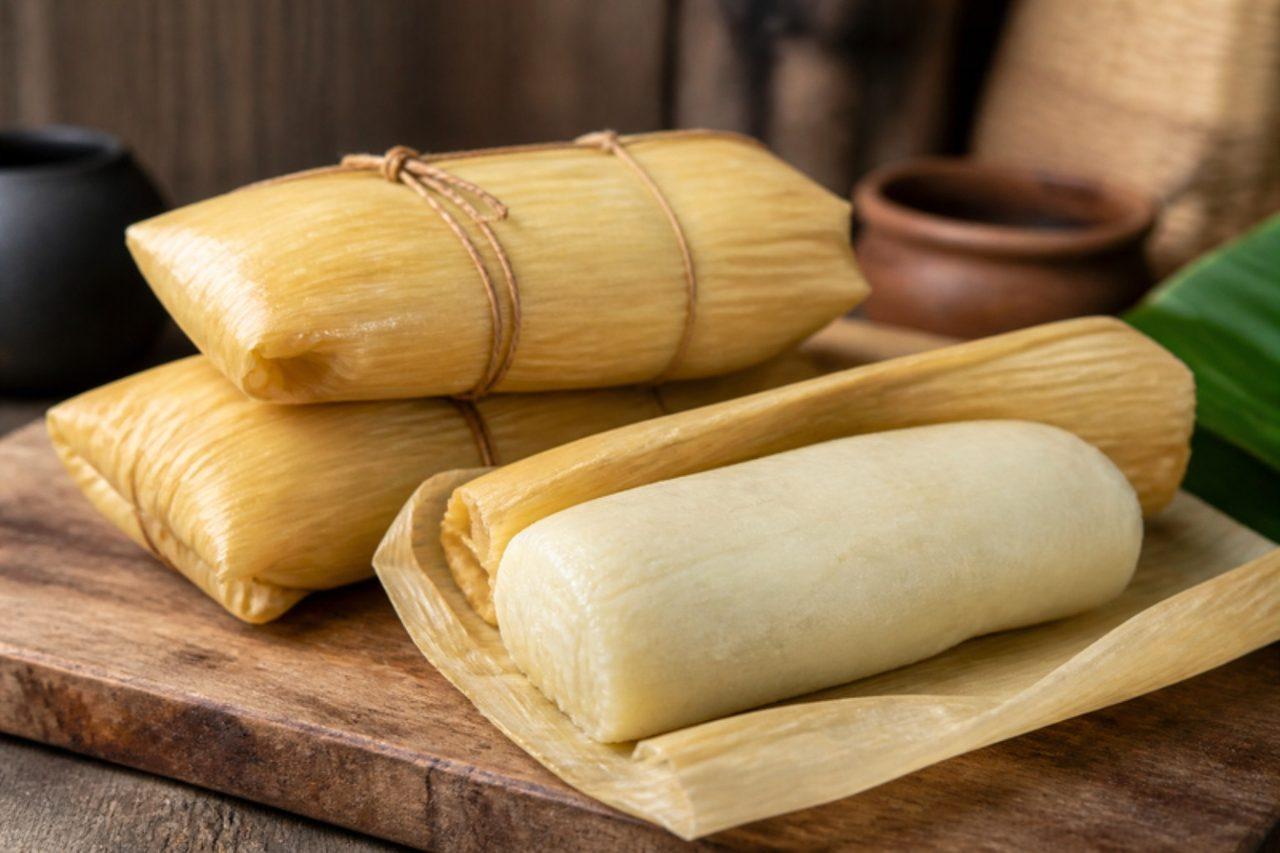
Bollo de yuca

Boiled cassava bundles

Along the Caribbean coast from Cartagena to Santa Marta, the bollo de yuca is a staple to set beside fried fish, a bowl of soup or a slice of fresh white cheese. Raw cassava is grated, kneaded with a little salt and sometimes a few anise seeds, then wrapped and boiled until it turns translucent and pleasantly chewy, with a mild, slightly sweet flavour. Market sellers stack them by the dozen, and they keep well, so many households buy enough for several days. Cassava must always be fully cooked and peeled down past the pink inner layer, since the raw root contains natural toxins that cooking removes. Squeezing the grated cassava too hard is the error that ruins it: bone-dry dough gives tough, rubbery bollos, so you only want to press out the loose juice. Frozen grated cassava from Latin or African shops works well. Chef's tip: wet your hands before rolling the logs, because the starch sticks to dry palms.

Read more 0 views

What to eat today?

Around the world

Today's trip: Paraguayan

A new country every day, from every cuisine on the site.

Paraguayan

Buñuelos de algas

Sea lettuce fritters 35 minMore from Paraguayan (27) →

This week's collection

Kid-friendly dinners
537 recipes · a new collection every Monday

Latest recipes

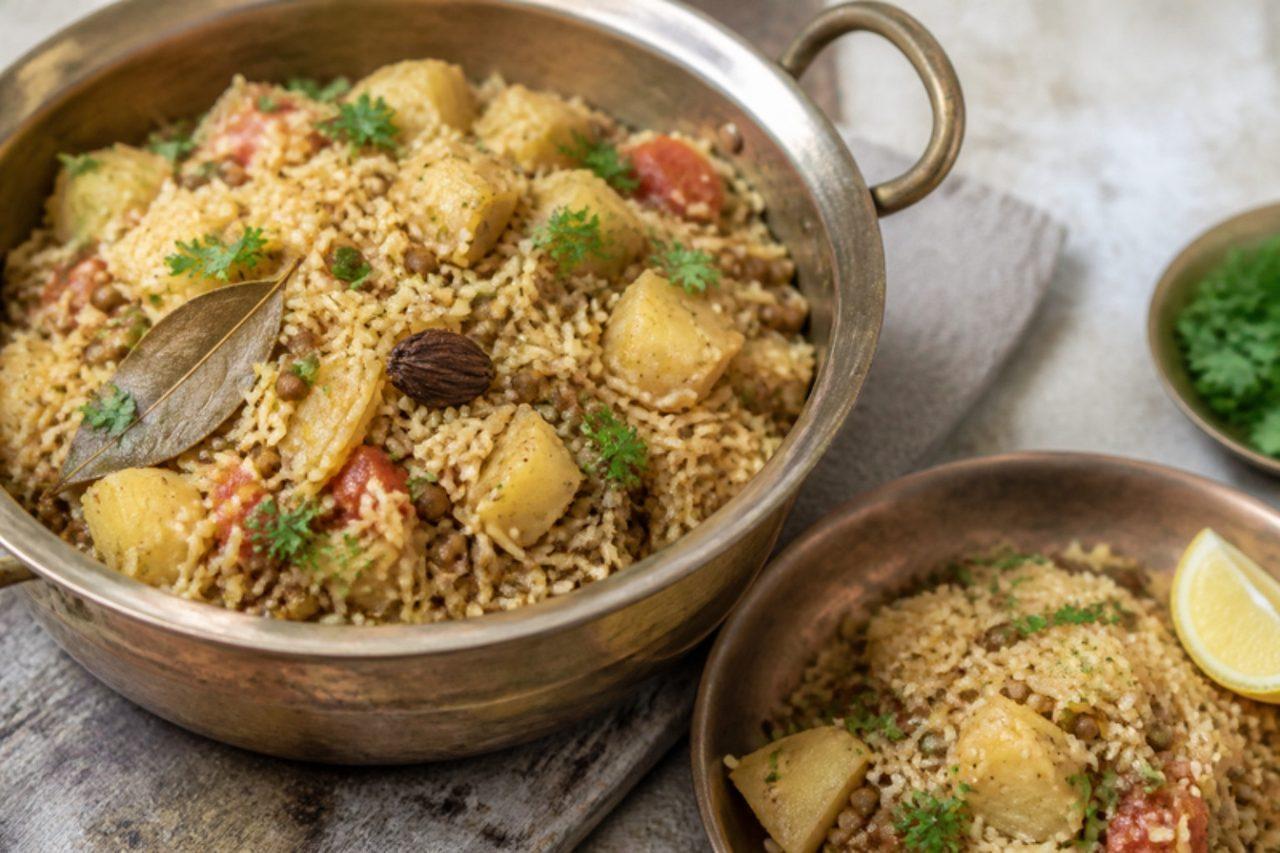
Tudkiya bhathSpiced rice with lentils and potatoes

Tudkiya bhath comes from Chamba in western Himachal Pradesh, where it is the dish cooks make when a crowd turns up: rice, whole lentils and potato cooked in one big pot with fried onions, tomato and a tangy splash of yogurt. Tudka means tempering, and the name hints at the generous mustard-oil base of whole spices that flavours every grain. It is heartier and spicier than a pulao, a little wetter than a biryani, and is usually eaten with a bowl of plain yogurt or a sour pickle. Chef's tip: fry the onions properly to a deep golden brown; they give the rice its colour and its sweetness.

by KrazyBadal 0 views
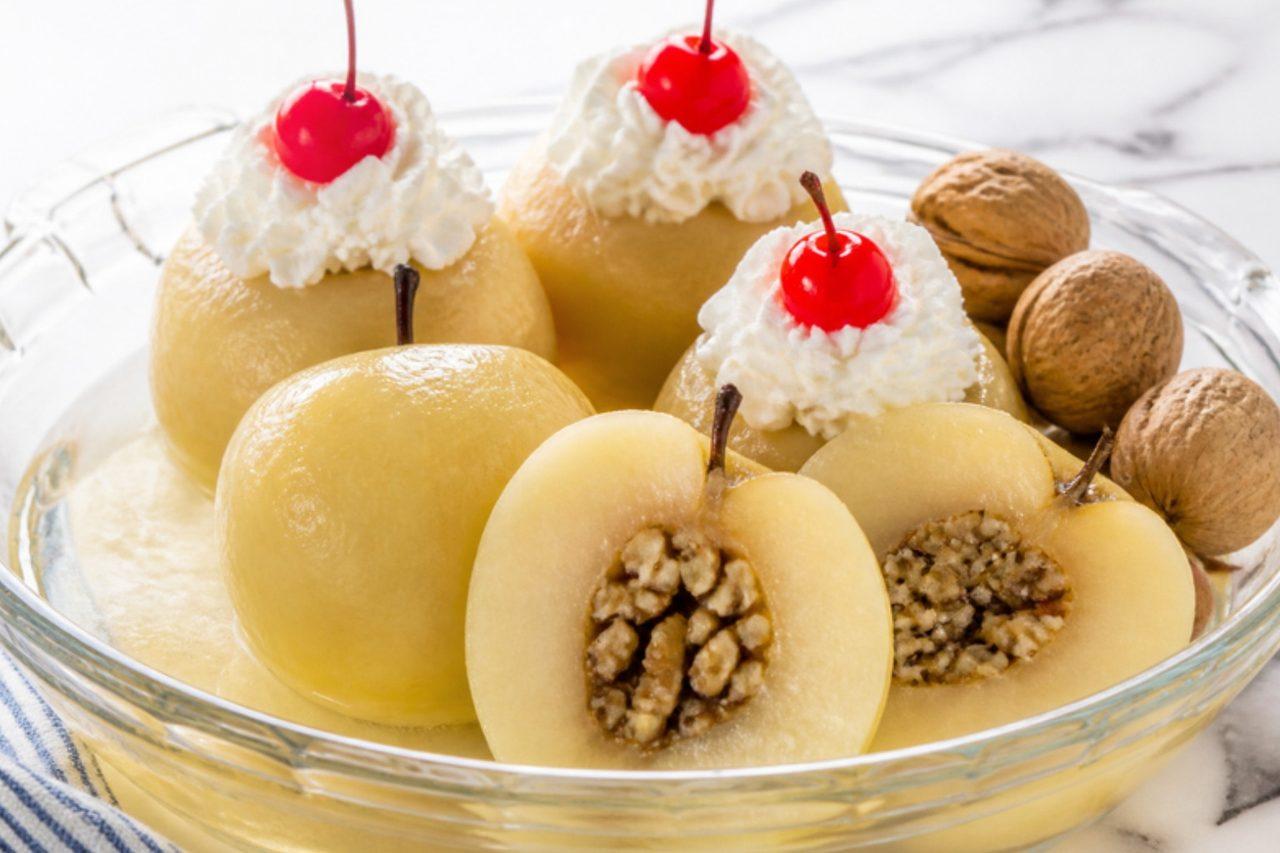
TufahijeWalnut-stuffed poached apples

Tufahije came to Bosnia with the Ottomans, and the name comes from the Persian and Arabic word for apple. In Sarajevo's old Baščaršija quarter they sit in the windows of slastičarne (sweet shops), whole apples poached pale in lemon syrup, filled with sweet walnuts and capped with whipped cream; at home they are a favourite after the iftar meal during Ramadan and at Bajram. They are soft, juicy and only moderately sweet. Chef's tip: choose firm, slightly tart apples and poach them gently; boiling them hard is the classic mistake and leaves you with split, mushy apples.

by KrazyBadal 0 views

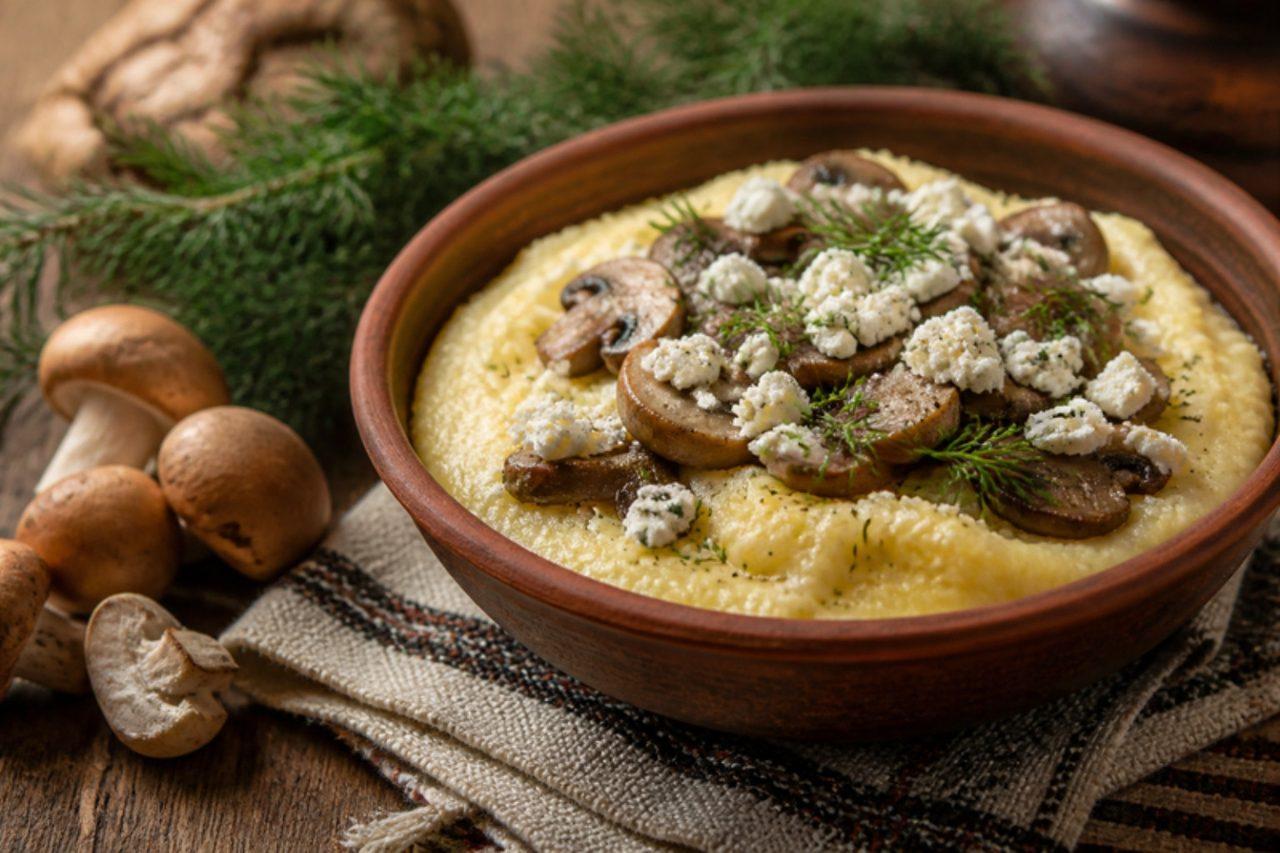
BanoshCornmeal with sour cream and cheese

Banosh is the shepherds' dish of the Hutsul highlands in the Ukrainian Carpathians, around Verkhovyna, Kosiv and Yaremche. Coarse cornmeal is stirred into simmering sour cream over a fire until the butterfat beads on the surface, then heaped on plates and crumbled with salty bryndza sheep's cheese and forest mushrooms; tourists queue for it in the mountain kolyba restaurants. Traditionally it is also topped with crisp pork crackling, which this vegetarian version leaves out in favour of extra buttery mushrooms. Bryndza is usually made with animal rennet, so look for a sheep's or feta cheese labelled vegetarian. Chef's tip: stir in one direction only with a wooden spoon, as the Hutsuls insist; it keeps the porridge smooth and helps the fat separate out, which tells you it is ready.

by KrazyBadal 0 views

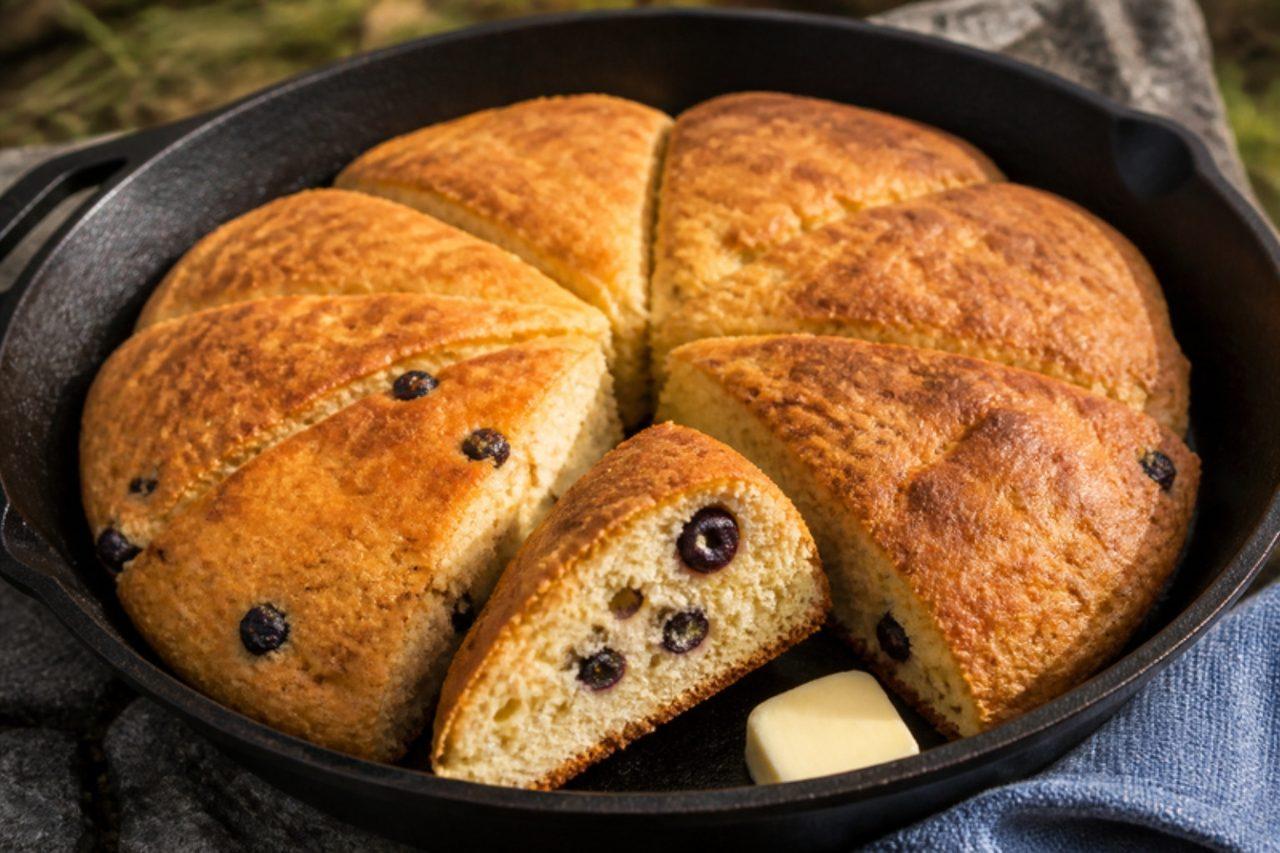
BannockSkillet bread

Bannock is a quick bread of flour, baking powder, fat and water, cooked in a cast-iron pan, baked, fried or wrapped around a stick over a campfire. It's eaten in First Nations, Métis and Inuit communities across Canada, at powwows, family meals and on the land, and every family has its own version. Its history is complicated: wheat flour and lard reached many communities through trade and government rations, and bannock became both a food of survival and a living symbol of community and resilience. Long before that, Indigenous breads were made from local plants and roots. This is a simple home pan version, not any one nation's recipe. Chef's tip: mix only until the dough just comes together; overworking makes bannock tough.

by KrazyBadal 0 views

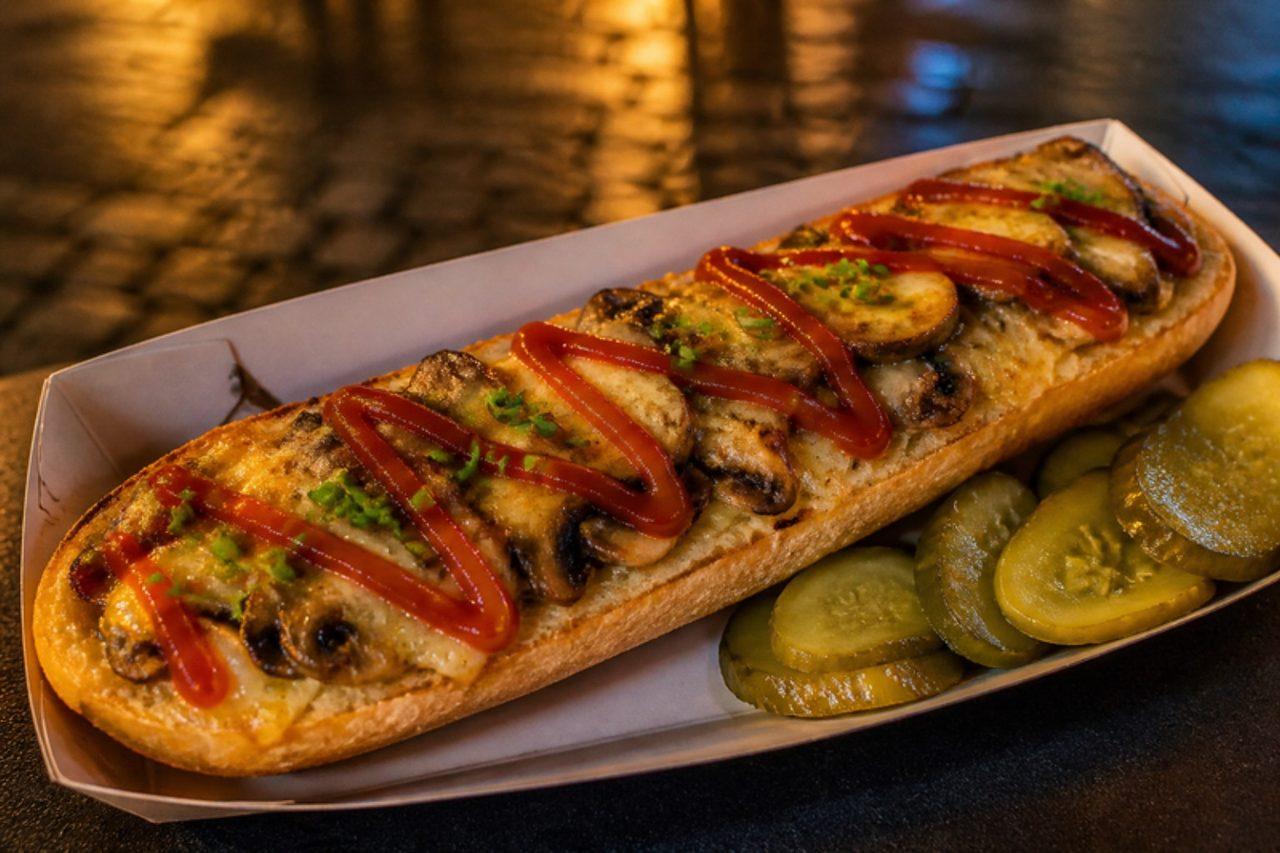
ZapiekankaOpen baguette with mushrooms and cheese

Zapiekanka is Polish street food born in the 1970s and perfected at the hatch windows around Plac Nowy in Kraków's Kazimierz district, where students and night owls queue for one at midnight. Half a long baguette is topped with mushrooms fried with onion, covered in grated cheese and baked until crisp at the edges and bubbling, then finished with a zigzag of ketchup and chives. The classic version has no meat at all. Use a hard cheese made with vegetarian rennet (many supermarket mild Cheddars and Goudas are). Chef's tip: fry the mushrooms until completely dry before they go on the bread; wet mushrooms make the baguette soggy instead of crisp.

by KrazyBadal 1 views

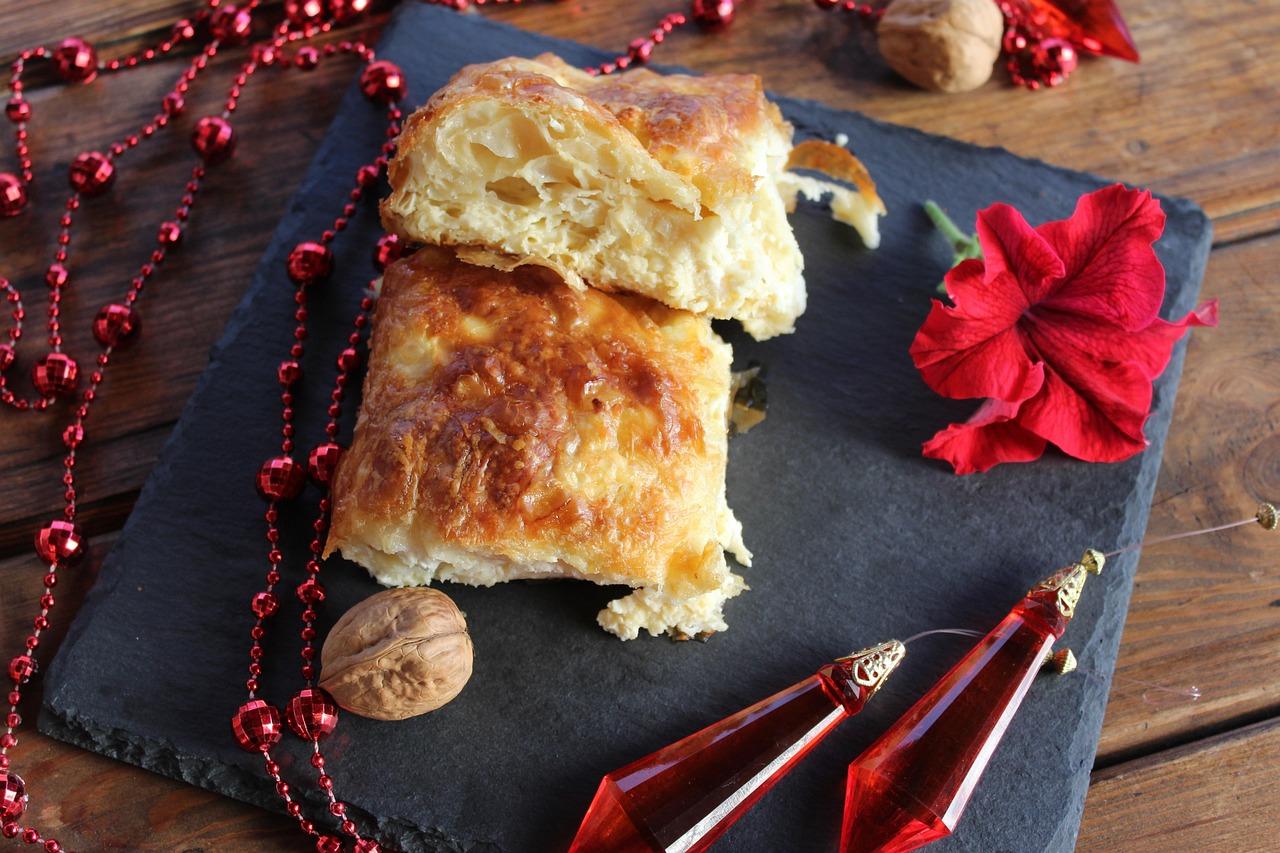
BanitsaFilo pie with cheese and egg

Banitsa is the Bulgarian breakfast pie, bought warm in paper from corner bakeries in Sofia and Plovdiv with a bottle of ayran or boza, and baked at home on New Year's Eve with lucky charms (kasmeti) tucked inside. Crumpled sheets of filo are layered with crumbled sirene and a custard of yogurt and eggs, then baked until the top is shatteringly crisp and the inside soft and tangy. It is not boiled like Turkish su böreği: the yogurt custard is what makes it Bulgarian. Chef's tip: crumple the filo loosely rather than laying it flat; flat, tightly packed sheets are the usual mistake and give a dense, doughy pie.

by KrazyBadal 0 views

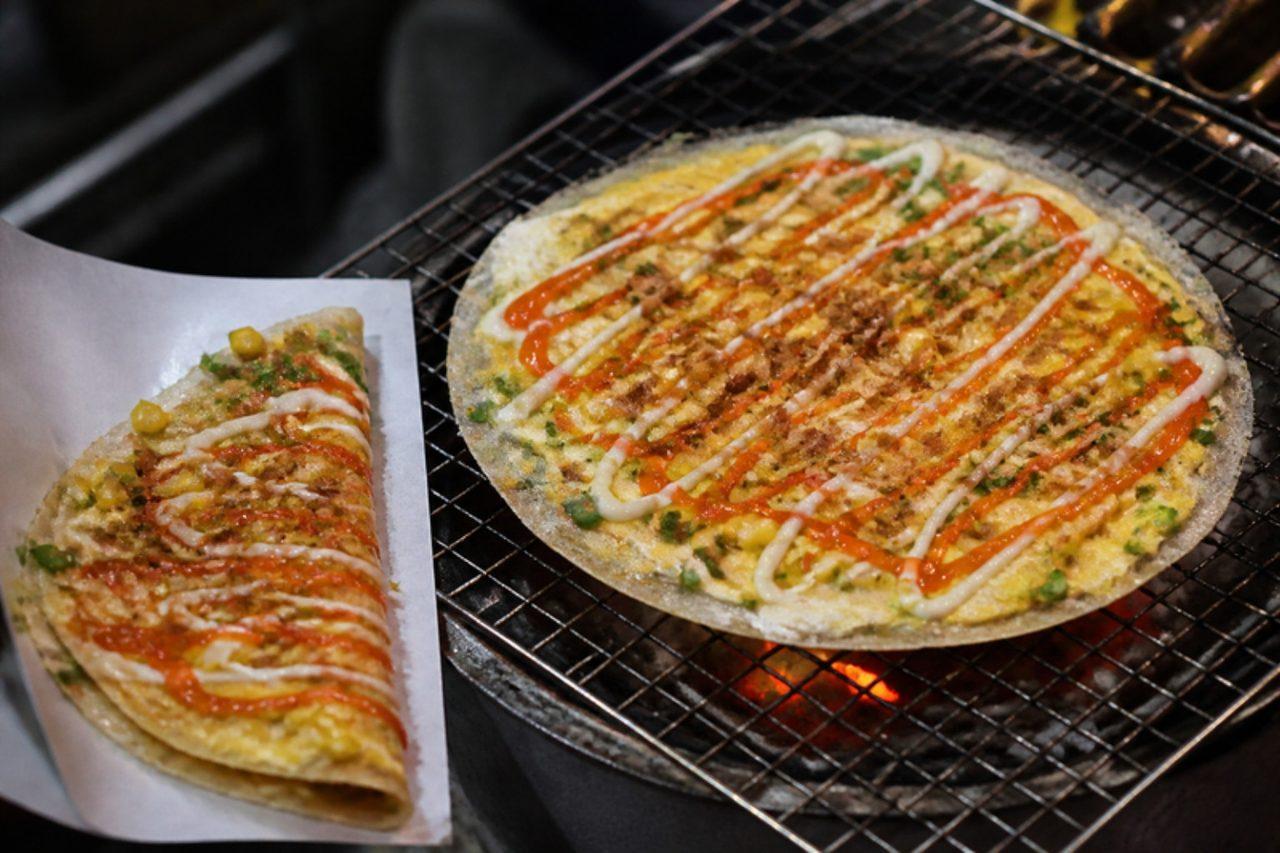
Banh trang nuongGrilled rice paper pizza

Bánh tráng nướng is the snack of Da Lat's night market, where vendors grill sheets of rice paper over small charcoal braziers, crack on an egg, spread it with a bamboo brush and fold the crackling disc in half to hand over in a paper napkin. Visitors call it Vietnamese pizza. The usual toppings include dried shrimp and sausage; this vegetarian version keeps the egg, spring onion, sweetcorn and crispy shallots, finished with chilli sauce and squiggles of mayonnaise. A dry frying pan does the job at home. Chef's tip: keep the heat low to medium; rice paper scorches in seconds, and it needs time for the egg to set on top while it crisps underneath.

by KrazyBadal 0 views

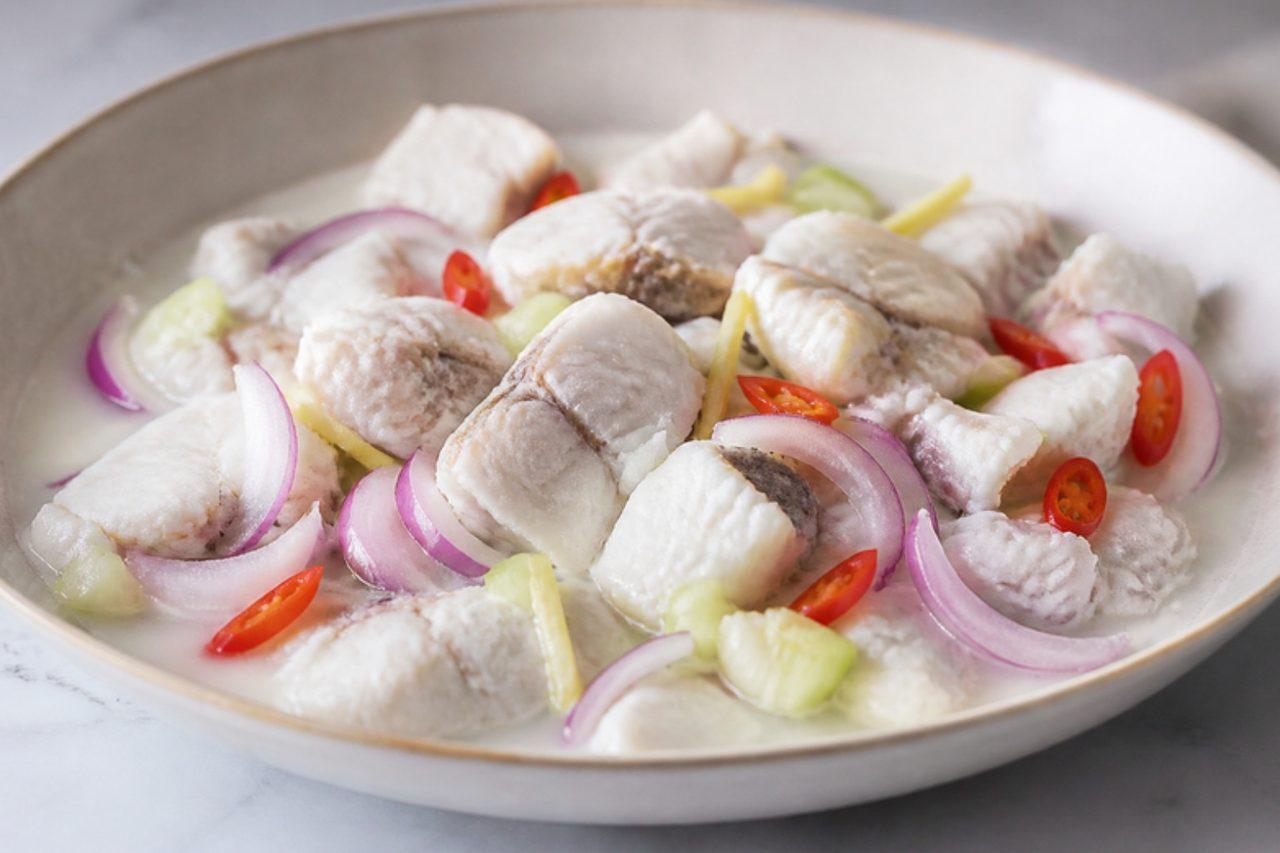
Tuna kinilawRaw tuna in vinegar

Kinilaw is the Visayas and Mindanao way with very fresh fish: raw cubes of tuna or Spanish mackerel (tanigue) cured briefly in coconut or palm vinegar with ginger, red onion, chilli and calamansi. In General Santos, the tuna capital, and on the beaches of Cebu and Siargao, it is made minutes after the catch and eaten as pulutan or a starter on hot afternoons. Please note: the fish is not cooked by heat; the vinegar only firms it and turns it opaque, and it does not kill all bacteria or parasites. Use only sashimi-grade fish that has been frozen to kill parasites, and pregnant women, young children, older people and anyone with a weakened immune system should not eat it. Chef's tip: pour a first splash of vinegar over the fish and drain it off, then dress it; this 'washing' firms the surface and keeps the flavour clean.

by KrazyBadal 0 views

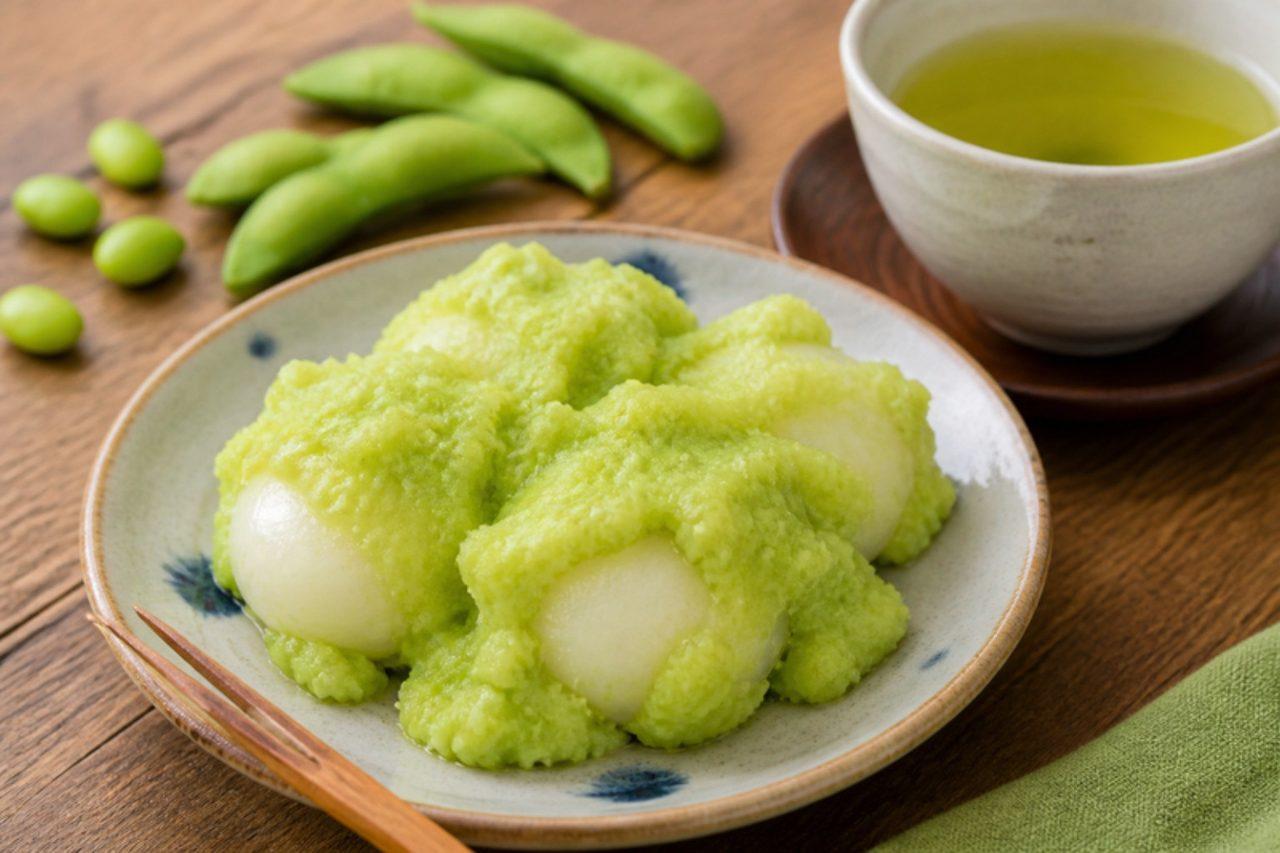
Zunda mochiRice dumplings with edamame paste

Zunda is Sendai's signature sweet: young green soybeans mashed with sugar into a coarse, pale-green paste. Farmers in Miyagi made it at the end of summer, when edamame were at their best, and it is still sold everywhere from Sendai station's souvenir halls to small tea shops, now also as zunda shakes and rolls. The flavour is gentle, beany and fresh, closer to sweet peas than to red bean paste. Spoon it over warm, chewy rice dumplings and serve with green tea. Chef's tip: rub the skins off the cooked beans. It takes ten minutes but turns the paste from dull khaki to a vivid jade colour.

by KrazyBadal 0 views

Showing 9 of 7,762 recipes

Show more recipes

Page 770 of 863