


Skip to content
Kurze
Featured recipe

Kurze

Lamb dumplings in broth

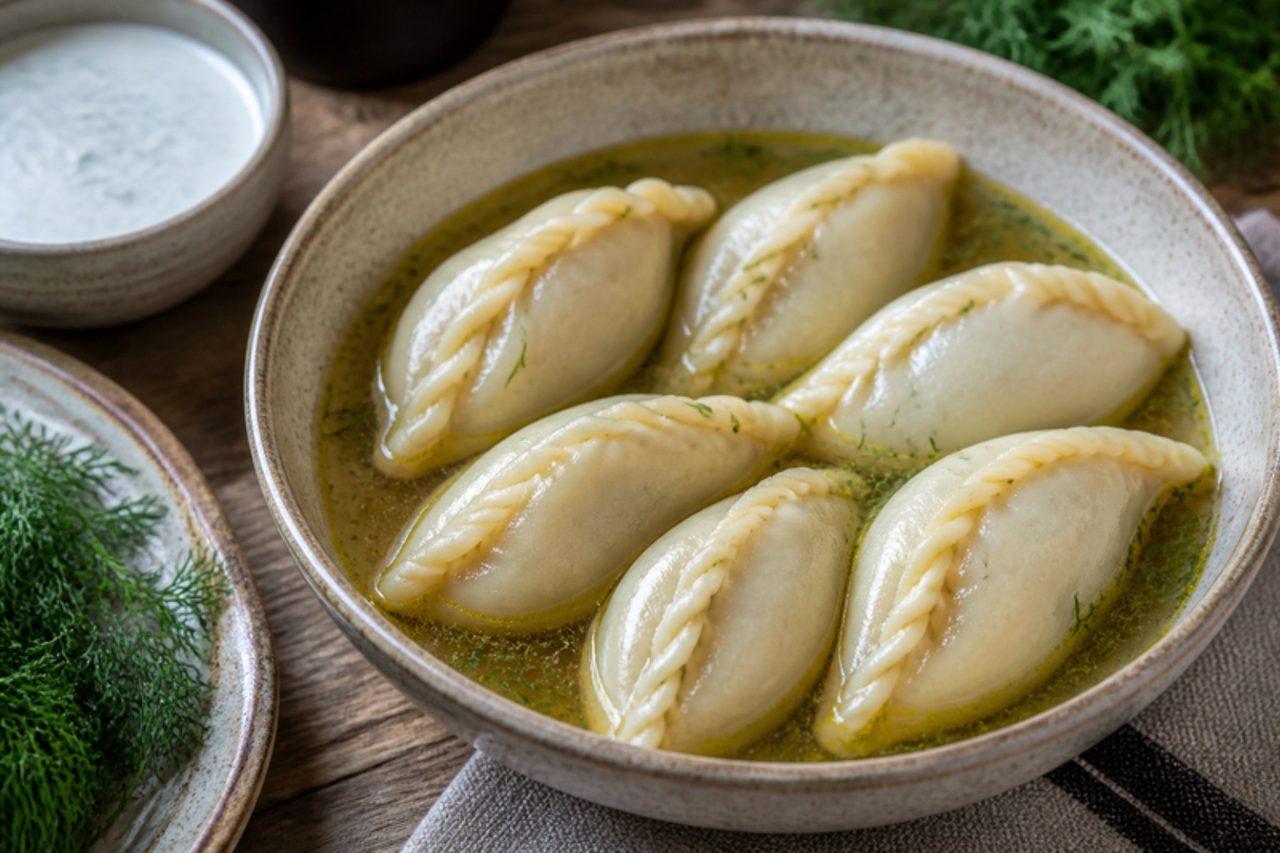
Every mountain people of Dagestan, Avars, Laks and Dargins among them, has its own kurze, but all share the beautiful plaited seam that runs along each teardrop dumpling like a braid. The lamb filling is chopped with plenty of onion and a little fat, then the dumplings are boiled and served in their broth with a sharp garlic and tomato dressing. In mountain villages they are made in big batches for guests, and in summer the same dough is filled with pumpkin or young nettles. The usual slip is overfilling, which makes the pleats burst in the pot. Chef's tip: practise the plait on a few pieces without filling first; once your fingers know the rhythm it goes quickly.

Read more 0 views

What to eat today?

Around the world

Today's trip: Paraguayan

A new country every day, from every cuisine on the site.

Paraguayan

Ka'i ladrillo

Peanut molasses bricks 40 minMore from Paraguayan (27) →

This week's collection

Kid-friendly dinners
537 recipes · a new collection every Monday

Latest recipes

Vegetable spring rolls

In Saigon and the south, fried spring rolls are called chả giò (in Hanoi, nem rán), and no family party or Tết table is without a platter of them. Southern cooks wrap them in rice paper, which fries up into a blistered, glassy-crisp shell quite unlike wheat pastry. This vegetarian filling of glass noodles, wood ear mushrooms, taro, carrot and tofu is the one served at chay restaurants. Roll them in lettuce with mint and perilla and dip in vegan nước chấm. Chef's tip: fry them twice, first gently until set and pale gold, then briefly in hotter oil, and let the rolled rolls dry for 15 minutes first; that is how you get the shattering, bubbly crust that stays crisp.

by KrazyBadal 0 views

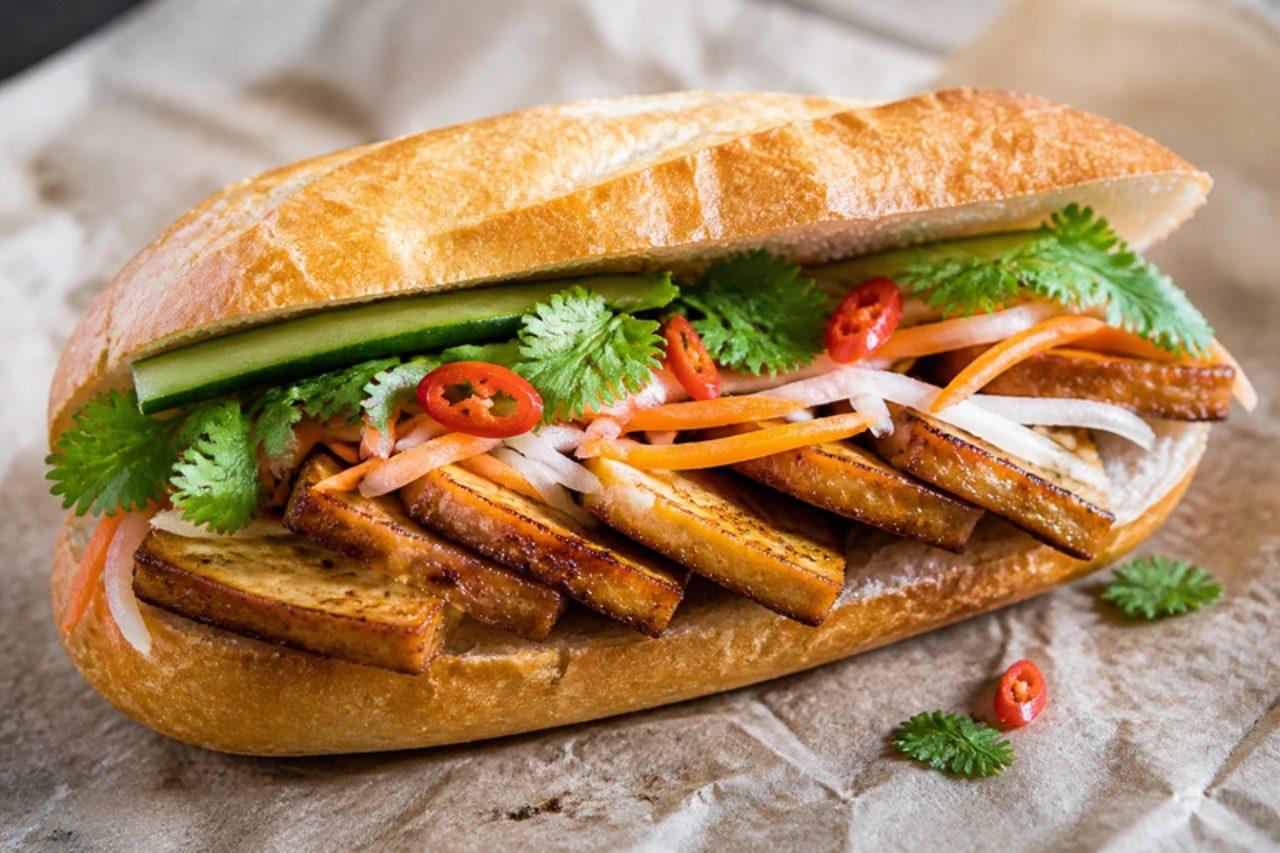
Lemongrass tofu banh mi

Bánh mì is Saigon's favourite street food: an airy, thin-crusted baguette split and stuffed with pickled carrot and daikon (đồ chua), cucumber, coriander and chilli. At vegetarian stalls near the city's pagodas the meat is swapped for sticky, caramelised lemongrass tofu, as in this version. Eat it for breakfast or lunch, warm, with a glass of iced coffee. Chef's tip: warm the baguette in a hot oven until the crust crackles when you squeeze it, and pull out a little of the soft crumb, so every bite is crisp shell, juicy filling and herbs in balance.

by KrazyBadal 0 views

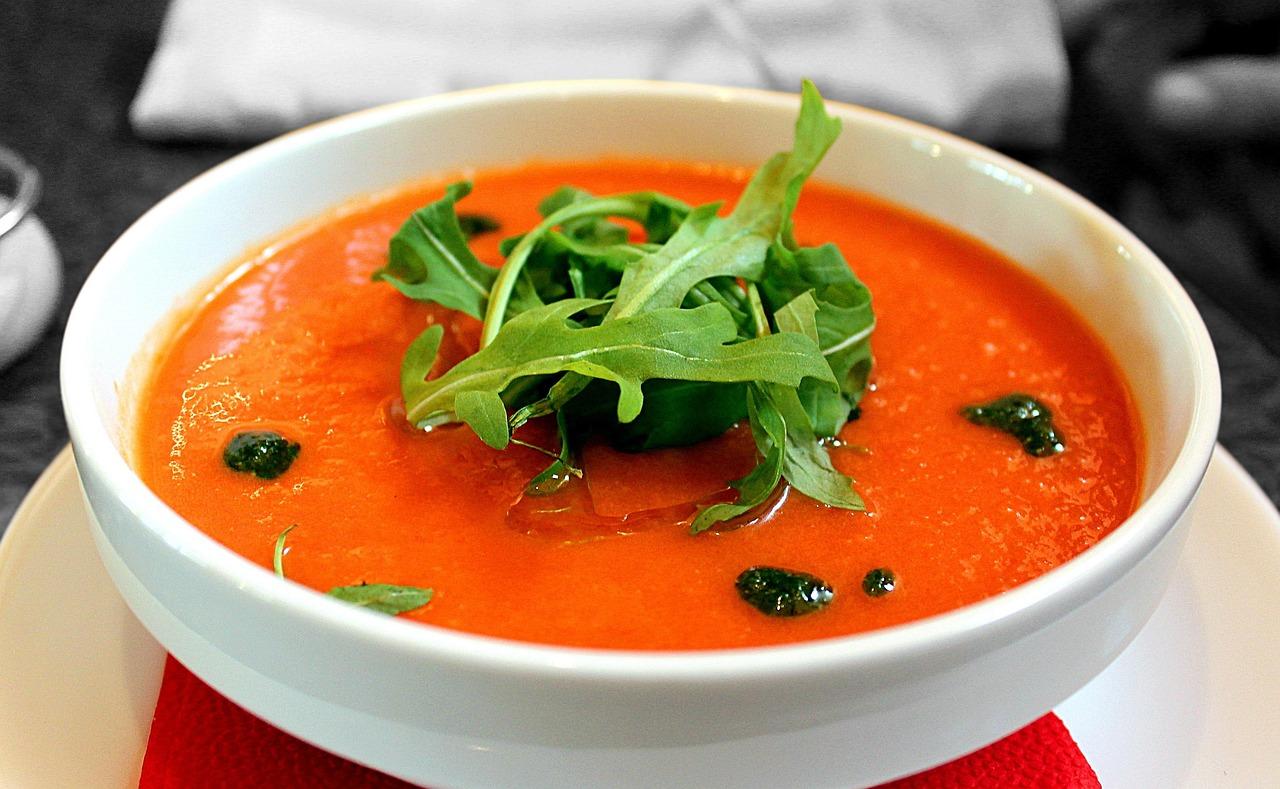
Gazpacho andaluzChilled tomato and cucumber soup

Gazpacho is the cold soup of Andalusia, drunk from a glass or eaten from a bowl through the scorching summers of Seville and Córdoba. It began as a farm workers' meal of bread, oil, garlic and vinegar pounded in a wooden bowl; tomatoes and peppers came later and turned it into the bright red, refreshing soup we know. Ripe tomatoes, cucumber, green pepper, garlic, sherry vinegar and plenty of olive oil are blended until silky and chilled hard. Serve it with tiny dice of cucumber, pepper and onion and a few crunchy croutons. Chef's tip: add the olive oil last, in a thin stream with the blender running; it emulsifies the soup to a creamy, pale-orange texture instead of leaving a slick of oil on top.

by KrazyBadal 0 views

Flan de huevoBaked egg custard

Flan de huevo is the most common dessert in Spain: on the menú del día in every town, from Galicia to the Canary Islands, and made at home for Sunday lunch. It is simply eggs, milk and sugar, flavoured with a little lemon zest and vanilla, baked gently in a water bath over a layer of dark caramel. When it's turned out, the caramel becomes a glossy sauce running down the sides. Spanish flan is firmer and more eggy than French crème caramel, and it slices cleanly. Chef's tip: bake it slowly in a water bath and stop when the centre still wobbles slightly like jelly; overbaking leaves little holes and a grainy texture, the sign of a flan cooked too hot or too long.

by KrazyBadal 0 views

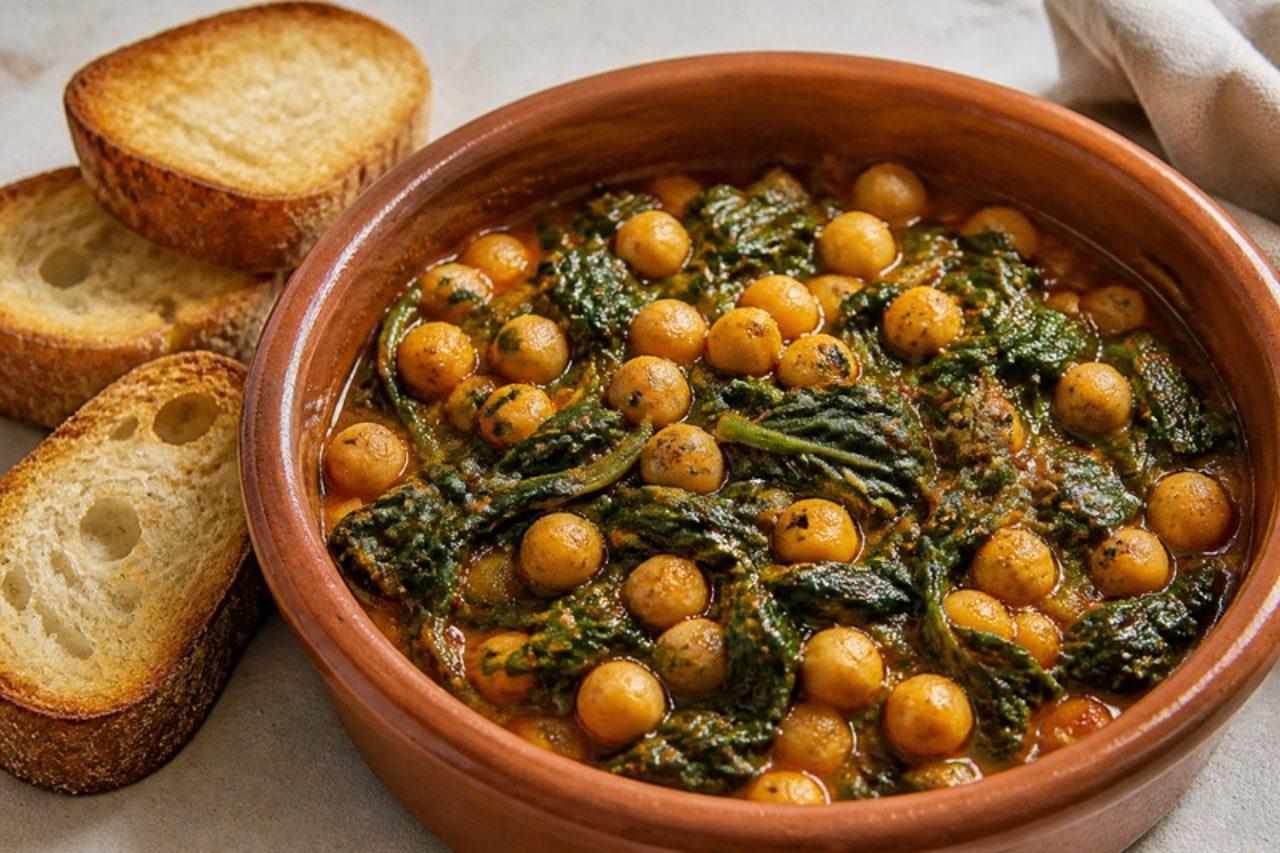
Espinacas con garbanzosSpinach and chickpeas

Espinacas con garbanzos is one of the great tapas of Seville, served in little earthenware dishes in the bars around the cathedral and the Triana market. It carries the city's Moorish past in its spices: cumin, smoked paprika and a little vinegar, with a sauce thickened by a paste of garlic and bread fried in olive oil, the old Andalusian trick called a majado. Earthy chickpeas, soft spinach and a sauce rich enough to mop up with bread make it a filling vegan supper too. It is traditional in Seville during Lent. Chef's tip: pound the fried bread and garlic with the spices and vinegar into a thick paste before it goes into the pan; this majado is what gives the dish its smoky, velvety sauce, so don't skip it.

by KrazyBadal 0 views

Churros con chocolateChurros with hot chocolate

Churros con chocolate is Madrid's most famous treat, eaten at the city's historic chocolaterías for breakfast, as a late-afternoon merienda or at dawn after a night out. Churros are made from a simple dough of flour, water and salt piped straight into hot oil, fried until ridged and crisp, and dunked into a cup of hot chocolate so thick it almost holds the churro up. The dough has no egg or sugar, so the churros are light and crunchy; the sweetness comes from the chocolate and a dusting of sugar. Chef's tip: pipe through a star nozzle; the ridges let steam escape so the churros don't burst in the oil, and they create the extra crunch that makes a good churro.

by KrazyBadal 0 views

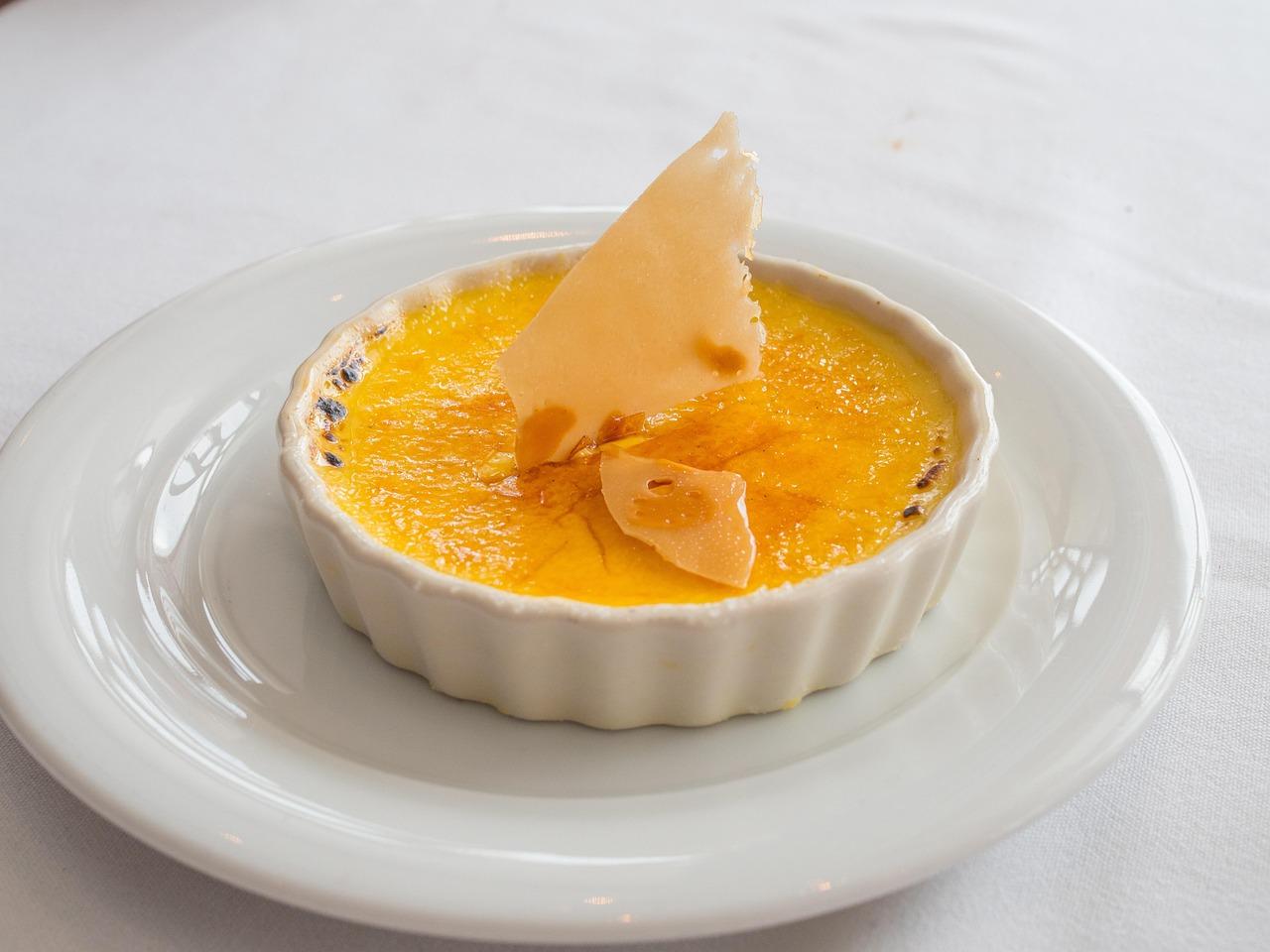
Crema catalanaBurnt cream custard

Crema catalana is the classic dessert of Catalonia, served in shallow round earthenware dishes with a glassy layer of burnt sugar on top. Traditionally it was made for Saint Joseph's Day on 19 March, which is why it is also called crema de Sant Josep. It is older than French crème brûlée and different in style: made with milk rather than cream, lightly thickened with cornflour and flavoured with lemon zest and cinnamon, so it is lighter and fresher. Catalans caramelise the top with a hot iron disc called a 'cremador'; a cook's blowtorch does the same job. Chef's tip: burn the sugar just before serving, not earlier; the crust stays crisp only for about 20–30 minutes before the moisture of the custard softens it.

by KrazyBadal 0 views

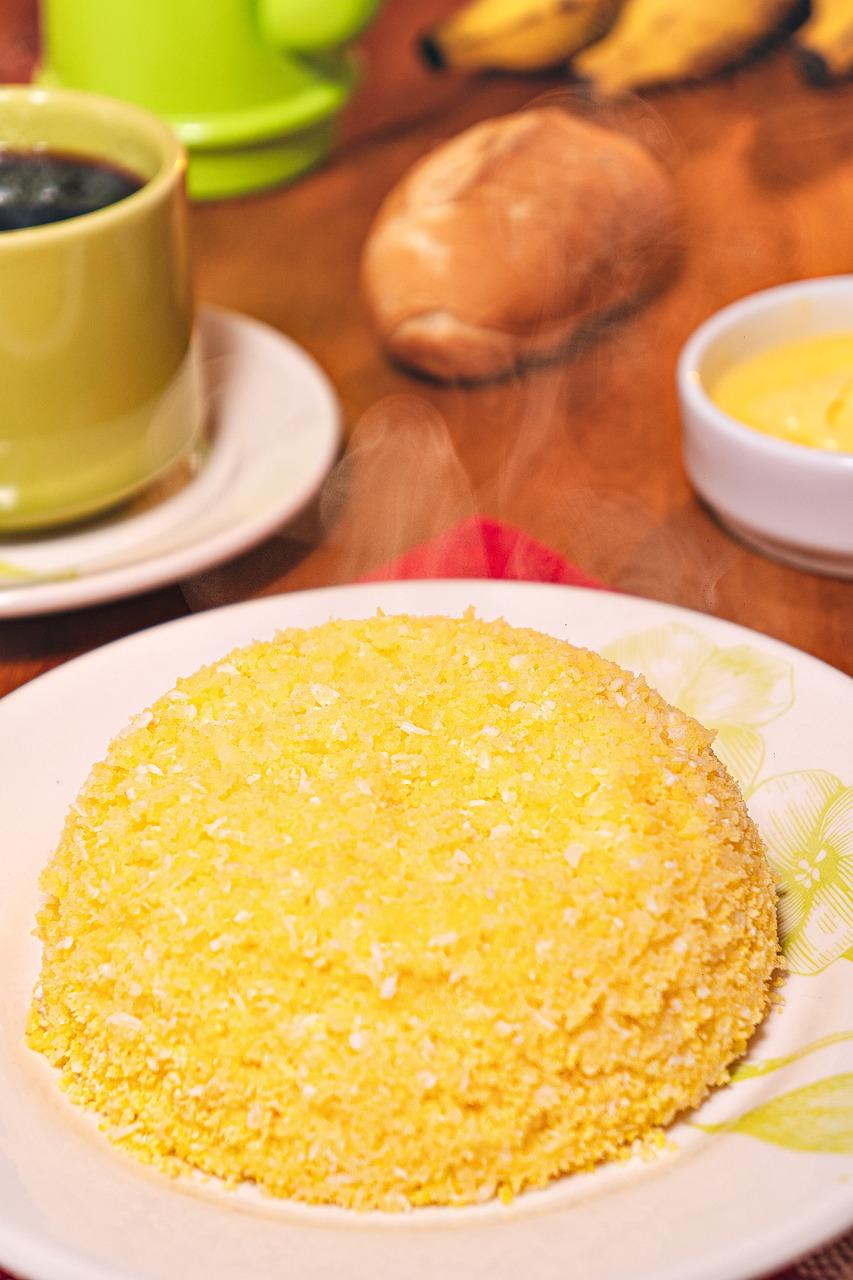
Cuscuz nordestinoSteamed flaked corn cake

Cuscuz nordestino has nothing to do with North African couscous: it's a soft, fluffy cake of steamed flaked maize (flocão), eaten every morning across the Northeast, from Pernambuco to Bahia. It's served hot in wedges with a melting slab of butter, often with fried egg, cheese or coconut milk poured over. It's traditionally steamed in a cuscuzeira, a two-tier steamer, but a steamer basket lined with a cloth works too. Chef's tip: let the corn soak up the salted water for 10 minutes, then pack it into the steamer loosely. Pressed down, it turns dense and heavy; loose, it steams into a light cake that still holds together.

by KrazyBadal 0 views

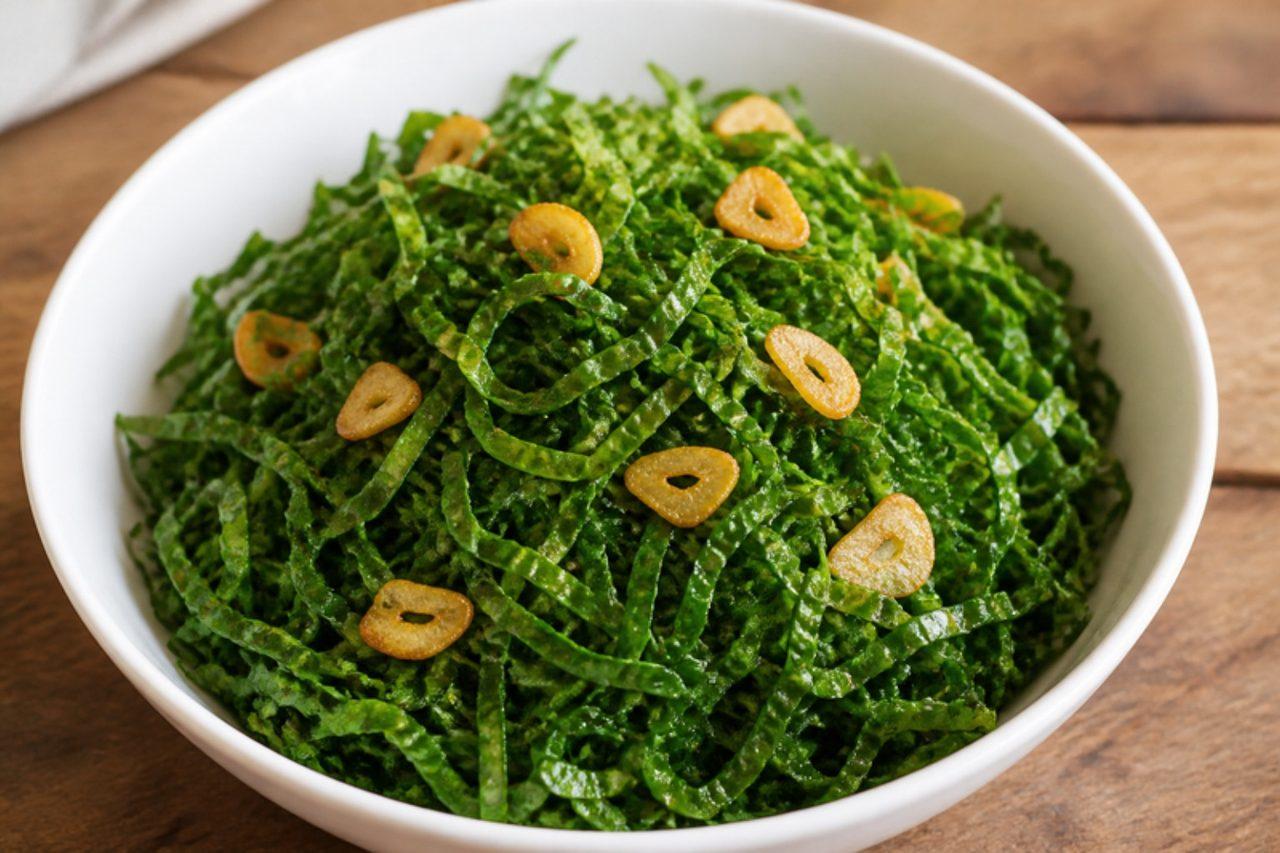
Couve à mineiraShredded garlic collard greens

Couve à mineira, from Minas Gerais, is the bright green side dish that goes with feijoada, tutu and plain rice and beans all over Brazil. Collard greens are rolled up like a cigar, sliced into fine ribbons and cooked for barely two minutes with garlic, so they stay vivid, tender and slightly crunchy. Chef's tip: the knife work is the whole recipe. Slice the rolled leaves as thinly as you possibly can (Brazilian cooks aim for threads 1–2 mm wide), then cook them fast over high heat with the lid off. Thick strips or a covered pan give you dull, soggy greens.

by KrazyBadal 0 views

Coconut bakeCoconut bread

Coconut bake is a breakfast bread from Trinidad and especially Tobago, where it's baked on Sunday mornings in homes and village bakeries. It's a quick, unyeasted bread, rich with grated coconut and coconut milk and rubbed with butter, shaped into a round and baked until golden. It's split and buttered, and usually eaten with saltfish buljol; for a vegetarian breakfast, fill it with tomato choka, fried ripe plantain, sautéed bodi (long beans) or cheese. Chef's tip: rub the butter well into the flour and knead only briefly until the dough comes together. Overworking makes bake heavy and tight instead of soft and crumbly.

by KrazyBadal 0 views

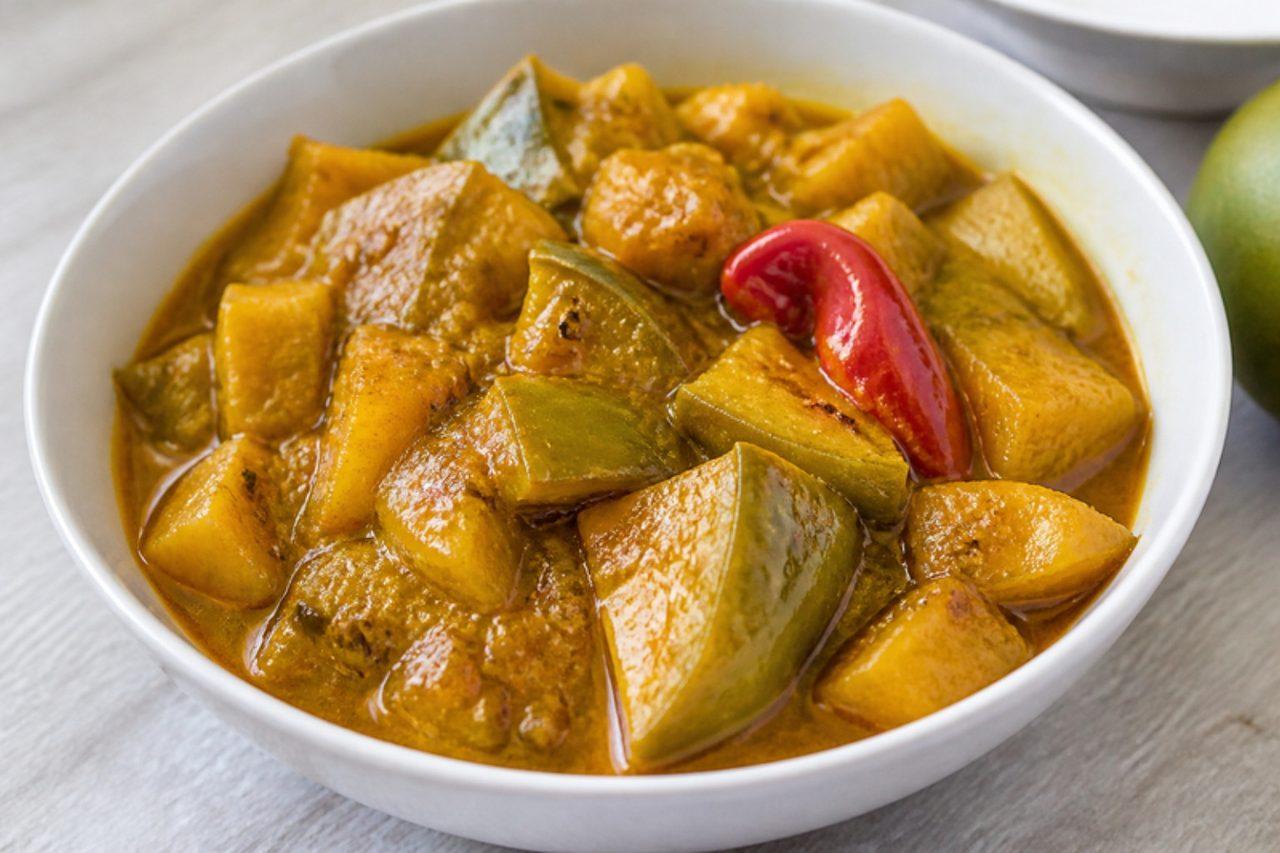
Curry mangoGreen mango curry

Curry mango is a Trinidadian favourite on the 'seven-curry' plate at Hindu weddings, pujas and Divali, served on a sohari (water-lily) leaf beside dhal, rice, pumpkin and channa. Hard green or half-ripe mangoes are chopped, skin, seed and all, then cooked in curry with garlic, roasted geera and a little sugar until tender and glossy. It's sour, sweet, salty and hot at once, and a spoonful brightens any rice and curry or a roti. Chef's tip: leave the skin on and add the sugar a little at a time. The skin keeps the pieces whole, and the right balance is when you taste sour first, then sweet, then the heat comes through.

by KrazyBadal 0 views

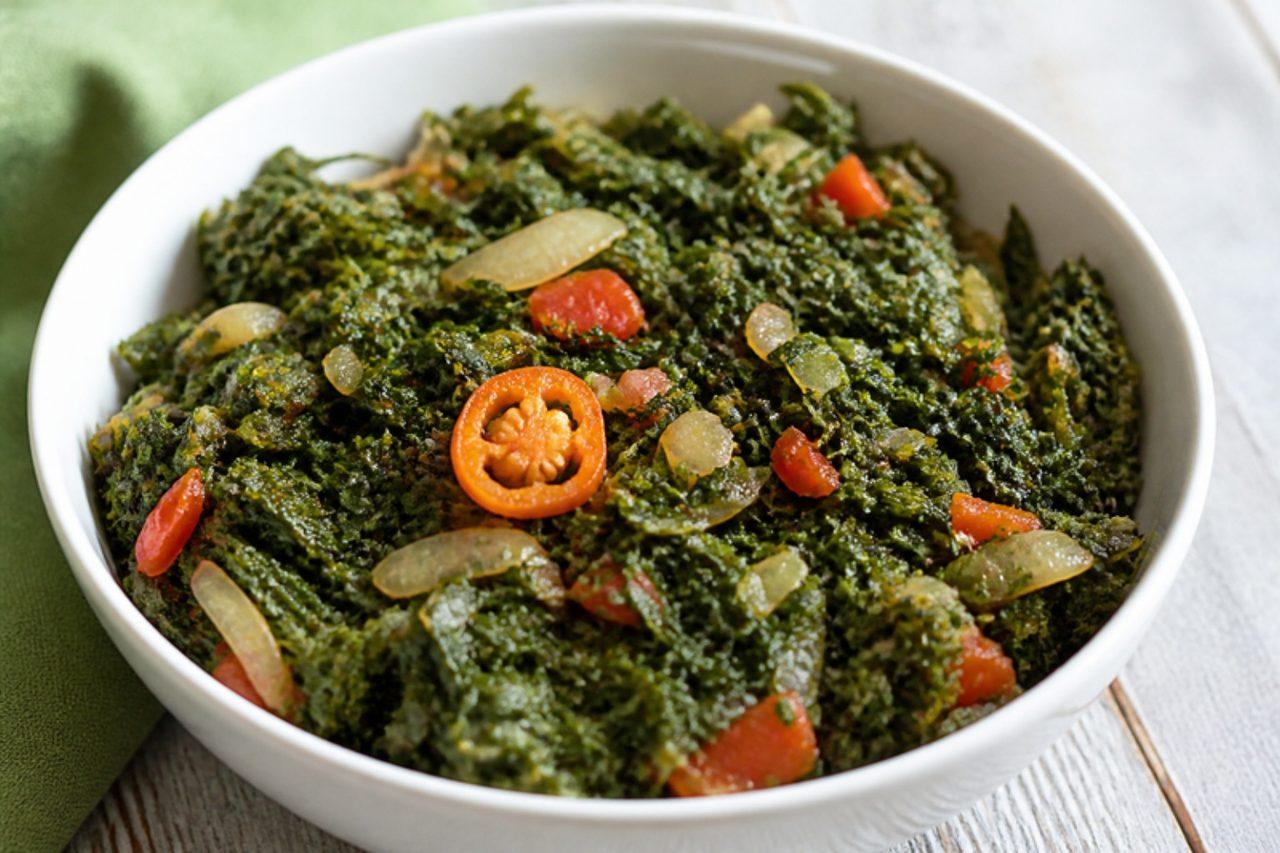
Jamaican callalooSteamed callaloo greens

In Jamaica, callaloo means the leaves and tender stems of a type of amaranth, sold in big bundles in every market from Coronation Market in Kingston to Santa Cruz in St Elizabeth. It's steamed down with onion, tomato, garlic and thyme into soft, savoury greens with a mild mineral sweetness, and eaten at breakfast with fried dumplings, boiled green bananas or hard dough bread, or as a side at dinner. Spinach or Swiss chard can stand in if you can't find callaloo. Chef's tip: peel the fibrous skin from the thicker stems with a small knife and slice the stems and leaves finely across, about 1 cm wide. That's how Jamaican cooks get callaloo that's tender all the way through rather than stringy.

by KrazyBadal 0 views

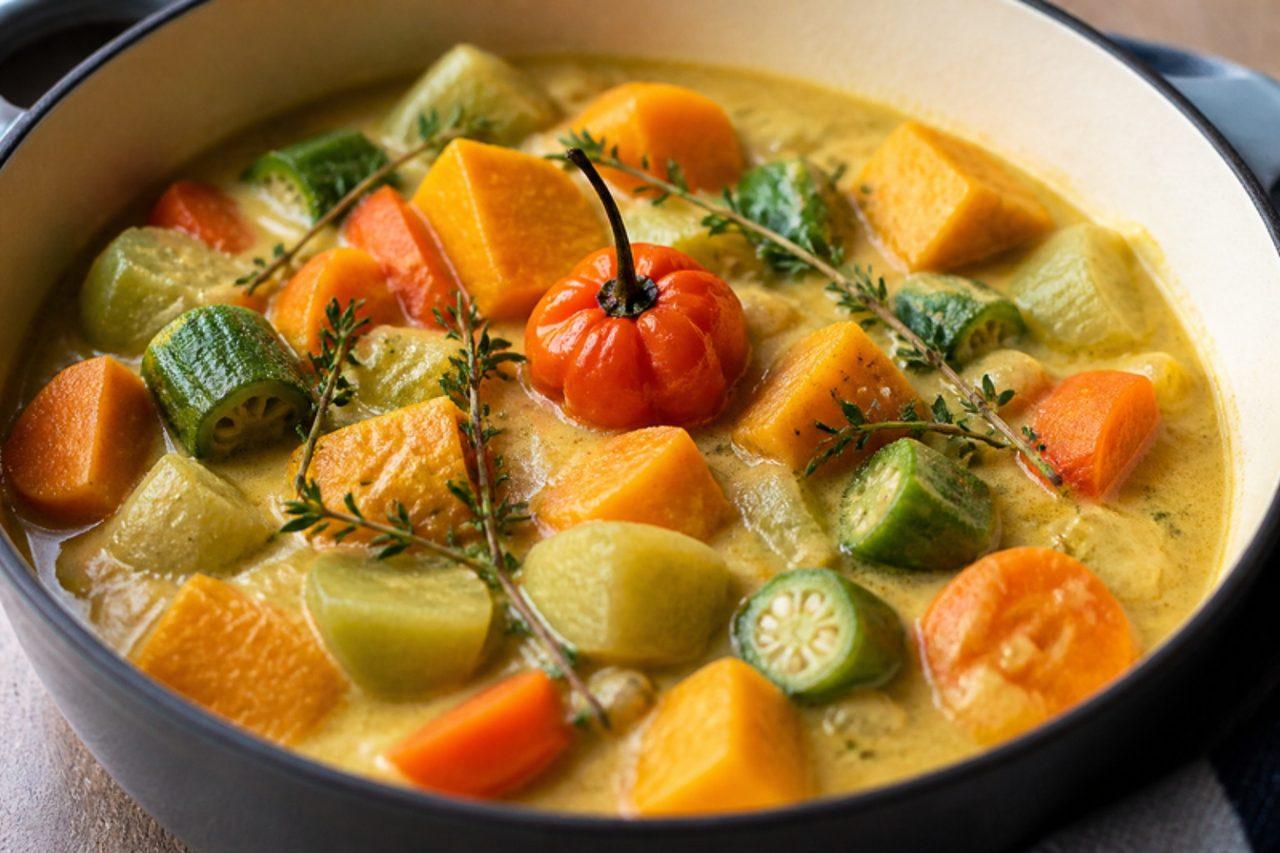
Ital stewPumpkin and sweet potato stew

Ital food is the cooking of the Rastafari, found from the hills of St Andrew to roadside Ital shops in Westmoreland and St Thomas. It is plant-based, close to the earth and traditionally made without added salt, built on fresh 'food' (ground provisions) and greens. This stew is golden and gently sweet, thickened by melting pumpkin and silky okra, with coconut milk, thyme and pimento giving warmth and a whole scotch bonnet giving fruity heat. Serve with rice and peas or boiled green bananas. Chef's tip: cut half the pumpkin very small and the other half in big chunks. The small pieces collapse into the coconut milk and thicken it naturally, while the big ones hold their shape.

by KrazyBadal 0 views

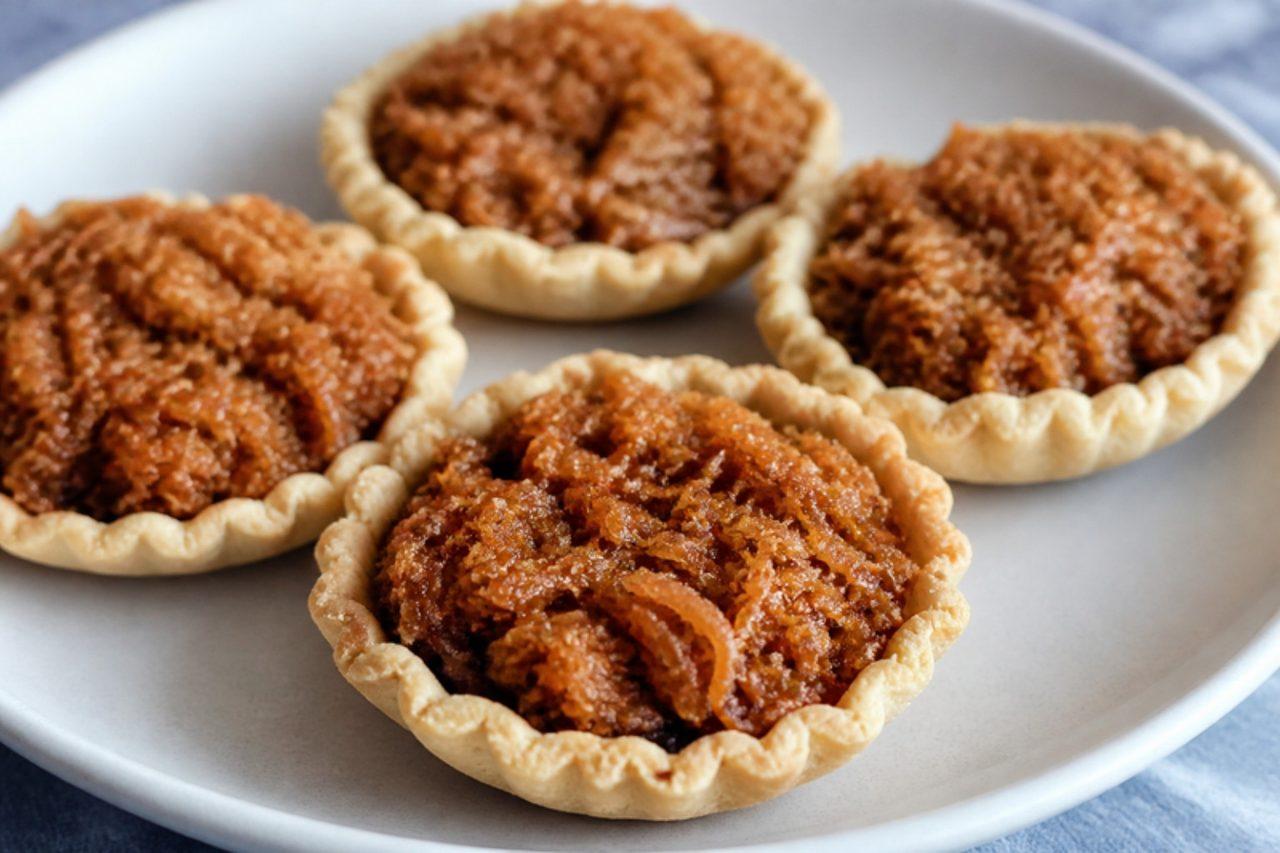
GizzadaCoconut tarts

Gizzada (also called 'pinch-me-round') is a little Jamaican tart with a crisp, crimped crust and a chewy filling of grated coconut cooked with brown sugar, nutmeg and ginger. It's sold in bakeries and roadside stalls across Jamaica; the name is thought to come from the Portuguese 'queijada', brought by Portuguese Jewish settlers. Eat it with a cup of tea or as an afternoon treat. Chef's tip: cook the coconut filling until it's sticky and almost dry, with no syrup pooling in the pan. A wet filling soaks into the pastry and the crust goes soft instead of crisp.

by KrazyBadal 0 views

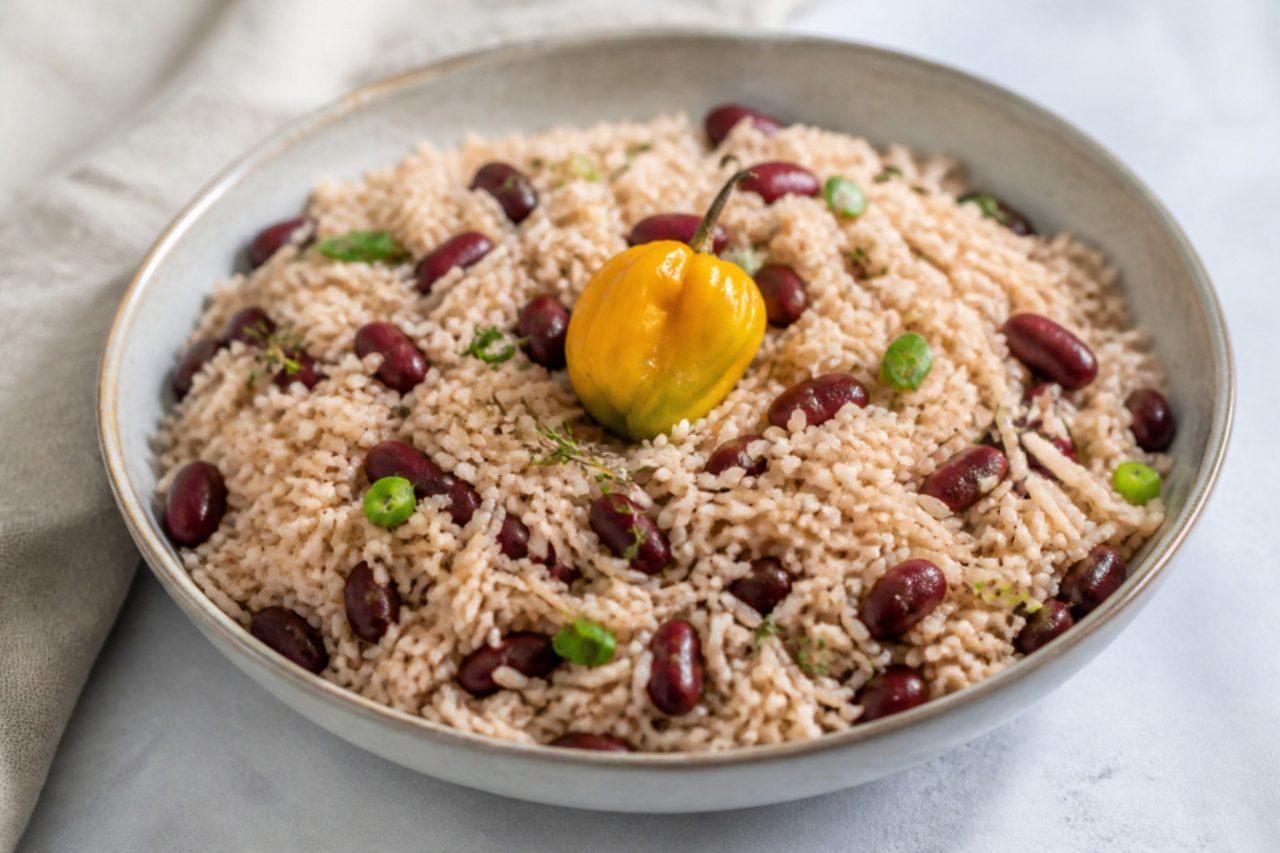
Rice and peas

No Sunday dinner anywhere in Jamaica is complete without rice and peas, and 'peas' here means red kidney beans. The beans tint the rice a soft pinkish brown, the coconut milk makes it rich and creamy, and a whole scotch bonnet sitting on top perfumes the pot with fruity heat without burning anyone. Serve with jerk tofu, Ital stew, steamed cabbage and fried ripe plantain. This version uses tinned beans and their liquid for an everyday cook; with dried beans, soak 250 g overnight and simmer them for about an hour first, then use their cooking water. Chef's tip: once the rice goes in, don't stir it. Cover the pot tightly (a sheet of foil under the lid helps) and let the steam do the work, so the grains come out separate and fluffy instead of mushy.

by KrazyBadal 0 views

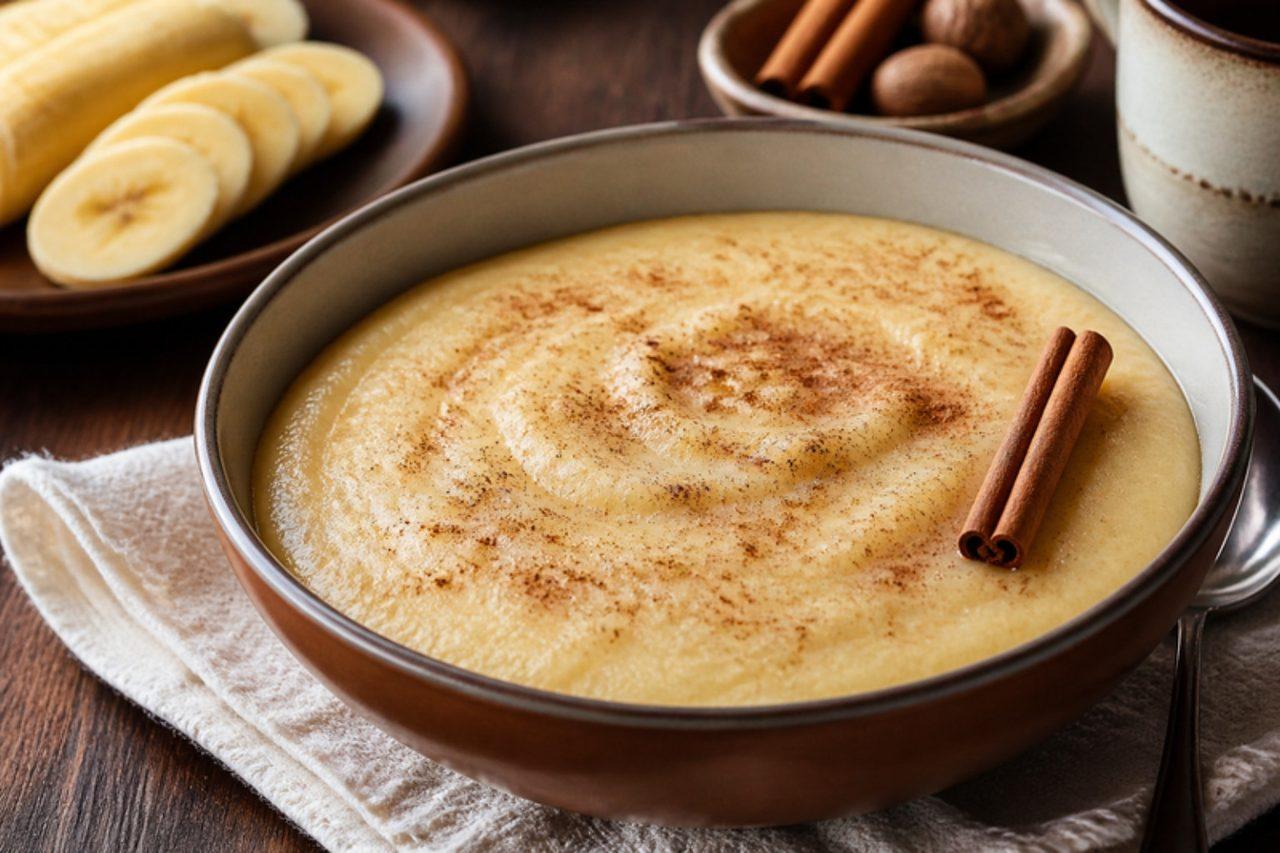
Cornmeal porridge

Cornmeal porridge is the breakfast many Jamaicans grew up on, cooked in homes across the island before school and work. Fine cornmeal is simmered slowly with milk and water until thick and velvety, then spiced with cinnamon, nutmeg and vanilla and sweetened with condensed milk. It's warm, filling and gently sweet. Chef's tip: whisk the cornmeal into cold water first to make a smooth slurry before it meets any heat. Adding dry cornmeal to hot liquid is how porridge goes lumpy.

by KrazyBadal 0 views

Limonada suíçaCreamy lime drink

Limonada suíça is the creamy, frothy limeade served in juice bars and lunch counters all over Brazil. Despite the name ('Swiss lemonade'), nobody knows of any Swiss link, and it's made with whole Tahiti limes, blended briefly, skin and all, then strained and sweetened with condensed milk. It's cold, zingy and pale green, perfect with a hot lunch. Chef's tip: blend for no more than 10–15 seconds. Lime peel gives the drink its wonderful perfume, but blended too long it releases bitterness from the pith; serve it straight away for the same reason.

by KrazyBadal 0 views

FarofaToasted manioc meal

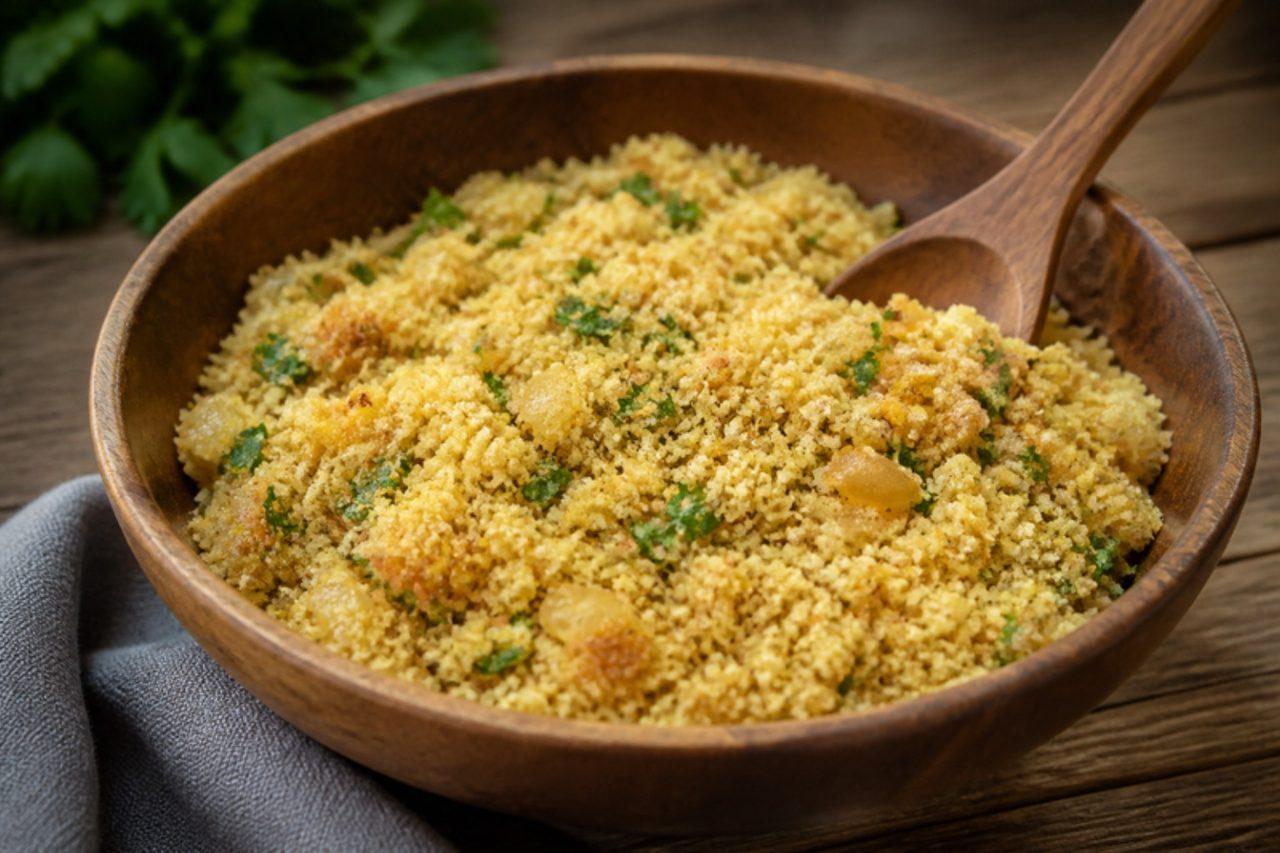
Farofa is on the table at almost every Brazilian meal, from feijoada to Sunday barbecue: coarse manioc (cassava) meal toasted in butter or olive oil with onion and garlic until golden, sandy and nutty. Sprinkle it over beans, stews and moqueca to soak up the juices and add crunch. Bacon is common in the South-East; this butter version is the classic everyday one (use olive oil for a vegan farofa). Chef's tip: toast the manioc over a medium-low heat, stirring constantly, and go by smell and sound. It's ready when it smells like toasted hazelnuts and sounds dry and sandy against the spoon; high heat scorches it in seconds.

by KrazyBadal 0 views

Showing 18 of 7,762 recipes

Show more recipes

Page 788 of 863