


Skip to content
Zangi
Featured recipe

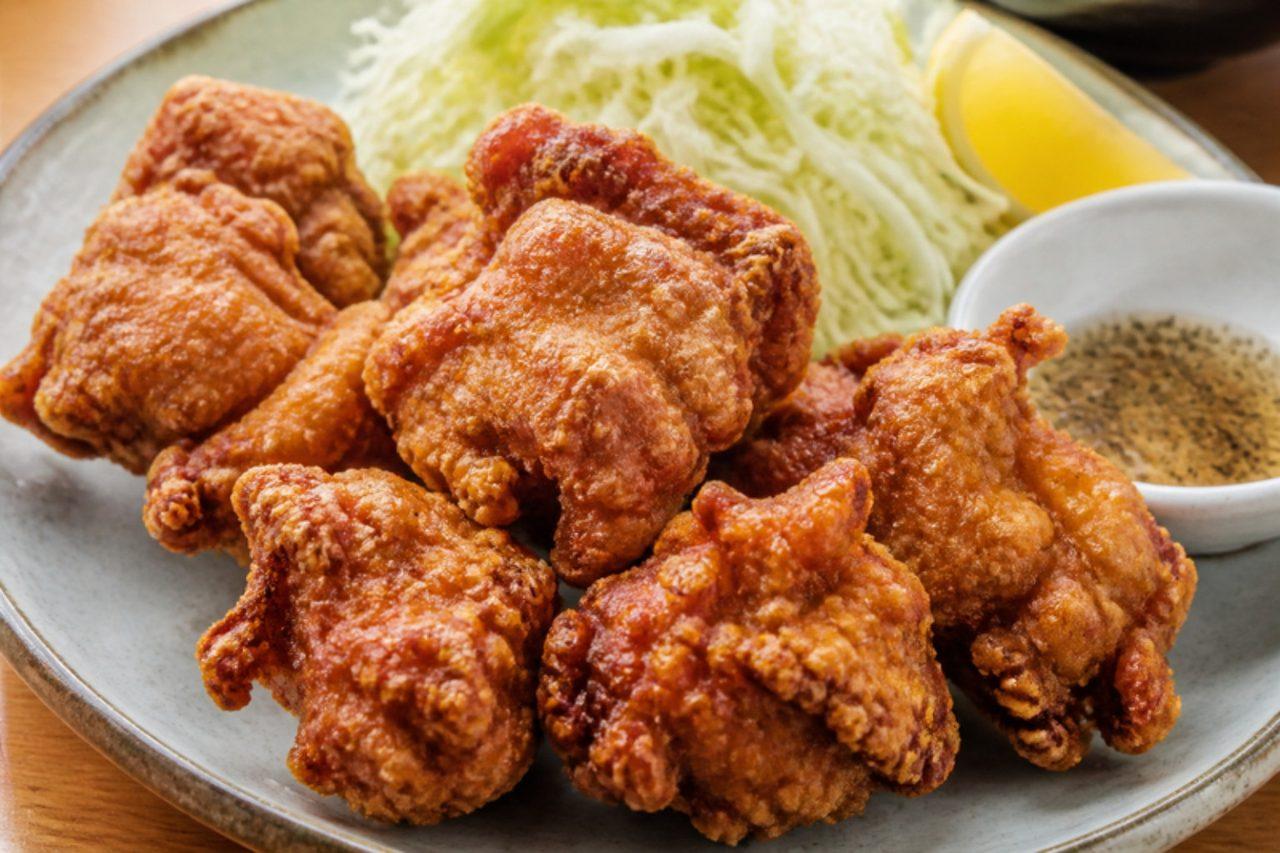
Zangi

Fried marinated chicken

Ask for fried chicken in Kushiro or Sapporo and you'll be handed zangi, which locals insist is not the same as karaage. A Kushiro restaurant says it coined the name around 1960, and today zangi shops, ski-lodge canteens and supermarket delis across Hokkaido sell it in big, bone-in pieces. The chicken soaks for hours in a punchy mix of soy, sake, garlic, ginger and oyster sauce with an egg beaten in, so the flavour runs right through the meat, and it often comes with a sharp dipping sauce of vinegar, soy and black pepper. The coating is a mix of flour and starch, so it fries darker and more savoury than karaage. Chef's tip: marinate it overnight in the fridge for the full Hokkaido flavour; 30 minutes works, but the difference is clear.

Read more 0 views

What to eat today?

Around the world

Today's trip: Paraguayan

A new country every day, from every cuisine on the site.

Paraguayan

Buñuelos de algas

Sea lettuce fritters 35 minMore from Paraguayan (27) →

This week's collection

Kid-friendly dinners
537 recipes · a new collection every Monday

Latest recipes

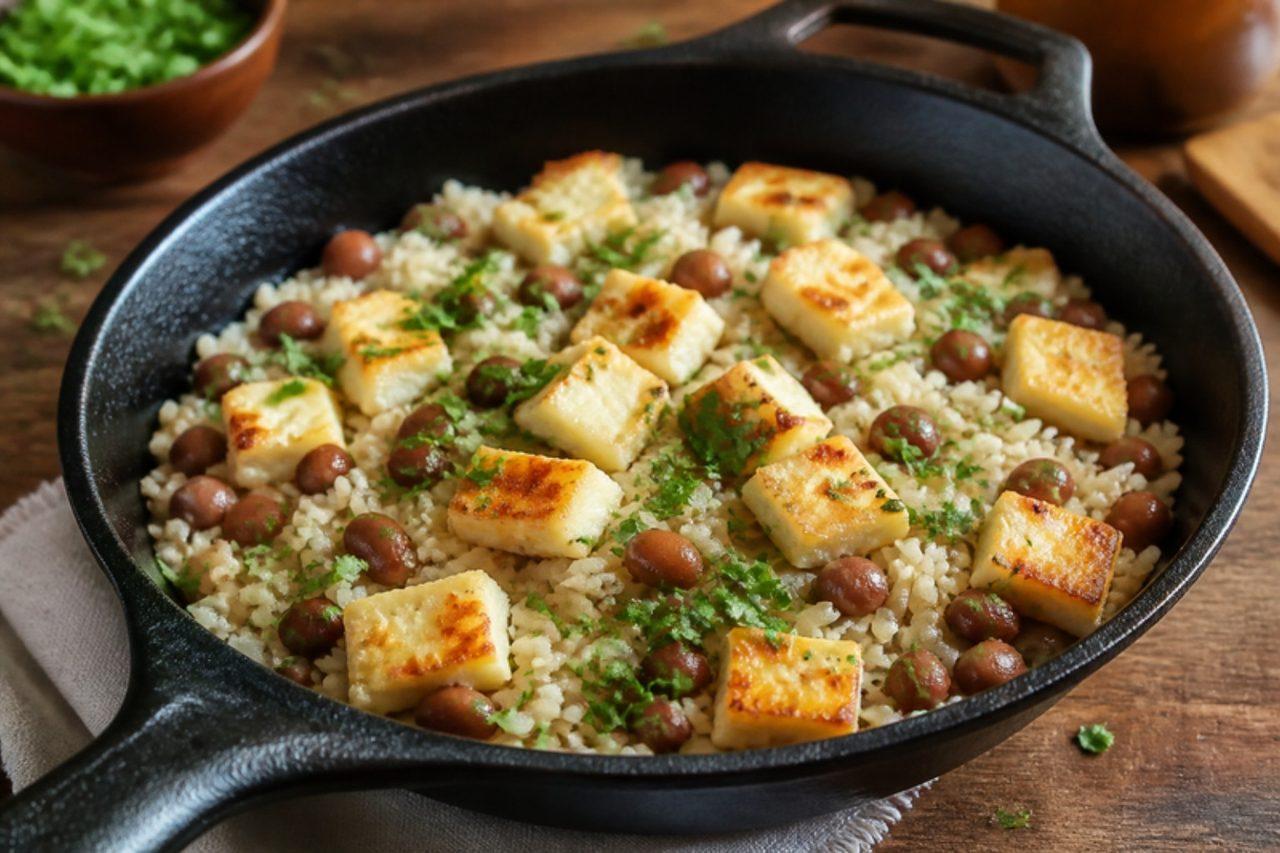
Baião de doisRice and beans with cheese

Baião de dois ('a dance for two') is the pride of Ceará and the Northeast sertão: rice cooked in the broth of feijão-de-corda (a small cowpea; black-eyed peas are the closest match), then folded with cubes of squeaky queijo coalho until they just start to melt. It's usually made with dried beef and bacon; this version keeps the smoky note with paprika and finishes with nutty clarified butter (manteiga de garrafa). It's a one-pot meal on its own, or great with vinagrete. Chef's tip: cook the rice in the bean cooking water, not fresh water. That's what gives baião its brownish colour and deep bean flavour.

by KrazyBadal 0 views
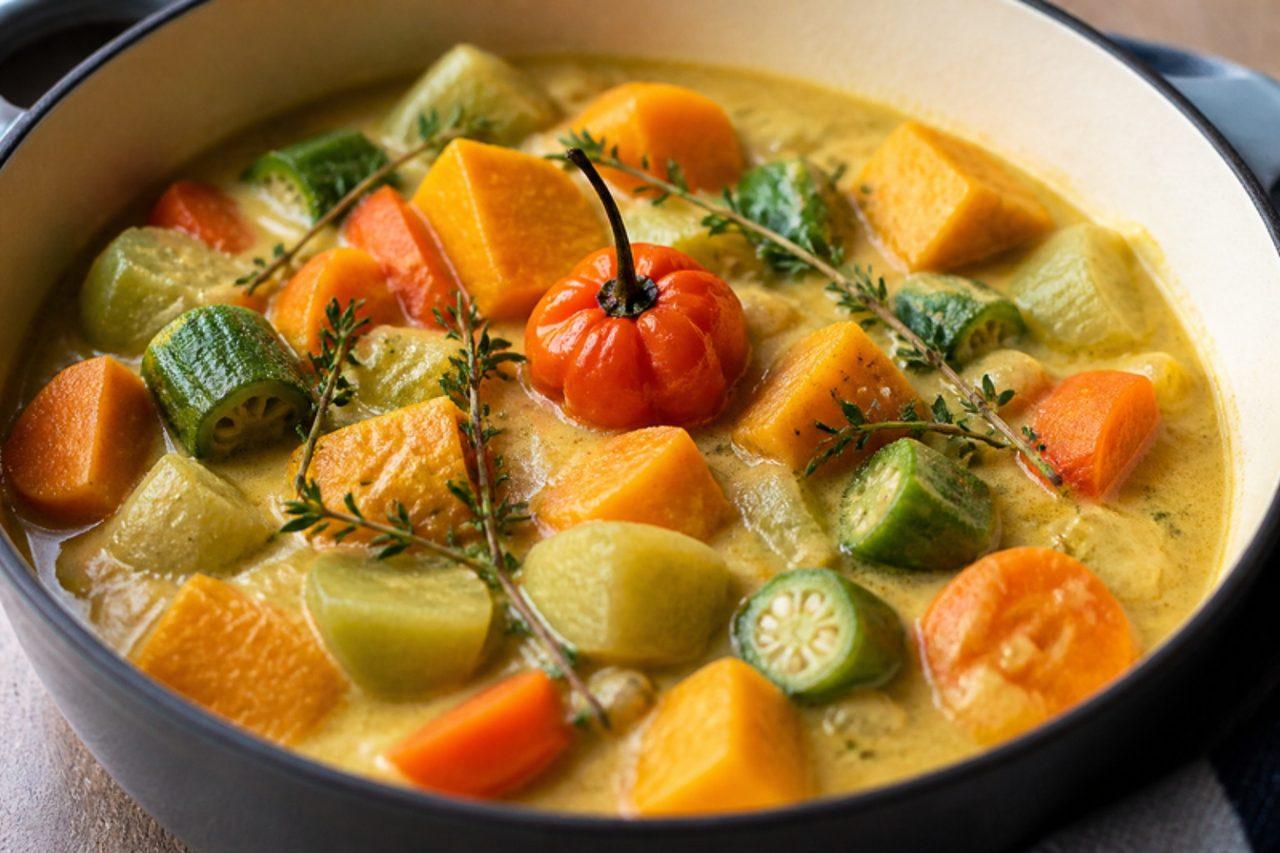
Ital stewPumpkin and sweet potato stew

Ital food is the cooking of the Rastafari, found from the hills of St Andrew to roadside Ital shops in Westmoreland and St Thomas. It is plant-based, close to the earth and traditionally made without added salt, built on fresh 'food' (ground provisions) and greens. This stew is golden and gently sweet, thickened by melting pumpkin and silky okra, with coconut milk, thyme and pimento giving warmth and a whole scotch bonnet giving fruity heat. Serve with rice and peas or boiled green bananas. Chef's tip: cut half the pumpkin very small and the other half in big chunks. The small pieces collapse into the coconut milk and thicken it naturally, while the big ones hold their shape.

by KrazyBadal 0 views

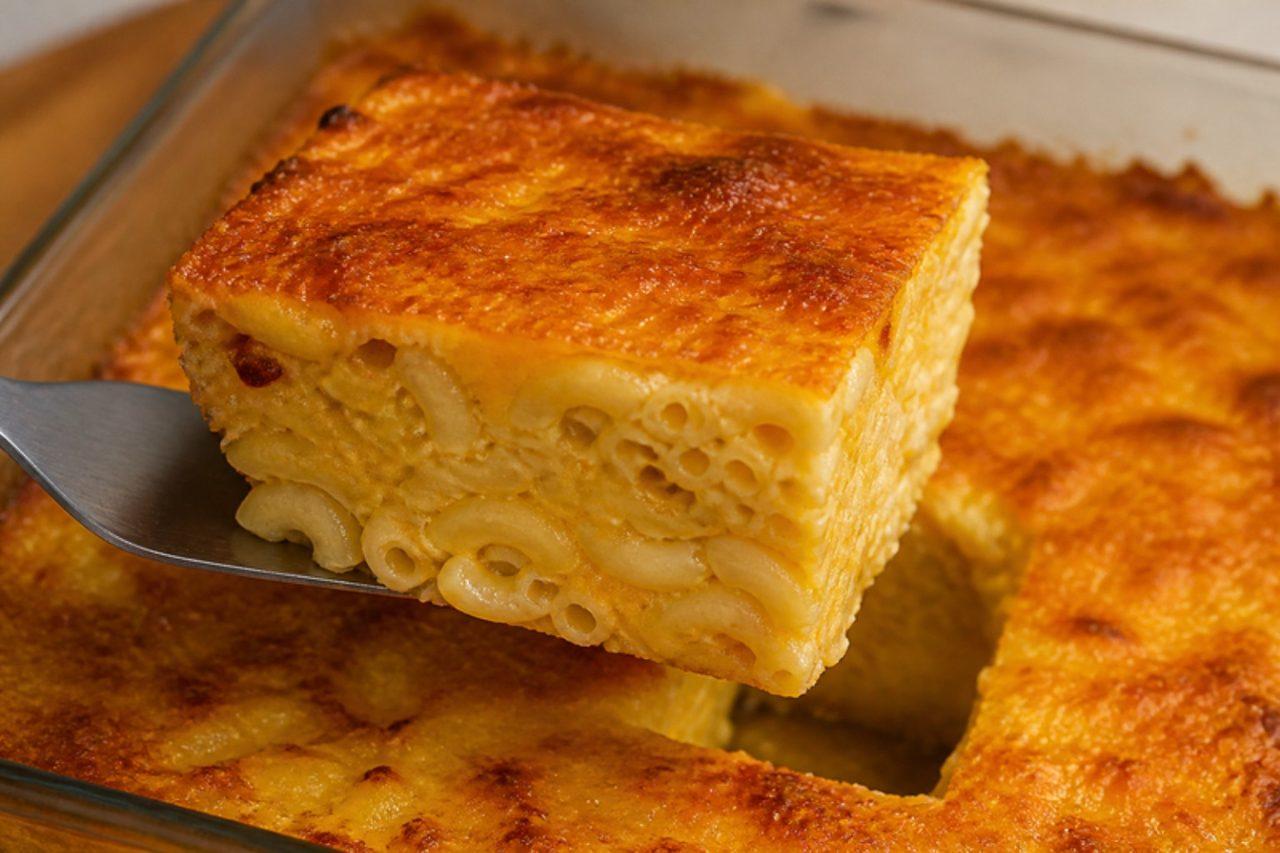
Macaroni pieBaked macaroni and cheese

Macaroni pie is a must on the Trinidadian Sunday lunch table, beside callaloo, rice, stew and salad. It isn't a saucy macaroni cheese but a firm bake: macaroni mixed with sharp cheddar, evaporated milk, eggs, mustard and a little onion and pepper, baked until golden and set enough to cut into neat squares. Kids love it, and it's just as good cold the next day. Chef's tip: let the pie rest for 20 minutes after it comes out of the oven. It firms up as it cools slightly, so you get clean, proper slices instead of a soft heap.

by KrazyBadal 0 views

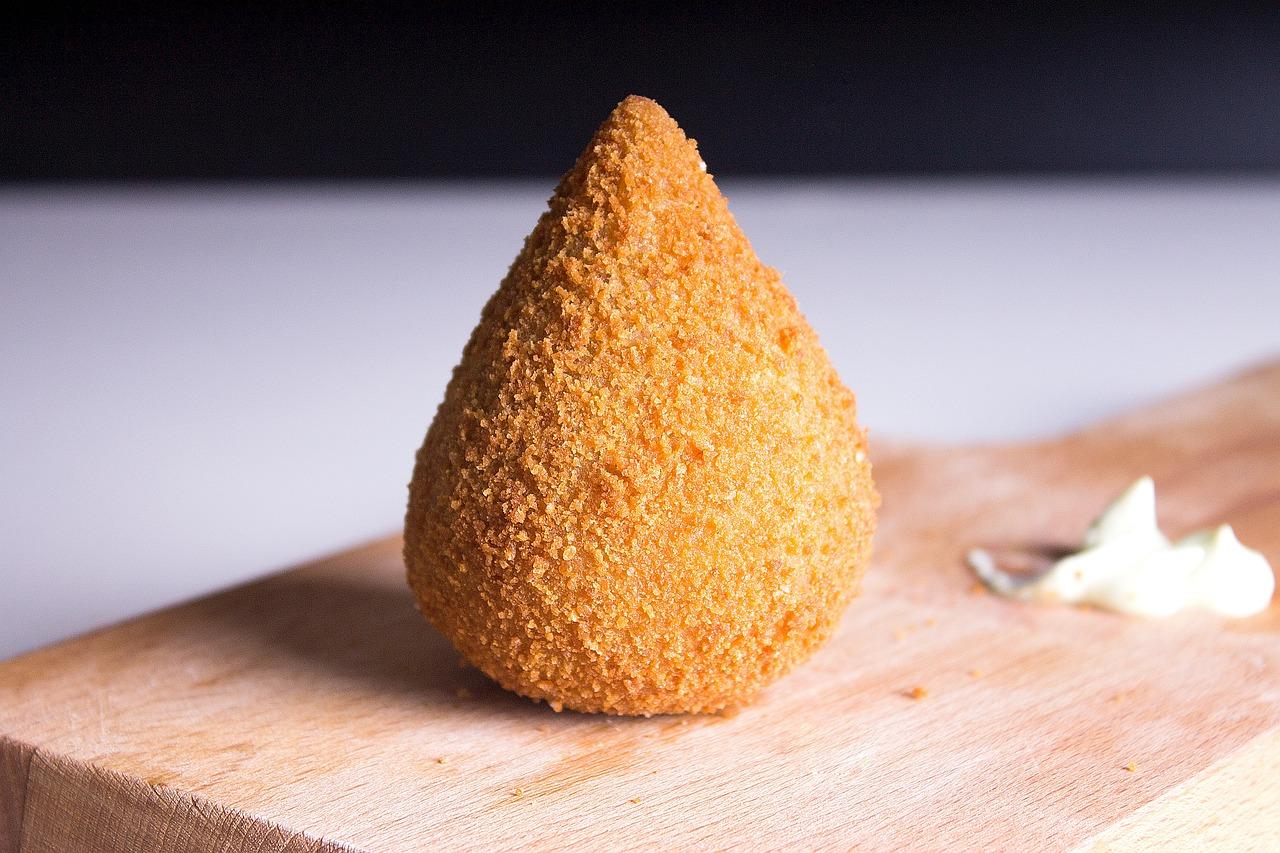
Heart of palm coxinhaHeart of palm croquettes

Coxinha is the king of Brazilian salgados, sold in every padaria and served at every birthday party, especially in São Paulo. The teardrop shape copies a chicken thigh, but coxinha de palmito, filled with soft heart of palm, tomato and creamy cheese, is a much-loved meat-free version. The dough is a cooked, savoury choux-like paste, rolled in breadcrumbs and fried until shatteringly crisp. Chef's tip: cook the dough until it comes away from the pan in one smooth ball, then knead it while still warm with oiled hands. Lumpy or under-cooked dough cracks in the fryer and lets the filling leak.

by KrazyBadal 0 views

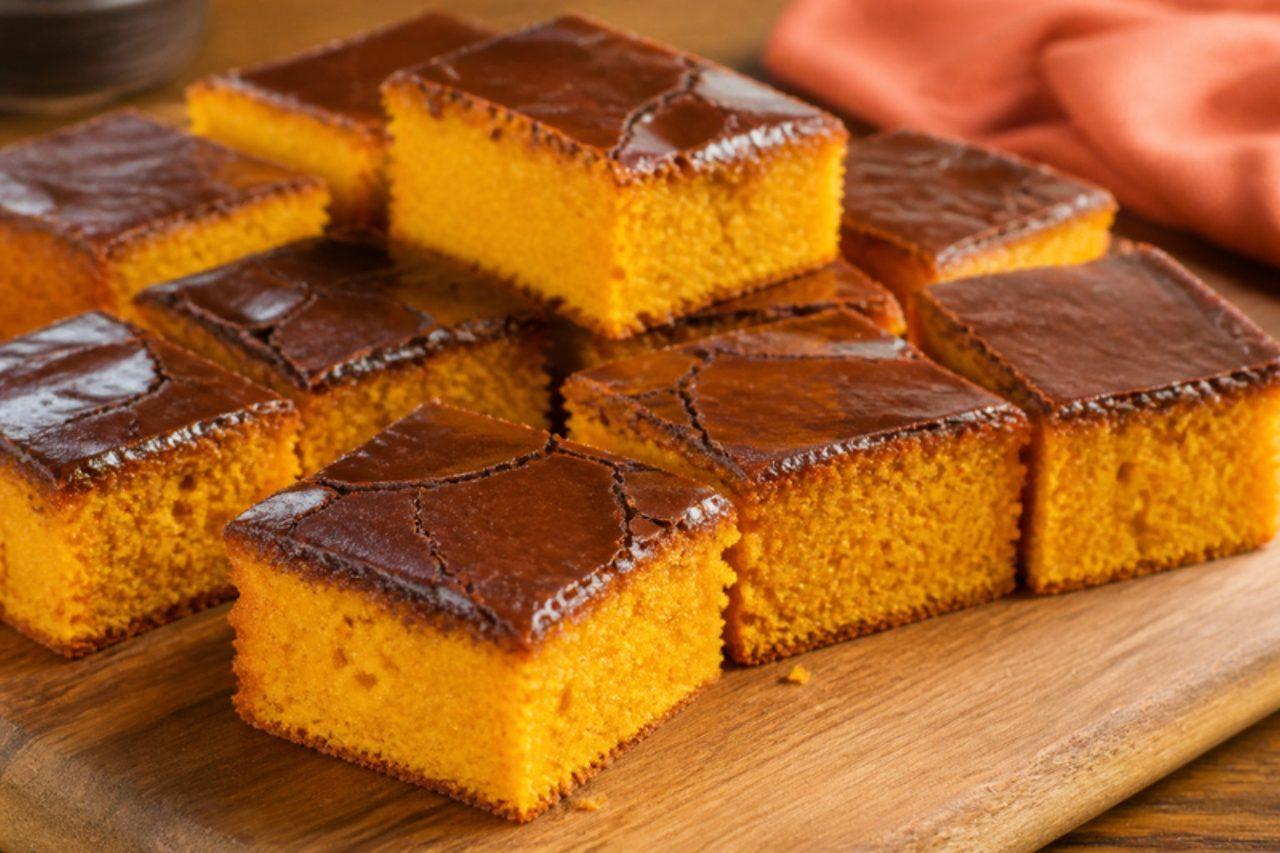
Bolo de cenoura com cobertura de chocolateCarrot cake with chocolate topping

Bolo de cenoura is the most loved homemade cake in Brazil, served with coffee at the afternoon lanche all over the country. It's nothing like the spiced, nutty carrot cake of the UK and US: raw carrots are blended smooth with eggs and oil, giving a bright orange, light and moist sponge, finished with a thick chocolate topping that sets with a thin crust. Chef's tip: blend the carrots with the eggs and oil until completely smooth, with no visible bits, and pour the chocolate topping over while the cake is still warm. The topping soaks in a little and sets with the shiny, crackly casquinha (crust) Brazilians love.

by KrazyBadal 0 views

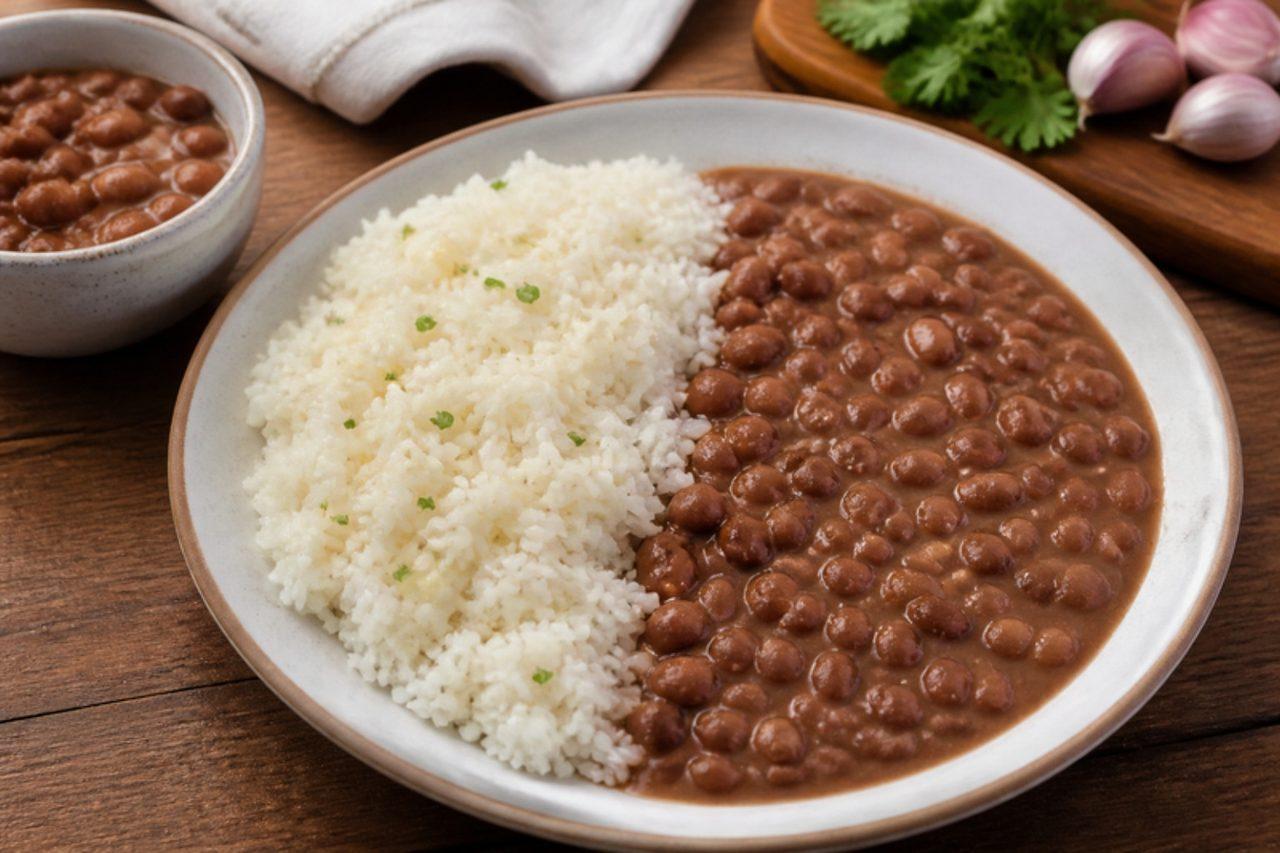
Arroz e feijãoRice and beans

Arroz e feijão is the heart of the Brazilian table, eaten at lunch nearly every day from Porto Alegre to Manaus. Each half is simple but made with care: the rice is fried with garlic before simmering so the grains stay loose (soltinho), and the beans are finished with a refogado of onion and garlic that thickens their broth. In the South and Rio black beans are the norm; elsewhere it's the beige carioca bean. Chef's tip: when the beans are tender, fry the garlic and onion, add a ladle of beans and mash them in the pan, then stir it all back into the pot. This tempero is the step that makes Brazilian beans taste like home.

by KrazyBadal 0 views

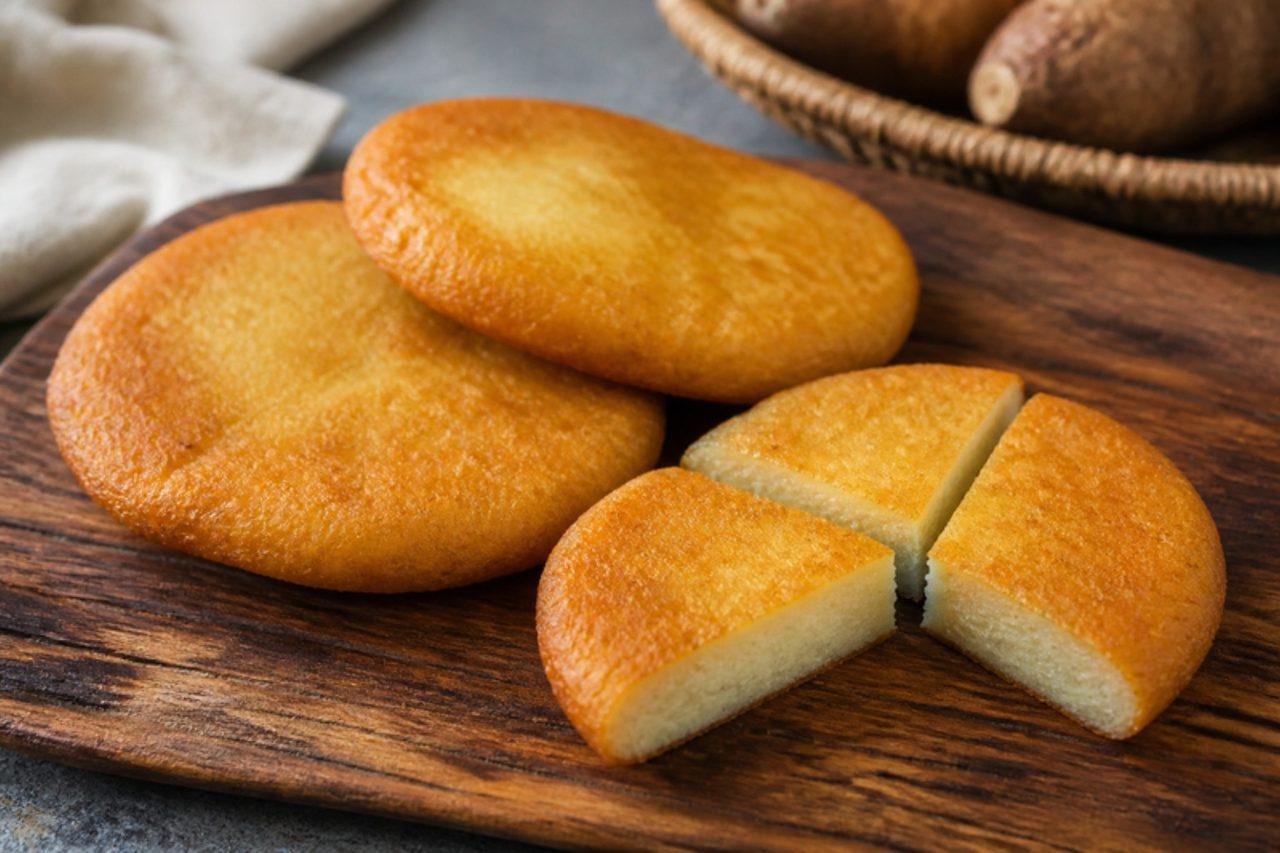
BammyCassava flatbread

Bammy is one of Jamaica's oldest foods, a flatbread of grated cassava handed down from the Taíno people and still made by family producers in St Elizabeth, especially around Treasure Beach and the south coast. The cassava is grated, squeezed dry and pressed into firm rounds that keep for days. Before eating, they're soaked in coconut milk and fried, so they turn crisp outside and soft and chewy within, with a gentle nutty flavour. Serve with steamed callaloo, Ital stew or escovitch vegetables. Chef's tip: squeeze the grated cassava really, truly dry in a cloth, wringing it hard. Wet cassava steams into a gummy cake instead of setting into a firm bammy.

by KrazyBadal 0 views

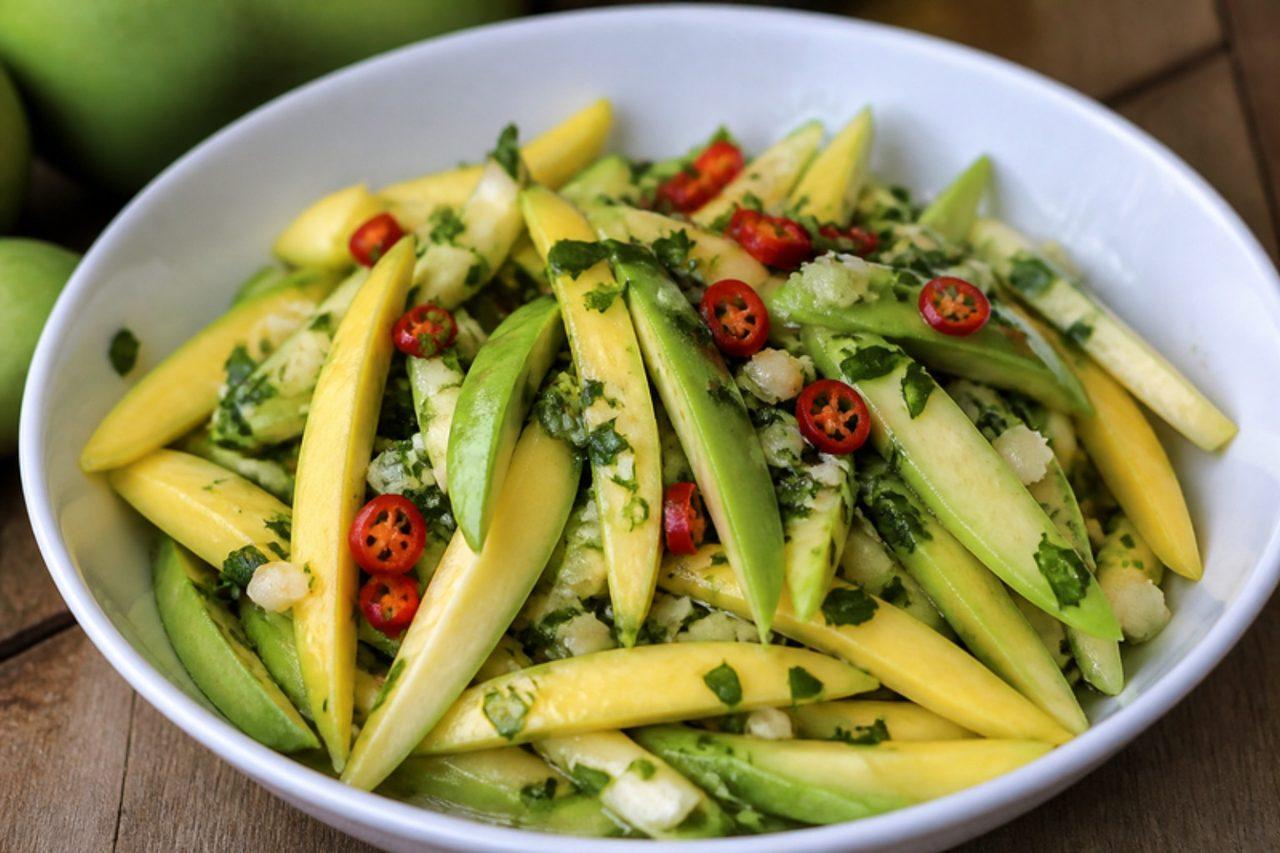
Mango chowSpiced green mango

Chow is what Trinidadians eat on a hot afternoon: fruit, most often half-ripe mango, sliced and tossed with lime juice, salt, garlic, chopped shado beni and plenty of hot pepper. It's sold in little bags at roadside stands, beach stalls and outside schools all over the island. It's crunchy, sour, salty, garlicky and fiery all at once. Pineapple, cucumber and pommecythere (golden apple) are made the same way. Chef's tip: let the chow sit for 10 minutes before eating. The salt and lime draw out the mango's juice into a tangy, peppery 'pickle' liquid, and that juice is the best part.

by KrazyBadal 0 views

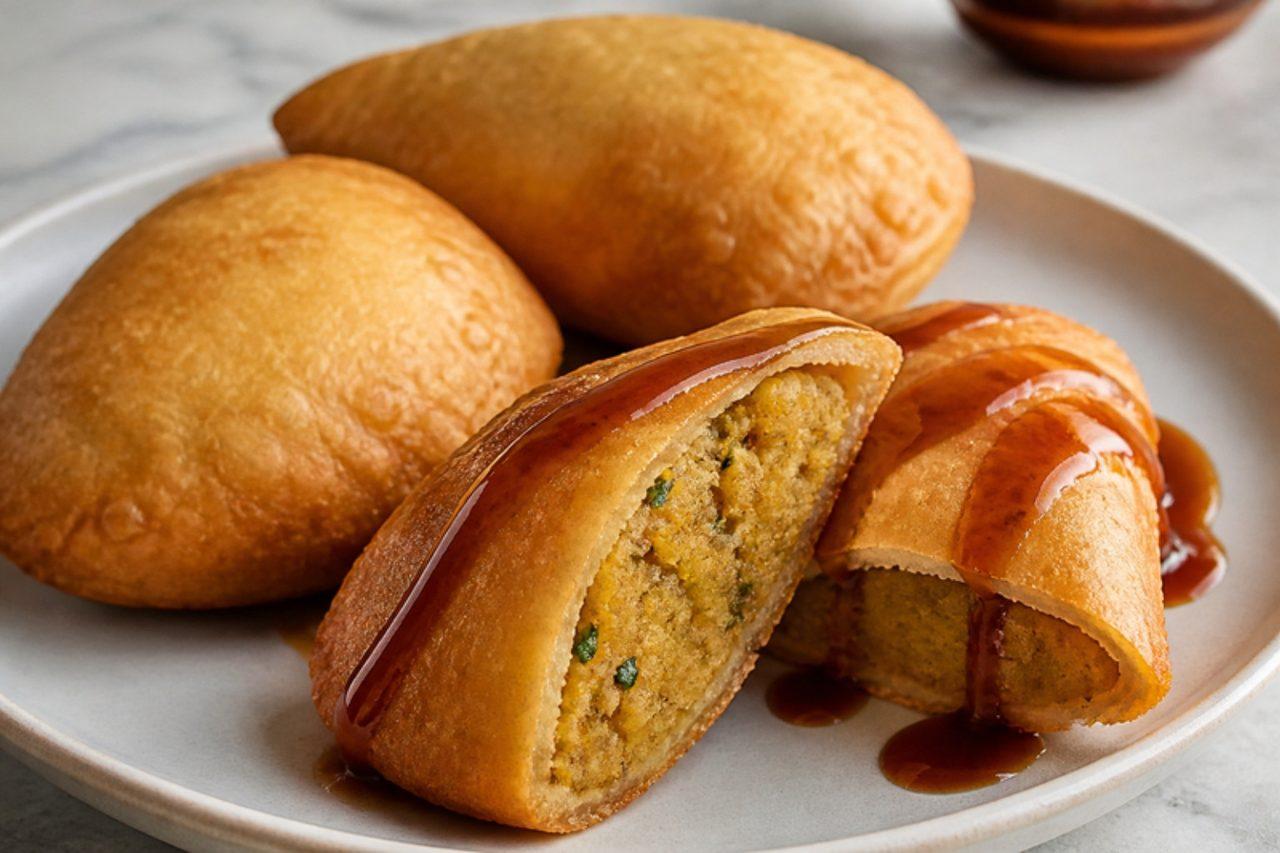
Aloo pieFried potato pastry pockets

Aloo pie is a Trinidadian street snack: a soft, chewy fried dough shaped like a big half-moon, filled with mashed potato seasoned with roasted geera, garlic, pepper and shado beni. It's sold at doubles stands, roti shops and school canteens all over the island, and the classic way to eat it is split open and loaded with curry channa, tamarind sauce and pepper. It's softer and breadier than an Indian samosa. Chef's tip: roast the geera seeds yourself until they're dark brown and fragrant, then grind them. That deep, smoky cumin flavour is what makes Trini aloo pie taste the way it should.

by KrazyBadal 0 views

Showing 9 of 7,762 recipes

Show more recipes

Page 789 of 863