


Skip to content
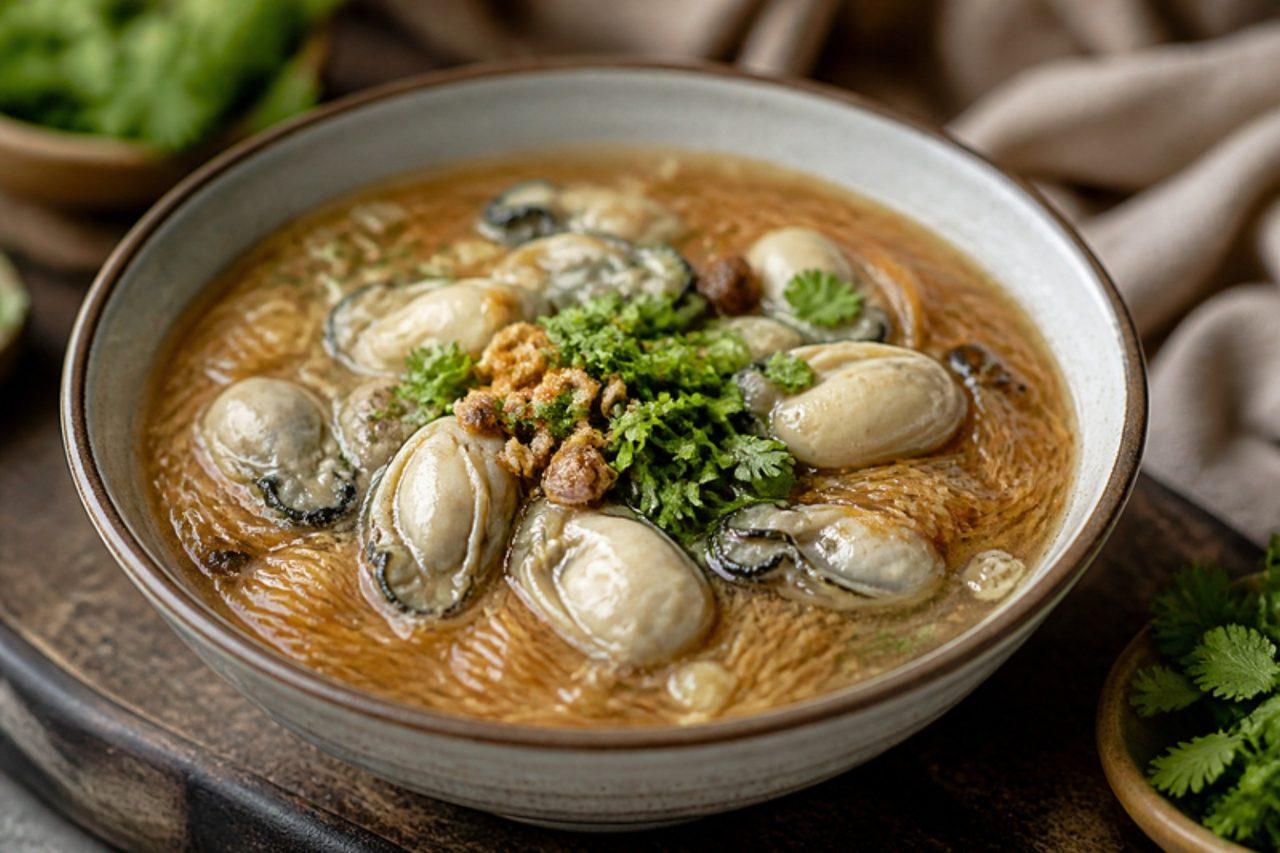
Taiwanese oyster vermicelli
Featured recipe

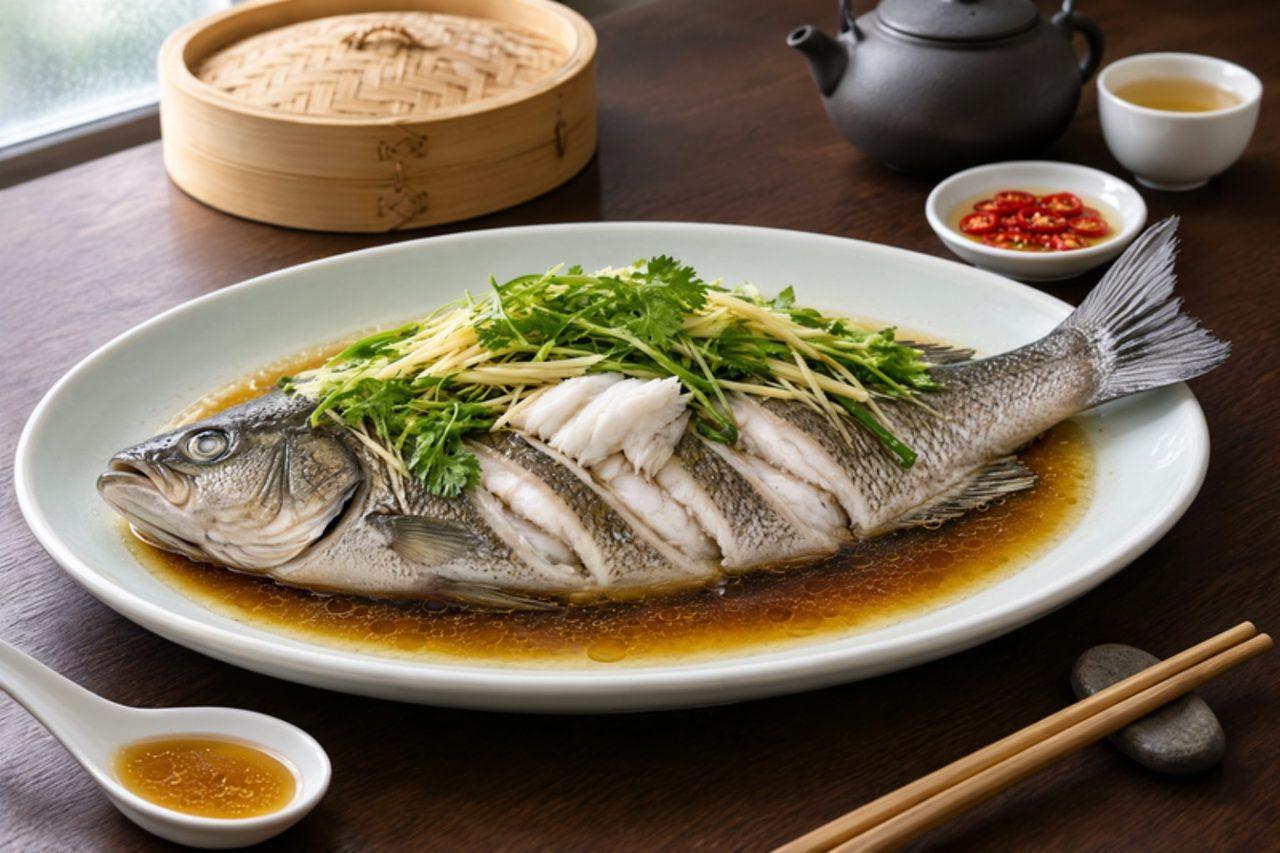
Taiwanese oyster vermicelli

Oyster noodle soup

Around Ximending in Taipei, people queue at standing-room stalls for a paper cup of this, spooning it up on the pavement as an afternoon snack or a late supper after the cinema. The thin brown wheat vermicelli melts into a glossy, bonito-scented broth thickened with starch, with plump starch-coated oysters and chewy pieces of braised pork intestine through it, finished with black vinegar, garlic and coriander. Buy oysters already shucked and very fresh from a fishmonger you trust; braised pork belly makes an easy stand-in for the intestine. The usual mistake is boiling the noodles separately until they turn to mush: the red vermicelli is pre-steamed and only needs a few minutes in the broth to soften. Chef's tip: coat the oysters in starch and drop them into barely simmering broth at the very end, so they stay plump with a silky jacket instead of shrinking.

Read more 0 views

What to eat today?

Around the world

Today's trip: Paraguayan

A new country every day, from every cuisine on the site.

Paraguayan

Morcilla dulce

Sweet blood sausage with walnuts 120 minMore from Paraguayan (27) →

This week's collection

Kid-friendly dinners
537 recipes · a new collection every Monday

Latest recipes

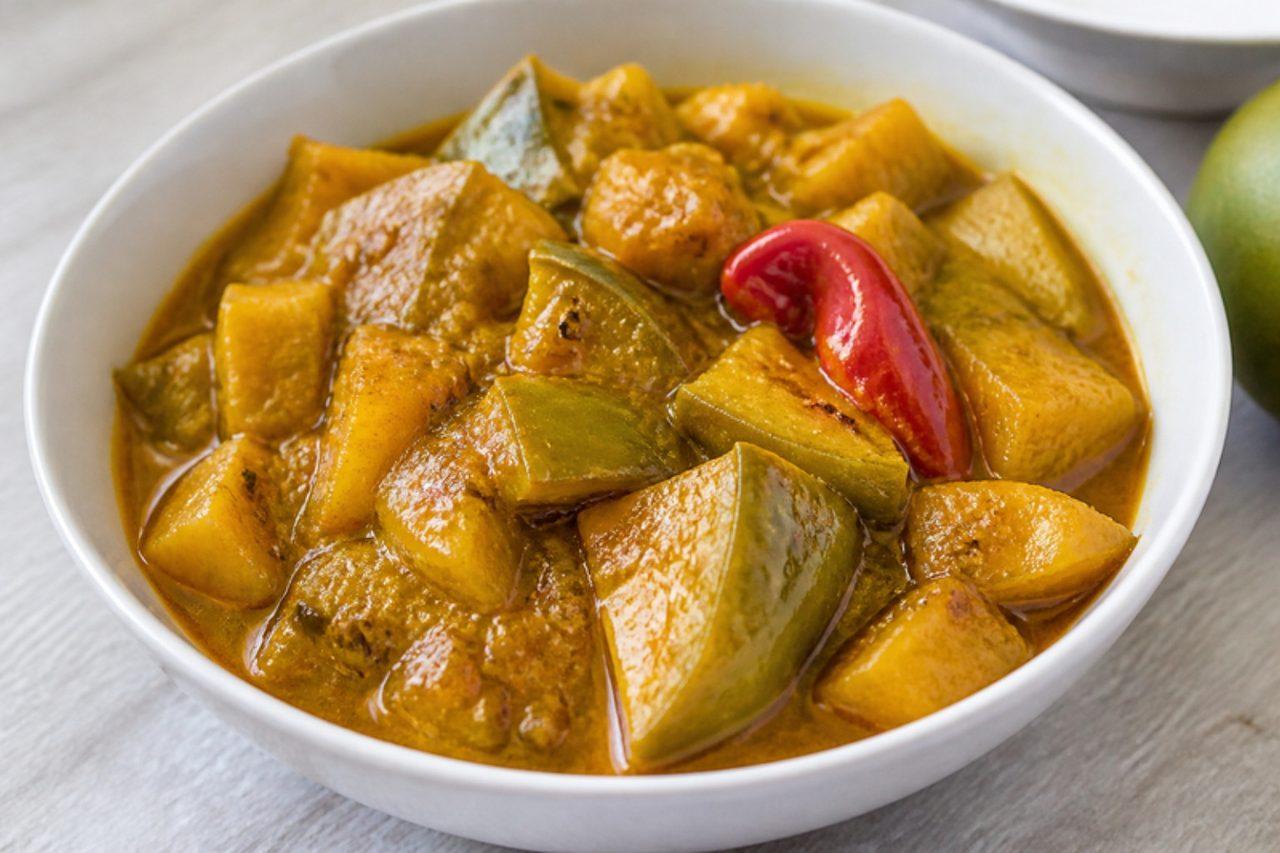
Curry mangoGreen mango curry

Curry mango is a Trinidadian favourite on the 'seven-curry' plate at Hindu weddings, pujas and Divali, served on a sohari (water-lily) leaf beside dhal, rice, pumpkin and channa. Hard green or half-ripe mangoes are chopped, skin, seed and all, then cooked in curry with garlic, roasted geera and a little sugar until tender and glossy. It's sour, sweet, salty and hot at once, and a spoonful brightens any rice and curry or a roti. Chef's tip: leave the skin on and add the sugar a little at a time. The skin keeps the pieces whole, and the right balance is when you taste sour first, then sweet, then the heat comes through.

by KrazyBadal 0 views

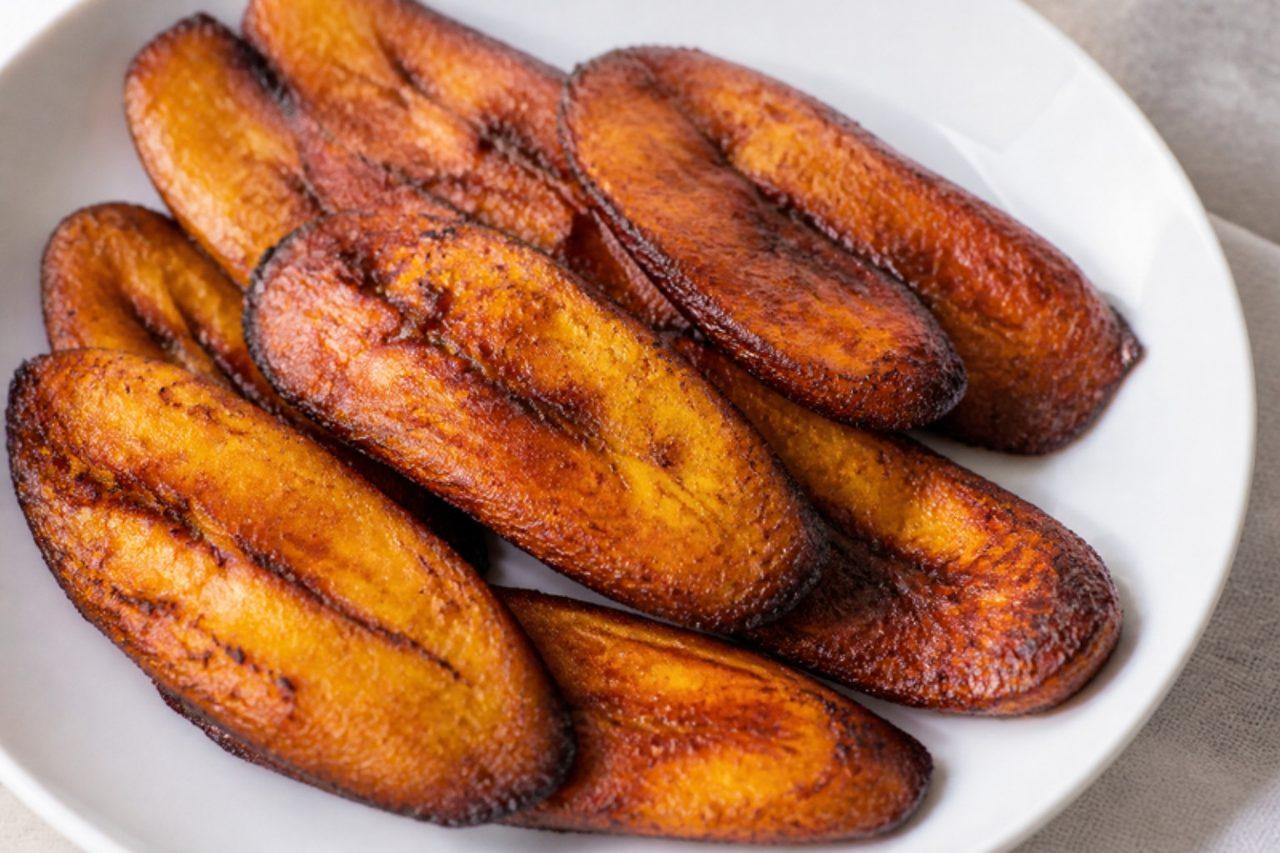
Fried ripe plantain

Fried ripe plantain is on almost every Jamaican plate, from breakfast with ackee and callaloo to Sunday dinner beside rice and peas. When plantains are fully ripe their starch turns to sugar, so the slices fry up soft and custardy inside with dark, sticky, caramelised edges, sweet with a little salt. Chef's tip: wait until the skin is mostly black. A yellow plantain fries up firm and starchy; a black one gives that melting, toffee-sweet result, and medium heat lets the sugars caramelise without burning.

by KrazyBadal 0 views

Cheese and heart of palm pastelFried cheese and palm heart pastries

Pastel is the taste of the São Paulo street market: big rectangles of thin dough fried to order until they blister and puff, eaten hot from paper with a glass of caldo de cana (sugar-cane juice). Cheese and palmito (heart of palm) are two of the most popular meat-free fillings. Chef's tip: add a spoon of cachaça (or vodka) to the dough and fry in properly hot oil. The alcohol evaporates fast and makes the crust puff into the light, bubbly blisters that market pastel is famous for.

by KrazyBadal 0 views

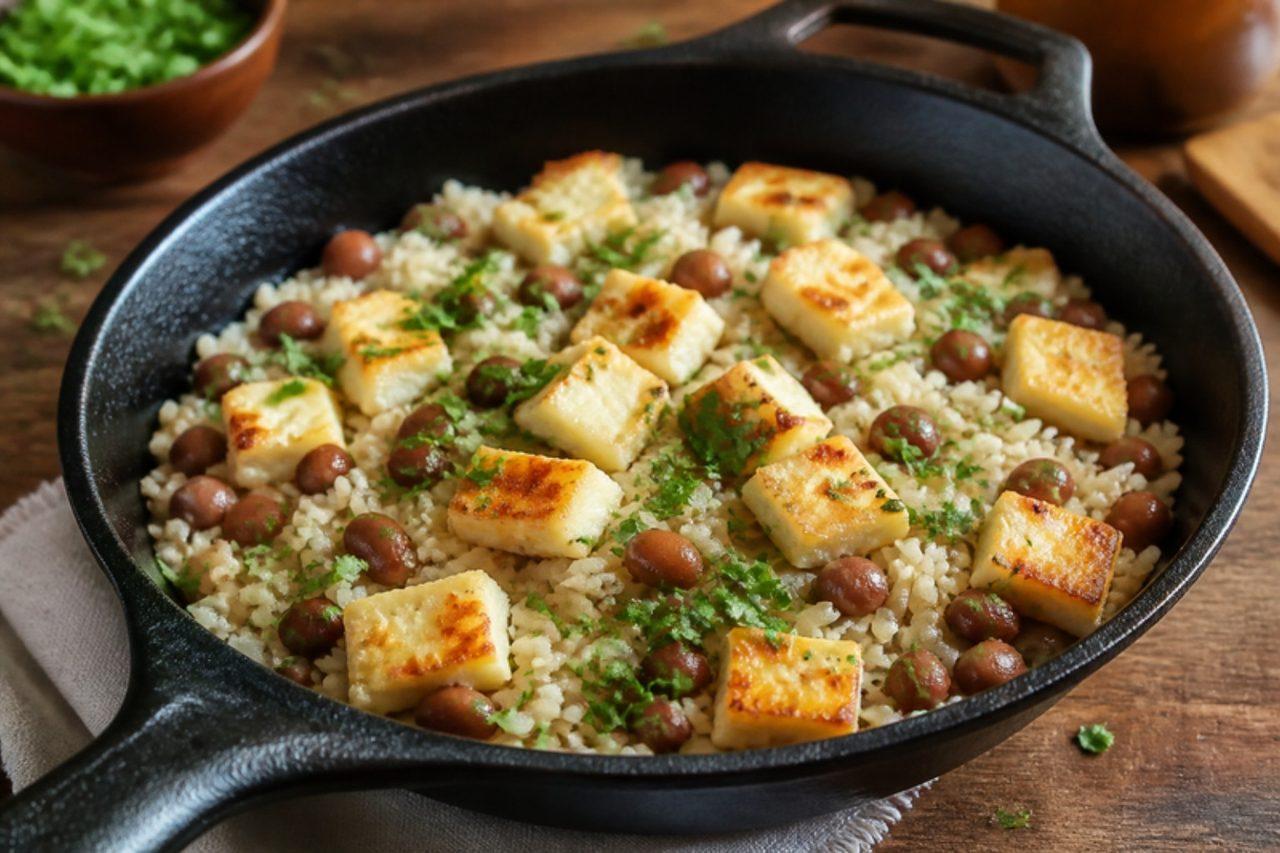
Baião de doisRice and beans with cheese

Baião de dois ('a dance for two') is the pride of Ceará and the Northeast sertão: rice cooked in the broth of feijão-de-corda (a small cowpea; black-eyed peas are the closest match), then folded with cubes of squeaky queijo coalho until they just start to melt. It's usually made with dried beef and bacon; this version keeps the smoky note with paprika and finishes with nutty clarified butter (manteiga de garrafa). It's a one-pot meal on its own, or great with vinagrete. Chef's tip: cook the rice in the bean cooking water, not fresh water. That's what gives baião its brownish colour and deep bean flavour.

by KrazyBadal 0 views

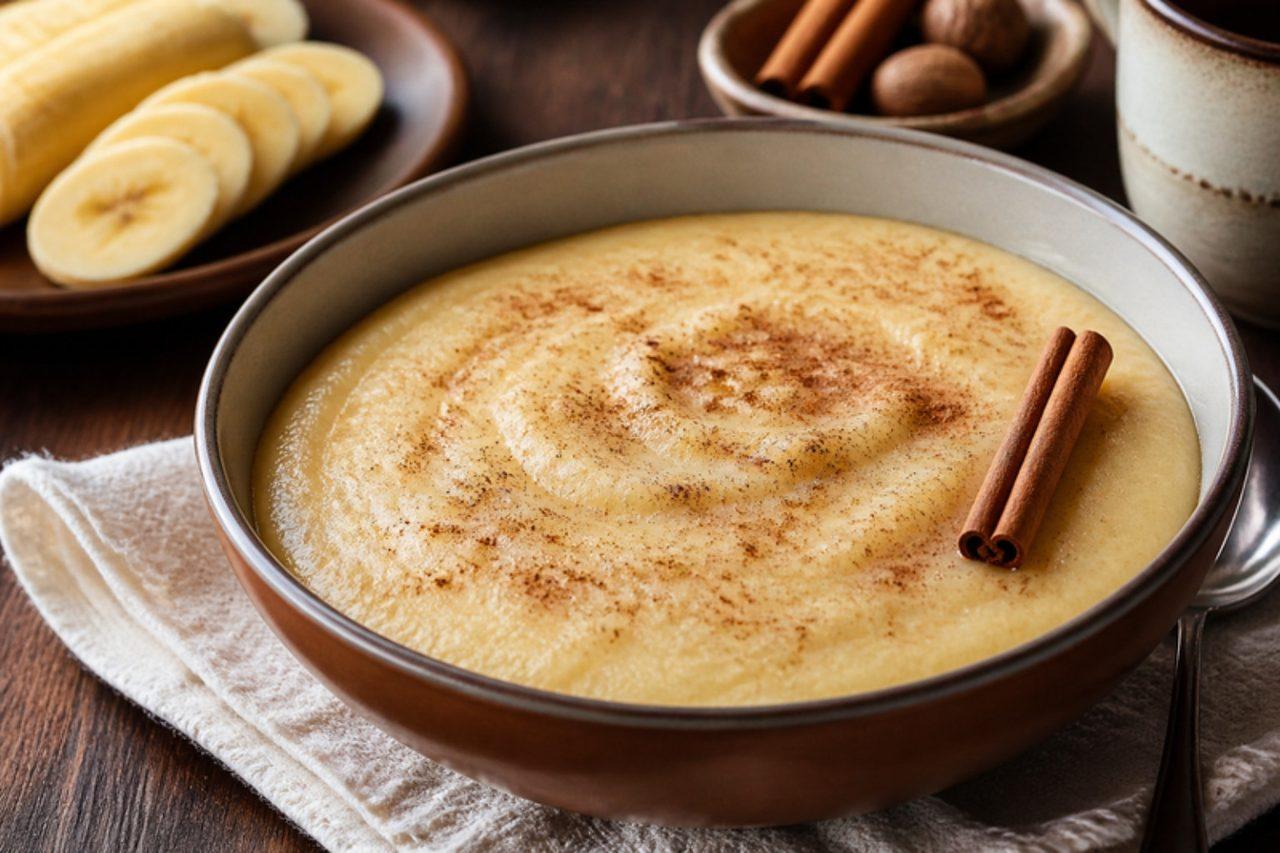
Cornmeal porridge

Cornmeal porridge is the breakfast many Jamaicans grew up on, cooked in homes across the island before school and work. Fine cornmeal is simmered slowly with milk and water until thick and velvety, then spiced with cinnamon, nutmeg and vanilla and sweetened with condensed milk. It's warm, filling and gently sweet. Chef's tip: whisk the cornmeal into cold water first to make a smooth slurry before it meets any heat. Adding dry cornmeal to hot liquid is how porridge goes lumpy.

by KrazyBadal 0 views

Jamaican carrot juice
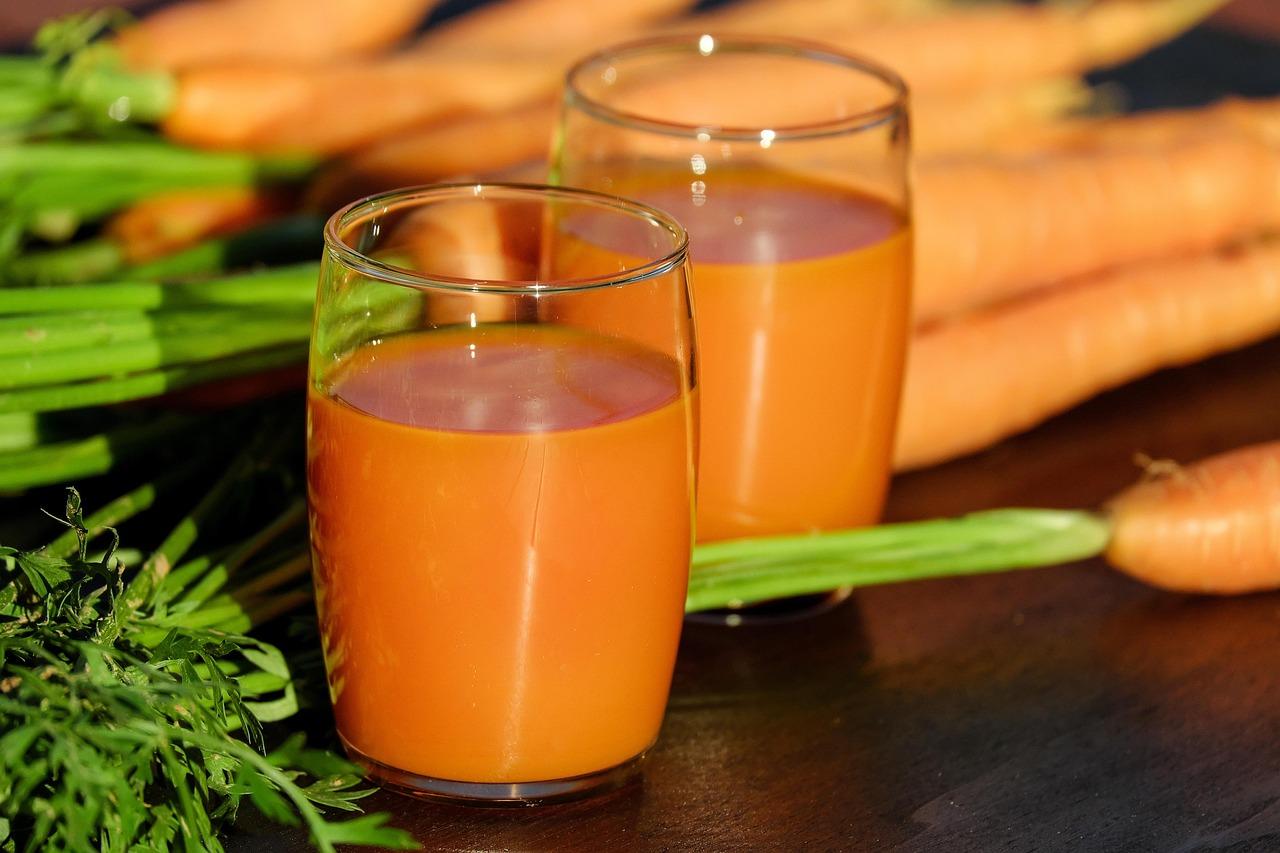
Jamaican carrot juice isn't a thin health drink but a creamy, sweet treat, blended fresh in homes and sold cold in bottles at markets and juice stands across the island, especially on Sundays and at Christmas. Grated carrots are blended with water and strained, then sweetened with condensed milk and spiced with nutmeg, vanilla and a squeeze of lime. Chef's tip: add a squeeze of lime and a little fresh ginger. The sharpness cuts through the sweetness and stops the drink tasting flat, the way Jamaican cooks make it.

by KrazyBadal 0 views

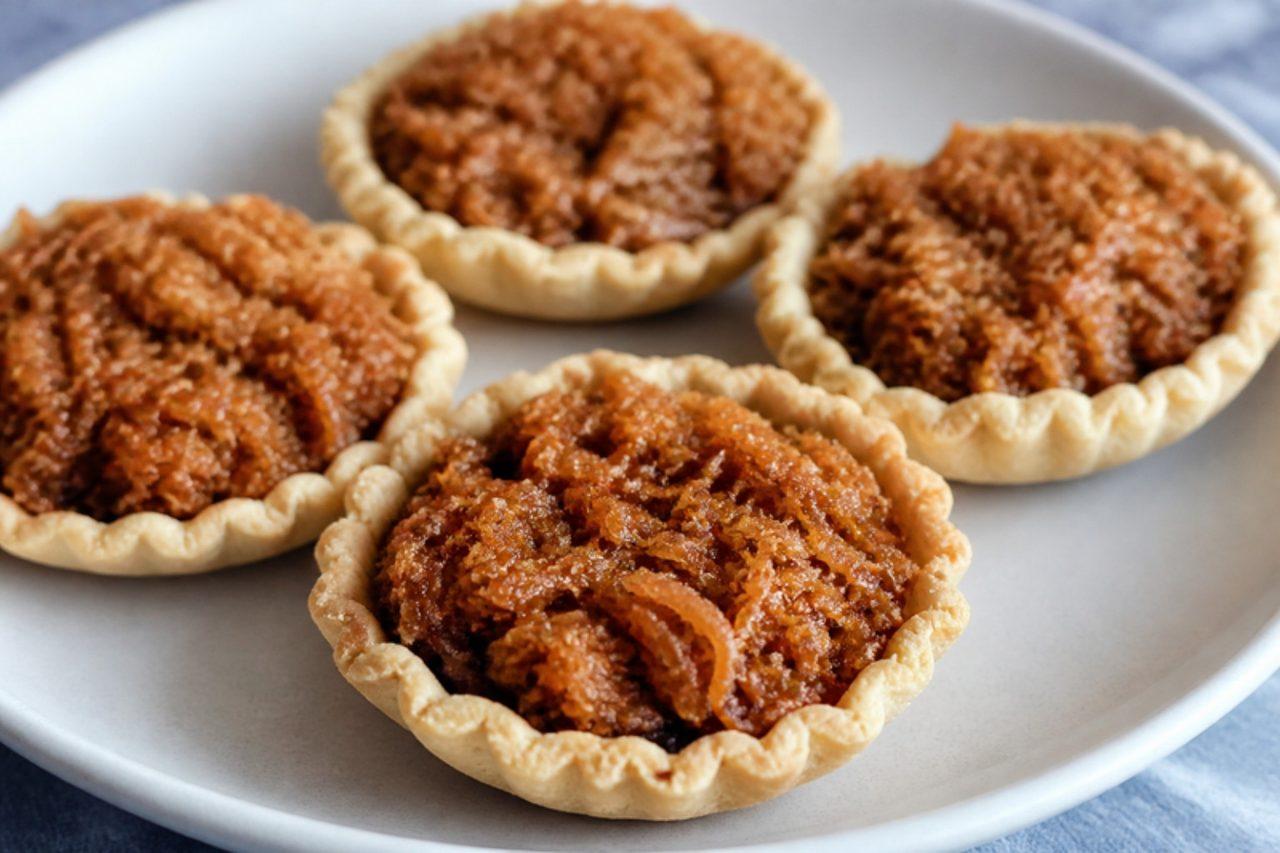
GizzadaCoconut tarts

Gizzada (also called 'pinch-me-round') is a little Jamaican tart with a crisp, crimped crust and a chewy filling of grated coconut cooked with brown sugar, nutmeg and ginger. It's sold in bakeries and roadside stalls across Jamaica; the name is thought to come from the Portuguese 'queijada', brought by Portuguese Jewish settlers. Eat it with a cup of tea or as an afternoon treat. Chef's tip: cook the coconut filling until it's sticky and almost dry, with no syrup pooling in the pan. A wet filling soaks into the pastry and the crust goes soft instead of crisp.

by KrazyBadal 0 views

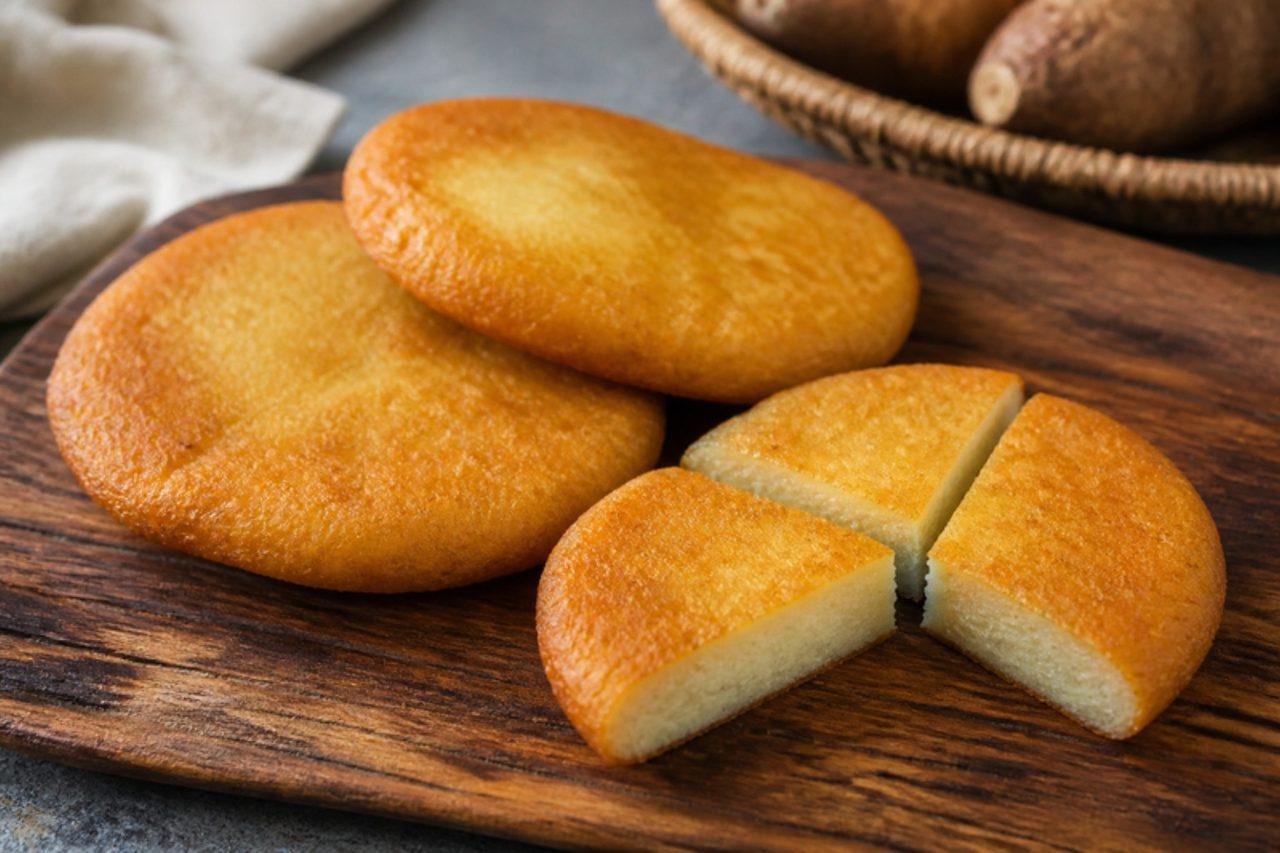
BammyCassava flatbread

Bammy is one of Jamaica's oldest foods, a flatbread of grated cassava handed down from the Taíno people and still made by family producers in St Elizabeth, especially around Treasure Beach and the south coast. The cassava is grated, squeezed dry and pressed into firm rounds that keep for days. Before eating, they're soaked in coconut milk and fried, so they turn crisp outside and soft and chewy within, with a gentle nutty flavour. Serve with steamed callaloo, Ital stew or escovitch vegetables. Chef's tip: squeeze the grated cassava really, truly dry in a cloth, wringing it hard. Wet cassava steams into a gummy cake instead of setting into a firm bammy.

by KrazyBadal 0 views

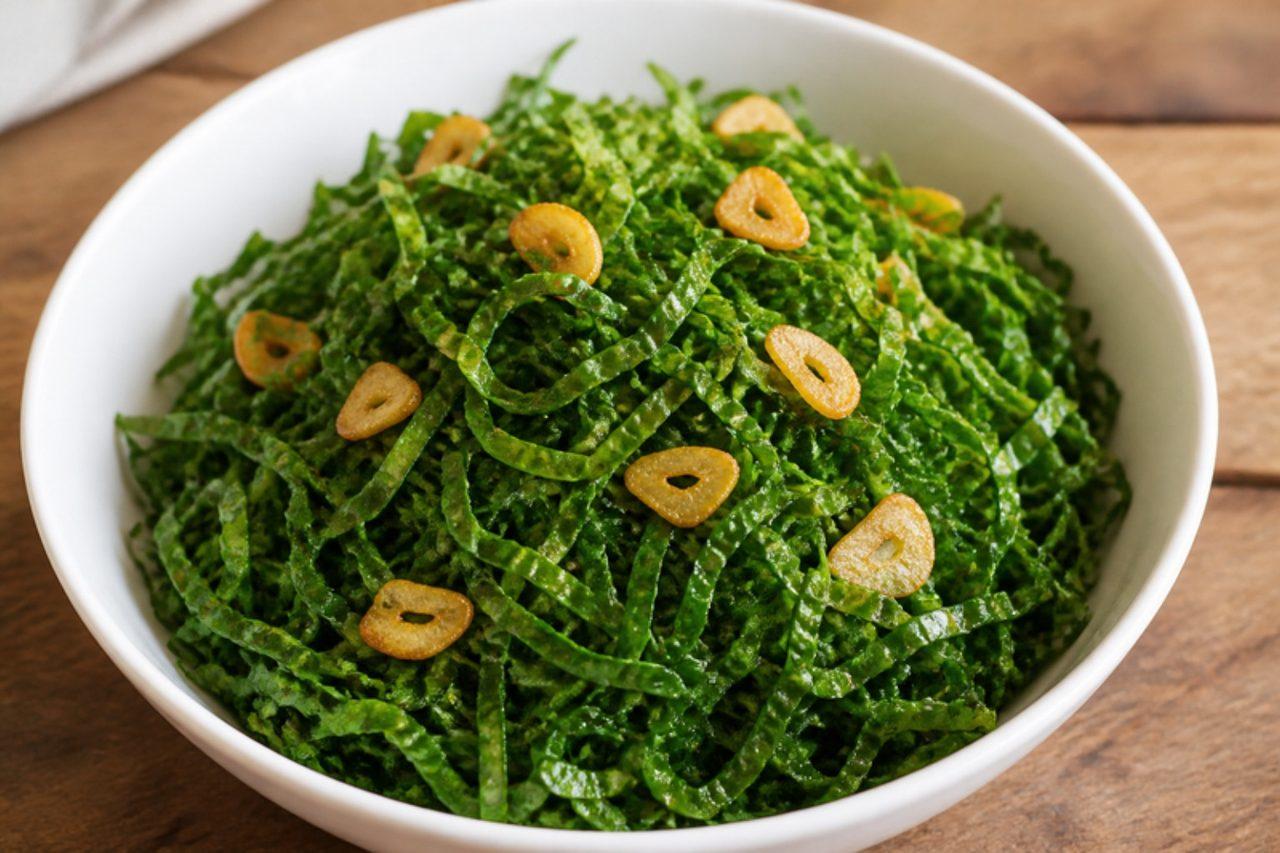
Couve à mineiraShredded garlic collard greens

Couve à mineira, from Minas Gerais, is the bright green side dish that goes with feijoada, tutu and plain rice and beans all over Brazil. Collard greens are rolled up like a cigar, sliced into fine ribbons and cooked for barely two minutes with garlic, so they stay vivid, tender and slightly crunchy. Chef's tip: the knife work is the whole recipe. Slice the rolled leaves as thinly as you possibly can (Brazilian cooks aim for threads 1–2 mm wide), then cook them fast over high heat with the lid off. Thick strips or a covered pan give you dull, soggy greens.

by KrazyBadal 0 views

Showing 9 of 7,762 recipes

Show more recipes

Page 790 of 863