


Skip to content
Khaddi kebab
Featured recipe

Khaddi kebab

Roast spiced lamb over rice

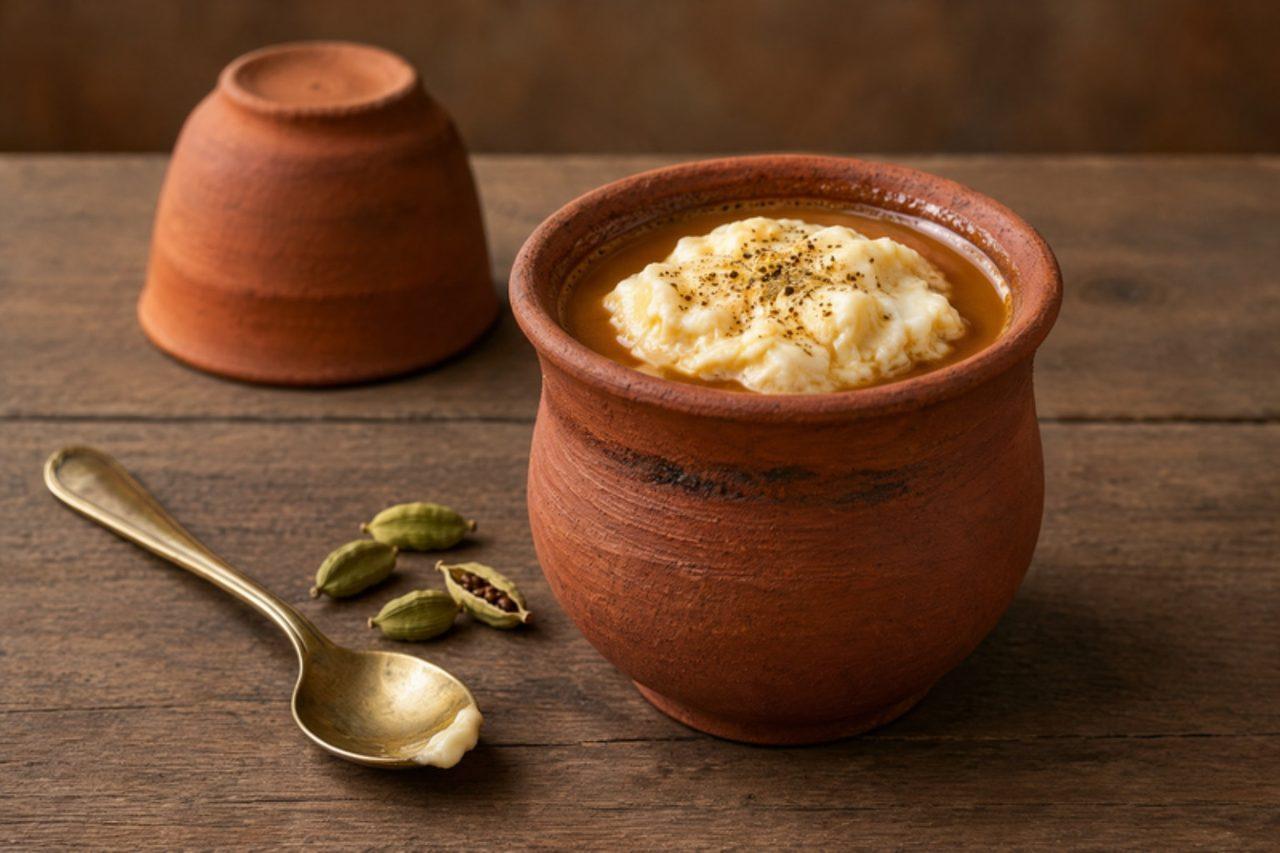
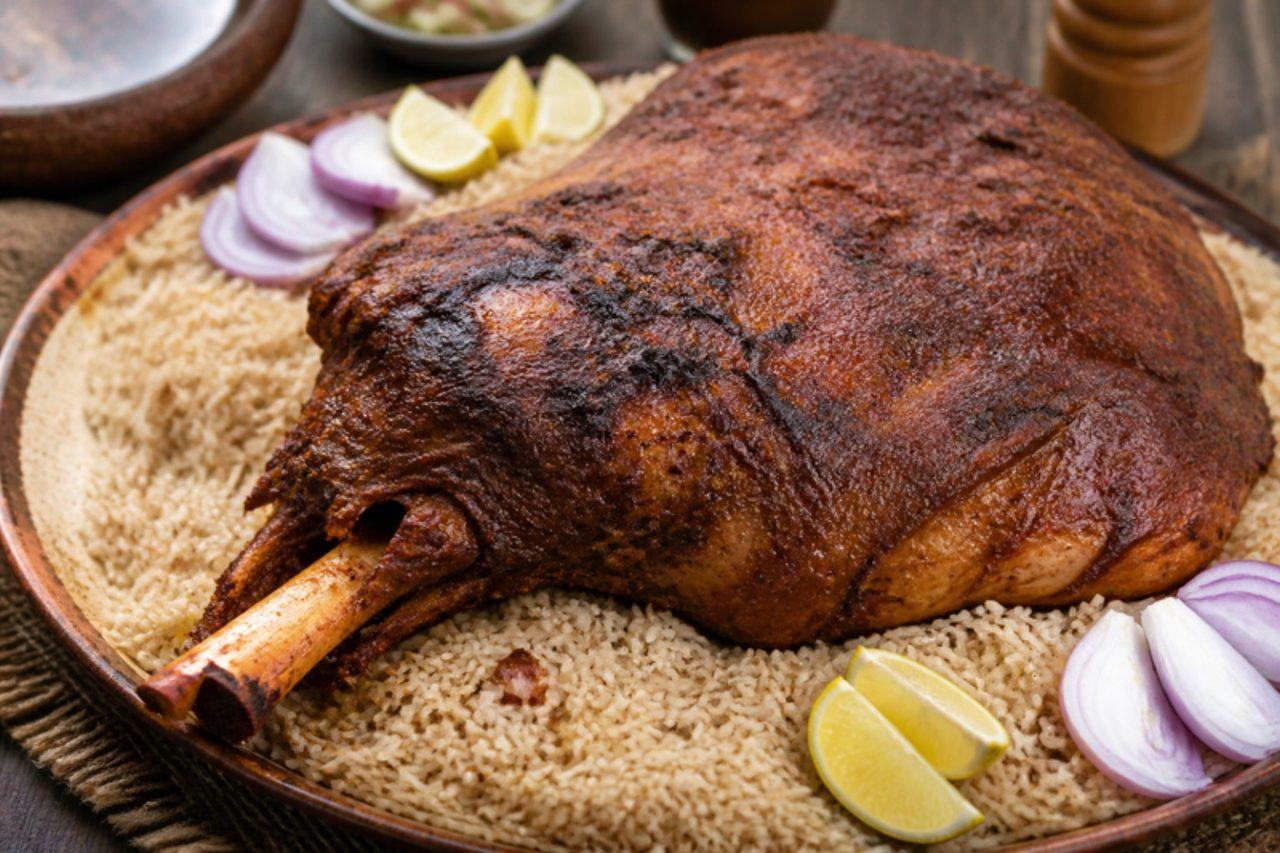
A khaddi, in Baloch country, is a pit dug in the ground and lined with hot stones; a whole goat or lamb, rubbed with salt and spices and stuffed with rice, is lowered in, covered with earth and left for hours, then dug out for weddings and tribal feasts. Few home cooks have a pit, so this version roasts a bone-in lamb shoulder low and slow under foil, then sets it on a tray of part-cooked rice so the rice drinks the dripping juices, the same marriage of meat and rice the pit gives. The meat should pull apart with a spoon and the rice taste deeply of lamb. Stuffing raw rice inside a big joint is where cooks go wrong at home: the centre stays underdone and is not safe, so cook the rice under the meat instead. Chef's tip: roast the lamb the day before, chill it in its juices and lift off the hard fat, then reheat with the rice; it carves more neatly too.

Read more 0 views

What to eat today?

Around the world

Today's trip: Persian

A new country every day, from every cuisine on the site.

This week's collection

Kid-friendly dinners
537 recipes · a new collection every Monday

Latest recipes

Frijoles coladosStrained black beans

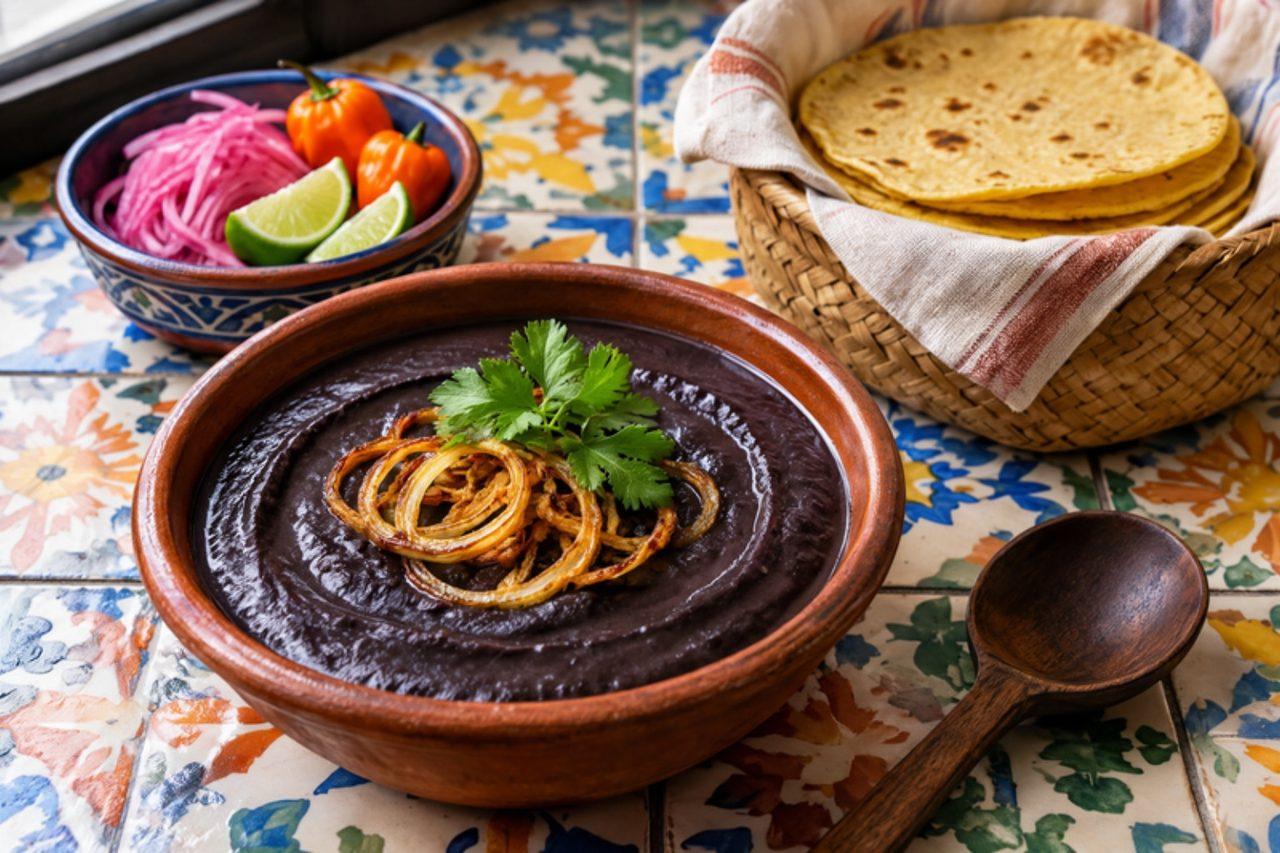
Every cocina económica and family kitchen in Mérida keeps a pot of frijoles colados for the midday meal, the smooth, almost soupy black beans that sit beside cochinita, poc chuc, eggs or simply rice and tortillas across the Yucatán. The beans are cooked soft with epazote, pushed through a sieve, then simmered with onion fried until sweet. Traditionally the onion is fried in pork lard; this version uses oil so it is vegan. The usual mistake is straining beans that are not fully cooked, which gives a gritty, floury purée, so cook them until they crush with no effort. Chef's tip: drop a whole habanero into the simmering purée for 5 minutes for perfume without much heat, then fish it out.

120 minMexicanSidesVeganGluten free
by KrazyBadal 0 views

Chungmu gimbapRice rolls with spicy squid

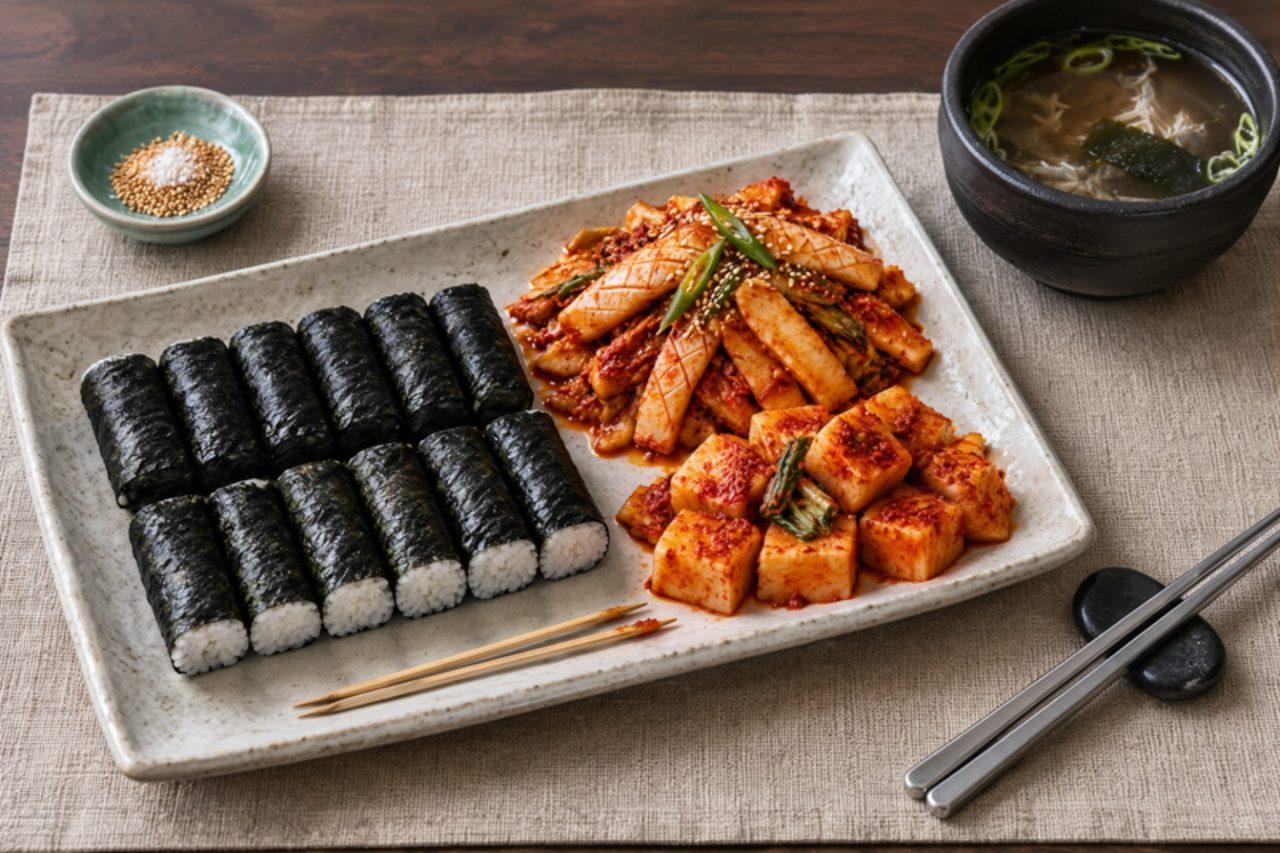
In the harbour town of Tongyeong (once called Chungmu), fishermen's wives made plain rice rolls in laver with the spicy side dishes packed separately, because filled gimbap spoiled in the heat of the boats. Today Chungmu gimbap is a lunchbox and road-trip classic all over Korea: finger-sized rolls eaten with a toothpick, sweet-spicy squid and fish cake, and crunchy radish kimchi. The common mistake is overcooking the squid, which goes rubbery; blanch it just until it turns white and curls. Chef's tip: brush the gim lightly with sesame oil before rolling, which keeps it from going chewy.

by KrazyBadal 0 views

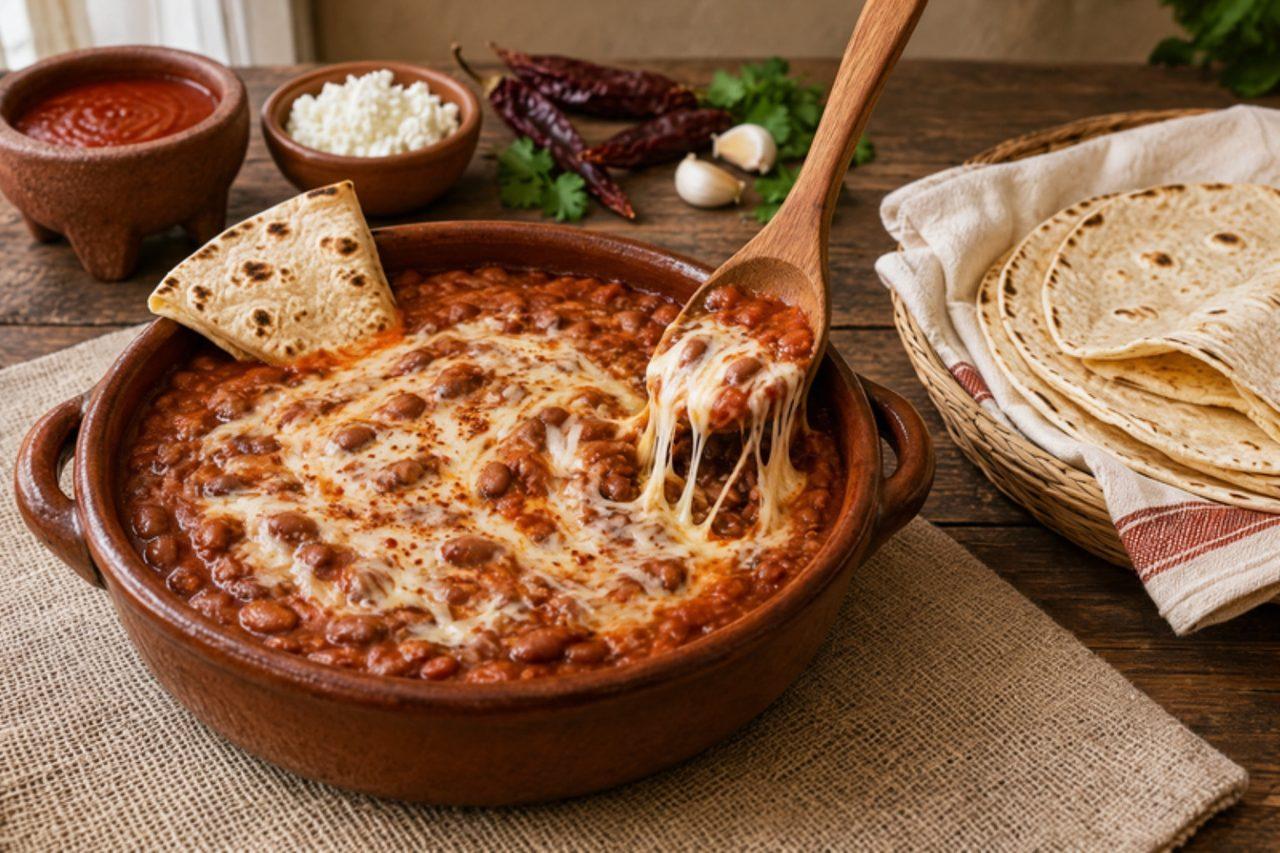
Frijoles maneadosPinto beans with chile and cheese

Frijoles maneados are the rich party beans of Sonora in northern Mexico, cooked for carne asada gatherings, weddings and Sunday lunch, and spooned onto flour tortillas. Soft pinto beans are mashed and beaten (maneados means stirred or worked) with dried red chile colorado, milk and so much melting cheese that the pot pulls into strings. Serve them with flour tortillas, grilled vegetables and a sharp salsa. The usual mistake is adding the cheese while the pot is boiling hard, which makes it go rubbery and oily; take the heat right down first. Chef's tip: Sonoran queso regional or Chihuahua cheese is often made with animal rennet, so for a vegetarian pot choose a vegetarian Monterey Jack-style or mild Cheddar cheese labelled suitable for vegetarians.

by KrazyBadal 0 views

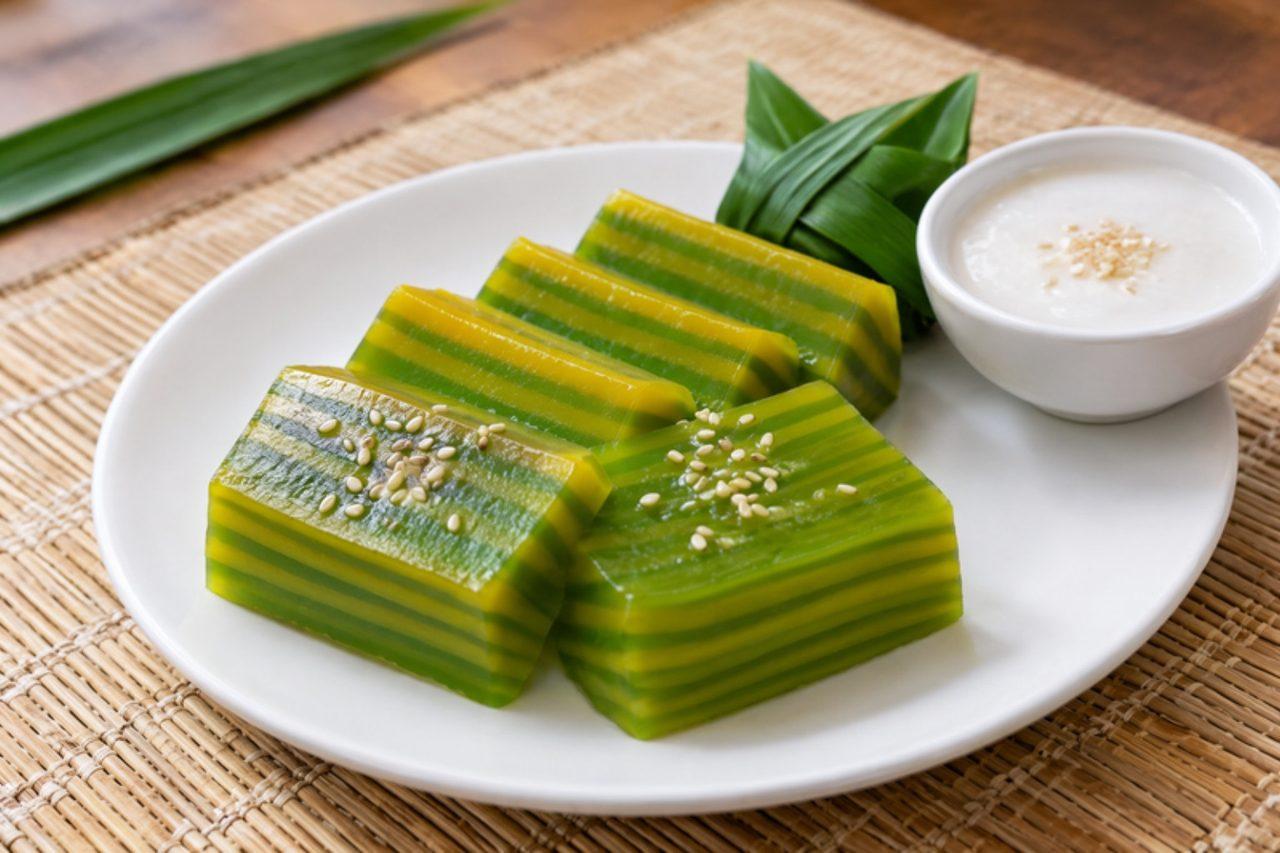
Bánh da lợnSteamed layer cake

Bánh da lợn is piled up in glistening slabs at the dessert stalls of Bến Thành Market and on the trays of Saigon's afternoon sweet sellers. Thin layers of tapioca and coconut batter are steamed one at a time, alternating fragrant pandan green with nutty mung bean yellow, so every slice shows neat stripes and has a soft, bouncy, slightly springy bite. People peel the layers off one by one, especially children. Chef's tip: let each layer set until it turns translucent before pouring the next, or the colours run into each other.

by KrazyBadal 0 views

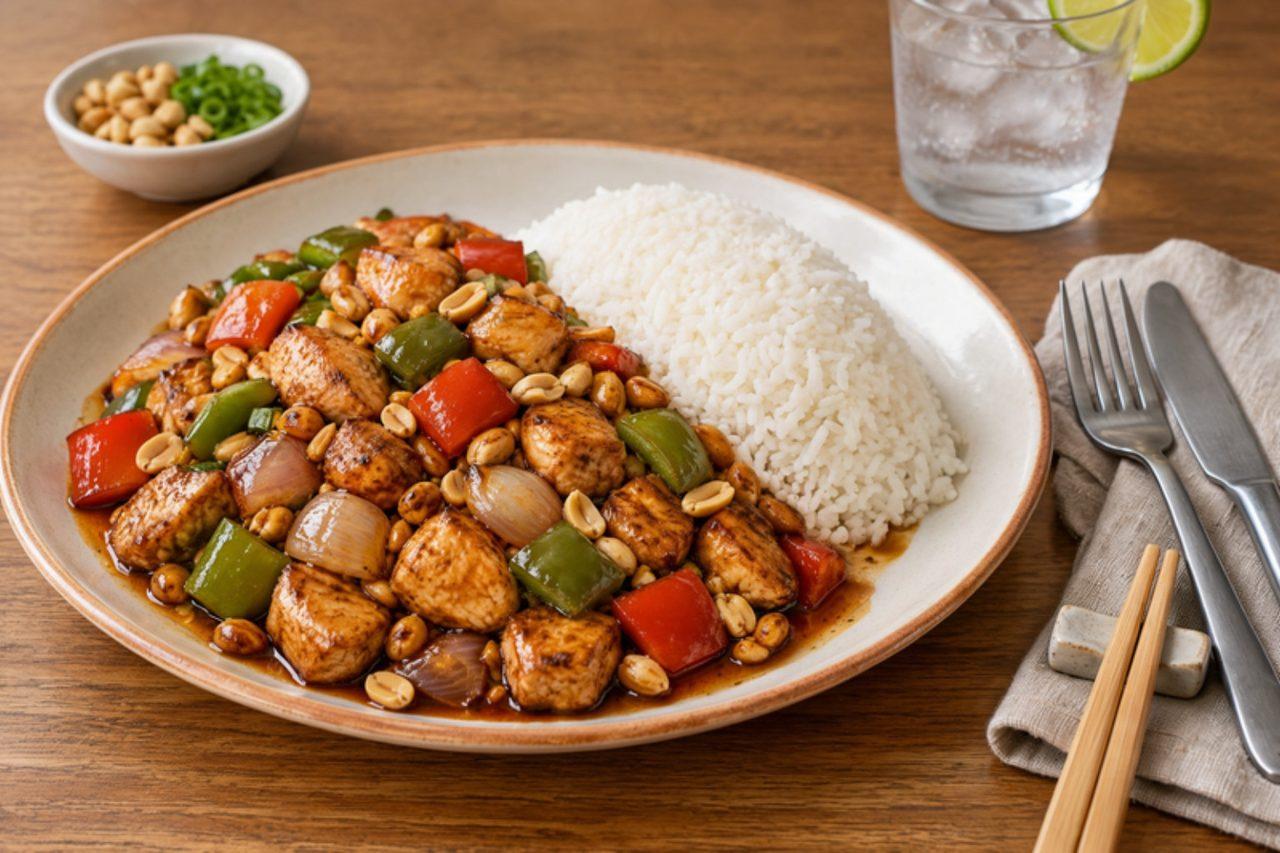
Frango xadrezChicken and pepper stir-fry

Frango xadrez, "chessboard chicken", was born in São Paulo's Chinese-Brazilian restaurants and named for its neat squares of chicken, pepper and onion. It is now a staple of lunch counters, delivery menus and the home-packed marmita, eaten over white rice. The common mistake is overcrowding the pan, so the chicken stews grey instead of searing; cook it in two batches. Chef's tip: toss the chicken with soy sauce and cornflour 15 minutes ahead; the coating keeps it juicy and thickens the sauce.

by KrazyBadal 0 views

Jinmichae bokkeumGlazed dried squid strips

Jinmichae, shredded seasoned dried squid, is one of the most popular banchan in Korean lunchboxes: chewy, sweet and a little spicy, and it keeps for a week. Children across Korea find it in their dosirak and parents make a big tub on Sunday. The common mistake is glazing it over the heat, which turns the squid hard as wire; mix the strips into the warm sauce off the heat. Chef's tip: soak the squid briefly in water first and squeeze it out, so it stays tender even straight from the fridge.

15 minKoreanFishSpicy
by KrazyBadal 0 views

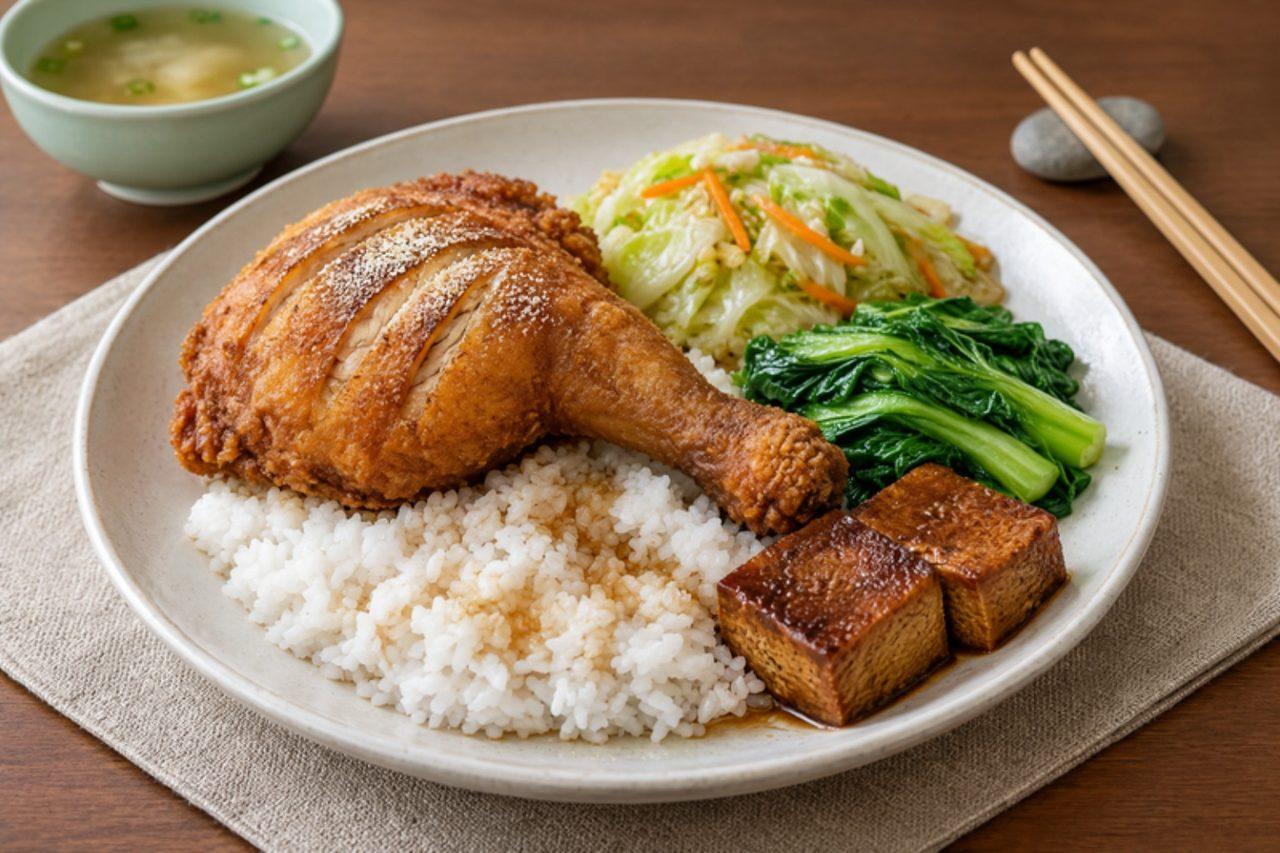
Jitui fanFried chicken leg rice

In every Taiwanese town, the biandang shop at lunchtime sells jitui fan: a whole chicken leg marinated in soy, garlic and five-spice, coated in coarse sweet potato starch and fried crisp, laid over rice with three small vegetable sides and a scoop of minced-pork sauce if you ask. Office workers and students carry the paper boxes back to their desks. The common mistake is frying in oil that is too hot, so the coating browns while the meat by the bone stays raw; fry gently, then crisp it at the end. Chef's tip: let the starch-coated legs sit for 5 minutes until the coating looks damp, so it fries into crunchy little pebbles.

by KrazyBadal 0 views

Bacon and egg pie

No Kiwi picnic, school trip or bach weekend is complete without a bacon and egg pie: flaky puff pastry wrapped around smoky pork bacon, peas and whole eggs that bake into golden rounds you can see when the pie is cut. It is served warm for tea and then sliced cold into lunch boxes the next day. The common mistake is pulling it out when the pastry looks done but the eggs are still runny in the middle; for a picnic pie that will be packed, the eggs must be fully set. Chef's tip: prick each yolk lightly before adding the lid, so the eggs cook evenly and don't bubble up through the pastry.

by KrazyBadal 0 views

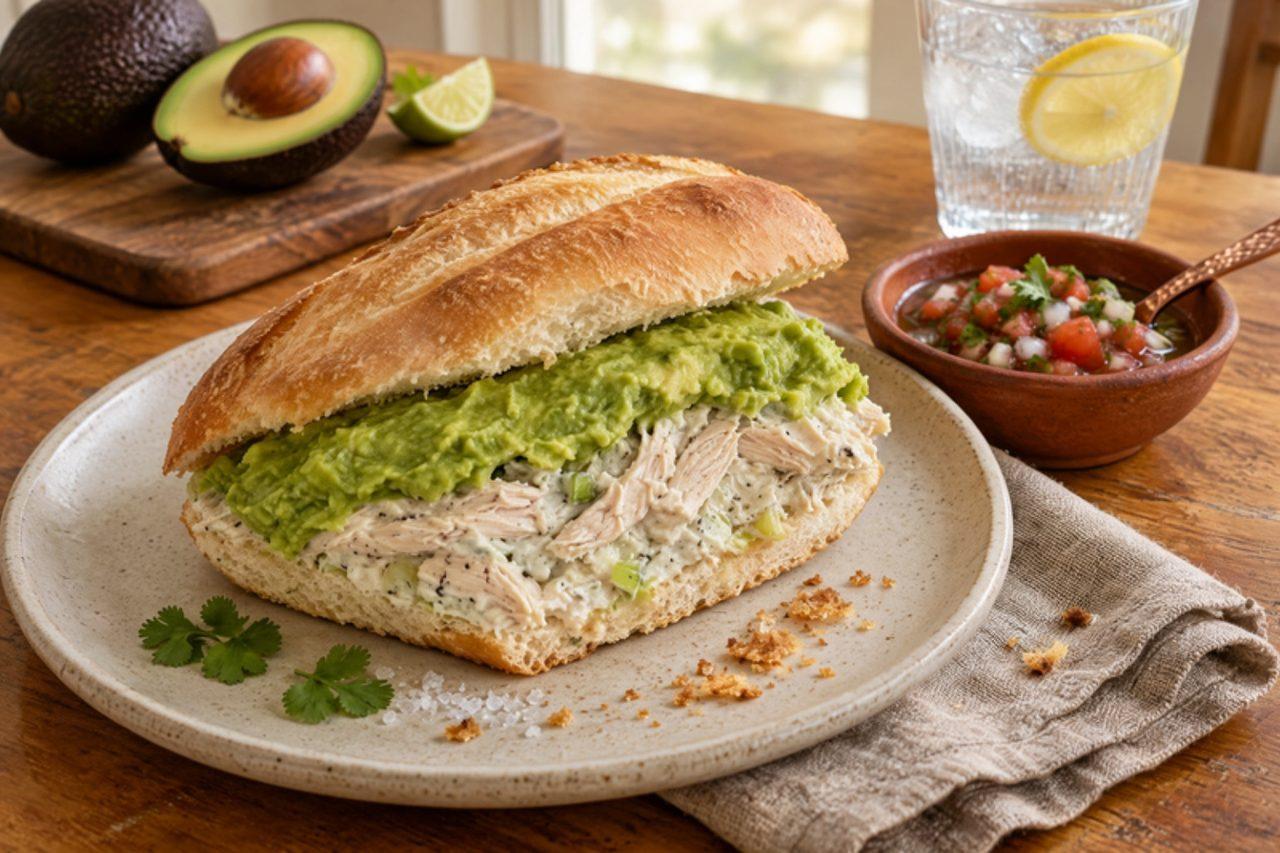
Ave paltaChicken and avocado roll

In Santiago's fuentes de soda and school kiosks, the ave palta is the lunch everyone orders: a soft hallulla or crusty marraqueta roll filled with shredded chicken in mayonnaise (ave mayo) and a thick layer of mashed avocado, palta. Chileans pack it for the office and for long bus journeys. The common mistake is mixing warm chicken with mayonnaise, which turns oily and is a food-safety risk; cool the chicken first. Pack it with an ice pack. Chef's tip: mash the avocado with lemon and salt just before assembling, so it stays green until lunch.

by KrazyBadal 0 views

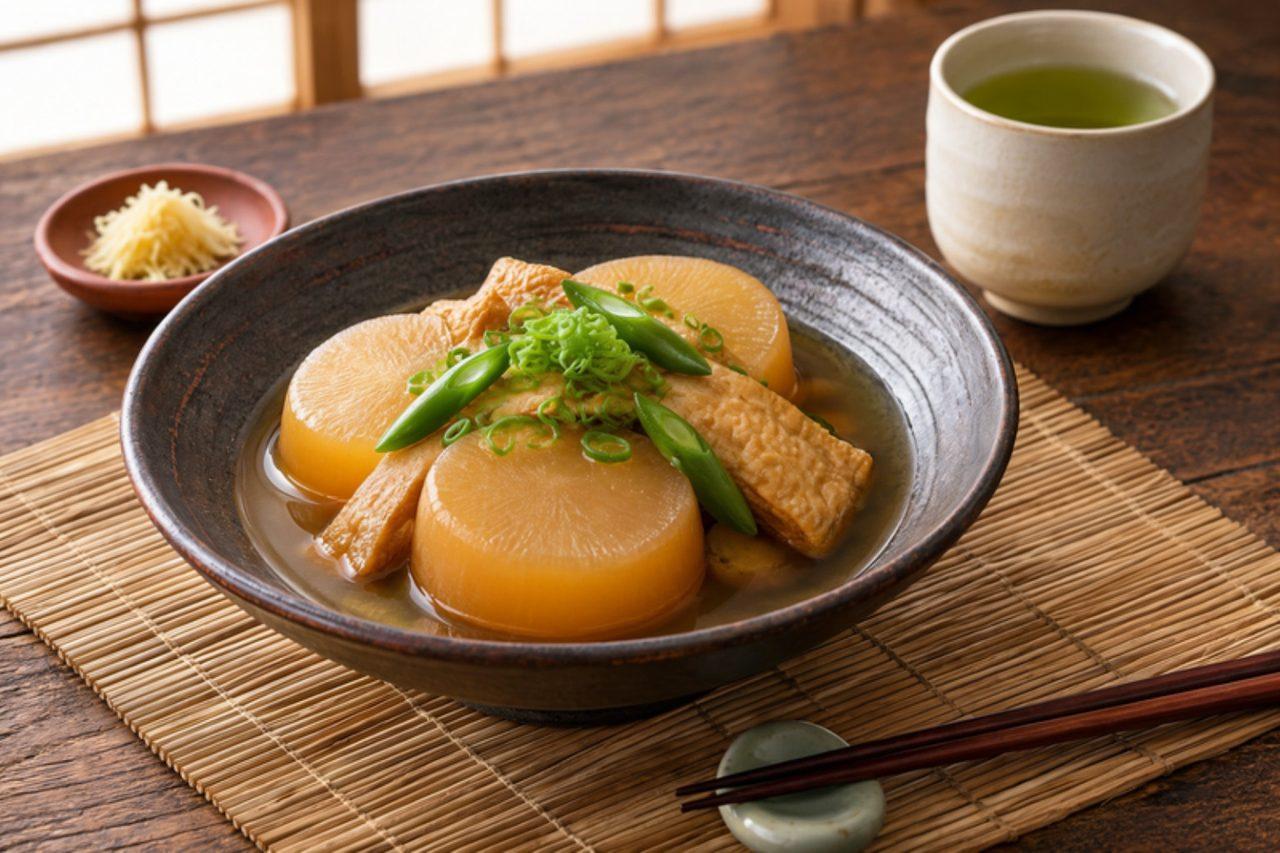
Daikon to aburaage no nimonoSimmered daikon and fried tofu

When winter daikon is fat, sweet and cheap in every Japanese market, home cooks from Hokkaido to Kyushu simmer it with strips of aburaage, the thin fried tofu pouches, as an everyday side for rice and grilled food. The radish turns soft and see-through and drinks up a light soy broth, while the tofu soaks up the rest like a sponge. This version uses a kelp and shiitake dashi instead of bonito, so the whole pot is vegan, and it tastes even better reheated the next day. The usual mistake is boiling it hard: the daikon edges crumble and the broth goes cloudy, so keep it at a lazy simmer under a drop lid. Chef's tip: pour boiling water over the aburaage before cutting it, which rinses off the stale frying oil and lets the broth soak in.

by KrazyBadal 0 views

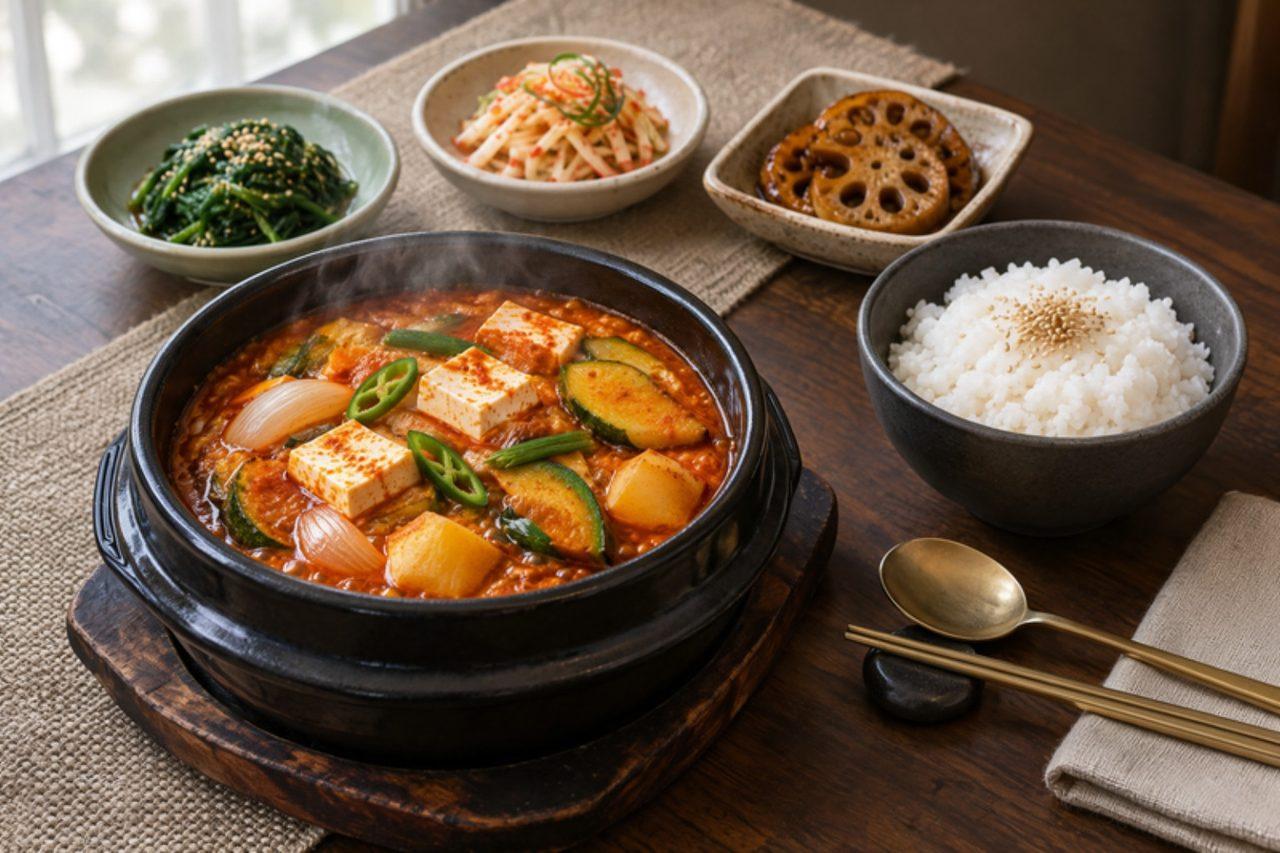
Hobak jjigaeCourgette and tofu stew

Hobak jjigae is the late-summer stew of Korean home kitchens, made when the garden throws up more courgettes (aehobak) than anyone can eat, and it lands on the table in its own pot next to rice and kimchi on any ordinary weeknight. Potato and soft tofu soften in a red, gently spicy broth of gochujang and kelp, and the courgette turns silky without falling apart. Most cooks start with anchovy stock; this one uses dried kelp and shiitake so it stays vegan. The usual mistake is adding the courgette with the potato, which leaves it mushy and grey by the time the potato is cooked. Chef's tip: a final splash of soup soy sauce (guk-ganjang) seasons the broth more deeply than salt without darkening it.

by KrazyBadal 0 views

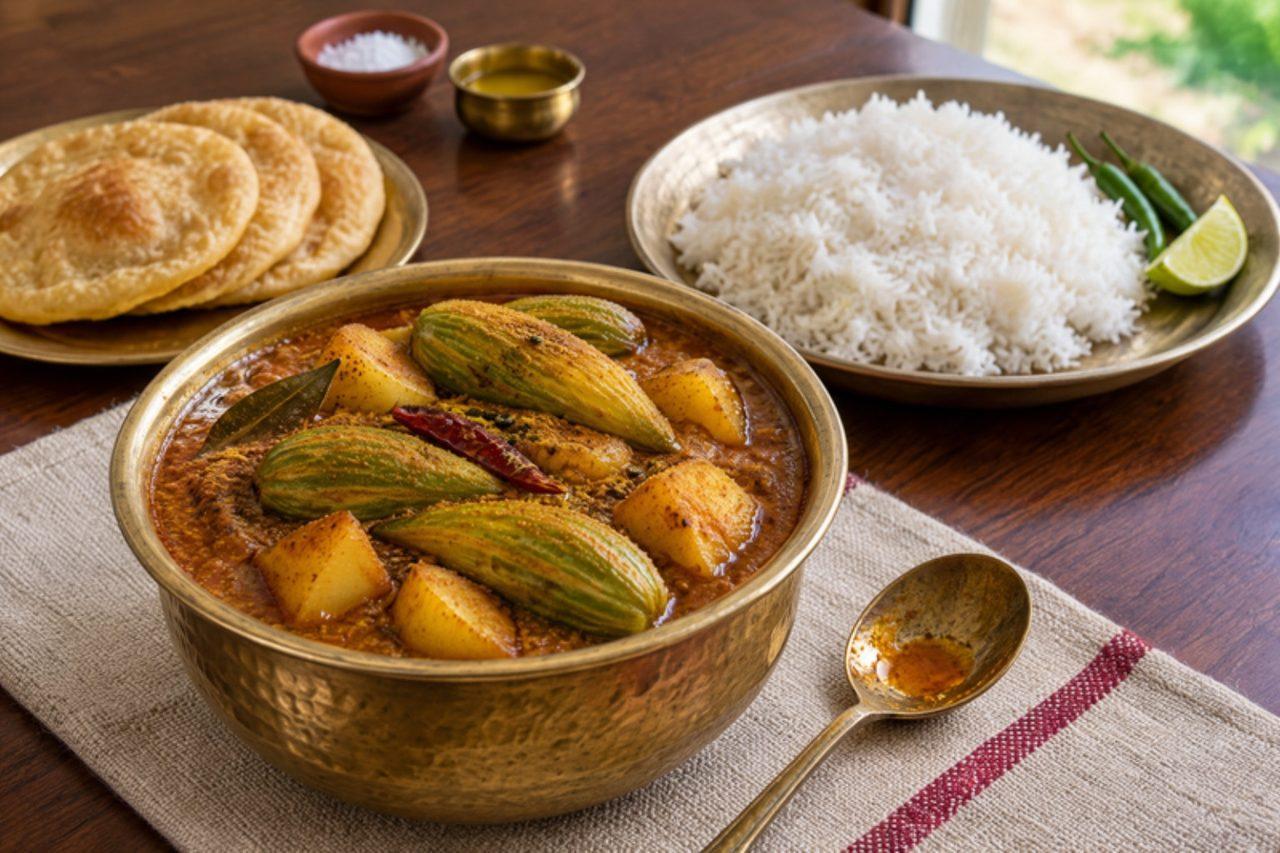
Aloo potoler dalnaPotato and pointed gourd curry

Pointed gourd (potol) floods the markets of Kolkata in summer, and aloo potoler dalna is how most Bengali homes cook it for a weekday lunch or a light Sunday meal. Half-peeled gourds and halved potatoes are fried until golden, then simmered in a loose gravy of ginger, cumin and tomato and finished with ghee and garam masala, so it tastes warm and gently sweet rather than hot. Serve it with rice or luchi. The usual mistake is peeling the gourds completely, which makes them fall apart; scrape off only the waxy skin in stripes. Chef's tip: prick each gourd once with a fork before frying so the gravy can soak into the seeds.

by KrazyBadal 0 views

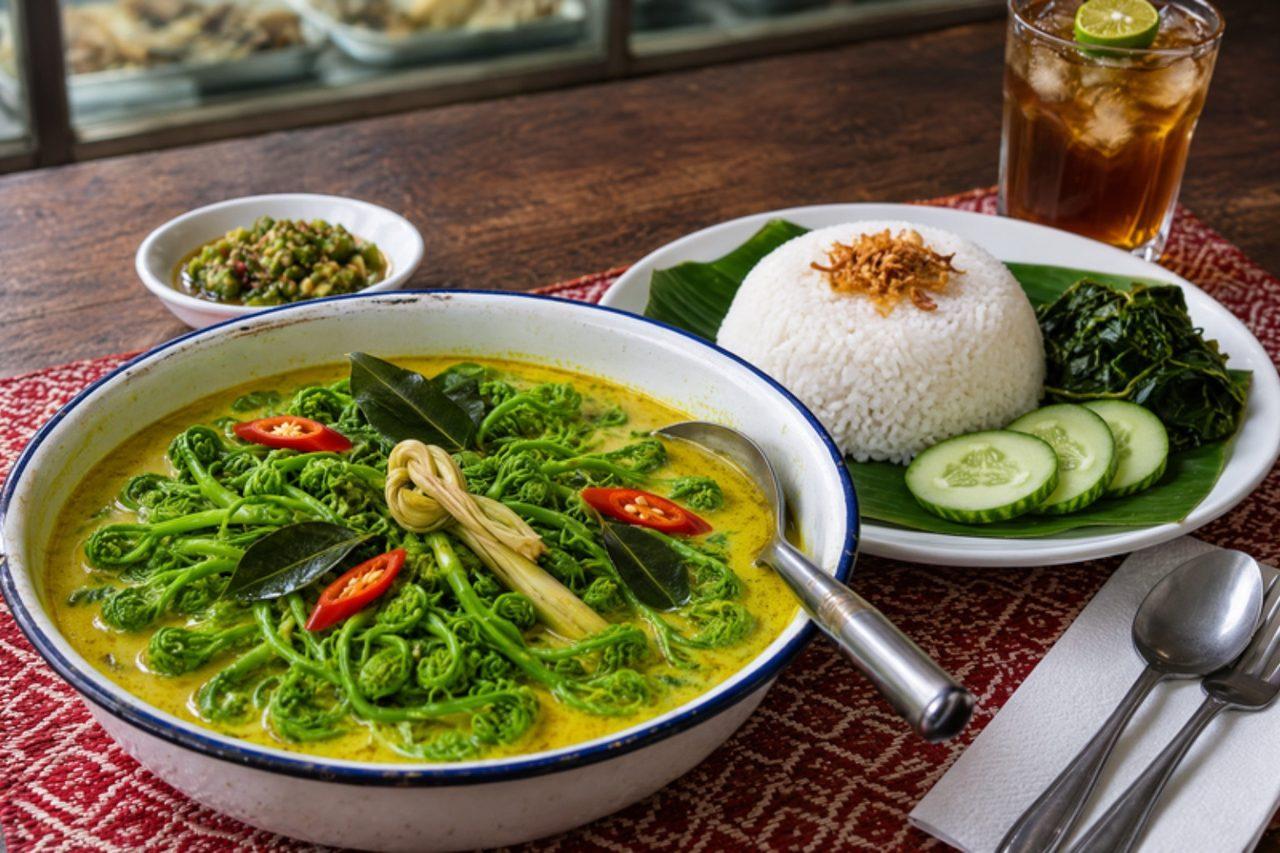
Gulai pakisFern tip coconut curry

Gulai pakis is one of the green dishes on the counter of every Minangkabau rice shop (rumah makan Padang), from Bukittinggi to Jakarta, and it is cooked at home in West Sumatra whenever fern shoots are gathered from the riverbanks. Tender fern tips simmer in a yellow coconut milk sauce of turmeric, galangal, chilli and lime leaves until rich and gently spicy; many cooks add tiny dried shrimp, which this vegan version leaves out. Serve it with rice, sambal and fried tempeh. The usual mistake is boiling the coconut milk hard or covering the pan, which makes it split into curds; stir it often and keep it at a simmer. Chef's tip: always cook fern shoots thoroughly as below, as some ferns are not safe raw or lightly cooked; buy vegetable fern (paku) or fiddleheads sold for eating.

by KrazyBadal 0 views

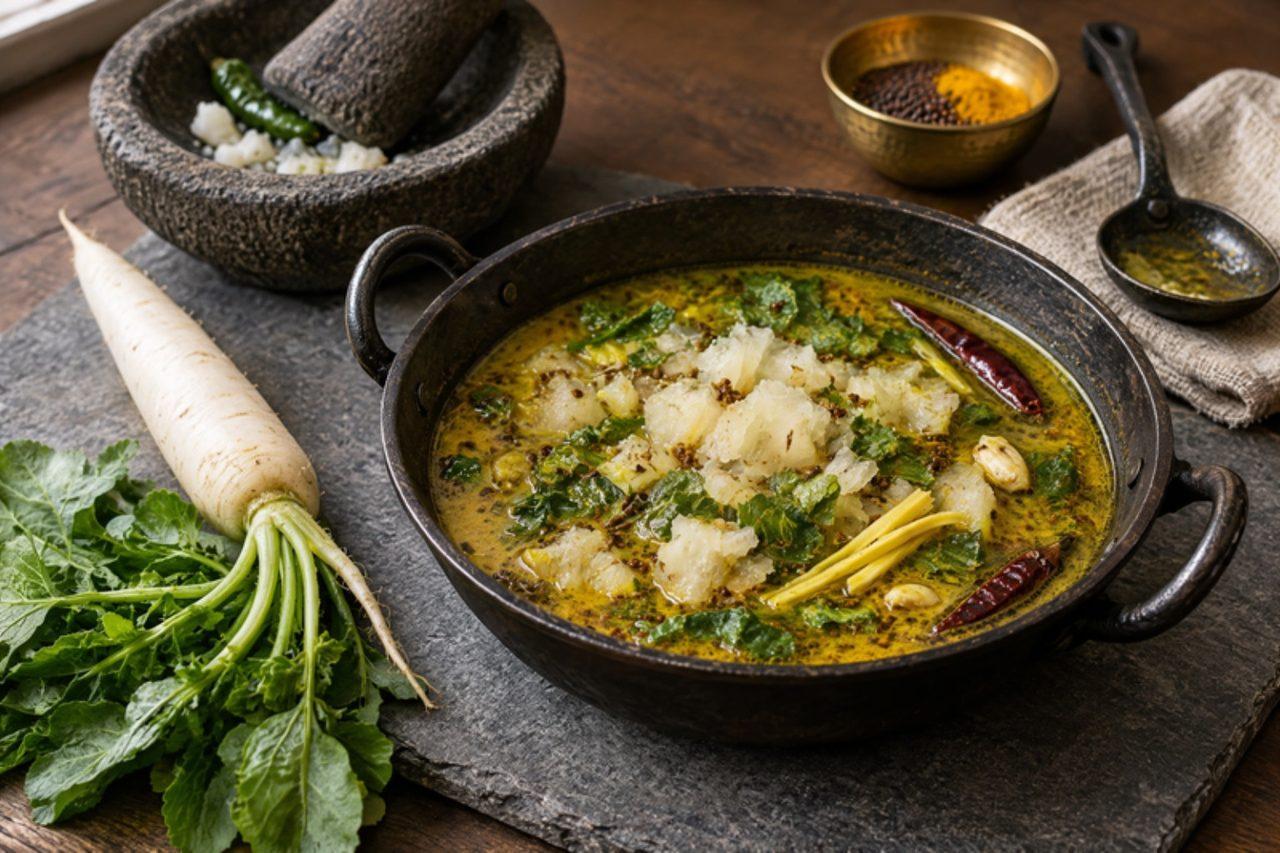
ThechwaniCrushed radish curry

Thechwani is a winter dish from the hill villages of Garhwal, Uttarakhand, cooked when the radishes are fat and sweet. Instead of chopping, the radish (or potato) is bashed with a stone or pestle so it cracks into rough pieces with lots of surface, then simmered in an iron kadhai with mustard oil, jakhya seeds and a little tomato. The broken pieces soak up the spices, and the iron pot darkens the gravy. It is eaten with rice or mandua (finger-millet) roti. Jakhya, a crunchy wild seed, is sold in hill stores; cumin is the swap. The usual mistake is slicing the radish neatly with a knife, which keeps the spices on the outside. Chef's tip: add the radish greens, finely chopped, in the last 5 minutes for colour and a peppery bite.

by KrazyBadal 0 views

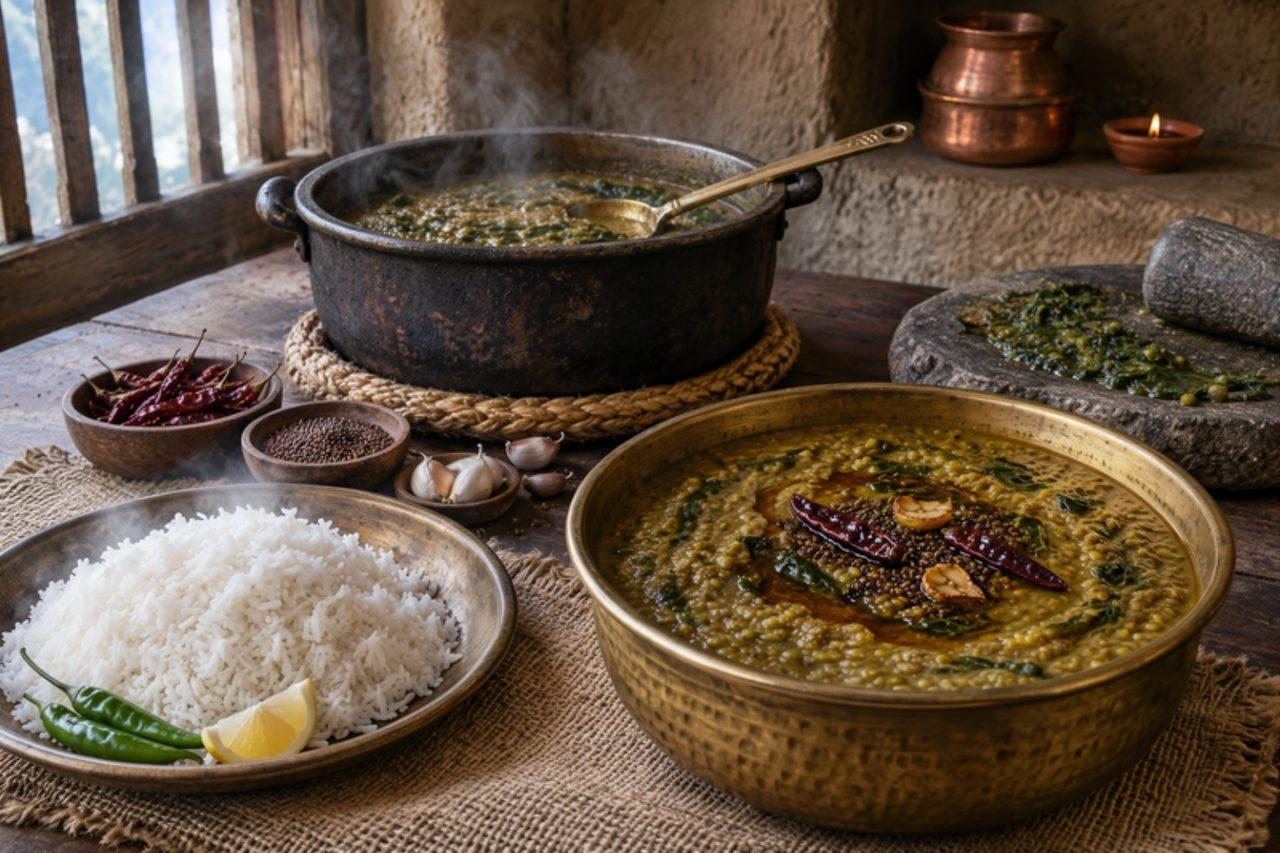
PhaanuGround mixed lentil stew

Phaanu is everyday food in Garhwal's hill villages, from Pauri to Tehri, made on cold days and in large pots for family gatherings. Mixed lentils are soaked overnight, ground to a coarse paste and simmered slowly in an iron pot until the paste turns into a thick, earthy stew, with spinach or other greens and a mustard-oil and jakhya tempering. It is eaten with steamed rice and a little ghee. The usual mistake is adding the paste to the pot and walking away; for the first 10 minutes it must be stirred constantly or it forms lumps and sticks to the bottom. Chef's tip: whisk the lentil paste into cold water before it goes on the heat; it thickens smoothly and never catches.

by KrazyBadal 0 views

Batido de trigoPuffed wheat shake

Havana cafeterías and Miami ventanitas blend this for breakfast on the run: puffed wheat, cold milk, sugar and ice whizzed into a thick, frothy shake that tastes like a malted milk with toasted cereal. It is one of the most loved Cuban batidos, and quick to make at home. The common mistake is using sweetened, honey-coated cereal, which makes it cloying; plain puffed wheat lets the toasty grain flavour come through. Chef's tip: blend the puffed wheat with half the milk first until completely smooth, then add the ice, so you don't get soggy flecks of cereal.

by KrazyBadal 0 views

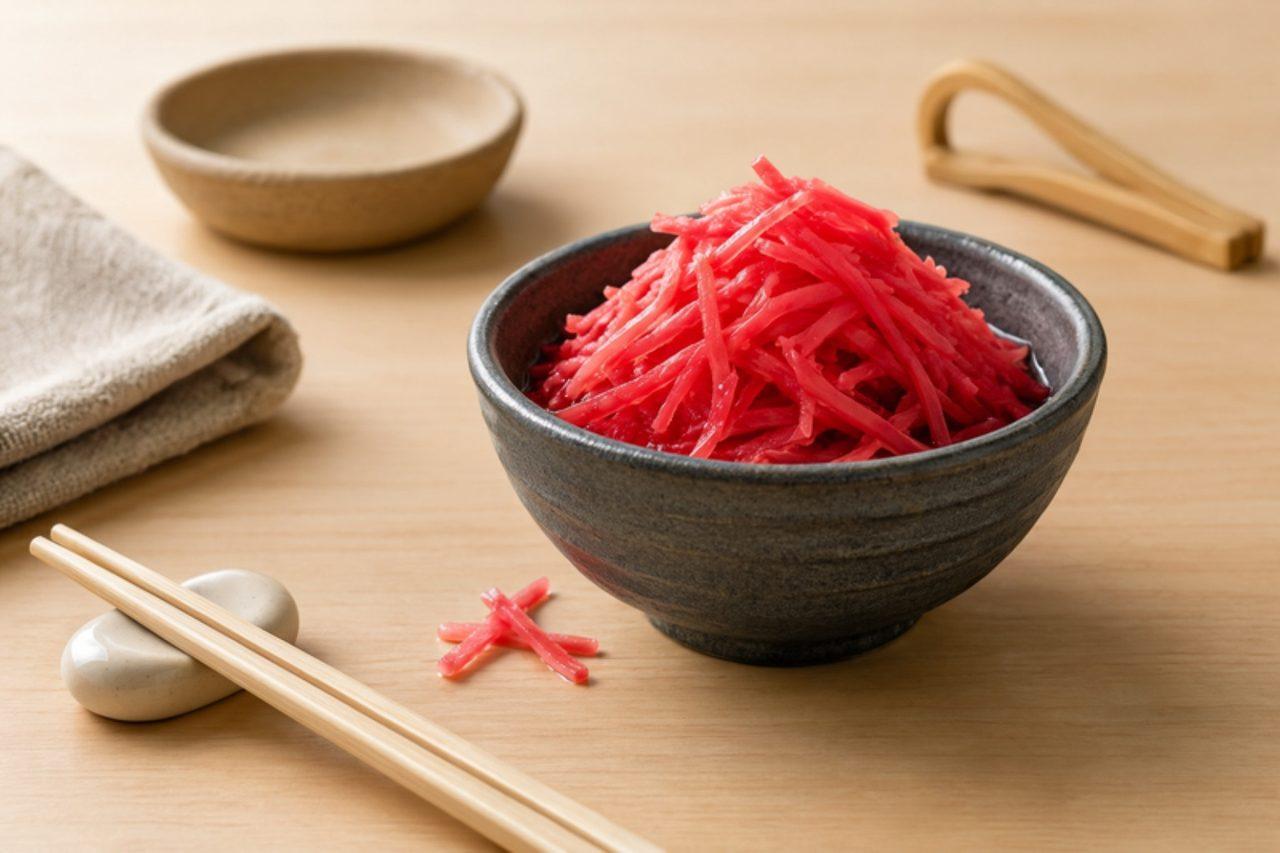
Beni shogaRed pickled ginger

Beni shoga is the bright pink tangle you see on Osaka street food: piled beside yakisoba, scattered on okonomiyaki, folded into takoyaki batter and heaped on a bowl of gyudon at lunchtime. Kansai cooks make it in early summer, when umeboshi plums finish salting and leave behind red umezu, the salty, sour, shiso-coloured plum vinegar that both cures and dyes the ginger. The result is crunchy, sharp and salty, with a clean ginger heat and none of the sweetness of sushi gari. Young summer ginger gives the most tender threads; mature ginger works but is hotter and more fibrous, so cut it thinner. If you cannot find red umezu, use rice vinegar with salt and a slice of raw beetroot for colour (see the note). The common mistake is skipping the salting and drying: wet ginger dilutes the umezu and turns soft and dull. Squeeze it and let it dry so it drinks up the vinegar. It is ready when the threads are evenly rosy right through and taste salty-sour rather than raw. Chef's tip: save the pink vinegar left in the jar; a spoonful in potato salad or rice for onigiri is excellent.

by KrazyBadal 0 views

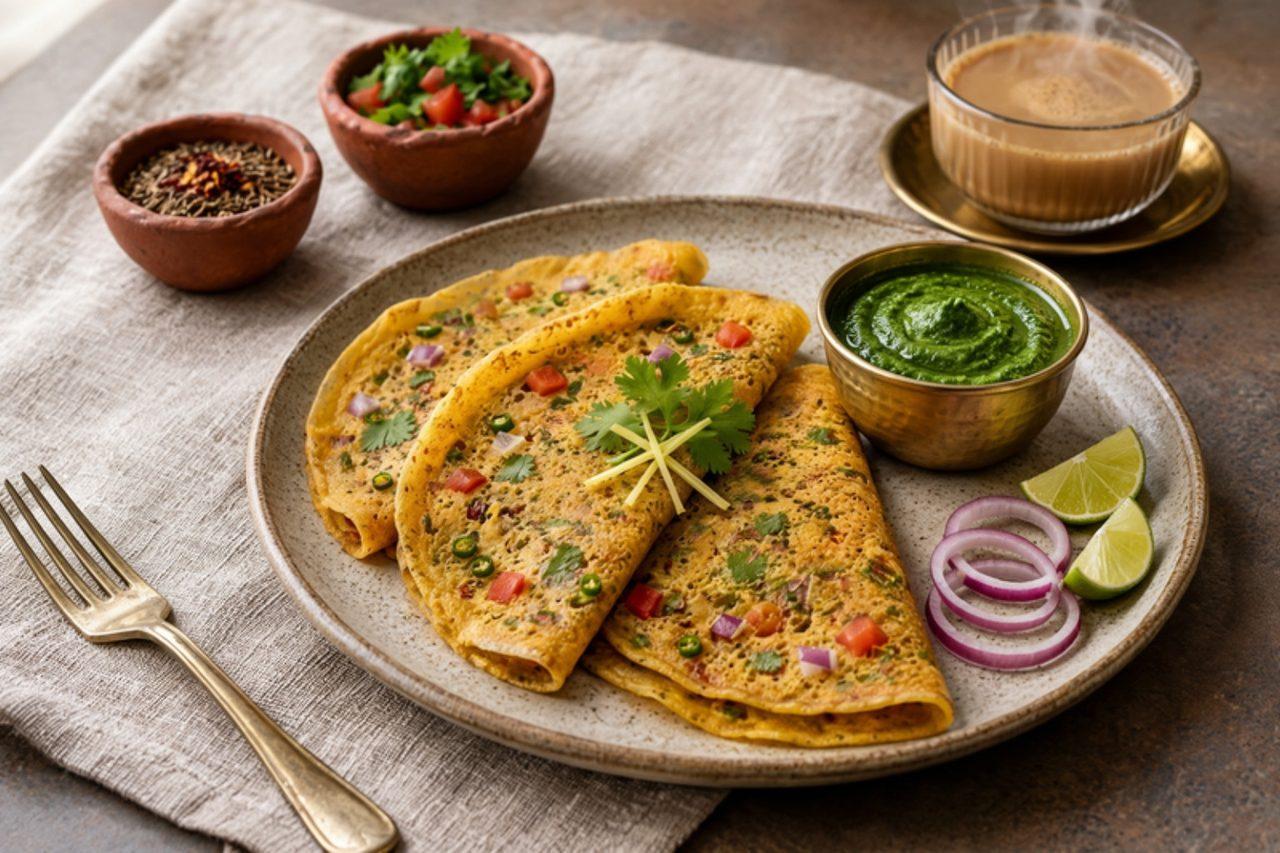
Besan chillaGram flour pancakes

Across North India, besan chilla is the answer when the tiffin needs packing in fifteen minutes: a pourable gram flour batter studded with onion, tomato, chilli and coriander, cooked thin on a tawa, then rolled up with chutney or ketchup. It is naturally egg-free and filling. The common mistake is a thick batter, which gives a heavy, raw-tasting pancake; it should flow like single cream. Chef's tip: spread the batter with the back of a ladle in quick circles from the centre outward, and cover the pan for the first minute so the top steams set.

by KrazyBadal 0 views

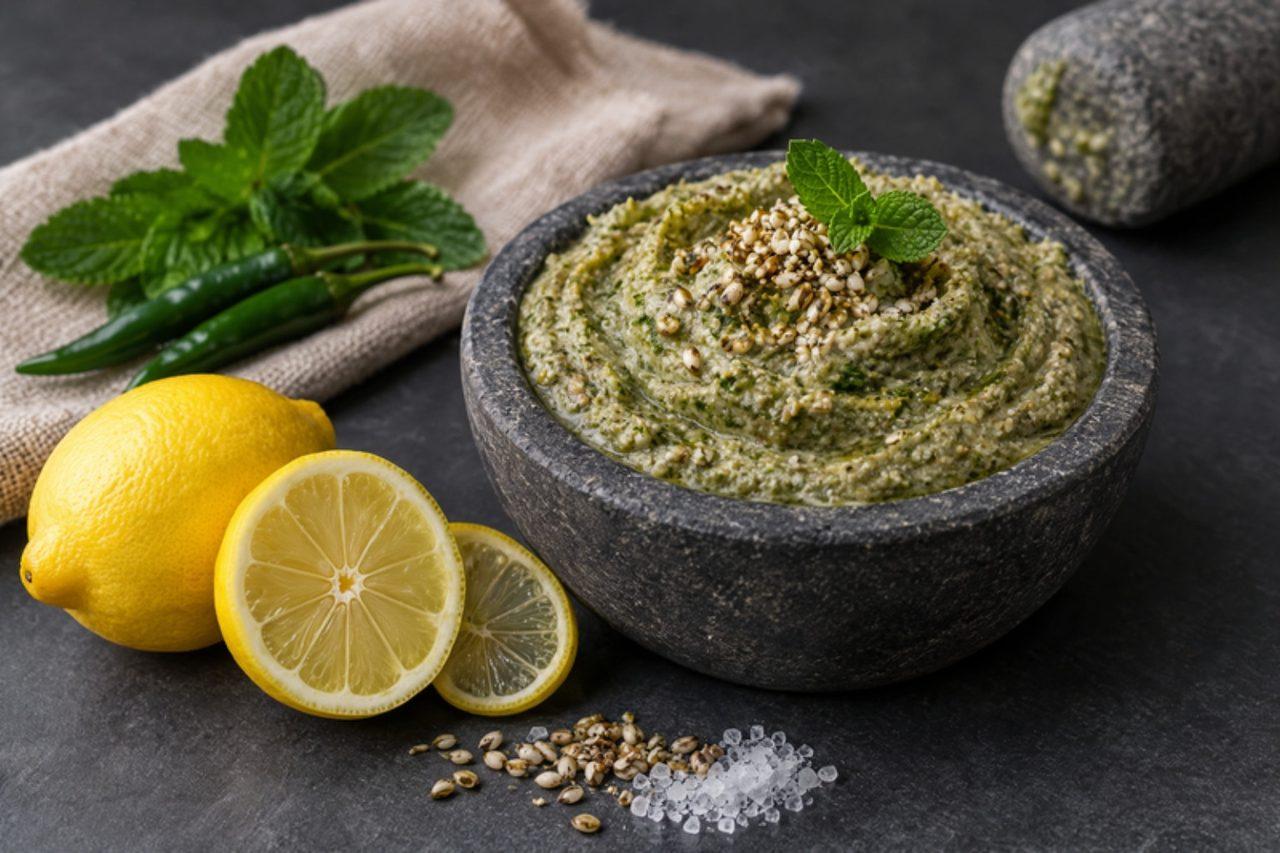
Bhang ki chutneyRoasted hemp seed chutney

In Kumaon every kitchen keeps a jar of hemp seeds, and this tangy chutney is ground fresh to go with rotis, aloo ke gutke and festive pakodas all through the year. It uses hulled, food-grade hemp seeds sold for cooking, which are not psychoactive at all; they simply taste like a cross between sesame and toasted pine nuts. The seeds are dry-roasted, ground with mint, chilli and the juice of the big hill lemon, and loosened with a little water. The usual mistake is roasting the seeds too dark, which turns the chutney bitter and grey. Chef's tip: grind in a mortar or with short pulses and stop while it still has some texture; a perfectly smooth paste loses the pleasant crunch.

by KrazyBadal 0 views

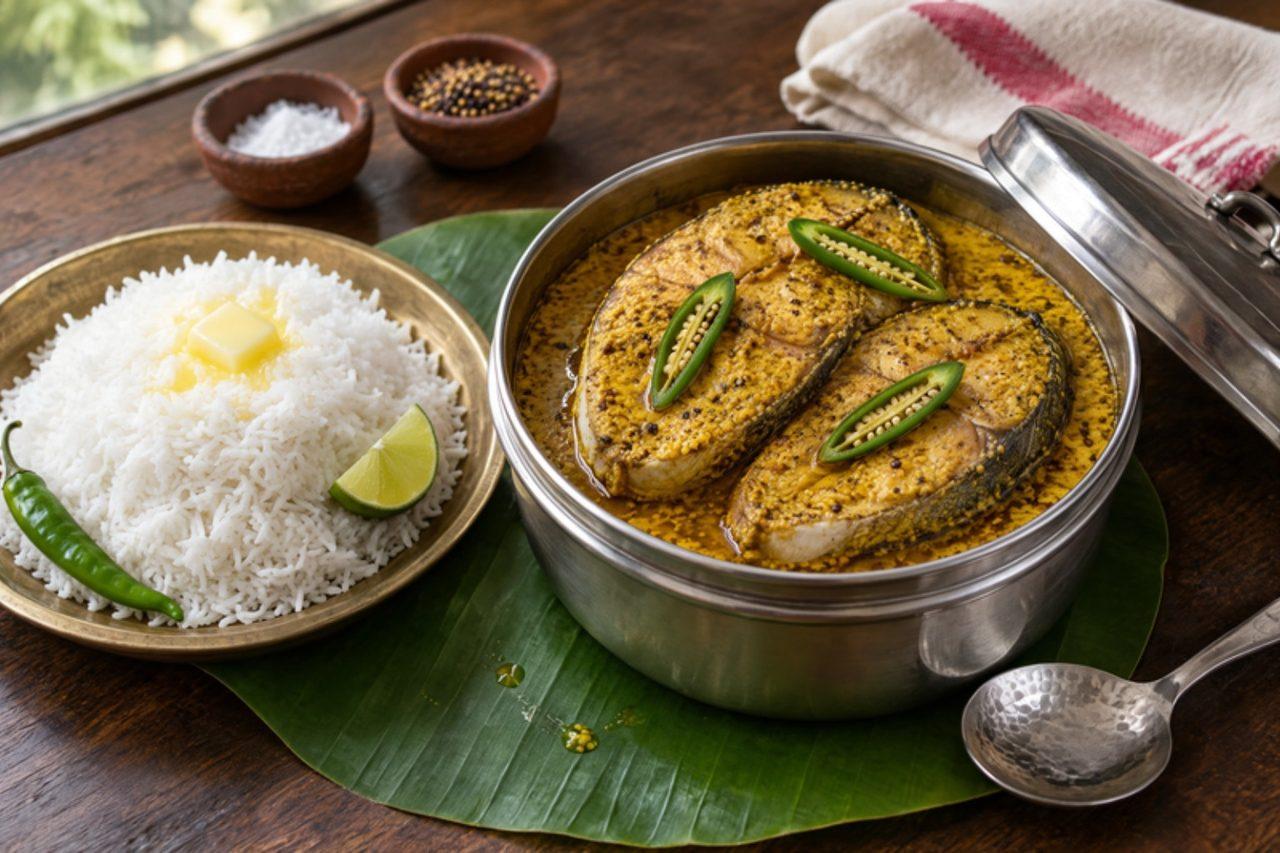
Bhapa ilishSteamed hilsa in mustard

When the monsoon brings hilsa up the Padma and Hooghly rivers, Kolkata households cook bhapa ilish, the fish steamed in a pungent paste of mustard seeds, green chilli and mustard oil in a closed tiffin box. It is the star of Jamai Sasthi and of any rainy-season Sunday, served with plain rice. The fish is rich and tender, with a nose-tingling mustard heat. Suitable as part of a balanced diet: high in protein and omega-3 fats, with no starch in the dish itself. About 340 kcal and 4 g carbohydrate per portion; keep the rice portion modest. The usual mistake is grinding the mustard seeds too long or with warm water, which turns the paste bitter; grind briefly with cold water, a pinch of salt and a green chilli. Hilsa is bony, so eat slowly and warn guests. Chef's tip: drizzle raw mustard oil over the top just before closing the box; it gives the true Bengali aroma.

40 minIndianFishGluten free
by KrazyBadal 0 views

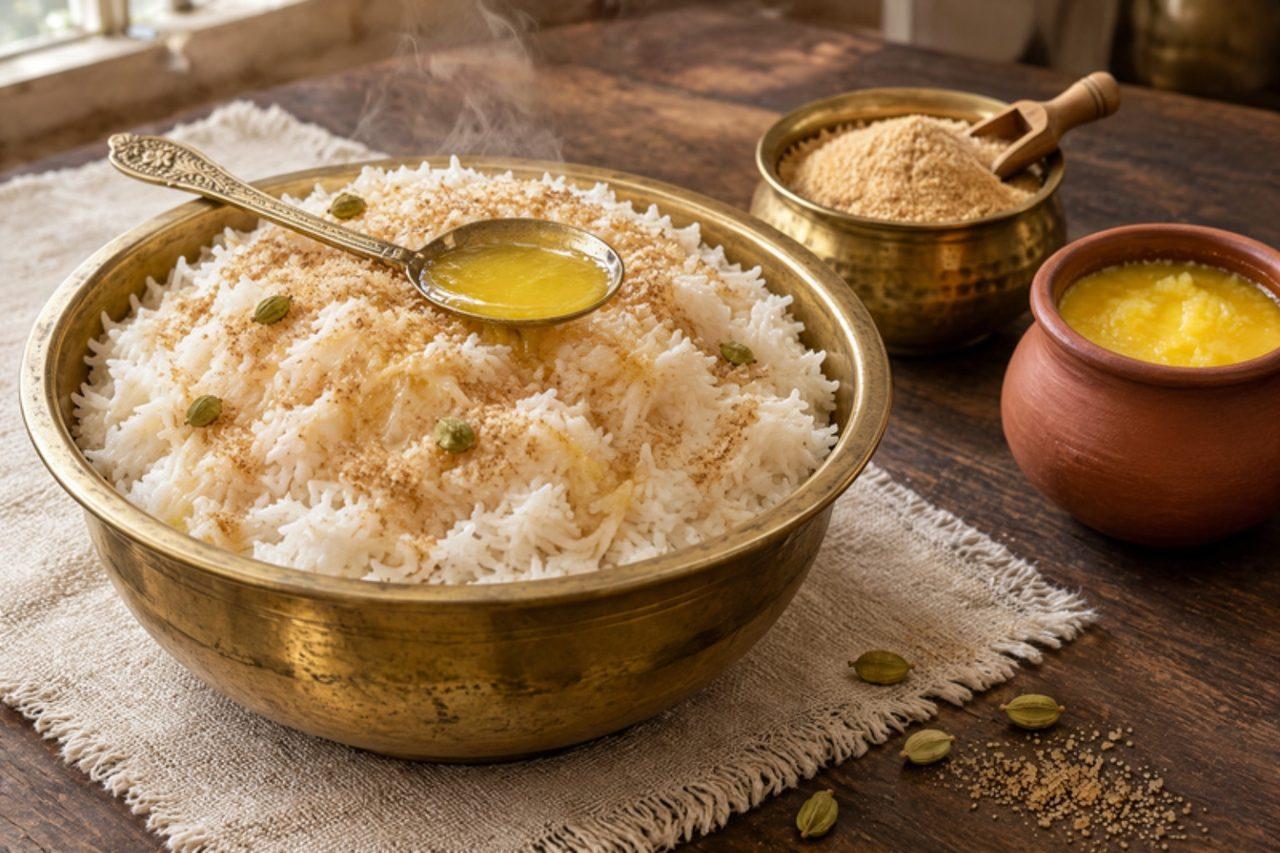
Bhure chawalRice with ghee and sugar

Bhure chawal is about as simple as Haryanvi village cooking gets: steaming rice tossed with plenty of desi ghee and bura, the fine, fluffy sugar sold in Haryana, and sometimes a few chopped nuts. It is the treat grandmothers make after the evening milking, at a new daughter-in-law's first meal, or on cold nights when something sweet is needed fast. Use fragrant, well-cooked rice and good ghee, as there is nothing to hide behind. The common mistake is adding the sugar to lukewarm rice, so it stays gritty instead of melting into the ghee. Chef's tip: no bura? Blitz ordinary sugar to a powder and add a pinch of cardamom.

by KrazyBadal 0 views

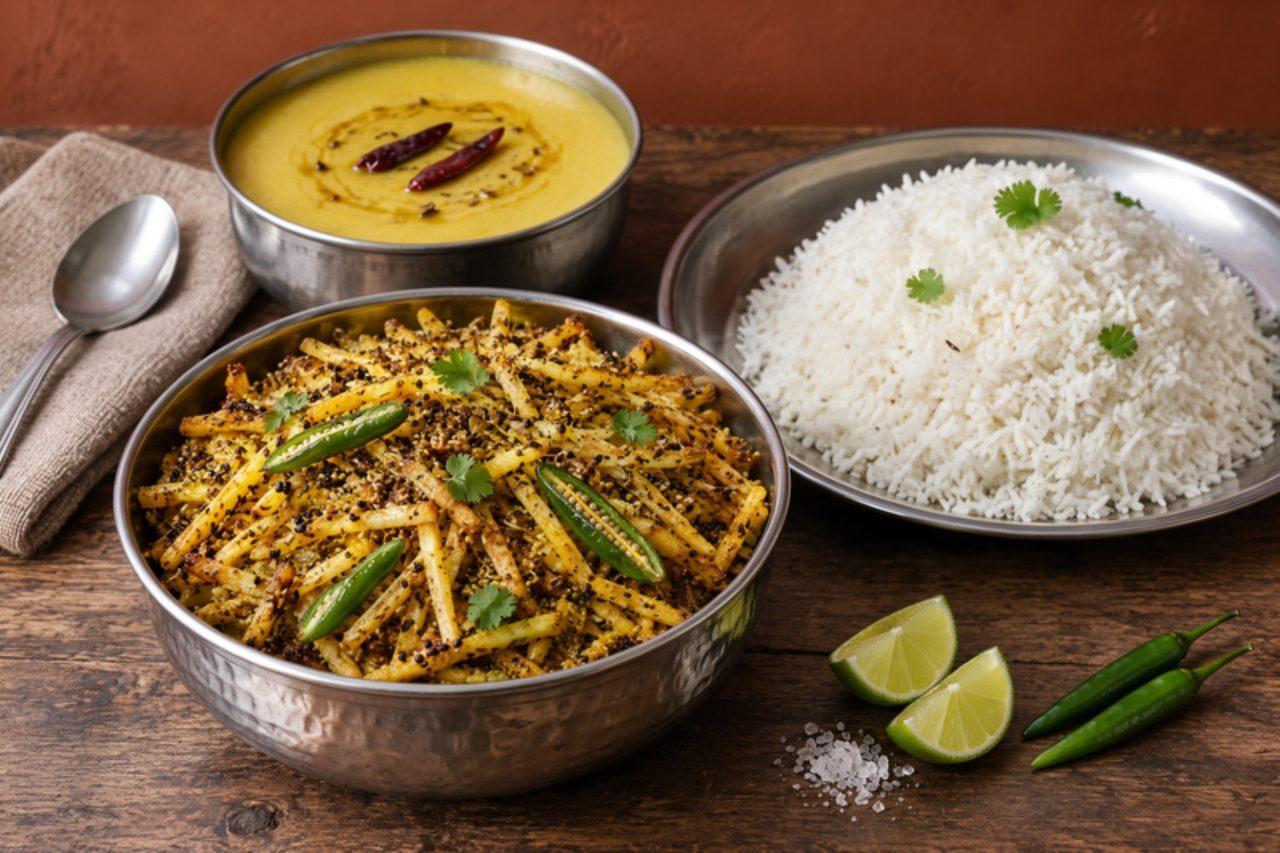
Bihari aloo bhujiaFried potato sticks

In Bihar, aloo bhujia is not the packaged snack but the everyday matchstick-potato fry that sits beside dal, bhaat and chokha on the lunch plate, cooked in mustard oil with panch phoron and a slit green chilli. Patna households make it most days of the week because it takes twenty minutes and pleases everyone. The common slip is crowding the pan and stirring too much, which turns the sticks to mash; give them room and toss gently. Chef's tip: soak the cut potatoes in cold water for 10 minutes and dry them well; washing off surface starch keeps the sticks separate and lightly crisp.

by KrazyBadal 0 views

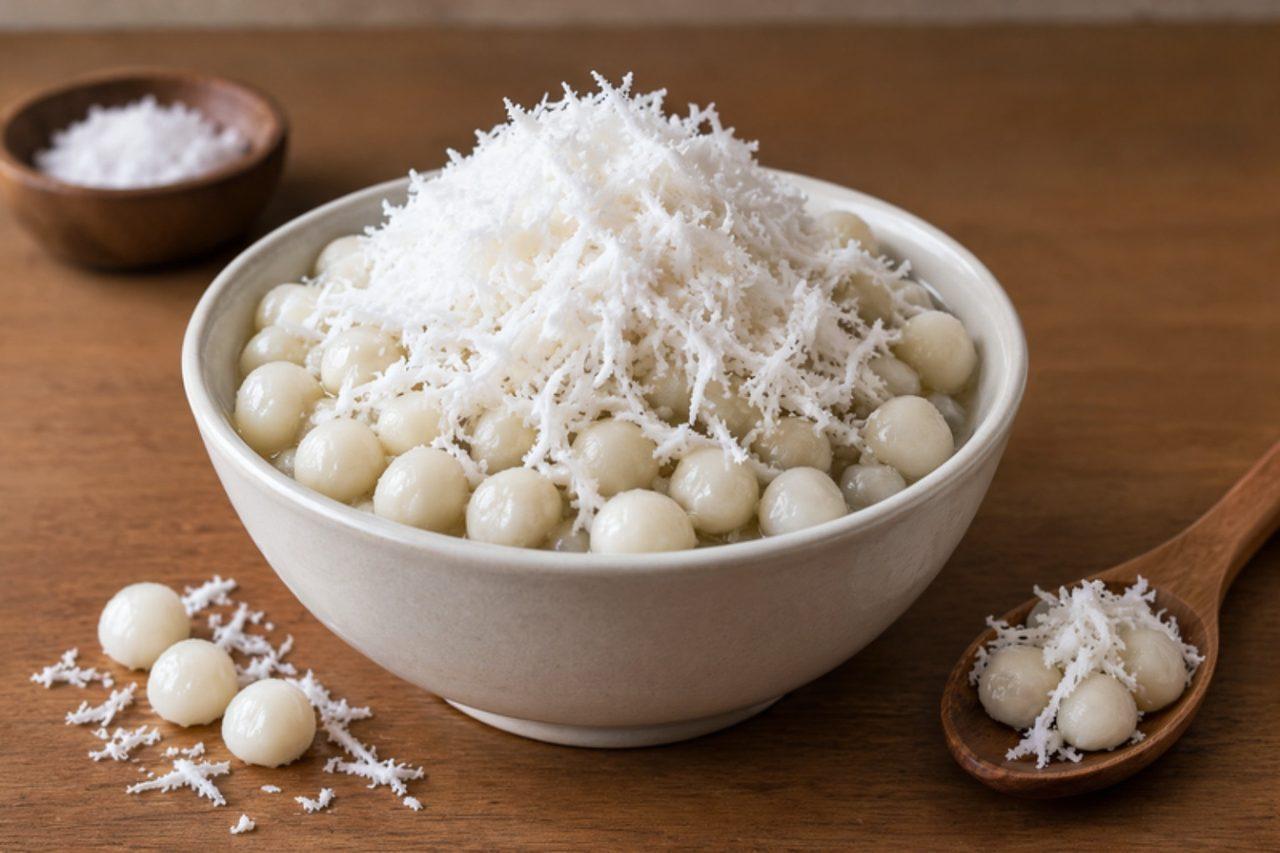
BinatogBoiled hominy with coconut

Binatog is an afternoon snack sold from bicycle carts that ring their way through the side streets of Manila, especially around Tondo and Sampaloc, the vendor scooping steaming white corn from a big tin can into small cups. The kernels are plump, chewy and nutty, piled with snowy grated coconut and finished with salt or sugar to taste, so everyone gets it the way they like. It is simple, filling and naturally vegan. Dried white hominy (pozole corn) has already been treated with lime, which gives the chewy, popped kernels; if you can only find canned hominy, rinse it and warm it for 10 minutes instead. Chef's tip: keep the kernels at a gentle simmer; a hard boil splits them before they become tender.

by KrazyBadal 0 views

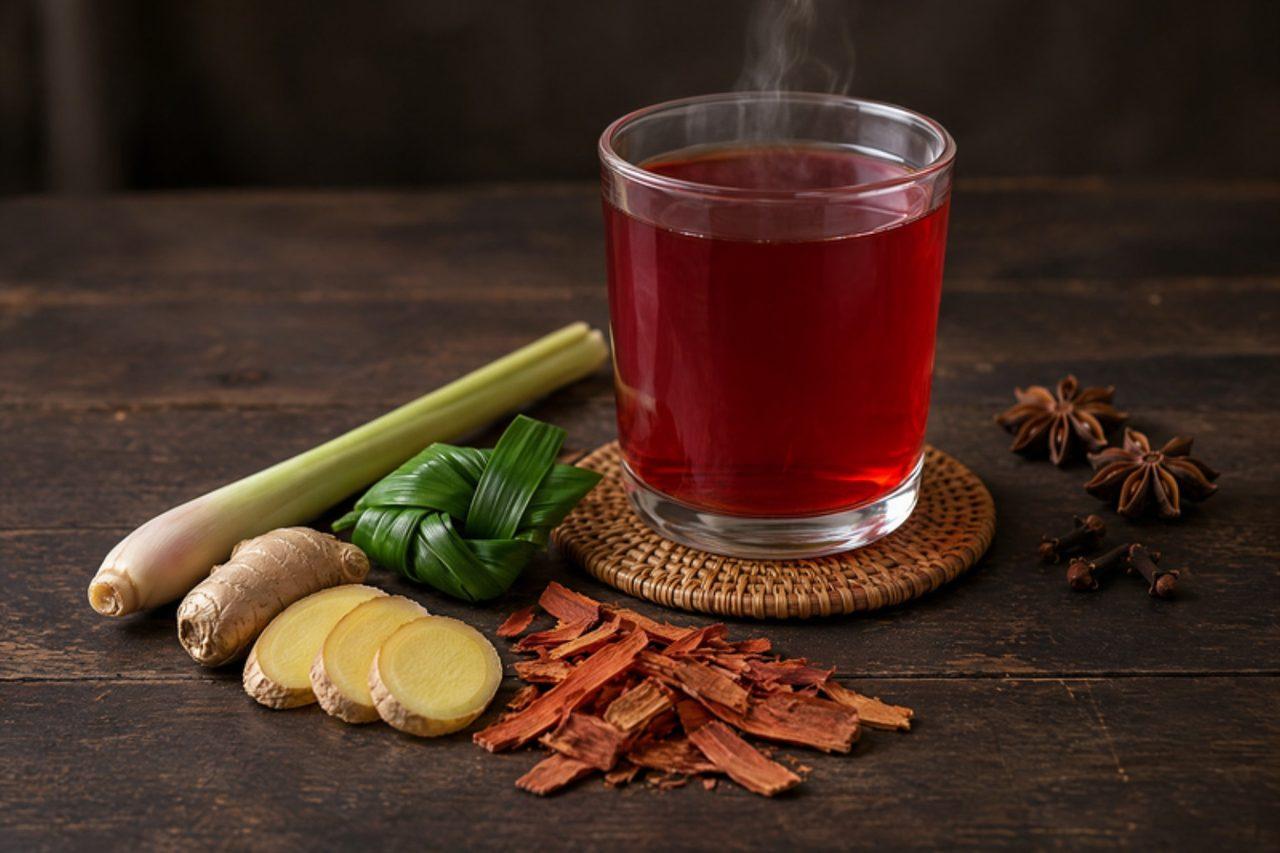
Bir pletokSpiced ginger drink

Bir pletok was the Betawi answer, in old Batavia, to the beer and wine drunk by the Dutch: a red, warming spice drink with no alcohol at all, served at weddings, at Lebaran open houses and in the evenings at Jakarta's Setu Babakan cultural village. 'Pletok' is said to be the popping sound it made when shaken in a bamboo tube to raise a foam. Ginger, lemongrass, pandan, cloves, cinnamon and cardamom are simmered with chips of secang (sappanwood), which turns the liquid deep ruby. It tastes hot and peppery from the ginger, perfumed from the pandan, sweet and lightly woody, and is drunk warm or with ice. The common mistake is skimping on ginger or slicing it thin and boiling briefly; you need plenty, bruised, and a slow simmer to draw out the heat. It is ready when the liquid is a clear ruby red and the ginger burn catches at the back of your throat. Secang chips are in Indonesian shops; dried hibiscus flowers give a similar red, slightly sourer. Keeps 5 days in the fridge. Chef's tip: shake each serving hard in a closed jar before pouring to get the foamy head.

by KrazyBadal 0 views

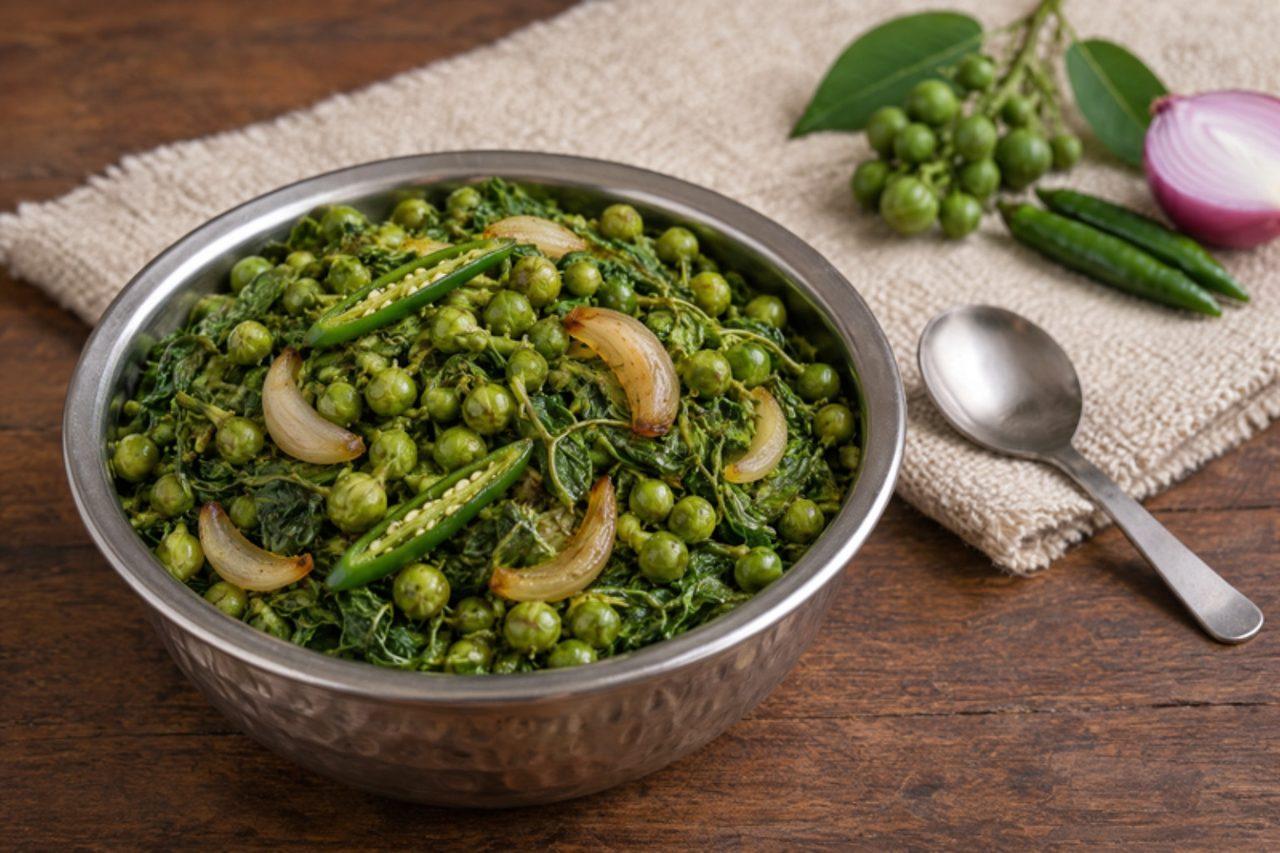
Bohar bhajiFlower bud curry

For a few weeks each spring, Raipur's markets sell small heaps of bohar, the young buds of the lasoda (Cordia) tree, and they are one of the most prized and pricey vegetables in Chhattisgarh. Cooked with onion, chilli and a spoon of curd, they have a pleasant, slightly sticky bite and an earthy taste, and families eat them with rice and dal for as long as the season lasts. People often skip the boiling step; without it the buds stay gummy and slightly bitter. Chef's tip: if you cannot find bohar, the same masala works with tender lasoda (gunda) fruit from Indian grocers, which is the same tree.

by KrazyBadal 0 views

Boller i karry for toddlersMeatballs in mild curry for toddlers

Boller i karry, meatballs in curry, is one of Denmark's best-loved dinners, voted a national favourite and cooked on weeknights from Copenhagen's Nørrebro to farmhouses in Jutland. The meatballs are pork, poached gently rather than fried, and the sauce is mild and creamy, made from the poaching liquid with apple and leek and just a pinch of curry powder. For toddlers from 12 months there is no stock cube and very little salt, and the meatballs are cut small. It contains wheat (gluten), milk and egg; there are no nuts or soya. Chef's tip: keep the poaching water at a bare shiver; boiling makes the meatballs tough and crumbly.

by KrazyBadal 0 views

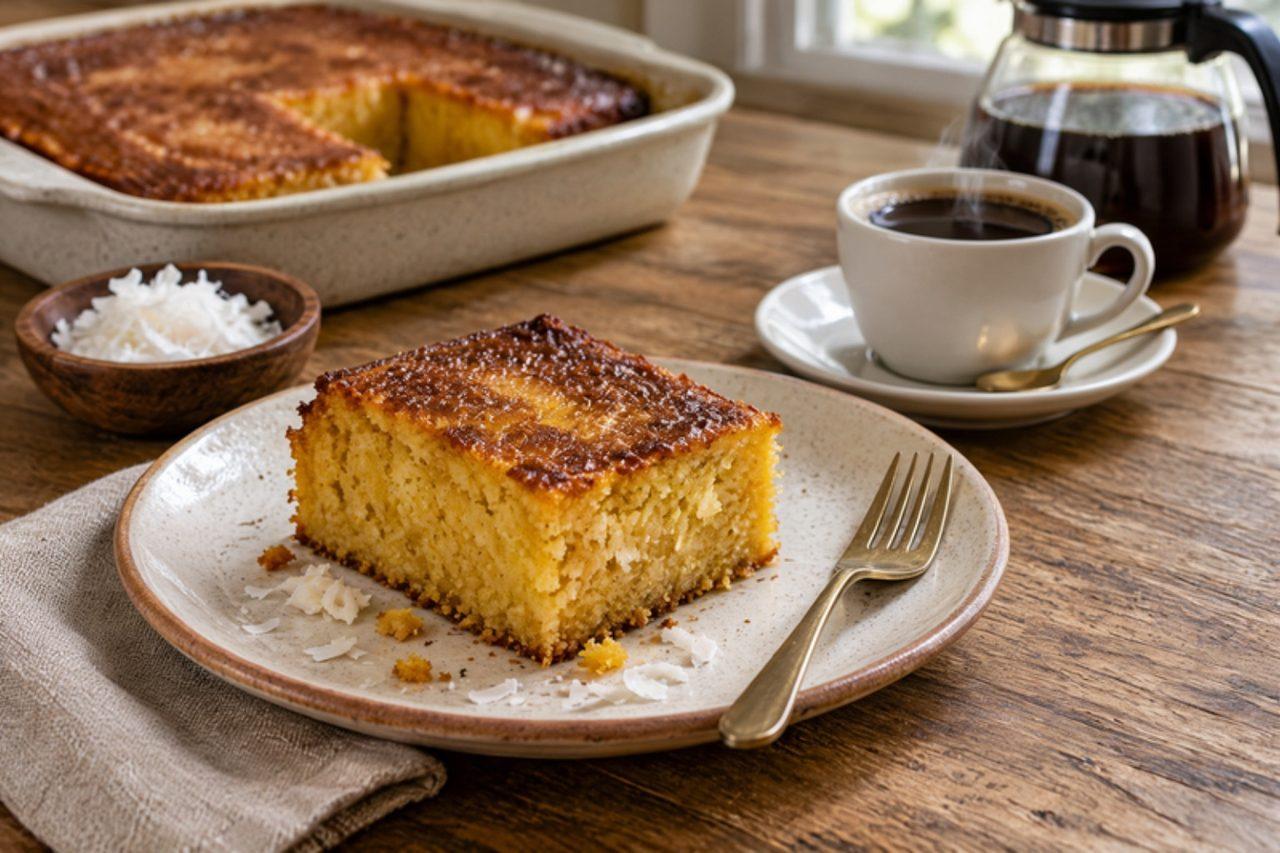
Bolo de pubaFermented cassava cake

In Bahia, Pernambuco and Maranhão the afternoon and early-morning coffee table often carries a slab of bolo de puba, a dense, custardy cake made from puba, cassava that has been soaked until it ferments and softens into a tangy white paste. Coconut milk, grated coconut, eggs and butter turn it into something between a cake and a pudding, with a caramel-brown crust and a moist, slightly springy middle; it is especially loved around the June São João festivals. Puba is sold in Brazilian and African grocers as massa puba or carimã; it contains no wheat, so the cake is naturally gluten free. The common mistake is cutting it hot: it sets as it cools and will be gummy if sliced too early. Chef's tip: squeeze the puba in a clean cloth first if it is very wet, so the batter is thick enough to hold the coconut in suspension rather than letting it sink.

by KrazyBadal 0 views

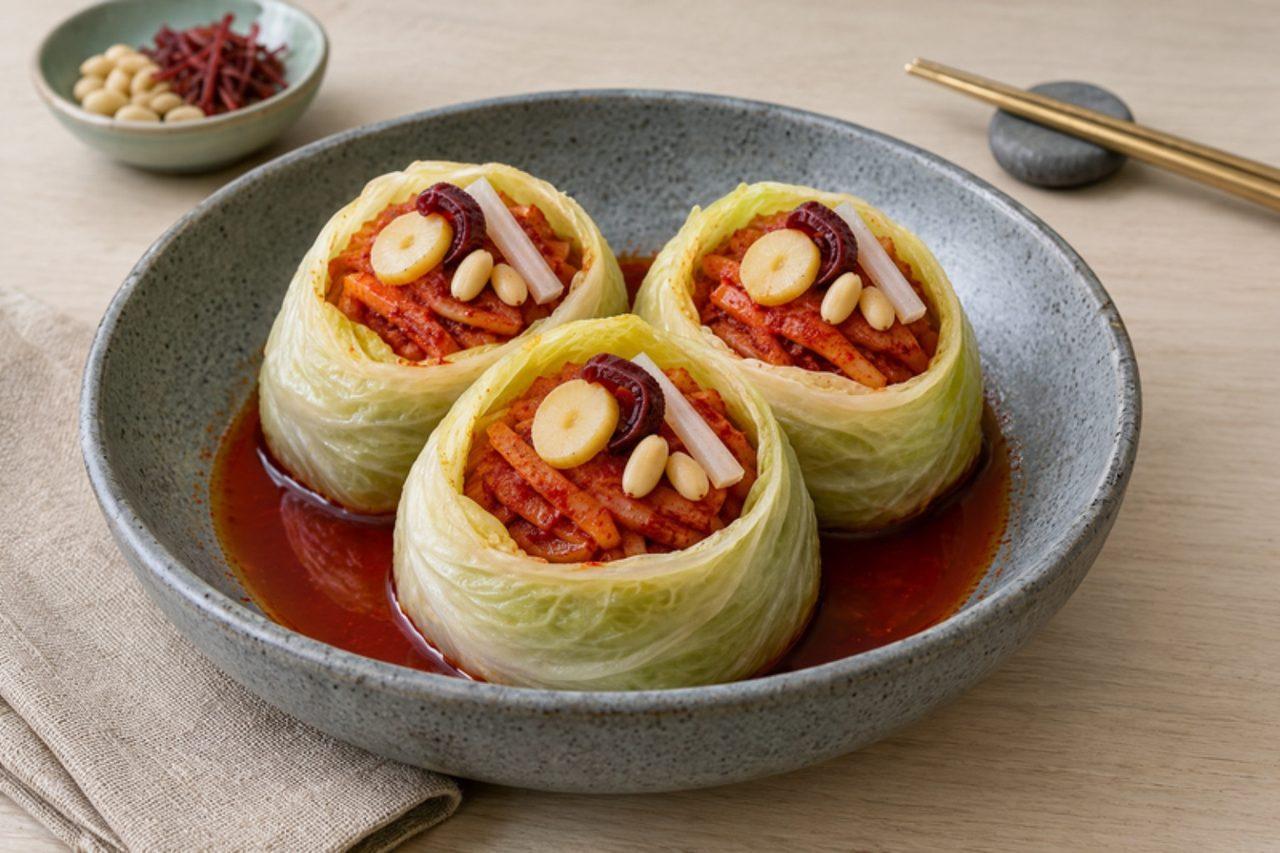
Bossam kimchiWrapped cabbage kimchi

Bossam kimchi comes from Gaeseong, the old Goryeo capital just north of today's border, and it is the kimchi families make with special care at kimjang time in late November and set out for Seollal guests. Instead of rubbing seasoning into whole cabbage halves, the inner leaves are folded around a rich filling of radish, Korean pear, chestnut, jujube, pine nuts and herbs, then wrapped in large outer leaves like a gift. Unwrapped at the table, it is crisp, juicy and sweet from the pear, with mellow chilli heat and the savoury depth of salted shrimp. Traditional versions add raw oysters; here they are optional. Raw oysters are not safe for pregnant people, babies, older people or anyone with weak immunity, so leave them out for those guests or for any kimchi you mean to keep beyond 3 days. The common mistake is under-rinsing the cabbage, which makes every parcel too salty; rinse three times and taste a stem. It is ready after 3–4 days in the fridge, when the juice turns pleasantly sour and slightly fizzy. Chef's tip: tie each parcel with a blanched scallion if the leaves won't stay closed.

by KrazyBadal 0 views

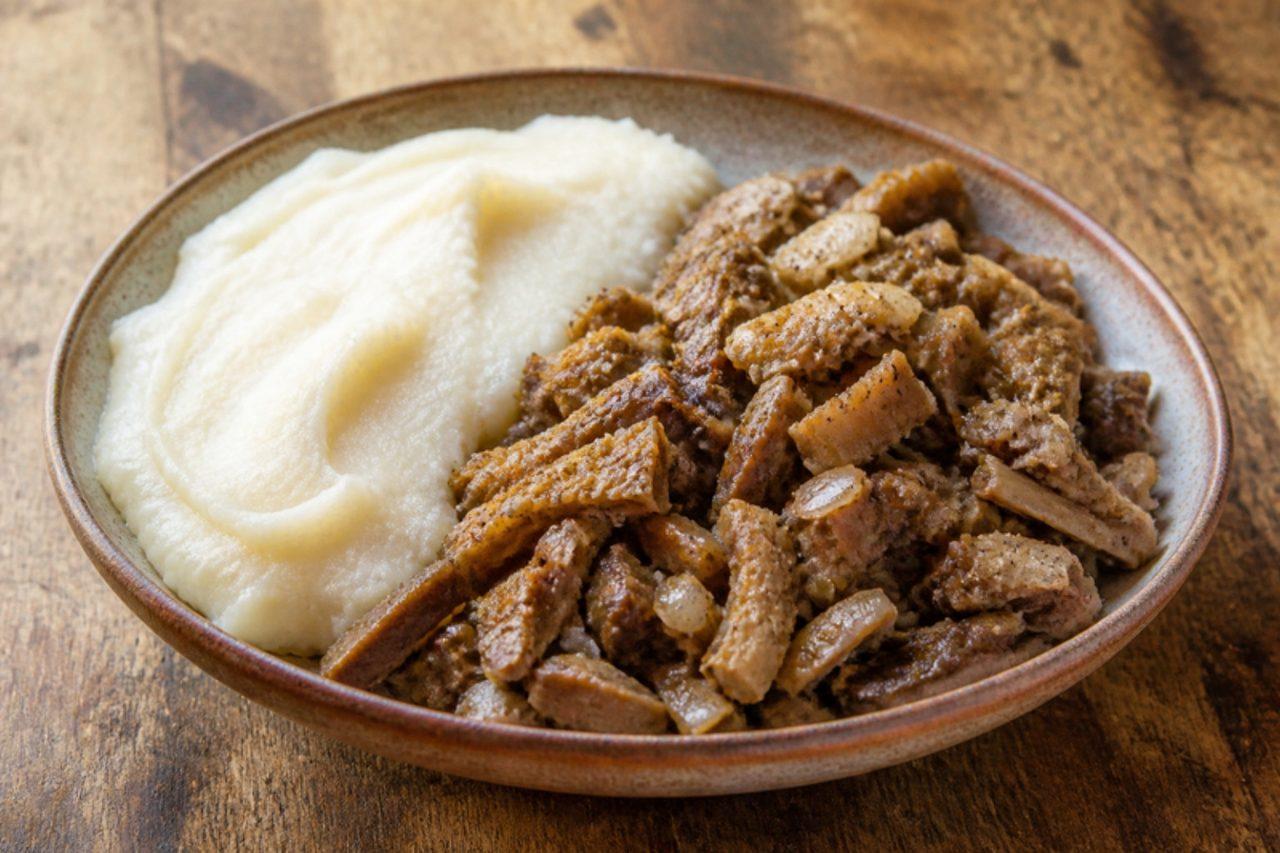
SerobeChopped tripe and offal

At a Tswana wedding or a funeral gathering, the men tending the three-legged pots will make serobe from the insides of the slaughtered goat or ox while the seswaa cooks alongside, and it is served first to the elders. Tripe, heart and liver are boiled until tender, chopped very fine and seasoned simply with salt, onion and a little of the rich broth, so it comes out soft, chewy in places and deeply savoury. Eat it with bogobe, pap or samp and a spoonful of morogo. Buy dressed (cleaned and scalded) tripe from a butcher, and cook everything right through. Chef's tip: chopping it fine by hand is the whole point; a food processor turns it into paste, so take your time with a heavy knife.

by KrazyBadal 0 views

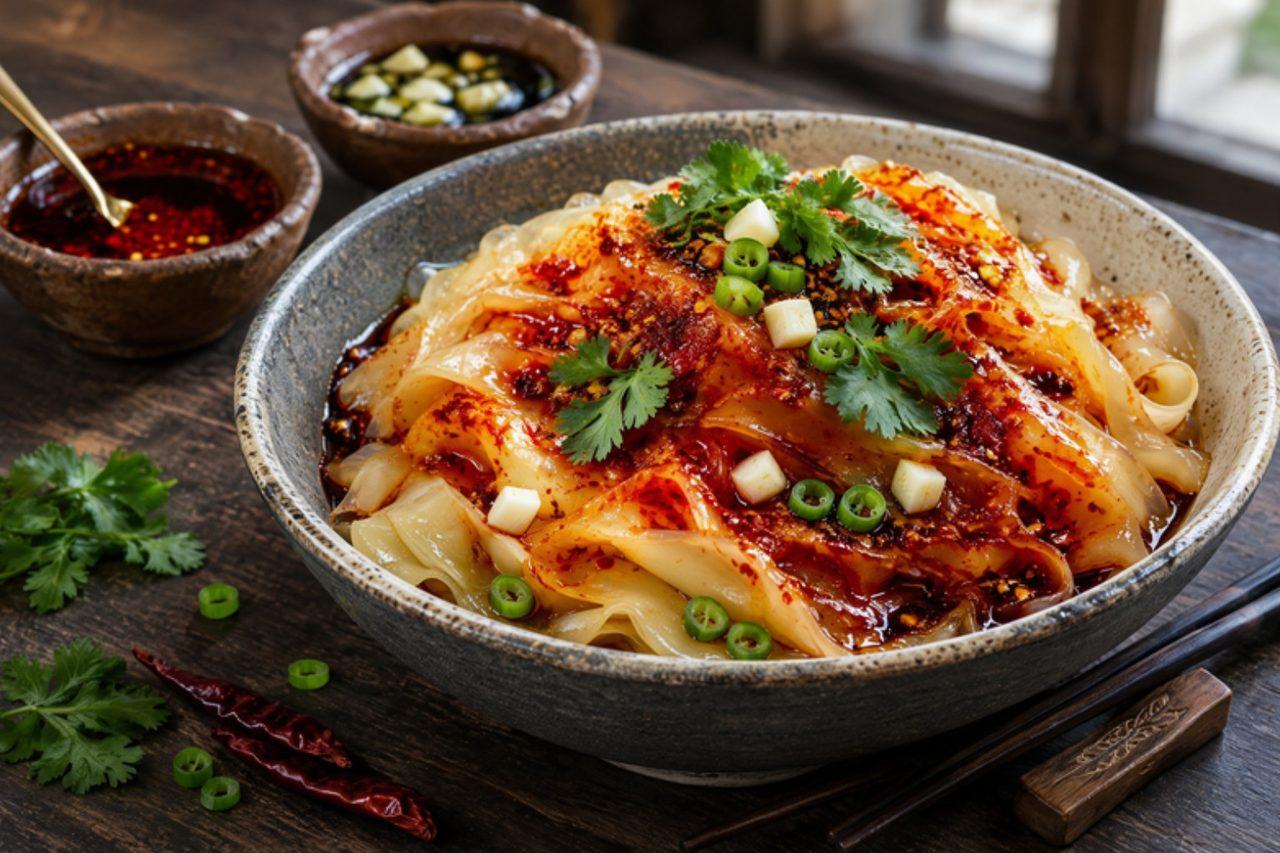
LaphingCold starch sheet noodles

Laphing came to Kathmandu with Tibetan families, and the alleys around the great stupa at Boudha are full of tiny stalls selling it every afternoon, to monks, students and office workers alike. Flour dough is washed in water to separate the starch from the gluten; the starch is steamed into thin, jelly-like sheets and the gluten into a spongy filling, then everything is rolled up and drowned in fiery chilli oil, garlic water, soy sauce and vinegar. It is cold, slippery, chewy and very hot. Contains wheat (gluten) and soya. Chef's tip: steam each sheet no thicker than 3 mm; thick layers set rubbery instead of silky.

by KrazyBadal 0 views

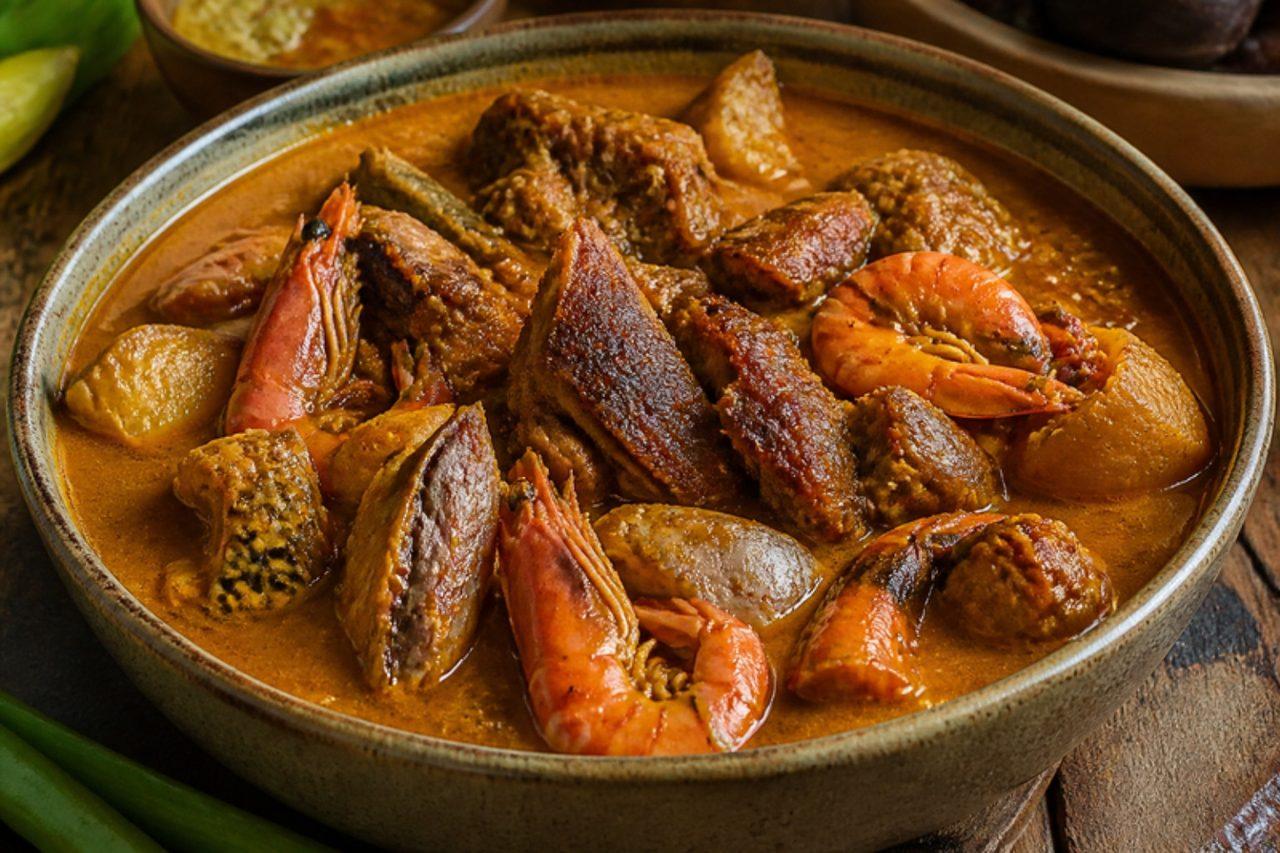
Bouillon d'awaraAwara palm fruit stew

Families in Cayenne, Kourou and Mana start bouillon d'awara days before Easter Monday, when it is eaten together and shared with neighbours; local lore says whoever eats it will come back to Guiana. The base is a thick orange paste of awara palm fruit, cooked very slowly with smoked chicken, salted pork, smoked fish, crab or prawns and a mass of vegetables until everything melds. Awara paste is sold frozen or in jars in Guianese and Antillean shops; if you can't find it, use a mix of palm-fruit concentrate (sold for West African banga soup) and puréed pumpkin, which gives a similar richness though not the same flavour. Salted meats must soak in the fridge overnight. The usual mistake is letting the thick stew catch on the bottom, so stir often. Chef's tip: the stew tastes even better on the second day, reheated until piping hot.

360 minGuyaneseMeatGluten free
by KrazyBadal 0 views

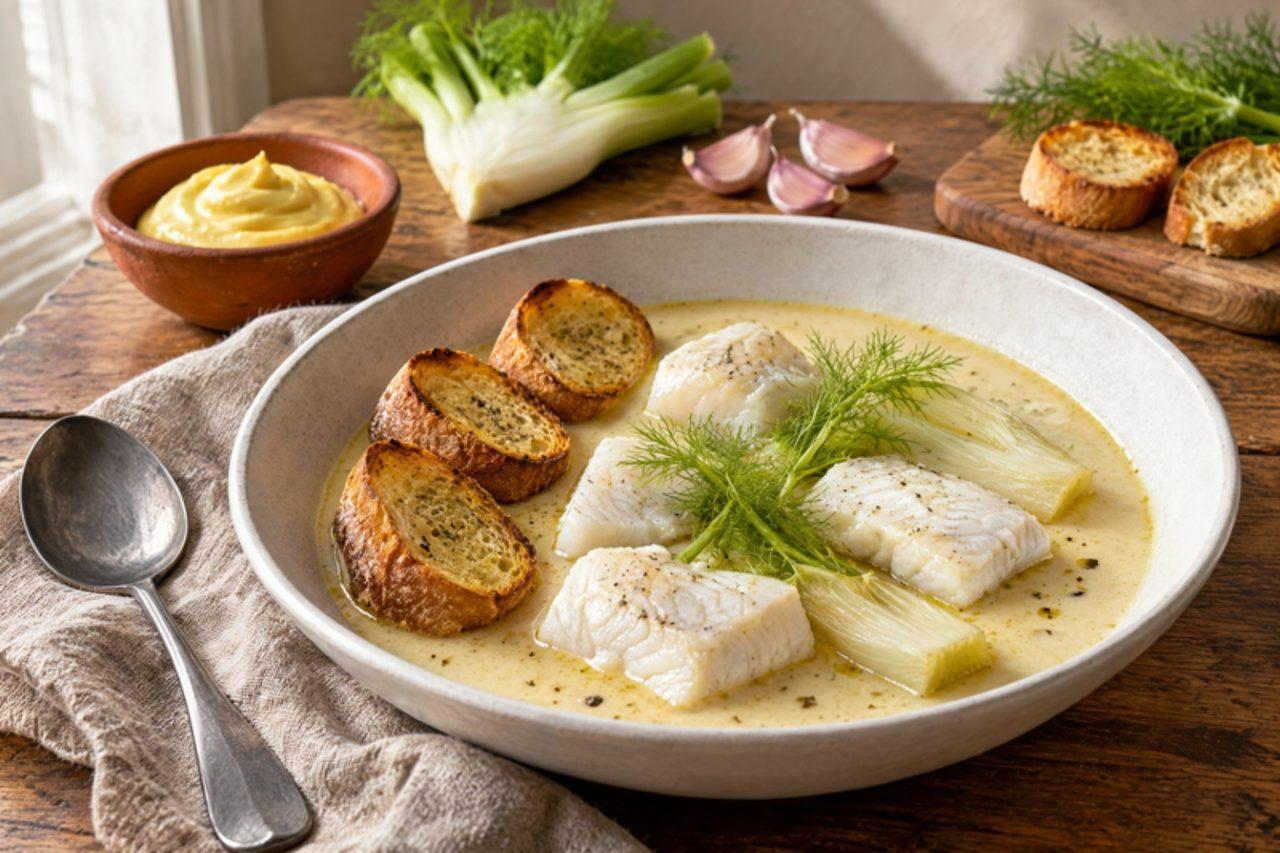
BourrideFish stew with garlic sauce

Bourride is the fish stew of Sète and the Provençal coast, a quieter, creamier cousin of bouillabaisse eaten for Friday lunch and summer dinners by the sea. Firm white fish poaches in a broth of fennel, leek, orange peel and thyme, then the broth is thickened with a rich garlic aïoli until it turns silky and pale gold. It is high in protein and suitable as part of a balanced diet; skip the traditional bread or keep it to one thin slice, and serve with steamed greens. About 400 kcal and 8 g carbohydrate per portion. The usual mistake is letting the broth boil after the aïoli goes in, which splits it like scrambled egg. Chef's tip: use pasteurised egg yolks, and stir the broth over a low heat until it coats a spoon and reaches about 72 °C.

50 minFrenchFishGluten free
by KrazyBadal 0 views

Escabeche de polloChicken in vinegar and carrot

Pollo en escabeche is a home classic in Córdoba and Buenos Aires, a legacy of Spanish preserving that Argentines make on a Saturday to eat cold all week. It comes out of the fridge for a picada before the asado, as a summer lunch with a green salad and crusty bread, or packed for a day in the sierras. Chicken is browned, then gently cooked in oil and vinegar with carrot, onion, red pepper, garlic, bay and black peppercorns, and left to rest at least a day. The meat turns tender and lightly tangy, the carrots keep a little crunch, and the oil carries the flavour of bay and pepper. Because garlic sits in oil, safety matters: the liquid is half strong vinegar (at least 5% acidity, never diluted beyond what the recipe says), and the jar always lives in the fridge, never on the shelf. Eat it within 5 days. The common mistake is letting it boil hard, which makes the chicken dry and stringy; it should barely tremble. It is ready the next day, when the chicken tastes seasoned right through and the oil has turned golden. Chef's tip: take it out 20 minutes before serving so the oil melts back to liquid.

by KrazyBadal 0 views

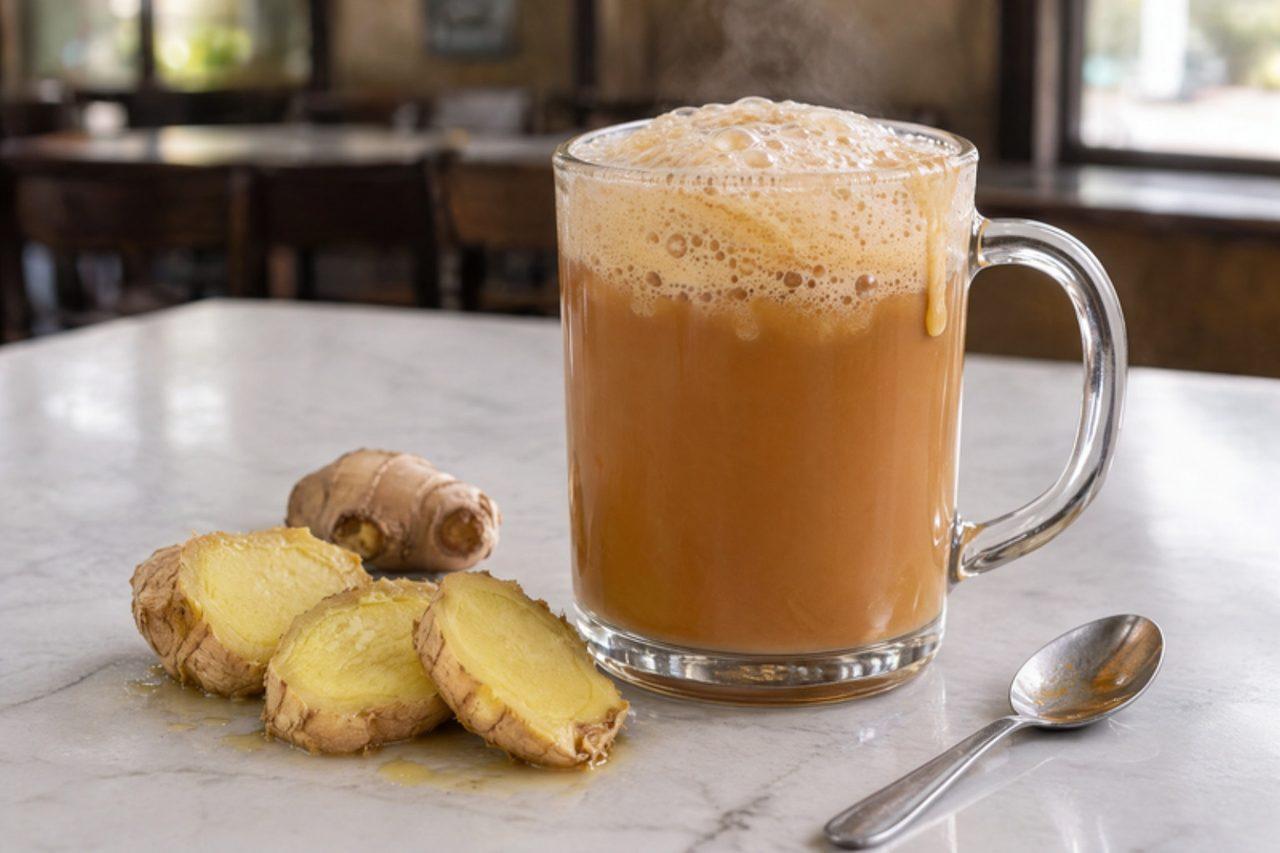
Teh halia (ginger milk tea)

Sit down at any mamak stall in Kuala Lumpur, Penang or Johor Bahru, from breakfast roti canai to the after-football supper at 1 a.m., and someone at the table will order teh halia. It is teh tarik's spicier cousin: dust-fine black tea is boiled with plenty of crushed ginger, mixed with condensed and evaporated milk, then 'pulled' between two mugs from arm's length until a thick froth forms. The result is sweet, creamy and malty, with a ginger heat that catches your throat, most loved on wet monsoon evenings. The common mistake is adding ginger to tea at the end; it then tastes raw and thin. Boil the ginger in the water first for several minutes so the heat goes into the liquid. It is ready when the tea is the colour of milky caramel and a dense froth a few centimetres high sits on top. This contains caffeine, so it is not for children. Chef's tip: practise pulling with water over the sink first, then start low and raise the mug slowly as you pour.

by KrazyBadal 0 views

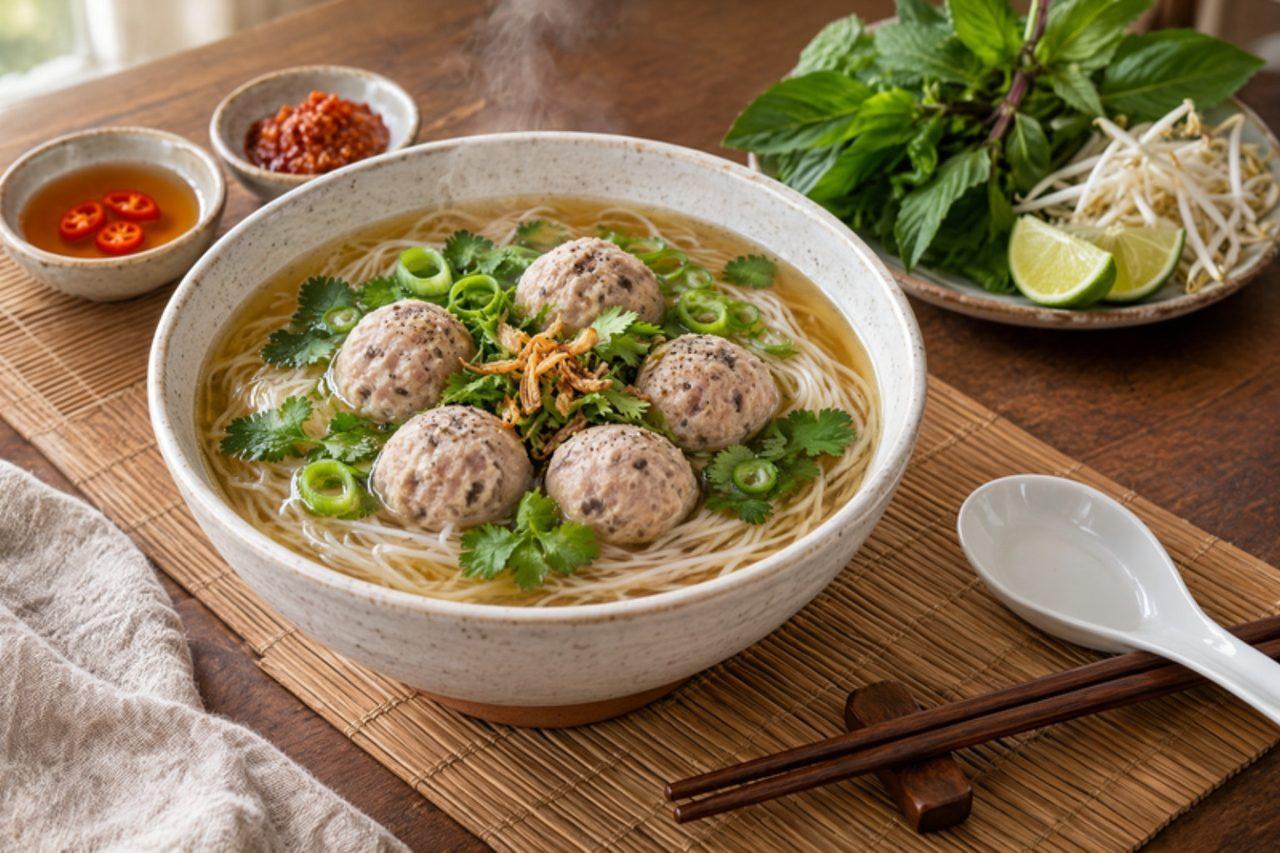
Bún mọcVermicelli with pork balls

Bún mọc is a Hanoi breakfast from the old Mọc village, now swallowed by the city: a clear, gently sweet pork broth poured over soft rice vermicelli, with bouncy balls of pounded pork and wood ear mushroom, slices of pork and a fistful of herbs. Locals eat it early at low plastic stools before work. The common mistake is mixing the pork paste with a spoon; it needs a hard beating so the balls turn springy instead of crumbly. Chef's tip: wet your hands and slap the paste against the bowl twenty times, and chill it for 15 minutes before shaping.

by KrazyBadal 0 views

GrießschmarrnTorn fried semolina pudding

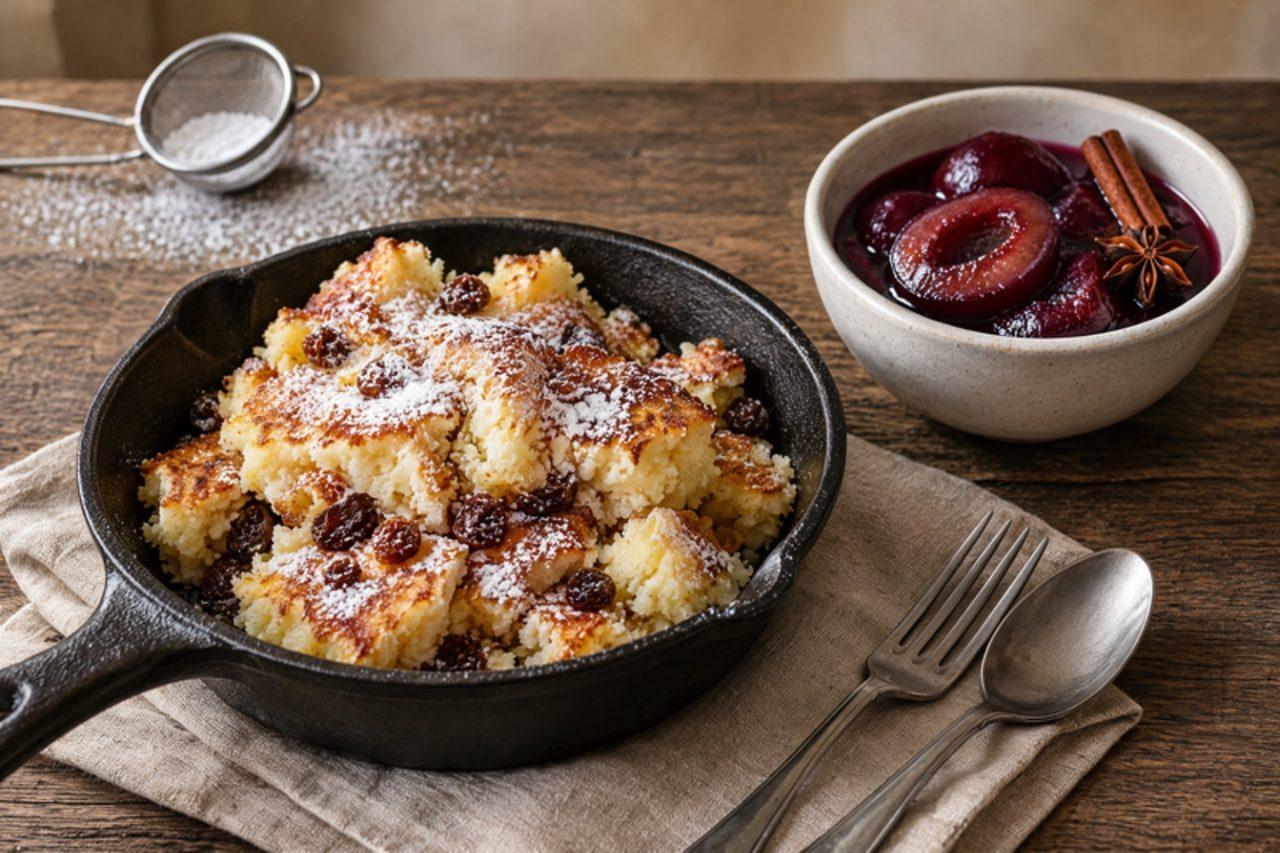
Across Austria and Bavaria, Grießschmarrn is the farmhouse breakfast or light Sunday lunch that grandmothers made from what was always in the larder: semolina, milk, eggs and butter. The semolina is soaked in hot milk until thick, then fried slowly and torn apart with two spatulas into buttery, crisp-edged crumbs, dusted with icing sugar and served with plum or apple compote. The common mistake is turning it too often over a high heat: the crumbs need time on a medium flame to form a golden crust, or they stay pale and pasty. Chef's tip: let the semolina mixture rest for 15 minutes before frying, so the grains swell fully and the Schmarrn crisps instead of sticking.

by KrazyBadal 0 views

Showing 36 of 7,762 recipes

Show more recipes

Page 82 of 863