


Skip to content
Akple
Featured recipe

Akple

Corn and cassava swallow

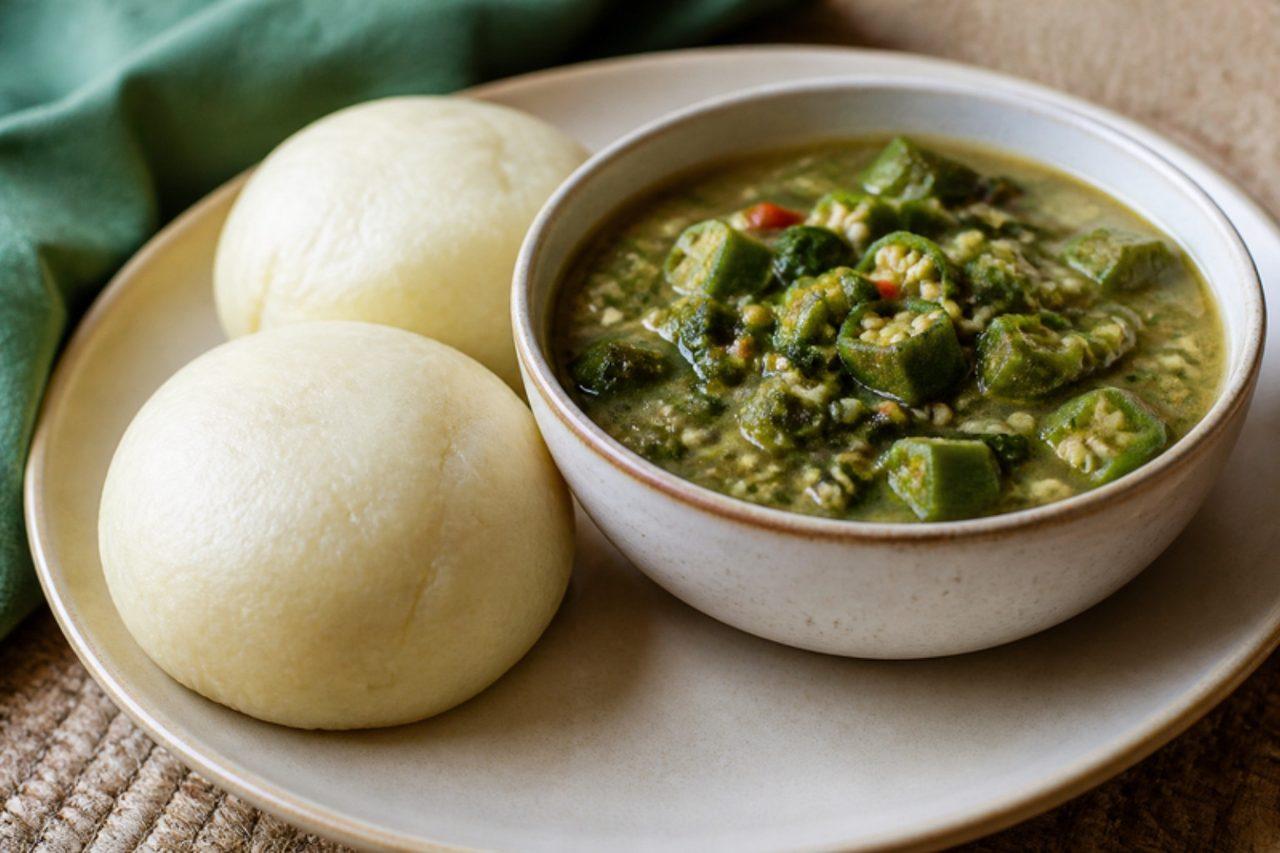
Ewe homes in Ho, Keta and across the Volta Region eat akple at the main meal of the day, almost always with fetri detsi, the slippery okra soup that slides it down. It is firmer and less sour than banku, made by stirring fine maize meal into a hot base of fermented corn and cassava dough, and the finished balls are smooth, dense and mild. A vegetable okra soup makes it a meat-free meal. Chef's tip: add the dry maize meal in small handfuls and press every addition into the dough before the next; pouring it in all at once is the common mistake that leaves dry, floury pockets.

Read more 0 views

What to eat today?

Around the world

Today's trip: Persian

A new country every day, from every cuisine on the site.

This week's collection

Kid-friendly dinners
537 recipes · a new collection every Monday

Latest recipes

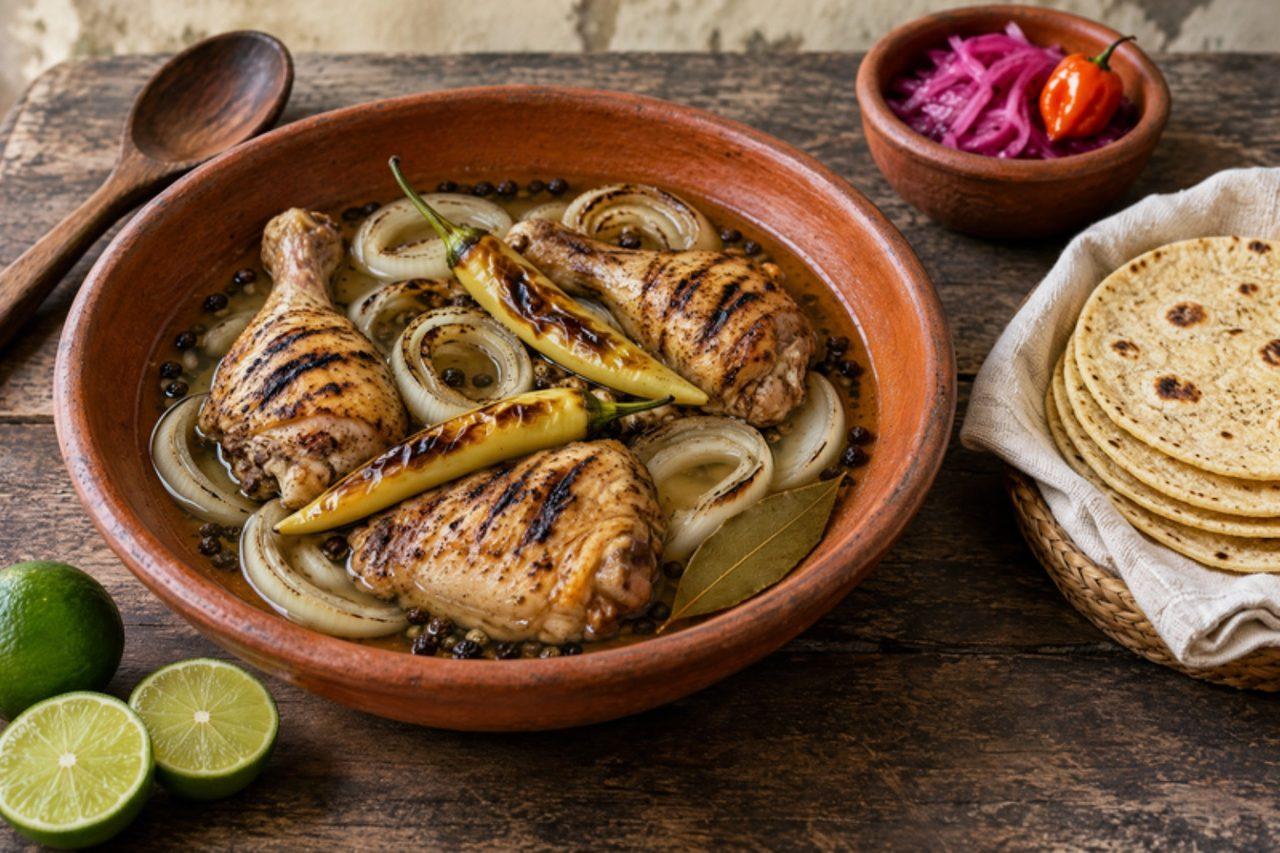
Escabeche orientalGrilled chicken in vinegar broth

Valladolid, in eastern Yucatán, gave this dish its name: oriental means from the east of the peninsula. It is a lunchtime staple of the town's loncherías and family tables, eaten hot in a deep bowl with corn tortillas, especially on weekends and at fiestas, and every cook guards a recado of black pepper, allspice, clove and Yucatecan oregano. The chicken is simmered in a garlicky spiced broth, rubbed with the recado and grilled until smoky, then returned to the broth with charred onions and xcatic chillies sharpened with vinegar. The result is light but bold: a clear, tart, peppery broth, smoky juicy chicken and soft, sweet onion with a gentle chilli heat. Common mistake: boiling the chicken hard, which clouds the broth and makes the meat stringy. Keep it at a lazy simmer. It is ready when the broth is clear and golden, smells of vinegar and allspice, and the onions are soft but still hold a bite. Outside Mexico, use güero, banana or Hungarian wax peppers for xcatic. Chef's tip: char the garlic head until black in patches; that smoky sweetness is the soul of the broth.


by KrazyBadal 0 views

Estofado de polloChicken stew

Estofado de pollo is the mild, homely chicken stew of Lima's family kitchens and school lunches, usually on the table on a weekday or a quiet Sunday with white rice. Chicken pieces are browned, then braised in a sauce of onion, garlic, tomato, a little ají panca paste and bay, with carrots, peas and yellow potatoes cooked right in the pot until the sauce is thick and orange. It is comforting rather than hot. The usual mistake is boiling it hard, which shreds the potatoes and dries the chicken; keep it at a lazy bubble. Chef's tip: use a few yellow potatoes along with waxy ones; they collapse slightly and thicken the sauce naturally.

by KrazyBadal 0 views

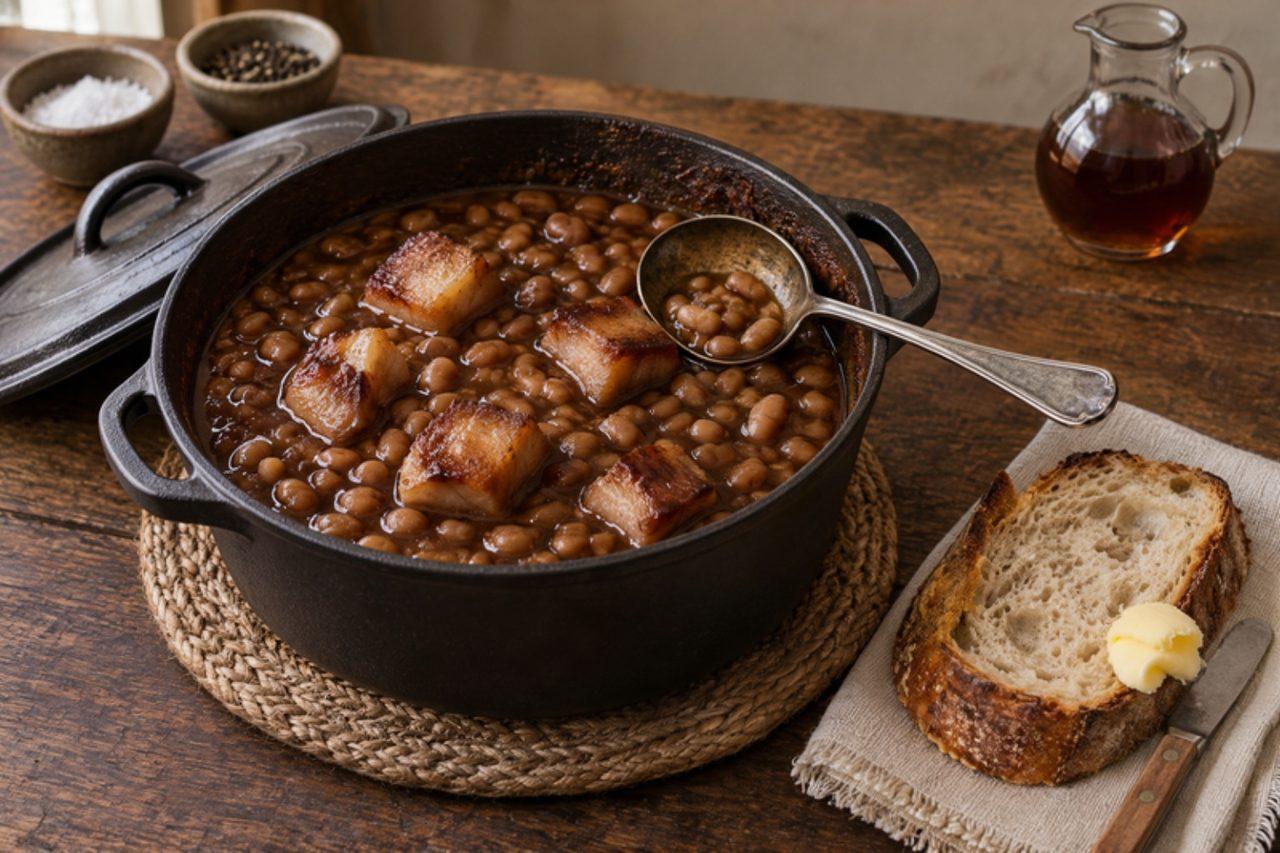
Fèves au lardBaked beans with salt pork

At the cabanes à sucre (sugar shacks) of Quebec's Beauce and Laurentides each spring, and on many Quebec Sunday breakfast tables, fèves au lard come with eggs, toast and a jug of maple syrup: small white navy beans baked very slowly with salt pork, onion, maple syrup and molasses until they're dark, sticky and tender. Salt pork is cured pork belly. Soak the beans overnight first. The common mistake is adding the syrup, molasses and salt at the start of soaking or boiling; sugar and salt stop the skins softening, so par-cook the beans first. For a vegetarian version, leave out the pork and add 3 tbsp olive oil and 1 tsp smoked paprika. Chef's tip: check every hour and top up with hot water just to the surface; beans that dry out on top go hard and never soften.

by KrazyBadal 0 views

Lolo bunsCoconut cream baked buns

Lolo buns are the Sunday treat of Fijian kitchens, made for church lunches and family get-togethers in Lautoka and Suva: soft yeast buns packed into a tin and baked in a bath of sweetened coconut cream (lolo), which soaks into the bottoms and bakes into a sticky, caramel-edged sauce. Everyone pulls one out warm from the tin. A common mistake is pouring the coconut cream on too early; add it just before baking so the buns have risen fully. Chef's tip: use thick, full-fat coconut cream for a rich glaze.

by KrazyBadal 0 views

Gevulde koekAlmond-filled cookie

A gevulde koek is two discs of short, buttery dough sandwiching a thick layer of almond paste (spijs), glazed with egg and crowned with half an almond. Every Amsterdam bakery has a stack of them, and they are the classic koffie snack at about eleven in the morning, or something to eat on the bike home from the Noordermarkt. The pastry is crumbly and the middle soft, fragrant and lemony. It contains wheat, egg, milk and almonds. Chef's tip: make the almond paste a day ahead; it firms up and is much easier to shape into neat discs.

by KrazyBadal 0 views

Ka'i ladrilloPeanut molasses bricks

Ka'i ladrillo — 'monkey brick' in Guaraní — is the sweet sold by vendors on Asunción buses and at country fiestas: roasted peanuts bound in boiled cane molasses and set in brick-shaped blocks, crunchy and dark with a slightly smoky toffee taste. It contains peanuts, so keep it away from anyone with a peanut allergy. The common mistake is taking the syrup off too soon, so the bricks stay sticky and never set. Chef's tip: test the syrup by dropping a little into cold water; it is ready when it sets into a brittle thread that snaps.

by KrazyBadal 0 views

Chhena tarkariFried cheese cube curry

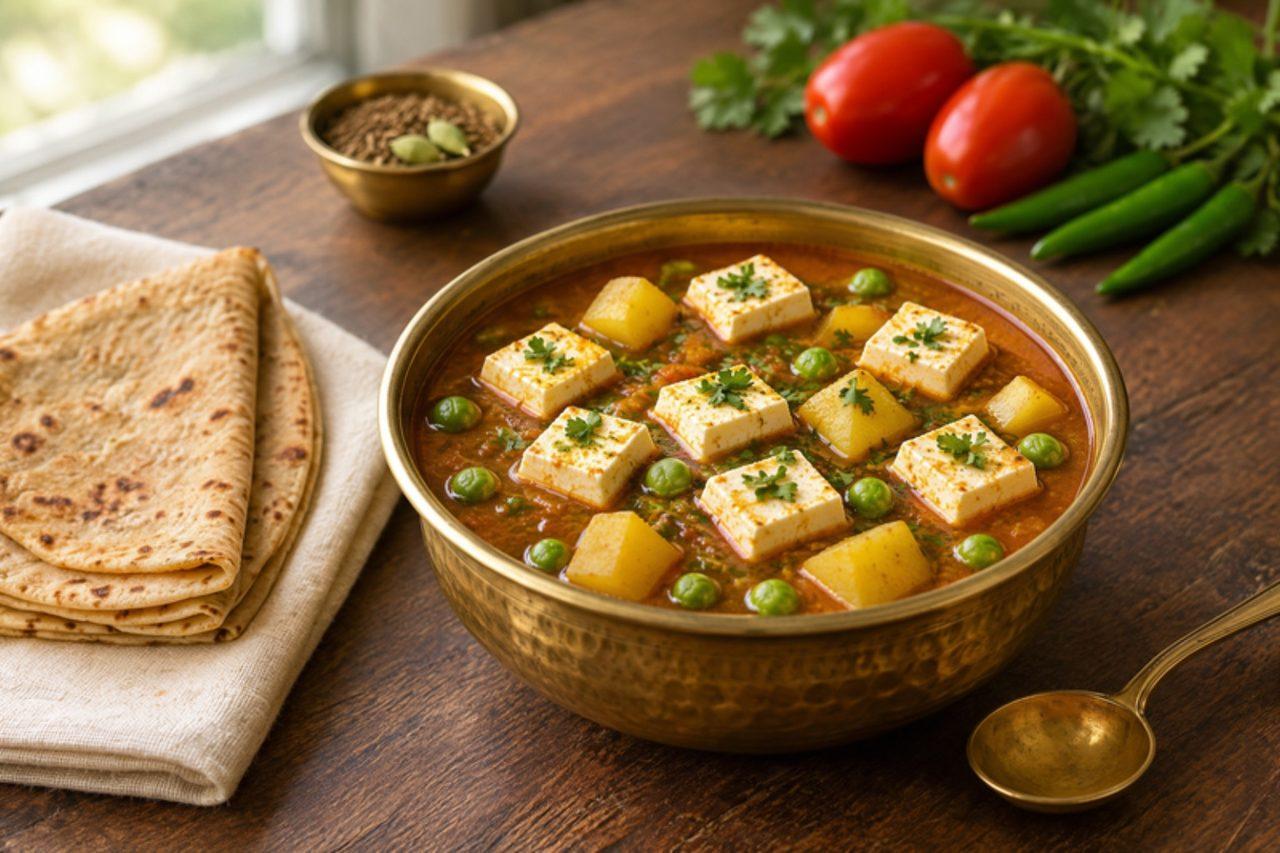
In Odia homes, from Cuttack to Puri, chhena tarkari is the special curry for a Sunday lunch, a guest or a festival day when the household eats no onion or garlic. Fresh chhena, the soft cheese Odisha also turns into rasagola, is pressed, cut into cubes and fried golden, then simmered with potato in a thin gravy of tomato, ginger and roasted cumin. The cubes stay soft and soak up the sauce, and the dish is eaten with rice, puri or paratha. Chhena is made by curdling milk with lemon juice, so it contains no rennet. The usual mistake is boiling the gravy hard after the chhena goes in, which breaks the cubes into crumbs. Chef's tip: fry the chhena cubes until golden on two sides only, then rest them in warm water for five minutes; they swell and turn spongy, just like an Odia grandmother's.

by KrazyBadal 0 views

Peameal bacon sandwich

The peameal bacon sandwich is Toronto's signature breakfast, served from the stalls of St Lawrence Market since the early 1900s. Peameal bacon is cured but unsmoked pork loin rolled in yellow cornmeal (once ground dried peas, hence the name). Thick slices are griddled until golden and piled into a soft kaiser roll with yellow mustard. It is a Saturday market ritual. A common mistake is slicing too thin, which dries it out; aim for 5 mm. Chef's tip: cook it over a medium heat, not high, so the cornmeal crisps without burning before the pork is cooked.

by KrazyBadal 0 views

Fricasé paceñoSpicy pork stew with chuño

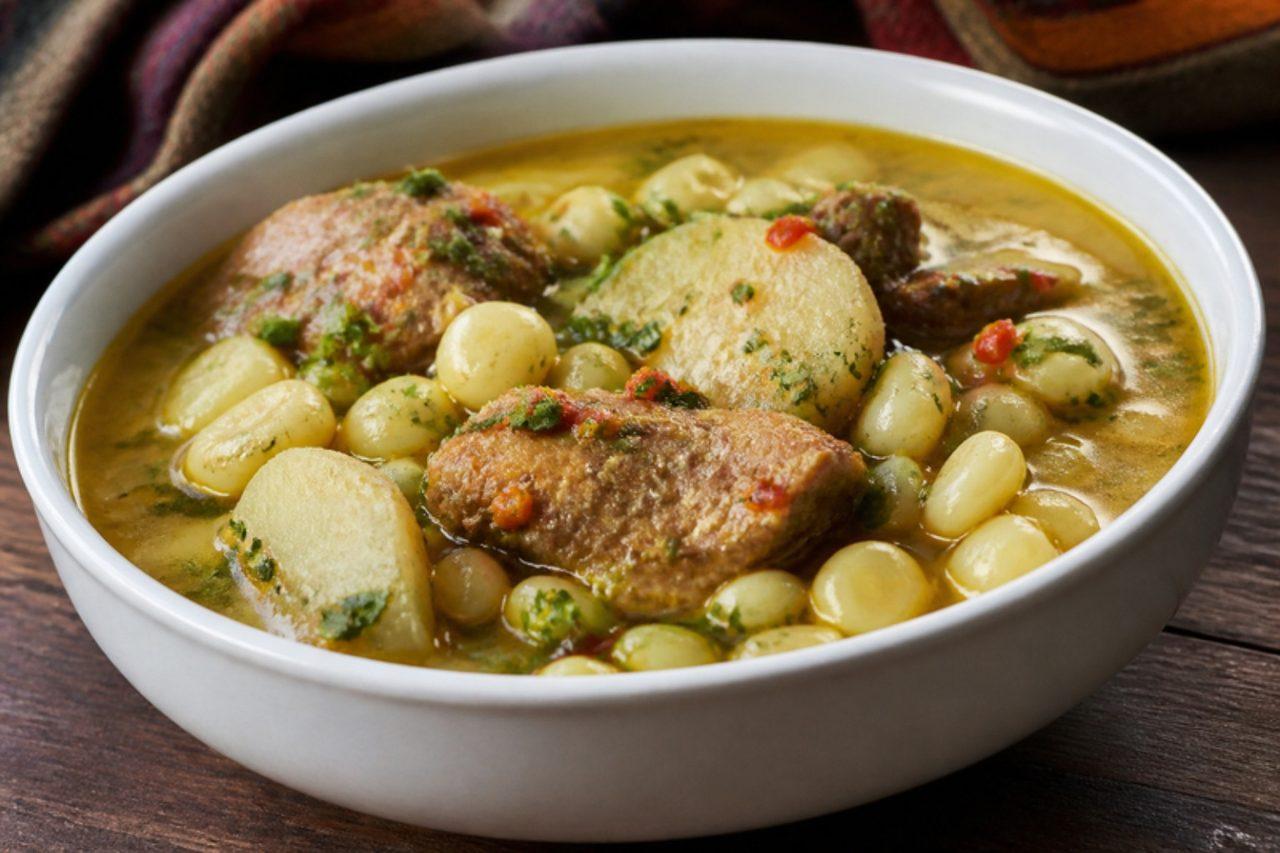
On Sunday mornings in La Paz, after a long night out or simply because it is cold, people head to the comedores for fricasé: a pork stew of ribs and shoulder in a yellow broth of ají amarillo, cumin and black pepper, with chuño (freeze-dried potato) and big white corn kernels in each bowl. This recipe is made with pork. Many cooks thicken it with breadcrumbs; we use ground chuño or cornflour so it stays gluten free. The usual mistake is boiling it hard, which makes the pork stringy; it should barely tremble. Chef's tip: soak the chuño overnight and squeeze it in several changes of water, which removes its earthy bitterness.

180 minAndeanMeatGluten freeSpicy
by KrazyBadal 0 views

Bibim dangmyeonSpicy glass noodles

At the crossing of Gukje Market and BIFF Square, near Nampo-dong, women sit behind low tables mixing bibim dangmyeon to order for shoppers perched on plastic stools. Chewy sweet-potato noodles are piled with seasoned spinach, carrot, yellow pickled radish and strips of Busan fish cake, then drenched in a sweet, tangy chilli sauce that you mix with chopsticks. It is a quick, cheap bowl, eaten year round, cold in summer. Chef's tip: rinse the noodles in cold water straight after cooking; it stops them clumping and keeps them bouncy.

by KrazyBadal 0 views

Misutgaru (multigrain powder drink)

Misutgaru began as travellers' food, a powder of roasted grains that kept for weeks and could be stirred into water on the road. Today it is the drink of Korean summer: mothers shake it with cold milk for breakfast before school, office workers buy it as misutgaru latte from cafés, and farmers drink it at midday in the fields of July. The powder is a mix of roasted barley, glutinous and brown rice, black and yellow soybeans, and sesame, and it tastes of toasted cereal and peanut, lightly sweet, with a thick, creamy body that fills you up like a light meal. The common mistake is tipping the powder into a full glass of milk and stirring: it floats, clumps into dry balls and never fully mixes. Shake it in a jar with a little liquid first, or blend it, then add the rest. It is ready when the drink is smooth, beige and frothy with no dry flecks, and slightly thickened after a minute's rest. Use water or soy milk for a dairy-free version, and note that the barley means it is not gluten free. Chef's tip: a pinch of salt makes the grain flavour taste rounder and less flat.

by KrazyBadal 0 views

Piña colada

Two bars in 1950s San Juan claim to have created the piña colada, and Puerto Rico made it the island's official drink in 1978. It is the drink of hot afternoons on the beaches of Condado and Isla Verde, of hotel pools and of family parties where the blender runs all day. The rum version is for adults only, and because it tastes like a dessert it is easy to drink too fast, so keep to one or two and drink responsibly. A good piña colada is thick, frosty and smooth, coconut-sweet but kept fresh by the sharp acidity of pineapple, with the rum warming the finish. The common mistake is using coconut milk or unsweetened coconut cream instead of cream of coconut, the thick sweetened coconut syrup sold in tins and squeeze bottles: the drink comes out bland and splits into icy water and fat. If you only have coconut cream, blend in 2 tbsp sugar. It is ready when the drink is thick enough to hold a straw upright for a moment, has no crunchy ice and has turned a pale, creamy yellow. Chef's tip: freeze half of the pineapple juice into ice cubes the day before; you will need less ice and the colada stays thick to the last sip.

by KrazyBadal 0 views

Capeletis a la CarusoStuffed pasta in cream sauce

Capeletis a la Caruso were created in a Montevideo restaurant in the 1950s and named after the great tenor, and they are still a Sunday lunch favourite in Uruguayan homes: little stuffed pasta hats in a rich sauce of cream, cooked ham (pork), mushrooms and onion, finished with grated cheese. Buy good fresh capeletis or tortellini; the sauce is what you make. The usual mistake is boiling the cream sauce hard, which makes it oily and grainy. Chef's tip: cook the mushrooms in a dry hot pan first until they squeak and brown, before any butter goes in, for a deeper taste.

by KrazyBadal 0 views

Masato de arroz (Bogotá spiced rice drink)

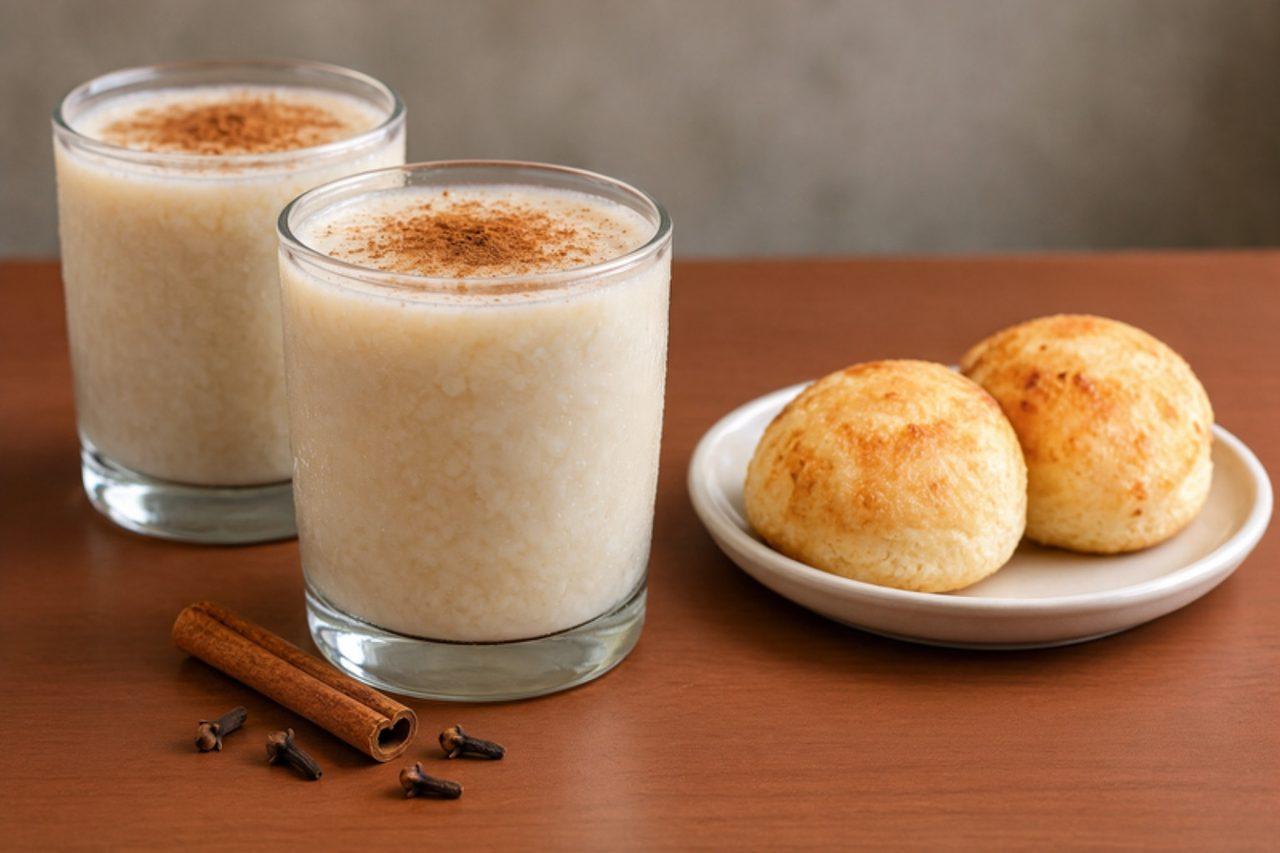
In the old bakeries of La Candelaria and at the juice stands of the Paloquemao market in Bogotá, masato is poured from big jugs to go with warm almojábanas and pandebono at mid-morning or with the afternoon onces. It is cooked rice blended with spiced syrup and left to rest until it turns gently tangy, so it tastes like a cross between rice pudding and a cool, creamy lemonade. Any natural fermentation produces a trace of alcohol the longer it goes on; this version rests only overnight and is then chilled, and for a completely alcohol-free drink skip the rest and add lime juice for the tang. Chef's tip: keep the rest short and taste it; it should be lightly sour and sweet, never fizzy or boozy.

by KrazyBadal 0 views

Ginataang puso ng sagingBanana blossom in coconut milk

Every banana tree in the Philippine countryside gives a heavy purple flower, and in Bicol, Batangas and the Visayas it is shredded and stewed in coconut milk as an everyday ulam for lunch with rice. The banana blossom has a tender, slightly flaky texture and soaks up the ginger, garlic and chilli. The traditional version includes shrimp or fish; this one is vegan. The usual mistake is skipping the salt rub: unrubbed banana blossom stays bitter and turns the sauce grey, so squeeze out its dark sap first. Chef's tip: keep the shredded blossom in water with a spoon of vinegar while you work, so it stays pale.

by KrazyBadal 0 views

Mula ko tarkariRadish curry

In the hills around Kathmandu and Pokhara, long white winter radishes are pulled with their leaves still on, and both go into this simple tarkari served beside dal-bhat. The radish is cut into thin batons and cooked down in mustard oil with a sizzle of fenugreek seed, turmeric and tingly timur pepper until it turns sweet and translucent, while the greens wilt in at the end. The usual mistake is adding too much water: radish releases plenty of its own juice, and extra water turns it into a bland soup. Chef's tip: let the fenugreek seeds turn dark brown, almost black, before the radish goes in; that toasty bitterness is what makes Nepali radish taste right.

by KrazyBadal 0 views

Gangaur guneFried dough shapes in syrup

Gangaur, Rajasthan's spring festival for Gauri, is when women fast and pray for their husbands and married daughters receive a sindhara of sweets from home, and gune are always in it. A ghee-rich dough is rolled thin, pleated or pressed into ribbed shapes and fried crisp, then dipped in sugar syrup or jaggery. They are crunchy, flaky and lightly sweet. The common mistake is under-rubbing the ghee into the flour, which makes them hard rather than short and flaky. Chef's tip: rub until the flour holds a clear fist mark when squeezed; that is when the gune will shatter, not crack.

by KrazyBadal 0 views

Garbanzos en dulceChickpeas in spiced syrup

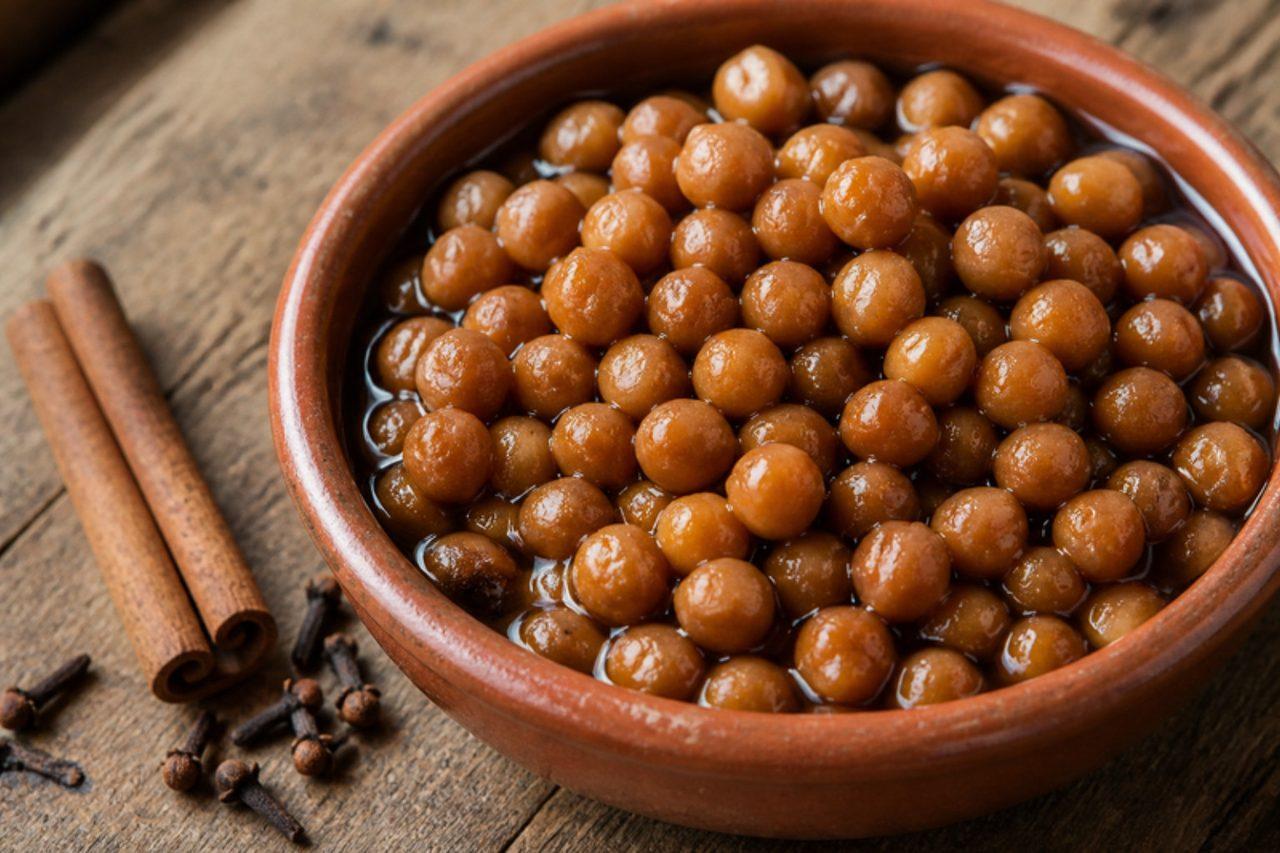
In Antigua Guatemala, where the Semana Santa processions walk over carpets of coloured sawdust, the kitchens fill with sweets in dark panela syrup, and chickpeas are among the first to be made. The peeled garbanzos are cooked tender and then simmered slowly in syrup with cinnamon, allspice and cloves until they turn mahogany and glossy, sweet right through but still holding their shape. They are eaten cold from small bowls, often beside sweet mango or fig preserves. Hurrying the syrup is the usual mistake: boil it hard and the chickpeas stay pale inside and the syrup tastes burnt. Chef's tip: rub off the chickpea skins after the first cooking; it takes ten minutes but lets the syrup soak in and gives a silky bite.

by KrazyBadal 0 views

Geleia de jabuticabaJabuticaba jelly

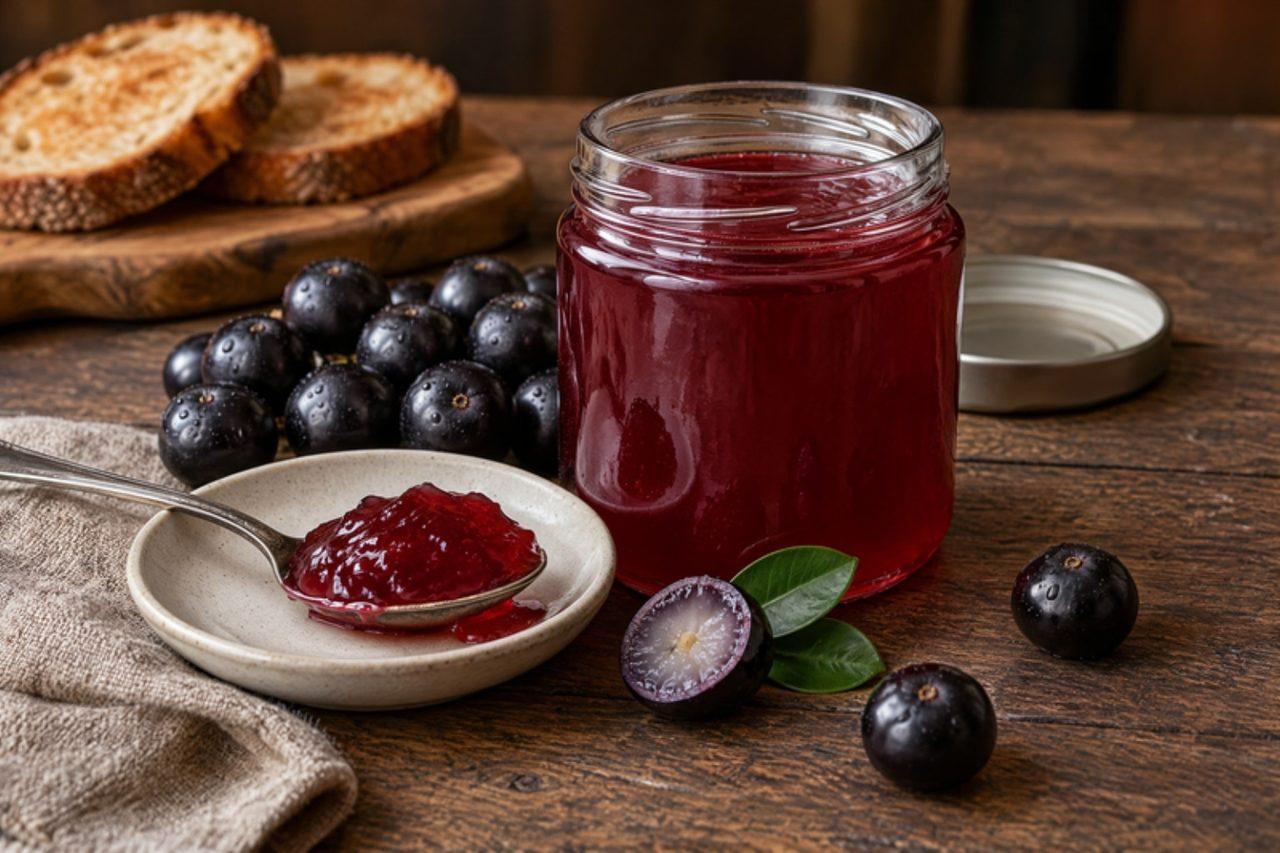
Jabuticabas grow in clusters straight on the trunk of the tree, and in the Minas Gerais spring, from September to November, backyards from Sabará to the south of the state are suddenly covered in shiny black berries. The fruit starts to ferment two or three days after picking, so families turn the glut into jelly, liqueur and syrup; Sabará even celebrates the harvest with a festival. Boiling the berries whole draws colour, tannin and pectin out of the thick skins, so the jelly sets with no added pectin. It is deep ruby-purple, sweet and tart like a dark grape, with a faint astringent edge from the skins. Spread it on pão de queijo or toast, or serve it with fresh white cheese. Abroad, use Concord or other dark, slip-skin grapes, or muscadines. Common mistake: boiling past the setting point; the jelly darkens, turns gummy and the tannins taste bitter, so start testing early. It is ready at 104 °C, or when a drop on a frozen saucer wrinkles when pushed. Chef's tip: let the juice drip through the cloth without squeezing; pressing it makes the jelly cloudy.

by KrazyBadal 0 views

GenmaichaGreen tea with toasted rice

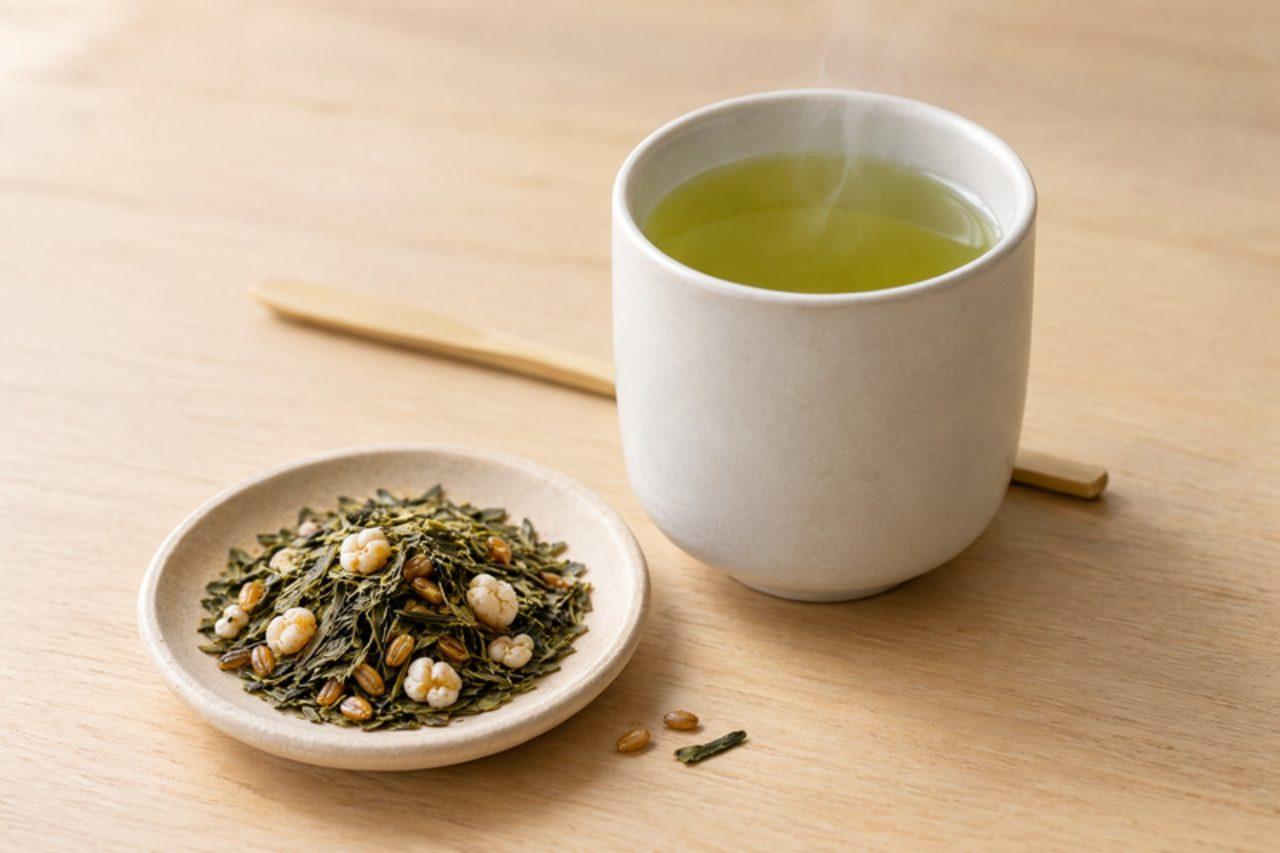
Genmaicha started as a thrifty Japanese blend: toasted rice stretched expensive tea leaves and made the pot go further. It is now loved for itself and turns up everywhere, from office kettles in Tokyo to the free tea at sushi counters and ramen shops, poured all through the meal because its gentle, roasted flavour does not fight with soy or fish. The rice gives a nutty, savoury, almost buttery taste; the green tea adds a light grassy edge. It has about half the caffeine of plain sencha, so many people drink it in the afternoon. The usual mistake is pouring boiling water straight onto it: the green leaves scald and the cup turns bitter while the rice flavour gets lost. Let the kettle sit for a minute or two so the water is around 80–85 °C, and steep for no more than a minute. It is ready when the liquor is pale yellow-green and clear, and the steam smells of popcorn and cut grass. Chef's tip: matcha-iri genmaicha, with powdered matcha dusted over the blend, gives a greener, fuller cup; use it the same way but stir the pot once before pouring.

by KrazyBadal 0 views

Kari gros poisButter bean curry

In Mauritius, gros pois (butter beans) are a pantry staple, and kari gros pois is cooked in Creole and Indo-Mauritian homes alike for weekday lunches and Friday meat-free meals. The beans simmer in a curry of onion, tomato, garlic and ginger, flavoured with curry powder, fresh thyme and curry leaves, so it tastes of both India and the island's French side. It is served with rice, farata flatbreads and a tomato or chilli chutney. The usual mistake is frying the curry powder on high heat; it scorches in seconds and turns bitter. Pressure cooker option: cook the soaked beans for 15 minutes at pressure. Chef's tip: crush a few beans into the sauce at the end, which thickens it without any flour.

by KrazyBadal 0 views

GhiveciBaked mixed vegetable stew

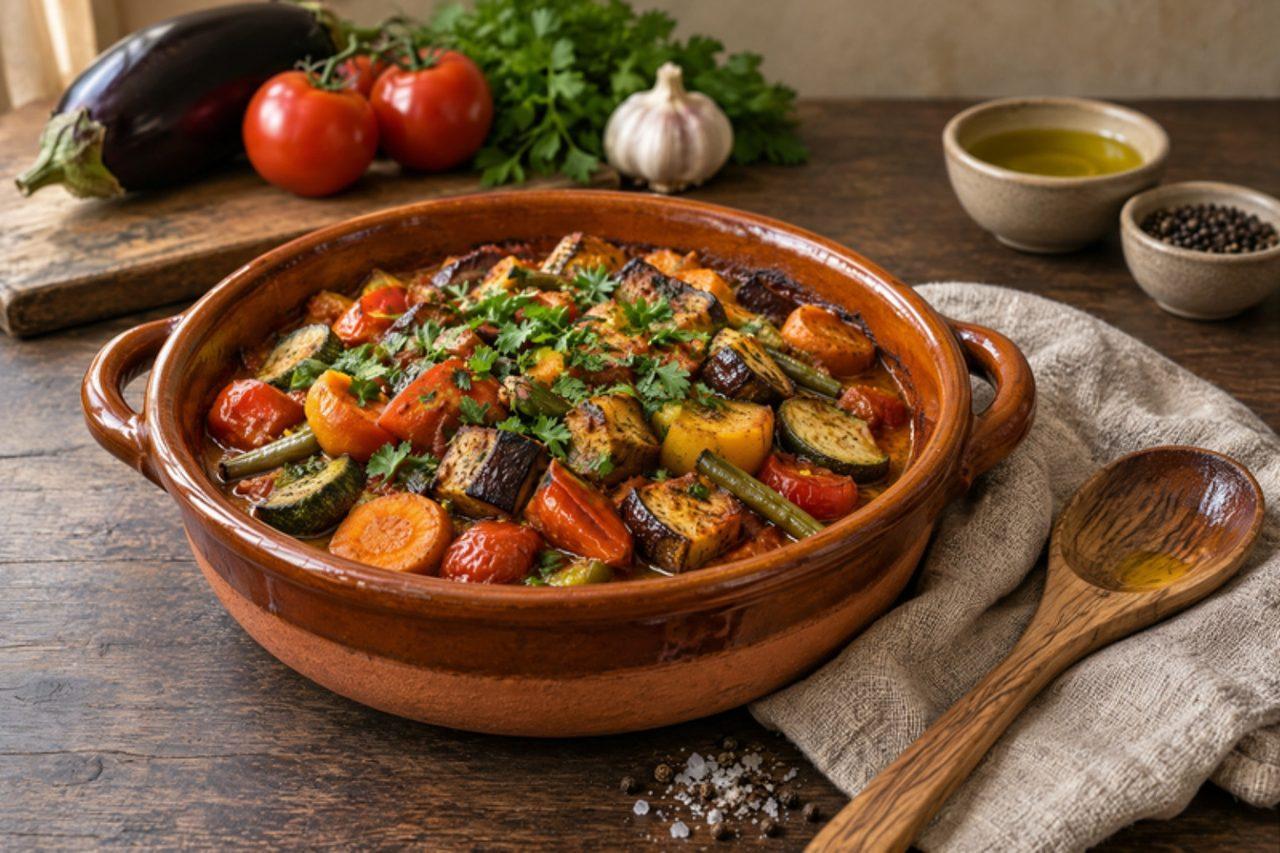
Ghiveci is the Romanian answer to a late-summer glut, made in August and September and often bottled for winter, and it is a mainstay on Orthodox fasting days because it contains no animal products. Aubergine, peppers, courgette, green beans, carrots and onion are layered with tomato and herbs and baked slowly until soft and sweet, with a little browned crust on top. Serve warm or cold with bread, or beside beans. Suitable as part of a balanced diet. About 190 kcal and 20 g carbohydrate per portion. The usual mistake is cutting the vegetables all the same size: harder carrots and beans need smaller pieces than courgette and aubergine so everything is tender at once. Chef's tip: bake uncovered for the last 20 minutes so the juices reduce and the top caramelises.

by KrazyBadal 0 views

Ginataang gulayVegetables in coconut milk

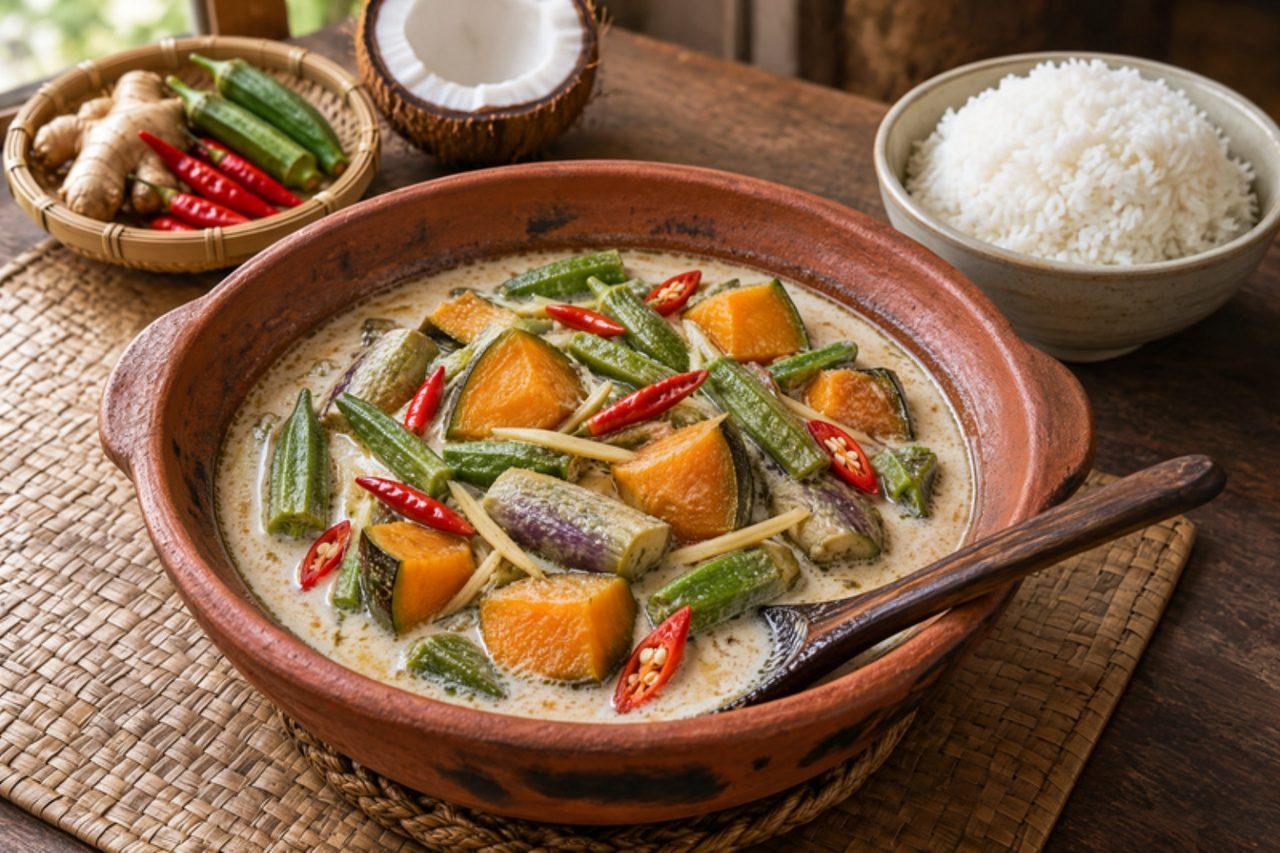
Bicol is the Philippine region of coconut and chilli, and ginataang gulay is what a Naga or Legazpi household cooks on meatless Fridays and in Lent: squash, string beans, eggplant and okra stewed in coconut milk with ginger and plenty of siling labuyo. The squash melts a little into the sauce and makes it golden and slightly sweet, while the beans stay crisp. Serve with rice. The usual mistake is boiling the coconut milk hard, which splits it into oil and curds; keep it at a lazy simmer. Chef's tip: add the thick first-press coconut cream only at the end so the dish tastes fresh and rich.

by KrazyBadal 0 views

MerkénSmoked chilli seasoning

Merkén comes from the Mapuche kitchens of Araucanía: cacho de cabra chillies are dried, smoked over a wood fire, then ground with toasted coriander seed and salt into a brick-red powder that is smoky, warm and lightly hot. In Temuco and across the south it is shaken over potatoes, eggs, sopaipillas, grilled fish and soups. Outside Chile, use dried smoked red chillies, or plain dried red chillies plus smoked paprika. The mistake to avoid is scorching the chillies in the pan: if they blacken, the whole jar is bitter. Chef's tip: grind it a little coarse, as it is sold in Temuco's market, so the coriander seeds stay noticeable.

by KrazyBadal 0 views

Goan tendli bhajiIvy gourd stir-fry

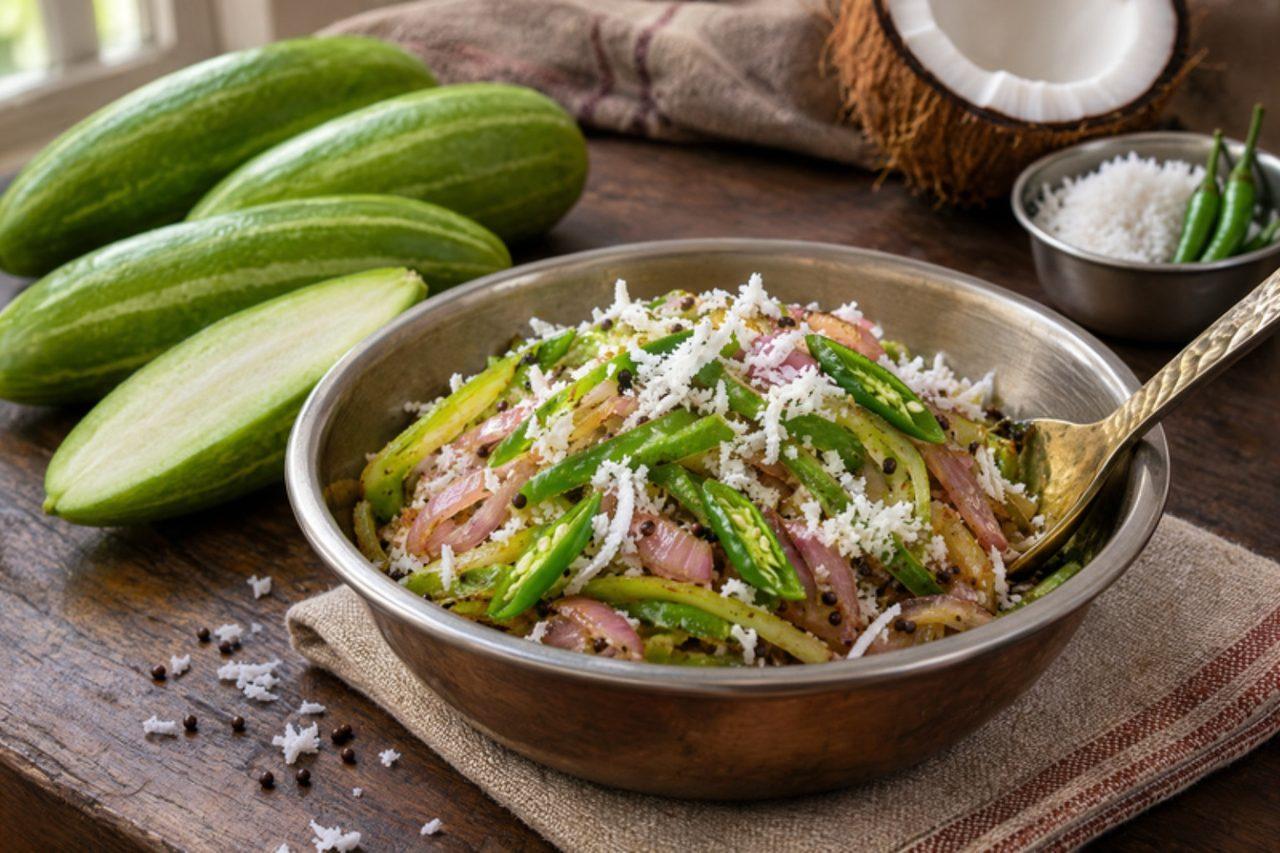
On an everyday Goan plate of rice, fish curry and a vegetable, the vegetable is very often this quick tendli bhaji. Thin rounds of ivy gourd are softened with onion and green chilli in coconut oil, then tossed with fresh grated coconut just before serving, so they stay crunchy-tender and sweet. Hindu homes make it without onion on fasting or puja days. The mistake to avoid is cutting the tendli thickly and covering the pan for too long, which gives grey, soggy rings; thin slices cooked mostly uncovered keep their green colour. Chef's tip: pick firm, bright green tendli and discard any that are red inside, as they are overripe and slimy.

by KrazyBadal 0 views

Godeulppaegi kimchiBitter wild lettuce kimchi

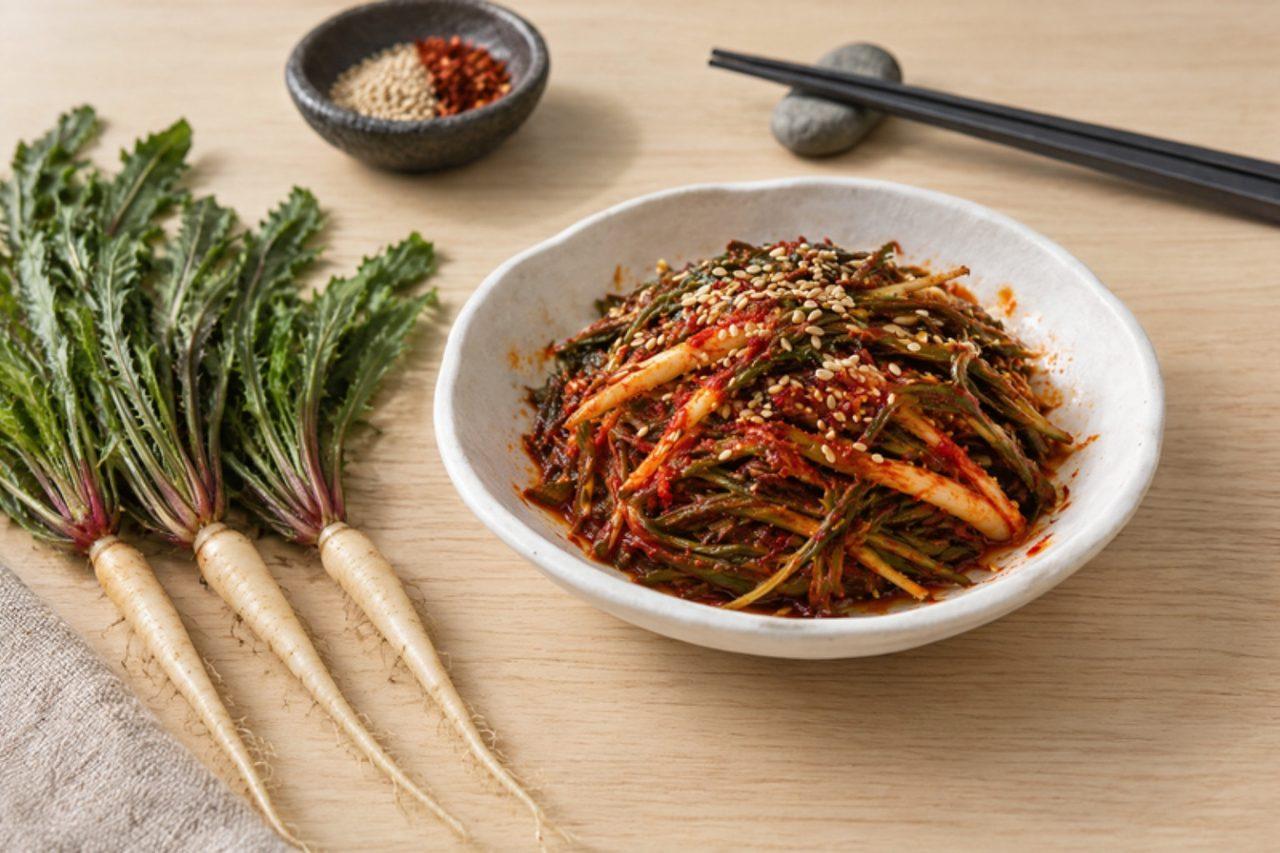
In Suncheon and the hills of South Jeolla, godeulppaegi is dug up from fields and banks in late autumn and again in early spring, and the kimchi made from it is a point of local pride, eaten through winter beside rice, grilled fish and pork. The plant is a small wild lettuce with a pale, carrot-like root and leaves full of milky, bitter sap. Soaked in salt water for several days, the bitterness softens to a pleasant, coffee-like edge that pairs with the deep anchovy sauce and sweet, sticky chilli dressing. Chewy roots, tender leaves, sweet, savoury and gently bitter all at once. The common mistake is rushing the soak: the kimchi is then too bitter to enjoy. Change the brine every day and taste a leaf; stop when the bitterness is noticeable but no longer harsh, usually day 3 to 5. Outside Korea, look for it frozen or dried in Korean shops, or use young dandelion plants with their roots. The kimchi is ready after about 2 weeks in the fridge, when the dressing turns glossy and the roots taste mellow and sour-sweet. Chef's tip: twist a few plants into small coils so each serving comes out of the jar neatly.

by KrazyBadal 0 views

Gobi matar (cauliflower and peas)

In Punjab and Uttar Pradesh, winter means cauliflower and fresh peas, and gobi matar is what fills countless school and office dabbas between November and February. It is cooked dry, so the florets brown a little at the edges, sweetened by the peas and sharpened by plenty of ginger. The mistake is cooking the cauliflower covered with water until it is soft and smells of cabbage; steam it briefly in its own moisture, then fry it uncovered. Chef's tip: cut the florets so they have one flat side; that face sits on the pan and browns while the rest steams tender.

by KrazyBadal 0 views

Soft idli for babies

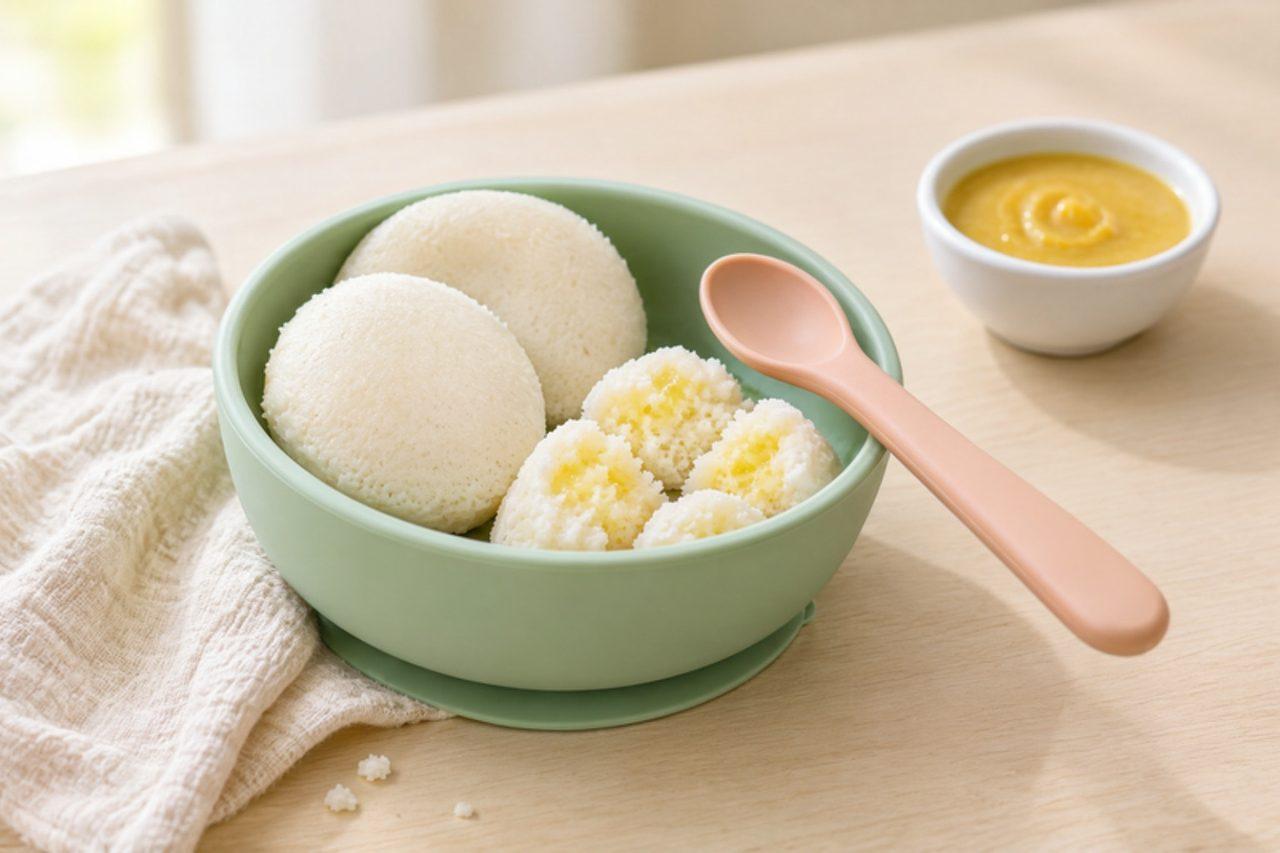
Idli is breakfast across Tamil Nadu, from Chennai's Mylapore tiffin rooms to village kitchens, and a fluffy, plain idli is one of the first finger foods many South Indian babies hold. Since family batter is salted, parents make a separate salt-free batch for babies under one, or steam a few from it before the salt goes in. The cakes are pillowy, faintly sour and melt under the gums, torn into pieces or mashed with ghee or thin dal. They contain no gluten, egg, nuts, soya or sesame; they contain milk only if served with ghee. Chef's tip: grind the urad dal with ice-cold water until it is light and foamy; air in the batter, not salt, is what makes idli soft.

by KrazyBadal 0 views

Gondhoraj gholLime-scented yogurt drink

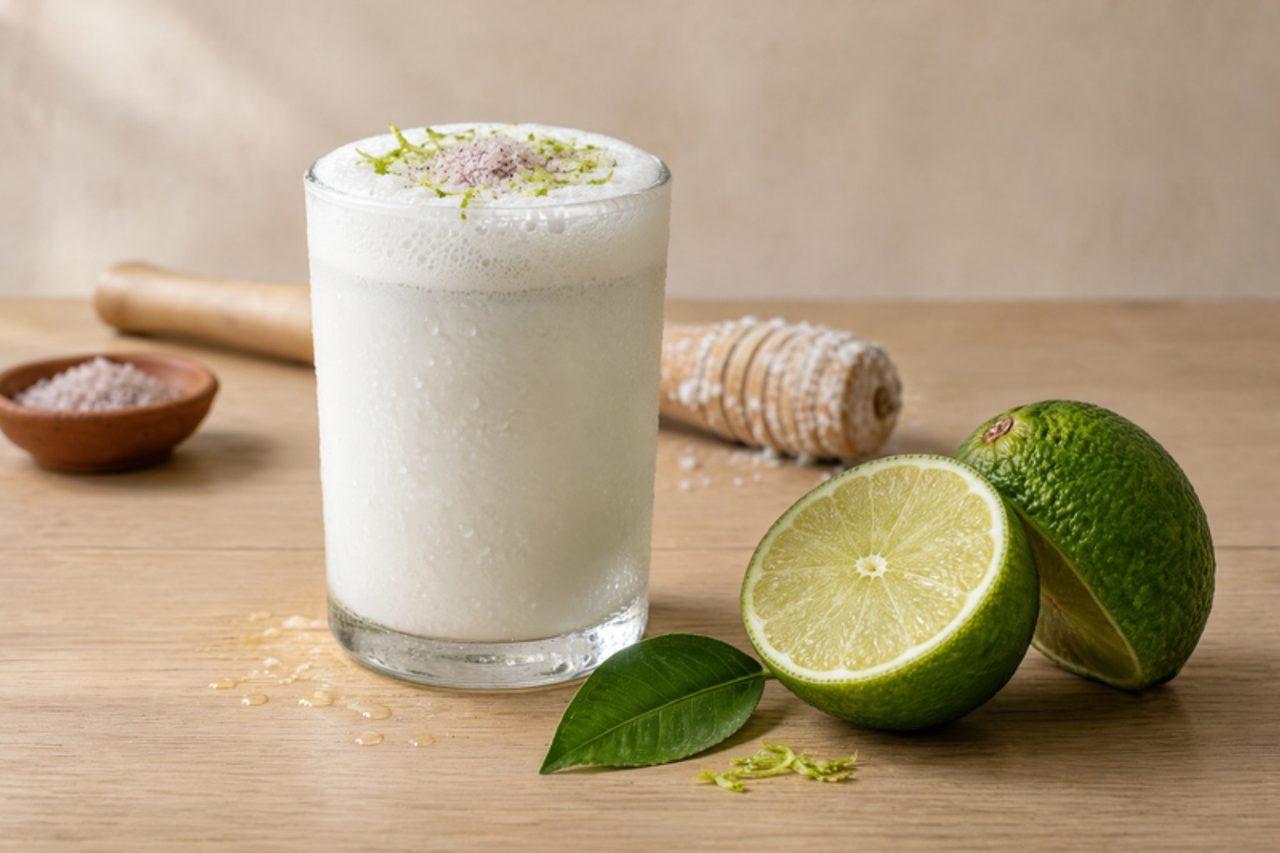
In Kolkata the gondhoraj lime arrives with the monsoon heat, a knobbly green fruit whose peel smells of flowers and pine more than of sour citrus. Bengali households use it to lift dal and fish, but in the sticky months from Boishakh into Srabon it goes into ghol: dahi churned with cold water until frothy, sweetened lightly and scented with the zest, a squeeze of juice and a torn leaf. Cafés along Gariahat and old sweet shops serve it in clay bhaar cups after lunch, and it is just as good mid-afternoon with a plate of muri. It drinks thin, cool and silky, with a soft tang and a perfume that hits the nose before the first sip. The usual mistake is grating too deep or leaving the zest to sit for an hour: the white pith and the oils turn bitter. Take only the green outer layer, add it just before serving, and stop when the ghol smells floral rather than sharp. It is ready when the top is covered in fine foam and a spoon comes out lightly coated. Chef's tip: for the salted version, swap the sugar for black salt and a pinch of roasted cumin, as many Kolkata homes do on the hottest days.

by KrazyBadal 0 views

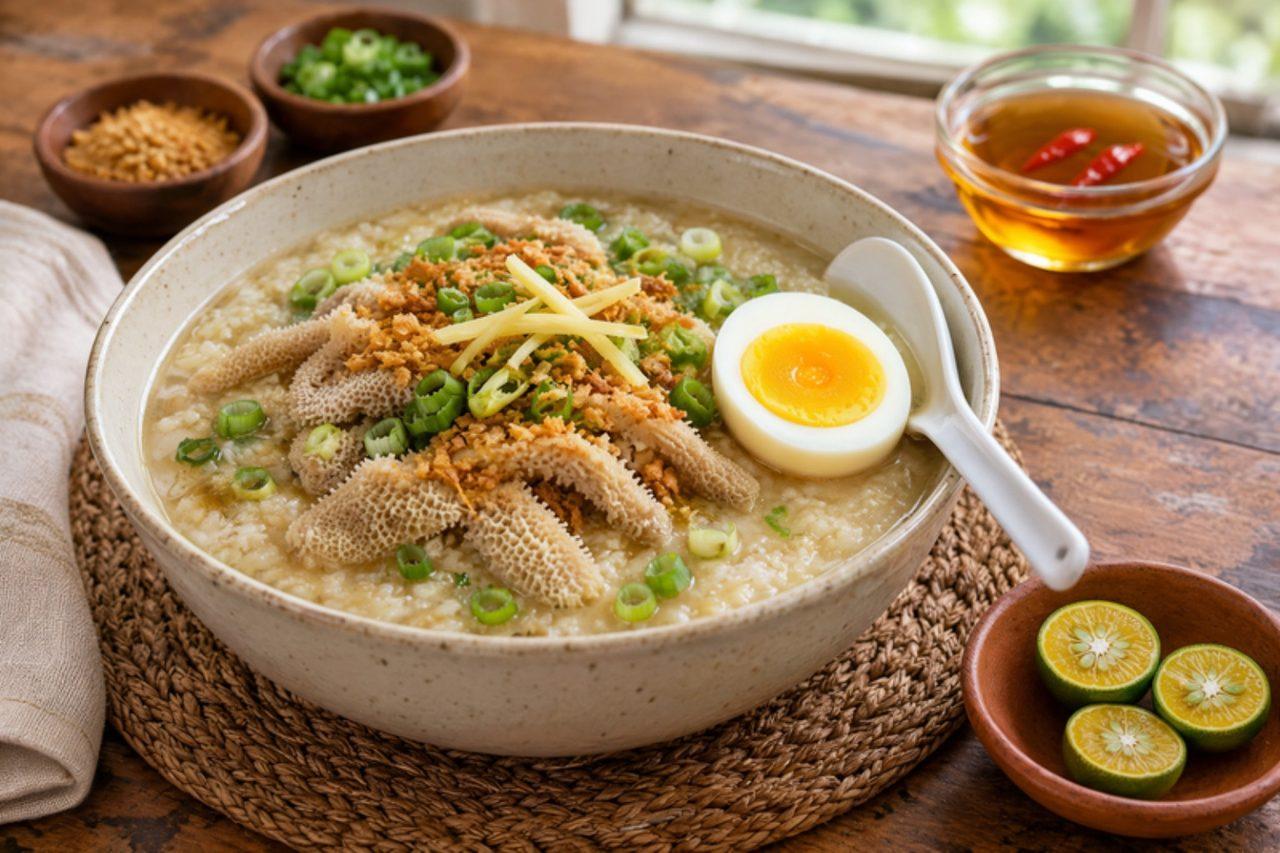
GotoGinger rice porridge with tripe

Goto is the tripe-rich cousin of arroz caldo, sold at dawn and late at night from gotohan stalls across Luzon, especially in Manila and Batangas. Glutinous rice is cooked in a ginger broth with long-simmered beef tripe until thick, then topped with toasted garlic, spring onion, a boiled egg and a squeeze of calamansi. The common mistake is skipping the pre-boil of the tripe, which leaves a strong farmyard smell. Chef's tip: buy cleaned honeycomb tripe and simmer it until a knife slides in easily before it meets the rice; it will not soften further once the porridge thickens.

by KrazyBadal 0 views

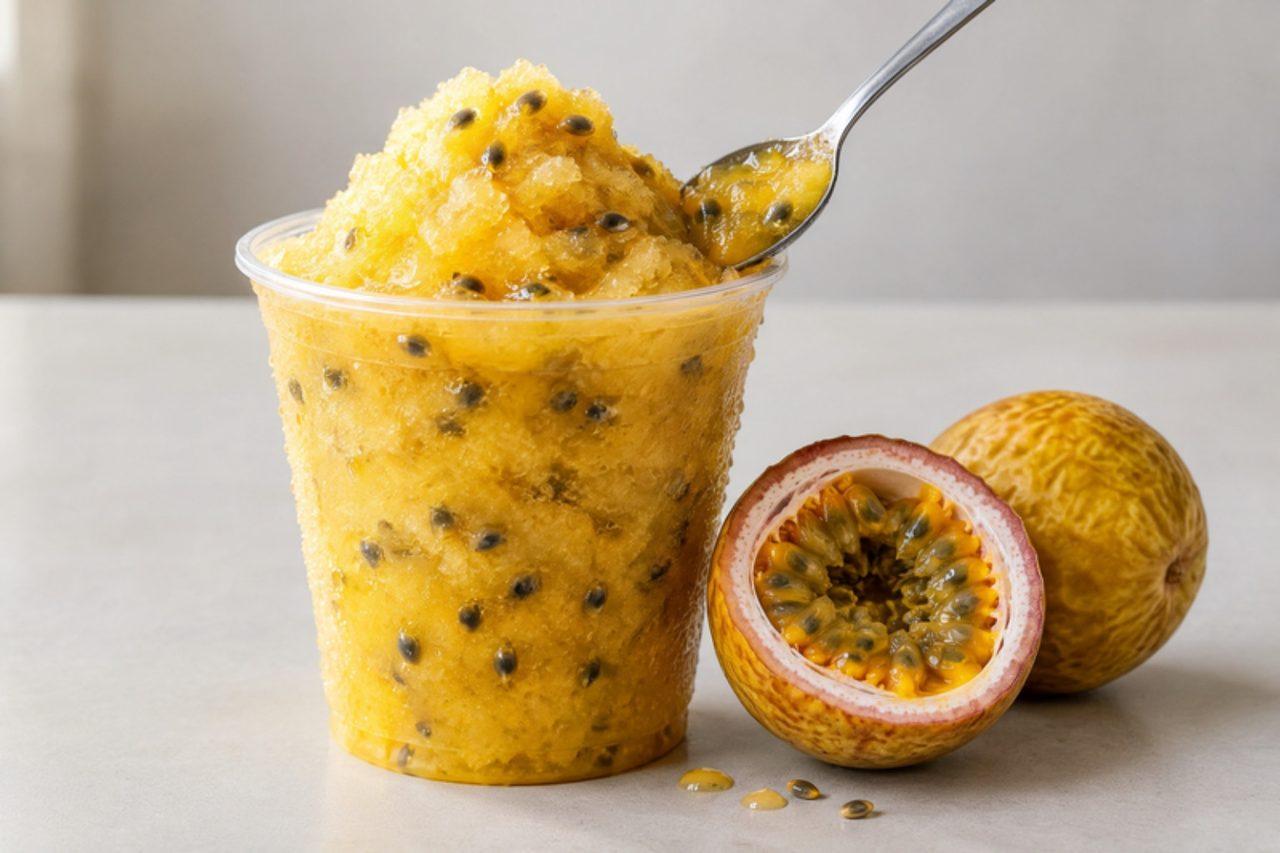
Cremolada (Lima passion fruit slush)

From January to March, when Lima's coast swelters, queues form at the cremolada counters of Barranco and along the Jirón de la Unión downtown for cups of this thick fruit ice. It sits between a granita and a sorbet: frozen fruit pulp scraped again and again until it is slushy and spoonable, with real bits of fruit through it. Passion fruit (maracuyá) gives a sharp, bright flavour; creamy lúcuma, with its maple and sweet potato taste, is the other favourite. Chef's tip: use a shallow metal tray; it freezes faster and evenly, so you get fine crystals rather than chunks.

by KrazyBadal 0 views

Guaguas de panSweet bread babies

Guagua means baby in Kichwa, and in late October Quito's bakeries line their windows with these swaddled bread figures, each with a sugar-iced face and blanket, made to eat with colada morada for the Day of the Dead on 2 November. The bread is soft, buttery and lightly sweet, often hiding a strip of guava paste, and children love decorating them. The common mistake is shaping thin heads and arms, which brown and dry long before the body is baked; keep the shapes plump. Chef's tip: let the shaped figures rise fully before baking, so they puff into round, friendly babies rather than cracking at the seams.

by KrazyBadal 0 views

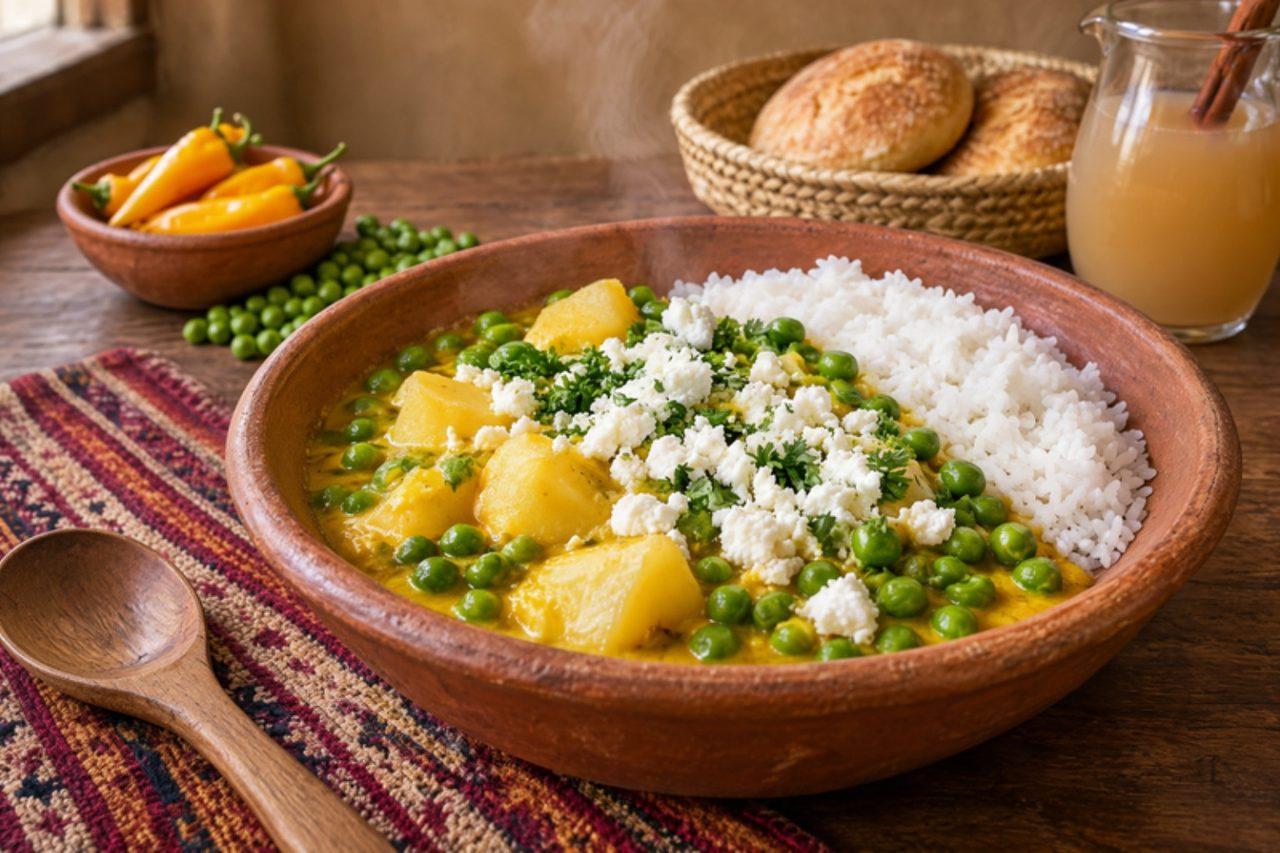
Ají de arvejasPeas and potatoes in chilli sauce

Ají de arvejas is a homely Bolivian stew from La Paz and Cochabamba, cooked for weekday lunch or on Fridays and in Lent, when many families eat no meat. Green peas and potatoes simmer in a golden sauce of onion, tomato and ají amarillo (yellow chilli), and cubes of fresh white cheese are stirred in at the end so they soften without melting away. It is served with plain white rice and sometimes a boiled egg. Bolivian queso fresco is often made with animal rennet; for vegetarians, use a paneer or a fresh cheese labelled vegetarian. The usual mistake is boiling the cheese, which turns it rubbery. Chef's tip: cook the ají paste with the onion until it darkens slightly, which takes the raw edge off the chilli.

by KrazyBadal 0 views

Taiwanese grilled corn

At Raohe and Shilin night markets the grilled-corn stalls are easy to find: look for the queue and the smoky, sweet smell. Cobs are par-cooked, then turned slowly over charcoal while the cook brushes them with a dark glaze of sacha sauce, thick soy paste, garlic and chilli, layer after layer, until the kernels are sticky, slightly charred and deeply savoury. It is eaten hot from a paper sleeve while walking the market. Sacha (shacha) sauce, a Taiwanese barbecue paste, usually contains dried fish and shrimp; vegetarian sacha is sold in Asian shops. Contains soy, wheat and fish. Chef's tip: brush thin coats and turn often; one thick coat burns before the corn chars.

by KrazyBadal 2 views

Thabdi pendaCaramelised milk pendas

Rajkot's sweet shops are famous across Gujarat for thabdi, a crumbly, toffee-brown penda that starts as plain milk and sugar and ends, two hours later, as something close to caramel fudge. The milk is boiled down in a wide iron kadai, a spoon of curd splits it slightly to give the trademark grainy texture, and the sugar browns slowly with it until the whole mass is the colour of milky tea. The usual mistake is rushing on high heat: the milk catches and tastes burnt rather than caramelised. Chef's tip: use a wide, heavy pan and a flat wooden spatula, and keep scraping the bottom and sides every minute once the milk is half reduced.

by KrazyBadal 0 views

Dan hong gaoGriddle egg cakes

On Chengdu's back streets, dan hong gao vendors work a row of tiny copper pans, pouring in a sweet egg batter, adding a spoon of filling and folding each cake in half like a soft taco. Breakfast-goers order a few with brown sugar and sesame, and a few with savoury fillings like pickled mustard greens. The mistake is a lid-less pan: the cakes must be covered so the top steams through while the base turns golden. A small 10–12 cm frying pan works at home. Chef's tip: let the batter rest 10 minutes after adding the raising agent so tiny bubbles form; the cakes come out spongy rather than flat.

by KrazyBadal 0 views

Guihua jiangOsmanthus syrup

When the osmanthus trees around West Lake in Hangzhou and along the Li River in Guilin bloom in late September and October, the whole town smells of apricots, and families shake the tiny gold flowers onto sheets to preserve them. Guihua jiang, sweet osmanthus sauce, is the result: a loose, amber syrup thick with petals that is drizzled over glutinous rice cakes, sweet lotus-root stuffed with sticky rice, tangyuan in fermented-rice soup and plain congee through the Mid-Autumn Festival and all winter. It tastes floral, honeyed and faintly fruity, with a clean sugar sweetness and a soft, slippery petal texture. The flowers are salted briefly first, which takes away their green bitterness and helps them keep their colour. Common mistake: boiling the petals hard in the syrup, which turns them brown and flattens the perfume; add them only once the syrup is ready and let them barely bubble. It is ready when the syrup coats a spoon and the petals are evenly suspended rather than floating. Chef's tip: dried food-grade osmanthus from a Chinese grocer works well out of season; soak it for 10 minutes and use a third of the weight of fresh.

by KrazyBadal 0 views

GüirilaSweet corn tortilla with curd cheese

On the winding road north from Managua to Matagalpa and Jinotega, smoke from roadside griddles means güirilas: thick, sweet tortillas of freshly ground young corn, folded around a slab of salty cuajada and a spoonful of cream. The outside is lightly charred and the middle soft and custardy, a little like a corn pancake. Cuajada is a fresh cheese usually set with animal rennet; a vegetarian halloumi or fresh vegetarian cheese is a good swap. The most common mistake is a batter so runny that it spreads thin and tears when you flip it. Chef's tip: grind the corn in a blender in short bursts so a little texture remains, then stir in masa harina a spoonful at a time until the batter just holds a soft mound.

by KrazyBadal 0 views

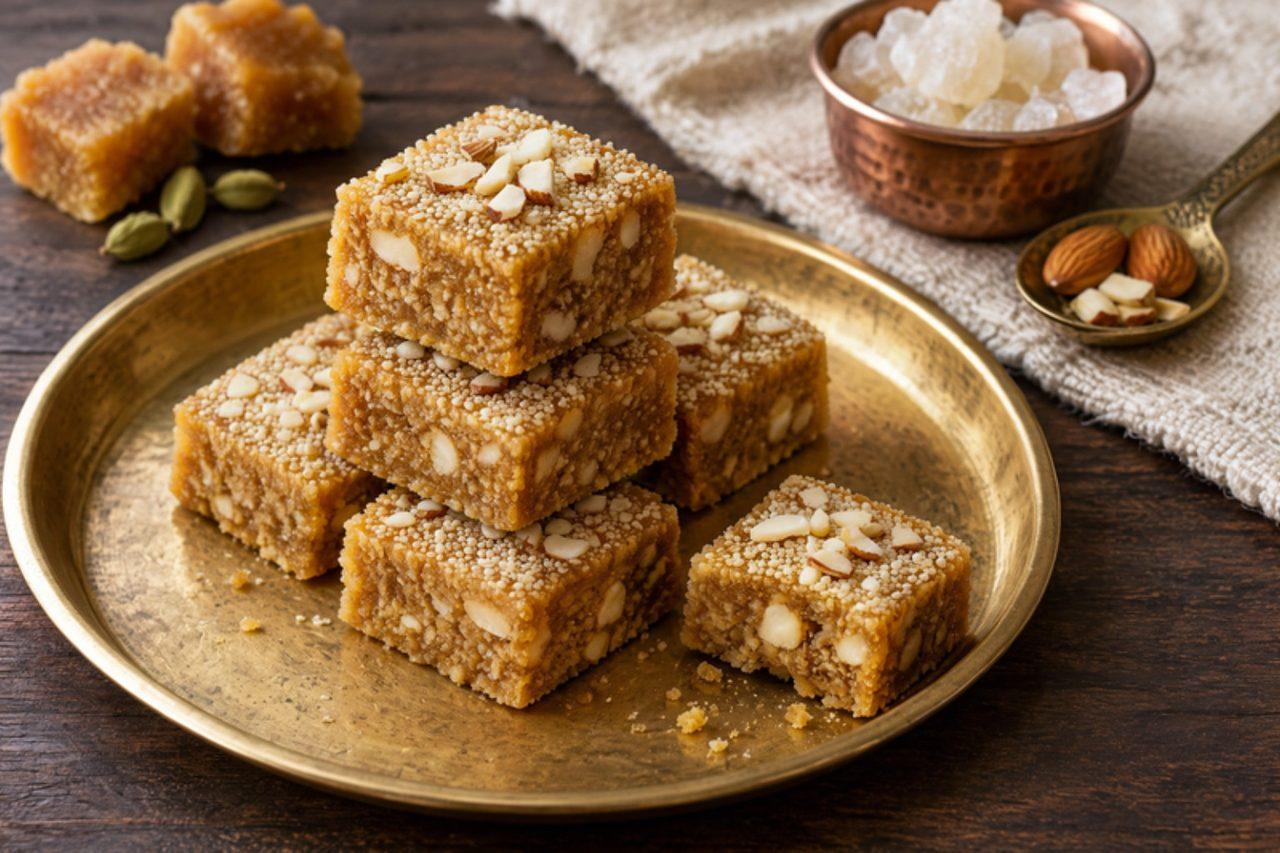
Gundar pakEdible gum and wheat fudge

When the first cold mornings reach Rajkot and Junagadh, Kathiawadi kitchens fry a big batch of gundar, the edible acacia gum, in ghee and set it into this dense, crunchy pak, eaten one square a day with tea through December and January. Here the gum is the star: it puffs into crisp white popcorn-like pieces that give the fudge its crackle, while wheat flour, jaggery, dry ginger and coconut hold it together. The common mistake is frying the gum in ghee that is too cool, so it stays hard and glassy and sticks to your teeth; it must puff fully within seconds. Chef's tip: crush the puffed gum only lightly with a rolling pin so you still bite into small crunchy nuggets.

by KrazyBadal 0 views

GundrukFermented leafy greens

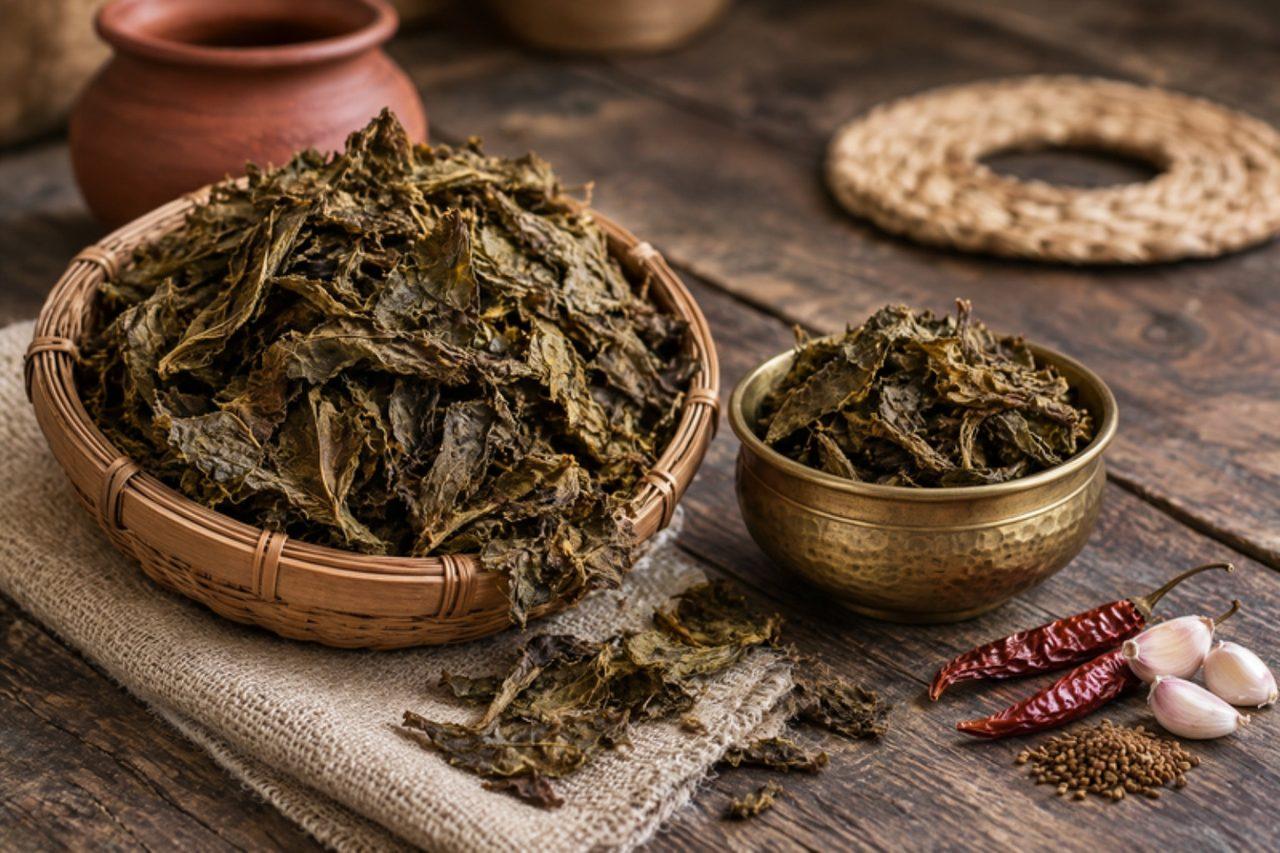
After the rice harvest in October and November, hill families from Ilam to Gorkha cut the leaves of mustard greens, radish and cauliflower, leave them to wilt in the yard, then pound them into clay pots or pits to ferment. A week later the greens come out olive-brown and sour, and they are dried on bamboo mats in the bright Dashain-Tihar sun. That dried gundruk carries families through the lean winter: soaked and simmered into gundruk ko jhol with tomato and soybeans beside dal-bhat, or tossed into gundruk sadeko with onion, chilli and mustard oil to eat with chiura. The flavour is deeply sour, earthy and a little smoky, the dried leaves chewy-crisp, softening when cooked. Common mistake: packing the leaves loosely; air left in the jar lets mould grow instead of the sour lactic ferment, so press until juice rises over the greens. It is ready to dry when it smells sharply sour like good sauerkraut and the leaves have lost all their green. Chef's tip: if your greens are from a supermarket, mix mustard greens with radish tops or kale for the closest flavour, and ferment in a big jar with a weight.

by KrazyBadal 0 views

Guyanese egg ballsFried cassava-coated eggs

Egg balls are the snack you buy in a paper bag at a Georgetown cake shop or from a tray at a cricket match at Bourda, with a generous spoon of mango sour over the top. A whole hard-boiled egg is wrapped in a layer of mashed cassava seasoned with garlic, hot pepper and herbs, then fried until crisp and golden. The usual problem is cassava that is too wet or too thin a layer, so the balls crack in the oil; mash it dry and keep the coat about 1 cm thick. Eggs are the main allergen here. Chef's tip: chill the wrapped balls for 20 minutes before frying so they hold their shape.

by KrazyBadal 0 views

Daging masak hitamBlack braised beef

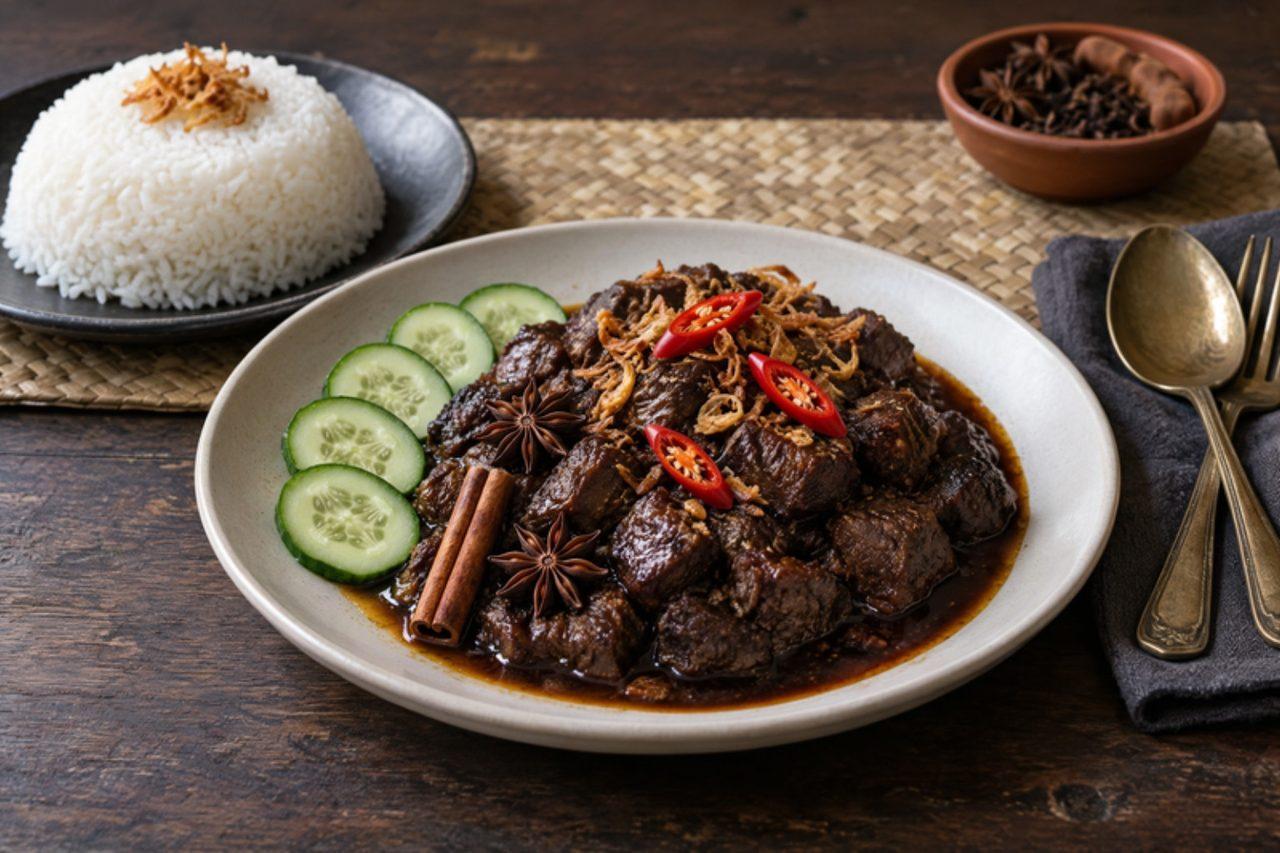
Daging masak hitam, 'black-cooked beef', is a centrepiece of Hari Raya open houses and kenduri feasts across Malaysia, and it is just as good on an ordinary weekday with rice and cucumber. Beef is braised slowly with blended shallots, garlic, ginger and dried chillies, whole spices, tamarind and both sweet and dark soy sauce until the gravy reduces to a sticky, almost black glaze. It tastes better the next day, which is why cooks make it ahead for festivals. The usual mistake is reducing too fast over a high heat: the sugar in the sweet soy scorches and turns bitter. Chef's tip: once the gravy starts to thicken, stir from the bottom every few minutes and lower the heat.

by KrazyBadal 0 views

DhansakMutton and lentil curry

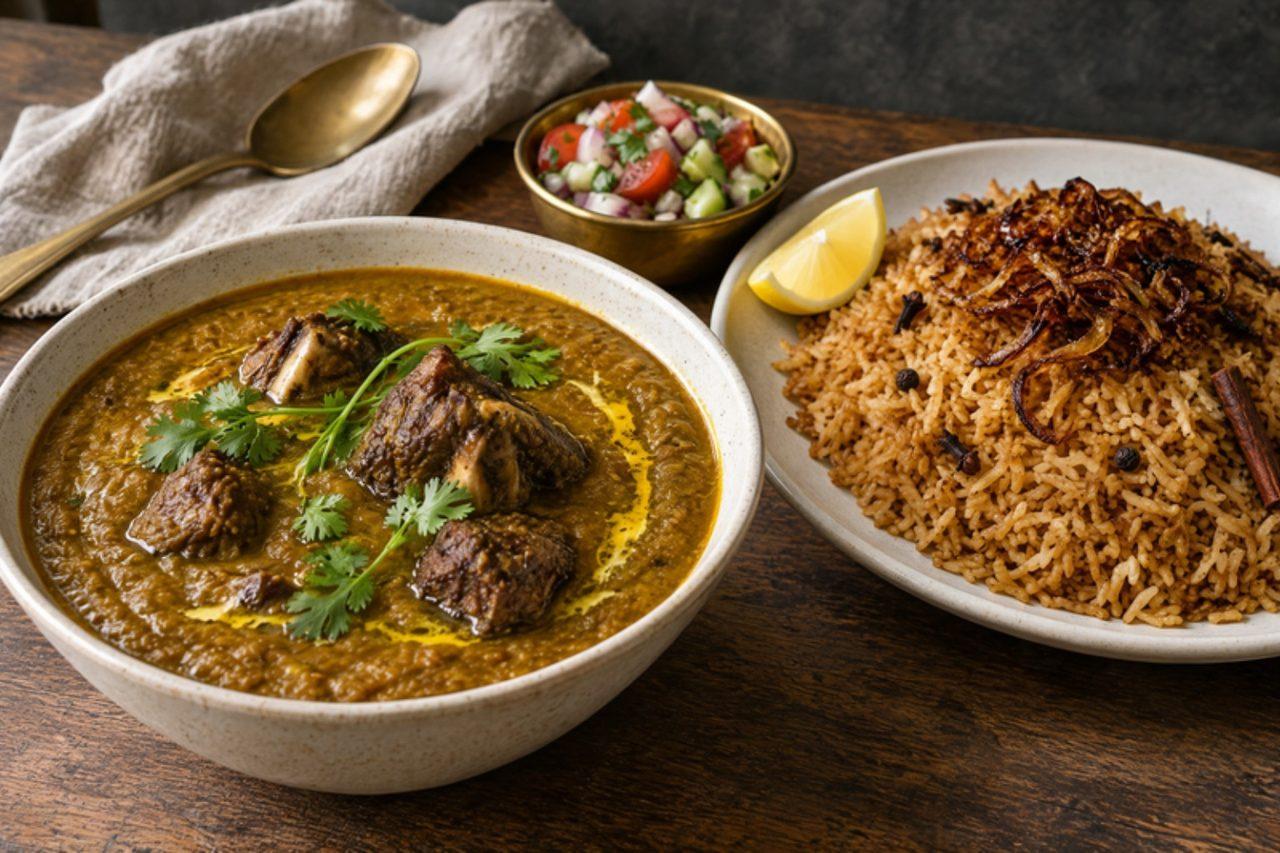
Dhansak is the Parsi Sunday lunch in Mumbai and the old Gujarat towns of Navsari and Surat, traditionally the first meat dish cooked when the meatless days after a death are over, and a weekend favourite the rest of the time, always with brown rice (rice browned in caramelised sugar and onion) and kachumber. Mutton is cooked together with toor, masoor, moong and chana dal, pumpkin, aubergine, tomato and fenugreek leaves, then the dal and vegetables are pureed into a thick, gently spiced sauce with dhansak masala. Veg version: leave out the mutton and cook the same dal and vegetables with vegetable stock. The usual mistake is not pureeing the dal finely; it should be smooth and velvety around the meat. Slow-cooker option: everything except the tempering on low for 8 hours, then blend. Chef's tip: fry the dhansak masala in ghee at the end and pour it over; it gives the dish its aroma.

by KrazyBadal 0 views

Sev tameta nu shaakSev and tomato curry

Sev tameta nu shaak is roadside-dhaba and home food from Kathiyawad in Saurashtra, cooked when the vegetable basket is nearly empty but there are tomatoes and a tin of sev. Ripe tomatoes simmer with garlic, red chilli and a little jaggery into a thin, sweet-sour-hot gravy, and a handful of crisp gram-flour sev goes on top at the very last moment, so it is half-crunchy, half-soft when you eat it with bajra rotla, thepla or rotli. The usual mistake is stirring the sev in too early, which turns the curry into a paste. Most sev is made from gram flour, but check the packet if you avoid gluten. Chef's tip: use thick sev (ratlami or bhavnagari), which holds its crunch far longer than nylon sev.

by KrazyBadal 0 views

MsetoRice and green grams

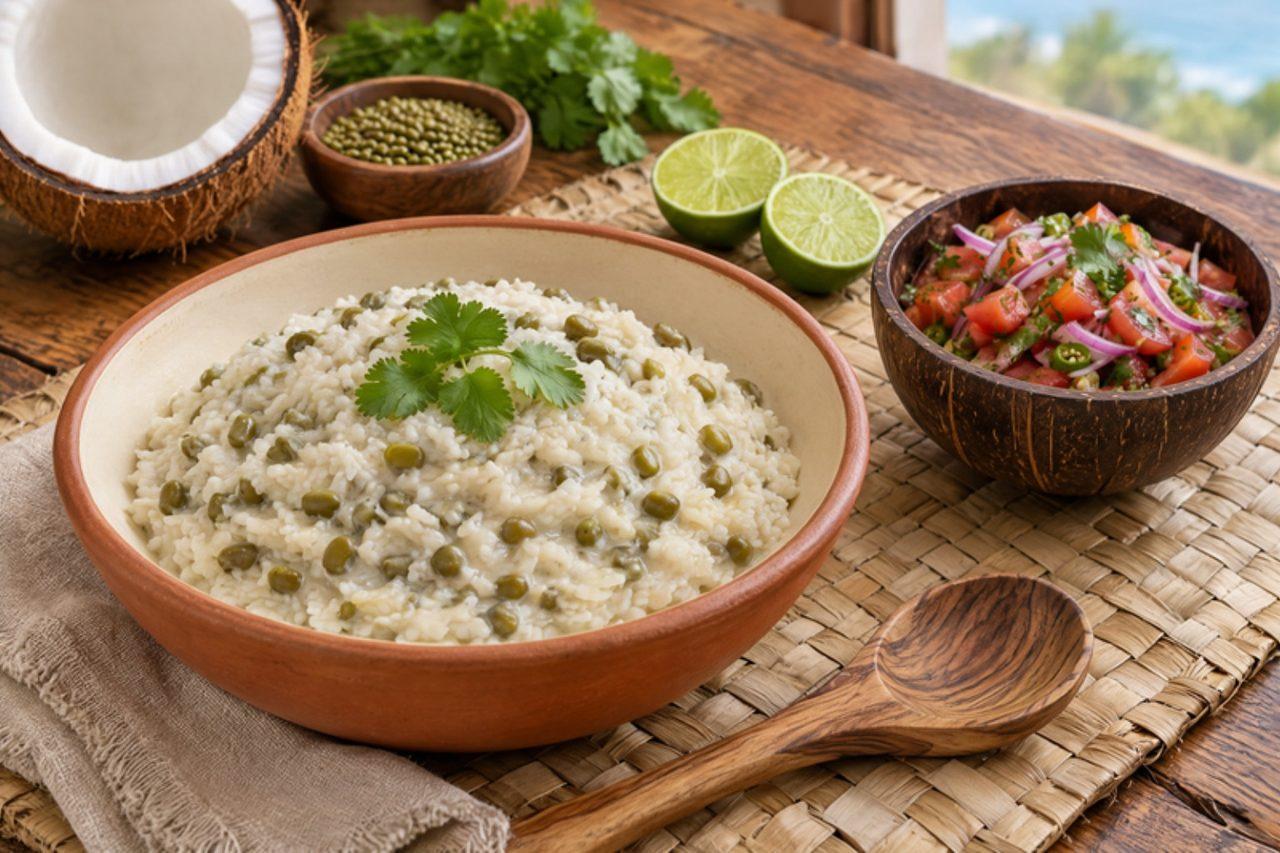
Mseto, meaning 'mixture', is a staple of the Swahili coast from Mombasa to Lamu and Zanzibar, often eaten at lunch or for breaking the fast in Ramadan. Rice and green grams (whole mung beans) cook together in coconut milk with onion and a little turmeric until soft, fluffy and gently creamy. It is served beside a vegetable or bean curry, a kachumbari salad and a squeeze of lime. The usual mistake is adding the rice before the green grams are tender, so the rice turns mushy while the beans stay hard. Chef's tip: once the rice is in, cover the pot tightly and leave it on the lowest heat without lifting the lid, so the rice steams evenly.

by KrazyBadal 0 views

Maesil-cha (green plum tea)

In early June the hillsides of Gwangyang are picked clean of hard green maesil, and Korean kitchens across the country fill with jars of plums buried in sugar. Over about a hundred days the sugar draws out the fruit's juice and becomes maesil-cheong, a golden syrup that is both a cooking ingredient and a drink. Iced, it is the summer cooler; hot, it is traditionally drunk after a heavy meal for digestion. It tastes bright and tart, like green apple and apricot, rounded by the sugar. The common mistake is putting damp plums or plums with stalks into the jar: water and stalk ends invite mould and unwanted fermentation. Pick out each stalk with a toothpick and dry the fruit completely. The syrup is ready when the plums have shrivelled and float in clear amber liquid. A little foaming early on is normal, but if it smells strongly of alcohol, grows fuzzy mould or turns slimy, discard it. Remove the plums at 100 days, because their stones contain natural compounds best kept out of a long-stored syrup. Chef's tip: use half white and half light brown sugar for a rounder, toffee-edged syrup.

by KrazyBadal 0 views

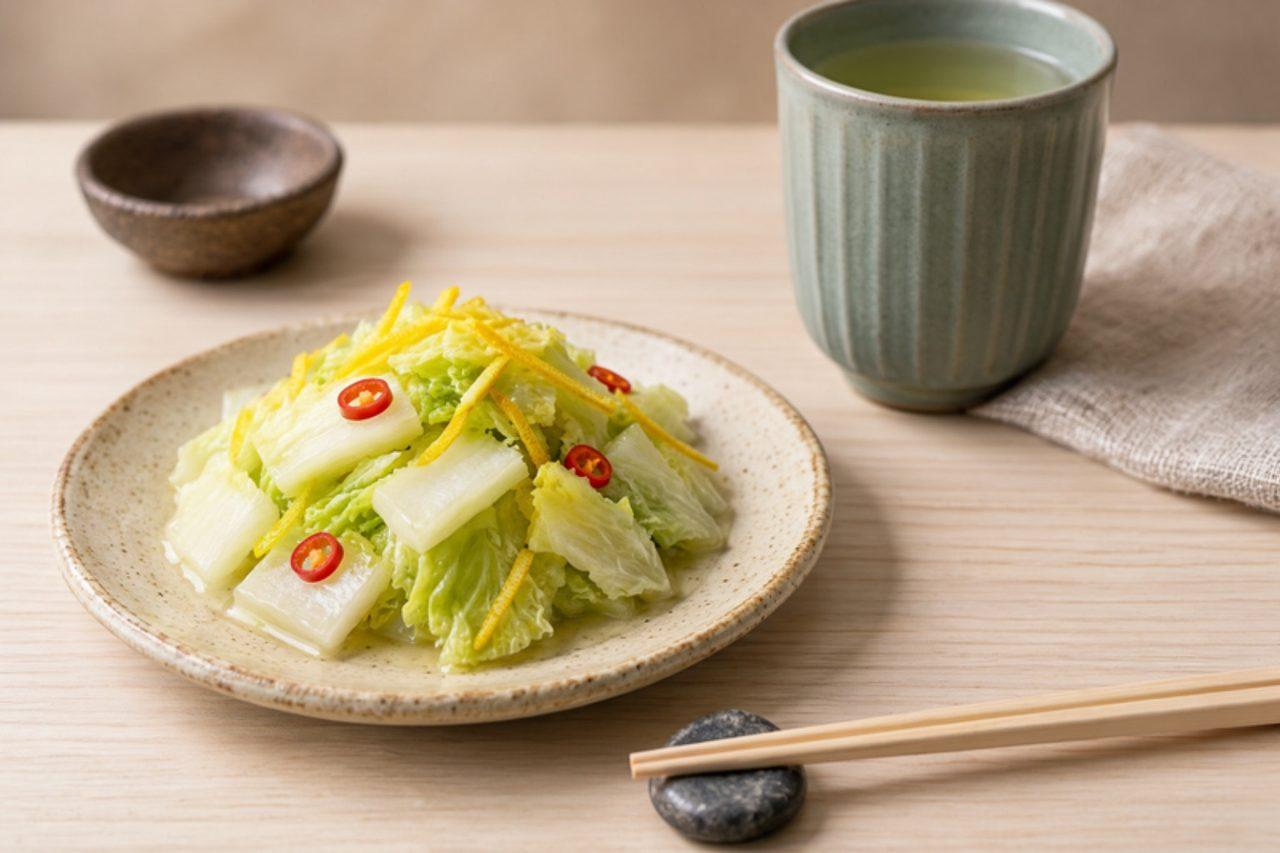
HakusaizukeSalted napa cabbage pickle

In Japanese homes from Hokkaido to Kyushu, hakusaizuke appears when napa cabbage is cheap and sweet, from November through February. Big heads are quartered, dried for half a day on a sunny veranda, then salted in a wooden tub with kombu, dried chilli and slivers of yuzu peel, and pressed under a stone. A few days later the leaves are crisp, juicy, lightly salty and fragrant with citrus, and after a week they turn pleasantly sour. It is the everyday pickle beside breakfast rice and miso soup, or chopped into a hot-pot. Use about 3% salt by weight; less and it can spoil, more and it is too salty to enjoy. The common mistake is too light a weight at the start: the brine must rise over the cabbage within a day, so begin with twice the cabbage's weight and halve it once the liquid appears. It is ready when the white ribs are translucent and bend, the brine is clear to faintly cloudy, and it smells fresh and briny. If you cannot get yuzu, use strips of lemon peel with a little orange peel. Chef's tip: squeeze a slice firmly before serving and add a few drops of tamari and some toasted sesame seeds.

by KrazyBadal 0 views

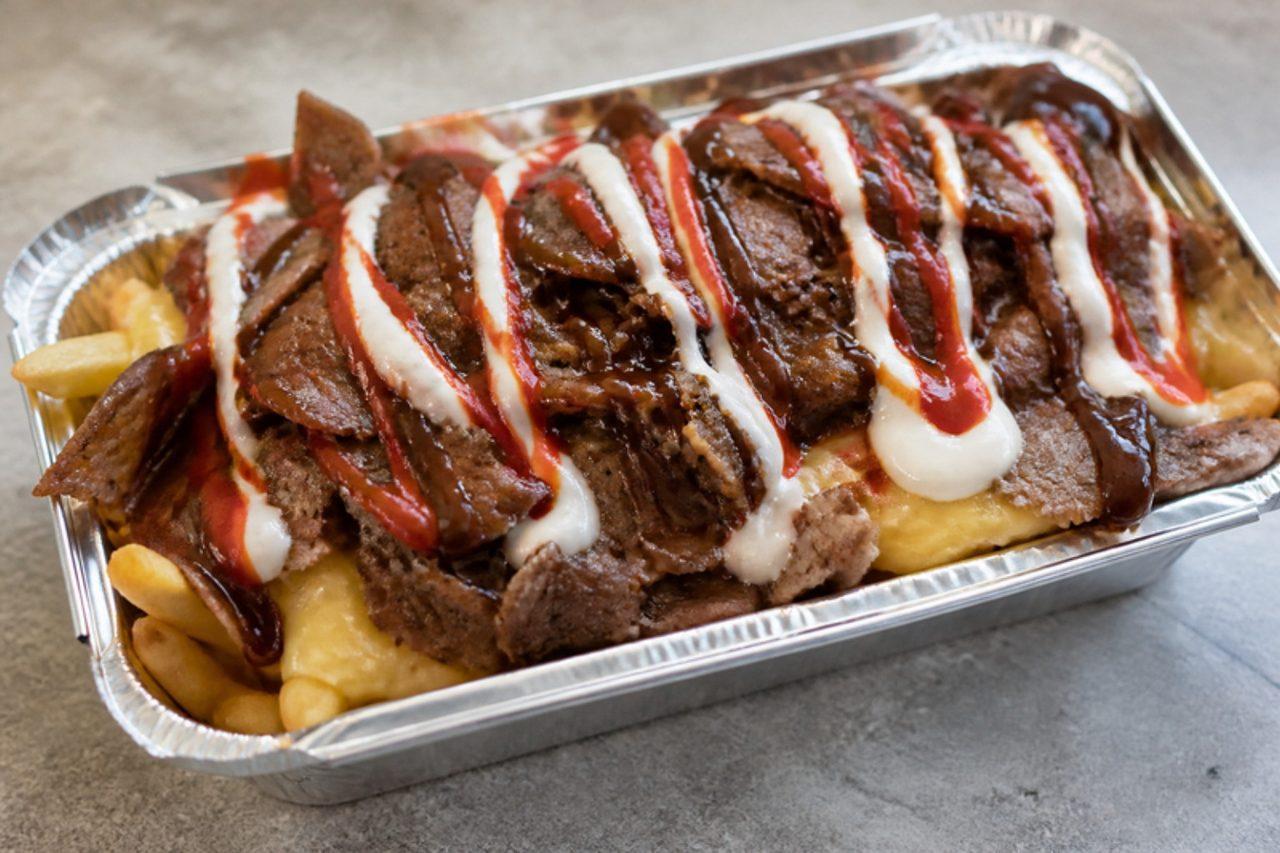
Halal snack packChips with lamb, cheese and sauces

The halal snack pack, or HSP, was born in the kebab shops of western Sydney suburbs like Auburn and Lakemba and became a late-night legend across Australia: a foil tray of hot chips covered in melted cheese and shaved doner meat, drowned in garlic sauce, chilli sauce and barbecue sauce. This home version uses quickly marinated lamb steaks, grilled and sliced thin, and halal meat if you follow it. A common mistake is soggy chips; make them crisp and get the toppings on just before eating. Chef's tip: the three sauces go on in stripes, garlic first, so every bite gets some of each.

by KrazyBadal 0 views

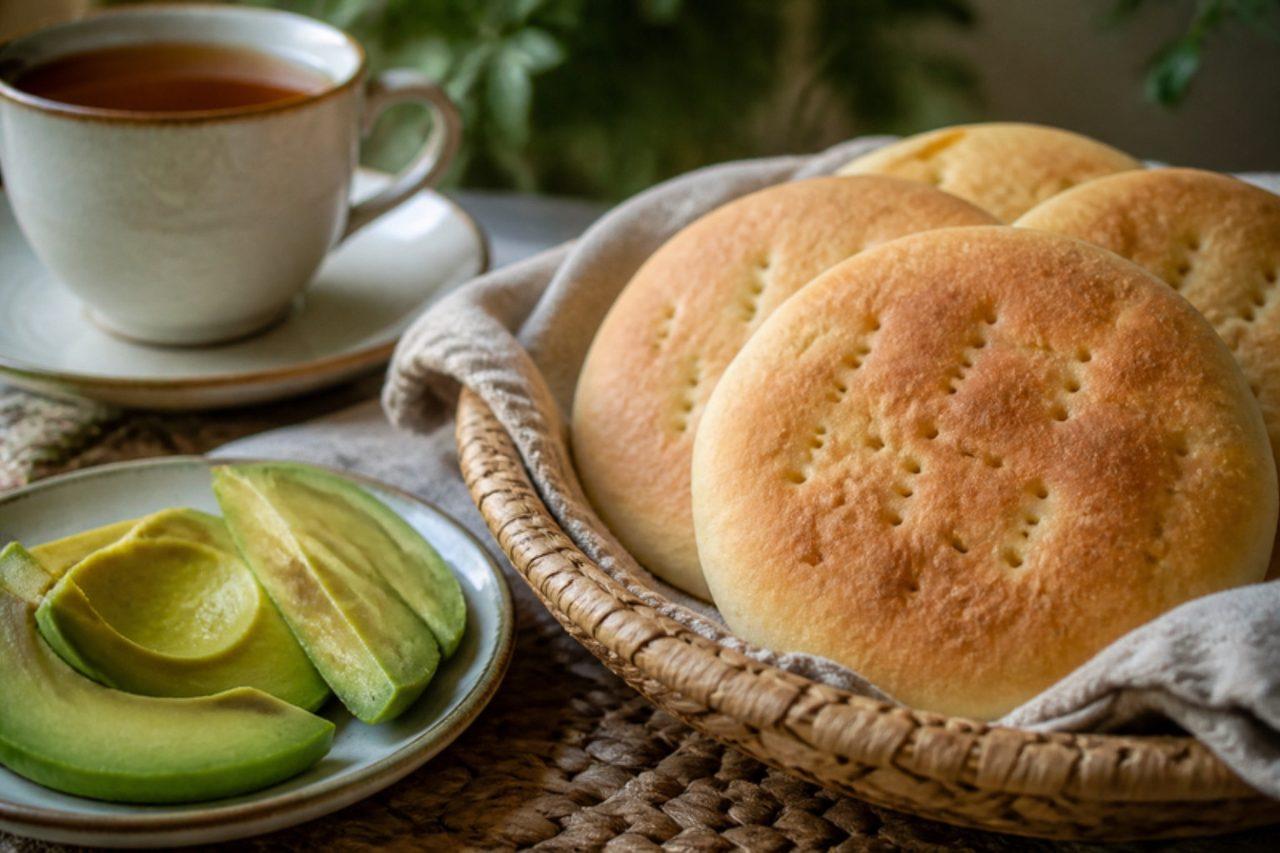
HallullaFlat round bread

If marraqueta is Santiago's crusty roll, hallulla is its soft, flat partner: a pale round about the size of a saucer, enriched with a little fat and pricked all over, with a fine, tight crumb that is perfect split and toasted with butter or filled with cheese and avocado at once. Bakeries traditionally use lard; this vegetarian version uses vegetable shortening or butter. Many home bakers let the rounds over-prove and get puffy buns; give them a short rise only. Chef's tip: fold and roll the dough several times before cutting, as bakery rollers do, to get the fine, layered crumb.

by KrazyBadal 0 views

HalvasanMilk and cracked wheat sweet

Khambhat, the old port town at the head of the Gulf, is where halvasan comes from, and its sweet shops still sell the chewy, nutmeg-heavy rounds wrapped in paper to visitors from Ahmedabad and Vadodara. Milk is split so it turns grainy, then cooked down with soaked cracked wheat, ghee, sugar and a little puffed edible gum until it is dark gold and chewy, rather like a cross between a halwa and a barfi. The mistake to avoid is undercooking: if it is taken off while still soft and sticky, the rounds never set and turn greasy. Chef's tip: keep cooking until the mass rolls around the pan as one lump and a drop pressed between two fingers feels tacky but not wet.

by KrazyBadal 0 views

KuloloTaro and coconut pudding

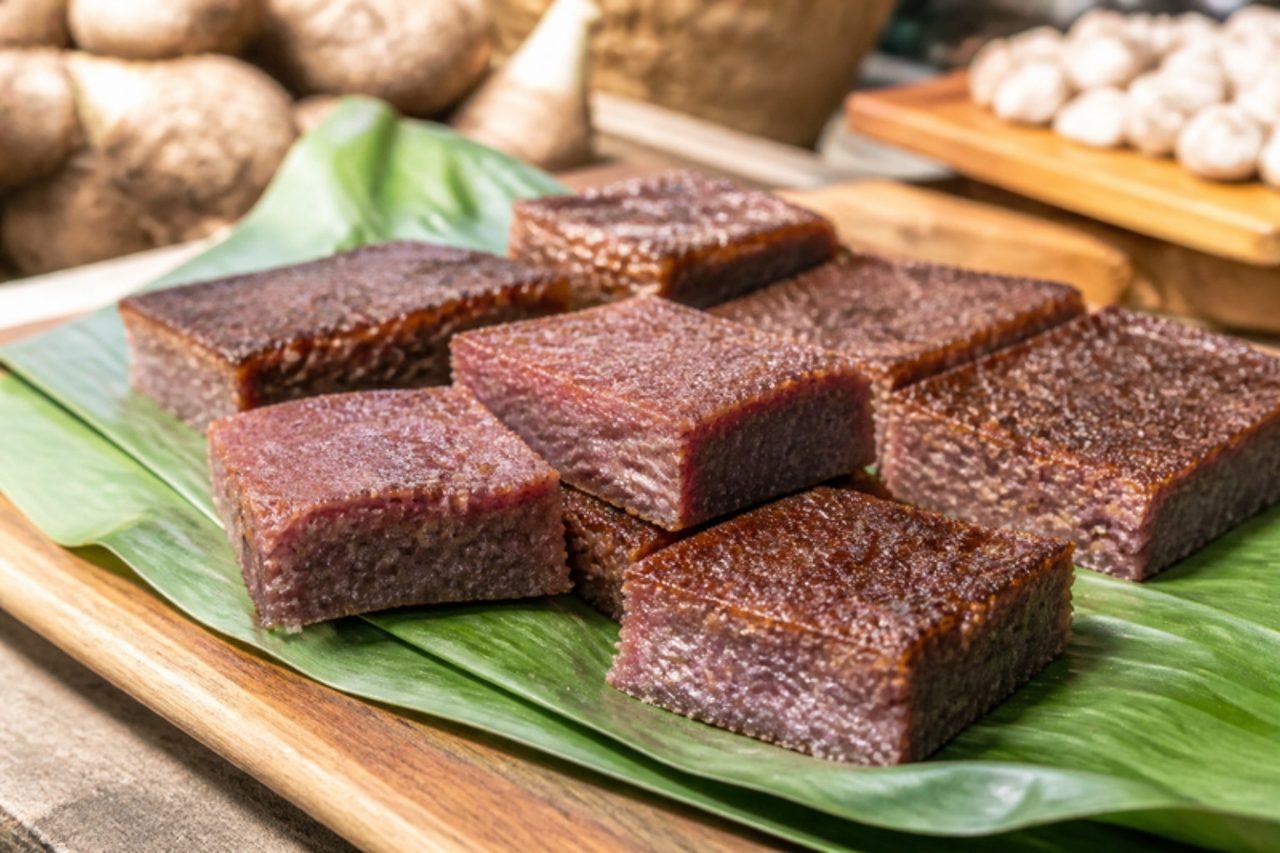
Kulolo is one of the oldest Hawaiian sweets, a dense, fudgy pudding of grated taro and coconut that was once wrapped in ti leaves and baked for hours in an imu (earth oven) for lū'au feasts. On the windward side of O'ahu and in Hilo it is still sold in slabs at farmers' markets. Taro must always be fully cooked; raw taro contains crystals that badly irritate the mouth and throat, so peel it with gloves and bake the full time. A common mistake is cutting it hot; it firms as it cools. Chef's tip: bake it long and low until deep brown and sticky at the edges, where the caramel flavour is.

by KrazyBadal 0 views

Hawaiian poi for babiesTaro paste for babies

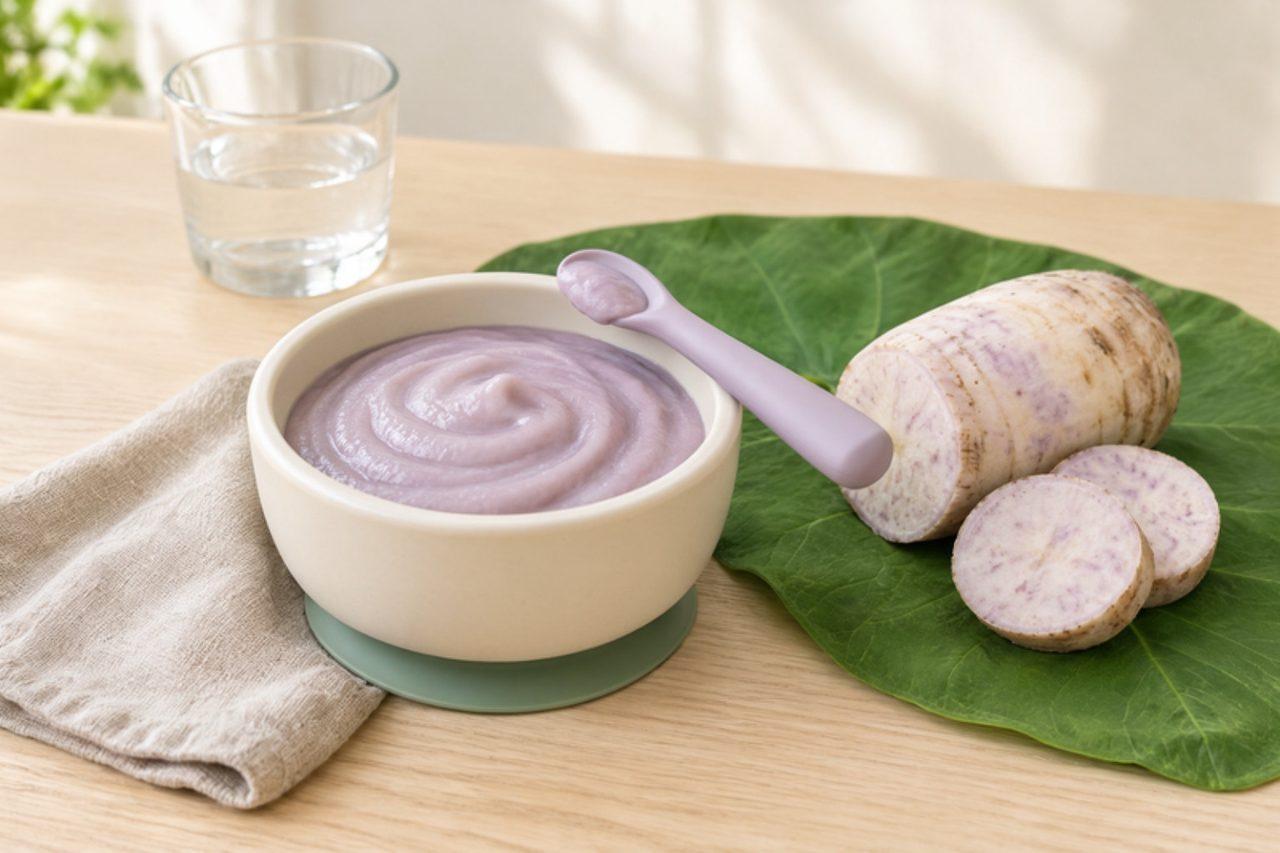
Poi, cooked taro (kalo) pounded with water, is the oldest staple of Hawaiʻi, and it was traditionally among the first foods given to babies across the islands; you can still buy it fresh by the bag at markets in Honolulu and on Kauaʻi. Fresh poi is mild, smooth and gently sweet, with a lilac-grey colour; left a few days it ferments and turns sour, which adults love but a baby is better without. Taro must be cooked right through, because raw taro contains crystals that irritate the mouth. Nothing else is added: no salt, sugar or honey. It is free of the major allergens. Chef's tip: wear gloves to peel raw taro, and cook a test piece; if it tingles on your tongue, it needs longer.

by KrazyBadal 0 views

Henan hulatangPeppery beef breakfast soup

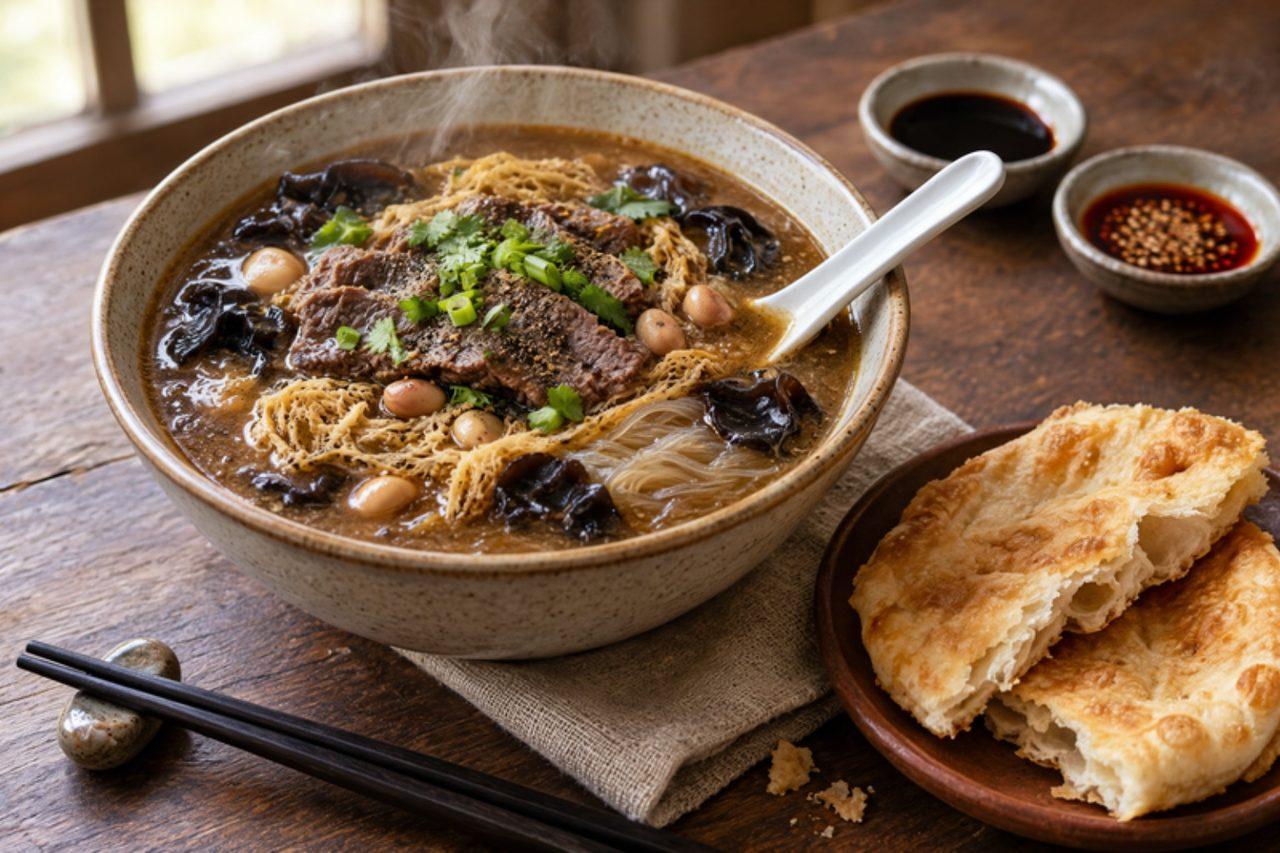
In Zhengzhou and towns across Henan, breakfast means a bowl of hulatang ladled from a huge pot, a thick, glossy soup whose heat comes not from chilli but from a big dose of black and white pepper. It is full of beef, chewy wheat gluten, glass noodles, wood ear, peanuts and kelp, and it is eaten with fried dough or steamed buns. For a meat-free version, leave out the beef and use vegetable stock. The usual mistake is adding the starch slurry too fast, which turns the soup gluey and lumpy. Chef's tip: stir the soup in one direction while you pour the slurry in a thin ribbon, and stop when it coats the back of a spoon.

by KrazyBadal 0 views

Herbata z sokiem malinowymTea with raspberry syrup

In Polish homes a bottle of sok malinowy, the raspberry syrup made each July from garden or forest raspberries, waits in the pantry for winter. When someone comes in from the frost, or lies in bed with a cold, it goes into a glass of hot black tea, sometimes with a slice of lemon; grandmothers insist it makes you sweat the chill out, and the drink is traditionally given at the first sign of a sniffle. It also appears simply after a winter walk or with a slice of cake. The tea turns ruby, tastes of summer berries with a light tannic edge, and is sweet enough without sugar. The usual mistake is pouring syrup into boiling tea straight from the kettle: the fresh raspberry aroma cooks off and only sweetness is left. Let the tea cool for a minute or two first. It is ready when the tea is deep amber, the syrup has fully swirled through and it smells clearly of raspberries. No homemade syrup? Use a good shop-bought raspberry syrup, or make the quick one in the optional steps. Chef's tip: brew the tea weaker than usual, about two minutes, so the fruit stays in front.

by KrazyBadal 0 views

Higos con quesoFigs in syrup with cheese

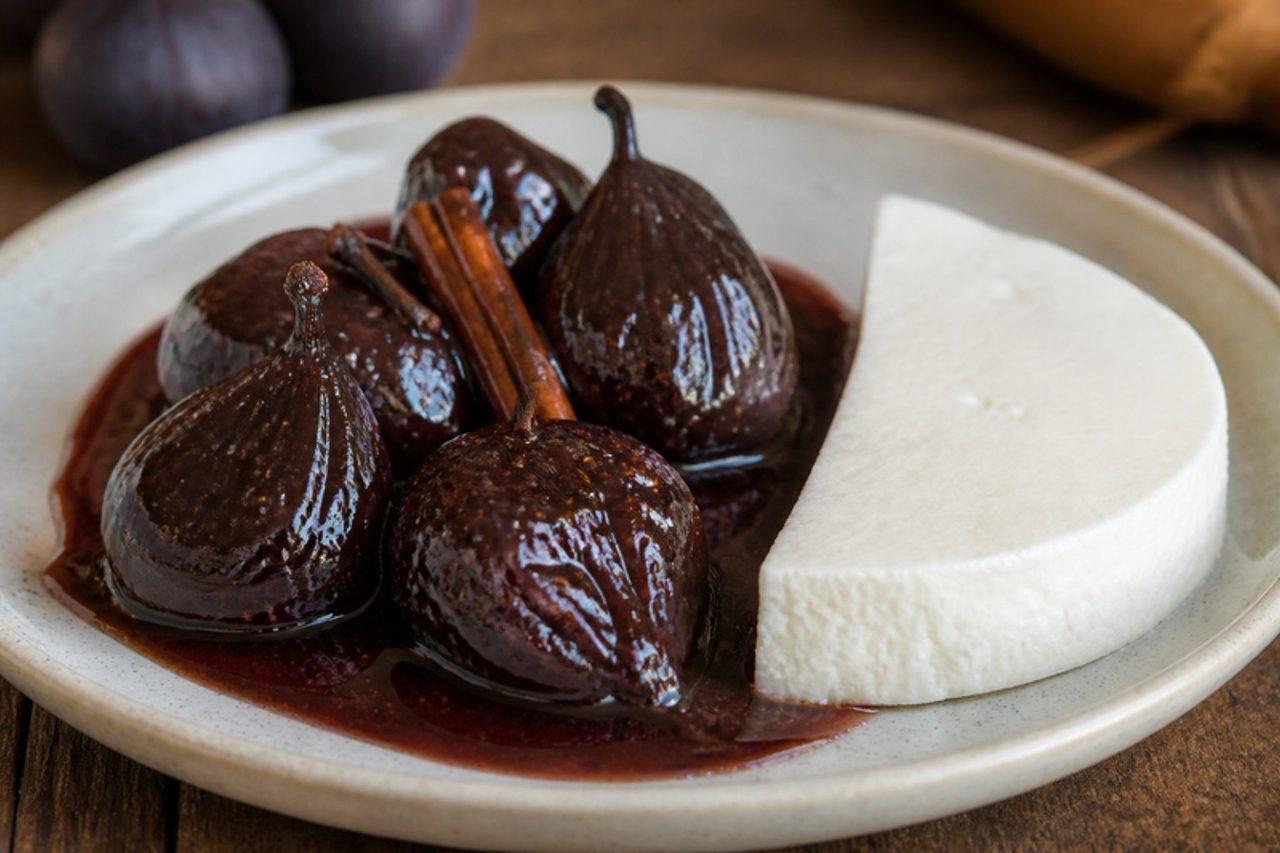
Across the Ecuadorian highlands, from Ambato to Loja, families make a big pot of figs in dark panela syrup around Christmas and for Sunday lunch, then serve the glossy, near-black fruit with a cool slice of salty fresh cheese. The figs turn tender and jammy, the syrup tastes of cinnamon and cloves, and the cheese cuts the sweetness. Use firm, slightly underripe green figs: ripe ones collapse. The usual mistake is rushing the syrup on a high boil, which leaves it thin and the figs pale instead of deep and shiny. Traditional queso fresco is often set with animal rennet; choose a cheese labelled vegetarian if that matters to you. Chef's tip: make them a day ahead; the figs soak up the syrup overnight and taste even better.

by KrazyBadal 0 views

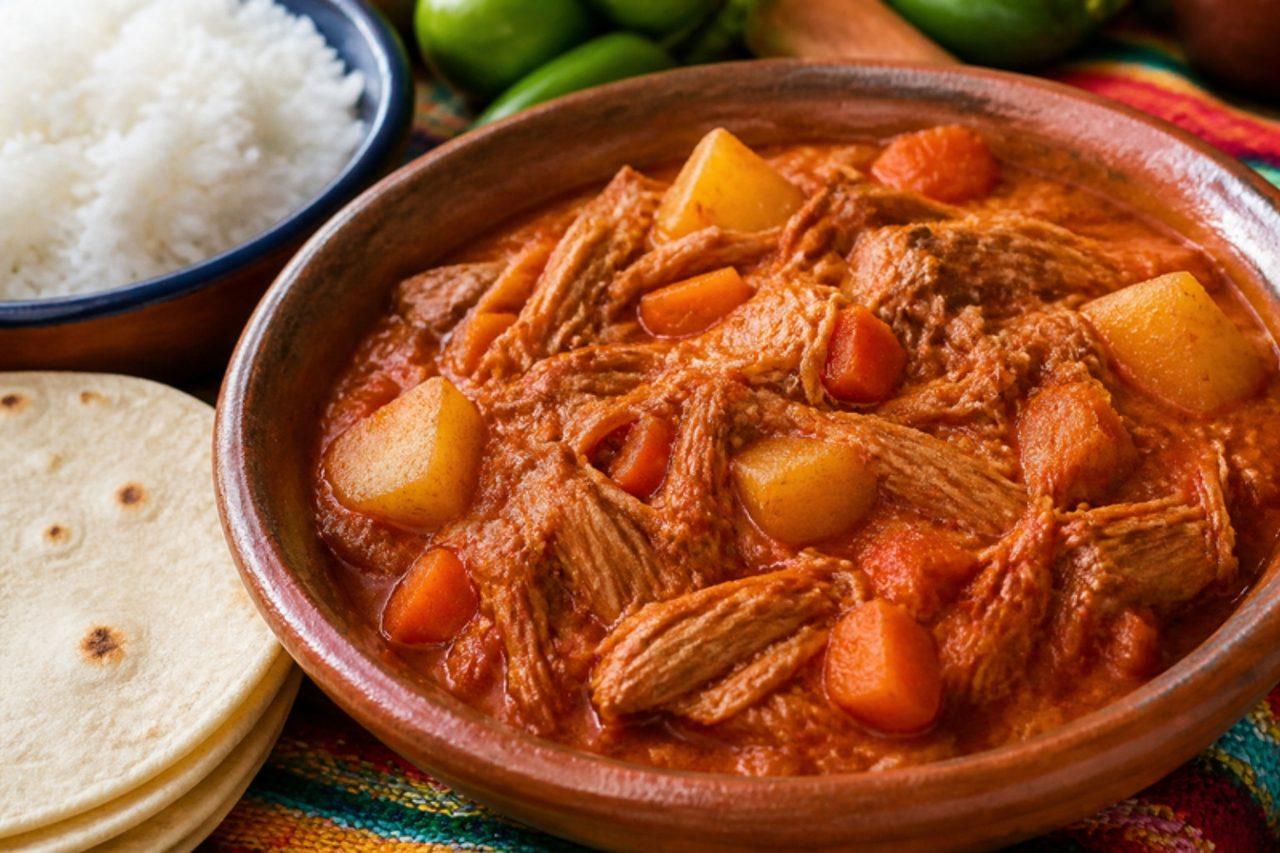
HilachasShredded beef in tomato sauce

The name means 'threads', and that is how the beef should look: pulled into fine strands and simmered with potato and carrot in a brick-red sauce of tomato, tomatillo and dried guajillo chilli. Hilachas is everyday food in Guatemala City, served at lunch counters with white rice and tortillas, and it is a thrifty way to stretch a piece of flank. Rushing the first simmer is the classic mistake: if the beef doesn't fall apart easily, it shreds into chewy chunks instead of threads. Chef's tip: shred the meat along the grain with two forks while it is still warm; cold beef tears unevenly.

by KrazyBadal 0 views

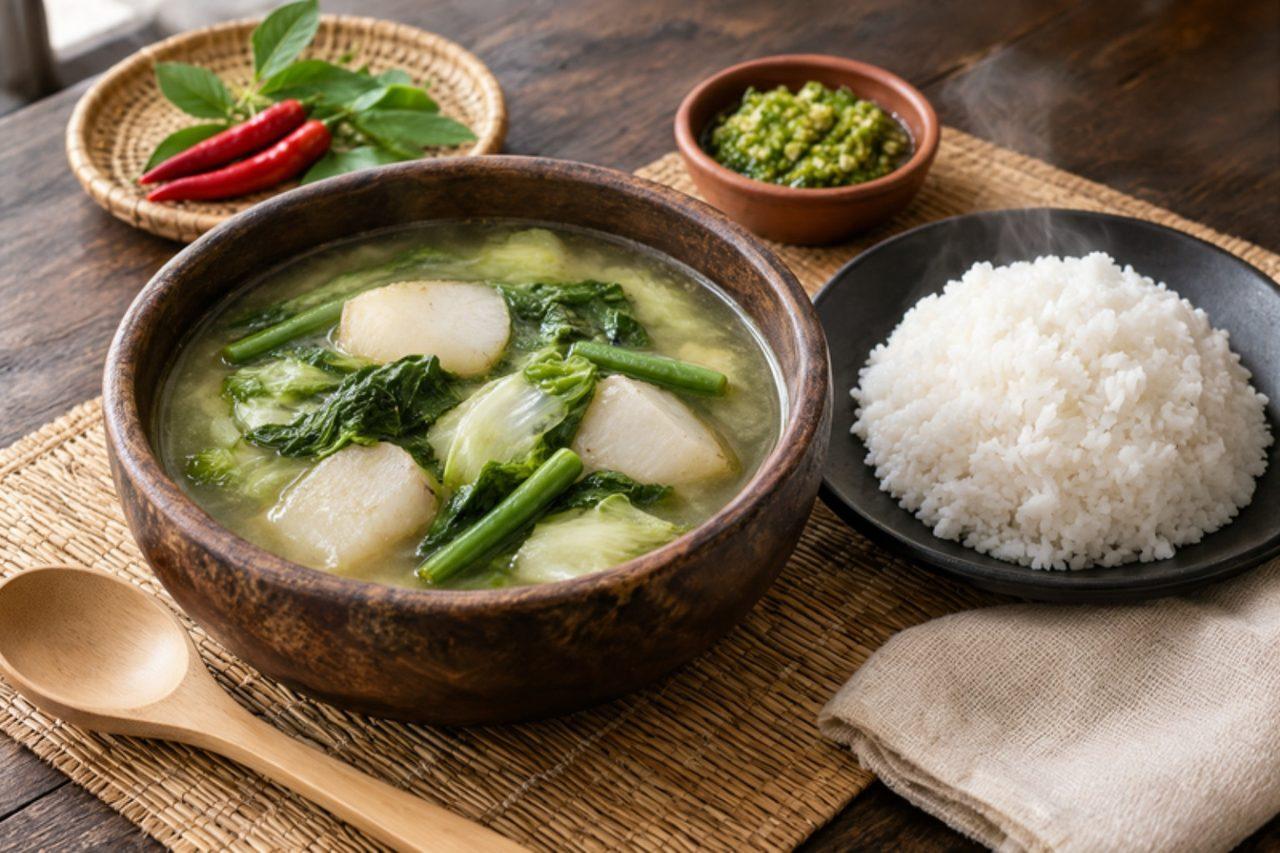
HinkejvuTaro and mustard leaf stew

Hinkejvu is a light Sumi Naga everyday dish from Nagaland's Zunheboto district, where colocasia, cabbage, mustard leaves and beans are simmered together with only ginger, chilli and salt. It is eaten with plain rice and a smoky chutney, often after a heavier meat dish the day before. The common mistake is adding oil or spices, which hides the clean vegetable flavour; Naga home cooking relies on the produce. Chef's tip: cook the colocasia until it starts to break and thicken the broth slightly.

by KrazyBadal 0 views

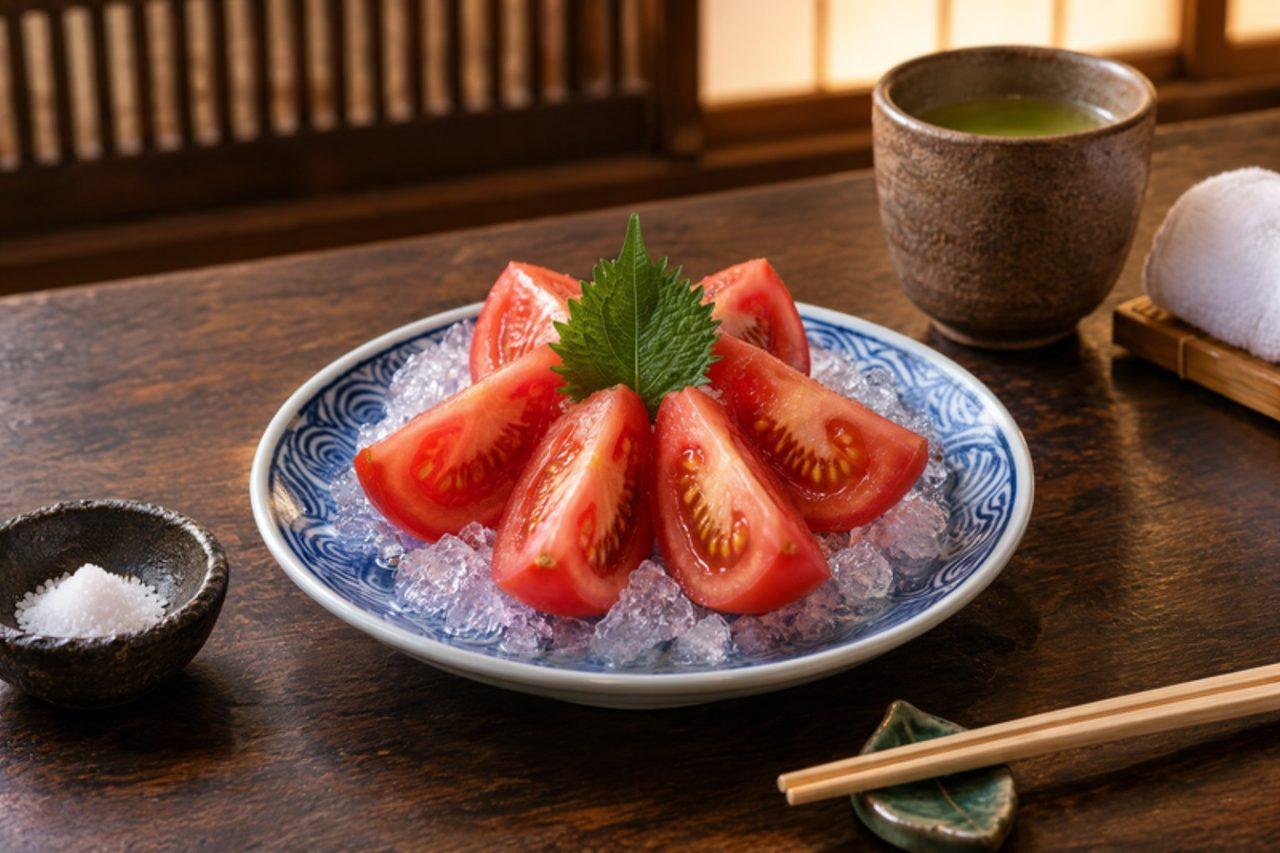
Hiyashi tomatoChilled tomato

Hiyashi tomato is the simplest thing on any Japanese izakaya menu in July and August: ripe tomatoes, chilled until icy, cut into wedges and served on a small plate, sometimes on crushed ice, to cool down a hot evening in Tokyo or Osaka. Many bars sprinkle salt; this home version leaves it out and offers a few drops of rice vinegar and toasted sesame oil instead, so the tomato's own sweetness and acidity do the work. About 0.0 g added salt; roughly 0.03 g per portion occurs naturally in the tomato. The usual mistake is using hard, pale supermarket tomatoes: this dish is only as good as the fruit, so buy deep red ones that smell of tomato at the stalk. Chef's tip: chill the plate as well as the tomatoes, so the wedges stay cold to the last bite.

by KrazyBadal 0 views

Moreton Bay bugsSlipper lobster with garlic butter

Moreton Bay bugs are the flat, shovel-nosed slipper lobsters caught off the Queensland coast around Brisbane and the Sunshine Coast, and for Queenslanders they are a summer treat, split and grilled at the beach house. The tail meat is sweet and rich, somewhere between lobster and prawn. Buy them raw, frozen or fresh, from a fishmonger and ask them to halve them if you like. A common mistake is overcooking, which makes the meat rubbery; it is ready the moment it turns white. Chef's tip: grill flesh side down first to mark it, then turn and baste in the shell.

by KrazyBadal 2 views

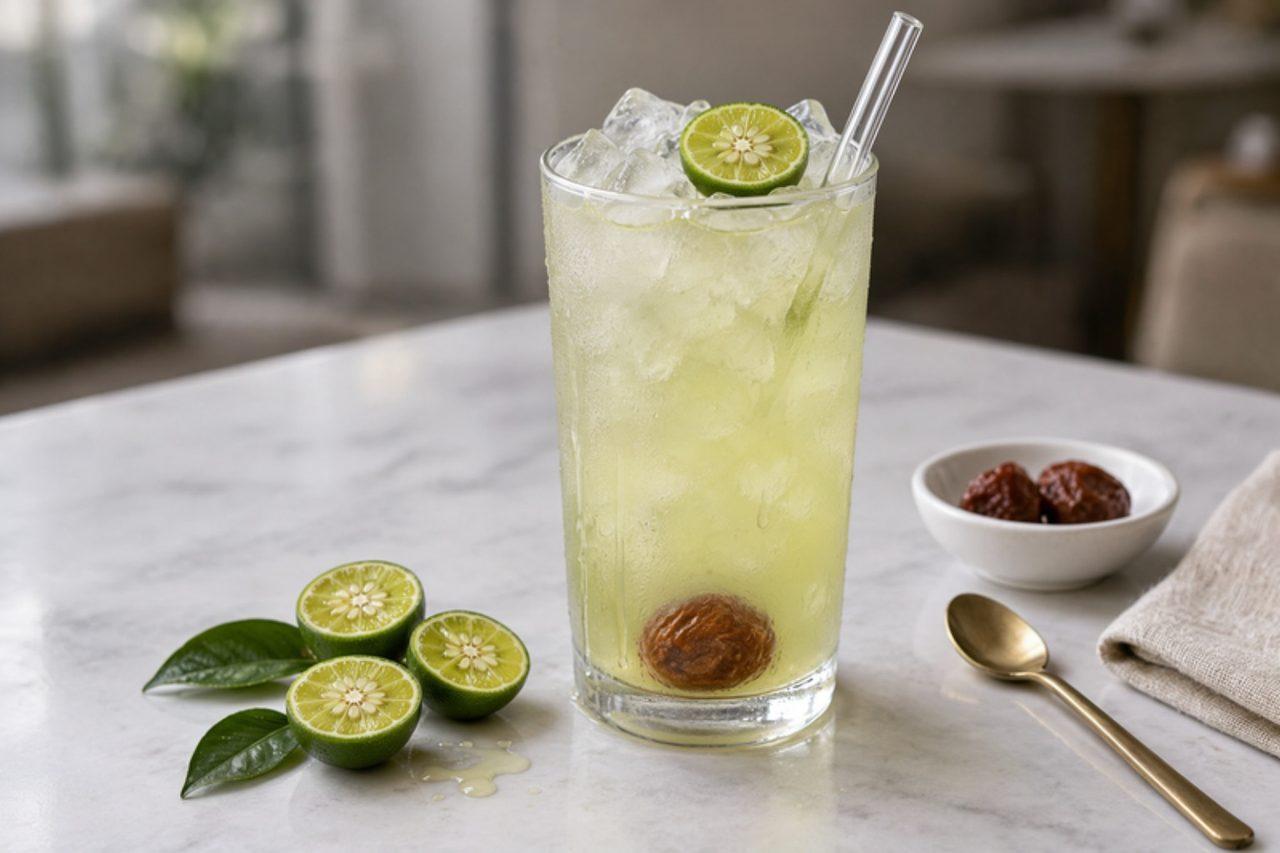
Limau asam boi (lime with sour plum)

Order 'limau ais asam boi' at a kopitiam in Penang or a hawker centre in Kuala Lumpur at the hottest part of the afternoon and it arrives in a tall, sweating glass: freshly squeezed calamansi or small green limes, a little syrup, ice and one wrinkled, salted dried plum. The plum slowly leaches salt and fruity sourness into the drink, so every sip changes, starting bright and sweet and ending salty and tangy; you squash the plum with your straw halfway through for a stronger hit. It goes with char kway teow, nasi lemak or anything fried. The usual mistake is using bottled lime juice, which tastes flat and bitter against the plum. Squeeze fresh limes, and add the syrup gradually because asam boi is already salty-sweet. It is ready when the glass is frosted and the plum has started to plump up. Asam boi is sold in jars in Chinese and Southeast Asian groceries; Japanese umeboshi is saltier but works if you halve the amount. Chef's tip: make the lime-syrup base ahead and keep it cold, then pour over fresh ice only when you serve.

by KrazyBadal 0 views

Homemade doenjangFermented soybean paste

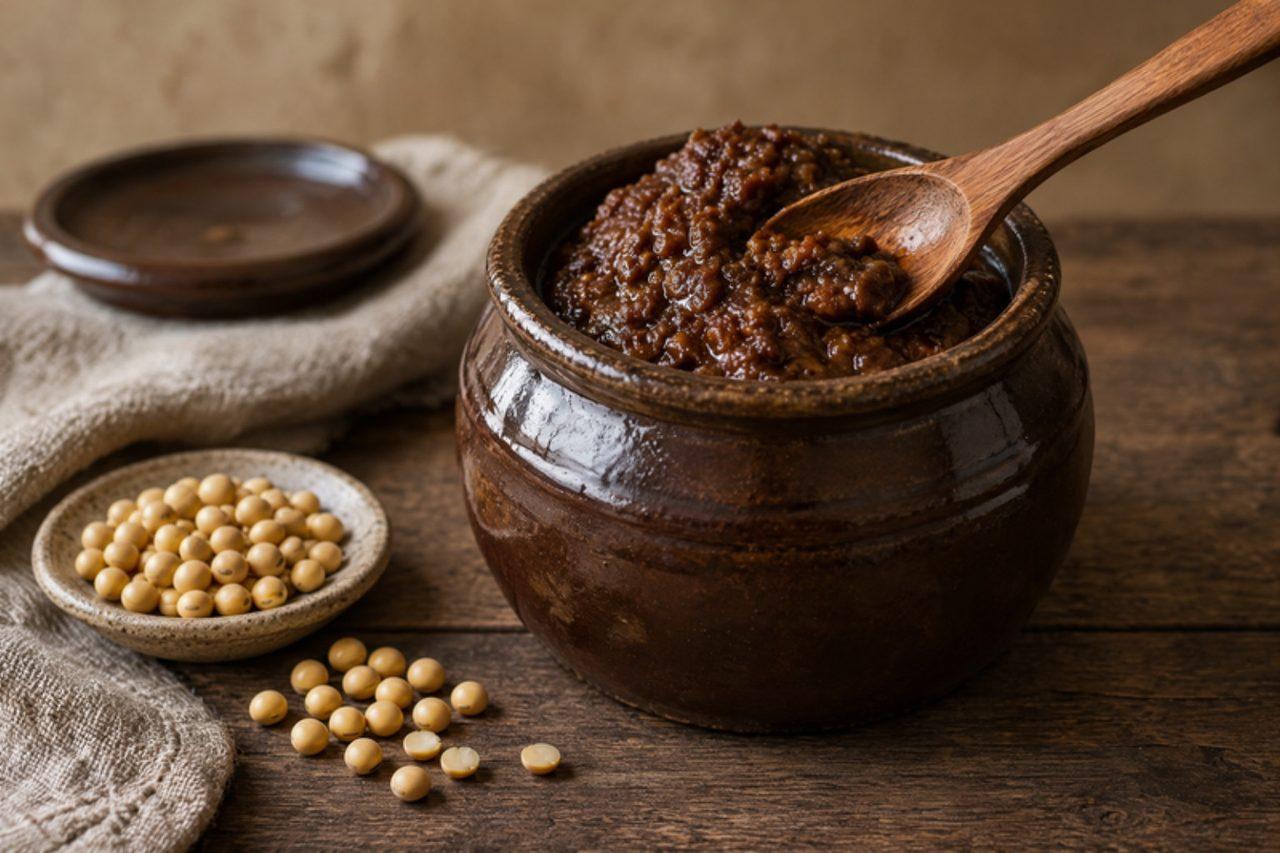
Doenjang starts in late autumn, after the soybean harvest, when Korean households used to boil beans in a cauldron, pound them into bricks and hang the meju from the rafters on straw ropes to grow a white, sweet-smelling bloom over the winter. In early spring, on a clear dry day, the bricks are dropped into salt brine in an onggi jar with dried chillies, jujubes and a red-hot piece of charcoal. Some six to eight weeks later the dark liquid is drawn off and boiled into soup soy sauce (guk-ganjang), and the softened bricks are mashed into doenjang, which ripens through the summer. It is chunkier, saltier and funkier than miso, with a nutty, almost smoky depth: the backbone of doenjang-jjigae, ssamjang and spinach namul. Common mistake: making the brick too thick or drying it in a warm, still room, so the centre rots before it dries; keep it about 6 cm thick and hang it where air moves. The paste is ready when it is mid-brown, smells of toasted nuts and soy, and tastes salty-sweet rather than sharp. Chef's tip: you can buy dried meju blocks from Korean grocers and start at the brining step.

300 minKoreanBasicsVeganGluten free
by KrazyBadal 0 views

Homemade gochujangChilli bean paste

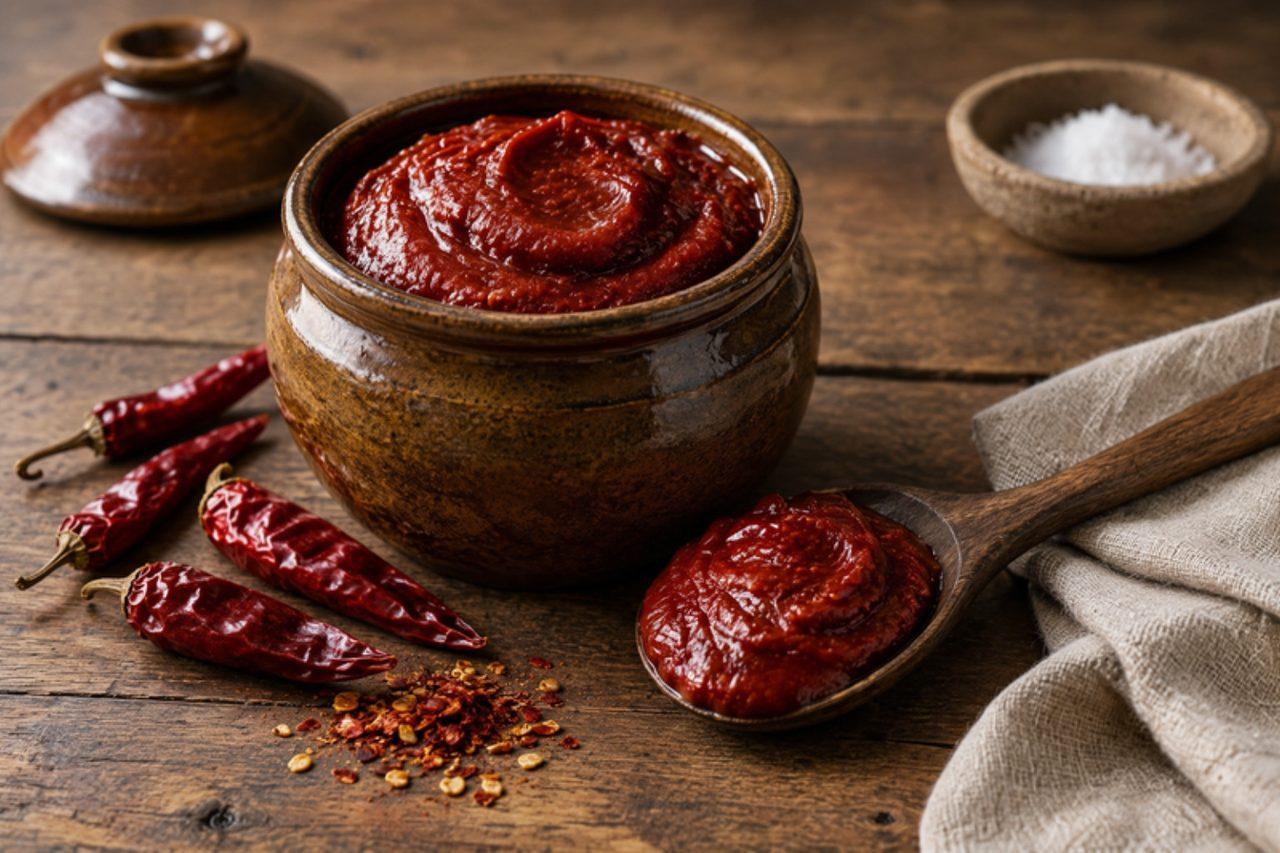
Sunchang, a small county in North Jeolla, is so tied to gochujang that it holds a jang festival every October, but the paste itself is traditionally made in the cold weeks of late winter, when there are no flies and it can ferment slowly in glazed onggi jars on the sunny jangdokdae terrace. Glutinous rice flour is broken down by barley malt into a sweet, runny porridge, boiled down, then beaten with fine chilli powder, fermented soybean (meju) powder, rice syrup and salt. Young, it is bright, sweet and fiery; after two or three months it darkens to brick red and gains a round, savoury depth, thick enough to hold a ridge on the spoon. It goes into bibimbap, tteokbokki, ssamjang, stews and marinades all year. Common mistake: adding the chilli and salt while the porridge is still hot, which dulls the colour and can make the paste turn sour; wait until it is lukewarm. It is ready when it is glossy, deep red, and smells sweet and earthy with no sharp, boozy note. Chef's tip: hold the malt and rice at 55–60 °C on a rice cooker's keep-warm setting; any hotter and the malt enzymes stop working, so the porridge never thins.

210 minKoreanBasicsVeganSpicy
by KrazyBadal 0 views

Jugo de macaWarm maca drink

Before dawn at markets in Huancayo, Cusco and Lima, juice ladies ladle hot jugo de maca from big pots for workers on their way in: maca root, a turnip relative grown above 4,000 metres in the Junín highlands, simmered with milk, cinnamon and cloves and sweetened with honey or sugar. It tastes malty and toasty, a bit like butterscotch. The common mistake is stirring the powder straight into hot milk, which leaves gritty lumps; whisk it into a little cold milk first. Maca is not usually advised in pregnancy, so ask your doctor first if you are pregnant. Chef's tip: use gelatinised (cooked) maca powder if you can find it; it dissolves smoothly and is gentler on the stomach.

by KrazyBadal 0 views

Showing 63 of 7,762 recipes

Show more recipes

Page 91 of 863