


Skip to content
Bolos lêvedos
Featured recipe

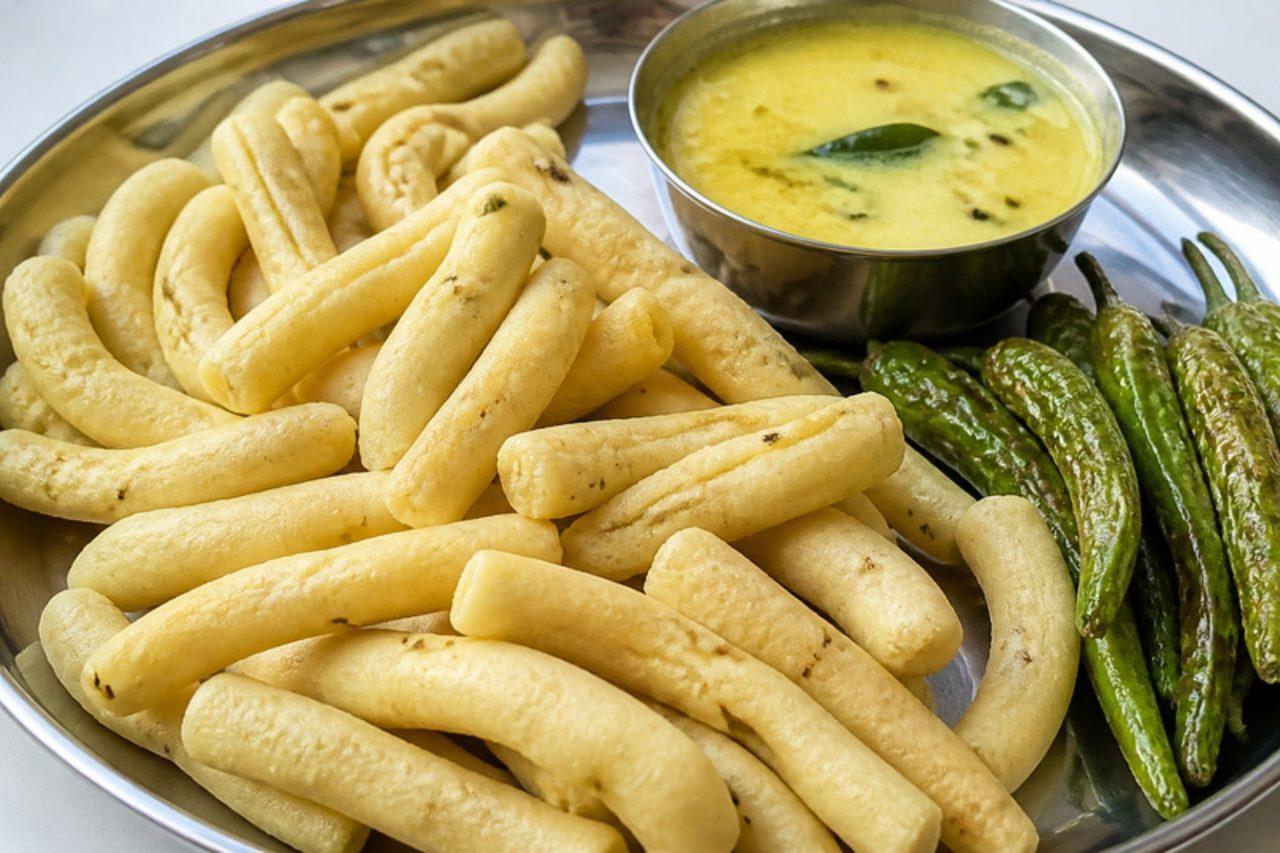
Bolos lêvedos

Sweet griddle muffins

In the steamy valley of Furnas, on São Miguel, bakers have been cooking these slightly sweet, lemon-scented muffins on flat griddles for generations, and visitors queue for them warm on the way to the hot springs. Thick, soft and pale with golden tops and bottoms, they are split and toasted for breakfast with butter, or used as buns for a sandwich. Chef's tip: the dough is very soft and sticky, so use oiled hands rather than more flour when shaping, or they turn dense.

Read more 0 views

What to eat today?

Around the world

Today's trip: Persian

A new country every day, from every cuisine on the site.

Persian

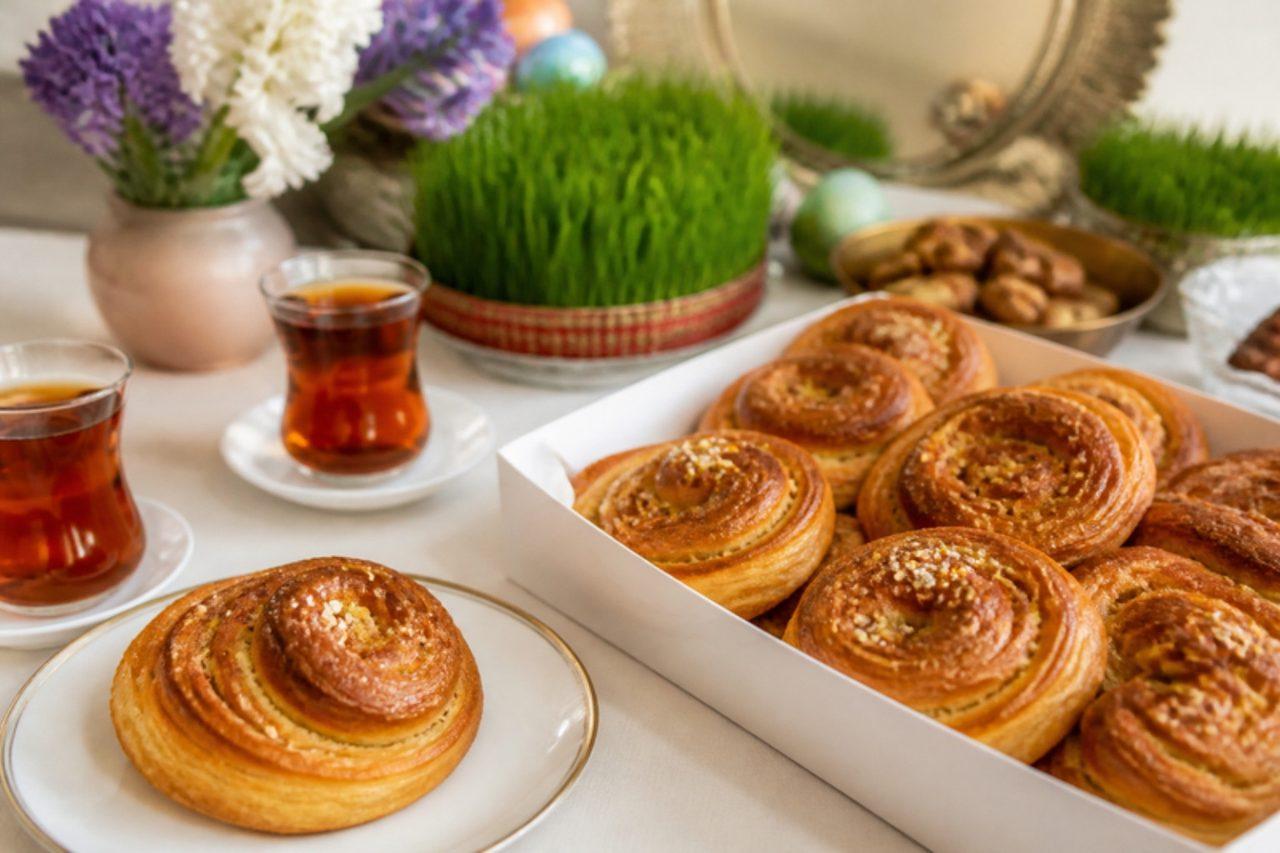
Shirini danmarki

Cinnamon cardamom pastry swirls 70 minMore from Persian (181) →

This week's collection

Kid-friendly dinners
772 recipes · a new collection every Monday

Coming up

All occasions →

Latest recipes

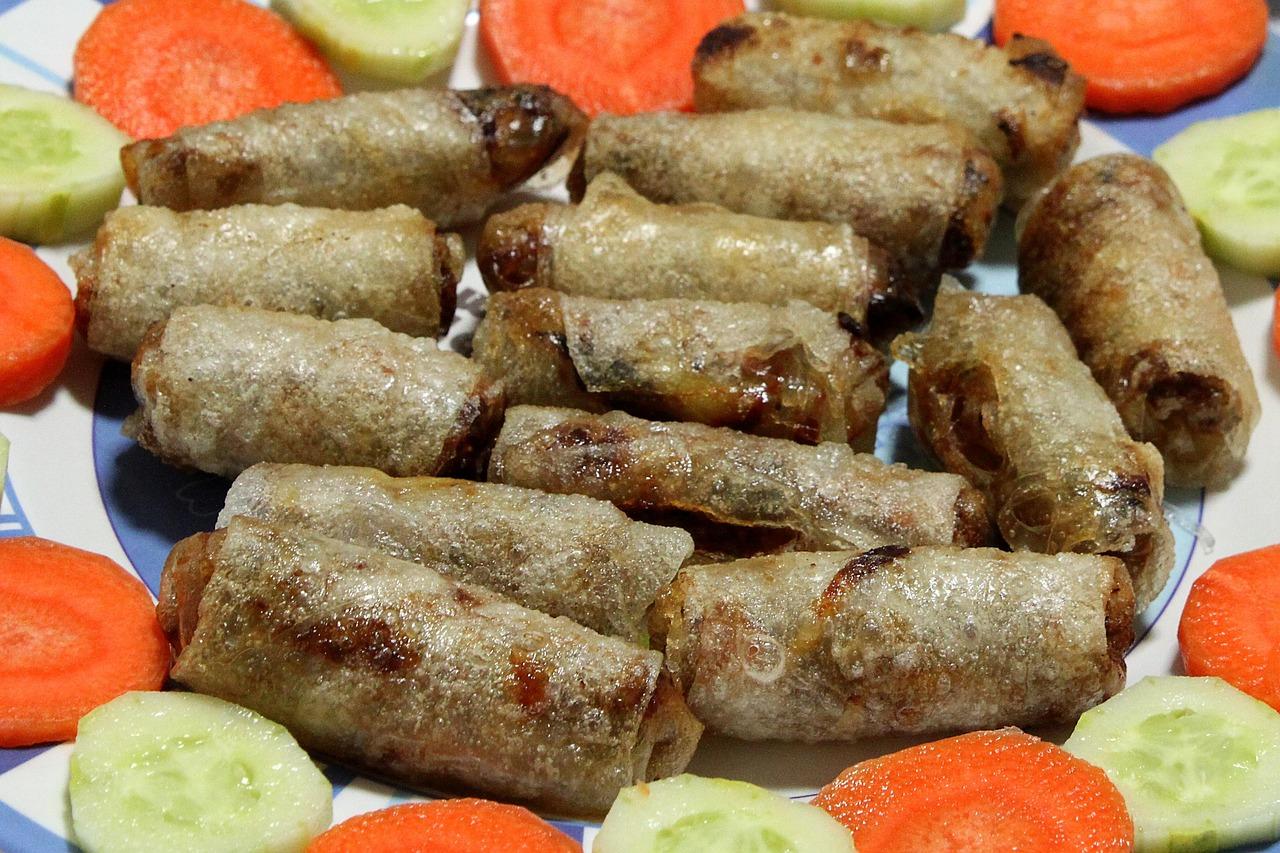
Nem ran (Hanoi fried spring rolls)

At Tết, the lunar new year, a plate of nem rán sits on almost every family feast tray in Hanoi and the north, and the same rolls turn up at weddings, death anniversaries and Sunday lunches all year. Northern cooks wrap a filling of minced pork, crab or prawn, glass noodles and wood ear mushroom in thin rice paper, which fries into a pale golden, bubbly shell quite different from wheat-wrapped spring rolls. Southerners call the same idea chả giò. Serve them cut in pieces with rice vermicelli, lettuce, herbs and a warm sweet-sour fish sauce. Chef's tip: fry them twice, first gently to cook the filling through, then briefly in hotter oil to crisp; they stay crunchy far longer.

by KrazyBadal 0 views

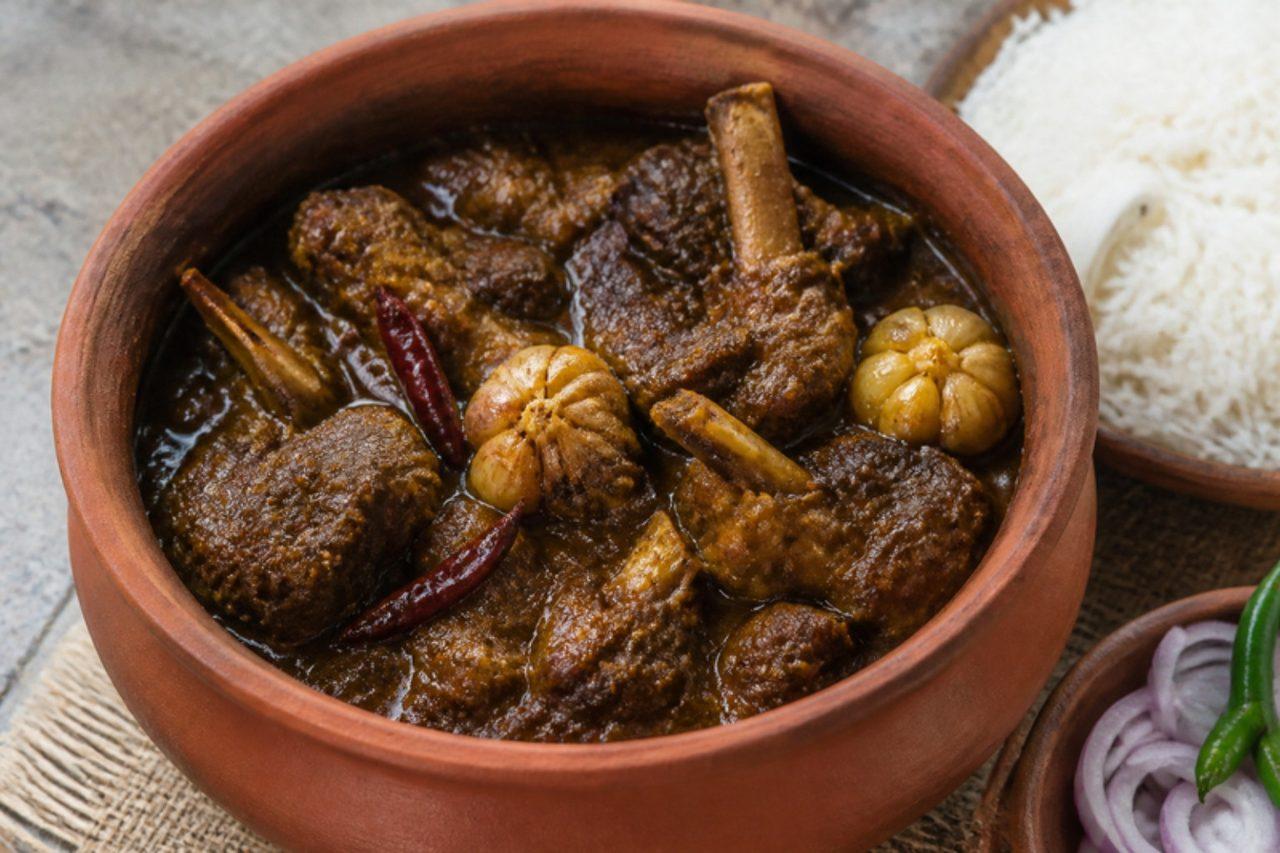
Champaran muttonSlow-cooked mutton curry

In the Champaran district of north-west Bihar, near the Nepal border, mutton is cooked in an ahuna or handi: a clay pot packed with raw meat, whole bulbs of garlic, onions, mustard oil and spices, sealed shut with dough and left for hours on a slow charcoal fire. Nobody adds water and nobody stirs; the meat cooks in its own juices and the garlic turns soft and sweet. Roadside dhabas on the highways out of Motihari made it famous, and it is now cooked at family picnics and parties right across Bihar, eaten with rice or rotis. This home version uses a heavy pot sealed with foil and a lid. Chef's tip: shake the pot instead of opening it; every time the lid comes off, steam escapes and the meat dries out.

135 minIndianMeatGluten freeSpicy
by KrazyBadal 0 views

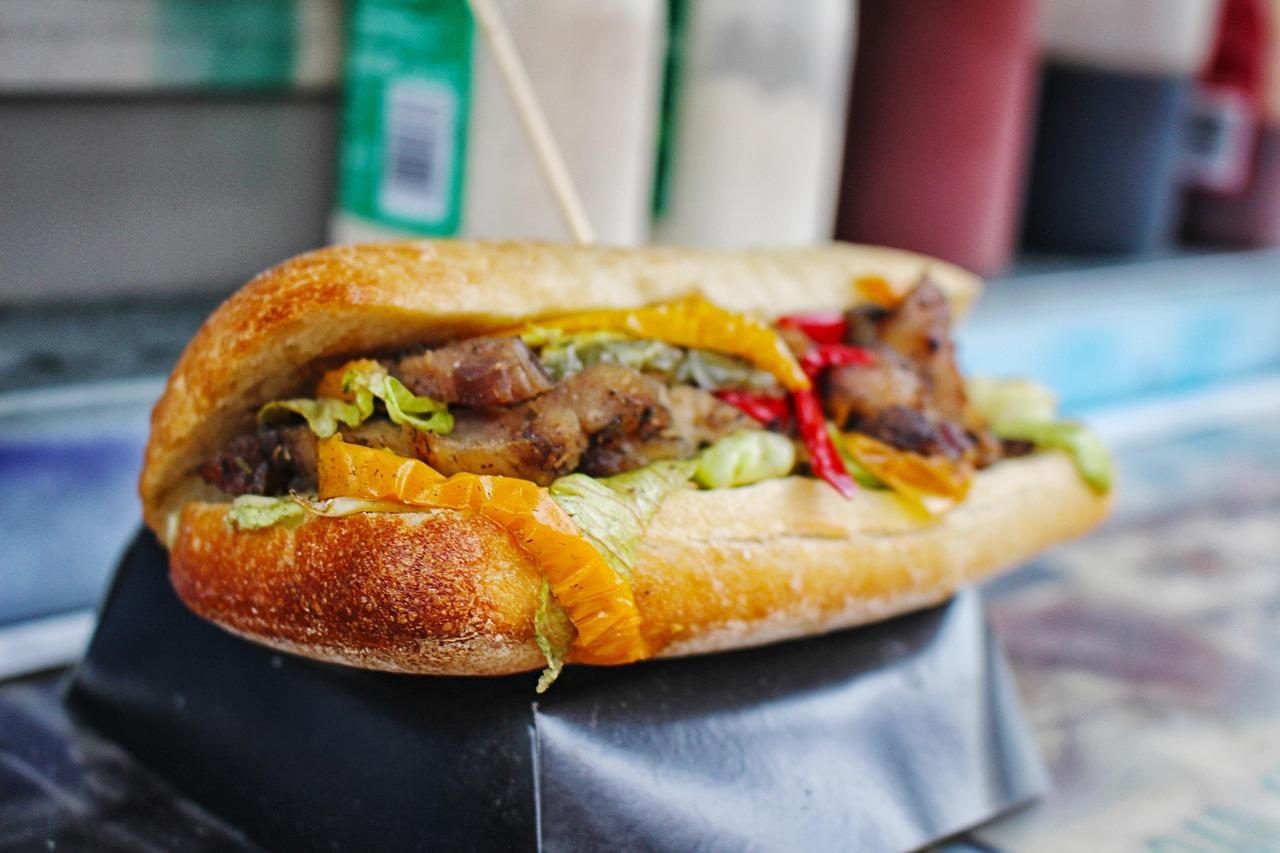
Banh mi

On Saigon pavements at breakfast time, bánh mì carts with glass cases are stacked with light, crackly rolls, tubs of pickles and trays of pâté and pork. The bread came with the French, but the filling is entirely Vietnamese: a smear of liver pâté and mayonnaise, cold cuts or lemongrass-grilled pork, sweet-sour carrot and daikon, cucumber, coriander and fresh chilli, with a splash of savoury seasoning sauce. It's eaten on the move, often on the back of a motorbike. This is the meat version; there is also a lemongrass tofu bánh mì on the site. Chef's tip: choose the lightest, airiest baguettes you can find, as a dense French loaf squeezes the filling out the sides.

by KrazyBadal 0 views

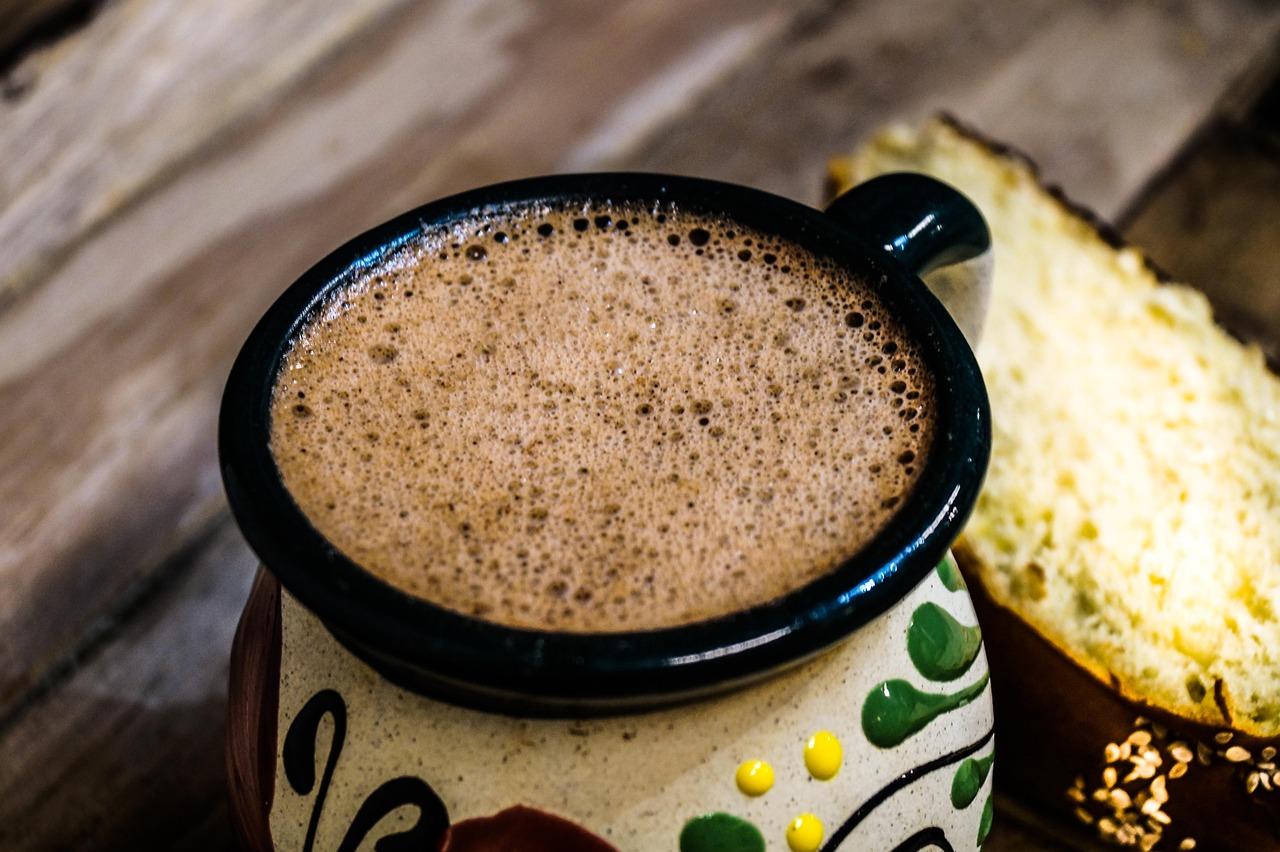
ChampurradoThick masa hot chocolate

Champurrado is a chocolate atole, the thick, hot corn drink Mexicans have drunk since before the Spanish arrived. Masa harina is whisked into water and milk with Mexican chocolate (stone-ground with sugar and cinnamon) and piloncillo, a dark unrefined cane sugar, and cooked until velvety and spoon-coating. It is drunk on cold mornings with tamales or conchas, and above all during Día de Muertos and Christmas posadas. Chef's tip: always dissolve the masa harina in cold liquid before it meets the hot pot, and whisk constantly once it's in; dumped into hot milk it seizes into lumps.

by KrazyBadal 0 views

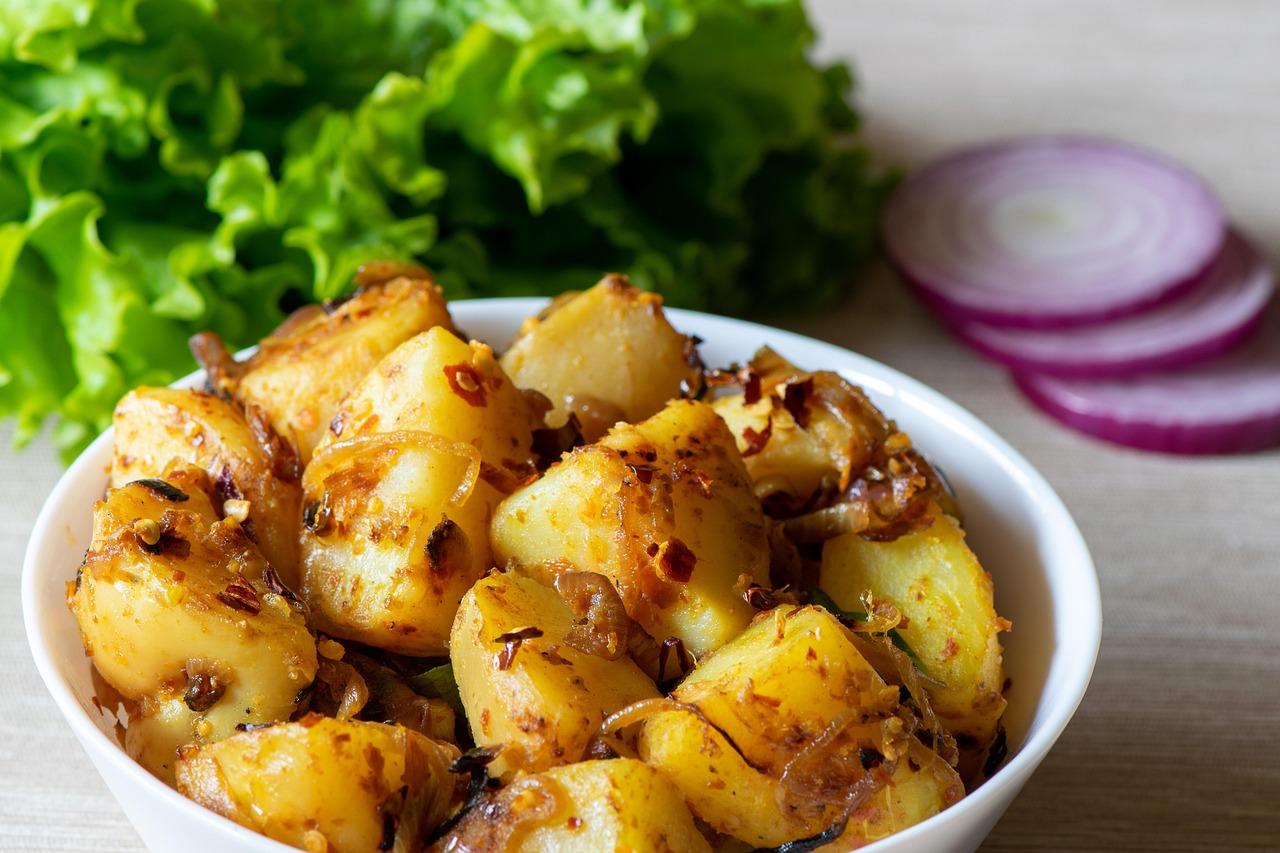
Mombasa kachri batetaPotatoes in garlic tomato sauce

A Mombasa street favourite: potatoes cooked in a thin, garlicky tomato and raw mango sauce, ladled into bowls and piled with crushed potato crisps, crunchy sev and a fresh coconut and mango chutney. Everyone builds their own bowl to taste. Serve straight away so the crisps stay crunchy.

by KrazyBadal 0 views

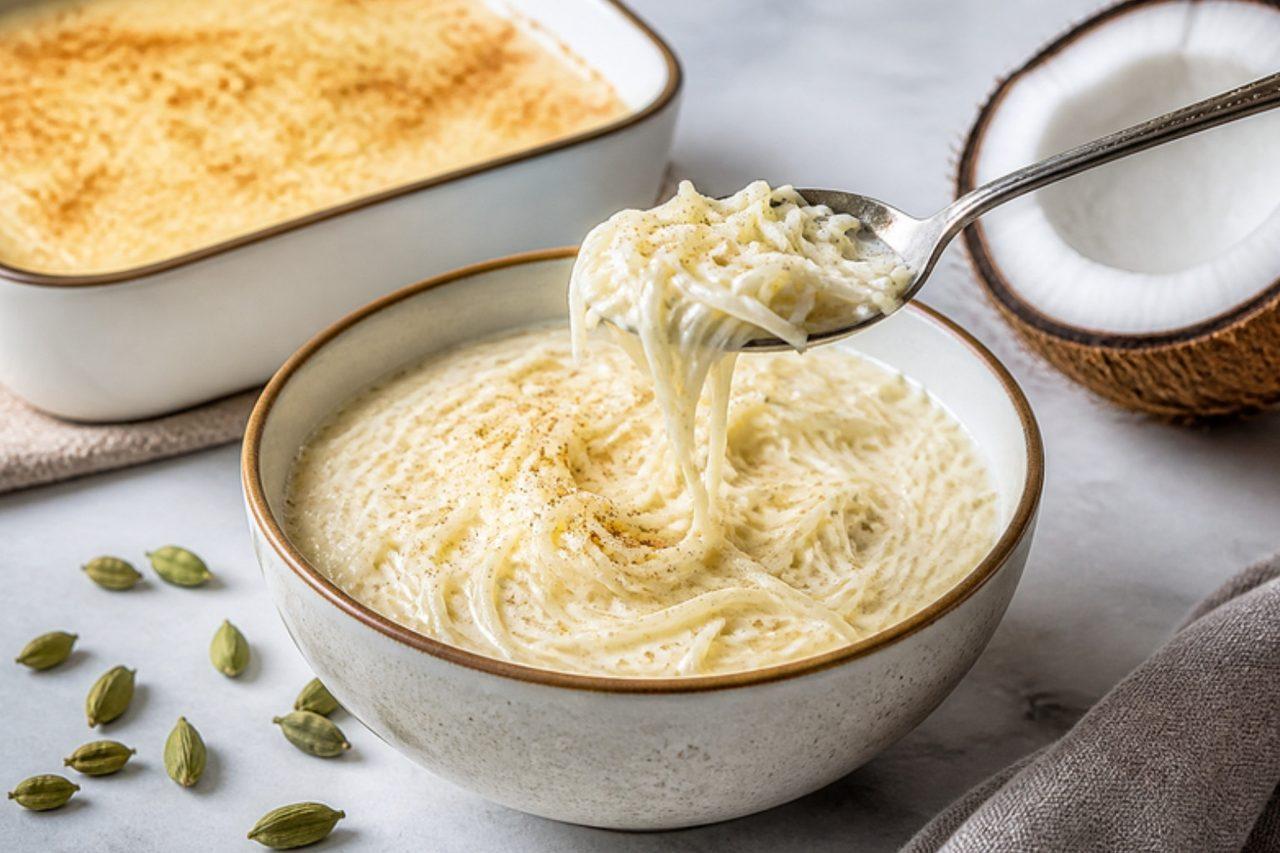
Vermicelli in coconut (tambi ya nazi)

Tambi ya nazi: soft vermicelli stirred into sweetened coconut milk with crushed cardamom, then baked briefly so it sets lightly. It's creamy, gently sweet and fragrant, and is often made for Eid. Serve hot, sprinkled with more cardamom.

by KrazyBadal 0 views

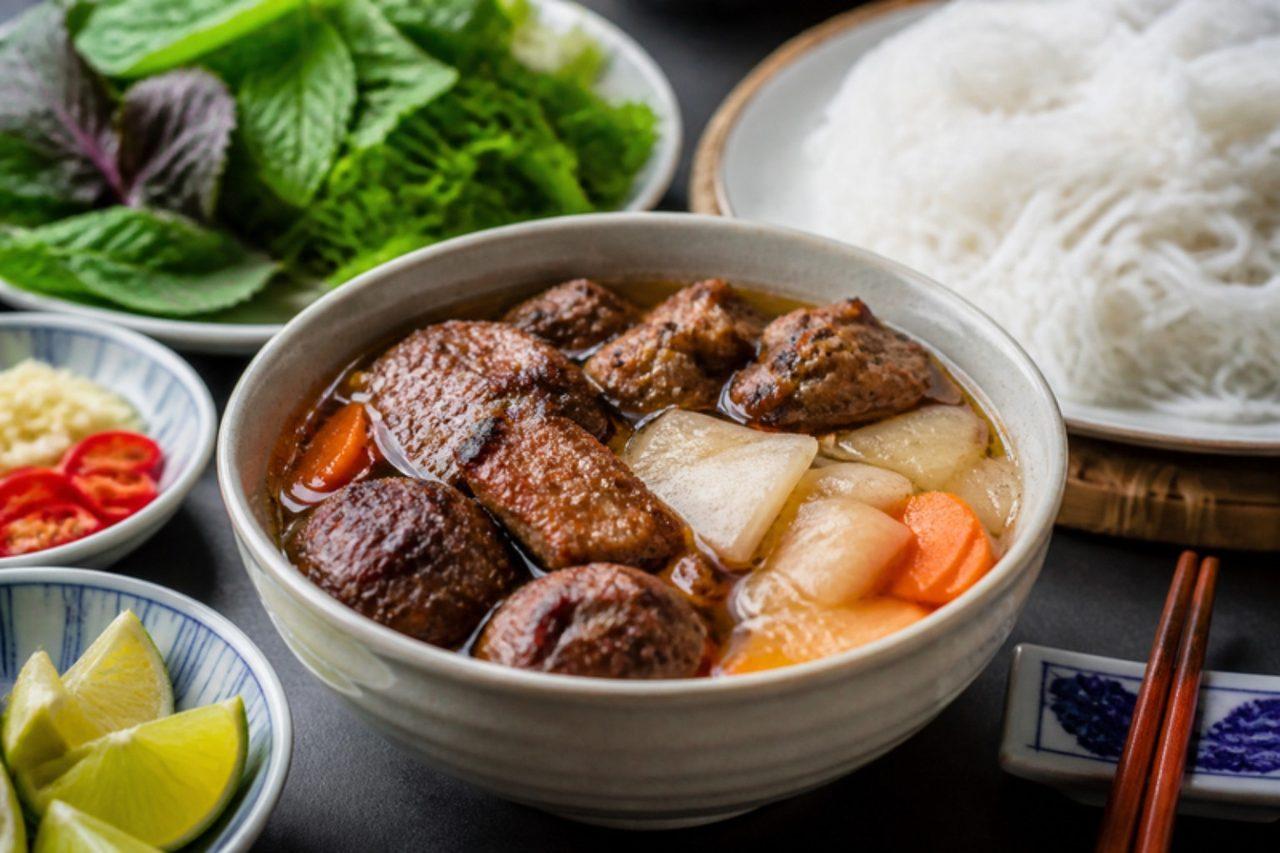
Bun chaGrilled pork with rice noodles

Around 11 in the morning, the side streets of Hanoi's Old Quarter fill with smoke as cooks fan little charcoal braziers loaded with pork. Bun cha is the city's lunch: grilled patties and caramelised strips of pork belly served floating in a warm bowl of thin, sweet-sour fish sauce, with cold rice vermicelli and a basket of lettuce and herbs to dip in alongside. Each mouthful is a bit of noodle, a bit of meat and a leaf or two, all dunked together. A barbecue gives the real smoky edge, but a ridged grill pan works well indoors. Chef's tip: let the grilled meat sit in the warm sauce for a few minutes before eating, so the smoky fat seasons the sauce and the sauce soaks into the meat.

by KrazyBadal 0 views

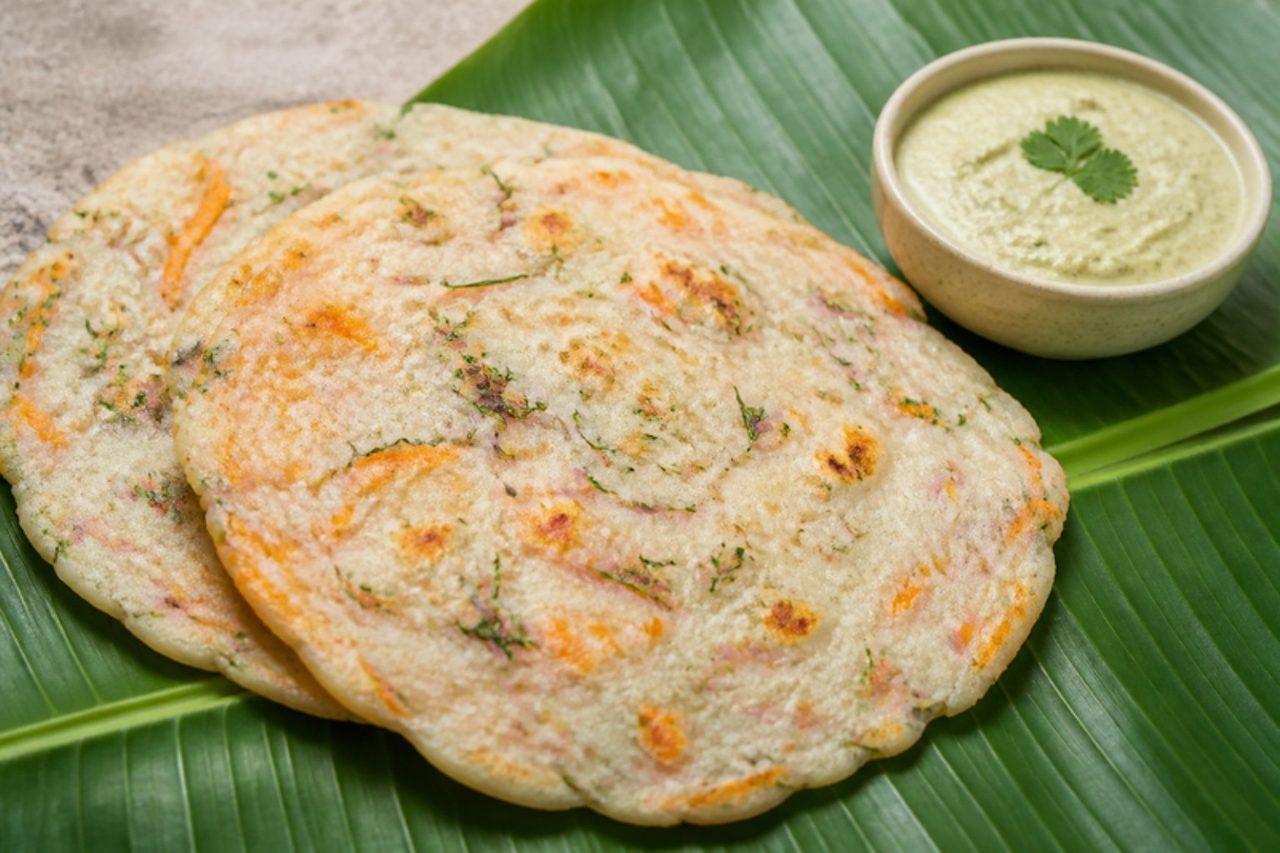
Akki rottiRice flour flatbread

Akki rotti is the breakfast of Bengaluru and the old Mysore country: rice flour mixed with grated vegetables, dill, coconut and green chilli, patted out thin by hand straight onto a cold pan, then cooked until speckled and crisp at the edges. Every home has its own mix; dill (sabbasige soppu) is the classic flavour, but cucumber, carrot or fenugreek all turn up. It is eaten hot off the pan with coconut chutney or a dab of ghee and spicy chutney powder, and it is naturally gluten-free. Chef's tip: work with two pans in turn, patting the next rotti onto a cooled pan while the first one cooks; patting onto a hot pan burns your fingers and gives an uneven rotti.

by KrazyBadal 1 views

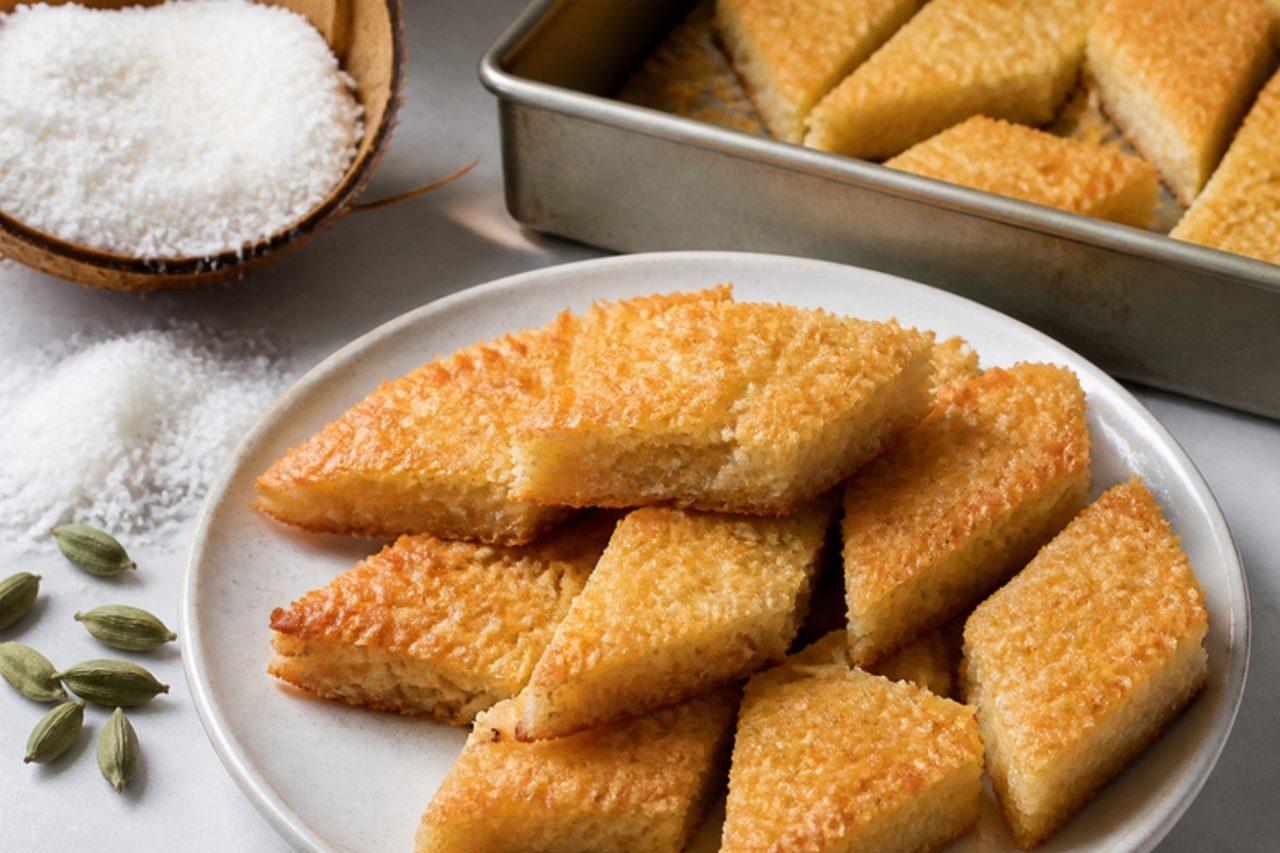
Coconut sweet (kashata ya nazi)

Kashata ya nazi is a simple Swahili sweet of desiccated coconut cooked with milk, sugar, evaporated milk and cardamom until thick, then pressed into a dish and cut into diamonds. It's chewy and sweet, and it keeps well. Store in an airtight container.

by KrazyBadal 0 views

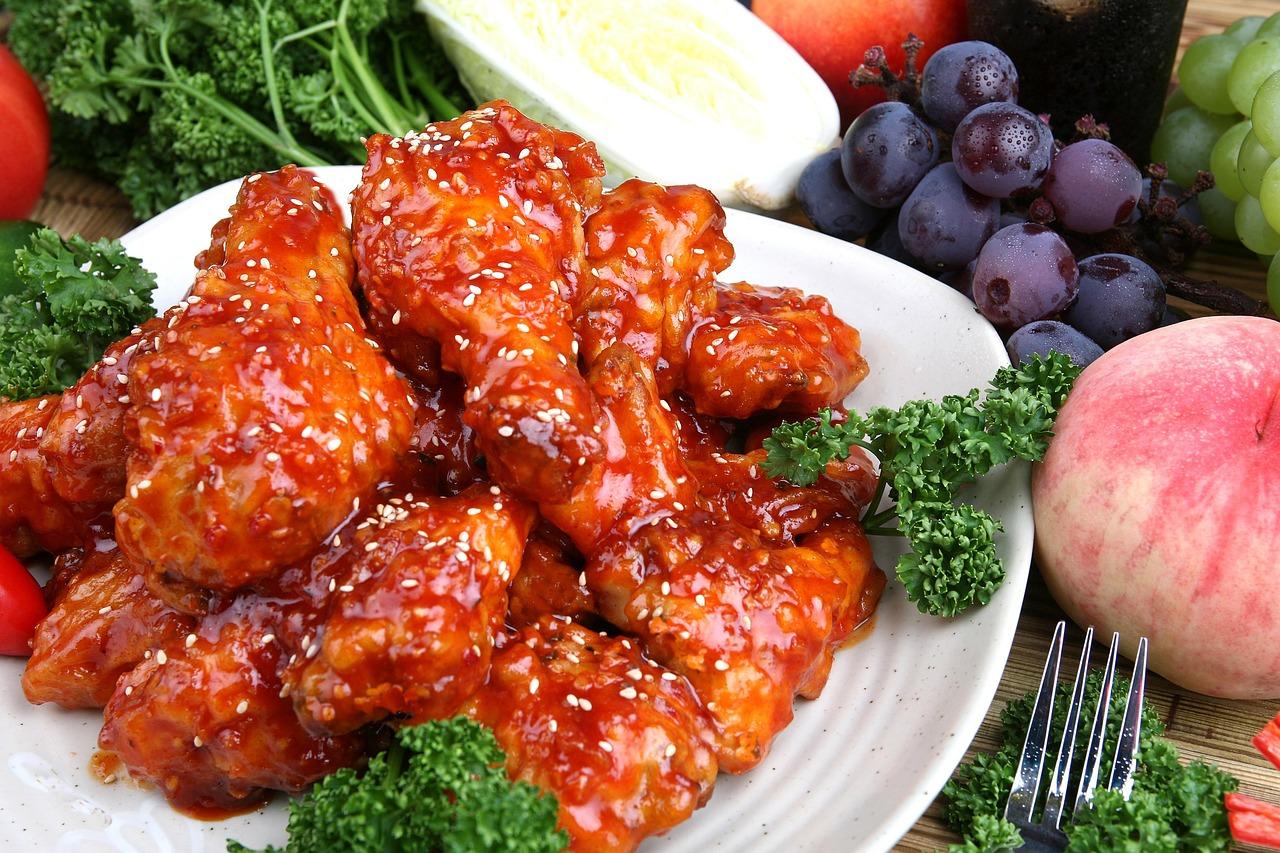
Yangnyeom chicken (Korean fried chicken)

Fried chicken shops are on almost every street corner in Korea, and late-night delivery boxes are shared over sport on TV or by the river in summer. The pairing with beer even has its own word, chimaek, but an ice-cold alcohol-free beer, barley tea or a fizzy drink works just as well. Yangnyeom chicken is the glazed kind, tossed in a sweet, garlicky gochujang sauce, and it always comes with cubes of white pickled radish to cut the richness. Chef's tip: let the chicken rest for 5 minutes between the two fries; the moisture that rises to the surface is what the second fry turns into a shatteringly crisp shell.

by KrazyBadal 0 views

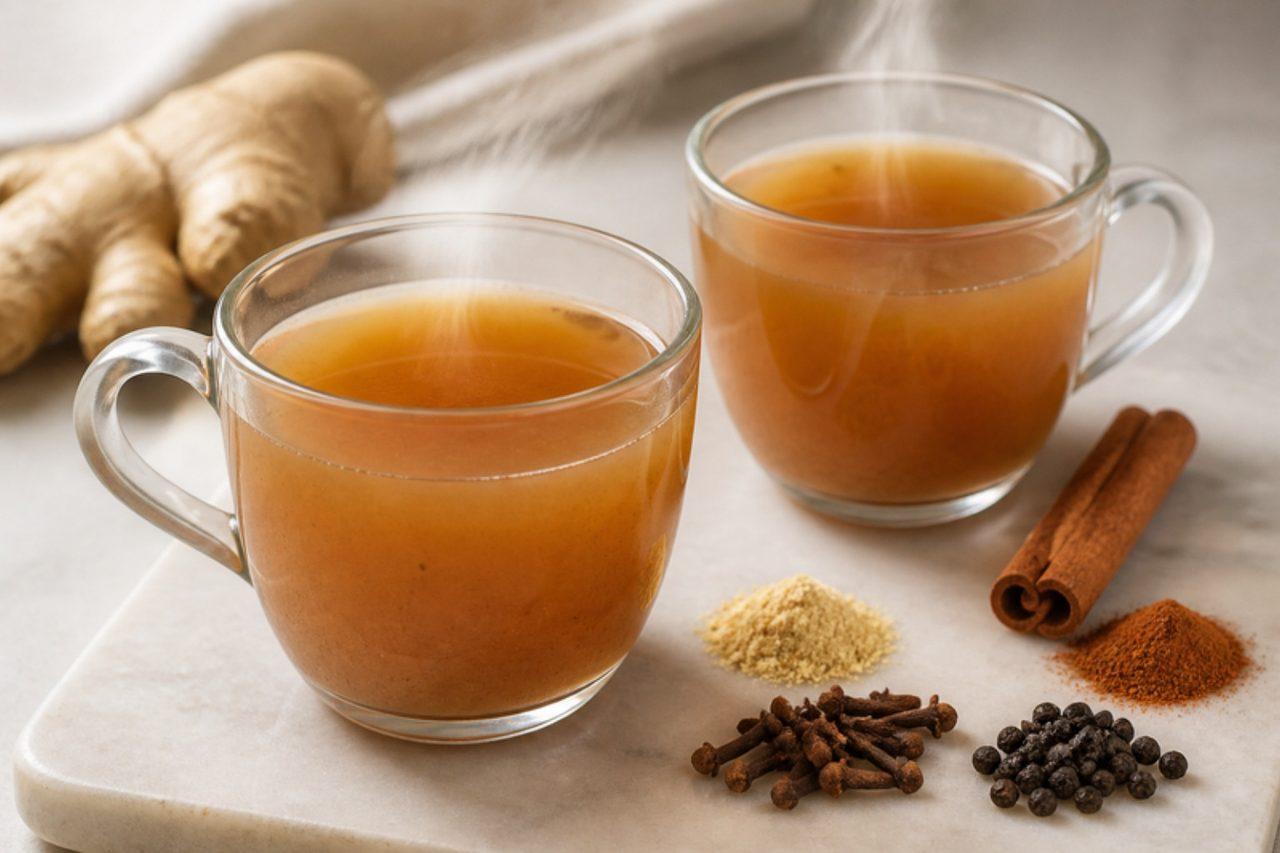
Ginger drink (tangawizi)

Tangawizi is a warming Swahili drink of ginger boiled with cinnamon, clove and black pepper and sweetened to taste. It's hot, peppery and soothing on a cool evening or when you have a cold. Serve hot in small kahawa cups.

by KrazyBadal 0 views

Baked bananas (ndizi ya kuoka)

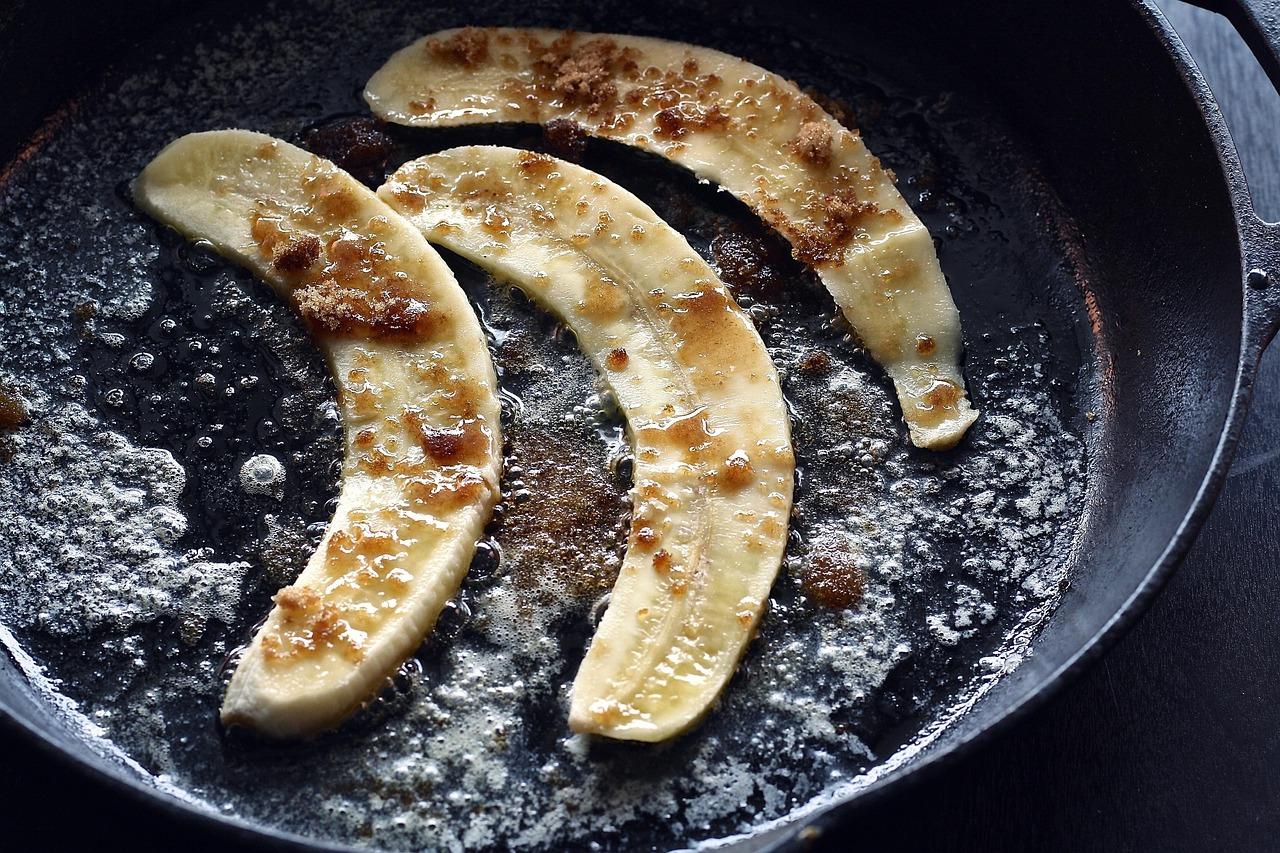
Ndizi ya kuoka: small bananas halved and baked with lemon juice, brown sugar and cinnamon until soft and syrupy, then served with lightly sweetened cream and a grating of nutmeg. It's a quick, warm pudding. The book's Handy Hints say bananas are good for the heart.

by KrazyBadal 0 views

Rice pancakes (mukari)

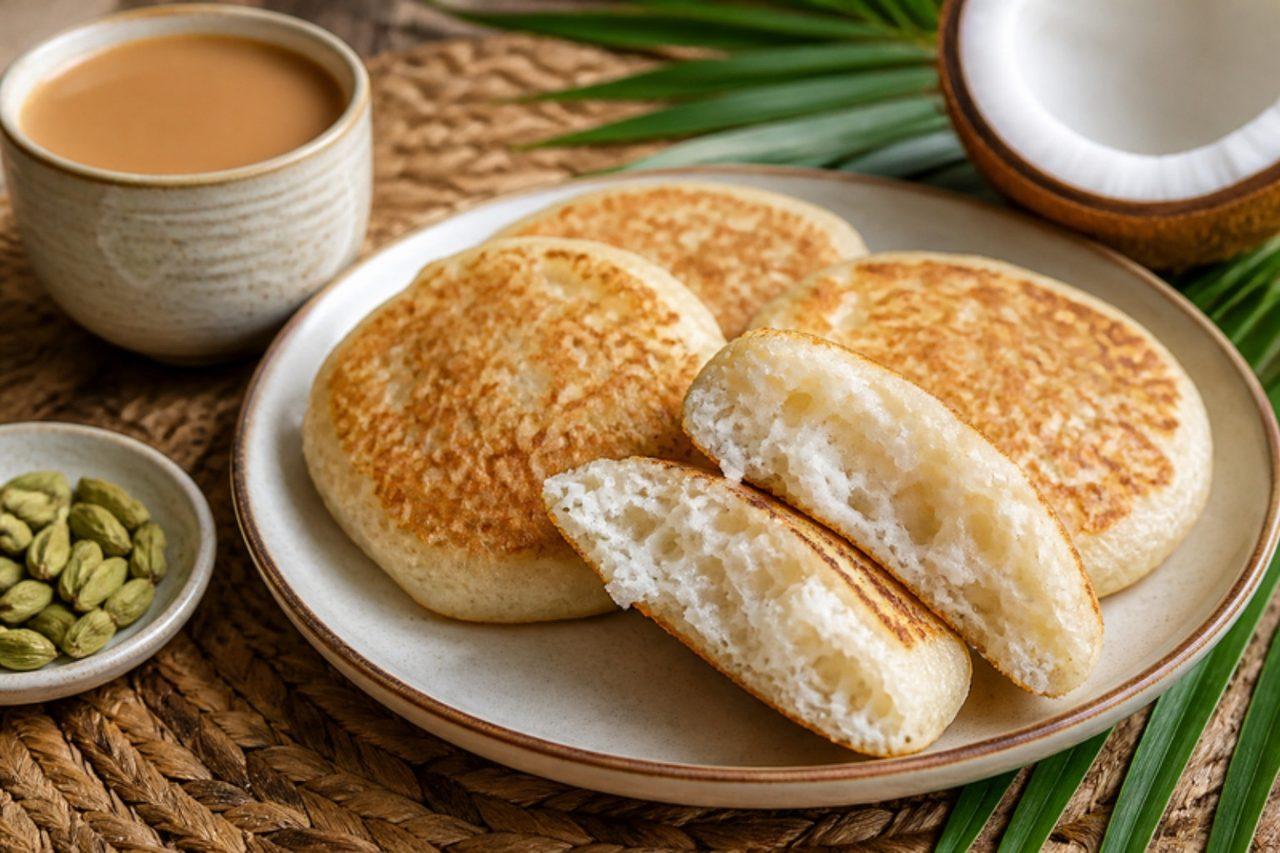
Mukari are soft, lightly sweet Zanzibari pancakes made from a yeasted rice flour and coconut milk batter scented with cardamom. They're cooked covered over a low heat so they puff up and stay spongy. Serve warm with tea.

by KrazyBadal 0 views

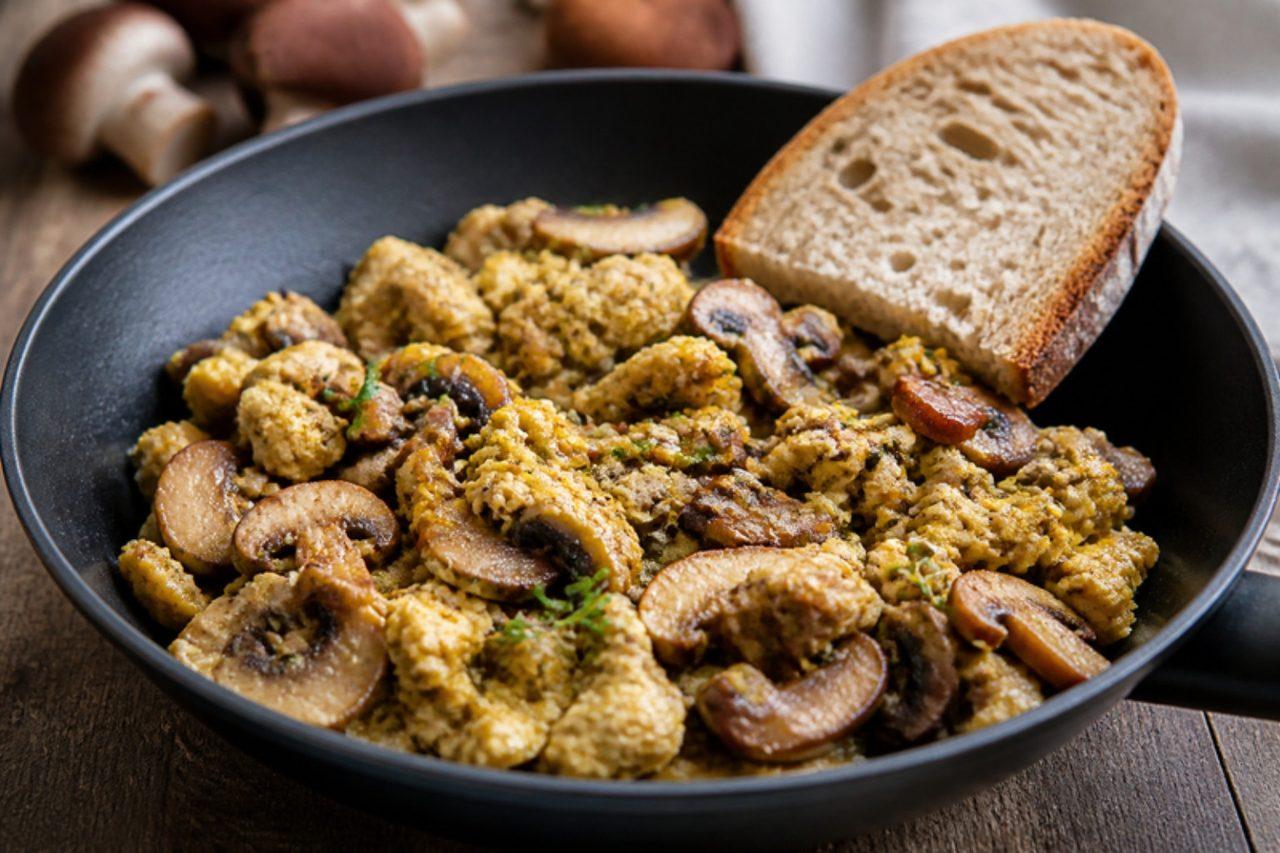
Mushroom stroganoff

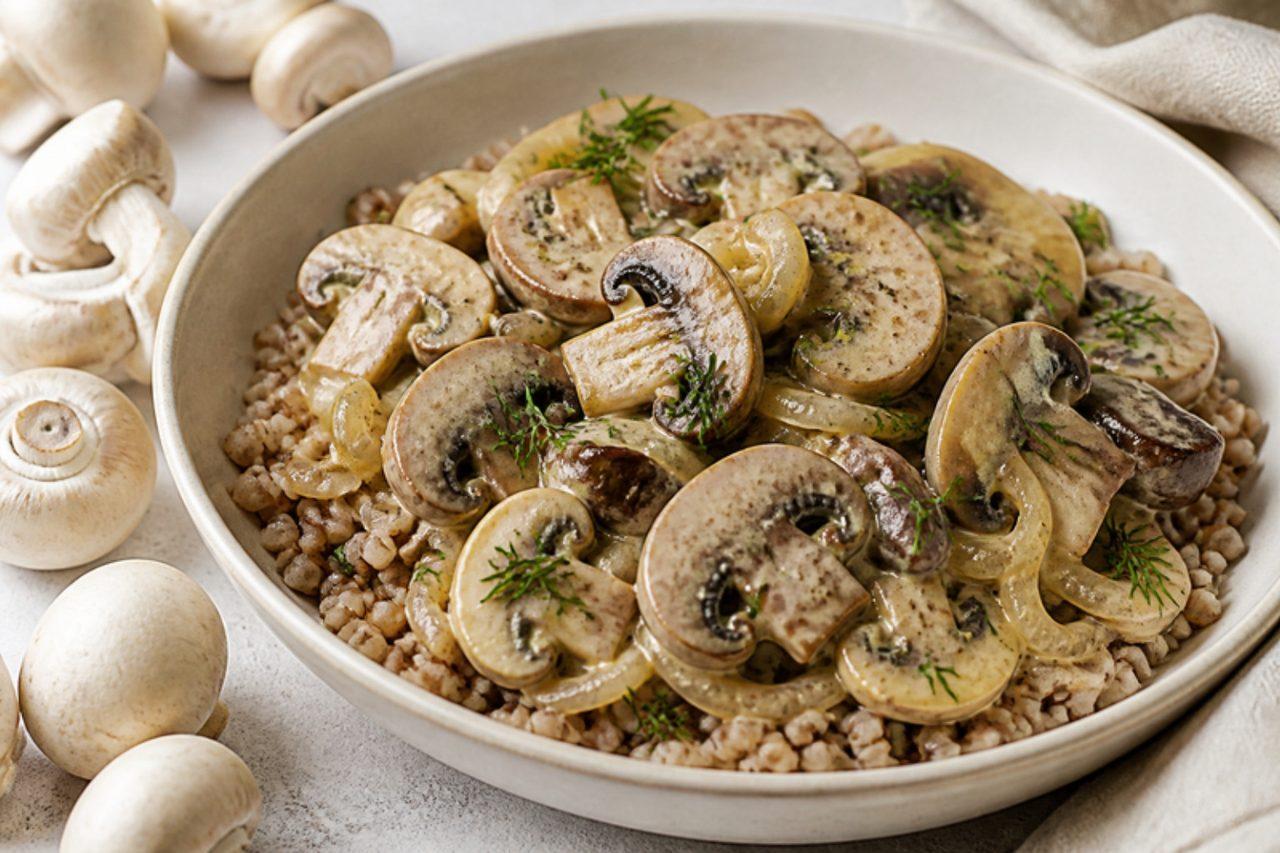
Beef stroganoff was named after the aristocratic Stroganov family of St Petersburg in the nineteenth century, and the original is strips of beef in a sauce of smetana and mustard. In Russian homes today the meatless version, made with forest mushrooms in autumn and button mushrooms the rest of the year, is just as common, especially during Orthodox fasts and on weeknights. It differs from Hungarian paprikás: no paprika, a gentle mustard edge, and a sauce that should stay pale and creamy. Serve it on fluffy buckwheat or mashed potatoes. Chef's tip: stir the smetana in off the boil; bubbling it hard makes it split into grainy curds.

by KrazyBadal 0 views

Olivier salad (vegetarian)

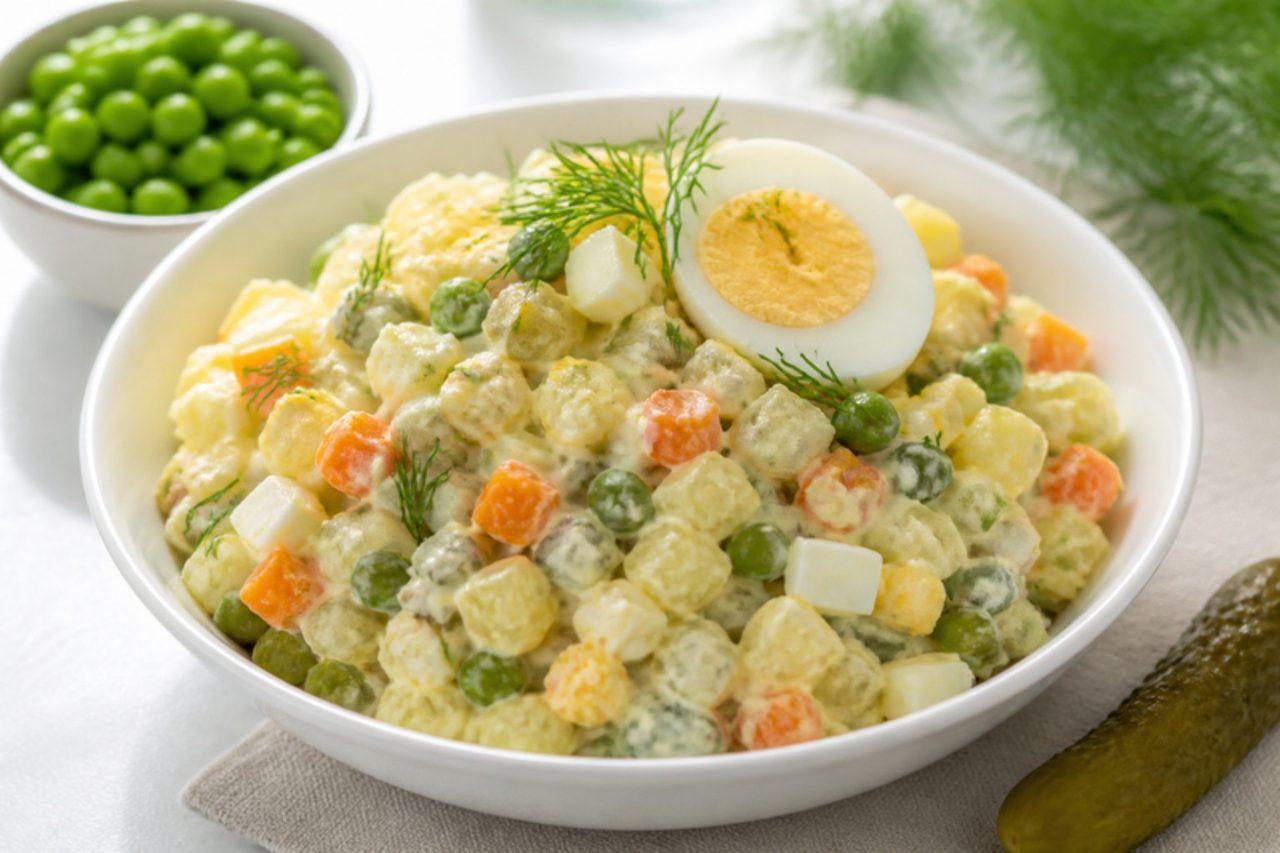
Salat Olivier was born in a fashionable Moscow restaurant in the 1860s, but today it belongs to every Russian kitchen on 31 December, when a bowl the size of a washing-up basin is made in the afternoon and eaten until 1 January is well over. Soviet cooks swapped the original's game for boiled sausage; this vegetarian version leaves it out and lets the sweet carrots, peas, sharp pickled cucumbers and creamy egg carry the salad. Chef's tip: cut everything to the size of a pea, the same size as the peas themselves; that is what makes Olivier feel like Olivier rather than potato salad.

by KrazyBadal 0 views

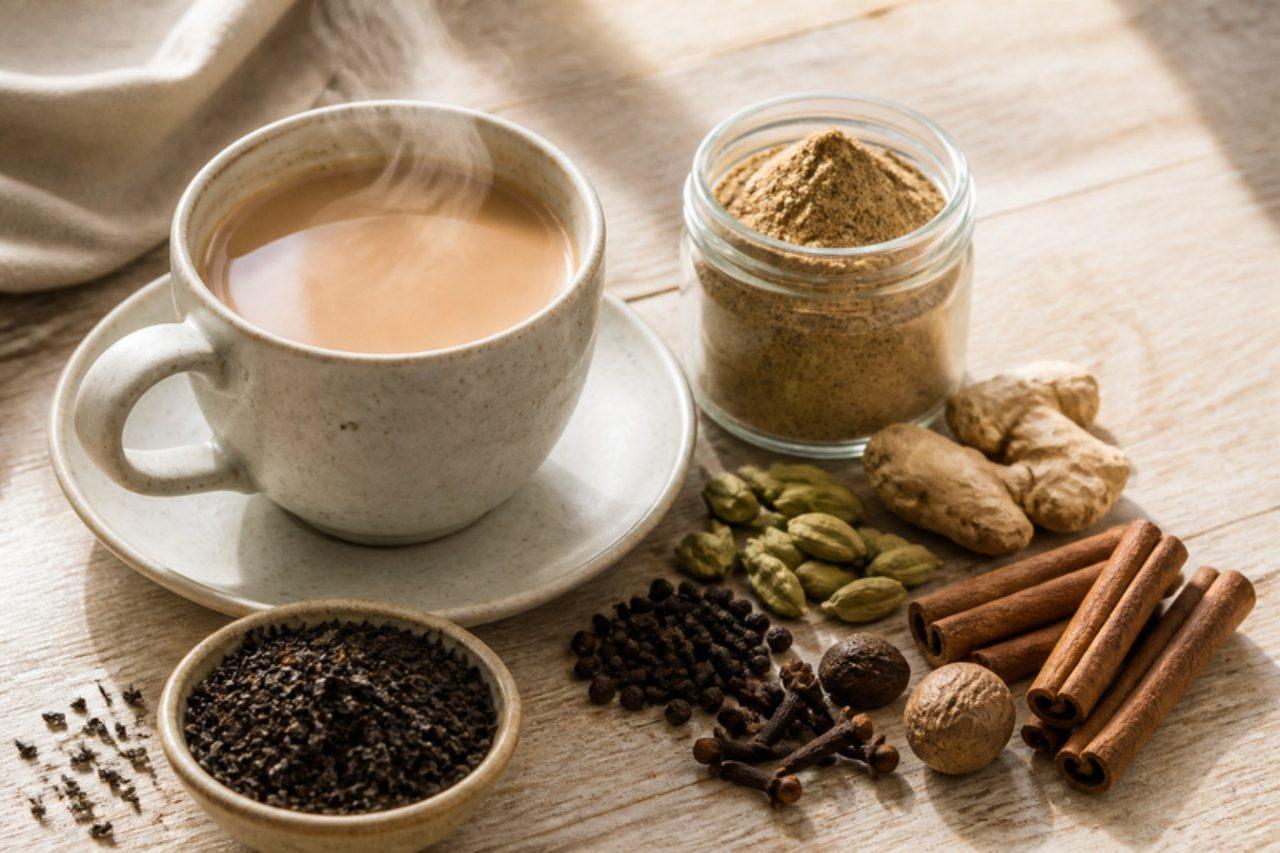
Zanzibar spiced tea (chai ya viungo)

Zanzibar is the spice island, and chai ya viungo is its everyday tea: black tea boiled with a home-roasted masala of cardamom, dry ginger, black pepper, cloves, cinnamon and nutmeg. The masala keeps for months in an airtight jar. Milk is optional; serve the tea hot.

by KrazyBadal 0 views

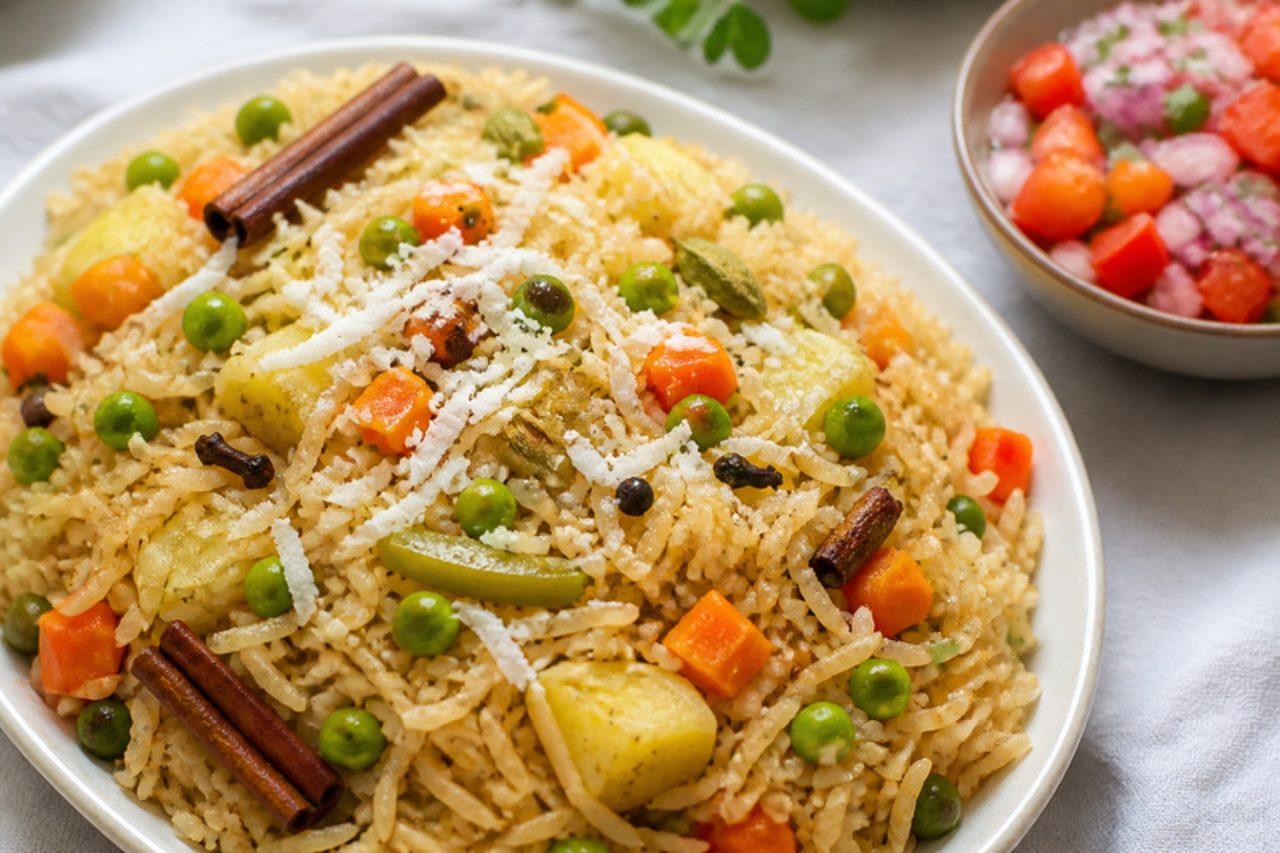
Zanzibar pillau

Zanzibar's spiced pilau: rice cooked with onions, garlic, whole cinnamon, cloves, cardamom, peppercorns, cumin and nutmeg and plenty of vegetables, then finished with coconut milk and baked until fluffy. It's fragrant rather than hot. Garnish with grated coconut and serve hot with kachumbari or a curry.

by KrazyBadal 0 views

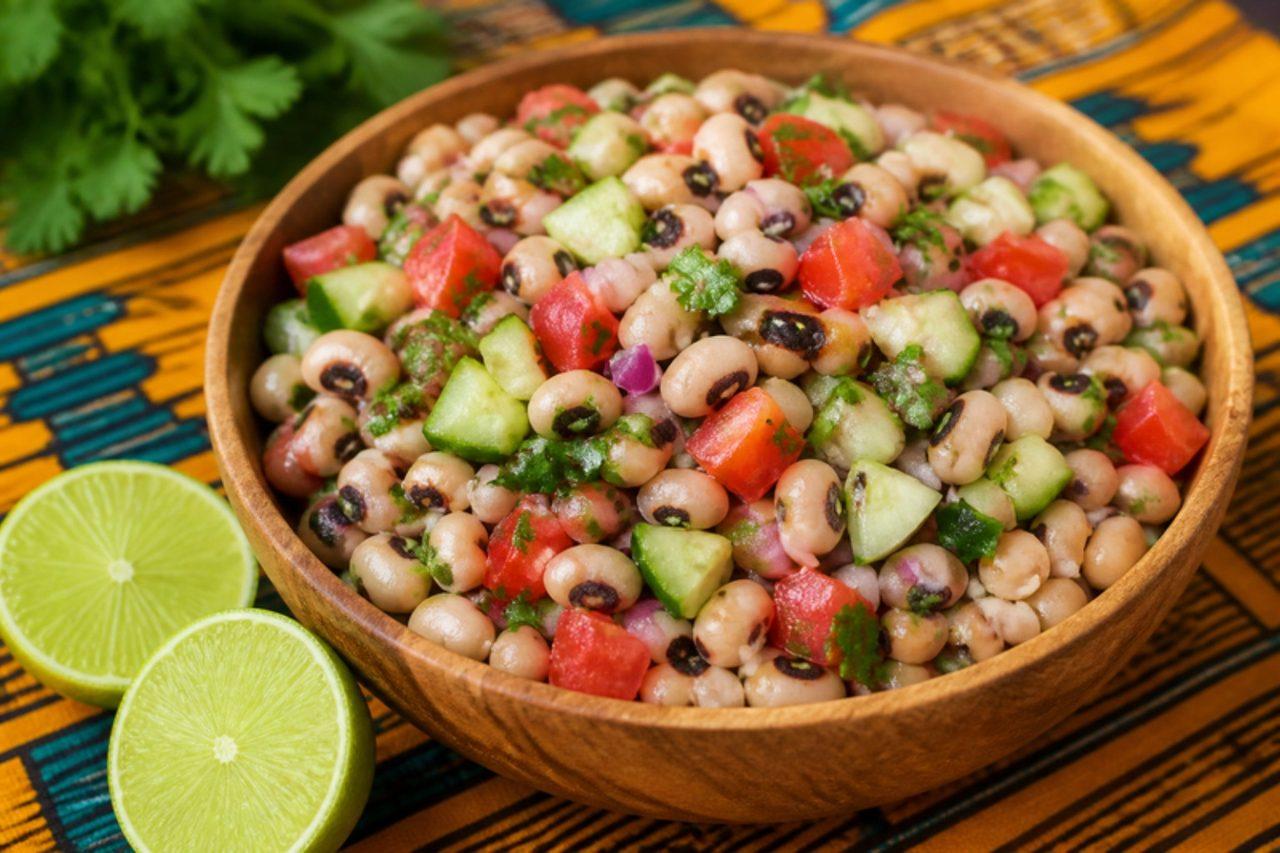
Salade de niébéBlack-eyed bean salad

Niébé is the Wolof and French name for black-eyed beans, and this bright salad turns up at Senegalese family lunches, baptism feasts and Ramadan break-fast tables next to grilled dishes and rice. The beans are dressed while warm with lime, mustard and onion, then mixed with crunchy raw vegetables and a little hot pepper. It travels well and tastes better after an hour. Chef's tip: dress the beans while they are still warm so they drink in the lime; cold beans stay bland however much dressing you pour over.

by KrazyBadal 0 views

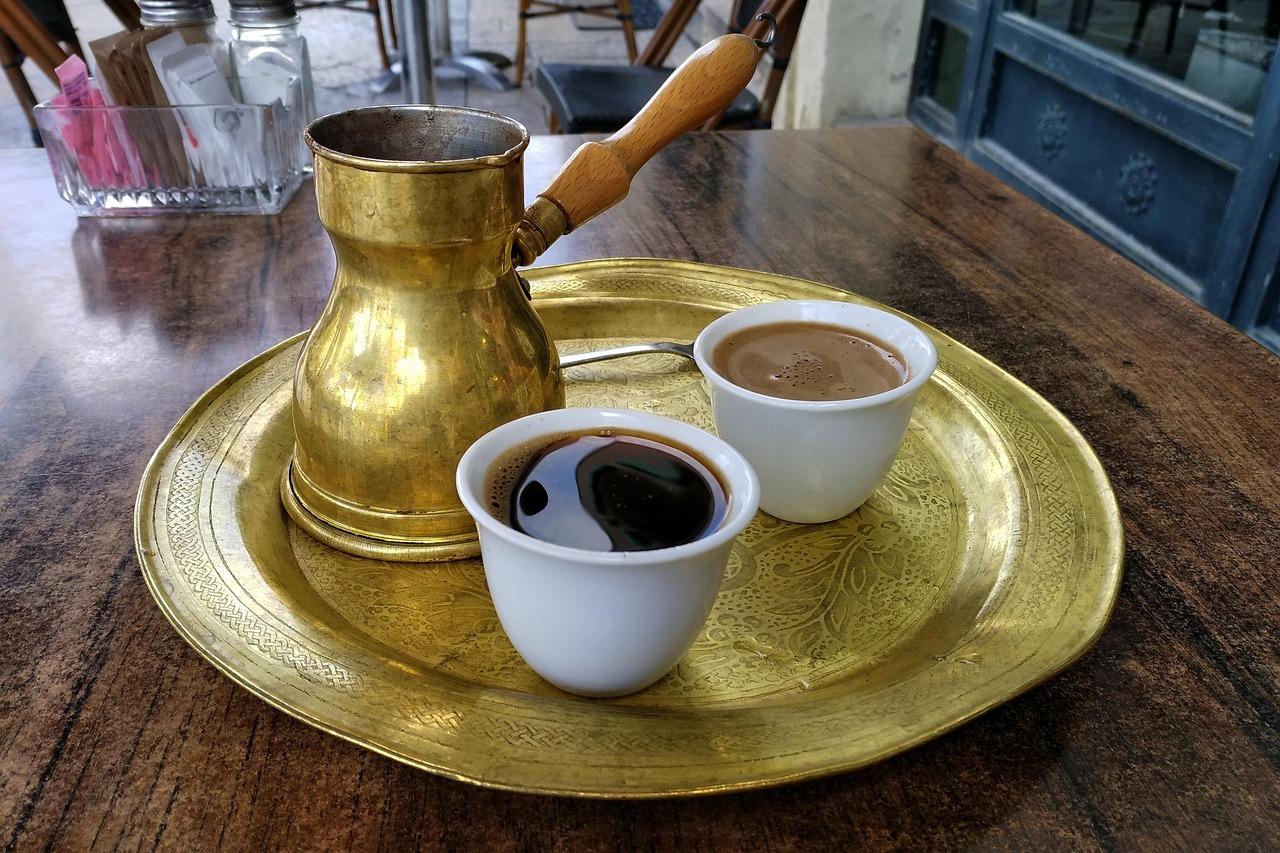
Zanzibar coffee (kahawa)

Kahawa is the strong, spiced black coffee poured from brass pots on the streets of Stone Town: freshly ground coffee boiled with cardamom pods and finished with ginger and ground cardamom. It's bitter-sweet and aromatic. Serve hot in small kahawa cups.

by KrazyBadal 0 views

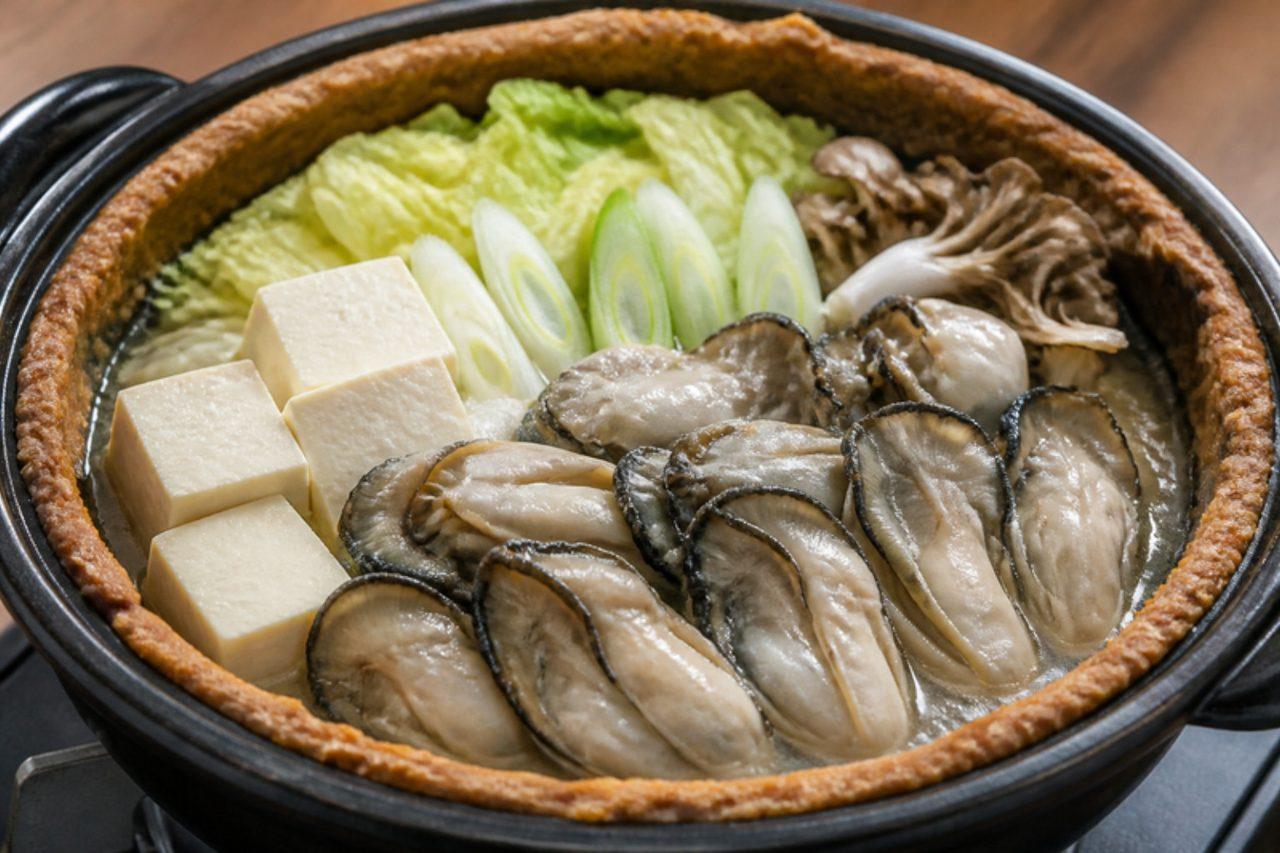
Hiroshima oyster nabe (kaki nabe)

Hiroshima Bay is lined with oyster rafts, and from late autumn to early spring the city's restaurants put kaki nabe on the menu. In the version called dote nabe, a thick band of sweetened miso is smeared around the inside of the pot like a riverbank, then melts into the broth bit by bit as you eat. Cabbage, tofu, leek and mushrooms go in first; the oysters only need a few minutes at the end. It is cooked at the table on a portable burner, so everyone eats it as it is ready. Chef's tip: rinse the shucked oysters in a bowl with potato starch and a little salt, then in clean water; the grey starch pulls out grit and slime and leaves them clean-tasting.

by KrazyBadal 0 views

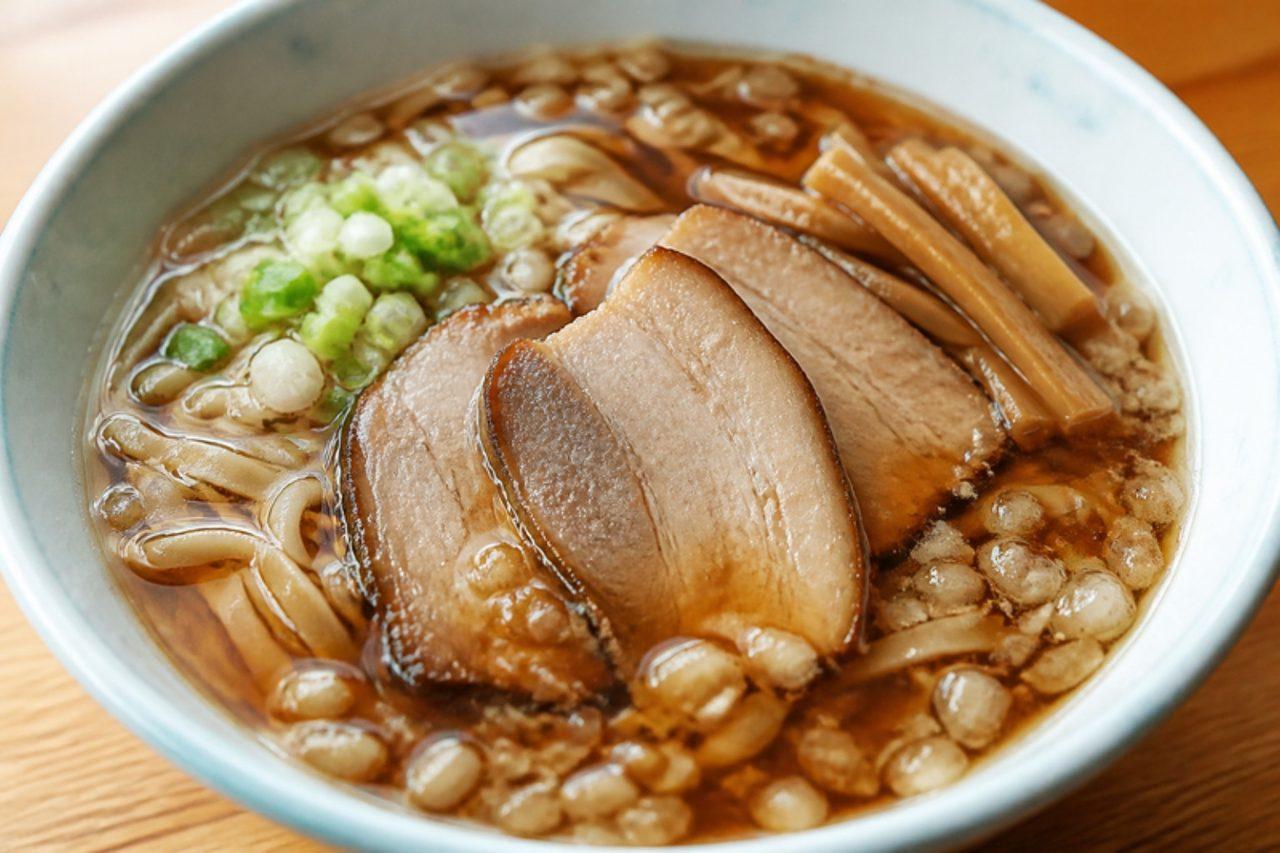
Onomichi ramen

Onomichi is a hilly port town in Hiroshima prefecture on the Seto Inland Sea, and the start of the Shimanami Kaido cycle route across the islands to Shikoku. Its ramen shops serve a dark soy-seasoned broth made from chicken and small dried fish, with flat, slightly wavy noodles. The signature is a scattering of soft pork back-fat pieces that float on top and melt into each mouthful. Many visitors eat a bowl before or after the bike ride. Chef's tip: pull the heads and dark bellies off the dried sardines before using them; that is where the bitterness lives, and the cleaned fish give a sweet, clean sea flavour.

by KrazyBadal 0 views

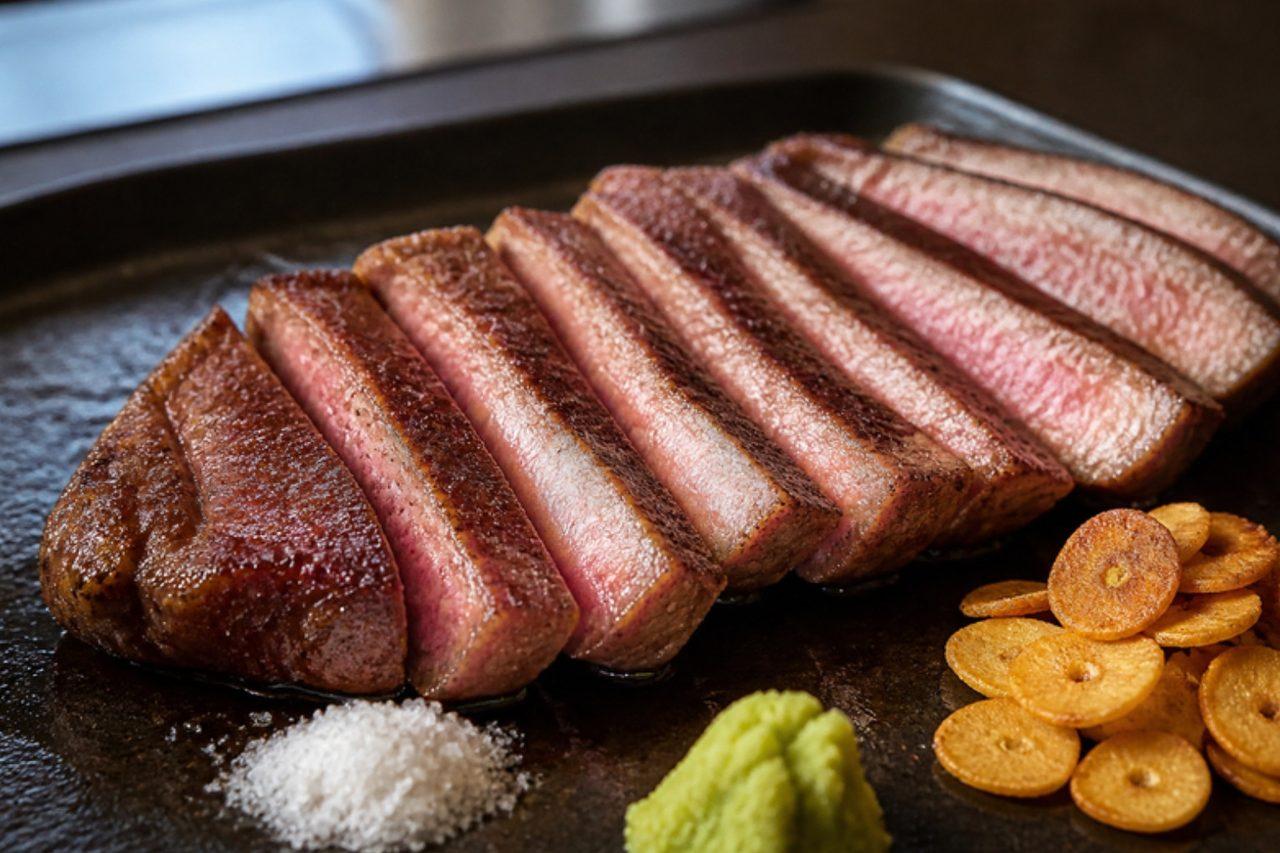
Wagyu steak, Kobe style

Kobe's steakhouses cook beef on a hot iron plate in front of the diners, cut it into bite-size pieces and serve it with little more than salt, wasabi and golden garlic chips. Genuine Kobe beef is a protected name: it can only come from certified Tajima cattle born and raised in Hyogo prefecture that meet strict grading rules, and it is rare and costly outside Japan. This recipe is cooked in the same style, with any good wagyu, or a well-marbled sirloin or ribeye if you cannot get wagyu. Because the fat is so rich, a modest portion goes a long way. Chef's tip: cut a small piece of fat from the edge of the steak and melt it in the pan instead of oil; it greases the pan and adds a lovely beefy aroma.

by KrazyBadal 0 views

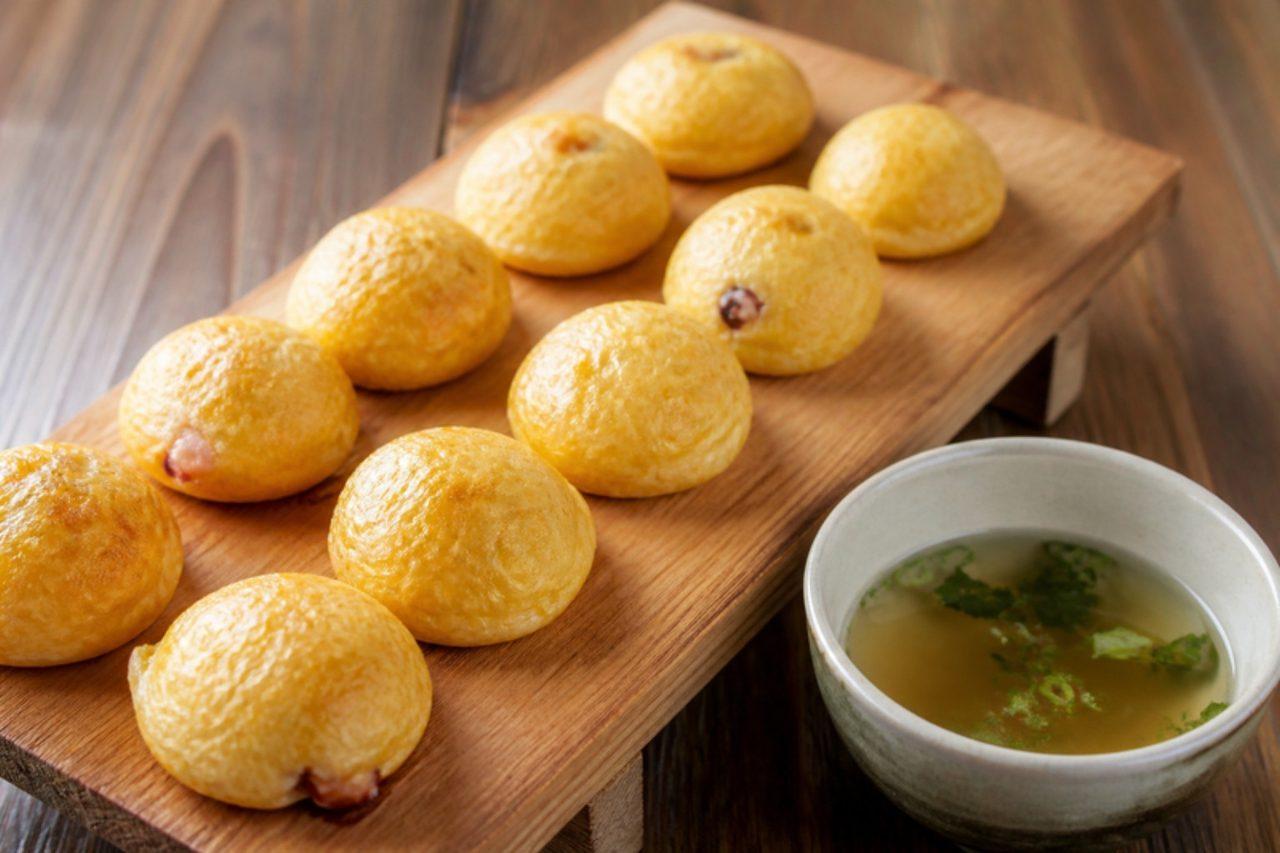
Akashiyaki (Akashi egg and octopus dumplings)

Ask for tamagoyaki in Akashi, a fishing town on the coast of Hyogo, and you will be served these dumplings rather than a rolled omelette: that is what locals call them. Small shops near the Uonotana fish market sell them on tilted wooden boards, with a bowl of warm dashi for dipping. Compared with Osaka takoyaki, the batter is mostly egg and stock, so the balls are soft and trembling inside, and they come without sauce or mayonnaise. Akashi is famous for its octopus, and a piece sits in every ball. Chef's tip: oil the pan generously and fill each hollow right to the brim; the soft batter needs the extra to make a round, puffy ball.

by KrazyBadal 0 views

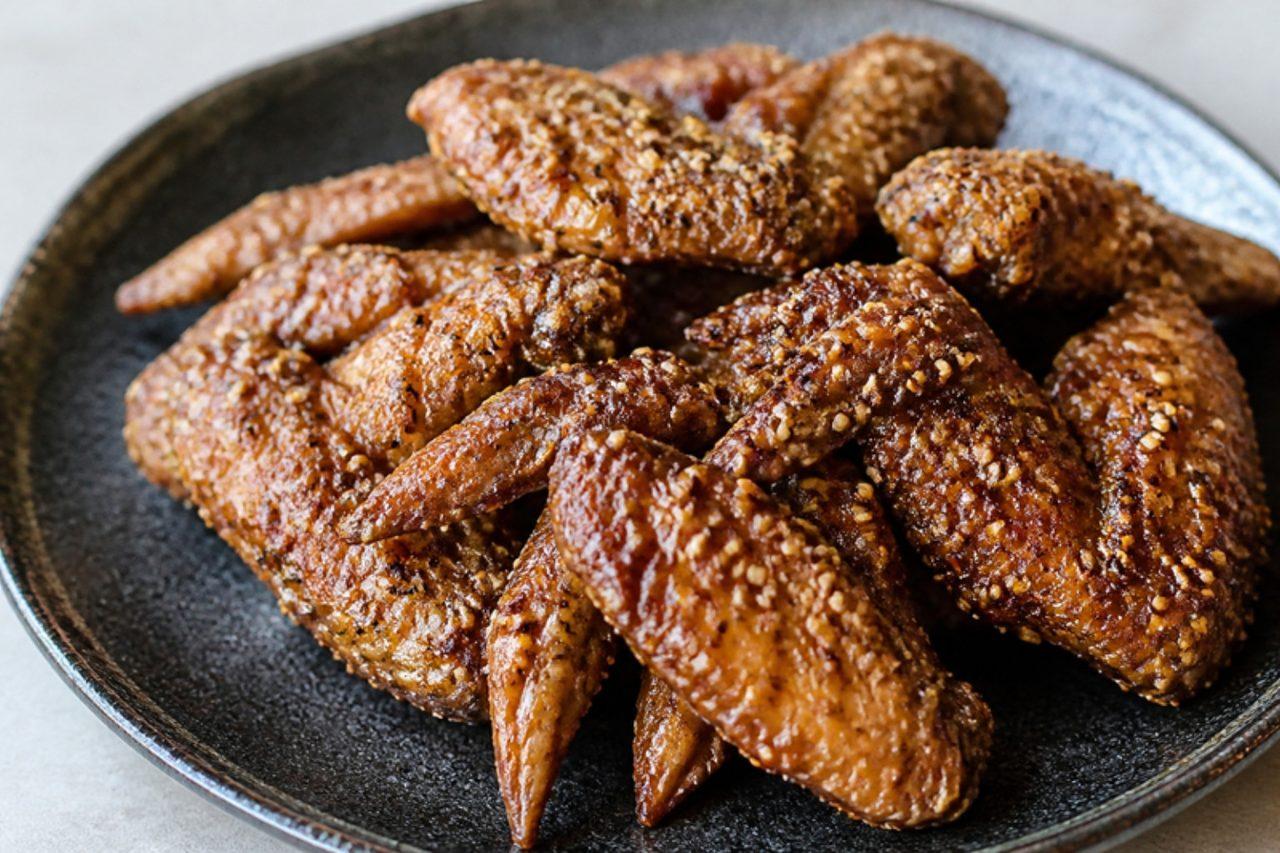
Tebasaki (Nagoya fried chicken wings)

In Nagoya's izakaya, chicken wings come whole, with the mid-joint and tip still joined in a V, and they arrive in piles beside cold drinks. Tebasaki are fried without batter until the skin turns crisp and thin, then brushed with a sweet soy glaze and dusted heavily with pepper and sesame. The spice is the point: they should taste peppery, salty and sticky at once. Eat them with your hands, twisting the two bones apart to pull the meat off. Chef's tip: brush on the glaze the moment the wings leave the oil; hot, crisp skin soaks it up and stays crunchy, while cooled wings just turn sticky.

by KrazyBadal 0 views

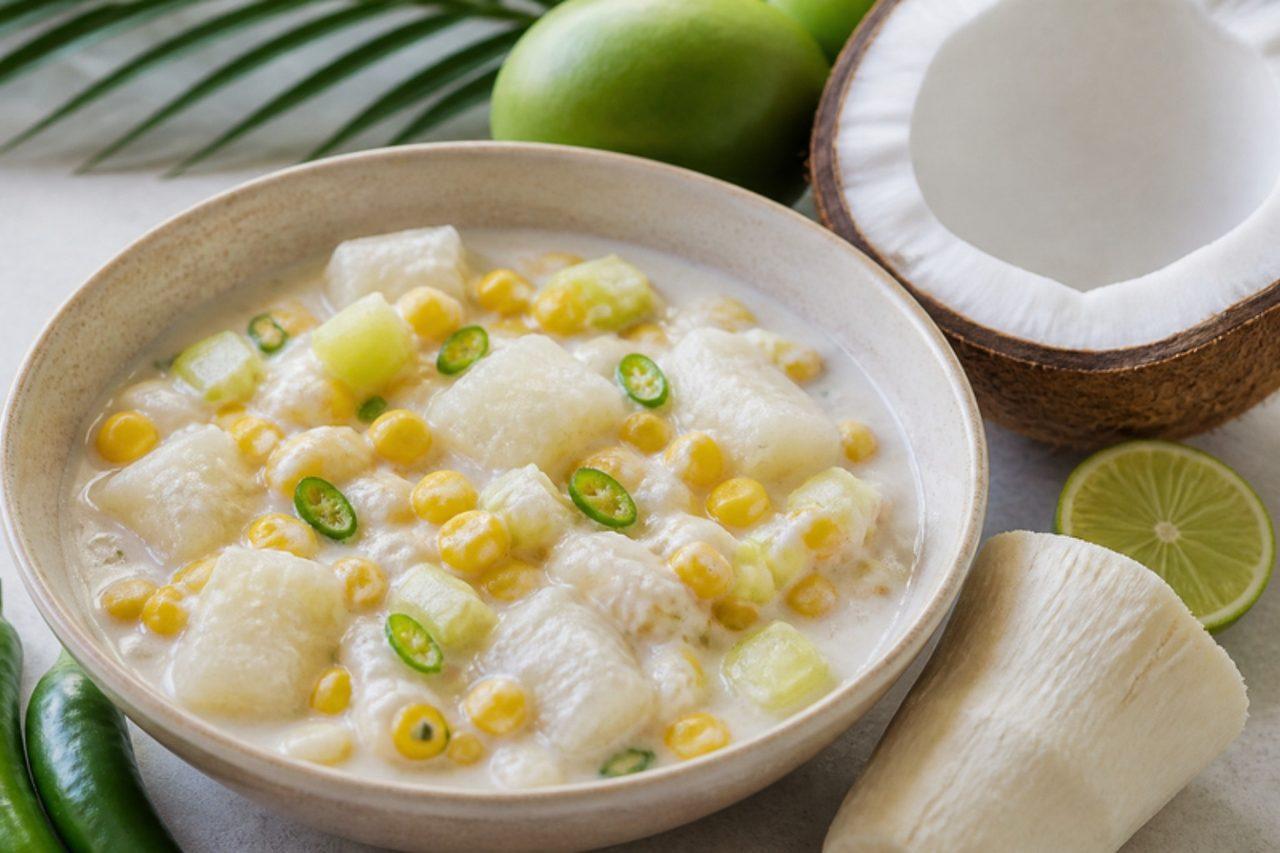
Corn & cassava in coconut milk

A simple Swahili dish of tender cassava and sweetcorn simmered in thick coconut milk with green chillies, a little raw mango and lemon. It's creamy, mild and filling. Serve hot as a side or a light meal.

by KrazyBadal 0 views

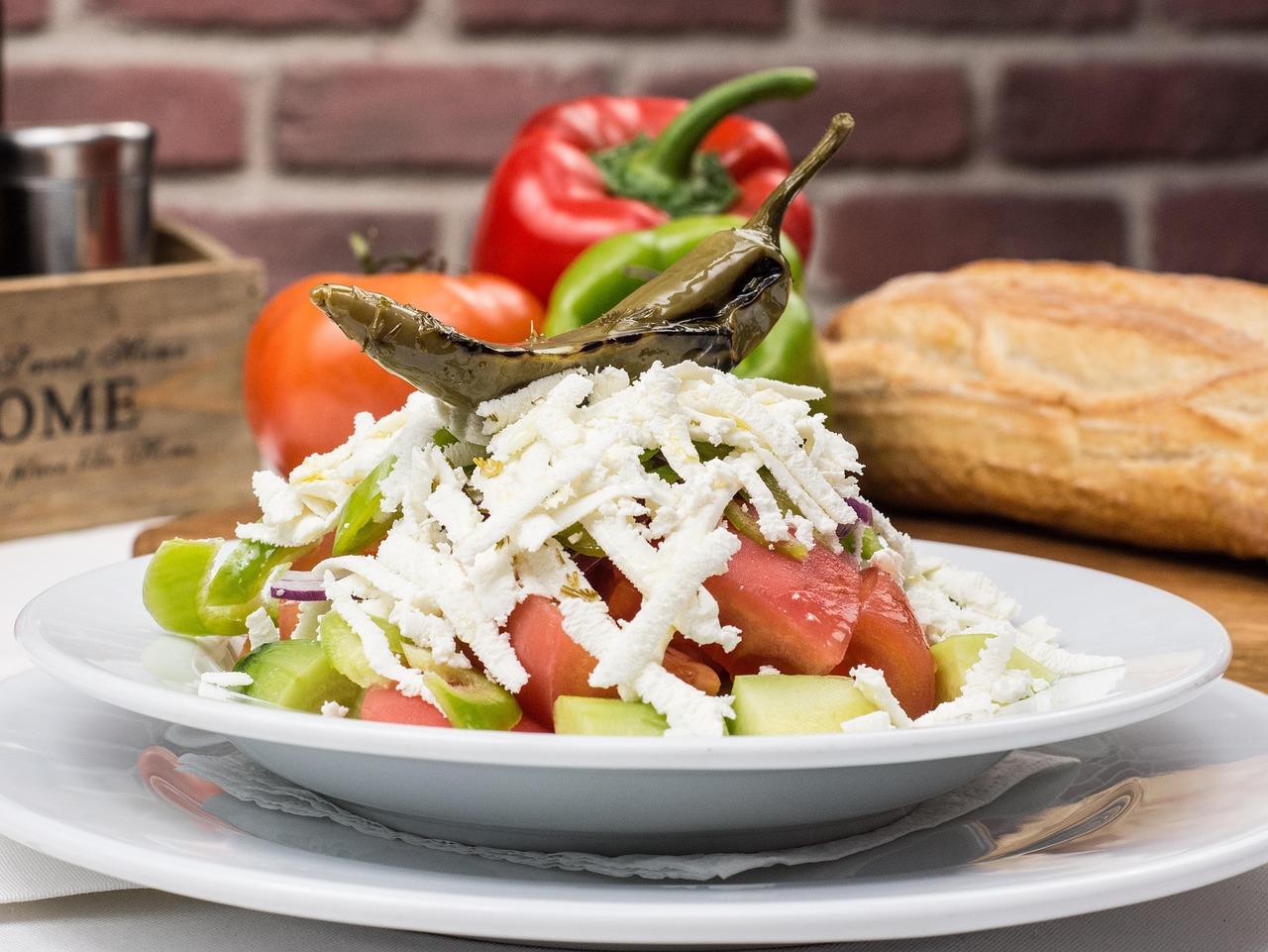
Shopska salad

Shopska salata is named after the Shopi people of the Sofia region and has become Bulgaria's national salad, the first thing ordered at any mehana (tavern) with a cold glass of rakia. Ripe tomatoes, cucumber, onion and soft roasted peppers are dressed simply with sunflower oil and vinegar, then buried under finely grated sirene, the Bulgarian white brined cheese, so the top looks like fresh snow. Unlike a Greek village salad, there are no olives and the cheese is grated, not in a slab. Chef's tip: salt and dress the vegetables before the cheese goes on; dressing over the cheese is the common mistake and turns the white snow soggy.

by KrazyBadal 0 views

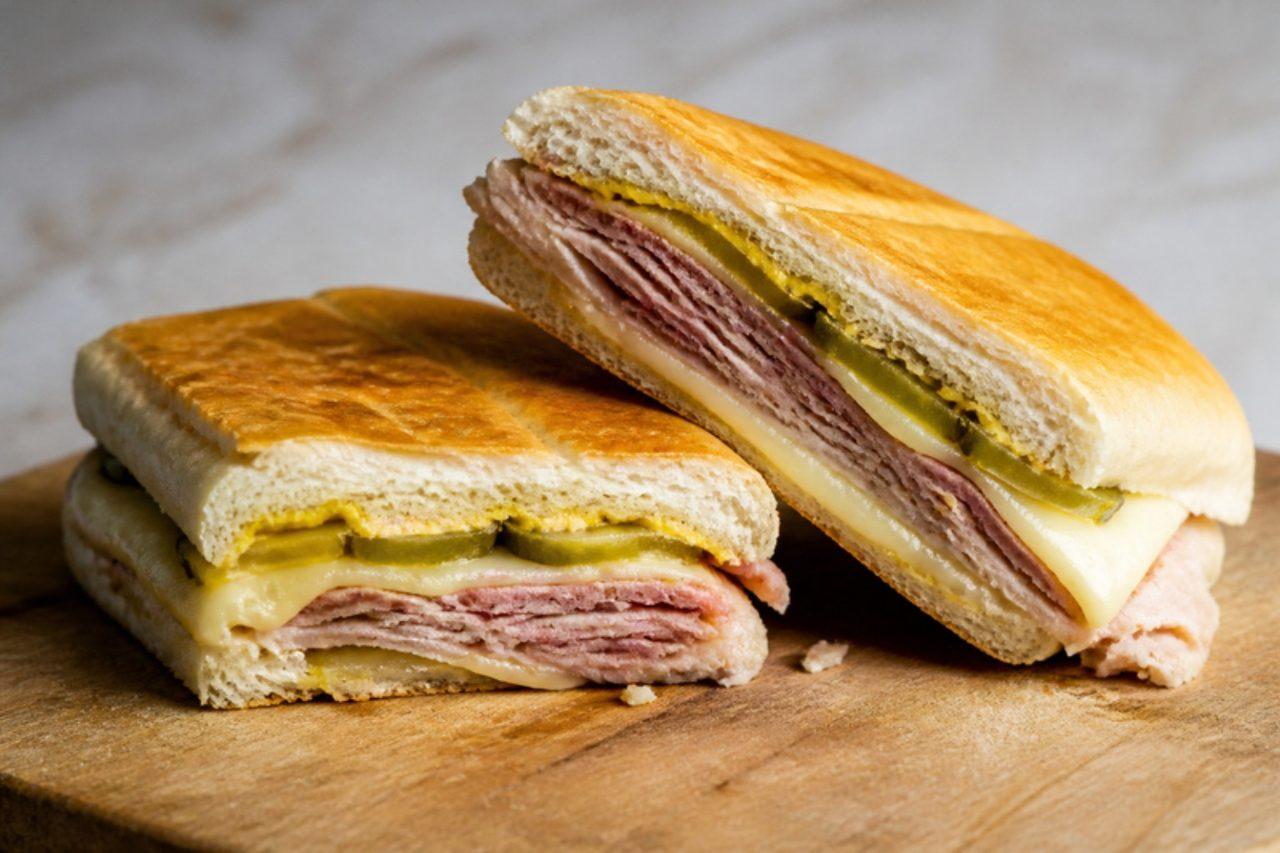
Sándwich cubanoPressed pork and ham sandwich

This is a pork sandwich. The Cubano was the lunch of cigar workers going between Havana and Tampa, and Miami's Little Havana cafés still press it to order on a hot plancha. Soft Cuban bread is layered with mojo roast pork, boiled ham, Swiss cheese, dill pickles and yellow mustard, then flattened and toasted until the cheese melts and the crust shatters. It is the best use of leftover lechón asado. Drink it with a café cubano. The usual mistake is pressing on too high a heat, which burns the bread before the middle is hot. Chef's tip: butter the outside of the bread, not the inside, and weigh it down with a heavy pan so it crisps evenly.

by KrazyBadal 0 views

Coconut ice cream (ice-cream ya nazi)

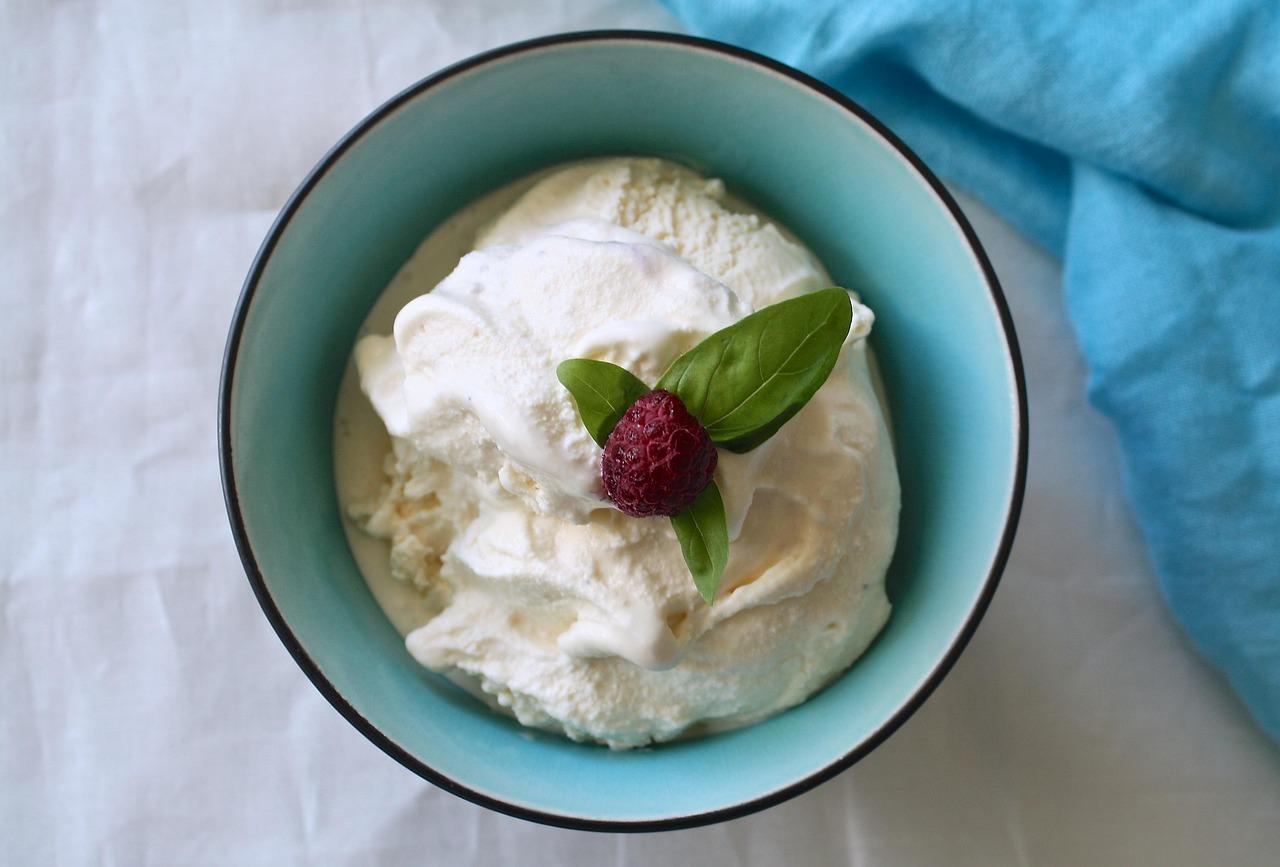
An easy no-churn ice cream of coconut milk, sweetened condensed milk and evaporated milk, scented with nutmeg or cardamom and a little rose. Whisking it once while it freezes keeps it smooth and fluffy. Garnish with shredded coconut and a sprig of mint.

by KrazyBadal 0 views

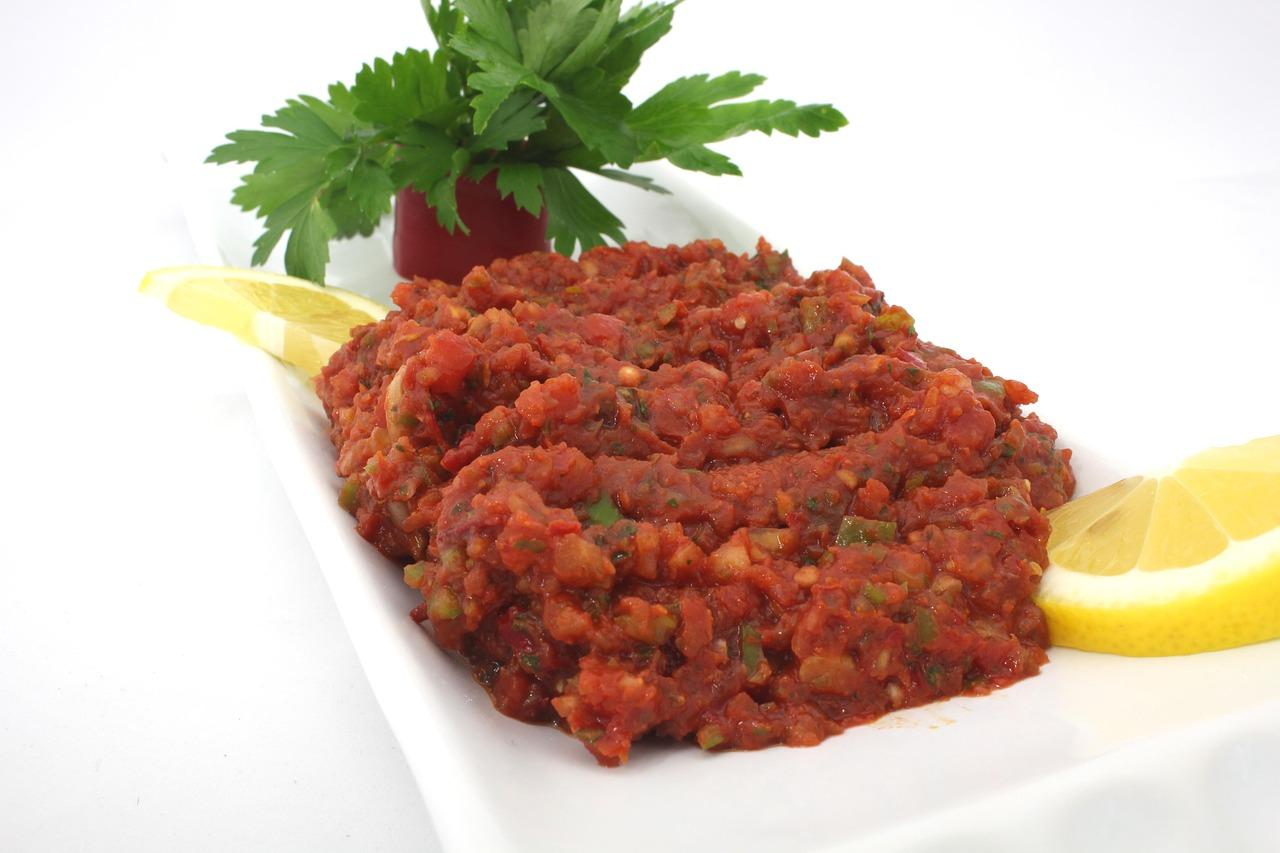
Acılı ezmeSpicy tomato and pepper salad

Sit down at a kebab house in Adana or Gaziantep and a small dish of acılı ezme arrives before you have ordered: tomato, pepper, onion and parsley chopped almost to a paste, sharpened with pomegranate molasses and hot pepper flakes. It works just as well at a vegetarian table, spooned onto bulgur pilaf, falafel or grilled vegetables, or scooped up with warm flatbread. The mistake most people make is using a food processor: it turns the vegetables into watery soup instead of a thick, rough relish. Chef's tip: chop everything by hand with a big knife, then drain the tomatoes in a sieve for 5 minutes before mixing, so the ezme stays thick enough to sit on bread.

by KrazyBadal 1 views

Gâteau patateSweet potato turnovers

Gâteau patate are little half-moon pastries made from mashed sweet potato dough and filled with sweetened grated coconut and cardamom, then fried until golden. They are a teatime treat in Mauritian homes and are sold at markets and fairs, especially around Divali and the end of the year. Chef's tip: use the sweet potatoes while still warm to make the dough; cold mash needs more flour and the gâteaux turn heavy.

by KrazyBadal 0 views

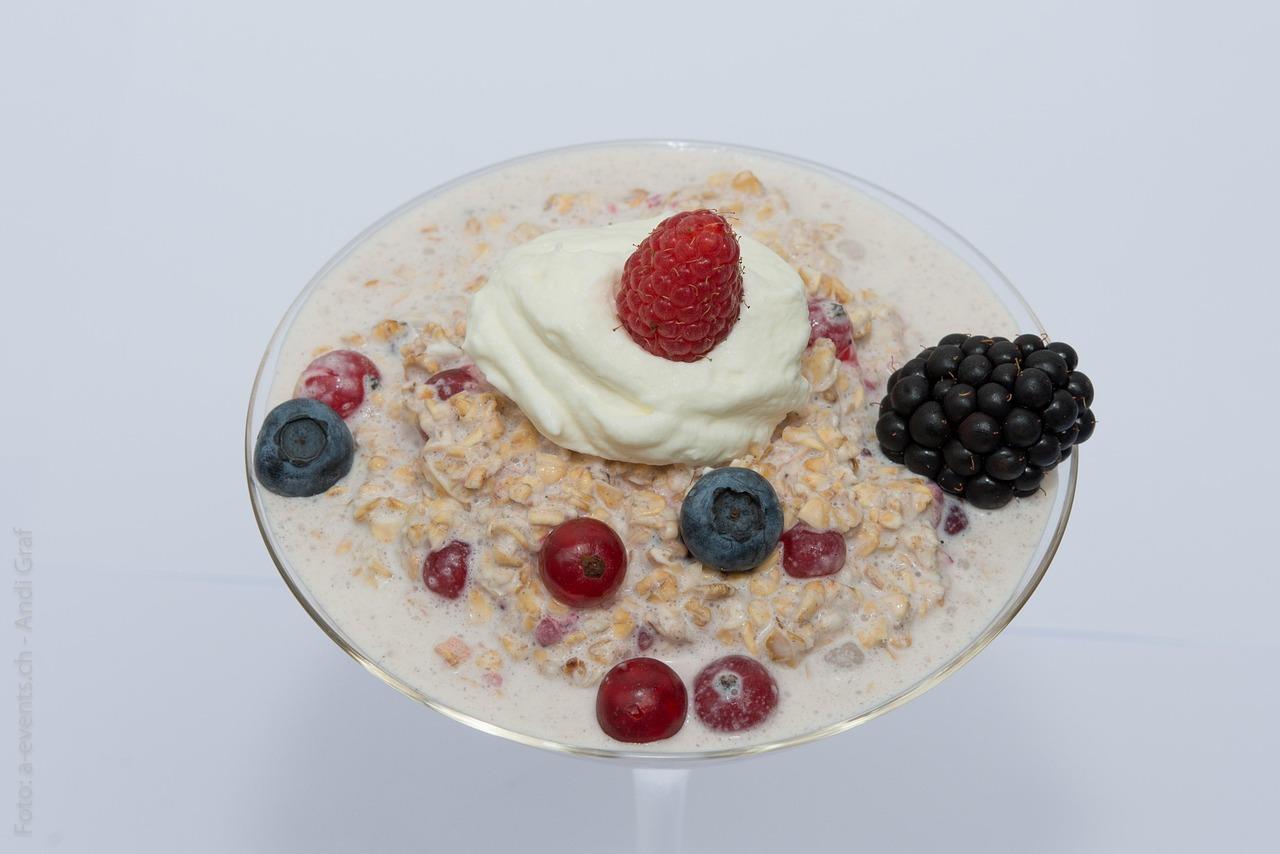
Bircher muesli

Around 1900 the Zürich doctor Maximilian Bircher-Benner served his sanatorium patients a small bowl of raw food before every meal, which he called d'Spys (the dish): a spoonful of soaked oats, plenty of grated apple, lemon juice, nuts and condensed milk. His original was mostly apple, not mostly oats, and that is what sets it apart from the dry muesli mix sold in packets. Swiss cafés and railway kiosks still serve Birchermüesli for breakfast or a light supper, creamy, sharp and fresh, now often with yogurt and berries. This version keeps his balance: oats soaked overnight, a whole apple grated in at the last moment, lemon, hazelnuts and a little honey and yogurt. Chef's tip: grate the apple straight into the lemon juice, skin and all, and stir at once; it stays pale and juicy instead of turning brown.

by KrazyBadal 0 views

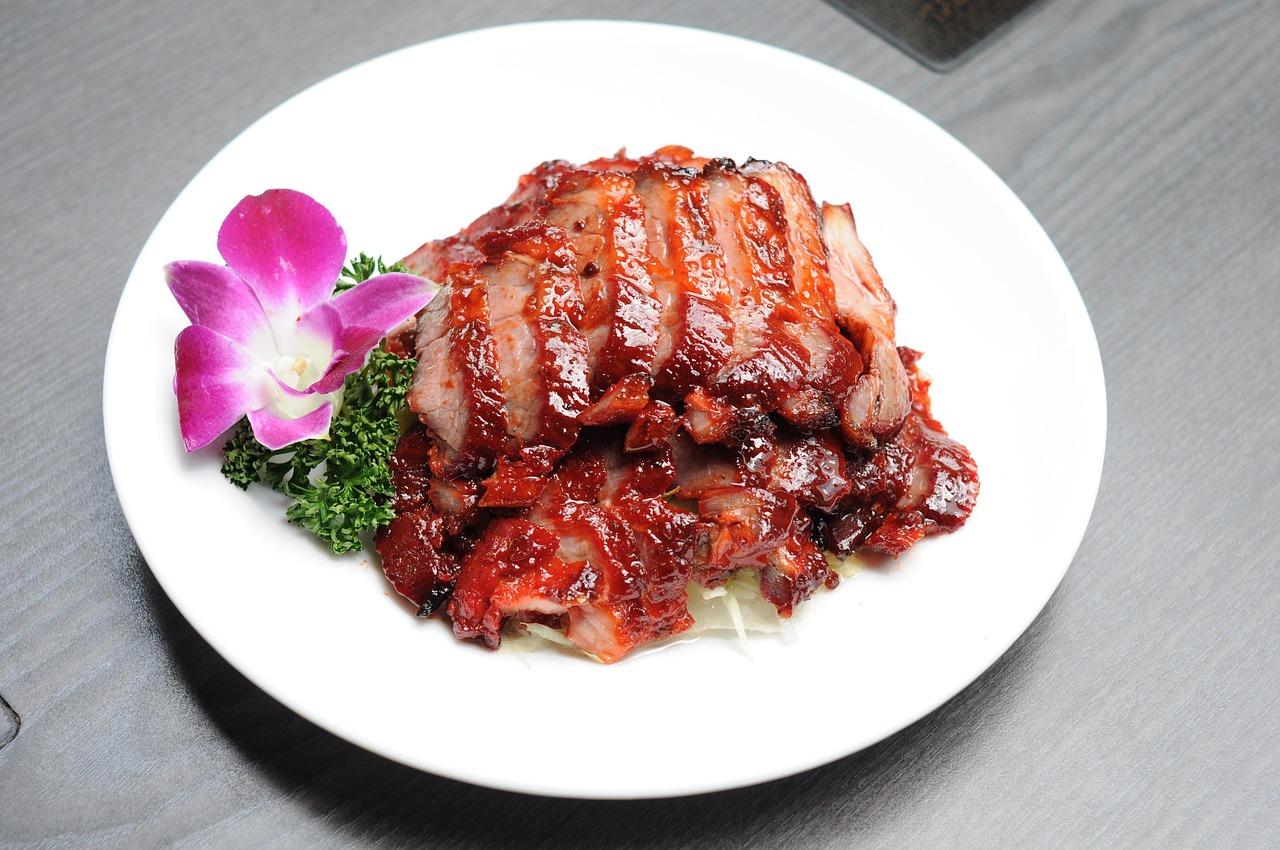
Char siuHoney roast pork

Hanging in long glossy strips in the windows of Guangzhou's siu mei shops, char siu is the roast pork Cantonese families pick up on the way home to put on rice, noodles or into steamed buns. The outside is lacquered, sweet and a little charred at the edges; the inside stays juicy, savoury and faintly scented with five-spice. Shoulder (pork butt) is the cut to use, because its marbling keeps the strips moist through a hot oven. Marinate it overnight in the fridge, roast it the next day and eat it warm with steamed rice and blanched greens, or cold in fried rice and noodle soups. Chef's tip: save the honey for the last ten minutes; brushed on at the start it burns black long before the pork is cooked.

120 minChineseMeat
by KrazyBadal 1 views

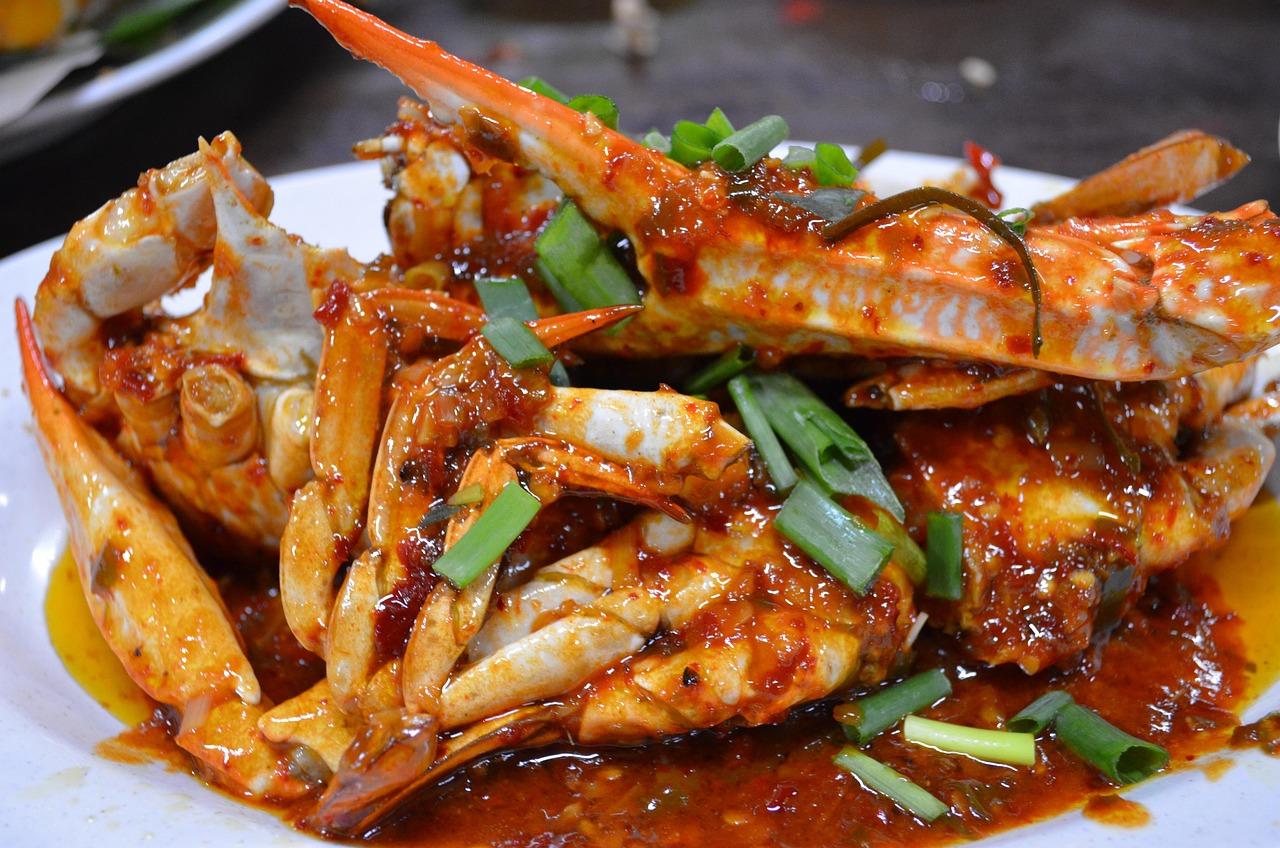
Singapore chilli crab

Chilli crab was first sold from a pushcart on the Kallang river in the 1950s and is now the dish visitors queue for along Singapore's East Coast seafood strip. Big mud crabs are cut up, wok-fried and simmered in a thick, sweet, tangy and gently hot sauce of chilli, tomato and garlic, which is then silked with beaten egg. Everyone eats with their hands and mops up the sauce with fried or steamed mantou buns. It is a weekend or celebration meal, messy and loud. Buy crabs live or freshly cooked the same day from a fishmonger you trust. Discard any live crab that doesn't move, smells of ammonia or has a cracked, leaking shell. The common mistake is boiling the sauce after adding the egg, which scrambles it into lumps; pour it in a thin stream over a low heat. Chef's tip: ask the fishmonger to clean and quarter the crab for you, and crack each claw lightly with the back of a cleaver so the sauce soaks in.

by KrazyBadal 1 views

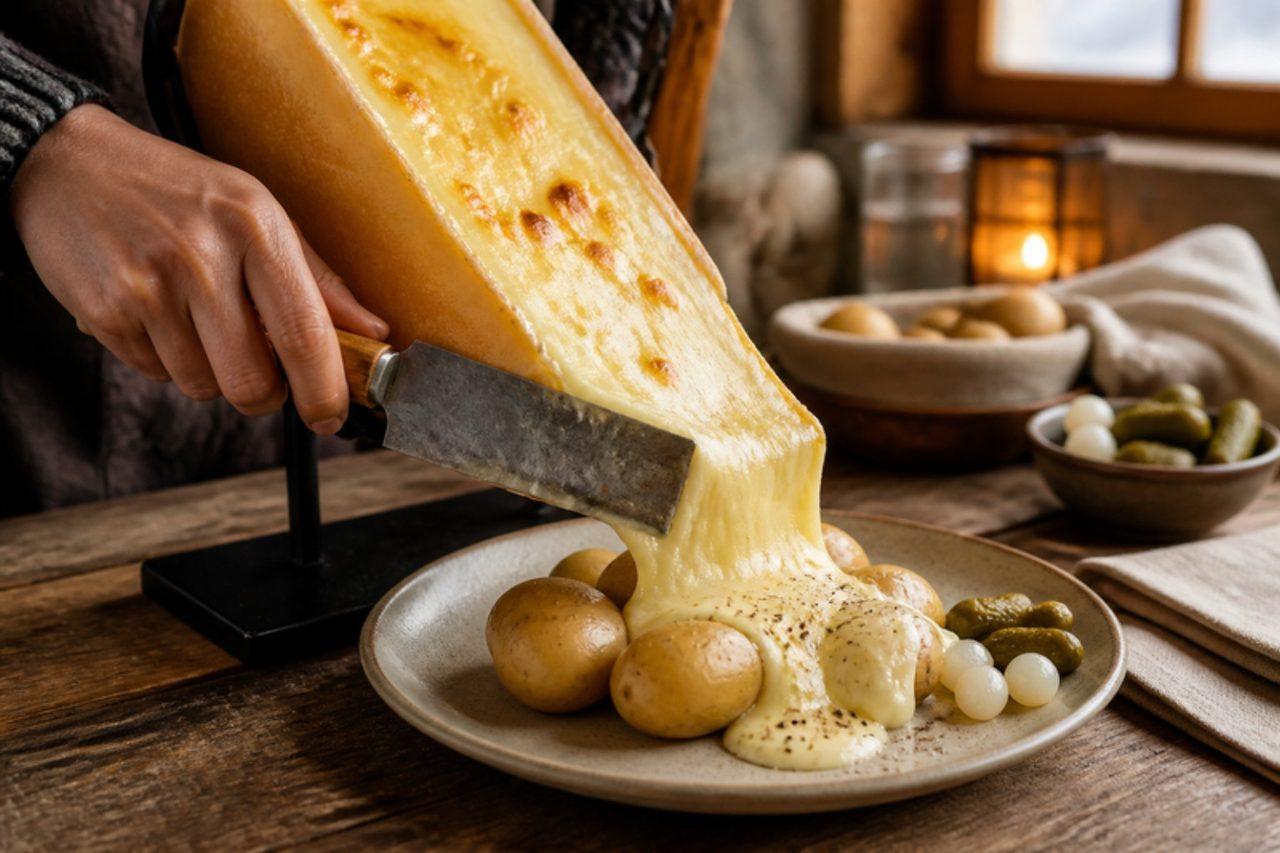
Raclette

In the Valais, the vineyard-and-glacier canton along the upper Rhône, raclette began as a herders' meal: half a wheel of cheese propped beside an open fire, the melting face scraped (racler) onto a plate of potatoes. Today Valais families and village festivals still serve it the slow way, one plate at a time, while at home most people use a tabletop grill with small pans. The cheese is soft and pungent from the wheel and turns sweet and nutty as it bubbles, set off by sharp cornichons and little pickled onions. A proper Valais raclette needs nothing else: no charcuterie, just potatoes, pickles, pepper and a glass of Fendant or hot tea. Raclette cheese is usually made with animal rennet; choose a wheel or slices labelled with microbial or vegetarian rennet. Chef's tip: keep the potatoes hot in a covered basket wrapped in a cloth, so each scoop of cheese lands on a steaming potato and stays runny.

by KrazyBadal 0 views

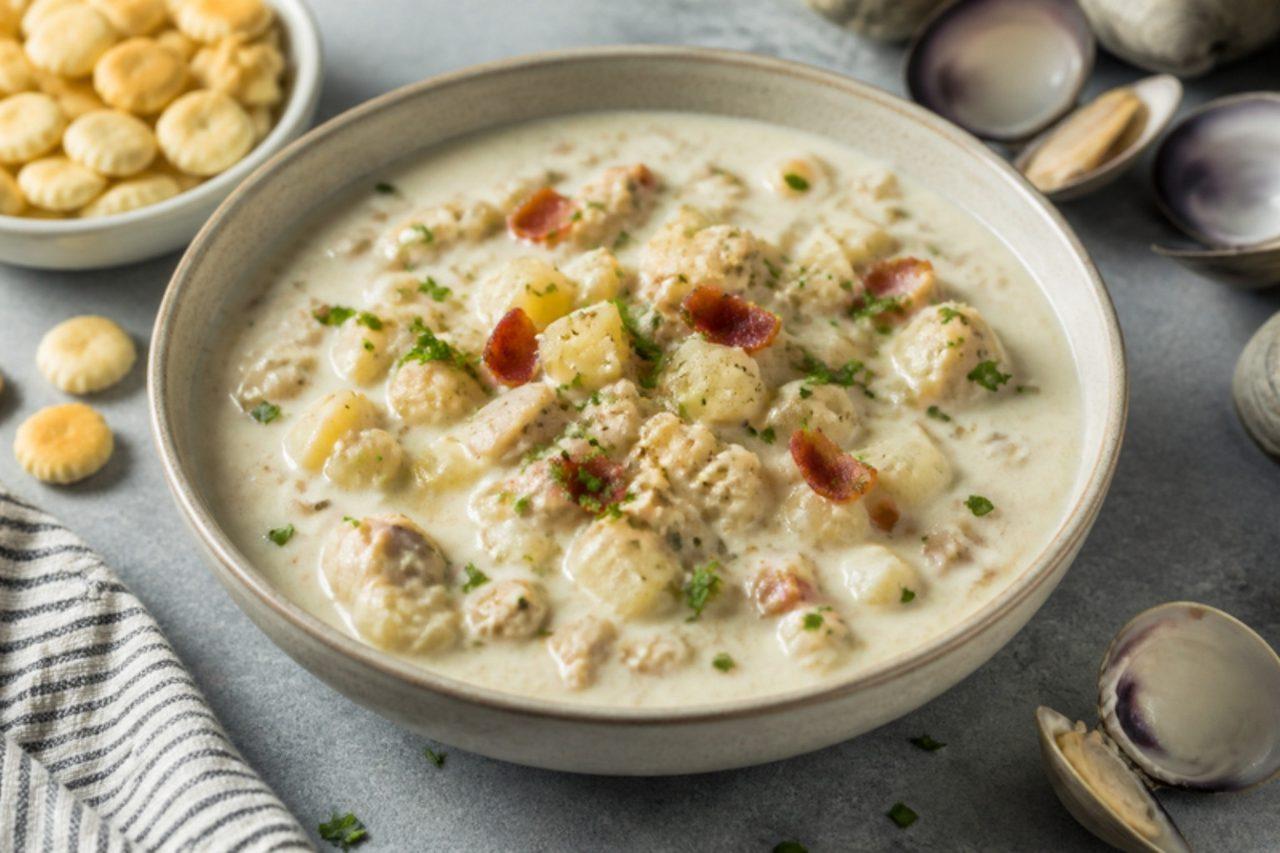
New England clam chowder

In Boston and along the Massachusetts and Maine coast, chowder is served in paper cups at the harbour, in bread bowls and at every clam shack with oyster crackers on the side. Fresh clams are steamed open, their briny juice becomes the stock, and potatoes, onion and a little smoky bacon (pork) simmer in it before cream goes in. It is creamy but not gluey. Chef's tip: thicken it only lightly; chowder should coat a spoon, not stand up in it.

by KrazyBadal 0 views

Liège waffles

In Liège, in French-speaking Wallonia, the waffle is not a light batter but a rich yeasted dough studded with pearl sugar, eaten warm from a paper sleeve as you walk down the street. As it cooks in a deep-grid iron, the sugar nuggets melt and caramelise into a crackling, toffee-like crust, while the inside stays soft and chewy like brioche. Belgians eat them plain, any time of day, not loaded with cream (that is the lighter Brussels waffle). Chef's tip: knead the pearl sugar in only at the very end, after the dough has risen; if it goes in earlier, it dissolves and the waffles lose their crunch.

by KrazyBadal 0 views

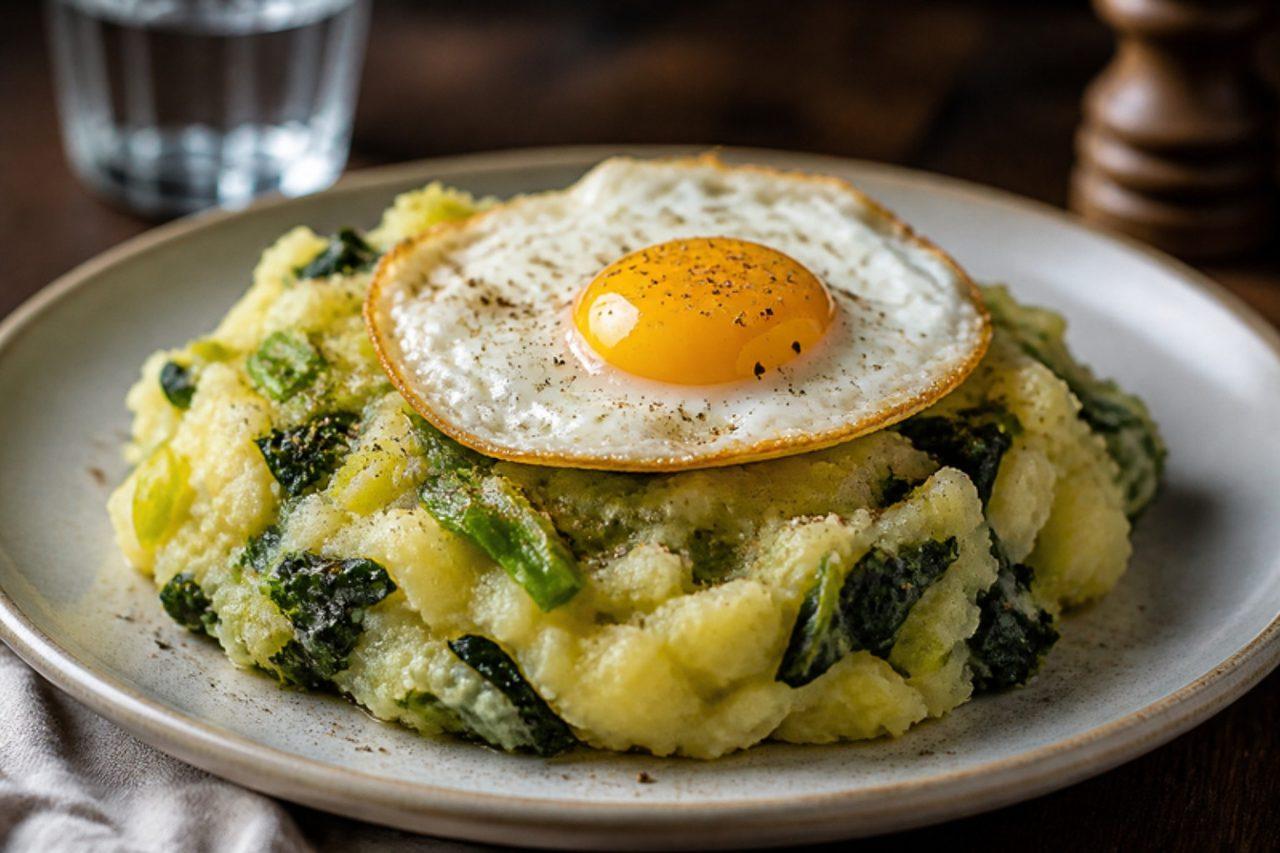
Stoemp with leeks and spinach

Stoemp (from the Brussels dialect word for 'to mash') is what Brussels brasseries such as those around the Marolles serve on cold days: potatoes crushed together with whatever vegetable is in season, rich with butter and nutmeg. Unlike Dutch stamppot, the vegetables are usually cooked separately and softened in butter first, which gives a sweeter, silkier mash. Leek and spinach is one of the most popular versions in Brussels, and a fried egg with a runny yolk on top turns it into supper. The meat versions come with sausages; this is meat-free. Chef's tip: cook the leeks slowly in butter until they almost melt; quick-fried leeks stay stringy and squeaky in the mash.

by KrazyBadal 0 views

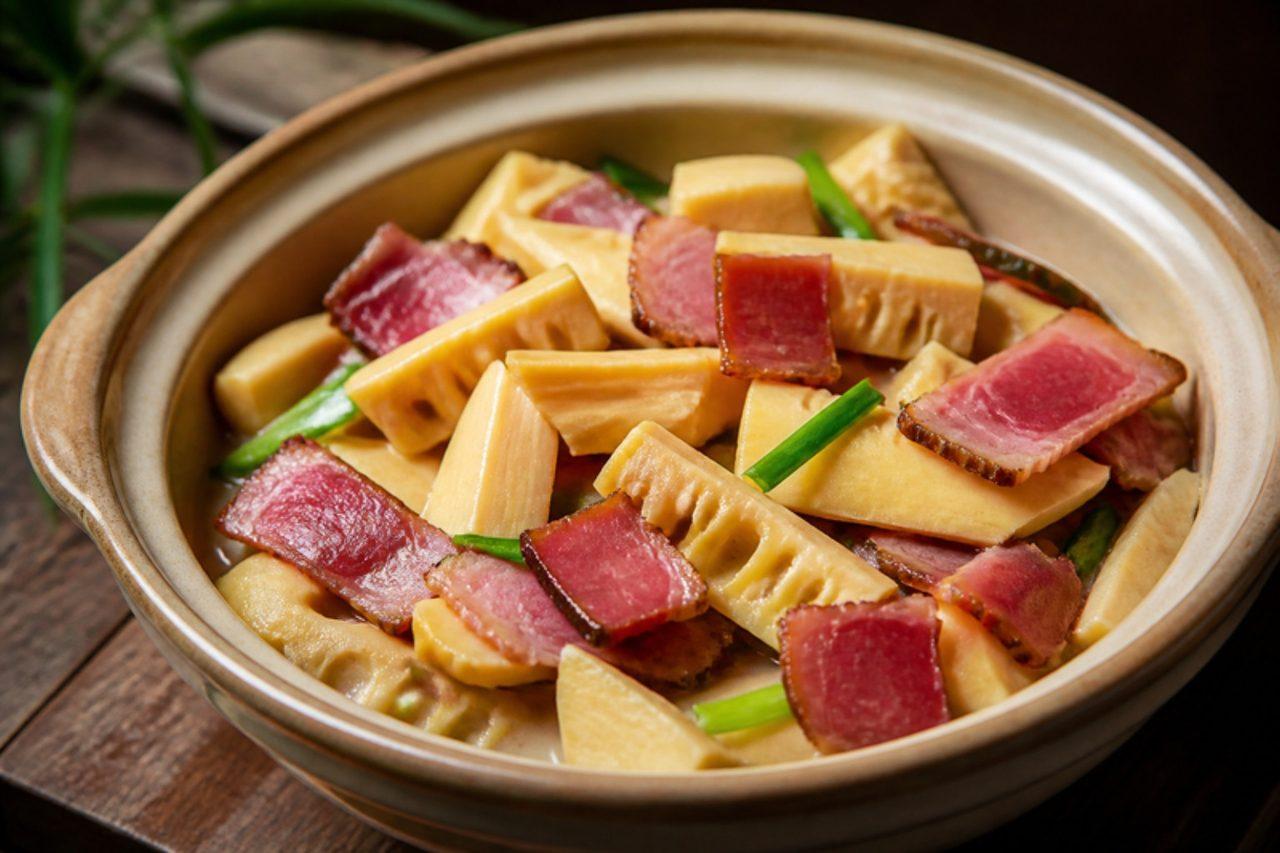
Anhui bamboo shoots with ham

When the spring bamboo shoots push up through the hillsides of Huizhou, farmhouse kitchens braise them with chunks of the region's cured ham. The salty, deep-flavoured ham seasons the broth, and the shoots soak it up while keeping their crunch and gentle sweetness. Serve it as a side dish with rice and other plates, or as a light lunch by itself. Fresh bamboo shoots must be peeled and boiled before use, because raw shoots contain natural toxins; canned shoots are already cooked and only need rinsing. Chef's tip: taste the broth before adding any salt, as the ham often brings all the salt the dish needs.

by KrazyBadal 0 views

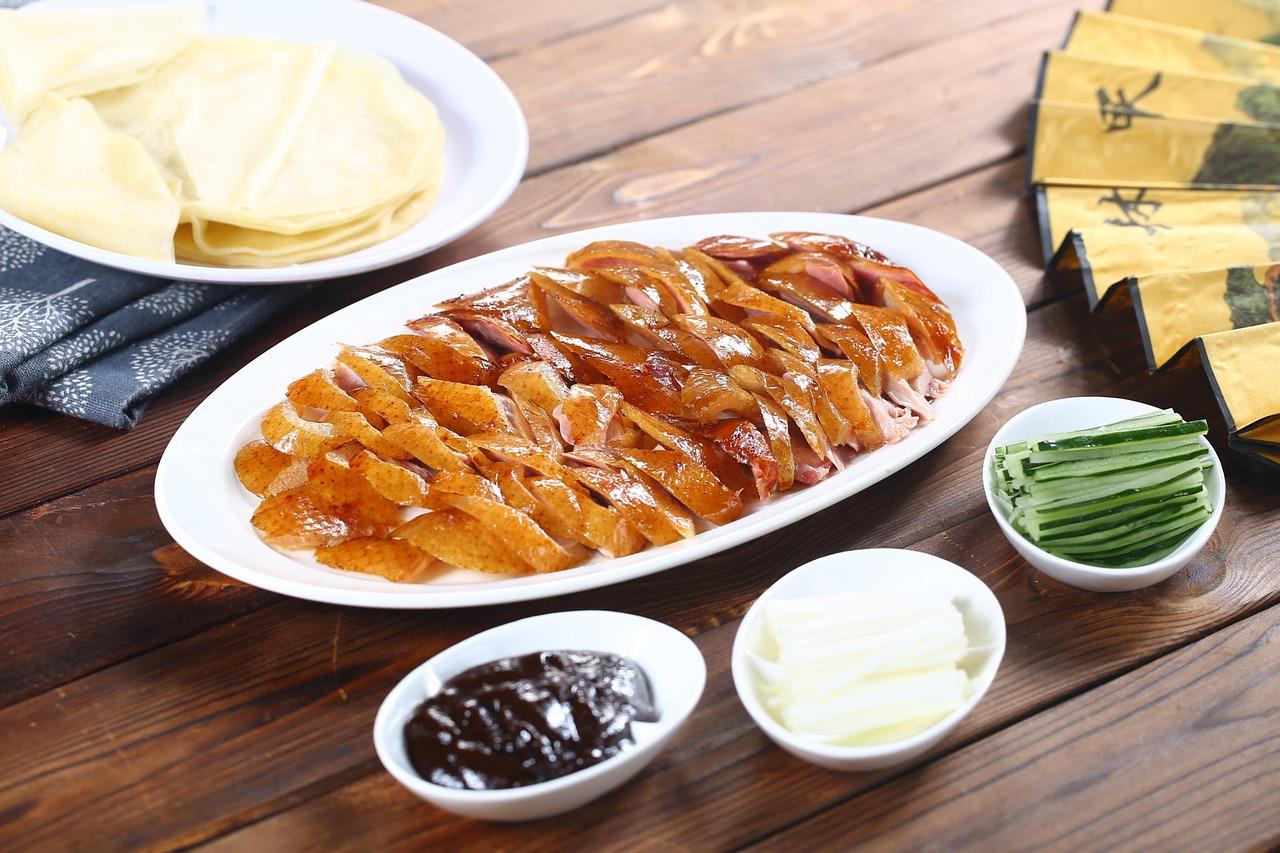
Peking duck (home style)

Beijing's famous roast duck is a banquet showpiece, carved at the table in restaurants near Qianmen and eaten in thin wheat pancakes with sticks of cucumber, spring onion and a smear of sweet bean sauce. Restaurants use hanging ovens and inflate the skin with air; at home a scald with boiling water, a sweet vinegar glaze and a night uncovered in the fridge get you most of the way there. The prize is the lacquered, glass-crisp skin, with the meat underneath still juicy. Serve it as the centrepiece of a family feast, followed by a simple soup made from the carcass. Chef's tip: dry the duck uncovered on a rack in the fridge for at least 12 hours; a dry skin is the whole secret.

240 minChineseMeat
by KrazyBadal 0 views

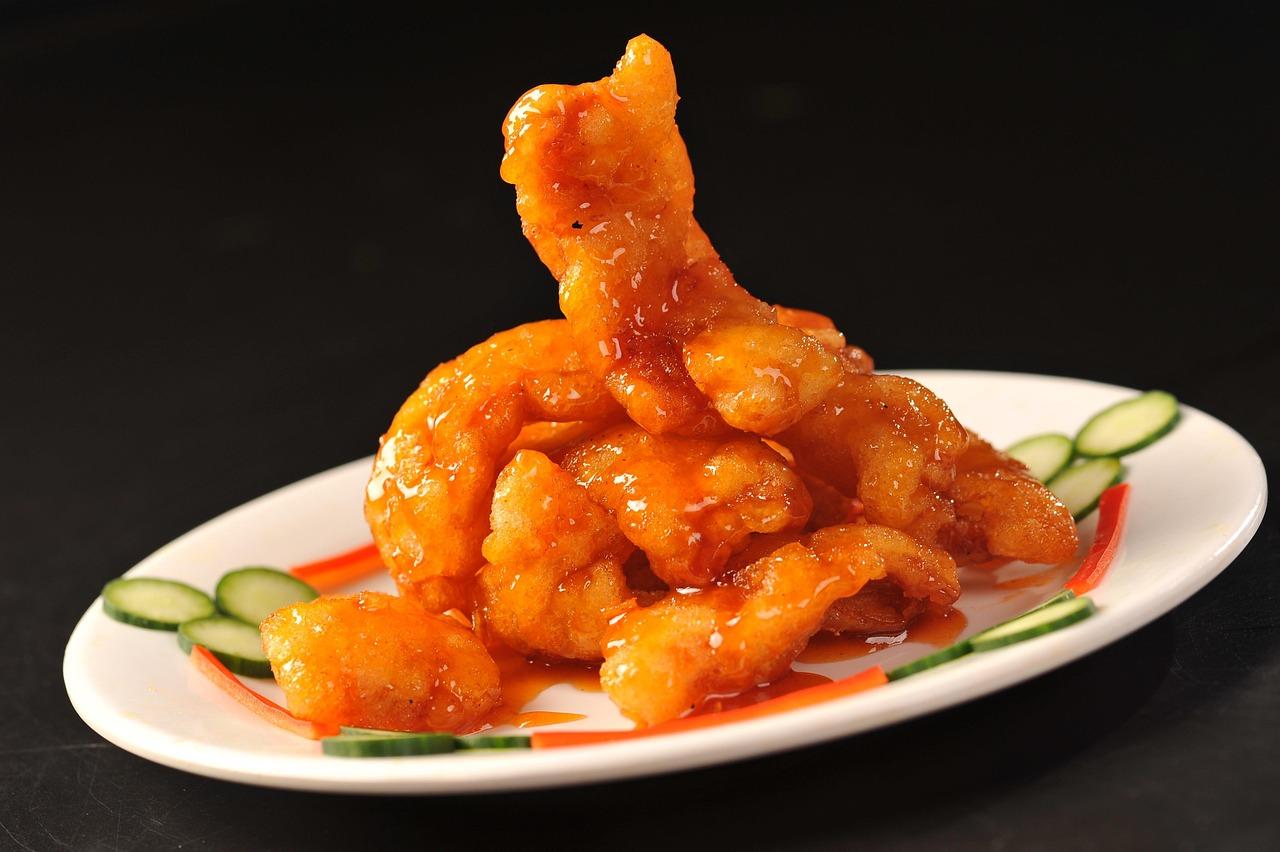
Guo bao rouCrisp sweet and sour pork

Created in a Harbin government kitchen in the early 1900s to please Russian guests, this is the north-east's own sweet-and-sour pork, and every Dongbei restaurant still serves a heaped plate of it. Large, thin slices of tenderloin go into a thick potato-starch coating, are fried twice until they shatter, then are tossed in a pale, sharp sugar-and-vinegar glaze with shreds of ginger, carrot and coriander. Unlike the red Cantonese version there is no ketchup and no pineapple; the flavour is cleaner and more sour. Bring it to the table the second it leaves the wok, alongside steamed rice and a cold cucumber salad. Chef's tip: soak the potato starch in water for an hour and pour off the clear liquid; the thick paste underneath gives the crispest coating.

by KrazyBadal 0 views

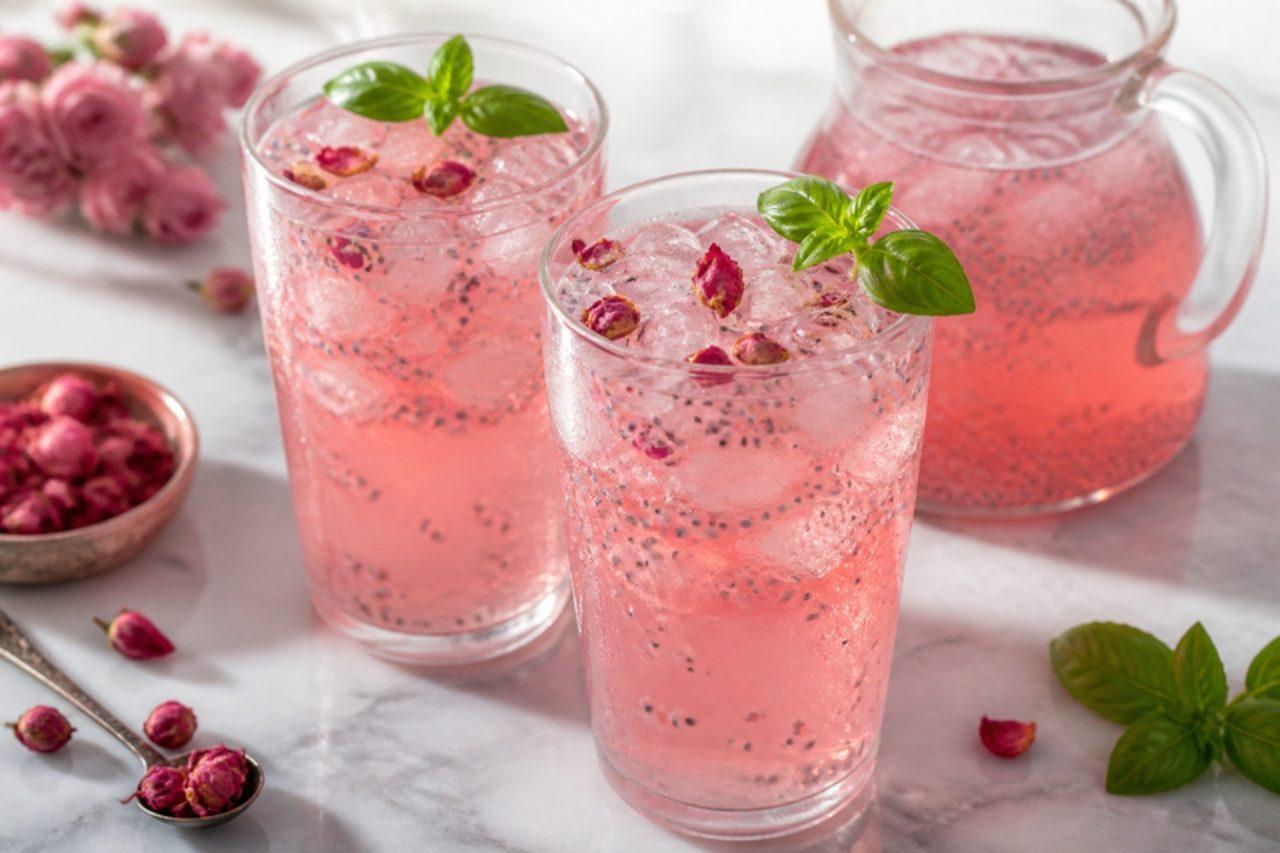
Rose and basil sherbet

Şərbət is poured at the start of every Azerbaijani wedding, and the rose kind, scented with rosewater from the Absheron rose gardens, is the most loved; in Baku it is set out in crystal jugs for Novruz guests and at Ramadan iftar. This version adds two kinds of basil (reyhan): purple basil leaves steeped in the syrup for a clove-like scent, and soaked basil seeds that swell into soft, jelly-coated pearls. Lemon keeps it from tasting like perfume. Serve very cold, with ice, alongside sweets or a rich plov. Chef's tip: soak the basil seeds in plenty of water, at least 20 times their volume; crowded seeds clump into a single lump.

by KrazyBadal 0 views

Azerbaijani black tea

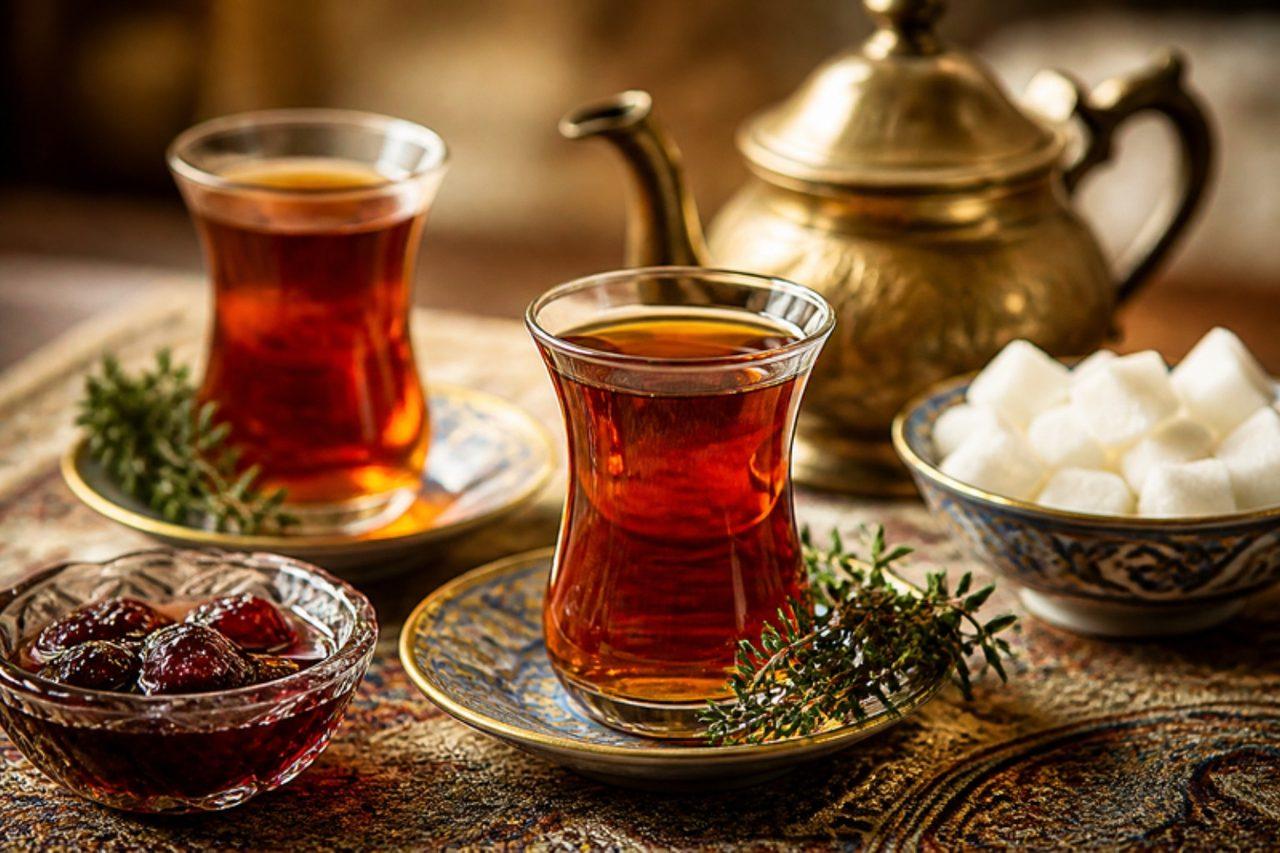
In Azerbaijan tea comes before, during and after everything, served in small pear-shaped armudu glasses in teahouses (çayxana) from Baku's boulevard to the hill towns of Lankaran, where most of the country's tea is grown. It is strong, clear and red-brown, often brewed with a sprig of mountain thyme (kəklikotu) or a crushed cardamom pod, and served with lemon, sugar cubes and little dishes of jam: cherry, quince, white cherry or even walnut. People sip the tea through a sugar cube held in the mouth or with a spoonful of jam, never stirring jam into the glass. It is also the drink that settles a match: tea served sweet at a matchmaking visit means yes. Chef's tip: warm the pot and glasses with boiling water first; tea brewed in a cold pot never reaches full colour.

by KrazyBadal 0 views

BadamburaLayered almond rolls

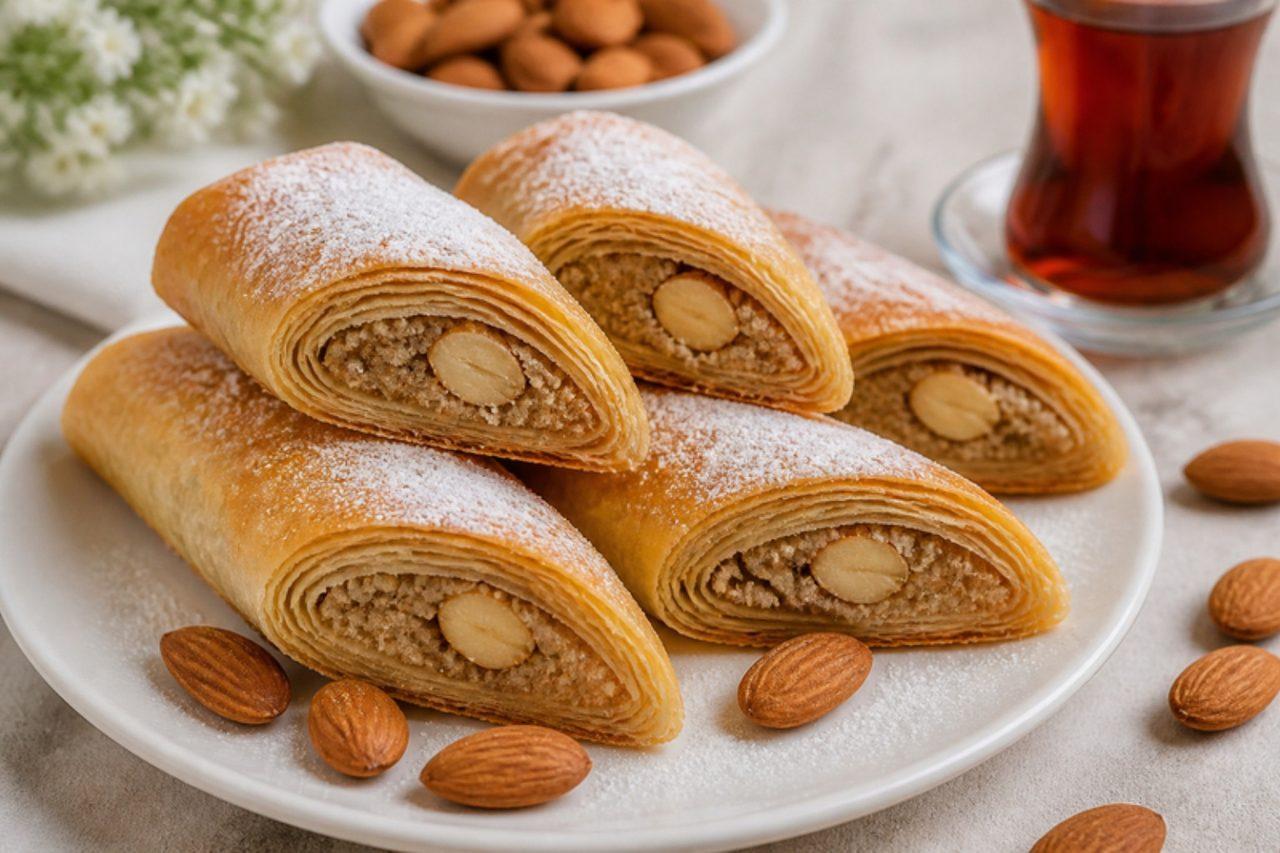
Badambura means "almond twist", and in Baku it is the cousin of shekerbura that takes more patience: the dough is rolled thin, brushed with butter and rolled up in a long spiral, so it bakes into crisp, flaky layers around a moist almond filling. It is made for Novruz and weddings and sold year-round in the old-city bakeries of Icherisheher, wrapped in paper with a dusting of icing sugar. The flavour is pure almond and cardamom with a hint of vanilla. Serve with black tea in pear-shaped glasses. Chef's tip: keep the rolled spiral cold in the fridge for 20 minutes before cutting; firm dough keeps its layers.

by KrazyBadal 0 views

Lentil and apricot soup

Red lentil soup with dried apricots is a Lenten favourite of Armenian kitchens, from Yerevan flats to diaspora homes in Beirut and Los Angeles, made in the weeks before Easter when meat and dairy are set aside. The apricots, Armenia's national fruit, melt into the lentils and give a soft sweet-sour note that sits behind cumin, thyme and a squeeze of lemon. It is thick but not stodgy, a bright orange bowl that is filling enough for supper with lavash and a plate of fresh herbs. Chef's tip: chop half the apricots fine and let them dissolve, and add the rest in strips near the end, so you get both background sweetness and juicy bites.

by KrazyBadal 0 views

Puff puffFried dough balls

Puff puff is the snack of Nigerian parties, school gates and roadside stalls: a sweet yeast batter scooped by hand into hot oil, where it swells into soft, chewy, golden balls. Across the border in Ghana the same treat is called bofrot (or 'boflot'), often a little larger and spiced with more nutmeg, and sold in clear bags on Accra's streets; we treat them as one dish here. Eat them warm on their own, or with a dusting of sugar. Chef's tip: the batter is ready only when it has doubled and is full of bubbles; under-proved batter gives heavy, greasy balls.

by KrazyBadal 1 views

Miso katsu (Nagoya pork cutlet with red miso sauce)

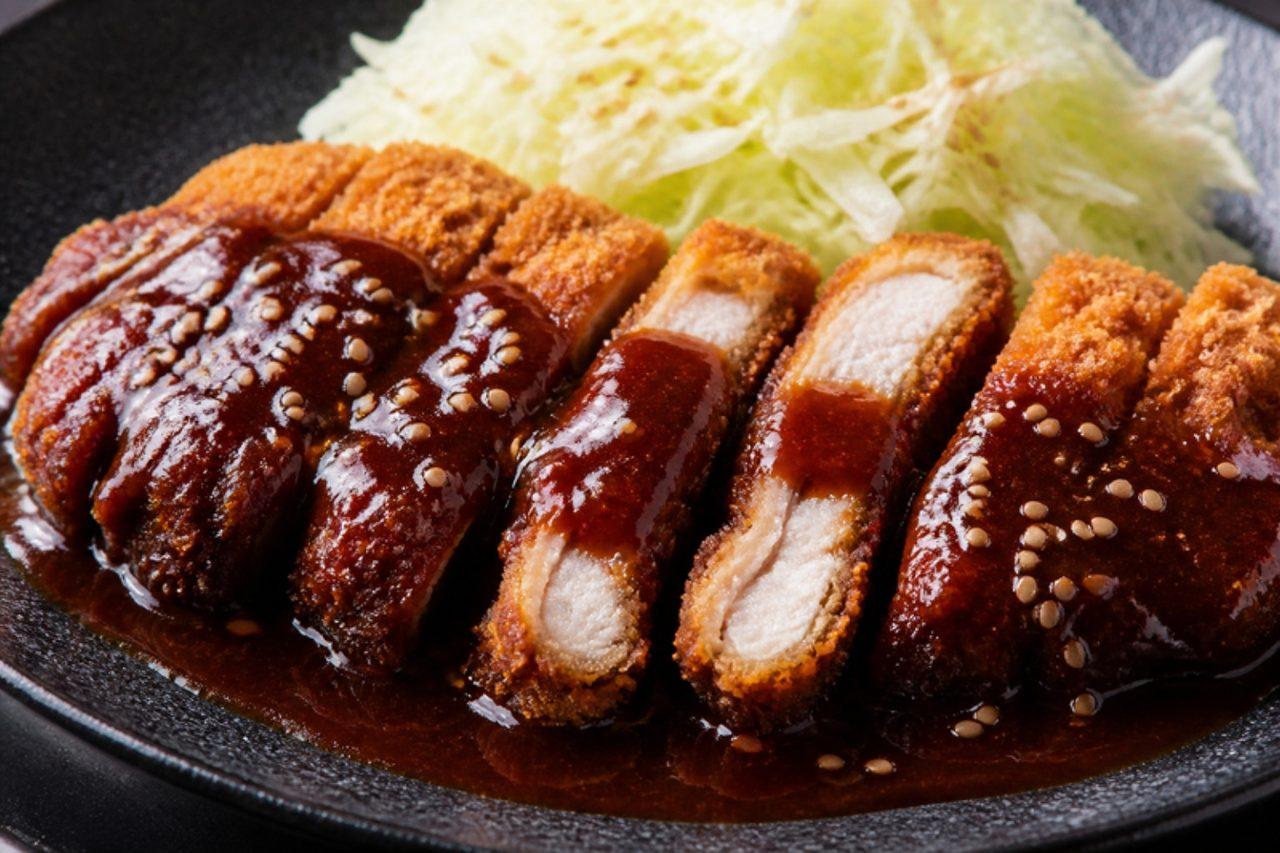
Dark soybean miso, such as the hatcho miso made in nearby Okazaki, gives Nagoya food its deep brown colour and rich, slightly bitter flavour. Miso katsu is the city's best-known way to use it: a fried pork cutlet covered in a thick, sweet miso sauce. It is served in lunch restaurants on a bed of shredded cabbage with rice and miso soup, or sliced over rice as a bowl. The sauce is glossy and savoury, a little like a darker, sweeter barbecue sauce. Chef's tip: snip through the strip of fat and sinew along the edge of each chop every 2 cm before coating it, so the cutlet stays flat in the oil and cooks evenly.

by KrazyBadal 0 views

Red beans and rice with andouille

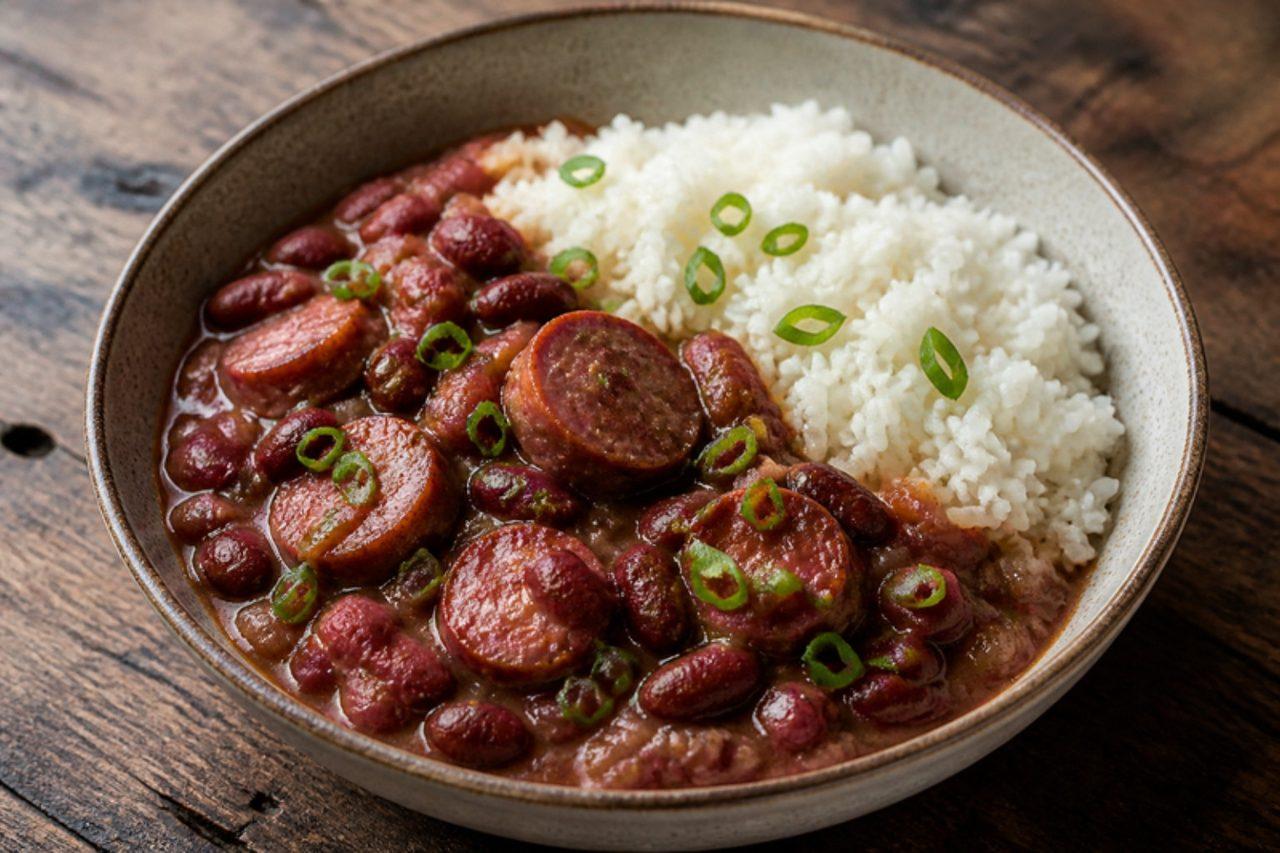
In New Orleans, red beans and rice is what Monday tastes like: the pot used to go on the back of the stove on washday with the ham bone left from Sunday, and plenty of Creole kitchens still cook it on Mondays. This version contains pork: a smoked ham hock and sliced andouille sausage simmer with kidney beans and the 'holy trinity' of onion, celery and green pepper until some beans collapse into a creamy gravy. Serve over white rice with hot sauce and a piece of cornbread. Chef's tip: when the beans are tender, mash a ladleful against the side of the pot; that is what makes them creamy.

170 minAmericanMeatGluten free
by KrazyBadal 0 views

Roasted cauliflower with tahini

Tel Aviv restaurants made the whole roasted cauliflower famous, set on the table charred and steaming for everyone to tear apart, and it has since become a favourite for Shabbat dinners and Friday get-togethers across Israel. The head is first boiled in salted water until just tender, then roasted very hot with olive oil until the florets blister and blacken in places. Lemony tahini, a scatter of herbs and a dusting of sumac turn a humble vegetable into the centre of the meal. Chef's tip: let the boiled cauliflower steam dry for 5 minutes before roasting; a wet head steams in the oven and never chars.

by KrazyBadal 0 views

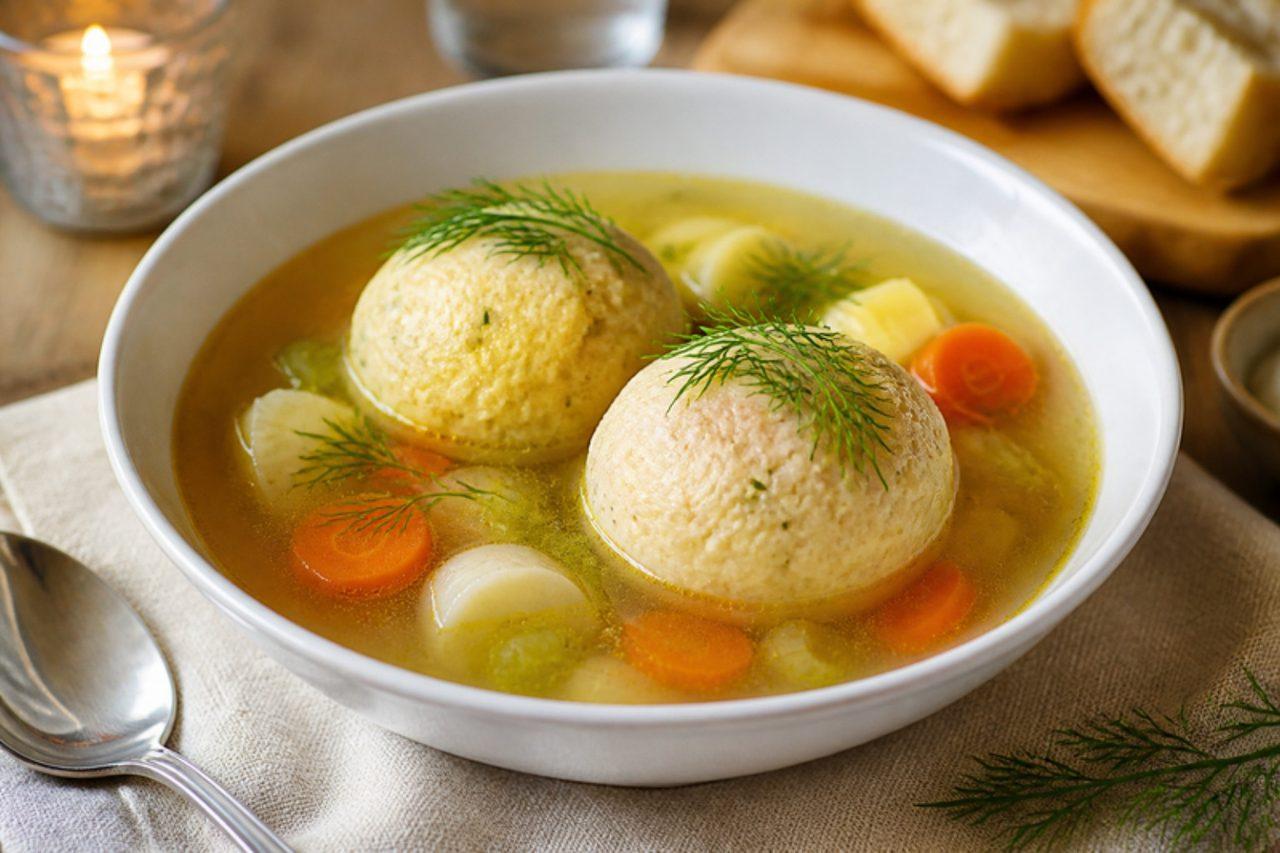
Matzo ball soup with vegetable broth

Ashkenazi Jewish families from Kraków to New York serve matzo ball soup at the Passover seder and whenever someone has a cold, and arguments about 'floaters' versus 'sinkers' go back generations. Here the broth is golden and savoury without chicken: onions browned with their skins, carrots, celery, parsnip and a few dried mushrooms simmered with dill. The kneidlach are made with oil instead of chicken fat and a splash of sparkling water so they come out light and fluffy. Chef's tip: chill the matzo mixture for at least 30 minutes; it needs time to absorb the liquid or the balls fall apart in the pot.

by KrazyBadal 0 views

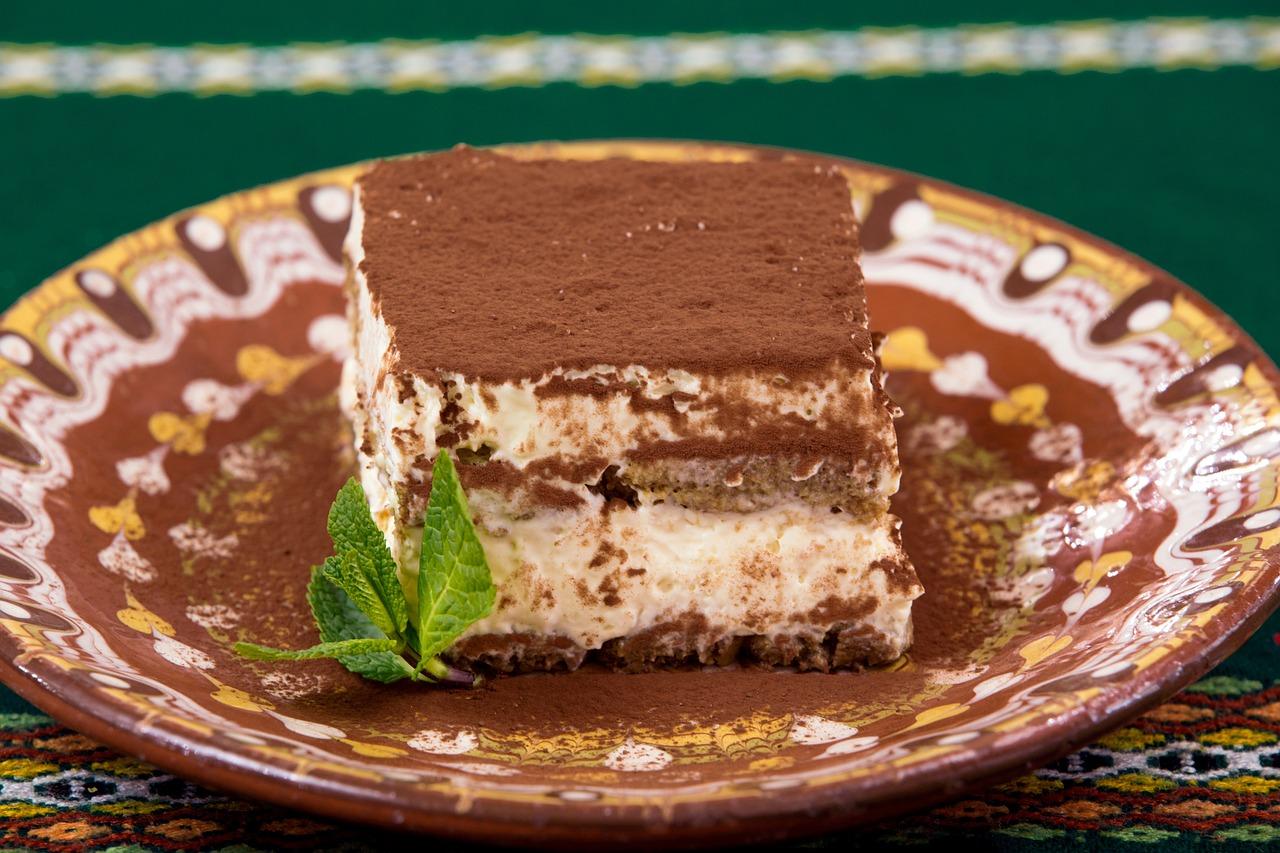
Classic tiramisu

Tiramisù ('pick me up') was created in Treviso, in the Veneto, around the 1960s and 70s; the restaurant Le Beccherie is the best-known claimant. The original is simple: savoiardi biscuits dipped in espresso, layered with a cream of egg yolks, sugar and mascarpone, and dusted with cocoa. No alcohol and no cream in the Treviso version, which is different from this site's Baileys tiramisu. It is best made the morning of, or the day before. Because the eggs are raw, use the freshest you can find, or pasteurised eggs. Chef's tip: beat the yolks and sugar for a full 5 minutes until pale and thick as custard; that is what makes the cream light without whipped cream.

by KrazyBadal 1 views

Eggs with dates and onions

On a winter morning in the Emirati countryside, when the date palms have given their harvest, a pan of eggs scrambled with onion and chopped dates is a quick, filling breakfast eaten with flatbread and a glass of sweet tea. The dates melt into sticky pockets among the eggs, the onions add savoury sweetness and a pinch of cardamom ties it together. It is homely food rarely seen in restaurants, made in minutes from what every Gulf kitchen has. Chef's tip: use soft, moist dates such as khalas or medjool; dry ones stay chewy and never melt into the eggs.

by KrazyBadal 0 views

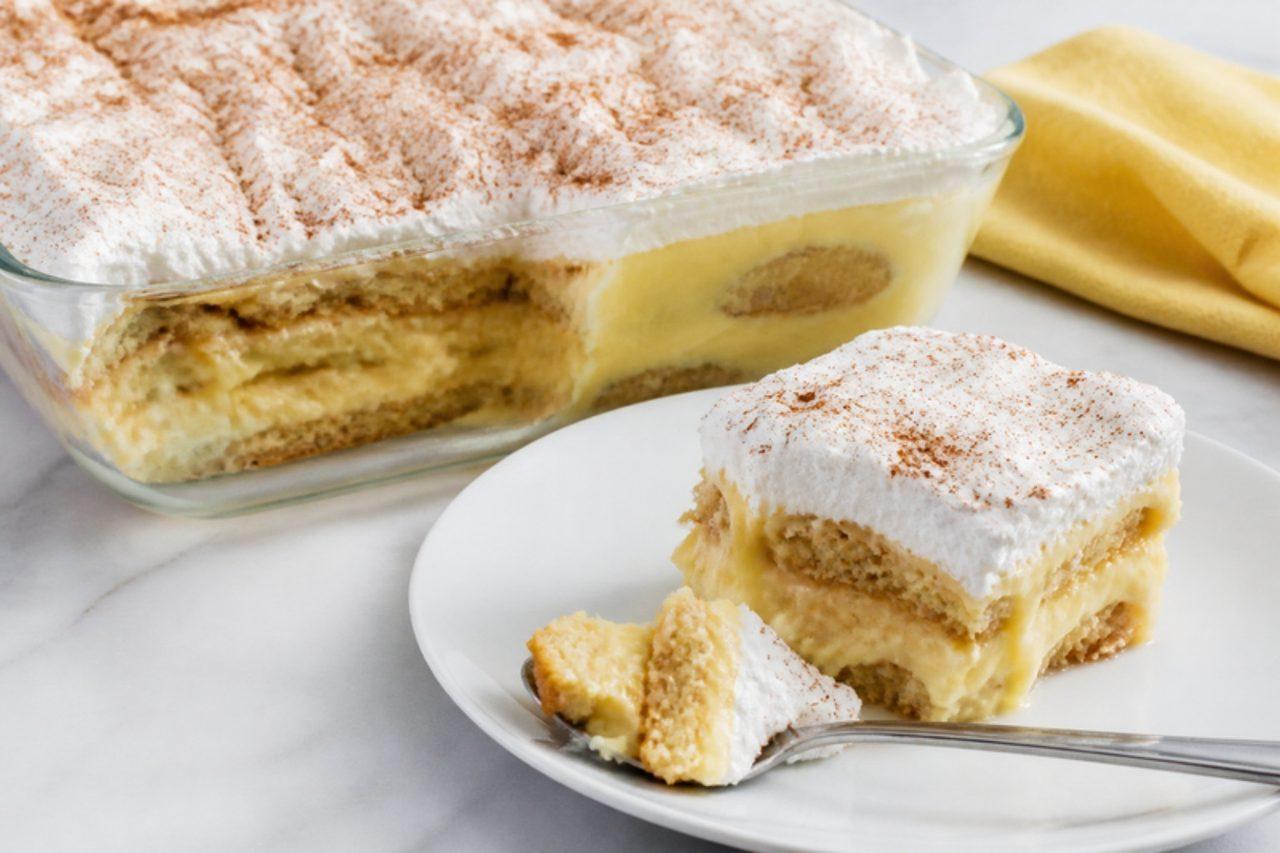
BienmesabeCoconut cream and sponge dessert

Bienmesabe, 'it tastes good to me', is the festive dessert of Cumaná and the eastern Venezuelan coast, made for Christmas, birthdays and first communions. Layers of sponge fingers soaked in sweet wine are spread with a thick, silky coconut cream thickened with egg yolks, then crowned with soft meringue and a dusting of cinnamon. It is rich, tropical and best made a day ahead. Chef's tip: cook the coconut cream gently and stir constantly once the yolks go in; if it boils hard the yolks scramble and it turns grainy.

by KrazyBadal 0 views

AloudaChilled milk drink with basil seeds

Alouda is the cold, sweet milk drink sold from stalls in the Port Louis central market and at beaches all over Mauritius, especially on hot afternoons. Vanilla- or rose-scented milk is poured over soaked tookmaria (sweet basil) seeds and cubes of agar jelly, and often topped with a scoop of ice cream. It is a cousin of the Indian falooda. Because the jelly is set with agar agar, it is vegetarian. Chef's tip: soak the basil seeds for a full 20 minutes until each one has a thick, clear coat; dry seeds stick in the throat.

by KrazyBadal 0 views

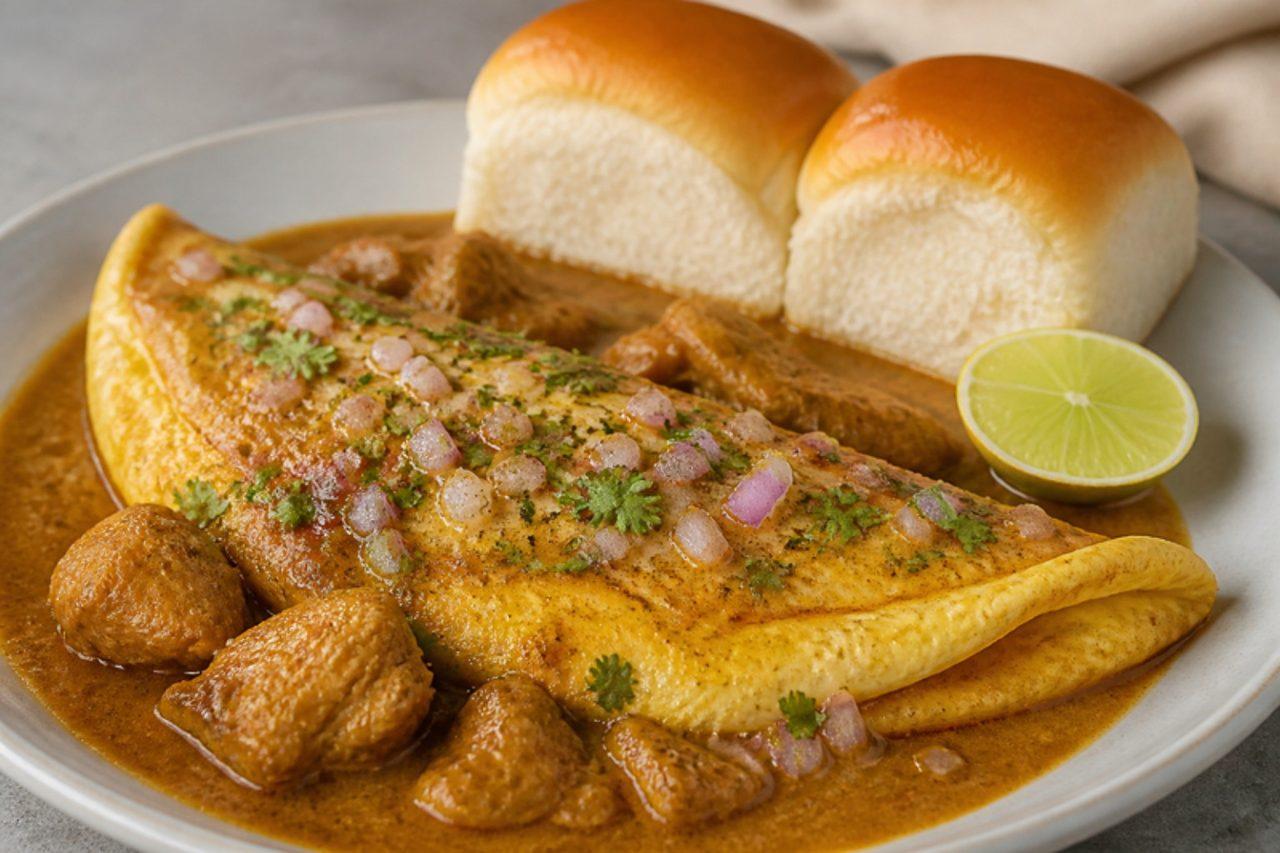
Goan ros omelette

After dark in Panjim, Mapusa and Margao, roadside carts fry omelettes to order and ladle over them a thin, spicy chicken gravy called ros, meaning juice. It is late-night food, eaten standing up, mopped with soft Goan pao. The ros is a loose chicken xacuti, rich with roasted coconut, poppy seeds and star anise. Chef's tip: keep the gravy soupy; it should flood the omelette and soak into the bread, not sit on top like a stew.

by KrazyBadal 0 views

Showing 54 of 10,569 recipes

Show more recipes

Page 909 of 1,175