


Skip to content
Roscón
Featured recipe

Roscón

Guava-filled sweet bread ring

Every Bogotá bakery has a tray of roscones by the counter: soft, enriched bread rings glazed and sprinkled with sugar, hiding a seam of melted guava paste inside. They are eaten at onces, the afternoon coffee break, or for breakfast with hot chocolate, and they are a favourite thing to bring when visiting. The dough is a gently sweet milk-and-butter bread, close to a brioche but lighter. Chunks of guava paste that are too big are what normally goes wrong: they melt, burst the seam and burn on the tray, so cut it into thin batons and seal the dough firmly around them. Plan about 2 hours, most of it rising time. Look for guava paste (bocadillo or goiabada) in Latin shops; quince paste works in a pinch. Chef's tip: brush with the egg wash twice, once before the second rise and once before baking, for a deep, shiny crust that holds the sugar.

Read more 0 views

What to eat today?

Around the world

Today's trip: Persian

A new country every day, from every cuisine on the site.

This week's collection

Kid-friendly dinners
537 recipes · a new collection every Monday

Latest recipes

MutakuraBeans, cowpeas and maize

Mutakura is old Zimbabwean country food, cooked in rural Mashonaland after harvest from the store of dried beans, cowpeas, groundnuts and maize kernels, and eaten as a filling lunch or snack, often at gatherings and ceremonies. Everything is soaked, boiled for hours until tender, then simply seasoned with salt, so the beans are creamy, the maize chewy and the groundnuts soft and rich. Suitable as part of a balanced diet. About 340 kcal and 45 g carbohydrate per portion. The usual mistake is cooking everything together from the start: the maize needs a long head start, and the dried red beans must be boiled hard for 10 minutes to be safe. A pressure cooker cuts the maize time to about 40 minutes. Chef's tip: soak everything overnight in separate bowls; the maize and groundnuts need it most.

by KrazyBadal 0 views

Salatet tahinaTahini sauce

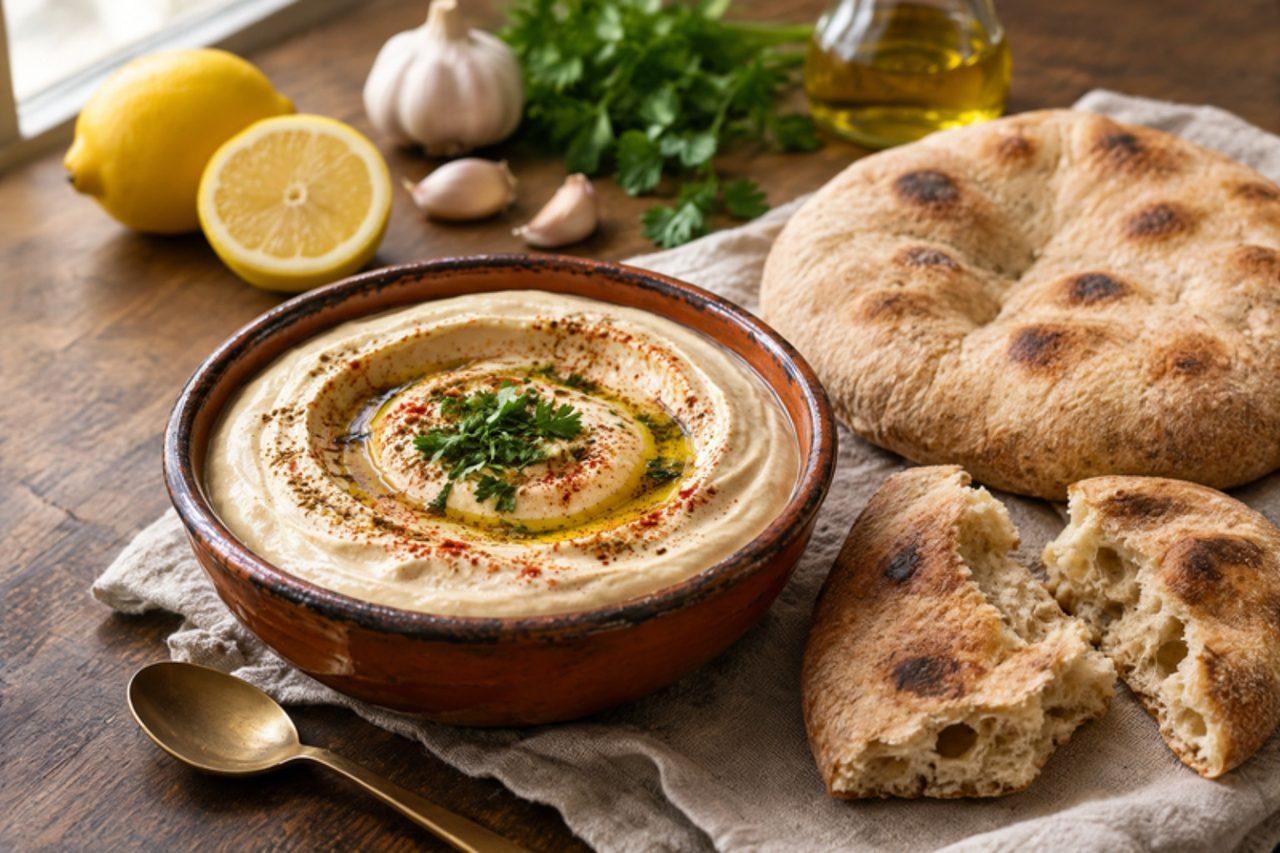
No Egyptian table is complete without salatet tahina: in Cairo and Alexandria it is served with fried fish, grilled kofta, ful and falafel, and it is on every mezze plate at Friday lunch. Sesame paste is whipped with lemon juice, garlic, cumin and cold water until it turns pale, fluffy and creamy, with no sugar at all. Suitable as part of a balanced diet, it brings sesame protein and healthy fats with very little carbohydrate: about 150 kcal and 5 g carbohydrate per portion of 3 tablespoons. The usual mistake is panicking when the tahini seizes and goes thick after the lemon goes in; keep adding cold water a spoon at a time and it loosens into a smooth sauce. Chef's tip: use ice-cold water, which makes the tahina whiter and fluffier.

by KrazyBadal 0 views

Ugnsbakad laxOven-baked salmon

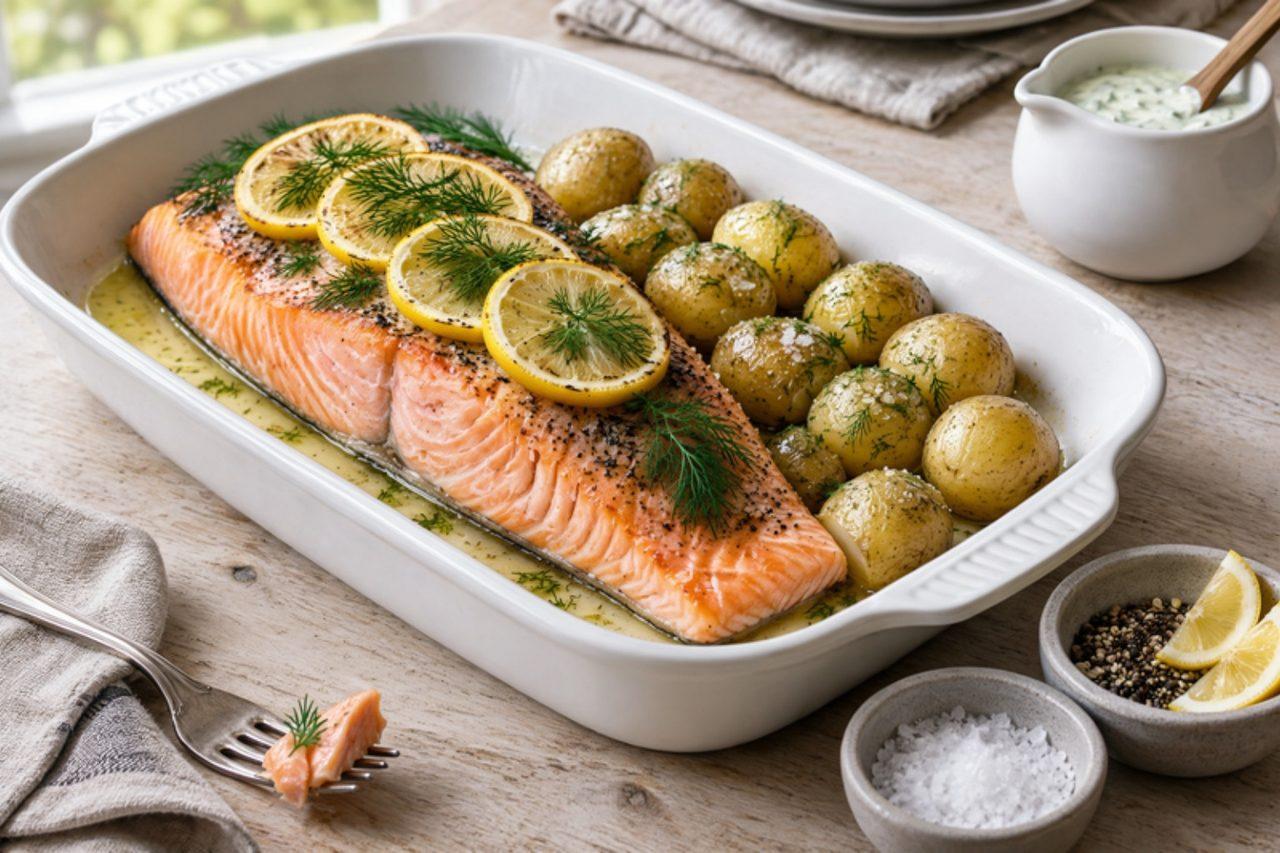
Ugnsbakad lax is one of Sweden's most common weeknight dinners, made all year round but especially in summer when dill is everywhere, and it is on every school and workplace lunch menu. A thick side of salmon bakes quickly with lemon slices and plenty of dill, staying moist and pink in the centre. Oily fish, high in protein and suitable as part of a balanced diet; serve with a few boiled new potatoes and green beans or a cucumber salad. About 350 kcal and 2 g carbohydrate per portion. The usual mistake is baking it until it is dry and chalky, with white protein seeping out; take it out as soon as it flakes. Chef's tip: salt the salmon 15 minutes before baking so it seasons through and holds its juices.

by KrazyBadal 0 views

Indio viejoShredded beef in corn masa sauce

Masaya and Granada both claim indio viejo, a thick, tangy stew of shredded beef cooked into a sauce of corn masa, tomato, sweet pepper and achiote, sharpened with sour orange and scented with mint. It has the texture of a savoury porridge and is eaten for lunch with white rice and fried ripe plantain. The mistake that ruins it is tipping masa straight into the hot pot, where it forms lumps; whisk it into broth first. Chef's tip: add the sour orange juice only in the last few minutes, so it stays bright and fresh rather than flat.

by KrazyBadal 0 views

ChhwelaGrilled chicken with mustard oil

Chhwela (also called choila) is a Newar dish from the Kathmandu Valley, served at festivals, feasts and family gatherings, and today in every bar and snack house as a spicy side. Meat is grilled until smoky, cut small and tossed with a dressing of spices and fenugreek seeds fried in smoking mustard oil, plus raw garlic, ginger, chilli, timur pepper and lime. Buffalo is traditional; this version uses chicken, and lean beef works too. It is high in protein and suitable as part of a balanced diet; eat it with a salad of cucumber and radish rather than a big pile of beaten rice. About 290 kcal and 5 g carbohydrate per portion. The usual mistake is pouring the mustard oil on before it smokes, which leaves a raw, harsh taste. Chef's tip: grill the meat until well charred at the edges, because the smokiness is the point.

by KrazyBadal 0 views

Caipirinha

Brazil's national drink lives on every boteco counter in São Paulo, but it tastes best on a hot Saturday beside a pot of feijoada, or handed over from a beach vendor's cart. It is a short, rough-cut drink for adults only: a whole lime chopped into wedges, crushed with sugar right in the glass, packed with crushed ice and drowned in cachaça, the sugarcane spirit with a grassy, faintly funky edge that rum does not have. Each sip moves from sharp lime oil to cold sweetness to a warm cane finish, with a little crunchy sugar at the bottom to stir back up. The usual mistake is pounding the lime to a pulp: the white pith and the core turn bitter within minutes. Cut out the central white strip, press each wedge only until the juice runs and the skin smells of lime oil, then stop. It is ready when the sugar has mostly melted into a cloudy syrup and the glass frosts on the outside. Cachaça is strong, so sip slowly and drink responsibly. Chef's tip: roll the lime hard on the board before cutting and choose thin-skinned, heavy limes; a thick-skinned lime makes a bitter caipirinha however gently you muddle.

by KrazyBadal 0 views

Patacón maracuchoPlantain sandwich

In Maracaibo, the patacón is a sandwich where the bread is a whole green plantain, sliced lengthwise, fried, smashed flat and fried again until crisp. It's stacked with grilled meat, salty white cheese, lettuce, tomato and a flood of sauces, and sold from busy street stands late into the night. This version fills it with garlicky chicken. The common mistake is flattening the plantain after it has cooled, so it cracks. Chef's tip: press it between two sheets of baking paper with a heavy board while it is still hot from the first fry.

by KrazyBadal 0 views

Leung cha (Cantonese herbal tea)

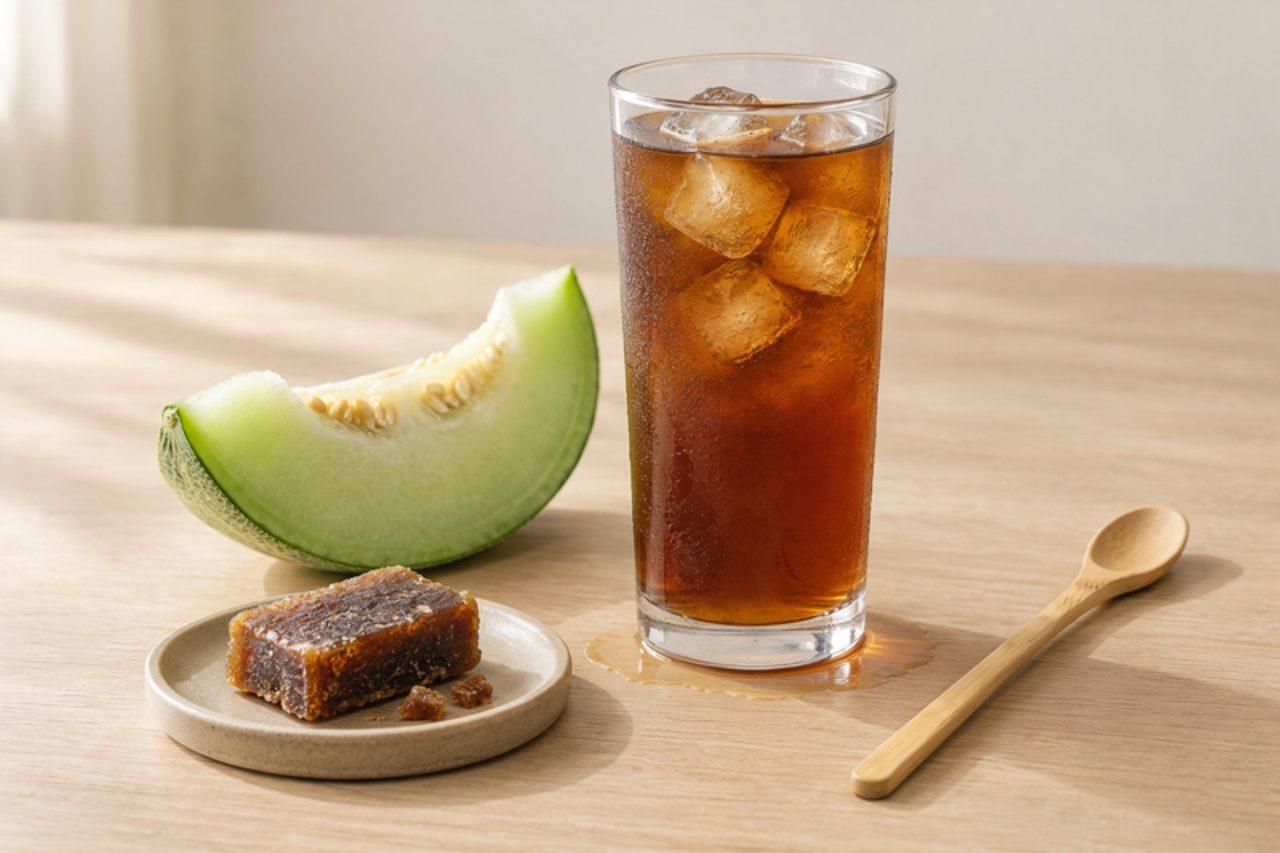
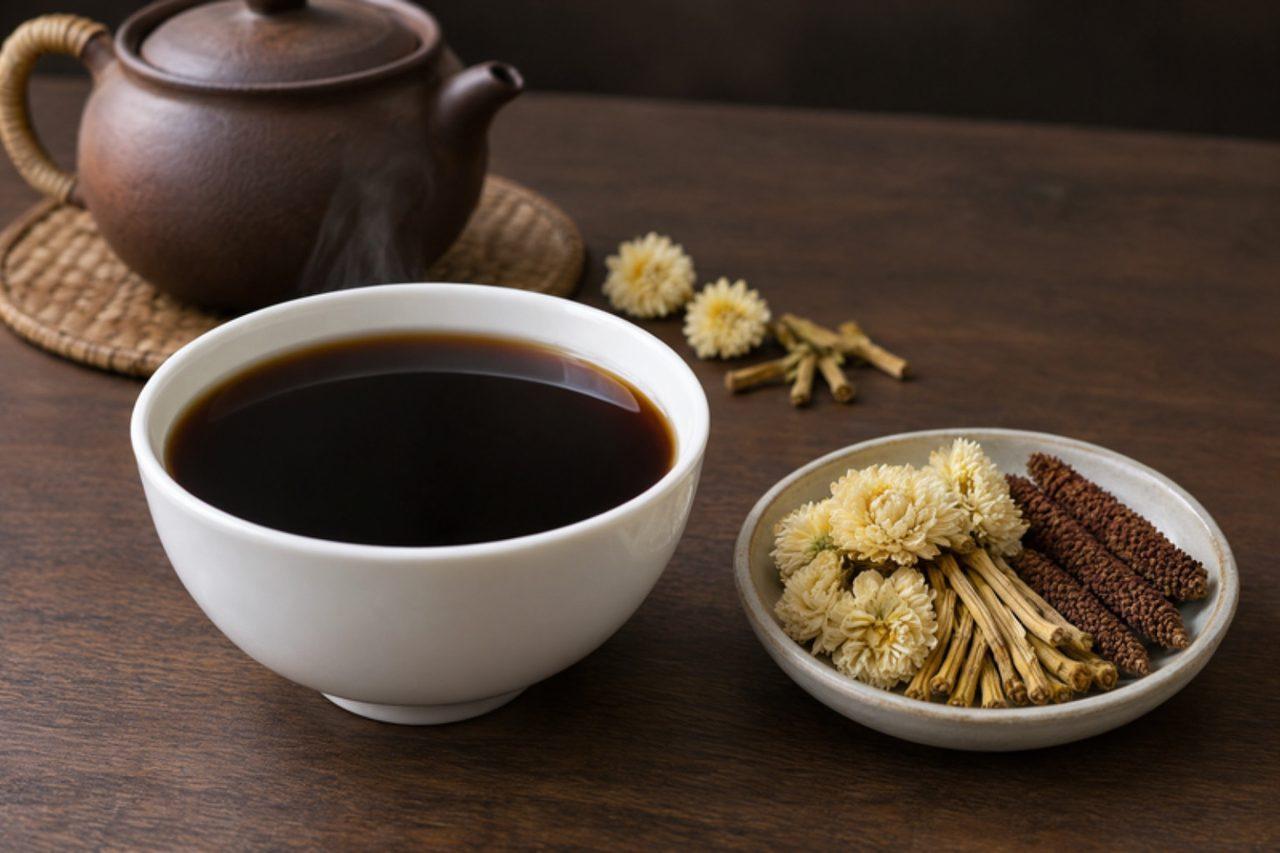
Across Guangdong and Hong Kong, the leung cha shop with its gleaming brass urns is a neighbourhood fixture. People drop in after a run of fried food, late nights or the heavy, humid weather of early summer, when Cantonese tradition says the body has too much 'heat', and down a bowl standing at the counter, then chase it with a dried plum. Brews range from the gentle 'five-flower tea' to fiercely bitter 24-herb mixes. This home version uses dried mesona (sin cho), prunella spike (ha fu cho), chrysanthemum and honeysuckle: dark brown, earthy and grassy, clearly bitter but rounded by the flowers and a little rock sugar. The common mistake is boiling everything together for an hour; the flowers turn harsh and muddy. Simmer the woody herbs first, add the flowers only for the last 10 minutes. It is ready when the liquor is the colour of strong tea and has reduced by about a third. It is traditionally drunk for comfort, not as medicine: skip it in pregnancy and check with a doctor if you take regular medication. Chef's tip: buy herbs pre-weighed as a packet from a Chinese herbalist, who will rinse-check them for grit and freshness.

by KrazyBadal 0 views

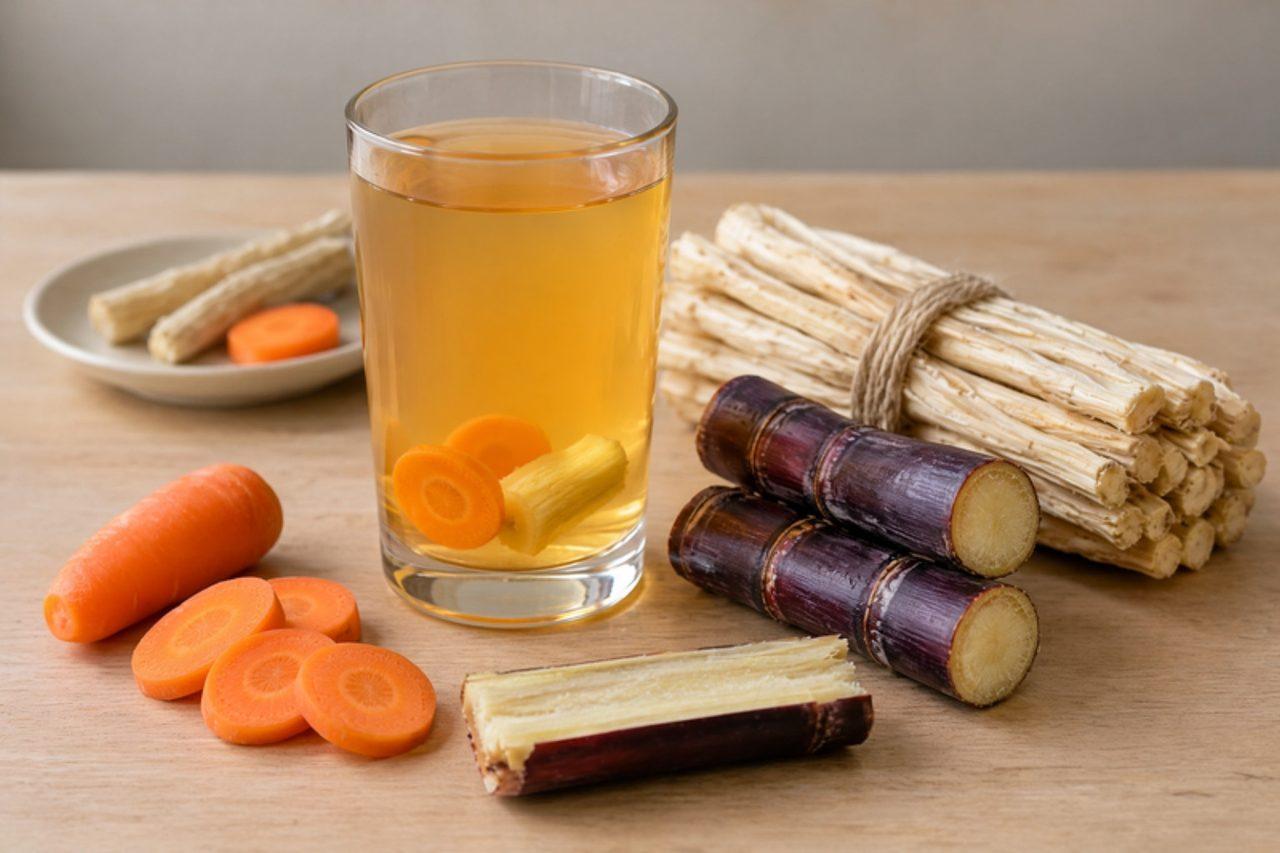
Sugarcane and cogon root drink

Ask a Hong Kong family what they drink at the first hint of a sore throat in autumn, or when the city's spring humidity sets in, and many will say jook je mao gun soi. Lengths of thin green bamboo sugarcane, split open, are simmered with dried cogon grass root and carrots, sometimes with water chestnuts and a few dried corn silks, into a pale amber broth that tastes of sugarcane, sweet carrot and a faint grassiness. It is drunk warm after dinner or chilled from the fridge during the day, and herbal tea shops sell it by the bottle for children who refuse the bitter stuff. The common mistake is skipping the splitting of the cane: whole sticks barely release any sweetness, and you end up adding sugar. Bash each piece with the back of a cleaver until it cracks lengthwise. The drink is ready when the carrots are soft, the liquid is clear and light amber, and it tastes naturally sweet. Bamboo cane and cogon root are sold as soup packs in Chinese grocers; ordinary purple or green sugarcane works too. It is traditionally drunk to 'clear heat', but it is a refreshment, not a cure. Chef's tip: add a few peeled water chestnuts for extra crunch-sweetness.

by KrazyBadal 0 views

Masuri tey (rosehip tea)

Each October, Armenian families walk the hillsides around Dilijan, Tavush and Syunik picking the bright red hips of wild dog roses, then string or spread them to dry on balconies. Through the long winter they go into masuri tey, often made in a big pot in the evening and kept warm in a thermos for the next day, and it is the drink grandmothers press on anyone with a cold, alongside a spoon of homemade jam. It is fruity and tart, like hibiscus crossed with apple, with a gentle tea-like body, and a spoon of honey rounds it out. The common mistake is not straining it well enough: crushed rosehips are lined with tiny irritating hairs that scratch the throat. Strain through a fine sieve lined with a cloth or coffee filter. It is ready when the tea is deep orange-red and clearly sour, and the hips have swollen and softened. Simmer gently rather than boiling hard for long. Honey keeps this out of the vegan list; use sugar if you prefer. Not suitable as a sweetened drink for babies under one year because of the honey. Chef's tip: steep it overnight in a thermos after simmering; the flavour doubles.

by KrazyBadal 0 views

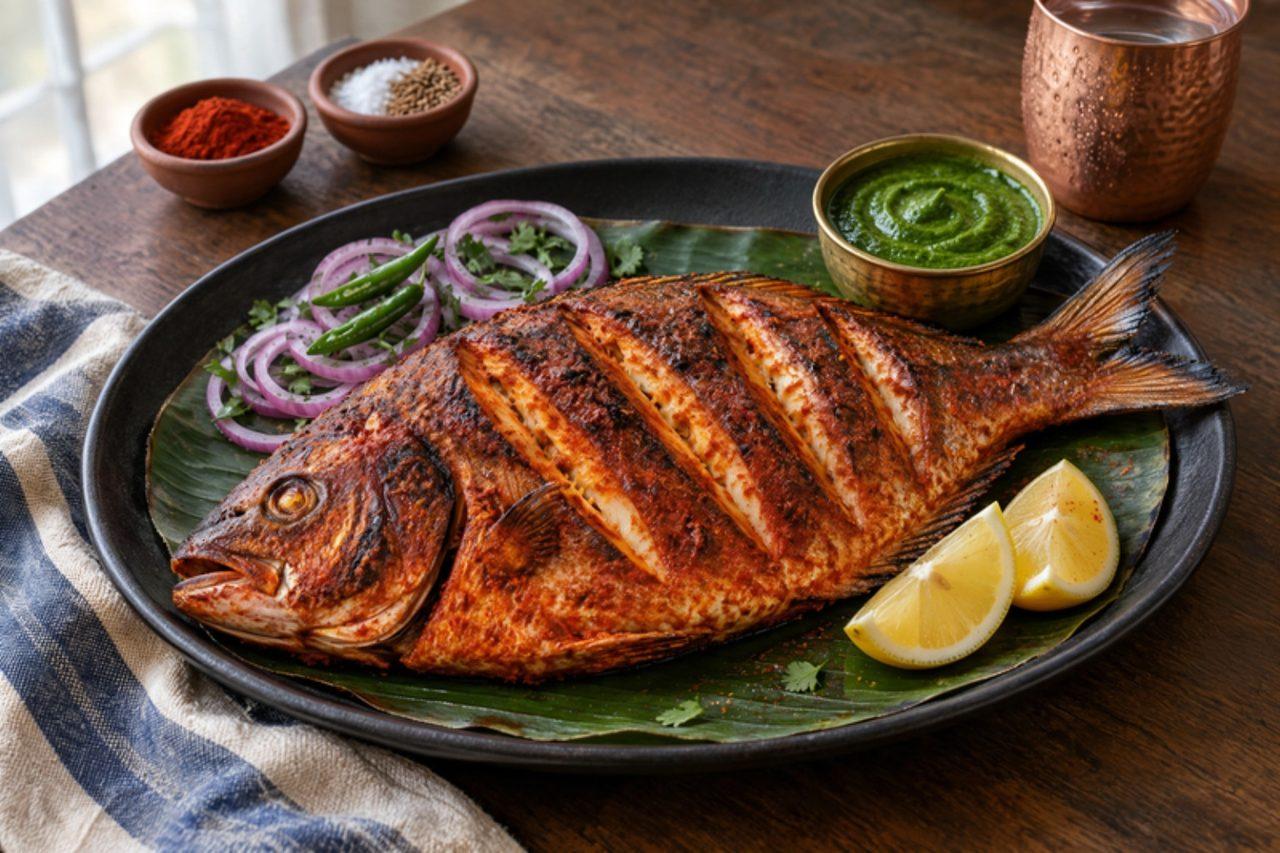
Tandoori pomfret

Tandoori pomfret is a fixture of Mumbai's coastal restaurants and Koli fishing families' feasts, especially in the cooler months when silver pomfret is at its best. Whole fish are slashed, given a lemon-and-salt first marinade, then coated in thick yogurt with ginger-garlic, Kashmiri chilli, ajwain and garam masala and roasted until charred at the edges and juicy inside. Suitable as part of a balanced diet: high-protein fish with no batter. About 280 kcal and 6 g carbohydrate per portion; serve with onion-cucumber salad and mint chutney. The usual mistake is using runny yogurt, which slides off and steams the fish; strain it first. Chef's tip: a spoon of roasted gram flour (besan) in the marinade helps it cling and char.

55 minIndianFishGluten free
by KrazyBadal 0 views

FororoToasted corn porridge

Fororo is the name for finely ground toasted corn, and for the smooth porridge made from it that grandmothers in Lara, Barinas and the rest of the Llanos give to children before school or to anyone feeling under the weather. It tastes gently nutty, like warm popcorn in a cup, sweetened with panela and scented with cinnamon. If you can't find fororo flour, toasting fine cornmeal in a dry pan gives the same result. The common mistake is tipping the flour straight into hot milk, which makes lumps. Chef's tip: whisk the flour into a little cold milk first, then pour it into the pot.

by KrazyBadal 0 views

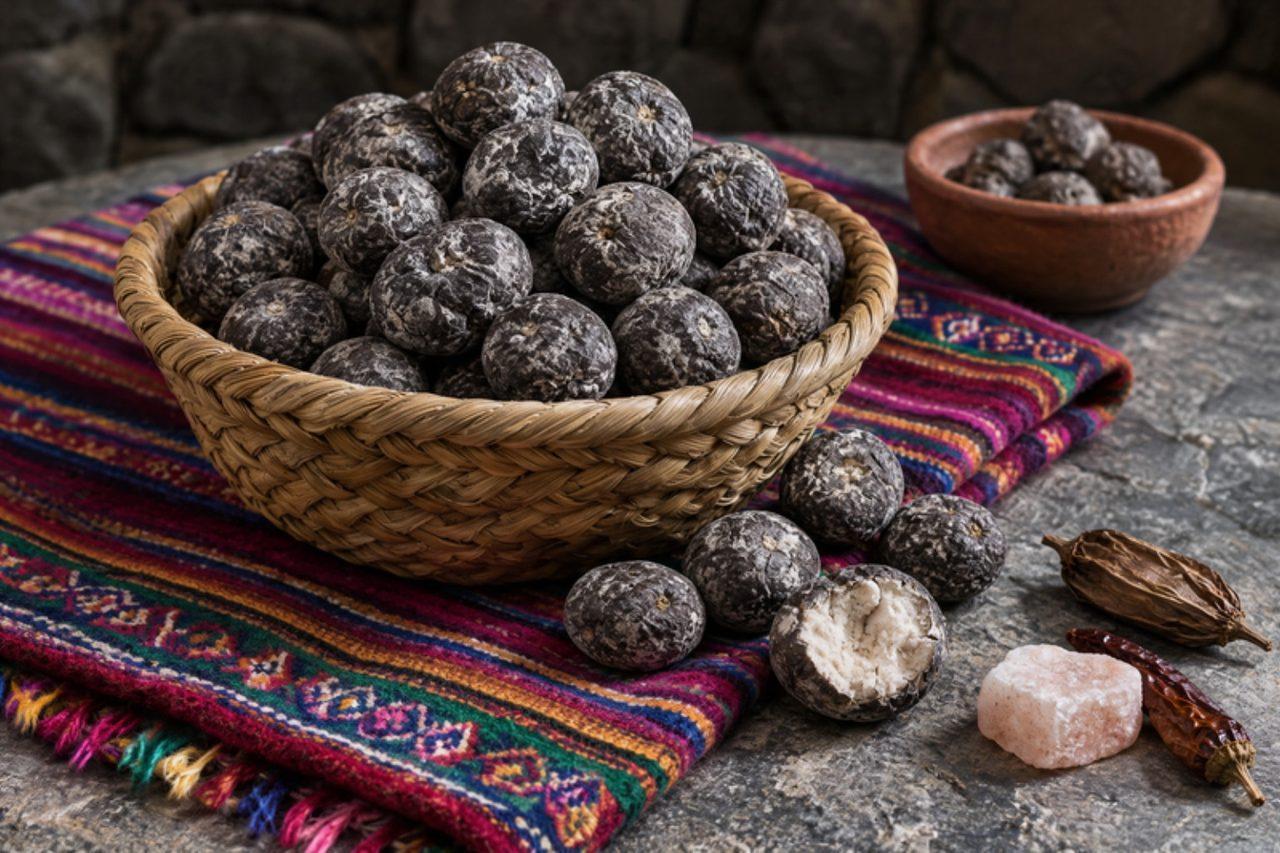
Chuño

On the Altiplano around Lake Titicaca, in June and July when the nights drop to -10 °C and the days are bright and dry, Aymara and Quechua families spread small, bitter potatoes on the grass to make chuño, a technique far older than the Inca. The potatoes freeze at night and thaw in the sun for several days, then are trodden barefoot to squeeze out the water and rub off the skins, and dried for a couple of weeks more. The result is light, wrinkled, grey-black chuño negro that keeps for years; soaked in running stream water instead, the same potatoes become white tunta. Rehydrated and boiled, chuño is firm, slightly chewy and spongy, with an earthy, faintly mineral, almost fermented taste; it goes into chairo soup, into chuño phuti, or beside grilled meat with spicy llajwa. Skipping the long soak is the big mistake: it stays bitter and gritty, so soak it for at least 12 hours, changing the water. Dried chuño is ready when it is rock hard, very light and rattles in a bag. Chef's tip: without Andean frosts, a freezer and a low oven make a fair version; the method is below.

by KrazyBadal 0 views

Lagmi (fresh palm sap)

In the oases of the Tunisian south, in Gabès, Tozeur, Nefta, Kebili and on Djerba, palm climbers cut a small wound at the crown of an ageing date palm and hang a clay pot under it overnight. By sunrise it holds lagmi: cloudy, ivory-white sap, cool and sweet, with notes of coconut water and fresh dates. It is sold in recycled bottles at the roadside and drunk the same morning, because the wild yeasts in it begin to ferment almost at once. By afternoon it is fizzy and sour, and by the next day it has become an alcoholic palm wine, also called lagmi, which is a different drink altogether. The common mistake is buying more than you can drink by lunchtime or leaving it in the sun: keep it on ice from the moment you get it. Fresh lagmi is ready to drink when it is sweet, smells clean and milky, and only a few tiny bubbles rise; once it tastes sour or prickles on the tongue, it has started to turn. It is raw and unpasteurised, so pregnant people, babies, older people and anyone unwell should skip it. Outside the oases, fresh coconut water is the closest stand-in. Chef's tip: chill the glasses too; lagmi is at its best ice-cold.

by KrazyBadal 0 views

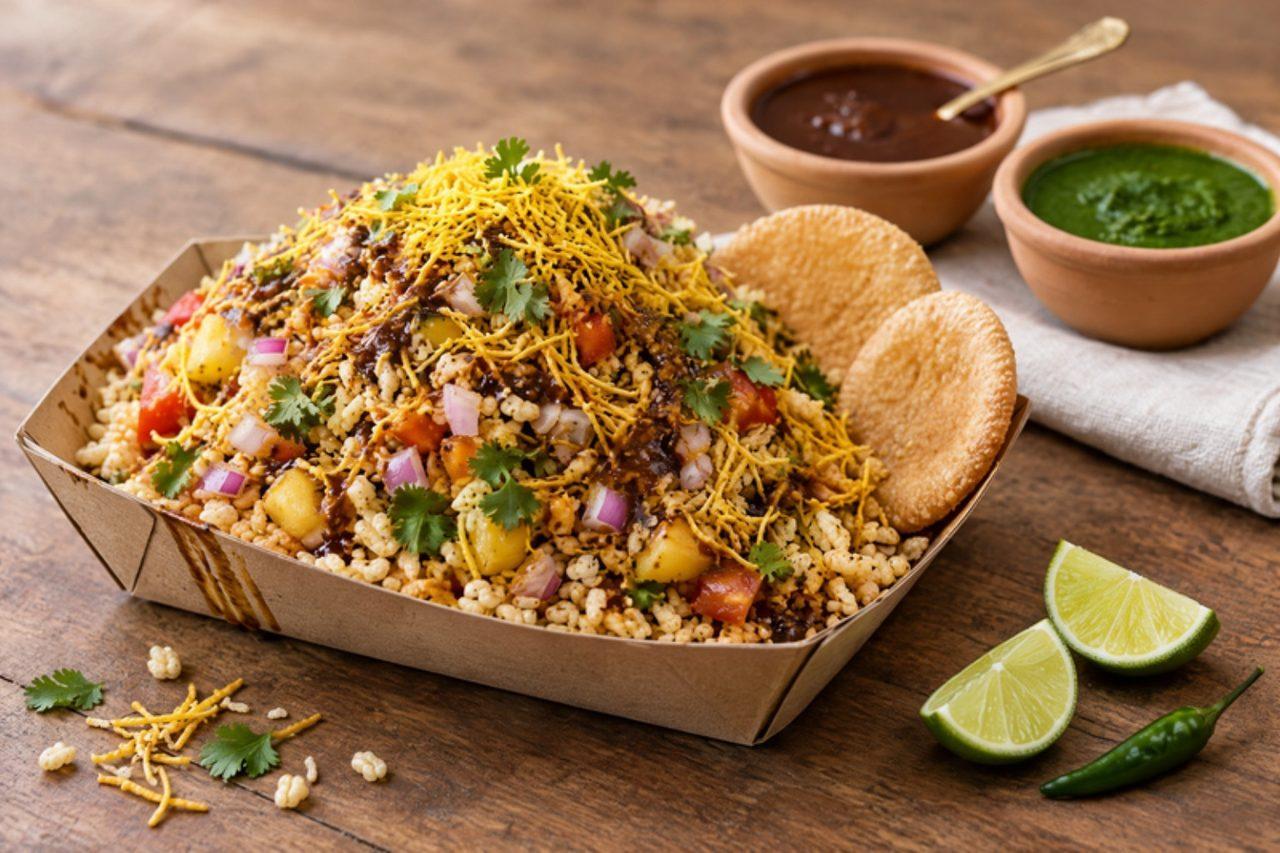
Bhel puri

On Girgaum and Juhu Chowpatty the bhelwalas set up as the sun drops into the Arabian Sea, and bhel puri is what Mumbai eats while it walks along the sand. Puffed rice, crushed flat puris and boiled potato are tossed in a steel bowl with sweet tamarind and fiery green chutneys, then buried under fine sev and handed over in a folded paper cone with a puri for a spoon. It is crunchy, sweet, sour and hot all at once, and it has to be eaten within minutes. Chef's tip: lay out every component before you start, because the mixing takes thirty seconds and the crunch only lasts about five minutes.

by KrazyBadal 0 views

Twigim (vegetable and egg)

Twigim is the fried side of Seoul's bunsik stalls: a glass case of sweet potato, vegetable fritters, boiled eggs and squid in a thicker, crunchier batter than Japanese tempura. Around the student bars of Sinchon and in Tongin Market, people order a mixed plate in the evening and have the pieces snipped and drowned in tteokbokki sauce. Squid is the other classic; this version keeps it vegetarian. It contains egg and wheat. Chef's tip: fry everything twice, the second time hotter, the way the stalls do; it is the secret to batter that stays crisp under sauce.

by KrazyBadal 0 views

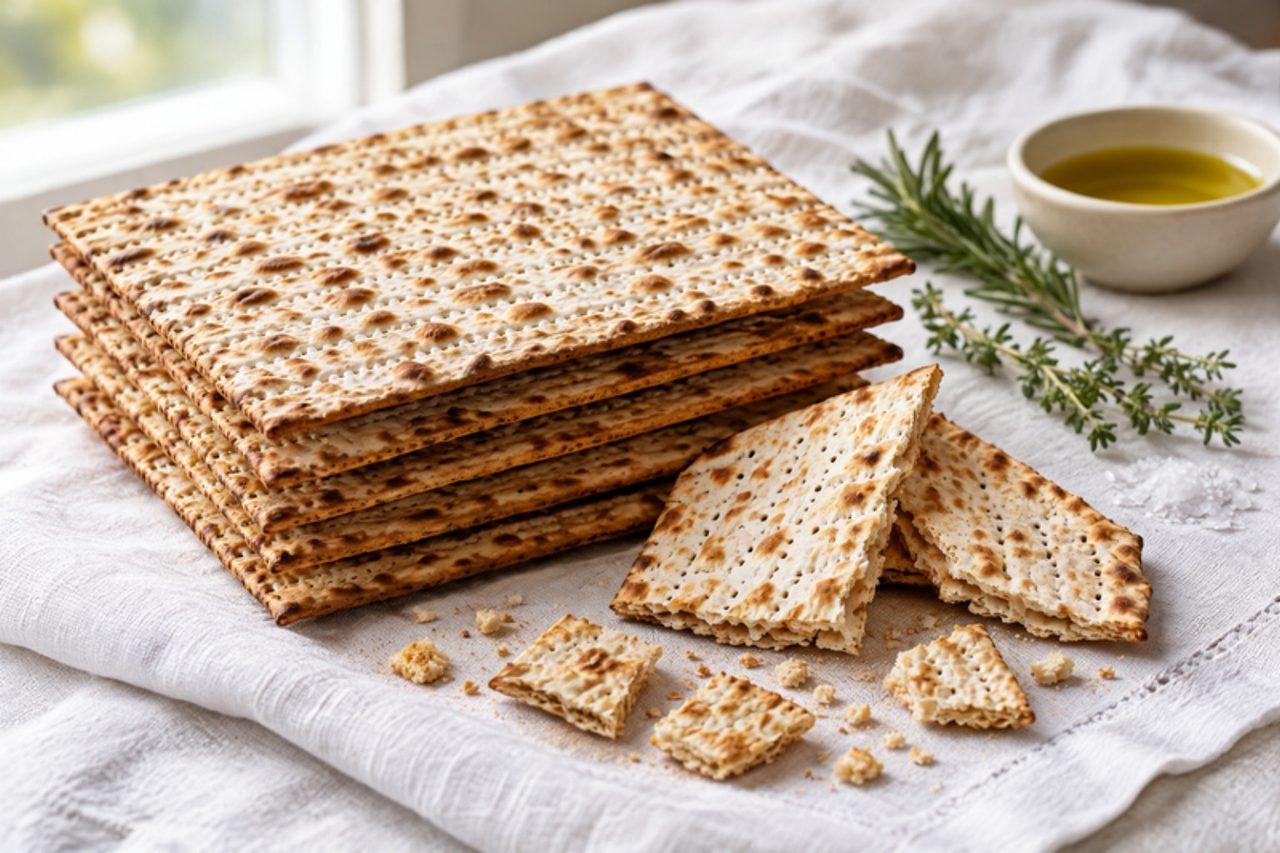
Matzah

Matzah is the flat unleavened bread eaten at Passover, recalling the Israelites leaving Egypt in too much haste for their bread to rise, and in Israel and Jewish homes worldwide it is also eaten as a crisp everyday cracker with soups and dips. The dough is only flour and water; by tradition it is mixed, rolled and baked within 18 minutes so it cannot ferment. This home version follows that rhythm but is not certified for Passover use. There is no salt: about 0.0 g salt per sheet. The usual mistake is rolling too thick, which gives a tough, chewy bread; roll until you can almost see the counter through it. Chef's tip: prick the dough all over with a fork before baking so it stays flat and blisters evenly.

by KrazyBadal 0 views

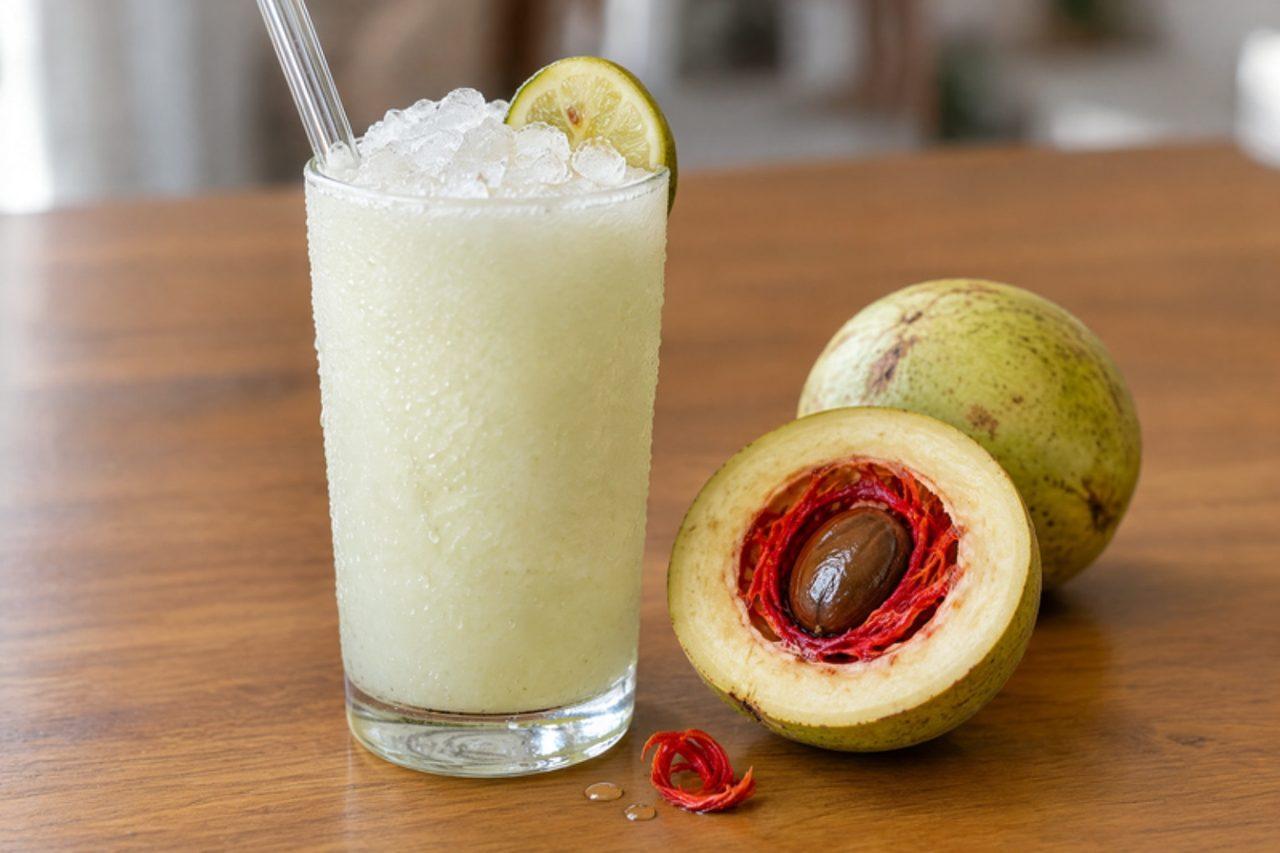
Nutmeg juice

Penang is one of the few places in the world where nutmeg trees grow in back gardens, and its hawkers turn the pale, tart flesh around the nutmeg seed into jus buah pala, a frosty pale drink served at Gurney Drive and the coffee shops of Chulia Street to cool you down after spicy noodles. It tastes sweet and sour with a soft, woody spice. Outside Malaysia, look for preserved or candied nutmeg fruit strips in Asian grocers. Chef's tip: use only the fruit flesh; the seed (the nutmeg spice) and its red lace of mace are far too strong to blend into a drink and can make you unwell.

by KrazyBadal 0 views

Hongzao guiyuan cha (red date and longan tea)

Across southern China, from Fujian to Guangdong, a pot of red dates and dried longan is what mothers and grandmothers put on the stove when the weather turns cold, and it is the classic drink brought to new mothers during zuo yuezi, the month of rest after childbirth. It is also sipped through the winter in the afternoon, or offered to visitors at Lunar New Year because the red dates promise sweetness ahead. The tea is amber-brown, naturally sweet and fruity, with a caramel, smoky depth from the longan and a gentle warmth if you add ginger. The common mistake is simmering whole dates: their skins stay tight and the tea tastes thin. Slit or tear each date so the flesh can give up its sweetness, then simmer slowly. It is ready when the dates are puffed and soft, the longan has swollen and the liquid is the colour of weak tea and tastes of toffee. It is traditionally drunk for comfort and warmth, not as a medicine; it is high in natural sugar, so go easy if you watch your blood sugar, and goji can interact with blood-thinning medicines, so check with a doctor if you take them. Chef's tip: eat the softened fruit from the bottom of the cup with a spoon; nothing is wasted.

by KrazyBadal 0 views

Akajiso juice (red shiso cordial)

Bunches of red shiso fill Japanese greengrocers for a few weeks in June and July, mostly bought to colour umeboshi. Gardeners from Kyoto's Ohara valley to Kantō boil the surplus into this cordial and keep it in the fridge for hot afternoons. Simmering pulls a murky purple-brown liquid from the leaves; the magic is the moment the vinegar goes in and the whole pan flushes a brilliant clear magenta. Diluted with ice water or soda water it tastes sweet-sour and herbal, like a cross between blackcurrant, mint and cinnamon. The most common mistake is simmering the leaves too long or with the stems: it turns grassy and bitter. Strip the leaves, boil them for five minutes only, until they have turned green and limp, then lift them out. The cordial is ready when it is jewel-bright and clear. Bottle it in a clean, sterilised bottle and keep it in the fridge for up to three weeks; discard if it fizzes, clouds or grows mould. No fresh red shiso nearby? Japanese and Korean shops sometimes sell it in summer, and it grows easily from seed. Chef's tip: freeze some as ice cubes to drop into sparkling water.

by KrazyBadal 0 views

Agua de tuna (prickly pear drink)

Late summer is tuna season across the central highlands, from Hidalgo and the Estado de México down to Puebla's Teotihuacán valley, and that is when the big vitroleros in markets and taquerías turn shocking pink. Agua de tuna is just the cactus fruit blended with water, lime and a little sugar, strained, and poured over ice with lunch. Red tunas give a vivid colour and a taste between watermelon and pear; green ones make a paler, more herbal drink. It should be light and thirst-quenching, never syrupy. The commonest mistake is blending too long: the hard seeds crack and the agua turns gritty and slightly bitter. Pulse briefly, just enough to free the pulp, then strain well. It is ready when the liquid runs smooth through the sieve and tastes clearly of fruit with only a lift of lime. Handle unpeeled tunas with tongs or gloves: even 'cleaned' ones keep tiny glochids. Chef's tip: chill the peeled fruit before blending; cold pulp keeps its colour bright and needs less ice to dilute it.

by KrazyBadal 0 views

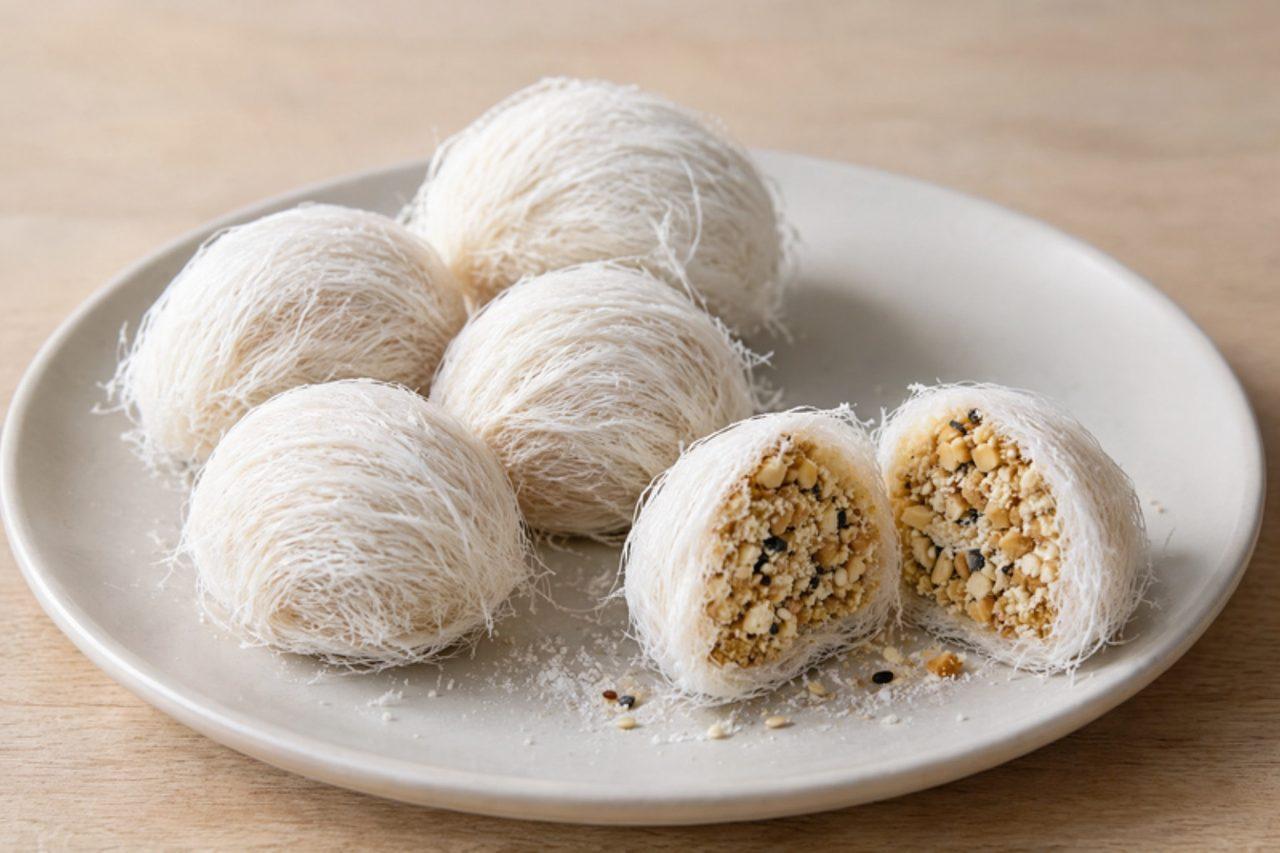
Dragon's beard candy

Dragon's beard candy is one of the old street crafts of Hong Kong, still demonstrated by a few hawkers in Tsim Sha Tsui and at Kowloon City snack shops, where children watch a hard disc of sugar stretched and folded in starch until it becomes a skein of hair-fine threads. Each cocoon is wrapped around a crunchy filling of peanuts, sesame and coconut and must be eaten within minutes, before it melts in the humidity. It takes practice; your first batch may be thicker threads, and that is fine. Contains peanuts and sesame; not for children under five, who can choke on the filling. Chef's tip: toast the cornflour first, as raw starch tastes chalky and is not safe to eat uncooked.

by KrazyBadal 0 views

Yuja-cha (citron tea)

Goheung, on the southern coast of South Jeolla, is Korea's yuja country: in November the groves turn gold and families slice the knobbly citrons for yuja-cheong, the honeyed preserve that becomes tea all winter. From December to March a spoonful in hot water is offered to guests, to students cramming late and to anyone with a scratchy throat, as it is traditionally drunk for colds. The tea is sweet, floral and sharp, with soft, chewy strands of peel that you eat at the end with a spoon. The common mistake is leaving the fruit damp or the pith too thick: wet fruit lets mould in, and thick white pith makes the preserve bitter. Scrub, dry completely and pare away any pith thicker than a few millimetres. The cheong is ready after a day or two, when the sugar has dissolved into a clear, glossy syrup around the peel. Keep it in the fridge for up to three months, always with a dry spoon; throw it away if you see fuzzy mould, smell alcohol or it bubbles. No yuja? Japanese yuzu is the same fruit; otherwise use 2 lemons and 2 mandarins. Chef's tip: soak the seeds in a little of the honey and add that liquid back for a silkier syrup.

by KrazyBadal 0 views

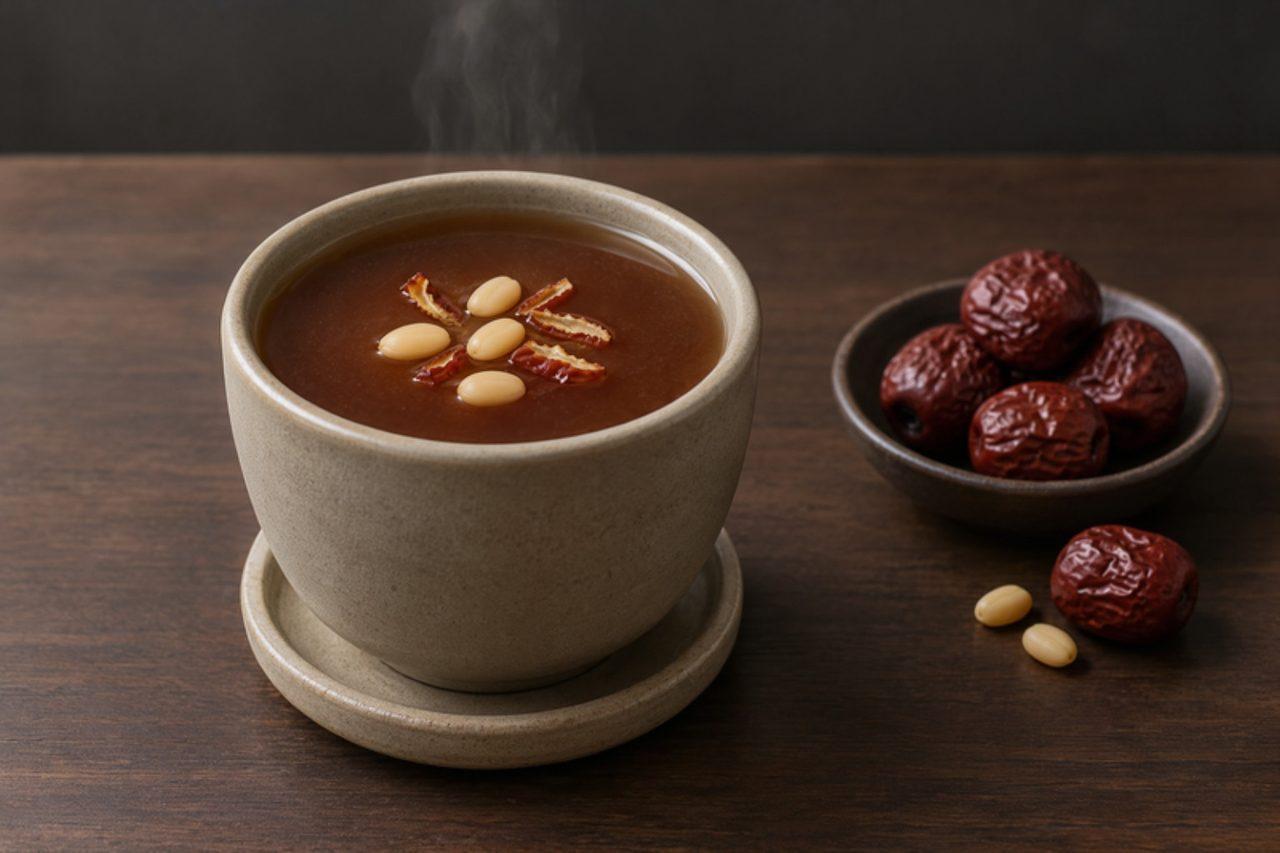
Daechu-cha (jujube tea)

Boeun county in North Chungcheong is famous for its large, sweet jujubes, harvested each October and sold at a lively autumn festival. Once dried, they become daechu-cha, the deep amber tea Korean traditional teahouses in Insadong and Jeonju serve from late autumn to early spring, topped with pine nuts. Long, slow simmering with ginger and a stick of cinnamon draws out a flavour like dates, caramel and baked apple; pressing the softened flesh through a sieve gives the tea its velvety, almost soup-thick body. It is traditionally drunk to warm up on cold nights. The common mistake is simply boiling whole jujubes and straining: the skins stay sealed, the tea comes out thin and pale, and most of the sweetness is thrown away. Slit each jujube, simmer until the flesh slides off the stone, then mash the pulp through the sieve. It is ready when the liquid has reduced by about half, is dark amber and lightly coats a spoon. Keep it covered in the fridge for up to 5 days and reheat gently. Chef's tip: a few slices of fresh ginger added in the last 20 minutes give a brighter heat than ginger boiled for the whole time.

110 minKoreanDrinksGluten free
by KrazyBadal 0 views

Dongbei luan dunMixed vegetable stew

Luan dun, the 'chaotic stew', is everyday harvest cooking from Heilongjiang, Jilin and Liaoning, made in autumn when the garden gives everything at once and a big pot feeds the whole household through the cold evenings. Potato, aubergine, green beans, corn on the cob, peppers and tomato are cooked together in a soy-scented broth until soft and saucy, with the potato thickening it naturally. Serve it with steamed rice or mantou buns. The usual mistake is putting everything in together, so the beans stay squeaky while the aubergine turns to mush; add the vegetables in order of how long they take. A pressure cooker works too: 4 minutes on high after the beans and potato go in. Chef's tip: crush the potato pieces lightly against the pot near the end to give the stew body.

by KrazyBadal 0 views

Sungnyung (scorched rice tea)

Before electric rice cookers, every Korean pot of rice left a golden crust, nurungji, stuck to the bottom. Rather than waste it, cooks poured in water and simmered it while the family ate, and the warm, cloudy sungnyung was drunk at the end of the meal in place of tea. Older Koreans still describe it as the taste of home, and many Seoul restaurants that cook rice in stone pots finish by pouring water over the crust at the table. It tastes of toasted grain and has a faint natural sweetness, with soft pieces of crust to spoon up at the bottom. Without a stone pot you can make the crust from leftover rice in a frying pan. The common mistake is rushing the crust over high heat: it blackens on the outside and turns the drink bitter while the middle stays soft. Keep the heat low and patient, and aim for even golden-brown. The crust is ready when it lifts away from the pan in one sheet and smells like popcorn; the sungnyung is ready when the water is milky and pale gold. Chef's tip: make extra crust, dry it completely and keep it in a jar, so you can make sungnyung in ten minutes any evening.

by KrazyBadal 0 views

FarrottoFarro cooked like risotto

In the hills of the Garfagnana and around Spoleto, where farro has been grown since Roman times, cooks make farrotto in autumn and winter as a heartier cousin of risotto. Semi-pearled farro is toasted in olive oil with onion and celery, then cooked slowly with hot vegetable stock, ladle by ladle, until the grains are tender but still bouncy and wrapped in a light, creamy sauce. Finish with pecorino and serve as a main with a green salad. The usual mistake is stirring as constantly as for risotto; farro releases less starch, so stir every few minutes and beat in the cheese at the end for creaminess. Chef's tip: toast the dry grains until they smell like popcorn before adding any liquid; it deepens the nutty flavour.

by KrazyBadal 0 views

Pasta e cavolfiorePasta with cauliflower

Pasta e cavolfiore belongs to the family of thick Neapolitan 'pasta e…' dishes eaten at home on Fridays and cold weekdays, when a single cauliflower and a handful of mixed pasta ends have to feed the family. The cauliflower is softened with garlic, a little tomato and chilli, then the pasta is cooked right in it with small additions of hot water until the whole pot is creamy and the cauliflower has partly melted into the sauce. Finish with pecorino and black pepper. The usual mistake is cooking the cauliflower in big florets, which never break down; cut it small so some of it becomes the sauce. Chef's tip: let it rest for two minutes off the heat after the cheese goes in; it thickens into the proper 'azzeccata' texture that holds a fork upright.

by KrazyBadal 0 views

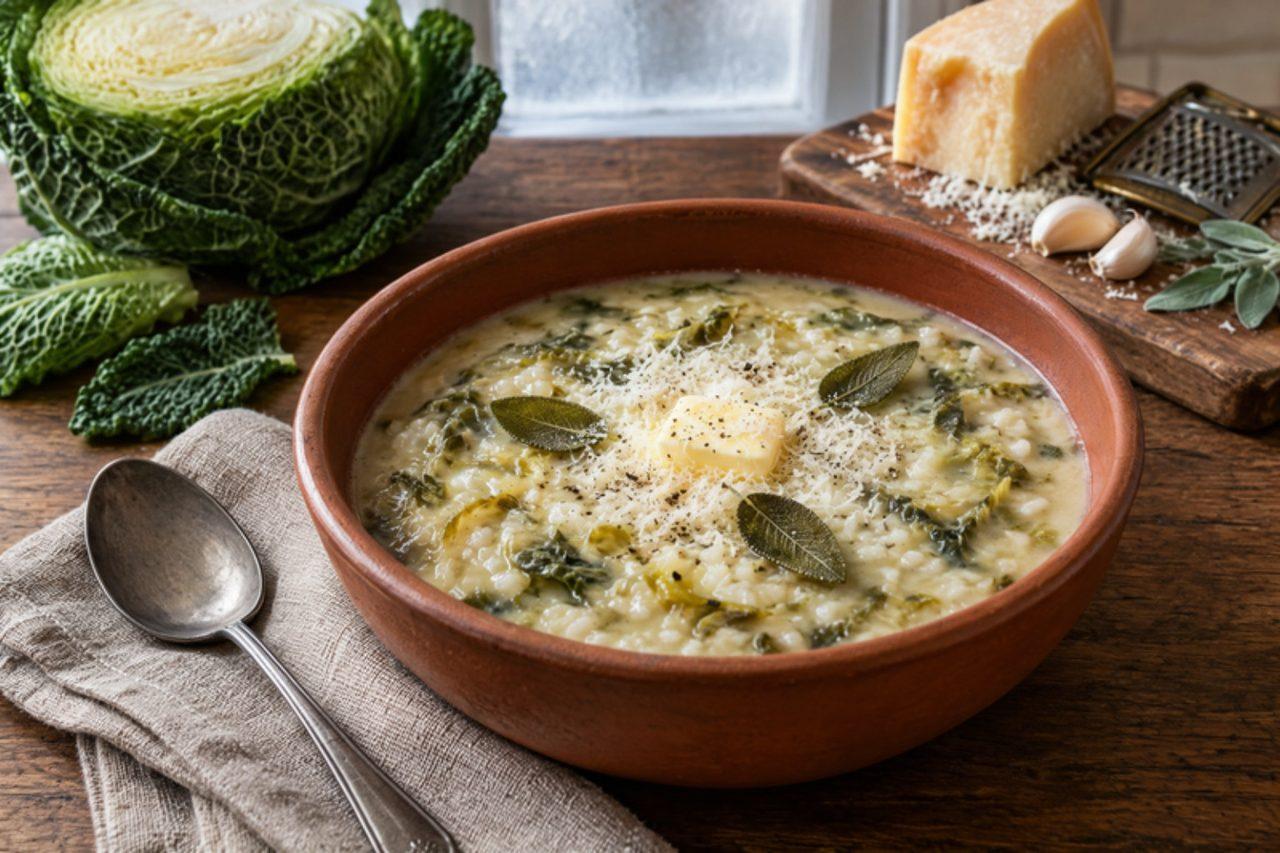
Riso e verzeRice and cabbage soup

Riso e verze is a Lombard and Venetian farmhouse supper for the coldest months, when Savoy cabbage has been sweetened by the frost. Shredded cabbage is stewed slowly in butter and onion until it melts, then rice and stock go into the same pot and simmer into a thick, spoon-standing soup finished with grated cheese. Serve it in deep bowls with black pepper and crusty bread. The usual mistake is boiling the cabbage straight in stock, which makes it taste of sulphur; stew it in butter first until it is soft and sweet. Chef's tip: make it a little loose, because the rice keeps drinking the broth as it stands.

by KrazyBadal 0 views

Portuguese sausage, eggs and rice

In Hawaii, a breakfast plate at a diner in Honolulu or Hilo, or at a drive-in on Maui, often means slices of smoky, garlicky, paprika-red Portuguese pork sausage (brought to the islands by Madeiran and Azorean immigrants in the 1800s) fried until caramelised, two eggs, and two scoops of short-grain rice. A splash of shoyu on the rice is optional. The common mistake is frying the sausage over a high heat so the sugar in it burns before it heats through; fry it steadily over a medium heat until sizzling and piping hot (71 °C if your sausage is uncooked rather than smoked). Cook the eggs fully set for pregnant people, young children, older or vulnerable people. Chef's tip: fry the eggs in the red fat the sausage leaves behind; they come out lacy and full of flavour.

by KrazyBadal 0 views

Huanggui shizi bing (Xi'an persimmon cakes)

Every autumn, when Lintong's soft persimmons ripen outside Xi'an, griddles across the Muslim Quarter fill with these orange cakes. The dough is little more than ripe persimmon pulp and flour, so it fries crisp and caramelised outside while staying chewy and sticky inside, and the filling of brown sugar, walnuts, sesame and dried osmanthus melts into a fragrant syrup. They are bought hot in a paper sleeve as an afternoon snack. They contain wheat and walnuts. Chef's tip: use persimmons so ripe they feel like a water balloon; firm ones make the dough taste furry and astringent.

by KrazyBadal 0 views

Fondue de poireauxSlow-cooked leeks in butter

Fondue de poireaux is a winter side from northern France and Belgium, cooked in home kitchens from Picardy to Lille whenever leeks are cheap and sweet. Thinly sliced leeks are sweated very gently in butter with a lid on until they collapse into a soft, pale-green tangle, then finished with a spoon of cream and nutmeg. Serve it with roast fish, eggs, potatoes, or spooned onto toast as a light supper. The usual mistake is cooking over too high a heat, which browns the leeks and makes them bitter; they should never colour. Chef's tip: wash the sliced leeks in a bowl of water and lift them out with your hands, so the grit stays at the bottom.

by KrazyBadal 0 views

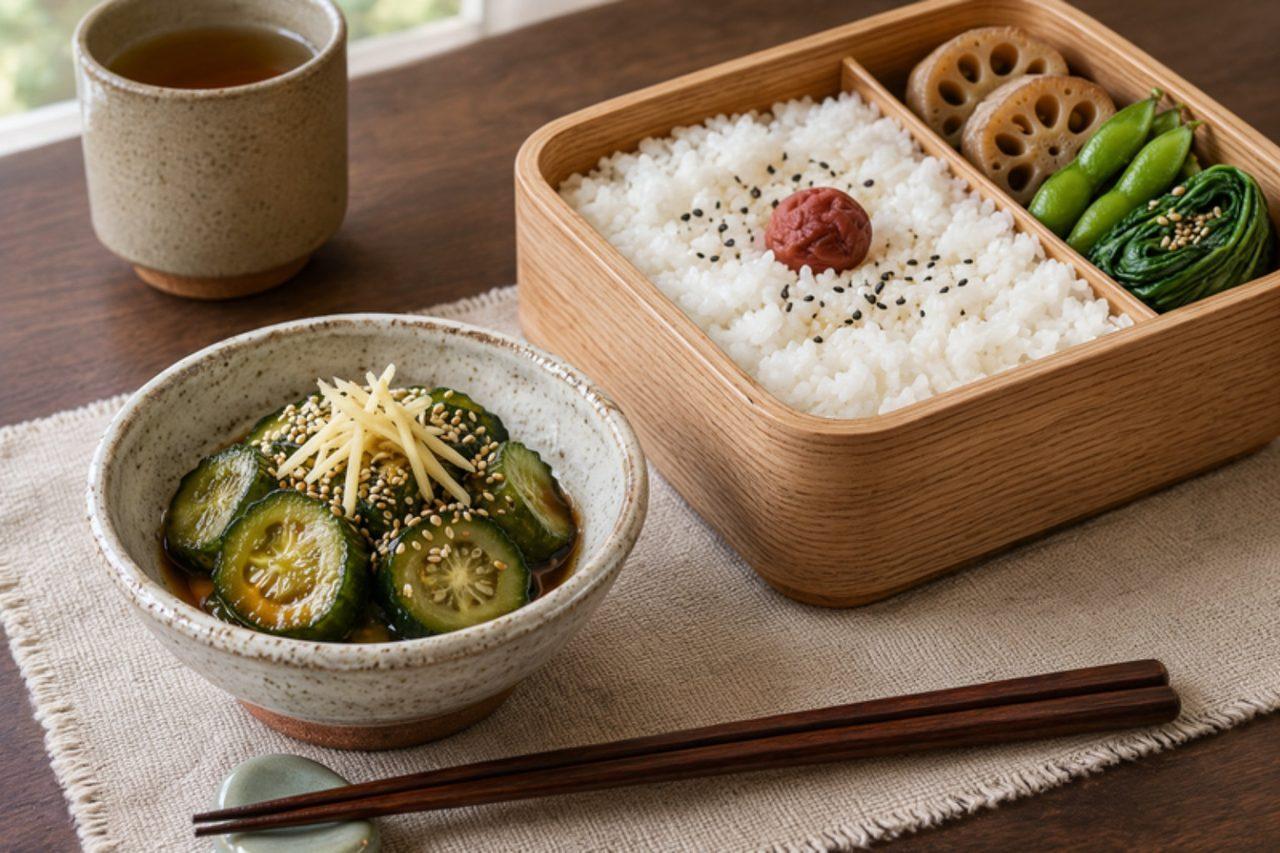
Kyuchan cucumber pickle

Kyuchan is the sweet-salty soy pickle that Japanese mothers tuck into the corner of a bento: thin coins of cucumber that stay crunchy for days thanks to an old trick of pouring hot pickling liquid over them several times. It brightens plain rice and cuts the richness of fried karaage-style dishes. The common mistake is simmering the cucumbers in the sauce, which makes them soft and grey; they should only ever sit in hot liquid off the heat. Chef's tip: squeeze the salted cucumbers really hard in a cloth, because every drop of water you remove is crunch you keep.

by KrazyBadal 0 views

Pasta e zuccaPasta with pumpkin

When the long Neapolitan pumpkins appear in autumn markets, pasta e zucca becomes the weekday lunch in Naples and around the Bay. The pumpkin is cooked down in olive oil with garlic and rosemary until it turns into a soft orange sauce, then short pasta is cooked in the same pot with a little water so it comes out velvety, sweet and peppery. Children love it, and it needs nothing more than grated cheese. The usual mistake is using a watery pumpkin, which never thickens; choose a dense, deep-orange squash such as butternut or delica. Chef's tip: save a few small cubes of pumpkin and add them later, so you get both a creamy sauce and soft pieces to bite into.

by KrazyBadal 0 views

Esfiha de carne (São Paulo open beef pies)

The Syrian and Lebanese families who settled around Rua 25 de Março in central São Paulo brought sfiha with them, and the city made it its own: esfihas are now sold by the dozen from counters all over town, eaten standing up with a squeeze of lemon at lunchtime or as a cheap late snack. The dough is soft and lightly crisp at the base, and the topping of raw spiced beef, onion and tomato cooks on the pie in a hot oven. Chef's tip: squeeze the onion and tomato hard in a cloth before mixing; a wet topping makes the dough soggy.

by KrazyBadal 0 views

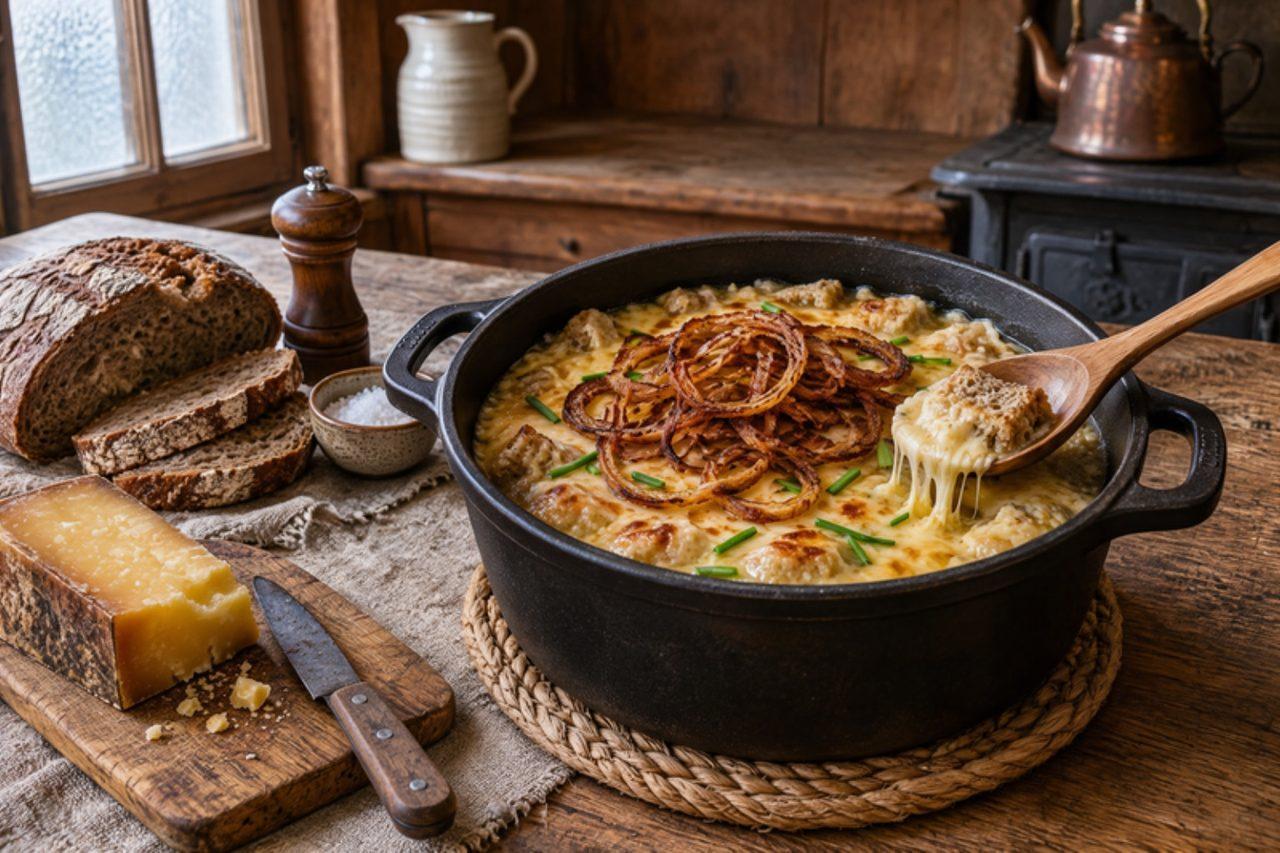
ChässuppeBread and cheese soup

Chässuppe comes from the farmhouses of Central Switzerland, from Unterwalden to the Entlebuch, where it was a thrifty way to use up hard bread and the end of a wheel of cheese. It is a winter supper, especially on carnival and Advent evenings: bread and grated mountain cheese are soaked in hot broth and stirred into a thick, almost spoonable soup, then topped with butter-fried onions. Serve with a green salad and a mug of hot tea. Most Swiss mountain cheeses are made with animal rennet; for a vegetarian pot, choose a hard cheese labelled vegetarian with a nutty, Alpine-style flavour. The usual mistake is letting it boil once the cheese is in, which makes it stringy and oily. Chef's tip: soak the bread in the broth for 10 minutes before heating, so it melts into the soup instead of staying in lumps.

40 minSwissSoups
by KrazyBadal 0 views

MerkénSmoked chilli seasoning

Merkén comes from the Mapuche kitchens of Araucanía: cacho de cabra chillies are dried, smoked over a wood fire, then ground with toasted coriander seed and salt into a brick-red powder that is smoky, warm and lightly hot. In Temuco and across the south it is shaken over potatoes, eggs, sopaipillas, grilled fish and soups. Outside Chile, use dried smoked red chillies, or plain dried red chillies plus smoked paprika. The mistake to avoid is scorching the chillies in the pan: if they blacken, the whole jar is bitter. Chef's tip: grind it a little coarse, as it is sold in Temuco's market, so the coriander seeds stay noticeable.

by KrazyBadal 0 views

Koova kurukku (arrowroot porridge)

Koova, the arrowroot that grows in Kerala's backyards, is dug, washed, grated and dried into a snow-white powder that many families in Thrissur and Kottayam still make themselves. Stirred with water over a low flame, it turns from chalky to clear and glossy in a few minutes, and this kurukku is a classic first spoonful at six months, often given in the hot months because it is thought to be cooling. It is very mild and smooth. No salt, sugar, jaggery or honey goes in for babies. It is free of the major allergens. Chef's tip: buy pure koova or arrowroot powder, not a cornflour blend, and stop cooking the moment the whole pan turns translucent.

by KrazyBadal 0 views

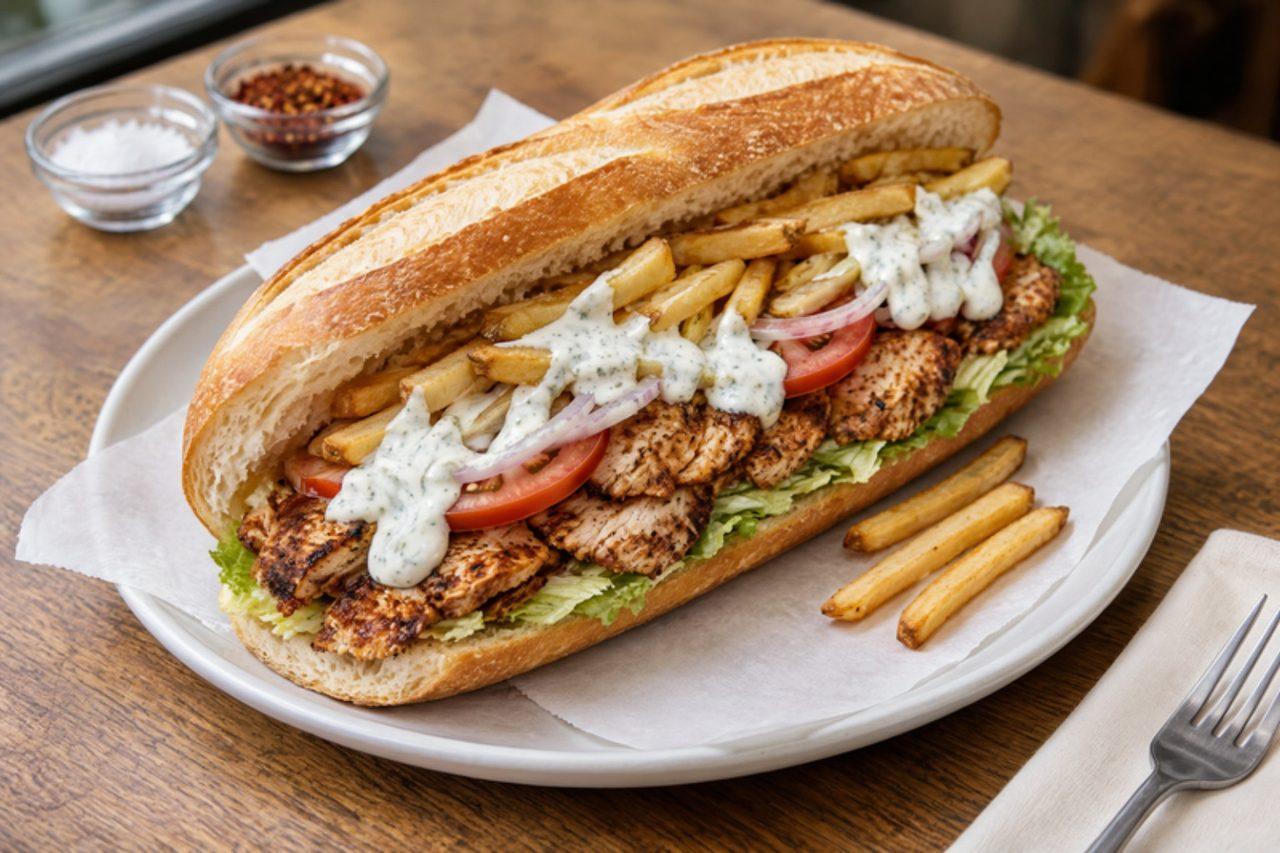
Sandwich grecKebab baguette

In Paris, a "grec" is the late-night kebab sandwich named after the Greek-run shops that first sold it in the Latin Quarter. On rue de la Huchette and rue Saint-André-des-Arts near Saint-Michel, students queue after a night out for crusty bread or pitta stuffed with meat shaved from a turning spit, lettuce, tomato and onion, a garlicky white sauce, and, the Paris touch, a handful of fries pushed right inside. This home version marinates chicken thighs in spiced yoghurt, sears them hard and slices them thin, with oven fries. It contains milk, egg (in the mayonnaise) and wheat. Chef's tip: slice the meat thinly across the grain after resting; thick chunks don't feel like a grec.

by KrazyBadal 2 views

Calzones rotosKnotted orange fritters

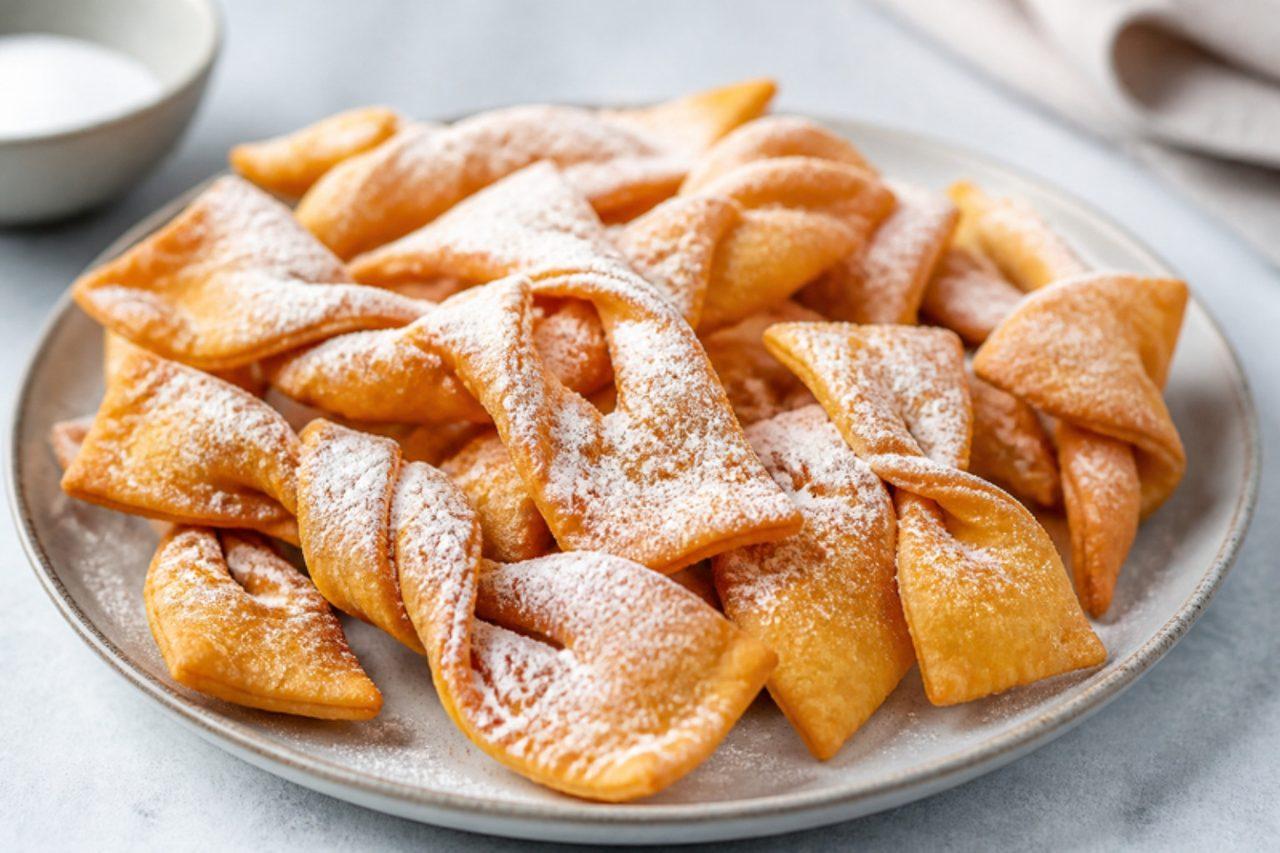
Few sweets have a funnier name: calzones rotos, 'torn knickers', are strips of soft dough with a slit in the middle, one end pulled through to make a twist, then fried and buried in icing sugar. Chilean families fry a big plateful on rainy winter afternoons, and they are sold in paper bags at fairs from Valparaíso to Concepción. The usual mistake is oil that is too hot: they brown in seconds but stay raw and doughy inside. Keep it at 175 °C. Chef's tip: dust them with icing sugar only when they have cooled a little, so the sugar stays white instead of melting.

by KrazyBadal 0 views

Hsi htaminTurmeric sticky rice with sesame

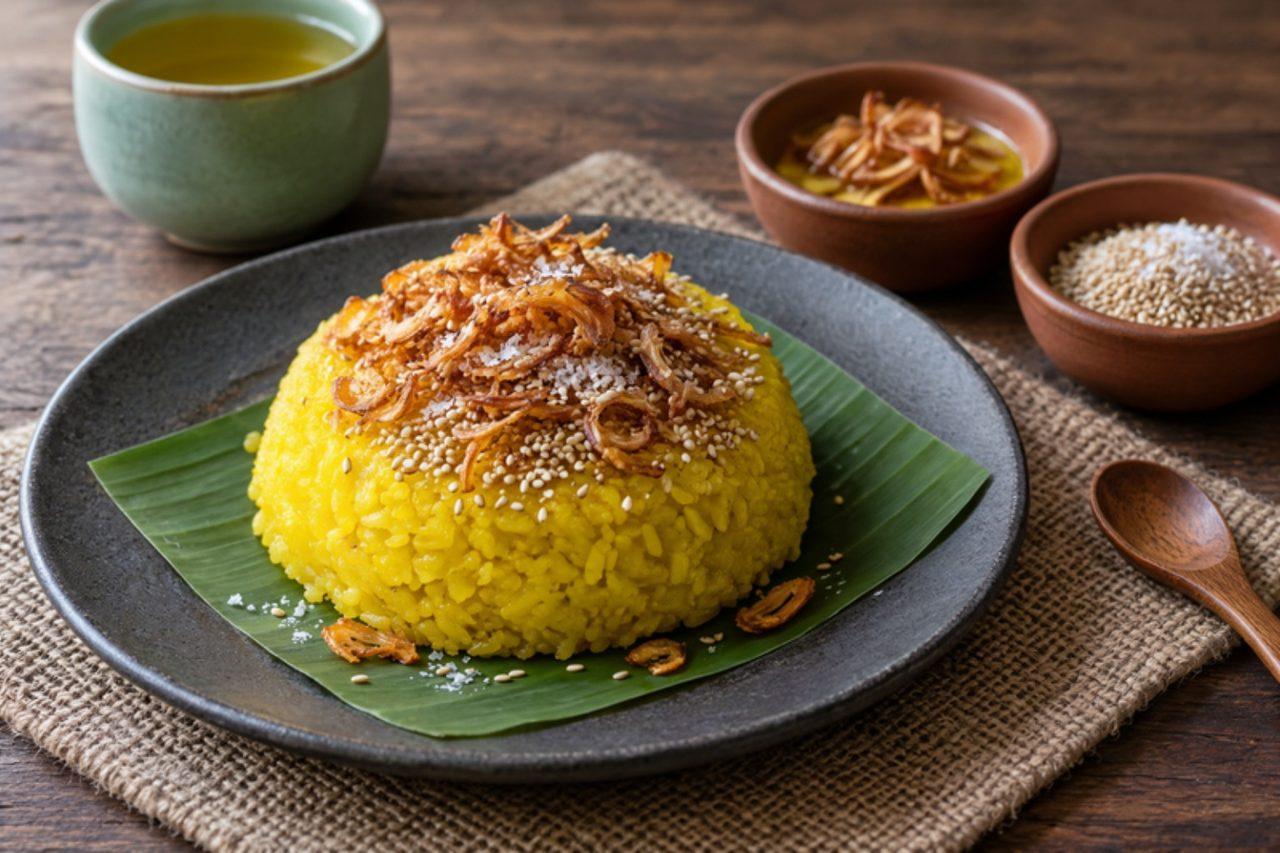
Hsi htamin, "oil rice", is a breakfast sold wrapped in banana leaf by morning vendors in Yangon and Mandalay: glutinous rice steamed golden with turmeric and oil, then topped with toasted sesame mixed with salt and a heap of crisp fried shallots. It is often paired with boiled yellow peas. The mistake is under-soaking the rice; it needs at least 4 hours, or overnight, to steam evenly. Chef's tip: fry the shallots first and use their fragrant oil in the rice; that oil is the soul of the dish.

by KrazyBadal 0 views

Huevos chimbosEgg yolk sponges in syrup

In Maracaibo, huevos chimbos turn up at baptisms, weddings and the Christmas table: little sponges made only of beaten egg yolks, baked, then soaked in a cinnamon and clove syrup until they are glossy, tender and very sweet. Some families add a splash of rum to the syrup; this version leaves it out. The common mistake is under-beating the yolks, which gives dense, rubbery balls. Chef's tip: beat for a full 10 minutes until the yolks are pale, thick and tripled in volume, and save the whites for meringue.

by KrazyBadal 0 views

Mchuzi wa njegerePea and potato coconut curry

Mchuzi wa njegere, pea curry, is cooked in homes from Dar es Salaam to Tanga for an easy family lunch or supper, and it is a Friday favourite when families keep the meal meat-free. Green peas and potato chunks simmer in coconut milk with onion, tomato, turmeric and a mild curry powder until the potatoes are tender and the sauce is golden and creamy. Serve with chapati, plain rice or ugali. The usual mistake is boiling the curry hard once the coconut milk goes in, which makes it split and greasy. Chef's tip: add the peas last, as frozen peas need only 5 minutes and stay sweet and bright.

by KrazyBadal 0 views

DiziLamb and chickpea stew

Dizi, also called abgoosht, is Tehran's working lunch, served at old teahouses and bazaar canteens in individual stone pots, and cooked at home on cold Fridays. Lamb on the bone, chickpeas, white beans, potatoes, tomato and dried lime cook gently for hours. At the table you pour off the broth and soak torn sangak or lavash bread in it (tilit), then pound the meat, beans and potato into a coarse paste (goosht kubideh) to eat with herbs, raw onion and pickles. The usual mistake is adding the potatoes at the start: they collapse and cloud the broth. Slow-cooker: after the beans' hard boil, cook everything except the potatoes on low for 10 hours, adding them for the last 2. Chef's tip: pierce the dried limes so they flavour the broth without turning it bitter, and lift them out before pounding.

245 minPersianMeatGluten free
by KrazyBadal 0 views

Ginataang sigarilyasWinged beans in coconut milk

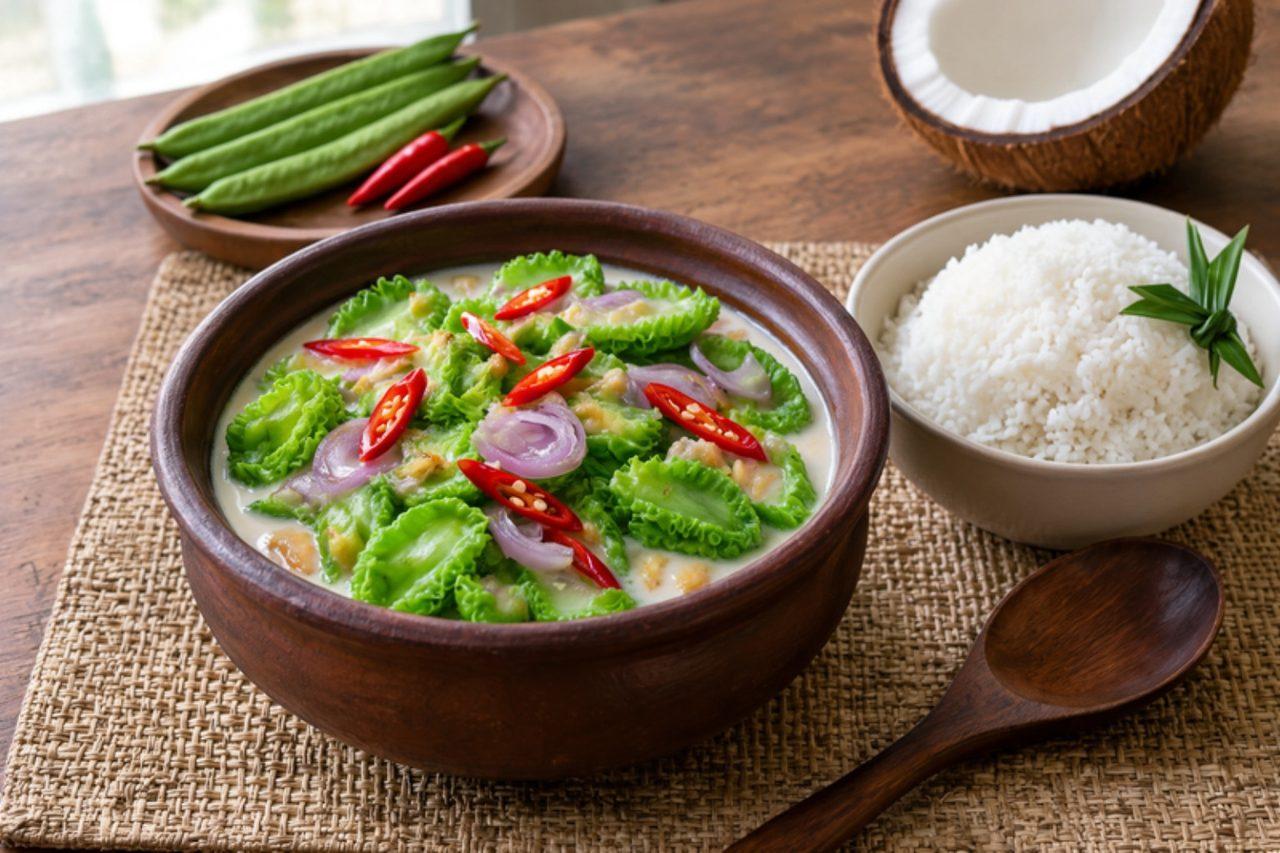
Winged beans, sigarilyas, climb the backyard fences of Luzon and Visayan homes, and on rainy-season weekdays they are sliced and simmered in coconut milk for a quick ulam to go with rice. The frilly beans stay crisp-tender and soak up the garlicky, gently spicy gata. Many cooks add shrimp paste; this version keeps it vegan with a little soy sauce. The usual mistake is overcooking: winged beans lose their crunch and go dull green in minutes, so add them only when the coconut milk has reduced. Chef's tip: cut the beans on a sharp diagonal so each slice shows off the four ruffled wings.

by KrazyBadal 0 views

HyldeblomstsaftElderflower cordial

In Denmark the elder hedges flower from late May to the end of June, and picking the creamy umbels on a dry, sunny morning is one of the first rituals of summer. The flowers steep for a few days with sliced lemon, sugar syrup and citric acid, then are strained into bottles of hyldeblomstsaft, a non-alcoholic cordial that is diluted with cold still or sparkling water and poured at garden lunches, children's birthday parties and around the bonfire on Sankt Hans aften, 23 June. It tastes floral and honeyed, a little like muscat grapes, with a fresh lemony edge that keeps it from cloying. The mistake most people make is picking flowers that are already browning, damp or growing by a busy road; they give a musty, catty smell. Choose freshly opened heads that smell sweet, and shake out the insects instead of washing them, which rinses away the pollen and the flavour. The cordial is ready when it tastes clearly of elderflower and the lemon slices have softened. Chef's tip: snip the florets off with scissors right under the flowers, as green stalk makes it bitter.

by KrazyBadal 0 views

IsijingiPumpkin and maize porridge

When the big grey-skinned pumpkins come in at the end of summer, Xhosa grandmothers around Butterworth and Ngcobo stew them down and stir in maize meal to make isijingi, a bright orange porridge that children love and adults secretly do too. It is soft and spoonable, gently sweet from the pumpkin and a little sugar, with the faint corn flavour of the meal underneath. Serve it as a side to beans or a vegetable stew, or eat a bowlful on its own for supper on a cold evening. Watery pumpkin is the classic mistake, so cook the pumpkin until most of its liquid has evaporated before the meal goes in. Chef's tip: use a dense, deep orange pumpkin or butternut, not a watery jack-o'-lantern type, for the sweetest flavour.

by KrazyBadal 0 views

Ispanakhi matsvnitSpinach with yogurt

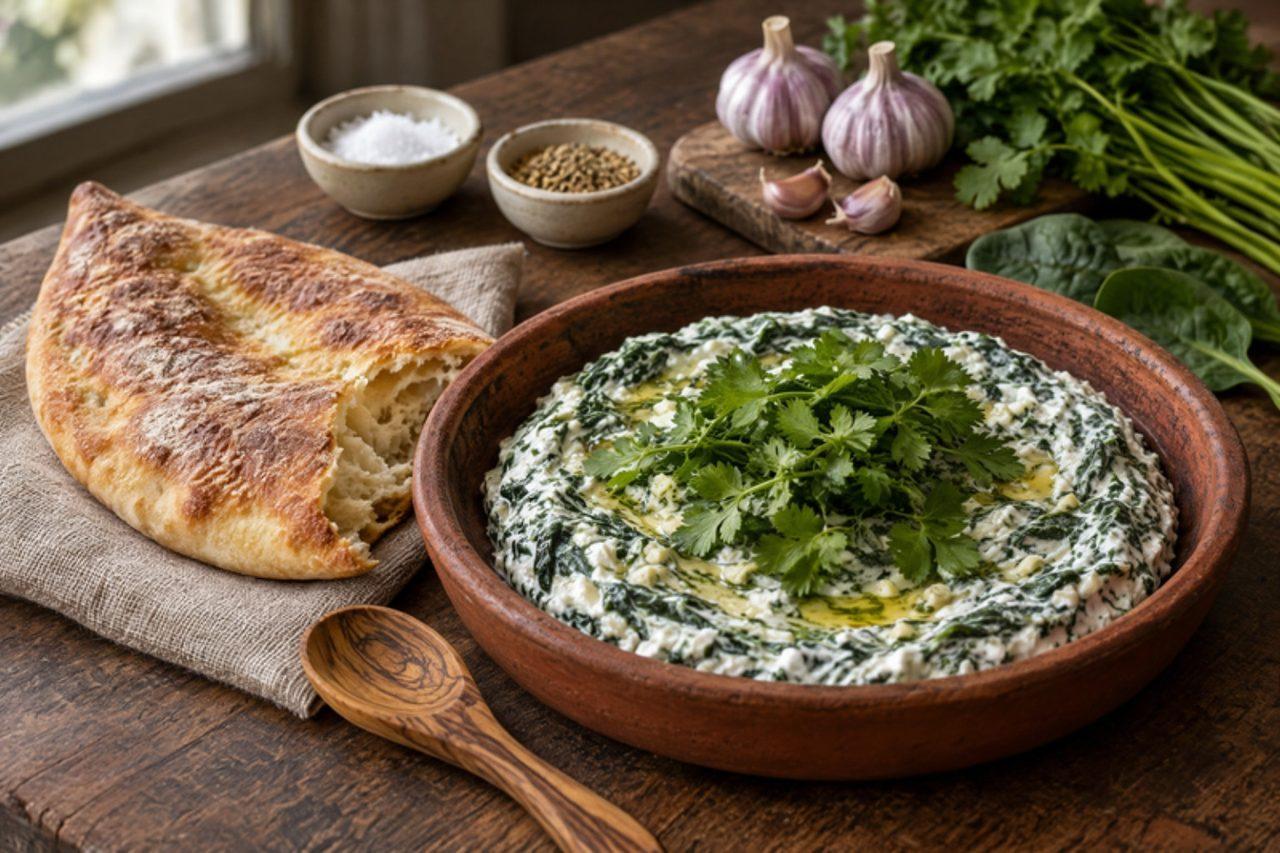
In Georgian homes from Tbilisi to Kakheti, ispanakhi matsvnit is one of the quick dishes on a supra table and a weekday side all spring, when spinach is young and sweet. The spinach is wilted, squeezed and chopped, then folded into thick matsoni (Georgian set yoghurt) with crushed garlic, coriander and a little blue fenugreek, and served cool with bread, beans or grilled vegetables. Suitable as part of a balanced diet. About 110 kcal and 8 g carbohydrate per portion. The usual mistake is not squeezing the spinach hard enough, so water seeps into the yoghurt and makes it thin. Chef's tip: crush the garlic with a pinch of salt to a smooth paste so it spreads evenly through the yoghurt rather than hitting you in raw lumps.

by KrazyBadal 0 views

Alu chi patal bhajiColocasia leaf curry

No Maharashtrian festive thali, at Ganesh Chaturthi, a wedding or a naming ceremony, feels complete without a bowl of aluchi patal bhaji: chopped colocasia leaves stewed soft with chana dal and peanuts in a thin curry that is sour with tamarind, sweet with jaggery and thickened with a spoon of gram flour. It is eaten mixed into rice or sipped from the thali. Colocasia leaves must be cooked thoroughly with an acid like tamarind; undercooked leaves make the throat itch. The usual mistake is skimping on the cooking time to save the bright green colour; the leaves should be fully soft and olive-green. Chef's tip: soak the peanuts and chana dal for at least 2 hours, so they cook in the same time as the leaves.

by KrazyBadal 0 views

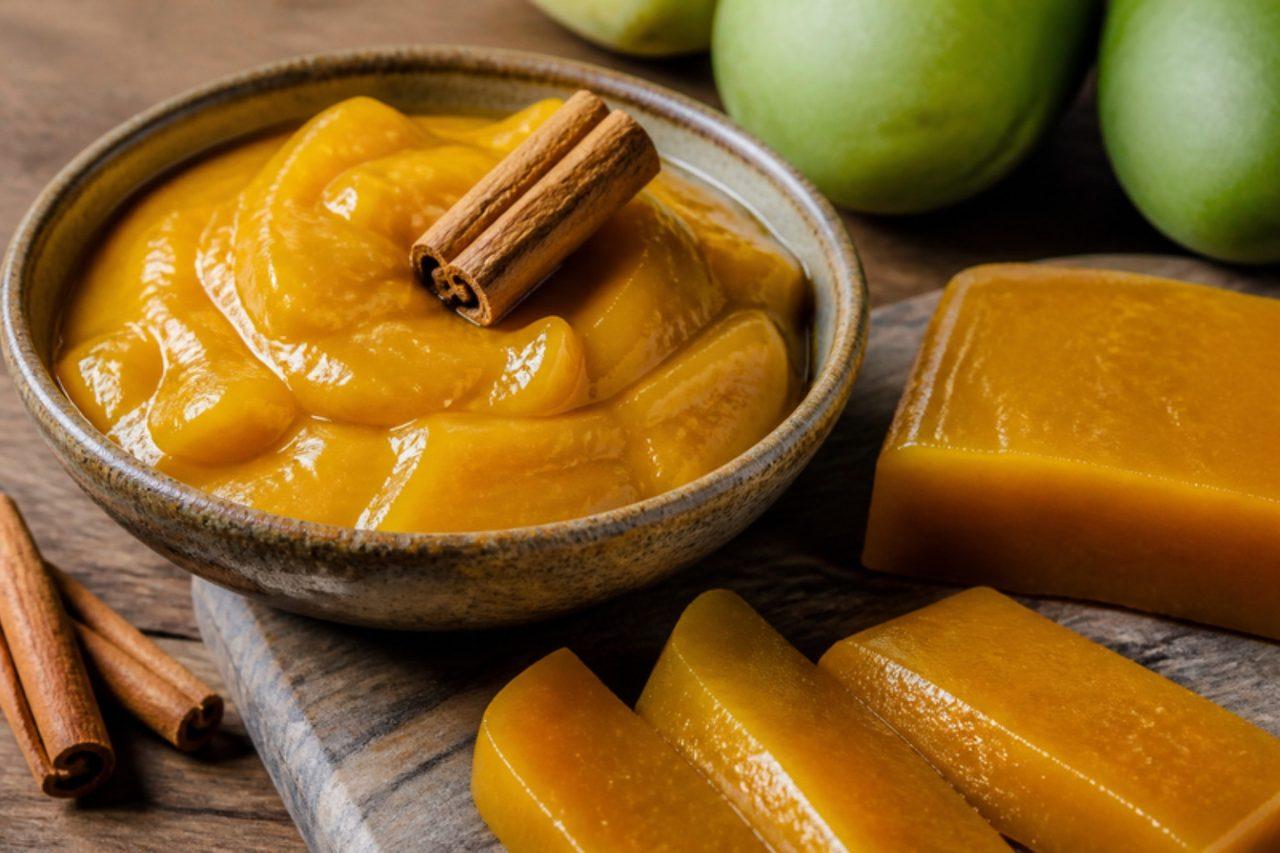
Jalea de mangoGreen mango paste

When the mango trees of Oriente are heavy in Lent, families in Sucre and Anzoátegui cook the hard green fruit with sugar and spice into jalea de mango, a thick tart-sweet paste set in a dish and cut into squares. It's eaten during Holy Week, often on a piece of crisp cassava bread. The mistake to avoid is skipping the sieve, which leaves stringy fibres. Chef's tip: use a long wooden spoon and keep your arm covered: the thick paste spits as it bubbles.

by KrazyBadal 0 views

Mela grattugiata (grated apple)

Ask any Italian nonna what a baby has for merenda, the mid-afternoon snack, and she will mime grating an apple: in homes from Turin to Bari, a sweet apple is grated very finely on the small holes of a grater and spooned up at once, before it turns brown. Paediatricians in Italy suggest it from six months, and for the first few times many parents steam the apple briefly so it is softer still. It tastes fresh and naturally sweet; the old habit of crumbling in a biscuit or a spoon of sugar is not for babies under one, and honey never. It is free of the major allergens. Chef's tip: a squeeze of lemon is often added to stop browning, but for babies simply grate it right before serving.

by KrazyBadal 0 views

Masato de arroz (Bogotá spiced rice drink)

In the old bakeries of La Candelaria and at the juice stands of the Paloquemao market in Bogotá, masato is poured from big jugs to go with warm almojábanas and pandebono at mid-morning or with the afternoon onces. It is cooked rice blended with spiced syrup and left to rest until it turns gently tangy, so it tastes like a cross between rice pudding and a cool, creamy lemonade. Any natural fermentation produces a trace of alcohol the longer it goes on; this version rests only overnight and is then chilled, and for a completely alcohol-free drink skip the rest and add lime juice for the tang. Chef's tip: keep the rest short and taste it; it should be lightly sour and sweet, never fizzy or boozy.

by KrazyBadal 0 views

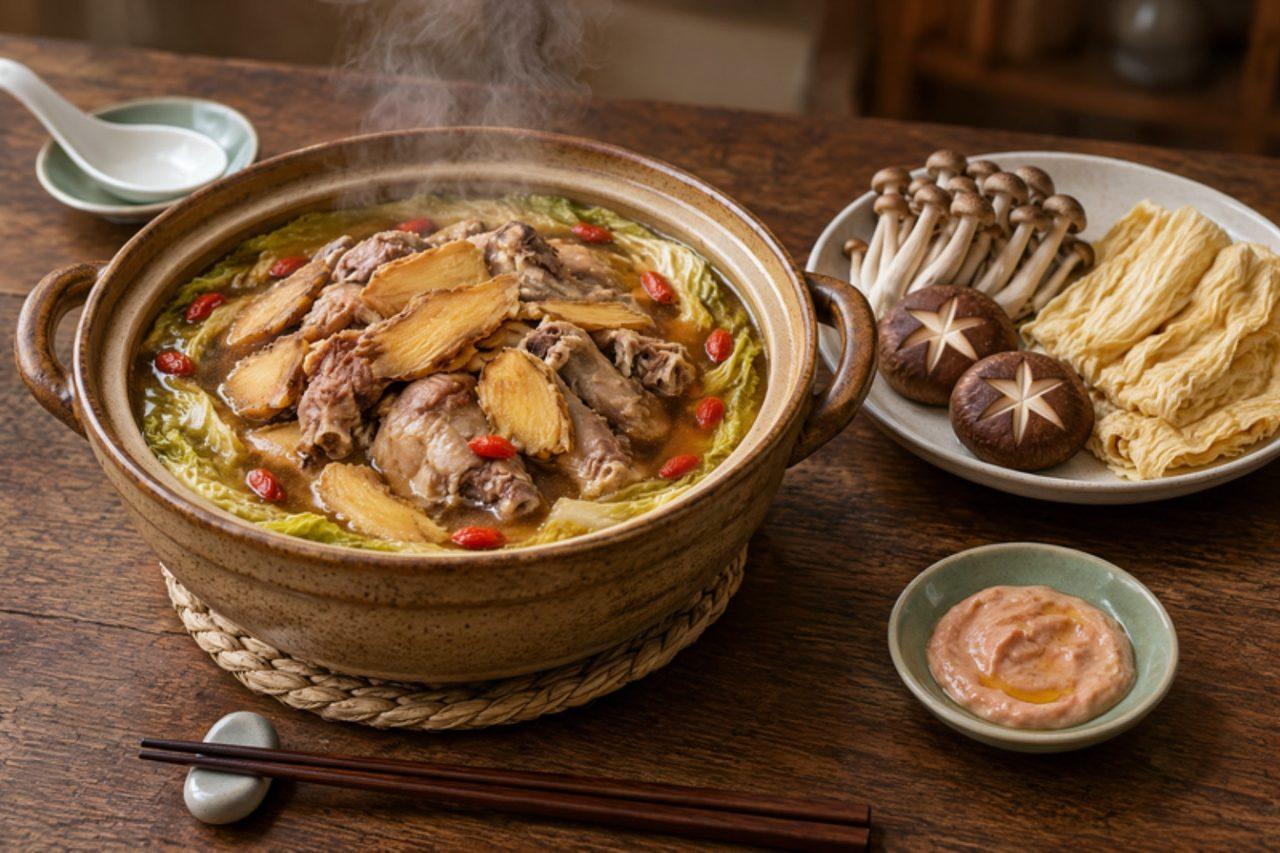
Jiang mu yaGinger duck hot pot

Jiang mu ya is Taiwan's winter warmer, sold from steaming restaurants and night-market stalls from the first cold snap until spring, where diners add cabbage, mushrooms and noodles to the pot at the table. Thick slices of old ginger are fried slowly in black sesame oil until shrivelled and golden, then duck is browned in the same oil and simmered for over an hour in rice wine and water with jujubes and goji. The broth is rich, warming and gingery. It cooks with a lot of rice wine; for an alcohol-free version use chicken stock with an extra 50 g ginger. The usual mistake is frying the ginger over a high heat: sesame oil turns bitter, so keep it low and patient. Chef's tip: use old, fibrous ginger with thick skin, not young ginger, for the proper heat.

by KrazyBadal 0 views

Jidan guanbingFlatbread filled with egg

Jidan guanbing, "egg-poured pancake", started in Henan and is now on breakfast carts across China: a layered flatbread puffs up like a balloon on the griddle, the cook tears a slit, pours beaten egg inside, then wraps it around lettuce with sweet bean sauce and chilli. The mistake is rolling the dough too thick so it never puffs; roll it thin and seal the oil paste well inside so steam separates the layers. Chef's tip: press the centre gently with a spatula as soon as it starts to rise, which pushes the air into one big pocket ready for the egg.

by KrazyBadal 0 views

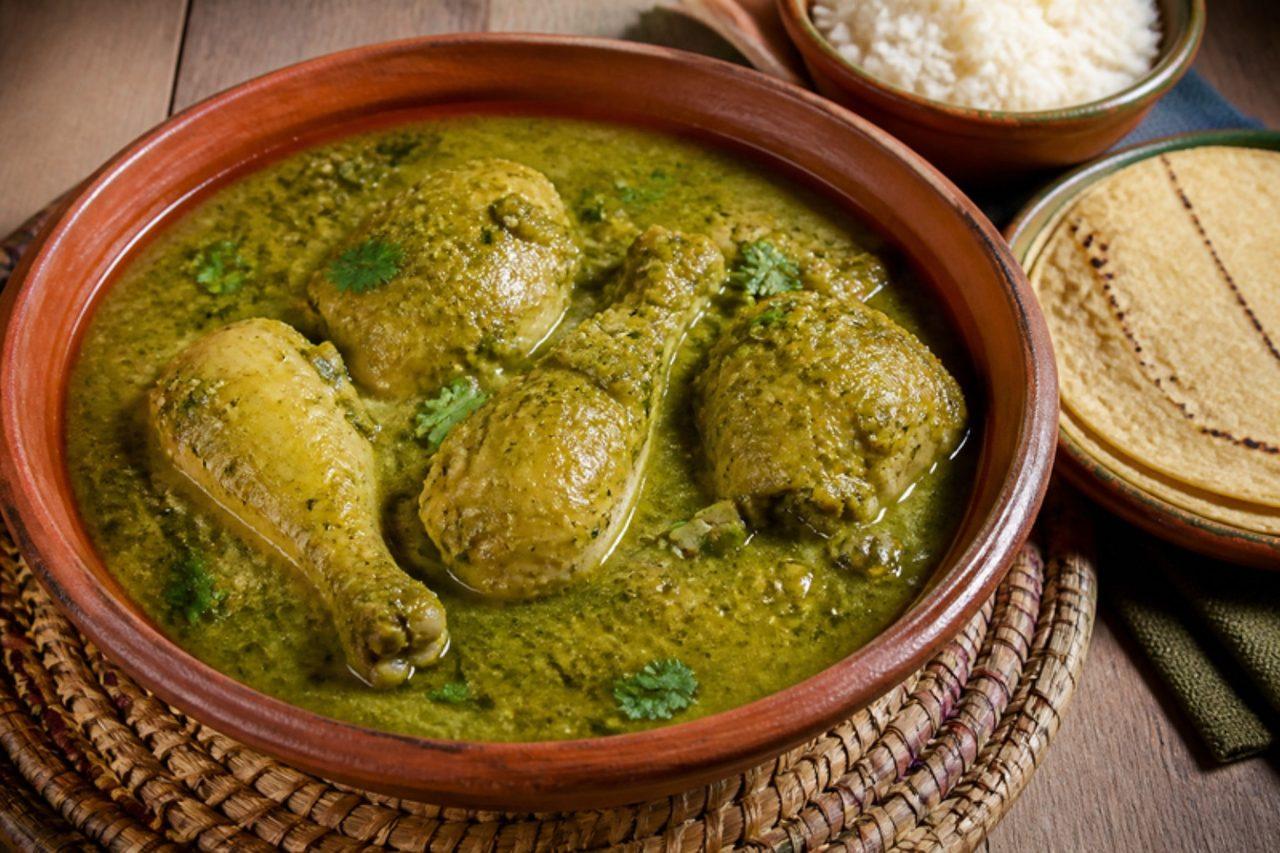
JocónChicken in green tomatillo sauce

Up in Huehuetenango and the Cuchumatanes highlands, jocón is a Sunday and fiesta dish: chicken pieces poached and then finished in a bright green sauce of tomatillos, coriander, spring onion and green pepper, thickened with toasted pumpkin and sesame seeds and a soaked corn tortilla. It tastes tangy, herby and nutty, and is eaten with white rice and a stack of warm tortillas. The common mistake is boiling the sauce hard after blending, which dulls the colour and splits the seeds; keep it at a gentle bubble. Chef's tip: toast the pumpkin seeds until they pop and smell nutty but stay green; dark seeds turn the sauce muddy and bitter.

by KrazyBadal 0 views

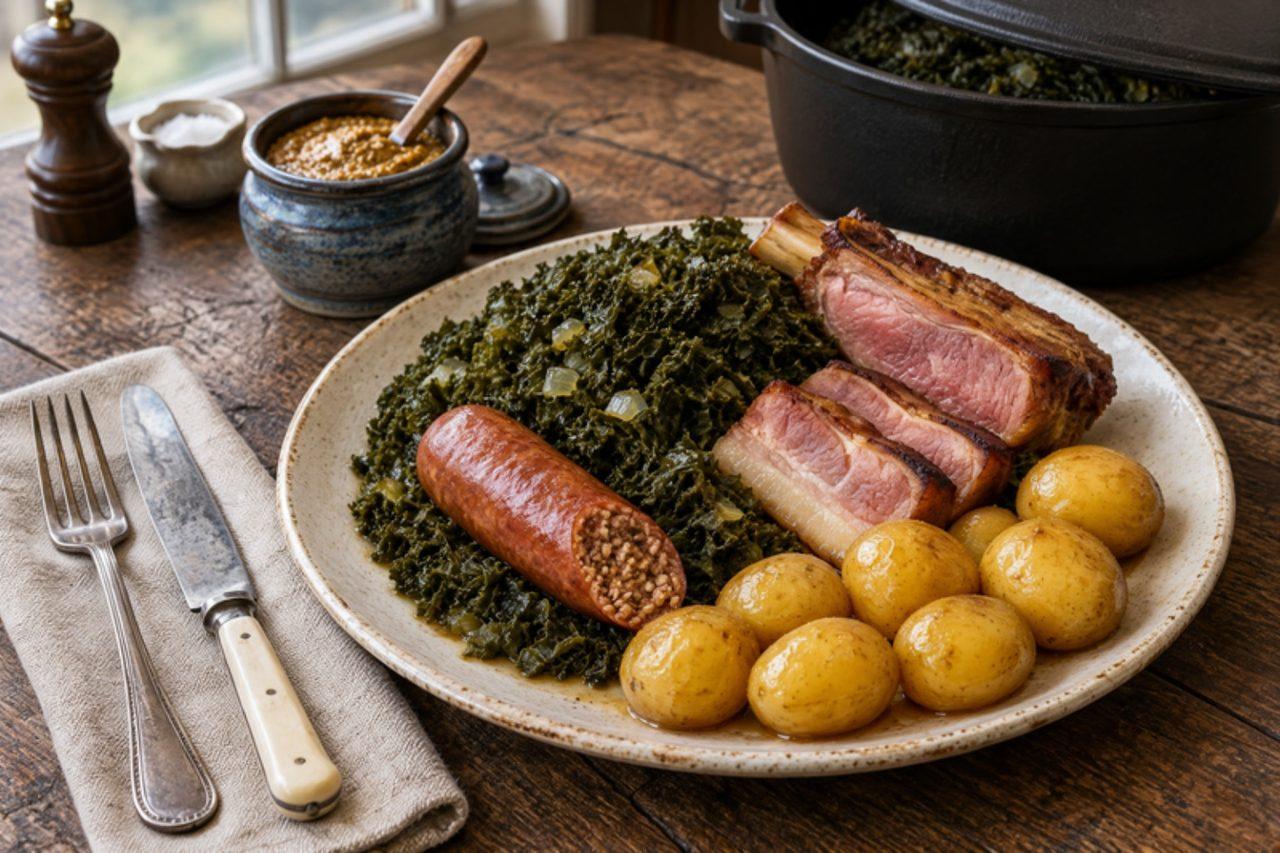
Grünkohl mit PinkelBraised kale with smoked sausage

In Bremen and Oldenburg, Grünkohl mit Pinkel is the dish of the winter Kohlfahrt, when groups walk out into the frosty countryside and finish at an inn for kale, smoked pork and Pinkel, a smoked sausage of pork, bacon and oats. The kale is braised for hours with onions, lard and smoked pork until dark, soft and almost creamy, then the sausages warm through on top. Serve with boiled potatoes or small caramelised ones and mustard. The usual mistake is cooking the kale briefly like a vegetable side; it needs the long braise to lose its bitterness. Chef's tip: kale is best after the first frost, which makes the leaves sweeter; frozen chopped kale is a good shortcut.

160 minGermanMeat
by KrazyBadal 0 views

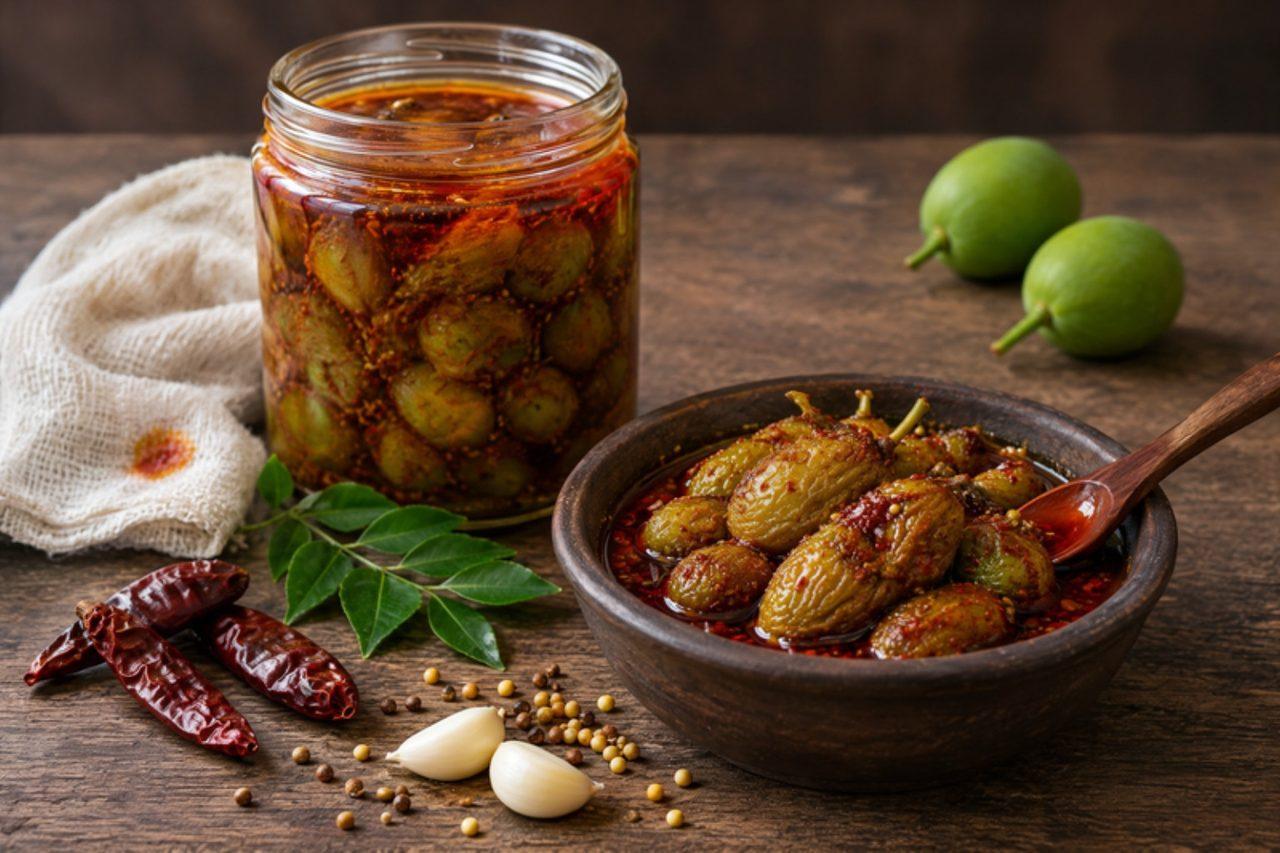
Jolpai acharIndian olive pickle

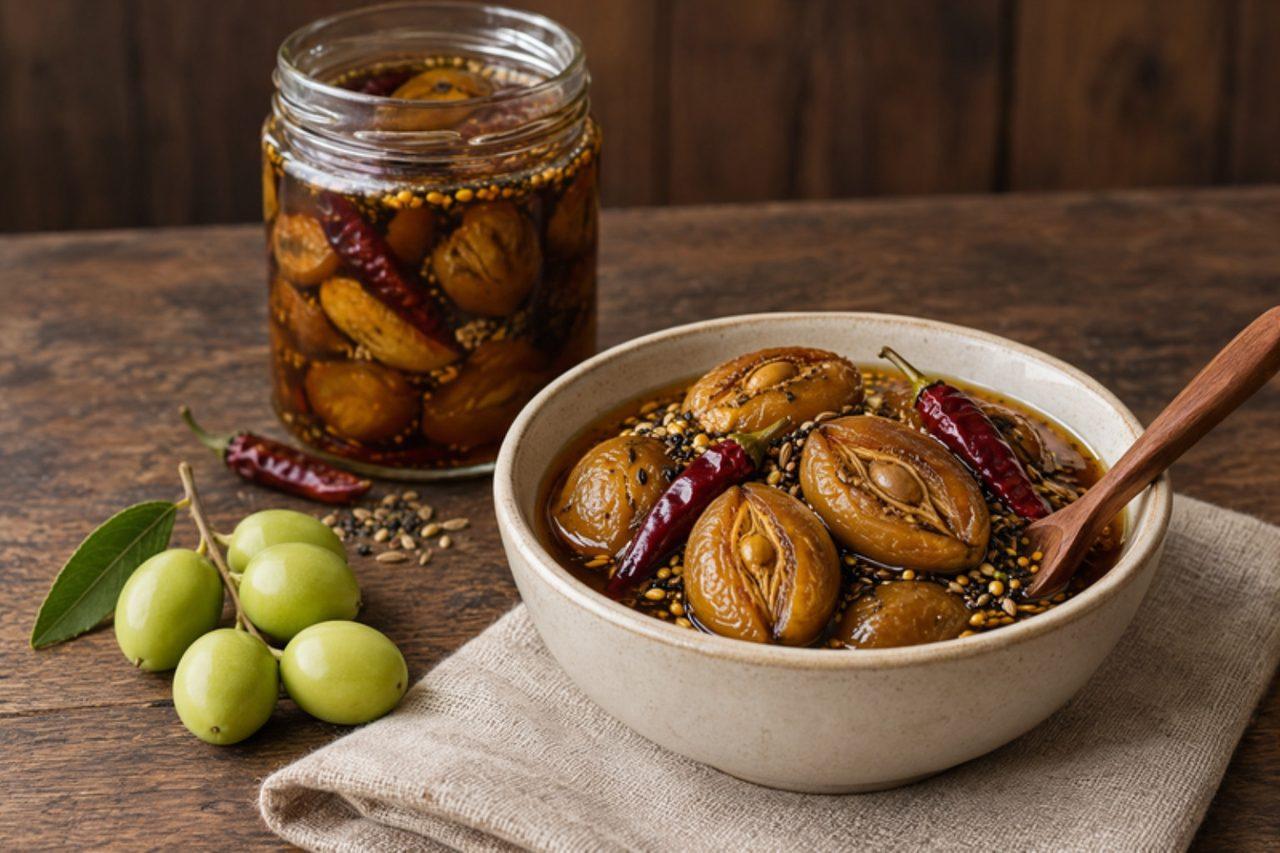
Jolpai, the small, hard, sour Indian olive, appears in Bengal and Bangladesh markets from October to December, and no winter afternoon is complete without a jar of jolpai achar warming in the sun. It is no relation to the Mediterranean olive: it is tart and astringent, almost like a green plum. The olives are boiled, lightly crushed so the flesh splits from the stone, then cooked in mustard oil with panch phoron, dried chilli and plenty of jaggery. The pickle is sticky, sweet-sour and slightly tannic, with soft flesh to nibble off the stones. Eat it with khichuri on a cold evening, with dal-bhaat, or straight from the jar as a snack. The common mistake is under-boiling: the olives must be soft enough to press flat, or the syrup cannot get in and they stay bitter. It is done when the syrup is thick and shiny and clings to the olives. Very sweet and acidic, it keeps a month in a cool cupboard in winter and 3 months in the fridge. Abroad, look for frozen jolpai in Bangladeshi grocers; firm, sour green plums are the closest substitute. Chef's tip: keep a few olives whole and only scored; they give a nicer bite.

by KrazyBadal 0 views

RinderrouladenStuffed beef rolls

Rinderrouladen are the Sunday and holiday roast of Germany, made by grandmothers from the Rhineland to Saxony and served at Christmas with red cabbage and potato dumplings. Thin slices of beef are spread with mustard and rolled round smoked bacon (pork), onion and gherkin, then browned and braised for two hours in red wine and stock until tender, giving a deep, glossy gravy. For an alcohol-free version use extra stock with a tablespoon of red wine vinegar. The usual mistake is rolls that unravel in the pot; tie them firmly or pin with two cocktail sticks. Slow-cooker: after browning, cook on low for 7 hours, then thicken the sauce in a pan. Chef's tip: ask the butcher for topside sliced 5 mm thick and beat it a little thinner, so it rolls easily without tearing.

165 minGermanMeat
by KrazyBadal 0 views

Ash-e dooghYogurt soup with rice and chickpeas

Ash-e doogh is the summer and autumn soup of Ardabil and the Azeri north-west of Iran, cooked in big pots for family gatherings and sold in bowls in the bazaars. Rice and chickpeas are simmered in tangy yoghurt with handfuls of dill, coriander, spinach and mint, and the soup is topped with crisp fried onion and dried mint. It is creamy and sour, never heavy. The usual mistake is stopping stirring: the yoghurt splits into grains if left to boil alone, so stir in one direction without stopping until it comes to the boil. Chef's tip: beat a spoonful of rice flour into the yoghurt before heating; it stabilises it and keeps the soup silky.

by KrazyBadal 0 views

Pão com linguiça (grilled sausage roll)

Outside every São Paulo football ground on match day, and above all on the streets around the Allianz Parque, carts with smoking griddles sell pão com linguiça: a coiled Tuscan-style pork sausage split open, crisped on the plate and tucked into a roll with vinaigrette and a splash of chilli sauce. It is fast, juicy and filling, eaten walking to the gate. The sausage is raw pork and must be cooked through. Chef's tip: once the sausage is nearly cooked, split it lengthwise and press it cut side down on the griddle; it browns all over and finishes cooking evenly.

by KrazyBadal 0 views

Jwano ko jholCarom seed broth

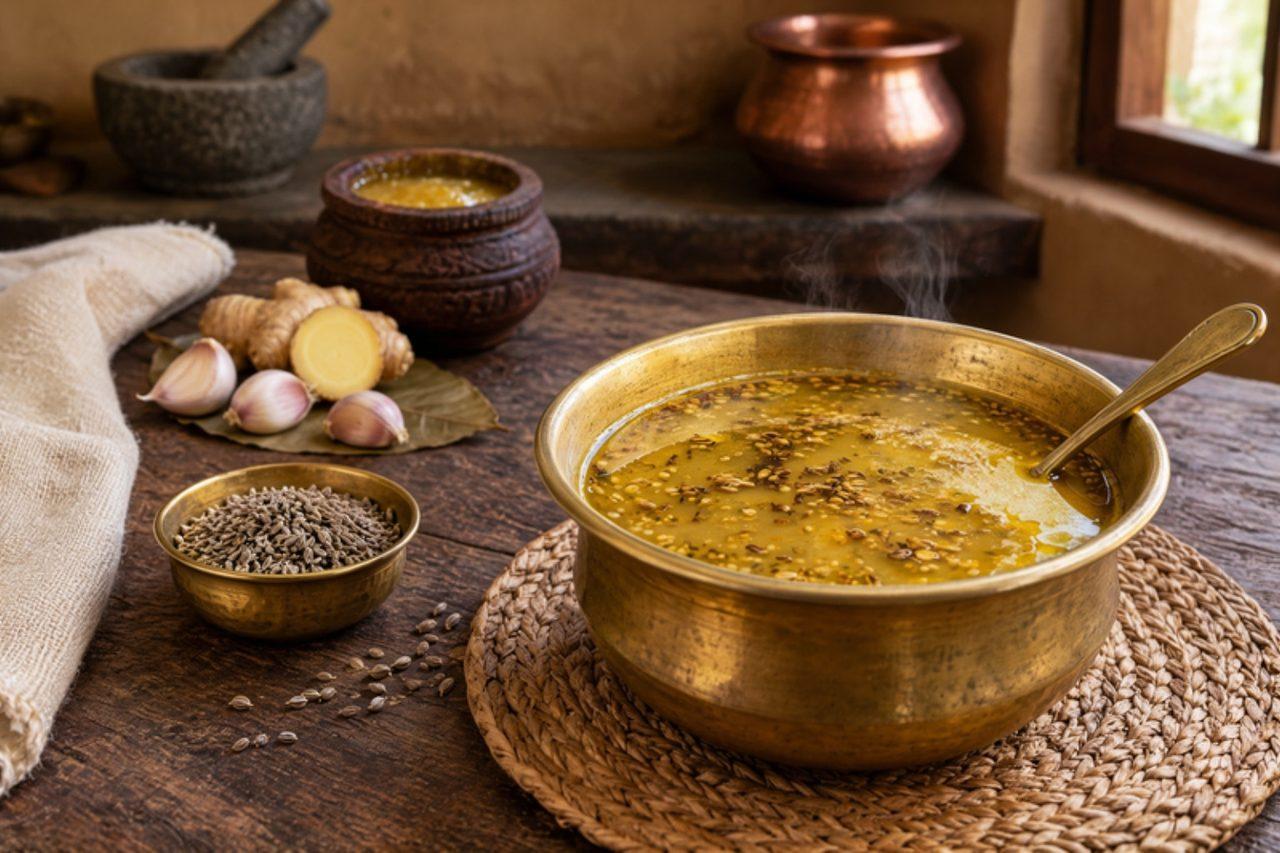
Jwano ko jhol is the soup Nepali families make for a mother in the weeks after a birth, and for anyone in the house who has a cold during the Kathmandu winter. Carom seeds are fried in ghee with a spoon of flour until nutty, then whisked with water, garlic and ginger into a thin, peppery, slightly thyme-like broth that is sipped hot from a bowl or poured over rice. The usual mistake is burning the jwano: it turns bitter in seconds, so take it off the heat as soon as it darkens a shade. Chef's tip: whisk the water in a little at a time, as with gravy, so the flour never forms lumps.

by KrazyBadal 0 views

KaasbroodjeCheese puff pastry roll

The kaasbroodje is the Dutch commuter's breakfast: a rectangle of puff pastry wrapped around a log of Gouda, baked until the cheese oozes from the ends. Kiosks in Amsterdam Centraal and bakeries along the Haarlemmerstraat sell them warm all morning, and they get eaten on the platform or on the tram, scattering flakes everywhere. Use a young or medium Gouda for melt, with a little aged one for flavour. Traditional Gouda is often made with animal rennet, so choose one labelled vegetarian (made with microbial rennet) if that matters to you. Chef's tip: seal the ends well and bake with the seam underneath, so the cheese melts inside rather than running onto the tray.

by KrazyBadal 0 views

Aam ki launjiSweet and sour raw mango relish

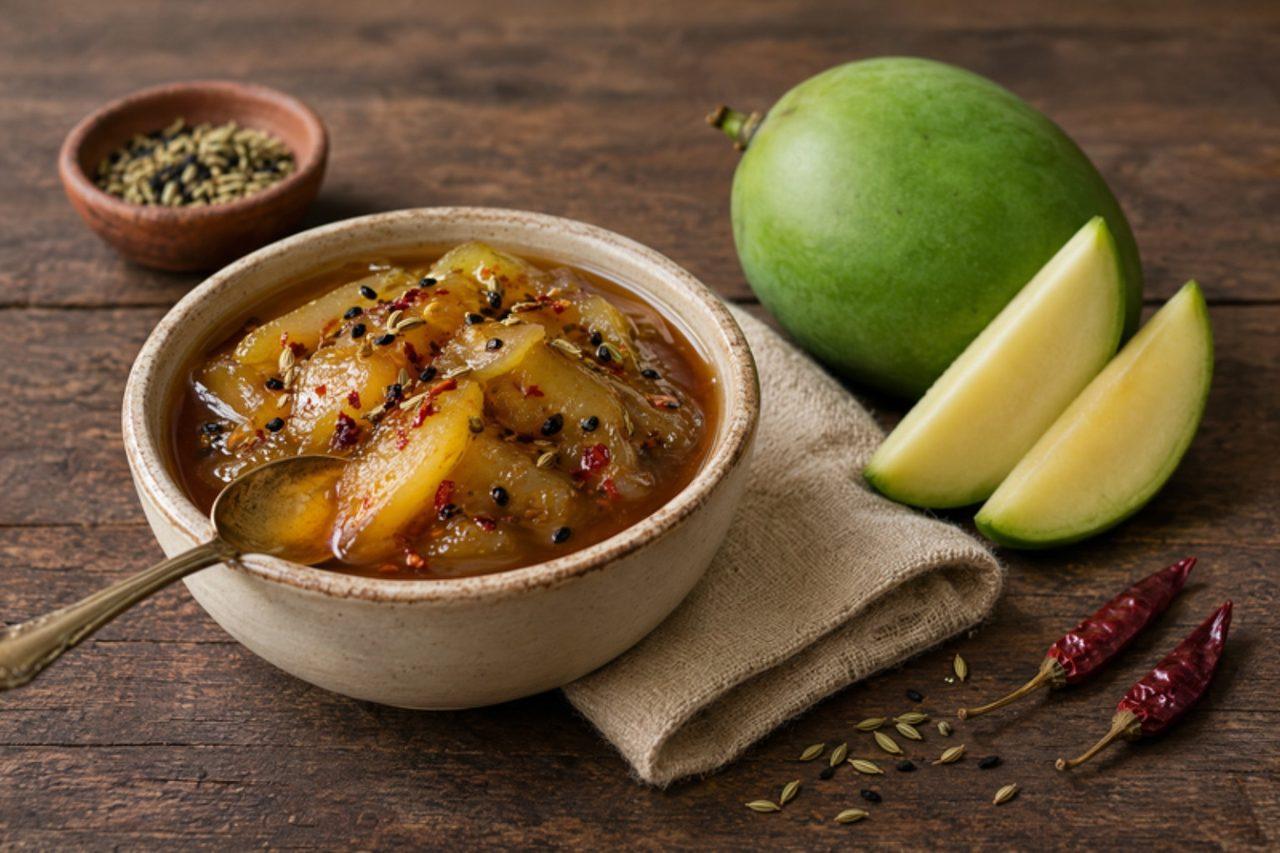
In Rajasthan and across the Hindi belt, launji is the quick mango relish made the day the first raw mangoes come home in April, and it keeps appearing on the thali all through the scorching summer. Unlike the long-cured achaars, it is cooked in 20 minutes: mango pieces in mustard oil with saunf, kalonji, methi and cumin, then simmered with jaggery until glossy. The pieces stay soft but hold their shape in a thick, amber syrup that is sweet first, then sour, with a warm hum of chilli and a liquorice note from the fennel. Eat it with dal-baati, puri, paratha or plain khichdi; in the heat it is believed to cool the body. The common mistake is adding the jaggery too early, so it caramelises and turns bitter before the mango is tender; cook the mango first, then the jaggery. It is ready when the syrup coats the back of a spoon and the mango looks translucent at the edges. It thickens as it cools. Store in a clean jar in the fridge and eat within a week to 10 days. Chef's tip: leave a little peel on some pieces; it gives a pleasant chew and stops the mango from turning to mush.

by KrazyBadal 0 views

Agi bulgogi (toddler bulgogi)

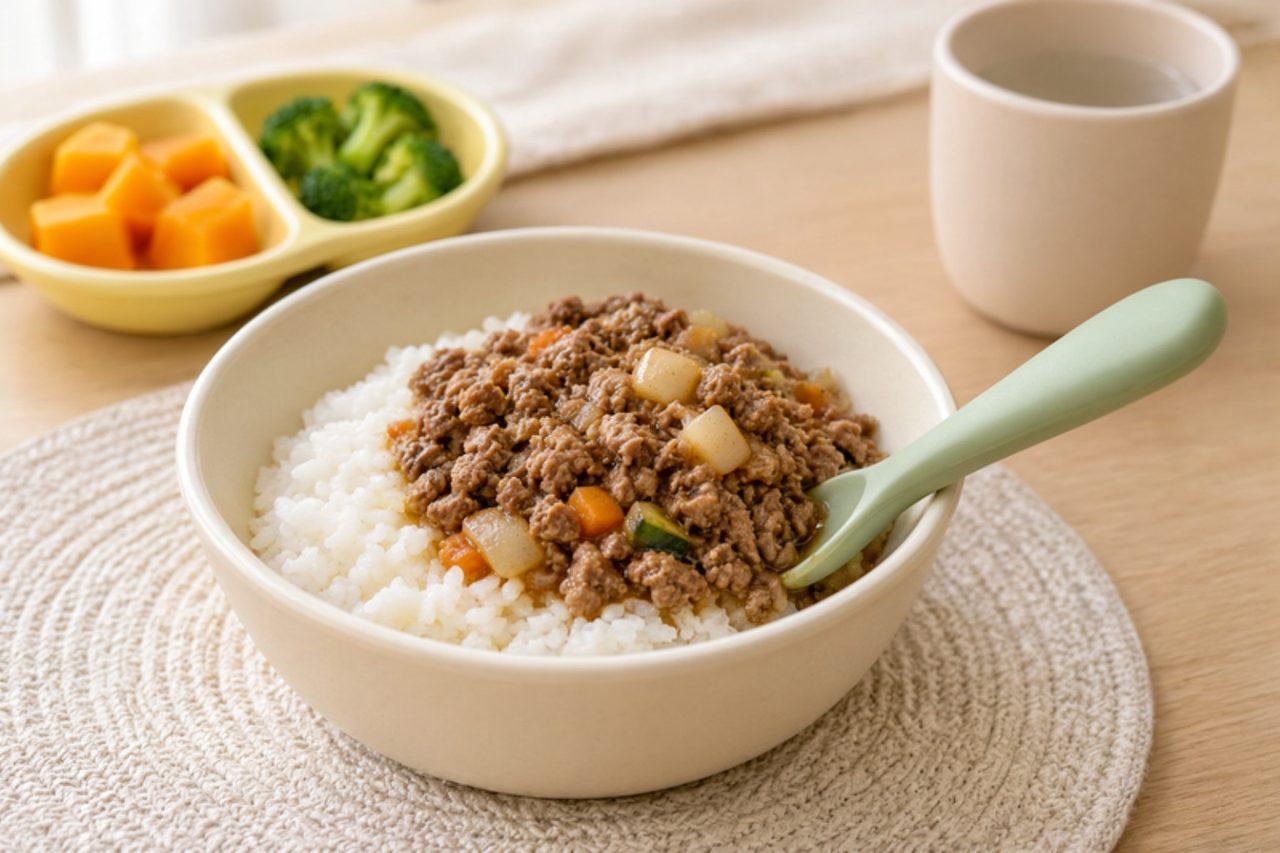
Agi bulgogi, 'baby bulgogi', is the dish Korean parents in Seoul's apartment blocks make once the iyusik stage ends and children start yuaosik, eating soft versions of family food at around 12 months. Grated Korean pear and onion tenderise the beef and sweeten it, so it needs only a drop of soy sauce rather than the sugary grown-up marinade. It is soft, juicy and easy to chew, served with soft rice and courgette. It contains soya and wheat (in soy sauce), and sesame if you use the oil; there is no milk, egg or nuts. Chef's tip: grate the pear finely and squeeze nothing out; the juice is what keeps the meat tender.

30 minKoreanMeat
by KrazyBadal 0 views

Cháo cá hồi bí đỏ (salmon and pumpkin congee)

Cháo cá hồi bí đỏ, salmon and pumpkin congee, is one of the most-shared ăn dặm (weaning) recipes among young parents in Hanoi and Ho Chi Minh City, a sunny orange bowl full of omega-3 fats. Rice simmers soft with diced pumpkin, then fresh salmon is poached in the pot at the end, so it stays moist. There is no fish sauce, salt or sugar, just the natural sweetness of the pumpkin. It contains fish and is free of milk, egg, gluten, nuts, soya and sesame. Chef's tip: run your fingers along the salmon fillet before cooking and pull out the pin bones with tweezers; they are much easier to find raw.

by KrazyBadal 0 views

Kachi haldi ki sabziFresh turmeric curry

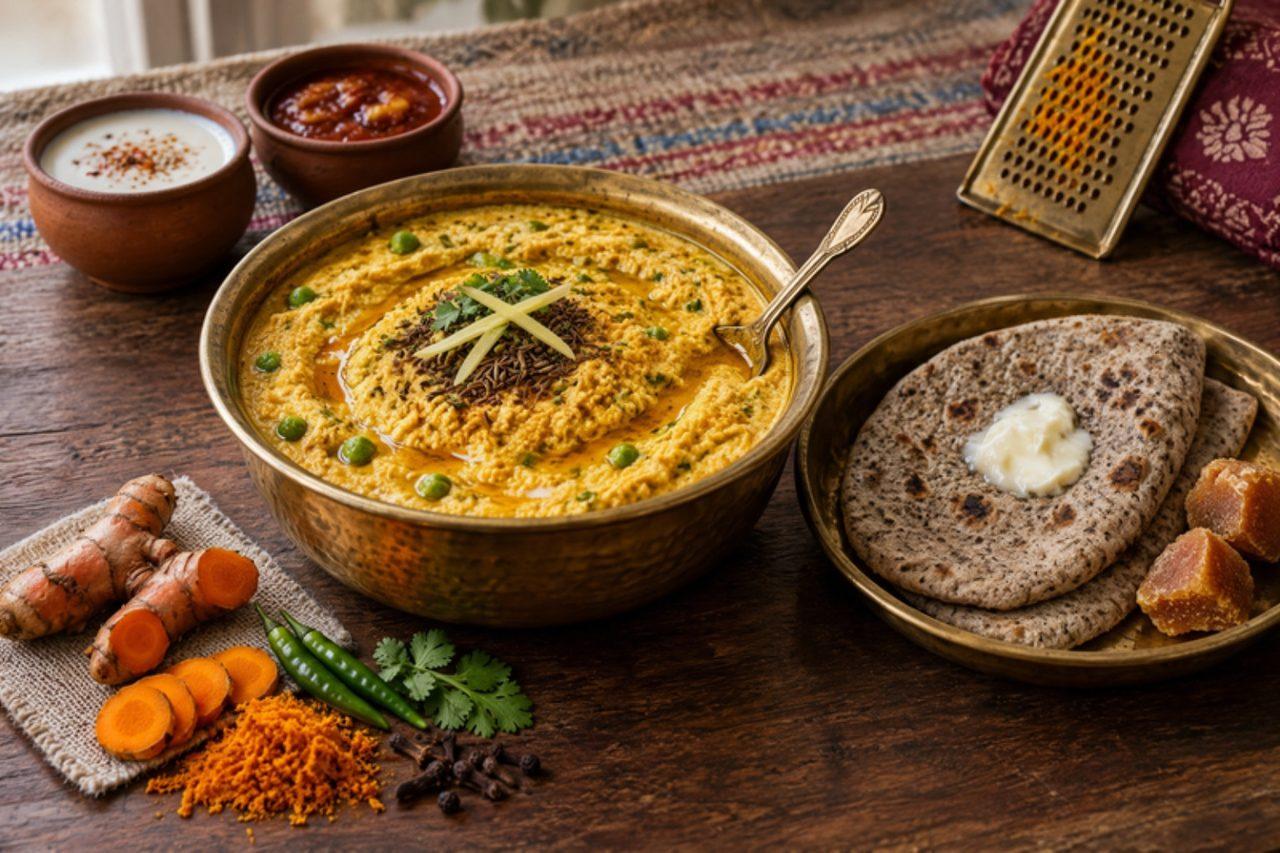
When fresh turmeric root reaches the markets of Jodhpur and Jaipur in December, Marwari families cook kachi haldi ki sabzi, a rich, warming winter dish eaten in small portions with bajra roti and a glass of buttermilk. Grated turmeric is fried slowly in plenty of ghee until it darkens and loses its raw bitterness, then simmered with onion, yoghurt, green peas and spices into a golden, earthy curry. The usual mistake is rushing the frying: it needs 15–20 minutes on a low heat, or the dish tastes harsh. Wear gloves when grating, as turmeric stains hands and boards. Chef's tip: whisk the yoghurt with the ground spices before adding it, and keep stirring until it boils, so the sauce stays silky.

by KrazyBadal 0 views

Jīdàn gēng for babies (steamed egg custard)

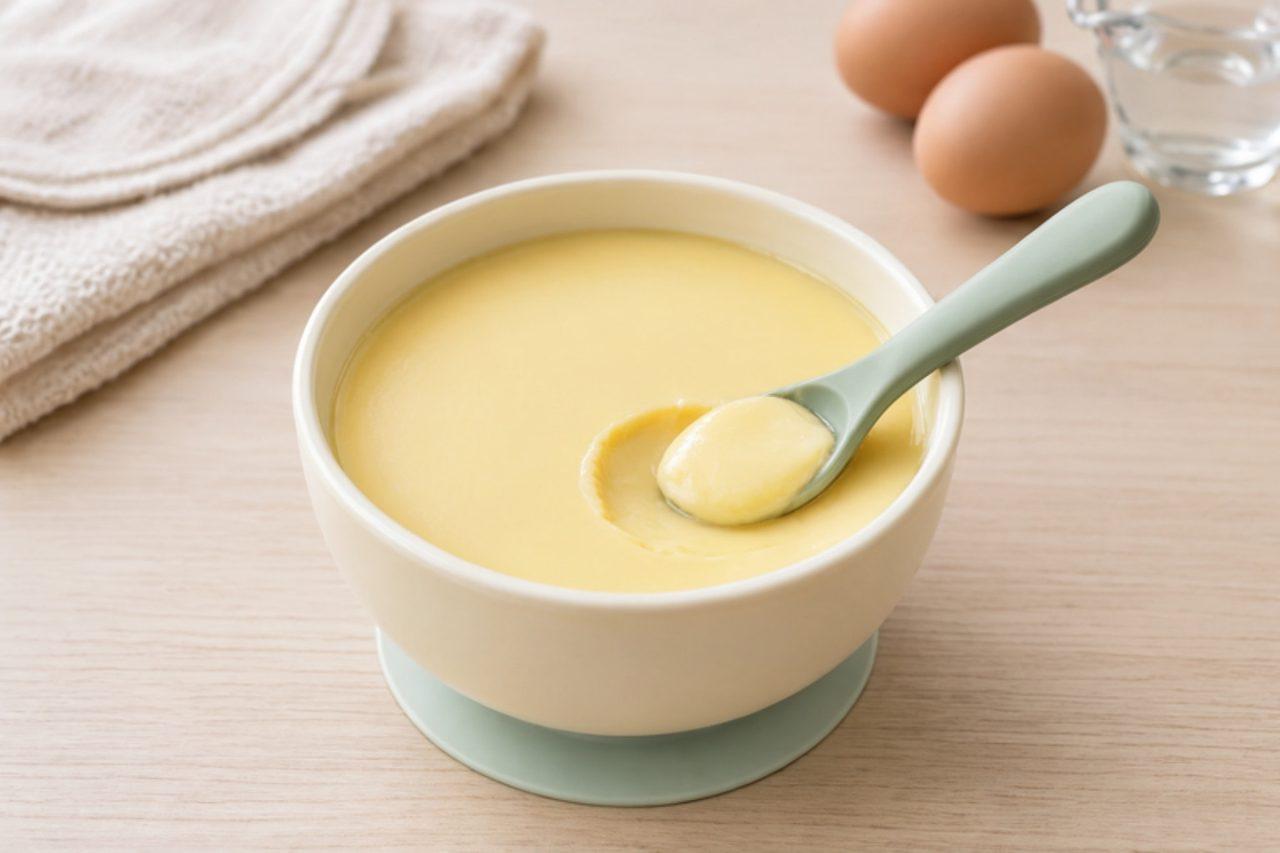
Jīdàn gēng, egg steamed with water into a quivering custard, is the dish Chinese grandparents everywhere from Shanghai to Guangzhou make for small children, and it is often the way a baby first meets whole egg at around nine months. The family version is finished with soy sauce, sesame oil and spring onion; this one is plain, so it tastes clean and gently eggy. Steamed slowly, it is smooth as silk and fully set. It contains egg and is free of milk, gluten, nuts, soya, sesame and fish. Chef's tip: cover the bowl with a plate while it steams; dripping condensation is what pockmarks the surface.

by KrazyBadal 0 views

Ciulama de ciuperciMushrooms in white sauce

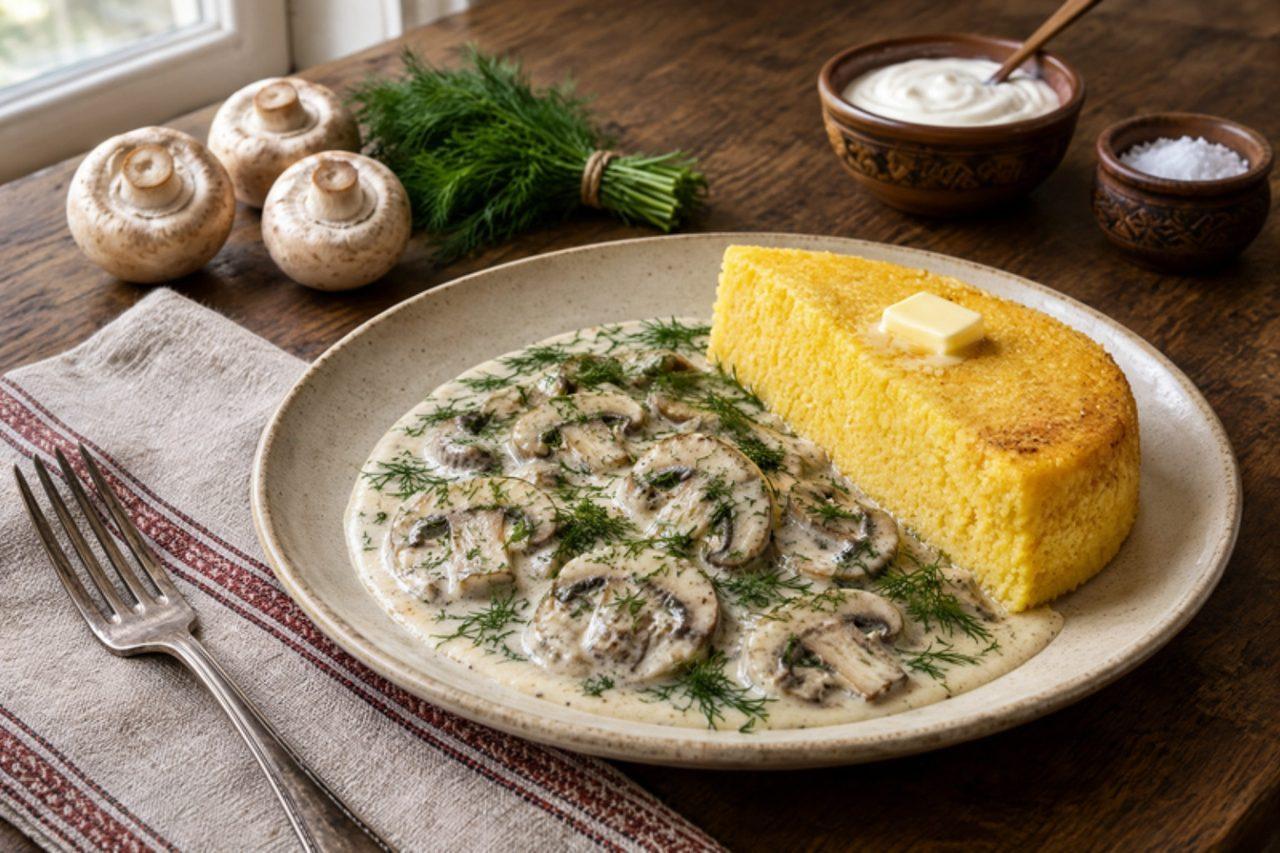
Ciulama is a white, velvety sauce stew from Moldova and Muntenia, and the mushroom version is cooked in autumn when wild mushrooms come down from the Carpathians, or any time with cultivated ones. Mushrooms are sautéed with onion, then simmered in a light roux of butter, flour and milk until thick and creamy, and finished with dill and garlic. It is served with a mound of hot mămăligă (cornmeal mash) and sometimes a spoon of sour cream. The usual mistake is adding the milk to a cold, raw roux, which leaves the sauce lumpy and floury. Chef's tip: let the mushrooms brown before the flour goes in; golden mushrooms give a much deeper flavour than pale, steamed ones.

by KrazyBadal 0 views

Durban mutton curry

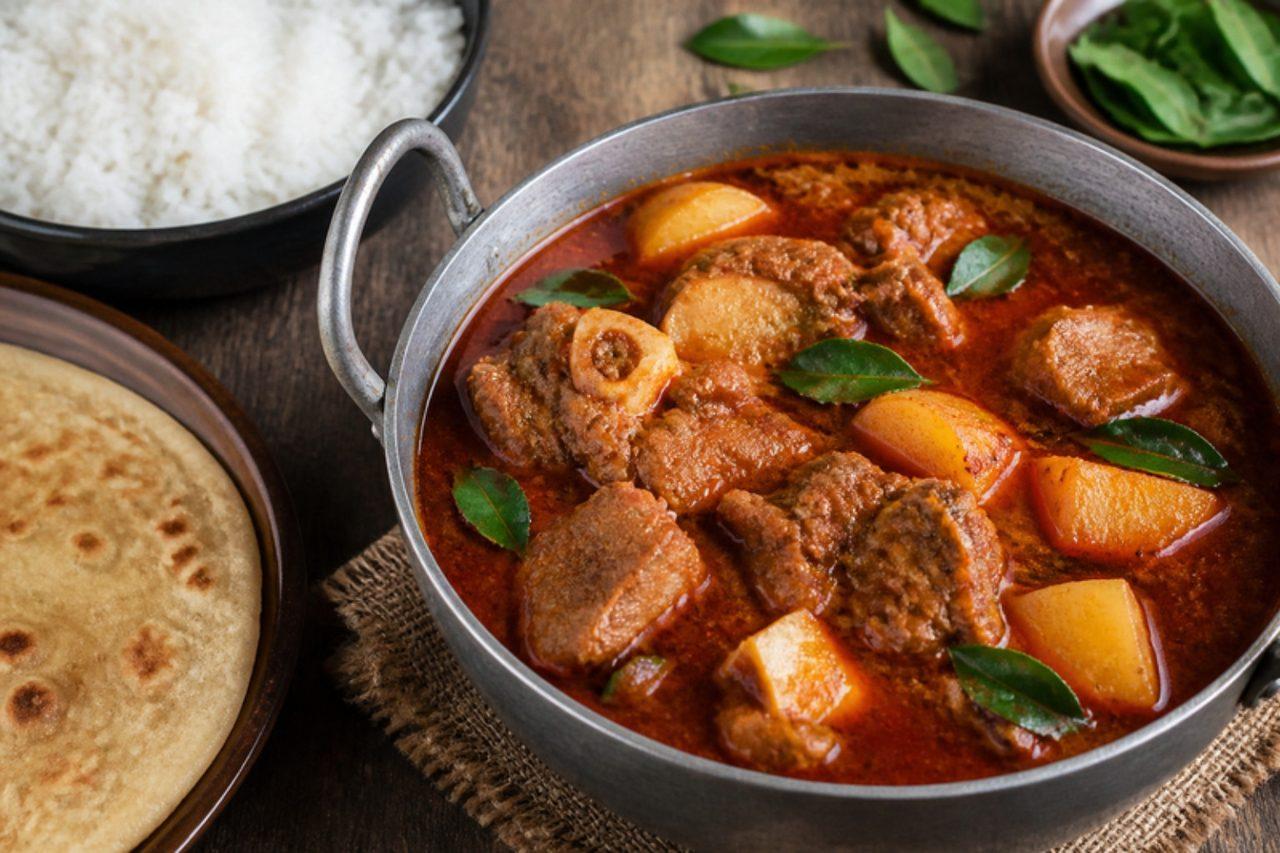
Grey Street spice shops in Durban blend their own red masalas, and this is the curry they are meant for: bone-in mutton cooked slowly until the gravy turns deep brick red and oily, with potatoes that drink up the chilli. Families in Chatsworth and Phoenix put it on the table for Sunday lunch and at weddings, with white rice or rotis, carrot-and-chilli salad and a bowl of tomato-and-onion sambal to cool things down. It is properly hot, but warm whole spices and curry leaves keep it from tasting only of chilli. Burning the masala is the commonest mistake, so add a splash of water the moment it starts to stick. Chef's tip: wait until the mutton is almost soft before adding the potatoes, or they will crumble into the gravy before the meat is ready.

by KrazyBadal 0 views

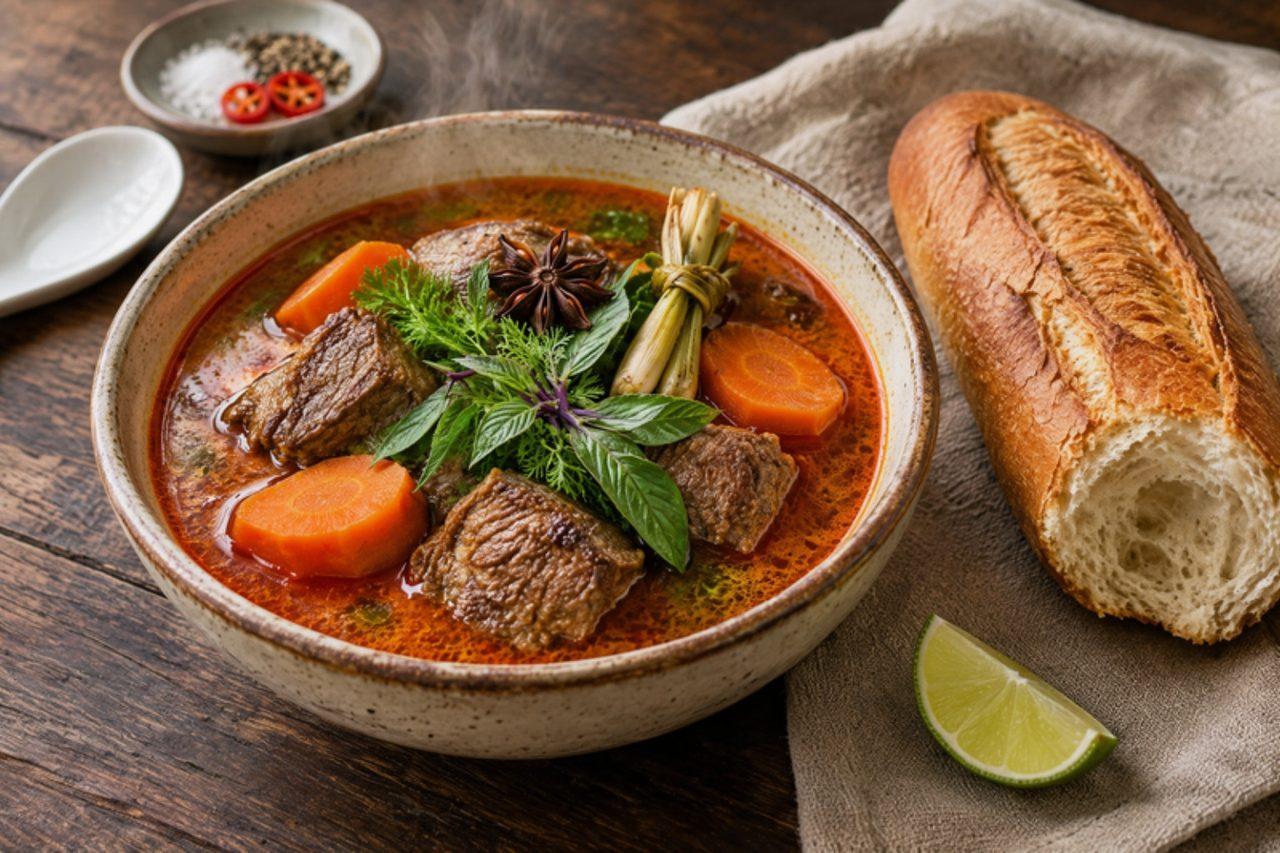
Bò khoLemongrass beef stew

Bò kho is a southern Vietnamese breakfast: in Saigon street stalls ladle this red, gently spiced beef stew over bánh mì torn for dunking, or over rice noodles, from first light. Chunks of beef shin marinate with lemongrass, ginger, garlic, five-spice and fish sauce, are browned in annatto oil, then simmered in coconut water with star anise and cinnamon until tender, with carrots added near the end. The broth should be glossy and aromatic, not thick. The usual mistake is adding the carrots at the start, so they turn to mush; they go in for the last 25 minutes. Slow-cooker option: brown the beef, then cook everything except the carrots on low for 8 hours, adding the carrots for the last hour. Chef's tip: bruise the lemongrass stalks with the back of a knife so they release oil without falling apart.

by KrazyBadal 0 views

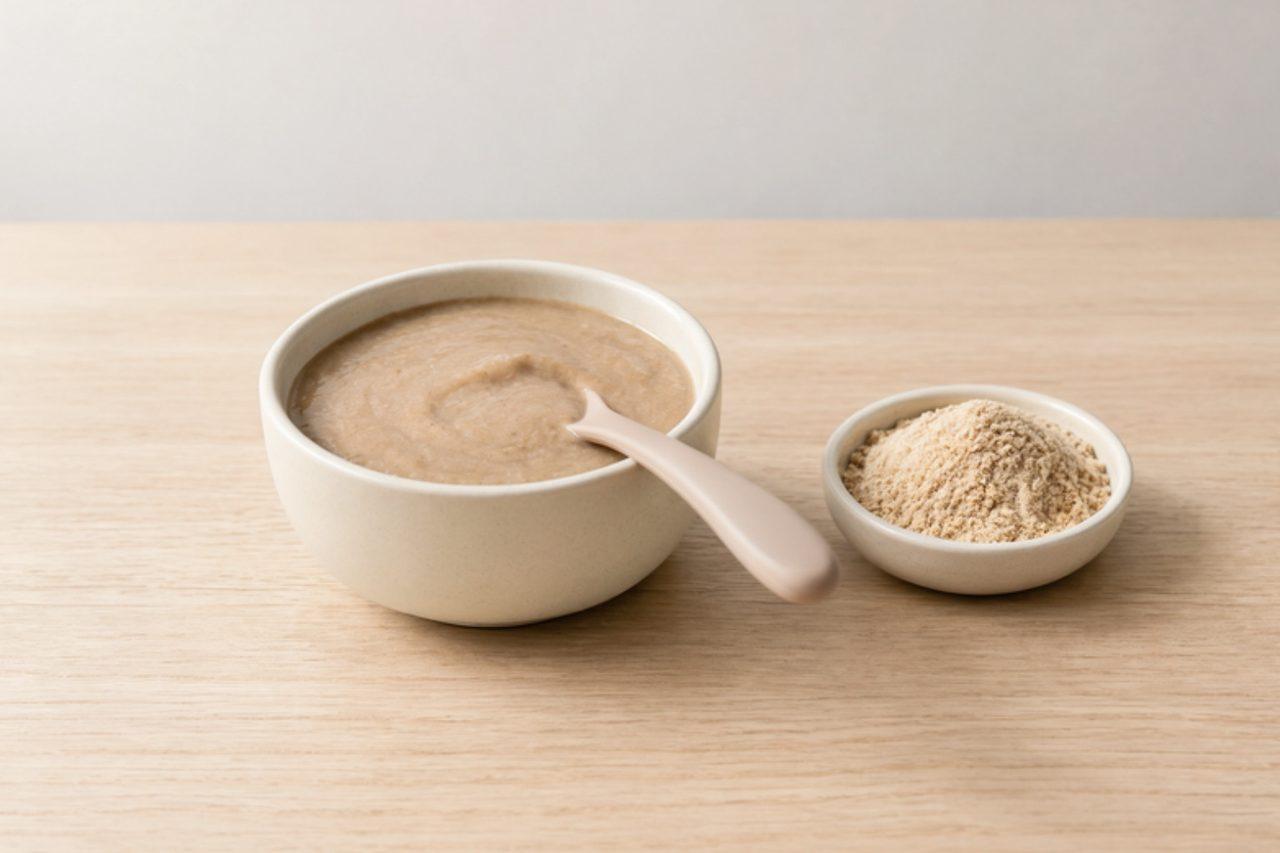
Lito (sarbottam pitho porridge)

Ask a mother in Kathmandu, Pokhara or a hill village what her baby eats after the pasni rice-feeding ceremony, and the answer is often lito: porridge made from sarbottam pitho, a 'super flour' that families roast and grind themselves from two parts soybean to one part each of maize and wheat. Cooked with water it becomes a smooth, nutty, toast-coloured porridge with more protein than plain rice. For babies there is no salt, sugar, jaggery, honey or ghee needed. It contains soya and wheat (gluten). Chef's tip: roast the grains separately, each until it smells nutty and cracks between your teeth, then grind and sieve; the beans need longest.

by KrazyBadal 0 views

Gohan oyaki (rice finger patties)

Oyaki means a little pan-cooked cake, and Japanese parents make gohan oyaki from leftover rice when babies around nine months start wanting to feed themselves. Mashed rice is mixed with steamed kabocha squash (or grated carrot) and a spoon of potato starch, shaped into finger-sized patties and cooked gently until lightly golden. They are soft and sweet inside, hold together in a small fist and squash easily against the gums. They are free of the major allergens: no milk, egg, gluten, nuts, soya, sesame or fish. Chef's tip: mash the rice while it is warm; cold rice will not stick together and the patties crumble.

by KrazyBadal 0 views

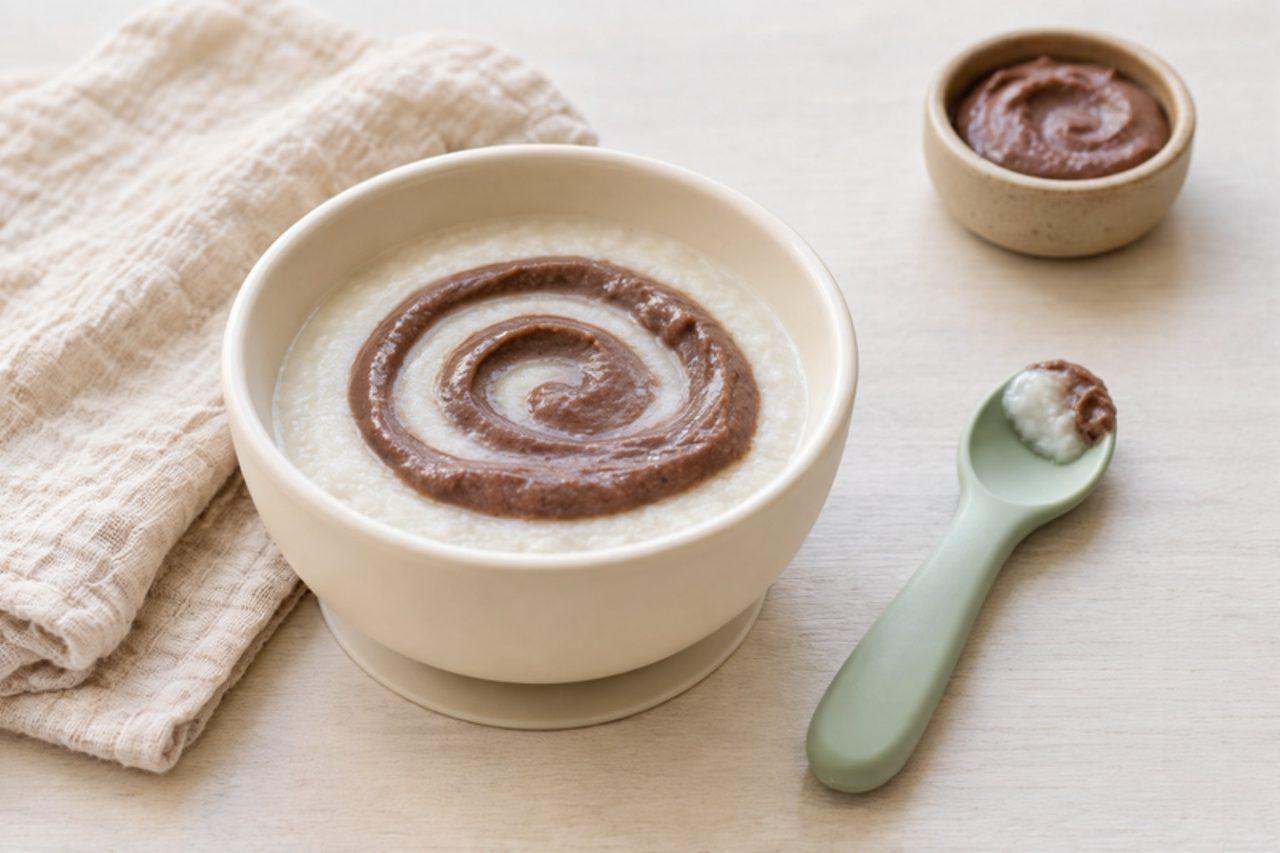
Zhū gān ní (pork liver purée)

Zhū gān ní, a smooth purée of pork liver, is the iron food Chinese grandmothers swear by, and wet markets from Chengdu to Shanghai sell small pieces of very fresh pork liver for exactly this. The liver is soaked to draw out the blood, steamed with a slice of ginger until cooked right through, then blended and stirred into rice porridge, where it gives a mild, savoury, slightly sweet taste. Liver is very rich in vitamin A, so babies should have it only in small amounts, no more than once a week. No salt, soy sauce, sugar or honey for babies. It is free of the major allergens. Chef's tip: buy the freshest liver you can find, glossy and deep red-brown, and freeze the purée in cubes so one portion is always ready.

by KrazyBadal 0 views

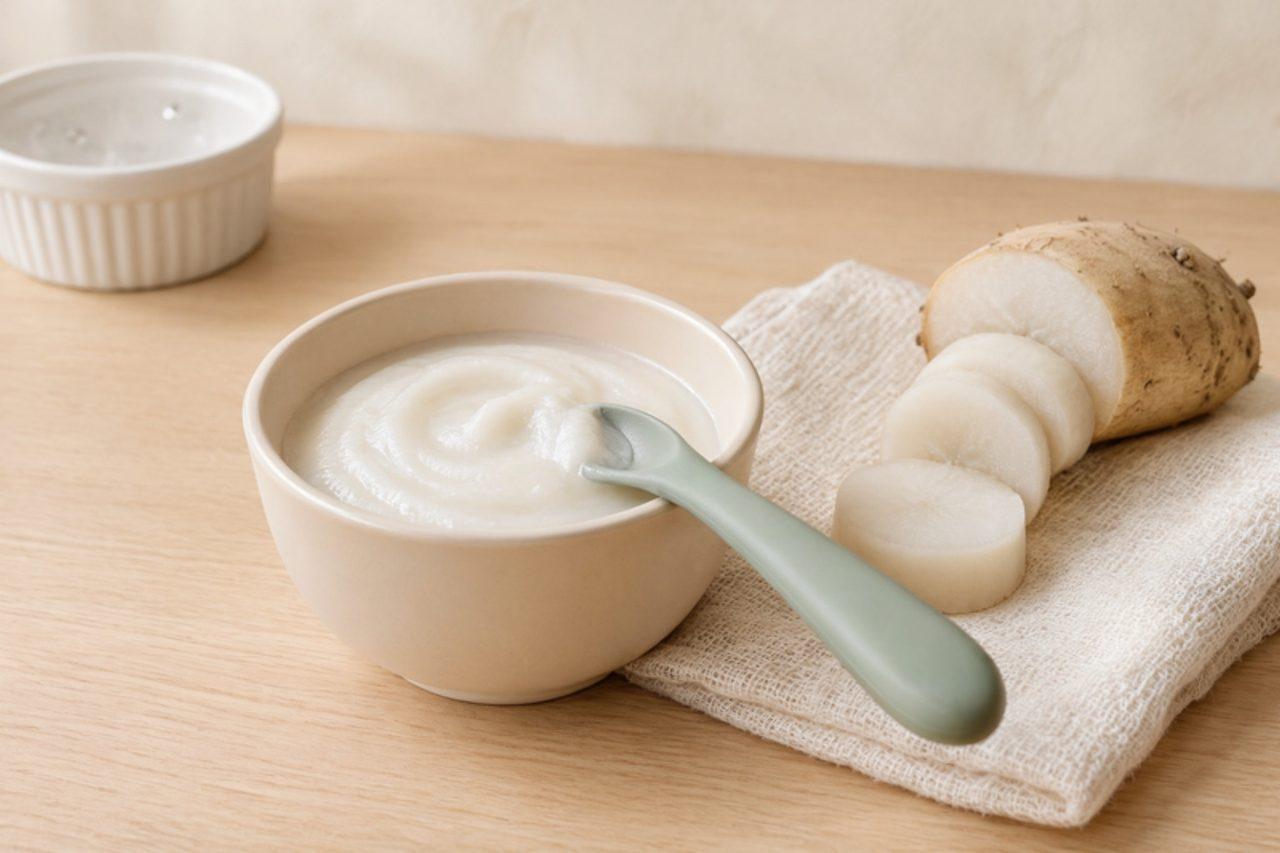
Shānyào ní (Chinese yam purée)

Chinese yam (shānyào, the long, hairy-skinned root sold in bundles in markets from Beijing to Guangzhou) is valued in Chinese homes as easy on the tummy, and steamed shānyào ní is one of the classic first purées offered at six months. Once steamed, the crisp, slippery flesh turns floury and pale, and pressed through a sieve it gives a smooth, slightly sweet, potato-like purée. Nothing else is added: no salt, sugar or honey for babies. It is free of the major allergens. Chef's tip: wear gloves or oil your hands before peeling; the raw sap makes skin itch, but cooking destroys it completely.

by KrazyBadal 0 views

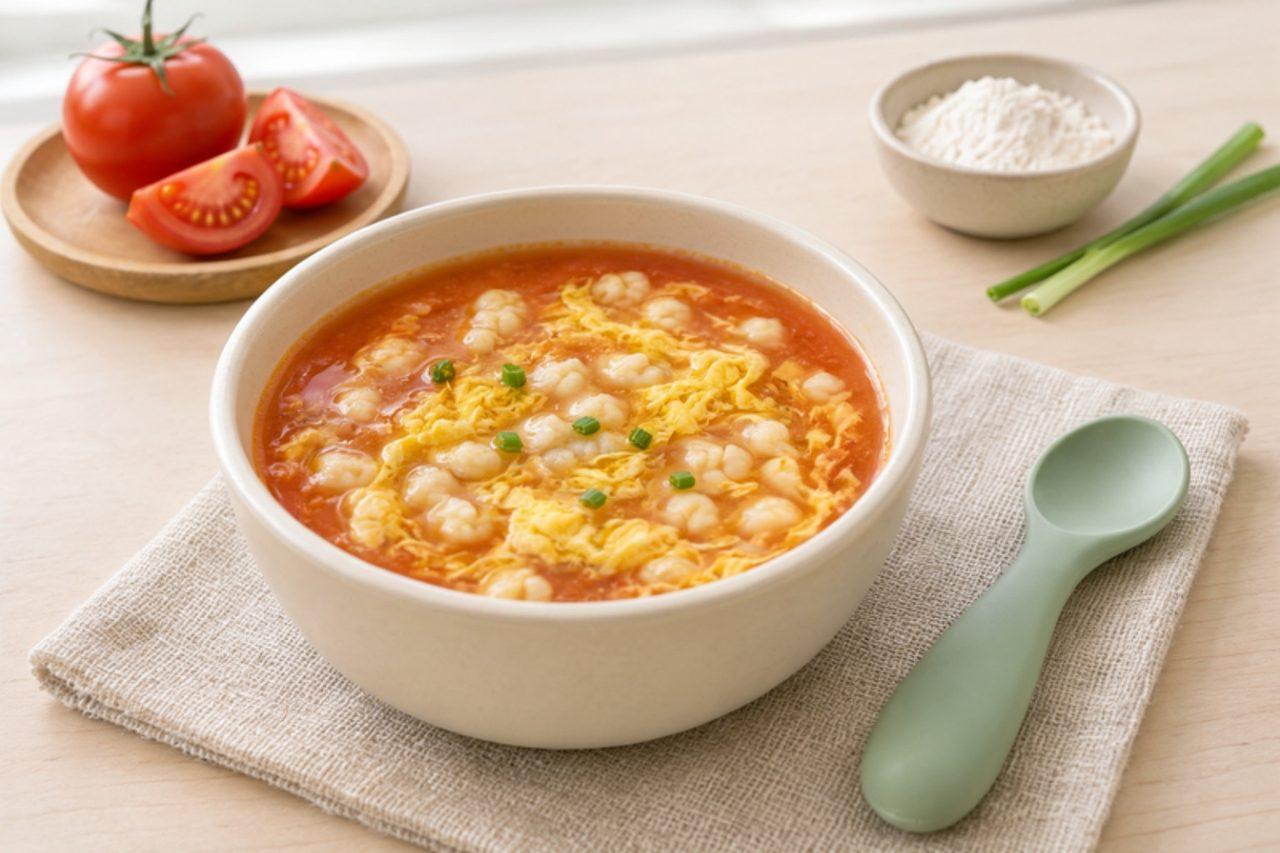
Gē da tāng (flour-knot soup with tomato and egg)

Gē da tāng is the soup of northern Chinese homes, from Beijing hutongs to the kitchens of Hebei and Shandong, made on cold evenings or when someone is under the weather. Water is dripped onto flour until it forms little knots, which are rained into a broth of soft tomatoes and finished with egg, so the bowl is part soup, part tiny dumpling. For toddlers from 12 months it is cooked without salt or soy sauce, and the egg is simmered until fully set. It contains wheat (gluten) and egg, and sesame if you add the oil; there is no milk, nuts or soya. Chef's tip: drip the water in a thin trickle while stirring with chopsticks, so you get rice-sized knots, not a paste.

by KrazyBadal 0 views

Candied salmon

Candied salmon, sometimes called salmon candy, comes from the First Nations smokehouses of British Columbia's coast, where strips of wild salmon are cured in salt and brown sugar, then slowly smoked and glazed until sticky, chewy and deep red. It is a snack for the trail, the fishing boat and the lunchbox. This home version cures the fish in the fridge and then cooks it low in the oven with a little smoked salt or liquid smoke, so it is fully cooked rather than cold-smoked. A common mistake is skipping the drying stage; the pellicle (a tacky skin) is what lets the glaze cling. Chef's tip: keep the oven low and steady; too hot and the fish weeps white albumen.

210 minCanadianFishGluten free
by KrazyBadal 0 views

Daegu-sal juk (cod and vegetable baby porridge)

In Korea, homemade baby food (iyusik) follows clear stages, and by the late stage around nine months, Seoul parents are making juk with roughly crushed rice and small pieces of fish and vegetables. Daegu-sal juk uses mild, flaky cod with sweet courgette (aehobak) and carrot, and no soy sauce, salt or sesame oil. It is creamy, delicate and soft enough to mash between the gums. It contains fish and is free of milk, egg, gluten, nuts, soya and sesame. Chef's tip: crush the soaked rice lightly with a rolling pin or a couple of pulses in a blender; broken grains thicken the juk faster and give exactly the soft lumps this stage needs.

by KrazyBadal 0 views

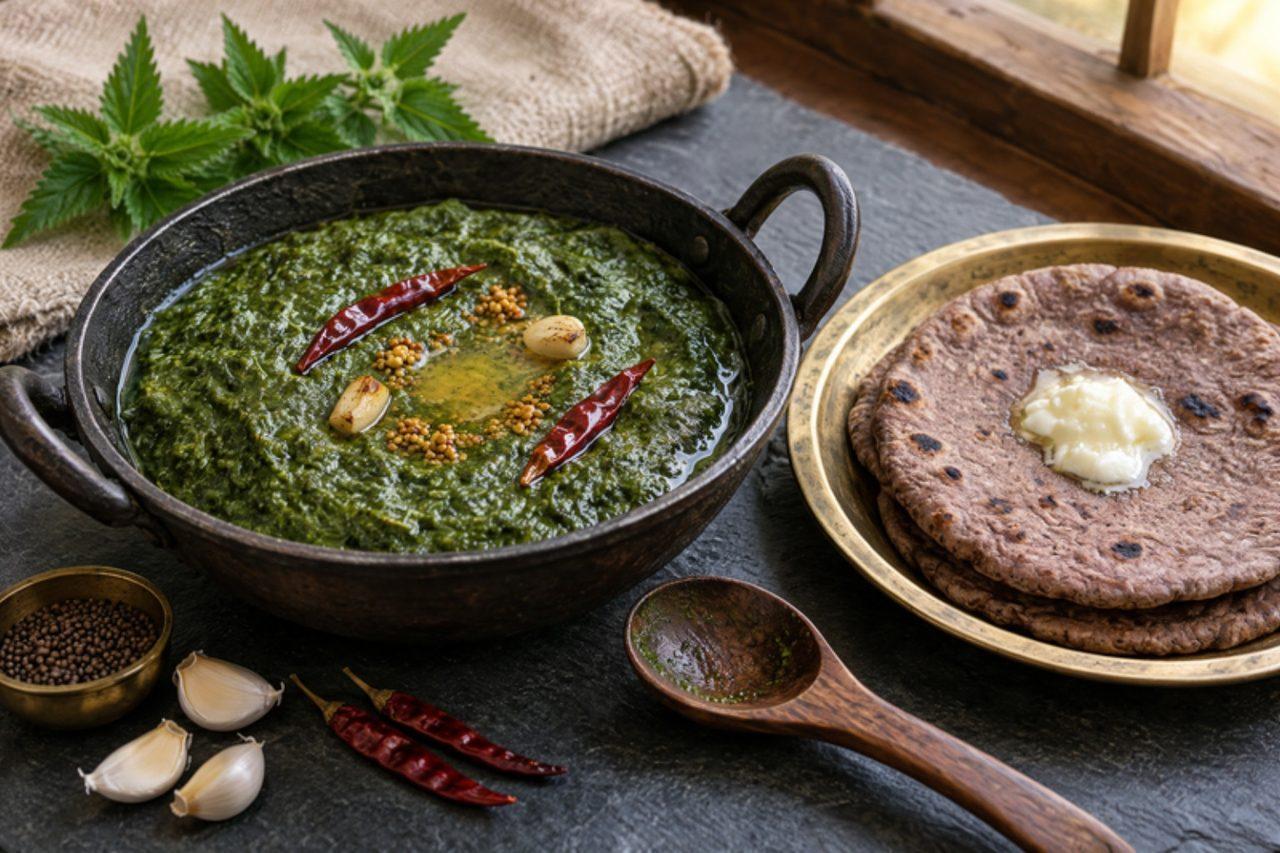
Kandalee ka saagStinging nettle greens

Every spring in Uttarakhand people pick the soft tips of kandalee (bichhu ghas, stinging nettle) from field edges and cook them into a deep green saag with garlic, chilli and a spoon of rice paste, eaten with mandua roti or rice. Nettles taste like a rich, mineral spinach and the sting disappears completely once they are blanched. Always wear gloves or use tongs when picking and washing them. The common mistake is skipping the blanch and going straight to the pan, which leaves stringy stems and some sting. Chef's tip: squeeze the blanched nettles well and chop fine before cooking; this is what gives the smooth, creamy texture hill cooks are proud of.

by KrazyBadal 0 views

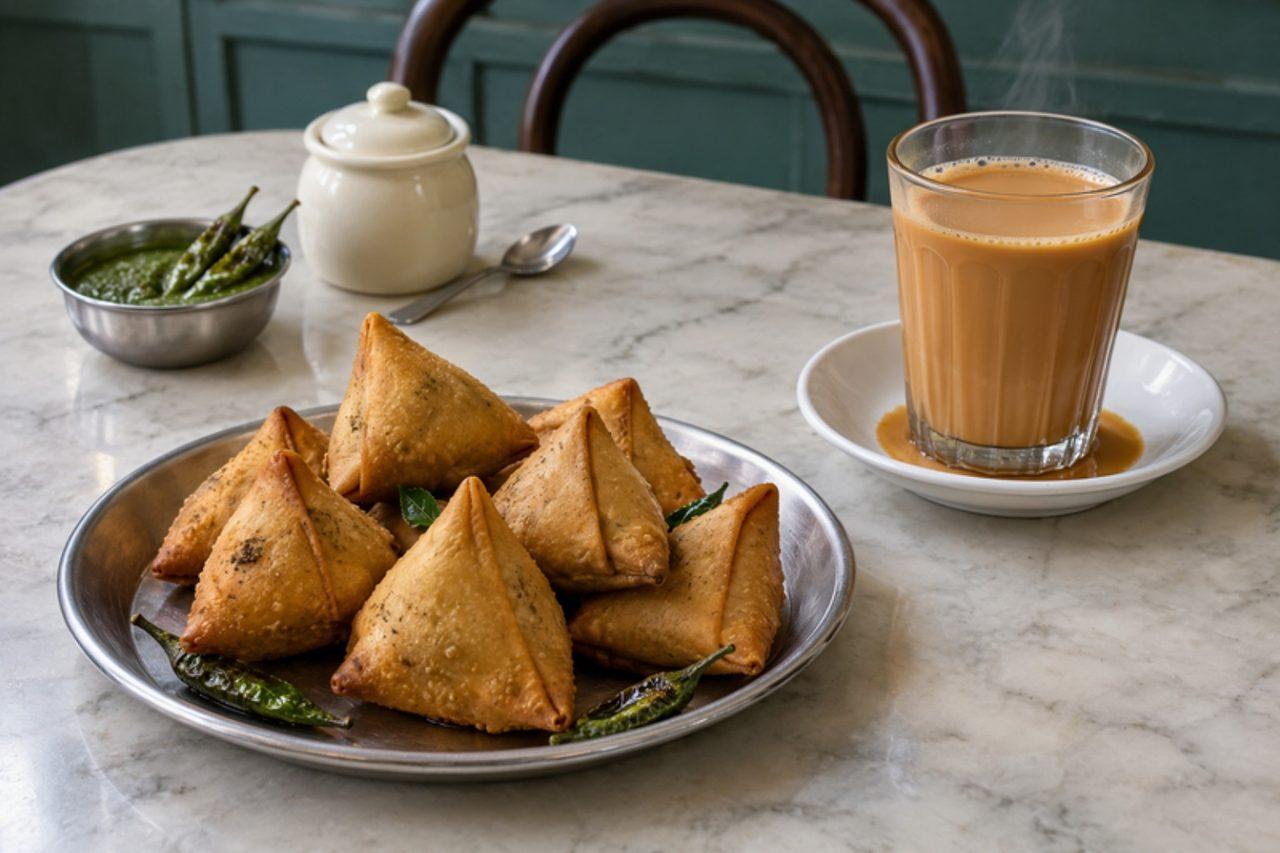
Chennai onion samosa

In Chennai's old tea shops, many started by Irani and Muslim families, a glass of strong tea comes with a plate of small onion samosas: thin, crackly pastry folded around a filling of nothing but slow-cooked onion, green chilli, curry leaves and a little poha to soak up the juices. They are sold by the dozen in the evenings and at bus stands across Tamil Nadu. The pastry is the thin, ready-rolled samosa-patti kind, so they are quick to fold. The common mistake is undercooking the onion, which leaks water and makes the samosas soggy; fry it until soft and sweet, then cool. Chef's tip: seal the folds with a thick paste of flour and water, not plain water, so they do not open in the oil.

by KrazyBadal 0 views

Kannimanga acharBaby mango pickle

In central Kerala, around Thrissur and Kottayam, families watch the mango trees in January and February and pick the tiniest fruit, no bigger than a thumb joint, before the stone hardens. These kannimanga are salted whole in a tall ceramic bharani, left until shrivelled in their own brine, then mixed with freshly ground raw mustard, Kashmiri chilli and hing and left to mature for three or four weeks. This older, oil-free style keeps the mangoes crunchy and the brine thick, red and sinus-clearing from the raw mustard. The flavour is salty, sour and fiercely pungent; one mango and a spoon of brine is enough for a whole bowl of kanji (rice gruel) or curd rice. The common mistake is using water that has not been boiled and cooled, which brings in microbes and turns the brine slimy. It is ready when the mangoes are wrinkled but crisp and the brine tastes mellow rather than raw. Salt is high, about 20 g per 100 g of mango, and the fruit is very acidic; kept fully submerged in a dry jar it lasts a year in a cool place. Abroad, any tiny, hard green mango with a soft stone works. Chef's tip: keep a short stalk on each mango; it stops brine seeping in and softening the fruit.

by KrazyBadal 0 views

Tsestalulu (sea-buckthorn juice)

Sea buckthorn grows wild along the river beds of Ladakh, and in Leh the bright orange berries are pressed into tsestalulu, a sharp, tropical-tasting juice sold in summer cafés and made at home after the autumn harvest. It is drunk chilled, sweetened with sugar or honey and thinned with cold water. The berries are very sour and slightly oily, so the juice is always diluted. The common mistake is boiling the pulp, which dulls both the colour and the fresh taste; just blend and strain. Chef's tip: frozen sea-buckthorn berries or plain unsweetened purée from health shops work very well; strain twice through a fine sieve for a silky drink.

by KrazyBadal 0 views

Detsadovsky omlet (kindergarten oven omelette)

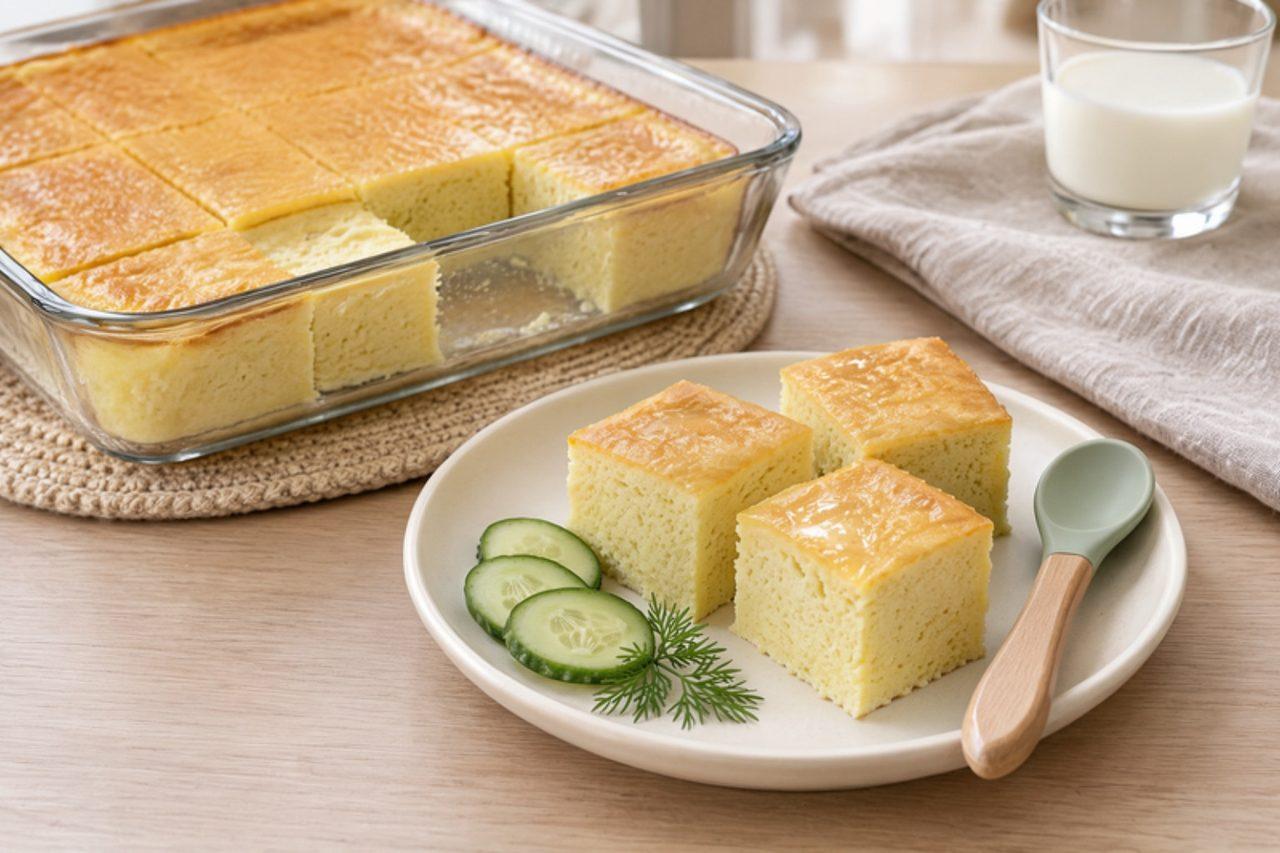
Anyone who went to a detsky sad, a kindergarten, in Moscow, Kyiv or Minsk remembers this omelette: tall, pale and soft as a sponge, baked in big trays and served in squares with a slice of bread and butter. The secret is lots of milk and a deep dish, so the eggs steam-bake into a quivering, custardy block rather than a flat frittata. It makes a protein-rich breakfast or supper for toddlers from 12 months, made here without salt. It contains egg and milk; there is no gluten, nuts or soya. Chef's tip: stir the eggs and milk, don't whisk them into a foam, or the omelette rises and then collapses.

by KrazyBadal 0 views

Davidson plum jam

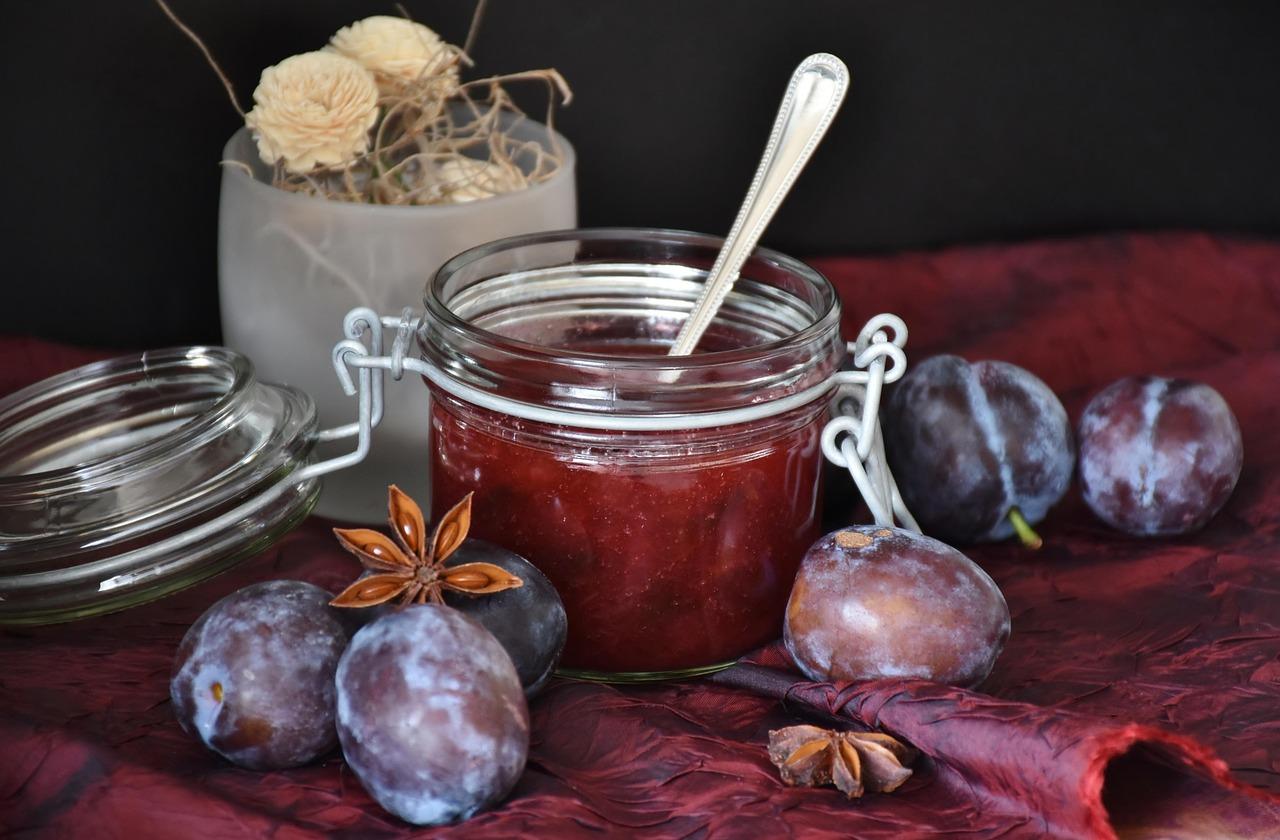
Davidson plums grow on slender trees in the subtropical rainforests of northern New South Wales and south-east Queensland, ripening dark purple in summer. They are far too sour to eat raw but make a stunning deep-crimson jam with a sharp, tangy flavour, sold at farmers' markets around Byron Bay and the Sunshine Coast. Spread it on scones or serve with cheese. A common mistake is boiling it past the set; the plums are high in pectin and set fast. Chef's tip: if you can't find Davidson plums, use dark sour plums and add a squeeze of lemon.

by KrazyBadal 0 views

Pumpkin scones

Pumpkin scones are a Queensland country tradition, made famous by the farm-raised wife of a long-serving state premier and baked for every Country Women's Association morning tea from Toowoomba to Rockhampton. Mashed pumpkin makes them golden, soft and slightly sweet, and they are best warm from the oven with plenty of butter. A common mistake is wet pumpkin; steam or roast it and let it cool so the dough isn't sticky. Chef's tip: cut straight down without twisting the cutter, so the scones rise tall and even.

by KrazyBadal 0 views

Sout ribbetjieSalt-cured grilled lamb ribs

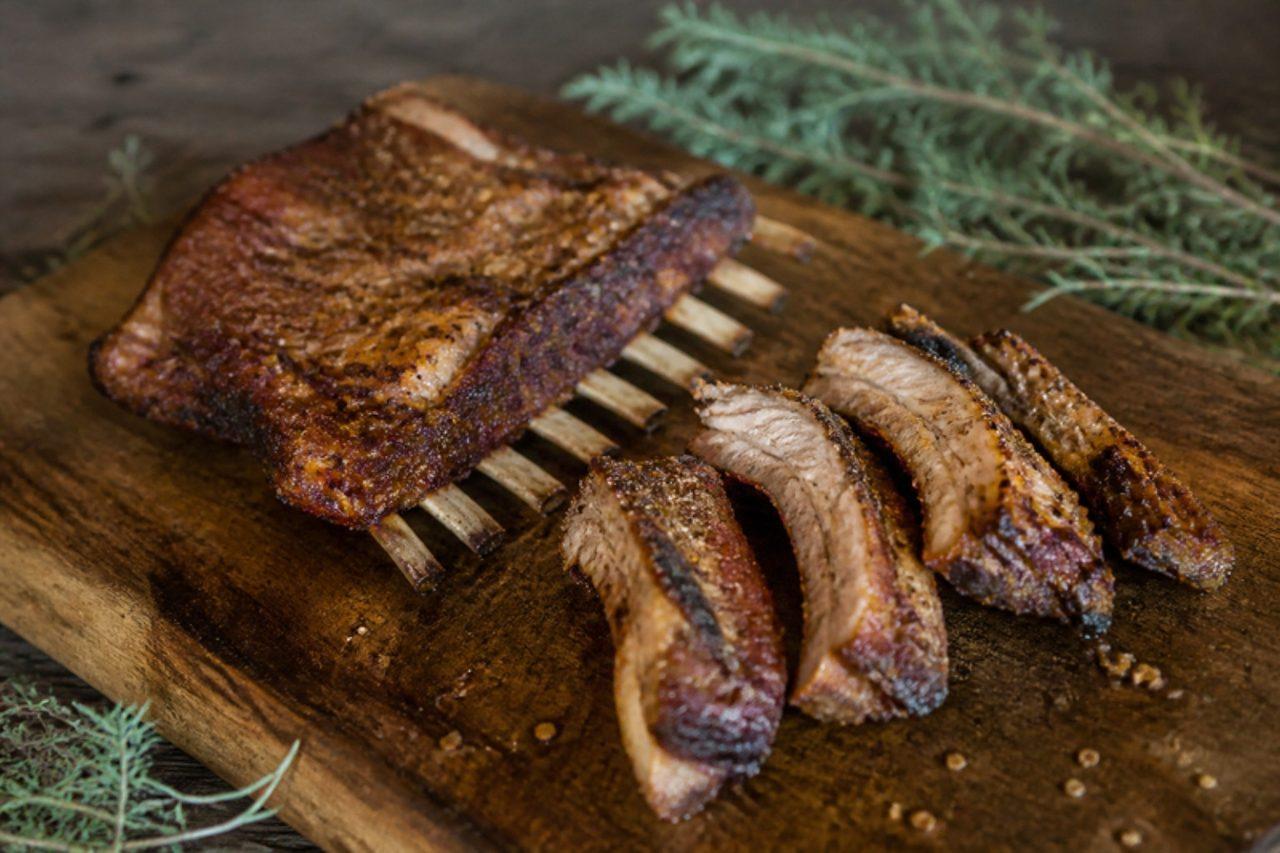
Before fridges, Karoo farmers rubbed lamb ribs with coarse salt and coriander and hung them in the cool pantry; today the cure happens in the fridge, but the result is the same deeply savoury, almost bacon-like rib that crackles at the edges. At a farm braai near Beaufort West or Sutherland it goes on first, over low coals, because it needs an hour or more to render its fat and turn tender, and people pick at it with their fingers while everything else cooks. Serve it with stywe pap and tomato smoor, or with roosterkoek and a crisp salad. Rinsing too lightly is the usual mistake: rinse off the surface salt after curing, or the meat will be too salty to eat. Chef's tip: keep the coals low and patient; high heat sets the fat alight and blackens the outside long before the meat is soft.

by KrazyBadal 0 views

Kasza jaglana na mlekuMillet porridge with milk

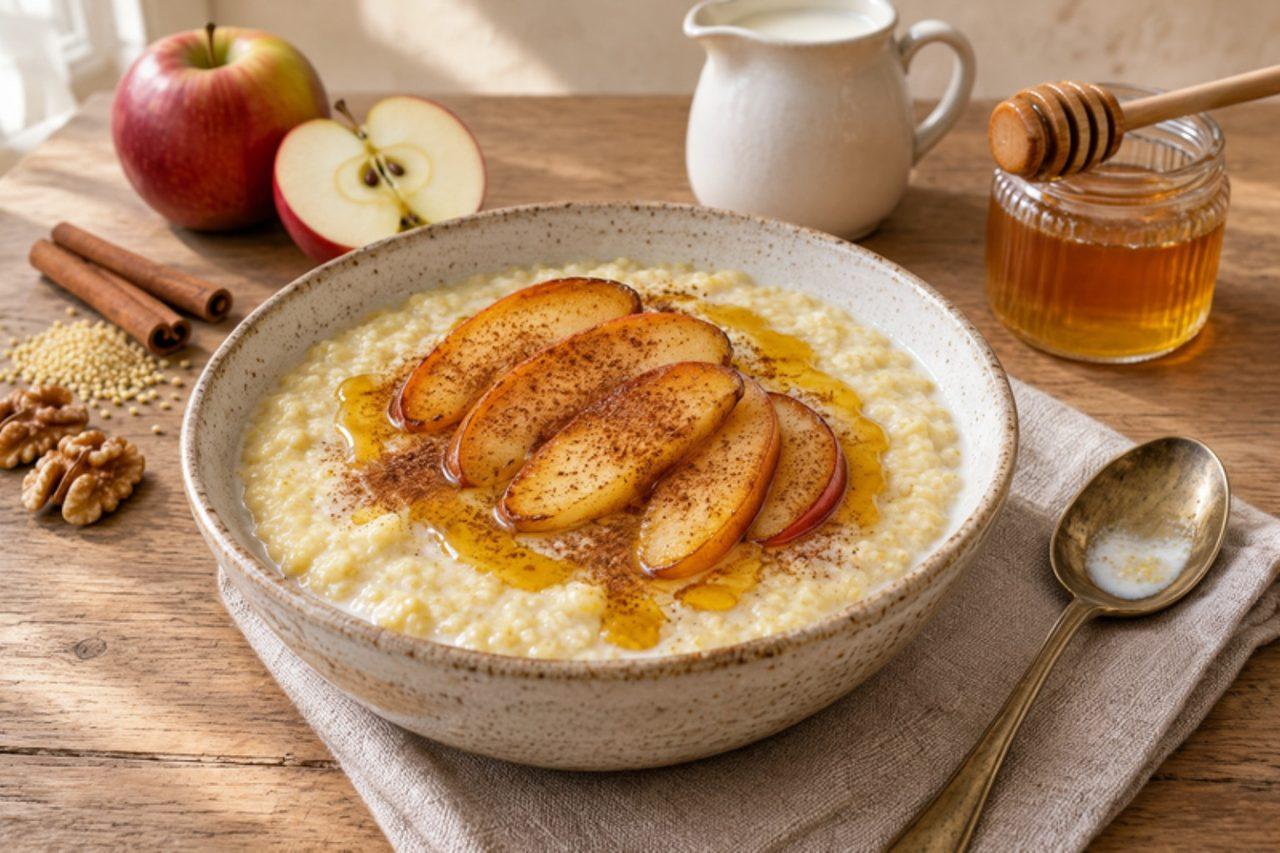
Millet, jagły, has been eaten in Poland for centuries, and kasza jaglana na mleku is the warming winter breakfast many Polish children grew up on, now back in fashion as a gentle, gluten-free porridge. The grains are cooked in water first, then simmered in milk until soft and creamy, and topped with sautéed apple, cinnamon and a little honey. The mistake that puts people off millet is skipping the rinse: the grains carry a bitter coating that has to be washed off and scalded away with boiling water. Chef's tip: toast the rinsed millet in the dry pan for 2 minutes before adding water, and the porridge tastes nutty instead of grassy.

by KrazyBadal 0 views

Hot jam doughnuts

Hot jam doughnuts have been sold from a van at Queen Victoria Market in Melbourne since the 1950s, and the queue on a cold Saturday morning is part of the ritual. The small round yeast doughnuts are fried, injected with hot raspberry jam and rolled in sugar, then eaten straight from the paper bag; careful, the jam is scorching. A common mistake is frying at too high a heat, which browns the outside before the inside cooks. Chef's tip: let the shaped dough rise until it springs back slowly when poked, or the doughnuts will be heavy.

by KrazyBadal 0 views

Kawa zbożowaRoasted grain coffee

In Polish kindergartens, school canteens and grandmothers' kitchens, kawa zbożowa is the breakfast "coffee" everyone can drink: a blend of roasted rye, barley, chicory and sometimes sugar beet that tastes toasty and malty with no caffeine at all. It is usually drunk milky and a little sweet alongside bread and butter. The common mistake is brewing ground grain coffee like espresso: it needs a few minutes of simmering to give up its flavour, or it tastes like weak tea. Chef's tip: let the pot stand off the heat for 2 minutes after simmering so the grounds sink, then pour gently and you won't need a filter at all.

by KrazyBadal 0 views

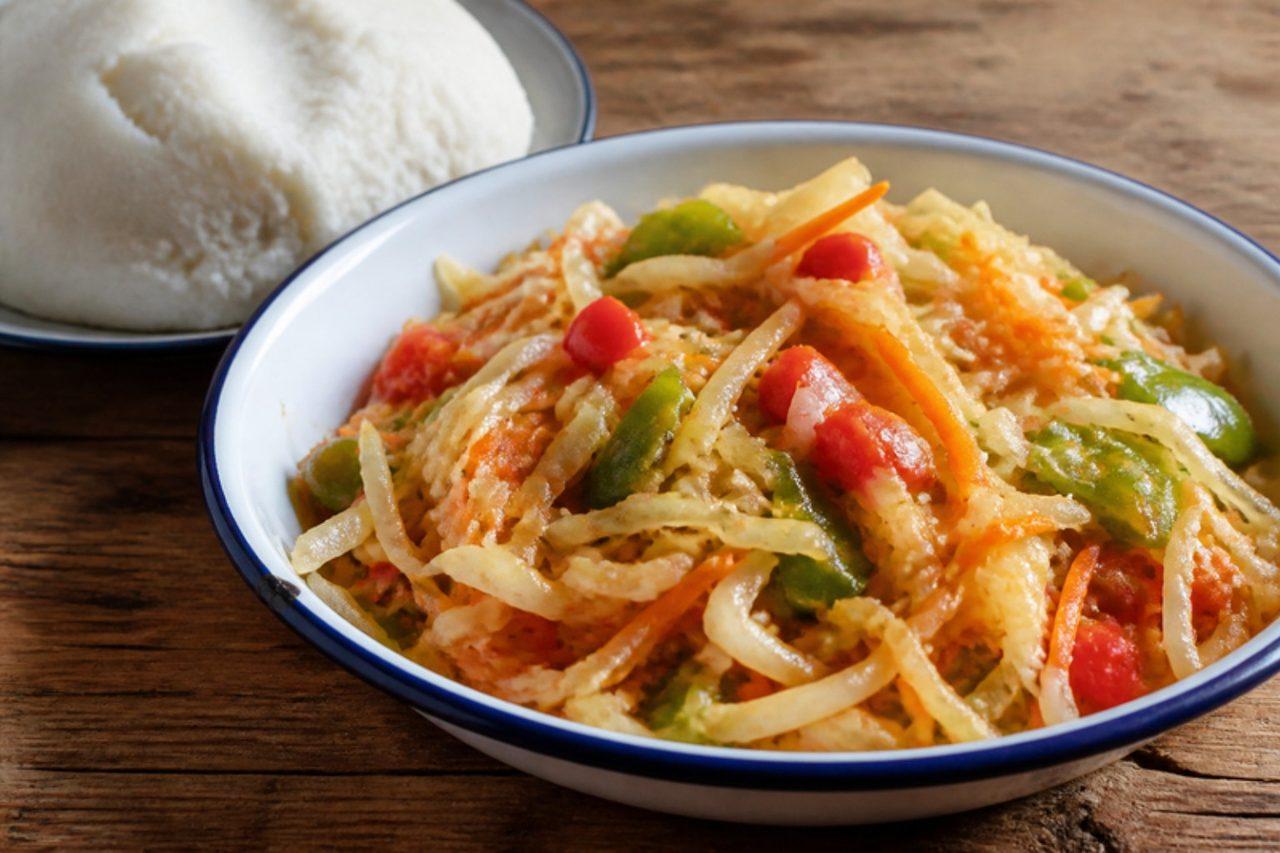
KabichiFried cabbage and carrot

Hardly a weekday supper in a Nairobi flat goes by without a pan of kabichi next to the ugali: it costs little, uses one cabbage from the corner duka and is on the table in twenty minutes. Thin ribbons of cabbage meet onion, grated carrot, tomato and green pepper in a hot pan, staying sweet with a little bite and soaking up just enough tomato to turn rosy. Pair it with ugali and ndengu or beans, or roll it into a chapati. Most cooks go wrong by covering the pan and letting the cabbage steam to a grey, sulphurous heap; keep the lid off and the heat up. Chef's tip: salt the cabbage only at the very end, because salt pulls out water and stops it frying.

by KrazyBadal 0 views

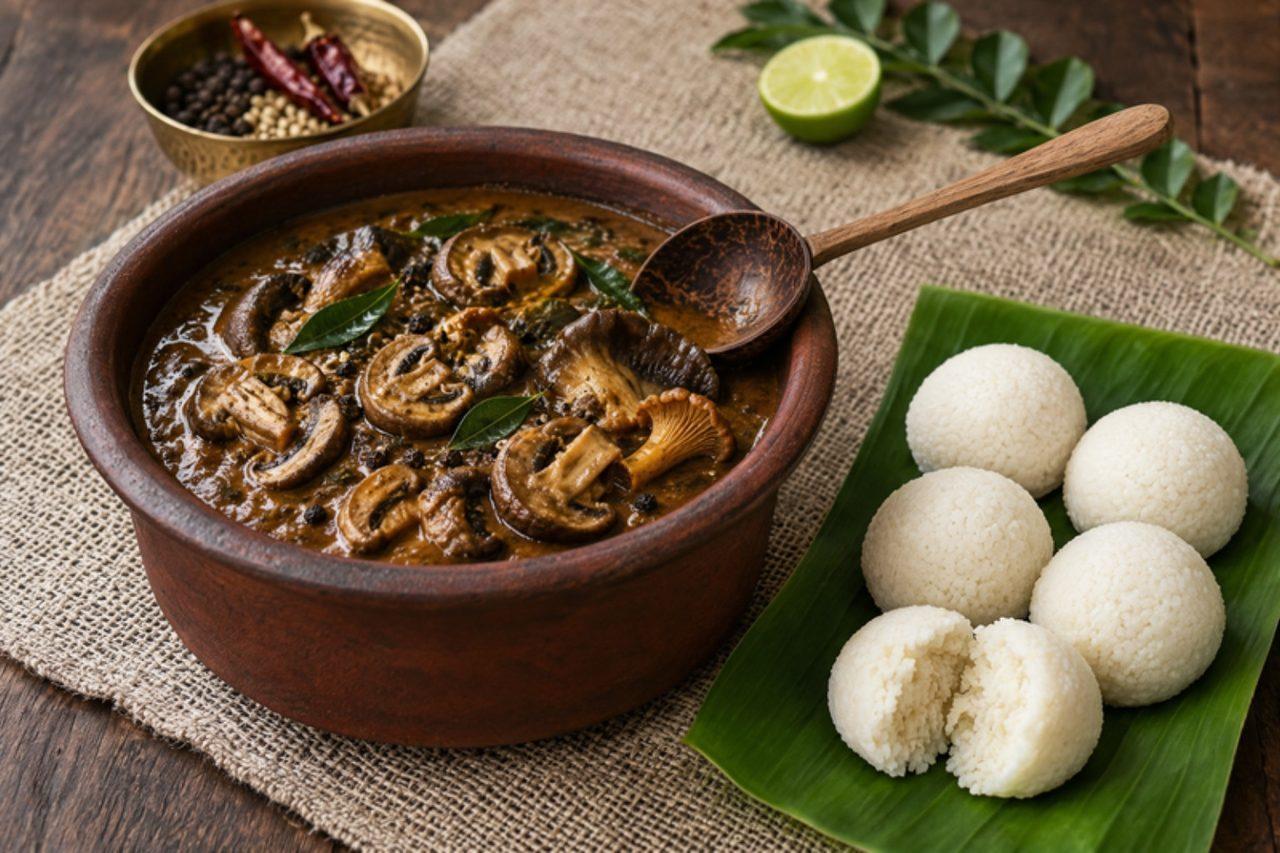
Kumm curryMushroom curry

In Kodagu (Coorg), the first monsoon rains bring wild mushrooms called kumm up through the coffee estates, and Kodava families cook them at once into this thick, dark, peppery curry to eat with akki otti (rice rotis) or steamed rice. Mushrooms simmer down with onion and coconut in a paste of spices roasted almost black, sharpened with a drop of kachampuli, Coorg's dark fruit vinegar. Cultivated mushrooms work very well. The usual mistake is adding all the mushrooms to a cool pan, so they stew in their liquid and turn rubbery; let the pan get hot first. Chef's tip: never cook mushrooms you have foraged yourself unless an expert has identified them; use a mix of button, oyster and shiitake instead.

by KrazyBadal 0 views

Showing 90 of 7,762 recipes

Page 102 of 863