


Skip to content
Pão de queijo
Featured recipe

Pão de queijo

Cheese bread puffs

Pão de queijo comes from Minas Gerais, where every café and grandmother's kitchen has a tray in the oven for breakfast or afternoon coffee. Made with cassava starch (polvilho) instead of wheat flour, the little rolls are crisp and golden outside and stretchy, cheesy and almost hollow inside. Mineiros use queijo minas meia-cura; a mix of Parmesan-style cheese and mozzarella is the closest match elsewhere. Chef's tip: pour the boiling milk and oil over the starch (escaldar). Scalding cooks part of the starch, and that's what gives the chewy, elastic inside; and use some sour starch (polvilho azedo), which makes them puff up tall.

Read more 0 views

What to eat today?

Around the world

Today's trip: Persian

A new country every day, from every cuisine on the site.

Persian

Dizi

Lamb and chickpea stew 245 minMore from Persian (131) →

This week's collection

Kid-friendly dinners
537 recipes · a new collection every Monday

Latest recipes

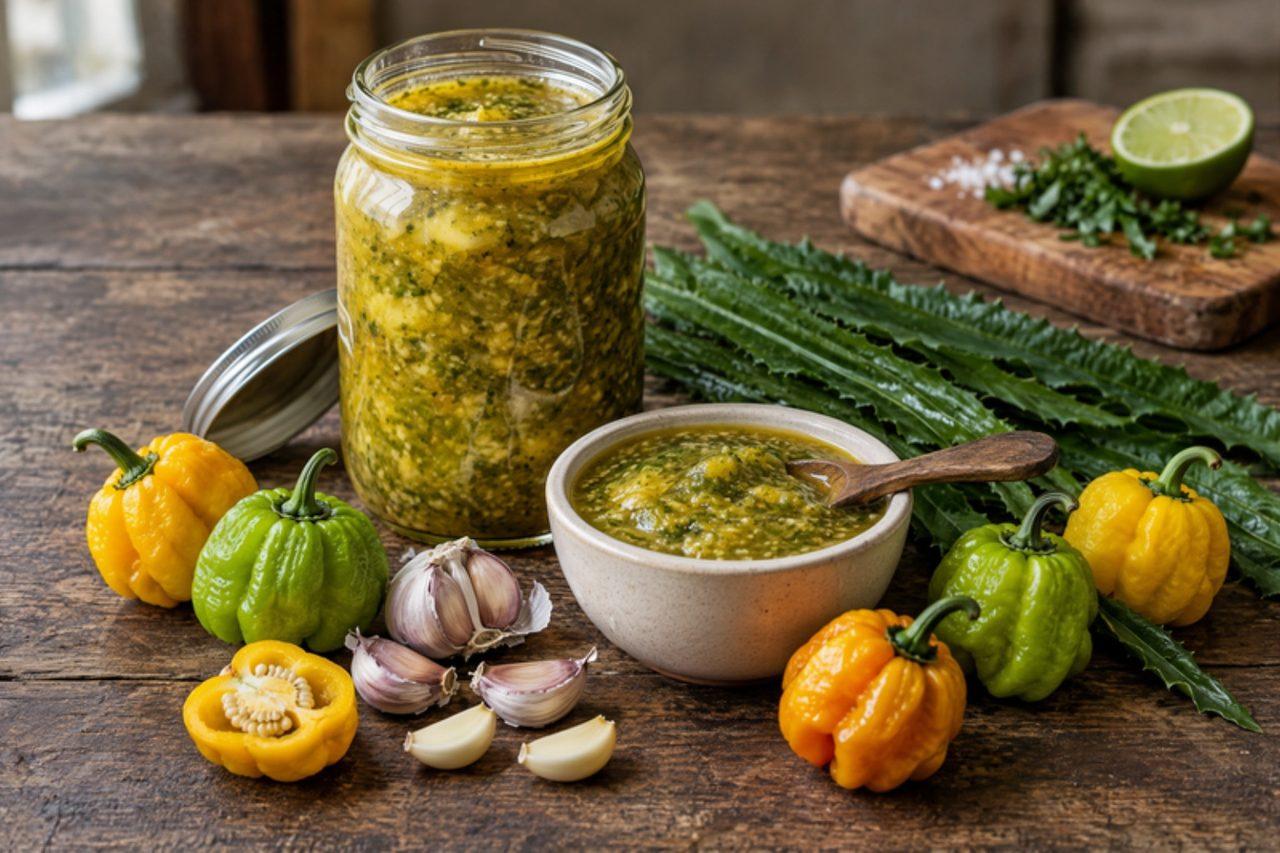
Trini pepper sauce

Ask for doubles anywhere in Trinidad and the vendor will ask "slight or heavy?", meaning how much pepper sauce goes on. This raw, rough-blended sauce also goes on pholourie, aloo pie, bake and saltfish and Christmas pastelles, and every family swears theirs is best. Scotch bonnet or local congo peppers are blended with shado beni (culantro), plenty of garlic, prepared mustard, vinegar and lime, and many cooks stretch it with grated green papaya or green mango for body. It tastes ferociously hot, sharp, garlicky and green, with a tangy mustard finish. Abroad, swap the culantro for double the amount of coriander with its stalks. Common mistake: following the old habit of standing the bottle in the sun to "cure"; raw garlic and herbs are not safe at room temperature, so let the flavours marry in the fridge instead. Wear gloves and keep the blender lid on. It is ready after 2–3 days in the fridge, when the colour turns from bright to olive and the raw garlic edge has softened. Chef's tip: salt and squeeze the grated papaya before adding it, so it does not water the sauce down.

by KrazyBadal 0 views

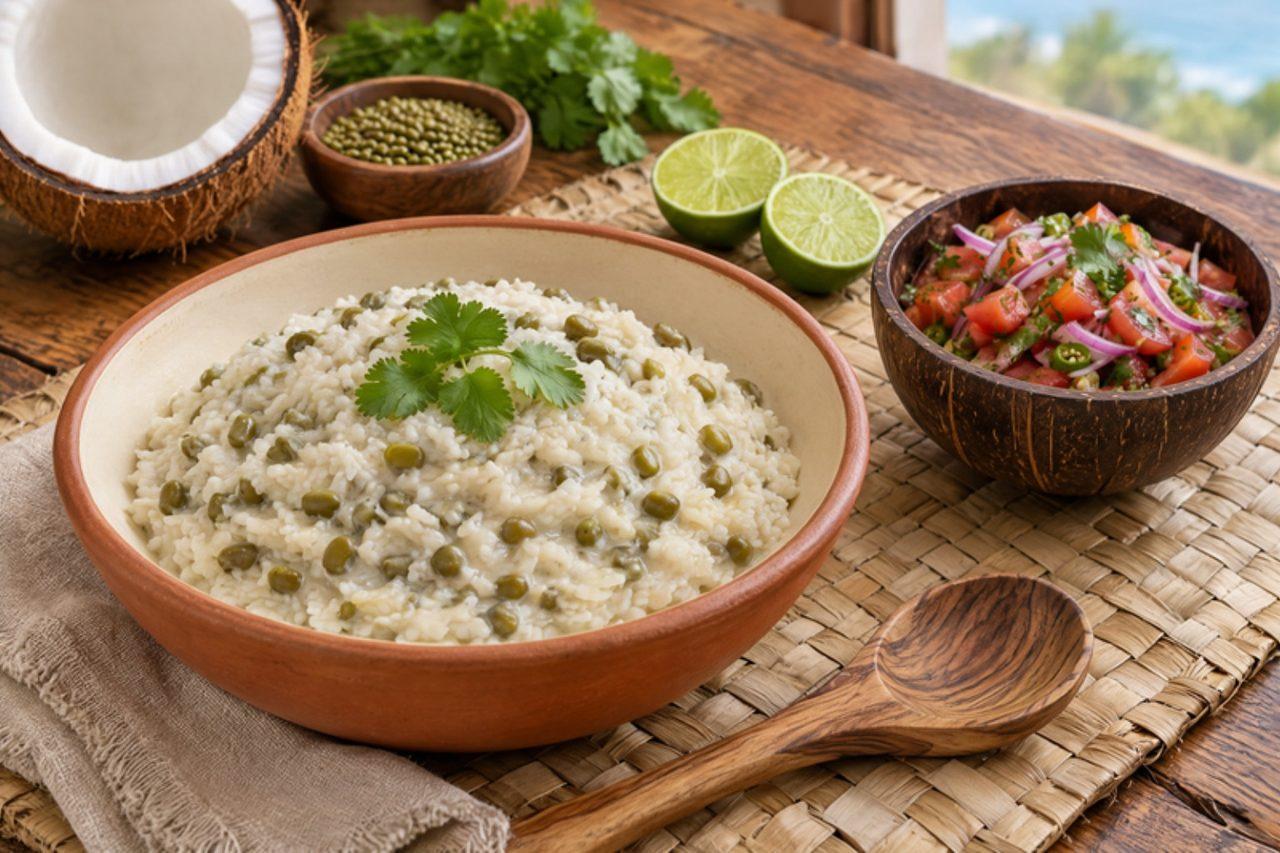
MsetoRice and green grams

Mseto, meaning 'mixture', is a staple of the Swahili coast from Mombasa to Lamu and Zanzibar, often eaten at lunch or for breaking the fast in Ramadan. Rice and green grams (whole mung beans) cook together in coconut milk with onion and a little turmeric until soft, fluffy and gently creamy. It is served beside a vegetable or bean curry, a kachumbari salad and a squeeze of lime. The usual mistake is adding the rice before the green grams are tender, so the rice turns mushy while the beans stay hard. Chef's tip: once the rice is in, cover the pot tightly and leave it on the lowest heat without lifting the lid, so the rice steams evenly.

by KrazyBadal 0 views

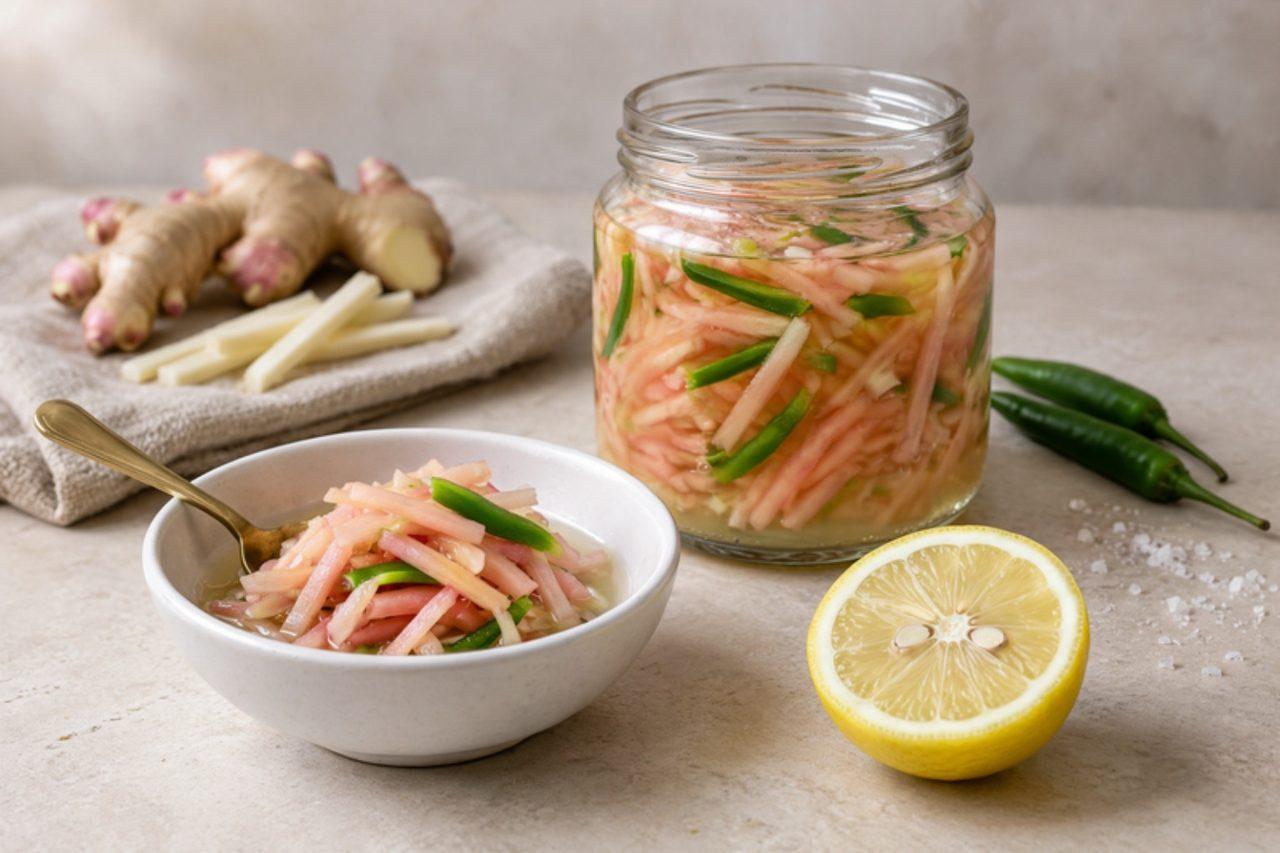
Adrak ka acharGinger pickle

Walk into a Punjabi dhaba in winter and there is often a steel bowl of ginger matchsticks soaking in lemon juice beside the onion rings. Adrak ka achar is the simplest pickle of all: tender ginger, green chilli, salt and lemon, nothing cooked. Young ginger with thin, pinkish skin reacts with the acid and turns a pretty pale pink within a day; older ginger stays yellow but tastes just as good. The flavour is clean, hot and sour, with crunch, and a forkful cuts the richness of sarson ka saag, makki ki roti, chole bhature or a heavy dal makhani. Common mistake: cutting the ginger thick or using fibrous old roots, which stay woody and harsh; slice thin enough to see light through. It is ready when the ginger has softened slightly, the juice tastes less sharp and the slices have taken colour. Fresh ginger in lemon juice keeps in the fridge for up to 2 weeks; discard it if mould appears, the juice turns slimy or the smell turns from fresh-sour to musty. Chef's tip: a pinch of black salt (kala namak) added at the end gives it that dhaba-style sulphurous edge.

by KrazyBadal 0 views

Alu chi patal bhajiColocasia leaf curry

No Maharashtrian festive thali, at Ganesh Chaturthi, a wedding or a naming ceremony, feels complete without a bowl of aluchi patal bhaji: chopped colocasia leaves stewed soft with chana dal and peanuts in a thin curry that is sour with tamarind, sweet with jaggery and thickened with a spoon of gram flour. It is eaten mixed into rice or sipped from the thali. Colocasia leaves must be cooked thoroughly with an acid like tamarind; undercooked leaves make the throat itch. The usual mistake is skimping on the cooking time to save the bright green colour; the leaves should be fully soft and olive-green. Chef's tip: soak the peanuts and chana dal for at least 2 hours, so they cook in the same time as the leaves.

by KrazyBadal 0 views

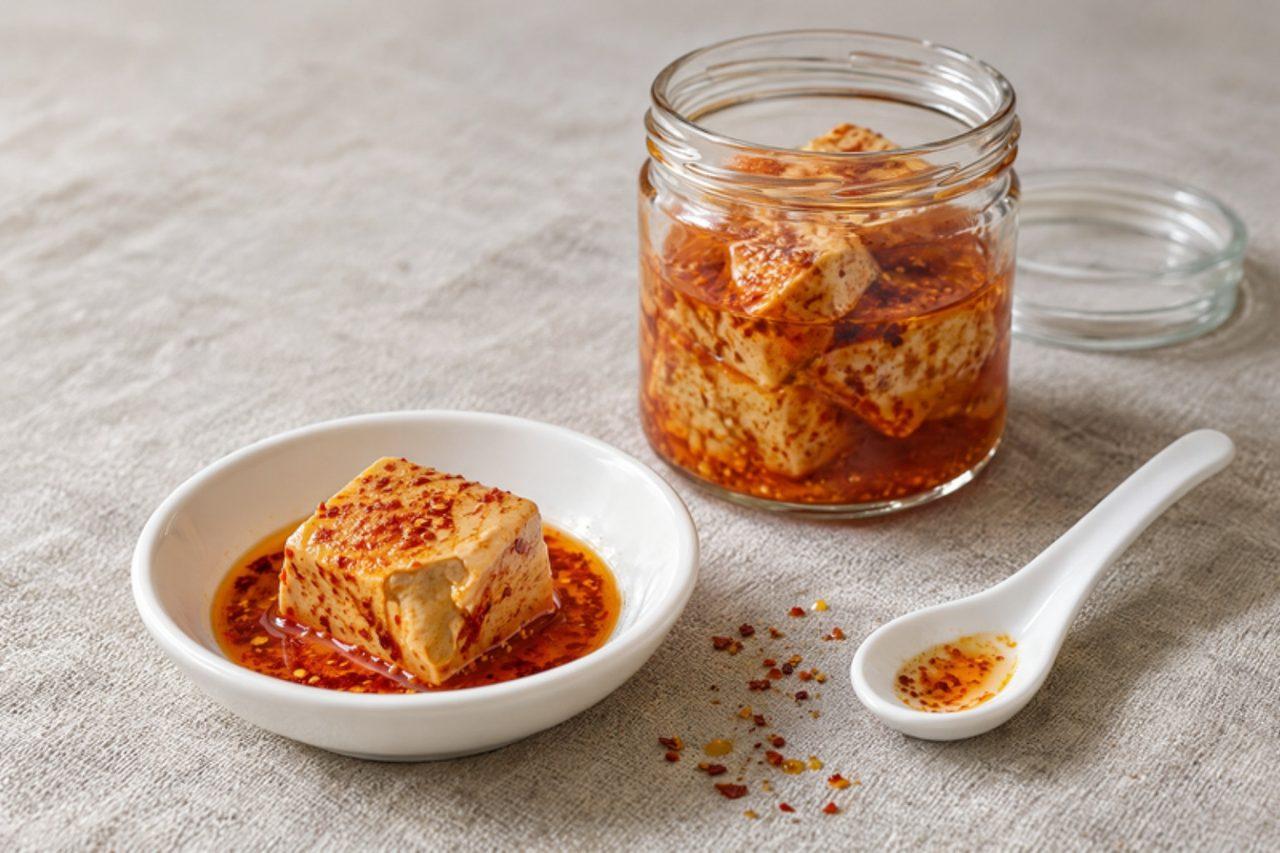
Fermented bean curd

Fu ru is made all over China, from Guilin's chilli-red cubes to Shaoxing's pale ones, and is usually prepared in the cool months between late autumn and early spring, when the moulds grow slowly and cleanly. Firm tofu cubes sit on rice straw or a rack until a soft white fuzz covers them; they are then rolled in salt and chilli and aged in brine until the centre turns custard-soft and the flavour becomes deep, cheesy and savoury. A quarter of a cube is mashed over plain rice congee for breakfast, or stirred into a sauce for stir-fried water spinach. Common mistake: making it in a warm kitchen; above about 20 °C the wrong moulds and bacteria take over. The bloom must be white or greyish-white and fluffy, smelling mildly of mushrooms; throw away any cube with green, black, pink, orange or yellow spots, sliminess or an ammonia or rotten smell, and if many are affected discard the whole batch. Do not reduce the salt: it is what keeps this low-acid soy ferment safe, and the whole ageing happens in the fridge. It is ready after 6–8 weeks, when a cube is soft right through. Chef's tip: press the tofu overnight first, drier cubes grow a cleaner bloom.

by KrazyBadal 0 views

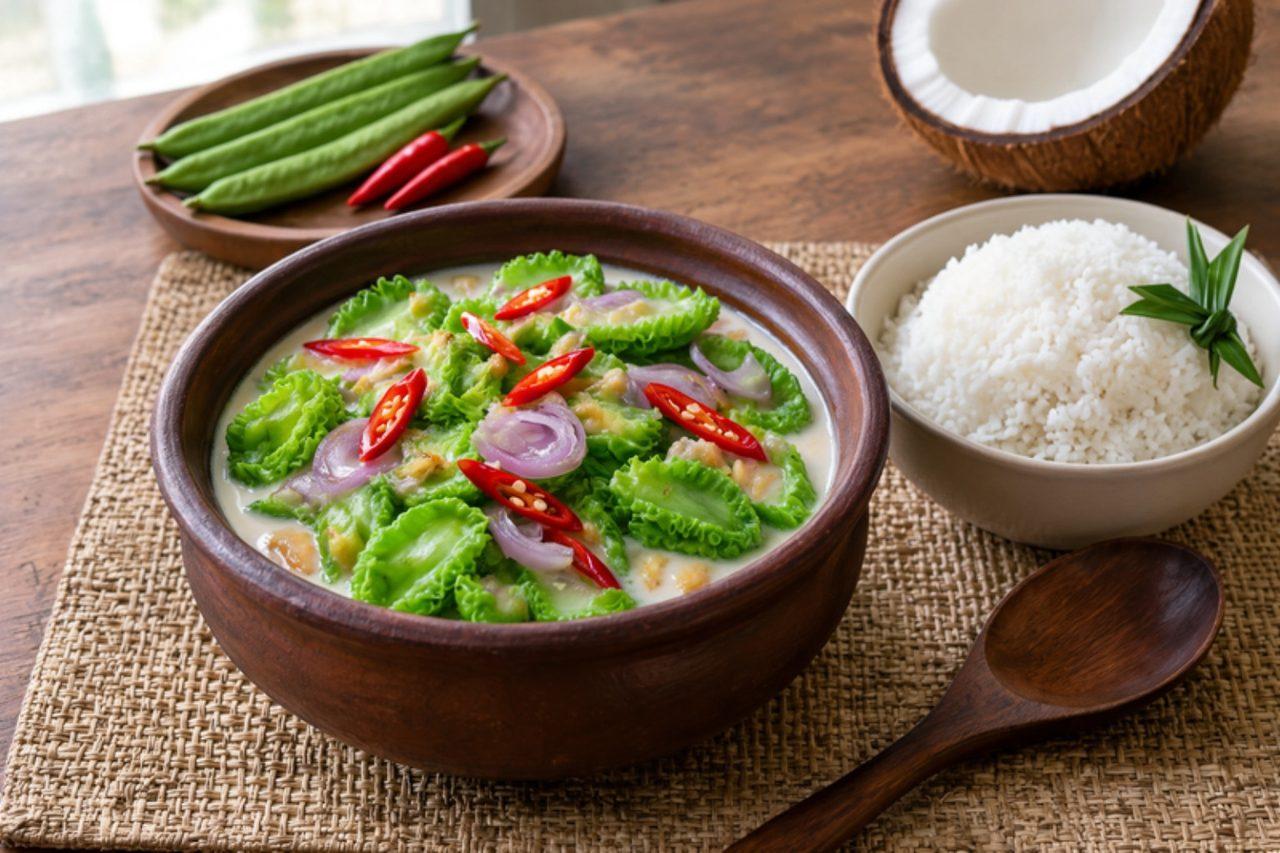
Ginataang sigarilyasWinged beans in coconut milk

Winged beans, sigarilyas, climb the backyard fences of Luzon and Visayan homes, and on rainy-season weekdays they are sliced and simmered in coconut milk for a quick ulam to go with rice. The frilly beans stay crisp-tender and soak up the garlicky, gently spicy gata. Many cooks add shrimp paste; this version keeps it vegan with a little soy sauce. The usual mistake is overcooking: winged beans lose their crunch and go dull green in minutes, so add them only when the coconut milk has reduced. Chef's tip: cut the beans on a sharp diagonal so each slice shows off the four ruffled wings.

by KrazyBadal 0 views

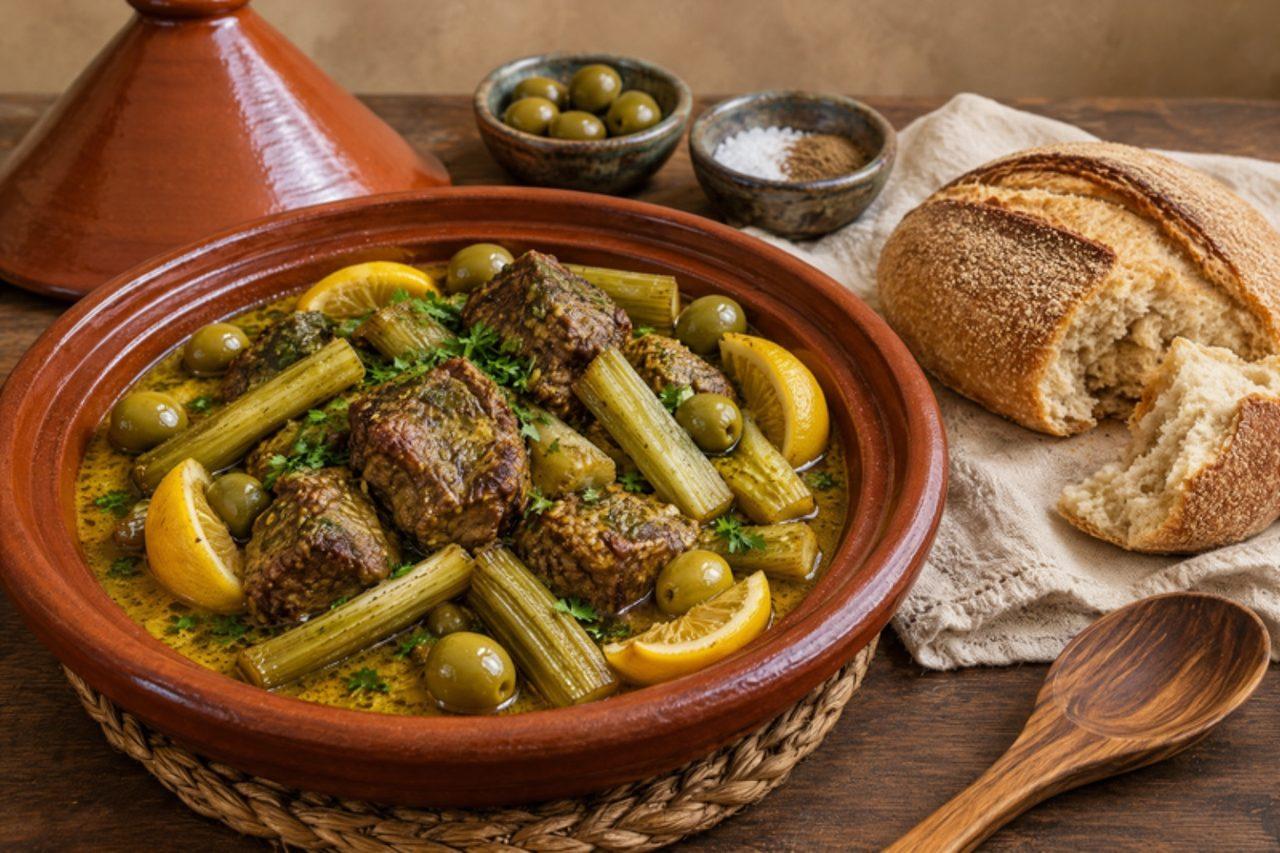
Tagine bil khorchefLamb tagine with cardoons

In late winter and spring, when wild cardoons (khorchef) appear in the markets of Fez, Meknes and Rabat, Moroccan families cook them into this lamb tagine for a family lunch, eaten with bread to mop up the sauce. Lamb shoulder is simmered slowly with onion, ginger, saffron and turmeric until tender, then the peeled cardoon stalks are added and finished with preserved lemon and green olives, giving a tangy, faintly bitter, artichoke-like sauce. The usual mistake is not peeling and soaking the cardoons properly: the stringy outside must come off and the stalks must sit in lemon water, or they go brown and taste harsh. Artichoke hearts are a good stand-in. Chef's tip: reduce the sauce uncovered at the end until it is thick and oily, the sign of a well-made tagine.

155 minMoroccanMeatGluten free
by KrazyBadal 0 views

Dongbei luan dunMixed vegetable stew

Luan dun, the 'chaotic stew', is everyday harvest cooking from Heilongjiang, Jilin and Liaoning, made in autumn when the garden gives everything at once and a big pot feeds the whole household through the cold evenings. Potato, aubergine, green beans, corn on the cob, peppers and tomato are cooked together in a soy-scented broth until soft and saucy, with the potato thickening it naturally. Serve it with steamed rice or mantou buns. The usual mistake is putting everything in together, so the beans stay squeaky while the aubergine turns to mush; add the vegetables in order of how long they take. A pressure cooker works too: 4 minutes on high after the beans and potato go in. Chef's tip: crush the potato pieces lightly against the pot near the end to give the stew body.

by KrazyBadal 0 views

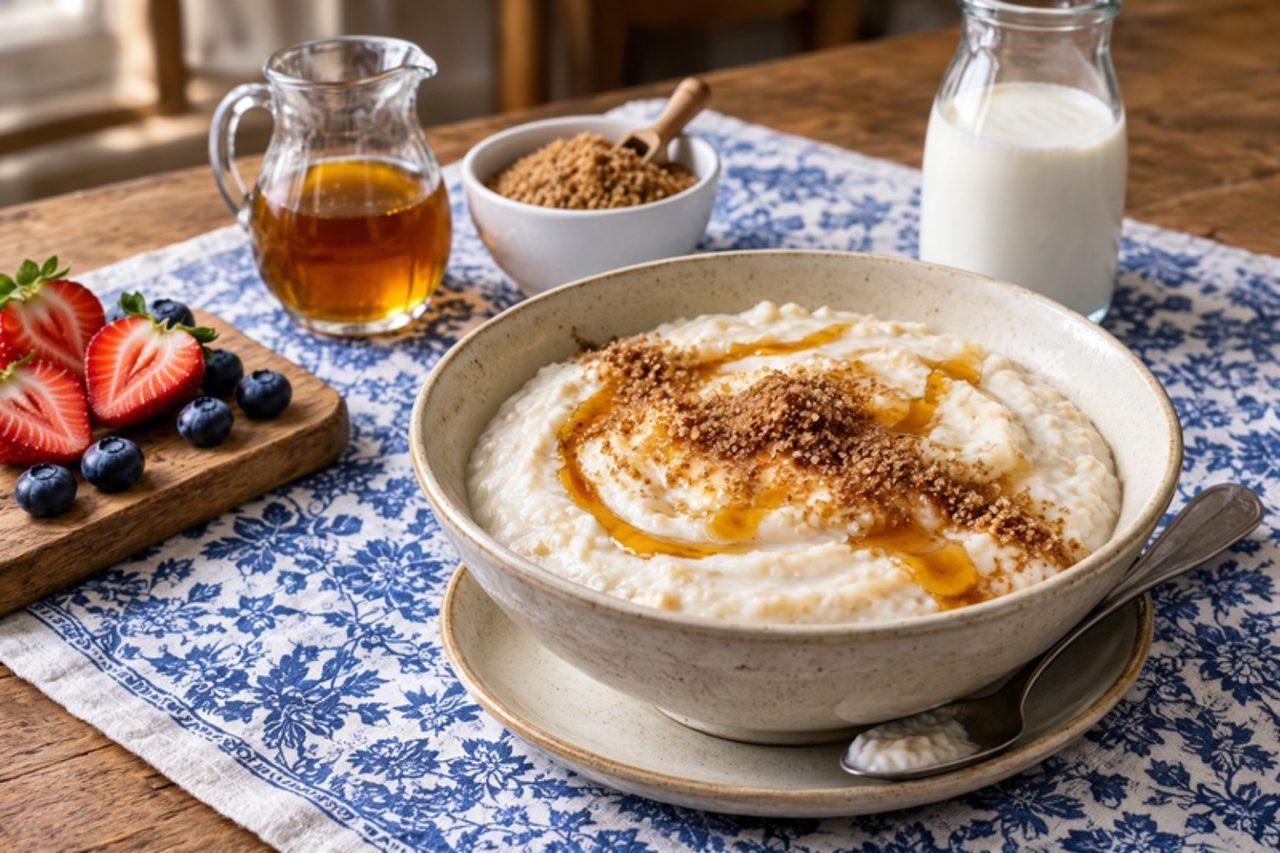
Karnemelkse papButtermilk porridge

Karnemelkse pap, made with the buttermilk left over from Dutch farm churning, was breakfast and supper in the Netherlands for centuries, and many older Dutch people still remember it on cold winter mornings. Buttermilk is thickened with flour into a smooth, tangy porridge and eaten hot with stroop (syrup) or brown sugar. The common mistake is pouring cold buttermilk on flour and boiling hard, which splits the porridge into grainy lumps; mix a smooth paste first and keep the heat gentle. Chef's tip: stir constantly with a whisk, especially at the bottom of the pan, until it bubbles once, and it stays silky.

by KrazyBadal 0 views

Showing 9 of 7,762 recipes

Show more recipes

Page 94 of 863