


Skip to content
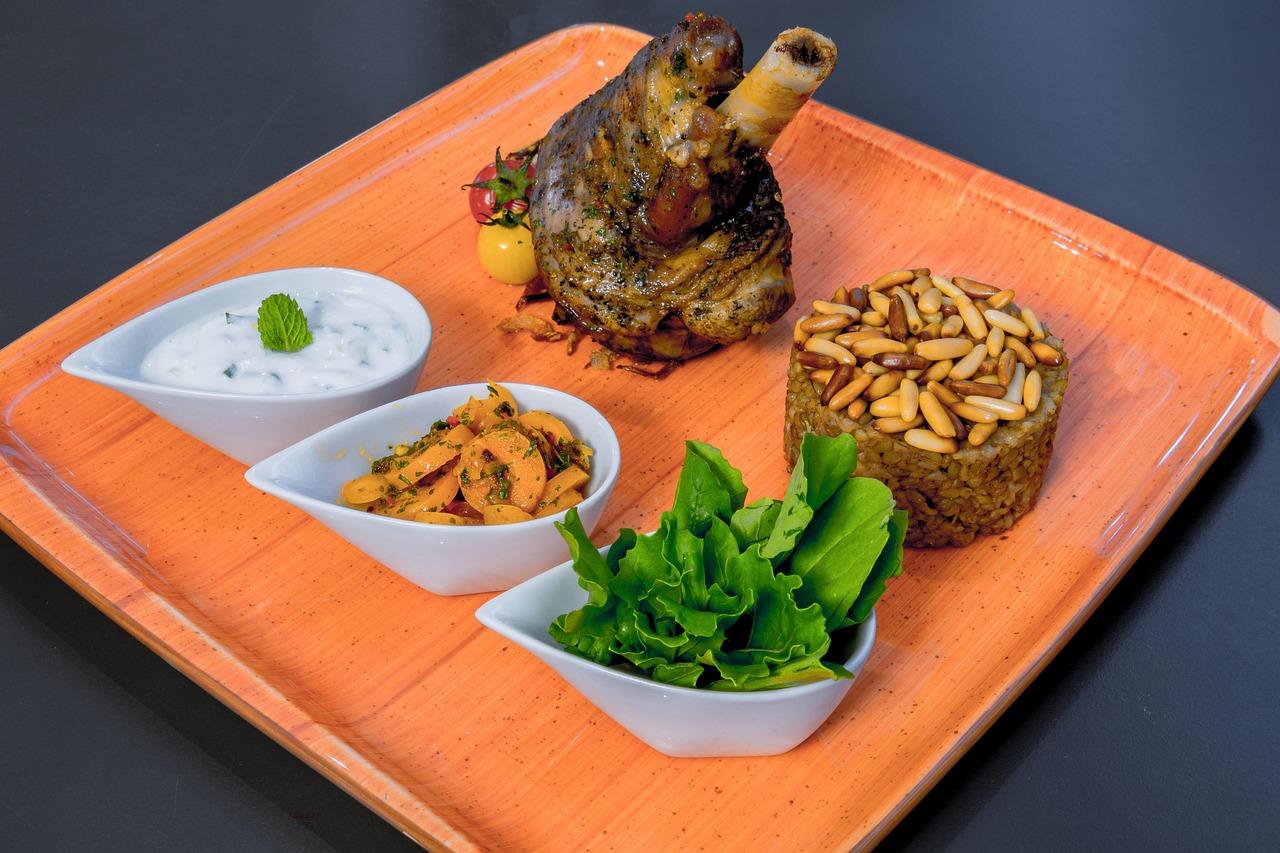
Moza (Egyptian lamb shanks with rice)
Featured recipe

Moza (Egyptian lamb shanks with rice)

On Eid al-Adha, when there is lamb in every kitchen, and in the grill houses of Cairo where it is a favourite order, moza is the cut people point to: a whole shank per person, standing on a mound of rice. The shanks are first simmered gently with onion, cardamom, bay and a little mastic until the meat is ready to slip off the bone, then roasted in a hot oven so the outside turns brown and sticky. The rice cooks in the fragrant broth, so every grain carries the lamb flavour. A bowl of the remaining broth, a salad of tomato and cucumber and some tahini make it a feast. Chef's tip: skim the pot carefully in the first 15 minutes of simmering; a clear broth makes cleaner-tasting rice.

Read more 0 views

What to eat today?

Around the world

Today's trip: Persian

A new country every day, from every cuisine on the site.

Persian

Ash-e doogh

Yogurt soup with rice and chickpeas 60 minMore from Persian (131) →

This week's collection

Kid-friendly dinners
537 recipes · a new collection every Monday

Latest recipes

FarrottoFarro cooked like risotto

In the hills of the Garfagnana and around Spoleto, where farro has been grown since Roman times, cooks make farrotto in autumn and winter as a heartier cousin of risotto. Semi-pearled farro is toasted in olive oil with onion and celery, then cooked slowly with hot vegetable stock, ladle by ladle, until the grains are tender but still bouncy and wrapped in a light, creamy sauce. Finish with pecorino and serve as a main with a green salad. The usual mistake is stirring as constantly as for risotto; farro releases less starch, so stir every few minutes and beat in the cheese at the end for creaminess. Chef's tip: toast the dry grains until they smell like popcorn before adding any liquid; it deepens the nutty flavour.

by KrazyBadal 0 views

Pasta e cavolfiorePasta with cauliflower

Pasta e cavolfiore belongs to the family of thick Neapolitan 'pasta e…' dishes eaten at home on Fridays and cold weekdays, when a single cauliflower and a handful of mixed pasta ends have to feed the family. The cauliflower is softened with garlic, a little tomato and chilli, then the pasta is cooked right in it with small additions of hot water until the whole pot is creamy and the cauliflower has partly melted into the sauce. Finish with pecorino and black pepper. The usual mistake is cooking the cauliflower in big florets, which never break down; cut it small so some of it becomes the sauce. Chef's tip: let it rest for two minutes off the heat after the cheese goes in; it thickens into the proper 'azzeccata' texture that holds a fork upright.

by KrazyBadal 0 views

Riso e verzeRice and cabbage soup

Riso e verze is a Lombard and Venetian farmhouse supper for the coldest months, when Savoy cabbage has been sweetened by the frost. Shredded cabbage is stewed slowly in butter and onion until it melts, then rice and stock go into the same pot and simmer into a thick, spoon-standing soup finished with grated cheese. Serve it in deep bowls with black pepper and crusty bread. The usual mistake is boiling the cabbage straight in stock, which makes it taste of sulphur; stew it in butter first until it is soft and sweet. Chef's tip: make it a little loose, because the rice keeps drinking the broth as it stands.

by KrazyBadal 0 views

UmleqwaSlow-stewed chicken

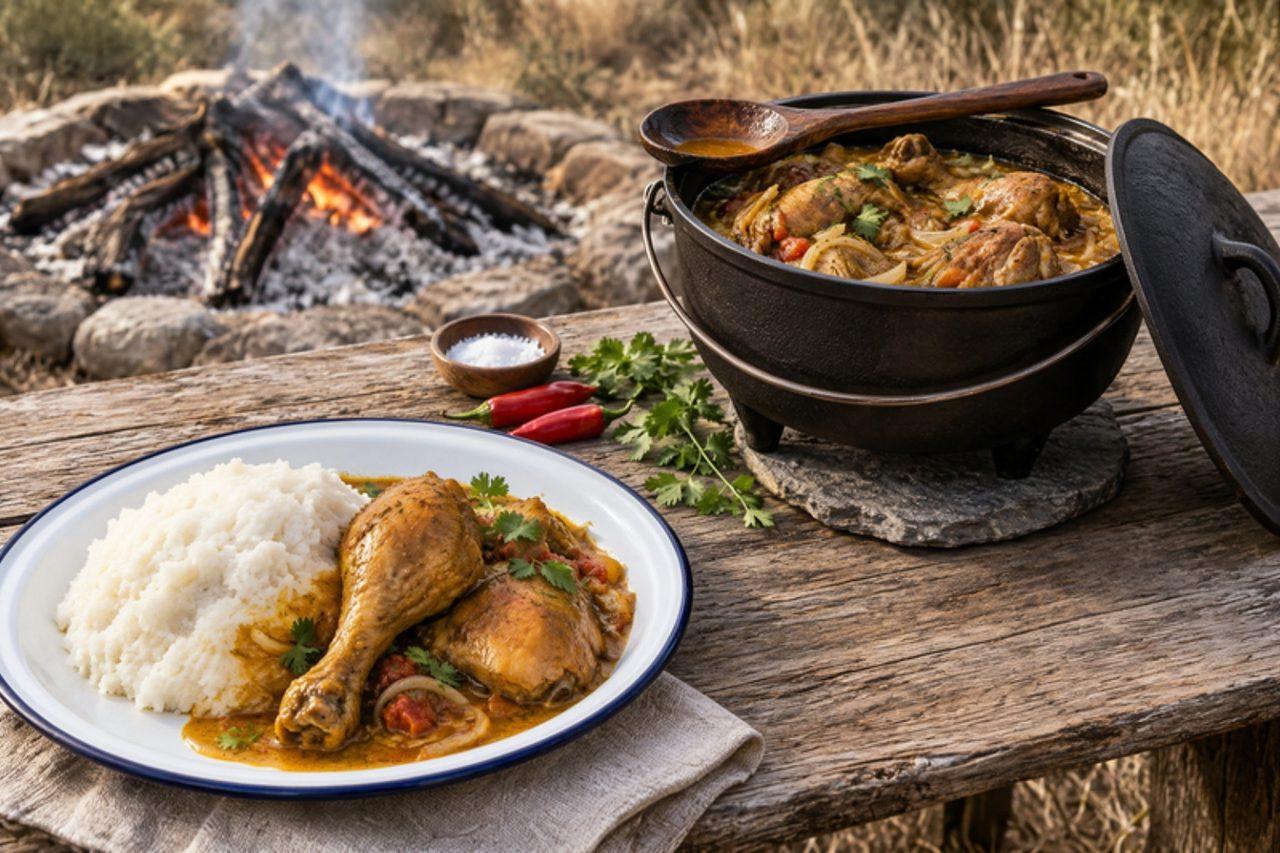
Umleqwa is the free-range village chicken of the Eastern Cape and KwaZulu-Natal, cooked for family gatherings, homecomings and Sunday lunch. These birds run free and have firm, flavourful meat that needs long, slow simmering, so the pot bubbles for an hour or two with onion, tomato, garlic, ginger and curry powder until the meat is tender and the gravy rich. It is eaten with pap, dumplings (ujeqe) or rice. The usual mistake is cooking a supermarket chicken for as long; it will fall to shreds, so cook it for about 45 minutes instead. Chef's tip: brown the chicken skin well before adding liquid, because the rendered fat carries the flavour of the gravy.

by KrazyBadal 0 views

BulaloBeef shank and marrow soup

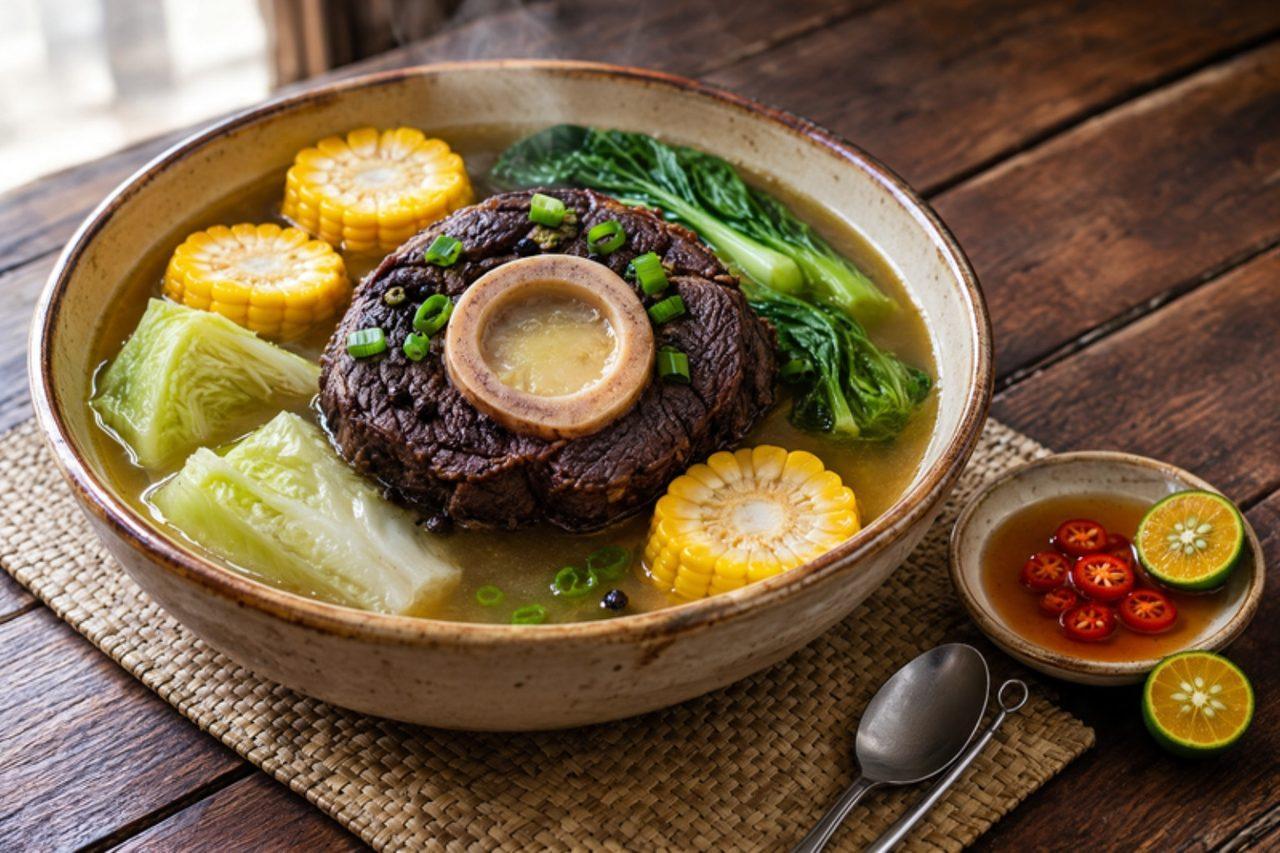
Bulalo is the pride of Batangas, south of Manila, served at roadside eateries on the way to Tagaytay where the cool upland air makes a steaming bowl the thing to order. Beef shank on the bone simmers for hours until the meat falls away and the marrow turns soft and wobbly, giving a clear, beefy broth seasoned just with fish sauce, onion and peppercorns. Corn on the cob, cabbage and pechay go in at the end. Spoon the marrow onto rice and dip the meat in fish sauce with calamansi and chilli. The usual mistake is skipping the first blanch: the broth turns grey and murky. Slow-cooker: after blanching, cook on low for 10 hours, adding the vegetables for the last 30 minutes on high. Chef's tip: keep the pot at a lazy simmer, never a boil, for the clearest broth.

by KrazyBadal 0 views

Fondue de poireauxSlow-cooked leeks in butter

Fondue de poireaux is a winter side from northern France and Belgium, cooked in home kitchens from Picardy to Lille whenever leeks are cheap and sweet. Thinly sliced leeks are sweated very gently in butter with a lid on until they collapse into a soft, pale-green tangle, then finished with a spoon of cream and nutmeg. Serve it with roast fish, eggs, potatoes, or spooned onto toast as a light supper. The usual mistake is cooking over too high a heat, which browns the leeks and makes them bitter; they should never colour. Chef's tip: wash the sliced leeks in a bowl of water and lift them out with your hands, so the grit stays at the bottom.

by KrazyBadal 0 views

LampreadoCassava starch cheese fritters

Paraguayan grandmothers fry lampreado on Sunday evenings to eat with a mug of cocido, the toasted yerba mate drink: small pan-fried cakes of cassava starch, egg, milk and grated cheese with a little onion, crisp at the edges and stretchy inside. Some families also make it with leftover meat, but this version is all cheese. Queso Paraguay is set with animal rennet; a vegetarian Parmesan-style cheese plus mozzarella works well. The trap is a batter that is too thick, which gives heavy, gluey cakes. Chef's tip: the batter should drop slowly off a spoon like thick pancake batter; add milk a spoonful at a time until it does.

by KrazyBadal 0 views

Pasta e zuccaPasta with pumpkin

When the long Neapolitan pumpkins appear in autumn markets, pasta e zucca becomes the weekday lunch in Naples and around the Bay. The pumpkin is cooked down in olive oil with garlic and rosemary until it turns into a soft orange sauce, then short pasta is cooked in the same pot with a little water so it comes out velvety, sweet and peppery. Children love it, and it needs nothing more than grated cheese. The usual mistake is using a watery pumpkin, which never thickens; choose a dense, deep-orange squash such as butternut or delica. Chef's tip: save a few small cubes of pumpkin and add them later, so you get both a creamy sauce and soft pieces to bite into.

by KrazyBadal 0 views

MatumboFried tripe

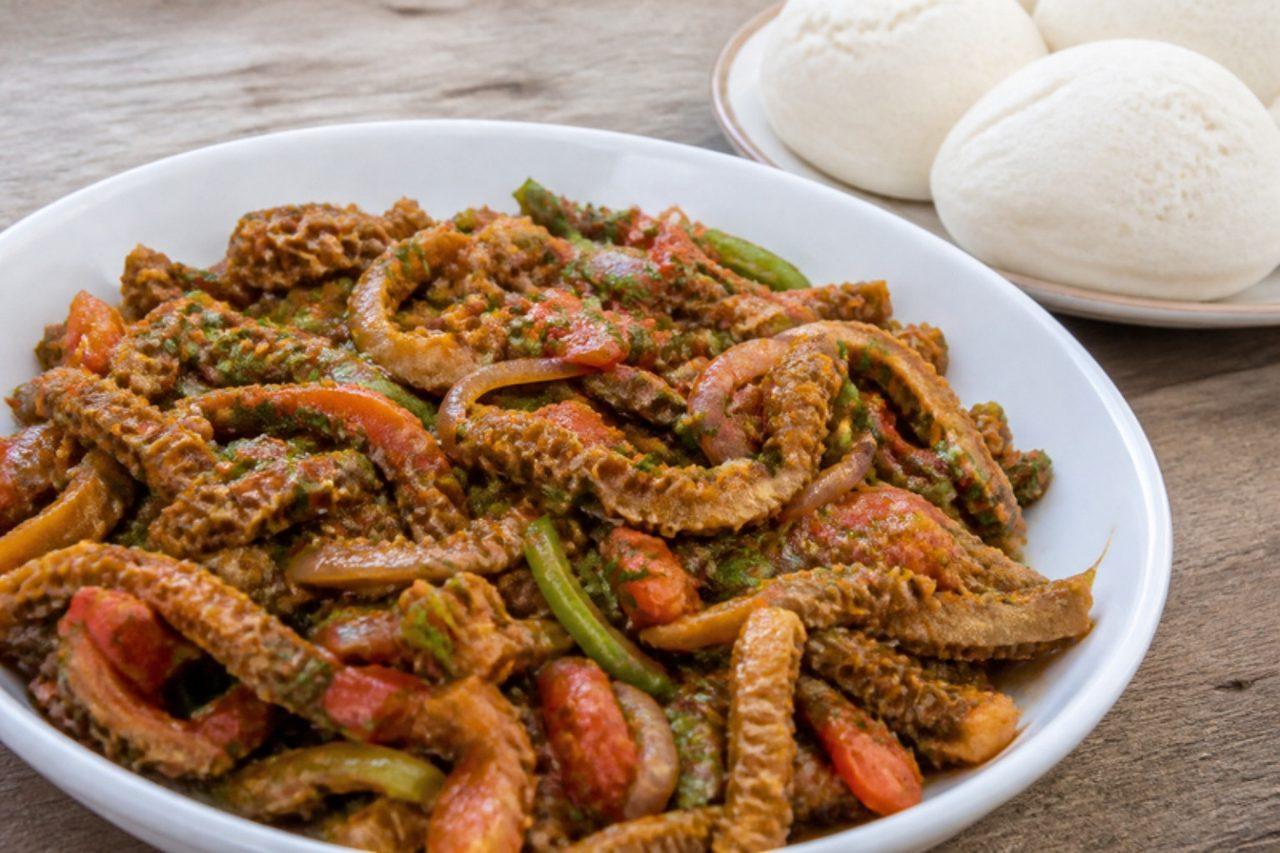
Nairobi's office workers and matatu crews know which roadside hoteli does the best matumbo, and they queue for it at lunchtime with a mound of ugali on the side. The tripe is boiled until it is soft but still has a gentle bounce, then cut into strips and fried hard with onion, tomato and green chilli so the edges catch and the sauce turns thick and peppery. Buy cleaned (dressed) beef tripe from a butcher: the white, honeycomb kind has already been scalded and scraped, which you should not attempt at home. Even cleaned tripe needs a thorough wash and a long simmer, and cutting it before it is tender is the usual mistake, because it then stays rubbery however long you fry it. Chef's tip: add a squeeze of lemon and a chopped onion to the boiling water; they freshen the smell in the kitchen and leave the tripe tasting clean.

by KrazyBadal 0 views

Showing 9 of 7,762 recipes

Show more recipes

Page 95 of 863