


Skip to content
Moroccan spiced coffee
Featured recipe

Moroccan spiced coffee

In many Moroccan homes, coffee is bought ready-mixed from the roaster with a spoonful of 'attria', a warm blend of ground spices such as cinnamon, ginger, nutmeg, cardamom, black pepper and toasted sesame, that gives it a rounded, gently peppery aroma. It is brewed in a pan or a pot and sipped black and sweet, or with a splash of milk, after lunch, with pastries for guests, or on cold mornings. The spices soften the bitterness and make the whole kitchen smell wonderful. This home version mixes the spices into ordinary ground coffee. Chef's tip: keep the coffee at a bare simmer and never let it boil hard; vigorous boiling, the usual mistake, extracts bitterness from both coffee and spices.

Read more 0 views

What to eat today?

Around the world

Today's trip: Persian

A new country every day, from every cuisine on the site.

Persian

Dizi

Lamb and chickpea stew 245 minMore from Persian (131) →

This week's collection

Kid-friendly dinners
537 recipes · a new collection every Monday

Latest recipes

Dongbei luan dunMixed vegetable stew

Luan dun, the 'chaotic stew', is everyday harvest cooking from Heilongjiang, Jilin and Liaoning, made in autumn when the garden gives everything at once and a big pot feeds the whole household through the cold evenings. Potato, aubergine, green beans, corn on the cob, peppers and tomato are cooked together in a soy-scented broth until soft and saucy, with the potato thickening it naturally. Serve it with steamed rice or mantou buns. The usual mistake is putting everything in together, so the beans stay squeaky while the aubergine turns to mush; add the vegetables in order of how long they take. A pressure cooker works too: 4 minutes on high after the beans and potato go in. Chef's tip: crush the potato pieces lightly against the pot near the end to give the stew body.

by KrazyBadal 0 views

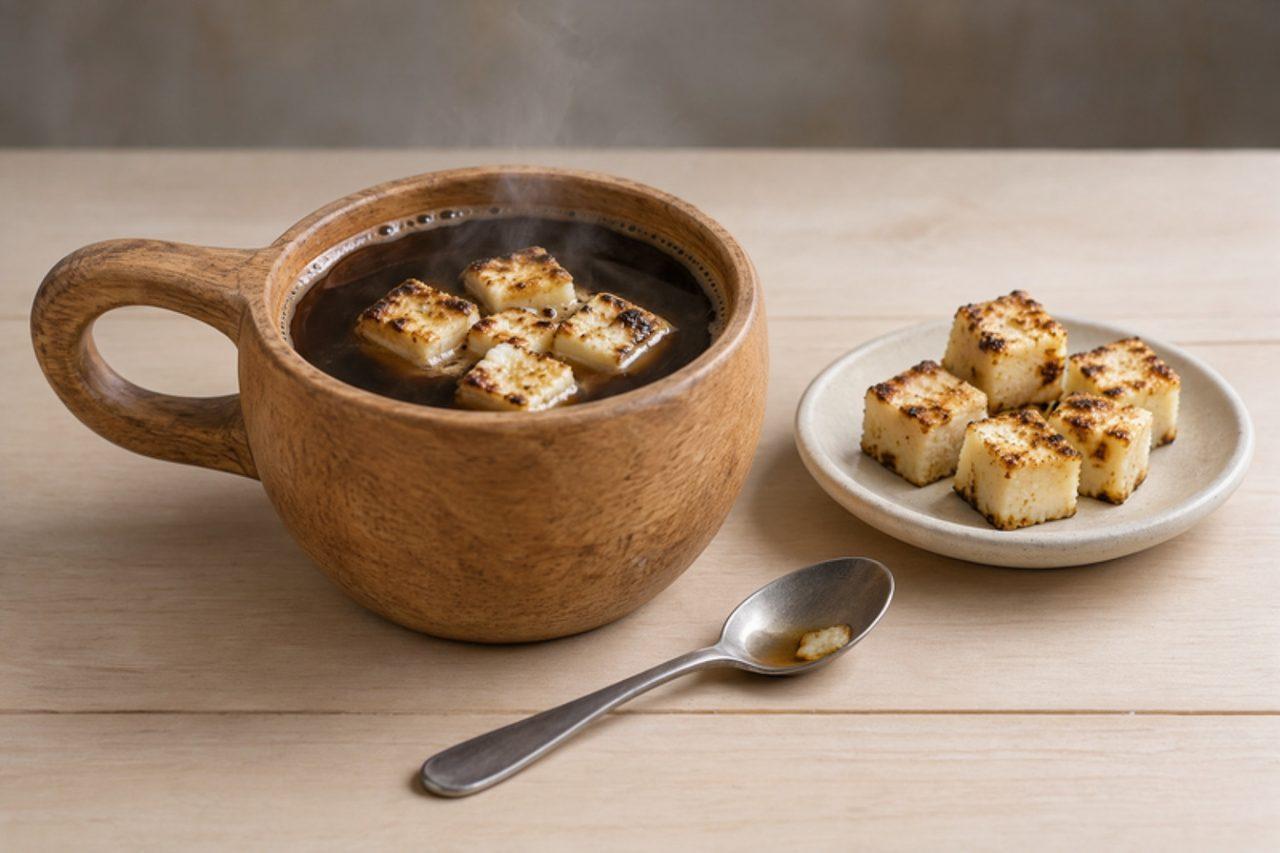
Kaffeost (coffee with cheese)

In the far north, across Swedish Norrbotten and Finnish Lapland, coffee comes with cheese in the cup. Leipäjuusto, a mild, squeaky cheese baked or grilled until spotted brown (called kaffeost or 'bread cheese'), is cut into cubes and put in a cup, often a carved wooden kuksa, then hot black coffee is poured over. Sámi reindeer herders and Tornedalen farmers have made it this way for generations; it is a fireside or mid-morning drink on a cold day, and in some families a little sugar or a slice of dried reindeer meat goes in as well. The cheese warms through, softens slightly and soaks up the coffee, so you drink the coffee and then spoon out the warm, chewy, milky cubes. The common mistake is using a soft or melting cheese: it collapses into strings. Use proper leipäjuusto or halloumi, which keep their shape. It is ready when the cubes are hot to the centre, about 2 minutes, and slightly puffed. Strong coffee means real caffeine here, so it is an adult drink. Leipäjuusto is sold in Nordic shops; halloumi is the nearest substitute. Chef's tip: warm the cheese on a dry pan first for extra browned flavour.

by KrazyBadal 0 views

FarrottoFarro cooked like risotto

In the hills of the Garfagnana and around Spoleto, where farro has been grown since Roman times, cooks make farrotto in autumn and winter as a heartier cousin of risotto. Semi-pearled farro is toasted in olive oil with onion and celery, then cooked slowly with hot vegetable stock, ladle by ladle, until the grains are tender but still bouncy and wrapped in a light, creamy sauce. Finish with pecorino and serve as a main with a green salad. The usual mistake is stirring as constantly as for risotto; farro releases less starch, so stir every few minutes and beat in the cheese at the end for creaminess. Chef's tip: toast the dry grains until they smell like popcorn before adding any liquid; it deepens the nutty flavour.

by KrazyBadal 0 views

Pasta e cavolfiorePasta with cauliflower

Pasta e cavolfiore belongs to the family of thick Neapolitan 'pasta e…' dishes eaten at home on Fridays and cold weekdays, when a single cauliflower and a handful of mixed pasta ends have to feed the family. The cauliflower is softened with garlic, a little tomato and chilli, then the pasta is cooked right in it with small additions of hot water until the whole pot is creamy and the cauliflower has partly melted into the sauce. Finish with pecorino and black pepper. The usual mistake is cooking the cauliflower in big florets, which never break down; cut it small so some of it becomes the sauce. Chef's tip: let it rest for two minutes off the heat after the cheese goes in; it thickens into the proper 'azzeccata' texture that holds a fork upright.

by KrazyBadal 0 views

Riso e verzeRice and cabbage soup

Riso e verze is a Lombard and Venetian farmhouse supper for the coldest months, when Savoy cabbage has been sweetened by the frost. Shredded cabbage is stewed slowly in butter and onion until it melts, then rice and stock go into the same pot and simmer into a thick, spoon-standing soup finished with grated cheese. Serve it in deep bowls with black pepper and crusty bread. The usual mistake is boiling the cabbage straight in stock, which makes it taste of sulphur; stew it in butter first until it is soft and sweet. Chef's tip: make it a little loose, because the rice keeps drinking the broth as it stands.

by KrazyBadal 0 views

KalopsBeef stew with allspice

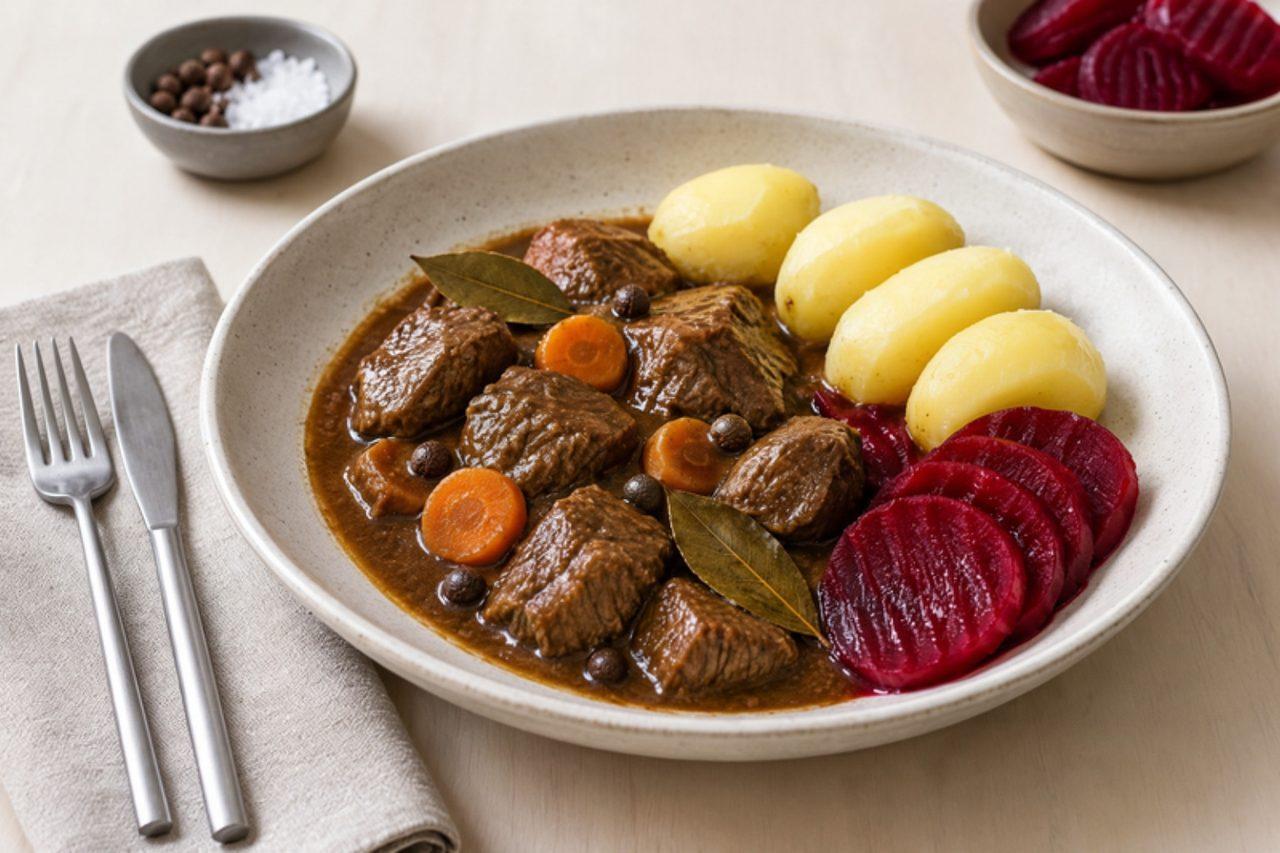
Kalops is the Swedish winter stew that fills kitchens from Skåne to Norrland on dark November weekends: chunks of beef chuck simmered slowly with onions, carrots, whole allspice and bay until the sauce turns brown, glossy and lightly peppery. It is always eaten with plain boiled potatoes and a spoonful of sweet pickled beetroot (inlagda rödbetor), whose sharpness cuts the richness. It reheats beautifully, so many families make it a day ahead. The usual mistake is crowding the pan when browning, so the beef steams grey and the sauce never gets its deep colour; brown in batches. Chef's tip: crush half the allspice berries lightly before they go in so the warm clove-like scent reaches the whole pot, but leave the rest whole for a gentler background note.

by KrazyBadal 0 views

BusecaTripe and white bean stew

Buseca arrived in Montevideo with Italian immigrants from Lombardy and became a classic winter dish of Uruguayan bodegones and family kitchens, eaten on cold June and July days. Honeycomb tripe is simmered until tender, then stewed with white beans, pork chorizo, bacon, peppers, tomato and paprika into a thick, warming stew served with crusty bread. Buy tripe that is already cleaned and blanched (dressed). The usual mistake is undercooking the tripe: it needs a full 2 hours, until it's soft enough to cut with a spoon. Slow-cooker option: after step 4, cook on low for 8 hours. Chef's tip: a little grated lemon zest and parsley stirred in at the end lifts the rich, gelatinous sauce.

by KrazyBadal 0 views

Fondue de poireauxSlow-cooked leeks in butter

Fondue de poireaux is a winter side from northern France and Belgium, cooked in home kitchens from Picardy to Lille whenever leeks are cheap and sweet. Thinly sliced leeks are sweated very gently in butter with a lid on until they collapse into a soft, pale-green tangle, then finished with a spoon of cream and nutmeg. Serve it with roast fish, eggs, potatoes, or spooned onto toast as a light supper. The usual mistake is cooking over too high a heat, which browns the leeks and makes them bitter; they should never colour. Chef's tip: wash the sliced leeks in a bowl of water and lift them out with your hands, so the grit stays at the bottom.

by KrazyBadal 0 views

HafechabisLamb and cabbage pot

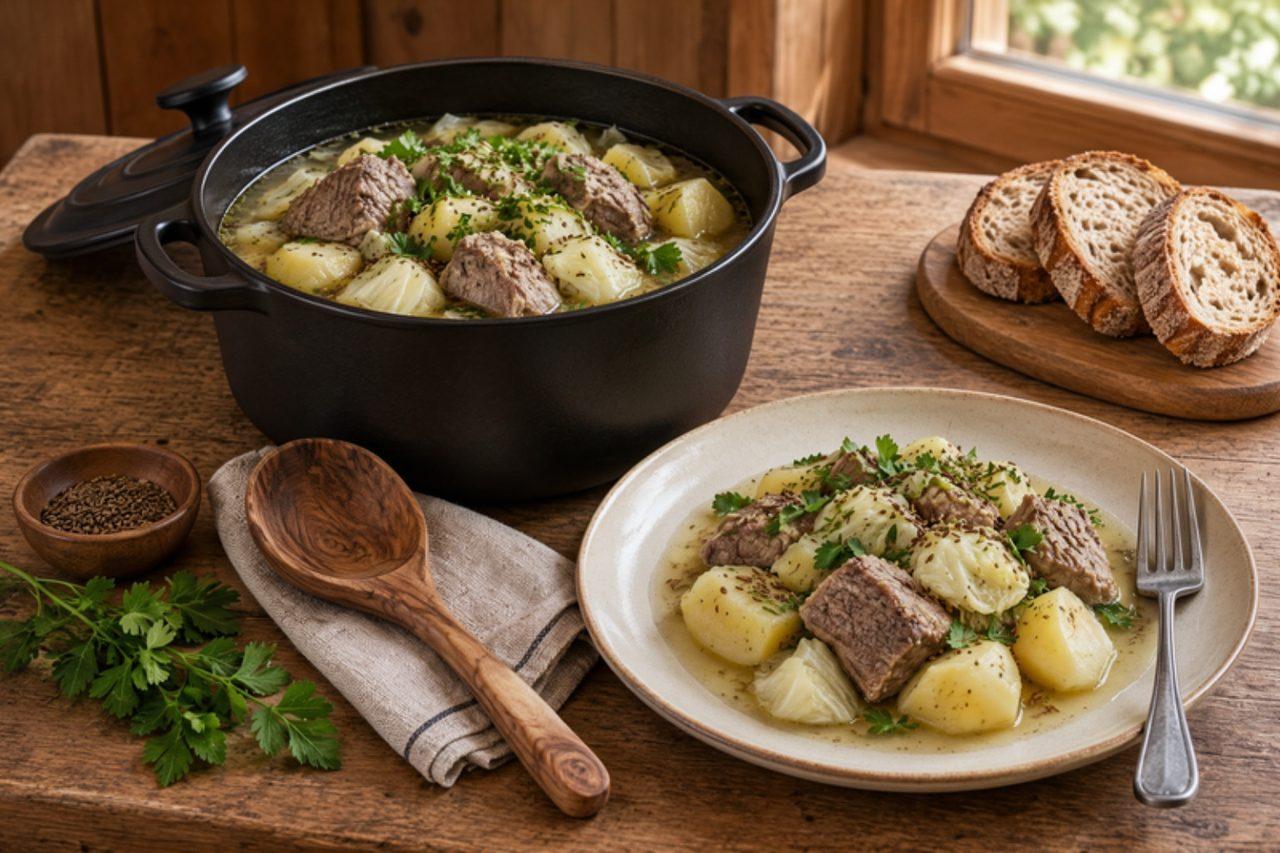
Hafechabis, literally 'pot cabbage', is the autumn one-pot of the Lucerne, Schwyz and Uri valleys, made when the cabbages come in and the lambs come down from the alps. Lamb shoulder, white cabbage, onions and potatoes are layered in a heavy pot with caraway and left to cook gently in their own juices with a little stock, until the cabbage is silky and the lamb tender. Serve it straight from the pot with mustard and crusty bread. The usual mistake is adding too much liquid: the cabbage gives off plenty of its own, and a flooded pot tastes boiled rather than braised. Slow-cooker option: layer as below and cook on low for 7 hours. Chef's tip: brown the lamb properly first, as the caramelised fat is what flavours every layer of cabbage.

125 minSwissMeatGluten free
by KrazyBadal 0 views

Pasta e zuccaPasta with pumpkin

When the long Neapolitan pumpkins appear in autumn markets, pasta e zucca becomes the weekday lunch in Naples and around the Bay. The pumpkin is cooked down in olive oil with garlic and rosemary until it turns into a soft orange sauce, then short pasta is cooked in the same pot with a little water so it comes out velvety, sweet and peppery. Children love it, and it needs nothing more than grated cheese. The usual mistake is using a watery pumpkin, which never thickens; choose a dense, deep-orange squash such as butternut or delica. Chef's tip: save a few small cubes of pumpkin and add them later, so you get both a creamy sauce and soft pieces to bite into.

by KrazyBadal 0 views

Králík na smetaněRabbit in cream sauce

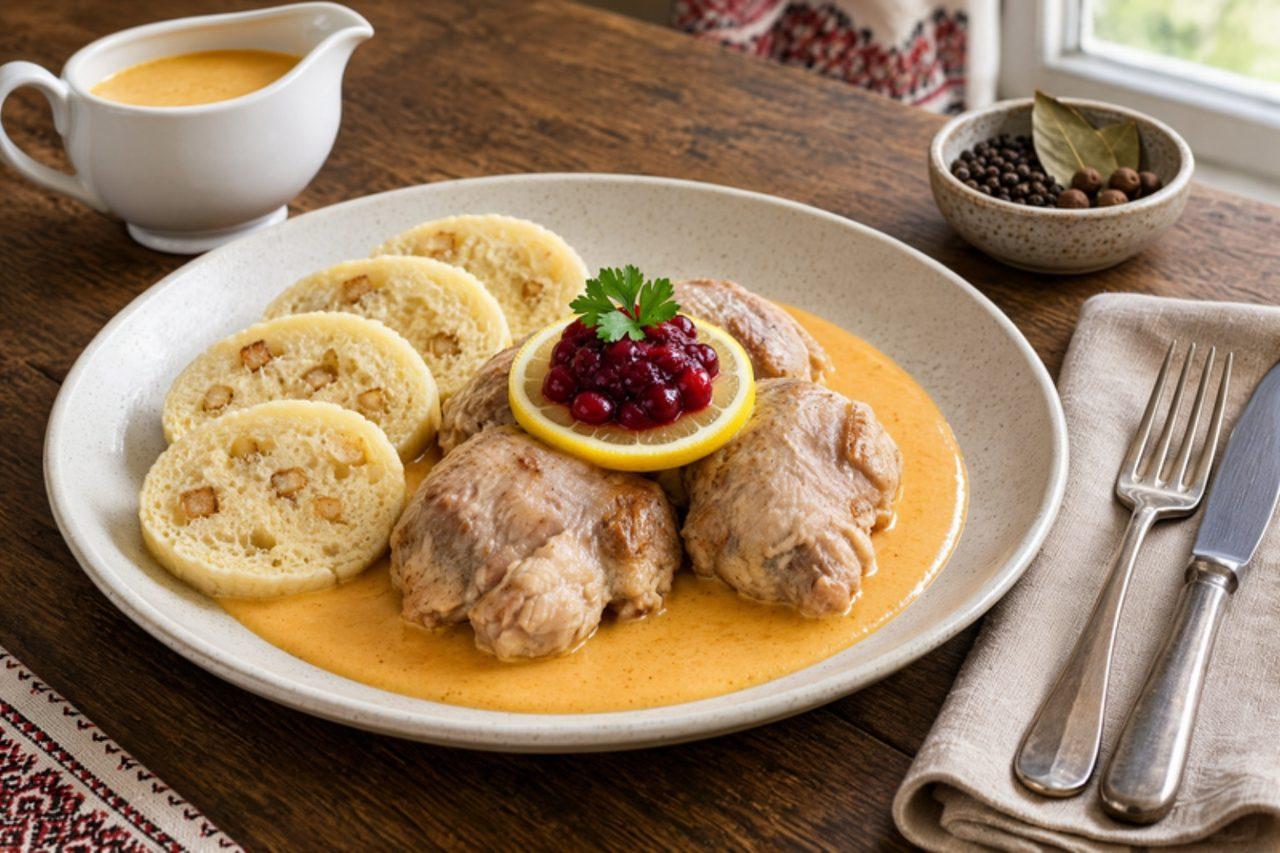
Králík na smetaně is a Sunday lunch in the Czech countryside, especially in Moravia and South Bohemia, where many families once kept rabbits in the yard. Rabbit pieces are braised with carrot, celeriac, parsley root and onion, then the vegetables are blended into a velvety cream sauce brightened with lemon and a pinch of sugar, much like the famous svíčková. It is served with sliced bread dumplings (houskové knedlíky) and a spoon of cranberry sauce. The usual mistake is boiling the sauce after the cream goes in, which can split it; keep it at a bare simmer. Rabbit is lean, so cook it gently and check that the meat comes easily off the bone. Chef's tip: blend the vegetables until completely smooth and pass them through a sieve for the silky sauce Czech cooks are proud of.

120 minCzechMeat
by KrazyBadal 0 views

ChässuppeBread and cheese soup

Chässuppe comes from the farmhouses of Central Switzerland, from Unterwalden to the Entlebuch, where it was a thrifty way to use up hard bread and the end of a wheel of cheese. It is a winter supper, especially on carnival and Advent evenings: bread and grated mountain cheese are soaked in hot broth and stirred into a thick, almost spoonable soup, then topped with butter-fried onions. Serve with a green salad and a mug of hot tea. Most Swiss mountain cheeses are made with animal rennet; for a vegetarian pot, choose a hard cheese labelled vegetarian with a nutty, Alpine-style flavour. The usual mistake is letting it boil once the cheese is in, which makes it stringy and oily. Chef's tip: soak the bread in the broth for 10 minutes before heating, so it melts into the soup instead of staying in lumps.

40 minSwissSoups
by KrazyBadal 0 views

MerkénSmoked chilli seasoning

Merkén comes from the Mapuche kitchens of Araucanía: cacho de cabra chillies are dried, smoked over a wood fire, then ground with toasted coriander seed and salt into a brick-red powder that is smoky, warm and lightly hot. In Temuco and across the south it is shaken over potatoes, eggs, sopaipillas, grilled fish and soups. Outside Chile, use dried smoked red chillies, or plain dried red chillies plus smoked paprika. The mistake to avoid is scorching the chillies in the pan: if they blacken, the whole jar is bitter. Chef's tip: grind it a little coarse, as it is sold in Temuco's market, so the coriander seeds stay noticeable.

by KrazyBadal 0 views

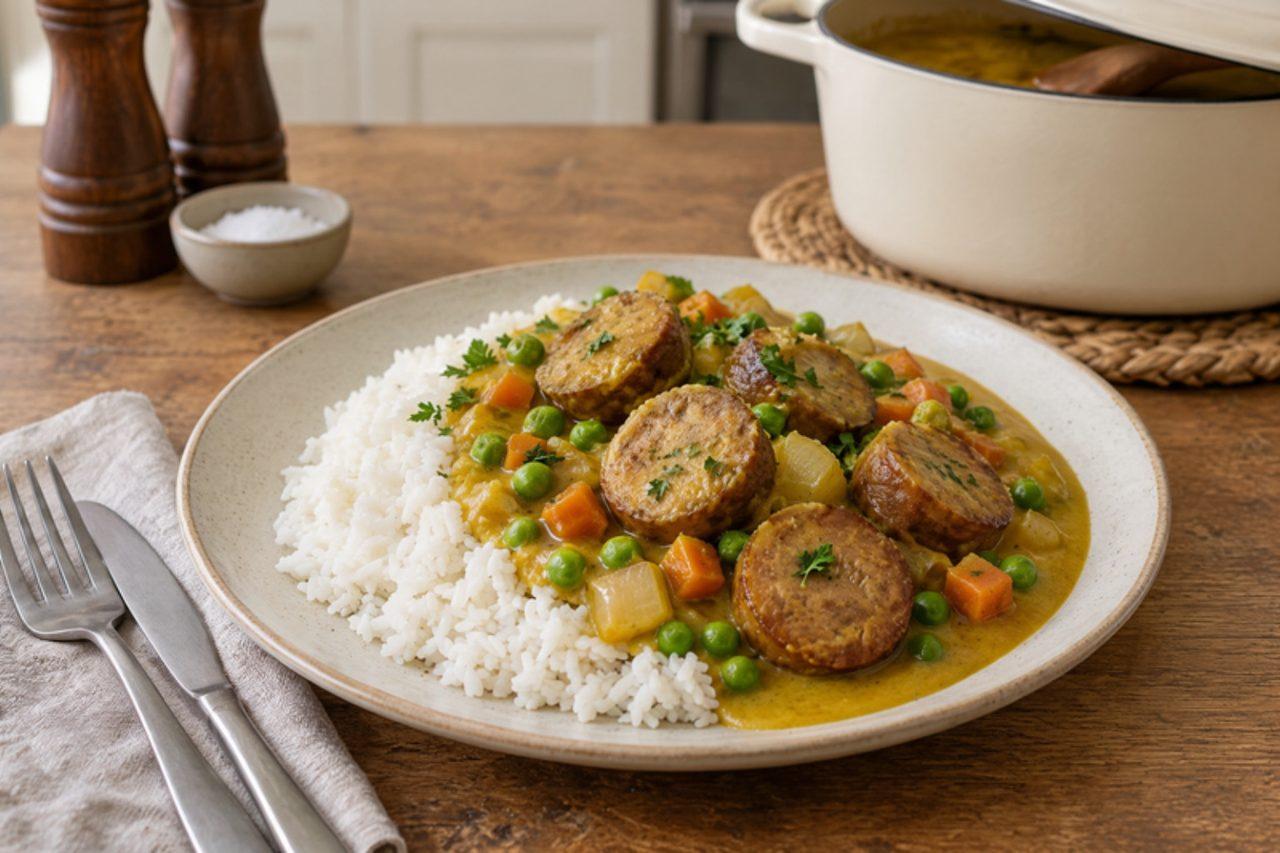
Curried sausages

Curried sausages are pure Australian weeknight comfort, the dish generations of kids came home to in Sydney, Brisbane and country towns alike, usually made with thick beef or pork sausages and a tin of mild curry powder. The sausages are browned, sliced and simmered with onion, carrot, potato and peas in a gentle, slightly sweet curry gravy, then spooned over fluffy rice. The usual mistake is skipping the pre-cook: browning the sausages whole first keeps them juicy and gives the sauce its colour. Sausages, whether beef or pork, must reach 71 °C in the centre. Chef's tip: a grated apple simmered in the sauce is the classic Aussie trick for a rounded sweetness without extra sugar.

by KrazyBadal 0 views

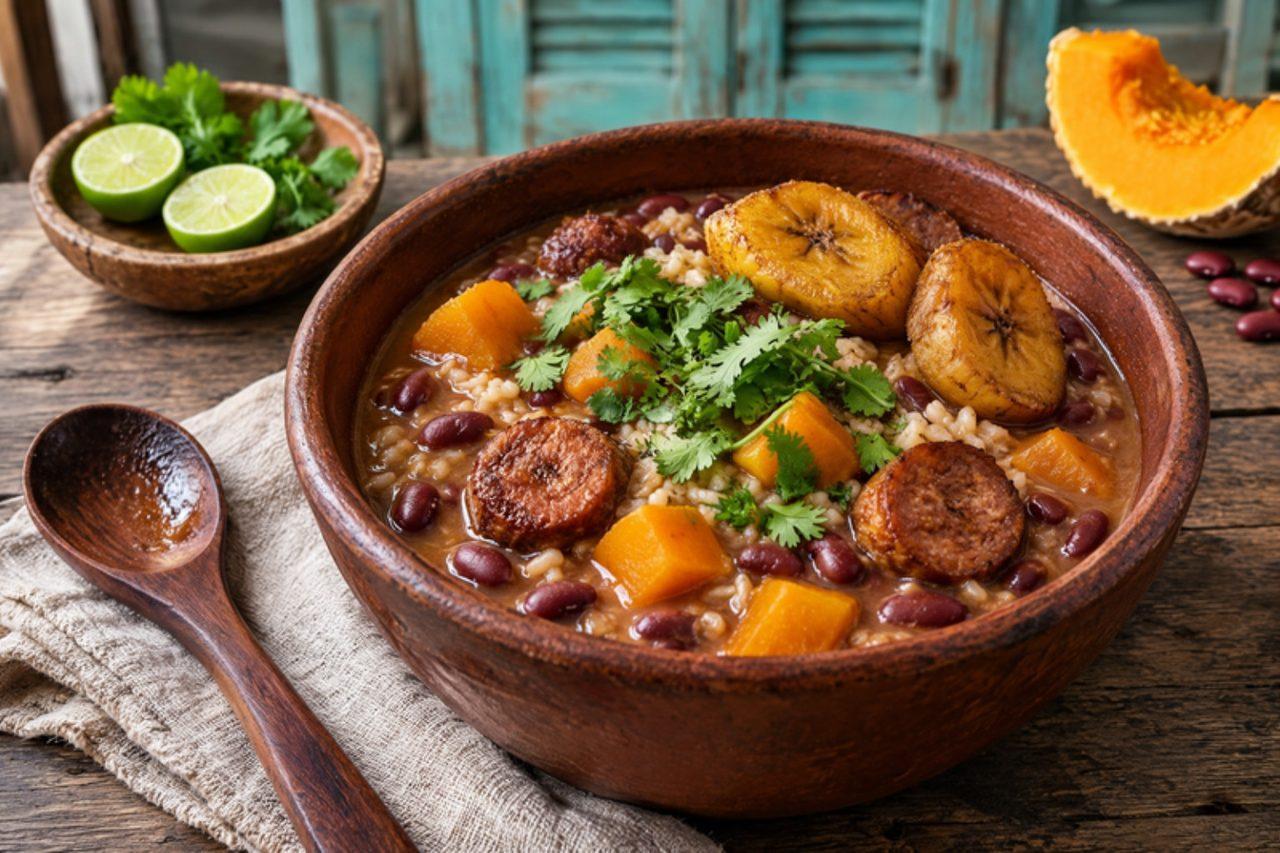
ChapeaRed beans with plantain and sausage

Chapea comes from the countryside of the Cibao and the south of the Dominican Republic, where it is cooked for big Sunday lunches and family gatherings: red beans stewed with auyama squash and ripe plantain, smoky pork longaniza or salami, then rice cooked right in the bean broth until it is soft and creamy, somewhere between a moro and a stew. The sweet plantain melts into the pot and gives the rice a gentle sweetness. Dried red kidney beans must be soaked and then boiled hard for 10 minutes before the gentle simmer, to destroy a natural toxin; tinned beans are already safe. The usual mistake is adding the rice to too little liquid, which leaves it hard; it should be swimming at first. Chef's tip: fry the sofrito until it smells sweet and the oil turns red before the beans go in, as that is where chapea gets its depth.

by KrazyBadal 0 views

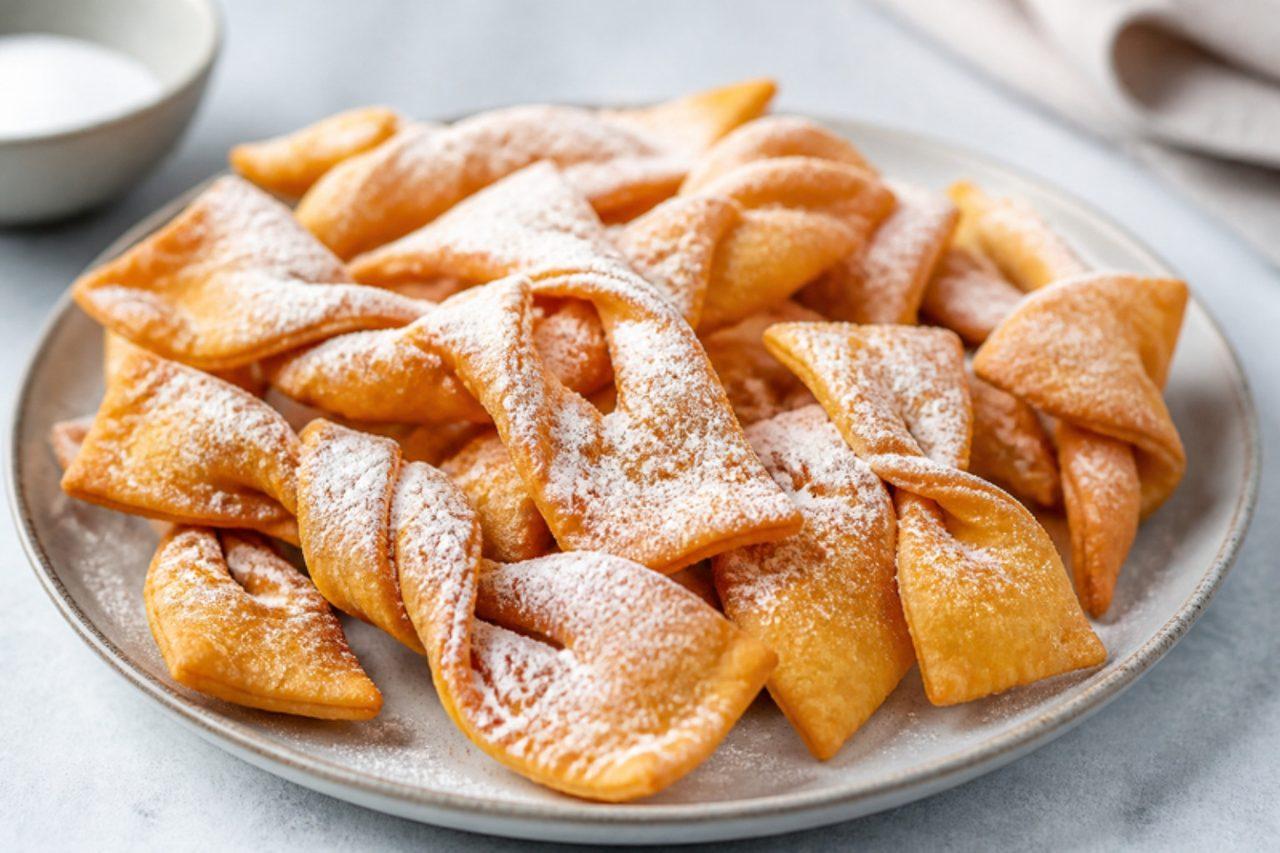
Calzones rotosKnotted orange fritters

Few sweets have a funnier name: calzones rotos, 'torn knickers', are strips of soft dough with a slit in the middle, one end pulled through to make a twist, then fried and buried in icing sugar. Chilean families fry a big plateful on rainy winter afternoons, and they are sold in paper bags at fairs from Valparaíso to Concepción. The usual mistake is oil that is too hot: they brown in seconds but stay raw and doughy inside. Keep it at 175 °C. Chef's tip: dust them with icing sugar only when they have cooled a little, so the sugar stays white instead of melting.

by KrazyBadal 0 views

MutakuraBeans, cowpeas and maize

Mutakura is old Zimbabwean country food, cooked in rural Mashonaland after harvest from the store of dried beans, cowpeas, groundnuts and maize kernels, and eaten as a filling lunch or snack, often at gatherings and ceremonies. Everything is soaked, boiled for hours until tender, then simply seasoned with salt, so the beans are creamy, the maize chewy and the groundnuts soft and rich. Suitable as part of a balanced diet. About 340 kcal and 45 g carbohydrate per portion. The usual mistake is cooking everything together from the start: the maize needs a long head start, and the dried red beans must be boiled hard for 10 minutes to be safe. A pressure cooker cuts the maize time to about 40 minutes. Chef's tip: soak everything overnight in separate bowls; the maize and groundnuts need it most.

by KrazyBadal 0 views

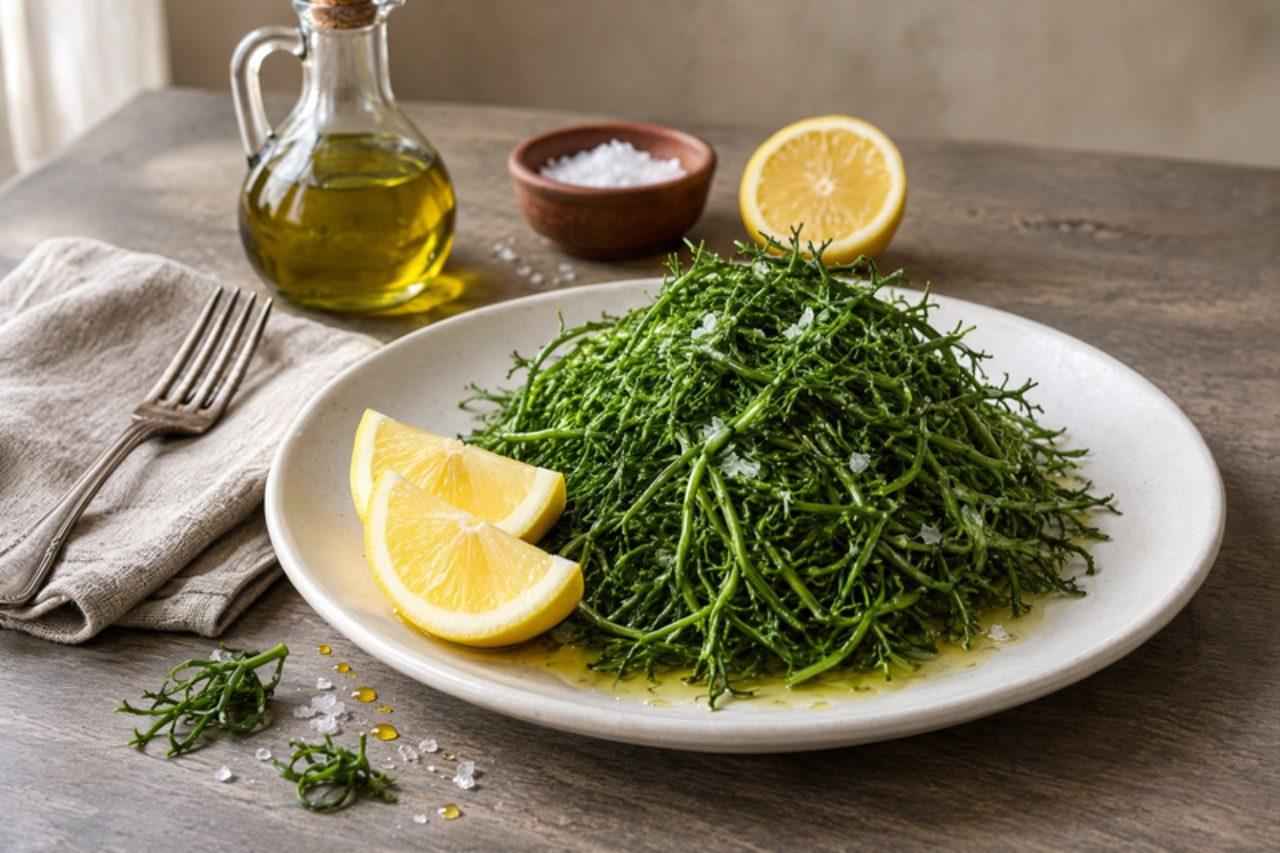
Agretti all'agroSaltwort with lemon

Agretti, also called barba di frate or 'monk's beard', appear in Roman and Tuscan markets for a short season in March and April, tied in bunches that look like thick chives. Blanched for a minute and dressed all'agro, with lemon and good olive oil, they are a juicy, slightly salty spring side for an egg dish, grilled fish or beans. Suitable as part of a balanced diet, they are almost free of starch: about 80 kcal and 3 g carbohydrate per portion. The usual mistake is overcooking them into limp threads; they should keep a crisp, spinach-like snap. Chef's tip: agretti are naturally salty, so taste before adding any salt at all.

by KrazyBadal 0 views

Mchuzi wa njegerePea and potato coconut curry

Mchuzi wa njegere, pea curry, is cooked in homes from Dar es Salaam to Tanga for an easy family lunch or supper, and it is a Friday favourite when families keep the meal meat-free. Green peas and potato chunks simmer in coconut milk with onion, tomato, turmeric and a mild curry powder until the potatoes are tender and the sauce is golden and creamy. Serve with chapati, plain rice or ugali. The usual mistake is boiling the curry hard once the coconut milk goes in, which makes it split and greasy. Chef's tip: add the peas last, as frozen peas need only 5 minutes and stay sweet and bright.

by KrazyBadal 0 views

DiziLamb and chickpea stew

Dizi, also called abgoosht, is Tehran's working lunch, served at old teahouses and bazaar canteens in individual stone pots, and cooked at home on cold Fridays. Lamb on the bone, chickpeas, white beans, potatoes, tomato and dried lime cook gently for hours. At the table you pour off the broth and soak torn sangak or lavash bread in it (tilit), then pound the meat, beans and potato into a coarse paste (goosht kubideh) to eat with herbs, raw onion and pickles. The usual mistake is adding the potatoes at the start: they collapse and cloud the broth. Slow-cooker: after the beans' hard boil, cook everything except the potatoes on low for 10 hours, adding them for the last 2. Chef's tip: pierce the dried limes so they flavour the broth without turning it bitter, and lift them out before pounding.

245 minPersianMeatGluten free
by KrazyBadal 0 views

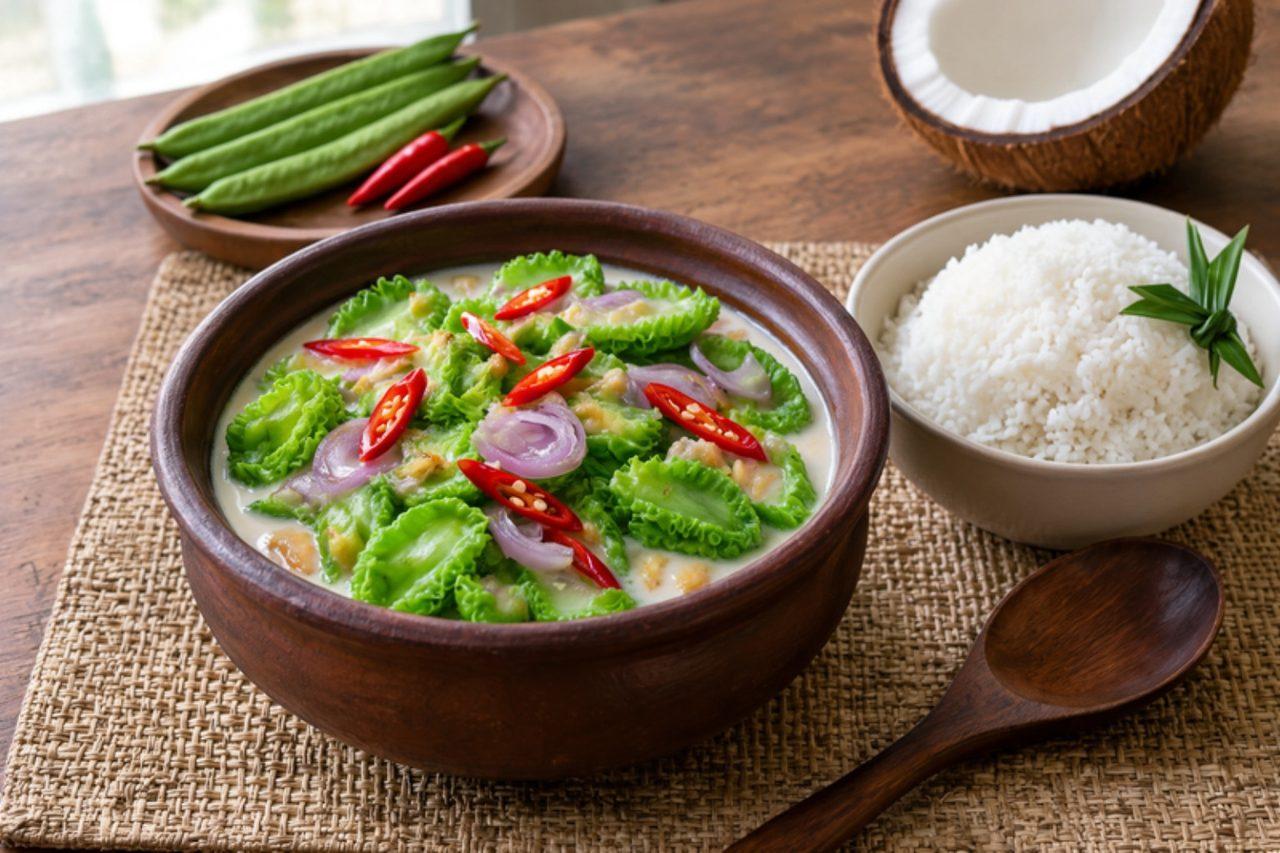
Ginataang sigarilyasWinged beans in coconut milk

Winged beans, sigarilyas, climb the backyard fences of Luzon and Visayan homes, and on rainy-season weekdays they are sliced and simmered in coconut milk for a quick ulam to go with rice. The frilly beans stay crisp-tender and soak up the garlicky, gently spicy gata. Many cooks add shrimp paste; this version keeps it vegan with a little soy sauce. The usual mistake is overcooking: winged beans lose their crunch and go dull green in minutes, so add them only when the coconut milk has reduced. Chef's tip: cut the beans on a sharp diagonal so each slice shows off the four ruffled wings.

by KrazyBadal 0 views

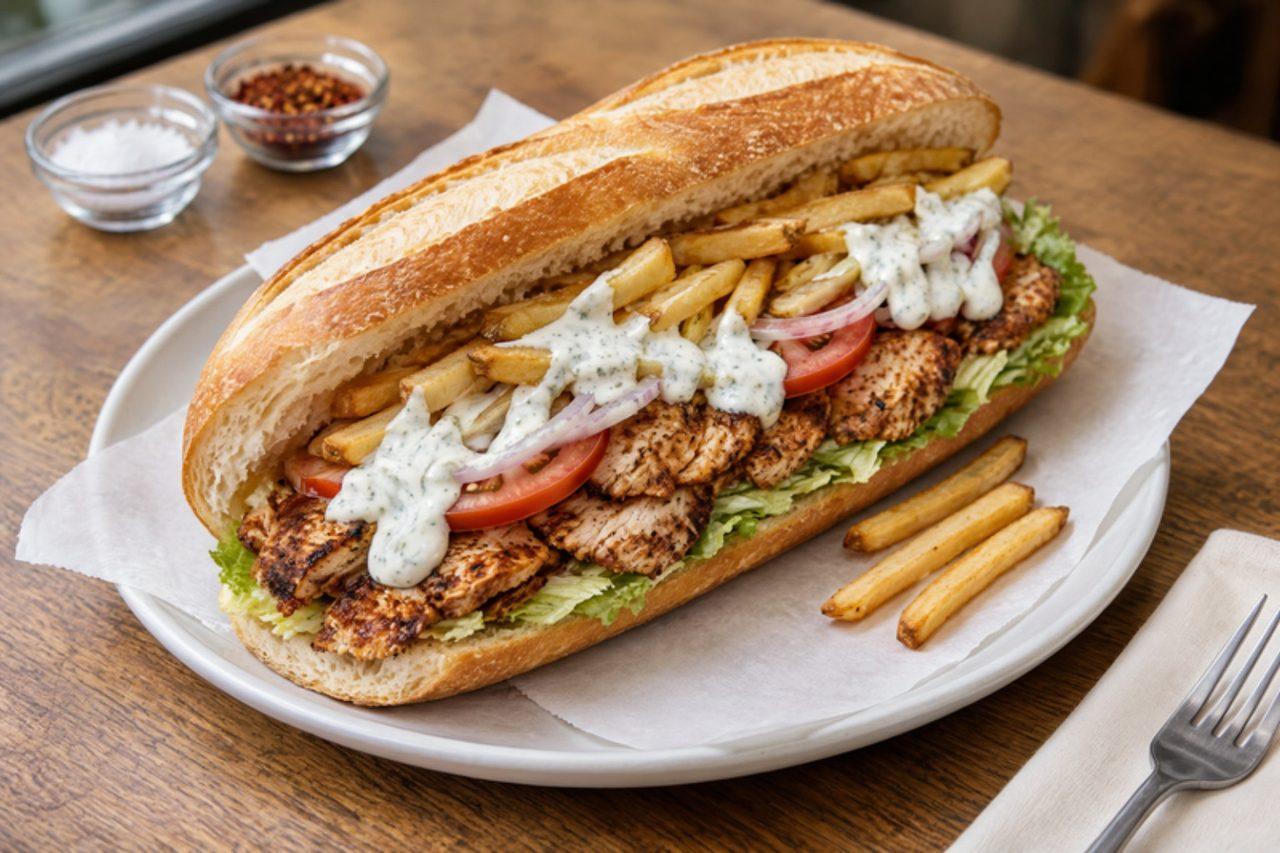
Sandwich grecKebab baguette

In Paris, a "grec" is the late-night kebab sandwich named after the Greek-run shops that first sold it in the Latin Quarter. On rue de la Huchette and rue Saint-André-des-Arts near Saint-Michel, students queue after a night out for crusty bread or pitta stuffed with meat shaved from a turning spit, lettuce, tomato and onion, a garlicky white sauce, and, the Paris touch, a handful of fries pushed right inside. This home version marinates chicken thighs in spiced yoghurt, sears them hard and slices them thin, with oven fries. It contains milk, egg (in the mayonnaise) and wheat. Chef's tip: slice the meat thinly across the grain after resting; thick chunks don't feel like a grec.

by KrazyBadal 2 views

Salatet tahinaTahini sauce

No Egyptian table is complete without salatet tahina: in Cairo and Alexandria it is served with fried fish, grilled kofta, ful and falafel, and it is on every mezze plate at Friday lunch. Sesame paste is whipped with lemon juice, garlic, cumin and cold water until it turns pale, fluffy and creamy, with no sugar at all. Suitable as part of a balanced diet, it brings sesame protein and healthy fats with very little carbohydrate: about 150 kcal and 5 g carbohydrate per portion of 3 tablespoons. The usual mistake is panicking when the tahini seizes and goes thick after the lemon goes in; keep adding cold water a spoon at a time and it loosens into a smooth sauce. Chef's tip: use ice-cold water, which makes the tahina whiter and fluffier.

by KrazyBadal 0 views

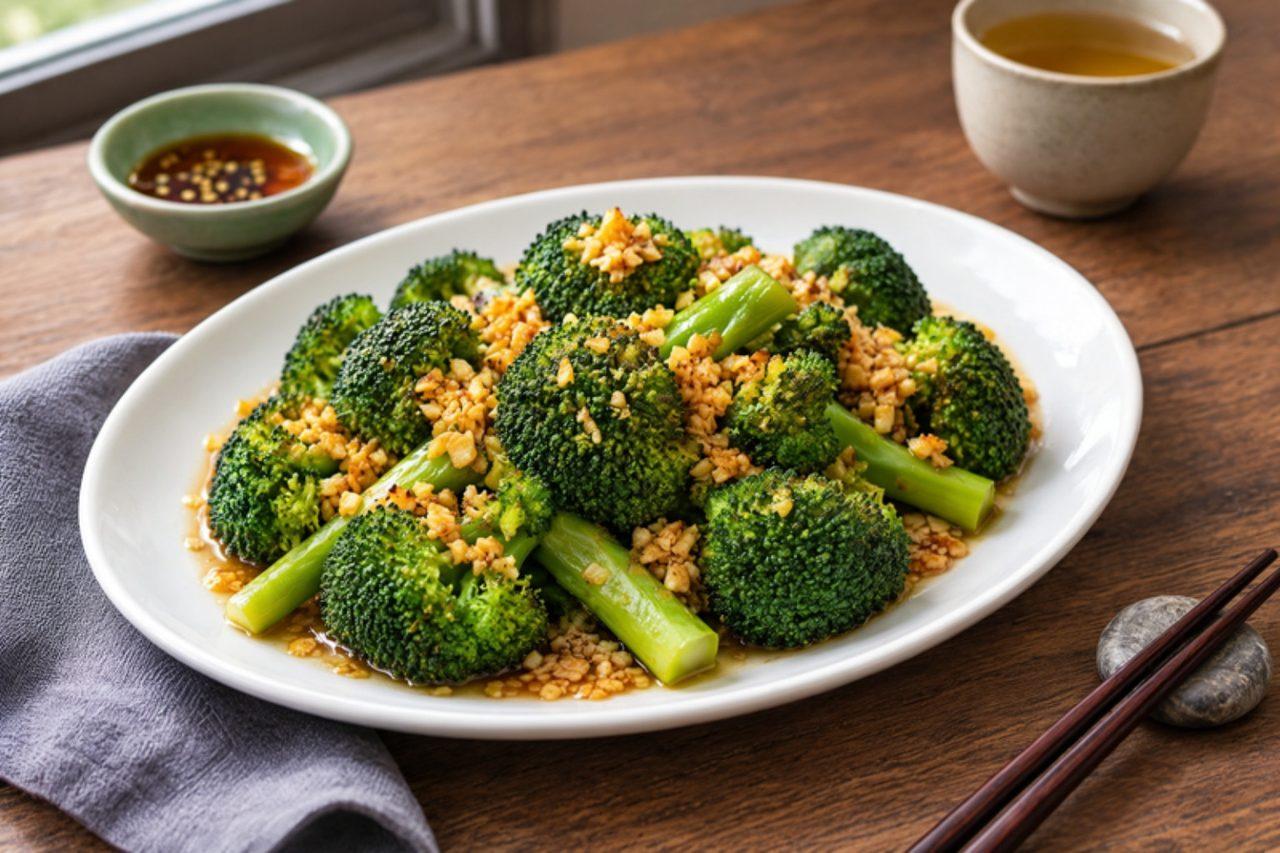
Suan rong xilanhuaGarlic broccoli

Garlic broccoli is on the menu of almost every Chinese home kitchen and family restaurant, from Guangzhou to Shanghai, as the quick green dish at a weekday dinner. The florets are blanched just until bright, then tossed in a hot wok with a big spoon of minced garlic and a splash of water, so they stay crisp, glossy and full of garlic flavour. Serve with tofu, fish or eggs and a modest portion of rice. It is suitable as part of a balanced diet. About 90 kcal and 8 g carbohydrate per portion. The usual mistake is adding the garlic to very hot oil before the broccoli, where it burns and turns bitter. Chef's tip: add a few drops of oil to the blanching water; it keeps the broccoli shiny and green.

by KrazyBadal 0 views

Alu chi patal bhajiColocasia leaf curry

No Maharashtrian festive thali, at Ganesh Chaturthi, a wedding or a naming ceremony, feels complete without a bowl of aluchi patal bhaji: chopped colocasia leaves stewed soft with chana dal and peanuts in a thin curry that is sour with tamarind, sweet with jaggery and thickened with a spoon of gram flour. It is eaten mixed into rice or sipped from the thali. Colocasia leaves must be cooked thoroughly with an acid like tamarind; undercooked leaves make the throat itch. The usual mistake is skimping on the cooking time to save the bright green colour; the leaves should be fully soft and olive-green. Chef's tip: soak the peanuts and chana dal for at least 2 hours, so they cook in the same time as the leaves.

by KrazyBadal 0 views

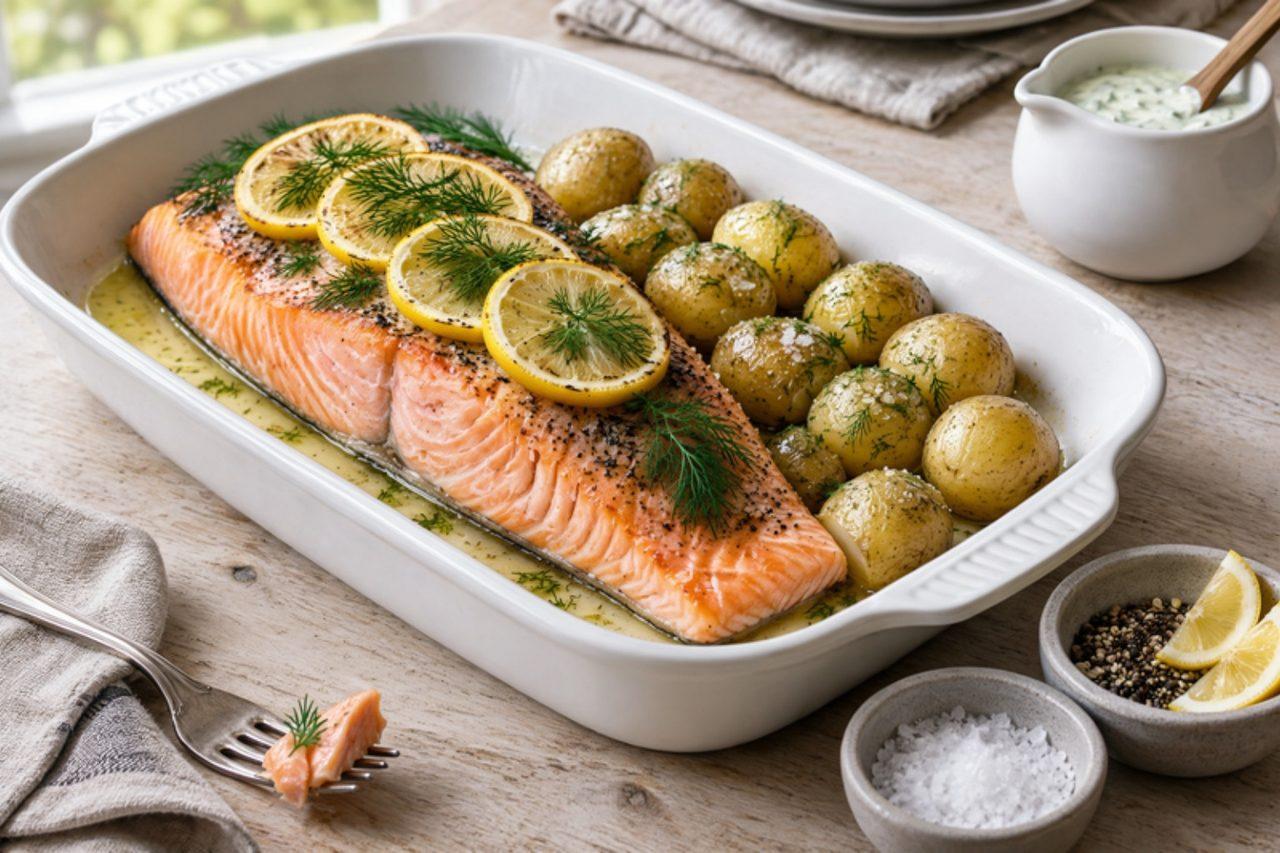
Ugnsbakad laxOven-baked salmon

Ugnsbakad lax is one of Sweden's most common weeknight dinners, made all year round but especially in summer when dill is everywhere, and it is on every school and workplace lunch menu. A thick side of salmon bakes quickly with lemon slices and plenty of dill, staying moist and pink in the centre. Oily fish, high in protein and suitable as part of a balanced diet; serve with a few boiled new potatoes and green beans or a cucumber salad. About 350 kcal and 2 g carbohydrate per portion. The usual mistake is baking it until it is dry and chalky, with white protein seeping out; take it out as soon as it flakes. Chef's tip: salt the salmon 15 minutes before baking so it seasons through and holds its juices.

by KrazyBadal 0 views

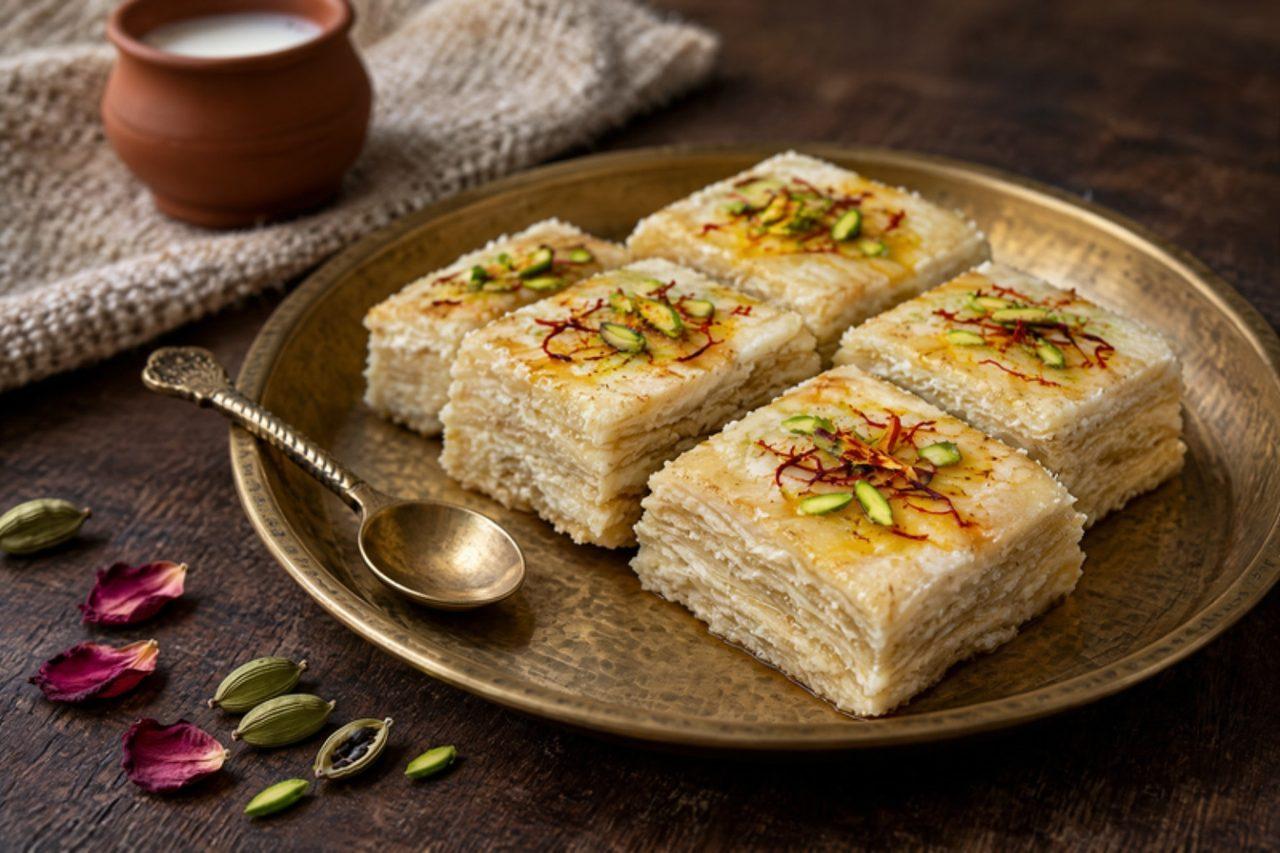
KhurchanScraped milk skin sweet

Khurchan means 'scrapings', and in Mathura and the sweet lanes of Old Delhi it is made by simmering milk in a wide iron kadhai and lifting off the skin that forms, layer after layer, then stacking the sheets with a sprinkle of sugar and cardamom. It is a winter sweet, sold in small squares, and offered at Janmashtami in Krishna's town. It takes patience, not skill. The common mistake is letting the milk boil, which breaks the skin; keep it just steaming, never bubbling. Chef's tip: fan the surface of the milk gently with a paper plate between layers; the cooler air makes the skin form faster and thicker.

by KrazyBadal 0 views

Showing 27 of 7,762 recipes

Show more recipes

Page 97 of 863