


Skip to content
Butterbrot
Featured recipe

Butterbrot

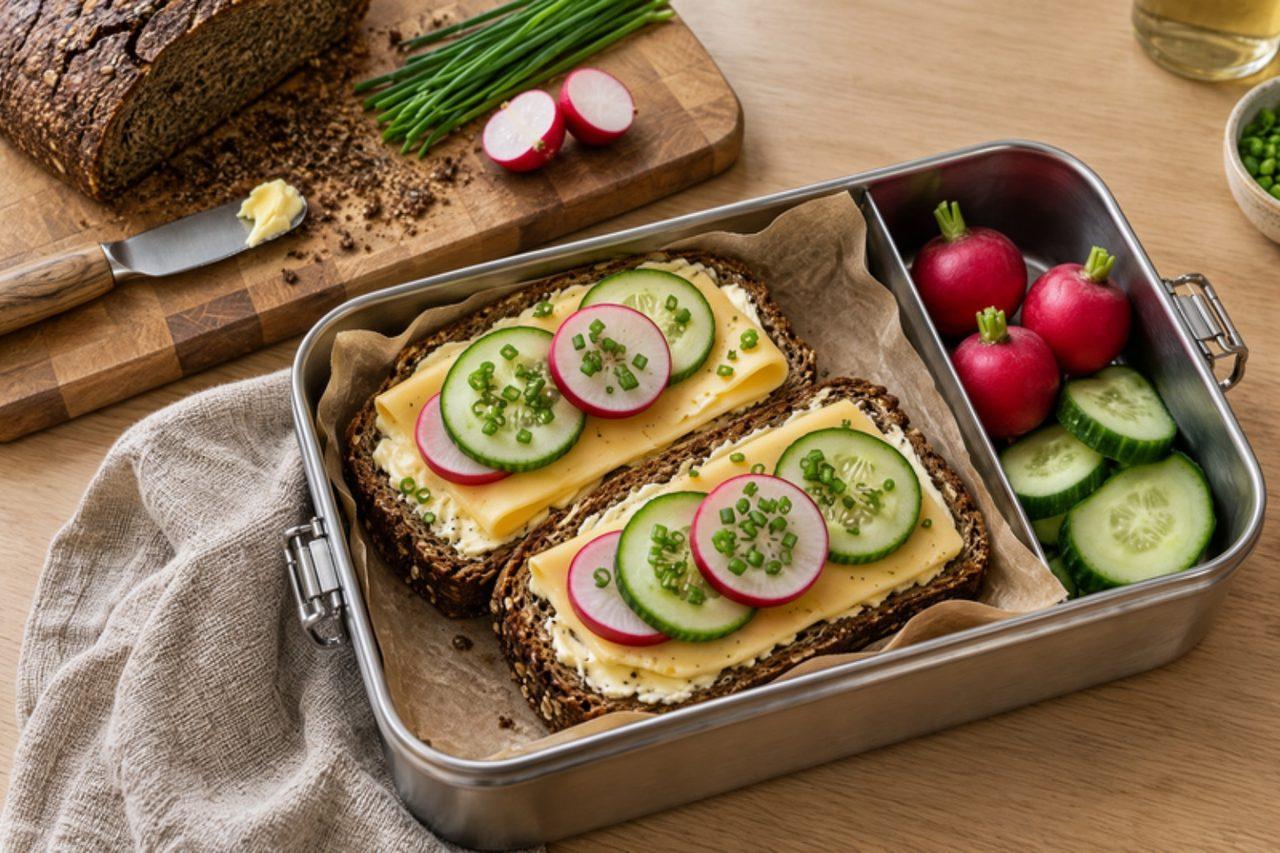
Rye bread with cheese and vegetables

Every German schoolchild knows the Pausenbrot: two slices of rye or mixed-grain bread spread with good butter, closed around a slice of cheese, wrapped in paper and eaten in the mid-morning break, with a few cucumber or apple slices on the side. Adults take the same Butterbrot to work. The common mistake is spreading cold, hard butter, which tears the bread and leaves bare patches that let any wet filling soak in. Many Gouda-style cheeses use animal rennet, so choose one marked vegetarian. Chef's tip: butter right to the crust on both slices; the butter is a waterproof layer that keeps the bread fresh until lunchtime.

Read more 0 views

What to eat today?

Around the world

Today's trip: Persian

A new country every day, from every cuisine on the site.

Persian

Nimroo

Half-set fried eggs 8 minMore from Persian (174) →

This week's collection

Kid-friendly dinners
731 recipes · a new collection every Monday

Coming up

All occasions →

Latest recipes

Chips mayaiChip omelette

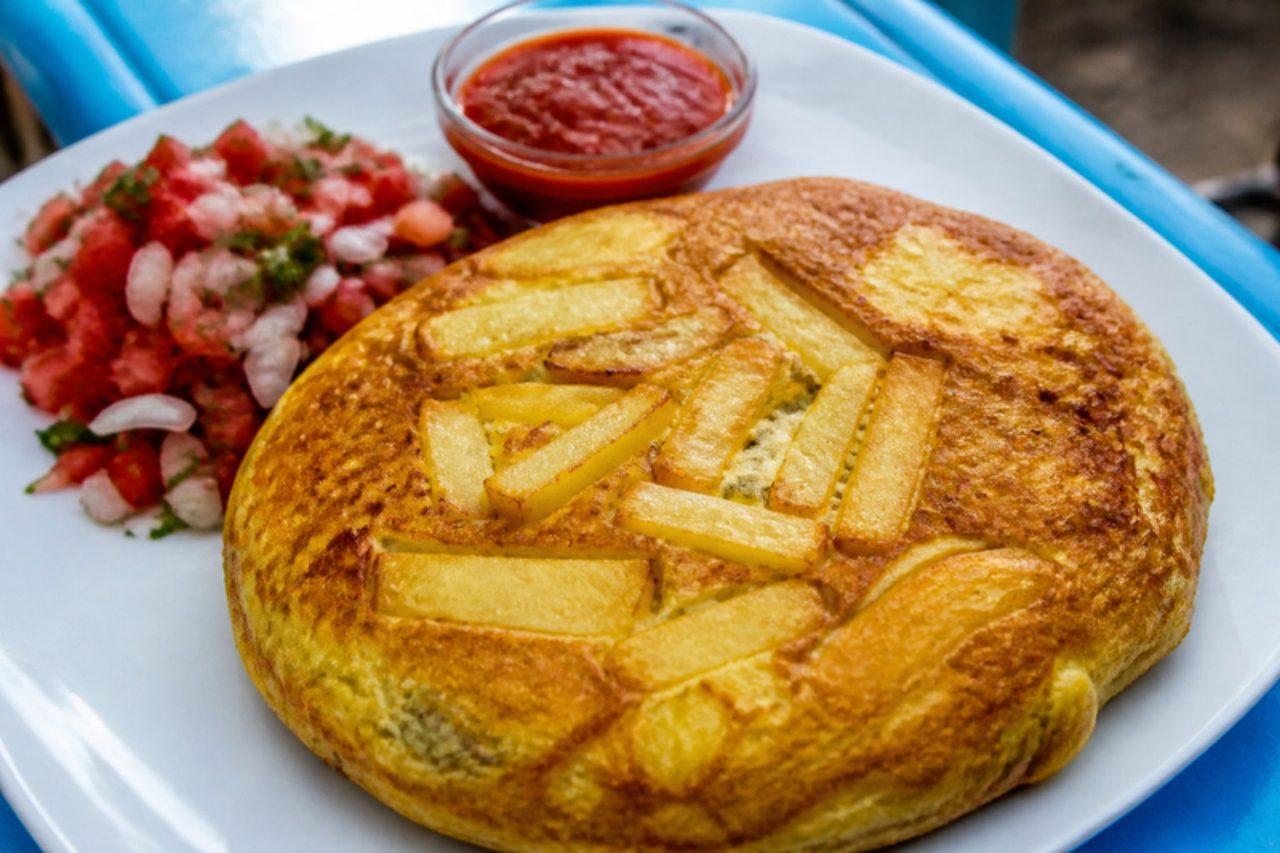
Chips mayai ('chips and eggs') is Tanzania's best-loved street food, fried to order in Dar es Salaam and Zanzibar at evening stalls with big flat pans: fresh chips are bound into a thick omelette and served with kachumbari and chilli sauce or ketchup. Children and students live on it. Chef's tip: let the chips go crisp before pouring in the egg; soft chips make a soggy omelette.

by KrazyBadal 0 views


Chipa guasuFresh corn and cheese bake

Chipa guasu (Guaraní for 'big chipa') is sopa paraguaya's softer cousin, made from fresh corn instead of cornmeal. The kernels are grated or blended into a milky purée and baked with onion, cheese and whipped eggs into a tender, gently sweet bake that rises and wobbles. It's a summer dish at Paraguayan asados and fiestas patronales (saints' days), eaten beside grilled meat or simply with a tomato salad. Chef's tip: fold in the whisked egg whites last; it's what makes chipa guasu light and puffed rather than dense.

by KrazyBadal 0 views

Chingri malaikariPrawns in coconut milk curry

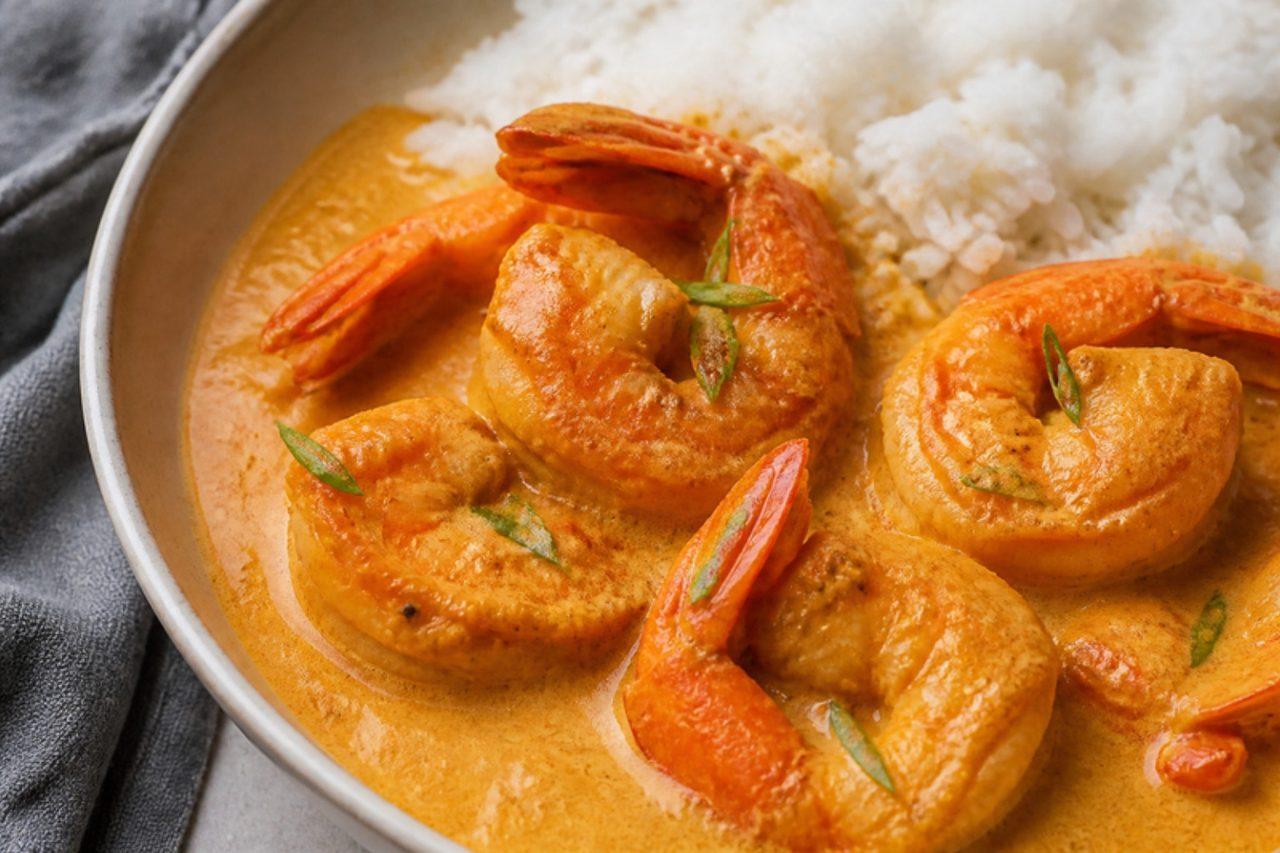
Big prawns in a pale, silky coconut gravy are what a Bengali family cooks for guests, for a new son-in-law at Jamai Sasthi, or for a wedding lunch. The dish is gently spiced, a little sweet, and leans on the head fat of the prawns for richness, so it tastes of the sea rather than of chilli. Serve it with steamed gobindobhog or basmati rice. Chef's tip: if you can find shell-on prawns with heads, leave the heads on; squeeze them into the gravy as you eat for the full flavour.

45 minIndianFishGluten free
by KrazyBadal 0 views

Chinese tawa potatoesSoy and chilli potato chips

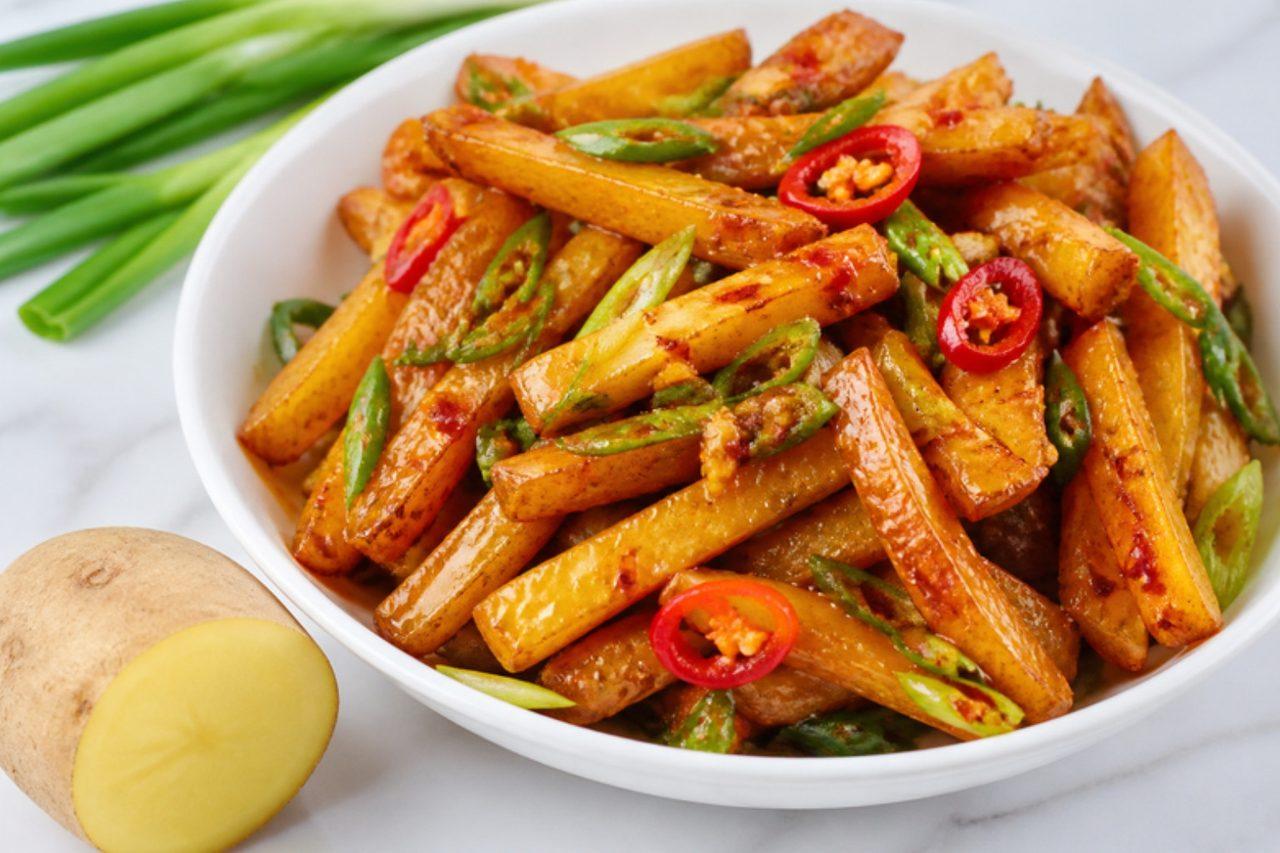
An Indo-Chinese favourite from the barbecue tawa: crisp fried potato chips tossed with garlic, ginger, soy sauce, ketchup and plenty of chillies and spring onion, then glazed with a little cornflour sauce. Sticky, salty and hot. Serve straight away as a starter.

by KrazyBadal 0 views

Sichuan chilli oil wontonsTofu and mushroom wontons in chilli oil

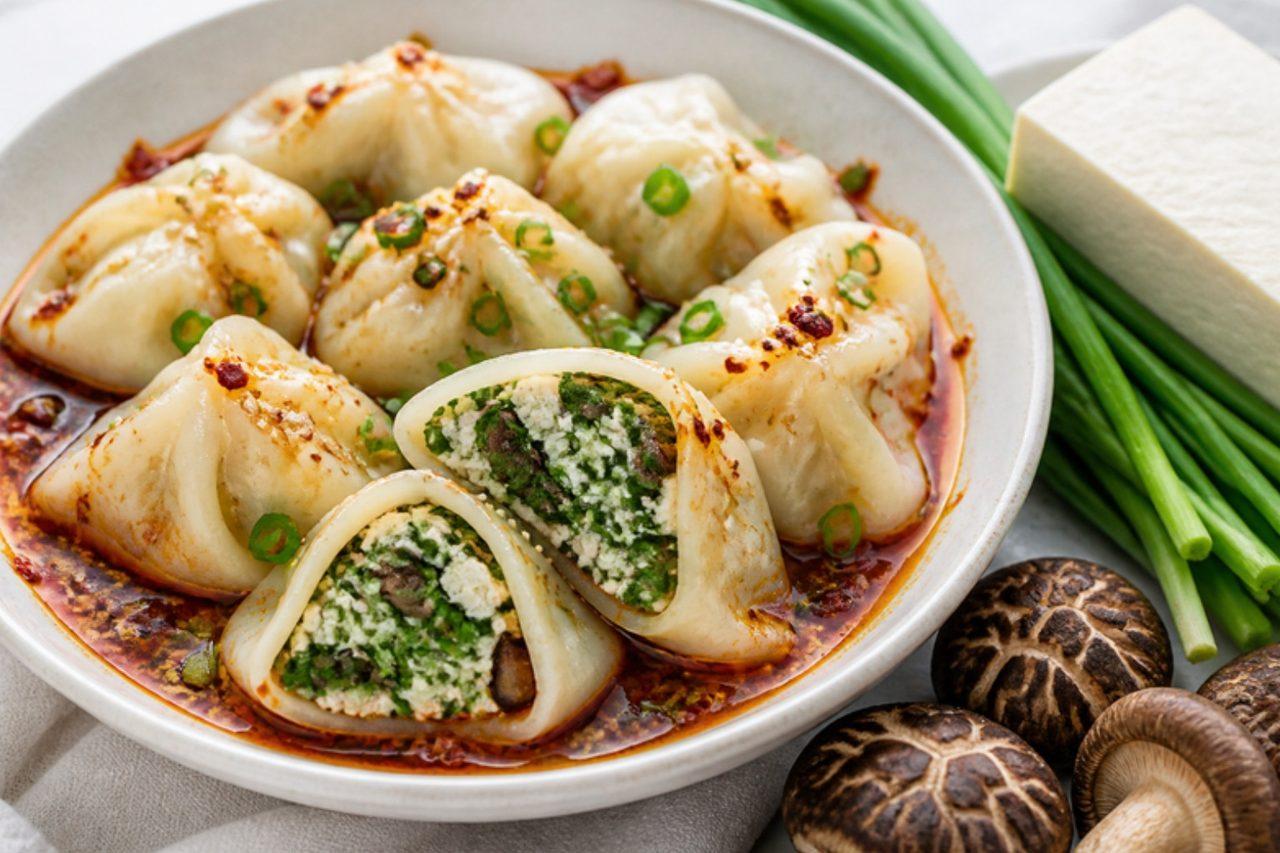
In Chengdu these are called hong you chao shou, 'red oil folded hands', after the way the wrappers are crossed over like arms. Little noodle shops serve them morning to night, slick with chilli oil, black vinegar and garlic. Our filling is firm tofu, shiitake and Chinese chives, so it's juicy without meat. Make a double batch: they freeze well uncooked. Chef's tip: squeeze the tofu hard in a cloth before mixing; dry filling seals better and the wontons won't burst in the water.

by KrazyBadal 0 views

Chilka rotiRice and chana dal pancakes

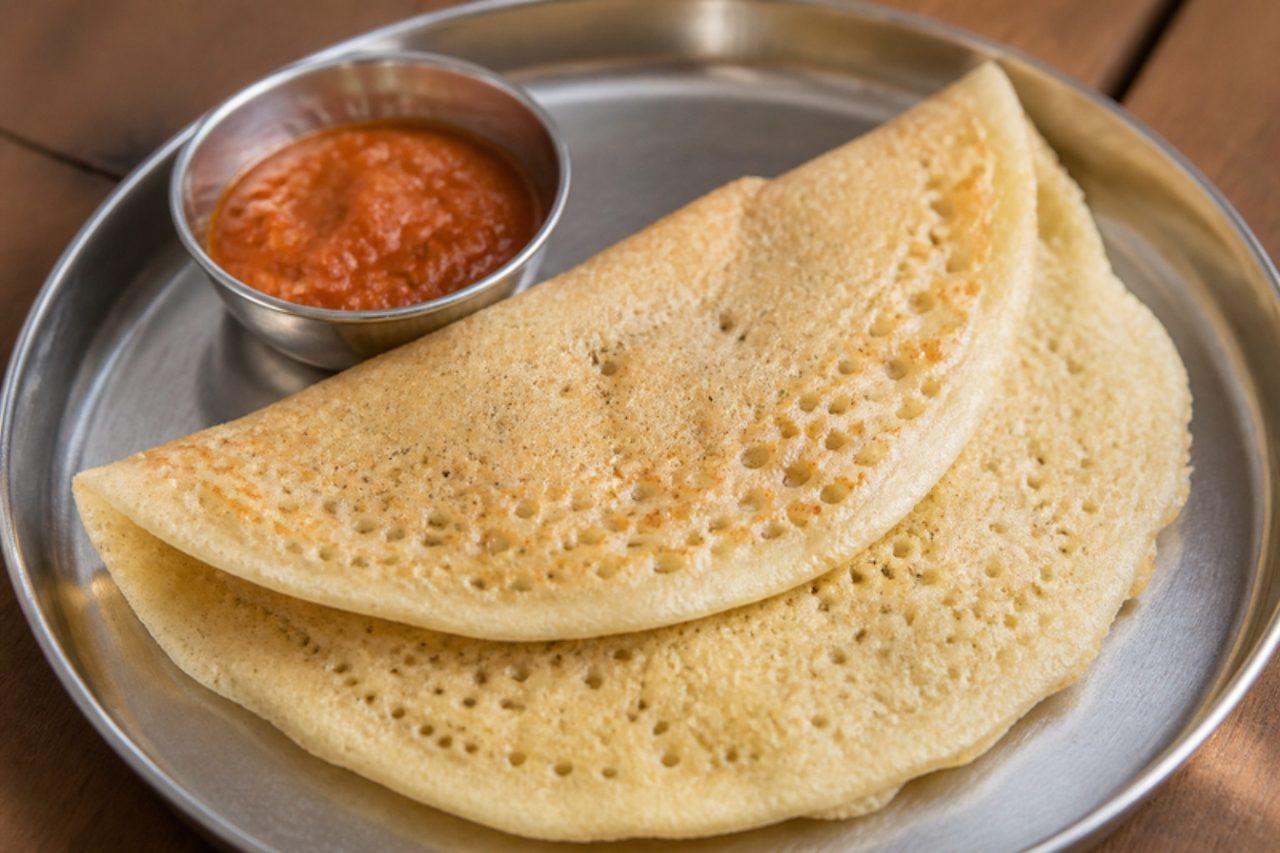
Chilka roti is an everyday breakfast and evening snack in Jharkhand's villages, and a favourite offering at Sarhul, the spring festival of the sal trees. Rice and chana dal are soaked and ground into a batter that is poured onto a hot tawa and cooked with a lid, so the roti comes out thick, soft and spongy with a lightly crisp base, much heartier than a thin rice-flour chila. It is eaten hot with a tomato or coriander chutney or with ghugni. Chef's tip: grease the tawa with a cut onion dipped in oil; it keeps the roti from sticking and adds a little flavour.

by KrazyBadal 0 views

Chiles rellenosCheese-stuffed poblano peppers

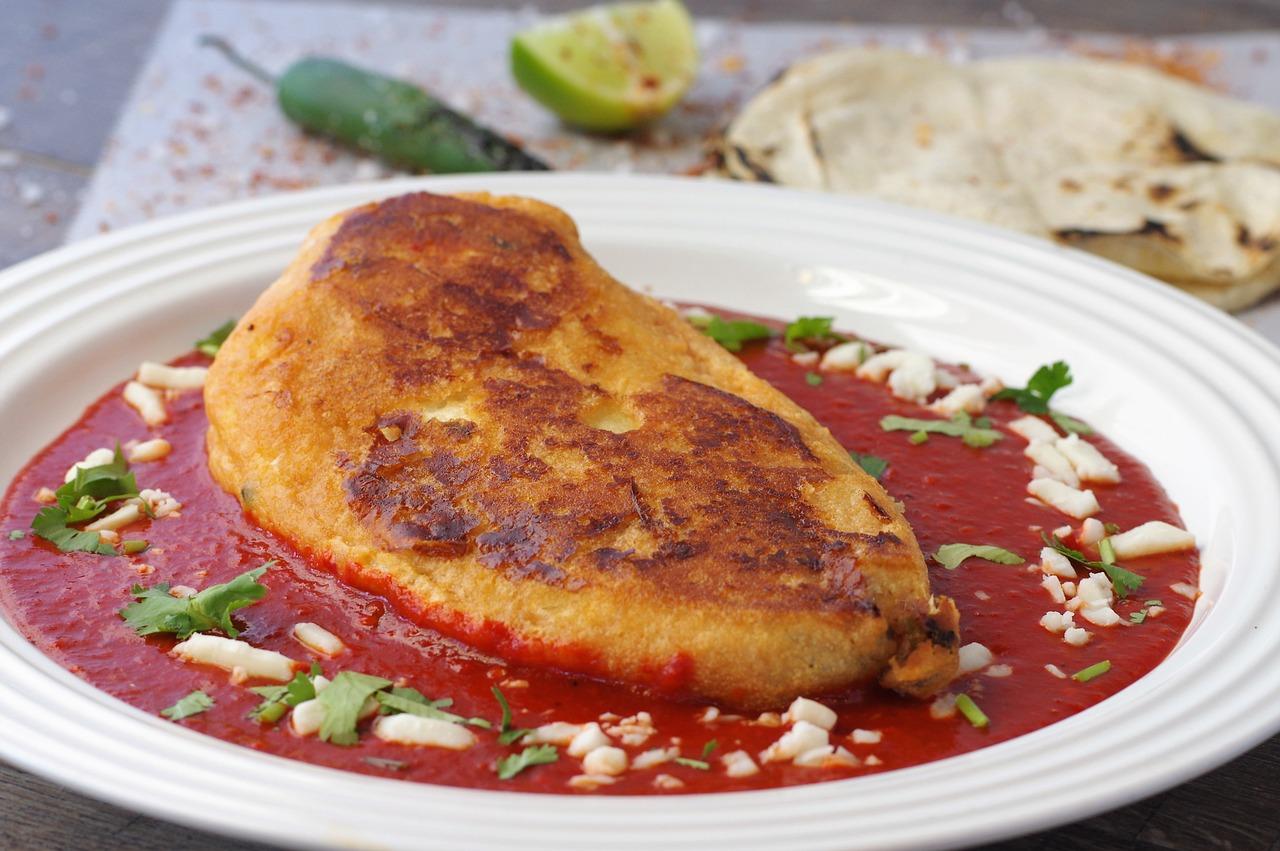
Chiles rellenos de queso are a Puebla classic and a fixture of Mexican home cooking: roasted poblano peppers filled with melting cheese, coated in an airy egg batter called capeado, fried until golden and served swimming in a thin, mildly spiced tomato broth (caldillo). The batter is like a soufflé omelette that hugs the chilli, and the cheese inside stretches in long strings. Serve with arroz rojo and warm tortillas. Choose an Oaxaca cheese or mozzarella made with vegetarian rennet. Chef's tip: the chillies must be completely dry and dusted with rice flour before they go into the batter; any moisture makes the egg slide off in the pan.

by KrazyBadal 0 views

Töltött káposztaStuffed cabbage rolls

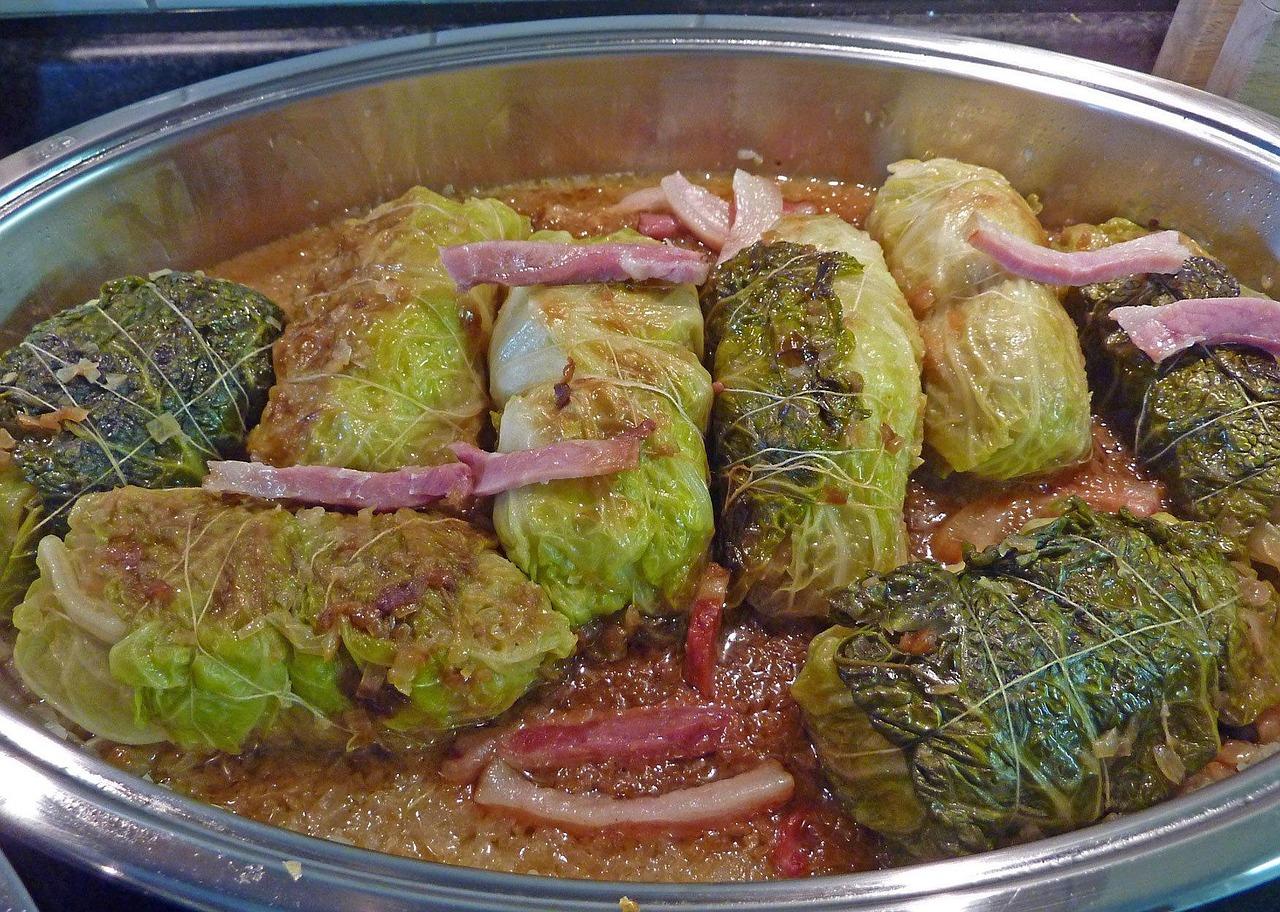
Töltött káposzta is the dish Hungarians make for Christmas and the wedding feasts of the countryside, a huge pot that tastes better each day. It is a pork dish: soured cabbage leaves are rolled around a filling of pork mince, rice, onion and paprika, then layered with chopped sauerkraut and smoked pork ribs or sausage and simmered for hours. It is served with a dollop of soured cream and bread. Chef's tip: look for whole soured cabbage heads (sold for this dish in Eastern European shops); if you cannot find them, blanch fresh savoy leaves and add extra sauerkraut.

by KrazyBadal 0 views

Chiles en nogadaStuffed poblanos in walnut sauce

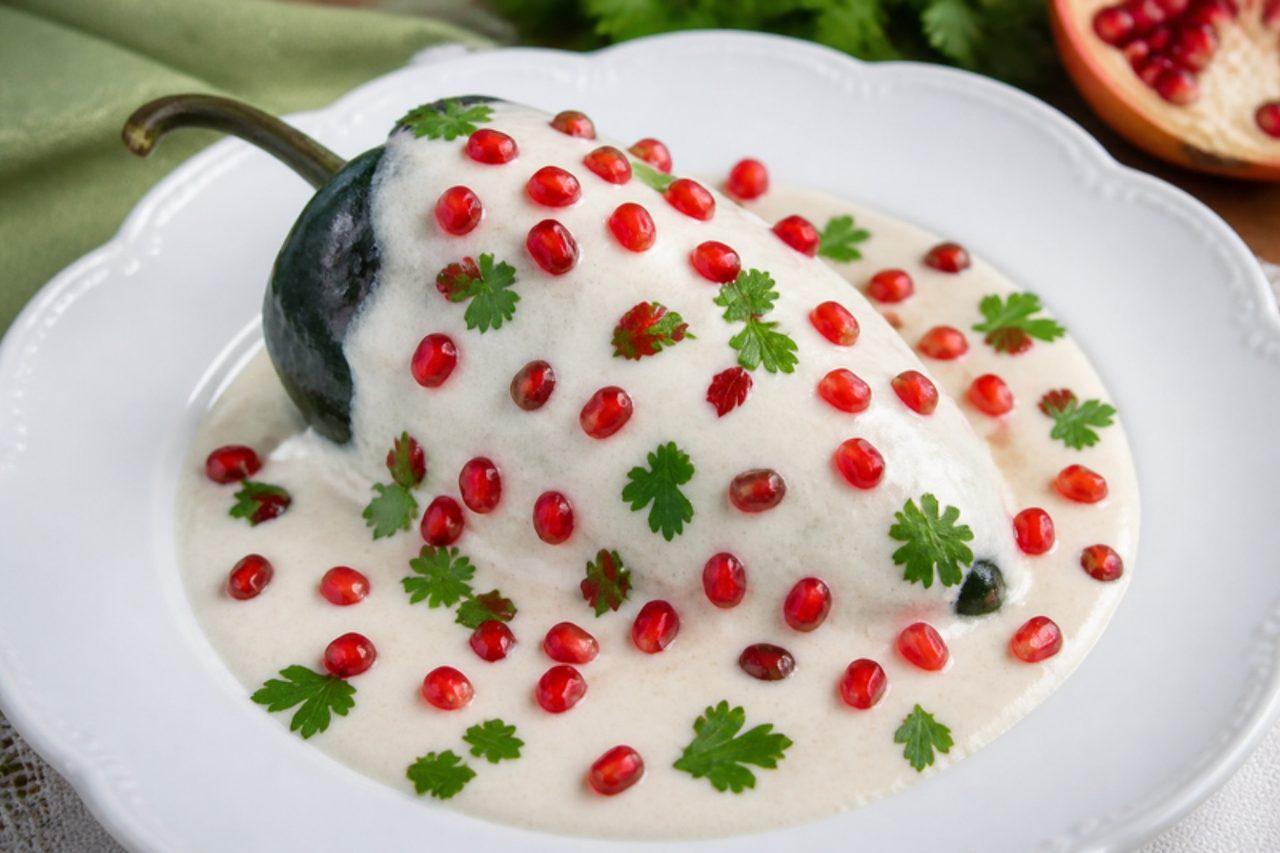
Chiles en nogada belong to Puebla and to September, when fresh walnuts, peaches, pears and pomegranates are all in season and Mexico celebrates its independence: the green chilli, white walnut sauce and red pomegranate are the colours of the flag. Roasted poblano peppers are stuffed with picadillo, a sweet-savoury hash of fruit, nuts and spices, then cloaked in nogada, a cool sauce of fresh walnuts, milk and fresh cheese. Our vegetarian picadillo uses mushrooms for the savoury depth that minced meat usually gives. It is served at room temperature, never hot, as a centrepiece for a celebration lunch. Chef's tip: soak the walnuts in milk overnight and rub off as much of the papery skin as you can; the skins make the nogada bitter and grey. Use a fresh cheese made with vegetarian rennet.

by KrazyBadal 0 views

Chilaquiles verdesTortilla chips in green salsa

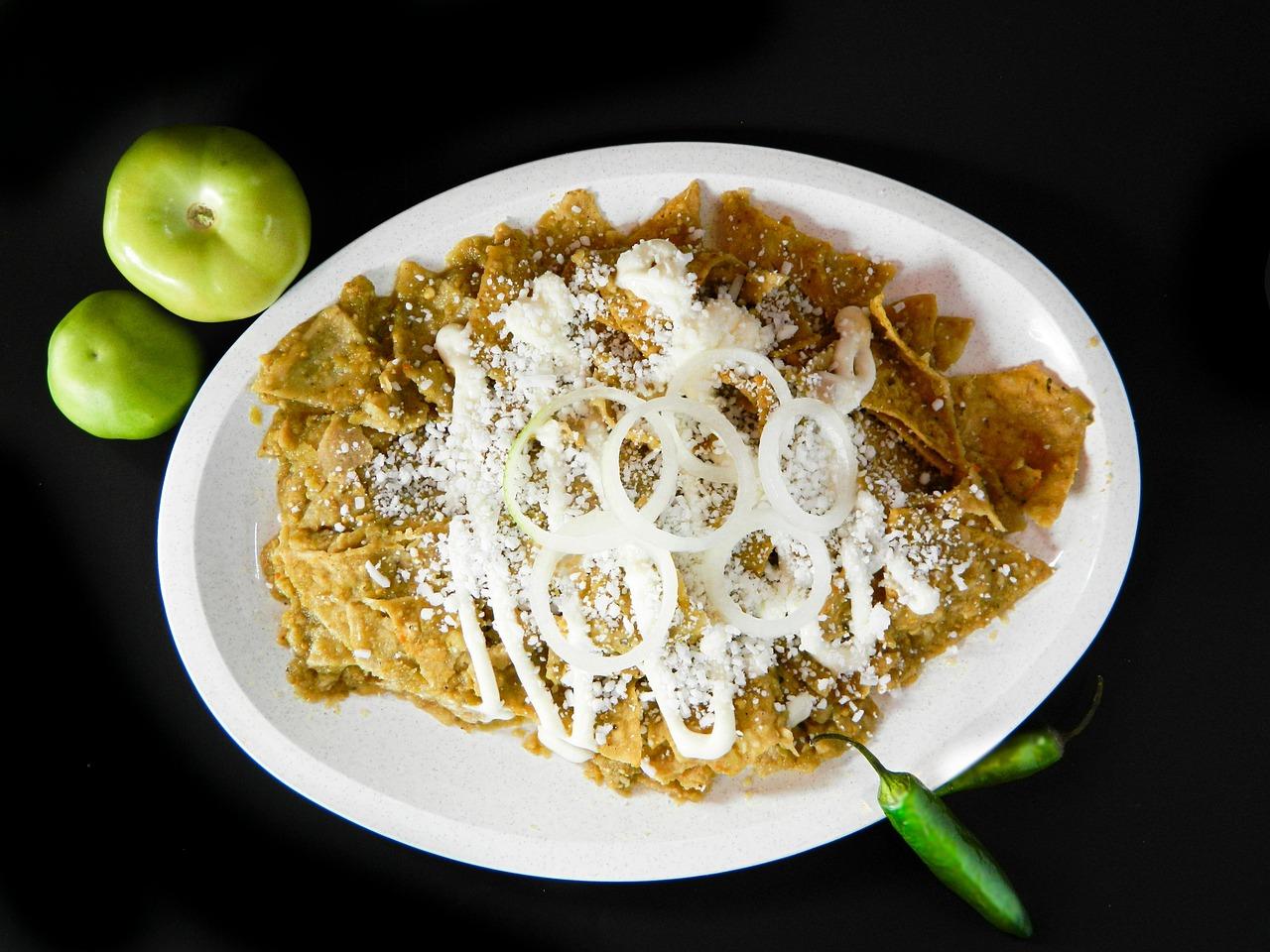
Chilaquiles are Mexico City's favourite breakfast and hangover cure: day-old corn tortillas cut into wedges, fried into crisp totopos, then tossed in hot salsa just long enough to soften at the edges. Chilaquiles verdes use a bright, tangy salsa of tomatillos, serrano chillies and coriander, and come topped with a fried egg, crema, crumbled cheese and raw onion. The best ones keep a little crunch in the middle. Tomatillos are sold fresh or tinned; if you can't find them, use green tomatoes with an extra squeeze of lime. Choose queso fresco made with vegetarian rennet. Chef's tip: toss the chips into the salsa right before serving and take them to the table immediately; chilaquiles wait for nobody.

by KrazyBadal 0 views

Tom yum goongHot and sour prawn soup

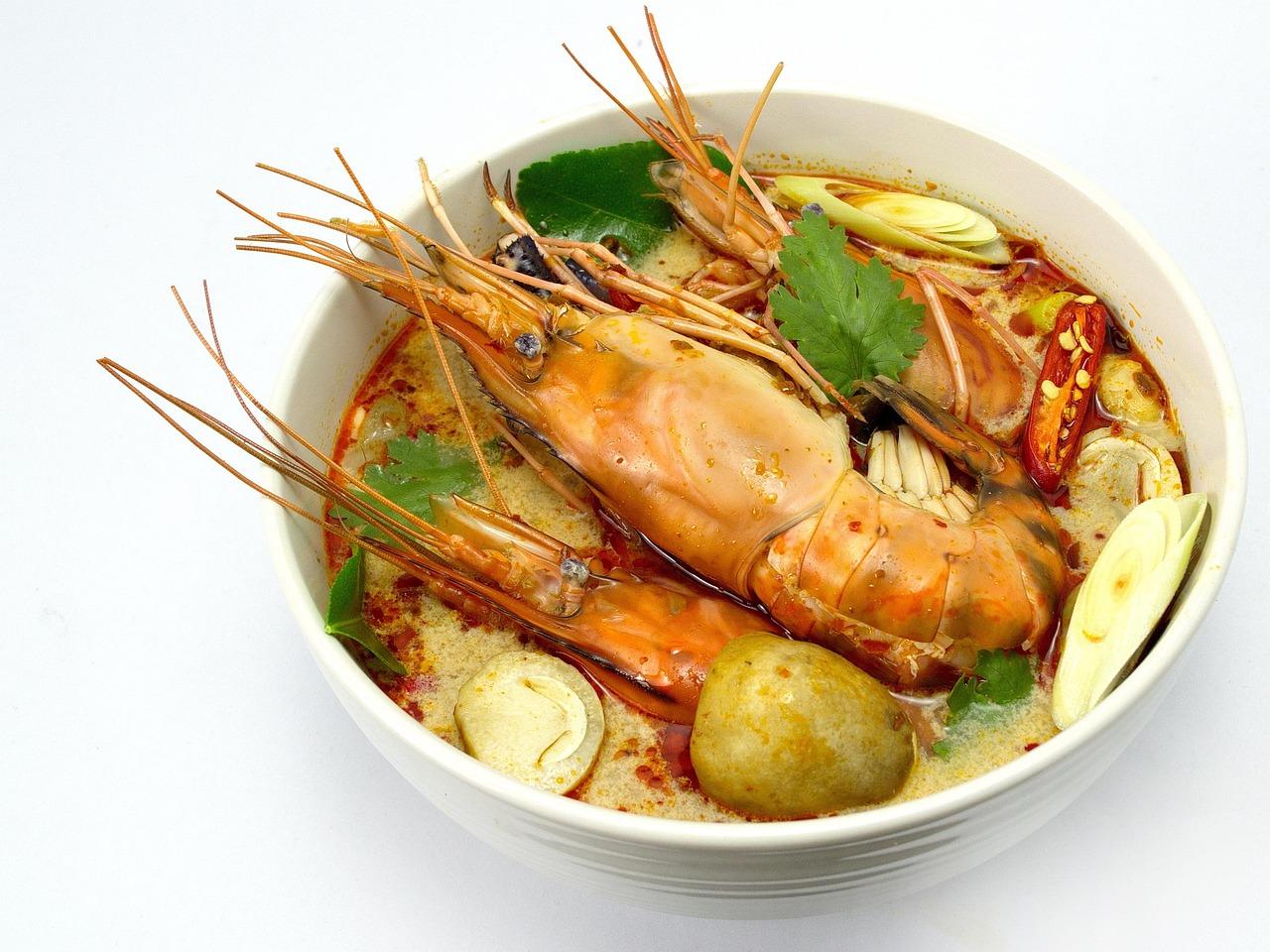
Steaming bowls of this prawn soup land on almost every table in central Thailand, from riverside shophouses in Ayutthaya to family dinners in Bangkok, where it sits in the middle to be shared with rice and two or three other dishes. The broth is thin but loud: sour from lime, salty from fish sauce, hot from crushed bird's eye chillies, and perfumed by bruised lemongrass, galangal and torn makrut lime leaf, which flavour the soup but are left in the bowl. This is the clear style (nam sai) with a spoonful of roasted chilli paste for colour and a gentle sweetness; the creamy nam khon style adds evaporated milk, which we leave out to keep it dairy free. Serve it piping hot with plain jasmine rice. Chef's tip: simmer the prawn heads and shells for five minutes before anything else goes in, and the soup tastes of the sea rather than of water.

25 minThaiSoupsGluten freeSpicy
by KrazyBadal 0 views

Tomaat-garnaalTomatoes stuffed with grey shrimp

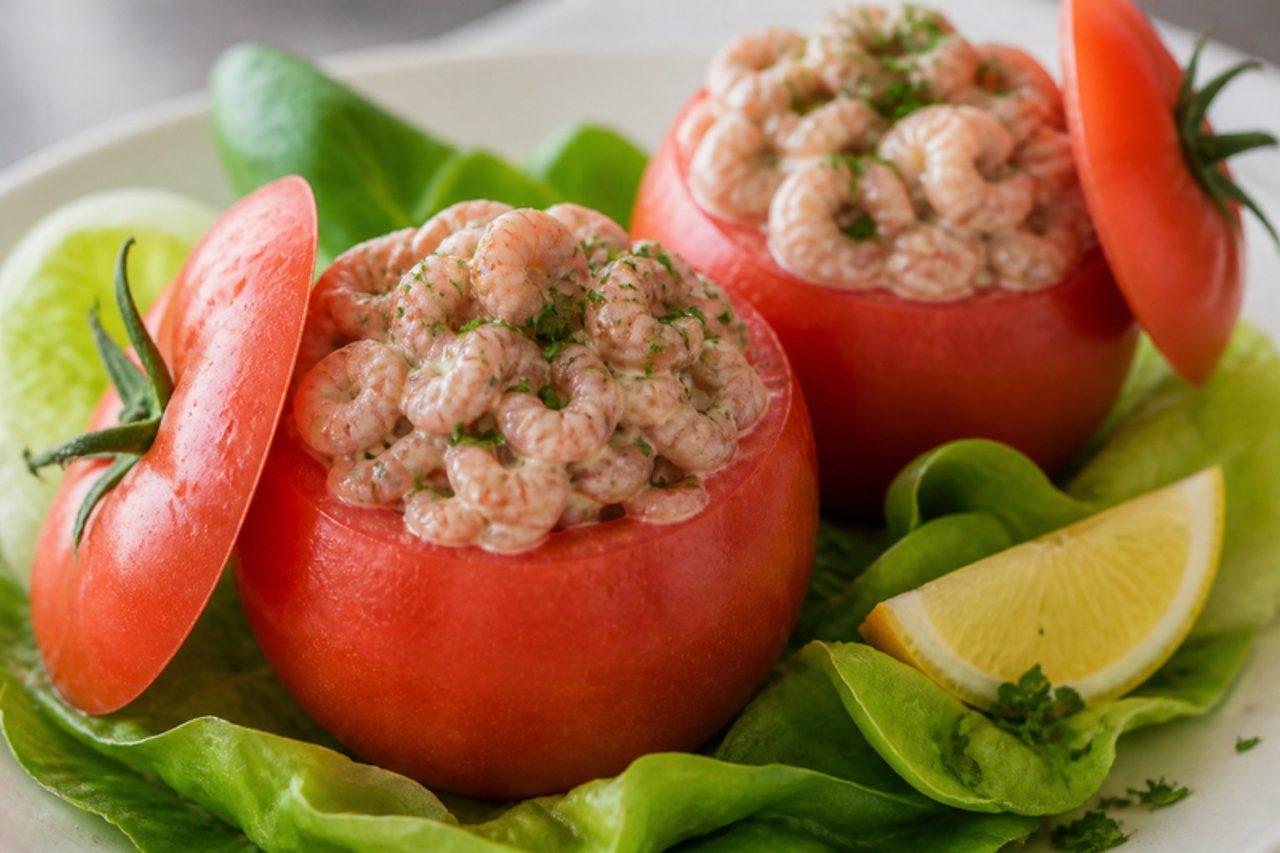
Along the Belgian coast, from Ostend to De Panne, tomaat-garnaal is the starter that tells you you are at the seaside: a hollowed raw tomato heaped with tiny, sweet North Sea grey shrimp in homemade mayonnaise, served with lettuce, lemon and often a few chips. The shrimp are caught and boiled on the boats, so they come ready-cooked and peeled. Because the dish has so few parts, everything depends on good ripe tomatoes and very fresh shrimp. The thing people often get wrong is drowning the shrimp in mayonnaise; use just enough to bind them so their sweetness comes through. Chef's tip: salt the hollowed tomatoes and turn them upside down for 10 minutes so they do not leak water onto the plate.

by KrazyBadal 0 views

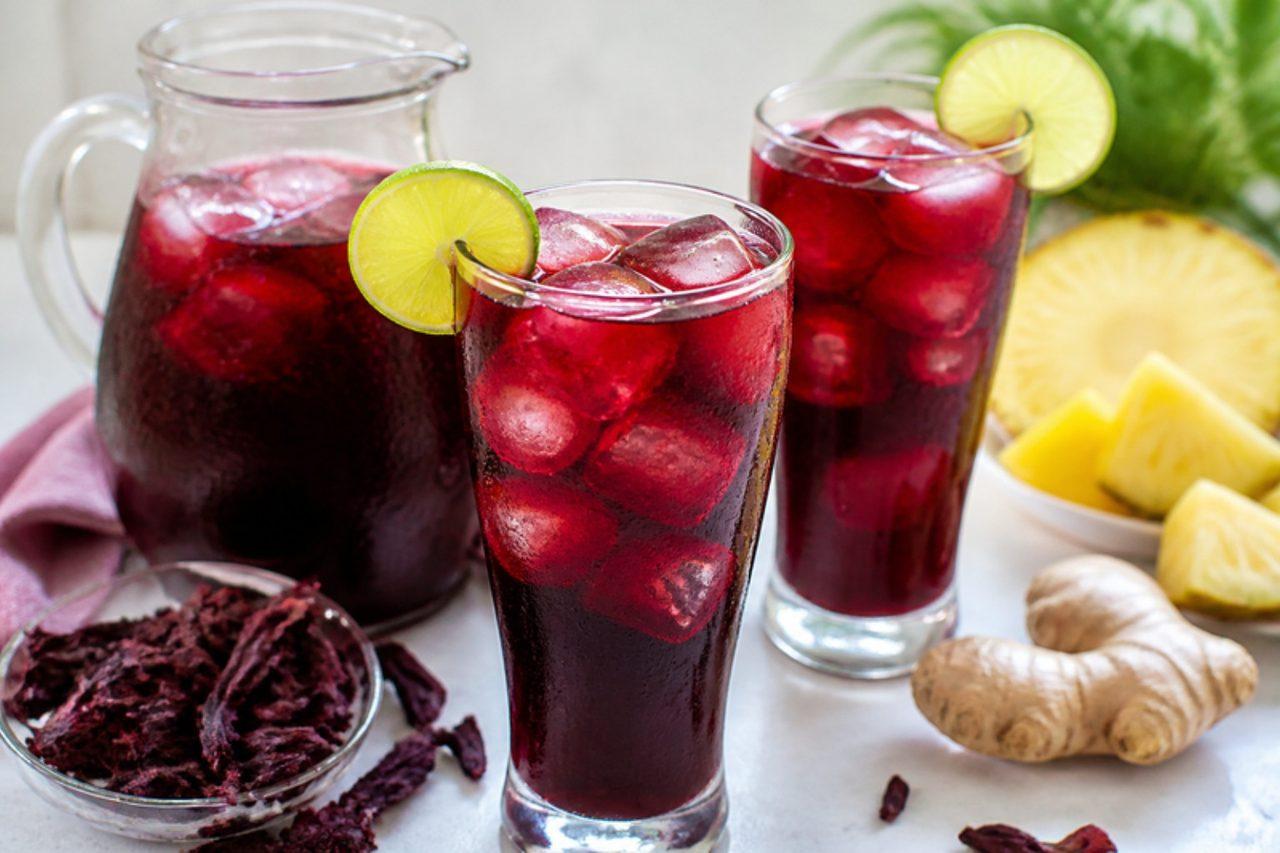
ZoboHibiscus and pineapple drink

Zobo is the deep crimson drink sold ice-cold in recycled bottles at Nigerian bus parks, markets and parties, and in Ghana the same drink is called sobolo, often made punchier with extra ginger and grains of selim. Dried hibiscus calyces are boiled with pineapple peel, fresh ginger and cloves, then strained and sweetened, giving a tart, fruity, gently spicy drink. It is drunk fresh and alcohol-free, very cold, especially in the dry heat before the rains. Chef's tip: sweeten the drink once it is strained and still warm, tasting as you go; hibiscus tastes much sharper hot than when it is chilled, so leave it a touch sweeter than you think.

by KrazyBadal 0 views

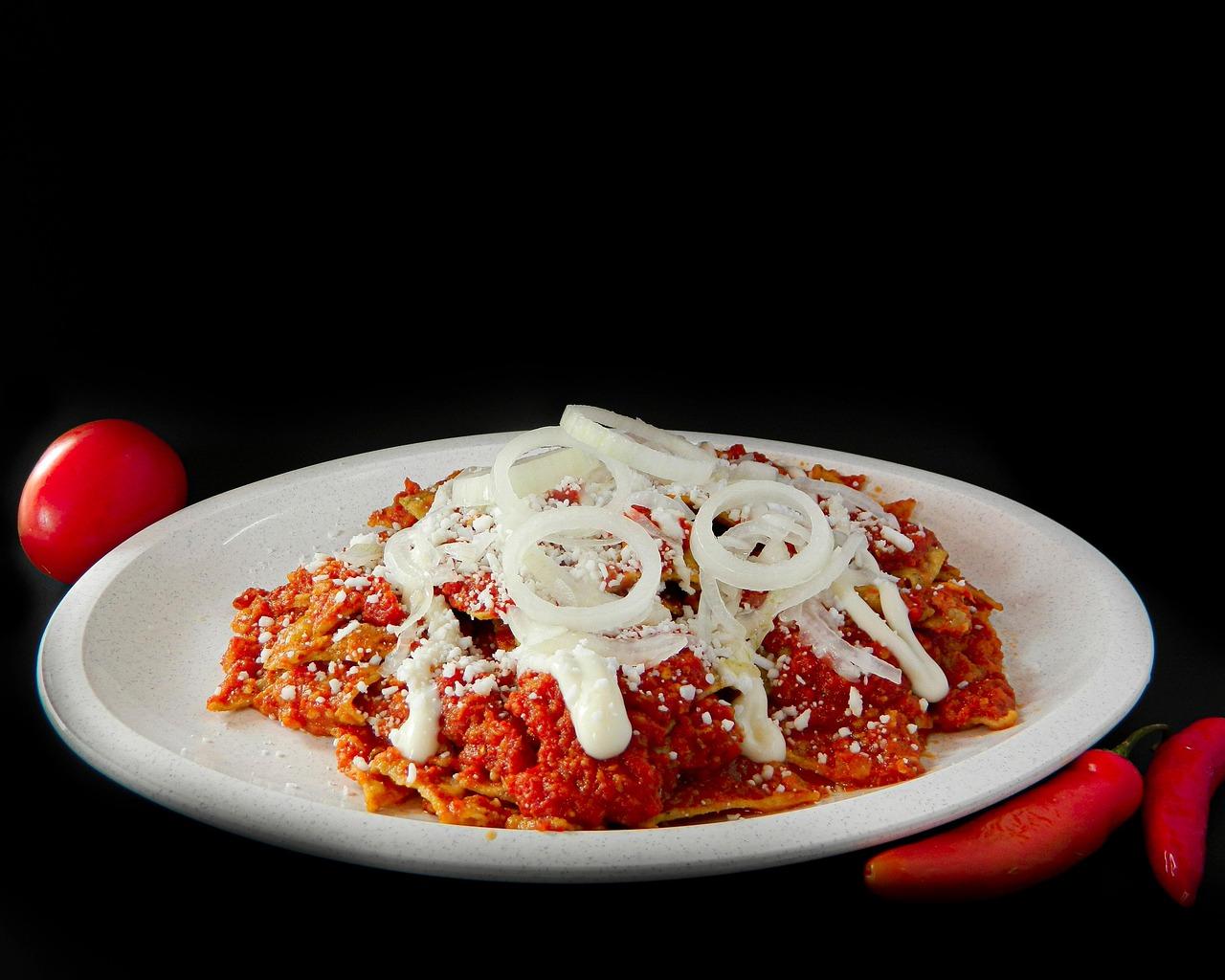
Chilaquiles rojosTortilla chips in red salsa

Chilaquiles rojos are eaten for breakfast all over Mexico: fried corn tortilla wedges (totopos) tossed in a red salsa of dried guajillo and árbol chillies blended with roasted tomato. The salsa is earthy, slightly smoky and properly hot, and it clings to the chips so every bite is crisp, soft and saucy at once. They are finished with crema, cheese, onion and coriander, and often served with refried beans on the side. If you can't find guajillo, use ancho chillies or 2 tbsp mild chilli powder; for árbol, use a pinch of cayenne. Choose queso fresco made with vegetarian rennet. Chef's tip: toast the dried chillies for seconds, not minutes; the moment they smell nutty and darken slightly, they are done.

by KrazyBadal 0 views

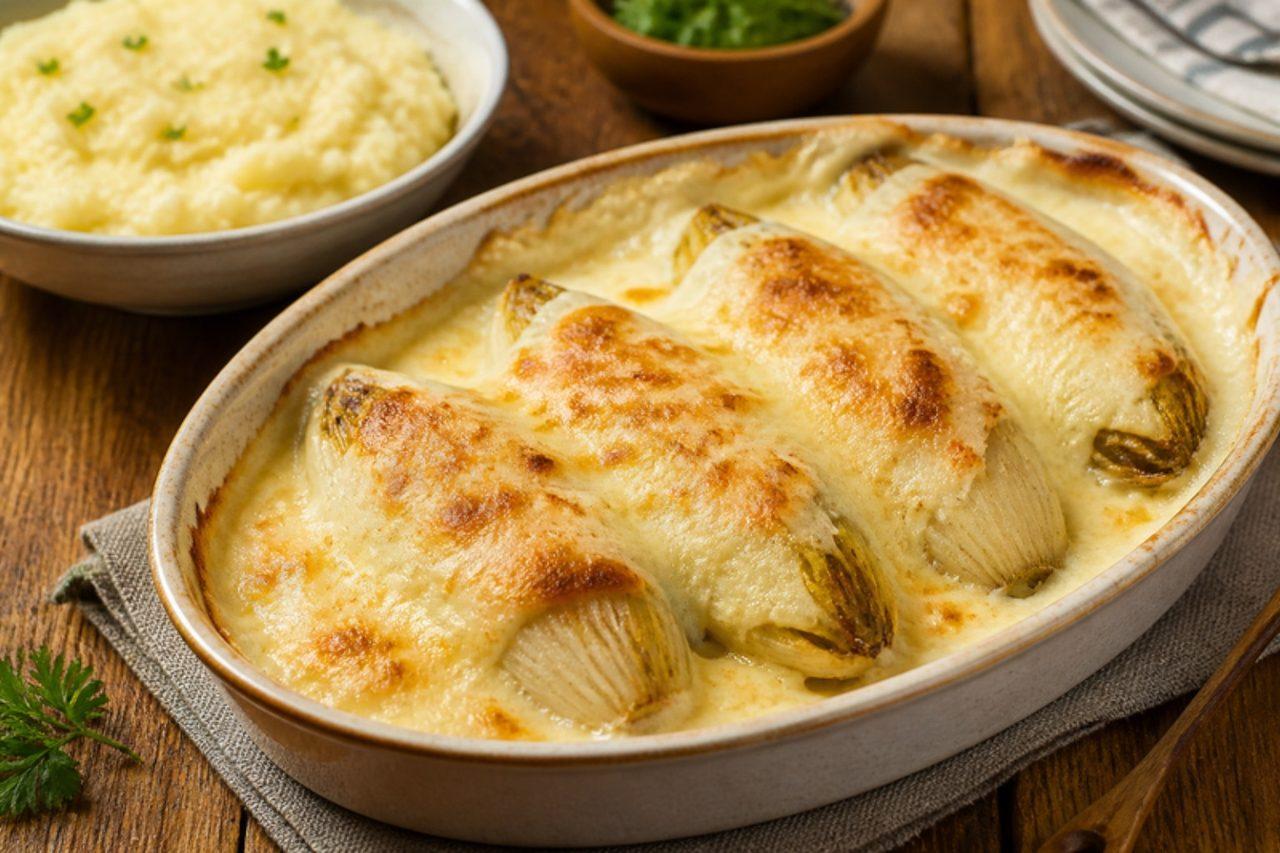
Chicons au gratinBaked endive in cheese sauce

Chicons au gratin, or witloof in de oven in Flemish, is the winter Sunday dish of Belgian grandmothers: whole heads of Belgian endive braised until silky, then baked in a nutmeg-scented cheese sauce until bubbling and brown. Endive was first forced in the dark cellars around Brussels in the 1800s, and it is still grown in the fields of Flemish Brabant. Traditionally each chicon is rolled in a slice of cooked ham; this vegetarian version leaves the ham out and lets the gentle bitterness of the endive meet the sweetness of the cheese. Serve it with mashed potato or crusty bread. Chef's tip: squeeze the braised endives firmly in a clean towel before they go in the dish; they hold a lot of water, and skipping this turns the sauce thin and watery in the oven.

by KrazyBadal 0 views

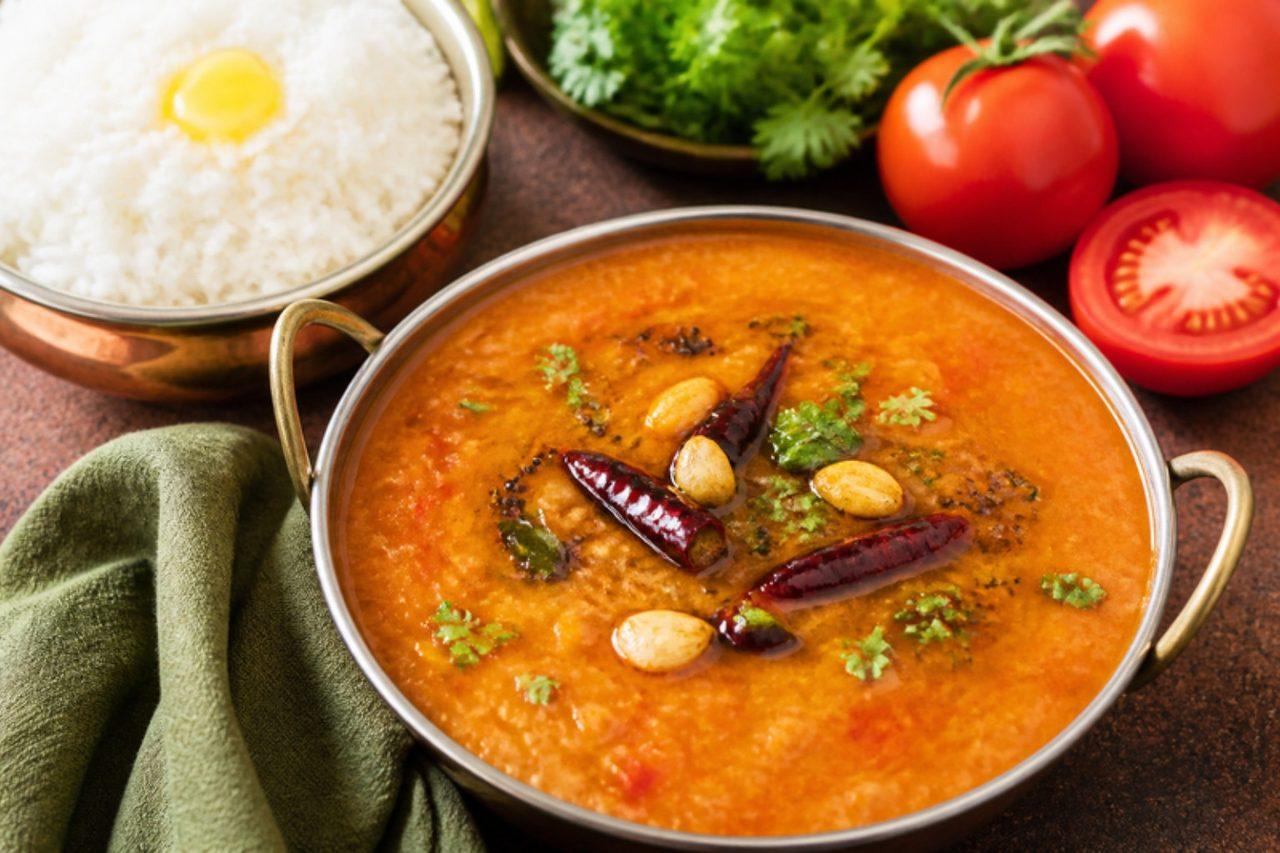
Tomato pappuTomato dal

Pappu (dal) is the backbone of an Andhra meal, and tomato pappu is the one most Telugu households cook on an ordinary weekday. Toor dal is cooked with plenty of ripe tomatoes, onion, green chillies and a little tamarind, then mashed to a thick, rustic consistency and finished with a fierce garlic and red chilli popu (tempering). It's tangier and hotter than a North Indian dal, and it's mixed into hot rice with a spoon of ghee and eaten with avakaya pickle and a crisp fried vegetable. Chef's tip: mash the dal and tomatoes together with a whisk or a wooden mathu while hot; it gives the creamy, slightly rough texture that blending never does.

by KrazyBadal 0 views

Tomato rasamTomato tamarind soup

Rasam is the thin, sour, peppery broth that runs through every Tamil Nadu meal, poured over rice after sambar or sipped from a tumbler when you have a cold. This tomato version is the everyday kind: ripe tomatoes and tamarind simmered with crushed garlic, black pepper and cumin, then lifted with a tempering of mustard seeds, dried chilli and curry leaves. It's light, warming and ready in 25 minutes. Serve it with plain rice and a dry vegetable, or on its own in a cup. Chef's tip: once you add the spice mix, take the rasam off the heat as soon as it froths up; boiling it hard turns the flavour flat and the pepper harsh.

by KrazyBadal 0 views

Bajan pepper sauceMustard scotch bonnet hot sauce

On every table in Barbados, from rum shops in Oistins to Sunday lunch at home, there's a bottle of yellow pepper sauce. Bajan pepper sauce is unlike the red sauces of other islands: scotch bonnets are blended with onion, yellow mustard, turmeric and vinegar, which give it its colour and a tangy, mellow edge under the fierce, fruity heat. A few drops lift fish cakes, cou-cou, macaroni pie and rice. Chef's tip: let it rest for a few days before using; the mustard and vinegar soften the raw onion and the heat becomes rounder.

by KrazyBadal 0 views

Chickpea kabsaSpiced rice with chickpeas

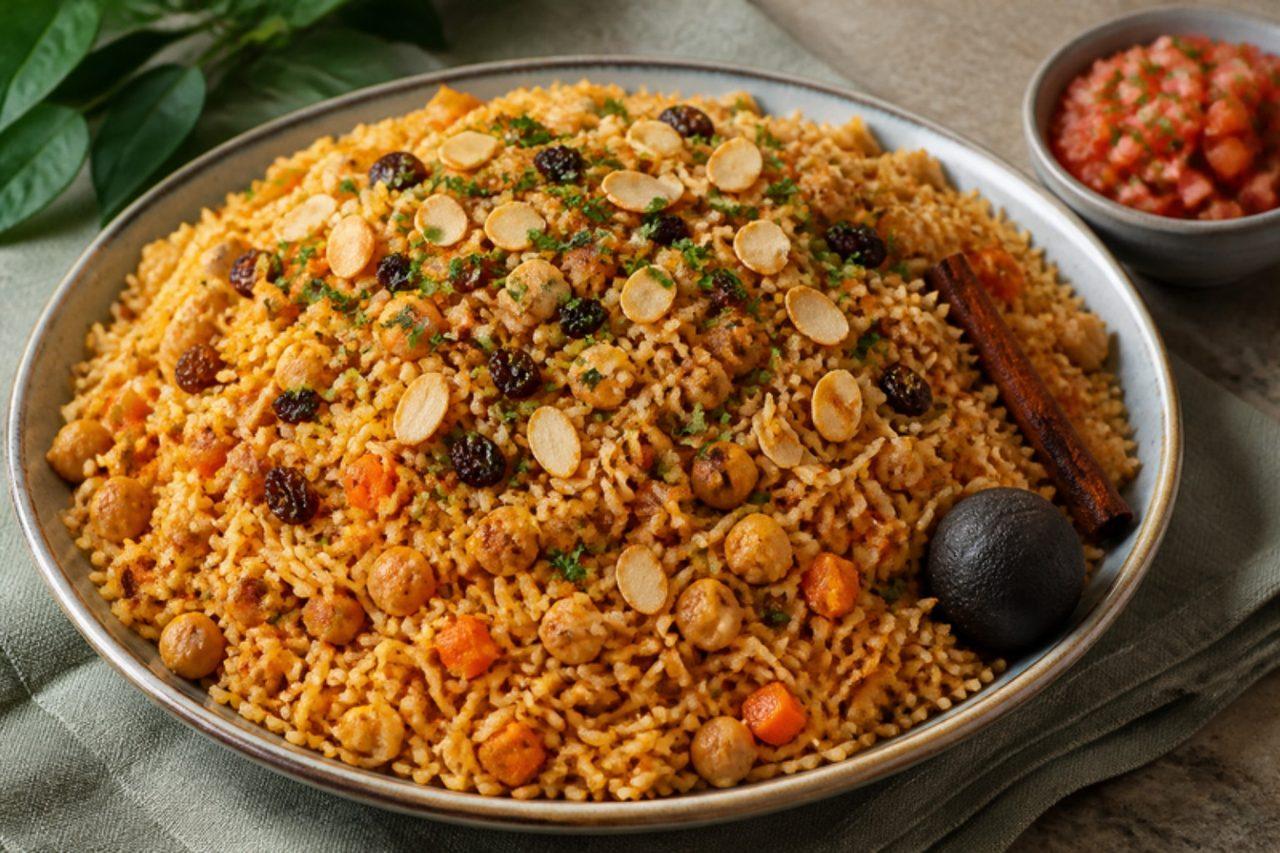
Across Saudi Arabia, from Riyadh flats to Jeddah family compounds, a Friday lunch usually means one huge tray of kabsa set on a cloth on the floor, everyone eating from their own side. The rice cooks in a tomato broth scented with dried lime, cinnamon and cardamom, so every grain turns orange-red and fragrant; this version swaps the usual chicken for chickpeas and carrot, which soak up the spices just as well. It is topped with raisins and toasted almonds and comes with daqqus, a sharp tomato-chilli sauce spooned over at the table. Chef's tip: pierce the dried limes before they go in; whole ones float and give little flavour, pierced ones fill the broth with a sour, smoky depth.

by KrazyBadal 0 views

Chickpea chapli kebabFlat chickpea kebabs

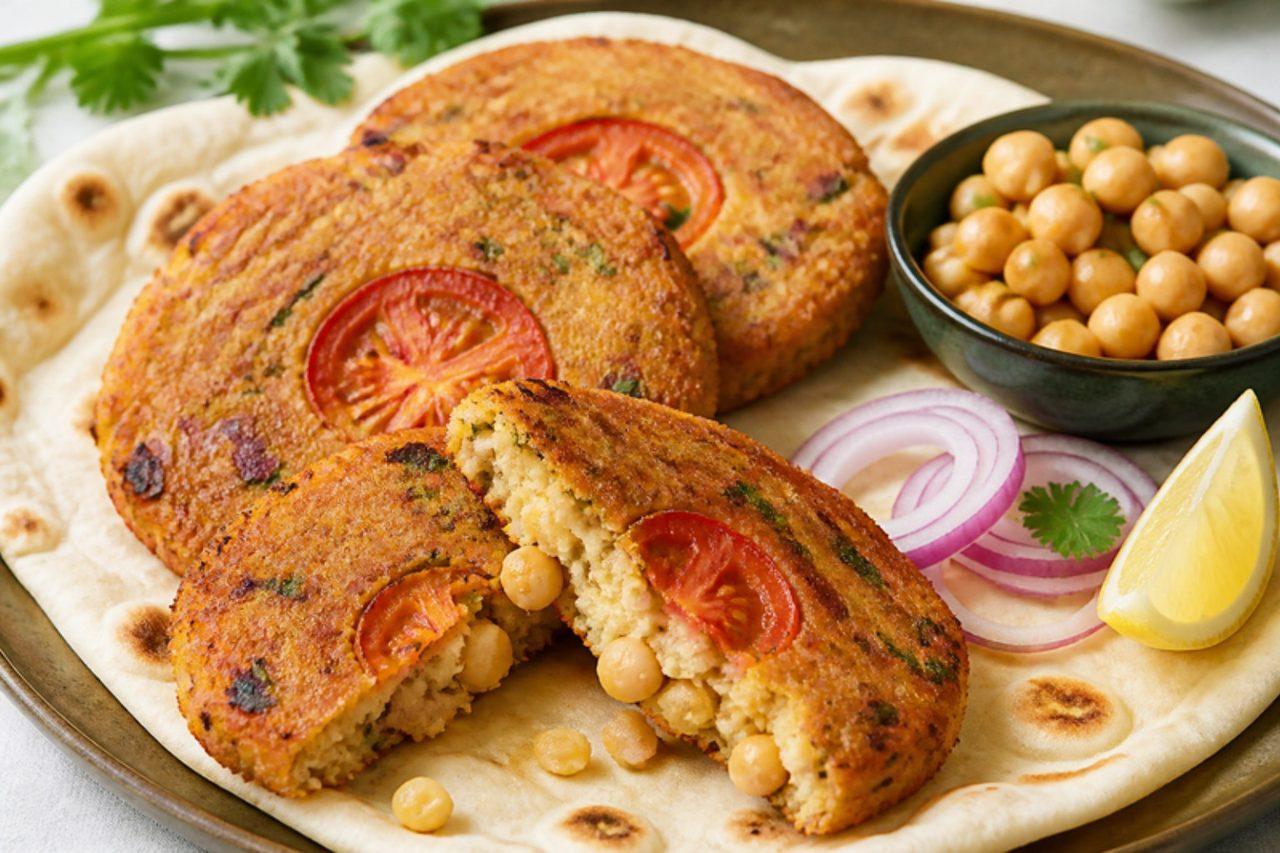
Chapli kebab comes from Peshawar, where Namak Mandi and the Qissa Khwani Bazaar are lined with cooks frying giant flat kebabs in shallow iron pans; the name comes from chaprikh, flat in Pashto. This chickpea version keeps everything that makes a chapli kebab taste right: coarsely crushed coriander seeds, dried pomegranate seeds (anardana) for sourness, chilli flakes, green chilli, onion, tomato and a little maize flour to bind it, with a slice of tomato pressed into each one so it chars in the pan. Serve them with naan, sliced onion and a sharp green chutney. The usual mistake is blitzing the chickpeas to a smooth paste in a processor; the kebab needs texture, so mash by hand and leave some pieces. Chef's tip: press them really thin, about 1 cm, and with ragged edges; the thin edges go crunchy, which is the whole point of a chapli.

by KrazyBadal 0 views

Chicken sajjiRoast salted chicken

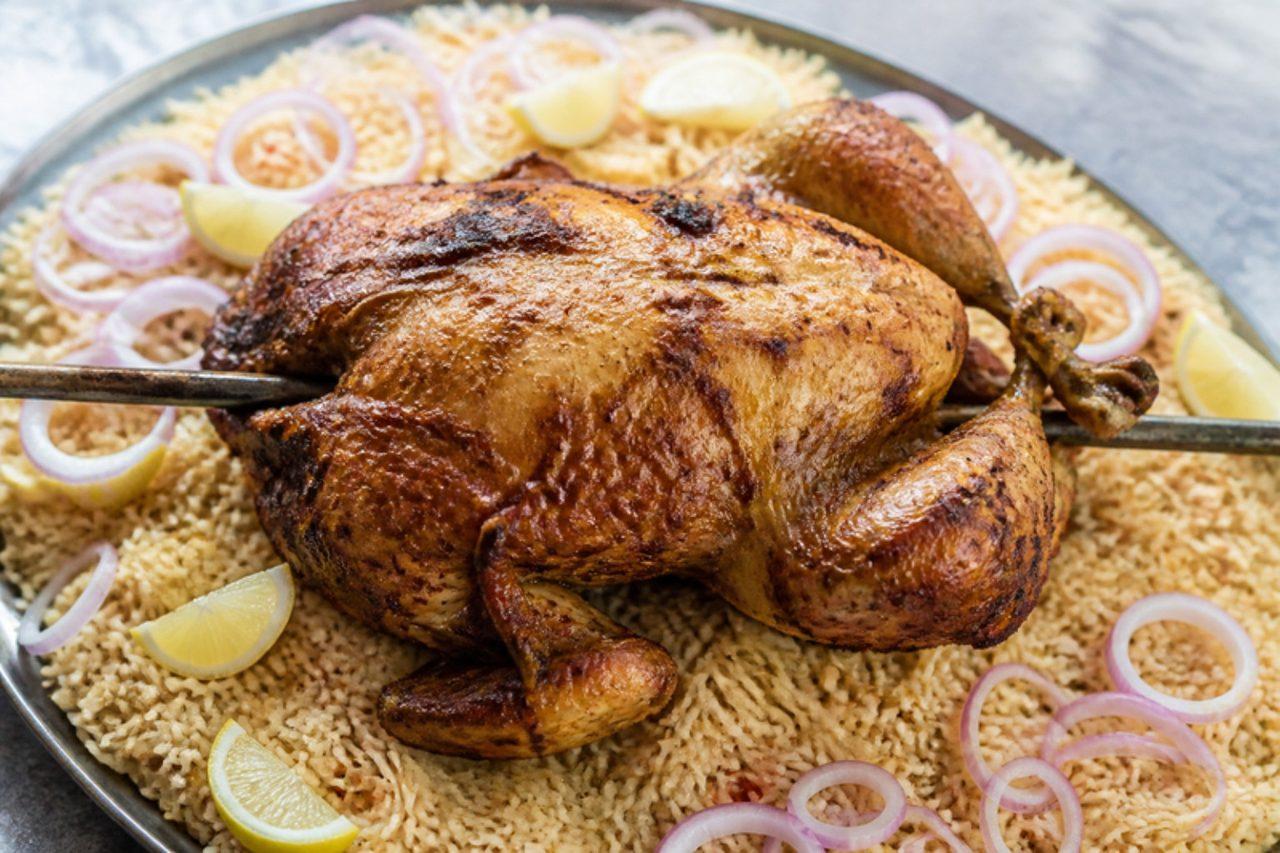
Sajji comes from Balochistan, where shepherds once roasted whole lambs on sticks around an open fire with nothing but salt. In Quetta and Karachi's Balochi restaurants it is now usually a whole chicken, lightly spiced, roasted slowly until the skin is crisp and the meat drips with juice, then served on a heap of rice or with flat kaak bread. It is a festive dish for gatherings and family Sundays. This oven version stays true to the simple style: salt, a little lemon and green papaya, and slow heat. Chef's tip: roast it low first and finish hot; slow cooking keeps the meat juicy while the final blast crisps the skin.

by KrazyBadal 0 views

Chicken nanbanFried chicken with tartar sauce

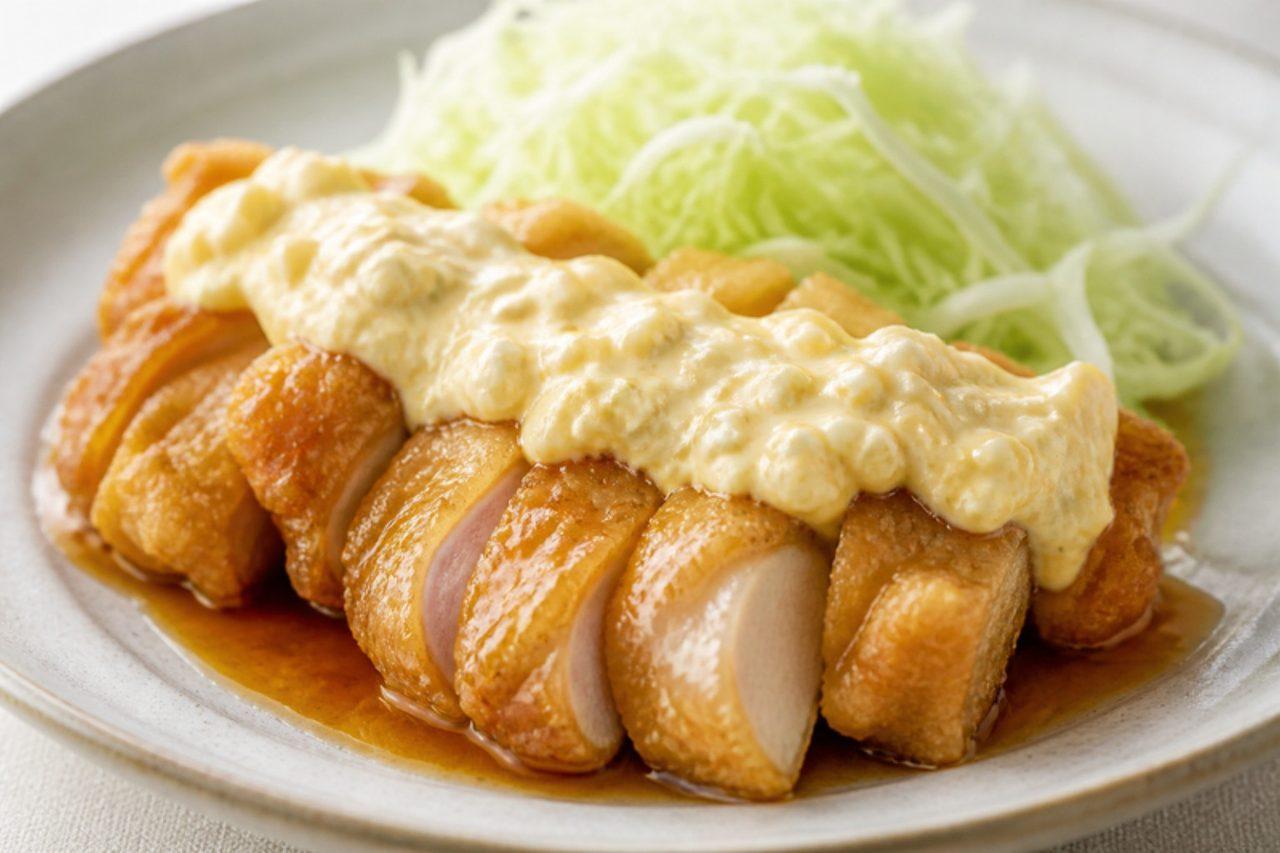
Chicken nanban comes from Miyazaki prefecture in Kyushu, where it was created in the city of Nobeoka in the mid 20th century as staff food at a Western-style restaurant. Today it is the region's best-known lunch set, served in diners all over Miyazaki with shredded cabbage, rice and miso soup. Chicken thighs are dipped in flour and beaten egg, fried golden, then briefly bathed in sweet soy vinegar and covered with a chunky egg tartar. The sharp vinegar and the rich tartar balance each other. Chef's tip: dip the hot chicken in the vinegar only for a few seconds per side; you want it seasoned, not soaked.

by KrazyBadal 0 views

Beef lok lakPeppery stir-fried beef

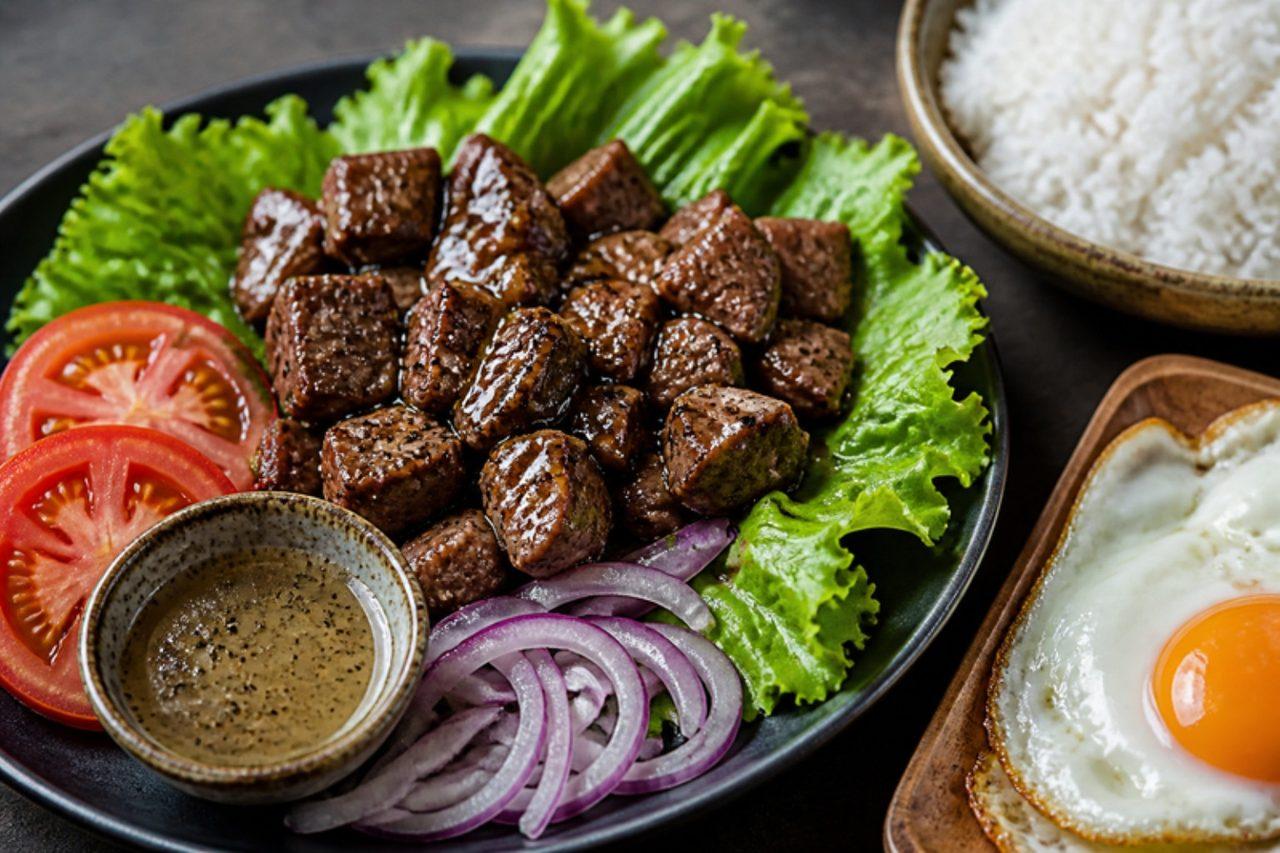
Lok lak is a favourite in Phnom Penh restaurants and family kitchens, a dish Cambodians often order on special nights out. Cubes of beef are marinated in oyster sauce, soy and garlic, seared fast in a hot wok and served on lettuce, tomato and onion with rice, a fried egg on top and a tiny bowl of tuk meric: Kampot black pepper, salt and lime juice for dipping. Chef's tip: dry the beef well and cook it in a very hot pan in two batches; it should sear, not stew.

by KrazyBadal 0 views

HaleemWheat, lentil and beef porridge

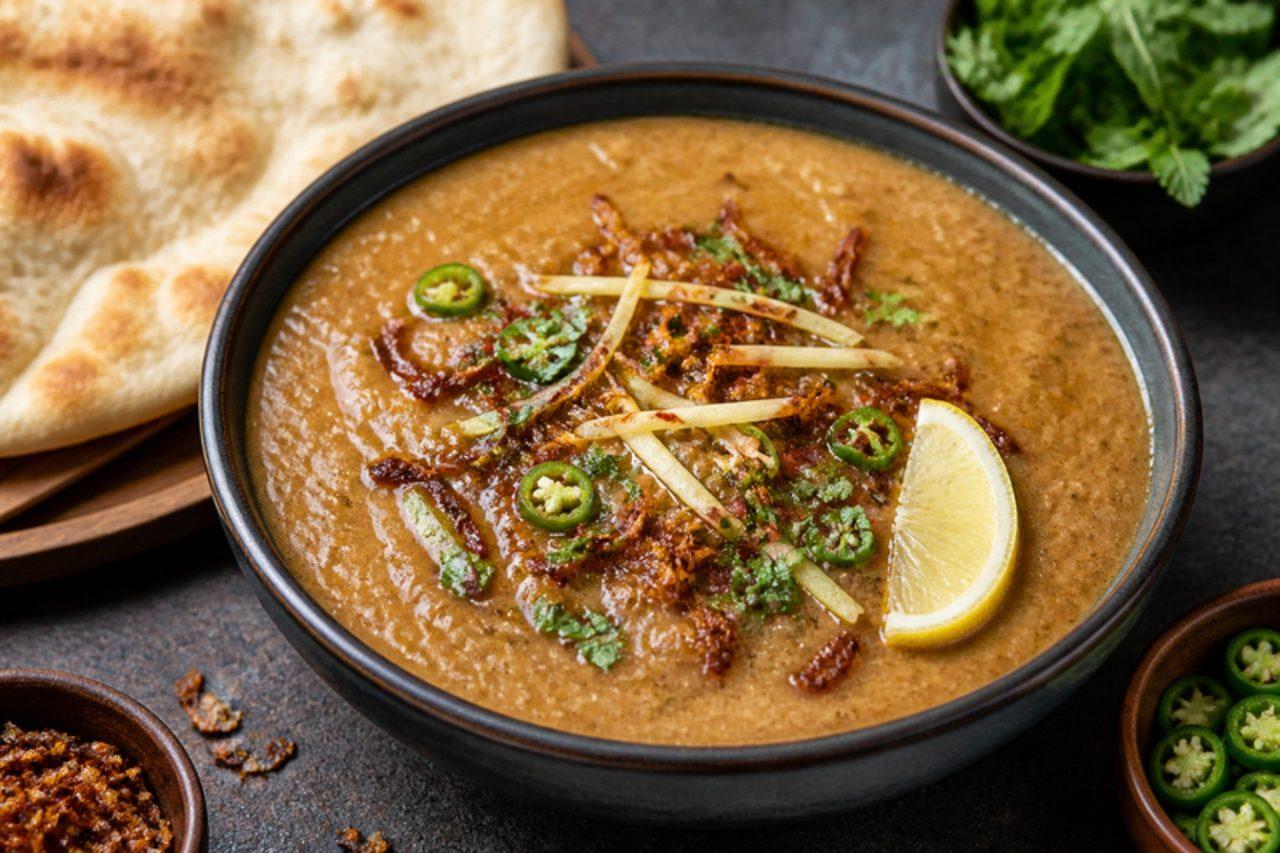
Haleem is cooked in vast pots across Pakistan in the month of Muharram and during Ramadan, when neighbours queue with bowls in Karachi, Lahore and Hyderabad. Cracked wheat, barley and several lentils cook for hours with beef until everything is beaten into one thick, stretchy, deeply savoury porridge. Each bowl is finished with crisp fried onions, ginger, green chilli, mint and lemon, so everyone builds their own. It takes time but freezes well, so make a big pot. Chef's tip: beat the haleem hard with a wooden spoon or a hand blender on short pulses; you want long meaty threads, not a smooth purée.

by KrazyBadal 0 views

ChoilaSpiced grilled chicken

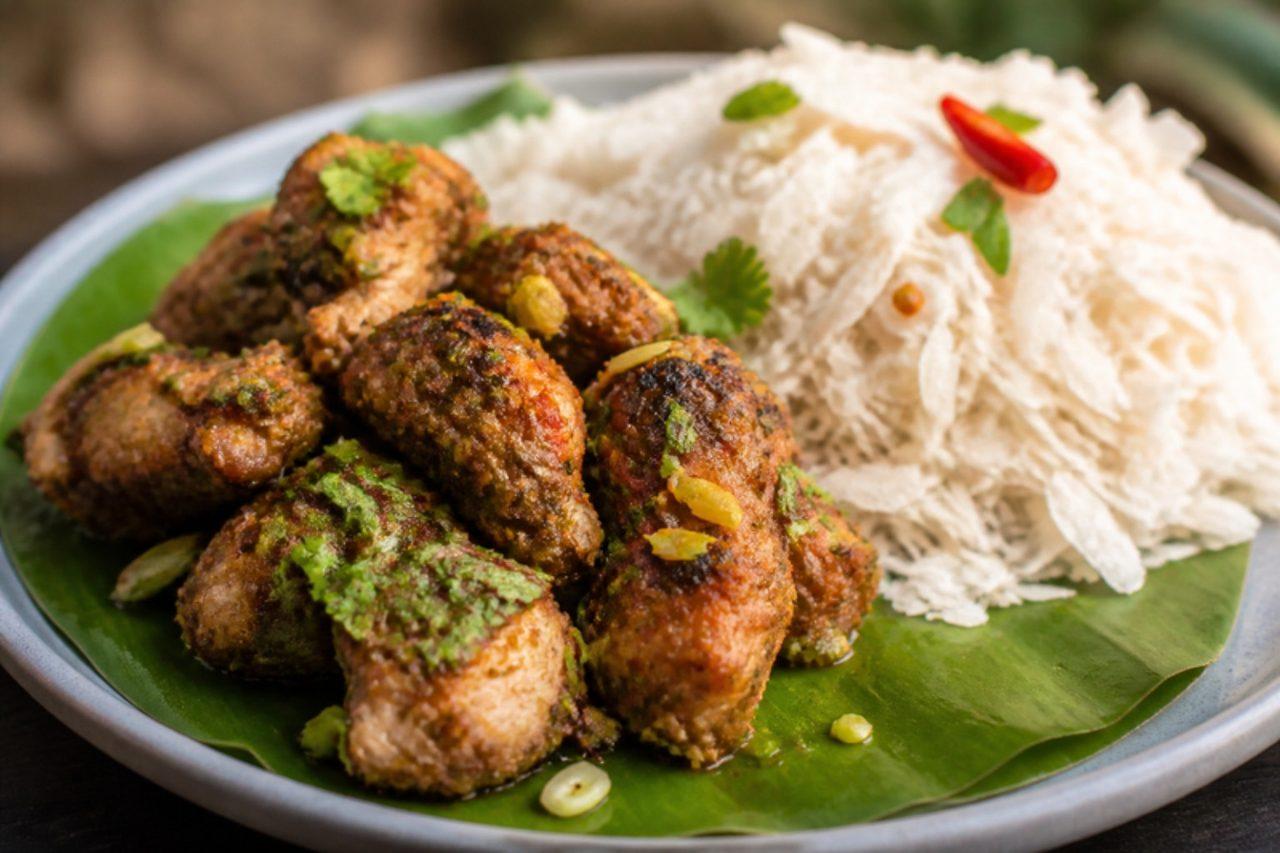
Choila belongs to the Newar community of the Kathmandu Valley, where it is served at festivals like Dashain and at feasts in Bhaktapur and Patan, alongside beaten rice (chiura) and a glass of something strong. Traditionally it is water buffalo, grilled over straw so the meat tastes smoky, then tossed while warm with raw mustard oil, garlic, ginger, chilli and a sizzling fenugreek tempering. This version uses chicken thighs, with buffalo or beef as an option, and it is always fully cooked before tossing. Serve it as a starter or snack with chiura and pickled radish. Chef's tip: let the mustard-oil tempering smoke for a few seconds before pouring it over; the hot oil loses its raw bite and coats the meat with a nutty, pungent flavour.

by KrazyBadal 0 views

Vermicelli in coconut (tambi ya nazi)

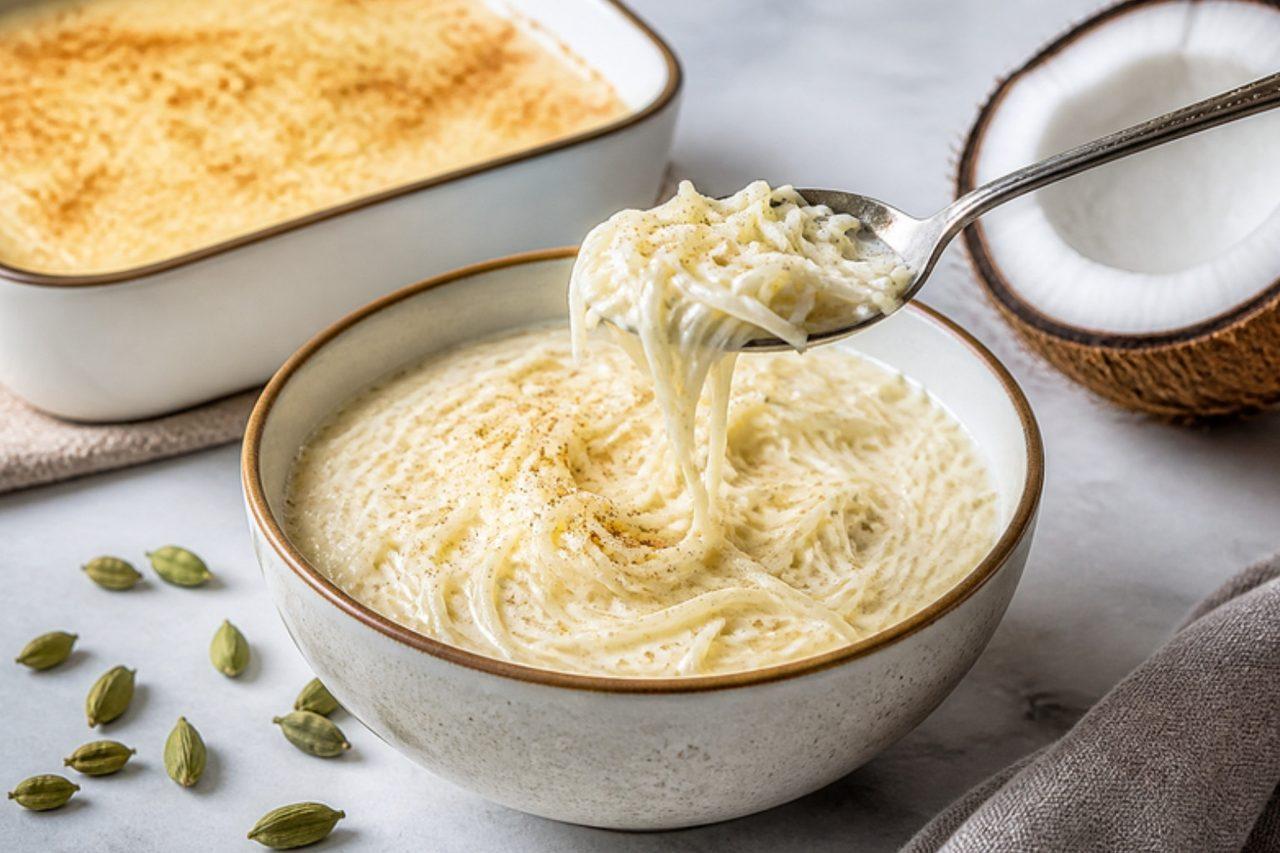
Tambi ya nazi: soft vermicelli stirred into sweetened coconut milk with crushed cardamom, then baked briefly so it sets lightly. It's creamy, gently sweet and fragrant, and is often made for Eid. Serve hot, sprinkled with more cardamom.

by KrazyBadal 0 views

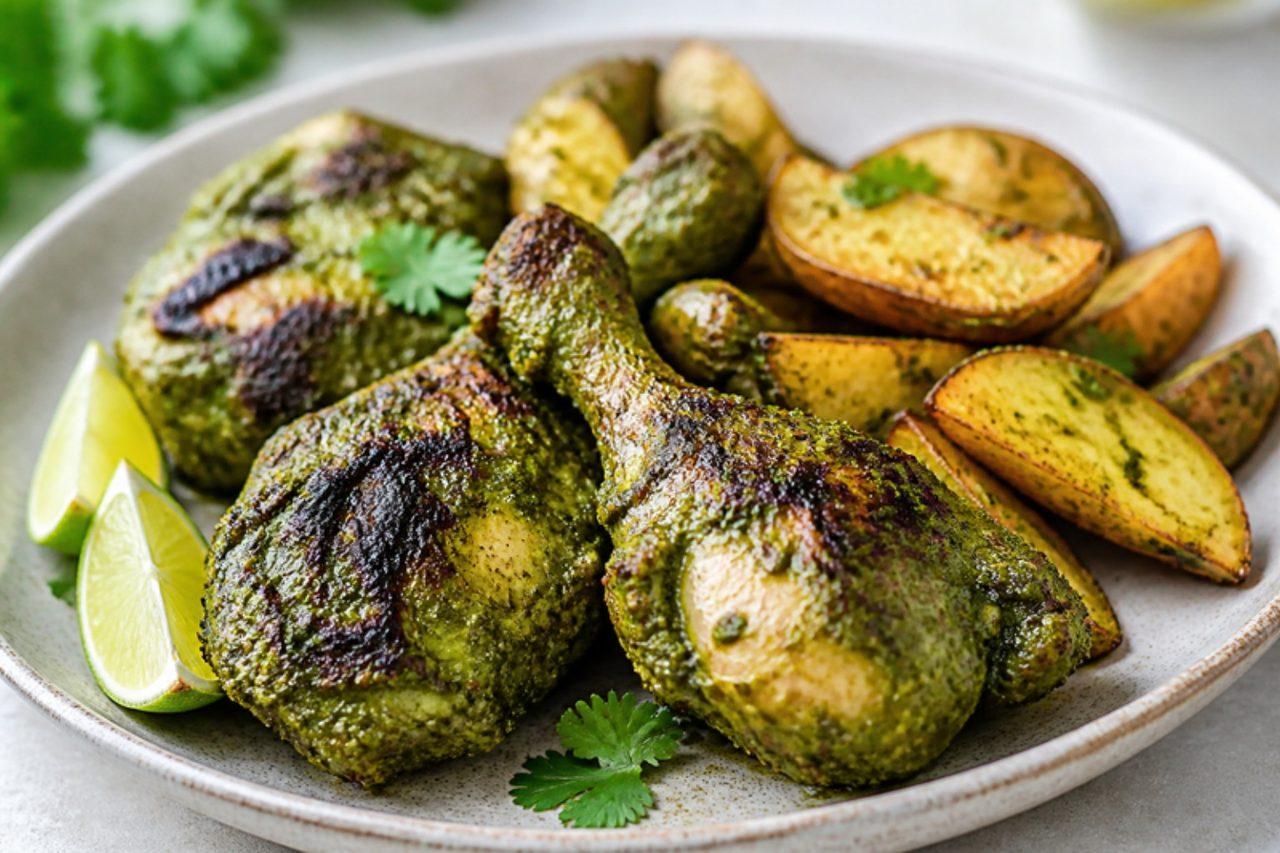
Chicken cafrealGreen masala chicken

Cafreal came to Goa through Portuguese soldiers from Mozambique and became a fixture of the taverns and beach shacks around Panjim and Margao, where it is served with chips, a lime wedge and a cold drink. Chicken legs soak overnight in a vivid green paste of coriander, green chilli, garlic and warm spices, then fry slowly until the paste clings in dark, tangy patches. Chef's tip: use the coriander stems as well as the leaves; they carry most of the flavour and make the paste greener.

by KrazyBadal 0 views

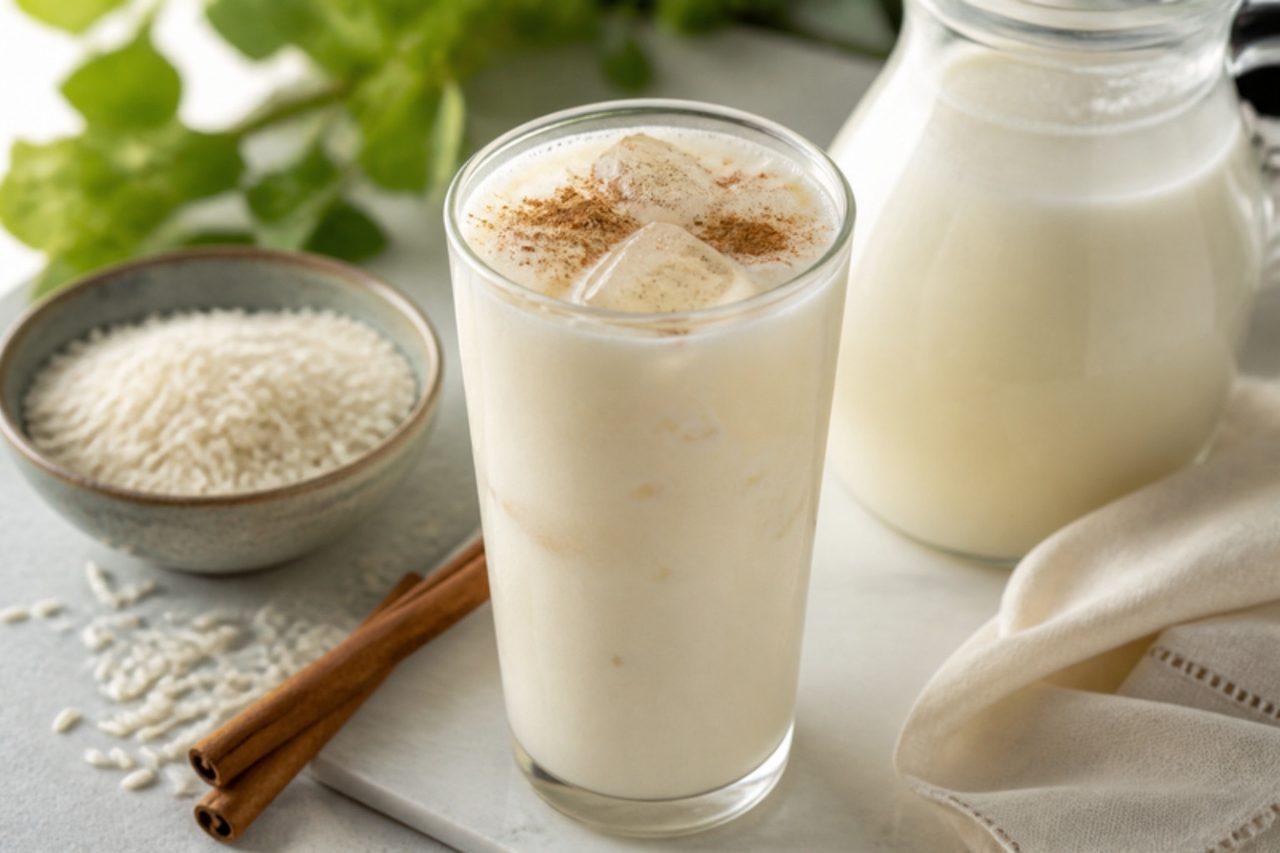
Chicha venezolanaRice and milk drink

Chicha venezolana is the thick, creamy rice drink sold from pushcarts by chicheros on the streets of Caracas, poured over ice and topped with condensed milk and cinnamon. Unlike Mexican horchata, which is made from soaked raw rice, chicha is made from rice cooked until very soft, then blended with milk, condensed milk and vanilla, so it's thick and velvety, almost a drinkable rice pudding. Children love it as an afternoon treat. Chef's tip: cook the rice until it is really mushy and splitting; any firmness left makes the chicha gritty.

by KrazyBadal 0 views

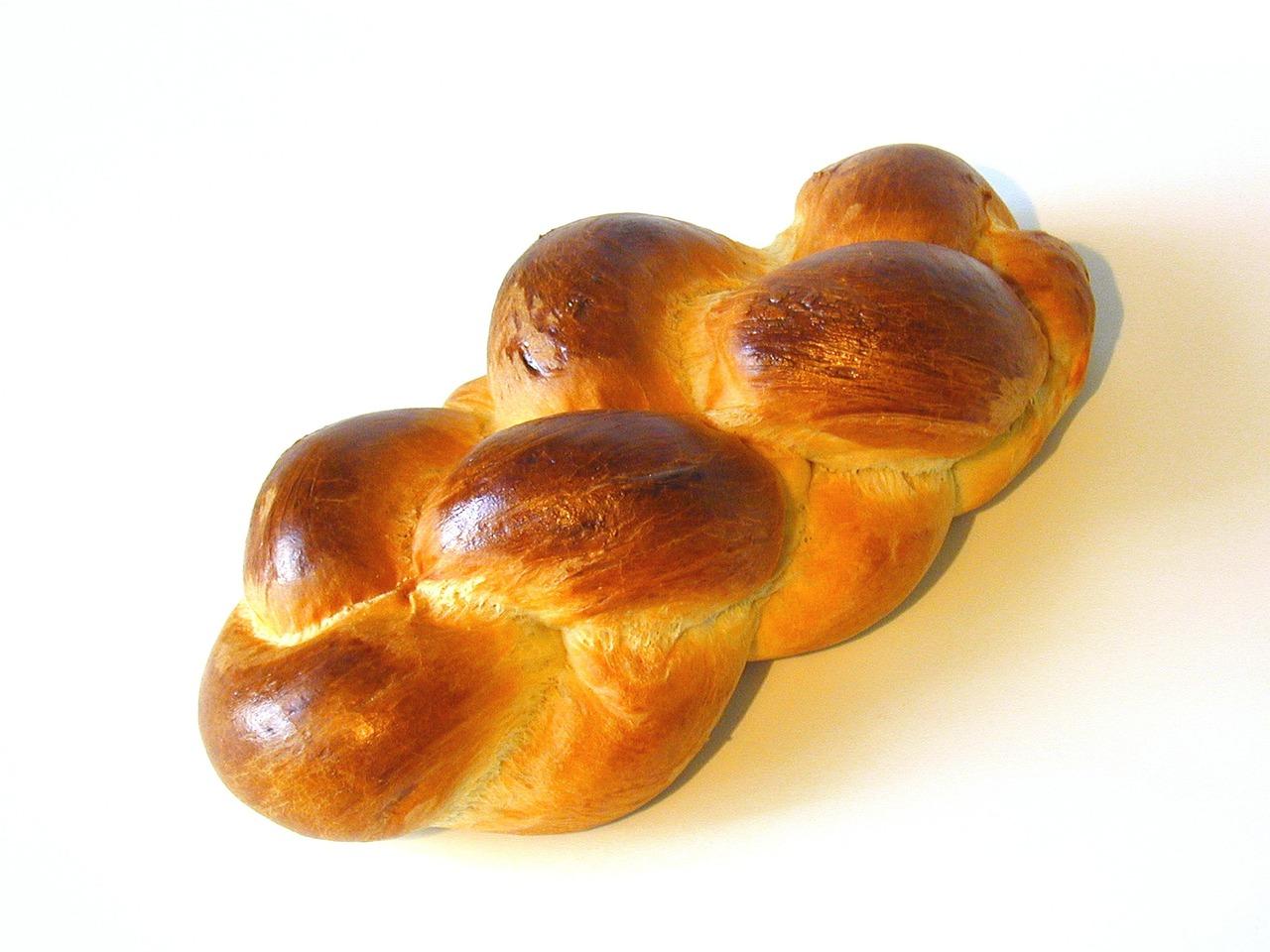
ZopfPlaited butter bread

In German-speaking Switzerland the Sunday breakfast table is not complete without a Zopf (Züpfe in Bern): a shiny, plaited white loaf made with milk and plenty of butter, sliced thick and spread with more butter and jam or honey. Bakeries from Bern to St Gallen bake them on Saturday nights, and many families plait their own on Sunday morning. The crumb is soft, light and faintly sweet from the butter, not the sugar, and the egg-yolk glaze gives a deep brown, glossy crust. Leftovers make excellent French toast (Fotzelschnitte). Chef's tip: let the shaped plait rest in a cool place for 15 minutes before glazing and baking; the strands hold their shape and the pattern stays crisp.

by KrazyBadal 0 views

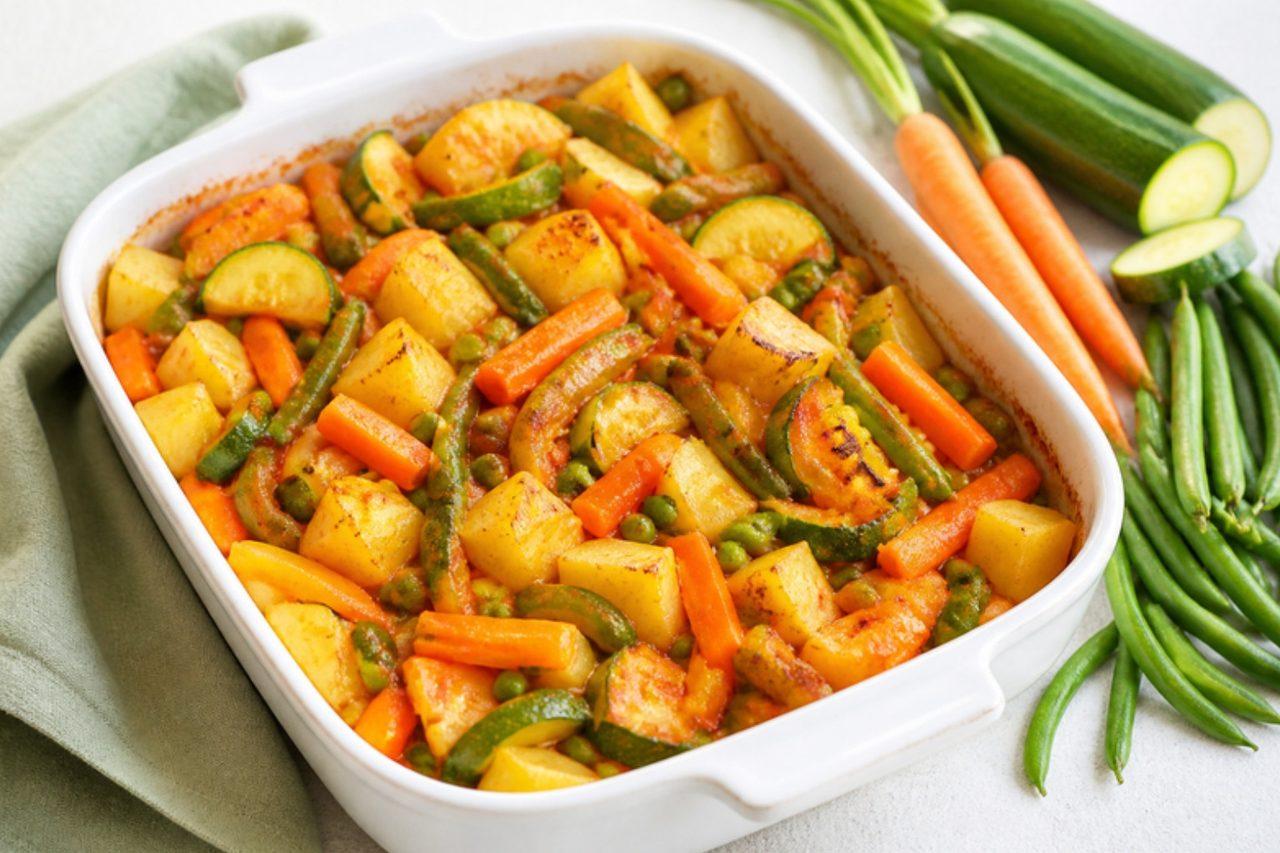
TorlyBaked mixed vegetables

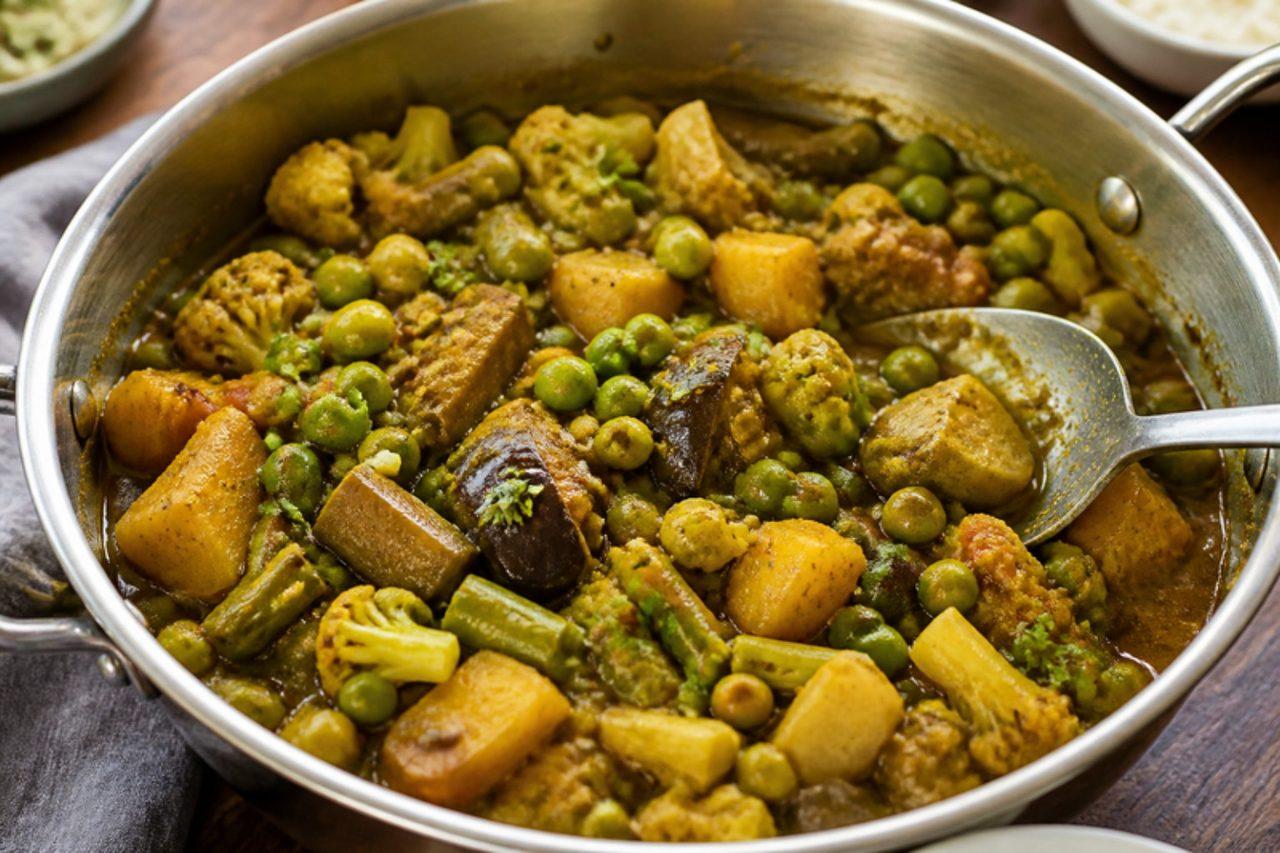
Torly is a tray of mixed vegetables (potatoes, courgettes, carrots, green beans, peas, peppers) baked in a tomato and garlic sauce until soft and slightly caramelised at the edges. The name is Turkish, a reminder of Ottoman times, but it has long been an everyday Egyptian home dish, usually cooked when the summer markets are full of courgettes and served with white rice or vermicelli rice. Many families add meat; this meat-free version is just as common in fasting seasons. Chef's tip: cut the potatoes and carrots smaller than the courgettes, so everything is tender at the same moment.

by KrazyBadal 0 views

BebincaLayered coconut milk cake

No Goan Catholic Christmas, wedding or feast is complete without bebinca, the 'queen of Goan desserts'. A rich batter of coconut milk, egg yolks, sugar and a little flour is cooked one thin layer at a time under the heat, each layer brushed with ghee before the next is poured on, so the finished cake shows dark-and-light stripes when sliced. Traditionally it was baked over coconut-husk fire with coals on the lid and had sixteen layers; a home grill makes eight to ten easily in an afternoon. It's rich, dense and fudgy, and keeps for a week. Serve thin slices at room temperature, or warm with vanilla ice cream. Chef's tip: make each layer the same thin pour; a thick layer stays raw in the middle while its top burns.

by KrazyBadal 0 views

Bebek betutuSpiced slow-roasted duck

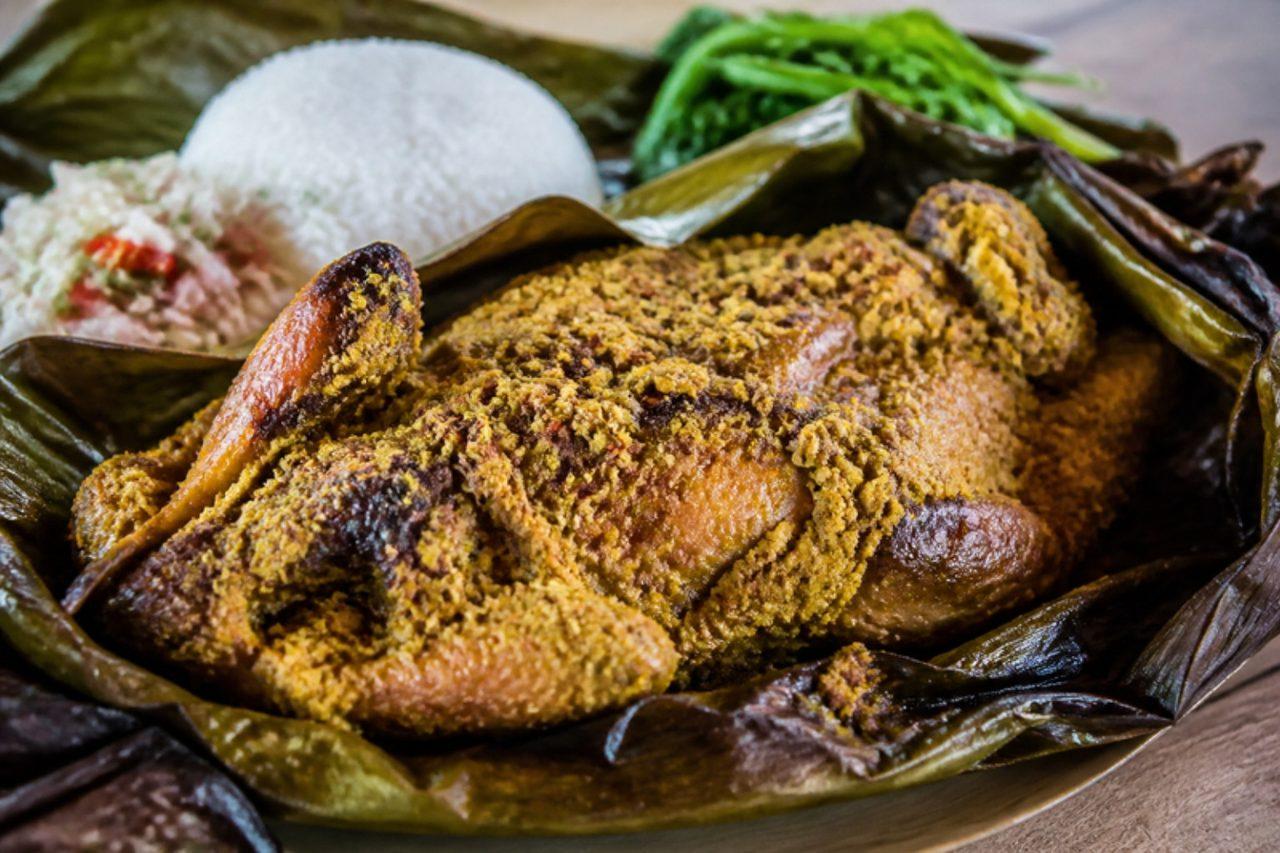
For ceremonies in the villages around Gianyar in central Bali, a whole duck is stuffed and smothered with base genep, wrapped in banana leaves and areca-palm sheath, and buried overnight in smouldering rice husks. By morning the meat has turned meltingly soft, the fat has rendered into the spices and the parcel smells of turmeric, smoke and lime leaf. This home version keeps the stuffing and the leaf parcel but uses a low oven for three hours, then opens the parcel for a short blast to colour the skin. Serve it in its juices with rice, a sharp sambal matah and long beans or water spinach. Chef's tip: marinate the duck overnight in the fridge if you can; the paste needs time to get past the fat and into the meat.

by KrazyBadal 0 views

Chicha moradaPurple corn drink

Chicha morada is Peru's favourite soft drink, served by the jug in every restaurant in Lima and drunk across the country with lunch. Andean purple corn is simmered with pineapple peel, apple, cinnamon and cloves, then sweetened and sharpened with lime to make a dark ruby drink that tastes of berries, spice and gentle tannin, a little like a spiced cranberry juice. It has no alcohol, unlike the fermented chicha de jora of the Andes. Dried purple corn (maíz morado) comes from Latin shops; purple corn powder works too. Chef's tip: add the sugar and lime only once the drink has cooled; lime added to the hot liquid turns it bitter.

by KrazyBadal 0 views

Beans poriyalGreen bean and coconut stir-fry

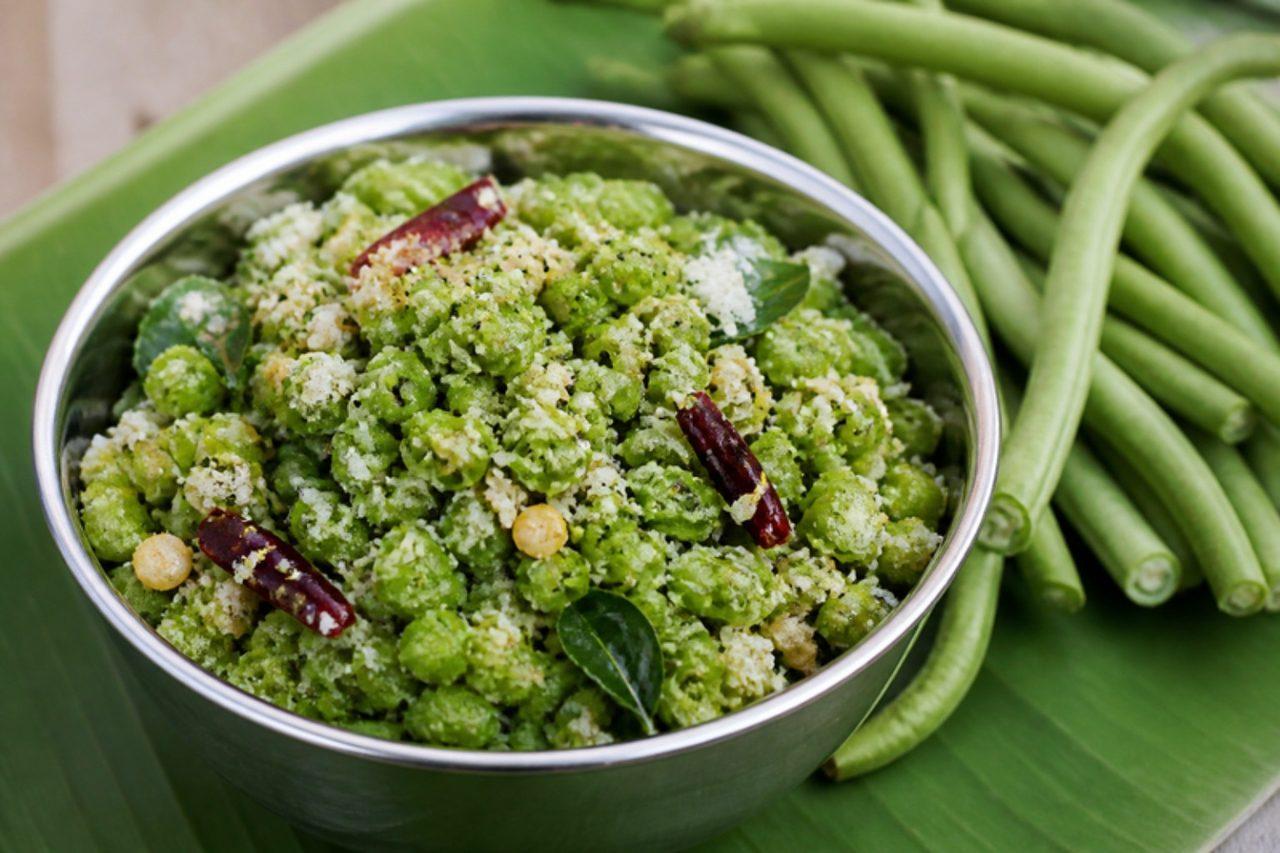
Poriyal is the everyday dry vegetable of Tamil Nadu, and beans poriyal is the one that appears on banana-leaf meals at weddings, temple annadhanam and Monday-to-Friday lunch boxes alike. The beans are chopped very small, steamed in their own moisture with a mustard and urad dal tempering, and finished with a shower of fresh coconut, so each spoonful is bright green, a little crunchy and nutty. It sits next to sambar or kuzhambu with rice, and it also makes a good filling rolled into a chapati. Chef's tip: chop the beans into tiny 5 mm pieces; they cook in minutes, stay green and soak up the tempering far better than long pieces.

by KrazyBadal 0 views

Bazin with lambBarley dough with lamb stew

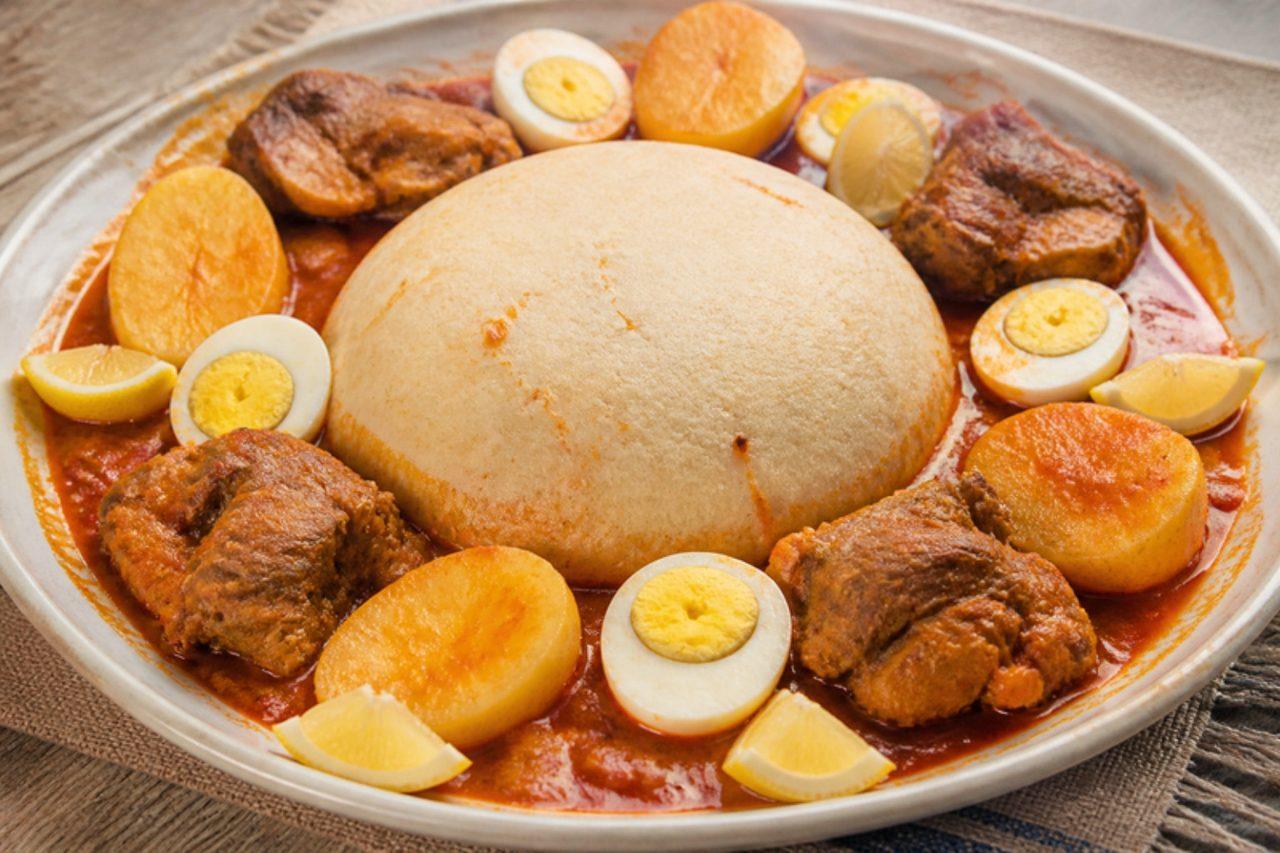
Bazin is the traditional festive dish of Libya, especially in Tripoli and the western mountains: a smooth, firm dome of barley-flour dough set in the middle of a wide dish, surrounded by a spicy lamb stew of tomato, chilli and turmeric, with hard-boiled eggs and potatoes. Everyone eats from the same plate with the right hand, pinching off dough and dipping it in the sauce. The mistake is not beating the dough hard enough: it should be pounded until completely smooth, or it tastes floury. Chef's tip: beat the dough with a wooden spoon, adding cooking liquid a spoonful at a time, until it pulls cleanly away from the pot.

150 minAfricanMeatSpicy
by KrazyBadal 0 views

BaursakPuffed fried dough

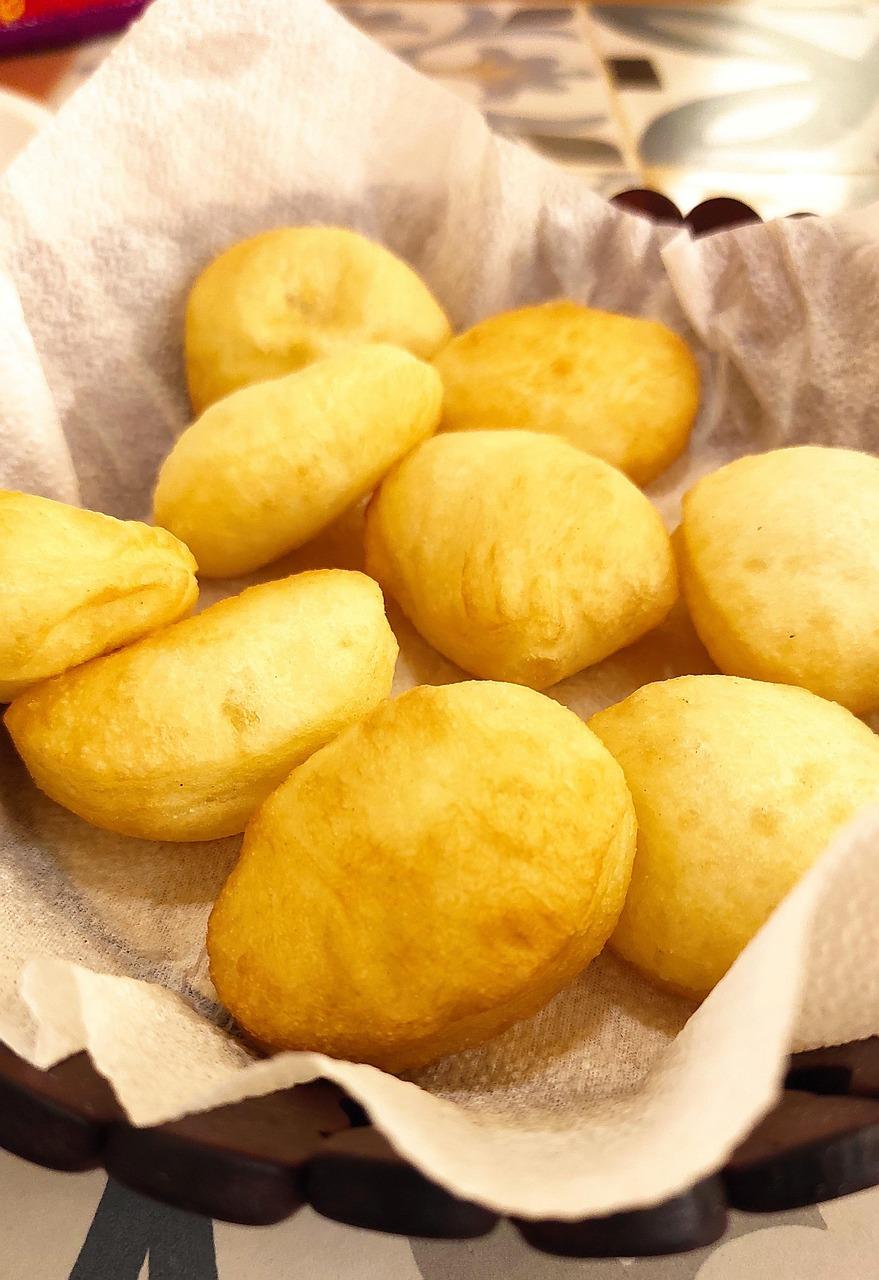
No Kazakh dastarkhan, the cloth spread with food for guests, is complete without a heap of baursak: soft, hollow pillows of yeasted dough fried until they balloon. They are scattered over the table at weddings, at Nauryz in March and at funerals, where the smell of frying baursak is said to reach the departed. In Almaty families fry hundreds at a time and eat them through the evening with milk tea, butter, jam or honey. Kyrgyz and Turkmen households make almost identical versions. Chef's tip: roll the dough just 1 cm thick and keep the oil hot; thin dough in hot oil puffs into a hollow ball, thick dough stays bready.

by KrazyBadal 0 views

Showing 36 of 9,592 recipes

Show more recipes

Page 960 of 1,066