


Skip to content
Tlitli (Algerian rice-shaped pasta with chicken)
Featured recipe

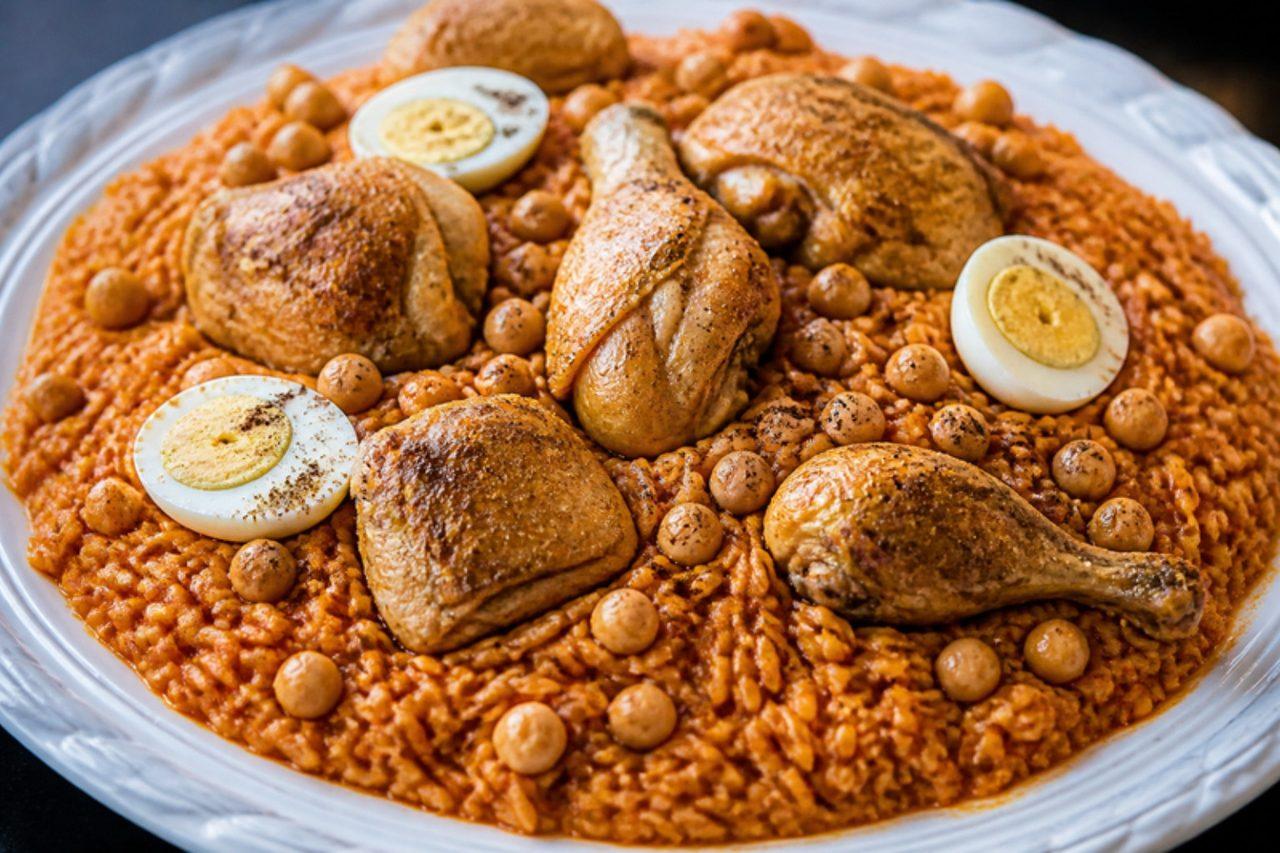
Tlitli (Algerian rice-shaped pasta with chicken)

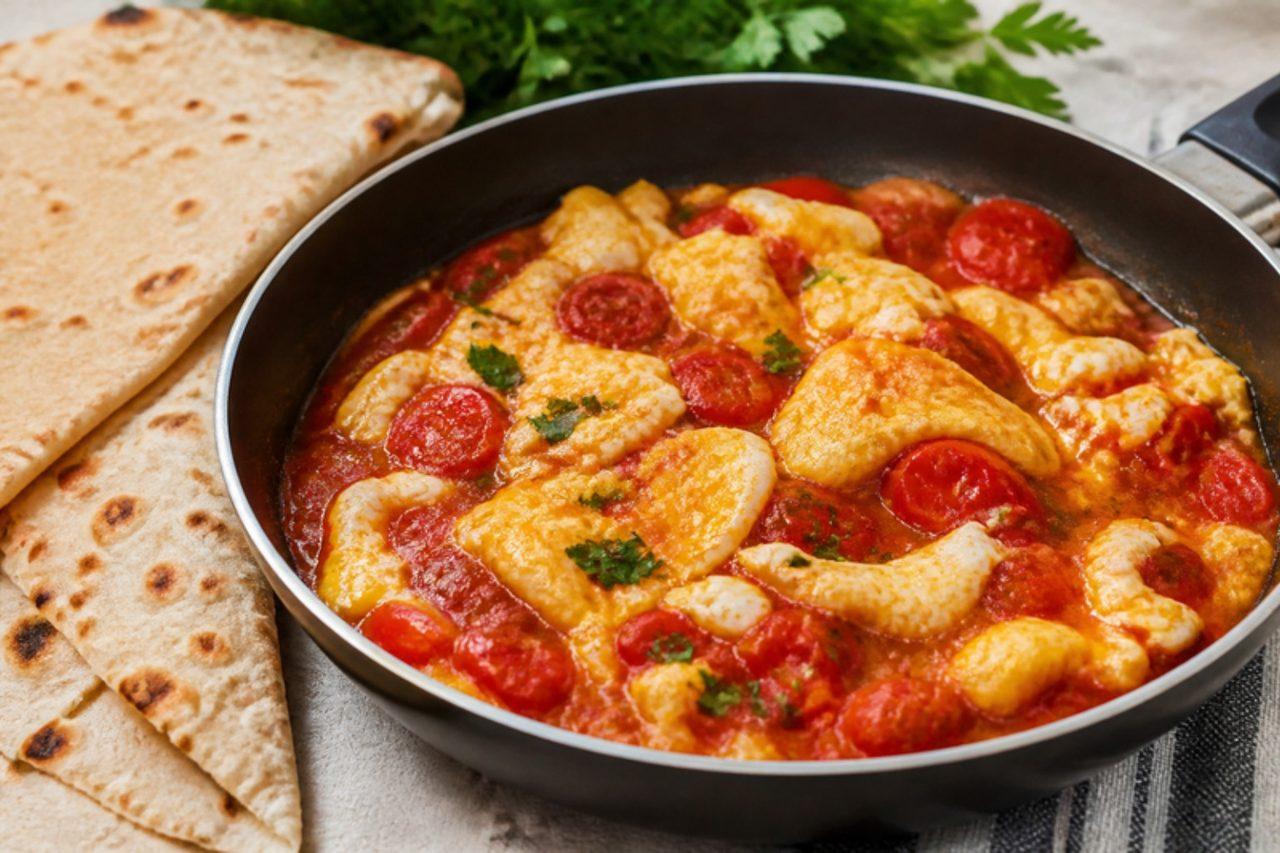
Tlitli is a tiny pasta shaped like grains of rice, once rolled by hand and now sold dried, and in Algiers and Constantine it is cooked for family feasts such as Ennayer, the Amazigh New Year, or the return of a pilgrim. The pasta soaks up a red sauce of chicken, onion, tomato, paprika, cinnamon and chickpeas, and is piled on a platter with the chicken and halved boiled eggs on top. Expect a cosy, gently spiced dish, a bit like a red risotto, with soft pasta and tender chicken. Orzo is a good stand-in if you cannot find tlitli. Chef's tip: toast the pasta in oil before adding sauce; untoasted tlitli tends to clump and turn mushy, a common mistake.

Read more 0 views

What to eat today?

Around the world

Today's trip: Persian

A new country every day, from every cuisine on the site.

Persian

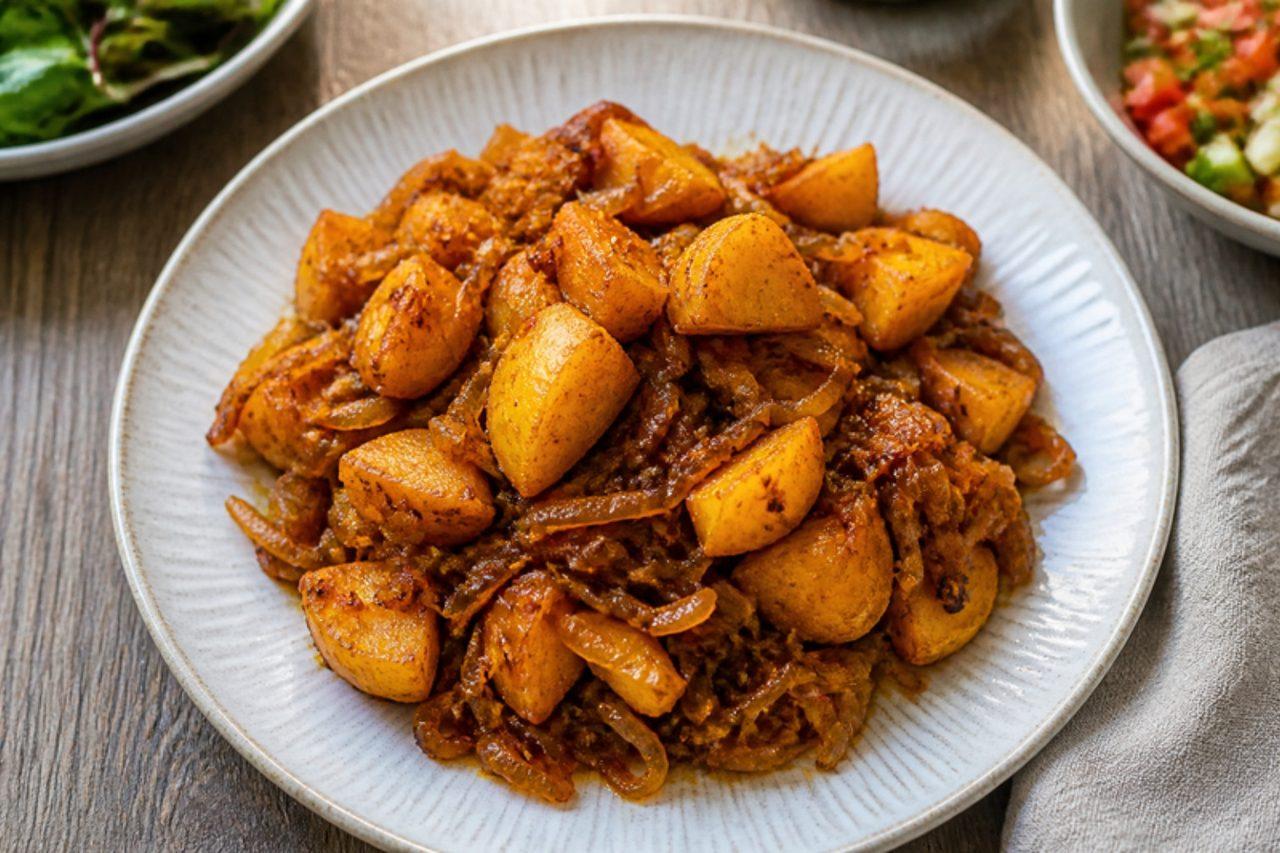
Dopiazeh aloo

Potatoes fried with onion and tomato 30 minMore from Persian (174) →

This week's collection

Kid-friendly dinners
731 recipes · a new collection every Monday

Coming up

All occasions →

Latest recipes

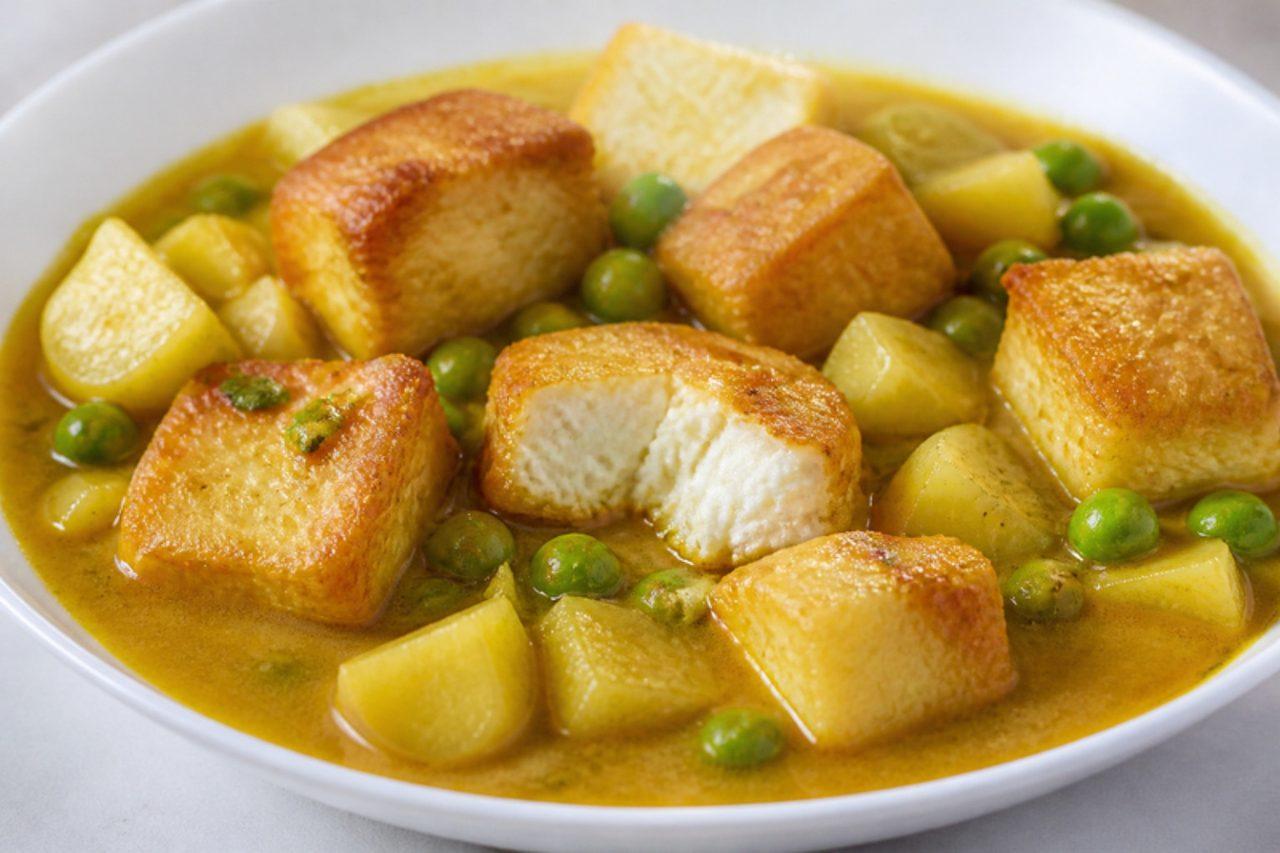
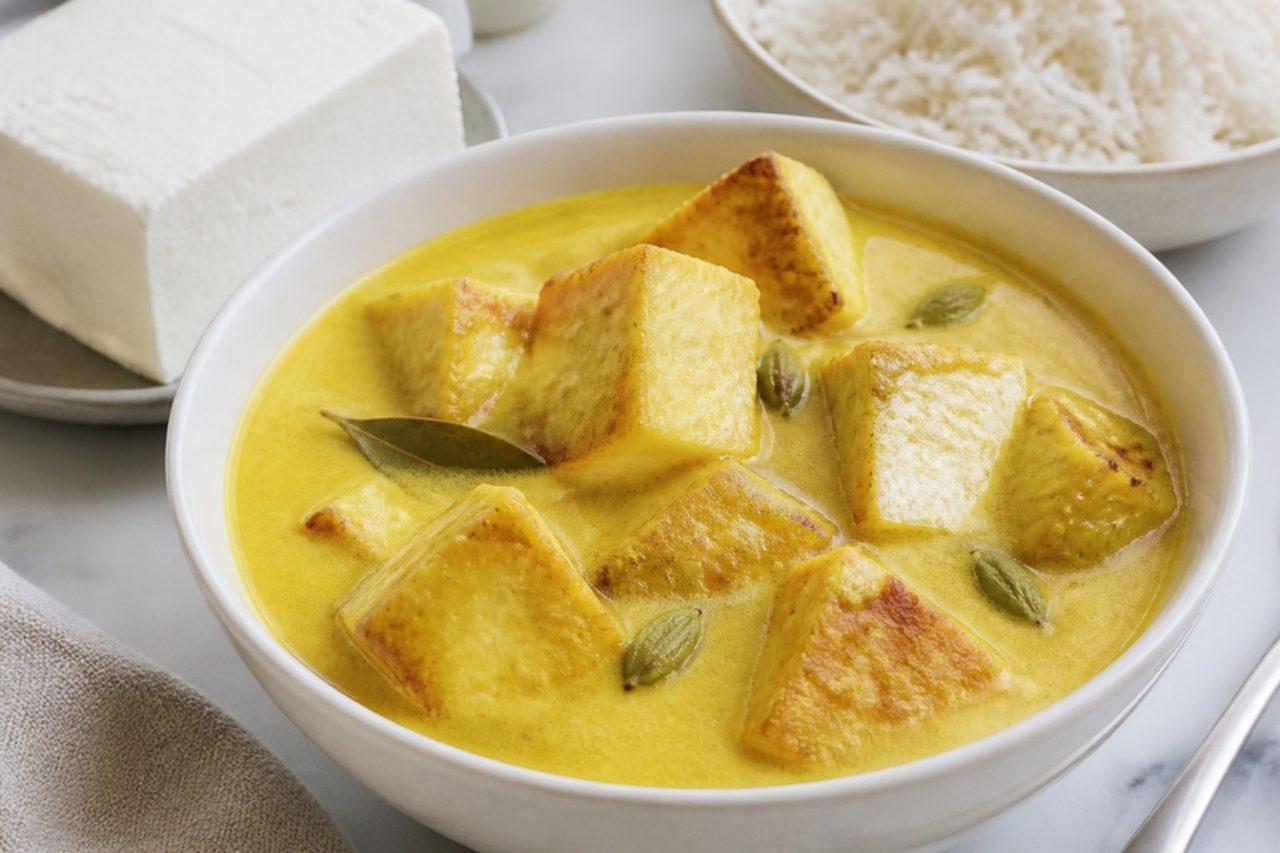
Chhanar dalnaFresh cheese and potato curry

Chhanar dalna is how Bengal uses its fresh chhena, the same curd cheese that goes into rasgulla and sandesh, for a savoury lunch. Freshly split milk is kneaded with a little flour, pressed, cut into squares and fried, then simmered with potato in a thin, gingery tomato gravy scented with bay leaf and cardamom. It is lighter than a North Indian paneer curry and is a favourite on Thursdays and niramish days in Kolkata homes. Chef's tip: knead the chhena with your palm until it feels smooth and slightly greasy; that is what holds the cubes together in the gravy.

by KrazyBadal 0 views

Vegetable cheung funSteamed rice noodle rolls

Cheung fun are the slippery rice-noodle rolls of Guangdong. In Guangzhou you see them steamed to order on cloth-lined trays at breakfast stalls, and at dim sum they arrive in a pool of sweet soy. This home version uses a flat tray in a wok, and fills the rolls with shiitake, Chinese chives and beansprouts. Chef's tip: stir the batter every time before you pour; the starch sinks in seconds, and an unstirred batter gives a thin, torn sheet.

by KrazyBadal 0 views

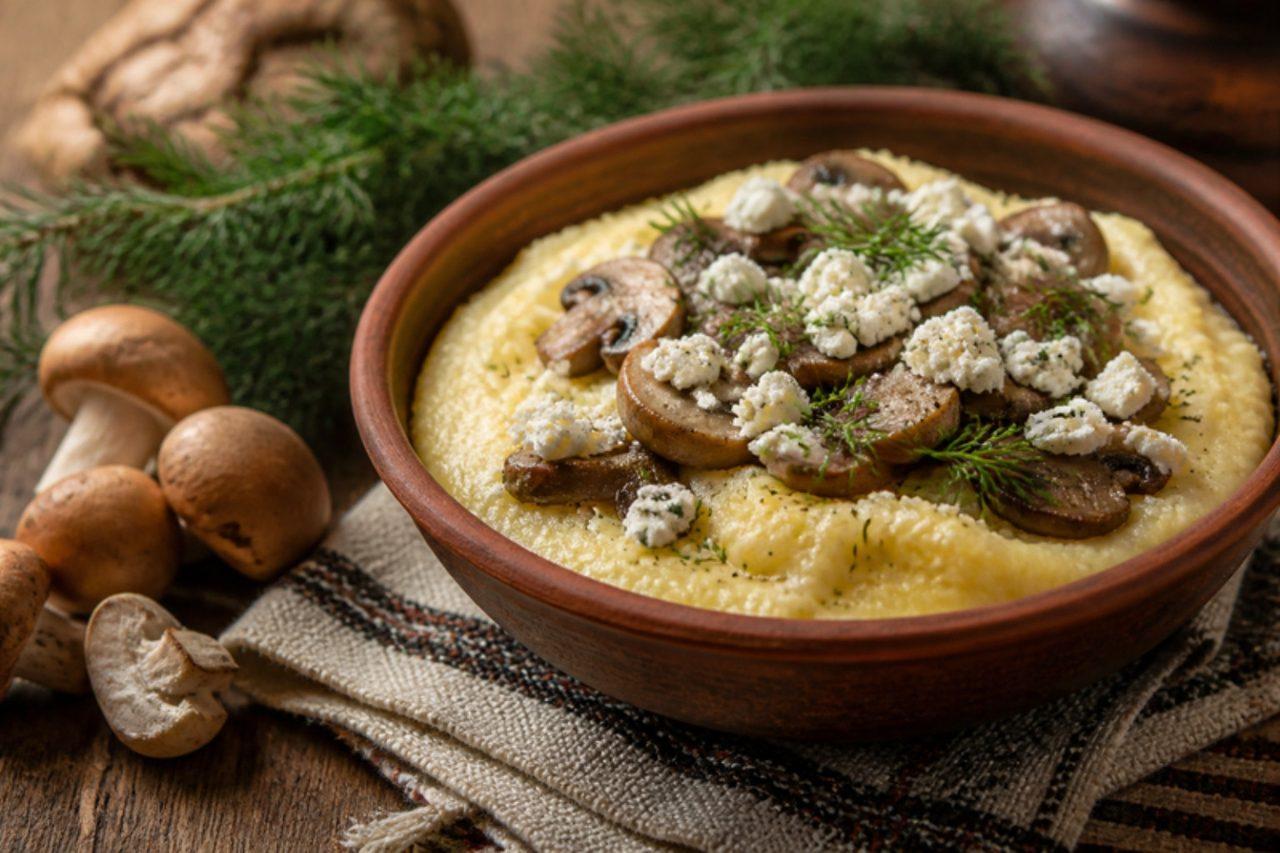
BanoshCornmeal with sour cream and cheese

Banosh is the shepherds' dish of the Hutsul highlands in the Ukrainian Carpathians, around Verkhovyna, Kosiv and Yaremche. Coarse cornmeal is stirred into simmering sour cream over a fire until the butterfat beads on the surface, then heaped on plates and crumbled with salty bryndza sheep's cheese and forest mushrooms; tourists queue for it in the mountain kolyba restaurants. Traditionally it is also topped with crisp pork crackling, which this vegetarian version leaves out in favour of extra buttery mushrooms. Bryndza is usually made with animal rennet, so look for a sheep's or feta cheese labelled vegetarian. Chef's tip: stir in one direction only with a wooden spoon, as the Hutsuls insist; it keeps the porridge smooth and helps the fat separate out, which tells you it is ready.

by KrazyBadal 0 views

Chelow with tahdigSaffron rice with crispy base

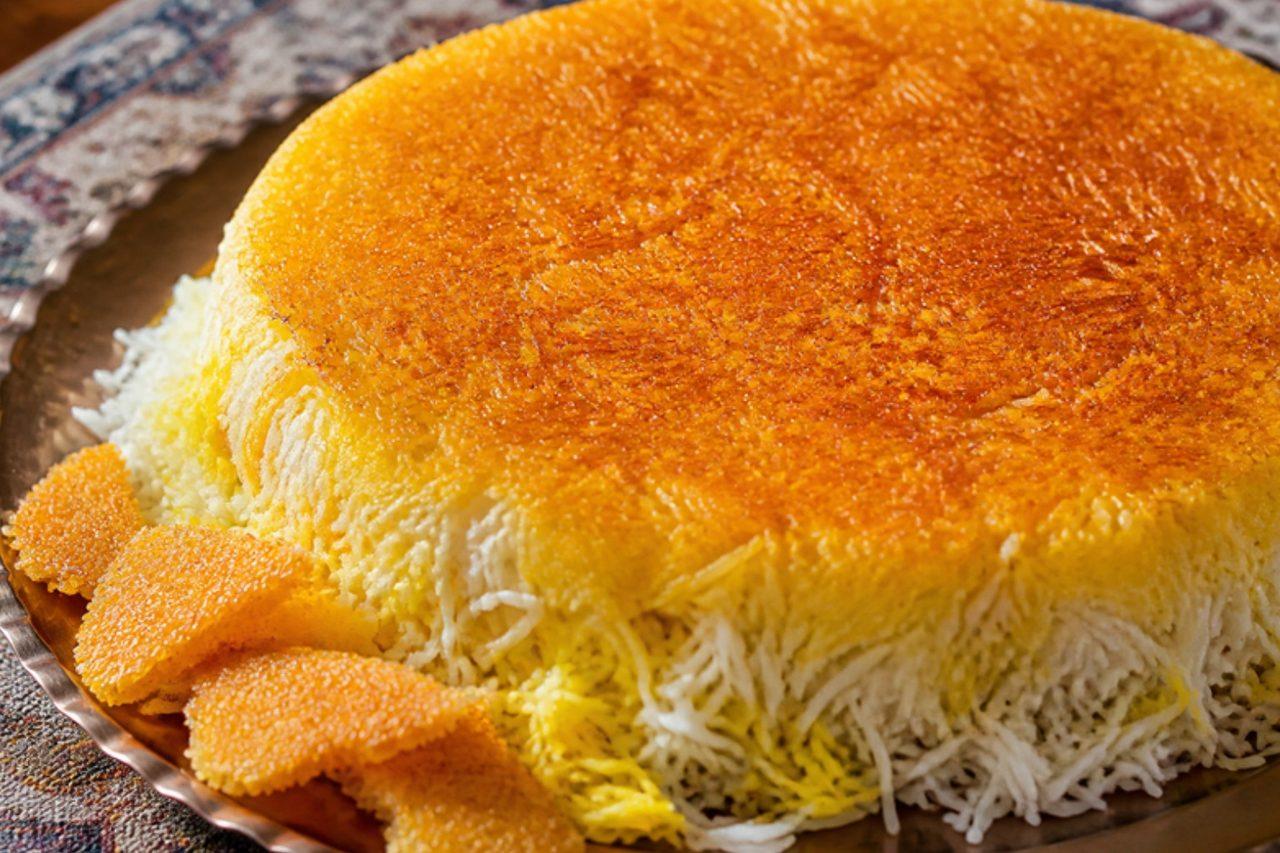
Chelow is the plain, fluffy steamed rice at the centre of almost every Iranian lunch table, and tahdig ('bottom of the pot') is the crisp golden crust that forms underneath it. In homes from Tehran to Isfahan the pot is turned out at the table and the shards of tahdig are fought over before anyone touches the stew. The method is the master one for all Persian polo dishes: long-grain rice is soaked, boiled briefly, then steamed slowly under a cloth-wrapped lid so every grain stays separate and long. This page gives a yogurt-and-saffron tahdig, with potato and flatbread versions in the steps. Serve it with ghormeh sabzi, a yogurt dip and fresh herbs. Chef's tip: turn the heat up for the first 10 minutes until you hear a steady sizzle, then right down; that early burst is what sets the crust.

by KrazyBadal 0 views

Tocăniță de ciuperciMushroom stew

Tocăniță is the everyday stew of Romanian home cooking, and the mushroom version is a fixture of the Orthodox fasting days, when Transylvanian cooks use forest mushrooms gathered in the Apuseni hills and city cooks use button mushrooms from the market. Onions, garlic, tomato, white wine and thyme cook down into a thick, glossy sauce, without the sour cream and paprika of a Hungarian paprikás. It is always eaten with hot mămăligă and a spoon of the sauce over the top. Chef's tip: brown the mushrooms in batches in a hot pan; crowding them is the usual mistake, and they then stew grey in their own water instead of turning golden.

by KrazyBadal 0 views

ChebakiaSesame honey flower cookies

Chebakia are the dark, sticky, flower-shaped cookies that every Moroccan family associates with Ramadan; women in Fez, Meknes and Casablanca spend a whole day in the weeks before the holy month folding hundreds of them, and they are served at iftar with harira and dates. The dough is scented with anise, cinnamon, saffron and toasted sesame, cut into rectangles, folded into a rose, fried and dropped straight into hot, perfumed honey. They are crisp, chewy and very sweet. Chef's tip: work in small batches and keep the honey hot but not boiling; hot honey soaks in properly, while cool honey just coats the outside.

by KrazyBadal 0 views

BannockSkillet bread

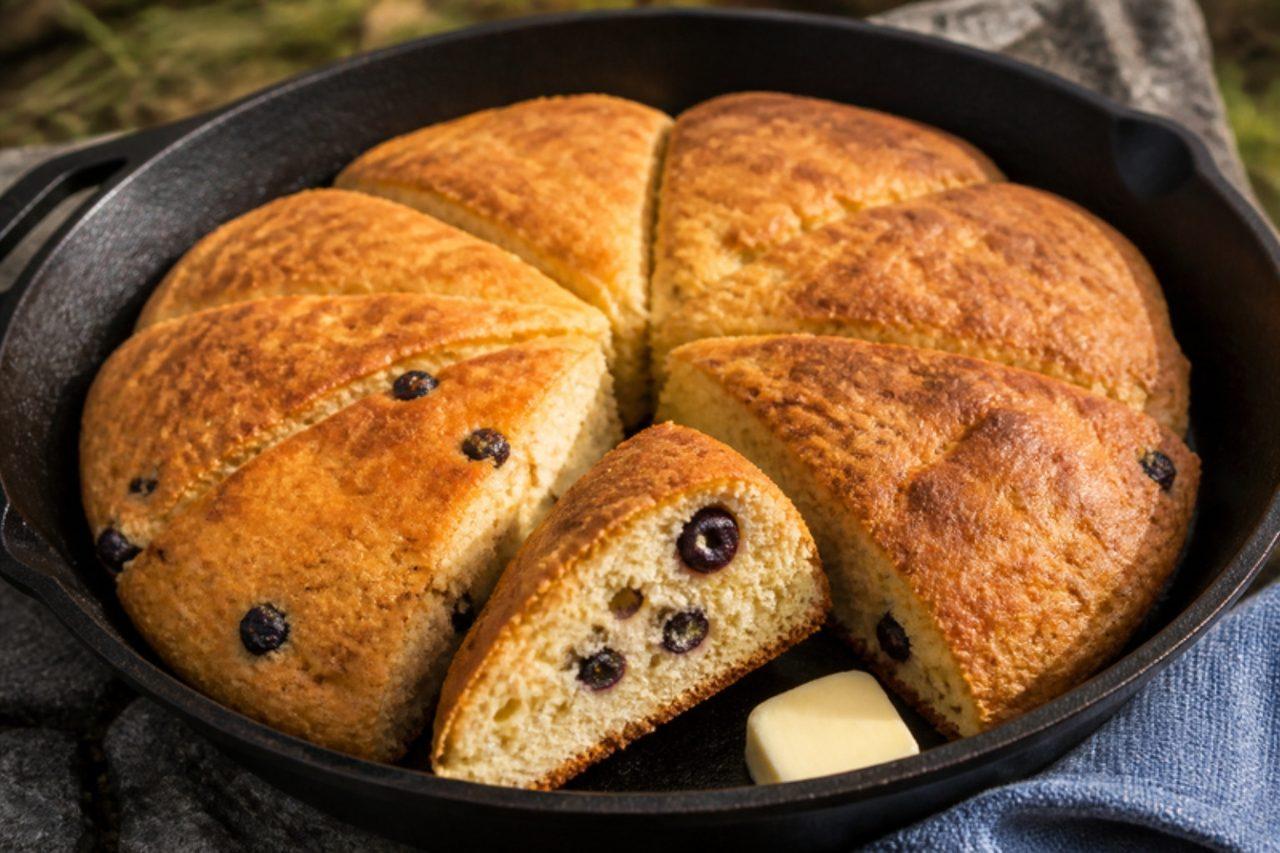
Bannock is a quick bread of flour, baking powder, fat and water, cooked in a cast-iron pan, baked, fried or wrapped around a stick over a campfire. It's eaten in First Nations, Métis and Inuit communities across Canada, at powwows, family meals and on the land, and every family has its own version. Its history is complicated: wheat flour and lard reached many communities through trade and government rations, and bannock became both a food of survival and a living symbol of community and resilience. Long before that, Indigenous breads were made from local plants and roots. This is a simple home pan version, not any one nation's recipe. Chef's tip: mix only until the dough just comes together; overworking makes bannock tough.

by KrazyBadal 0 views

Chatini pomme d'amourCrushed tomato chutney

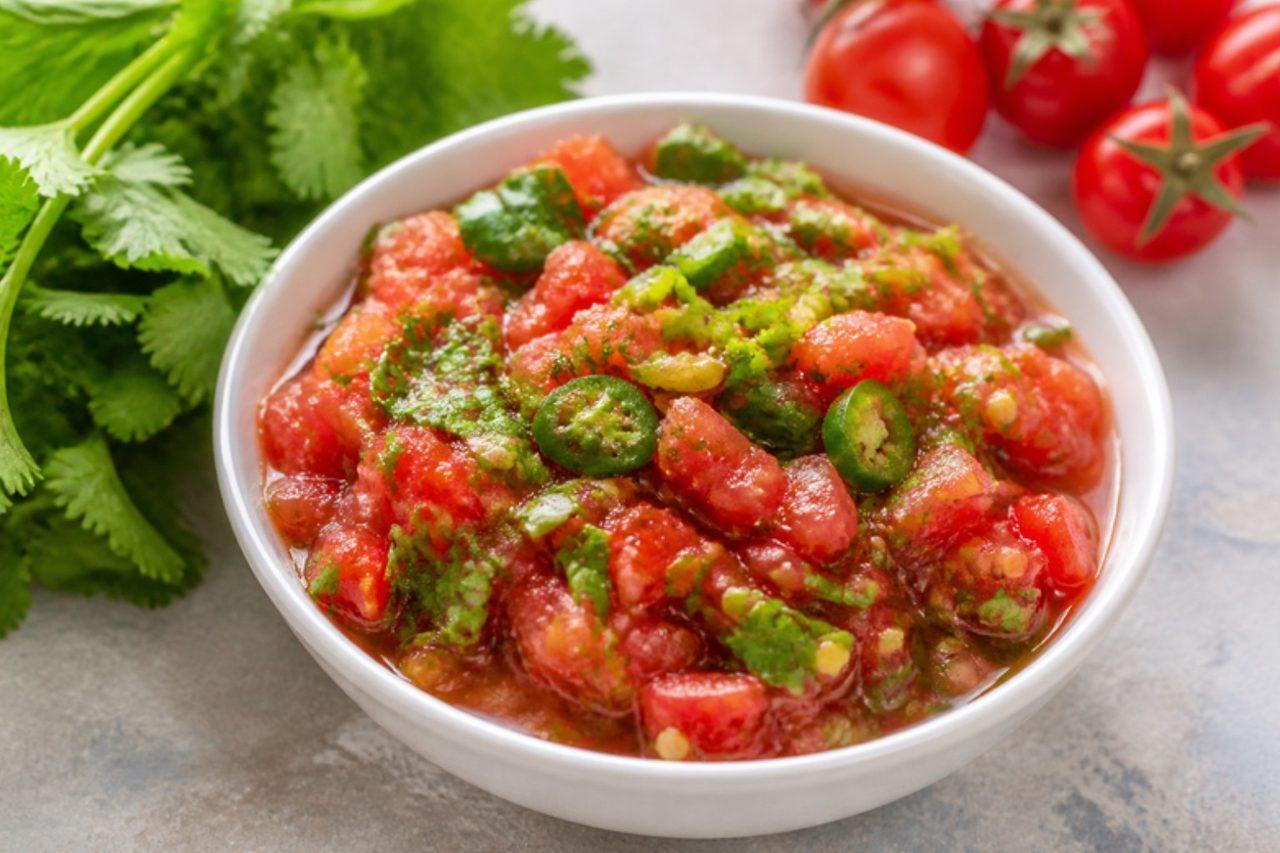
Chatini pomme d'amour (tomato chutney) is on the side of every Mauritian plate of rice, dholl puri and farata. In Creole and Indo-Mauritian homes it is crushed by hand on the roche carri, the island's flat grinding stone, so the tomato turns juicy while the onion and coriander stay fresh. Unlike kachumbari it is crushed rather than chopped, with raw garlic and a spoon of oil. Chef's tip: crush the garlic and chilli to a paste first, then the tomato; otherwise you bite into raw garlic pieces.

by KrazyBadal 0 views

Spaghetti alle vongoleSpaghetti with clams

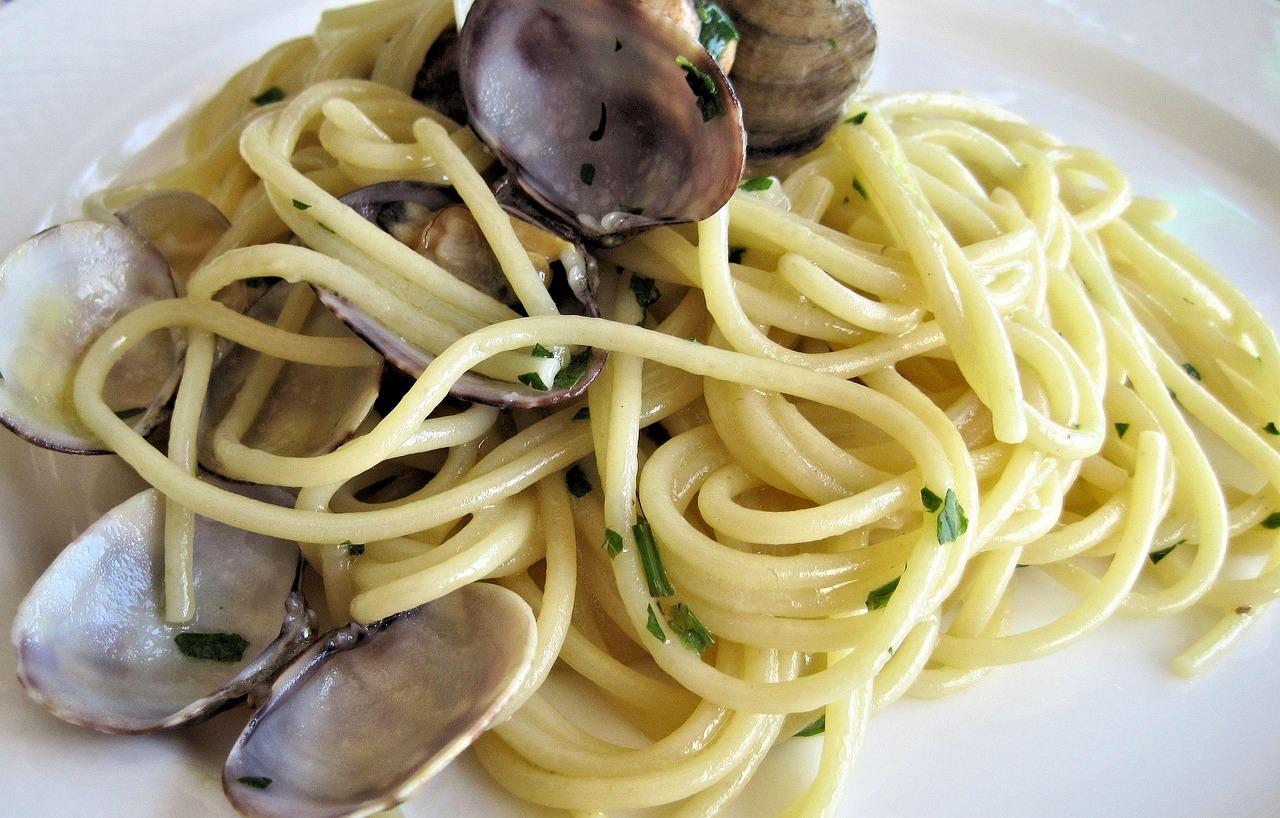
Naples cooks this on Christmas Eve, when the feast is meatless, and all summer long in seaside trattorie along the bay. The clams open in a hot pan of garlicky oil and white wine and release their sea-salty juice, which the half-cooked spaghetti then drinks up as it finishes cooking, so every strand tastes of the shore. Neapolitans keep it in bianco, without tomato, with just a little chilli warmth and a heap of parsley. Most clams in shops are sold already purged of sand; if yours are not, soak them in cold salted water in the fridge for 30 minutes first. Serve with a glass of something cold and bread for the juices. Chef's tip: drain the spaghetti 2 minutes early and finish it in the clam liquor, tossing hard with a little extra oil, so the juices turn into a light, clinging sauce rather than a puddle in the bowl.

by KrazyBadal 0 views

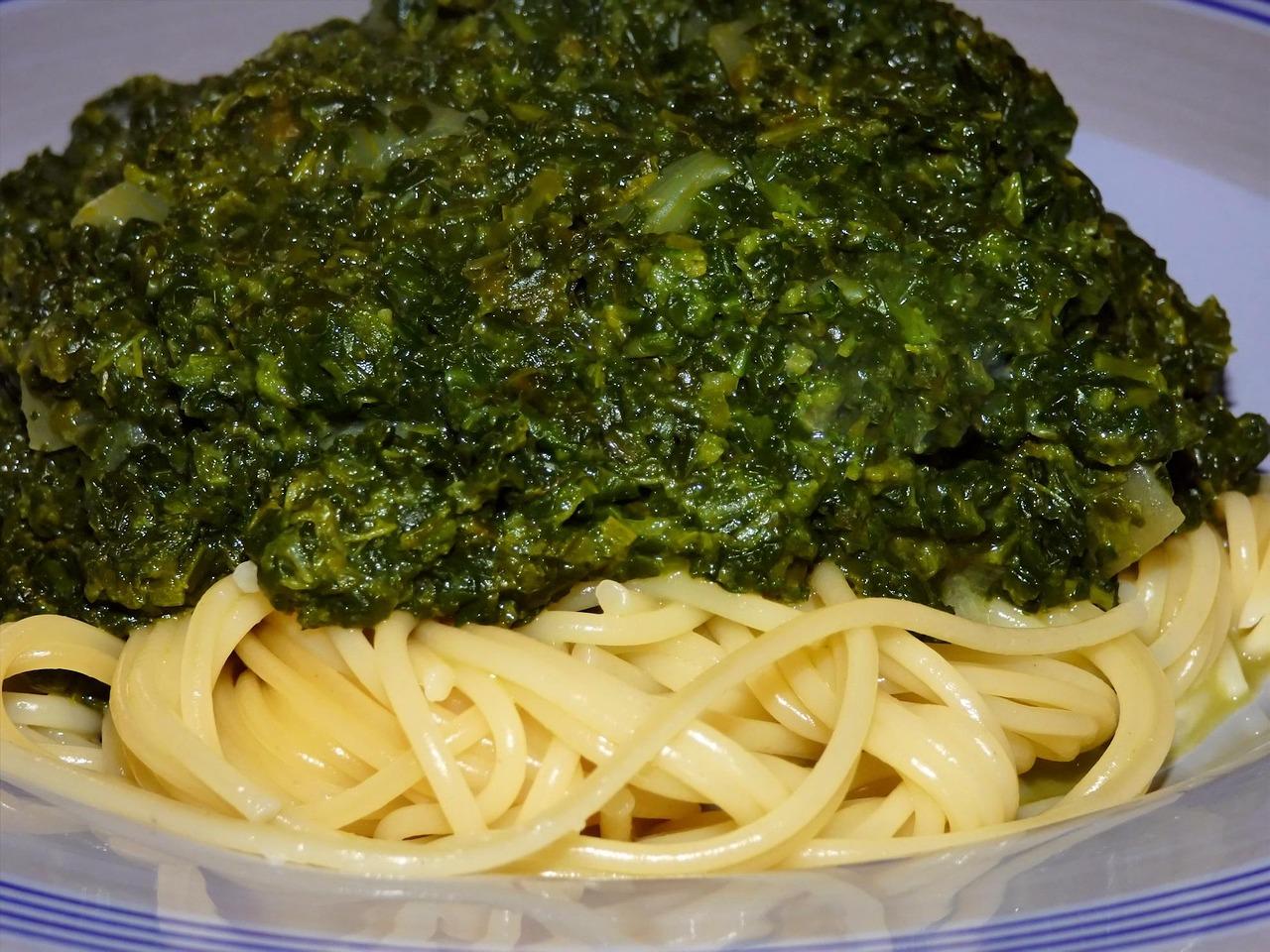
Spaghetti with sukumawikiSpaghetti with collard greens

A Kenyan twist on pasta: spaghetti tossed with sukumawiki (collard greens) cooked down with onions, garlic, fresh tomato, tomato paste, green chillies and lots of coriander. It's quick, green and full of flavour. Serve hot with garlic bread.

by KrazyBadal 0 views

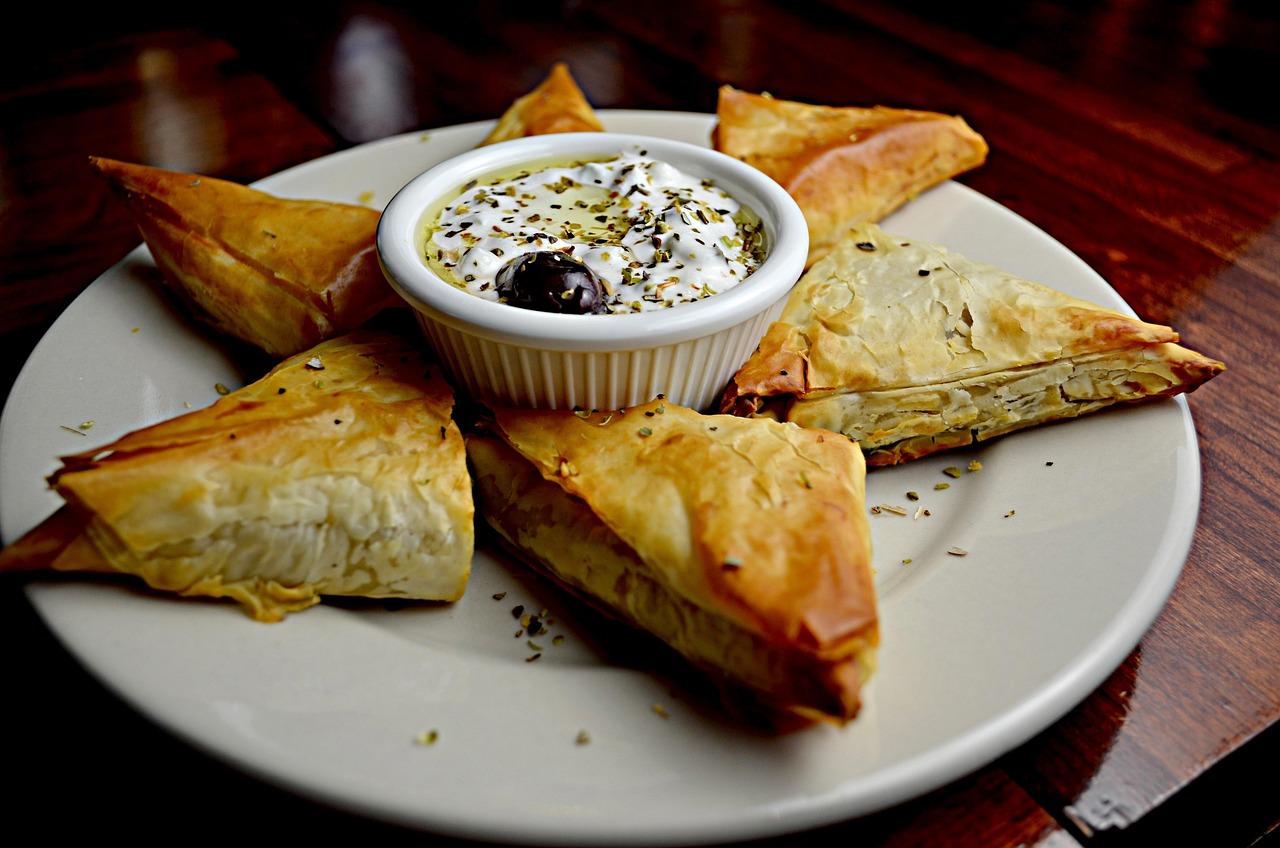
SpanakopitaSpinach and feta pie

Spanakopita turns up everywhere in Greece: cut into squares at bakeries for a mid-morning snack, carried to the beach wrapped in paper, and set out on Easter and name-day tables beside the salads. A tray of it is a mass of soft, herby spinach and salty feta under layers of fillo that shatter as you cut. Spring onions and plenty of dill keep it fresh rather than heavy. Serve it warm or at room temperature with a tomato salad and olives; it tastes even better a few hours after baking. Feta is often made with animal rennet, so choose one labelled vegetarian. If you want to make your own pastry, our home-made fillo recipe works here. Chef's tip: squeeze the wilted spinach in a clean tea towel until it stops dripping; leaving the water in is the classic mistake that gives a soggy bottom.

by KrazyBadal 0 views

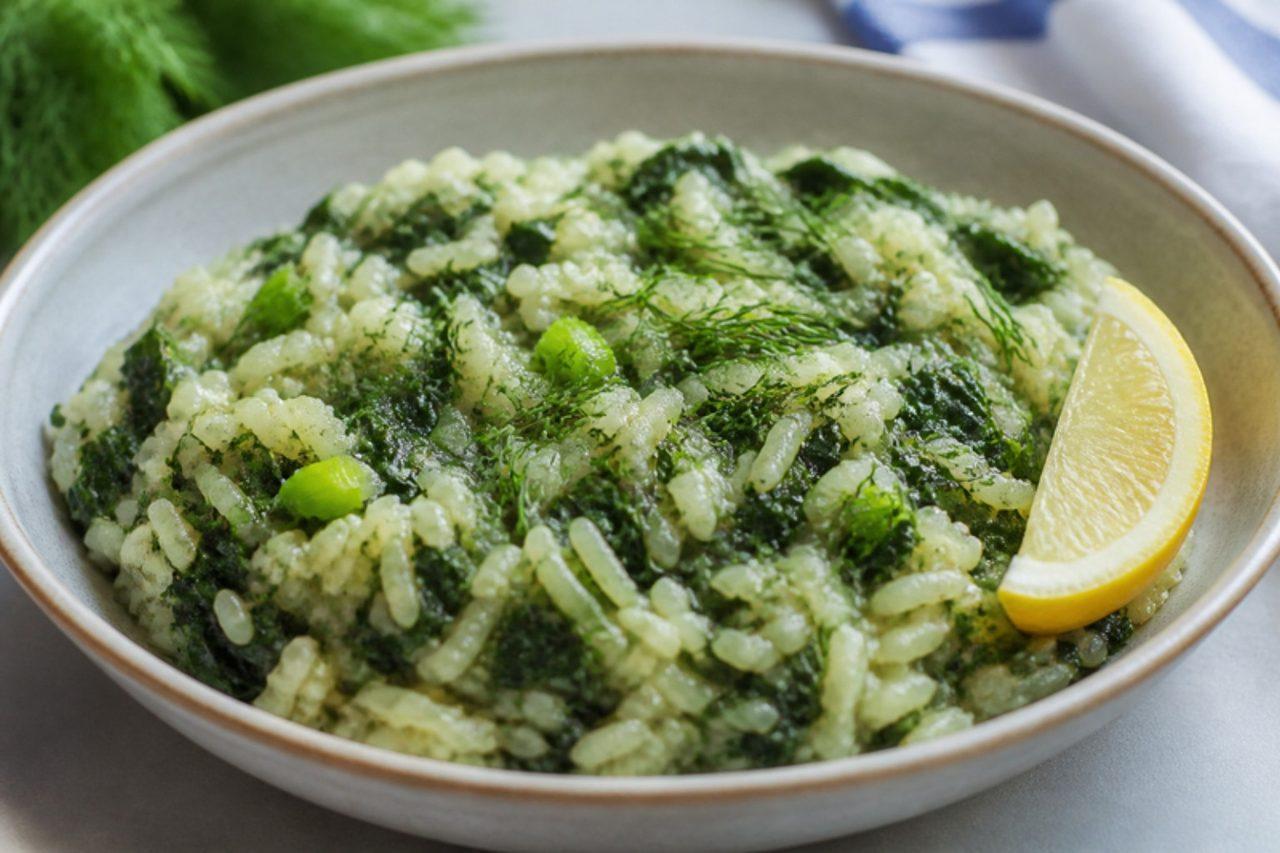
SpanakorizoSpinach and rice

Spanakorizo is a spring dish from Greek home kitchens, made when the markets fill with spinach and fresh dill. Rice is cooked right in the pot with wilted spinach, spring onions and olive oil until it is soft and a little loose, then squeezed with lemon. It isn't meant to be fluffy like a pilaf: Greek cooks like it moist, almost creamy. It is a full meal with a slab of feta and bread, or a side to fried eggs for those who eat them. Chef's tip: take it off the heat while it still looks a bit wet and let it rest covered for 5 minutes; cooking it until dry is the usual mistake and the rice turns stodgy as it cools.

by KrazyBadal 0 views

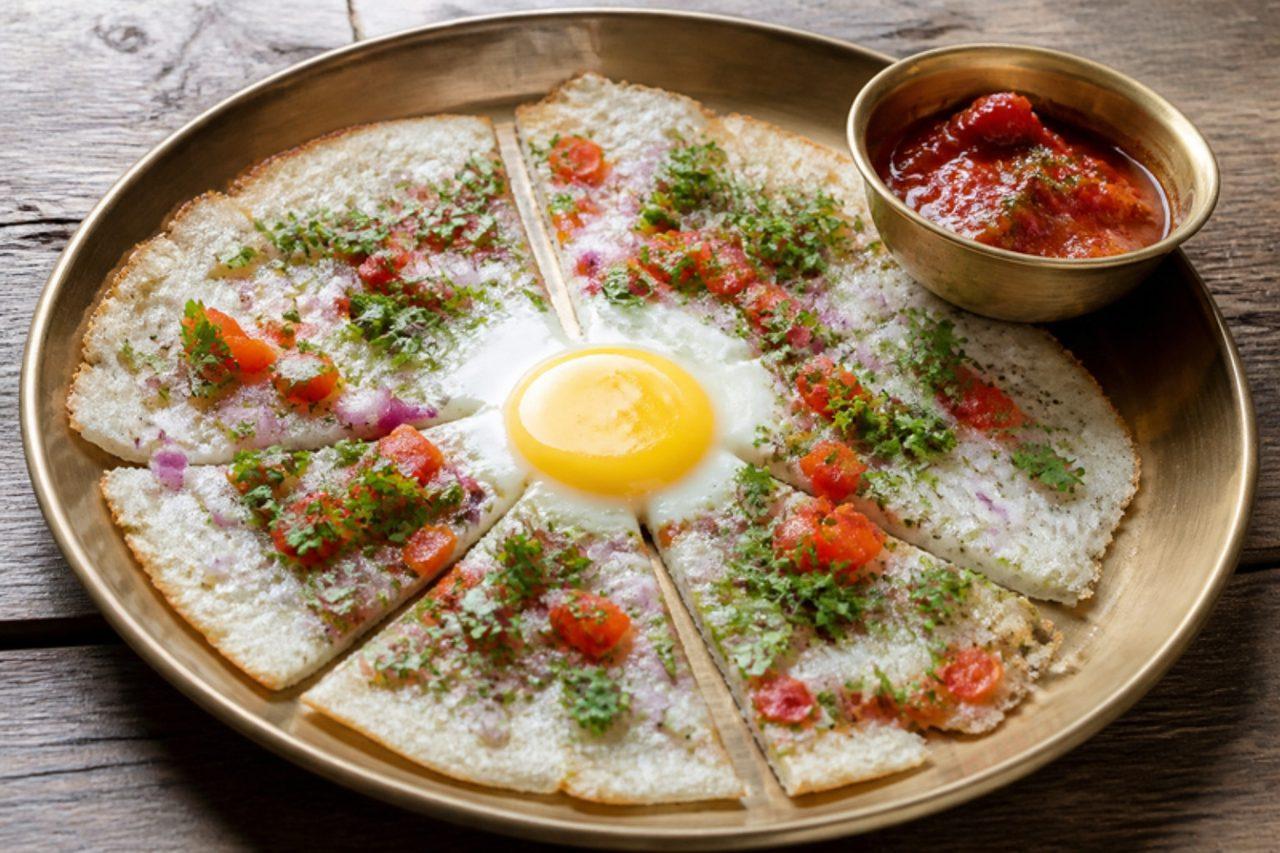
ChatamariRice flour crêpe with toppings

Chatamari is a thin, round crêpe of rice flour that Newar cooks in Patan, Bhaktapur and old Kathmandu make on a covered griddle, so the topping steams on top while the base turns crisp underneath. It is sometimes called Newari pizza, which says something about how it's eaten: cut into wedges, hot, and shared. It is a festival and teahouse snack, served at Newar feasts and in the small eateries around Patan Durbar Square. The classic topping is a cracked egg spread over the batter with onion, tomato and coriander, and this vegetarian version keeps the egg; leave it out and add more vegetables if you prefer. The common mistake is to pour the batter too thick; it should be as thin as single cream so it cooks through before the edges burn. Chef's tip: swirl the batter with the back of a ladle in a spiral from the centre outwards, so it sets in an even, lacy layer.

by KrazyBadal 0 views

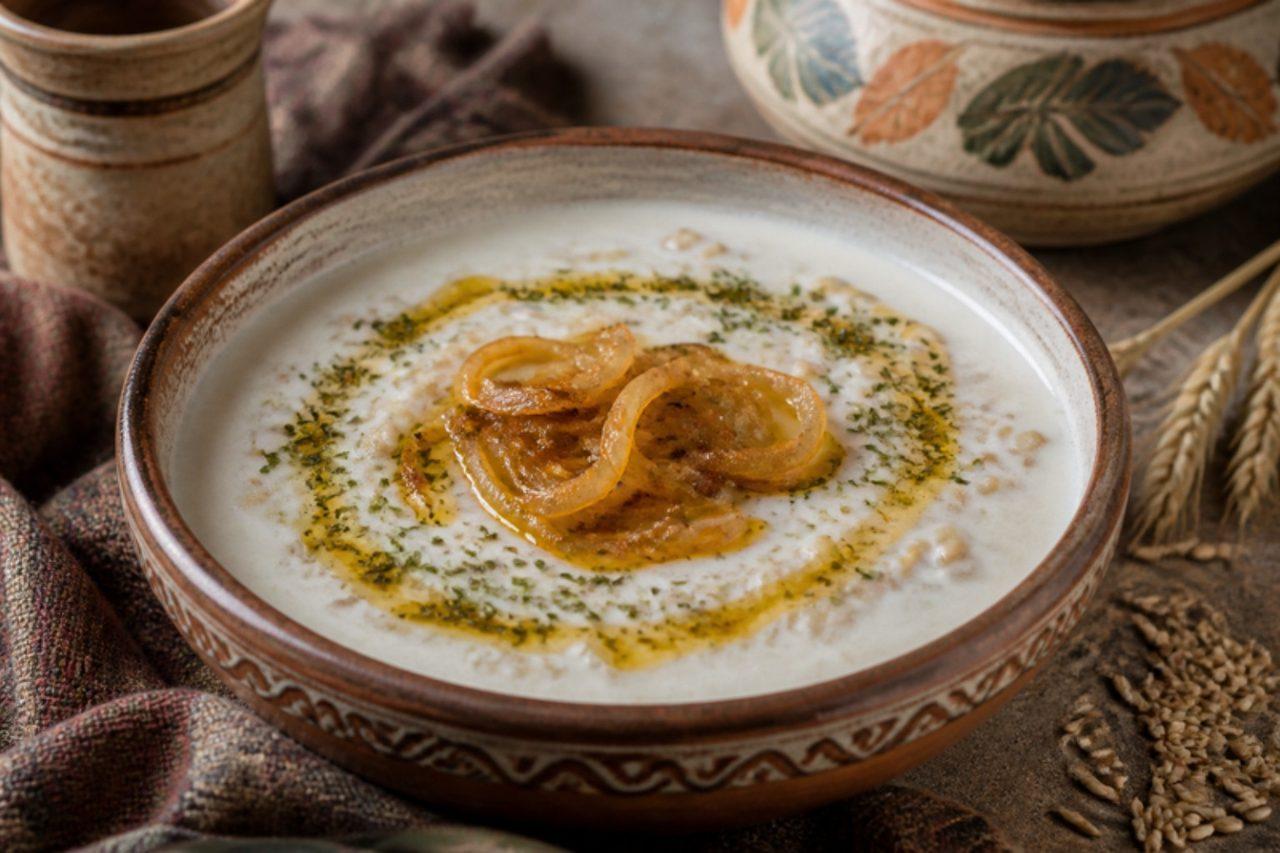
SpasYogurt and wheat soup

Spas is the yogurt soup of the Armenian highlands, eaten hot through the cold winters of Shirak and Gyumri and cold from the fridge in summer, when it tastes like a thick, savoury ayran. The base is tangy matsun (Armenian yogurt) thickened with egg and a little flour so it can boil without curdling, with plump grains of hulled wheat (dzavar) and a swirl of onions fried in butter with dried mint. Families make it for an ill relative, for a quick supper, and as a gentle start to a long feast. Serve with lavash and fresh herbs. Chef's tip: stir in one direction only, without stopping, until the soup comes to the boil; Armenian grandmothers swear by it, and steady stirring really is what keeps the yogurt smooth.

by KrazyBadal 0 views

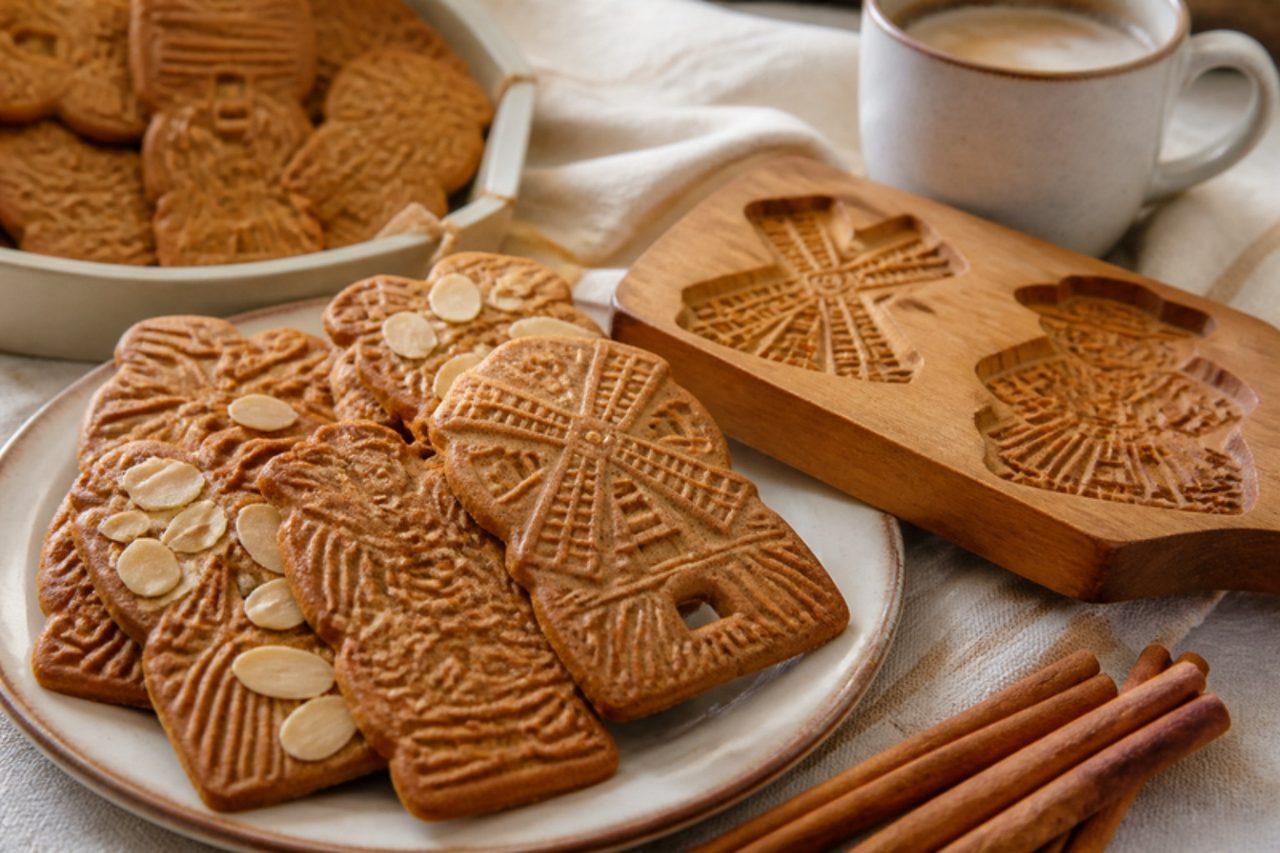
SpeculaasSpiced biscuits

In the weeks before 5 December, Sinterklaas evening (pakjesavond), Dutch kitchens and bakeries fill with the smell of speculaas: thin, crisp, dark-brown biscuits heavy with cinnamon, clove, nutmeg, ginger, cardamom and a little white pepper. Traditionally they are pressed into carved wooden moulds shaped like windmills or Saint Nicholas himself; at home most people roll and cut them, scatter almonds on top and bake them crisp. Make your own spice mix (speculaaskruiden) once and you'll never buy it again. Chef's tip: let the dough rest overnight in the fridge; the spices bloom into the butter and the flavour is twice as deep the next day.

by KrazyBadal 0 views

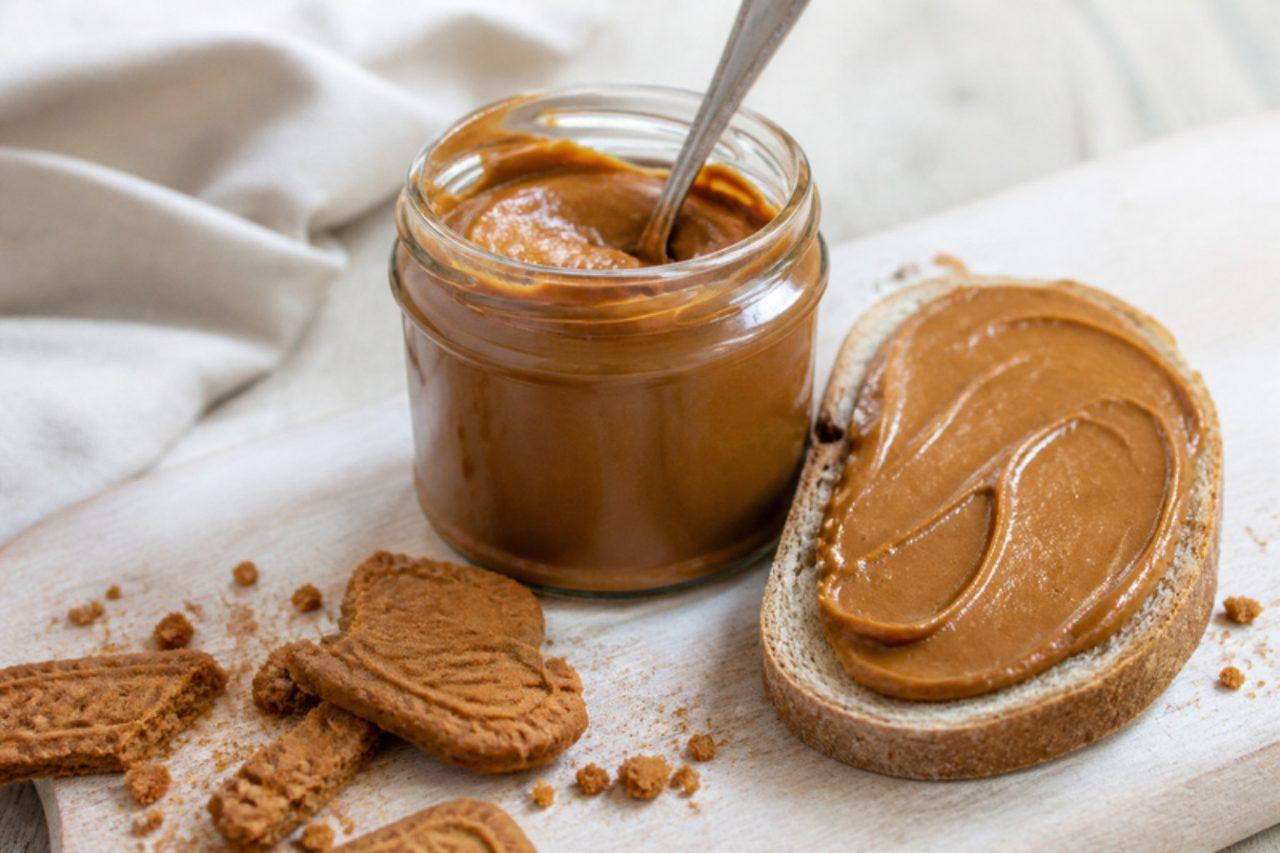
Speculoos spreadSpiced biscuit spread

Speculoospasta, a sweet spread made from crushed spiced caramel biscuits, is a Flemish invention of the 2000s: a home cook took the idea to a Belgian TV contest for inventors, and within a few years it sat next to chocolate spread on breakfast tables across Belgium and the Netherlands. Belgians spread it thickly on bread or toast, stir it into yoghurt, or warm it to pour over ice cream. Homemade, it tastes more of cinnamon and caramel and less of sugar than shop jars. Chef's tip: blitz the biscuits to a powder as fine as flour before adding liquid; any grit left now stays gritty in the jar.

by KrazyBadal 0 views

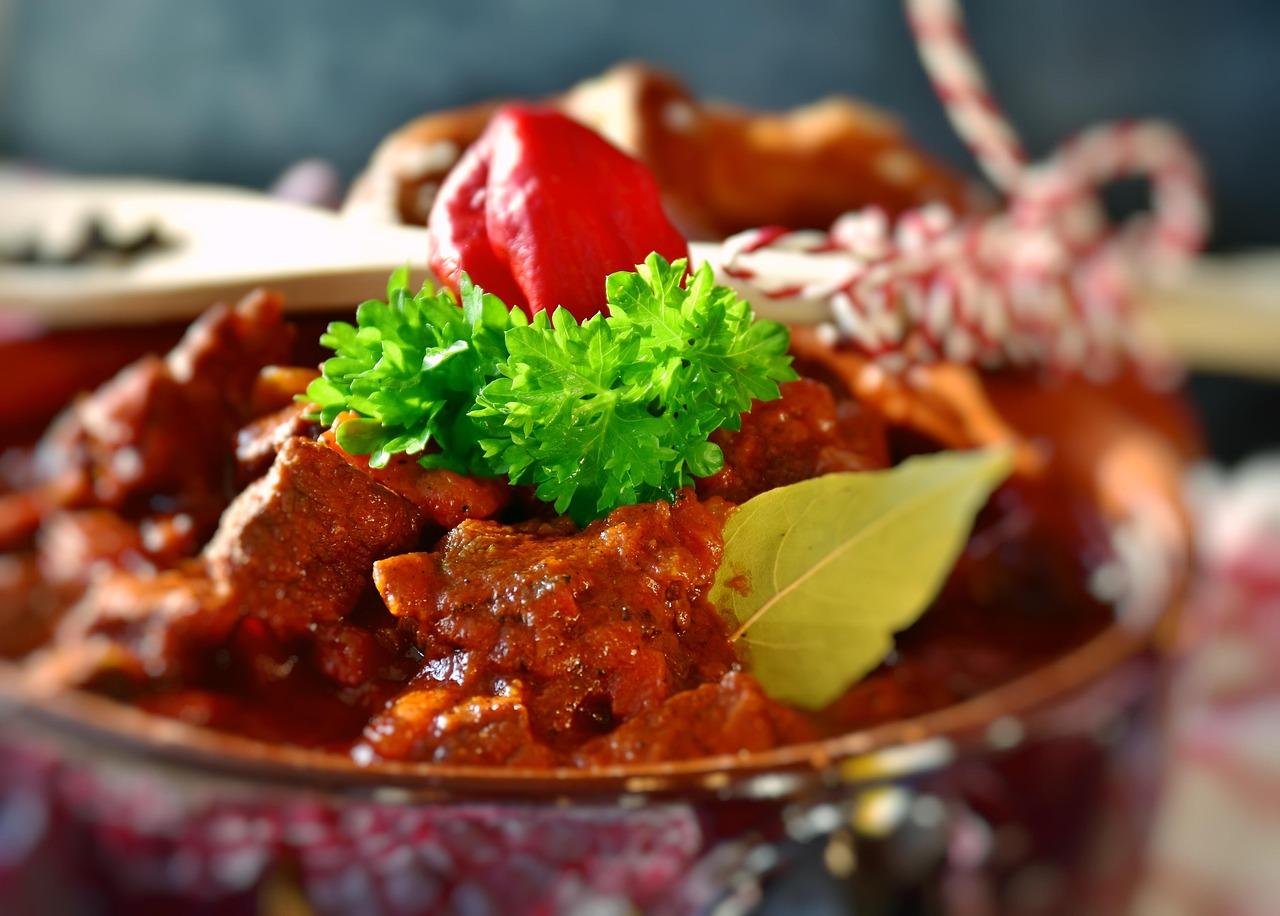
ChashushuliSpicy beef and tomato stew

Chashushuli is a fiery beef stew from the home kitchens and Tbilisi taverns of eastern Georgia, cooked in a clay ketsi pot or a heavy pan and eaten with shoti bread. Beef simmers slowly with lots of onion and tomato, then gets a hit of garlic, chilli, khmeli suneli and fresh coriander right at the end. It is meant to be spicy, but you can halve the chilli. Chef's tip: cook it until the sauce is thick enough to scoop with bread; Georgians do not eat it like soup.

120 minGeorgianMeatGluten freeSpicy
by KrazyBadal 0 views

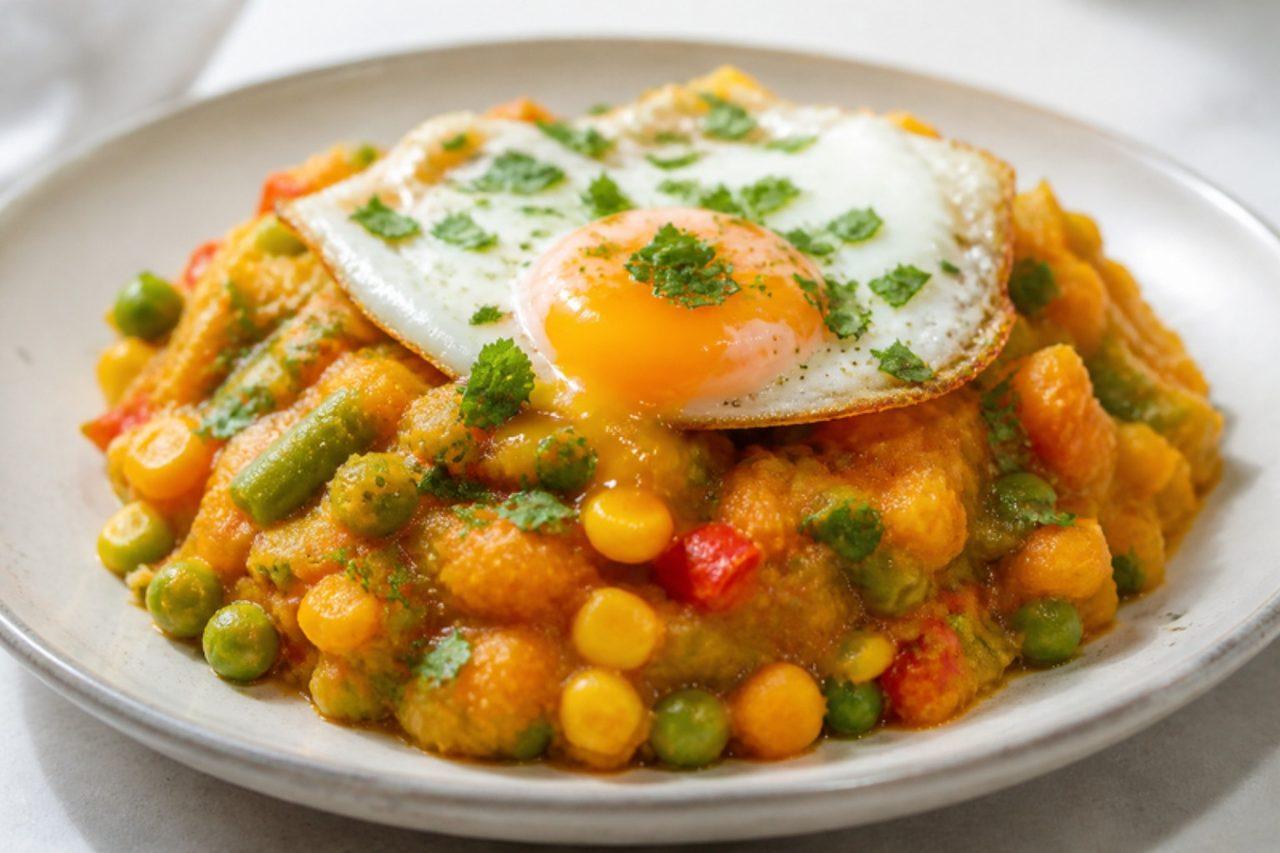
Vegetable charquicánPumpkin, potato and corn stew

Charquicán is old Chilean country food: a thick mash of pumpkin and potato with corn and peas, once made with charqui, the dried meat of the Andes. In the south and in Santiago homes it's a winter weeknight dinner, served in a deep plate with a fried egg on top and pickled onions or a simple salad. Without the meat it's still rich and smoky with merkén (smoked chilli) and paprika. Chef's tip: mash only roughly at the end; charquicán should have soft chunks, not be a smooth purée.

by KrazyBadal 0 views

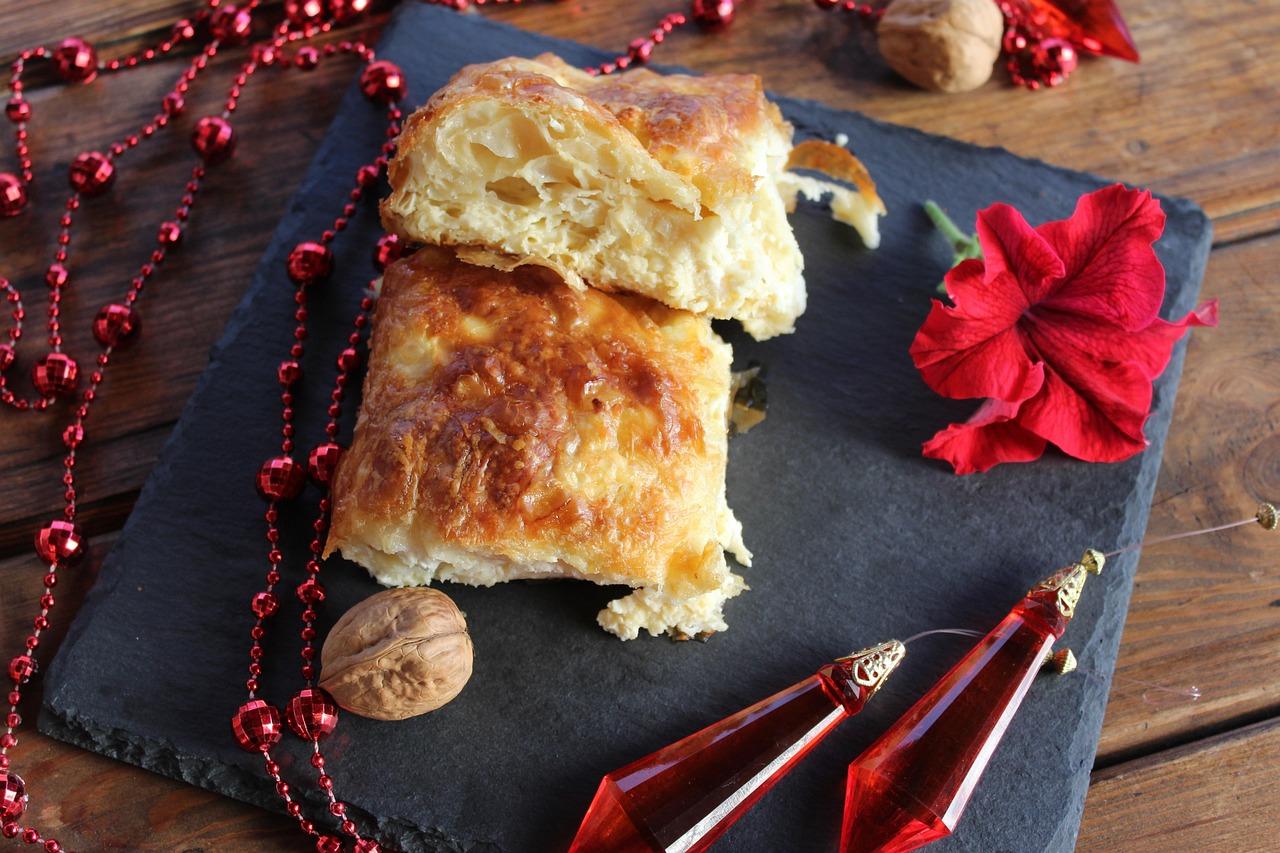
BanitsaFilo pie with cheese and egg

Banitsa is the Bulgarian breakfast pie, bought warm in paper from corner bakeries in Sofia and Plovdiv with a bottle of ayran or boza, and baked at home on New Year's Eve with lucky charms (kasmeti) tucked inside. Crumpled sheets of filo are layered with crumbled sirene and a custard of yogurt and eggs, then baked until the top is shatteringly crisp and the inside soft and tangy. It is not boiled like Turkish su böreği: the yogurt custard is what makes it Bulgarian. Chef's tip: crumple the filo loosely rather than laying it flat; flat, tightly packed sheets are the usual mistake and give a dense, doughy pie.

by KrazyBadal 0 views

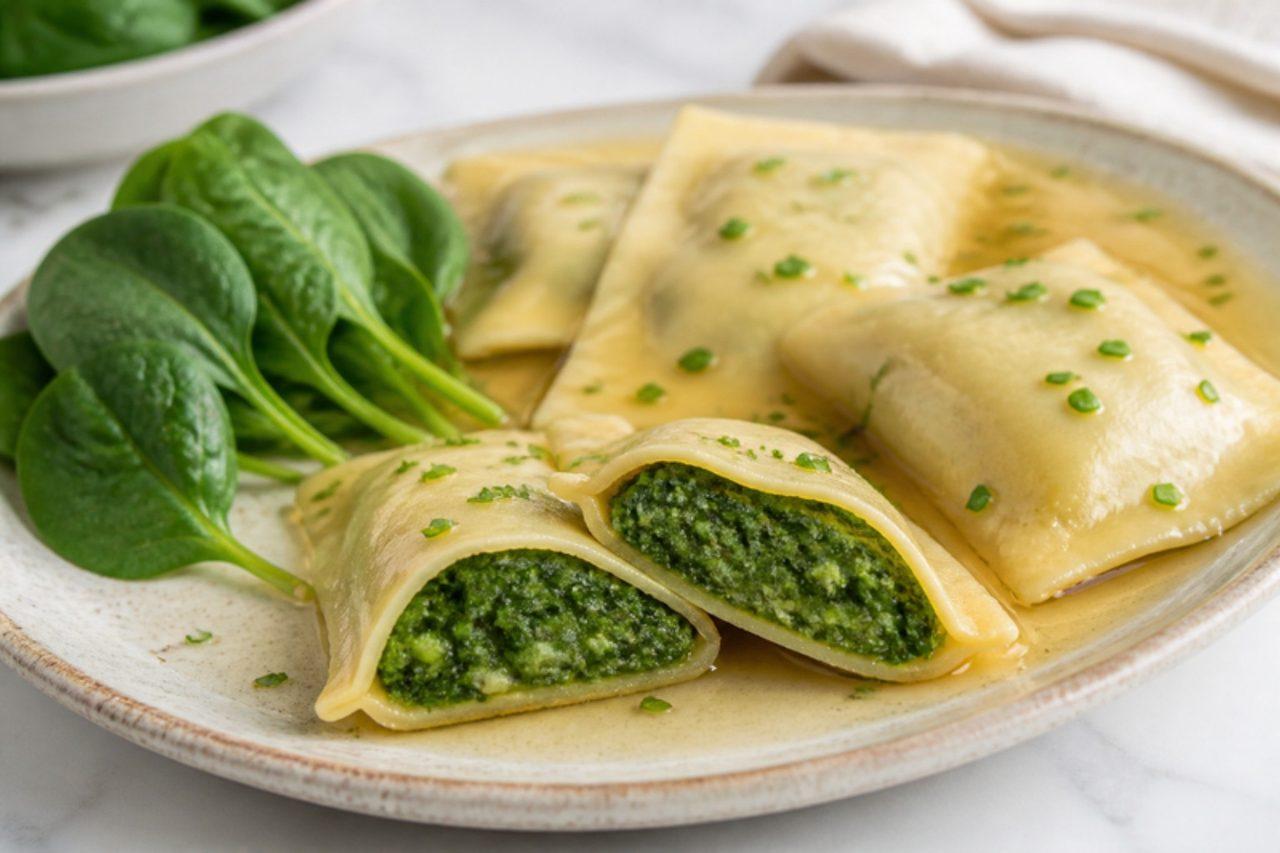
Spinach MaultaschenSpinach pasta pockets

Maultaschen are the big square pasta parcels of Swabia, around Stuttgart and Tübingen, and a dish with its own legend: Swabians jokingly call them 'little God-cheaters', because the dough was said to hide meat from God's eyes during Lent. Meat-free spinach Maultaschen are a long-standing Lenten and Good Friday dish there, filled with spinach, soaked bread, onion, parsley and a little cheese. Eat them in clear vegetable broth, or the next day sliced and fried in butter with onions and egg ('geröstet'). Chef's tip: press every pocket of air out as you seal the dough; trapped air expands in the hot water and splits the parcels open.

by KrazyBadal 0 views

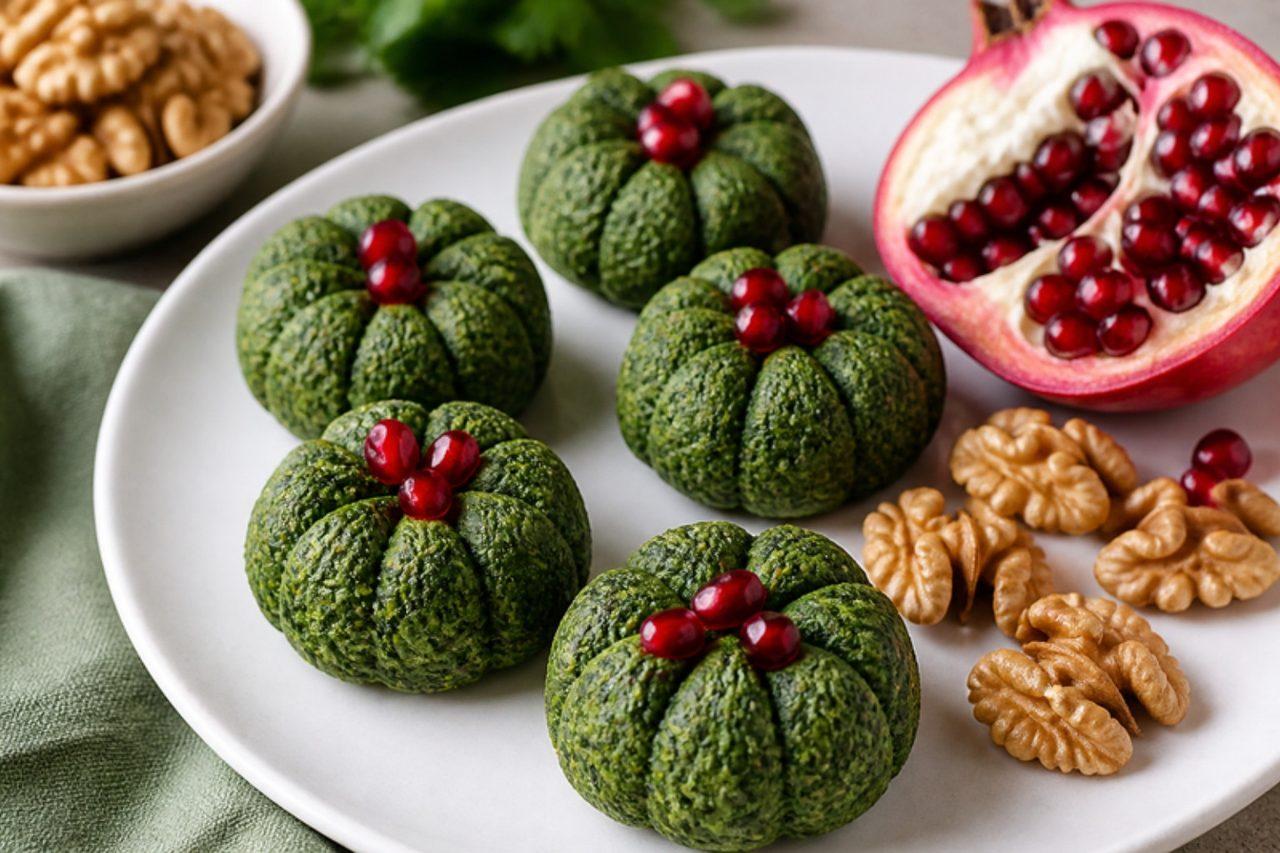
PkhaliSpinach and walnut balls

Pkhali are the walnut-bound vegetable pâtés that open almost every Georgian feast, the supra, from Tbilisi to the villages of Kakheti. Spinach is the best known, though beetroot, beans, leeks and nettles are made the same way, and in Lent they become the heart of the meal. The cooked greens are chopped fine with walnuts, garlic, coriander, vinegar and spices, shaped into small balls and pressed with a criss-cross, then dotted with pomegranate seeds. Eat them cold with mchadi or bread. The common mistake is not squeezing the spinach hard enough, which makes the pkhali loose and watery. Chef's tip: they taste much better the next day, once the garlic and vinegar have soaked into the walnuts, so make them a day ahead.

by KrazyBadal 0 views

Chin chinCrunchy fried dough bites

Every December, Nigerian kitchens turn into small factories of chin chin, crunchy little cubes of sweet fried dough packed into big plastic tubs for Christmas visitors, weddings and the long drive back to the village. The dough is enriched with butter, egg and evaporated milk and scented with nutmeg; cut small and fried, it shatters with a satisfying crunch. It keeps for weeks, so families make kilos at a time. Chef's tip: roll the dough evenly thin, about 5 mm, so every piece fries through to a crisp centre at the same time.

by KrazyBadal 0 views

Tofu adoboTofu braised in vinegar and soy

Adobo is the dish Filipinos call national, cooked in some form in nearly every home from Ilocos down to Mindanao, and the meat versions are what most people know. In Catholic households, though, Holy Week and the Fridays of Lent call for a meatless table, and adobong tokwa (tofu adobo) is the answer many families reach for. Firm tofu is fried until it has a golden skin, then simmered in a reduced sauce of cane vinegar, soy sauce, a whole head of garlic, bay leaves and whole peppercorns until the sauce clings, sour and salty with a little sweetness. It tastes even better the next day and is eaten with mounds of plain rice. Chef's tip: press the tofu well and fry it properly; a dry, golden crust is what soaks up the adobo sauce instead of turning it watery.

by KrazyBadal 0 views

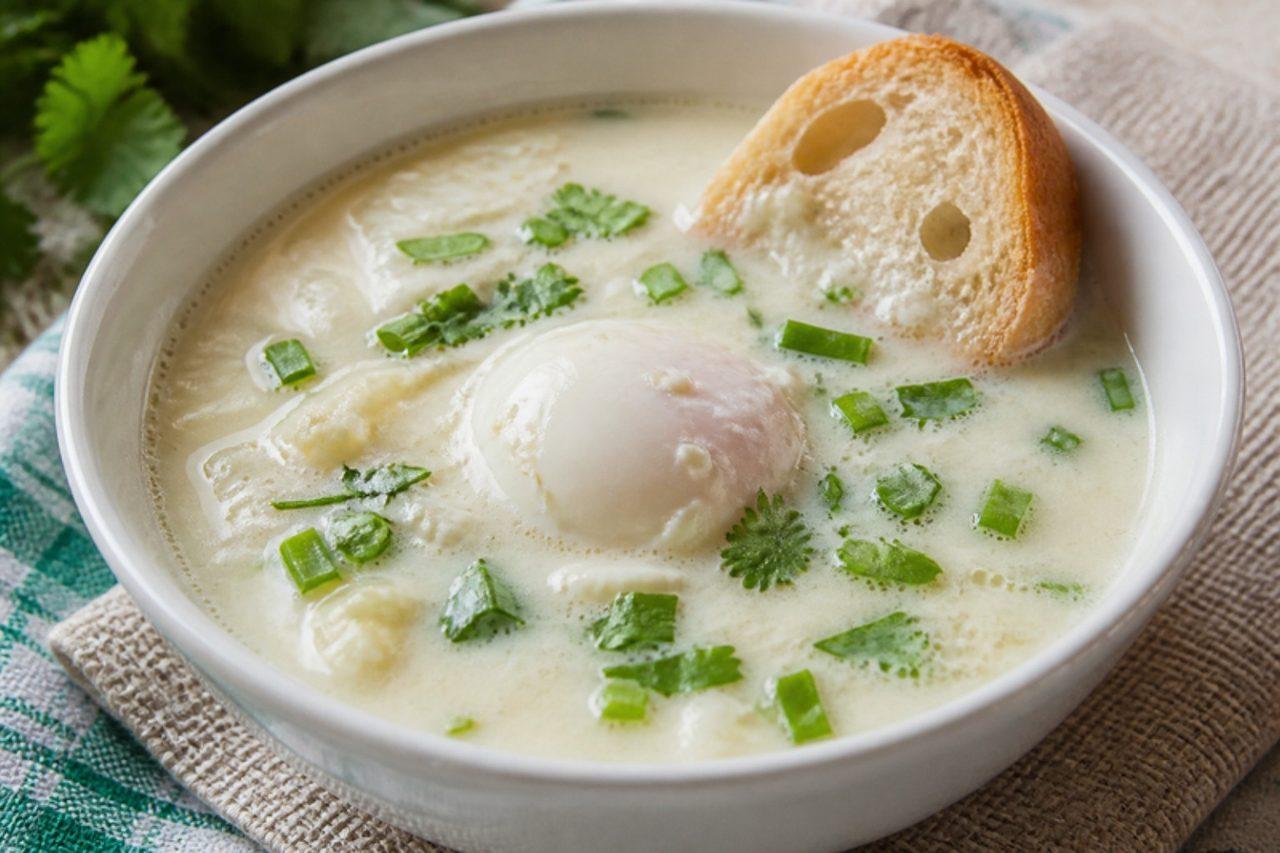
ChanguaMilk and egg breakfast soup

Changua is the breakfast soup of Bogotá and the high plains of Cundinamarca and Boyacá, where cold mornings call for something hot before work. Milk and water are simmered with spring onion, eggs are poached right in the pot, and the bowls get fresh coriander and pieces of stale bread or calado (dried toasted bread) that soften in the broth. It is gentle, creamy and filling. Chef's tip: keep the milk at a bare simmer; if it boils hard it can catch on the bottom and the eggs break apart.

by KrazyBadal 0 views

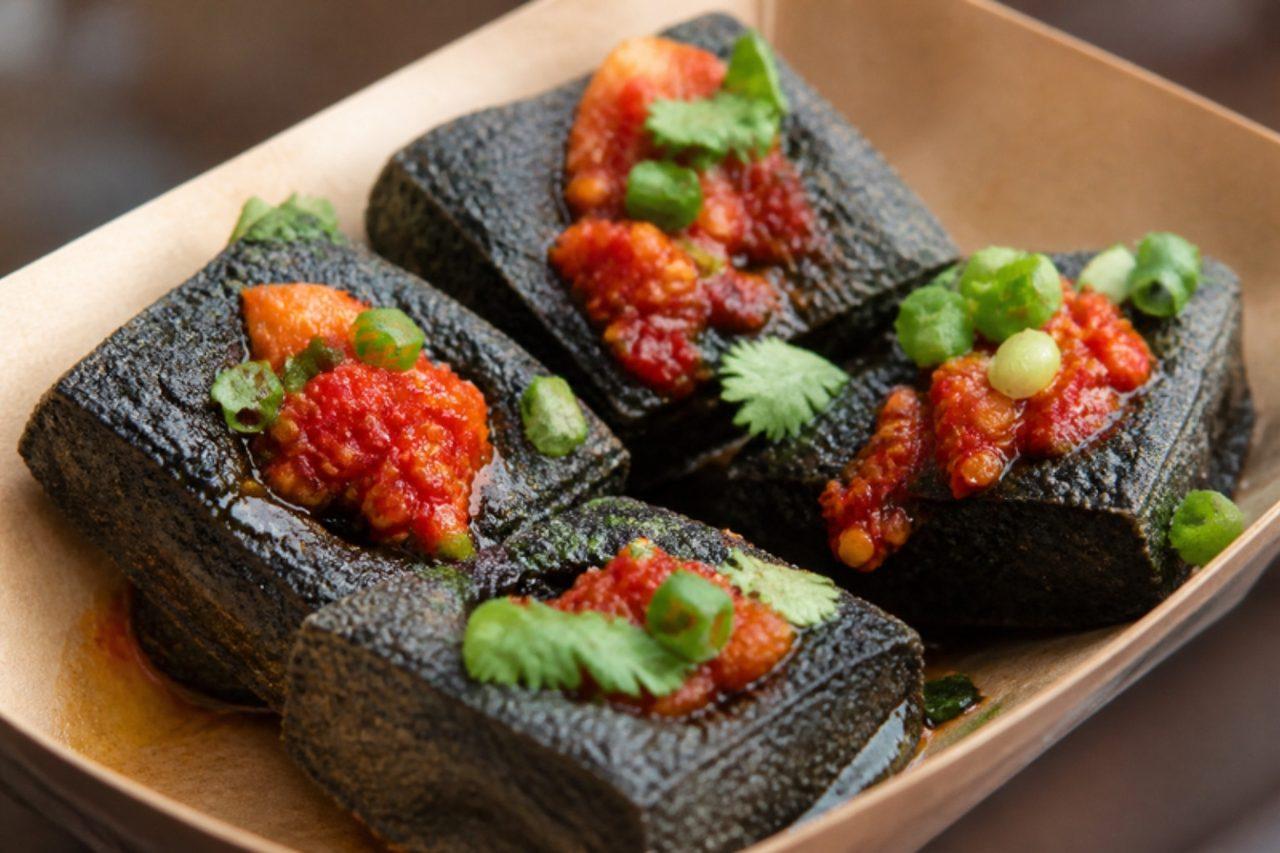
Changsha stinky tofuFried fermented tofu

Walk down Pozi Street in Changsha and you'll smell this before you see it. The tofu is fermented in a brine until it turns jet black and pungent, then fried until it puffs up with a crisp skin and a soft, hollow middle. Vendors poke a hole in each piece and spoon in a sauce of chopped chillies, garlic and soy. Making the brine takes weeks, so this home version starts with bought stinky tofu (frozen, in Chinese supermarkets). Chef's tip: the smell fades a lot during frying; it tastes milder and nuttier than it smells.

by KrazyBadal 0 views

Ohn no khao swe with tofuCoconut noodle soup with tofu

Ohn no khao swe is the comforting coconut noodle soup that Burmese families serve for weekend lunches and for crowds at donation feasts, especially around Mandalay and Yangon. Wheat noodles sit in a rich, mildly spiced coconut broth thickened with chickpea flour, and everyone adds their own toppings: lime, sliced raw onion, chilli flakes, coriander and crispy fried noodles. It's normally made with chicken; tofu and chickpeas take its place here. Chef's tip: stir the coconut milk in at the end and keep it at a gentle simmer; a hard boil makes the coconut split and turn oily.

by KrazyBadal 0 views

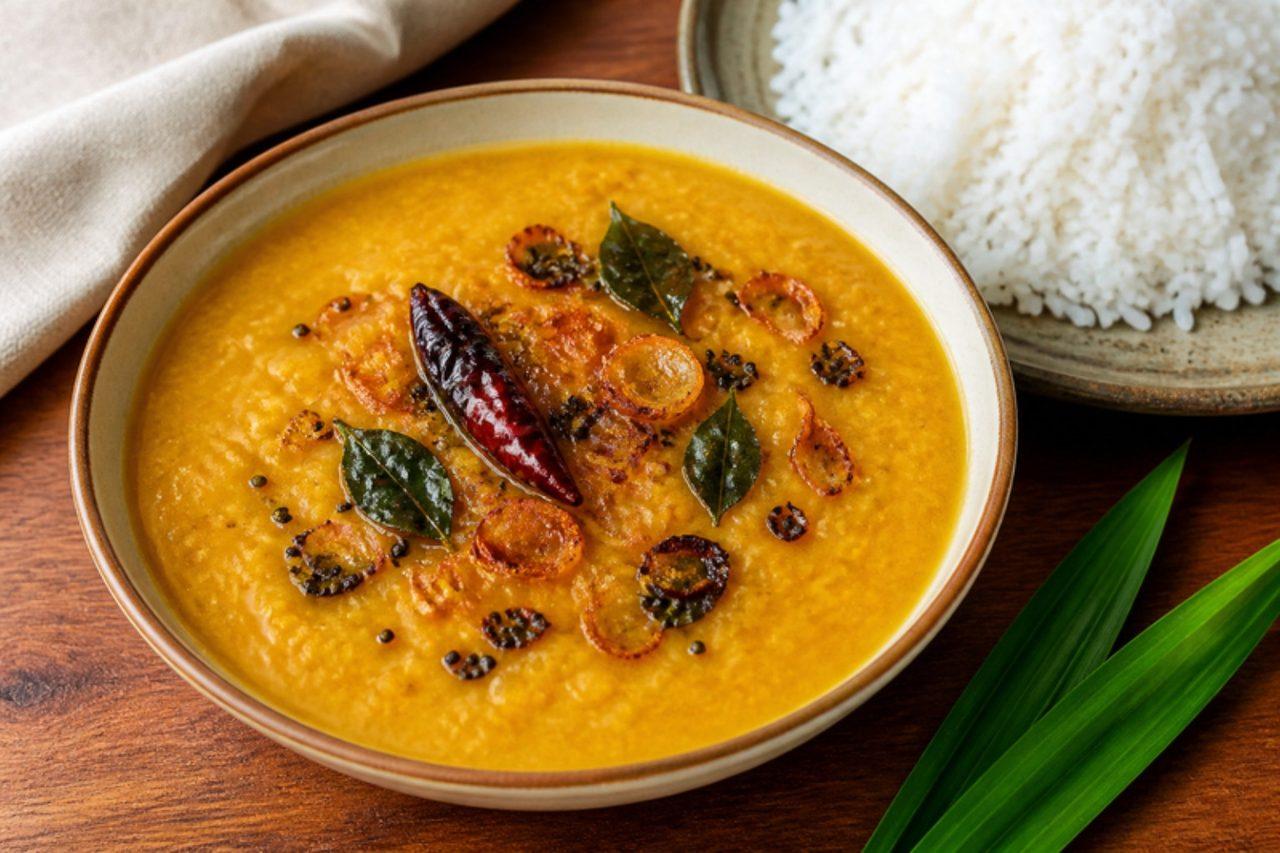
ParippuRed lentil curry

No Sri Lankan rice-and-curry plate is complete without a bowl of parippu, from a Colombo office canteen to a farmhouse kitchen in the dry zone; many families also mop it up with bread or pol roti for breakfast. Unlike a North Indian dal, the red lentils are cooked with turmeric, green chilli and a strip of rampe (pandan leaf), then softened with thin coconut milk and finished with a sizzling tempering of mustard seeds, shallots, dried chilli and curry leaves, so it tastes mellow, fragrant and only gently spicy. Keep it pourable: it thickens a lot as it stands. The usual mistake is adding the coconut milk too early and boiling it hard, which makes it split and grainy. Chef's tip: stir the thick coconut milk in off the heat at the very end; it gives a silky, almost creamy finish without curdling.

by KrazyBadal 0 views

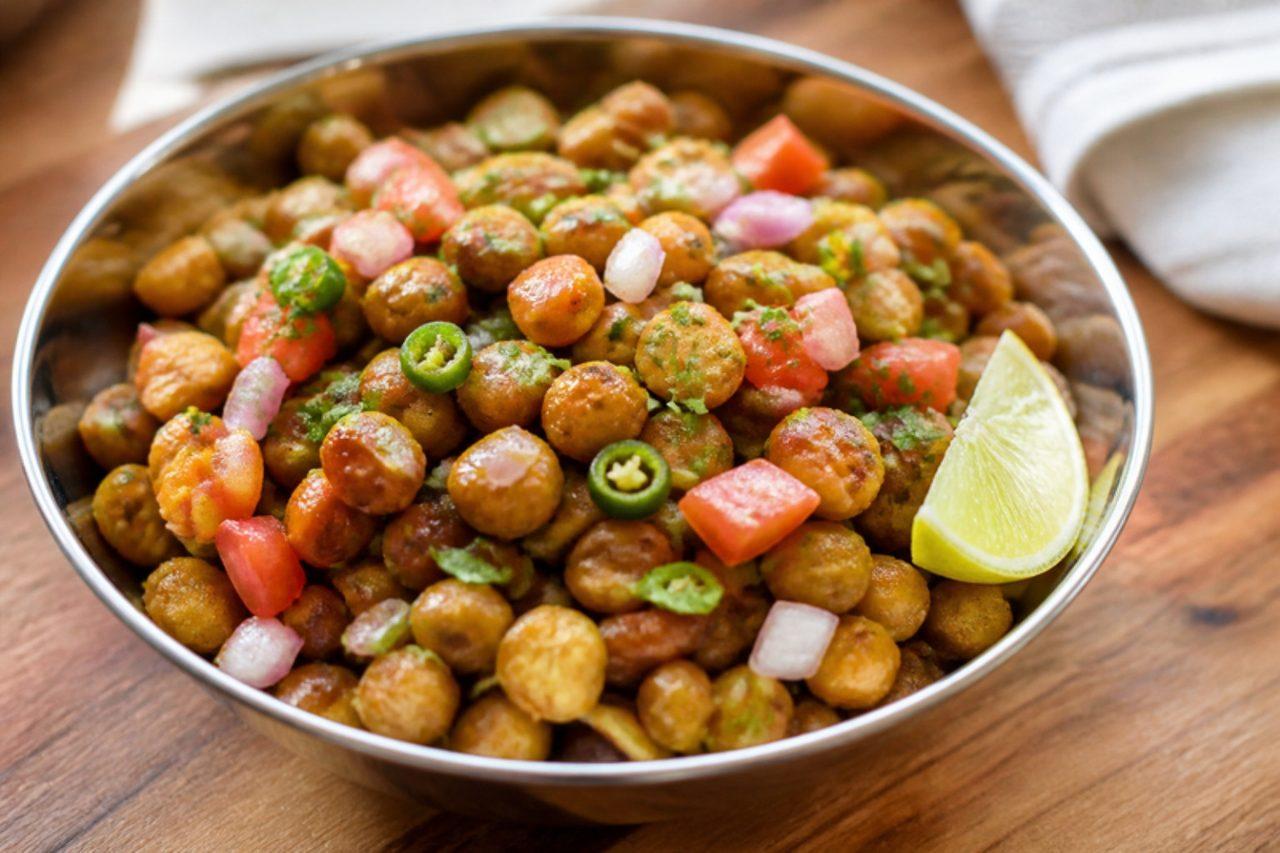
Chana jor garamSpiced flattened chickpea snack

Chana jor garam is sold from a tin box slung round a vendor's neck on the Kolkata Maidan, at Babughat and along Esplanade, with a sing-song call to match its name. Chickpeas are soaked, pressed flat, and fried or roasted until crunchy, then tossed to order with raw onion, tomato, green chilli, coriander, lime and a spice mix, and handed over in a paper cone. It is lighter than jhalmuri and much crunchier. The same snack is sold on Mumbai beaches; this is the Kolkata cart version. Chef's tip: flatten the soaked chickpeas while still damp, with a rolling pin between two cloths, so they split into thin discs.

by KrazyBadal 0 views

Chaman kaliyaPaneer in turmeric milk gravy

In Kashmir paneer is called chaman, and kaliya is the name for a gravy coloured bright yellow with turmeric rather than red with chilli. Kashmiri Pandit cooks fry thick slabs of paneer, rest them in warm water so they stay spongy, then simmer them in milk with fennel, dry ginger and cardamom. The result is mild, sweet-scented and soothing, a dish that sits beside the fiery ones on a wedding or festival spread and is just as welcome on a weekday with rice. Chef's tip: use a generous spoon of good turmeric; the gravy should glow a deep gold, and the milk mellows any rawness.

by KrazyBadal 0 views

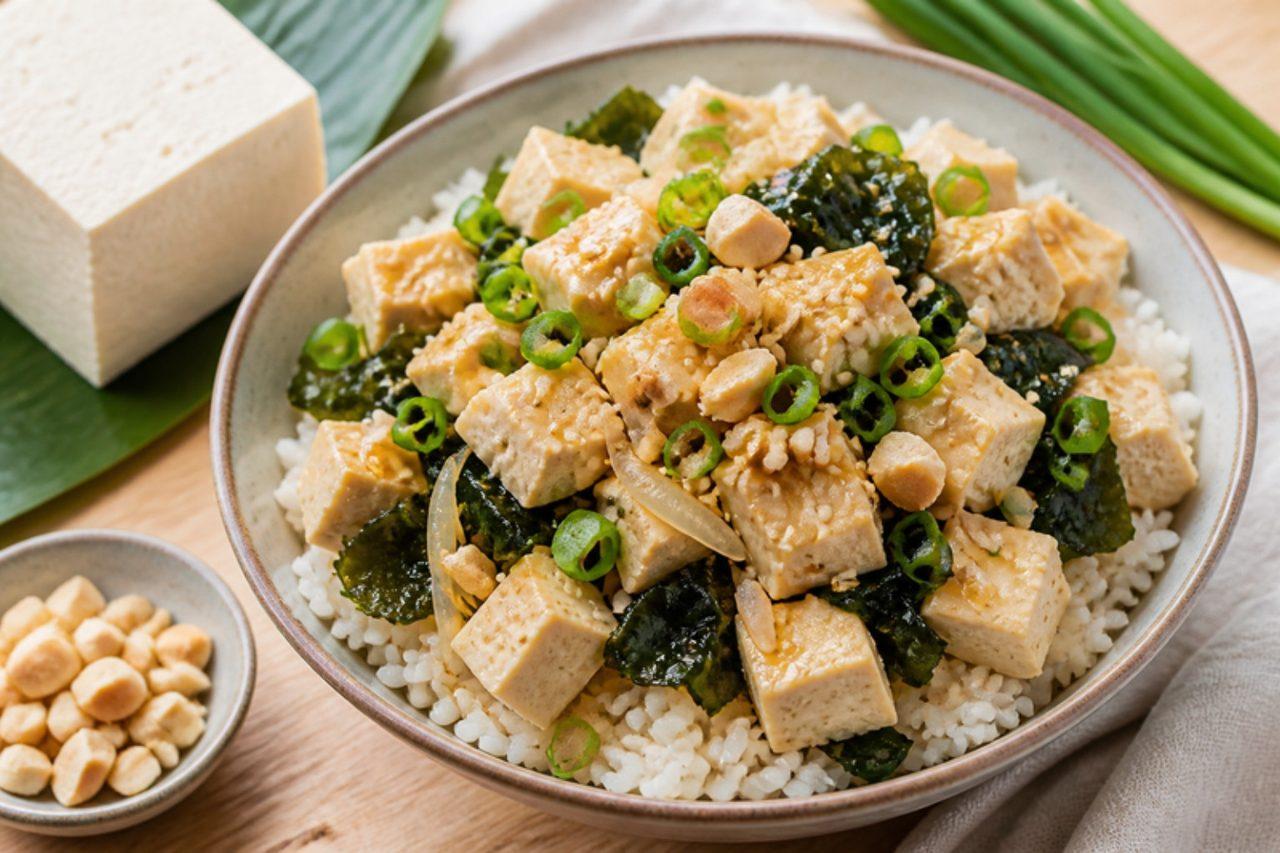
Hawaiian tofu pokeMarinated tofu bowl

Poke (say 'POH-keh', meaning 'to cut into pieces') is Hawaii's everyday snack: in local markets and at the deli counters of Honolulu, raw cubed fish is tossed with soy, sesame oil, sweet Maui onion, seaweed and inamona (roasted candlenut). Tofu poke has become a standard option at those same counters, and it's how this recipe is written; the original uses raw tuna (ahi) instead of tofu. Serve it as a pūpū (snack) or over rice. Chef's tip: press the tofu well and dry it; firm, dry cubes soak up the dressing instead of watering it down.

by KrazyBadal 0 views

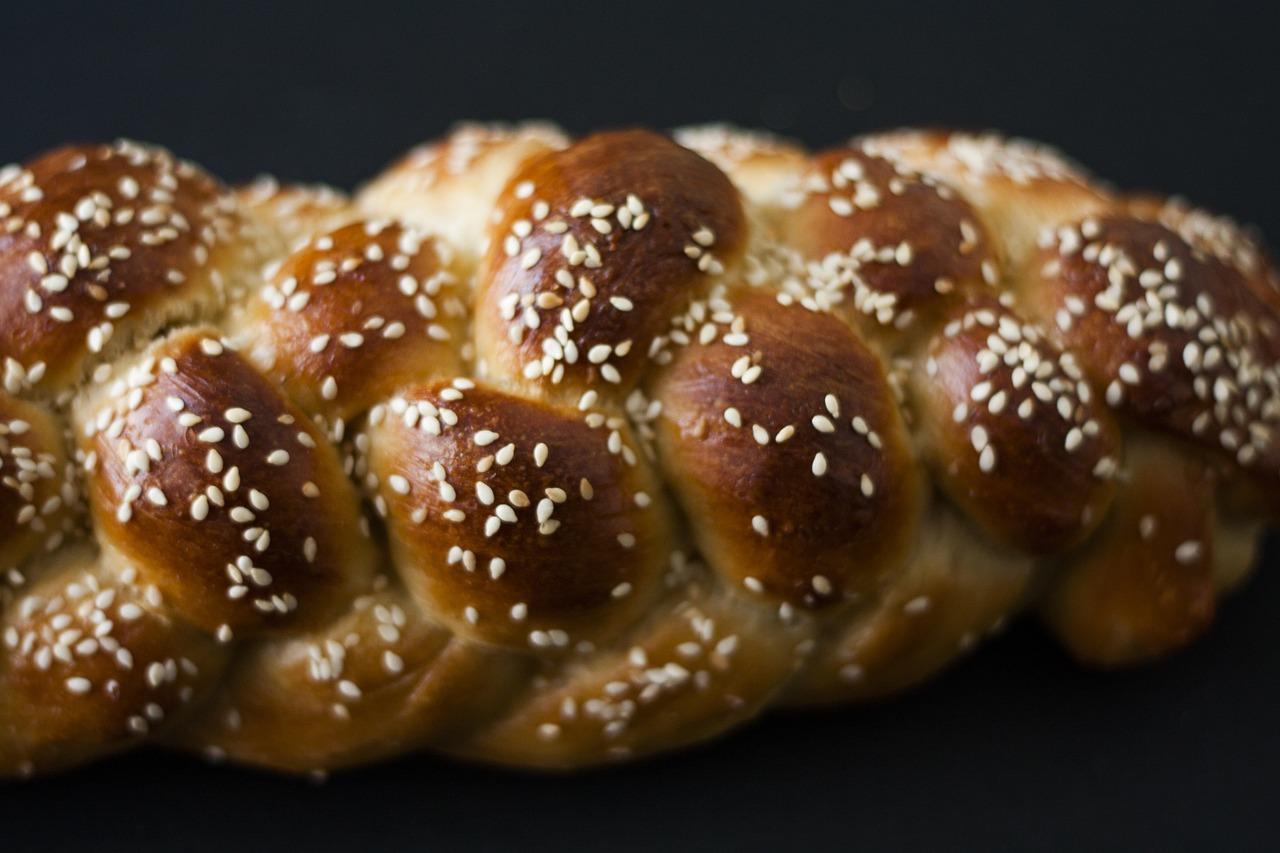
ChallahBraided egg bread

On Friday afternoons the bakeries of Jerusalem's Mahane Yehuda market and every Jewish neighbourhood from Brooklyn to Golders Green fill with plaited, shiny challah for the Shabbat table, where two loaves sit under an embroidered cloth until the blessing. The dough is enriched with eggs, oil and a little honey, so the crumb is soft, faintly sweet and pulls apart in feathery strands, and the crust bakes deep mahogany. Leftovers make wonderful French toast. Chef's tip: brush the egg glaze twice, once before rising and once just before baking, for the deep, lacquered shine.

by KrazyBadal 0 views

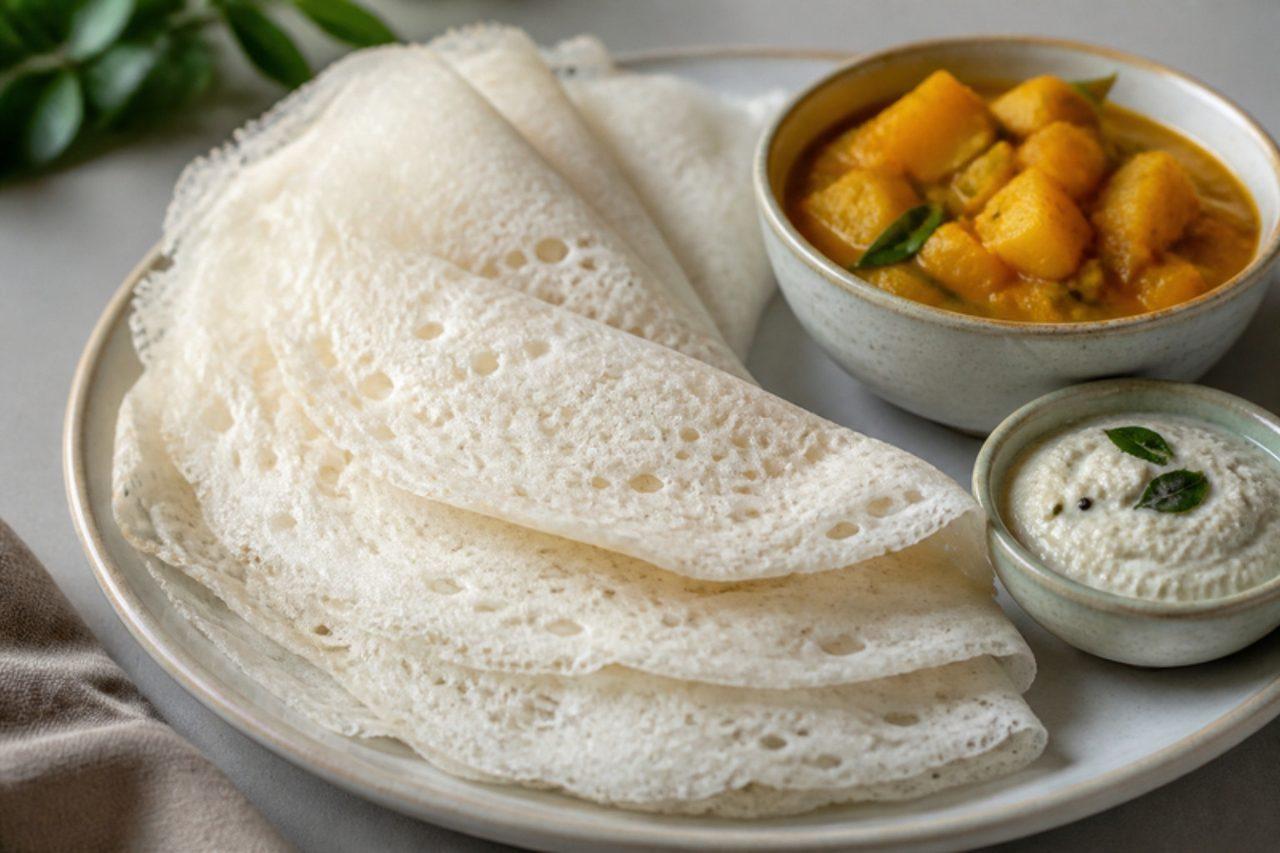
Chakuli pithaRice and urad dal pancakes

Chakuli pitha is Odisha's breakfast pancake and the first of the pithas a child learns to love; it is offered to Lord Jagannath and made at home on Sundays and for Manabasa Gurubar in the month of Margasira. Rice and a little urad dal are soaked, ground and fermented overnight, then poured onto a hot pan into a pancake that is thinner than an uttapam but softer and thicker than a dosa, with a lacy, holey top. It is eaten with aloo bhaja, ghuguni or simply with jaggery. Chef's tip: cook only on one side under a lid; the steam sets the top and keeps the holes.

by KrazyBadal 0 views

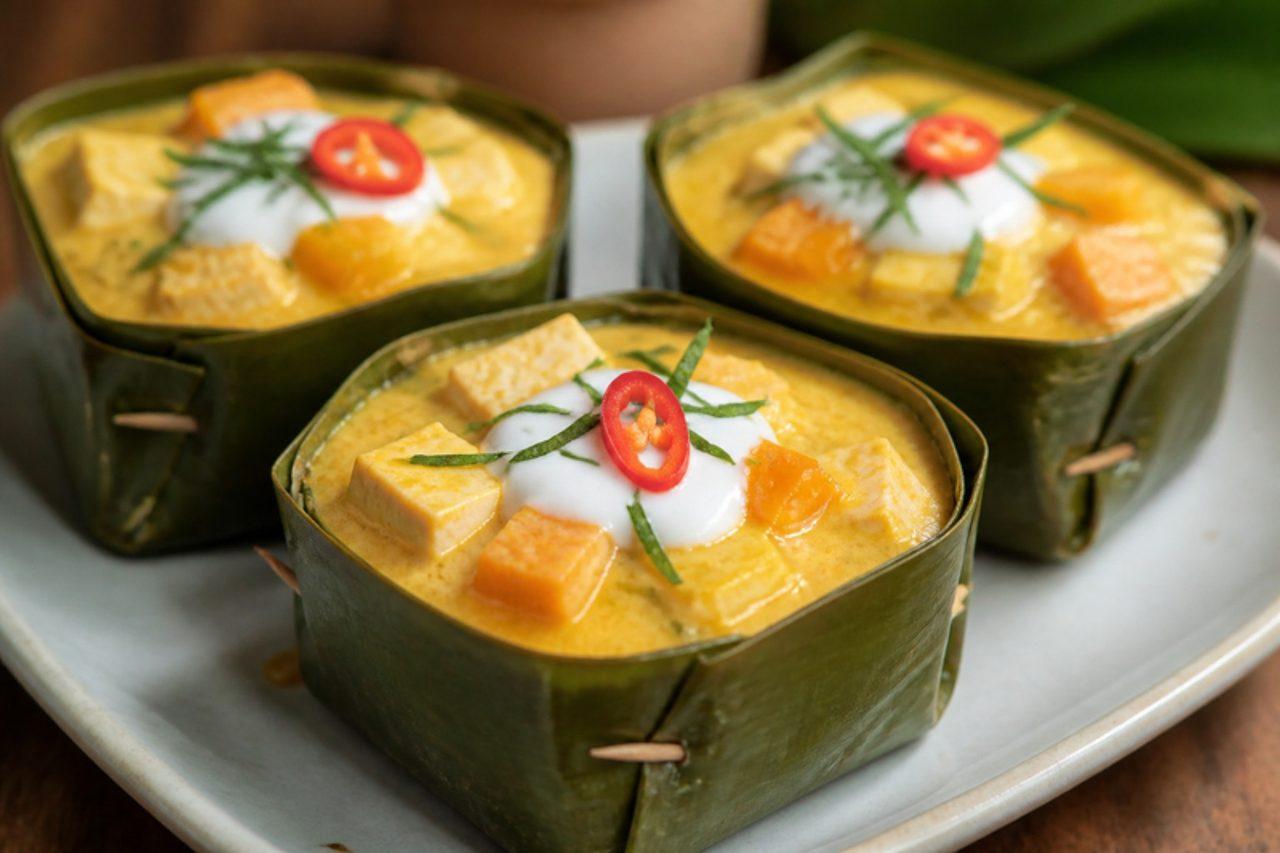
Tofu and pumpkin amokSteamed tofu and pumpkin custard

Amok is the dish Cambodians proudly serve to visitors, especially around Siem Reap and the Tonlé Sap, where it is traditionally made with freshwater fish. This home version keeps everything that makes it amok, the fragrant kroeung, thick coconut cream and a beaten egg that sets it into a soft, spoonable custard, but fills the banana-leaf cups with firm tofu and sweet pumpkin instead. Noni leaves (slok ngor) usually line the cups; young spinach gives the same green layer. Serve it with plain jasmine rice for a special dinner. Chef's tip: stir the custard in one direction only while you mix the coconut cream and egg; Cambodian cooks say this keeps it silky, and it also stops air bubbles that leave holes once steamed.

by KrazyBadal 0 views

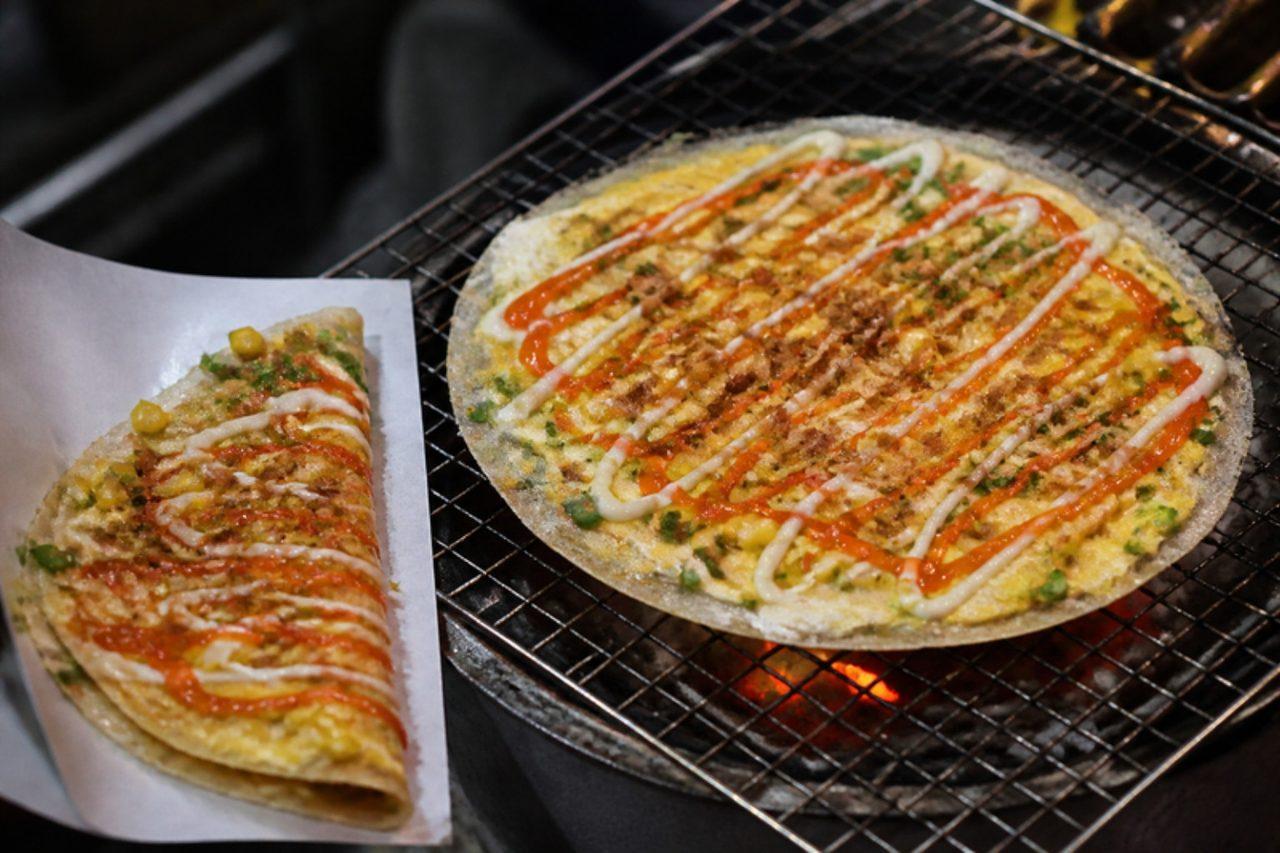
Banh trang nuongGrilled rice paper pizza

Bánh tráng nướng is the snack of Da Lat's night market, where vendors grill sheets of rice paper over small charcoal braziers, crack on an egg, spread it with a bamboo brush and fold the crackling disc in half to hand over in a paper napkin. Visitors call it Vietnamese pizza. The usual toppings include dried shrimp and sausage; this vegetarian version keeps the egg, spring onion, sweetcorn and crispy shallots, finished with chilli sauce and squiggles of mayonnaise. A dry frying pan does the job at home. Chef's tip: keep the heat low to medium; rice paper scorches in seconds, and it needs time for the egg to set on top while it crisps underneath.

by KrazyBadal 0 views

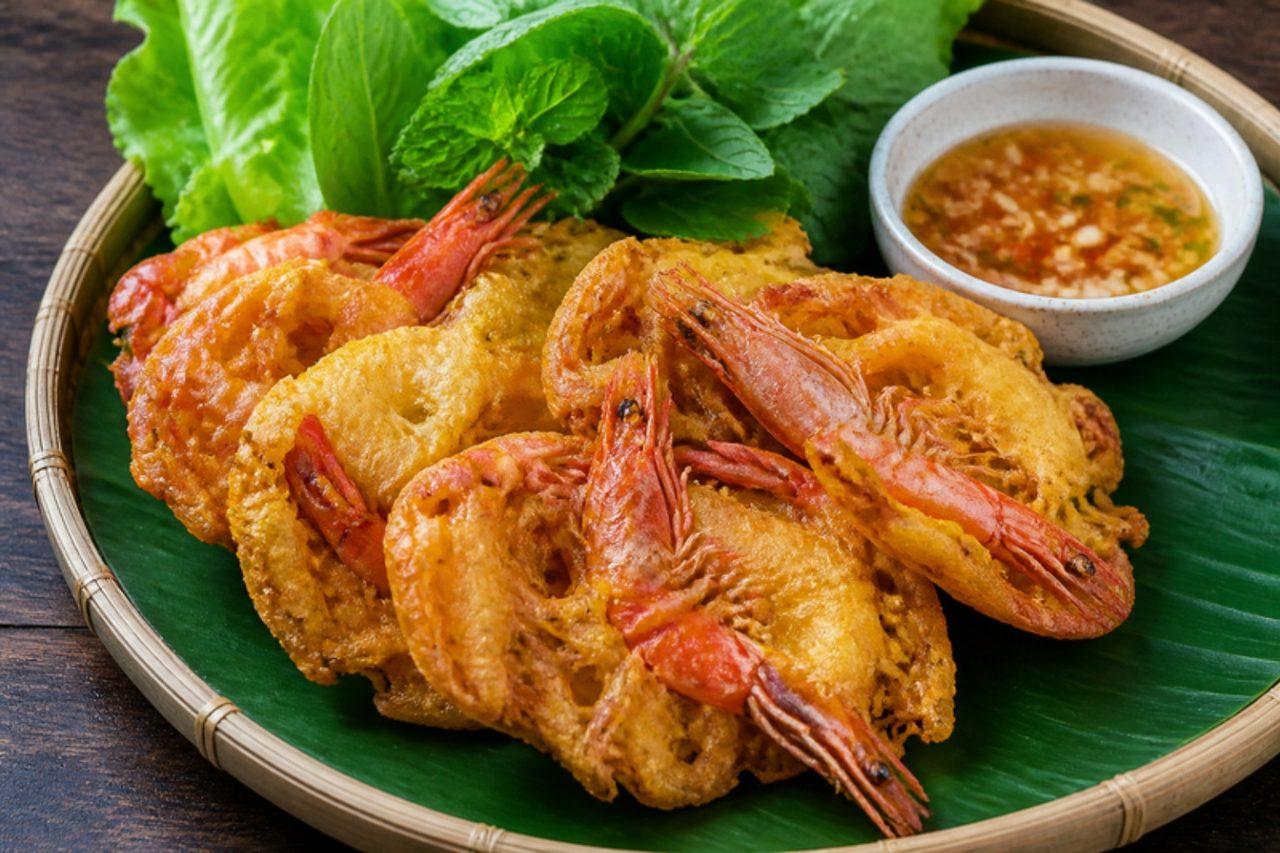
Banh tom Ho TaySweet potato and shrimp fritters

Lakeside cafés on the shore of West Lake (Hồ Tây) in Hanoi have sold these fritters for generations, and locals still ride out on cool autumn afternoons to eat them looking over the water. Each one is a nest of sweet-potato matchsticks held together by a thin, turmeric-tinted batter, with a whole small shrimp pressed on top so its shell fries crisp. They come piled on a plate with lettuce, herbs and a bowl of sweet-sour fish sauce dotted with slices of green papaya or kohlrabi. You wrap a piece of fritter in a lettuce leaf with a few herbs and dunk it. Chef's tip: soak the cut sweet potato in cold water for 10 minutes and then dry it really well; washing off the surface starch is what keeps the strands separate and crunchy.

by KrazyBadal 0 views

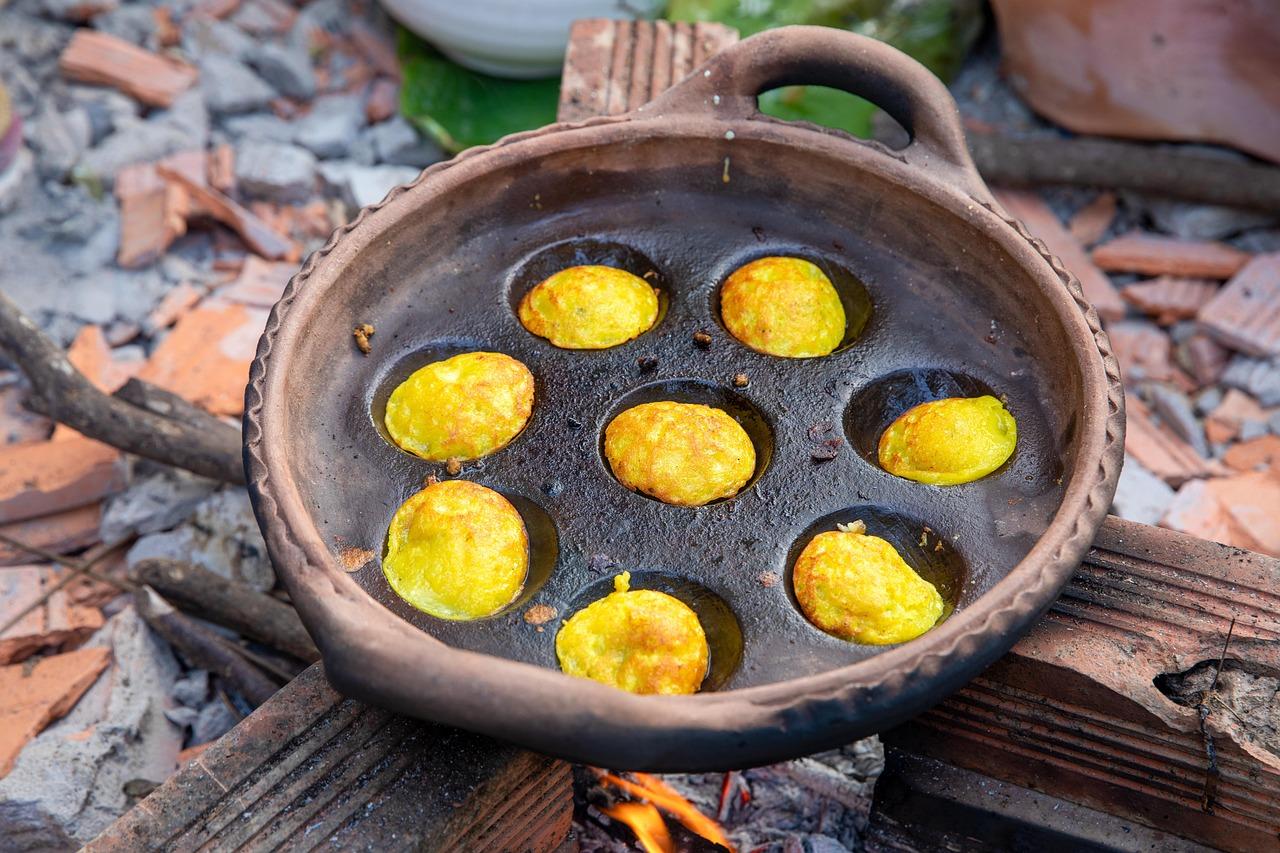
Banh khotMini coconut rice pancakes

Weekend visitors from Saigon who drive down to the beach town of Vũng Tàu make a point of eating bánh khọt at open-air stalls, where cooks tend rows of dimpled clay or cast-iron pans over charcoal. The batter of rice flour, coconut milk and turmeric fries into bite-sized cups with a shatteringly crisp base and a soft, custardy top, each finished with a small shrimp and spring onion oil. You wrap them in mustard greens or lettuce with herbs and dip them in sweet-sour fish sauce. At home, an aebleskiver or takoyaki pan works well. Chef's tip: cover the pan for the first minute so steam sets the tops, then uncover so the bottoms crisp in the oil.

by KrazyBadal 0 views

Chakki ki shaakWheat gluten curry

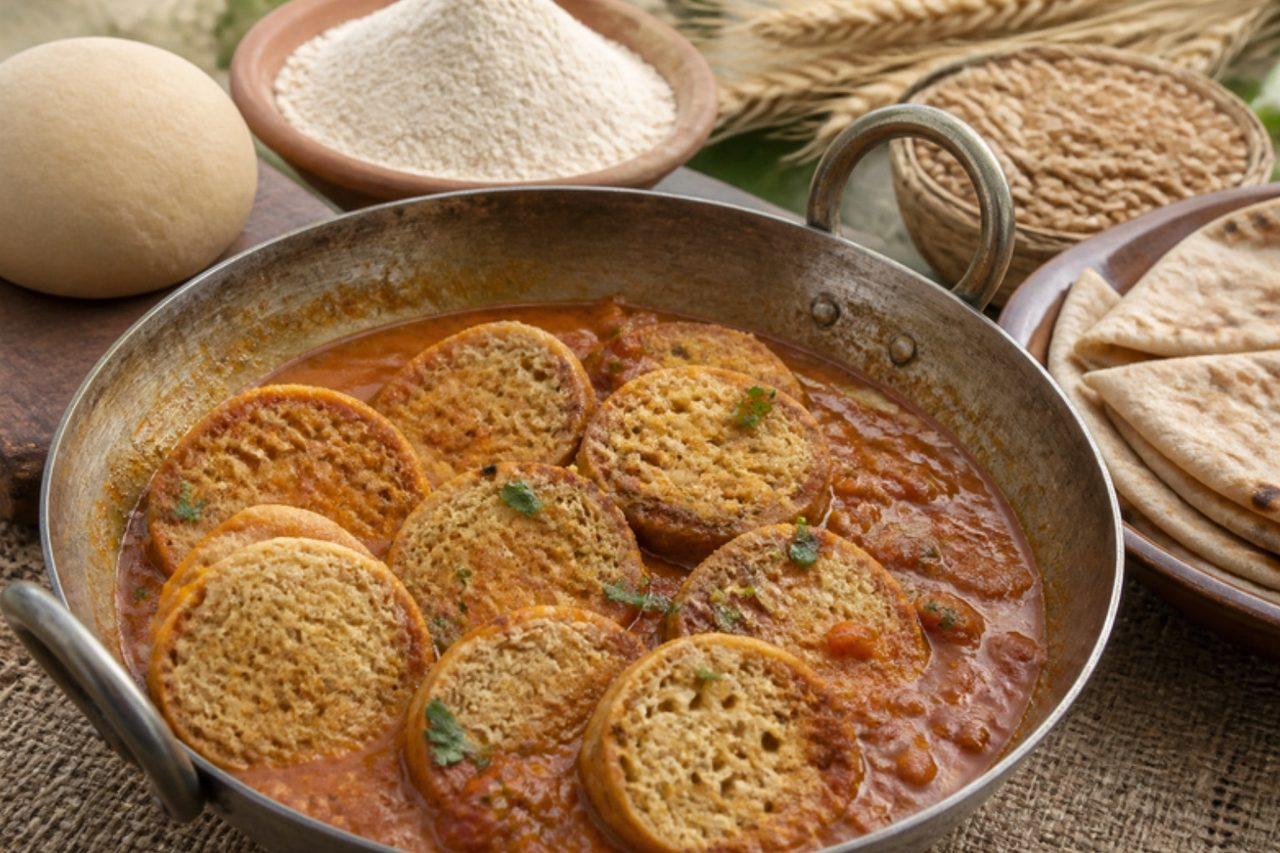
This Malwa dish from around Indore and Ujjain is a lesson in thrift: wheat dough is washed under water until only its stretchy gluten remains, then steamed into a firm block and cut into rounds that look like little grinding stones, or chakki. Fried and simmered in a spiced yogurt gravy, the pieces turn chewy and meaty, soaking up flavour like a sponge. It is a Sunday or special-occasion sabzi in Marwari and Malwi homes, eaten with hot rotis or bafla. It takes time, but most of it is hands-off resting and washing. Chef's tip: whisk the yogurt with the coriander powder and add it off the heat, then bring it back slowly, so the gravy stays smooth instead of curdling.

by KrazyBadal 0 views

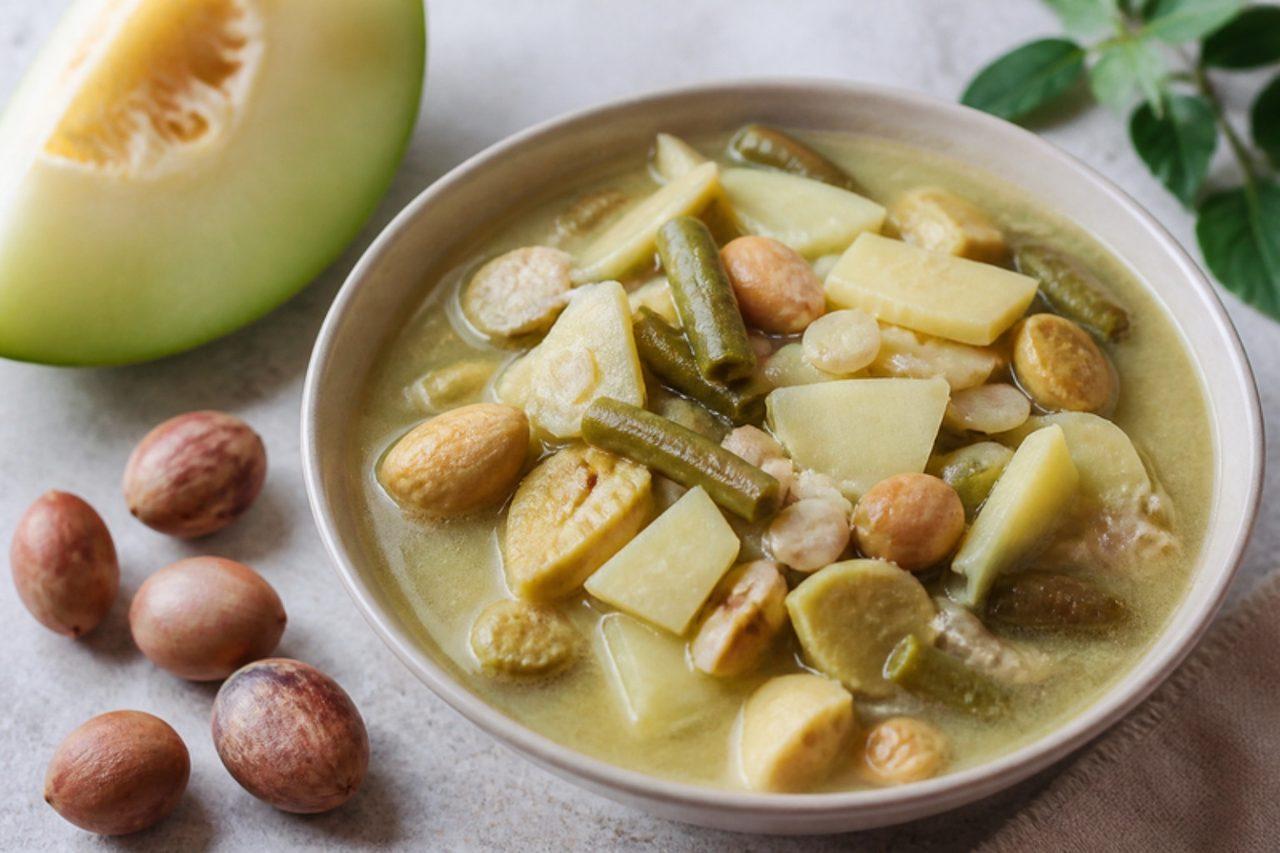
ChakhwiJackfruit seed and papaya stew

Chakhwi is a Tripuri festive stew cooked at weddings and family feasts around Agartala, where the defining ingredient is 'khar' or soda, made by filtering water through banana-plant ash. It softens vegetables and gives a smooth, gently alkaline taste. Pork chakhwi is the best known; the vegetarian version is cooked with raw papaya, jackfruit seeds, bamboo shoot and long beans, with ginger and green chilli. It is soupier than Assamese khar and has no lentils. Chef's tip: use bicarbonate of soda if you have no ash water, but only a pinch; you should be able to taste it, not feel it.

by KrazyBadal 0 views

ChakalakaSpicy vegetable and bean relish

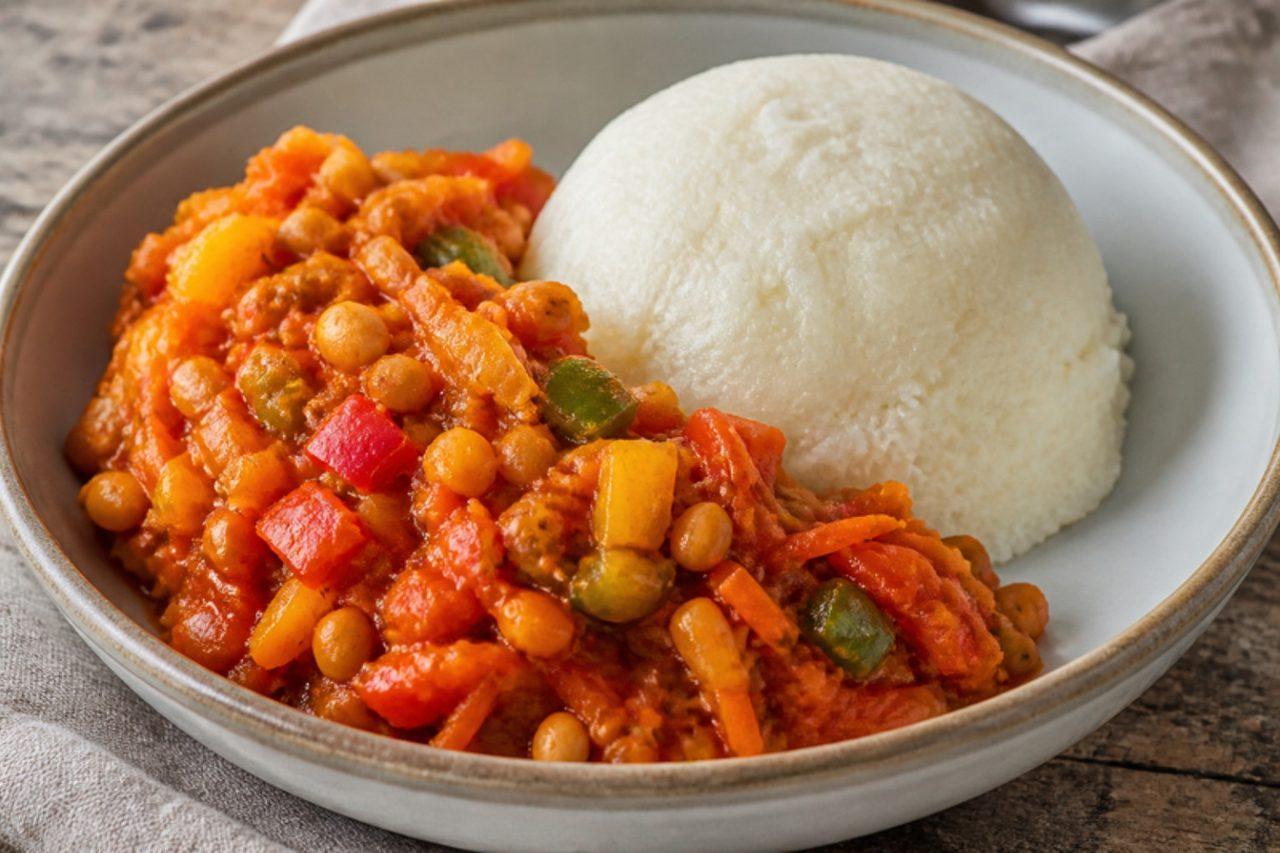
Chakalaka is said to have started in the townships and mines around Johannesburg, where workers cooked tinned beans and vegetables with chilli and curry powder over open fires. Today no South African braai (barbecue) is complete without a pot of it, and it goes on the table at Sunday lunch, at funerals and weddings, served warm or cold alongside pap. It is spicy, a little sweet from the carrots and peppers, and tangy from the tomato and beans. Chef's tip: grate the carrots rather than chopping them; they melt into the relish and give it its characteristic soft, spoonable texture.

by KrazyBadal 0 views

StoofvleesBeef stewed in brown beer

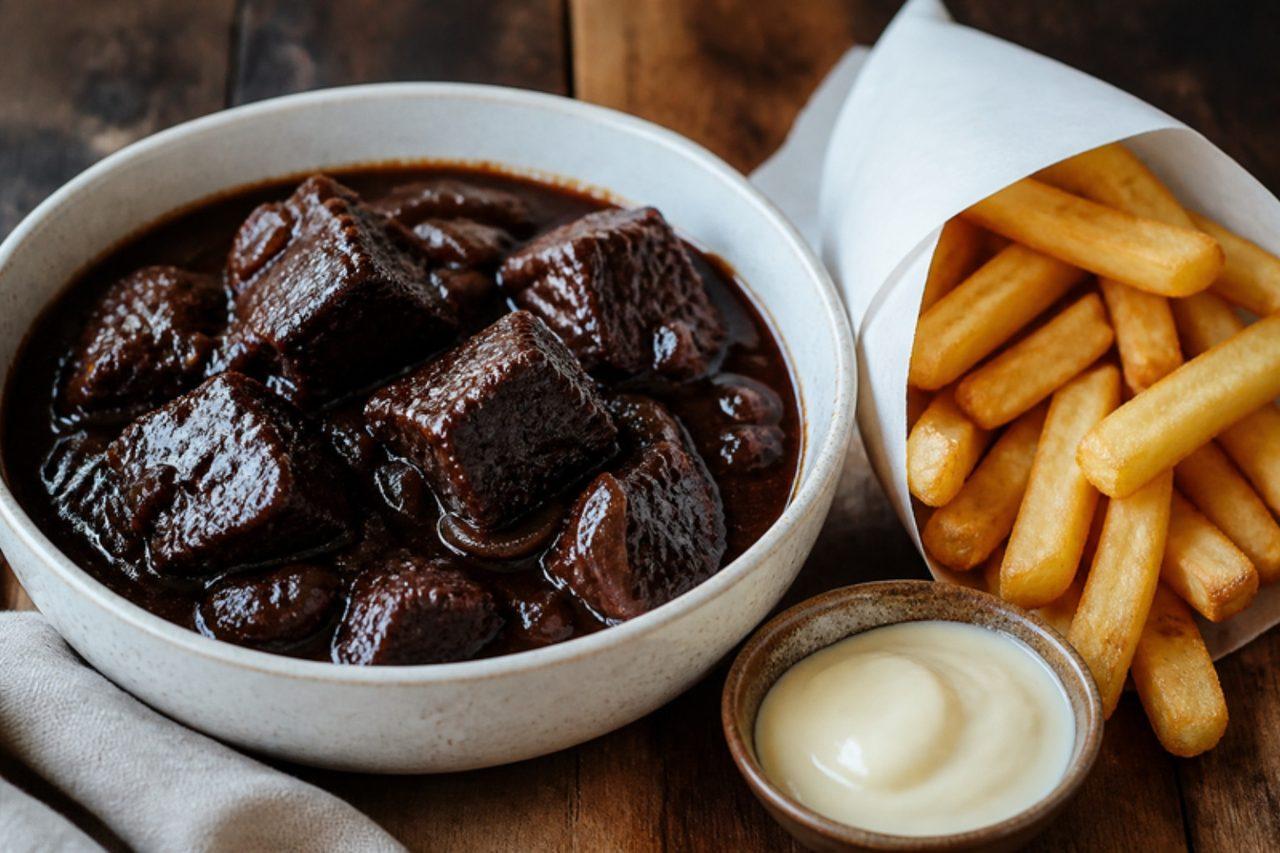
In Flanders, from Antwerp's frituren to Sunday kitchens in Bruges, stoofvlees is the stew that comes with a cone of double-fried chips and a spoonful of mayonnaise. Chunks of beef chuck are browned hard, then cooked slowly with lots of onion and a dark Belgian brown or abbey-style beer, thickened at the end by a slice of bread spread with mustard that melts into the sauce. The finished gravy is glossy, sweet-sour and deep, with a little brown sugar and vinegar to balance the bitterness. This recipe contains alcohol, though long cooking drives most of it off; for an alcohol-free version use the same amount of alcohol-free dark beer, or beef stock with a tablespoon of extra vinegar and a teaspoon of extra sugar. Browning the meat in one crowded batch is the classic mistake; it stews grey instead of searing. Chef's tip: cook it a day ahead and reheat gently; the flavour rounds out overnight.

205 minBelgianMeat
by KrazyBadal 0 views

Banh cuonSteamed rice rolls

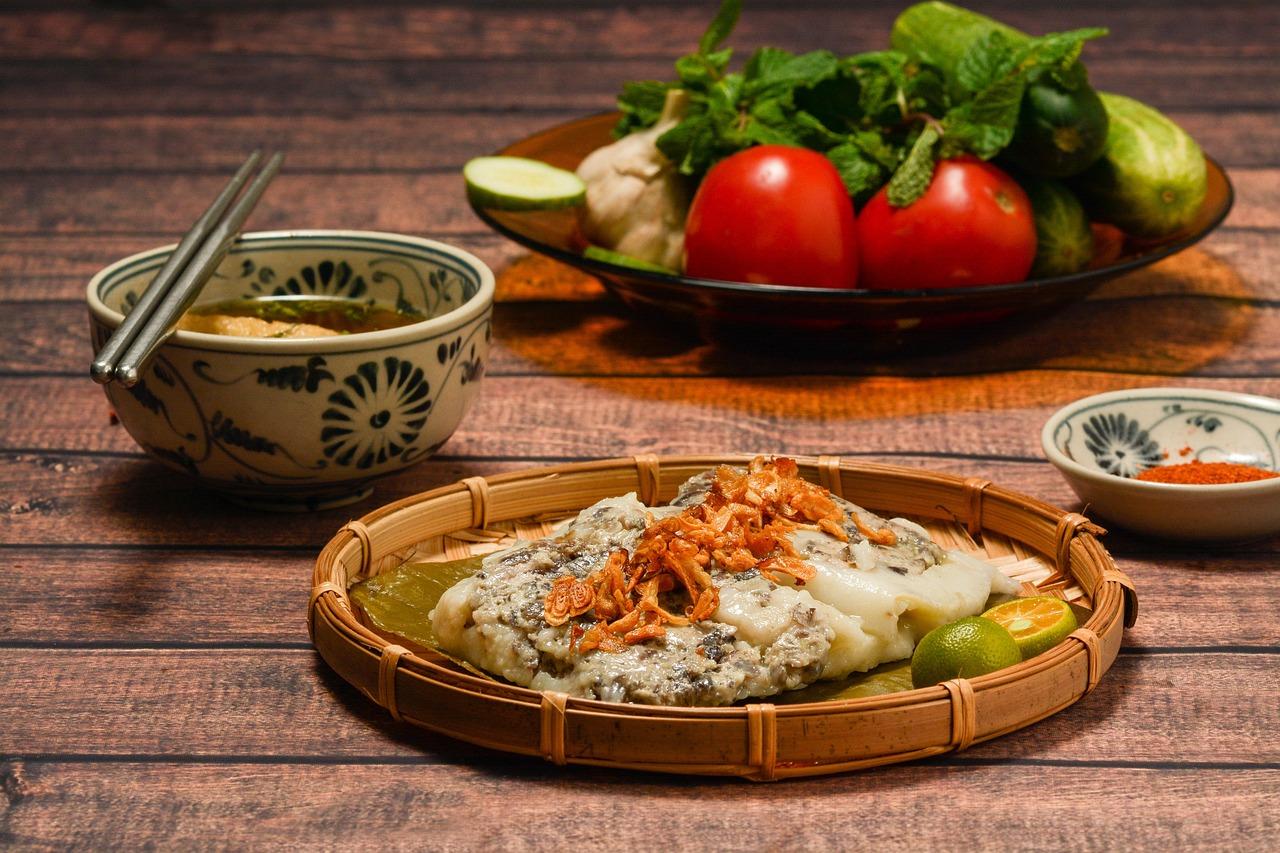
In Hanoi, banh cuon shops open early, and the cook sits beside a pot of boiling water stretched over with cloth, spreading batter across it in one sweep and lifting off sheets thin enough to see through. Each sheet is rolled around a little minced pork and crunchy wood-ear mushroom, cut into pieces, showered with crispy shallots and dipped into warm fish sauce. Slices of Vietnamese pork roll and a sprig of herbs often come on the side. At home a lidded non-stick frying pan does the job of the cloth, and once you find the rhythm the sheets come quickly. Chef's tip: make a practice sheet first; the first one is almost always a little too thick, and it tells you how much batter to use.

by KrazyBadal 0 views

String hoppersSteamed rice flour noodle nests

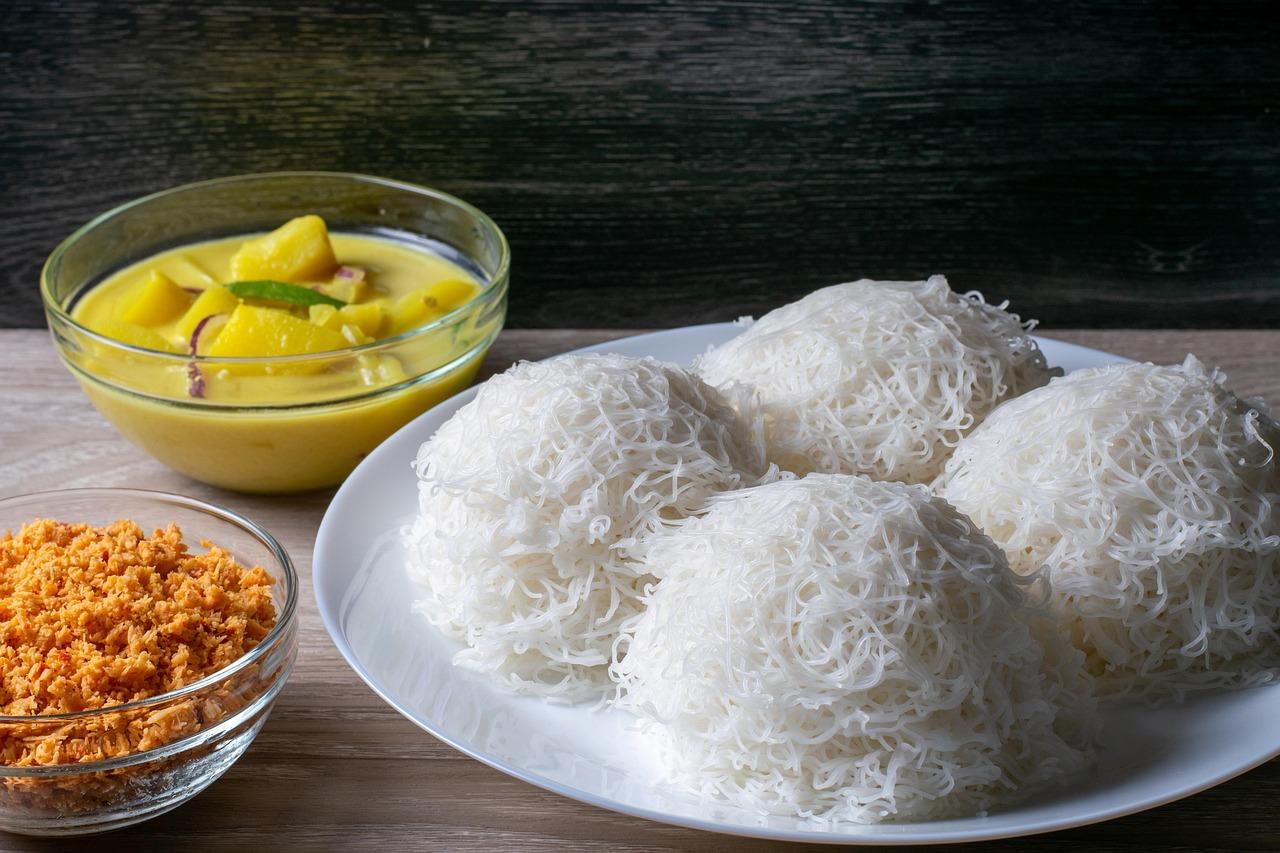
String hoppers are lacy nests of steamed rice-flour noodles, pressed through a hand mould onto small woven mats, and they're the classic Sri Lankan breakfast or dinner in Tamil homes in Jaffna and in Sinhala homes everywhere, bought by the dozen from neighbourhood shops when there's no time to make them. They're soft and light and made to soak up kiri hodi, a thin, turmeric-yellow coconut milk gravy with fenugreek and curry leaves, plus pol sambol and a potato or dhal curry. Kiri hodi is sometimes made with Maldive fish; we keep it vegetarian. Roasted red rice flour gives a nuttier, pinker nest. The common mistake is using cold or warm water for the dough: it must be boiling, or the strings crack and fall apart. Chef's tip: steam the nests for only 6–8 minutes; longer and they turn rubbery.

by KrazyBadal 0 views

Chak-hao kheerBlack rice pudding

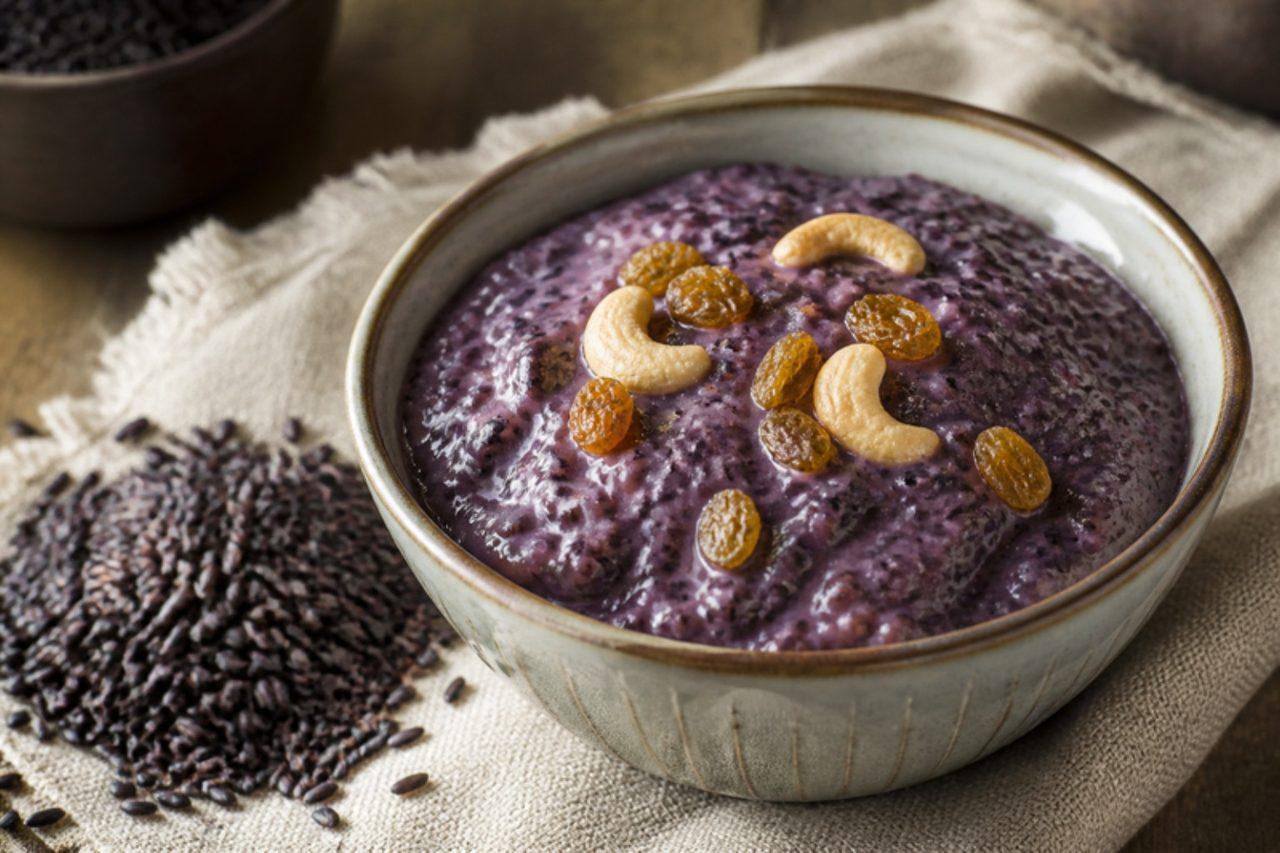
Chak-hao is Manipur's aromatic black rice, grown in the valley around Imphal; when cooked slowly in milk it turns a deep violet and makes chak-hao kheer, the pudding served at Meitei feasts, weddings and Ningol Chakouba, the festival when married daughters come home for a meal. The grains stay slightly chewy and nutty, and the milk takes on a lavender colour. Chef's tip: soak the rice for at least 3 hours, or overnight; black rice has a hard bran layer and won't soften in the milk otherwise.

by KrazyBadal 0 views

StroopwafelsCaramel-filled wafers

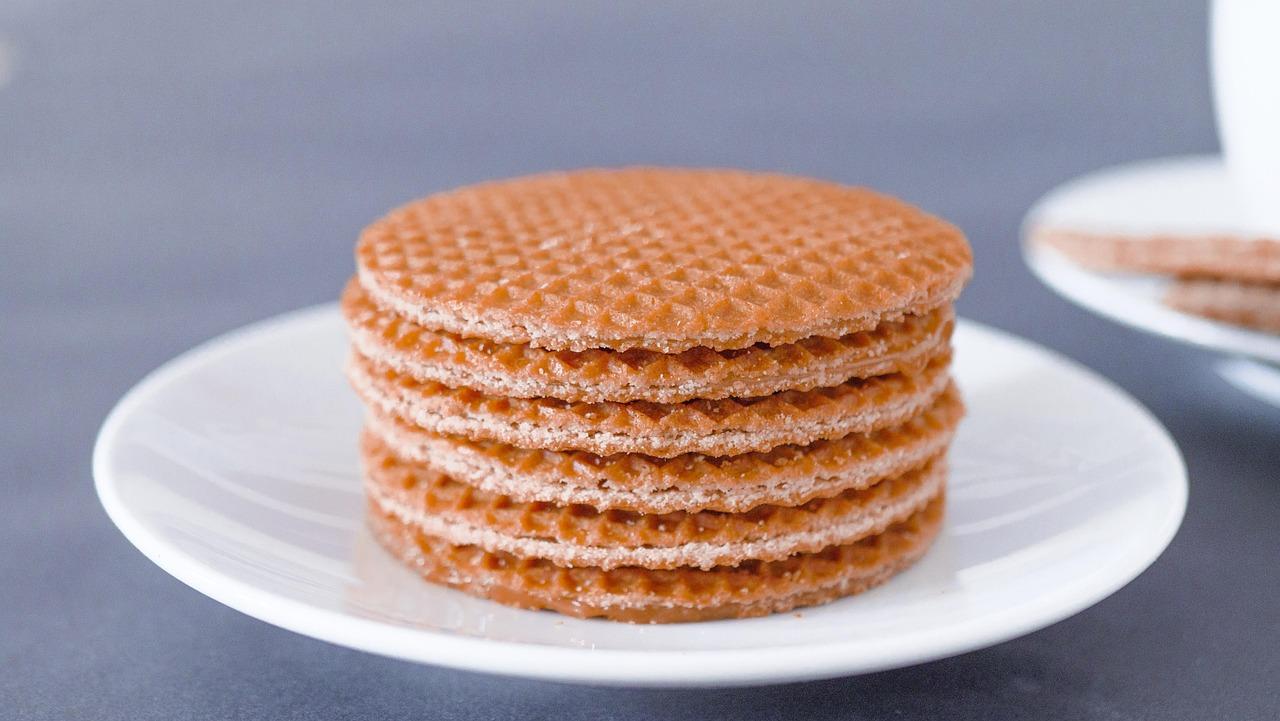
Stroopwafels come from Gouda, the cheese town in South Holland, where bakers once made them from leftover crumbs and syrup. Today they are made fresh at Dutch markets, split while still hot and glued back together with warm caramel syrup. The Dutch way to eat one is to rest it on top of a cup of hot coffee or tea for a minute, so the steam softens the caramel. You need a thin waffle iron (a pizzelle or stroopwafel iron) to make them at home. Chef's tip: cut each waffle open the moment it comes off the iron; after 20 seconds it stiffens and shatters instead of splitting.

by KrazyBadal 0 views

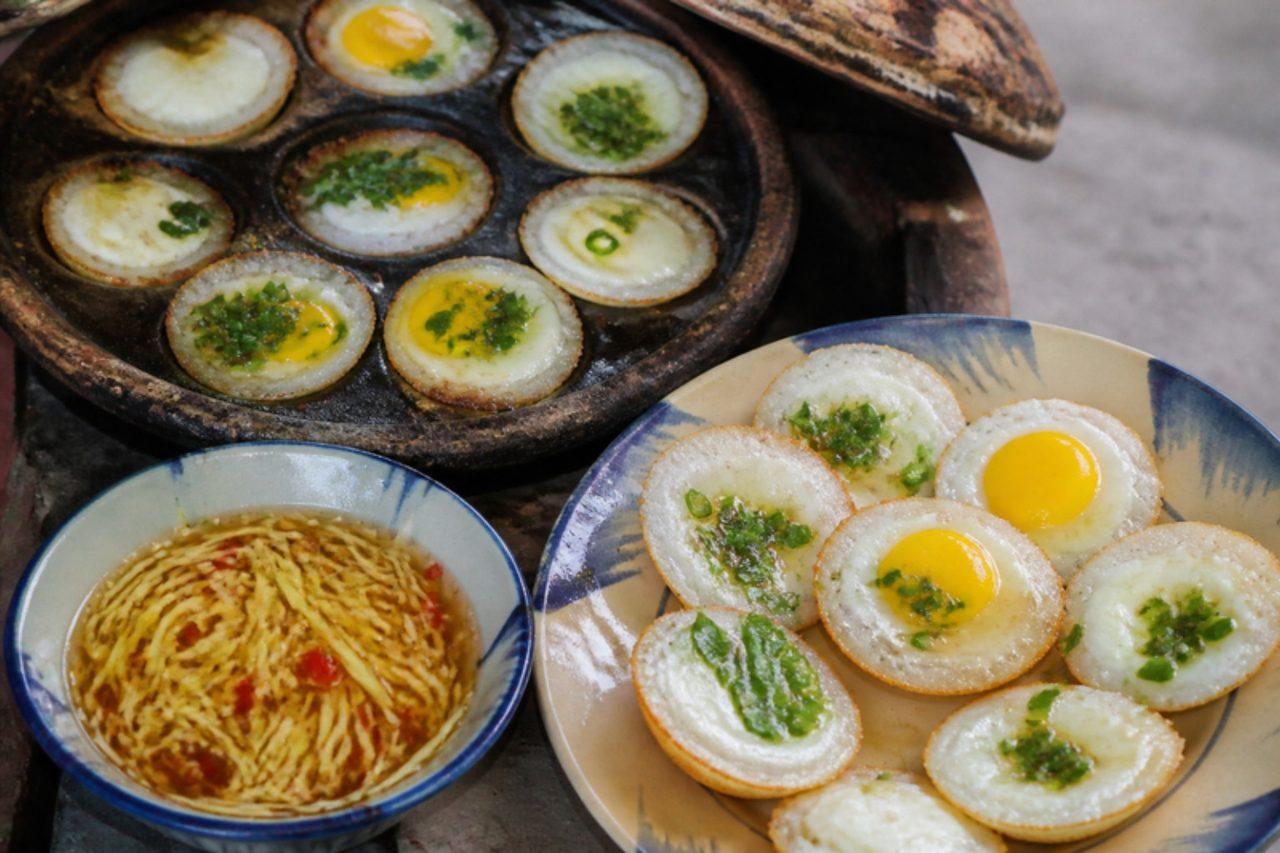
Banh canMini rice flour cakes with egg

Bánh căn comes from Phan Rang on the south-central coast and is now a favourite of chilly evenings in Da Lat, where sellers crouch over charcoal and rows of small clay moulds, cracking a quail egg into each little cup of rice batter. The cakes come out crisp and browned underneath and soft and steamy on top, and are eaten in pairs, dunked in a sweet-sour dipping sauce with shredded green mango and herbs. Most stalls use a fish sauce dip and sometimes add squid or shrimp; this version keeps it vegetarian with a tamari sauce and spring onion oil. Chef's tip: let a little of the cooked rice in the batter go into the blender; it gives the cakes their soft, slightly chewy middle.

by KrazyBadal 0 views

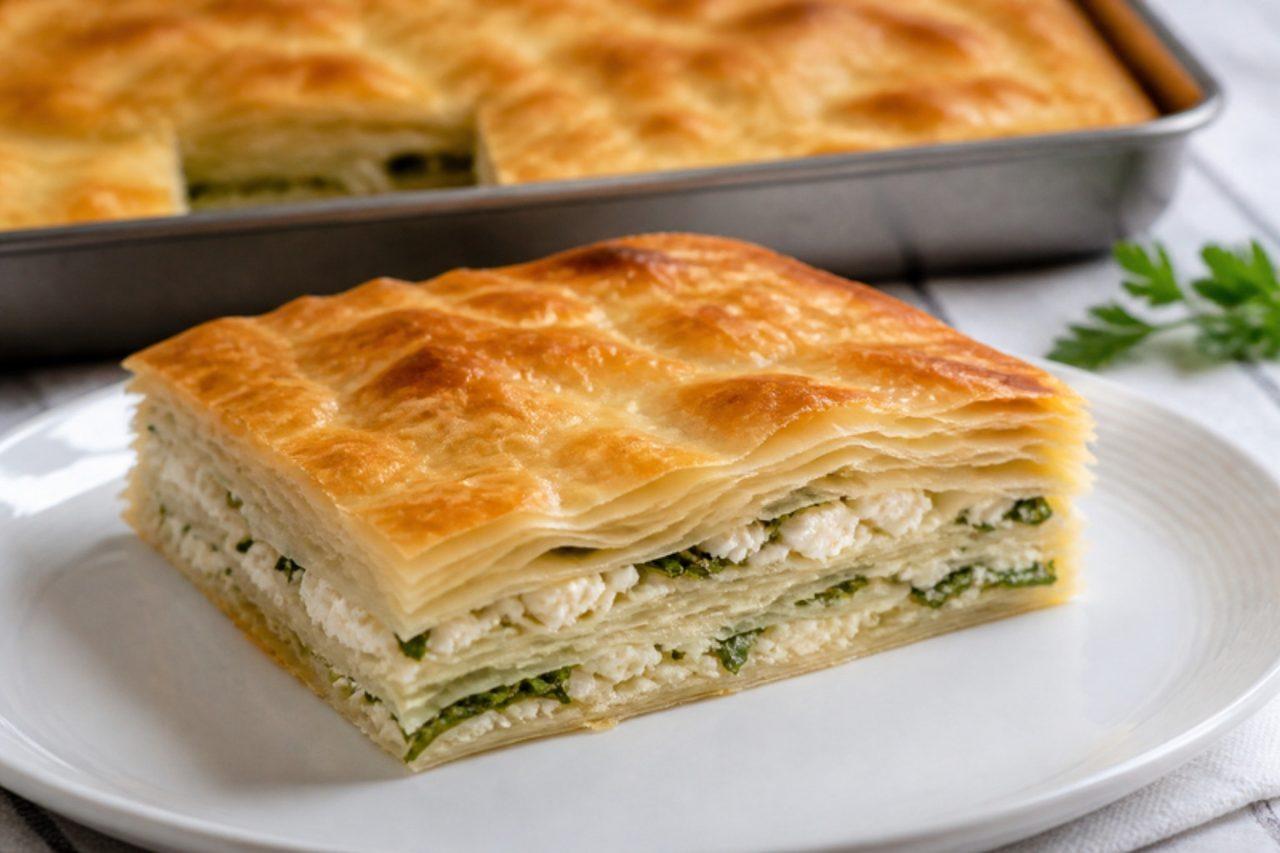
Su böreğiLayered boiled pastry with cheese

Of all Turkish böreks, su böreği is the one cooks are proudest of. Thin sheets of egg dough are boiled for a moment, then layered with butter and white cheese and baked until the top is crisp and the inside is soft and almost silky, a little like a cheesy lasagne made of pastry. Bakeries in Istanbul and Ankara sell it by weight from huge trays in the morning, and at home it appears at holidays and when guests are expected. It takes time and patience but nothing is difficult. Make it the day before and reheat it. Chef's tip: have a big bowl of iced water ready next to the pan; plunging each sheet straight into it stops it cooking and keeps the layers from sticking together.

by KrazyBadal 0 views

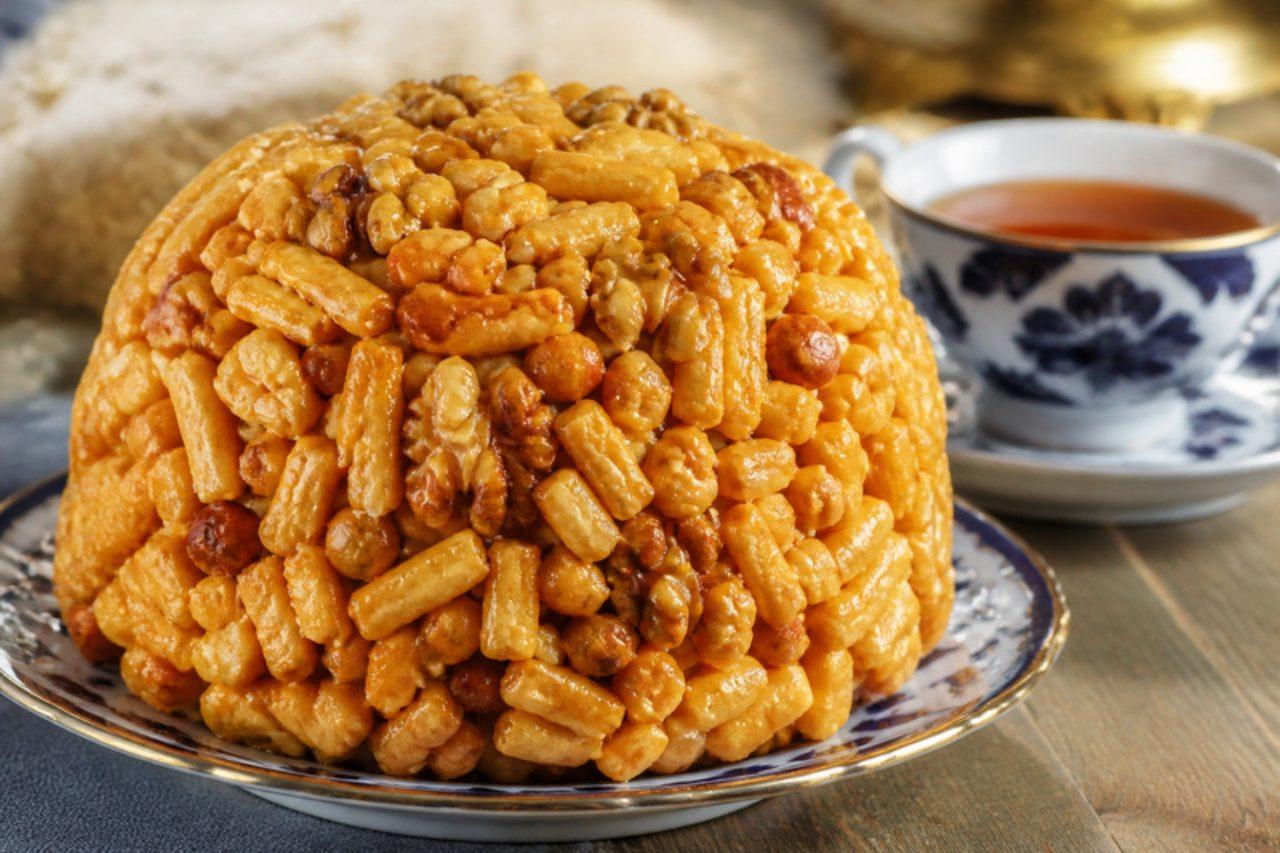
Chak-chakHoney-bound fried dough

Chak-chak arrived in Uzbekistan with Tatar families and is now a fixture of wedding tables and Navruz spreads in Tashkent and Samarkand: tiny nuggets of egg dough fried crisp, then tossed in hot honey syrup and pressed into a mound or ring that's broken apart with the fingers. Guests nibble it all evening with green tea. It keeps for a week, so it's often made a day or two ahead. Chef's tip: cook the honey syrup only to the soft-ball stage (about 115°C); boil it longer and the chak-chak sets as hard as brittle.

by KrazyBadal 0 views

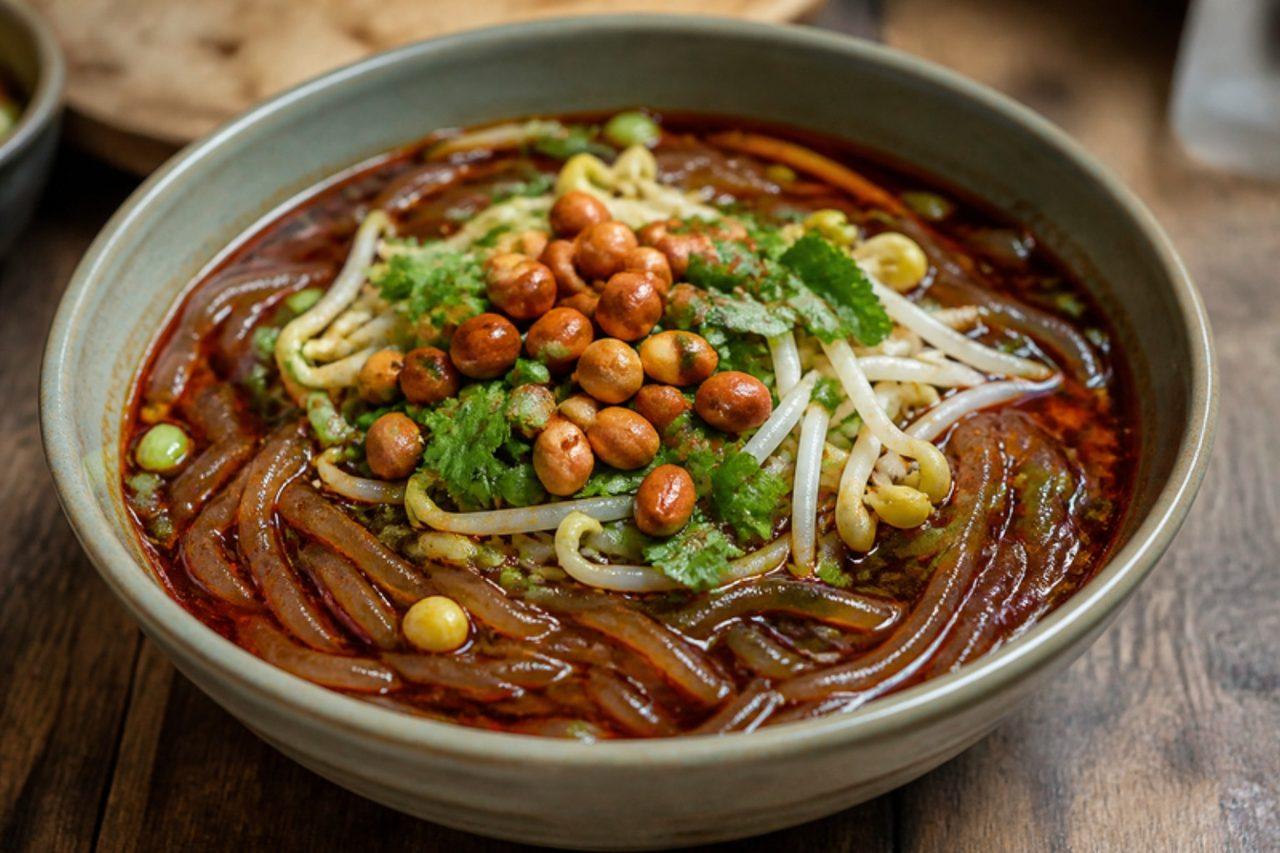
Suan la fenHot and sour sweet potato noodles

Chongqing's hot and sour noodles are made from sweet potato starch, so they are chewy, bouncy and almost clear. They come in a broth that is sharp with black vinegar and red with chilli, topped with fried peanuts or soybeans and a spoonful of pickled greens. Students live on it, and it's a favourite late-night snack across the south-west. Plan for the 30-minute soak for the dried noodles. Chef's tip: add the vinegar to the bowl, not the pan; boiled vinegar loses the sharp edge that makes this dish.

by KrazyBadal 0 views

ChajáSponge, peach and cream cake

Chajá was created in 1927 at a bakery in Paysandú, a city on the Uruguay River, and named after a local bird whose feathers look as fluffy as its crumbly meringue coat. Today it's Uruguay's birthday and celebration cake: layers of light sponge soaked in peach syrup, filled with whipped cream, peaches and dulce de leche, then covered in crushed meringue. It's sweet, soft and crunchy at once, best on the day it's assembled. Chef's tip: soak the sponge but not too much; it should feel moist, not wet, or the layers slide.

by KrazyBadal 0 views

Banh beoSteamed rice cakes with shrimp

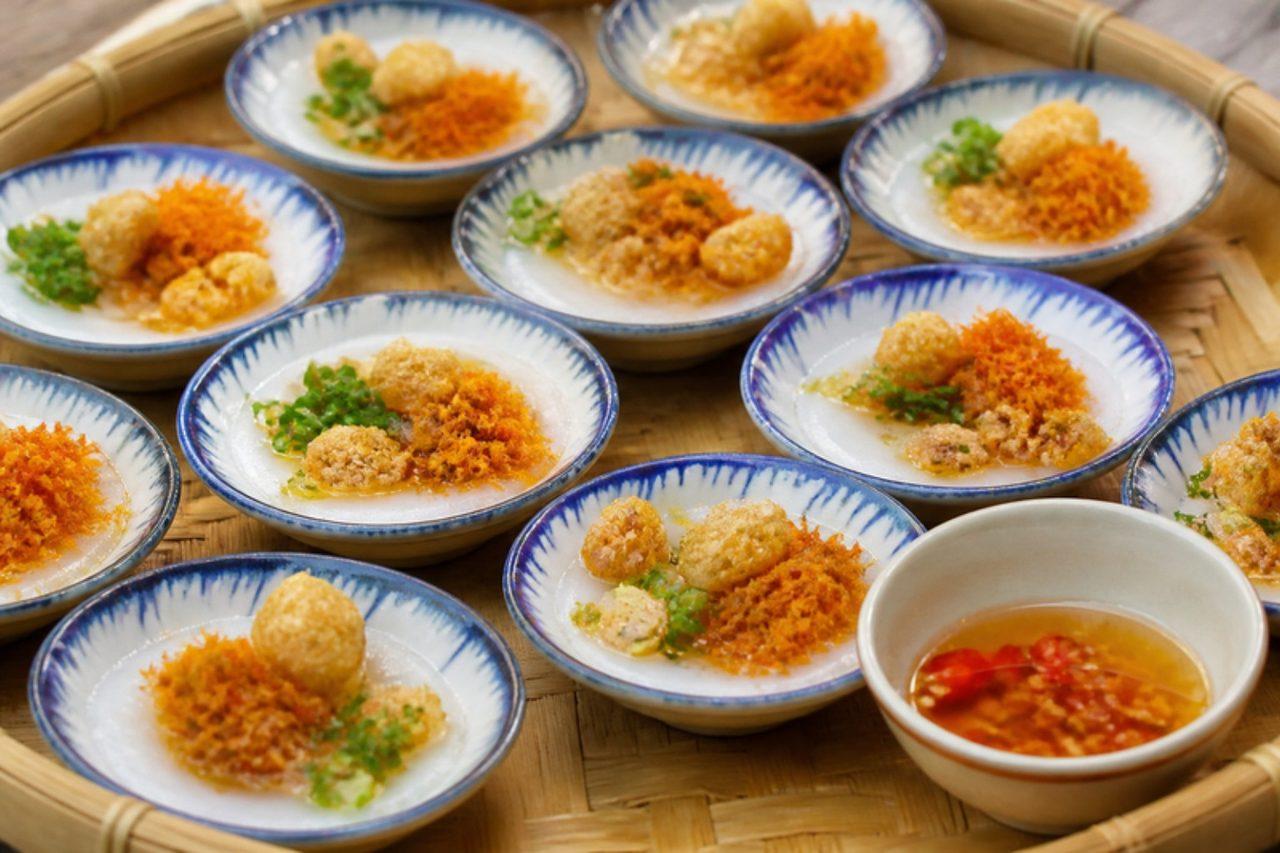
Bánh bèo are named after the water fern that floats on Huế's ponds, which the little round cakes resemble. In the city they arrive at the table by the dozen, each still in its own small saucer, topped with pink shrimp floss and spring onion oil. You spoon sweet fish sauce over and scoop each one out in a single mouthful. They're a mid-afternoon snack or a light lunch alongside other Huế rice cakes. Small ramekins, egg poaching cups or a silicone mini-muffin tray all work as moulds. Chef's tip: heat the empty saucers in the steamer for a minute before adding the batter; the cakes then set with the little dimple in the middle that holds the toppings.

by KrazyBadal 0 views

FirniGround rice milk pudding

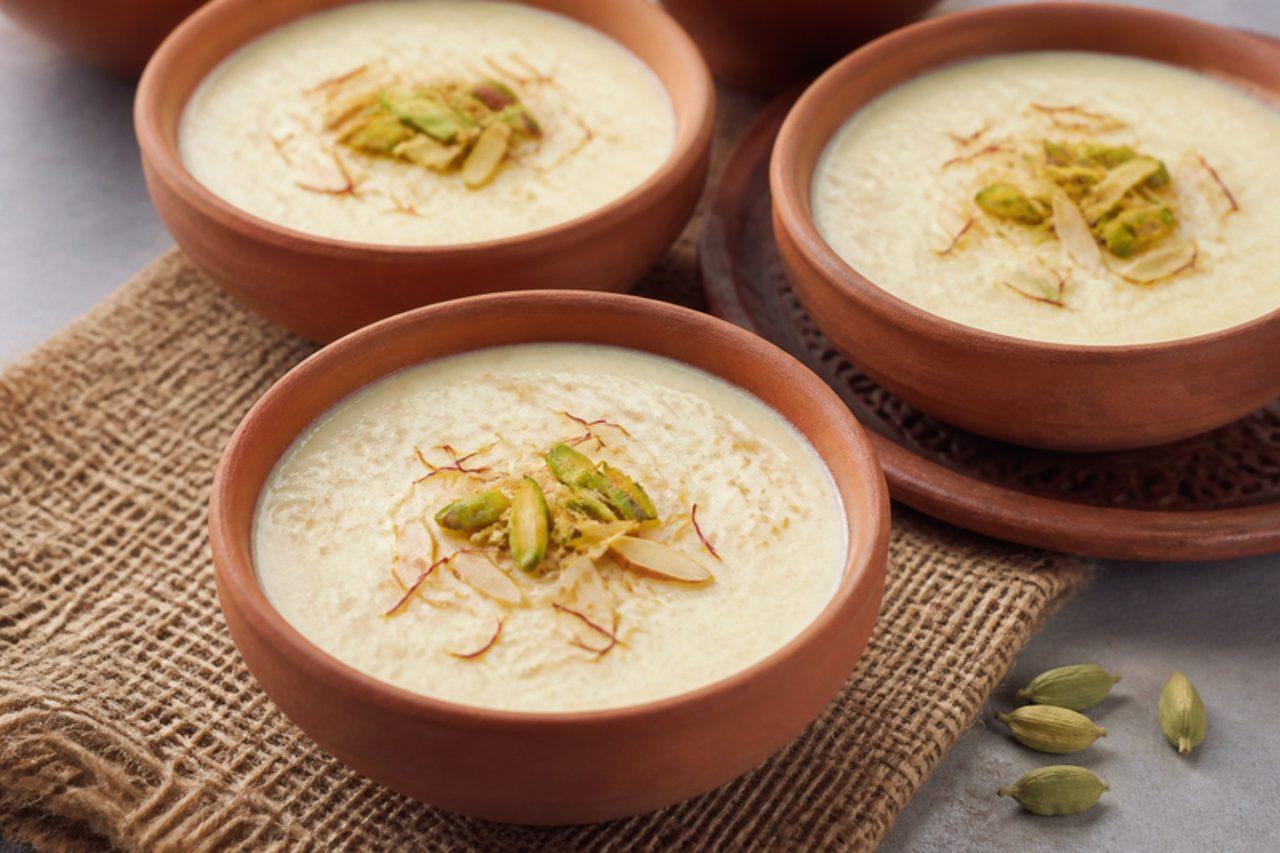
Firni is the dessert that turns up in little clay bowls on Eid tables across Bangladesh, especially after the evening meal on Eid-ul-Fitr. It is smoother and thicker than payesh: instead of whole rice grains, coarsely ground rice is simmered in milk until it sets into a silky pudding, scented with cardamom and rose water and scattered with pistachios and almonds. It is served chilled, so it's made a day ahead. Chef's tip: grind the soaked rice to a coarse semolina-like grit, not a fine powder; that slight texture is what makes firni feel rich.

by KrazyBadal 0 views

ChainsooRoasted black gram dal

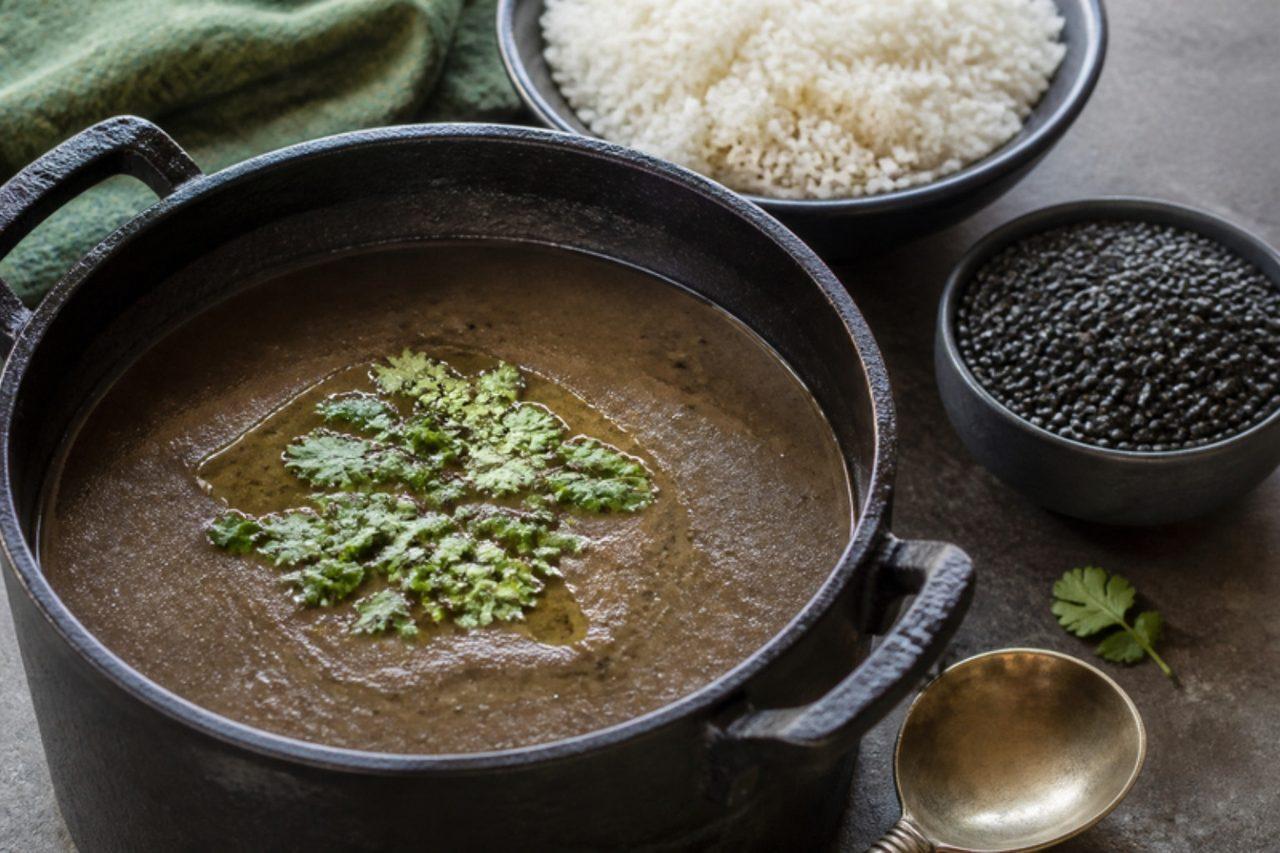
Chainsoo comes from the Garhwal hills, where whole black urad is roasted in a dry pan until it smells like toasted bread, ground coarsely on a hand mill and cooked into a thick, smoky dal. It is a winter dish: heavy, warming and full of protein, eaten with plain rice or jhangora and a drizzle of ghee for anyone who isn't keeping it vegan. Village cooks make it in a lohe ki kadhai, the iron pan that turns it almost black. The texture should be grainy and spoonable, somewhere between a dal and a porridge. Chef's tip: roast the urad slowly over a medium-low heat; the moment it turns from golden to dark brown it tastes bitter, so keep stirring and pull it off early.

by KrazyBadal 0 views

Töltött káposztaStuffed cabbage rolls

Töltött káposzta is the dish Hungarians make for Christmas and the wedding feasts of the countryside, a huge pot that tastes better each day. It is a pork dish: soured cabbage leaves are rolled around a filling of pork mince, rice, onion and paprika, then layered with chopped sauerkraut and smoked pork ribs or sausage and simmered for hours. It is served with a dollop of soured cream and bread. Chef's tip: look for whole soured cabbage heads (sold for this dish in Eastern European shops); if you cannot find them, blanch fresh savoy leaves and add extra sauerkraut.

by KrazyBadal 0 views

Bhorta platter (aloo, begun and dal bhorta)Mashed potato, aubergine and dal

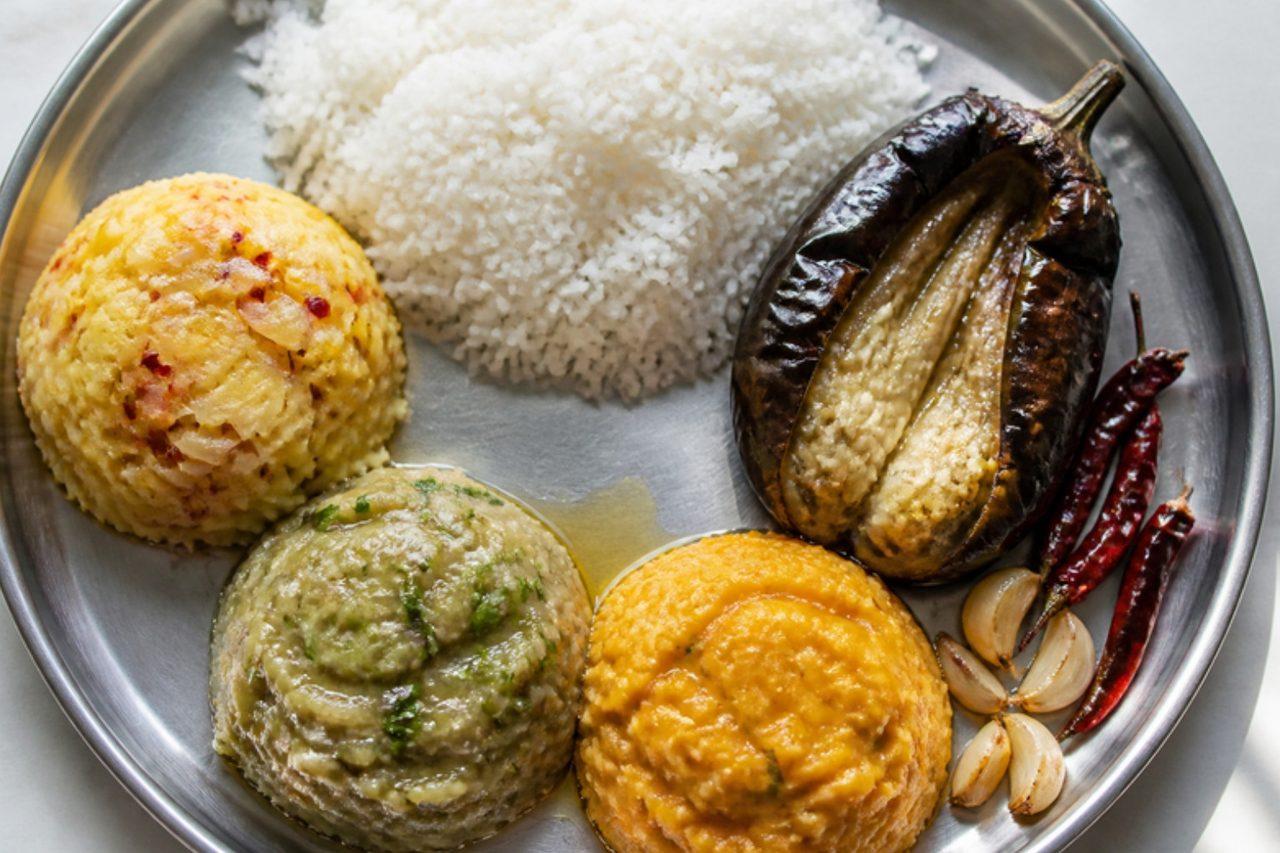
No word says home cooking in Bangladesh like bhorta: anything boiled, roasted or fried, then mashed by hand with raw mustard oil, sliced onion, green or burnt chillies and coriander. A family lunch in Dhaka or Khulna might set out three or four bhortas in little heaps around a mound of rice, and this page makes the classic trio: aloo (potato), begun (fire-roasted aubergine) and dal (dry-fried red lentil). They share one method, so they live together here. Chef's tip: mash with your fingers, not a fork, rubbing the onion and chilli into the oil first; it bruises them and releases their sharpness into every bite.

by KrazyBadal 0 views

Bandeja paisaBeans, rice and pork platter

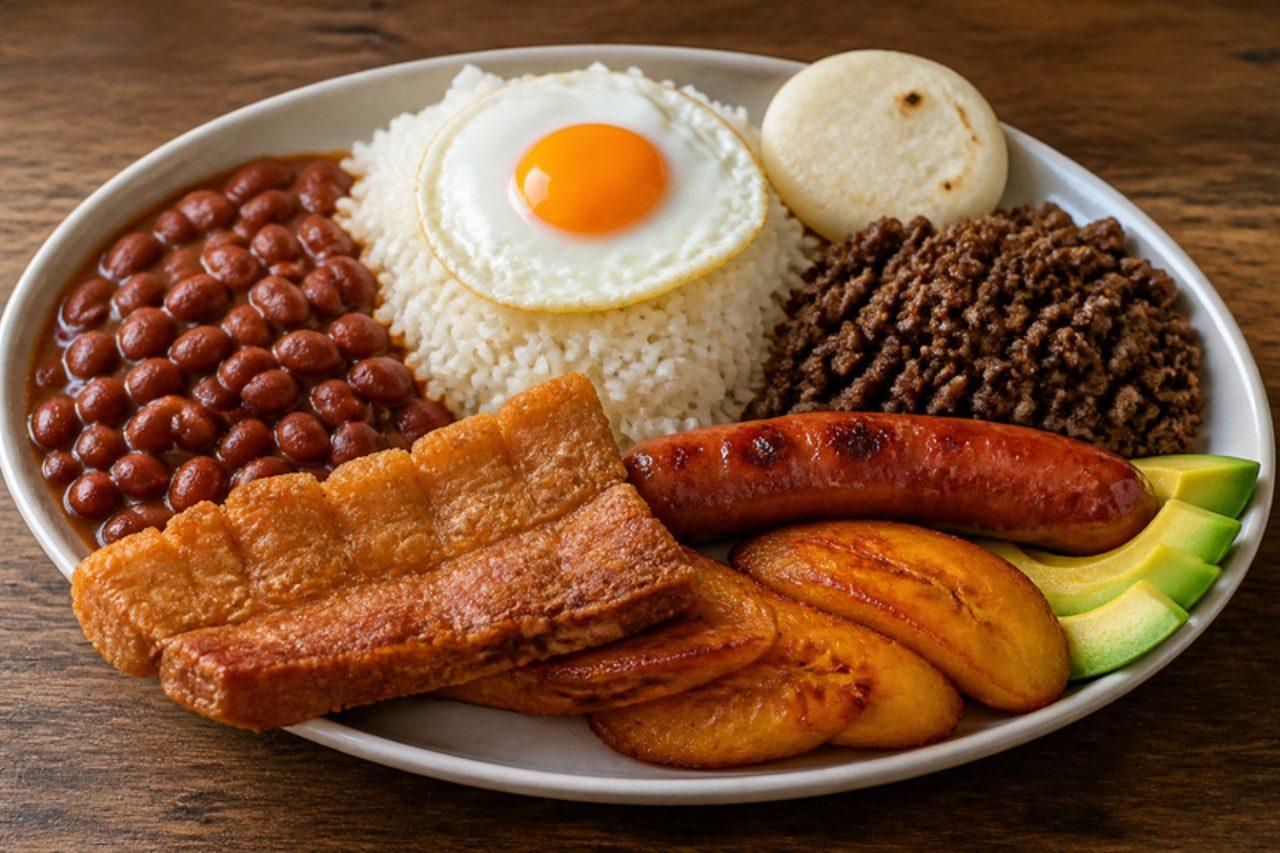
Bandeja paisa is the farmhouse feast of Antioquia and the coffee region around Medellín, served on an oval platter so big it barely fits on the table. This is a pork dish: crisp chicharrón (fried pork belly) and chorizo sit next to red beans, white rice, seasoned minced beef, a fried egg, ripe plantain, a small arepa and avocado. Paisas eat it for a long Sunday lunch, and restaurants in Medellín serve it every day. It looks like a lot of work, but most parts can be made ahead and finished together. The mistake most people make is frying the pork belly too hot from the start; it needs to simmer in its own fat first, or the outside burns before the inside turns tender. Chef's tip: cook the beans a day ahead; they thicken and taste better, and the day itself is then only frying.

by KrazyBadal 0 views

Tom yum goongHot and sour prawn soup

Steaming bowls of this prawn soup land on almost every table in central Thailand, from riverside shophouses in Ayutthaya to family dinners in Bangkok, where it sits in the middle to be shared with rice and two or three other dishes. The broth is thin but loud: sour from lime, salty from fish sauce, hot from crushed bird's eye chillies, and perfumed by bruised lemongrass, galangal and torn makrut lime leaf, which flavour the soup but are left in the bowl. This is the clear style (nam sai) with a spoonful of roasted chilli paste for colour and a gentle sweetness; the creamy nam khon style adds evaporated milk, which we leave out to keep it dairy free. Serve it piping hot with plain jasmine rice. Chef's tip: simmer the prawn heads and shells for five minutes before anything else goes in, and the soup tastes of the sea rather than of water.

25 minThaiSoupsGluten freeSpicy
by KrazyBadal 0 views

Tomaat-garnaalTomatoes stuffed with grey shrimp

Along the Belgian coast, from Ostend to De Panne, tomaat-garnaal is the starter that tells you you are at the seaside: a hollowed raw tomato heaped with tiny, sweet North Sea grey shrimp in homemade mayonnaise, served with lettuce, lemon and often a few chips. The shrimp are caught and boiled on the boats, so they come ready-cooked and peeled. Because the dish has so few parts, everything depends on good ripe tomatoes and very fresh shrimp. The thing people often get wrong is drowning the shrimp in mayonnaise; use just enough to bind them so their sweetness comes through. Chef's tip: salt the hollowed tomatoes and turn them upside down for 10 minutes so they do not leak water onto the plate.

by KrazyBadal 0 views

Cha ca La VongTurmeric fish with dill

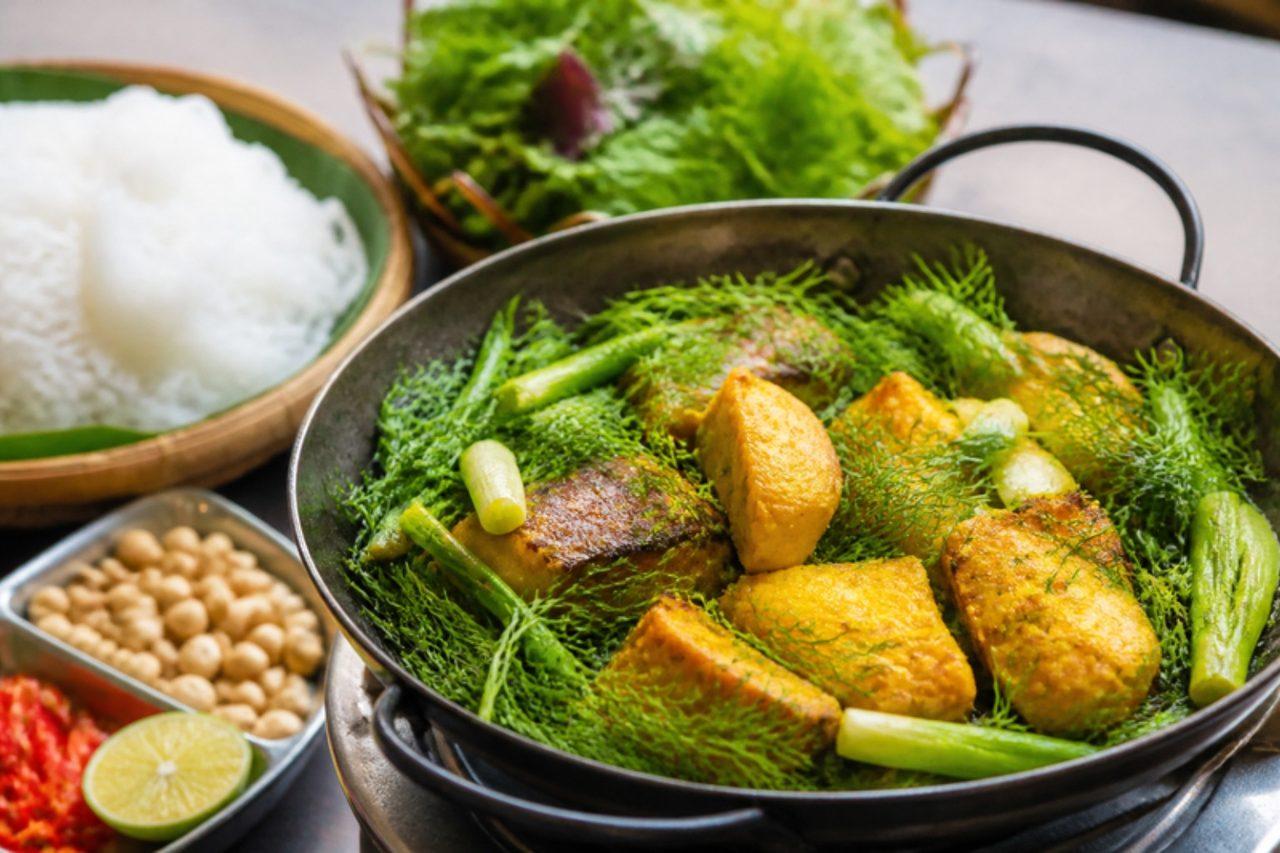
A family restaurant in Hanoi's Old Quarter served this one dish for so long that the street itself was renamed Chả Cá, Grilled Fish Street. Chunks of white fish are marinated in turmeric and galangal, cooked until golden, then brought to the table in a pan of hot oil where everyone throws in handfuls of dill and spring onion to wilt. You eat it over rice vermicelli with peanuts, fresh herbs and a pungent shrimp-paste dip. Dill is rare elsewhere in Vietnamese cooking, which is why this dish tastes so distinct. Chef's tip: use a lot more dill than seems sensible; it is treated as a vegetable here, not a garnish.

by KrazyBadal 0 views

Sugar-bean bunny chowBean curry in a bread loaf

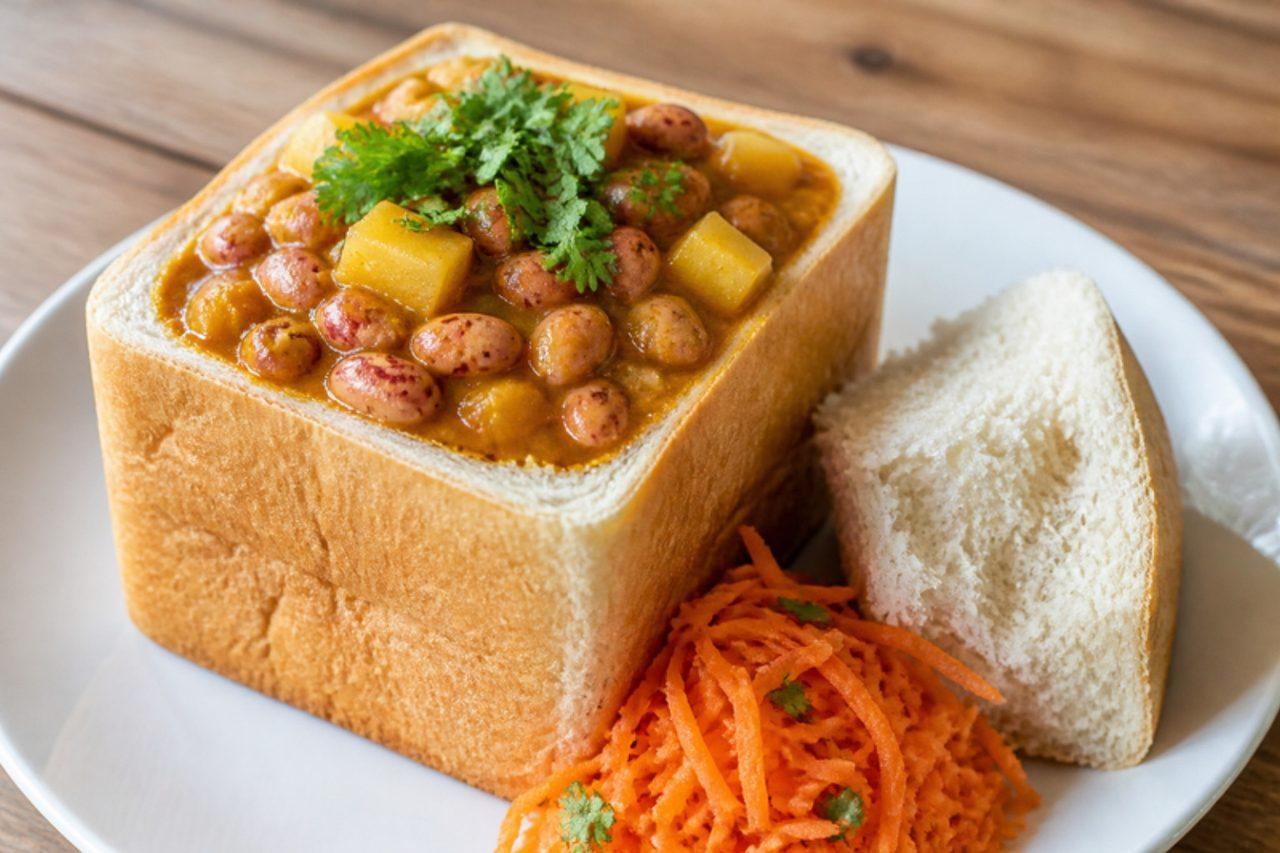
Bunny chow was born in Durban, among the city's Indian community, where curry in a hollowed loaf became the takeaway lunch of dockworkers and caddies. Many Durbanites say the first bunnies were vegetarian, filled with sugar beans, and cafés around Grey Street still sell a bean bunny beside the mutton one. A quarter loaf of unsliced white bread is scooped out and filled with a fiery, red Durban curry, with the scooped-out bread (the 'virgin') put back on top for dunking. It is eaten with your hands, with grated carrot and chilli salad on the side. Chef's tip: the curry needs to be thick and saucy, not watery; a runny curry soaks through the loaf before you've finished the first bite.

by KrazyBadal 0 views

ĆevapiGrilled minced meat fingers

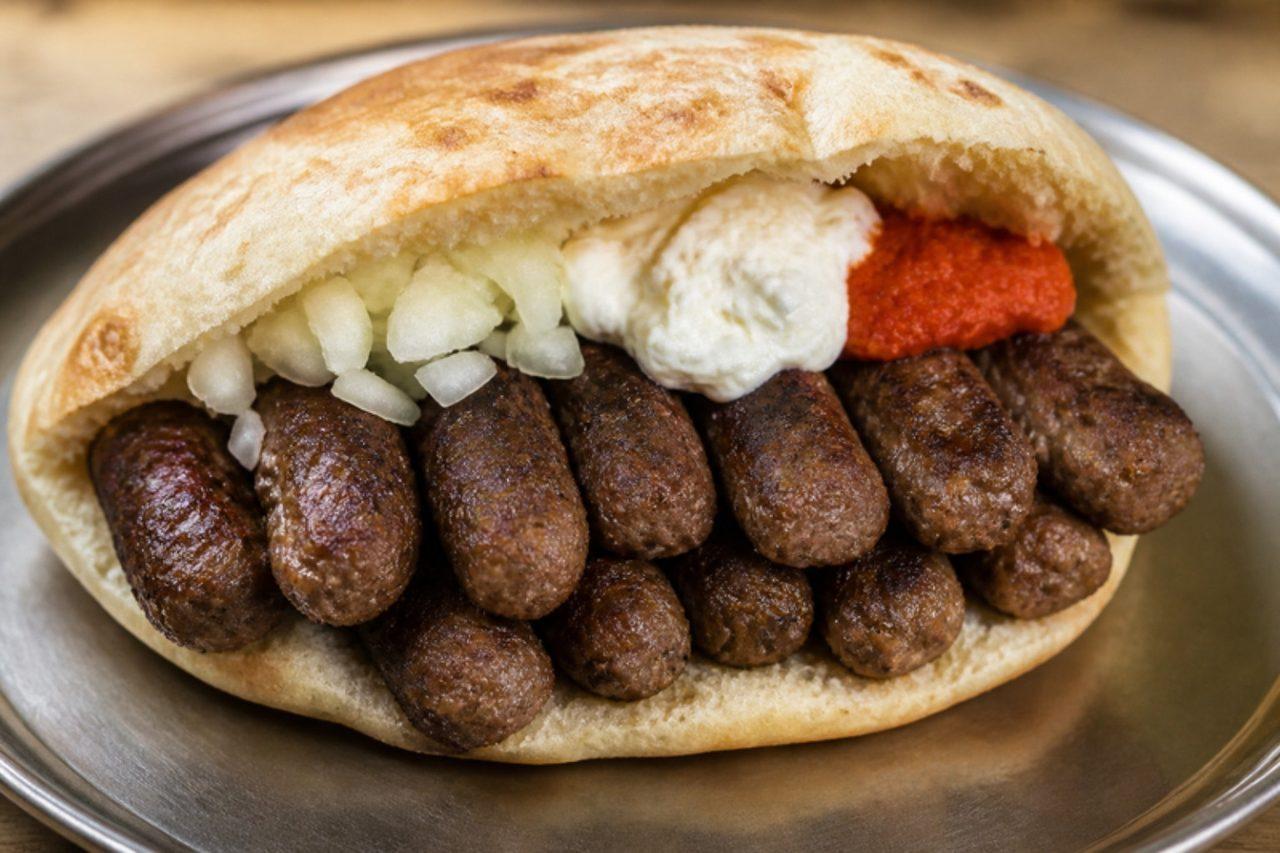
In Sarajevo's old Baščaršija bazaar, ćevabdžinicas grill ćevapi from morning till late night, serving them ten at a time stuffed into a puffy, griddle-warmed somun flatbread with raw onion and a spoon of kajmak. The little skinless fingers are made from beef (often mixed with lamb), seasoned with nothing more than salt, pepper, garlic and a little bicarbonate of soda, which gives them their bouncy bite. Belgrade and Banja Luka have their own versions, but the idea is the same: smoky meat, soft bread, sharp onion. People often over-season them with herbs and paprika; the Bosnian way is plain, letting the meat and charcoal speak. Chef's tip: chill the shaped ćevapi well before grilling and turn them only once or twice, so they keep a juicy centre and a crusty outside.

40 minBalkanMeat
by KrazyBadal 0 views

Sayur lodehVegetables in coconut milk

Sayur lodeh is everyday cooking in Central Java, made in big pots in Solo and Semarang kitchens and ladled over rice, with lontong rice cakes at Lebaran, or alongside opor and sambal goreng on festive tables. It's soupy rather than thick: a fragrant broth of coconut milk, galangal, lemongrass and lime leaf that carries chunks of aubergine, long beans, chayote and sweetcorn, plus tempeh and tofu to make it a meal. The flavour is mellow and slightly sweet, so the heat comes from sambal on the side. Chef's tip: keep the pot at a gentle simmer once the coconut milk goes in and stir now and then — a rolling boil splits the coconut milk into oily curds.

by KrazyBadal 3 views

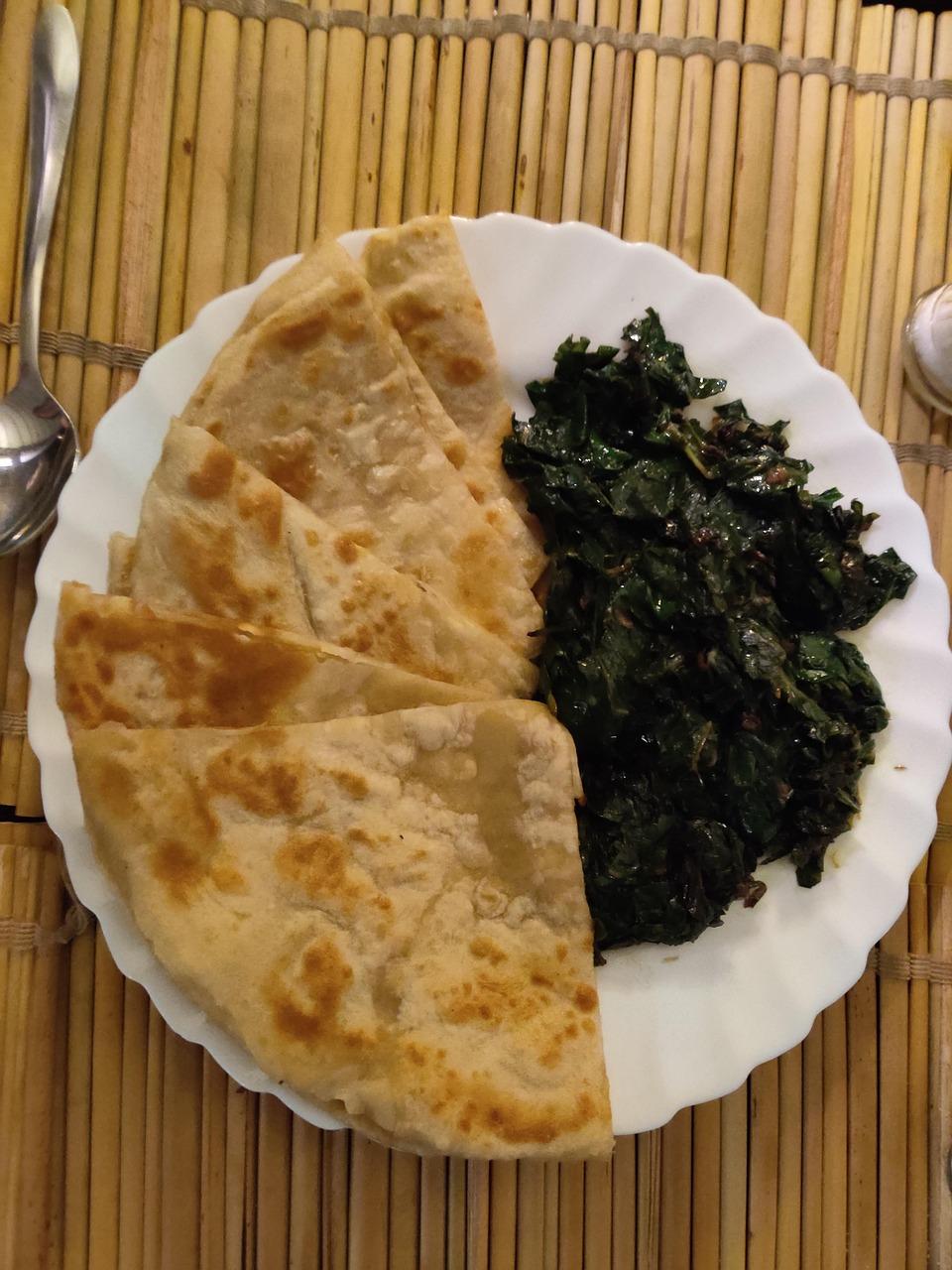
SukumawikiSautéed collard greens

Sukumawiki (collard greens) finely chopped and cooked quickly with cumin, onion, tomato and a little turmeric, chilli and coriander-cumin powder until just tender. Its name means 'push the week', because it's cheap enough to stretch the budget to the end of the week. Serve hot with ugali.

by KrazyBadal 0 views

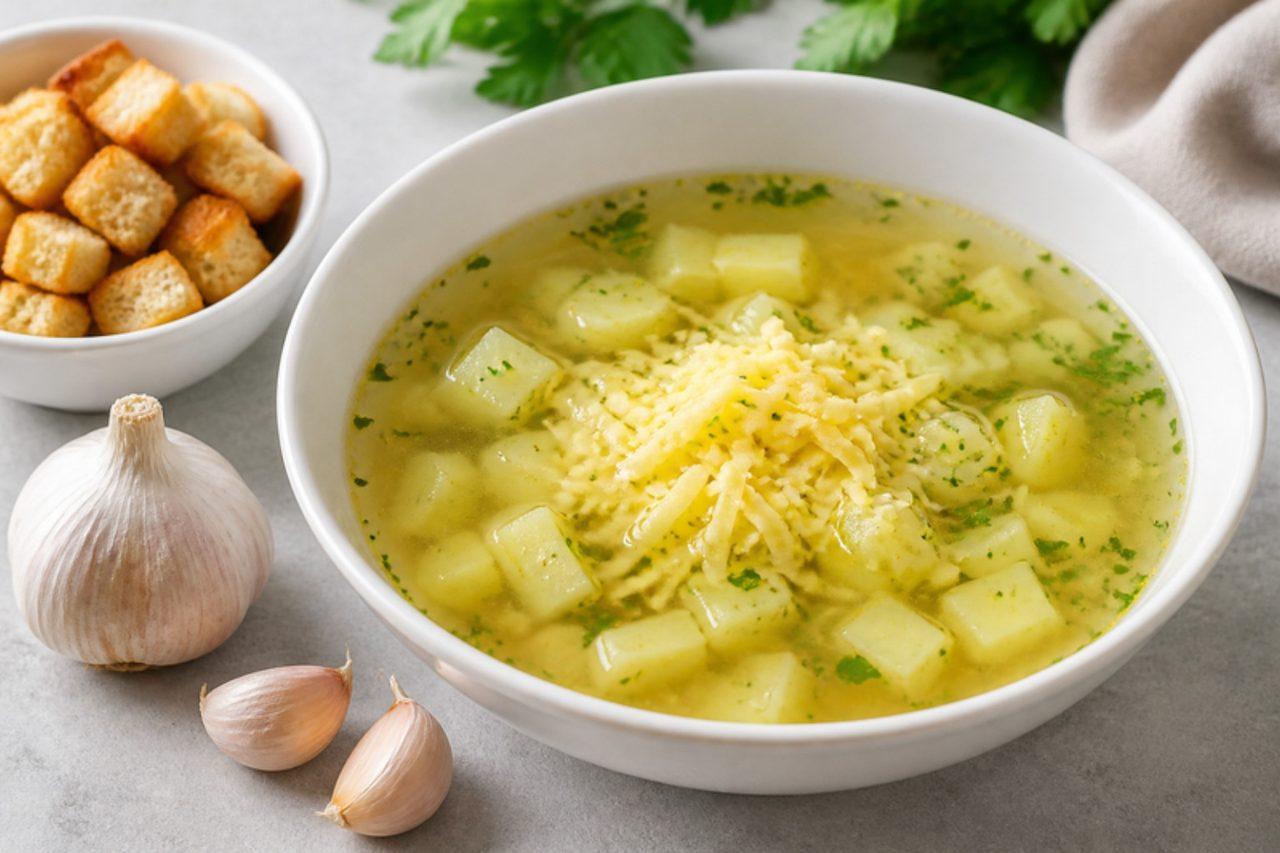
ČesnečkaGarlic soup

Česnečka is the soup Czechs swear by after a long night in a Prague pivnice: a thin, savoury broth fragrant with raw garlic, caraway and marjoram, with soft potato cubes, crunchy fried bread and a fistful of grated cheese melting into each bowl. It costs almost nothing, comes together in half an hour and is served in workers' canteens and village pubs all winter. This version uses vegetable stock instead of the old meat bouillon. Chef's tip: crush the garlic into the bowls or add it right at the end off the heat; boiled garlic goes sweet and mild, and česnečka should bite.

30 minCzechSoups
by KrazyBadal 0 views

Showing 63 of 9,592 recipes

Show more recipes

Page 967 of 1,066