


Skip to content
Suquet de peix
Featured recipe

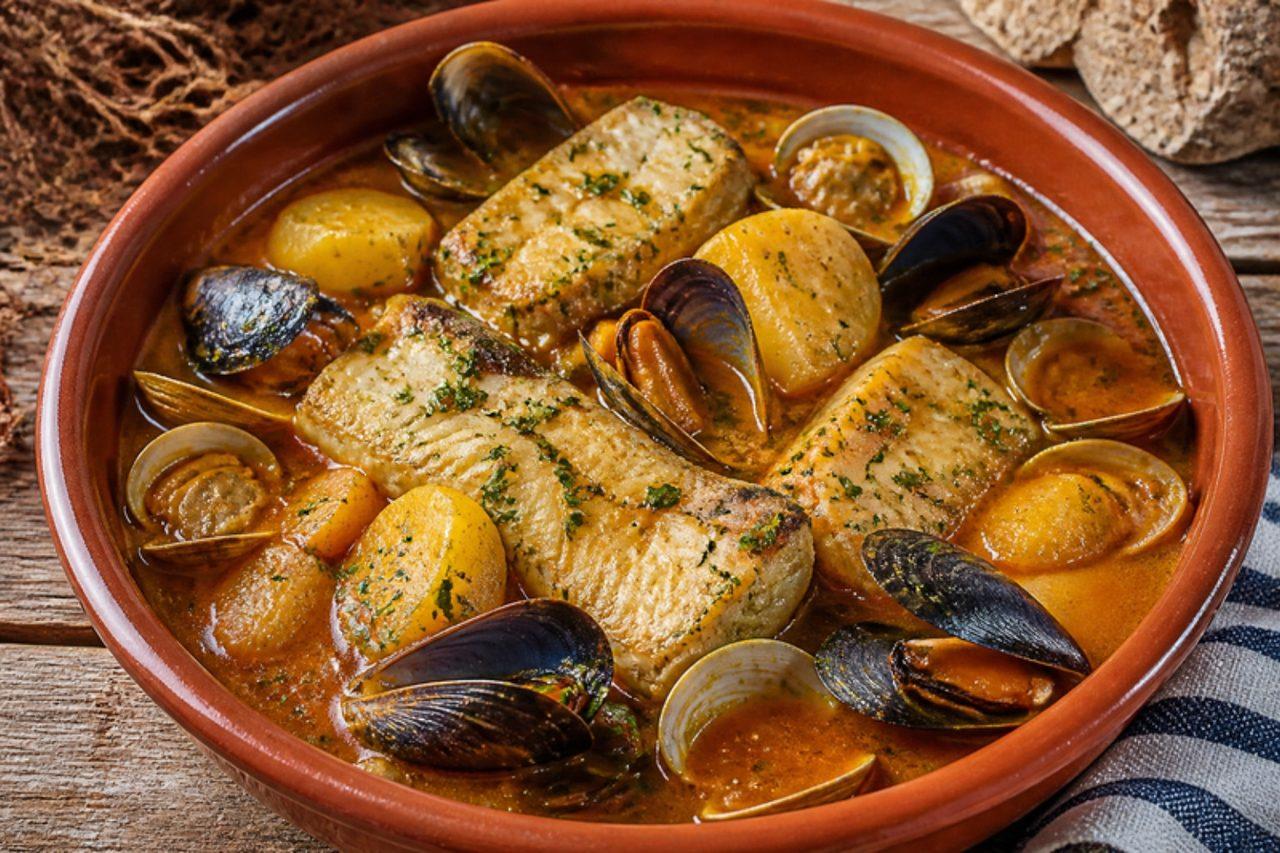
Suquet de peix

Fish and potato stew with picada

Fishermen from Cadaqués, Palamós and the other Costa Brava ports made suquet on board with the fish that would not sell: rockfish, monkfish, hake, a few prawns, simmered with potatoes in a sofrito and thickened at the end with a picada of garlic, almonds, parsley and fried bread. Now it is a weekend lunch in harbour restaurants, served straight from the pan. The potatoes must release their starch so the broth turns into a light, silky sauce. Chef's tip: 'crack' the potatoes rather than slicing them: cut part way, then snap off the pieces; the rough edges give up more starch.

Read more 0 views

What to eat today?

Around the world

Today's trip: Persian

A new country every day, from every cuisine on the site.

Persian

Shir berenj

Rose water rice pudding 70 minMore from Persian (181) →

This week's collection

Kid-friendly dinners
756 recipes · a new collection every Monday

Coming up

All occasions →

Latest recipes

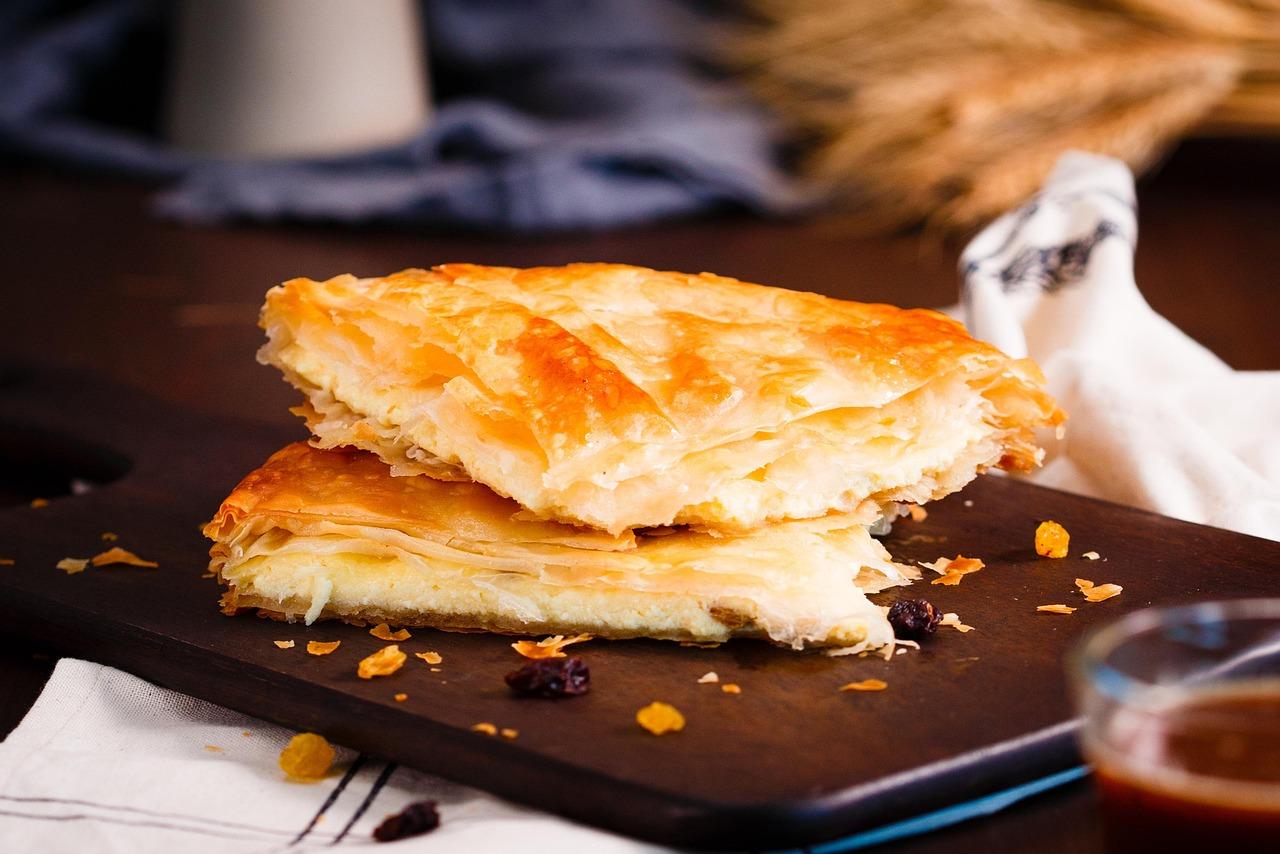
Plăcintă cu brânzăCheese and dill pies

In Moldavia, on both sides of the Prut, plăcintă means a flat round pie fried or baked on a griddle, and the cheese and dill one is what grandmothers in Iași and Chișinău make for weekend breakfasts and for guests at the door. A soft, stretchy dough is pulled thin, wrapped around salty cheese with fresh dill and egg, coiled into a snail and flattened, then cooked in a pan until blistered and crisp. They are eaten hot with a glass of sour milk or tea. Chef's tip: rest the oiled dough properly so it stretches without tearing; skipping the rest is the common mistake and you'll be fighting a springy dough that leaks its filling.

by KrazyBadal 0 views

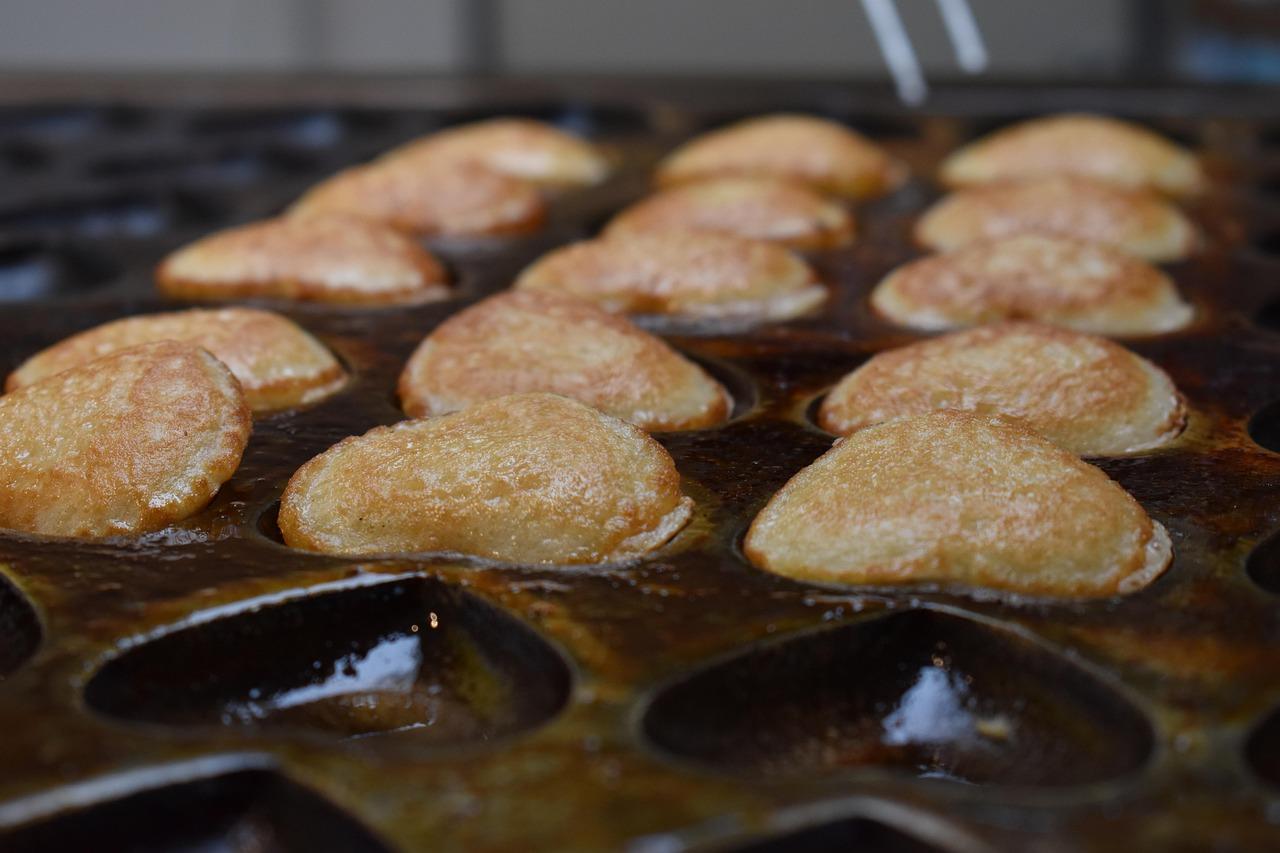
PoffertjesMini puffed pancakes

The smell of poffertjes drifts across every Dutch kermis (funfair), Christmas market and summer street festival, where they are flipped by the hundred on a cast-iron plate full of shallow hollows. They are tiny, puffy, yeasted pancakes made partly with buckwheat, served a dozen at a time on a cardboard dish with a slab of melting butter and a snowfall of icing sugar. At home you need a poffertjespan, a pan with small round dips; a Danish æbleskiver pan is too deep. Chef's tip: put the batter in a squeeze bottle or a piping bag; filling 30 hollows quickly by spoon is almost impossible, and the first ones burn while you fill the last.

by KrazyBadal 0 views

TostonesTwice-fried green plantain

Tostones are the crisp golden discs of green plantain sold at every Cuban cafeteria and fried at home to go with rice, beans and mojo; along Colombia's coast and in Cali the same thing is called patacones and comes with hogao or ají on top. The plantain is fried once to soften, smashed flat, then fried again until the edges shatter while the middle stays starchy and tender. Eat them hot as a side or a snack. Chef's tip: use truly green, hard plantains; yellow ones turn sweet and soft and will never go crisp.

25 minCubanSidesVeganGluten free
by KrazyBadal 0 views

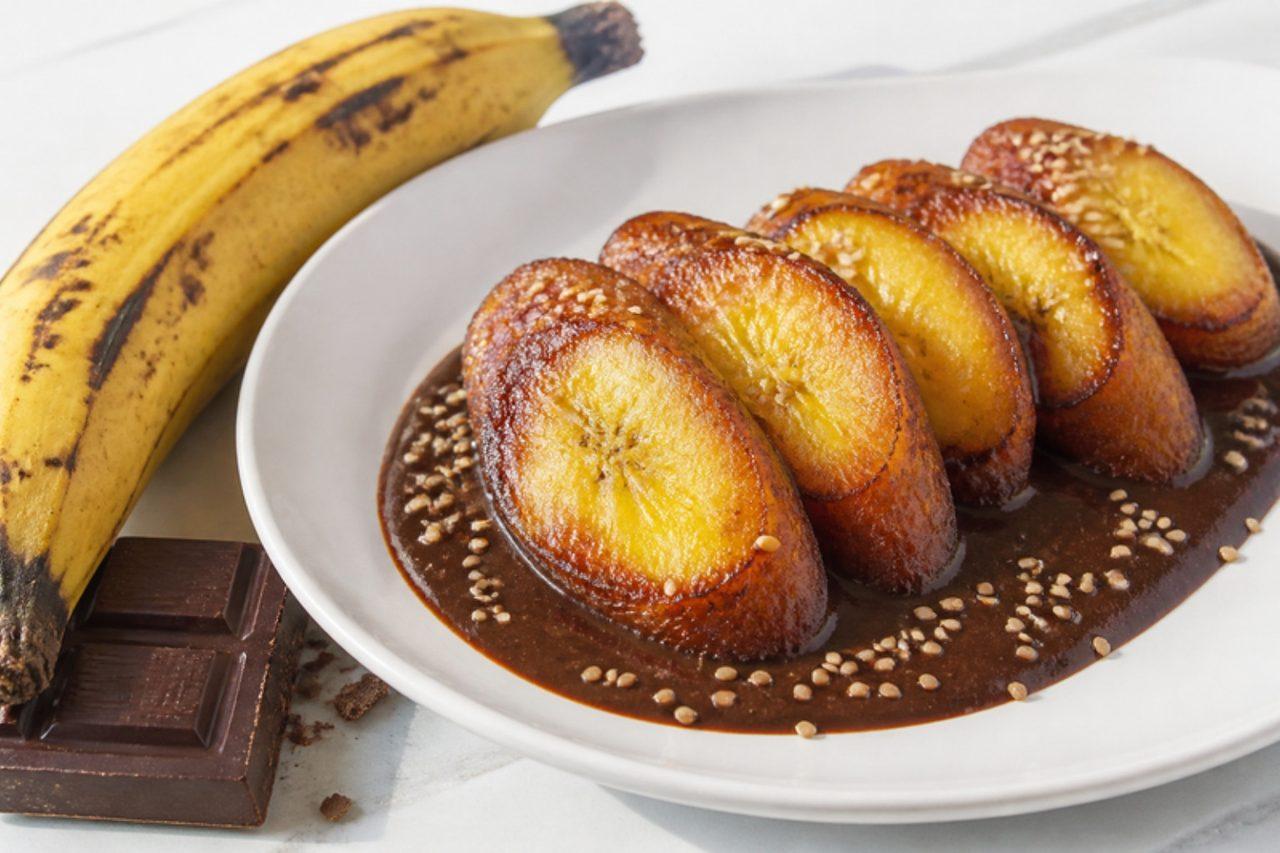
Plátanos en molePlantains in chocolate chilli sauce

Guatemala's mole is not the savoury Mexican sauce but a dessert: fried sweet plantains bathed in a dark sauce of chocolate, tomato, a gentle dried chilli, sesame, pumpkin seeds and cinnamon. It appears at Christmas and during Semana Santa, and in the market comedores of Guatemala City all year, eaten warm with a sprinkle of toasted sesame. It's sweet, spiced and only faintly hot. Chef's tip: use Guatemalan or Mexican-style table chocolate (grainy, with sugar and cinnamon) if you can find it; with dark eating chocolate, add a little more sugar.

by KrazyBadal 0 views

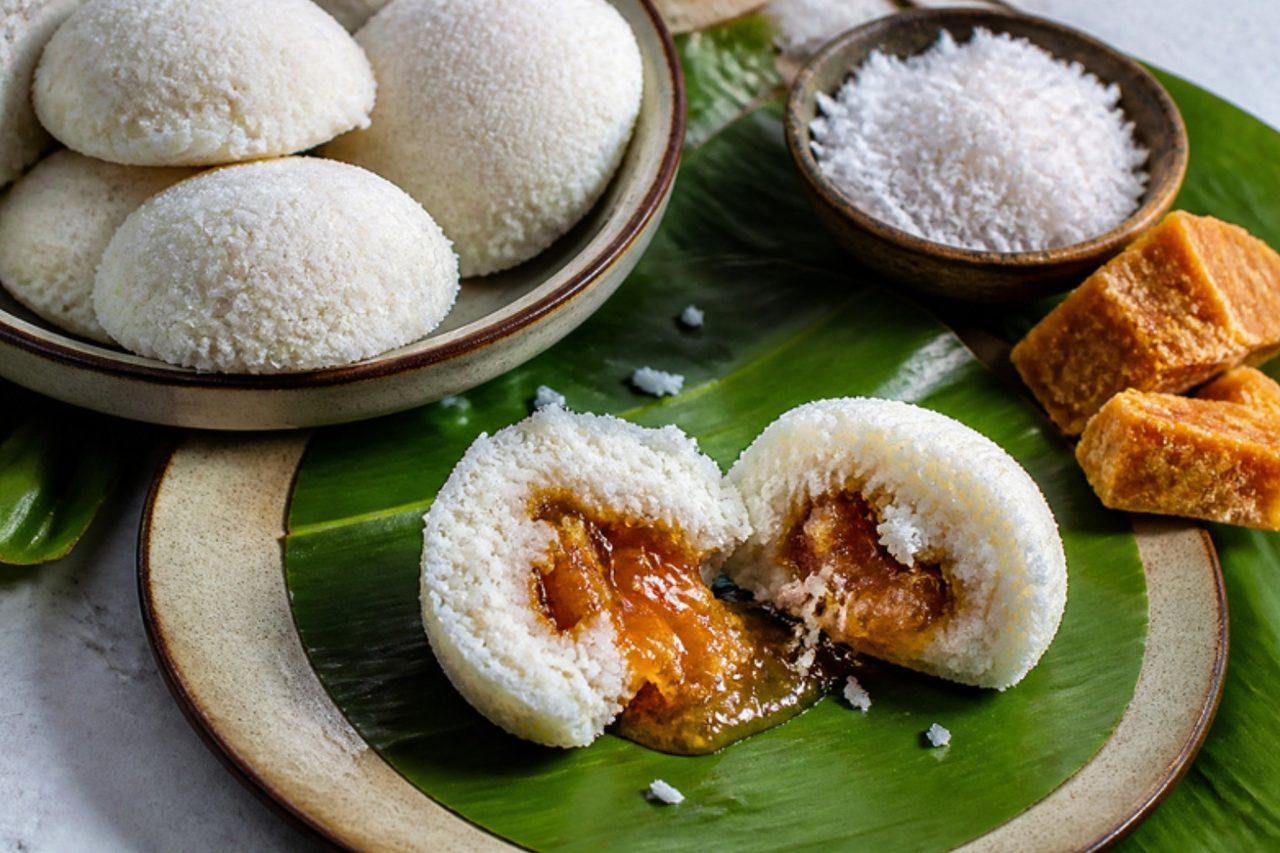
Bhapa pithaSteamed rice flour cakes

When the date palm sap starts flowing in early winter, small steaming pots appear on street corners all over Bangladesh, from Rajshahi to Dhaka's Karwan Bazar, selling bhapa pitha in the dark mornings. Damp, lightly salted rice flour is packed into a small bowl around a layer of grated coconut and khejur gur (date jaggery), wrapped in cloth and steamed over a narrow-necked pot until soft, fluffy and fragrant. Eat them warm, straight from the cloth. Chef's tip: the rice flour should feel like damp sand that just holds when squeezed; too wet and the cake turns gummy, too dry and it crumbles.

by KrazyBadal 0 views

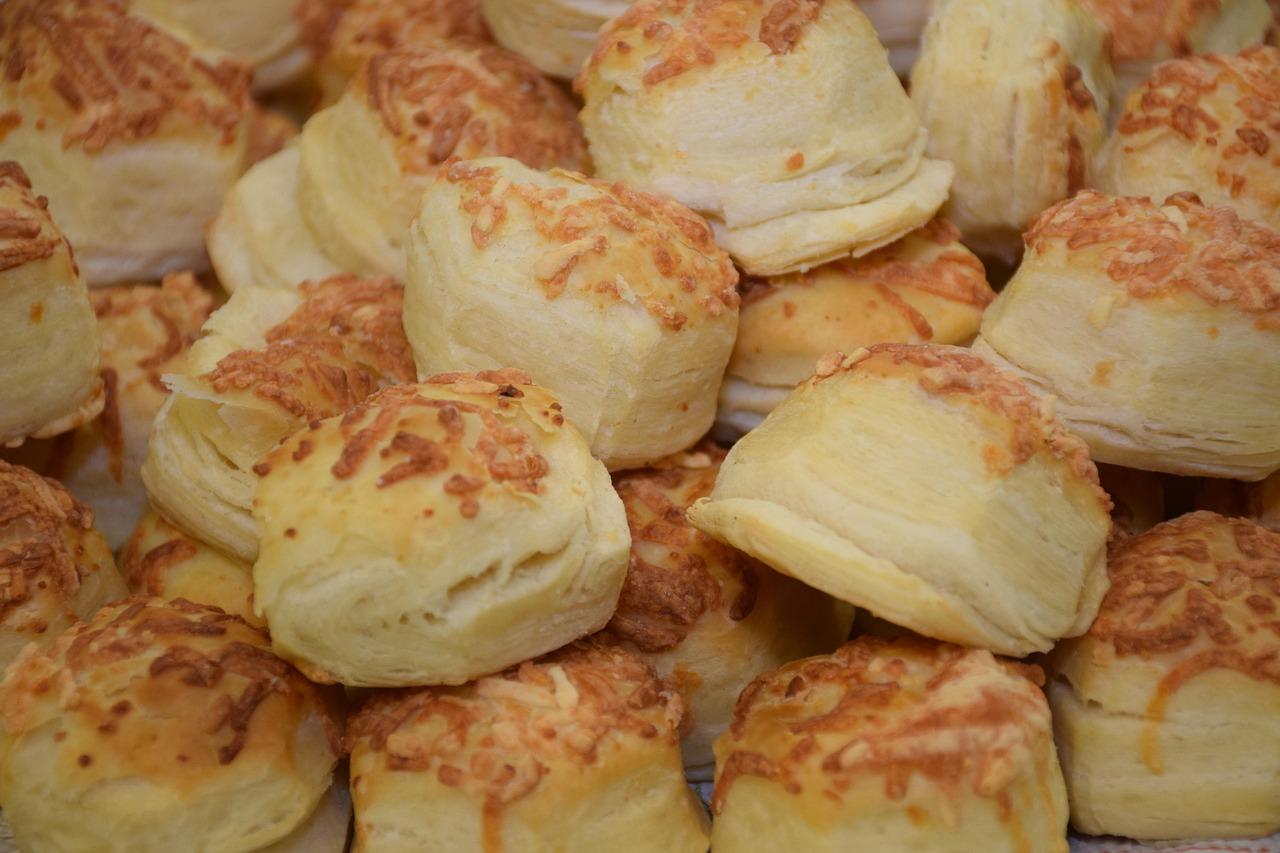
PogácsaCheese savoury scones

Pogácsa are small, round, flaky savoury scones that appear on every Hungarian buffet table, at weddings, christening parties and wine tastings in Tokaj and Villány, where they are eaten with a glass of white. Bakeries sell them by weight, and every region has its own: with crackling, potato, cabbage or, like these, butter, sour cream and cheese. The dough is folded a few times, so they split into tender layers, and the top is scored in a criss-cross before baking. Chef's tip: cut straight down with a sharp cutter and don't twist; twisting seals the edges and the pogácsa rise lopsided. Use a cheese made with vegetarian rennet.

by KrazyBadal 0 views

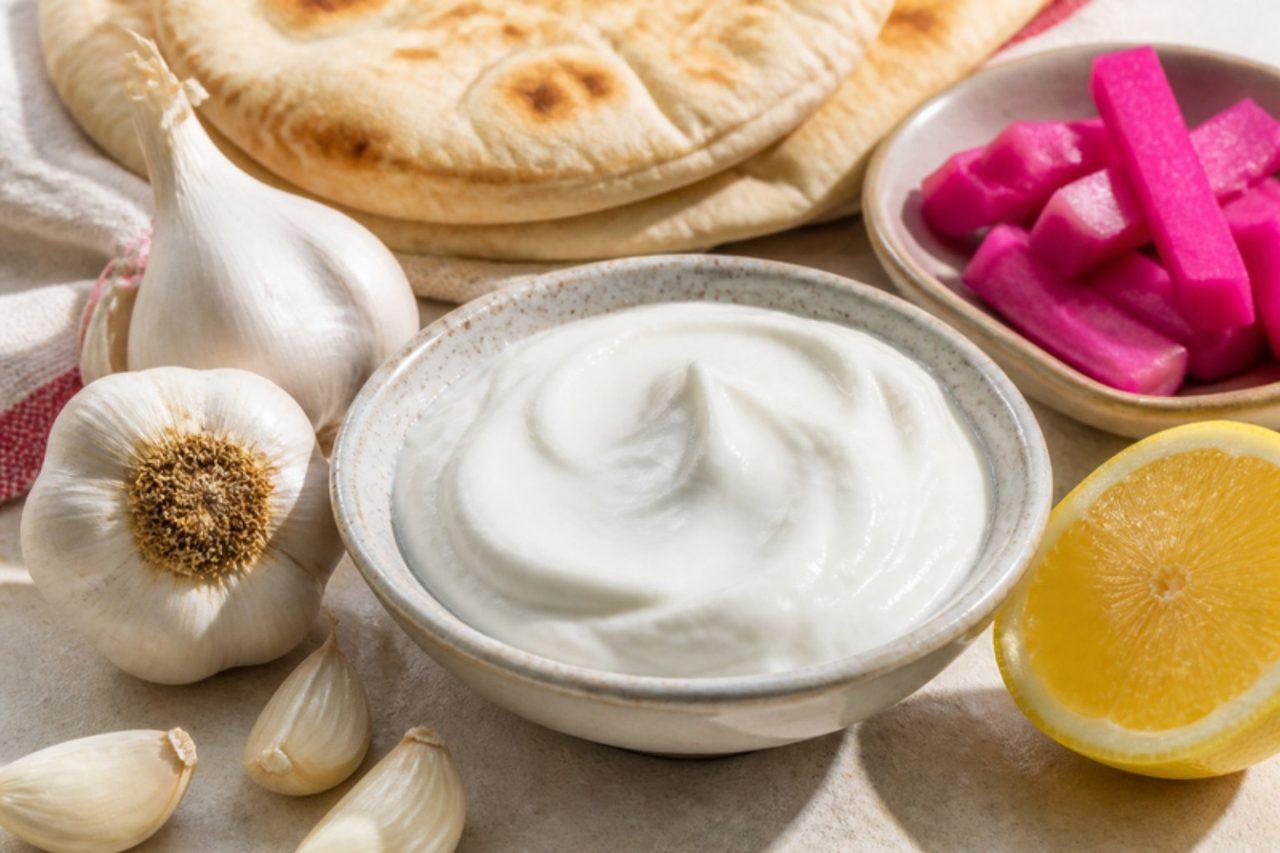
ToumWhipped garlic sauce

Every shawarma and grill shop in Lebanon has a tub of toum, a fluffy, snow-white emulsion of garlic, lemon and neutral oil that tastes fiercely of fresh garlic. At home it is spread on roast potatoes, stirred into grilled vegetables, dabbed on falafel wraps and served with batata harra. It contains no egg: the garlic itself holds the emulsion, so the only trick is patience while the oil goes in. Chef's tip: halve each garlic clove and pull out any green shoot; the germ makes toum bitter and harsh.

by KrazyBadal 0 views

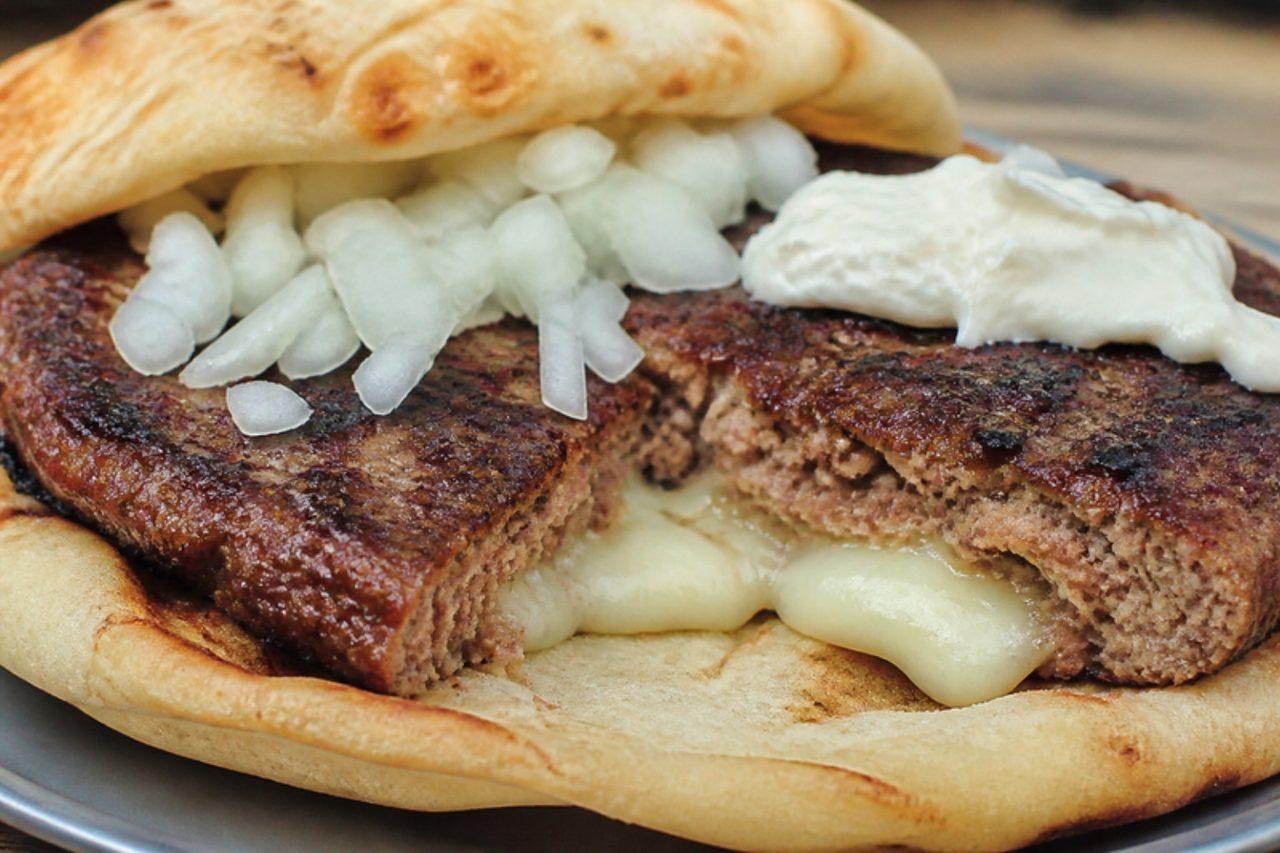
PljeskavicaLarge grilled meat patty

Leskovac, in southern Serbia, holds a whole grill festival every September in honour of pljeskavica, and Belgrade's street kiosks sell it day and night in a lepinja flatbread with chopped onion, kajmak and urnebes, a fiery cheese spread. It is a broad, thin patty of mixed beef and pork with onion and paprika, grilled hard and fast. The 'gourmet' version, gurmanska pljeskavica, hides cheese and bacon in the middle, and that is the version given here. This recipe contains pork. A common error is pressing the patties on the grill with a spatula: the juices drain away and they dry out. Chef's tip: press a shallow dimple into the centre of each patty with your thumb before grilling; it stops them doming up as they shrink.

40 minBalkanMeat
by KrazyBadal 0 views

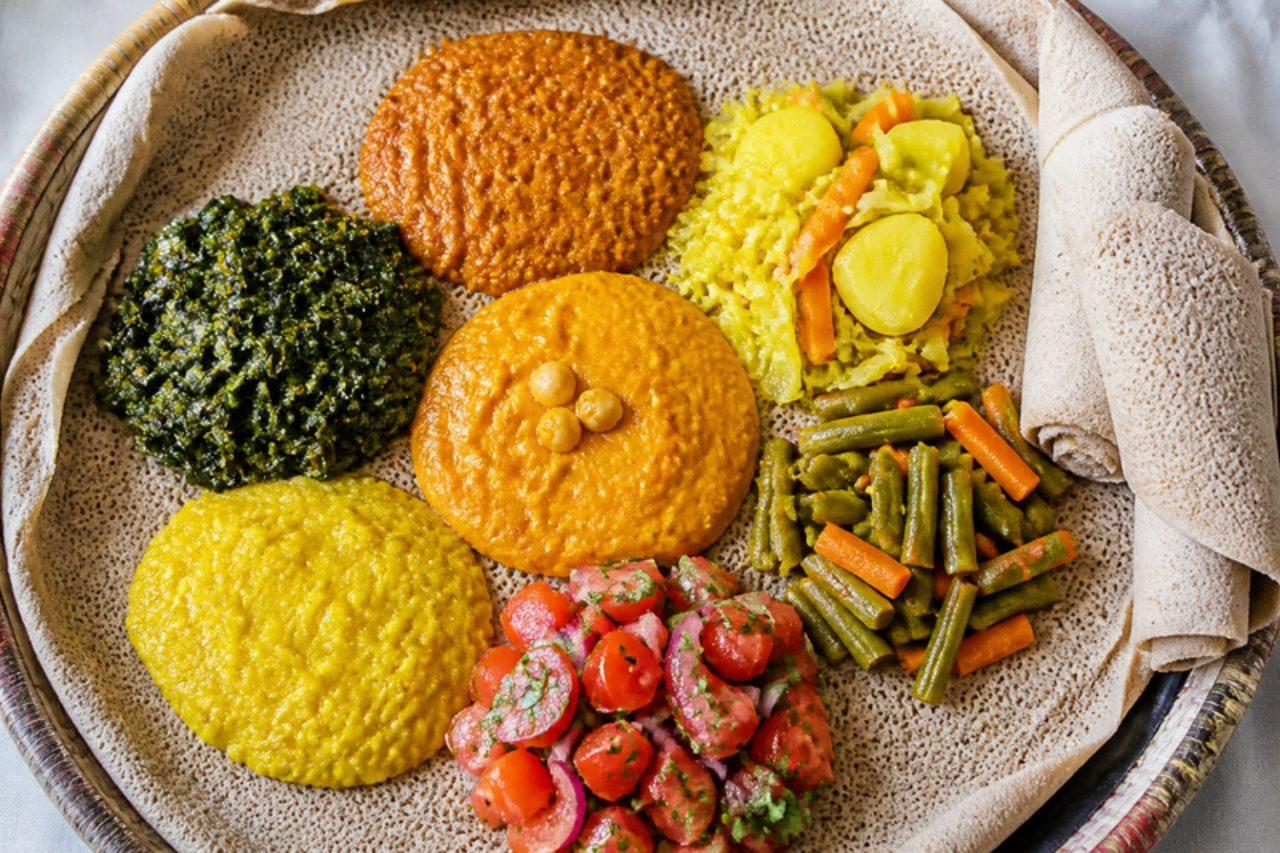
Beyaynetu (fasting platter)Fasting platter of vegan stews

Beyaynetu means 'a bit of every kind', and on Wednesdays, Fridays and through the long Lenten fast it is what most of Addis Ababa orders for lunch: a round of injera covered with small heaps of different vegan stews and salads, each a different colour and spice level, with extra rolled injera on the side. At home it is a feast for sharing, built from dishes you can make ahead. This page shows you how to plan and assemble it, and gives the red lentil misir wat that sits at its centre; for the other dishes use our Shiro wat, Kik alicha, Gomen, Tikil gomen, Fosolia and Timatim salata recipes, and of course Injera. Chef's tip: balance the platter with two spicy red dishes, two mild yellow ones and two green or fresh ones, so every mouthful can be cooled or warmed.

by KrazyBadal 0 views

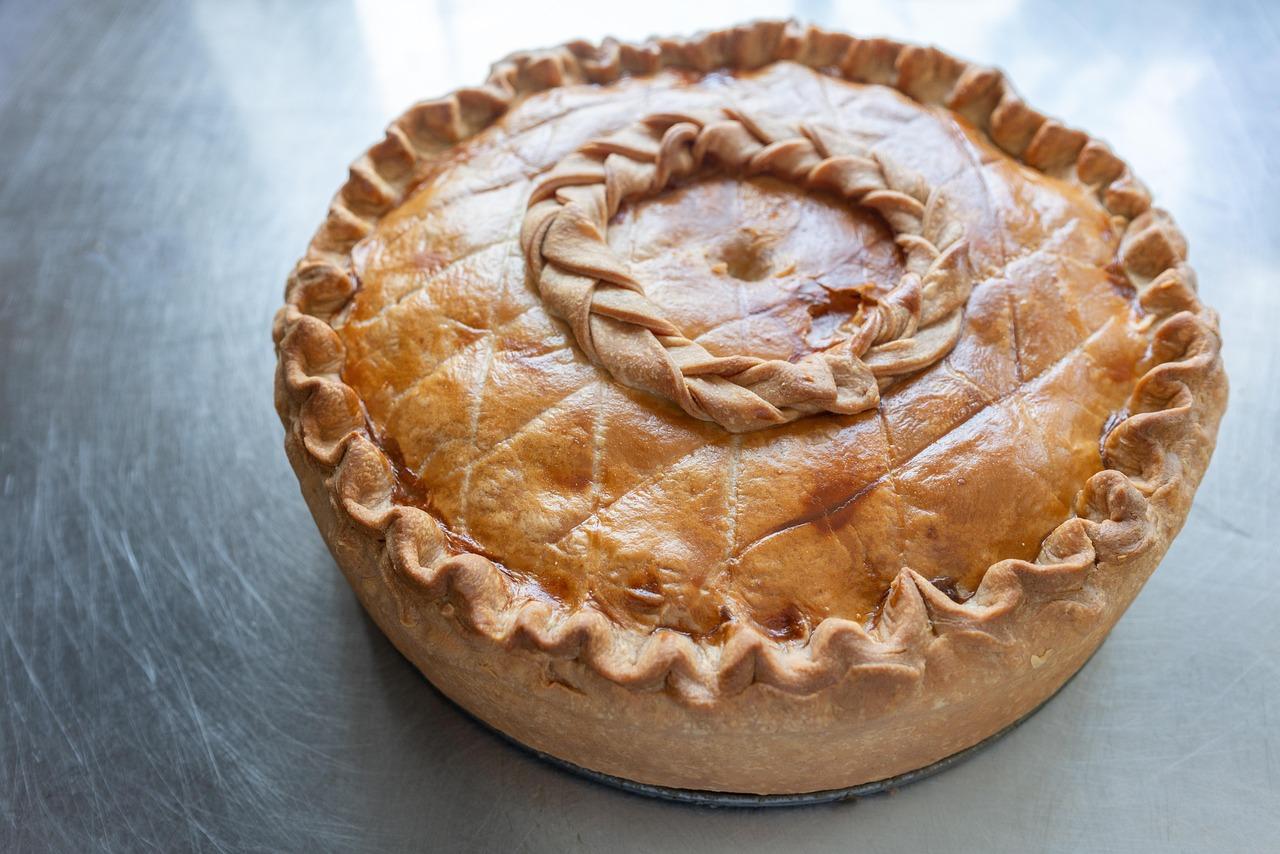
TourtièreSpiced pork and beef pie

Tourtière is the meat pie of Quebec, served after midnight mass at the Christmas Eve réveillon and through the holidays, from Montreal to the Saguenay–Lac-Saint-Jean region (where a deep, layered version is also called tourtière). This dish contains pork. Minced pork and beef cook slowly with onion, a little potato and warm spices — cinnamon, cloves, allspice and savory — then are baked in a flaky double crust and served with ketchup or fruit chutney. The mistake is a wet filling that makes the bottom crust soggy; cook it until the liquid has almost gone and cool it before filling. Chef's tip: a grated potato in the filling soaks up the juices and holds the slices together.

by KrazyBadal 0 views

Ajiaco santafereñoChicken and potato soup

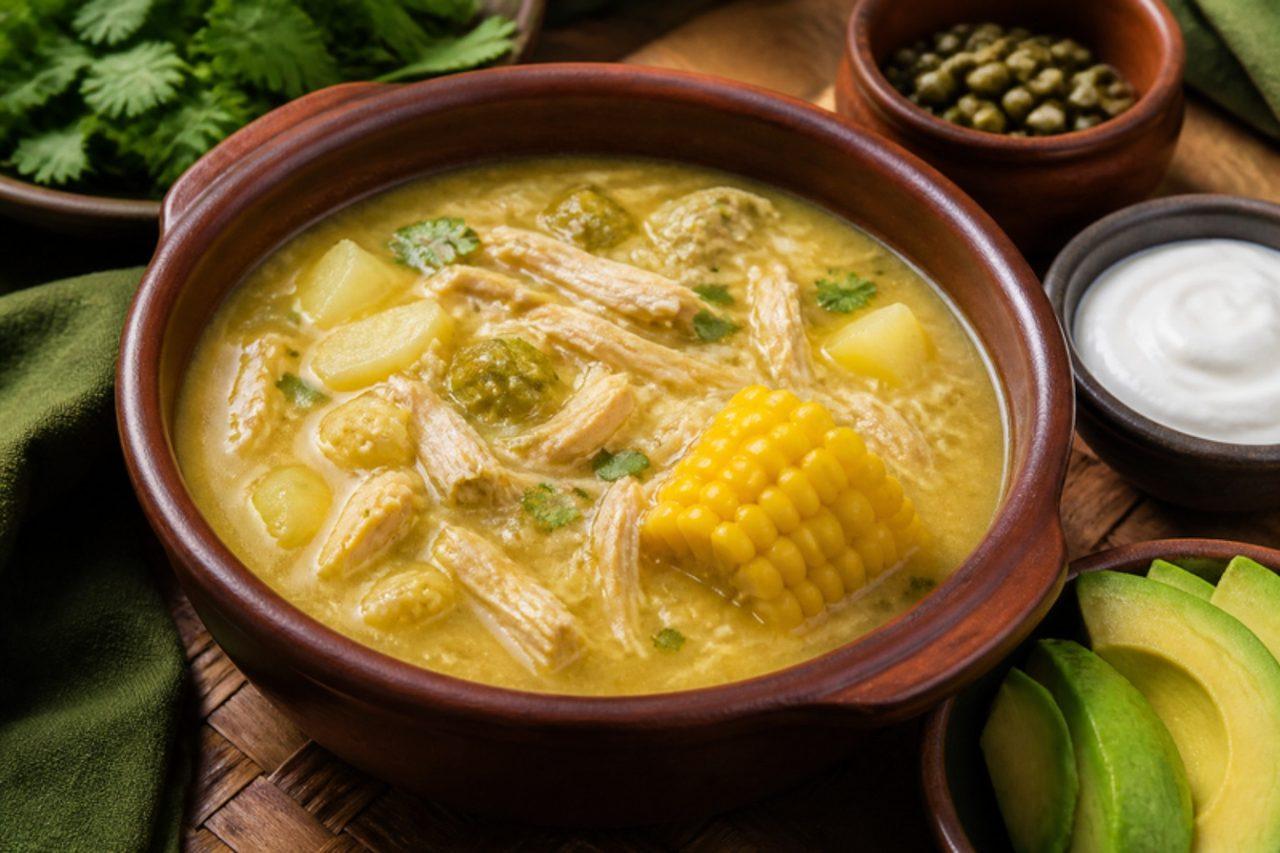
On cold, drizzly afternoons in Bogotá, high up in the Andes, families sit down to ajiaco: a thick chicken soup made with three kinds of potato. Small yellow papas criollas melt away and thicken the broth, while waxy and floury potatoes keep some bite. Guascas, a dried herb with a grassy, artichoke-like taste, gives the soup its unmistakable flavour, and each bowl comes with corn on the cob, a spoon of cream, capers and slices of avocado to add at the table. A frequent mistake is adding all the potatoes at once; the papas criollas go in first so they can dissolve, the firmer ones later. Chef's tip: if you can't find guascas in a Latin shop, use a mix of dried oregano and a little dried thyme; the soup will still be good, just less Bogotá.

by KrazyBadal 0 views

Poisson braiséCharcoal-grilled fish

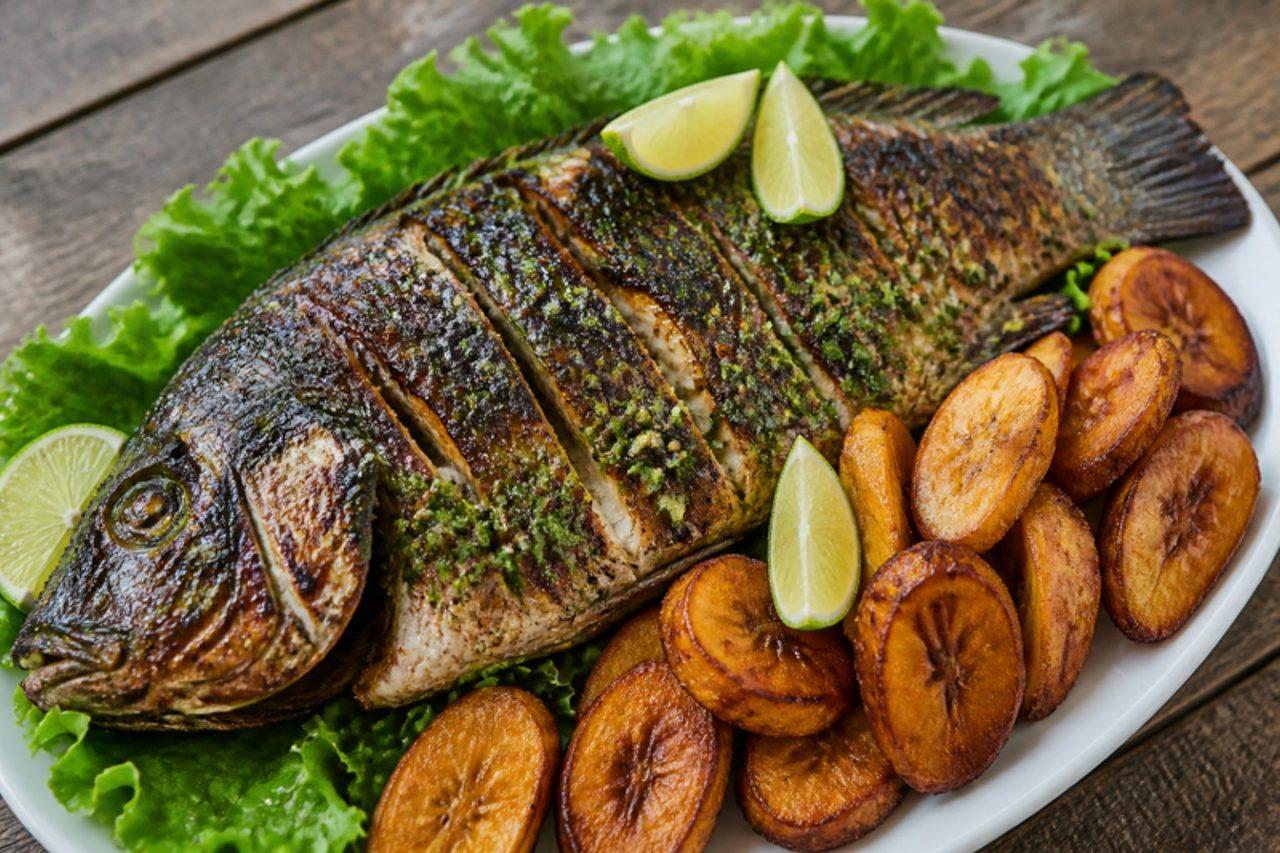
On the roadside grills of Douala and Yaoundé, women split tilapia or mackerel, smear them with a green paste of ginger, garlic, onion and herbs, and grill them over charcoal while people wait with a cold drink; it is late-evening food, eaten with fried plantain, bobolo (cassava sticks) or miondo and a fiery tomato pepper sauce. At home a very hot grill or a barbecue does the job. The mistake is turning the fish too early, so it sticks and breaks: wait until the skin is crisp and releases. Chef's tip: oil the fish and the grill bars, not just one of them.

by KrazyBadal 0 views

Pol rotiCoconut flatbread with onion

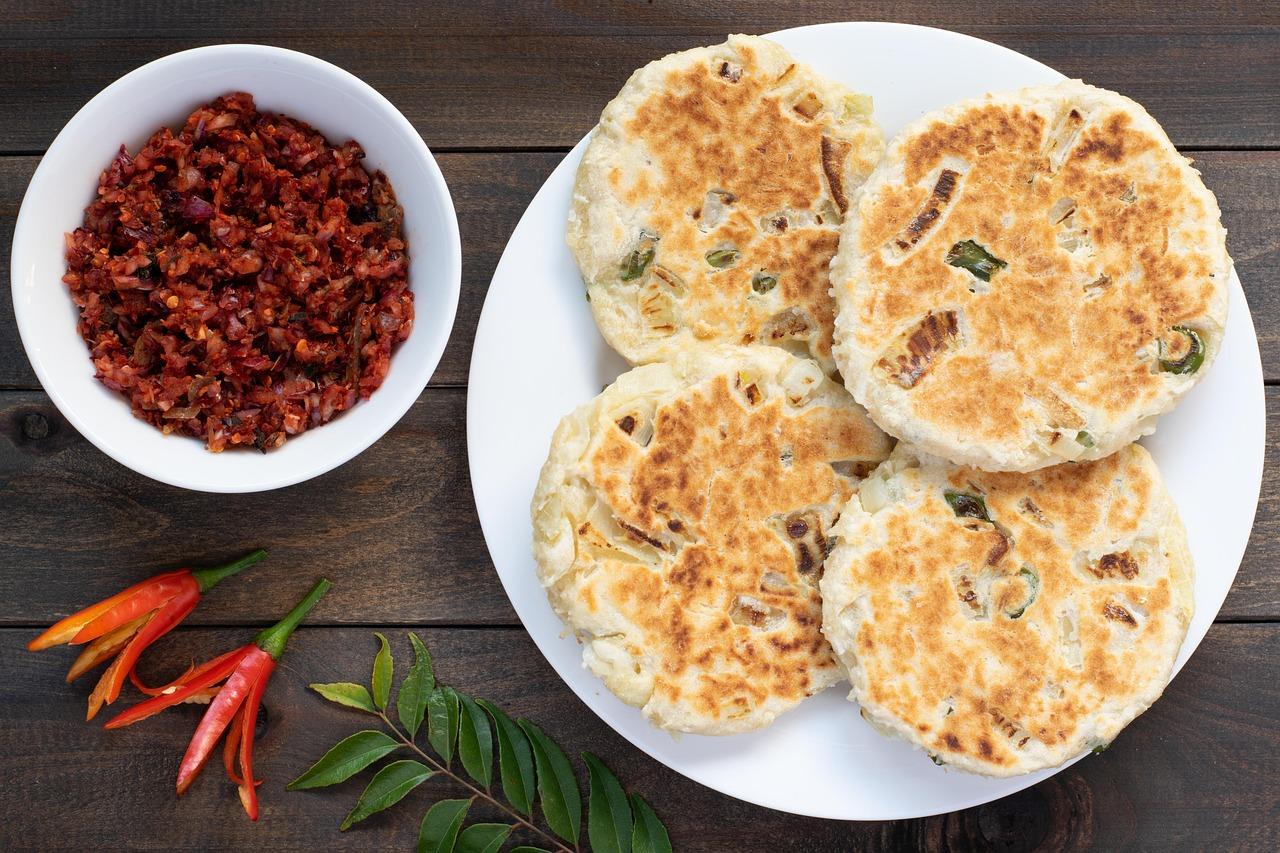
Pol roti is the hearty coconut flatbread that rural Sri Lankans eat for breakfast or an evening meal, cooked on a flat iron pan (thachchi) and torn up with lunu miris, parippu or a spicy potato curry; you'll see it stacked in glass cases in kades from Anuradhapura to Matara. Wheat flour is mixed with lots of freshly grated coconut, finely chopped onion and green chilli, and the dough is patted out thick by hand, so the roti come out chewy, with toasted coconut flecks and a sweet, savoury smell. The common mistake is rolling them thin: pol roti should be a good 1 cm thick and soft inside. Chef's tip: pat each roti out on a banana leaf or oiled baking paper and flip it straight onto the pan; it's too soft and crumbly to lift any other way.

by KrazyBadal 0 views

Pol sambolCoconut and chilli relish

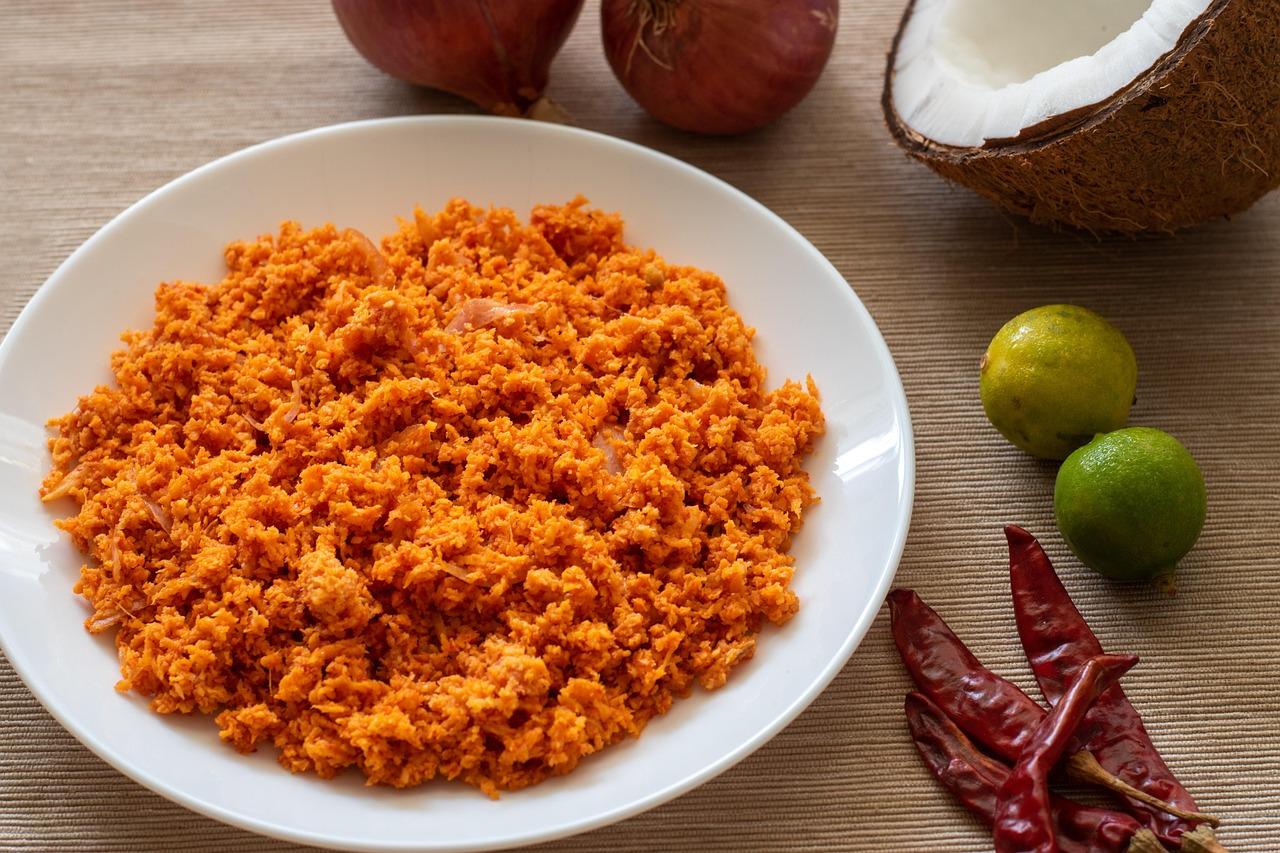
Pol sambol sits on the table at almost every Sri Lankan meal, from breakfast hoppers and string hoppers in a Kandy home to a rice packet bought at a roadside kade. Grandmothers grind it on a stone (miris gala) so the chilli and onion bruise into the coconut, and it turns a bright brick red, hot, sour and salty all at once. Most island recipes add a spoonful of Maldive fish (dried tuna flakes); we leave it out to keep it vegetarian and add a little extra onion and lime for depth. A common mistake is using dried desiccated coconut straight from the packet, which tastes dusty; fresh or frozen grated coconut gives the proper moist texture. Chef's tip: rub the chilli, onion and salt together first with your fingers until they turn juicy, then work in the coconut so every flake turns red.

by KrazyBadal 0 views

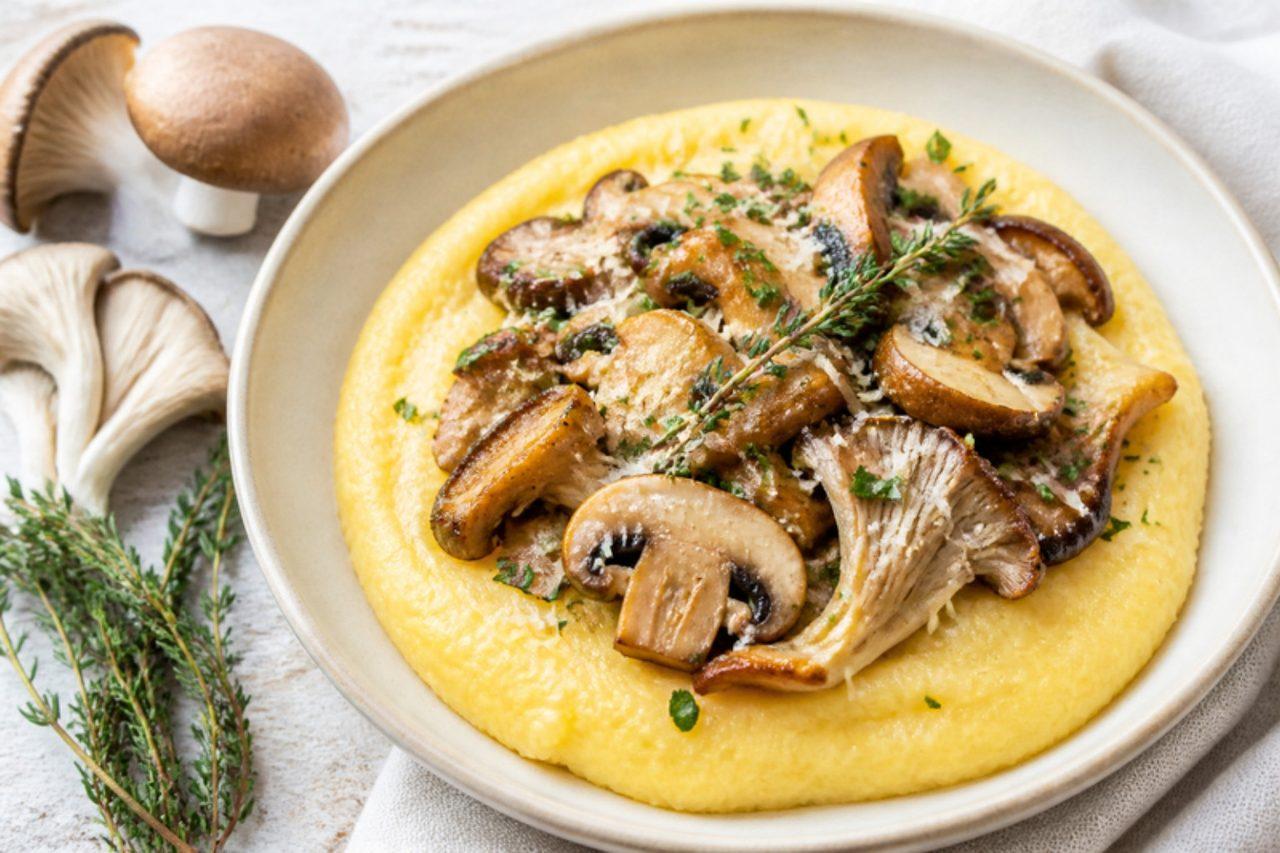
Polenta with mushroomsPolenta with garlic mushrooms

In the Veneto and the mountain valleys of the north-east, polenta is the old daily staple, poured steaming onto a wooden board in the middle of the table. Its classic autumn partner is funghi trifolati: mushrooms sautéed with garlic, parsley and a splash of white wine until glossy and deeply savoury. Soft polenta is spooned into bowls with the mushrooms on top, a warming supper for a cold night. Chef's tip: whisk the cornmeal into the water in a thin stream; if it goes in all at once, it lumps and no amount of stirring will fix it.

by KrazyBadal 0 views

Pollo a la brasaRoast chicken with green chilli sauce

Born in the 1950s in Chaclacayo, just east of Lima, this rotisserie chicken has grown into a national obsession, with its own holiday on the third Sunday of July and a pollería on almost every block. The bird is marinated in soy sauce, lime, garlic, cumin and ají panca, then roasted until the skin is lacquered and dark. At home a hot oven does the job, and the meal is not complete without chips, a simple salad and a jar of creamy green ají sauce. Chef's tip: dry the skin well and leave the chicken uncovered in the fridge overnight after marinating; it roasts up much crisper.

by KrazyBadal 0 views

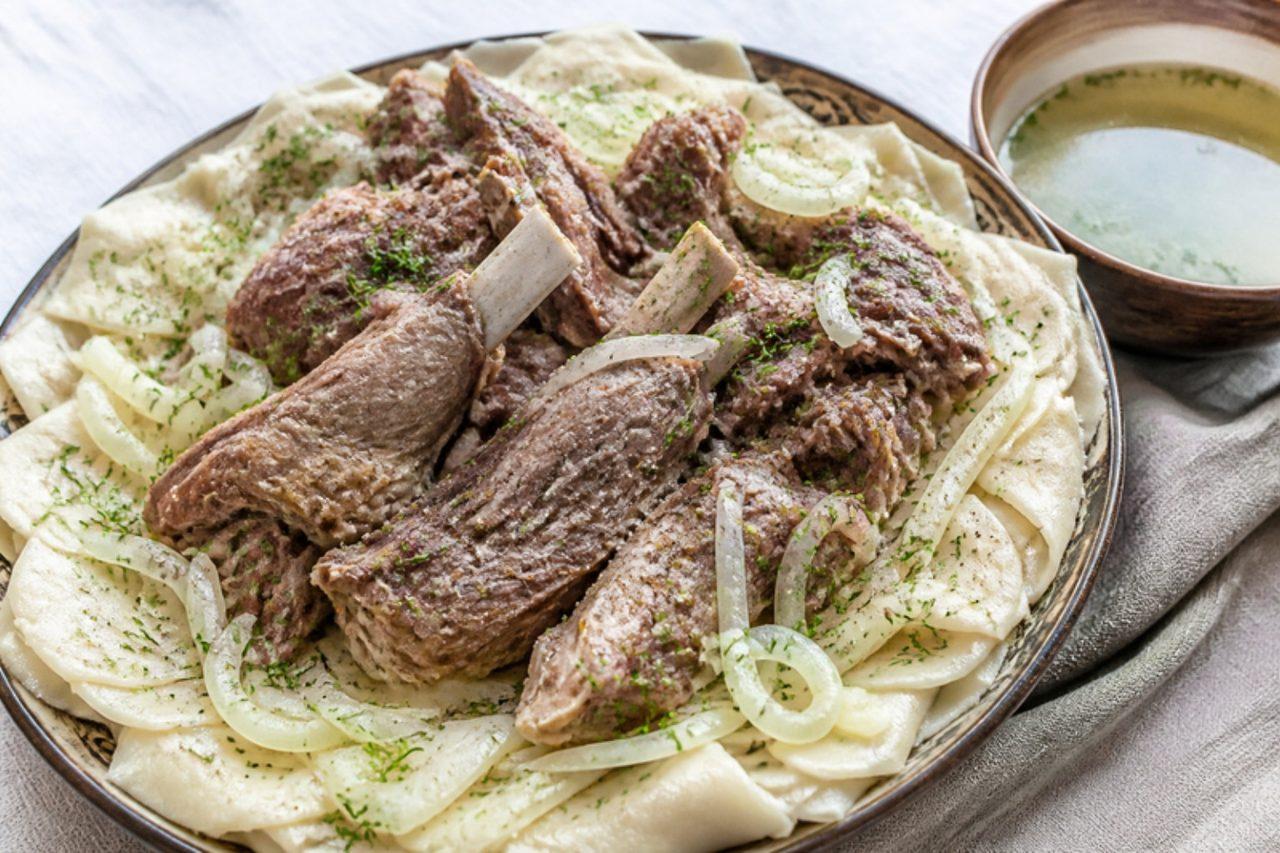
BeshbarmakBoiled lamb on noodle sheets

Beshbarmak, "five fingers", is the dish a Kazakh family puts on the dastarkhan for guests, weddings and Nauryz, traditionally eaten with the hand. Lamb (or horse meat in many homes) is simmered for hours, sliced and laid over wide squares of fresh noodle dough cooked in the same broth, then topped with soft onions in a peppery sauce. The broth, called sorpa, is drunk from bowls alongside. Cutting the noodles too thick is a common slip; they should be thin enough to be silky, not chewy. Chef's tip: keep a cup of the hot fat skimmed from the broth to cook the onion sauce; it carries all the lamb flavour.

210 minKazakhMeat
by KrazyBadal 0 views

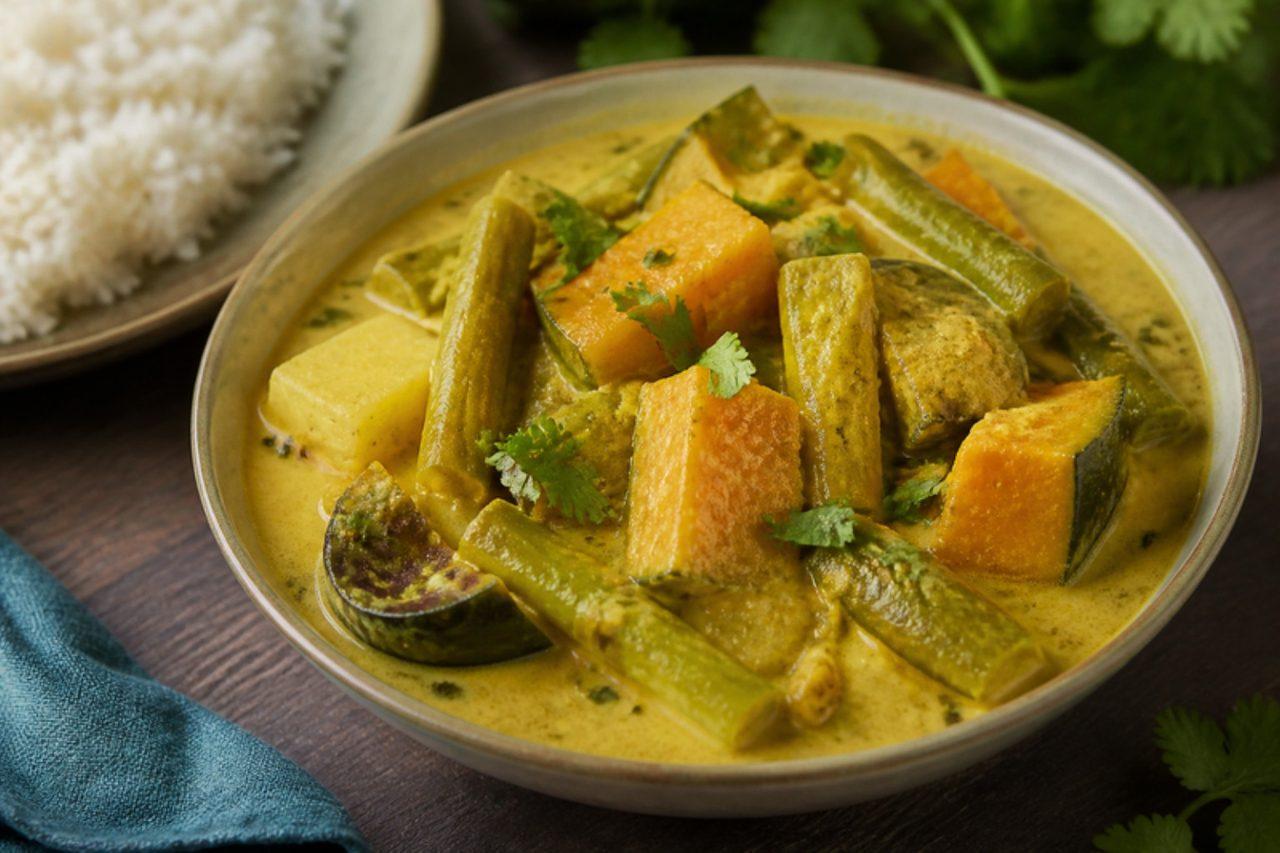
BesaraVegetables in mustard garlic paste

Besara means 'with mustard', and in Odisha it is the name of any dish cooked in a freshly ground paste of mustard seeds, garlic and green chilli. Fish besara is the best known; this is the vegetarian version cooked in Odia homes with pumpkin, potato, aubergine, raw banana and a few drumsticks, made sour with a little tamarind or dried mango. The mustard gives it a clean, sinus-clearing heat that is very different from a turmeric-and-chilli curry. Chef's tip: grind the mustard with a pinch of salt and a green chilli; this stops the paste turning bitter.

by KrazyBadal 0 views

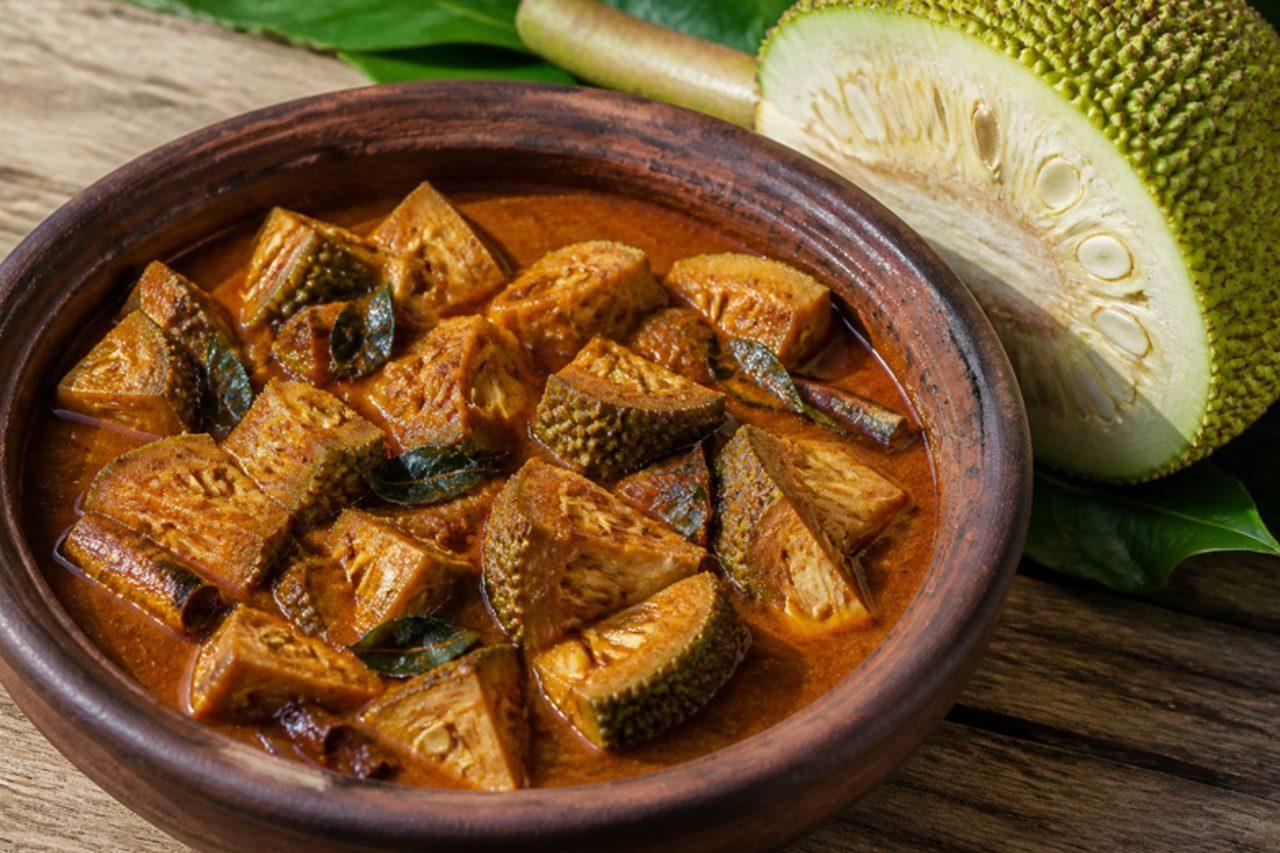
Polos curryYoung green jackfruit curry

Polos is the tiny unripe jackfruit picked in the Western and Sabaragamuwa provinces long before it sweetens, and cooked low and slow it becomes one of the island's most loved festival curries, especially at Sinhala and Tamil New Year in April and at wedding lunches. The firm, pale flesh soaks up a very dark roasted curry powder, garlic, ginger, goraka (a smoky souring fruit) and coconut milk until it turns almost black-brown and tastes rich, sour and meaty. Fresh polos is hard to find abroad; tinned young green jackfruit in brine works well. A frequent mistake is not cooking it long enough, which leaves it squeaky; the pieces must be soft enough to break with a spoon. Chef's tip: oil your hands and knife before cutting fresh jackfruit; the sticky white sap washes off oiled skin but not dry skin.

by KrazyBadal 2 views

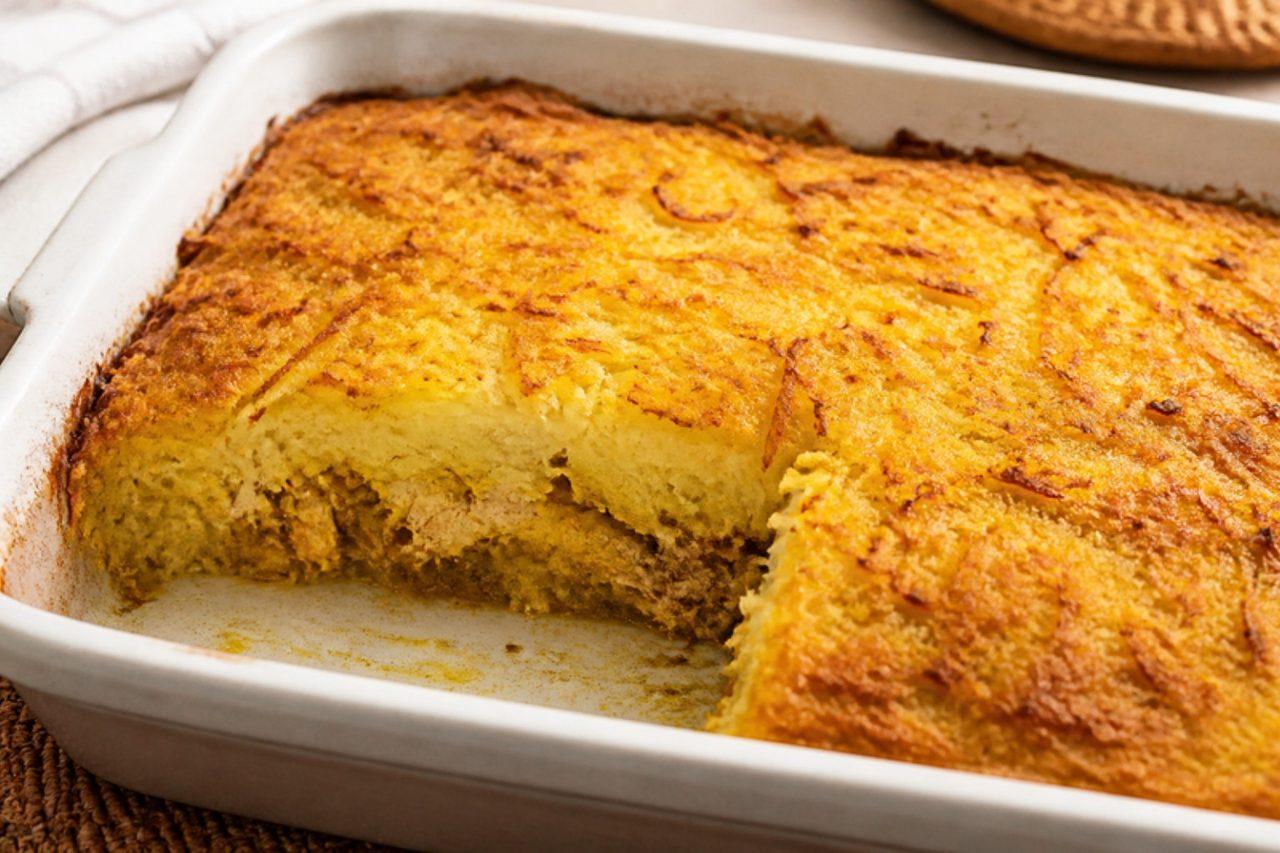
PomBaked chicken and grated pomtajer

Pom is Suriname's celebration dish, baked for birthdays and holidays in Paramaribo and by the Surinamese community in the Netherlands: a layer of grated pomtajer root (a type of taro) mixed with citrus juice, then a layer of chicken stewed with onion, tomato, nutmeg and pickled peppers, then more pomtajer, baked until the top is golden. It is usually eaten on a roll as a "broodje pom". The mistake is skipping the citrus: pomtajer must be mixed with orange or lime juice, which gives the dish its fragrance. Chef's tip: frozen grated pomtajer from Surinamese or Caribbean shops saves the hard grating; if you can't find it, use grated taro or a mix of taro and potato.

by KrazyBadal 0 views

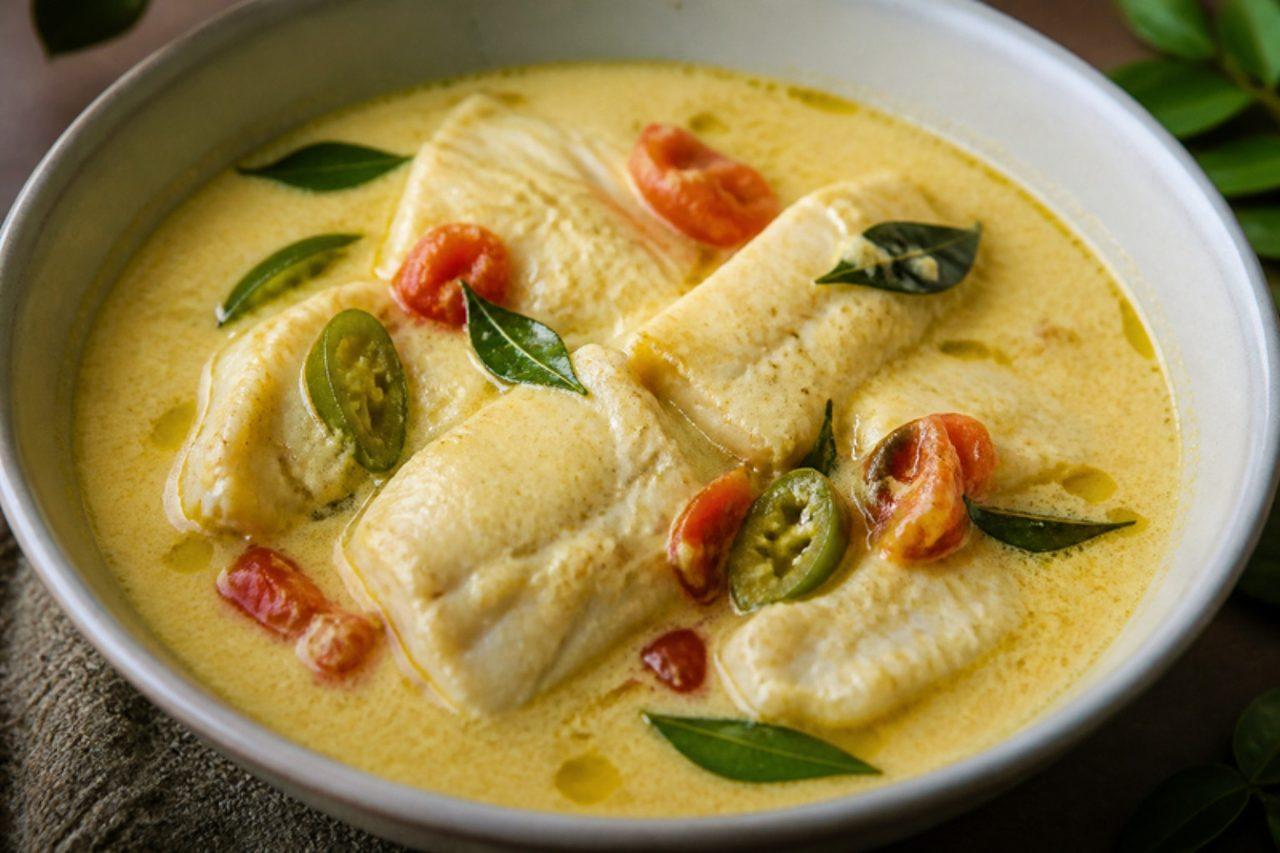
Pondicherry fish assadFish in coconut milk curry

In Puducherry, the former French enclave on the Tamil coast, Creole families of mixed Tamil and French descent cook a fish curry that is softer and creamier than anything else along that shore. Assad is mild and pale, fragrant with fennel, pepper and curry leaves, with the fish poached in thin coconut milk and finished with a thick, rich pour. It is a Sunday-lunch and Christmas dish in these homes, eaten with plain rice or a crusty loaf from the town's bakeries. Chef's tip: add the thick coconut milk only at the very end and keep the curry below a boil, so it stays silky and white.

40 minIndianFishGluten free
by KrazyBadal 0 views

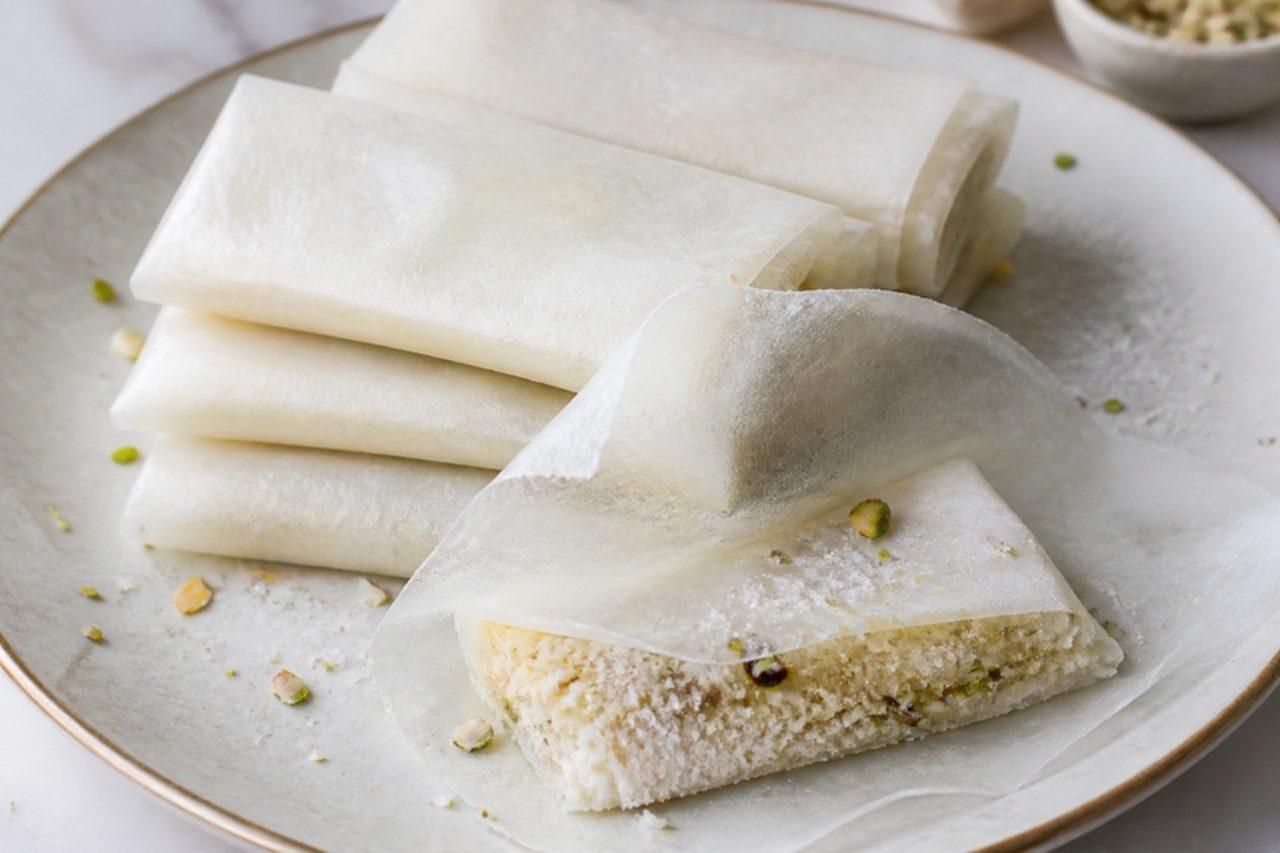
PootharekuluPaper-thin rice sheet sweets

Pootharekulu ('coated sheets') come from Atreyapuram village in the Godavari district, where women make translucent rice-starch films by dipping a cloth in batter and wiping it over a hot, upturned clay pot. Those whisper-thin sheets are then layered with ghee and powdered sugar or jaggery and folded into neat parcels that melt on the tongue. True rekulu need the special pot and years of practice, so this home method spreads a very thin rice batter on an upturned wok or non-stick pan and peels off the dried film. Sheets can also be bought ready-made in Indian shops; then just do the filling. Chef's tip: work with the sheets dry; brush ghee on, never sugar syrup, or they turn soggy and tear.

by KrazyBadal 0 views

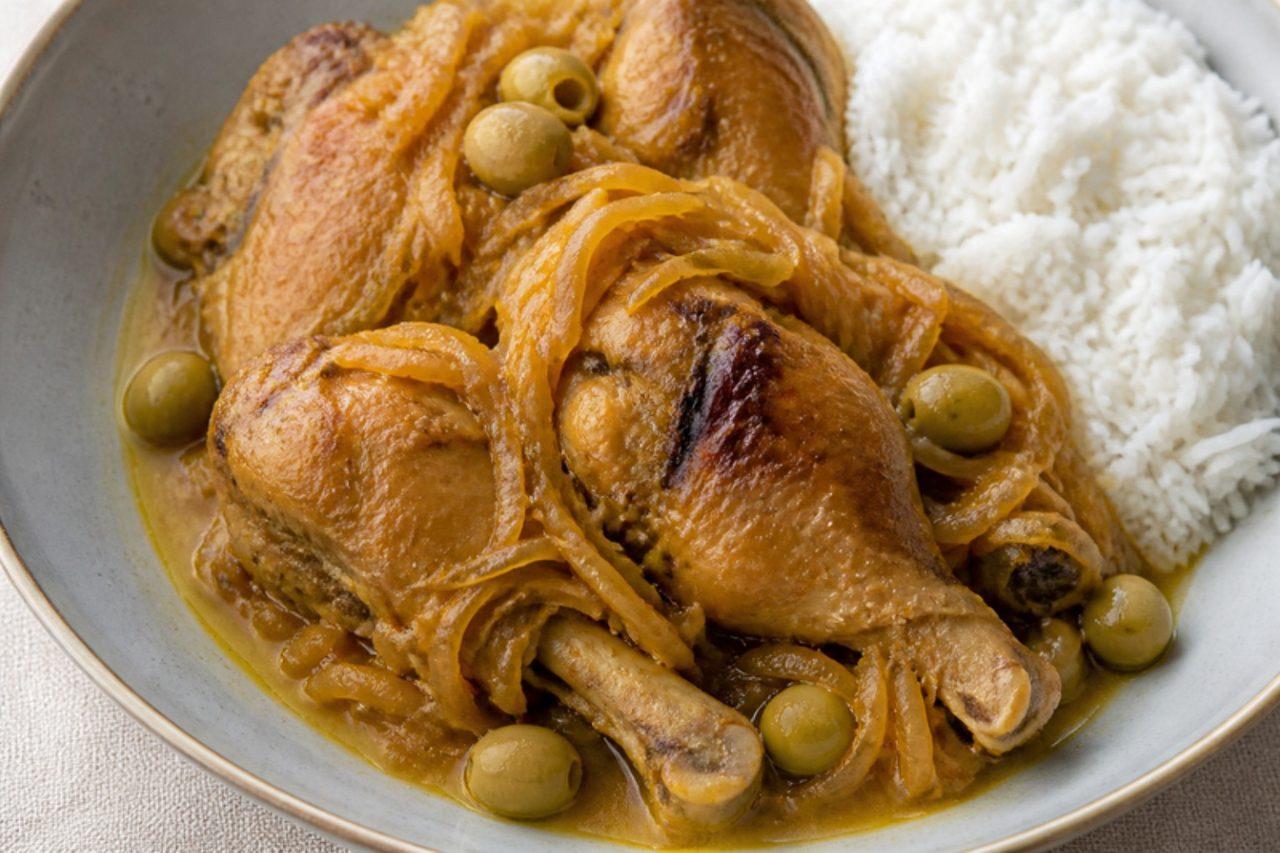
Yassa pouletLemon onion chicken

Yassa comes from Casamance, the green, rice-growing south of Senegal, and has become the dish Dakar families cook for guests and naming ceremonies. Chicken spends a night in lemon juice, mustard and a huge pile of sliced onions, is grilled or browned until charred at the edges, then braised in those same onions until they collapse into a sharp, sweet, jammy sauce. It is served over plain white rice with a green olive or two on top. A common mistake is rushing the onions; if they are still crunchy the sauce tastes raw and harsh, so give them the full half hour. Chef's tip: keep the marinade, because it becomes the sauce; just boil it well with the onions so it is safe to eat.

by KrazyBadal 0 views

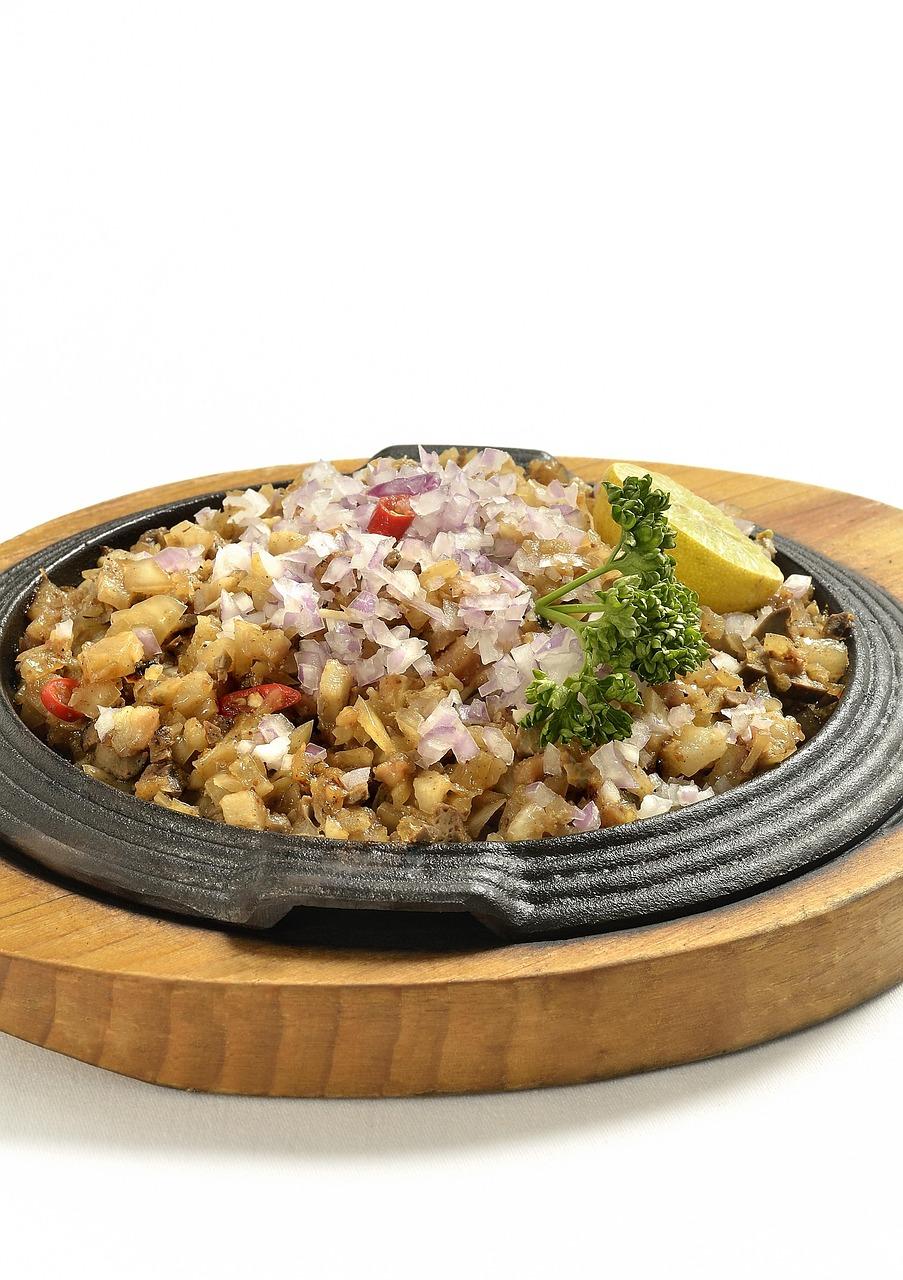
Pork sisigSizzling chopped pork

Sisig comes from Angeles City in Pampanga, where cooks turned pig's head and ears into a sizzling, sour, peppery bar snack that is now on almost every Filipino menu. This home version is pork, using pork belly (and pig's ears if your butcher has them) that is boiled, grilled until charred, then chopped finely and fried with onion, chilli and calamansi juice. It arrives at the table crackling on a hot cast-iron plate, often with a raw egg stirred in. Eat it with rice, or as pulutan with drinks; a cold calamansi juice works as well. Chef's tip: chop the pork small but not to mince; you want little crisp edges and chewy bits in every spoonful.

110 minFilipinoMeatSpicy
by KrazyBadal 0 views

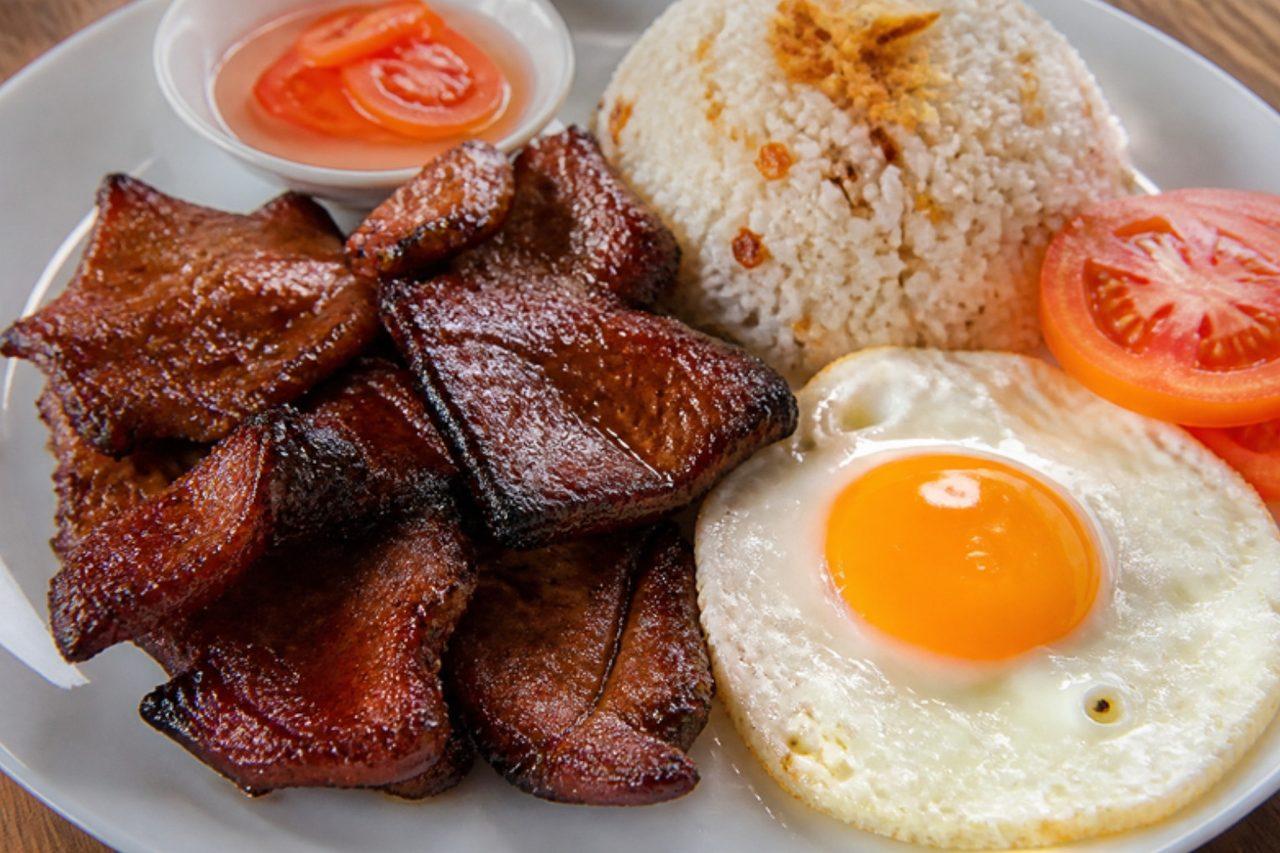
Pork tocinoSweet cured pork

In Pampanga, tocino is breakfast: thin slices of pork shoulder in a sweet, garlicky marinade, fried until the sugar caramelises at the edges, then served with garlic fried rice and a fried egg as 'tosilog'. Shop tocino is often bright pink from curing salts; this home version leaves those out, so it is a sweet marinated pork rather than a true cure, gets its warm red colour from annatto and paprika, and must be kept in the fridge and cooked within 3 days (or frozen). Look for pork with a little fat running through it so it stays juicy. Chef's tip: start it in a splash of water; the pork simmers through first, then the sugar glazes once the water is gone, so it doesn't burn before it's cooked.

by KrazyBadal 0 views

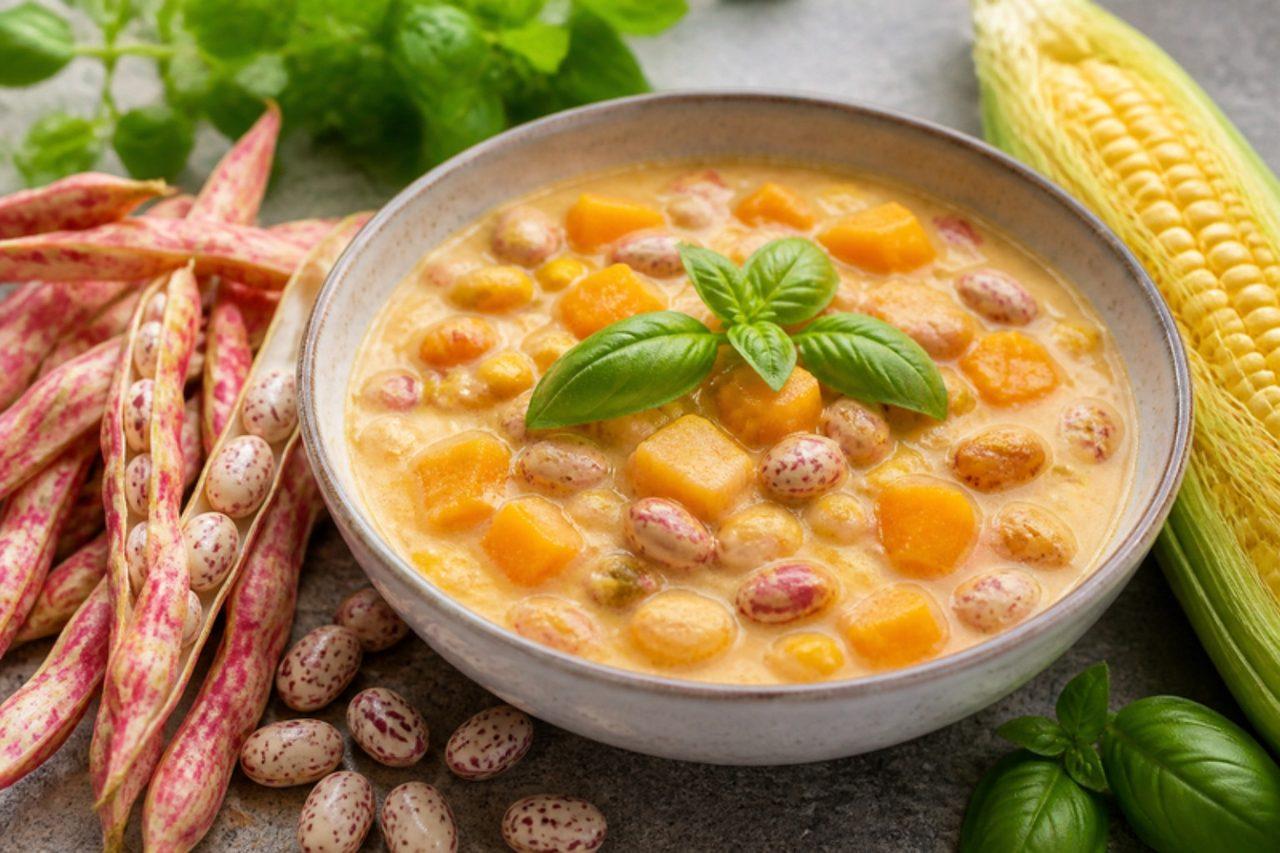
Porotos granadosFresh bean, pumpkin and corn stew

Porotos granados is what central Chile cooks when the fresh beans arrive in late summer: tender cranberry beans shelled at the kitchen table, simmered with pumpkin until it collapses into a thick orange sauce, then finished with grated corn and basil. Families in the Valle Central eat it on hot days, often with pebre and a tomato salad; when the corn is blended in larger amounts it's called 'con mazamorra'. It's hearty but fresh-tasting, and fully plant-based. Chef's tip: add the corn only in the last 10 minutes; it's there to thicken and sweeten, and overcooked it turns floury.

by KrazyBadal 0 views

PortokalopitaOrange fillo cake

Portokalopita is a Greek orange cake with an unusual trick: instead of flour, it uses dried, torn fillo pastry, which soaks up an orange yogurt batter and then a hot orange syrup. It became a favourite in Greek homes in the 1990s and is now baked for coffee mornings, Sunday visits and village festivals across the country. The texture is like a moist sponge with crisp edges, very orangey and not too sweet. It keeps beautifully, so it is perfect for making the day before. Chef's tip: dry the fillo properly until crisp; using it soft is the usual mistake and gives a heavy, gummy cake.

by KrazyBadal 0 views

Posta negra cartageneraBeef in dark panela sauce

Posta negra comes from the Caribbean coast, from Cartagena's old walled city and the towns around it, and it is what a family cooks for a birthday or a Sunday when the grandparents visit. A whole piece of beef is browned, then braised slowly with onion, a little cola-coloured panela (unrefined cane sugar) and Worcestershire-style sauce until the sauce turns nearly black and glossy, sweet and tangy at once. It is sliced and served with coconut rice, fried plantain and a tomato and onion salad. The most common mistake is letting the panela burn when caramelising: it should turn a deep mahogany and smell like toffee, not acrid smoke. Chef's tip: slice the meat across the grain only after it has rested, then return the slices to the sauce so they soak it up.

by KrazyBadal 0 views

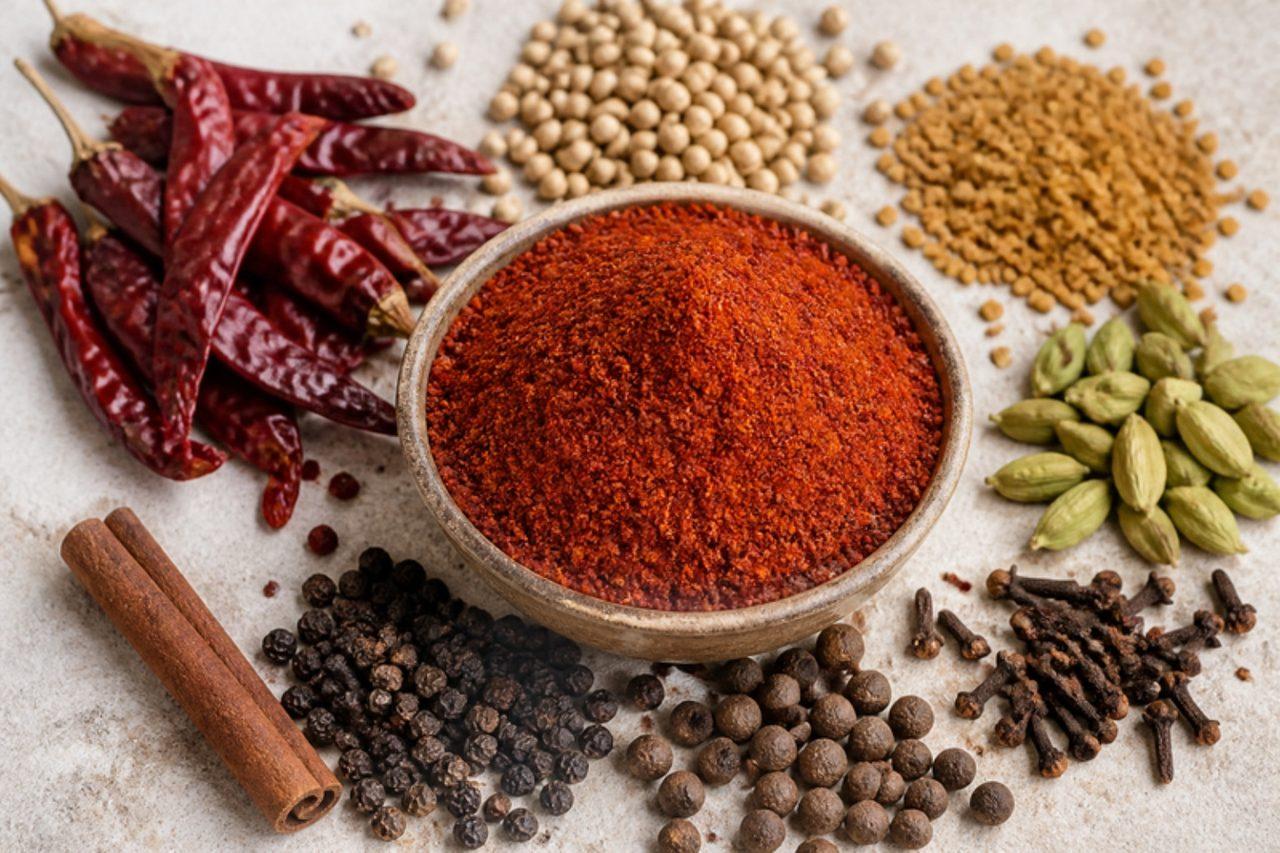
BerbereRed chilli spice blend

Berbere is the red, warmly spiced powder that gives Ethiopian wats their colour and heat. In markets like Addis Mercato, women sell it by the scoop, and in Gojjam and Gondar families still dry chillies on rooftops and grind their own mix once a year. Each household's version differs, but most combine hot dried red chillies with paprika, fenugreek, coriander, cardamom, ginger, cloves and allspice. This quick home version toasts whole spices and grinds them with ready-ground chilli. The hotter blend mitmita (bird's eye chilli, cardamom, cloves and salt) is its fiery cousin for sprinkling at the table. Chef's tip: toast the whole spices only until they smell fragrant; once fenugreek turns dark brown it becomes bitter.

by KrazyBadal 0 views

PoticaWalnut and honey spiral cake

No Slovenian Easter or Christmas table is complete without potica, a yeasted dough rolled thin around a honeyed walnut filling and baked in a fluted ring mould called a potičnik. When sliced, each piece shows a tight spiral of pale dough and dark nuts. Families in Ljubljana and across Carniola argue about the best filling, but walnut with honey is the classic one, eaten with coffee from Christmas morning until the tin is empty. Unlike a braided Romanian cozonac, the beauty is all in the thin, even swirl. Chef's tip: spread the filling no thicker than the dough and roll it up tightly; a loose roll or a thick layer leaves a gap between dough and filling once baked, the most common potica fault.

210 minBalkanBaking
by KrazyBadal 0 views

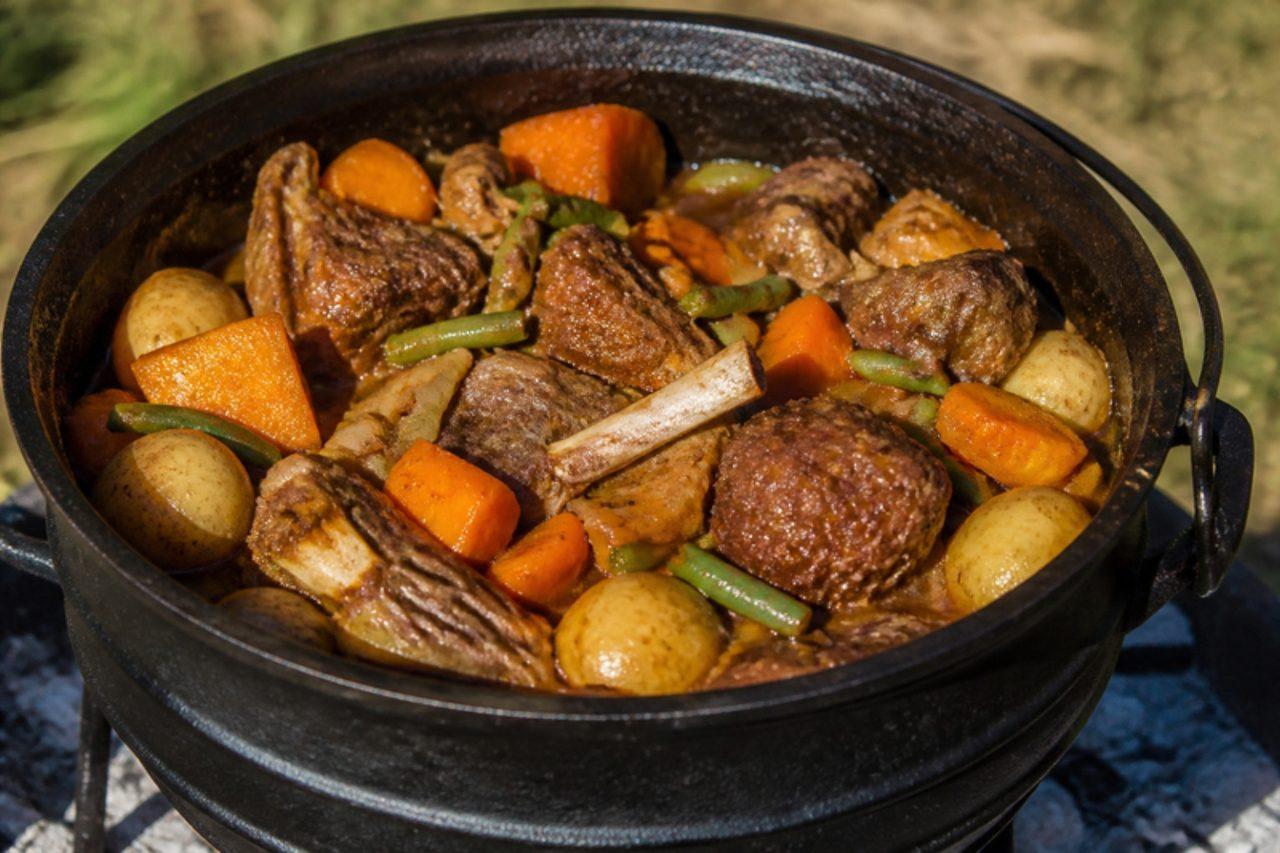
Lamb potjiekosLamb and vegetable stew

Potjiekos is the long, sociable cook of South African weekends: a cast-iron three-legged pot (potjie) sits over a small fire for hours while friends talk around it, and the rule is that once the layers are in, nobody stirs. The lamb is browned at the bottom, then potatoes, carrots, butternut, green beans and mushrooms are stacked on top so the hardest vegetables are nearest the heat. A heavy casserole on the hob or in the oven works just as well. Some cooks add a glass of red wine or beer; this version uses stock only, and you may swap 150 ml of it for wine if you like. The mistake is stirring the pot, which turns the neat layers into mush. Chef's tip: add only a little liquid; the vegetables give off their own juice as they steam.

by KrazyBadal 0 views

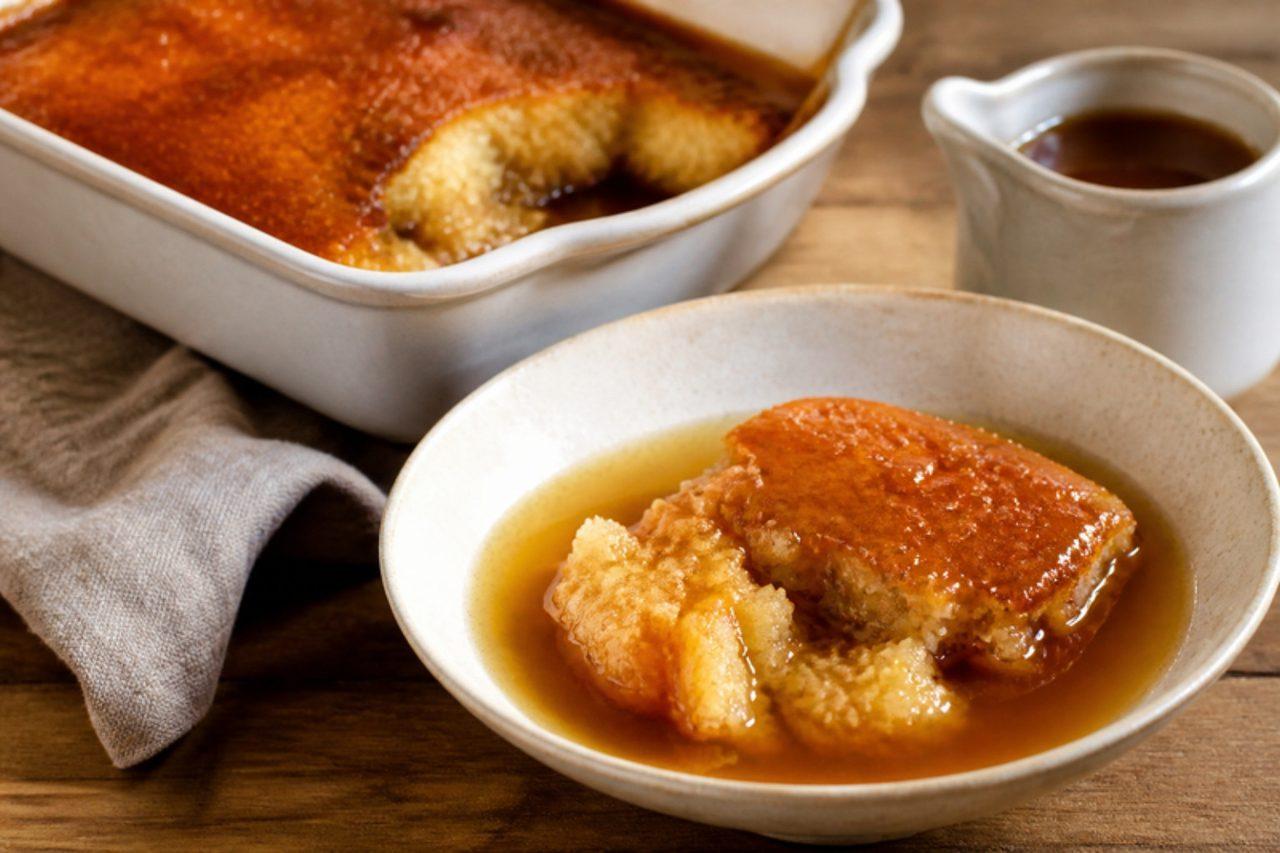
Pouding chômeurCake baked in maple syrup

Pouding chômeur ('unemployed person's pudding') was created in Québec during the Depression of the 1930s, from the cheapest ingredients: flour, sugar, a little butter and hot syrup. As it bakes, the light batter rises through the syrup, which settles underneath as a rich caramel sauce. Today it's made with maple syrup and is a fixture of Québec sugar shacks (cabanes à sucre) in March and April, and of family Sunday dinners. Serve warm with vanilla ice cream. Chef's tip: pour the syrup on boiling hot and spoon the batter over in blobs; never stir them together.

by KrazyBadal 0 views

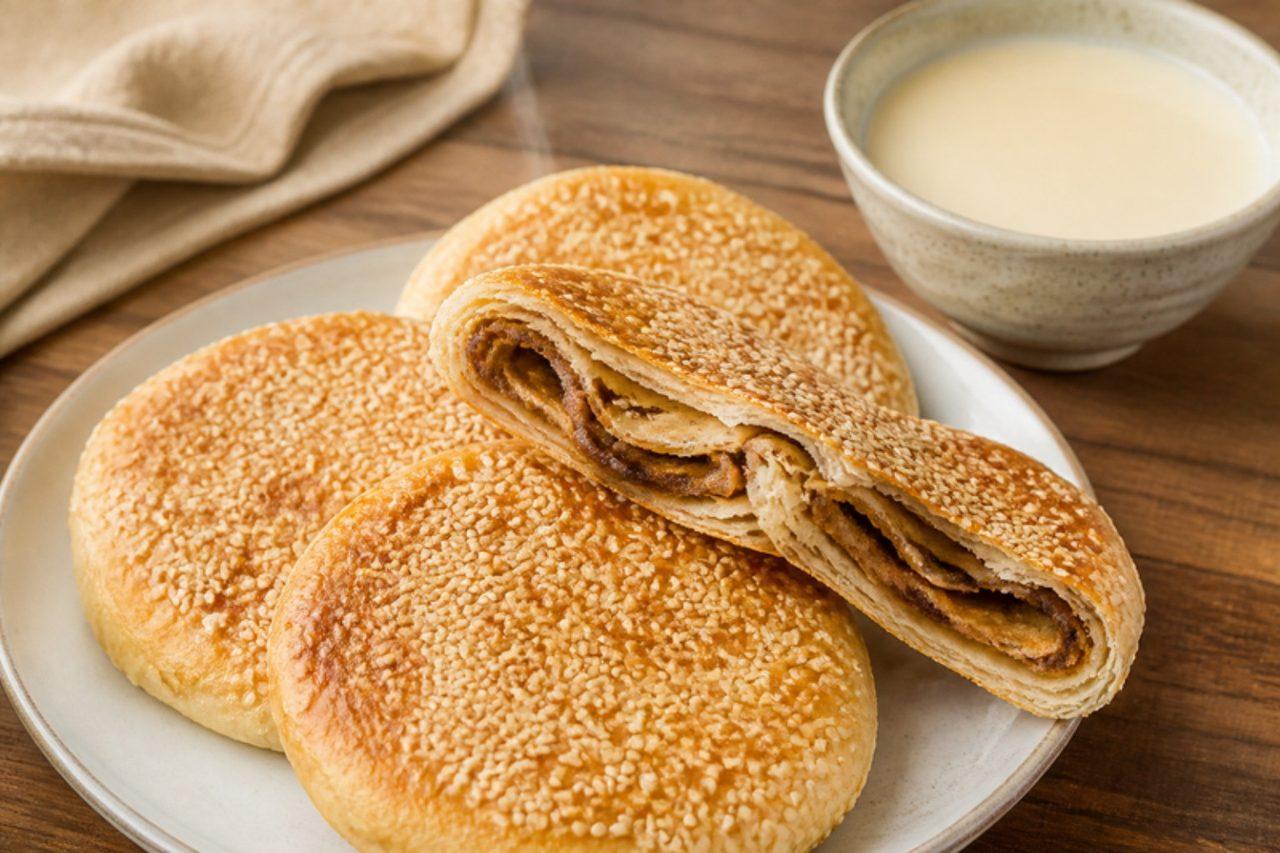
Beijing sesame shaobingSesame paste flatbreads

Old Beijing eats these at breakfast with a bowl of soy milk, or tears them up beside a lamb hot pot. The dough is spread with toasted sesame paste and ground Sichuan pepper, rolled up and coiled, so a cut loaf shows a spiral of dozens of thin brown layers. The top is crusted with sesame seeds and baked until it shatters. Chef's tip: spread the paste right to the edges and roll tightly; air pockets make the layers separate and burst.

by KrazyBadal 0 views

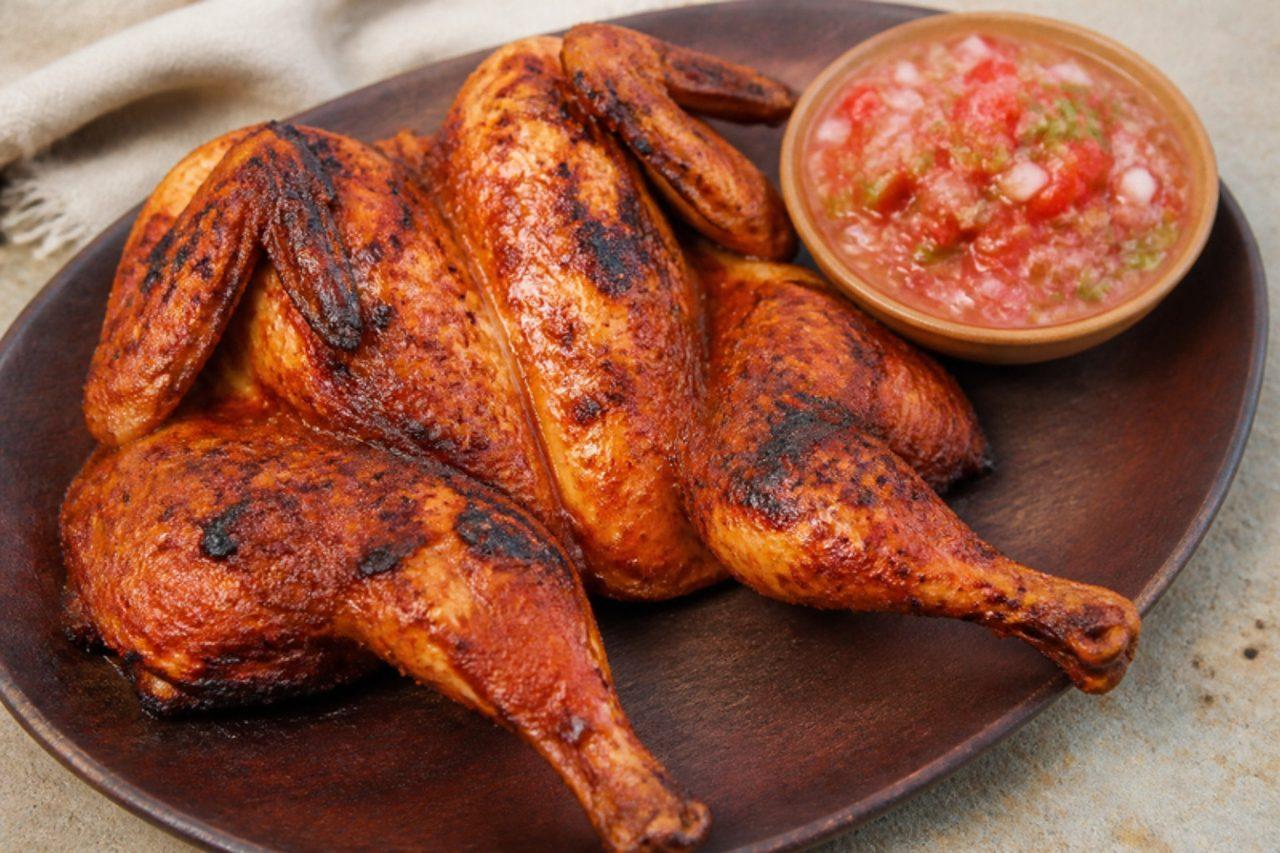
Poulet bicycletteGrilled free-range chicken

Across Burkina Faso and northern Côte d'Ivoire, "bicycle chicken" is the lean village chicken once carried to market strapped to the back of a bike; in Ouagadougou and Bobo-Dioulasso it is grilled whole at open-air stalls in the evening and eaten with fries, attiéké or a chunk of bread. The birds are smaller and firmer than supermarket chicken, so a small free-range or poussin works best at home. The mistake is grilling a whole chicken over high heat from the start, which burns the outside before the inside is safe; start it on indirect heat or in the oven, then char it. Chef's tip: spatchcock the bird so it cooks evenly and fast.

by KrazyBadal 0 views

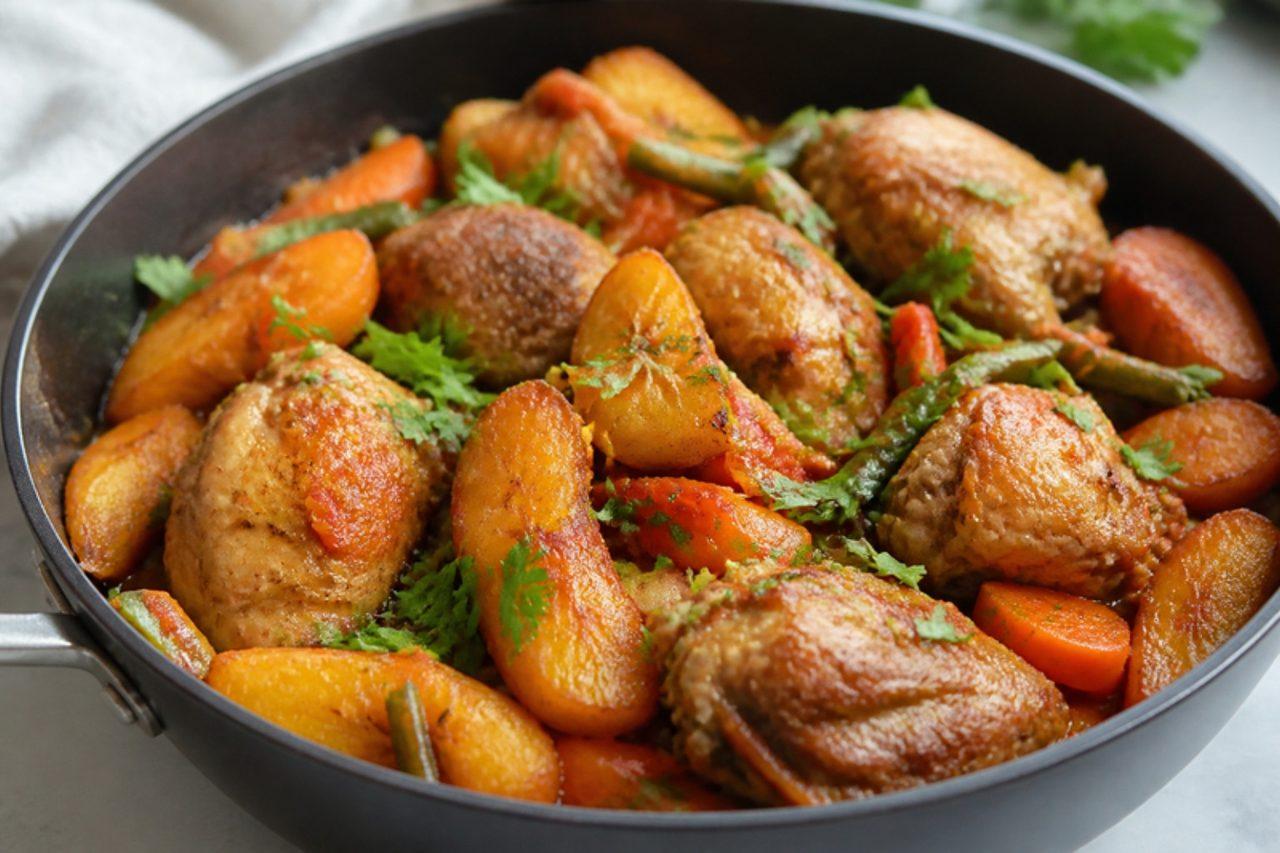
Poulet DGChicken with plantain and vegetables

Poulet DG, short for "poulet directeur général", earned its name in Yaoundé in the 1980s as a dish rich enough for the boss; now it is the centrepiece at weddings and Sunday lunches across Cameroon. Chicken is browned and simmered with tomato, peppers, carrots and green beans, then fried ripe plantain is folded in at the end, so every mouthful is savoury and sweet. The mistake is stirring the plantain in too early, when it breaks up and goes mushy; add it in the last few minutes. Chef's tip: choose plantains that are yellow with lots of black spots, ripe enough to caramelise but still firm.

by KrazyBadal 0 views

Ludagun (donkey rolls)Rice rolls with red bean paste

The name means 'donkey rolling in the dust', after the golden soybean flour that coats these soft rolls like a donkey that has rolled on a dusty road. It's one of the old Beijing sweets sold at temple fairs and in snack streets near Houhai, often next to pea-flour cakes. Inside is chewy glutinous rice dough spread with red bean paste and rolled into a spiral. Chef's tip: toast the soybean flour yourself until it smells of roasted nuts; the shop-bought kind is often pale and flat-tasting.

by KrazyBadal 0 views

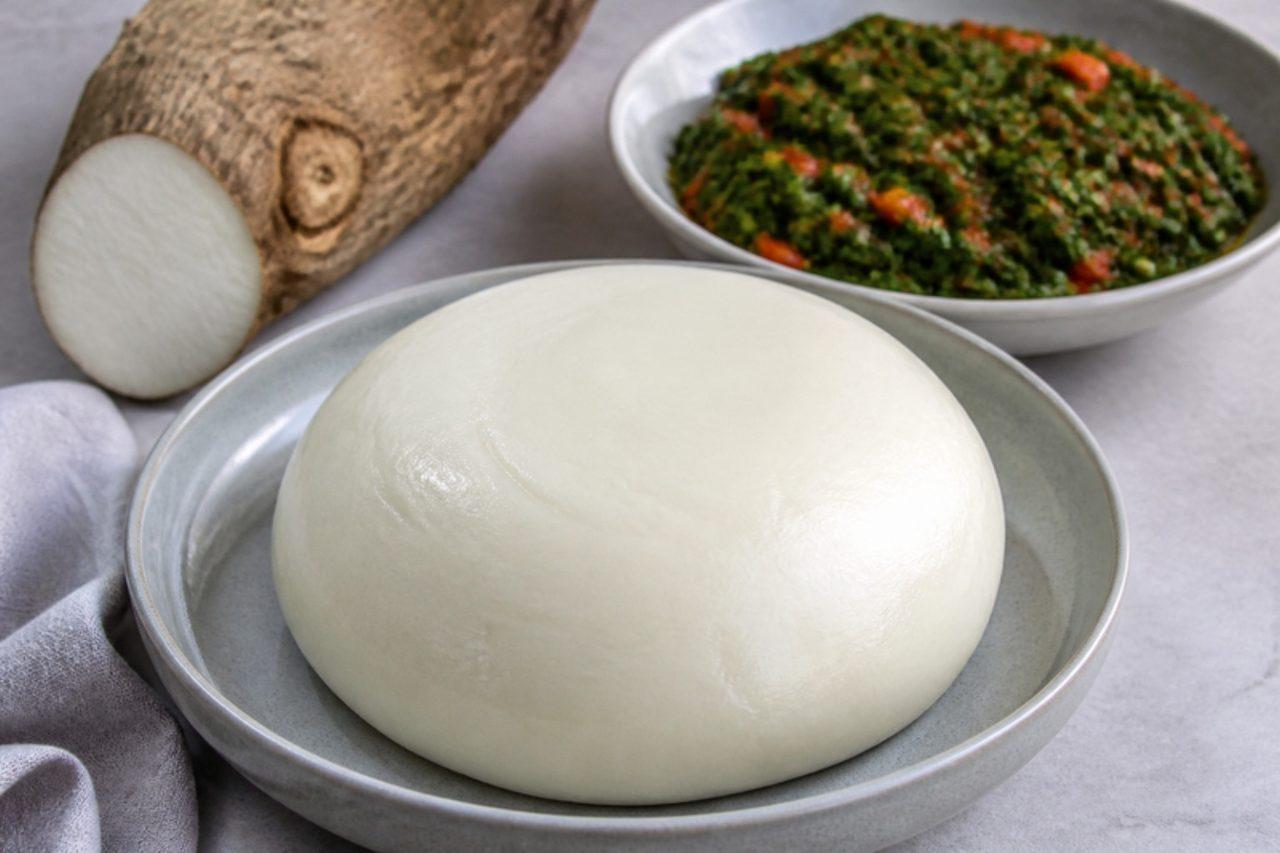
Pounded yamPounded yam dough

Pounded yam, iyan in Yoruba, is the pride of Ekiti and Oyo tables, where it is still pounded in a big wooden mortar on Sundays and at celebrations, the thud of the pestle carrying down the street. Boiled white yam is beaten until it becomes a smooth, elastic, slightly sticky dough that is torn off by hand and dipped into egusi, efo riro or okra soup. At home most people now use a stand mixer or food processor instead of a mortar. It has to be true African white yam (puna yam), not orange sweet potato, which some shops label as yam. Chef's tip: pound or mix the yam while it is still very hot; as it cools the starch sets and it turns lumpy instead of stretchy.

by KrazyBadal 0 views

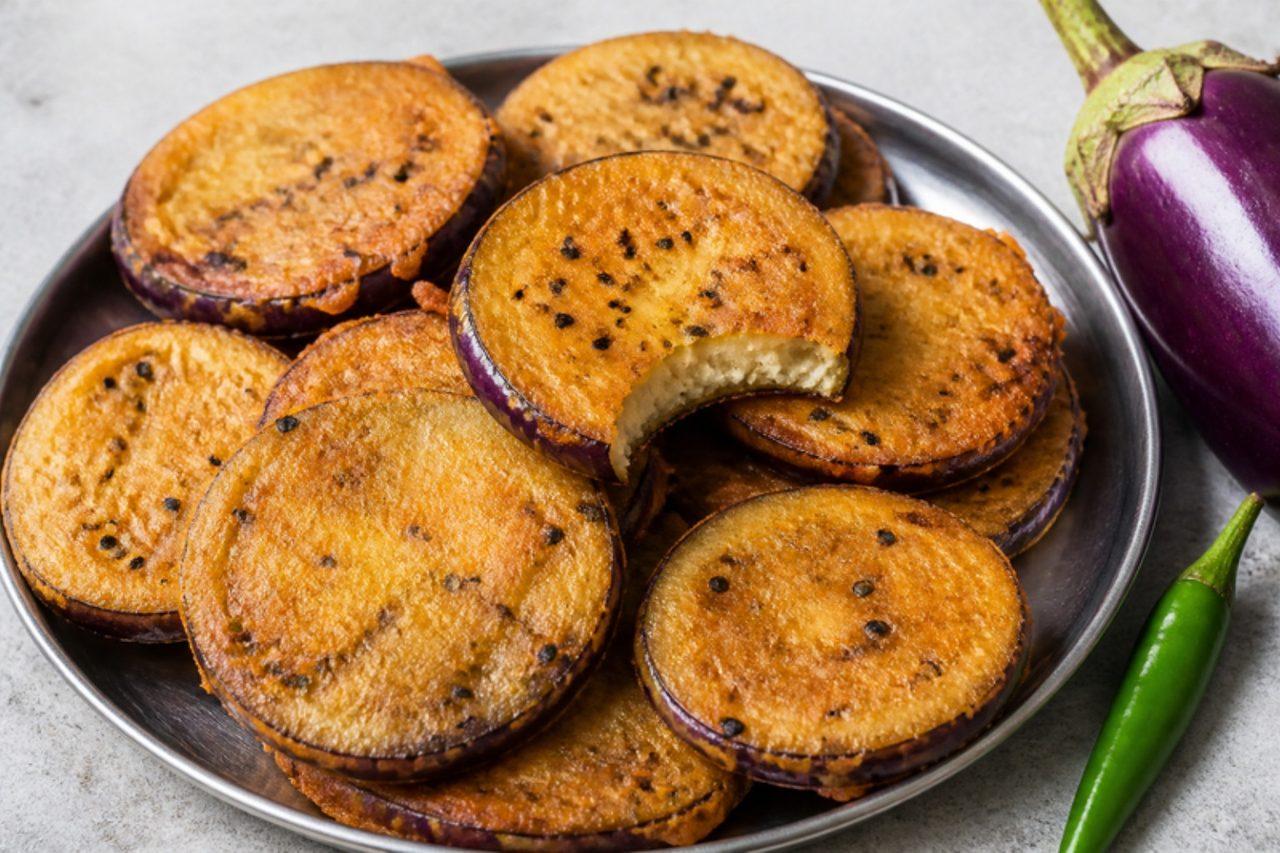
BeguniBattered aubergine fritters

When the monsoon arrives in Kolkata, the telebhaja shops at every para corner start frying beguni: long, thin slices of aubergine dipped in a spiced gram-flour batter and fried until the coat puffs and turns golden. It is eaten with muri and a cup of tea, or alongside khichuri on a wet Saturday. The inside should be soft and creamy, the shell thin and crackly. Chef's tip: a spoonful of rice flour and a pinch of nigella in the batter keep it crisp long after frying. This is a different dish from begun bhaja, where the slices are fried bare with turmeric and salt.

by KrazyBadal 0 views

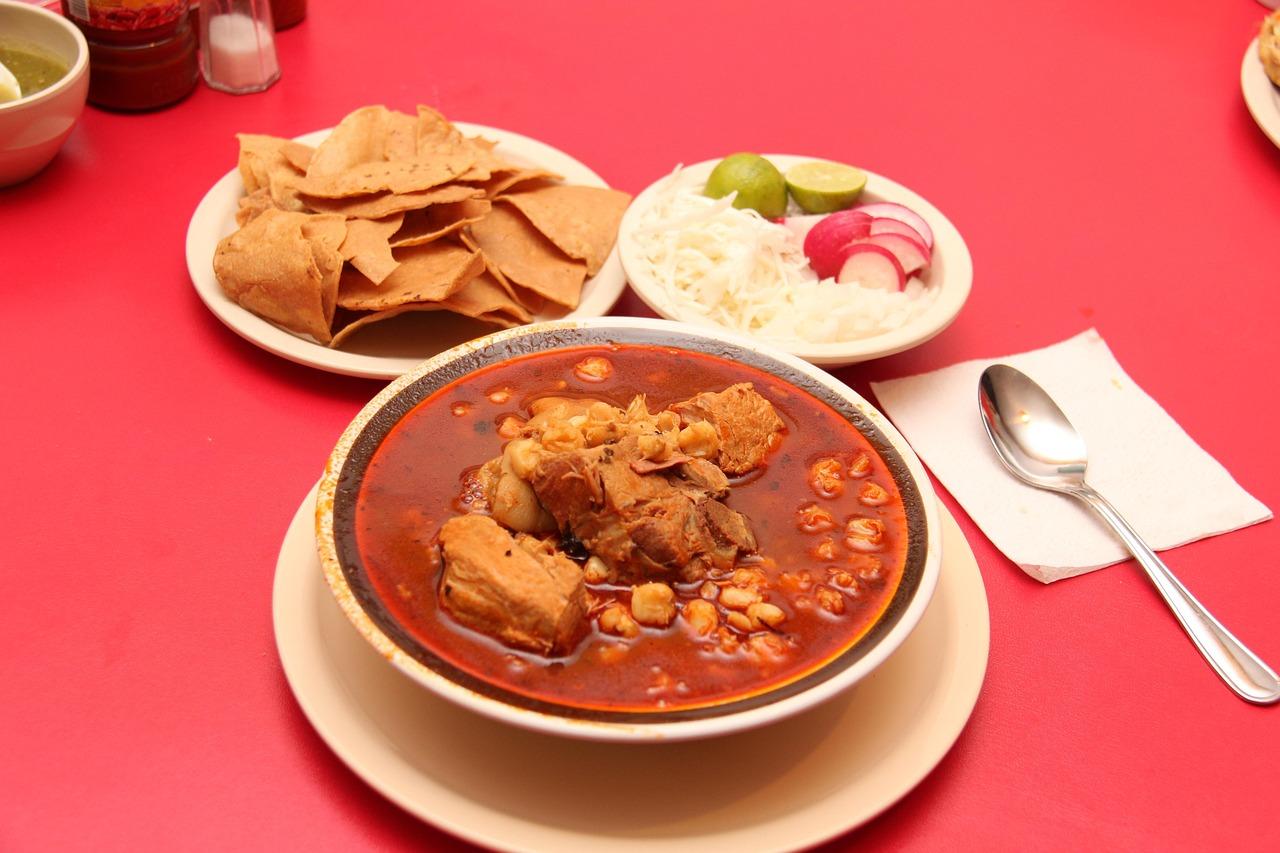
Pozole rojoRed pork and hominy soup

In Jalisco and Guerrero, a pot of red pozole means a crowd: it is made for Independence night on 15 September, for Christmas and New Year, and in Guerrero towns every Thursday is 'jueves pozolero'. Big, chewy kernels of hominy and tender pork simmer in a broth coloured with dried guajillo and ancho chillies, and the bowl is finished at the table with crunchy cabbage, radish, onion, lime and a rub of dried oregano between your palms. It tastes even better the next day, so make the whole pot. Chef's tip: strain the chilli purée through a sieve into the pot, so the broth is silky and free of chilli skins.

180 minMexicanSoupsGluten freeSpicy
by KrazyBadal 0 views

Vegetarian pozole verdeGreen hominy soup

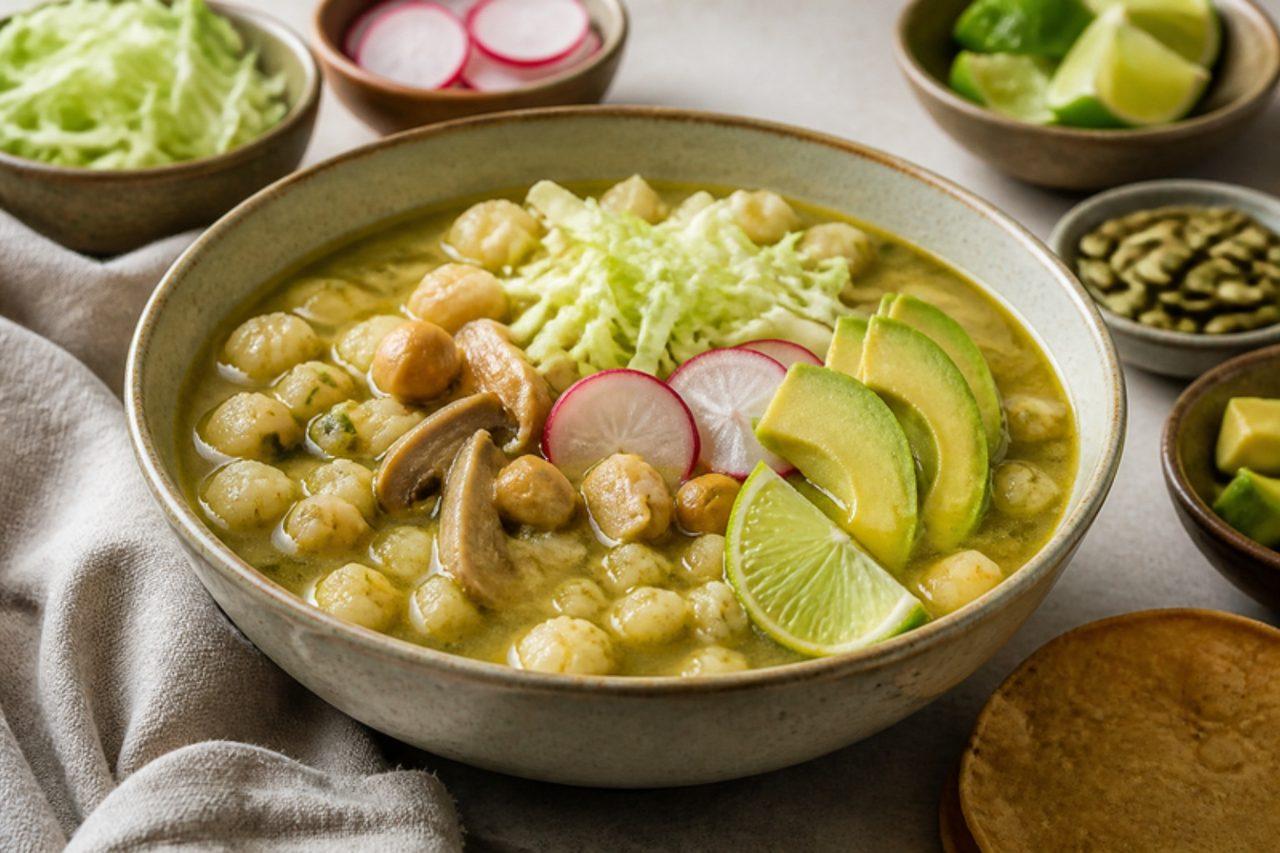
Pozole verde is the green pozole of Guerrero, where Thursday is pozole day and families gather round big bowls of it in Chilpancingo and Acapulco. The broth gets its colour and body from tomatillos, green chillies, coriander and toasted pumpkin seeds (pepitas) blended into a creamy sauce, and it is full of plump, chewy hominy (maíz pozolero), the nixtamalised corn kernels that open like flowers as they cook. This vegetarian version swaps the usual pork for oyster mushrooms and chickpeas, which give the soup a meaty bite. Serve it with the garnishes in little bowls so everyone builds their own: shredded cabbage, radish, onion, oregano, lime and crisp tostadas. Chef's tip: toast the pumpkin seeds only until they puff and start to pop; if they turn brown the whole pot tastes bitter and goes khaki instead of bright green.

by KrazyBadal 0 views

Prawn balchãoSweet-sour prawn pickle curry

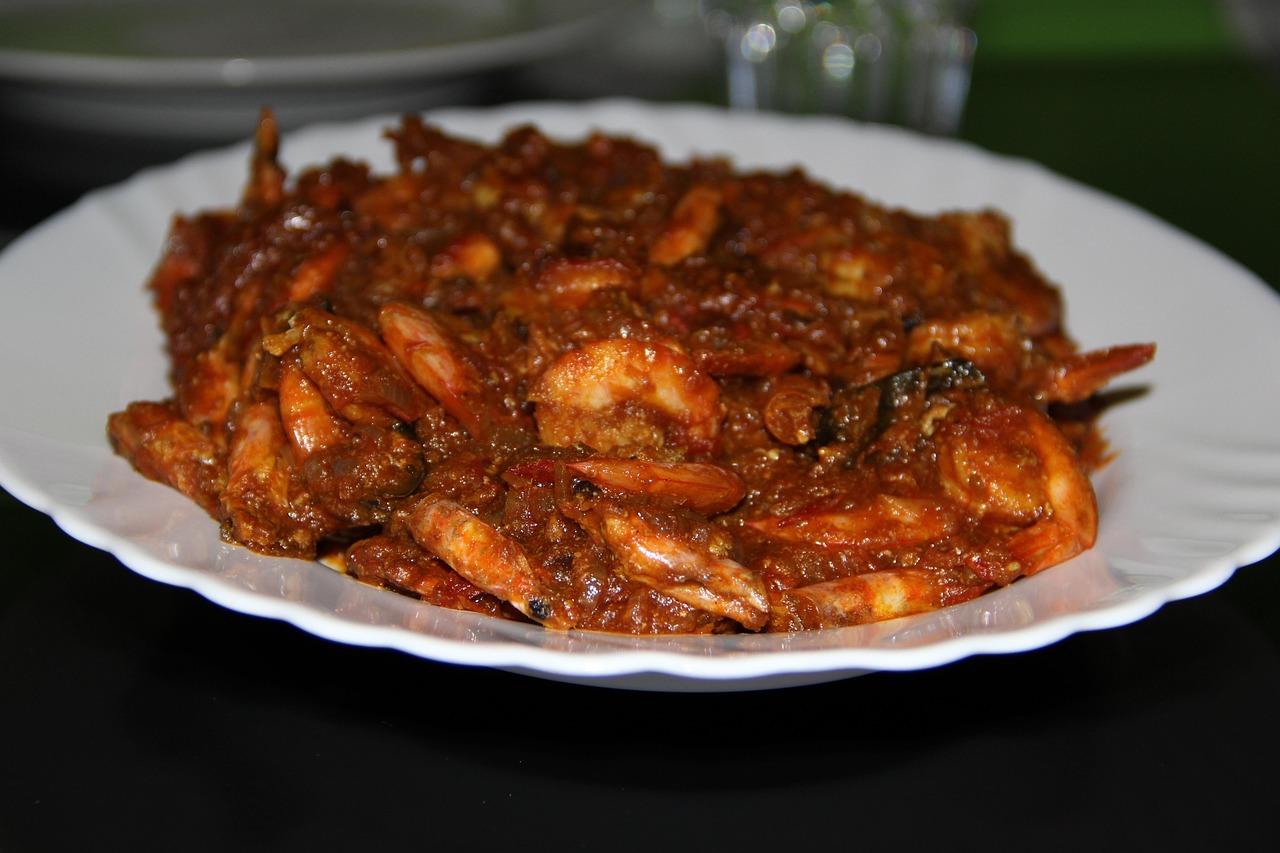
Balchão started as a way to keep the catch from the Goan monsoon season: prawns cooked down in a fierce red masala with vinegar and sugar until they keep like a pickle. In Goan homes a jar sits in the fridge to spoon beside rice and dal, and a fresh batch is served as a main curry on Sundays. Its taste is bold: hot, sharp and sweet all at once. Chef's tip: fry the masala slowly until the oil separates and it turns a deep brick colour; undercooked balchão tastes raw and vinegary.

50 minIndianFishGluten freeSpicy
by KrazyBadal 0 views

Ají de gallinaChicken in creamy chilli sauce

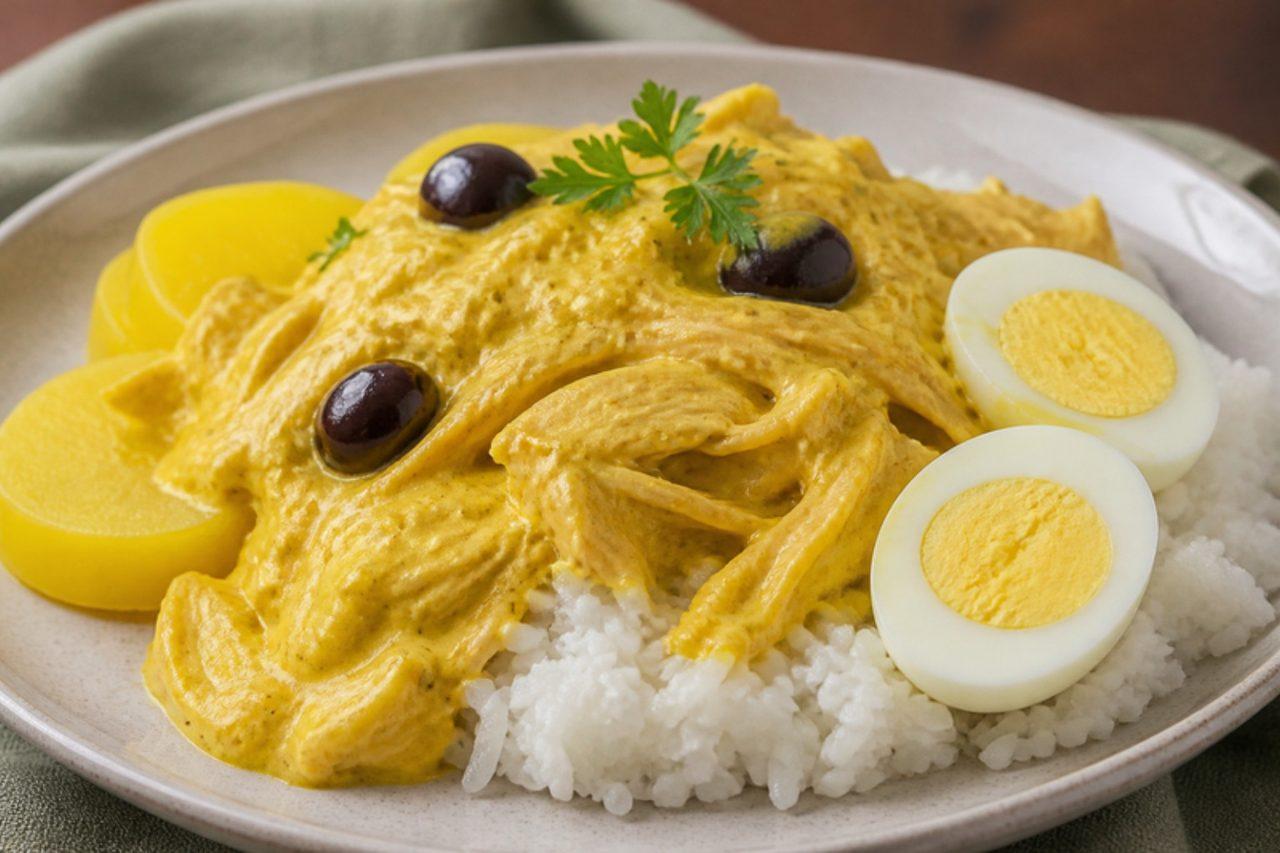
Lima's old criollo kitchens turned leftover hens into this golden, velvety stew, and it still turns up at family lunches, office canteens and menú del día stalls all over the capital. Poached chicken is pulled into threads and folded into a sauce thickened with milk-soaked bread, ground walnuts and parmesan, coloured by ají amarillo, Peru's fruity yellow chilli. It is served over white rice with boiled potatoes, a halved egg and a black olive. Chef's tip: keep the poaching broth; loosening the sauce with it instead of more milk gives a deeper, more chickeny flavour.

by KrazyBadal 0 views

ZoboHibiscus and pineapple drink

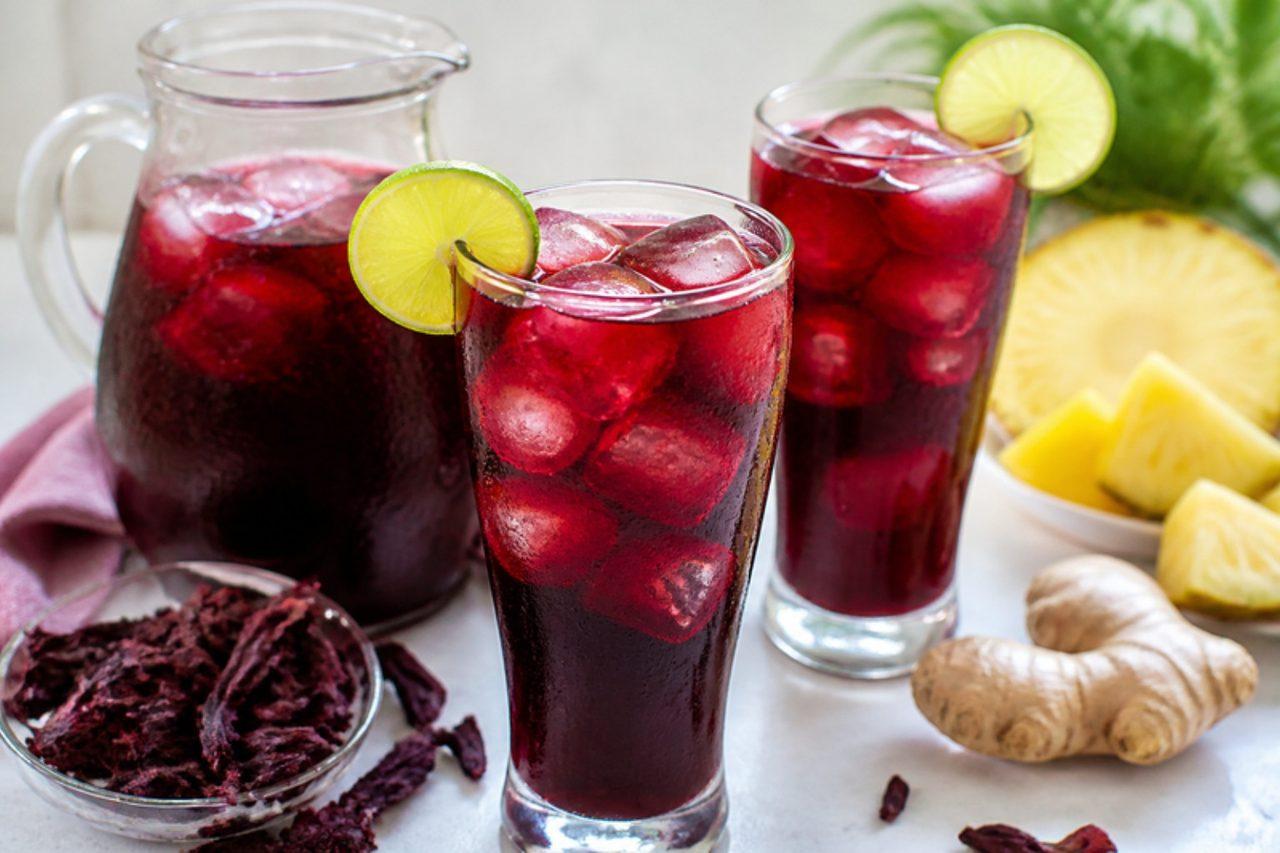
Zobo is the deep crimson drink sold ice-cold in recycled bottles at Nigerian bus parks, markets and parties, and in Ghana the same drink is called sobolo, often made punchier with extra ginger and grains of selim. Dried hibiscus calyces are boiled with pineapple peel, fresh ginger and cloves, then strained and sweetened, giving a tart, fruity, gently spicy drink. It is drunk fresh and alcohol-free, very cold, especially in the dry heat before the rains. Chef's tip: sweeten the drink once it is strained and still warm, tasting as you go; hibiscus tastes much sharper hot than when it is chilled, so leave it a touch sweeter than you think.

by KrazyBadal 0 views

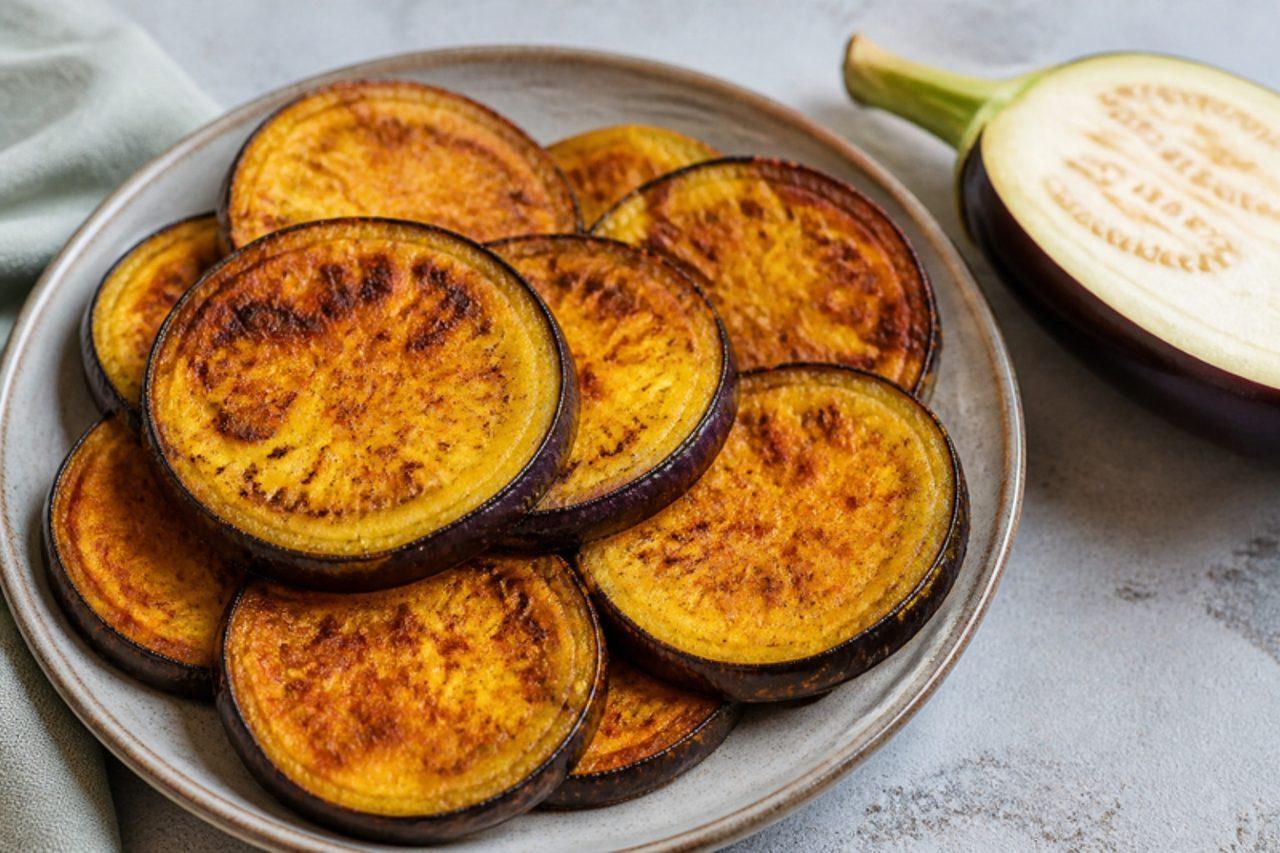
Begun bhajaFried aubergine slices

Begun bhaja is the crisp-edged, creamy aubergine slice that sits beside dal and rice on almost every Bangladeshi lunch plate, from Chittagong to Sylhet, and it is a must with bhuna khichuri on a rainy afternoon. Thick rounds are rubbed with turmeric, chilli and salt, then shallow-fried in mustard oil until the outside is caramelised and the inside melts like custard. Chef's tip: salt the slices and leave them for 10 minutes, then pat dry; they drink up far less oil and brown more evenly.

by KrazyBadal 0 views

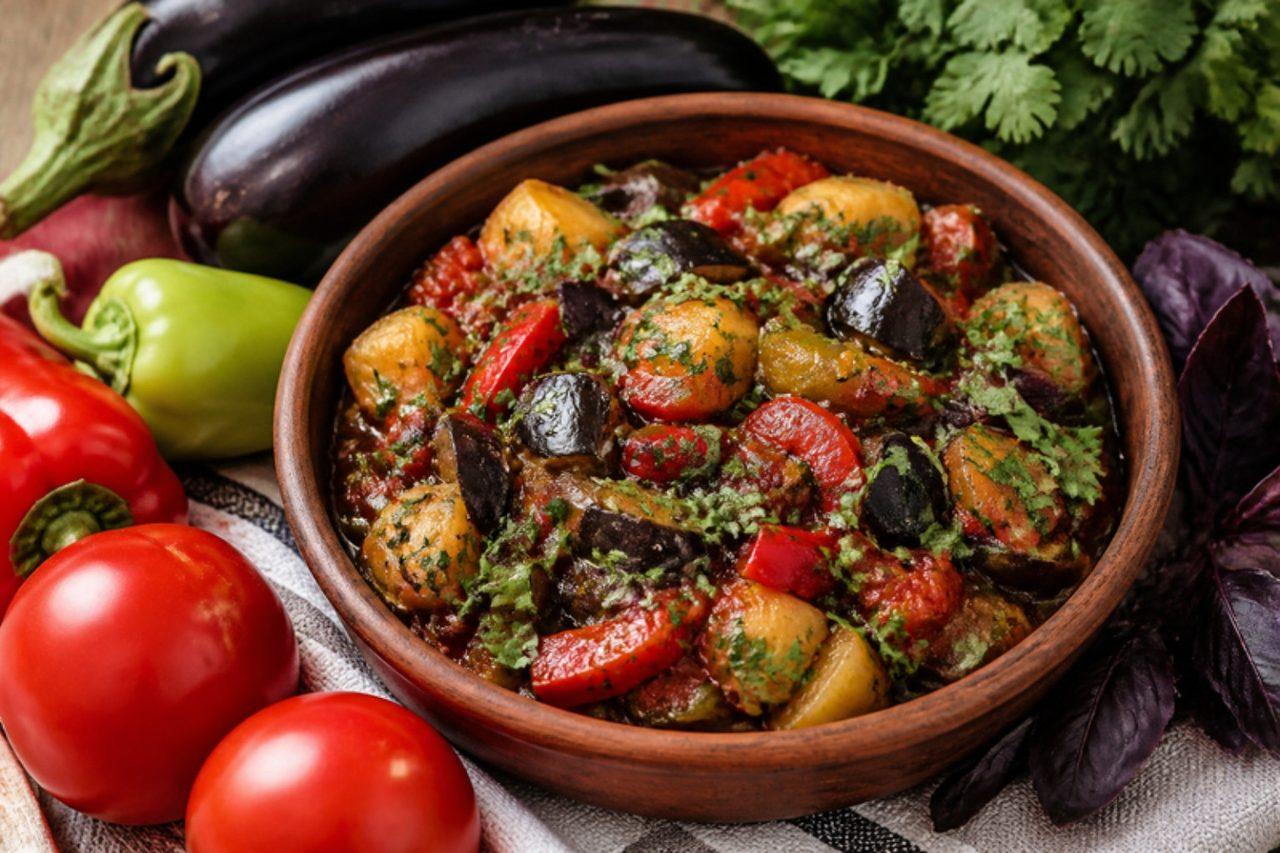
AjapsandaliAubergine and pepper stew

Ajapsandali is what Georgian kitchens make in late summer, when the markets of Tbilisi and the gardens of Kakheti are heaped with aubergines, peppers and tomatoes. The vegetables are fried briefly, layered in a pot and left to stew gently until soft and sweet, then finished with a whole handful of coriander, basil and garlic. It is eaten warm with bread as a main dish during Lent, or cold the next day as a side at a feast. The common mistake is stirring it too often, which breaks everything into mush; shake the pan instead and let the layers keep their shape. Chef's tip: fry the aubergine on its own first until golden; this one step gives the whole stew its deep, rounded flavour.

by KrazyBadal 0 views

Showing 45 of 10,569 recipes

Show more recipes

Page 976 of 1,175