


Skip to content
Funnel cake
Featured recipe

Funnel cake

Funnel cake started in Pennsylvania Dutch kitchens and became the smell of every American county fair and boardwalk, from the Kutztown Folk Festival to the Jersey shore. A thin batter is poured through a funnel in loops into hot oil, so it fries into a crisp, lacy, golden nest that you tear apart with your fingers under a snowfall of icing sugar. Chef's tip: keep your finger over the funnel until it is right over the oil, then move in quick overlapping circles from the centre out.

Read more 0 views

What to eat today?

Around the world

Today's trip: Paraguayan

A new country every day, from every cuisine on the site.

Paraguayan

Chipa

Cheese bread rings 50 minMore from Paraguayan (27) →

This week's collection

Kid-friendly dinners
537 recipes · a new collection every Monday

Latest recipes

Tacos de guisado (picadillo and rajas con crema)

From about nine in the morning, guisado stalls set up on corners near offices and markets all over Mexico City, from the famous counters on Calle Ámsterdam in the Condesa to the stands outside the Mercado de Medellín. Clay pots line the counter, each with a different home-style stew: chicharrón in salsa verde, potato with chorizo, mole and many more. You point, and they spoon it into two warm tortillas. This home version makes two of the favourites, a tomatoey beef picadillo with potato and carrot, and smoky poblano strips with corn in cream. Chef's tip: always double the tortillas, as the stalls do; one tortilla tears under a juicy stew.

by KrazyBadal 0 views

Cabbage paratha

North Indian mothers turn half a cabbage into a stack of parathas for the morning tiffin: the cabbage is grated, salted and squeezed, then seasoned with ginger, chilli and dry spices and rolled inside wholewheat dough. Warm with butter it is a breakfast; rolled and wrapped in foil it travels to school with curd or pickle. The common mistake is skipping the squeeze, so the cabbage weeps through the dough and the parathas tear. Chef's tip: mix the spices into the cabbage only just before stuffing, because the salt keeps drawing out water the longer it sits.

by KrazyBadal 0 views

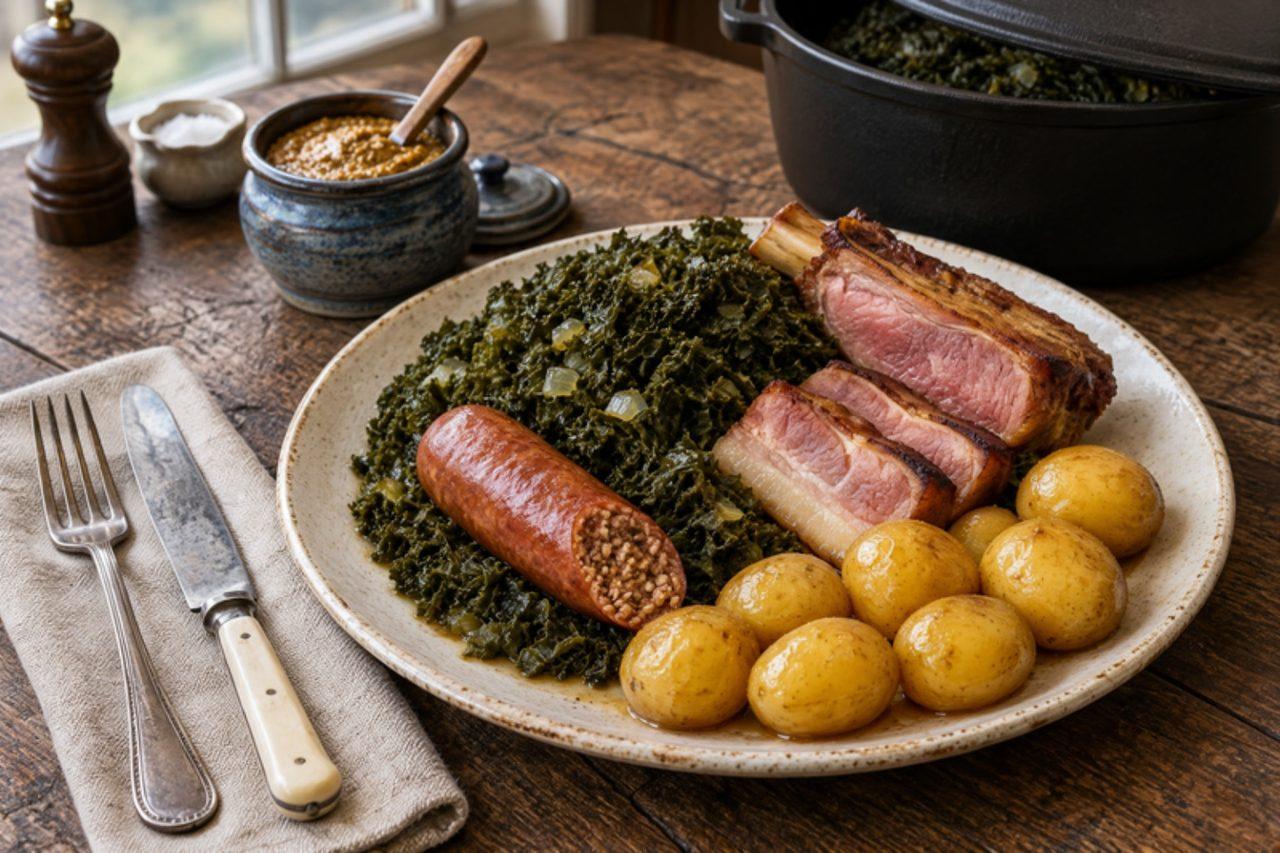
Grünkohl mit PinkelBraised kale with smoked sausage

In Bremen and Oldenburg, Grünkohl mit Pinkel is the dish of the winter Kohlfahrt, when groups walk out into the frosty countryside and finish at an inn for kale, smoked pork and Pinkel, a smoked sausage of pork, bacon and oats. The kale is braised for hours with onions, lard and smoked pork until dark, soft and almost creamy, then the sausages warm through on top. Serve with boiled potatoes or small caramelised ones and mustard. The usual mistake is cooking the kale briefly like a vegetable side; it needs the long braise to lose its bitterness. Chef's tip: kale is best after the first frost, which makes the leaves sweeter; frozen chopped kale is a good shortcut.

160 minGermanMeat
by KrazyBadal 0 views

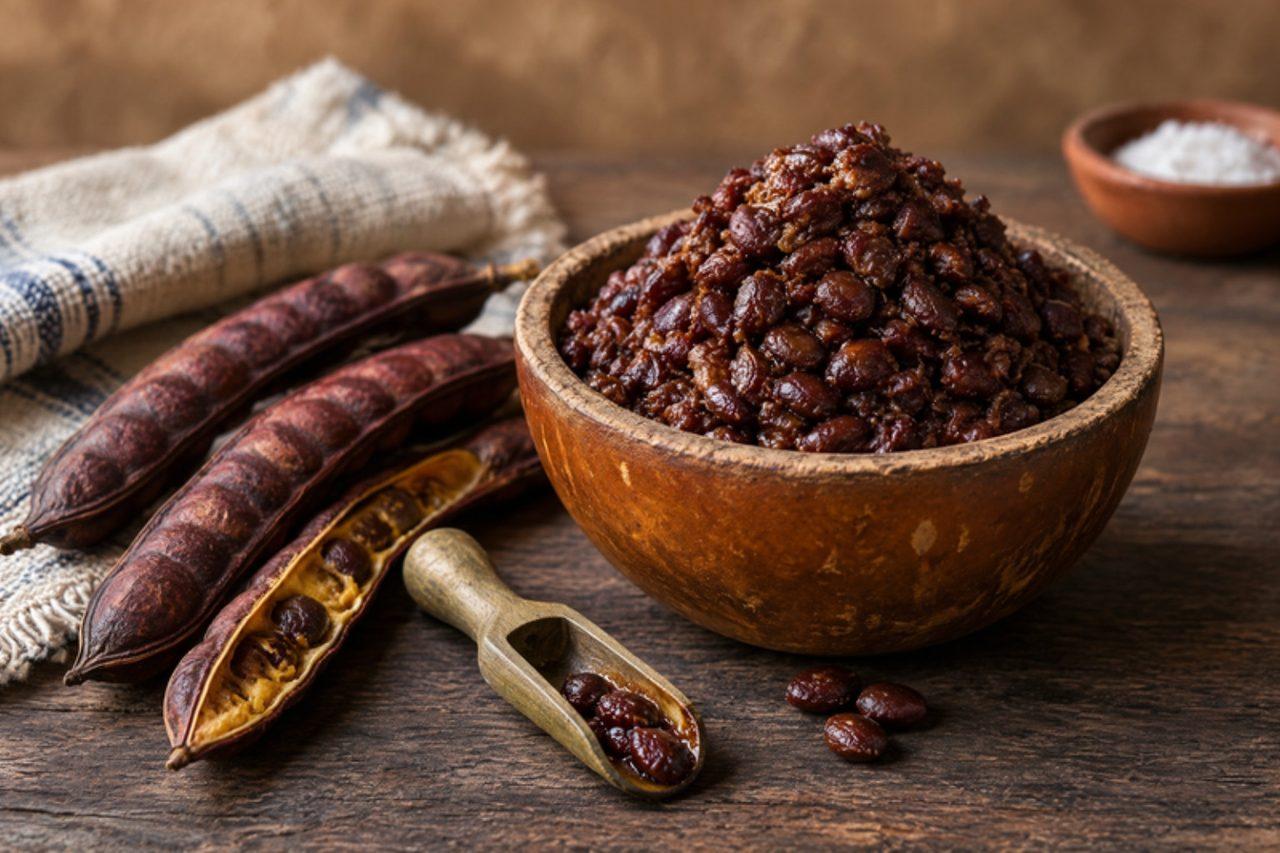
IruFermented locust beans

In Yoruba towns from Ibadan to Ogbomoso, iru is the smell of a good stew: a spoonful of the dark, fermented locust beans melted into efo riro, ofada ayamase, gbegiri and ewedu changes the whole pot. Making it is women's work passed down over generations, done in the dry season when the yellow pods of the African locust bean tree (igba) ripen. The seeds are boiled for hours, rubbed free of their black hulls, boiled again and wrapped warm in leaves for two or three days, when a sticky bacterial ferment covers them. Iru woro is left whole; iru pete is mashed. Expect a powerful ammonia-and-cheese smell, a soft, sticky texture and a deep savoury, almost meaty taste once cooked. Common mistake: fermenting too cool; below 30 °C the beans go sour and grey instead of developing the rich, sticky coat. Keep them in a warm oven with only the light on, or in a cooler box with a hot-water bottle. It is ready when the beans are dark brown, sticky and covered in fine white threads. Chef's tip: dried locust beans are sold at West African shops; fermented soybeans make a fair substitute.

by KrazyBadal 0 views

RinderrouladenStuffed beef rolls

Rinderrouladen are the Sunday and holiday roast of Germany, made by grandmothers from the Rhineland to Saxony and served at Christmas with red cabbage and potato dumplings. Thin slices of beef are spread with mustard and rolled round smoked bacon (pork), onion and gherkin, then browned and braised for two hours in red wine and stock until tender, giving a deep, glossy gravy. For an alcohol-free version use extra stock with a tablespoon of red wine vinegar. The usual mistake is rolls that unravel in the pot; tie them firmly or pin with two cocktail sticks. Slow-cooker: after browning, cook on low for 7 hours, then thicken the sauce in a pan. Chef's tip: ask the butcher for topside sliced 5 mm thick and beat it a little thinner, so it rolls easily without tearing.

165 minGermanMeat
by KrazyBadal 0 views

Ash-e dooghYogurt soup with rice and chickpeas

Ash-e doogh is the summer and autumn soup of Ardabil and the Azeri north-west of Iran, cooked in big pots for family gatherings and sold in bowls in the bazaars. Rice and chickpeas are simmered in tangy yoghurt with handfuls of dill, coriander, spinach and mint, and the soup is topped with crisp fried onion and dried mint. It is creamy and sour, never heavy. The usual mistake is stopping stirring: the yoghurt splits into grains if left to boil alone, so stir in one direction without stopping until it comes to the boil. Chef's tip: beat a spoonful of rice flour into the yoghurt before heating; it stabilises it and keeps the soup silky.

by KrazyBadal 0 views

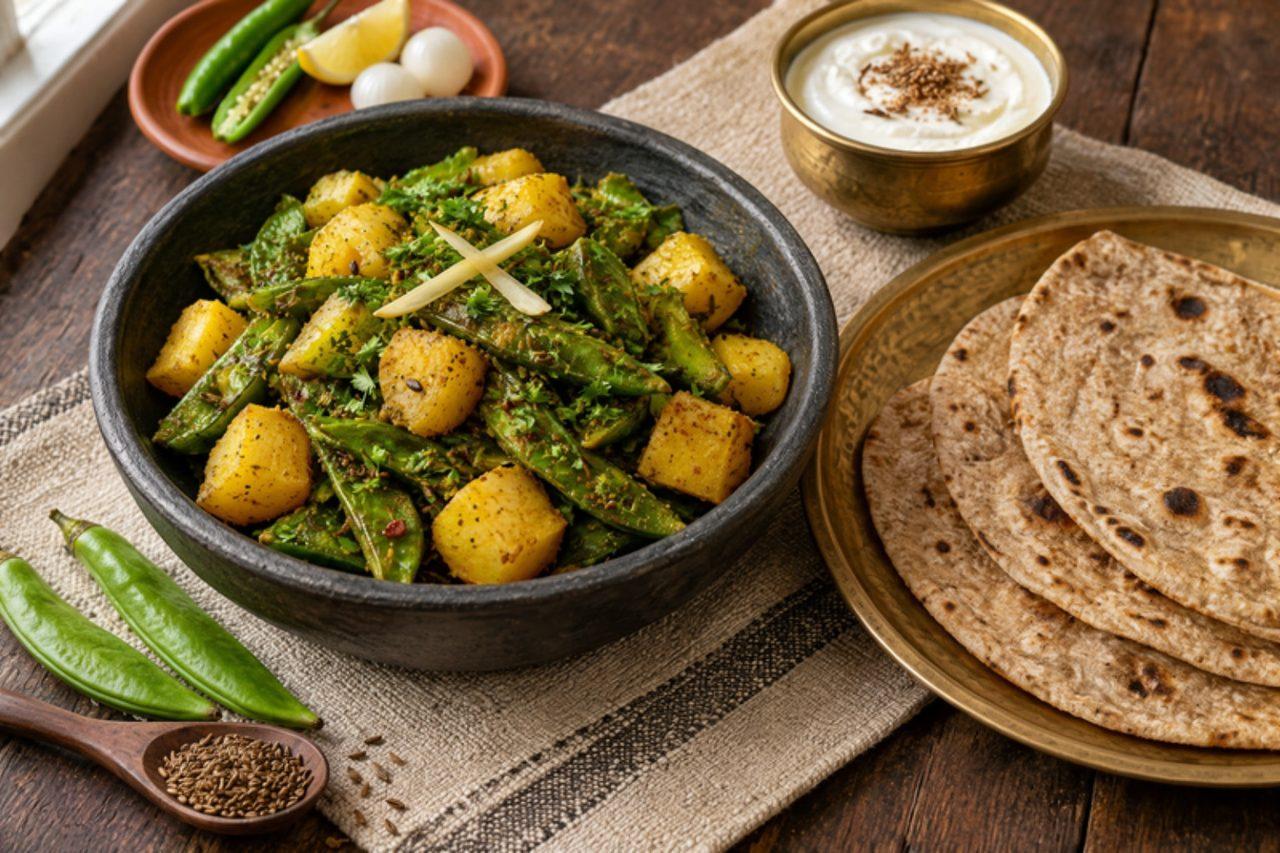
Sem ki sabzi (flat beans with potato)

When flat green sem pods fill the sabzi carts in Lucknow and Jaipur in winter, they go into this dry stir-fry with potato and a crackle of ajwain, the classic partner for paratha in an office dabba. The beans stay a little firm and sweet, the potato soaks up the spices, and nothing drips into the roti. The mistake is leaving the stringy edges on the pods; they never soften. Snap the tip and pull the string down each side before chopping. Chef's tip: cook covered for the first half to steam the beans tender, then uncover and turn up the heat so the potatoes catch and brown.

by KrazyBadal 0 views

Cháo cá hồi bí đỏ (salmon and pumpkin congee)

Cháo cá hồi bí đỏ, salmon and pumpkin congee, is one of the most-shared ăn dặm (weaning) recipes among young parents in Hanoi and Ho Chi Minh City, a sunny orange bowl full of omega-3 fats. Rice simmers soft with diced pumpkin, then fresh salmon is poached in the pot at the end, so it stays moist. There is no fish sauce, salt or sugar, just the natural sweetness of the pumpkin. It contains fish and is free of milk, egg, gluten, nuts, soya and sesame. Chef's tip: run your fingers along the salmon fillet before cooking and pull out the pin bones with tweezers; they are much easier to find raw.

by KrazyBadal 0 views

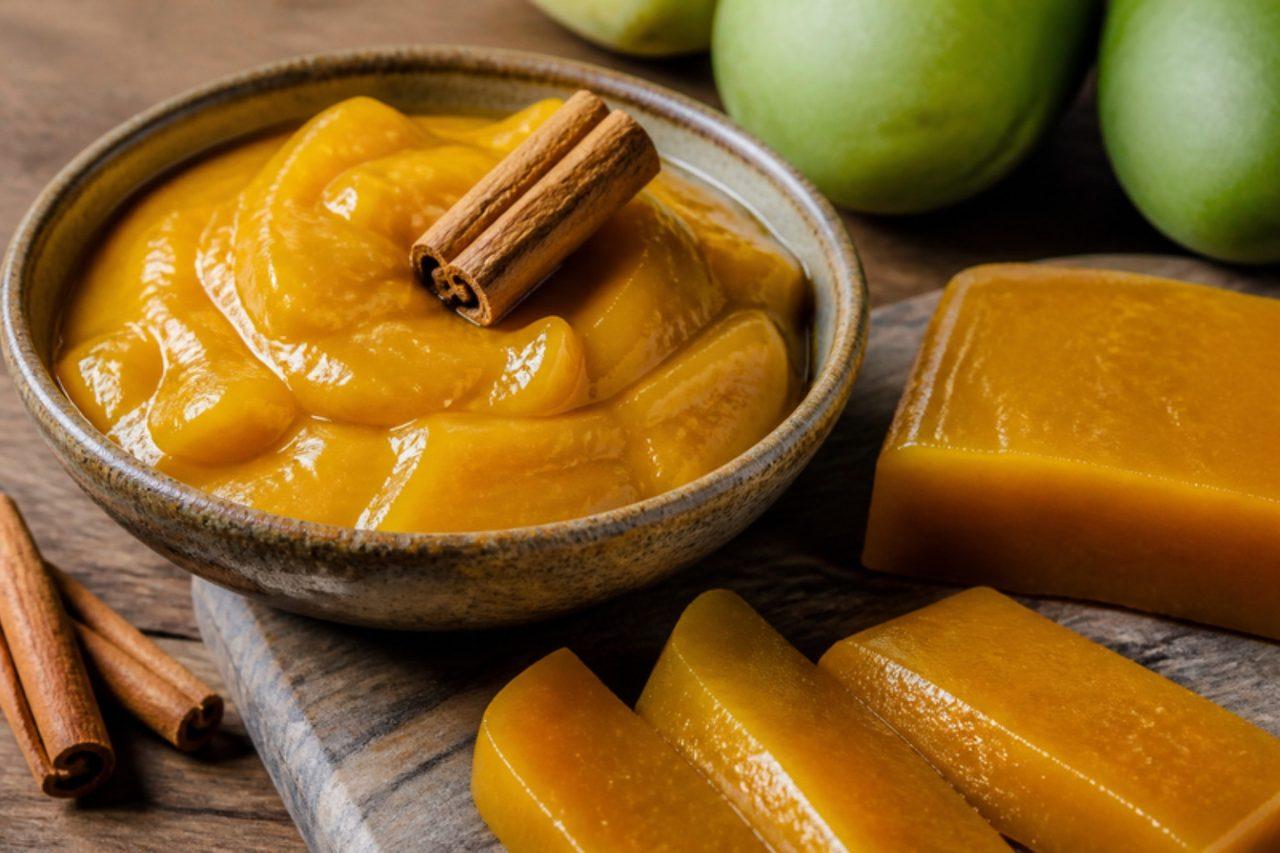
Jalea de mangoGreen mango paste

When the mango trees of Oriente are heavy in Lent, families in Sucre and Anzoátegui cook the hard green fruit with sugar and spice into jalea de mango, a thick tart-sweet paste set in a dish and cut into squares. It's eaten during Holy Week, often on a piece of crisp cassava bread. The mistake to avoid is skipping the sieve, which leaves stringy fibres. Chef's tip: use a long wooden spoon and keep your arm covered: the thick paste spits as it bubbles.

by KrazyBadal 0 views

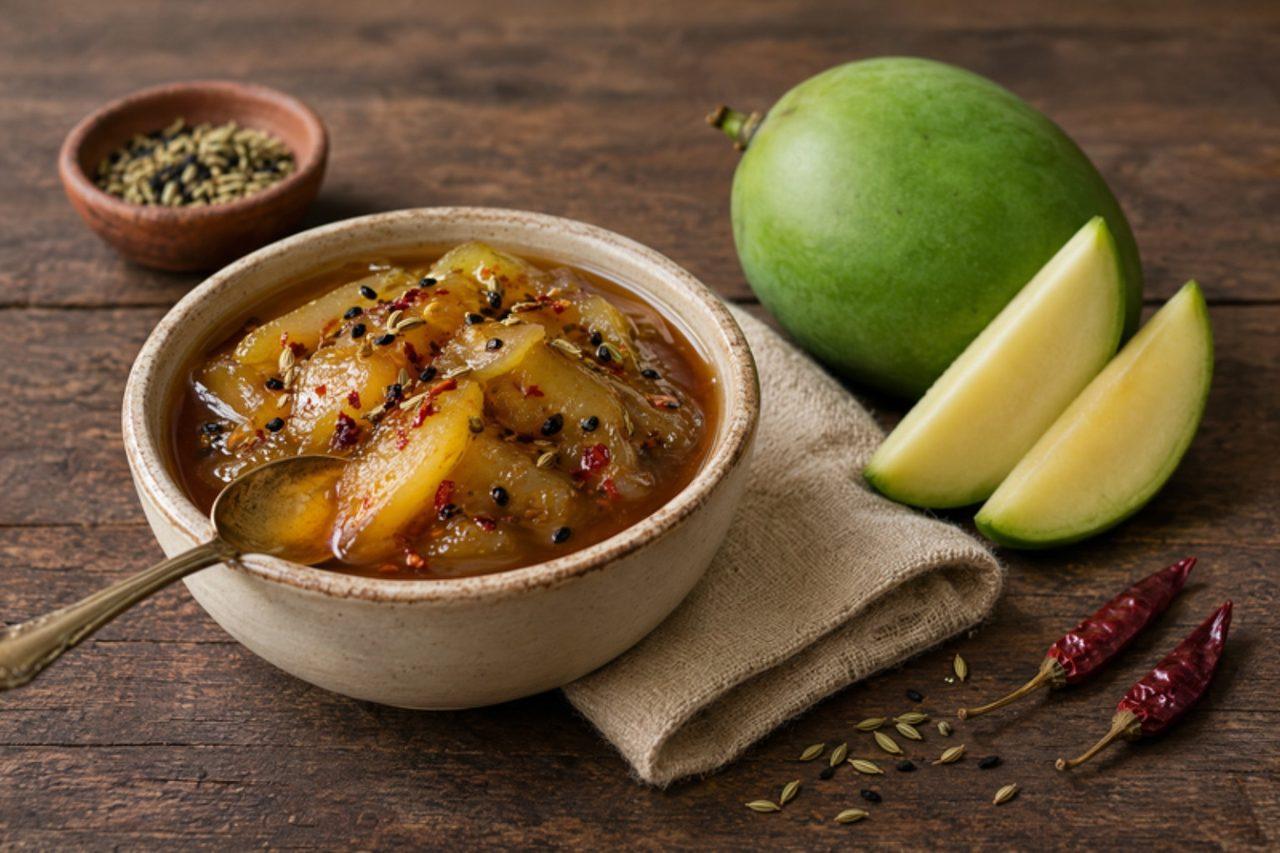
Aam ki launjiSweet and sour raw mango relish

In Rajasthan and across the Hindi belt, launji is the quick mango relish made the day the first raw mangoes come home in April, and it keeps appearing on the thali all through the scorching summer. Unlike the long-cured achaars, it is cooked in 20 minutes: mango pieces in mustard oil with saunf, kalonji, methi and cumin, then simmered with jaggery until glossy. The pieces stay soft but hold their shape in a thick, amber syrup that is sweet first, then sour, with a warm hum of chilli and a liquorice note from the fennel. Eat it with dal-baati, puri, paratha or plain khichdi; in the heat it is believed to cool the body. The common mistake is adding the jaggery too early, so it caramelises and turns bitter before the mango is tender; cook the mango first, then the jaggery. It is ready when the syrup coats the back of a spoon and the mango looks translucent at the edges. It thickens as it cools. Store in a clean jar in the fridge and eat within a week to 10 days. Chef's tip: leave a little peel on some pieces; it gives a pleasant chew and stops the mango from turning to mush.

by KrazyBadal 0 views

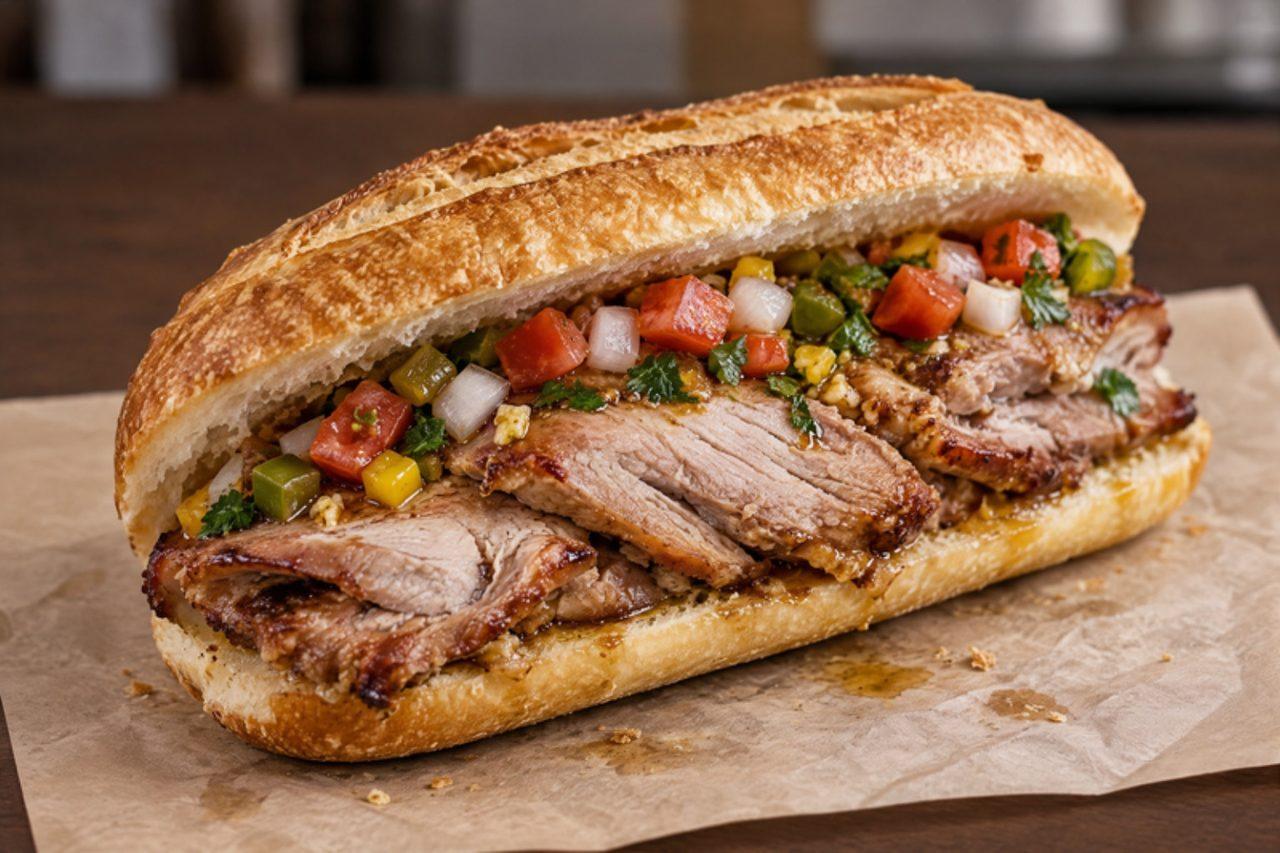
Sanduíche de pernil (São Paulo roast pork roll)

This is pork in its most loved São Paulo form: a leg marinated in garlic, lime and paprika, roasted until it falls into slices, and stuffed into a crusty pão francês. It is what fans eat outside the Pacaembu and Morumbi stadiums before a match, and the all-night bar on the Viaduto Nove de Julho has fed it to taxi drivers and night owls for decades. The meat is juicy and tangy, cut with a fresh tomato and onion vinaigrette. Chef's tip: slice the pork thin and drop it back into the roasting juices before filling the rolls; it should drip a little.

by KrazyBadal 0 views

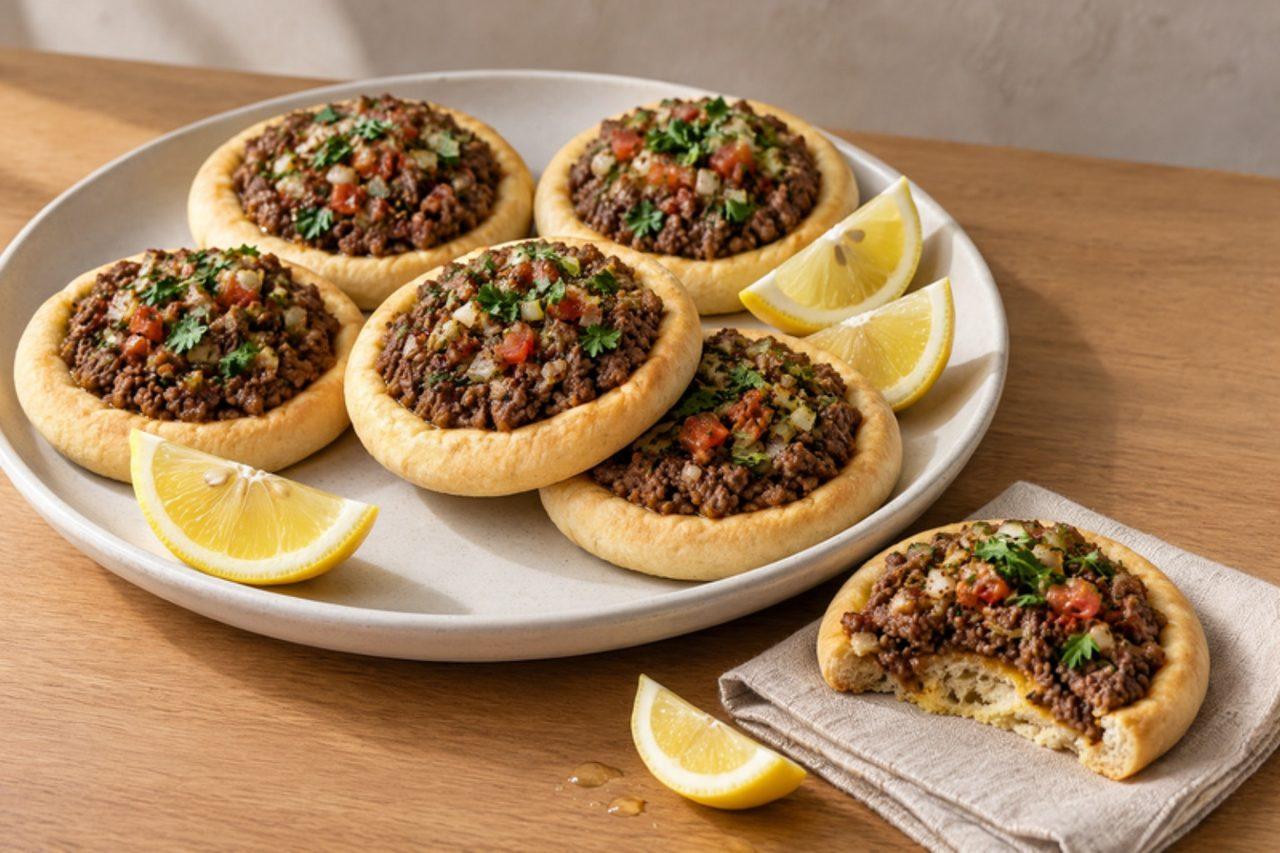
Esfiha de carne (São Paulo open beef pies)

The Syrian and Lebanese families who settled around Rua 25 de Março in central São Paulo brought sfiha with them, and the city made it its own: esfihas are now sold by the dozen from counters all over town, eaten standing up with a squeeze of lemon at lunchtime or as a cheap late snack. The dough is soft and lightly crisp at the base, and the topping of raw spiced beef, onion and tomato cooks on the pie in a hot oven. Chef's tip: squeeze the onion and tomato hard in a cloth before mixing; a wet topping makes the dough soggy.

by KrazyBadal 0 views

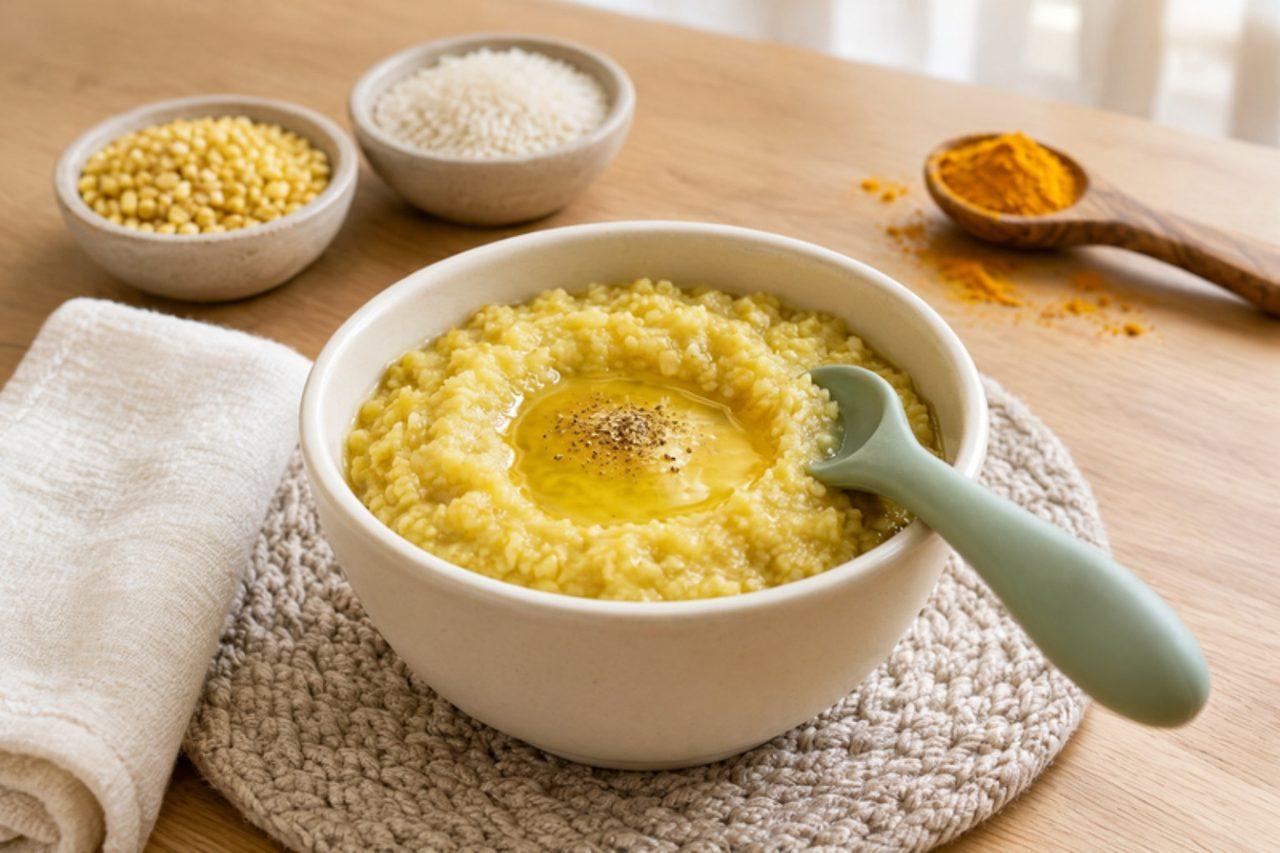
Jaulo for babiesRice porridge for babies

Jaulo is the soft rice and lentil porridge Nepali families in Kathmandu and the hills turn to for anyone small, tired or getting over a cold. After a baby's pasni, the rice-feeding ceremony held at five or six months, it soon becomes a regular lunch, and from about nine months it is mashed lumpy rather than smooth. This version keeps the ghee, cumin and turmeric for gentle flavour but leaves out the usual salt, garlic and ginger. It is warm, buttery and comforting. It contains milk (ghee) and is free of gluten, egg, nuts, soya and sesame. Chef's tip: fry the cumin only until it smells toasty and is a shade darker; burnt cumin turns the whole pot bitter.

by KrazyBadal 0 views

Mela grattugiata (grated apple)

Ask any Italian nonna what a baby has for merenda, the mid-afternoon snack, and she will mime grating an apple: in homes from Turin to Bari, a sweet apple is grated very finely on the small holes of a grater and spooned up at once, before it turns brown. Paediatricians in Italy suggest it from six months, and for the first few times many parents steam the apple briefly so it is softer still. It tastes fresh and naturally sweet; the old habit of crumbling in a biscuit or a spoon of sugar is not for babies under one, and honey never. It is free of the major allergens. Chef's tip: a squeeze of lemon is often added to stop browning, but for babies simply grate it right before serving.

by KrazyBadal 0 views

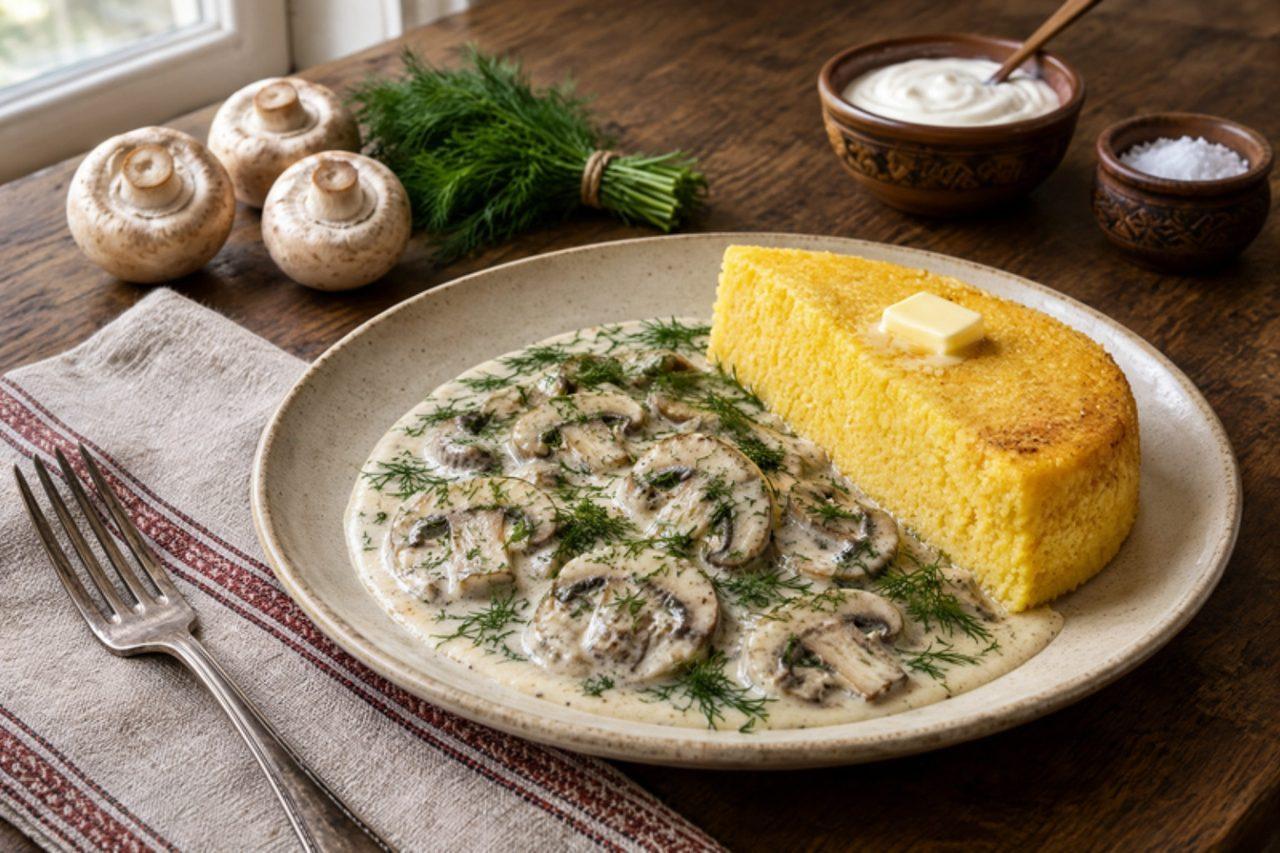
Ciulama de ciuperciMushrooms in white sauce

Ciulama is a white, velvety sauce stew from Moldova and Muntenia, and the mushroom version is cooked in autumn when wild mushrooms come down from the Carpathians, or any time with cultivated ones. Mushrooms are sautéed with onion, then simmered in a light roux of butter, flour and milk until thick and creamy, and finished with dill and garlic. It is served with a mound of hot mămăligă (cornmeal mash) and sometimes a spoon of sour cream. The usual mistake is adding the milk to a cold, raw roux, which leaves the sauce lumpy and floury. Chef's tip: let the mushrooms brown before the flour goes in; golden mushrooms give a much deeper flavour than pale, steamed ones.

by KrazyBadal 0 views

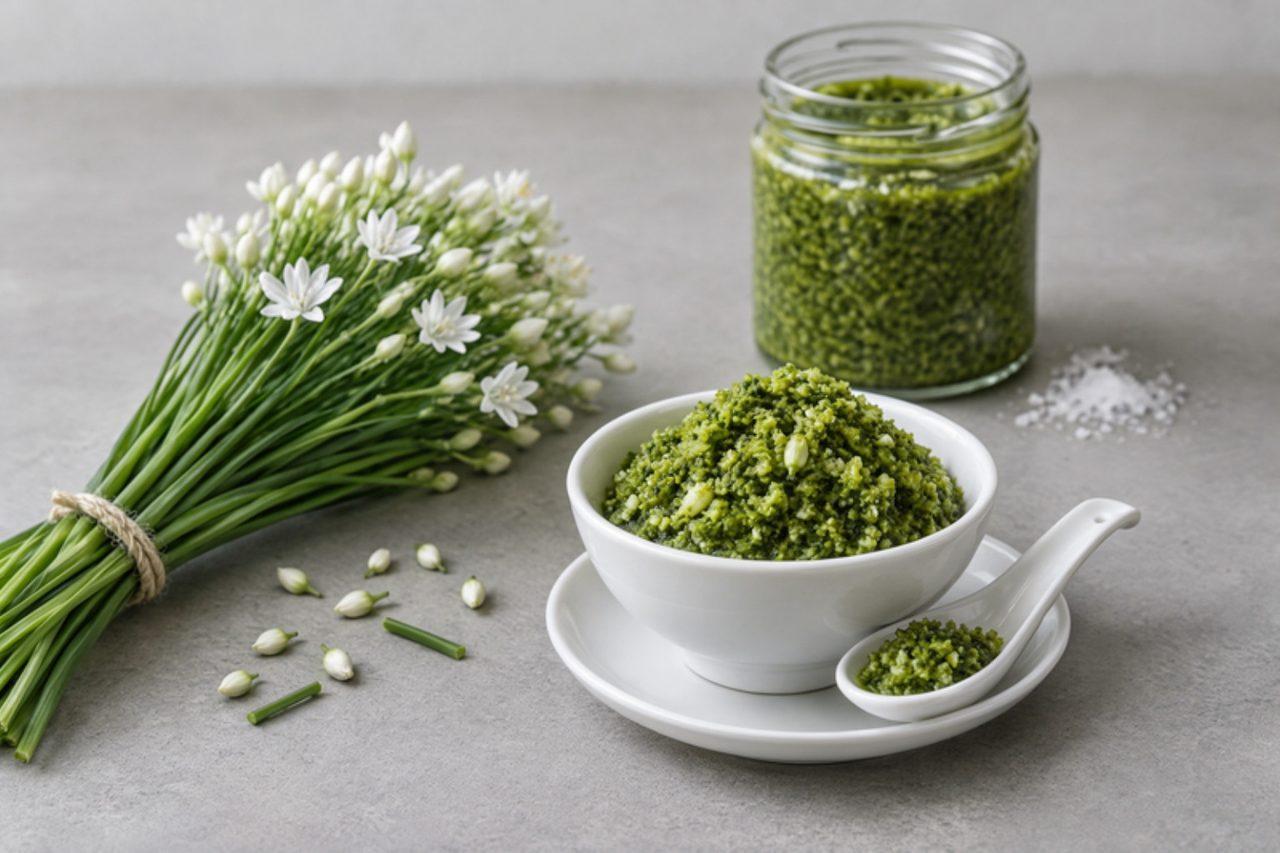
Jiu cai hua jiangGarlic chive flower sauce

In late August the garlic chives of Hebei, Beijing and Inner Mongolia send up stiff stalks topped with white flower heads, and northern households grind them with salt into jiu cai hua jiang. A few days of fermentation turn the raw, oniony paste mellow and tangy, and by the first cold evenings it is stirred into the sesame-paste dip for shuan yangrou, Beijing's copper-pot lamb hot pot, alongside fermented tofu and chilli oil. It also lifts plain noodles, steamed buns and boiled dumplings. The taste is salty, garlicky and green, with a gentle sweetness from Asian pear and warmth from ginger; the texture is a loose, coarse purée. Pick the flowers when the buds are just opening, before seed pods form, or the paste turns bitter and gritty. Common mistake: using too little salt; under 8% the paste goes slimy instead of sour, so weigh it. It is ready when small bubbles rise, the colour dulls from bright to olive green and it smells pleasantly sour rather than raw. Chef's tip: a crisp apple works if you cannot find Asian pear; use slightly less, as it is sharper.

by KrazyBadal 0 views

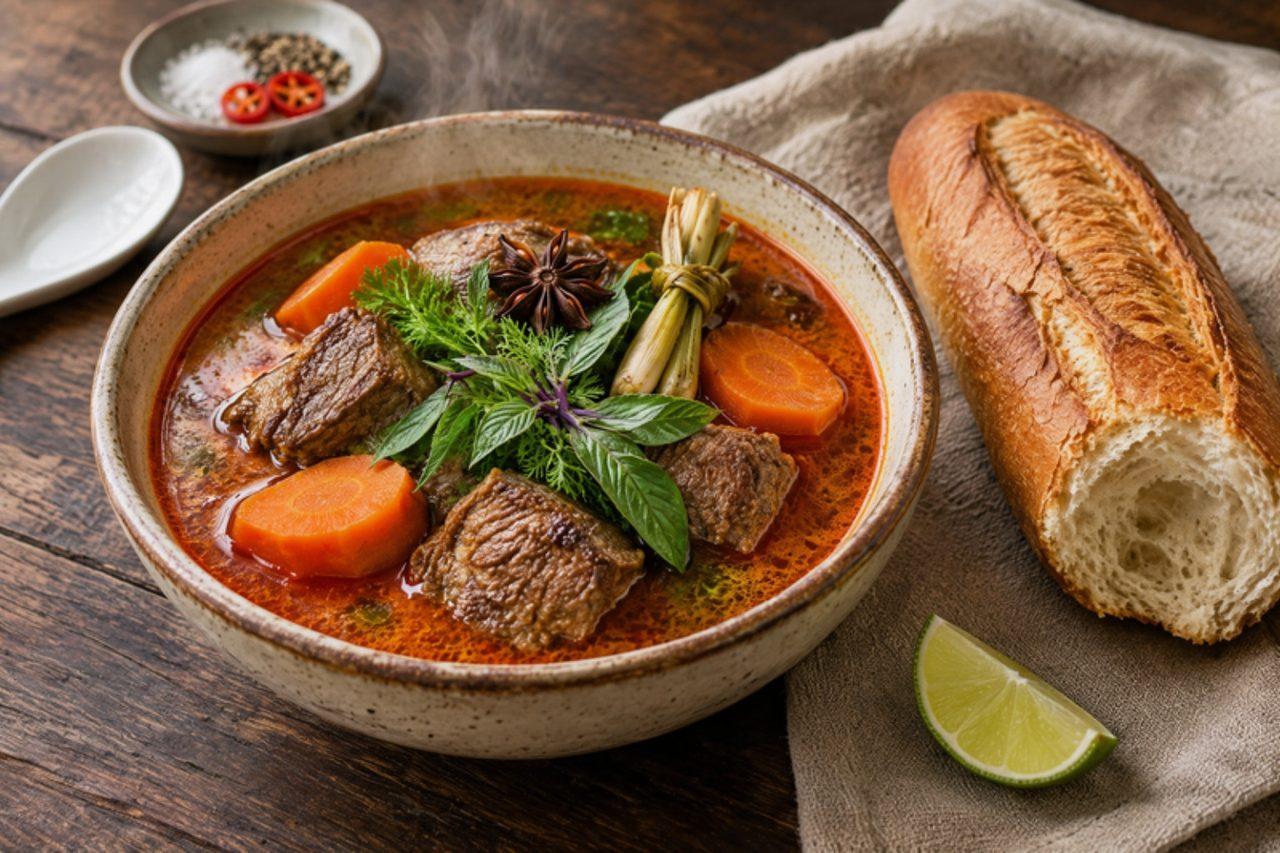
Bò khoLemongrass beef stew

Bò kho is a southern Vietnamese breakfast: in Saigon street stalls ladle this red, gently spiced beef stew over bánh mì torn for dunking, or over rice noodles, from first light. Chunks of beef shin marinate with lemongrass, ginger, garlic, five-spice and fish sauce, are browned in annatto oil, then simmered in coconut water with star anise and cinnamon until tender, with carrots added near the end. The broth should be glossy and aromatic, not thick. The usual mistake is adding the carrots at the start, so they turn to mush; they go in for the last 25 minutes. Slow-cooker option: brown the beef, then cook everything except the carrots on low for 8 hours, adding the carrots for the last hour. Chef's tip: bruise the lemongrass stalks with the back of a knife so they release oil without falling apart.

by KrazyBadal 0 views

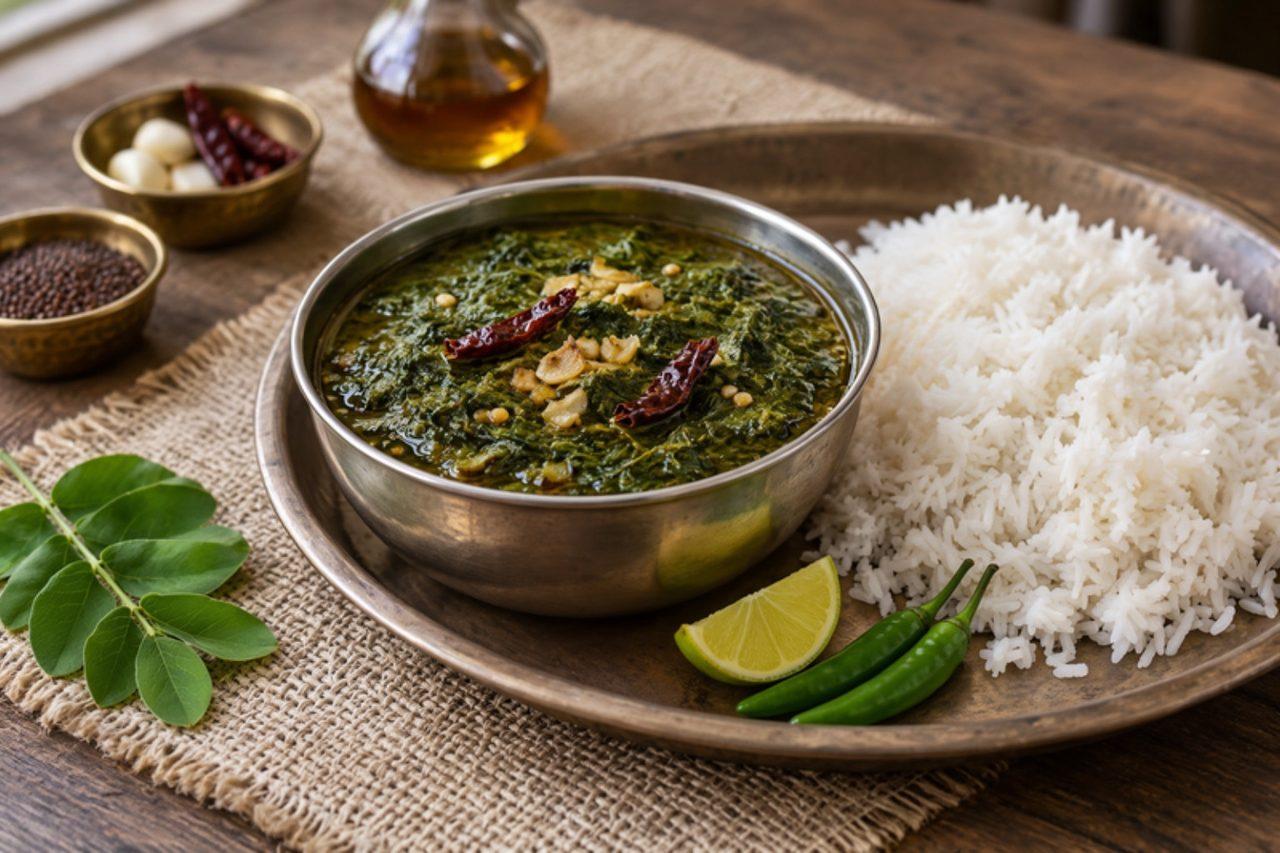
Koinar saagKachnar leaf greens

In Jharkhand's spring, as the kachnar (Bauhinia) trees put out pale tender leaves, Santhal, Munda and Oraon families gather them for koinar saag, a slightly tangy, earthy green cooked with lots of garlic in mustard oil and eaten with rice and dal or with madua roti. Some households dry the leaves to use through the summer. The usual mistake is using older, darker leaves, which stay tough and fibrous however long you cook them. Chef's tip: blanch the leaves first and squeeze them hard; it softens the faint astringency and the saag absorbs the garlic oil better.

by KrazyBadal 0 views

Showing 18 of 7,762 recipes

Show more recipes

Page 99 of 863