


Skip to content
Bibikkan
Featured recipe

Bibikkan

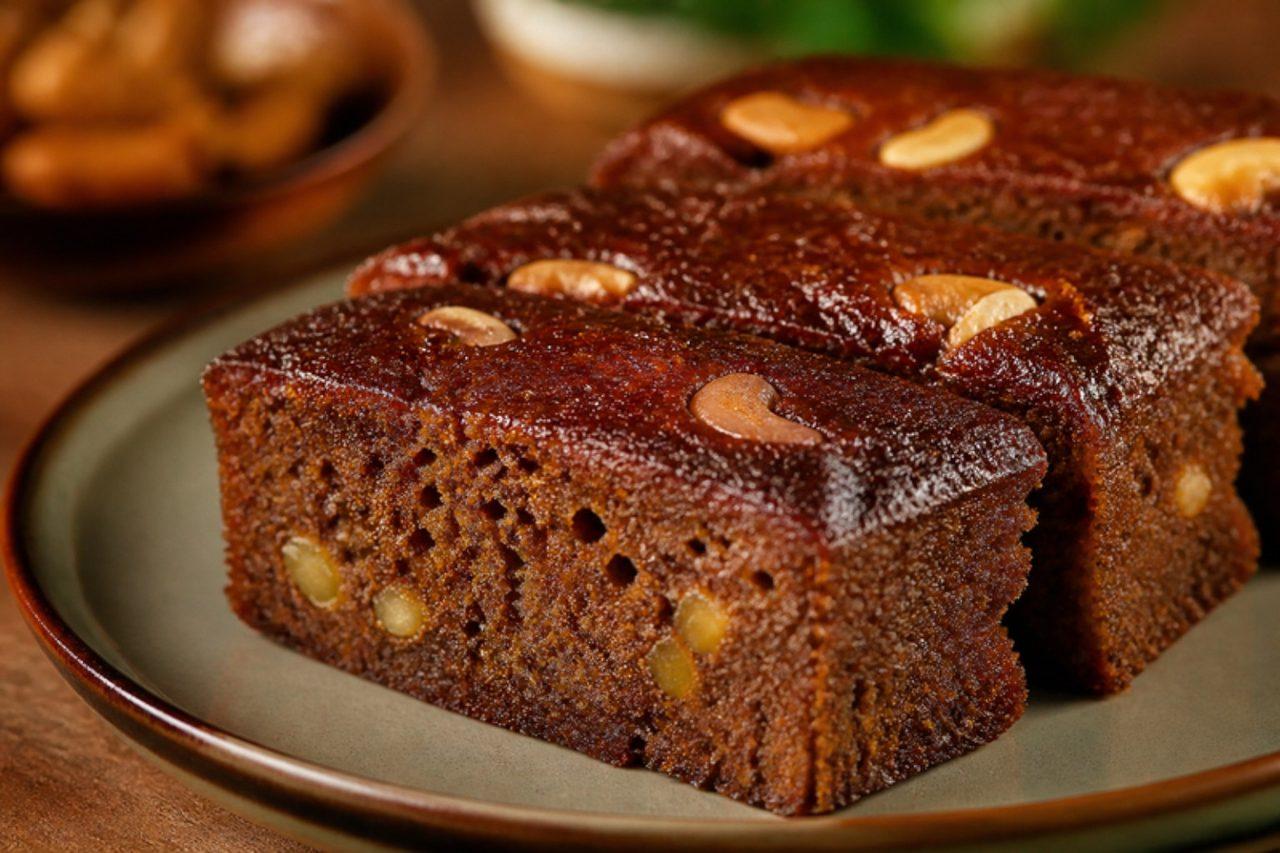
Coconut jaggery cake

Bibikkan is the darkest, stickiest cake in the Sri Lankan repertoire, baked by Burgher families for Christmas and by Sinhala households for the New Year table, and nobody quite agrees whether its roots lie in Portuguese or local kitchens. Freshly grated coconut is first cooked in melted kithul jaggery, then mixed with roasted semolina, flour, eggs, cashews, raisins, chopped ginger preserve and a mix of cinnamon, cardamom, nutmeg and cloves, and baked until almost black on the outside. The crumb is moist, heavy and chewy with coconut, with a deep treacle sweetness and a warm, spiced finish, and slices are served with tea. Baking it too hot is where it often goes wrong, as the jaggery burns before the middle sets, so keep the oven moderate and cover it if the top darkens early. Chef's tip: cook the coconut in the jaggery until it looks thick and sticky before mixing; that is what gives bibikkan its fudgy texture.

Read more 0 views

What to eat today?

Around the world

Today's trip: Peruvian

A new country every day, from every cuisine on the site.

Peruvian

Tacacho

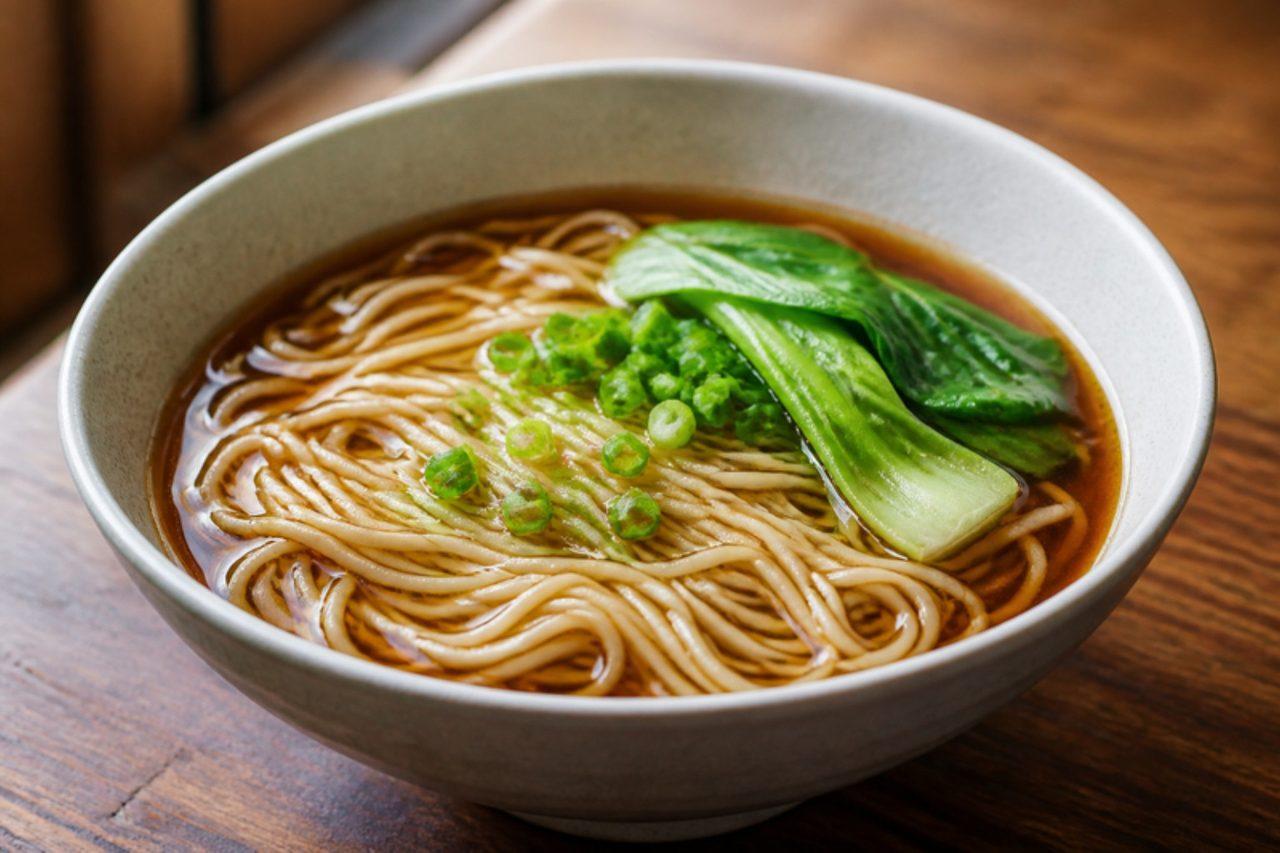
Mashed roasted green plantain balls 35 minMore from Peruvian (111) →

This week's collection

Kid-friendly dinners
772 recipes · a new collection every Monday

Coming up

All occasions →

Latest recipes

Lasary voatabiaTomato and spring onion relish

Lasary voatabia is the fresh tomato relish served beside the rice at almost every Malagasy meal, from Antananarivo's highland homes to the coast. Tomatoes and spring onion are chopped very small, sharpened with lime or vinegar and a little sakay (chilli), and spooned onto the rice to wake up broths like romazava. It is juicier and finer than a salad. Chef's tip: chop the tomatoes very small, almost to a pulp at the edges; the juice is meant to soak into the rice.

by KrazyBadal 0 views

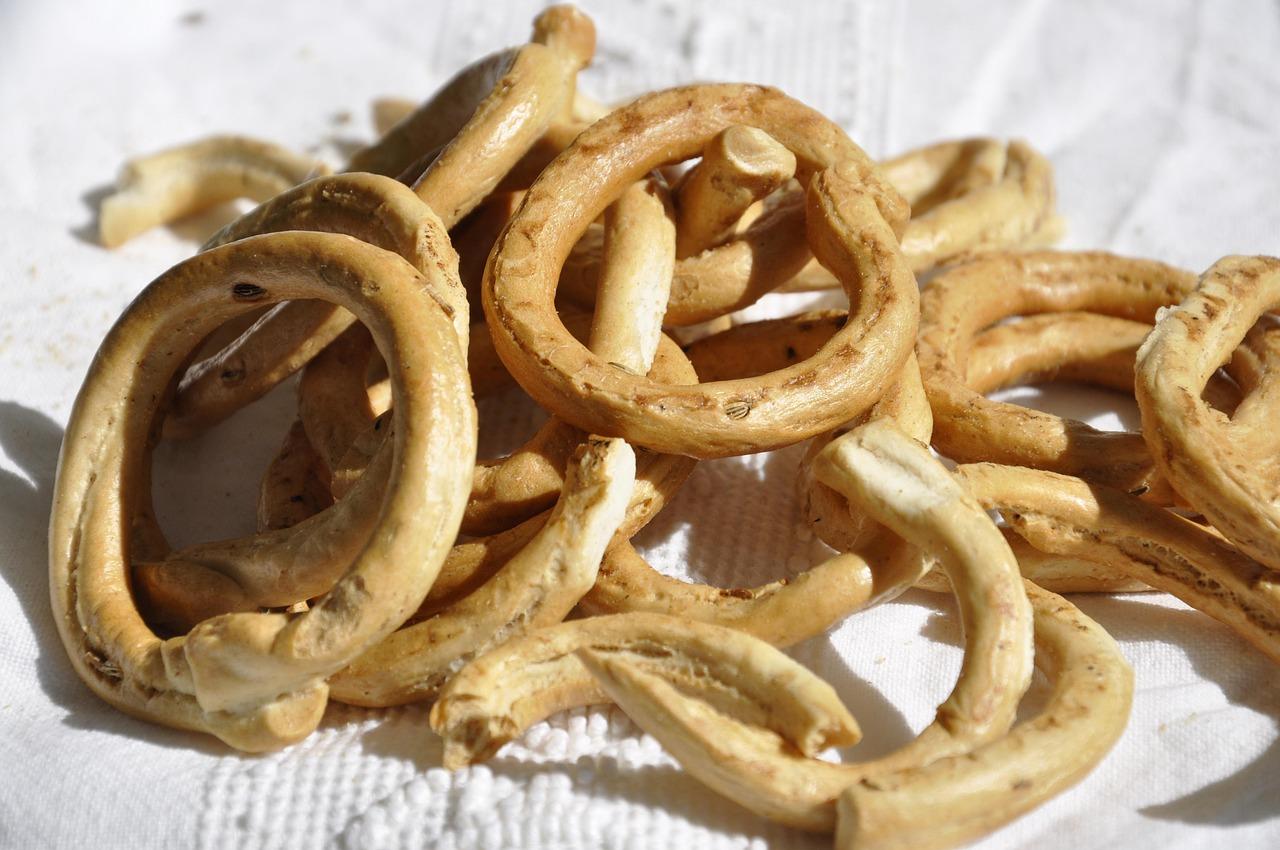
TaralliFennel and olive oil rings

Taralli are the crunchy rings found on every table in Puglia: with a glass of wine before dinner, in bags on the beach, or dunked in coffee. They are made with olive oil and dry white wine, no yeast or butter, and boiled briefly before baking, which gives them their shiny skin and fine, crumbly bite. Fennel seed is the classic flavour; black pepper or chilli are common too. They keep for weeks in a tin. Chef's tip: lift them out of the water the moment they float; longer boiling makes them hard and glassy instead of crumbly.

by KrazyBadal 0 views

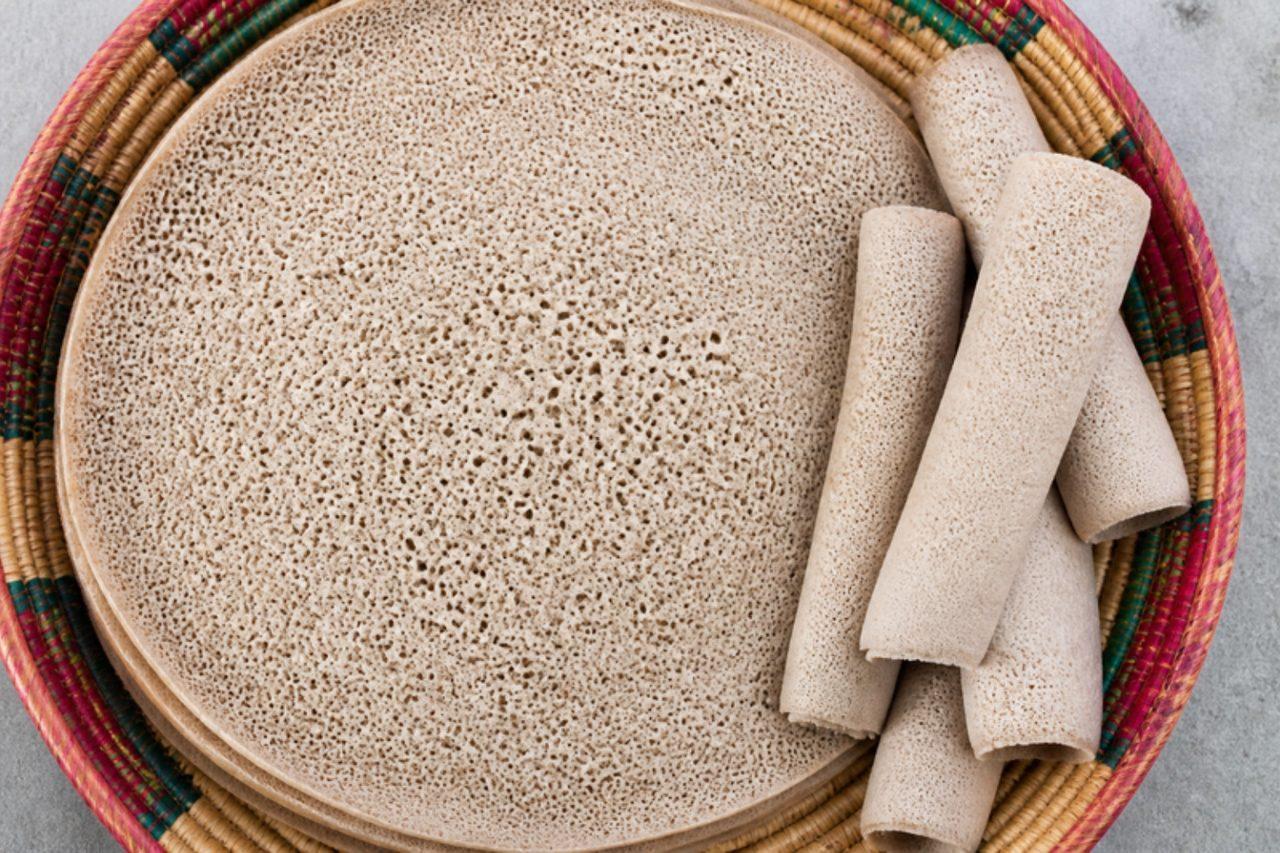
InjeraTeff flatbread

Injera is the bread, plate and spoon of the Ethiopian and Eritrean highlands: a wide, pale, sour flatbread made from teff, a tiny grain grown on the plateaus around Gondar, Gojjam and Shewa. A simple batter of teff and water is left to ferment for two or three days until it bubbles and smells pleasantly sour, then poured onto a hot griddle and steamed under a lid until its top is covered in little 'eyes'. It is eaten at every meal, with stews spooned on top and torn pieces used to pick them up. This home version uses 100% teff, so it is naturally gluten free. Chef's tip: keep the starter somewhere warm (around 24°C); in a cold kitchen it barely sours and the injera turns out flat and bland.

by KrazyBadal 0 views

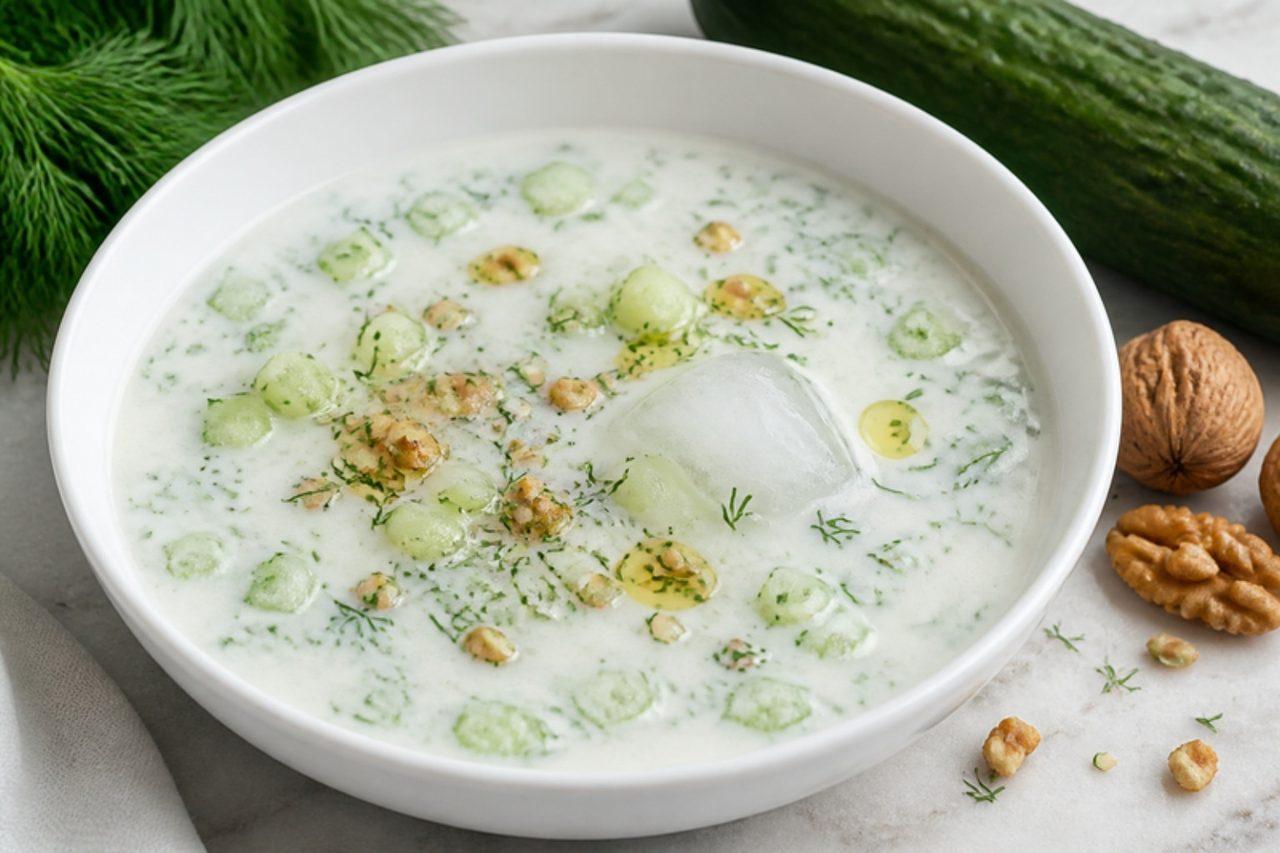
TaratorCold yogurt and cucumber soup

Tarator is what Bulgarians eat on hot July days, from the Black Sea resorts of Varna and Burgas to Sofia lunch counters: a cold, thin soup of tangy yogurt and water with grated cucumber, garlic, dill and crushed walnuts, a drizzle of sunflower oil on top and sometimes an ice cube floating in the bowl. It is served as a starter or drunk from a glass beside a plate of grilled vegetables. Chef's tip: use full-fat, sour, set yogurt and thin it to the consistency of single cream; making it too thick is the usual mistake, and it should be sippable.

by KrazyBadal 0 views

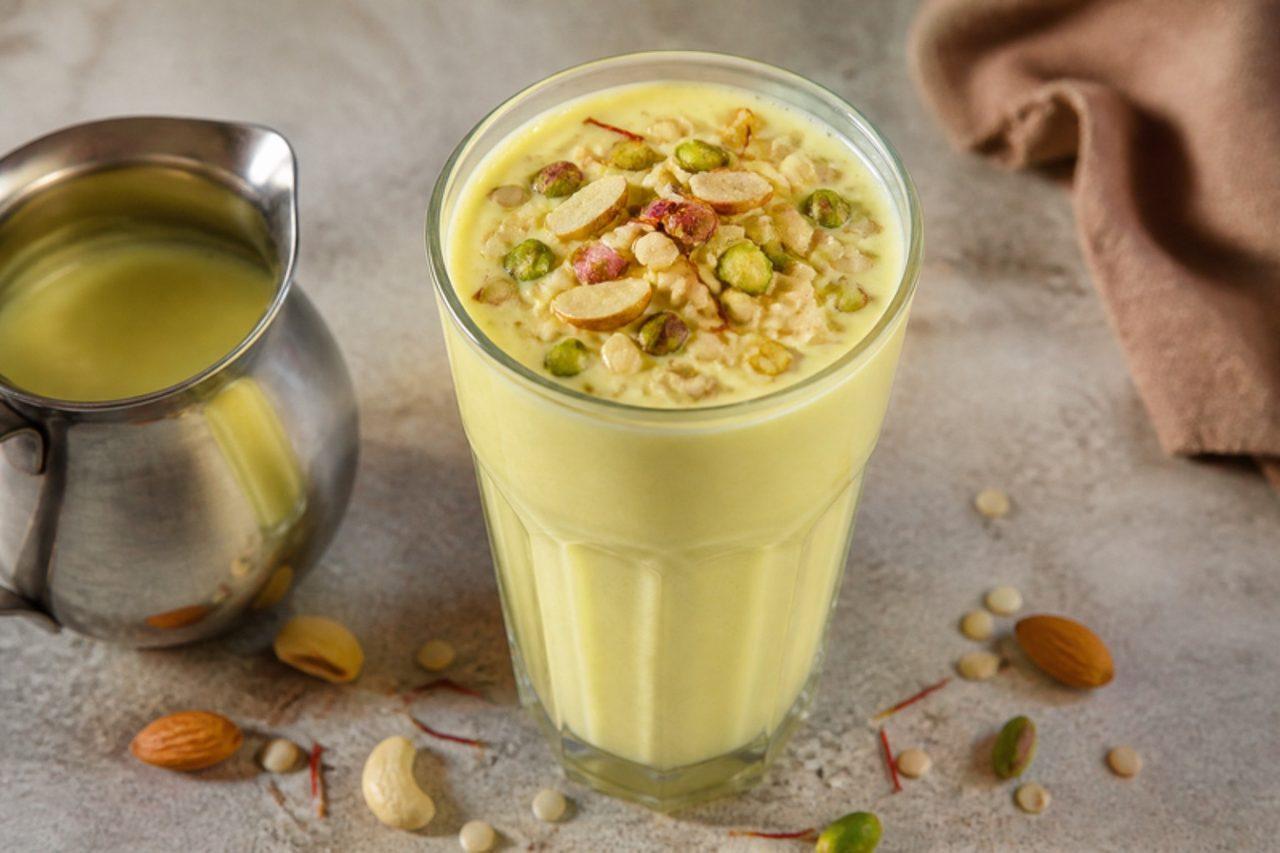
Indori shikanjiThick chilled milk drink

Anyone who orders shikanji in Indore expecting lemonade gets a surprise: here it is a spoonably thick drink of slow-reduced milk, saffron and cardamom, with a gentle tang from thick yogurt and plenty of chopped dry fruit. It is a late-night treat at Sarafa and Chhappan Dukan, poured from steel jugs into glasses after a round of savoury snacks. Think of it as somewhere between a lassi and a cold rabri. Chef's tip: the milk must be completely cold before the yogurt goes in, or the drink splits into grainy curds.

by KrazyBadal 0 views

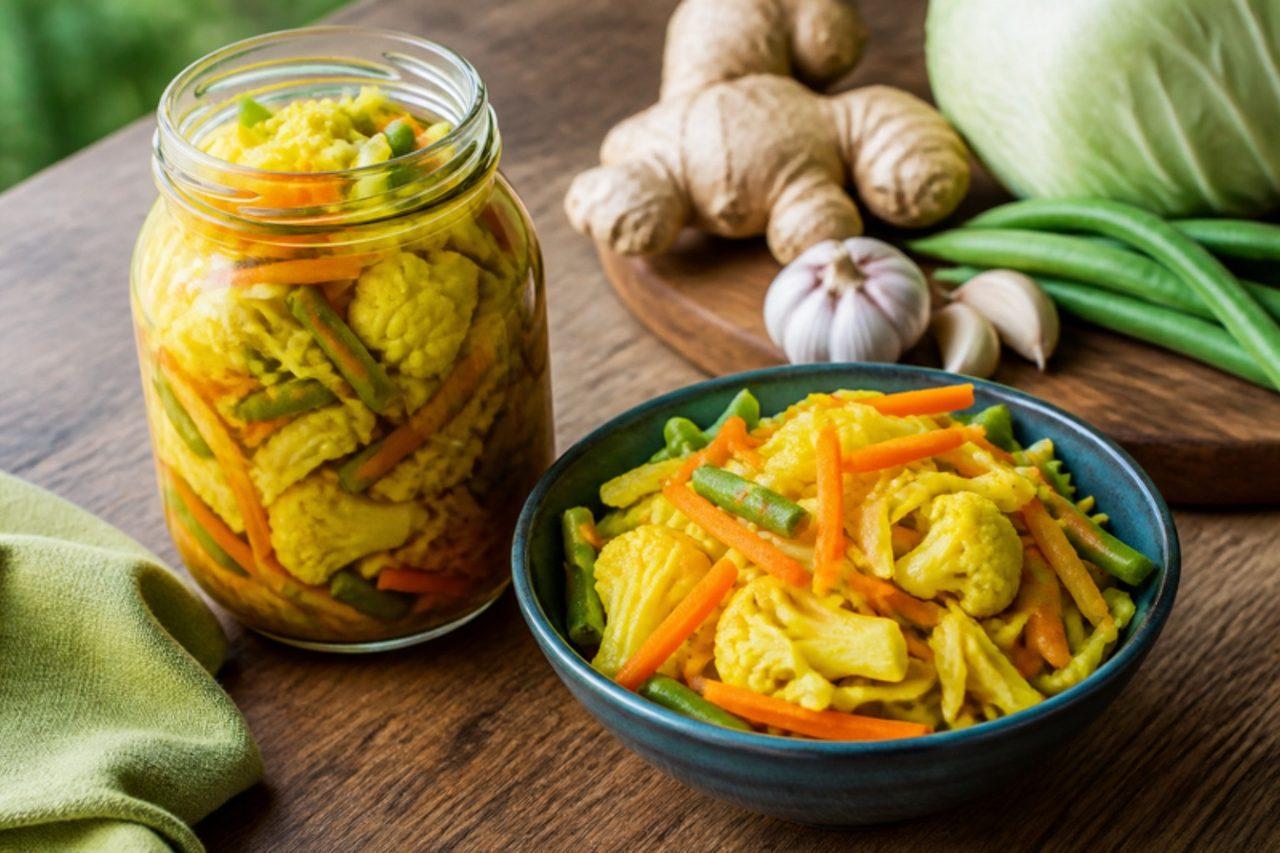
Lasary legiomaTurmeric pickled vegetables

Lasary legioma, vegetable lasary, is a tangy, turmeric-yellow pickle of carrot, green beans and cabbage that sits on the table in Malagasy homes and hotelys (small canteens) to brighten rice and plain dishes. It is close to the achards of Réunion and Mauritius and is made in large jars to last the week. Chef's tip: blanch the vegetables for only a minute and cool them fast; they should stay crunchy, not cooked.

by KrazyBadal 0 views

Tarri pohaFlattened rice with spicy chickpea curry

In Nagpur, winter mornings start at a poha stall: soft, turmeric-yellow flattened rice heaped onto a plate and then flooded with tarri, a spicy black-chickpea gravy with a slick of red oil on top, finished with raw onion, sev, coriander and a squeeze of lemon. It's Vidarbha's answer to the plain poha eaten elsewhere in India, louder and hotter, made for a cold morning and a cutting chai. Making it at home takes a little planning because the chana needs an overnight soak, but the tarri keeps for days. Chef's tip: don't skimp on the oil in the tarri; the red layer that floats on top is what soaks into the poha and gives the dish its name.

by KrazyBadal 0 views

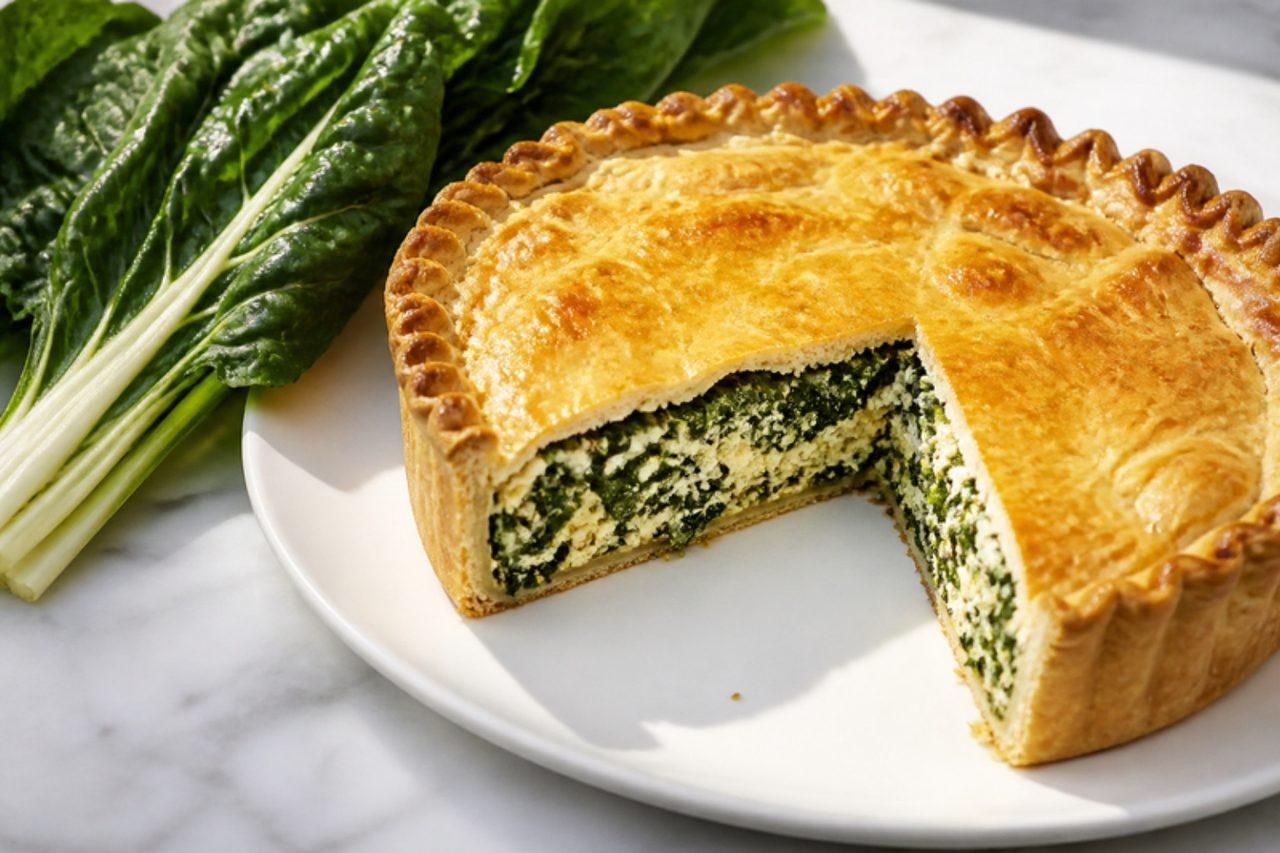
Tarta de acelgaChard and cheese pie

Tarta de acelga is the green, savoury pie found in every Argentine bakery window and on weeknight tables, a legacy of Italian torta pasqualina. Swiss chard is wilted with onion, bound with eggs and soft cheese, seasoned with nutmeg and baked between layers of pastry, sometimes with whole eggs hidden inside. It's eaten warm or cold, for dinner with a salad or packed for a picnic. Chef's tip: squeeze the cooked chard hard in your hands; any water left in it makes the pastry soggy.

by KrazyBadal 0 views

HalászléSpicy carp soup

Halászlé is the fiery fisherman's soup of the rivers Tisza and Danube, and on Christmas Eve it is on almost every Hungarian table; the towns of Szeged and Baja each claim the best version. A rich stock is made from fish heads and bones with onions and lots of paprika, sieved until smooth and red, and then thick slices of carp (or catfish) are poached in it at the last moment. Serve with white bread and fresh hot peppers. Chef's tip: poach the fish fillets without stirring; just swirl the pot so the pieces stay whole.

by KrazyBadal 1 views

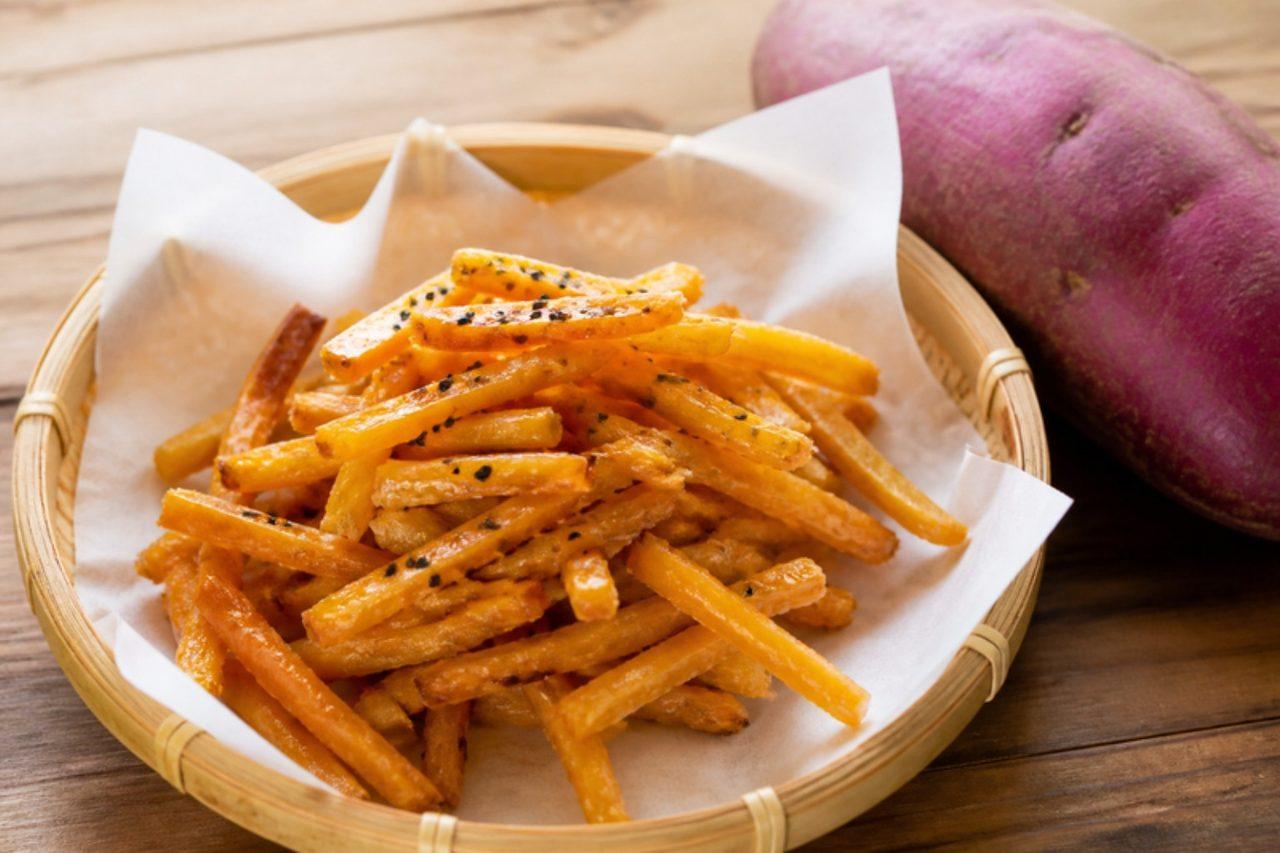
Imo kenpiCandied sweet potato sticks

Kagoshima, at Kyushu's southern tip, is Japan's sweet potato heartland. The crop is so closely tied to the region that the Japanese word for sweet potato, satsuma-imo, means 'Satsuma potato', after the old name of Kagoshima. Imo kenpi are its simplest snack: thin batons of sweet potato fried until crisp, then tossed in a syrup that sets into a glassy shell. Kids grab them from bags at the corner shop, and grandparents make them at home with the autumn harvest. They are crunchy, sweet and a little salty. Chef's tip: fry the potato twice, slowly first, then hot. That drives out the water and gives a snap that lasts for days.

by KrazyBadal 0 views

Tarte au rizRice pudding tart

In the province of Liège, and above all in the town of Verviers, no village fair (ducasse) or family celebration happens without tarte au riz, called rijsttaart in Flanders. A thin, soft yeast-dough crust holds a thick layer of rice cooked slowly in milk with vanilla and sugar, enriched with egg yolks and baked until the top is speckled brown. People buy whole tarts from the bakery for a birthday and eat them cold with coffee. Chef's tip: cook the rice until a spoon drawn through it leaves a clear path that closes slowly; a runny filling never sets in the oven, and the crust turns soggy.

by KrazyBadal 0 views

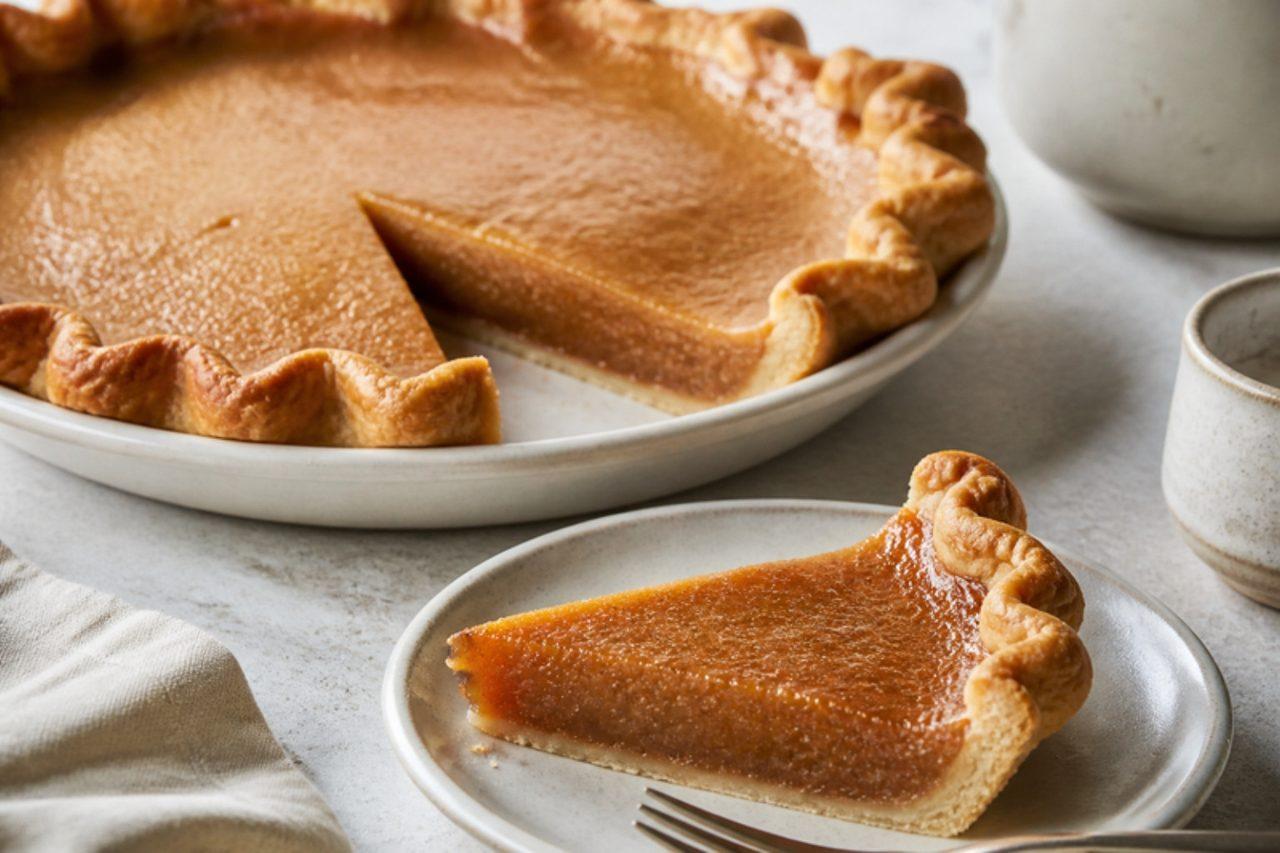
Tarte au sucreMaple sugar pie

Tarte au sucre is the sweet that closes Québec's holiday réveillon (Christmas Eve feast) and the Sunday meal at grandmother's house. Brown sugar, cream and a little maple syrup are thickened with flour and baked in a buttery shell until set like soft fudge, glossy on top. It's very sweet, so slices are thin, often with a dollop of unsweetened whipped cream. Rural Acadian and Franco-Ontarian families make very similar pies. Chef's tip: let it cool completely, for at least 3 hours; warm sugar pie is runny and only sets as it cools.

by KrazyBadal 0 views

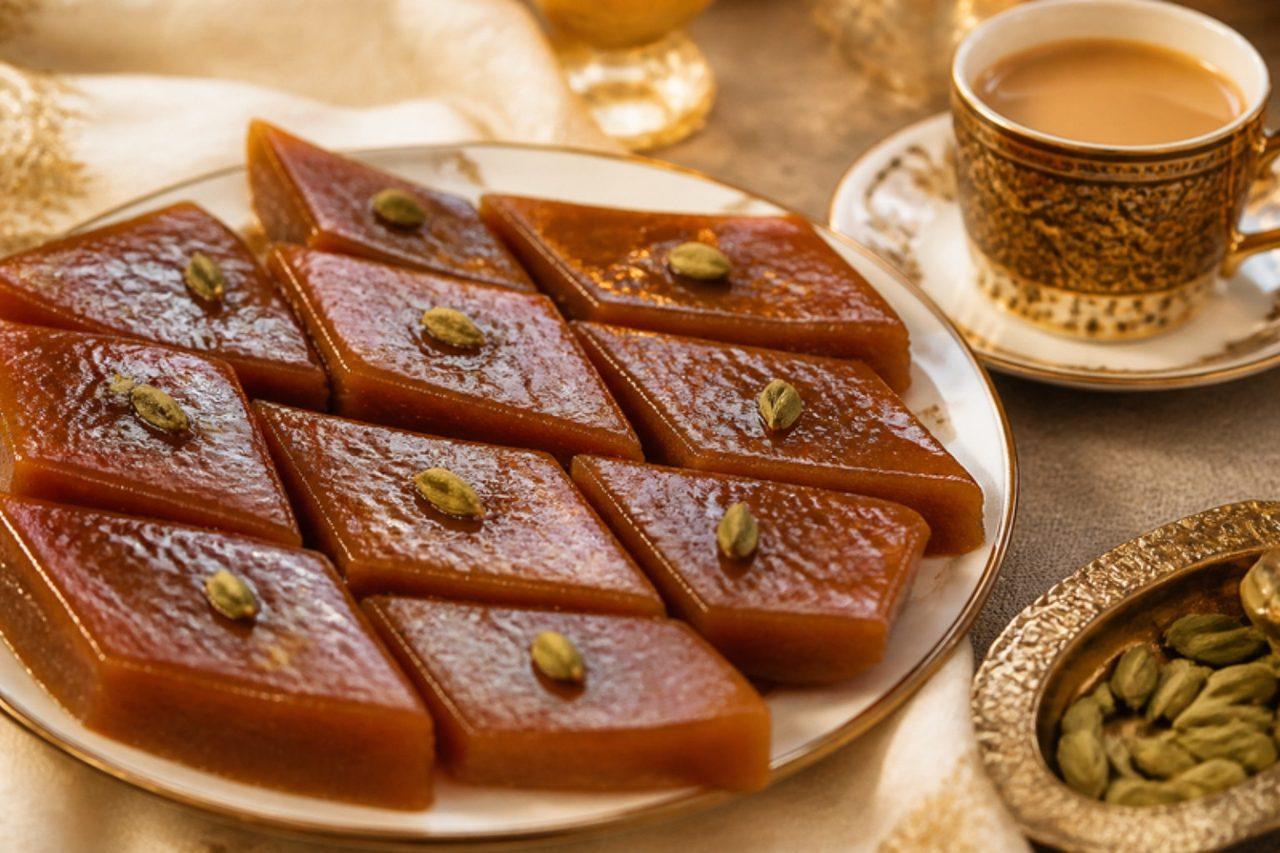
XalwoCardamom halwa

Xalwo is the sweet of Somali celebrations: weddings, Eid and the arrival of guests are all marked with a tray of this dark, glossy, chewy confection, cut into diamonds and served with coffee or spiced tea. Sugar is caramelised, then cooked slowly with cornflour and oil or ghee while the cook stirs without stopping until it pulls away from the pan. It is a cousin of Omani and Yemeni halwa. Chef's tip: stir constantly and keep going until the oil starts to separate and shine on the surface; stopped early, xalwo stays soft and does not set.

by KrazyBadal 0 views

HarchaPan-fried semolina bread

Harcha are thick little semolina breads cooked on a griddle and eaten all over Morocco at breakfast and with mid-afternoon tea, especially during Ramadan for the evening meal. The dough is closer to a crumbly batter than a bread dough, so it needs no kneading or rising; it is pressed into rounds and cooked slowly until the outside turns golden and gritty and the inside stays tender, a bit like a savoury shortbread. Split them while warm and spread with butter and honey, apricot jam or a wedge of soft cheese. Chef's tip: let the mixed dough rest for 5 minutes; the semolina drinks up the milk and becomes much easier to shape.

by KrazyBadal 0 views

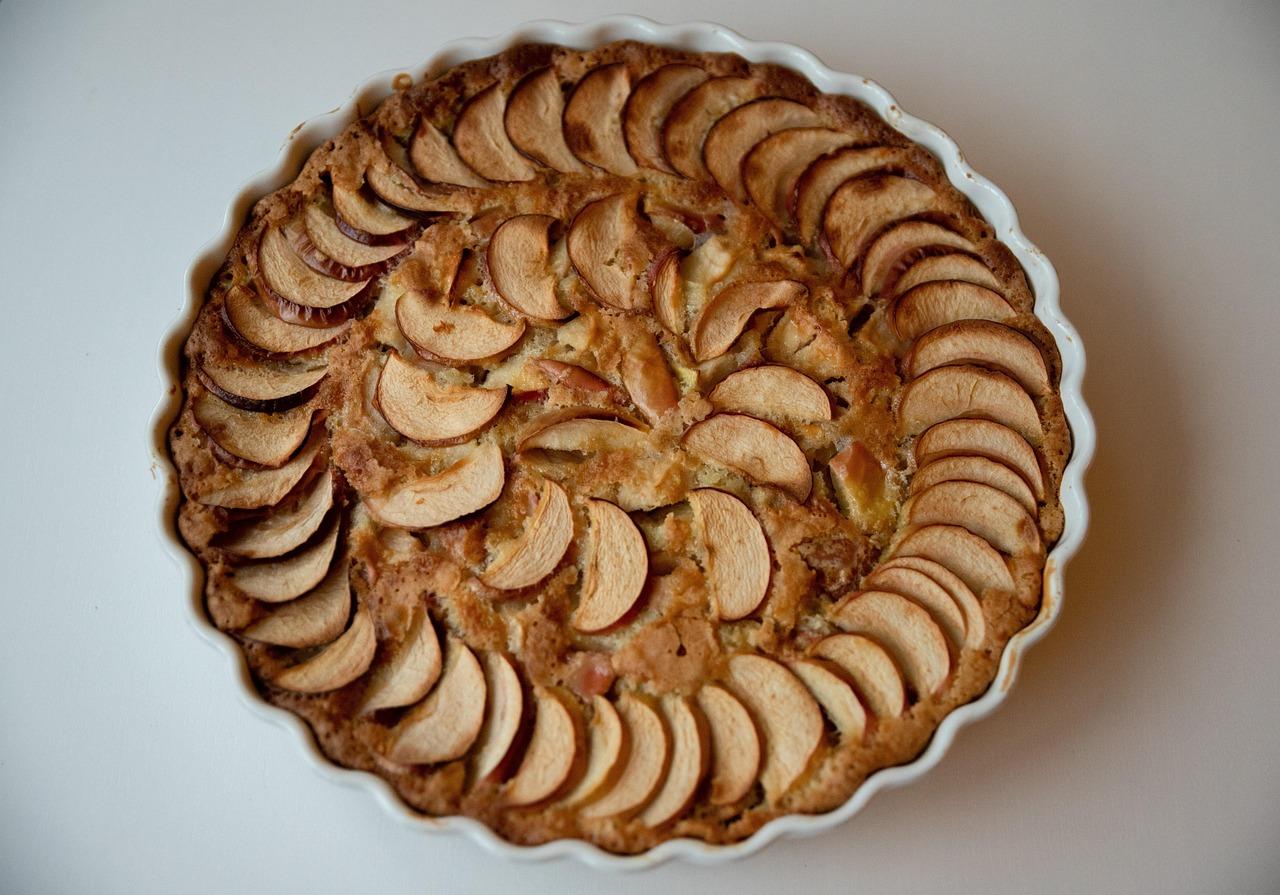
Tarte normandeApple tart with custard

Normandy is the land of orchards and dairy cows, and its apple tart uses both: sliced apples baked in a buttery pastry case, then covered with a custard of eggs, crème fraîche and sugar that sets around the fruit, golden and slightly puffed. Some cooks add a splash of Calvados, the local apple brandy. It's served for Sunday lunch, at village fêtes in autumn, and with a glass of cider. The apples stay soft but hold their slices, and the custard tastes like baked cream. Chef's tip: pre-bake the pastry case before adding the custard; skipping it is the common mistake that leaves a pale, soggy base.

by KrazyBadal 0 views

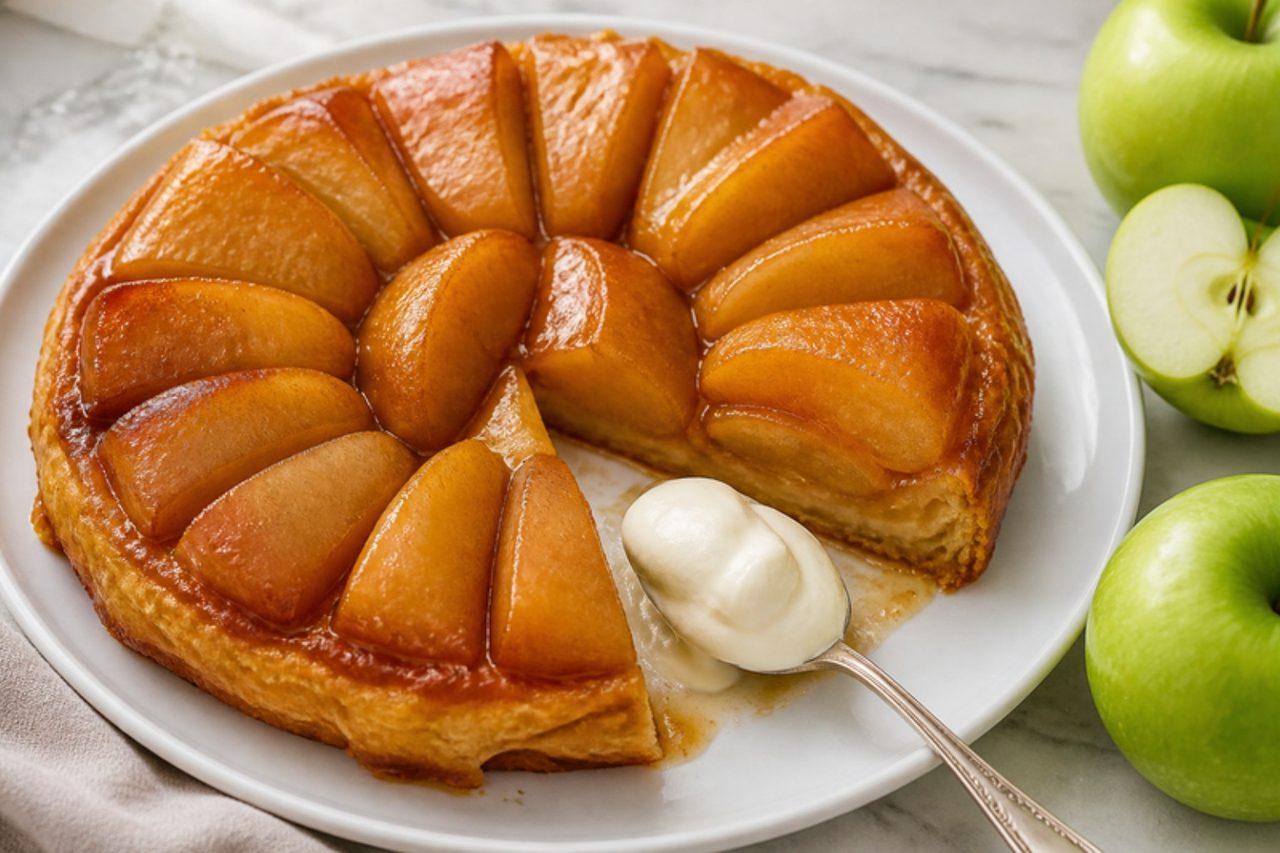
Tarte tatinUpside-down apple tart

Tarte tatin is said to have been created at the Hôtel Tatin in Lamotte-Beuvron, in the Sologne, south of Orléans, where the Tatin sisters cooked for hunting parties in the 1880s. The apples are cooked in butter and sugar until they turn amber, covered with pastry, baked, then turned out so the glossy caramelised fruit sits on top of a crisp base. It is the French family dessert of autumn and winter, served warm with crème fraîche. This version uses an all-butter shortcrust made without egg. Chef's tip: pack in more apples than seem possible, as they shrink; using too few is the common mistake and leaves a flat tart with gaps.

by KrazyBadal 0 views

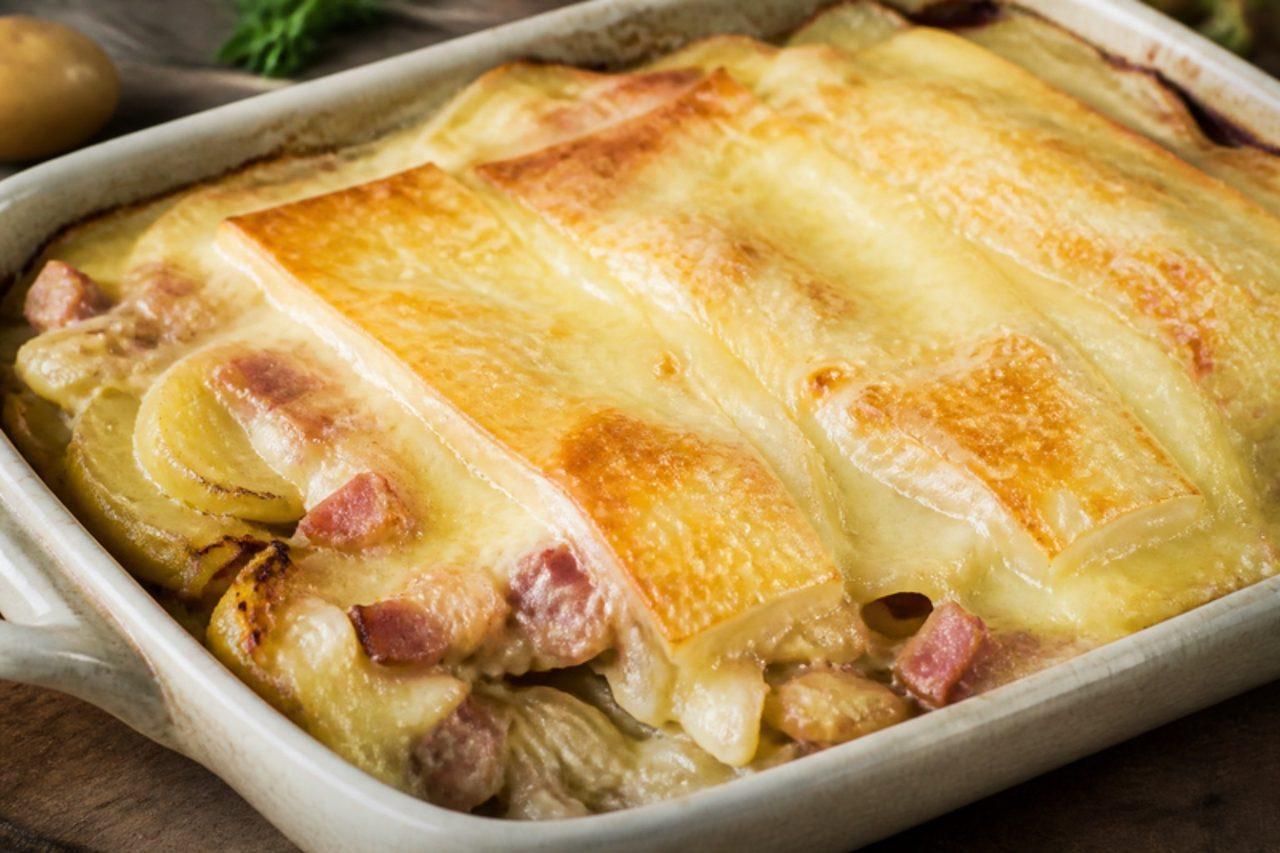
TartiflettePotato, bacon and Reblochon bake

Tartiflette is the dish skiers dream about on the last run of the day in the Savoie Alps, served bubbling in its dish in mountain restaurants from Annecy to Val d'Isère. It contains pork: sliced potatoes are layered with onion, smoky lardons and a splash of cream, then a whole Reblochon cheese is halved and laid rind-side up on top so it melts down through everything in the oven. Many cooks add a splash of white wine to the onions; this recipe leaves it out, so it is alcohol-free. Eat it with a sharp green salad and cornichons. Chef's tip: keep the rind on the Reblochon; it bakes to a golden, nutty crust.

75 minFrenchMeatGluten free
by KrazyBadal 0 views

Lasaniya batakaGarlic potatoes

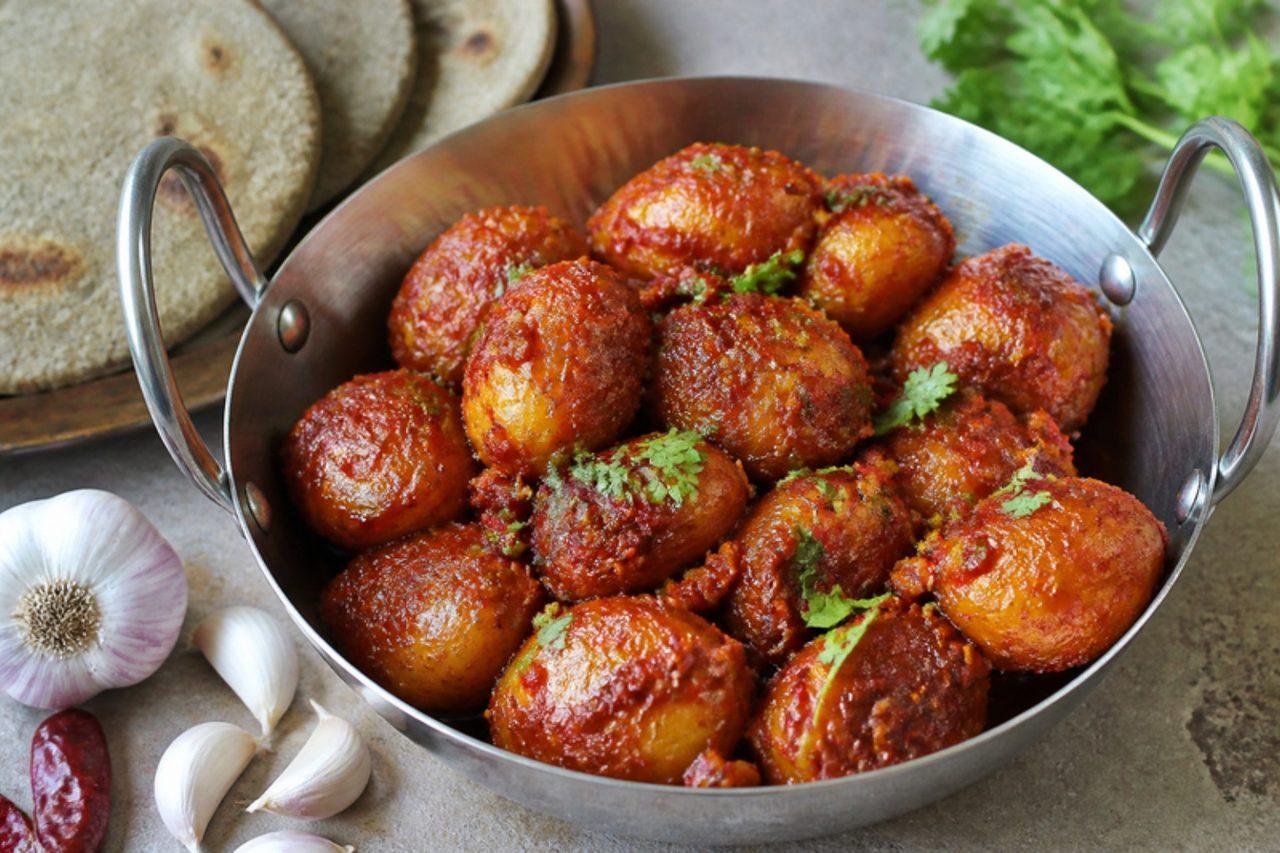
Lasaniya bataka is a dhaba favourite along the highways of Kathiawad, where it lands on the table next to bajra rotla, a lump of white butter, raw onion and a glass of chaas. Baby potatoes are boiled, lightly fried, then coated in a thick paste of pounded garlic and red chilli that has been cooked down until it smells sweet rather than sharp. It is hot, garlicky and a little tangy, the kind of side dish that turns plain flatbread into a meal. Make it for a winter lunch with Kathiawadi kadhi and khichdi. Chef's tip: pound the garlic and chilli in a mortar instead of blending; a slightly coarse paste clings to the potatoes and gives you little bursts of garlic.

by KrazyBadal 0 views

Larb gaiSpicy chicken salad

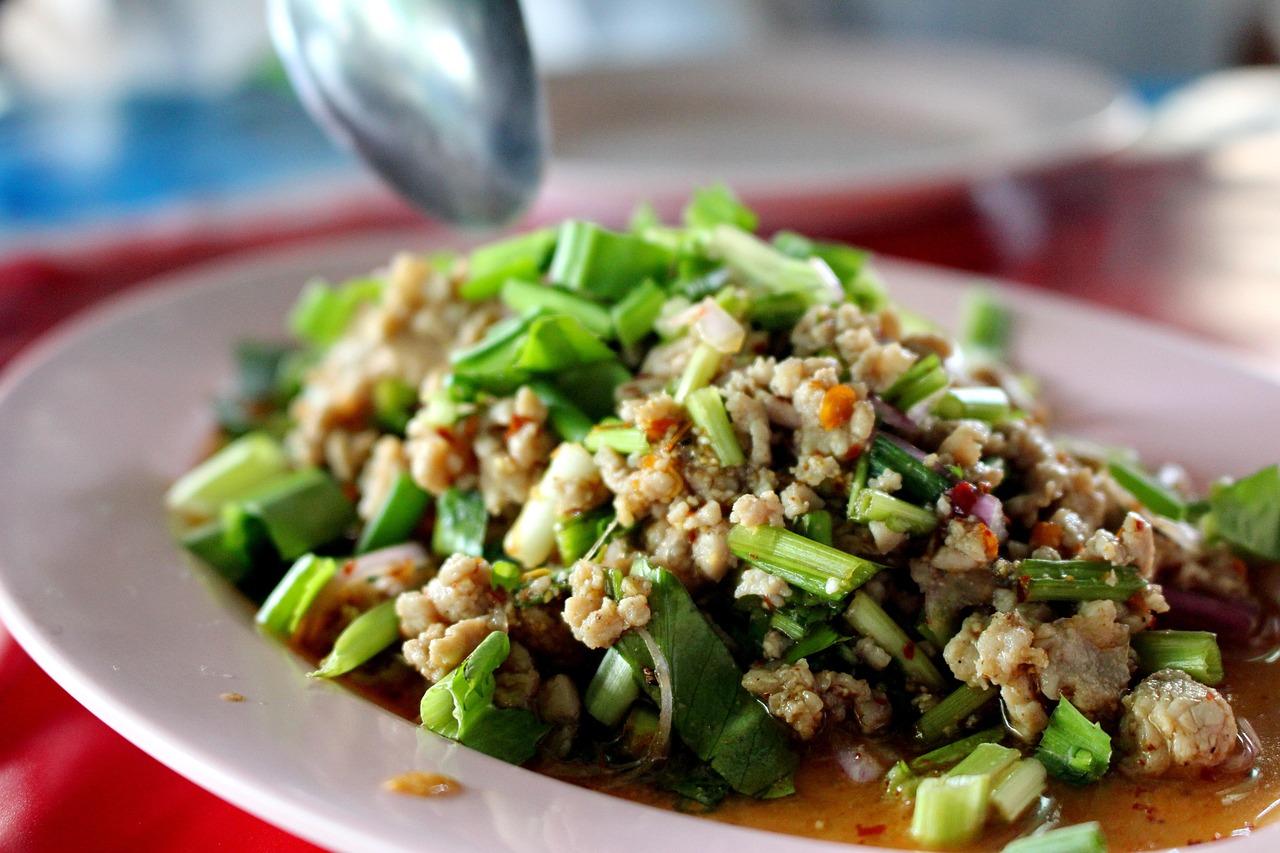
Out in the rice-farming provinces of Isan, a plate of larb turns up at almost every family meal and roadside som tam shack, always with a basket of sticky rice and a pile of raw greens. Warm minced chicken is tossed with fish sauce, plenty of lime, dried chilli and a fistful of mint, then finished with nutty, crunchy toasted rice powder. The result is bright, sour, salty and hot all at once, with a pleasing coarse texture. Wrap spoonfuls in lettuce, or eat it with sticky rice, cucumber and long beans. Chef's tip: toast your own rice powder; shop-bought tastes flat, and freshly ground grains smell like popcorn.

25 minThaiSaladsGluten freeSpicy
by KrazyBadal 0 views

LángosFried bread with garlic and cheese

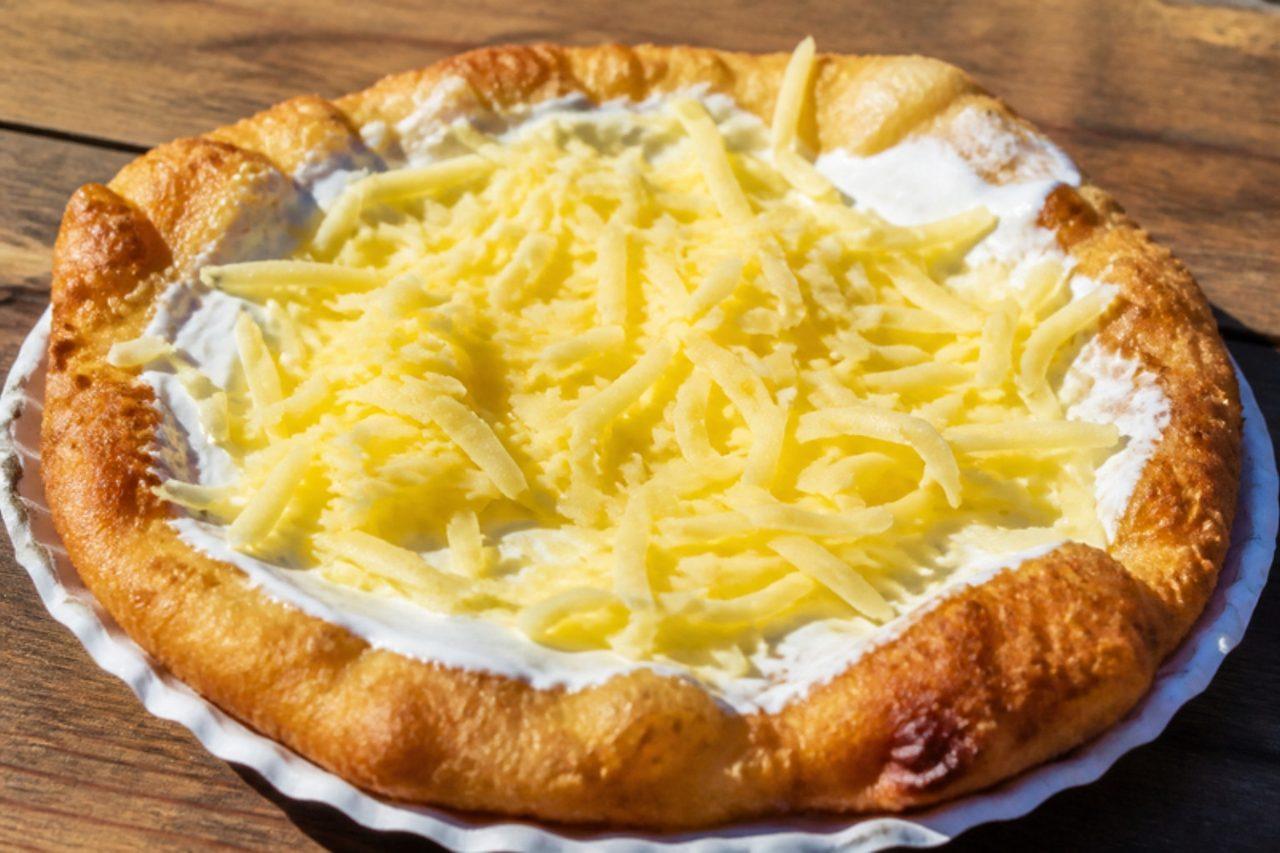
Lángos is the deep-fried flatbread of Hungarian beaches and markets: it is eaten in swimsuits on the shore of Lake Balaton, at Budapest's Great Market Hall and at every summer fair. The dough is soft and yeasted, often enriched with mashed potato, and it fries into a puffy disc that is crisp at the edges and chewy in the middle. The classic topping is garlic water brushed on hot, then sour cream and a snowfall of grated cheese. Chef's tip: stretch the dough thinner in the centre than at the rim; the edge puffs into a crisp crust while the middle stays soft enough to hold the toppings. Choose a cheese made with vegetarian rennet (many supermarket Cheddars and Edams are).

by KrazyBadal 0 views

XawaashSomali spice blend

Xawaash (pronounced 'ha-wash') is the spice mix every Somali kitchen keeps in a jar, used in rice, soups, stews, sambuusa fillings and even tea. Families toast and grind their own, often in quantity before Ramadan, and the balance of warm cumin, earthy coriander and sweet cardamom and cinnamon varies from house to house. It is different from Yemeni hawaij and Ethiopian berbere: there is no chilli in it. Chef's tip: toast each spice only until it darkens a shade and smells warm; burnt cumin turns the whole jar bitter.

by KrazyBadal 0 views

Lamprais (home version)Rice parcel with meat curry

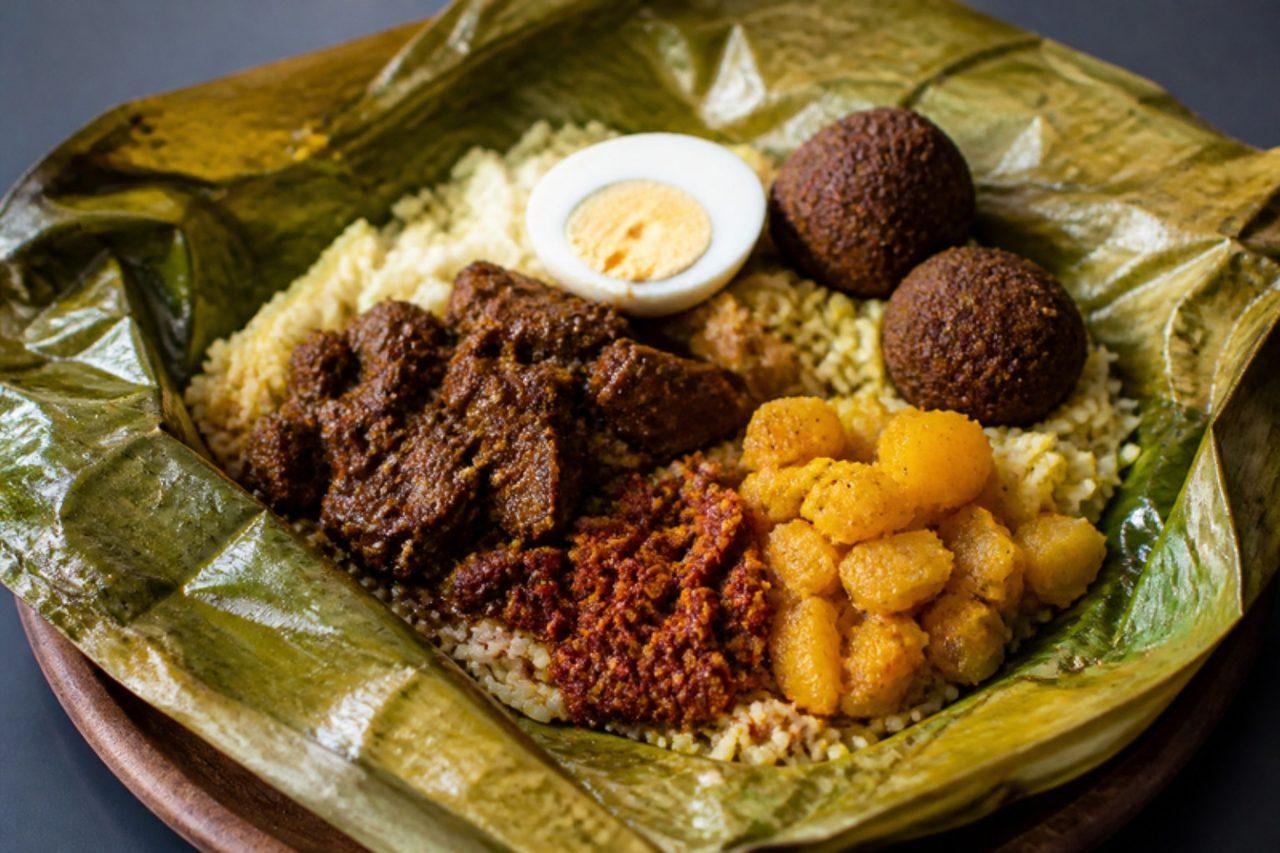
Lamprais came to Sri Lanka with the Dutch Burgher community, and Colombo's Burgher families still make it for Sunday lunch, christenings and Christmas. Each banana-leaf parcel holds rice cooked in rich stock, a mixed meat curry, little fried meatballs called frikkadels, a hard-boiled egg, aubergine moju and seeni sambol, all baked together until the leaf perfumes everything. The traditional version uses three meats including pork; this home version keeps it to chicken and beef so it is manageable in one day, and the steps still take time. Chef's tip: make the curry and frikkadels the day before; on lamprais day you only cook the rice and wrap.

by KrazyBadal 0 views

Imeruli khachapuriRound cheese-filled bread

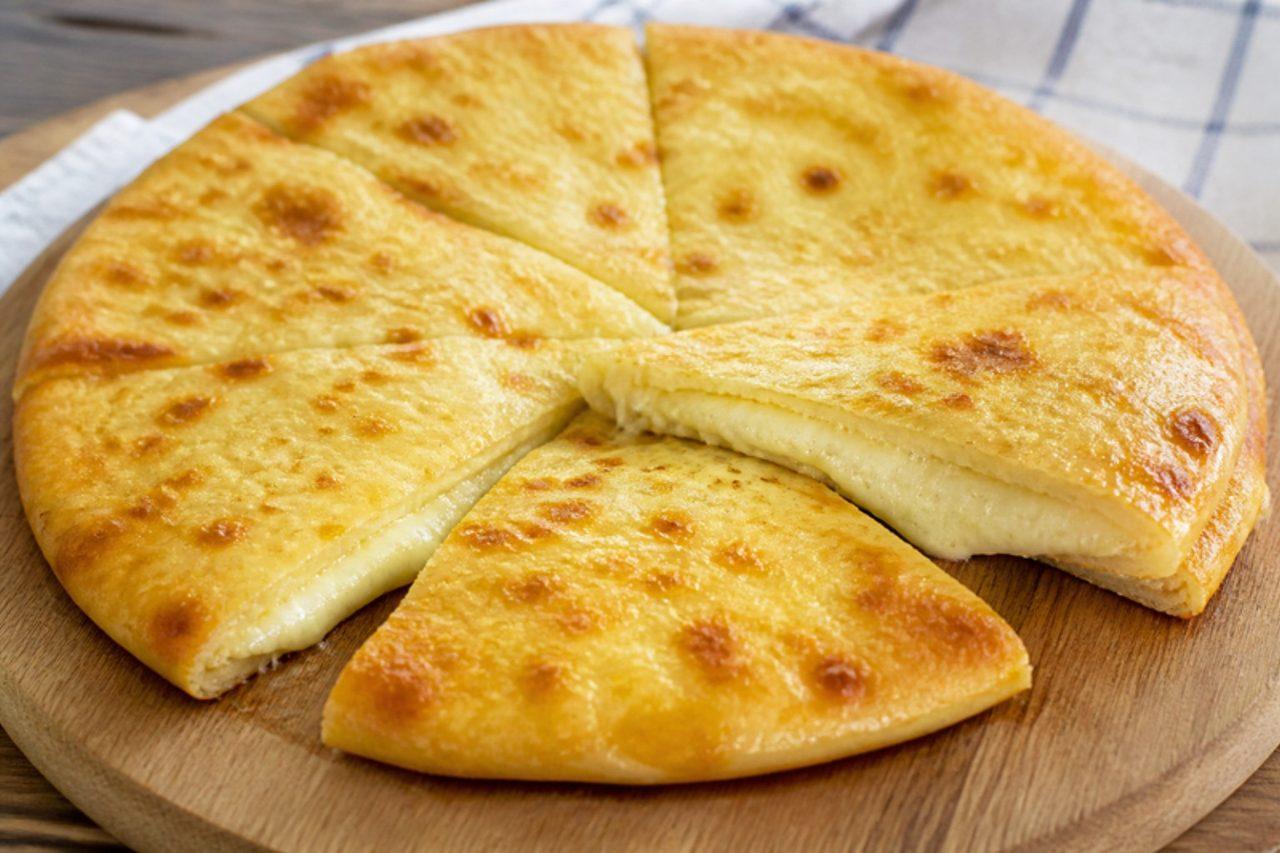
In Imereti, the region around Kutaisi in western Georgia, this flat round cheese bread is everyday food, and it is the one most families make at home: a tender, quick dough leavened with matsoni (Georgian yogurt) and soda, wrapped around a cheese ball and cooked in a dry frying pan. It is cut into wedges like a pizza and set on the table for breakfast, for a feast, or packed for a long car journey. Georgian imeruli and sulguni cheeses are hard to find outside Georgia, so this uses mozzarella with feta for the salty tang. Choose cheeses labelled vegetarian (microbial rennet). Children love it plain, still warm. A common mistake is rolling it out with heavy pressure, which tears the thin dough so the cheese leaks and burns in the pan. Chef's tip: press it out gently with your fingertips from the centre outwards, and if a small hole appears, pinch a scrap of dough over it before it reaches the pan.

by KrazyBadal 0 views

LamingtonsChocolate coconut sponge squares

Lamingtons are said to be named after Lord Lamington, Governor of Queensland at the turn of the twentieth century, and they're the cake of Australian school fundraisers, Country Women's Association stalls and morning tea at work; there's even a National Lamington Day on 21 July. Cubes of light butter sponge are dunked in a thin, glossy chocolate icing and rolled in desiccated coconut, so each one has a soft, chocolate-soaked outside and a fluffy middle. Some bakeries split them and fill them with jam and cream. Chef's tip: bake the sponge a day ahead, or freeze the cut squares for an hour; fresh sponge crumbles in the icing, firm sponge dips cleanly.

by KrazyBadal 0 views

Lal sahRed tea

In Assam, the home of half of India's tea, the everyday cup is lal sah, 'red tea': strong CTC or orthodox Assam leaf brewed briefly, poured off, sweetened and drunk black. It is what tea-garden workers, Guwahati office-goers and grandmothers drink from morning till evening, often with a slice of lemon, a crushed piece of ginger or, in upper Assam, a bay leaf. Its colour is a deep, clear red and its taste is malty and brisk, never stewed. Chef's tip: take the pan off the heat before adding the leaves; boiling them makes the tea harsh and cloudy.

by KrazyBadal 1 views

LaksamRice noodles in coconut fish gravy

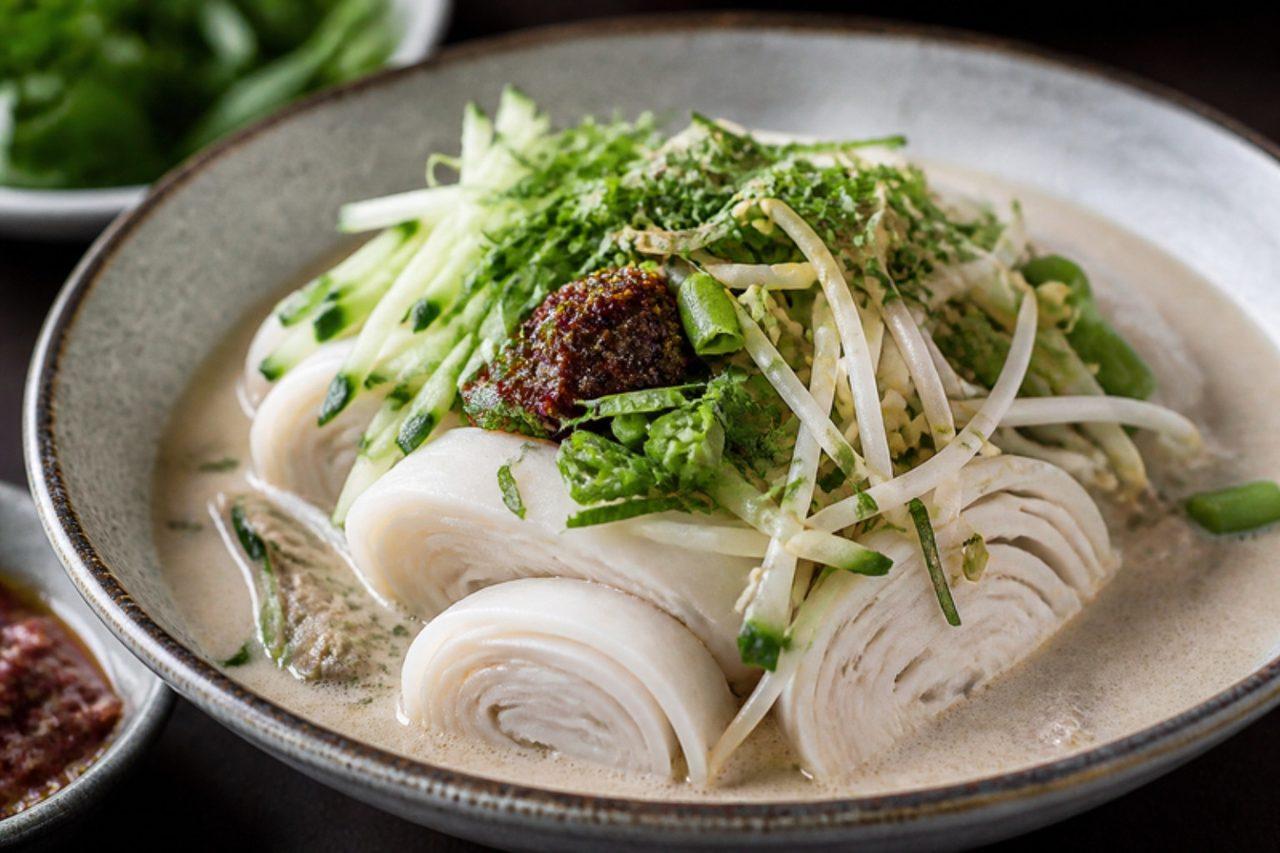
Kota Bharu's morning market has its own noodle: laksam, thick sheets of steamed rice batter rolled up like little carpets and sliced into wheels. They are drowned in a pale, creamy gravy of pounded fish and coconut milk, then heaped with raw herbs and vegetables (ulam): cucumber, long beans, bean sprouts, daun kesum and torch ginger flower, with a spoonful of fiery chilli and budu, the region's fermented anchovy sauce. The result is soft and slippery, rich and cool at the same time. Locals eat it for breakfast or as a mid-morning snack. Chef's tip: pound the cooked fish with the shallots instead of blending it smooth; the gravy should feel faintly textured, like a thin porridge.

by KrazyBadal 1 views

TataleSpiced plantain pancakes

Tatale is how Ghanaian cooks rescue plantains that have gone soft and black: they are mashed with onion, ginger and chilli, bound with a little flour, and fried as thick pancakes. In Accra and the Volta region they are sold warm from roadside pans and eaten as a snack or with a bowl of bean stew (aboboi). The outside crisps and caramelises while the inside stays soft and sweet. This version uses fine cornmeal, which keeps it gluten free. Chef's tip: the blacker the plantain skins, the better; they should feel soft like an overripe banana.

by KrazyBadal 0 views

Hakka lei chaPounded herb and peanut tea

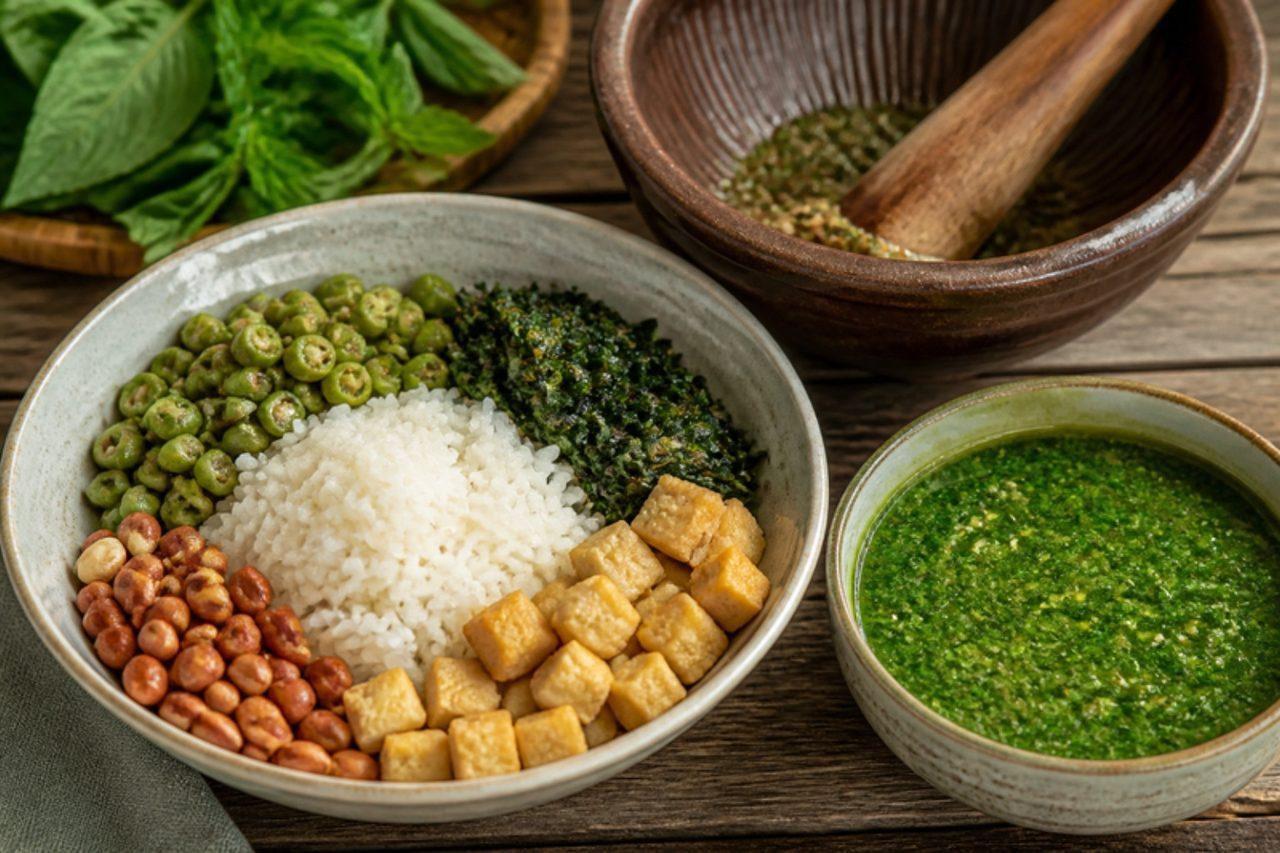
Lei cha means 'pounded tea', and in Hakka villages from Jieyang and Hepo to Taiwan and Malaysia it is still ground by hand in a ridged bowl with a guava-wood stick. Tea leaves, basil, mint and coriander are pounded with sesame and peanuts, then loosened with hot water into a grassy green soup. It's ladled over a bowl of rice topped with small heaps of stir-fried greens, beans, tofu and preserved radish. Some families eat it on the seventh day of the New Year. Chef's tip: toast the sesame and peanuts yourself; the toasting gives the soup its depth.

by KrazyBadal 0 views

LaingTaro leaves in coconut milk

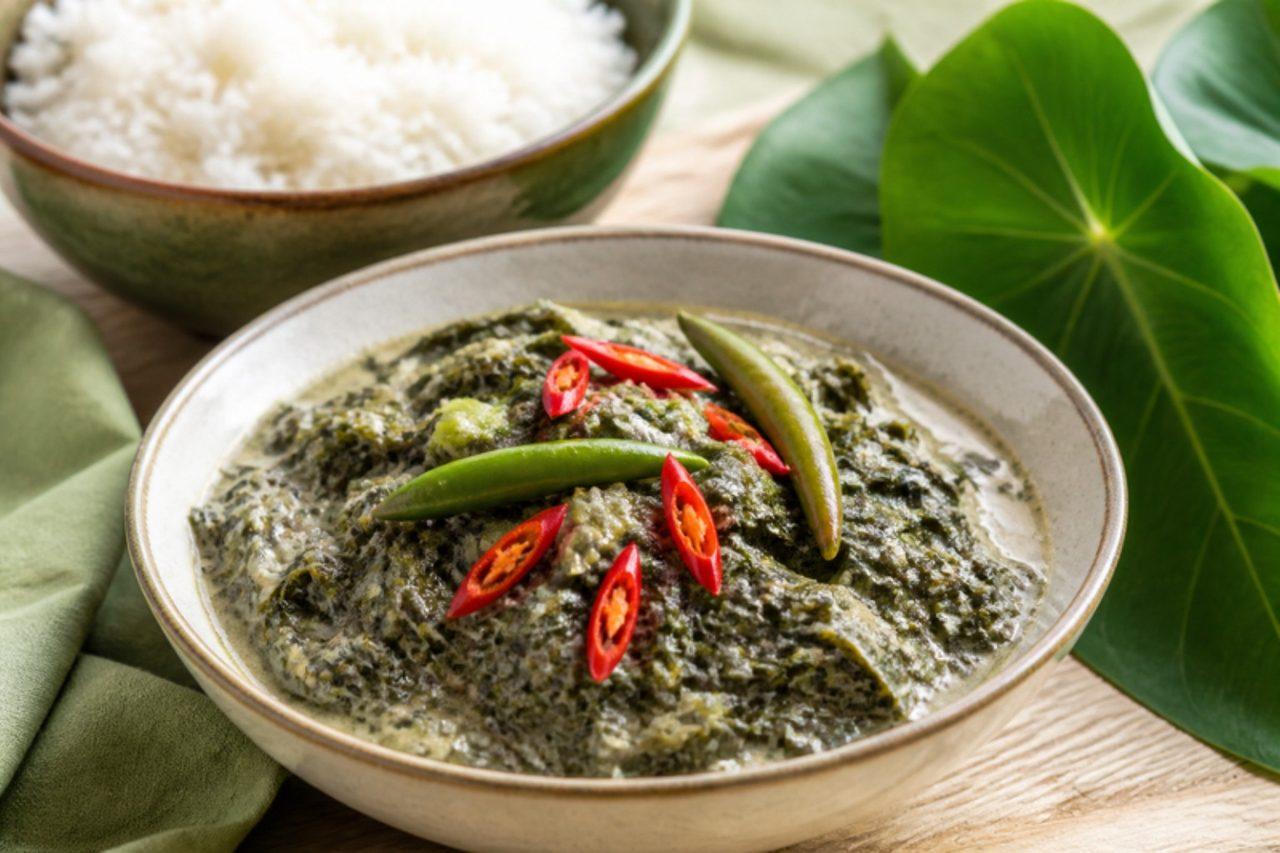
Laing is the pride of Bicol, the chilli-loving region at the southern tip of Luzon. Dried taro leaves are simmered for close to an hour in coconut milk with ginger, lemongrass and siling labuyo until they collapse into a dark, creamy, spicy mass, then finished with thick coconut cream. Bicolano cooks usually add pork or dried fish and shrimp paste; this vegetarian version leans on extra ginger and a little salt and stays rich. Eat it with plain rice, often as a Friday or Lenten dish. Chef's tip: lay the leaves on top of the coconut milk and don't stir until they have soaked it up; stirring raw taro leaves early is said to leave an itchy taste.

by KrazyBadal 0 views

Lahpet thokePickled tea leaf salad

Lahpet thoke is how Myanmar welcomes a guest: a lacquered tray of pickled tea leaves surrounded by fried beans, peanuts, sesame and garlic, offered after meals, at weddings and at monk feasts from Mandalay to Yangon. Mixed into a salad with cabbage, tomato, chilli and lime, it becomes the country's most famous dish: bitter, sour, salty and crunchy at once, with a gentle caffeine lift. Ready-made lahpet sometimes contains fish sauce and the crunchy mix often has dried shrimp, so this version quick-pickles loose green tea at home. Chef's tip: soak the tea in several changes of hot water and squeeze it hard each time; that's what tames the bitterness.

by KrazyBadal 0 views

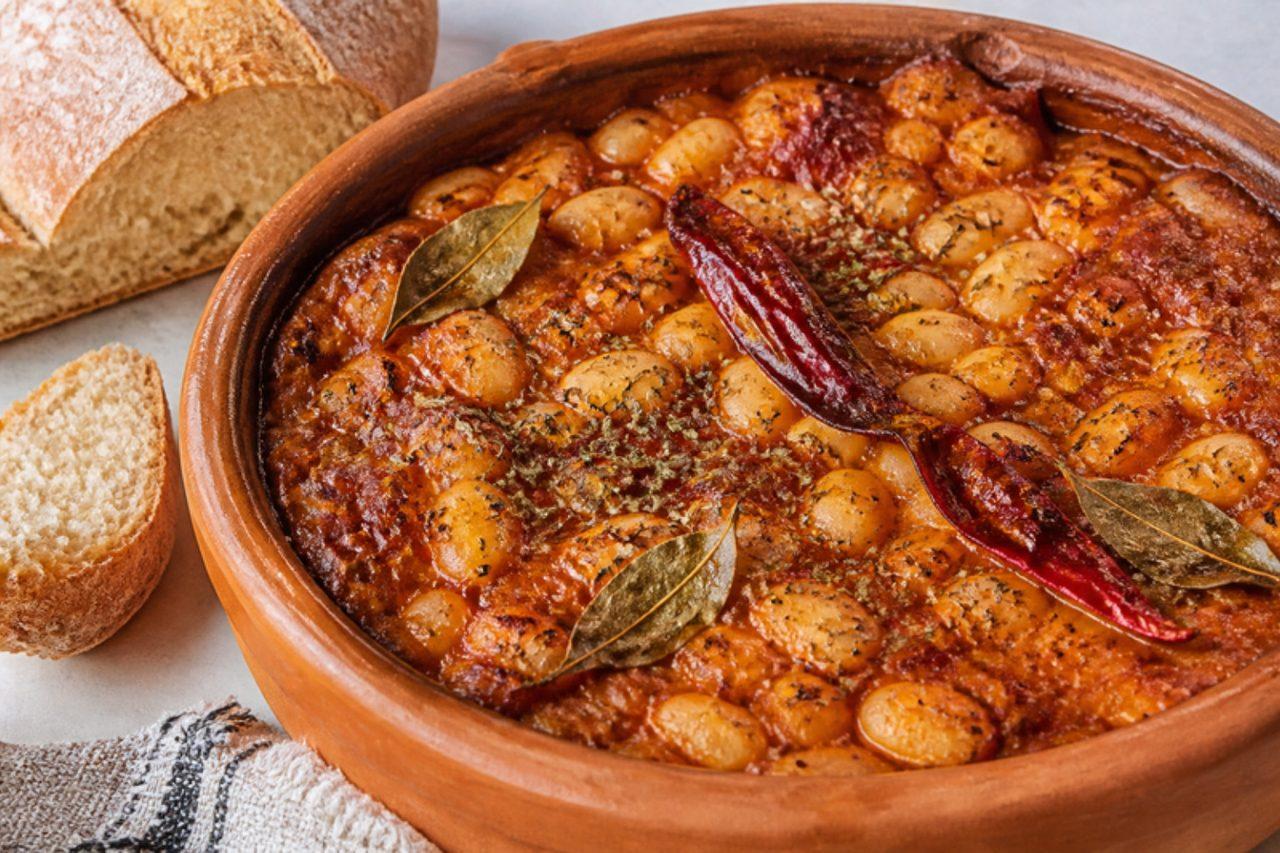
Tavče gravčeBaked white beans

Tavče gravče, 'beans in a pan', is the dish North Macedonians call their own: large white beans, ideally the Tetovo variety, cooked soft, then baked in a shallow earthenware tava with onions fried in paprika until the top forms a crust. In Skopje it is a Friday staple and a Christmas Eve fast-day dish, served in the same clay dish it baked in, with bread, pickled peppers and a cabbage salad. This version keeps to the meat-free fasting style, with a paprika-and-onion roux for depth. Chef's tip: let the paprika sizzle in the oil for only a few seconds off the heat; scorched paprika turns brown and bitter and spoils the whole dish, which is the most common slip.

by KrazyBadal 0 views

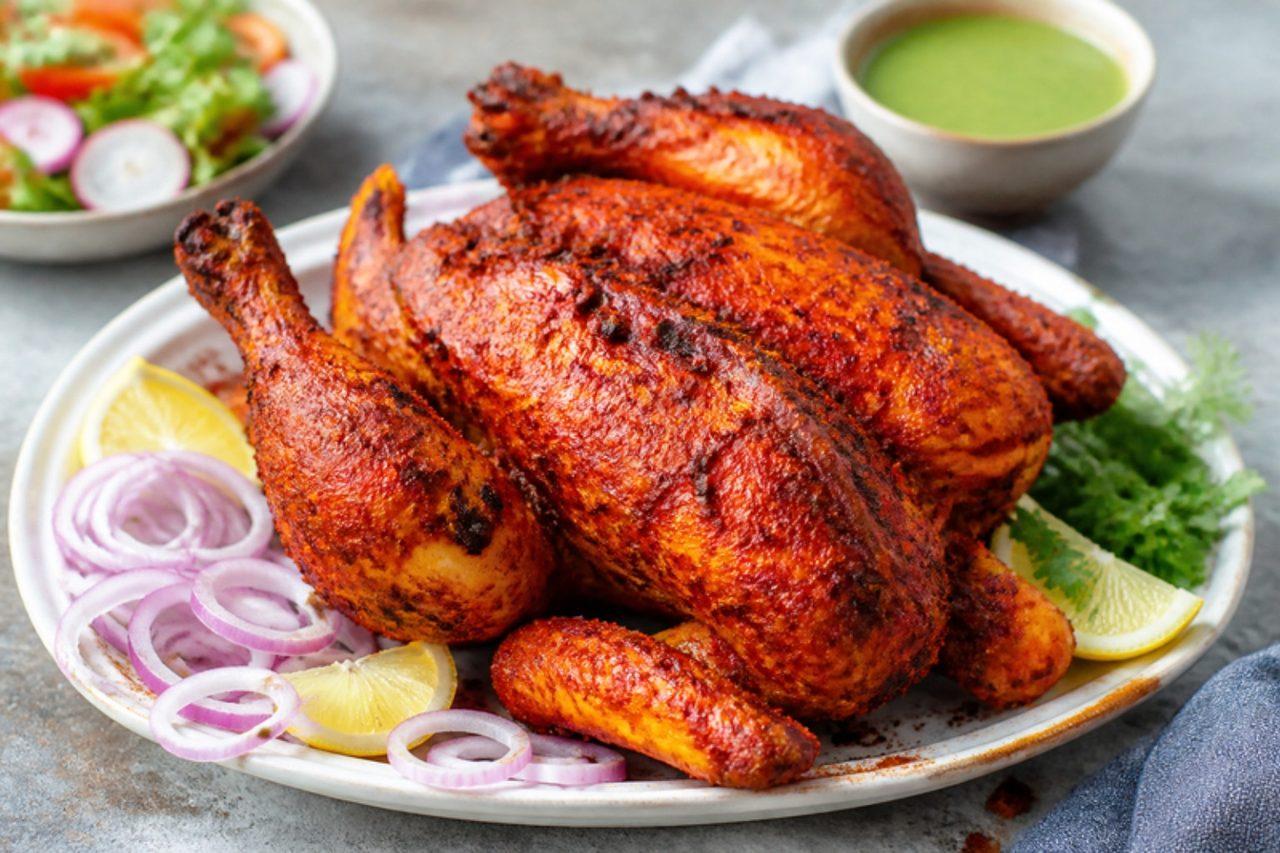
Lahori charghaSteamed and fried spiced chicken

Chargha is a Lahore speciality, sold from the busy food streets of Lakshmi Chowk and the old city, where whole birds are coated in a red, tangy masala, steamed in big pots and then dropped into hot oil to order. It is the centrepiece of wedding dinners and Saturday-night family outings, and makes an impressive home dinner for guests. Steaming keeps the meat moist and cooked through before frying gives it a crisp, spicy skin. Serve it with naan, raita, salad and a squeeze of lime. Chef's tip: slash the chicken deeply to the bone so the masala and steam reach the thickest parts.

by KrazyBadal 0 views

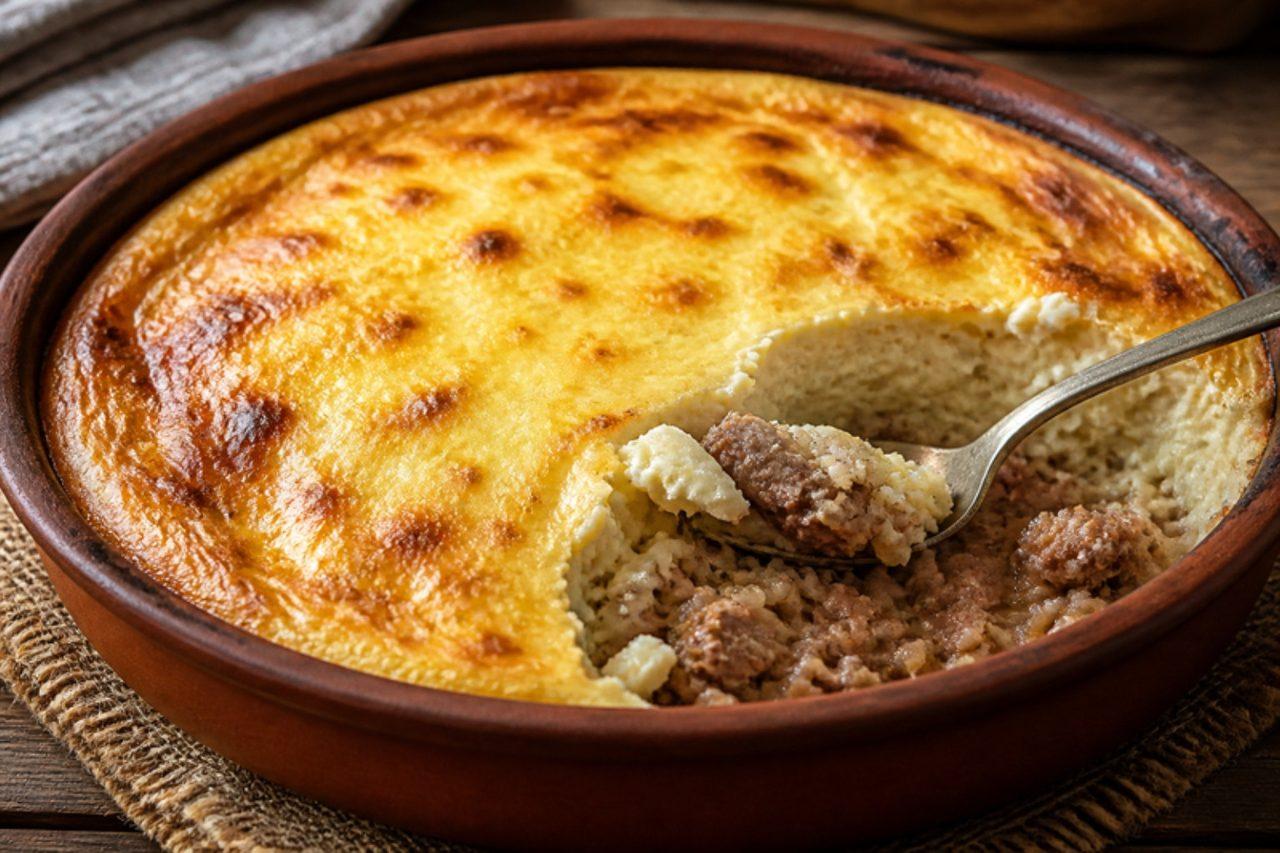
Tavë kosiBaked lamb and rice in yogurt

Elbasan, in central Albania, claims tavë kosi as its own and serves it on Dita e Verës, the spring festival in March, though families across Albania and Kosovo bake it all year. Pieces of lamb on the bone are browned with garlic and a little rice, then covered with a thick custard of tangy yogurt, eggs and a butter-flour roux and baked until puffed and golden on top. Inside, the custard stays soft and slightly sour against the rich meat. A classic slip is using thin, low-fat yogurt, which splits in the oven; use full-fat strained yogurt. Chef's tip: let the yogurt come to room temperature and whisk the warm roux in slowly, so the custard stays smooth.

135 minBalkanMeat
by KrazyBadal 0 views

QingbuliangIced coconut milk dessert soup

On hot evenings in Haikou, night-market stalls ladle this into bowls: coconut milk poured over red beans, mung beans, sago pearls, cubes of jelly and fresh tropical fruit, with a scoop of shaved ice on top. The name roughly means 'clearing, nourishing, cooling', and Hainan people eat it to cool down in their long summer. Everything except the fruit can be cooked a day ahead and chilled. Chef's tip: cook each bean separately; they soften at different speeds.

by KrazyBadal 0 views

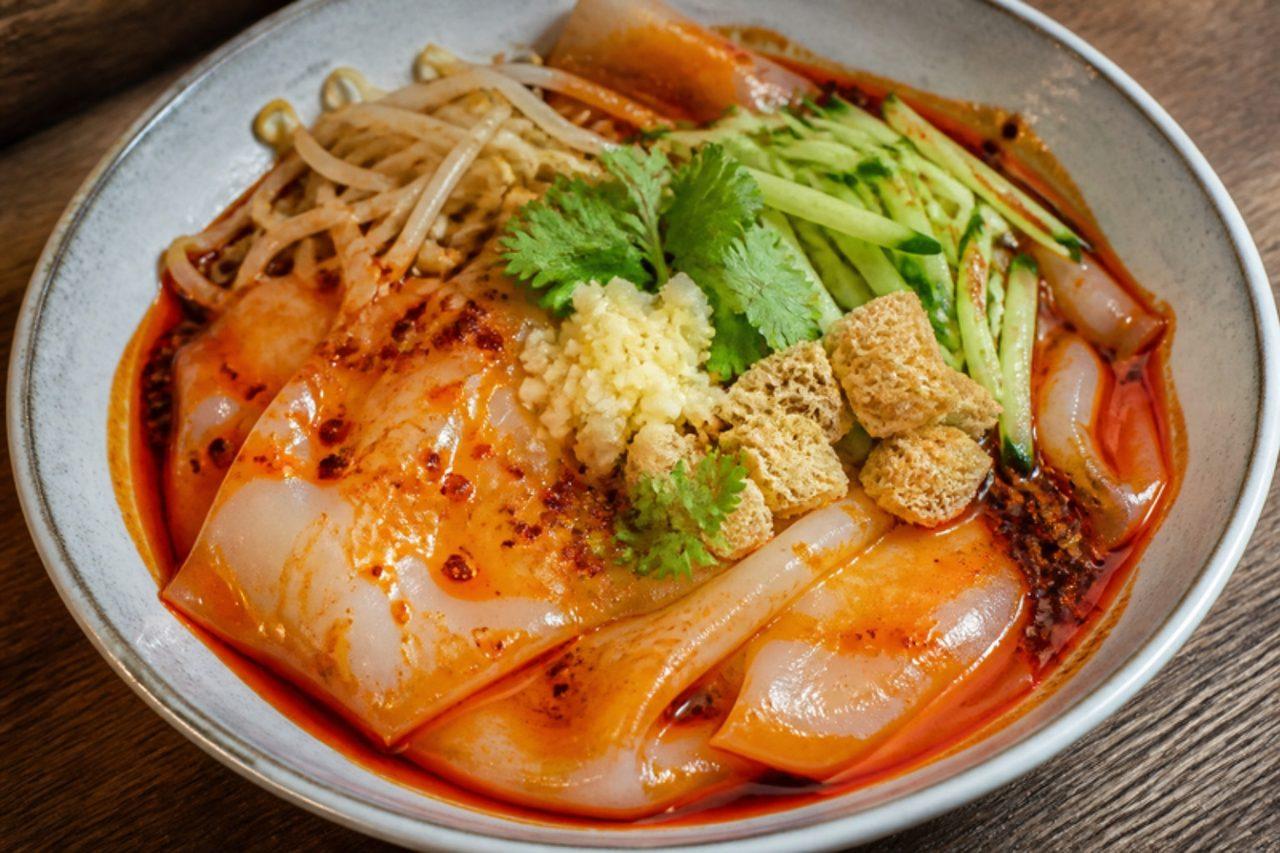
Xi'an liangpiCold wheat starch noodles

In Xi'an's Muslim Quarter, cooks peel liangpi off steaming trays all day, cut it into wide ribbons and toss it with chilli oil, black vinegar, garlic water and cubes of springy gluten. It's eaten cold, often with a flatbread, as a summer lunch. Gansu's niangpi, from Lanzhou and Tianshui, is the same dish with thicker sheets and more garlic, so it's covered here too. You wash a flour dough to split the starch from the gluten, so allow 4 hours for the starch to settle. Chef's tip: stir the starch water every time before you ladle it, because the starch sinks fast.

by KrazyBadal 0 views

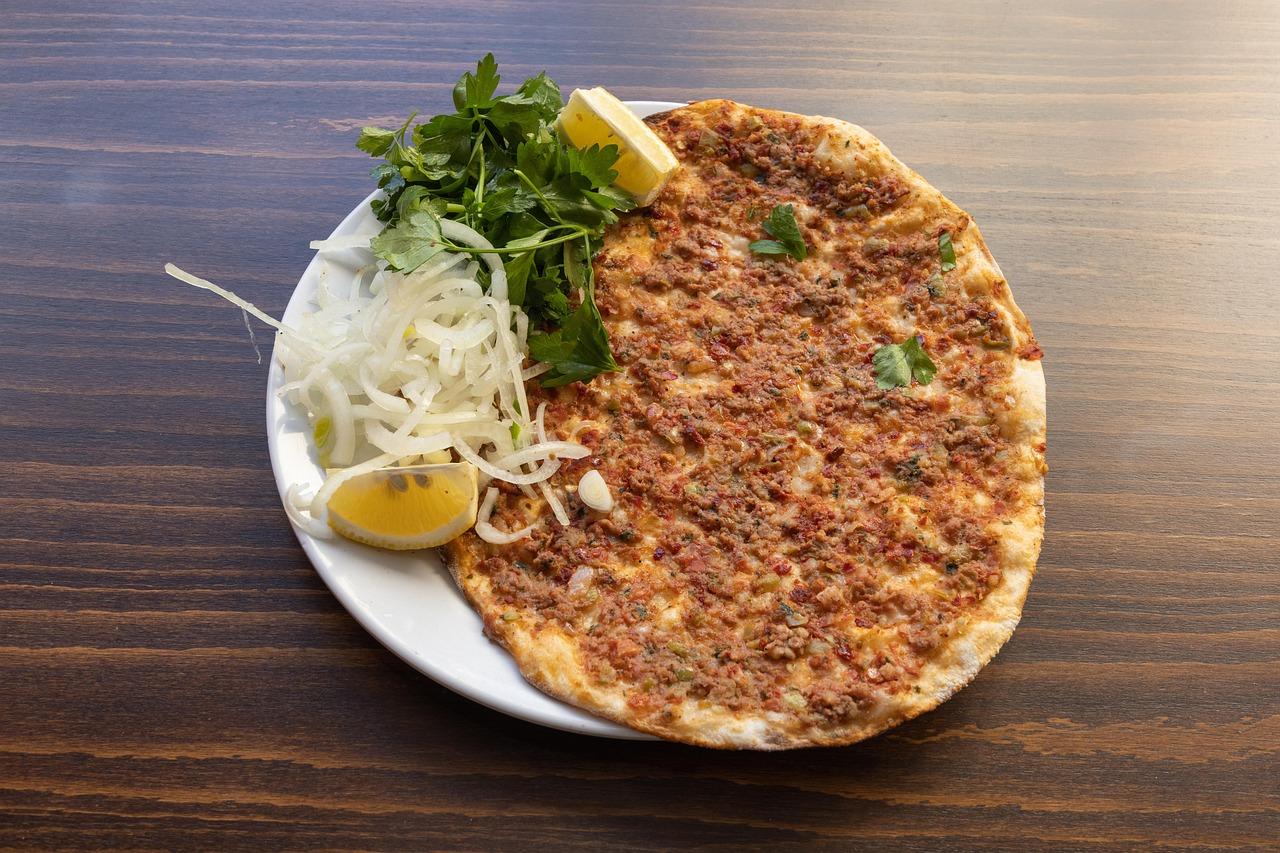
LahmacunThin spiced meat flatbread

Lahmacun belongs to south-east Turkey, especially Gaziantep and Şanlıurfa, where bakeries slide dozens at a time into wood-fired ovens and people eat them on the street at any hour, often with a cold ayran. The dough is rolled almost see-through and spread with a raw paste of minced lamb, onion, peppers, tomato and herbs that cooks in minutes in fierce heat. To eat, squeeze lemon over, add a handful of parsley and onion, roll it up and fold. Chef's tip: blitz the topping vegetables to a fine paste and squeeze out the excess juice, so the meat spreads in a thin, even layer that bakes crisp rather than soggy.

by KrazyBadal 0 views

Showing 36 of 10,569 recipes

Show more recipes

Page 999 of 1,175