


Skip to content
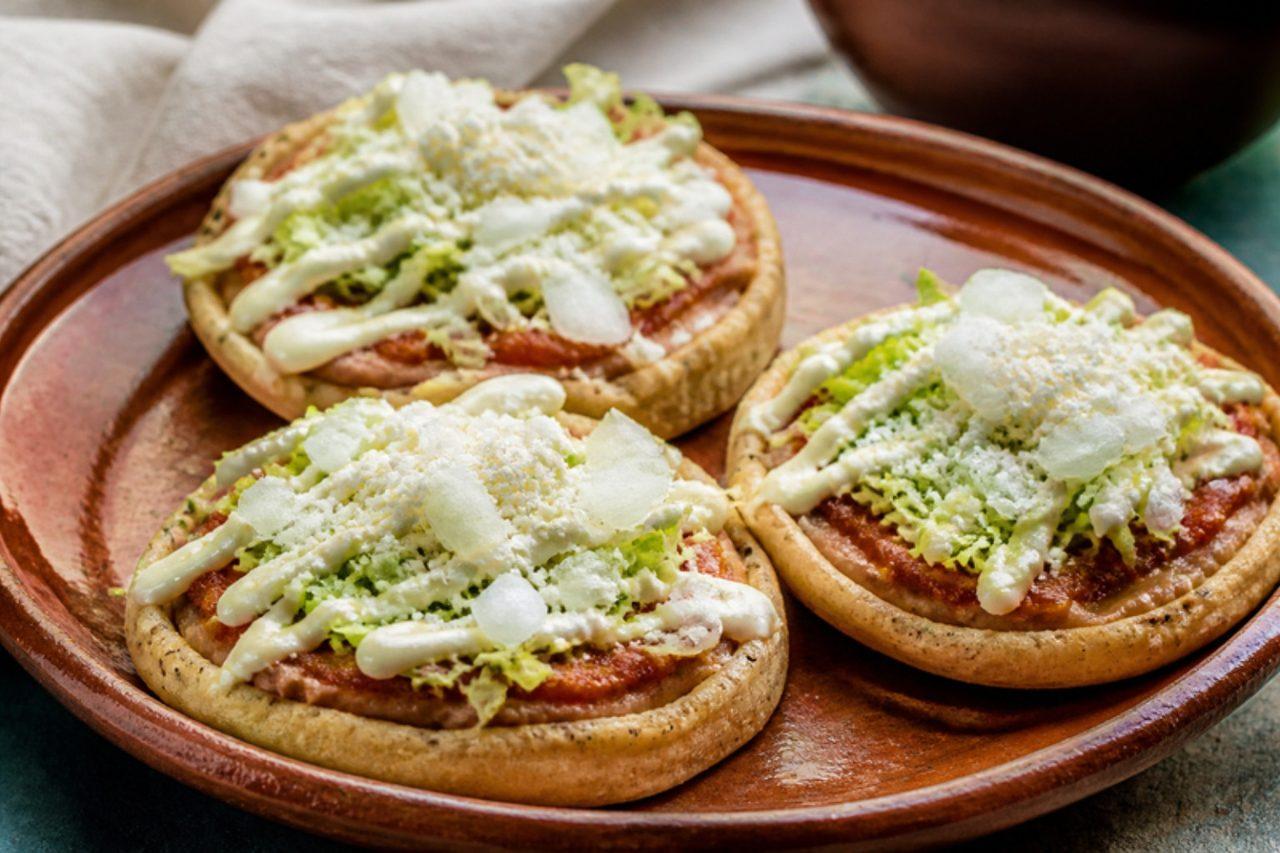
Sopes
Featured recipe

Sopes

Thick masa cakes with toppings

Sopes are a classic antojito of central Mexico: small, thick discs of corn masa cooked on a comal, pinched up at the edge while hot to make a little rim, then crisped in a film of oil and piled with refried beans, salsa, lettuce, crema and crumbled cheese. The base is crisp underneath and soft and steamy inside, with the sweet, earthy taste of nixtamalised corn. Serve two or three per person as a starter or a light supper. Use masa harina for tortillas, made from nixtamalised corn; cornmeal or polenta will not hold together. Choose queso fresco made with vegetarian rennet, or use a mild feta. Chef's tip: pinch the rims as soon as the sopes come off the comal; once they cool the masa sets and cracks.

Read more 0 views

What to eat today?

Around the world

Today's trip: Peruvian

A new country every day, from every cuisine on the site.

Peruvian

Tacacho

Mashed roasted green plantain balls 35 minMore from Peruvian (111) →

This week's collection

Kid-friendly dinners
772 recipes · a new collection every Monday

Coming up

All occasions →

Latest recipes

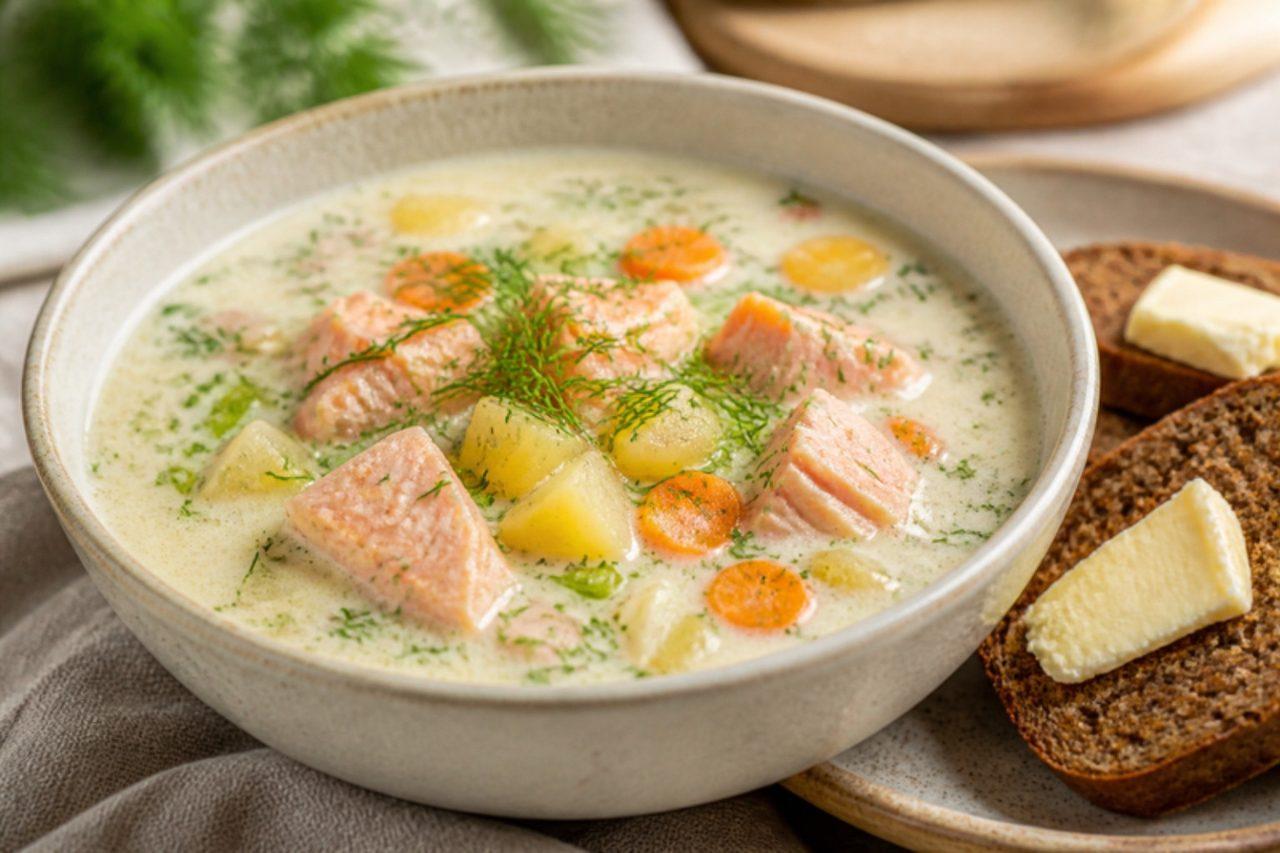
LohikeittoCreamy salmon soup

Lohikeitto is what Finns cook when they want something warming after a day outside, ladled up in Helsinki lunch cafés and in lakeside summer cottages alike. Chunks of salmon and potato simmer in a light fish stock with leek and allspice, then a little cream turns it pale and gentle and a big handful of dill makes it taste of summer. It takes about forty minutes and is served with dark rye bread and butter. The common mistake is boiling the salmon hard, which turns it dry and stringy; it only needs a few minutes at a bare simmer. Chef's tip: add the salmon last and switch off the heat with the lid on; the fish finishes in the hot soup and stays in juicy flakes.

by KrazyBadal 0 views
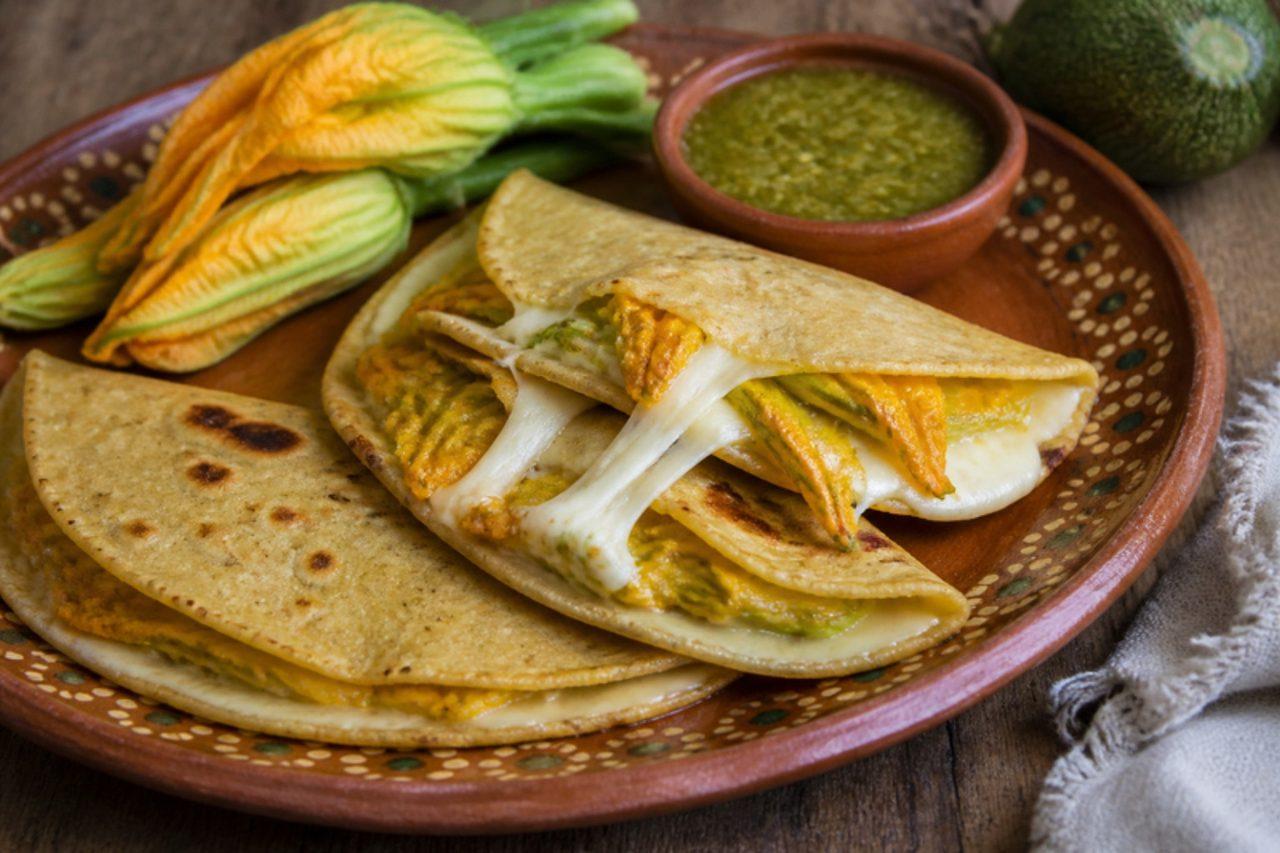
Quesadillas de flor de calabazaCourgette flower quesadillas

In Mexico City markets, squash blossoms (flor de calabaza) are sold by the armful in the rainy season and end up in quesadillas: soft corn tortillas folded around the flowers cooked with onion, green chilli and epazote, with stringy Oaxaca cheese. A famous Chilango joke is that a quesadilla there does not automatically come with cheese, so ask for it! The blossoms taste delicately of young courgette and wilt into a silky filling against the toasty corn. Serve them straight off the pan with salsa verde. Choose a cheese made with vegetarian rennet; if you can't find Oaxaca cheese, low-moisture mozzarella melts the same way. Chef's tip: cook the blossoms only until they collapse; any longer and they turn to mush and lose their colour.

by KrazyBadal 0 views

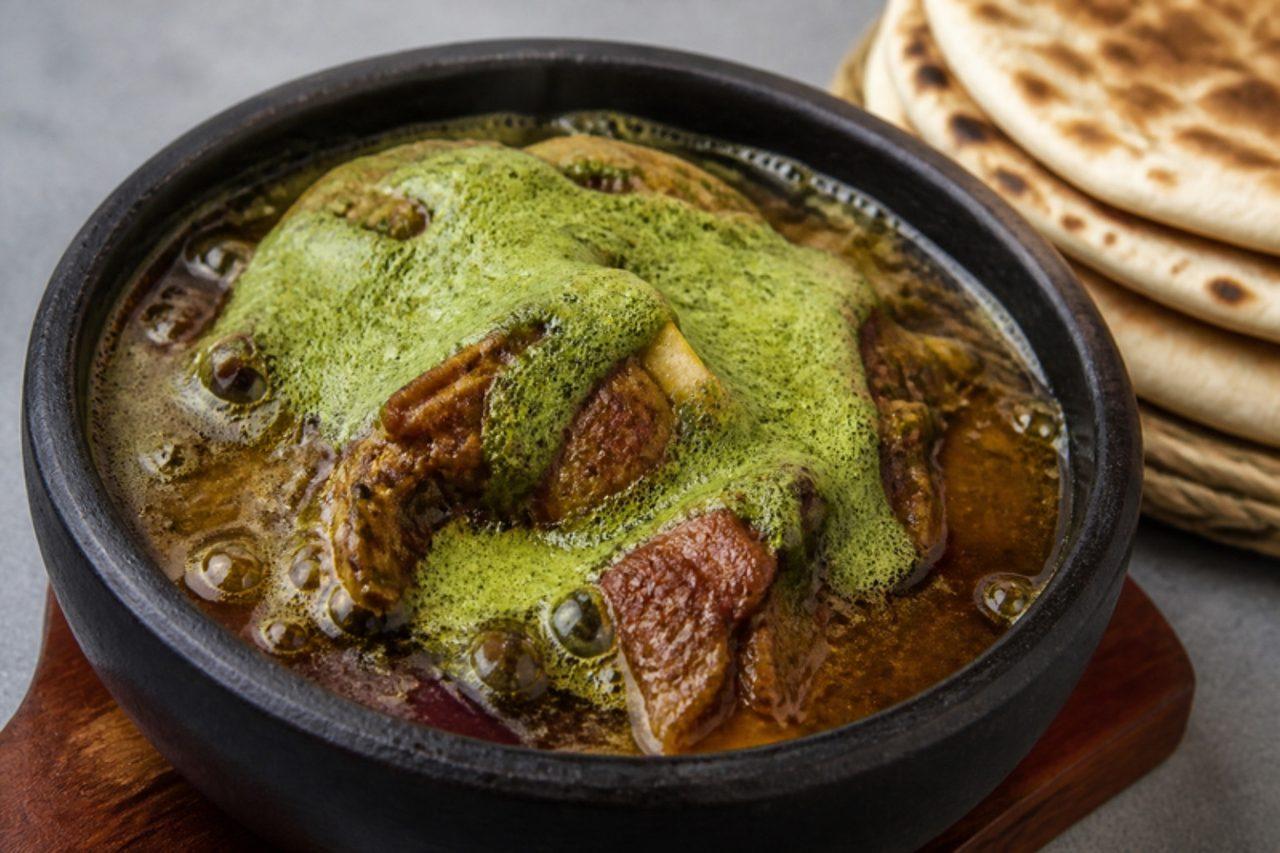
SaltahLamb stew with fenugreek froth

Saltah is the national dish of Yemen, eaten at lunch in Sana'a and the highlands, brought to the table still boiling in a heavy stone pot called a madara. A rich lamb broth (maraq) is cooked down with tomato, potato and hawaij spices, then crowned with hulba, fenugreek whipped to a pale green froth, and scooped up with flatbread. Chef's tip: soak the ground fenugreek for at least 4 hours and pour off its bitter water before whipping; that is what makes it foam.

by KrazyBadal 0 views

SalteñasJuicy baked beef pastries

Salteñas are the pastries all of La Paz queues for between 10 and noon, when they come out of the oven: a slightly sweet, golden crust wrapped round a soupy filling of beef, potato, peas, olive and egg in a gelatine-set broth seasoned with cumin and ají. The trick, and the fun, is to bite off the top and sip the juice without spilling. The mistake is filling the pastry with warm stew: the filling must be chilled overnight until it sets firm, or it leaks. Chef's tip: hold a salteña upright, nibble off one corner and drink the juice before eating the rest.

by KrazyBadal 0 views

Qubani ka meethaStewed apricots with cream

No Hyderabadi wedding feast, or dawat, ends without qubani ka meetha: dried Afghan apricots soaked overnight, then simmered slowly with sugar until they break down into a glossy, deep amber compote, served cold with thick cream or a scoop of vanilla ice cream. In Hyderabad the kernels from inside the apricot stones are scattered on top; at home, blanched almonds give the same look and taste, and are safer, as some apricot kernels are bitter and shouldn't be eaten in quantity. It is sweet, tart and jammy, and very easy to make for a crowd days ahead. Chef's tip: keep the soaking water and cook the apricots in it; it holds much of their flavour and natural sugar.

by KrazyBadal 0 views

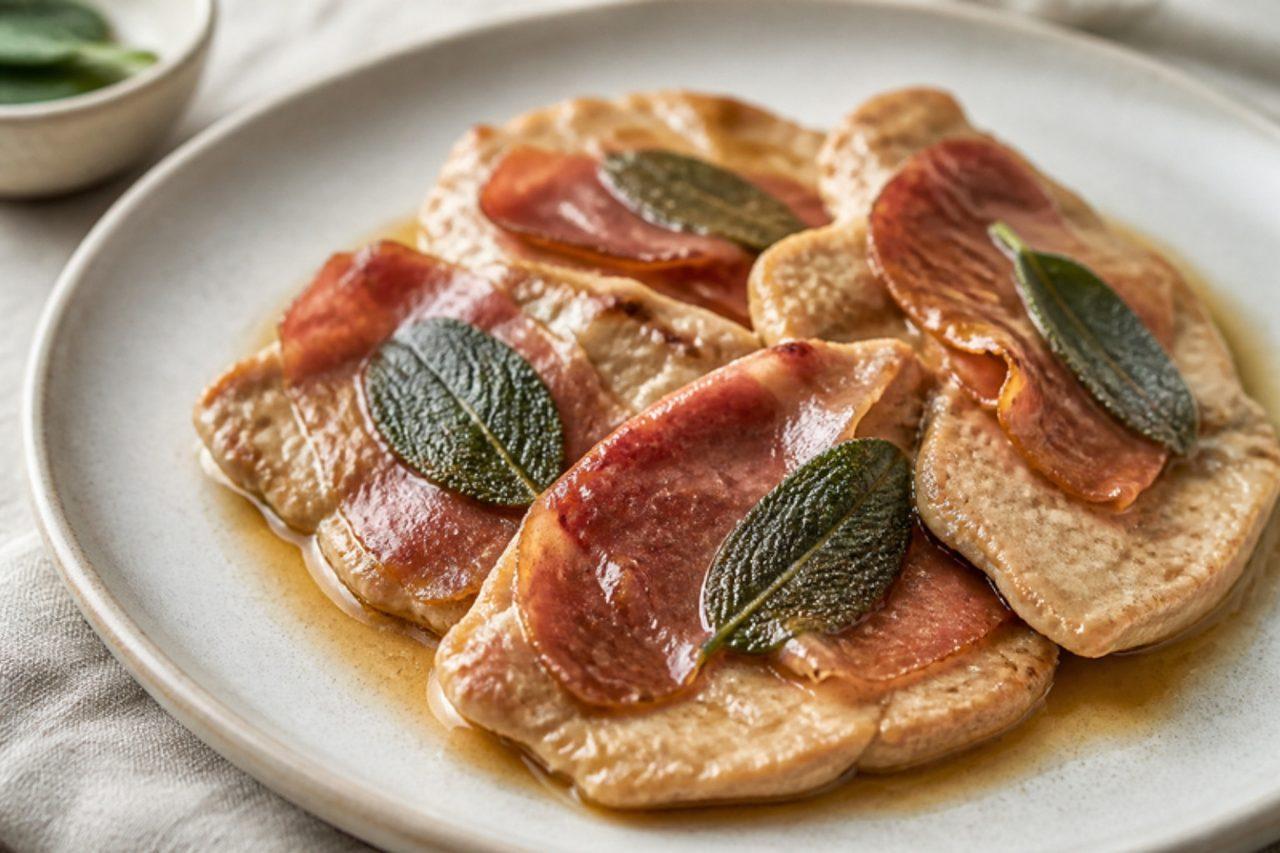
Saltimbocca alla romanaVeal with sage and prosciutto

The name means 'jumps into the mouth', which is how fast these little Roman escalopes vanish from the plate. Thin slices of veal are topped with a sage leaf and a sheet of prosciutto, seared for barely a minute a side, then glazed with white wine and butter in the same pan; it is a classic second course in Rome's family trattorie and takes about 20 minutes start to finish. The prosciutto crisps, the sage turns fragrant and the veal stays tender under a short, buttery sauce. Pork loin or turkey escalopes work just as well. Serve with roast potatoes or sautéed spinach to mop up the pan juices. Chef's tip: pound the meat to an even 5 mm between sheets of cling film and pin the ham and sage on with a cocktail stick, so everything cooks in the time it takes the ham to crisp.

by KrazyBadal 0 views

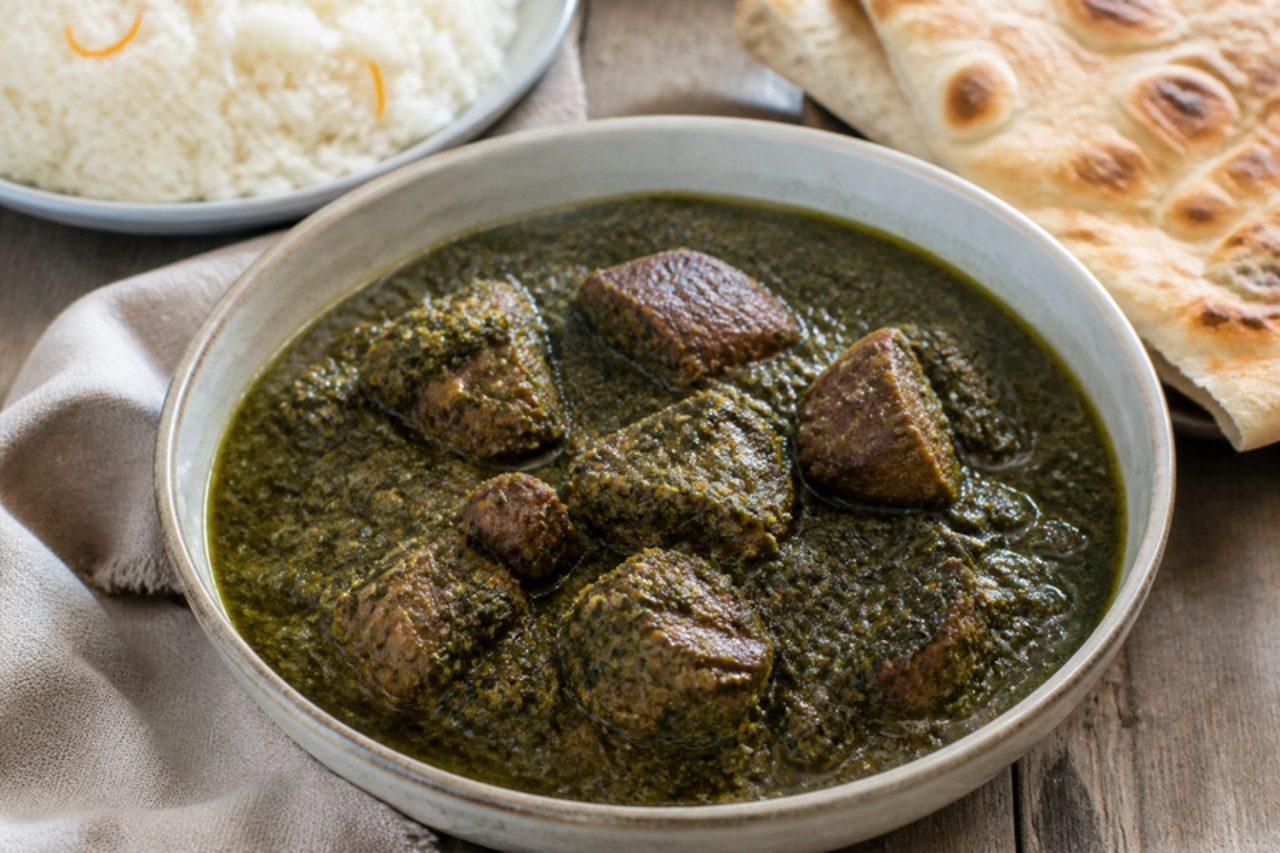
Qorma-e sabziLamb with spinach and herbs

Qorma-e sabzi is the green qorma of Kabul: lamb slowly braised with a large amount of spinach, dill, coriander and spring onion until the greens collapse into a dark, silky sauce. Afghan cooks fry the onions slowly until deep brown first, so the stew tastes sweet and savoury against the slightly bitter greens, and a spoon of dried fenugreek leaves adds the typical bitter-sweet scent. It is served on Fridays and for guests with chalaw, plain white rice, or with naan. The common mistake is adding the greens raw and wet in one go, which stews them grey and watery; wilt and squeeze them first. Chef's tip: let the stew simmer uncovered for the last 15 minutes until the oil rises to the top; that is the sign of a well-cooked qorma.

by KrazyBadal 0 views

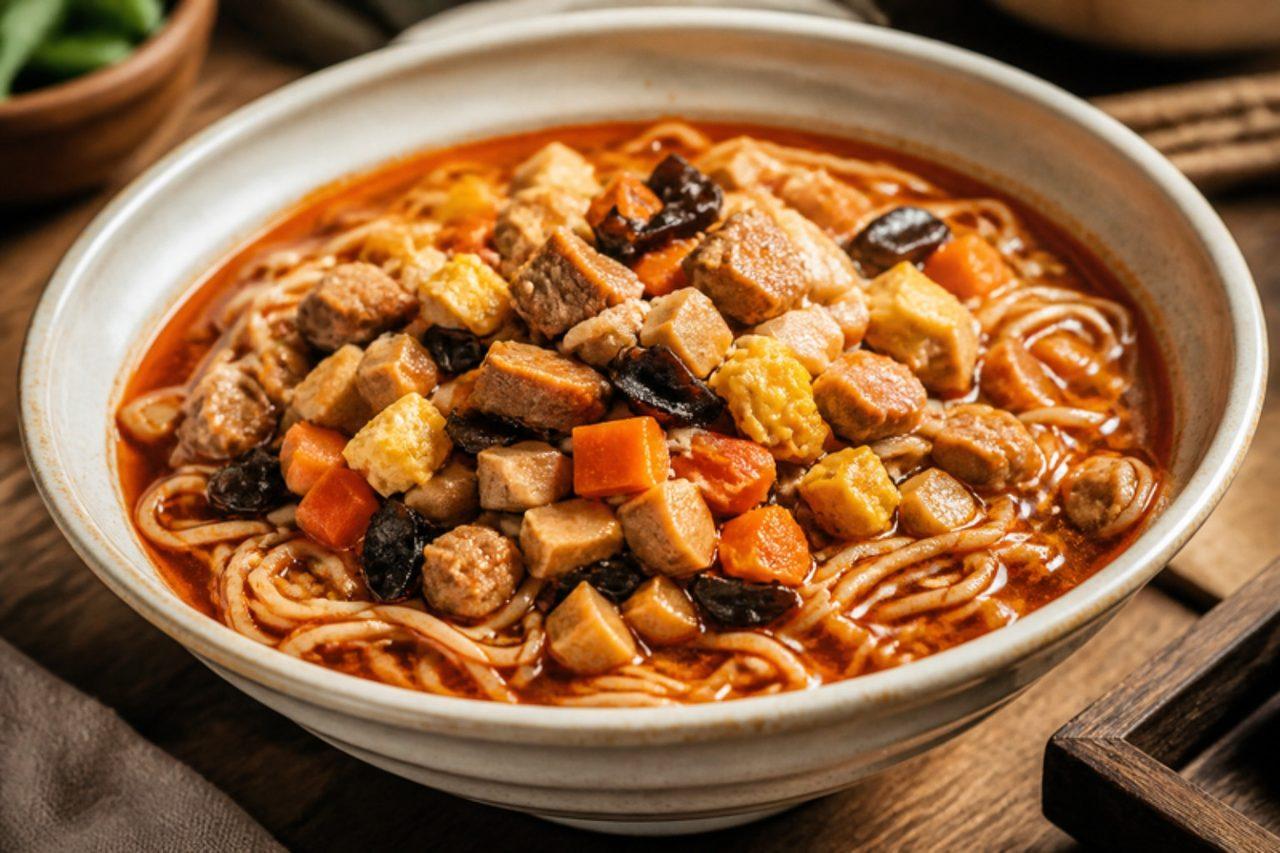
Qishan saozi mianSour-hot noodles with pork

Weddings, birthdays and harvest feasts in Qishan county, west of Xi'an, all call for these little bowls of noodles, and guests may eat ten or twenty small portions in a row. The key is the saozi, diced pork slowly cooked in aged vinegar and chilli until it turns red, tangy and fragrant; the broth is sour, spicy and bright with diced tofu, carrot, wood ear, egg and garlic shoots. The noodles are thin and springy and the bowls deliberately small. Serve it to a crowd as a lively lunch, with a plate of pickled vegetables. Chef's tip: make the saozi a day ahead; it keeps for a week in the fridge and tastes better after a rest.

by KrazyBadal 0 views

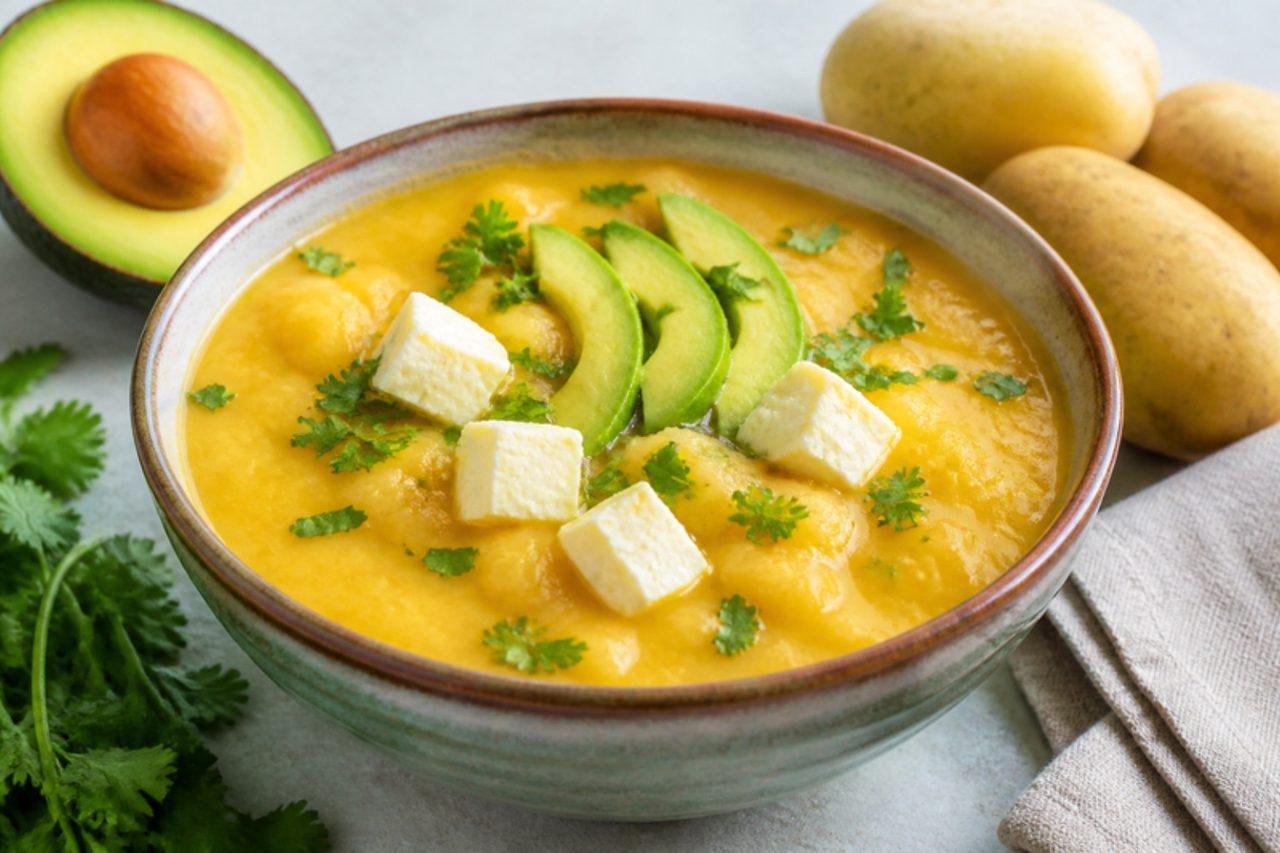
Locro de papaPotato and cheese soup

Locro de papa is Quito's comfort soup, eaten on cold afternoons in the Andean highlands where nights drop near freezing. Potatoes are cooked until half of them dissolve into a thick, achiote-tinted broth, then finished with milk and cubes of fresh cheese that soften into strings. Bowls are crowned with avocado slices and served with ají (chilli sauce) on the side. Ecuador uses two potatoes, a floury one to thicken and a waxy one to hold its shape. Chef's tip: add the cheese off the heat; it should soften and go stretchy, not melt into an oily layer.

by KrazyBadal 0 views

Showing 9 of 10,569 recipes

Show more recipes

Page 998 of 1,175