Skip to content

High-protein vegetarian meals

Meat-free meals with plenty of protein from paneer, dal, beans, tofu and eggs. (550 recipes)

Jicai doufu gengShepherd's purse and tofu soup

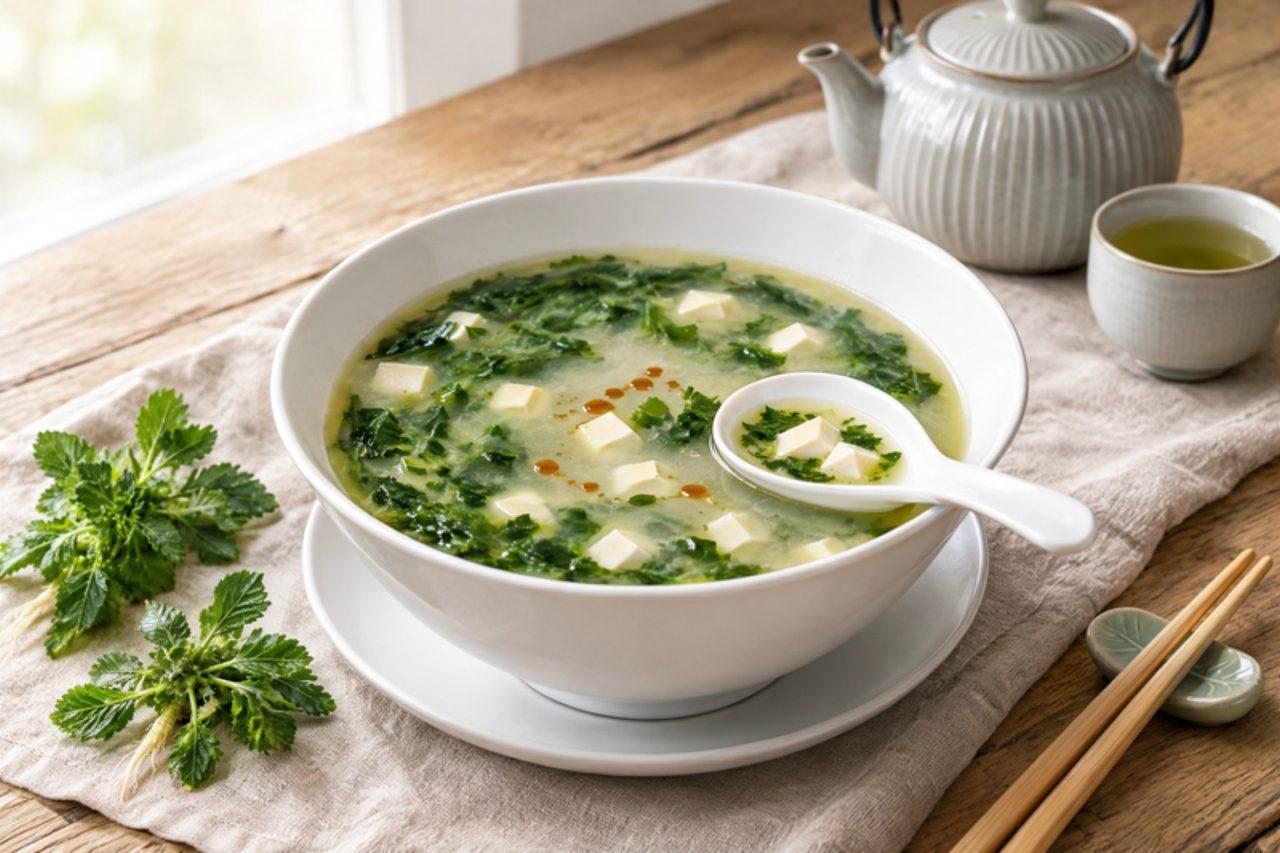
In Shanghai and Jiangsu, shepherd's purse (jicai) is picked from field edges in early spring, and this gentle, lightly thickened soup is one of the first dishes of the season at home and in Shanghainese restaurants. Finely chopped greens and small cubes of soft tofu are simmered in vegetable stock with a few shiitake, then thickened just enough to coat a spoon, giving a soothing, savoury soup with a fresh, grassy taste. Serve it as a starter or with a small bowl of rice. It is suitable as part of a balanced diet. About 110 kcal and 7 g carbohydrate per portion. The usual mistake is adding too much starch, which makes it gluey; it should flow off the spoon. Spinach works if you can't find jicai. Chef's tip: blanch and squeeze the greens before chopping, which keeps the soup bright green instead of murky.

by KrazyBadal 0 views

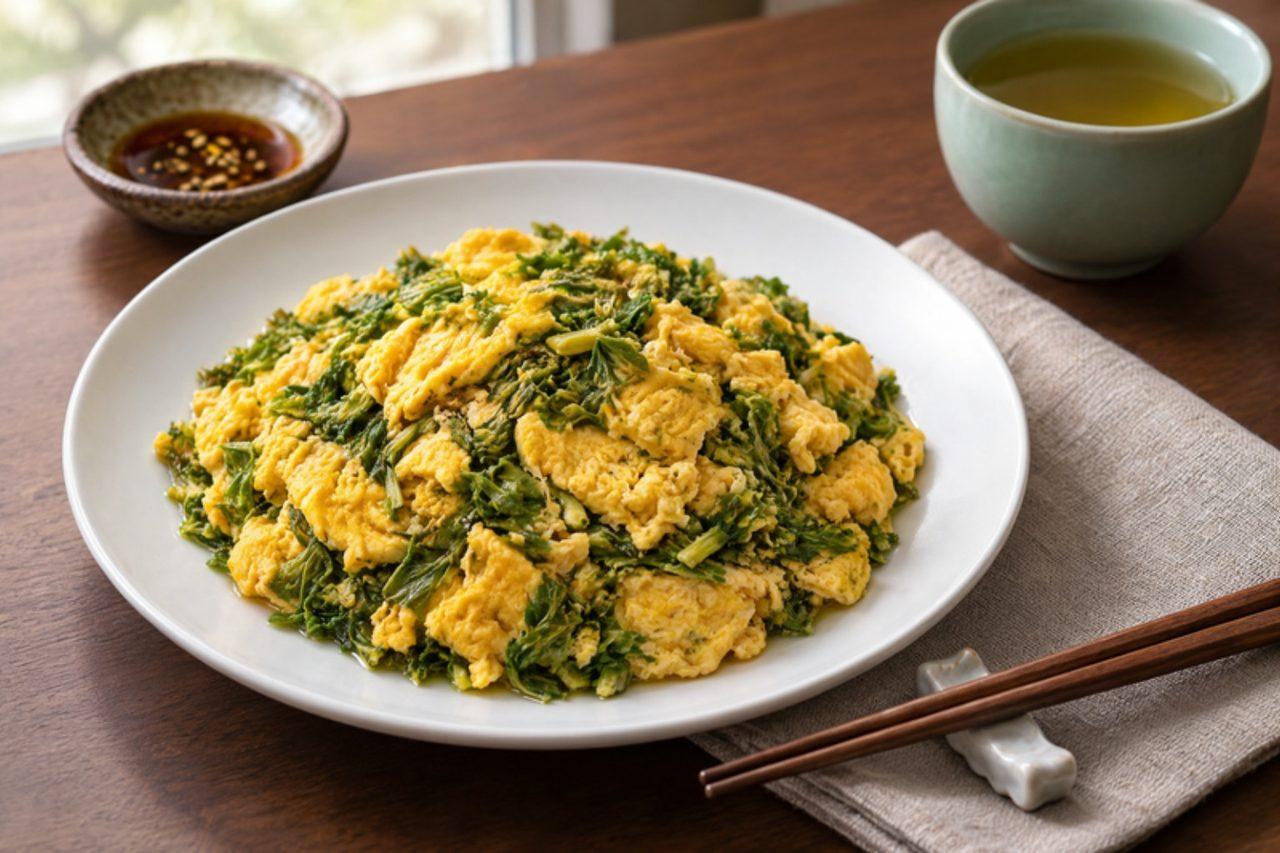
Xiangchun chao jidanChinese toon scrambled eggs

For a few weeks each April in Shandong, Henan and Beijing, the red-tipped young shoots of the Chinese toon tree are sold in bundles at every market, and the first thing families make is this quick scramble for lunch or supper. The toon has a strong, garlicky, almost oniony perfume that turns sweet and nutty once cooked with egg. It is eaten with rice, congee or steamed buns. Suitable as part of a balanced diet, it is high in protein and very low in starch: about 190 kcal and 3 g carbohydrate per portion. The usual mistake is skipping the blanch: raw toon tastes harsh and is always scalded first. Chef's tip: chop the toon very finely and beat it into the egg before cooking, so every mouthful carries the scent.

by KrazyBadal 0 views

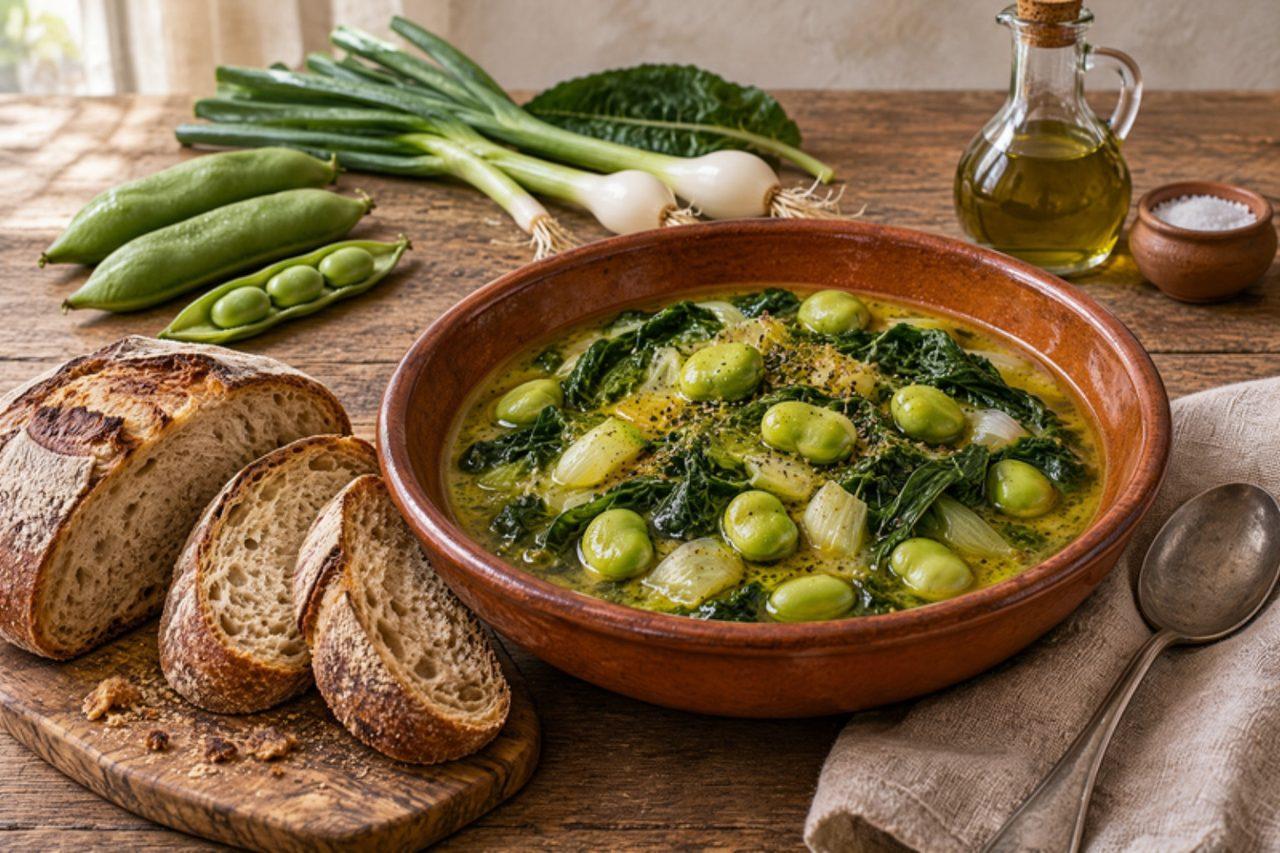
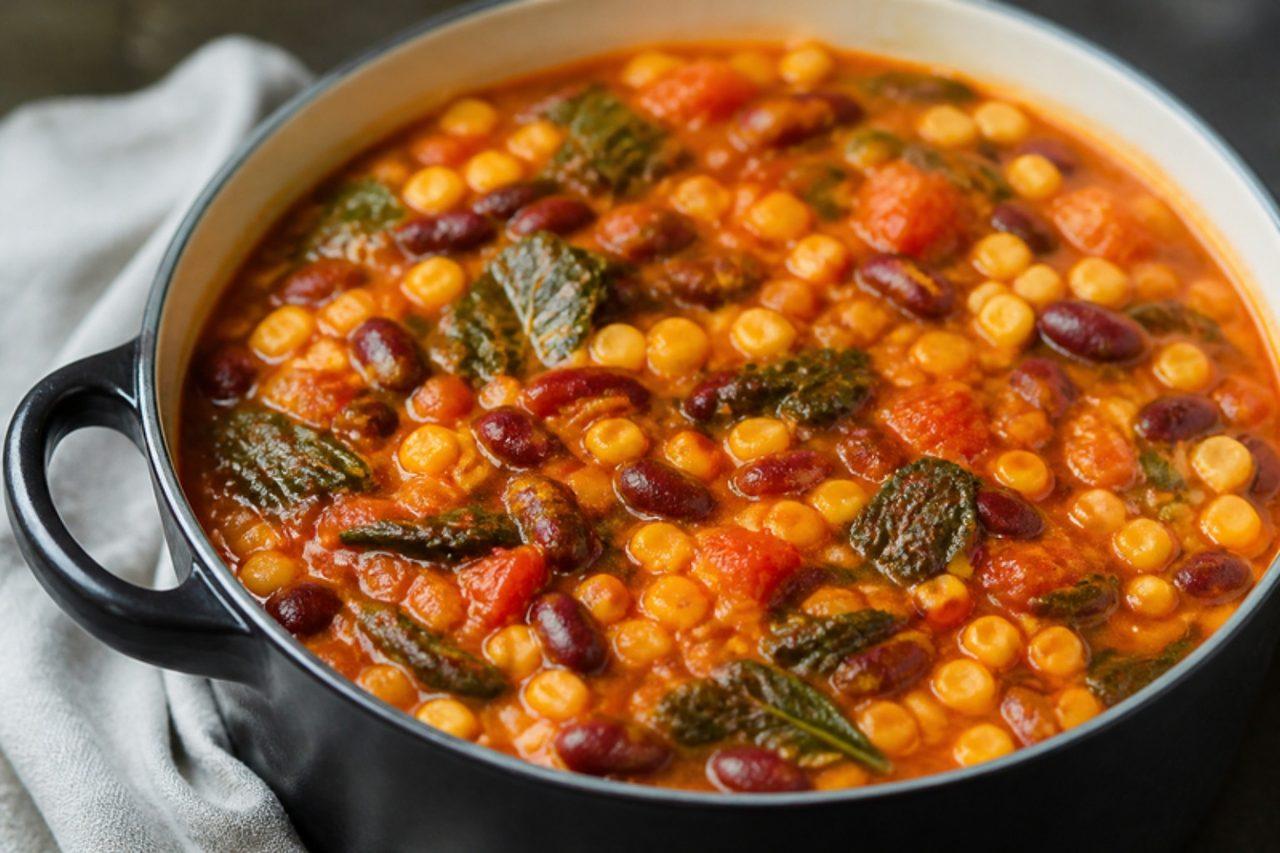
ScafataBroad bean and chard stew

Scafata comes from the hill towns of Umbria, around Spoleto and Foligno, where it is cooked in late April and May when the first fresh broad beans, chard and spring onions arrive together. The beans are stewed slowly in olive oil and tomato until they are soft and creamy, with the chard melting into a green, fragrant sauce scented with wild fennel or mint. Eat it warm with a slice of wholegrain bread. Suitable as part of a balanced diet, it is rich in fibre and plant protein: about 240 kcal and 22 g carbohydrate per portion. The usual mistake is boiling it fast, which toughens the beans; it needs a lazy simmer. Chef's tip: double-pod only the large, older beans; young ones can be cooked in their pale skins.

by KrazyBadal 0 views

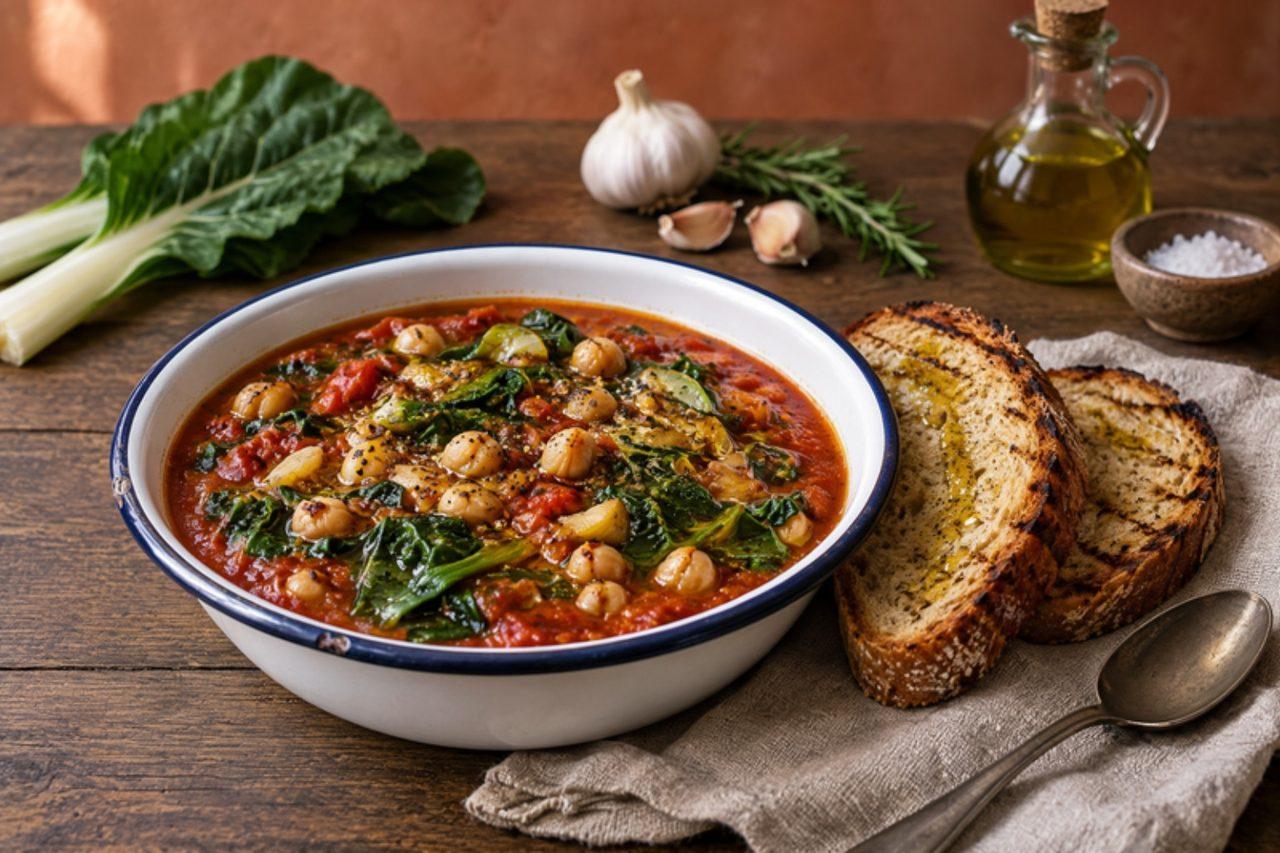
Ceci in ziminoChickpeas stewed with chard

In Genoa and along the Tuscan coast, ceci in zimino is the dish of Lenten Fridays and the first cold days of All Souls in November, when the household cooks a big pot of chickpeas and stews them with chard and a little tomato. The chickpeas turn creamy, the chard gives a gently bitter green sauce, and a spoon of good oil on top makes it taste of the Riviera. Serve it as a main dish with toasted wholegrain bread. Suitable as part of a balanced diet, it is high in fibre and plant protein: about 300 kcal and 32 g carbohydrate per portion. The usual mistake is adding the chard leaves too early so they turn brown; keep them for the last 10 minutes. Chef's tip: mash a ladleful of chickpeas with a fork and stir them back in to thicken the zimino naturally.

by KrazyBadal 0 views

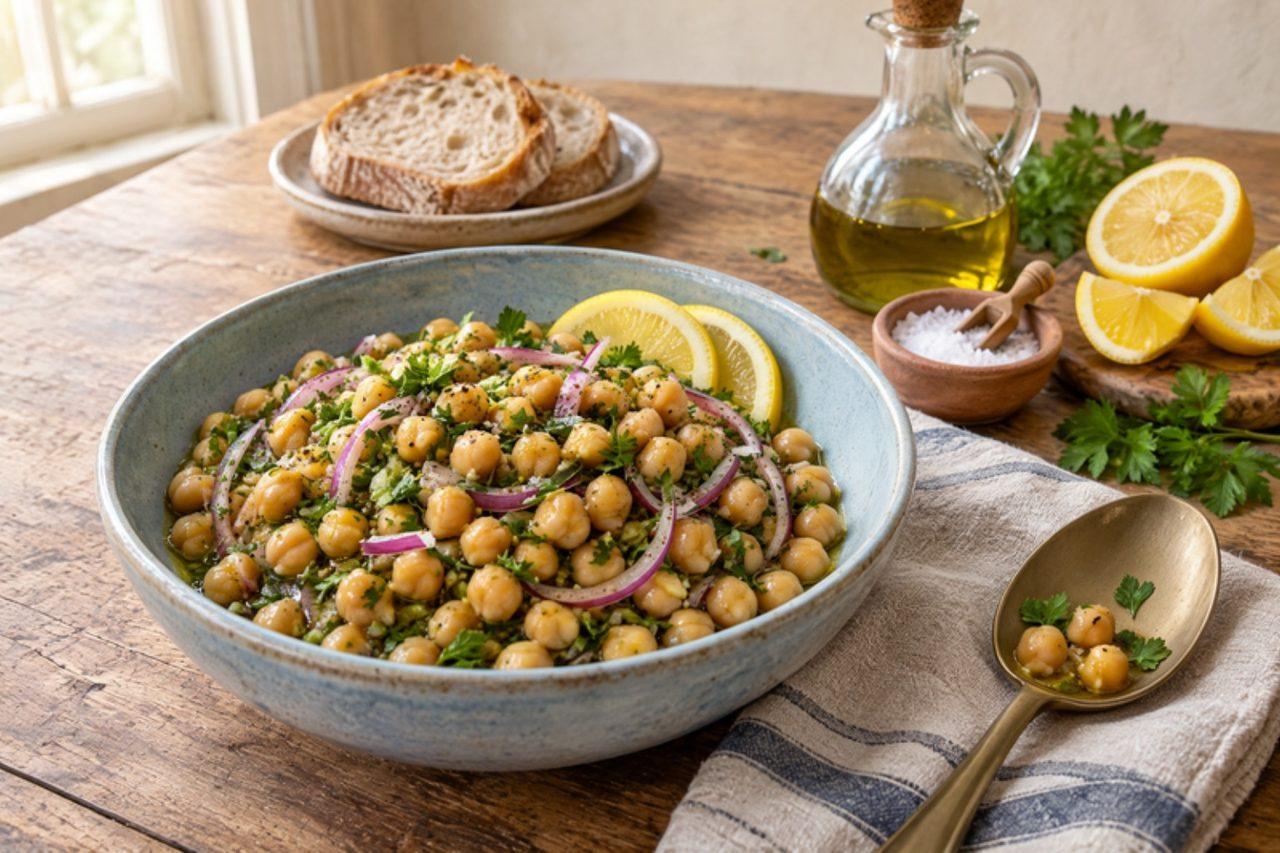
Salade de pois chichesChickpea salad

In Nice and around the old port of Marseille, chickpeas are the grain of the poor and the stuff of socca, and on hot summer days families toss them into this simple salad to eat at lunch or carry to the beach. Creamy chickpeas, sharp red onion, parsley and lemon are bound with fruity olive oil, with a few black olives and cumin in some homes. It works as a starter, a side to grilled fish or a light main. Suitable as part of a balanced diet, it is high in fibre and plant protein: about 270 kcal and 26 g carbohydrate per portion. The usual mistake is dressing cold, straight-from-the-tin chickpeas; warm them for a minute first so they drink up the dressing. Chef's tip: soak the sliced red onion in the lemon juice for 10 minutes to soften its bite.

by KrazyBadal 0 views

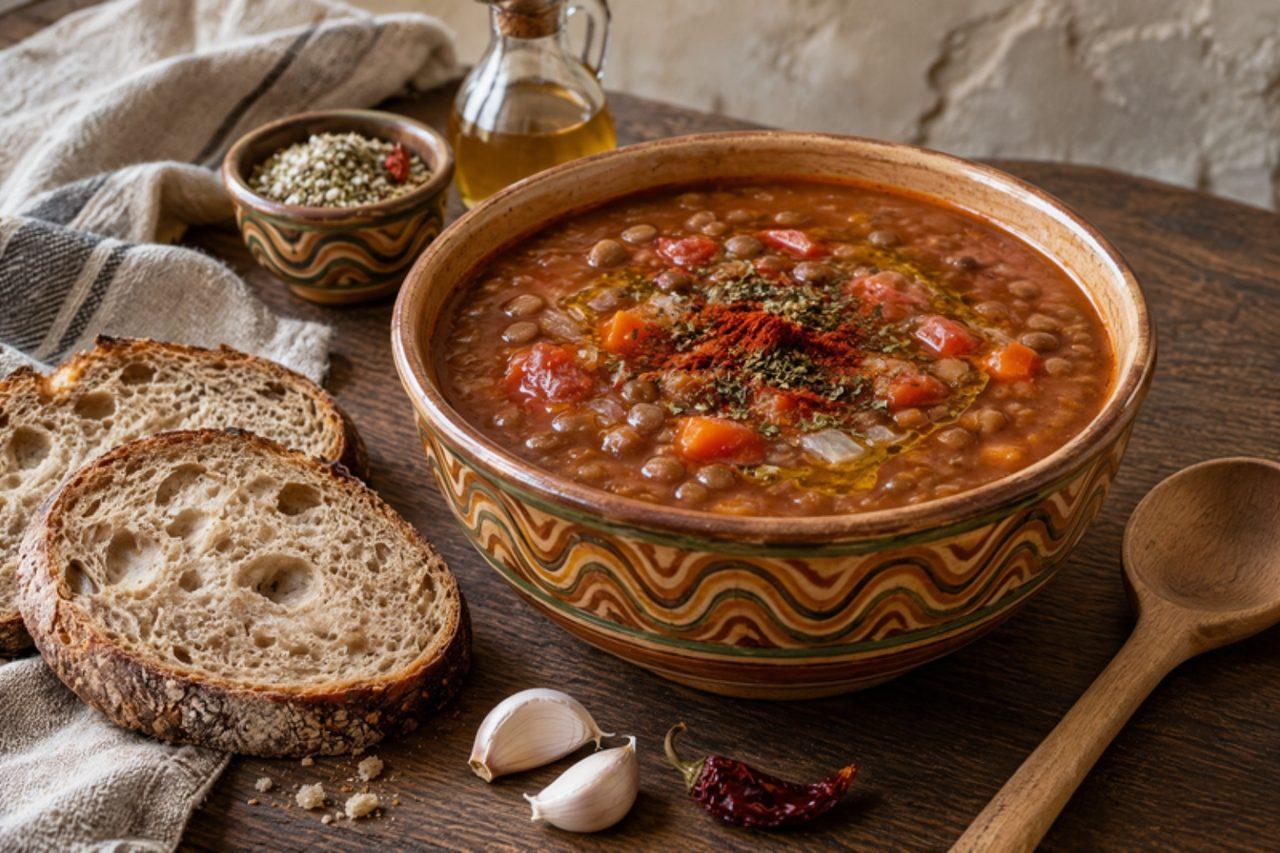
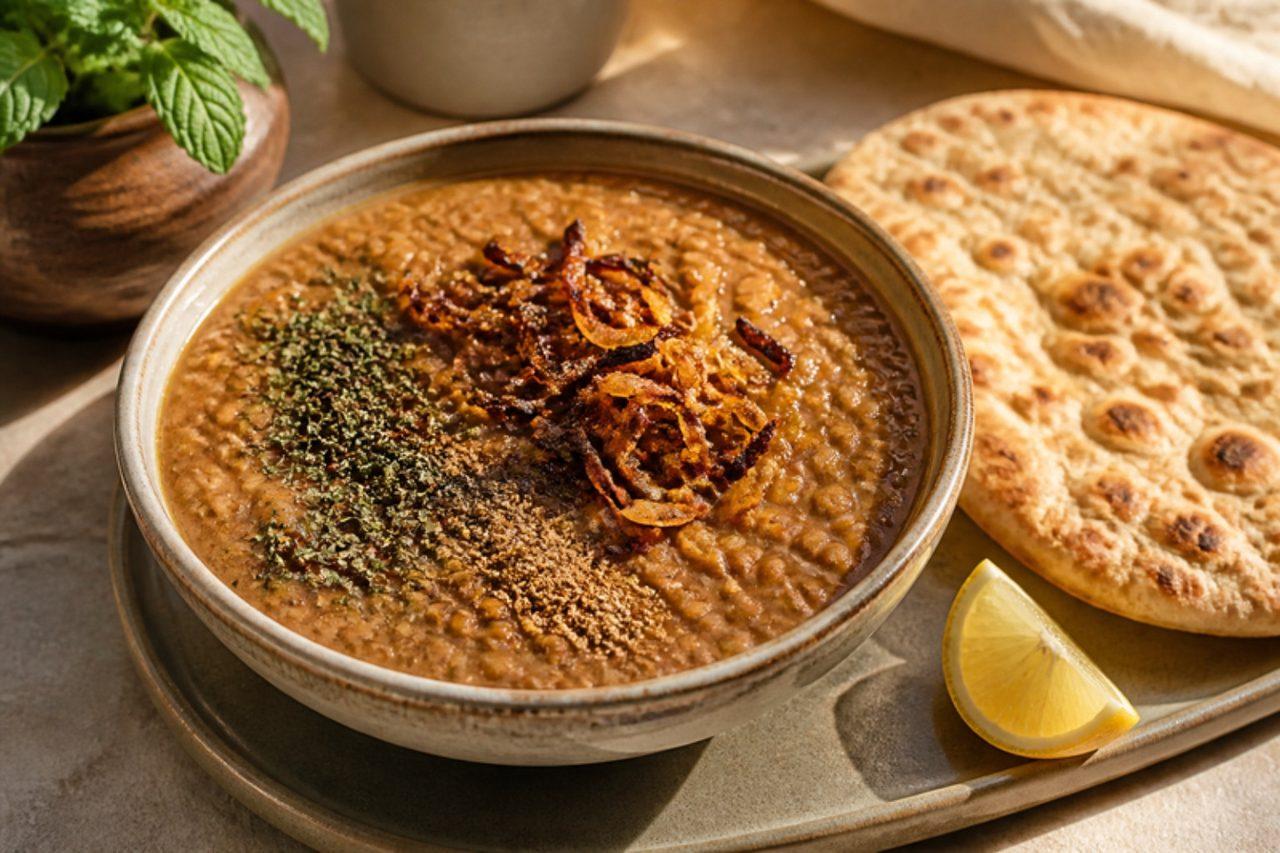
Leshta chorbaLentil soup

Leshta chorba is cooked in Bulgarian homes all winter, and it is the soup of choice on fasting days before Christmas and Easter, when families eat no meat or dairy. Brown lentils simmer with onion, carrot and tomato, coloured with sweet paprika and scented with chubritsa (summer savory), the herb that makes Bulgarian cooking taste like itself. It is eaten with a slice of wholemeal bread and a few pickles. Suitable as part of a balanced diet. About 280 kcal and 34 g carbohydrate per portion. The usual mistake is frying the paprika in very hot oil: it burns and turns bitter in a few seconds, so take the pan off the heat first. Chef's tip: a splash of vinegar stirred into each bowl at the table brightens the earthy lentils.

by KrazyBadal 0 views

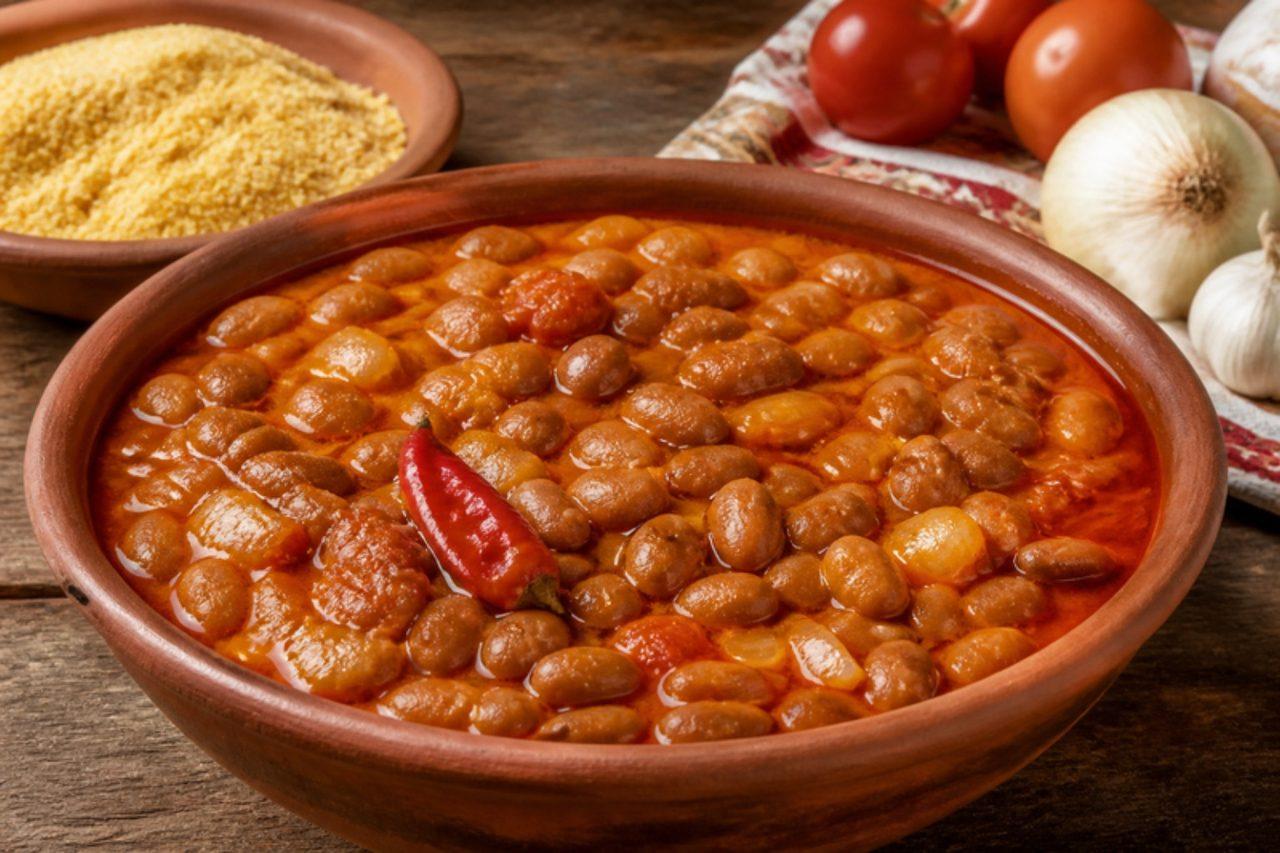
Feijão de óleo de palmaPalm oil beans

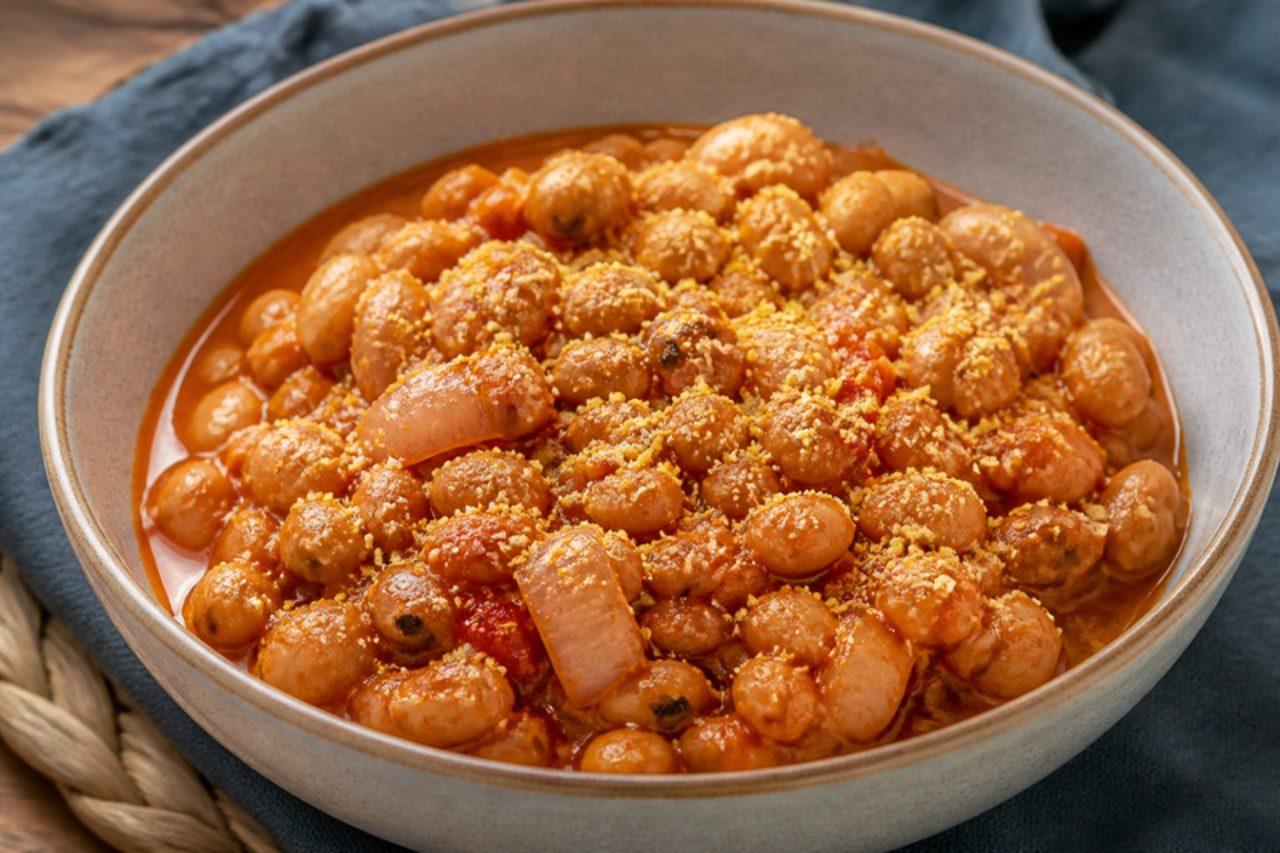
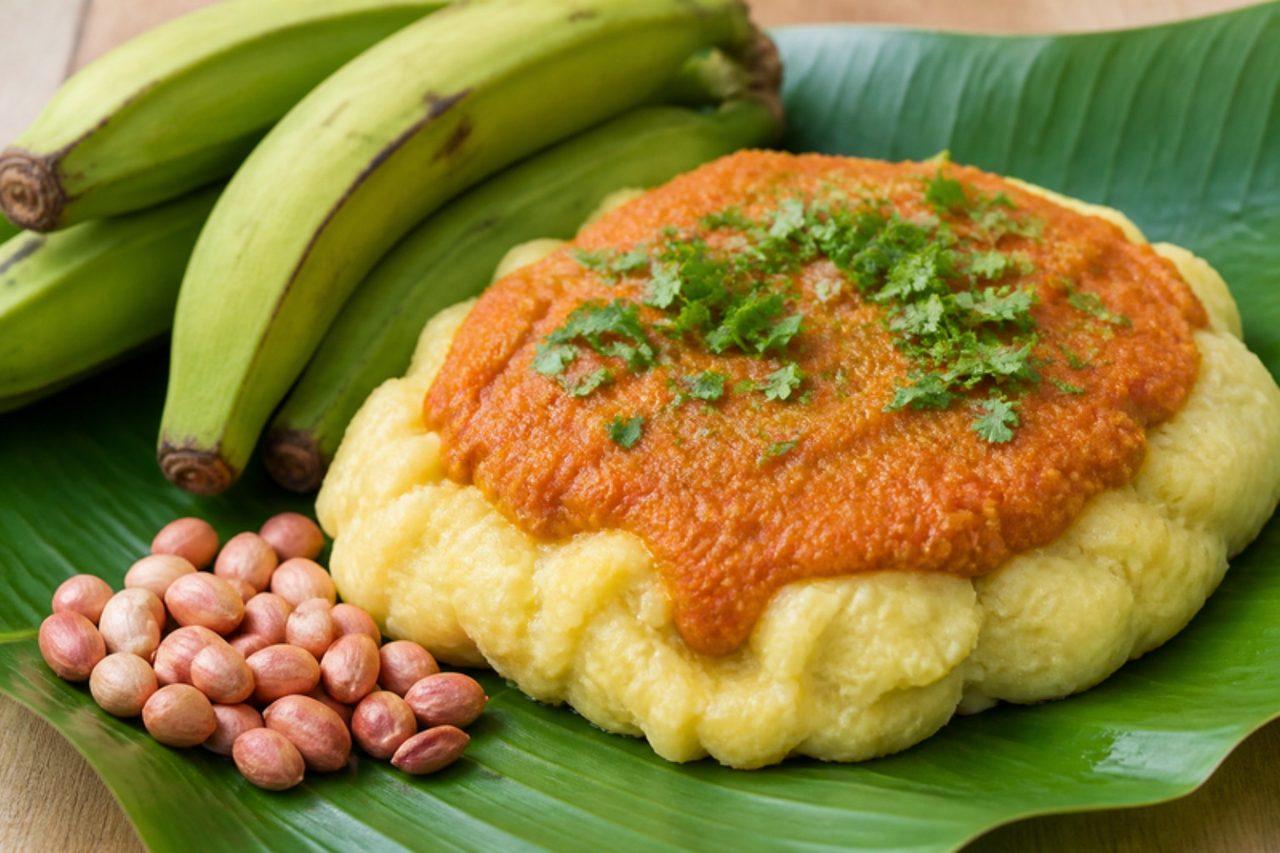
No Saturday table in Luanda feels complete without a pot of these beans next to the funge, and the deep orange colour of the dende oil tells you they are ready. Soft, creamy beans are simmered with onion, garlic, tomato and a generous pour of red palm oil until the broth thickens and every bean is coated, earthy, faintly smoky and rich. Serve them with funge de bombó (cassava) or funge de milho, with fried plantain, or with rice and greens. Buy unrefined red palm oil from an African grocer, ideally certified sustainable; it is not the same as the pale refined kind. Chef's tip: hold back the salt and tomato until the beans are truly soft, because both firm up the skins and are the usual reason a bean pot never gets creamy.

by KrazyBadal 0 views

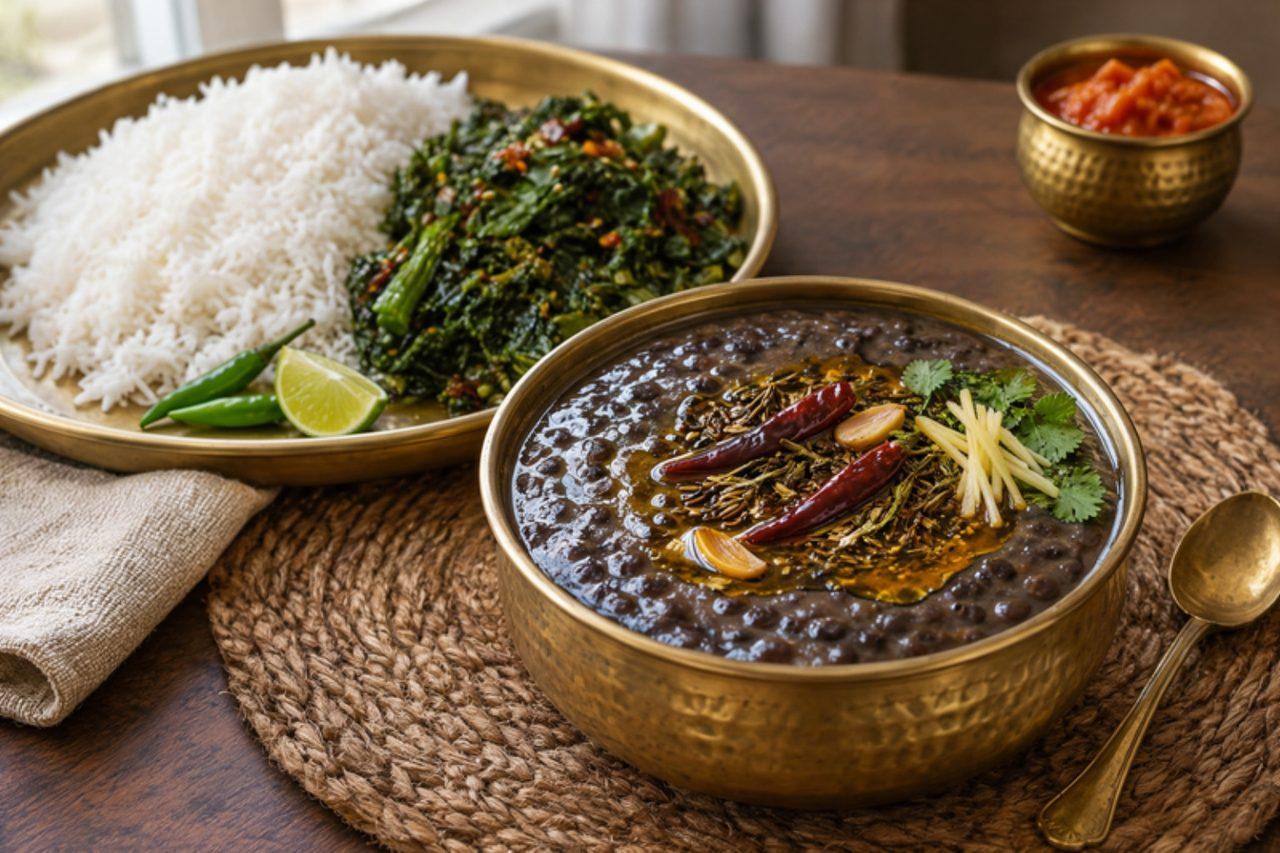
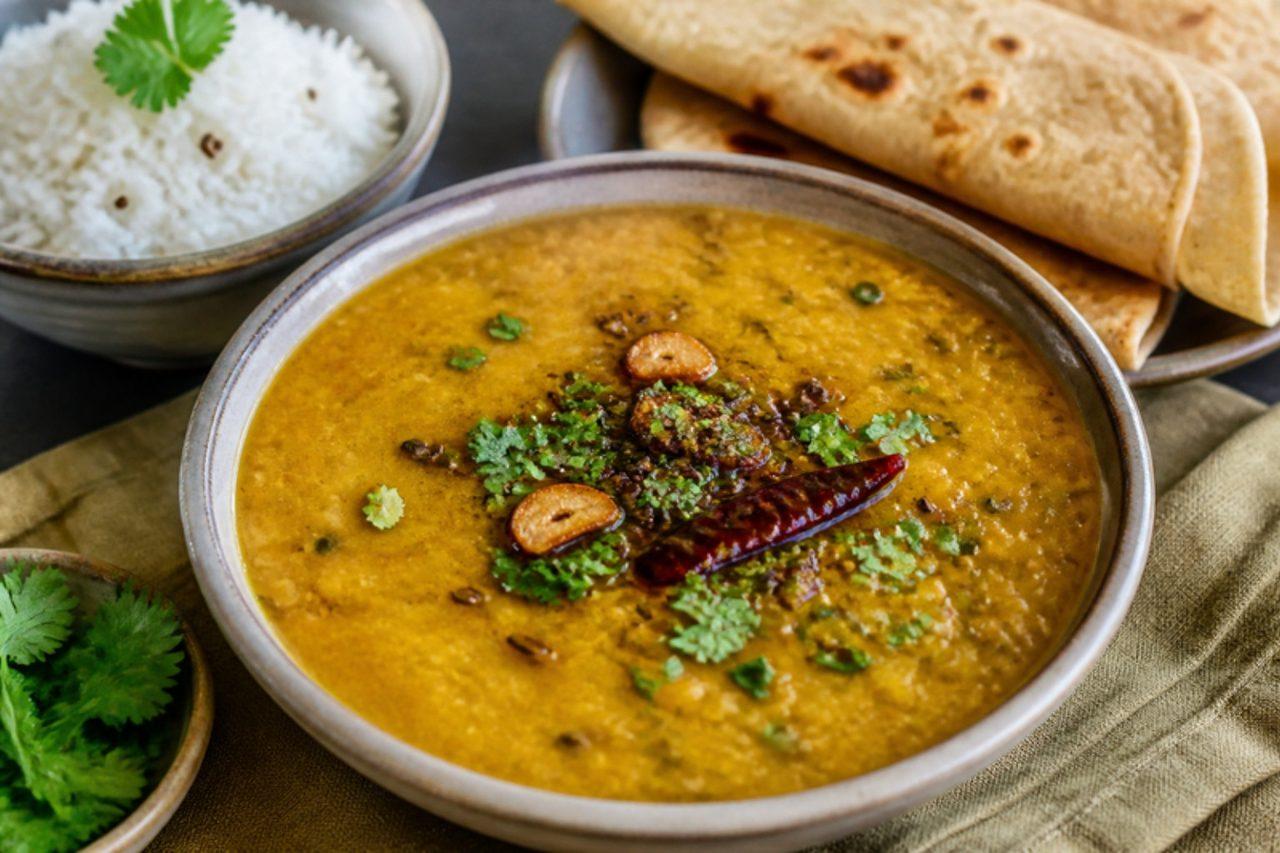
Mas ko dalBlack lentil dal

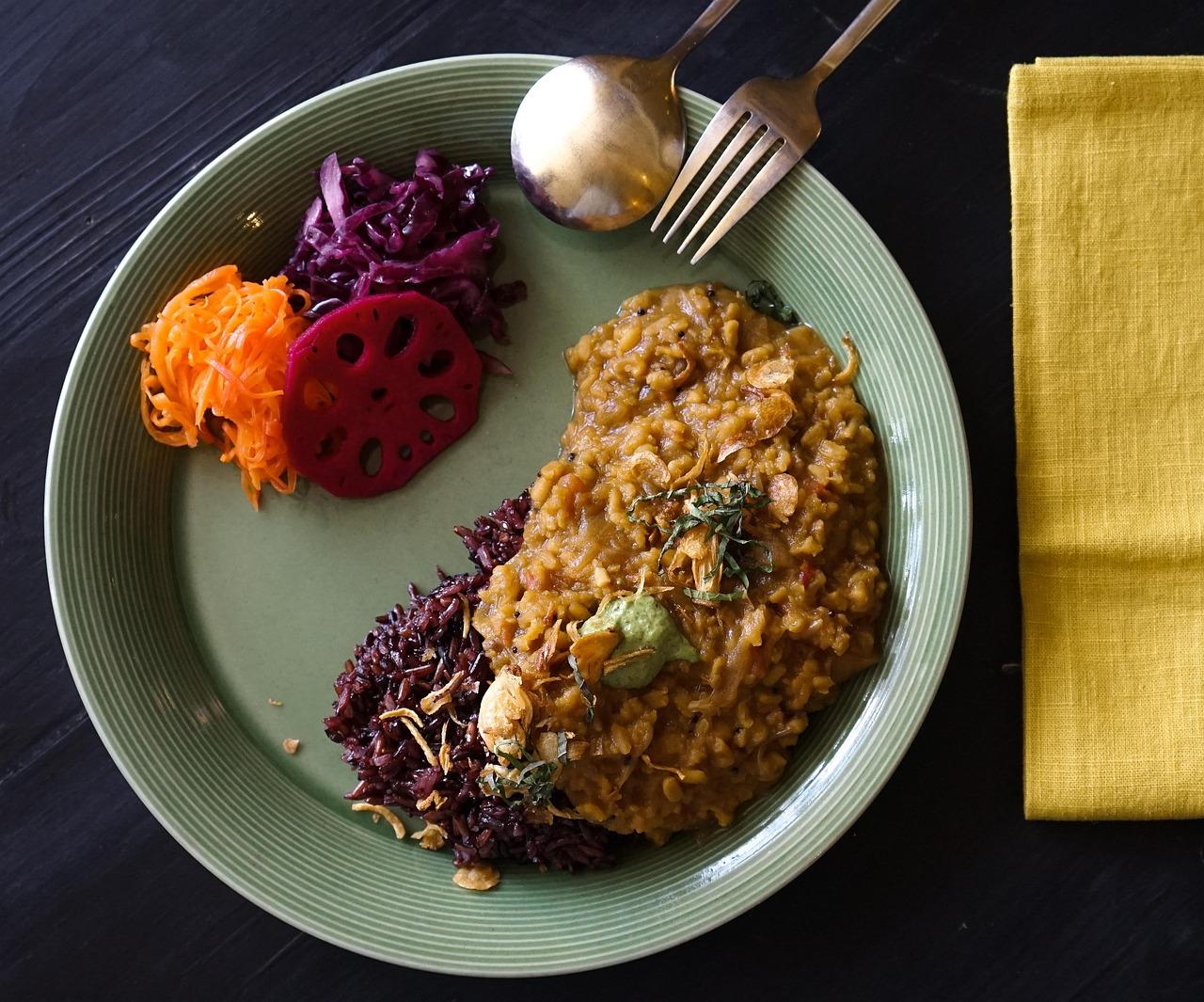
Mas ko dal, made from whole black urad, is the thick, dark dal of the Nepali hills, cooked in heavy pots in Kathmandu, Gorkha and the Newar towns, especially on cold days and for festival meals. Slow cooking makes it creamy and earthy, and the tempering of jimbu, garlic and cumin in hot mustard oil gives it the scent of the Himalaya. Eat with rice, roti or dhido. Suitable as part of a balanced diet, it is high in protein and fibre: about 250 kcal and 30 g carbohydrate per portion; brown rice or millet dhido suits it well. The usual mistake is not soaking the lentils, which leaves them hard and the dal thin; soak them overnight. Chef's tip: simmer the dal with a few ginger slices and mash it lightly with a wooden spoon at the end for the classic thick texture.

by KrazyBadal 0 views

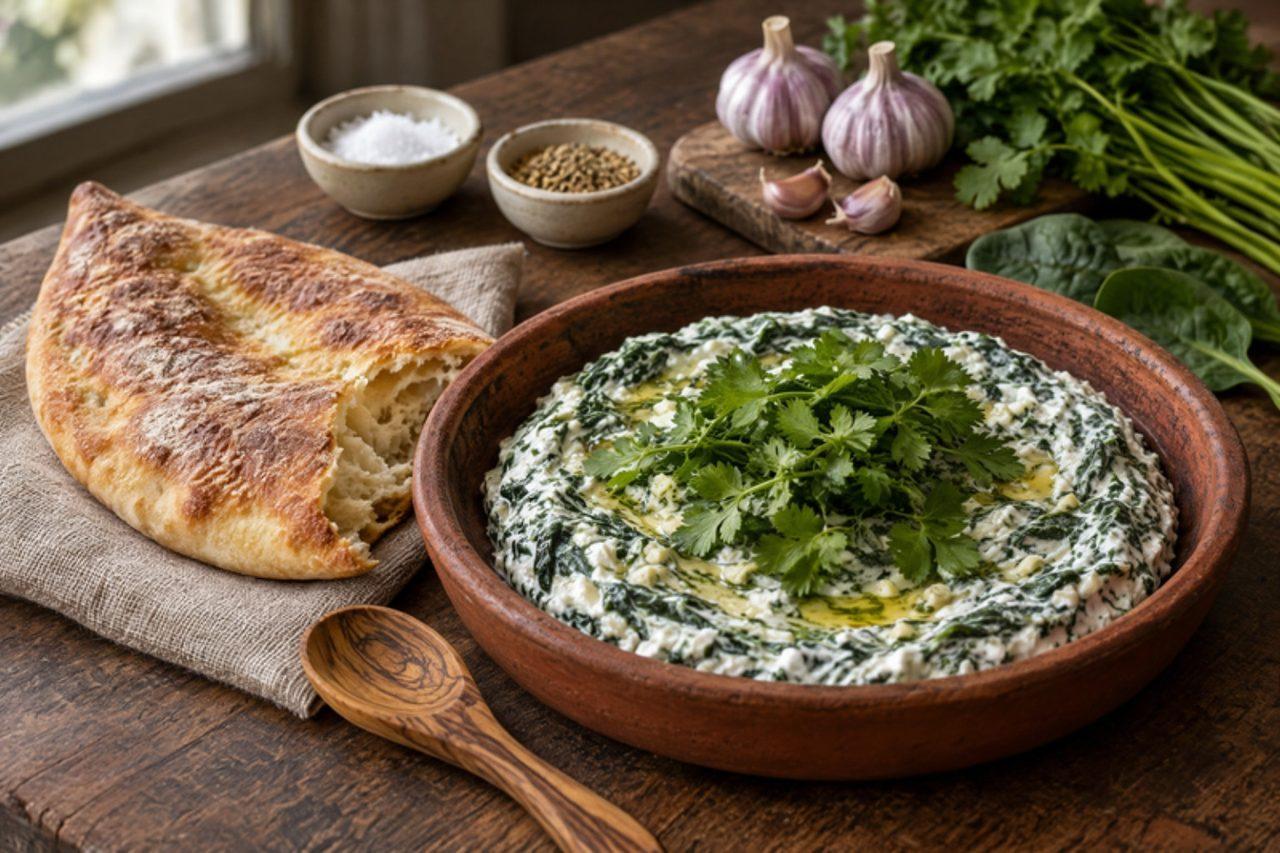
Ispanakhi matsvnitSpinach with yogurt

In Georgian homes from Tbilisi to Kakheti, ispanakhi matsvnit is one of the quick dishes on a supra table and a weekday side all spring, when spinach is young and sweet. The spinach is wilted, squeezed and chopped, then folded into thick matsoni (Georgian set yoghurt) with crushed garlic, coriander and a little blue fenugreek, and served cool with bread, beans or grilled vegetables. Suitable as part of a balanced diet. About 110 kcal and 8 g carbohydrate per portion. The usual mistake is not squeezing the spinach hard enough, so water seeps into the yoghurt and makes it thin. Chef's tip: crush the garlic with a pinch of salt to a smooth paste so it spreads evenly through the yoghurt rather than hitting you in raw lumps.

by KrazyBadal 0 views

KamandeBrown lentil stew

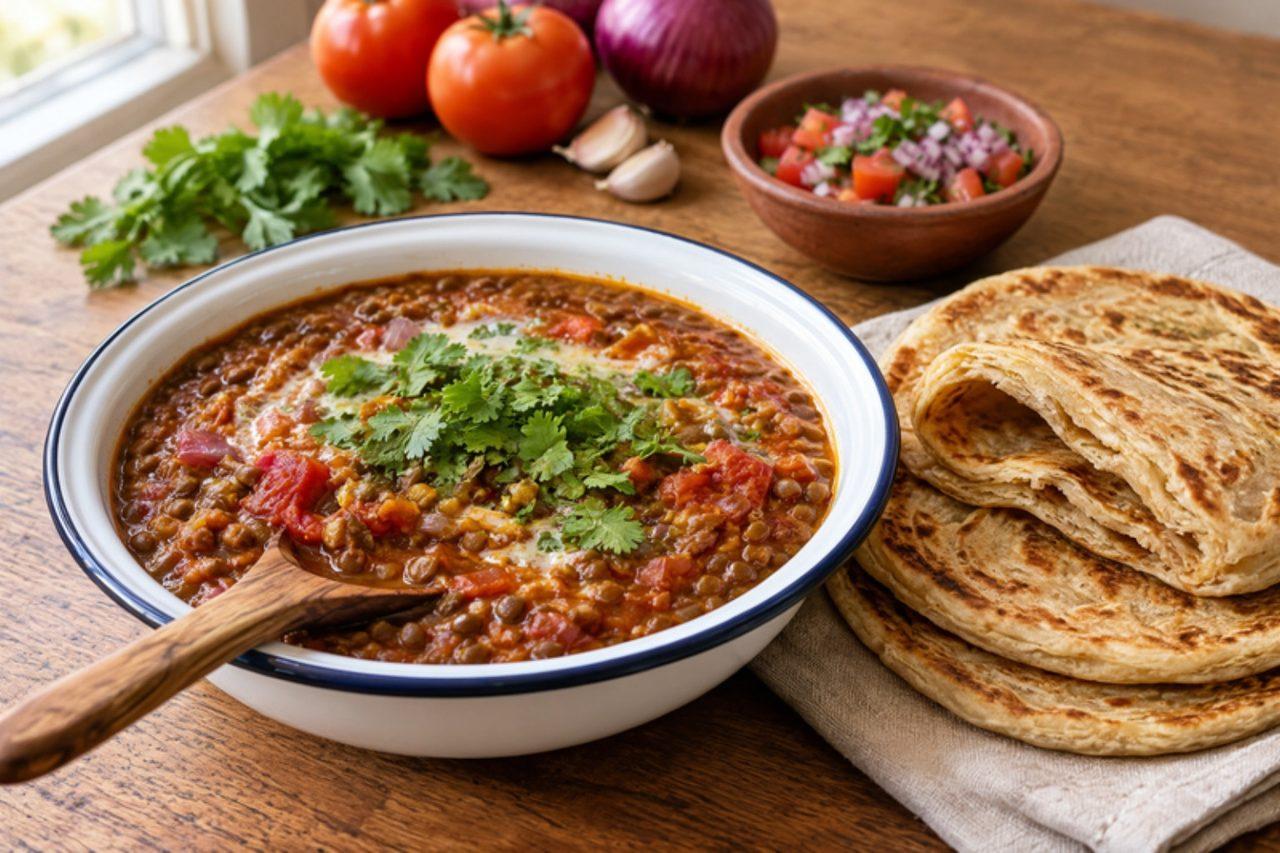
Kamande is a weekday staple in Nairobi homes and small hotelis (cafés), served at lunch or supper with chapati, rice or ugali and a side of sukuma wiki greens. Brown lentils are simmered until tender, then cooked into a thick, savoury stew of onion, tomato, garlic, ginger and a touch of curry powder, finished with fresh coriander. Suitable as part of a balanced diet. About 300 kcal and 38 g carbohydrate per portion; brown rice or extra greens on the side suit a lighter plate. The usual mistake is boiling the lentils to mush before adding the tomato base; they should still hold their shape. Chef's tip: cook the onions low and slow until soft and golden before the tomatoes go in, which gives the stew its natural sweetness.

by KrazyBadal 0 views

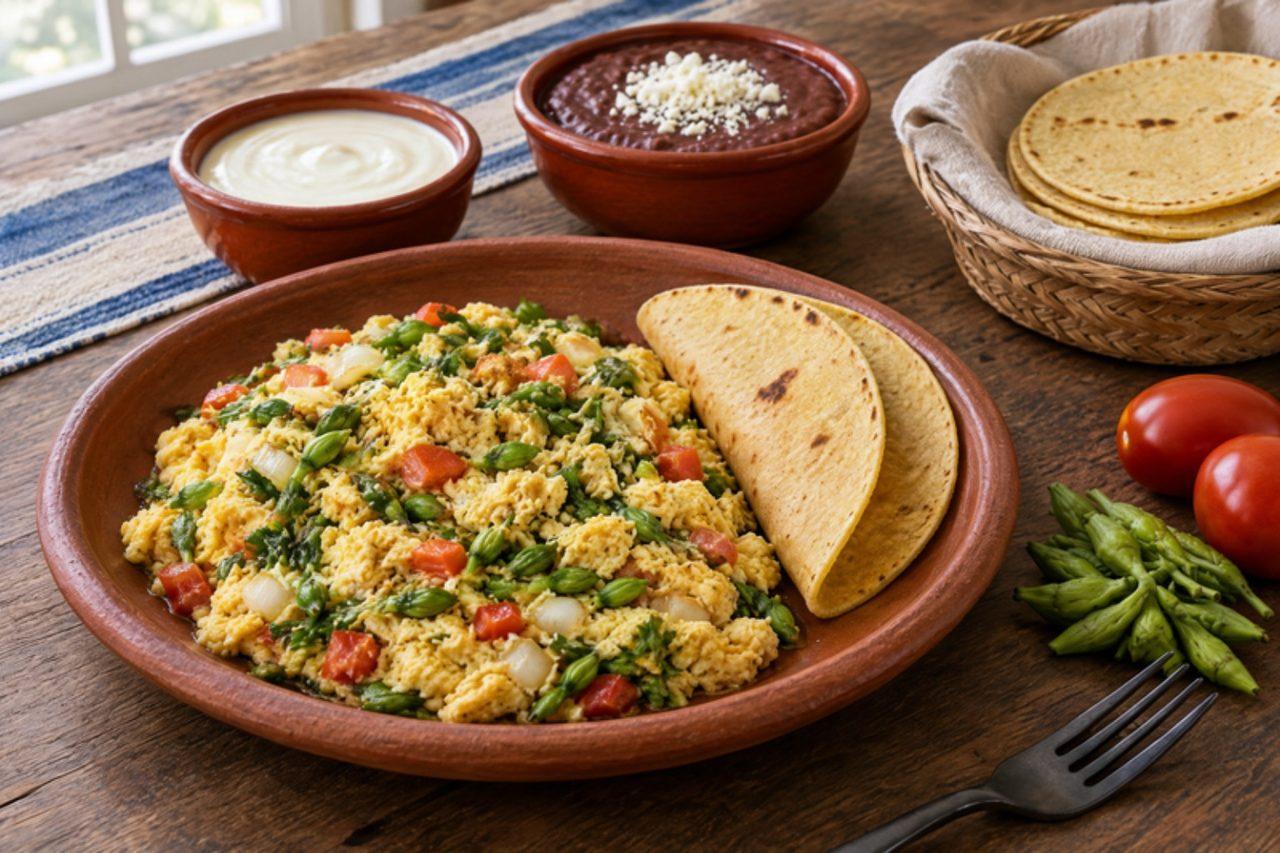
Loroco con huevoScrambled eggs with loroco

Loroco is a climbing vine whose fragrant flower buds Salvadorans love, best known inside pupusas, and in San Salvador and the countryside it is also scrambled with eggs for breakfast during the rainy season, from June to October, when the buds are in season. The buds taste green, floral and a little like asparagus and artichoke, softened with onion and tomato and set into soft eggs. Serve with corn tortillas and a spoon of refried beans or avocado. Suitable as part of a balanced diet. About 210 kcal and 6 g carbohydrate per portion without tortillas. The usual mistake is cooking the eggs on high heat, which makes them dry and rubbery. Frozen or jarred loroco works well; rinse jarred loroco first. If you're cooking for anyone pregnant, a young child or anyone with a weakened immune system, cook the eggs until fully set. Chef's tip: soften the loroco with the onion first so its flavour spreads through the eggs.

by KrazyBadal 0 views

Tortilla de acelgaSwiss chard omelette

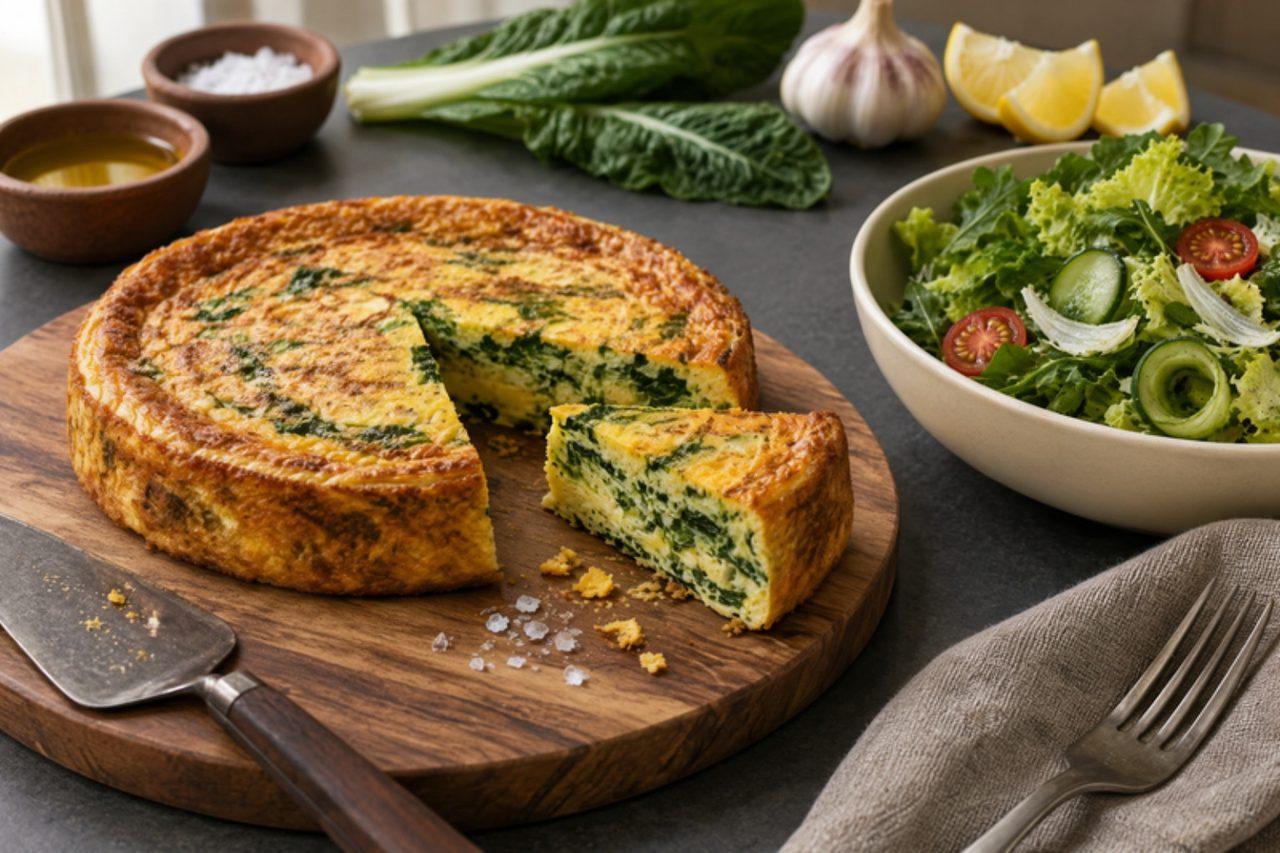
In Montevideo and Buenos Aires, tortilla de acelga is a homely supper or picnic dish, cut into wedges for a weekday dinner or packed for a Sunday at the beach, hot or cold. Plenty of chard is cooked down with onion and garlic, then bound with eggs into a thick, green, juicy omelette that is flipped in the pan like a Spanish tortilla. Serve it with a tomato salad. Suitable as part of a balanced diet. About 190 kcal and 7 g carbohydrate per portion. The usual mistake is leaving the chard wet: squeeze it well, or the tortilla weeps and won't set. If you're cooking for anyone pregnant, a young child or anyone with a weakened immune system, cook it until fully set in the middle. Chef's tip: cook it on a low heat with a lid on for the first side; it sets through without burning the base.

by KrazyBadal 0 views

Iron eggsBraised dried quail eggs

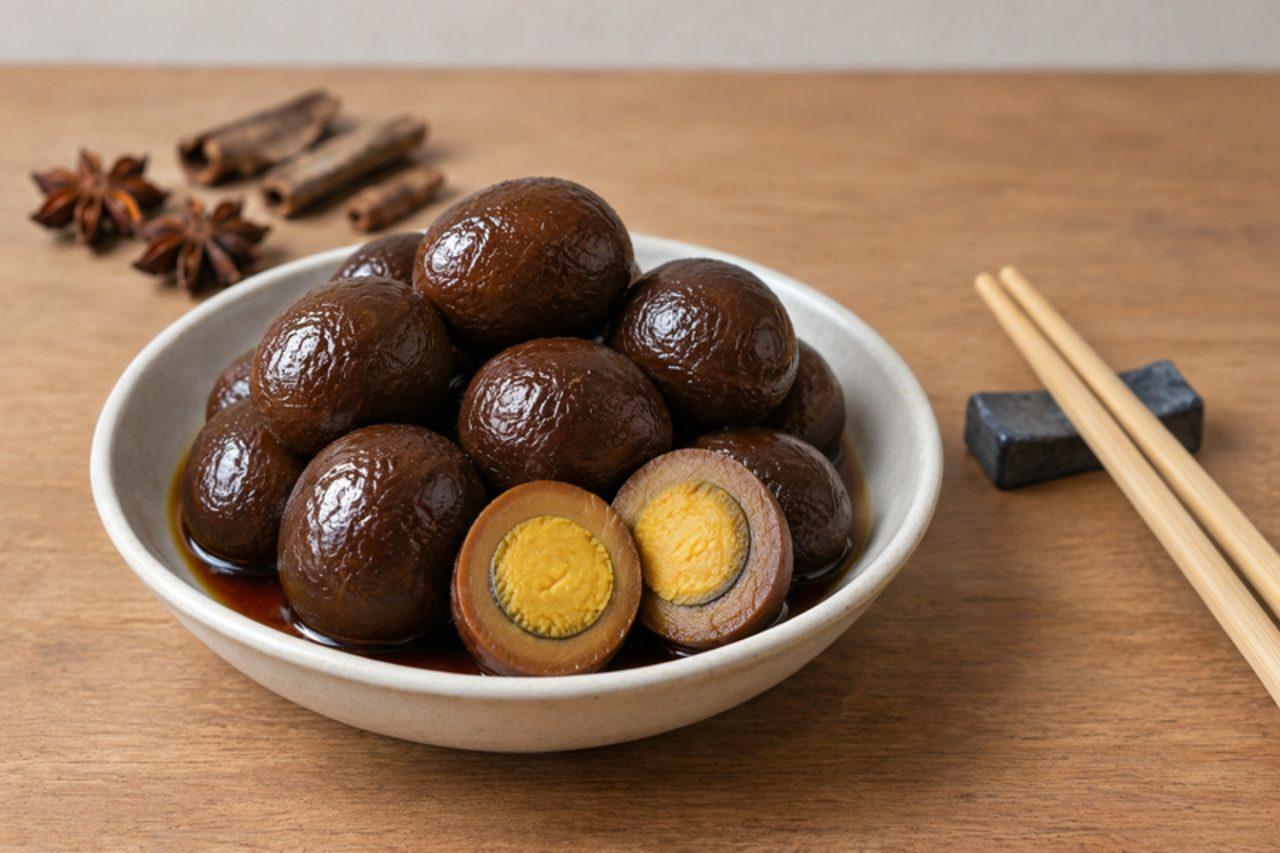
Iron eggs were invented in the 1970s at a noodle stall by the river in Tamsui, at the end of Taipei's red MRT line, when a cook kept re-braising unsold eggs until they shrank, darkened and turned chewy. Now every shop along Tamsui Old Street sells them in vacuum packs: tiny quail eggs and small hen's eggs, black as liquorice, with a firm, springy bite and a deep soy, five-spice and caramel flavour. Taiwanese families buy them as a snack for the train home. The process takes most of a day but very little work. Contains egg and soya. Chef's tip: dry the eggs under a fan between braises; the dried surface absorbs the sauce each time and builds the 'iron' skin.

by KrazyBadal 0 views

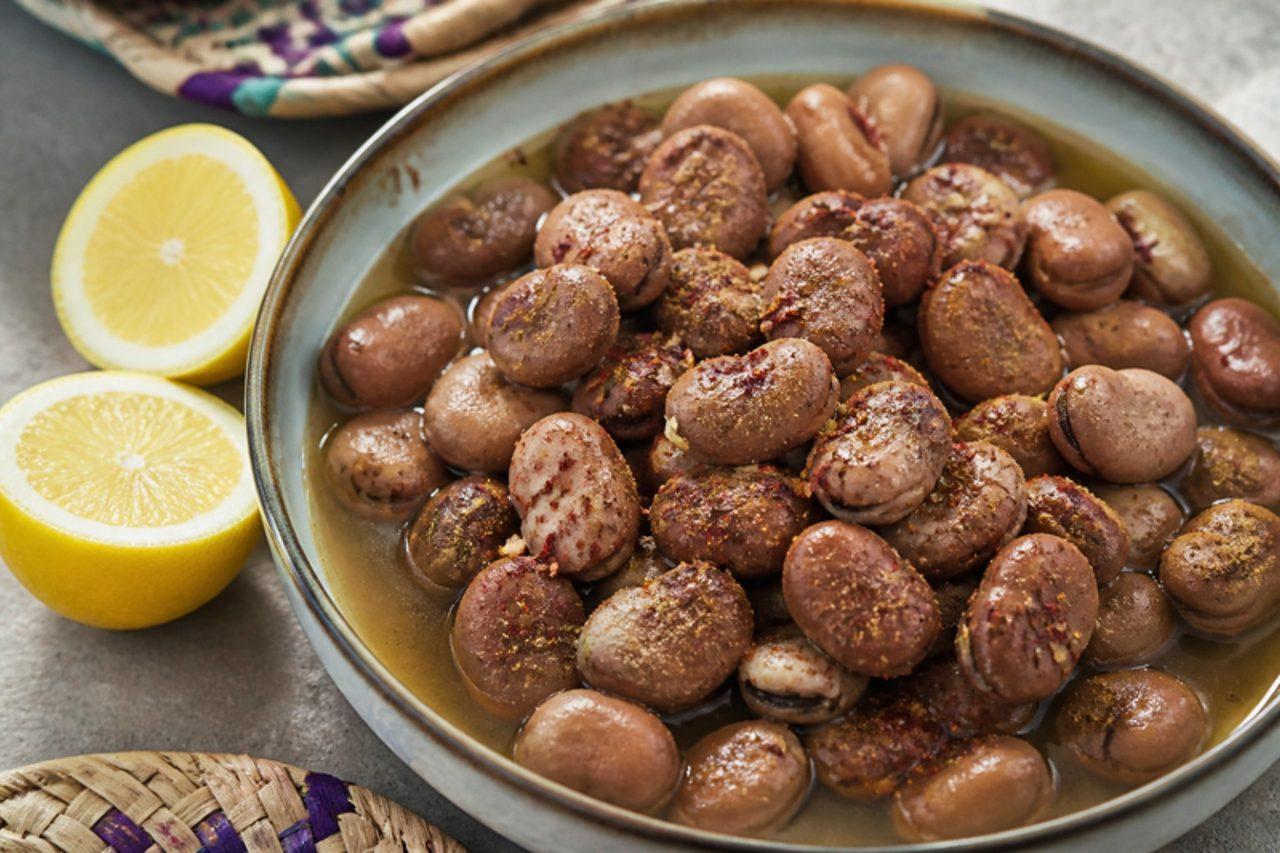
BajellaBoiled fava beans with cumin

On cold mornings in Kuwait City, street carts and old-style breakfast cafés ladle out bajella into paper cups: whole dried fava beans boiled until creamy, served in their hot, salty broth with cumin and a squeeze of lemon. It is cheap, filling and warming, and families cook a big pot at home in winter and during Ramadan. Eat it with a spoon, drinking the broth as you go, or with Arabic bread and pickles. Skipping the overnight soak is the mistake: unsoaked beans take hours and split unevenly. Chef's tip: add the salt only once the beans are tender; salting at the start keeps the skins tough.

by KrazyBadal 0 views

AboboiBambara beans in palm oil

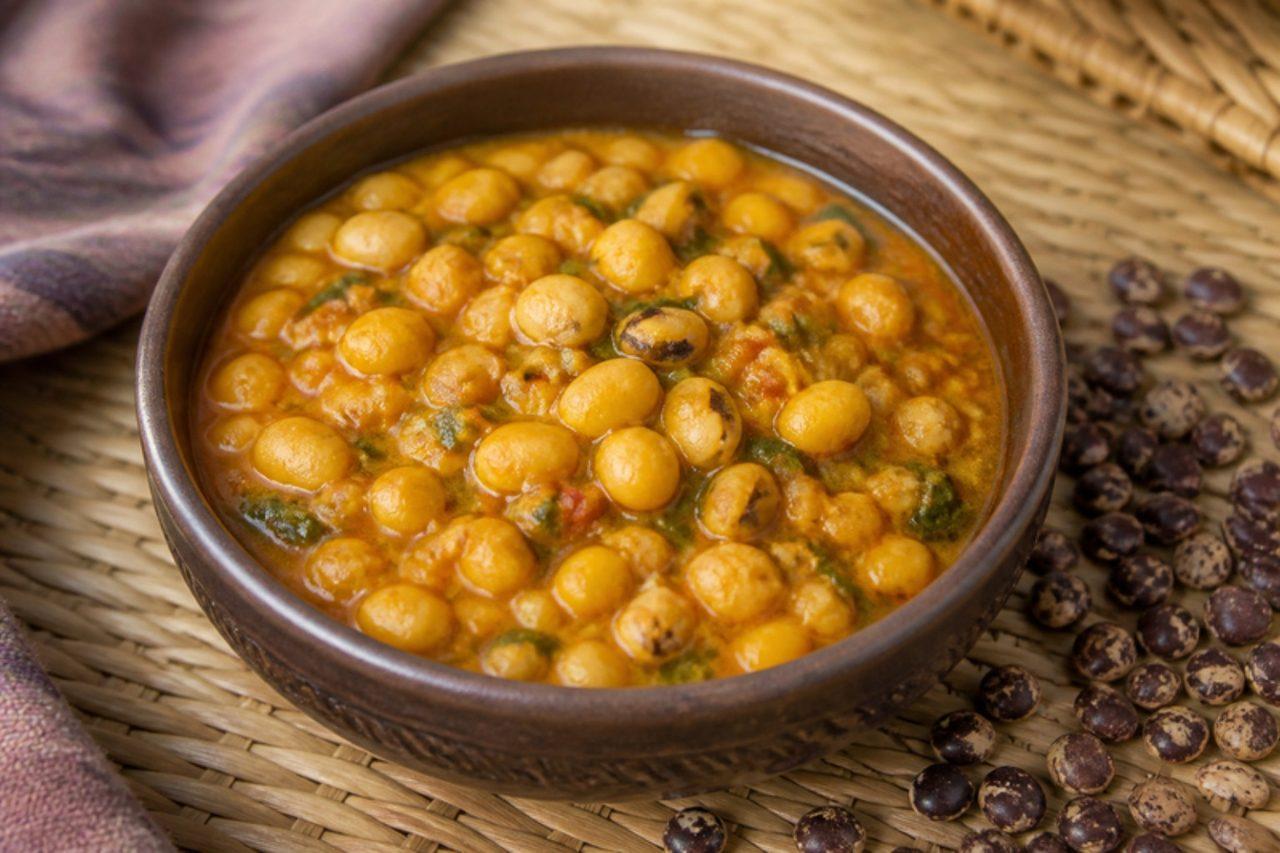
Bambara beans, round and speckled, are one of West Africa's oldest crops, and in Accra they become aboboi: simmered for a long time until creamy, then finished in red palm oil fried with onion and pepper. Street sellers dish it out in the evening, often with gari sprinkled on top for crunch and sometimes with fried fish; this version keeps it meat-free and lets the earthy, chestnut-like beans shine. It is filling, protein-rich and costs little. Dried Bambara beans are sold in African and Asian shops; black-eyed beans cook faster if you cannot find them. Don't add salt before the beans are soft, or the skins stay hard however long they cook. Chef's tip: soak the beans overnight and use a pressure cooker if you have one, as unsoaked Bambara beans can take three hours and still stay hard, which is the most common disappointment.

by KrazyBadal 0 views

Ukwa (African breadfruit porridge)

Ukwa is festival and family food in the Igbo Southeast, cooked for guests and for the New Yam season, and its price in the market shows how prized it is. The seeds of the African breadfruit are dehulled and slow-cooked with a little potash until soft and creamy, then finished with palm oil, onion, pepper and fragrant utazi or scent leaves, giving a rich, nutty, slightly beany porridge. Dried fish is often stirred in; this version stays meat-free. Some cooks add fresh sweetcorn or cooked maize in the last 10 minutes. A pressure cooker saves an hour of simmering. Chef's tip: add the salt and stock cube only once the seeds are soft; seasoning early, a common mistake, keeps them hard for much longer.

by KrazyBadal 0 views

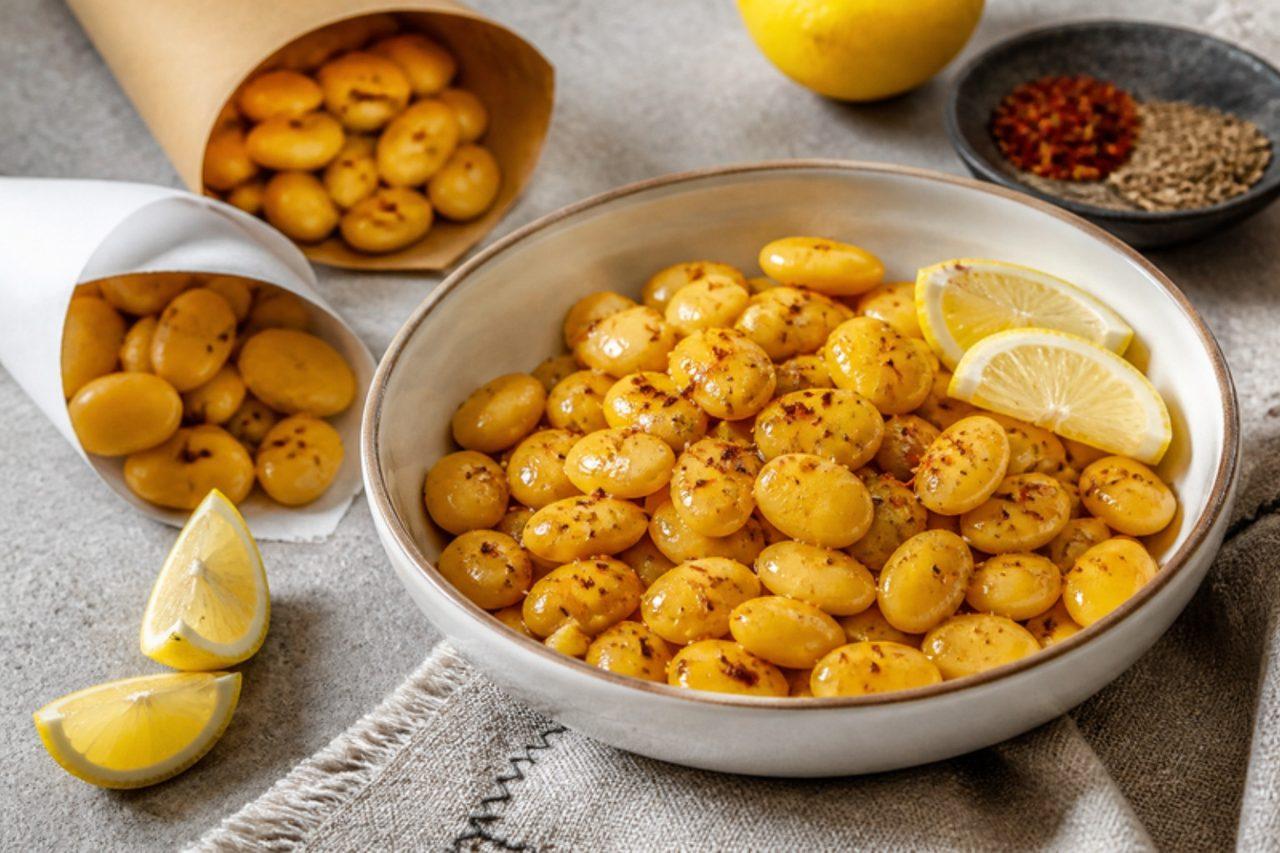
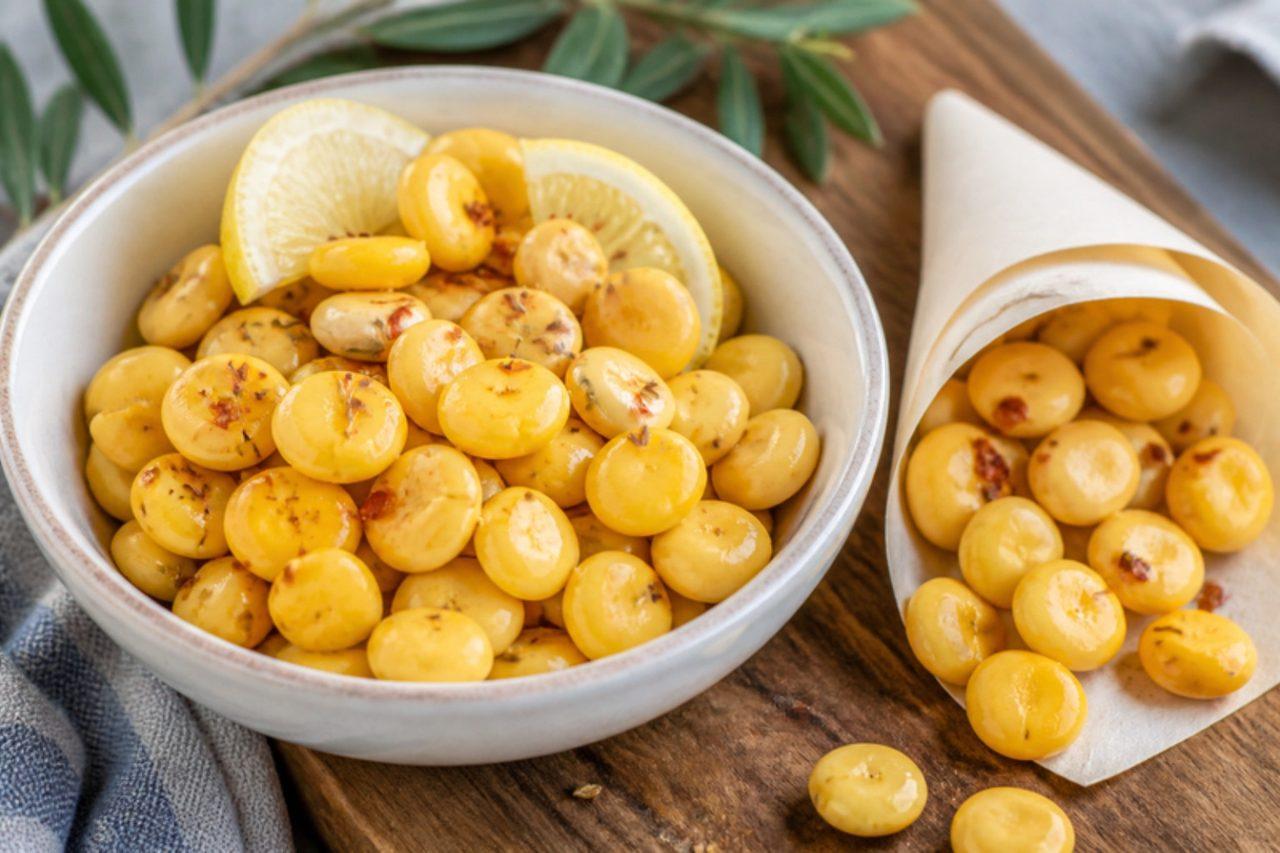
TermesBrined lupin beans

Termes sellers push their carts along the Nile corniche and outside schools and mosques, scooping the plump yellow beans into paper cones, especially around Sham el-Nessim in spring. You nip the skin with your teeth and pop out the firm, salty, nutty bean, with lemon, cumin and chilli on top. Dried lupins are naturally very bitter and must be soaked, cooked and then soaked again for about a week before they are safe to eat, so the hands-on time is short but the process is long. Never skip the debittering: badly prepared lupins can cause poisoning, so taste one before serving and keep soaking if any bitterness remains. Lupin is also a common allergen, especially for people allergic to peanuts. Chef's tip: once debittered, store them in salted water in the fridge, where they keep for two weeks.

by KrazyBadal 0 views

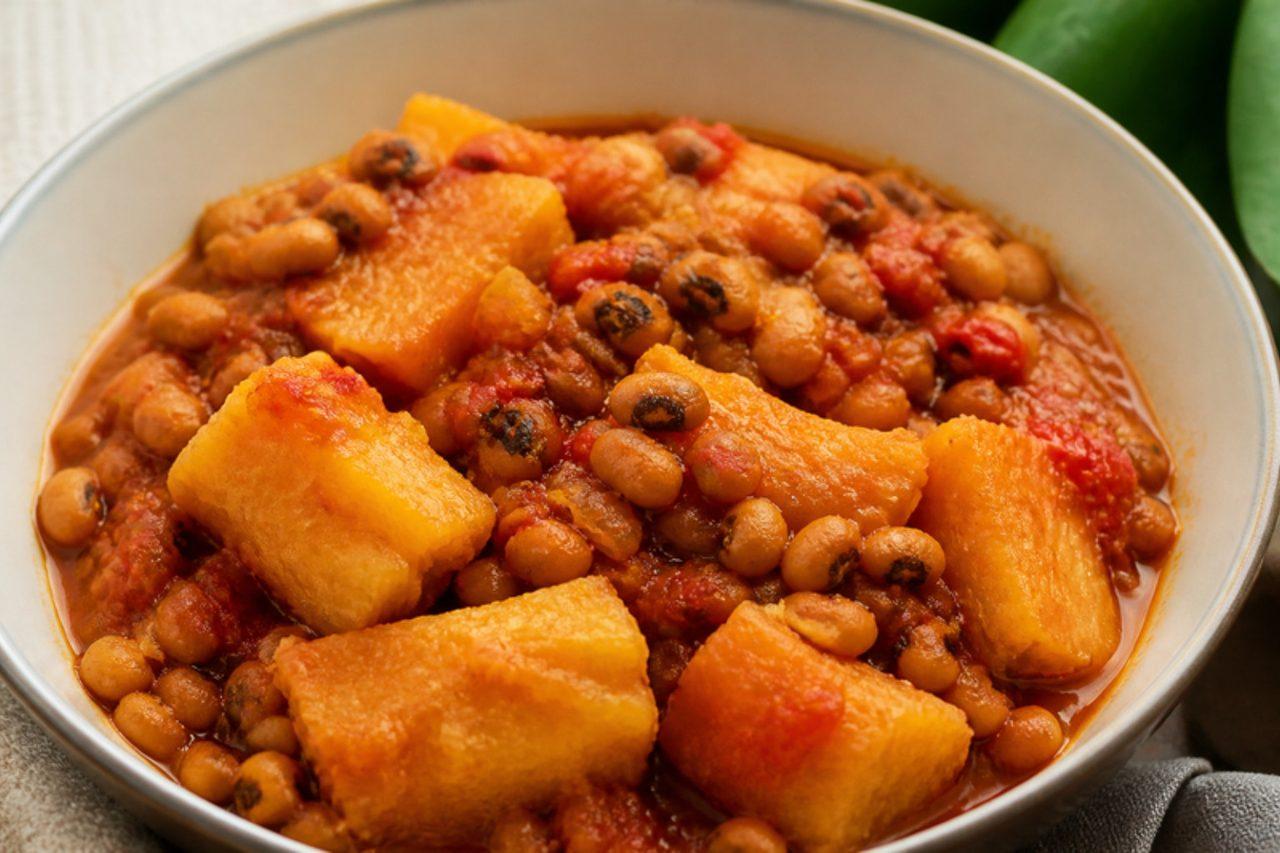
Nyambeh nyebbeh (cassava and beans in palm oil)

Bright with red palm oil, nyambeh nyebbeh, cassava (nyambeh) and beans (nyebbeh), is a favourite Gambian lunch from Banjul compounds to roadside food stalls. Chunks of cassava and black-eyed beans are boiled until tender, then dressed with a hot sauce of red palm oil, onion and Scotch bonnet. Cassava gives starchy, slightly sweet bites, the beans turn creamy, and the palm oil adds its earthy, peppery depth. Dried fish is often crumbled in; this is the meat-free version. Chef's tip: always cook cassava fully and pull out the woody core string, since undercooked or raw cassava is unsafe to eat; it is ready when a knife slides through with no resistance.

by KrazyBadal 0 views

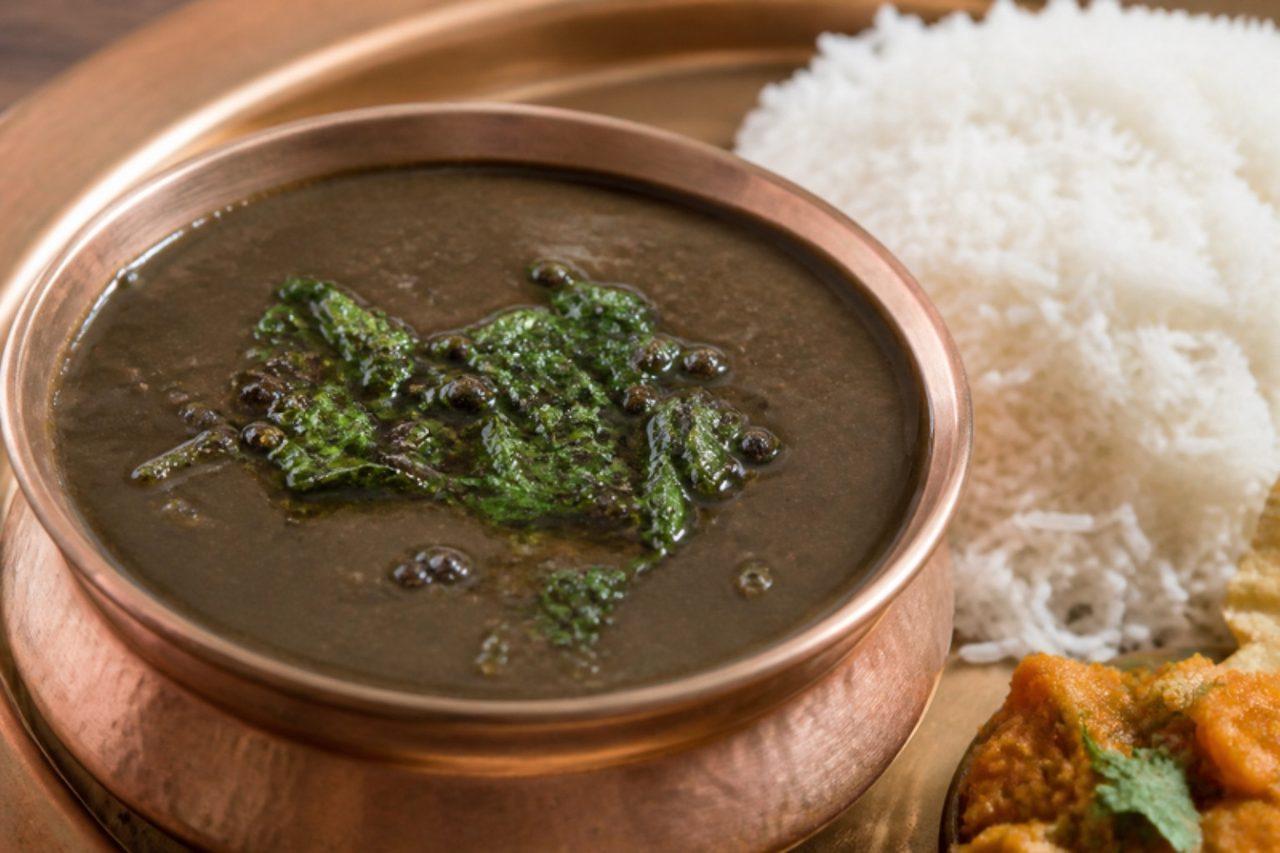
Thakali kalo dalBlack lentil dal

Trekkers on the Annapurna circuit meet Thakali food in the guesthouses of Marpha, Tukuche and Jomsom, and the dal on the brass Thakali plate is the dish they remember: whole black lentils simmered until creamy in a heavy iron pot, then finished with ghee crackling with jimbu, a dried Himalayan herb that tastes like a cross between chives and garlic. A pinch of timur adds a tingling citrus note. It is thick, smoky and deeply savoury, eaten with rice or buckwheat dhido, gundruk pickle, potatoes and a fresh tomato achar, and refilled until the guest says stop. Skip the overnight soak and you will taste it, because the lentils never turn creamy. Chef's tip: once the lentils are soft, mash about a quarter of them against the side of the pot with the back of a ladle, which gives body without any cream.

by KrazyBadal 0 views

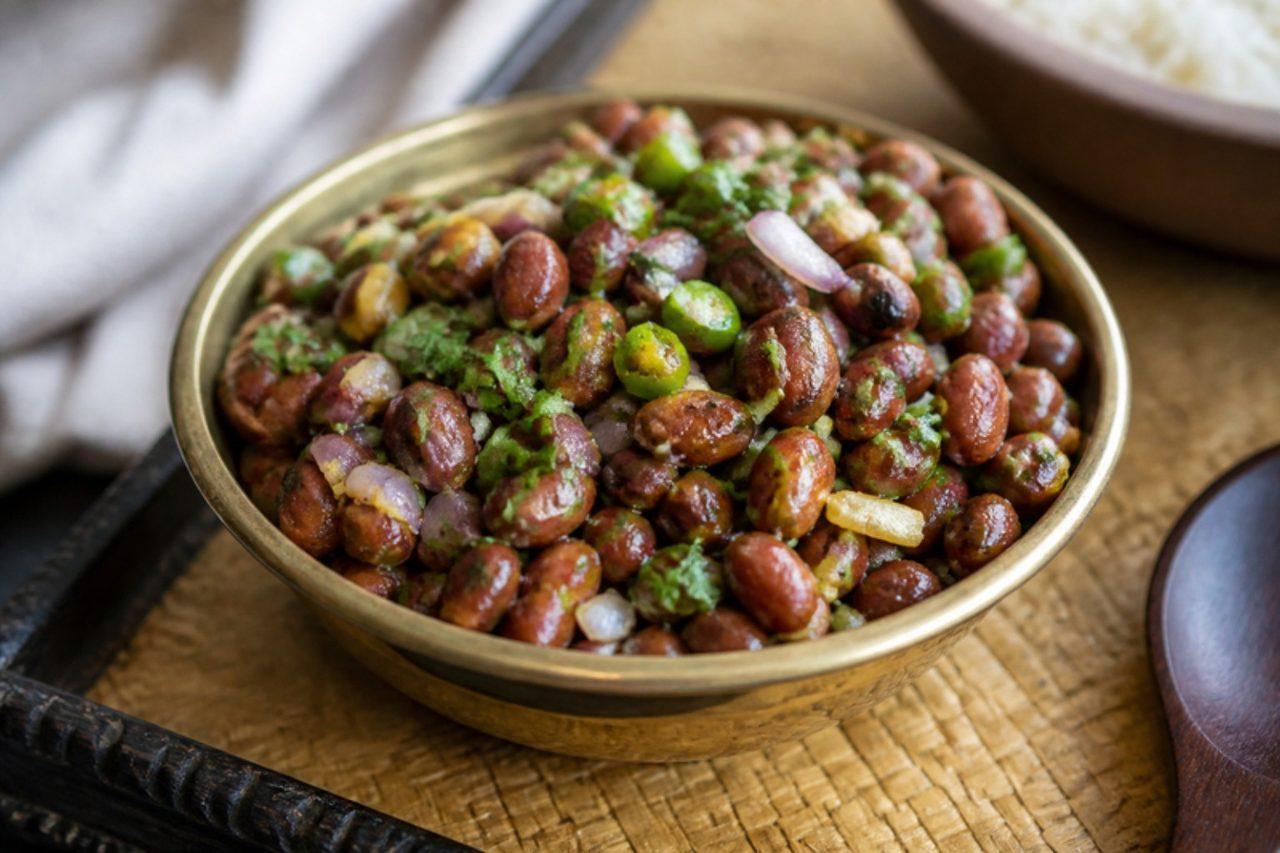
Bhatmas sadekoRoasted soybean salad

Sadeko means marinated, and in Kathmandu it is the word for the punchy little salads served in khaja ghar snack houses and at family gatherings during Dashain and Tihar card games. The soybean version is the cheapest and one of the best: dried soybeans roasted in a dry pan until they crack and turn nutty, then tossed while warm with red onion, green chilli, ginger, garlic, coriander, lemon and a spoonful of pungent raw mustard oil. It is crunchy, sharp and hot, eaten by the handful with beaten rice (chiura) or as a side to a dal bhat plate. The pitfall here is under-roasting the beans, which leaves them hard and grassy rather than crisp. Chef's tip: roast the beans until they split their skins and smell like popcorn, then rub off and blow away the loose skins before dressing them.

by KrazyBadal 0 views

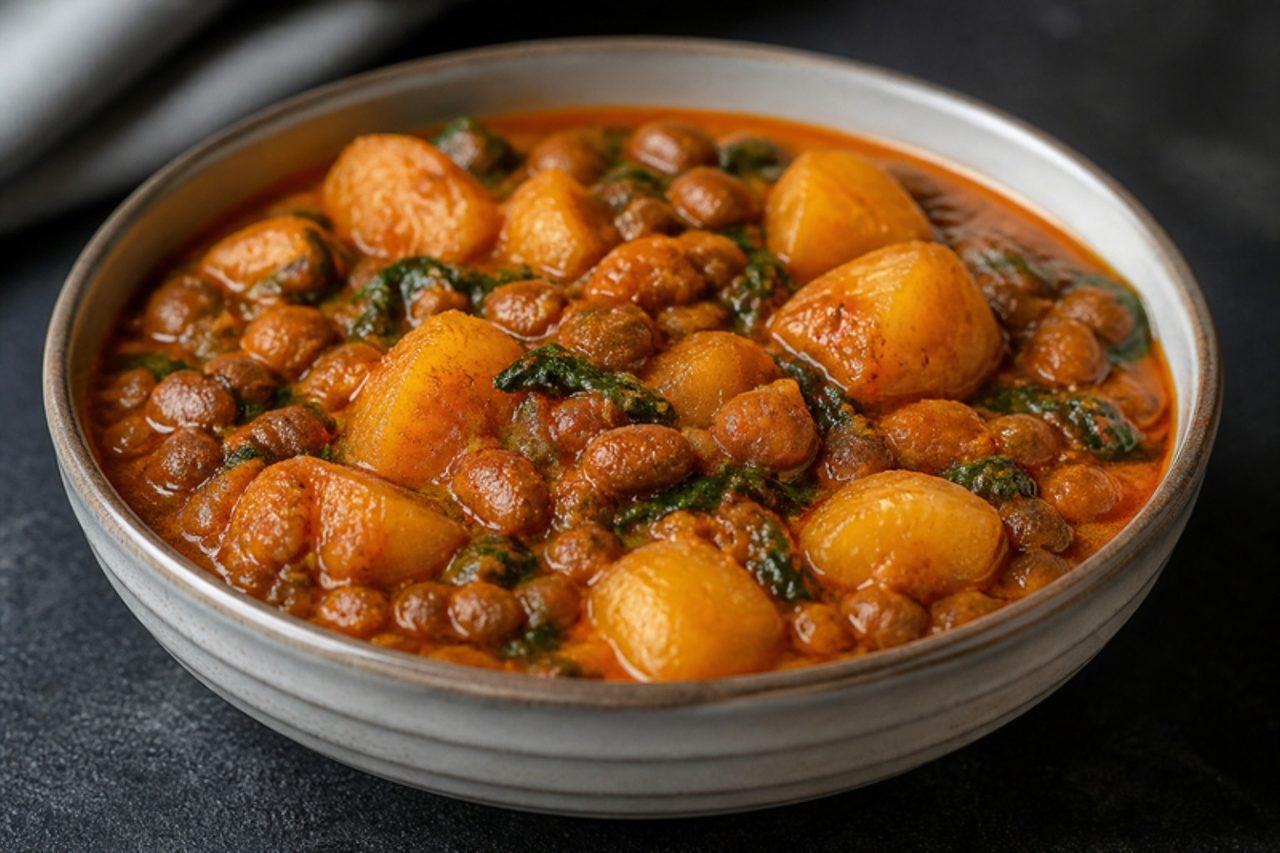
Fio fio (pigeon pea pottage with cocoyam)

Pigeon peas are called fio fio or echicha in Enugu, and around Udi and Nsukka they are cooked into a thick pottage for family meals, sometimes with fresh corn in season and often with cocoyam, which melts into the pot and thickens it. The peas stay firm and nutty, the cocoyam turns soft and creamy, and the palm-oil pepper sauce ties it together into a hearty, savoury meal. Dried pigeon peas are sold in African and South Asian shops (as toor or gandules). Pigeon peas are tough and need a long simmer; the mistake is seasoning or adding cocoyam before they are completely tender. Wear gloves to peel cocoyam, which can itch. Chef's tip: soak the peas overnight and boil them hard for the first 10 minutes; it shortens the cooking and makes them evenly tender.

by KrazyBadal 0 views

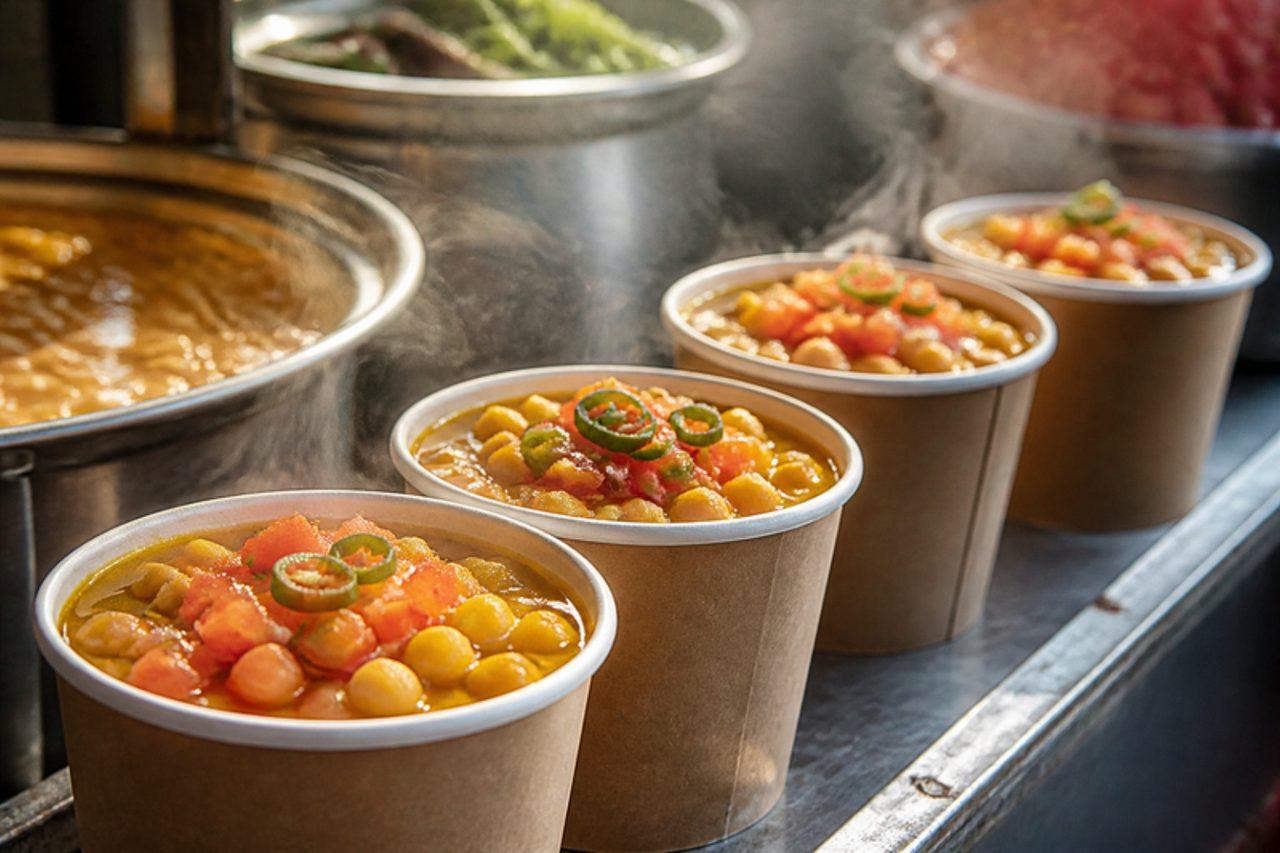
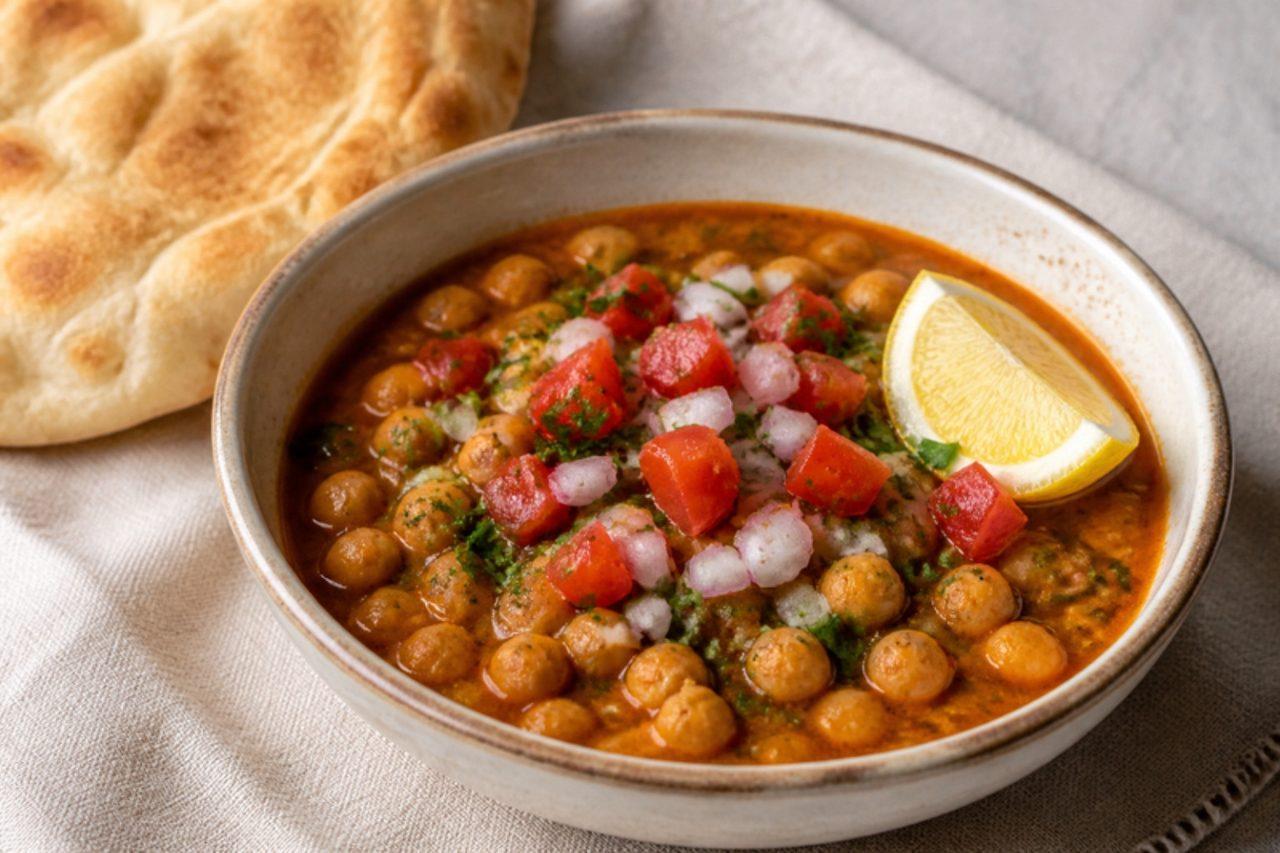
HalabessaHot spiced chickpeas in broth

Halabessa carts appear on Cairo and Alexandria corners once the winter evenings get cold, with a steaming pot of chickpeas and a stack of cups. The vendor ladles out tender chickpeas with plenty of their cooking broth, then adds salt, cumin, lemon and chilli, and sometimes a spoonful of tomato sauce, so it is half drink, half snack. It warms the hands as much as the stomach. The chickpeas need soaking overnight before cooking. The cardinal mistake is draining the chickpeas: the starchy cooking water is the whole point, so keep every drop. Chef's tip: simmer them very gently with the lid ajar so the broth turns cloudy and silky without the skins breaking.

by KrazyBadal 0 views

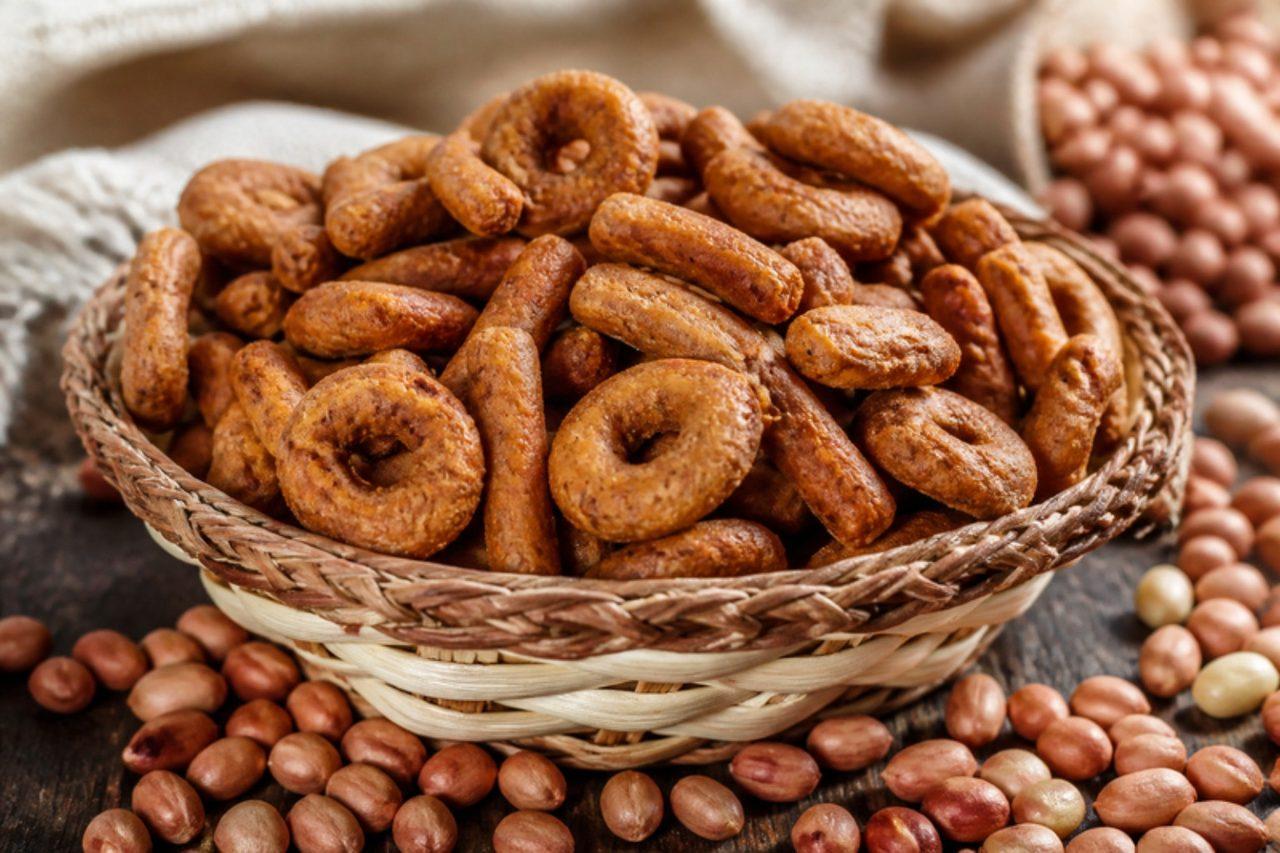
Kuli-kuli (crisp groundnut rings)

Kano's markets sell kuli-kuli by the bagful: hard, crunchy rings and sticks of roasted groundnut paste that has had its oil pressed out before frying. They taste deeply nutty, with a warm kick of ginger and chilli, and keep for weeks in a tin. People crunch them with soaked gari, with kunun drinks or crumble them over salads like zogale. If the oil isn't squeezed out properly the paste collapses in the pan, so keep working it until it feels firm and dry. The usual mistake is not pressing out enough oil from the groundnut paste, so the rings fall apart in the fryer. Chef's tip: they only crisp fully as they cool, so judge doneness by their deep brown colour, not by how hard they feel in the pan.

by KrazyBadal 0 views

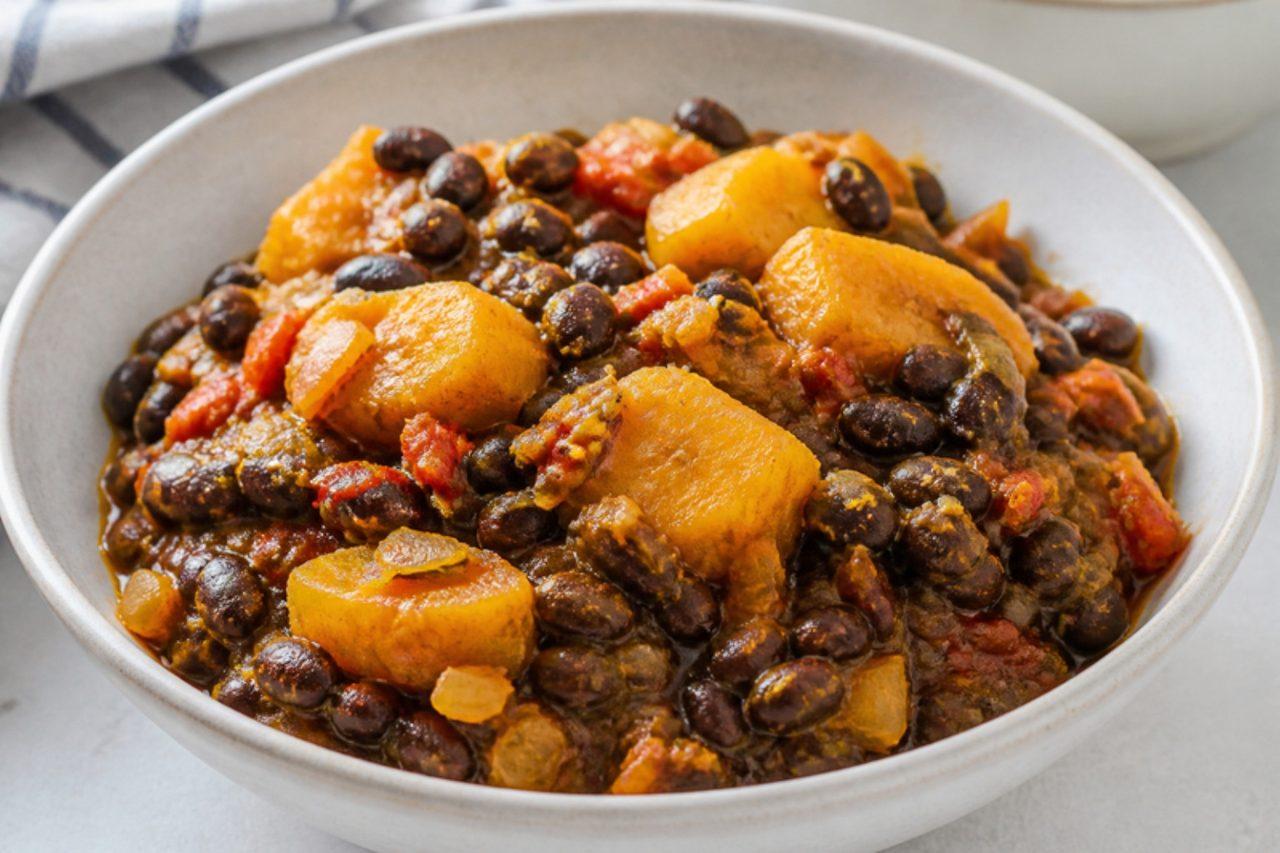
Akidi (Igbo black beans with plantain)

Akidi, a small, glossy black bean, is a quiet staple of Igbo home cooking around Enugu, Anambra and Imo, cooked like beans porridge and usually with ripe plantain for sweetness. After a long simmer the beans turn creamy inside while holding their shape, and they are finished with palm oil, onion, scotch bonnet and a handful of fragrant leaves, so the pot tastes earthy, sweet and peppery. It is a filling meal on its own, often eaten with a cold drink or a side of fried plantain. If you cannot find akidi, black turtle beans are a good substitute. Chef's tip: add the plantain only for the last 15 minutes; put in at the start, it dissolves into the beans, which is the usual mistake.

by KrazyBadal 0 views

Ekuru (white bean pudding with pepper sauce)

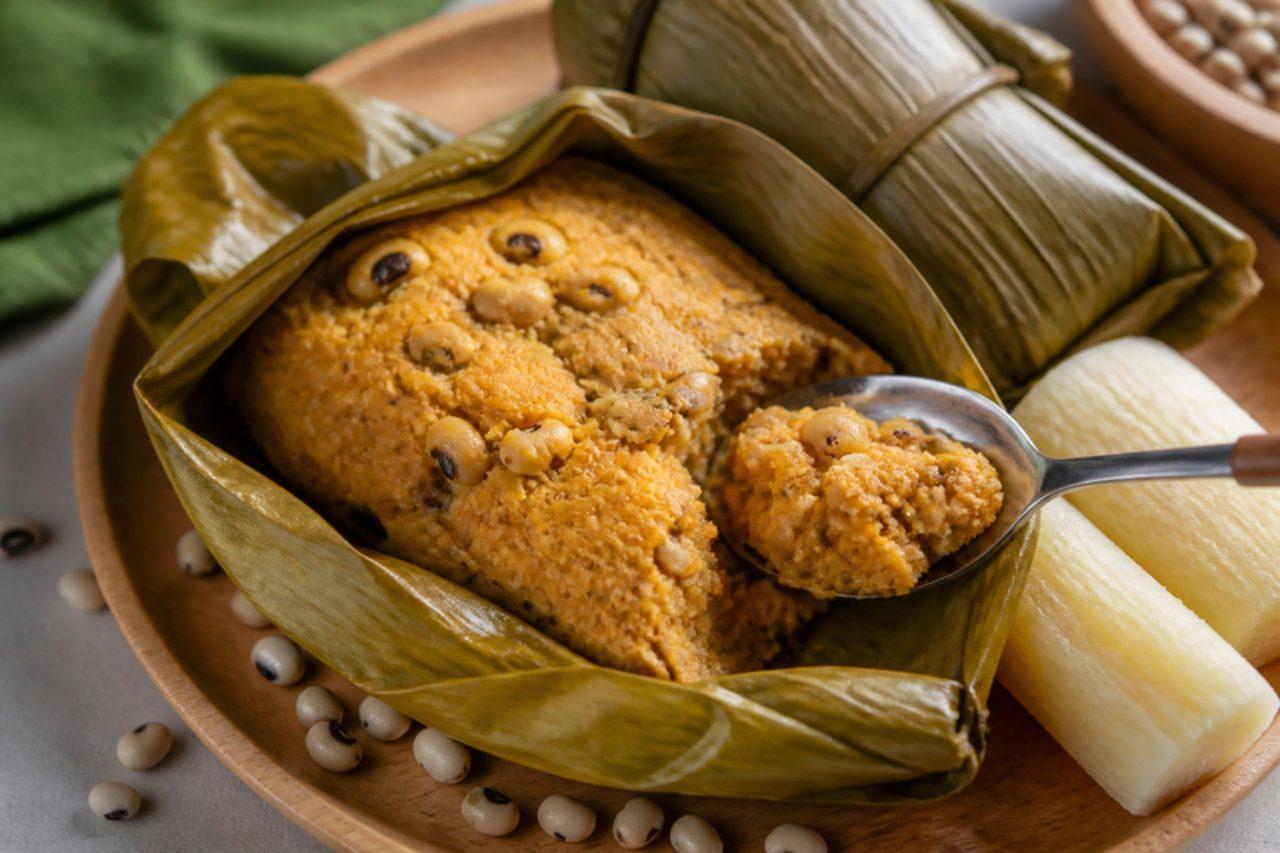
Pale and plain on purpose, ekuru is moin moin's quiet cousin: the same peeled black-eyed bean paste, but steamed with nothing in it except a little salt, so it comes out white, light and airy. In Ijebu and around Ogun State it is a breakfast and market snack, and all the flavour comes from the sauce served with it, a fried mix of red peppers, scotch bonnet, onion and locust beans in palm oil. The contrast of mild, fluffy pudding and hot, oily sauce is the whole point. This version is entirely plant-based. Chef's tip: beat the bean paste hard for several minutes before steaming; the trapped air is what makes ekuru light rather than dense.

by KrazyBadal 0 views

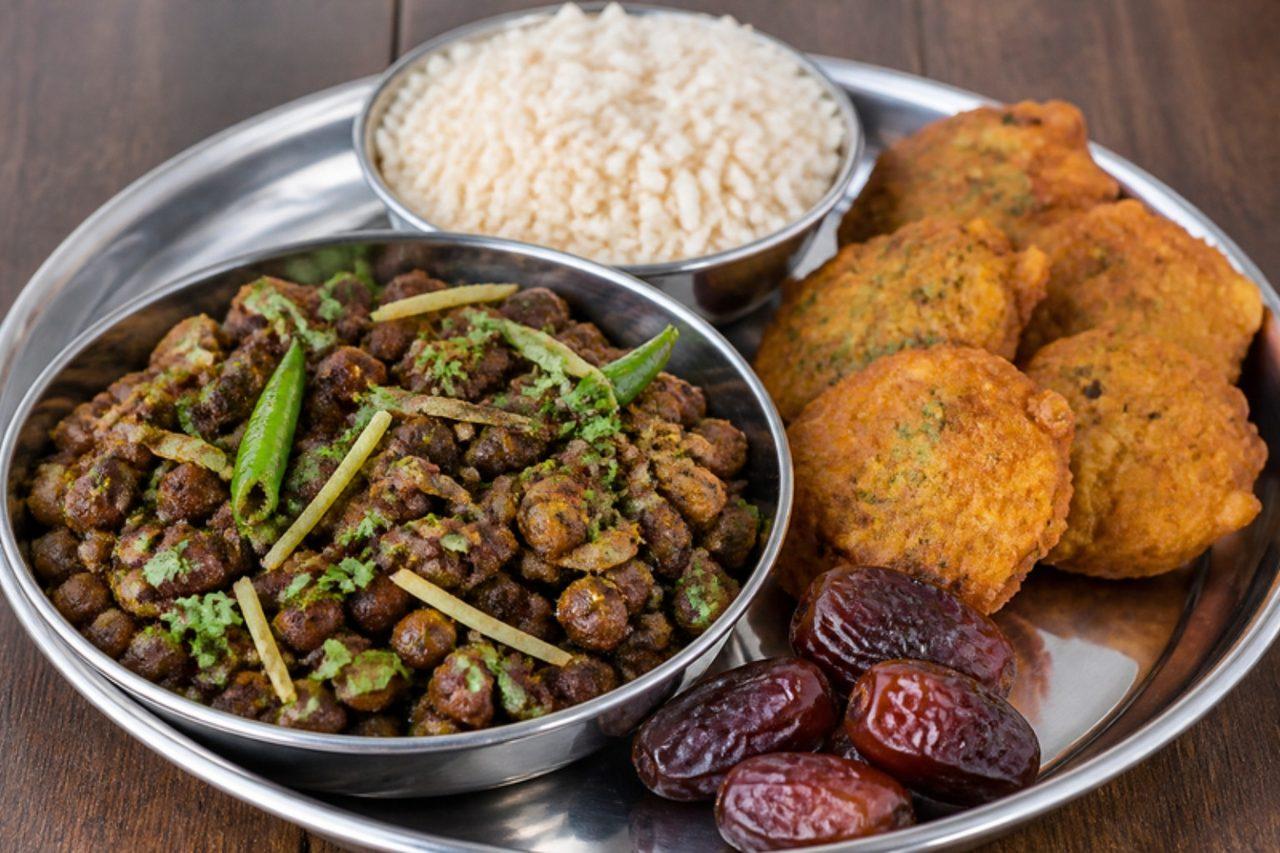
Iftari chhola bhunaDry-fried spiced chickpeas

An hour before sunset during Ramadan, the pavement of Chawkbazar disappears under trays of iftar food, and the one thing every family buys or makes is a bowl of chhola bhuna. It is chickpeas fried down with onion, ginger, garlic and cumin until almost dry, so each one is coated in a thick, dark masala rather than swimming in gravy. On the iftar plate it sits beside piyaju, beguni, muri and dates, and many people toss it with puffed rice, chopped onion and mustard oil into a quick muri makha. A frequent error is adding the chickpeas while the onions are still pale, which leaves the dish flat and sweet instead of deep and savoury. Chef's tip: finish with a pinch of bhaja moshla, dry-roasted cumin, coriander and chilli ground together, for the smoky taste of the street version.

by KrazyBadal 0 views

DoubaraSpicy chickpea stew

In Biskra, the oasis town at the gateway to the Algerian Sahara, doubara is street food, ladled from big pots into bowls from late afternoon and through Ramadan nights. Soft chickpeas or broad beans are simmered with cumin and garlic, then dressed with a fiery garlic-harissa sauce, olive oil, lemon and a heap of chopped tomato, onion, parsley and fresh chilli on top. It is hot, sour and very garlicky, filling yet fresh, and eaten with bread. Chef's tip: mash a ladle of the chickpeas into the broth at the end; it thickens the stew so the sauce clings.

by KrazyBadal 0 views

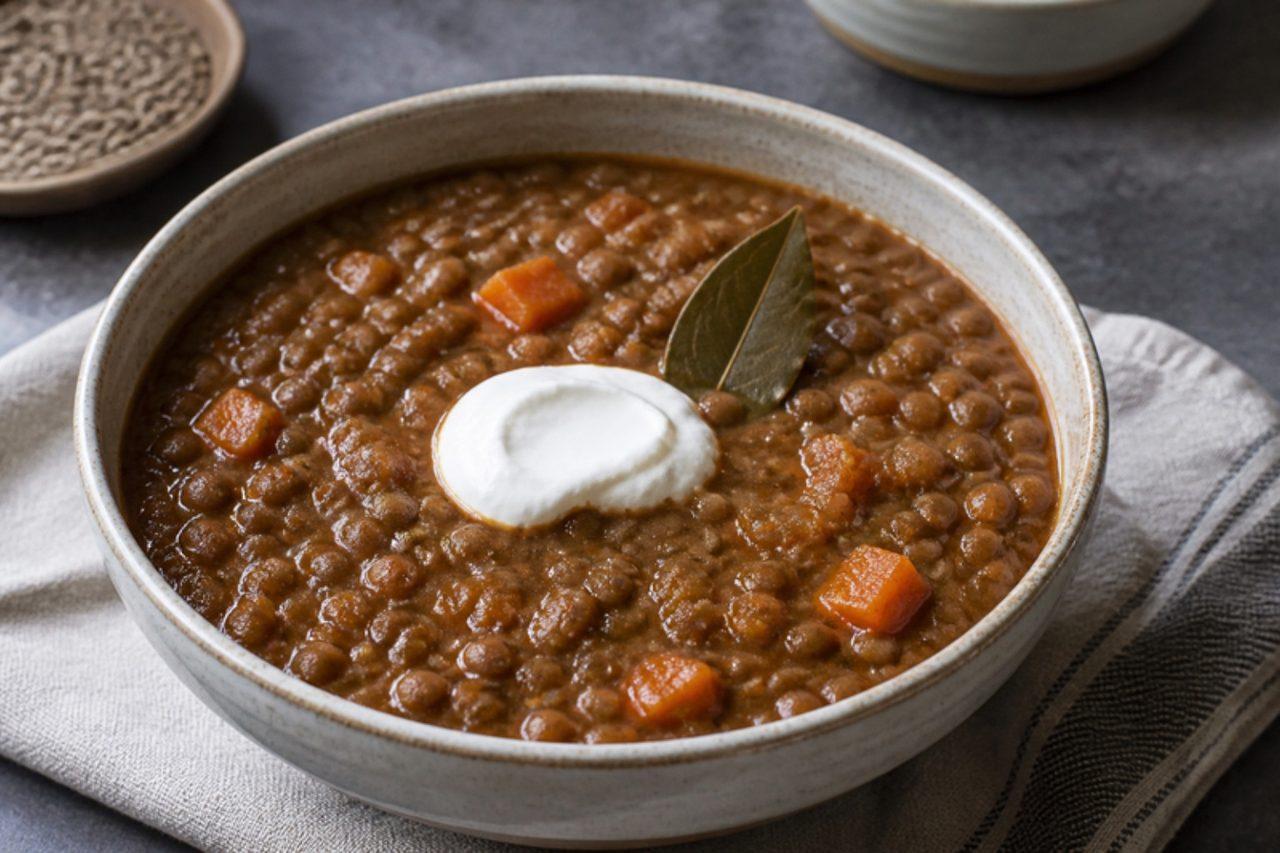
LencsefőzelékLentil stew

On New Year's Day all over Hungary, a pot of lencsefőzelék sits on the stove, because every lentil eaten is meant to bring a coin in the year ahead. The rest of the year it is an everyday Budapest canteen dish. Meat-eaters often top it with sausage or a fried egg; this version is fully plant-based and eaten with pickled vegetables and crusty bread. The lentils cook until creamy with a whole bay leaf, a little carrot and onion, then a paprika roux made with oil and a dash of vinegar turn them into a thick, savoury, gently sour stew. Where most people go wrong is making the roux too dark or adding paprika over high heat, which turns it bitter; take the pan off the heat first. Chef's tip: rest the finished stew for 10 minutes before serving; it thickens and the flavours settle.

by KrazyBadal 0 views

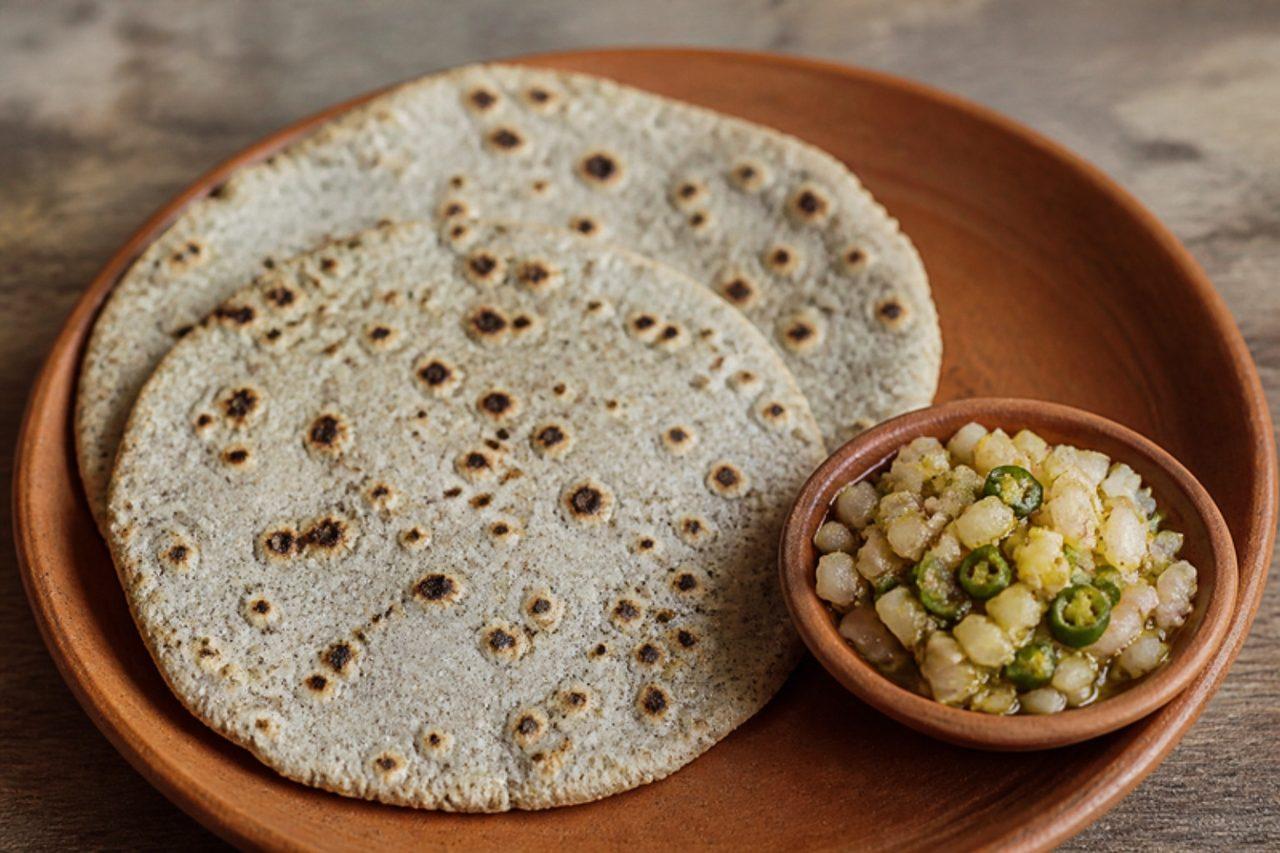
Kalai rutiUrad dal and rice flour bread

In Chapai Nawabganj and Rajshahi, kalai ruti stalls fire up as the weather turns cold, and the bread has become such a regional symbol that people from Dhaka make the trip just to eat it. Flour ground from mashkalai, or urad dal, is mixed with rice flour and hot water, then patted by hand between wet palms into thick rounds and baked on a clay tawa until speckled and toasty. The texture is dense, soft and slightly chewy, with an earthy, nutty taste. It is always eaten with something sharp: a raw bhorta of onion, green chilli and mustard oil, a smoky begun bhorta, or duck or beef curry in winter. Over-wet dough is what defeats most first attempts; it should be soft but hold its shape when patted. Chef's tip: keep a bowl of water beside you and wet your palms before shaping each ruti, which stops sticking and gives the characteristic smooth surface.

by KrazyBadal 0 views

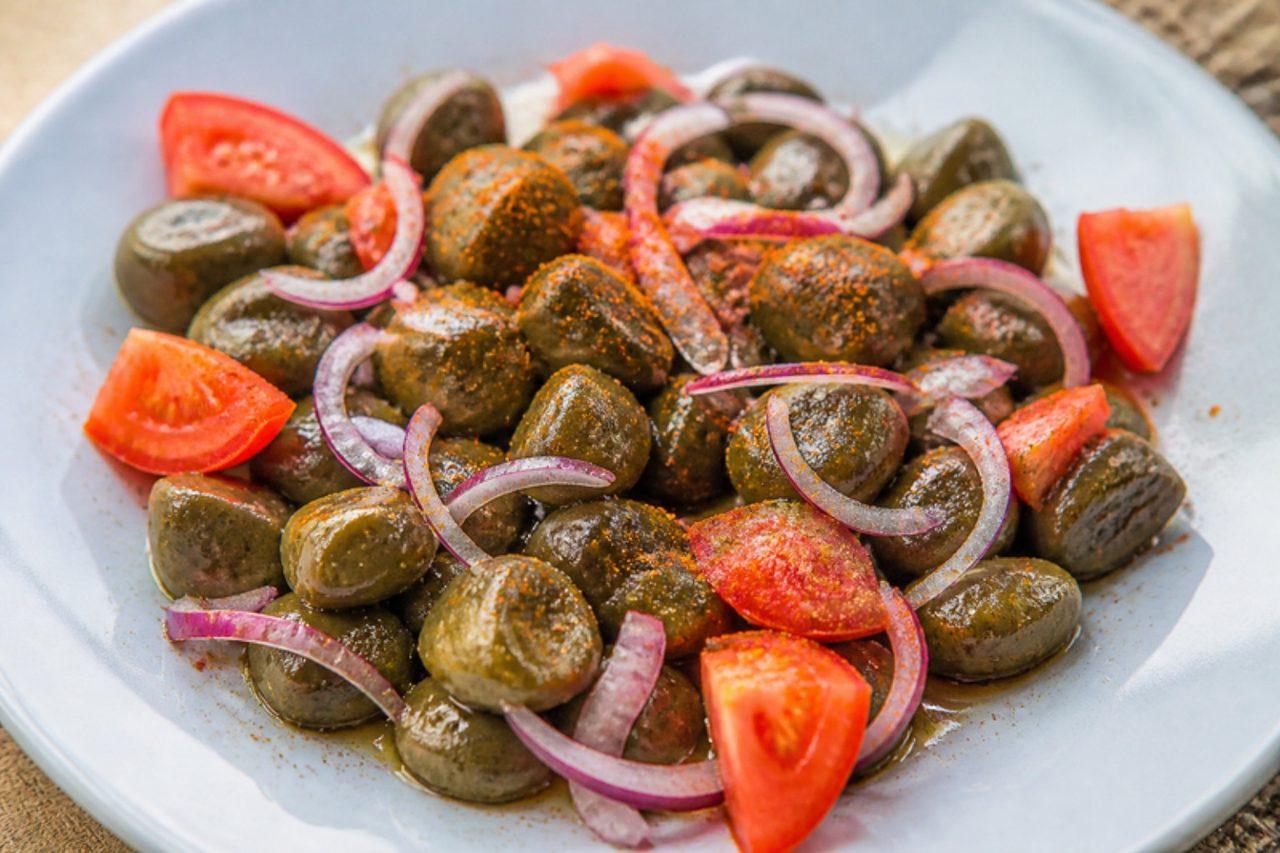
Danwake (bean flour dumplings)

Roadside danwake sellers in Kano and Kaduna ladle the little dumplings out of big pots, then dress them on the plate with groundnut oil, a dusting of fiery yaji, raw onion and tomato. The dough is bean flour stiffened with baobab leaf powder and a pinch of potash or bicarbonate, which gives the dumplings their dark colour and springy bite. Boiled eggs are often served alongside; leave them out, as here, and the dish is fully vegan and still satisfying, thanks to the beans. A dough that is too soft falls apart in the water, so boil one test dumpling before you shape the rest. Chef's tip: drop the cooked dumplings into cold water straight away; it stops them sticking together and firms the surface.

by KrazyBadal 0 views

Okpa (Bambara nut pudding)

Early in the morning in Nsukka and Enugu, sellers set out wheelbarrows piled with steaming okpa wrapped in leaves or cooked in small tins, and students and workers eat it standing up with a bottle of cold drink or a cup of pap. It is made from Bambara nut flour beaten with palm oil, warm water, pepper and salt into a bright orange batter and steamed until it sets into a firm, dense pudding with a nutty, earthy taste. It is filling and naturally high in protein. Bambara nut flour is sold in African shops as okpa flour. Undercooked okpa tastes raw and bitter and is hard to digest, so steam until a knife comes out clean. A common mistake is a batter that is too thick, which steams into a hard, dry block instead of a soft-set pudding. Chef's tip: mix the oil into the dry flour before adding any water; it keeps the batter smooth and gives okpa its even colour.

by KrazyBadal 0 views

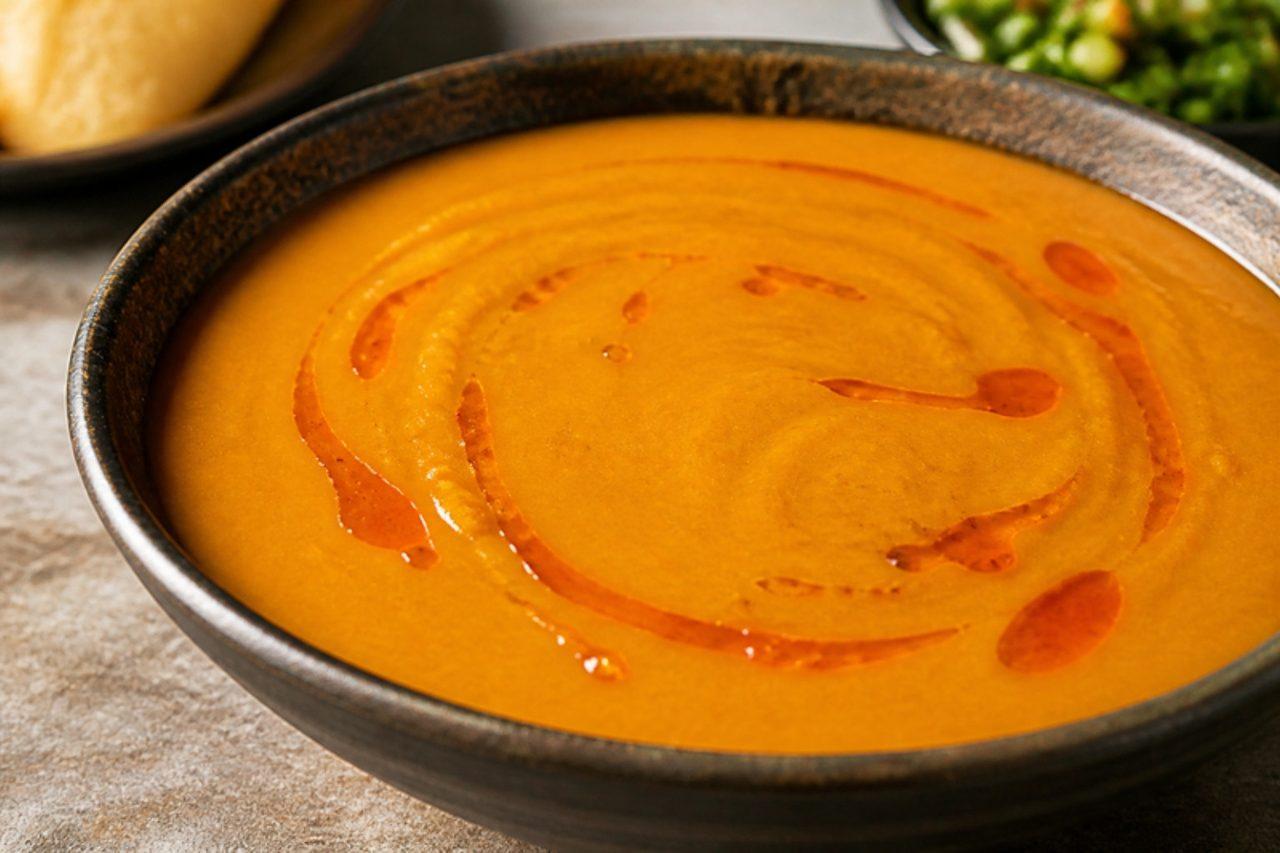
Gbegiri (Yoruba bean soup)

Order amala at any buka in Ibadan or Oyo and the server will ask "abula?", meaning a ladle of gbegiri and a ladle of ewedu poured side by side, usually crowned with a spoon of pepper stew. Gbegiri itself is smooth, mellow and earthy: peeled black-eyed beans cooked until they fall apart, beaten to a cream and simmered with red palm oil and pungent locust beans. Many cooks add ground crayfish or smoked fish; this is the meat-free way, which loses nothing of its velvet texture. Serve it with amala and ewedu or spooned over boiled yam. The mistake to avoid is leaving bean skins in, which turns the soup grey and gritty, so rub and rinse until the beans are white. Chef's tip: whisk the cooked beans with a balloon whisk or the traditional ijabe broom rather than a blender for the lightest, fluffiest gbegiri.

by KrazyBadal 0 views

Burus shapikCheese-filled flatbreads

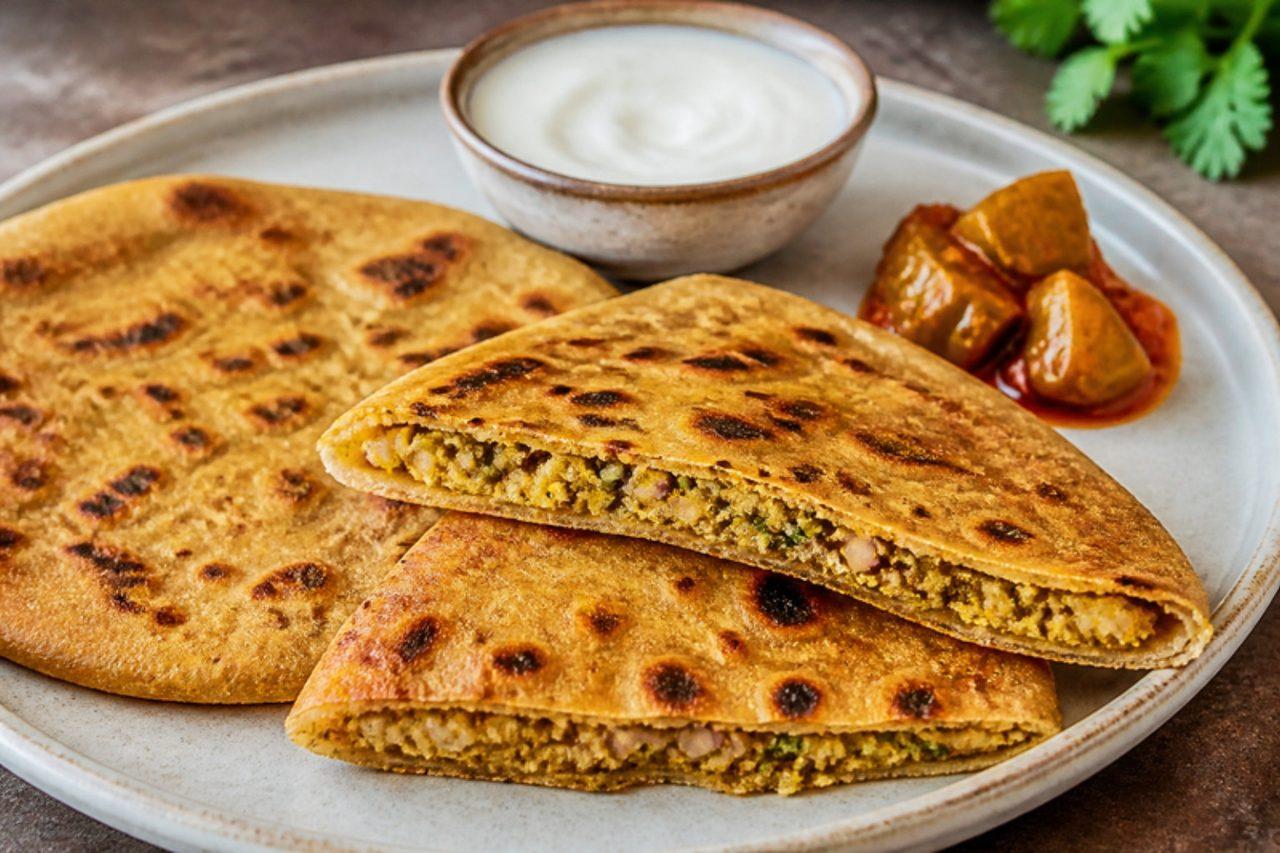
Burus is the soft, crumbly fresh cheese of Hunza, made in summer pastures by heating the buttermilk left after churning until it curdles, and shapik means bread; together they make one of the valley's best-loved meals, a pair of thin wholewheat rounds sealed around a filling of cheese, onion, coriander, mint and green chilli. In Gojal and central Hunza it is cooked on a griddle for family lunch, for guests and for the walk up to the high pastures, and it is eaten hot, brushed with butter, with a cup of salty tea. Overfilling is the beginner's mistake; the dough tears and the filling leaks onto the pan. Chef's tip: crumbled paneer or well-drained cottage cheese works well in place of burus; paneer needs no rennet, but check cottage cheese is labelled vegetarian.

by KrazyBadal 0 views

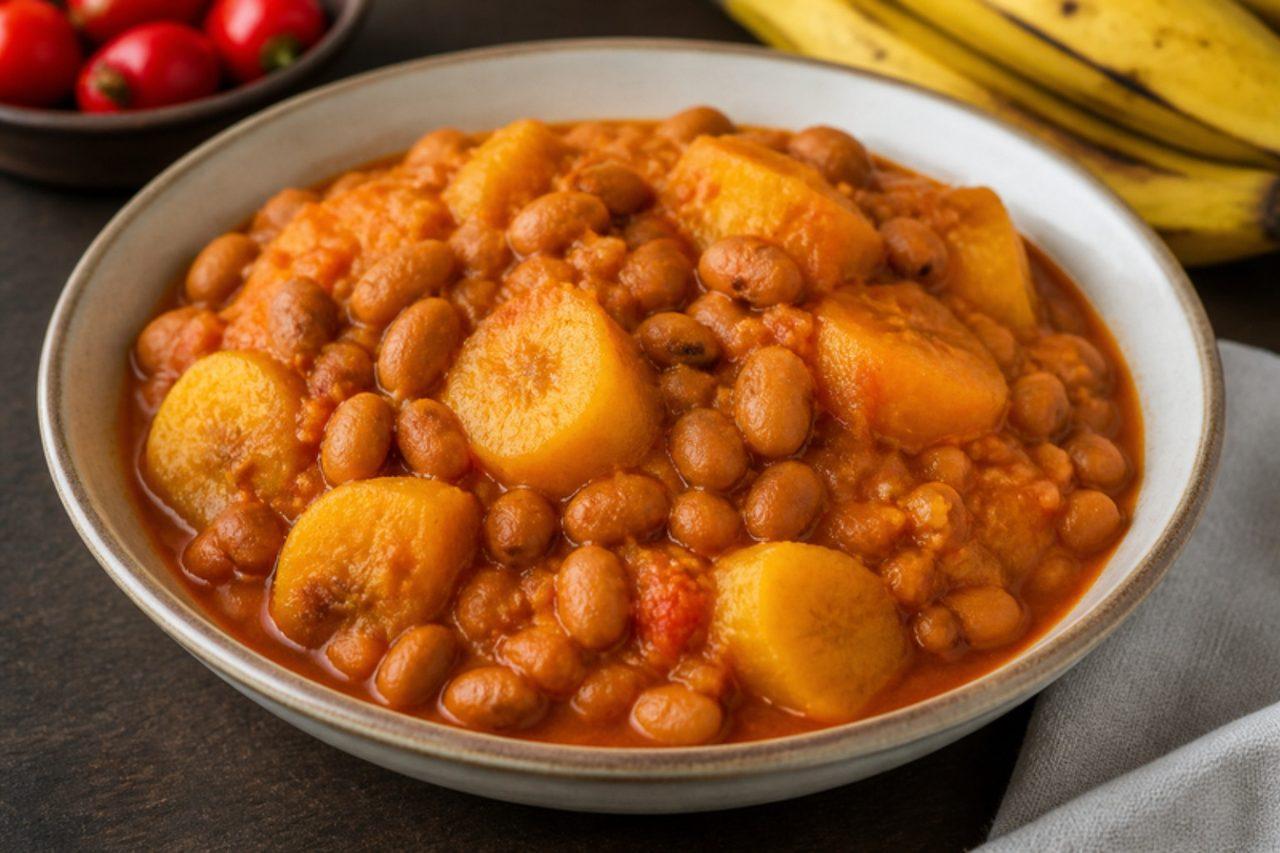
Beans and plantain porridge

A big pot of this sweet-and-savoury porridge feeds a family through Saturday breakfast and beyond, and it is cooked from Lagos to Port Harcourt. Brown or honey beans (oloyin) are boiled until they start to break up, then finished in palm oil with blended pepper, onion and chunks of ripe plantain, which melt into the beans and sweeten them. Crayfish is common in the pot; this version is vegan and still rich. Tomatoes and salt added too early slow the beans down, so stir in the pepper base only once they are soft. Avoid adding the plantain at the start: it collapses into mush before the beans are soft. Chef's tip: draining the first 10-minute boil of the beans makes them gentler on the stomach.

by KrazyBadal 0 views

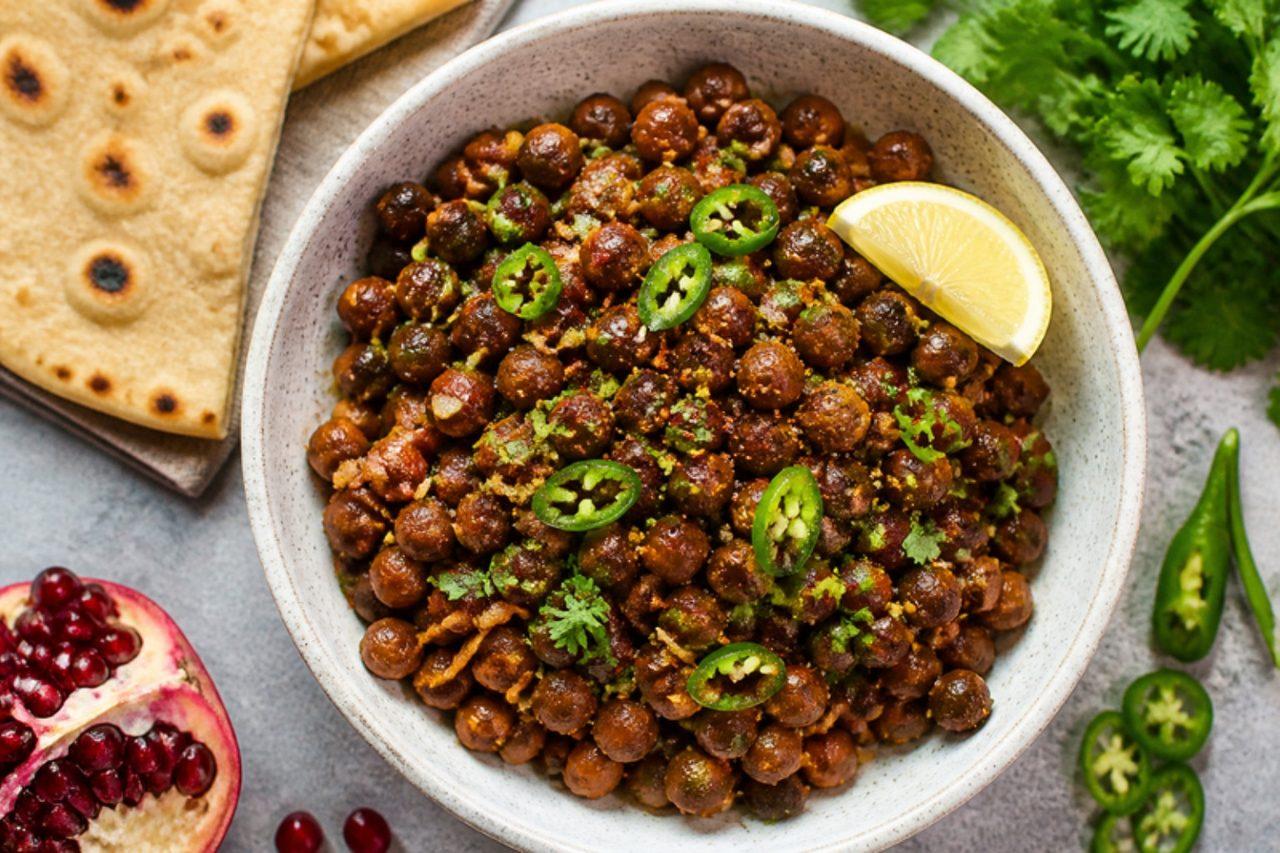
Saraiki kalay chanayDry black chickpeas

Small, dark kala chana are the everyday protein of the Saraiki belt, and from Dera Ghazi Khan to Multan they are cooked dry, so that each nutty chickpea is wrapped in a thick coating of fried onion, tomato and spice rather than swimming in gravy. Ground pomegranate seed (anardana) gives a gentle sourness, and the dish has an earthy depth that the lighter white chickpea never quite reaches. Expect it at breakfast with tandoori roti and a glass of lassi, packed for field work, and in big pots at shrines on Thursday evenings. Undercooked chickpeas are the usual let-down: black chana take longer than you think and must be truly soft before they meet the masala. Chef's tip: soak them overnight and keep a little of the cooking water to loosen the masala during the final fry.

by KrazyBadal 0 views

Ghiya chana daalChickpea dal with bottle gourd

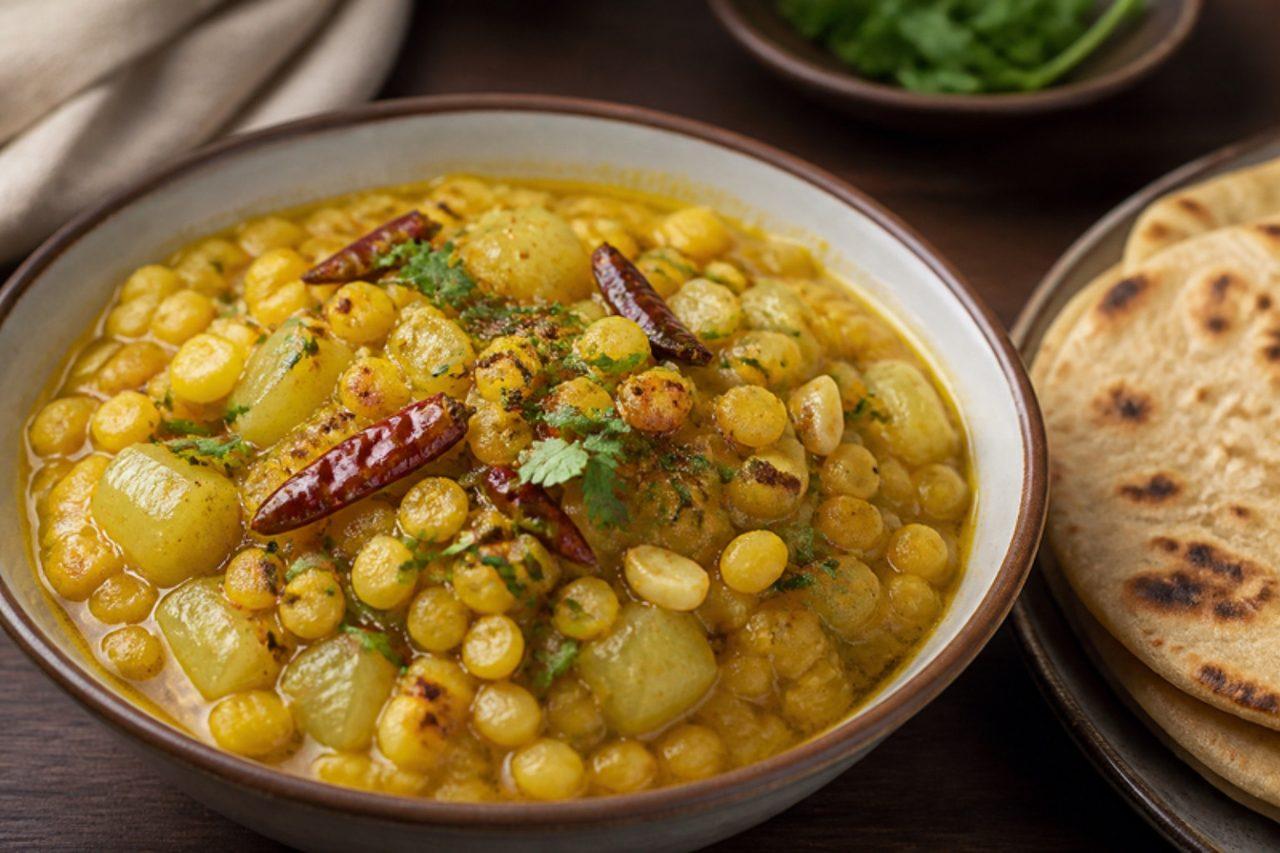
Bottle gourd is the vegetable Punjabi mothers reach for when someone in the house needs something gentle, and pairing it with chana daal turns that mildness into a proper meal. The split chickpeas cook until creamy but still slightly nubbly, the ghiya melts into soft, translucent pieces and lends the pot a quiet sweetness, and a last-minute tarka of cumin, garlic and dried red chilli wakes the whole thing up. You will find it on everyday tables from Gujranwala to Sahiwal, eaten with chapati or plain boiled rice and a little sliced onion on the side. A common slip is adding the gourd at the start with the dal, so it disappears completely by the time the lentils are soft. Chef's tip: give the soaked dal a 20-minute head start and add the ghiya only then, so both are done together.

by KrazyBadal 0 views

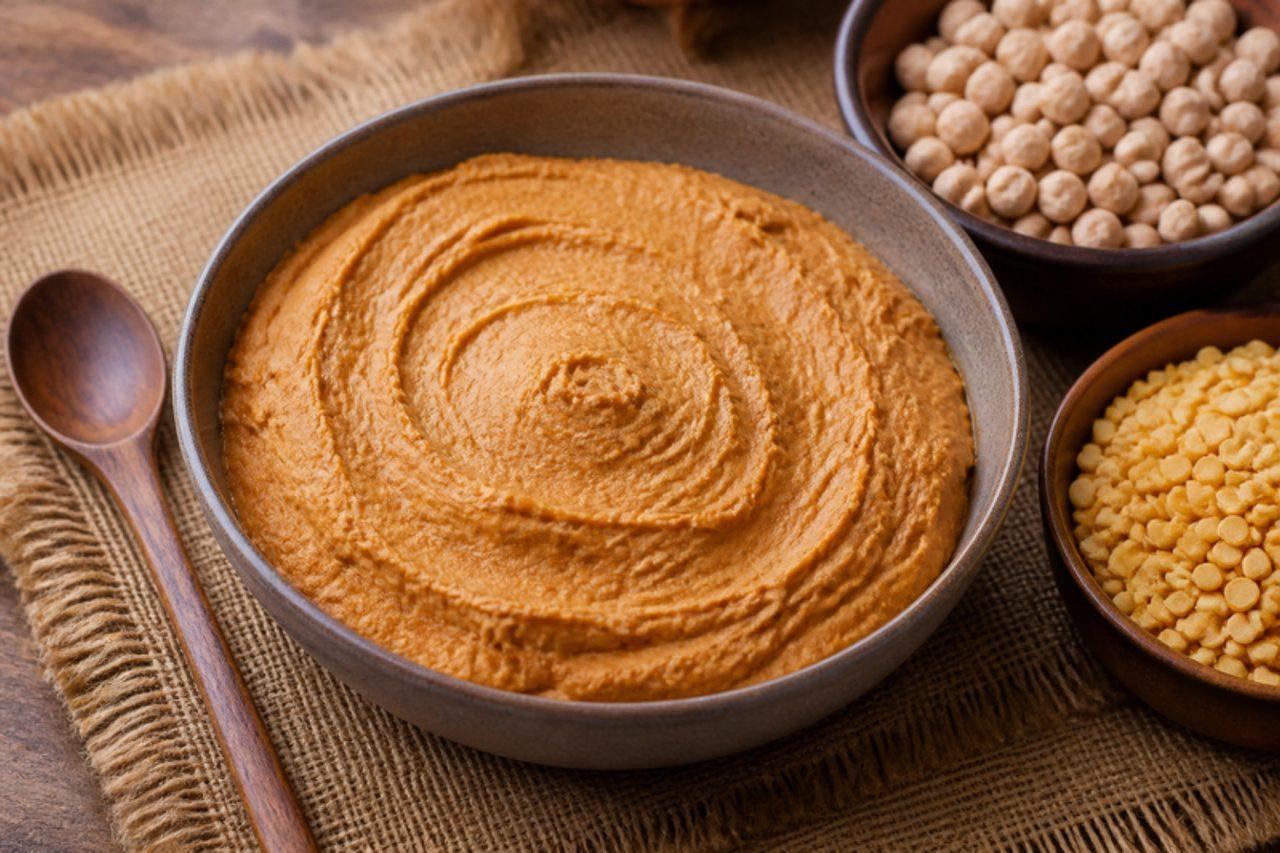
HilbetLentil and fenugreek paste

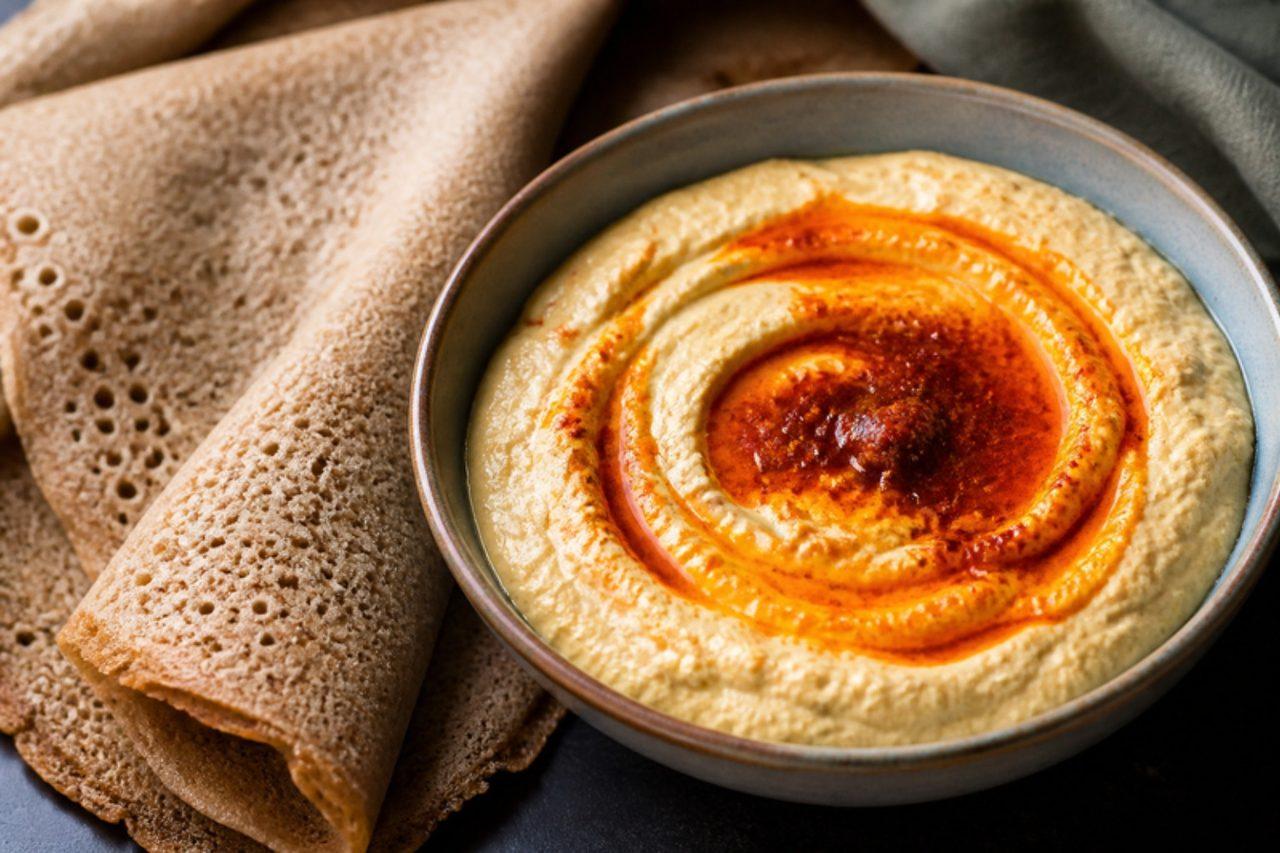
Hilbet is one of the dishes that tells you you are in Eritrea rather than Ethiopia. Asmara households make it in big bowls for Lent and the other fasting days and serve it cold, swirled with a ribbon of red berbere oil, as part of a spread on injera. Fenugreek soaked and beaten with water turns pale and foamy, much like whipped egg white, and folding it into puréed lentils or broad-bean flour gives a dip that is fluffy, faintly bitter, garlicky and creamy. Market stalls sell a ready-mixed hilbet flour; this home version uses red lentils, which are easy to find. Chef's tip: beat the soaked fenugreek with an electric whisk for a full 5 minutes; that long whipping is what makes hilbet light instead of dense.

by KrazyBadal 0 views

Cambuulo (Somali adzuki beans with butter and sugar)

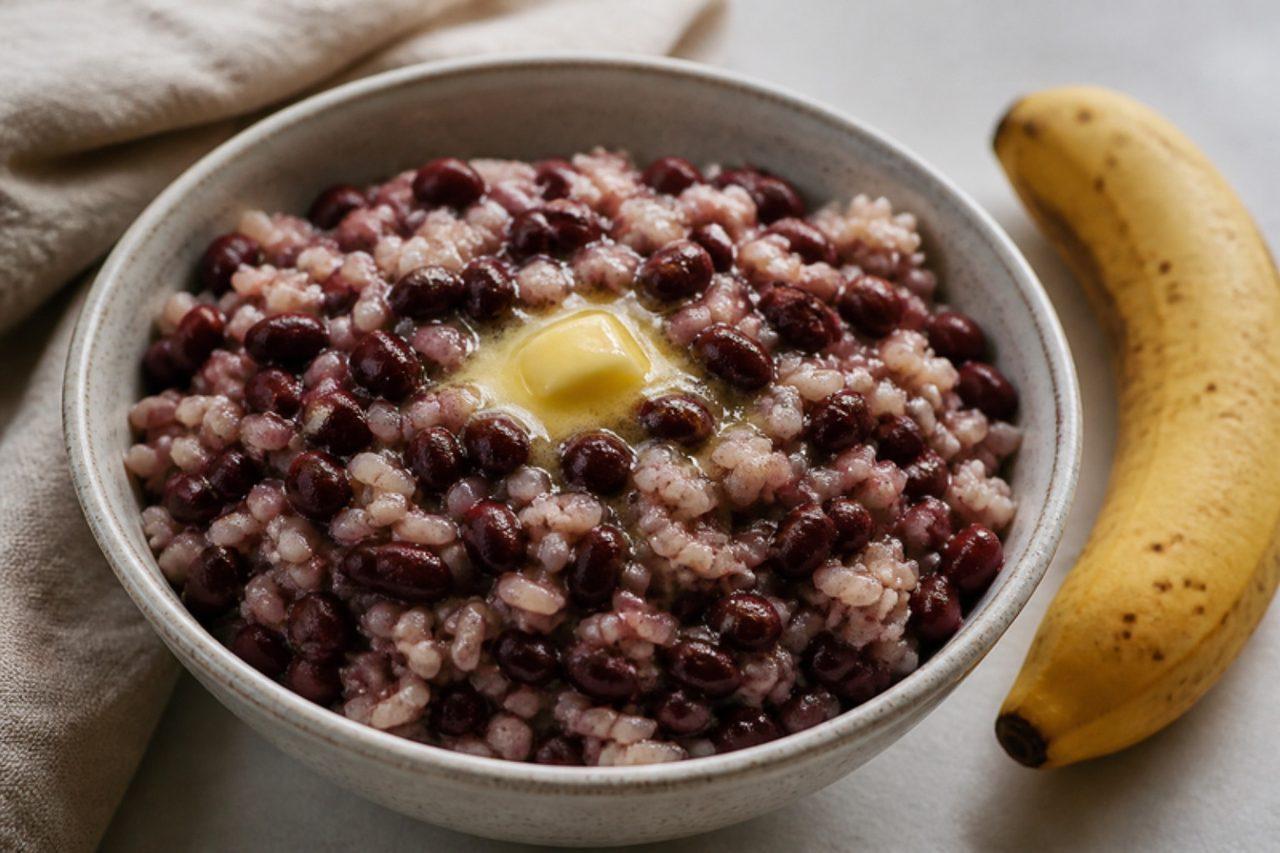
Small red adzuki beans, cooked slowly until they almost collapse, are the heart of cambuulo, a dish Mogadishu households make for a cheap, filling evening meal. Once the beans are soft they are glossed with butter, a spoonful of sugar and a pinch of salt, so the flavour lands somewhere between savoury and gently sweet. Many families stir the beans into plain rice or serve the two side by side, with a drizzle of sesame oil and a banana on the plate. The texture should be creamy, with some beans still whole. The usual mistake is pulling the pot off too early: firm beans never turn creamy, so keep simmering until one crushes easily against the side of the pan. Chef's tip: soak the beans overnight and change the water before cooking; they cook more evenly and are easier to digest.

by KrazyBadal 0 views

Ayib be gomen (fresh cheese with spiced collards)

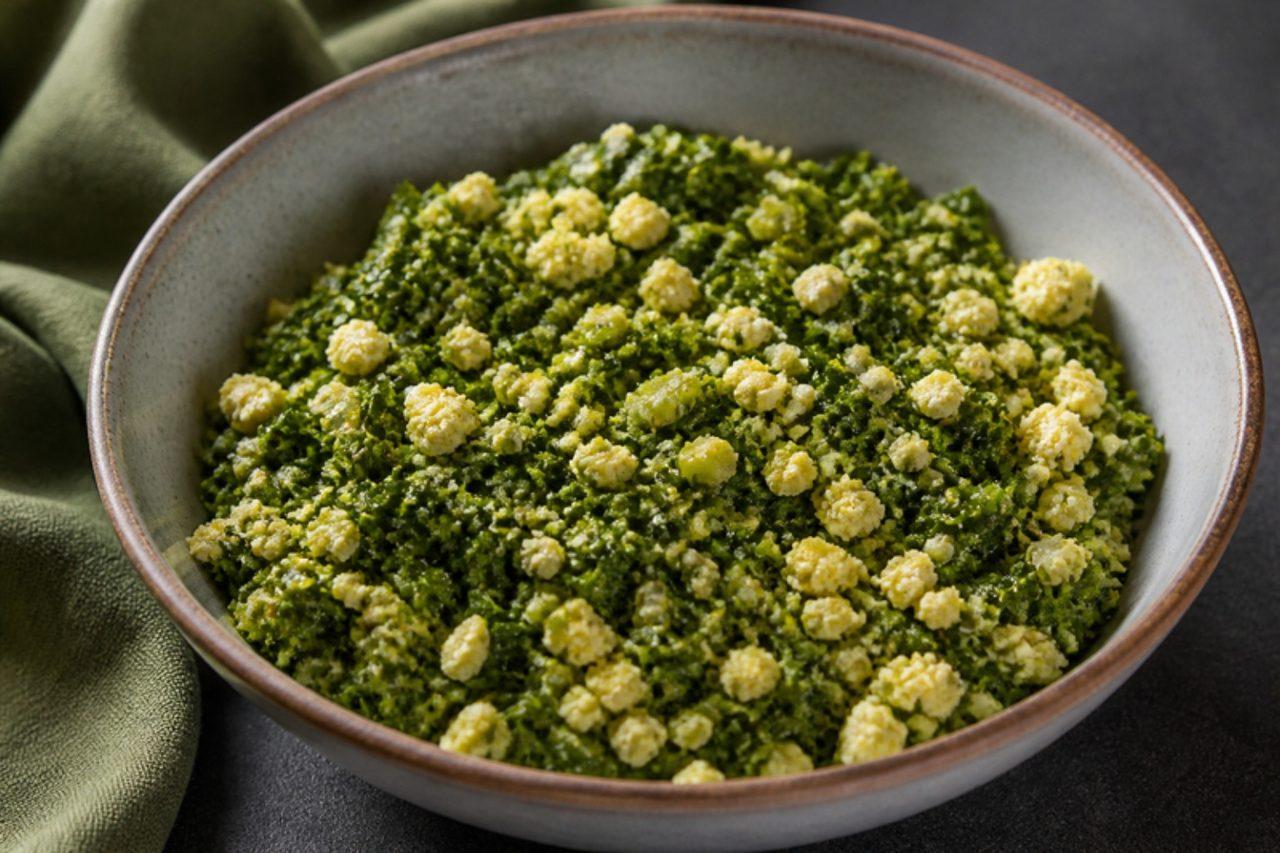
Gurage cooks bring ayib be gomen to the table beside kitfo, and it is just as welcome on its own with kocho or injera on an ordinary non-fasting day. Soft, mild ayib is mixed with collards that have been boiled and chopped fine, then dressed with warm niter kibbeh, garlic and mitmita, so the creamy cheese cools the chilli and the greens add an earthy bite. Ayib is an acid-set cheese made by gently heating soured milk or buttermilk (or milk with lemon juice) until curds form, so it needs no rennet and suits vegetarians. Ricotta or well-drained cottage cheese are close substitutes; if you use a bought cottage cheese, check the label for vegetarian rennet. Do not heat the cheese in the pan, or it turns rubbery and weeps; fold it in off the heat. Chef's tip: squeeze the cooked greens until they are almost dry so the dish stays fluffy rather than watery.

by KrazyBadal 0 views

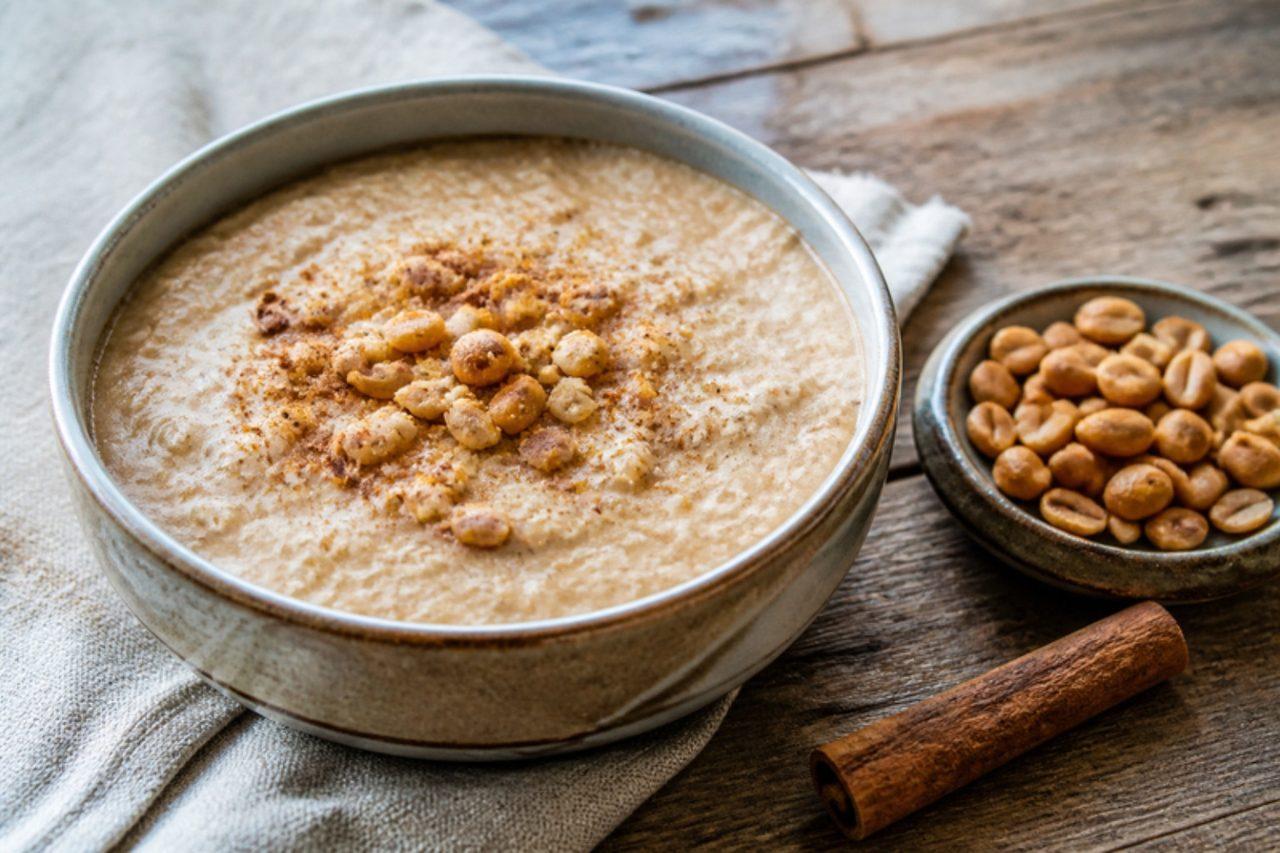
Jamaican peanut porridge

Before an early shift or a long day in the field, plenty of Jamaicans swear by peanut porridge, thick, nutty and filling enough to last until lunch; it is sold hot in cups from carts in downtown Kingston in the mornings. Roasted peanuts are blended with oats and water into a smooth paste, then cooked with milk until creamy and finished with nutmeg, vanilla and condensed milk. The mistake people make is cooking it over too high a heat, which scorches the bottom within minutes; peanuts burn easily, so stir and keep it at a simmer. This contains peanuts, milk and oats (gluten unless certified gluten-free). Chef's tip: toast the peanuts in a dry pan until they smell rich before blending, which deepens the flavour enormously.

by KrazyBadal 0 views

Tidali dalThree-lentil dal

Tidali simply means three in Sindhi, and this dal brings together chana, moong and masoor, each cooking at its own pace so the finished pot has creamy body from the quick lentils and a pleasant bite from the chana. It is everyday food in Sindhi homes from Thatta to Nawabshah, cooked thick and golden, sharpened with tomato and green chilli and finished with a generous tarka of garlic and cumin fried in oil until crackling. Serve it with bhuga chawal or plain rice, a crisp papad, aloo tuk and a little pickle. Many cooks put all three lentils in at once, so the masoor dissolves to mush while the chana stays hard. Chef's tip: give the soaked chana dal ten minutes on its own, then add the moong and masoor so all three finish together.

by KrazyBadal 0 views

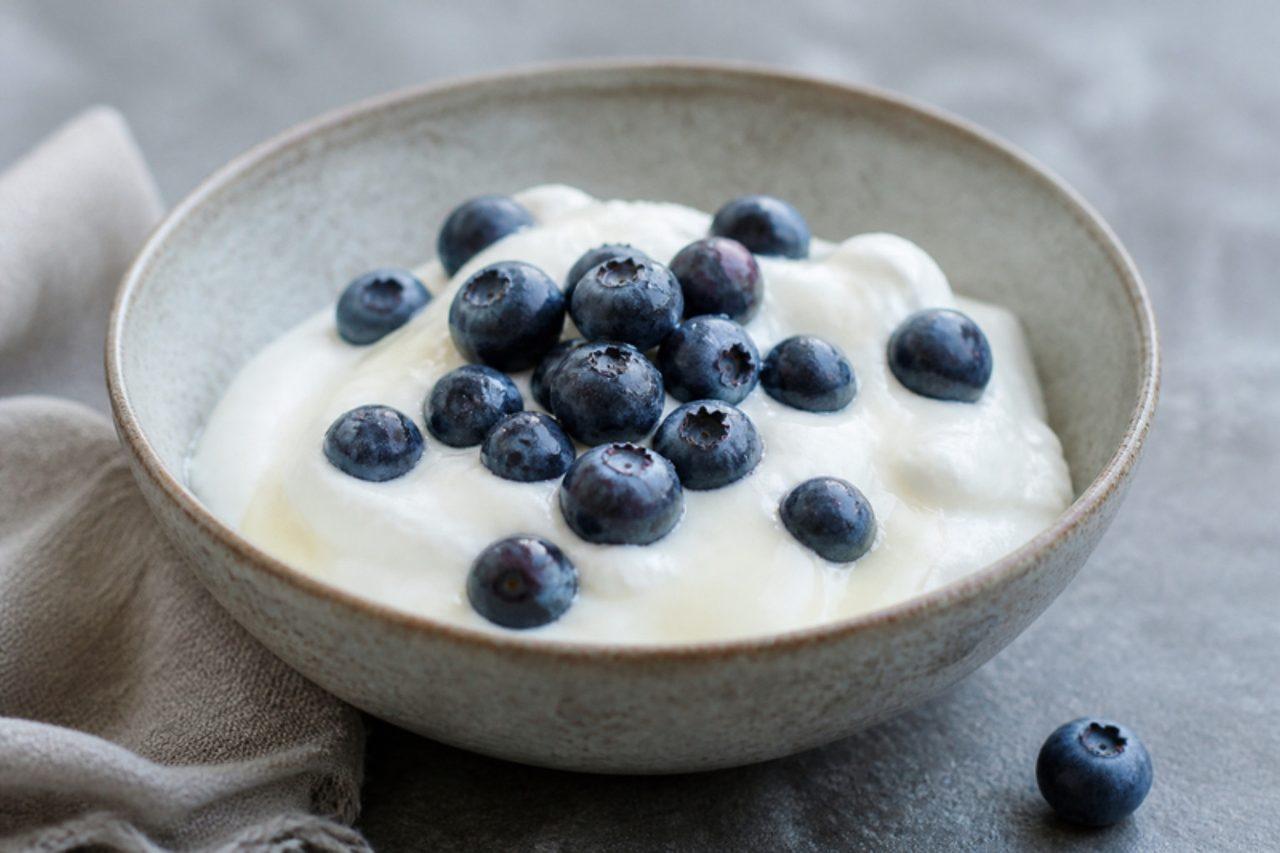
Skyr

Skyr has been made in Iceland since the Viking settlers arrived: skimmed milk soured with a spoonful of the last batch, set with a drop of rennet, then strained until very thick, high in protein and mildly sour. Icelanders eat it every day with milk or cream and berries, or whisked into a drink, and skyrkaka is a favourite cheesecake. You need a few spoonfuls of plain shop skyr with live cultures as a starter. A common mistake is skipping the long, slow set; rushed skyr is thin and grainy. Chef's tip: strain it in the fridge overnight and stir it smooth before serving. Rennet is traditionally animal; use vegetarian rennet.

by KrazyBadal 0 views

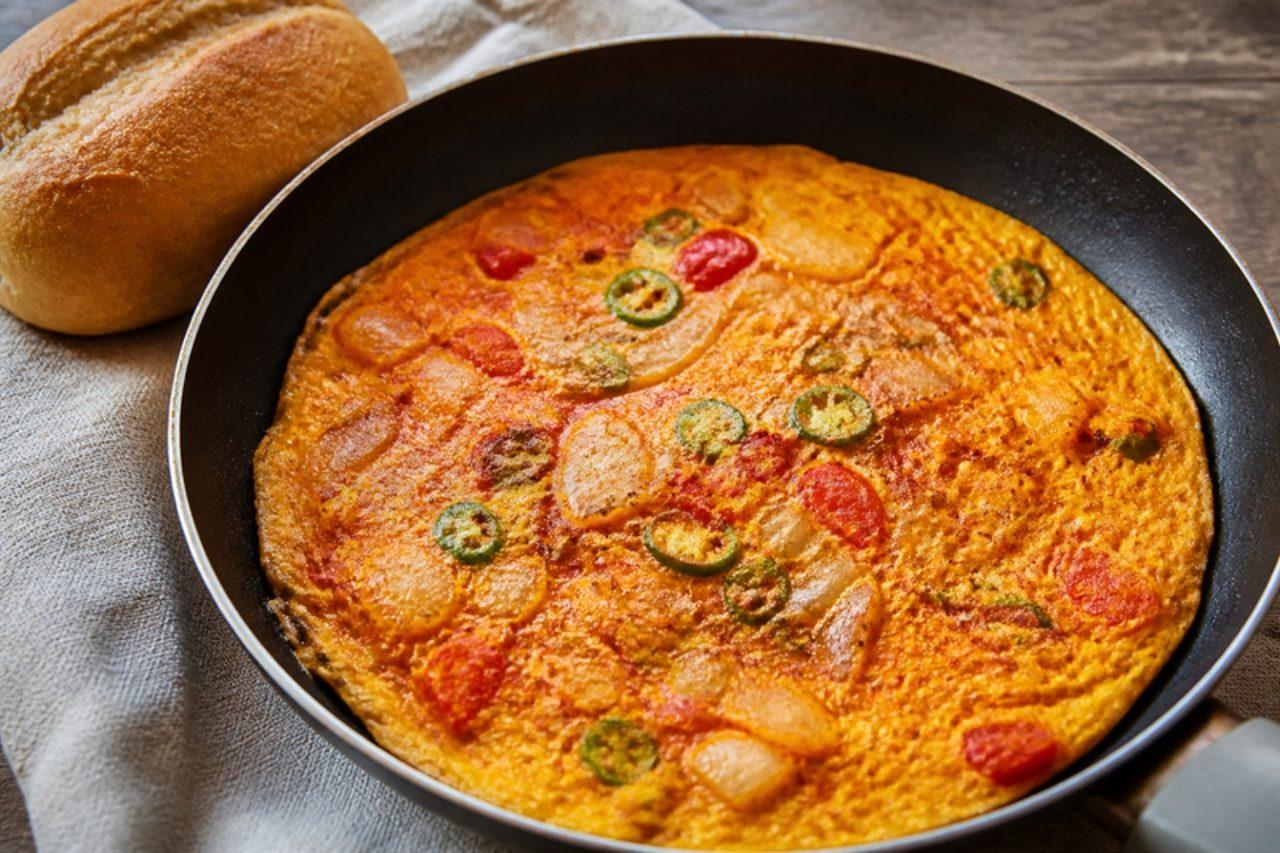
Eritrean frittata

Asmara's cafés kept the Italian word but changed the flavour: an Eritrean frittata is eggs beaten with softened onion, tomato and green chilli, warmed with berbere and cooked flat in a small pan until just set. It comes to the table in its pan with fresh bread and a coffee or sweet tea, and some places fold in a little extra chilli for those who ask. The texture is soft and moist in the middle, with sweet tomato and a gentle heat running through it. A common mistake is cooking the eggs over a high flame, which makes the base tough and brown before the top sets; keep the heat low and cover the pan. Chef's tip: cook the tomato until its juice has evaporated before the eggs go in, or the frittata turns watery.

by KrazyBadal 0 views

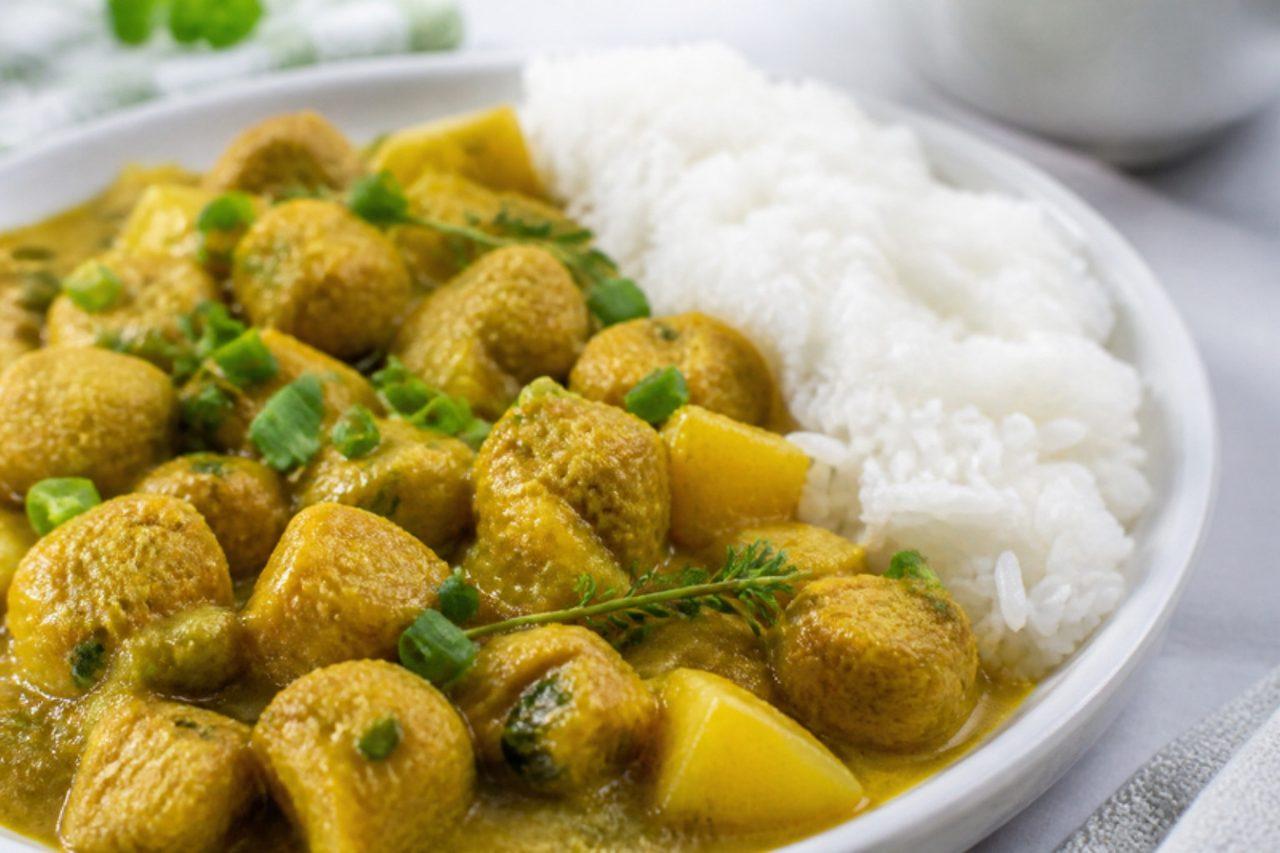
Jamaican curried soy chunks

Ital cookshops in Half Way Tree and Papine sell curried "chunks" by the box with brown rice, steamed cabbage and a slice of ripe plantain, the Rastafarian answer to curry goat. The dried soya pieces soak up a deep, turmeric-gold sauce of Jamaican curry powder, thyme, pimento and coconut milk, and the potato thickens it as it breaks down. Most people skip squeezing the soaked chunks, which leaves them watery and bland; wring them out hard so they drink in the curry instead. Leave the scotch bonnet whole for warmth, or slit it for real heat. Chef's tip: fry the curry powder in the oil until it darkens a shade before anything wet goes in, the Jamaican "burn the curry" step that stops it tasting raw.

by KrazyBadal 0 views

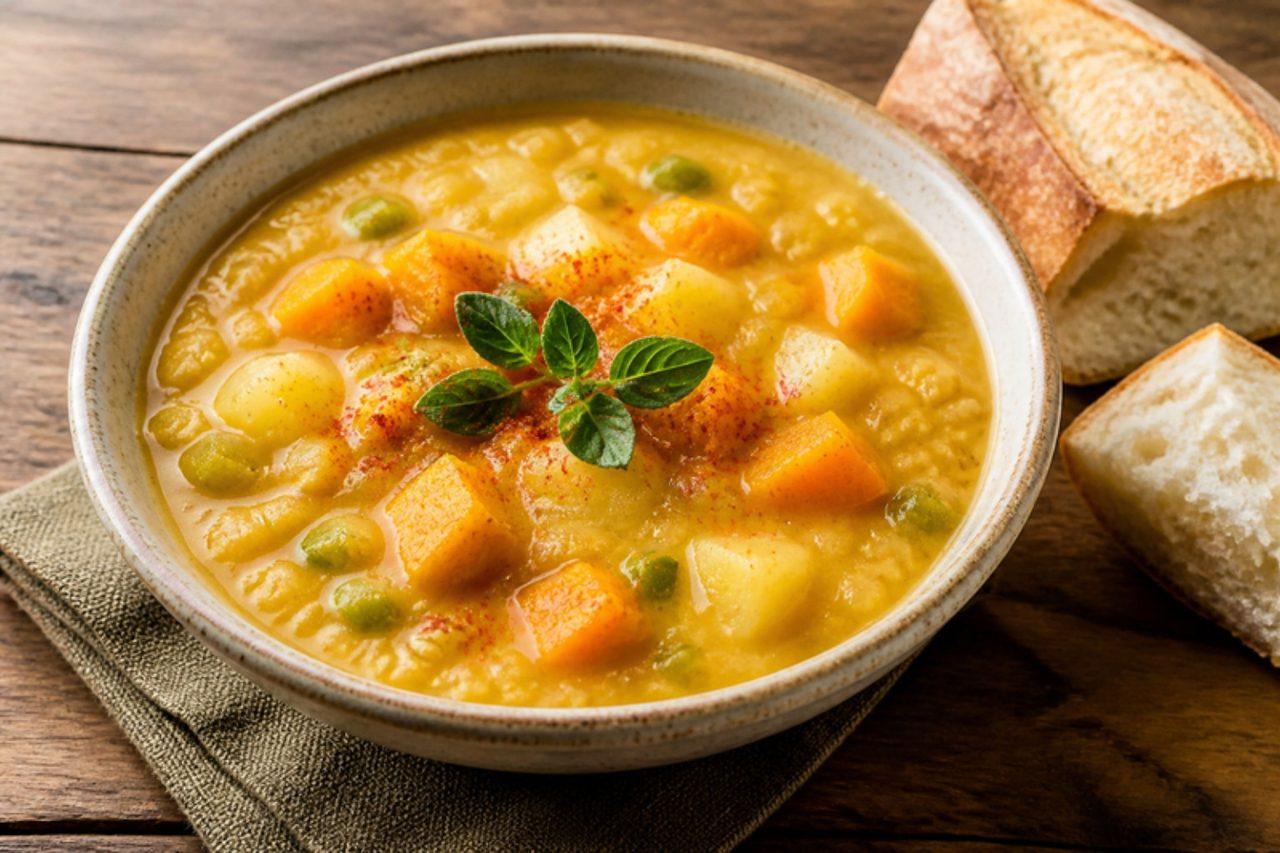
Sopa de chícharosSplit pea soup

When money is tight in Cuban homes, the pot of chícharos comes out: yellow or green split peas cooked to a thick purée with potato, calabaza pumpkin and a sofrito of onion, pepper and garlic. Most families cook it with a ham bone or chorizo; this version keeps it meat-free and gets its depth from smoked paprika and plenty of cumin. A common mistake is adding salt at the start, which can keep the peas from softening, so season once they have collapsed. Serve with white rice or crusty bread. Chef's tip: stir a spoonful of the hot sofrito into the soup right at the end, not just at the start, for a fresh garlicky lift.

75 minCubanSoupsVeganGluten free
by KrazyBadal 0 views

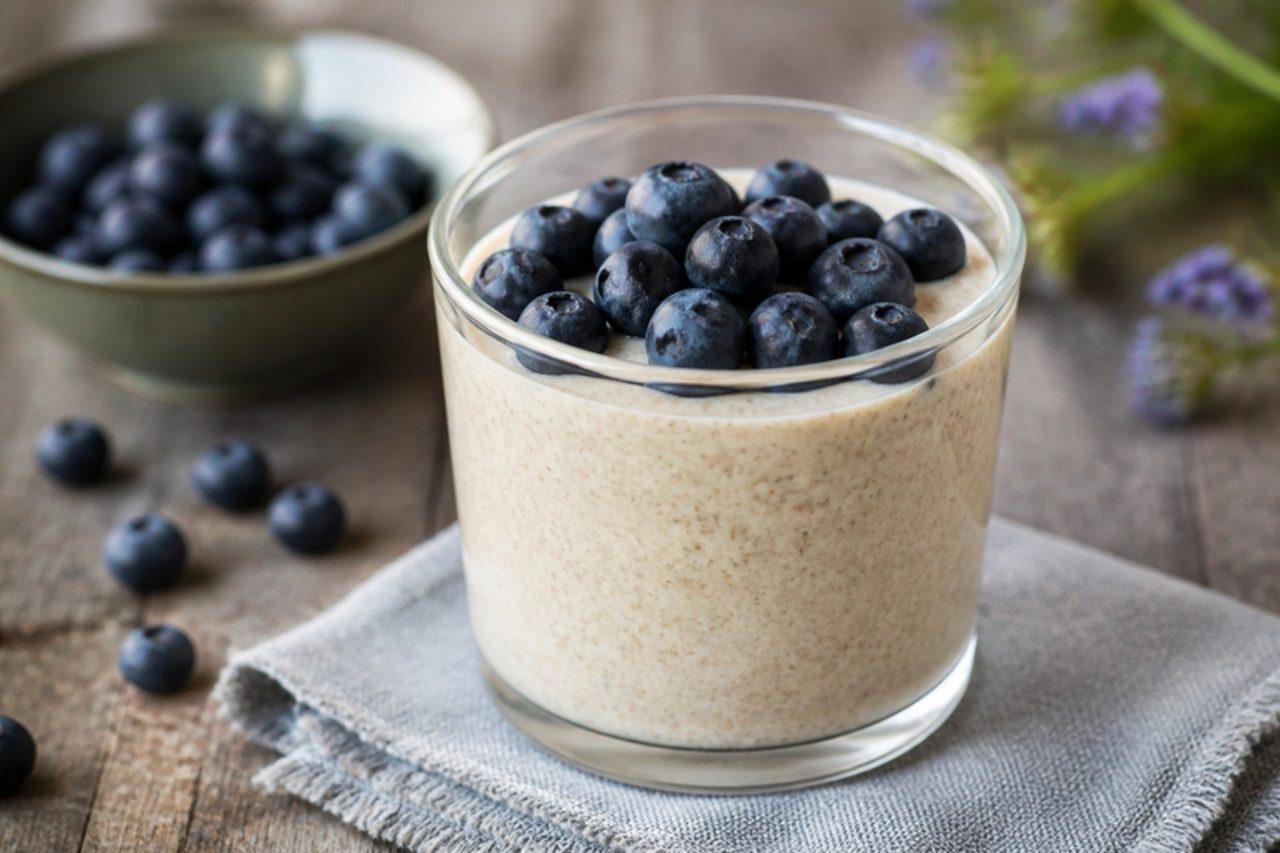
KamaRoasted grain flour with kefir

Kama is a uniquely Estonian food: a fine flour of roasted barley, rye, oats and peas, sold in every Tallinn supermarket, stirred into kefir, buttermilk or yogurt with a little sugar or honey and berries. It was once farmers' food for the fields; today it is a fast, filling breakfast and the flavour of Estonian ice creams and sweets. If you can't find kama, roast equal parts barley, rye and oat flour with a little pea flour in a dry pan until nutty. A common mistake is eating it at once; give it a few minutes to thicken. Chef's tip: stir in the kama, leave for 5 minutes, then add the berries, so it thickens like a mousse.

by KrazyBadal 0 views

Trini peanut punchPeanut butter milk drink

Bottled or blended fresh at roadside juice stands, peanut punch is what Trinidadians reach for after a long cricket afternoon, a hard gym session or a Saturday market run. Peanut butter is whizzed with cold milk, a little condensed milk, vanilla and a scrape of nutmeg until it is as thick as a milkshake and properly filling. It contains no alcohol, despite the name. The common mistake is under-blending, which leaves gritty clumps of peanut butter at the bottom of the glass. It contains peanuts and milk, so check for allergies before serving. Chef's tip: blend the peanut butter with just a third of the milk first to make a smooth paste, then add the rest.

by KrazyBadal 0 views

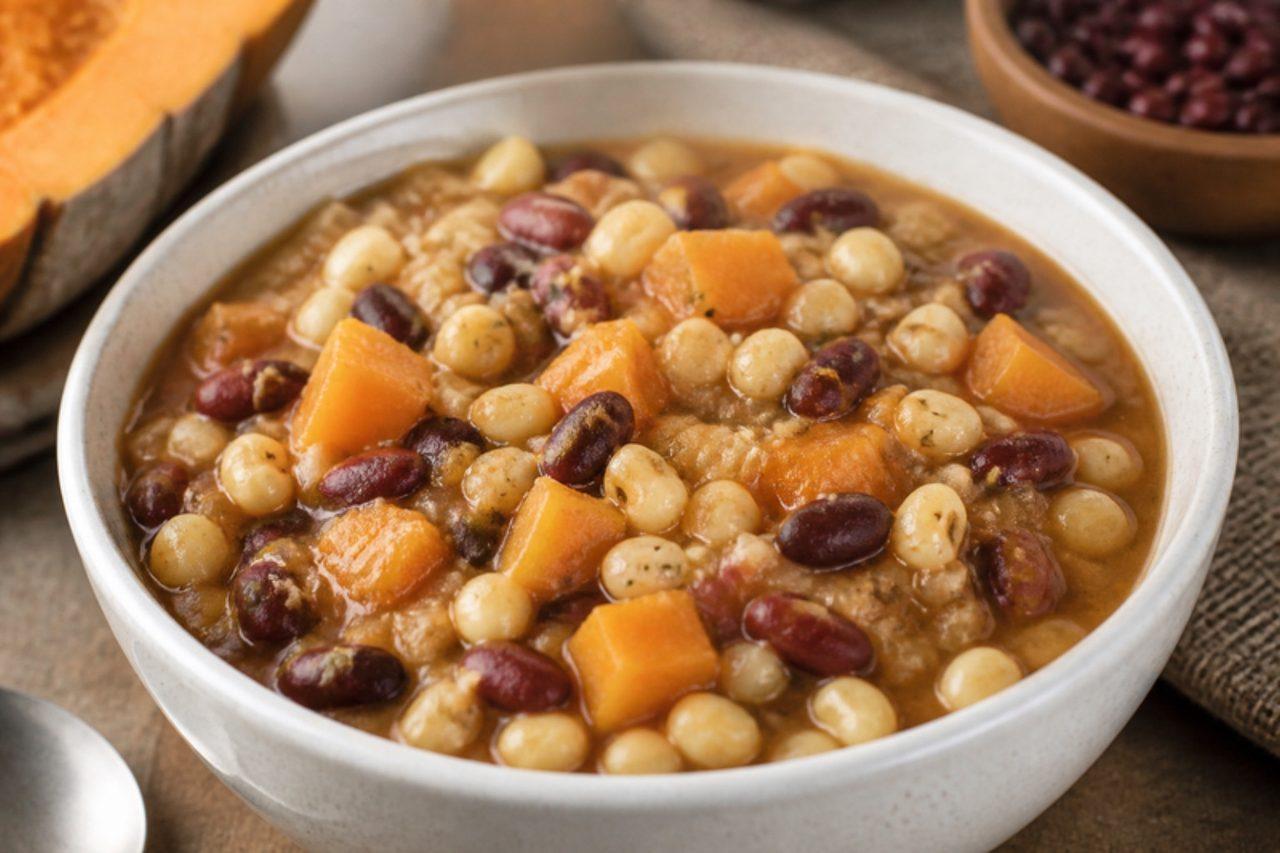
Haitian tchaka (vegetarian)Hominy, bean and pumpkin stew

Tchaka is a deeply rural Haitian stew of dried hominy corn, red beans and pumpkin, cooked low and slow until the corn bursts and the beans melt into a thick, sweet-savoury porridge. It is linked with harvest gatherings and Vodou feast days, and the classic pot usually holds smoked pork or pig's feet; this version leaves the meat out and builds depth with epis, smoked paprika and coconut oil instead. Soak the hominy and beans overnight, because skipping the soak is the main reason tchaka stays chalky. Serve it on its own in bowls, with pikliz on the side. Chef's tip: mash a cupful of the pumpkin against the pot wall near the end; it thickens the stew far better than flour.

by KrazyBadal 0 views

Corn chaff

Big pots of corn chaff are everyday food in the North West, from Bamenda's Food Market to boarding-school dining halls, where maize and beans stretch a long way. Dried corn and beans are simmered until soft, then folded into a red palm oil sauce with onion, tomato and hot pepper, with a handful of greens stirred through at the end. The result is hearty and chewy with a deep, slightly smoky sweetness from the oil, and it tastes even better the next day. Serve it in bowls, with ripe avocado on the side when it is in season. Soak the maize and beans overnight. Chef's tip: give the dried maize a head start of about 45 minutes before adding the beans, because it takes far longer to soften.

by KrazyBadal 0 views

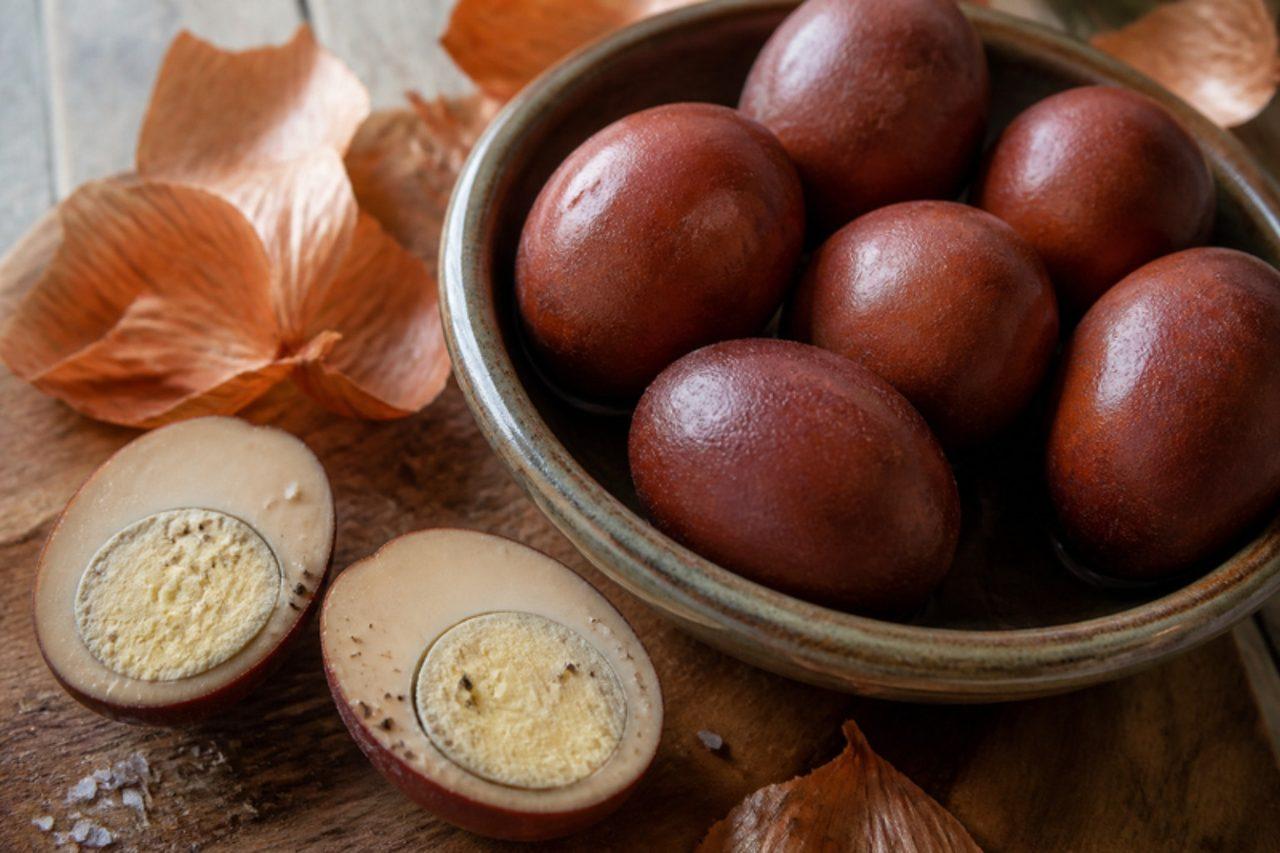
Huevos haminadosOvernight slow-cooked eggs

Sephardic families of Turkish and Greek origin in Jerusalem's Nachlaot and in Bat Yam tuck eggs into the Shabbat hamin or simmer them alone overnight, and by morning the shells are mahogany and the whites a pale coffee colour. The long, gentle heat turns the yolks creamy and the whites soft and faintly savoury, with none of the sulphur smell of a fast boiled egg. Serve them with bourekas, cucumber salad and grated tomato on Shabbat morning or at a Passover seder. The mistake is letting the pot boil hard, which cracks the shells and makes the whites rubbery. Chef's tip: a tight lid and the lowest oven setting are all you need; top up the water at bedtime so the eggs never go dry.

by KrazyBadal 0 views

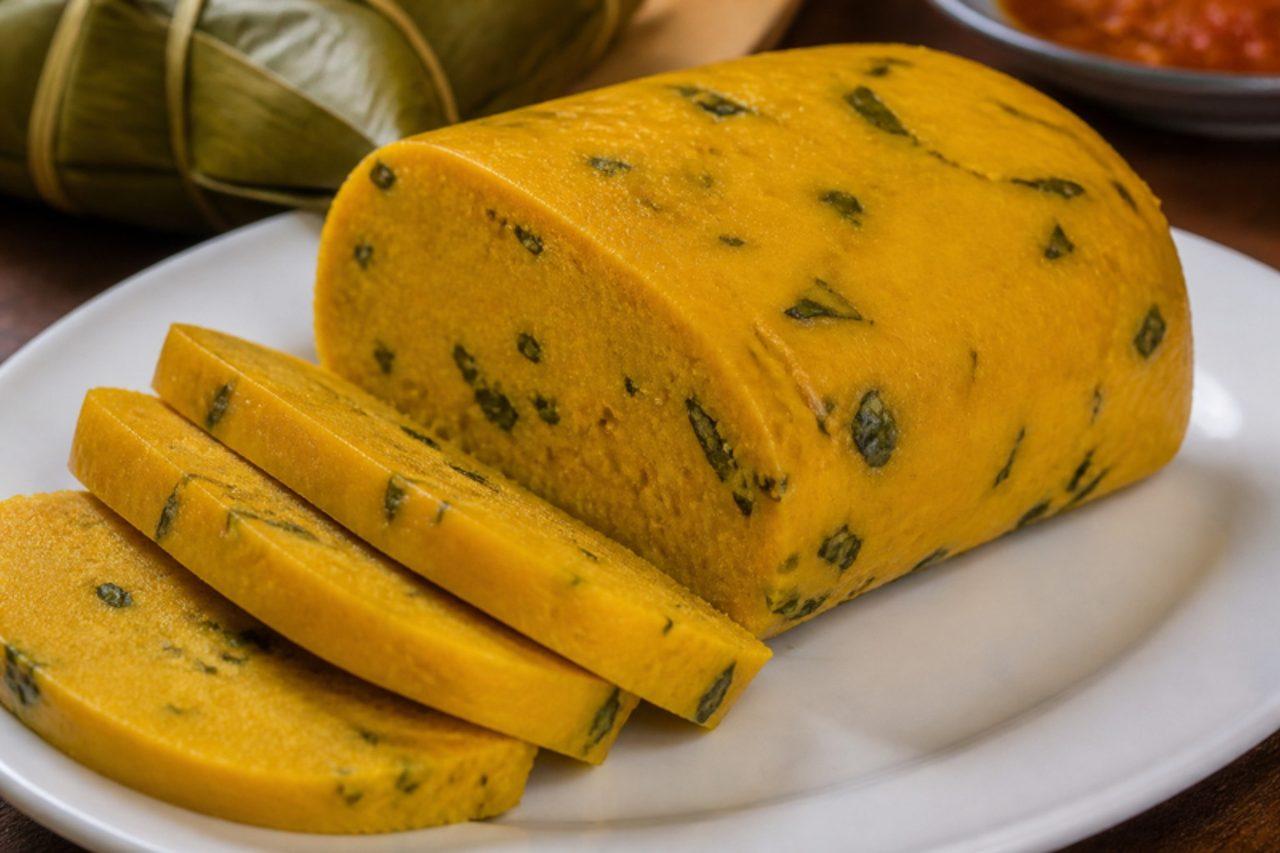
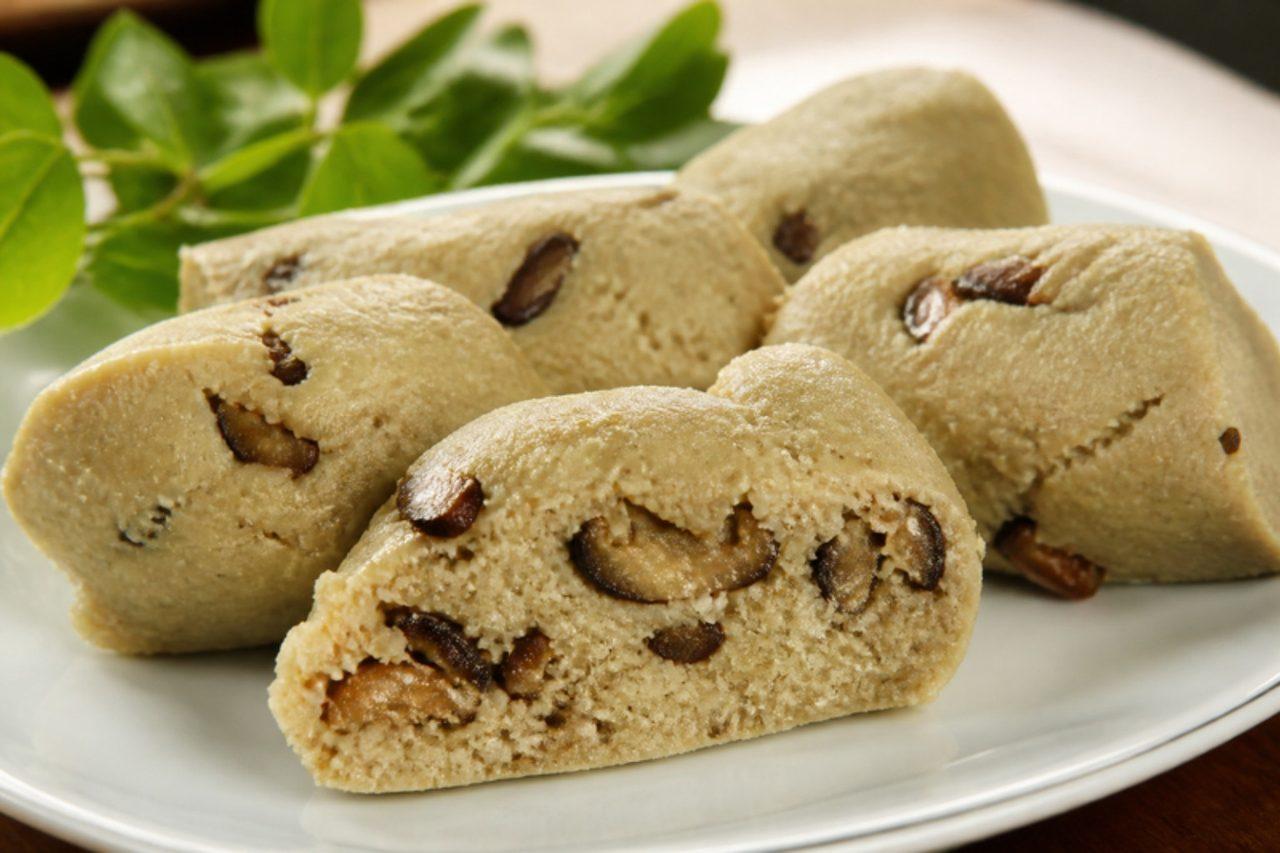
Nnam ngon with mushrooms

Steamed parcels of nnam ngon turn up at Beti weddings, funerals and big Sunday tables in the Centre, unwrapped to reveal a firm, pale cake of ground pumpkin seeds that slices like a terrine. The seeds are ground with onion, garlic, ginger and hot pepper, then bound with water and steamed slowly in leaves until rich, savoury and almost meaty. Smoked fish is the classic addition; here browned mushrooms take its place, so the parcels are vegan and still very filling. Serve with bobolo, boiled plantain or sweet ripe plantain. Chef's tip: brown the mushrooms in a dry pan first; added raw, they release water inside the parcel and leave the mixture loose.

by KrazyBadal 0 views

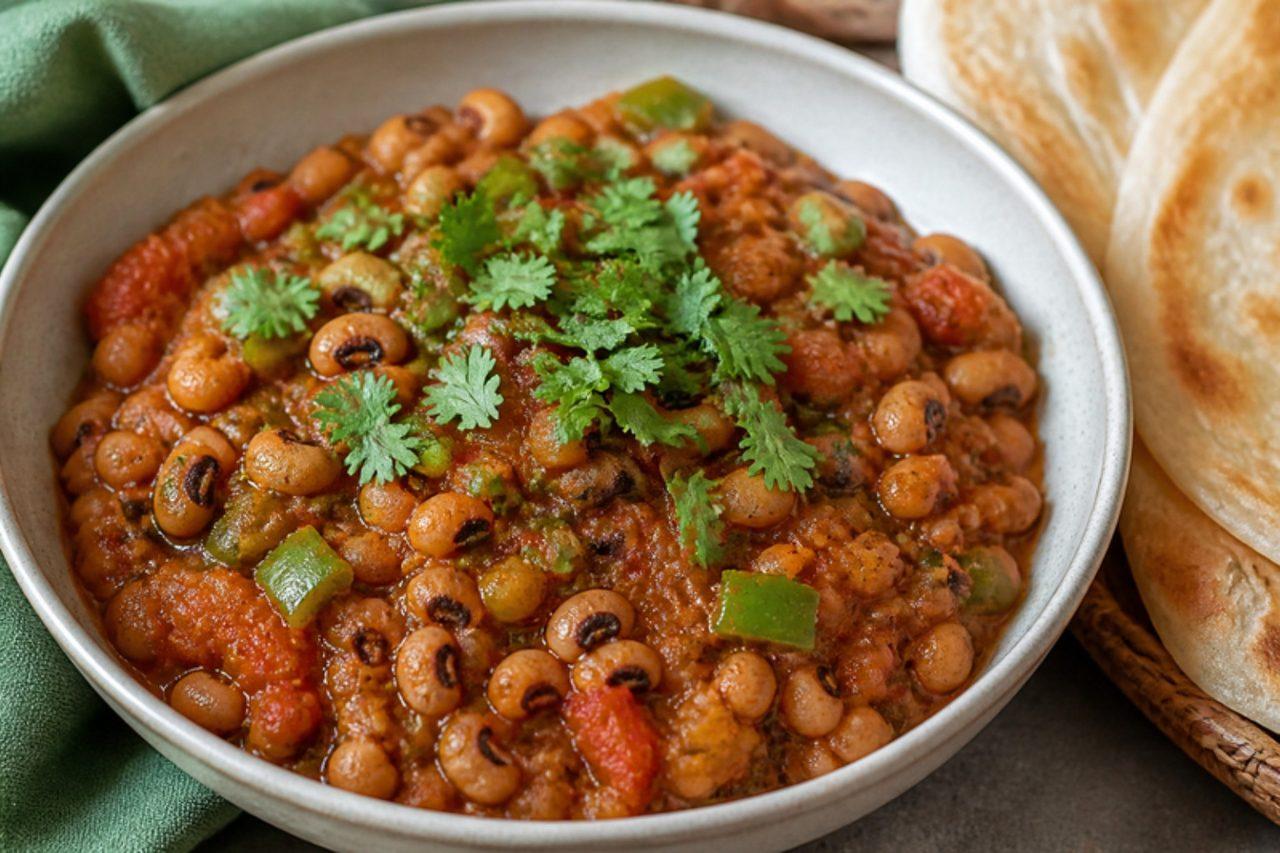
Digir (Somali spiced black-eyed peas)

Mornings at Mogadishu tea shops often start with a bowl of digir, black-eyed peas cooked down with onion, tomato, garlic and a warm hit of xawaash until the sauce clings to every pea. It is scooped up with canjeero, muufo or a piece of soft bread and washed down with spiced shaah, and it keeps people full well past noon. The finished dish is thick rather than soupy, earthy and gently spiced, with a little green chilli for anyone who wants it. Tomatoes added before the onions have softened are the usual misstep: the sauce stays sharp and watery, so cook the onions properly first. Avoid boiling the peas at a gallop; they burst and go mushy. Simmer them gently. Chef's tip: save a cup of the bean cooking water; a splash of it at the end loosens the stew and makes it glossy without diluting the flavour.

by KrazyBadal 0 views

Mitin shiroRoasted chickpea and pea spice flour

Every pot of shiro wat starts with a few spoons of mitin shiro, and in Ethiopia most households either buy it by the kilo at the market or roast and grind a big batch a few times a year, especially before the fasting seasons when shiro is eaten almost daily. It is not a spice blend like berbere or mekelesha but a seasoned flour: dried chickpeas and split peas roasted until nutty, then milled with garlic, ginger, onion and chilli into a fine, orange-red powder. Whisked into simmering water with onions and oil it becomes a smooth stew in minutes. A home spice mill or strong blender does the grinding well. Chef's tip: roast the legumes until they are evenly golden and smell like toasted nuts; underdone, the shiro tastes raw and beany however long you simmer it.

by KrazyBadal 0 views

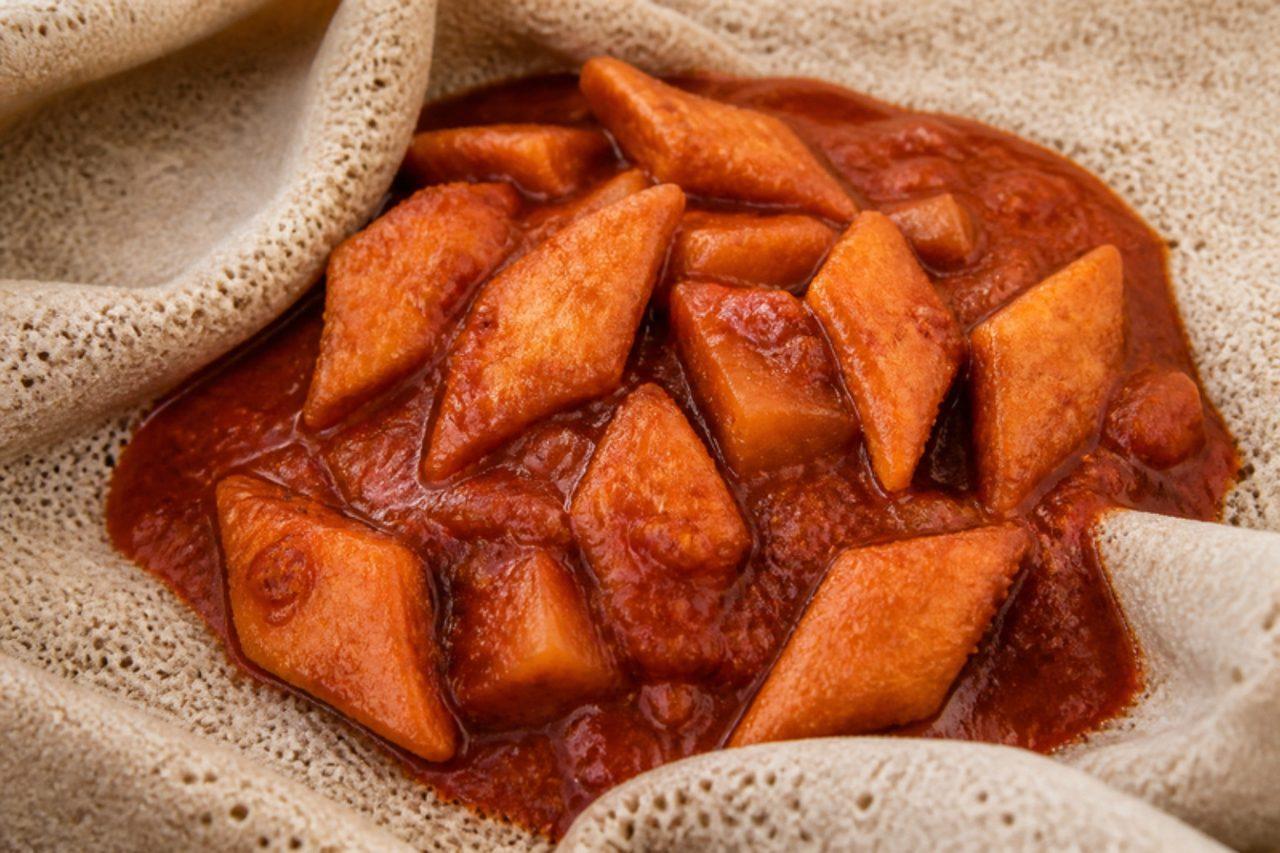
Shimbra asa (chickpea 'fish' in berbere sauce)

During the 55 days of Lent, when fish and meat are off the table in Orthodox homes of Gondar and Gojjam, cooks make 'chickpea fish': a firm dough of chickpea flour cut into diamonds, fried until golden, then dropped into a dark, oily berbere sauce. The pieces soak up the wat but keep a pleasant bite, a bit like a dense dumpling, and the sauce itself is rich with slow-cooked onion, garlic and ginger. It is a dish for fasting-day guests and Lenten Sundays, served on injera with gomen and a spoon of senafich. Everything is plant-based and fried in oil, so it suits the fast. A common mistake is a dough that is too soft, which breaks up in the sauce; it should feel like firm play dough before you roll it. Chef's tip: add the fried pieces to the sauce only in the last few minutes and shake the pan rather than stirring, so the diamonds stay whole.

by KrazyBadal 0 views

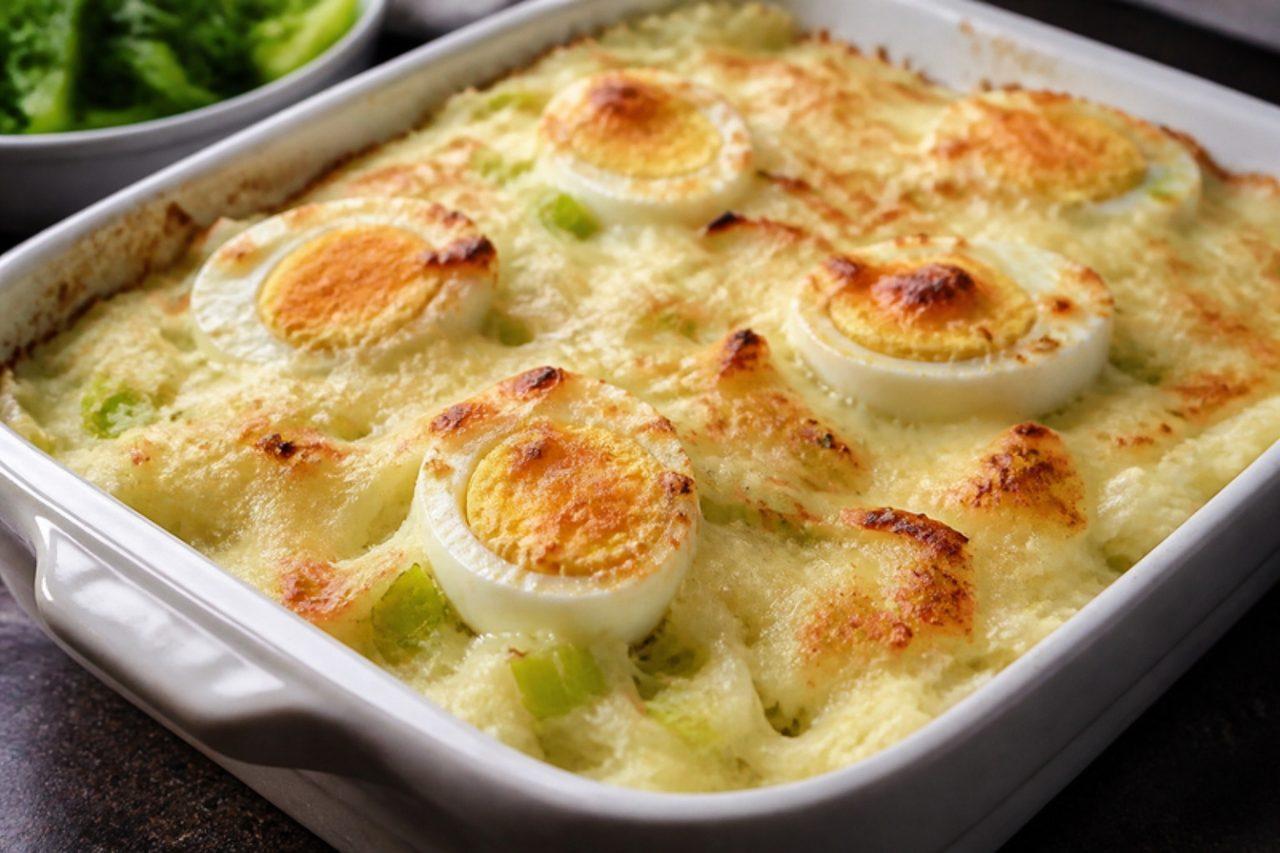
Anglesey eggs

Anglesey eggs, wyau Ynys Môn, is a farmhouse supper from the island of Anglesey off North Wales: leeky mashed potato piped round halved hard-boiled eggs, covered with cheese sauce and baked until golden. It is cheap, filling and comforting, the kind of dish made on a wet weeknight with what the farm had. Use a vegetarian hard cheese, as traditional cheddar can contain animal rennet. Chef's tip: cool the boiled eggs in cold water straight away so the yolks stay yellow without a grey ring.

by KrazyBadal 0 views

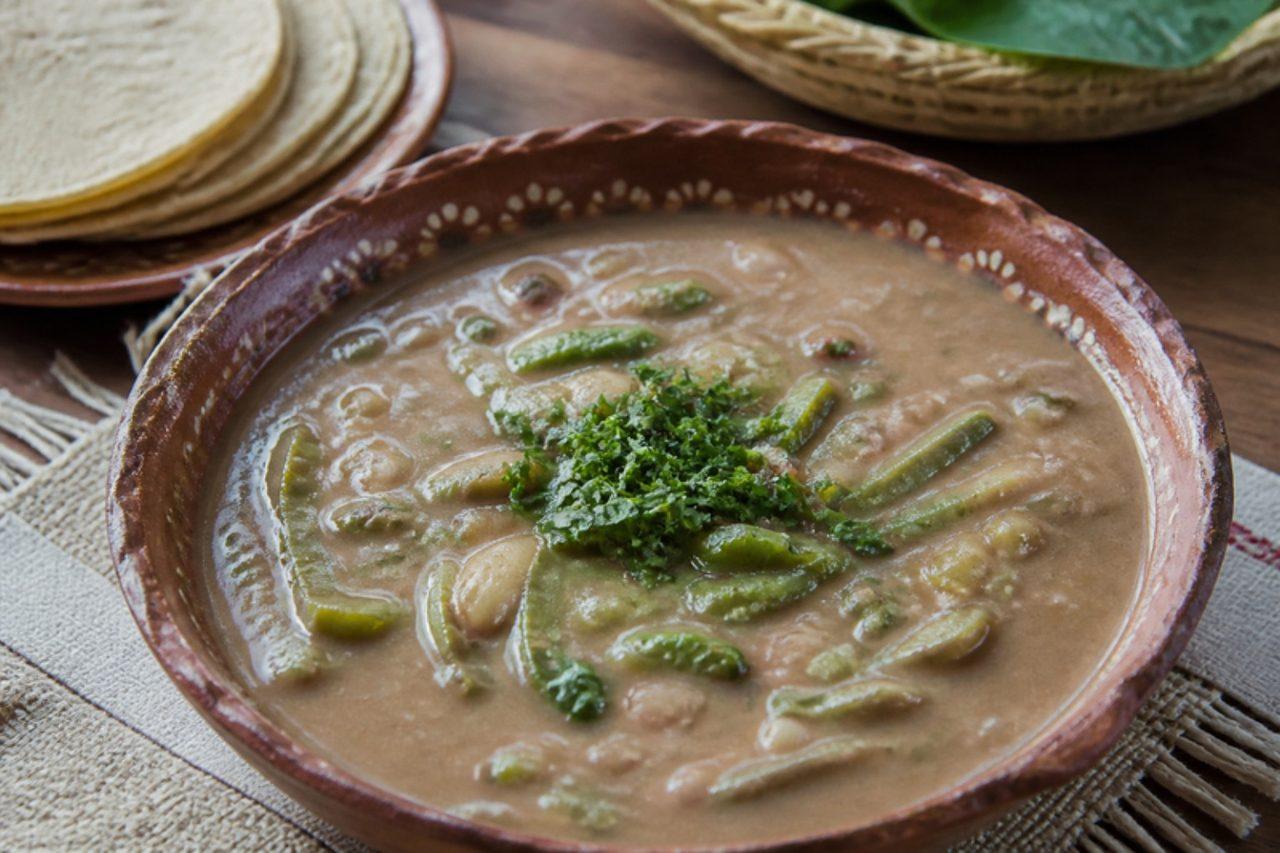
TlatlapasBean, fava and pea soup

In the villages of Tlaxcala, tlatlapas is the Lenten and rainy-season soup: dried beans, fava and peas are toasted on a comal, ground to a coarse flour and simmered into a thick, earthy purée seasoned with dried chilli, epazote and strips of cactus. It is a peasant dish with pre-Hispanic roots, cheap, filling and full of protein, eaten with corn tortillas and a squeeze of lime. Using split beans keeps the cooking under an hour. Chef's tip: toast the pulses until golden and nutty, not dark; burnt ones turn the whole pot bitter.

by KrazyBadal 0 views

CancoillotteWarm runny cheese with garlic

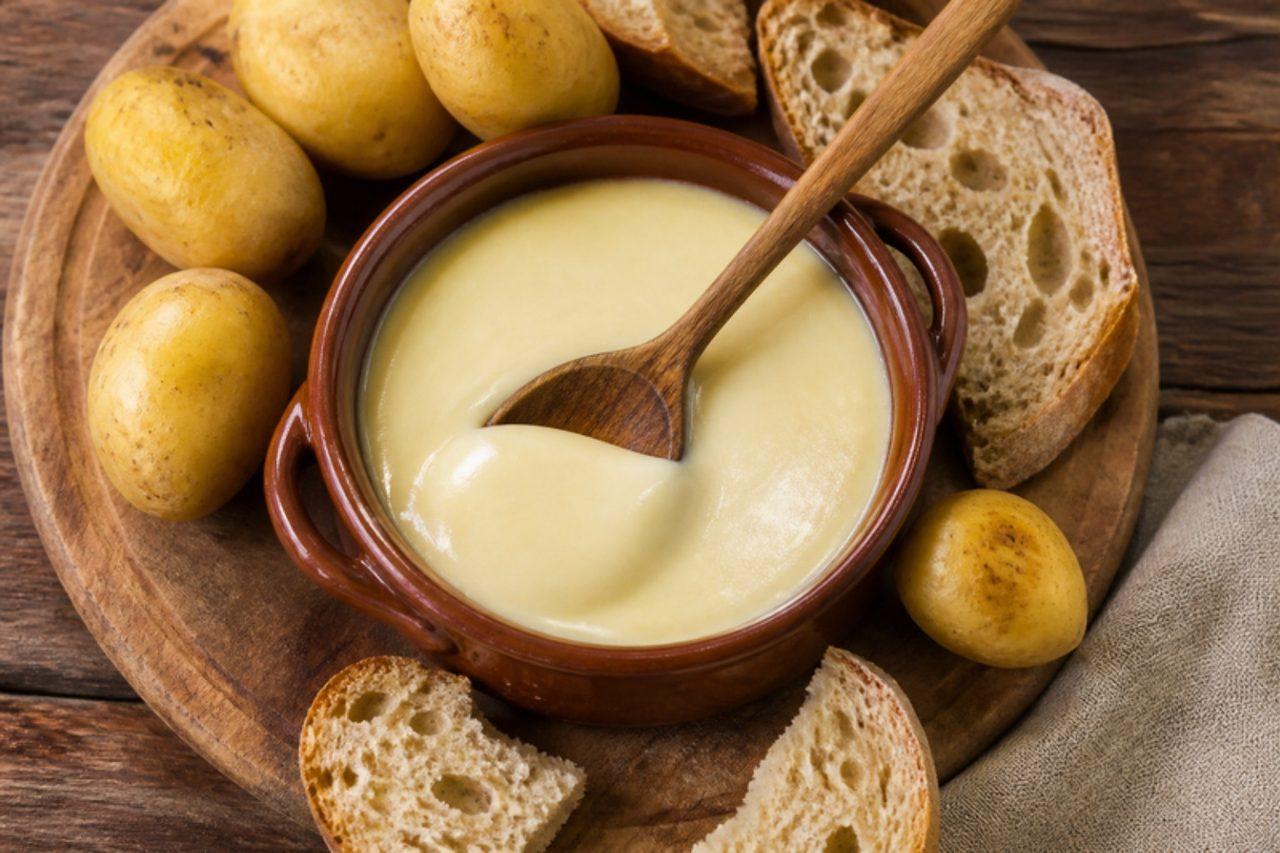
Cancoillotte is the loose, pale-gold melted cheese of Franche-Comté, the region around Besançon, Morteau and the Jura border. Families keep a pot of it in the fridge and warm it for Sunday supper, pouring it over boiled potatoes, dipping bread into it or spooning it over a baked potato. The real thing starts from metton, a ripened curd that is hard to find outside the region, so this home version uses quark and a pinch of bicarbonate of soda, the same trick German cooks use for Kochkäse: the soda turns the curd soft and melty, and butter, garlic and a little milk give the silky, slightly tangy finish. Most quark is made with little or no rennet, but check the label if that matters to you. Chef's tip: leave the quark and soda to rest for a full hour; it should turn translucent and gooey before it goes near the heat.

by KrazyBadal 0 views

Cervelle de canutHerbed fresh cheese dip

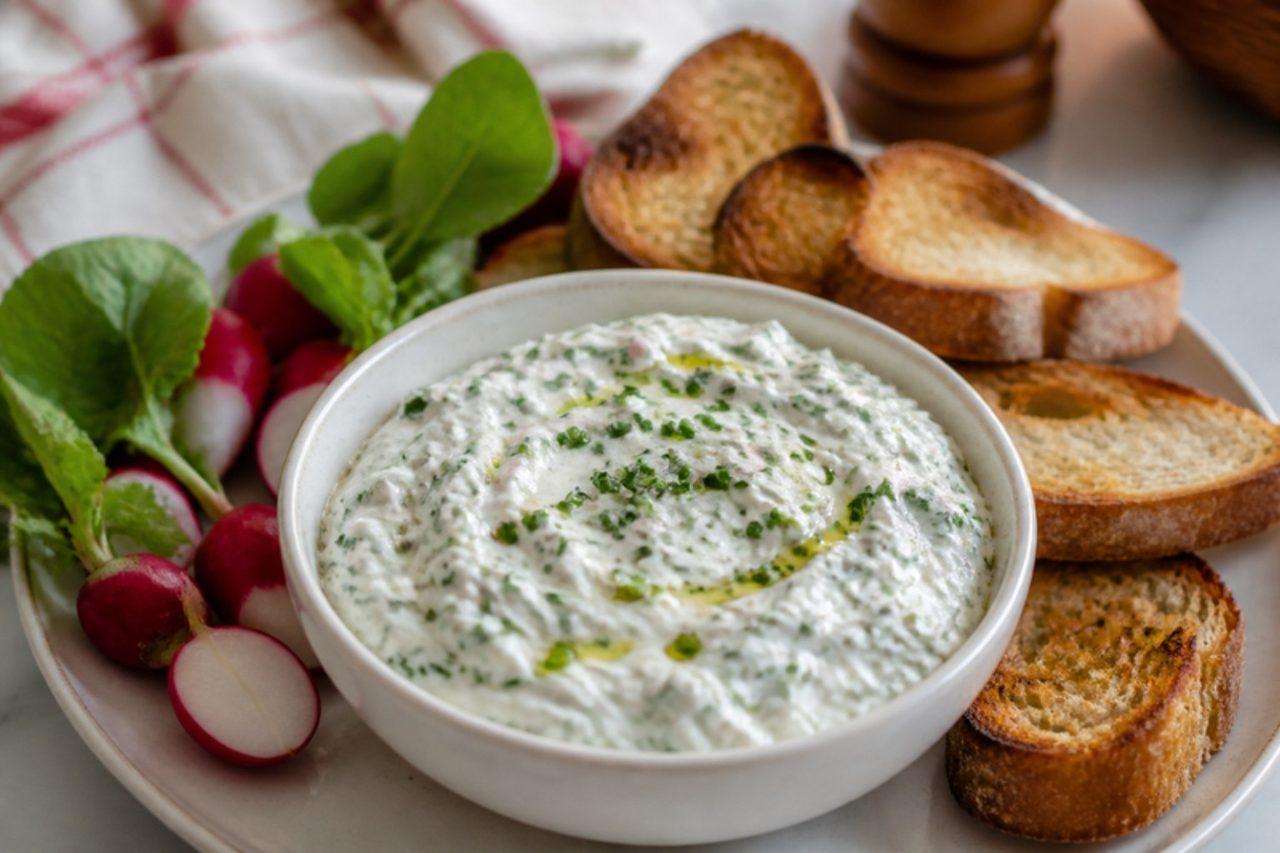
The name means 'silk weaver's brain', a joke from the Croix-Rousse hill in Lyon, where nineteenth-century canuts worked the looms and could not afford the lamb's brains their bosses ate. Their version was fromage blanc whipped with shallot, garlic and herbs, and it is still served in every bouchon as a starter or after the main course, with bread, toast or boiled potatoes. Some cooks splash in white wine; this version uses a little white wine vinegar instead, so it is alcohol-free. Some fromage blanc is set with rennet, so pick a brand labelled vegetarian if that matters. Chef's tip: make it an hour ahead; the shallot softens and the herbs flavour the cheese right through.

by KrazyBadal 0 views

Omelette au brocciu et à la mentheFresh cheese and mint omelette

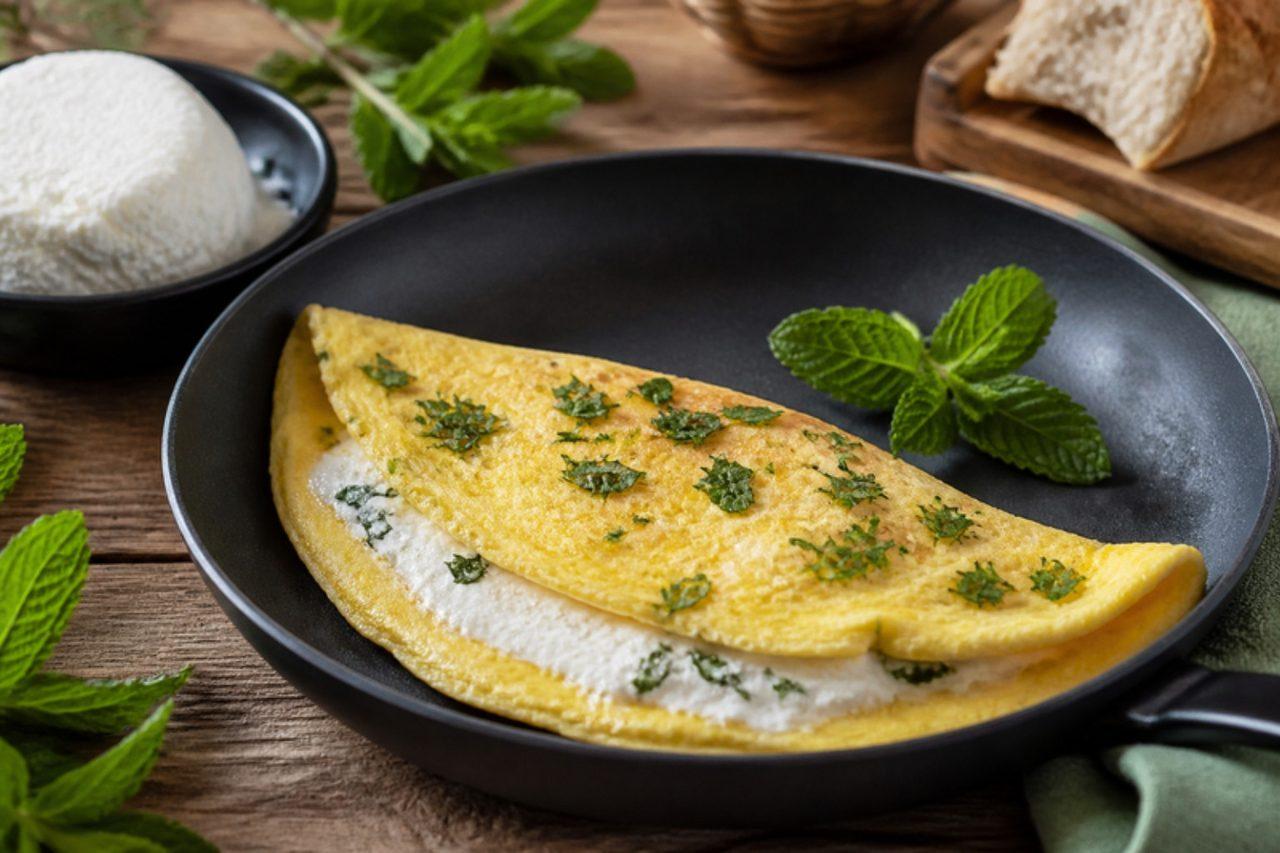
Inland Corsica, around Corte and the mountain villages, serves this omelette from late autumn to early summer, the months when shepherds make fresh brocciu. The cheese goes in at the last moment so it stays creamy, and wild mint picked from the maquis cuts through its richness; it is a light lunch or supper with a green salad and bread. Brocciu is made from the whey of rennet cheeses, so vegetarians often use ricotta labelled vegetarian instead. Chef's tip: season the cheese and mint, not just the eggs, because fresh whey cheese is very mild.

by KrazyBadal 0 views

EnfrijoladasTortillas in black bean sauce

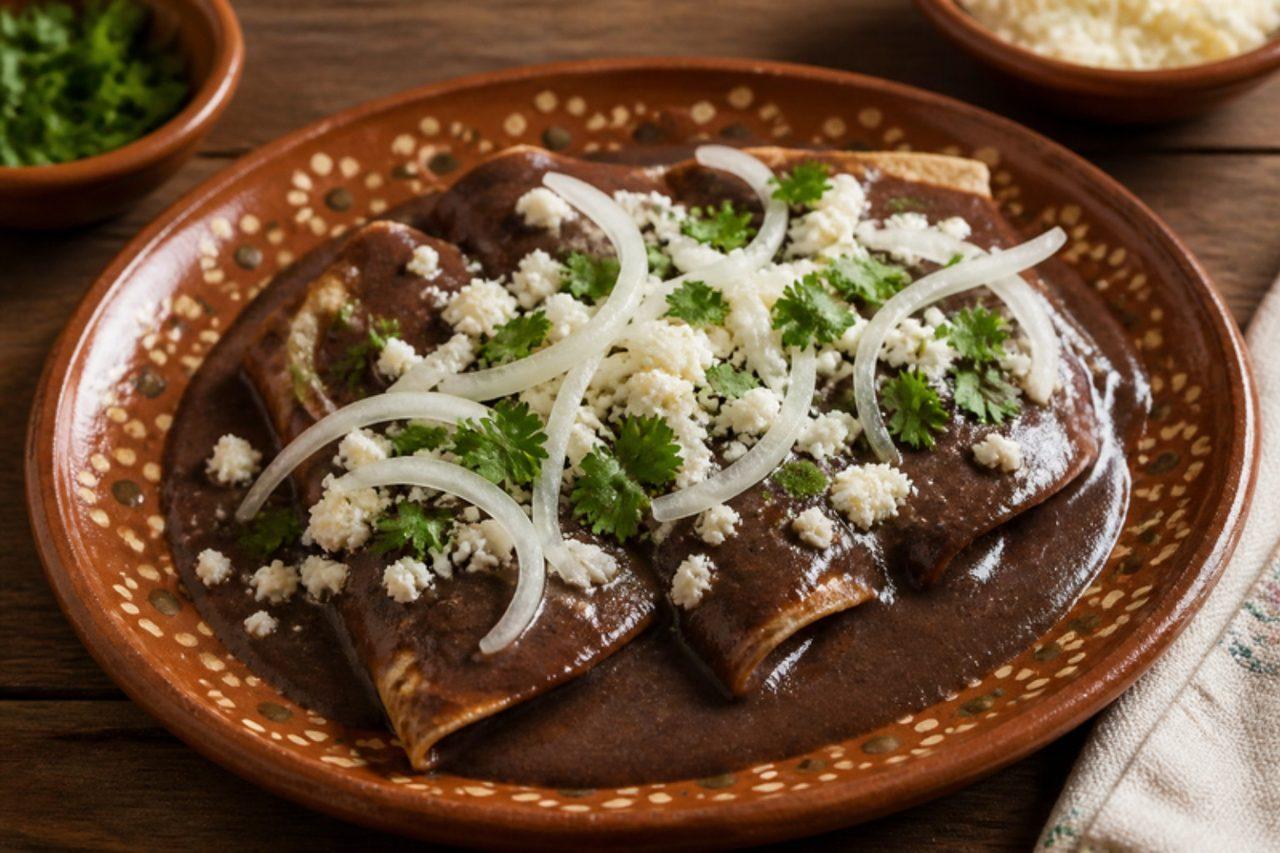
Think of enfrijoladas as enchiladas that swap chilli sauce for beans: warm tortillas dipped in a silky black-bean purée, folded into quarters and scattered with fresh cheese and raw onion. In Oaxaca they are a breakfast and supper dish, made from yesterday's pot of beans, and the purée is perfumed with toasted avocado leaves, which taste faintly of anise. Serve two or three per person with a fried egg or a spoonful of salsa. Queso fresco is often made with animal rennet; use a vegetarian feta or paneer-style fresh cheese if that matters to you. Chef's tip: keep the bean sauce loose, like double cream; it thickens on the plate and a stiff sauce tears the tortillas.

by KrazyBadal 0 views

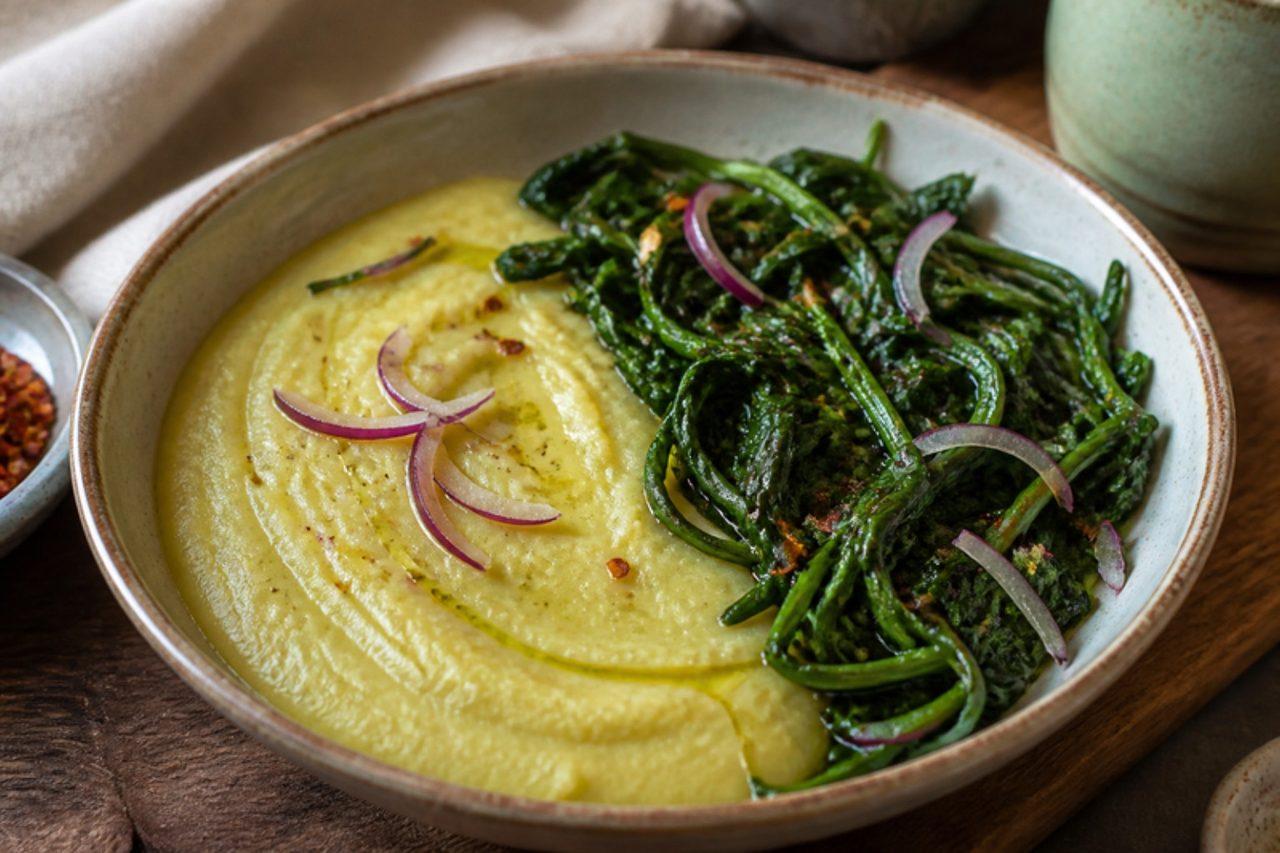
Fave e cicorieBroad bean purée with chicory

Few plates say Puglia as plainly as this one: a pale, velvety purée of dried broad beans beside a tangle of boiled wild chicory, the two joined by a stream of green olive oil. Families from the Murgia to the Salento cook it on winter weekdays and through Lent, and Bari trattorias still put it on the menu as the true taste of cucina povera. The beans are sweet and earthy, the greens bitter, and every forkful should carry a little of both. Chef's tip: buy dried broad beans that are already skinned and split; they cook to a cream on their own, with no sieving.

by KrazyBadal 0 views

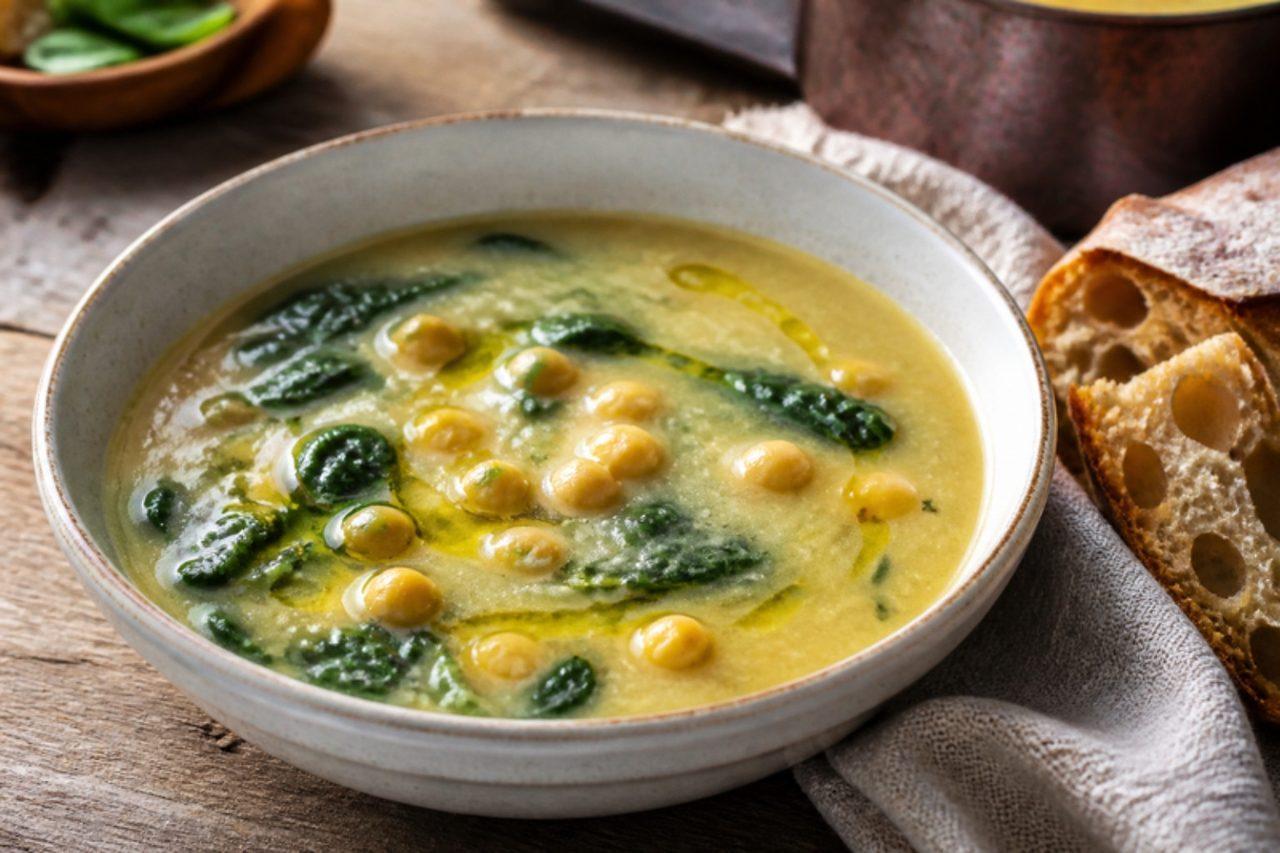
Sopa de grão com espinafresChickpea and spinach soup

This is everyday food in the villages of the Beira interior, where chickpeas are a winter store-cupboard standby and a big pot of soup starts most lunches and suppers. Part of the chickpeas are blended with potato and onion for a creamy base, the rest left whole, and fresh spinach is stirred in at the end. It is filling, cheap and ready in under an hour. A common mistake is boiling the spinach in the soup for too long; add it at the end and cook it only until it wilts. Chef's tip: add the spinach only at the last minute, as long cooking turns it grey and bitter.

by KrazyBadal 0 views

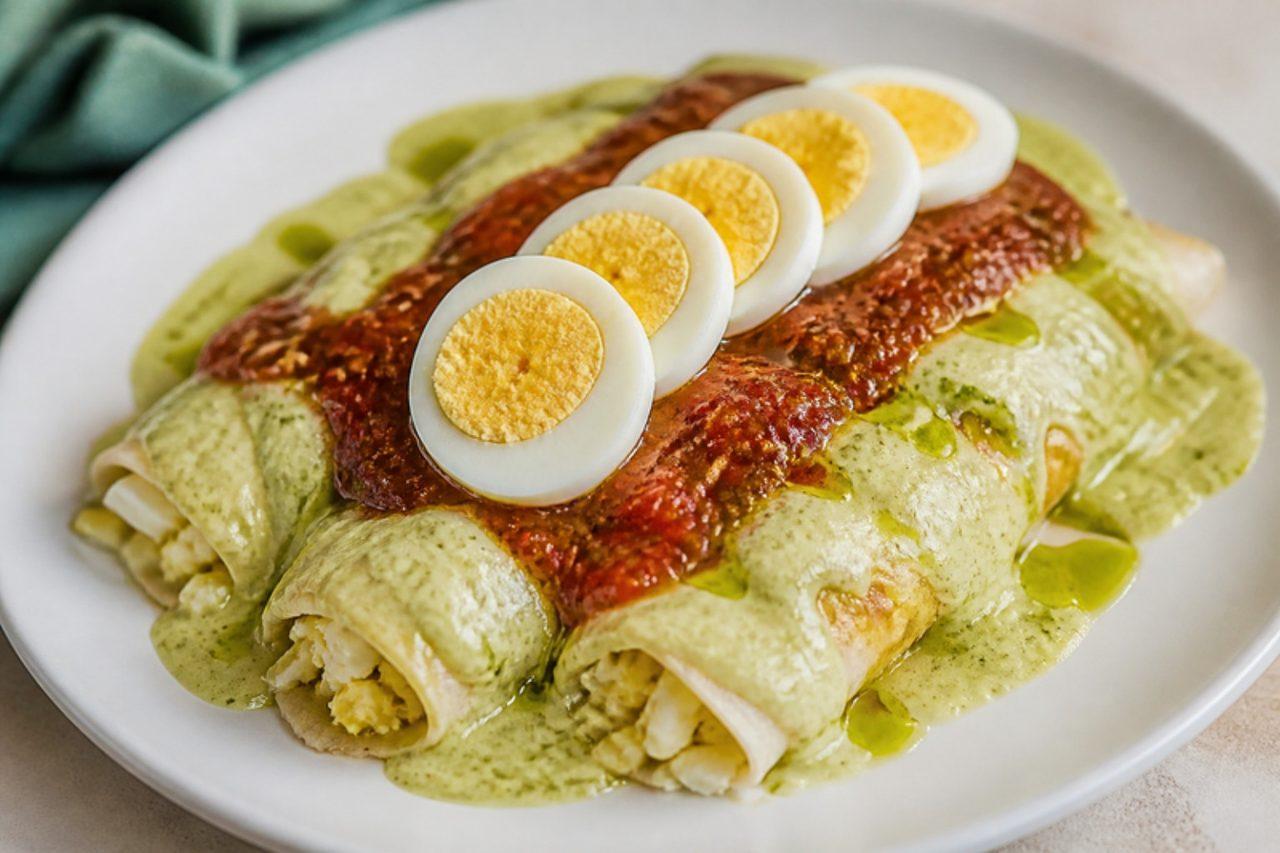
PapadzulesEgg tortillas in pumpkin seed sauce

Papadzules may be the oldest dish still eaten in the Yucatán: Maya cooks were rolling tortillas in ground squash seeds long before the Spanish brought chickens and their eggs. Today they are a lunch and Lent dish in Mérida, Valladolid and Campeche. Corn tortillas are dipped in a pale green sauce of toasted pumpkin seeds and epazote, rolled around chopped hard-boiled egg, then topped with a cooked habanero-tomato sauce and a few drops of green pumpkin-seed oil squeezed from the paste. The flavours are nutty, herbal and gently hot. Chef's tip: keep the seed sauce warm, never boiling; heat makes it split and turn grainy, and the oil that separates is meant to be drizzled on top, not stirred back in.

by KrazyBadal 0 views

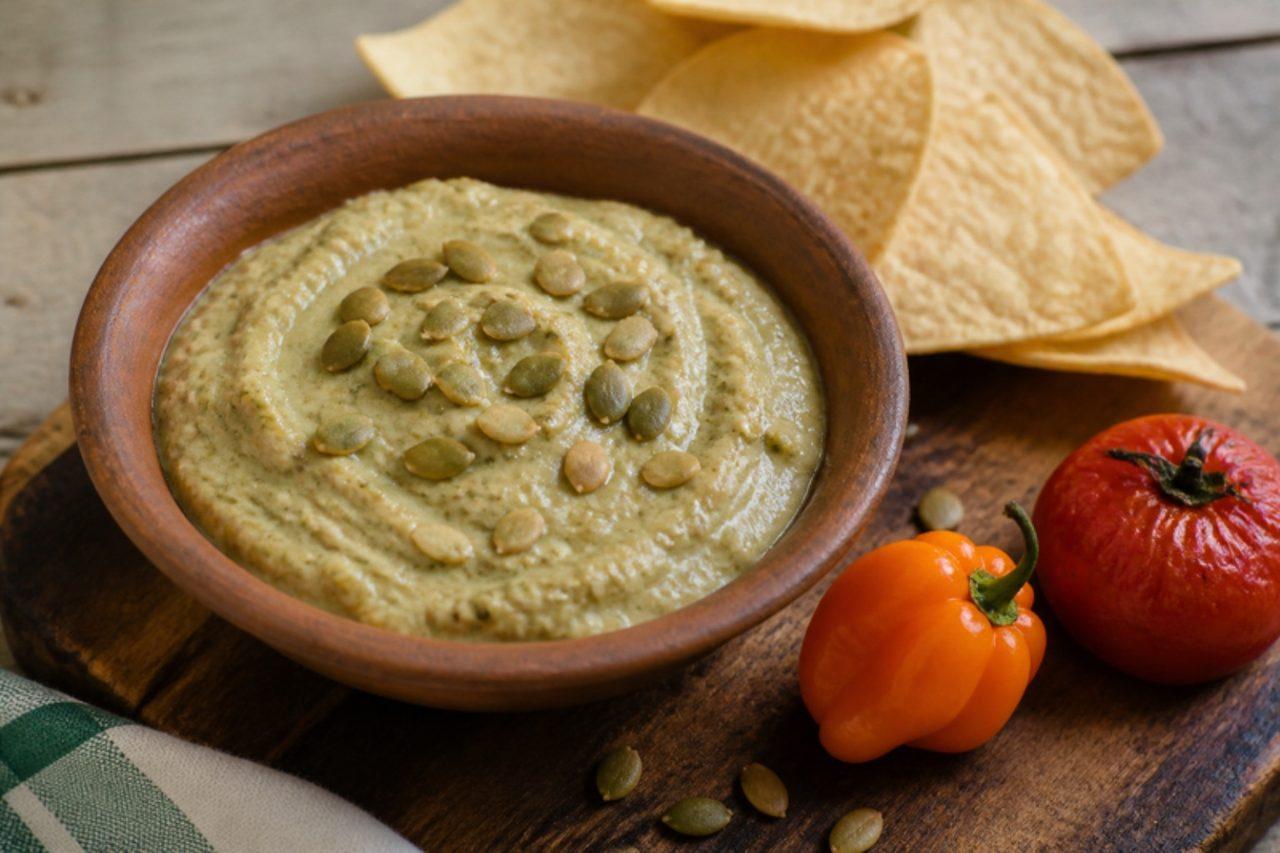
Sikil pakPumpkin seed dip

In Yucatec Maya, sikil means squash seed and p'aak means tomato, and that is almost all there is to this pale, coarse dip from the Yucatán Peninsula. Cooks in Mérida and the villages around it toast the seeds on a comal until they pop, grind them with charred tomato, chives and a little habanero, and serve the dip with tostadas or crisp tortilla chips before a meal. It tastes nutty, smoky and fresh at the same time, and is naturally vegan. Chef's tip: roast the habanero whole and add it a little at a time; you can always grind in more, but you can't take the heat back out.

by KrazyBadal 0 views

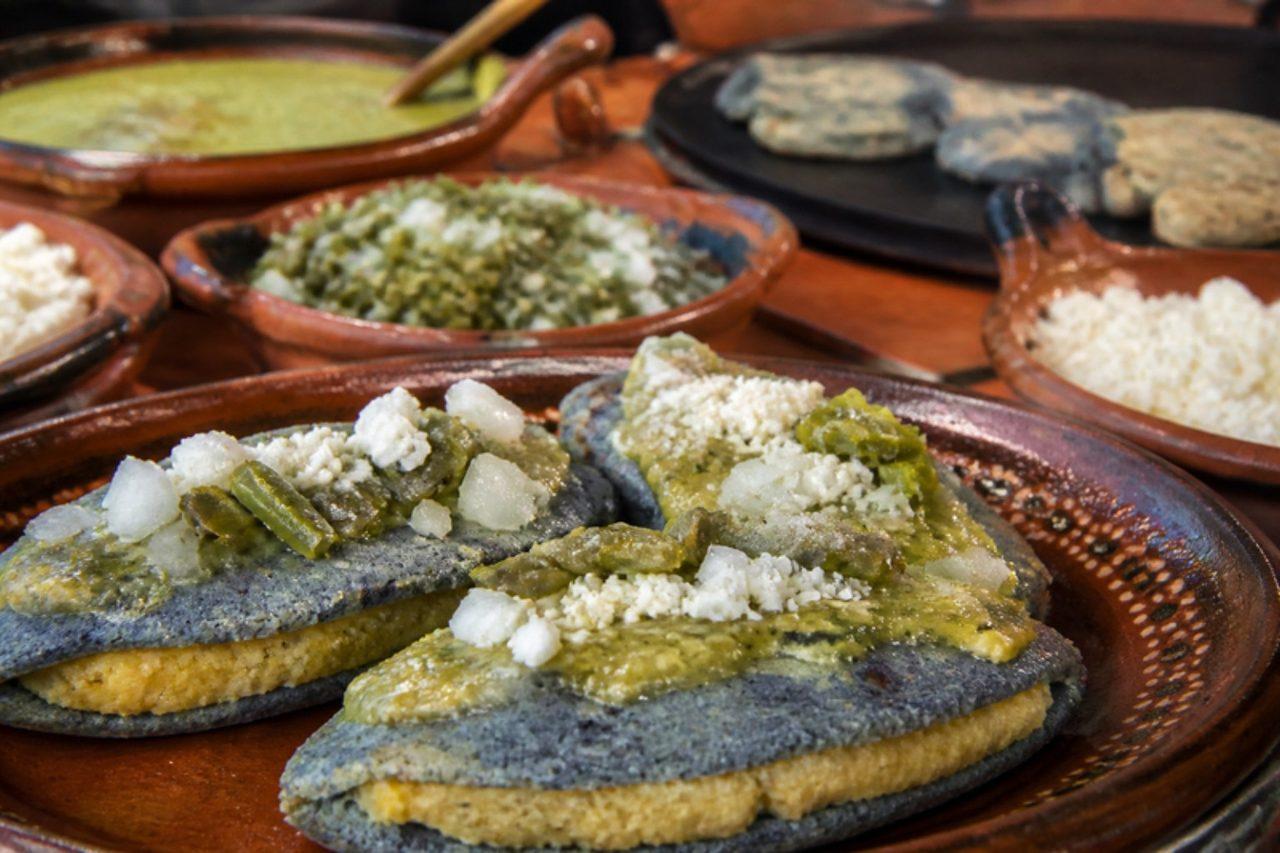
Tlacoyos de habaStuffed blue corn cakes

Walk out of almost any Metro station in Mexico City in the morning and you will find a woman on a low stool patting out tlacoyos on a clay comal: thick, oval cakes of blue or white corn masa with a seam of bean or fava purée hidden inside, topped with cactus, salsa and crumbly cheese. They are bought hot, eaten standing up, and are one of the oldest street foods in the valley, older than the city itself. This version is filled with garlicky fava purée (habas) and topped with a quick nopal salad and salsa verde. Leave off the cheese and it is vegan. Chef's tip: keep the purée stiff, like mashed potato; a loose filling bursts through the masa when you flatten it.

by KrazyBadal 0 views

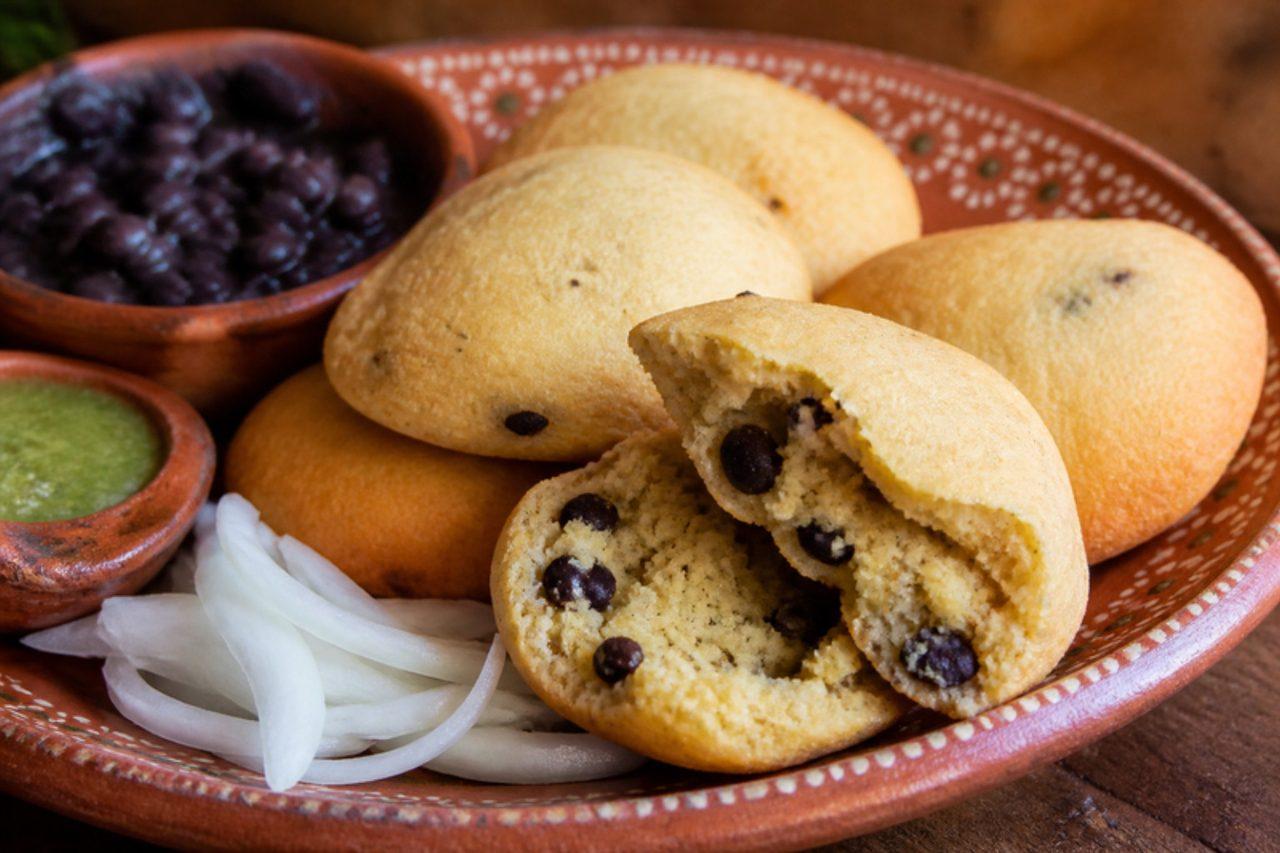
Gordas de frijol negroBlack bean masa cakes

In the Sotavento region of southern Veracruz, around Tlacotalpan and Los Tuxtlas, cooks knead well-fried black beans straight into the corn masa, so the little cakes come out speckled grey-black, then fry them until they puff up like balloons. Gordas de frijol are a supper snack from street stalls and fiesta tables, split and topped with salsa, chopped onion and, for a non-vegan version, a crumble of fresh cheese. Avocado leaf in the beans gives a faint aniseed note. Chef's tip: the beans must be very thick and cooled; warm, wet beans make a sticky dough that will not puff.

by KrazyBadal 0 views

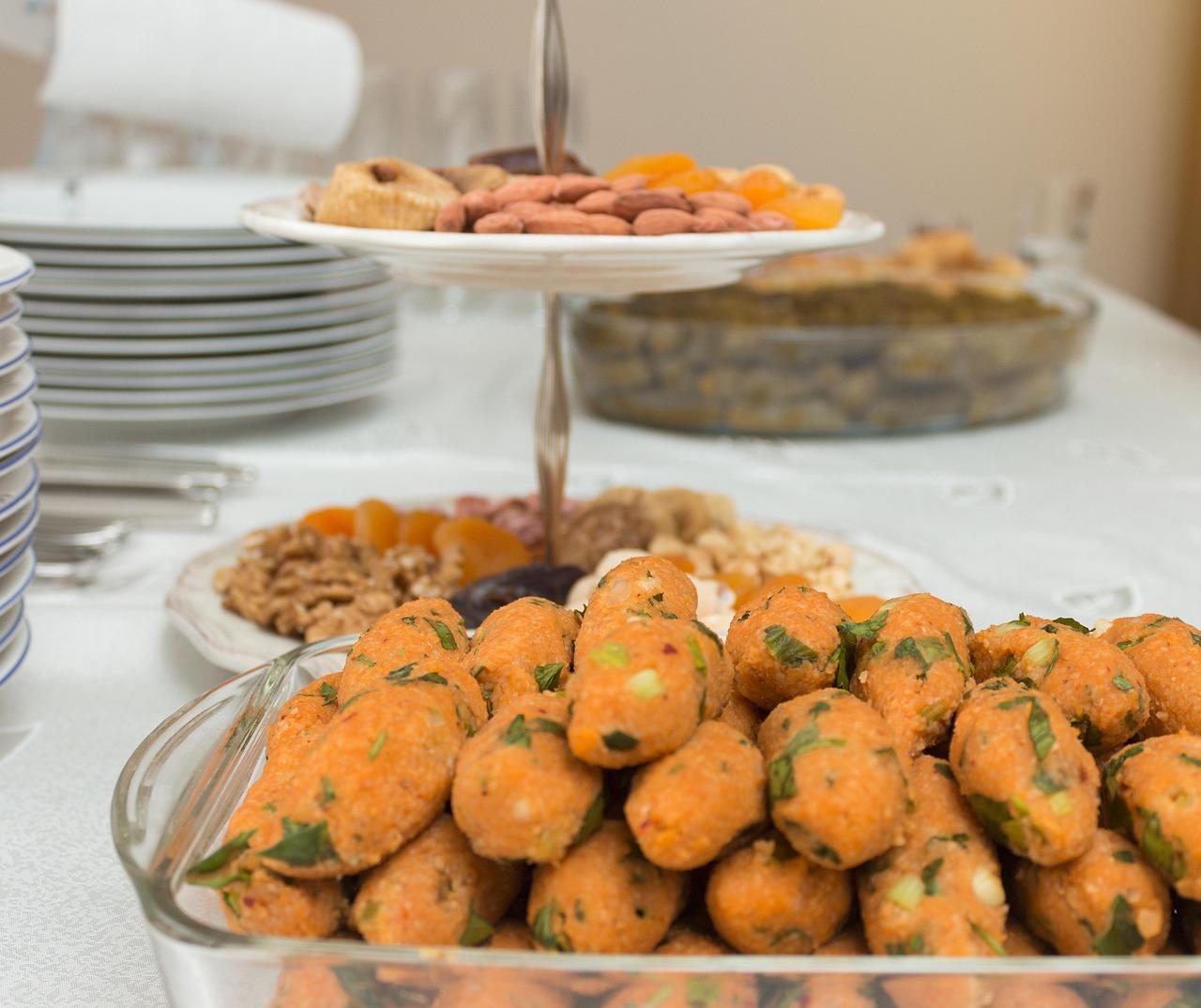
Mercimek köftesiRed lentil and bulgur patties

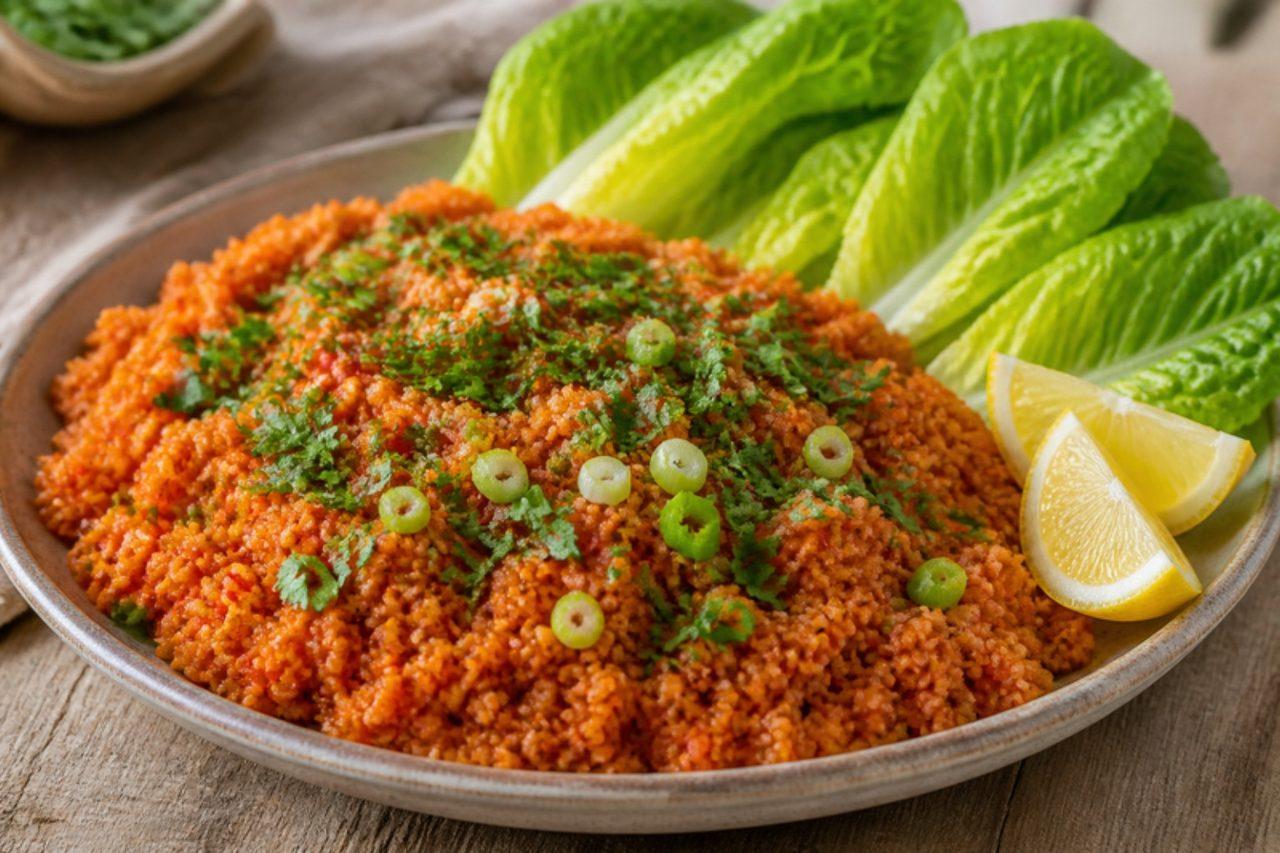
No women's afternoon gathering in Ankara or Kayseri is complete without a platter of mercimek köftesi: little finger-pressed ovals of red lentils and fine bulgur, rich with onion, pepper paste, cumin and a big handful of spring onion and parsley. They're eaten cold, tucked into lettuce leaves with a squeeze of lemon, and they keep well for picnics and lunch boxes. Common mistake: draining the lentils; the bulgur needs all that hot liquid to swell, so cook the lentils until the water is just absorbed. Chef's tip: knead the mixture with wet hands for a few minutes after the bulgur softens; the more you knead, the smoother and less crumbly the köfte.

by KrazyBadal 0 views

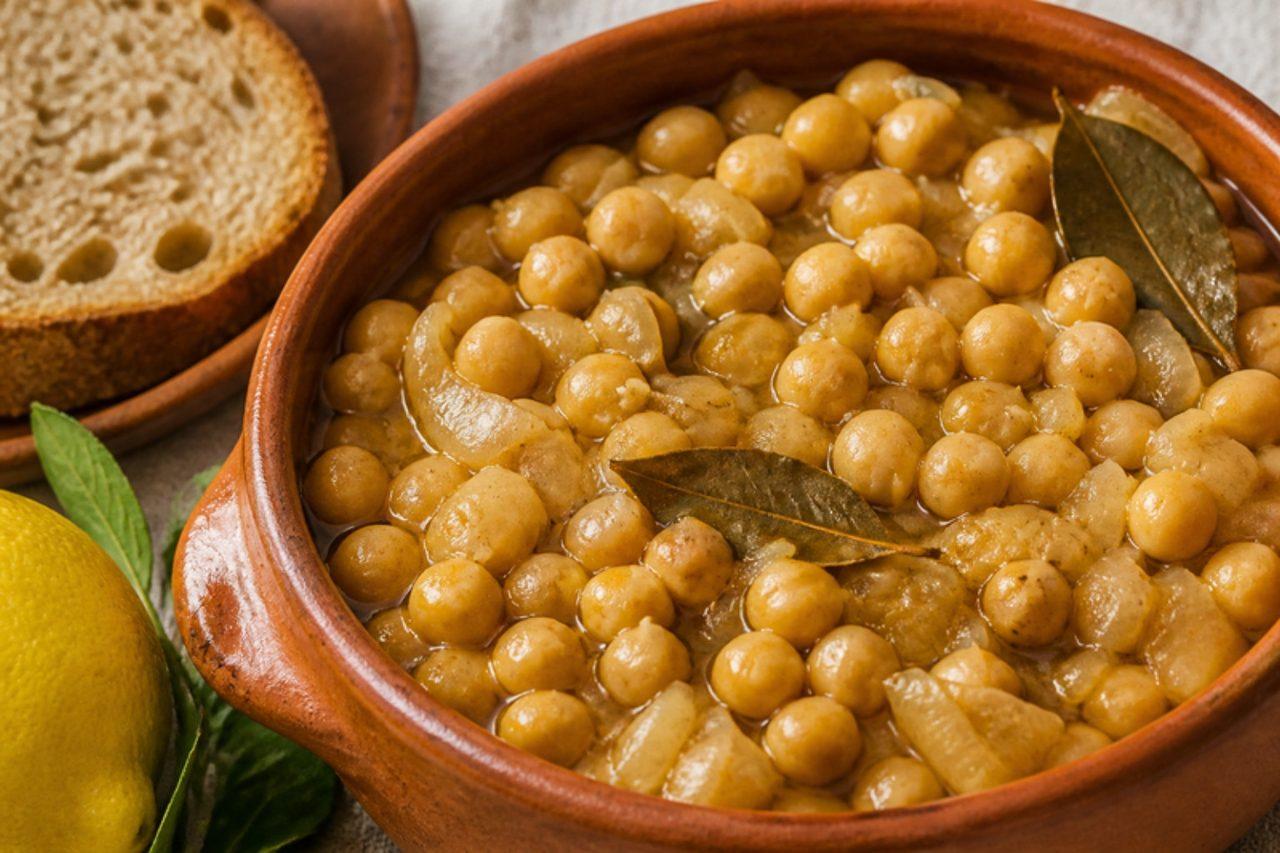
RevithadaClay-pot baked chickpeas

On Sifnos, Saturday night means taking a clay pot of chickpeas, onions, olive oil and bay to the village baker, who leaves it in the cooling wood oven overnight; on Sunday morning, after church, families collect it and eat it for lunch. The chickpeas turn creamy and almost melting in a thick, sweet, onion-rich broth. A home oven at low heat does the same job in about five hours. Common mistake: adding salt at the start, which can keep the chickpeas firm; add it in the last hour. Chef's tip: rub the soaked chickpeas with a little bicarbonate of soda and rinse well; it helps them soften to that silky texture.

by KrazyBadal 0 views

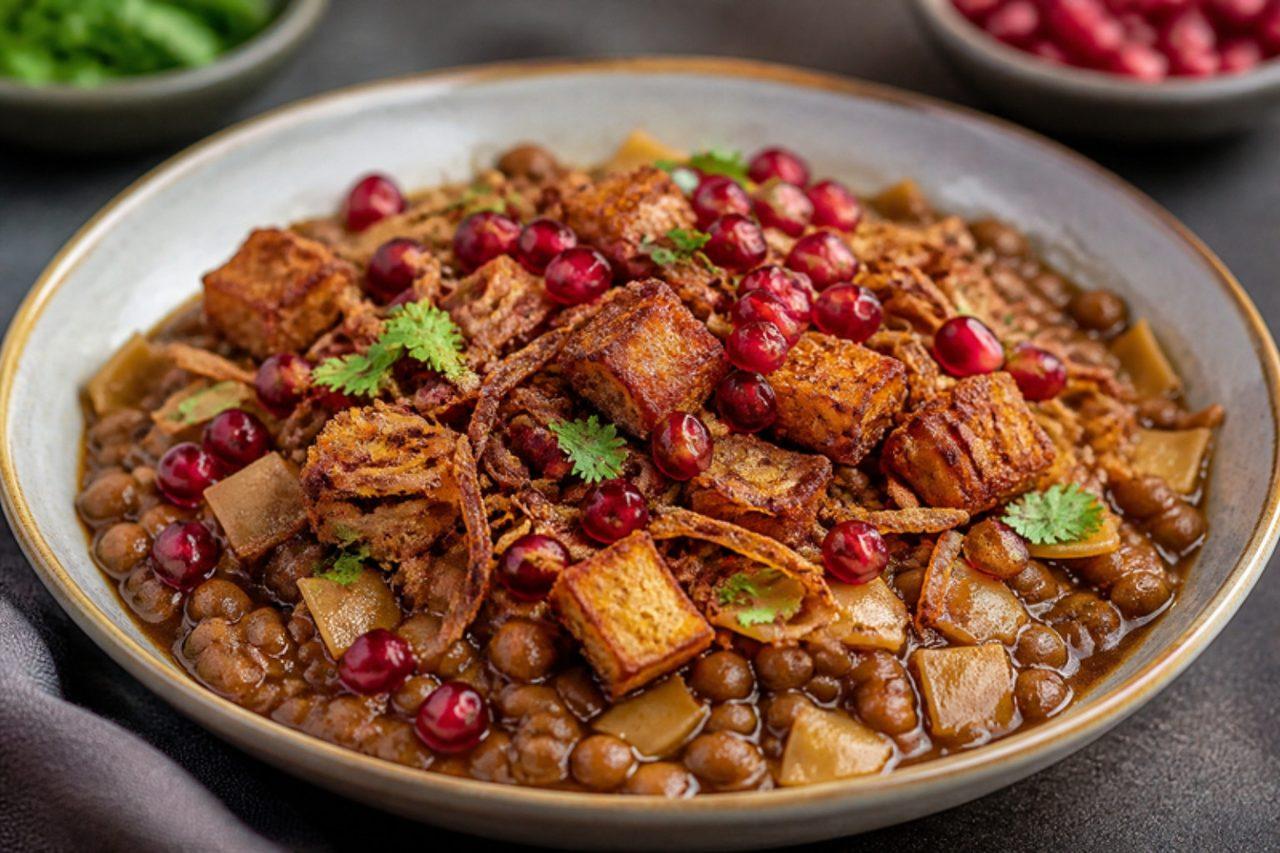
Harrak osbaoLentils with pasta and tamarind

The name means 'he burnt his finger', and the Damascene story goes that it is so good people can't wait for it to cool. Brown lentils and fresh pasta are cooked together in a sour sauce of tamarind and pomegranate molasses, then topped with coriander, garlic, crisp fried onions and fried bread so every bite is soft, tangy and crunchy at once. It is a Lenten and summer favourite in Damascus, served at room temperature with flatbread. Common mistake: frying the croutons and onions too early; they go soft on top of the lentils, so add them just before serving. Chef's tip: use a mix of pomegranate molasses and tamarind for a rounder sourness than either alone.

by KrazyBadal 0 views

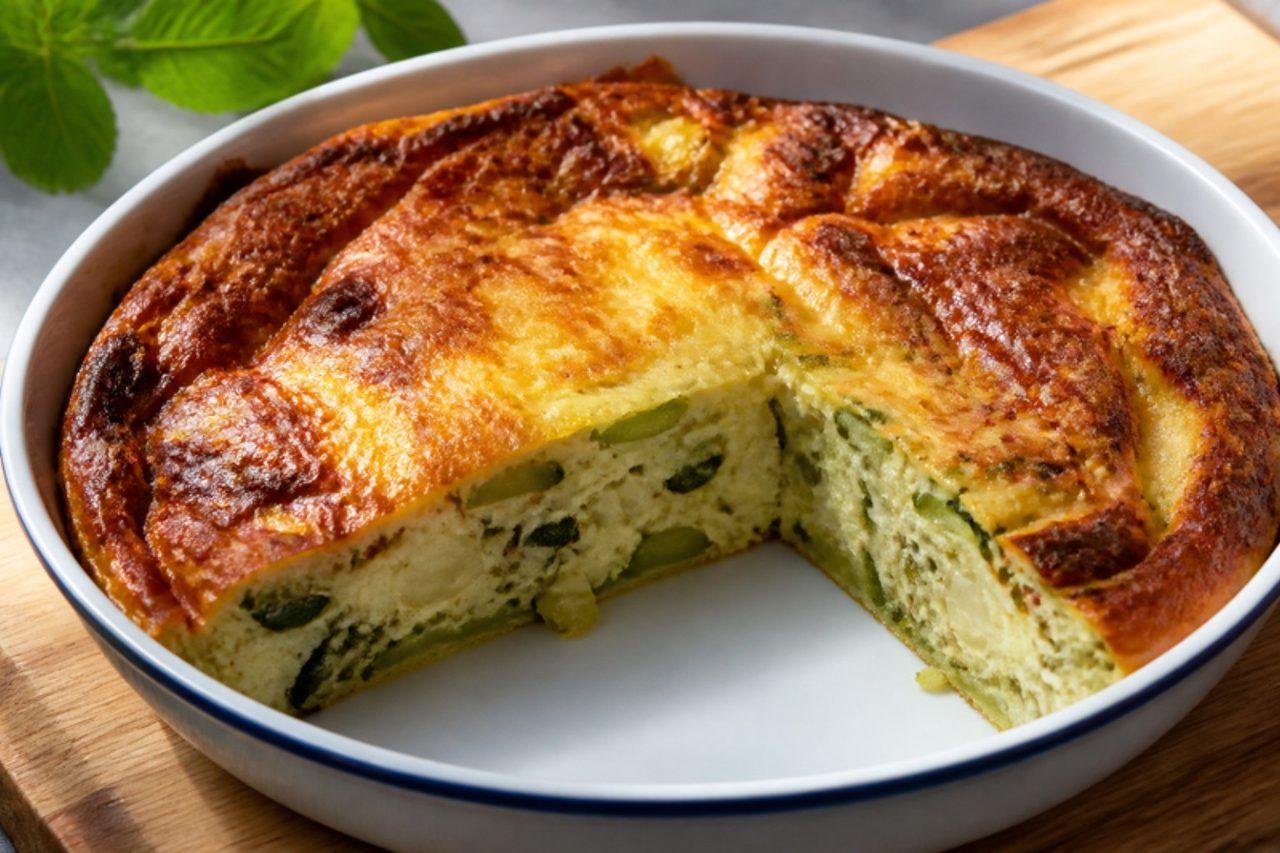
SfougatoCourgette and cheese oven omelette

Sfougato means 'sponge', which is just how this island oven omelette looks when it comes out puffed and golden; in the Cyclades and the Dodecanese it's the summer answer to too many courgettes. Grated courgette, spring onion and mint are softened in olive oil, mixed with eggs and cheese and baked, then cut into squares for lunch with bread and tomatoes or packed for a day at the beach. Kefalotyri and feta are usually made with animal rennet, so use vegetarian versions if you need to. Common mistake: leaving the courgettes wet, which gives a watery, rubbery omelette. Chef's tip: let the softened vegetables cool for a few minutes before adding the eggs so they don't scramble at the edges.

by KrazyBadal 0 views

TurmusBrined lupini beans

Strolling the Beirut Corniche or a Sunday market in Amman, you will pass carts selling turmus: plump golden lupini beans kept in salted water, scooped into paper cones and eaten by nicking the skin with your teeth and popping out the bean. They are also a fixture on mezze tables and a fasting snack for Lent. Dried lupins are naturally very bitter and must be soaked for days to wash those compounds out; never eat them while they still taste bitter, and if you are allergic to peanuts, check with a doctor first as lupin allergy is linked. A jar of ready-debittered lupini, drained and seasoned, is a quick shortcut. The common mistake is salting the beans before they are fully sweet, which seals the bitterness in. Chef's tip: finish with lemon, cumin and a little chilli just before serving; the salty brine keeps them, the dressing makes them moreish.

by KrazyBadal 0 views

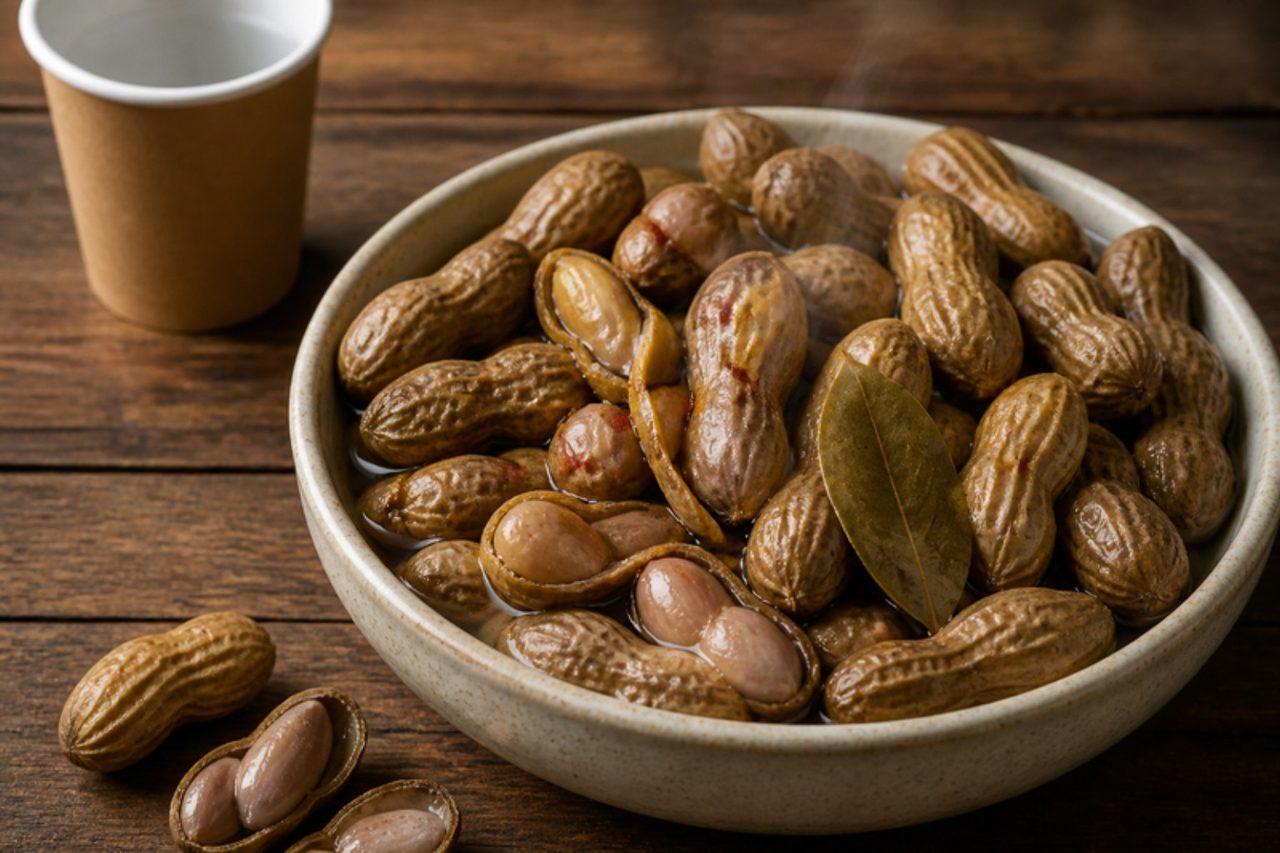
Southern boiled peanuts

Boiled peanuts are sold steaming from roadside stands and petrol stations all along the back roads of South Carolina, Georgia and Alabama, ladled into paper bags in late summer when the green peanut harvest comes in. Raw peanuts are simmered for hours in heavily salted water until soft as cooked beans, salty and earthy. A Cajun-spiced version with chilli is popular too. Chef's tip: taste a peanut every hour; they are done when the kernel is completely soft with no crunch.

by KrazyBadal 0 views

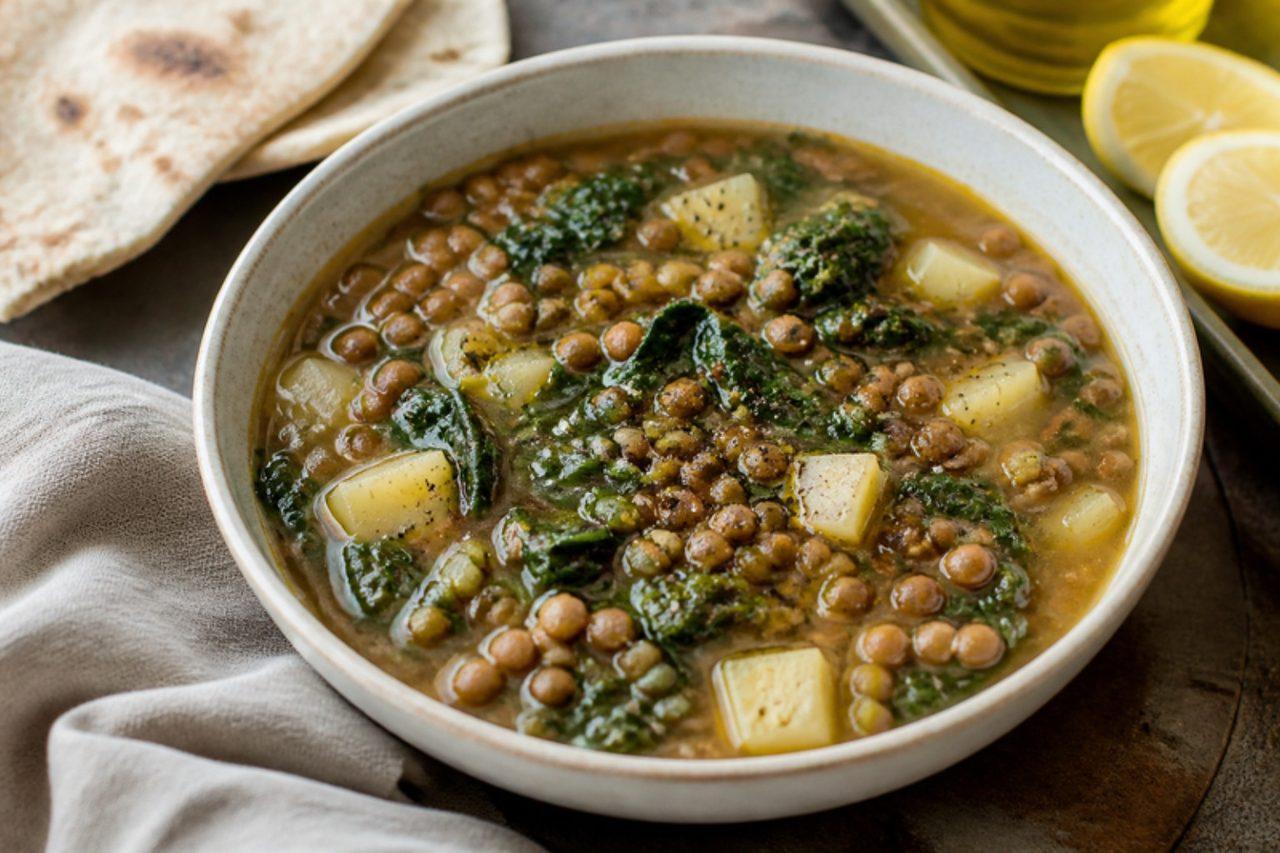
Adas bi hamodLentils with chard and lemon

Adas bi hamod — 'lentils with sourness' — is a Lenten staple in Lebanese Christian homes and a thrifty weeknight pot everywhere else, especially in the south. Brown lentils simmer with chard, potato and a fried paste of garlic and coriander until the broth turns thick, then a generous amount of lemon makes it tangy and refreshing. It is somewhere between a soup and a stew and is just as good warm or at room temperature with bread. Common mistake: adding the lemon at the start; the acid stops the lentils softening, so add it at the end. Chef's tip: mash a ladleful of lentils against the side of the pot to give the broth body without any flour.

by KrazyBadal 0 views

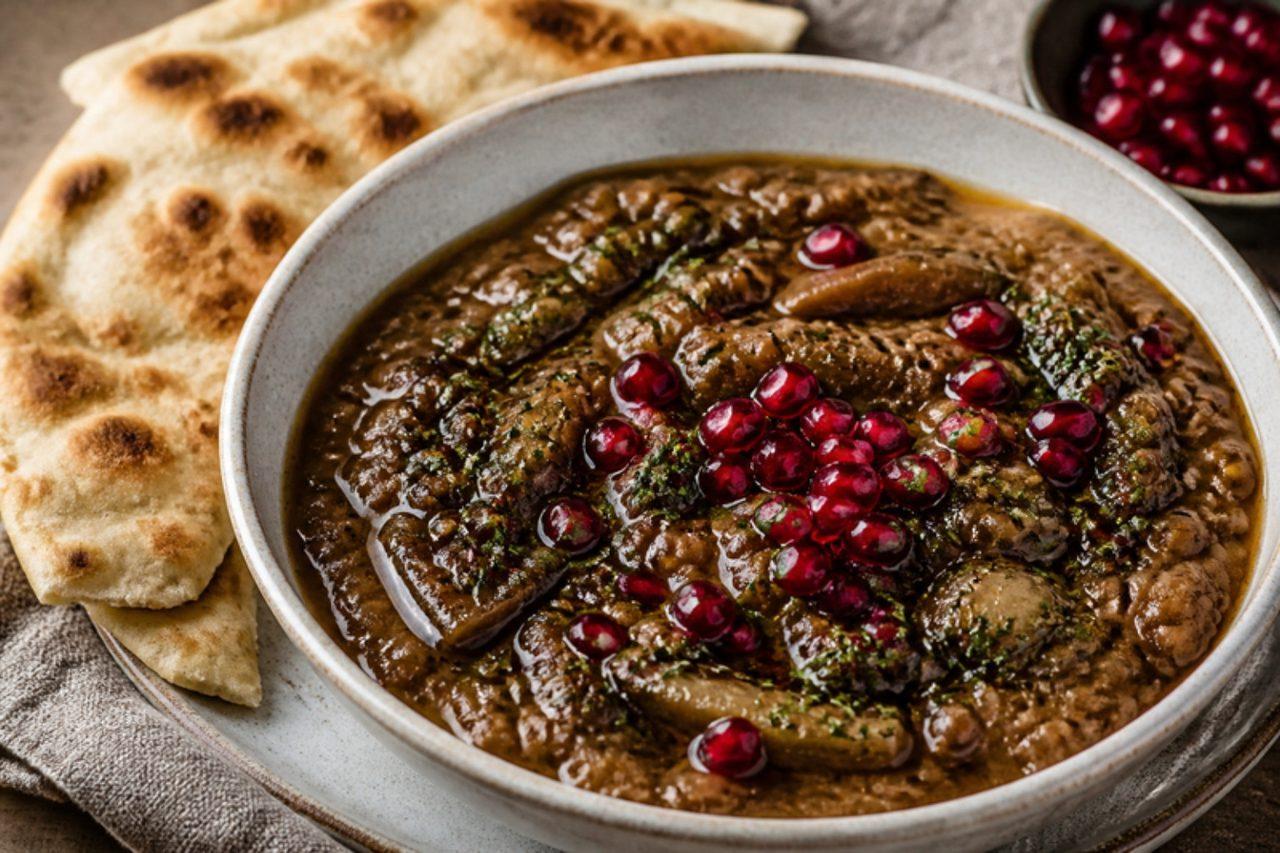
RummaniyehLentil and aubergine stew with pomegranate

Rummaniyeh, from rumman (pomegranate), is a Gazan autumn dish made when the pomegranates ripen: brown lentils and cubes of aubergine cooked to a thick, earthy stew, soured with pomegranate juice and molasses, enriched with tahini and finished with a sizzling oil of garlic, dill and chilli. It is eaten warm or at room temperature, scooped up with bread, and keeps well for days. Common mistake: adding the tahini over a high heat, where it seizes and turns grainy; stir it in off the boil. Chef's tip: fry the garlic and dill only until the garlic is pale gold; brown garlic tastes bitter against the sour fruit.

by KrazyBadal 0 views

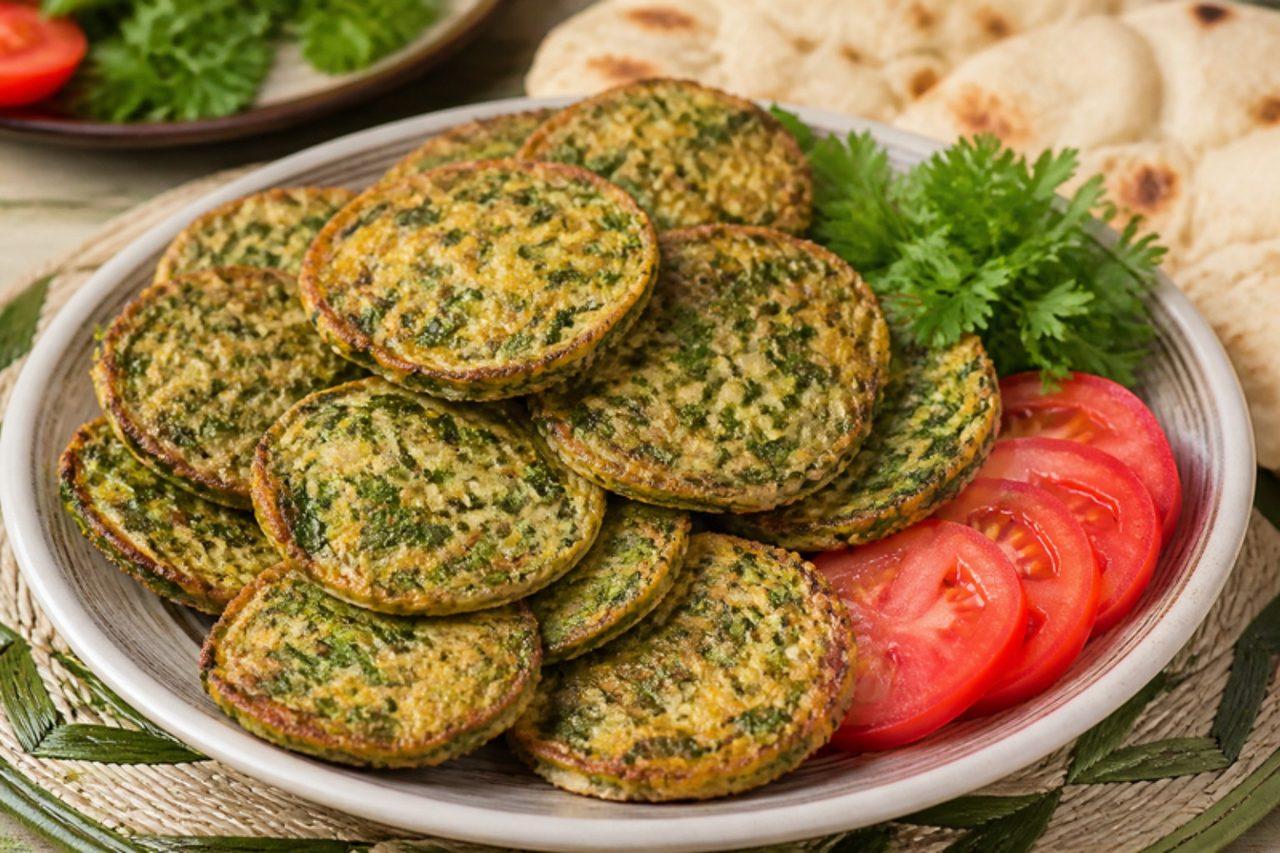
IjjehHerb omelette cakes

Ijjeh is the quick supper of Palestinian and Levantine homes: eggs beaten with so much parsley, mint and spring onion that they turn green, spiced with a little cinnamon and allspice, then fried as thick little patties. They are tucked into warm bread with tomatoes and pickles for school lunches, or served on a breakfast spread with olives and labneh. Common mistake: frying in too little oil over a high heat, so the outsides burn before the herbs inside cook. Chef's tip: a spoonful of flour and a pinch of baking powder make them puff and stay soft when eaten cold the next day.

by KrazyBadal 0 views

RashoofLentil and cracked wheat yoghurt soup

In the stone villages around Karak and Tafileh, rashoof is what simmers on cold, wet evenings: brown lentils and coarse bulgur cooked soft, then enriched with jameed, the dried salted yoghurt that is also the soul of mansaf. The result is thick, sour and comforting, almost a porridge, finished with a heap of onions fried golden in samneh. Jameed is sold in hard balls or as a liquid in Middle Eastern shops; thick strained yoghurt with a little extra salt makes a fine stand-in. The classic mistake is letting the soup boil hard once the yoghurt goes in, which makes it split into grainy curds. Chef's tip: temper the yoghurt with a ladle of hot soup first and stir in one direction over a low heat; it stays silky.

by KrazyBadal 0 views

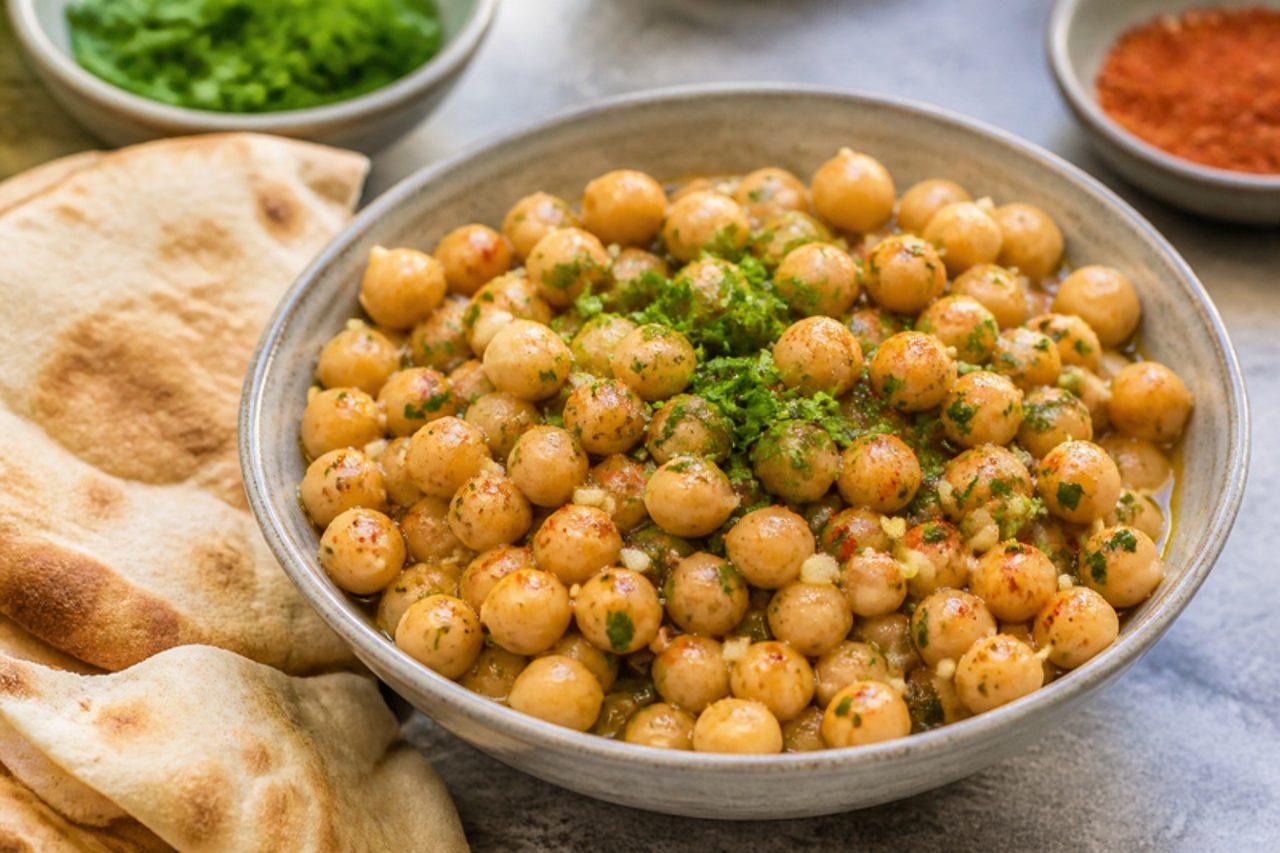
BalilaWarm chickpeas with garlic and lemon

On winter mornings in Damascus, handcarts with steaming pots of chickpeas park outside schools and offices, and vendors ladle balila into paper cups with a squeeze of lemon and a shake of cumin. In Beirut it is a mezze dish and a light Sunday breakfast, served warm in a shallow bowl with pine nuts and parsley and bread on the side. It is simply chickpeas, cooked until creamy inside, dressed while hot so they soak up the garlic and oil. The usual mistake is dressing cold chickpeas from the fridge; they stay waxy and the flavours sit on the surface. Chef's tip: keep a ladle of the hot cooking water and add it to the dressing; it turns the oil and lemon into a light, clinging sauce.

by KrazyBadal 0 views

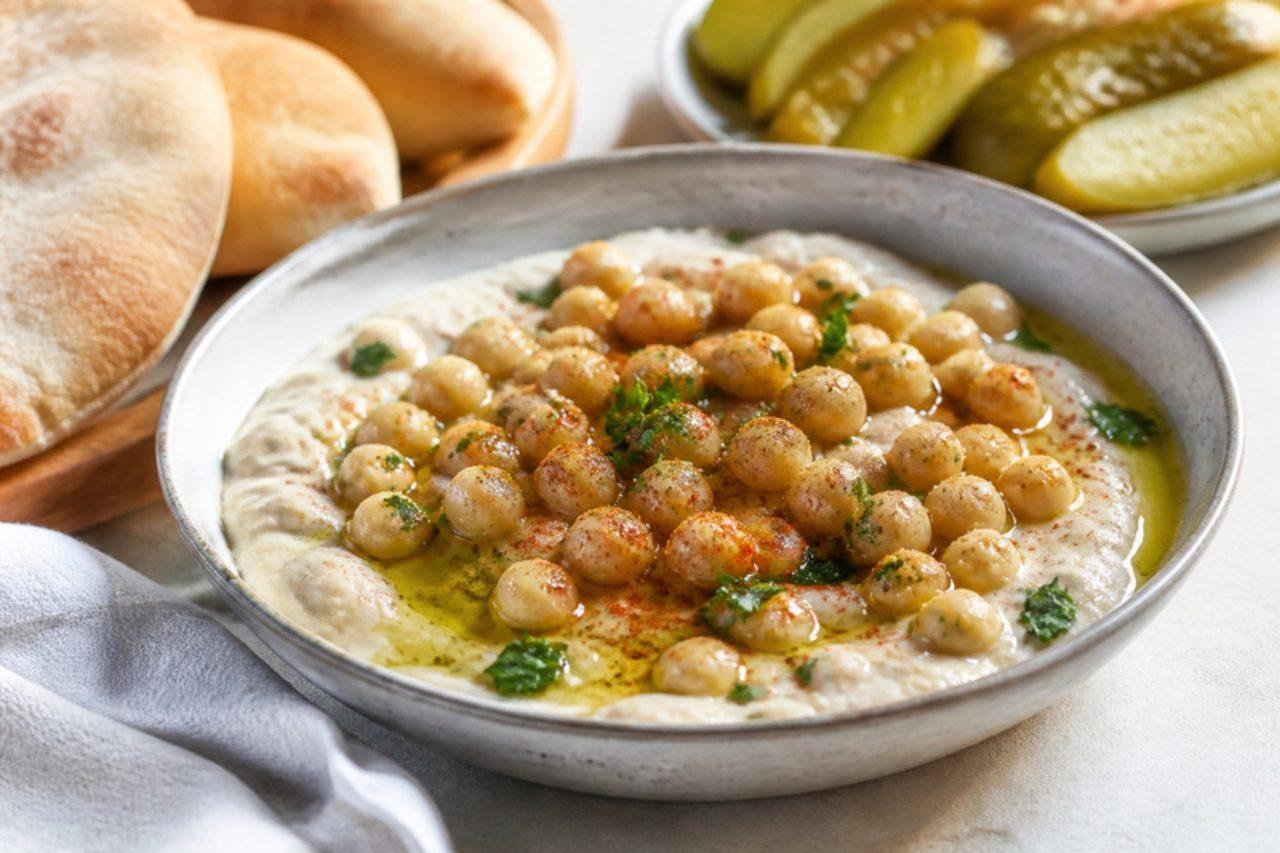
MsabbahaWhole chickpeas in tahini sauce

Hummus shops in Jerusalem's Old City and in Nablus open before dawn, and alongside the smooth hummus they ladle out msabbaha: whole, just-cooked chickpeas bathed in a loose, garlicky tahini and lemon sauce, still warm. It is a working breakfast, eaten with raw onion wedges, green chilli and plenty of bread, and it is just as popular in south Lebanon. The texture is the point, soft chickpeas in a creamy pool rather than a purée. The common mistake is making the tahini sauce too thick; it should pour like double cream so it seeps around every chickpea. Chef's tip: crush a handful of the hot chickpeas into the sauce before you spoon it over; it makes the msabbaha richer and creamier.

by KrazyBadal 0 views

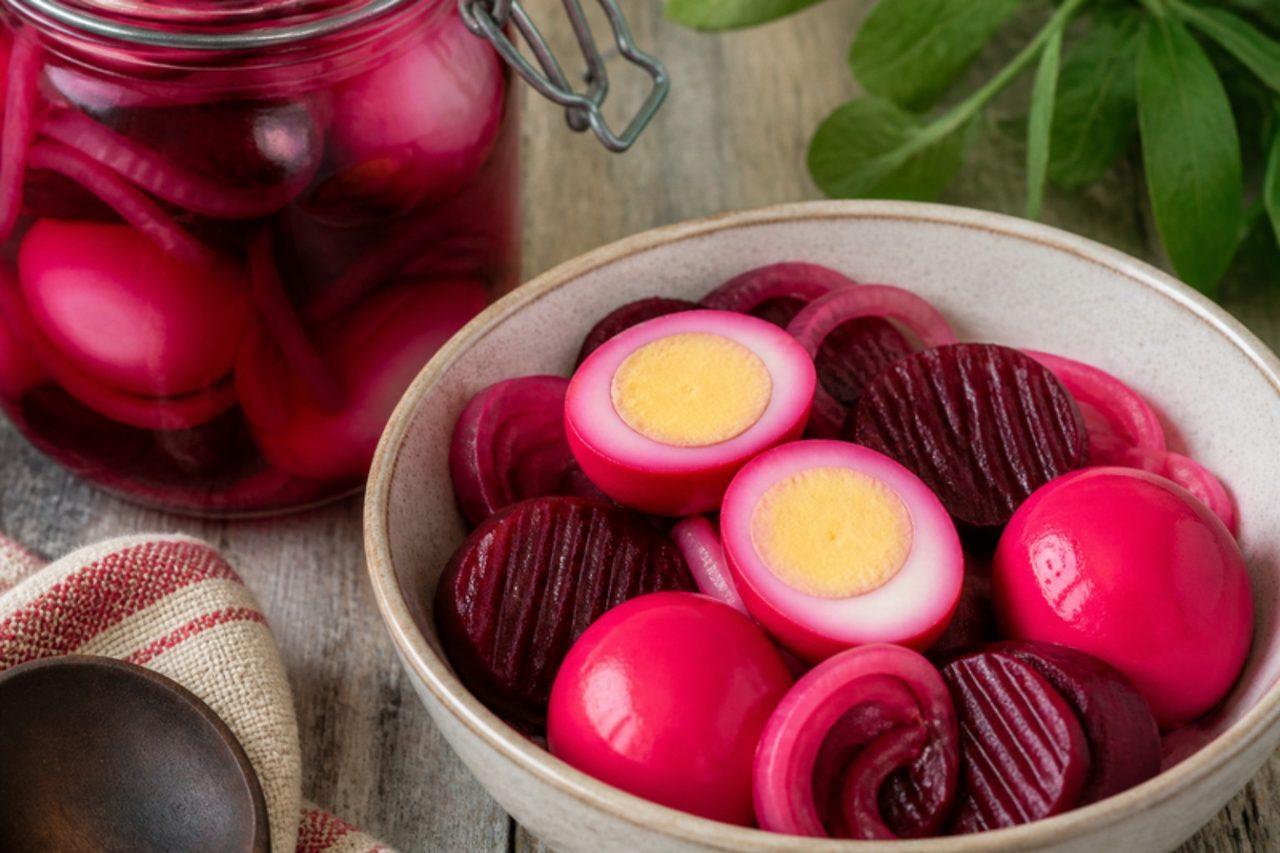
Pickled red beet eggs

Red beet eggs are on the table at every Pennsylvania Dutch church picnic and Easter lunch, a jar of shocking-pink eggs sitting in the same sweet-sour brine as the pickled beets. The whites take on colour and tang from the outside in, while the yolks stay creamy. Slice them on a salad or eat them whole with a pinch of salt. Chef's tip: two days in the brine gives a thin pink ring; leave them four days for colour almost to the yolk.

by KrazyBadal 0 views

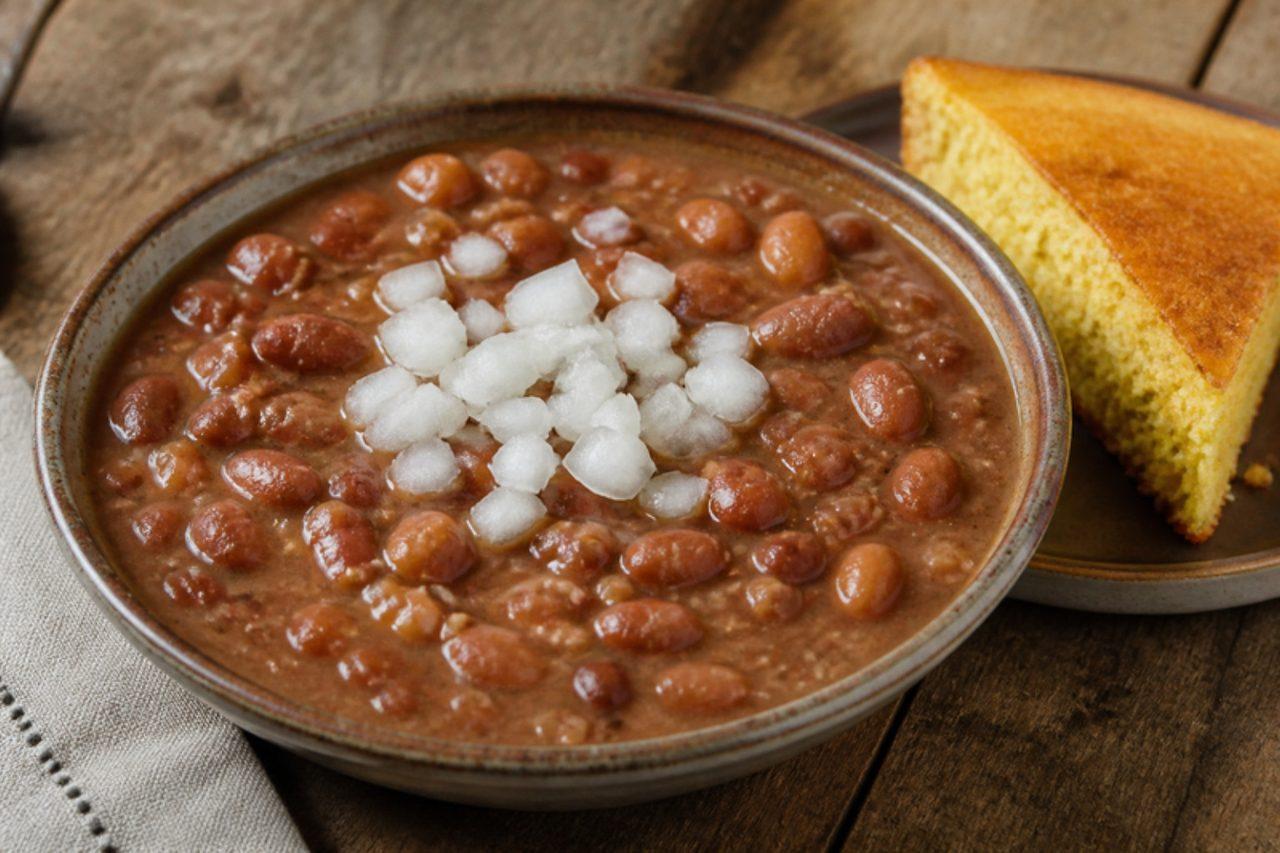
Appalachian soup beans

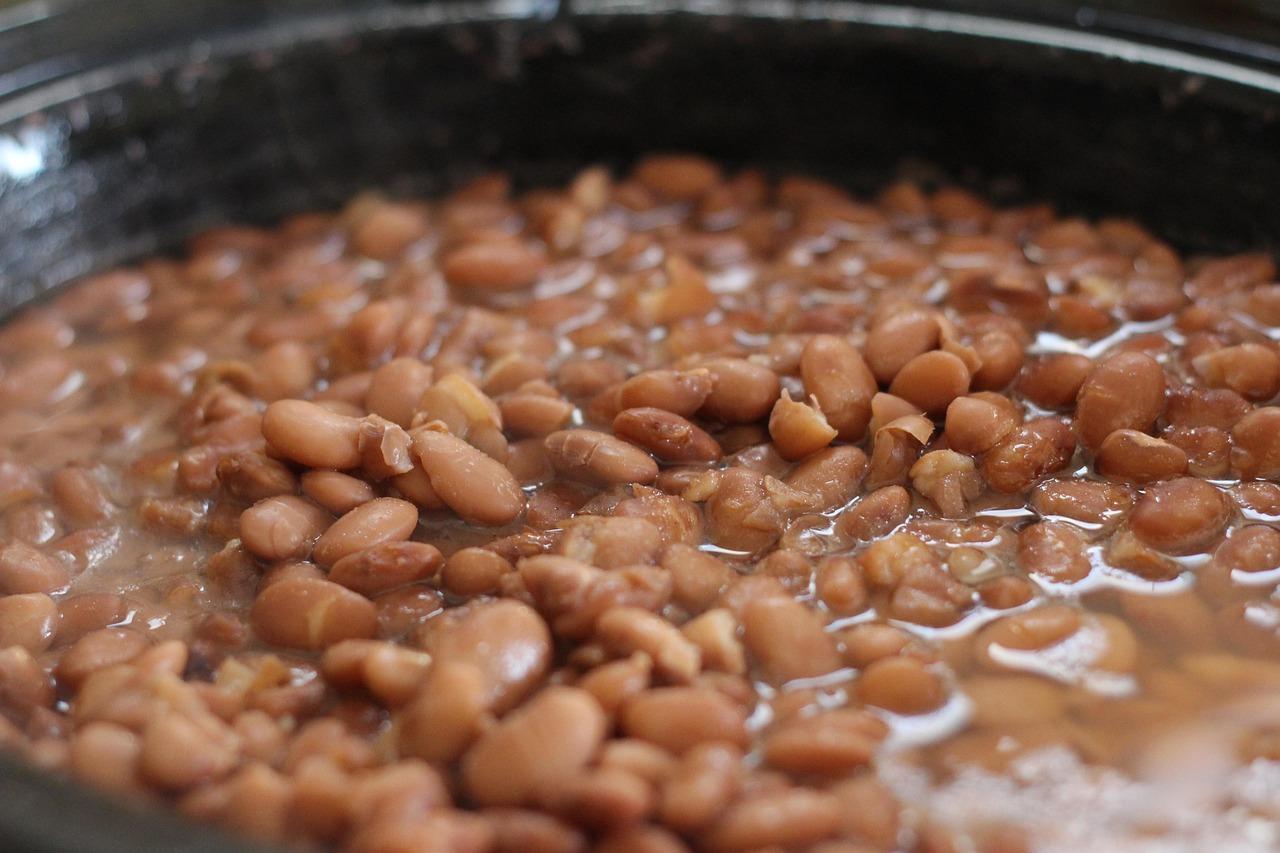
Soup beans, a pot of brown pintos simmered all afternoon until the broth turns thick and creamy, are the everyday supper of the coal-country hollows of Kentucky and West Virginia, served with cornbread, raw onion and chow-chow. Most mountain cooks add a ham hock or salt pork; this meat-free pot gets its savour from browned onion, garlic and a little smoked paprika. Chef's tip: mash a ladle of beans against the pot side near the end to thicken the 'pot likker'.

by KrazyBadal 0 views

AdasiBrown lentils with onion and cumin

Adasi is the winter breakfast of Iran's cafés and university canteens, ladled out early in the morning in Tehran, Tabriz and Mashhad from big pots that have bubbled since dawn. Whole brown lentils are cooked soft with turmeric and onion until thick and spoonable, then finished with cumin, a little golpar (ground angelica seed), black pepper and lemon. It is eaten with warm barbari or sangak and sweet tea. The common mistake is cooking it at a hard boil, which leaves the skins split and the soup grainy rather than velvety. Chef's tip: mash a ladleful of lentils against the side of the pot at the end; it thickens the adasi without any flour.

by KrazyBadal 0 views

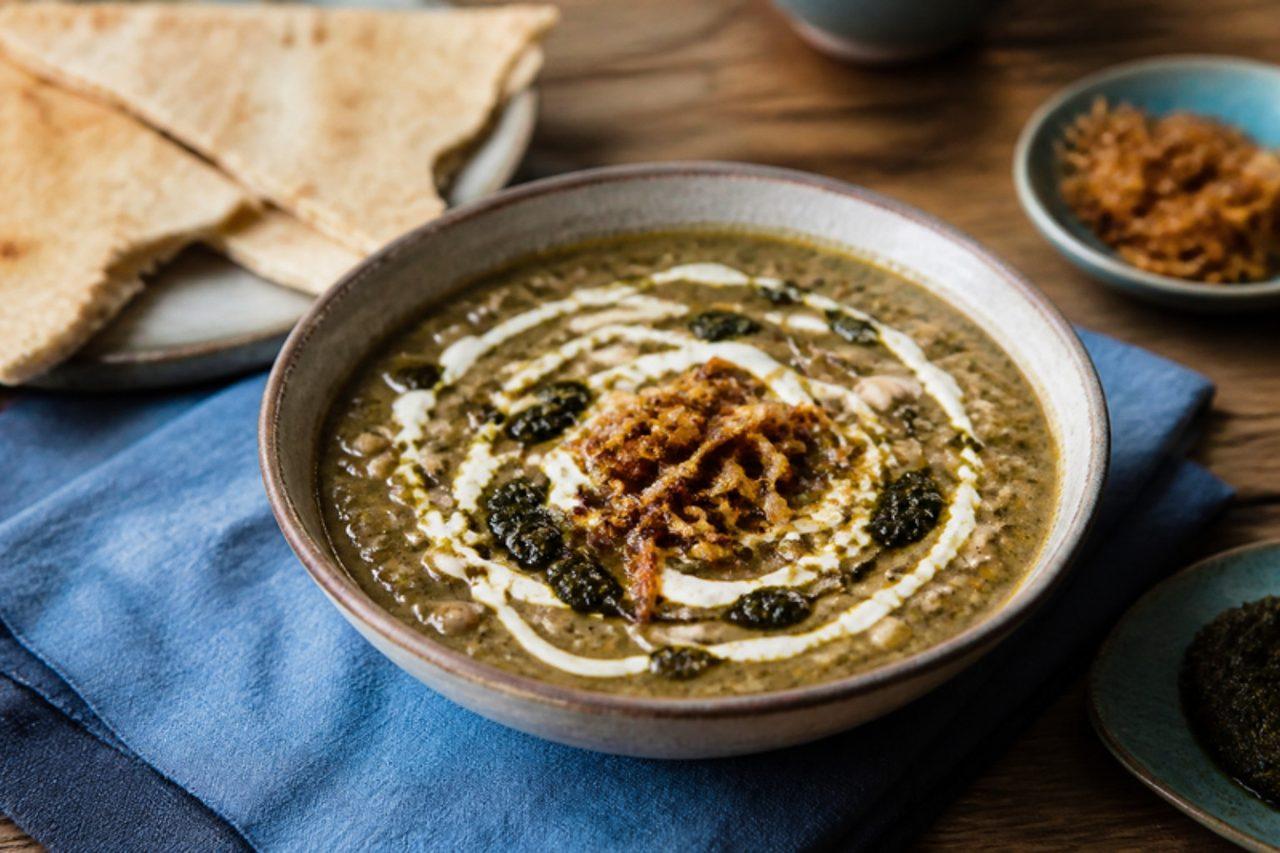
Ash-e kashkWheat, bean and herb soup

Ash-e kashk is the winter ash of Khorasan and the central plateau, simmered in big pots in Mashhad and Neyshabur homes and served from the pot for long Friday lunches. Cracked wheat, chickpeas, beans and lentils cook down with a mountain of herbs until creamy and thick, then each bowl gets a swirl of kashk, crisp fried onion and sizzling mint oil. Kashk is fermented dried whey, made without rennet, so it is vegetarian. A common mistake is adding the herbs too early, which turns them grey and muddy; stir them in for the last 30 minutes only. Chef's tip: stir the kashk in a little hot broth before swirling, so it blends smoothly rather than splitting.

125 minPersianSoups
by KrazyBadal 0 views

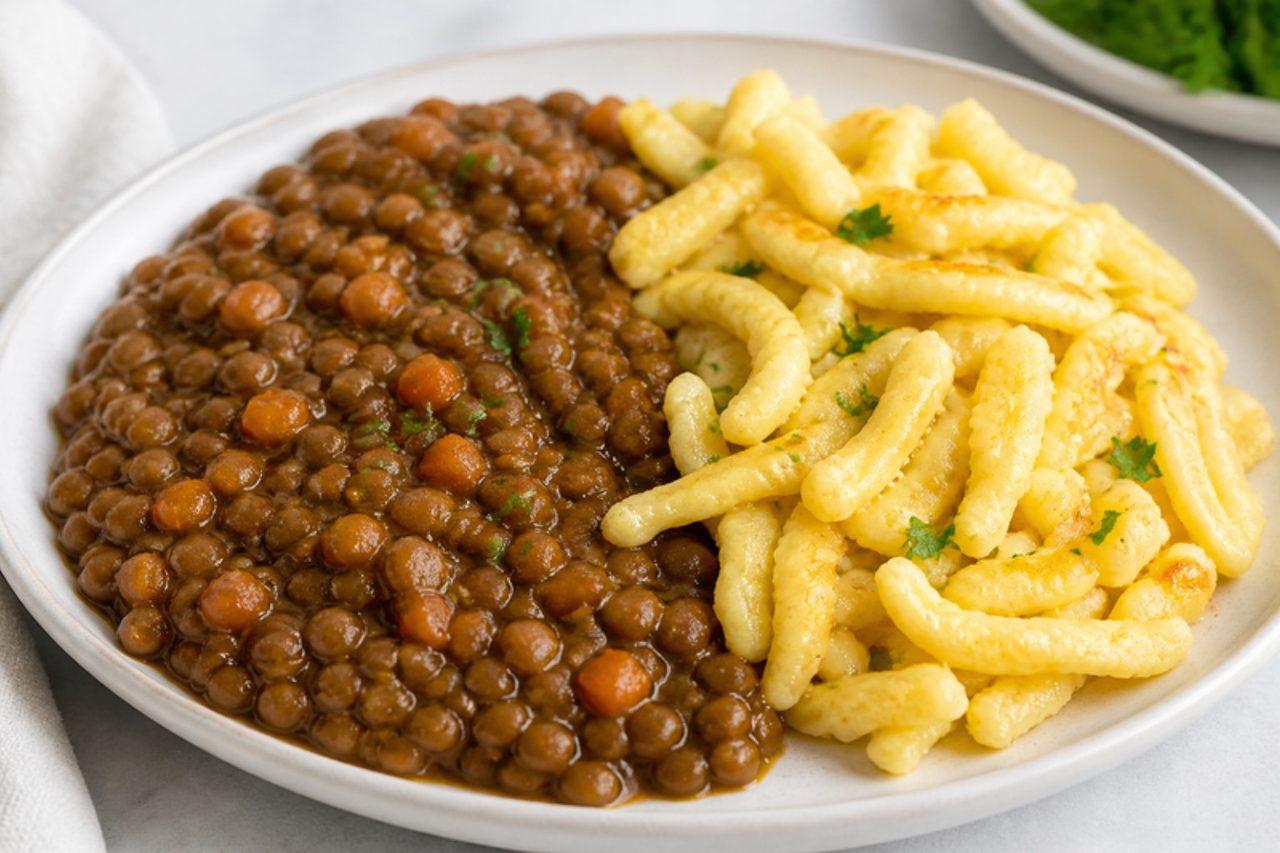
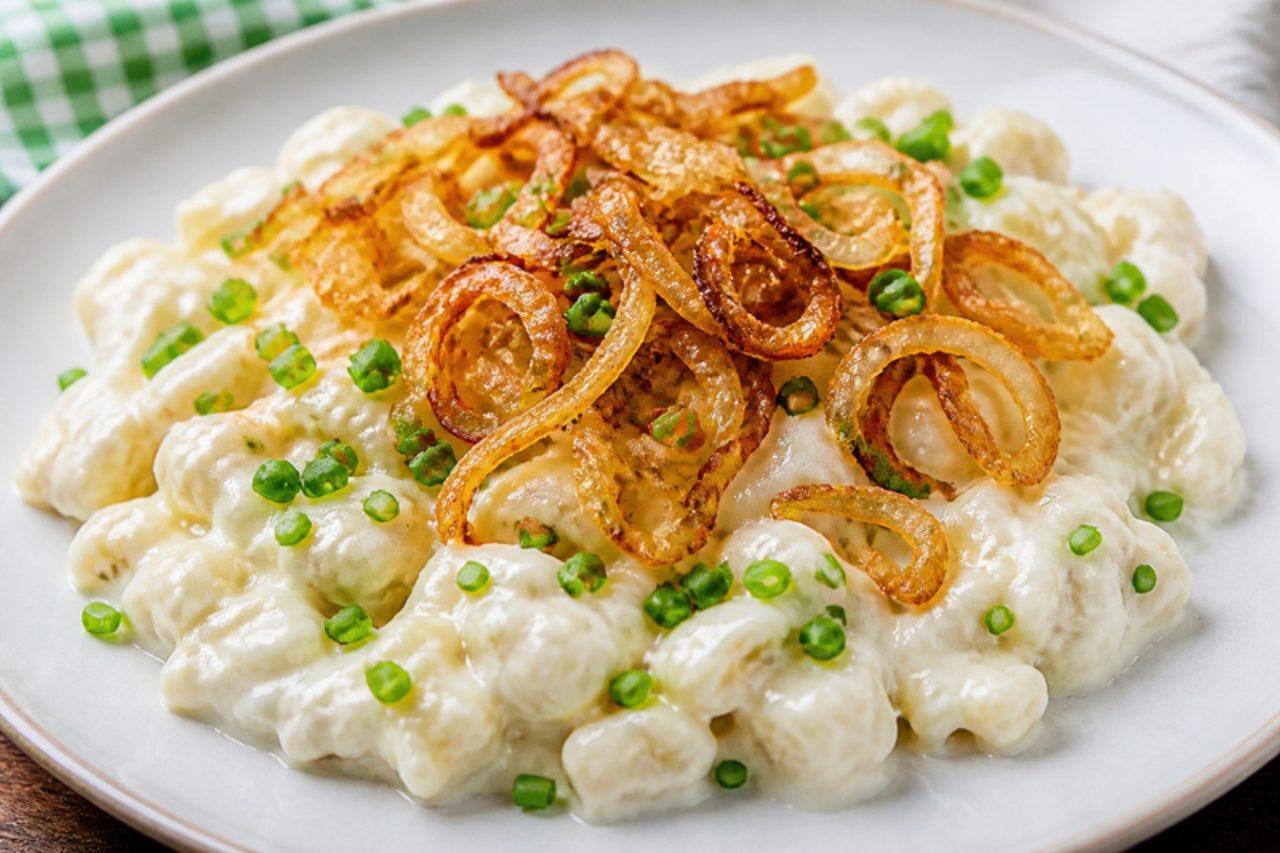
Linsen mit SpätzleSweet-sour lentils with egg noodles

Linsen mit Spätzle is Swabia's Saturday supper, eaten in kitchens from Stuttgart to Ulm when the week's cooking was done and something cheap and filling was needed. Small brown or green Alb lentils are stewed with root vegetables, then sharpened with vinegar and a little sugar, and ladled over freshly scraped Spätzle. Most families add a pair of thin smoked Saitenwürstle; this version skips them, and the smoked paprika keeps a hint of that flavour. A common mistake is adding the vinegar at the start, which stops the lentils softening, so it goes in at the end. Chef's tip: beat the Spätzle batter until bubbles pop on the surface; that air is what makes them springy.

by KrazyBadal 0 views

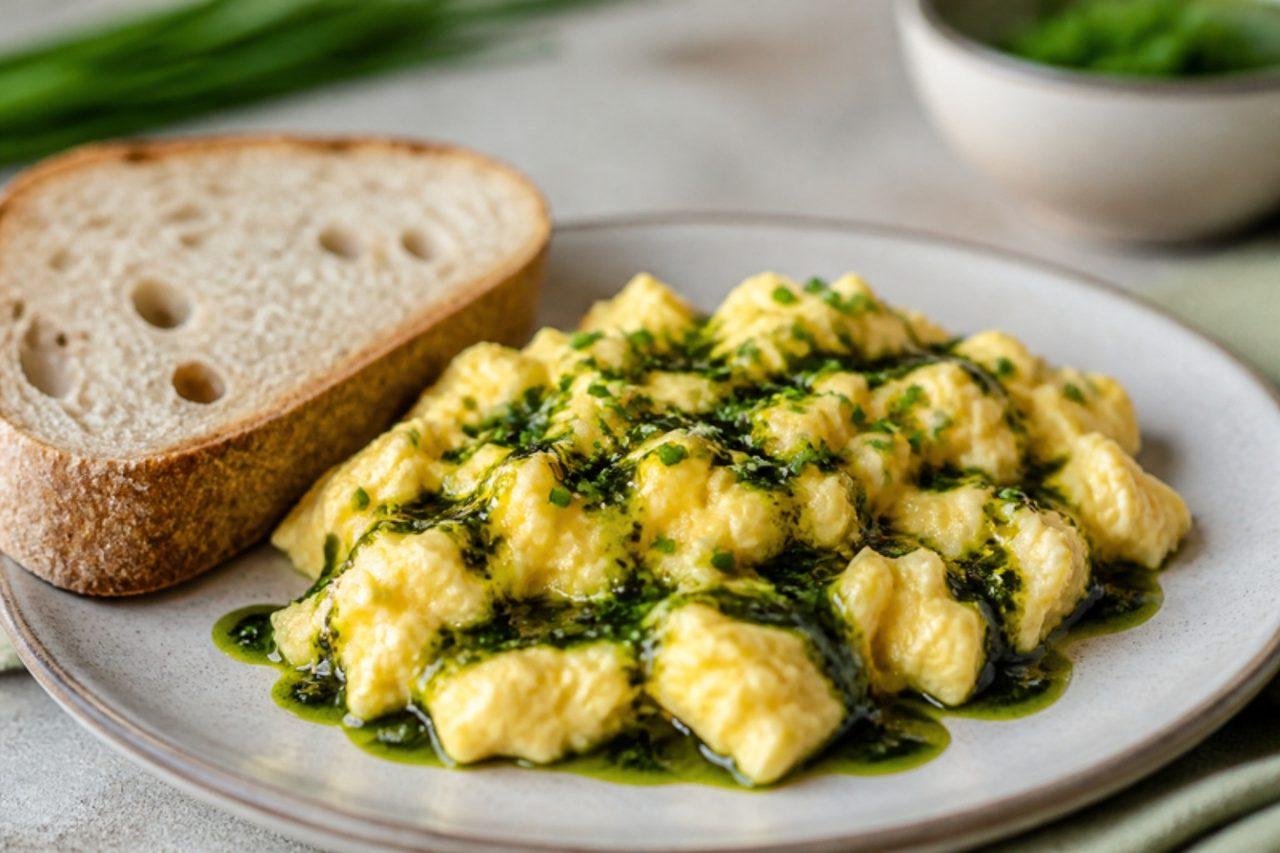
Steirische Kernöl-EierspeisScrambled eggs with pumpkin seed oil

Eierspeis is the Austrian word for scrambled eggs, and in Styria they get a final drizzle of the region's dark green pumpkin seed oil. It is a farmhouse breakfast or a late-night snack after a long evening in a Graz wine bar, eaten straight from the small pan it was cooked in with a slice of rye bread. The eggs are soft and creamy in big folds, and the oil adds a toasted, nutty depth that tastes almost like brown butter. A common mistake is stirring too fast on a high heat, which gives small dry crumbs instead of soft curds. Chef's tip: salt the eggs a few minutes before cooking; it helps them set more tenderly.

by KrazyBadal 0 views

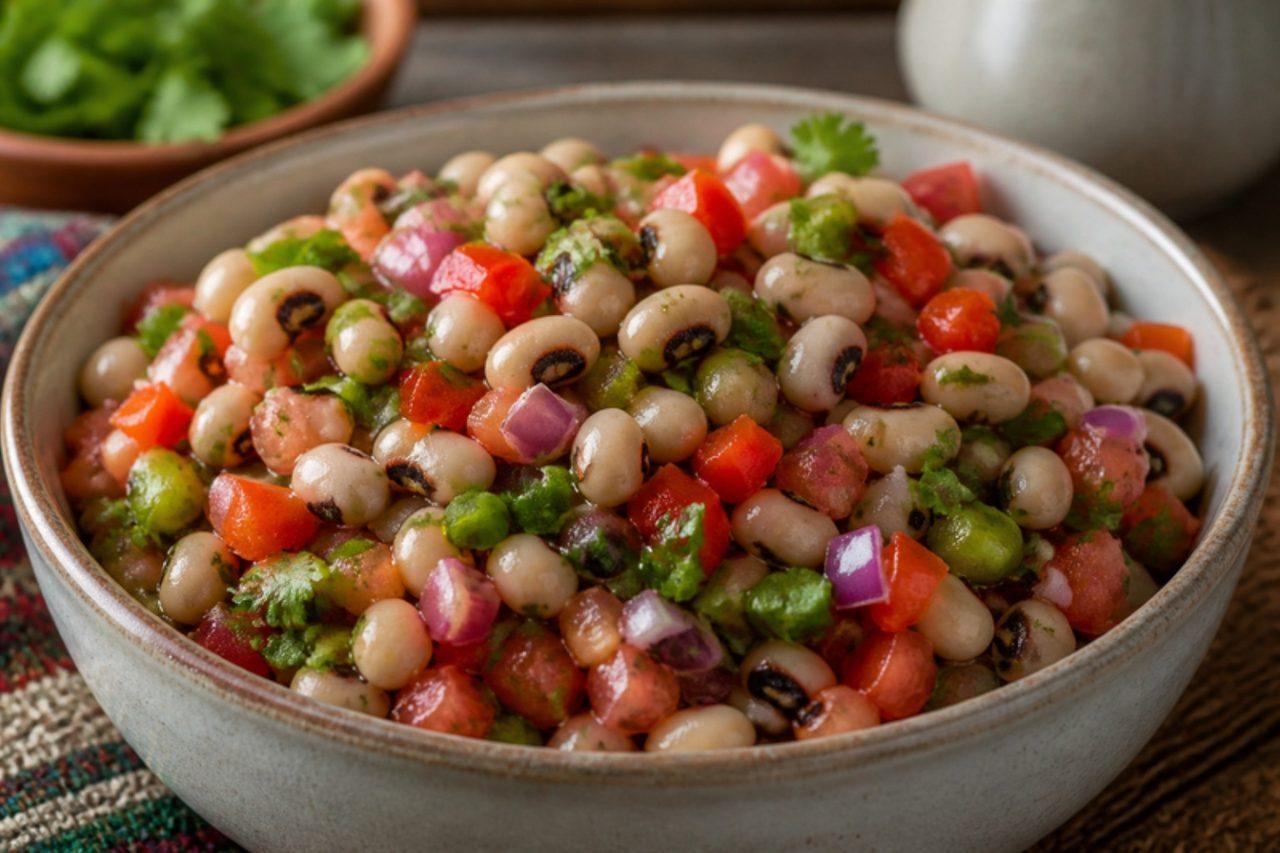
Salada de feijão-fradinhoBlack-eyed pea salad

Black-eyed peas are the bean of Bahia, ground for acarajé and abará and simmered whole for the caruru feasts of late September. Cooked until just tender and dressed while warm, they also make this bright salad that appears on Salvador's por-quilo lunch buffets and next to grilled food at weekend gatherings. Tomato, red onion, two kinds of pepper, coriander and plenty of lime give it crunch and sharpness, and the peas stay creamy inside. It goes with rice and grilled vegetables, or stands alone as a light lunch. Soak the dried peas for at least 4 hours or overnight before you start. The trap to avoid is boiling the peas hard until the skins split; they turn to mush when tossed. Chef's tip: dress the peas while they are still warm with the lime, oil and salt only, then add the raw vegetables once they are cool so everything stays crisp.

by KrazyBadal 0 views

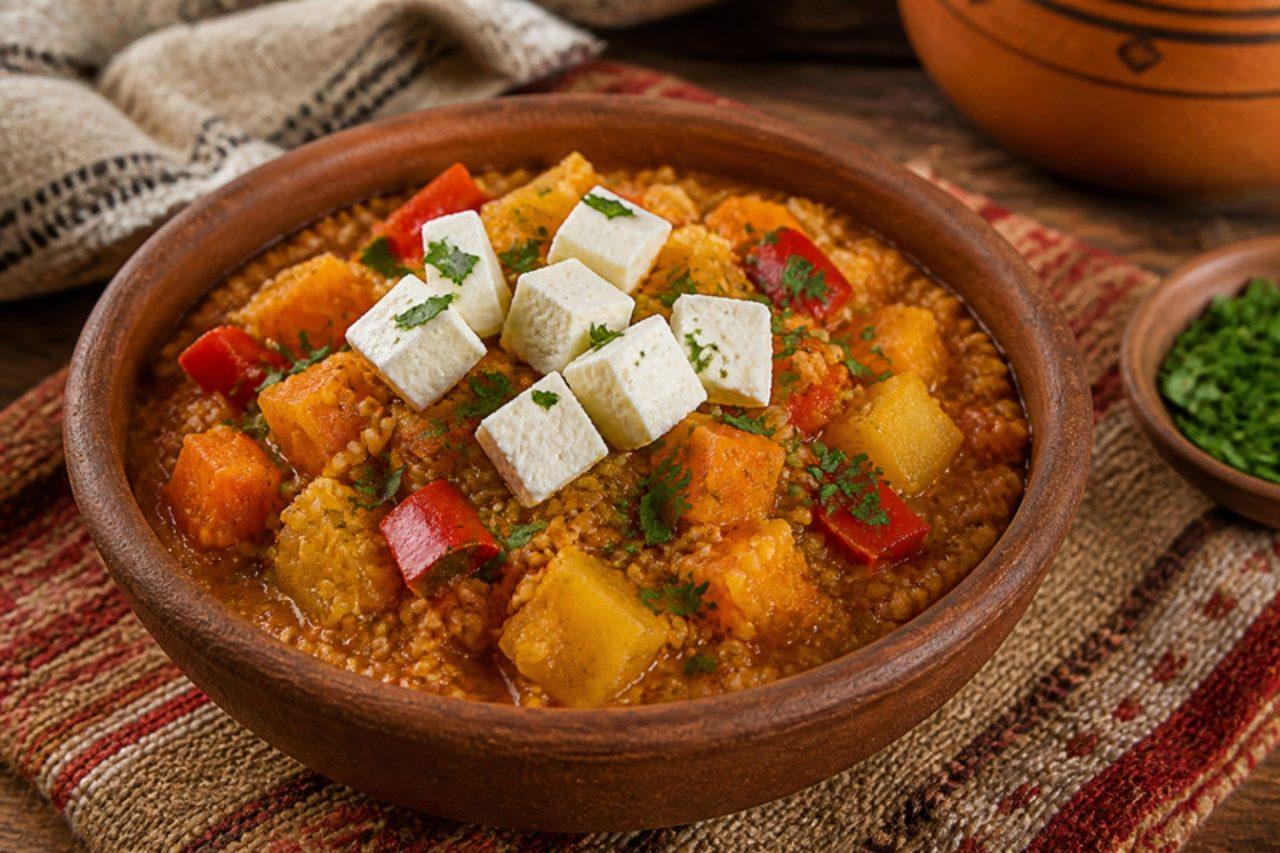
Guiso de quinoaQuinoa and squash stew

High in the Quebrada de Humahuaca, where quinoa has been grown on terraces for centuries, a pot of guiso de quinoa is the sort of thing served at a comedor beside the road or in a family kitchen on a cold evening at 3,000 metres. The grain cooks in a cumin-scented broth with potato, squash and red pepper until it bursts and thickens everything into a spoonable stew, and cubes of fresh cheese go in at the end to soften. Serve it in deep bowls with a spoon of llajua or chilli sauce and bread. Skipping the rinse is the mistake that spoils it: quinoa is coated in saponins that taste soapy and bitter, so wash it until the water runs clear. Queso fresco is often made with animal rennet; use a vegetarian fresh cheese, or leave it out for a vegan stew. Chef's tip: toast the rinsed quinoa in the oil for two minutes before the liquid goes in; it brings out a nutty flavour.

by KrazyBadal 0 views

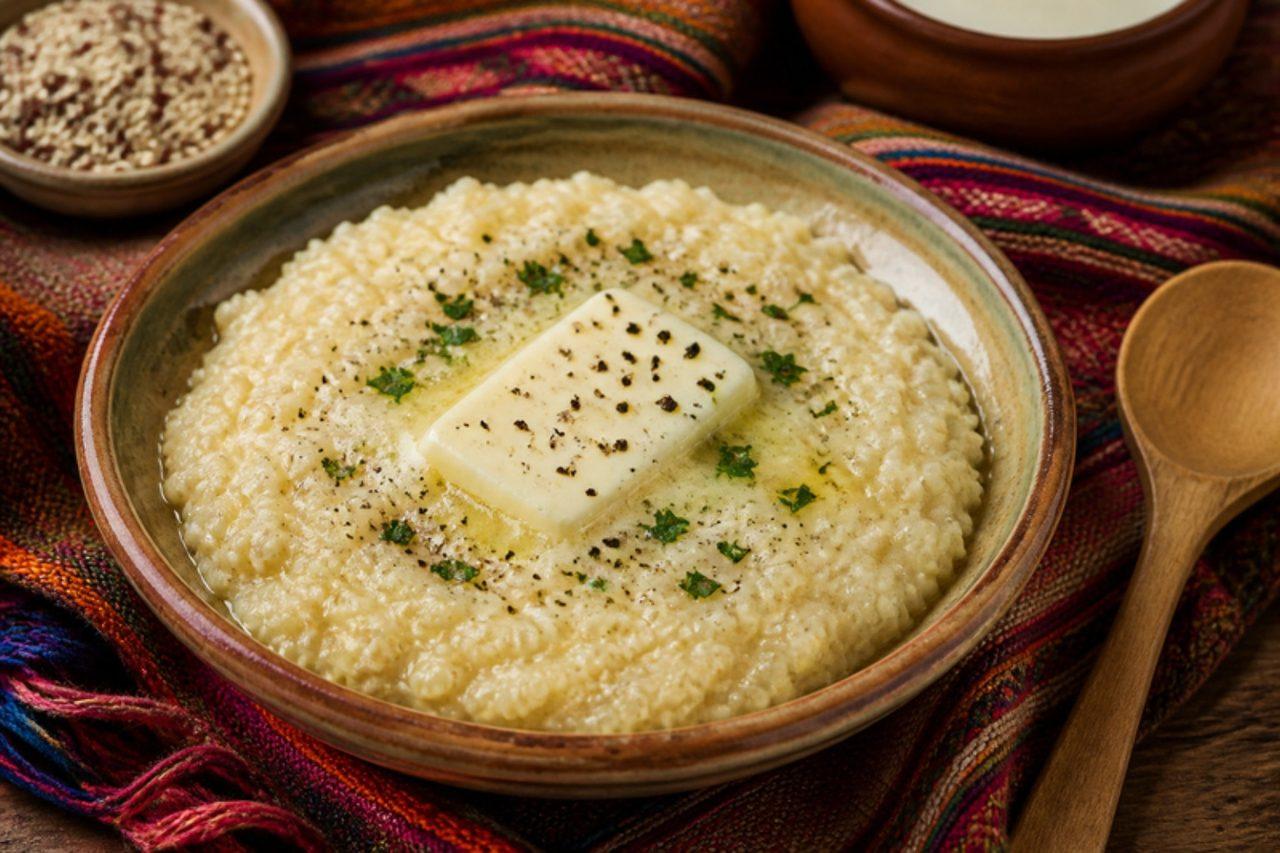
Pesque de quinuaCreamy quinoa with cheese

Up on the Altiplano around Lake Titicaca, where quinoa grows at almost 4,000 metres, pesque is everyday food: quinoa cooked until it collapses, then beaten with milk, a knob of butter and crumbled fresh cheese until it looks like a loose, savoury risotto. Puno families eat it for a warming lunch or supper, often with a glass of milk poured over or a fried egg on top, and in the cold dry air it is exactly what the body wants. It is soft, nutty and mildly salty. The step people skip is rinsing the quinoa, and the natural saponins then leave a soapy, bitter edge; rub it under running water until the foam stops. Serve with a tomato salad or a spoon of uchucuta for some heat. Andean fresh cheese is usually set with animal rennet, so choose a vegetarian fresh cheese if needed. Chef's tip: cook the quinoa in a little more water than usual and leave it a few minutes longer than for a salad, so it turns creamy and the grains burst.

by KrazyBadal 0 views

PurtumuteBean and white corn stew

High-jungle towns like Chachapoyas and Moyobamba, in the cloud-forest regions of Amazonas and San Martín, serve purtumute at festivals and family gatherings: a thick pot of beans and big white mote corn kernels simmered with onion, garlic, chilli and plenty of chopped culantro. Some versions add cheese or pork crackling; this one keeps it vegan, letting the creamy beans and chewy corn carry the dish. It is filling and earthy with a fresh green finish, and it is served in bowls with ají on the side and a plantain or a little rice. The dried beans need an overnight soak, which isn't included in the times. The usual mistake is adding salt and the sofrito too early, which can stop the beans from softening; season once they are tender. Canned or jarred white hominy works for the mote. Chef's tip: mash a ladle of the beans against the side of the pot near the end; it thickens the stew without any flour.

by KrazyBadal 0 views

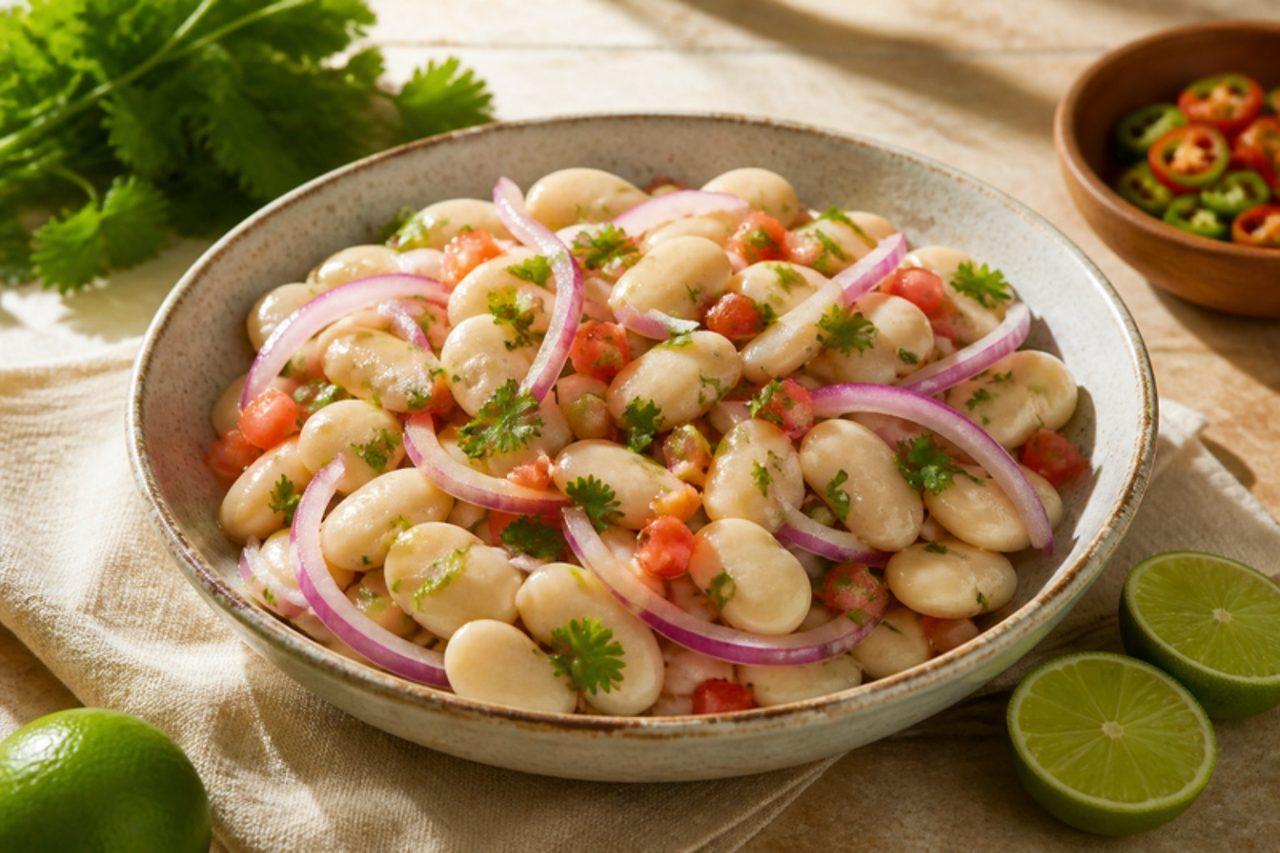
Ensalada de pallaresLima bean and red onion salad

Around Ica, on Peru's southern desert coast, pallares grow in irrigated valleys and dry into fat, flat beans the size of a thumbnail; the region holds them in high regard and sells them by the sack at the Ica market. Cooked until creamy and dressed while warm, they become a filling salad that sits on the table beside fried fish, rice or a plate of boiled sweet potato, and it works as a light lunch on its own. The onion is cut the Peruvian way, in fine half-moons, rinsed so it stays crisp without biting, and the ají limo gives a fruity heat that you can turn up or down. A frequent slip is dressing the beans straight from the fridge: they stay chalky and the lime slides off instead of soaking in. Using dried beans adds an overnight soak; good jarred or canned large lima beans make it a 20-minute dish. Chef's tip: dress the beans while they are still warm with half the lime and salt, then add the onion, tomato and the rest of the lime just before serving.

by KrazyBadal 0 views

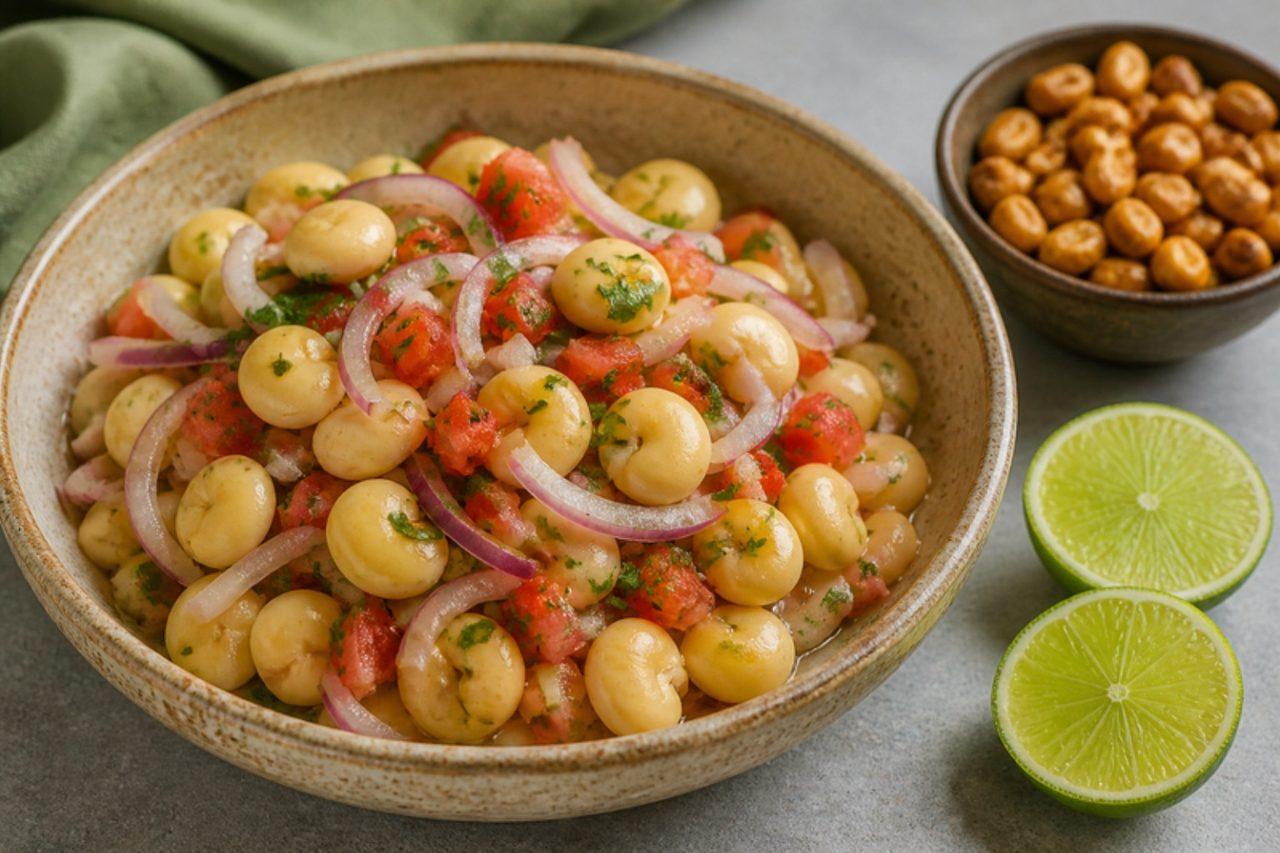
Ceviche de chochoLupin bean ceviche

Chocho, or tarwi, is the Andean lupin bean, a protein-packed legume grown high around Huaraz, Cajamarca and Puno, and street carts in the highlands sell it in plastic cups dressed like a ceviche: lime, red onion, tomato, coriander and a little ají, sometimes with toasted corn for crunch. It is fresh, sour and pleasantly firm, a vegan stand-in for fish ceviche that works as a starter or a light lunch. Food safety matters here: raw or bitter lupins contain toxic alkaloids and must never be eaten as they are. Use only ready-debittered, cooked chochos, sold in jars, vacuum packs or chilled tubs in Latin shops; if they taste bitter, rinse and soak them longer or throw them away. Lupin is also a common allergen and may affect people allergic to peanuts. The usual mistake is to drown everything in lime and leave it, which makes the onion limp; mix the dressing just before serving. Chef's tip: squeeze the limes gently by hand rather than with a press, so the juice doesn't turn bitter.

by KrazyBadal 0 views

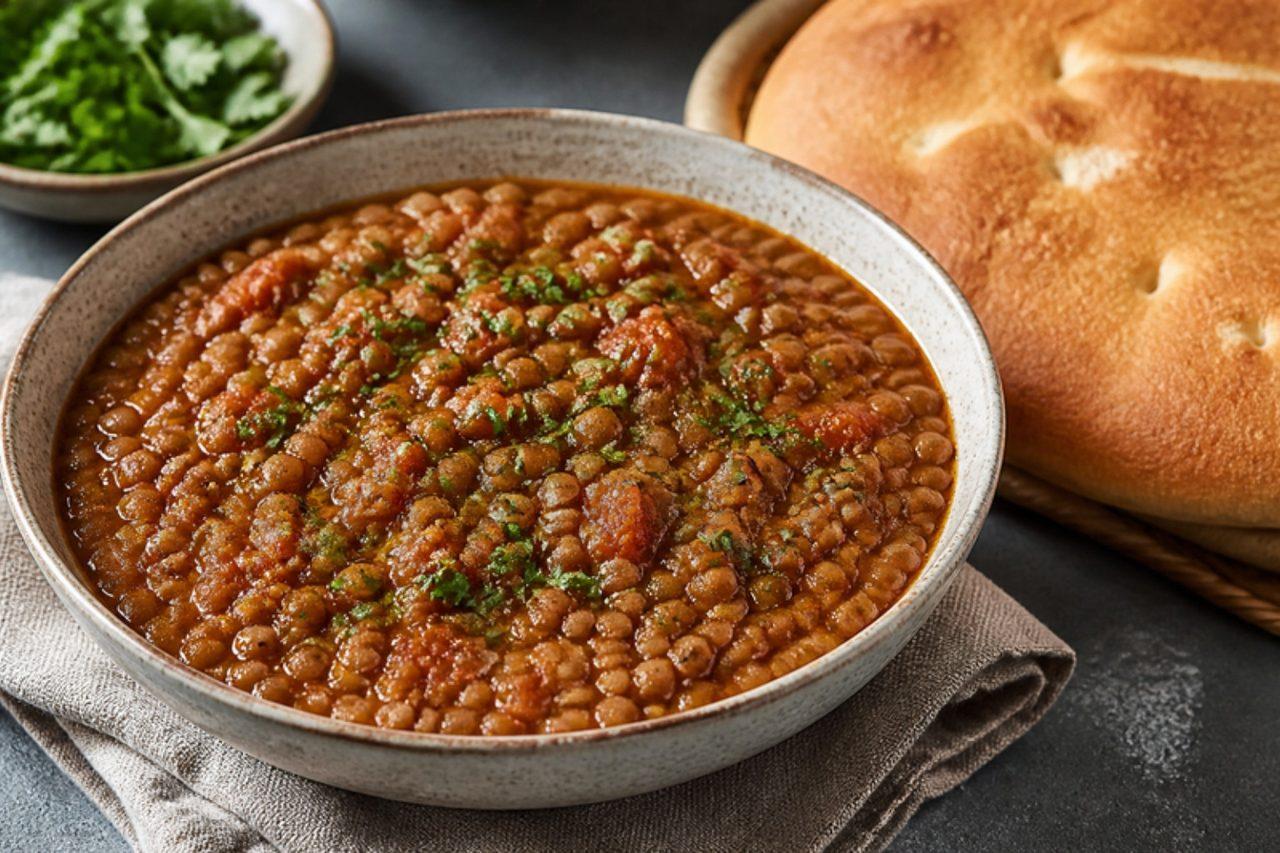
Moroccan lentils (aadess)

Cheap, filling and ready in under an hour, aadess turns up on home tables from Fez to Casablanca and in the clay bowls of small medina eateries that sell beans and lentils with bread to workers at lunchtime. The lentils stay whole but tender, sitting in a thick, brick-coloured sauce of grated tomato, garlic, cumin and paprika, finished with a generous slick of olive oil and fresh herbs. Scoop it up with crusty khobz; a dab of harissa or a few olives on the side is all it needs. Chef's tip: pick through the lentils on a plate before you rinse them, since small stones turn up even in good bags.

by KrazyBadal 0 views

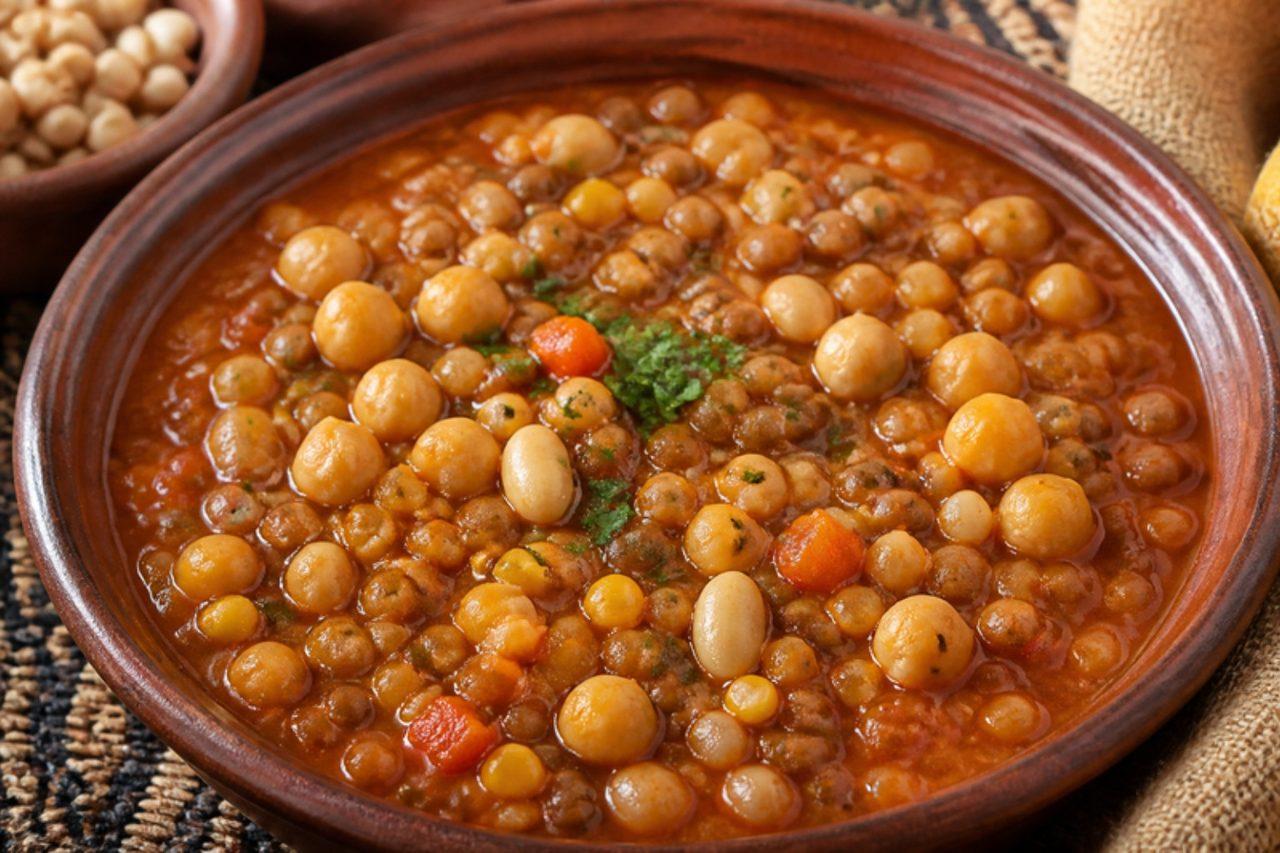
Ourkimen (Yennayer pulse and grain stew)

Ourkimen is cooked across the Souss and the Atlas for Yennayer, the Amazigh New Year on 12–13 January, when a pot of mixed dried beans, chickpeas, wheat berries and corn is simmered for hours to wish for a plentiful harvest. Many families add lamb's feet or dried meat; this is the meat-free version, made the way many cooks prepare it when meat is not on the table, and it is still deeply savoury from tomato, cumin, paprika and a good dose of olive oil. The grains turn chewy and the pulses creamy, and the stew is eaten hot from bowls with bread. Start the soaking the night before; the stew then needs about 3 1/2 hours of gentle simmering. People who have G6PD deficiency (favism) should leave out the dried broad beans and use more white beans. Chef's tip: stir from the bottom every 20 minutes in the last hour; as the stew thickens it catches easily.

by KrazyBadal 0 views

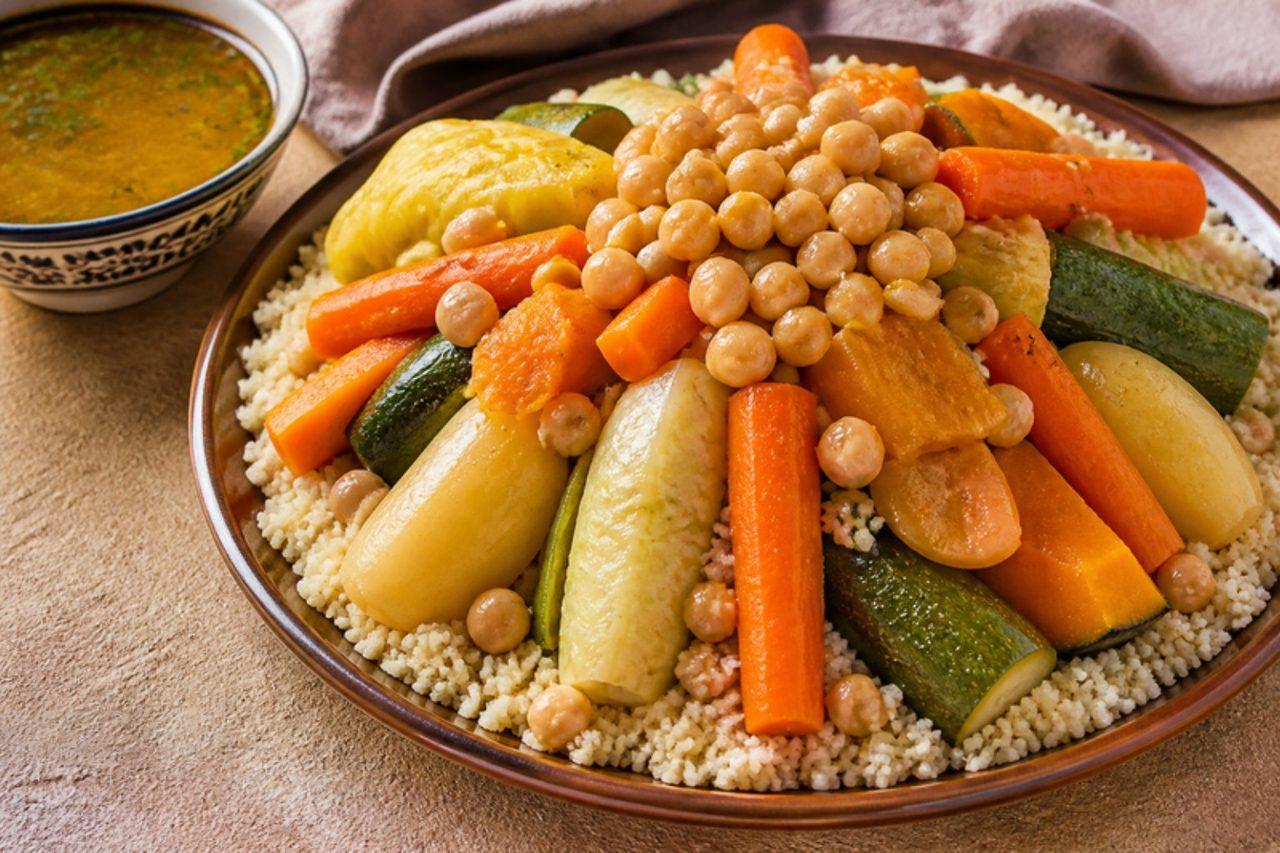
Barley couscous with vegetables (belboula)

In the palm oases of the Draa Valley, south of the Atlas, barley grows where wheat struggles, and the couscous cooked for family meals is often belboula: cracked barley grains steamed three times until fluffy, nutty and slightly chewy. It is heaped on a big platter, crowned with vegetables from the broth bubbling beneath it, such as carrots, turnips, pumpkin, courgettes and cabbage, plus chickpeas, then moistened with ladles of the turmeric-and-ginger broth. On hot days the same couscous is eaten cold with buttermilk instead. It takes time but very little skill once you know the rhythm of steaming. Chef's tip: oil and rub the grains between your palms before each steaming so they stay separate.

by KrazyBadal 0 views

Chickpeas with cumin (hummus bel kamoun)

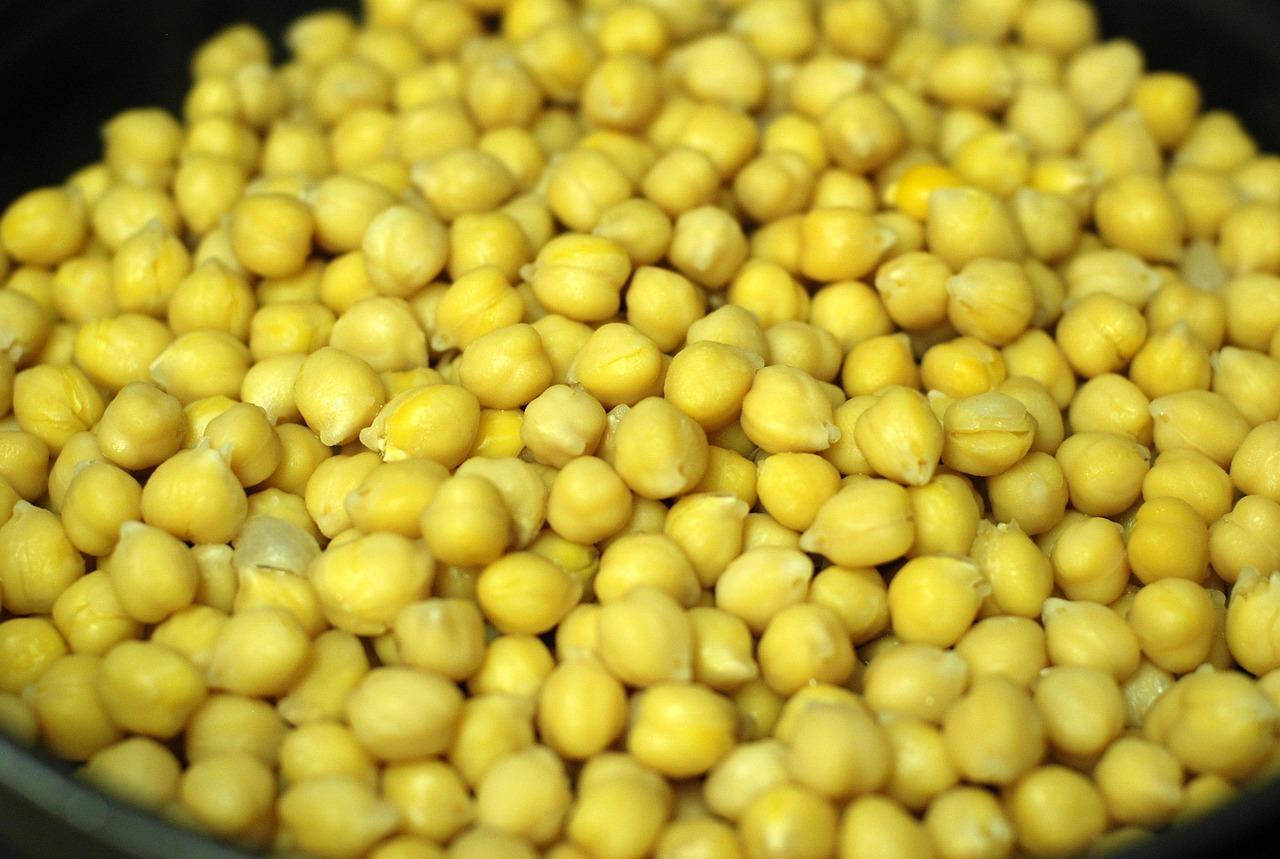
On chilly evenings, street carts in the medinas steam a great pot of chickpeas and scoop them, piping hot, into paper cones with a shake of cumin, salt and sometimes a little chilli. It is one of the cheapest and most comforting snacks in the country, eaten while strolling, and the chickpeas should be tender and creamy but whole, never mushy. At home they make a lovely warm nibble, a lunchbox protein or something to pick at alongside soups. Dried chickpeas give the best texture and need an overnight soak; tinned ones work in a hurry, just warmed through in salted water. Chef's tip: toss the cumin and salt onto the chickpeas the moment they come out of the water, while they are still steaming and damp, so the seasoning clings.

by KrazyBadal 0 views

Loubia (white beans in cumin and tomato)

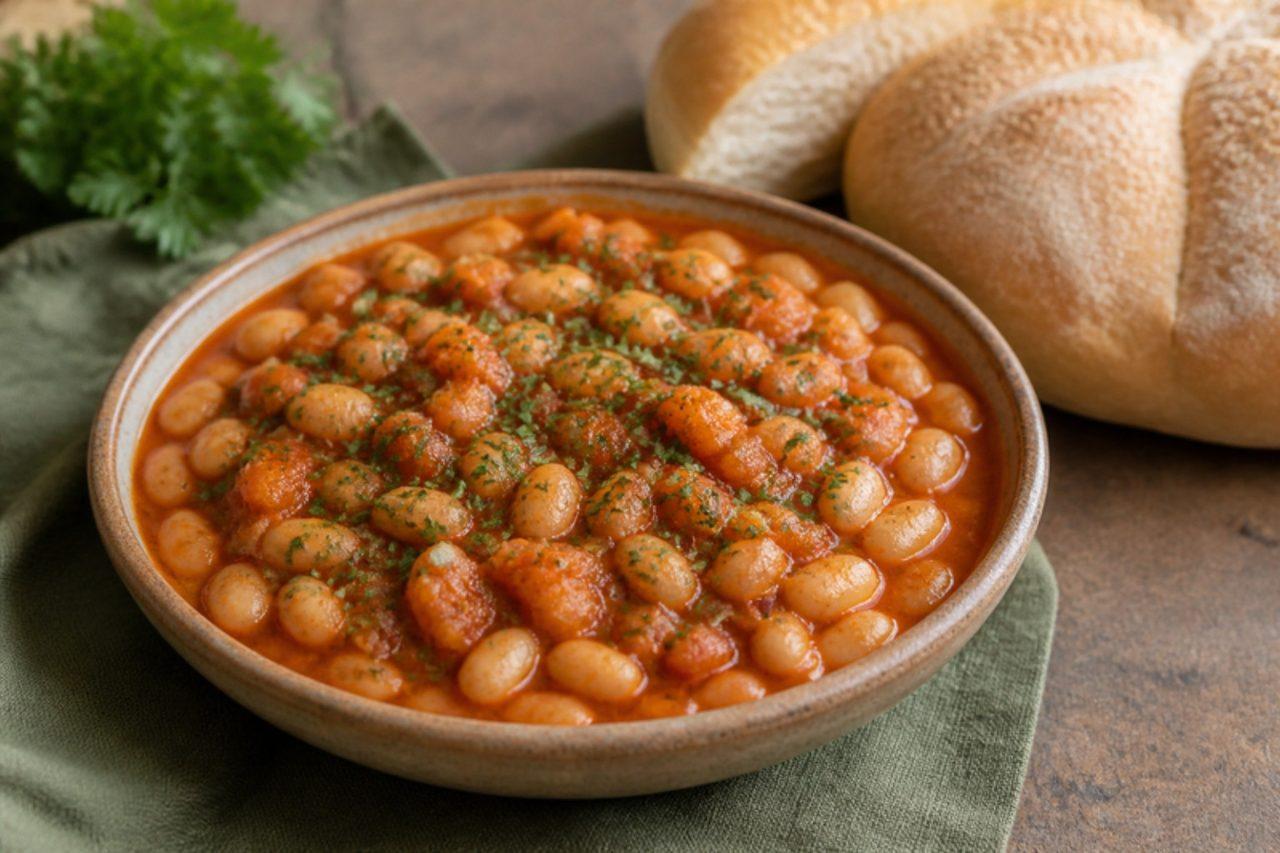
Ask in a Marrakech side street where to eat cheaply and you will be pointed to a stall with a vat of loubia: white beans stewed until creamy in a garlicky tomato sauce spiked with cumin, paprika and a little ginger, ladled into a bowl and eaten with bread. At home the same dish is a weekday staple, often cooked with a piece of meat, but the meat-free version here is just as satisfying and is how plenty of families make it. The sauce should be thick and orange with olive oil pooling on top. A sprinkle of cumin and a drizzle of oil at the table are customary. Avoid adding the tomato before the beans are tender; its acid keeps the skins tough however long they simmer. Chef's tip: soak the beans overnight and cook them until tender before the tomato goes in properly; acid stops beans softening, so loubia rushed with tomatoes from the start can stay chalky.

by KrazyBadal 0 views

Frittata di maccheroniPasta frittata

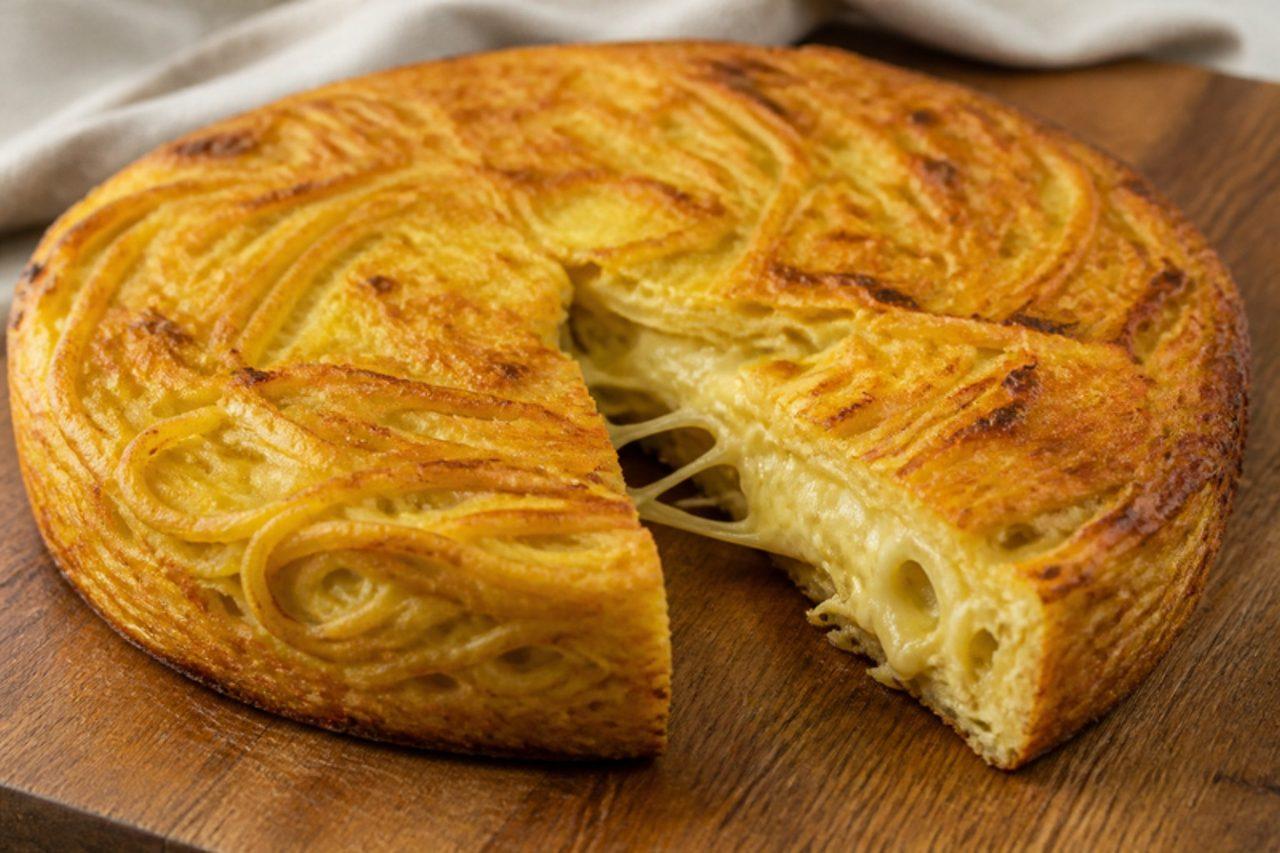
Neapolitans turn yesterday's spaghetti into frittata di maccheroni, a thick, golden pasta cake bound with egg and lots of grated cheese, with pockets of melting provola inside. It travels everywhere: cut into wedges for the beach at Mergellina, packed for the Easter Monday picnic (Pasquetta) or eaten cold from the fridge. The outside is crisp, the middle soft and cheesy. Most families add cubes of salami; this version leaves them out and uses smoked provola for a savoury depth. Chef's tip: use a plate the size of the pan to flip it, and slide it back in confidently in one move.

by KrazyBadal 0 views

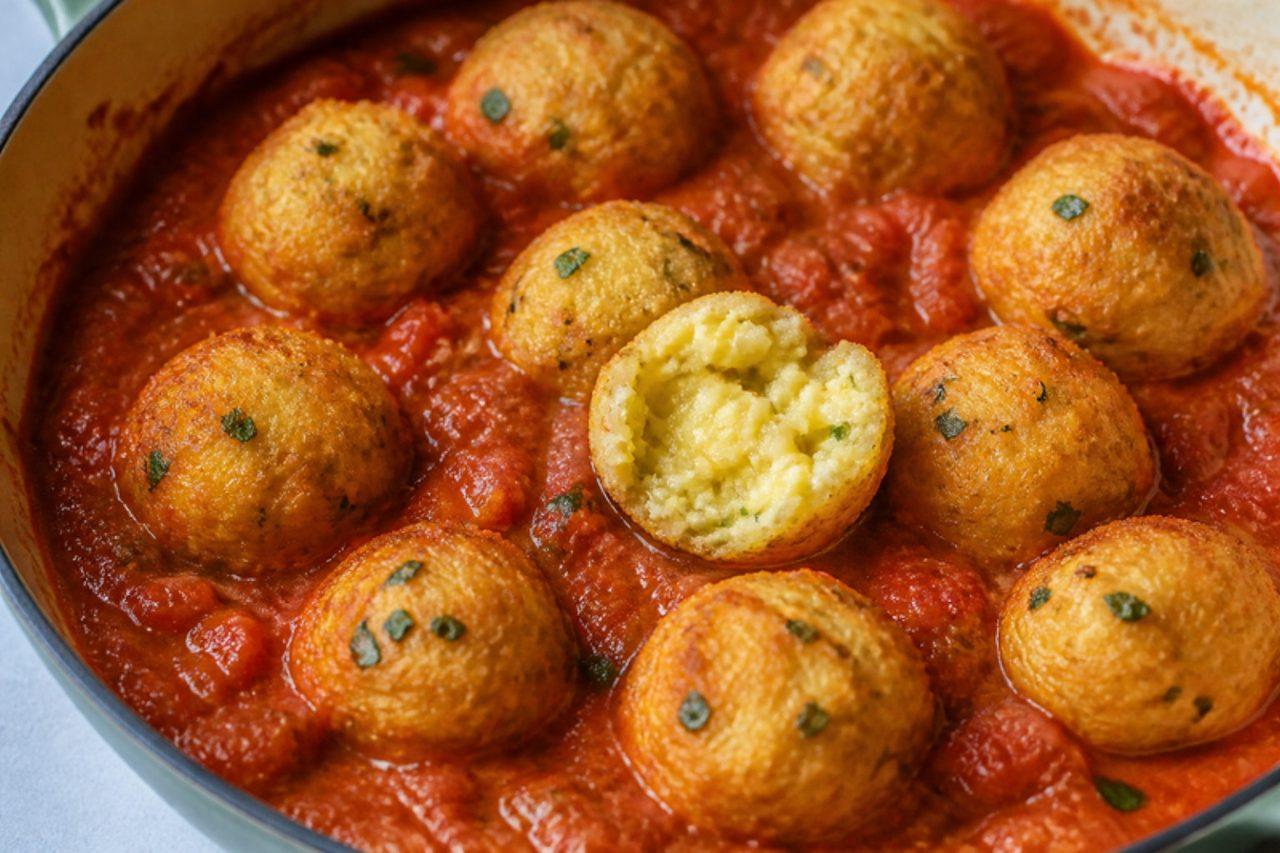
Pallotte cace e oveCheese and egg tomato balls

Abruzzo's shepherds and farm families invented pallotte cace e ove as "meatballs" with no meat: stale bread, eggs and plenty of sharp local cheese, shaped into balls, fried golden and then simmered in tomato sauce until soft and fluffy inside. They turn up at village festivals (sagre) in the mountains around L'Aquila and Chieti, and at home as a Friday or Sunday second course with crusty bread to mop the sauce. Chef's tip: wet your hands before shaping; the mixture is soft and the balls stay round and smooth without extra breadcrumbs.

by KrazyBadal 0 views

Scrippelle 'mbussePecorino crêpes in broth

In Teramo, in northern Abruzzo, scrippelle 'mbusse ("wet crêpes") open the meal on cold winter evenings and at Christmas. Thin, eggy crêpes are sprinkled with grated pecorino and parmesan, rolled into tight cigars and drowned in boiling broth at the table, so they soften into silky, cheesy spirals. Families normally pour over a clear chicken or capon broth; this recipe uses a well-flavoured vegetable stock instead. Chef's tip: let the batter rest for half an hour before cooking, so the crêpes come out thin and supple enough to roll without cracking.

by KrazyBadal 0 views

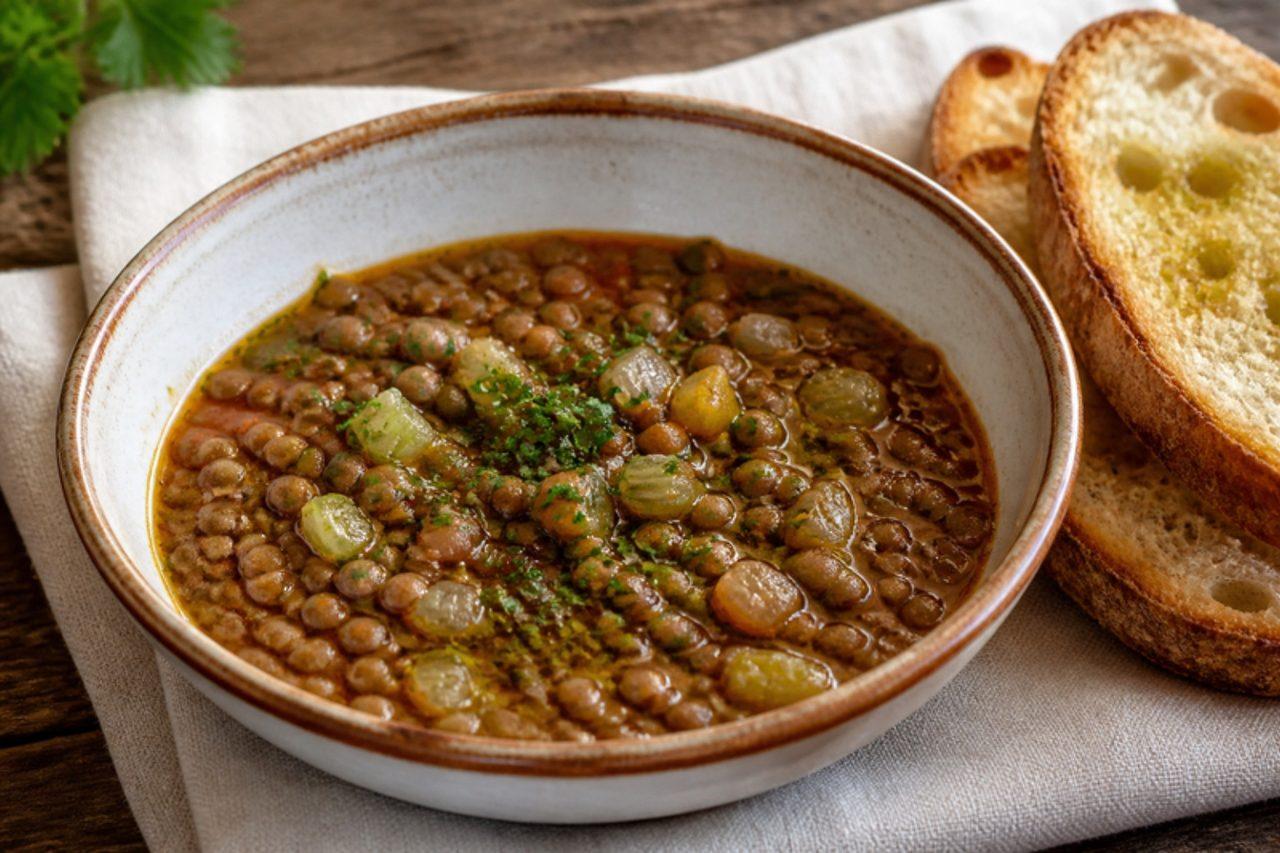
Zuppa di lenticchie di CastelluccioMountain lentil soup

High on the Piano Grande above Norcia, the plateau around Castelluccio turns into a carpet of flowers each June, and among them grow the tiny, speckled lentils the village is known for. They are so small and thin-skinned that they cook in under half an hour without soaking and hold their shape, which is why Umbrian cooks keep this soup simple: a soffritto of garlic, celery and onion, a little tomato, the lentils and good olive oil poured on at the end. It is a cold-weather supper, brothy and earthy, often served with toasted bread. Chef's tip: salt only at the end; salting early can toughen the skins of mountain lentils.

by KrazyBadal 0 views

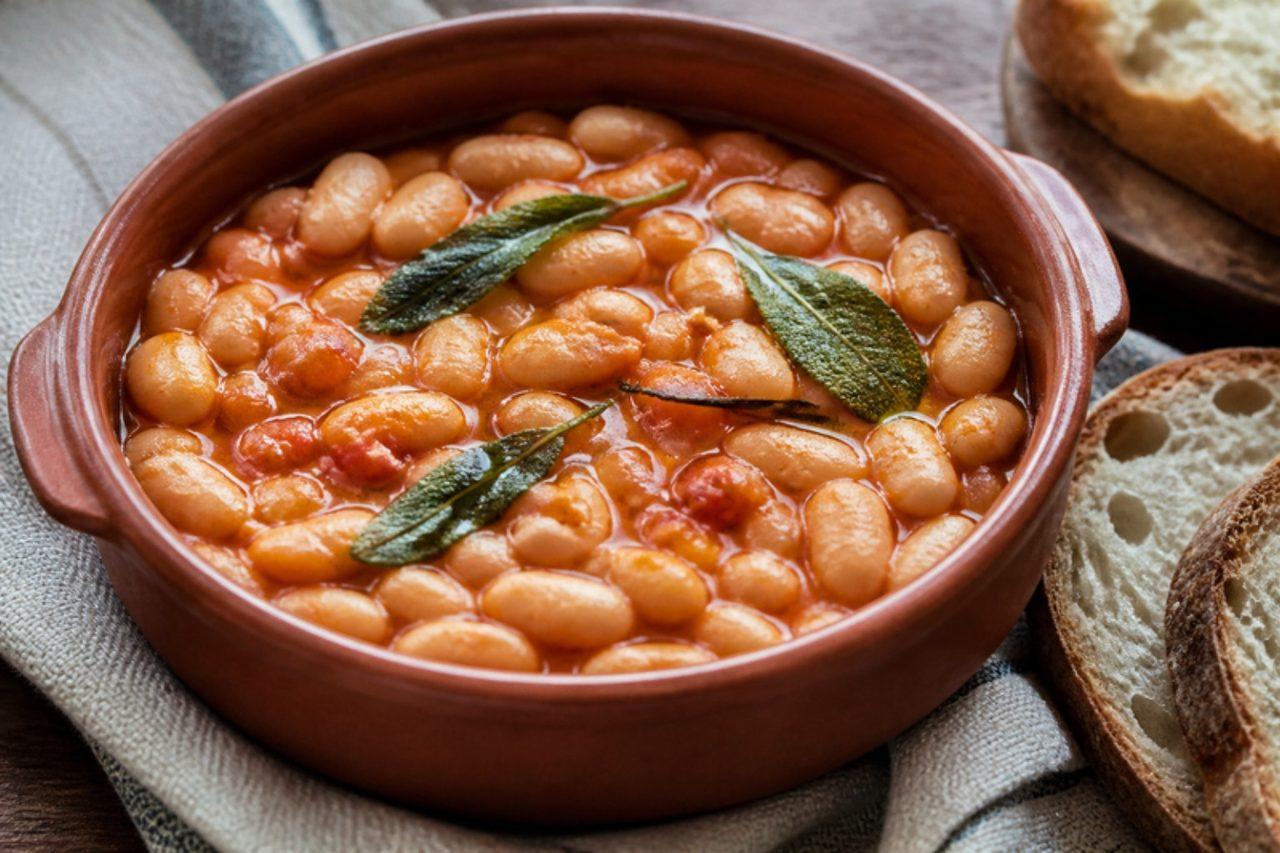
Fagioli all'uccellettoCannellini beans with sage and tomato

Florentines are nicknamed mangiafagioli, bean-eaters, and this is the dish that earned it: creamy cannellini simmered in olive oil with whole sage leaves, crushed garlic and a little tomato. The name, 'little-bird style', comes from the sage and garlic once used to cook small game birds, though there has never been a bird in the pot. In trattorie it sits next to grilled meat as a side; served with crusty bread and greens it makes a full vegetarian supper. The beans should be soft and glossy in a thick, rust-coloured sauce. Chef's tip: let the sage and garlic sizzle gently in the oil before the tomato goes in; that scented oil is the whole flavour of the dish.

by KrazyBadal 0 views

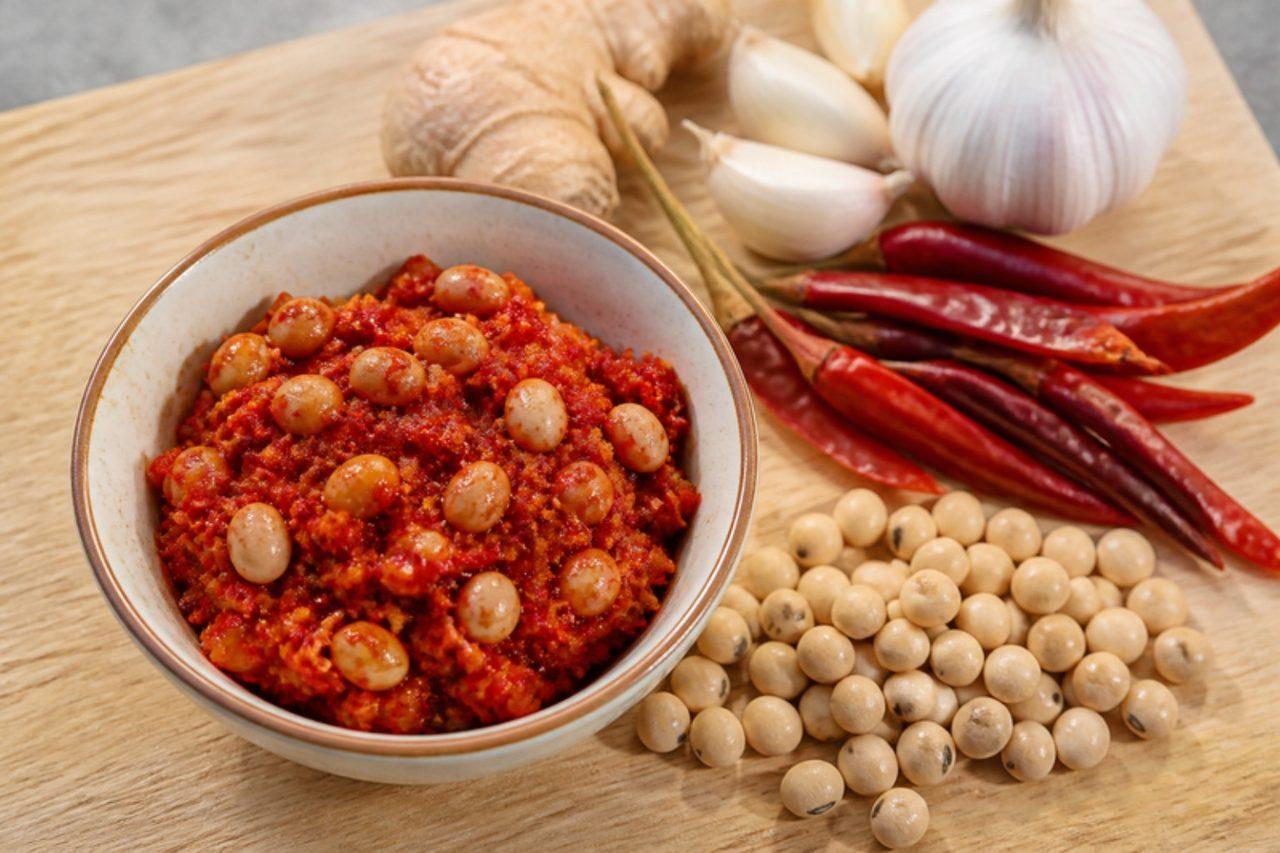
PehakFermented soybean and chilli chutney

Pehak is the Apatani chutney of the Ziro valley in Arunachal Pradesh: fermented soybean pounded with roasted chillies, ginger and salt into a thick, pungent paste. It goes with nearly every meal, a little at a time, with rice, boiled vegetables or millet. It is savoury, salty and very hot, and it keeps for weeks. Chef's tip: dry-roast the fermented soybean briefly before pounding; it mellows the sharp smell and brings out a toasty depth. Natto or Naga axone work if you can't get local soybean.

by KrazyBadal 0 views

EetchBulgur in tomato and pepper

Eetch is a Western Armenian dish from the old Cilician towns, carried by families to Aleppo, Beirut and the Armenian quarters of American cities. Fine bulgur is stirred into a hot sauce of onion, red pepper, tomato and pepper paste and left to drink it up, then finished with lemon, parsley and spring onion and eaten at room temperature, often scooped up with lettuce leaves. Unlike a herb-heavy raw bulgur salad, eetch is cooked, so it is rich and tomatoey, and it is a fixture of Lenten tables, picnics and mezze spreads. It keeps for days, which makes it a favourite for lunchboxes. Chef's tip: take the pan off the heat before adding the bulgur and keep the lid on; the grains soften in the residual heat and stay separate instead of turning to porridge.

by KrazyBadal 0 views

Bryndzové haluškyPotato dumplings with sheep's cheese

Bryndzové halušky is Slovakia's national dish, cooked in every koliba (timber shepherd's restaurant) in the Liptov and Orava valleys and fought over each summer at the halušky-eating contest in Turecká. Little grated-potato dumplings are tossed while hot with bryndza, a tangy, spreadable sheep's cheese, and finished with a sour milk drink called žinčica. The traditional topping is crisp smoked bacon; here golden fried onions bring the same savoury crunch, and meat-eaters can add bacon on their own plates. Chef's tip: grate the potatoes at the last moment and work fast; grated potato left standing turns grey and watery and the dumplings go heavy.

by KrazyBadal 0 views

Homemade fresh yubaFresh tofu skin

Yuba is the thin skin that forms on soy milk as it heats, and in Kyoto and the temple town of Nikko it is a delicacy in its own right. Workshops in Kyoto's old streets have made it for centuries for monks' shojin ryori, the Buddhist vegetarian cuisine that relied on it for protein. Fresh yuba is soft, creamy and faintly sweet, and the first sheets of the day, eaten warm with a drop of soy, are prized above all. It needs patience rather than skill: just a wide pan, gentle heat and good soy milk. Serve as a starter with wasabi soy, or roll the sheets and slice them. Chef's tip: use unsweetened soy milk with at least 7% protein (check the label). Thin supermarket drinks won't form a skin.

by KrazyBadal 0 views

Habichuelas guisadasStewed pink beans

Habichuelas guisadas are on the stove most weekdays in Puerto Rico, from Ponce to Fajardo, ladled over plain white rice for the everyday plate called arroz con habichuelas. Pink or red beans simmer with sofrito, tomato sauce and olives, and cubes of calabaza (West Indian pumpkin) melt into the pot to make a thick, orange-red, gently sweet sauce. It's homely, cheap and deeply savoury. Island cooks often add a piece of ham; this version doesn't need it. Chef's tip: when the pumpkin is soft, crush a few pieces against the side of the pot; they dissolve into the liquid and thicken it without any flour.

by KrazyBadal 0 views

Sattu parathaRoasted gram stuffed flatbread

Sattu paratha is a Bihari breakfast that keeps farmers going until lunch. Sattu, roasted bengal gram ground to a fine flour, is mixed with onion, garlic, green chilli, carom seeds and a dash of pickle masala, then rolled into wholemeal dough and cooked on a hot tawa until blistered. The filling is savoury, punchy and high in protein, and the bread stays soft for hours, which is why it's packed for long journeys. Serve with curd or chokha and a pickle. Chef's tip: moisten the filling just enough to clump; a dry sattu filling bursts through the dough and burns on the tawa.

by KrazyBadal 0 views

DalmaPigeon pea and vegetable dal

Dalma is the comfort food of Odisha and the dal offered at the Jagannath temple in Puri. Toor dal is cooked together with chunky vegetables, usually raw banana, pumpkin, aubergine and potato, so they soften into it and make it hearty enough to be a meal. A tempering of panch phoron and dried chilli and a sprinkle of roasted cumin-chilli powder give it its smoky warmth; a little grated coconut is often added on top. Odia homes finish it with a spoonful of ghee; this version uses oil so it stays vegan. Serve with plain rice. Chef's tip: add the vegetables halfway through cooking the dal, not at the start, so they keep their shape and the dal stays thick rather than watery.

by KrazyBadal 0 views

Frijoles de la olla & refritosPot beans and refried beans

Frijoles de la olla, beans cooked slowly in a pot (traditionally clay) with just onion, garlic and a sprig of epazote, are the backbone of Mexican home cooking from north to south. Served brothy in a bowl with chopped onion, chilli and lime, they are a meal on their own; mashed and fried in oil they become frijoles refritos, the creamy refried beans that go into tacos, tortas, sopes and molletes. This recipe makes both: one pot, half served as it is, half refried. We fry in vegetable oil rather than lard, so it is vegan. Chef's tip: salt the beans only once they are tender; salting at the start won't stop them cooking, but adding it late seasons the broth better and saves you from oversalting as it reduces.

120 minMexicanSidesVeganGluten free
by KrazyBadal 0 views

KokiSteamed black-eyed bean pudding

Koki is a dense, orange-red bean cake from the Douala and Bakweri country of Cameroon, made from skinned black-eyed beans blended with red palm oil, chilli and greens, then wrapped in banana leaves and steamed for hours. It is weekend food and market food, eaten with boiled plantain, cassava or ripe banana. It is related to Nigerian moi moi but heavier, richer with palm oil and full of cocoyam leaves or spinach. Chef's tip: warm the palm oil just until liquid before beating it in; poured in cold and solid it leaves streaks of fat instead of an even orange colour.

by KrazyBadal 0 views

Tacu tacuPan-fried beans and rice cake

Tacu tacu was born in the Afro-Peruvian kitchens of Lima, as a thrifty way to turn yesterday's beans and rice into something new; today it appears on the menus of smart criollo restaurants too. Mashed canario beans and rice are fried with garlic, onion and ají amarillo, then shaped in the pan into a long, crisp-edged cake, soft inside and golden outside. It is a hearty lunch for two with a sharp salsa criolla of onion and lime, and often a fried ripe plantain on the side. Canario beans are pale yellow and creamy; pinto or cannellini beans work well. Chef's tip: use cold, day-old rice and beans; warm, freshly cooked ones are too soft to hold their shape and the tacu tacu falls apart.

by KrazyBadal 0 views

PesarattuGreen moong crêpes

Pesarattu is the breakfast dosa of Andhra Pradesh, made from whole green moong beans ground with ginger, green chilli and cumin rather than rice and urad dal. Because the batter needs no fermenting, you can soak the beans before bed and have crisp, nutty, bright-green dosas on the table by morning. In Andhra homes they're scattered with onion and eaten with a sharp ginger chutney, and on festive days filled with upma to make 'MLA pesarattu'. They're high in protein, light and naturally gluten free. Chef's tip: add a small handful of raw rice to the soak; it isn't traditional everywhere, but it gives the dosa a crisper edge and stops it tearing on the pan.

by KrazyBadal 0 views

Misal pavSprouted bean curry with bread rolls

Misal pav is Maharashtra's great street breakfast, eaten from Pune's old eateries to the hot, red misal of Kolhapur. Sprouted moth beans (matki) are cooked into a thick usal, then drowned at the table in a fiery, oily, thin curry called kat or tarri, and topped with crunchy farsan, raw onion, coriander and a squeeze of lemon. It comes with soft pav to mop it all up. Each person builds their own bowl, adding as much tarri as their tongue can take. Chef's tip: let the kat simmer until a red layer of oil floats on top; Pune vendors skim this 'tarri' off and spoon it over each bowl, and that oily, spicy film is the whole point of a good misal.

by KrazyBadal 0 views

ThalipeethMultigrain flatbread

Thalipeeth is a rustic Maharashtrian flatbread made from bhajani, a flour of roasted grains and lentils. The dough is soft and sticky with onion, green chilli and coriander, and is patted out by hand straight onto the pan, with holes poked in it so the oil can crisp it from both sides. It comes off the tawa crunchy at the edges and soft in the middle, smoky with cumin and coriander seed. Eat it hot for breakfast with thick yogurt, white butter or a garlic and peanut chutney, or with lemon pickle. Chef's tip: pat the dough out on a damp cloth or wet baking paper and flip it straight onto the pan; it's too soft to roll, and wet hands keep it from sticking.

by KrazyBadal 0 views

HandvoSavoury rice and lentil cake

Handvo is a savoury cake from Gujarat, made from a fermented batter of rice and lentils mixed with grated bottle gourd, yogurt and spices. It's baked or cooked slowly in a heavy pan until it has a deep-brown, crackly crust of mustard seeds and sesame and a soft, moist, slightly tangy inside. Gujarati families make it for Sunday tea or a light supper, with green chutney and a cup of masala chai. Slices are also good packed for a journey. Chef's tip: don't rush the crust; cook on a low heat with a lid and let the base go deep golden before you flip, because the crunchy, almost toasted sesame crust is the best part.

by KrazyBadal 0 views

Dal baati churmaLentil dal with baked wheat balls

Dal baati churma is the dish every Rajasthani wedding and festival is built around. Baati are hard, round wheat breads, traditionally buried in desert embers, cracked open and drowned in ghee; they are eaten with panchmel dal made from five lentils and with churma, baati crumbs sweetened with sugar and cardamom. The joy is in the contrast: crunchy and soft, spicy and sweet, all rich with ghee. Serve with sliced onion, green chillies and lime. Chef's tip: rub the ghee into the baati flour until a handful holds its shape when squeezed; that shortening is what makes the baati crumbly inside instead of bready.

by KrazyBadal 0 views

Gado-gadoVegetable salad with peanut sauce

In Jakarta, gado-gado is lunch from a pushcart: the Betawi seller grinds the peanut sauce to order on a stone ulekan, then tips blanched greens, potato, tofu, tempeh and egg into it and mixes everything by hand. The name roughly means "mix-mix", and that is how it's eaten, with every vegetable coated in a sauce that's nutty, sweet from palm sugar, sour from tamarind and as hot as you ask for. It's a full meal on its own, crunchy with emping or rice crackers on top. Chef's tip: loosen the peanut sauce with warm water only at the end and stop when it coats a spoon like custard; too thin and it slides off the vegetables and pools on the plate.

by KrazyBadal 0 views

Tempe mendoanBattered fried tempeh

Mendoan comes from Banyumas in Central Java, and in Purwokerto it's sold by the stack at every roadside stall, eaten warm with a raw bird's eye chilli bitten between mouthfuls or dunked in sweet soy. The name comes from the Banyumas word mendo, meaning half-cooked: the batter is deliberately fried only until set and pale, so it stays soft and bendy rather than crisp. Make it with thin, wide tempeh slices so each one is mostly batter and herbs. Chef's tip: fry for barely a minute a side in very hot oil and pull the slices out while they're still pale gold and floppy — that limp, tender texture is the whole point.

by KrazyBadal 0 views

Tempe orekSweet crisp tempeh

Across Java, tempe orek is the side dish every household keeps in a tub: crisp sticks of tempeh fried and then tossed in a sweet-salty glaze of kecap manis, palm sugar, garlic and chilli. It goes into lunch boxes with plain rice, onto nasi campur plates, and lasts several days without losing its chew, which is why student boarding houses and office canteens rely on it. Some cooks add peanuts or green beans; this version stays classic. Chef's tip: fry the tempeh sticks properly crisp before glazing and keep the glaze to a thick syrup, so the tempeh stays crunchy rather than going soft.

by KrazyBadal 0 views

Uganda matokeMashed green bananas

Uganda's national dish: green matoke bananas steamed in banana leaves, mashed and kept warm in the leaves, then topped with a thick, gently spiced tomato and ground peanut sauce. It's soft, savoury and very filling. The book's Handy Hints add that bananas and peanuts are both good for the heart.

by KrazyBadal 0 views

Missir watRed lentil stew

A spicy Ethiopian stew of masoor lentils cooked down with browned onions, garlic, ginger, fresh tomato and tomato paste, and finished with red chilli and black pepper. It's thick, rich and hot. Serve with injera, alongside atter kik and azifa.

by KrazyBadal 0 views

Showing 120 of 550 recipes

Show more recipes

Page 16 of 23

More collections