Skip to content

High-protein vegetarian meals

Meat-free meals with plenty of protein from paneer, dal, beans, tofu and eggs. (539 recipes)

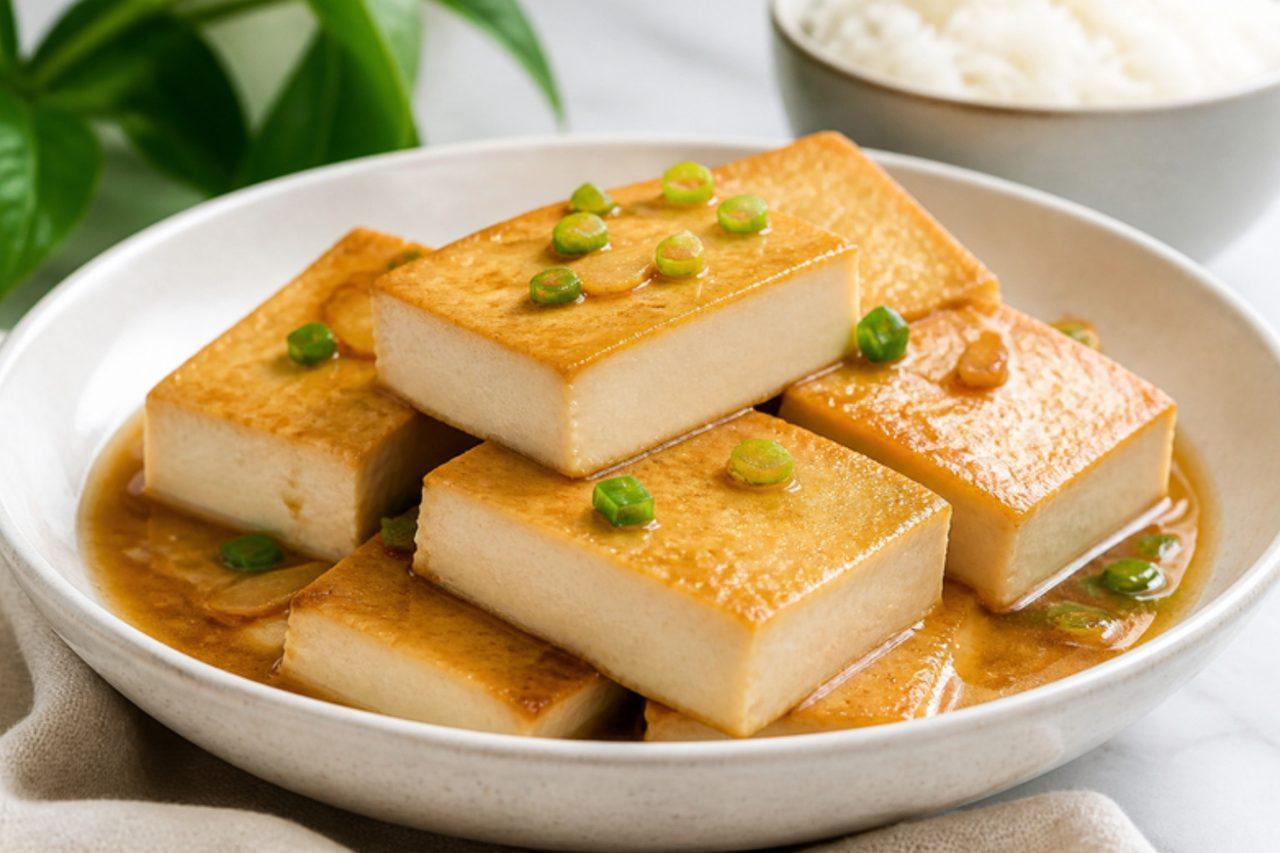
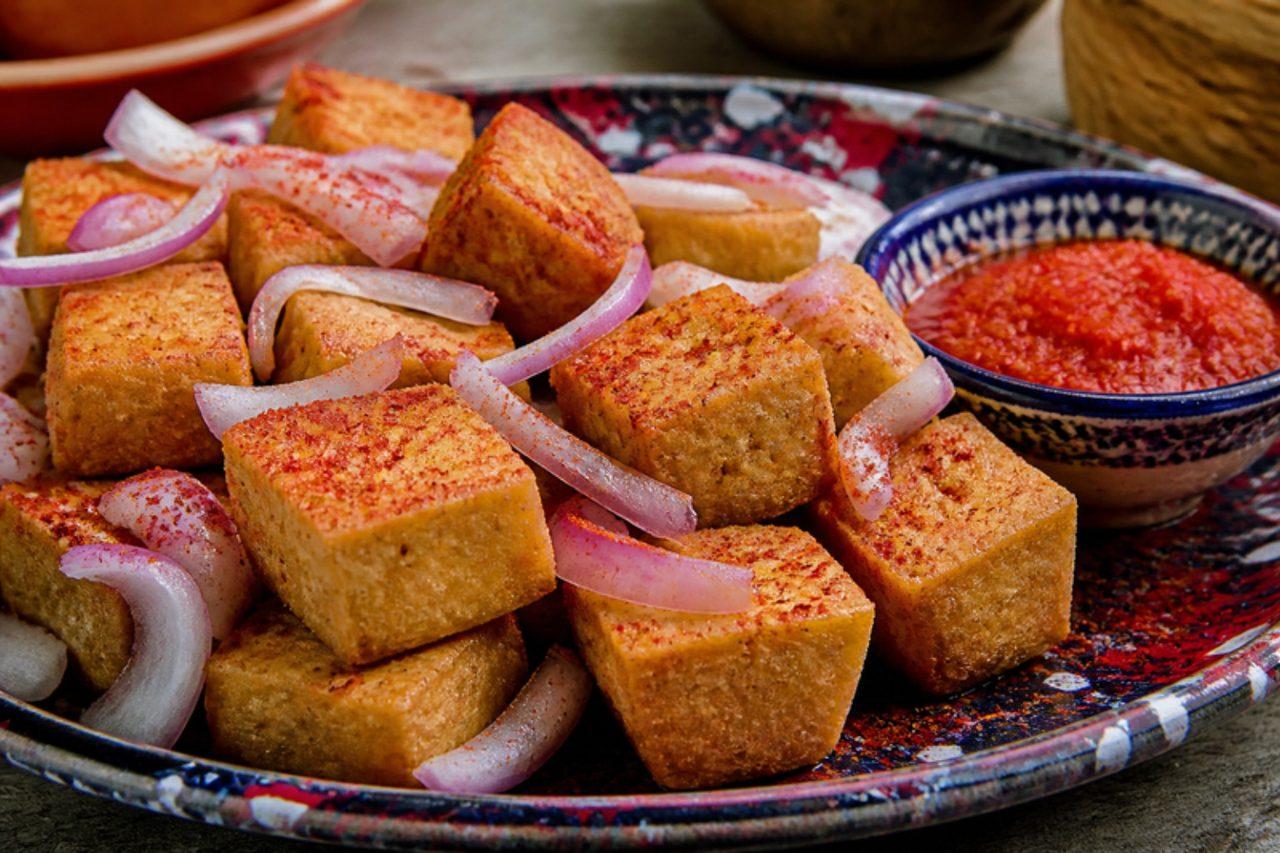
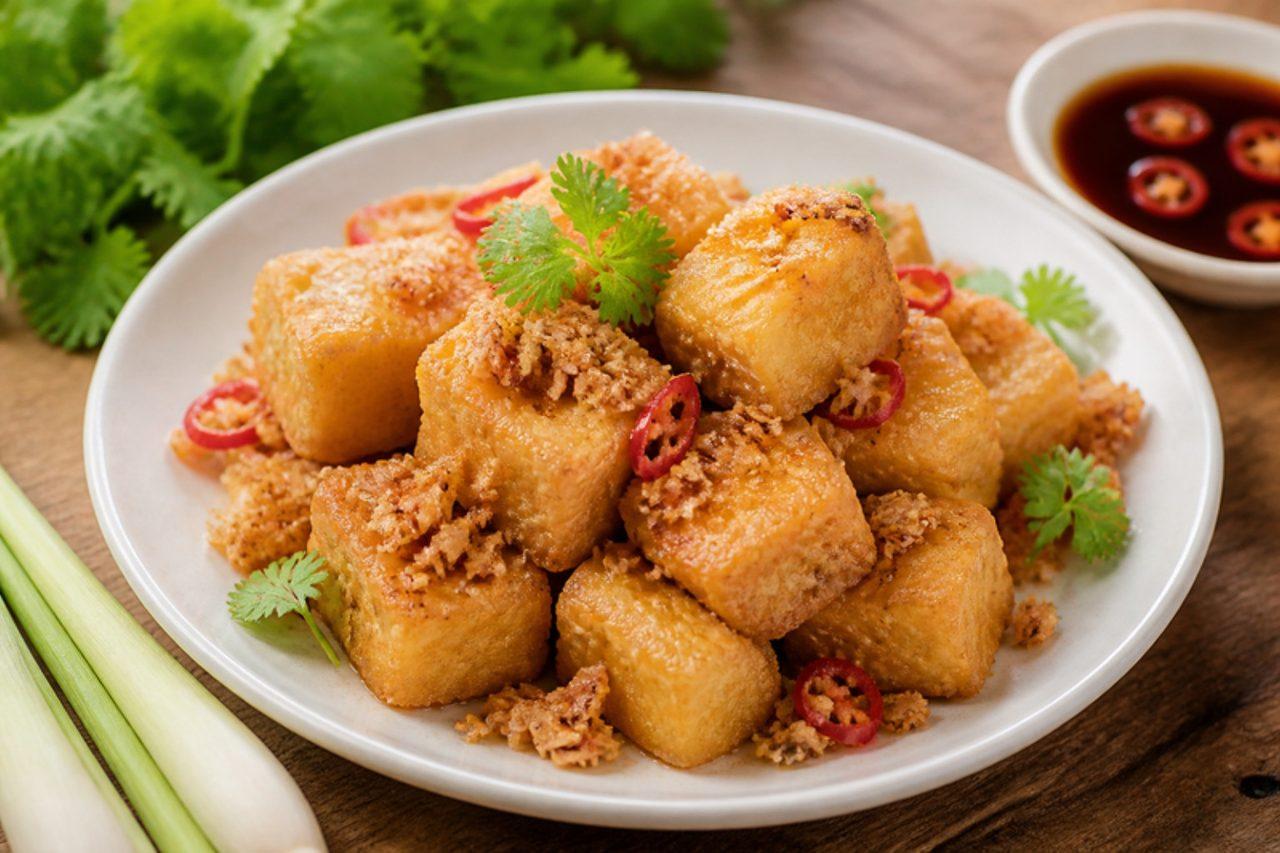
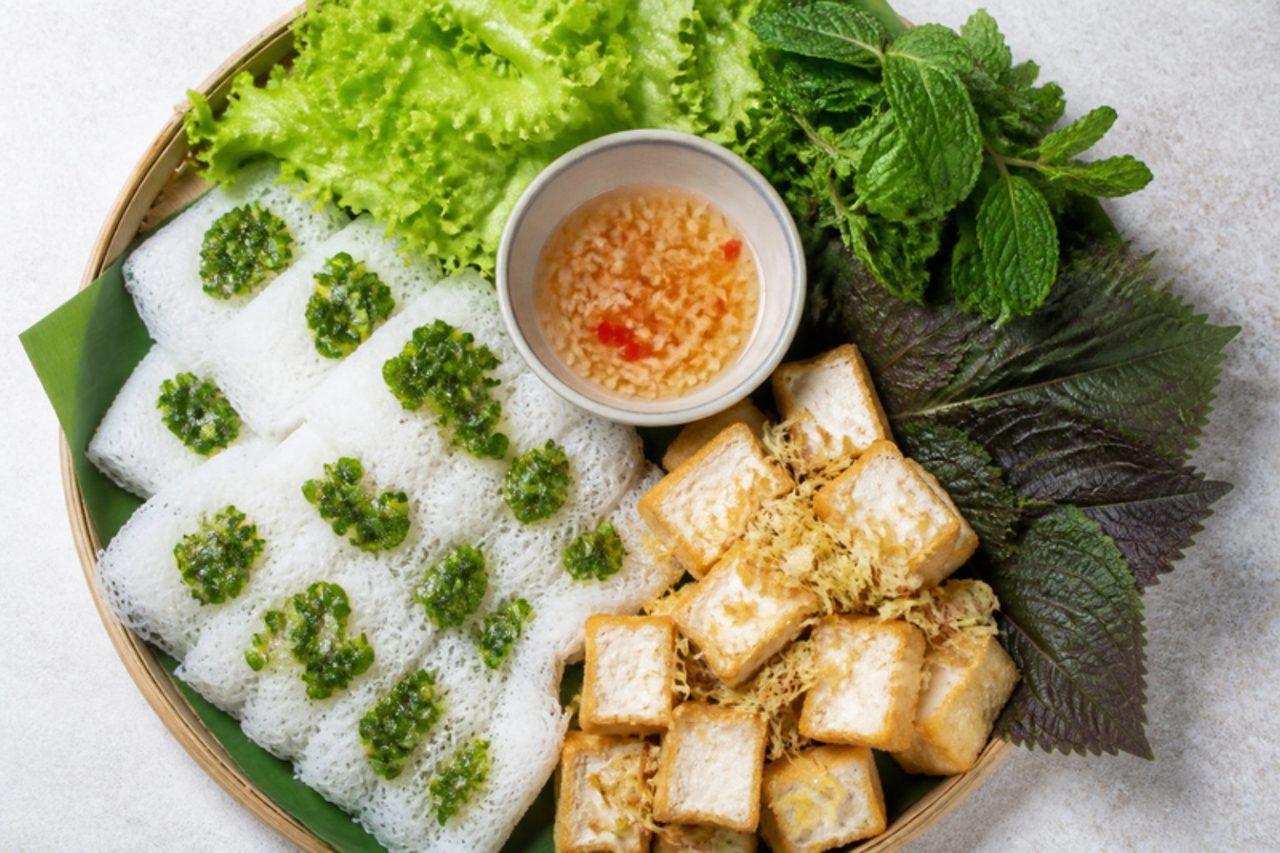
Tahu bacemSweet braised tofu

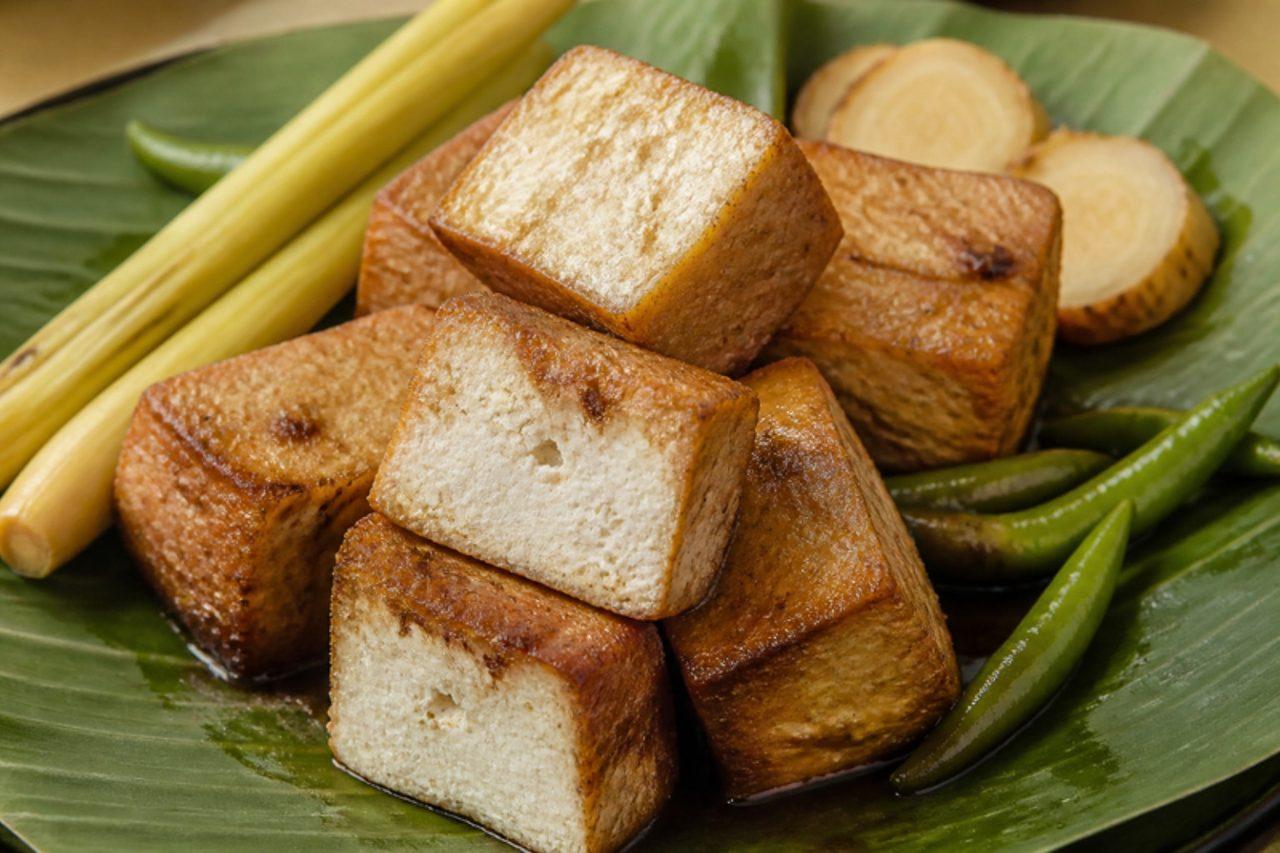
Tahu bacem is tempe bacem's softer sister, sold side by side on the gudeg stalls of Yogyakarta and Klaten and cooked at home on Sundays to see the family through the week. Firm tofu soaks up a braise of coconut water, palm sugar, coriander and galangal until it turns the colour of caramel all the way through, and a quick sear gives it a thin, chewy skin. A portion of about 200 g of tofu gives roughly 26 g of protein, from the soybeans in the tofu. The usual mistake is using silken or soft tofu, which breaks apart during the long simmer; buy firm or extra-firm. Chef's tip: press the tofu for 15 minutes before braising; the drier it is, the more of the sweet, spiced liquid it drinks in.

by KrazyBadal 0 views

Hongshao doufuRed-braised tofu

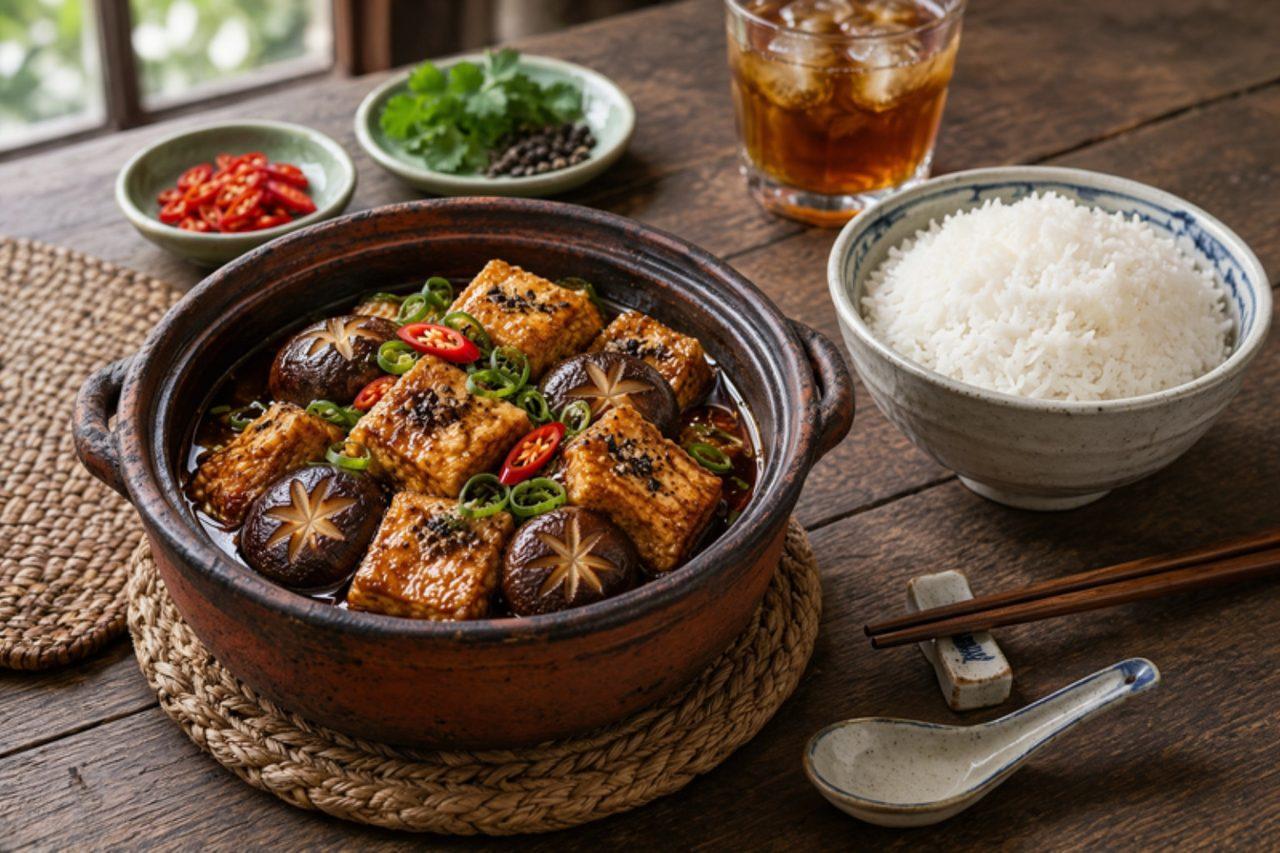
Hongshao doufu is the meat-free cousin of red-braised pork, cooked in home kitchens from Shanghai to Sichuan as a weeknight dinner with rice and a green vegetable. Slices of firm tofu are fried until golden, then braised in a glossy, mahogany sauce of light and dark soy, a little sugar, ginger and spring onion until they turn sweet-salty and slightly chewy. This version skips the usual splash of Shaoxing wine. A portion gives about 26 g of protein, from 200 g of firm tofu each. The common mistake is moving the tofu too soon in the pan; leave it until it releases on its own, or it tears. Chef's tip: let the sauce reduce until it bubbles thickly and coats the back of a spoon; that is when the tofu is properly lacquered.

by KrazyBadal 0 views

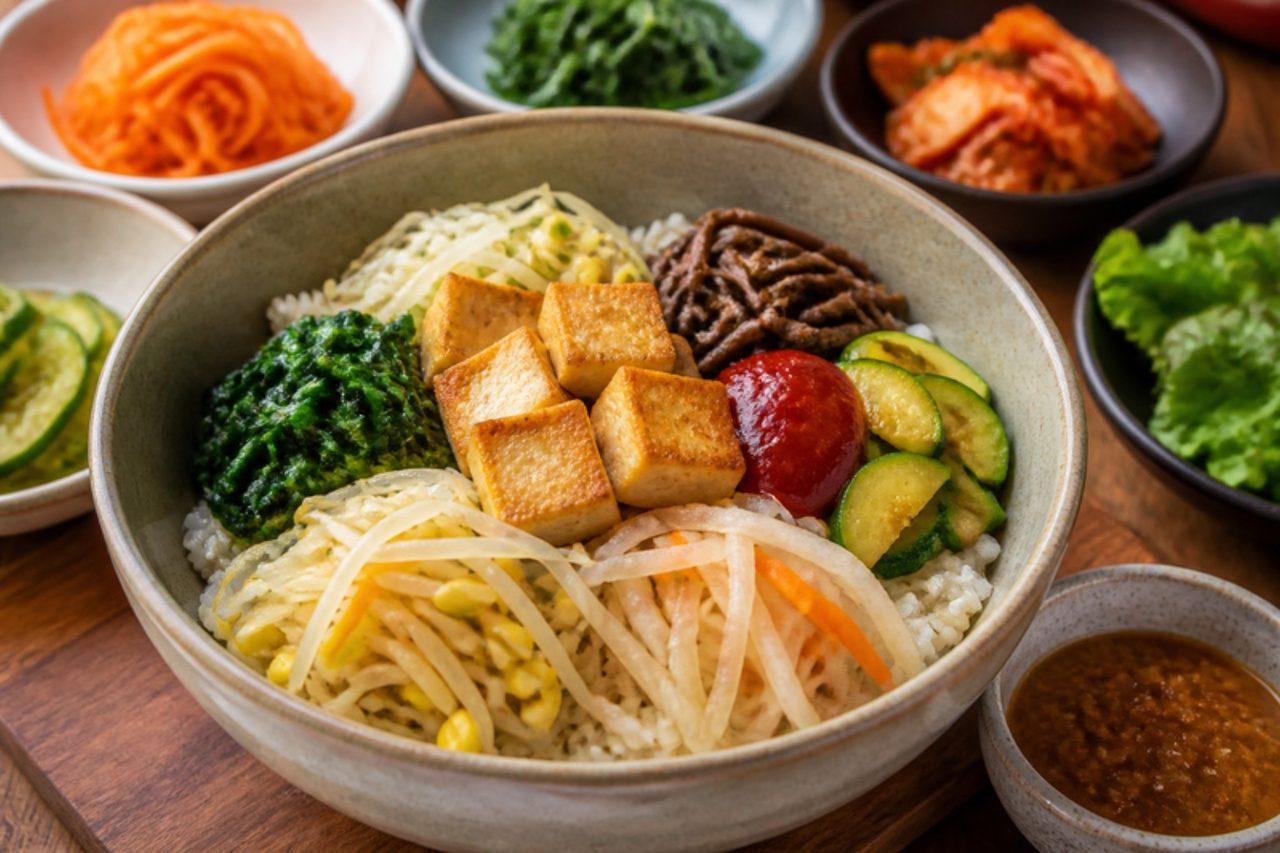
BoribapBarley rice with vegetables

Boribap was once the rice of the poor in Jeolla's farming villages; now Seoulites drive out to the hills on summer weekends to eat it in restaurants that set down a big bowl of steamed barley rice and a ring of seasoned vegetables to mix in yourself. This home version is built for protein: soybean sprouts, spinach and radish namul, plus a thick tofu and doenjang sauce (gang-doenjang), give about 23 g of protein a bowl, from tofu, soybean sprouts, doenjang and the barley. The classic mistake with soybean sprouts is lifting the lid while they cook, which leaves a raw, beany smell; keep it shut. Soak the barley for at least 1 hour before cooking. Most gochujang contains wheat, so this is not gluten free. Chef's tip: mix the bowl with a spoon rather than chopsticks, pressing the rice against the side so every grain is coated in sauce and sesame oil.

by KrazyBadal 0 views

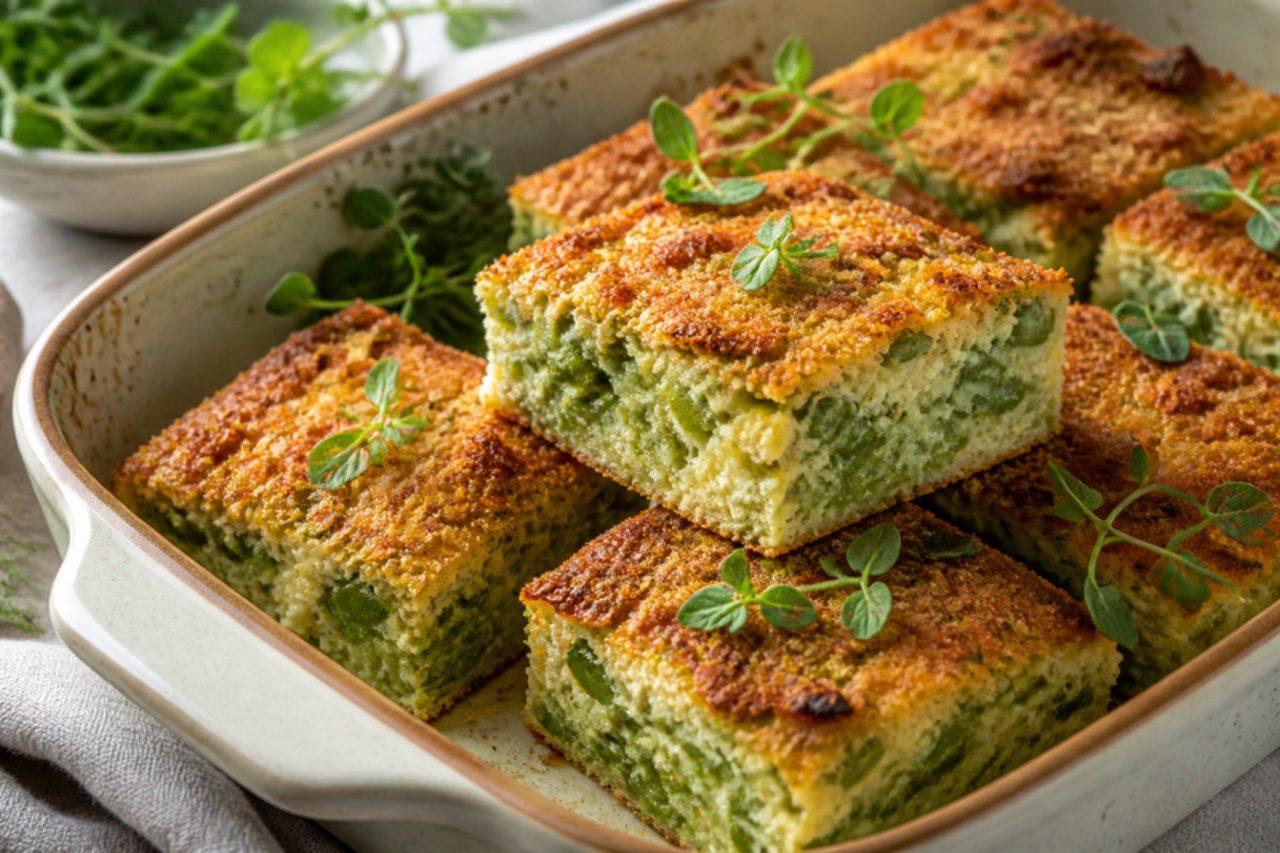
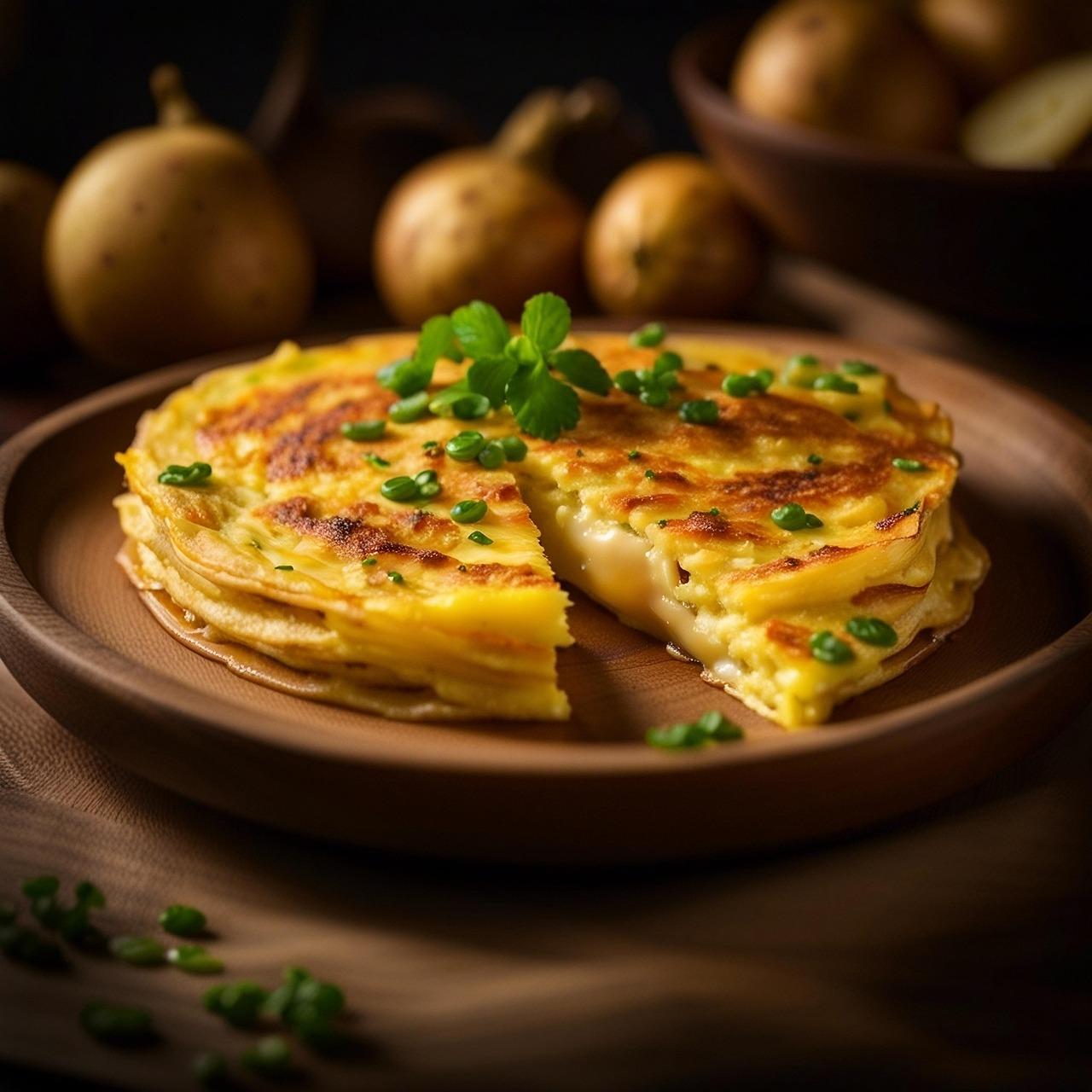
Polpettone di fagioliniGreen bean and potato loaf

In Genoa and along the Riviera di Levante, polpettone is the summer dish made when the green beans come in fast: beans and potatoes are boiled, chopped and bound with eggs, cheese and fresh marjoram, then baked flat in an oiled tin until the top is golden and crackly. It is eaten warm for supper or cold the next day, cut into squares for a picnic or a train journey. One portion gives about 24 g of protein, from the eggs, ricotta and Parmesan, with a little more from the beans and potato. Parmesan is made with animal rennet, so use a vegetarian Italian-style hard cheese if you need it to be strictly vegetarian. The most common mistake is leaving the vegetables wet: squeeze and drain them well, or the loaf stays soggy and will not slice cleanly. Chef's tip: scatter dry breadcrumbs, or fine polenta for a gluten-free loaf, over the oiled tin before you spread the mixture in; it gives the bottom a crisp crust, just like a Genoese grandmother's.

by KrazyBadal 0 views

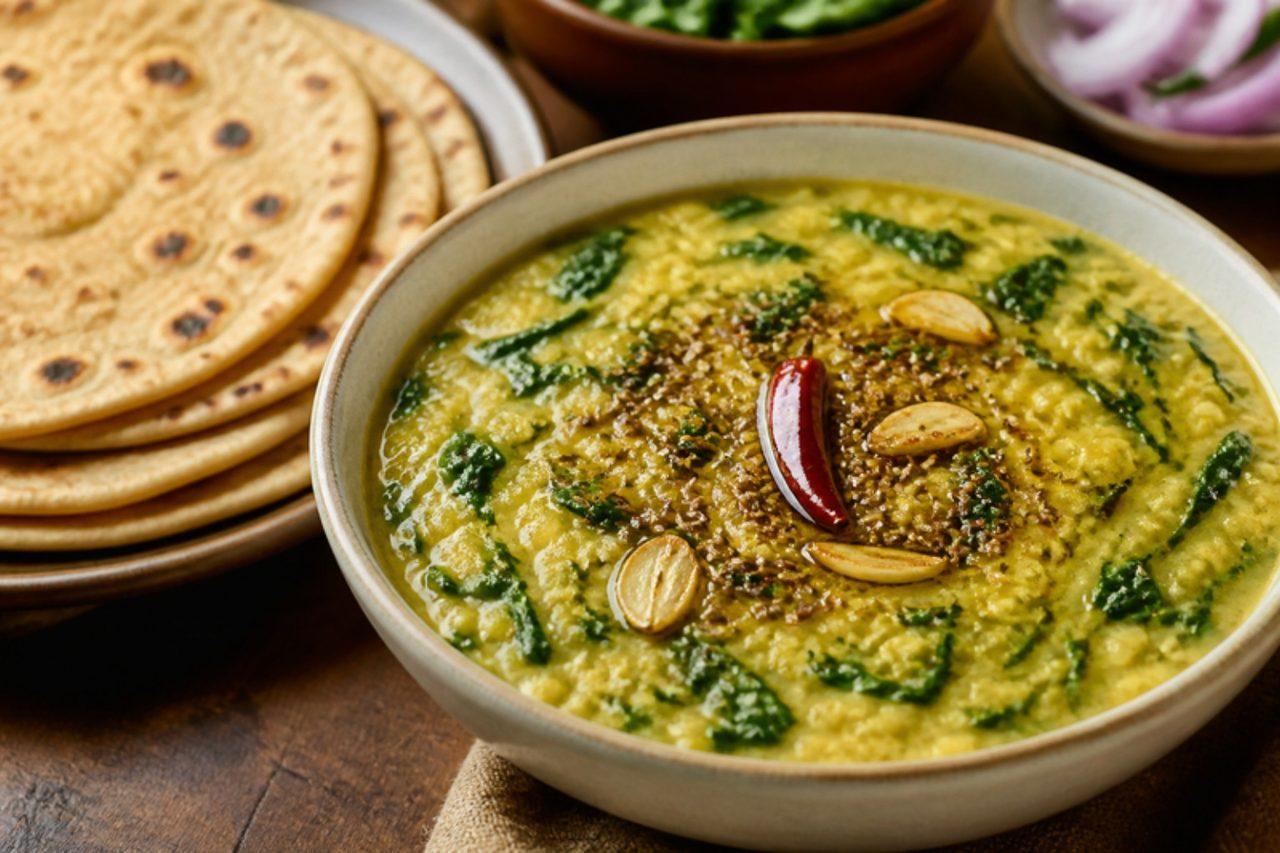
Methi dalLentils with fenugreek leaves

In Punjab, Rajasthan and Delhi homes, methi dal arrives in late autumn and winter, when bunches of fresh fenugreek are cheap and fragrant at every vegetable cart. The leaves are stirred into a pot of soft toor and moong dal, where their gentle bitterness balances the earthy lentils, and a cumin and garlic tadka goes over the top. It is a light everyday dinner with phulka or rice. A portion gives about 21 g of protein from the two dals, for about 350 kcal. The most common mistake is cooking the leaves for too long or chopping in the thick stems, which makes the dal bitter and stringy: use only leaves and tender tips and add them for the last few minutes. Chef's tip: toss the chopped leaves with a pinch of salt, leave them for 10 minutes and squeeze out the green juice; it takes the harsh edge off the bitterness without losing the flavour.

by KrazyBadal 0 views

Iri-dofuScrambled tofu with vegetables

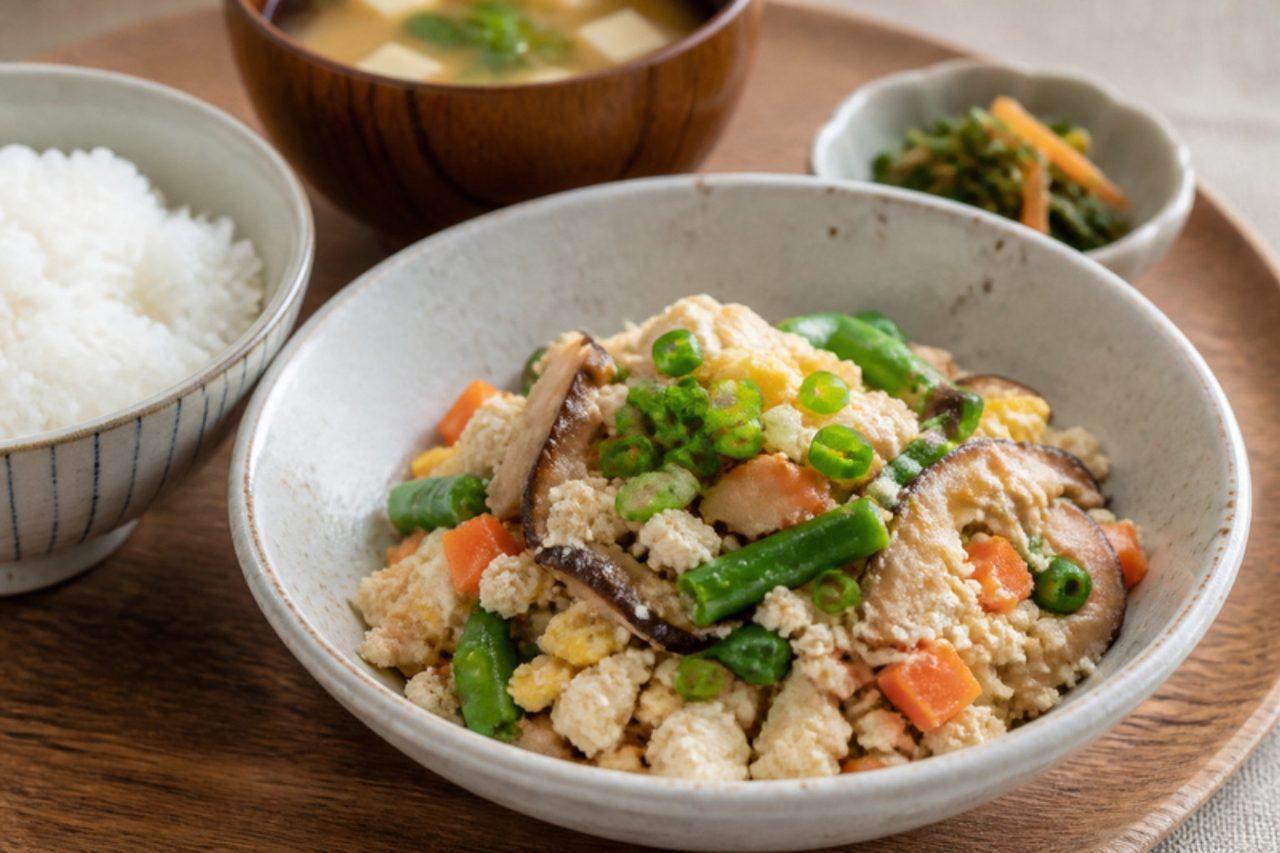
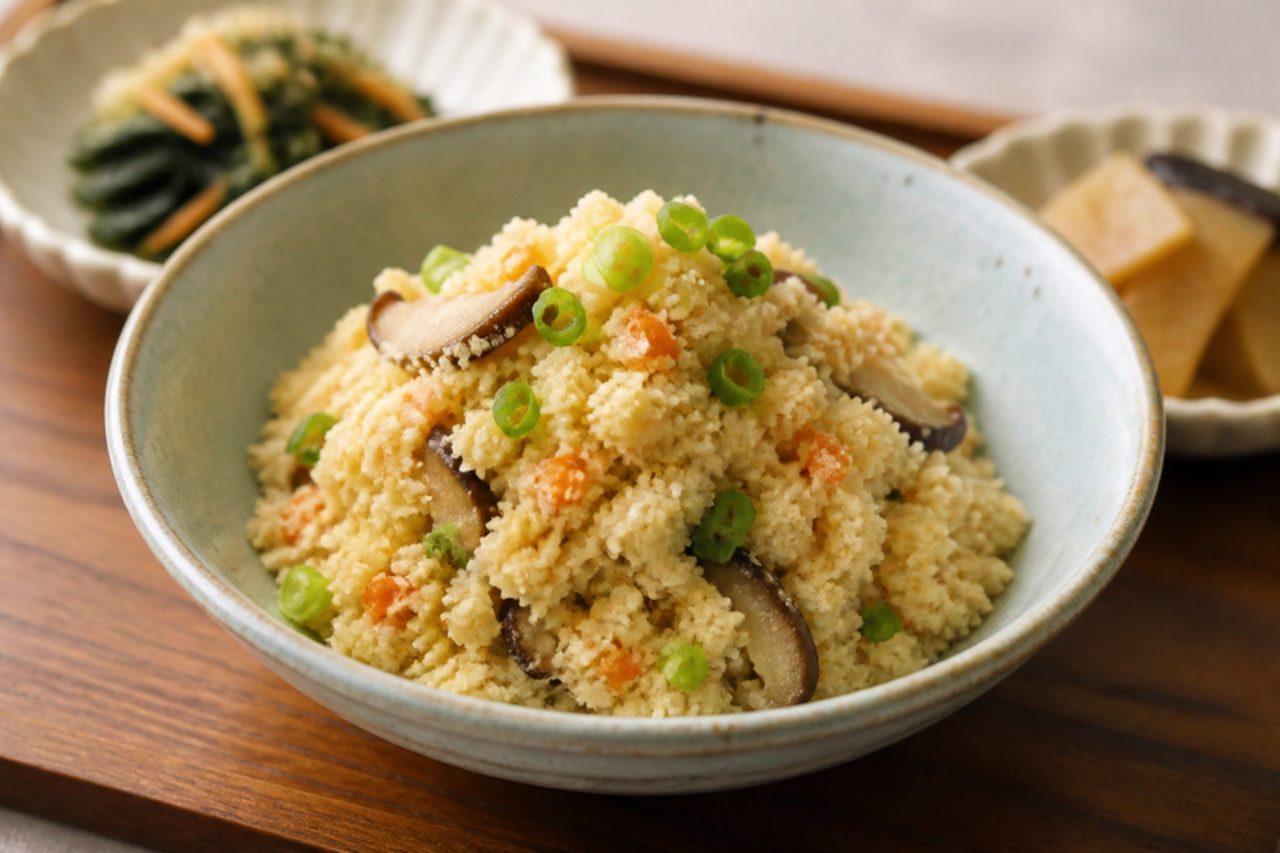
Iri-dofu is a thrifty home dish cooked all over Japan, from Tokyo flats to farmhouses in Shikoku, made to fill out a weekday dinner tray or a bento. Firm tofu is crumbled and stirred in a dry pan until it turns fluffy, then cooked with carrot, shiitake and green beans in soy and dashi, with an egg stirred through at the end. It tastes gently sweet and savoury, and is eaten warm or cold with rice and miso soup. This version uses a kombu and shiitake dashi, so it is vegetarian. A portion gives about 22 g of protein, from the tofu and egg. The common mistake is not drying the tofu enough, which leaves a watery scramble. Chef's tip: keep stirring until the tofu crumbs squeak against the pan; that is when they are dry enough to soak up the seasoning.

by KrazyBadal 0 views

Tvorozhnaya massa s izyumom (sweet tvorog cream with raisins)

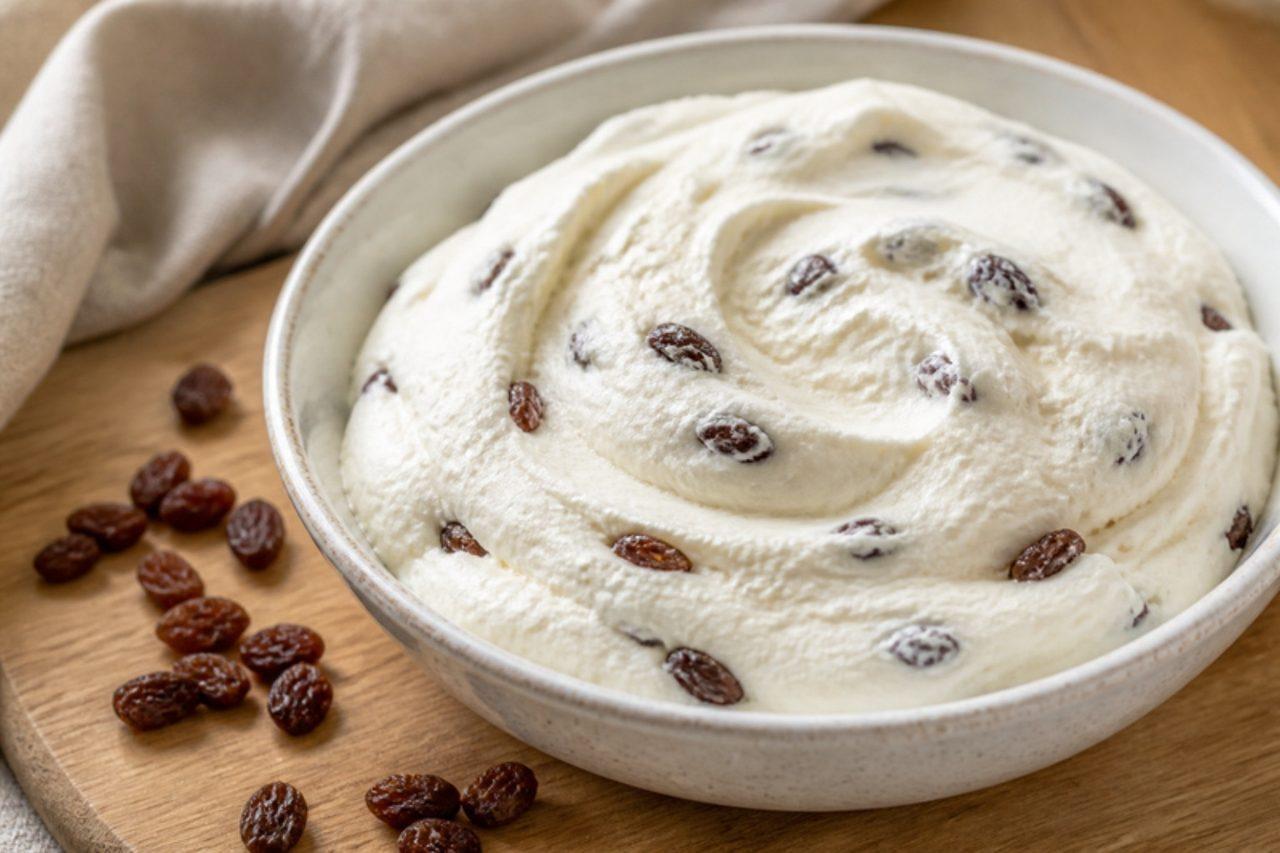
All over Russia, tvorozhnaya massa is the smooth, sweet curd cheese of childhood breakfasts and afternoon teas, and at Easter it is the base of paskha. Fresh tvorog is pressed through a sieve and beaten with soft butter, sugar and vanilla until it is pale and fluffy, then raisins are stirred in. It is creamy and tangy, sweet but light, and high in protein. Spread it on bread, spread it on rye toast or eat it from a bowl with tea and berries. Nothing is cooked and no egg goes in: beating the butter into the sieved curd gives it a mousse-like body, and it firms up nicely in the fridge, so nothing is needed to bind or set it. Chef's tip: soften the butter fully and sieve the tvorog first; the common mistake is beating cold butter into grainy curd, which leaves hard flecks and a lumpy, heavy cream.

by KrazyBadal 0 views

Cuccìa (Palermo wheat berries with sweet ricotta)

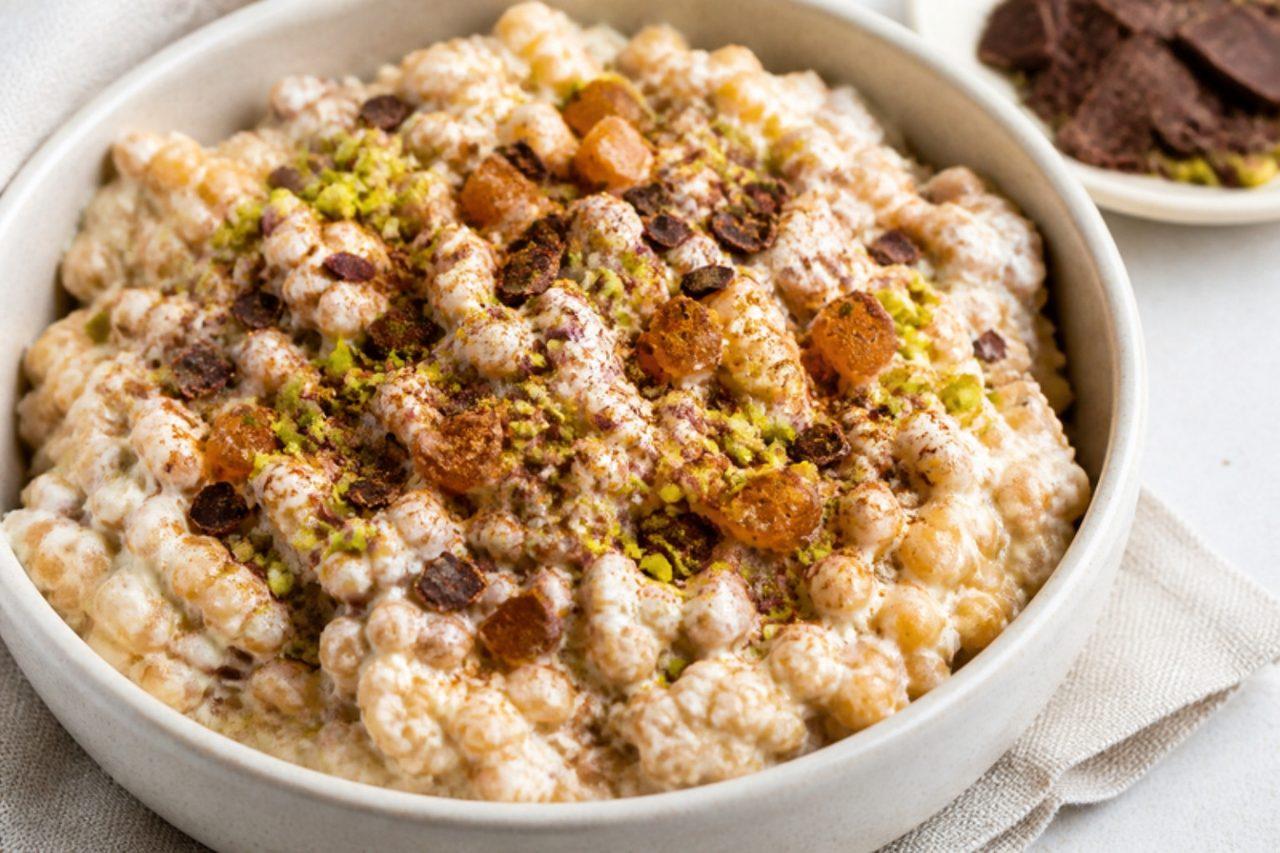
On 13 December, the feast of Santa Lucia, Palermo stops eating bread and pasta for a day. The story goes that during a famine a ship of grain arrived on her feast day and people were too hungry to mill it, so they boiled the wheat whole; cuccìa remembers that. The berries are boiled until plump and chewy, then folded into sweetened sheep's ricotta with candied orange, chocolate and cinnamon, so it eats like a cannolo filling with a pleasant bite. Serve it chilled in bowls or glasses, on the day itself or any winter afternoon. Like most Sicilian ricotta sweets it is egg-free by nature: the thick, drained ricotta binds the wheat into a creamy pudding, with nothing to set. Some families make a savoury version with chickpeas and oil, too. Chef's tip: cool the wheat completely before it meets the ricotta; the common mistake is folding in warm grains, which melts the cheese into a runny, grainy mess.

by KrazyBadal 0 views

GrünkernbratlingeGreen spelt patties

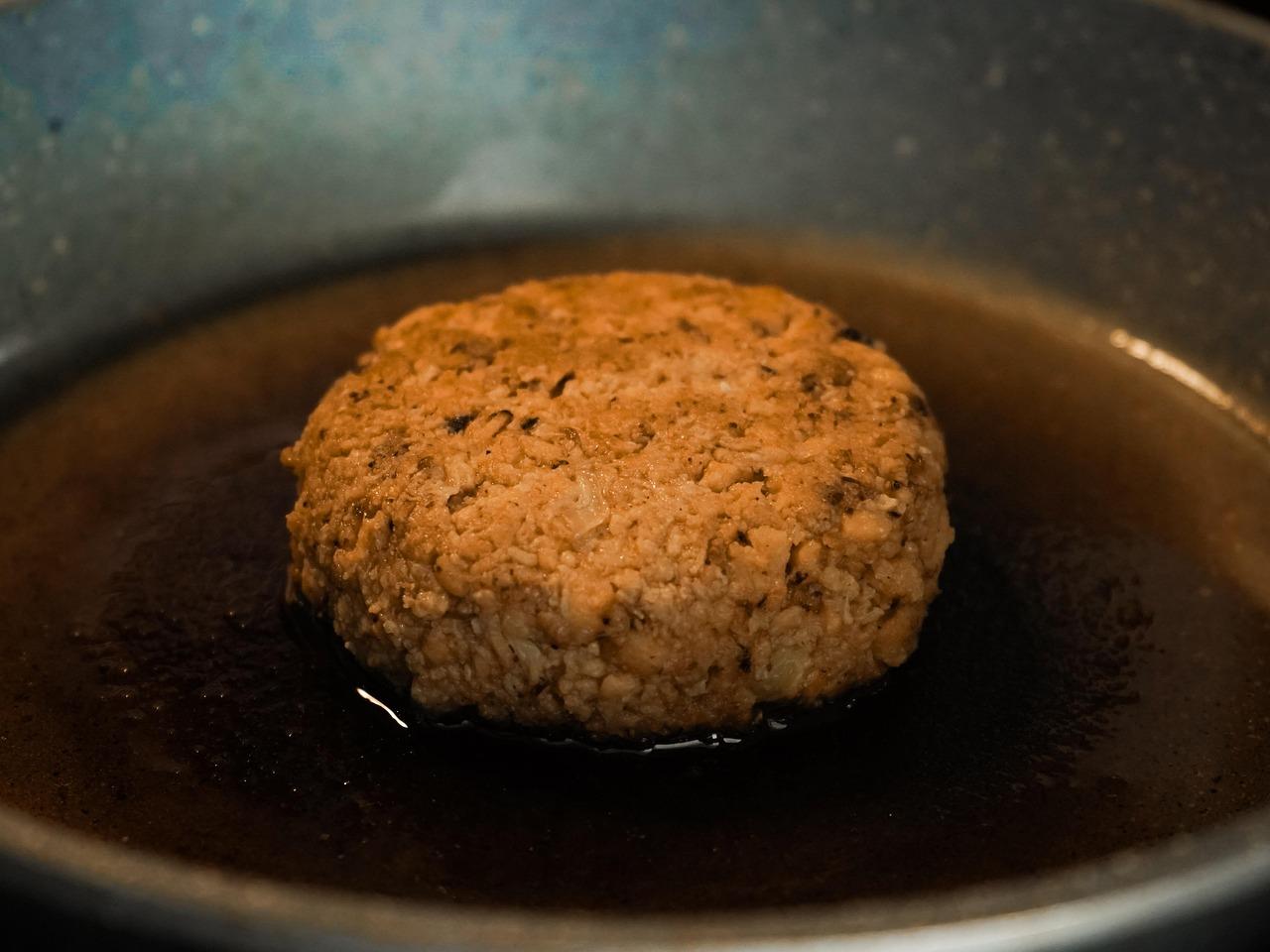
Grünkern is spelt picked while still green and dried over beech smoke, a speciality of the Bauland and Odenwald in northern Baden. Simmered and shaped into Bratlinge, it became the vegetarian patty of German wholefood kitchens and school canteens, eaten for a weekday lunch with potato salad or a crisp green salad. They are nutty and slightly smoky, crisp outside and soft within. With the herb quark, one portion of three patties gives about 23 g of protein, from the spelt, eggs, mountain cheese and quark. Hard mountain cheese is often made with animal rennet, so choose one labelled vegetarian if that matters to you. The usual mistake is frying the mixture while it is still warm and loose; it must cool and firm up first, or the patties fall apart in the pan. Chef's tip: use coarsely cracked green spelt rather than whole grains; it soaks up the stock evenly and binds without any extra flour.

by KrazyBadal 0 views

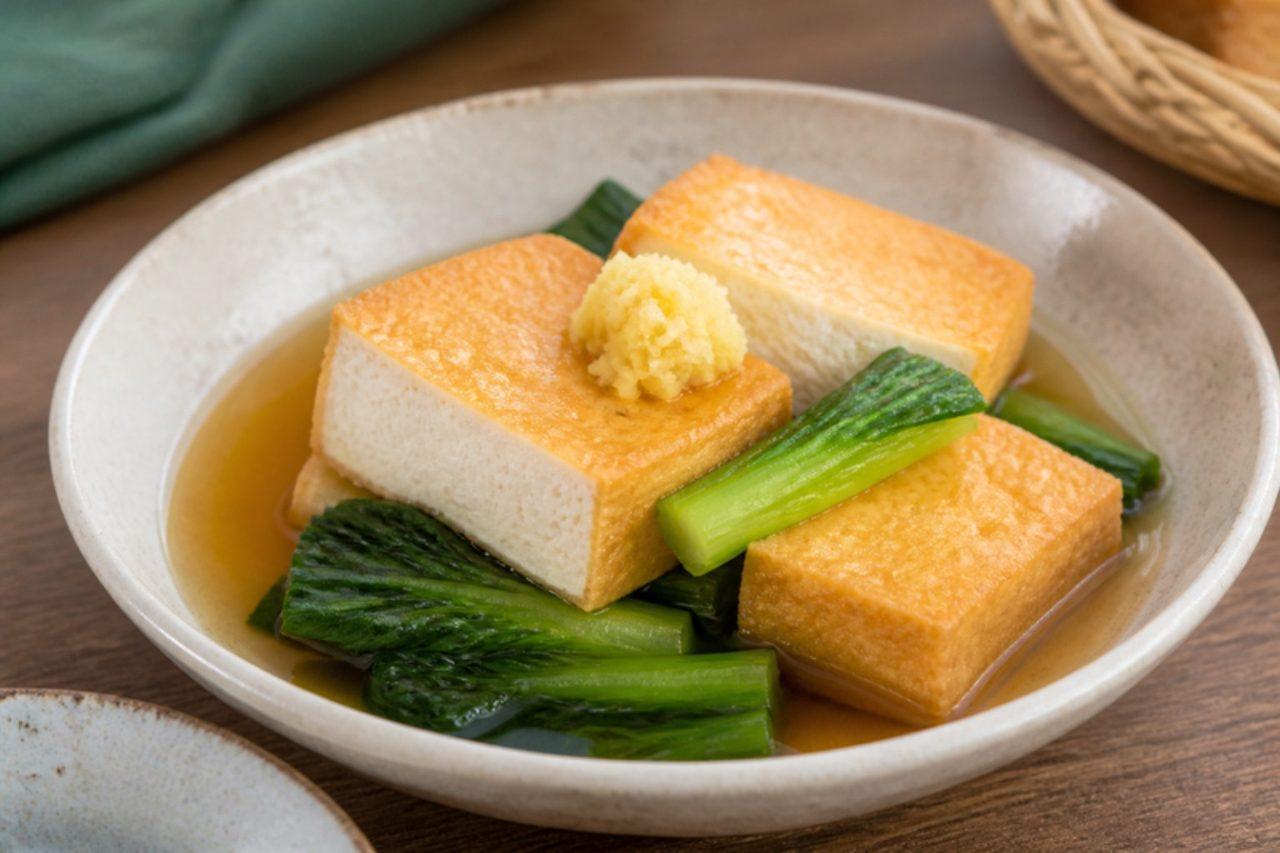
Atsuage no nimonoSimmered fried tofu and greens

Atsuage no nimono is the kind of simmered dish that turns up on everyday dinner tables across Japan, especially in autumn and winter when komatsuna and spinach are at their best. Thick blocks of fried tofu, crisp outside and soft within, are simmered in a light, slightly sweet broth of dashi and soy until they drink it up, then the greens go in for the last few minutes. This version uses kombu and shiitake dashi and no mirin, so it is vegan and alcohol-free. Served as a main for two with rice, each portion gives about 23 g of protein, from the fried tofu. The common mistake is boiling the broth hard, which toughens the tofu and makes the greens drab. Chef's tip: pour boiling water over the atsuage first to rinse off surface oil; the broth then soaks in instead of sliding off.

by KrazyBadal 0 views

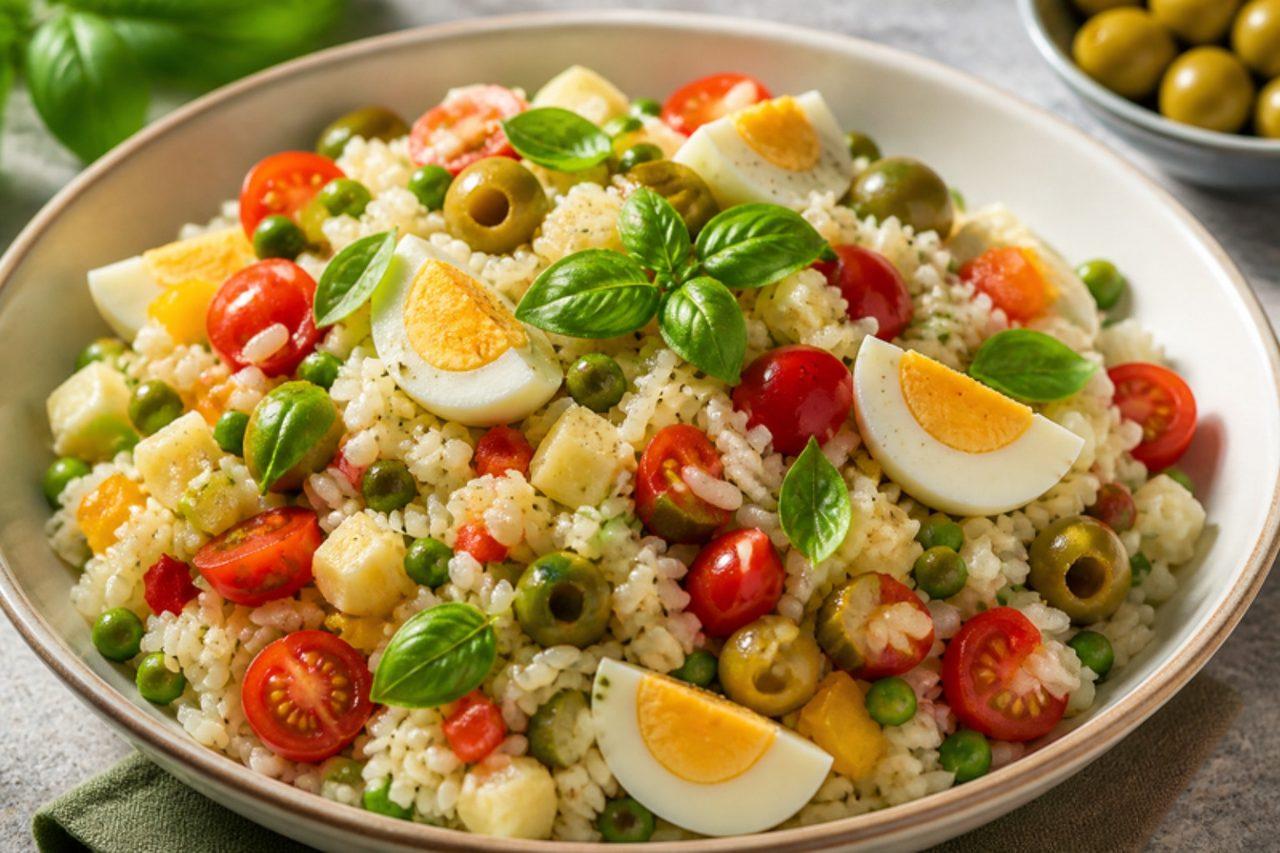
Insalata di risoRice salad

From July to the end of August, a big bowl of insalata di riso sits in Italian fridges ready for beach days, Ferragosto picnics and lazy suppers on the balcony. Firm, separate grains of rice are tossed with diced Emmental, hard-boiled egg, peas, sweet pepper, olives and the tangy chopped pickled vegetables called giardiniera, dressed only with olive oil. Many versions add ham, tuna or frankfurters; this one is vegetarian and gets its protein, about 23 g per portion, from the cheese, eggs, peas and rice. Emmental is usually made with animal rennet, so pick a vegetarian Swiss-style cheese if that matters. The classic mistake is overcooking the rice, which goes mushy and claggy as it cools; cook it just al dente and rinse it cold. Chef's tip: dress the rice with half the oil while it is still slightly warm so the grains stay separate, then add the rest when you mix in everything else.

by KrazyBadal 0 views

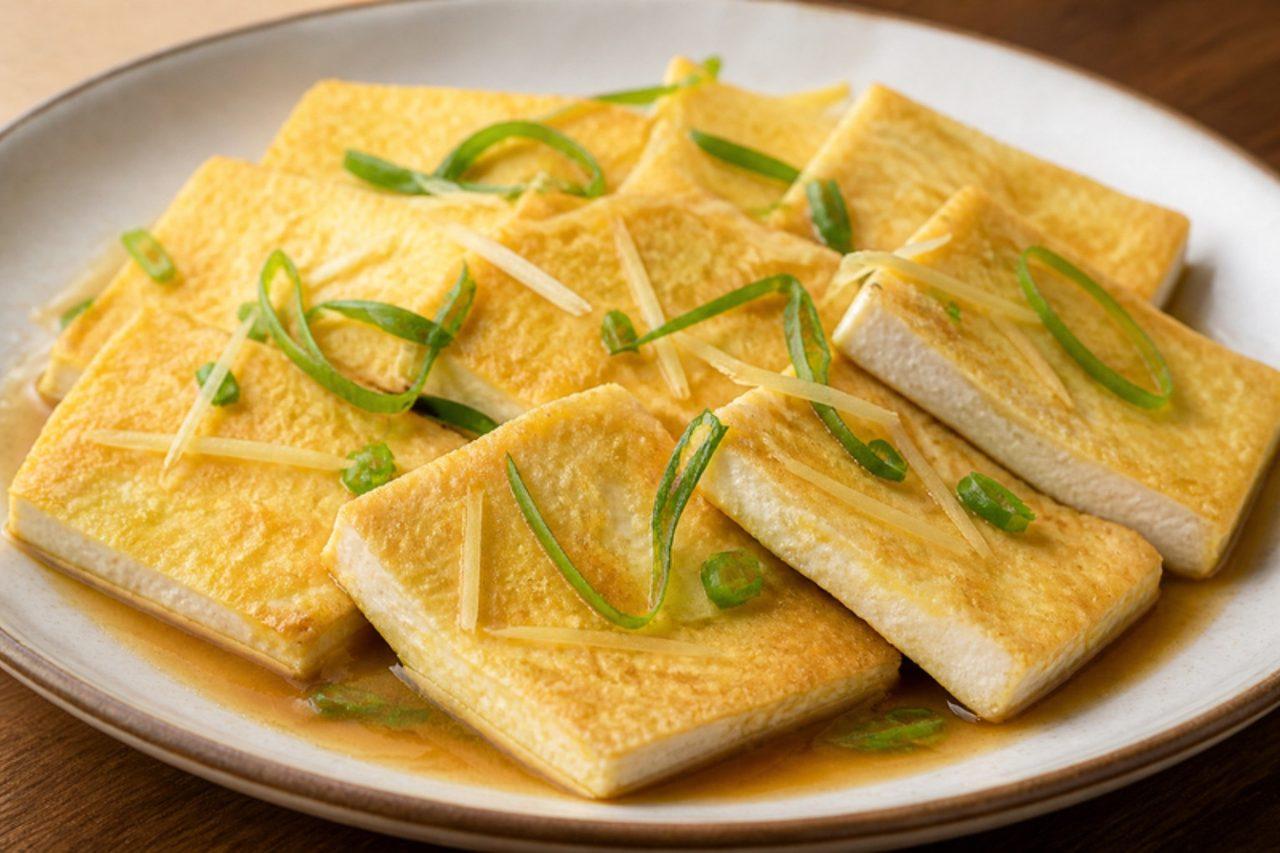
Guota doufuEgg-battered pan-fried tofu

Guota doufu comes from the Lu kitchen of Shandong, where guota means pan-fried and then simmered so the coating soaks up the sauce. It is a banquet dish in Jinan restaurants and a family favourite at home: tofu slices are dusted in flour, dipped in egg, fried golden, then simmered briefly in a savoury stock with ginger and spring onion until the eggy coating turns tender and juicy. This version uses vegetable stock and no cooking wine. A portion gives about 24 g of protein, from the tofu and eggs. The common mistake is too much stock, which turns the coating soggy and loose; add only enough to come halfway up the tofu. Chef's tip: shake off the excess flour well before the egg, or the coating peels away in sheets.

by KrazyBadal 0 views

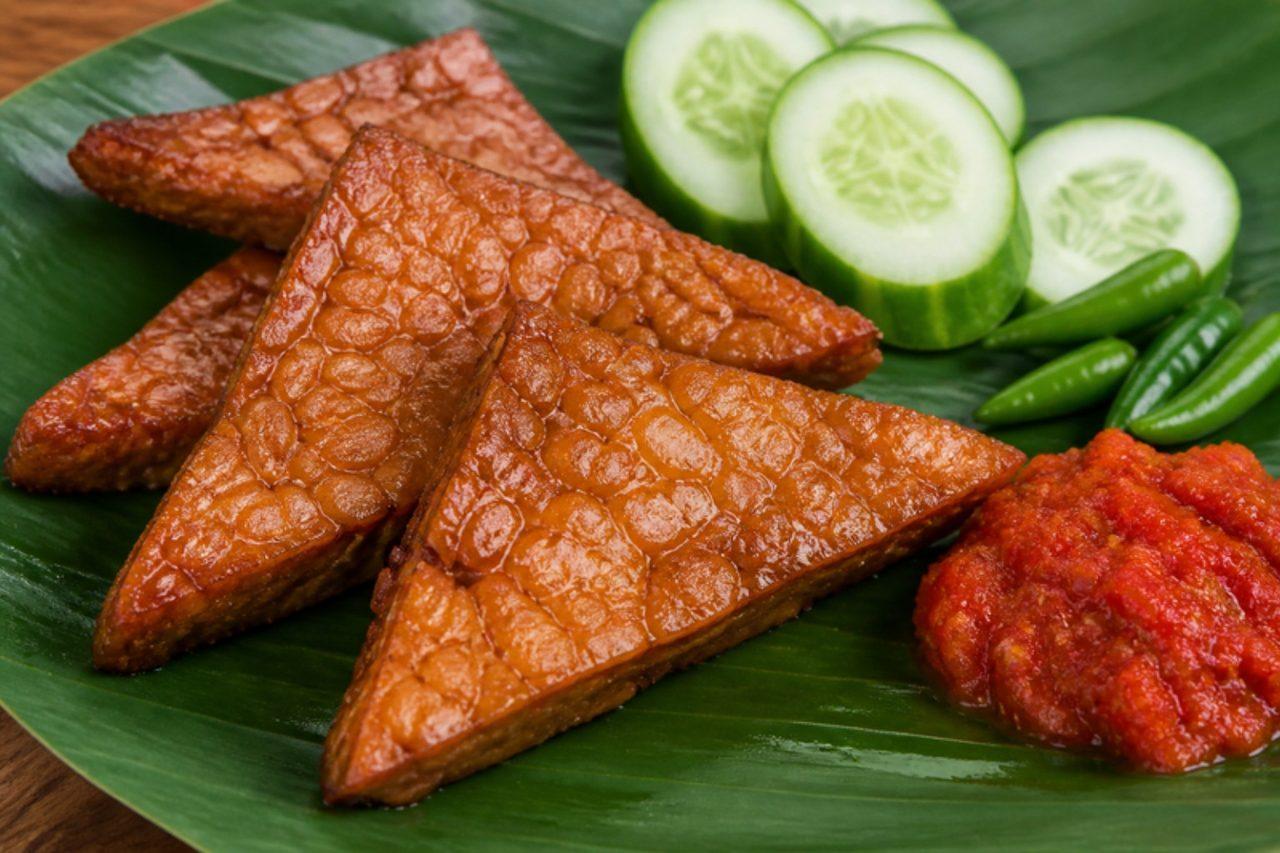
Tempe bacemSweet braised tempeh

Every warung in Yogyakarta and Solo has a tray of tempe bacem on the counter, dark, sticky and sweet, eaten at lunch with rice, sambal and a few raw cucumber slices, or packed for journeys because it keeps so well. The tempeh is simmered slowly in coconut water with palm sugar, galangal, coriander seed and bay leaf until the liquid has gone and every slab is glazed, then seared briefly so the edges caramelise. A portion of about 150 g of tempeh gives roughly 28 g of protein, nearly all from the fermented soybeans. The common mistake is turning the heat up to hurry the braise: the sugar catches and turns bitter before the tempeh has soaked anything up. Chef's tip: make it a day ahead; bacem tastes deeper after a night in the fridge and sears better cold.

by KrazyBadal 0 views

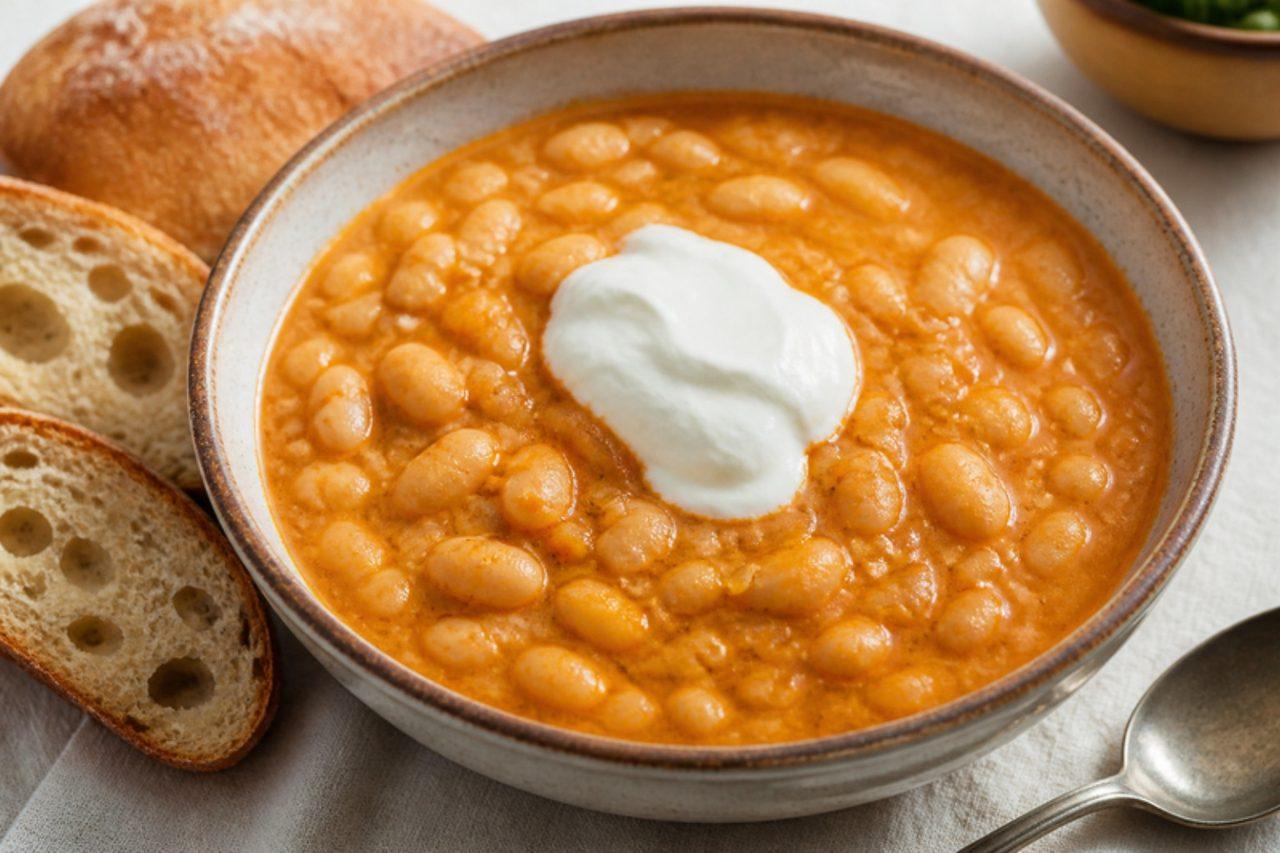
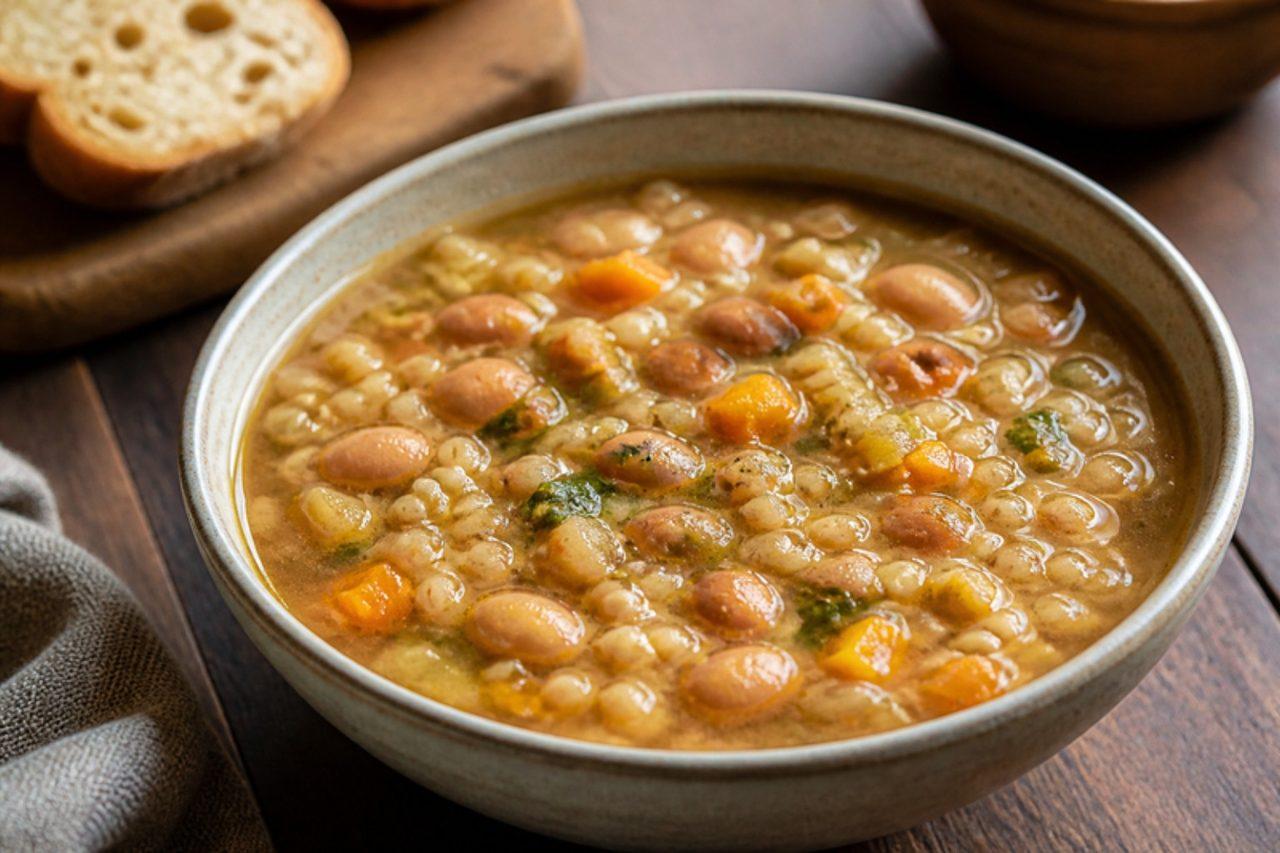
Bob chorbaWhite bean soup

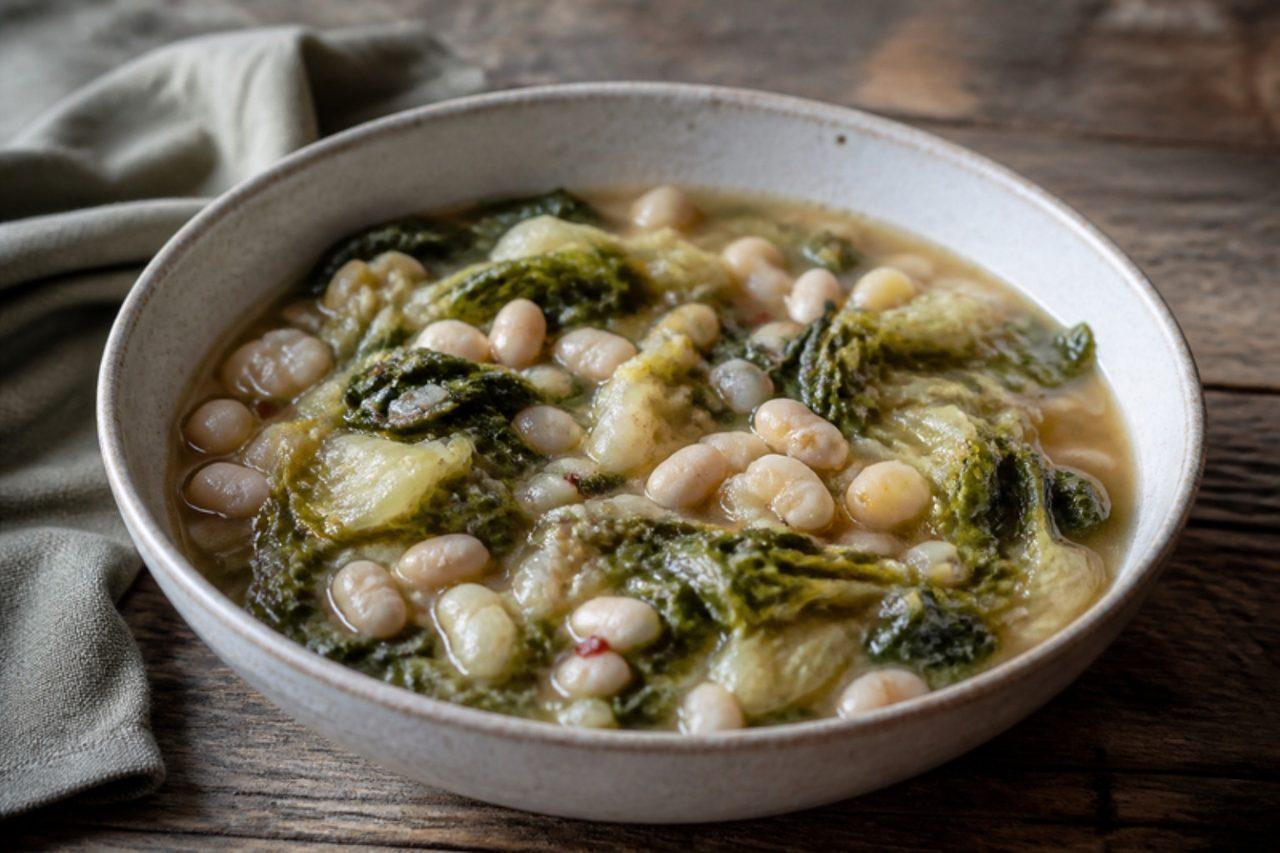
Bob chorba is one of Bulgaria's best-loved soups, cooked in every region, served in monasteries such as Rila and set on the meat-free table on Christmas Eve, when the dishes must be Lenten. White beans simmer slowly with onion, carrot, peppers and tomato until creamy, then the pot is seasoned with dzhodzhen (dried mint), chubritsa (summer savory) and sweet paprika fried in oil. A bowl gives about 21 g of protein from the beans, and it is eaten with fresh bread and a hot pickled pepper alongside. Soak the beans for 12 hours first; that time is not counted below. The most common mistake is pouring paprika into very hot oil: it burns in seconds and makes the soup bitter, so take the pan off the heat first. Chef's tip: dried savory is the true taste of this soup; if you can't find it, use dried thyme with a pinch of oregano.

by KrazyBadal 0 views

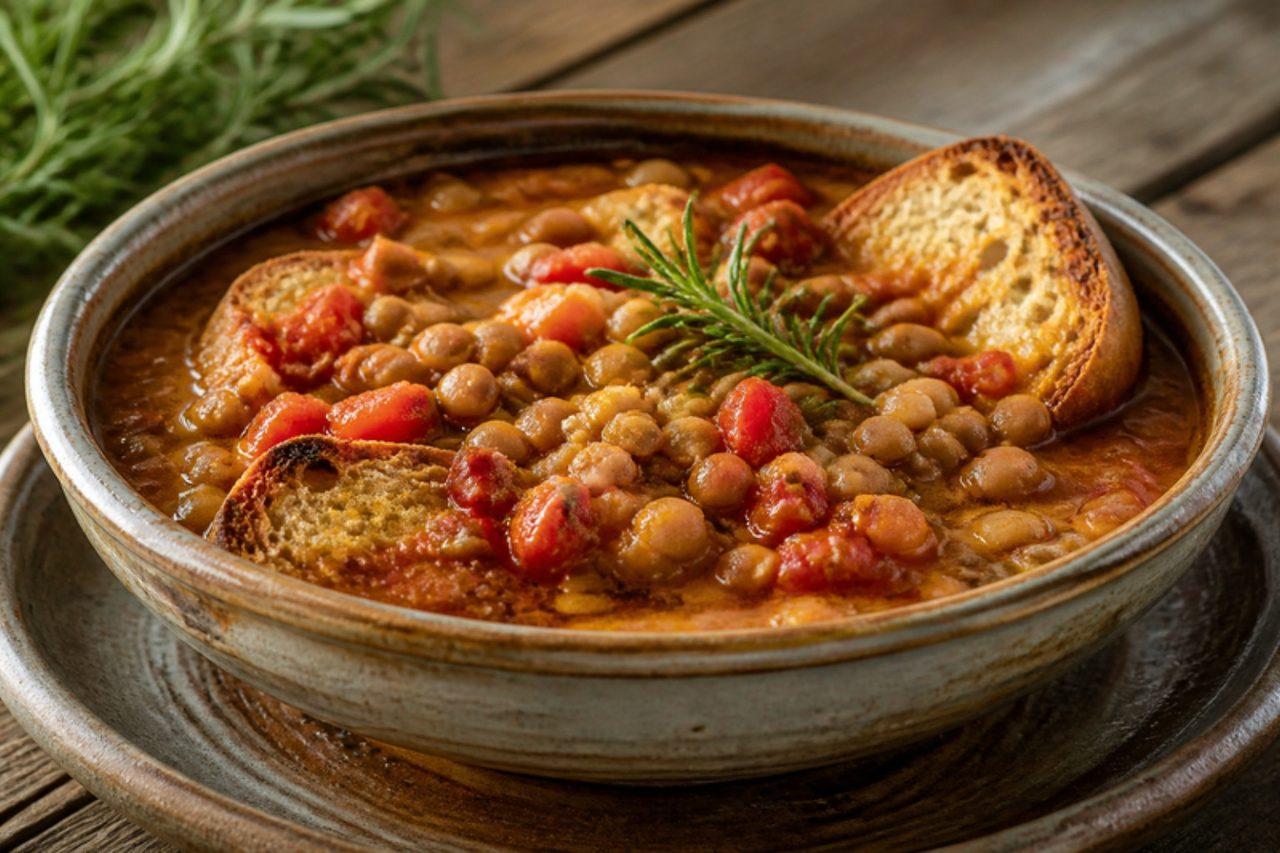
Fagioli al fiascoSlow-cooked cannellini beans with sage

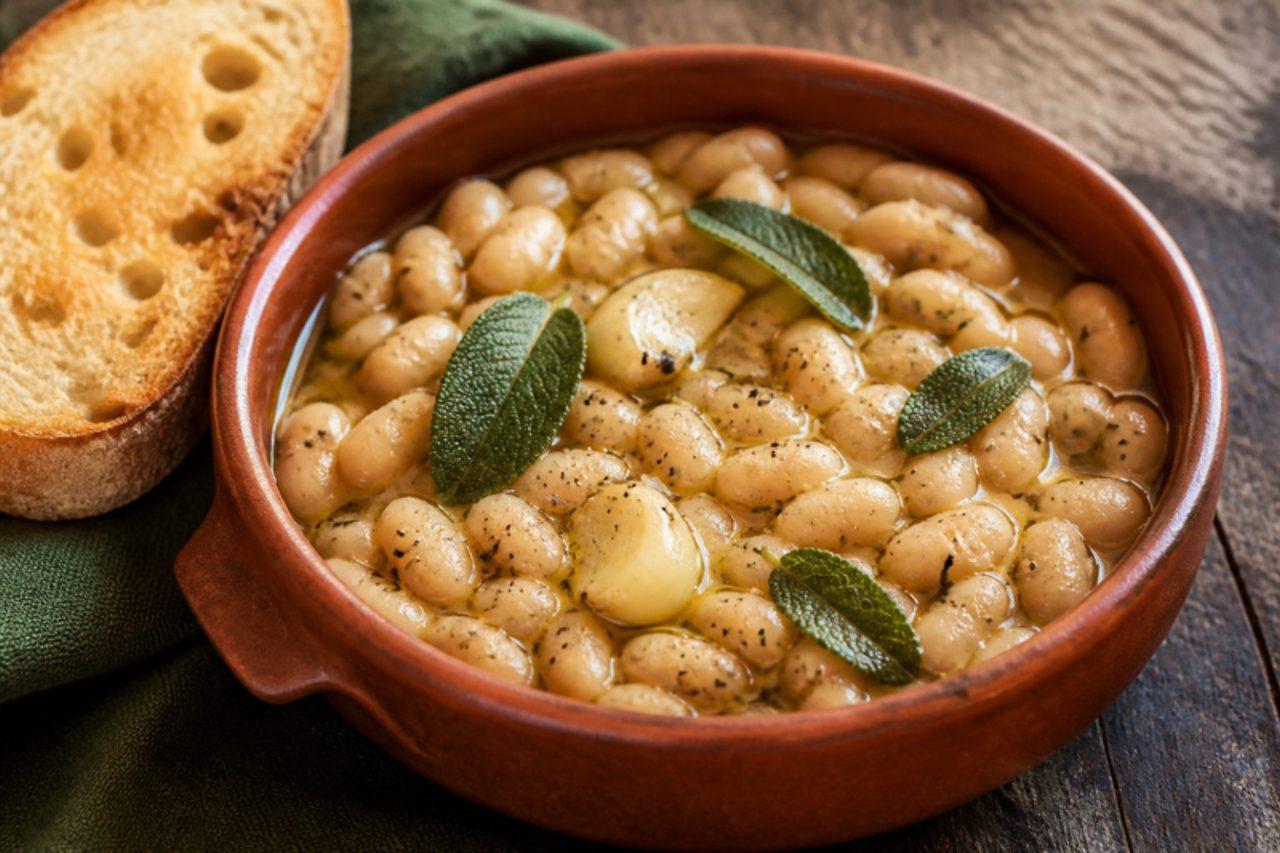
In Tuscany, and above all in Florence and the Chianti hills, beans were once cooked overnight in an old glass wine flask set in the dying embers of the hearth, and fagioli al fiasco are still made in autumn when the new season's peppery olive oil arrives in November. Cannellini, sage, garlic and oil are sealed in a lidded pot and cooked very slowly, so the beans turn creamy and buttery inside while staying whole. At home a heavy casserole in a low oven does the job. Served as a side or a light main with toasted bread, a portion gives about 23 g of protein from the beans. Soak the beans for 12 hours first; that time is not counted below. The most common mistake is letting the liquid boil: fast bubbling splits the skins and turns the beans mealy. Chef's tip: salt only at the very end, and pour over your best oil at the table, not during cooking, where its fresh flavour is lost.

160 minItalianSidesVeganGluten free
by KrazyBadal 0 views

Bób z koperkiemBroad beans with butter and dill

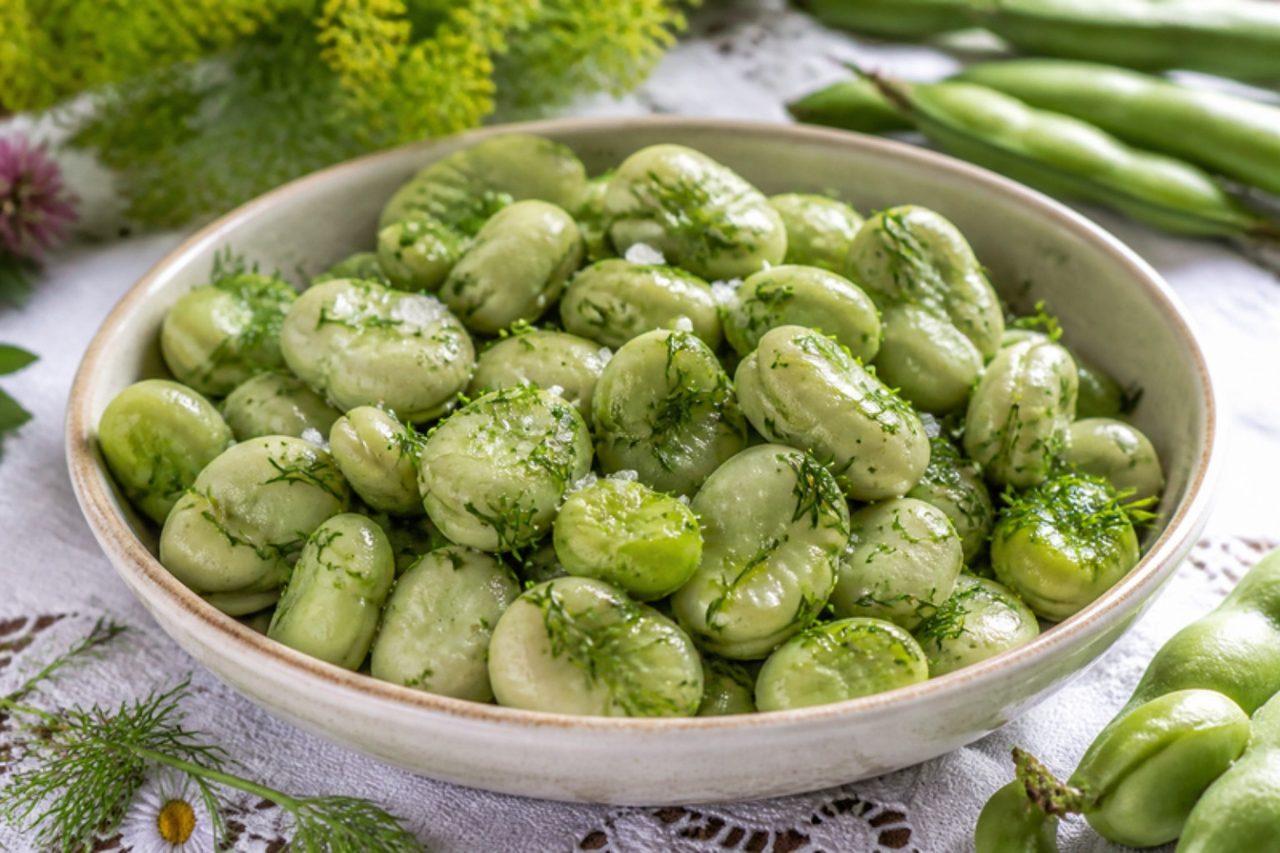
All over Poland, from Kraków's market stalls to allotments outside Warsaw, the short broad bean season in June and July means bowls of bób z koperkiem: young beans boiled in their pale skins, tossed with melted butter, dill and salt, and eaten with your fingers on summer evenings. You squeeze each bean out of its skin with your teeth, or eat the skin too if the beans are very young. A generous bowl of 300 g beans gives about 22 g of protein, all from the broad beans. The most common mistake is overcooking: the skins burst and the beans turn grey and floury. Chef's tip: add a pinch of sugar to the cooking water along with the salt, as Polish cooks do; it keeps the beans sweet and bright.

by KrazyBadal 0 views

Bruine bonensoepBrown bean soup

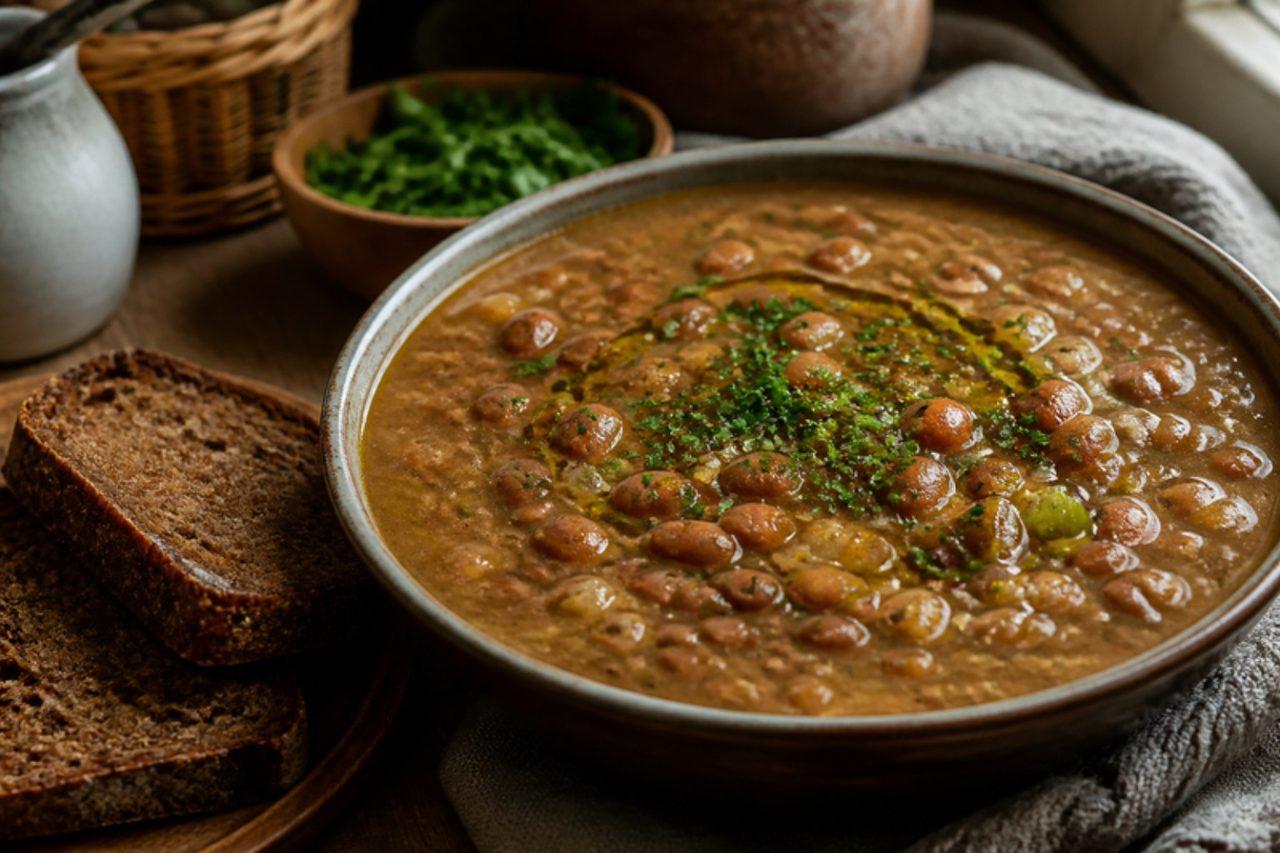
Bruine bonensoep is a Dutch winter staple, simmered in homes from Groningen to Zeeland on dark evenings between November and March and eaten with thick slices of rye bread. Brown beans are cooked with onion, leek, celery and carrot, then about half of the pot is blended, so the soup is velvety but still full of whole beans. Many families add bacon or smoked sausage; this version is vegetarian and vegan, with smoked paprika and a little soy sauce standing in for the smoky, savoury depth. A bowl gives about 22 g of protein from the beans. Brown beans are a type of kidney bean, so after soaking for 12 hours (not counted in the times) they must boil hard for 10 minutes. The most common mistake is blending the whole pot, which turns it into a heavy purée with no texture. Chef's tip: a pinch of ground cloves with the bay leaf gives the old-fashioned Dutch flavour.

100 minDutchSoupsVegan
by KrazyBadal 0 views

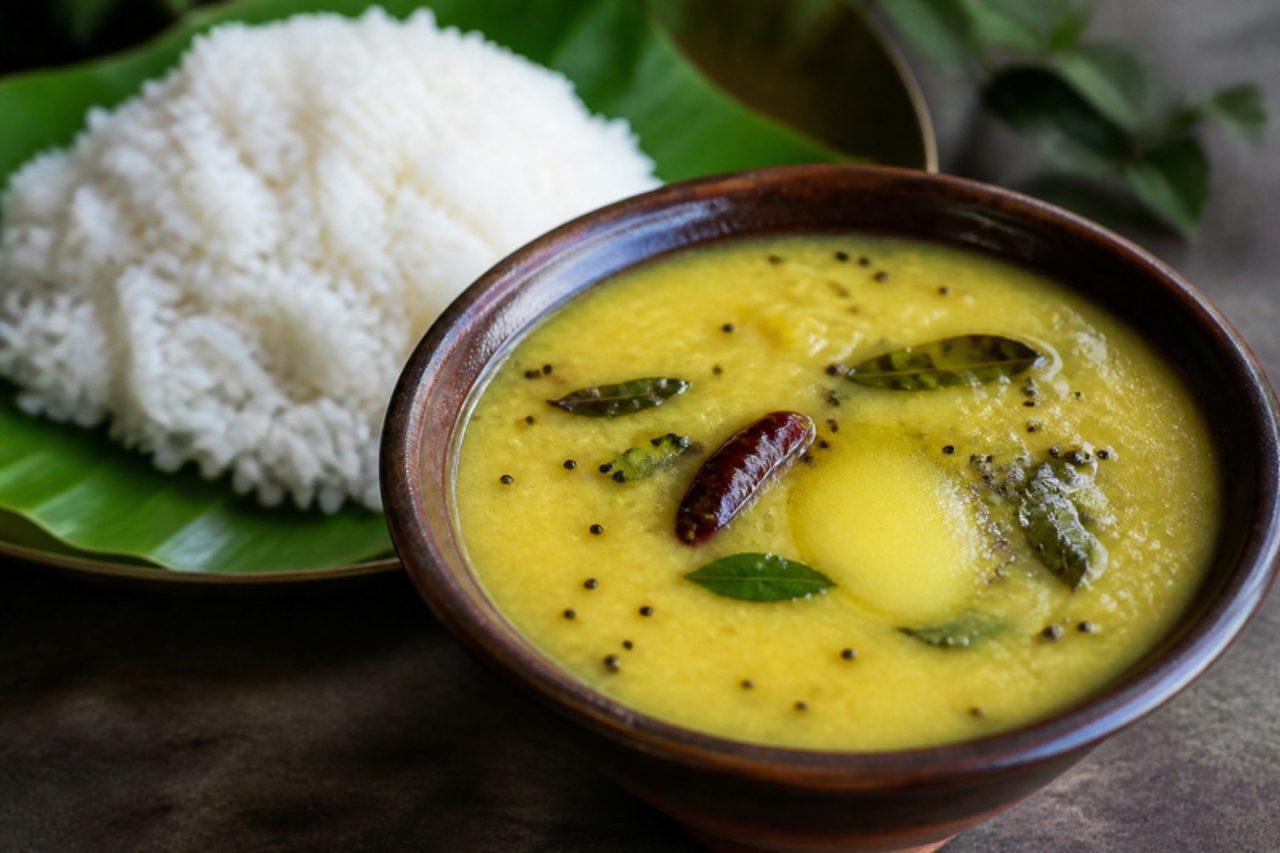
DalithoyMild toor dal with mustard

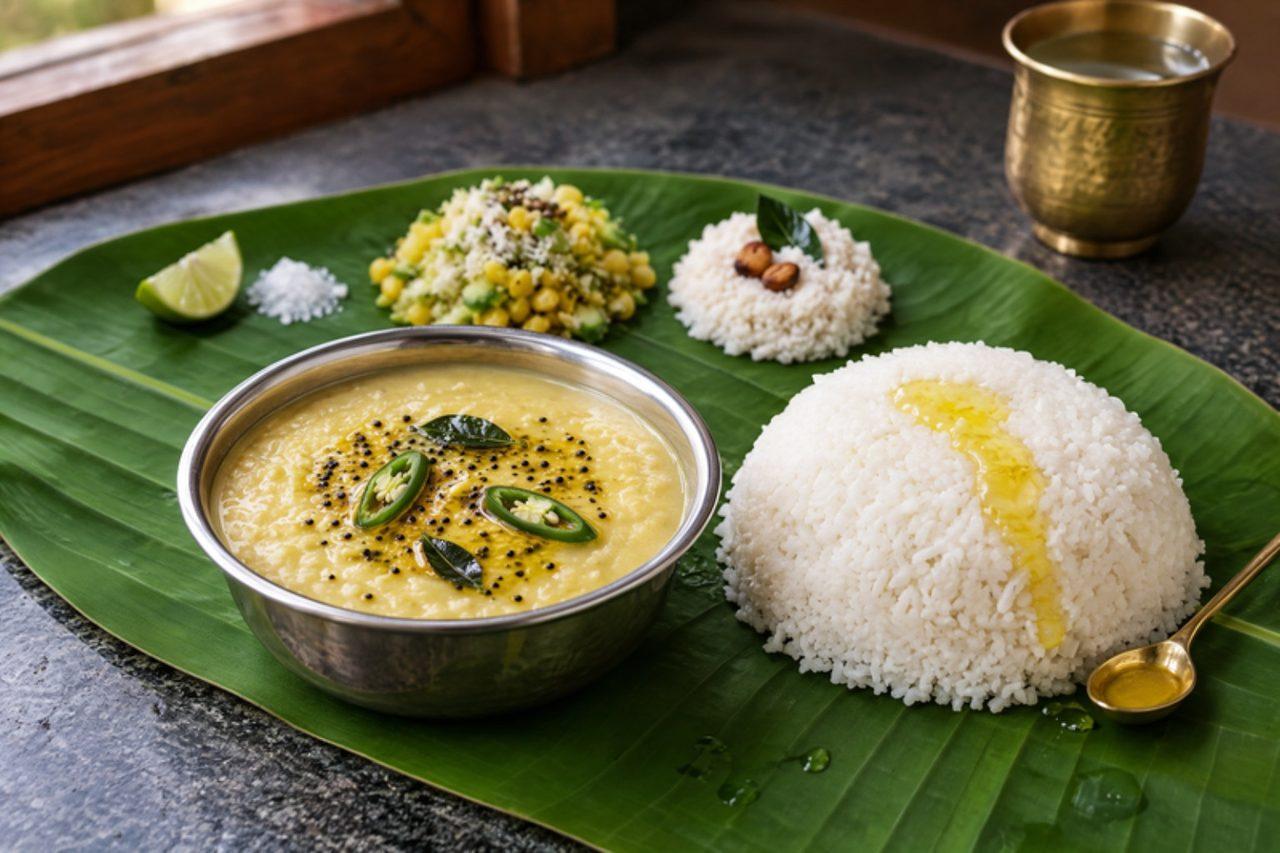
Dalithoy is the comfort dal of Konkani-speaking families in Goa, Mangalore and Udupi, eaten almost daily at lunch with red rice, and the first thing many make for someone recovering from illness. It is deliberately simple: toor dal cooked very soft with ginger and green chilli, thinned to a pourable soup and finished with coconut oil, mustard seeds, curry leaves and a good pinch of asafoetida. A portion gives about 19 g of protein from the toor dal, or about 23 g with a plate of rice, for about 330 kcal. With a pressure cooker it is on the table in half an hour. The most common mistake is skimping on the asafoetida or burning it: it is the main flavour here, so add it off the heat at the end of the tempering. Chef's tip: whisk the cooked dal until it is completely smooth before thinning it; dalithoy should be silky, with no whole grains left.

by KrazyBadal 0 views

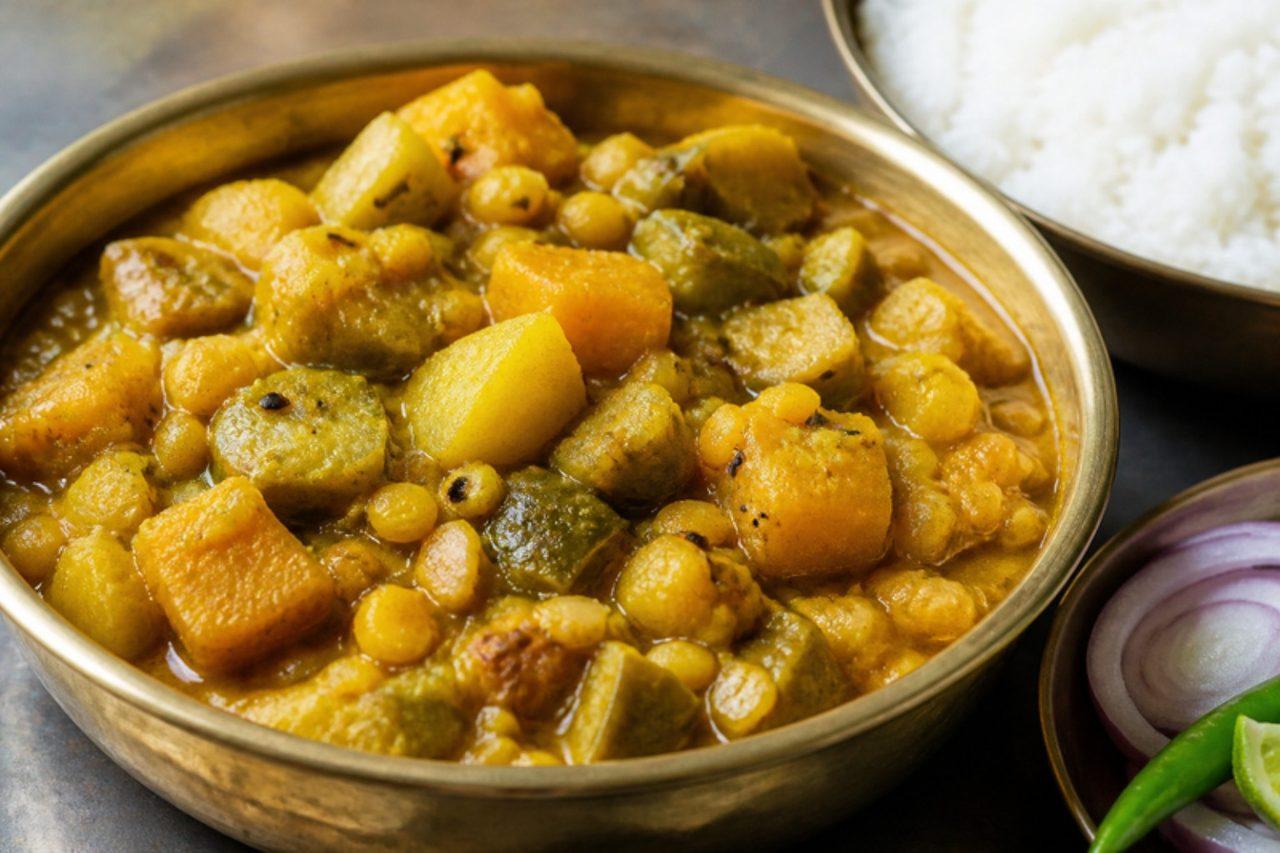
Ghanta tarkariMixed vegetables with dried peas

Ghanta is the Odia one-pot of everything the winter market offers, cooked in Bhubaneswar and Cuttack homes for festival days and pujas, and in a similar form in the temple kitchens at Puri. Pumpkin, raw banana, sweet potato, aubergine and beans are cooked with soaked dried peas and chana dal until the pulses thicken it into a soft, chunky stew, seasoned with ginger, cumin and a light panch phoron tempering. A portion gives about 20 g of protein from the dried peas, chana dal and vegetables. The dried peas and chana dal need 8 hours of soaking first (overnight), which is not counted in the times. The most common mistake is adding all the vegetables at once: pumpkin melts to mush while the raw banana is still hard, so add them in two stages. Chef's tip: grind the ginger and cumin with a little water to a fresh paste rather than using powder; it is what gives ghanta its clean, warm flavour.

by KrazyBadal 0 views

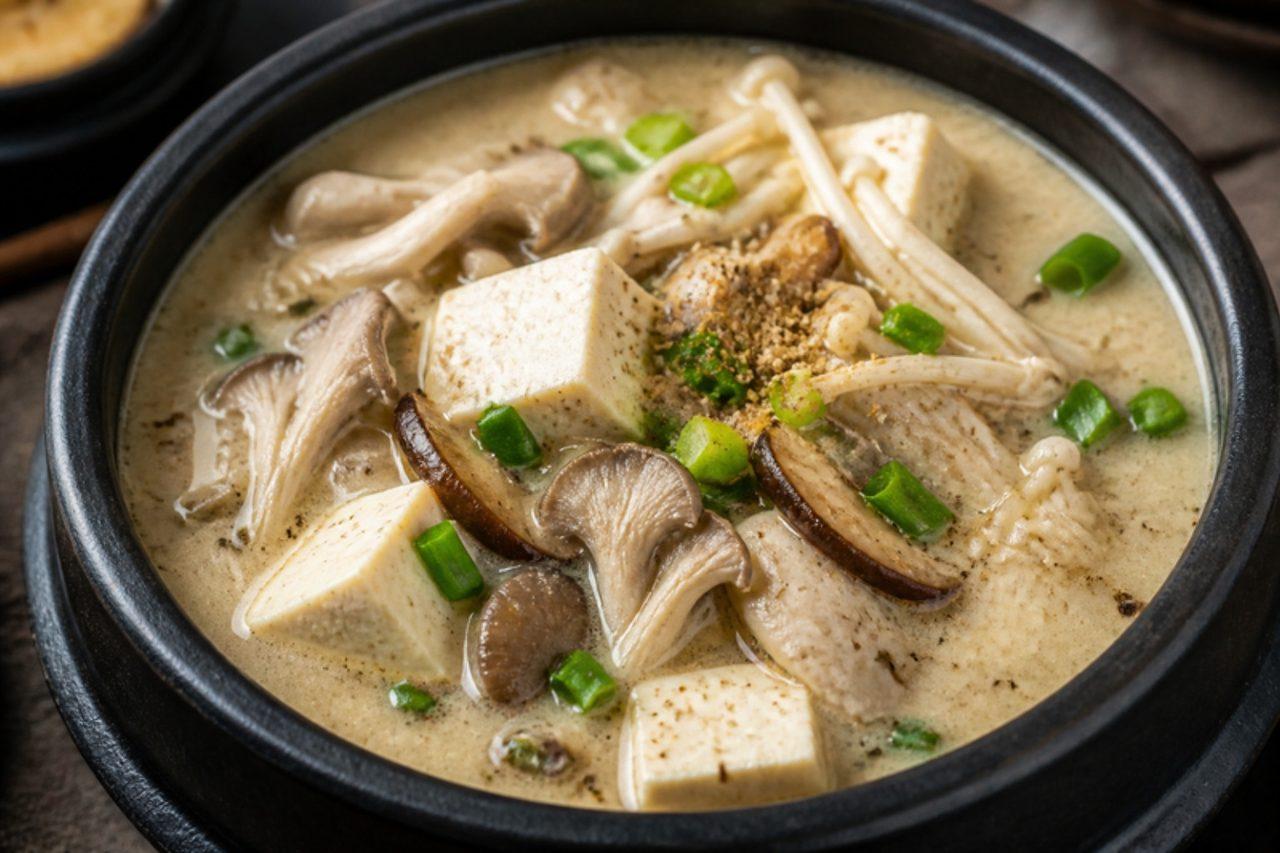
Beoseot deulkkae tangMushroom and perilla seed soup

This creamy, nutty soup is cooked in Korean homes and temple-style restaurants all through autumn and winter, when the first wild mushrooms arrive and people want something warming and gentle. Ground perilla seeds and a spoon of glutinous rice flour turn a plain broth thick and pale, with mixed mushrooms and soft tofu simmered through it. With the perilla and a block of firm tofu, a bowl gives about 24 g of protein, making it a proper main course with rice. The most common mistake is adding the perilla powder too early and boiling it hard, which makes the soup gritty and bitter; stir it in near the end. Chef's tip: buy perilla seed powder that has been skinned (it is paler), for the smoothest, creamiest soup.

by KrazyBadal 0 views

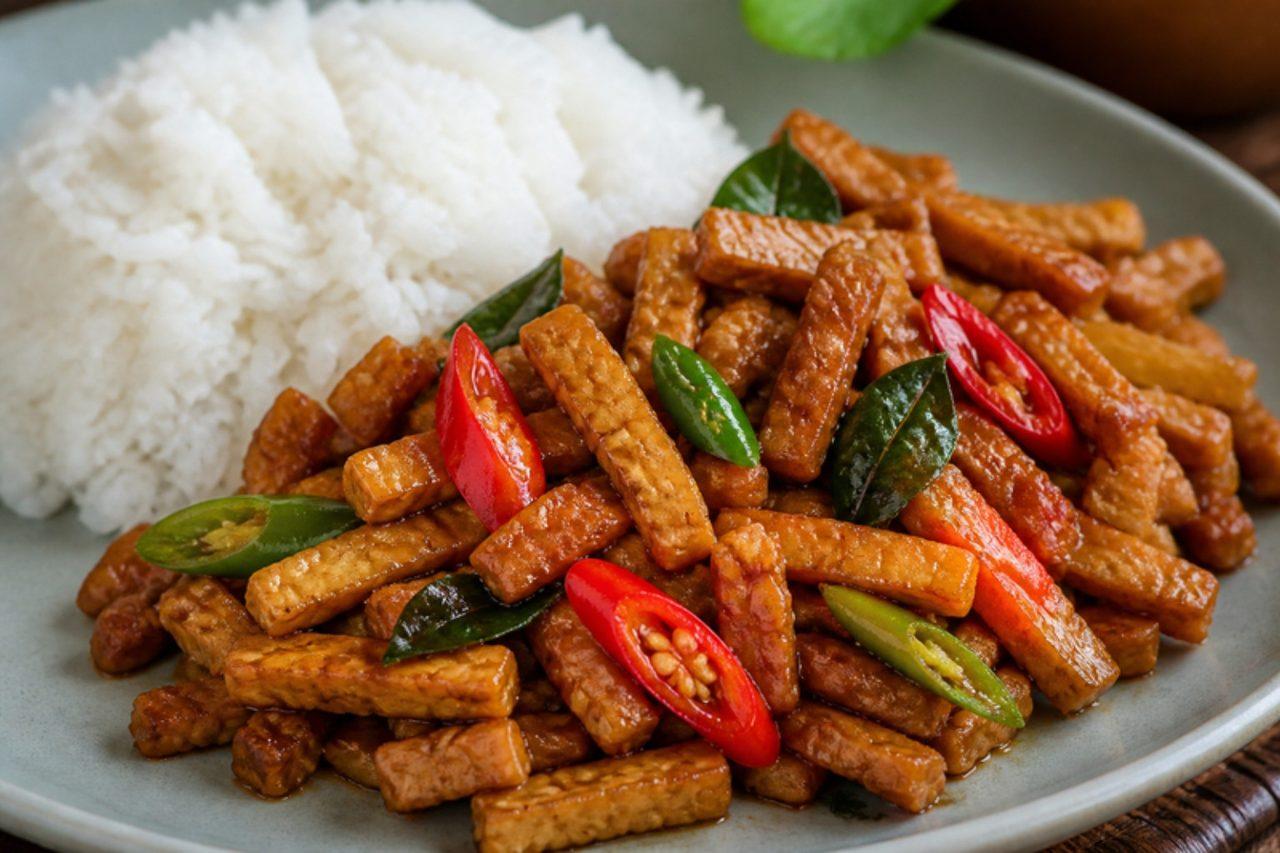
Oseng tempeStir-fried tempeh with chilli

Oseng tempe is the quick fix of Javanese home cooking, made in Semarang, Surabaya and every student boarding house in between for weekday lunch or dinner with plain rice. Thin matchsticks of tempeh are fried until crisp-edged, then tossed with shallot, garlic, sliced chilli, galangal and bay leaf in sweet soy sauce until sticky, sweet, salty and hot. A portion with about 125 g of tempeh gives roughly 24 g of protein, almost all from the tempeh. The common mistake is adding the sweet soy too early, before the tempeh has browned: it soaks in, burns and turns the strips soft. Chef's tip: fry the tempeh separately first, then build the sauce and return it at the end, so every strip stays a little crunchy.

by KrazyBadal 0 views

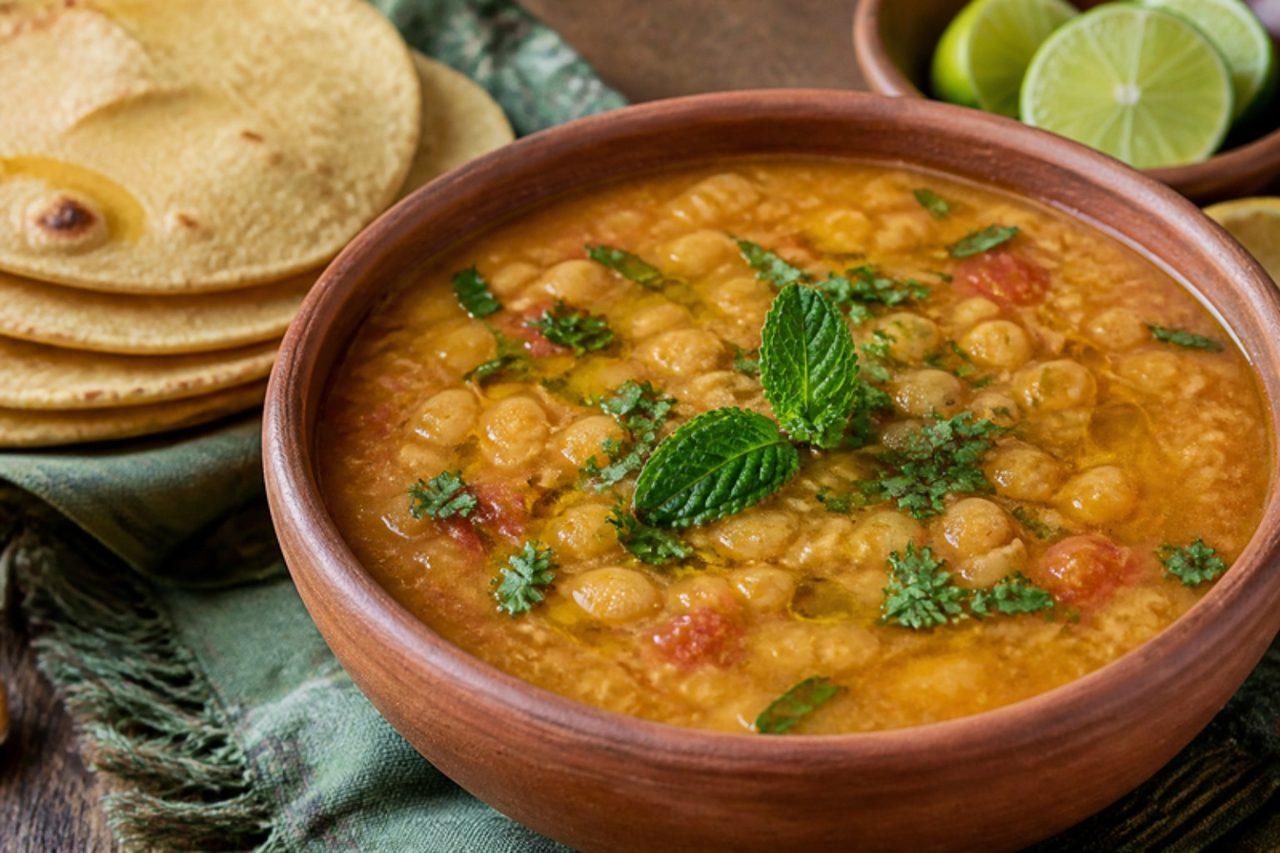
Cuban potaje de garbanzos (vegetarian)Chickpea and pumpkin stew

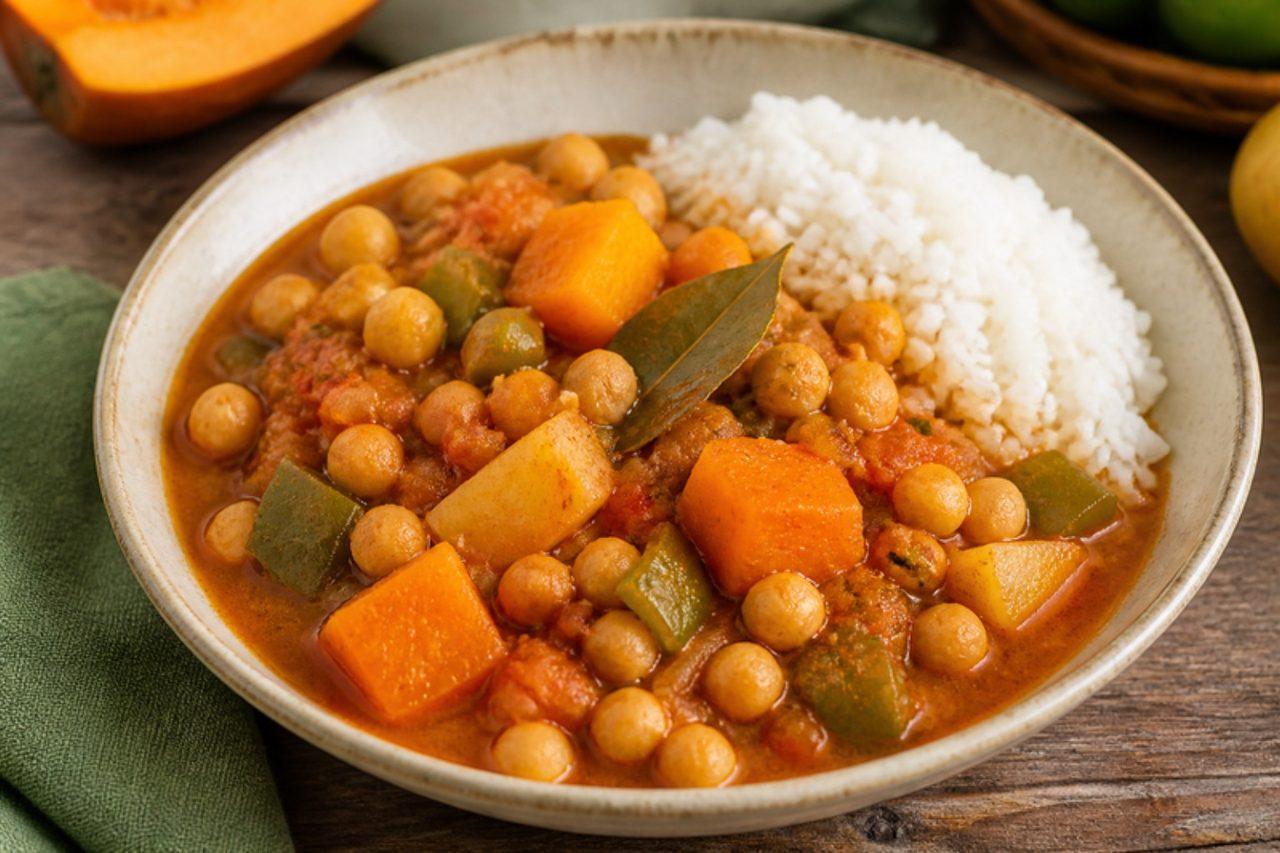
In Havana and across Cuba, a pot of potaje de garbanzos simmers on the stove for the main meal of the day, and is ladled over white rice with a few slices of fried ripe plantain on the side. Chickpeas cook until creamy with chunks of calabaza (West Indian pumpkin) and potato, then a sofrito of onion, green pepper, garlic and tomato turns the broth thick and orange. Most Cuban cooks add chorizo; this is the vegetarian version, with smoked paprika giving the smoky warmth instead, and it is fully vegan. A bowl gives about 21 g of protein from the chickpeas. Soak the chickpeas for 12 hours first; that time is not counted below. The most common mistake is adding the pumpkin at the start: it dissolves completely, so add it once the chickpeas are nearly tender. Chef's tip: let the potaje rest for half an hour before serving; it thickens and tastes even better the next day.

120 minCubanCurriesVeganGluten free
by KrazyBadal 0 views

Dal adasRed lentil curry with dried lime

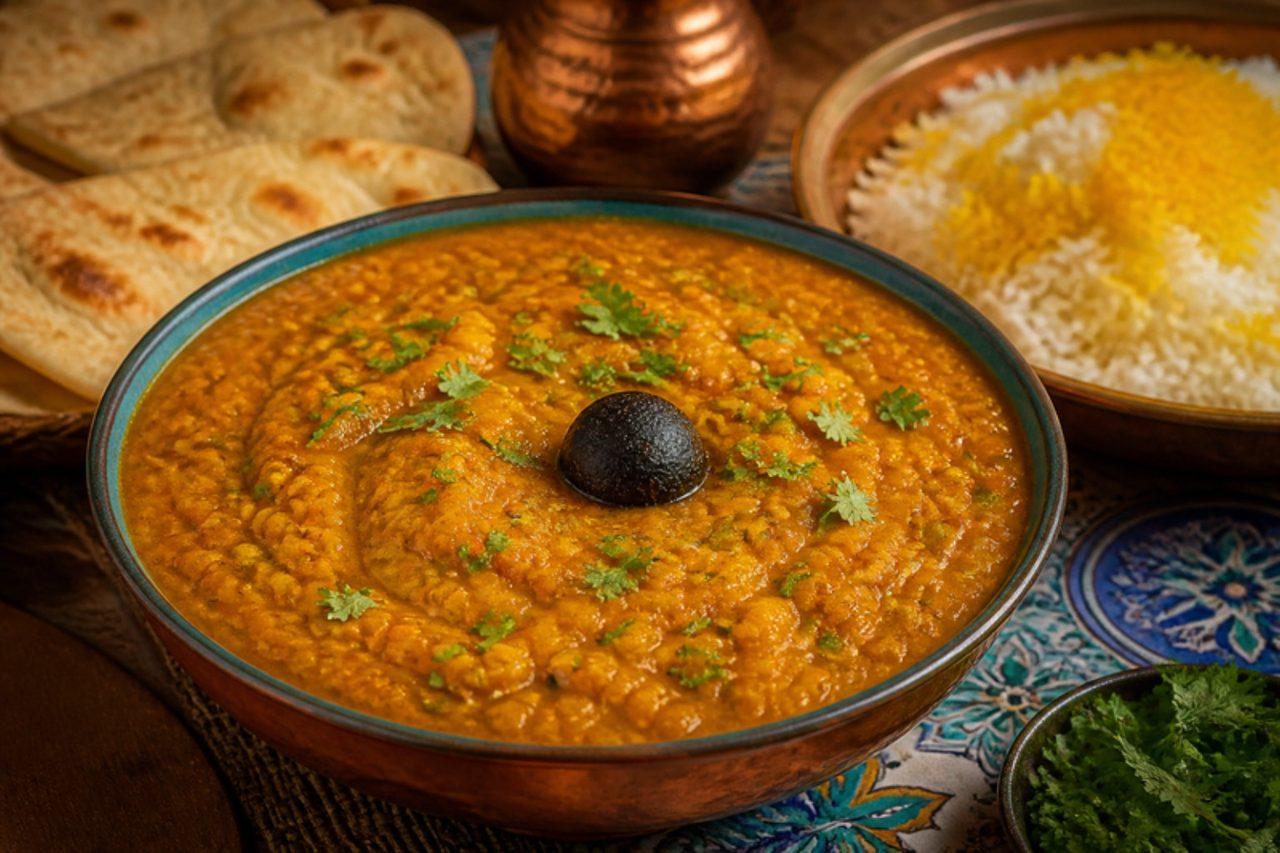
Along the Persian Gulf coast in Bushehr, Bandar Abbas and the towns of Hormozgan, centuries of trade with India gave rise to dal adas, a red lentil curry that is now a favourite lunch and a popular vegetarian dish in Muharram nazri cooking. The lentils cook down with onion, garlic, turmeric and warm curry spices into a thick, golden stew, sharpened with tamarind and the musky sourness of dried lime, and are eaten with rice or flatbread. A portion gives about 21 g of protein from the red lentils, with a little more from the potato. The most common mistake is leaving the dried limes in too long or uncracked: they turn the dal bitter, so pierce them and lift them out once the sourness is right. Chef's tip: fry the spices in the oil with the onions for a full minute before the lentils go in; the curry flavour depends on it.

by KrazyBadal 0 views

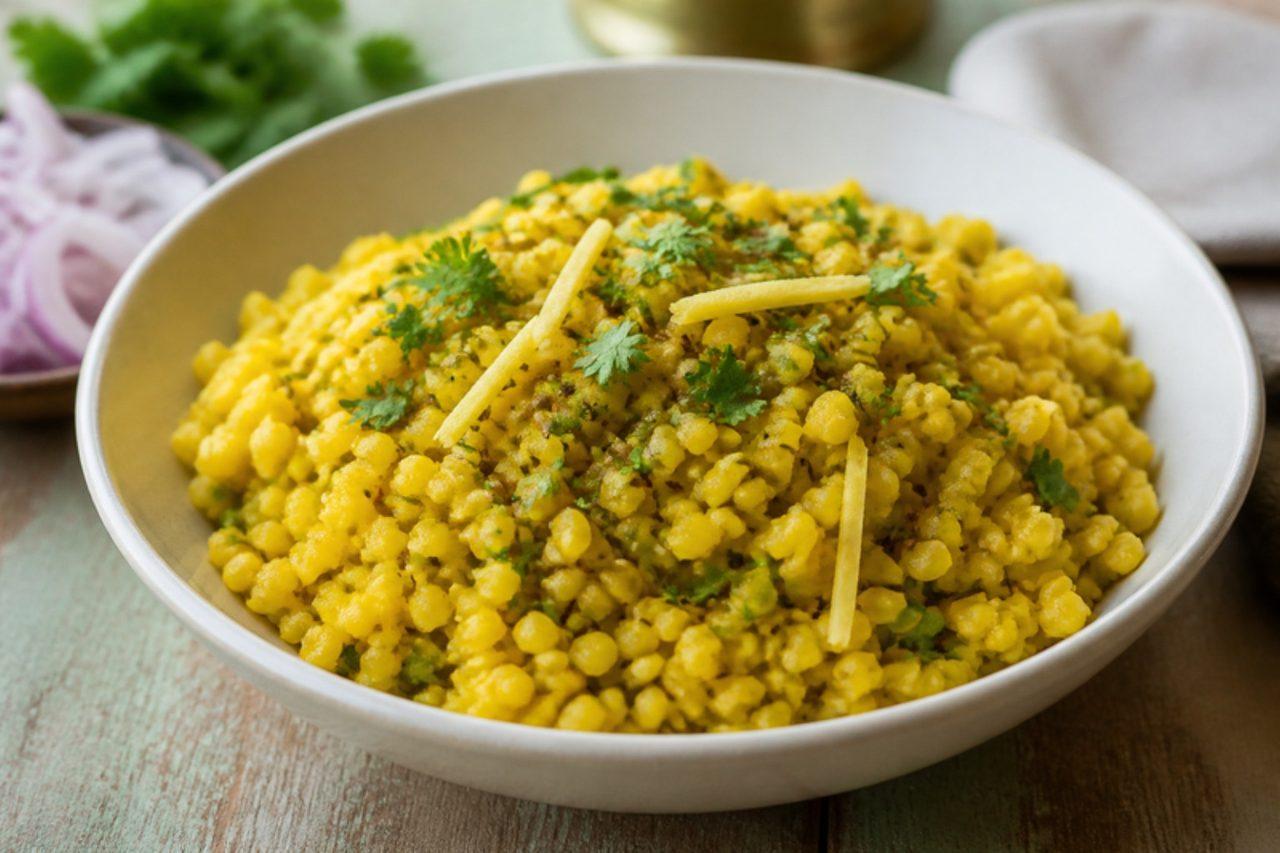
TubaaniSteamed bean flour dumplings

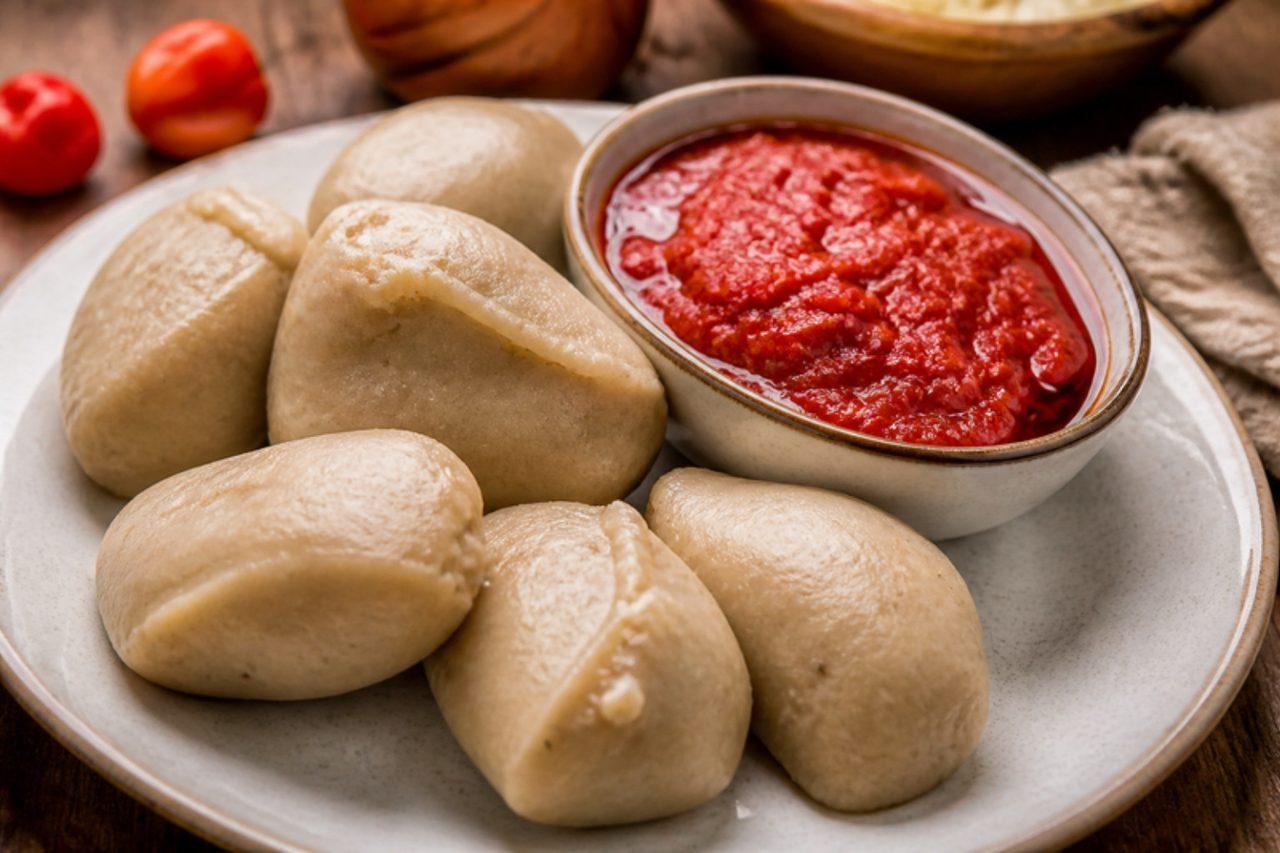
Tubaani is street food and home food in Tamale and across Northern Ghana, sold in the mornings and evenings from big steaming pots and eaten with a drizzle of oil and a hot pepper sauce. A smooth batter of black-eyed pea (cowpea) flour is poured into small leaf or foil parcels and steamed until it sets into soft, savoury puddings with a gentle bean flavour. A portion of three or four dumplings gives about 23 g of protein, nearly all from the bean flour. Many sellers serve it with shito, which contains dried fish and shrimp, so this version uses a fresh vegan pepper sauce. The most common mistake is getting the batter thickness wrong: too thin and it never sets, too thick and the dumplings are dense and crack. Aim for thick pancake batter that drops slowly from a spoon. Chef's tip: beat the batter hard for 3–4 minutes; the air you whip in makes the dumplings lighter.

by KrazyBadal 0 views

Tahu tekFried tofu with peanut sauce

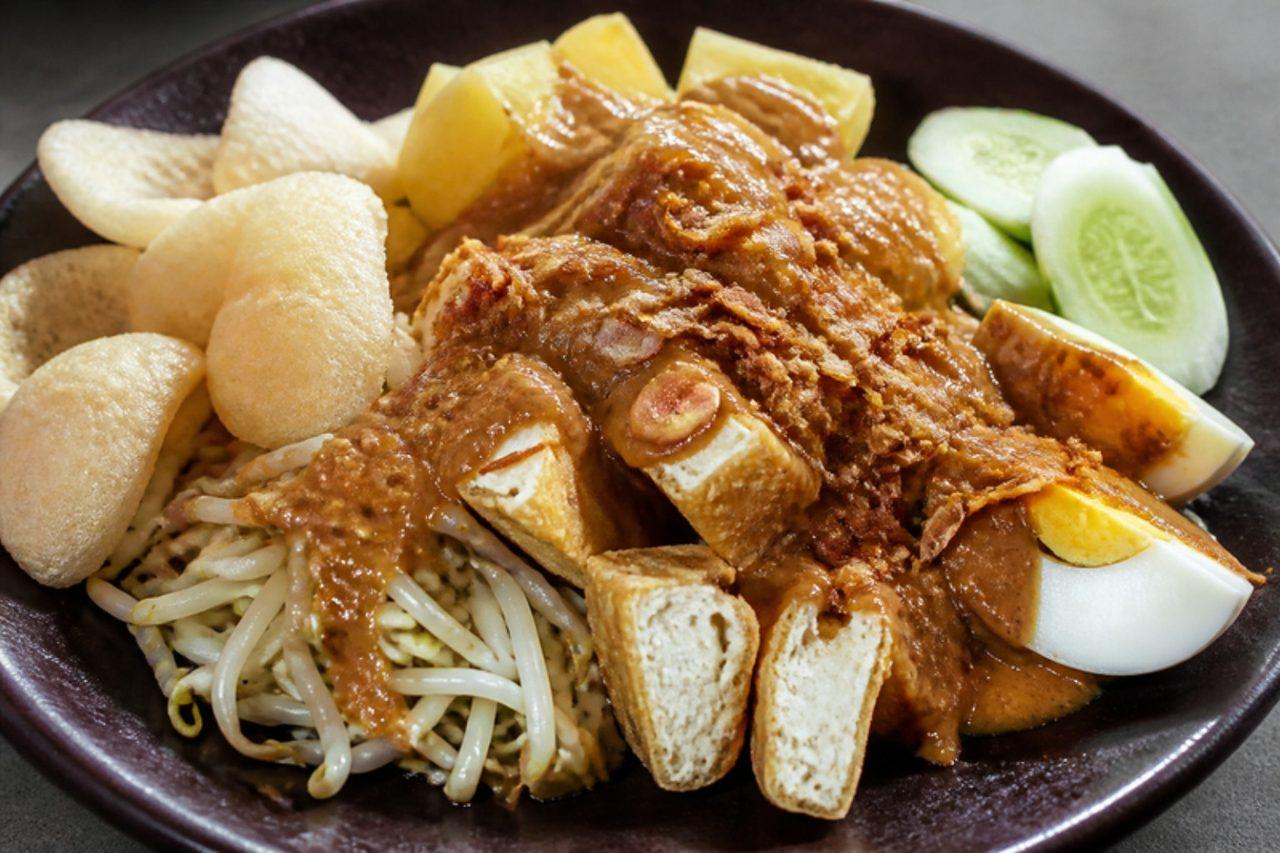
After dark in Surabaya, the tahu tek seller's cart is easy to find: listen for the tek-tek-tek of scissors snipping fried tofu, potato and egg into bite-sized pieces straight onto the plate, before it all disappears under bean sprouts, cucumber and a thick peanut sauce. It is a supper dish, filling and saucy. The street version stirs petis, a black shrimp paste, into the sauce; this vegetarian version leaves it out and gets its depth from sweet soy, tamarind and fried garlic instead. A portion gives about 32 g of protein, from the tofu, egg and peanuts. The common mistake is making the sauce too thin; it should be thick enough to sit on top of the tofu. Chef's tip: grind the peanuts with the garlic and chilli while the fried peanuts are still warm, so the oil releases and the sauce turns creamy.

by KrazyBadal 0 views

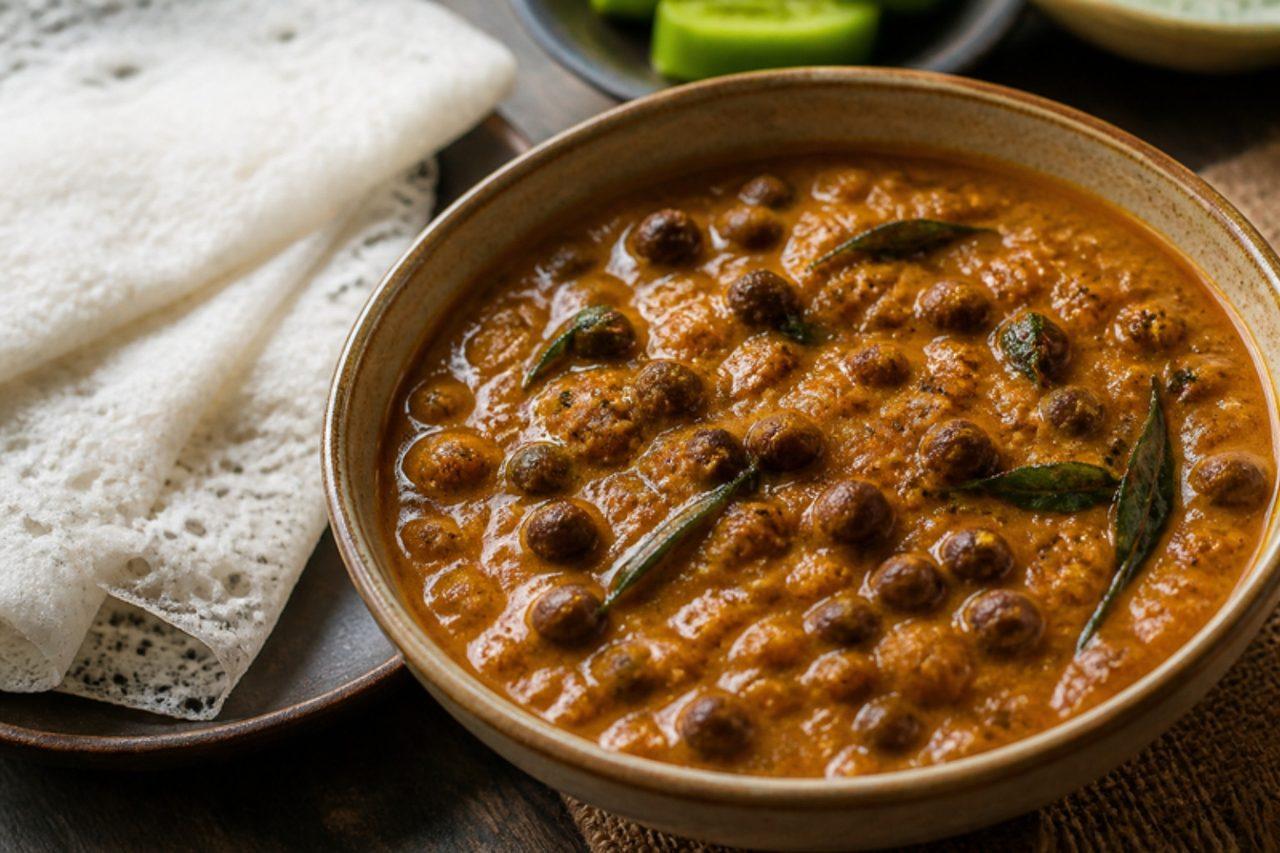
Chana ghassiBlack chickpea coconut curry

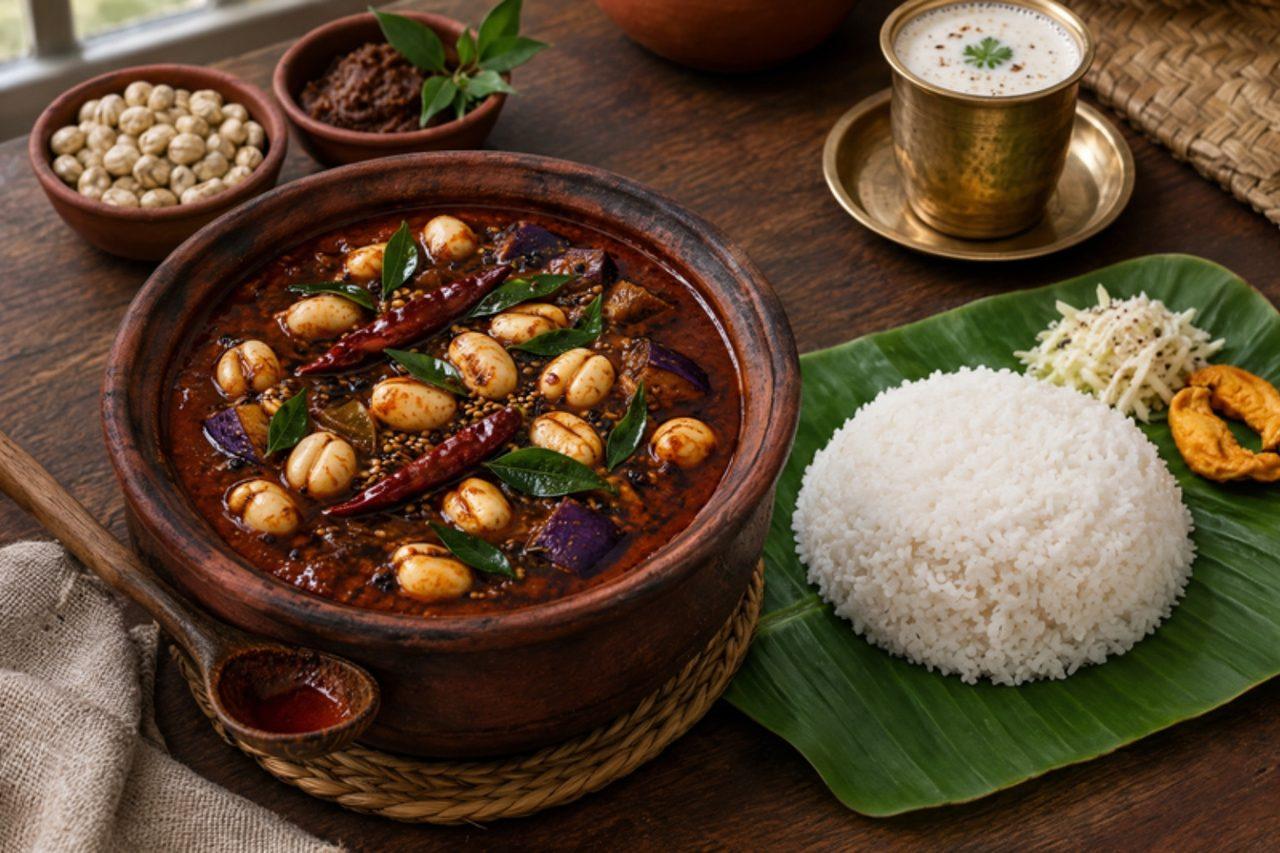
Chana ghassi is a Mangalorean and Udupi favourite, cooked for Sunday breakfast with soft neer dosa or for a weekday lunch over boiled rice. Small black chickpeas are simmered until tender and then cooked in a russet gravy of coconut and spices roasted in coconut oil, sharpened with tamarind and finished with fried onion and curry leaves. A portion gives about 21 g of protein, mostly from the black chickpeas with a little from the coconut. The chickpeas need 8 hours of soaking first (overnight is easiest), which is not counted in the times. The most common mistake is under-roasting the coconut and spices: the gravy then tastes raw and flat instead of deep and toasty. Chef's tip: roast the dried chillies, coriander and fenugreek first and the coconut last, until it turns an even reddish brown; grind it with a little of the chickpea cooking water for the smoothest gravy.

by KrazyBadal 0 views

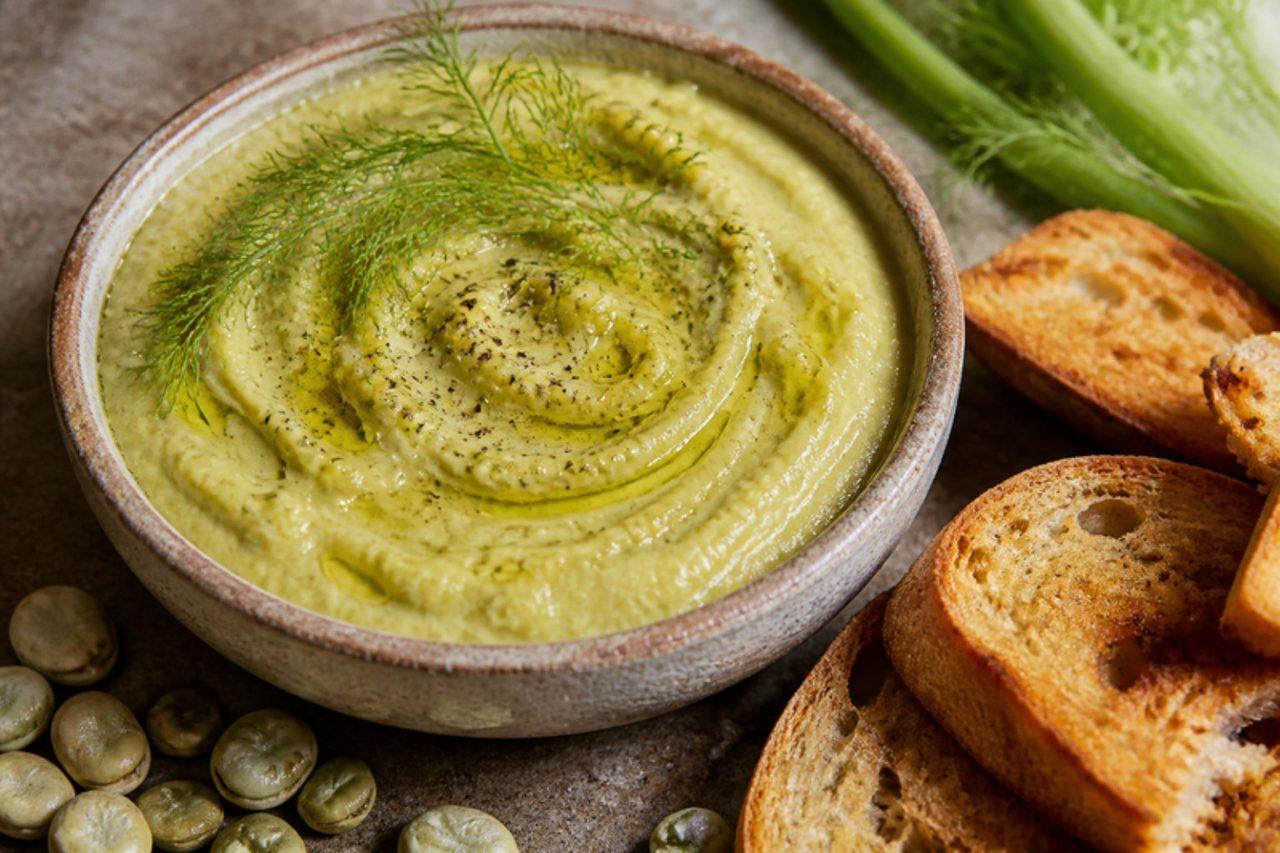
Macco di faveBroad bean purée

In Sicily, from the villages around Palermo to the hill towns of Ragusa, macco di fave is old peasant food that still appears every 19 March for the feast of San Giuseppe, and on cold evenings through the winter. Dried, peeled broad beans are cooked slowly until they fall into a thick, pale green-gold purée, scented with wild fennel and finished with a thread of peppery olive oil. It is eaten hot from the bowl with bread, or loosened with broken spaghetti; leftovers set firm and are sliced and fried. A bowl gives about 26 g of protein, almost all from the broad beans. Soak the split beans for 6–8 hours first; that time is not counted below. The most common mistake is walking away from the pot near the end: the purée thickens fast and catches on the base, which makes it taste scorched. Chef's tip: if you can't find wild fennel, use a bulb's feathery fronds plus a teaspoon of crushed fennel seeds for the same aniseed lift.

115 minItalianSoupsVeganGluten free
by KrazyBadal 0 views

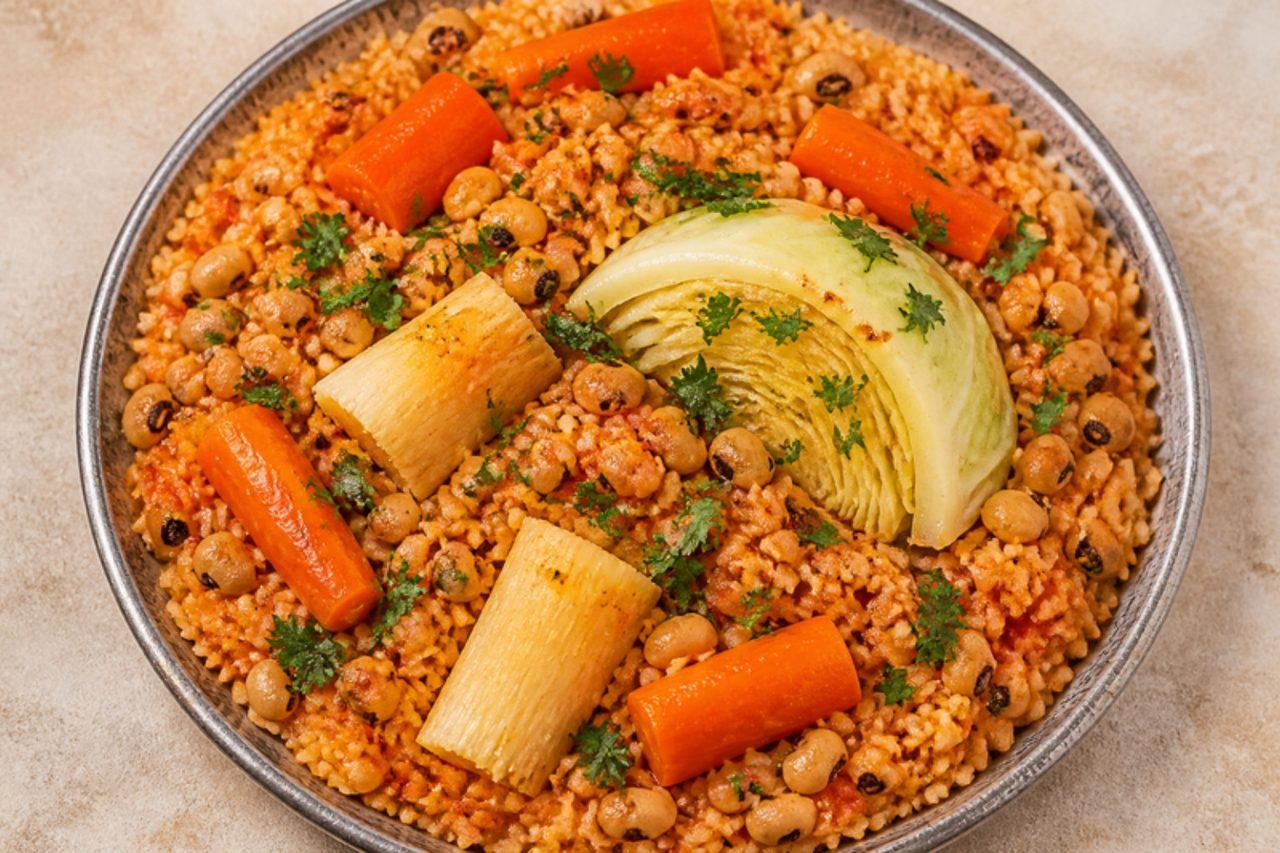
Thiébou niébéTomato rice with black-eyed peas

Thiébou niébé is the bean version of Senegal's famous rice dish, cooked in Dakar and Saint-Louis homes as a cheaper weekday lunch and on days without fish. Black-eyed peas, cabbage, carrot, aubergine, cassava and pumpkin are simmered in a rich tomato sauce scented with garlic, parsley and chilli; the vegetables come out to be served on top, and the rice cooks in the remaining sauce until it is red, fluffy and crusted at the bottom. A generous portion gives about 22 g of protein from the black-eyed peas and rice. The peas need 6 hours of soaking first, which is not counted in the times. The most common mistake is adding too much liquid for the rice, which makes it mushy; measure the sauce left in the pot before you add the rice. Chef's tip: don't stir the rice once it is covered; the crisp layer that forms on the bottom, the xooñ, is the part everyone fights over.

by KrazyBadal 0 views

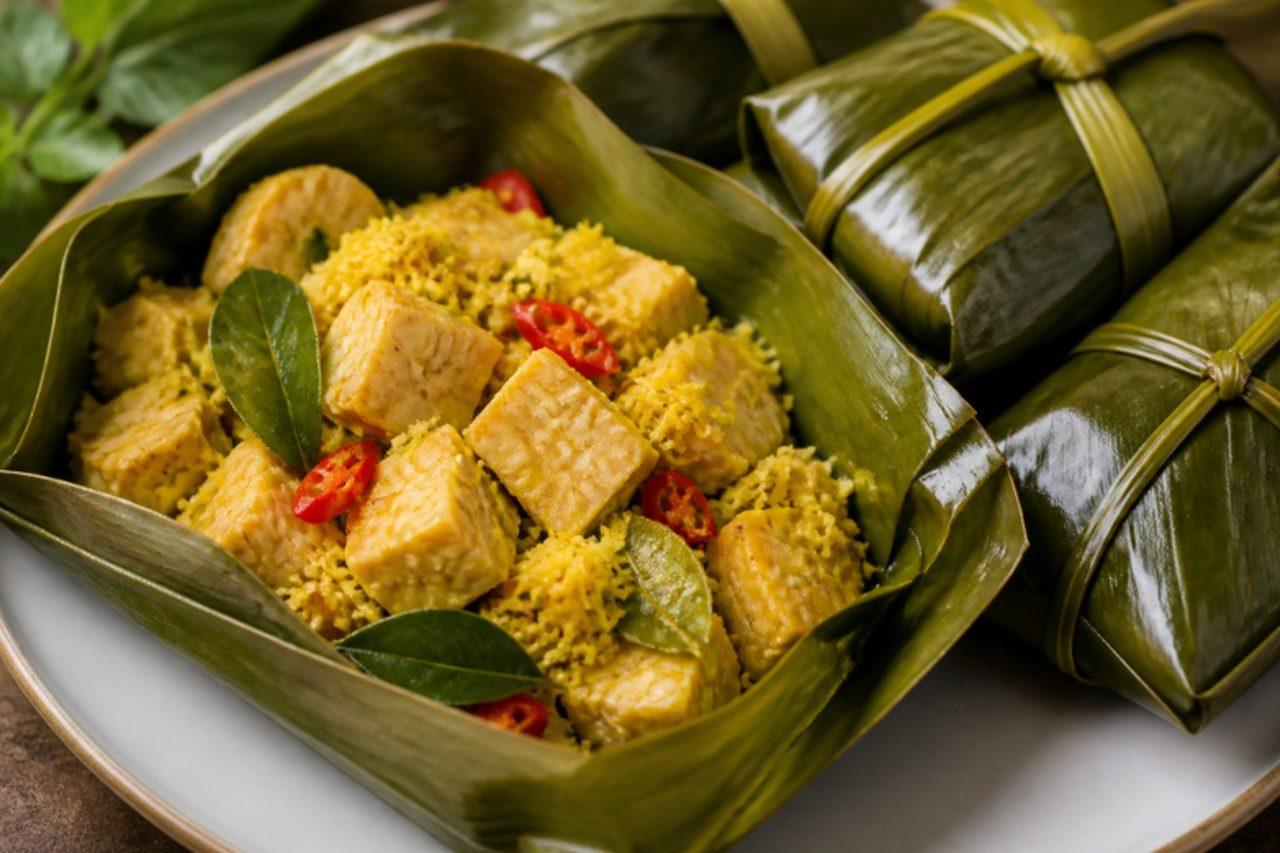
Botok tempeTempeh and coconut in banana leaf

In village kitchens of Central and East Java, from Klaten to Kediri, botok is a weekday parcel dish: crumbled tempeh mixed with freshly grated coconut, chilli, galangal and a little palm sugar, wrapped in banana leaf with a bay leaf and steamed until set. It comes to the table at lunch, unwrapped beside rice, and tastes of toasted coconut and bay, moist and crumbly rather than saucy. Each portion has about 125 g of tempeh plus coconut, giving roughly 24 g of protein, mainly from the tempeh. The common mistake is wrapping the parcels loosely, so steam gets in and the filling turns wet; fold them snugly and pin them shut. Chef's tip: squeeze a little of the coconut through your fingers before mixing; if it feels dry, add a spoon or two of water so the botok binds when it steams.

by KrazyBadal 0 views

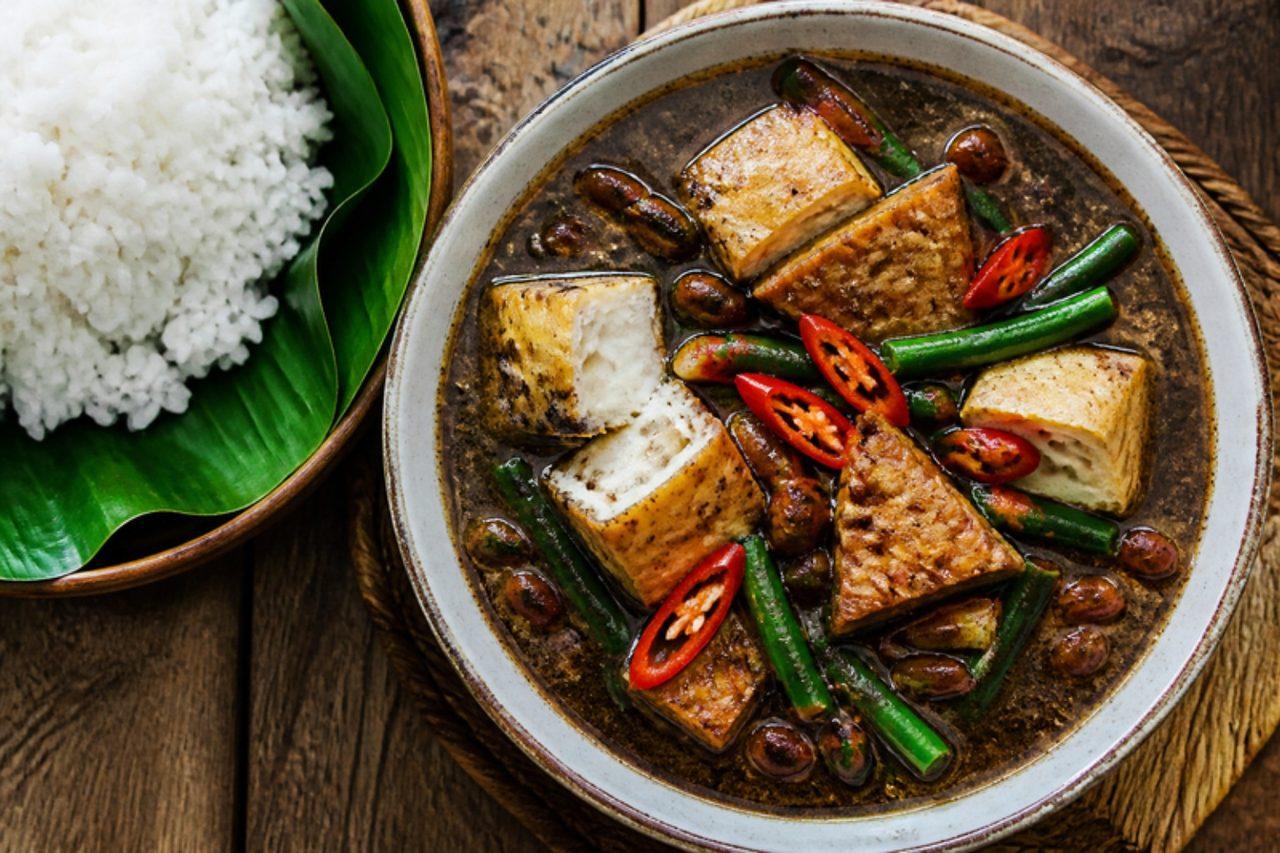
Brongkos with tofu and tempehTofu and tempeh black nut stew

Brongkos is one of Yogyakarta's old royal-kitchen dishes, a near-black stew of keluak nut paste and coconut milk eaten at lunch with rice, often alongside gudeg. The classic pot holds beef with tofu and cowpeas; this is a vegetarian version, using tofu, tempeh and red cowpeas only, which many Jogja families also cook. The keluak gives a deep, earthy, almost chocolatey flavour, softened by coconut milk and a little palm sugar. A portion gives about 29 g of protein, from the tofu, tempeh and cowpeas. The dried cowpeas need soaking for 8 hours or overnight first, which is not counted in the times. The common mistake is using keluak that has gone bad: crack each nut and smell it; the flesh should be dark and smell earthy, never sour or mouldy. Chef's tip: brongkos is better the next day, when the beans and tofu have soaked up the sauce.

by KrazyBadal 0 views

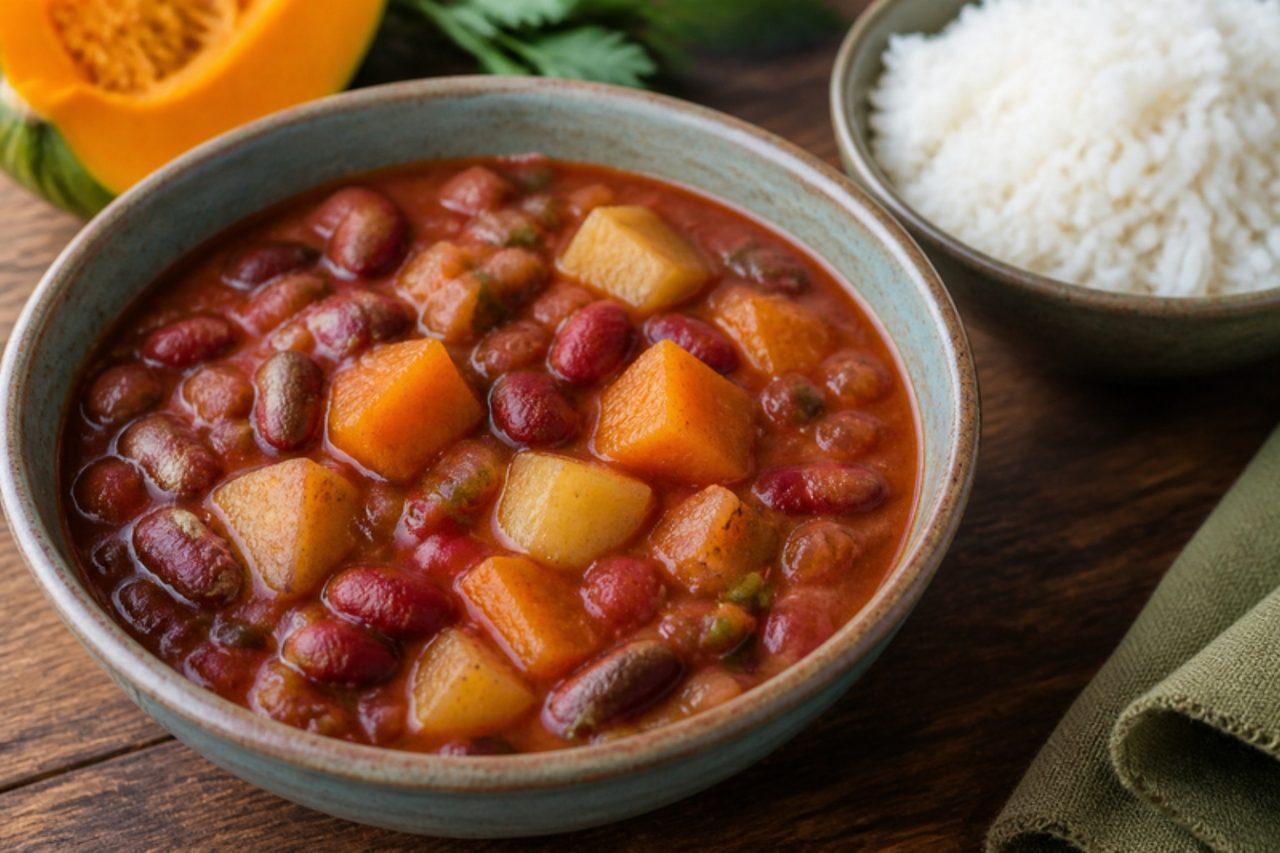
Cuban red bean potaje (vegetarian)Red bean and pumpkin stew

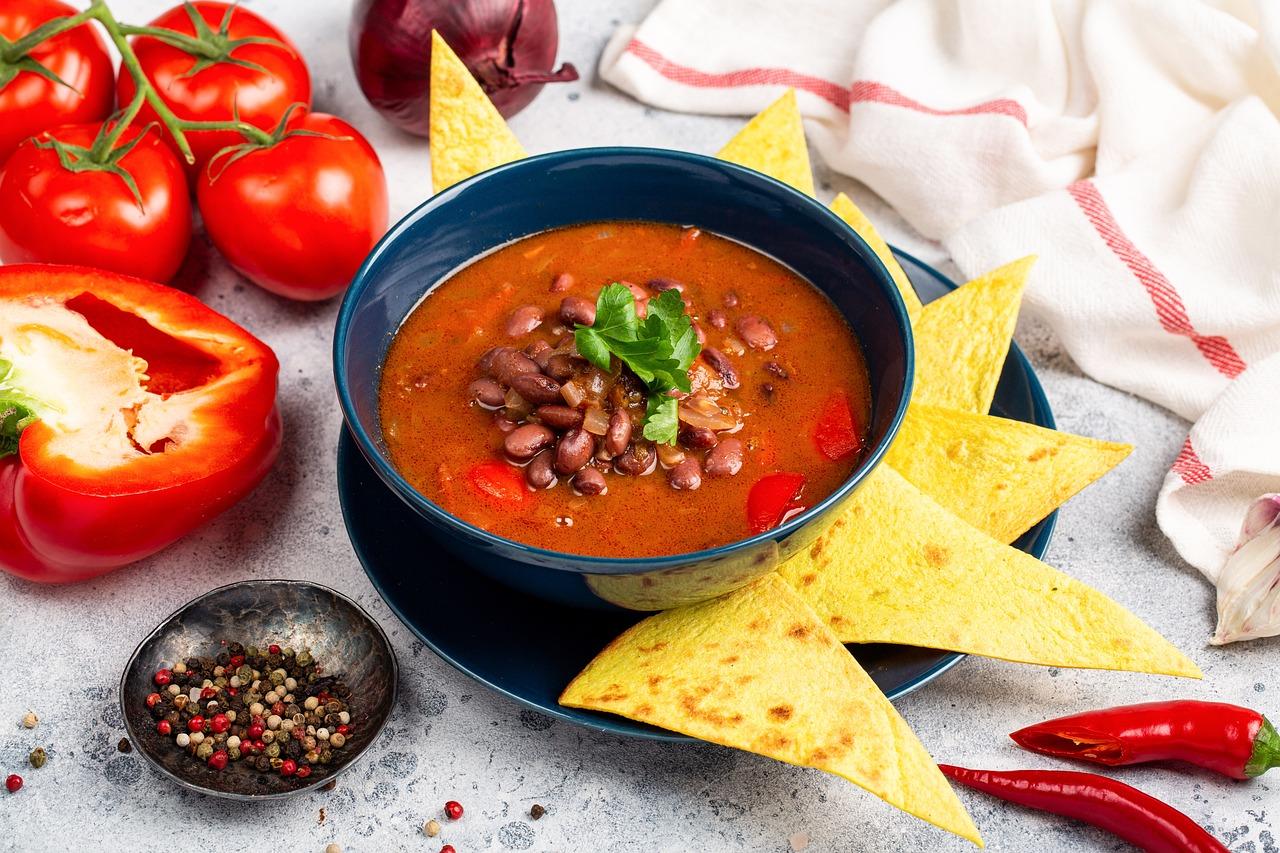
Potaje de frijoles colorados is everyday Cuban home cooking, eaten in Havana, Camagüey and Santiago alike as the midday meal over white rice, often with a simple avocado salad. Red kidney beans cook until soft and are thickened with calabaza and potato, then flavoured with a sofrito of onion, pepper, garlic, cumin and oregano. It is usually made with pork or chorizo; this is the vegetarian and vegan version, with smoked paprika and a spoonful of vinegar-pickled pepper brine giving the same savoury depth. A bowl gives about 25 g of protein from the beans. Soak the beans for 12 hours first (not counted below), and boil them hard for 10 minutes before simmering, as raw kidney beans contain a toxin. The most common mistake is salting at the start, which keeps the skins tough. Chef's tip: a teaspoon of sugar in the sofrito is a Cuban touch that rounds out the tomato and beans.

135 minCubanCurriesVeganGluten free
by KrazyBadal 0 views

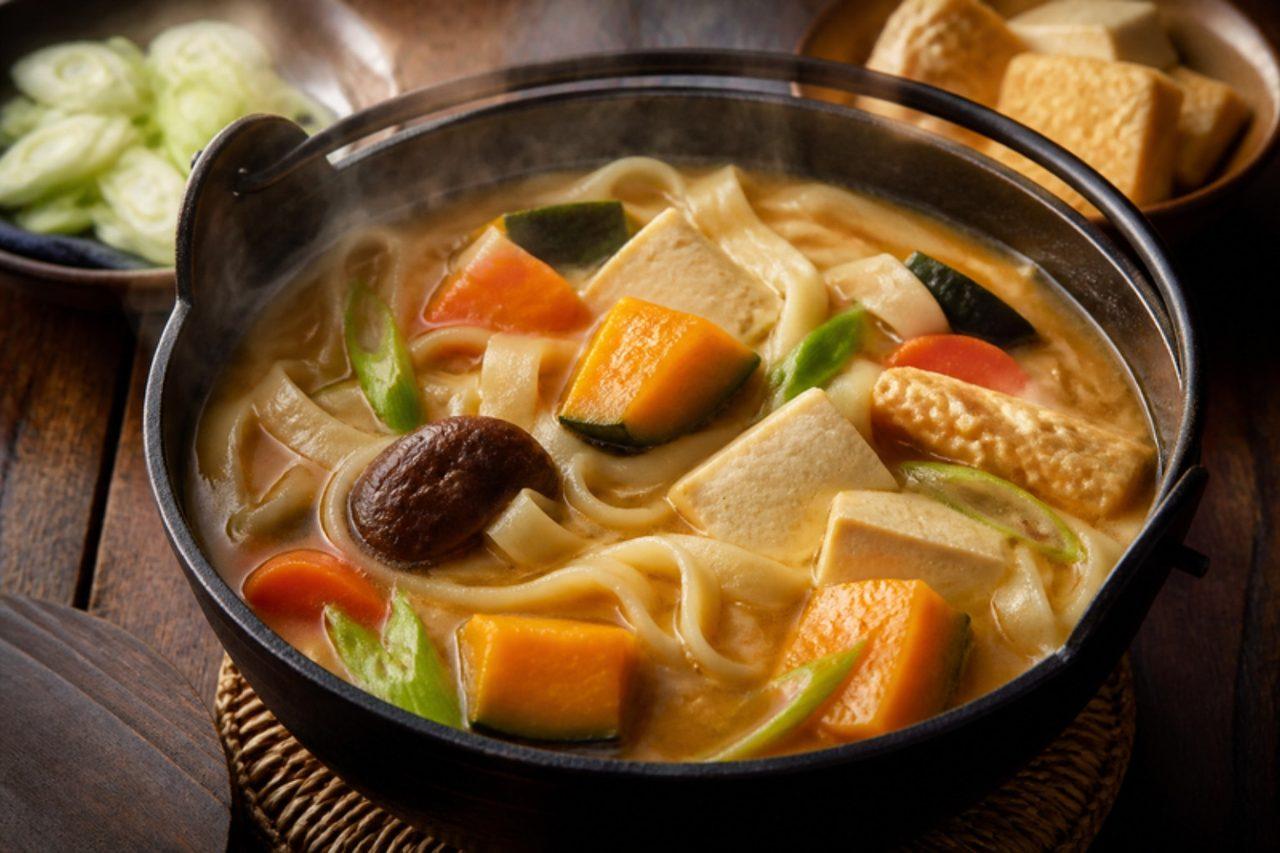
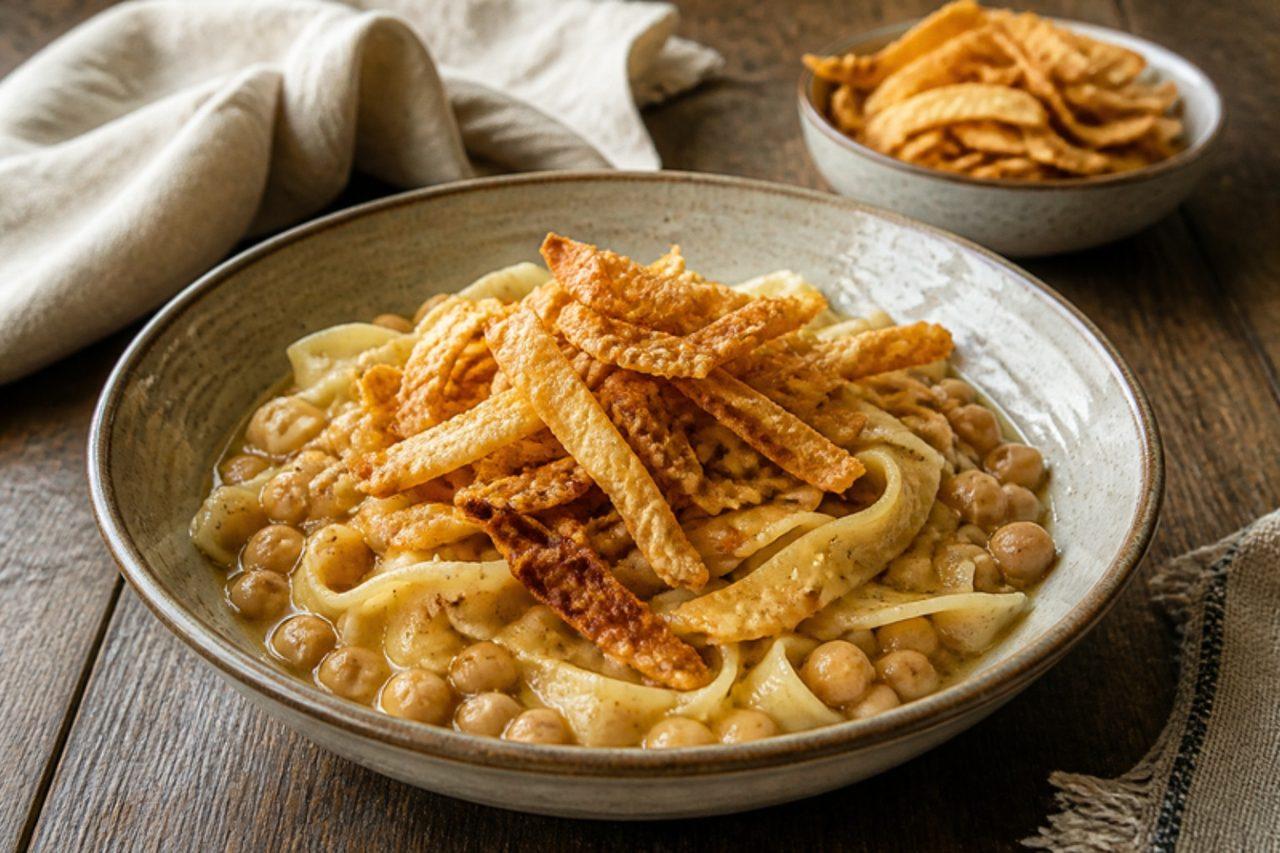
HōtōThick noodles in miso soup

Hōtō is the winter pot of Yamanashi, at the foot of Mount Fuji, served bubbling in iron pans in Kofu restaurants after a cold day on the slopes. Thick, wide, unsalted wheat noodles go into the miso broth raw, with kabocha squash that half melts and thickens everything. This vegetarian version uses kombu-shiitake dashi and adds firm tofu and fried tofu pouches, so a bowl gives about 22 g of protein, from the tofu, wheat noodles and miso. The common mistake is boiling the noodles separately or salting the dough; hōtō noodles are cooked in the pot so their starch makes the broth silky. Rest the dough for 30 minutes before rolling. Chef's tip: dissolve the miso in a ladle of broth and add it in two goes, half early for depth and half at the end for aroma, and never let it boil hard afterwards.

by KrazyBadal 0 views

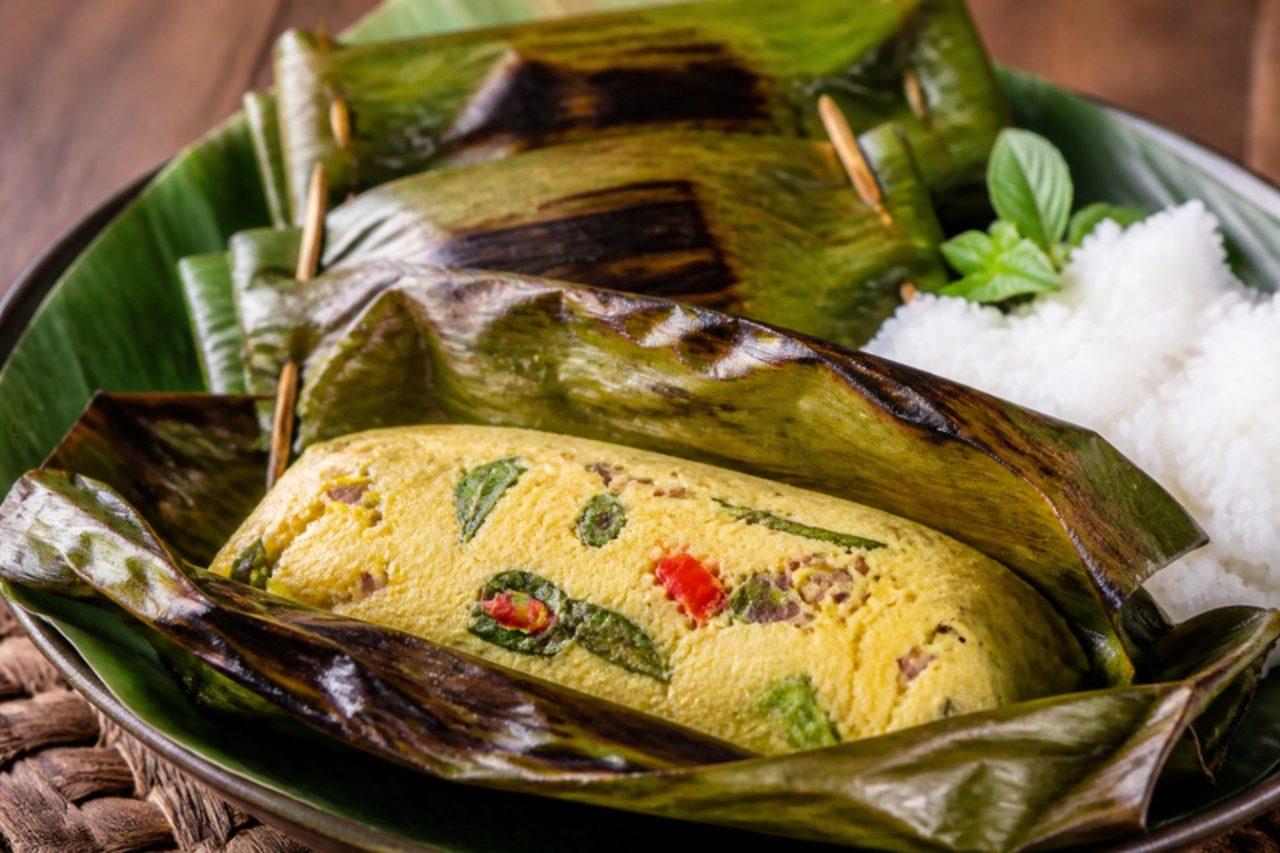
Pepes tahuTofu and basil in banana leaf

In Bandung and the hills of West Java, pepes means anything wrapped in banana leaf, steamed and then charred over coals, and pepes tahu is the everyday meat-free one, eaten at lunch with rice, raw vegetables and sambal. Mashed tofu is bound with egg, shallot, chilli, lemon basil and lime leaf, so it sets into a soft, fragrant, smoky cake inside its leaf. Each portion has about 150 g of tofu and most of an egg, giving roughly 24 g of protein, from the tofu and eggs. The common mistake is skipping the steaming and going straight to the grill: the outside burns while the egg in the middle stays raw. Chef's tip: steam first until the filling is firm right through, then grill only to scorch the leaf and add smoke.

by KrazyBadal 0 views

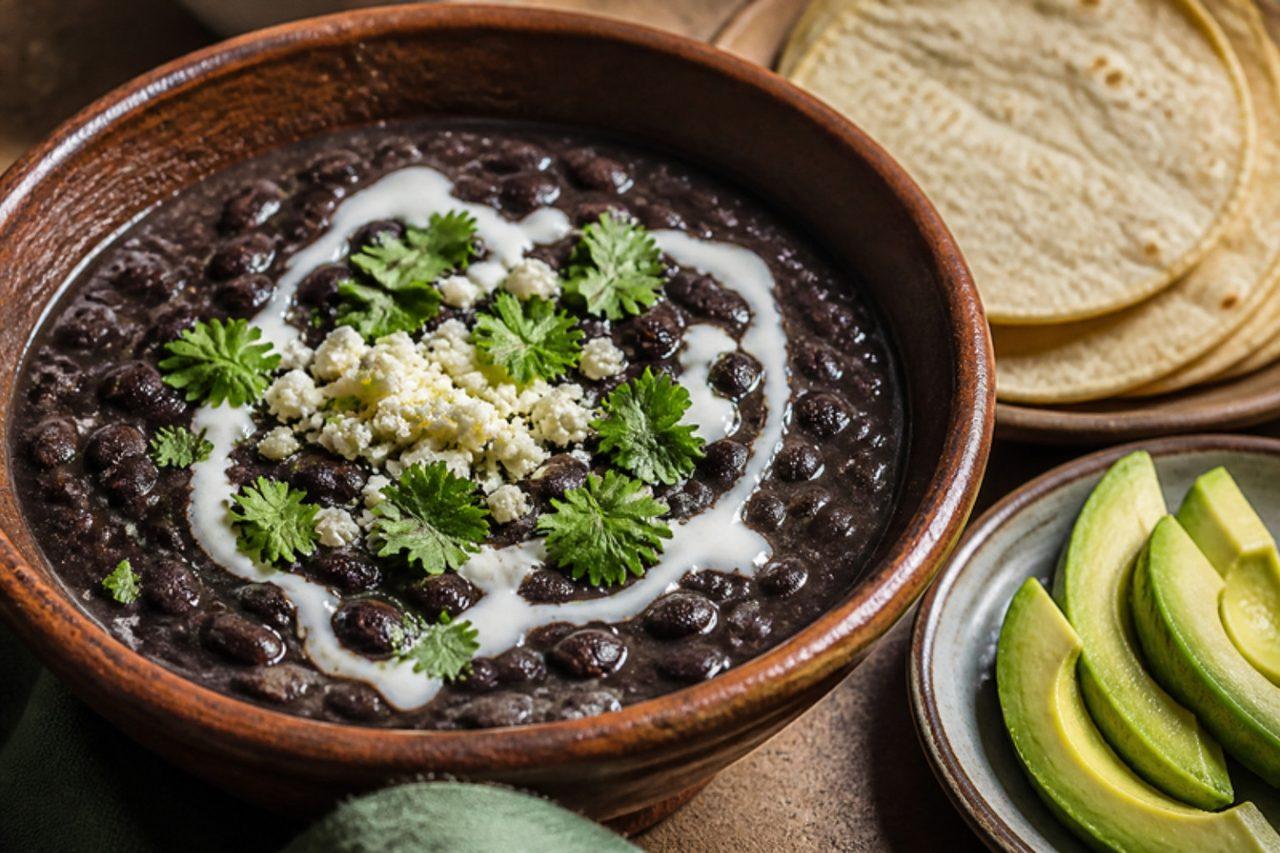
Sopa de frijolesBlack bean soup

In Honduras and Guatemala, from Tegucigalpa's comedores to family kitchens in the Guatemalan highlands, sopa de frijoles is the soup of rainy-season evenings and Sunday lunches: black beans simmered until the broth turns inky and silky, seasoned with onion, sweet pepper, garlic and plenty of culantro or coriander. Each bowl is finished at the table with a spoonful of thick cream and served with warm corn tortillas. A bowl gives about 24 g of protein from the beans and cream. Many cooks crumble over salty fresh cheese, which is often made with animal rennet; choose one labelled vegetarian, or leave it out. Soak the beans for 12 hours first; that time is not counted below. The most common mistake is serving it watery: the broth should be thick enough to coat a spoon, so mash some beans into it. Chef's tip: for a vegan bowl, swap the cream for avocado slices.

by KrazyBadal 0 views

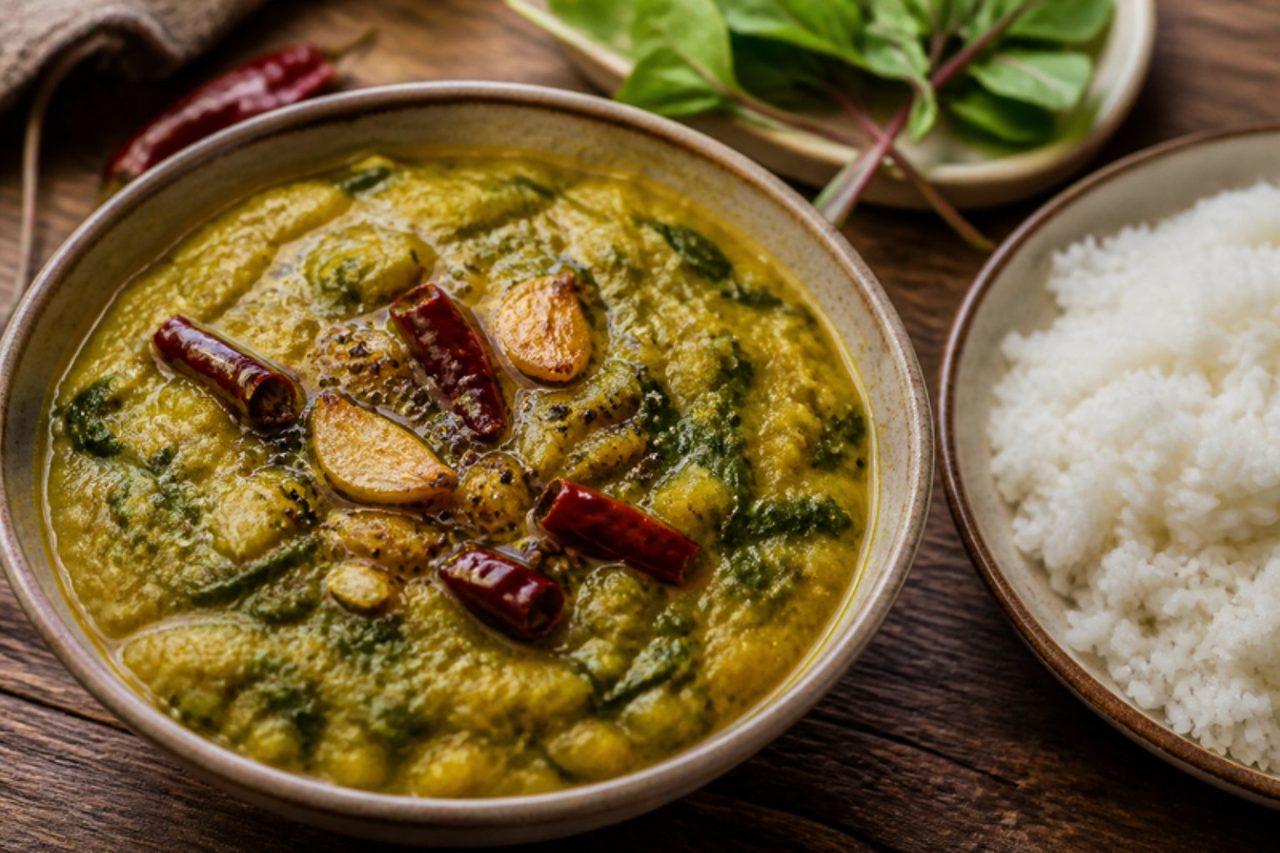
Gongura pappuLentils with sour roselle leaves

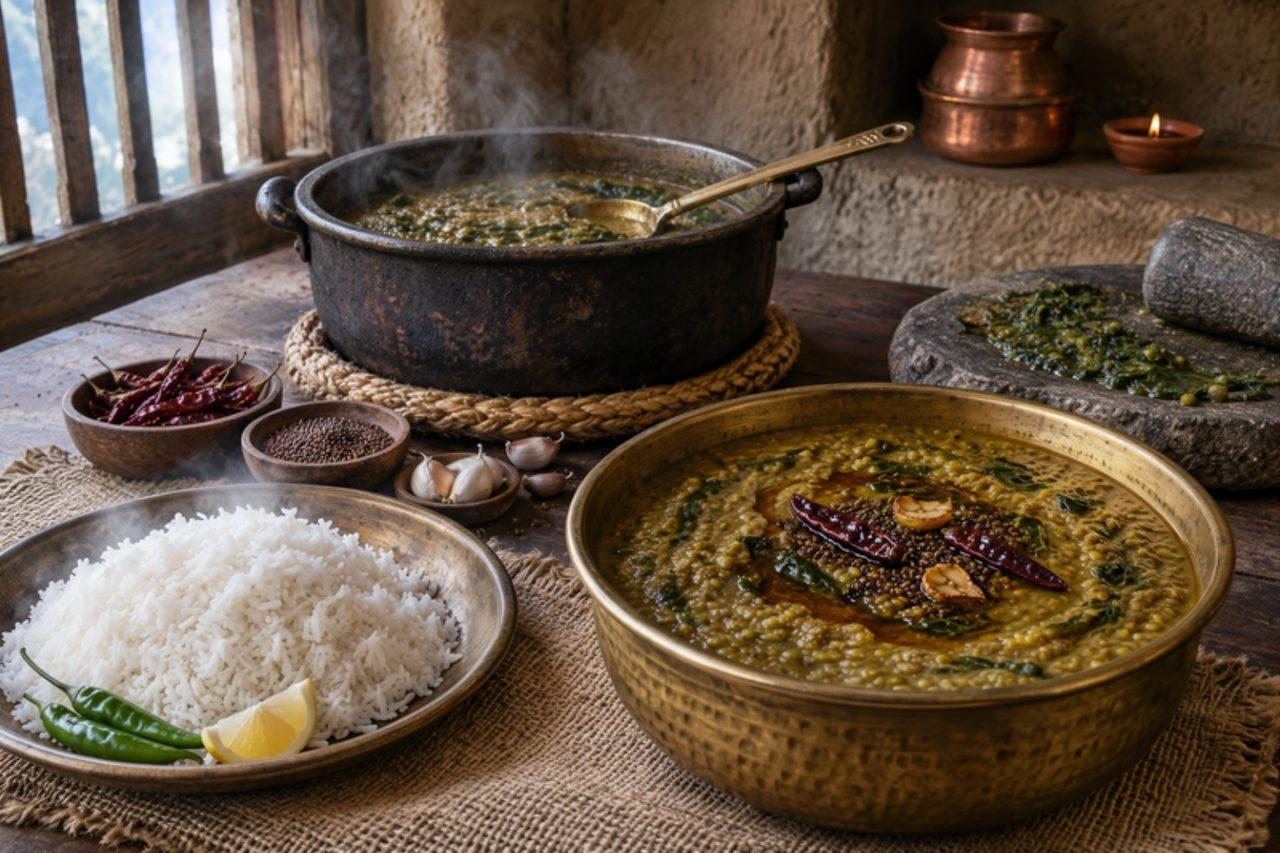
In Guntur, Vijayawada and across Telangana, gongura pappu is the everyday lunch dal that people who move away miss most: toor dal cooked soft with handfuls of sour roselle leaves, which melt into a tangy, olive-green purée, then finished with a sizzling tempering of garlic and dried red chillies. It is eaten mixed into hot rice with a spoon of ghee or oil and a crisp papad. A portion gives about 20 g of protein, almost all from the toor dal, and about 23 g with a plate of rice. Gongura is sold in Indian grocers in bunches; you need only the leaves. The most common mistake is cooking the leaves in an aluminium or iron pan: their acid reacts with the metal and the dal turns dark and tastes metallic, so use a steel or enamelled pot. Chef's tip: mash the dal and wilted leaves together hard with a whisk or wooden masher before tempering; a smooth, creamy pappu carries the sourness evenly instead of in stringy patches.

by KrazyBadal 0 views

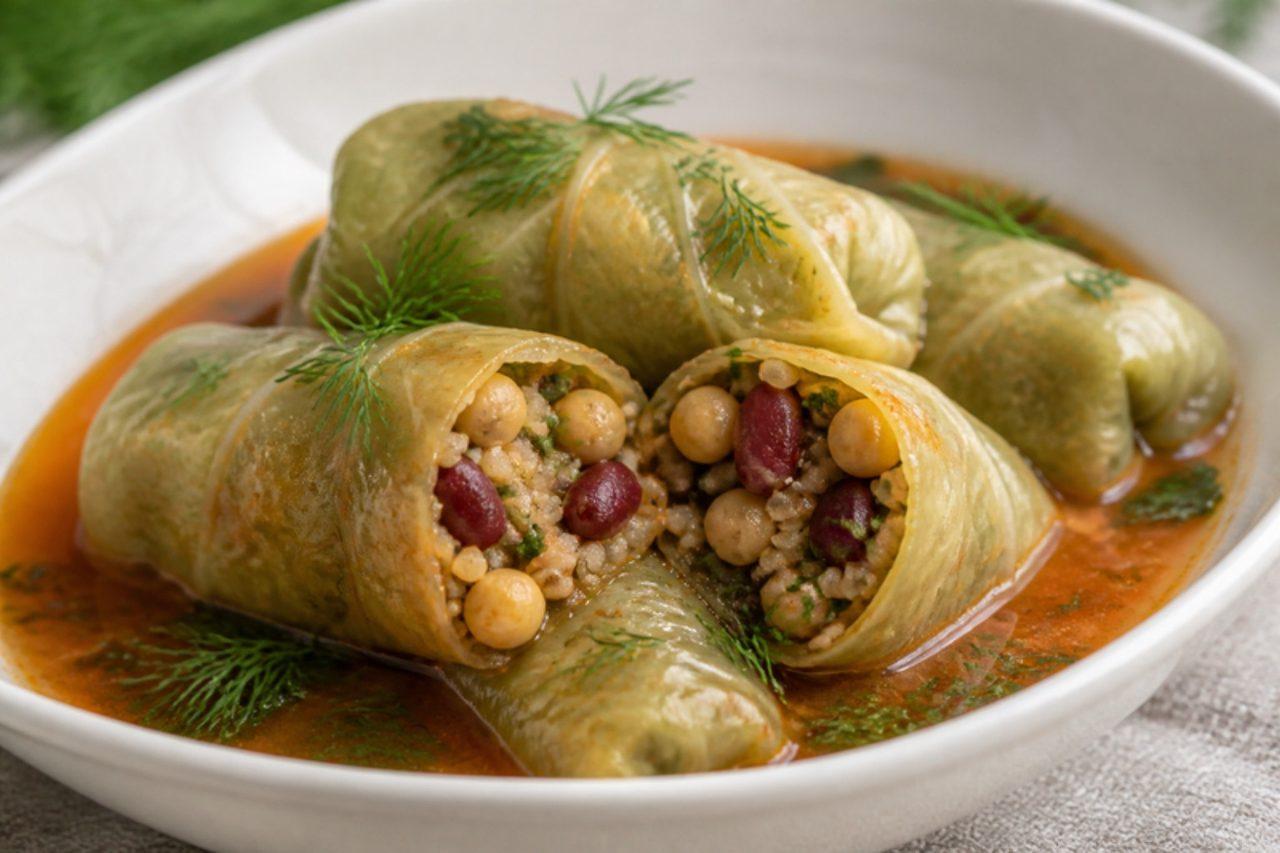
Pasuts tolmaBean and bulgur cabbage rolls

Across Armenia, from Yerevan kitchens to village homes in Shirak, pasuts tolma is the dish of the long Lenten fast before Easter, and many families also make it for the first days of the new year: cabbage leaves wrapped around a thick filling of red beans, lentils, chickpeas and bulgur, simmered in a tangy tomato broth. The rolls come out soft and savoury, with a gentle sourness, and are just as good cold the next day with a spoonful of garlic yoghurt for those who eat dairy (leave it out to keep the dish vegan). A portion of about six rolls gives roughly 22 g of protein, all from the beans, lentils, chickpeas and wheat. The beans and chickpeas must soak for 12 hours first; that time is not counted below. The most common mistake is rolling the parcels loosely: they open in the pot and the filling drifts into the broth. Chef's tip: cook the legumes until just tender, not soft, because they keep cooking inside the leaves for another hour.

by KrazyBadal 0 views

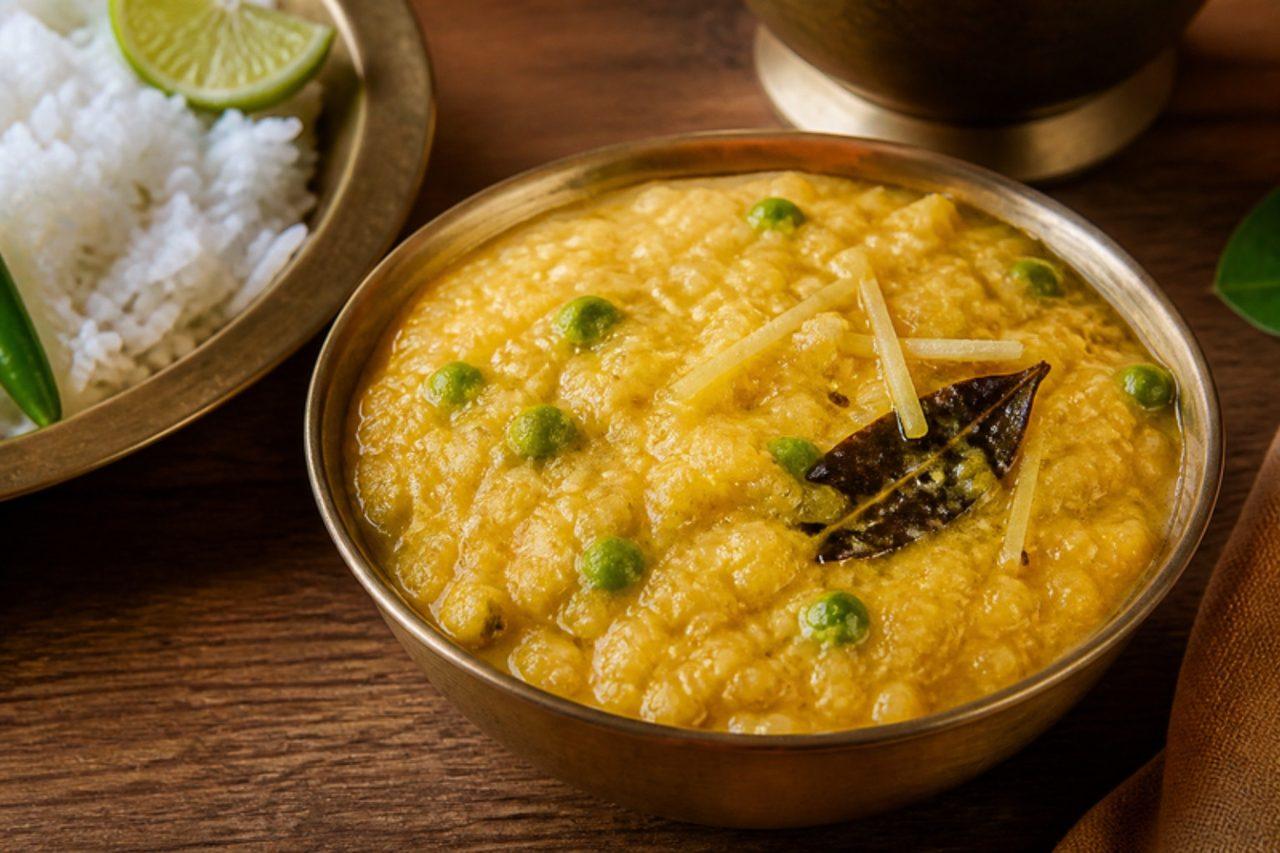
Bhaja muger dalRoasted moong dal with ginger

Bengali households in Kolkata make bhaja muger dal on winter weekdays, and it is a fixture of the vegetarian bhog served at Durga Puja and Saraswati Puja. The moong is dry-roasted in a heavy pan until it smells nutty, then cooked soft with ginger and green peas and finished with ghee, bay leaf and a whisper of sugar. The roasting gives it a toasty, almost sweet depth that plain moong dal never has. A portion gives about 21 g of protein from the moong and peas, for about 360 kcal. Serve it with rice and a fried vegetable such as begun bhaja. The most common mistake is roasting over too high a heat: the outside browns while the inside stays raw, and the dal tastes burnt and never softens evenly. Chef's tip: roast only until the dal is a couple of shades darker, pale gold, and you can smell it from the next room; stop the moment you see the first brown spots.

by KrazyBadal 0 views

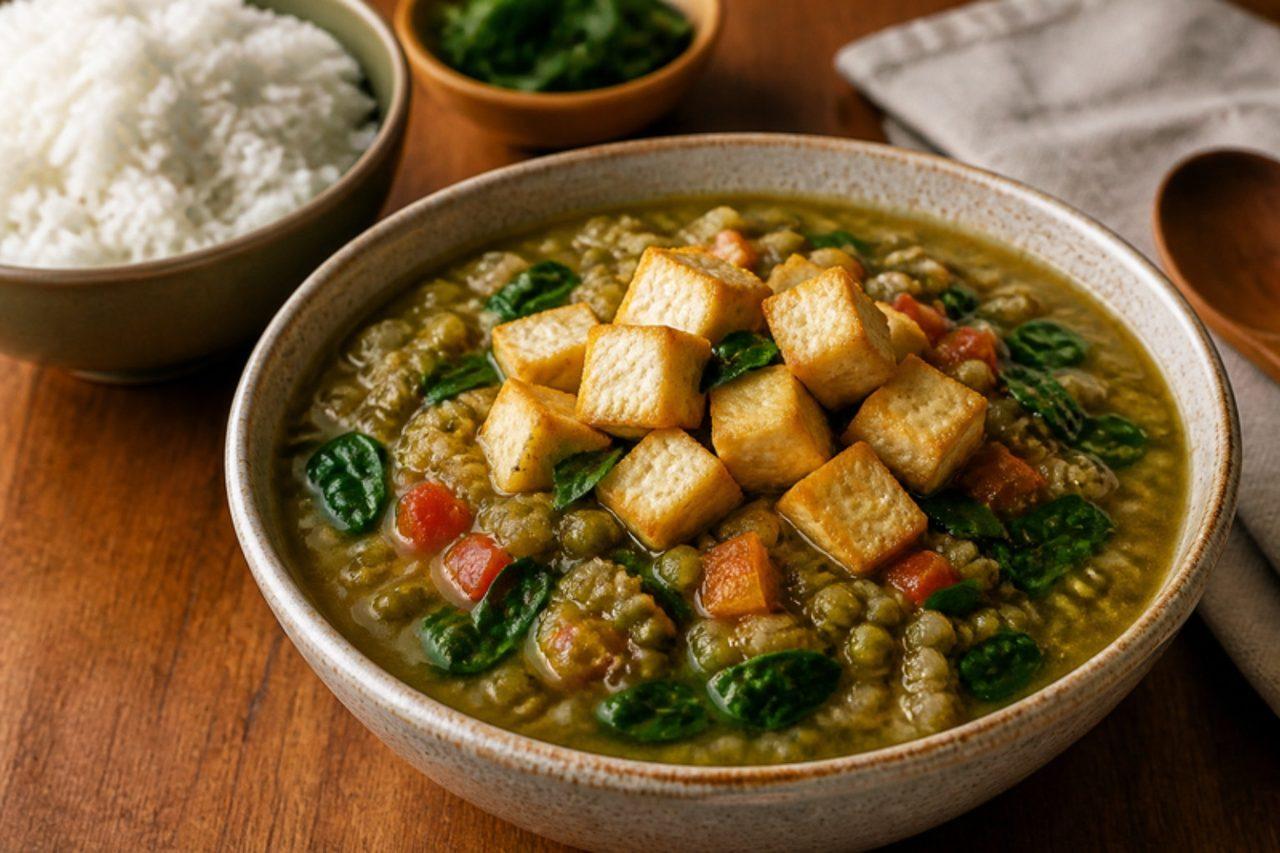
Vegetarian ginisang monggoSautéed mung bean stew with tofu

All over the Philippines, ginisang monggo is what's on the table on Friday, a habit from the days of meatless Fridays that never went away. Whole green mung beans are simmered until they burst into a thick, savoury stew with lots of garlic, onion and tomato and finished with malunggay (moringa) or spinach leaves. Home cooks usually add pork or dried shrimp and season with fish sauce; this vegetarian version uses golden fried tofu and soy sauce instead. A portion gives about 25 g of protein from the mung beans and tofu, and it is filling enough to eat with rice as a whole meal. The most common mistake is adding the greens too early, so they turn grey and slimy; put them in at the very end and turn off the heat. Chef's tip: let the beans simmer until most have split their skins and some collapse into the liquid; that is what makes the stew creamy without any thickener.

by KrazyBadal 0 views

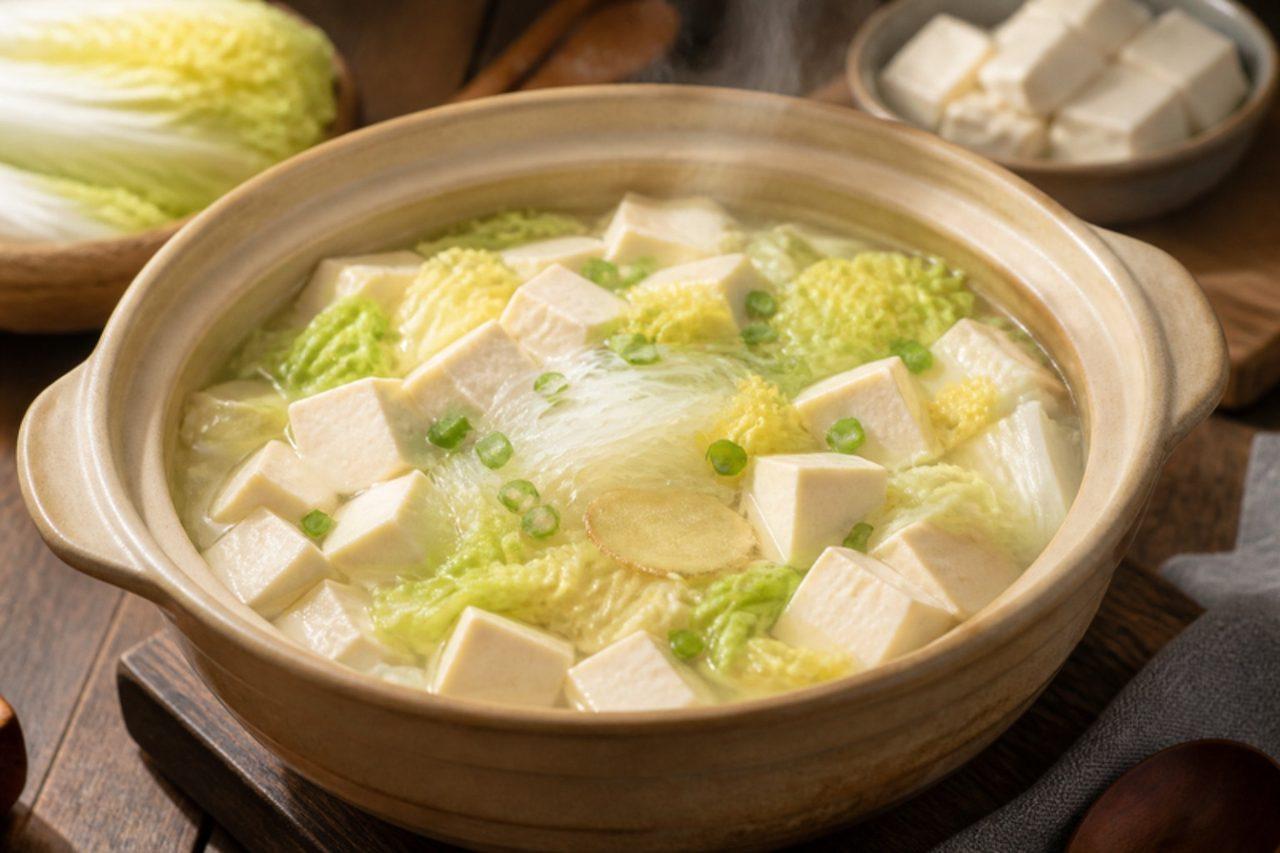
Baicai dun doufuCabbage and tofu stew

In Beijing, Shenyang and Harbin, napa cabbage is stored by the hundredweight for winter, and this gentle stew of cabbage and tofu is what many families eat on a cold evening with steamed buns or rice. The cabbage softens and sweetens into the broth, while the tofu turns silky and swells with flavour; ginger and white pepper give it warmth. Salt is the only seasoning, so it stays gluten free. Each portion has about 230 kcal and roughly 21 g of protein, from 150 g of firm tofu. The common mistake is adding all the cabbage at once: the leaves overcook while the thick stems stay crunchy. Chef's tip: fry the cabbage stems in the oil until their edges brown before adding water; it gives the broth a sweet, toasty depth.

by KrazyBadal 0 views

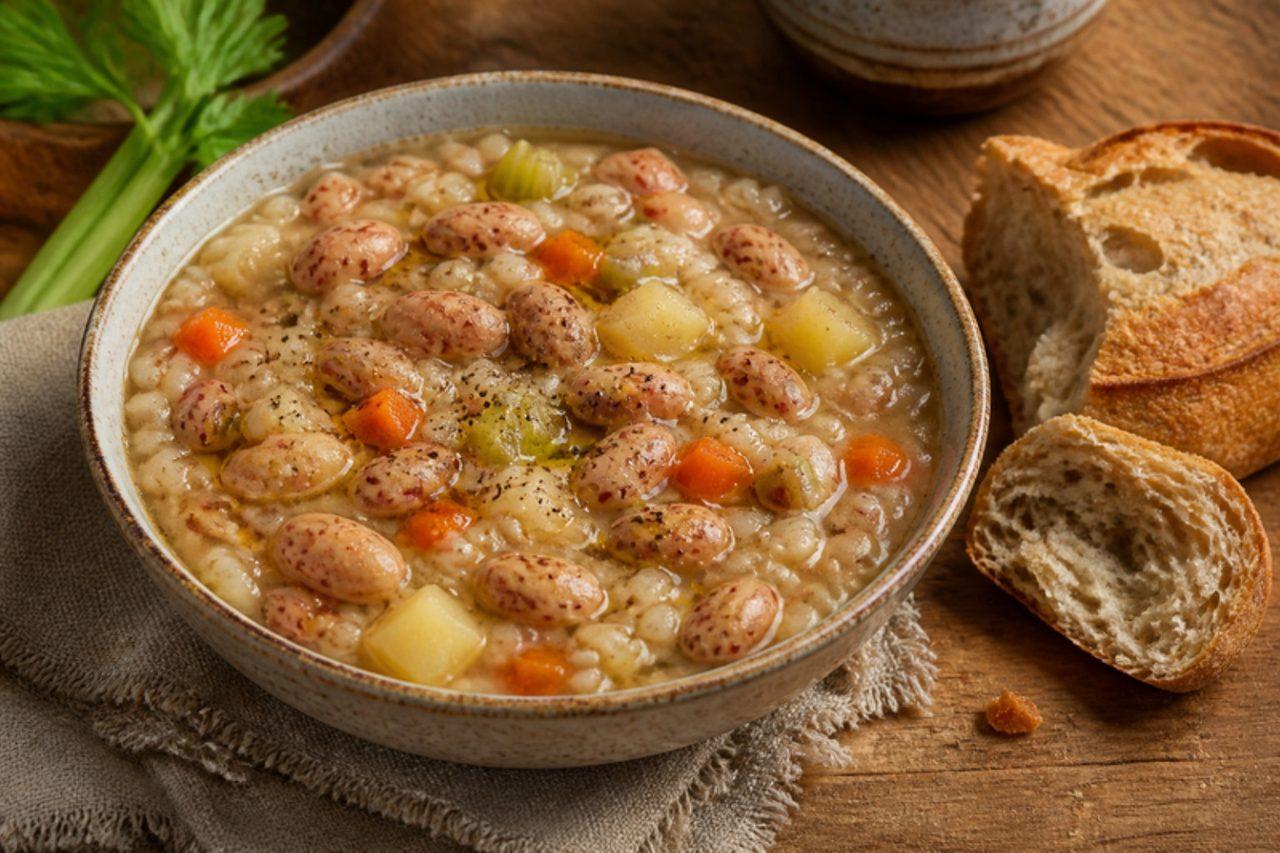
Orzo e fagioliBarley and borlotti bean soup

In Friuli-Venezia Giulia, around Udine and up into the Carnic Alps, orzo e fagioli is the thick bowl that warms people through the cold months, made in big pots and eaten for supper over several days. Borlotti beans and pearl barley simmer slowly with potato, carrot and celery until the soup turns creamy and dense enough for a spoon to stand in it. Many families add pork rind or a ham bone; this version is vegetarian and vegan, building depth instead with a slow soffritto, rosemary and a final swirl of good olive oil. A bowl gives about 20 g of protein from the beans and barley. Soak the beans for 12 hours first; that time is not counted below. The most common mistake is adding the barley at the start: by the time the beans are soft it has collapsed into glue. Chef's tip: mash a ladleful of the cooked beans and potato against the side of the pot and stir it back in; it thickens the soup without any flour.

130 minItalianSoupsVegan
by KrazyBadal 0 views

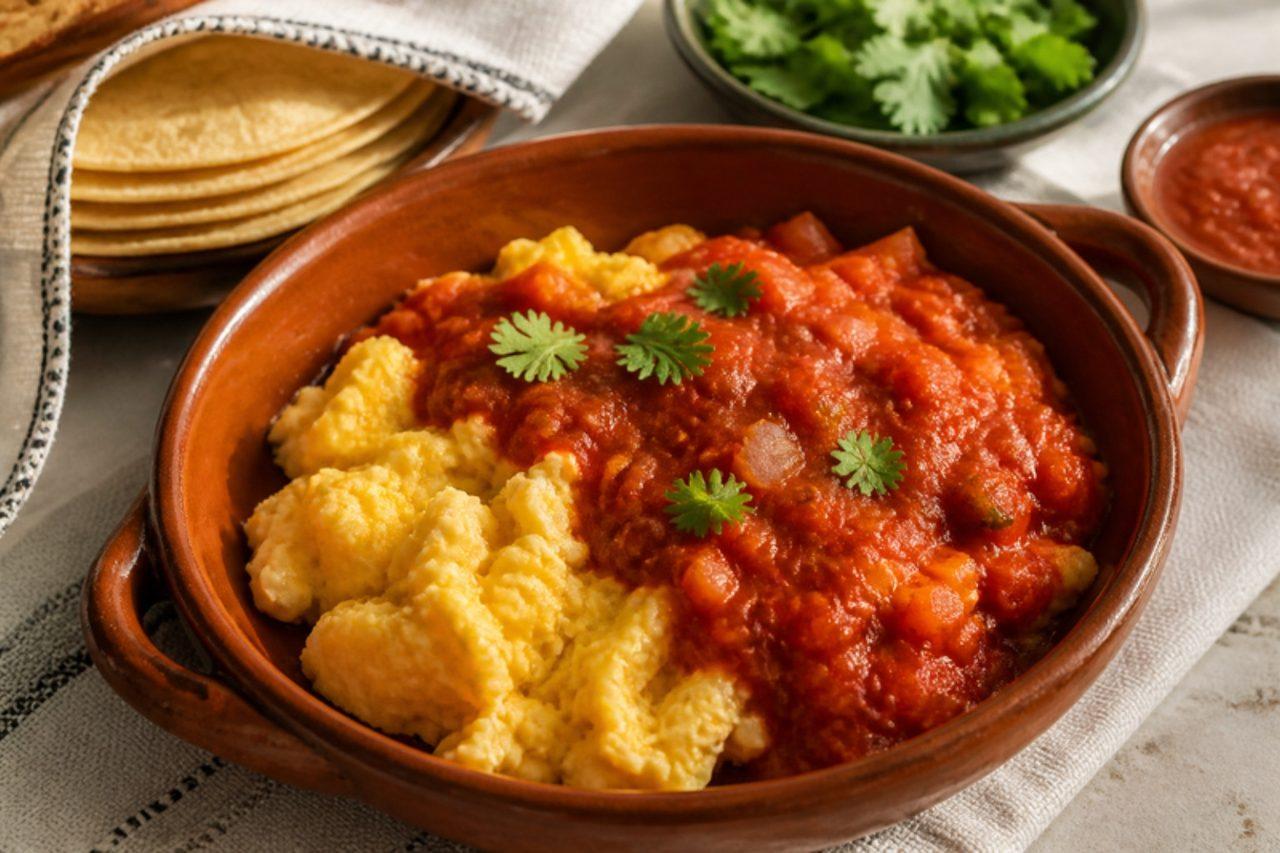
Huevos al albañil (bricklayer's eggs)

Huevos al albañil, 'bricklayer's eggs', come from the fondas and food stalls of central Mexico that feed builders a filling breakfast before the sun gets hot: scrambled eggs cooked gently and then bathed in a spicy salsa of charred tomato and serrano chile. They are eaten with warm corn tortillas and refried beans, and they make an equally good quick dinner. The mistake is cooking the eggs fully before they meet the salsa; they keep cooking in it and end up dry and rubbery. Chef's tip: char the tomatoes and chiles until properly blackened in spots, which gives the salsa its smoky depth.

by KrazyBadal 0 views

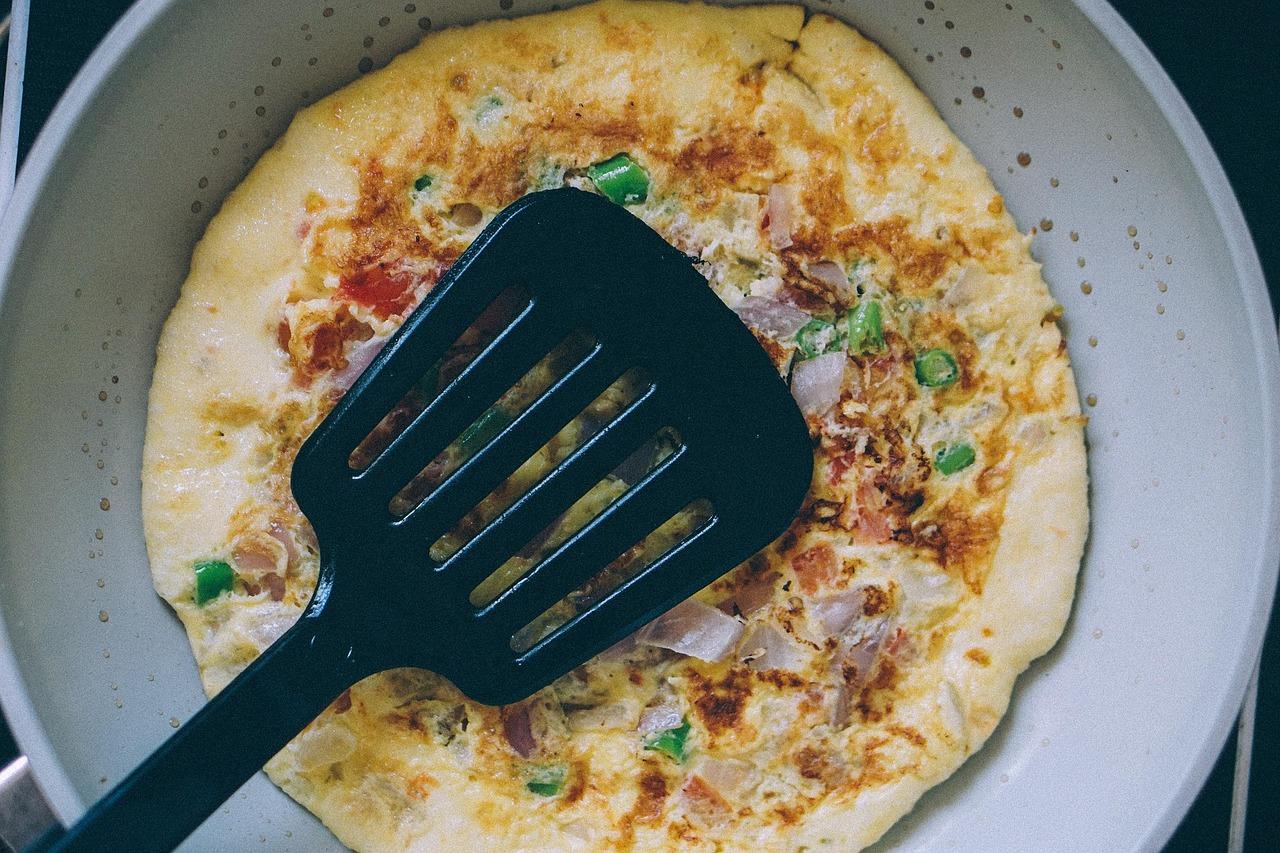
Masala omeletteSpiced chilli omelette

From hostel kitchens in Pune to the egg carts outside Chennai railway stations, the masala omelette is what India makes when breakfast, a late supper or a tiffin filling has to be ready in minutes. Eggs are beaten with raw onion, tomato, green chilli, coriander and a pinch of turmeric, then spread thin on a hot tawa so the edges crisp and the middle stays soft and juicy. Eat it folded with buttered toast, rolled in a chapati, or beside dal and rice. The usual mistake is chopping the onion and tomato too coarsely: big pieces stop the egg setting round them and the omelette tears when you flip it. Chef's tip: salt the eggs only at the last second before they hit the pan, because salted tomato weeps water into the batter and the omelette turns spongy.

by KrazyBadal 0 views

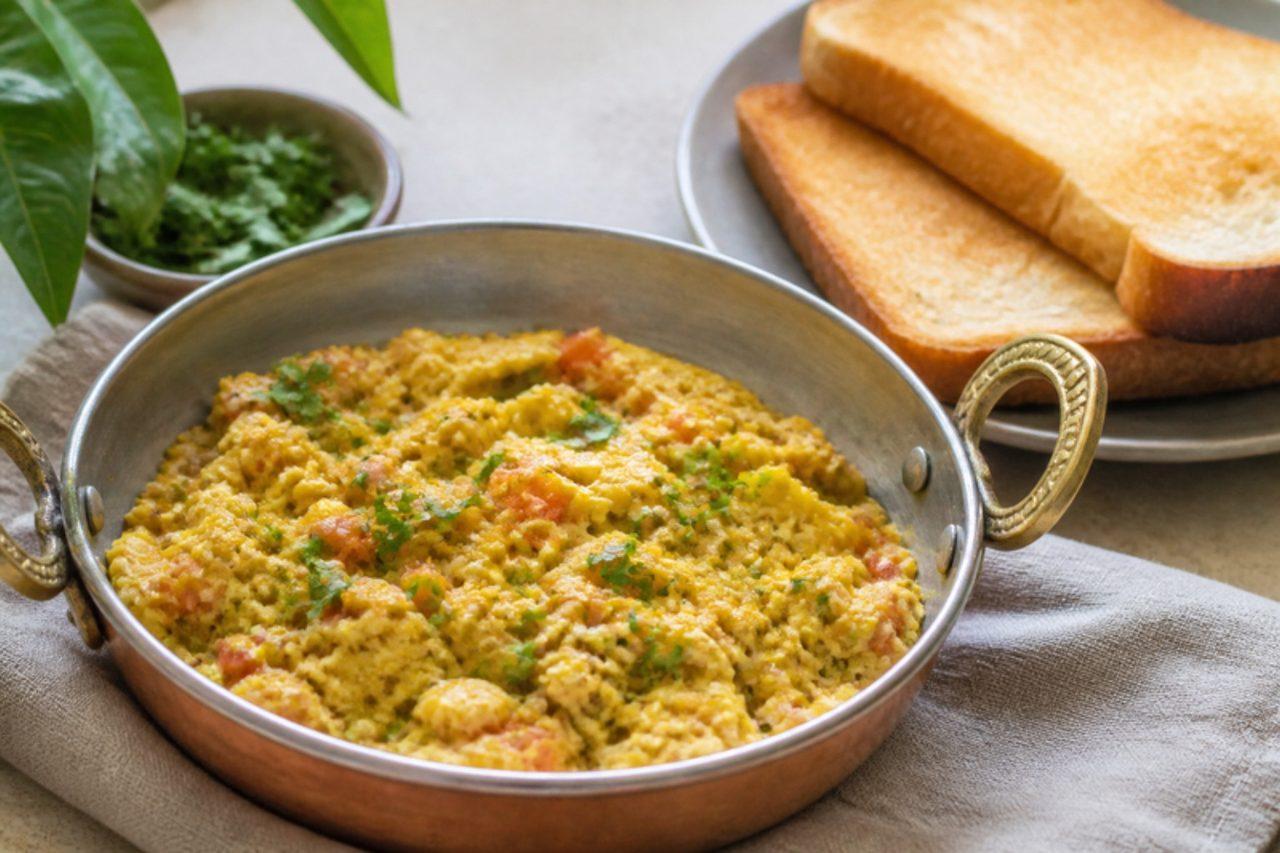
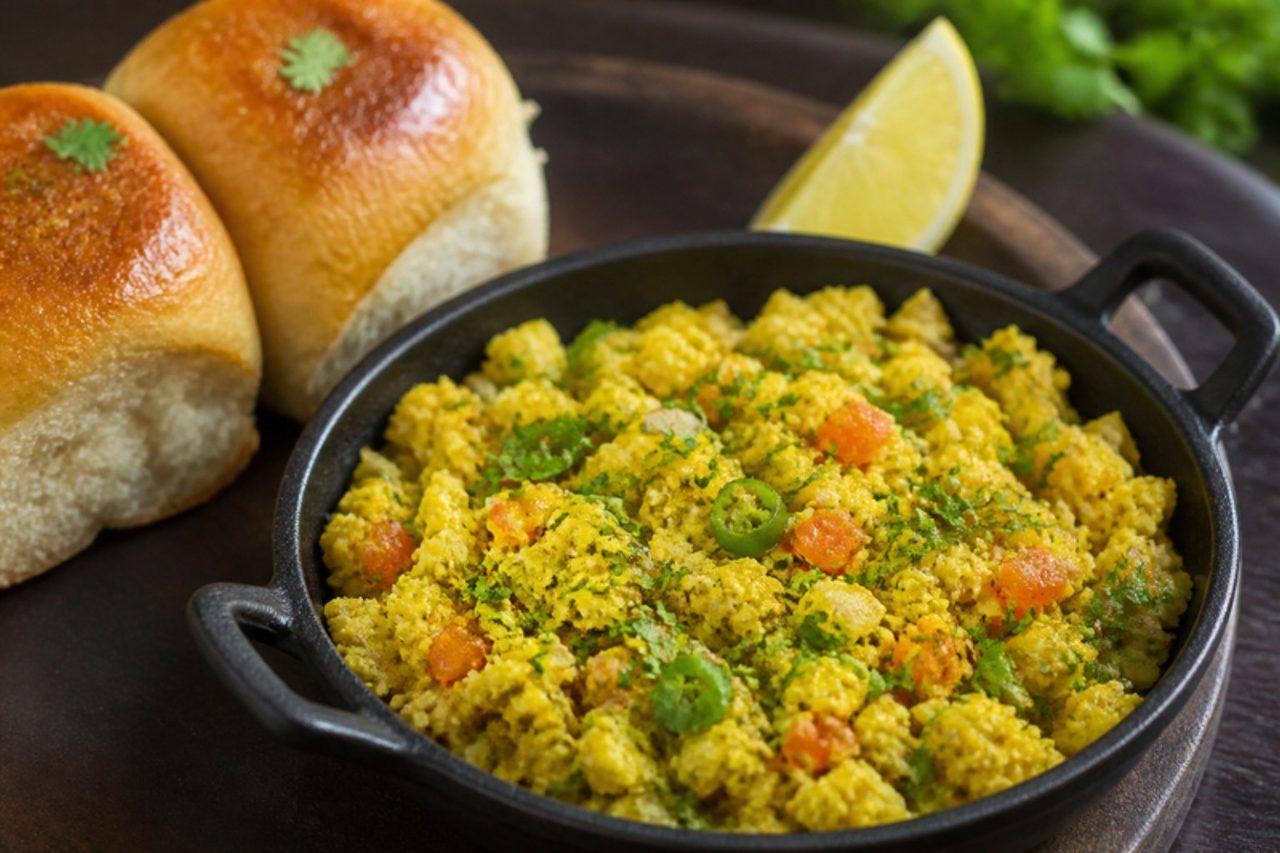
AkuriSpiced scrambled eggs

Akuri is the Parsi community's breakfast scramble, served in Mumbai's old Irani cafés and Parsi homes on Sunday mornings with soft pav or buttered toast. It is softer and wetter than an ordinary scramble, cooked slowly so the eggs stay creamy and barely set, with sweet fried onion, tomato, ginger, green chilli and plenty of coriander. A spoonful of milk keeps it silky. The common mistake is cooking it over high heat: the eggs seize into hard, rubbery curds and the masala catches. Chef's tip: take the pan off the heat while the eggs still look slightly underdone, because they keep cooking on the plate.

by KrazyBadal 0 views

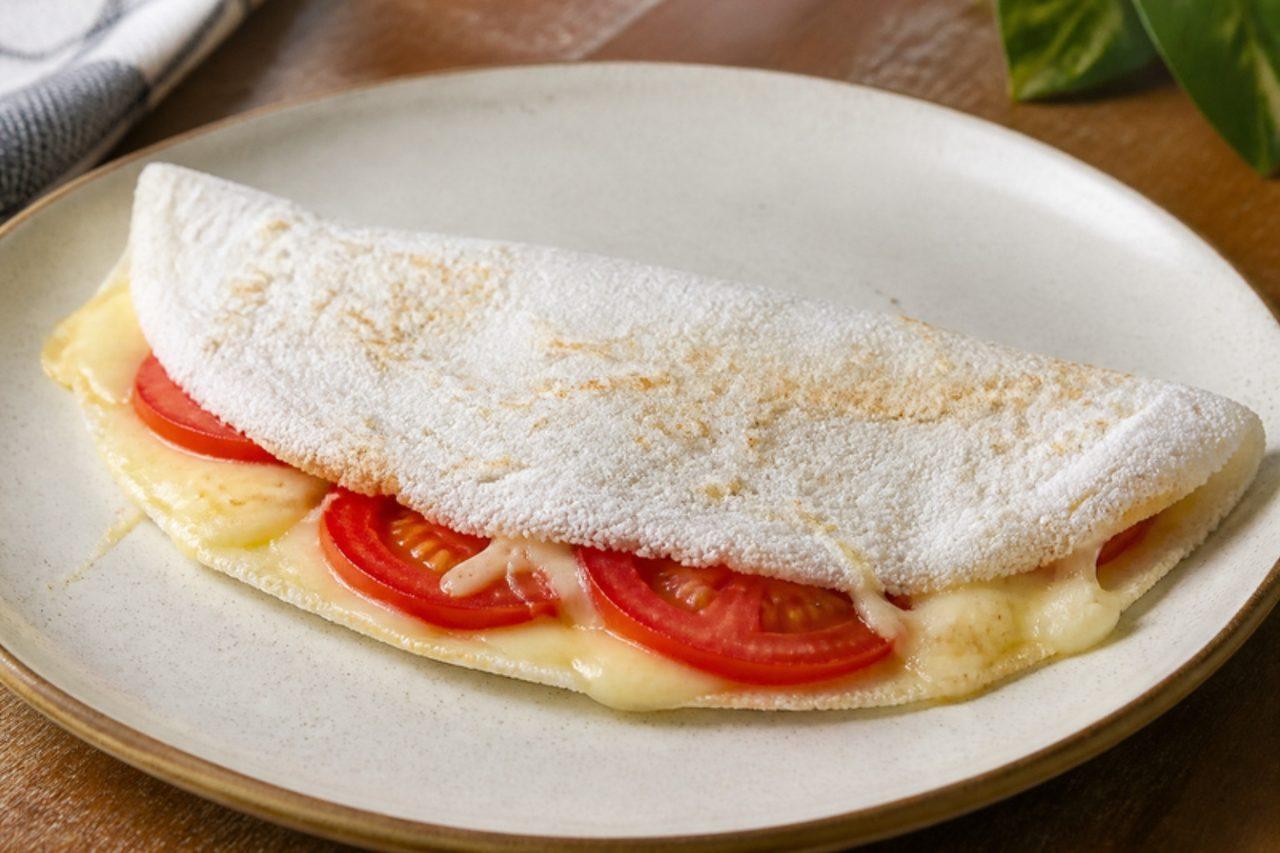
CrepiocaTapioca and egg crêpe

Crepioca is the crêpe that took over Brazilian breakfast tables and gym cafés from São Paulo to Recife: one egg whisked with a spoonful of tapioca starch, cooked thin in a non-stick pan and folded round cheese and tomato. It is naturally gluten free, ready in ten minutes and just as good as a late, light supper as it is with morning coffee. The common mistake is pouring the batter without a last whisk: tapioca starch sinks to the bottom of the bowl in seconds, and the crêpe then comes out patchy and gluey. Mozzarella is often made with animal rennet, so choose a vegetarian mozzarella if that matters to you. Chef's tip: let the pan heat for a full minute before the batter goes in, so the crêpe sets at once and slides free when you shake the pan.

by KrazyBadal 0 views

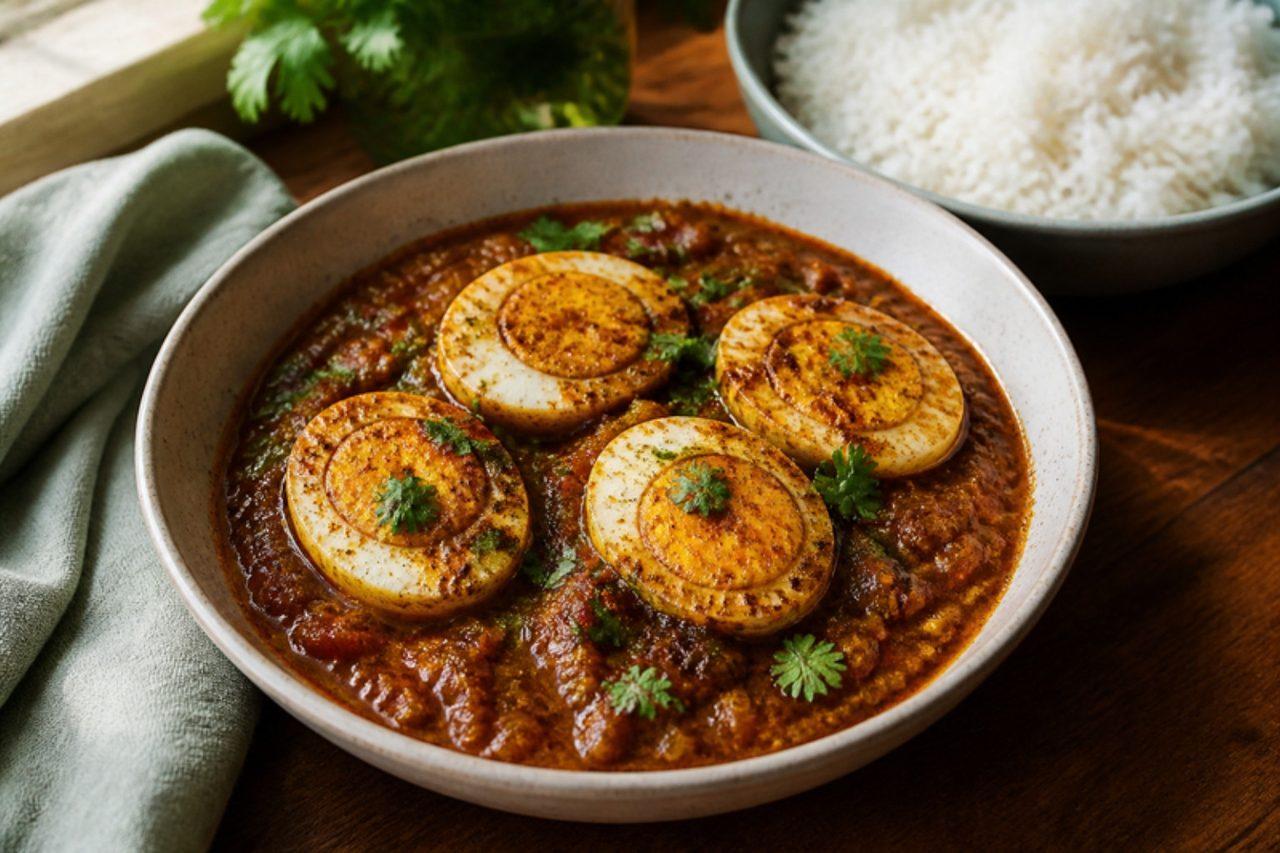
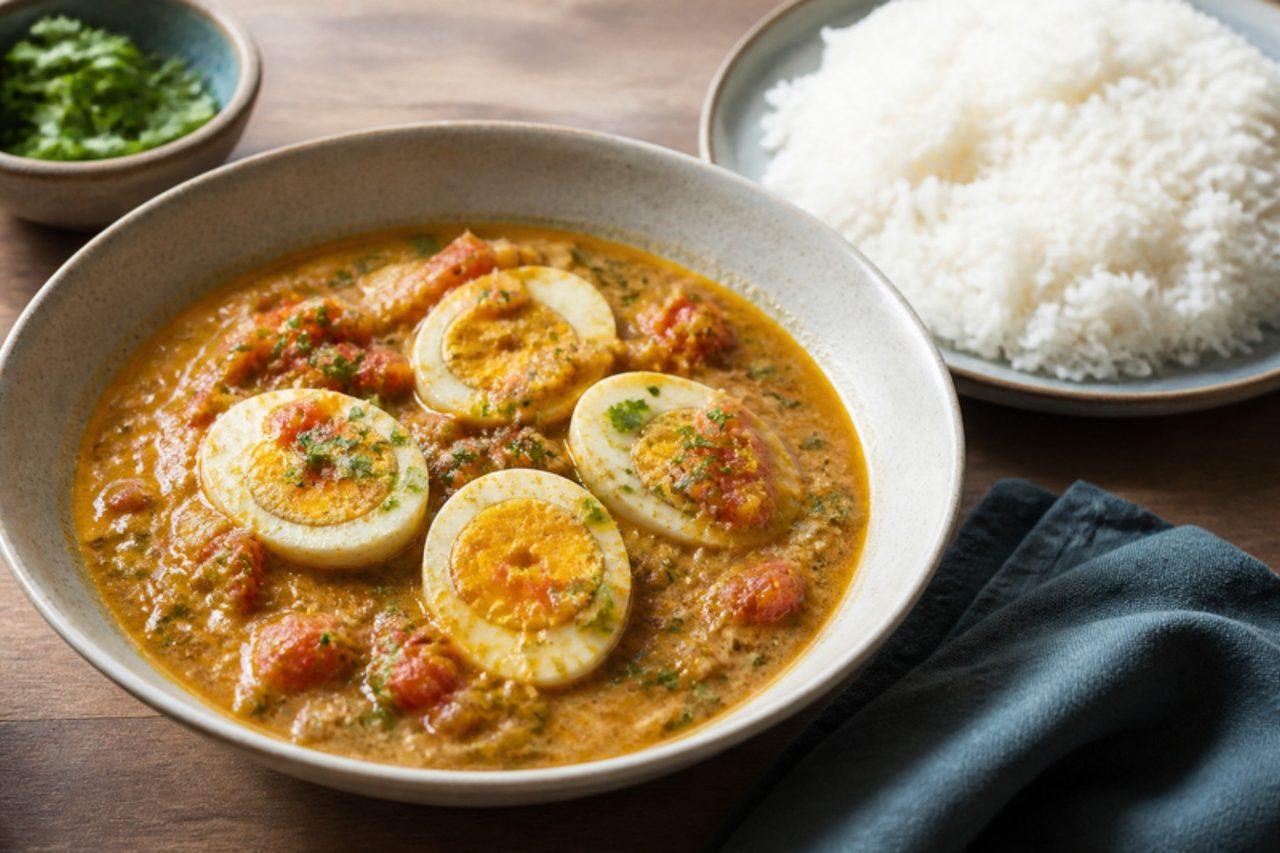
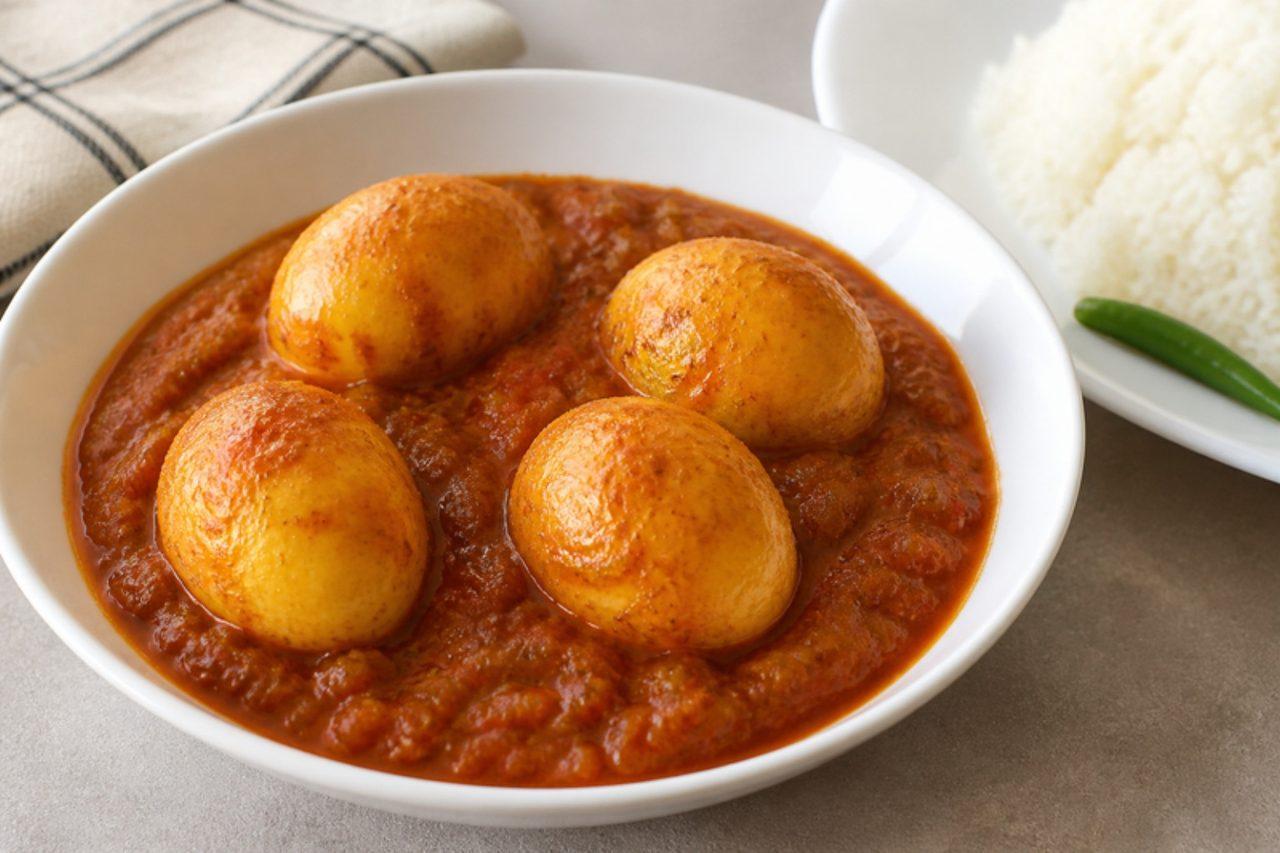
Anda curryEgg curry

Anda curry is the North Indian weeknight curry that comes together when the fridge holds little more than eggs, onions and tomatoes, served across Punjab and Uttar Pradesh with rotis, jeera rice or paratha. Hard-boiled eggs are scored and fried with turmeric and chilli so they get a speckled, golden skin, then simmered in a gravy of browned onion, ginger, garlic, tomato and garam masala. The common mistake is under-browning the onions: pale onions give a thin, raw-tasting gravy, so cook them until they are deep golden. Chef's tip: make shallow cuts in the boiled eggs before frying, so the masala seeps into the whites.

by KrazyBadal 0 views

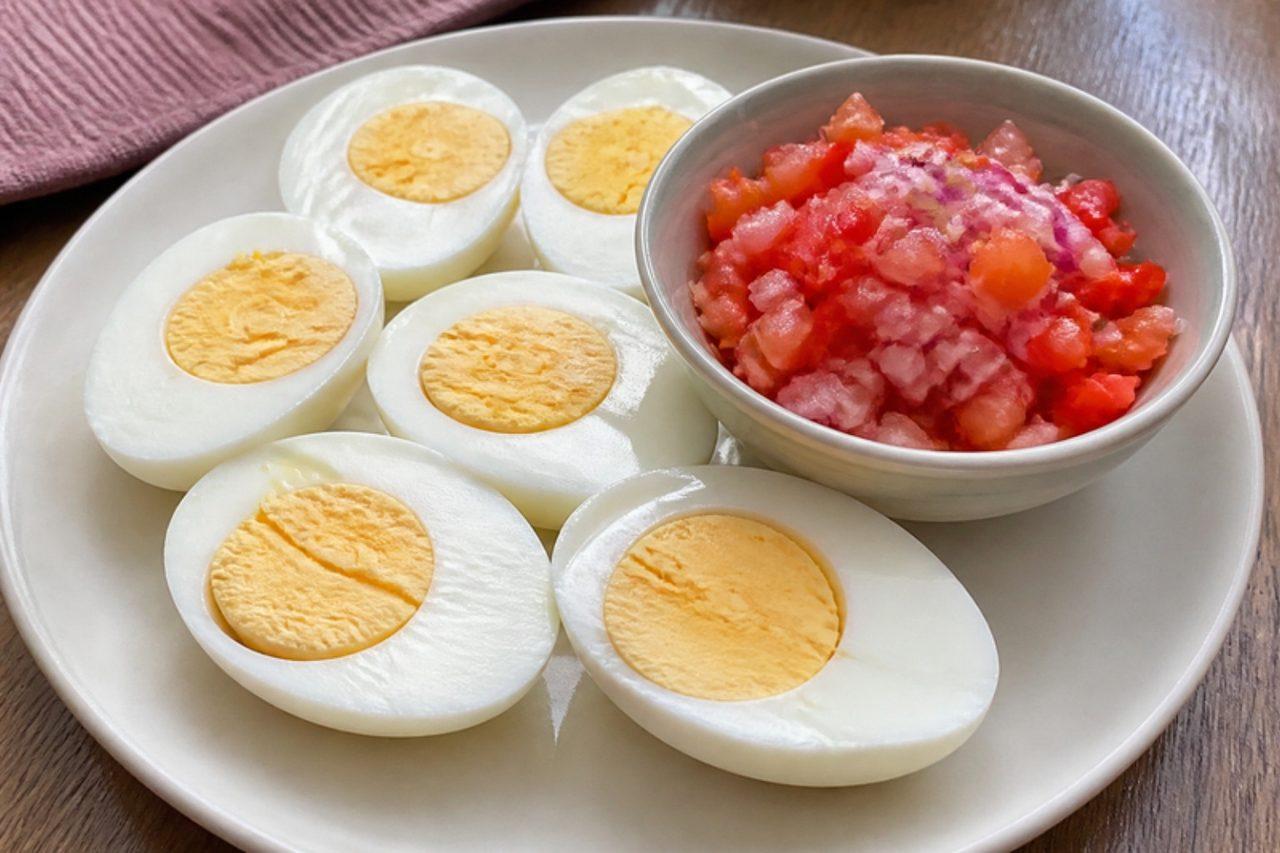
Kosua ne mekoBoiled eggs with pepper relish

In the traffic of Accra and at the lorry stations of Kumasi, hawkers carry trays of peeled boiled eggs with a jar of meko, a fresh, fiery relish of chilli, onion and tomato ground in an earthenware asanka. Buyers split the egg and spoon the pepper inside, and at home it is a quick evening snack or a light supper with bread. The usual mistake is boiling the eggs too long, which leaves a grey-green ring round the yolk and a rubbery white; ten minutes and a cold-water plunge give a firm, bright yolk. Wash your hands well after handling the chillies. Chef's tip: grind the onion and salt first, then the chilli and the tomato last, so the relish stays chunky rather than watery.

by KrazyBadal 0 views

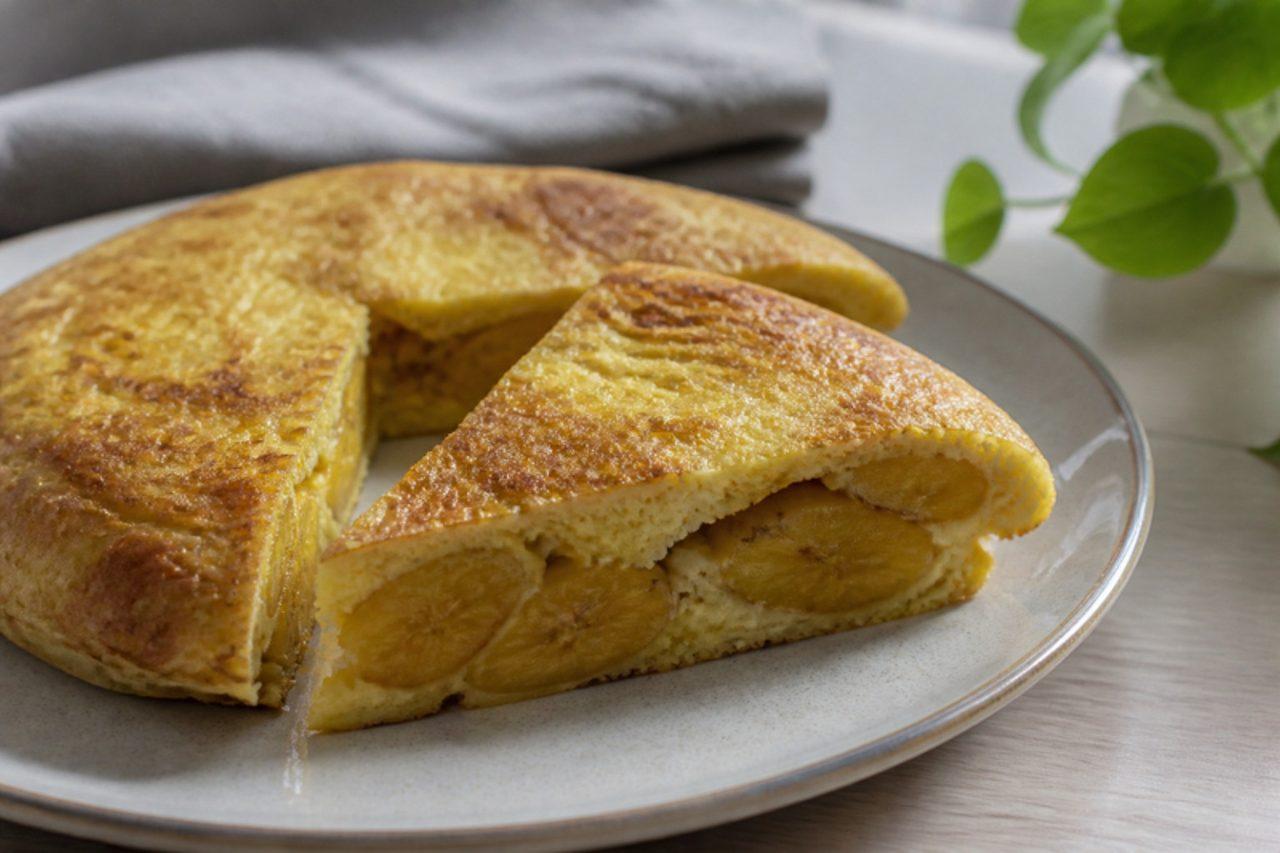
Tortilla de plátanoRipe plantain omelette

In Havana and across the Cuban countryside, tortilla de plátano is a home supper made from what is in the kitchen: slices of very ripe plantain fried until caramelised, then set in a thick, golden omelette. The sweet fruit against salty egg is the whole point, and it is served with white rice and black beans or a simple tomato salad. The mistake people make is using a plantain that is still yellow and firm; it stays starchy and dry, so wait until the skin is mostly black and the fruit gives when pressed. Chef's tip: flip the tortilla by sliding it onto a plate, covering with the pan and turning both over together, which keeps it whole.

by KrazyBadal 0 views

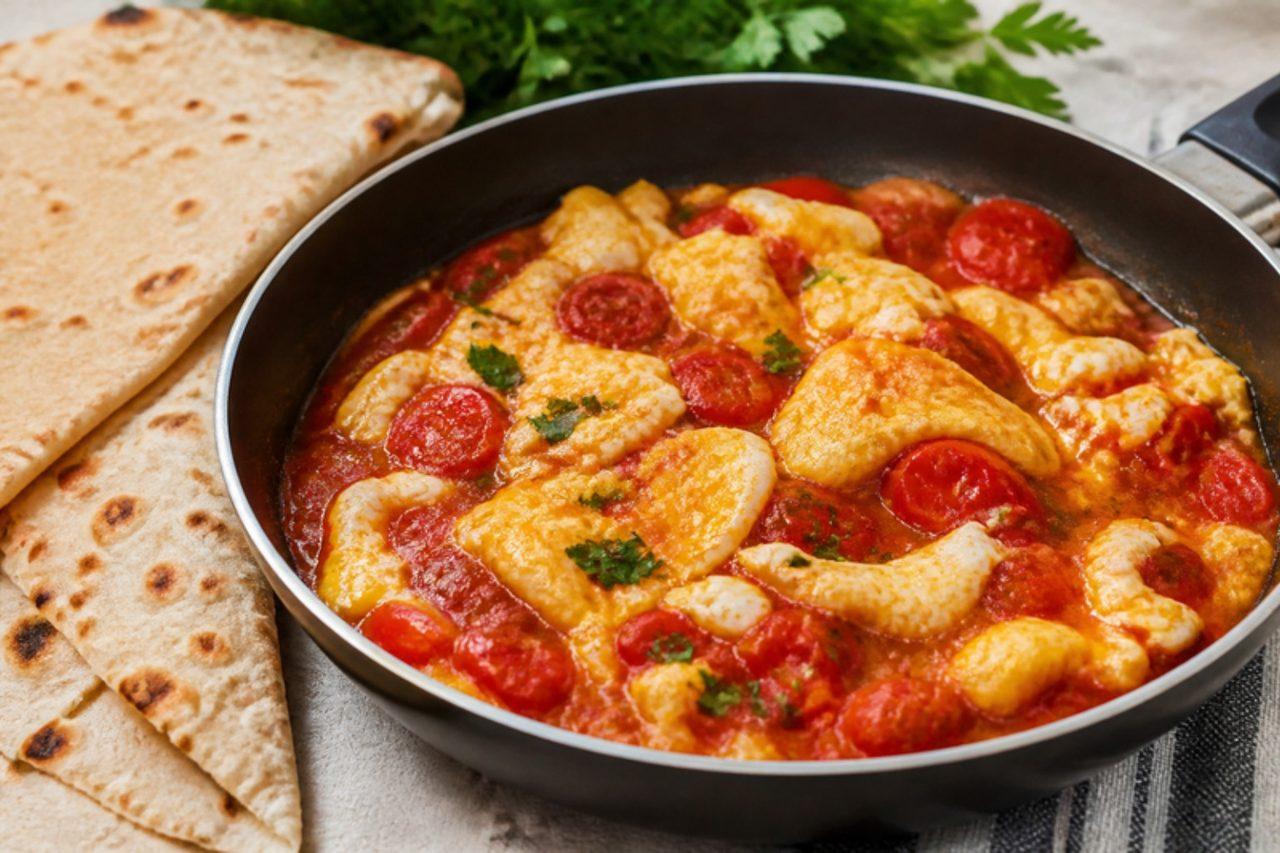
Omelet-e gojeh farangiTomato and egg omelette

In Iran the word omelet means something quite different from a folded French one: ripe tomatoes are cooked down in oil with a little onion and turmeric until jammy, then eggs are stirred through so they set in soft streaks of red and gold. It is the classic quick dinner of Tehran apartments and student dorms, eaten from the pan with lavash and a plate of herbs. The mistake that makes it watery is adding the eggs before the tomato juices have cooked away; wait until the sauce is thick and the oil sizzles again. Chef's tip: grate the tomatoes on a box grater and throw away the skins, so the base melts down in minutes.

by KrazyBadal 0 views

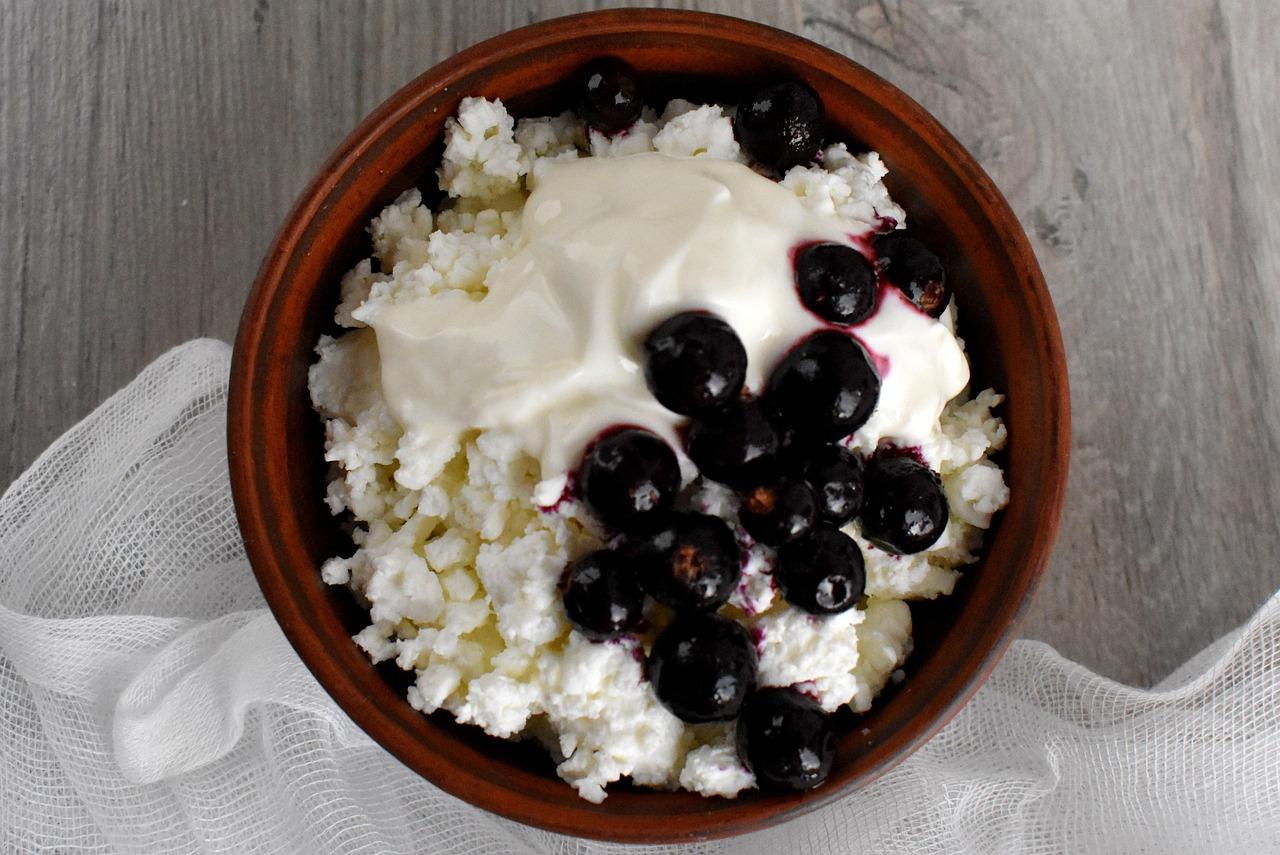
Tvorog so smetanoy (farmer's cheese with sour cream)

Across Russia, a bowl of soft tvorog with a spoon of smetana and a little sugar or jam is the breakfast grandmothers swear by and the supper students live on. The fresh, slightly sour curd and the cool cream make something like a rustic cheesecake you eat with a spoon, high in protein and ready in five minutes; add berries in summer. Tvorog, like quark and cottage cheese, is set with culture rather than rennet, so it suits vegetarians. The mistake is buying the driest block and serving it as it is, which feels chalky; break it up and loosen it with the smetana first. Chef's tip: mash the tvorog with the sugar and let it stand two minutes so the sugar dissolves before you add the cream.

by KrazyBadal 0 views

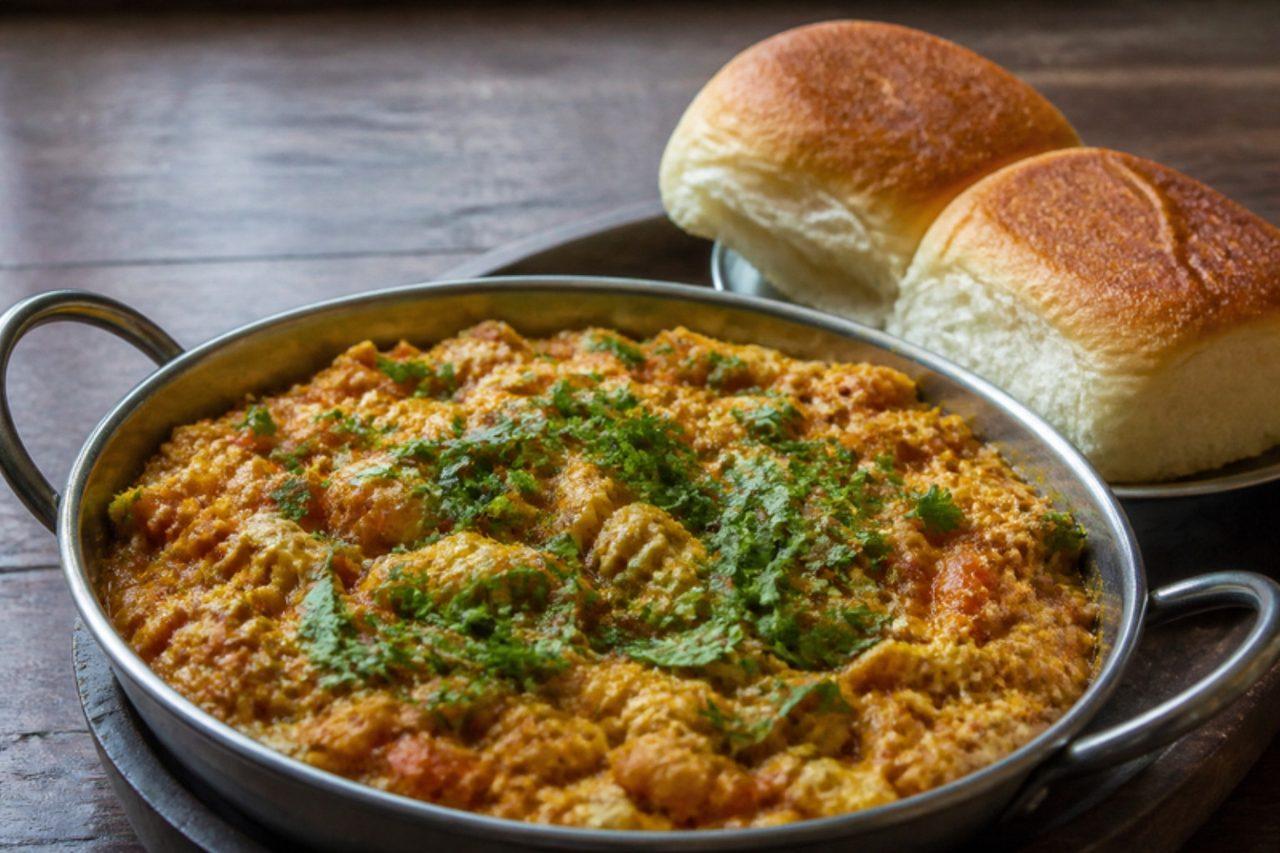
Egg ghotalaSpicy egg mash

Egg ghotala was born on the evening street stalls of Surat in Gujarat, where cooks on huge iron tawas mash boiled eggs and fresh eggs together into a rich, buttery masala and serve it with pav for dinner. 'Ghotala' means a muddle, and that is the point: half the eggs are grated, half are scrambled straight into the onion-tomato base, so you get creamy and chunky bites together. Some stalls finish it with grated cheese; if you add some, check the label, because many cheeses are made with animal rennet, and choose one marked vegetarian. The usual mistake is adding the raw eggs too early, before the masala is cooked down, which leaves the dish watery and pale. Chef's tip: keep the heat high and keep mashing with the back of the spatula, as the stall cooks do, so the eggs and masala blend into one thick mix.

by KrazyBadal 0 views

Ghanaian egg stew

Egg stew is the fastest stew in a Ghanaian kitchen, made in Accra and Kumasi homes for breakfast or a weeknight dinner: onions, fresh tomatoes and red pepper are cooked down in oil until thick and sweet, then beaten eggs are stirred through so they set in soft, sauce-coated curds. It is eaten with boiled yam or green plantain (ampesi), rice, or a soft bread roll. The mistake that makes it taste raw and sharp is adding the egg too soon: the tomato base must fry until the oil rises to the top. Many cooks use a stock cube, which is often chicken-based, so this version uses a vegetable cube. Chef's tip: pour the eggs in a thin stream and wait 30 seconds before the first stir, so they form large, tender pieces instead of crumbs.

by KrazyBadal 0 views

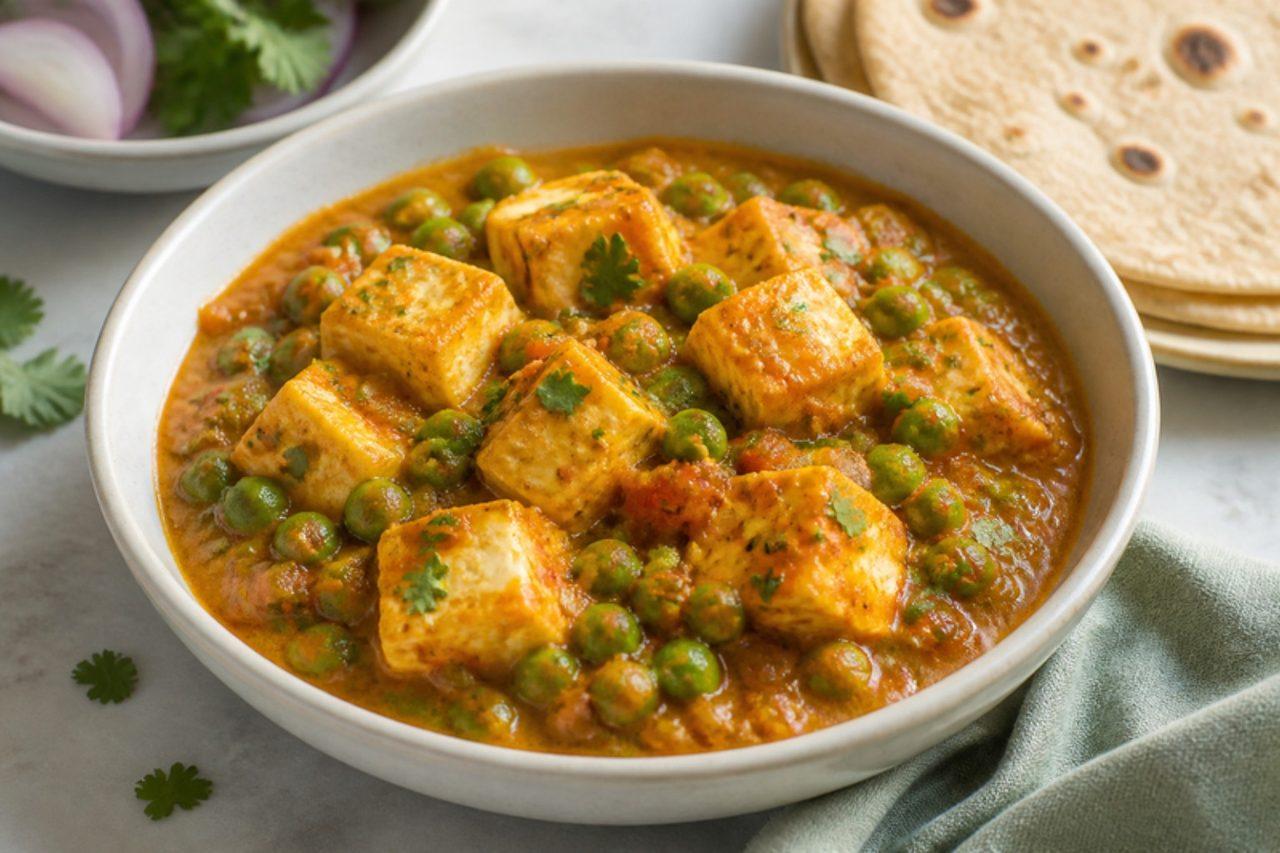
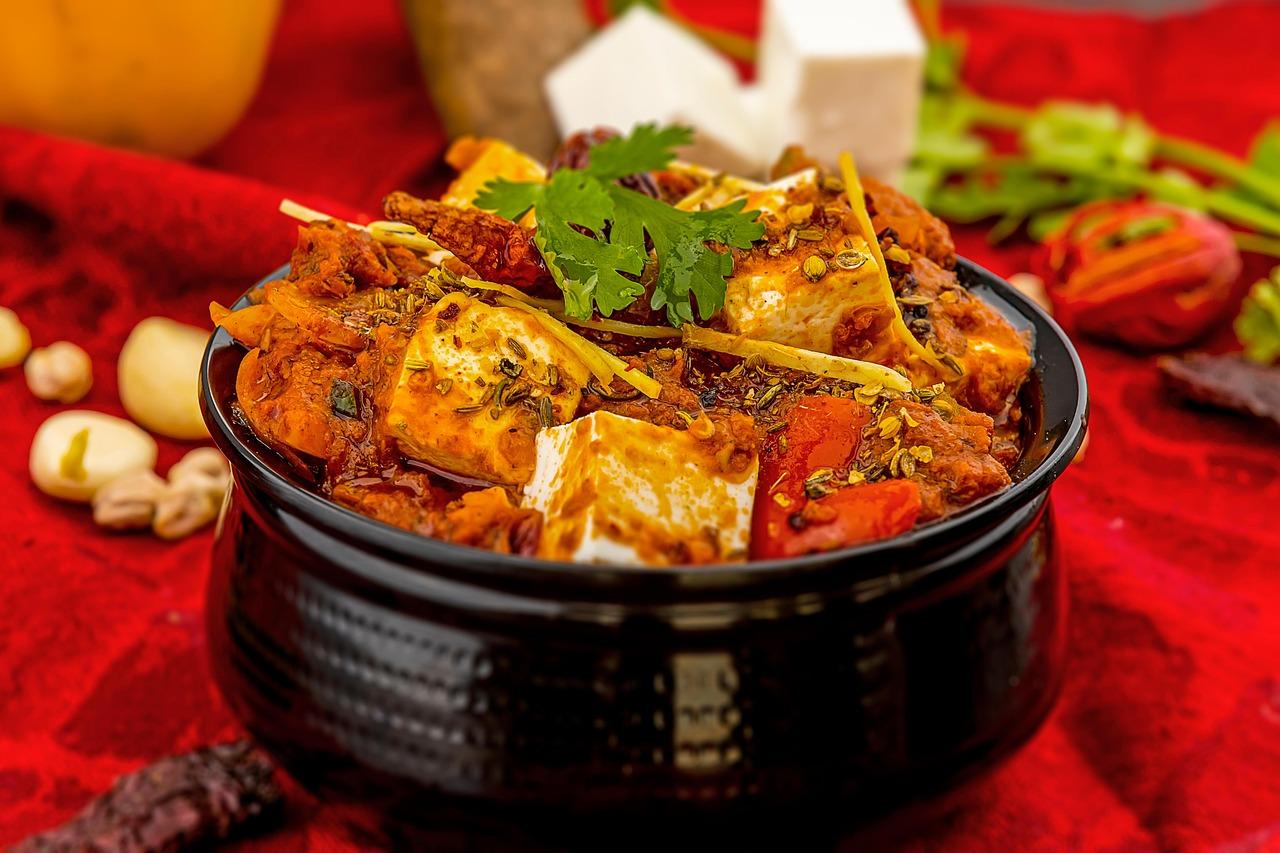
Matar paneerPea and paneer curry

Matar paneer is one of Punjab's most-cooked dinners, made in North Indian homes for a midweek meal or when guests drop in, and served with butter rotis, parathas or jeera rice. Soft cubes of paneer and sweet green peas simmer in a gravy of browned onion, tomato, ginger and garlic, finished with garam masala and a pinch of crushed fenugreek. Paneer is set with lemon juice or vinegar, not rennet, so it is a safe choice for vegetarians. The common mistake is boiling the paneer in the gravy for too long, which makes it rubbery and squeaky. Chef's tip: soak the paneer cubes in hot salted water for 10 minutes while the gravy cooks; they turn soft and spongy and soak up the sauce.

by KrazyBadal 0 views

Dim bhajiOnion and chilli omelette

In Dhaka homes dim bhaji is what appears when there is rice and daal on the table but nothing else: a thin, lacy omelette packed with red onion, green chilli and coriander, fried in mustard oil until the edges crisp. It is eaten folded over a plate of hot rice, or with paratha for breakfast. The usual mistake is a pan that isn't hot enough, which leaves the omelette pale, flat and rubbery instead of puffed with golden edges. Chef's tip: heat mustard oil until it just smokes, then let it calm for a few seconds; that tames its raw sharpness and gives the classic nutty flavour.

by KrazyBadal 0 views

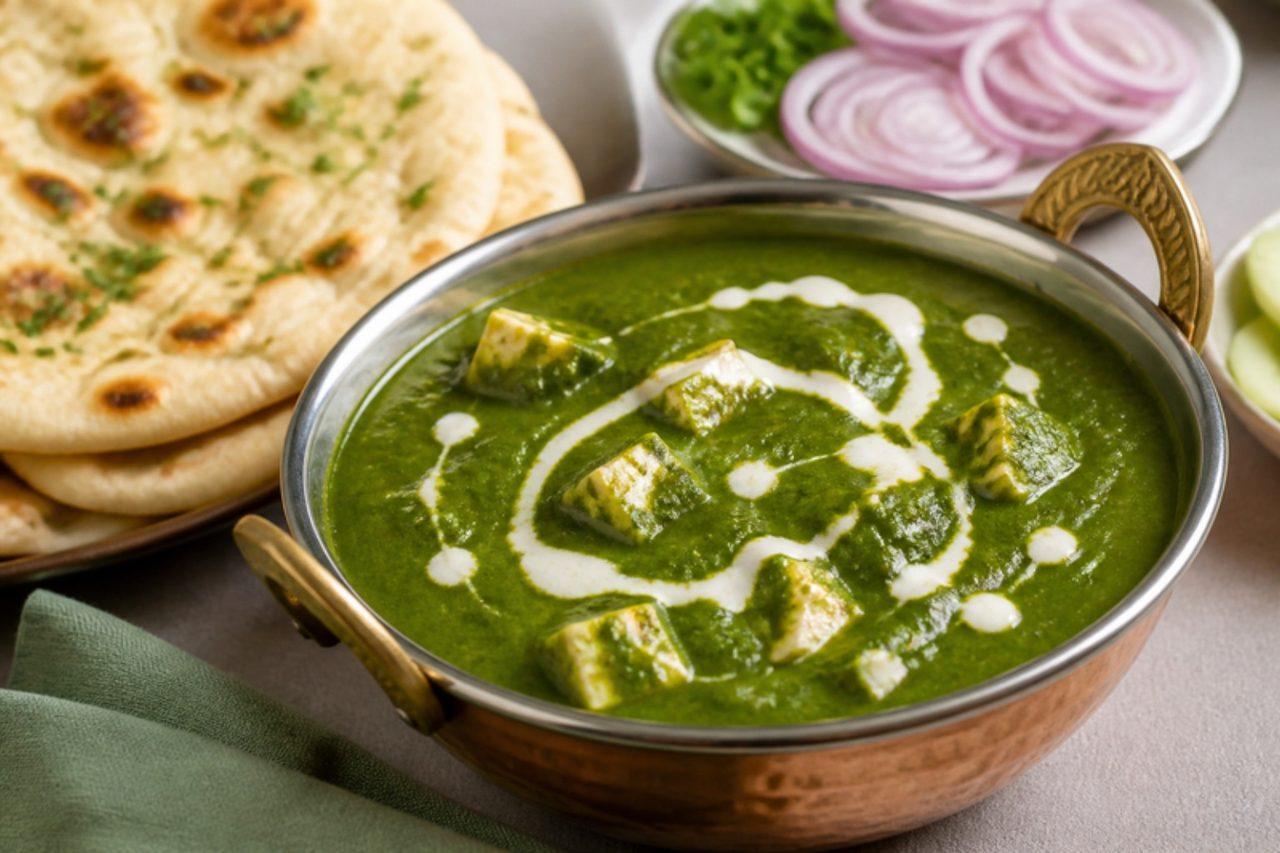
Palak paneerPaneer in spinach sauce

Palak paneer is a Punjabi winter favourite, made when fresh spinach piles up in the markets of Amritsar and Ludhiana, and now cooked on weeknights all over India with makki di roti, naan or rice. The spinach is blanched for just a minute, blended smooth and cooked with fried garlic, onion, tomato and gentle spices, then soft cubes of paneer are folded in. Paneer is acid-set, so it contains no animal rennet. The usual mistake is overcooking the spinach, which turns the sauce khaki and bitter: blanch it briefly, cool it fast, and simmer the purée for only a few minutes. Chef's tip: fry a little extra sliced garlic in ghee and pour it over just before serving for the classic dhaba finish.

by KrazyBadal 0 views

Mchuzi wa mayaiEgg curry in coconut and tomato

On the Swahili coast, from Mombasa and Malindi to Dar es Salaam and Zanzibar, mchuzi wa mayai is the curry made when there is no meat or fish in the house: boiled eggs simmered in a turmeric-yellow sauce of tomato and coconut milk with ginger, chilli and fresh coriander. It is a weeknight supper with white rice or soft chapati, and it costs very little. The mistake to avoid is boiling hard once the coconut milk goes in, which makes the sauce split and turn oily; keep it at a gentle bubble. Chef's tip: score each peeled egg with a few shallow cuts so the sauce seeps inside and the eggs don't slide around the pan.

by KrazyBadal 0 views

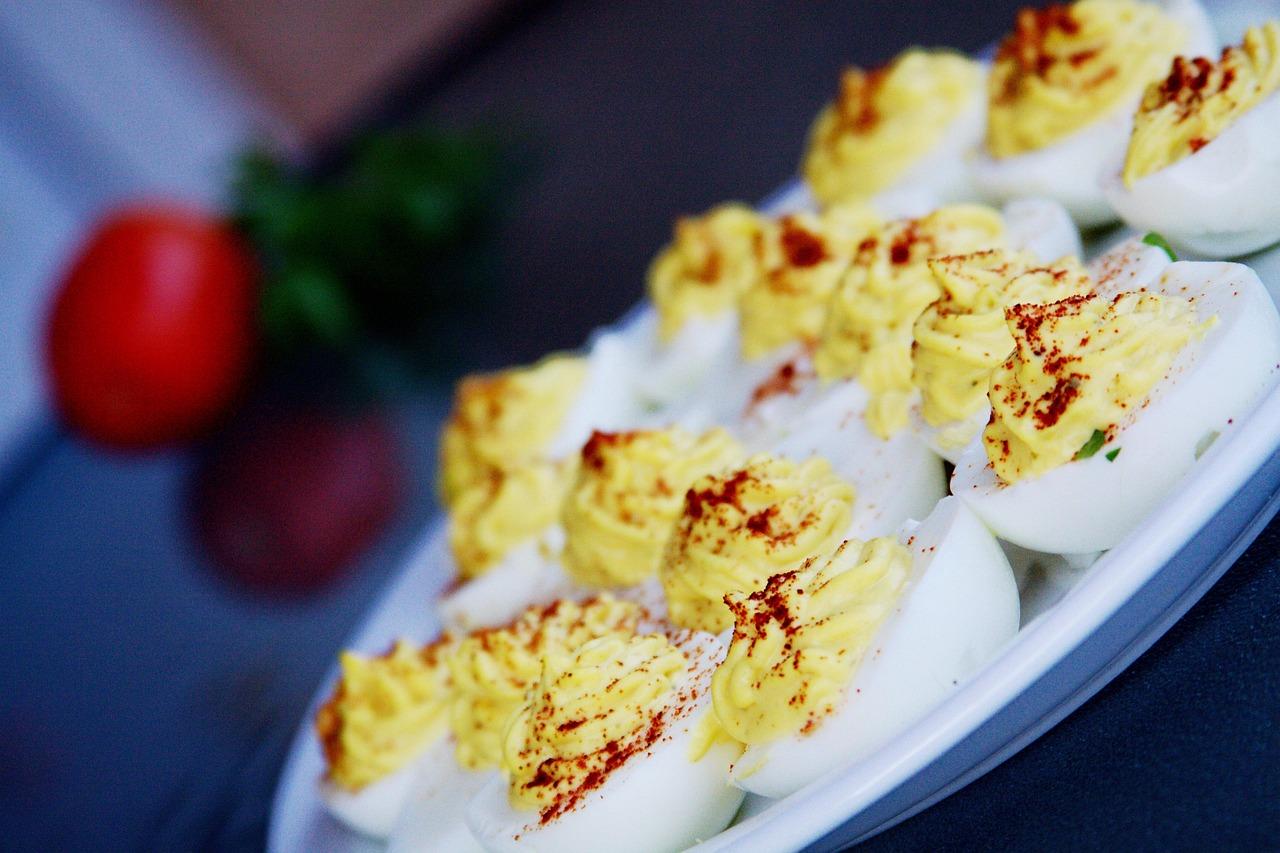
Œufs mimosaStuffed eggs with grated yolk

Œufs mimosa have been a starter in French bistros and on family tables for generations, served at Sunday lunch, on Easter platters and as a light supper with salad and bread. Hard-boiled eggs are halved, their yolks mashed with mayonnaise and mustard and piped back in, then a little yolk is grated over the top so it looks like the fluffy yellow flowers of the mimosa tree. They are naturally gluten free. The most common mistake is overboiling the eggs, which leaves a grey-green ring around the yolk and a sulphurous taste; 10 minutes and an ice bath is enough. Chef's tip: keep back one yolk just for grating, so the topping stays bright yellow and dry.

by KrazyBadal 0 views

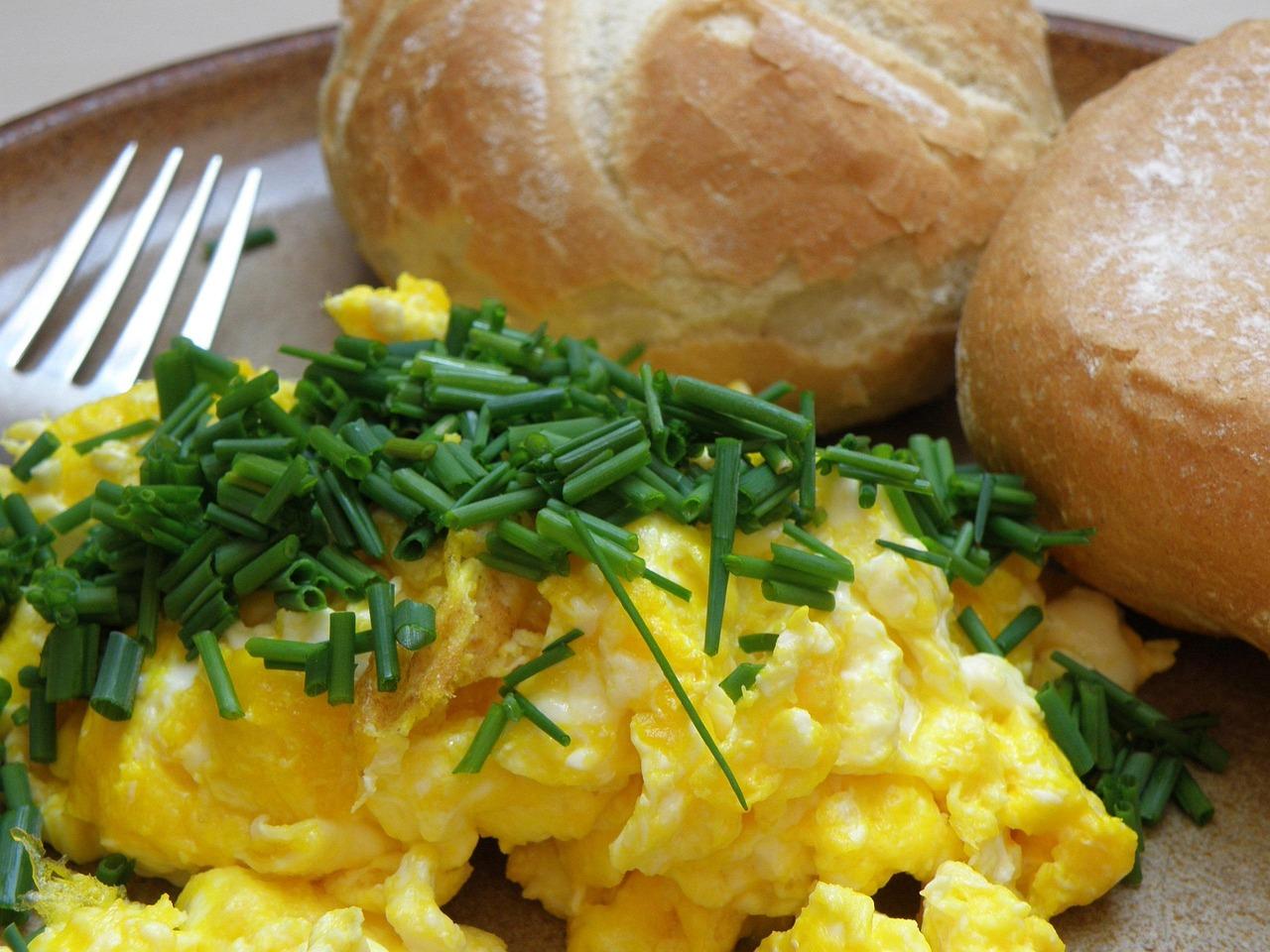
Jajecznica (Polish scrambled eggs)

Jajecznica is what a Polish household cooks when there are ten minutes and a box of eggs: soft, large curds stirred slowly in plenty of butter, sometimes with a little onion softened first and always with a shower of chives. It turns up at weekend breakfasts with bread and sliced tomato, and just as often as a light supper after work. The usual mistake is a pan that is too hot, which turns the eggs rubbery and weepy before they have had a chance to go creamy. If you are cooking for anyone pregnant, very young, older or otherwise vulnerable, cook the curds until no liquid egg remains. Chef's tip: take the pan off the heat while the eggs still look slightly underdone; they finish setting on the way to the plate.

by KrazyBadal 0 views

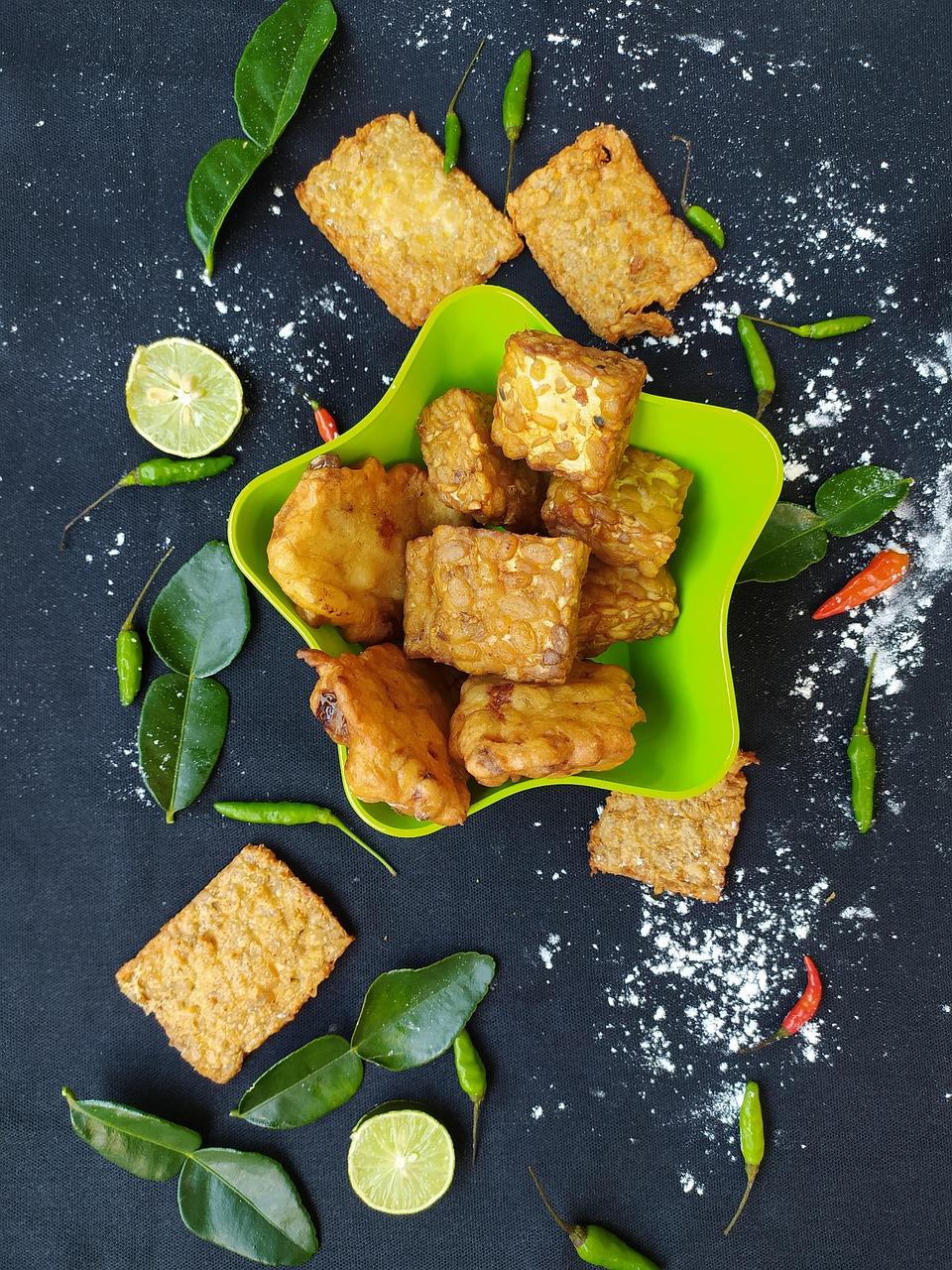
Tempe goreng (Javanese crisp fried tempeh)

Tempe goreng is the everyday protein of Central and East Java, fried fresh in homes and warungs morning and evening and eaten with rice, sambal and a vegetable such as urap or sayur asem. The tempeh is soaked briefly in a salty garlic and coriander-seed brine, then fried until the outside is crunchy and the inside nutty and firm. The mistake people make is slicing it too thick, which leaves a bitter, raw-tasting centre; keep slices about 5 mm thick. If you soak it for longer than 15 minutes, do it in the fridge. Chef's tip: fry in oil that comes halfway up the slices and turn them only once, so the crust stays whole.

by KrazyBadal 0 views

NimrooHalf-set fried eggs

Nimroo, literally 'half-done', is what Iranian students in Tehran and families in every city cook when there is no time: eggs fried gently in a small pan until the whites set and the yolks stay soft, sprinkled with salt, pepper and sometimes a pinch of turmeric. It is eaten straight from the pan with torn lavash or sangak, fresh herbs and sweet black tea, for breakfast or a late supper. The common mistake is a fierce heat that burns the edges of the white while a raw film stays round the yolk; a lid for the last minute sets the top gently. For anyone pregnant, very young, older or with a weakened immune system, cook the yolks until firm. Chef's tip: serve it in the pan it was cooked in, on a board, so it stays hot.

by KrazyBadal 0 views

Sukhi moong dalDry yellow moong dal

Sukhi (dry) moong dal is made in Rajasthan and Uttar Pradesh when there is no time for a soupy dal, or to roll into parathas and pack for journeys; Marwari families often serve it at weddings with kachoris. Soaked yellow moong is cooked with just enough water to soften it while keeping the grains whole, then lifted with amchur, ginger and a ghee tempering. The mistake to avoid is too much water or stirring hard, which turns it into a mushy khichdi; add water a little at a time and fold gently. Chef's tip: soak the dal for at least 30 minutes, which is why this dish takes longer than the cooking alone. It is one of the few dals that is just as good at room temperature.

by KrazyBadal 0 views

Dim bhunaFried boiled eggs in masala

Dim bhuna is a Bangladeshi weeknight standby, cooked in kitchens from Chattogram to Sylhet when there are eggs in the basket and rice on the stove. Boiled eggs are fried until their skins blister golden, then tossed in a thick, dark masala of slow-browned onion and garlic that clings to them rather than pooling as a gravy. Eat it with plain rice, daal and a squeeze of lime. The mistake most people make is dropping smooth whole eggs into hot oil: they spit and can burst, and the masala slides off. Chef's tip: score each peeled egg with three shallow cuts so it fries safely and soaks up the spices.

by KrazyBadal 0 views

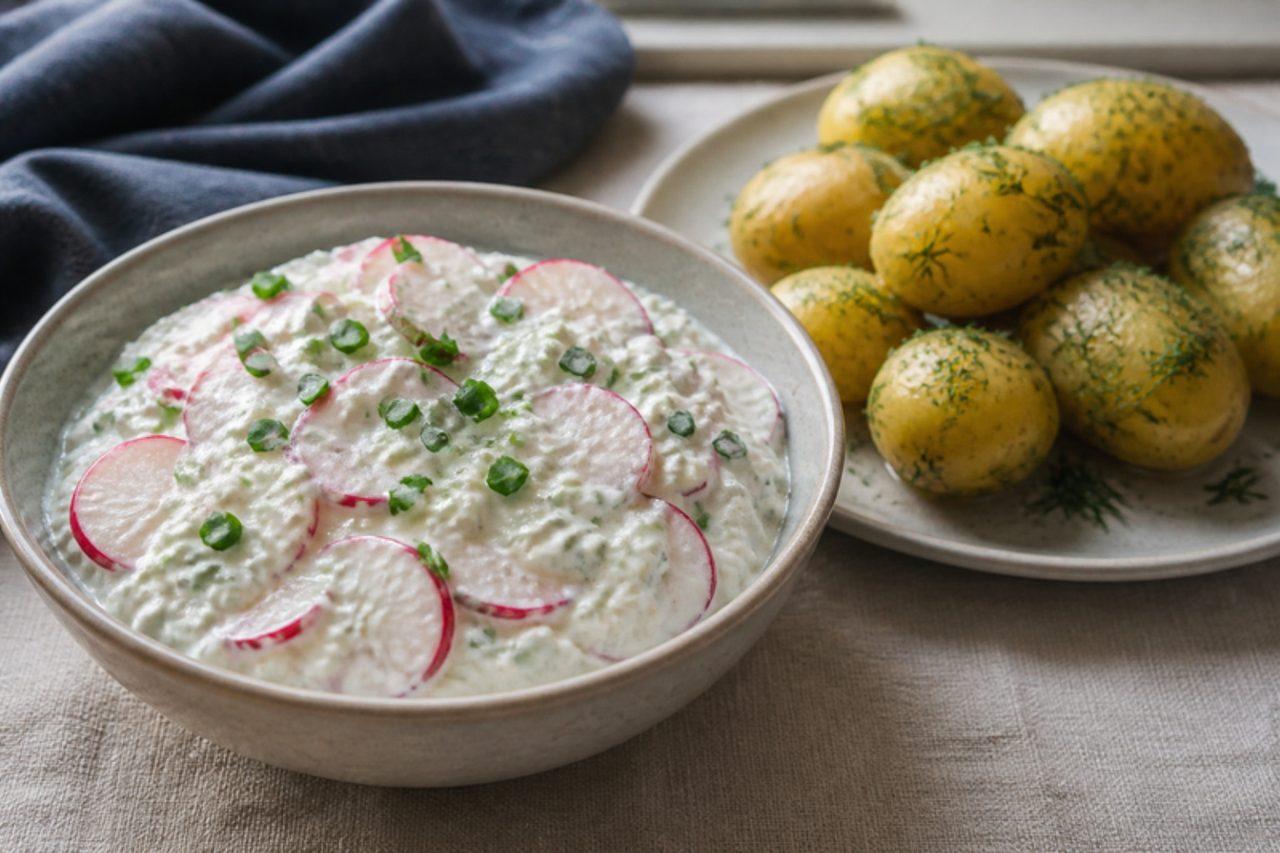
Gzik (Poznań quark with radish and chives)

Gzik is a Poznań favourite, so much a part of Greater Poland that the region's potato-and-quark supper, pyry z gzikiem, has its own festival. Soft white quark is beaten with sour cream, then mixed with chopped radish, onion and chives into a cool, tangy, crunchy spread that is spooned over hot boiled potatoes in their skins, or onto rye bread for breakfast. The most common mistake is using dry, crumbly quark without loosening it, which gives a pasty gzik; it should be smooth and just spoonable. Quark and sour cream are made without rennet, so this is a good vegetarian choice. Chef's tip: salt the chopped radish and onion only at the last minute, so they stay crisp instead of weeping into the cheese.

by KrazyBadal 0 views

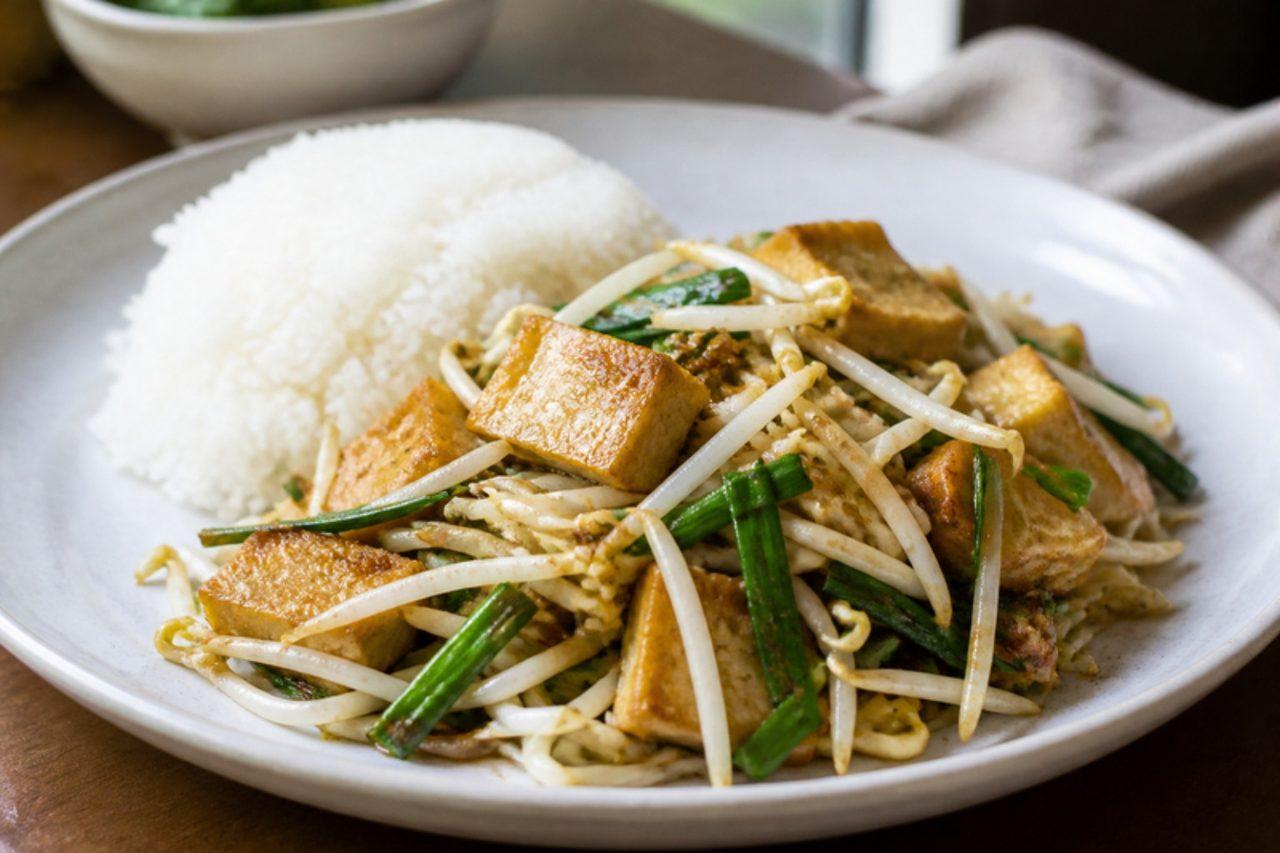
Pad thua ngok tao hoo (Thai bean sprouts and tofu stir-fry)

This plain, fast stir-fry is a fixture of home kitchens and made-to-order rice stalls across central Thailand, where it is eaten as one of two or three dishes shared over jasmine rice at dinner. Firm tofu is browned first, then the sprouts go in for barely a minute so they stay juicy and snap when you bite them. Thai cooks often season it with oyster sauce and fish sauce; this version uses soy and a mushroom-based sauce so it is vegan. The mistake almost everyone makes is cooking the sprouts too long, which turns them limp and watery. Chef's tip: pick off the stringy tails of the sprouts if you have five spare minutes; it makes the dish noticeably crisper.

by KrazyBadal 0 views

Chilli paneerPaneer with peppers and soy

Chilli paneer was born in the Chinese restaurants of Kolkata's Tangra and Tiretta Bazaar, where Hakka cooks adapted their chilli chicken for vegetarian customers, and today it is the Friday-night order from Delhi to Bengaluru. Cubes of paneer are coated in cornflour and fried crisp, then tossed over a fierce flame with onion petals, green pepper, garlic, soy sauce and plenty of green chilli in a glossy sauce. Paneer is set with acid, not rennet, so it is fully vegetarian. The mistake to avoid is letting the paneer sit in the sauce, which makes the crust soggy; toss it in at the very end and serve. Chef's tip: soak the paneer in hot salted water for 5 minutes before coating; it stays soft inside even after frying. Soy sauce contains wheat; use tamari if you need it gluten-free.

by KrazyBadal 0 views

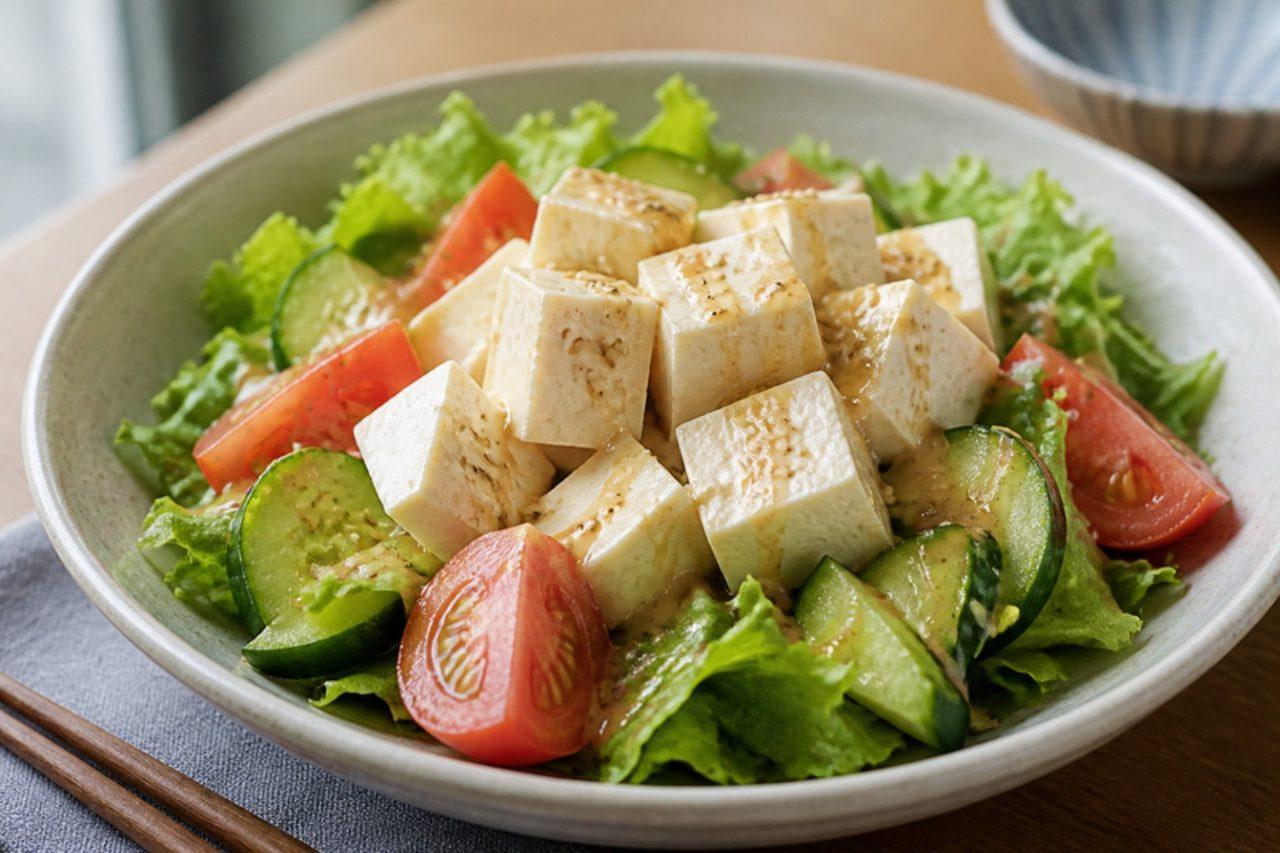
Japanese tofu salad

Tofu sarada is a fixture on Japanese izakaya menus and family dinner tables everywhere from Tokyo to Fukuoka, especially in the humid summer months. Cool cubes of tofu sit on crisp lettuce, tomato and cucumber under a sesame-soy dressing sharpened with rice vinegar and ginger, with a few strands of wakame if you have them. It makes a light dinner with rice and miso soup. The usual mistake is not draining the tofu, so its water dilutes the dressing into a bland pool. Many shop-bought wafu dressings contain bonito; this home-made one is vegan. Chef's tip: dress the salad at the table so the leaves stay crisp.

by KrazyBadal 0 views

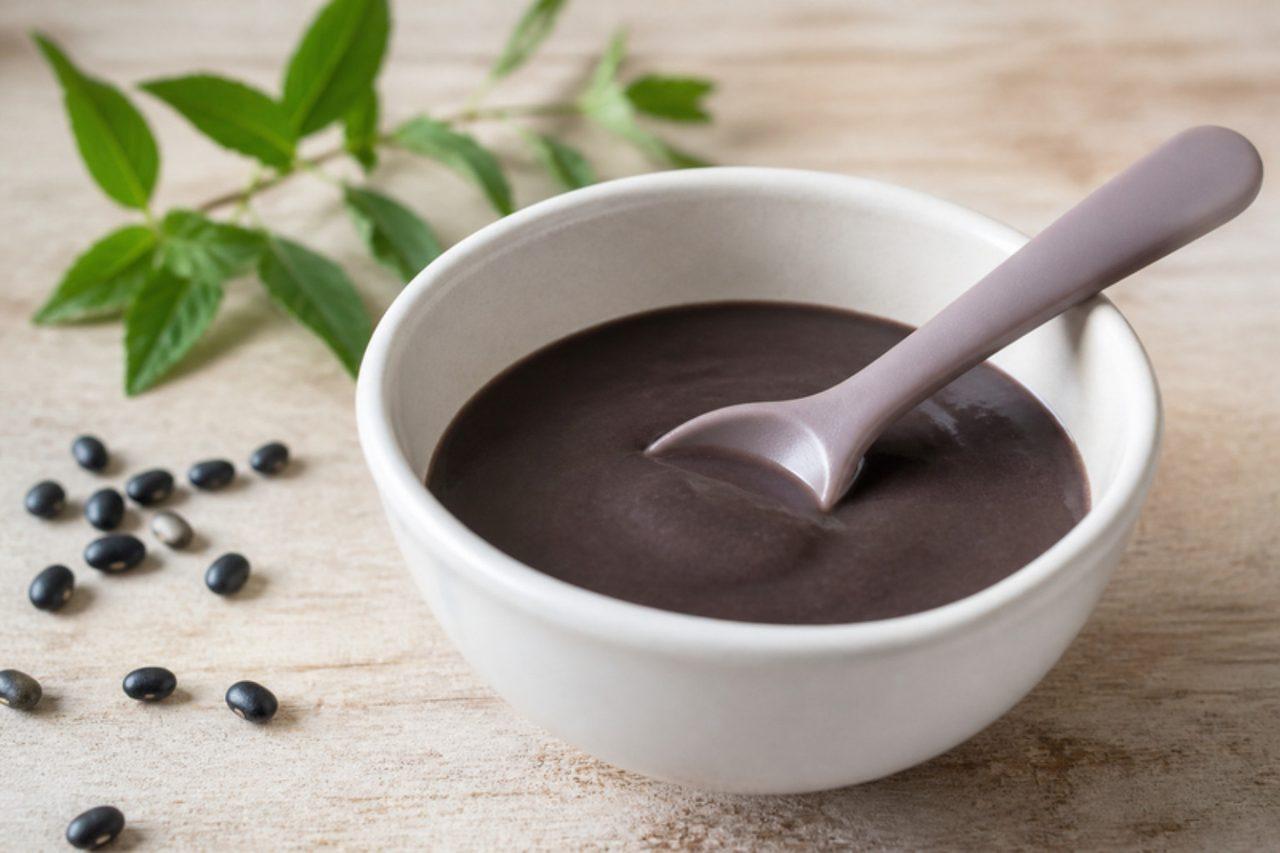
Bean broth for babies (caldito de frijol)

Mexican families nearly always have a pot of frijoles de la olla on the stove, and before the salt goes in a cup of caldito is set aside for the baby. Black or pinto beans are cooked slowly with a piece of onion until they collapse; the broth is offered first on its own and, a week or two later, thickened with the sieved bean flesh into a smooth, earthy purée. Families from Oaxaca to Monterrey give it at midday, the time of the main meal. It has none of the common allergens (milk, egg, gluten, peanut, tree nuts, soya, sesame, fish). Chef's tip: soak the beans overnight and change the water; they cook more evenly and are easier on small tummies.

130 minMexicanSoupsVeganGluten free
by KrazyBadal 0 views

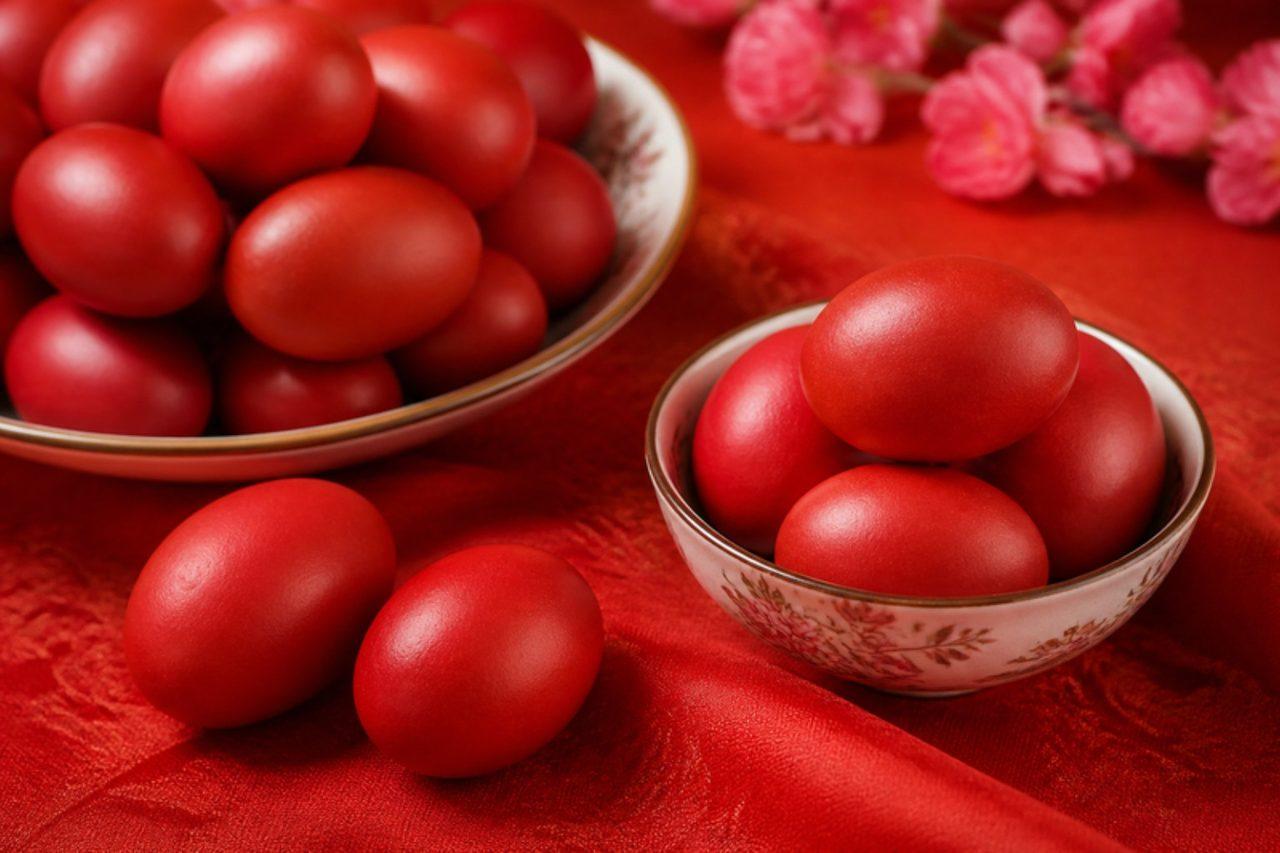
Hong dan (Chinese red eggs)

When a Chinese baby turns one month old, the family holds a full-month party and sends red eggs to relatives and friends: the round egg stands for new life and the red for luck and joy, and an even number is given for a boy in some families and an odd number for a girl in others. The eggs are shared by the guests and older children, peeled and eaten plain or with a little salt. This version dyes them with beetroot rather than food colouring. It contains egg. Chef's tip: dye the eggs while they are still warm and the shells take the colour much more evenly.

by KrazyBadal 0 views

Ash-e dandooni (Persian first-tooth soup)

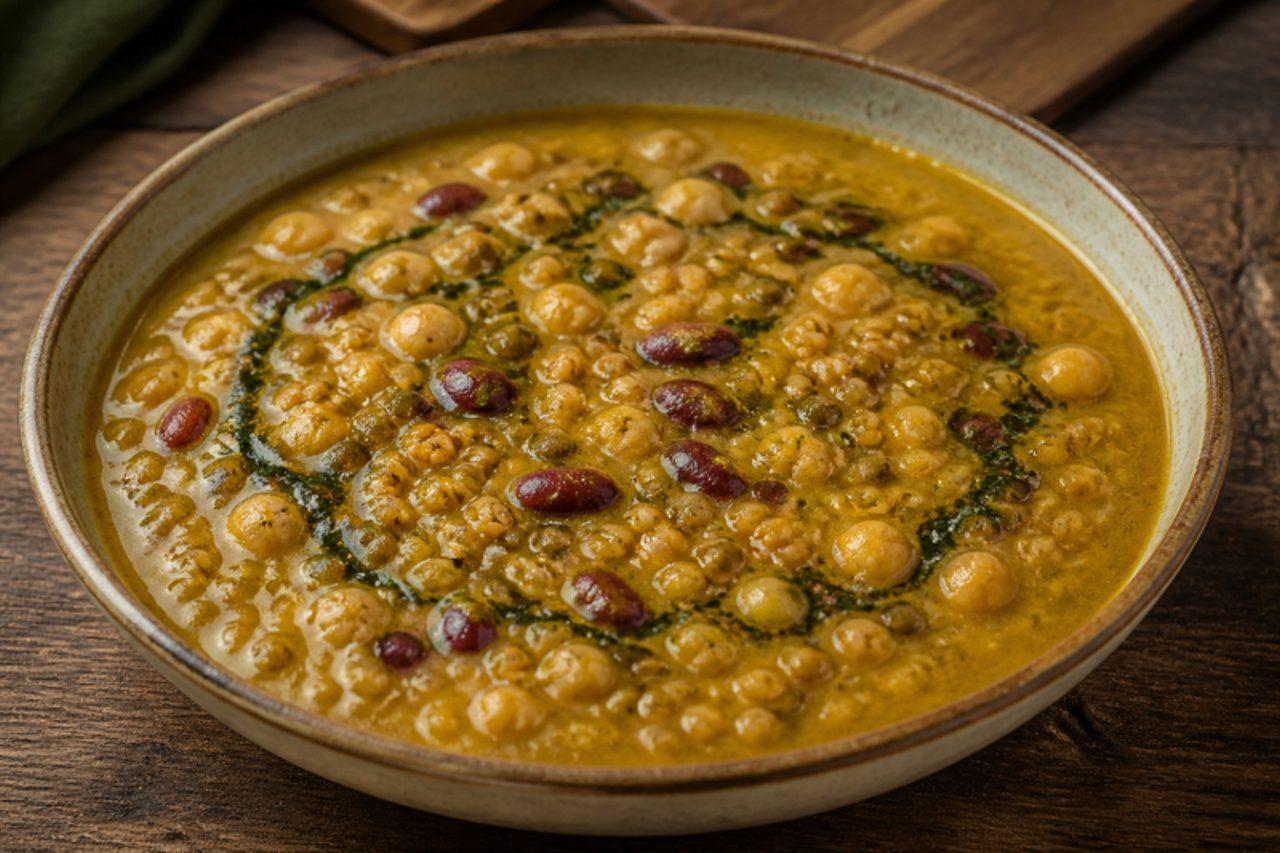
When an Iranian baby's first tooth appears, the family cooks a big pot of ash-e dandooni and shares it with relatives and neighbours, who return the bowl with a small gift for the baby. It is a hearty, mild soup of whole wheat, chickpeas, beans and lentils, eaten by the whole family; in some homes the little one gets the soft, mashed grains without salt or toppings. It is free of milk, egg, nuts and soya and contains gluten (wheat). Chef's tip: soak the wheat and pulses together overnight, so everything cooks at the same speed.

120 minPersianSoupsVegan
by KrazyBadal 0 views

Fliegenpilz-Eier (toadstool eggs)

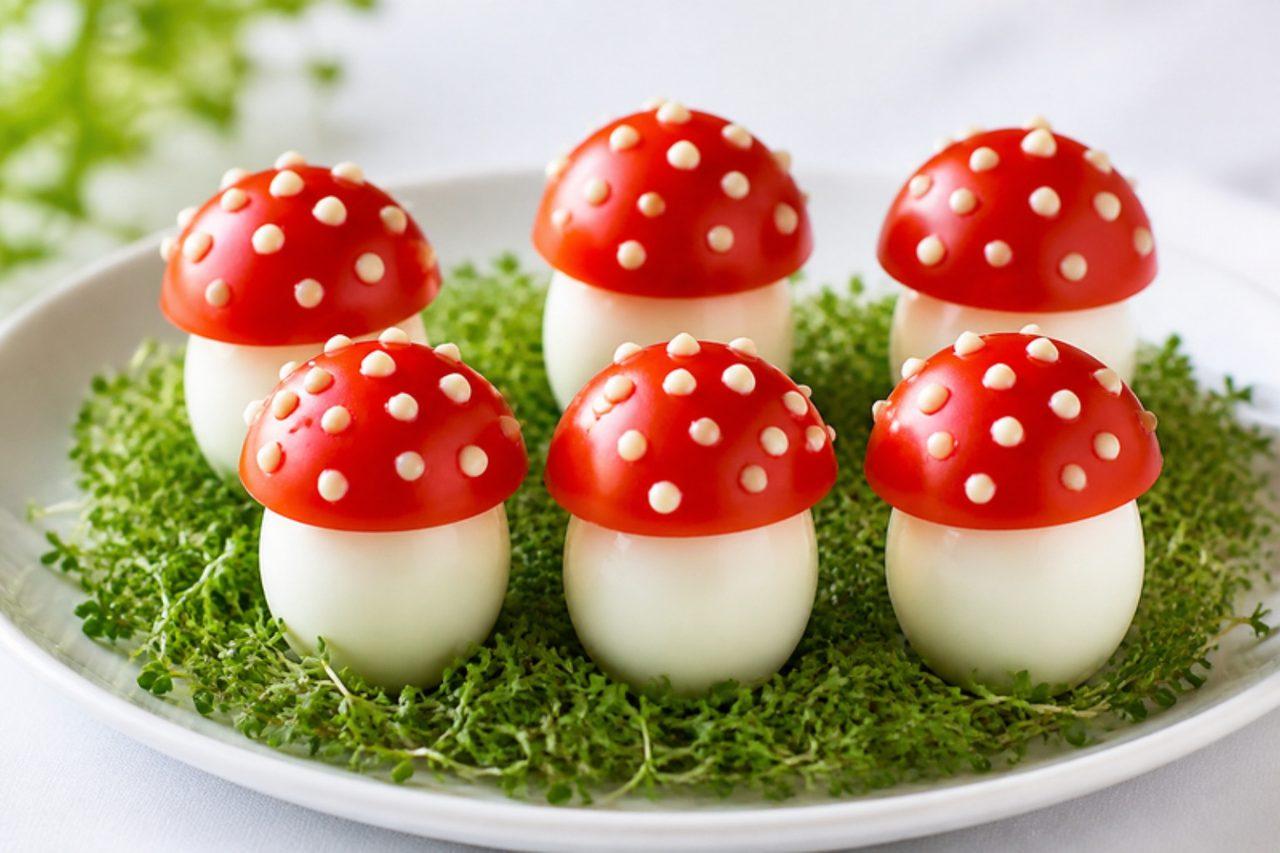
German children's birthday parties and Easter tables often feature a little forest of Fliegenpilz-Eier: hard-boiled eggs standing on cress, each wearing a red tomato cap dotted with mayonnaise like a fly agaric toadstool. Children love making them as much as eating them. They are meant for school-age children: for younger ones, cut the eggs and tomatoes into small pieces rather than serving them whole. Contains egg (also in the mayonnaise); free of gluten and milk. Chef's tip: slice a thin piece off the bottom of each egg so it stands steady.

by KrazyBadal 0 views

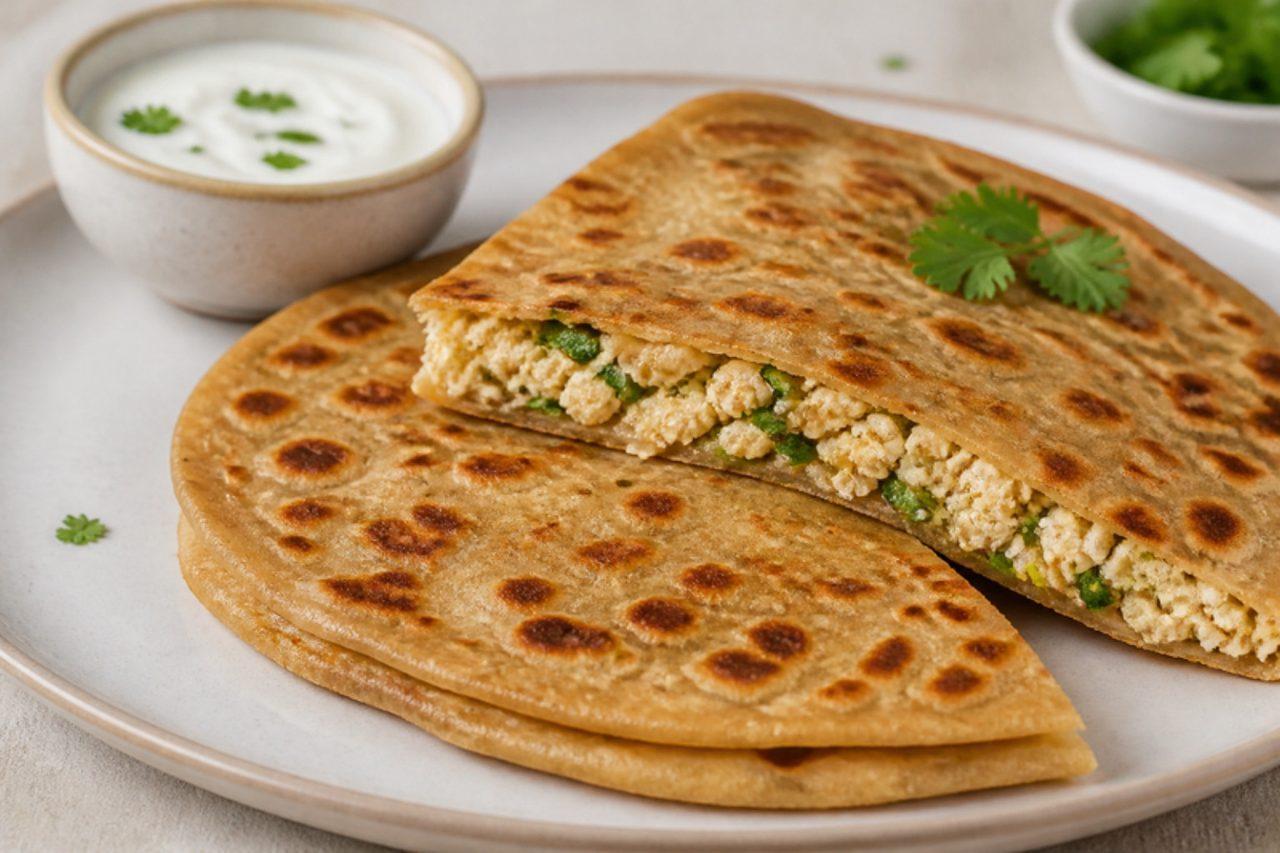
Dal paratha

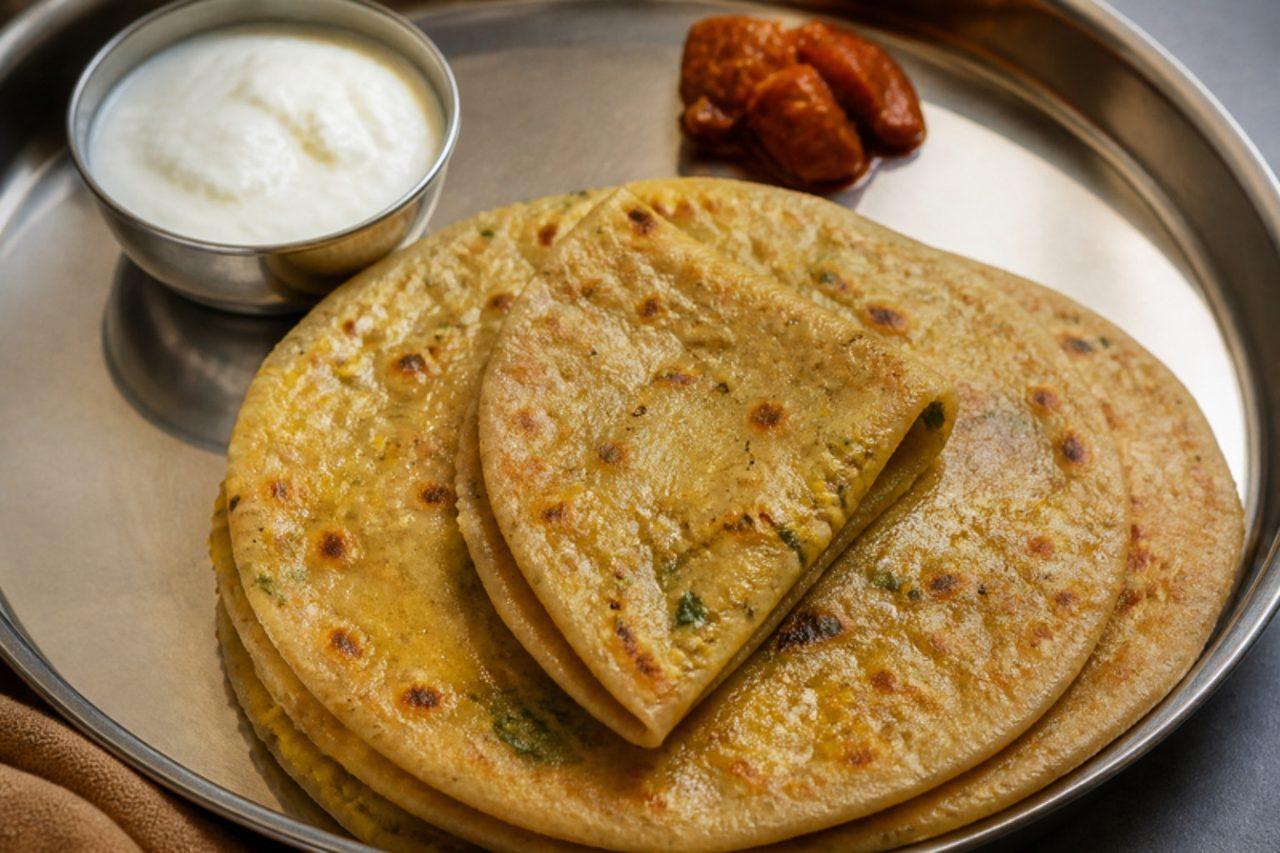
In north Indian kitchens, last night's thick dal rarely goes to waste: the next morning it is kneaded into wholewheat flour with ajwain and coriander and rolled into soft, savoury parathas for breakfast and the school tiffin. They are golden-flecked, faintly spiced and filling, and taste good cold with yoghurt or pickle. They contain gluten (wheat) and milk (ghee); use oil to make them dairy free. Chef's tip: add the dal before any water; it is often all the liquid the dough needs.

by KrazyBadal 0 views

Dubu buchim tofu fingers

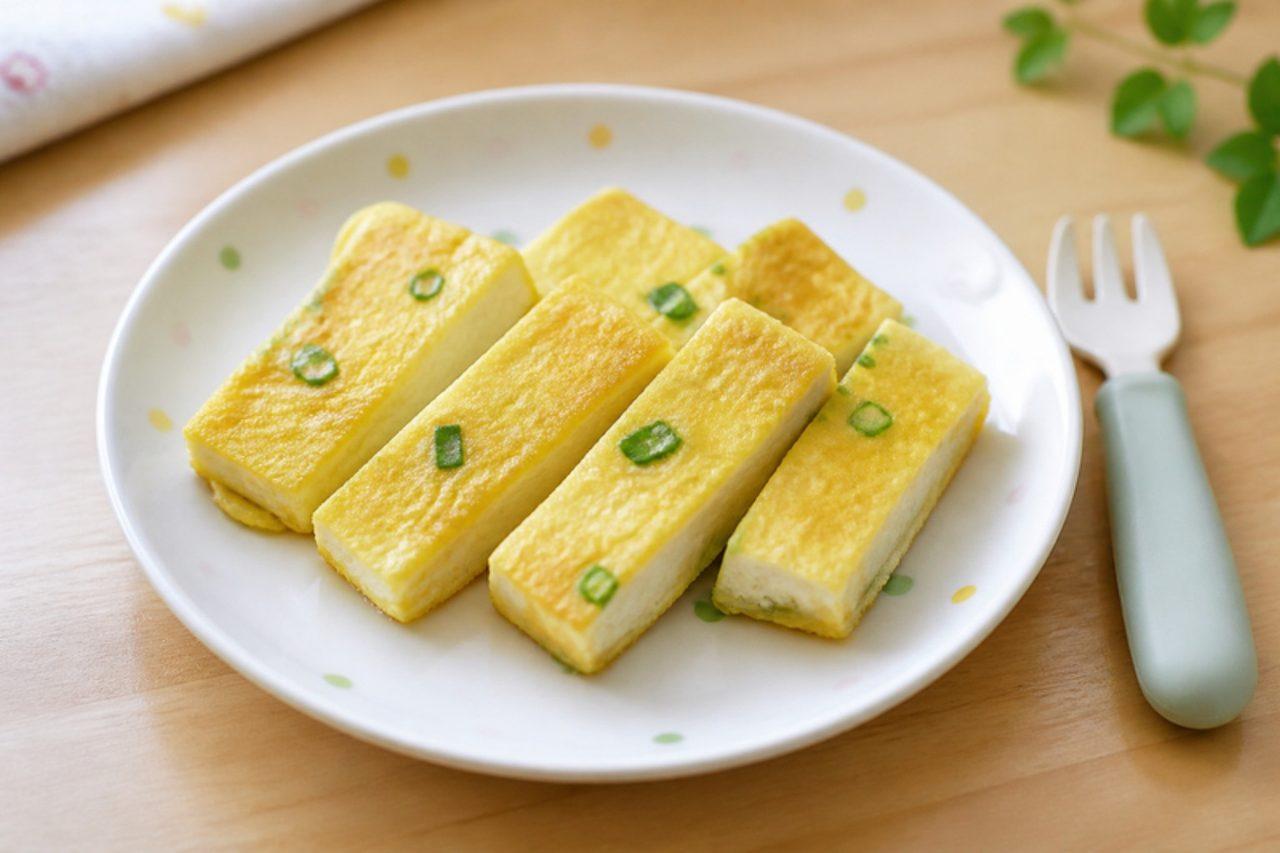
Dubu buchim, slices of tofu dipped in beaten egg and fried until golden, is an everyday Korean banchan, and families cut it into fingers for babies from about nine months to hold and gum. The outside is lightly crisp and the inside custard-soft, with a mild, nutty flavour. For babies it is made without salt, soy sauce or the usual sesame-soy dip; older children and adults can add the dip at the table. It contains soya and egg. Chef's tip: press the tofu well first, so it fries rather than steams and the egg coating sticks.

by KrazyBadal 0 views

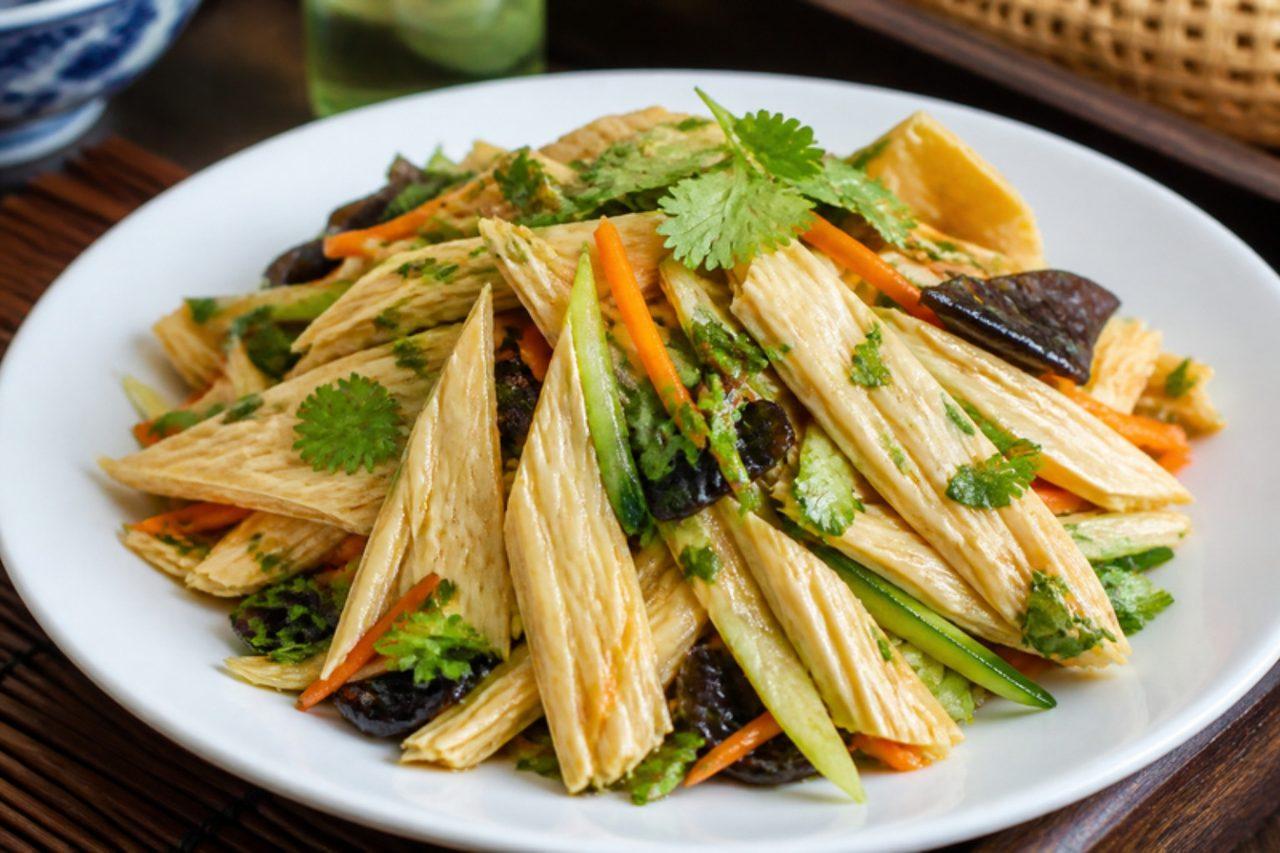
Liangban fuzhuTofu skin and cucumber salad

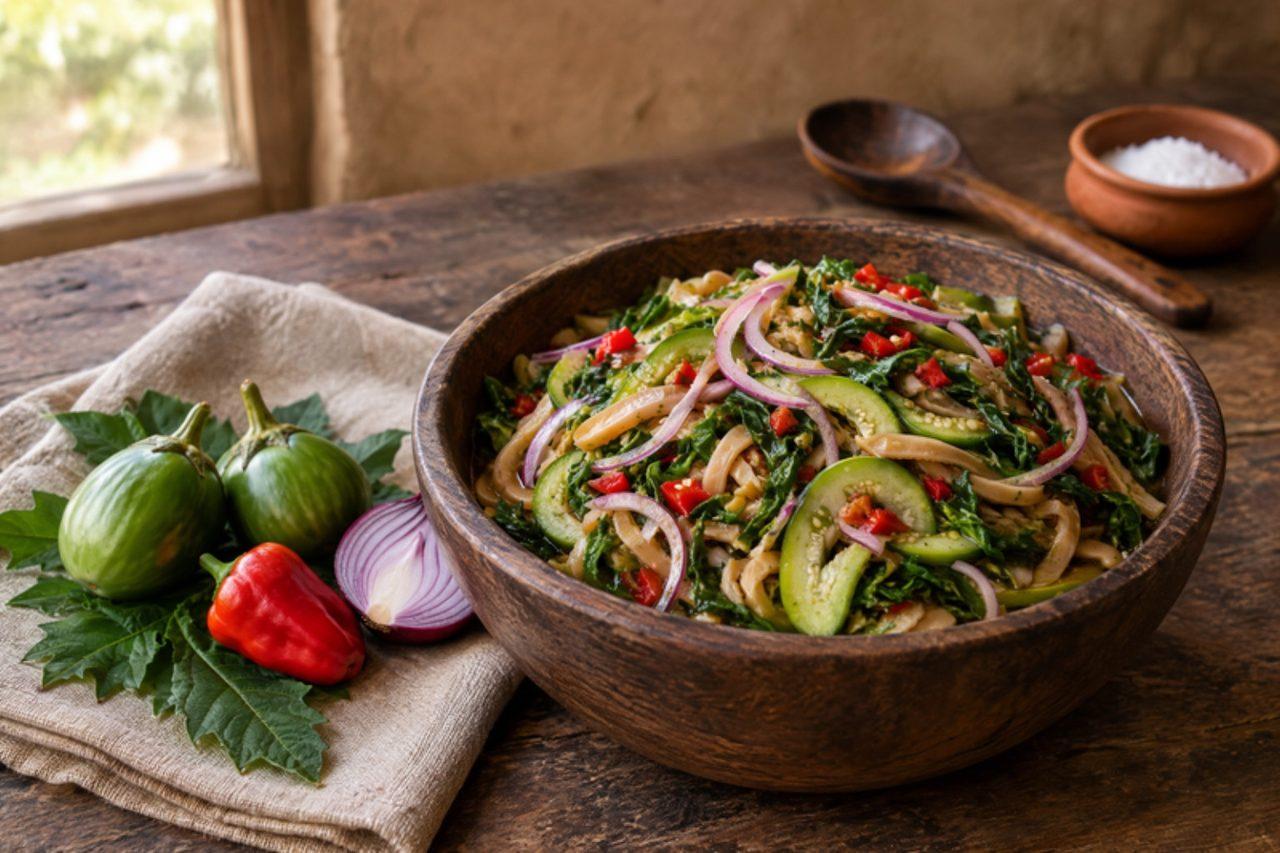
Fuzhu, the dried sticks made from the skin that forms on simmering soy milk, are a pantry staple in Guangxi and Sichuan and in Buddhist vegetarian kitchens across China. Soaked until soft and chewy, they are tossed in this cold dish with cucumber, carrot and wood ear in a dressing of garlic, vinegar and sesame oil, served in summer with rice or noodles. It is high in protein and very satisfying. A portion is about 170 kcal. Soak the fuzhu in cold water for 2–3 hours or overnight, not counted in the times. The common mistake is soaking in hot water, which leaves the outside mushy and the centre hard. Chef's tip: blanch the soaked sticks briefly; it cleans off the beany taste and makes them softer and juicier.

by KrazyBadal 0 views

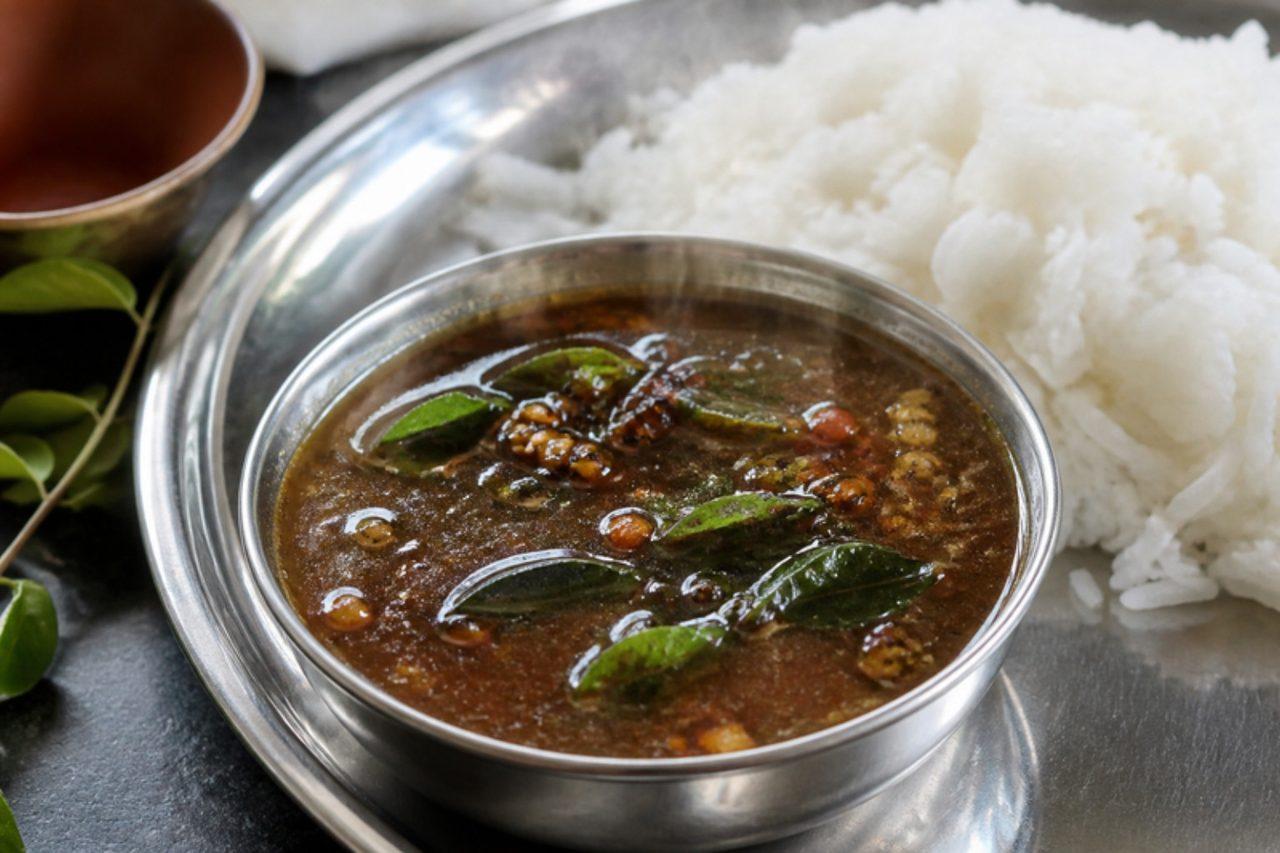
UlavacharuHorse gram soup

Horse gram (ulavalu) was once the grain fed to horses and the poorest farmers in the dry Rayalaseema and Krishna districts; today ulavacharu is a prized dish in Vijayawada restaurants, served with hot rice, a dot of ghee for those who eat it and fresh cream in the fancier places. The beans are boiled for a long time, and their dark, earthy cooking liquid is simmered down with tamarind, jaggery and spices into a thick, glossy, sweet-sour soup. A portion is about 210 kcal. The beans need soaking overnight first. The most common mistake is throwing away the cooking water: it is the soup. Chef's tip: let ulavacharu reduce slowly until it coats a spoon like thin gravy; that thick, almost syrupy finish is what separates it from rasam.

by KrazyBadal 0 views

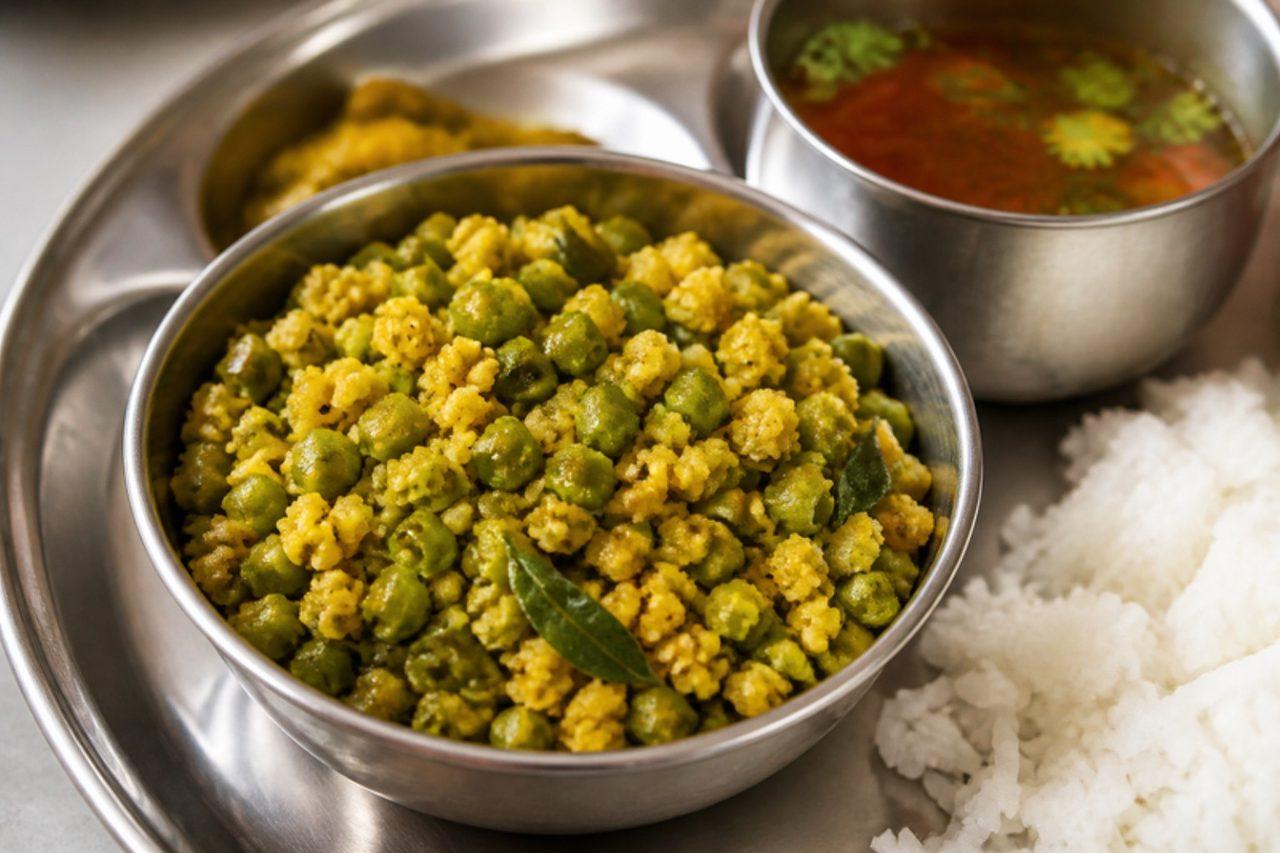
Paruppu usiliGreen beans with crumbled lentils

Paruppu usili is a Tamil Brahmin speciality, the dry dish that sits beside more kuzhambu or rasam on a Thanjavur lunch leaf at weddings and at home: chana and toor dal are soaked, ground coarsely with red chilli, steamed into a cake, crumbled, then fried with finely chopped green beans until the crumbs turn golden and crisp in places. The result is nutty, spicy and full of protein. A portion is about 220 kcal. The dals soak for 1 hour first (not counted in the times). The mistake most people make is grinding the dal to a smooth paste; it should be coarse like semolina, or the usili turns into lumps instead of crumbs. Chef's tip: steam the ground dal before frying, rather than frying it raw; it crumbles perfectly and needs far less oil.

by KrazyBadal 0 views

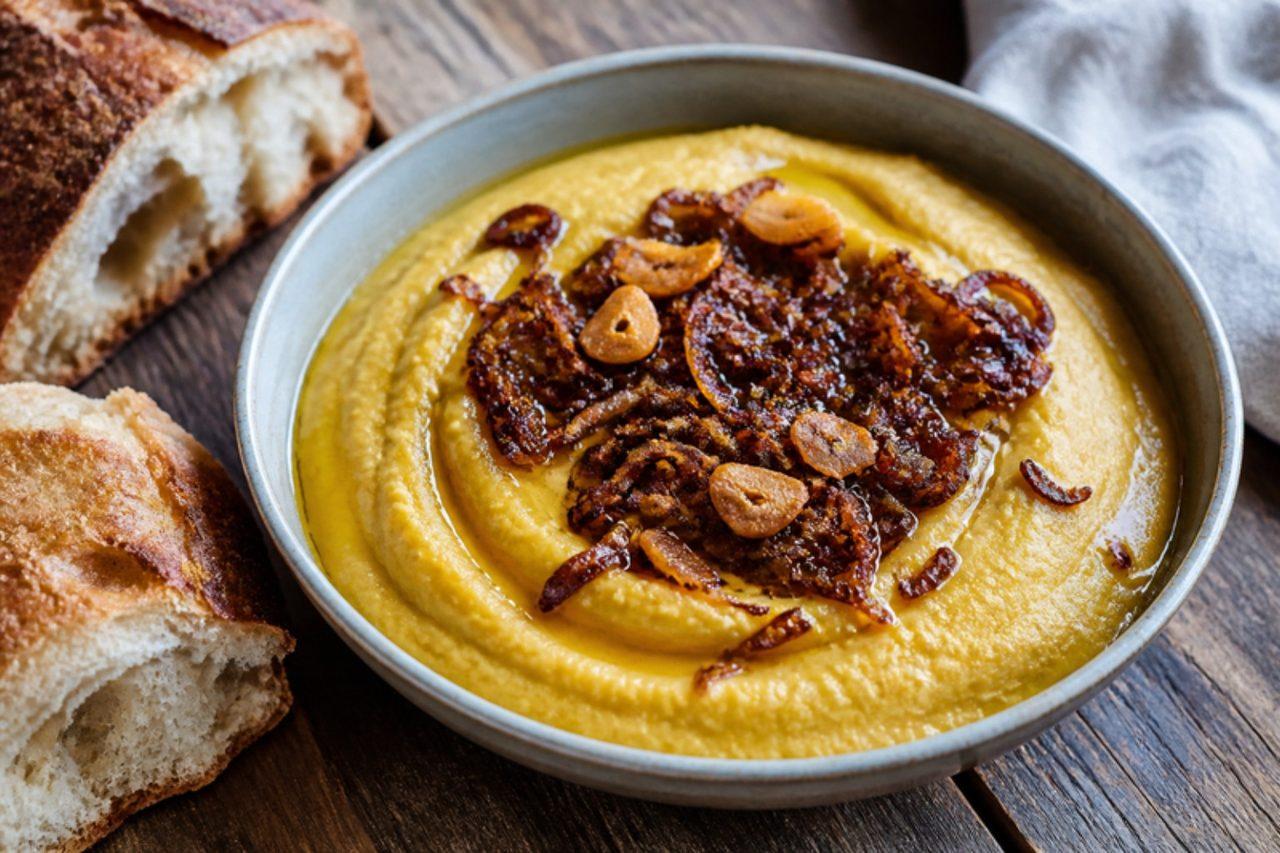
Sárgaborsó-főzelékSplit pea purée

In Hungarian homes split yellow peas are winter food, and on New Year's Day many families in Budapest eat this thick purée (or lentils) for luck in the coming year. The peas collapse into a smooth, earthy mash flavoured with bay and garlic, and a crown of onions fried until dark gold gives sweetness and crunch. It is usually served beside sausage, but this version is fully vegan and makes a filling meal with fresh bread and pickled cucumbers. Chef's tip: let the onions go slowly to a deep brown in plenty of oil and pour that oil over the purée too, because it carries most of the flavour. Pale, hurried onions are the usual mistake.

by KrazyBadal 0 views

Moong dal chillaMoong dal pancakes

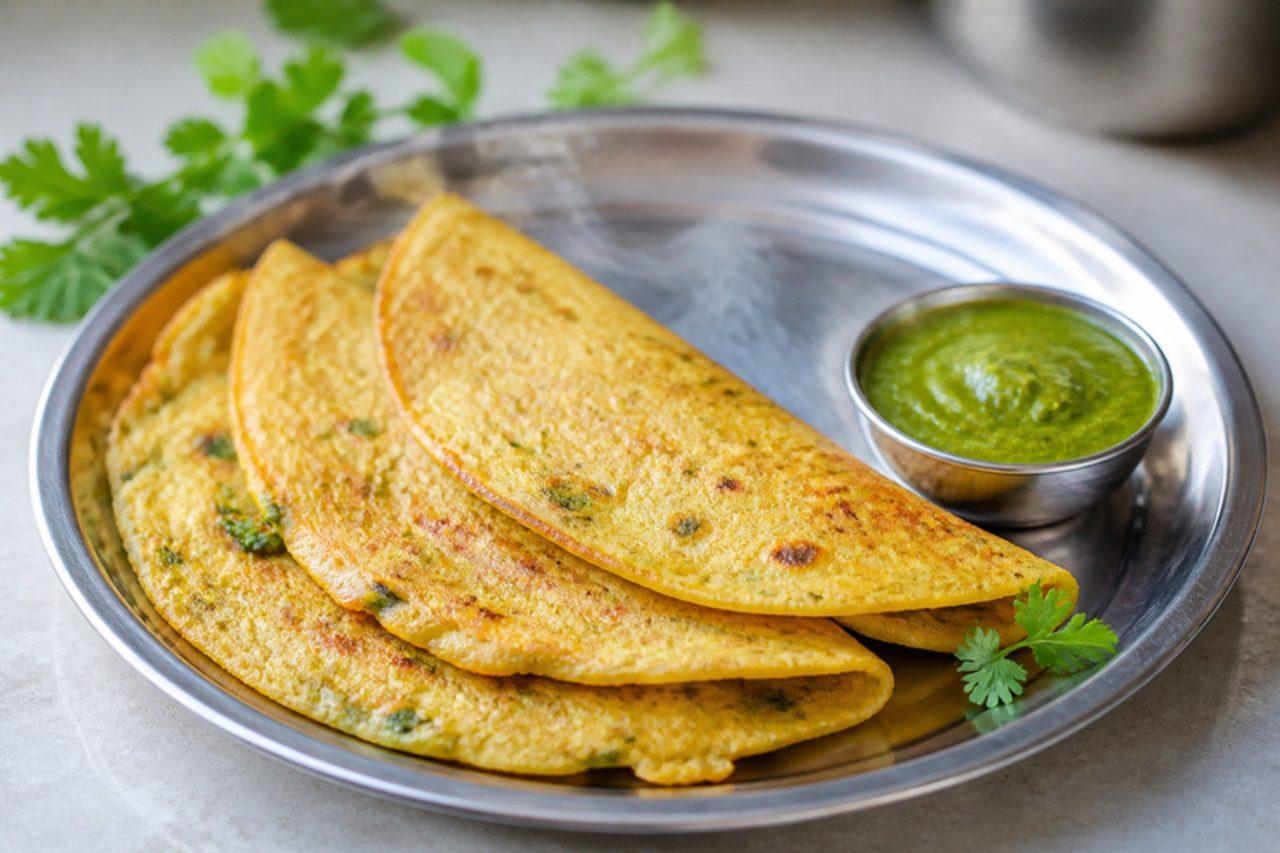
In Jaipur and Lucknow, a stack of chilla is what a careful mother makes on a weekday morning when she wants the family to eat protein before school: soaked yellow moong dal is ground with ginger and chilli into a pale batter and spread thin on a hot tawa. They come off golden at the edges and soft in the middle, and are eaten with green chutney or rolled around a spoon of grated paneer for those who want more. Two chillas make a portion of about 205 kcal. The dal needs 3 hours of soaking first (or overnight), which is not counted in the times. The most common mistake is a batter that is too thick: it should pour like single cream, or the chilla turns stodgy and cracks when you flip it. Chef's tip: wipe the tawa with a halved onion dipped in oil between chillas; it greases the pan lightly and stops sticking without extra oil.

by KrazyBadal 0 views

Gomoku mameSimmered mixed beans

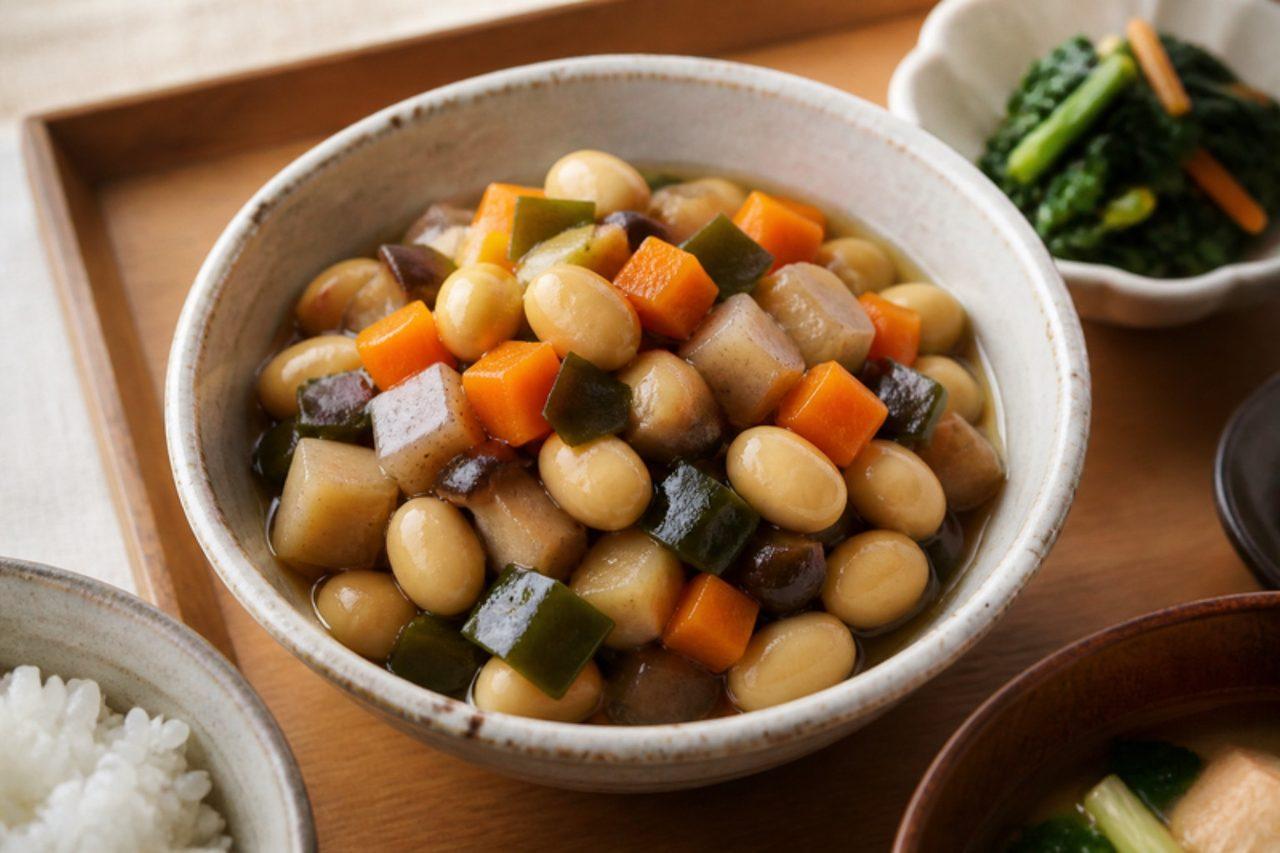
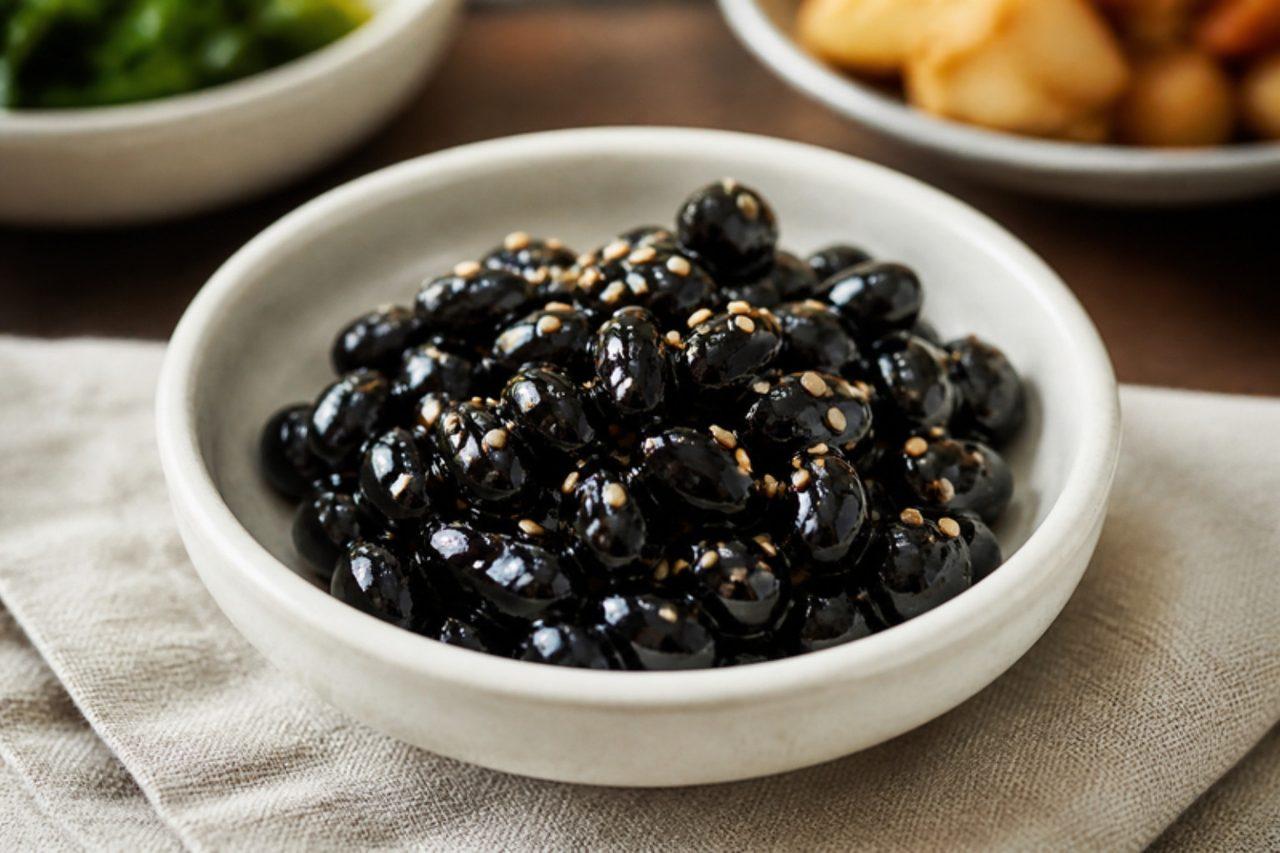
Gomoku mame, "five-ingredient beans", is a pot of soybeans simmered with kombu, carrot, burdock, konnyaku and shiitake that grandmothers across Japan make on a Sunday and keep in the fridge for a week of small side dishes and bento, and it is often part of the New Year spread too. Every piece is cut to the size of a bean, so each spoonful has a little of everything, sweet, savoury and full of protein. This is vegetarian, with no bonito. A portion is about 150 kcal. Using cooked soybeans makes it a 45-minute dish; from dried, soak 150 g overnight and boil for 1 hour first. The usual mistake is cutting the vegetables in large chunks; they should be the size of the beans. Chef's tip: let it cool in its broth; the beans soak up the flavour as the temperature drops.

by KrazyBadal 0 views

KongguksuCold soybean noodle soup

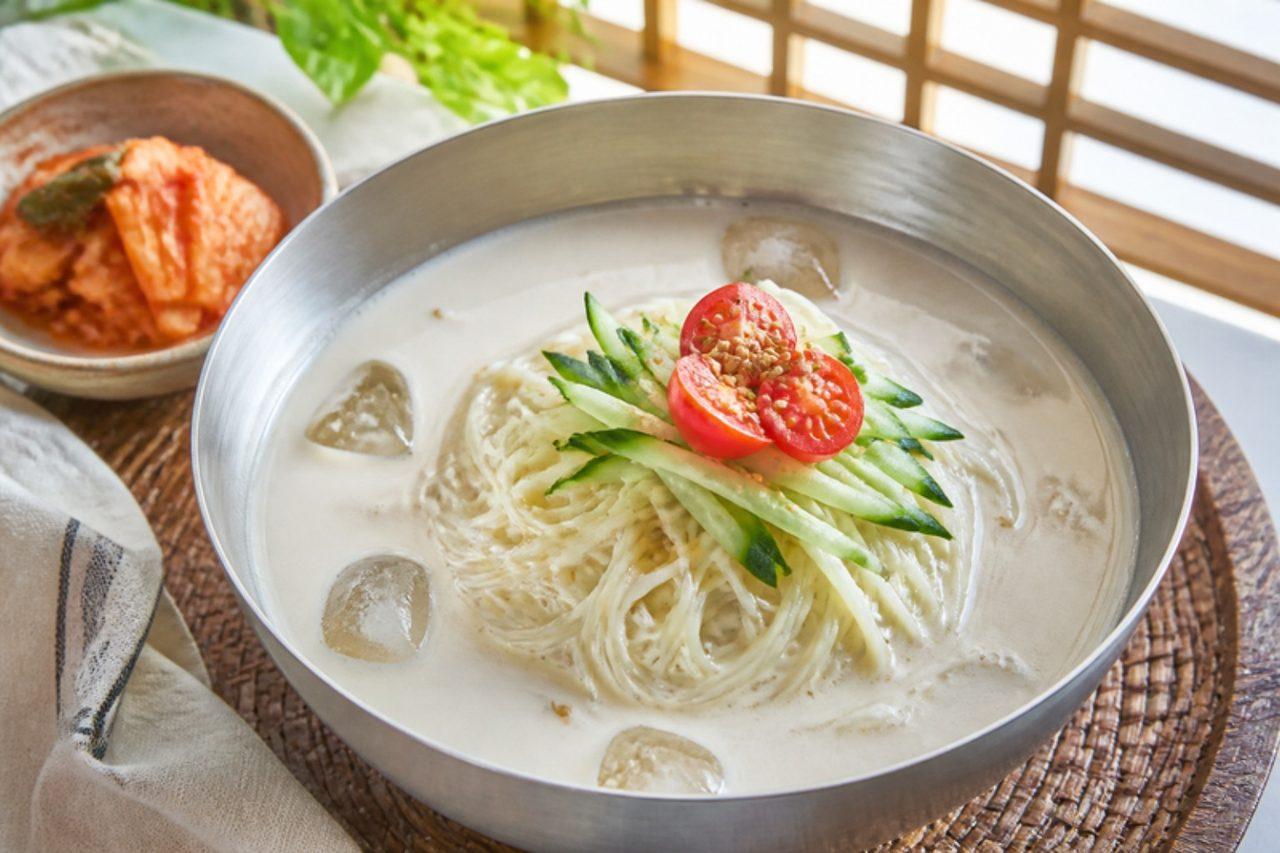
When the monsoon heat settles over Seoul in July, queues form outside old noodle houses near City Hall for kongguksu: thin wheat noodles in an ice-cold, thick, nutty broth of soybeans boiled and blended with their skins, topped with cucumber and sesame. It is plain, rich and very cooling, and people season it at the table with salt (in Seoul) or sugar (in Jeolla). A bowl is about 520 kcal, a full meal with plenty of protein. Soak the soybeans overnight first, not counted in the times. The most common mistake is overboiling the soybeans, which gives a fermented, "meju" smell; boil them for exactly 10–12 minutes and taste one: it should be cooked but not soft. Chef's tip: blend a handful of pine nuts or toasted sesame with the beans; it makes the broth even creamier.

by KrazyBadal 0 views

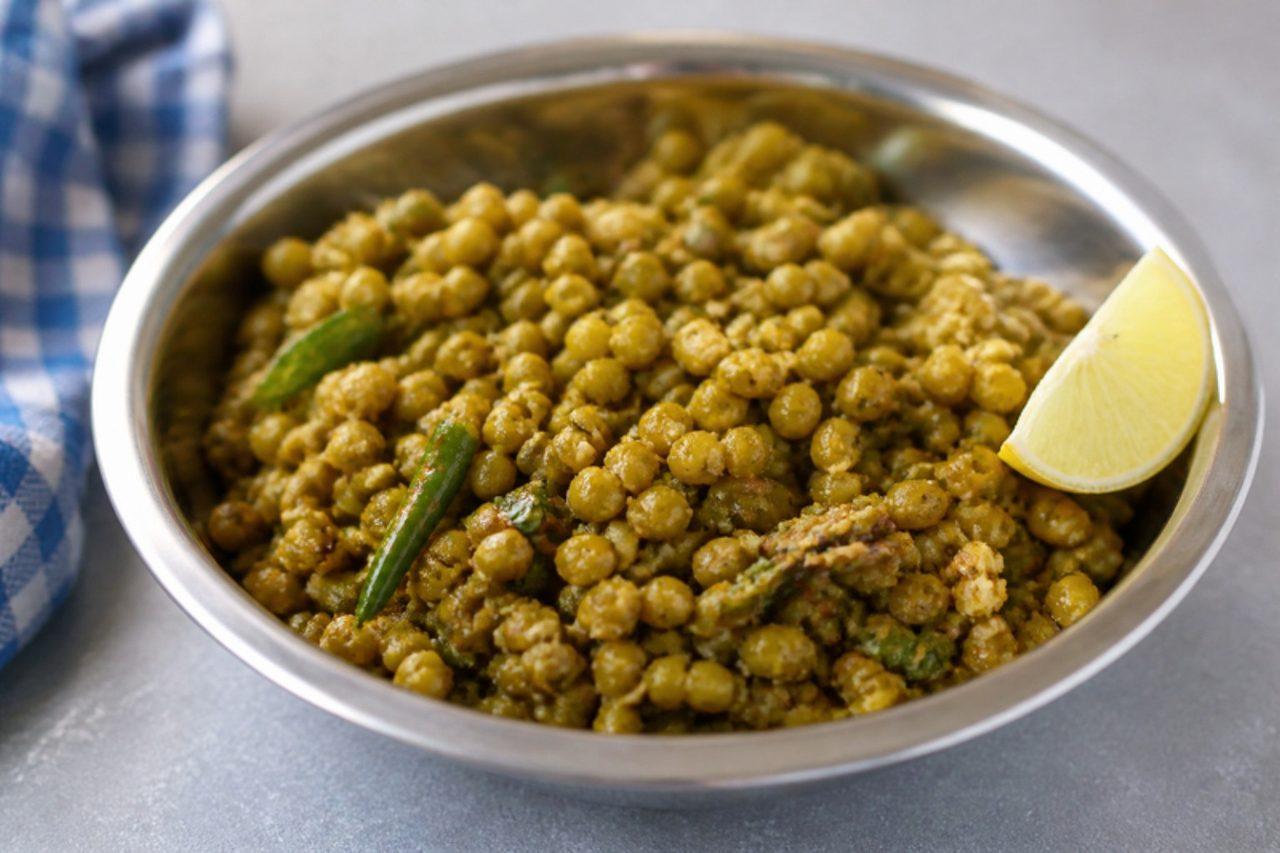
Sukhe kale chaneDry black chickpeas

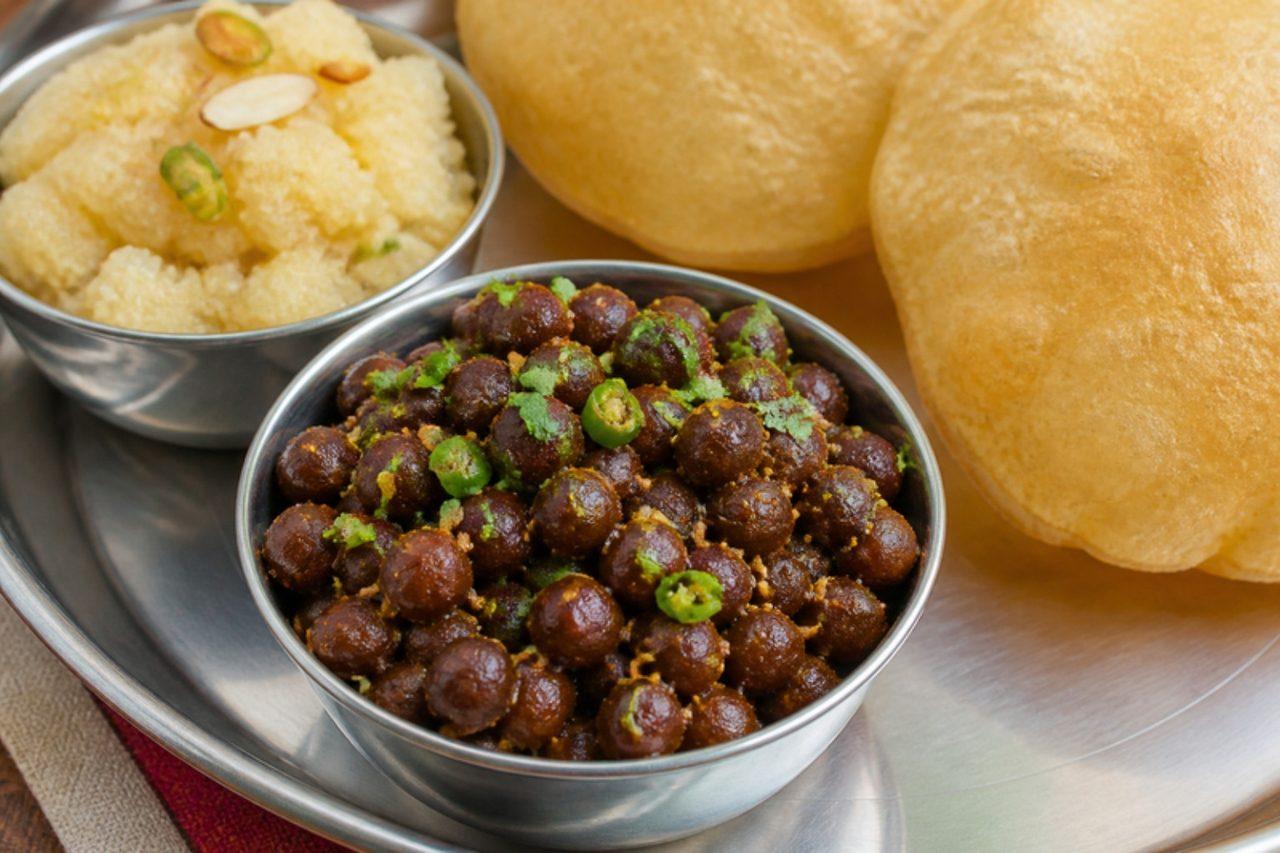
On Ashtami, the eighth day of Navratri, homes in Delhi, Punjab and Uttar Pradesh invite young girls for kanjak puja and feed them puri, sooji halwa and these dry black chickpeas, cooked without onion or garlic. The kala chana are boiled until tender and then tossed in a hot, dry masala of cumin, coriander, amchur and green chilli until every chickpea is coated and the edges catch slightly. Outside festivals they make a protein-rich side or a snack with a squeeze of lemon. A portion is about 240 kcal. Soak the chickpeas overnight first. The common mistake is undercooking them: black chickpeas need longer than white, and should squash easily between two fingers. Chef's tip: keep 3 tablespoons of the cooking water and add it with the spices; it helps the masala cling to each chickpea.

by KrazyBadal 0 views

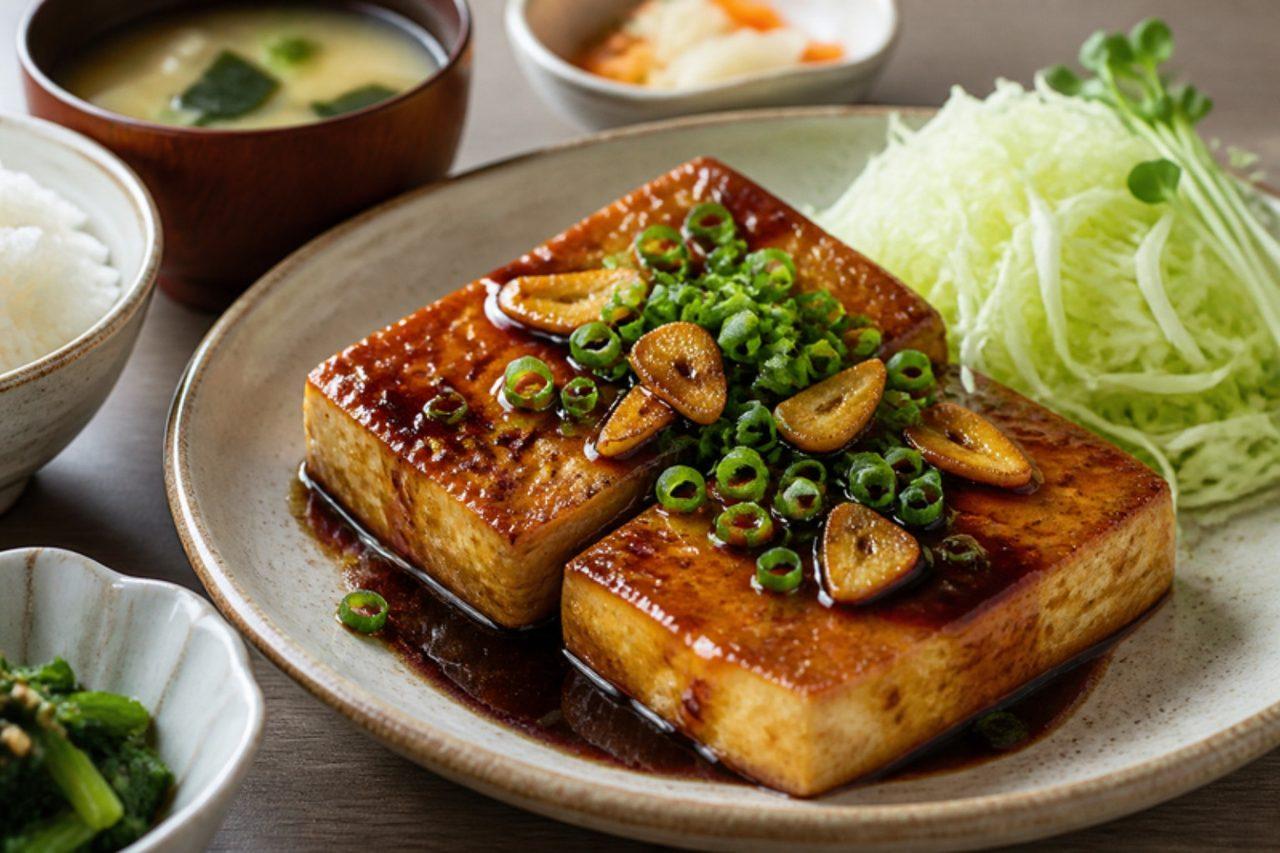
Tofu steak

Tofu steak became a family-restaurant and home favourite across Japan in the health-food boom of the 1980s, and it is still how many Tokyo households get a quick, light main dish on the table: thick slabs of firm tofu dusted with potato starch, seared until golden, then glazed in a garlicky soy, mirin and sugar sauce until sticky. Serve with rice, shredded cabbage and miso soup. A portion is about 260 kcal. The common mistake is skipping the pressing, so the tofu spits in the pan and won't brown; press it for 10 minutes first. Chef's tip: add the sauce only once both sides are golden, and let it bubble down for just a minute so it coats rather than soaks.

by KrazyBadal 0 views

BabfőzelékCreamy white bean stew

Babfőzelék is what cooks in Transdanubian villages and Budapest workers' canteens make on Fridays and in the cold months, when a pot of dried white beans goes a long way. The beans cook until creamy, then a garlicky paprika roux thickens the liquid, a splash of vinegar makes it tangy and sour cream softens it. Served with a slice of rye bread or a fried egg, it is a hearty meat-free lunch. Soak the beans overnight first. Chef's tip: add salt and vinegar only once the beans are completely soft; acid in the pot early keeps the skins tough no matter how long they cook.

by KrazyBadal 0 views

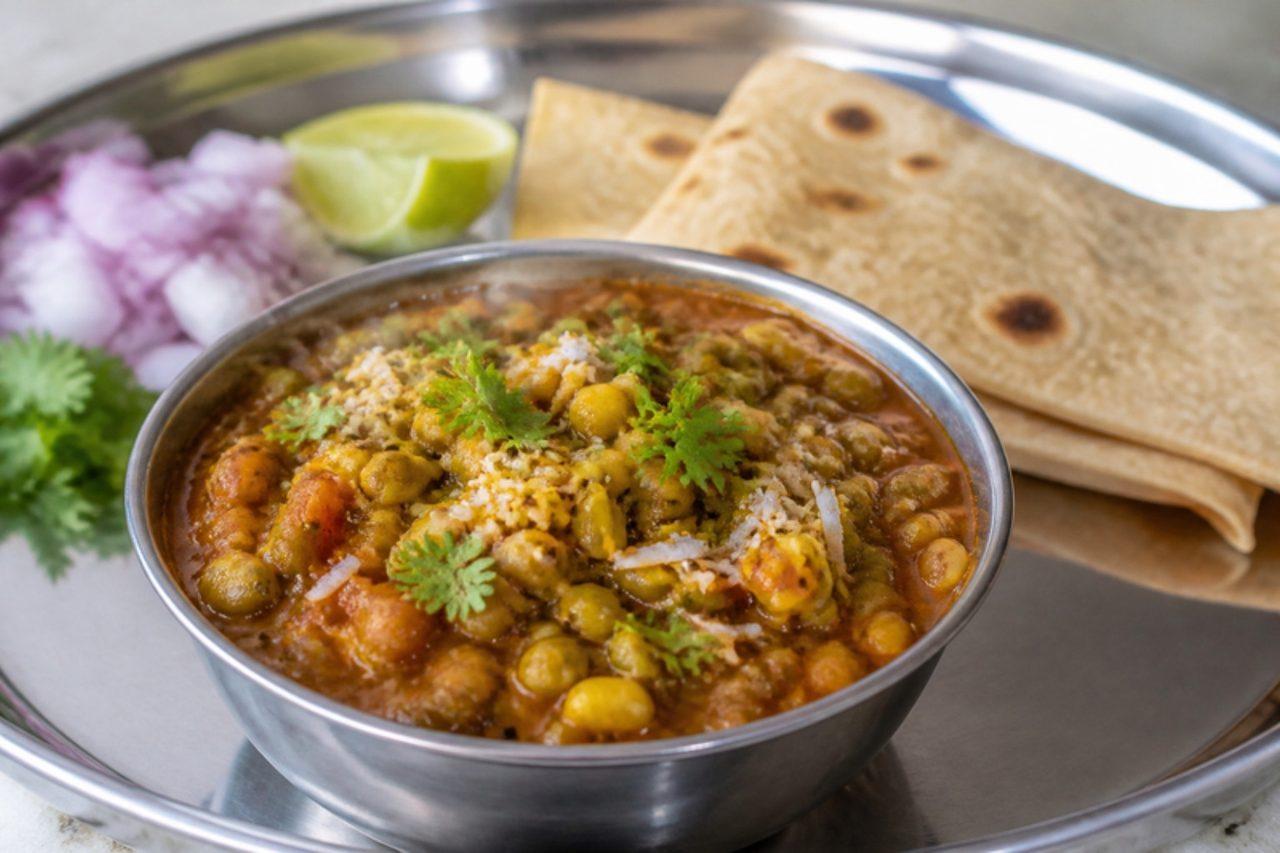
Matki usalSprouted moth bean curry

Every Marathi kitchen from Pune to Kolhapur keeps a jar of matki, the small brown moth beans, sprouting on the counter, and a bowl of usal is what turns up with chapati or bhakri at a weekday lunch, or topped with farsan as misal on Sundays. The sprouts stay slightly firm in a thin, spicy gravy flavoured with goda masala, the sweet-smoky spice mix of Maharashtra, and a little fresh coconut. A portion is about 230 kcal. Sprouting takes 2 days (soak overnight, then leave wrapped in a cloth for 24–36 hours), which is not counted in the times. The common mistake is overcooking the sprouts until they split and go mushy; they should hold their shape and still have a slight bite. Chef's tip: add a teaspoon of jaggery and a few kokum petals at the end; the gentle sweet-sour balance is what makes usal taste Maharashtrian.

by KrazyBadal 0 views

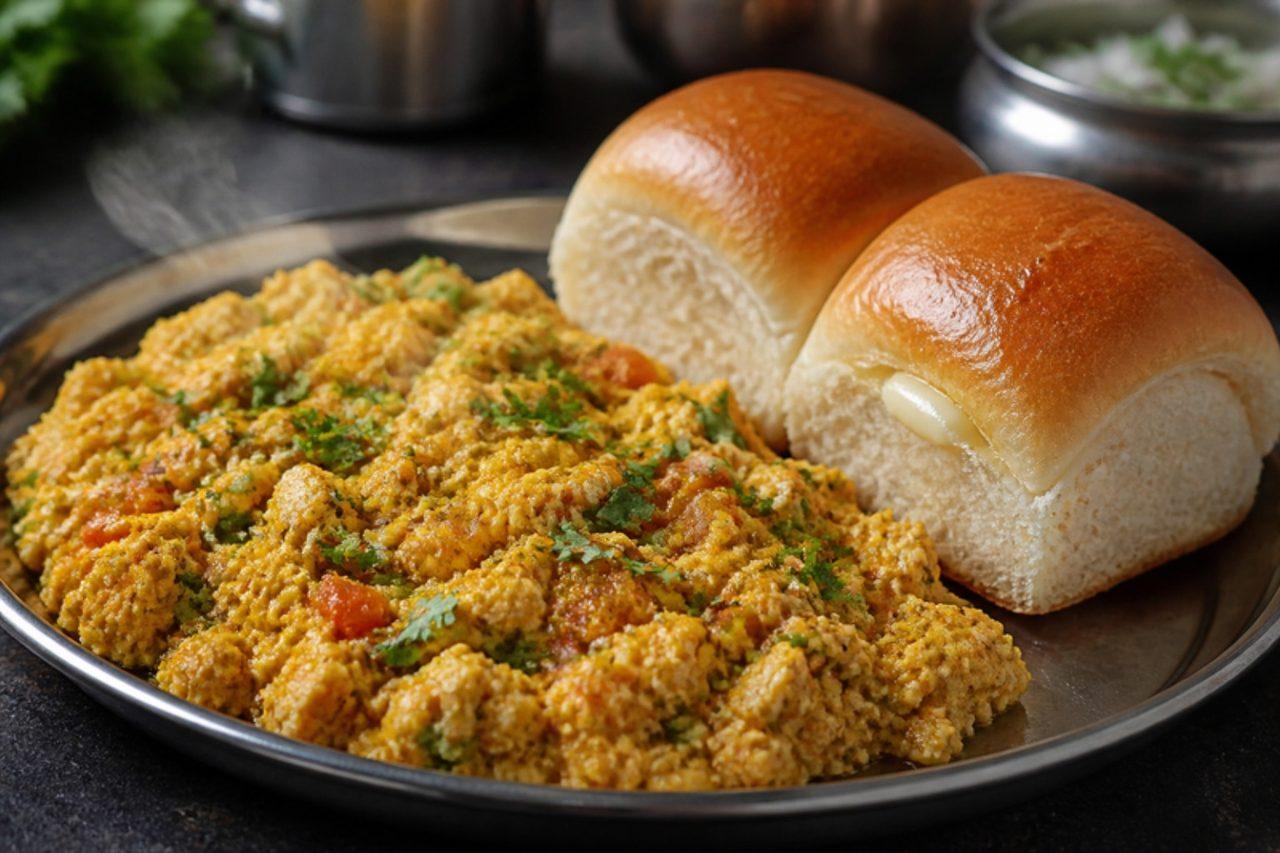
Anda bhurjiSpiced scrambled eggs

Late at night outside Mumbai railway stations, bhurji-pav carts scramble eggs on huge tawas with onion, tomato, chilli and a shake of pav bhaji masala, and the same dish is the Sunday breakfast in homes across North India. The eggs are cooked soft and moist with the masala, not dry, and scooped up with buttered pav or folded into a paratha. Eggs are a common allergen. A portion of two eggs is about 240 kcal. The most common mistake is cooking the eggs on a high flame until rubbery; once they go in, turn the heat to low and take them off while they still look slightly wet. Chef's tip: cook the onion and tomato masala until it is soft and jammy before the eggs go in; that is where all the flavour comes from.

by KrazyBadal 0 views

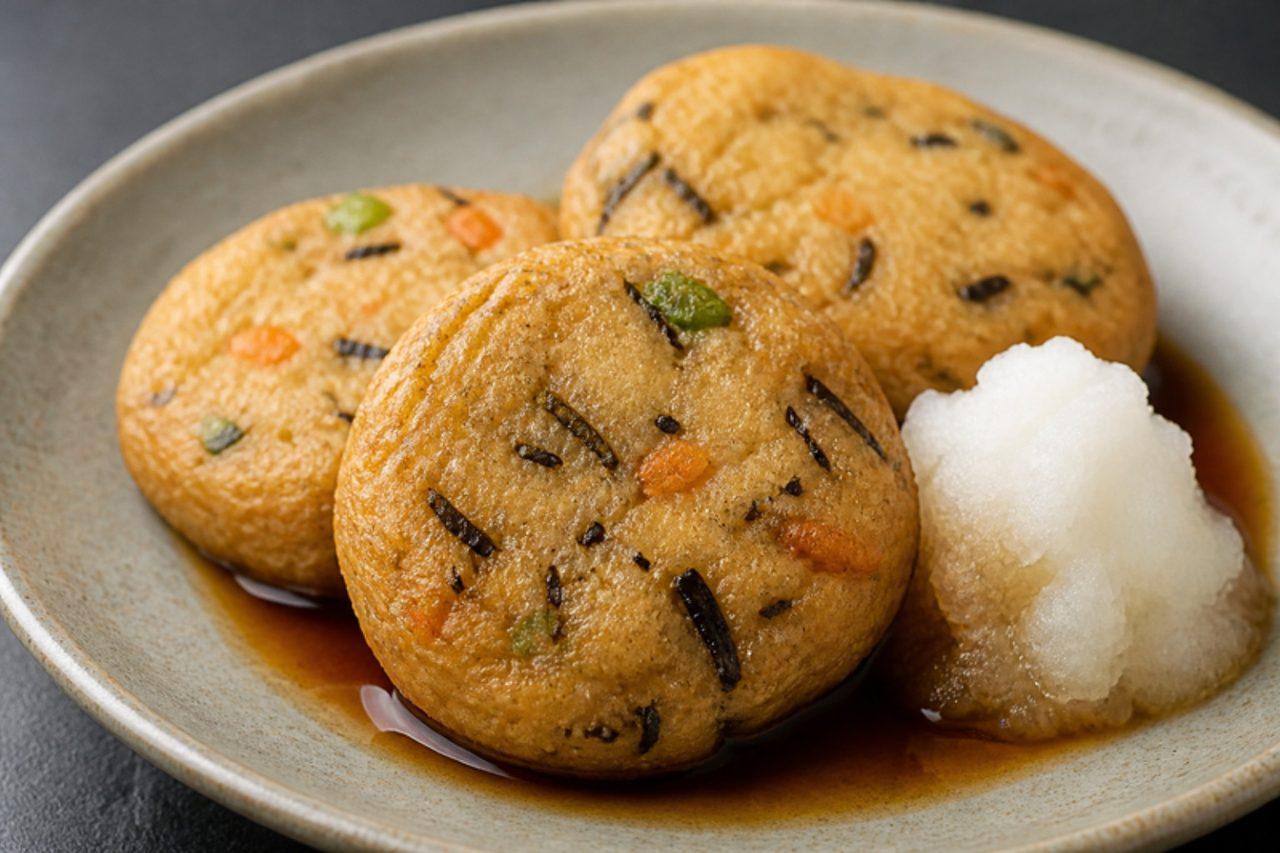
UnohanaSimmered okara with vegetables

Okara, the soft white pulp left after making soy milk and tofu, is sold for pennies in Kyoto tofu shops, and grandmothers turn it into unohana, named after the white deutzia flowers that bloom in early summer: the pulp is simmered with carrot, shiitake, fried tofu, konnyaku and spring onion in sweet soy dashi until moist and fluffy. It is a side dish for rice and a classic of frugal, high-fibre home cooking. Many homes add a little chicken; this version is vegetarian, with kombu-shiitake dashi. A portion is about 140 kcal. The most common mistake is cooking it dry and crumbly; it should be moist enough to hold together when pressed with chopsticks, so don't skimp on the broth. Chef's tip: dry-fry the okara in the pan for a few minutes first; it loses its beany smell and absorbs the seasoning better.

by KrazyBadal 0 views

Yaki atsuageGrilled thick fried tofu

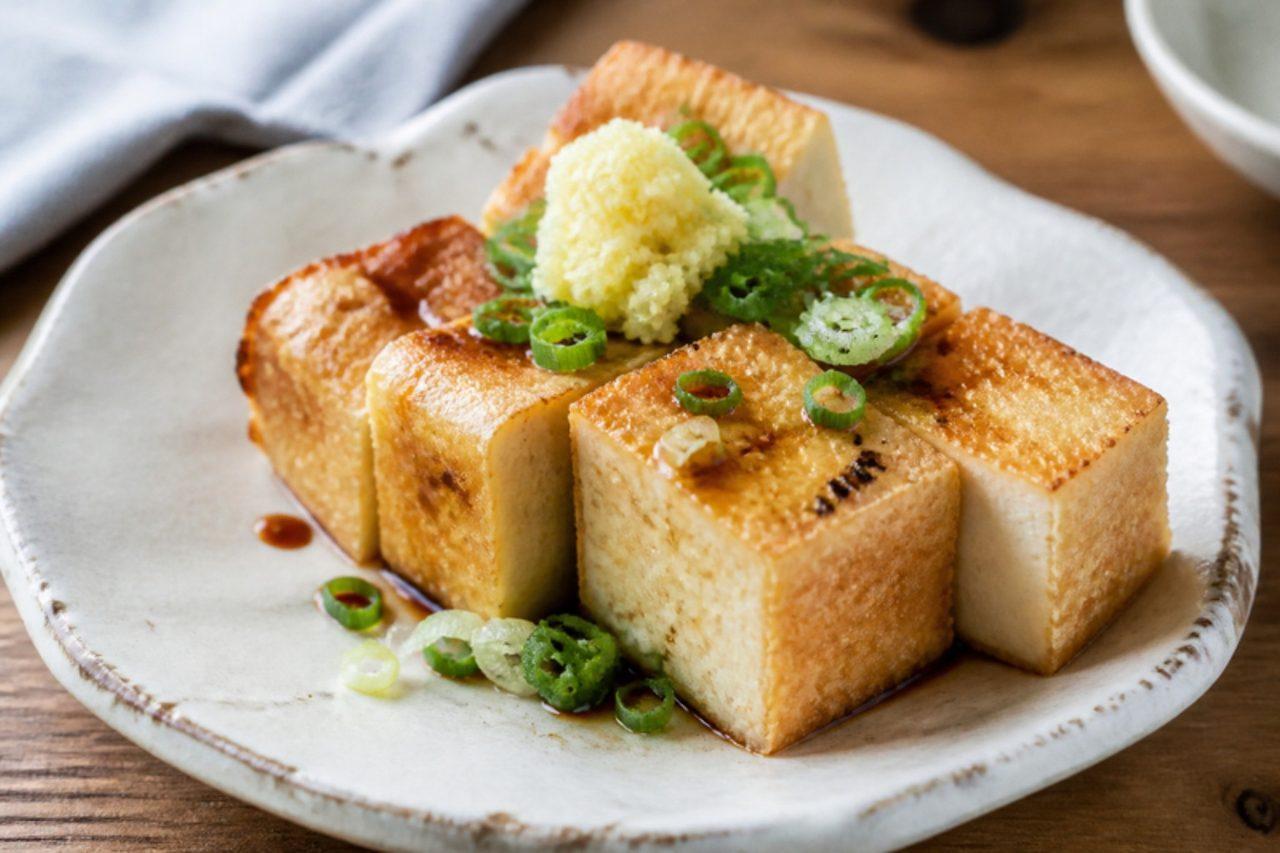
Atsuage, thick blocks of tofu deep-fried on the outside and soft and white within, sit in every supermarket chiller in Japan, and grilling them until crisp is one of the fastest dinners there is: an izakaya favourite in Tokyo and an easy dish at home when there is nothing else in. The block is grilled until the skin crackles, cut into cubes and topped with grated ginger, spring onion and a few drops of soy. A portion is about 190 kcal. The common mistake is grilling it in oil; atsuage is already fried, so a dry pan is all it needs. Chef's tip: pour boiling water over the block and pat it dry before grilling; it removes stale oil and the skin crisps up much better.

by KrazyBadal 0 views

Chana sundalChickpea coconut stir-fry

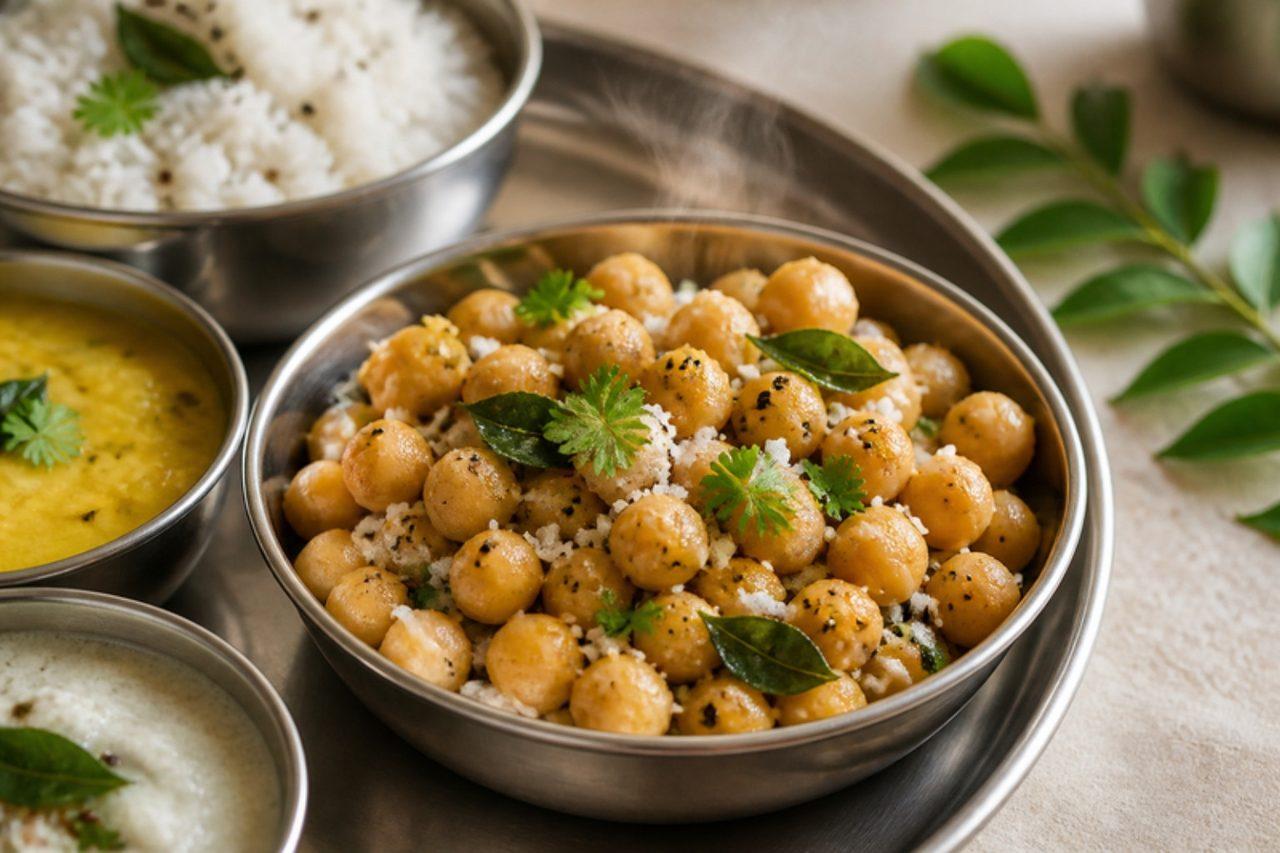
On the sand of Chennai's Marina Beach, vendors sell sundal in paper cones at sunset, and during the nine nights of Navaratri every Tamil home makes a different sundal to offer at the golu doll display and hand out to visiting neighbours. This one is chickpeas tossed in a hot tempering of mustard seeds, urad dal, dried chilli and curry leaves, finished with fresh coconut and a squeeze of lime. A portion is about 190 kcal. Using cooked or tinned chickpeas keeps it under 20 minutes; if you start from dried, soak 120 g overnight and pressure-cook them until soft. The common mistake is wet, mushy chickpeas, which make the coconut clump; drain them well and let them steam dry for a few minutes. Chef's tip: add the coconut off the heat; cooked coconut loses its fresh, milky sweetness.

by KrazyBadal 0 views

Kik watSpiced split pea stew

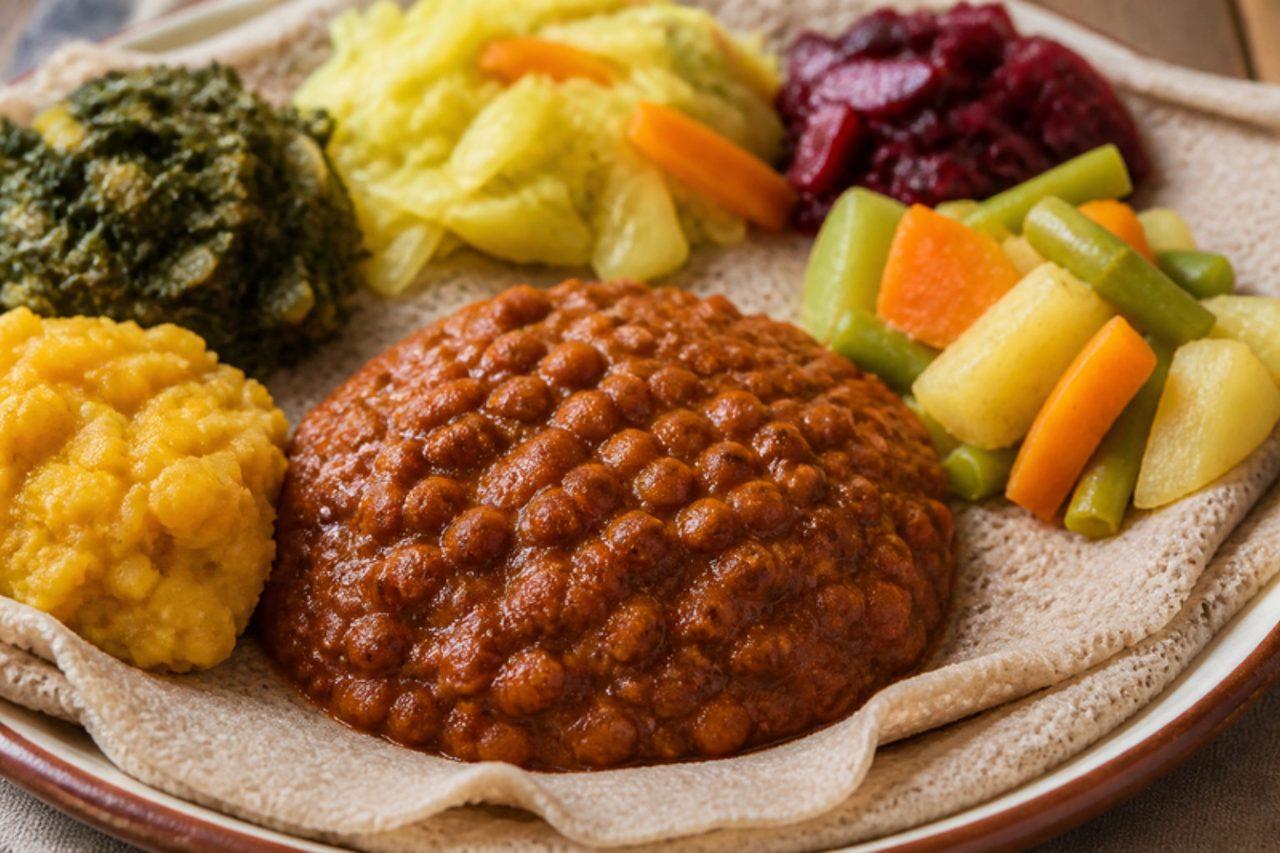
On Wednesdays, Fridays and the long Lenten fast, Orthodox households from Addis Ababa to Bahir Dar fill the beyaynetu platter with kik wat, the fiery red sibling of the mild yellow kik alicha. Yellow split peas are cooked into a thick sauce built on a mountain of slowly dry-cooked red onions, garlic, ginger and plenty of berbere, so it is earthy, smoky-hot and spoonable on a sheet of injera. The mistake is frying the onions in oil from the start: Ethiopian cooks sweat them in a dry pot until they collapse and turn jammy, and only then add oil and spice, which gives the sauce its body. Chef's tip: bloom the berbere in the oil for a full two minutes with a splash of water so it turns brick-red and loses its raw, dusty edge.

by KrazyBadal 0 views

Ye-difin misir watSpicy brown lentil stew

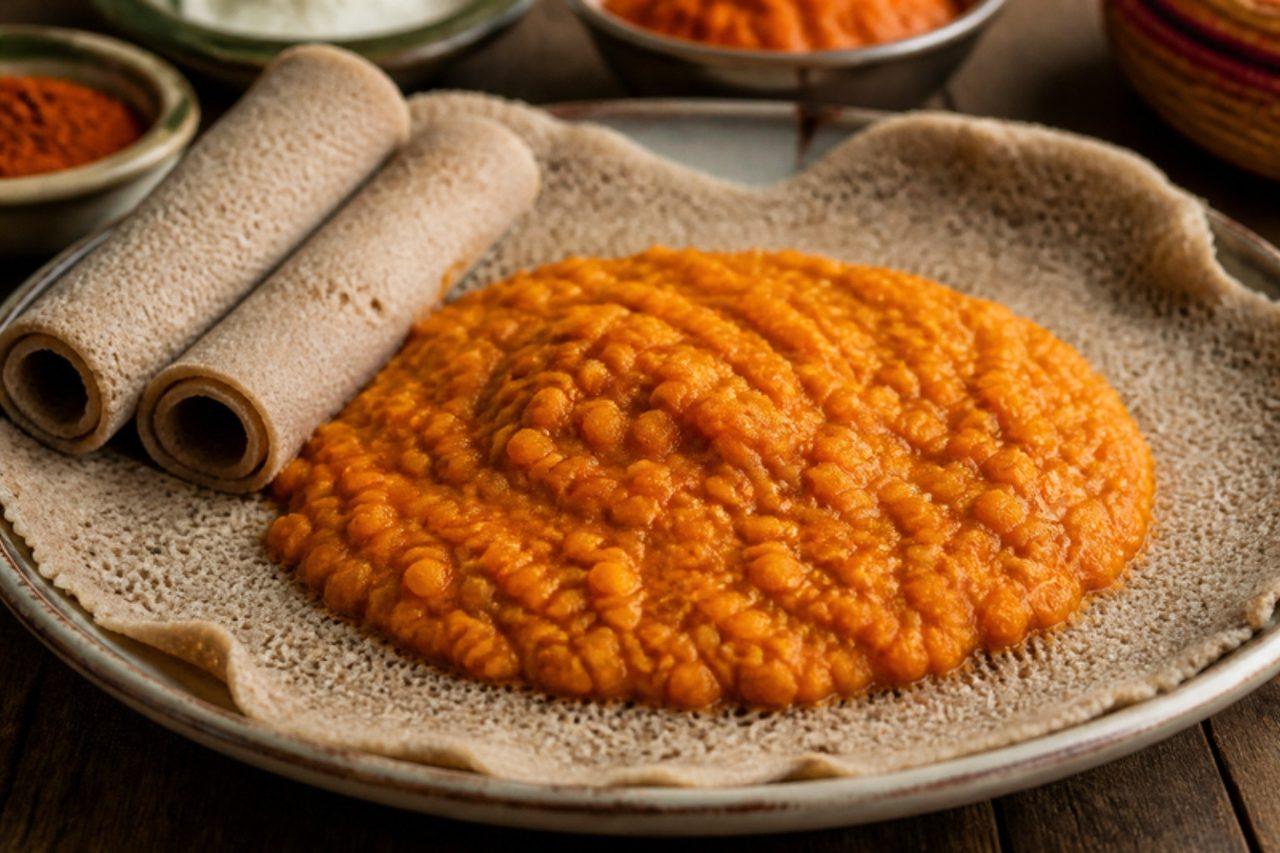
The everyday misir wat of Addis Ababa's fasting houses is made with split red lentils, but in Tigray and Amhara homes many cooks prefer difin misir, whole brown or green lentils that keep their shape and give a thicker, nubbly stew with a deep, peppery berbere sauce. It is hearty, earthy and properly spicy, the backbone of a Lenten lunch with injera, cabbage and a cold salad. The mistake is adding the lentils to the sauce raw: whole lentils take far longer than the onions can stand, so cook them separately until tender first. Chef's tip: finish with a teaspoon of mitmita or a pinch of ground cardamom (korerima) just before serving for a fragrant top note.

by KrazyBadal 0 views

Adalu

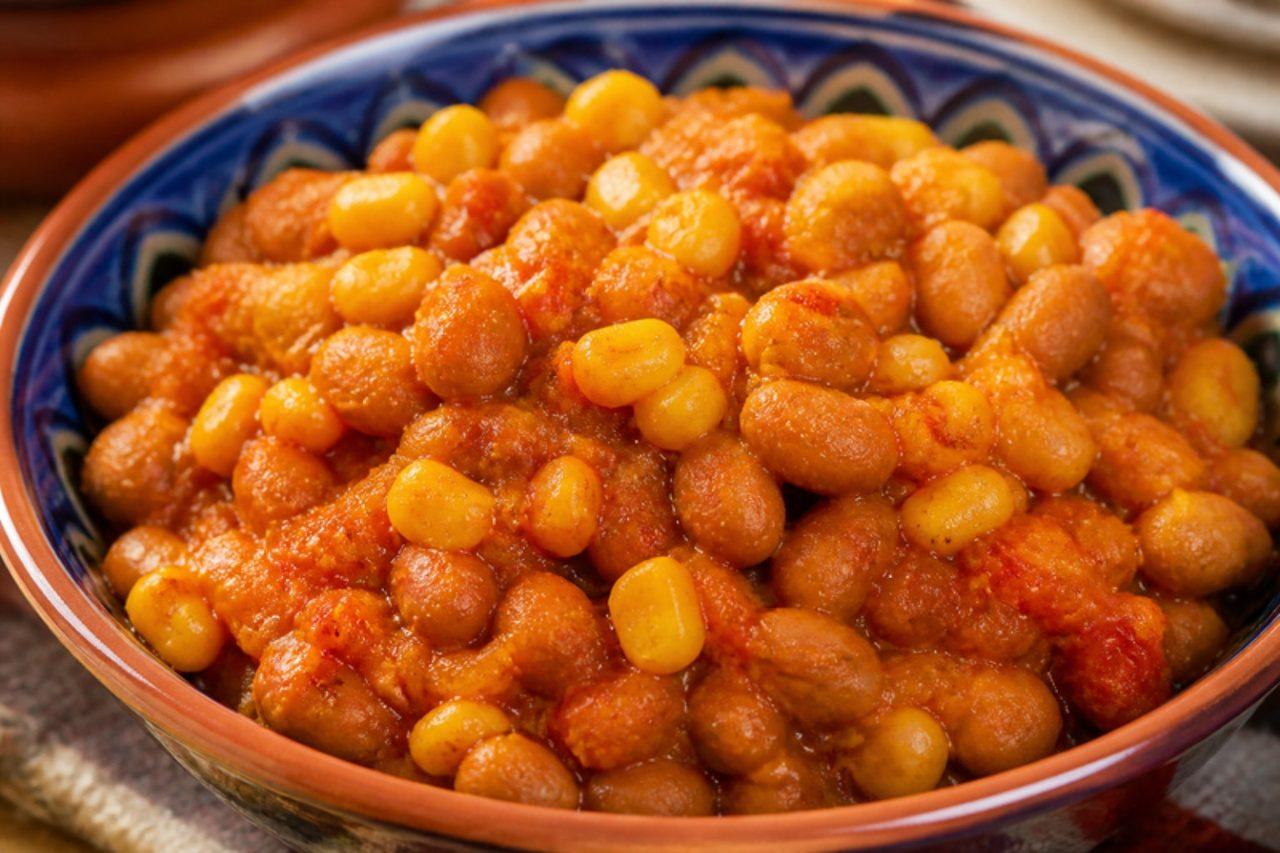
Across Yorubaland, from Abeokuta to Ibadan, adalu is the pot of beans and corn that keeps a family going: brown beans cooked until they collapse, sweetcorn stirred through for pops of sweetness, and a base of red palm oil, onion and blended pepper. People eat it for breakfast or an early lunch, often with fried plantain or a hunk of agege bread. It is soft, creamy and slightly sweet-savoury. Many cooks add ground crayfish; this version is vegan. The mistake is adding salt and stock cubes while the beans are still hard, which stops them softening; season only once they mash easily. Chef's tip: mash a ladle of the cooked beans against the side of the pot before adding the corn; it thickens the sauce without any flour.

by KrazyBadal 0 views

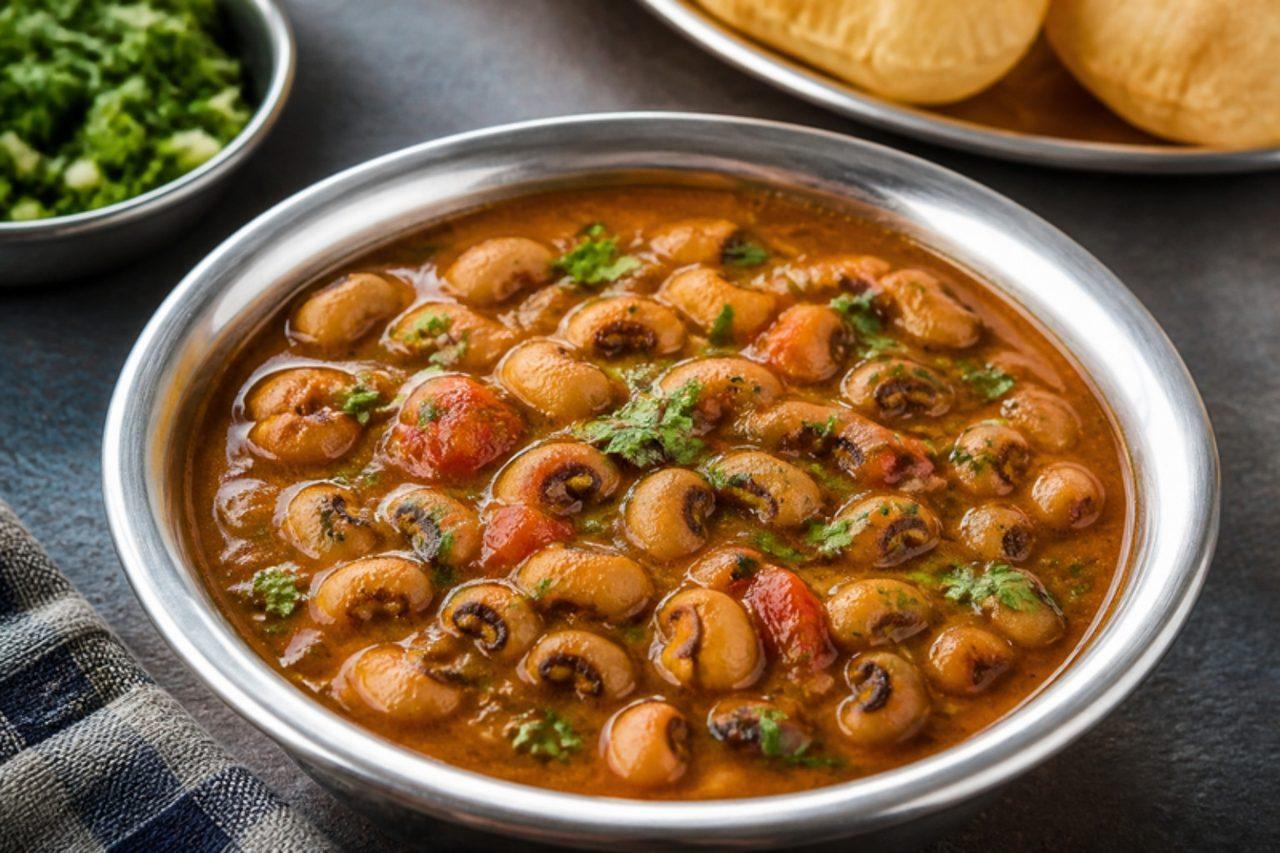
Lobia masalaBlack-eyed bean curry

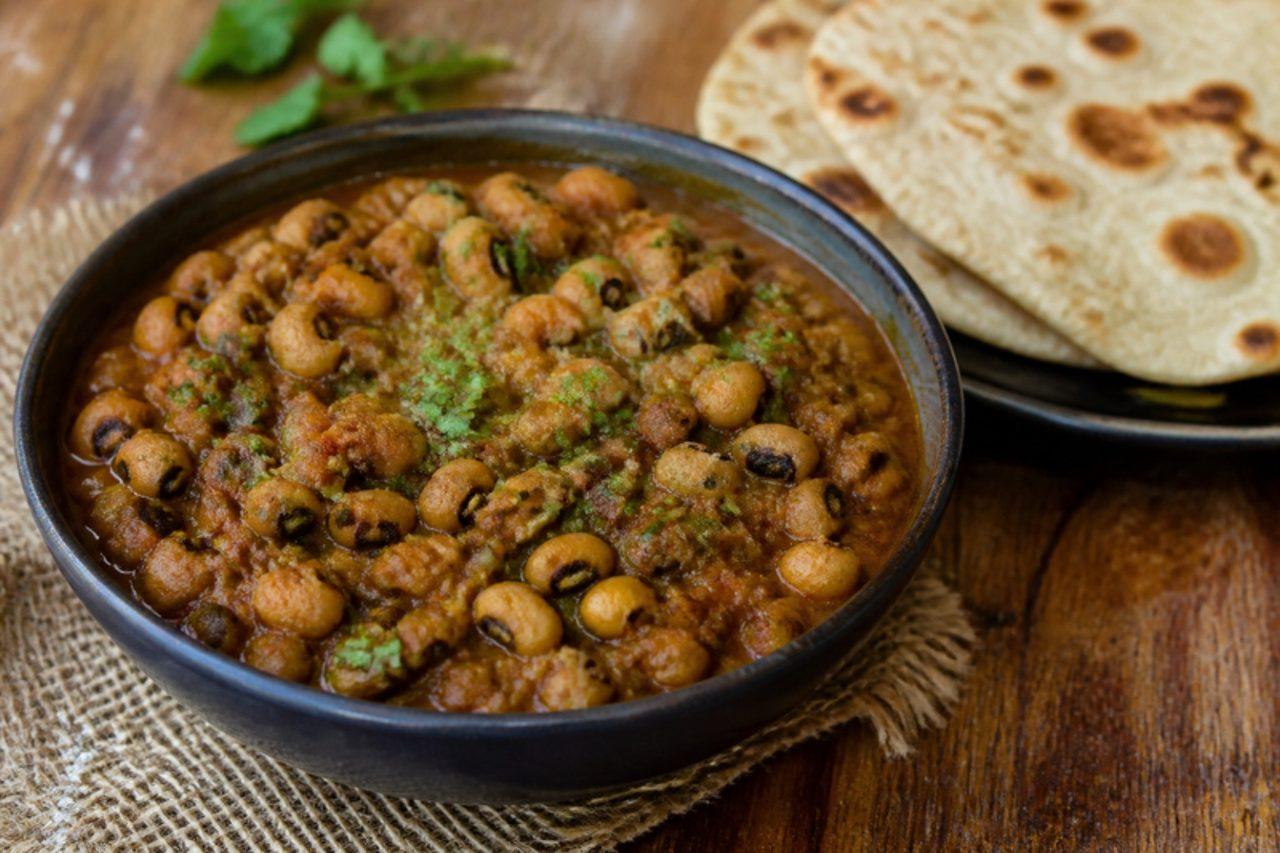
Truck drivers on the GT Road and students in Lahore's Anarkali eat lobia at dhabas for a few rupees a plate: soft black-eyed beans in a dark onion and tomato masala, mopped up with tandoori roti and a green chilli on the side. It tastes earthy and comforting, with a peppery edge and a thick, spoonable gravy. Undercooked beans that stay chalky in the middle are the common complaint, especially when tomato goes in before the beans are soft; boil them tender first, then simmer them in the masala. Chef's tip: mash a ladleful of the beans against the side of the pot near the end, which thickens the gravy the way dhaba cooks do.

by KrazyBadal 0 views

NifroBoiled wheat and chickpeas

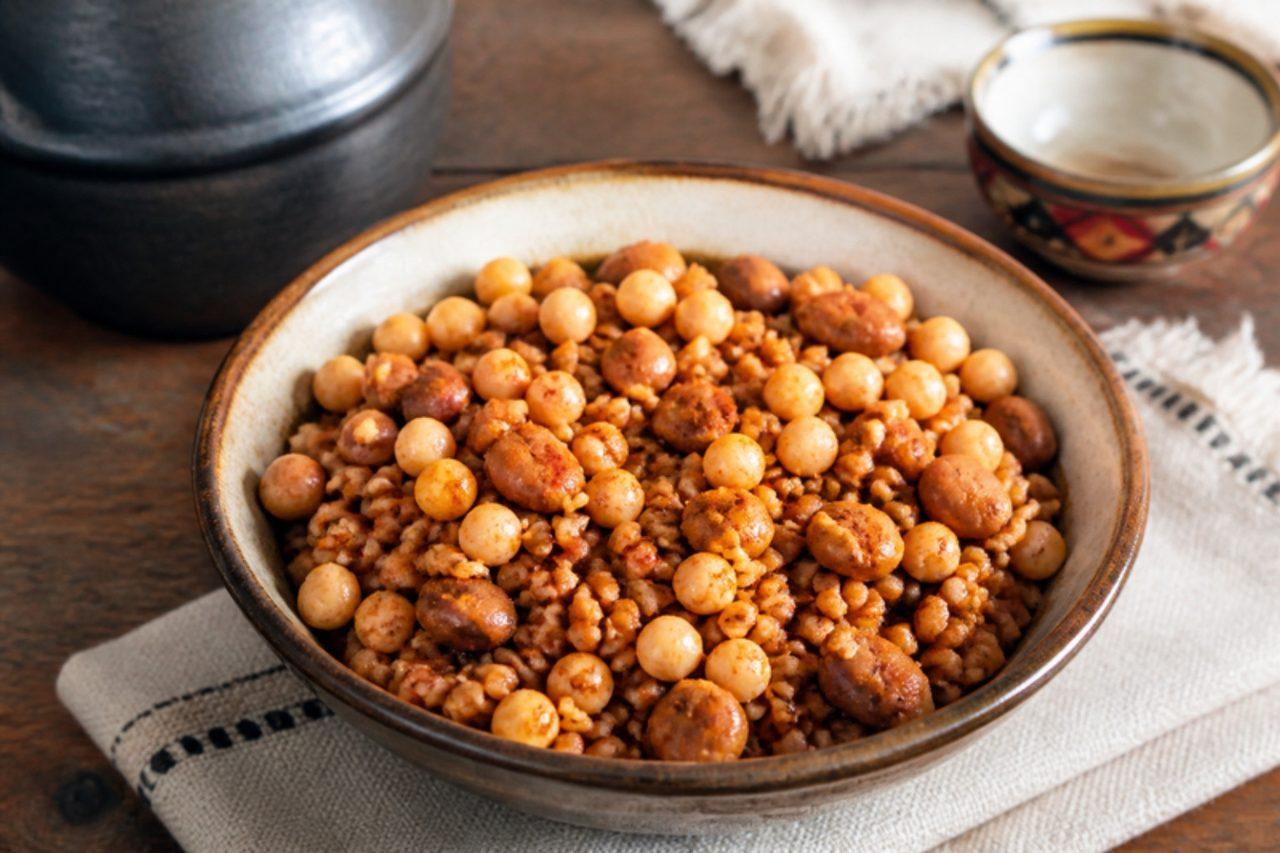
When a baby cuts a first tooth, Ethiopian families celebrate with tirs mastecha, and the dish at the centre is nifro: a big pot of whole wheat berries, chickpeas and fava beans boiled with salt and handed round warm in cupped hands or small bowls. It also turns up at funerals, saints' day gatherings and long coffee ceremonies in Gondar and Addis, chewy, nutty and plain in the best way. The common mistake is boiling everything together from dry, so the wheat bursts while the fava stay hard; soak them all overnight and add the wheat later. Fava beans are unsafe for anyone with G6PD deficiency (favism), so leave them out if in doubt. Not gluten free. Chef's tip: once drained, toss the warm nifro in a dry pan for two minutes; it dries the surface and makes the salt and a pinch of berbere cling.

by KrazyBadal 0 views

Daal chanaChickpea dal

A bowl of daal chana with a fiery tarka poured over at the table is one of the most ordered plates at dhabas from Multan to Rawalpindi, and in many homes it is the Thursday dinner, eaten with roti, raw onion and pickle. The split chickpeas cook until soft but still hold their shape in a thick, yellow, gently spiced base, and then the tarka of fried onion, garlic, cumin and whole red chilli in ghee crackles over the top. The mistake is serving it before the dal is truly soft; chana dal takes longer than you think, so test a grain by squeezing it. Contains milk (ghee); use oil for a vegan version. Chef's tip: pour the tarka over at the very last moment so it hisses, and cover the pot for a minute to trap the smoky aroma.

by KrazyBadal 0 views

Misir alichaMild red lentil stew

Not everyone at the table in Gondar or Addis wants berbere, so the fasting platter almost always has a gentle yellow wat beside the red one: misir alicha, split red lentils cooked down with dry-sweated onion, garlic, ginger and turmeric until creamy. It is soft, warming and easy on children and anyone who finds misir wat too hot. The common mistake is letting the lentils cook to a thin soup; simmer uncovered at the end until it mounds on a spoon and sits on injera without running. Chef's tip: a sliced green chilli and a pinch of ground ajwain (netch azmud) stirred in at the end lift it without adding much heat.

by KrazyBadal 0 views

Shorbet ads (Egyptian lentil soup)

Cairo cafés ladle shorbet ads all winter long, and at home it is the soup that opens the iftar meal in Ramadan, served smooth and golden with lemon wedges and crisp bread. Split yellow lentils are cooked with carrot, onion, tomato and cumin, then blended until velvety, with no cream at all. Serve it with lemon to squeeze and toasted pitta (leave the bread out for gluten free). The common mistake is under-cooking the lentils so the soup turns grainy; they should fall apart before you blend. Chef's tip: finish each bowl with a few drops of cumin-fried oil; it smells like an Egyptian kitchen in January.

by KrazyBadal 0 views

Fasolia beida (white beans in tomato sauce)

Fasolia beida keeps Egyptian families going through the short Cairo winter: dried white beans, soaked overnight and stewed thick with tomato and onion, eaten on rice with crunchy turnip pickles and green chillies on the side. It's cheap, filling and better the next day, which is why many cooks make a double pot. Beans cooked in salted tomato from the start can stay hard forever, so they get boiled tender in plain water first. Chef's tip: mash a ladleful of the beans against the side of the pot near the end; it thickens the sauce naturally.

by KrazyBadal 0 views

Awara

Evening hawkers in Kano, Zaria and Kaduna fry awara in wide pans of oil and sell it in paper with a sprinkle of yaji, the peanut-chilli suya spice: little cubes of homemade soybean curd that puff and turn golden outside and stay soft and tofu-like inside. It came to the North with soybean farming and is now a cheap, high-protein street snack, especially after maghrib prayers. Contains soy and peanut (in the yaji). The mistake is skipping the long boil: raw soy milk must simmer for a good 15 minutes to be digestible and taste sweet, not beany. Chef's tip: press the curd under a heavy pan for at least 20 minutes; firm awara cuts cleanly and doesn't spit in the oil.

by KrazyBadal 0 views

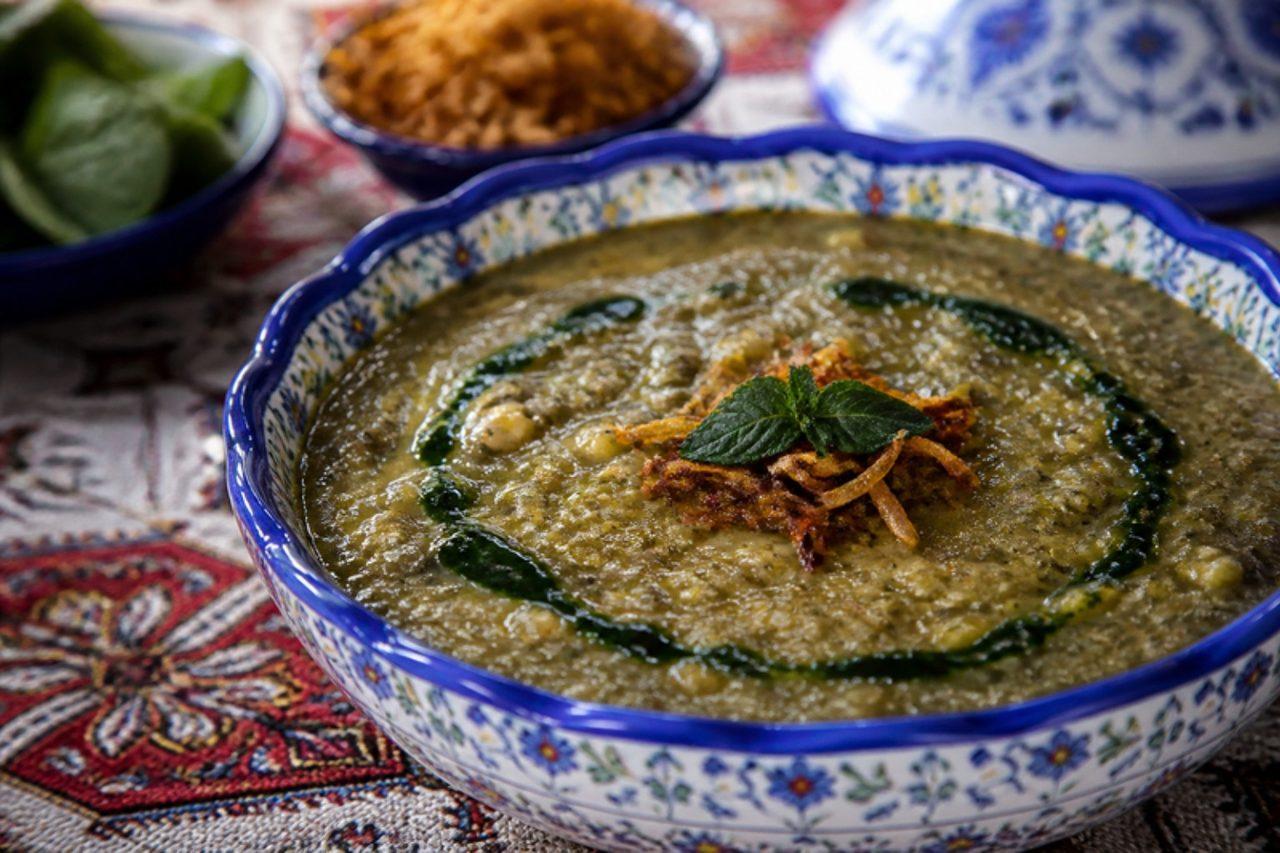
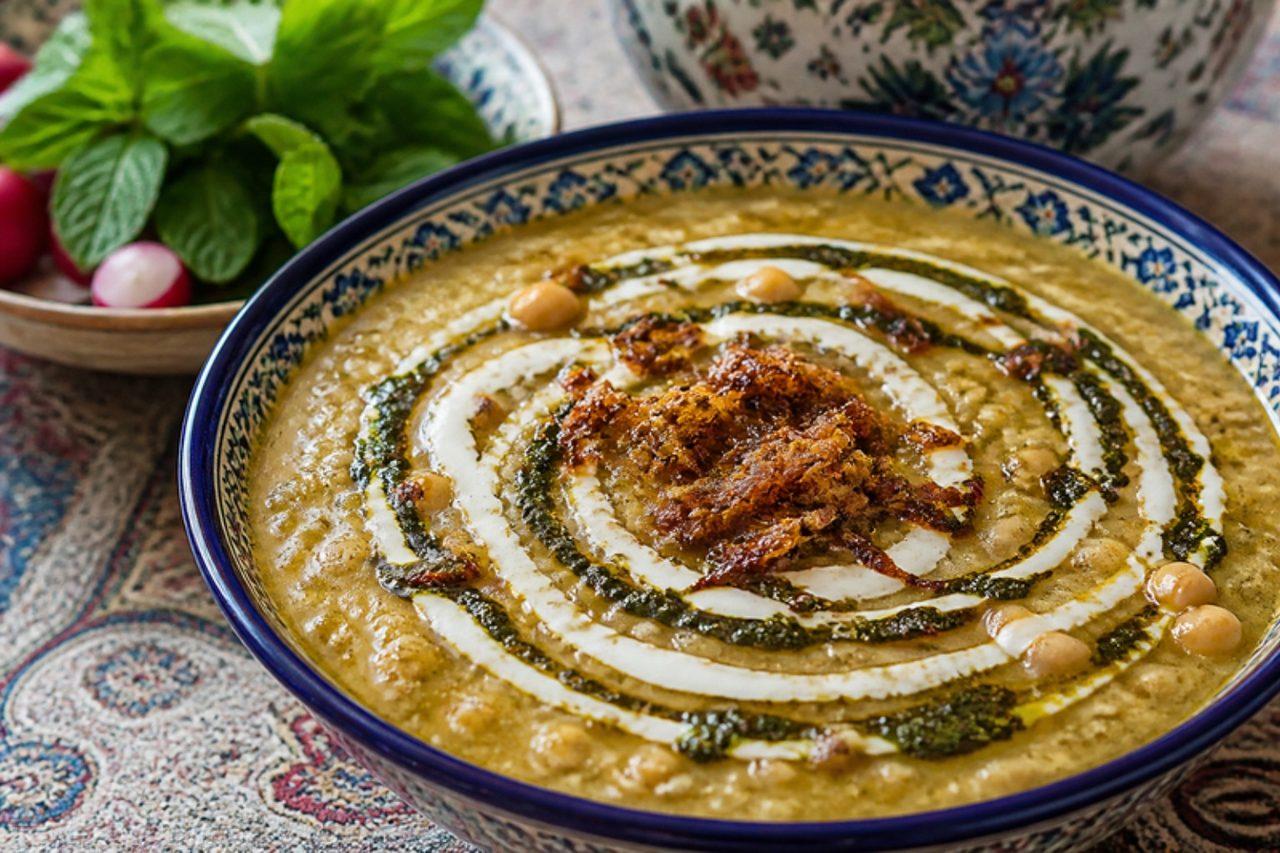
Ash-e haft danehSeven-grain soup

Ash-e haft daneh, the soup of seven seeds, is cooked as nazri, a votive offering, on Tasua and Ashura in Muharram, when families in Tehran, Kashan and Yazd stir huge cauldrons in the street and share bowls with neighbours and passers-by. Wheat, barley, rice, chickpeas, beans, lentils and mung beans cook slowly into a thick, nutty soup with herbs, topped with fried onion and mint. Serve it in bowls with bread. The mistake is adding all the grains together; they cook at different speeds, so the hard ones go in first. Chef's tip: soak everything except the rice and lentils overnight, each in its own bowl, and you'll cut the cooking time by an hour.

170 minPersianSoupsVegan
by KrazyBadal 0 views

Ash-e joBarley and chickpea soup

Ash-e jo is a winter staple in Tehran, Kashan and the cold cities of the plateau, and many families cook a huge pot in the month of Ramadan to break the fast. Pearl barley simmers with chickpeas, beans and lentils until it turns creamy, then plenty of herbs and a swirl of kashk make it tangy, savoury and filling. Serve it hot with bread and extra kashk at the table. The common mistake is skipping the soaking, which leaves the chickpeas hard long after the barley has gone to mush; soak them overnight. Kashk contains dairy. Chef's tip: the soup thickens a lot as it stands, so make it a day ahead and loosen it with hot water as you reheat.

140 minPersianSoups
by KrazyBadal 0 views

Chaye dan (marbled tea eggs)

Tea eggs bubble in pots of dark broth beside the tills of convenience stores, at railway stations and on breakfast carts all over China; in Zhejiang and Jiangsu families make a big batch for spring outings and for New Year. The eggs are hard-boiled, their shells tapped all over, then simmered and soaked in black tea, soy sauce, star anise and cinnamon, so the whites come out mottled brown like old porcelain and taste gently of spice. The common mistake is to skip the long soak: an hour in the pot only colours the shell, while a night in the fridge gives the pattern and flavour. Chef's tip: crack the shells gently with the back of a spoon so they craze all over but stay on; if pieces fall off you'll get dark patches instead of fine lines.

by KrazyBadal 0 views

Paneer bhurjiScrambled paneer

Dhabas on the Delhi-Chandigarh highway and Punjabi homes everywhere make paneer bhurji when an egg bhurji won't do: for vegetarian guests, for a fast lunchbox, or when there's a block of paneer waiting in the fridge. The paneer is crumbled and folded into an onion-tomato masala with green chilli, a little garam masala and kasuri methi, and a splash of milk keeps it soft and moist. It goes with butter roti, a buttered pav from the Mumbai stalls, or rolled into a paratha for a tiffin. The common mistake is cooking the paneer too long; it toughens and dries out in minutes. Add it last and heat it through for no more than two or three minutes. Chef's tip: homemade or very fresh paneer crumbles best; grate a firm shop block instead of crumbling it.

by KrazyBadal 0 views

GanmodokiTofu and vegetable fritters

The name means 'mock goose', a hint that these fritters were invented by Buddhist monks who wanted something rich and satisfying without meat; in Kyoto they are called hiryōzu. Firm tofu is pressed, mashed with grated yam, carrot, hijiki and sesame, then fried into golden discs that are crisp outside and soft and springy within. Eat them hot with ginger and soy, or simmer them in oden or sweet dashi on cold days. The common mistake is not pressing the tofu enough; wet tofu makes fritters that split and spit in the oil. Chef's tip: a little grated Japanese mountain yam (nagaimo) binds the mix without egg and makes it fluffier; potato starch alone gives a denser fritter.

by KrazyBadal 0 views

Mag nu shaakDry whole green moong

Wednesday is mag day in many Gujarati homes, and in Jain families this is how it is cooked: whole green moong soaked overnight, pressure-cooked until just soft, then tossed in a vaghar of mustard seed, ajwain and hing with green chilli and dry ginger powder instead of fresh ginger, and no onion or garlic at all. A pinch of jaggery and a squeeze of lemon give it the gentle sweet-sour taste Gujaratis expect. It's a dry shaak, each bean whole and coated, eaten with rotli, or with kadhi-bhaat for a light, very satisfying meal. A common mistake is overcooking the moong until it bursts and turns to mush; two whistles is enough, and the beans should still hold their shape. Chef's tip: save the cooking water; a few spoons loosen the shaak if it looks too dry, and the rest makes a lovely mag nu osaman with a little lemon and vaghar.

by KrazyBadal 0 views

Chora nu shaakBlack-eyed pea curry

Chora nu shaak is a Sunday favourite in Surat and Baroda homes and one of the pulse shaaks that rotate through a Jain kitchen in place of onion-based gravies. Black-eyed peas are cooked soft, then simmered in a thin tomato gravy built on a vaghar of mustard seed, cumin, hing, cloves and dry red chilli, sweetened with jaggery and sharpened with lemon in true Gujarati style. Dry ginger powder replaces fresh ginger, and there is no onion or garlic. The gravy should be loose enough to soak into rotli or rice, with a few beans mashed to give it body. A common mistake is adding tomato and jaggery before the beans are fully soft; acid and sugar keep them hard however long you cook them. Chef's tip: let the shaak rest for 10 minutes before serving; the chora drink up the gravy and the flavours round out.

by KrazyBadal 0 views

Koya dofu no nimonoSimmered freeze-dried tofu

Kōya-dōfu takes its name from Mount Kōya, where monks discovered that tofu left out in the winter frost dried into light, spongy blocks that would keep for months. Rehydrated and simmered in sweet dashi, it soaks up broth like a sponge, so every bite releases a mouthful of savoury-sweet liquid. It is a regular in bento boxes, osechi and temple meals across Japan. Mirin contains alcohol but simmers away; see the note for an alcohol-free swap. The common mistake is boiling it hard, which makes it crumble; keep the pan at a lazy simmer. Chef's tip: after soaking, press each block between your palms in fresh water until the water runs clear, or it tastes faintly of the packet.

by KrazyBadal 0 views

Chè đậu đen (black bean sweet soup)

In Hanoi summers, glass after glass of chè đậu đen is poured over crushed ice at pavement stalls, and many families keep a pot in the fridge because the beans are thought to cool the body. The beans are cooked whole until creamy inside but unbroken, then steeped in syrup until they turn dark and glossy; southern versions finish with a little coconut milk. Chef's tip: add the sugar only once the beans are completely tender; sugar too early toughens the skins and the beans never soften.

by KrazyBadal 0 views

Lentilha de Ano NovoNew Year lentil stew

Just after the fireworks at midnight on 31 December, Brazilians from Copacabana to small towns in the interior eat a spoonful of lentils, because the little coin-shaped seeds are said to bring money in the year ahead. Many families keep a pot of this warm stew of lentils, tomato, carrot and smoked paprika on the stove all through the Réveillon party. It also makes a good weekday supper with rice. Chef's tip: keep it at a gentle simmer so the lentils hold their shape, as they are meant to look like little coins.

by KrazyBadal 0 views

Lentejas con piña y plátanoLentils with pineapple and plantain

Sweet and savoury share a pot in this Lent favourite from Puebla and Mexico City kitchens: brown lentils simmered in a tomato and garlic broth, finished with chunks of pineapple and slices of fried ripe plantain. It sounds unusual but tastes balanced and comforting, and many families eat it on the Fridays before Easter with white rice and tortillas. Chef's tip: use a plantain with a black-speckled skin; green ones stay starchy and never sweeten.

by KrazyBadal 0 views

Đậu hũ chiên sả ớt (lemongrass chilli tofu)

Saigon's chay restaurants, the ones tucked beside pagodas that fill up on the 1st and 15th of each lunar month, nearly always have a plate of this on the table: golden tofu cubes buried under a crunchy, fragrant rubble of fried lemongrass and red chilli. The tofu stays soft inside, the lemongrass turns nutty and crisp, and a splash of tamari with a little sugar glazes everything. Eat it with steamed jasmine rice, sliced cucumber and a bowl of clear vegetable soup. Many chay cooks skip garlic and shallot, so this version leaves them out. Chef's tip: mince the lemongrass really finely and fry it on its own until golden; coarse chunks or lemongrass added with the tofu stay woody and chewy.

by KrazyBadal 0 views

Caldo de habasDried fava bean soup

Few dishes say Good Friday in Mexico City, Hidalgo and Tlaxcala like a bowl of thick, golden caldo de habas, made from peeled dried fava beans cooked down until they almost dissolve. Tomato, onion and garlic give it body, cumin warmth and a handful of fresh mint lifts it, with lime and a pinch of chilli flakes at the table. Cheap, filling and protein-rich, it suits any cold weekday. Look for yellow, peeled split favas at Latin or Middle Eastern shops. Chef's tip: add the mint only at the very end, or it turns grey and loses its scent.

by KrazyBadal 0 views

Ovos de codorna em conservaPickled quail eggs

A big glass jar of pickled quail eggs sits on the counter of countless botecos in Rio and São Paulo, and a few speared on toothpicks are the classic thing to nibble with a cold chopp. At home they keep for two weeks in the fridge and make an easy snack for parties or a picnic. The tiny eggs are boiled, peeled and covered in a hot, garlicky vinegar brine with bay and black pepper, which seasons them right through after a couple of days. Chef's tip: peel the eggs under a trickle of cold water, starting at the wide end where the air pocket sits.

by KrazyBadal 0 views

Huevos tiradosEggs with black beans

In the port of Veracruz and the coffee towns around Xalapa, morning cafés roll out a dark, savoury omelette that looks plain and tastes rich: eggs are 'thrown' into a pan of black refried beans and stirred, then rolled into a log and served with tortillas, fresh cheese and salsa. It keeps workers going till lunch. Chef's tip: the beans should be thick and fairly dry, like mashed potato, or the roll won't hold.

by KrazyBadal 0 views

Bánh hỏi with lemongrass tofuRice vermicelli with lemongrass tofu

In Quy Nhơn and across Bình Định, breakfast stalls sell bánh hỏi by the tray: mats of hair-fine rice vermicelli brushed with scallion oil and eaten rolled in lettuce with roast pork, grilled meat or, at temple stalls, tofu. Making the woven mats from scratch needs a press, so cooks everywhere now buy dried bánh hỏi sheets or very fine vermicelli and steam them into mats, which is what this version does. The lemongrass tofu and a soy-lime dipping sauce keep the whole plate vegan; the usual partner is nước mắm chấm with grilled pork. Chef's tip: steam the vermicelli rather than boiling it; boiled strands go soft and clump, and the mats will not hold together.

by KrazyBadal 0 views

Ciceri e triaChickpeas with pasta

In the Salento, at the heel of Puglia, ciceri e tria is an ancient dish, its name from the Arabic "itriya" for dried pasta: creamy chickpeas cooked with bay and garlic, tossed with homemade ribbons of flour-and-water pasta, a third of which are fried in olive oil until crisp and scattered on top. It is made for the feast of San Giuseppe on 19 March, and in the trattorie of Lecce all year round. Chef's tip: the contrast is the whole point; fry the pasta strips until golden and crunchy and add them only at the very last moment, so they stay crisp.

by KrazyBadal 0 views

Omelette aux fines herbesHerb omelette

Every French home cook learns the omelette aux fines herbes, the quick lunch or late supper served all over the country with a green salad and a glass of water or cider, and the test dish of every cookery school from Paris to Lyon. The eggs are stirred over a gentle heat so they set into soft, creamy curds, then rolled into a pale, smooth cigar with no brown colour at all. The four fines herbes, chives, parsley, chervil and tarragon, go in raw at the last minute so they stay bright. The usual mistake is a pan that is too hot, which browns and toughens the outside before the middle sets. Chef's tip: take the omelette off the heat while the centre still looks a little runny; it finishes cooking on the plate.

by KrazyBadal 0 views

Frittata di zucchineCourgette frittata

Frittata is Italy's everyday dish for a quick supper or a packed lunch: a thick, flat omelette cooked slowly in a pan, then flipped over a plate. Courgette frittata, with soft, golden slices of courgette and Parmigiano, is the summer favourite, taken to the beach in a panino or cut into squares for children. It is just as good cold the next day. Parmigiano is made with animal rennet; choose a vegetarian hard cheese if you need to. Chef's tip: cook the courgettes until golden before adding the eggs; raw courgettes make the frittata watery.

by KrazyBadal 0 views

Zuppa di cicerchieGrass pea soup

Cicerchie (grass peas) are an ancient legume that looks like a small, squared-off chickpea, grown on the hills of the Marche and Umbria around Serra de' Conti and Gubbio. They make a thick, nutty, rustic winter soup cooked with garlic, tomato and rosemary, served over toasted bread with a thread of new olive oil. Grass peas contain a natural toxin when eaten in large amounts, so always soak them for at least 24 hours, changing the water a few times, and enjoy them as an occasional dish. Chef's tip: change the soaking water at least three times; it removes most of the toxin and makes the peas easier to digest.

105 minItalianSoupsVeganGluten free
by KrazyBadal 0 views

Scarola e fagioliEscarole and bean soup

Scarola e fagioli is one of the oldest dishes of Neapolitan home cooking: tender escarole, a slightly bitter winter salad green, simmered with creamy cannellini beans, garlic, chilli and olive oil into a thick soup, sometimes with broken pasta stirred in. In Naples it is a cold-weather supper, eaten with toasted bread rubbed with garlic. Chef's tip: mash a ladle of the beans into the broth; it thickens the soup and makes it creamy without any cream.

by KrazyBadal 0 views

KongjabanSoy-braised black soybeans

Kongjaban is the shiny black bean banchan that sits in a small dish on Korean tables from Gwangju to Seoul and fills countless lunchboxes, because one batch keeps for a week. Dried black soybeans are soaked, simmered in soy and sugar and finished with rice syrup until each bean is chewy, sweet-salty and gleaming. It is a good source of plant protein and children usually love it. The common mistake is adding the syrup too early: it scorches before the beans are tender and makes them hard. Chef's tip: keep the lid off while the beans cook; the steam escaping helps the skins stay intact and wrinkled rather than bursting.

by KrazyBadal 0 views

Natto gohan (natto on rice)

Mito, the capital of Ibaraki Prefecture, is Japan's natto town, but this sticky, pungent breakfast is eaten in homes all over eastern Japan, usually before work with miso soup and a pickle. The fermented soybeans are beaten until they form long silky strings, seasoned, and spooned over steaming rice; they are packed with plant protein. Most packs come with a little sauce sachet that contains bonito fish stock, so for a vegan bowl leave it out and season with soy sauce as here. The common mistake is pouring in the sauce before you stir: whip the beans first, or they never get properly frothy. Chef's tip: stir about 50 times until the strings turn white and fluffy, then season and stir 10 more.

by KrazyBadal 0 views

Pasta e lenticchiePasta and lentil stew

In Naples, pasta with legumes is weekday food, and pasta e lenticchie is the one every family makes in winter: small lentils cooked with garlic, celery and a little tomato until soft, then mixed short pasta (pasta mista, the broken ends of different shapes) is cooked right in the pot until thick and creamy. Lentils also bring luck for the New Year, so many families make it on 1 January. Chef's tip: cook the pasta in the lentils with only just enough water, adding it a ladle at a time; the starch from the pasta makes the stew creamy without any cheese.

by KrazyBadal 0 views

Zuppa di farro della GarfagnanaEmmer and bean soup

In the Garfagnana, the wooded mountain valley north of Lucca in Tuscany, farro (emmer wheat) has been grown for 2,000 years and has its own protected status. The classic local dish is a thick, warming soup of farro and borlotti beans, half of them puréed, with onion, carrot, celery, tomato and herbs, served in winter with a thread of new olive oil. Chef's tip: blend half of the cooked beans before adding the farro; it gives the soup a creamy body.

110 minItalianSoupsVegan
by KrazyBadal 0 views

Paneer parathaPaneer-stuffed flatbread

Dhaba breakfasts on the Grand Trunk Road out of Amritsar always have paneer paratha on the board, and it's a lunchbox favourite in Delhi homes because it stays soft and filling until the afternoon. The filling is fresh paneer grated fine, mixed with green chilli, lots of coriander, ajwain, a little onion and a pinch of amchur. Rolled inside atta dough and cooked with ghee, it becomes a mild, milky, protein-rich paratha with crisp brown patches. Serve with dahi, mint chutney or mango achar, and a cup of adrak chai. Use homemade or shop paneer; both are made with lemon or vinegar, not rennet. Common mistake: crumbling the paneer roughly; big lumps poke through the dough and tear it. Grate it finely or mash it with the heel of your hand. Chef's tip: if your paneer is very fresh and moist, add a tablespoon of atta to the filling to bind it, and roll these slightly thicker than a gobi paratha.

by KrazyBadal 0 views

Lentilles de CilaosMountain lentils

High in the volcanic cirque of Cilaos, farmers grow tiny brown-green lentils on terraces, and the whole island prizes them: they hold their shape, taste nutty and mineral, and turn up beside every kind of cari, with a mound of white rice and a spoon of rougail. The village holds a lentil festival each autumn, and a pot of lentilles is a fixture of family Sunday lunches across Réunion. Outside the island, use small French green or brown lentils, which behave in the same way. Don't let them boil hard; a fierce boil splits the skins and turns the pot into mush, so keep it at a gentle bubble. Chef's tip: take the time to brown the onions properly before the lentils go in, because that slow, sweet browning is what gives the sauce its depth.

by KrazyBadal 0 views

Kumaoni rasMixed dal broth

In the hill villages of Kumaon in Uttarakhand, ras is cooked through the cold months in a heavy iron kadhai that sits on the fire for hours; the iron turns the broth dark and earthy, and families drink it with rice or mandua (finger millet) roti. Several whole dals, here horse gram (gahat), black soybeans (bhatt), black urad and green moong, are simmered until their liquid becomes a rich, brown, silky broth, lightly thickened with ground rice and finished with a crackling mustard-oil tempering of jakhya seeds. The cooked dal solids are eaten too, as a dry side. The usual mistake is hurrying: the broth needs long, slow simmering to turn silky and full-flavoured. Chef's tip: jakhya (wild mustard seed) is sold in Uttarakhand shops; cumin is a fair stand-in.

by KrazyBadal 0 views

Teliya maahBlack lentils in mustard oil

Teliya maah is one of the dishes of the Himachali dham, the feast cooked by hereditary cooks (botis) in big brass pots for weddings and temple fairs in Mandi, Kangra and Chamba, and served on leaf plates with rice. Whole black urad is cooked slowly with plenty of mustard oil, whole spices, ginger and fennel until each bean is soft but whole and glossy with oil; like most dham dishes, it uses no onion or garlic. Serve with rice and a sour madra or khatta. The usual mistake is stirring hard once the urad is soft, which turns it into a mushy dal instead of separate, oily beans. Slow-cooker option: put the soaked urad, spices and water on low for 8 hours, then finish uncovered on the hob. Chef's tip: heat the mustard oil until it smokes, then let it cool for a minute, which takes away its raw bite before the spices go in.

by KrazyBadal 0 views

Chhena tarkariFried cheese cube curry

In Odia homes, from Cuttack to Puri, chhena tarkari is the special curry for a Sunday lunch, a guest or a festival day when the household eats no onion or garlic. Fresh chhena, the soft cheese Odisha also turns into rasagola, is pressed, cut into cubes and fried golden, then simmered with potato in a thin gravy of tomato, ginger and roasted cumin. The cubes stay soft and soak up the sauce, and the dish is eaten with rice, puri or paratha. Chhena is made by curdling milk with lemon juice, so it contains no rennet. The usual mistake is boiling the gravy hard after the chhena goes in, which breaks the cubes into crumbs. Chef's tip: fry the chhena cubes until golden on two sides only, then rest them in warm water for five minutes; they swell and turn spongy, just like an Odia grandmother's.

by KrazyBadal 0 views

Terik tahu tempeTofu and tempeh in coconut milk

Terik is a Central Javanese way of cooking in coconut milk until almost all of it has gone, and around Solo and Yogyakarta terik tahu tempe is a staple of home lunches, Lebaran spreads and the warung nasi where you point at dishes to go on your rice. Tofu and tempeh soak up a sauce of shallots, candlenuts, coriander seed, galangal and palm sugar that reduces to a thick, oily, sweet-savoury coating. Serve with rice, sambal and something green. The usual mistake is stirring too vigorously as it reduces, which breaks the tofu into crumbs, so shake the pan or turn the pieces with a spatula. Chef's tip: steam the tempeh for 10 minutes before cutting it, which removes any bitterness and helps it absorb the sauce.

by KrazyBadal 0 views

Lilva tuvar nu shaakGreen pigeon pea curry

From December to February, Gujarati markets fill with fresh tuvar pods, and families in Surat, Vadodara and Ahmedabad spend evenings shelling them for lilva dishes. This simple shaak cooks the sweet, nutty green pigeon peas with ginger, green chilli, ajwain and a fistful of coriander, with a squeeze of lemon and a pinch of sugar for the classic Gujarati balance. Eat it with bajra rotla, rotli or khichdi. The usual mistake is cooking the peas too long, which turns them grey and floury; they should stay green and tender. Chef's tip: frozen lilva from Indian grocers work well outside the season; add them straight from frozen and shorten the cooking time.

by KrazyBadal 0 views

Kala vatana amtiBlack pea curry

On the Konkan coast around Malvan and Sindhudurg, kala vatana amti is cooked for Sunday lunch and festive meals, and it is the vegetarian partner to fluffy fried vade made from rice and pulse flour. Small dried black peas simmer until creamy in a dark, aromatic gravy of onion and dried coconut roasted until brown, ground with Malvani masala, then soured with kokum. Serve with vade, rice or jowar bhakri. The usual mistake is not soaking the peas long enough, so they stay hard however long they cook; soak them for at least 8 hours. Slow-cooker option: cook the soaked peas with the water on low for 7 hours, then stir in the masala and simmer 15 minutes. Chef's tip: roast the coconut and onion slowly on a medium heat until deep brown but never black, as that colour gives the gravy its depth.

by KrazyBadal 0 views

FarrottoFarro cooked like risotto

In the hills of the Garfagnana and around Spoleto, where farro has been grown since Roman times, cooks make farrotto in autumn and winter as a heartier cousin of risotto. Semi-pearled farro is toasted in olive oil with onion and celery, then cooked slowly with hot vegetable stock, ladle by ladle, until the grains are tender but still bouncy and wrapped in a light, creamy sauce. Finish with pecorino and serve as a main with a green salad. The usual mistake is stirring as constantly as for risotto; farro releases less starch, so stir every few minutes and beat in the cheese at the end for creaminess. Chef's tip: toast the dry grains until they smell like popcorn before adding any liquid; it deepens the nutty flavour.

by KrazyBadal 0 views

Qorma-e-lubiaRed kidney bean stew

Qorma-e-lubia is everyday Afghan home cooking, made in Kabul and Herat kitchens for weekday lunches and sold from big pots at roadside eating houses with fresh naan. Red kidney beans simmer slowly in a sauce built on deeply browned onion, tomato, garlic and ground coriander until it turns rich and brick-red. Eat it with naan, or with plain challow rice and a salad of tomato and onion. The usual mistake is putting dried kidney beans straight into a slow cooker: they must be boiled hard for 10 minutes first, or they can make you ill. Slow-cooker option: after browning and the hard boil, cook on low for 8 hours. Chef's tip: brown the onions until properly dark, about 15 minutes; that colour is where the stew's depth comes from.

by KrazyBadal 0 views

Mashkalai dalSplit black gram dal

In Rajshahi and Chapainawabganj, in the far west of Bangladesh, mashkalai dal is eaten with thick kalai ruti flatbreads and a fiery bhorta, especially on winter mornings and evenings. Split black gram is cooked until creamy and slightly sticky, flavoured with ginger, then crowned with onion and garlic fried crisp in mustard oil. It is filling and earthy with a gentle heat. The usual mistake is boiling it too hard: mashkalai foams over and catches, so keep the lid ajar and the heat low. Chef's tip: fry the onion and garlic separately and add them just before serving, so they stay crisp on top of the dal.

by KrazyBadal 0 views

Đậu hũ khoBraised tofu with shiitake

Đậu hũ kho is the vegetarian cousin of the caramel braises (kho) cooked in clay pots all over Vietnam, and in the south it is a standard of Buddhist fasting days and a good companion for a pot of rice through the week. Golden fried tofu and chewy shiitake are braised in a dark caramel, soy sauce and coconut water until the sauce turns sticky, salty-sweet and peppery. Serve with steamed rice, a plate of fresh cucumber and a light soup. The usual mistake is letting the caramel go too dark, which makes the whole dish bitter; stop when it is the colour of strong tea. Chef's tip: coconut water gives a rounder sweetness than plain water, and the braise keeps for 3 days in the fridge.

by KrazyBadal 0 views

Ash-e dooghYogurt soup with rice and chickpeas

Ash-e doogh is the summer and autumn soup of Ardabil and the Azeri north-west of Iran, cooked in big pots for family gatherings and sold in bowls in the bazaars. Rice and chickpeas are simmered in tangy yoghurt with handfuls of dill, coriander, spinach and mint, and the soup is topped with crisp fried onion and dried mint. It is creamy and sour, never heavy. The usual mistake is stopping stirring: the yoghurt splits into grains if left to boil alone, so stir in one direction without stopping until it comes to the boil. Chef's tip: beat a spoonful of rice flour into the yoghurt before heating; it stabilises it and keeps the soup silky.

by KrazyBadal 0 views

Frijoles maneadosPinto beans with chile and cheese

Frijoles maneados are the rich party beans of Sonora in northern Mexico, cooked for carne asada gatherings, weddings and Sunday lunch, and spooned onto flour tortillas. Soft pinto beans are mashed and beaten (maneados means stirred or worked) with dried red chile colorado, milk and so much melting cheese that the pot pulls into strings. Serve them with flour tortillas, grilled vegetables and a sharp salsa. The usual mistake is adding the cheese while the pot is boiling hard, which makes it go rubbery and oily; take the heat right down first. Chef's tip: Sonoran queso regional or Chihuahua cheese is often made with animal rennet, so for a vegetarian pot choose a vegetarian Monterey Jack-style or mild Cheddar cheese labelled suitable for vegetarians.

by KrazyBadal 0 views

PhaanuGround mixed lentil stew

Phaanu is everyday food in Garhwal's hill villages, from Pauri to Tehri, made on cold days and in large pots for family gatherings. Mixed lentils are soaked overnight, ground to a coarse paste and simmered slowly in an iron pot until the paste turns into a thick, earthy stew, with spinach or other greens and a mustard-oil and jakhya tempering. It is eaten with steamed rice and a little ghee. The usual mistake is adding the paste to the pot and walking away; for the first 10 minutes it must be stirred constantly or it forms lumps and sticks to the bottom. Chef's tip: whisk the lentil paste into cold water before it goes on the heat; it thickens smoothly and never catches.

by KrazyBadal 0 views

TovveToor dal with green chilli

Tovve is the plainest dal of the Udupi temple kitchens and of Kannada homes along the coast: toor or moong cooked soft, seasoned with green chilli and ginger and finished with a sizzling ghee tempering. There is no tomato, no onion and no masala, so it is the first dal children eat and what families cook for a light dinner or after a fast, with rice, a spoon of ghee and a lemon pickle. Its flavour depends on a well-cooked dal, so it must be soft enough to fall apart when stirred. The usual mistake is adding salt before the dal is tender, which keeps it grainy. Chef's tip: whisk the cooked dal hard for 30 seconds before tempering; the smooth, creamy texture is what makes tovve taste of more than its few ingredients.

by KrazyBadal 0 views

Ugba saladFermented oil bean salad

Ugba, the long, thin slices of fermented African oil bean, are a favourite of Igboland in south-east Nigeria, eaten at village meetings, weddings and as an evening snack with cold drinks in Enugu and Owerri. The slices have a nutty, savoury, slightly funky flavour, and here they are tossed with diced garden eggs, shredded garden-egg leaves, onion, fresh pepper and a little red palm oil. Many cooks add ground crayfish and stockfish; this version is vegan. Suitable as part of a balanced diet, it is high in fibre and plant protein: about 220 kcal and 10 g carbohydrate per portion. The usual mistake is not rinsing shop-bought ugba, which can taste too sharp and fermented; rinse it in warm water first. Chef's tip: warm the palm oil just enough to make it runny, never hot, so it coats every slice.

by KrazyBadal 0 views

Gogji razmaKidney beans with turnips

In the Kashmir valley, gogji razma is a winter comfort dish, made in heavy pots when turnips are sweet after the first snow and dried beans from Bhaderwah fill the store. Red kidney beans and turnip chunks simmer in a thin, red gravy flavoured with mustard oil, ground fennel, dried ginger and Kashmiri chilli, without any onion or tomato. Serve with a modest bowl of rice or a millet roti and a green salad. It is suitable as part of a balanced diet. About 300 kcal and 38 g carbohydrate per portion. The usual mistake is slow-cooking dried kidney beans without boiling them hard first; raw kidney beans are unsafe, so soak them overnight and boil hard for 10 minutes before simmering. Chef's tip: add the turnips only when the beans are almost soft, so they keep their shape and sweetness.

by KrazyBadal 0 views

MutakuraBeans, cowpeas and maize

Mutakura is old Zimbabwean country food, cooked in rural Mashonaland after harvest from the store of dried beans, cowpeas, groundnuts and maize kernels, and eaten as a filling lunch or snack, often at gatherings and ceremonies. Everything is soaked, boiled for hours until tender, then simply seasoned with salt, so the beans are creamy, the maize chewy and the groundnuts soft and rich. Suitable as part of a balanced diet. About 340 kcal and 45 g carbohydrate per portion. The usual mistake is cooking everything together from the start: the maize needs a long head start, and the dried red beans must be boiled hard for 10 minutes to be safe. A pressure cooker cuts the maize time to about 40 minutes. Chef's tip: soak everything overnight in separate bowls; the maize and groundnuts need it most.

by KrazyBadal 0 views

Mochai kottai kuzhambuField bean gravy

Across Tamil Nadu, from Madurai to Tirunelveli, mochai kottai kuzhambu is a winter and weekend curry: dried field beans and small brinjals stewed in a thick tamarind and sambar-powder gravy with shallots and garlic. It is cooked in a big batch, because everyone agrees it tastes better the next day, and eaten with rice, a spoon of sesame oil and appalam or a simple keerai. The beans turn creamy and the brinjal melts into the sauce. Dried field beans must be soaked and boiled until completely soft; never eat them undercooked. The usual mistake is adding the tamarind before the beans are tender, because acid stops them softening. Slow-cooker: boil the soaked beans hard on the hob for 10 minutes first, then cook everything on low for 6 hours. Chef's tip: fry the brinjal in the oil before the gravy goes in, so it holds its shape instead of dissolving.

by KrazyBadal 0 views

TondakMixed beans and cashew gravy

Tondak is a Goan Saraswat dish cooked in homes around Ponda and Margao for festivals, weddings and Sunday lunches: mixed beans and plump cashews in a gravy of roasted coconut, red chillies and coriander seeds. The beans soften into the reddish-brown sauce while the cashews stay buttery, making it filling and rich in protein. Serve it with a little rice or a millet bhakri and a vegetable side. It is suitable as part of a balanced diet. About 380 kcal and 34 g carbohydrate per portion. The usual mistake is grinding raw coconut; it must be roasted to a deep golden brown first or the gravy tastes flat. Chef's tip: dried kidney beans must be soaked overnight and boiled hard for 10 minutes before they simmer, so do this even if you then use a slow cooker or pressure cooker.

by KrazyBadal 0 views

Tuver tothaGreen pigeon peas in garlic gravy

Tuver totha is a winter street-stall and wedding favourite from Mehsana and the villages of North Gujarat, eaten hot on cold evenings when fresh green tuver is in season. The peas are boiled soft, then simmered in a fiery, garlicky gravy of onion, tomato and green chilli and finished with chopped onion, coriander and lemon. In Gujarat it is mopped up with bread; for a lower-GI plate serve it with a bajra rotla or a small bowl of brown rice. It is suitable as part of a balanced diet. About 260 kcal and 30 g carbohydrate per portion. The usual mistake is undercooking the peas, which then stay chalky in the gravy. Out of season, use frozen green pigeon peas, or dried green tuver soaked overnight and pressure-cooked. Chef's tip: mash a ladle of the cooked peas and stir them back in so the gravy thickens without any flour.

by KrazyBadal 0 views

Paruppu urundai kuzhambuLentil dumpling gravy

Paruppu urundai kuzhambu is a Sunday-lunch treat in Tamil homes from Chennai to Coimbatore: coarse balls of soaked chana and toor dal, spiked with fennel, chilli and shallot, dropped raw into a bubbling tamarind gravy where they steam and firm up. The dumplings come out soft inside and soak up the sour, spicy sauce, and the crumbs that escape thicken the gravy. Serve it with plain rice, a spoon of sesame oil and a vegetable poriyal. The usual mistake is stirring as soon as the balls go in, which breaks them; leave them alone until they float and feel firm. Chef's tip: drop one test ball in first; if it cracks, knead a spoon of rice flour into the mixture before shaping the rest.

by KrazyBadal 0 views

Showing 144 of 539 recipes

Show more recipes

Page 8 of 23

More collections