
Skip to content
WhatToEat.Today

Jain recipes: no onion, garlic or root vegetables

2,799

2799 Jain recipes with no onion, garlic, potato, carrot, fresh ginger or other root vegetables, and no mushrooms, eggs or honey. Hing, dry ginger and turmeric powder are fine. Each has photos, step-by-step instructions and cook times. The quickest, Apfelschorle, takes 2 minutes. Most take around 40 minutes.

Filter these by time, diet or cuisine · Make Jain your diet to see only these recipes everywhere on the site.

Tmar mehchi (Moroccan almond-stuffed dates)

Tmar mehchi is the stuffed date of Fez and Marrakech, piled high on silver trays at weddings, engagements and Eid, and offered to guests with mint tea. Soft dates are filled with a homemade almond paste perfumed with orange-blossom water, often tinted pale green or pink to match the celebration, then scored with a knife so the filling shows. They are soft, rich and caramel-sweet, with a floral, nutty middle. The paste here is mixed from ground almonds and icing sugar, so there is no shop marzipan, which can contain egg white. It is naturally egg-free: the dates' sticky flesh and a few spoonfuls of orange-blossom water bind the almond filling. Chef's tip: add the orange-blossom water a little at a time and stop when the paste is firm like play dough. The common mistake is a wet paste, which oozes out and makes the dates slippery.

by KrazyBadal 0 views

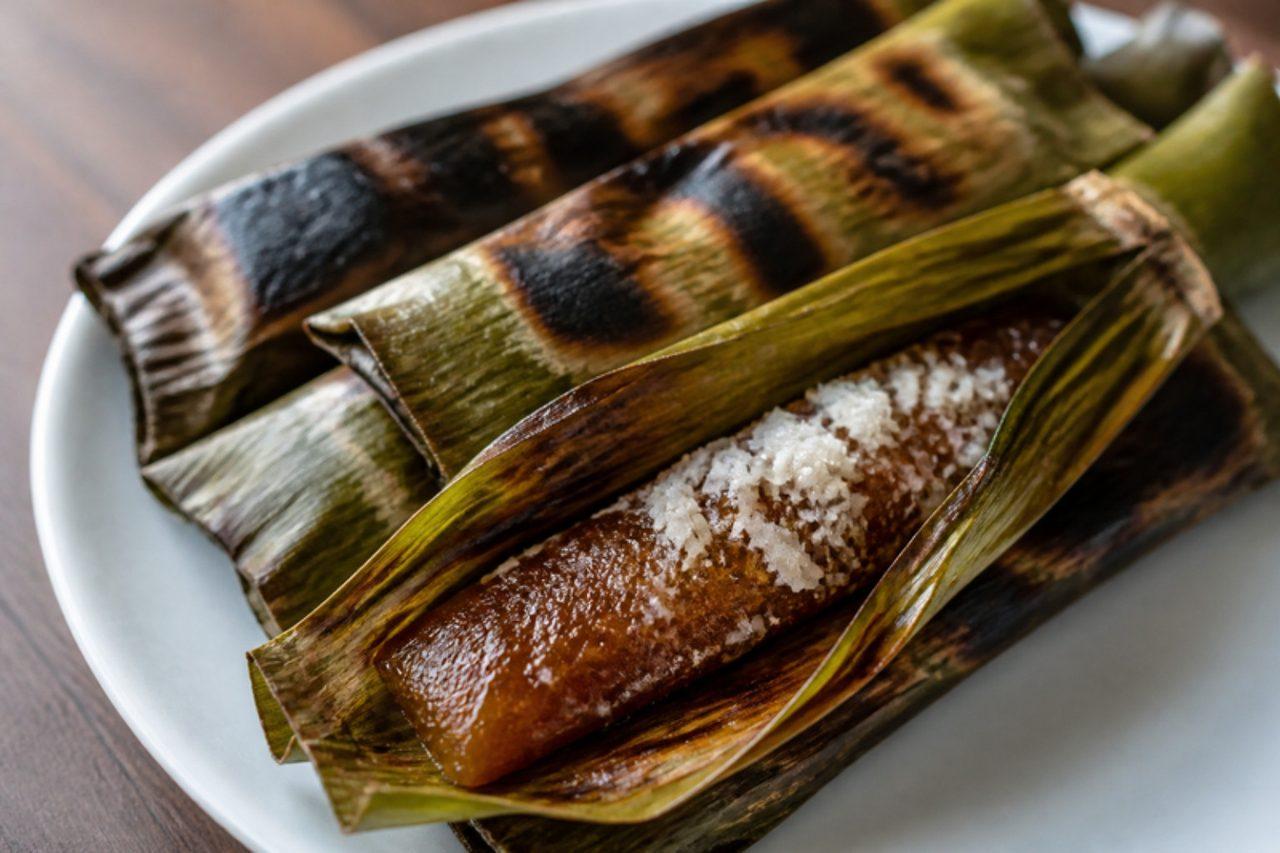
Tupig (grilled sticky rice rolls)

In Pangasinan and the Ilocos provinces, smoky tupig is the snack of Undas, the first days of November when families clean and decorate graves, keep vigil through the night and share food in the cemetery to remember their dead. Sticky rice, coconut milk, shreds of young coconut and dark brown sugar are rolled in banana leaf and grilled until the leaf blackens and the inside turns chewy, caramel-dark and fragrant with smoke. They travel well in a basket, so they are handed round to relatives and visitors, still warm, with coffee or hot ginger tea. Chef's tip: no charcoal? A heavy griddle pan over a medium heat gives a good char on the leaves; just turn the rolls more often.

by KrazyBadal 0 views

Mebos (Karoo salted apricot sweets)

Mebos belongs to the dry Karoo and the orchards of the Western Cape, where summer apricots were salted, sun-dried and pounded into a paste that lasted the year. Today it is a car-trip and school-holiday treat, bought from farm stalls and passed around with afternoon tea. The flavour is bright and tart, then sweet, with a little salt that makes the apricot taste even stronger; the texture is dense and chewy, like a soft fruit leather. Eat it on its own, with a cup of rooibos, or chopped over plain yoghurt. This version starts from dried apricots, so it can be made at any time of year. It is naturally egg-free: the apricots' own pectin and fibre, thickened with sugar in the pan, hold the paste together with no other binder. Chef's tip: measure the salt; the common mistake is adding it by feel, which turns a sweet-sour sweet into a salty one.

by KrazyBadal 0 views

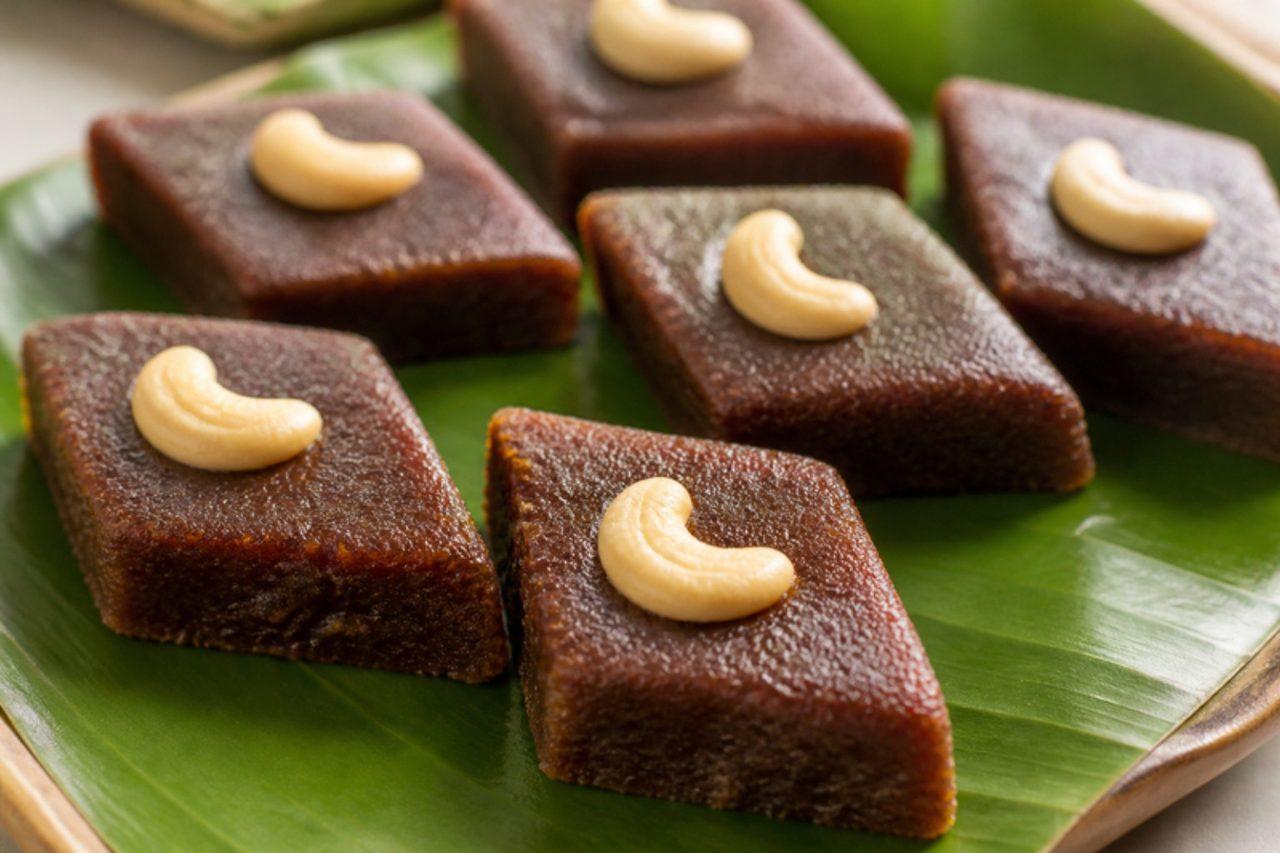
KokadCoconut, jaggery and semolina squares

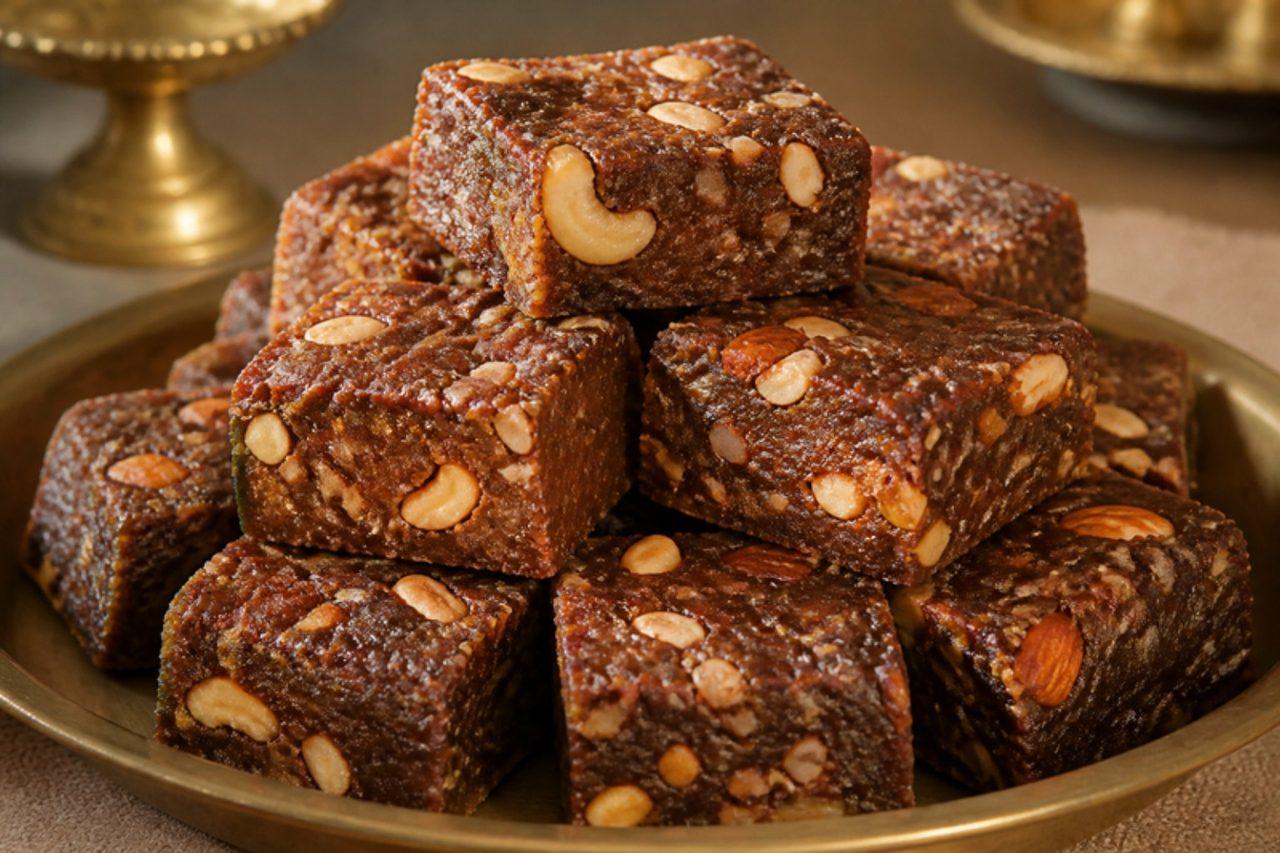
Kokad is one of the sweets in the Goan Christmas kuswar, the tray of homemade sweets Catholic families swap with neighbours in the days around 25 December. Freshly grated coconut is cooked with jaggery, semolina and ghee until it pulls together into a dark, fudgy mass, then pressed into a tray, scored into diamonds and topped with cashews. It is chewy, caramel-sweet and fragrant with cardamom. Chef's tip: roast the semolina in ghee first, until it smells nutty, as raw semolina makes kokad pasty.

by KrazyBadal 0 views

Quinotos en almíbar (Argentine kumquats in syrup)

In Buenos Aires and the river provinces of the Litoral, kumquat trees ripen in the middle of winter, between June and August, and the fruit goes straight into jars of syrup. Grandmothers' pantries held quinotos for the whole year, brought out for birthdays and long Sunday lunches. Each little fruit turns glossy orange and translucent, with a soft, bittersweet skin and a sharp, juicy centre. Spoon them over vanilla ice cream, serve them with a slice of fresh cheese in the style of postre vigilante, or eat them straight from the jar. Many bar menus offer them steeped in spirits; this version keeps only the syrup. Naturally egg-free, the quinotos rely on sugar syrup to preserve them, while pectin from the peel gives the syrup a light, jammy body. Chef's tip: blanch the fruit three times from cold water; the common mistake is skipping this, which leaves the skins tough and bitter.

by KrazyBadal 0 views

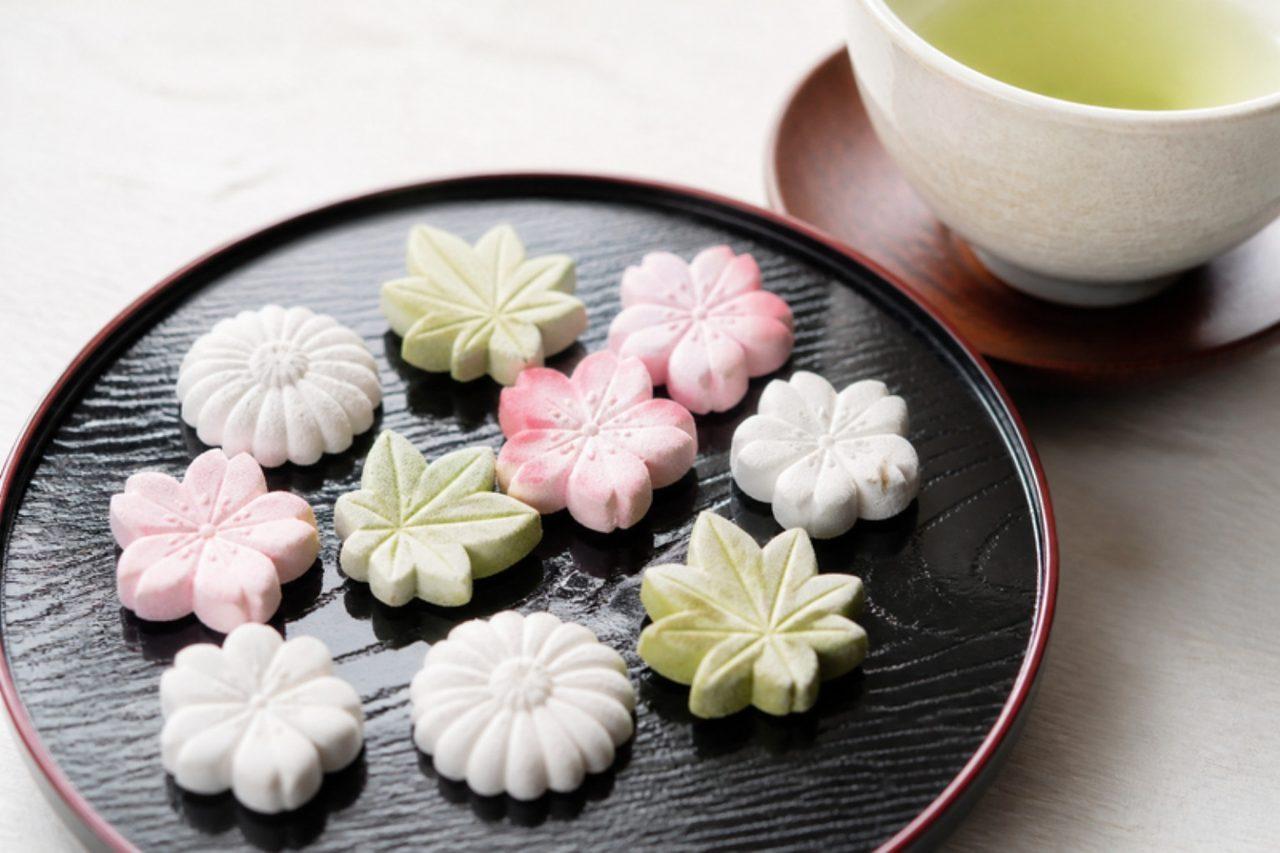
Rakugan (pressed dry sweets for tea)

Rakugan are higashi, the dry sweets served before thin matcha at a tea ceremony, and the castle towns of Kanazawa and Matsue, both with a long tea tradition, are famous for them. Fine sugar and roasted rice flour are pressed into carved wooden moulds to make cherry blossoms in spring, maple leaves in autumn and plum flowers in winter; they also appear on Obon altars as offerings. They feel firm in the hand but dissolve on the tongue into a delicate, clean sweetness, which balances the bitterness of the tea. Serve two or three per person with matcha or sencha. They are naturally egg-free: a few drops of water make the fine sugar just damp enough to stick, the roasted rice flour holds the shape, and drying sets it hard. Chef's tip: add water a few drops at a time and stop when the sugar feels like damp sand; the common mistake is too much water, which glues the mixture into the mould.

by KrazyBadal 0 views

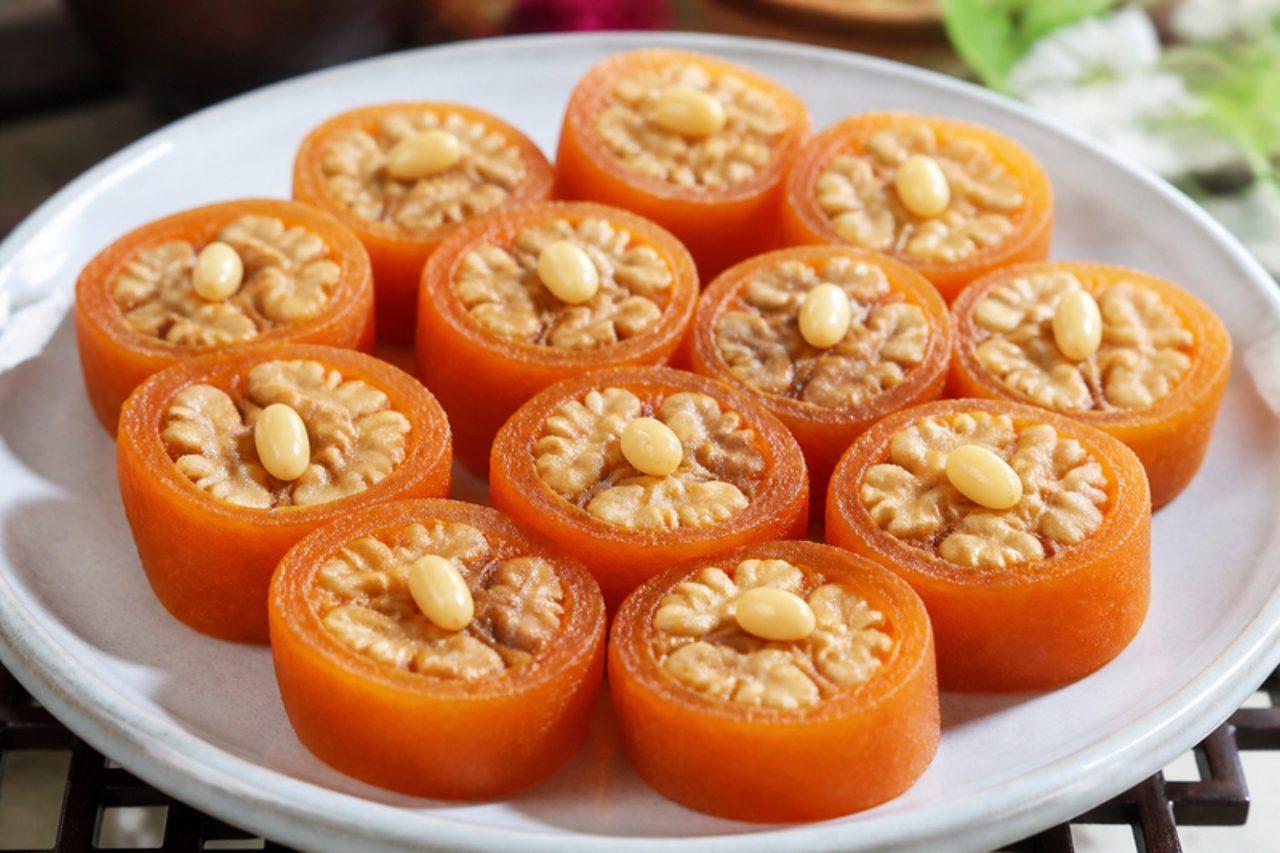
Gotgam-ssam (walnut-stuffed dried persimmon rounds)

Sangju in North Gyeongsang is Korea's dried-persimmon capital, and in Andong and across the region gotgam-ssam is a sweet for Seollal and Chuseok tables and for welcoming guests in winter. Soft dried persimmons are opened out flat, rolled tightly around a row of walnut halves and sliced, so each round shows a pattern like a flower. They are chewy and honeyed from the fruit, with crunchy, slightly bitter walnuts in the middle. Serve them with sujeonggwa, the cinnamon-ginger punch, or with a cup of roasted barley tea. It is naturally egg-free: the sticky dried fruit is its own glue, and a short chill firms the roll so it slices neatly. Chef's tip: wrap the roll tightly in cling film and chill it before slicing; the common mistake is slicing it straight away, which squashes the rounds and lets the walnuts fall out.

by KrazyBadal 0 views

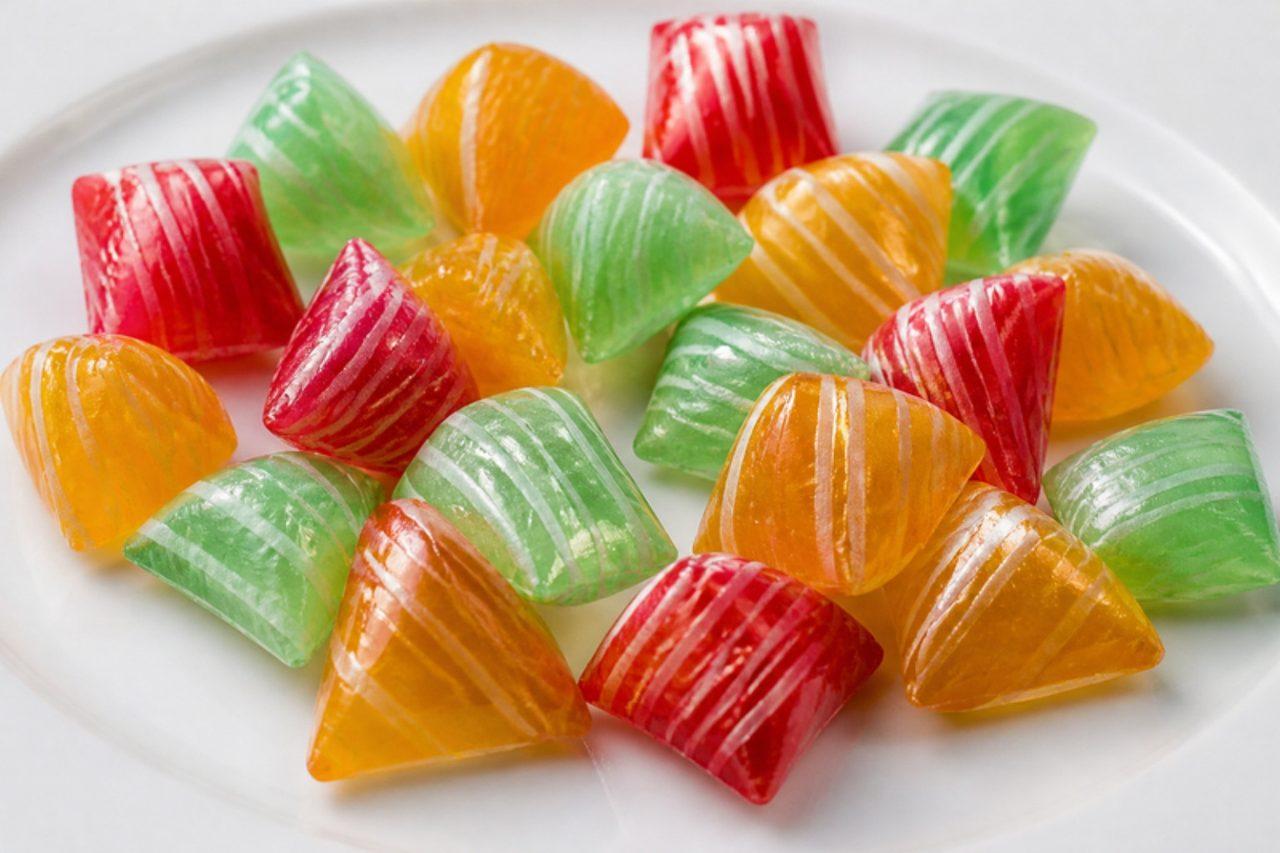
Berlingots de Carpentras (striped Provençal hard candies)

Carpentras, the market town below Mont Ventoux, has made berlingots since the nineteenth century, using the fruit syrups left over from its candied-fruit trade. The little four-sided pyramids are clear and glassy with fine white stripes, and they are sold year round at the Friday market and in paper cones for the Christmas sweet table. They crunch cleanly and dissolve slowly, here with a cool mint flavour; a fruit syrup can take its place. Offer them after a meal with coffee or herbal tea. Hard candy is naturally egg-free: the sugar, cooked to the hard-crack stage, sets glass-hard by itself, and glucose syrup keeps it clear instead of grainy. You will need heatproof gloves, oiled scissors and a warm place to keep the sugar soft while you shape it. Chef's tip: make these on a dry day; the common mistake is cooking sugar in a steamy kitchen, which leaves the berlingots sticky within hours.

by KrazyBadal 0 views

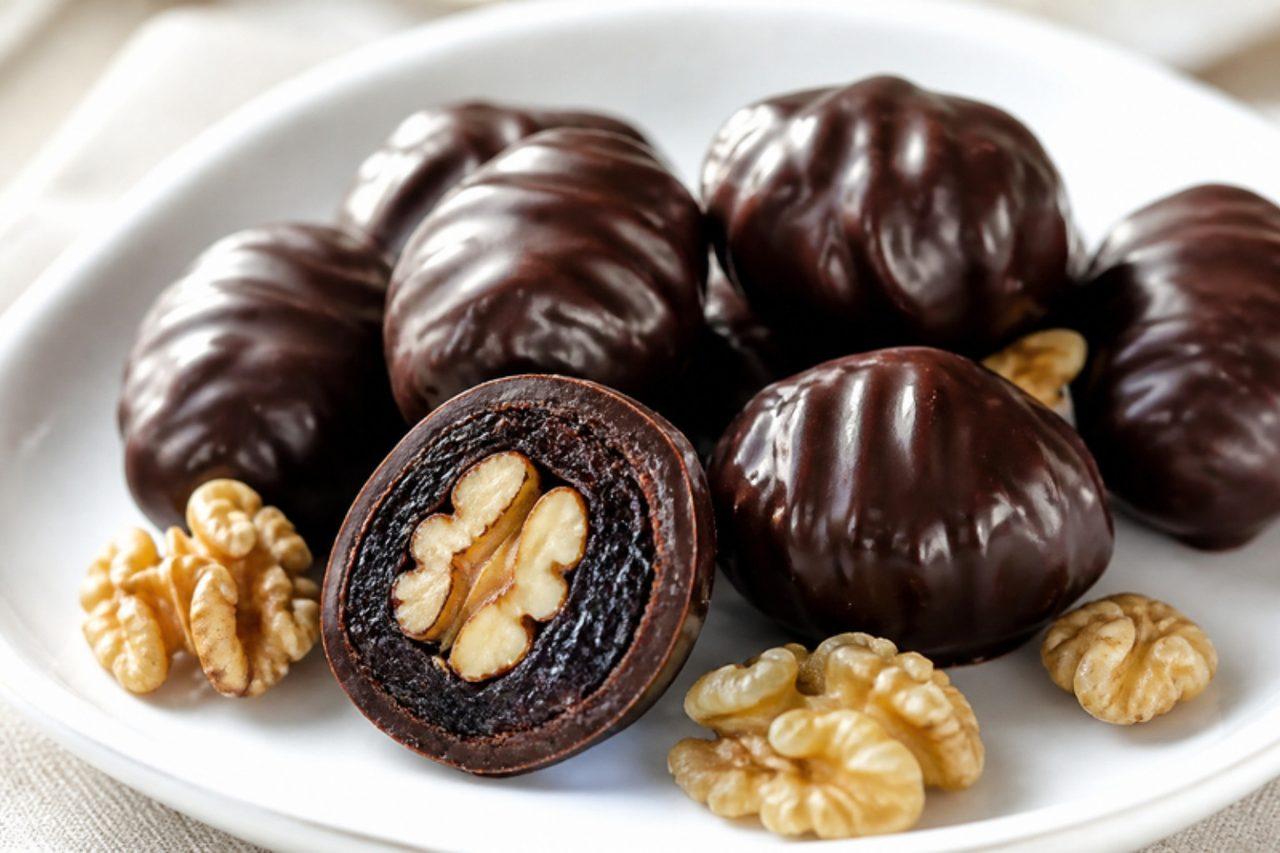
Śliwki w czekoladzie (chocolate-coated prunes with walnuts)

Boxes of chocolate prunes are a classic Polish gift: brought to grandmothers at Christmas, set out on the Wigilia table among the twelve dishes, and passed round on name days. Plump smoked or soft prunes from the south of the country are best. Each one hides a walnut half, so you get chewy, slightly tart fruit, a crunchy bitter nut and a snap of dark chocolate in one bite. Serve them with coffee or tea after a big meal. Nothing here ever needed egg: the prune itself holds the nut, and chocolate sets around it as it cools. Older recipes soak the prunes in spirits; here they are alcohol-free, plumped in warm orange juice instead, which also brightens the flavour. Use a dark chocolate made without milk and the sweets are vegan. Chef's tip: dry the soaked prunes very well before dipping; the common mistake is leaving them damp, and even a few drops of juice will make melted chocolate seize and turn grainy.

by KrazyBadal 0 views

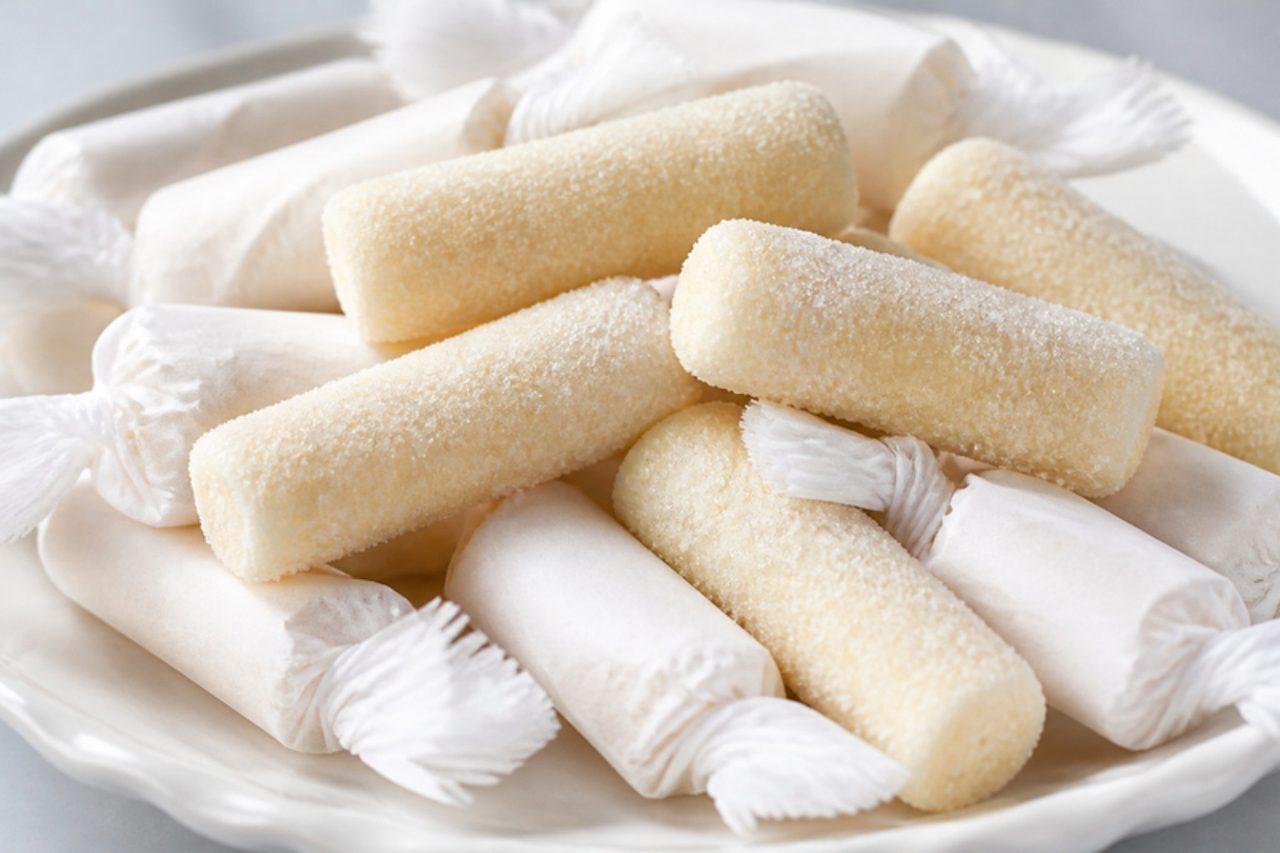
Pastillas de leche (Bulacan milk candy)

San Miguel in Bulacan, north of Manila, has made pastillas de leche from the rich milk of carabao, the water buffalo, for generations, and the town celebrates it every May with a festival. The candies are slow-cooked from little more than milk and sugar, rolled into fingers, coated in sugar and wrapped in coloured paper, often with fringed, cut-paper wrappers for fiestas and Christmas. They taste like a soft, milky fudge that melts on the tongue. Hand them round with coffee or tuck them into gift boxes. Carabao milk is hard to find, so this version uses whole cow's milk boosted with a little milk powder for the same richness. It is naturally egg-free: the milk solids, reduced with sugar, set into a firm paste on their own. Chef's tip: keep the heat at medium-low and scrape the base often. The common mistake is turning the heat up to save time, which scorches the milk and makes the paste grainy.

by KrazyBadal 0 views

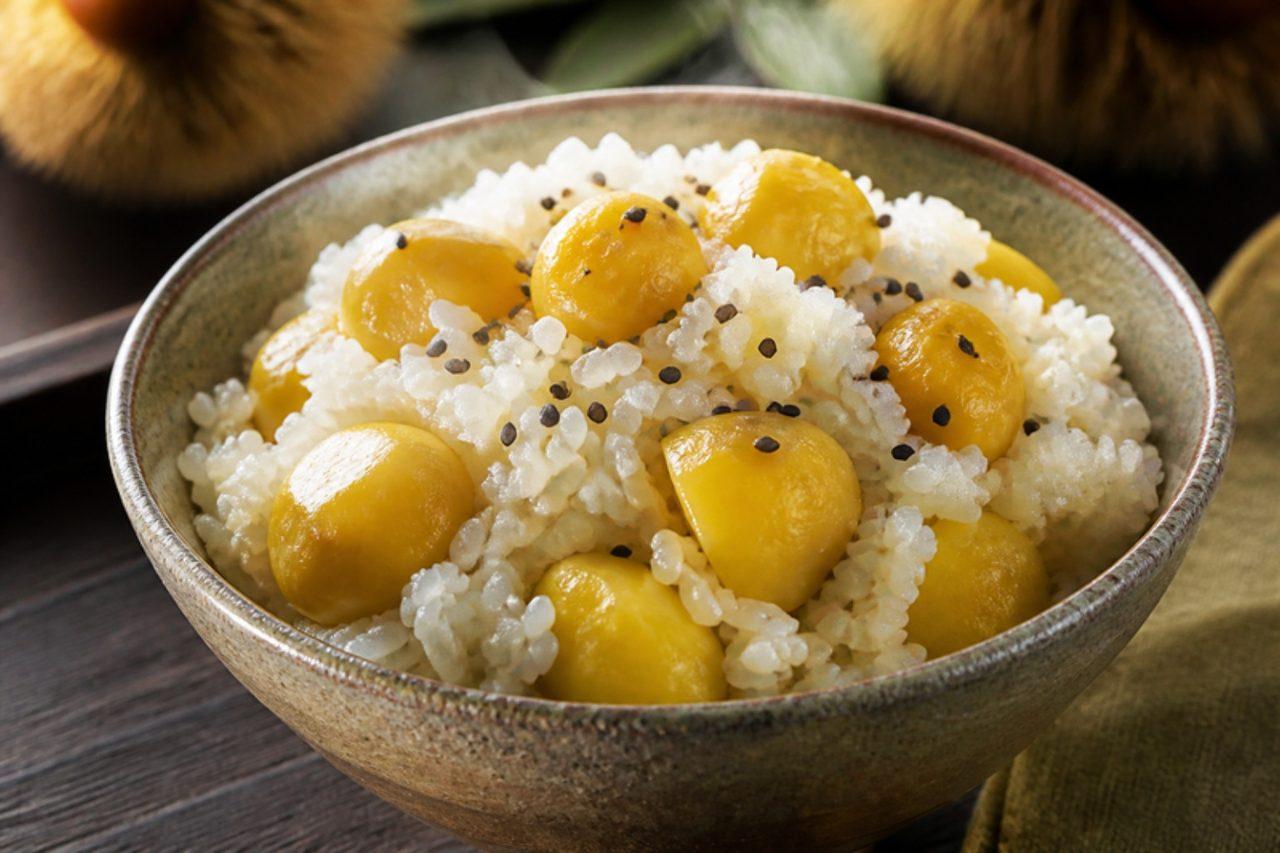
Kuri gohan (chestnut rice)

Kuri gohan is one of the great dishes of the Japanese autumn, made all over the country when fresh chestnuts arrive in September, and it is often eaten around the harvest moon, when chestnuts are offered beside dumplings and taro (the later moon-viewing in October is even nicknamed the "chestnut moon"). Sweet, fluffy chunks of chestnut sit in salty, slightly sticky rice scented with kombu, and the dish is all about the season's bounty. It traditionally uses a spoonful of sake; this is optional, and plain water works perfectly well for an alcohol-free version. Serve with miso soup, pickles and grilled fish, sprinkled with black sesame salt. Chef's tip: soak the chestnuts in hot water for 30 minutes before peeling; the shells soften and the furry inner skin lifts away far more easily.

by KrazyBadal 0 views

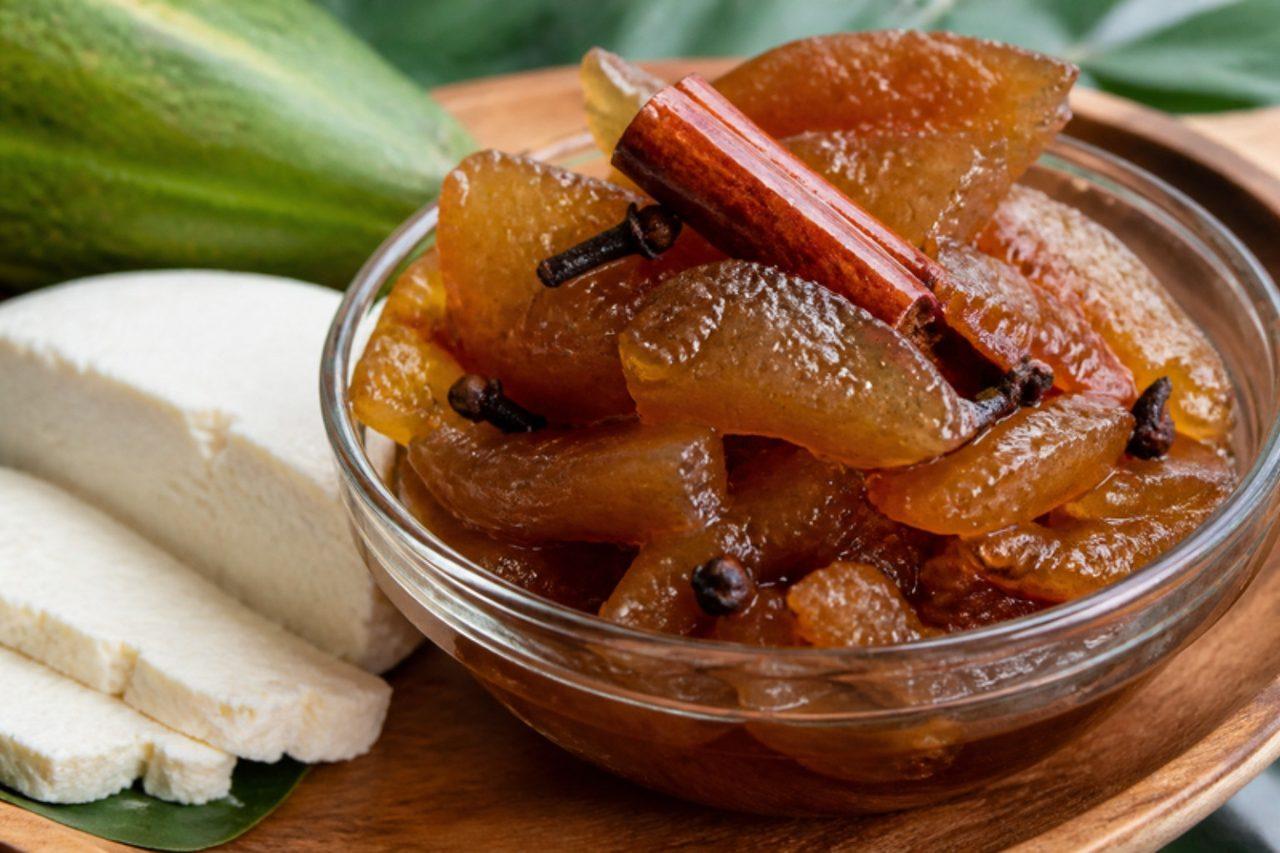
Dulce de papayuelaMountain papaya in spiced syrup

Papayuela is the small, fragrant mountain papaya that grows in the cool highlands of Boyacá in Colombia. Cooked slowly in panela syrup with cloves and cinnamon, it becomes a glossy, amber dulce that Boyacá families set out during Holy Week and again at Christmas, often with a slice of fresh white cheese or cuajada. It is vegan and gluten free. Firm, slightly underripe ordinary papaya, or babaco, makes a good stand-in. Chef's tip: blanch the fruit briefly first, then drain it; this removes the bitter latex and lets it soak up the syrup.

by KrazyBadal 0 views

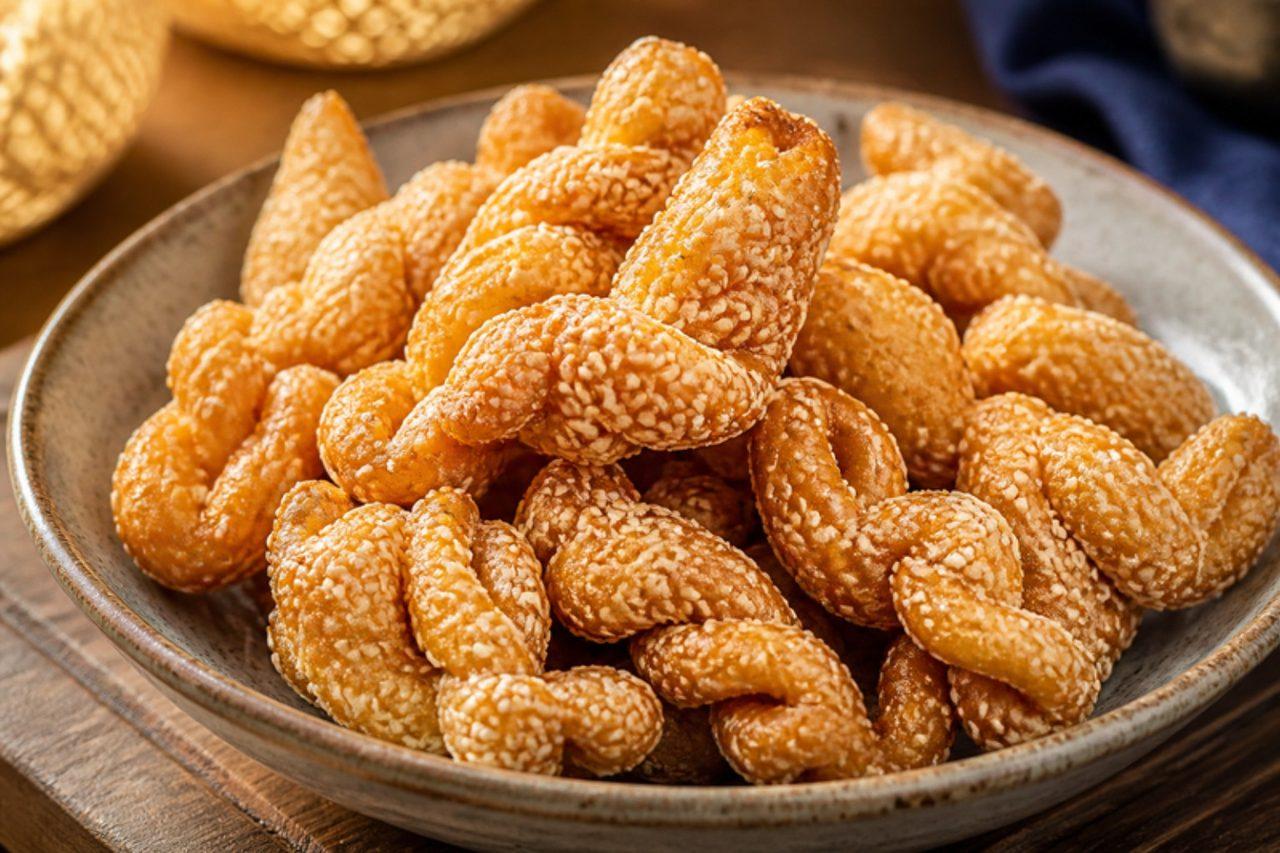
Qiaoguo (Qixi fried pastries)Sesame sugar fried dough knots

Qiaoguo, 'skill fruits', are fried for Qixi on the seventh night of the seventh lunar month in Zhejiang and Jiangsu. The festival celebrates the Weaver Girl and the Cowherd, the star-crossed lovers who meet once a year, and girls once set out these pastries and asked the Weaver Girl to make them clever with their hands; the neat twists and cut-out shapes show off that skill. They are crunchy, lightly sweet and toasty with sesame, like a delicate biscuit. Serve a plate under the evening sky with tea, melon and fruit. Chef's tip: roll the dough thin, about 2 mm; thicker pieces stay hard in the middle instead of crisp.

by KrazyBadal 0 views

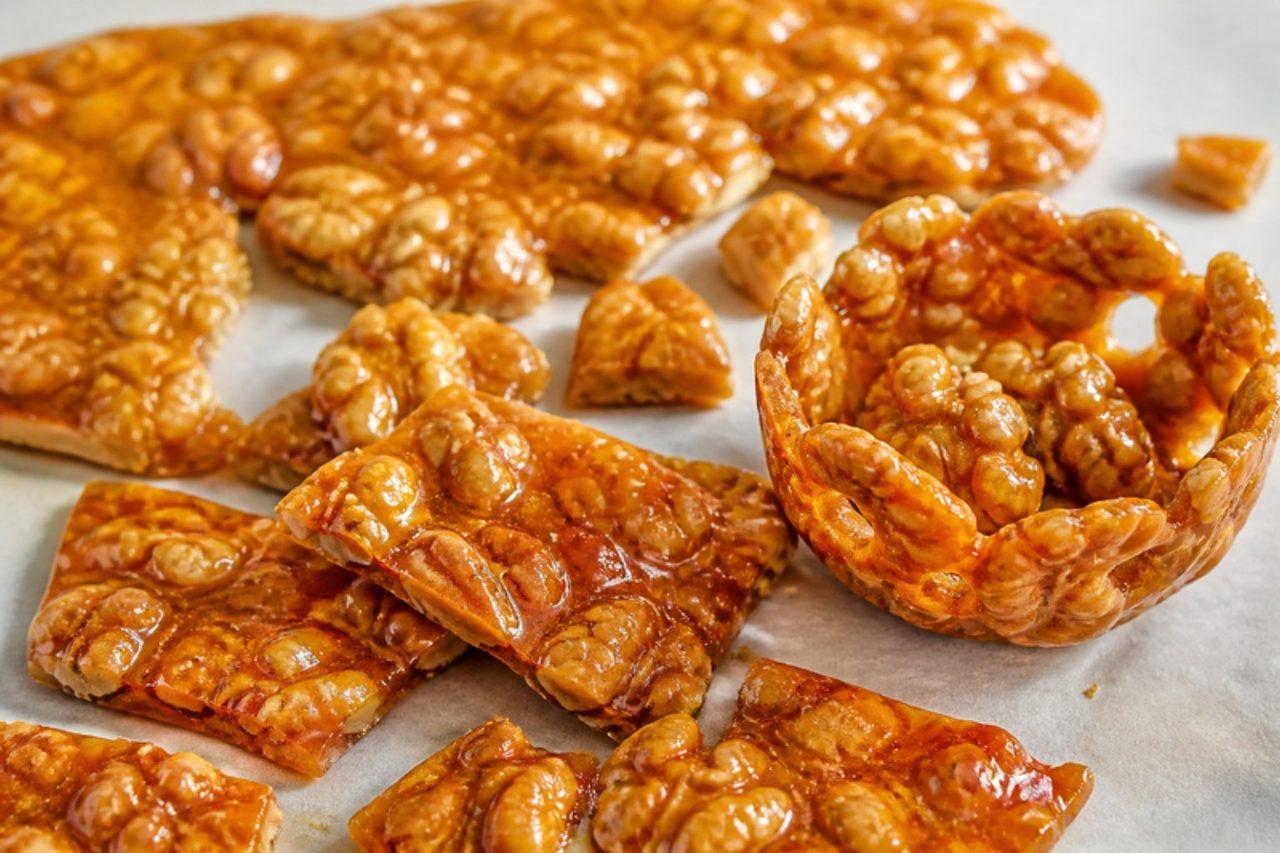
Grillázs (Hungarian walnut brittle)

Grillázs belongs to Hungarian celebrations: it is sold at Christmas fairs and on saints' day markets, and at village weddings a towering grillázs castle or basket is often the centrepiece, broken up and shared at the end of the night. Walnuts are traditional, almonds are the fancier choice. The caramel is cooked to a deep amber, so it tastes rich and slightly bitter-sweet and shatters cleanly, with the toasted nuts giving a softer crunch. Serve shards with coffee, crumble it over ice cream, or press warm sheets over an oiled bowl to make a basket for fruit or sweets. It is naturally egg-free: melted, caramelised sugar sets glass-hard as it cools and holds the nuts together, with a few drops of lemon juice to keep it smooth. Chef's tip: warm the walnuts in the oven before they go in; the common mistake is adding cold nuts, which chill the caramel so it seizes and turns grainy before you can spread it.

by KrazyBadal 0 views

Chitose ame (thousand-year candy)

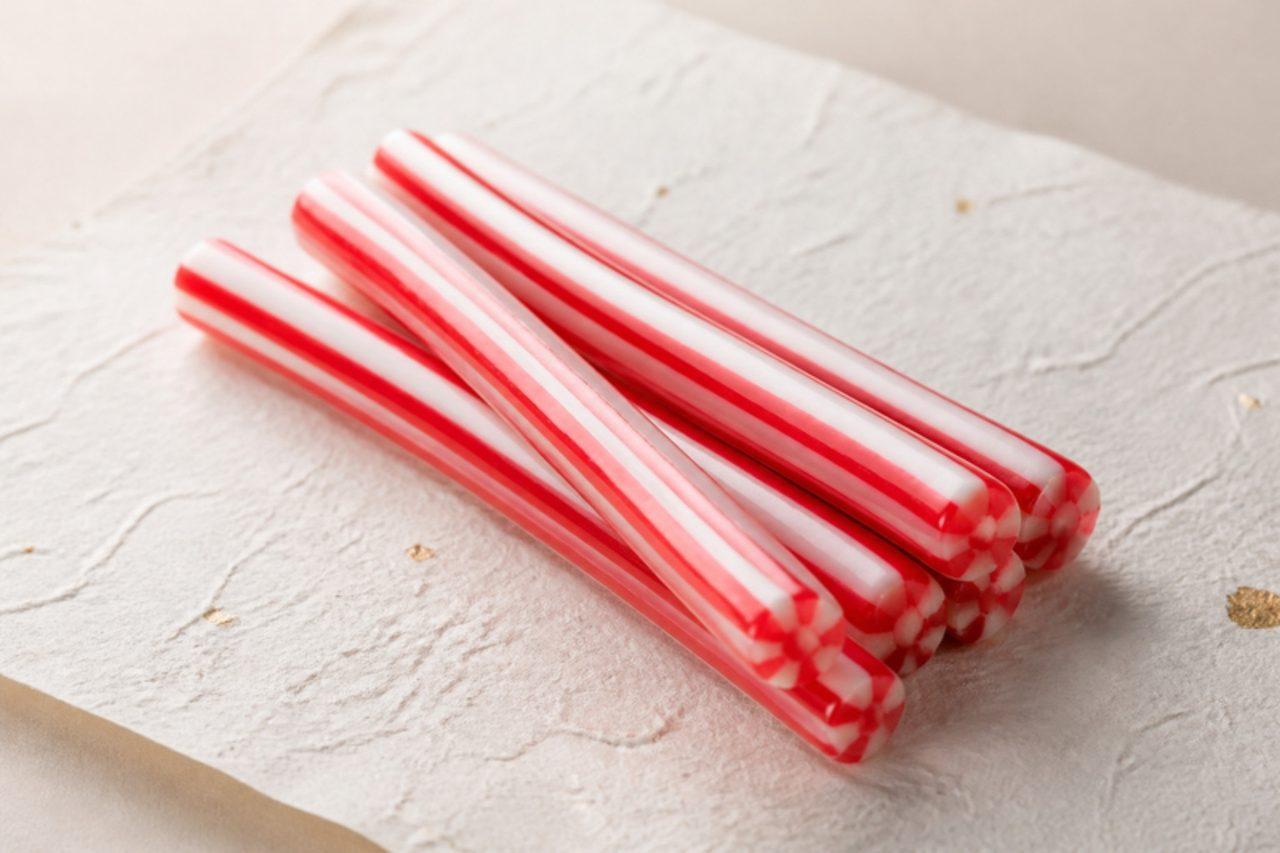
Chitose ame, "thousand-year candy", are the long red and white sugar sticks that children carry home from the shrine at Shichi-Go-San in November, in Tokyo and now right across Japan. The length of the stick is a wish for a long life, and red and white are the colours of celebration. Pulling the cooling sugar fills it with air, turning it from clear to a silky, opaque white with a soft, almost milky crunch. Boiling sugar reaches more than 150 °C, so wear heatproof gloves, work on a heatproof silicone mat, and keep children well away until the candy has cooled; they can admire the finished sticks. Hard sweets are a choking risk for small children, so break off small pieces for them and stay with them while they eat. Chef's tip: oil your gloves lightly and keep pulling until the candy turns satiny and starts to resist; that is when it sets into sticks.

by KrazyBadal 0 views

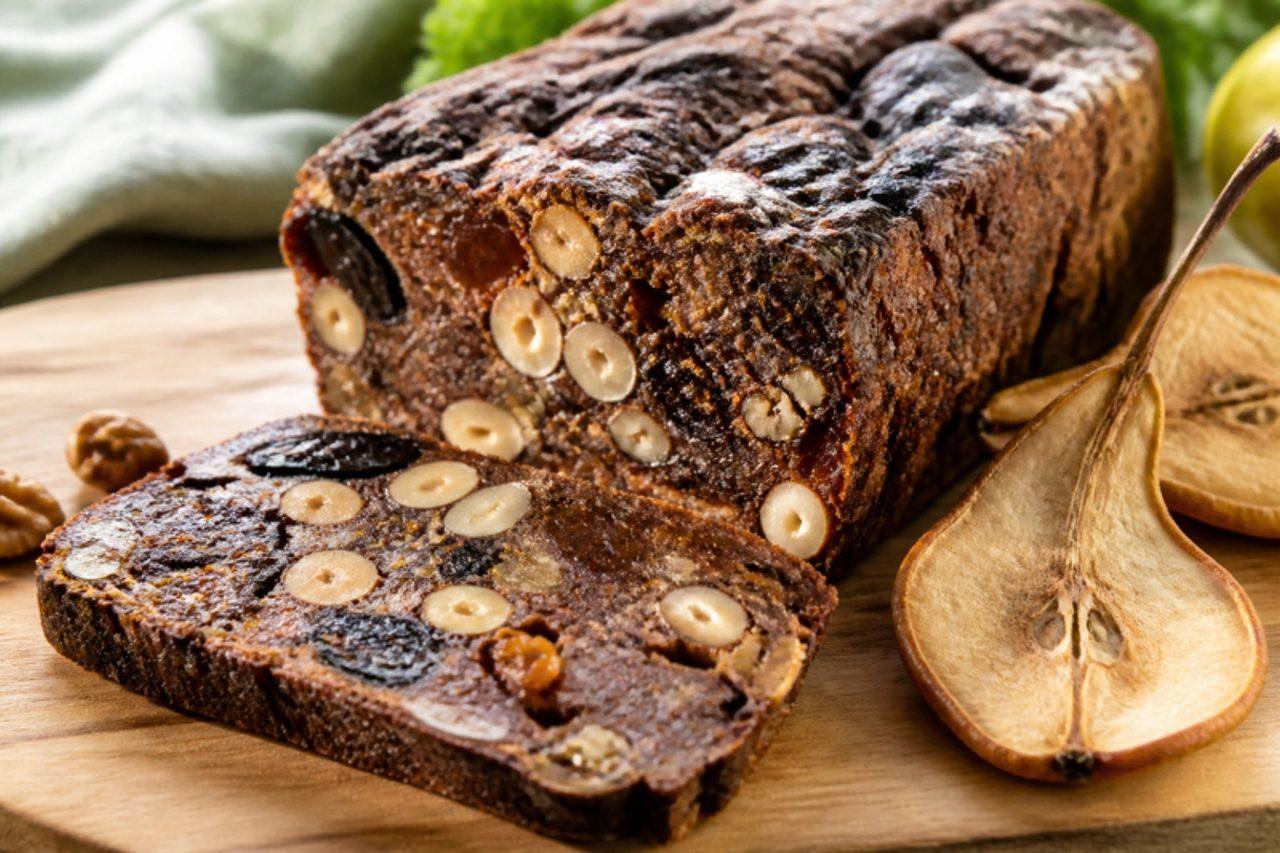
BeraweckaDried fruit and nut Christmas loaf

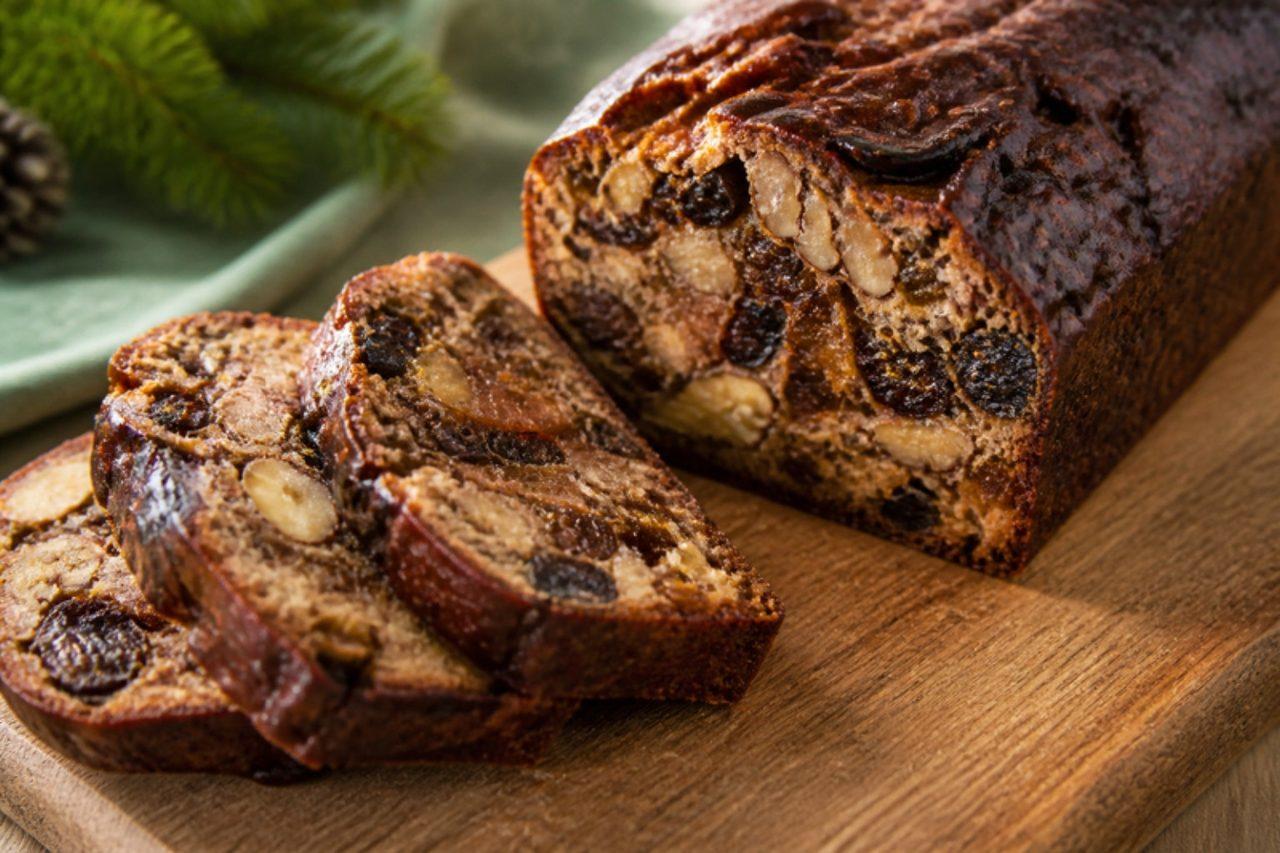
In Alsace, berawecka (the name means 'pear loaf') is baked in early December and sliced thinly through Advent, often handed to neighbours and godchildren. It is mostly fruit: dried pears, figs, prunes, raisins and walnuts held together with just enough bread dough, spiced with cinnamon, star anise and clove. Alsatian families soak the fruit in kirsch; this version uses strong black tea, which keeps the loaf moist and alcohol-free, and you can add 3 tbsp kirsch to the soak for adults if you like. It is vegan, keeps for weeks wrapped in foil, and is lovely buttered with a cup of tea. Chef's tip: cut the pears and figs the same size as the raisins, so every slice holds a mosaic of fruit instead of big lumps that tear the loaf.

100 minFrenchBakingVegan
by KrazyBadal 0 views

Rapadura (Brazilian sugarcane blocks)

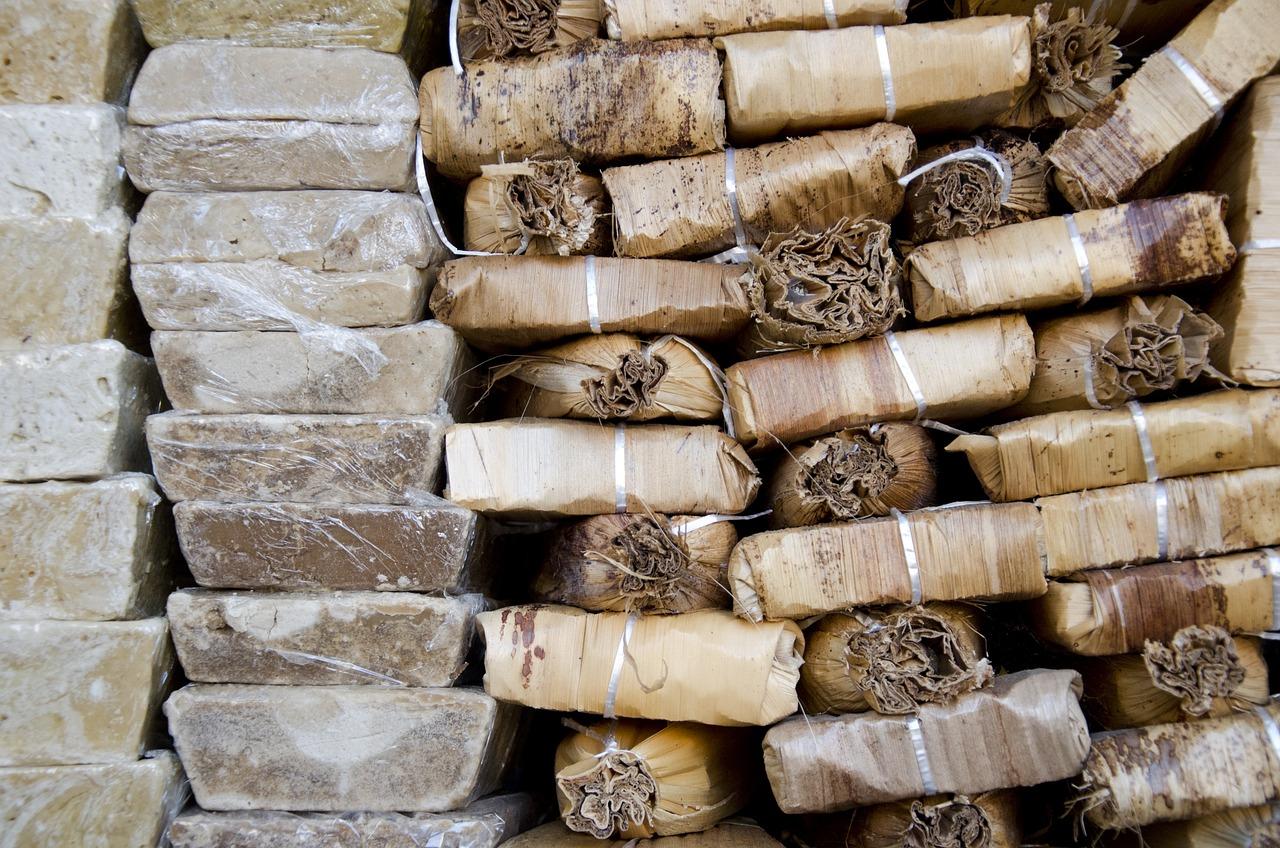
Rapadura is the sweet of the Brazilian Northeast, made since colonial times in the small sugar mills of Pernambuco, Paraíba and Ceará. Fresh cane juice is boiled down for hours and beaten until it sets into dense golden-brown bricks, sold at every feira and roadside stall and carried by farm workers as quick energy. It is eaten after lunch with a cup of coffee, with farinha or a slice of queijo coalho, and chopped onto the tables of the June festivals. The texture is firm but crumbly, like a hard fudge, and the flavour is deep caramel with a faint grassy note of cane. It is naturally egg-free: nothing binds it but sugar, which crystallises as you beat the hot syrup and sets the block. Use fresh or frozen sugarcane juice; peanuts or coconut make popular variations. Chef's tip: beat until the syrup loses its shine and turns thick and opaque; the common mistake is pouring too soon, which leaves a sticky toffee instead of a block.

by KrazyBadal 0 views

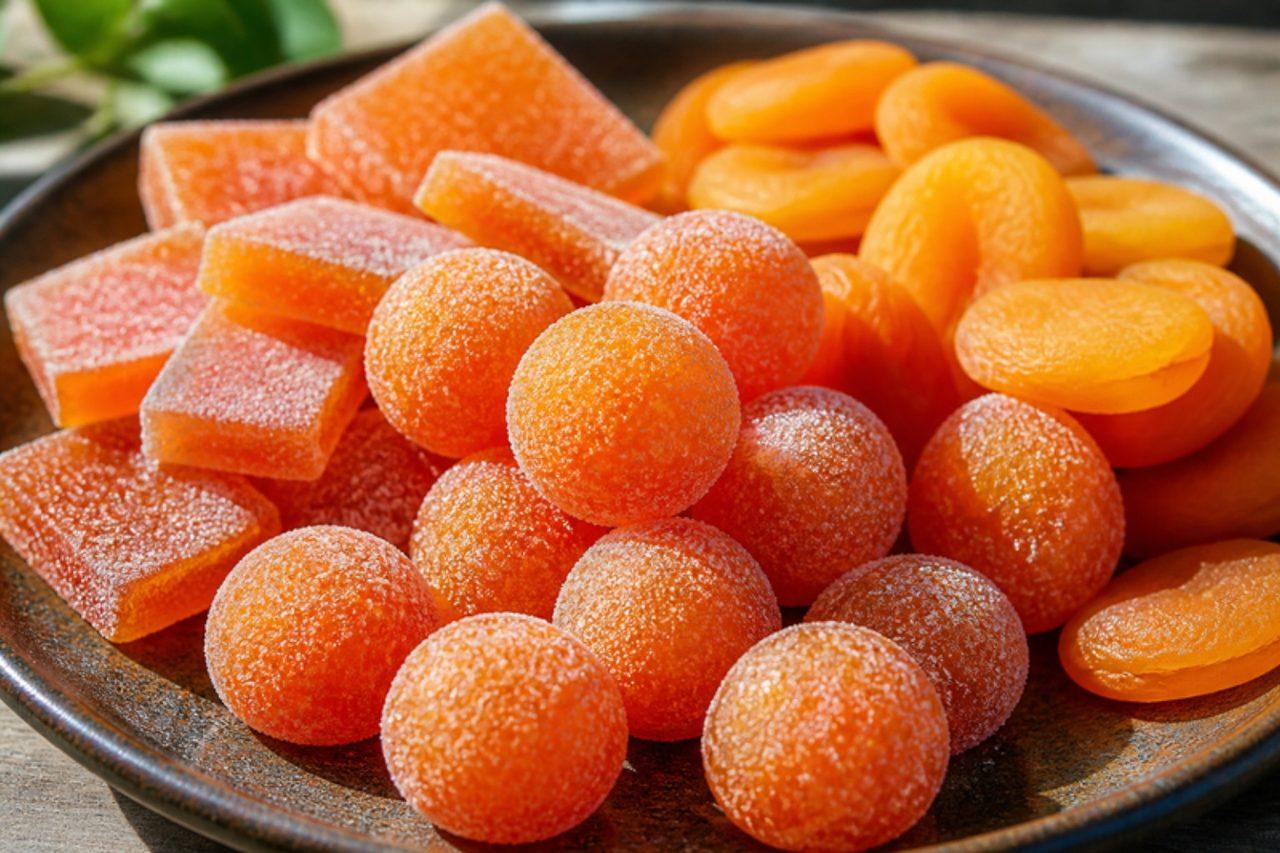
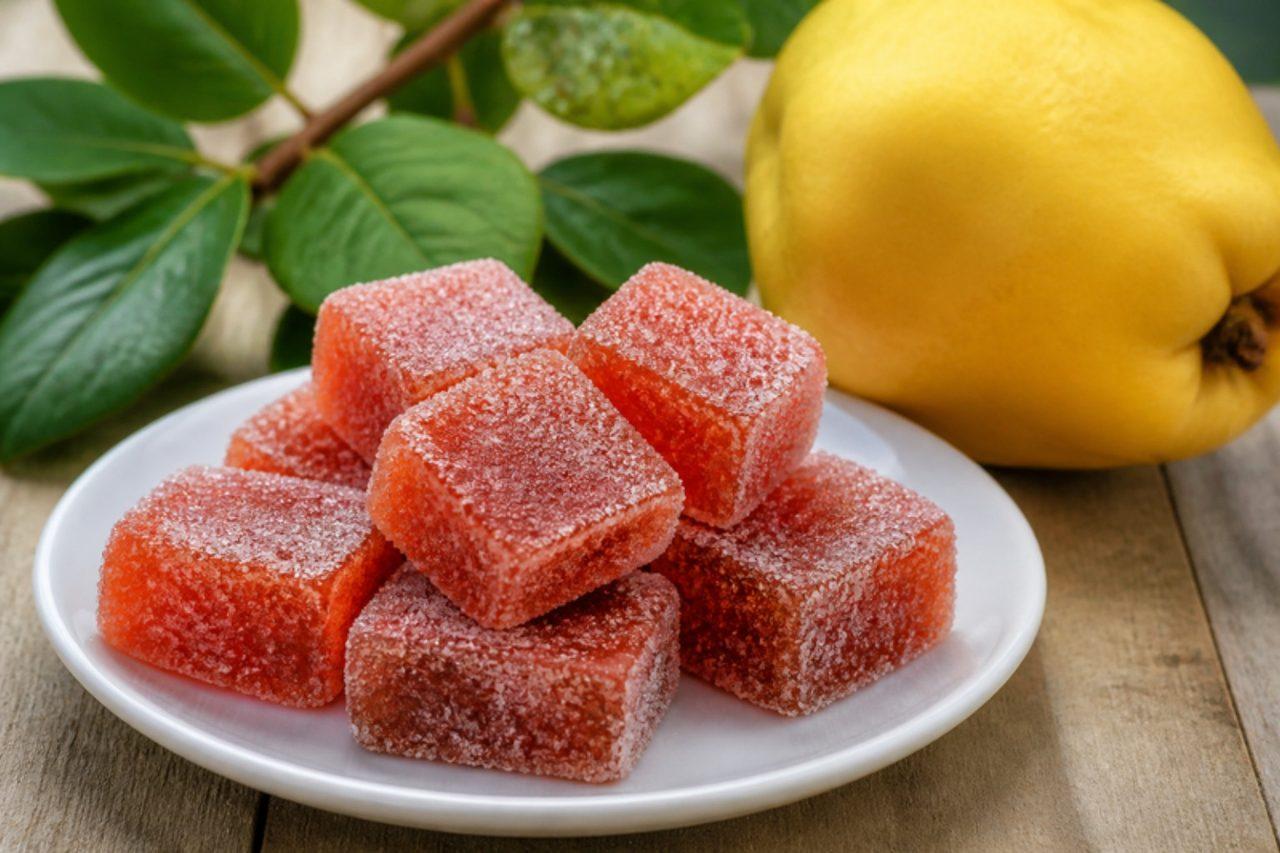
Pâte de fruits (Auvergne apricot fruit jellies)

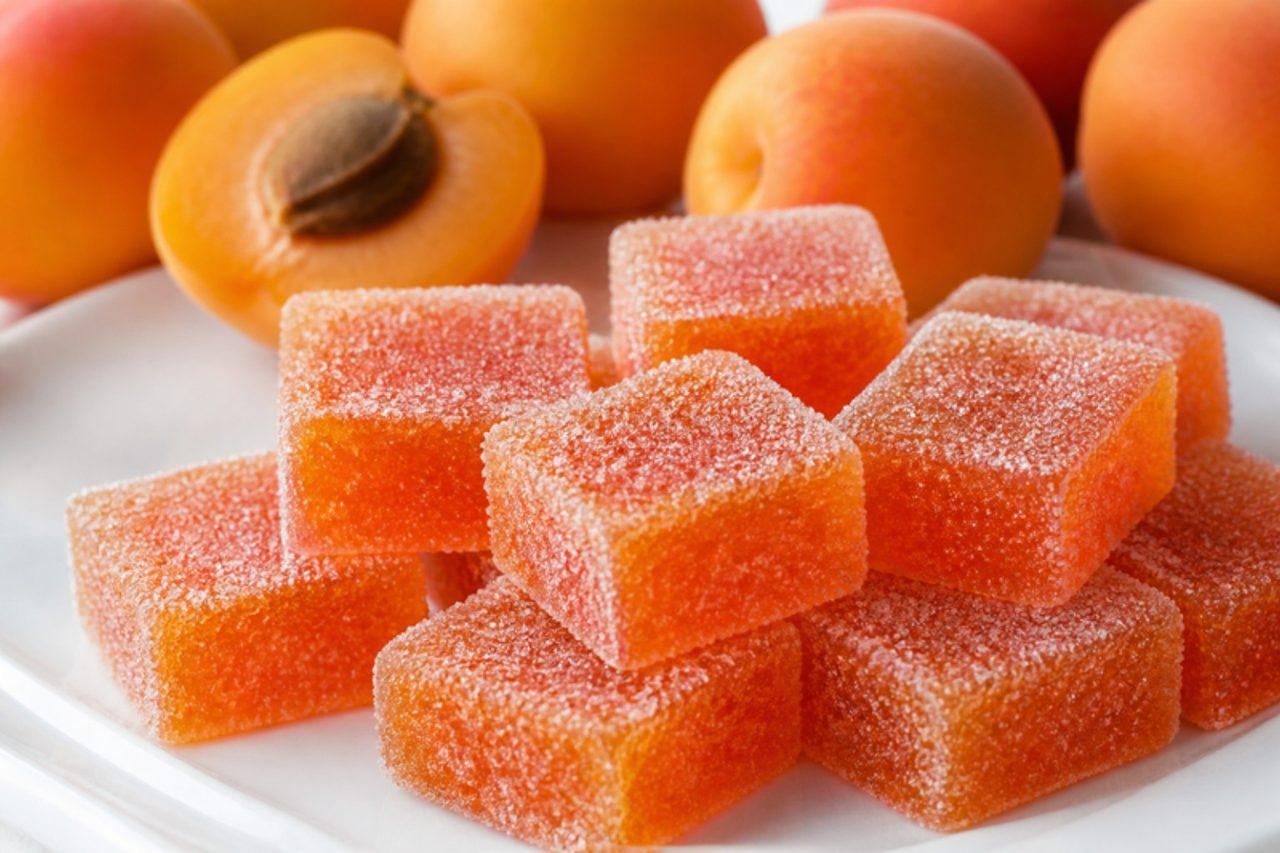
Clermont-Ferrand, the capital of the Auvergne, built a name for pâtes de fruits in the nineteenth century using apricots from the Limagne plain, and the jewel-bright squares remain a favourite in Christmas boxes and with coffee at the end of a meal. Good pâte de fruits tastes more of fruit than of sugar: dense, tender and clean-cutting, with a sparkle of sugar crust and a sharp edge of acid. Serve them on a plate of petits fours, or pack them as a gift. They are naturally egg-free: pectin, the fruit's own setting agent, does all the work once the purée is boiled with sugar to 106°C and the acid is added. Use yellow pectin for pâte de fruits if you can find it; it sets slowly enough to pour. Chef's tip: stir in the citric acid only off the heat, right before pouring; the common mistake is adding it early, so the jelly sets in the pan.

by KrazyBadal 0 views

VörtbrödDark Christmas rye bread

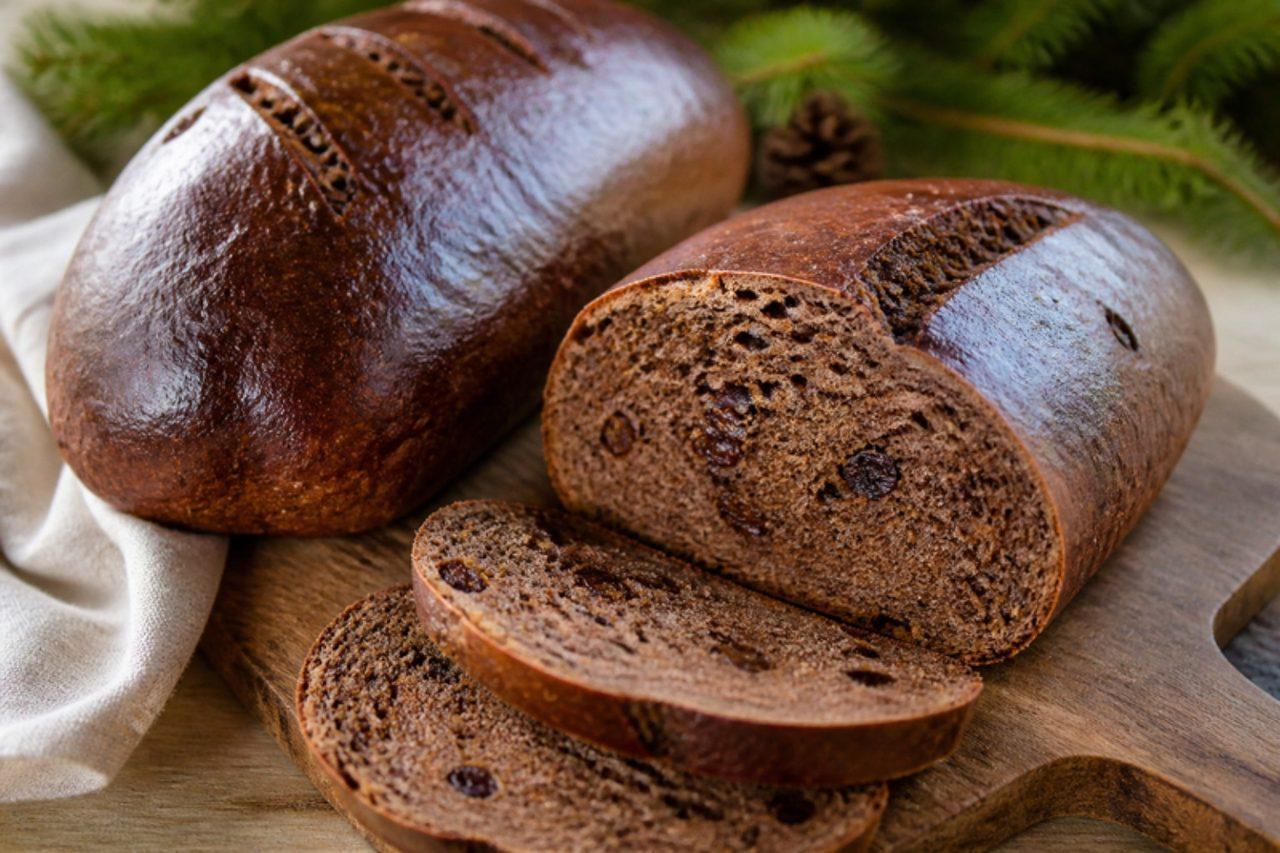
In Sweden the Christmas smörgåsbord (julbord) is never without vörtbröd, a dark, soft, slightly sticky rye loaf flavoured with wort, the sweet malty liquid brewers start beer from, plus dark syrup, orange peel, clove and ginger. It is sliced, buttered and eaten with the Christmas ham or with cheese. Many home bakers use dark beer, which contains alcohol; this recipe uses a non-alcoholic dark malt drink, which gives the same malty depth. It keeps for 4 days, and freezes well. Chef's tip: rye dough is sticky and never feels smooth like wheat; resist adding lots of extra flour or the loaf will be dry.

by KrazyBadal 0 views

Bay ben (Pchum Ben sticky rice balls)

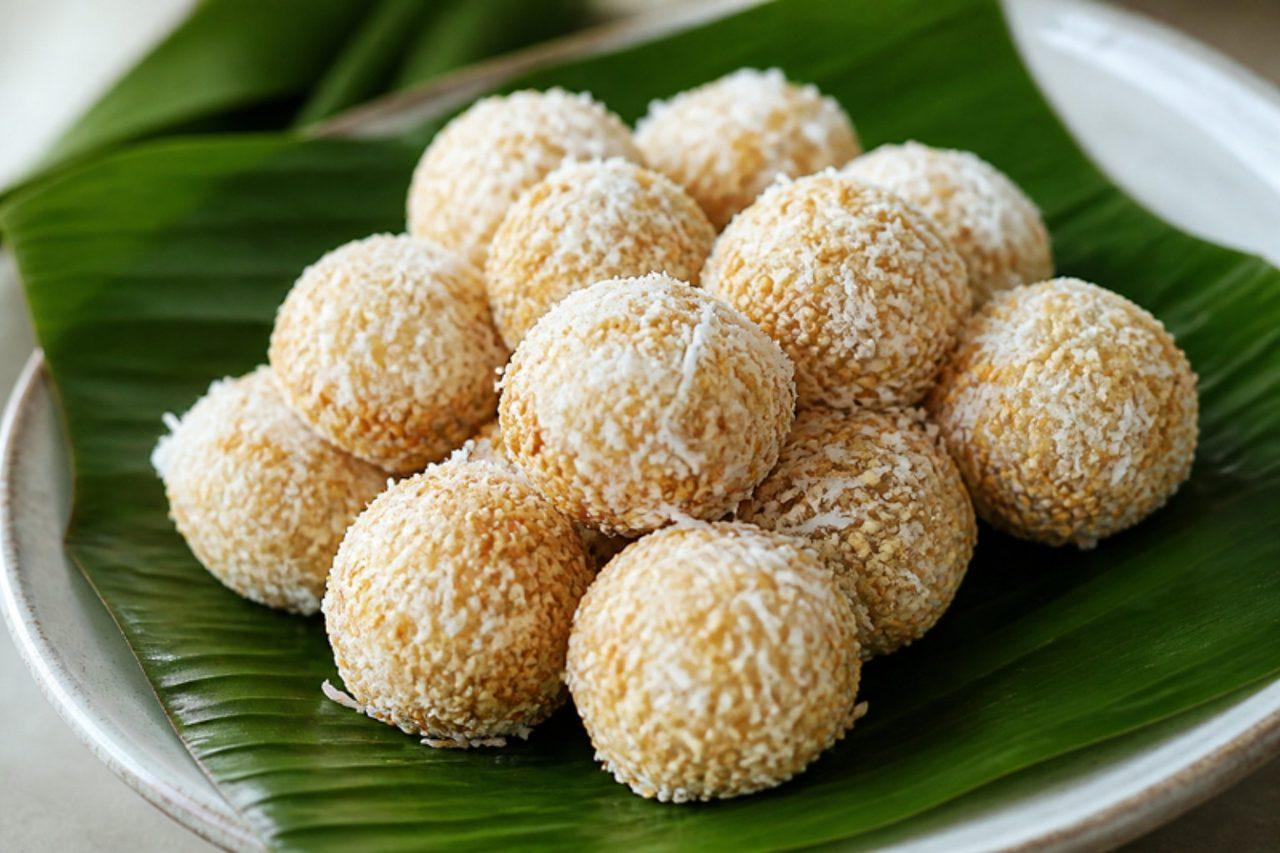
Bay ben are made across Cambodia for Pchum Ben, the fifteen-day festival of the ancestors: before dawn, families carry them to the pagoda and toss them onto the ground around the temple for hungry, wandering spirits who have no relatives to feed them, a gift of kindness and merit for the dead. At home the same rice balls are eaten as a snack. Sticky rice is steamed, folded with salted coconut milk, toasted sesame and fresh coconut, then rolled while warm, so each ball is soft, chewy, nutty and lightly salty-sweet. Serve them with fruit or a cup of tea. Chef's tip: roll with hands dipped in lightly salted water so the rice doesn't stick and the balls get a neat, shiny finish.

by KrazyBadal 0 views

Amazake (sweet koji rice drink)

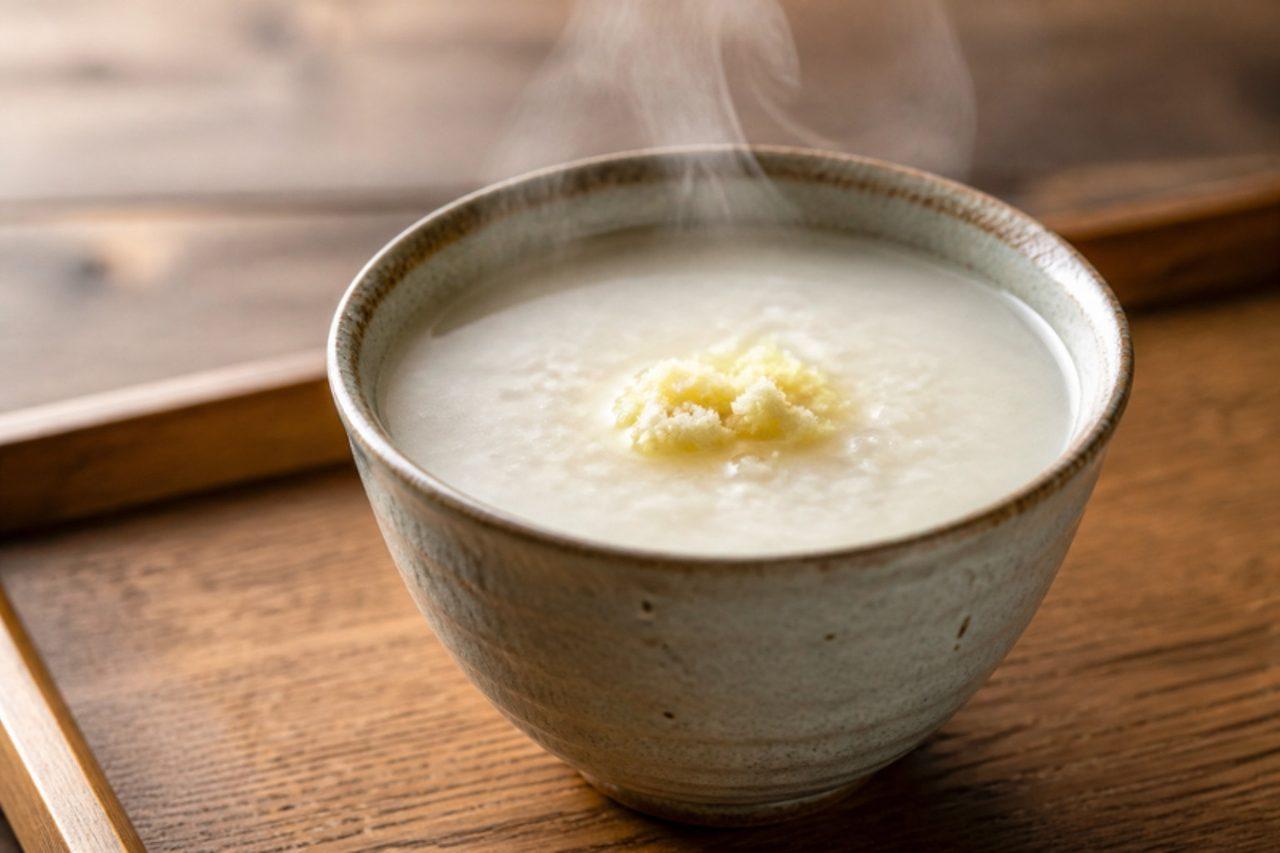
On New Year's Day, crowds queuing for hatsumōde, the first shrine visit of the year, warm their hands on cups of amazake, and shrines all over Japan ladle it out as a welcome. This is the koji kind: cooked rice is held warm with rice koji, whose enzymes turn the starch into sugar, so the drink is sweet with no added sugar and contains no alcohol (unlike the other amazake made from sake lees). It is thick, creamy and gently fragrant, a little like rice pudding you can drink. Serve it hot with a pinch of grated ginger, or chilled in summer. Chef's tip: a cheap probe thermometer is the whole secret; keep the mixture at 55–60 °C and it will turn sweet every time.

by KrazyBadal 0 views

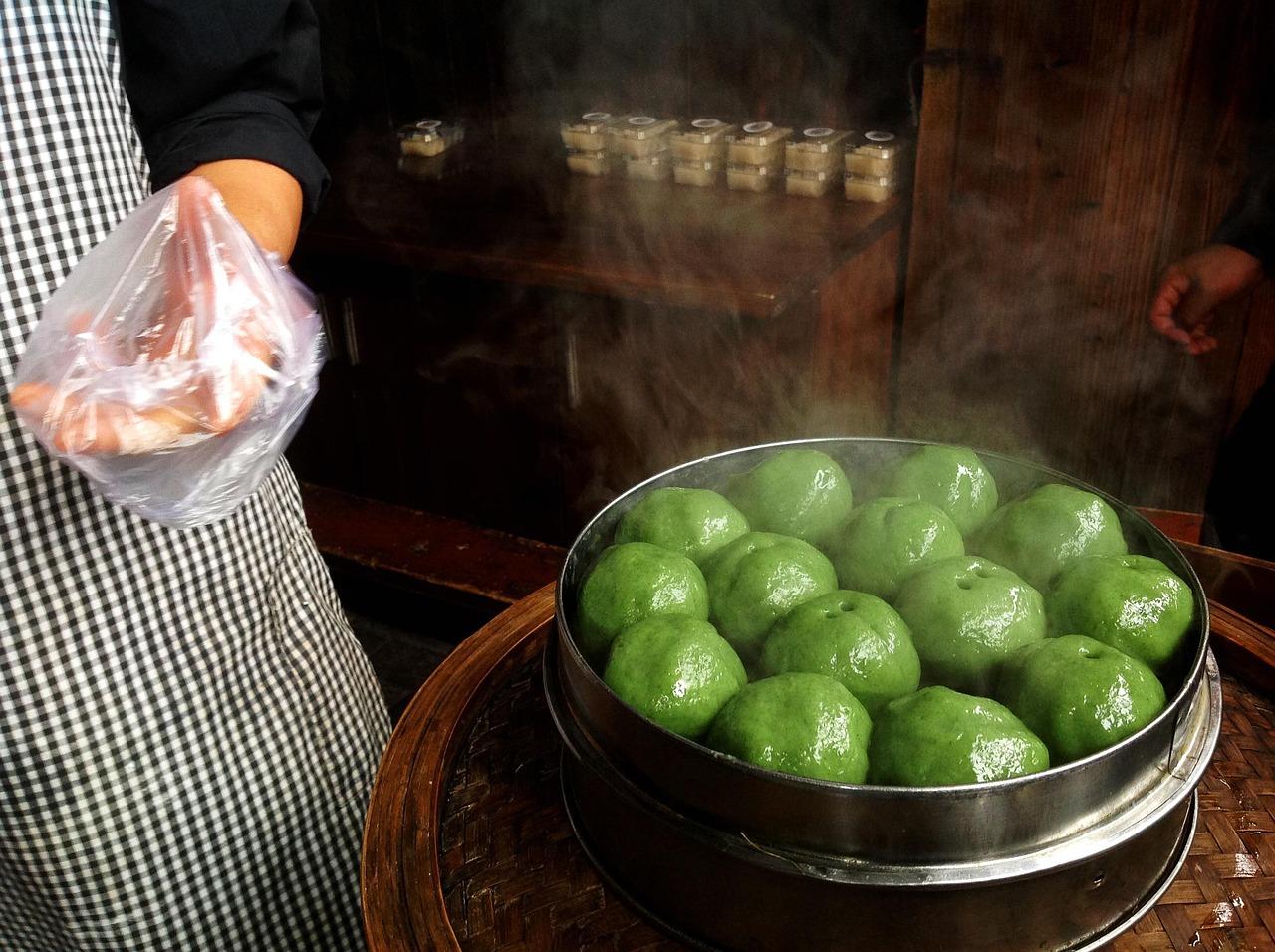
Surichwi-tteok (Dano wheel rice cakes)

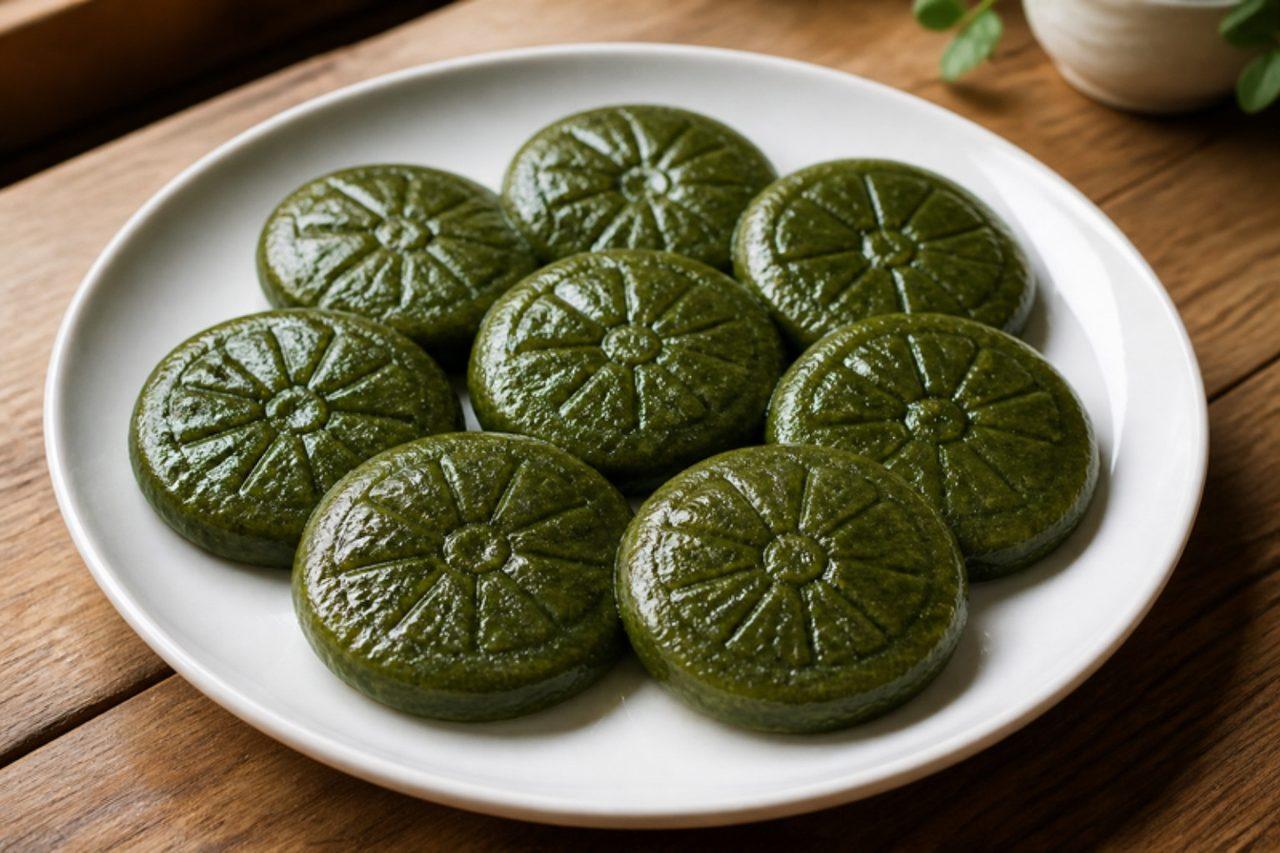
Dano, on the fifth day of the fifth lunar month, was once called surit-nal, and the green surichwi-tteok of Gangwon and the rest of Korea carries that name: the cakes are pounded with surichwi (Korean mountain aster) and pressed with a cartwheel stamp, since 'suri' was read as 'wheel', a wish for the year to roll on smoothly and for good health as summer heat sets in. The leaves give a grassy, faintly bitter scent and a deep green fleck, and the steamed rice is pounded until it turns chewy and bouncy. If you can't find surichwi, mugwort (ssuk) powder or dried mugwort works well; the flavour is a little more herbal and the cakes are just as traditional in spirit. Serve at room temperature with cold omija hwachae or barley tea. Chef's tip: pound the rice while it is still steaming hot; once it cools it tightens and will never go smooth.

by KrazyBadal 0 views

Omija hwachae (five-flavour berry punch)

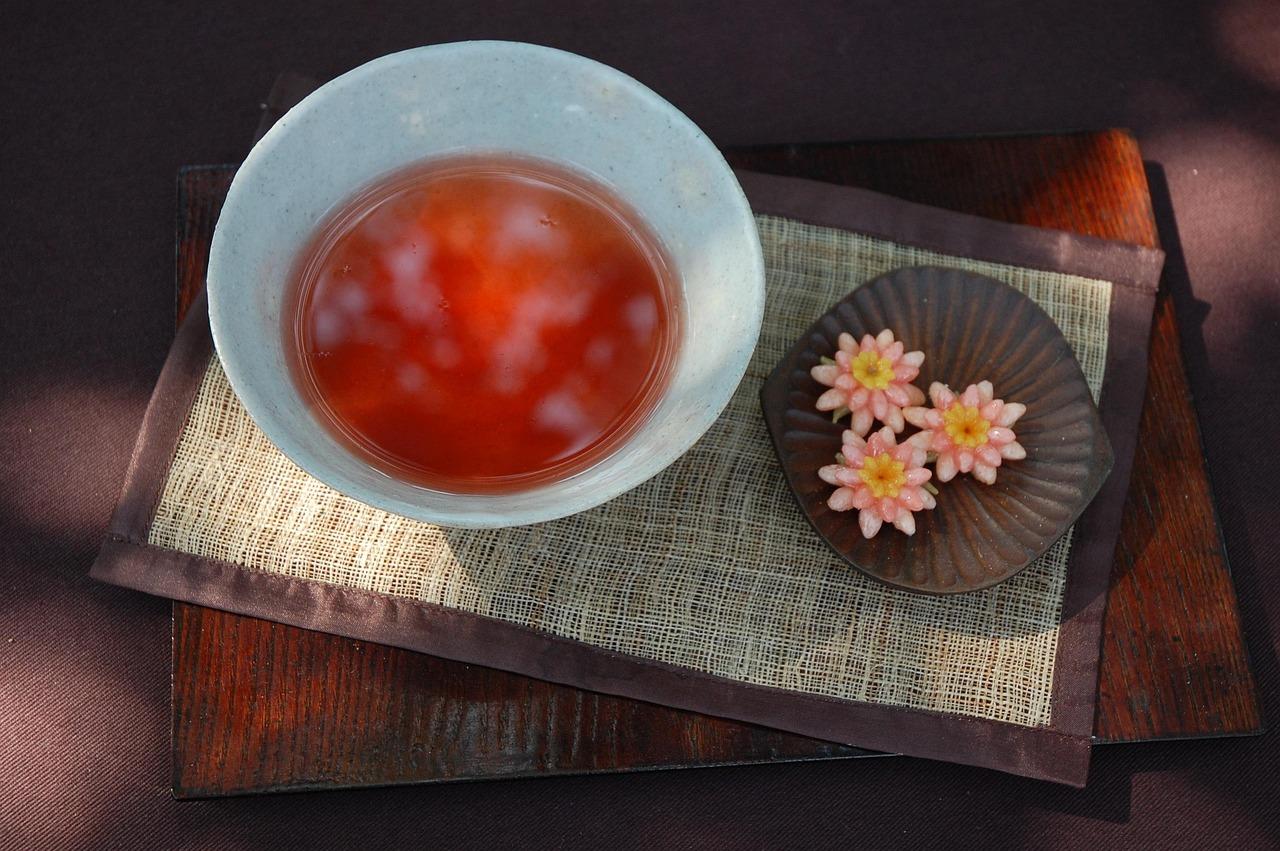
Across Korea, Dano marks the start of the hot season, and a bowl of hwachae is the old way to cool down. Omija means 'five flavours': the dried schisandra berries are sour, sweet, salty, bitter and pungent at once, and steeping them gives a ruby-pink drink that is tart and bright, said to refresh the body against summer fatigue. Honey is the traditional sweetener; sugar syrup keeps this version vegan and entirely alcohol-free. Float thin pear flowers and a few pine nuts on top and serve it beside tteok or yakgwa. Chef's tip: steep the berries in cold water only, because hot water pulls out their bitterness and the colour turns murky.

by KrazyBadal 0 views

Num plae ai (Khmer palm sugar rice balls)

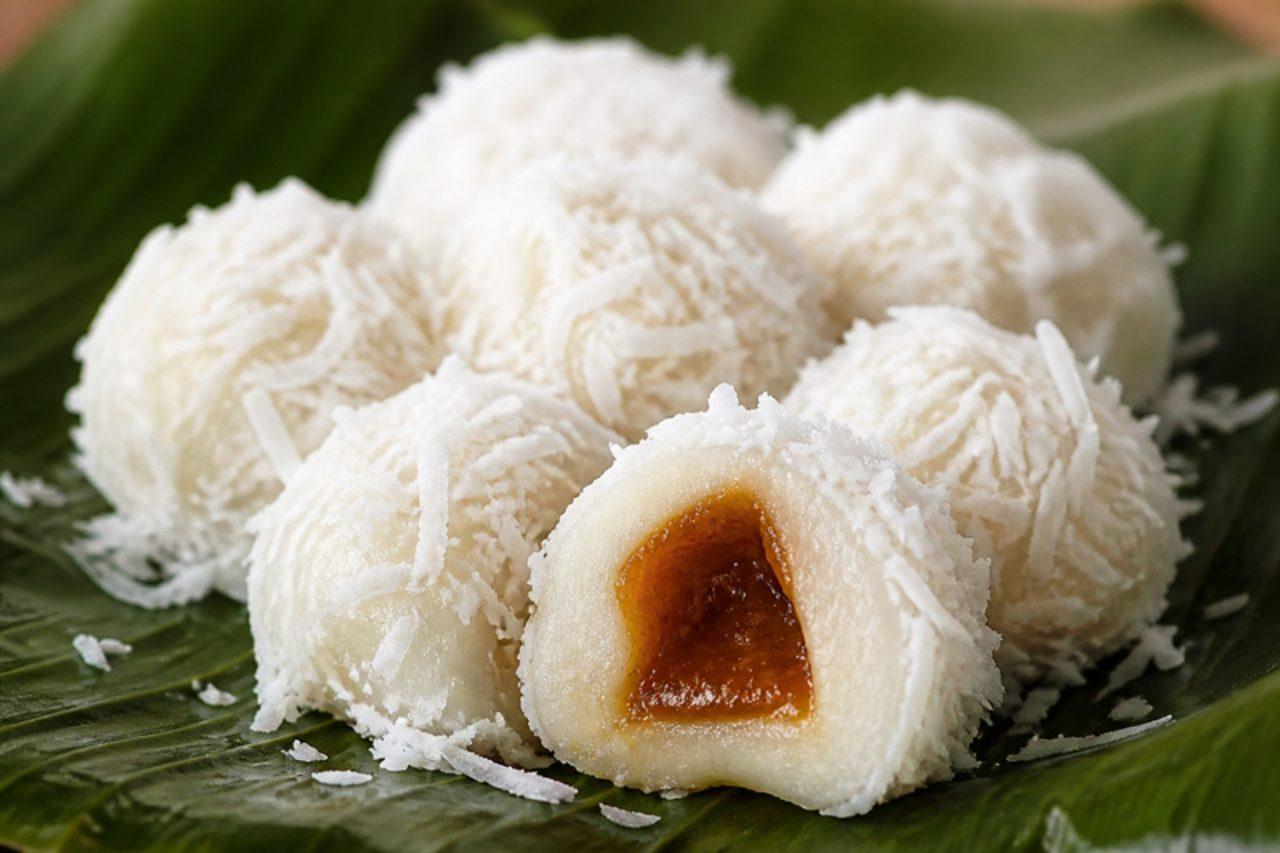
Num plae ai are a favourite Cambodian sweet for Khmer New Year in April, made to share with visiting family and offered at the pagoda, the hidden palm sugar inside standing for a sweet surprise in the year ahead. Small balls of glutinous rice dough are wrapped around a cube of palm sugar, boiled until they float and then rolled in fresh coconut with a pinch of salt. Bite in and the warm sugar bursts out like syrup against the soft, chewy dough. They are best eaten warm, within a few hours of making. Cut the balls in half for young children, as sticky rice dough can be hard to chew. Chef's tip: seal each ball carefully and roll it smooth between your palms, or the sugar leaks out into the water.

by KrazyBadal 0 views

Pruneaux d'Agen fourrés (stuffed Agen prunes)

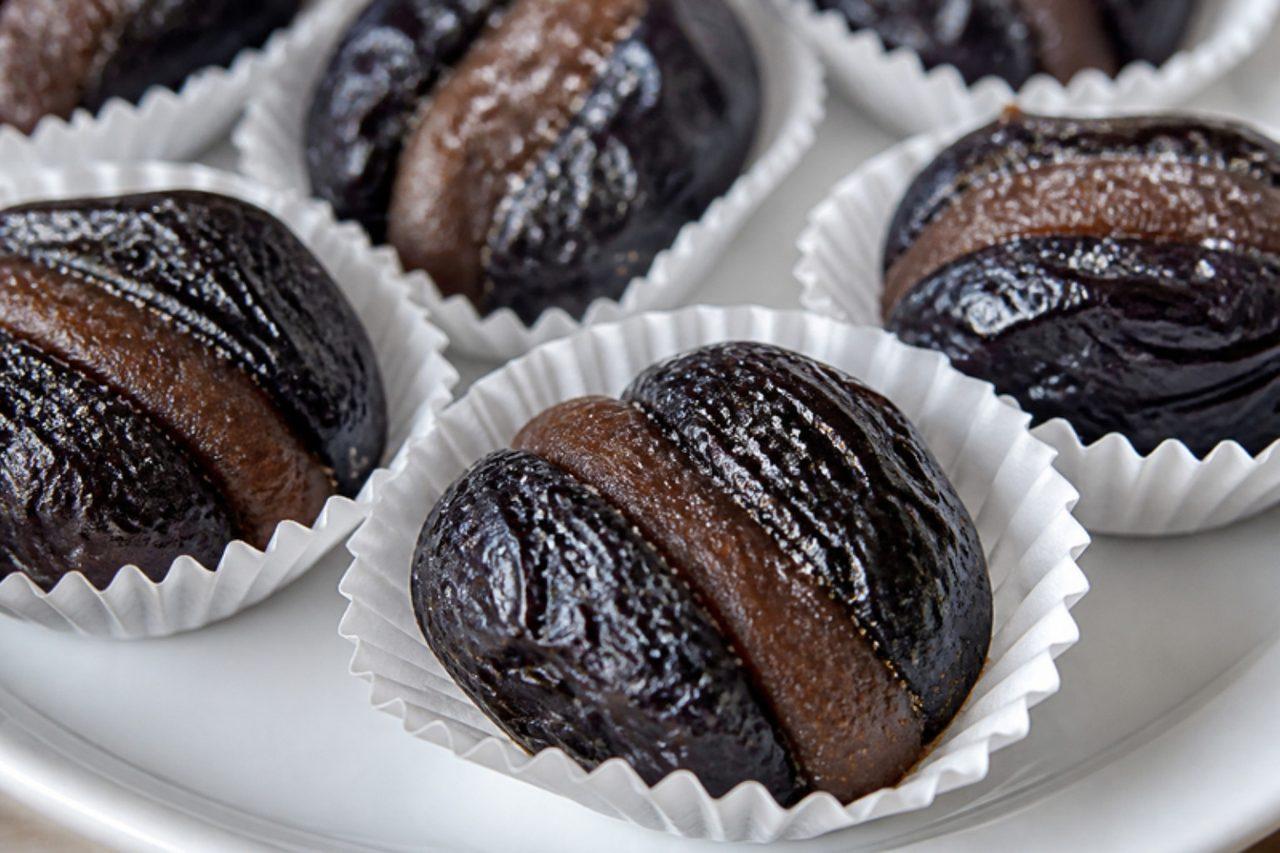
Agen, on the Garonne in south-west France, has dried its plums into prunes for centuries, and its confectioners stuff the best ones with a paste of more prunes and almonds. Boxes of pruneaux fourrés are a Christmas present across the south-west and a speciality of the town's prune festival at the end of August. Each one is glossy and plump, with a soft, sticky skin and a dense, mellow filling that tastes of fruit, almond and a little orange. Serve them with coffee or tea, or as part of a cheese plate. The filling is a kind of almond paste, held together by the sticky prune purée and sugar, so it is egg-free like the rest of the sweet; some versions add a little brandy, and orange juice takes its place here. Chef's tip: if the prunes are dry, steam them for 5 minutes first; the common mistake is forcing filling into stiff prunes, which split.

by KrazyBadal 0 views

Mứt sen (candied lotus seeds)

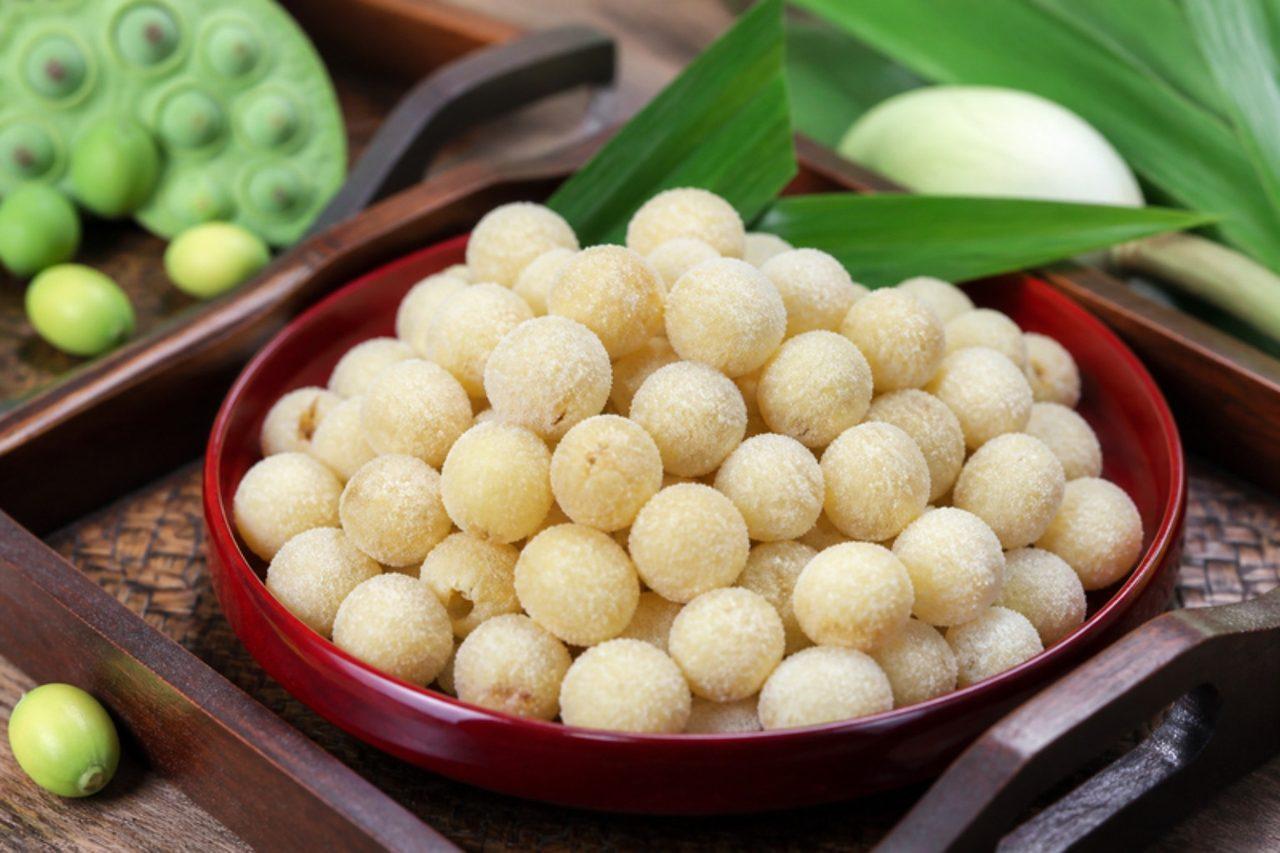
No Tết candy tray in Hanoi or Huế looks complete without a mound of mứt sen, the ivory lotus seeds that stand for purity and, because a lotus pod holds so many seeds, for a family blessed with many descendants. Done well, each seed is soft and floury inside, almost like chestnut, under a dry, sparkling shell of sugar. Guests nibble them with a pot of hot green or lotus tea while they swap New Year wishes. Fresh seeds are best; dried ones from Asian grocers work if soaked overnight first. Chef's tip: pull out every green germ in the centre, because a single bitter heart spoils the sweet mouthful.

by KrazyBadal 0 views

Mont let saung (Burmese sago in coconut milk and jaggery)

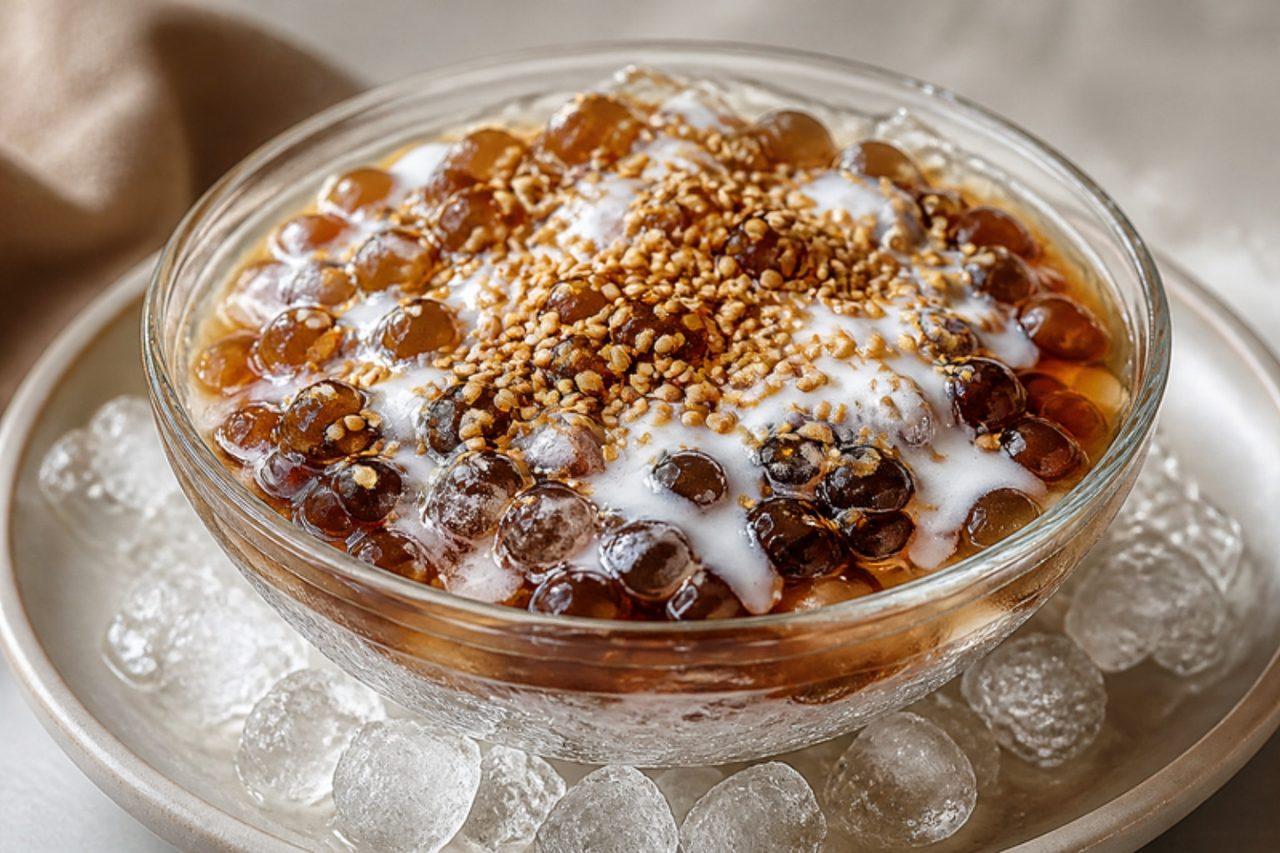
During Thingyan, the Burmese water festival that ends the old year in mid-April, stalls across Myanmar hand out free food and cold drinks as a way of making merit, and mont let saung is one of the best loved. Chewy, glassy sago pearls (or short white rice-flour threads in some towns) sit on crushed ice, soaked in dark jaggery syrup and lightly salted coconut milk, with toasted sesame on top. It is cool, sweet and gently smoky from the jaggery, exactly what you want after a day of being splashed with water. Serve it in glasses or bowls as soon as it is assembled. Chef's tip: a pinch of salt in the coconut milk is what makes the jaggery taste rounder, so don't skip it.

by KrazyBadal 0 views

Kluay tak (Thai dried bananas, oven method)

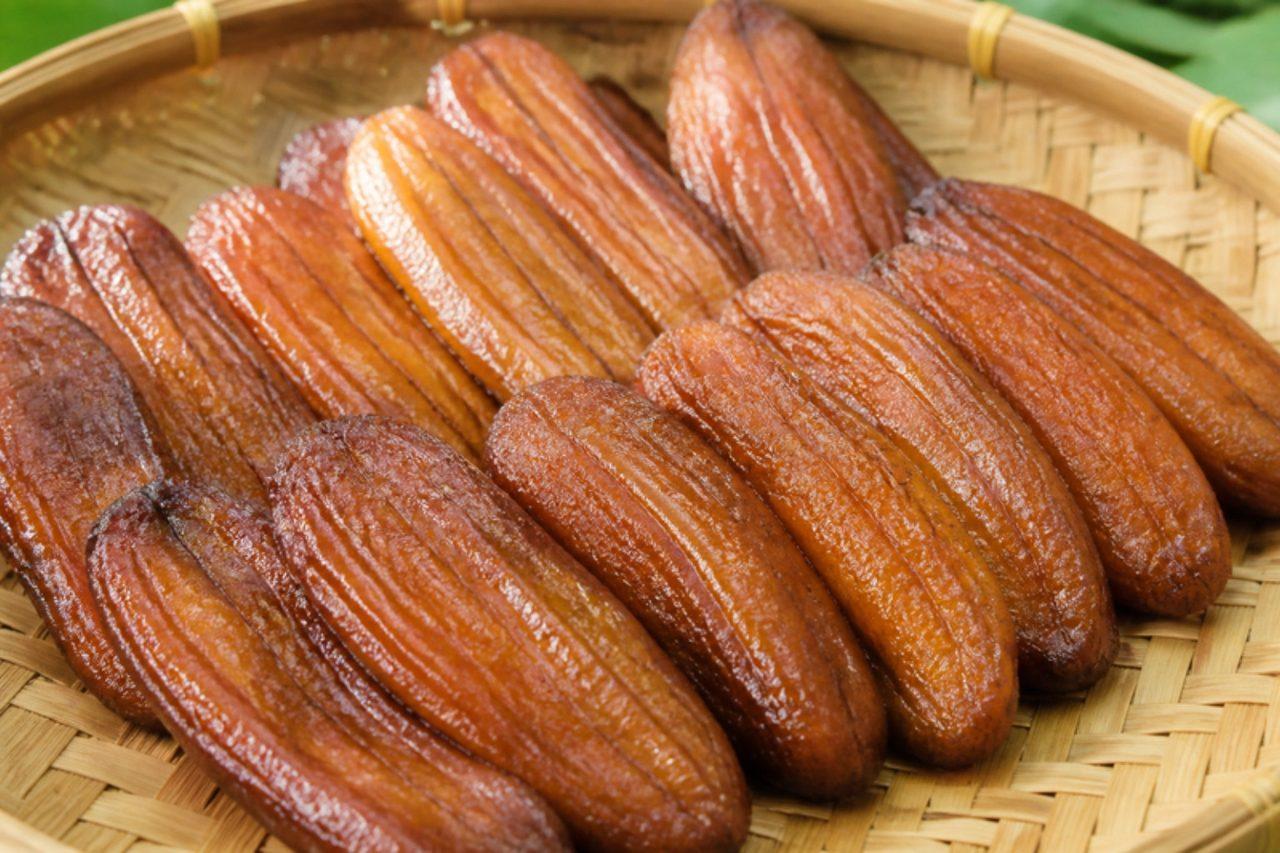
In Bang Krathum, a district of Phitsanulok in lower northern Thailand, small nam wa bananas are peeled and laid out under the sun in glass-roofed drying boxes for several days, then pressed flat to make kluay tak. The district is famous for them, and bags are bought as a gift on the road home and nibbled with tea or coffee in the afternoon. They are dense and chewy like a soft toffee, dark amber, with a deep caramel and honey flavour that comes only from the fruit. As sun-drying takes days and needs steady heat, this version uses a very low oven overnight, then a rest in a jar so the moisture evens out. They are naturally egg-free and need nothing to bind them: the banana's own sugars concentrate and hold it together. Chef's tip: keep the oven low and prop the door open with a wooden spoon; the common mistake is a hot oven, which cooks and blackens the outside while the centre stays wet.

1340 minThaiDessertsVeganGluten free
by KrazyBadal 0 views

Sakurayu (salted cherry blossom tea)

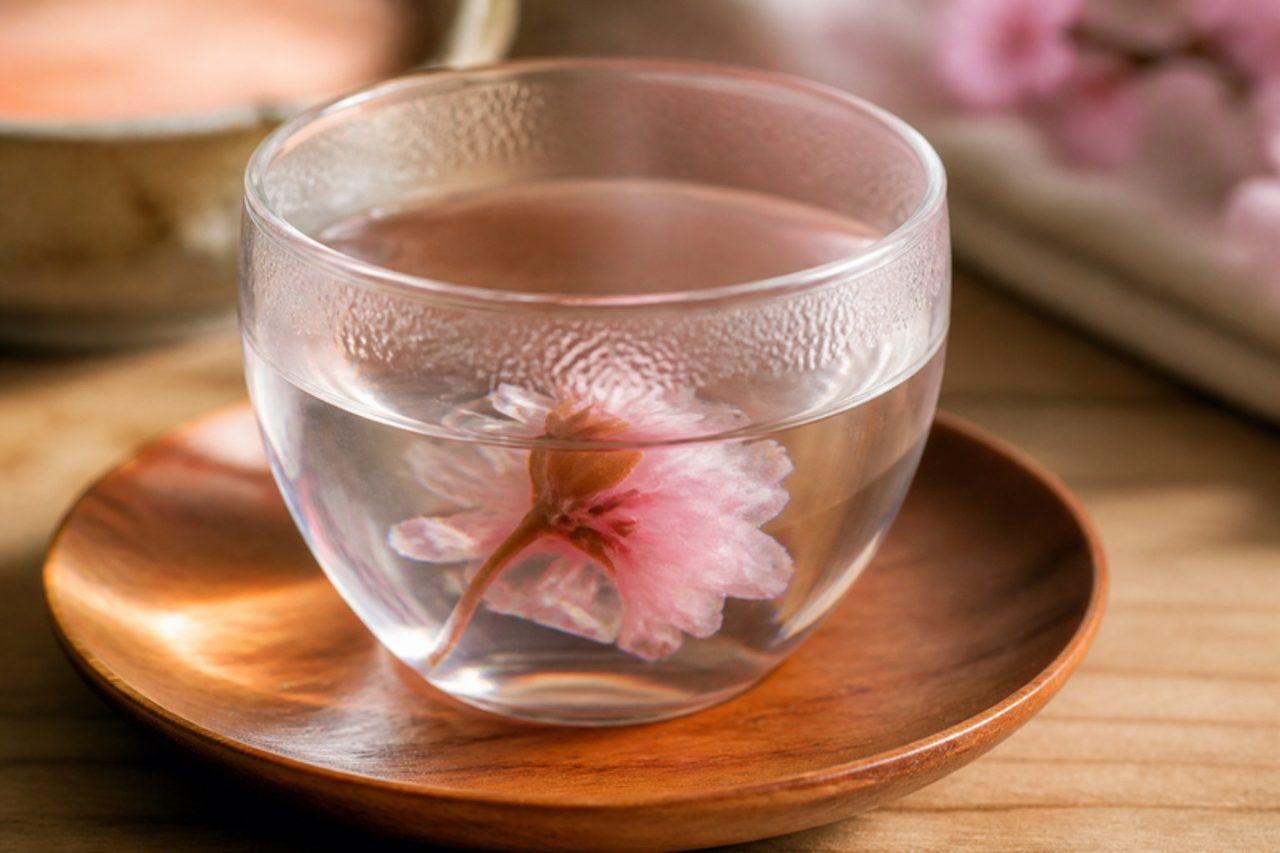
Sakurayu is not really tea at all but salt-pickled cherry blossoms steeped in hot water, and it is served all over Japan at engagements, weddings and other happy occasions, as well as in the hanami season. Green tea is avoided at such moments because "muddying the tea" is a phrase for being evasive, while a blossom opening in a clear cup is a picture of a bright beginning. The drink is pale pink, gently salty and faintly scented of cherry and almond. The blossoms are bought ready-salted (sakura no shiozuke) from Japanese grocers. Serve it with small sweets such as sakura mochi or hanami dango. Chef's tip: use water just off the boil and pour it slowly down the side of the cup, so the petals open without tearing.

by KrazyBadal 0 views

PaimeSteamed cornmeal and pumpkin parcels

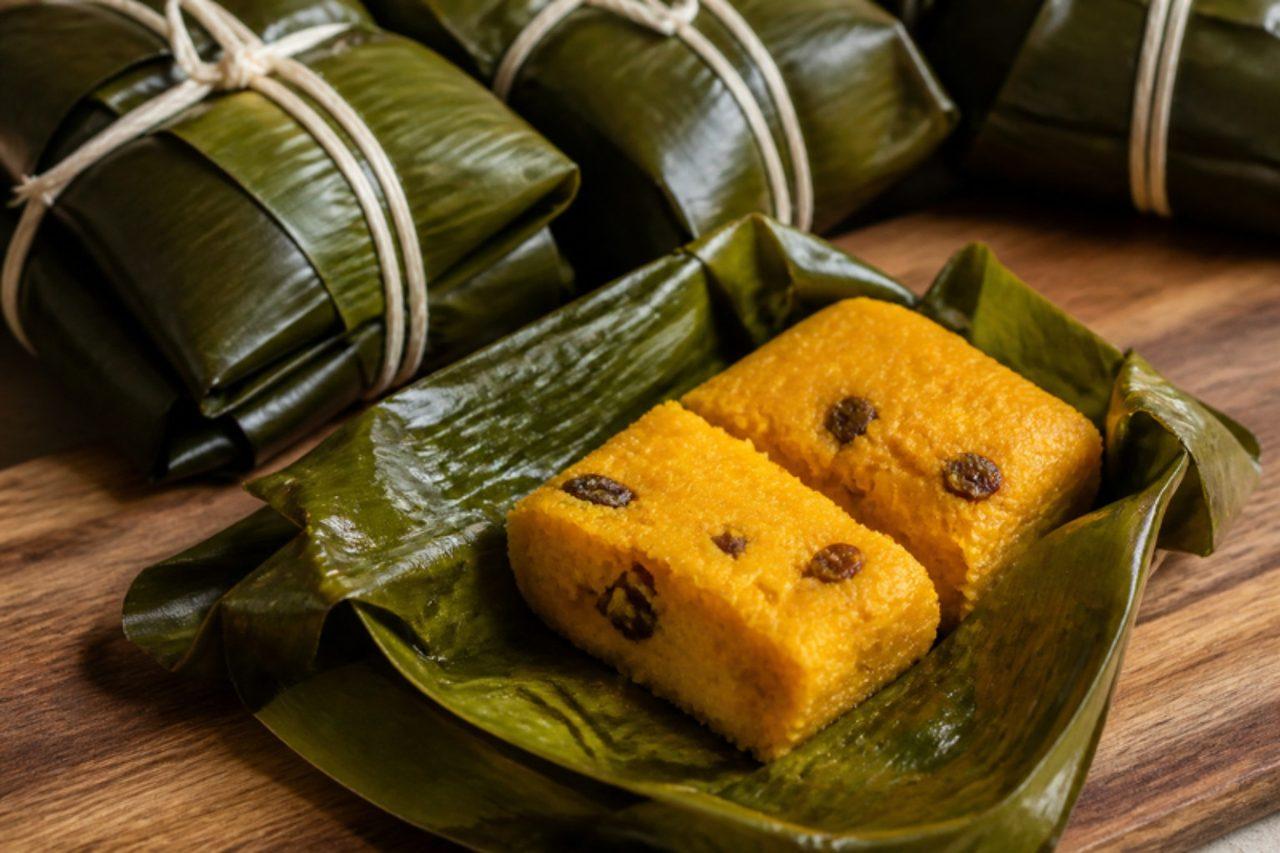
Paime (or pime) is a Trinidad and Tobago Christmas sweet, a cousin of the Venezuelan hallaca brought by the parang tradition, when singers go from house to house at Christmas and are fed at every stop. Cornmeal, grated pumpkin and fresh coconut are mixed with sugar, butter, raisins and warm spices, wrapped in banana leaves and steamed until firm. Paime are eaten warm or cold, and keep for days in the fridge. Chef's tip: soften the banana leaves over a flame or in hot water first, so they fold without splitting.

by KrazyBadal 0 views

Omani halwa (saffron and rose water halwa)

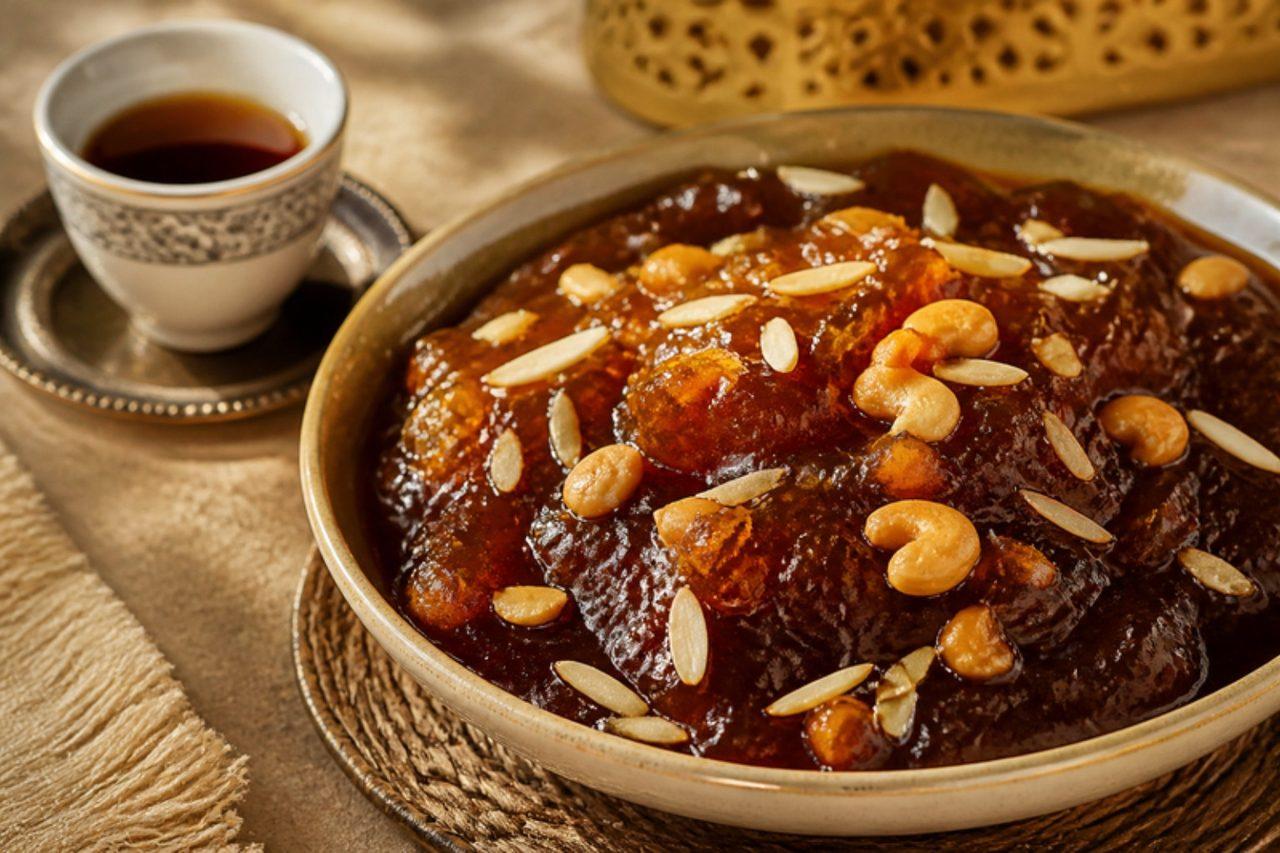
No Omani welcome is complete without a dish of halwa and a cup of cardamom coffee, and in Muscat and Nizwa it is stirred for hours in huge copper pots for Eid, weddings and every family gathering. Sugar is caramelised, then cooked with a cornflour slurry and ghee until it turns dark, glossy and set. It is wobbly and sticky like a very soft fruit jelly, rich with ghee, and fragrant with saffron, cardamom and rose water, with toasted nuts through it. Serve small spoonfuls in little bowls with qahwa, the lightly roasted cardamom coffee. It is naturally egg-free: the starch, cooked slowly with the sugar until it turns clear and thick, does all the setting. Chef's tip: keep stirring and add the ghee a little at a time. The common mistake is stopping, even for a minute, so the halwa catches and burns on the base.

by KrazyBadal 0 views

Kẹo mè xửng (Huế sesame peanut chews)

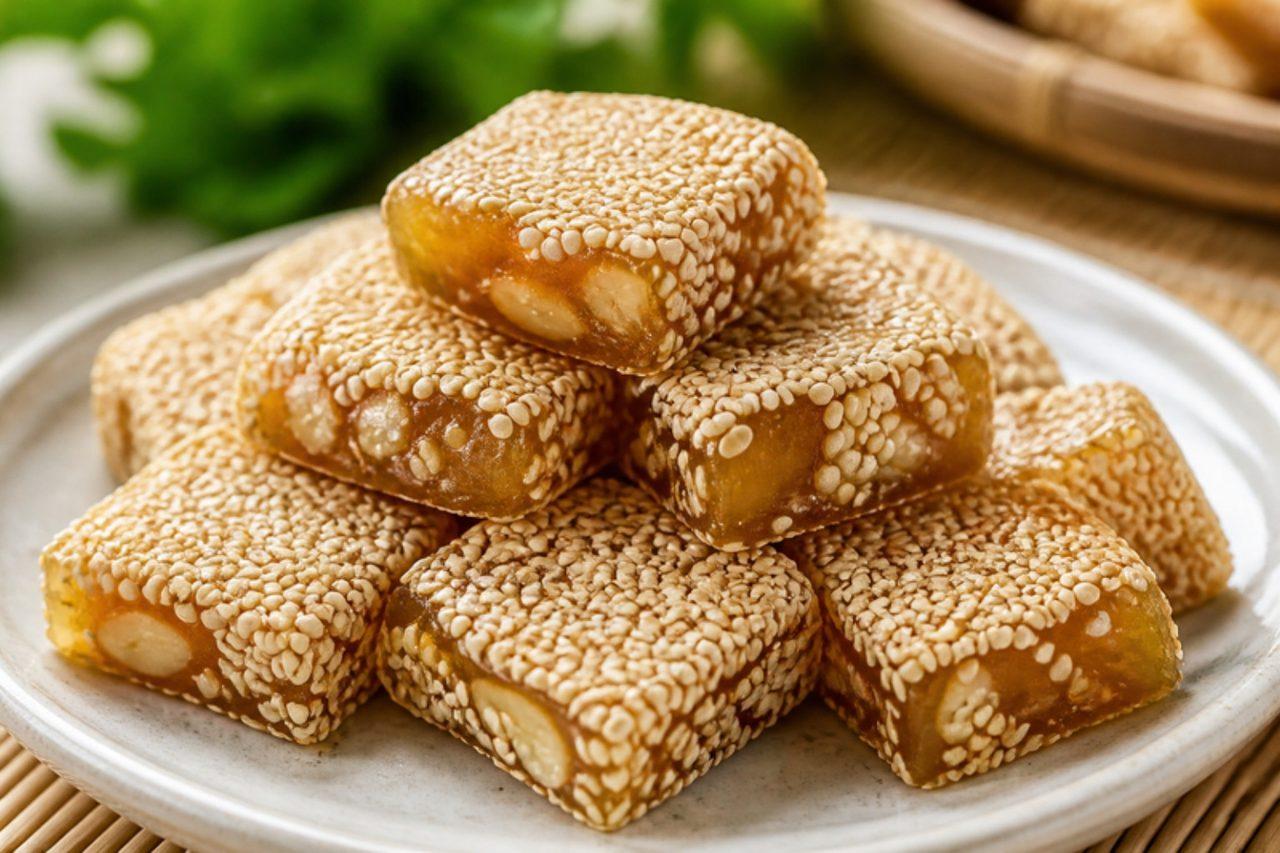
No one leaves the old imperial city of Huế without a box of kẹo mè xửng, the soft sesame chew sold on Đông Ba market stalls and handed out at Tết and on family visits. Rice malt syrup and sugar are cooked with a little tapioca starch into a glossy, stretchy mass, chopped peanuts are folded in, and the slab is pressed between layers of toasted sesame. It chews like a soft toffee, nutty and gently sweet, and the sesame gives every square a roasted fragrance. Serve squares with hot lotus or green tea after dinner. The candy is naturally egg-free: tapioca starch gives it its springy chew and the malt syrup binds it, so nothing else is needed. Chef's tip: oil your knife and cut while the slab is just warm. The common mistake is adding the starch slurry without stirring hard, which leaves white lumps through the candy.

by KrazyBadal 0 views

Sekihan (red bean rice)

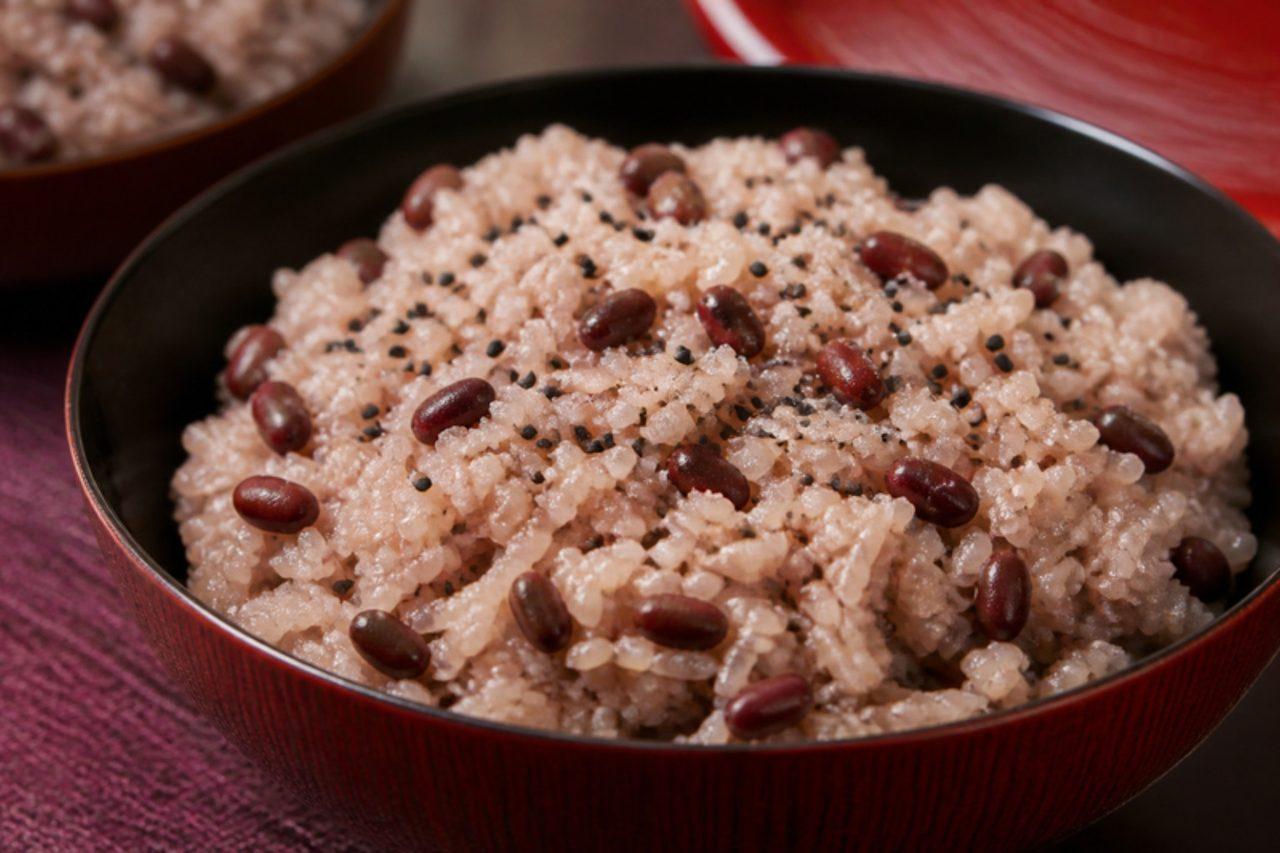
Sekihan, "red rice", is Japan's celebration dish, cooked nationwide for birthdays, weddings and especially Shichi-Go-San in November, when girls aged three and seven and boys aged five visit the shrine in their best clothes. Red has long been thought to drive away bad luck, so rice tinted with adzuki beans is a wish for the children's health and growth. Steamed glutinous rice gives a chewy, slightly springy texture and a nutty bean flavour, finished with black sesame salt. Some cooks sprinkle the rice with a spoonful of sake while it steams; this is optional, and the bean liquid alone gives an alcohol-free version. Serve it warm or at room temperature with tai no shioyaki and clear soup. Chef's tip: ladle the bean cooking liquid high in the air and pour it back several times; the contact with air deepens its red, and the rice turns a stronger pink.

by KrazyBadal 0 views

Sucre à la crèmeBrown sugar fudge

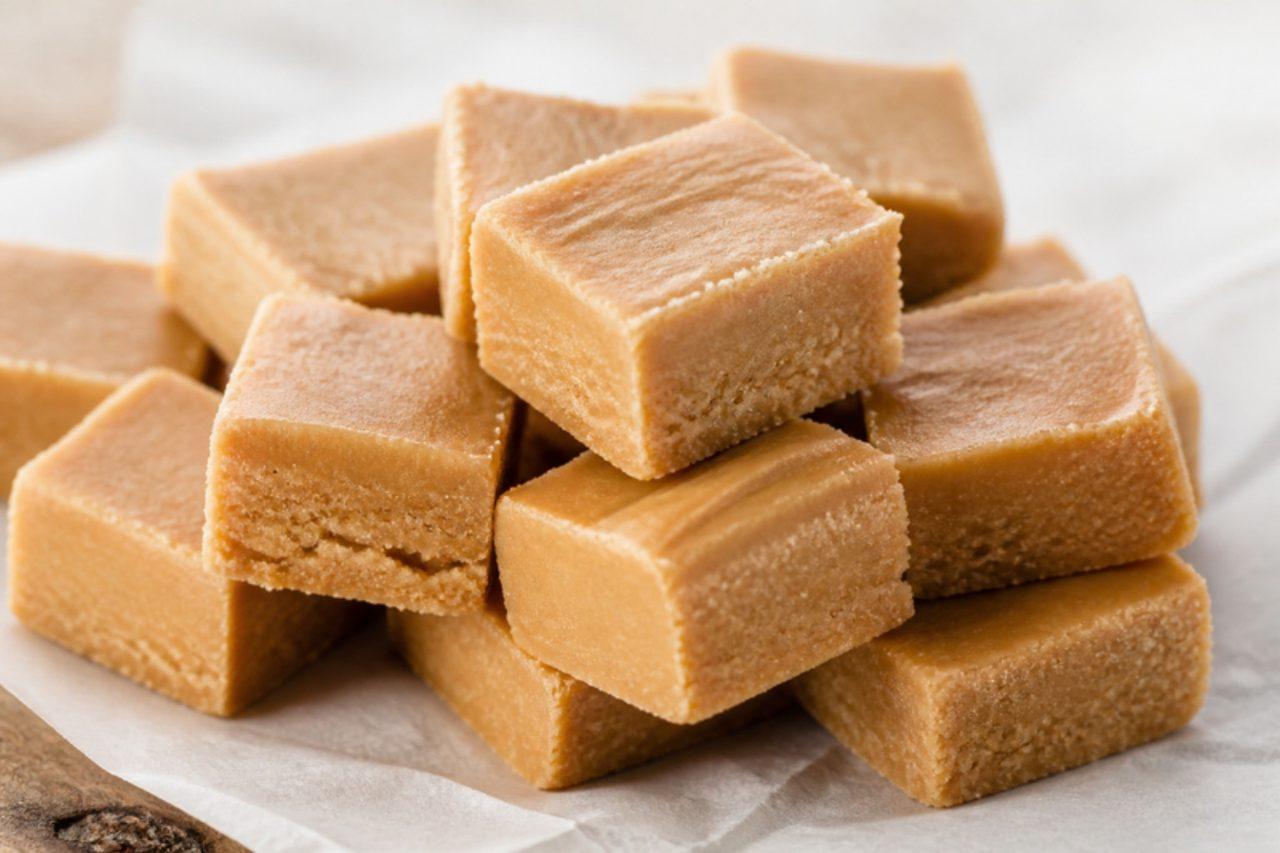
In Quebec, sucre à la crème is the sweet that comes out at Christmas: a soft, melting brown-sugar fudge made from brown sugar, cream and butter, cut into squares and shared at the réveillon after midnight Mass and through the Fêtes. Every grandmother's recipe differs a little; this one is the classic stovetop method, gluten free and ready in under an hour. Chef's tip: beat the cooled mixture until it loses its gloss and starts to thicken, then pour it at once; that beating is what makes it creamy rather than toffee-like.

by KrazyBadal 0 views

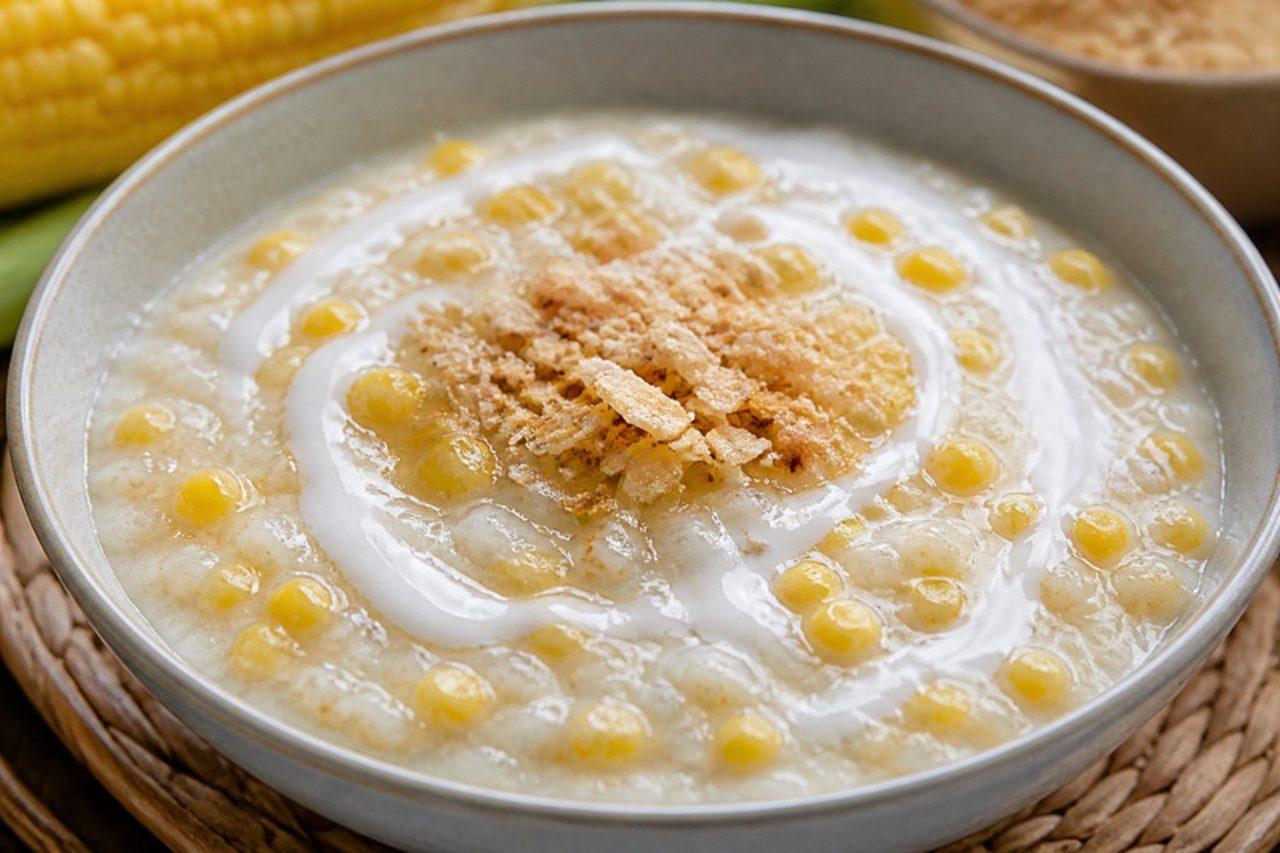
Ginataang mais (sweet corn coconut porridge)

Across the Philippines, ginataang mais turns up on the quiet, meatless days of Holy Week, when many families keep Good Friday as a day of fasting and abstinence and want something warm and simple to share in the afternoon. Glutinous rice swells in coconut milk until the pot turns thick and glossy, and sweet corn kernels pop through it with little bursts of sweetness. It is eaten warm from small bowls, sometimes with a swirl of extra coconut cream or crunchy toasted pinipig, and is just as good cold from the fridge the next day. Chef's tip: save the sugar until the rice is fully soft; added too early it slows the grains and they stay chalky in the middle.

by KrazyBadal 0 views

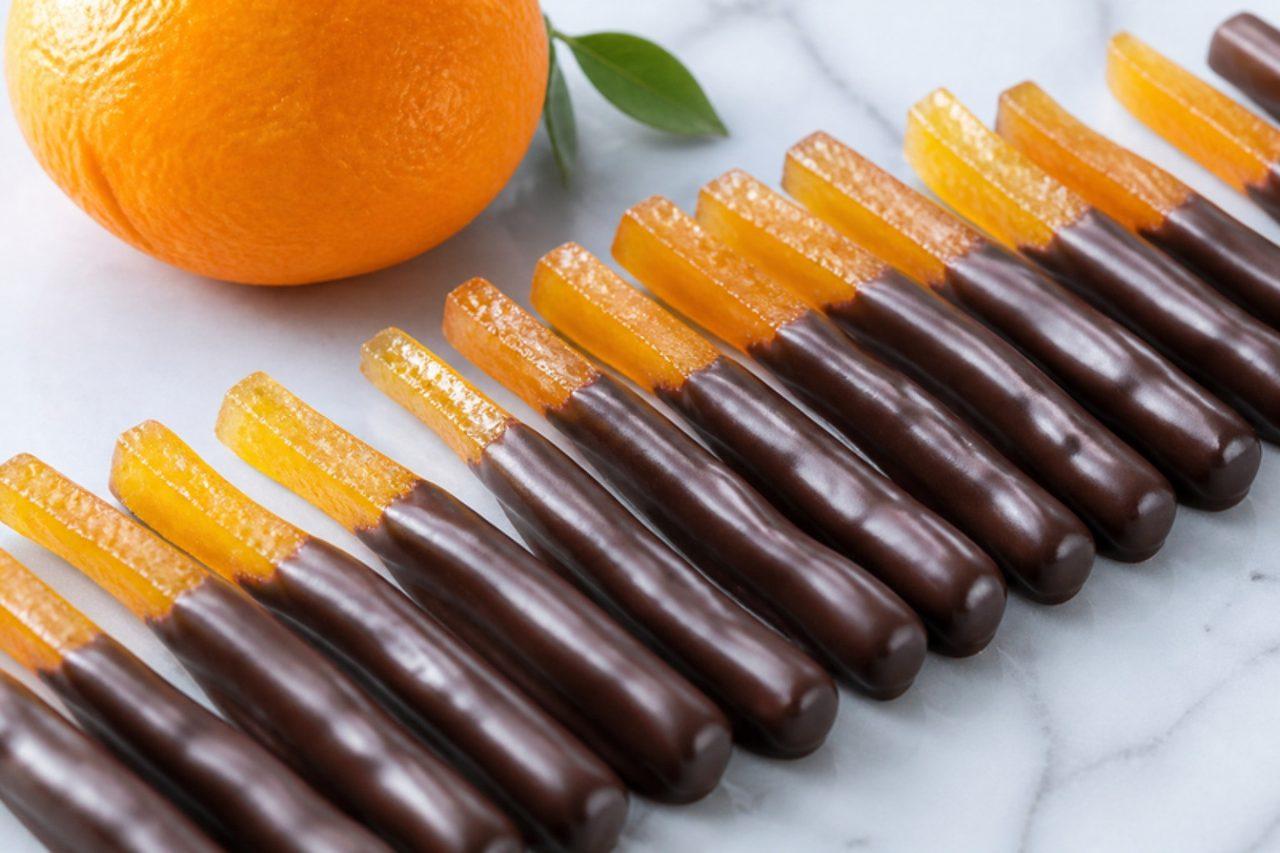
Orangettes (candied orange peel in dark chocolate)

All over France, from Paris chocolatiers to village pâtisseries, orangettes arrive in the shop windows as the days shorten and are a fixture of the Christmas and New Year sweet table. Long strips of orange peel are candied until tender and translucent, then dipped in dark chocolate: chewy and bittersweet inside, with a clean snap of chocolate and a long citrus finish. Serve them with an espresso after dinner, tie them up in a box as a gift, or offer them with a cheese course. They are naturally egg-free: the sugar syrup preserves the peel and stops it going tough, and the tempered chocolate sets into a firm, glossy shell with no other help. For a vegan batch, use a dark chocolate made without milk. Chef's tip: dry the candied peel well before dipping; the common mistake is dipping wet peel, which makes the chocolate seize and turn dull.

by KrazyBadal 0 views

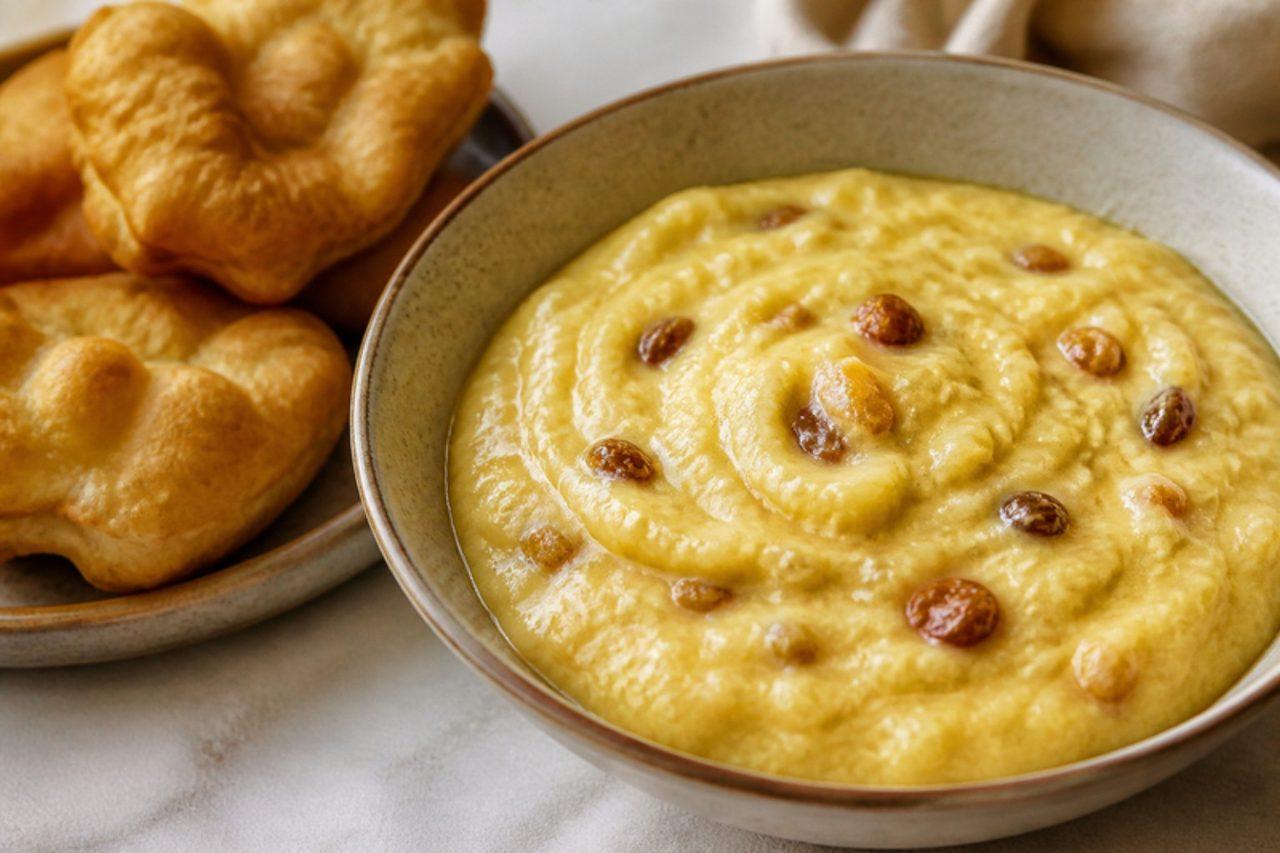
Khailmag (cream and raisin sweet)

Tsagaan Sar, the Mongolian Lunar New Year, means 'White Month', and white dairy foods stand for purity, plenty and a clean start to the year, so homes across the country set out cream, curds and sweets beside the steaming buuz. Khailmag is one of the most luxurious: clotted cream (or Mongolian öröm, the thick skin skimmed from boiled milk) is cooked with butter-toasted flour, sugar and raisins until it turns into a golden, fudgy porridge. It is very rich, so serve small spoonfuls with salty milk tea, or alongside ul boov biscuits and boortsog. There is no alcohol in it. Chef's tip: toast the flour slowly until it smells nutty; that toasting gives khailmag its caramel flavour.

by KrazyBadal 0 views

Ma lao (puffed rice sticks)

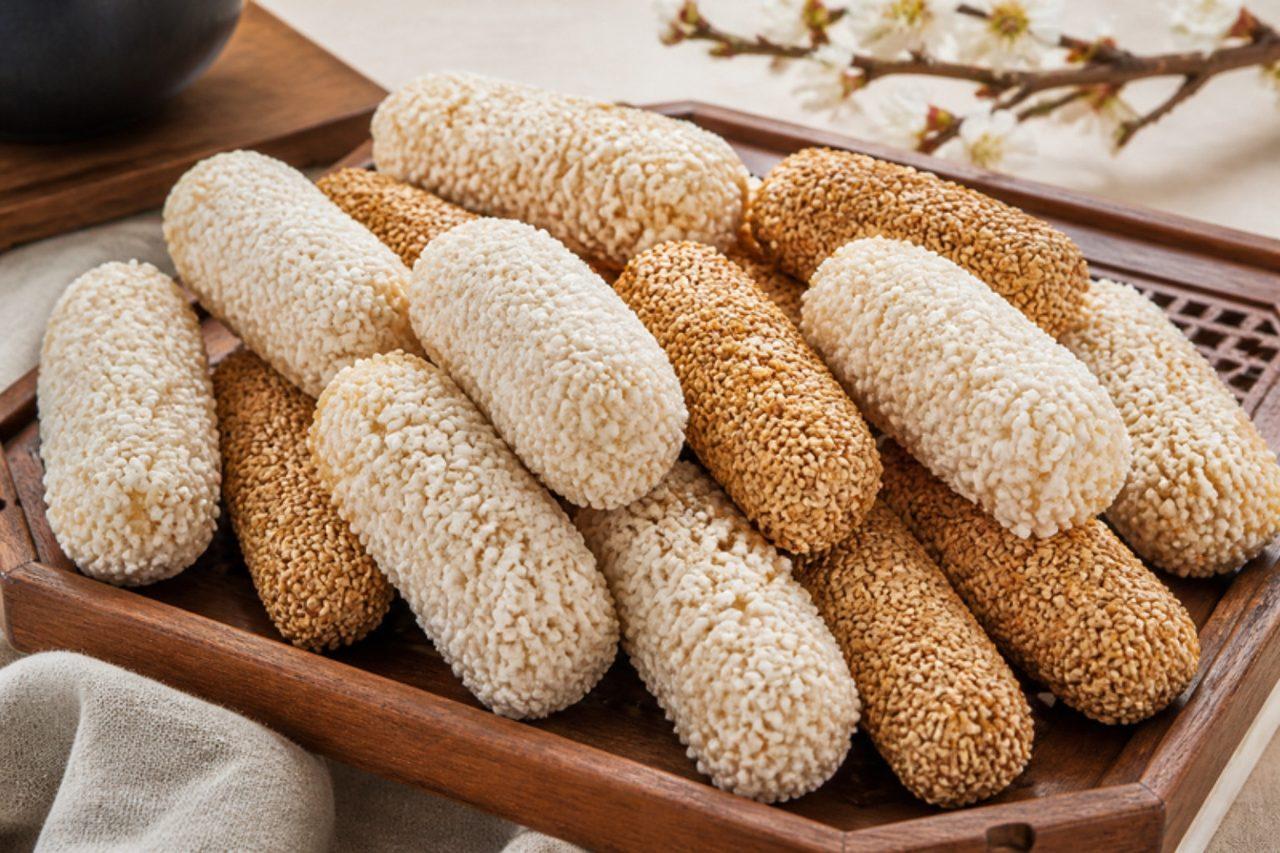
Ma lao are a Lunar New Year sweet from Yilan on Taiwan's northeast coast, stacked on family altars as offerings and handed to guests through the holiday. The sticks swell to many times their size in the oil, a picture of a family and fortune growing bigger in the new year, and their sticky coating stands for staying close together. They are light and crunchy, almost hollow, with a sweet malt glaze and a nutty crust of toasted sesame or crisp puffed rice. Serve on the New Year candy tray with tea. Chef's tip: start frying in barely warm oil and raise the heat slowly; that gentle start is what makes the sticks puff.

by KrazyBadal 0 views

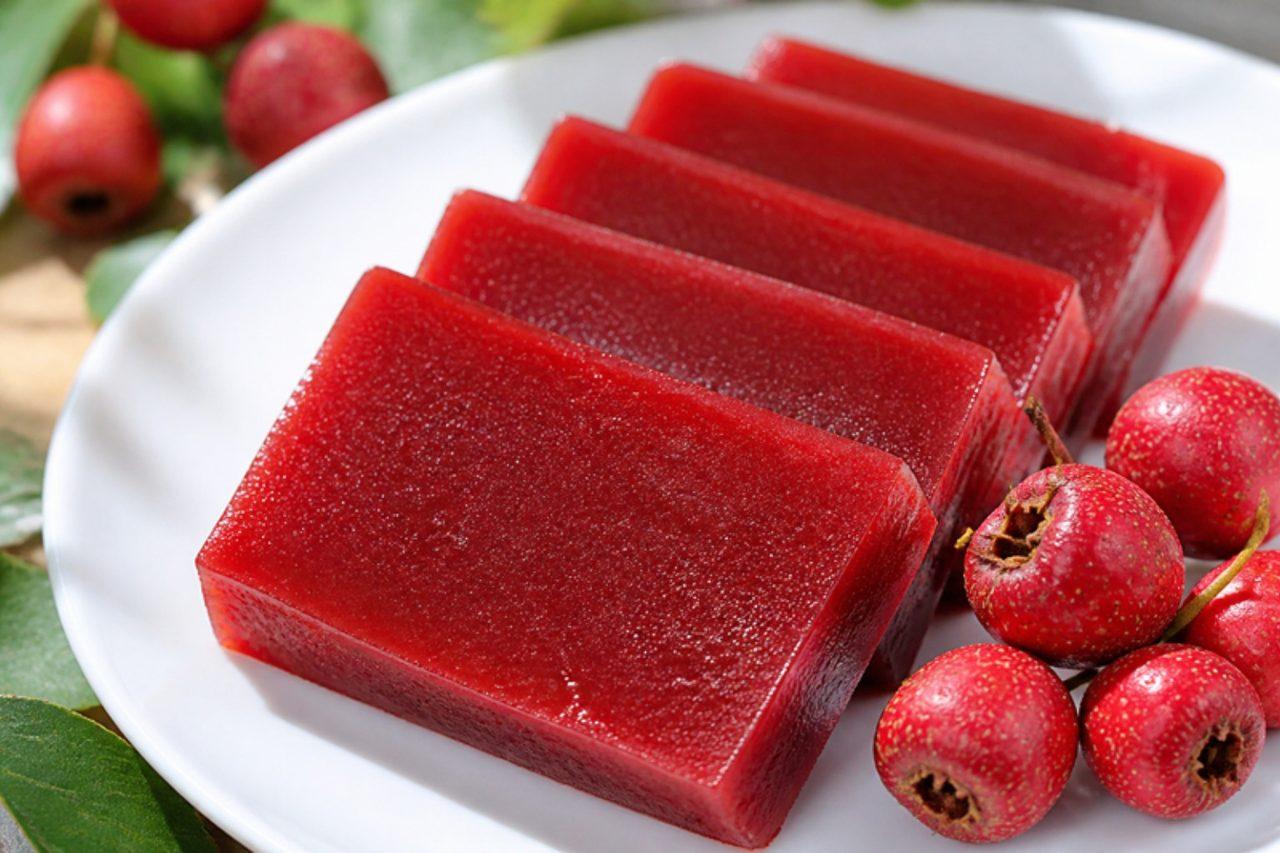
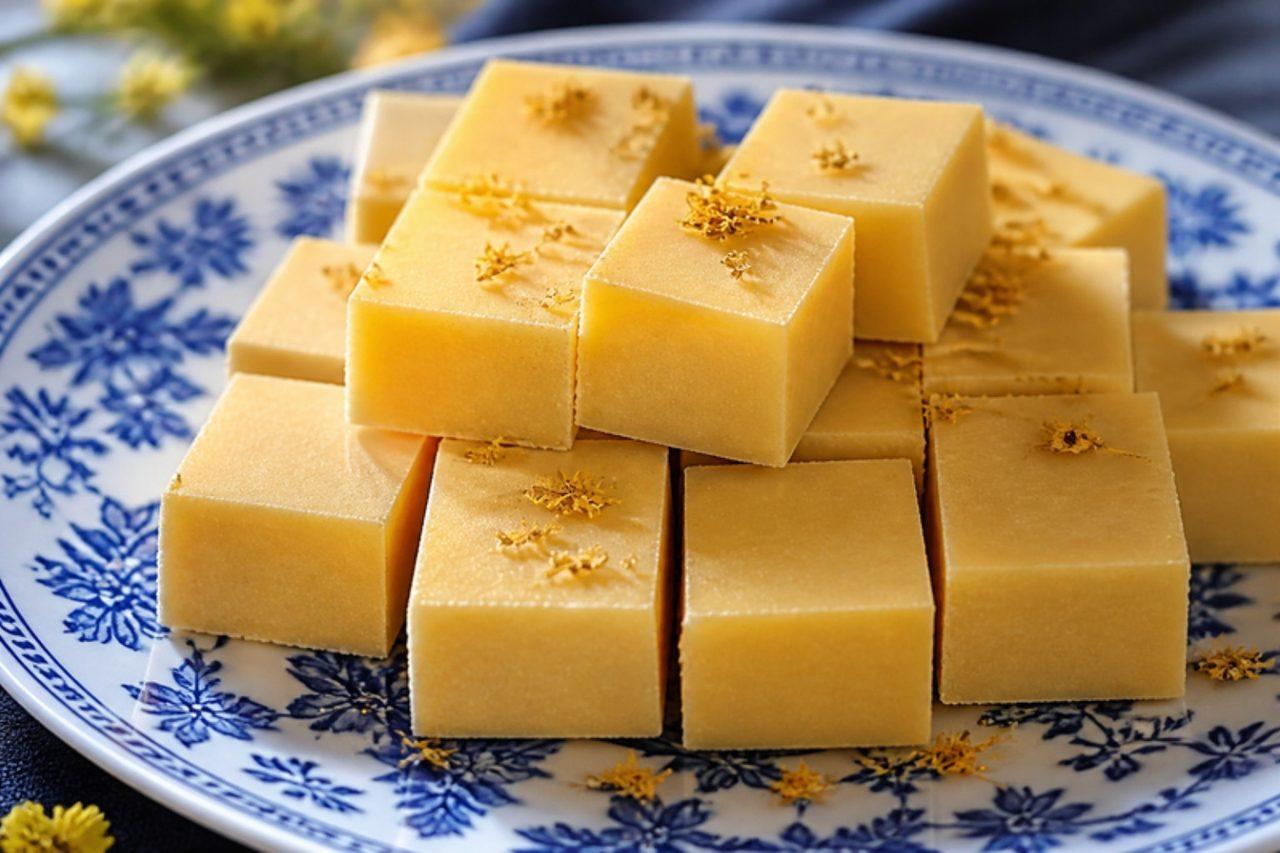
Shanzha gao (hawthorn fruit cake)

When the hawthorn trees of Hebei and Shandong drop their red berries in late autumn, cooks across northern China, and especially in Beijing, boil them down into shanzha gao, a firm fruit cake cut into ruby slices. It is a winter sweet, eaten after rich meals because people say it helps digestion, and it sits beside candied hawthorn skewers at the New Year fairs. The texture is like a firm fruit jelly that cuts cleanly, and the flavour is bright and sour-sweet, like a cross between crab apple and cranberry. Serve thin slices with jasmine tea, or cubes on a fruit plate. It is naturally egg-free and needs no setting agent at all: hawthorn is so rich in pectin that the cooked purée sets firm as it cools. Chef's tip: the common mistake is stopping too soon, so keep stirring until a spoon drawn across the pan leaves a clear trail that does not close up.

by KrazyBadal 0 views

Malban (Egyptian rose and nut jelly sweets)

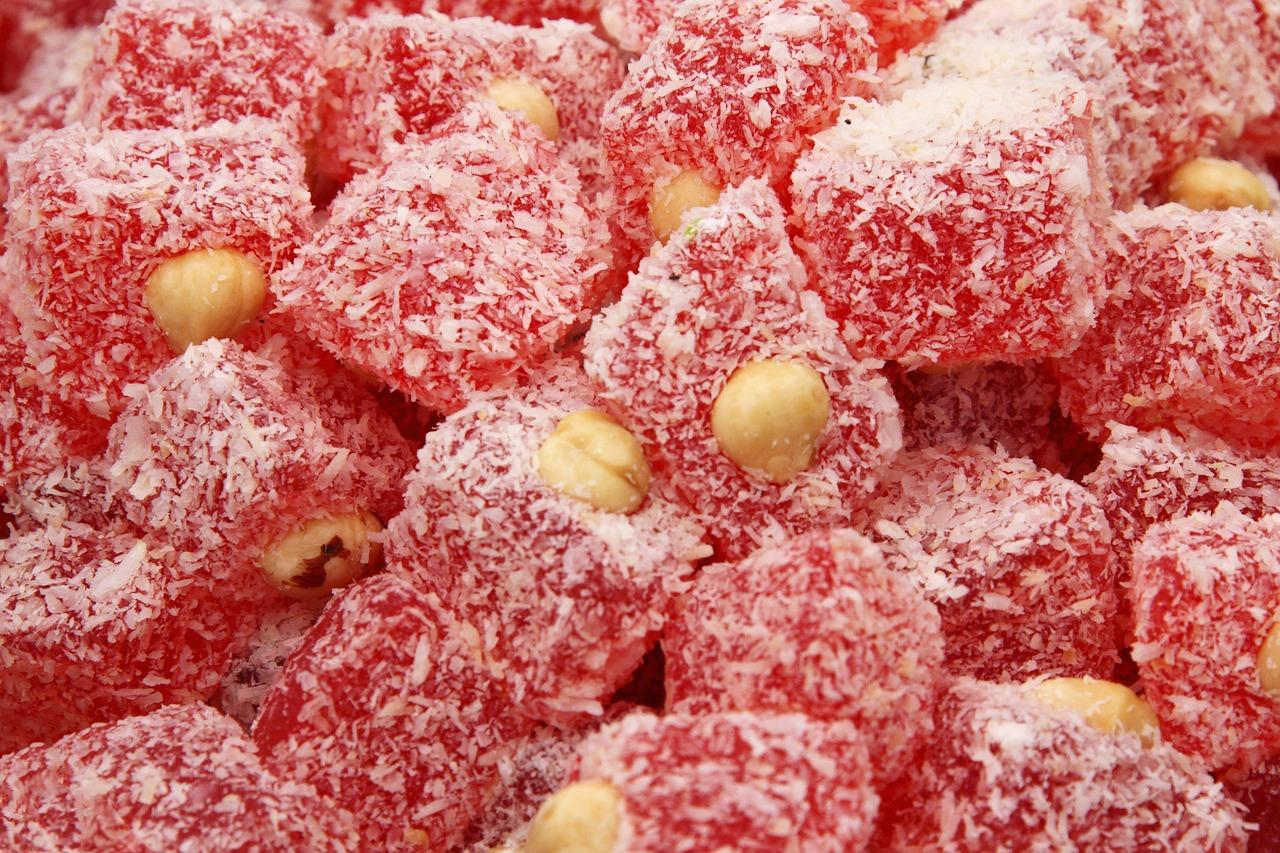
Malban is the Egyptian cousin of Turkish delight, sold by weight in Cairo sweet shops all year but piled highest for Ramadan nights and the Mawlid sweets of the Prophet's birthday. A syrup of sugar and lemon is cooked with cornflour for the best part of an hour into a thick, clear jelly, scented with rose water and a little mastic and studded with pistachios or hazelnuts. Cut into cubes and rolled in icing sugar, it is soft, springy and chewy, sweet and floral. Serve it with mint tea or Turkish-style coffee. It is naturally egg-free: cornflour, cooked slowly in the syrup, sets it into a firm jelly, with no other setting agent. Chef's tip: whisk the cornflour mixture into the syrup in a thin stream and keep stirring. The common mistake is stopping too early, which gives a soft jelly that weeps and won't hold a cube.

by KrazyBadal 0 views

Mứt bí (candied winter melon)

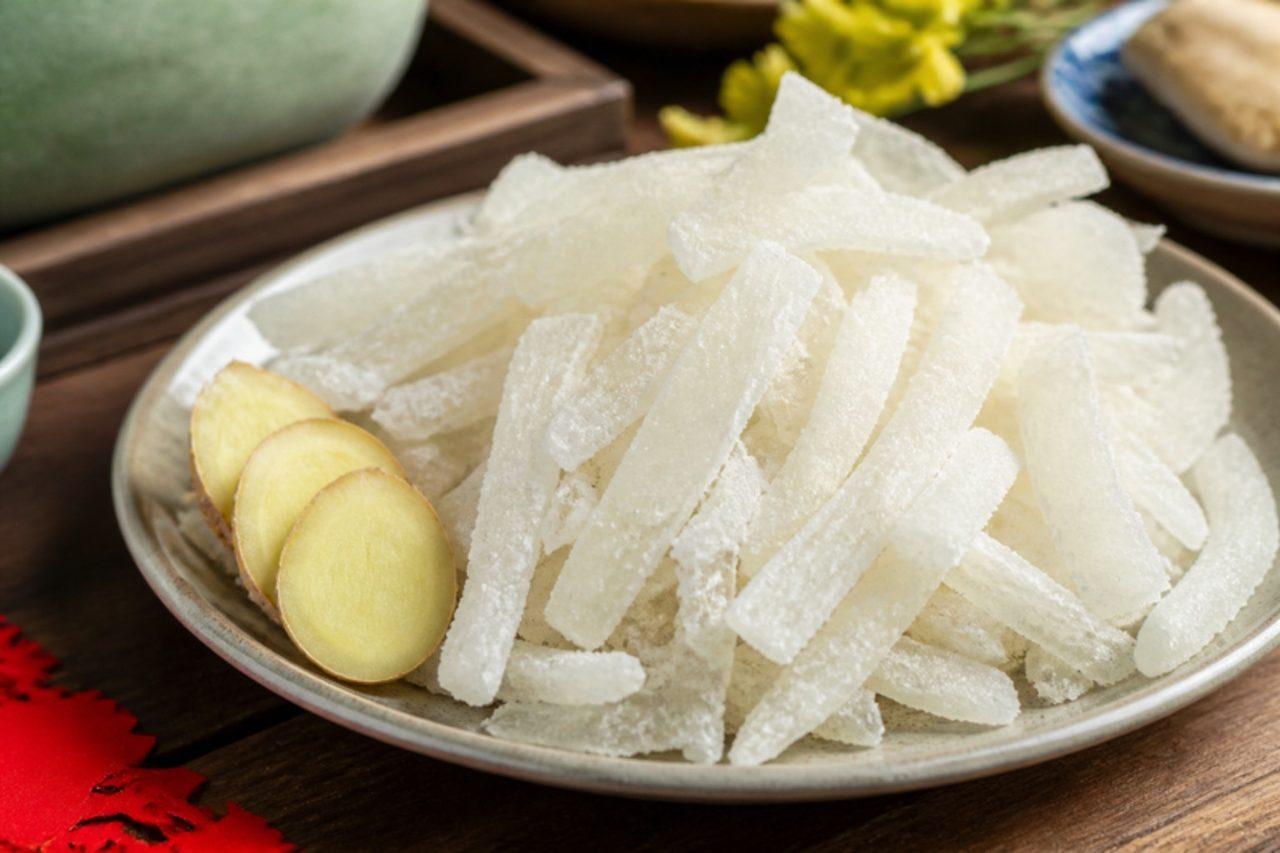
Pale as rice paper and crunchy at the edge, mứt bí is one of the cheapest and best-loved sweets on the Tết candy tray all over Vietnam; its white colour stands for a clean, bright start to the year. The melon is first firmed in clear lime water made with food-grade slaked lime (vôi ăn, calcium hydroxide, sold for pickling), which sets the outside so the batons stay crisp while the sugar soaks in. If you would rather not use lime, a quick blanch and longer drying gives a softer but still delicious result. Serve with green tea, or with candied ginger and coconut. Chef's tip: choose an old, heavy winter melon with a dusty white skin; young ones are watery and collapse in the syrup.

by KrazyBadal 0 views

Bánh in (pressed rice-flour cakes)

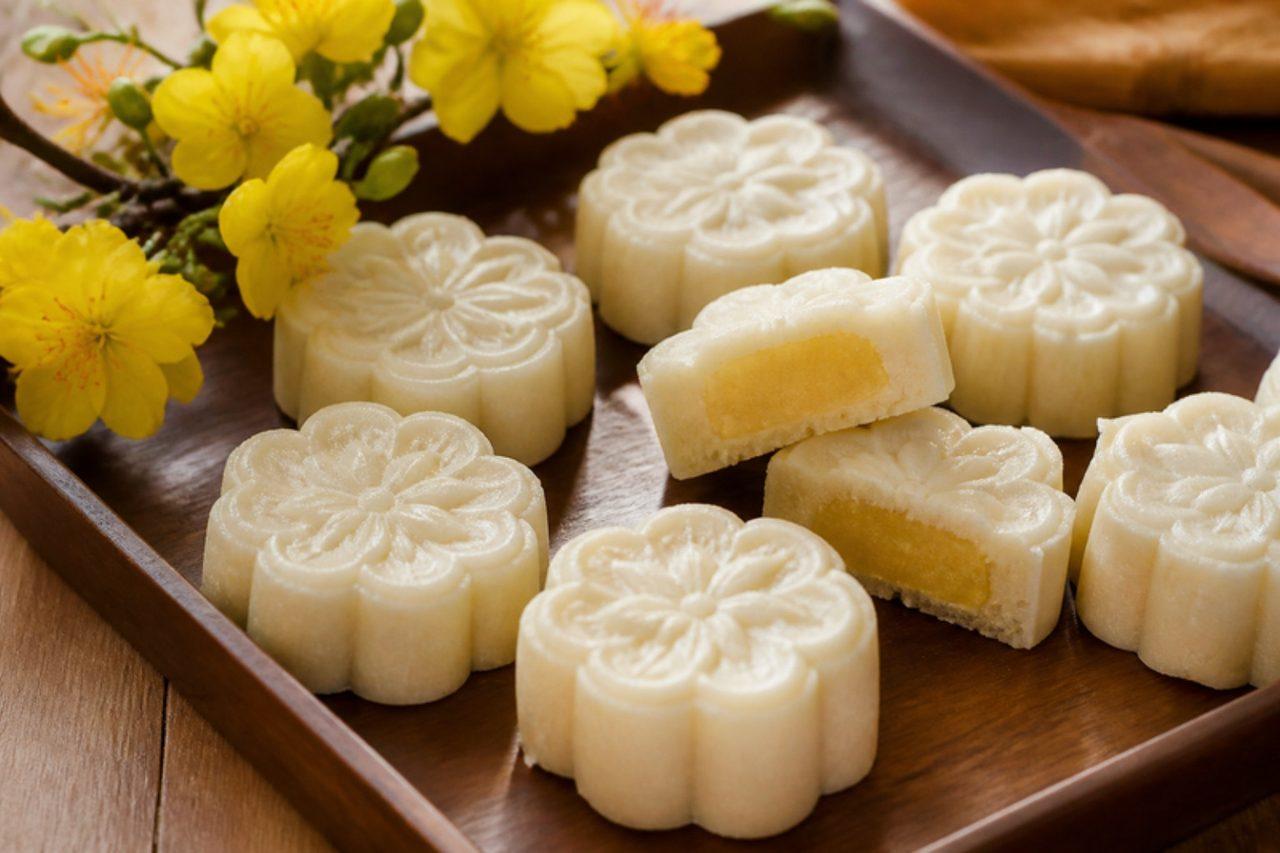
Bánh in, literally 'printed cakes', come from Huế and central Vietnam, where they are stacked on the Tết altar for the ancestors and later shared with guests; the moulds stamp flowers or the characters for luck and longevity into each cake. The dough is just toasted glutinous rice flour bound with fragrant syrup, so the cakes are crumbly-soft, melt in the mouth and taste nutty, with a smooth mung bean heart. Serve them with jasmine or artichoke tea. Any wooden or plastic mooncake mould of about 40 g works. Chef's tip: let the pressed cakes rest overnight in a closed tin; they firm up and the flavour of the toasted flour deepens.

by KrazyBadal 0 views

Manjar blanco del ValleMilk and rice sweet

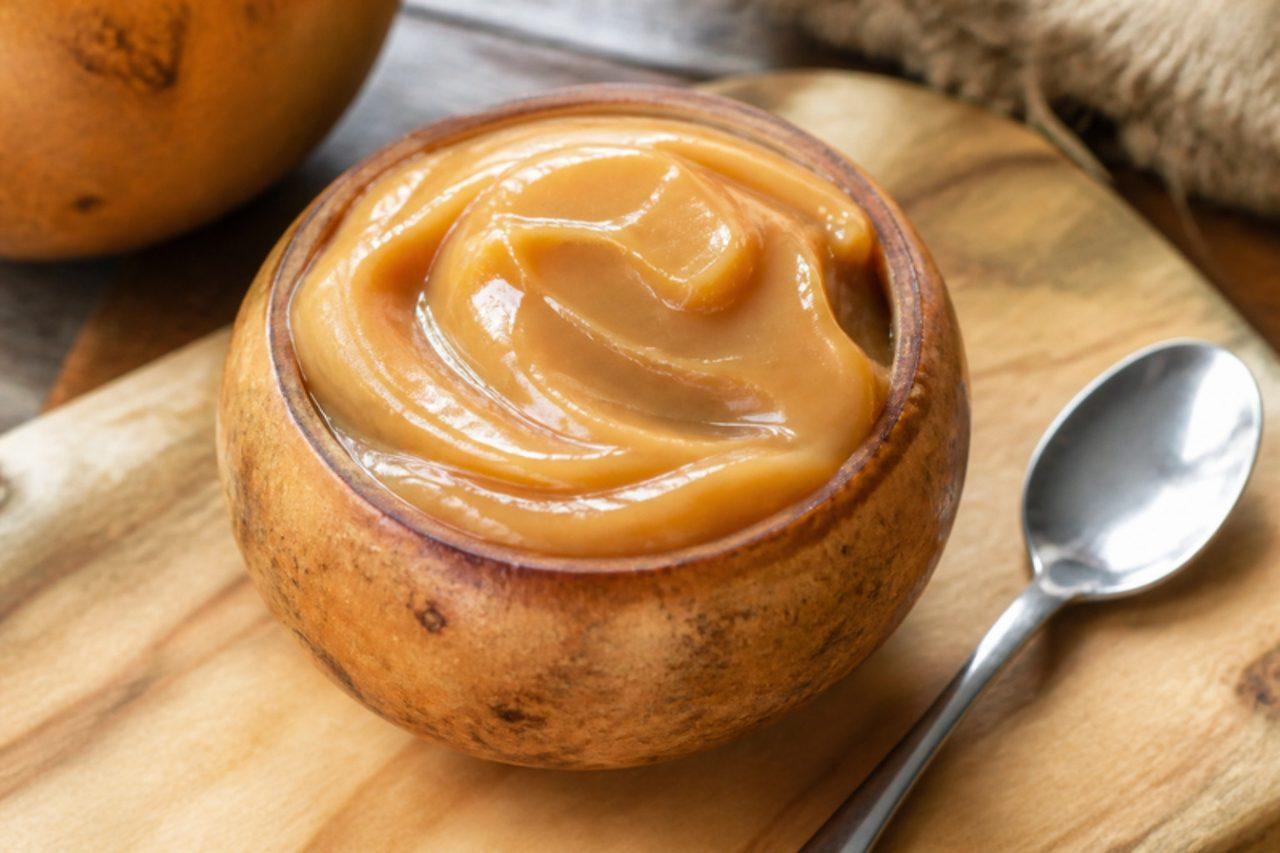
In the Valle del Cauca around Cali, Christmas means stirring manjar blanco: whole milk, sugar and a little ground rice cooked down for hours, traditionally in a big copper pan (paila) over a wood fire, until it turns into a thick, pale-caramel paste. It is served in totumo gourd bowls with buñuelos and natilla, or with a slice of fresh cheese. It is gluten free and keeps a week in the fridge. Chef's tip: soak and blend the rice to a fine paste first, which gives manjar blanco its smooth body without lumps.

by KrazyBadal 0 views

Pâte de coingsQuince paste

On Christmas Eve in Provence the gros souper ends with the treize desserts, thirteen small sweets set out together and left on the table until 27 December. Pâte de coings, a firm, glowing amber quince paste cut into squares and rolled in sugar, is nearly always among them, beside nougat, dried fruit and fougasse. It is simply quince pulp and sugar cooked down slowly until it pulls away from the pan, so it is vegan and gluten free, and it keeps for months. Serve it in small cubes, or with a sharp cheese. Chef's tip: cook the quinces whole with their skins and cores, which hold most of the natural pectin, and only sieve them afterwards.

by KrazyBadal 0 views

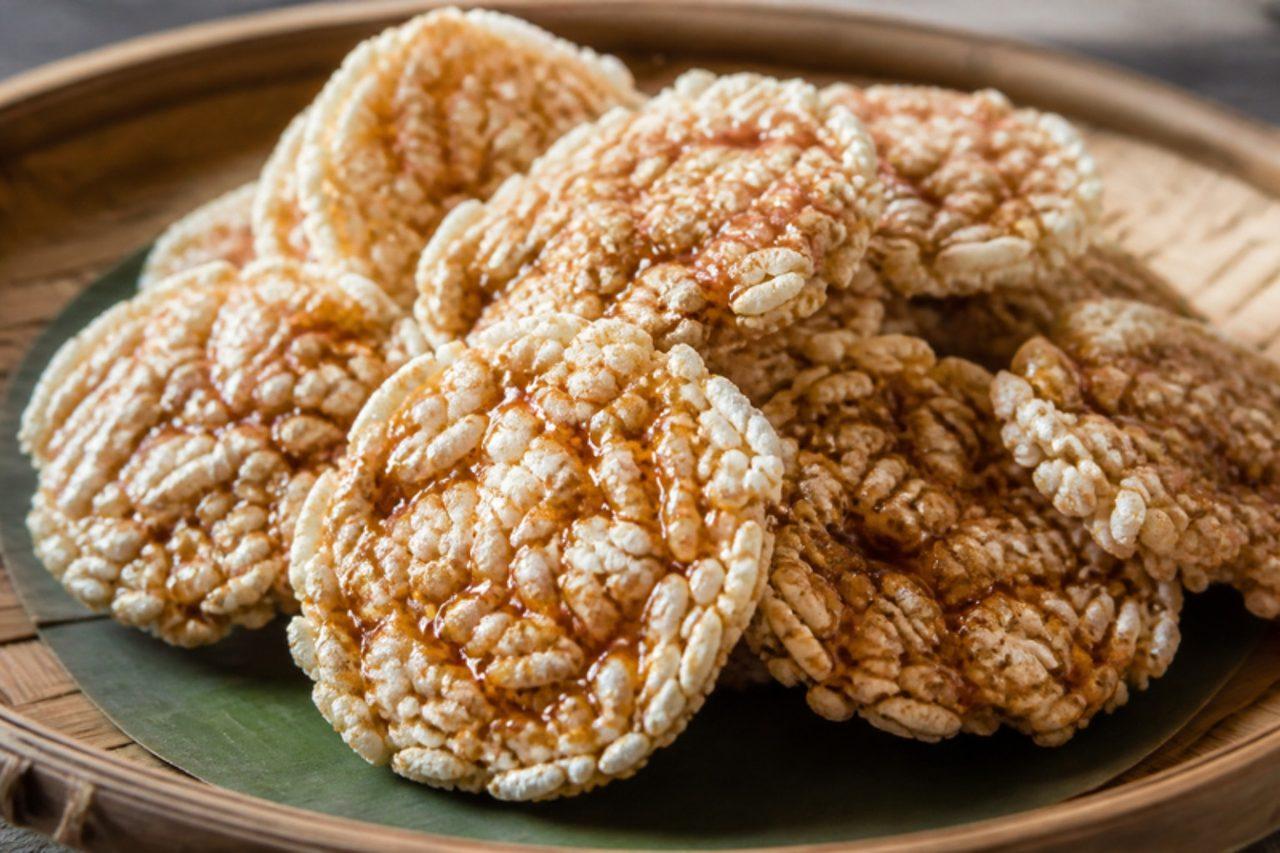
Jaja begina (Balinese sun-dried rice crackers)

Jaja begina are the round rice crackers that fill Balinese offering towers for Galungan; once the prayers are said, the crackers come home as a crunchy snack for everyone. Steamed glutinous rice is pressed into thin discs and dried in the sun for days until rock hard, and then a quick fry makes them puff up, turn pale gold and become light and crisp. A thread of warm palm sugar syrup over the top makes them sweet and sticky. Without strong sun, a low oven does the drying in an afternoon. Chef's tip: make a big batch of the dried discs; stored airtight they keep for months, and you can fry a few whenever you like.

by KrazyBadal 0 views

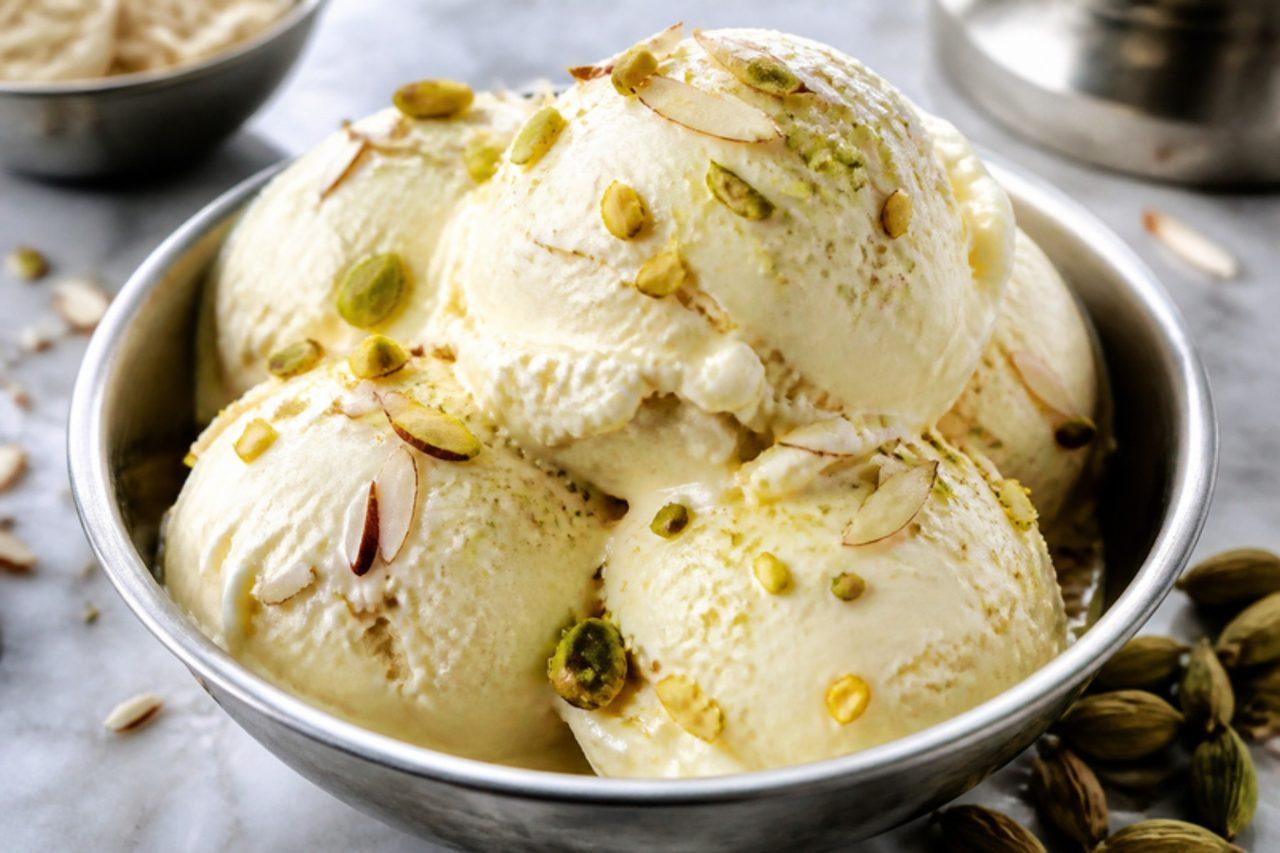
پشاوری آئس کریم (Peshawari ice cream)Cardamom pistachio ice cream

In the Qissa Khwani bazaar of Peshawar, ice-cream sellers spin a tall metal drum inside a tub of crushed ice and salt, scraping the freezing milk off the walls with a long paddle until it turns thick, stretchy and pale. It is a summer evening treat, eaten from small bowls after dinner or late at night when the streets cool down, and often topped with a spoonful of falooda vermicelli or more chopped pistachio. The flavour is simple: slowly reduced milk, green cardamom and a little rose. This version has no eggs and no custard: a cornflour slurry cooked into the milk thickens it the way yolks would, and the starch holds on to water so ice crystals stay small and the texture stays smooth, while milk powder adds body without extra fat. You can churn it in a machine or still-freeze it in a tray and stir it every 45 minutes. Chef's tip: the common mistake is churning a warm base; chill it until it is fridge-cold right through, or it will turn icy instead of silky.

by KrazyBadal 0 views

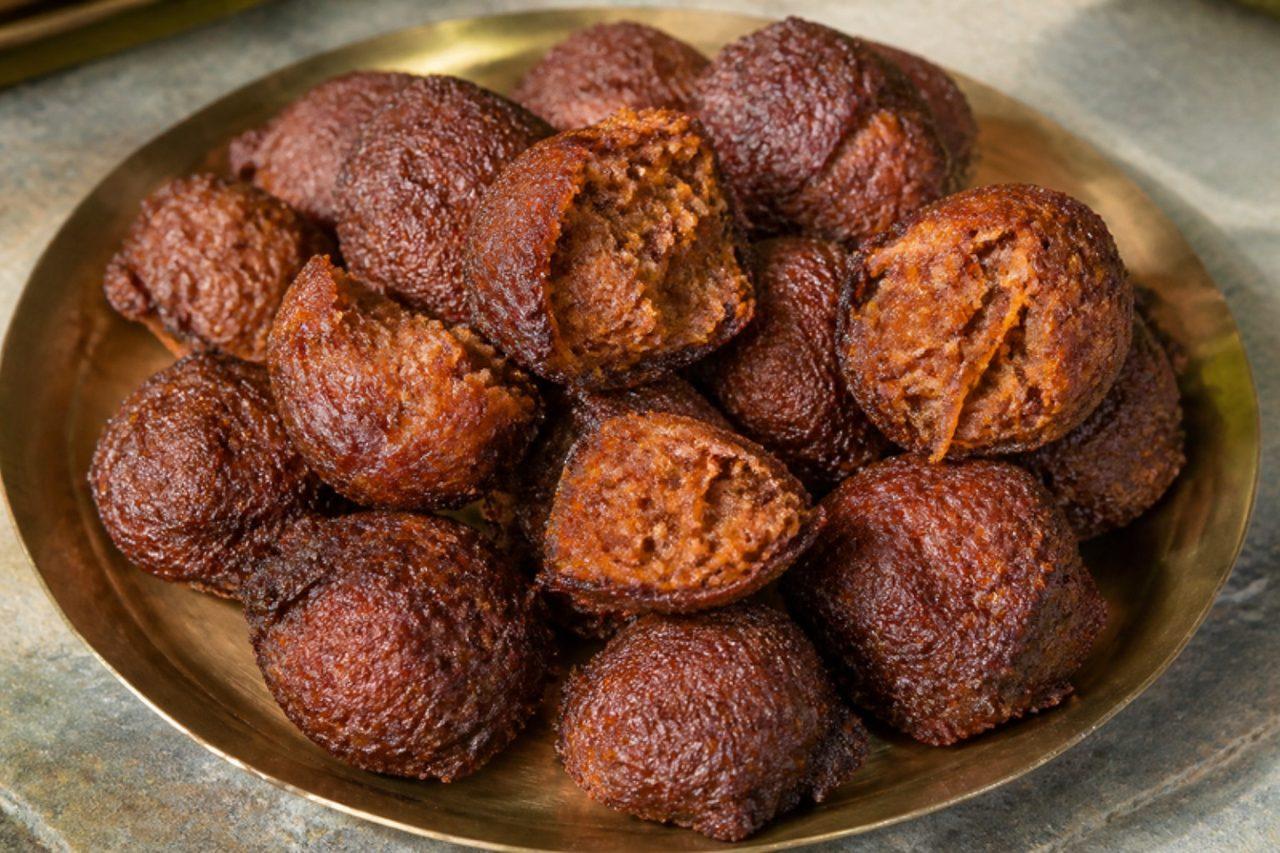
Taler bora (Bengali palm-fruit fritters)

When the ripe palmyra palm fruits (tal) fall in the late monsoon, Bengal's kitchens fill with their heavy, almost fermented-fruit scent, and taler bora are made, above all for Janmashtami in August and September. The dark orange pulp is scraped from the fibrous seeds, mixed with rice flour, a little wheat flour, grated coconut and sugar, and dropped by the spoonful into hot oil. They puff into soft, spongy balls with a dark brown crust and a sweet, fruity, slightly smoky taste. Eat them warm or at room temperature with tea, or as part of a Janmashtami offering. They are naturally egg-free and vegan: the thick, fibrous palm pulp and the rice flour bind the batter, and a pinch of bicarbonate lightens it. Use fresh pulp when you find the fruit, or frozen palmyra pulp from a South Asian grocer. Chef's tip: fry at about 165°C; the sugar in the palm pulp burns easily, so oil that's too hot is the common mistake that blackens the outside while the centre stays raw.

by KrazyBadal 0 views

Gil-e-firdaus (Hyderabadi bottle gourd and rice pudding)

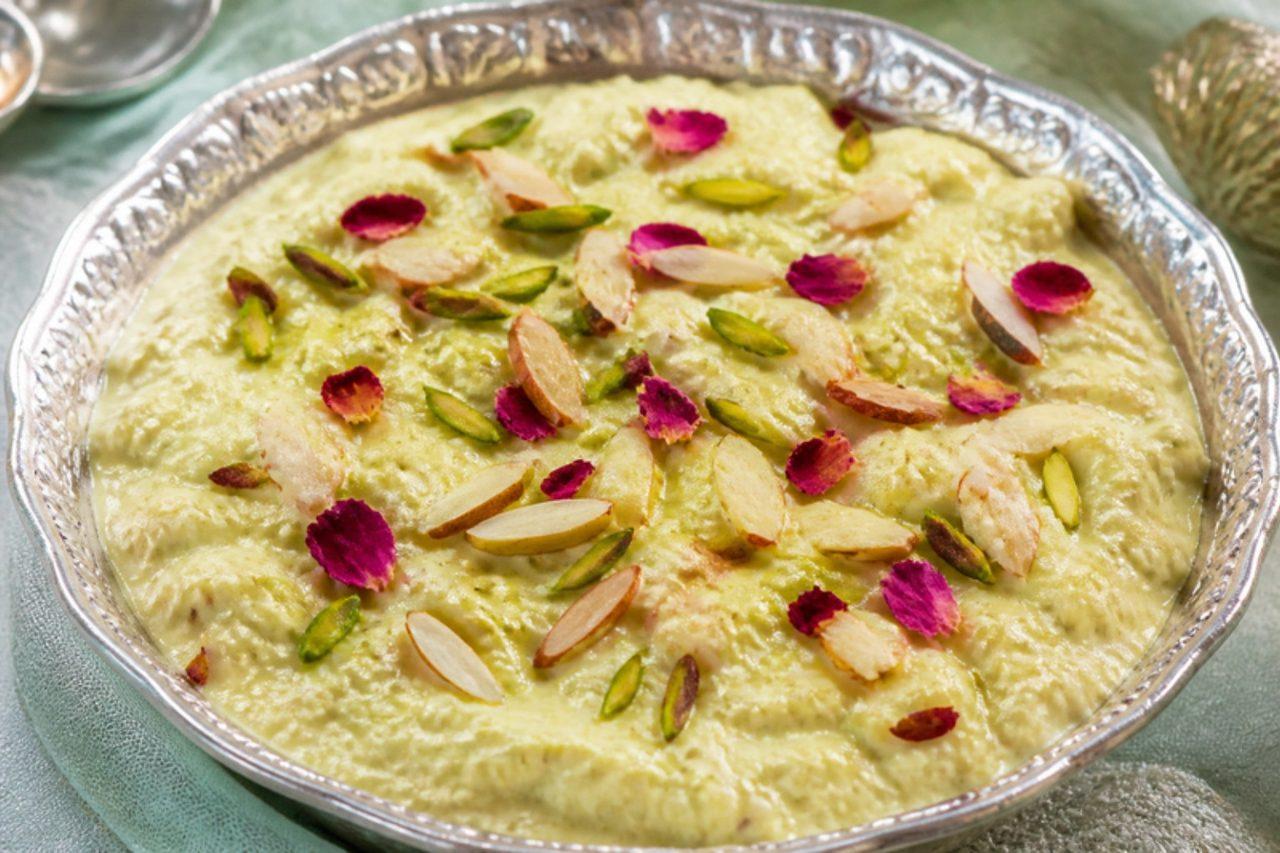
The name means 'clay of paradise', and gil-e-firdaus belongs to the grand dessert tables of Hyderabad, served at weddings, at Eid and during Ramadan iftars alongside double ka meetha. Grated bottle gourd (lauki) is softened in ghee, then cooked in milk with coarsely ground rice and crumbled khoya until thick, pale green and fragrant with cardamom and rose water. It's thicker than a kheer, creamy and gently grainy, with soft strands of gourd and plenty of almonds and pistachios. Serve it warm in winter or chilled in summer, in small bowls. It is naturally egg-free: the ground rice and khoya do the thickening, giving it the richness a custard would. Chef's tip: squeeze the grated gourd well and add the sugar only once the rice is cooked; sugar added too early is the common mistake that stops the rice softening and leaves the pudding runny.

by KrazyBadal 0 views

Subak hwachae (Korean watermelon punch)

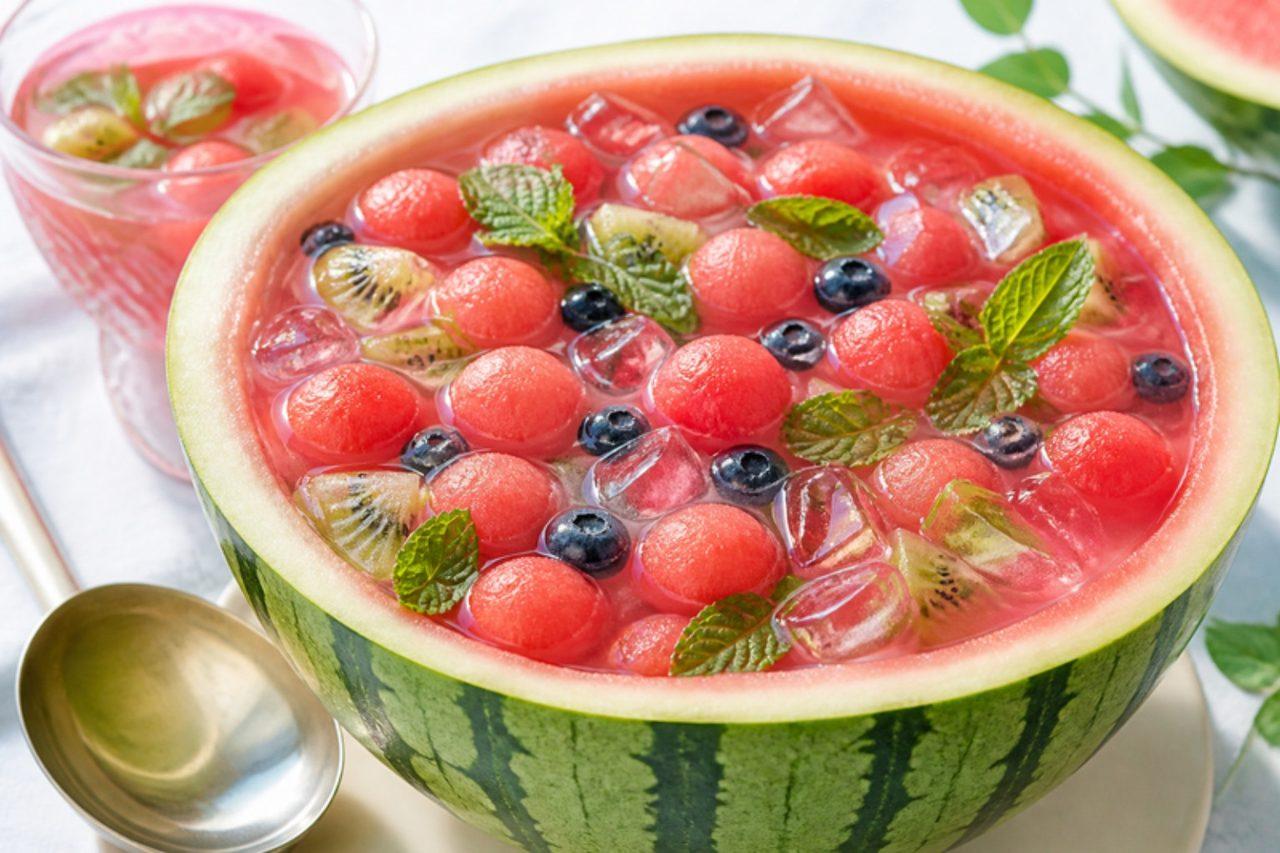
Subak hwachae is the cooling bowl Koreans set out on the hottest days of summer, especially around Boknal, the dog days of July and August, when families gather and eat from a hollowed-out watermelon shell. Balls of watermelon and other fruit float in chilled watermelon juice lightly sweetened and sharpened with lemon, with sparkling water for fizz and plenty of ice. It is refreshing, juicy and only gently sweet. Serve it straight away in small bowls with a spoon, after a barbecue or a spicy meal. This version is egg-free and dairy-free, and nothing needs binding or setting, as it is simply fruit in its own juice. Some modern versions add milk or a fizzy lemon soda; this one keeps it light with sugar syrup and sparkling water. Chef's tip: chill the fruit and juice for at least an hour before adding the fizz; the common mistake is relying on ice alone, which melts and waters the punch down.

by KrazyBadal 0 views

Kem xôi (Hanoi coconut ice cream on sticky rice)

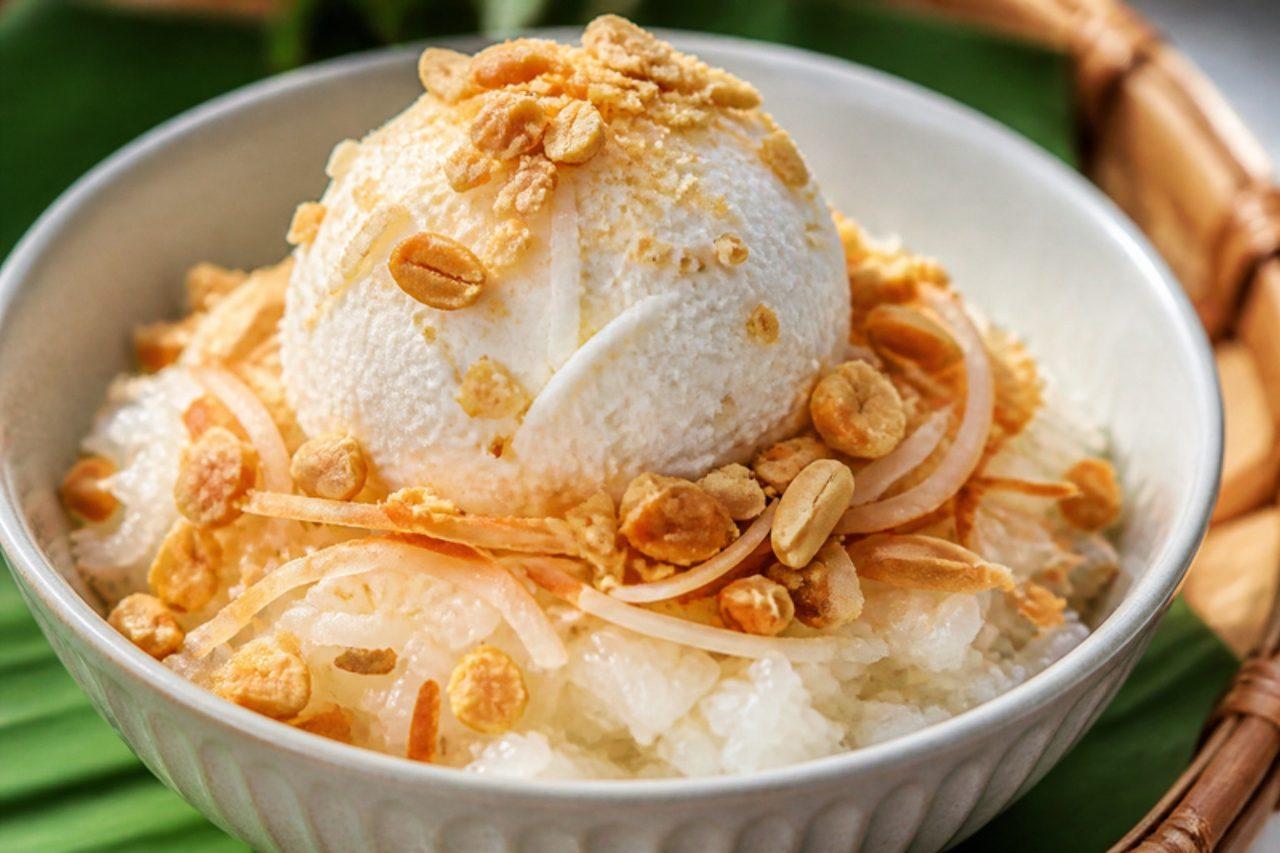
In the Old Quarter of Hanoi, kem xôi shops on Hàng Bài and around Hoàn Kiếm lake serve it from late morning to late at night through the hot season: a bed of warm, salty sticky rice, a scoop of coconut ice cream melting into it, then crisp toasted coconut and crushed peanuts. The contrast of warm and cold, chewy and creamy, is the whole point. This is a no-churn ice cream with no eggs and no custard. Sweetened condensed milk is the base: its sugar and milk solids lower the freezing point and keep crystals tiny, while whipped cream folded through traps air so it freezes soft without stirring, and coconut milk gives the flavour. Make the ice cream the day before and steam the rice just before serving. Chef's tip: whip the cream only to soft peaks; the common mistake is overwhipping it until stiff, which turns grainy and buttery once it freezes.

by KrazyBadal 0 views

ไอติมกะทิ (Itim kathi, Thai coconut ice cream)

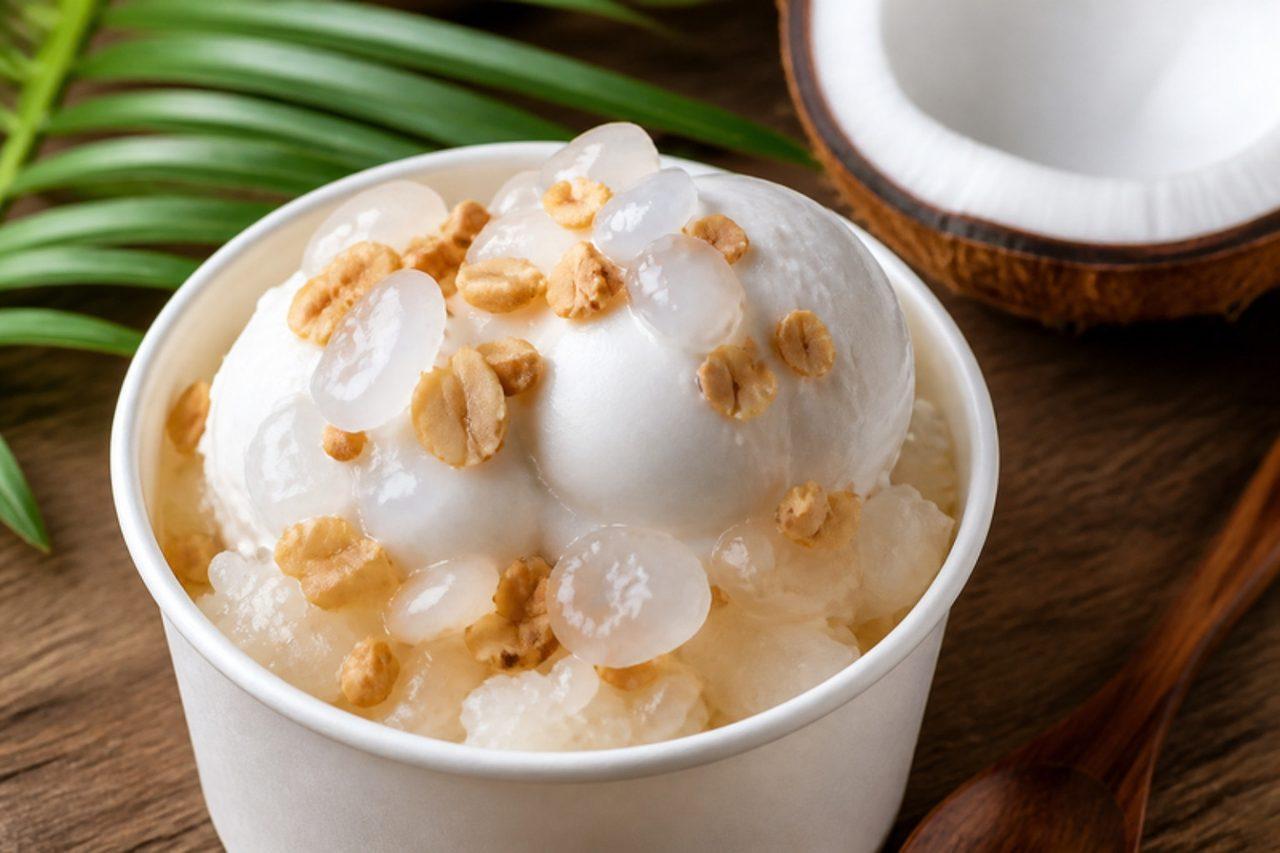
Itim kathi is the ice cream of Bangkok's pushcarts: a vendor lifts the lid of an insulated drum, scrapes up a scoop of snow-white coconut ice cream and piles it into a small cup over sticky rice, then adds whatever the customer points at, from roasted peanuts and sweet corn to chewy palm seeds. It is sold all afternoon in the hot months, outside schools and temples and in markets. Some vendors tuck the scoop into a soft bread roll; serve it in cups as here and it stays gluten free. It is naturally egg-free and dairy-free. Coconut milk carries the fat that makes it creamy, and a little cornflour cooked into it binds the water so crystals stay fine and the texture stays smooth without any custard, while a pinch of salt sharpens the coconut. Chef's tip: use full-fat coconut milk with no added water; the common mistake is using a light one, which freezes hard and icy.

300 minThaiDessertsVeganGluten free
by KrazyBadal 0 views

Paal kozhukattai (rice dumplings in sweet coconut milk)

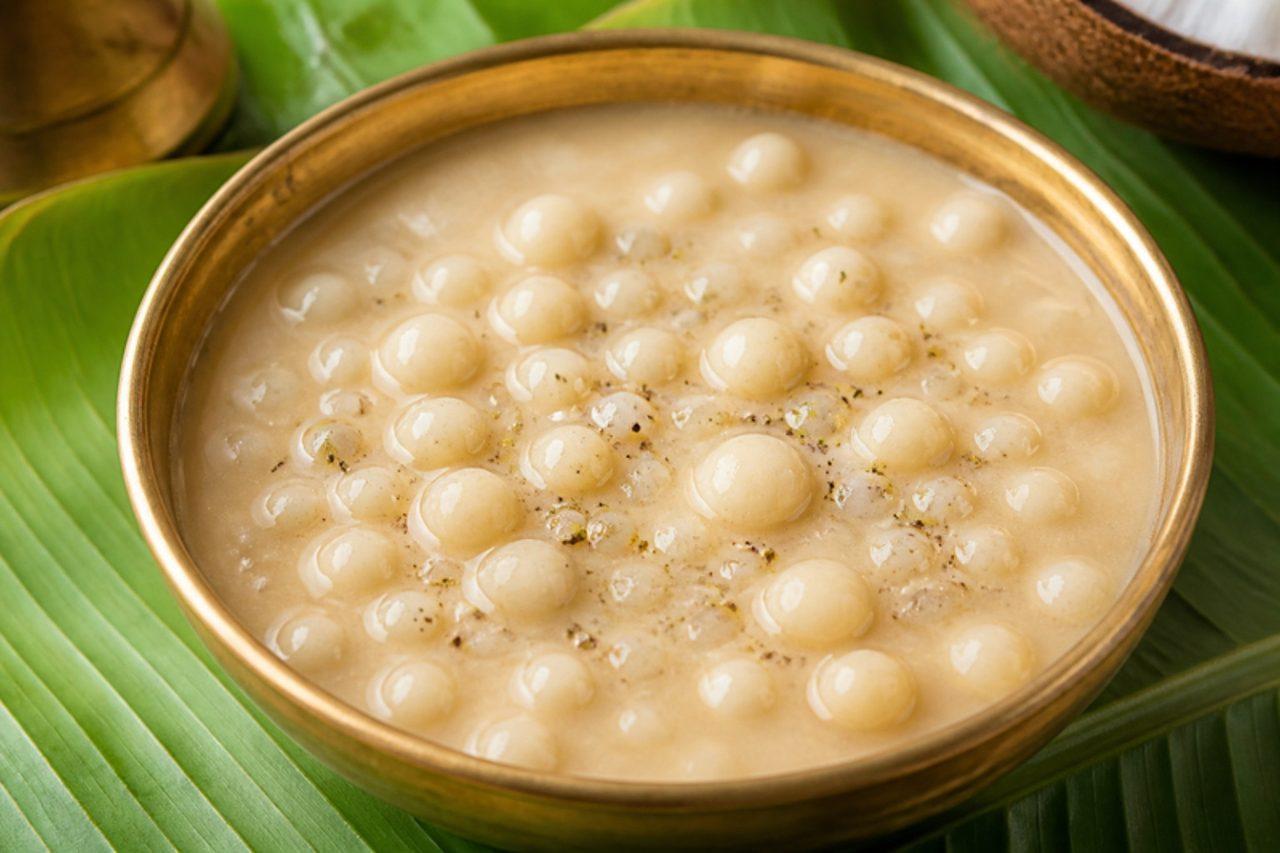
Paal kozhukattai is made in Tamil Nadu homes for Vinayaka Chaturthi and on rainy evenings when something warm and sweet is wanted. Tiny pearls of rice-flour dough are cooked in thin coconut milk until they float and turn glossy, then the pot is sweetened with jaggery and finished with thick coconut milk and cardamom. The dumplings are soft and chewy, the liquid creamy and caramel-coloured, and the whole thing is served warm in small bowls, or at room temperature as part of a festival offering. It is naturally egg-free and vegan: the rice flour, scalded with boiling water, holds the dumplings together, and its starch thickens the coconut milk as they cook. Chef's tip: once the thick coconut milk goes in, keep it below a boil; boiling it hard is the common mistake that splits the coconut milk and makes it oily.

by KrazyBadal 0 views

Malai chop (chhana dumplings filled with sweet malai)

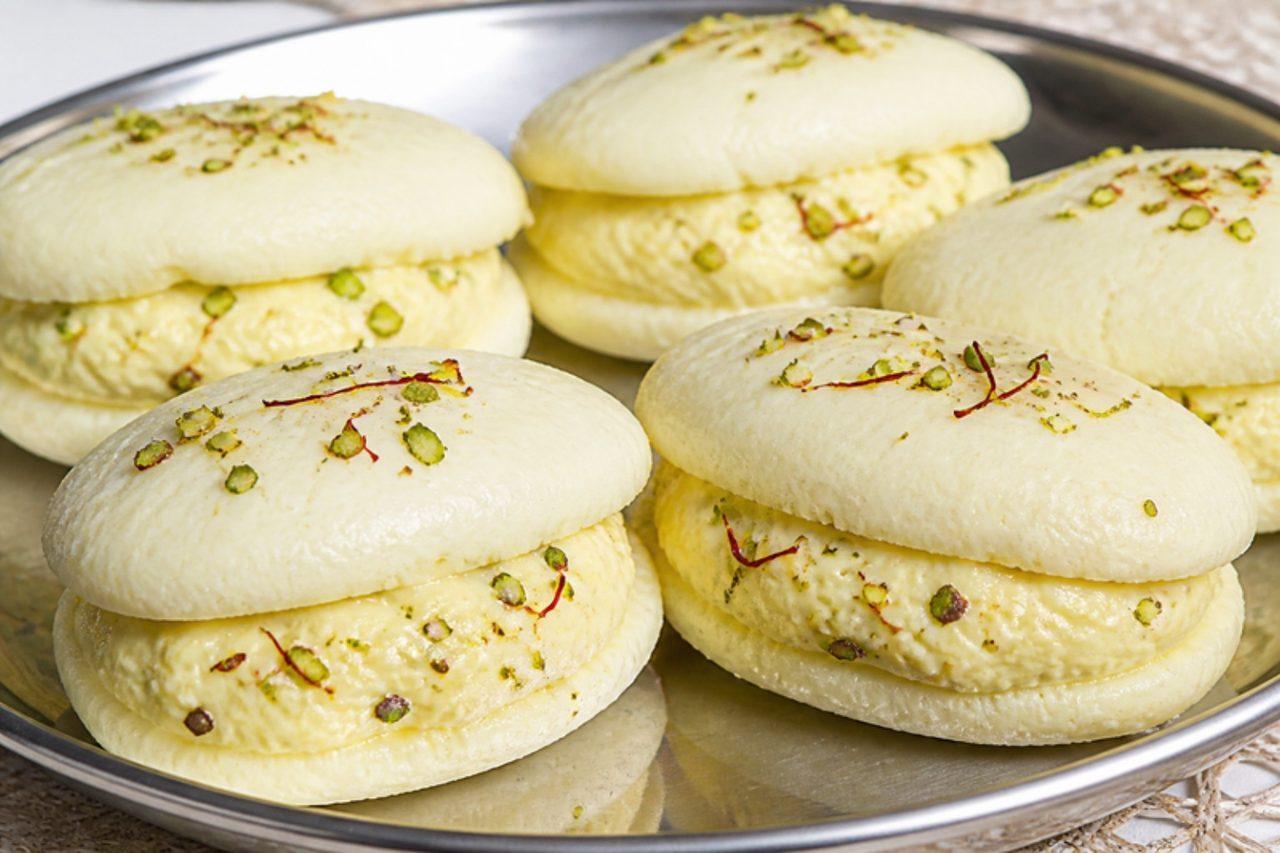
Malai chop is a sweet-shop showpiece in Dhaka and Kolkata, bought by the box for weddings, Eid visits, Durga Puja and the arrival of guests. Soft chhana (fresh milk curd) is kneaded, shaped into ovals and boiled in sugar syrup until spongy, then each one is split and filled with thick, sweet reduced-milk malai and topped with pistachios. They're juicy, light and creamy, best served cold, two to a plate. It's naturally egg-free: well-kneaded chhana holds itself together, a little cornflour helps it bind, and the long-reduced milk thickens the filling without any custard. Chef's tip: squeeze the chhana until it's moist but not wet and knead it until your palm feels greasy; chhana that's too wet is the common mistake that makes the dumplings fall apart in the syrup.

by KrazyBadal 0 views

Kem chuối (Vietnamese frozen coconut banana)

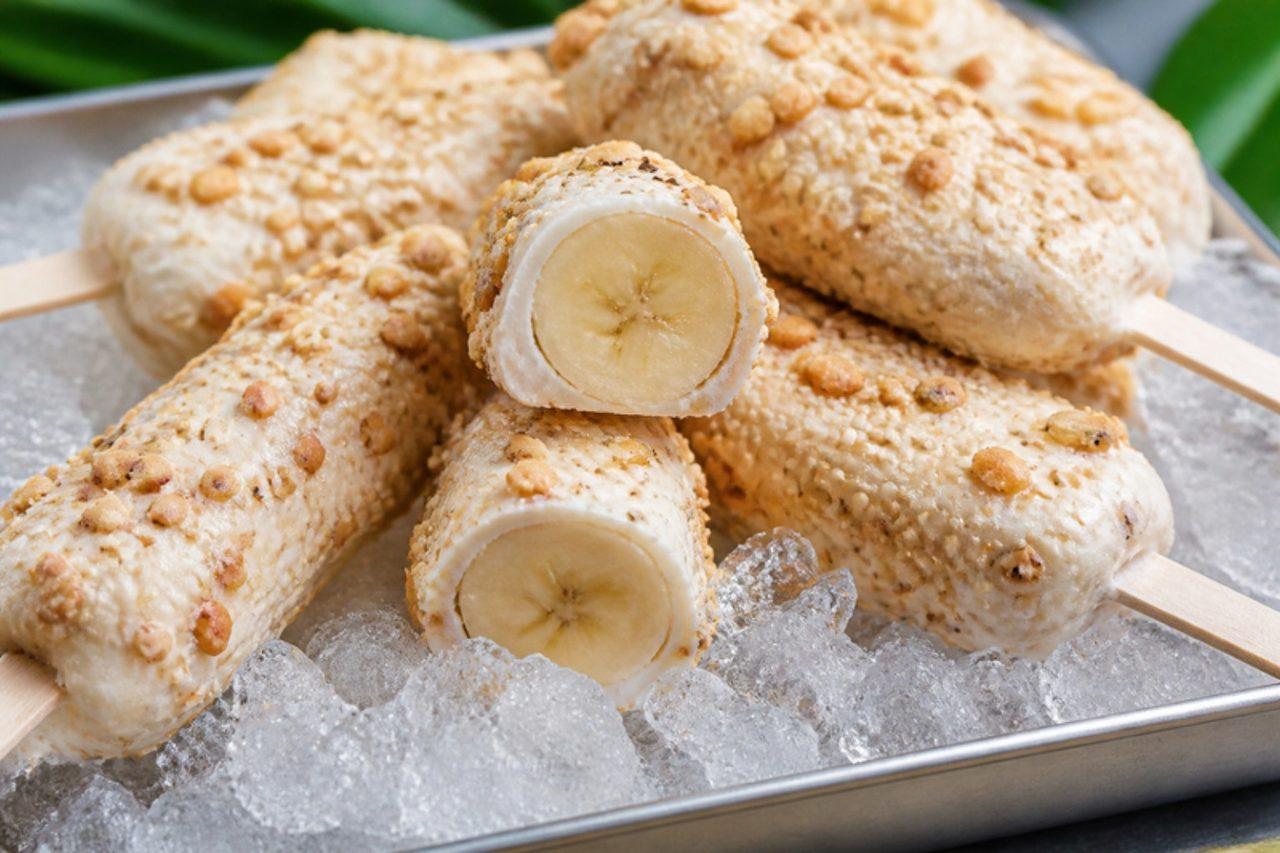
Kem chuối is the frozen treat of Saigon's alleys and the Mekong towns, sold from home freezers and school gates through the long hot season. Small, very ripe bananas are pressed flat, coated in thick sweet coconut cream, rolled in roasted peanuts and frozen on a stick; you can also wrap them and slice them into coins. The banana freezes dense and chewy rather than icy, and the coconut coating stays soft and rich. It is naturally egg-free and dairy-free: the coconut cream is cooked with a spoonful of tapioca starch, which thickens it so it clings and holds a thin layer around the fruit, and the banana's own sugar keeps the middle from freezing rock-hard. Kids love making these. Chef's tip: use bananas with plenty of brown freckles; the common mistake is using firm yellow ones, which freeze bland and starchy.

by KrazyBadal 0 views

Bánh tro (bánh gio, amber glutinous rice cakes in leaves)Lye water glutinous rice cakes

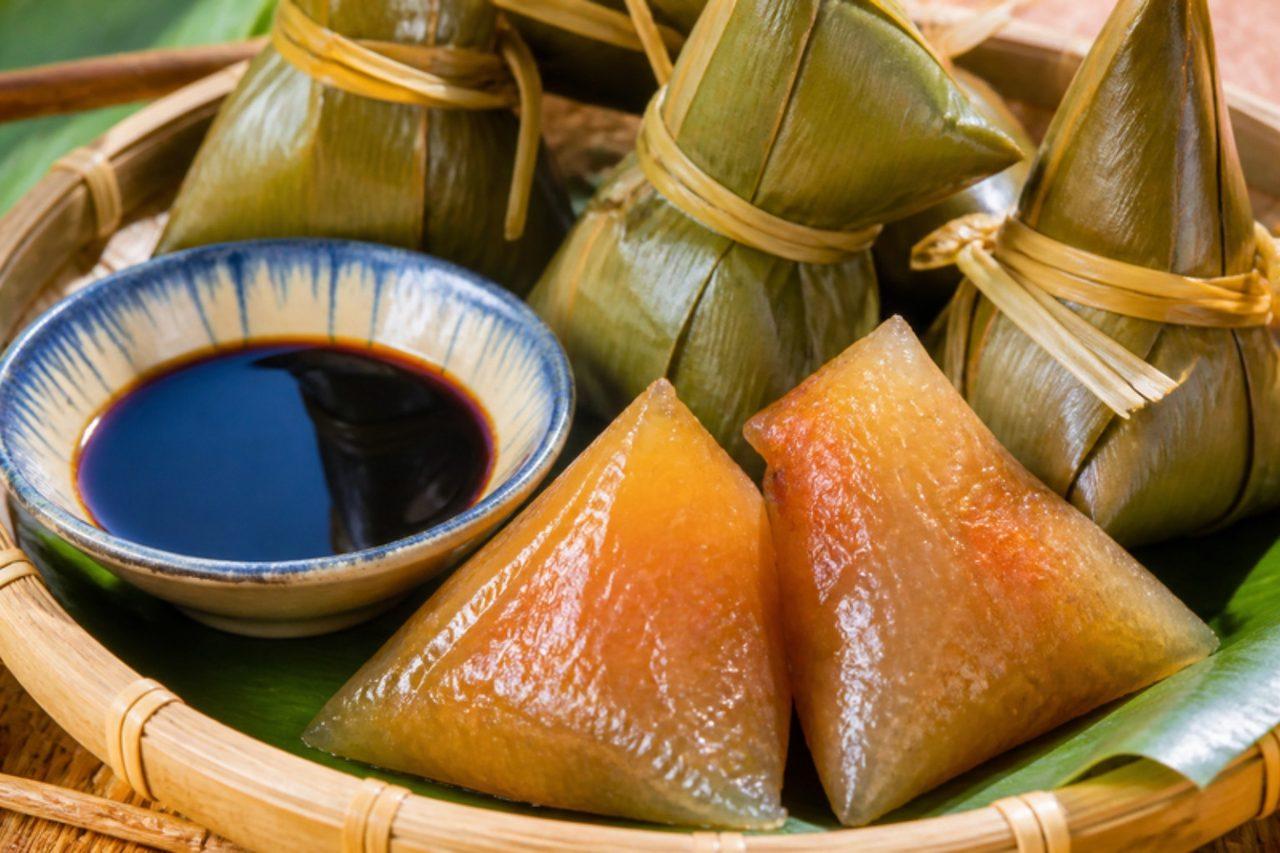
On Tết Đoan Ngọ, the fifth day of the fifth lunar month, families in northern and central Vietnam eat bánh tro first thing in the morning, believing it cools the body as summer heat arrives. Glutinous rice is soaked in alkaline water, which was once made by steeping plant ash, then wrapped in leaves and boiled for hours. It turns amber, translucent and jelly-soft with a clean, faintly mineral flavour, and is eaten cold, dipped in sugarcane molasses or palm-sugar syrup. Bánh tro is naturally egg-free: the alkali softens the rice grains so their own starch melts together into a firm, sliceable cake. We use food-grade lye water (an alkaline solution of potassium carbonate and sodium bicarbonate sold in Asian shops for noodles and mooncakes). Handle it with care: wear gloves, keep it away from children, never use drain cleaner or caustic soda, and always dilute it as written. Chef's tip: the common mistake is skipping the rinse; wash the soaked rice twice so the cakes taste clean, not soapy.

by KrazyBadal 0 views

Shemai (Bangladeshi Eid vermicelli in milk)

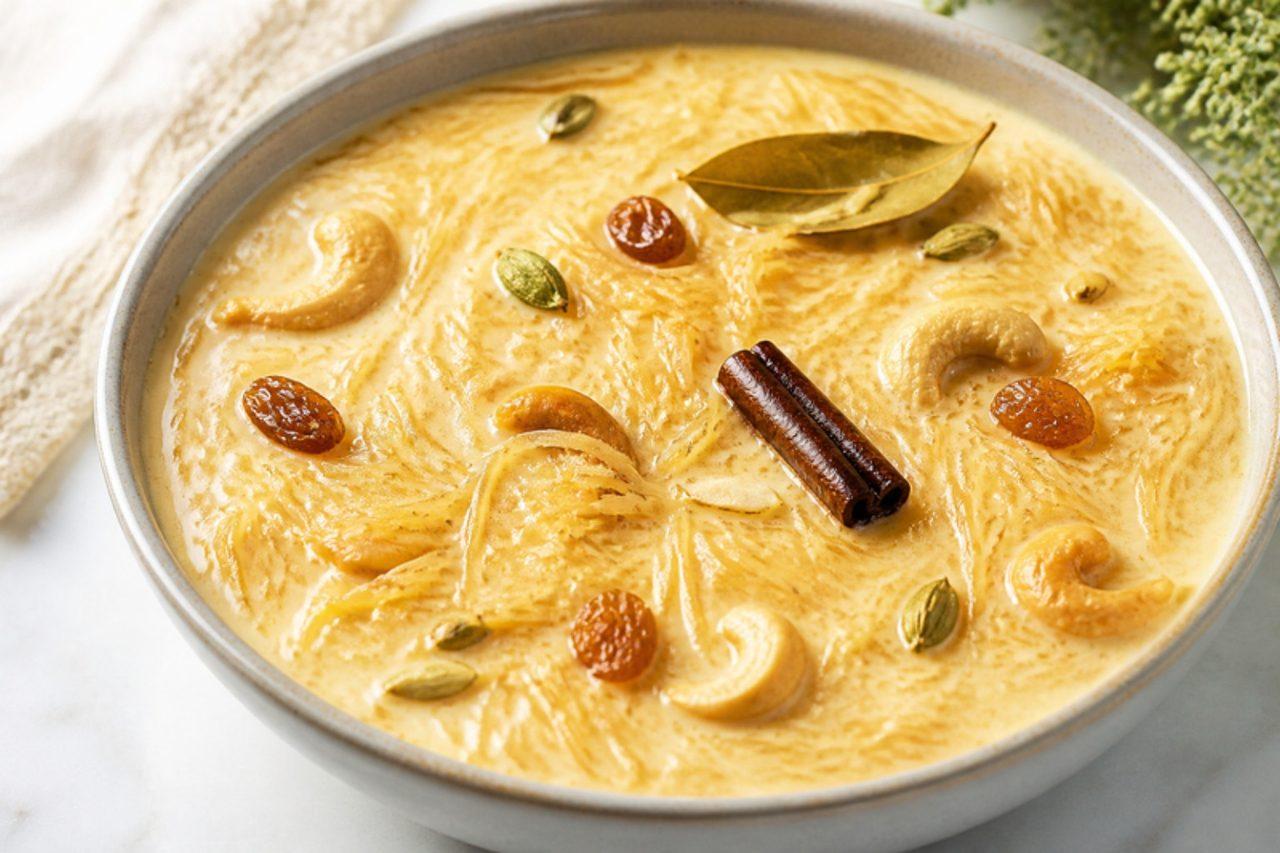
On Eid morning in Dhaka, Chattogram and villages across Bangladesh, a pot of shemai is usually on the stove before anyone leaves for prayers, and it's the first sweet offered to every visitor that day. Fine wheat vermicelli is toasted in ghee until golden, then simmered in milk with sugar, cardamom, cinnamon and the bay leaf that gives Bengali sweets their gentle, warm scent, and finished with raisins and nuts. It's creamy and soft but still loose, and it thickens as it cools. Serve it warm, or chilled the day after. It is naturally egg-free: the starch from the toasted vermicelli thickens the reduced milk, so it needs nothing to bind it. Chef's tip: take it off the heat while it still looks a little thin; cooking it until thick in the pan is the common mistake, because it sets into a stiff paste once it cools.

by KrazyBadal 0 views

Bhapa doi (Bengali steamed sweet yogurt)

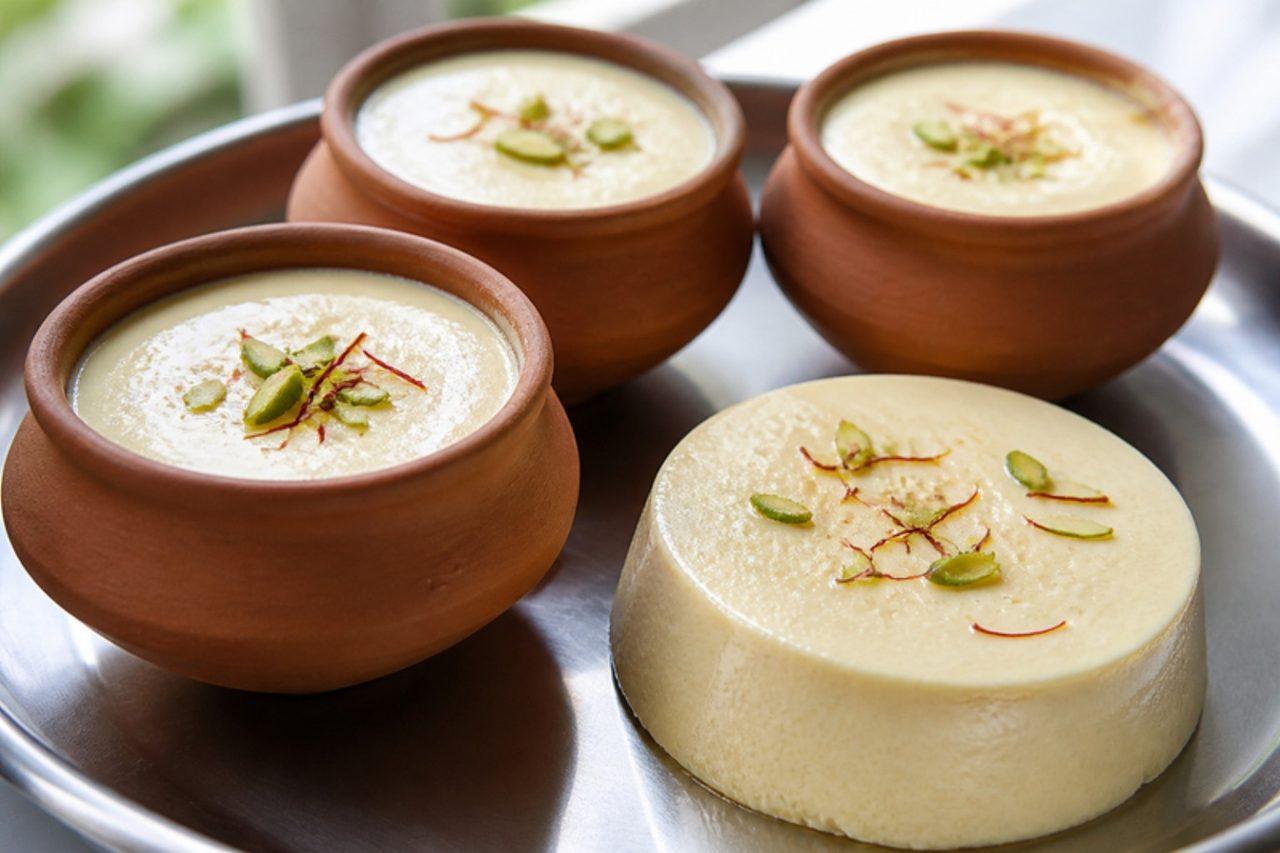
Bhapa doi means steamed yogurt, and it's the dessert Kolkata households make when there's no time to visit the sweet shop for mishti doi. It's especially popular on Jamai Shashthi and at Poila Baisakh, the Bengali New Year, but it appears at Sunday lunches all year. Thick hung yogurt is mixed with condensed milk and a little milk, scented with cardamom, then gently steamed until it sets like a soft cheesecake without a crust. Chilled, it's dense, smooth and tangy-sweet. Serve it plain in small bowls, topped with pistachios, or with ripe mango in summer. There is no egg here: the milk proteins in the yogurt and condensed milk set with gentle heat, just as eggs would set a baked custard, and the condensed milk adds body and sweetness. Chef's tip: steam it on a low, gentle simmer; the common mistake is a fierce boil, which makes the yogurt weep whey and turn grainy.

by KrazyBadal 0 views

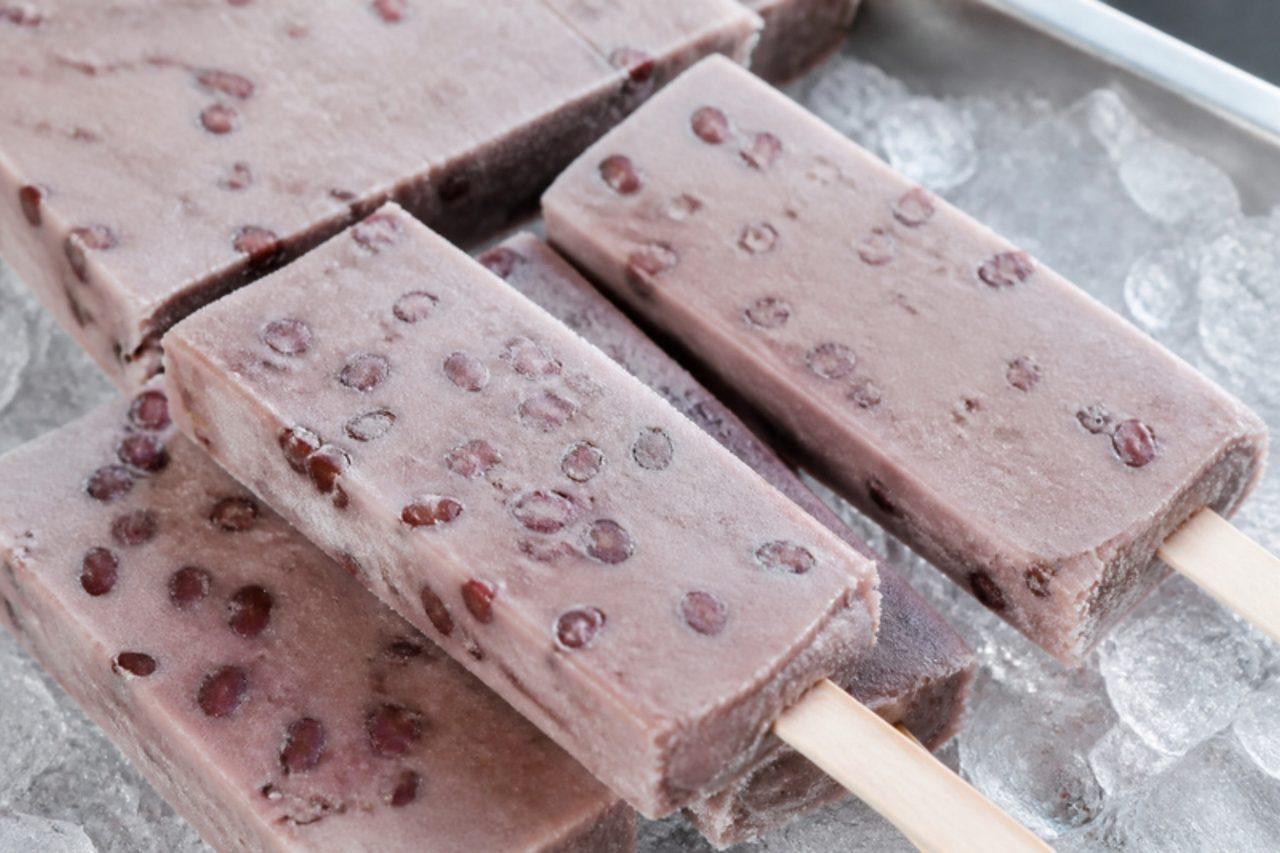
팥빙수 (Patbingsu, Korean red bean shaved ice)

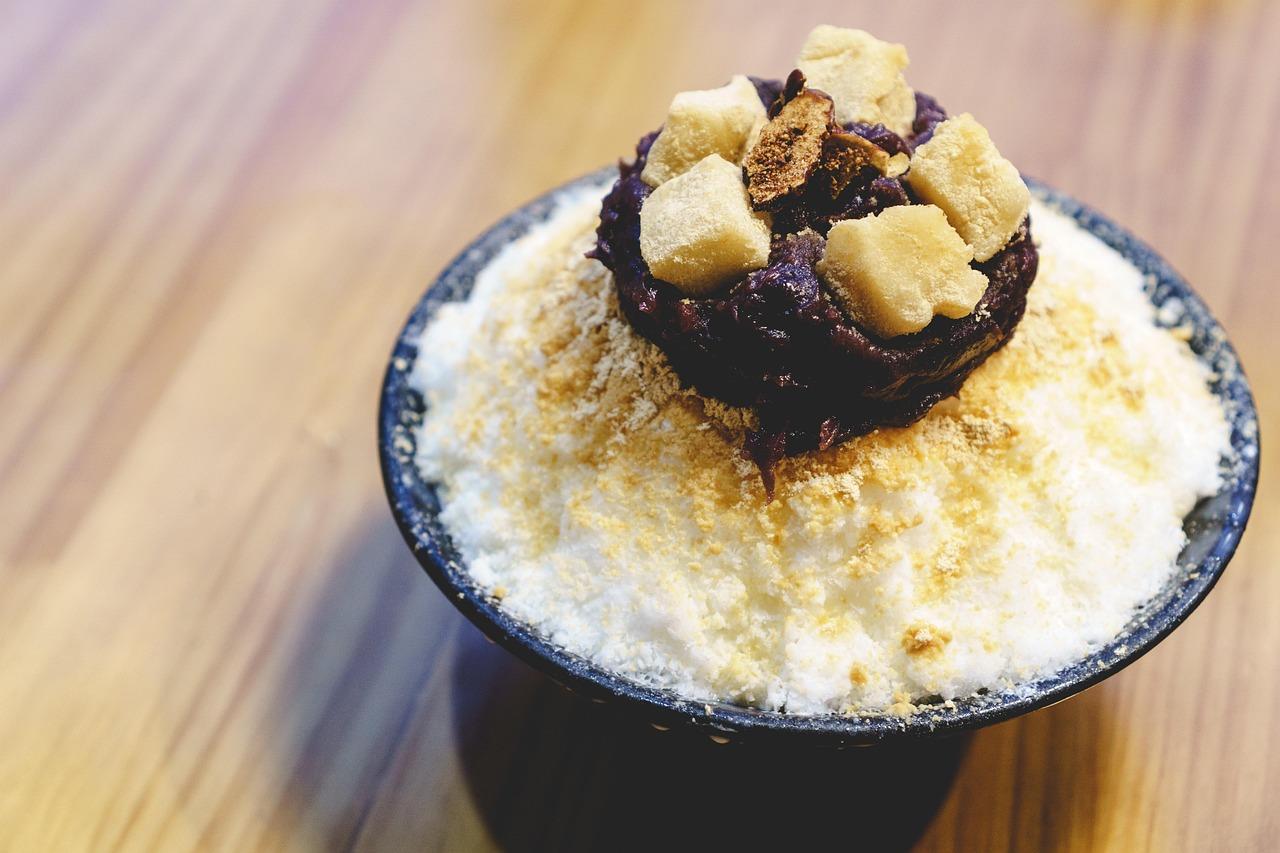
Patbingsu is the great Korean summer dessert, eaten nationwide from the start of the rainy season until autumn, usually shared from one big bowl in a café after lunch or on a hot evening. Under the mound of milk ice sits the heart of it: sweet, soft red beans cooked until they almost melt, with chewy little rice cakes dusted in roasted soybean powder and a thread of condensed milk. Fluffy, creamy and earthy-sweet. There are no eggs anywhere: the ice is milk and condensed milk frozen in a thin layer, and the condensed milk's sugar keeps the crystals fine so the shavings are soft and snowy rather than crunchy, while the beans thicken with their own starch. Make the beans and the ice a day ahead. Chef's tip: freeze the milk thin in a flat tray and scrape it with a fork; the common mistake is freezing it in a deep tub, which sets too hard to shave.

by KrazyBadal 0 views

Fruit custard (Indian chilled vanilla custard with fruit)

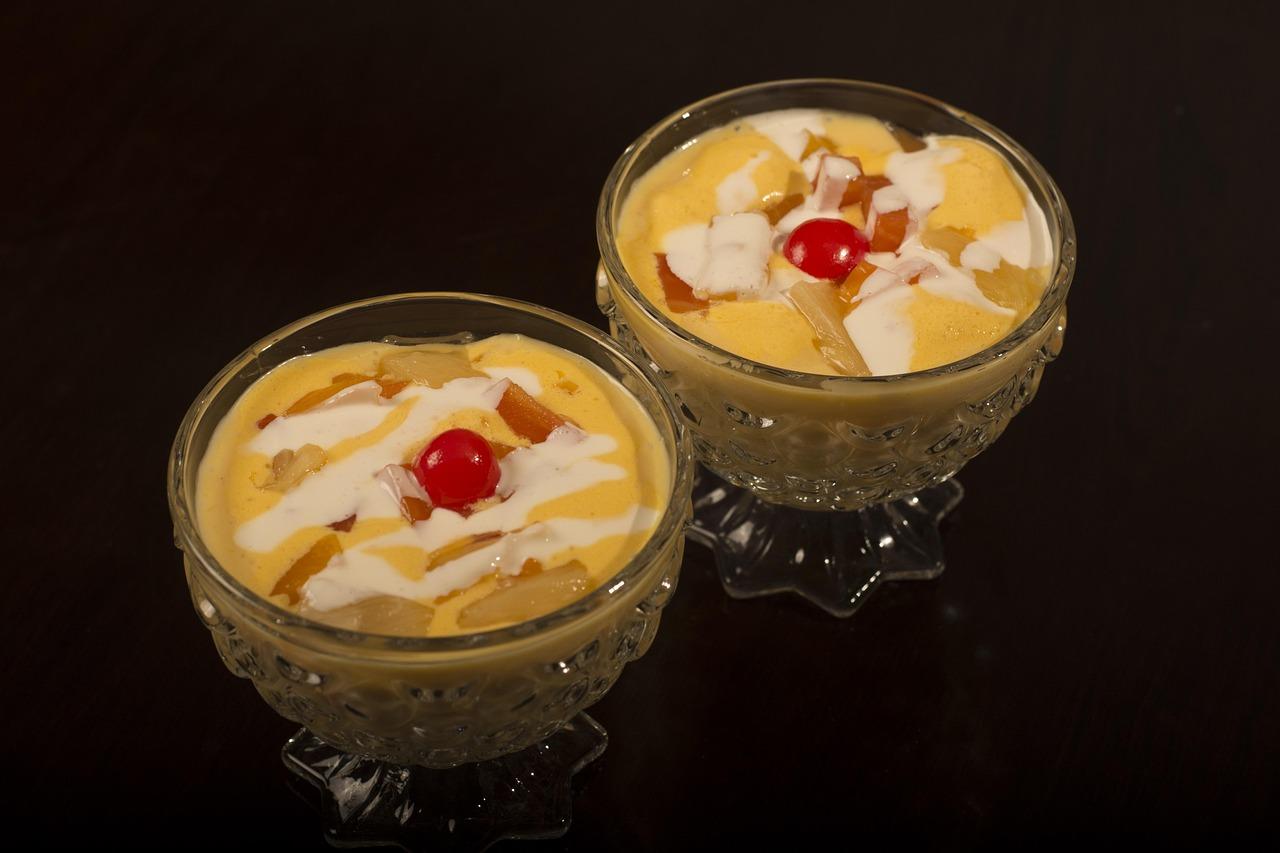
All over India, fruit custard is the dessert that turns up at birthday parties, Sunday lunches and wedding buffets, and in summer it is made by the bowlful to sit in the fridge. It is a pale yellow, spoonably thick vanilla custard, chilled until cold and then loaded with chopped banana, apple, grapes, pomegranate and mango or chikoo when they are in season. Serve it on its own in glasses, or next to warm gulab jamun at a party. This version uses eggless custard powder, which is simply cornflour with vanilla flavouring and a yellow colour: the cornflour thickens the hot milk and sets it softly as it cools, doing the work that yolks do in a French crème anglaise, so the custard is naturally egg-free. Check the label says egg-free; the usual powders are just starch, flavour and colour. Chef's tip: add the fruit only when the custard is fully cold and just before serving; stirring banana and apple into warm custard is the common mistake that turns it watery and brown.

by KrazyBadal 0 views

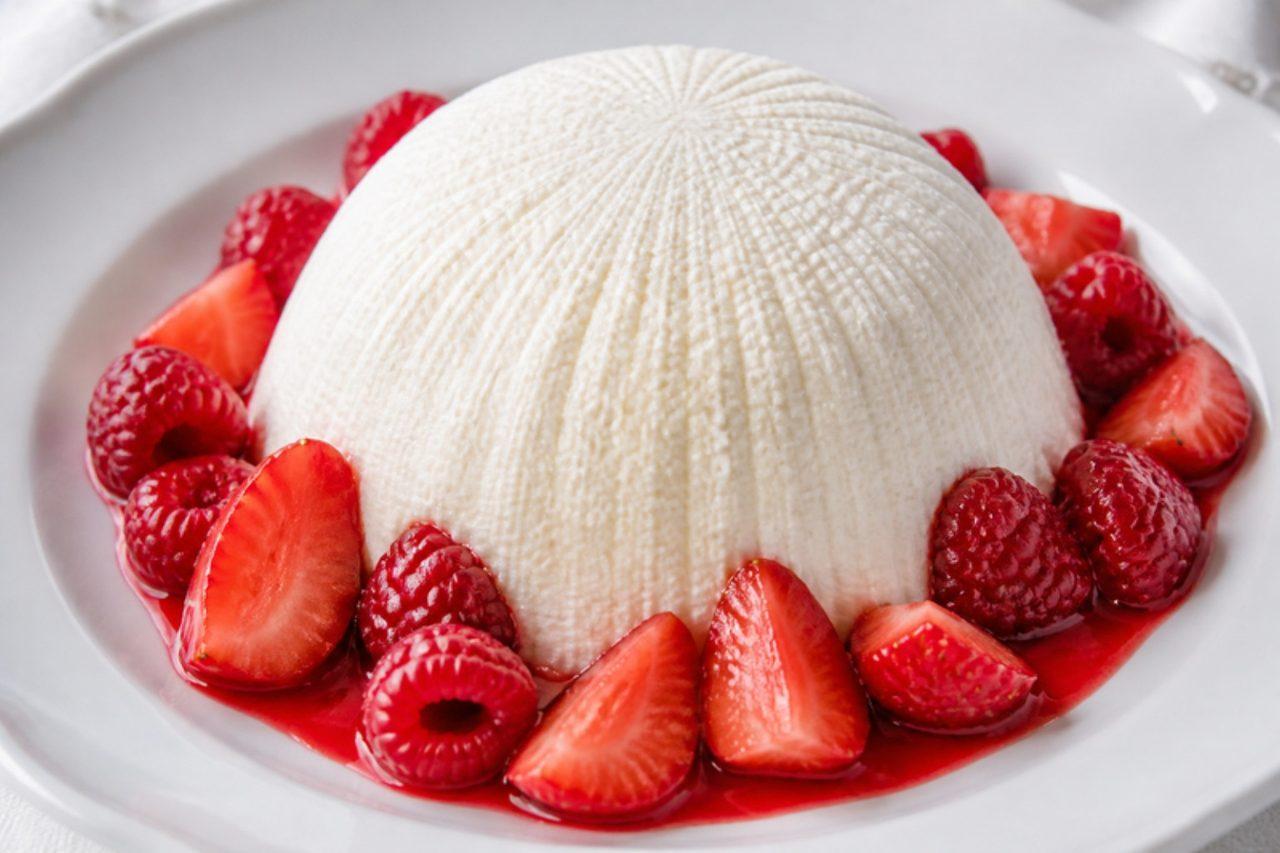
Biancomangiare (Sicilian almond-milk pudding)

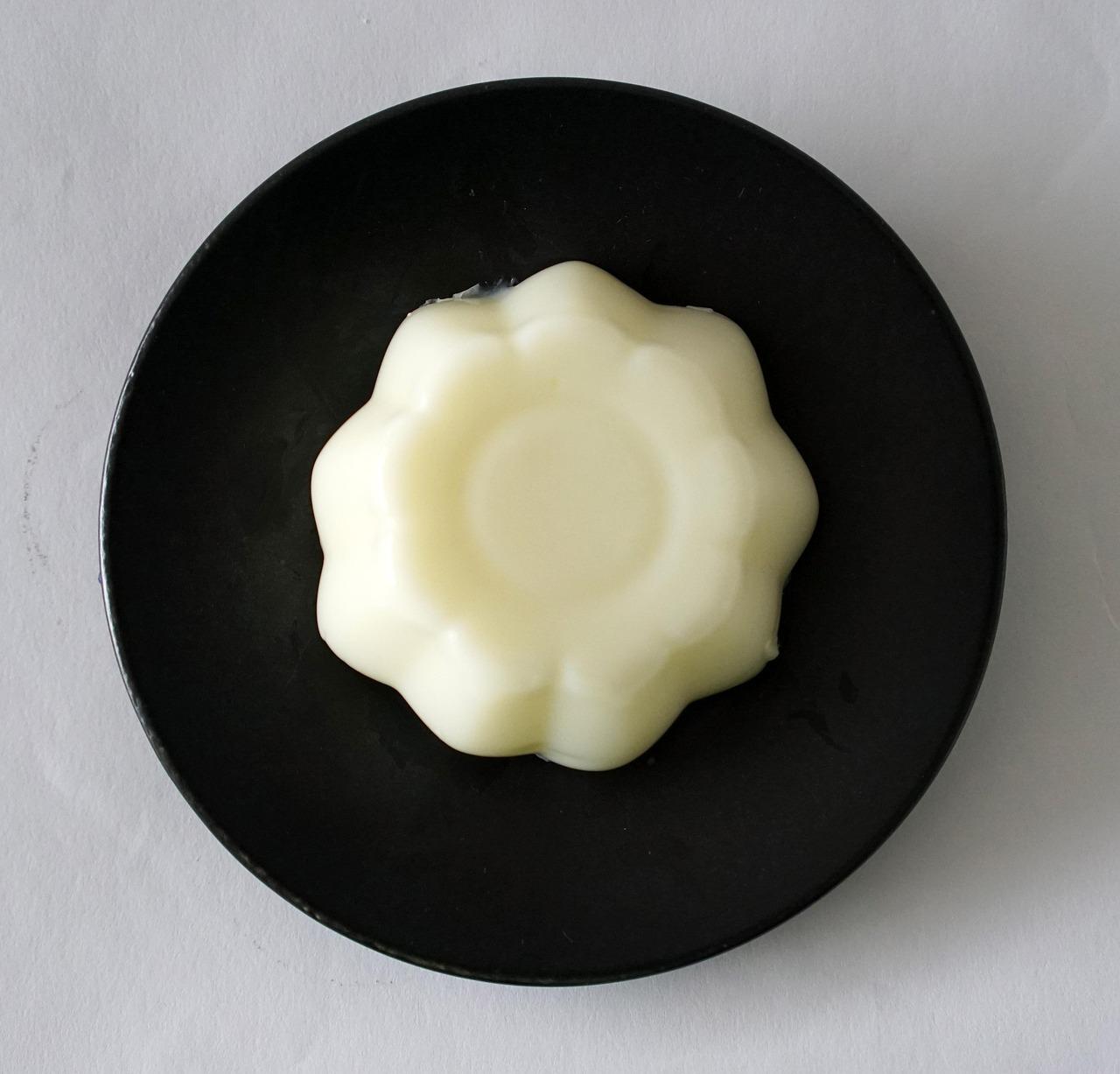
In Sicily, and above all around Modica and Avola where the almonds grow, biancomangiare is the cool, white pudding of high summer, turned out of fluted moulds after Sunday lunch or eaten at the bar from a little glass. The old Sicilian kind is made with almond milk rather than cow's milk and thickened with starch, which makes it dairy-free and vegan. It is smooth and soft, faintly marzipan-scented, brightened with a strip of lemon peel and warmed with cinnamon. Serve it cold, topped with chopped pistachios, a dusting of cinnamon or a few jasmine flowers, as they do in Palermo. No egg has ever belonged in it, and nothing else is needed to set it: cornflour boiled in the almond milk sets it as it cools, the same way it sets a custard without yolks. Chef's tip: once it thickens, keep it bubbling for 2 more minutes; the common mistake is pulling it off too soon, which leaves a raw starch taste and a pudding that won't turn out cleanly.

by KrazyBadal 0 views

Es pisang ijo (Makassar green banana dessert)

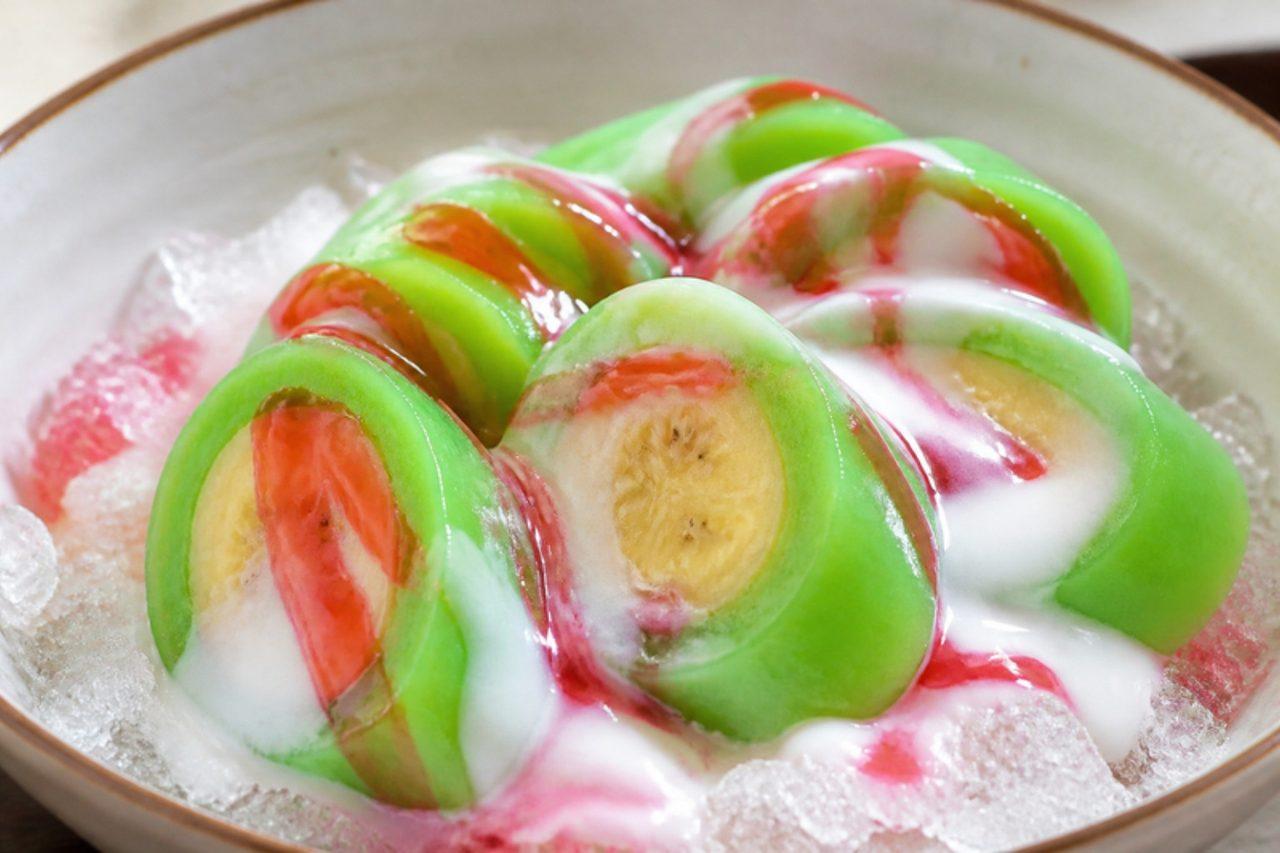
Es pisang ijo, green banana ice, is the pride of Makassar in South Sulawesi. It is everywhere during Ramadan as the sweet that breaks the fast at sunset, and sold year-round from stalls by the Losari waterfront. A whole steamed banana is wrapped in a thin, soft jacket of pandan-green rice-flour dough, sliced, laid on a pool of warm salty coconut porridge sauce, then buried under shaved ice and a sharp pink syrup. Cold, warm, salty, sweet and fragrant, all in one bowl. It is naturally egg-free: rice flour cooked with coconut milk and pandan juice makes a smooth, pliable dough that binds without any egg, and a little more rice flour thickens the sauce. Chef's tip: use firm but ripe bananas with a few freckles; the common mistake is very soft ones, which turn to mush inside the dough while steaming.

by KrazyBadal 0 views

Kharvas (steamed milk-and-curd pudding, home method)

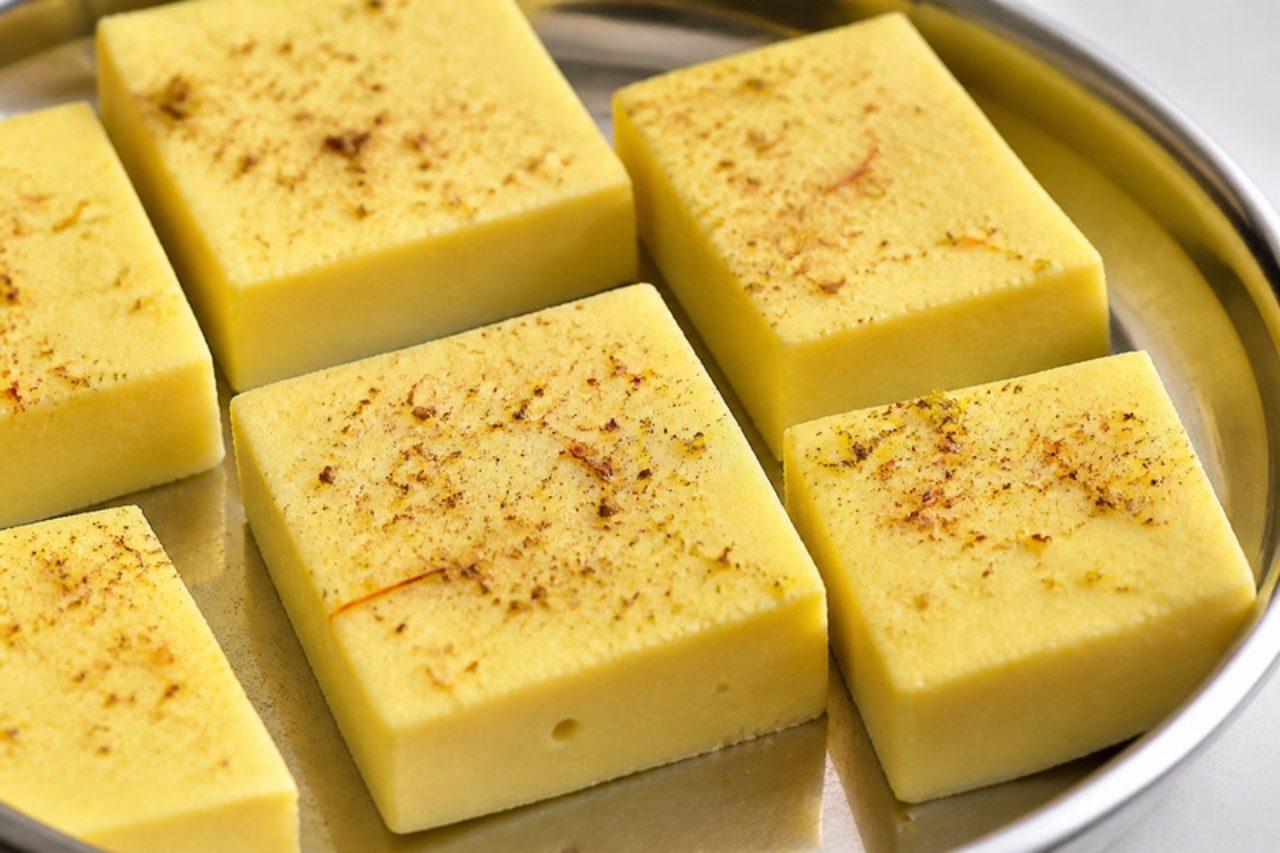
Kharvas is a festive treat in Maharashtra and Gujarat, traditionally made from the first milk a cow gives after calving, which sets into a wobbly pudding when steamed. That milk is hard to find in cities, so home cooks in Pune and Mumbai make a version with ordinary milk, curd and condensed milk, and that is the method here. It is steamed until it sets into a soft, sliceable square with a slightly springy texture, coloured with saffron and lightly sweetened with jaggery, with a hint of nutmeg. Families serve it at room temperature or cold as a teatime sweet, especially in the monsoon and around Ganesh Chaturthi. There is no egg: the curd and condensed milk proteins set on steaming the way colostrum does, and the condensed milk gives body and binds it. Chef's tip: whisk the mixture until completely smooth and strain it, because lumps of curd are the common mistake that leaves holes and a grainy set.

by KrazyBadal 0 views

Gudpak (Nepali khuwa, gum and jaggery fudge)

In the Kathmandu Valley, gudpak is the sweet of cold mornings, eaten in the depths of winter and around Maghe Sankranti, and given to new mothers to restore their strength after childbirth. Khuwa (milk solids) is roasted in ghee, sweetened with jaggery, and mixed with crunchy fried edible gum, nuts and coconut before being pressed into a tray and cut into squares. It's dense, rich and slightly chewy, with a warm caramel flavour and pops of crunch from the puffed gum. Eat a square with milky tea or as a small sweet after dinner. It is naturally egg-free: the khuwa and jaggery cooked together into a thick mass bind the fudge, and the edible gum (gond) gives it body. Chef's tip: fry the gum in small amounts over a low heat until it puffs up white; frying it too fast is the common mistake, which leaves it hard, glassy and unpleasant to chew.

by KrazyBadal 0 views

Kluay chuam (Thai bananas in palm-sugar syrup)

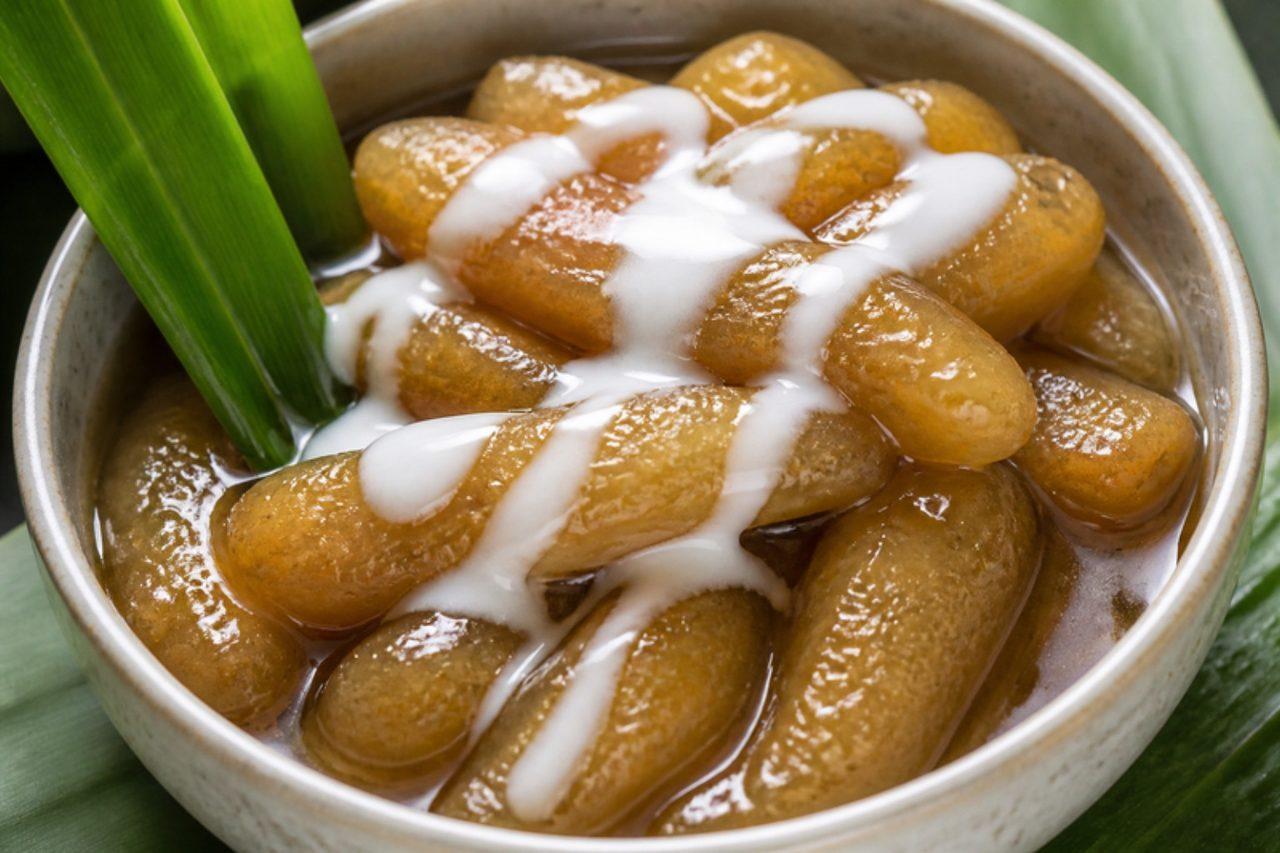
Kluay chuam is a market dessert of central Thailand, cooked in big brass pans and sold by the bag year round, and it is a common sweet to offer monks at merit-making. Small, starchy nam wa bananas are simmered slowly in palm-sugar syrup until they turn translucent and amber, soft and chewy rather than mushy, then served with thick, salty coconut cream poured over. The flavour is deep caramel and banana, cut by the salt. Serve at room temperature in small bowls. Being egg-free by nature, it relies on the long simmer in syrup firms the bananas and a little rice flour thickens the coconut topping. Chef's tip: keep the syrup at the gentlest simmer and don't stir; the common mistake is a fast boil and a spoon, which break the bananas before they have time to turn glassy.

by KrazyBadal 0 views

Duraznos en almíbar (Mexican peaches in piloncillo syrup)

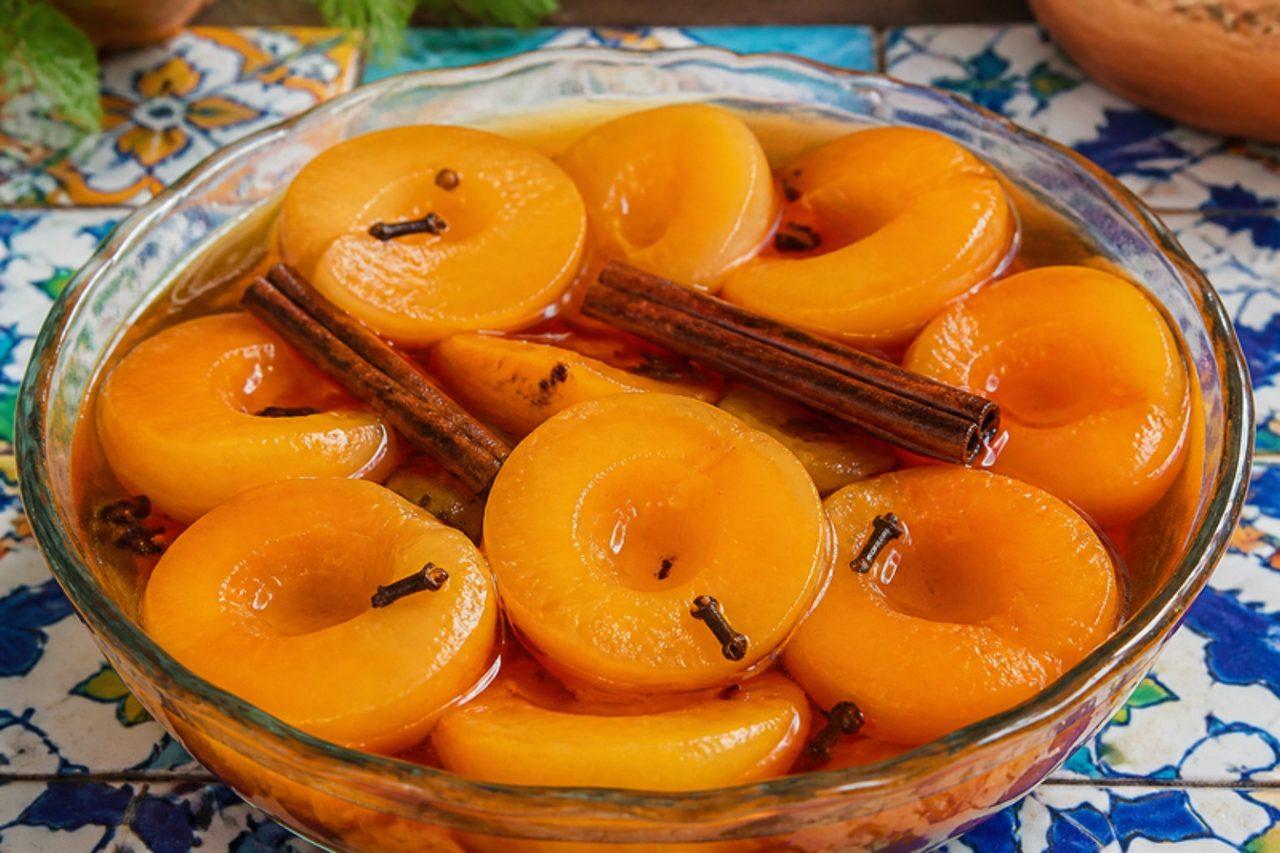
Across Mexico, from the orchards of Zacatecas and Puebla to every abuela's pantry, duraznos en almíbar are how the summer peach crop is kept, and a bowl of them chilled from the fridge is a classic Sunday dessert. Peeled peach halves are poached in a syrup of piloncillo, the cone-shaped raw cane sugar, with cinnamon and cloves, so they turn tender and glossy and soak up a warm, molasses-like sweetness. Serve them cold in their syrup, on their own, or with a spoon of crema or thick yoghurt. Nothing needs setting and no egg is involved: the fruit simply poaches in the sugar syrup, which thickens lightly as it cools. Chef's tip: choose ripe but firm peaches and poach them gently; the common mistake is boiling the syrup hard, which turns the halves ragged and stringy.

by KrazyBadal 0 views

Tvorozhnaya massa s izyumom (sweet tvorog cream with raisins)

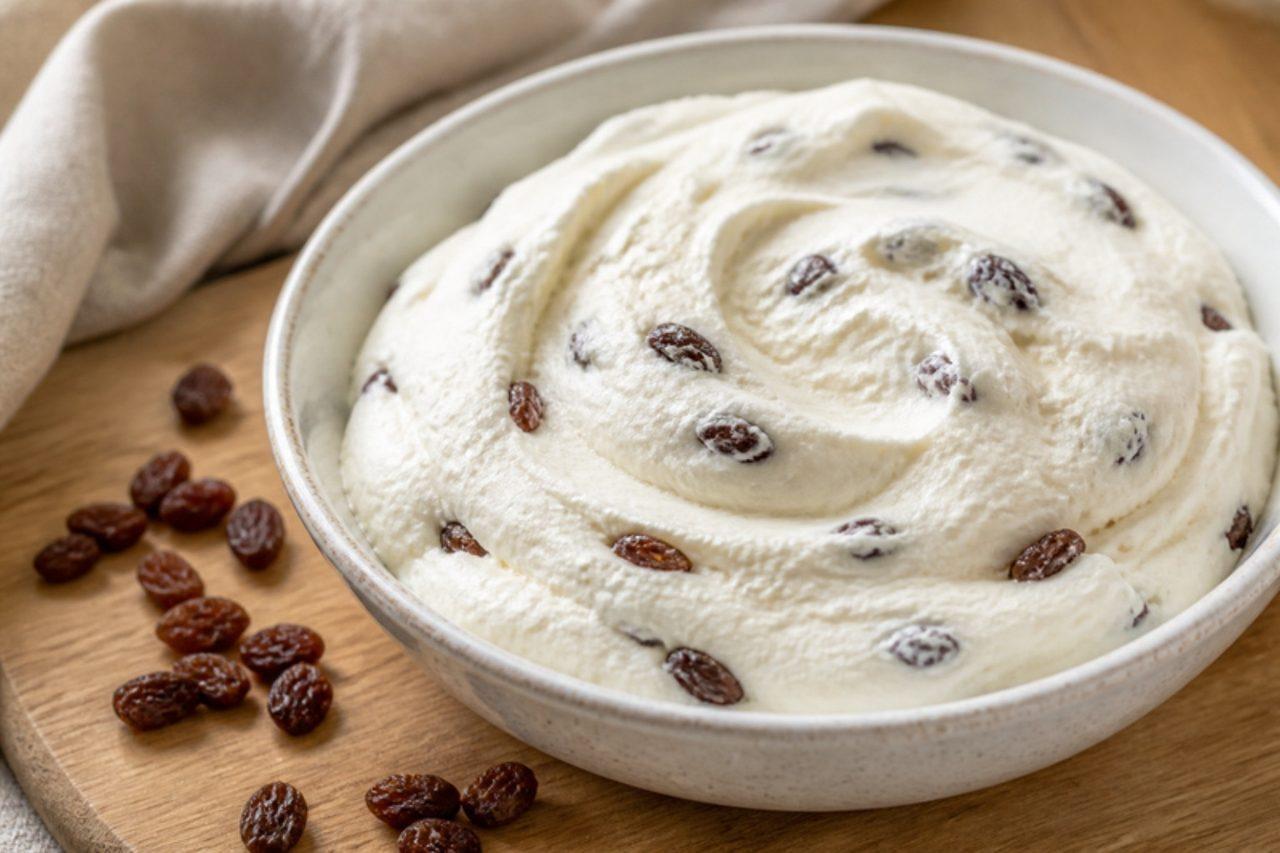
All over Russia, tvorozhnaya massa is the smooth, sweet curd cheese of childhood breakfasts and afternoon teas, and at Easter it is the base of paskha. Fresh tvorog is pressed through a sieve and beaten with soft butter, sugar and vanilla until it is pale and fluffy, then raisins are stirred in. It is creamy and tangy, sweet but light, and high in protein. Spread it on bread, spread it on rye toast or eat it from a bowl with tea and berries. Nothing is cooked and no egg goes in: beating the butter into the sieved curd gives it a mousse-like body, and it firms up nicely in the fridge, so nothing is needed to bind or set it. Chef's tip: soften the butter fully and sieve the tvorog first; the common mistake is beating cold butter into grainy curd, which leaves hard flecks and a lumpy, heavy cream.

by KrazyBadal 0 views

Dulce de fruta bomba (Cuban green papaya in syrup)

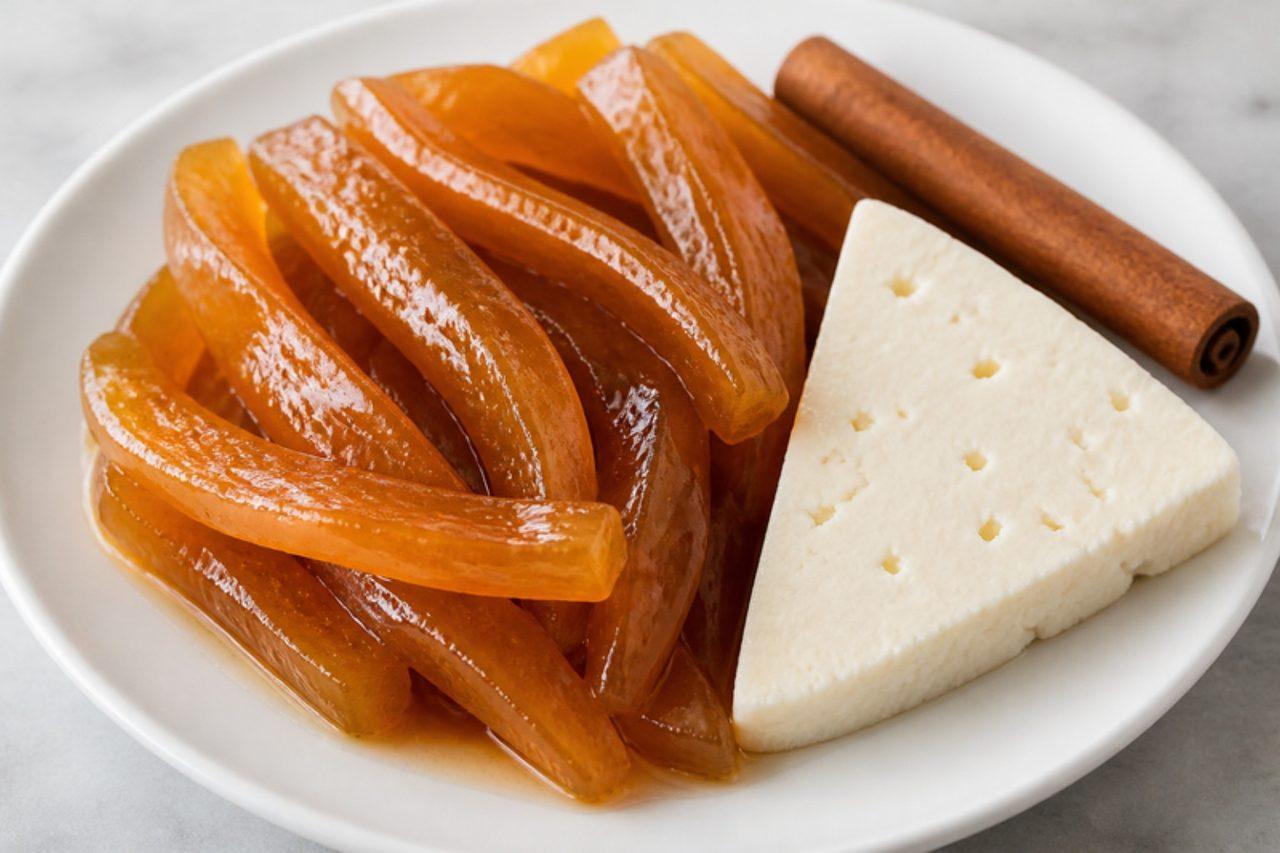
In Cuba, papaya is called fruta bomba, and its green, unripe fruit is cooked into this old-fashioned dulce, a fixture of home cooking all over the island and often made in big batches to keep. Strips of firm green papaya are simmered slowly in a cinnamon and lime-peel syrup until they turn translucent and chewy, with a candied, honeyed flavour. The Cuban way to eat it is with a slice of salty, crumbly white cheese, which balances the sweetness; a cup of strong coffee goes alongside. The dulce is egg-free by tradition, with nothing to bind: the papaya candies in the sugar syrup, and a short soak in water with a little bicarbonate of soda helps the strips stay firm. Chef's tip: rinse the strips well after the soak and simmer them gently; the common mistake is boiling the syrup fast, which hardens the outside of the papaya before the syrup can soak in.

by KrazyBadal 0 views

Mustazzoli (Salento almond, cocoa and spice biscuits)Spiced almond biscuits

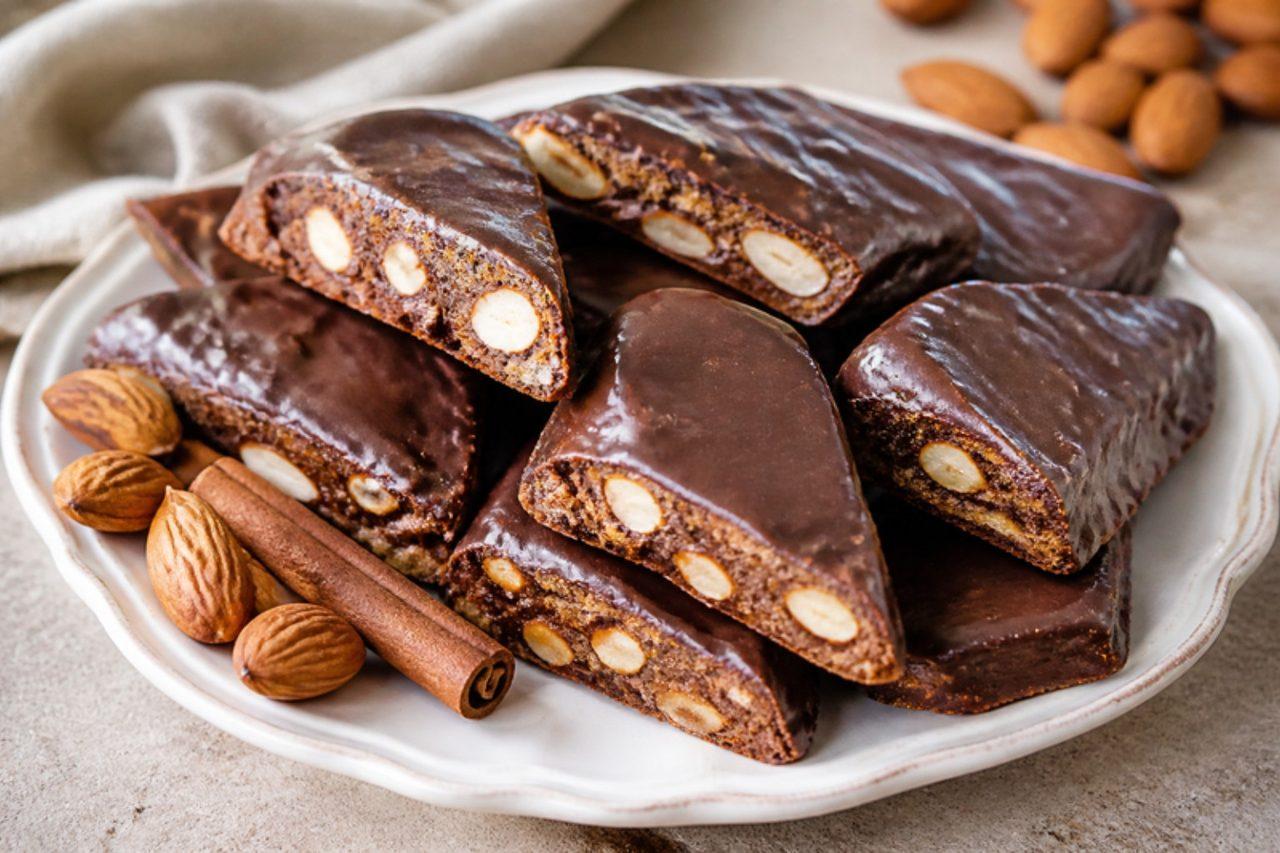
In Lecce and the towns of the Salento, mustazzoli are baked for Christmas and for the summer saints' feasts, when stalls at the fairs stack them in glossy dark piles. They are diamond-shaped biscuits of toasted almonds, flour, sugar and cocoa, spiced with cinnamon and cloves and brightened with orange zest, then coated in dark chocolate. Inside they are firm and dense, a bit like a soft gingerbread, with a crisp chocolate shell. Eat them with an espresso after lunch or pack them as a gift; they keep for weeks. The dough was always egg-free: water and the sugar bind it, the ground almonds give fat and body, and a little baking powder keeps them from being leaden. Use a dark chocolate with no milk solids and the whole batch is vegan. Chef's tip: let the biscuits cool completely before glazing; the common mistake is dipping them warm, which melts the chocolate into a thin streaky coat that never sets glossy.

by KrazyBadal 0 views

Bánh phu thê (Đình Bảng 'husband and wife' cakes)Mung bean tapioca cakes

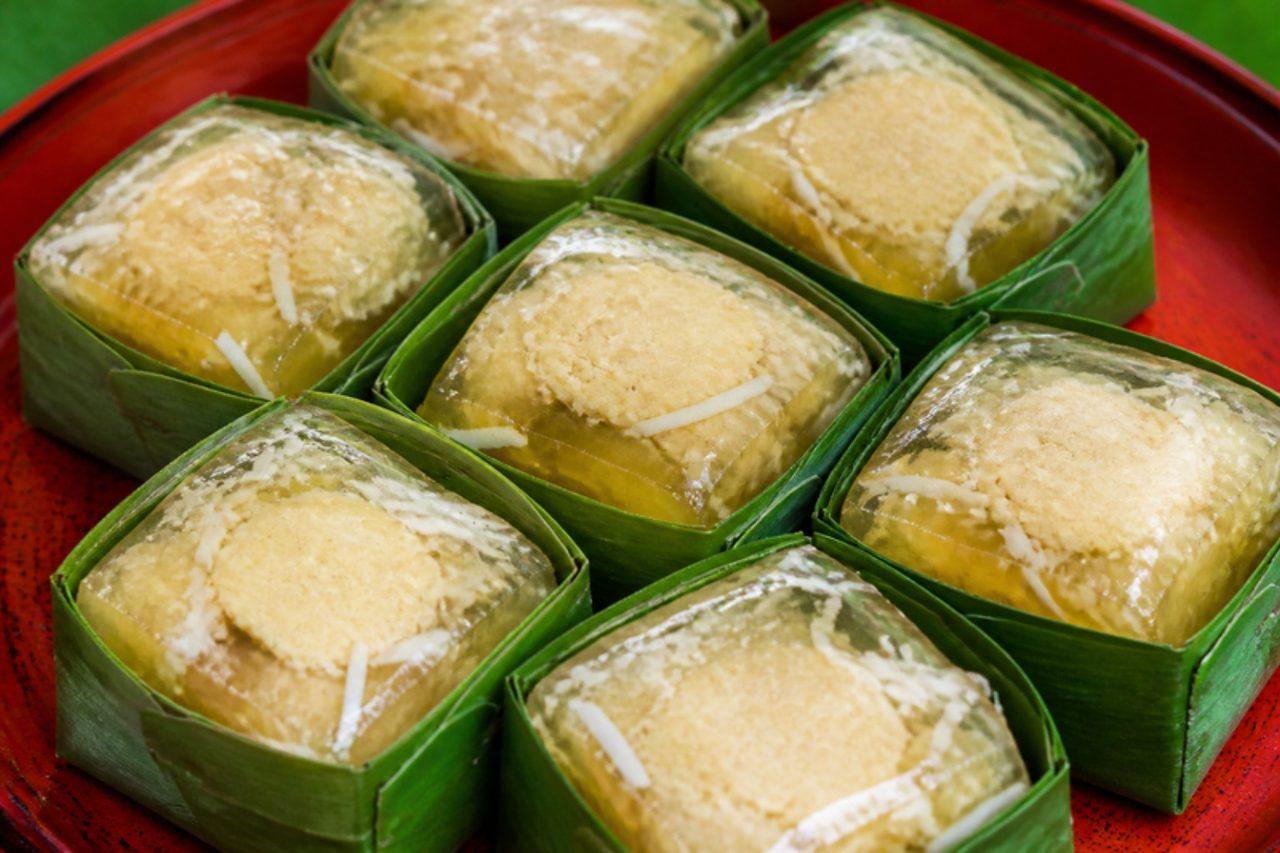
Bánh phu thê, also called bánh xu xê, comes from Đình Bảng in Bắc Ninh, and it is still part of the gifts a groom's family brings to a Vietnamese wedding, with its paired leaf boxes standing for husband and wife. The dough is tapioca starch cooked with sugar and fresh coconut shreds and tinted golden with gardenia seeds; it steams clear and chewy, almost like amber jelly, around a soft ball of mung bean paste, and the top is scattered with toasted sesame. Eat them the day they are made, with green tea. The cake is naturally egg-free: tapioca starch thickens and turns elastic when heated, so it wraps and holds the filling on its own. Small ramekins lined with banana leaf can stand in for folded leaf boxes. Chef's tip: the common mistake is not part-cooking the dough; stir it on the hob until half of it turns clear, or it runs out of the boxes in the steamer.

by KrazyBadal 0 views

ซาหริ่ม (Sarim, mung bean noodles in coconut syrup)

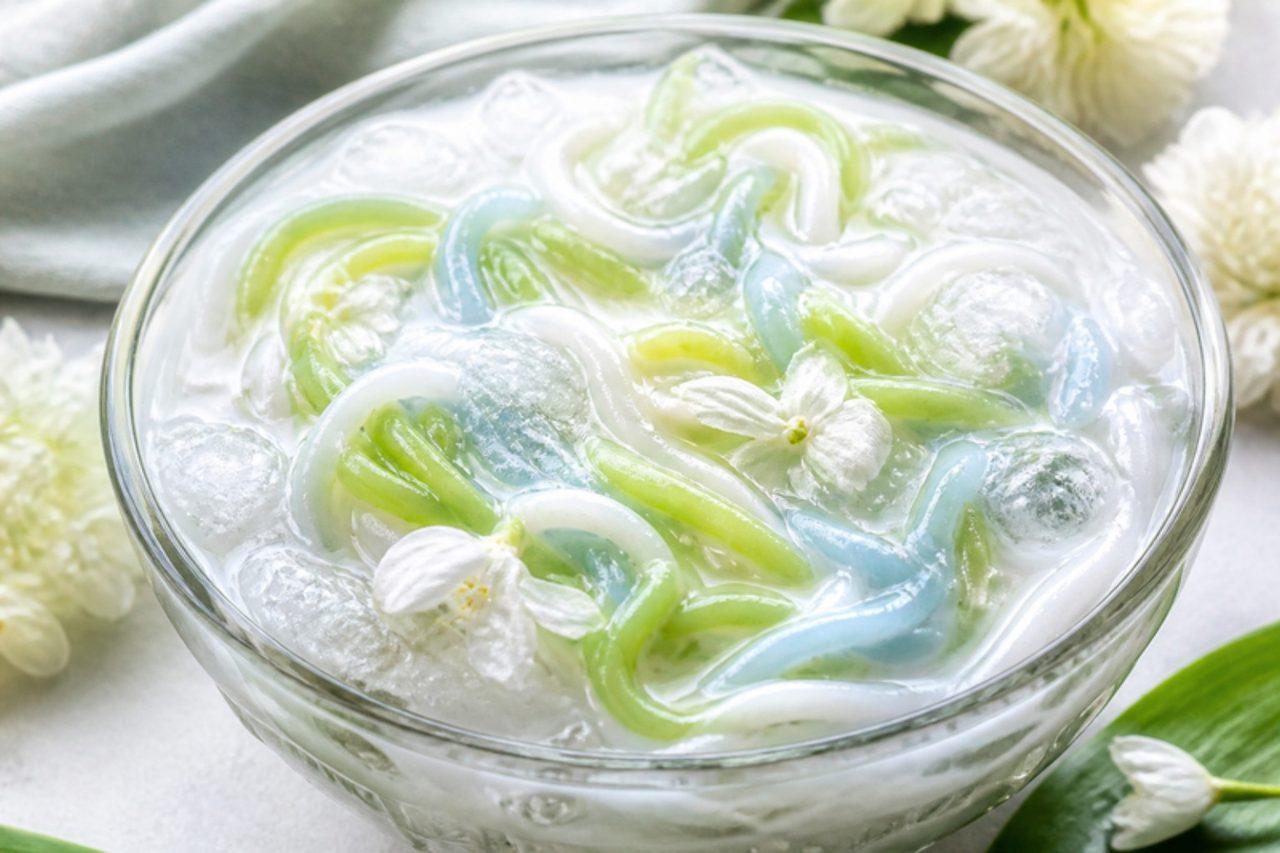
Sarim is an old dessert of central Thailand, served at temple fairs and in market dessert shops on sweltering afternoons: thin, slippery strands in pastel green, blue and white, floating in a pale coconut syrup over a mound of crushed ice. The strands are almost flavourless and very soft, so the syrup does the work; in Thailand it is scented with jasmine flowers or the smoke of a scented candle, and here with pandan and optional fresh jasmine. It is naturally egg-free: the strands are pure mung bean starch cooked with water into a clear, thick paste, which sets into a soft gel the moment it hits ice water. Pandan juice and butterfly pea flowers give the colours, so there is no need for dyes. Serve it straight away, as a light end to a spicy meal. Chef's tip: cook the paste until it turns fully glossy and see-through; the common mistake is stopping while it is still milky, which gives strands that break and taste floury.

by KrazyBadal 0 views

Fak thong kaeng buat (Thai pumpkin in coconut milk)

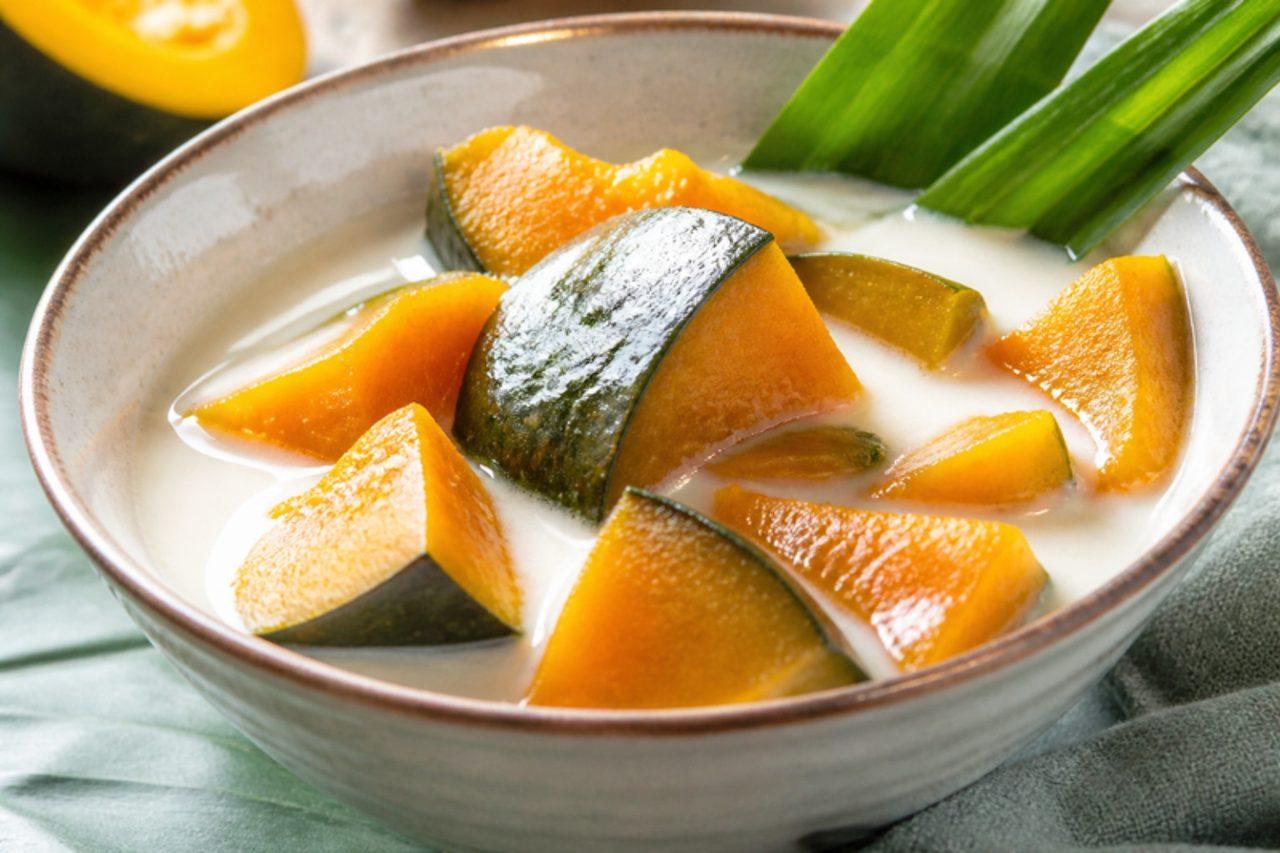
When the rains end and pumpkins pile up in the markets of central Thailand, kaeng buat is what cooks make with them: chunks of dense kabocha simmered in coconut milk sweetened with palm sugar and sharpened with a pinch of salt. It is a homely, everyday dessert, sold warm from big pots at markets in the afternoon and also cooked at Ok Phansa, the end of Buddhist Lent. The pumpkin turns velvety but keeps its shape, and the thin, creamy, caramel-scented broth is meant to be drunk from the spoon. Eat it warm or at room temperature, in small bowls. There is no egg in it and never was: nothing needs setting or binding, as the pumpkin's own starch gives the coconut milk a light body as it cooks. Chef's tip: pick a dry, orange-fleshed kabocha and keep the coconut milk at a bare simmer; letting it boil hard is the common mistake that splits the milk and breaks the pumpkin into mush.

by KrazyBadal 0 views

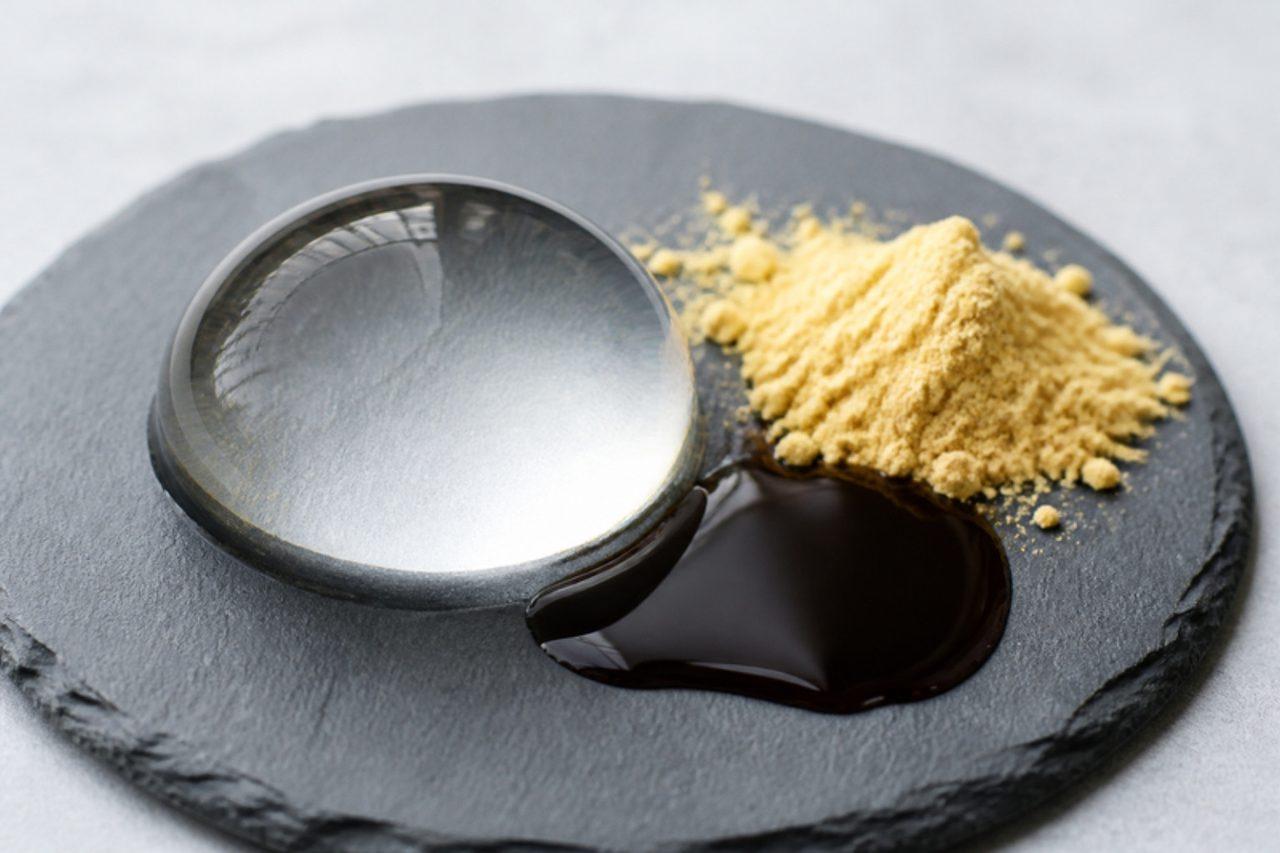
葛切り (Kuzukiri, Kyoto kudzu noodles)

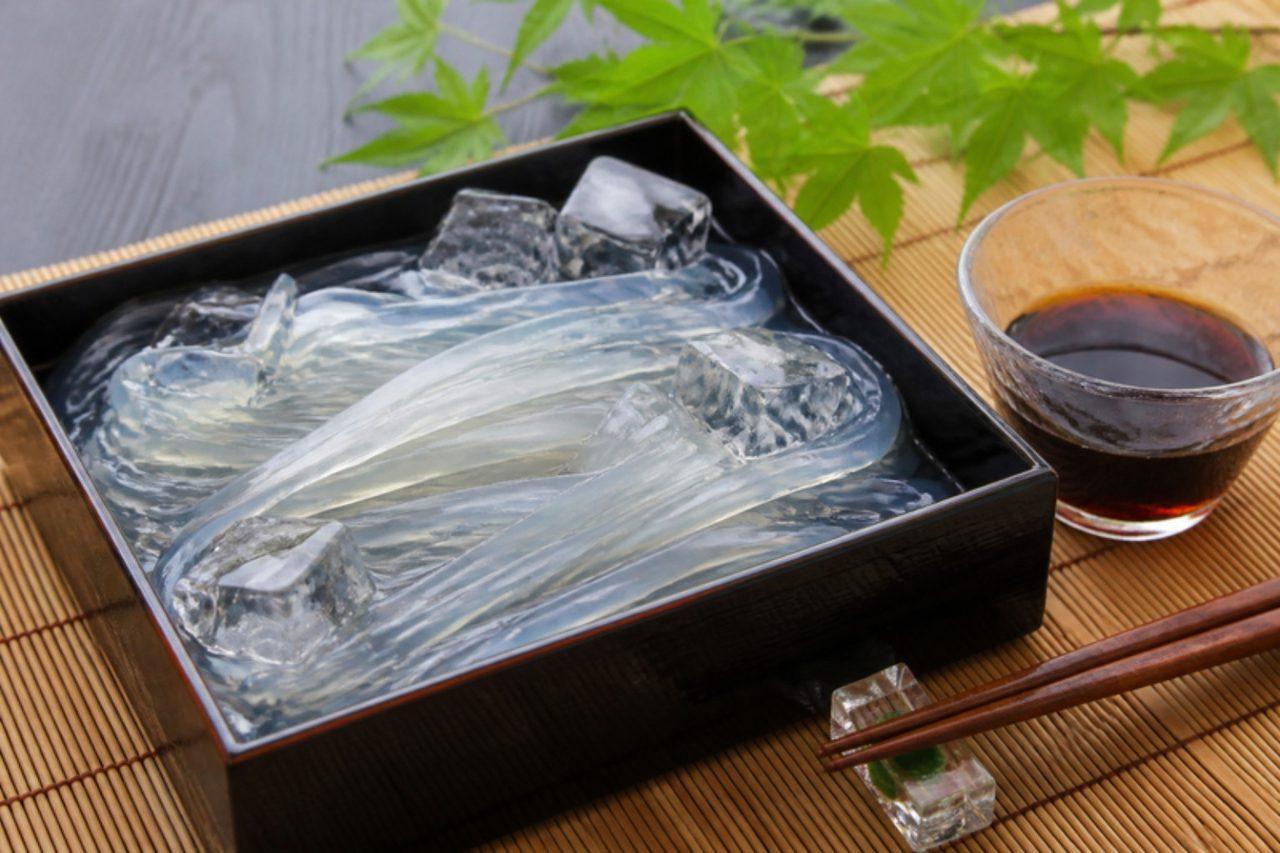
Kuzukiri is a summer sweet of Kyoto, served most famously in the old tea houses of Gion: a lacquered box of clear, flat noodles floating in iced water, with a cup of dark kuromitsu black-sugar syrup to dip them in. It is eaten in the hottest months as a refreshing afternoon dessert with green tea. The noodles are cool, springy and smooth, with a clean, faintly sweet taste, and the syrup is deep, smoky and molasses-rich. It is naturally egg-free and plant-based: pure kudzu starch mixed with water sets into a firm, glass-clear sheet when it is cooked in a thin layer over boiling water, the starch alone doing the binding. Serve it within half an hour of making it. Chef's tip: buy pure kudzu starch rather than a blend; the common mistake is making kuzukiri ahead, because within an hour or two it turns cloudy and stiff.

by KrazyBadal 0 views

Helado de dulce de leche (Buenos Aires dulce de leche ice cream)

Dulce de leche is the flavour Buenos Aires heladerías are judged by, and on a summer night the queues at neighbourhood ice-cream shops stretch out onto the pavement well after dinner. Locals order it plain, with a ripple of extra dulce de leche (dulce de leche granizado adds chocolate flakes), often by the kilo to take home. It is dense, chewy and deeply caramel. This home version is egg-free with no custard: a little cornflour cooked into the milk thickens it the way yolks would, and the dulce de leche itself is milk and sugar cooked down, its sugar and milk solids keeping crystals tiny so it stays smooth and scoopable. Churn it, or still-freeze and stir it every 45 minutes. Chef's tip: chill the extra dulce de leche before rippling it in; the common mistake is folding in a warm one, which melts into the ice cream instead of leaving ribbons.

by KrazyBadal 0 views

Matrimony (Jamaican star apple and orange with condensed milk)Star apple and orange dessert

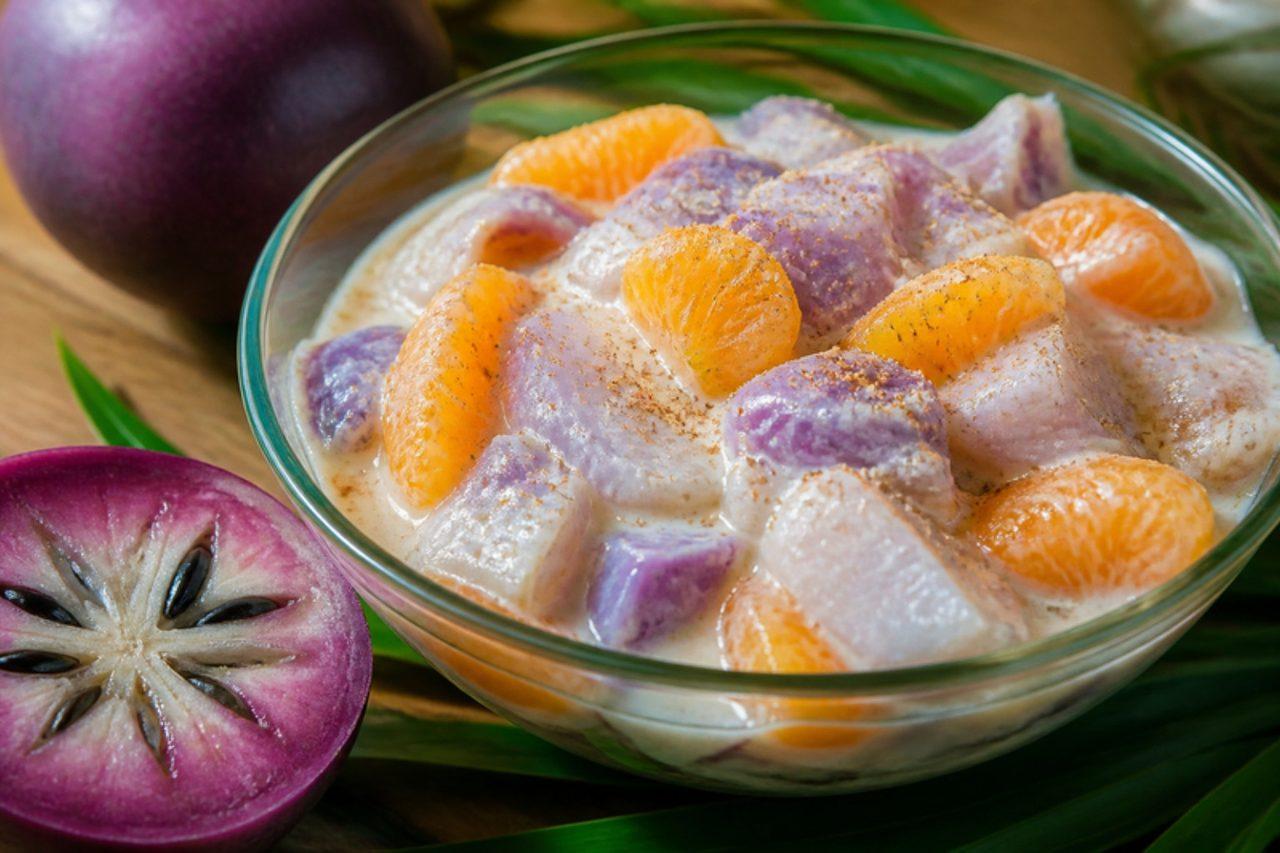
Jamaica's star apples ripen in winter, so matrimony, the 'marriage' of star apple and orange, is a Christmas dessert, eaten cold after the big meal on Christmas Day. The purple star apples are scooped from their skins, their sweet, milky, jelly-like pulp mixed with juicy orange segments and dressed with condensed milk and freshly grated nutmeg. It is cool, sweet and fragrant, soft and a little jelly-like from the fruit. Serve it straight from the bowl or in glasses, as the last sweet thing of the Christmas meal. It is naturally egg-free and uncooked: condensed milk gives it body and binds the fruit into a creamy dessert, and nothing needs setting. Chef's tip: scrape the pulp only, never the skin; the common mistake is digging too close to the purple rind, whose sticky latex is bitter and gums up the spoon.

by KrazyBadal 0 views

Raspados (Mexican shaved ice with fruit syrups)

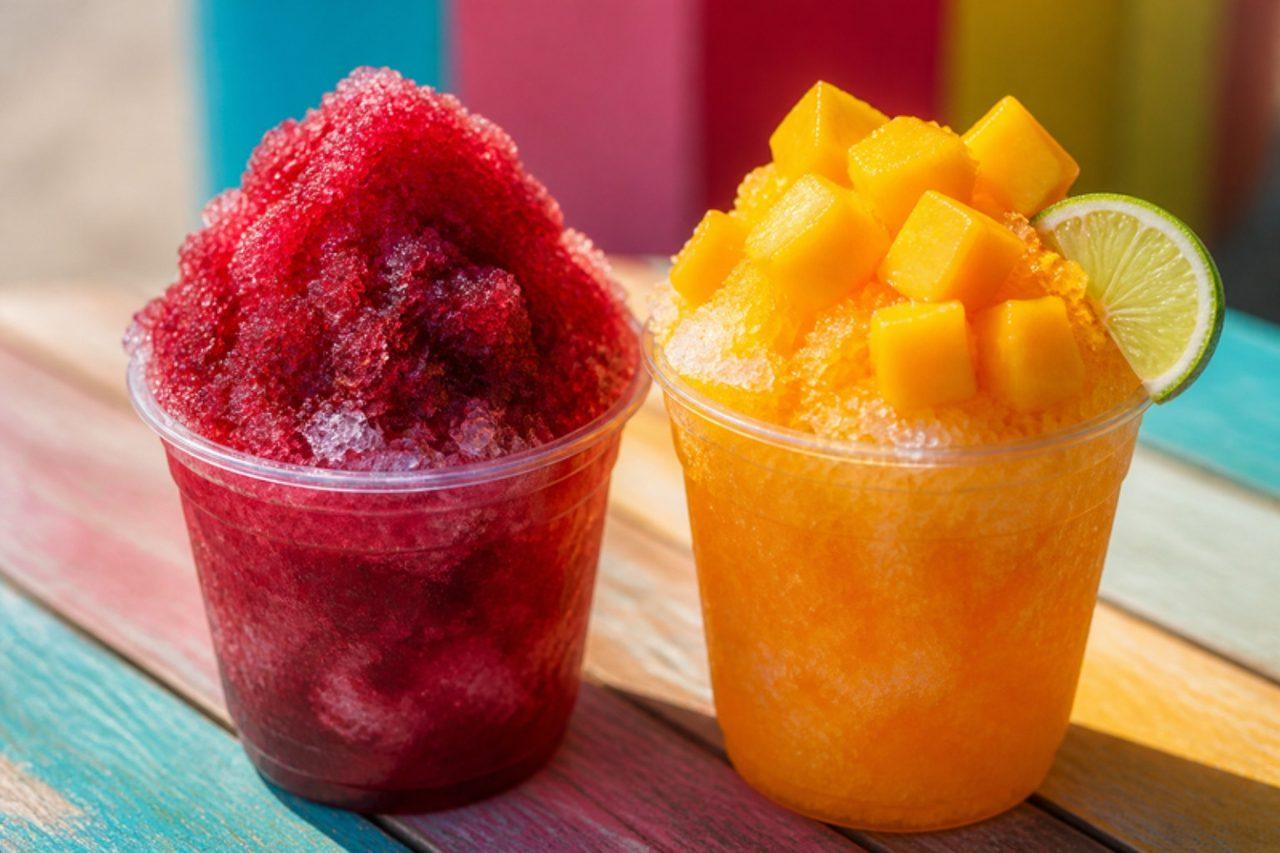
In Guadalajara and the towns of Sinaloa, raspados are sold from carts and little shops from noon until late on hot days: a paper cup of finely shaved ice soaked in bright homemade syrups like tamarind, mango, strawberry and deep-red hibiscus, sometimes with fresh fruit and a squeeze of lime. They are the cheapest way to cool down, and children and adults line up alike. They are naturally egg-free and plant-based: there is nothing to set or bind, just fruit and sugar cooked into syrups thick enough to cling to the ice. The hibiscus is tart and floral, the mango sweet and thick, and the two side by side make a striking cup. Make the syrups and cool them quickly over iced water. Chef's tip: shave the ice as fine as you can and pour the syrup slowly; the common mistake is using coarse crushed ice, which lets the syrup run straight to the bottom.

by KrazyBadal 0 views

Sacolé de maracujá (Brazilian passion fruit ice pops)

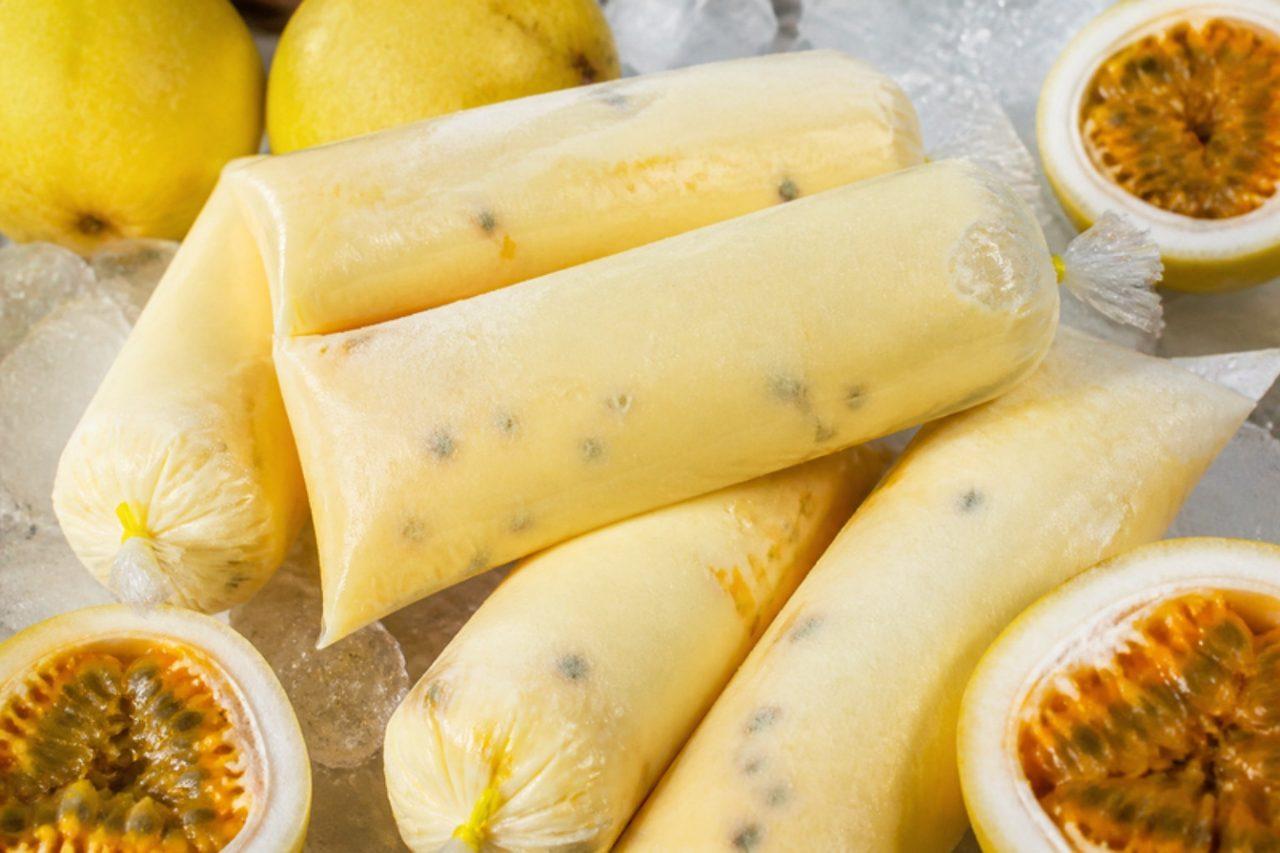
Sacolé, called geladinho or chup-chup in other states, is the homemade ice pop of Brazil: a creamy or fruity mixture tied into slim plastic bags and frozen, sold for a few coins from home freezers in Rio's neighbourhoods and all over the country, especially in summer and during school holidays. You bite off a corner and push the frozen pop up as you eat. This creamy passion fruit version is tangy and smooth. There are no eggs: milk thickened with a little cornflour and sweetened condensed milk make the base, the cooked starch and the condensed milk's sugar keeping the crystals small so the pop is soft enough to bite rather than icy. Coconut, corn and chocolate are other favourites. Chef's tip: stir in the passion fruit only once the base is cold; the common mistake is adding the acid pulp to hot milk, which makes it curdle.

by KrazyBadal 0 views

Lavariya (ලැවරියා, string-hopper parcels with coconut treacle filling)

Lavariya turns up on the Sinhala and Tamil New Year table in mid-April, when households across Sri Lanka lay out a spread of sweets after the auspicious hour. It starts as string-hopper dough: roasted rice flour scalded with boiling water and pressed through a mould into fine noodles. Here the noodles are piped in a coil, filled with pani pol, grated coconut cooked down in kithul treacle with cardamom, then folded into a half-moon and steamed. The result is soft, lacy and springy outside, with a sticky, smoky-sweet centre. Serve warm with plain tea or as part of an Avurudu platter with kokis and kavum. It is naturally egg-free: the boiling water cooks and swells the rice starch so the dough holds its shape, and the thick treacle binds the coconut. Chef's tip: the common mistake is using warm rather than boiling water; the dough then crumbles in the press, so pour it straight off the boil and mix with a spoon until cool enough to knead.

by KrazyBadal 0 views

Aiwowo (艾窝窝, Beijing stuffed sticky rice balls)

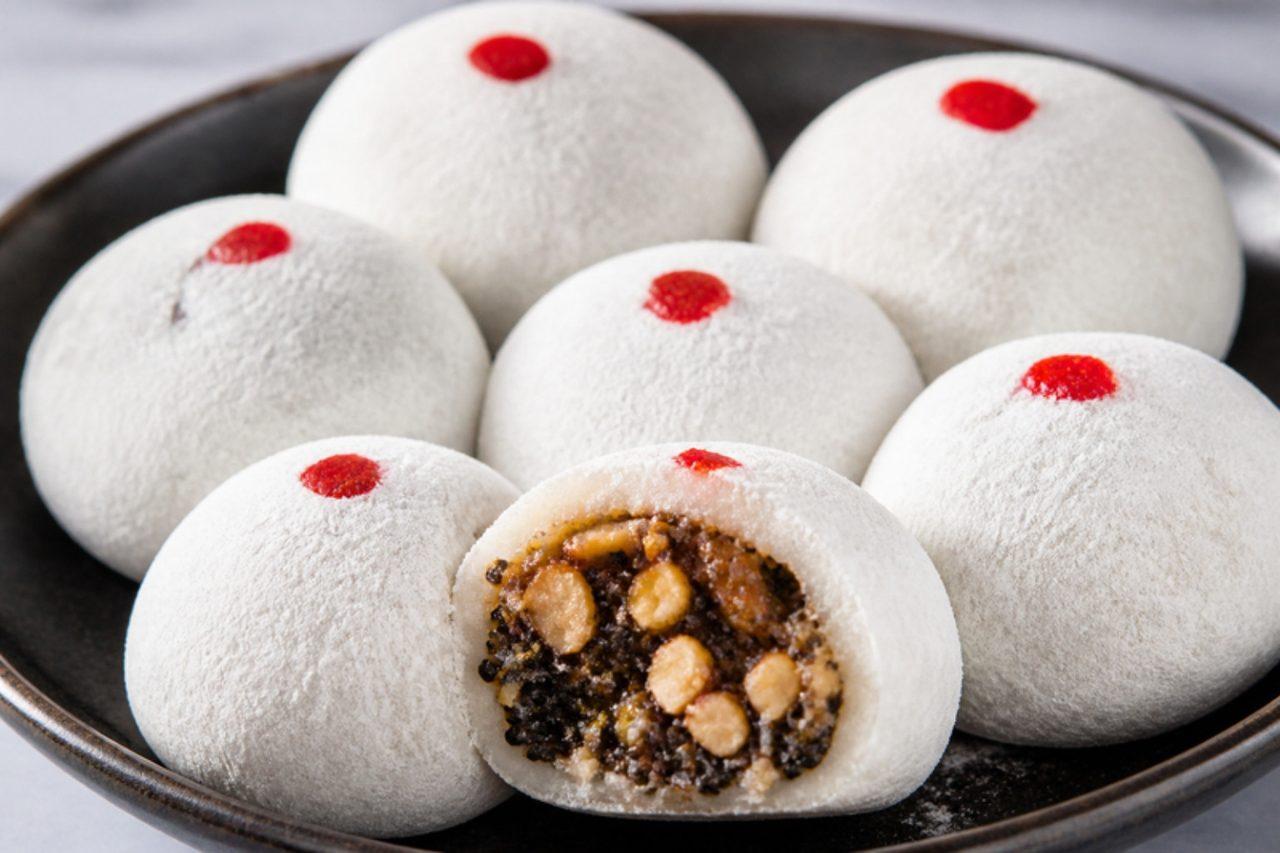
Aiwowo began as a Hui Muslim snack in Beijing and is now a fixture of old Beijing snack shops from Lunar New Year until summer, eaten cool as a mid-afternoon treat. Steamed glutinous rice is pounded until sticky, wrapped around a crunchy filling of toasted sesame, walnuts, sugar and sugared osmanthus, then rolled in cooked rice flour so the balls look like little snowballs. They are soft and chewy outside, crunchy and fragrant inside, and only lightly sweet. Serve them with jasmine or chrysanthemum tea. Aiwowo is naturally egg-free: pounding the steamed rice releases its sticky starch, which binds the dough and seals in the filling. Chef's tip: the common mistake is dusting with raw flour; steam the flour first, or the coating tastes chalky.

by KrazyBadal 0 views

Yugwa (Korean puffed glutinous-rice crackers)

Yugwa are the light, airy crackers piled on trays at Seollal, the Lunar New Year, and given in gift boxes for Chuseok and weddings across Korea. A dough of glutinous rice is steamed and pounded until stretchy, rolled thin, cut and dried until hard, then fried slowly so each piece swells to several times its size into a crisp, hollow puff. A brush of rice syrup and a coating of puffed rice or sesame finish them. They melt on the tongue, crunchy but almost weightless, gently sweet and toasty. Serve with green tea or barley tea. Yugwa never used egg: the sticky starch of glutinous rice, steamed and pounded, traps air and binds the dough, and the rice syrup glues on the coating. Some cooks add rice wine to the dough; this version uses plain water and needs no alcohol. Chef's tip: dry the cut pieces until they snap like a cracker before frying; the common mistake is frying them half-dried, and then they stay flat and chewy instead of puffing.

by KrazyBadal 0 views

Tilslørte bondepiker (Norwegian veiled farm girls)

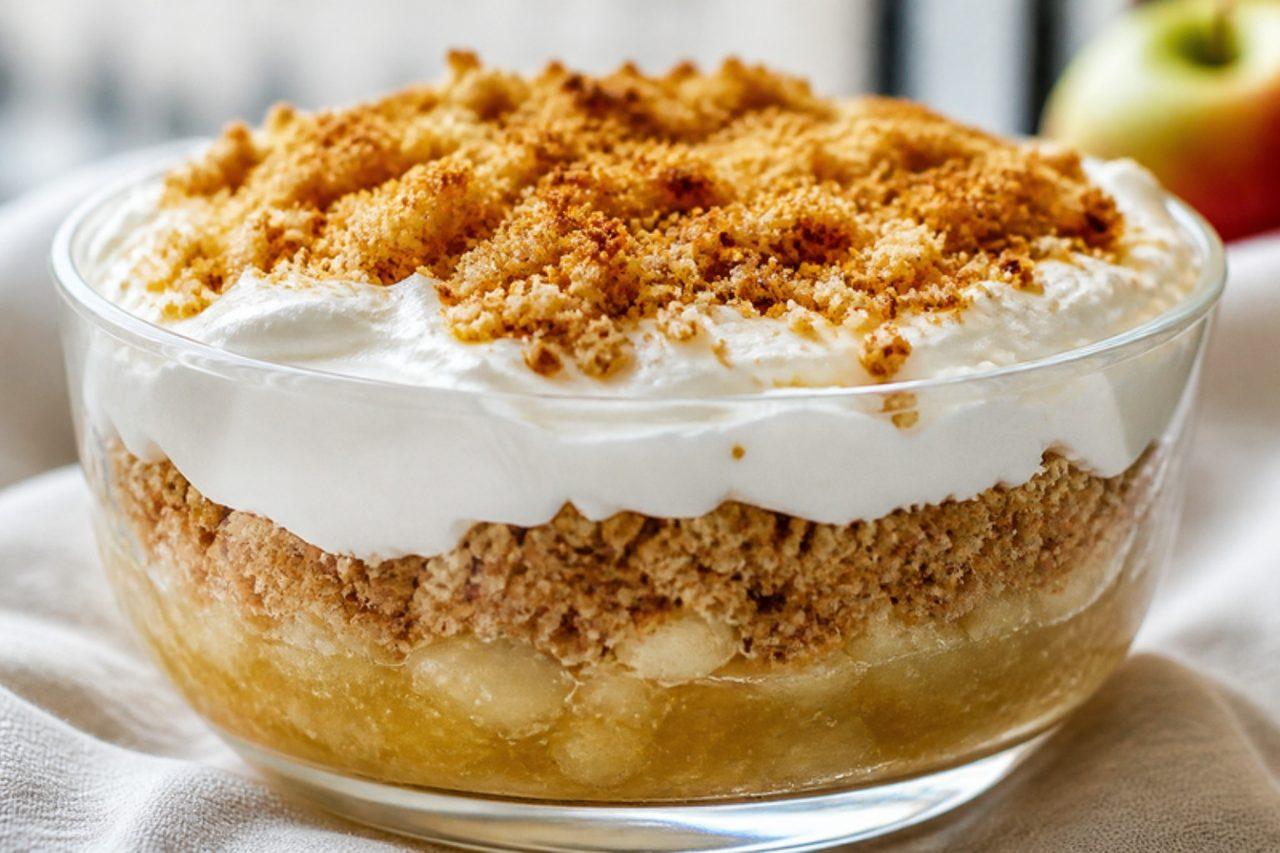
Norwegians make tilslørte bondepiker in autumn, when the apple trees in the fjord orchards of Hardanger and Telemark are heavy, and it stays a Sunday-dinner favourite through winter. The 'farm girls' are the layers of tart apple compote, the 'veil' is the whipped cream on top, and between them are crisp breadcrumbs toasted in butter with sugar and cinnamon. It is spooned from a glass bowl: soft fruit, crunchy caramel crumbs and cold cream in each mouthful. Serve it soon after layering, while the crumbs still crunch. No egg is involved anywhere, since the apples cook down into a thick purée on their own, so there is nothing to bind or set; just make the crumbs from an eggless white loaf or plain rusks. Chef's tip: toast the crumbs slowly over a medium-low heat and keep stirring; the common mistake is rushing them over a high heat, so the sugar burns before the crumbs are crisp.

by KrazyBadal 0 views

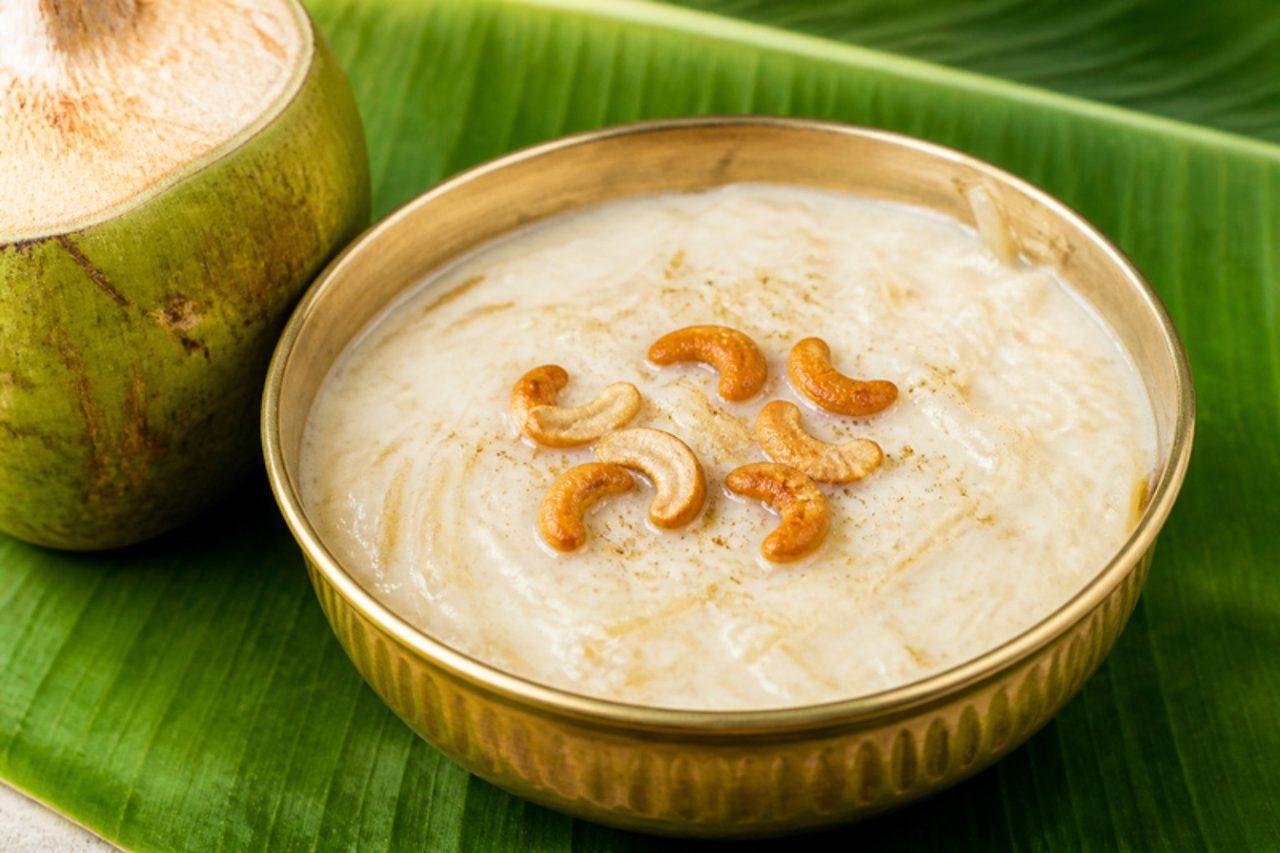
Elaneer payasam (Kerala tender-coconut milk pudding)

In Kerala, where green coconuts are sold by the roadside all summer, elaneer payasam is the cool, delicate cousin of the hot temple payasams. It turns up at Vishu lunches and summer weddings, and on any hot afternoon when someone has opened a few tender coconuts. Milk is boiled down until creamy and faintly caramel, sweetened, chilled, and only then mixed with slippery spoonfuls of young coconut flesh and a little of its water, so the coconut stays fresh and floral rather than cooked. The pudding is pourable, silky and cold, with soft white strands of coconut through it; serve it in small glasses after a meal or alongside banana chips. It is naturally egg-free: the long reduction of the milk, helped by a little condensed milk, gives the body that a custard would get from yolks. Chef's tip: the common mistake is stirring the coconut water into hot milk, which can make it split and taste sour; let the milk cool completely first.

by KrazyBadal 0 views

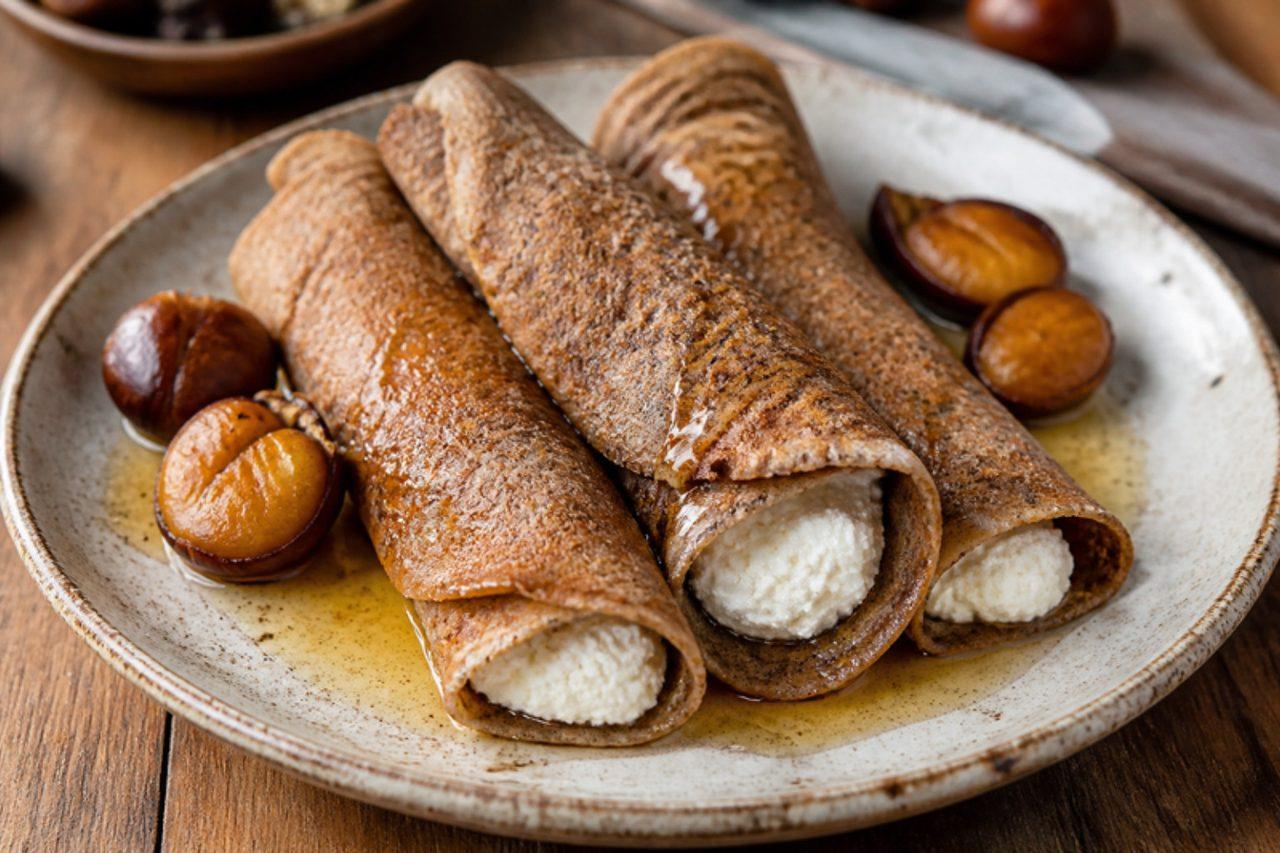
Necci (Tuscan chestnut-flour pancakes with ricotta)

In the chestnut woods of the Garfagnana above Lucca and the hills around Pistoia, necci arrive with the new season's chestnut flour in late autumn and stay through winter, cooked at village fairs and at home as a sweet snack or a light supper. The batter is nothing but sweet chestnut flour, water and a pinch of salt; traditionally it was poured between pairs of hot iron or stone discs lined with chestnut leaves, but a non-stick crêpe pan does the job. The pancakes are soft, faintly smoky and naturally sweet, with an earthy taste, and are rolled around cold fresh ricotta. Serve two or three each, with a drizzle of honey or a cup of coffee alongside. They are naturally egg-free: the fine starch and sugar in chestnut flour set the batter on the heat by themselves, so it holds together without eggs. Chef's tip: sieve the flour and whisk the batter until it is as smooth and thin as single cream; the common mistake is a thick batter, which gives heavy, gummy necci that crack when rolled.

by KrazyBadal 0 views

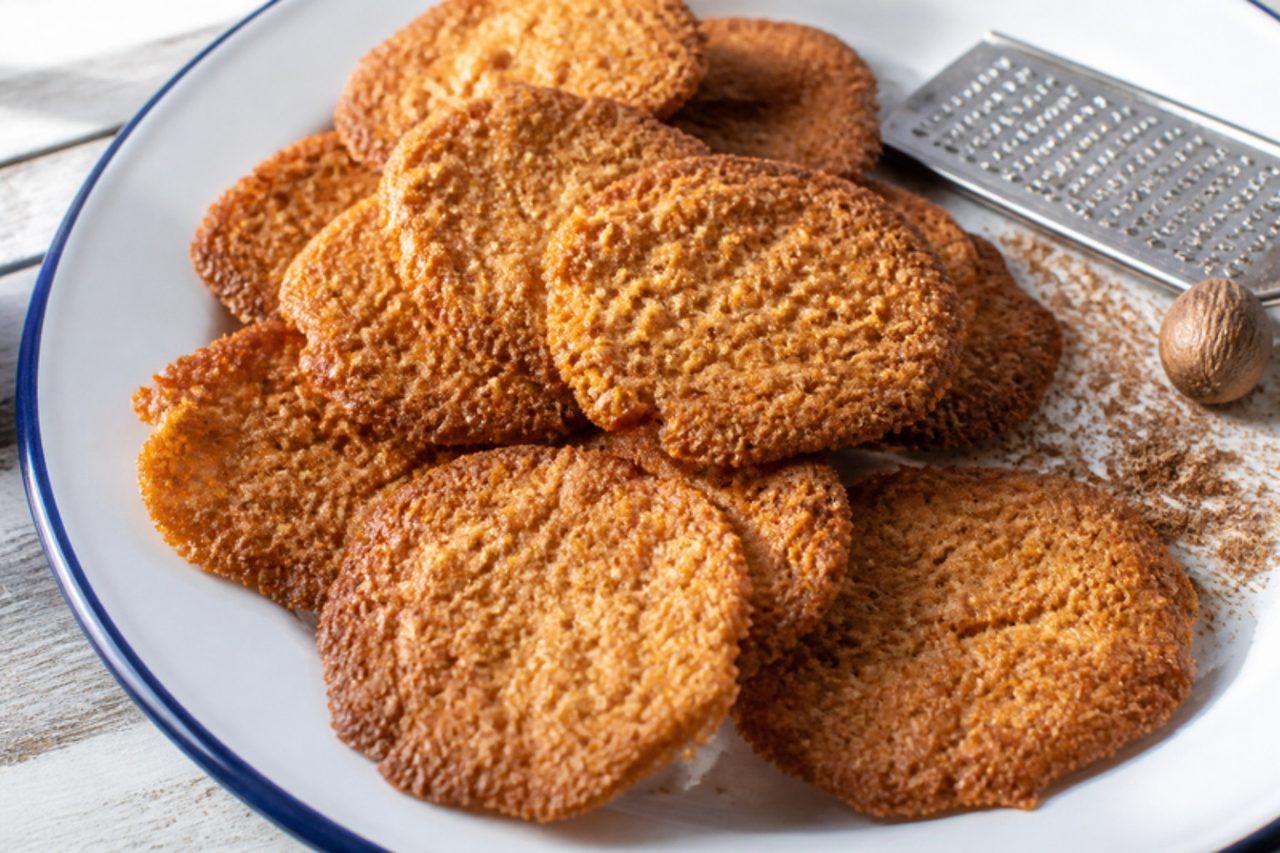
Jackass corn (Jamaican hard coconut biscuits)

Jackass corn is one of the hard little biscuits of old Jamaica, sold in paper bags at roadside stalls and corner shops and packed for long journeys because it keeps for weeks. The name is usually explained as a joke about how much chewing it takes. It is made from plenty of grated coconut, brown sugar, flour and a good grating of nutmeg, rolled out very thin and baked until crisp right through, so every bite cracks and then turns sweet and nutty with toasted coconut. Have it with hot cocoa tea, mint tea or a glass of cold sorrel juice, or break it over ice cream. There has never been egg in it: coconut oil and water hold the dough together, and the coconut's own fat and the melted sugar set it hard as it bakes and cools. Chef's tip: roll it as thin as you dare, about 3 mm; the common mistake is leaving it thick, which gives a biscuit that is soft in the middle and goes stale instead of staying crunchy.

by KrazyBadal 0 views

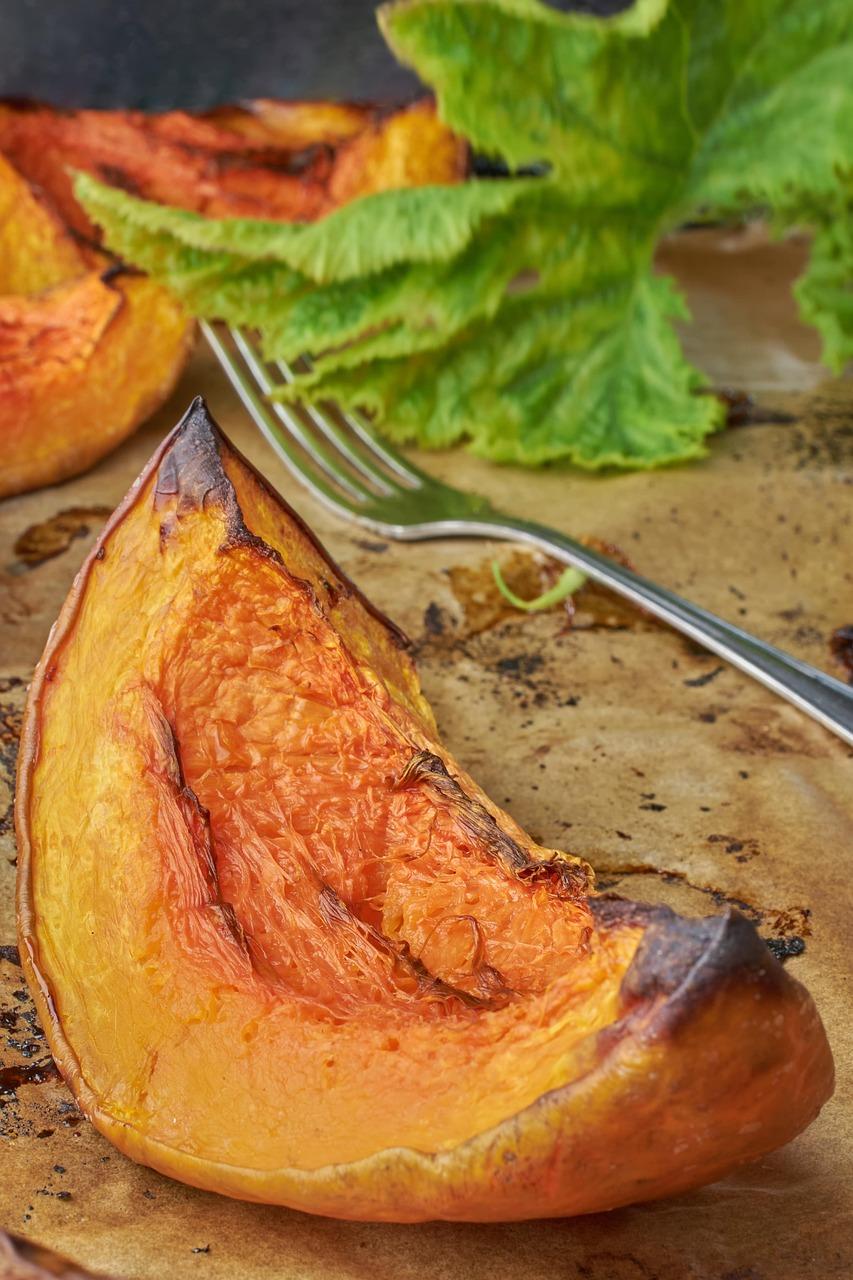
Sült tök (Hungarian roasted sweet pumpkin)

When the first cold sets in, Hungarian street vendors and market stalls set up their ovens and sell sült tök: thick wedges of sweet pumpkin roasted until the flesh is soft as jam and the edges are caramelised and almost sticky. It is bought hot and eaten on the spot through autumn and winter, often from the same stands that sell roasted chestnuts, and at home it is a simple afternoon treat for children. The flavour is deep and honeyed with a slightly smoky edge from the browned skin; a dusting of cinnamon sugar is optional. Eat it with a spoon straight from the skin, alongside a cup of hot tea or warm apple juice. It is naturally egg-free and needs no binding at all: the pumpkin's own sugars concentrate and caramelise in the oven's dry heat. Chef's tip: pick a dense, dry, deep-orange pumpkin such as a Hungarian sweet pumpkin, kabocha or butternut; the common mistake is using a watery carving pumpkin, which steams instead of caramelising.

by KrazyBadal 0 views

Sült gesztenye (Hungarian roasted chestnuts)

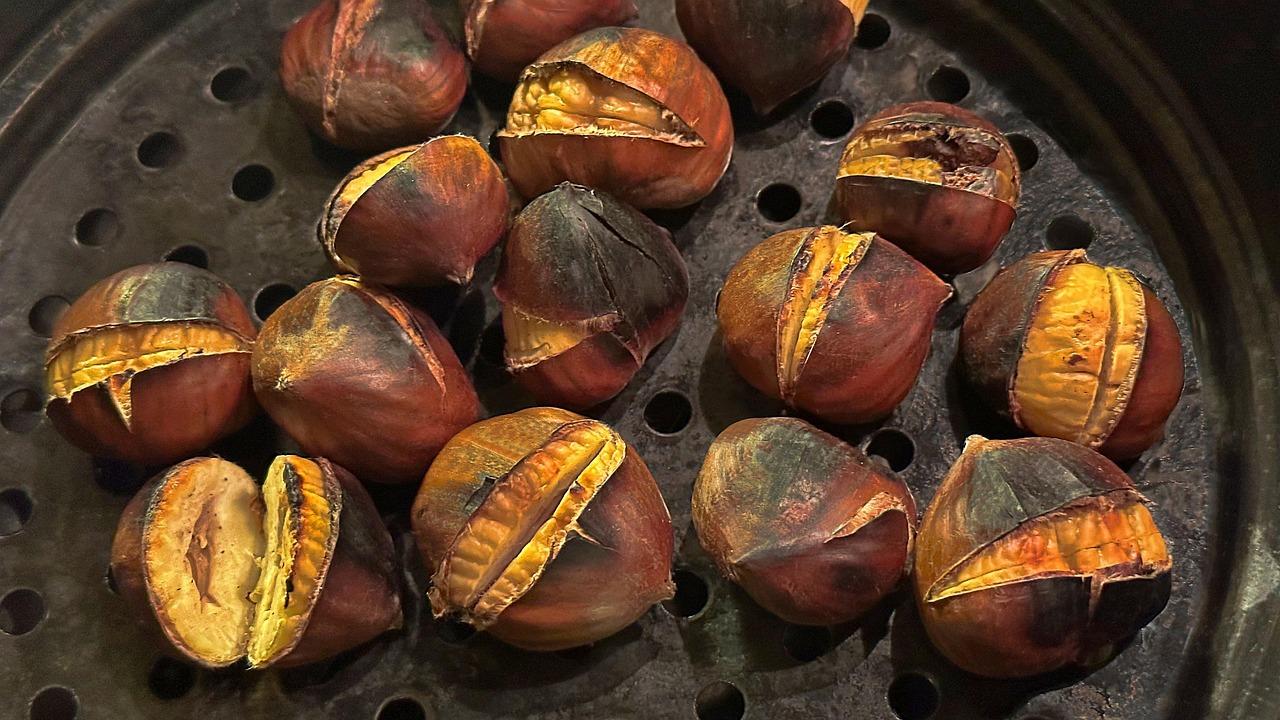
From November until the end of winter, the smell of roasting chestnuts drifts along Budapest's boulevards and around Christmas markets in every Hungarian town, where sellers shake them over charcoal and pour them hot into paper cones. Roasting turns the nuts sweet and soft, mealy like a baked potato but with a gentle nutty sweetness and a hint of smoke where the shell has charred. Eat them straight away, peeled with your fingers while they are hot, with a cup of hot tea, hot spiced apple juice or a bag of roasted pumpkin from the next stall. They are naturally egg-free, a single ingredient with nothing to bind: heat turns the chestnut's starch to sugar and softens it. A short soak in water before roasting adds steam inside the shell, so the nuts cook evenly and peel more easily. Chef's tip: cut a deep cross through the shell on the rounded side of every chestnut; the common mistake is skipping or under-cutting it, and then the steam bursts the chestnuts open in the oven.

by KrazyBadal 0 views

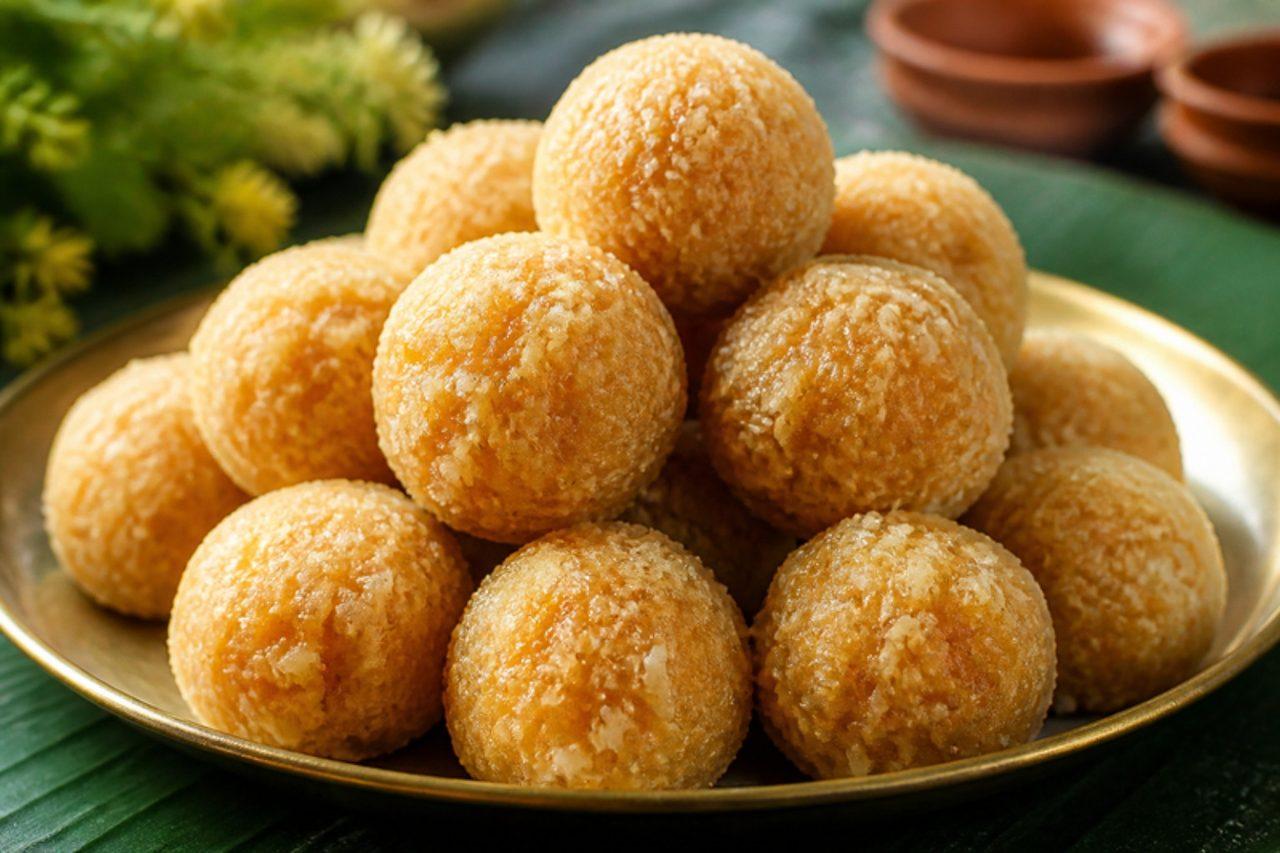
Narkel naru (Bengali coconut balls)

Narkel naru are made by the plateful in Bengali homes for Lakshmi Puja and on Bijoya Dashami, when they're offered to every visitor who comes to exchange greetings after Durga Puja. Freshly grated coconut is cooked slowly with jaggery, ideally the winter date-palm jaggery called nolen gur, until the mixture turns sticky and caramel-brown, then rolled into small balls while still warm. They're chewy and moist, intensely coconutty, with a deep molasses sweetness. Serve them at room temperature with tea or as part of a festival plate. They're naturally egg-free and vegan: the jaggery, cooked down to a sticky syrup, binds the coconut, with no flour or milk needed. Use sugar for a white naru if you prefer. Chef's tip: roll them while the mixture is still warm; waiting until it's cold is the common mistake, because it then crumbles and won't hold a ball shape.

by KrazyBadal 0 views

Reshteh khoshkar (Gilani rice-flour walnut rolls in syrup)

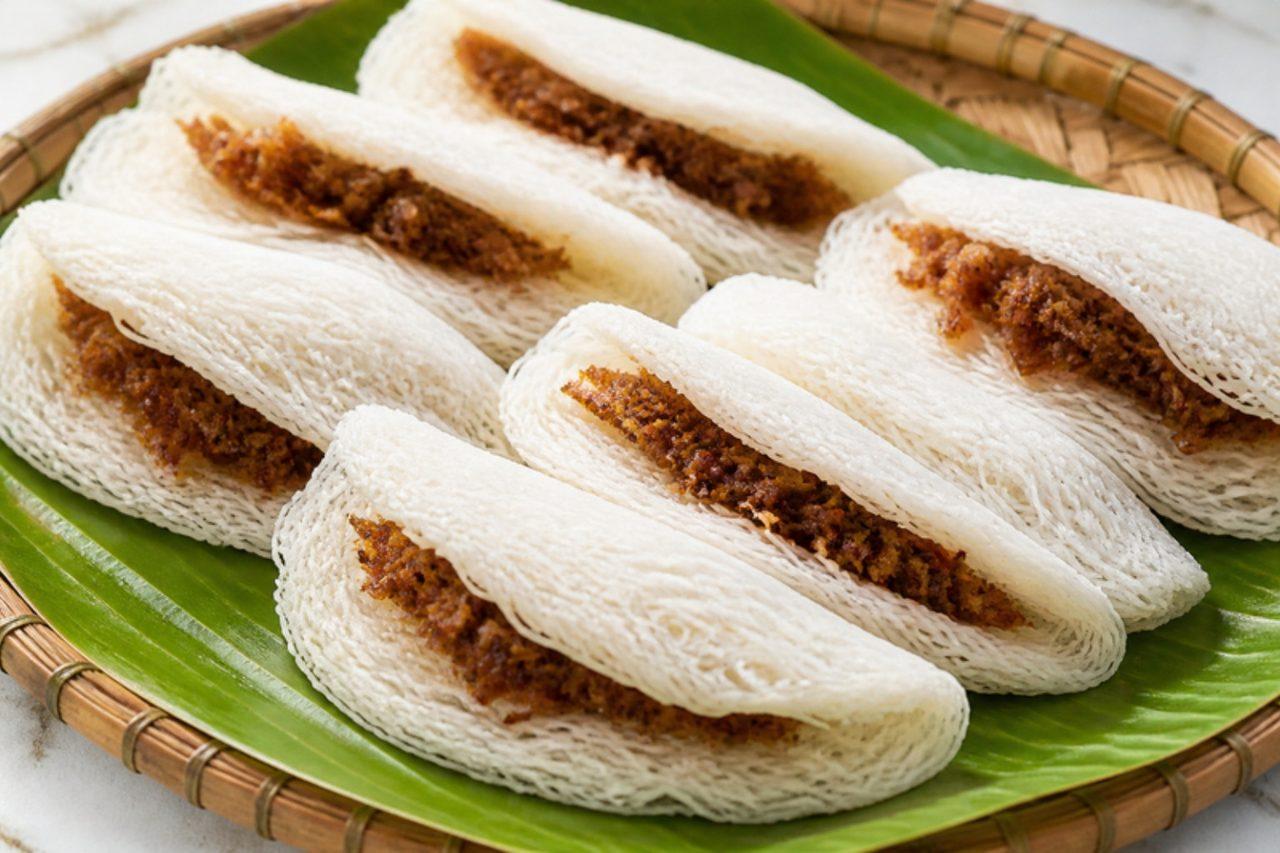
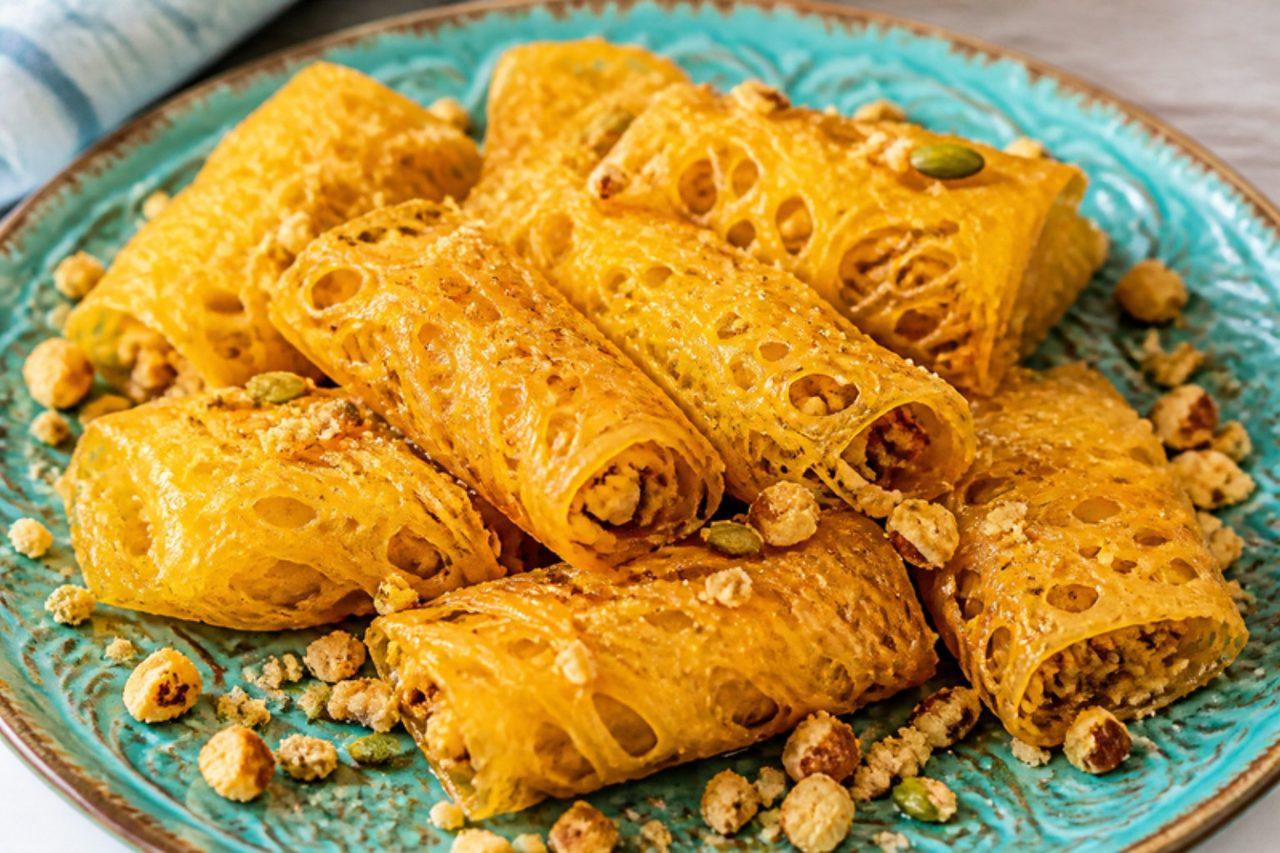
Reshteh khoshkar is the pastry of Gilan on Iran's Caspian coast, made in Rasht and Lahijan homes and bakeries for Ramadan, when a plate of it with tea breaks the fast at iftar. A thin rice-flour batter is drizzled in a lacy criss-cross over a hot griddle to make a fine net, which is filled with walnuts, sugar, cardamom and cinnamon, folded into a neat roll, fried until crisp and soaked in rose-scented syrup. It is crunchy, then soft and sticky, with a fragrant, nutty filling. Serve it at room temperature with strong black tea. The dish has always been egg-free: the rice-flour batter sets on the hot griddle into a net by itself, and the sugar in the filling and syrup glues the rolls together, so there is no need for any other binder, and nothing in it contains gluten. Chef's tip: test the griddle with a few drops of batter first; the common mistake is a griddle that is not hot enough, which lets the batter spread into a pancake instead of setting into a lacy net.

by KrazyBadal 0 views

Ciambelline al mosto (alcohol-free ring biscuits)Grape juice ring biscuits

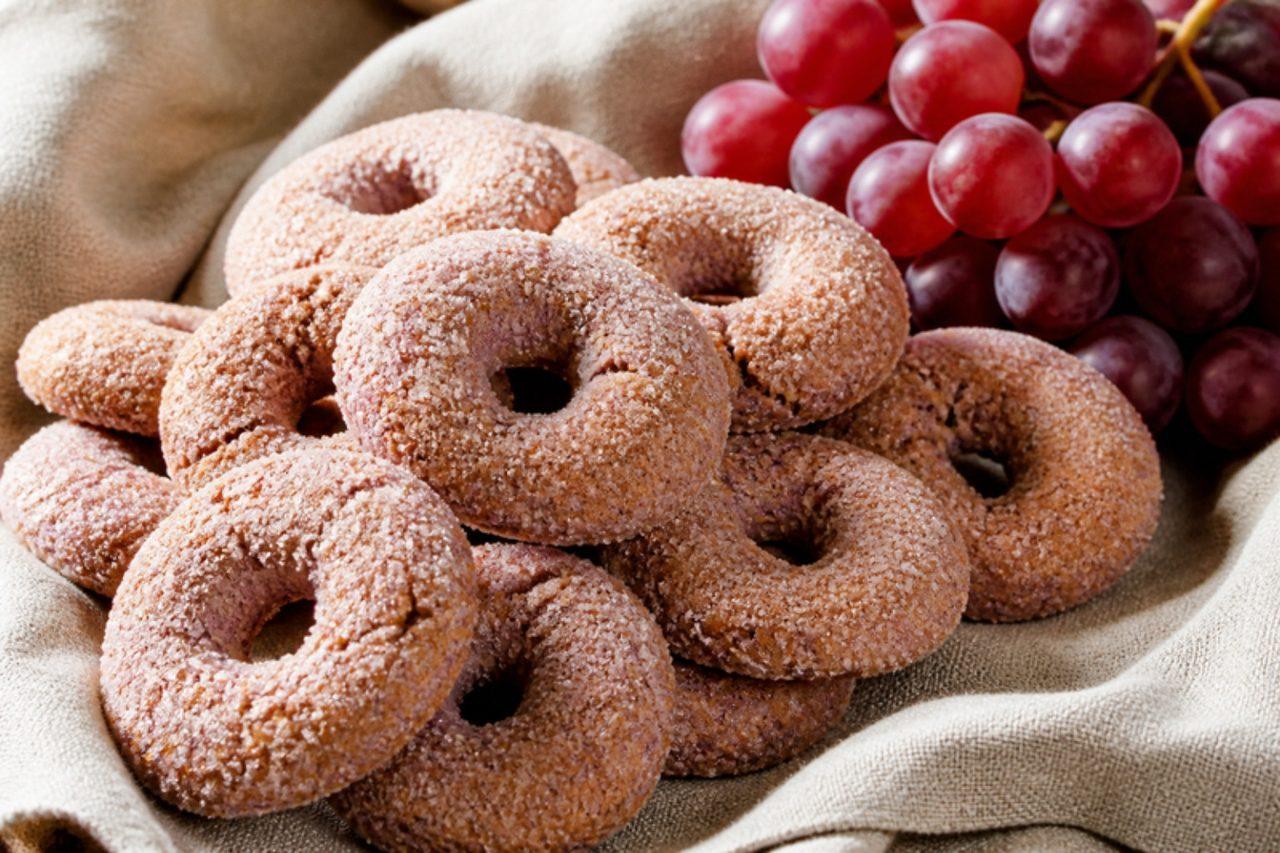
All over Lazio, from the Castelli Romani to the countryside around Rome, these sugar-crusted ring biscuits are put out at the end of a meal and at the autumn grape harvest, when they are dunked into a glass to soften. The classic dough is made with equal measures of liquid, olive oil and sugar; here the liquid is red grape juice, which is close to the fresh mosto of harvest time and gives the same pinkish crumb and fruity edge with no alcohol at all. The rings are crunchy and light, a little crumbly, with a crackly sugar coat and a hint of aniseed. Serve them with grape juice, coffee or a pot of tea for dunking. They are naturally egg-free: the olive oil and juice bind the flour into a smooth dough, and baking powder does the lifting that eggs might do elsewhere. Chef's tip: roll the ropes no thicker than a pencil and a half, about 1 cm; the common mistake is chunky ropes, which brown outside before the middle dries and leave the biscuits hard instead of crisp.

by KrazyBadal 0 views

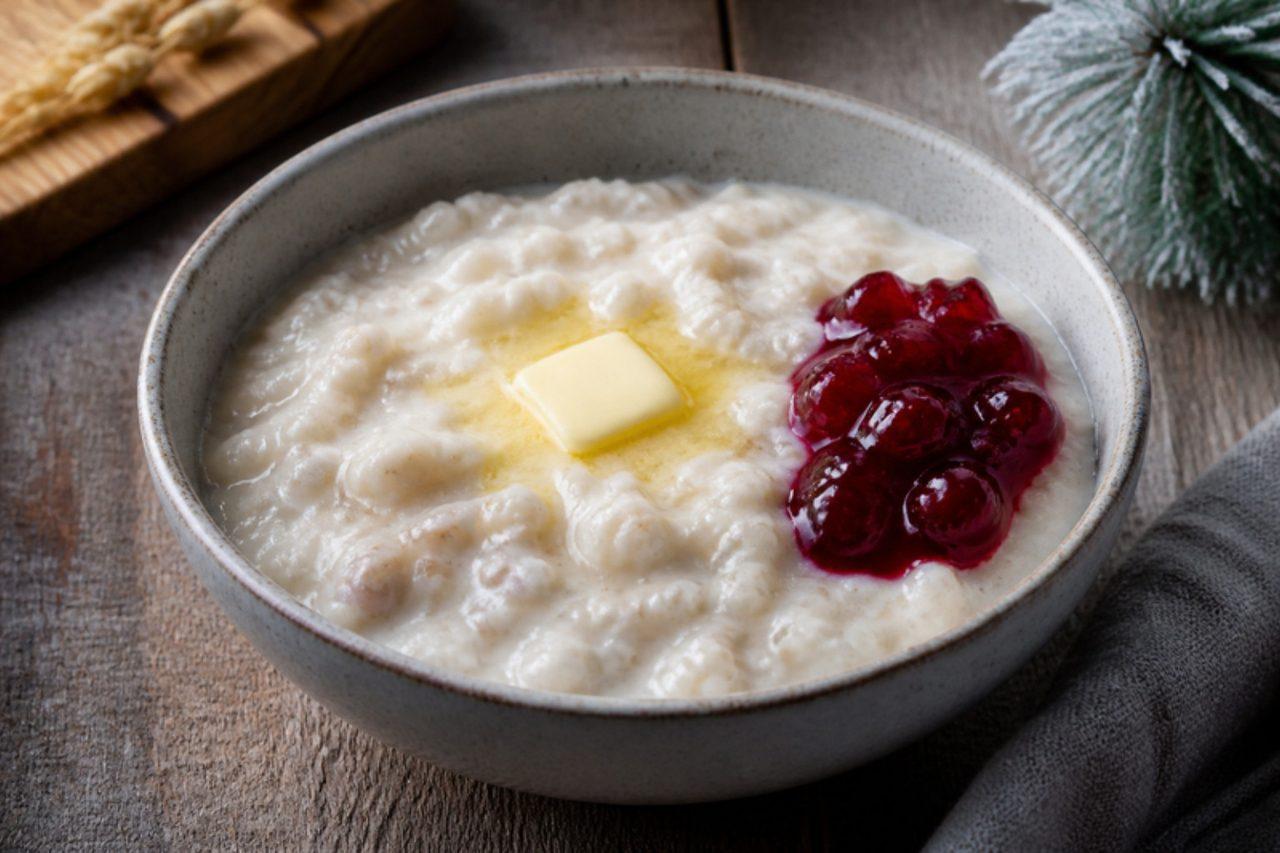
OhrapuuroBarley porridge

Ohrapuuro is the comfort food of Finnish farmhouses: pearl barley cooked slowly in plenty of milk until it turns creamy, pale and faintly sweet, then served with a knob of butter melting in the middle and a spoon of lingonberry or berry kissel. It is a breakfast for winter mornings and a supper for Christmas Eve in many families, and the oven version used to cook overnight in the cooling bread oven. A bowl gives about 14 g of protein from the milk and barley, so it is filling, but not a high-protein dish. The common mistake is cooking it too fast on a high heat; the milk catches and burns on the bottom, so keep it at a bare simmer and stir often. Chef's tip: soak the barley in water overnight if you can; it cuts the cooking time to about an hour and the grains cook more evenly.

by KrazyBadal 0 views

Aiskrim potong (Malaysian red bean ice-cream bars)

Aiskrim potong, literally cut ice cream, comes from the days when Malaysian factories froze long blocks of dense ice cream that vendors sliced into bars to order. It is still sold nationwide from motorbike freezers and kampung shops, especially in the afternoon heat after school, in flavours like coconut, sweet corn, yam and durian, with red bean as the classic. It is firmer and denser than scooped ice cream and melts slowly in the hand. There is no egg: the base is cornflour cooked into coconut milk and milk, with a little condensed milk. The cooked starch gives the bars their chewy, close bite and keeps them smooth because it ties up the water before it can form big crystals. Chef's tip: stir the half-frozen block once so the beans don't all sink; the common mistake is pouring and leaving it, which gives a bean-heavy bottom and a plain top.

by KrazyBadal 0 views

Cuccìa (Palermo wheat berries with sweet ricotta)

On 13 December, the feast of Santa Lucia, Palermo stops eating bread and pasta for a day. The story goes that during a famine a ship of grain arrived on her feast day and people were too hungry to mill it, so they boiled the wheat whole; cuccìa remembers that. The berries are boiled until plump and chewy, then folded into sweetened sheep's ricotta with candied orange, chocolate and cinnamon, so it eats like a cannolo filling with a pleasant bite. Serve it chilled in bowls or glasses, on the day itself or any winter afternoon. Like most Sicilian ricotta sweets it is egg-free by nature: the thick, drained ricotta binds the wheat into a creamy pudding, with nothing to set. Some families make a savoury version with chickpeas and oil, too. Chef's tip: cool the wheat completely before it meets the ricotta; the common mistake is folding in warm grains, which melts the cheese into a runny, grainy mess.

by KrazyBadal 0 views

Wandouhuang (豌豆黄, Beijing chilled yellow pea cake)

Wandouhuang is a Beijing spring and early-summer sweet, sold from carts around the Qingming festival and once polished into an imperial version for the Qing court that is still served in Beihai Park's old-style restaurants. Yellow split peas are boiled to a mush, pressed through a sieve and cooked down with sugar until thick, then left to set in a tray and cut into neat pale-gold blocks. Chilled, it is cool and smooth with a fine, melting texture and the gentle, nutty taste of peas. Serve on small plates with jasmine tea, or after a rich meal. It is naturally egg-free and needs no setting agent at all: the starch in the peas firms the paste as it cools, like a polenta. Chef's tip: the common mistake is not cooking the paste down far enough; keep stirring until a line drawn through it with a spatula stays open for a few seconds, or it will not slice.

by KrazyBadal 0 views

Fontainebleau (fromage blanc and whipped cream mousse)

Fontainebleau takes its name from the town south of Paris, whose cheese shops sold it in little muslin-wrapped pots for the weekend. It is a fresh-cheese dessert for late spring and summer, best when the first strawberries and raspberries arrive. Fromage blanc and whipped cream are folded together and left to drain in muslin, so the mousse firms up into a light, cloud-soft mound that tastes of fresh milk with a gentle tang. Serve it chilled with berries or a spoonful of red-fruit coulis, and a little extra sugar on the side. Some recipes fold in whisked whites; this one leaves them out entirely, because firmly whipped cream alone holds the air, and draining away the whey gives the mousse its shape. Chef's tip: drain the fromage blanc before you start; the common mistake is folding in a wet, runny cheese, which collapses the cream and leaves a puddle in the dish.

by KrazyBadal 0 views

Qingtuan (青团, mugwort rice balls with red bean)

Qingtuan are the taste of spring across Jiangnan: in Shanghai, Hangzhou and the water towns like Wuzhen, steamers of them appear in March and April, and families take them on Qingming tomb-sweeping visits. The dough gets its deep green colour and grassy, slightly bitter scent from young mugwort leaves blanched and blended into glutinous rice flour. Steamed and brushed with oil, the balls are glossy, soft and stretchy, with a smooth sweet red bean centre. Eat them warm or at room temperature with green tea. Qingtuan is naturally egg-free: glutinous rice flour mixed with hot water and mugwort purée forms a pliable dough that steams firm, so no binder is needed. Buy lard-free red bean paste or make your own. Chef's tip: a pinch of soda in the blanching water keeps the mugwort bright green; the common mistake is leaving it out, which gives an olive-grey dough.

by KrazyBadal 0 views

Mizu shingen mochi (Yamanashi raindrop cake)

Mizu shingen mochi comes from Hokuto in Yamanashi, at the foot of the Southern Alps, where a sweet shop first set the local spring water into a trembling, glass-clear dome. It is a summer sweet, eaten in the heat of July and August, and it has to be eaten within half an hour of being made, before it starts to weep. There is almost no flavour of its own: the point is the cool, melting texture, with nutty kinako and dark kuromitsu syrup poured over at the table. Despite the name it is not a rice mochi at all, and it is naturally egg-free. Agar, a seaweed setting agent, holds the water in shape; using just enough to set it makes it melt on the tongue. Serve with green tea. Chef's tip: boil the agar hard for a full 2 minutes; just warming it is the common mistake, and the domes stay liquid in the mould.

by KrazyBadal 0 views

Hutzelbrot (Swabian dried-pear Christmas loaf)

In Swabia and Franconia, Hutzelbrot is baked in early December and sliced through Advent and Christmas, traditionally on St Thomas's Day, 21 December. Hutzeln are dried pears, and they are the heart of the loaf: soaked overnight and simmered, then mixed with figs, prunes, raisins, hazelnuts, walnuts and candied peel, bound with only enough spiced yeast dough to hold everything together. The result is dark, moist and dense, closer to fruit than to bread, fragrant with cinnamon, aniseed and cloves. Slice it thin and eat it plain, spread with butter or a nut butter, with coffee or a hot fruit tea. The loaf is naturally egg-free: the yeast dough, made with the sweet pear soaking water, is the glue, and the sticky fruit holds it moist for weeks. Chef's tip: wrap the cooled loaves tightly and leave them for 3–4 days before slicing; the common mistake is cutting it on day one, when it crumbles and the flavours have not settled.

900 minGermanBakingVegan
by KrazyBadal 0 views

Showing 96 of 2,799 recipes

Show more recipes

Page 18 of 117

More Jain ideas

Other diets