Skip to content
WhatToEat.Today

Jain recipes: no onion, garlic or root vegetables

2,797

2797 Jain recipes with no onion, garlic, potato, carrot, fresh ginger or other root vegetables, and no mushrooms, eggs or honey. Hing, dry ginger and turmeric powder are fine. Each has photos, step-by-step instructions and cook times. The quickest, Apfelschorle, takes 2 minutes. Most take around 40 minutes.

Filter these by time, diet or cuisine · Make Jain your diet to see only these recipes everywhere on the site.

KodubaleSpicy rice flour rings

In Karnataka homes the Krishna Janmashtami spread of chakkuli, unde and avalakki always has a tin of kodubale beside it: little rings of rice flour, semolina and coconut ground with dried red chilli and cumin, rolled by hand and fried until they snap. They are spicy, nutty and very crunchy, and also go into Diwali and Gowri festival tins. Common mistake: making the ropes too thick, so the rings stay soft inside; roll them pencil-thin and fry on a medium heat until the sizzling dies down and they feel light. Chef's tip: grind the coconut with the chillies to a dry paste with no water; extra moisture makes the rings oily.

by KrazyBadal 0 views

Maa ladduRoasted gram flour laddus

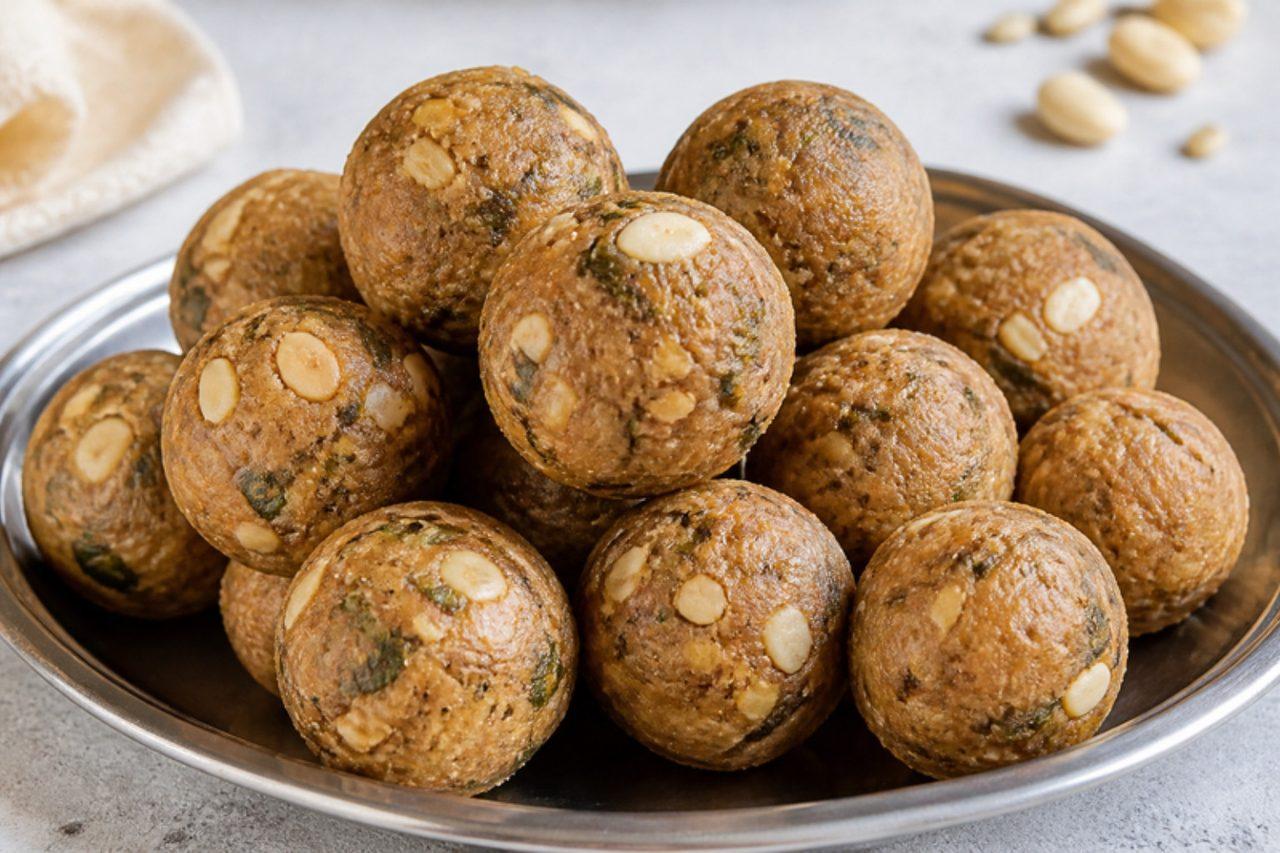
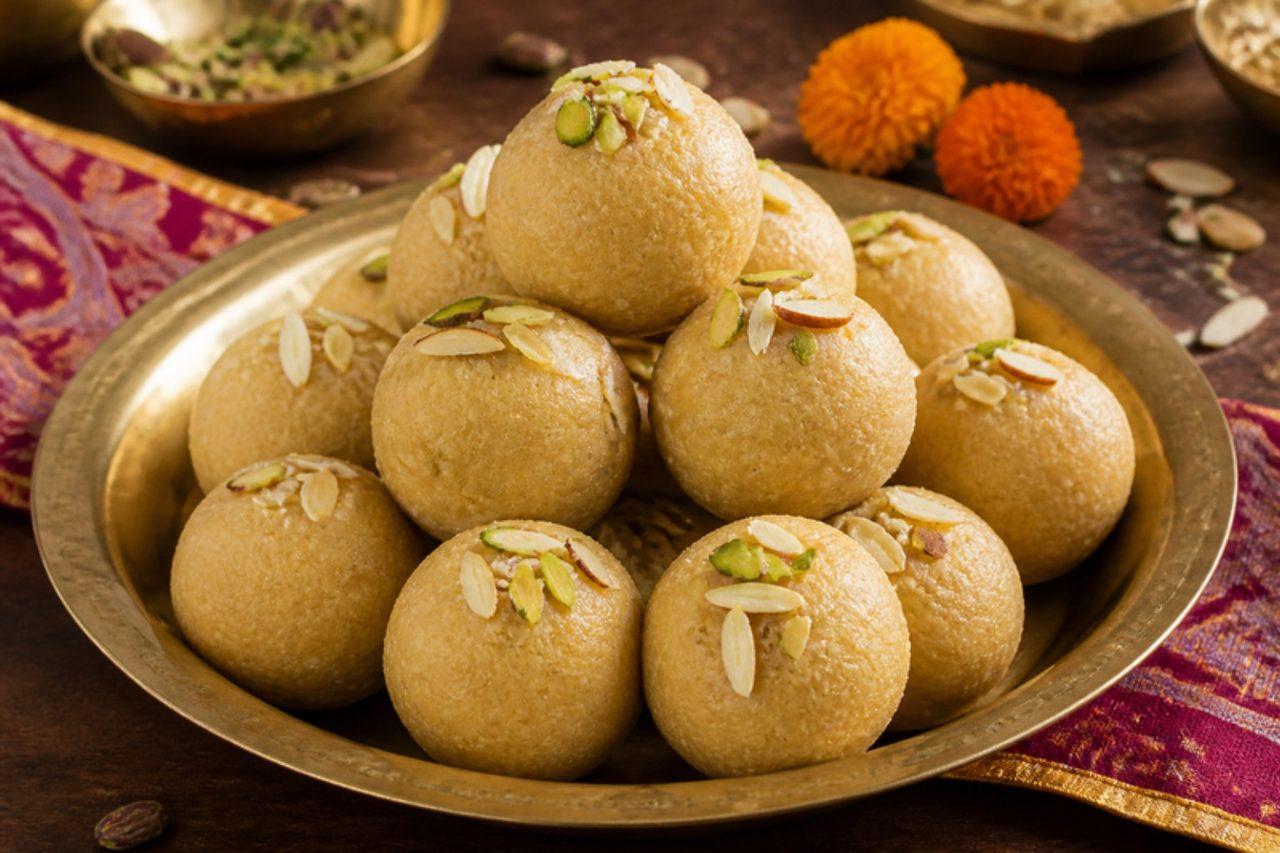
Maa laddu (maladu) is the simplest of the Tamil Deepavali sweets, made in a quarter of an hour from pottukadalai, the roasted split gram sold in every Tamil grocery. Ground with sugar and bound with hot ghee, it melts on the tongue, nutty and cardamom-scented, and it's the laddu grandmothers teach children to roll. The mistake is pouring cold or too little ghee: the powder won't bind and the balls crumble, so add it smoking hot and in stages. Chef's tip: warm the pottukadalai in a dry pan for two minutes before grinding; it brings out the toasty flavour and grinds finer.

by KrazyBadal 0 views

RasiyaJaggery rice kheer

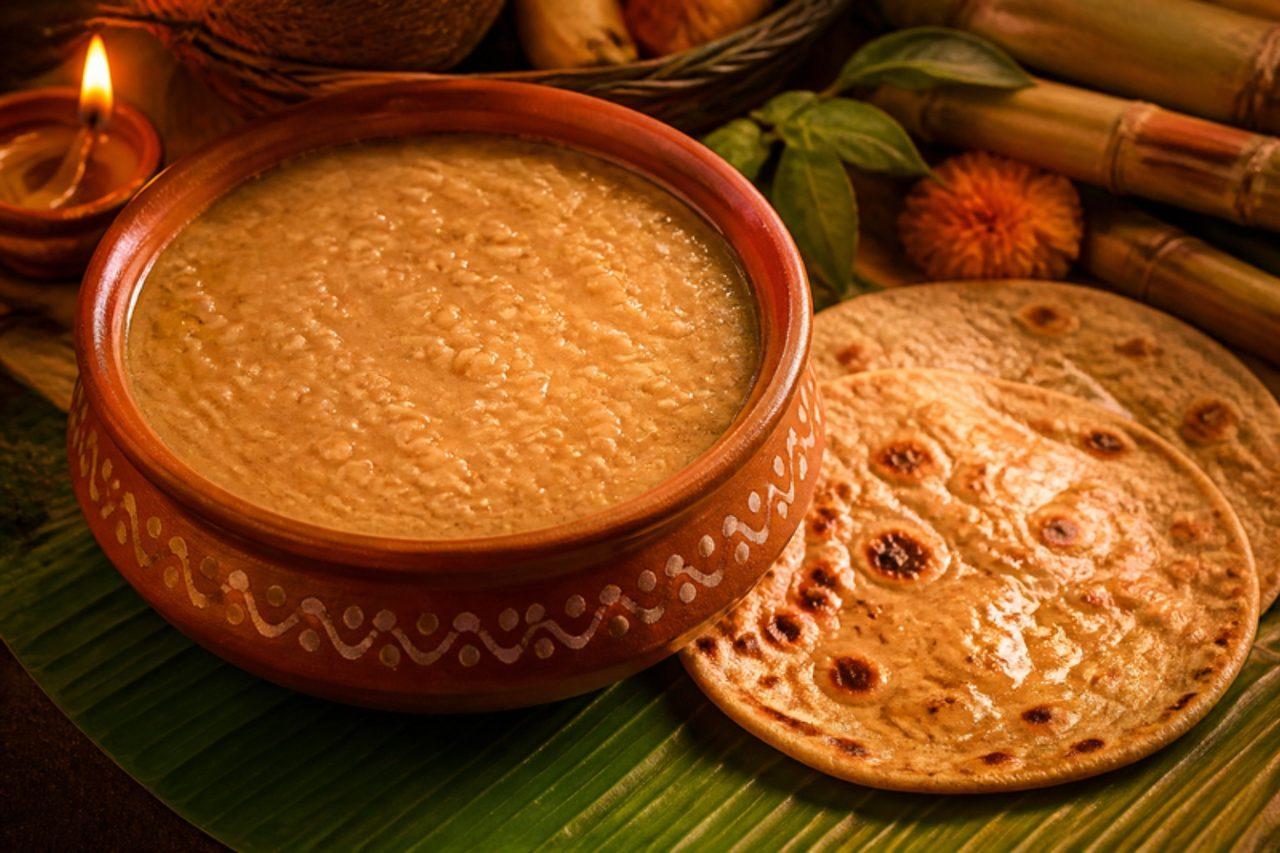
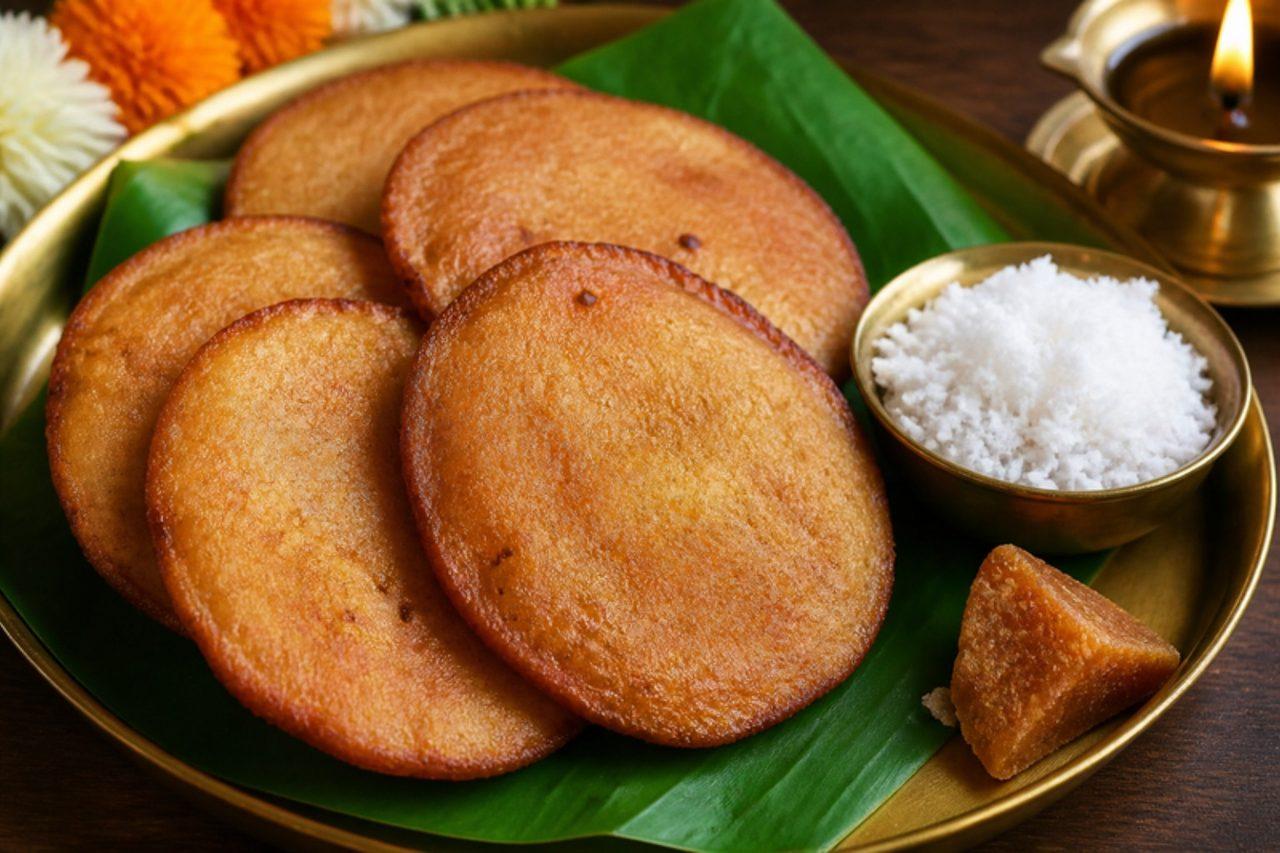
On the evening of Kharna, the second day of Chhath in Bihar and eastern Uttar Pradesh, the vrati who has fasted since dawn cooks rasiya on a new clay chulha over mango wood: arwa rice simmered in milk with jaggery, offered to Chhathi Maiya and eaten with ghee-smeared roti before the 36-hour waterless fast begins. It is pale brown, creamy and tastes of caramel and milk. Common mistake: adding jaggery while the milk is boiling hard, which curdles it; take the pan off the heat, let it calm, then stir in the jaggery, and the kheer is ready when the rice is completely soft and it coats the spoon. Chef's tip: many families cook it with no salt and in a separate pan from everyday cooking; do the same if you are making it for the puja.

by KrazyBadal 0 views

Bhuni chhalliRoasted corn on the cob

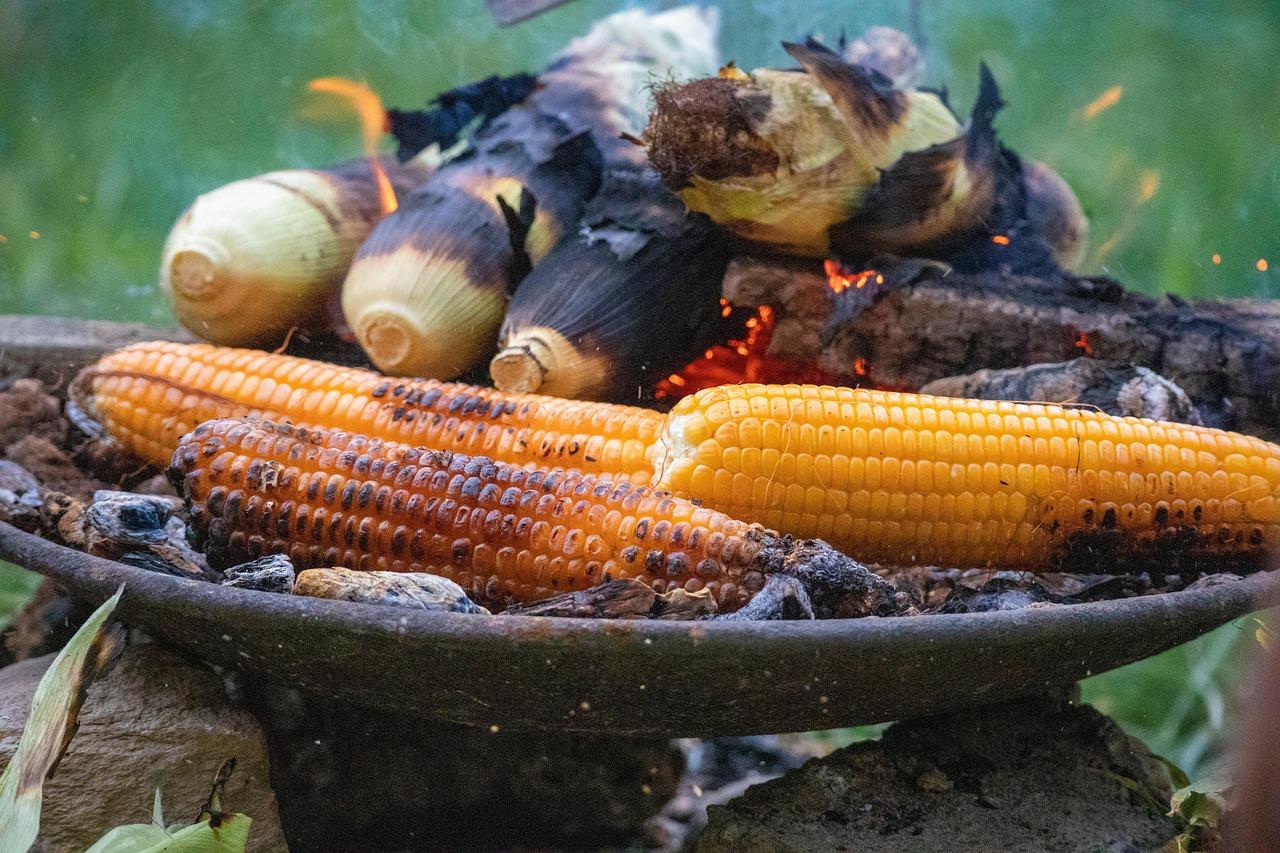
When the first rains cool Punjab in July, the smell of chhalli roasting over coal braziers drifts across every busy road, and the vendor fans the embers with a straw mat until the kernels pop and blacken. The cob is then rubbed with half a lemon dipped in salt and red chilli, so you get smoke, sour, salt and heat in one bite. Desi field corn is chewy and starchy rather than sweet, which is exactly why it chars so well. The common mistake is roasting on a low flame, which steams the kernels soft without colour; you want high, direct heat and constant turning. Chef's tip: keep a few husks on as a handle and dip the lemon in the masala fresh for every cob.

by KrazyBadal 0 views

ThandaiAlmond, fennel and rose milk

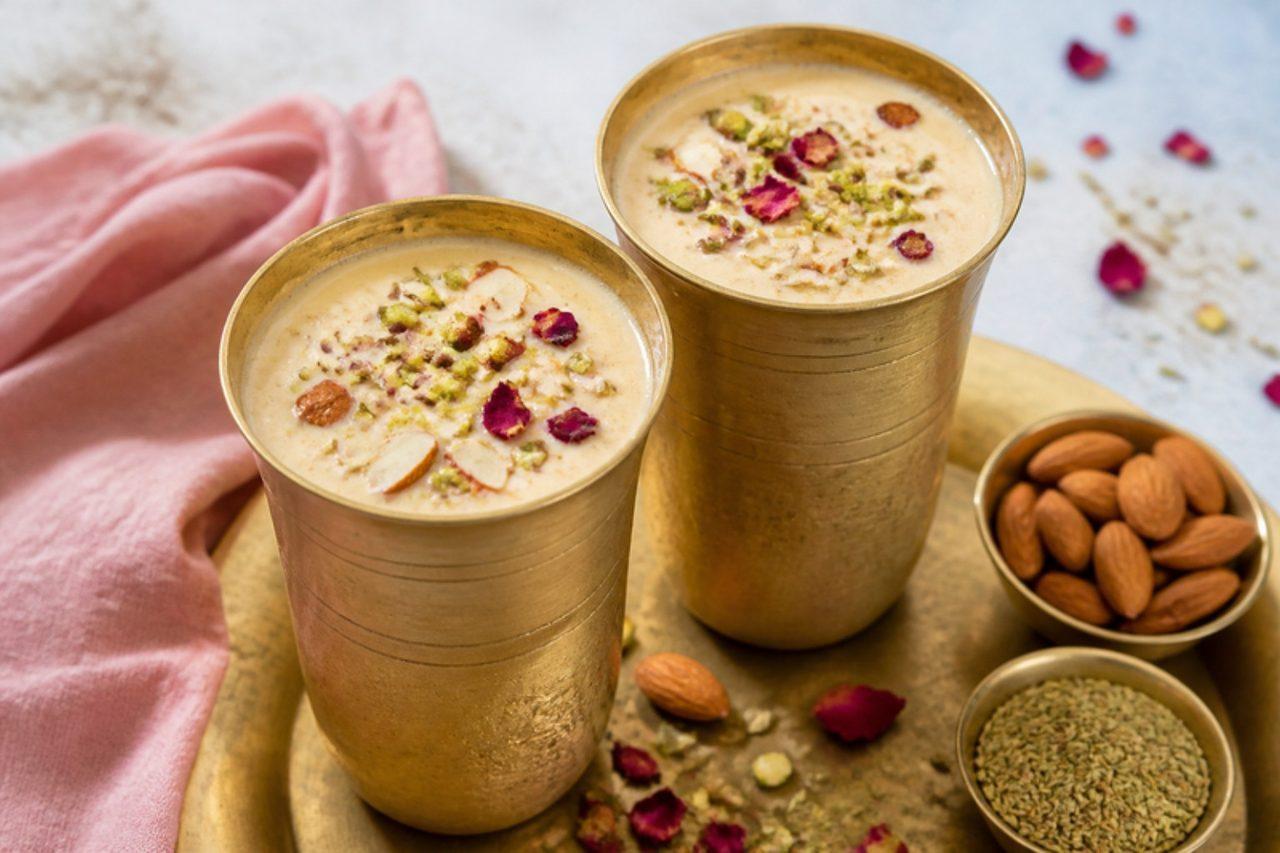
On Mahashivratri the ghats and temples of Varanasi fill with brass pots of thandai, a cooling milk ground with almonds, melon seeds, fennel, poppy seeds, black pepper and rose, poured as an offering to Shiva and then shared with everyone queuing for darshan. In the city's lanes it is sometimes made with bhang (cannabis); this version is made entirely without it and contains no alcohol, so the whole family can drink it. It tastes nutty, floral and gently peppery, and is thick enough to coat the glass. Most people who keep the Shivratri fast take it, since it holds only milk, nuts, seeds and spices, but check your own family's rules: some leave out poppy seeds, and poppy seeds are restricted in a few countries, so skip them if you need to. Common mistake: grinding the soaked nuts and seeds with too little water, which leaves a gritty paste; keep blending until it feels smooth between your fingertips, then strain. Chef's tip: make the paste the night before and keep it in the fridge; the flavour deepens and you only need to whisk it into cold milk on the day.

by KrazyBadal 0 views

KadambuttuSteamed rice and coconut balls

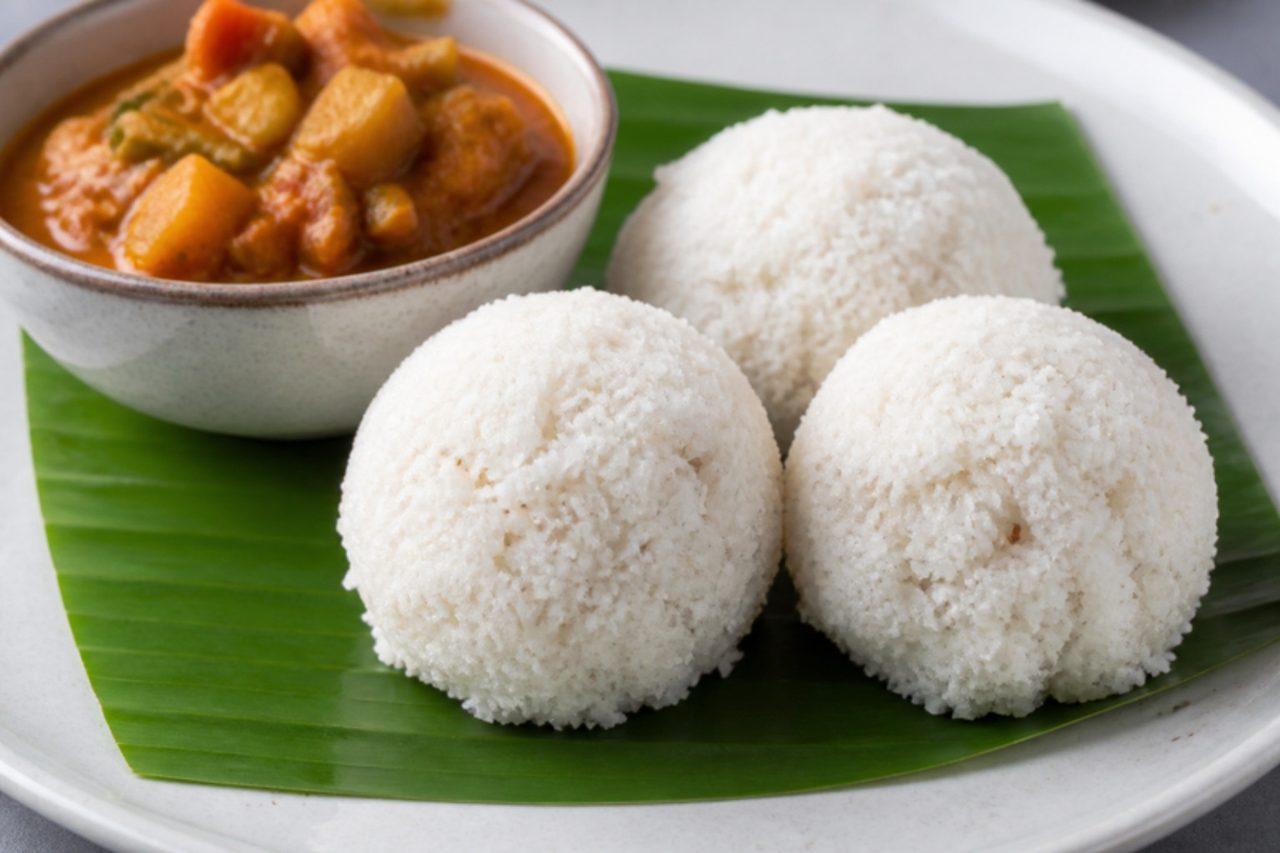
Kadambuttu are the steamed rice balls of Kodagu (Coorg), made in every Kodava home for breakfast and in great heaps for Puttari, the rice harvest festival in late November or early December. Broken rice is cooked to a thick porridge with coconut, rolled into balls and steamed, so they're dense, slightly sticky and mild, the perfect sponge for a fiery curry; at home they go with pandi curry, but a spicy kadala or mushroom curry works beautifully too. A common mistake is using whole rice flour or fine semolina; you need coarse broken rice, or the balls turn gluey. Chef's tip: wet your palms between each ball so the dough stays smooth and doesn't crack.

by KrazyBadal 0 views

Elo jheloFried dough strips in sugar syrup

Elo jhelo means something like 'messy-tangled', and it describes these knotted, twisted strips of fried dough that Bengali grandmothers make for Bijoya Dashami, when the goddess leaves and everyone shares sweets. The strips are cut, slit and pulled through themselves into a twist, fried slowly until crisp, then dipped in a one-string sugar syrup that sets to a thin, crackly glaze. They keep for weeks in a tin. Common mistake: dipping the strips in syrup that is too thin; it soaks in and makes them soggy. Cook the syrup until a drop pulled between finger and thumb forms one thread. Chef's tip: add a teaspoon of semolina to the dough; it makes elo jhelo crunchier and less likely to soften once glazed.

by KrazyBadal 0 views

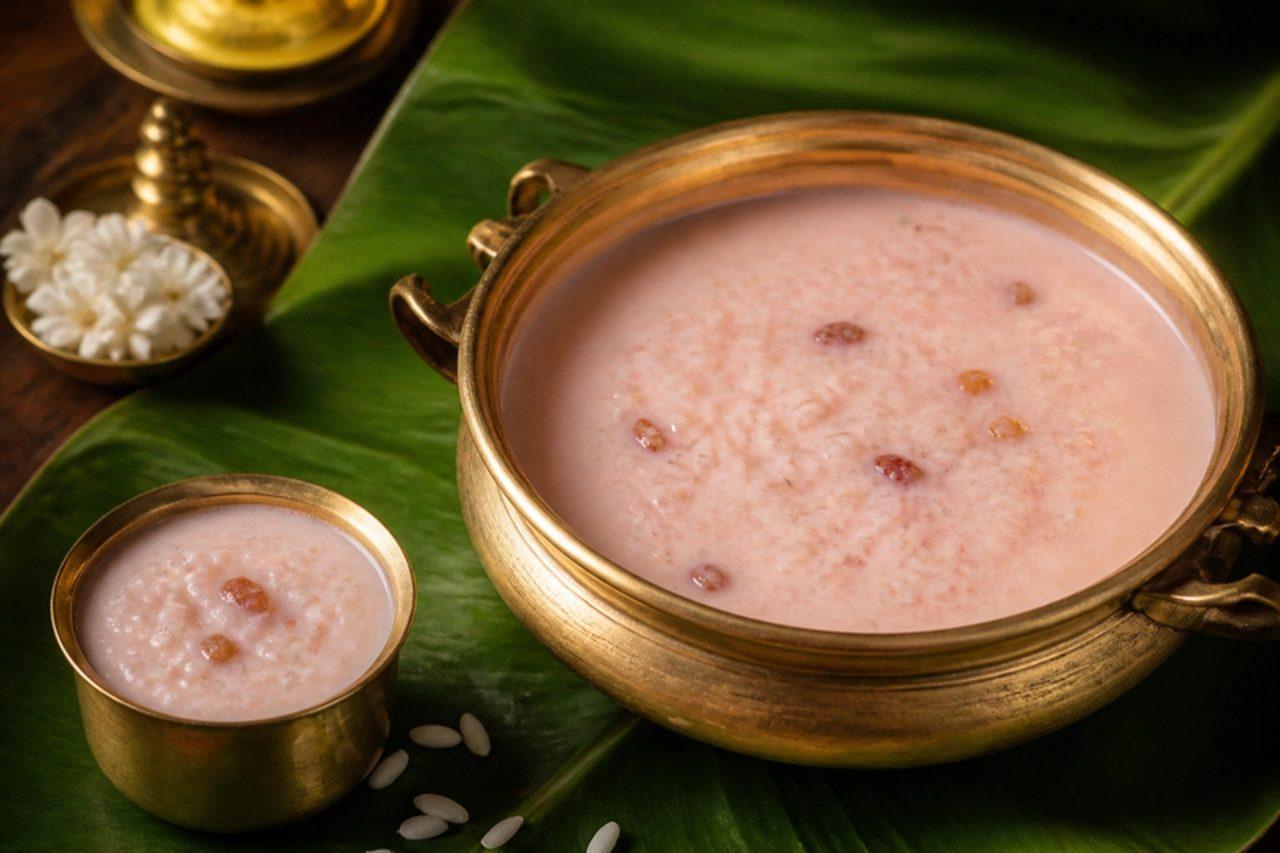
Ambalappuzha paal payasamSlow-cooked rice milk pudding

The Krishna temple at Ambalappuzha in Alappuzha is famous for one offering: a paal payasam of rice, milk and sugar boiled in huge bronze vessels until it turns a soft pink. Kerala families make a smaller pot at home for Vishu and Onam, and it is the simplest payasam there is, with no nuts, raisins or spice in the temple style. The colour comes only from long, patient simmering, as the milk sugars slowly caramelise. The common mistake is adding the sugar too early; the rice stays firm and the milk sticks to the base, so wait until a grain crushes to nothing between your fingers. It is ready when it has reduced by about half, coats the spoon thickly and has turned from white to a light rosy beige. Chef's tip: keep it at a steady, lively simmer rather than a low murmur, and stir right across the base every few minutes; the movement is what gives the creamy texture.

by KrazyBadal 0 views

ChalimidiRice flour and jaggery sweet

Chalimidi is a no-cook-flour sweet from Andhra and Telangana, offered to the goddess at Navaratri and Nagula Chavithi and handed out at naming ceremonies and baby showers. Soaked rice is dried, pounded into fresh flour and stirred into a thick jaggery syrup with coconut, so it sets into a soft, damp, slightly crumbly dough that is shaped into small balls. It tastes of molasses and cardamom and is eaten as it is, at room temperature. The most common mistake is undercooking the syrup: a thin syrup leaves the chalimidi sticky and pasty, so cook it to a firm soft-ball stage. Chef's tip: use freshly ground soaked rice, not shop rice flour; the slightly damp flour is what gives chalimidi its tender bite.

by KrazyBadal 0 views

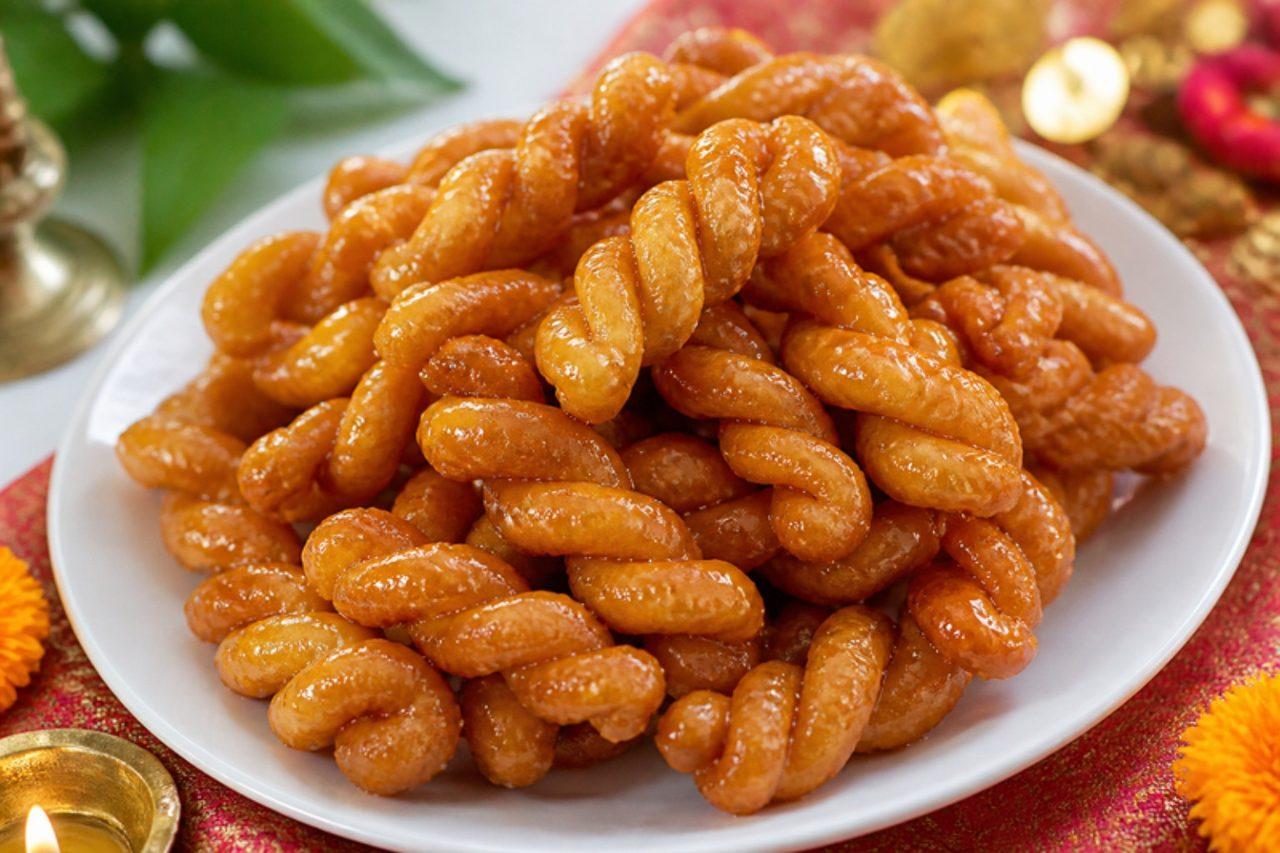
Gato moutailleFried dough ropes in cardamom syrup

On Divali evening in Mauritius, Hindu households set out clay lamps and then walk plates of sweets round to their neighbours, Hindu, Muslim, Creole and Chinese alike; gato moutaille, gato cravate and gato zinzli are almost always on the plate. Moutaille (from the Bhojpuri mithai) are short ropes of soft dough twisted into knots or spirals, fried until crisp and soaked in a cardamom syrup so the outside is sticky and the inside stays slightly chewy. Common mistake: syrup that is too thick, which crystallises into a white crust; cook it only to one-string consistency, when a drop pulled between finger and thumb makes a single thread. Chef's tip: dip the moutaille while they are hot and the syrup is warm, then lift them out after a minute so they stay crisp.

by KrazyBadal 0 views

Kalkandu vadaiSweet urad dal rock sugar vadai

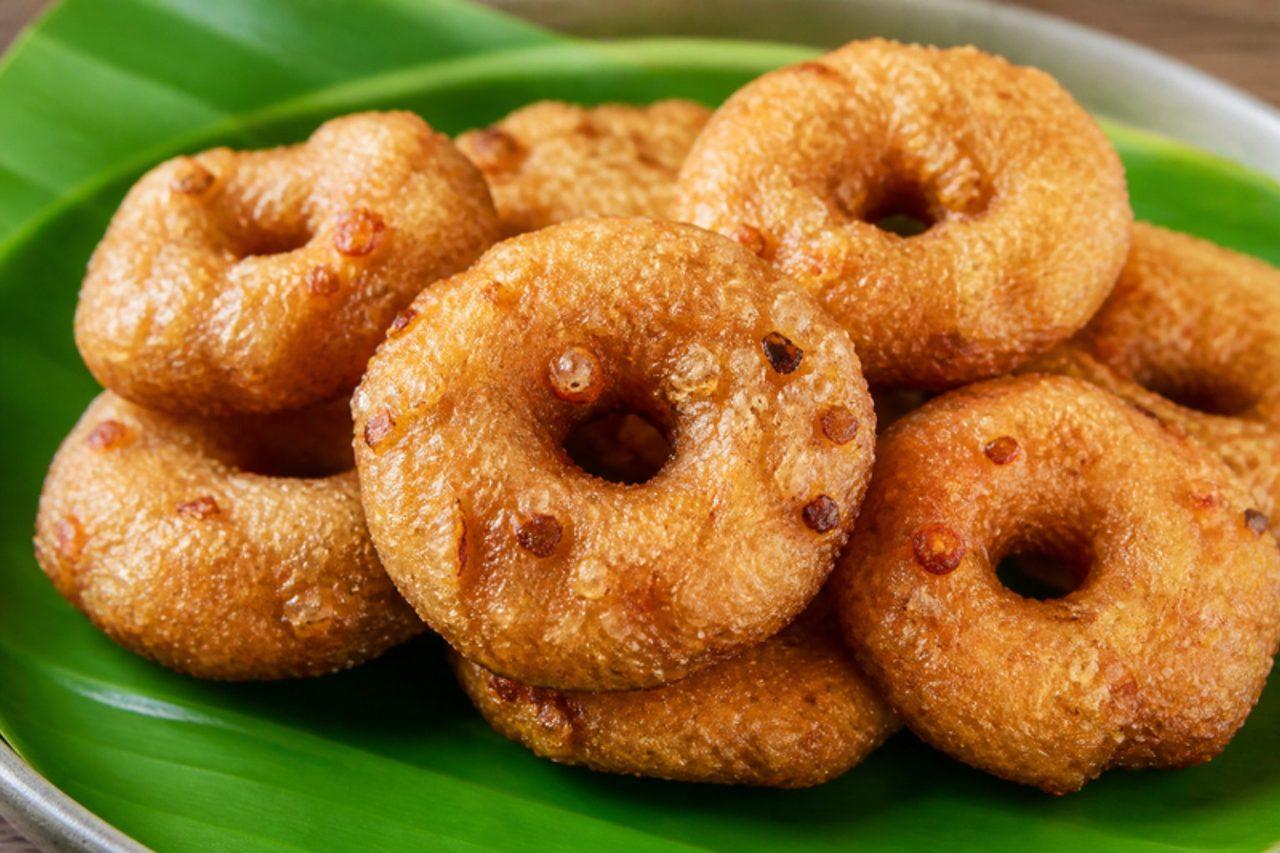
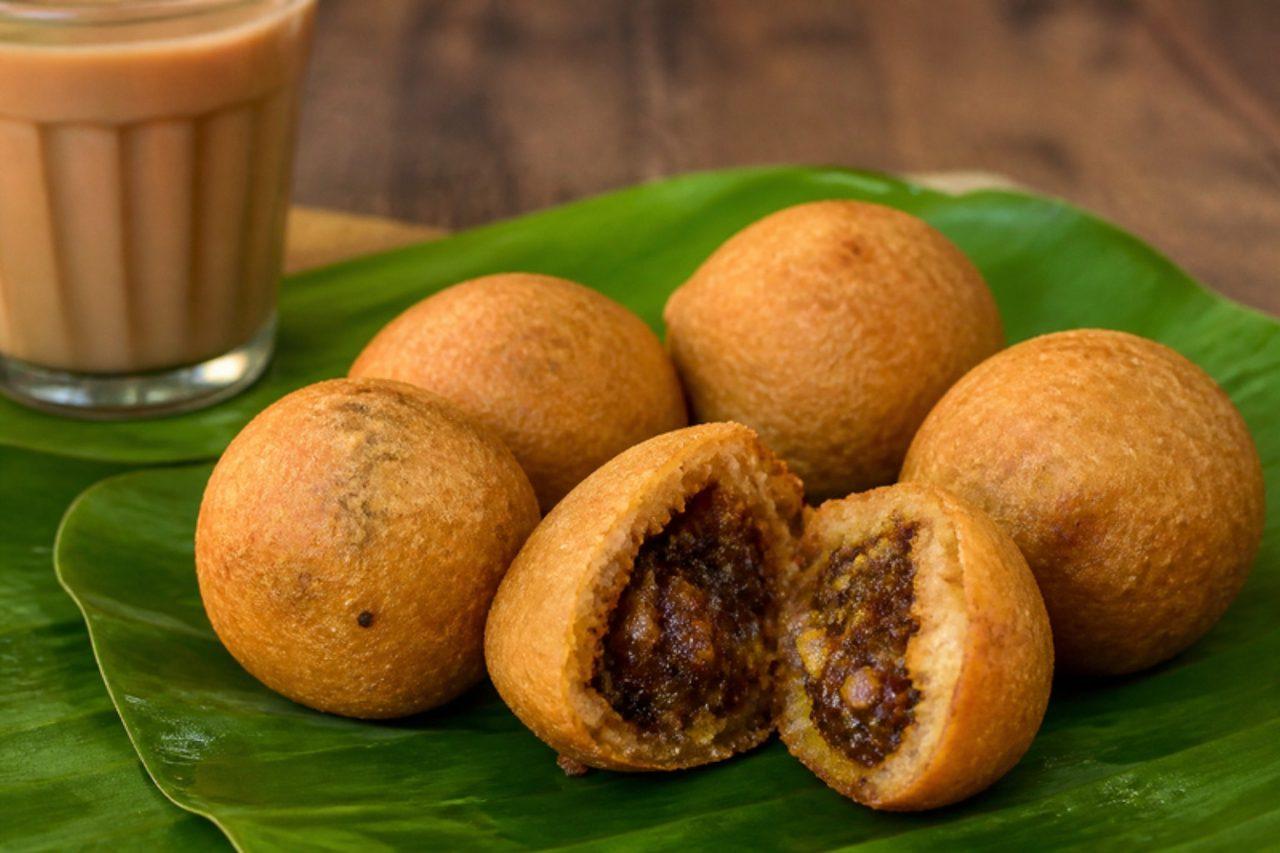
Kalkandu vadai is the sweet cousin of medu vadai, made in Chettinad homes for festivals and for the trays that go to a bride's house. Soaked urad dal and a little rice are ground fluffy and mixed with crushed kalkandu (rock sugar) and coconut, then fried into small golden rounds that are crisp outside, soft inside, with pockets of melted crystal sugar. They are eaten warm with coffee. A common mistake is grinding the rock sugar in with the batter, which turns the batter runny; crush it coarsely and fold it in just before frying. Chef's tip: fry these on slightly lower heat than savoury vadai, because sugar browns fast and burns before the centre cooks.

by KrazyBadal 0 views

MurkiPuffed rice in jaggery

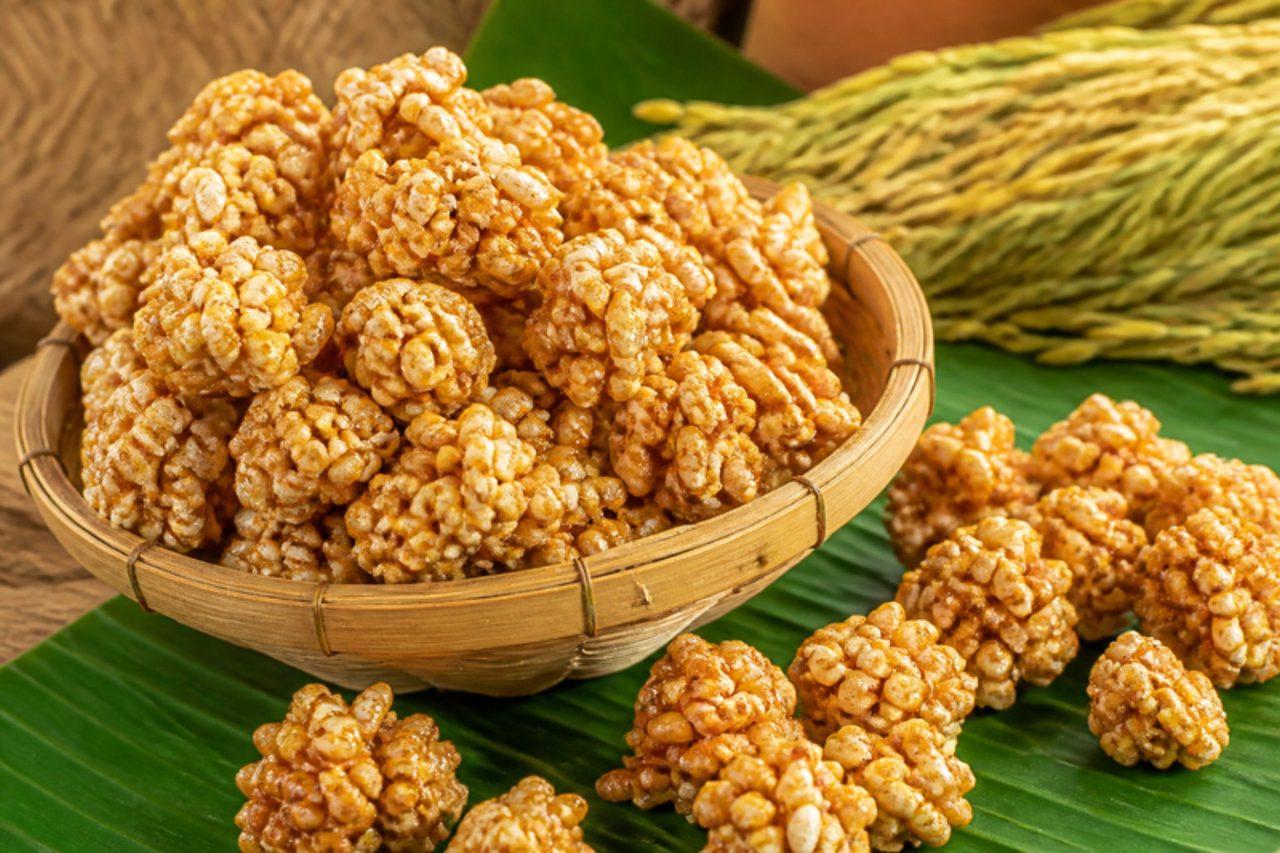
Nabanna, the 'new rice' festival of late autumn in Bangladesh and West Bengal, celebrates the first harvest of aman paddy, and the season's first date-palm jaggery arrives just in time. Murki is the treat every village makes for it: crisp puffed rice tossed in a pan of thick, boiling khejur gur until each grain is coated in a thin, crackly glaze, with a hint of dry ginger. It is offered to guests on Nabanna and on Bijoya and Lakshmi Puja, and children eat it by the handful. The common mistake is undercooking the syrup, which leaves the murki chewy and clumped; overcook it and it tastes burnt. The syrup is ready when large, slow bubbles cover the surface and a drop in cold water sets into a ball you can roll. Chef's tip: toss with two spatulas, lifting from the bottom, and keep going until the grains separate and stop sticking.

by KrazyBadal 0 views

Uppu seedaiCrunchy fried rice flour balls

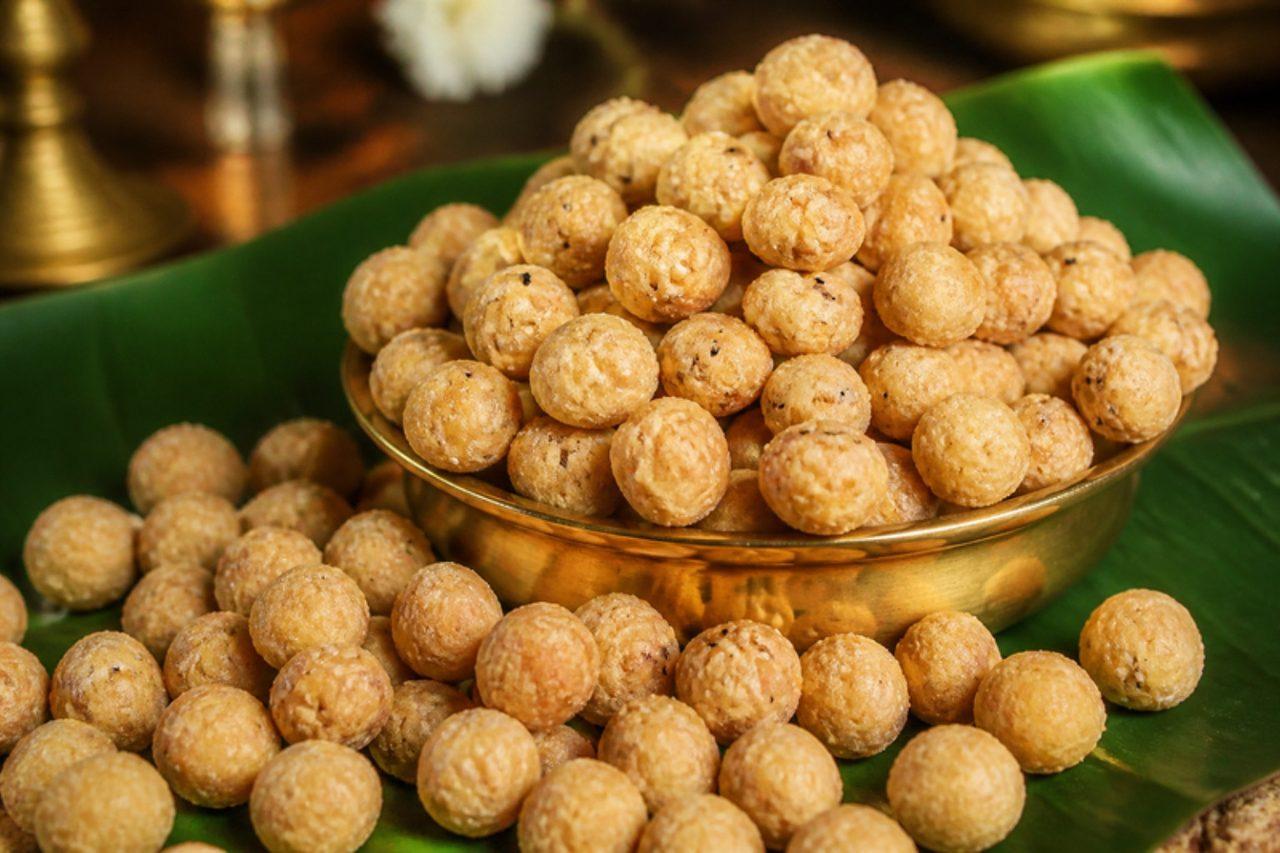
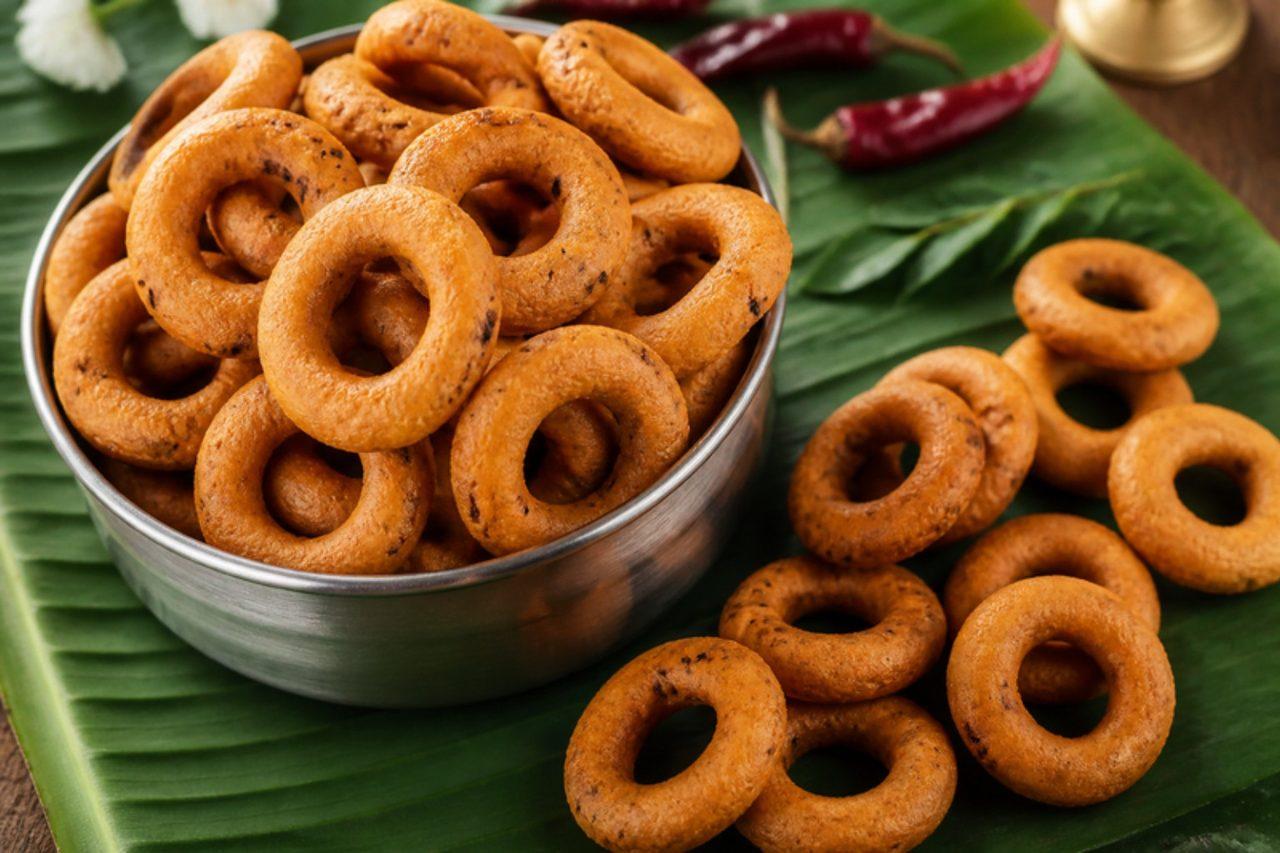
For Gokulashtami, Tamil households draw tiny rice-flour footprints from the doorway to the puja room as if baby Krishna had walked in, and the trays set before him always hold uppu seedai, marble-sized balls of rice and urad flour with coconut, sesame and butter, fried until hard and crunchy. They keep for weeks in a tin. Common mistake, and a famous one: damp flour or trapped air makes seedai burst in the oil, so the rice flour is dried, the coconut squeezed, and each ball rolled smooth without cracks; they are done when the bubbling almost stops and they sound hollow when stirred. Chef's tip: prick each ball once with a needle before frying, and fry the first two alone as a test.

by KrazyBadal 0 views

MoodeSteamed idli in leaf cylinders

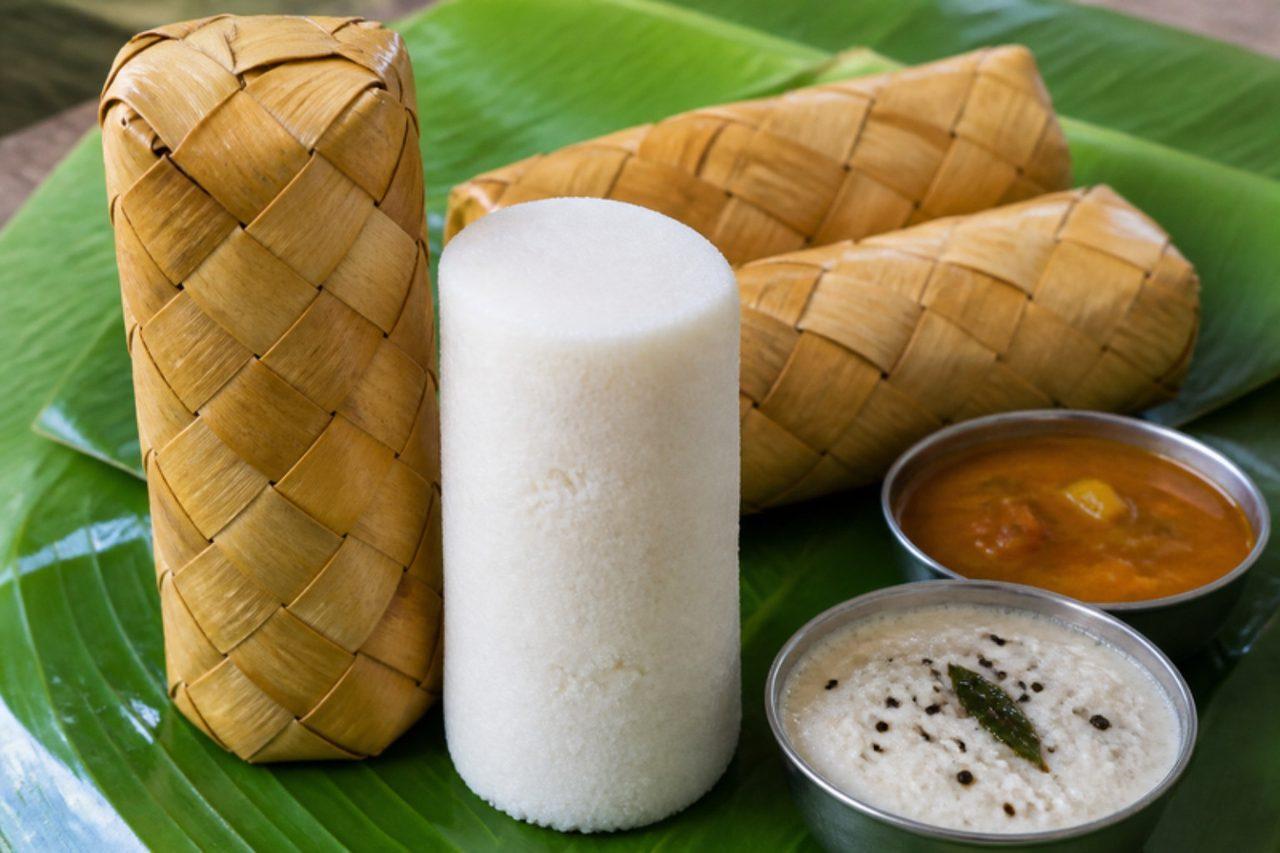
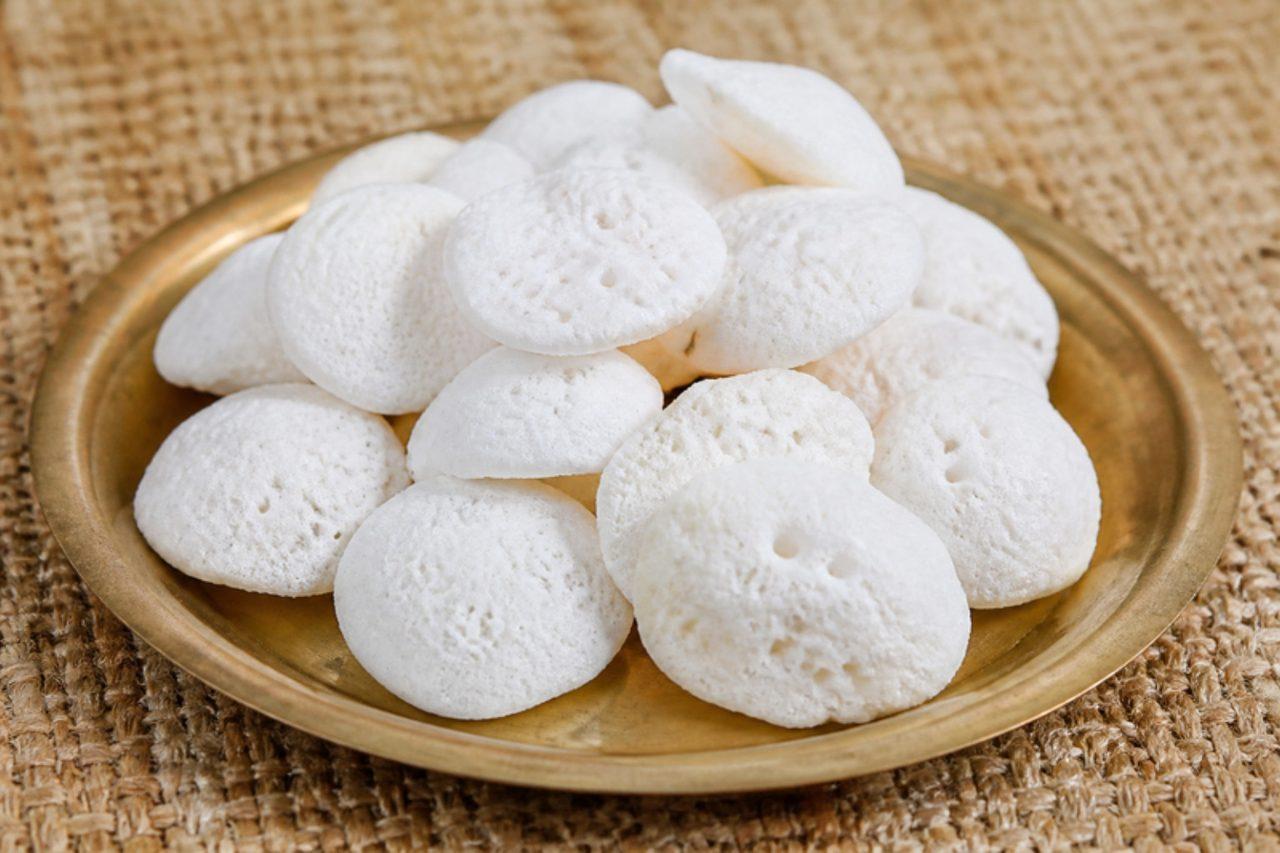
Moode is the festive idli of Mangaluru and Udupi, made for Krishna Janmashtami, Ganesh Chaturthi and big family breakfasts. The batter goes into tall cylinders woven from kedige (screwpine) leaves, which perfume the soft, spongy rice cake with a floral scent you can't get any other way; markets on the coast sell the woven moulds ready to fill. Slice it into thick rounds and serve with coconut chutney, sambar or a spicy chana gassi. The common mistake is filling the leaf moulds to the brim: the batter rises as it steams and spills out, leaving a dense cake. Fill them only two-thirds full. Chef's tip: if you can't find screwpine leaves, roll banana leaves into tight cones and tie them with string; the shape and steaming are the same, only the scent is milder.

by KrazyBadal 0 views

Thunka puriGiant puffed puris

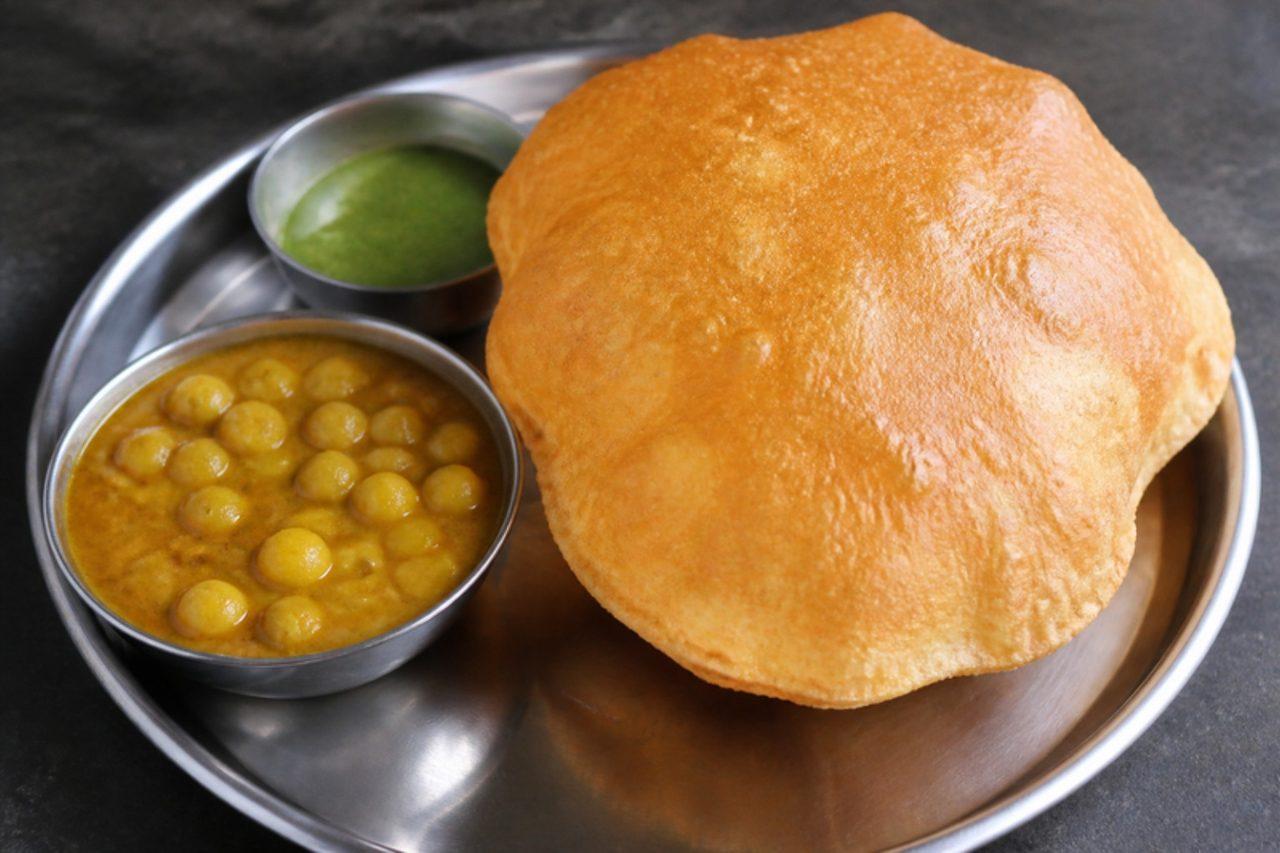
Every Kartik Purnima, Cuttack holds Bali Jatra on the banks of the Mahanadi, a huge open-air fair that remembers the Odia sailors who once set off for Bali and Java; families float little paper and banana-bark boats at dawn and spend the day eating at the stalls. Thunka puri is the fair's famous snack: puris rolled as big as a plate, which balloon into hollow golden domes in the oil and are torn open over a bowl of hot ghugni (yellow pea curry), onion and tamarind chutney. Common mistake: oil that is not hot enough or dough that is too soft; the puri then drinks oil and stays flat. Get the oil to about 190 °C, so a pinch of dough rises at once, and it is done when it is puffed and pale gold on both sides. Chef's tip: slide the puri in, then gently press the centre with a slotted spoon and splash hot oil over the top; it will puff fully within seconds.

by KrazyBadal 0 views

ChooriCrumbled roti with ghee and sugar

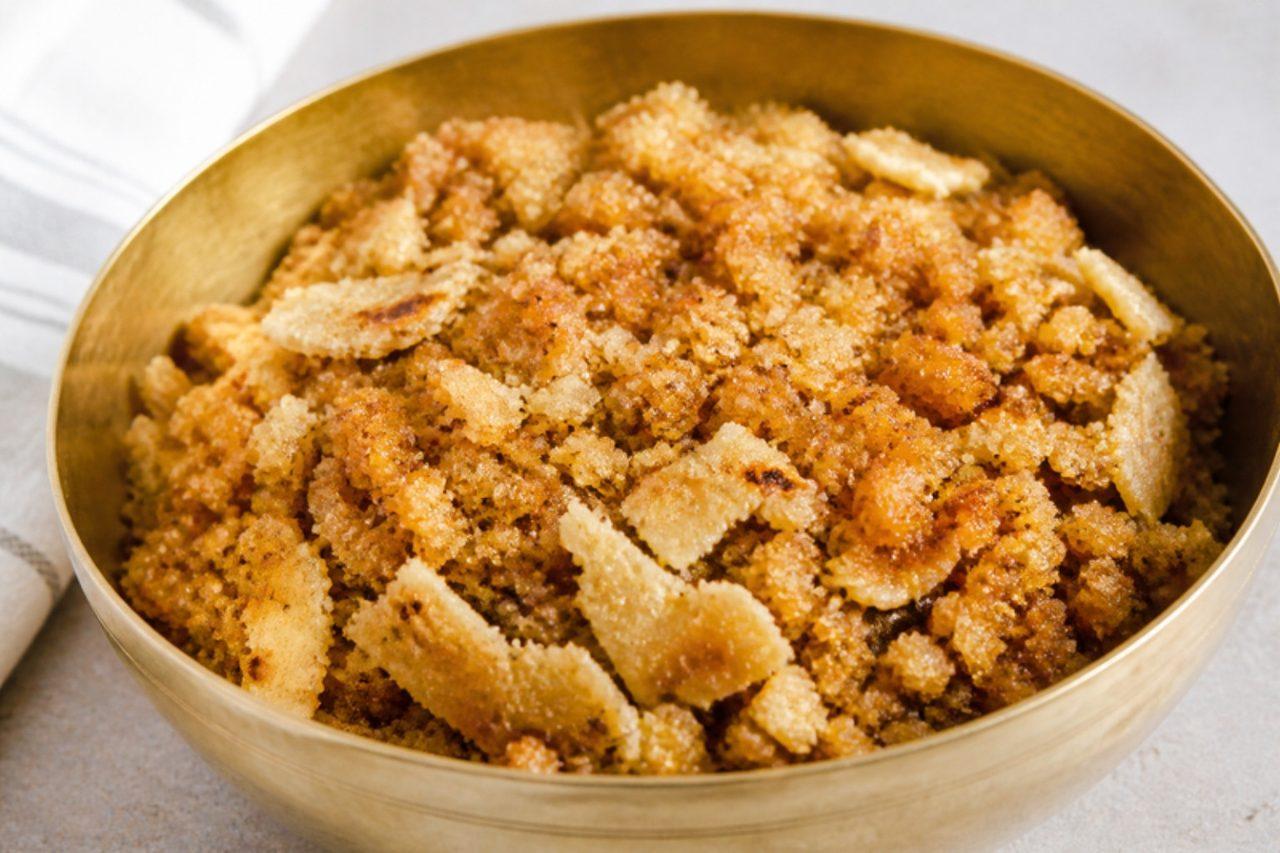
In Punjabi villages choori is what a grandmother makes when a child comes home hungry before dinner: a warm roti or leftover paratha crumbled by hand into ghee and shakkar until it turns into soft, sweet, buttery crumbs. It is eaten with a glass of tea or milk in the late afternoon, and in many homes a bowl is set aside as an offering on Sankranti and at the gurdwara. The common mistake is using cold, leathery rotis straight from the box: the ghee won't soak in and the sugar stays gritty. Warm them on the tawa first until they are soft and just crisp at the edges. Chef's tip: a pinch of crushed fennel and some chopped almonds turn it into a little treat for guests.

by KrazyBadal 0 views

Vella seedaiJaggery-glazed rice flour balls

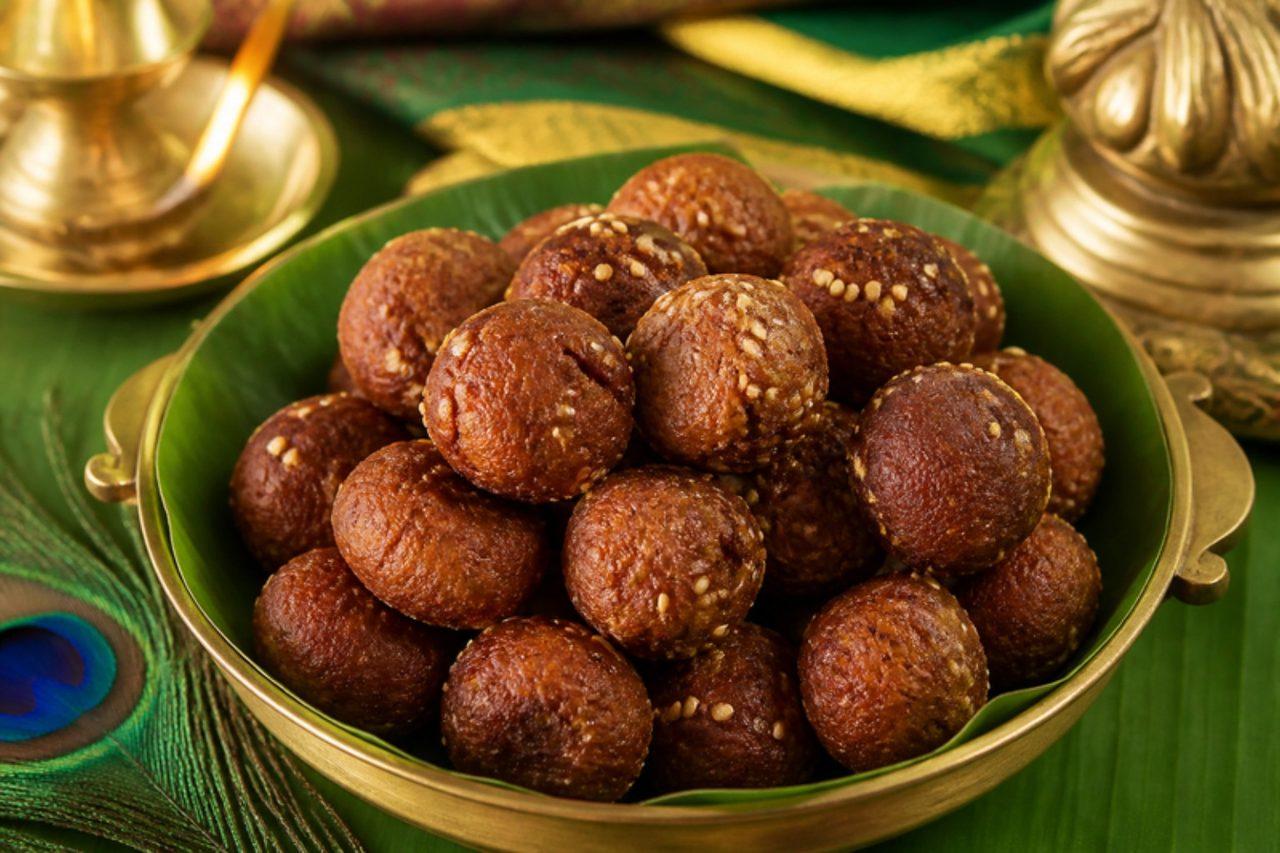
Next to the salty seedai on the Gokulashtami tray in Tamil Nadu sit vella seedai, the sweet twin: rice and urad flour kneaded with jaggery syrup, sesame and cardamom, rolled into slightly larger balls and fried to a deep brown crunch. They are offered to Krishna with butter, aval and fruit, then shared with neighbours. Common mistake: using hot syrup, which cooks the flour into a sticky mass and makes the balls burst; the syrup should be strained, cooled to warm and only cooked to a thin, sticky stage, not to a string. They are fried when the oil goes quiet and they turn deep golden-brown. Chef's tip: let the dough rest covered for 30 minutes before rolling; it firms up and the balls hold their shape.

by KrazyBadal 0 views

ManoharamRice flour sticks in jaggery syrup

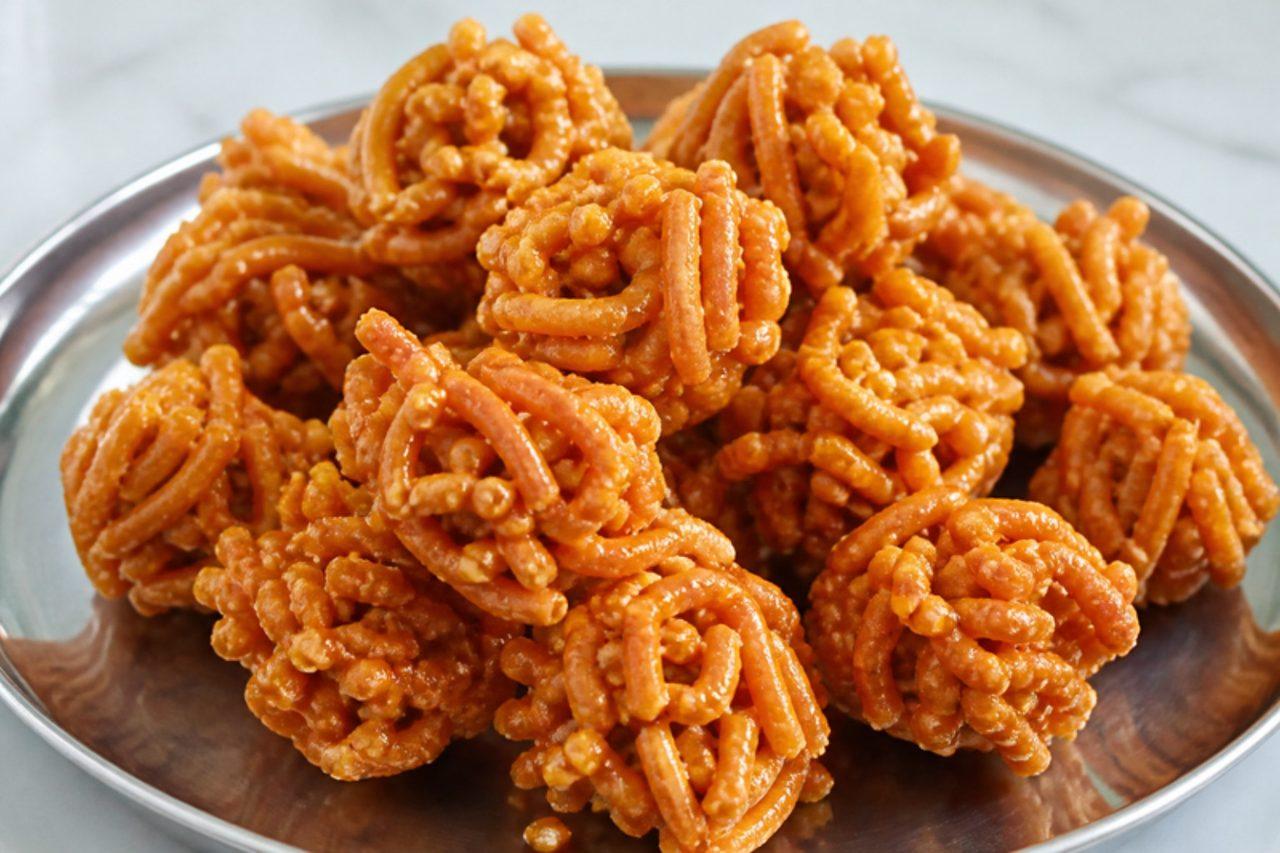
Manoharam is a Chettinad sweet made for weddings and the sweet trays of Deepavali, often shaped into a tall cone for the bridal seer. Short, crisp sticks of rice and moong flour are pressed and fried, then tossed in a jaggery syrup cooked to the hard-ball stage, so the syrup sets around them into a crunchy, molasses-sweet cluster. It is eaten in small pieces with coffee and keeps for weeks. The usual mistake is undercooked syrup, which never sets and leaves the sticks soggy; test it in cold water until it snaps. Chef's tip: have the fried sticks warm and ready in a wide greased bowl before the syrup reaches the right stage, as it starts setting within a minute.

by KrazyBadal 0 views

Mangai pachadiRaw mango and jaggery relish

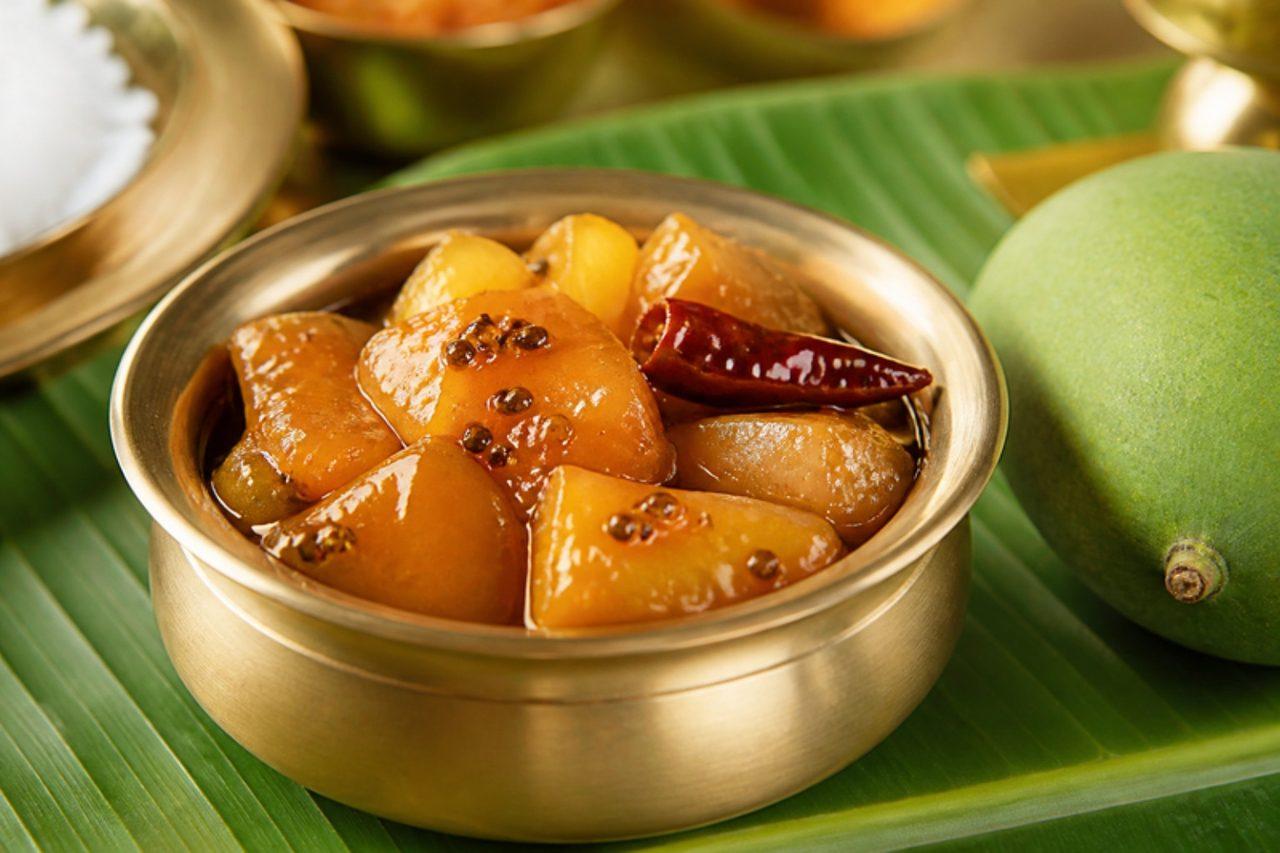
Every Tamil New Year plate in April has a small heap of mangai pachadi, sweet, sour, hot and bitter at once, so that the first meal of the year tastes of everything life will bring. Chunks of raw mango are cooked soft, simmered in jaggery and finished with a mustard tempering and a pinch of fried neem flowers. It is glossy and thick, eaten in small spoonfuls with rice, sambar and payasam. The common mistake is cooking it down too far: it thickens a lot as it cools, so stop when the syrup coats the spoon but still drips off slowly. Cook the mango first until a piece mashes easily; jaggery added to hard mango stops it softening. Chef's tip: choose firm, very sour mangoes; sweet, half-ripe ones go mushy and lose the sharp contrast.

by KrazyBadal 0 views

GojhaSweet coconut half-moon pastries

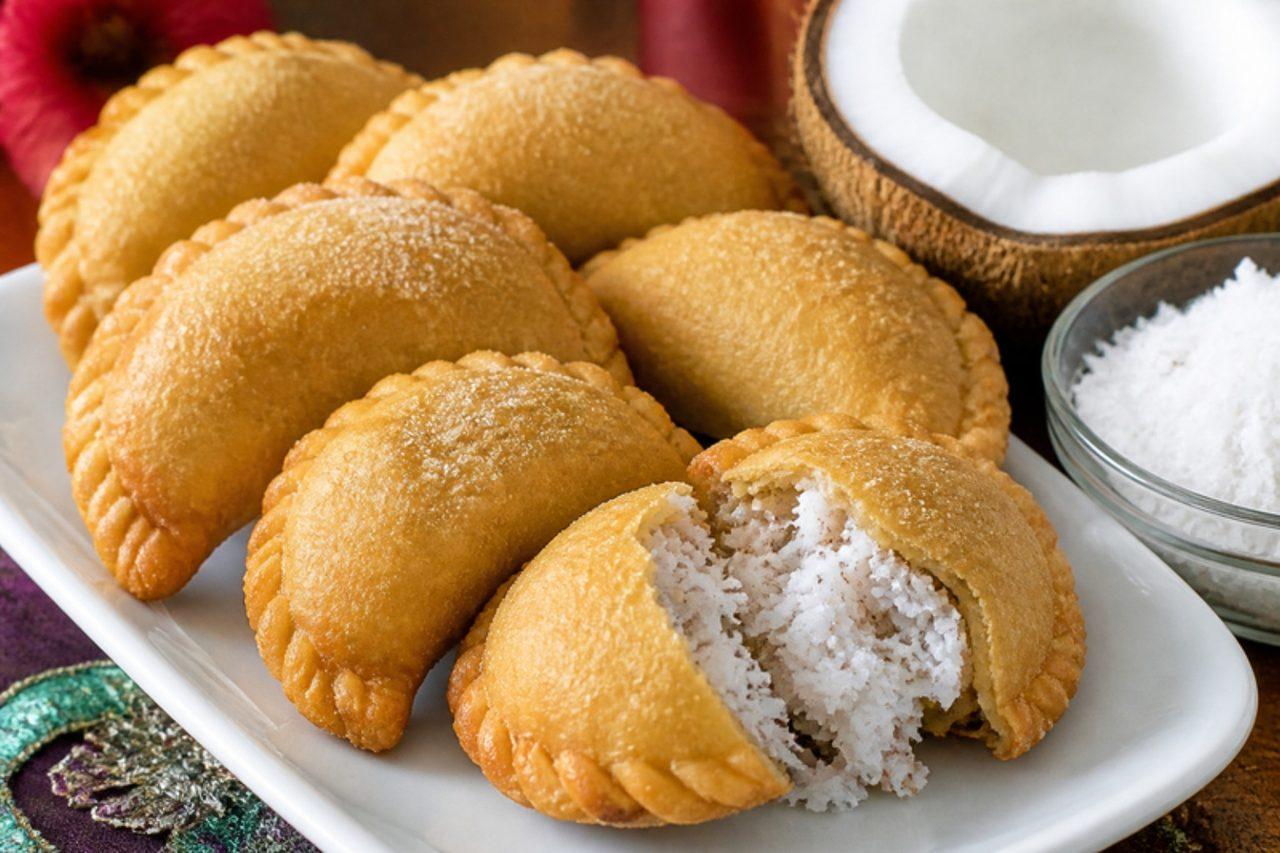
When Divali comes to Trinidad, Hindu families light rows of clay deyas along bamboo frames, and the kitchen fills up with sweets to share with neighbours of every faith: kurma, parsad, barfi and gojha. Gojha are the Caribbean cousin of the North Indian gujiya: a short dough rolled thin, filled with grated coconut cooked with brown sugar, cinnamon, nutmeg and ginger, folded into half-moons, crimped and fried golden; the same tray reappears at Phagwah, the spring colour festival. Common mistake: frying in oil that is too hot, which browns the outside while the pastry stays raw; keep the oil at about 170 °C and fry until the bubbles slow and the gojha are evenly golden. Chef's tip: seal the edges with a dab of water and crimp them tightly, or the filling leaks and spits in the oil.

by KrazyBadal 0 views

Ugadi pachadiSix-taste new year relish

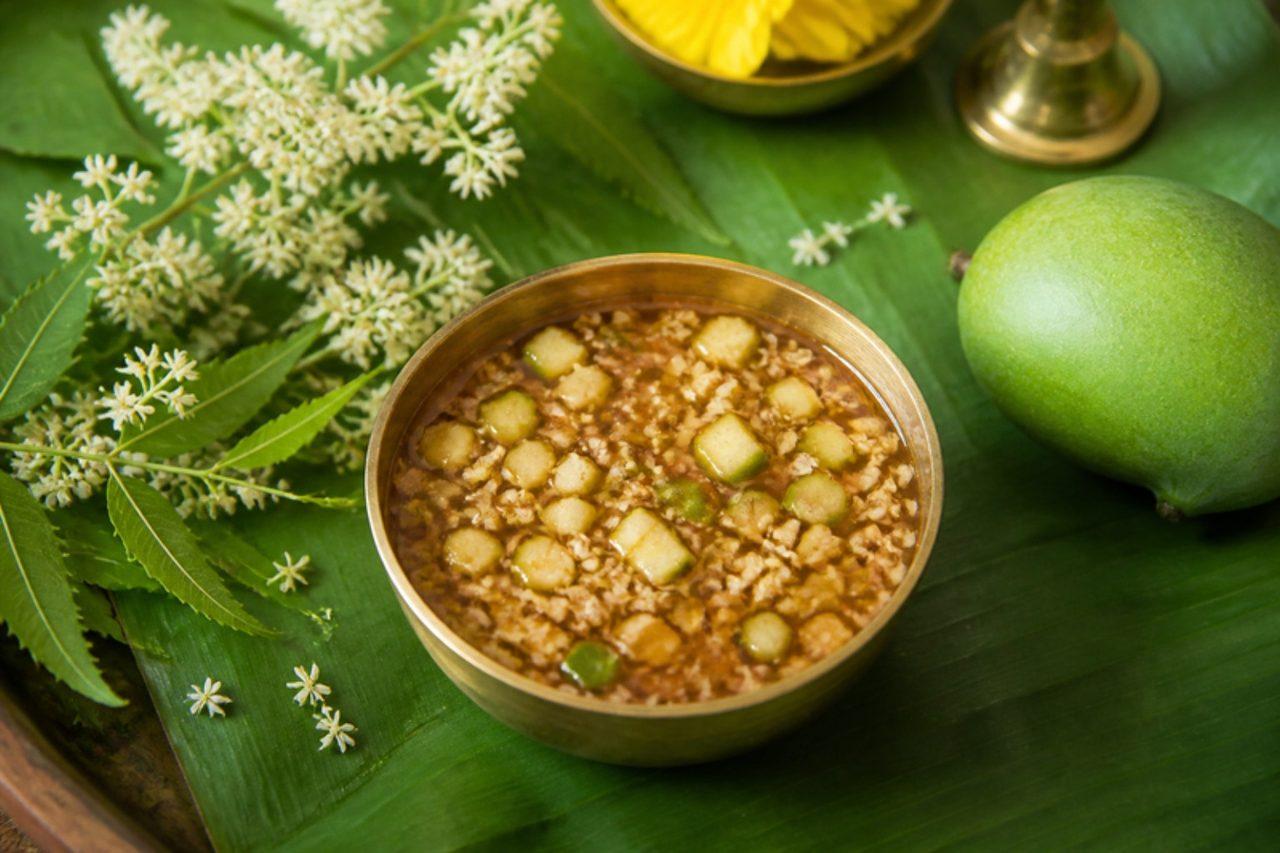
On Ugadi morning in Andhra Pradesh, Telangana and Karnataka, the first thing anyone eats after the oil bath and prayers is a spoonful of this pachadi, handed round in a small steel cup. Each ingredient stands for a feeling the coming year will bring: jaggery for joy, bitter neem flowers for sorrow, sour tamarind for disgust, raw mango for surprise, pepper for anger and salt for fear, so tasting them together is a quiet promise to accept whatever comes. In Maharashtra, Gudi Padwa begins with a close cousin, tender neem leaves ground with jaggery, cumin and tamarind. The finished pachadi is thin, sweet first, then sharp and faintly bitter. The common mistake is a heavy hand with neem: half a spoon too much and bitterness drowns every other taste. Stir until the jaggery has dissolved completely and no grains crunch against the spoon. Chef's tip: make it on the morning itself, as the cut mango softens and the neem turns muddy if it sits overnight.

by KrazyBadal 0 views

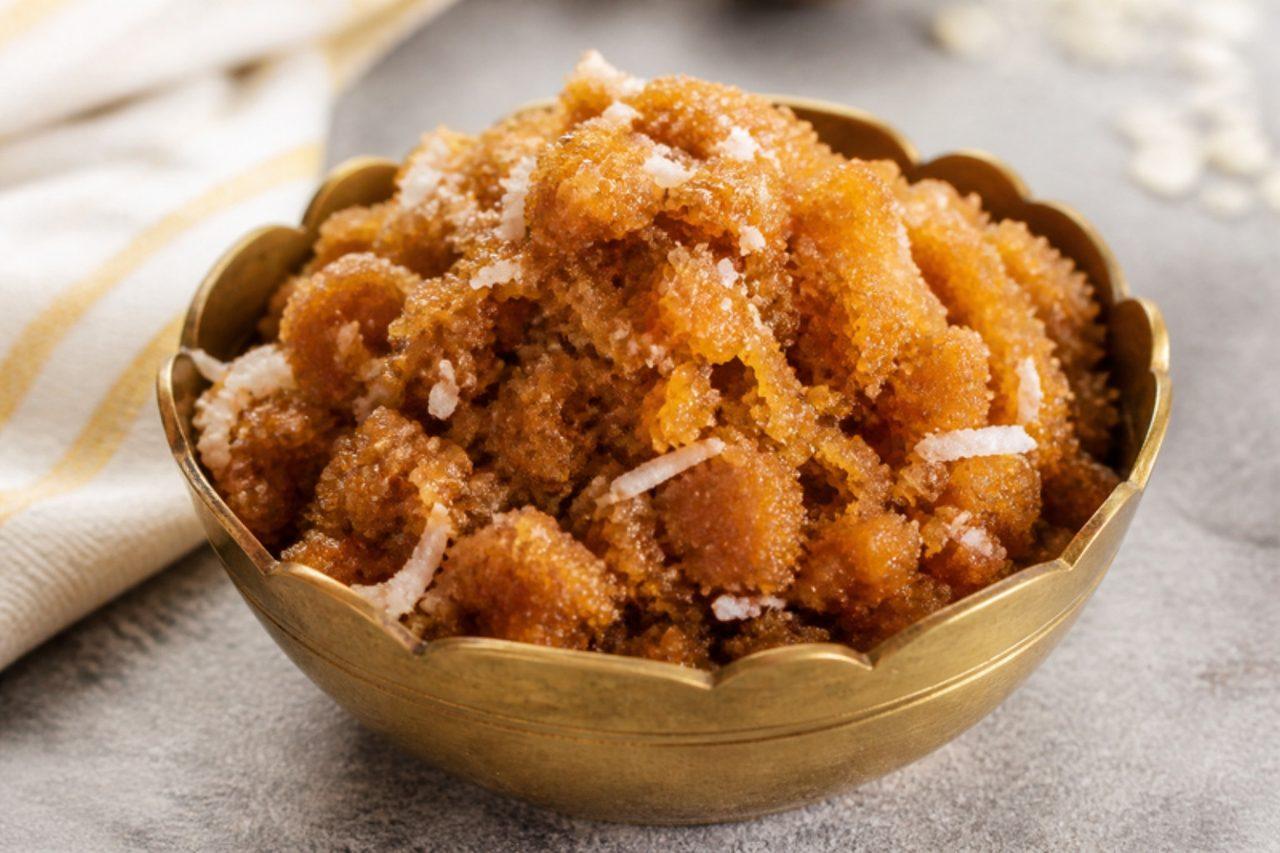
Thiruvathirai kaliRice and moong dal with jaggery

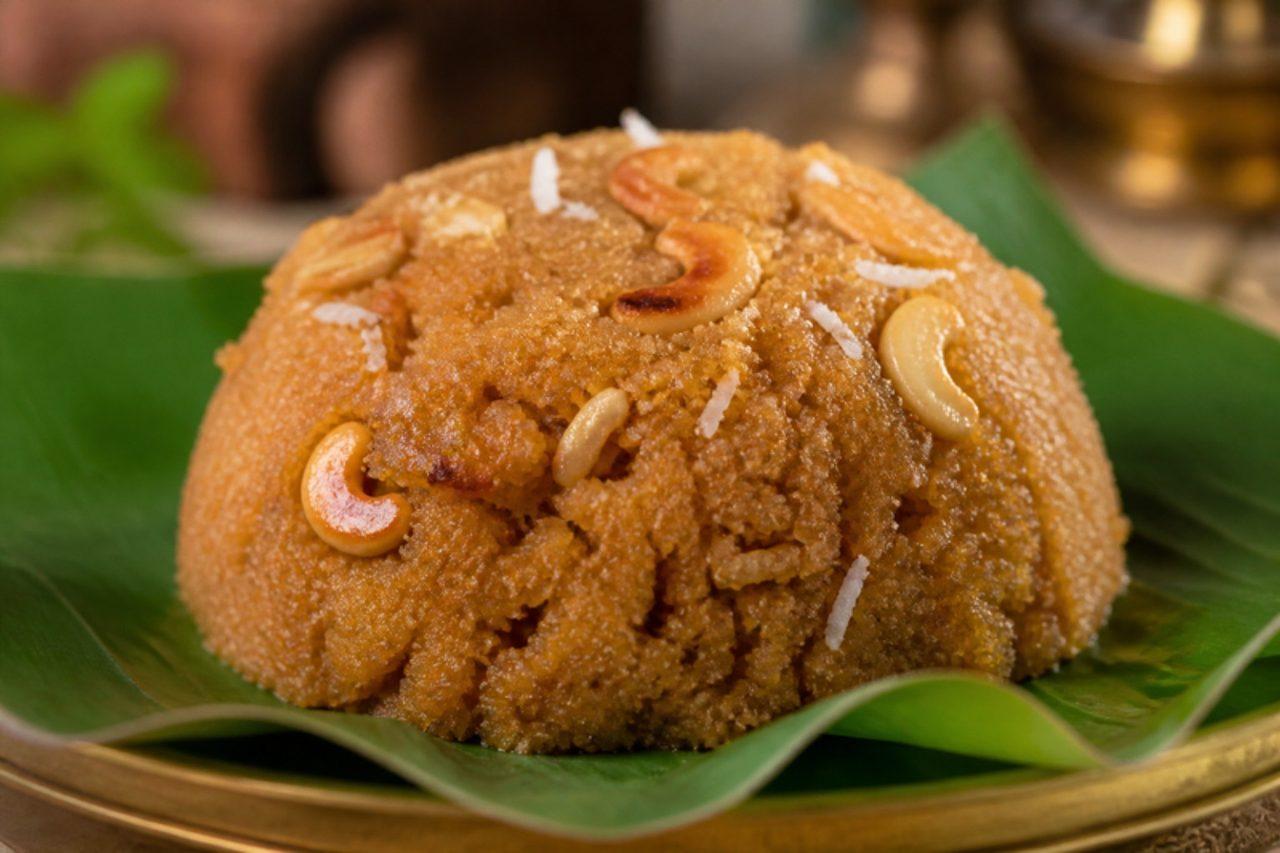
On Arudra Darshan in the Tamil month of Margazhi, temples across Tamil Nadu, Chidambaram above all, celebrate Shiva as Nataraja, and homes offer him kali with ezhu kari kootu at dawn. The rice and a little moong dal are dry-roasted until fragrant, ground to a coarse rava and then cooked in jaggery water until soft and set, a loose, grainy sweet rather than a smooth halwa. Grated coconut, cardamom and plenty of ghee finish it. Common mistake: grinding the roasted rice to a fine flour, which cooks into a sticky paste; you want grains like fine semolina, and the kali is done when it leaves the sides of the pan and the ghee glistens on top. Chef's tip: roast the rice only until it smells like popcorn and turns faintly golden; any darker and the kali tastes bitter.

by KrazyBadal 0 views

Mangodi ki sabziMoong dal nuggets in yogurt gravy

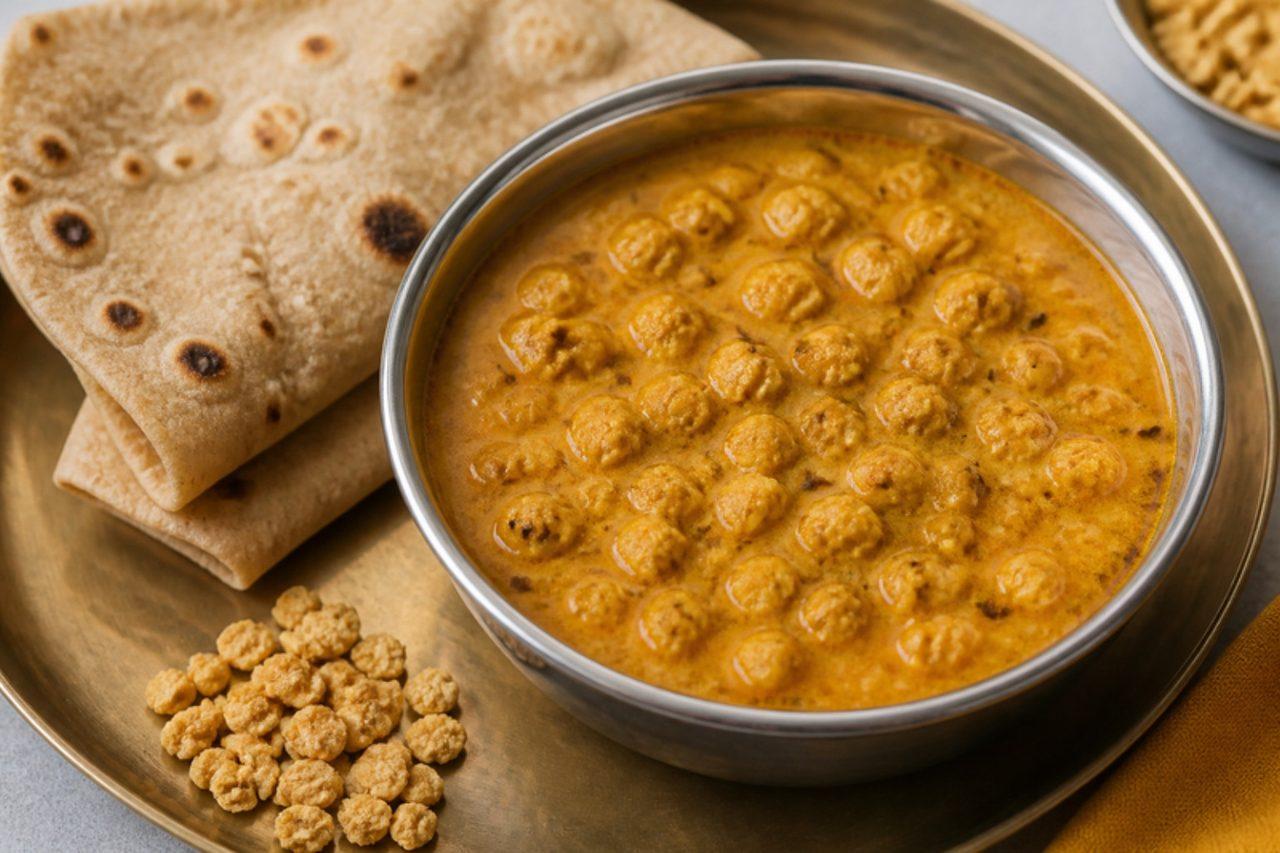
Mangodi are little sun-dried nuggets of ground moong dal that Rajasthani women make in summer and store for months; during Paryushan, when Marwari Jain homes give up green vegetables, they become the sabzi itself. Here they are fried golden, then simmered in a spiced yoghurt gravy with no onion, garlic, fresh ginger or tomato, so the dish is fully Jain. The nuggets soak up the tangy gravy and turn soft but still a little chewy; serve with phulka or bajra roti. Use freshly set curd, as many Jains avoid curd kept overnight. Common mistake: pouring yoghurt straight into a hot pan, which makes it split into grainy curds; whisk it with gram flour first and keep stirring until it comes to the boil. Chef's tip: fry the mangodi until deep golden; pale ones stay hard in the middle however long they simmer.

by KrazyBadal 0 views

DindeSteamed chana jaggery parcels

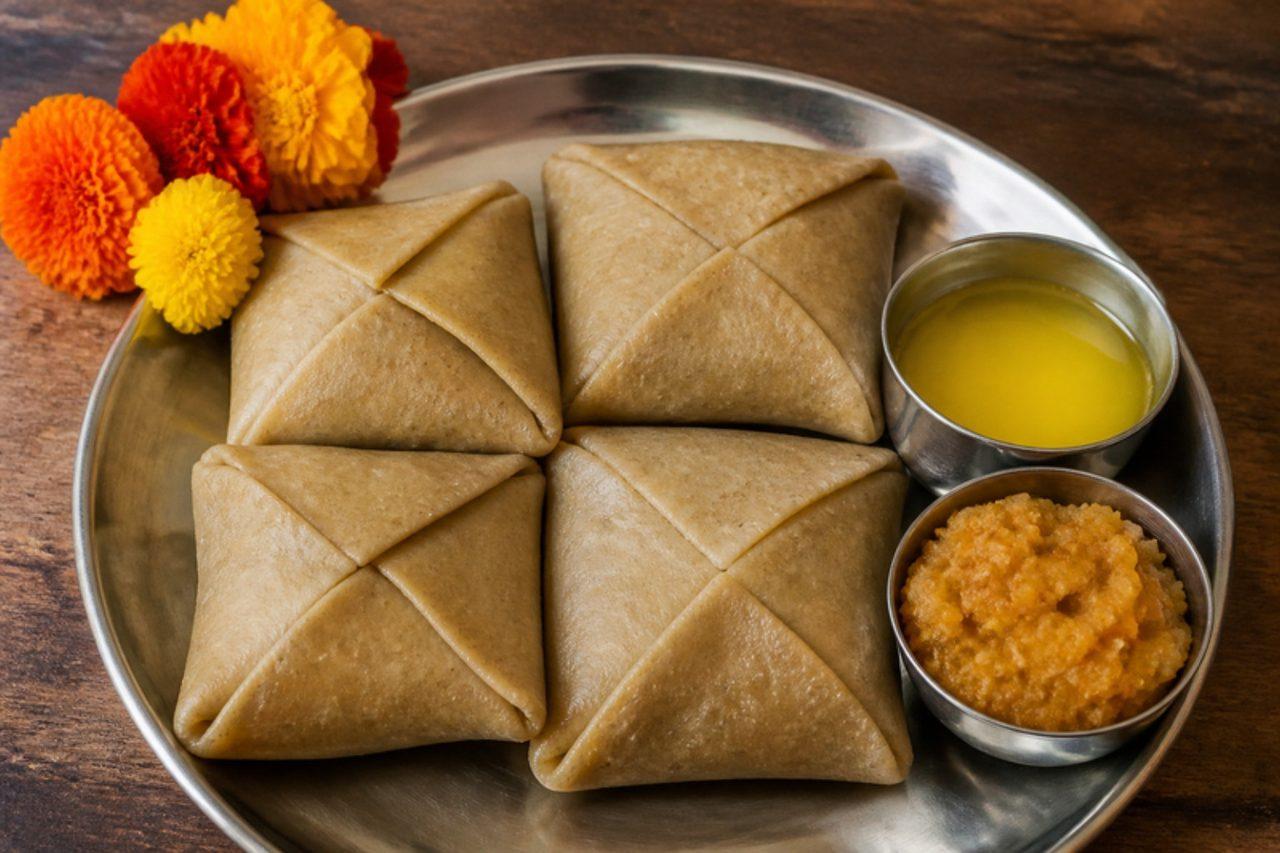
On Nag Panchami in Maharashtra, women draw snakes in turmeric, offer milk and lahya at anthills, and by custom nothing is cut, chopped or fried on the tava that day, so the festival sweet is dinde: wheat-dough squares folded around puran (chana dal and jaggery) and steamed. They are soft, a little chewy and fragrant with nutmeg and cardamom, eaten warm with ghee. Common mistake: wet puran that leaks; cook the dal and jaggery until the mixture is thick and a spoon stands upright in it, then cool before filling. Chef's tip: steam the dinde on a greased banana leaf or plate and keep the seams down, so they keep their square shape.

by KrazyBadal 0 views

Meethe pudeJaggery fennel pancakes

Teeyan, Punjab's monsoon festival of Teej, is when married daughters visit their parents, girls swing from neem trees and dance giddha, and the food that comes out on rainy afternoons is kheer with meethe pude: thin wheat-flour pancakes sweetened with jaggery and fennel, shallow-fried in ghee until lacy at the edges. They are soft in the middle and crisp round the rim. Common mistake: a thick batter, which gives heavy, doughy pude; it should pour like single cream, and each pancake is ready to flip when the edges brown and lift from the pan. Chef's tip: rest the batter for 20 minutes so the flour hydrates; the pude spread thinner and crisp better.

by KrazyBadal 0 views

BatashaPuffy sugar drops

On Pohela Boishakh, the Bengali New Year in mid-April, the fairs that spring up in Dhaka, across Bangladesh and in West Bengal sell batasha by the basket, and shopkeepers hand them out with sweets as they open their new account books for halkhata. Temples receive them as offerings, and children crunch them on the way home. They are simply sugar boiled hot, then foamed with a pinch of soda and dropped in coins that set airy, crisp and melt-in-the-mouth. The common mistake is pulling the syrup off too early: below the hard-ball stage the drops spread flat and stay sticky. The syrup is ready at about 125 °C, when a drop in cold water forms a firm ball that keeps its shape. Chef's tip: work fast once the soda goes in, because the syrup sets within a minute; ask someone to help you drop them.

by KrazyBadal 0 views

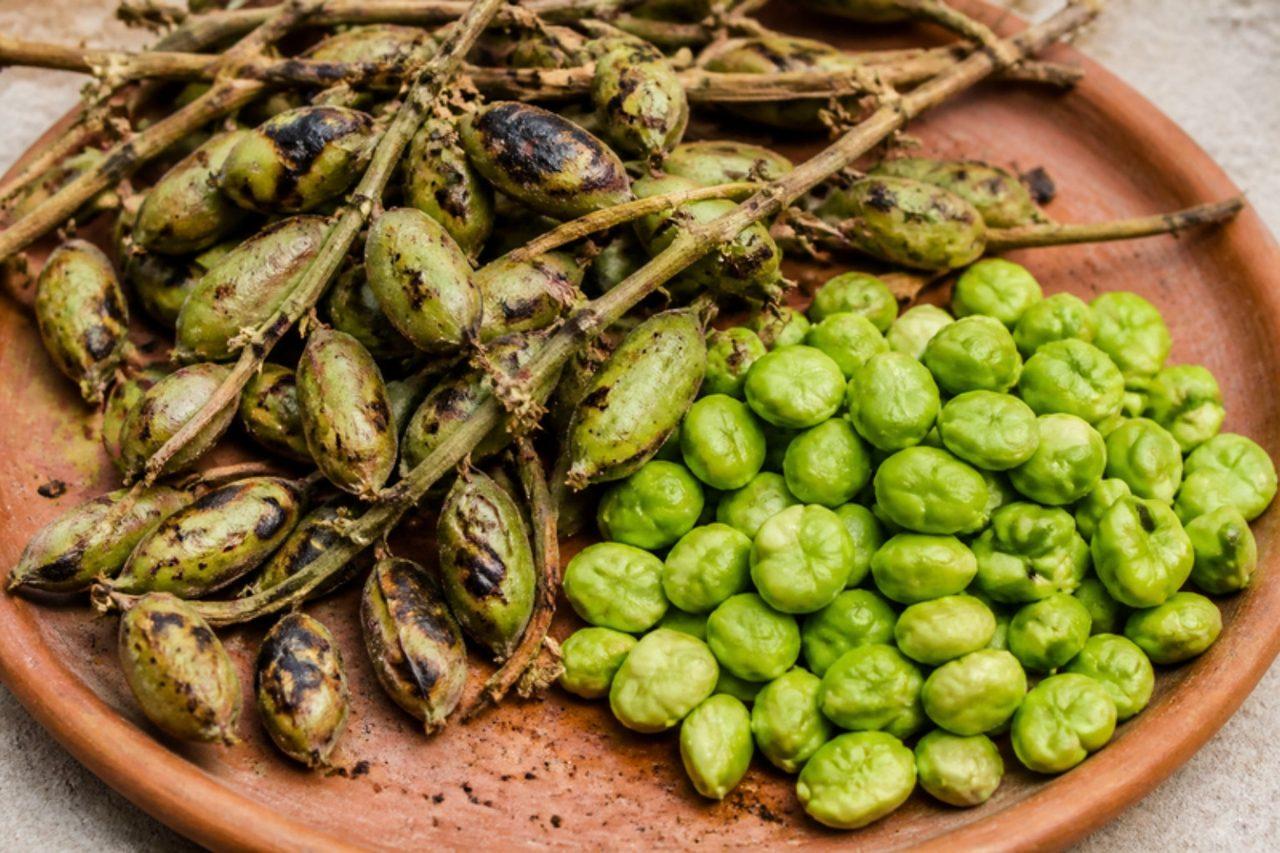
HolanRoasted green chickpeas

In late winter, around the time of Holi, village children in rural Punjab pull up bunches of green chickpea plants from the edge of the field and throw them onto a small fire of dry stalks. Once the pods blacken they rake them out and shell them hot, blowing on their fingers, and the bright green peas inside taste smoky, sweet and nutty. At home you can do the same in a heavy iron kadai. The mistake is leaving them on until the pods are fully burnt; by then the peas inside are dry and hard. Stop when the pods are blistered black in patches and the peas are just tender. Chef's tip: a pinch of salt and chilli with a squeeze of lemon on the shelled peas turns them into a quick chaat.

by KrazyBadal 0 views

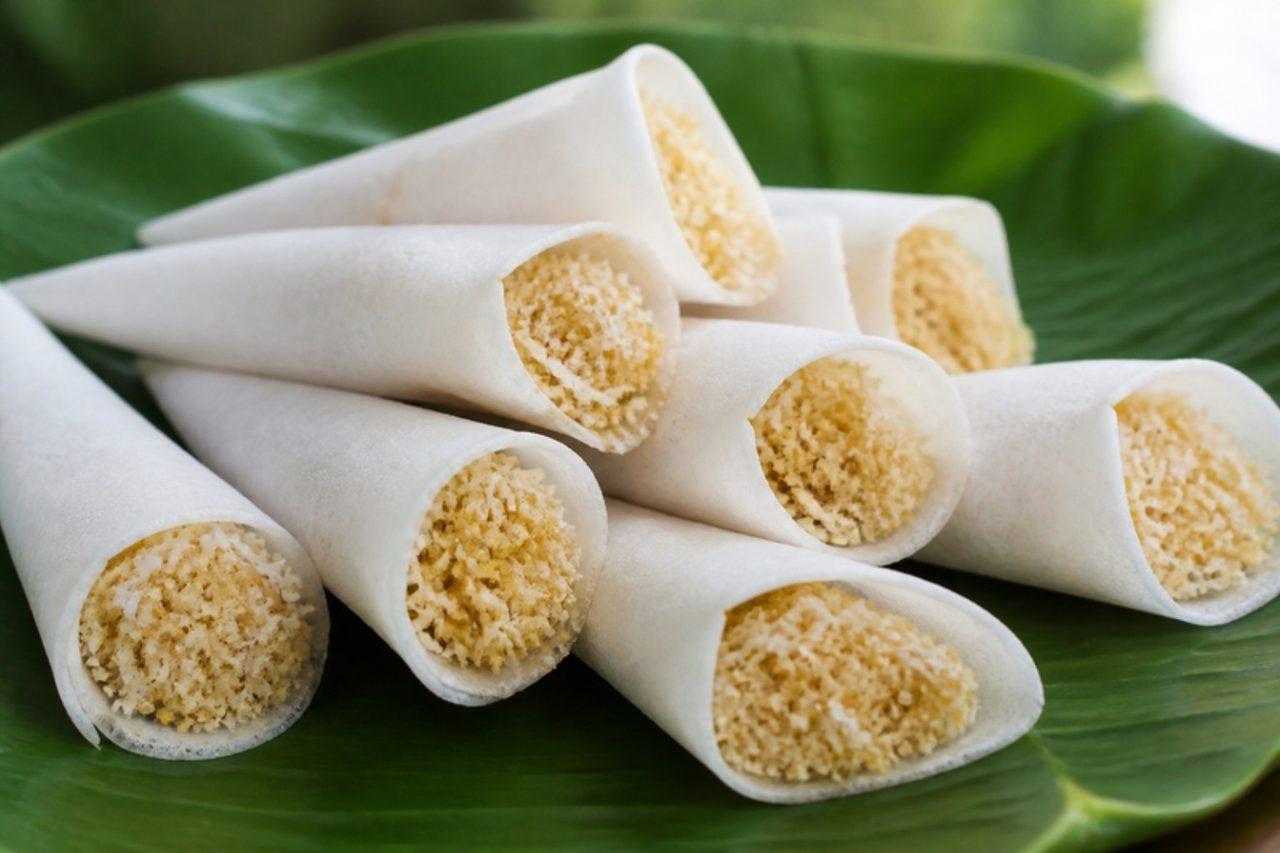
ChuruttuRice wafer cones with coconut filling

Churuttu, 'the roll', is a wedding sweet of the Syrian Christian families of central Kerala, around Kottayam, Pala and Changanassery, where aunts sit together for a day before the wedding shaping hundreds of these cones for the guests to take home. Paper-thin rice wafers are rolled into cones, filled with a sweet crumble of roasted rice flour, coconut and cardamom, sealed and dried until crisp. They shatter at the first bite and melt to a sweet, toasty dust. The mistake is a wet filling; damp coconut softens the cones within a day, so the filling must be roasted dry. Chef's tip: work with one wafer at a time and keep the rest under a damp cloth; they crack if they dry before rolling.

by KrazyBadal 0 views

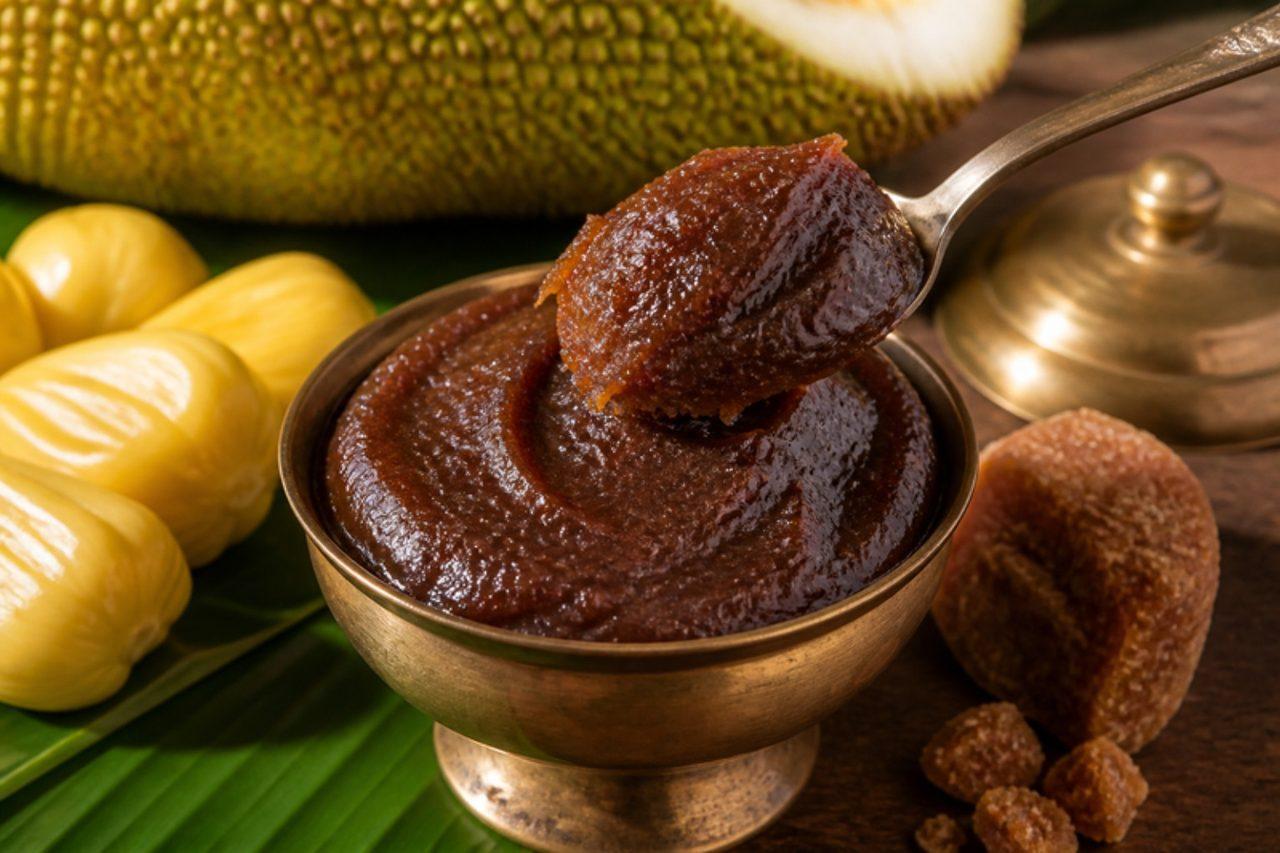
Chakka varattiJackfruit jaggery preserve

Vishu arrives in April when Kerala's jackfruit trees are heavy, and homes turn the glut into chakka varatti, a dark, glossy jam stirred for well over an hour in a wide uruli. It is eaten by the spoon, spread on dosa, and kept in jars for the payasam and ada made at festivals through the year. The taste is deep and caramel-like, with the floral sweetness of ripe jackfruit. The common mistake is cooking it on a high heat to save time: jaggery burns quickly and turns the whole batch bitter. It is done when the ghee starts to separate and shine at the edges, the colour is a dark mahogany brown, and the mass rolls round the pan as one lump. Chef's tip: use only very ripe, fragrant jackfruit bulbs, and if your jackfruit is the firm varikka type, steam it first so it purées smoothly.

by KrazyBadal 0 views

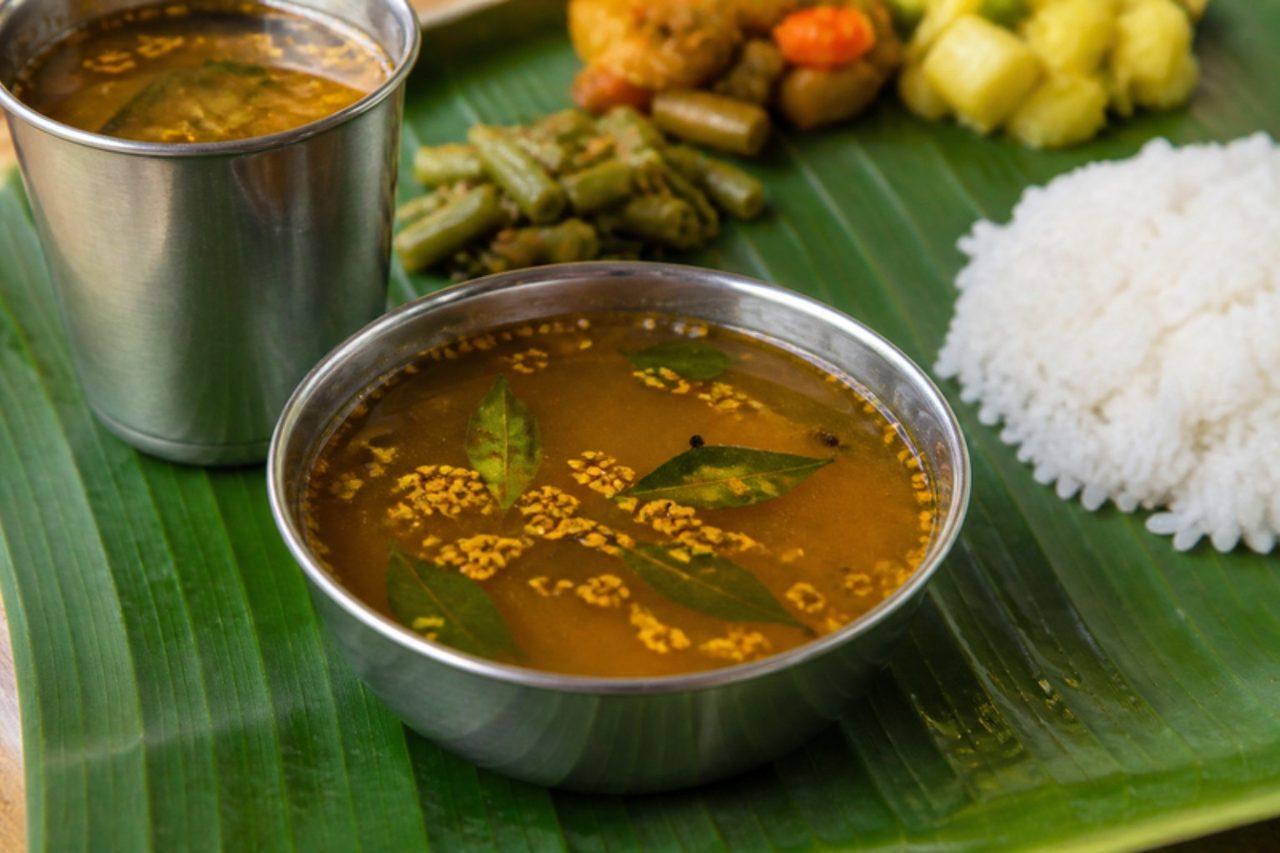
Veppampoo rasamNeem flower rasam

Puthandu, the Tamil New Year in mid-April, falls when neem trees across Tamil Nadu are in flower, and the festive lunch has a little bitterness on purpose, to remind everyone that the year will bring both sweet and bitter. Veppampoo rasam does it gently: dried neem flowers are fried in ghee until crisp and stirred into a light tamarind rasam with pepper and cumin. It is thin, warming and sour, with a toasty bitter finish, and it is poured over rice or sipped from a tumbler. The common mistake is burning the flowers; they turn from golden to black in seconds and taste acrid, so have the rasam ready before you heat the ghee. The rasam is ready when it froths up to the top of the pan; take it off before it reaches a rolling boil. Chef's tip: fry a few extra flowers and scatter them over each serving for crunch.

by KrazyBadal 0 views

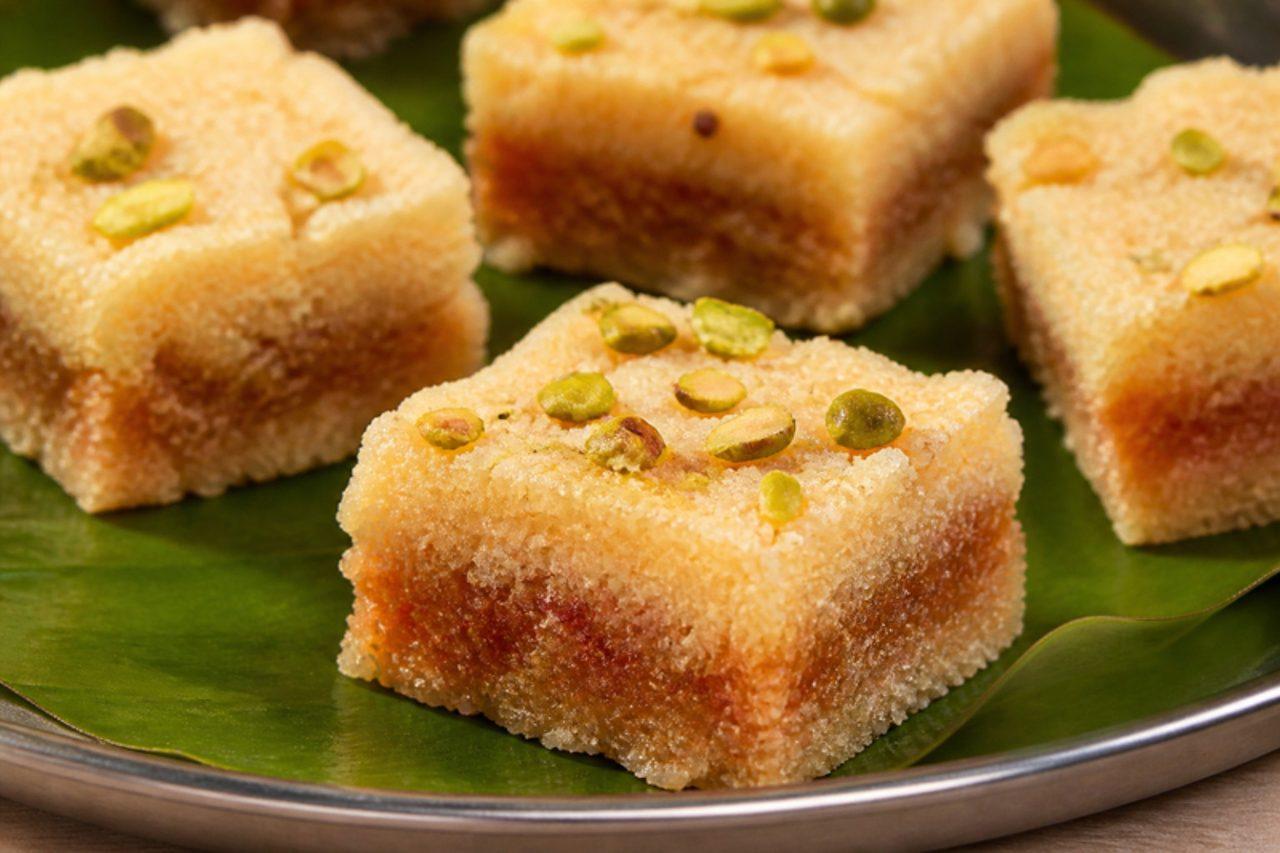
Alwar milk cakeGrainy reduced-milk sweet

Sweet boxes swapped on Raksha Bandhan in Rajasthan very often hold Alwar milk cake: a dense slab of full-fat milk reduced for hours with sugar, then left to set slowly in its own heat so the middle caramelises dark brown while the edges stay pale and grainy. Unlike kalakand, it uses no chhena at all; the grain comes from souring the milk just a little as it reduces, and the colour from long, patient cooking. It is fudgy, milky and toffee-like. Common mistake: hurrying the last stage on a high flame, which scorches the base instead of browning it; the mass is ready when it leaves the sides of the pan as one sticky lump and the ghee starts to show at the edges. Chef's tip: wrap the filled tin in a thick towel and leave it overnight; that slow cooling is what browns the centre.

by KrazyBadal 0 views

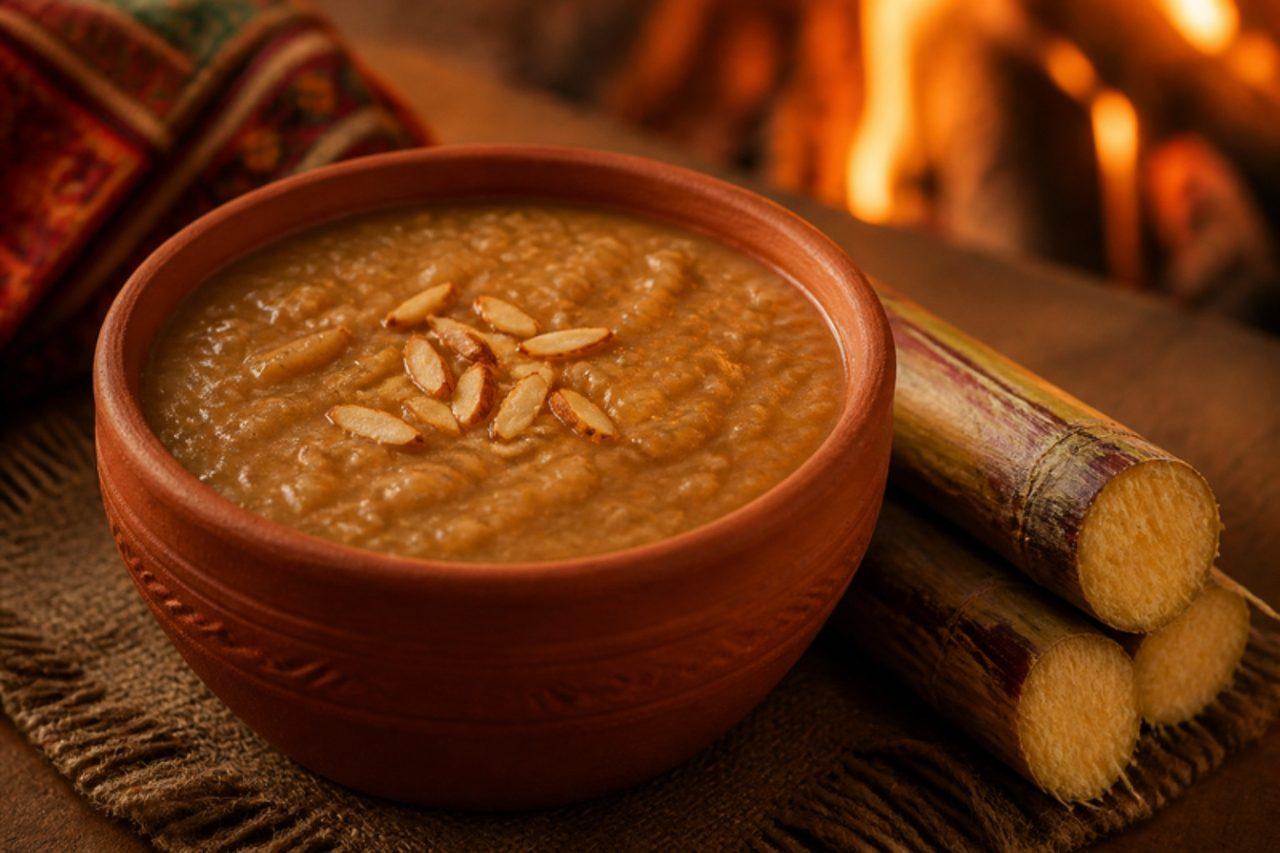
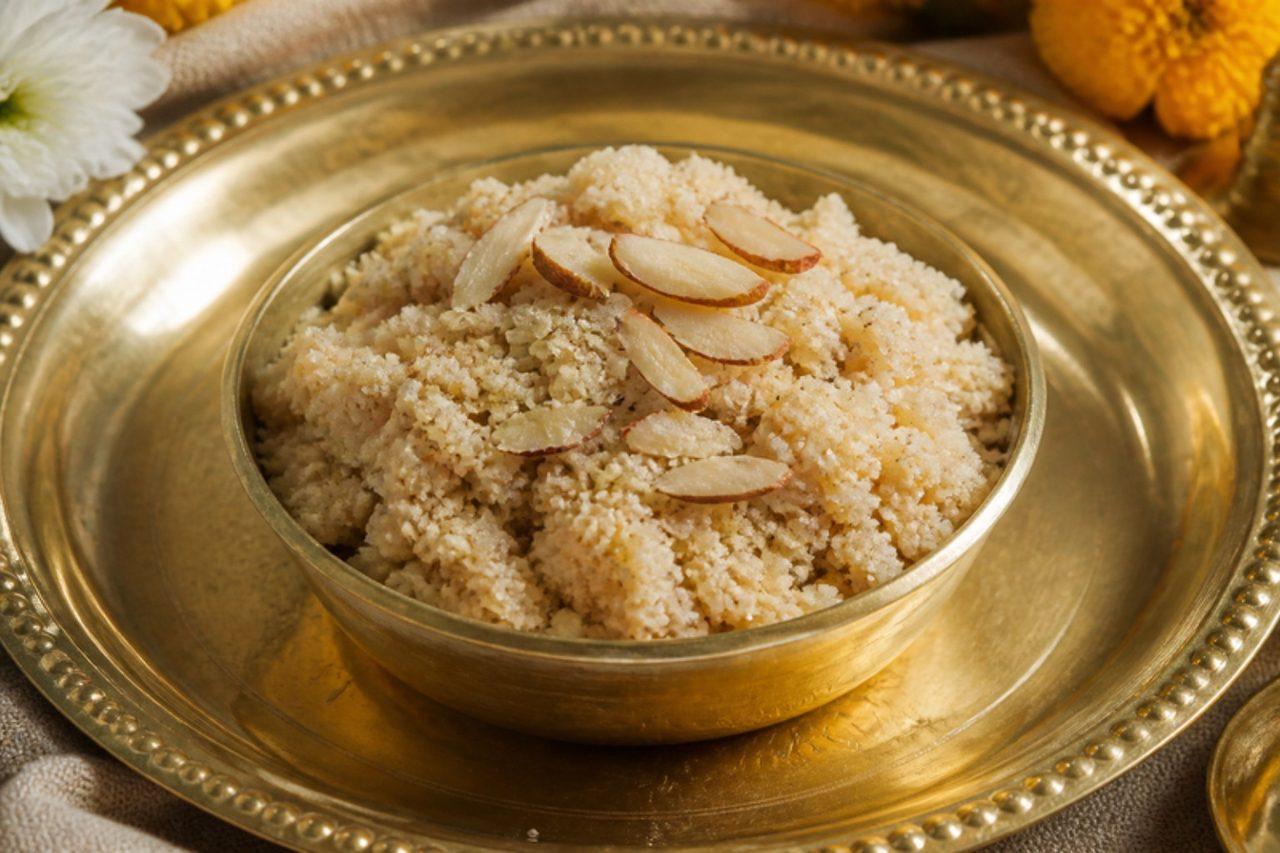
Rauh di kheerRice in sugarcane juice

In Punjabi villages the cane harvest is in by Lohri, and on the night of the bonfire a pot of rice is set to cook slowly in fresh sugarcane juice (rauh) with no milk and no added sugar. The custom is to leave it to cool overnight and eat it cold the next morning, on Maghi, so you will often hear 'poh rinni, magh khaadi': cooked in Poh, eaten in Magh. It sets into a soft, brown, gently caramel pudding that tastes of cane. Common mistake: cooking on a high heat; the juice catches and turns bitter, so simmer it low and stir from the bottom, and it is done when the rice is very soft and the kheer coats the back of a spoon thickly. Chef's tip: skim off all the grey scum as the juice first comes to the boil, or the kheer tastes earthy.

by KrazyBadal 0 views

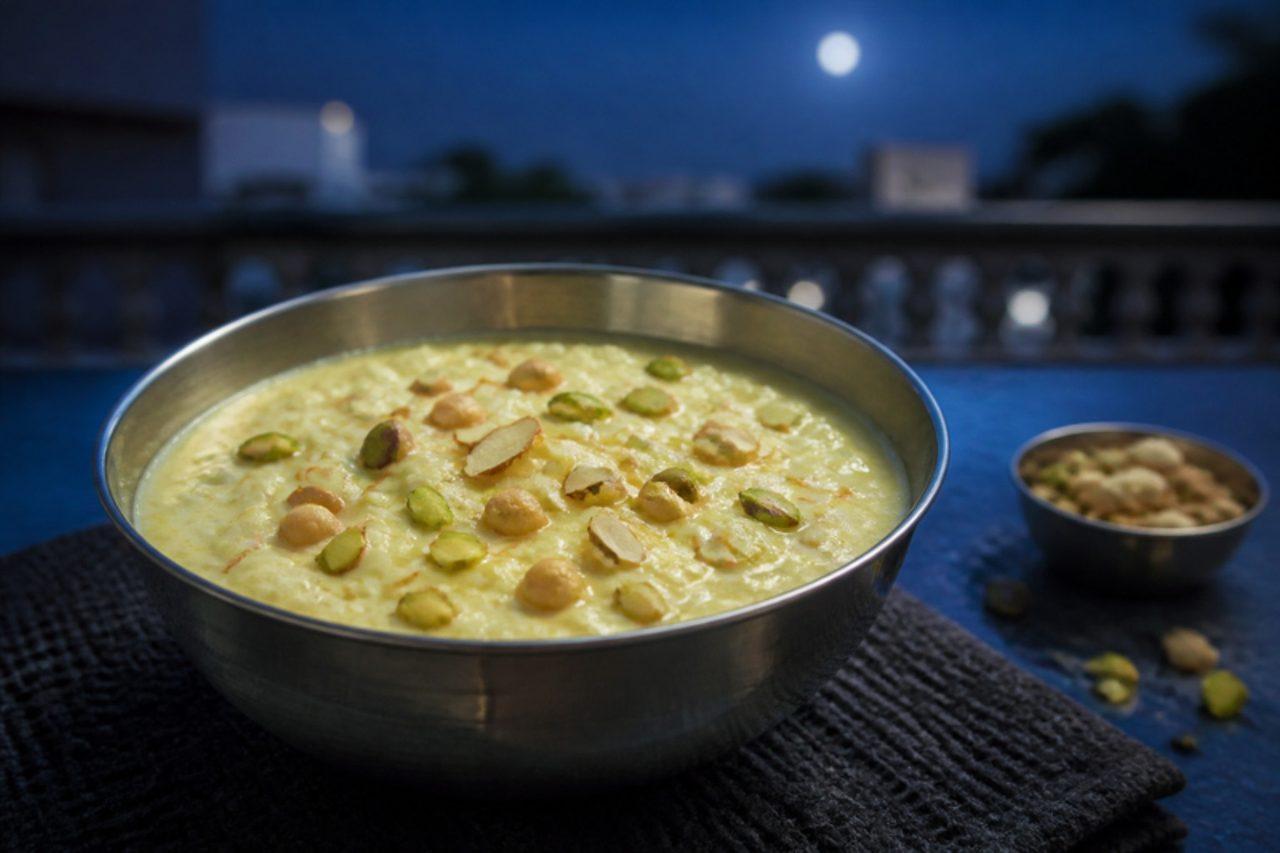
Doodh pauvaChilled saffron milk with flattened rice

Sharad Poonam, the brightest full moon of the year, ends the Navratri season in Gujarat; families sing garba late into the night and leave a bowl of doodh pauva out under the moon, believing its rays make it healing, before eating it cold together. It is thin poha soaked in reduced, sweetened milk with cardamom, saffron and nuts, cooling, soft and lightly creamy, the Gujarati cousin of Maharashtra's Kojagiri masala doodh. Common mistake: adding poha to hot milk or too early, so it turns to porridge; chill the milk first and stir the poha in only 10–15 minutes before eating, when the flakes are soft but still separate. Chef's tip: simmer the milk down by a quarter before chilling; a little reduction gives body without needing cream.

by KrazyBadal 0 views

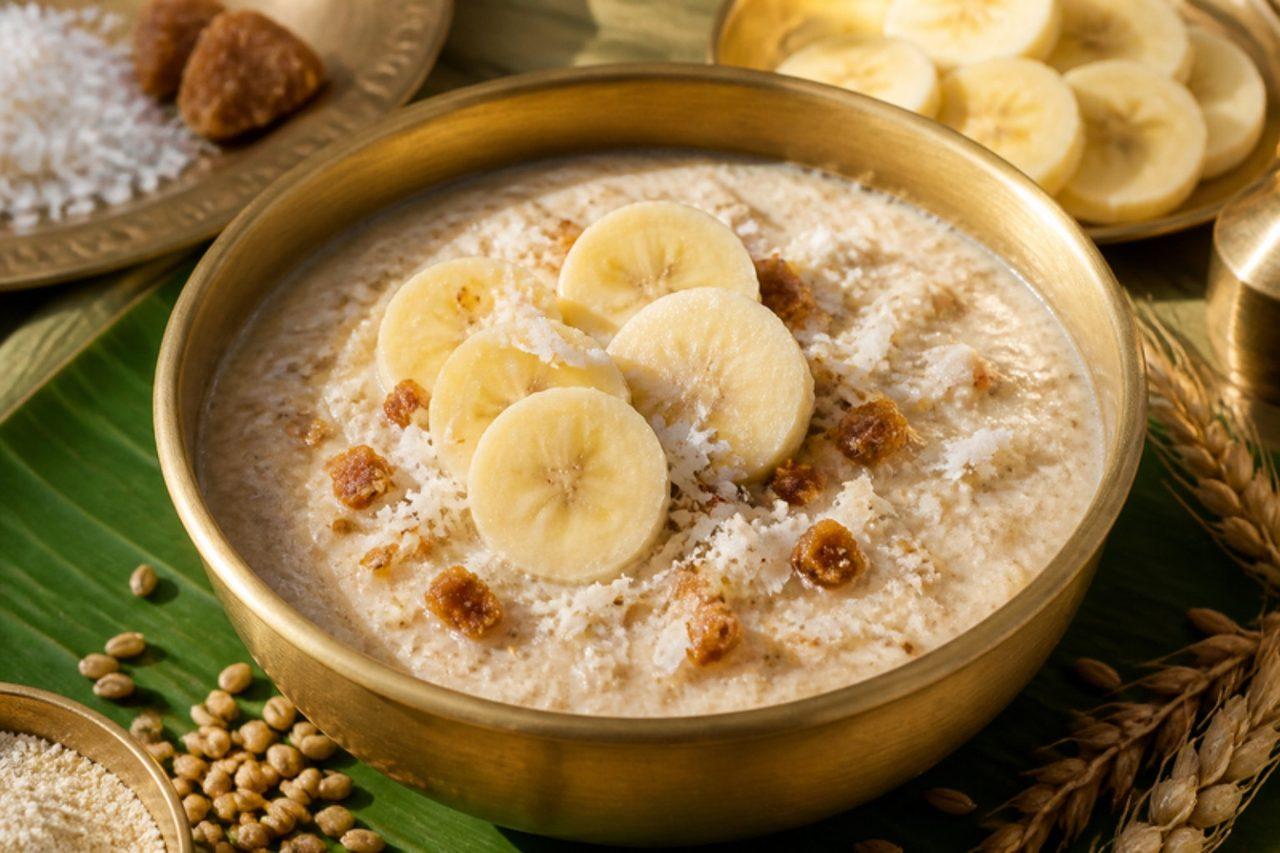
ChhatuaRoasted gram flour with curd

Pana Sankranti, in mid-April, is Odisha's new year and its own version of Baisakhi, and the day is kept with two cooling things: a jug of pana, the sweet bel-fruit drink, and a bowl of chhatua. The chhatua is a mix of roasted flours, usually chana, barley and rice, stirred with curd, ripe banana, jaggery and fresh coconut into a soft, sustaining mash that needs no cooking on a hot day. It is mild, sweet and nutty, and many families offer it first at the household shrine. Common mistake: making it watery; add the curd a little at a time and stop when it is like thick porridge that just holds a spoon. Chef's tip: roast your own flours in a dry pan until they smell of toast; ready-made sattu works, but freshly roasted flour has a far deeper flavour.

by KrazyBadal 0 views

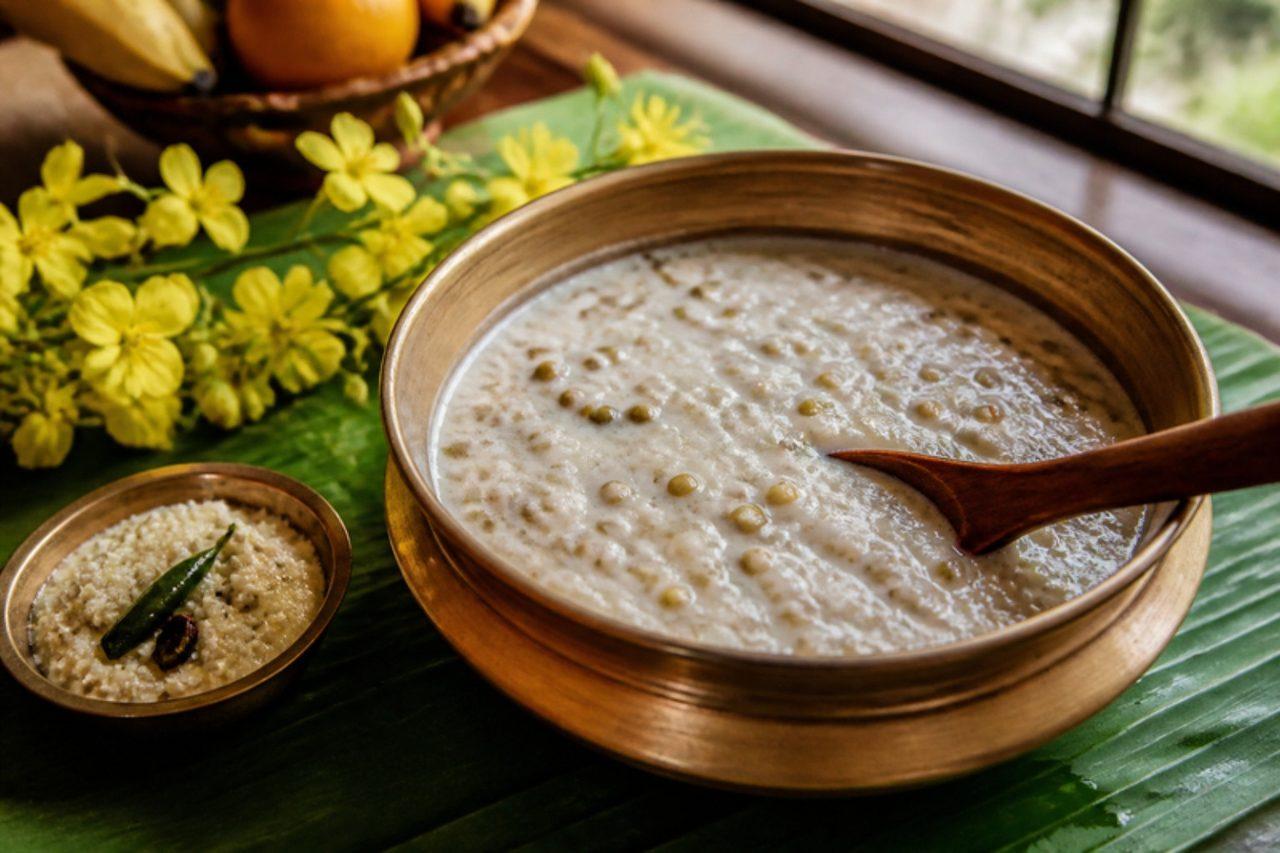
Vishu kanjiRice and green gram porridge

In Kerala, Vishu starts before sunrise with the kani, when each member of the family is led with closed eyes to see a tray of rice, gold-yellow konna flowers, fruit, a mirror and a lamp, so the year begins with something lucky. Breakfast afterwards, in many central Kerala homes, is this kanji: rice and lightly roasted whole green gram cooked soft and finished with coconut milk, eaten with a dry chakka or pumpkin side and pappadam. It is mild, creamy and nourishing, nothing like a plain rice gruel. The common mistake is boiling the thick coconut milk, which splits it and turns the kanji grainy; it goes in at the end, off the boil. It is ready when the gram has burst and the rice falls apart when stirred. Chef's tip: a few crushed cumin seeds and a shallot fried in coconut oil spooned over each bowl make it taste festive.

by KrazyBadal 0 views

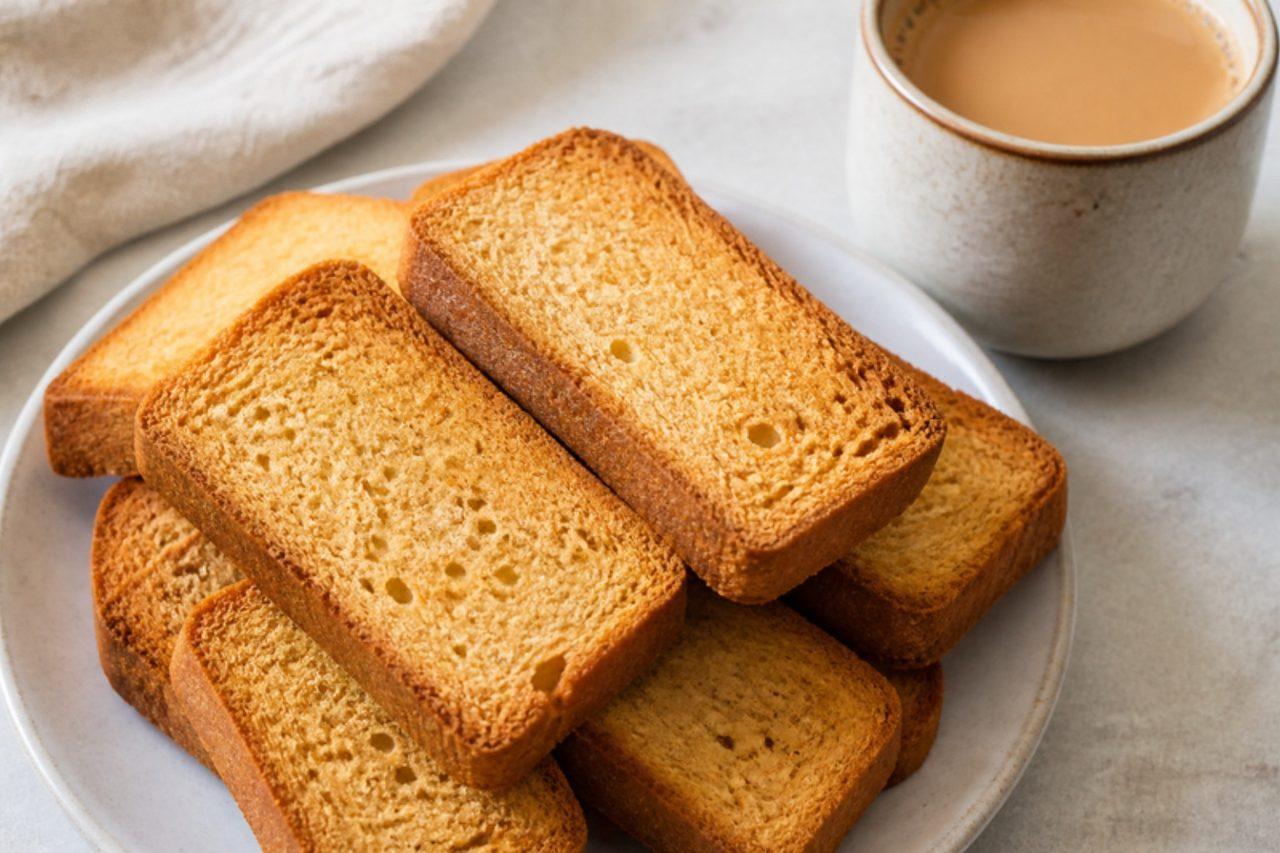
PaapeTwice-baked tea rusks

No Punjabi kitchen is without a tin of paape. They are dunked in the first cup of tea at dawn and again at four o'clock, carried to the fields, and offered to every guest who drops in. Bakeries across Punjab bake a sweet, light loaf, slice it and dry it slowly until it snaps, and this home version does exactly the same. The common mistake is slicing the loaf while it is still warm: it squashes, and the rusks dry out dense and gummy. Let it cool completely, ideally overnight. Chef's tip: dry the slices at a low temperature until the centre snaps cleanly; any softness in the middle and they go stale within days.

by KrazyBadal 0 views

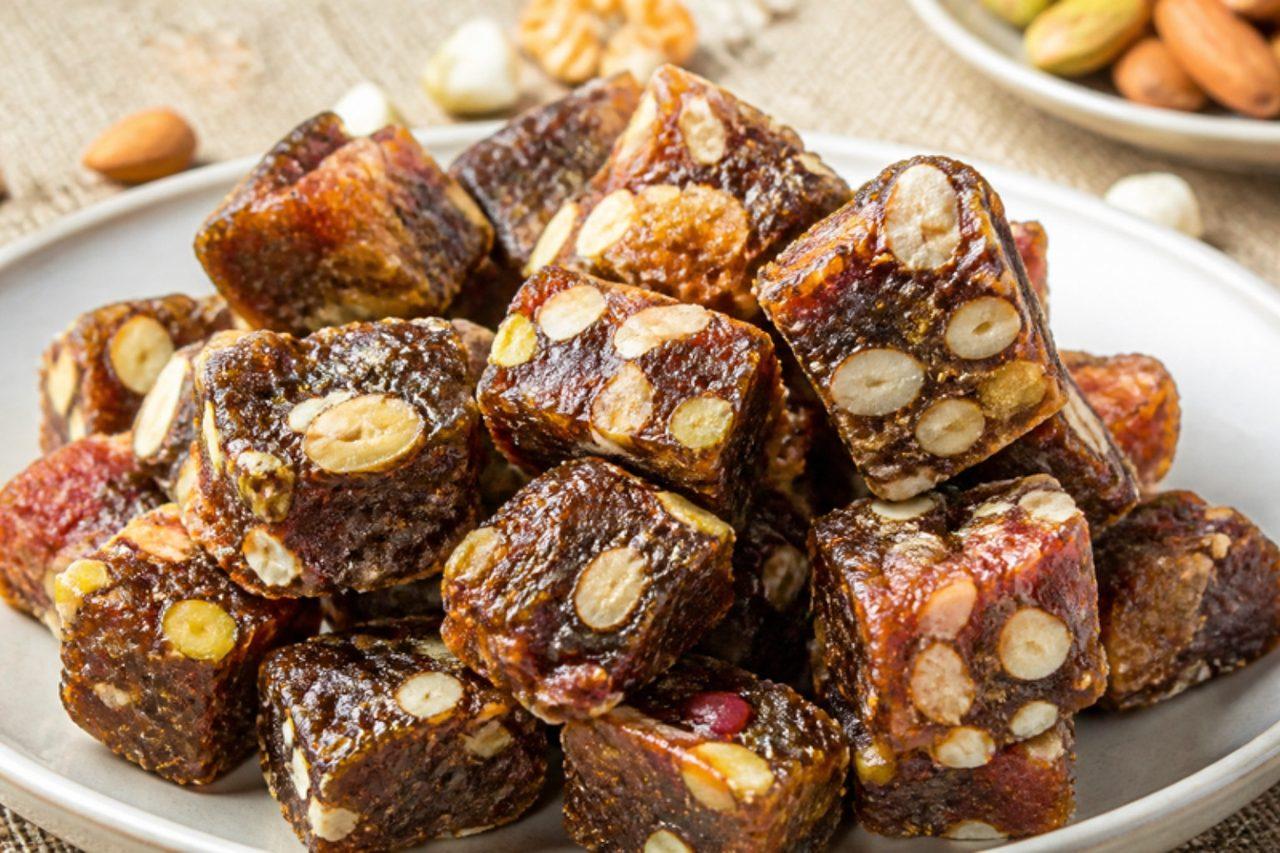
KaradantuEdible gum and jaggery slab

Karadantu is the famous sweet of Gokak in Belagavi district, sold in sweet shops near the Gokak falls and carried home as a gift, and also made in north Karnataka homes for new mothers and in winter. Edible gum is fried in ghee until it puffs like popcorn, then bound with jaggery syrup, dry coconut, poppy seeds and plenty of dry fruit and pressed into slabs. It's dense, chewy-crisp and deeply caramel-tasting. A common mistake is frying the gum on high heat; it browns outside and stays hard and glassy inside. Chef's tip: fry the gum a few pieces at a time in warm ghee and wait for each to swell to three times its size before lifting.

by KrazyBadal 0 views

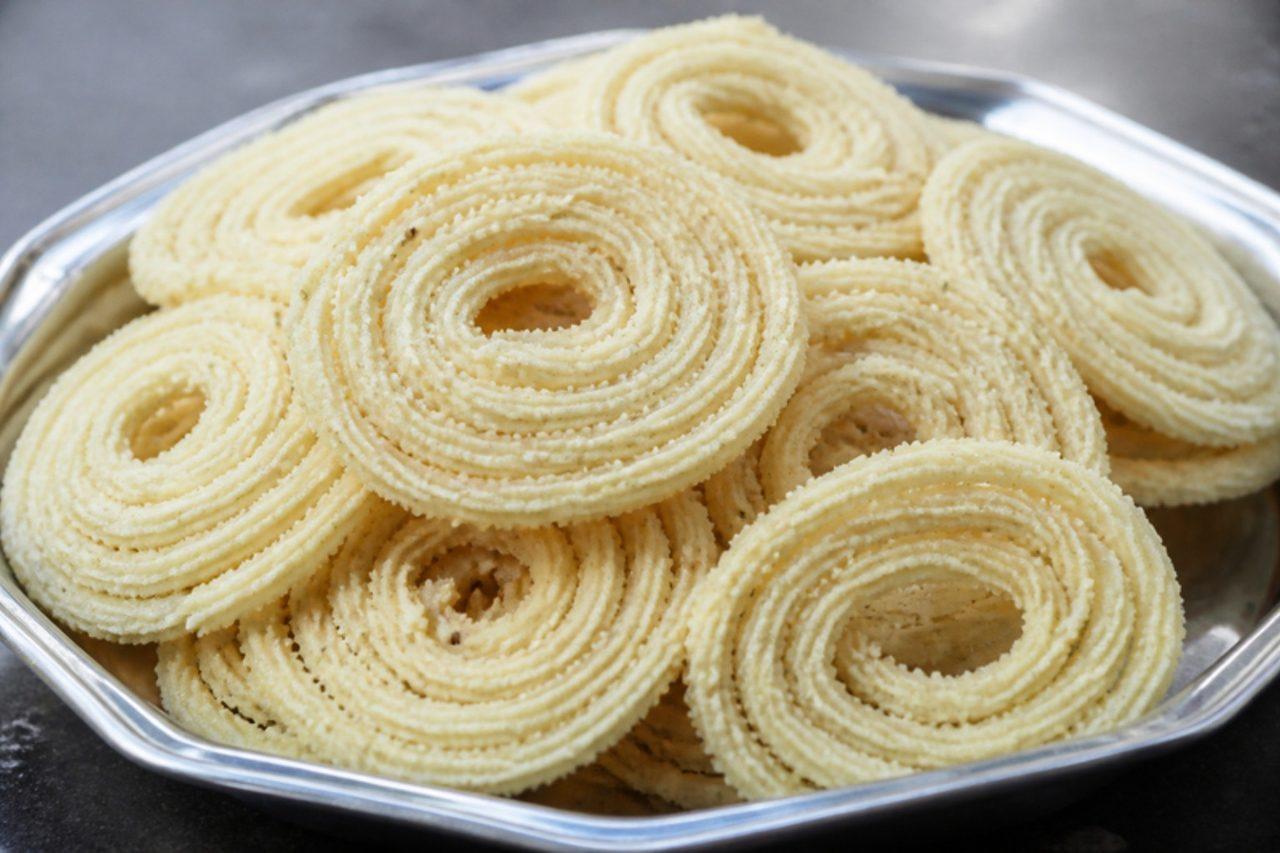
ThenkuzhalRice and urad flour spirals

Thenkuzhal is the plain, pale murukku of Tamil Nadu, especially in Chettinad and Thanjavur kitchens, pressed through a single-hole plate into neat spirals for Deepavali and Krishna Jayanthi. Unlike butter murukku, it relies on roasted urad flour and a spoon of hot oil for its crunch, with cumin and a little sesame for flavour, and it should be cream-coloured, smooth and light. It is eaten with coffee and kept in tins for weeks. The common mistake is a dough that is too stiff, which breaks while pressing and gives a rough, cracked surface; it should be soft enough to pipe smoothly. Chef's tip: press the spirals onto the back of an oiled slotted spoon or a square of parchment and slide them into the oil, so they keep their shape.

by KrazyBadal 0 views

Talela marchaFried green chillies

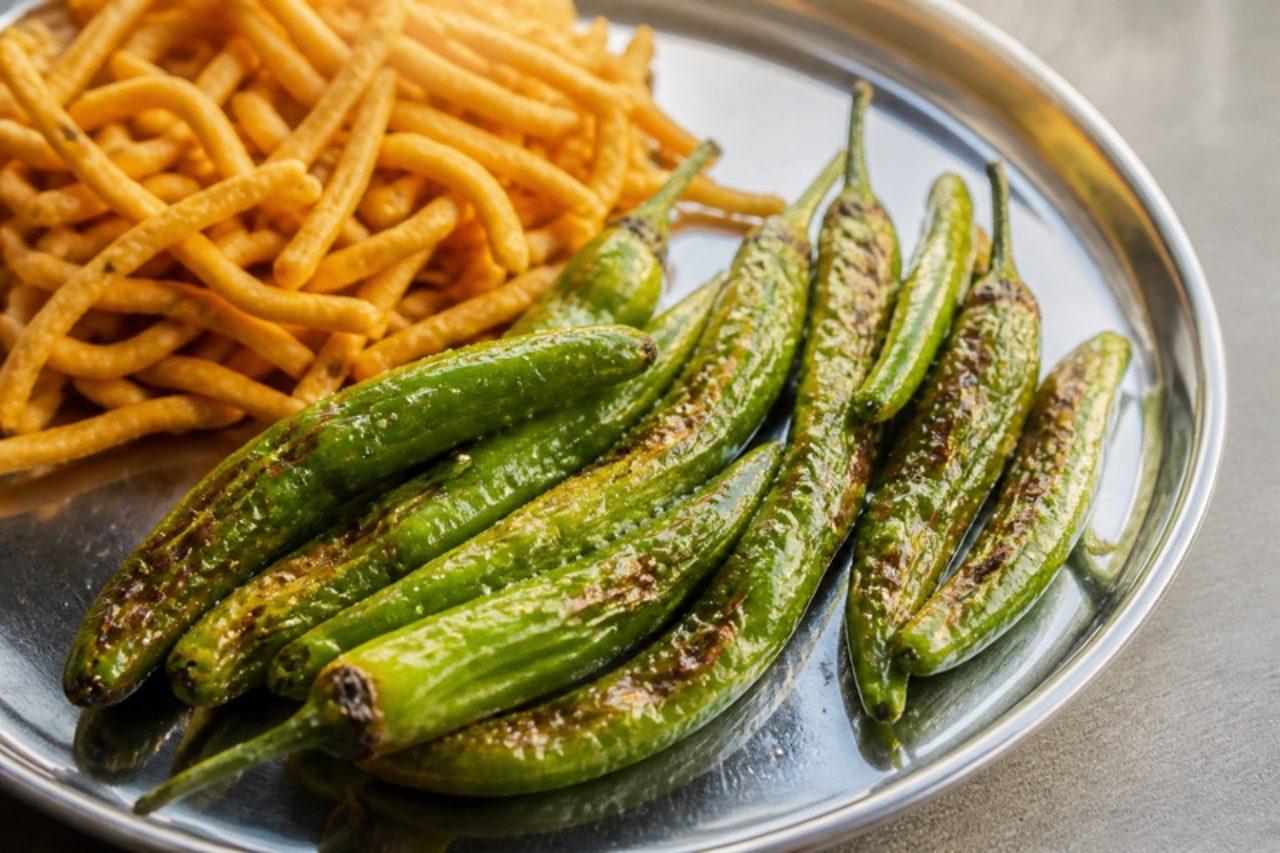
Every plate of gathiya, dalvada or bhajiya sold in Gujarat comes with a little heap of talela marcha, green chillies dropped into the farsan seller's kadai for a few seconds until they blister and turn olive green, then shaken with salt and a squeeze of lemon. Bitten between mouthfuls of farsan they give a fresh, smoky hit of heat. Use thick, fairly mild chillies if you can find them. The common mistake is frying wet chillies: water on the skin makes the oil spit violently. Chef's tip: slit them lengthways first so steam escapes and they don't burst in the oil.

by KrazyBadal 0 views

Kashi halwaAsh gourd halwa

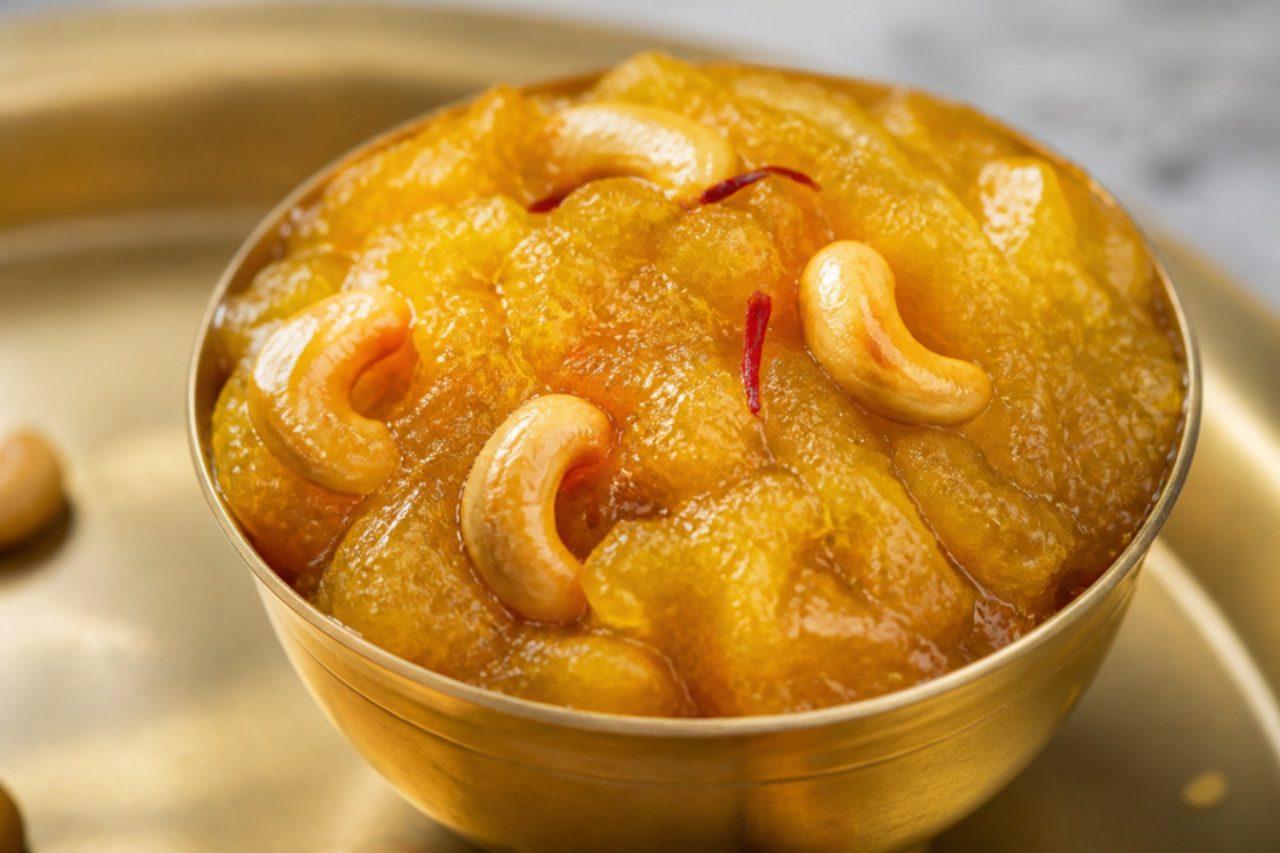
Kashi halwa, also called dumrot, is the sweet that ends Udupi and Karnataka wedding feasts, spooned onto the banana leaf next to payasa. Grated white ash gourd cooks down in its own juice with sugar and ghee until it turns glassy and golden, with saffron for colour and cashews for crunch; it tastes delicate and buttery, not vegetal. The mistake most people make is skipping the squeeze: grate the gourd and leave the water in, and the halwa takes an hour to thicken and goes mushy. Squeeze it well, then cook the gourd in that juice. Chef's tip: add the sugar only after the gourd is soft and translucent; sugar added early firms the shreds and they never turn tender.

by KrazyBadal 0 views

Sharkara varattiJaggery-glazed banana chips

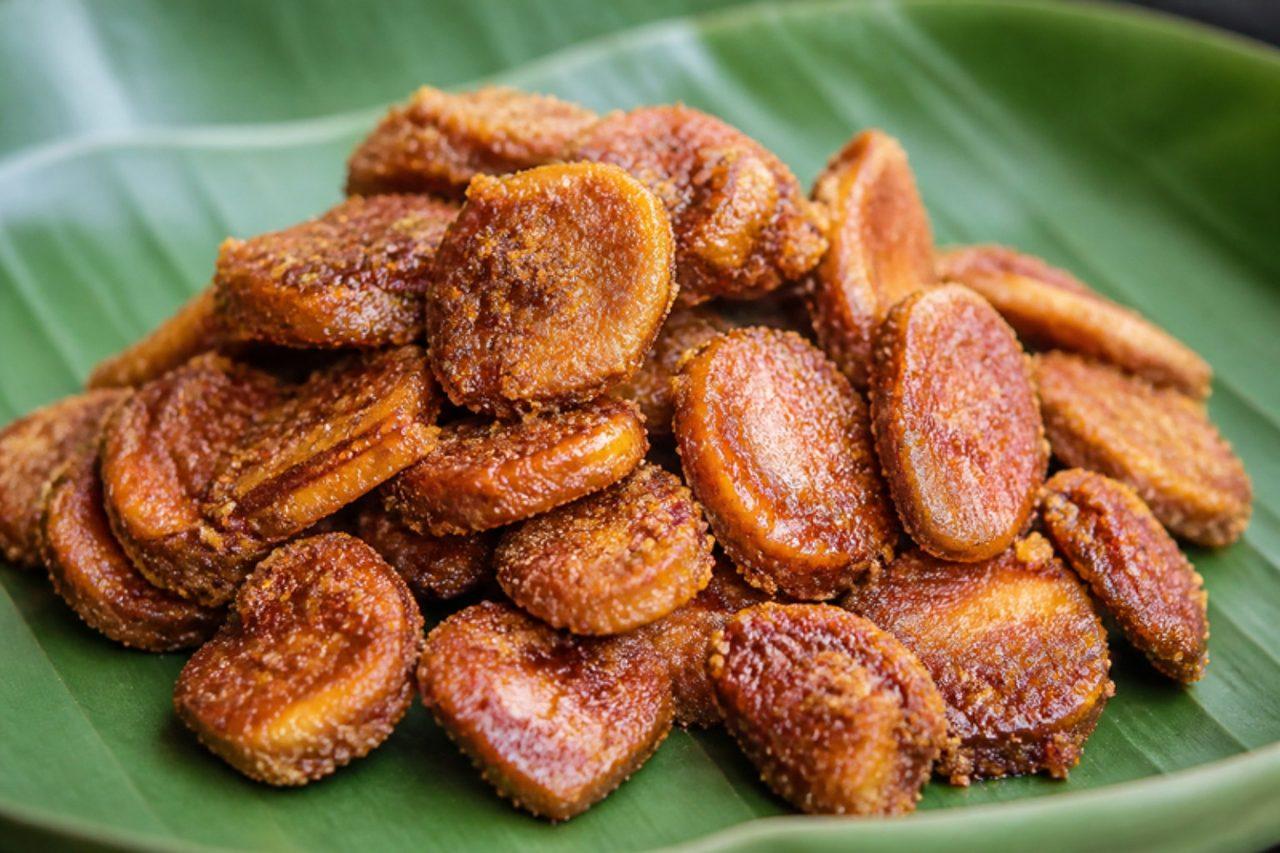
Sharkara varatti sits at the top left of every Onam sadya leaf in Kerala, next to the salty banana chips, and boxes of it travel to relatives abroad every August. Raw nendran bananas are cut into thick half-moons, fried until crisp, then tossed in jaggery syrup cooked to the thread stage with dry ginger, cardamom and cumin, so each piece wears a thin, crackly brown coat. A common mistake is pulling the syrup too early: if it isn't at a firm one-thread stage the coating stays sticky and the chips go soft in a day. Chef's tip: once you add the chips keep stirring off the heat until the syrup turns dry and sandy; that's when it sets crisp.

by KrazyBadal 0 views

Kanchipuram idliSpiced temple idli

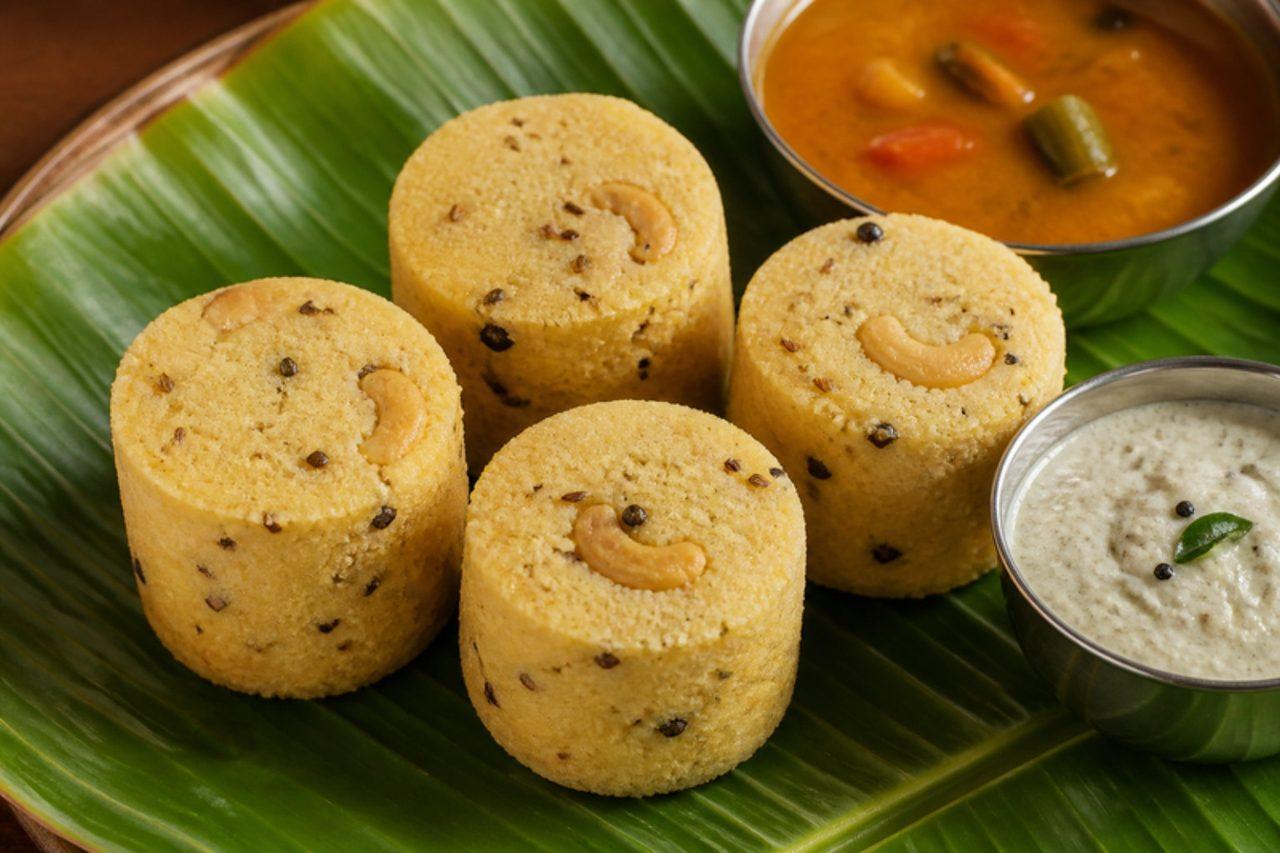
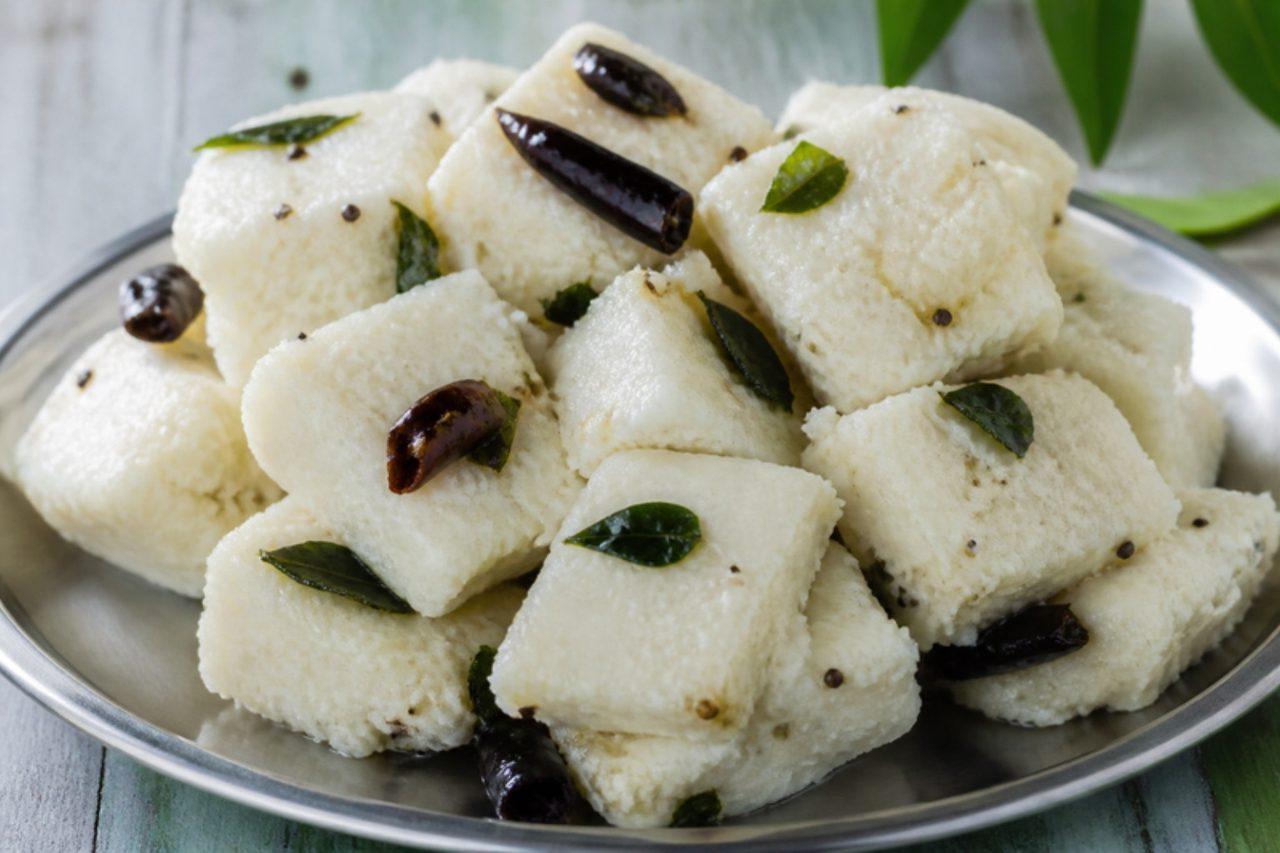
Kanchipuram idli is the temple prasadam of the Varadharaja Perumal temple, where it was traditionally steamed in tall bamboo baskets lined with mandarai leaves. It is coarser and richer than everyday idli, with cracked pepper, cumin, dry ginger and cashews fried in ghee folded through, and it's eaten for breakfast or festival tiffin with coconut chutney and sambar. The mistake is grinding the rice as fine as for plain idli; it should feel like fine semolina so the idli has a crumbly, open bite. Chef's tip: steam in tumblers or small bowls lined with banana leaf for the tall shape and a gentle leaf aroma.

by KrazyBadal 0 views

KanikaSweet ghee rice

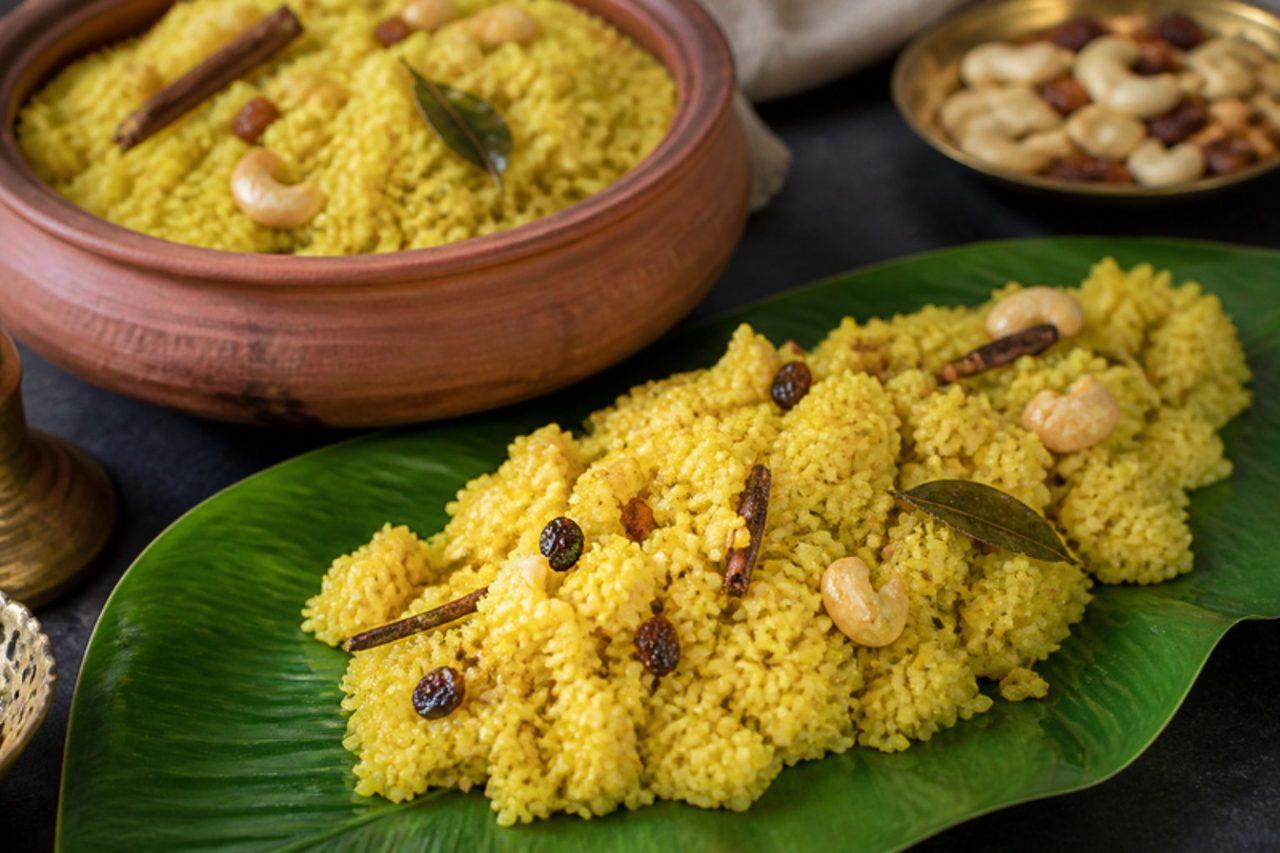
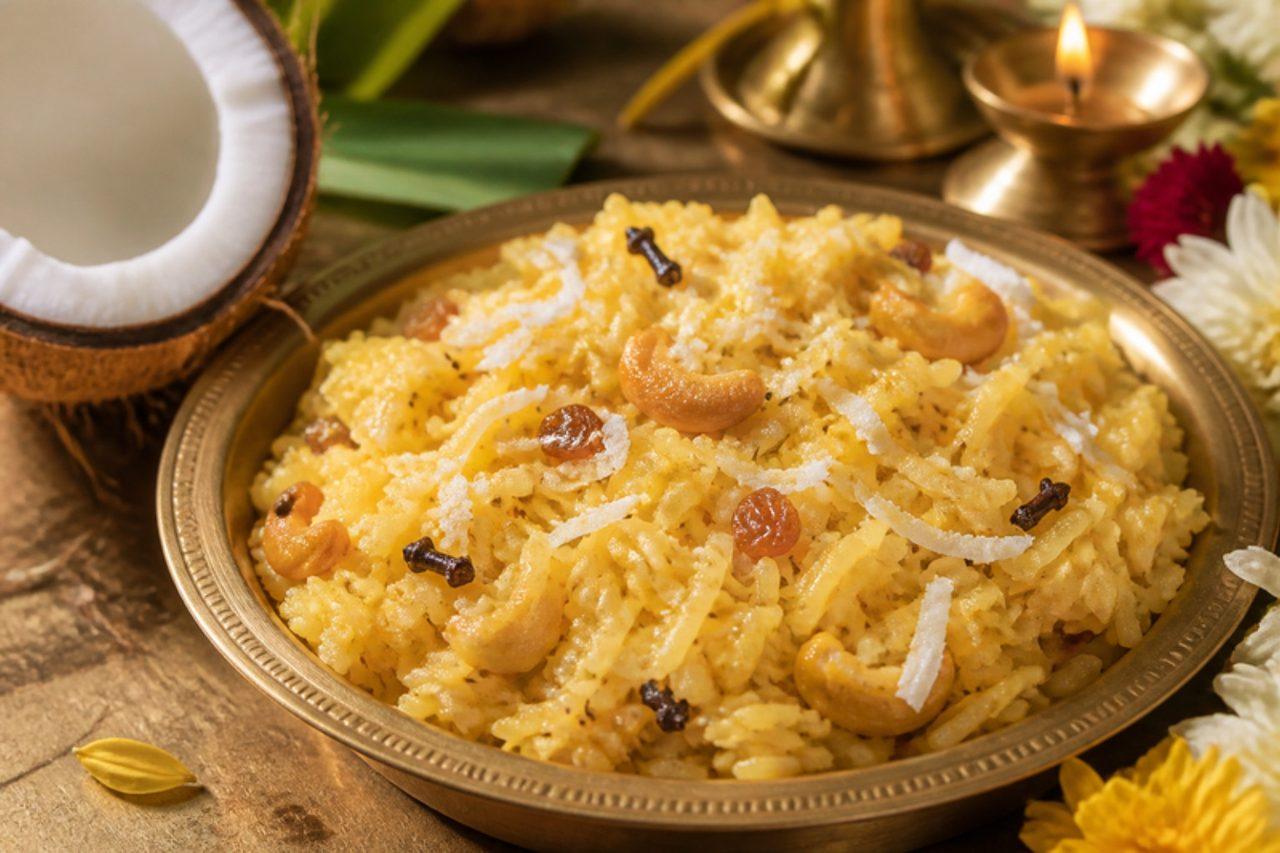
Kanika is one of the dishes of the Jagannath temple's mahaprasad in Puri, cooked in clay pots over wood fires and sold at the Ananda Bazaar to pilgrims, and Odia homes make it for Rath Yatra, when the deities ride their chariots through the town. It is a fragrant, glossy rice sweetened with sugar and perfumed with cinnamon, bay leaf and cloves in plenty of ghee, studded with fried cashews and raisins. It sits halfway between a pulao and a dessert and is eaten with dalma or a temple-style mahura. Common mistake: adding the sugar at the start, which hardens the grains; cook the rice almost through first, then add the sugar, and it is done when the syrup is absorbed and the ghee shines on the surface. Chef's tip: use a short-grain aromatic rice such as gobindobhog or the Odia arua rice for the true temple texture; basmati works but gives separate, longer grains.

by KrazyBadal 0 views

Sing ni chikkiPeanut jaggery brittle

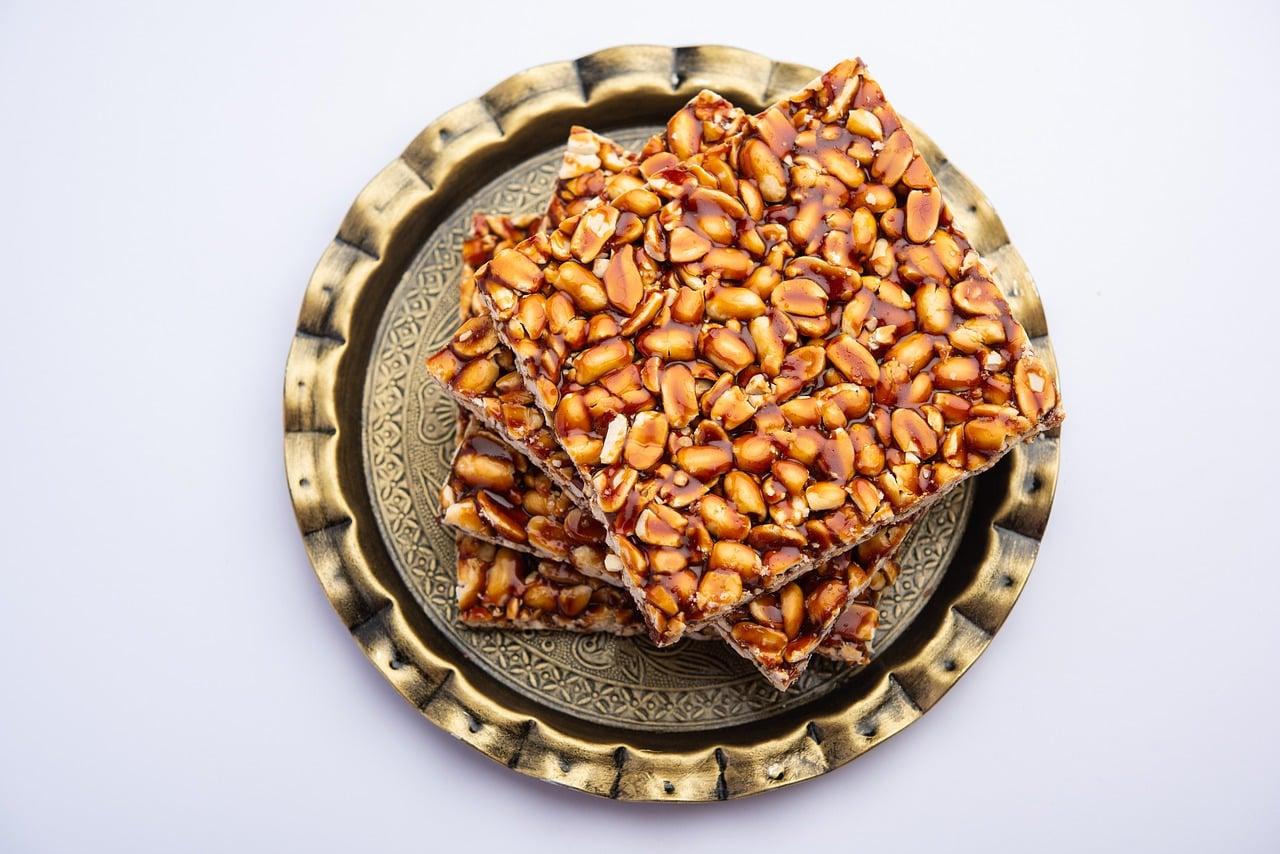
Peanut chikki is the sweet every Gujarati child grows up with, and in the week of Uttarayan, when the sky over Ahmedabad is crowded with kites, households make it by the tray to hand round on the terrace. Halved roasted peanuts are bound in dark jaggery and cut into neat slabs that snap cleanly and taste of caramel and toasted nuts. Common mistake: undercooking the jaggery; it is ready only when a drop in cold water hardens into a ball that cracks when pressed, and when the syrup is foaming and has darkened by a shade. Undercooked syrup gives chikki that bends and pulls out fillings. Chef's tip: rub the skins off the roasted peanuts and split them in half; halves pack together far better than whole nuts and the slabs don't crumble.

by KrazyBadal 0 views

SukhiyanGreen gram jaggery fritters

Sukhiyan is one of the old nalumani palaharam, the 'four o'clock' snacks of central Kerala, sold in glass cases in Kottayam and Ernakulam tea shops next to unniyappam and banana fritters. Whole green gram is cooked soft and mashed with melted jaggery, coconut and cardamom, then rolled into balls, dipped in a light batter and fried. The outside is thin and slightly crisp, the inside soft and earthy-sweet, lovely with strong black tea. A common mistake is a wet filling; if the jaggery mix is not cooked until it leaves the pan, the balls crack and leak in the oil. Chef's tip: a pinch of salt and a little turmeric in the batter give the classic golden colour and balance the sweetness.

by KrazyBadal 0 views

Mithi puriJaggery sesame puris

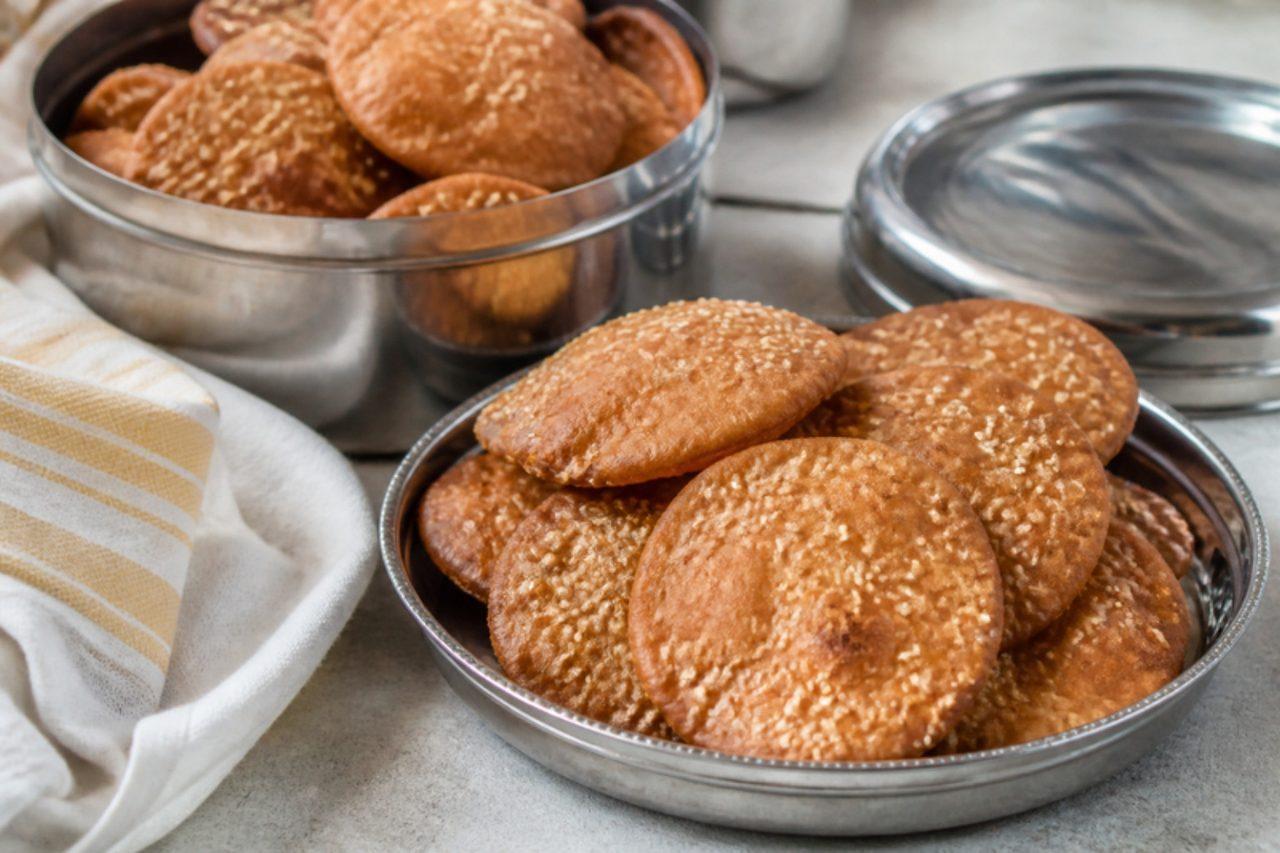
Mithi puri are the sweet half of the Randhan Chhath frying session in Gujarat: small, crisp puris of wheat flour kneaded with jaggery water, sesame and ghee, made the day before Shitala Satam so the family has cold food to eat while the stove rests. They keep for days, so they also go into travel tins and school lunchboxes. Common mistake: a soft dough, which makes the puris puff and turn soft; it should be stiff, and the puris are fried on a medium heat until golden brown and crisp right through, without puffing much. Chef's tip: prick each rolled puri with a fork so it stays flat and crunchy.

by KrazyBadal 0 views

Then mittaiSyrup-soaked rice and urad balls

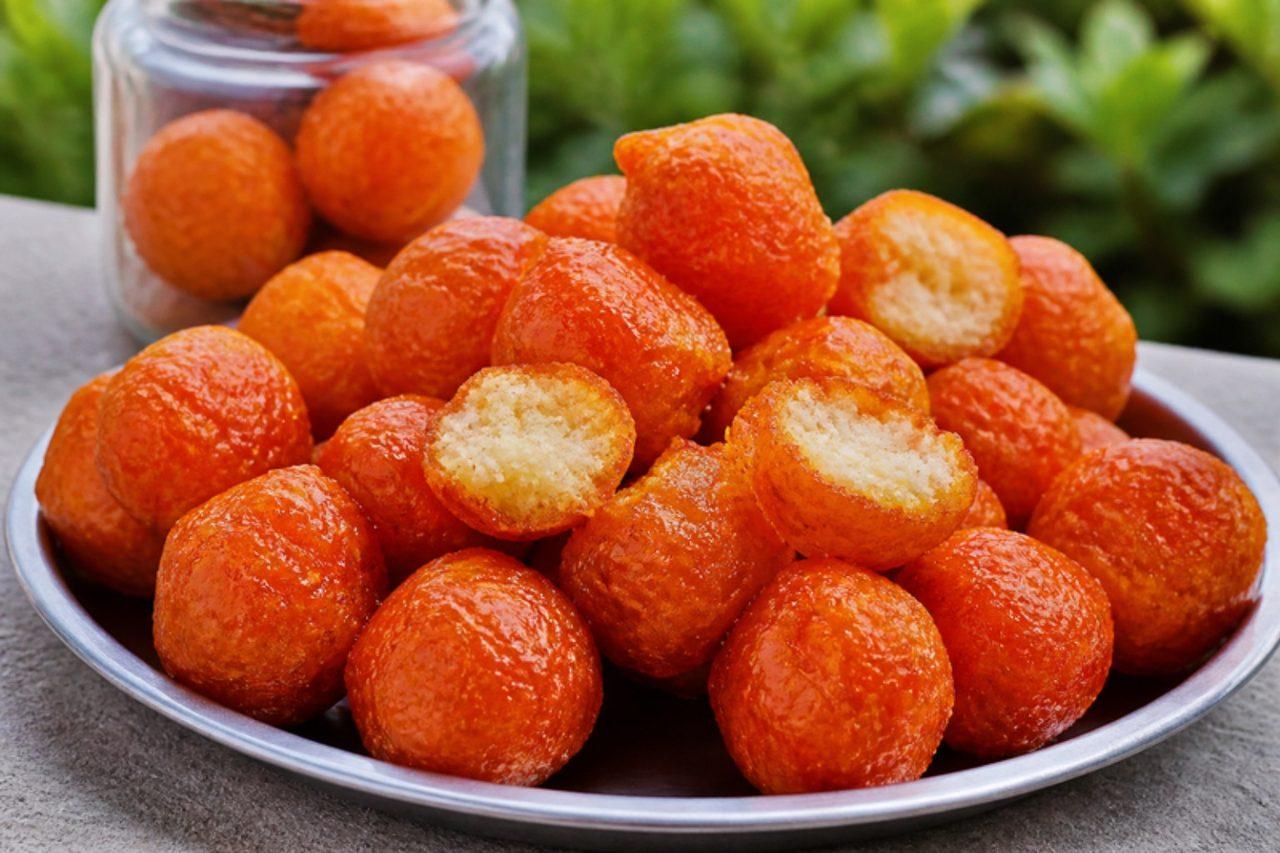
Then mittai, 'honey sweets', were sold from glass jars at the petti kadai outside every Tamil village school in the 1980s and 90s, glossy red balls that crunch and then squirt sweet syrup. They're nostalgic now and great fun to make at home for children's parties. The mistake is frying too hot, which browns the outside before the centre cooks; they should fry slowly to a crisp shell. Chef's tip: let the fried balls cool for a minute before dropping them into warm, not hot, syrup so they stay crisp instead of going soggy.

by KrazyBadal 0 views

Makhan mishriFresh butter with rock sugar

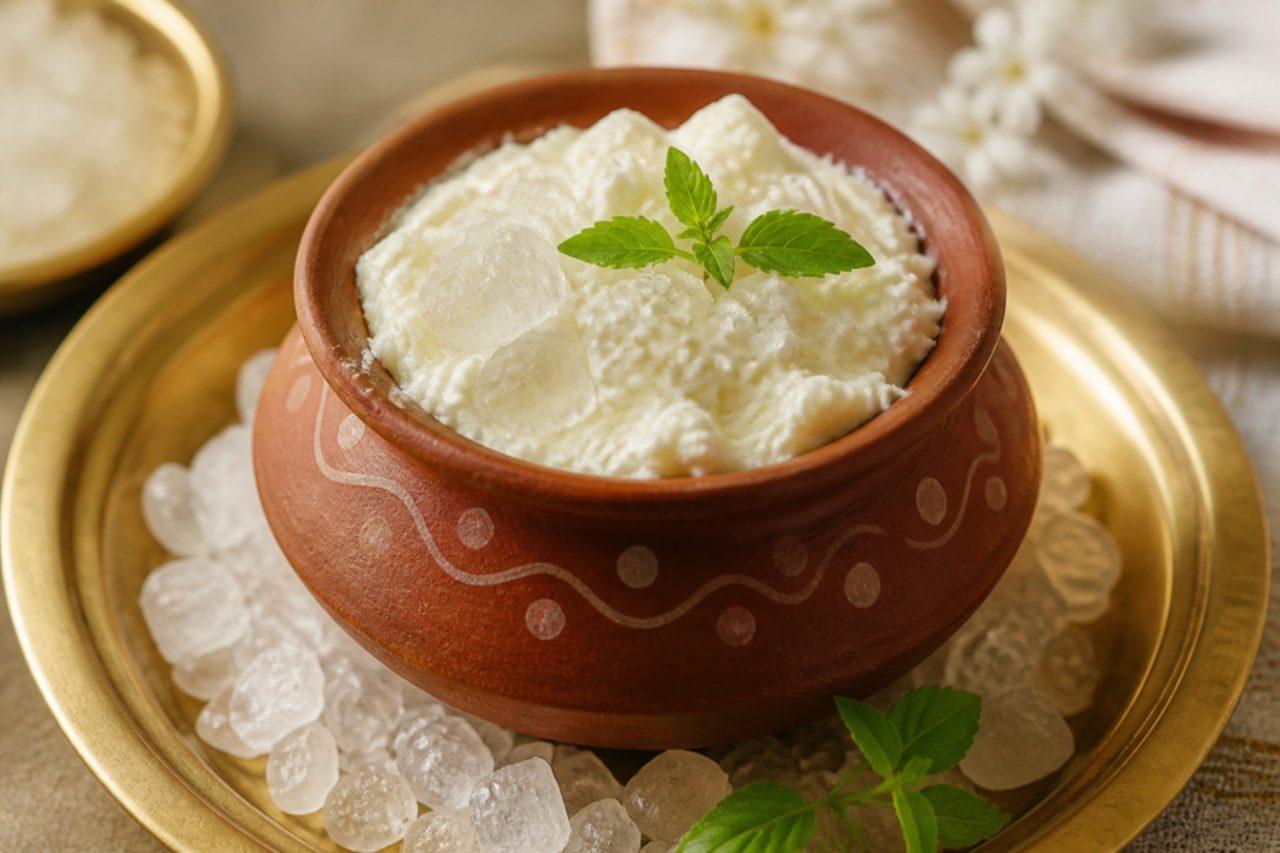
Stories from Mathura and Vrindavan tell of the child Krishna stealing butter from the pots of the cowherd women, so at midnight on Janmashtami the first offering in the temples and at home is a bowl of fresh white butter mixed with mishri, the rock-sugar crystals. The butter is churned from cream at home, so it is soft, cool and lightly tangy, and the sugar crunches against it. It is eaten as prasad in tiny spoonfuls, often with a tulsi leaf on top. Common mistake: churning warm cream, which turns greasy instead of breaking; the cream must be fridge-cold, and the butter is ready when yellow-white clumps separate cleanly from thin buttermilk. Chef's tip: rinse the butter in iced water two or three times and press it with a spoon; washing out the buttermilk keeps it fresh for a day.

by KrazyBadal 0 views

DresilSweet rice with butter and raisins

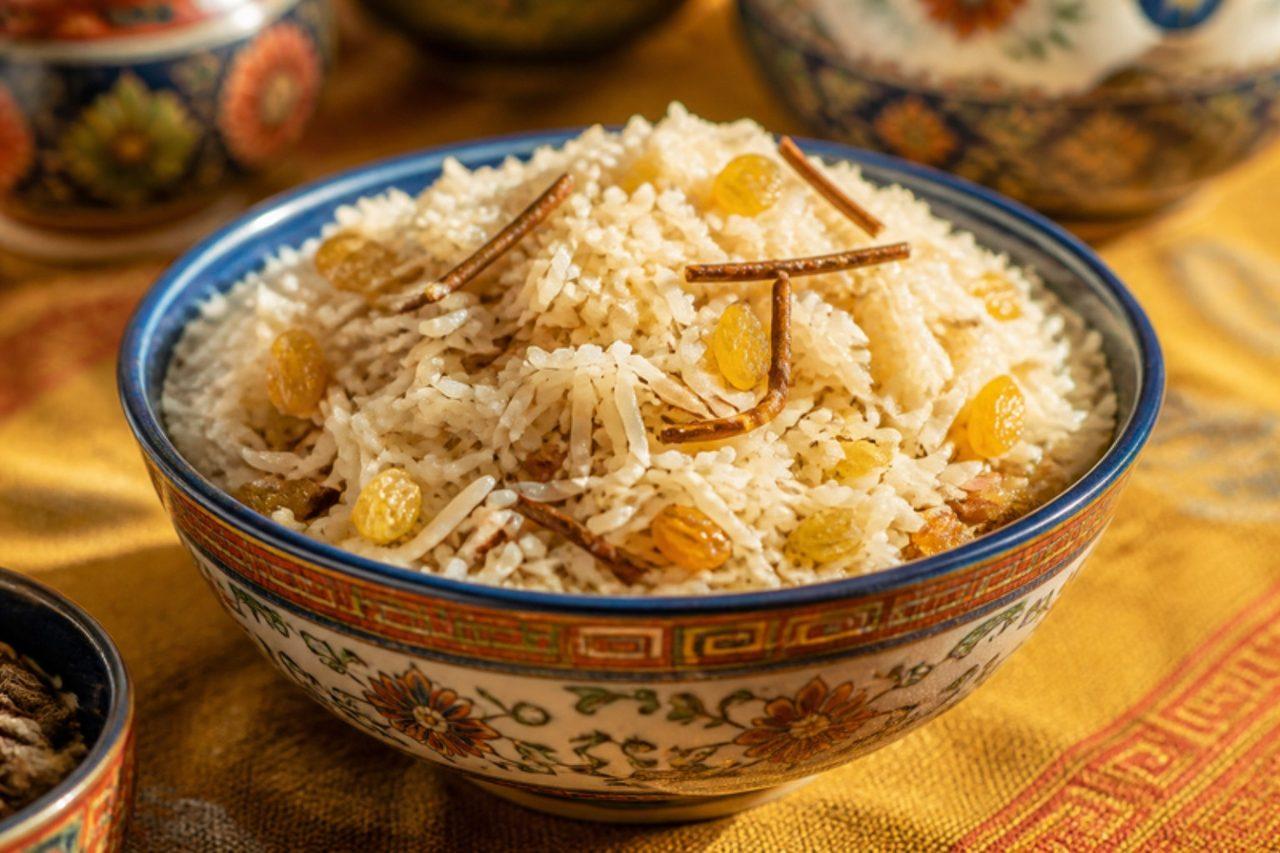
On the first morning of Losar, Tibetan and Sherpa households in the Himalaya and in Kathmandu greet the year with a bowl of dresil: rice tossed with melted butter, sugar, raisins and droma, the small sweet roots of a wild silverweed gathered on the high pastures. It is eaten with butter tea before visits begin, and a little is offered at the family shrine first. The rice is fluffy and glossy, gently sweet and buttery, with chewy bursts of fruit. The common mistake is cooking the sugar in with the rice, which makes it sticky and likely to catch; cook the rice plain, then fold everything in. It is ready when every grain is coated and separate and the raisins have plumped. Chef's tip: droma is hard to find outside Tibetan shops; chopped dried dates and a few toasted cashews give a similar sweet, earthy chew.

by KrazyBadal 0 views

Vishu kattaCoconut milk rice squares

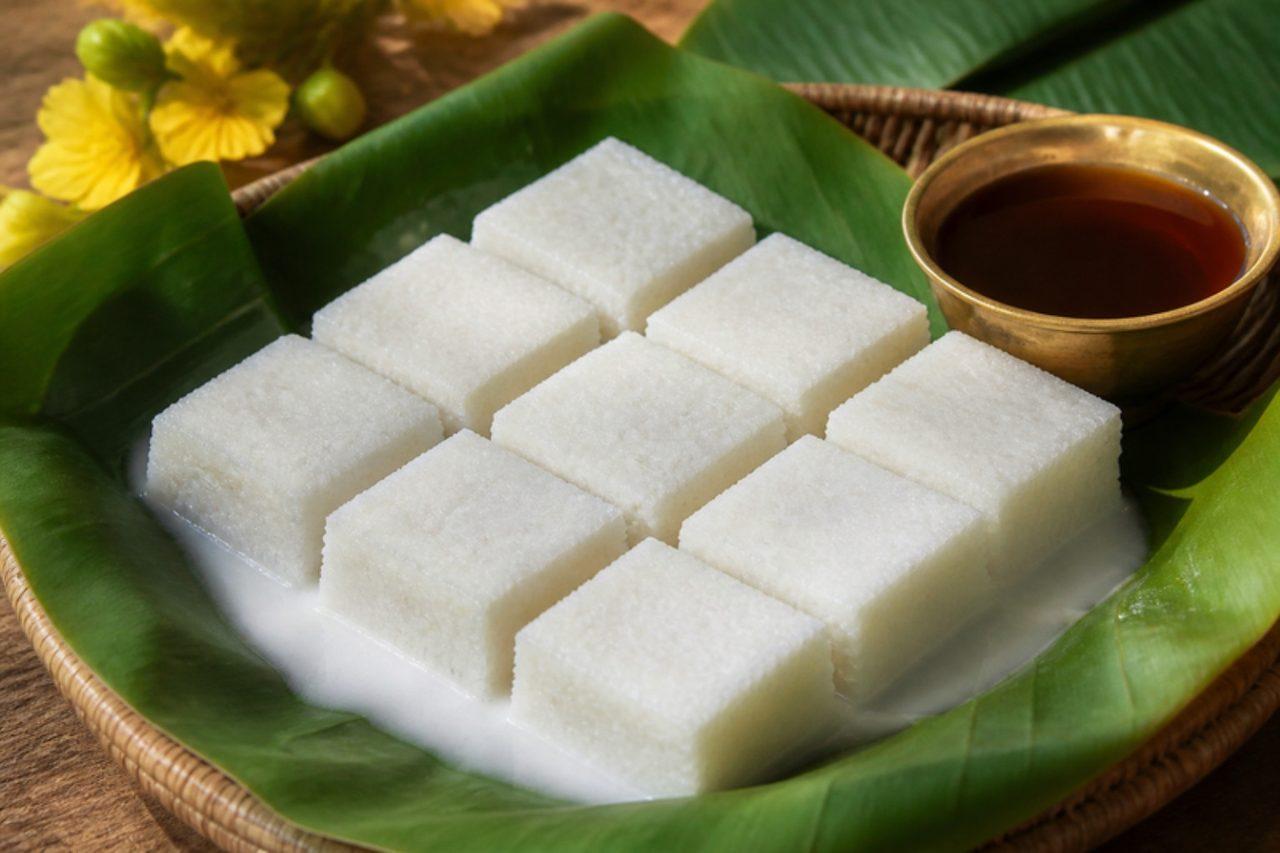
Around Thrissur and Palakkad the Vishu breakfast table is not complete without katta, rice cooked slowly in coconut milk until it can be spread on a plate, set and cut like a cake. Families eat the squares two ways: with a pour of dark jaggery syrup for sweetness, or with a hot, sour curry for those who prefer savoury on a festival morning. Set, it is soft, rich and faintly salty, with the scent of cumin. The common mistake is rushing it on a high flame; the coconut milk splits and the rice catches before it turns creamy. It is ready when the whole mass comes away from the sides of the pan and holds a ridge when you draw a spoon through it. Chef's tip: smooth the top with a piece of banana leaf or the back of a wet spoon, and cut the katta only once it is fully cool, or the squares will tear.

by KrazyBadal 0 views

Chushi pithaRice flour strands in milk

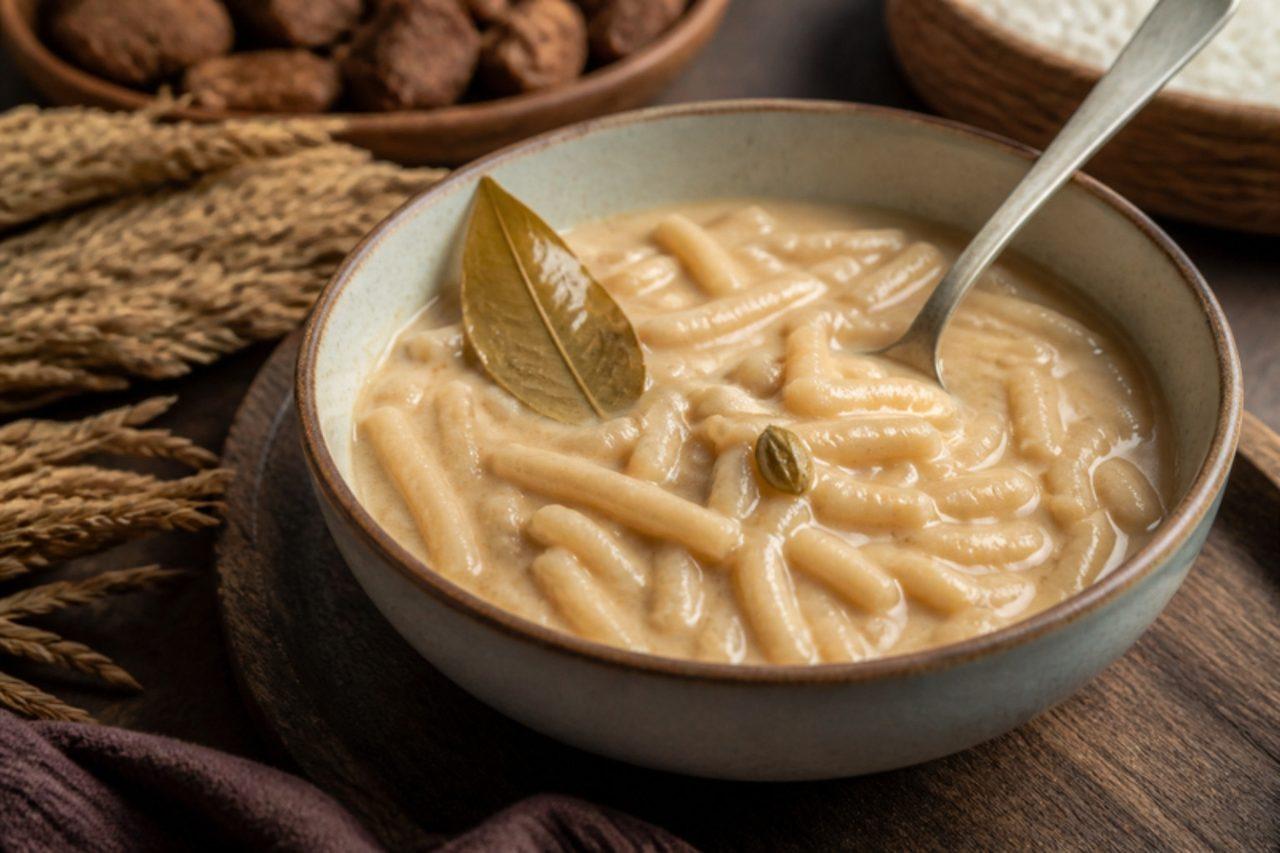
When the new rice is in and the date palms start giving their winter sap, Bangladeshi families make pitha for Nabanna and through the cold months, and chushi pitha is the one grandmothers roll by hand, an evening of small grain-shaped strands rubbed out between the palms. The strands are cooked in reduced milk with bay leaf and cardamom, then sweetened with fresh khejur gur, giving a pale caramel pudding with soft, slightly chewy pieces. The common mistake is adding the jaggery while the milk is still boiling: it can curdle it, so take the pan off the heat and let it cool for a few minutes first. The strands are done when they float, turn translucent at the edges and are soft right through. Chef's tip: let the rolled strands dry on a tray for 15 minutes before cooking; they hold their shape instead of dissolving into the milk.

by KrazyBadal 0 views

Bhavnagari gathiyaCrunchy gram flour sticks

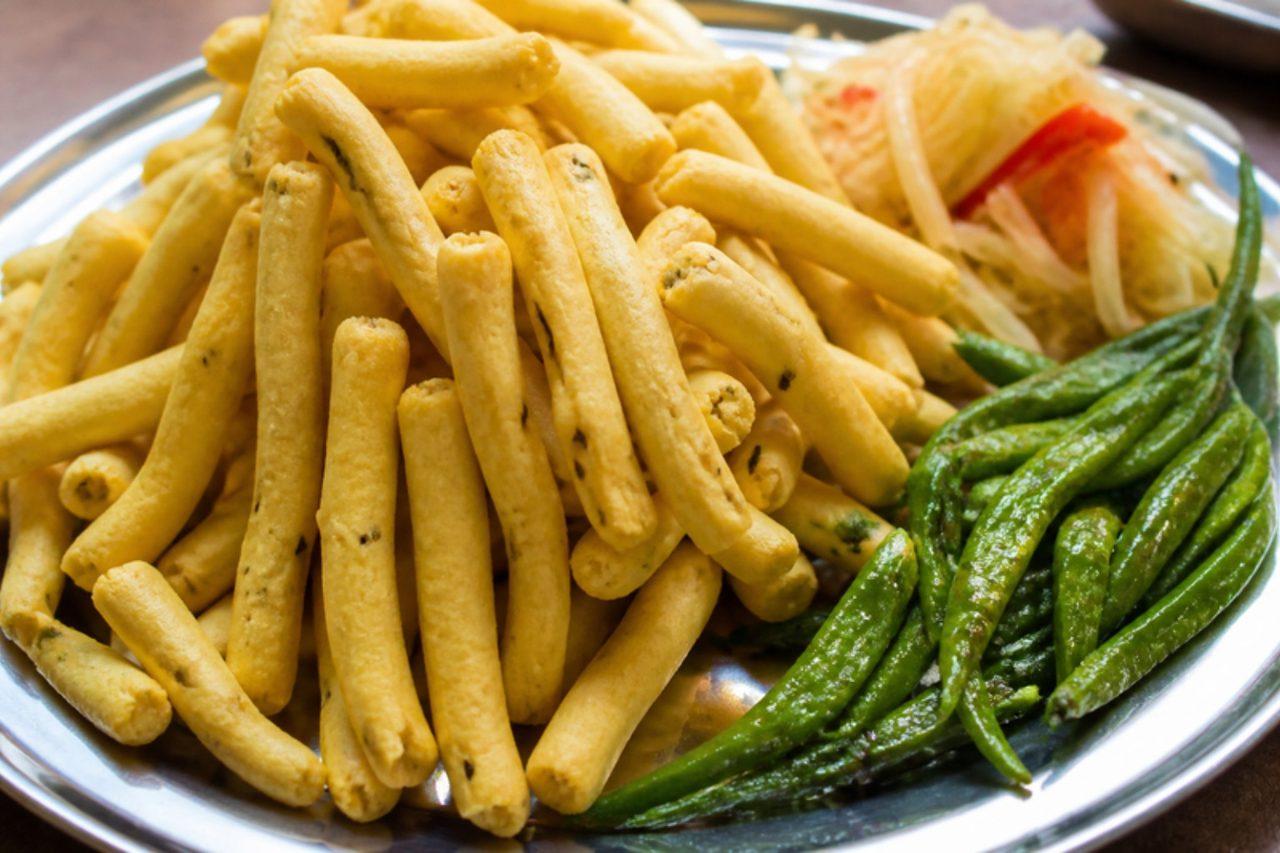
Bhavnagar is Gujarat's gathiya town, and its namkeen shops sell these thick, knobbly sticks by the kilo, warm in the morning with fried chillies and papaya sambharo, and boxed up for relatives abroad. They are thicker than any sev, with a rough, bubbly surface from being rubbed through a flat perforated gathiya jharo (or pressed through the largest disc of a sev press), and the dough is beaten with oil and soda so they stay light and crunchy rather than hard. Ajwain and coarse black pepper give them their warmth. The common mistake is a stiff dough: it will not pass through the holes and the gathiya come out dense. Chef's tip: beat the oil, water and soda together until white and frothy before adding the flour; that is what makes them airy.

by KrazyBadal 0 views

Kurkuri bhindiCrispy fried okra strips

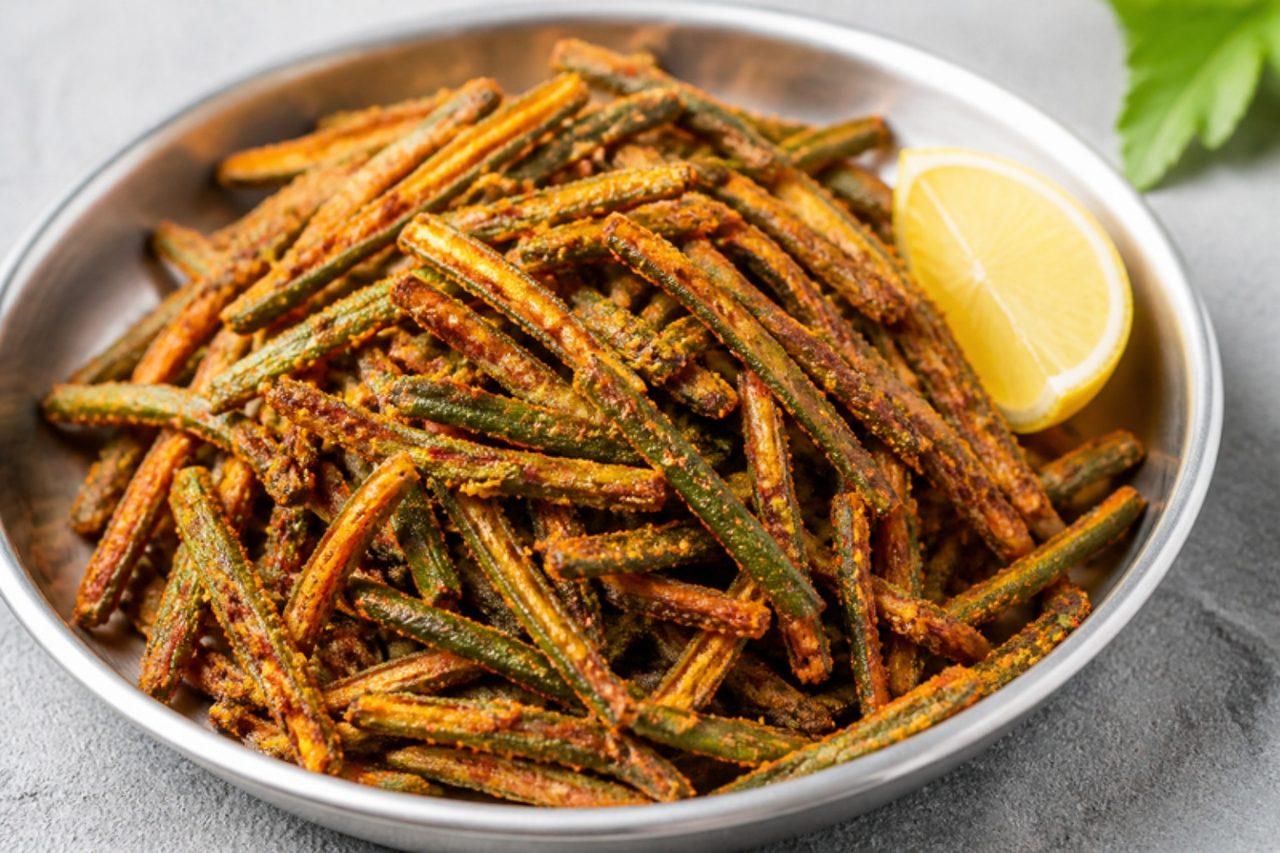
Kurkuri bhindi is the dhaba and wedding-buffet side that disappears first: thin, slivered okra tossed in a dry coat of besan, chilli and amchur and fried until it shatters. In Punjabi and Delhi homes it is served as a tea-time snack, scattered over dal-chawal or eaten by the handful while the rest of dinner cooks. The mistake almost everyone makes once is washing the okra and slicing it while still damp: the coating turns into gluey lumps and the strips go limp. Wash it an hour ahead and dry it completely. Chef's tip: toss the slivers with the spices first and add the flours only just before frying, so the okra cannot release liquid into the coating.

by KrazyBadal 0 views

Kholasapori pithaRice pancakes with coconut and jaggery

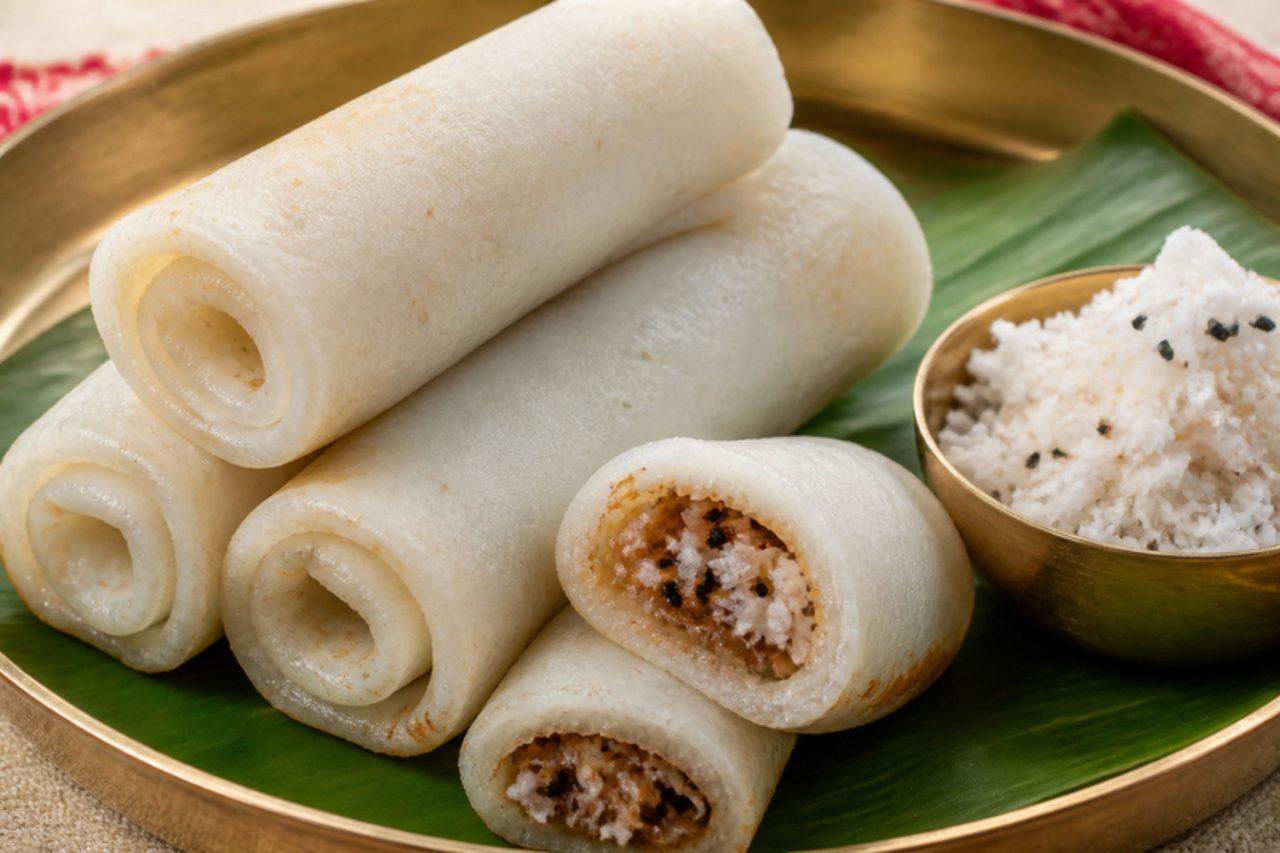
Kholasapori means 'pressed in the khola', the shallow clay pan that every Assamese kitchen brings out for Magh Bihu, when guests are offered a plate of pitha before anything else. These are thicker and softer than the crisp til pitha: a loose batter of sticky rice flour is spread on the hot pan, filled with coconut and jaggery and folded over, so the outside is lightly speckled and the inside chewy and sweet. A heavy cast-iron pan stands in well for the khola. Common mistake: a pan that is too hot; the batter should set slowly with no browning in the first minute, and it is ready to fold when the edges lift and the top no longer looks wet. Chef's tip: wipe the pan with a cloth dipped in oil between each pitha rather than pouring oil in, so they stay pale and even.

by KrazyBadal 0 views

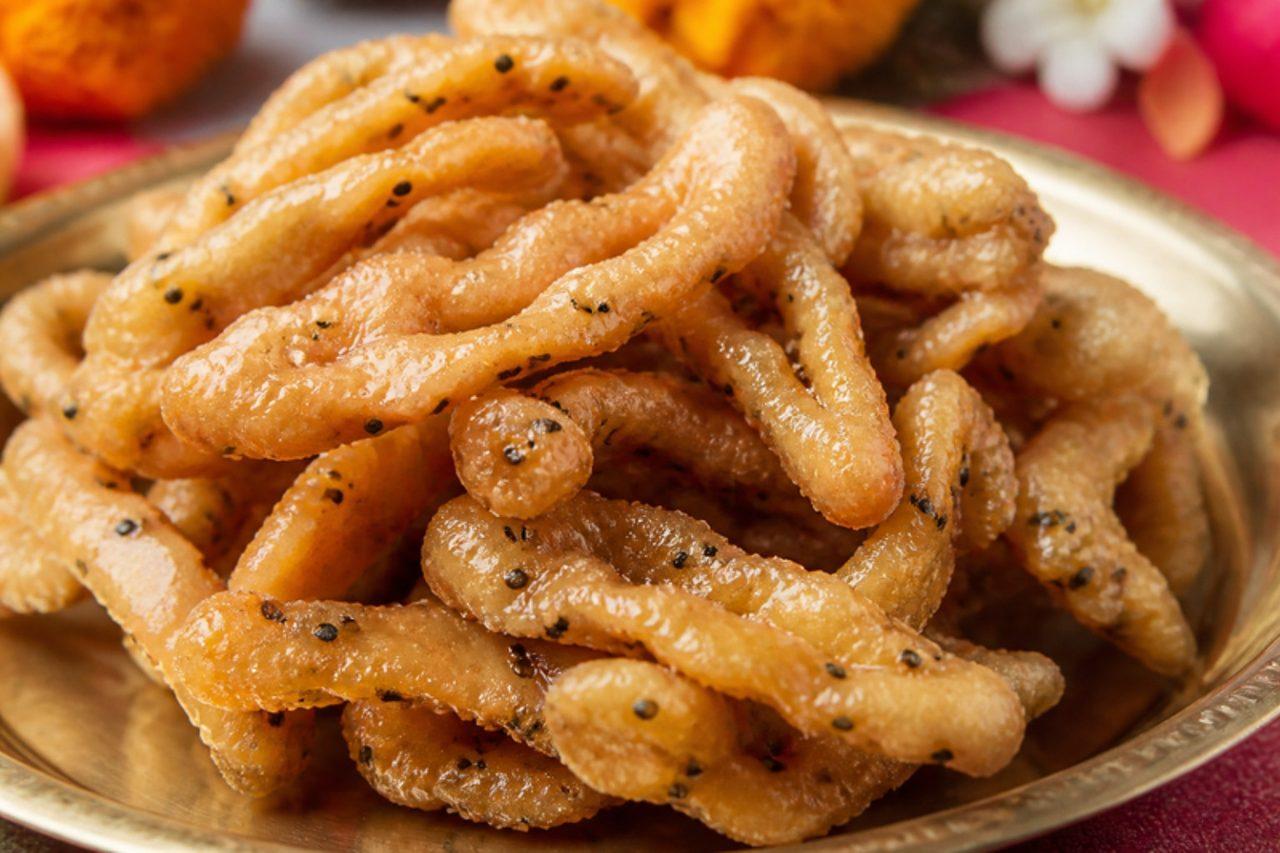
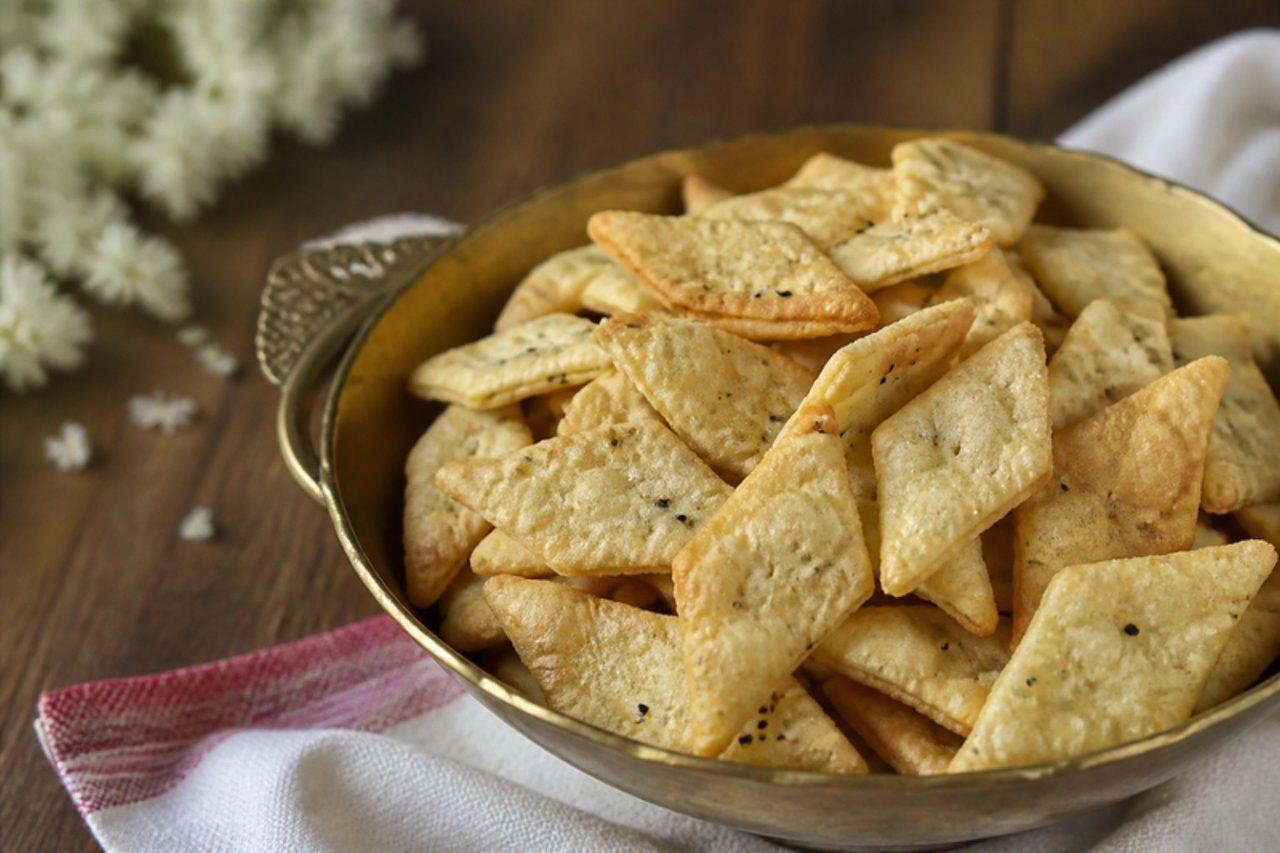
NimkiFlaky fried nigella pastry

On Bijoya Dashami, the last day of Durga Puja, Bengali families visit elders, touch their feet and are fed sweets, and the tin of nimki is always opened alongside the narkel naru and mishti. Nimki are small diamonds of short pastry flavoured with kalonji (nigella seeds), fried slowly until they blister into flaky layers. They are salty, crunchy and very moreish with a cup of tea. Common mistake: frying in oil that is too hot; the outside browns while the inside stays raw and hard. Fry on a low-medium flame until the pieces float, sound hollow and are a pale golden colour. Chef's tip: the dough is ready when a handful pressed in your fist holds its shape (the 'moyan' test); too little ghee gives hard nimki, too much makes them crumble in the oil.

by KrazyBadal 0 views

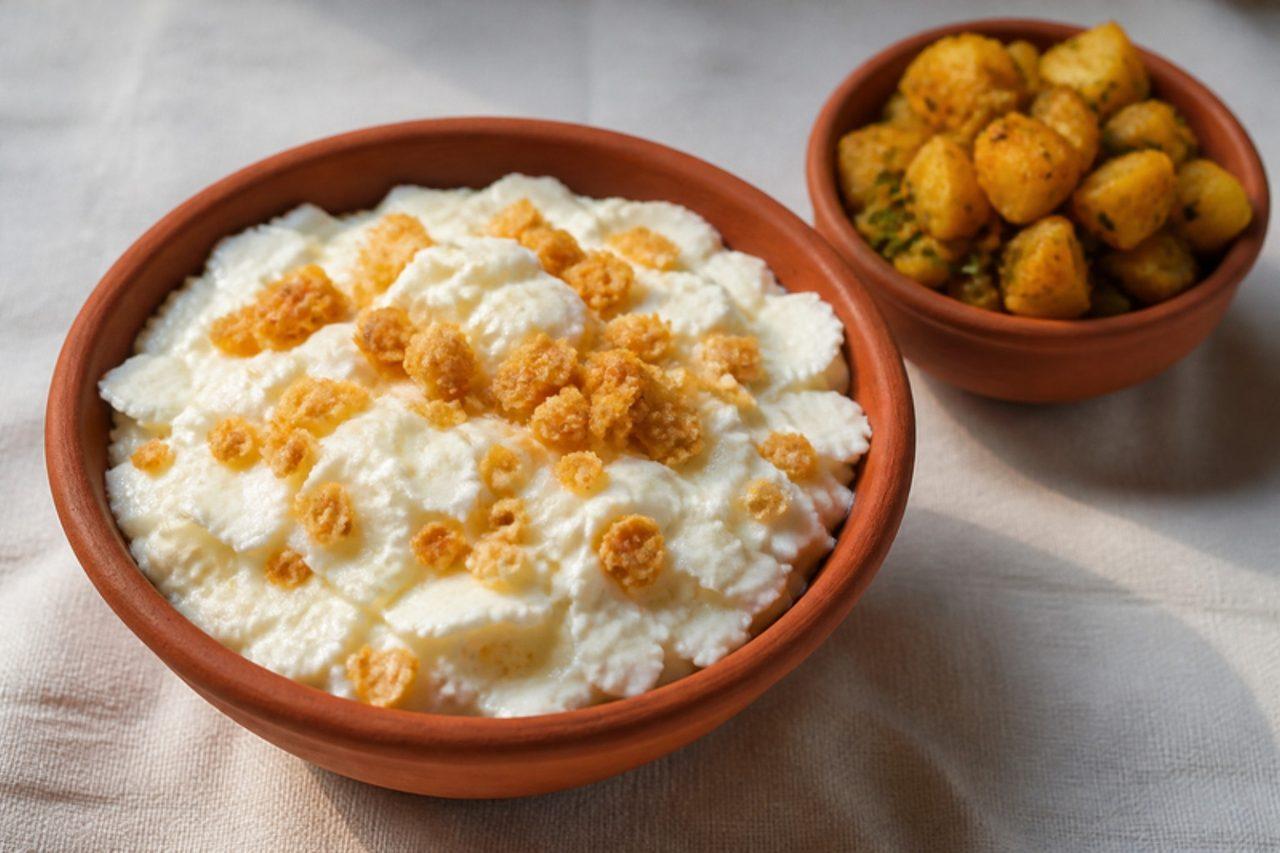
Dahi churaFlattened rice with curd and jaggery

Dahi chura belongs to Bihar and eastern Uttar Pradesh: it is the traditional Makar Sankranti breakfast, but on summer nights in Patna and Gaya it is also the supper that needs no stove at all. Thick chura (flattened rice) is rinsed, mixed with creamy set curd and sweetened with jaggery, then eaten with a spicy potato sabzi or a pinch of pickle alongside. It is cool, mildly sweet and gently chewy. The usual mistake is soaking the chura in water, which leaves it soggy and dilutes the curd. Chef's tip: rinse the chura and let it drain for two minutes so the flakes swell from the water clinging to them, then add the curd.

by KrazyBadal 0 views

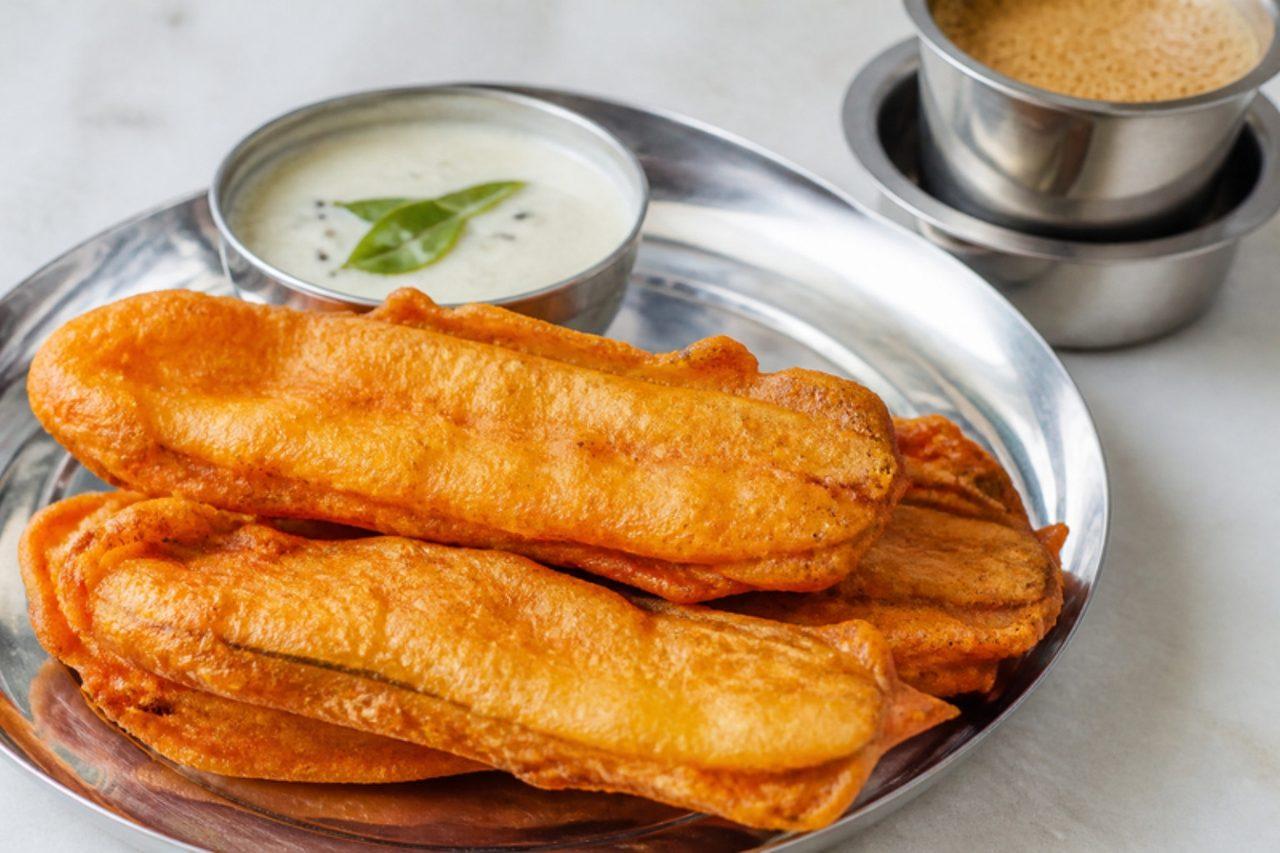
Vazhakkai bajjiRaw banana fritters

Every Chennai beach stall and every Tamil wedding tiffin has a tray of vazhakkai bajji, long thin slices of raw plantain in a soft, puffy, red-tinged coat. They are best eaten minutes out of the oil around 5 pm, with coconut chutney and a tumbler of coffee. The mistake is slicing too thick: the banana stays starchy and hard while the batter overbrowns, so cut slices 2–3 mm thin, ideally on a mandoline, lengthways. Chef's tip: a spoonful of rice flour and a pinch of hot oil whisked into the batter makes the coating crisp outside and keeps it from going soggy.

by KrazyBadal 0 views

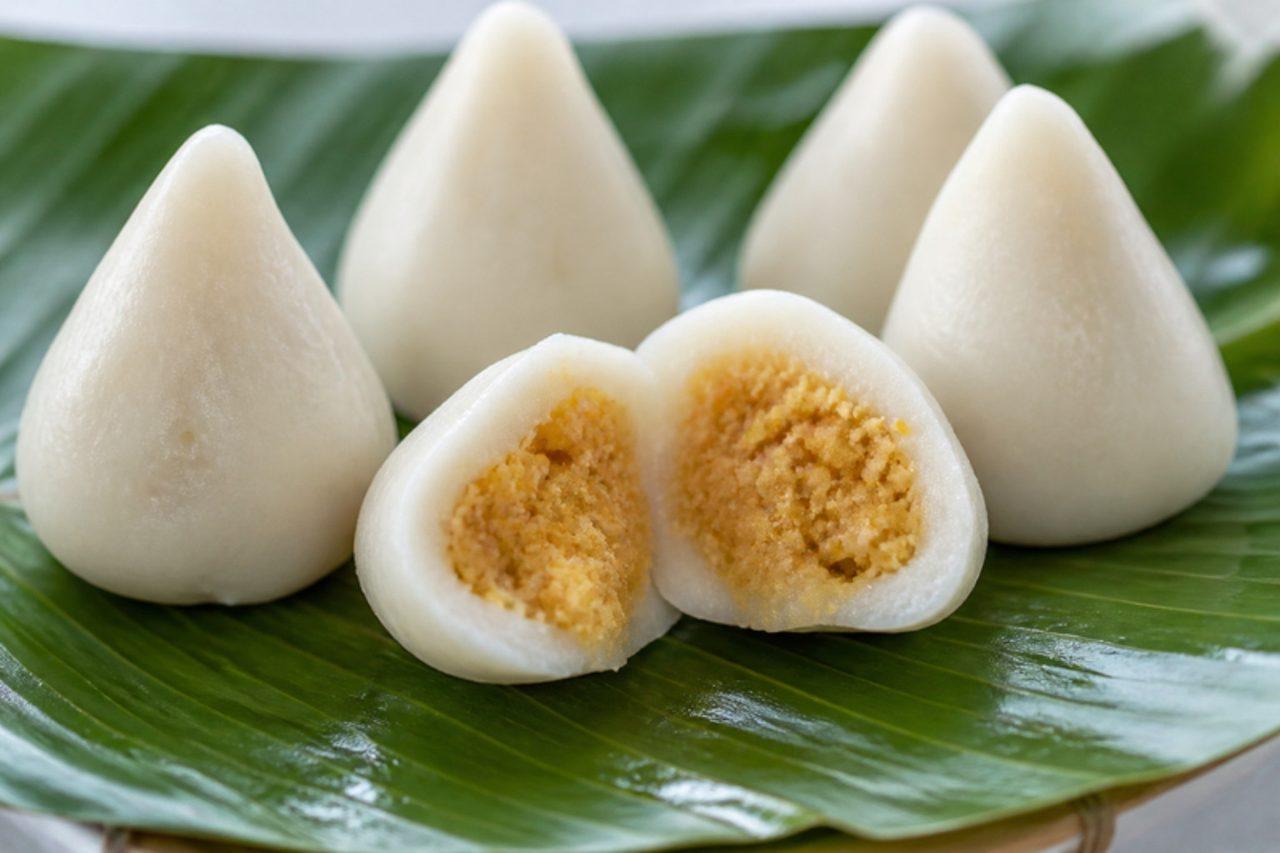
Ulundu kozhukattaiUrad dal-filled rice dumplings

On Vinayaka Chaturthi, Tamil kitchens make two kinds of kozhukattai side by side: sweet ones with coconut and jaggery, and these savoury ulundu kozhukattai, filled with a crumbly, peppery urad dal 'usili'. The thin rice-flour shell turns translucent when steamed, and the filling is soft, savoury and fragrant with curry leaves. The mistake is a wet filling: if the ground dal isn't steamed and then crumbled dry in the pan, it leaks and the shells split. Chef's tip: make the shells as thin as you can while still holding the filling; thick shells taste stodgy.

by KrazyBadal 0 views

Set dosaThick spongy dosas

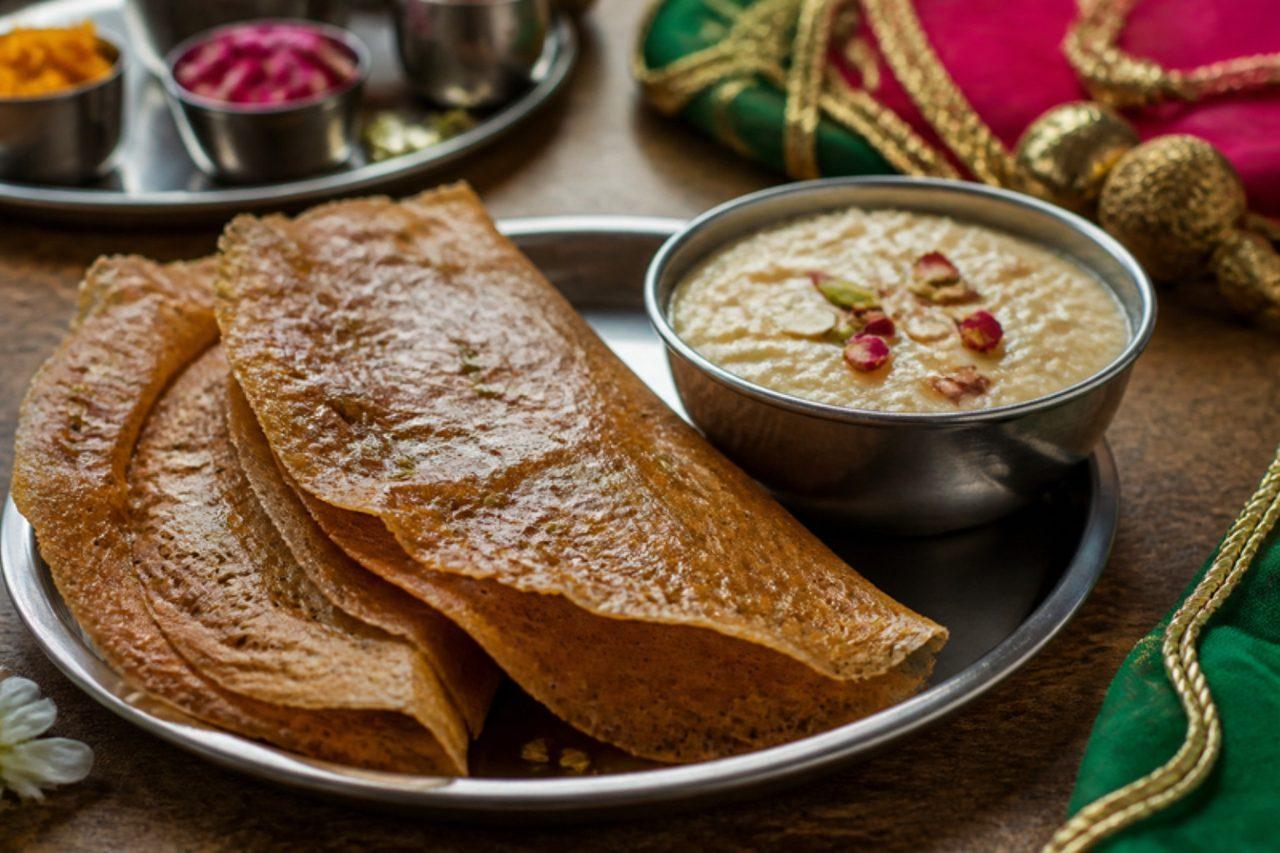
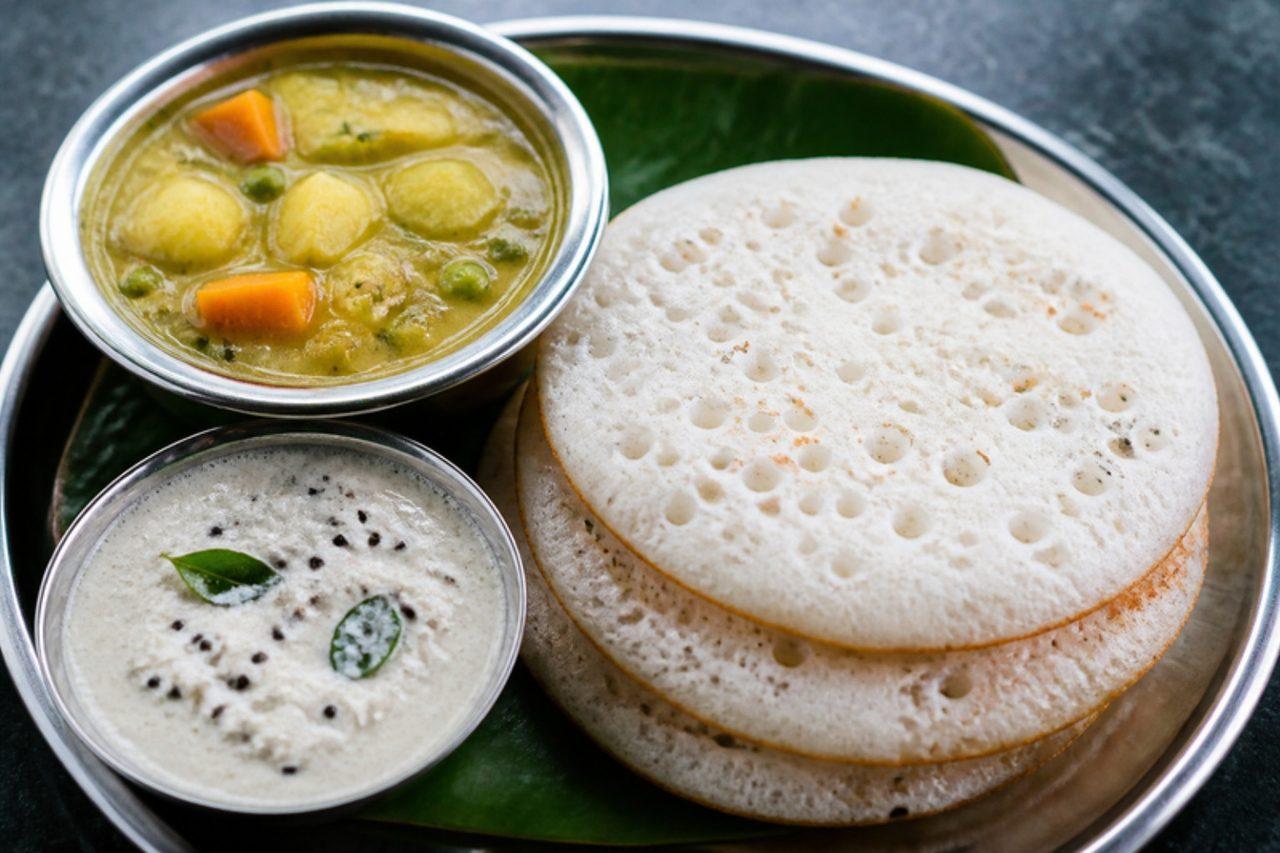
Set dosa is a Bengaluru darshini breakfast, ordered as a 'set' of three small, thick, pancake-soft dosas served with vegetable sagu and coconut chutney, often before the office rush or at a lazy Sunday table. Poha and a high share of rice make the batter rise into a holey, spongy dosa that's cooked on one side only. A common mistake is spreading it thin like a crisp dosa; pour it and just nudge it into a thick round so it stays soft. Chef's tip: cover the dosa for a minute while it cooks so the steam sets the top and the holes stay open.

by KrazyBadal 0 views

Methi laddooFenugreek and jaggery laddoos

Every Punjabi winter, mothers and grandmothers roast a big batch of methi laddoos and hand out one a day with morning tea or warm milk, for strength and to keep the cold out of the joints. Fenugreek gives a gentle bitterness that the jaggery, ghee and roasted wheat balance into something nutty and warming, with crunch from puffed gond and almonds. The mistake people make is roasting the atta on high heat: it browns outside, stays raw inside and the laddoos taste floury. Keep it low and patient until it smells of biscuits. Chef's tip: soak the fenugreek powder in milk overnight; it softens the bitterness so even children will eat them.

by KrazyBadal 0 views

Kakara pithaFried semolina coconut cakes

In Odisha no festival plate is complete without kakara pitha, and during Durga Puja (and on Prathamastami and Dussehra) Odia homes fry them by the dozen to offer and share. A soft semolina dough cooked in sweetened milk-water is wrapped around a filling of fresh coconut, jaggery, cardamom and a surprising pinch of crushed black pepper, flattened into discs and fried in ghee until golden. They are crisp outside, soft and chewy within, with a gently spicy sweet centre. Common mistake: letting the jaggery filling stay wet, which makes it leak and burst in the hot fat; cook it until it gathers into a ball that leaves the pan clean. Chef's tip: knead the cooked semolina while it is still warm with a little ghee on your palms; it turns smooth and pliable and will not crack as you shape the pitha.

by KrazyBadal 0 views

Tal ni chikkiSesame jaggery brittle

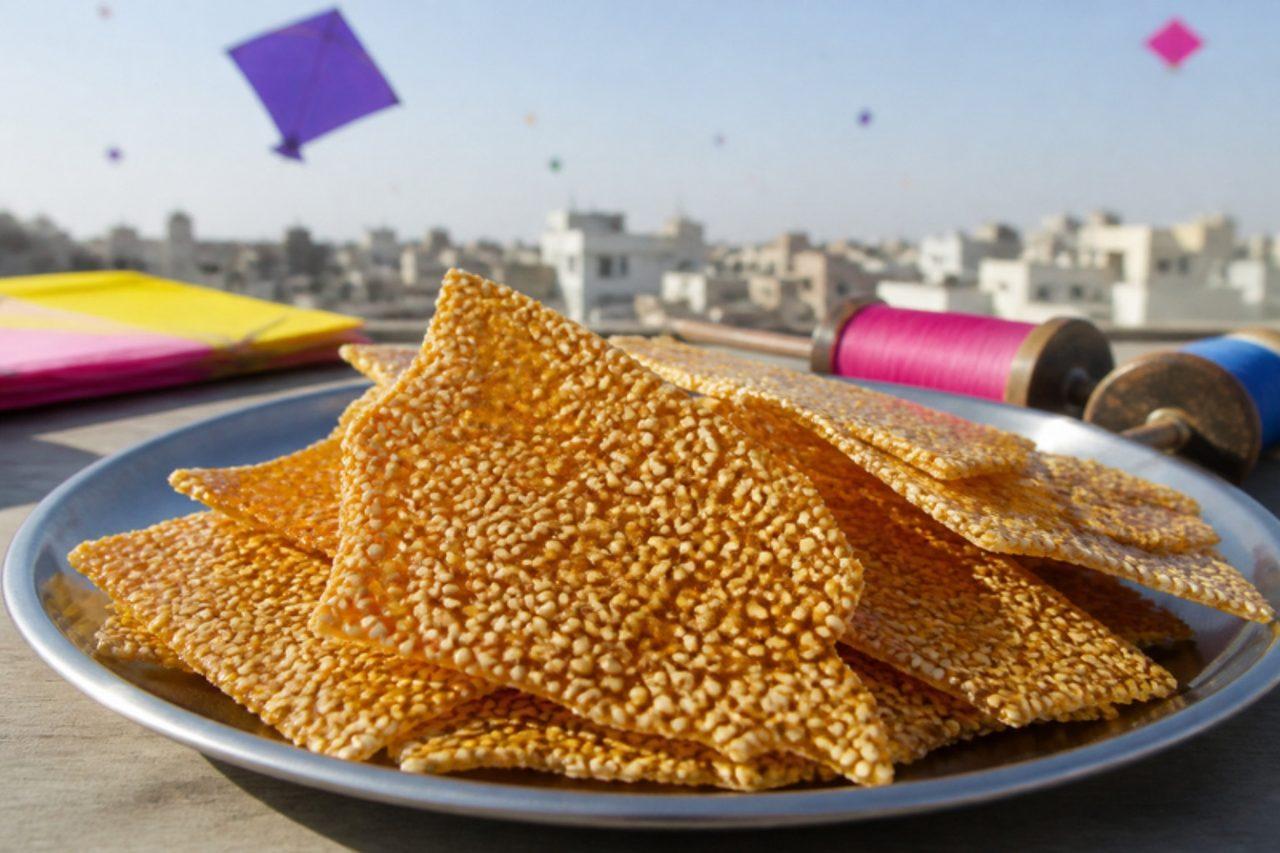
On 14 January every Gujarati rooftop fills with kite-flyers, and somewhere between the manja reels there is always a tin of tal ni chikki, broken into shards. The thinnest kind, tal sankli, is rolled out so fine you can almost see through it; it shatters with a snap and tastes of toasted sesame and dark caramel. It is a two-ingredient sweet where everything depends on the jaggery. Common mistake: pulling the jaggery off the heat too soon; it must reach the hard-crack stage, when a drop in cold water sets instantly and snaps cleanly, or the chikki stays chewy and sticks to the teeth. Chef's tip: work fast and roll on the greased back of a steel thali; if it hardens before you finish, warm it in the pan for a few seconds.

by KrazyBadal 0 views

Narali bhaatCoconut jaggery rice

On the full moon of Shravan, Konkan fishing families offer a coconut to the sea to mark the end of the monsoon, and the same day in most Maharashtrian homes is Raksha Bandhan, so sisters and brothers sit down to a plate of narali bhaat. It is basmati or ambemohar rice cooked with fresh grated coconut, jaggery, ghee, clove and cardamom until each grain is glossy, golden-brown and separate, with cashews and raisins through it. It tastes of caramel and coconut, warm and only gently spiced. Common mistake: adding the jaggery to rice that is not fully cooked; jaggery stops rice softening, so the grains must be tender before it goes in, then the mixture is cooked until the syrup is absorbed and the rice looks dry and shiny. Chef's tip: keep the rice slightly undercooked when you first boil it and spread it on a plate to cool; firm, cool grains stay whole when they meet the hot jaggery.

by KrazyBadal 0 views

Sattu ke ladduRoasted gram laddus

Kajli Teej in Bundi, Rajasthan, falls in the dark fortnight of Bhadrapad, when women fast for their husbands and break the fast in the evening by moonrise with sattu: roasted gram flour mixed with ghee, sugar and nuts and pressed into laddus or one large decorated cake called a sattu pinda. The laddus are nutty, soft, powdery and very filling. Common mistake: using plain besan instead of sattu, or under-roasting the sattu, which tastes raw; roast gently in ghee until it smells biscuity and the ghee starts to separate at the edges. Chef's tip: shape while the mix is warm but cool enough to hold, and press each laddu firmly in your palm so it does not crumble.

by KrazyBadal 0 views

SunthavadaDry ginger, coconut and sugar mix

At exactly noon on Ram Navami, when Maharashtrian temples and homes rock a decorated cradle to mark Rama's birth, each person is handed a spoonful of sunthavada: dry ginger powder, toasted dry coconut, poppy seeds and sugar pounded together into a fragrant, warming powder. The same mix is given at Janmashtami midnight. It is sweet, nutty and gently fiery from the ginger. Common mistake: burning the coconut; it should be toasted on a low heat only until it turns pale gold and smells sweet, then cooled before grinding so it does not turn oily. Chef's tip: grind in short pulses; long grinding releases the coconut oil and the powder clumps.

by KrazyBadal 0 views

Mor kaliButtermilk rice flour cake

Mor kali is a quick Tamil tiffin of the old style, made in Tirunelveli and Chennai Brahmin homes when there's sour buttermilk to use up. Rice flour is stirred into tempered buttermilk until it turns glossy and leaves the pan, then cut into squares, soft and wobbly with the salty, smoky crunch of fried mor milagai (curd chillies). The mistake is stopping too early: undercooked kali tastes raw and sticks to the teeth, so cook until it rolls into a ball that doesn't stick to a wet finger. Chef's tip: use buttermilk that is properly sour, a day or two old; fresh buttermilk tastes flat here.

by KrazyBadal 0 views

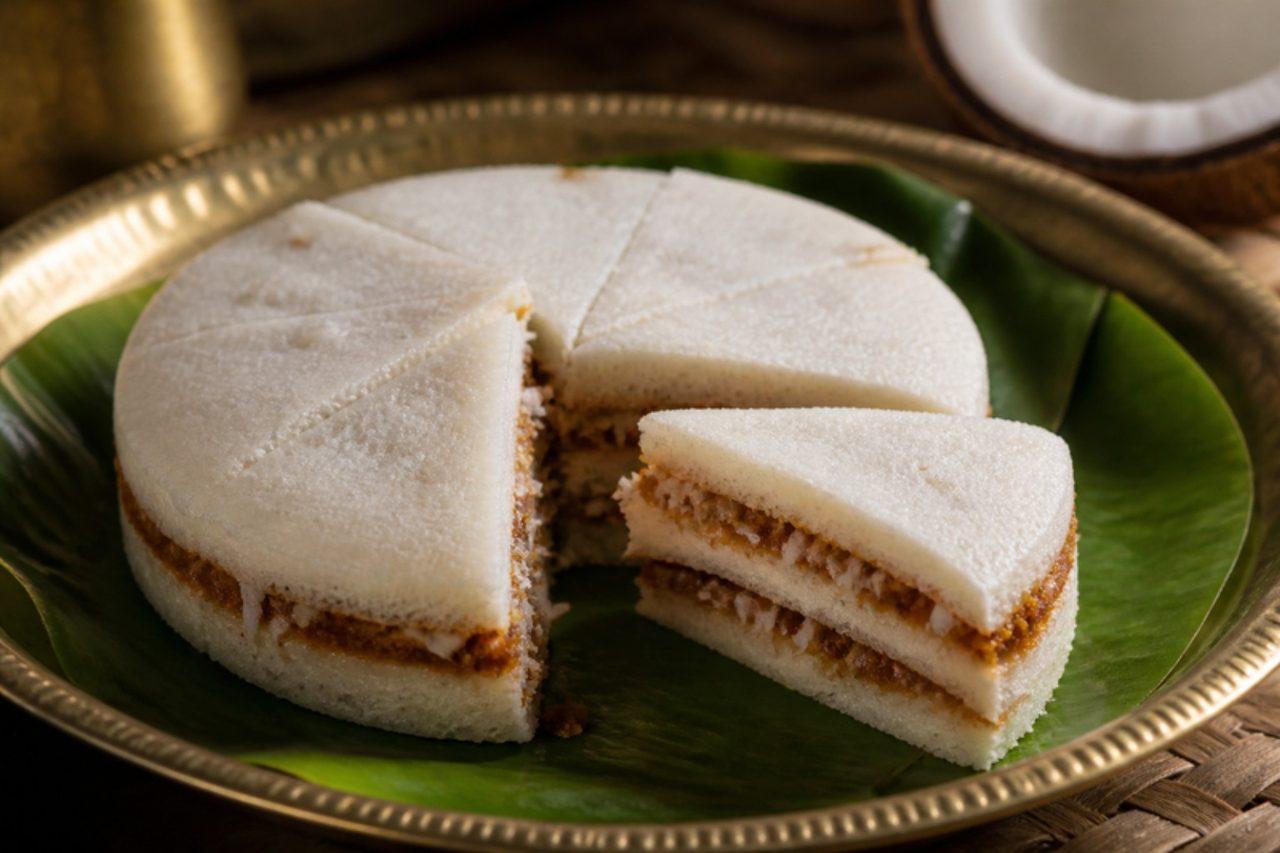
Tekeli pithaSteamed coconut jaggery rice cake

In Assamese homes the nights before Magh Bihu are spent making pitha, and tekeli pitha is the one named after the pot it is cooked on: a cloth is tied over the mouth of a tekeli (a small clay water pot), and damp rice flour, coconut and jaggery are piled on top and steamed by the water boiling underneath. It comes off as a soft, crumbly cake, sweet in the middle and plain at the edges, eaten warm with tea on Bihu morning or packed into the bhogali spread. Any narrow-necked pot or saucepan works at home. Common mistake: using dry shop rice flour straight from the packet; it needs to be just damp enough to clump when pressed, or the cake falls apart, and it is done when the top looks matt and a skewer comes out clean, about 10–12 minutes. Chef's tip: soak and grind your own rice flour if you can; flour from soaked rice, dried for an hour, gives the softest pitha.

by KrazyBadal 0 views

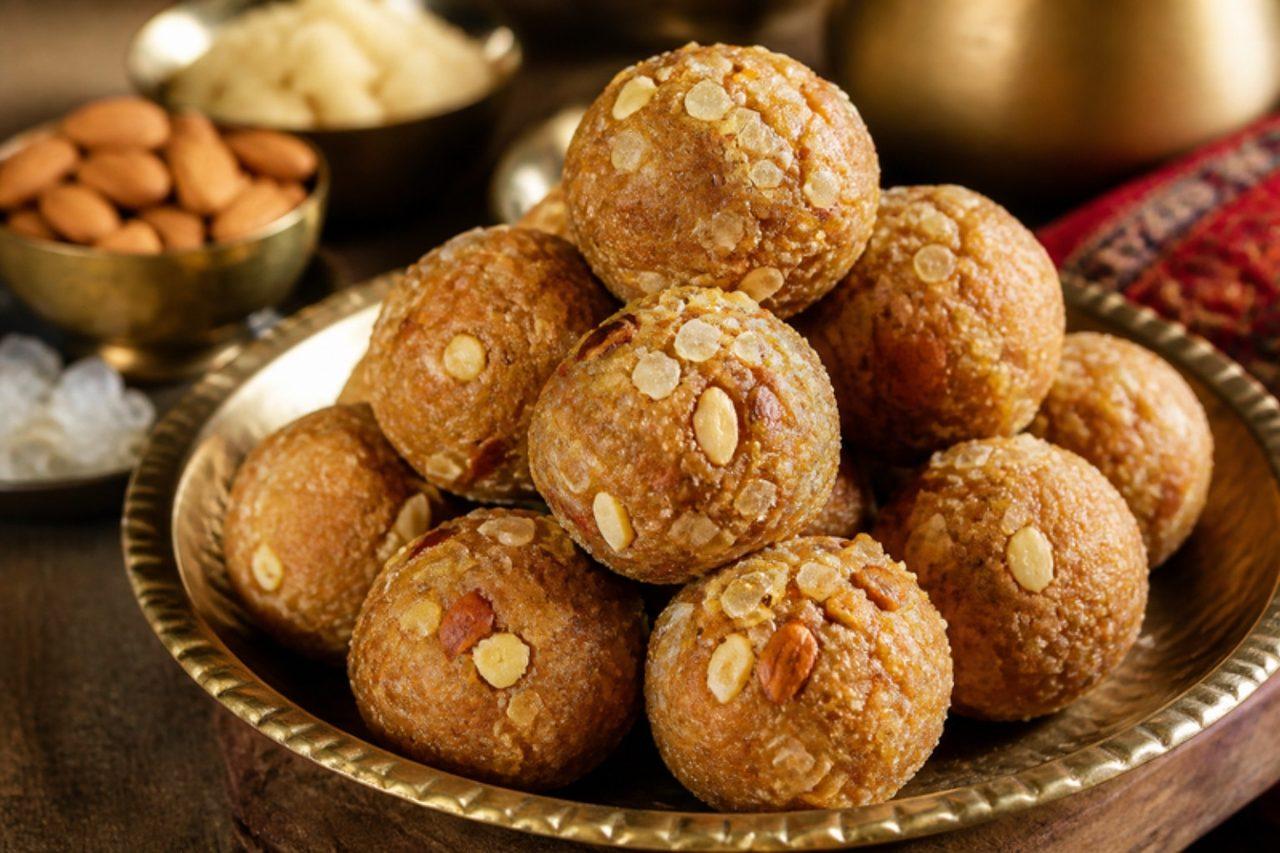
Gond ke ladduEdible gum and flour laddus

When the January cold sets in around Lohri, Punjabi and Marwari kitchens make a tin of gond ke laddu, one of which is eaten each morning with hot milk to keep warm through winter. Edible gum (gond, from the acacia tree) is fried in ghee until it puffs into light crunchy nuggets, then crushed and mixed with ghee-roasted wheat flour, jaggery, dry ginger and plenty of nuts, so the laddus are rich, crumbly and crackle as you bite. Common mistake: frying the gum in oil that is too hot; it browns outside and stays glassy and chewy in the middle, so fry it on a medium heat until each piece swells to twice its size and turns opaque white. The flour is done when it smells nutty, turns golden and the ghee loosens at the edges. Chef's tip: roll the laddus while the mixture is still warm; once it cools it will not bind.

by KrazyBadal 0 views

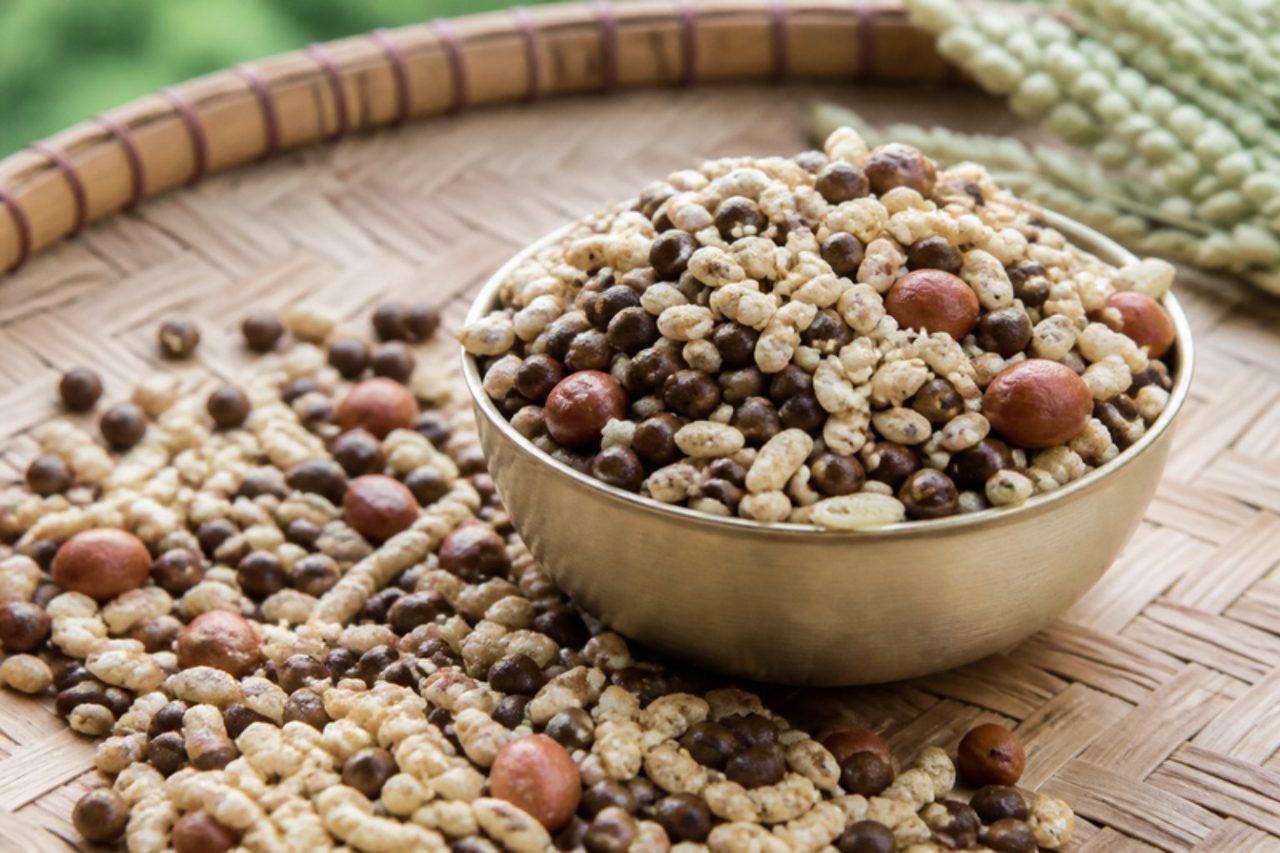
Mah-karaiRoasted rice and sesame mix

On Goru Bihu, the first day of Bohag Bihu in mid-April, Assamese families bathe the cattle in the river and then sit down to a handful of mah-karai, a crunchy mix of separately roasted grains and seeds that is said to keep the body strong for the year ahead. It is nutty, dry and gently salty, with the odd sharp slice of fresh ginger, and is passed round in a small bowl alongside jolpan and pitha. Common mistake: roasting everything in one pan; each item browns at its own pace, so roast them one by one until they smell toasted and crackle when shaken. Chef's tip: roast the black gram first and longest, until it splits and turns deep brown, because undercooked gram stays hard as gravel.

by KrazyBadal 0 views

Makai pauva no chevdoCorn flake snack mix

Makai pauva no chevdo is the quickest chevdo in a Gujarati farsan shop, and the one that disappears first from Diwali trays. Raw, unsweetened corn flakes (makai pauva) are fried in batches until they puff and blister, then tossed with fried peanuts, roasted chana, curry leaves, raisins, a little sugar and chilli. It is light, crunchy and sweet-salty, perfect with afternoon tea. The common mistake is using breakfast cereal flakes, which are sugared and burn at once; buy the plain makai pauva sold in Indian grocers. Chef's tip: fry a small handful at a time; they puff and turn crisp in seconds and need to come out before they darken.

by KrazyBadal 0 views

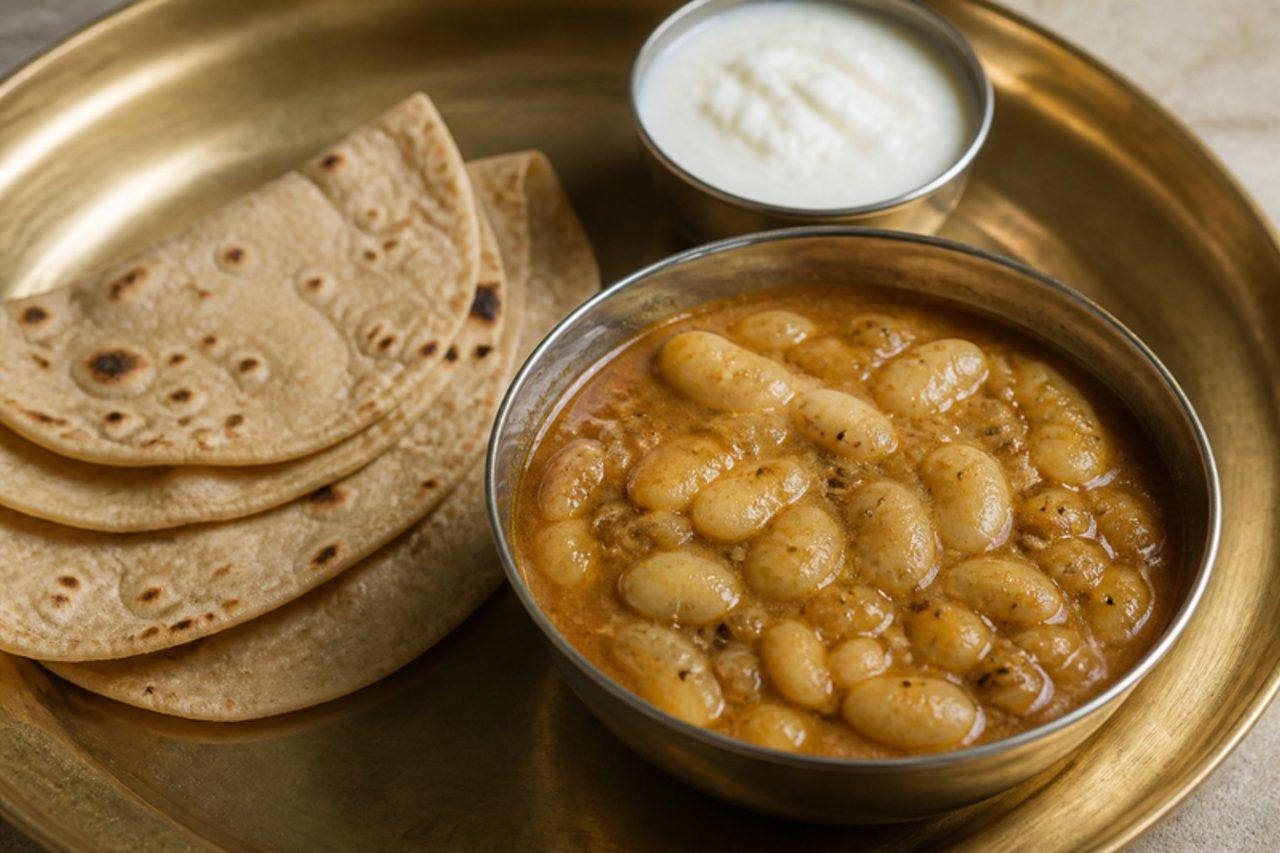
Vaal nu shaakDried field beans with ajwain

During the eight days of Paryushan many Gujarati Jain families stop eating green, leafy and fresh vegetables, so the kitchen turns to dried pulses, and vaal (dried field beans) cooked soft with ajwain and hing is a regular on the thali. This recipe is fully Jain: no onion, no garlic, no fresh ginger and no root vegetables, with dry ginger powder for warmth and amchur instead of tomato for sourness. The beans are creamy and a little bitter-sweet, balanced by jaggery, and are eaten with rotli, rice and kadhi, finished before sunset in strict homes. Common mistake: using beans that have not soaked long enough; they stay hard and split unevenly. Cook them until one squashes easily between your thumb and finger, but not so long that they burst. Chef's tip: ajwain and hing make vaal much easier to digest, so do not skip the tempering; for a gluten-free dish use a gluten-free hing.

by KrazyBadal 0 views

Seepu seedaiFried rice flour coconut curls

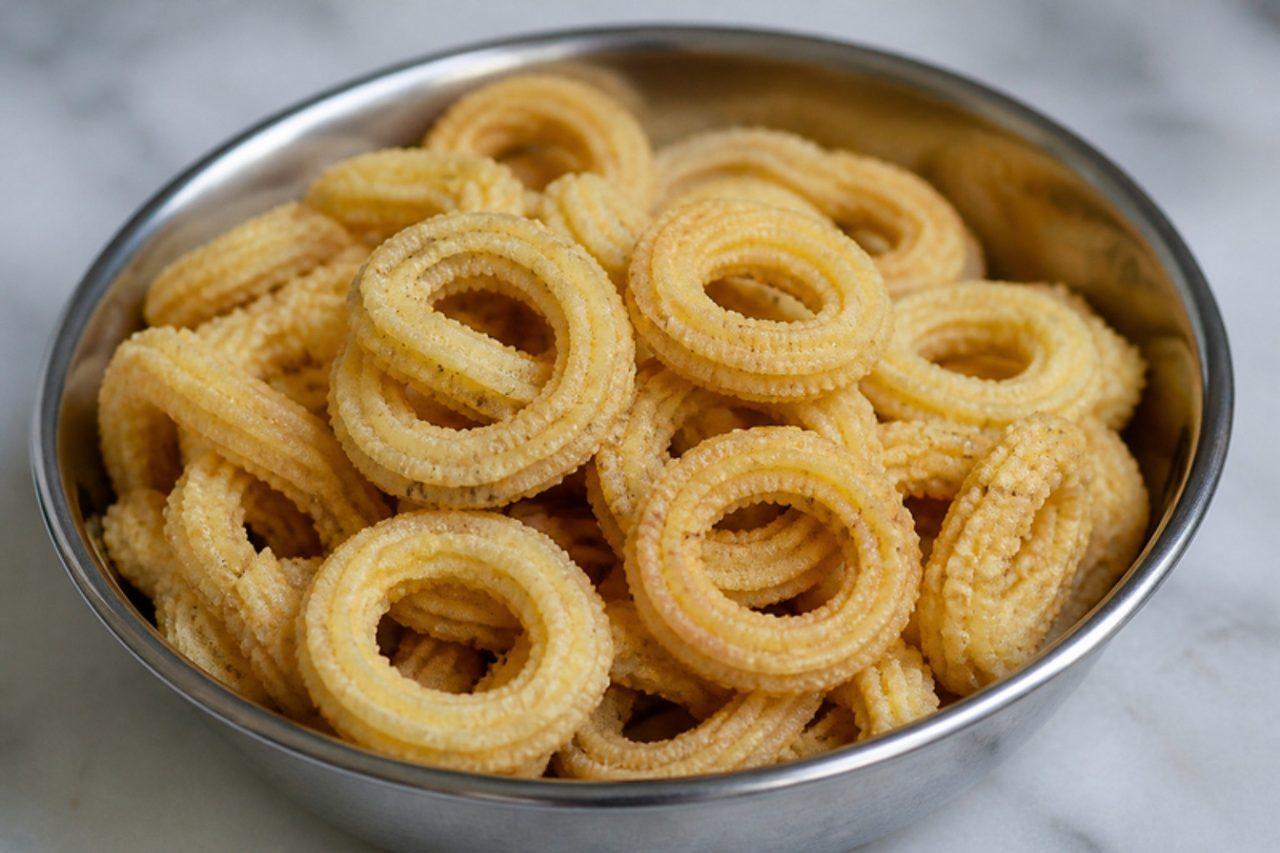
Seepu seedai is one of the small crunchy snacks Tamil families fry for Krishna Jayanthi, laid out on the puja plank with uppu seedai, murukku and butter. The dough is enriched with coconut milk and pressed through the 'comb' (seepu) disc, then each ridged strip is curled into a ring, giving a delicate, mildly sweet crunch. A common mistake is skipping the roasting of the rice flour: damp flour makes seedai that burst in the oil. Chef's tip: press several strips at once onto a plate, then curl them quickly before they dry and crack.

by KrazyBadal 0 views

Showing 72 of 2,797 recipes

Show more recipes

Page 9 of 117

More Jain ideas

Other diets