Skip to content
WhatToEat.Today

No onion, no garlic recipes (Swaminarayan and sattvic)

3,481

3481 vegetarian recipes cooked without onion or garlic, as in Swaminarayan and sattvic kitchens, with no meat, fish, eggs or alcohol. Each has photos, step-by-step instructions and cook times. The quickest, Apfelschorle, takes 2 minutes. Most take around 45 minutes.

Filter these by time, diet or cuisine · Make No onion & garlic your diet to see only these recipes everywhere on the site.

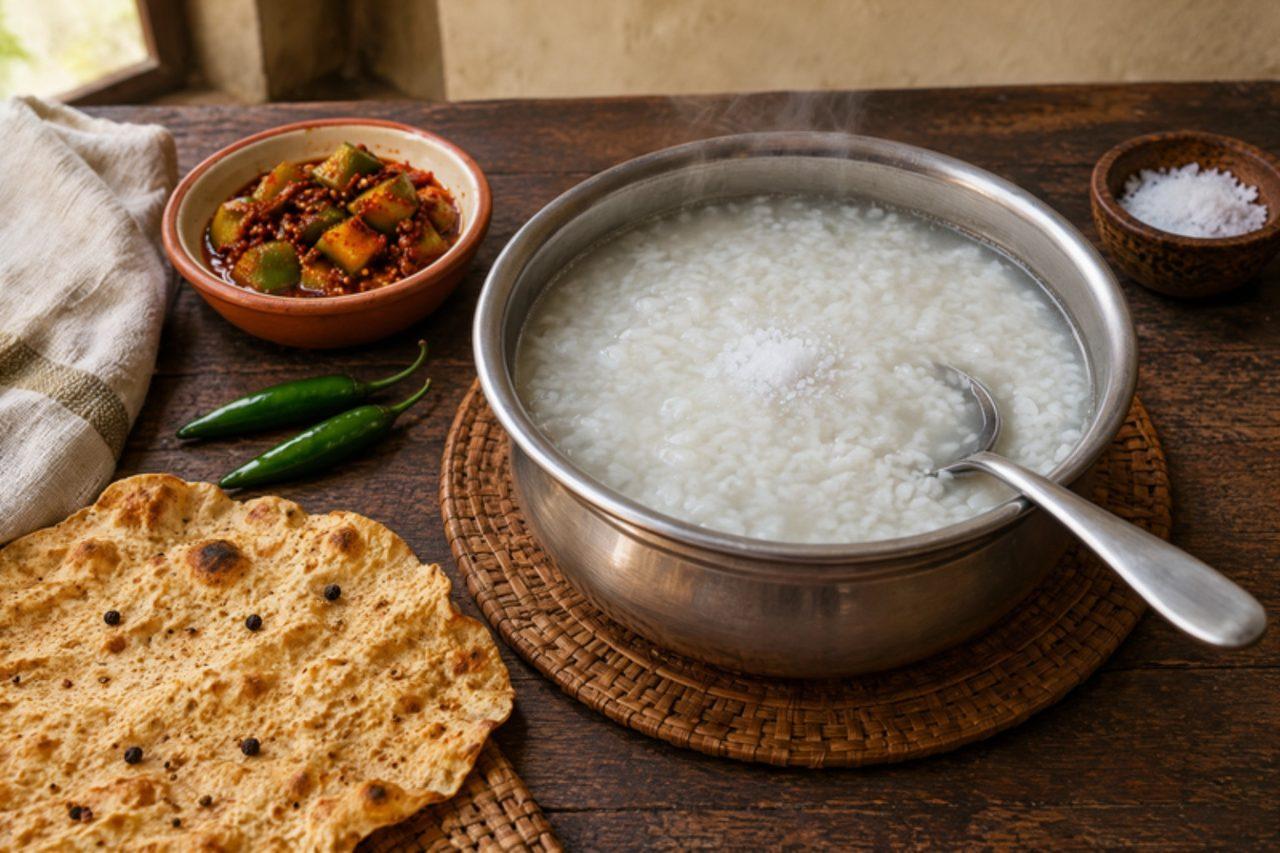
Goan pezRice porridge with pickle and papad

Pez is the plainest food in a Goan kitchen and one of the most loved: red parboiled rice simmered in plenty of water until the grains burst and the liquid turns milky. Fishermen and farmers ate it before a day's work, mothers serve it to anyone who feels unwell, and on heavy monsoon evenings it comes with a spoon of mango or lime pickle, a roasted papad and sometimes a dry fish or vegetable on the side. The mistake is cooking it in too little water so it becomes a sticky porridge; good pez has whole soft grains floating in thin, starchy broth. Chef's tip: stir in a little salt only at the end and let everyone add buttermilk or coconut milk to their own bowl.

by KrazyBadal 0 views

NeureosCoconut and jaggery pastries

No Goan Catholic kuswar, the tray of Christmas sweets sent to neighbours, is complete without neureos, little crimped half-moons of crisp pastry stuffed with fresh coconut cooked down with jaggery, cardamom and a few raisins or cashews. Families gather in the week before Christmas to roll, fill and pinch them by the hundred, and they keep well in a tin until New Year. The common mistake is a wet filling: if the coconut mix is still moist when sealed the pastries burst in the oil, so cook it until it leaves the pan and cool it fully. Chef's tip: use a fluted pastry wheel to trim the edge after crimping, which gives the classic frilly finish and a tighter seal.

by KrazyBadal 0 views

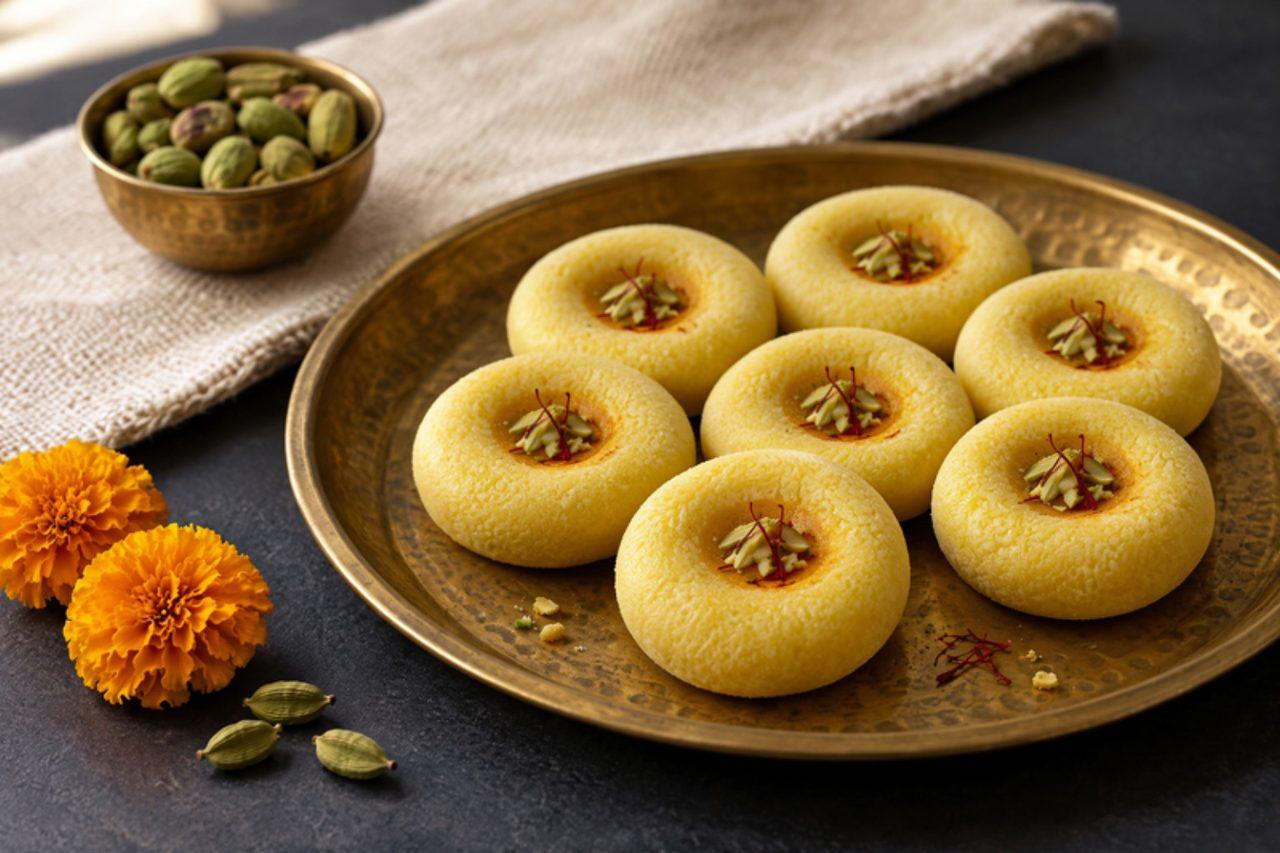
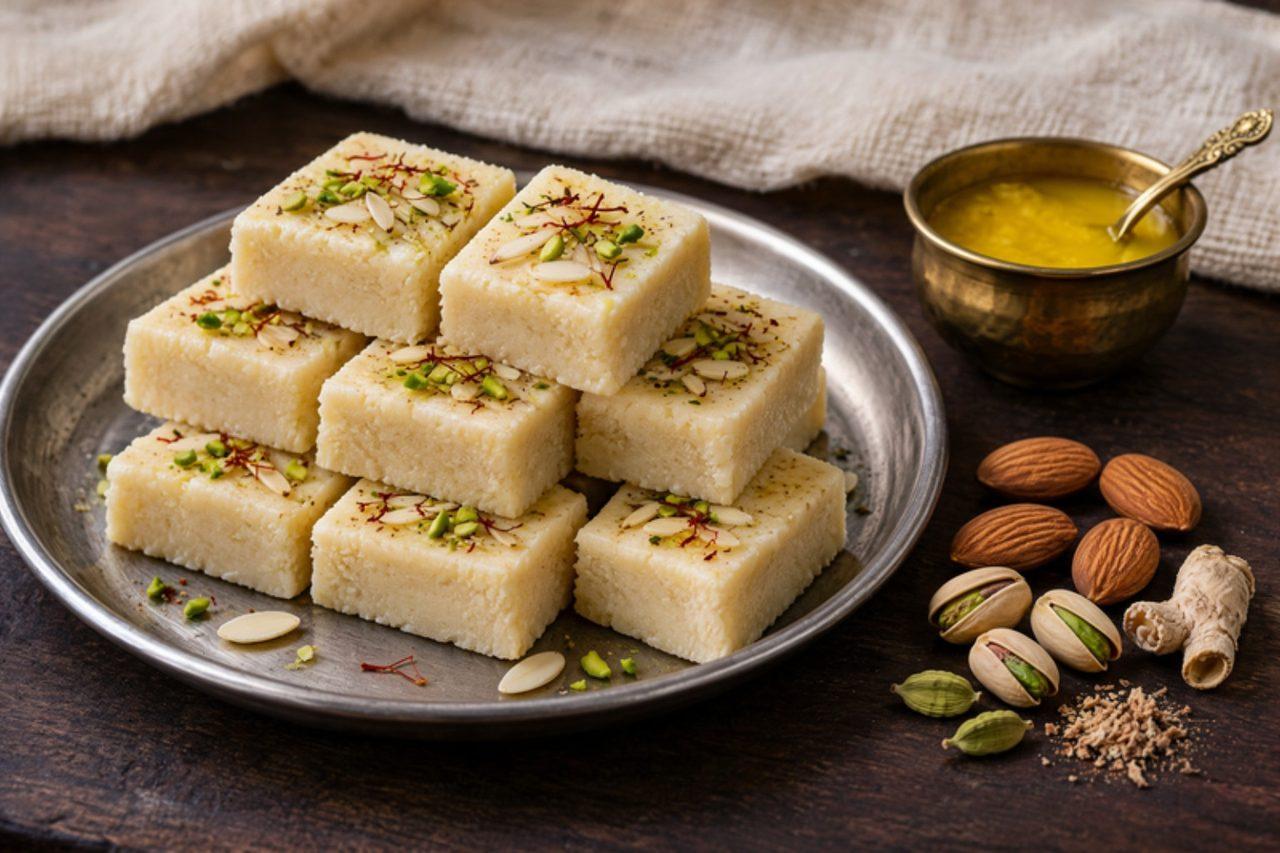
Kesar pendaSaffron milk pendas

In Ahmedabad, any good news, from exam results to a new home or a newborn, means a box of kesar penda passed around the office and the street. These are soft, creamy pendas of fresh mawa cooked briefly with sugar and plenty of saffron, so they stay pale gold and fudgy, quite unlike the browned pedas of Mathura or Dharwad. The common mistake is overcooking the mawa once the sugar goes in, which turns the pendas dry and cracked at the edges. Chef's tip: stop cooking as soon as a small piece rolls into a smooth ball between your palms; they firm up as they cool.

by KrazyBadal 0 views

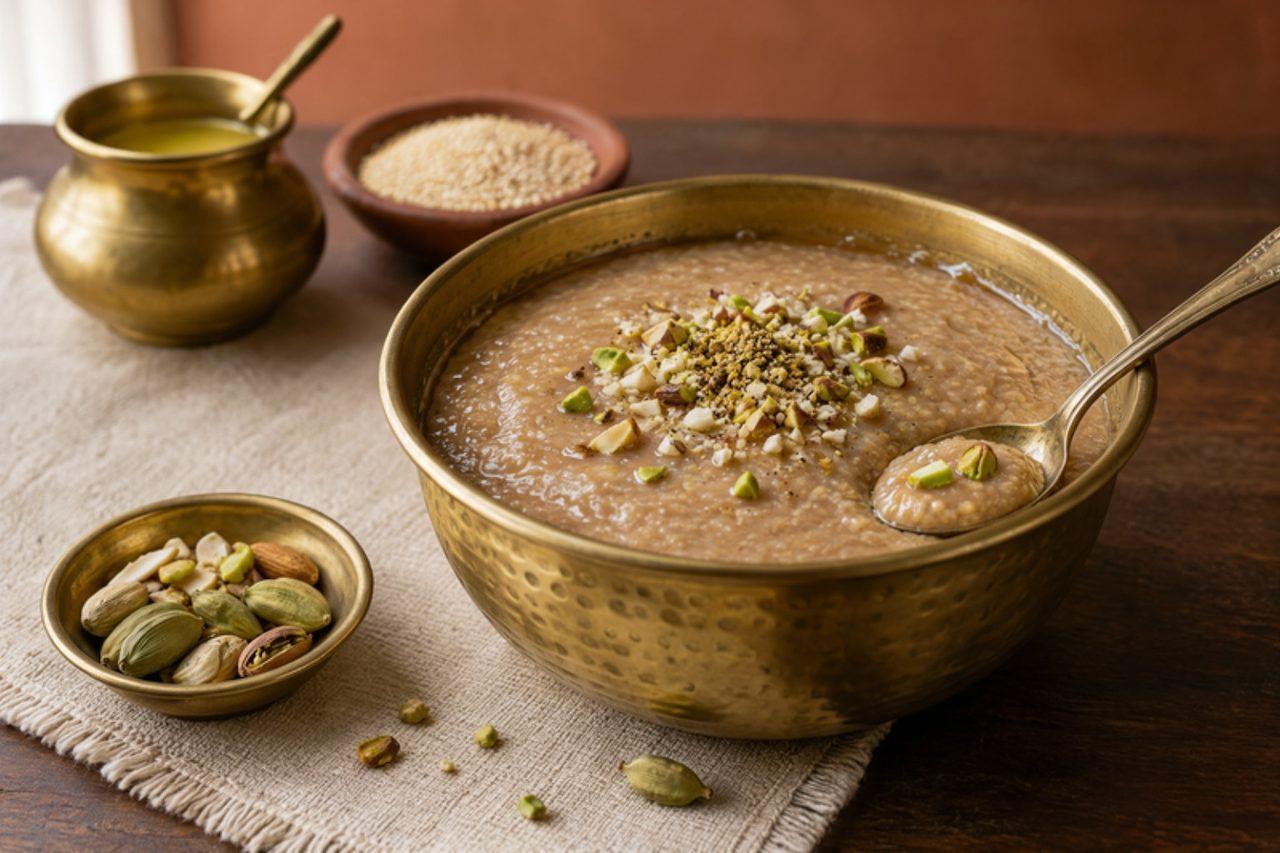
Rajgira no sheeroAmaranth flour pudding

On Ekadashi, Navratri and other fast days, Gujarati homes make this quick sheero from rajgira (amaranth) flour, which is allowed when grains are not. It is roasted in ghee until nutty, then cooked with milk and sugar into a soft, spoonable pudding with cardamom and a few nuts. It is ready in 20 minutes and is often offered to the Mataji before the family eats. The common mistake is adding cold milk to the roasted flour, which seizes into lumps. Chef's tip: heat the milk and sugar together first and pour it in slowly while you whisk.

by KrazyBadal 0 views

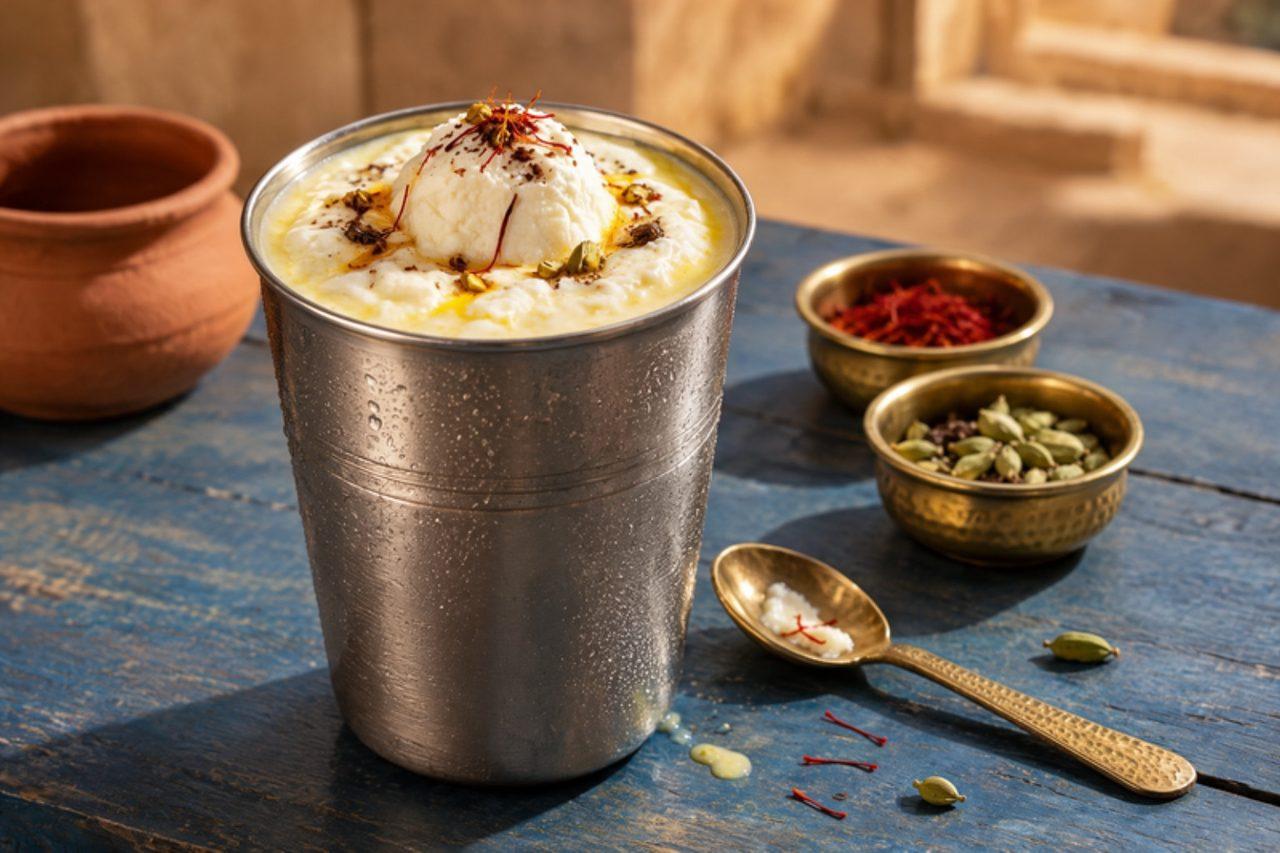
Makhaniya lassiSaffron lassi with butter

Around the clock tower and old city of Jodhpur, lassi shops churn this rich drink all day in summer: chilled set curd whisked with sugar, saffron and cardamom, poured into tall glasses and crowned with a spoon of fresh white butter (makhan) and a layer of malai. You drink the cool lassi and eat the butter and cream with a spoon. It is a meal in itself. The common mistake is thinning it with too much water or ice, which loses the thick, almost spoonable texture that makes it Jodhpuri. Chef's tip: use curd set from full-fat milk the night before and whisk it by hand or with a few pulses only.

by KrazyBadal 0 views

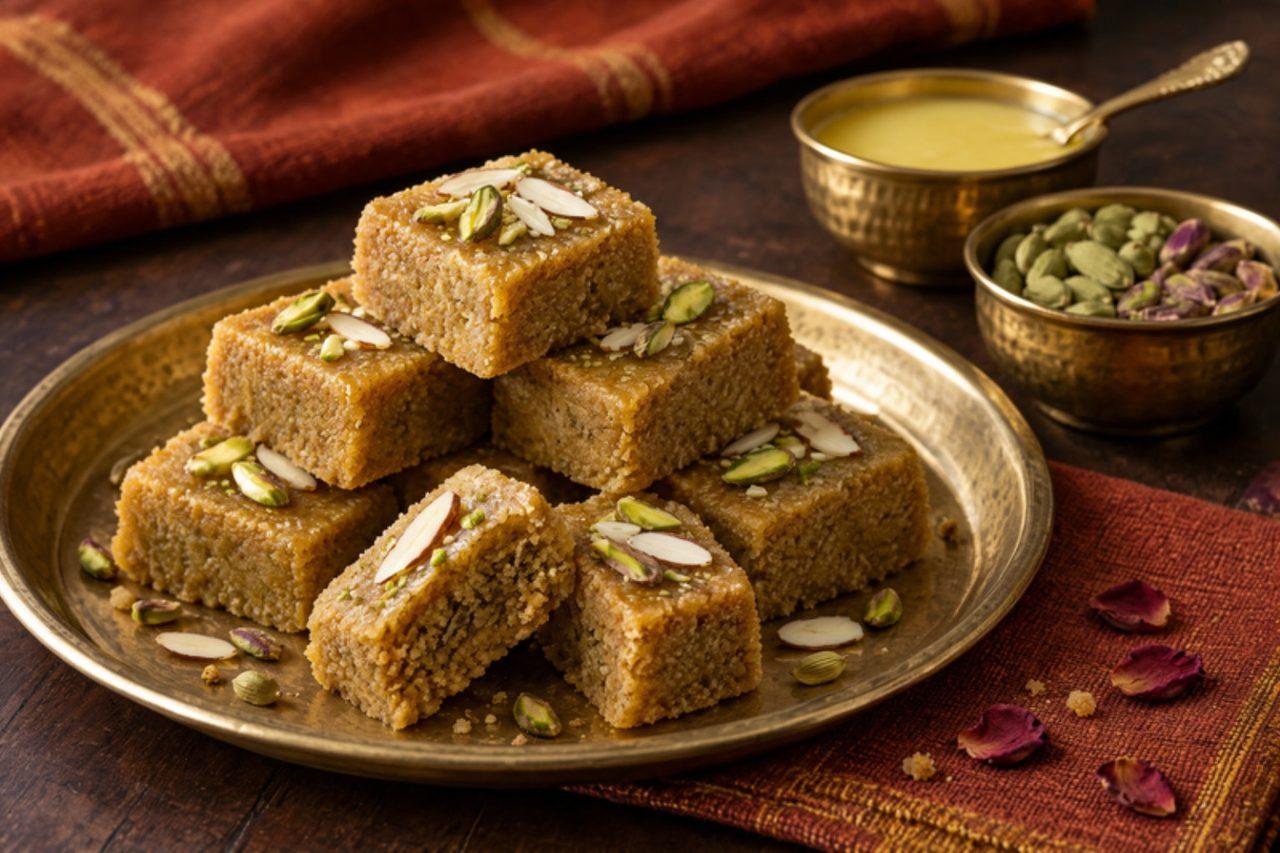
Moong thalMoong dal flour fudge

Moong thal is a Diwali tray sweet of Bikaner and Marwari homes, made by roasting coarsely ground moong dal in a generous amount of ghee, then setting it with sugar syrup and mawa and topping with nuts. It is richer and grainier than besan barfi, with a deep, toasty flavour. Marwari families in Kolkata and Mumbai still make it for Diwali boxes. The common mistake is under-roasting the moong, which leaves a raw, beany taste. Chef's tip: roast until the mixture turns light and frothy and the ghee releases from it; that is your sign it is cooked through.

by KrazyBadal 0 views

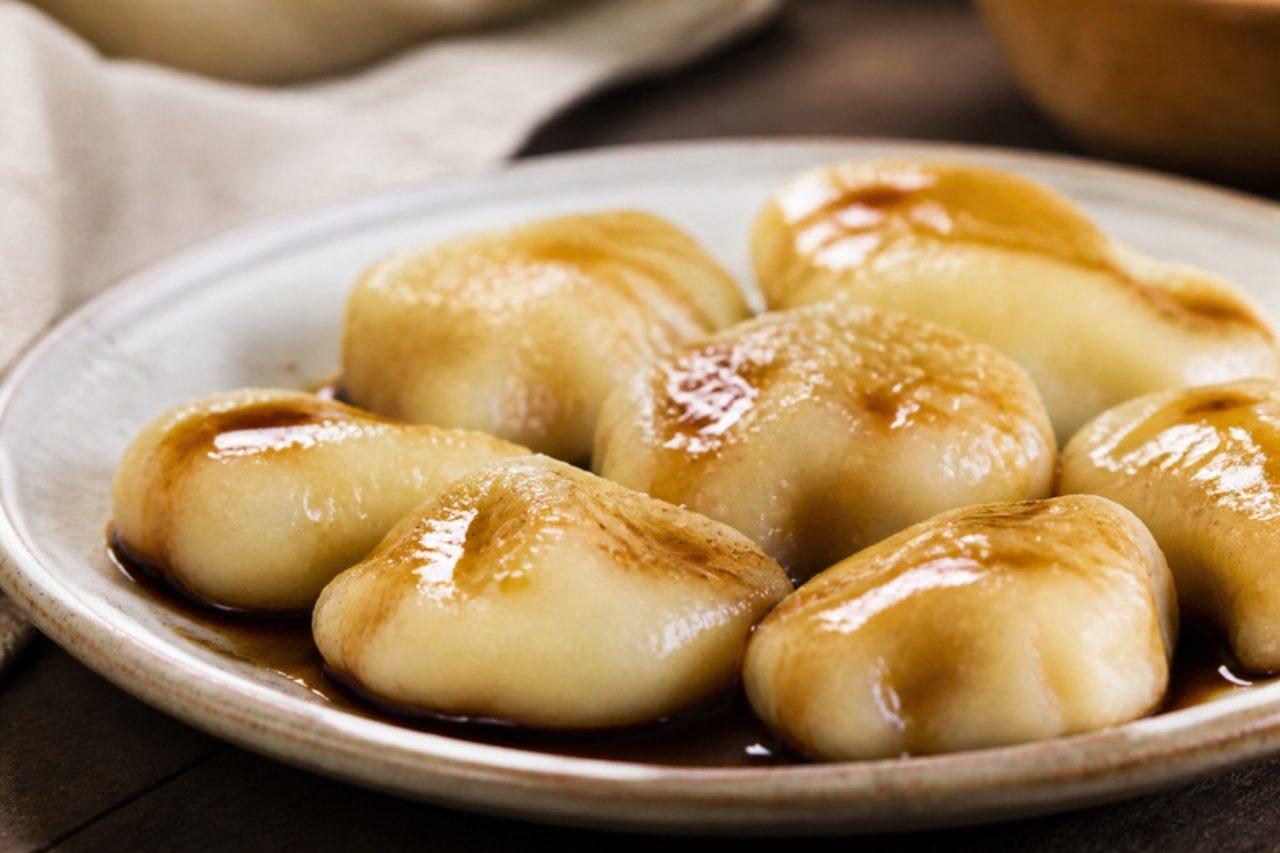
ChapalelePotato dumplings

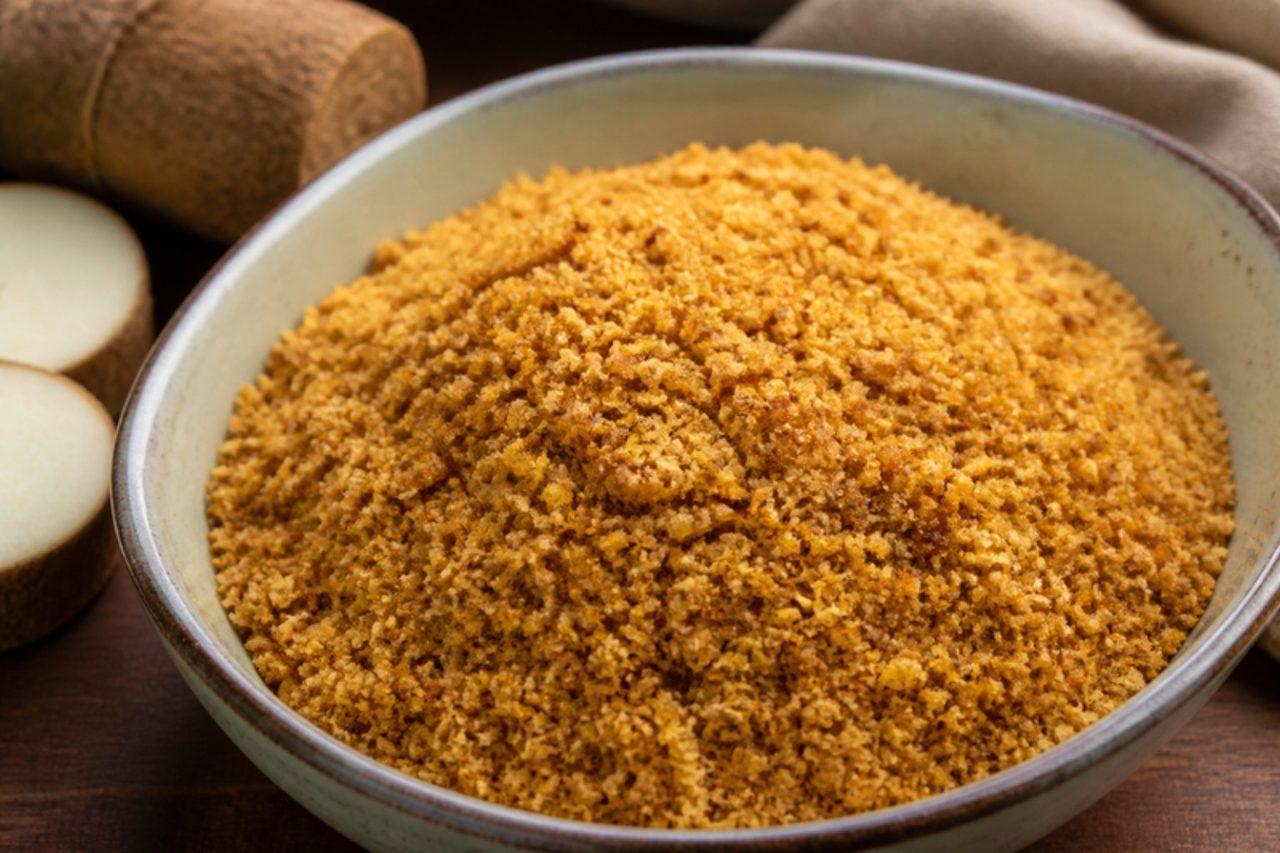
Chapalele is milcao's softer island cousin: mashed potato kneaded with wheat flour, shaped into flat discs and boiled, so the outside is smooth and slightly chewy and the inside soft. On Chiloé they come out of the curanto, sit next to a stew, or are eaten warm as a pudding with sugar syrup. The classic mistake is adding too much flour to a sticky dough, which makes them heavy and stodgy; dust your hands instead. Chef's tip: use dry, floury potatoes and mash them while hot, and the dough needs far less flour. For a sweet afternoon plate, drizzle them with dark cane-sugar syrup (chancaca) or honey if you eat it.

by KrazyBadal 0 views

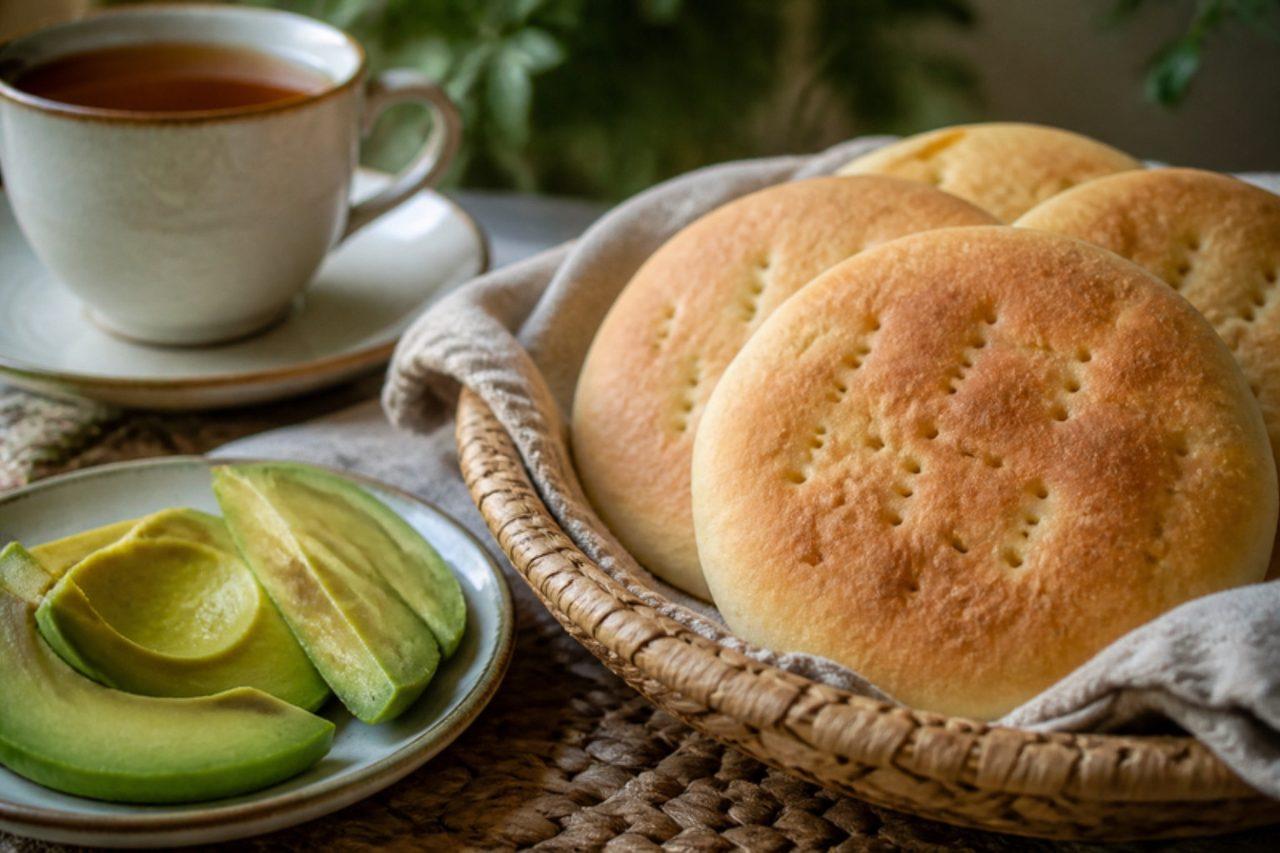
HallullaFlat round bread

If marraqueta is Santiago's crusty roll, hallulla is its soft, flat partner: a pale round about the size of a saucer, enriched with a little fat and pricked all over, with a fine, tight crumb that is perfect split and toasted with butter or filled with cheese and avocado at once. Bakeries traditionally use lard; this vegetarian version uses vegetable shortening or butter. Many home bakers let the rounds over-prove and get puffy buns; give them a short rise only. Chef's tip: fold and roll the dough several times before cutting, as bakery rollers do, to get the fine, layered crumb.

by KrazyBadal 0 views

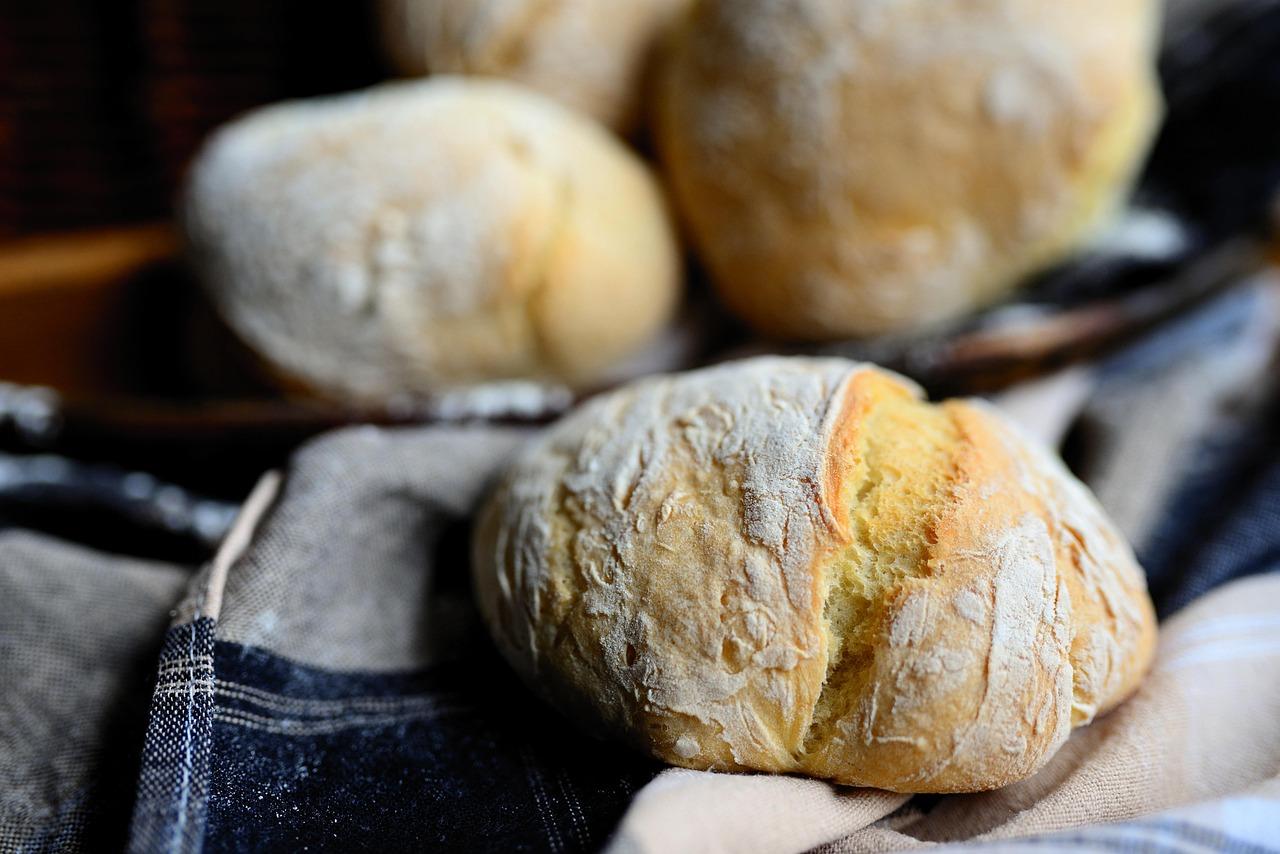
Pan amasadoHand-kneaded country rolls

Pan amasado means simply 'kneaded bread', and in the countryside of the Central Valley and the south it is still made at home, in big batches, often baked in a mud-brick wood oven and sold by the side of the road in a basket under a cloth. The rolls are round, slightly flattened and pricked, with a thin crust and a dense, tender crumb, best warm with butter and jam or with pebre. Traditionally they are made with lard; this vegetarian version uses butter or vegetable shortening. Under-kneading is the usual mistake: the crumb stays heavy. Chef's tip: knead for a full 15 minutes, the way the name says, until the dough is smooth and springs back when poked.

by KrazyBadal 0 views

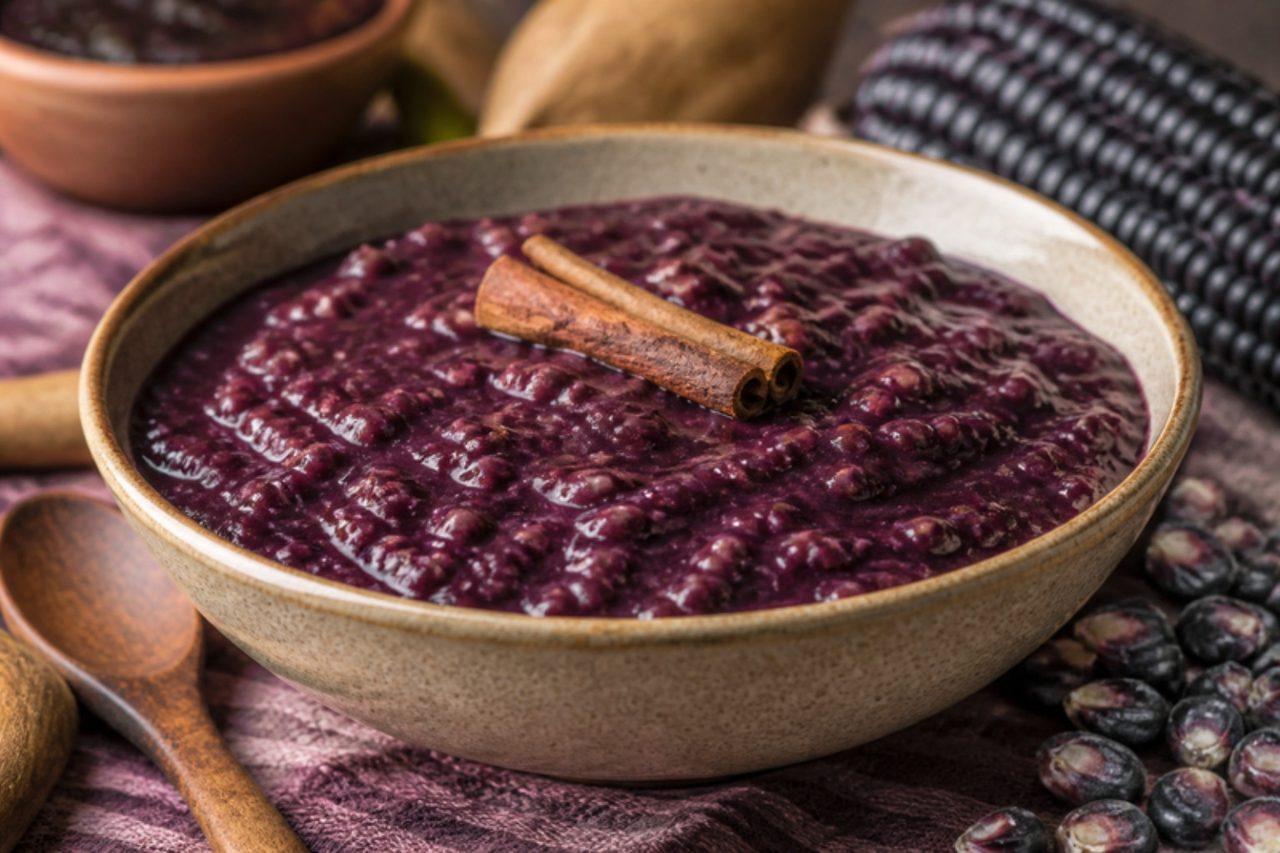
TojoríPurple corn porridge

Before dawn in Potosí and Sucre, vendors ladle steaming tojorí from big pots into glasses for miners, students and market workers. It is a pourable porridge of ground corn cooked with cinnamon, cloves and sugar; the purple-corn version is mildly fruity and turns a deep violet. It is drunk with buñuelos or a bread roll. Don't stop stirring in the first ten minutes, which is when it sticks and scorches. Chef's tip: toast the corn flour in a dry pan for a couple of minutes before you start; it brings out a roasted, nutty taste.

by KrazyBadal 0 views

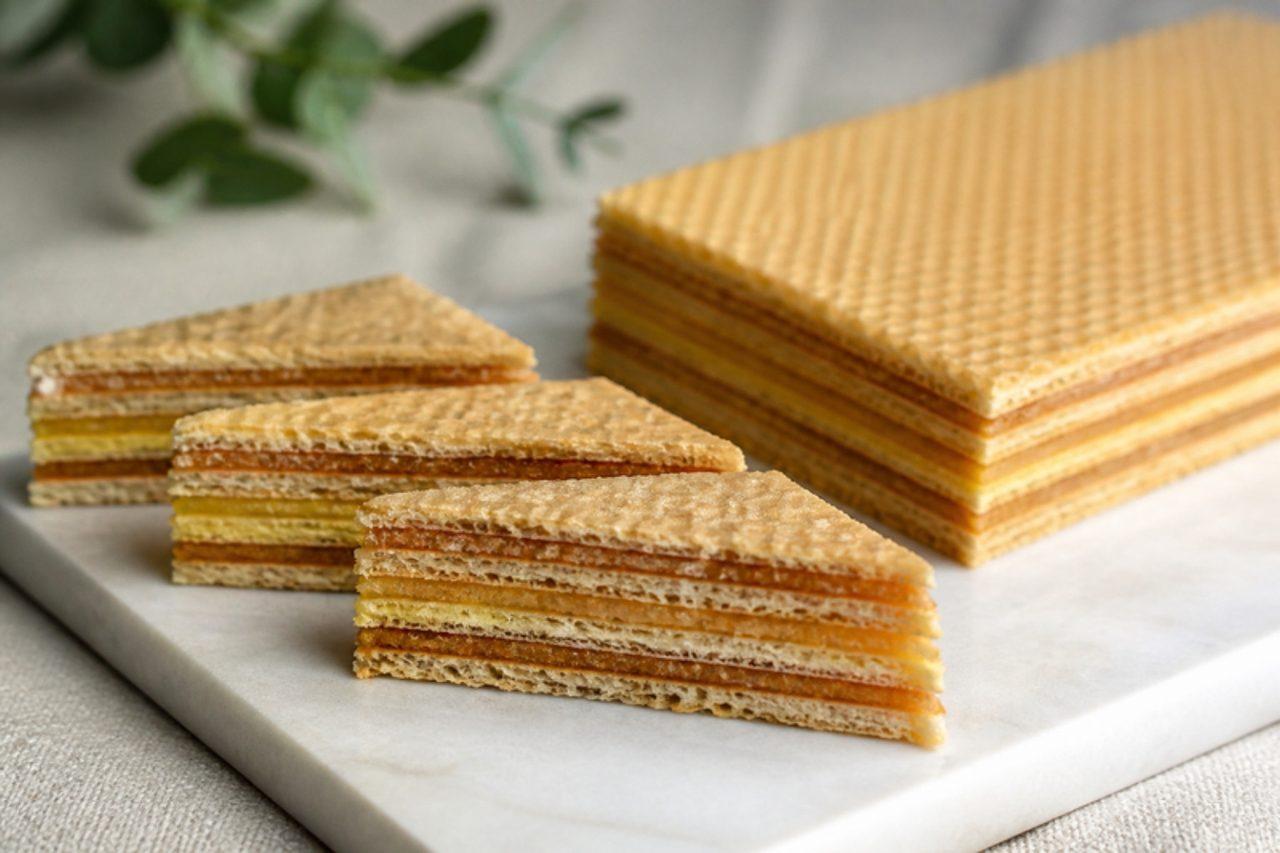
ChumbequeLayered honey biscuit

Iquique's Chinese community began baking chumbeque in the port's corner shops more than a century ago, and today it is the city's edible souvenir: crisp, honey-sweet pastry stacked in thin layers with a sharp lemon filling and a sticky guava one, cut into small bricks. People take it home from the Zofri market or nibble it with tea at once. At home, bake it as one slab and slice it when cold. Many people roll the dough too thick, which gives a cakey, dry bar instead of fine layers; aim for 3 mm. Chef's tip: chill the rolled sheets for 10 minutes before you stack them so they don't stretch out of shape.

by KrazyBadal 0 views

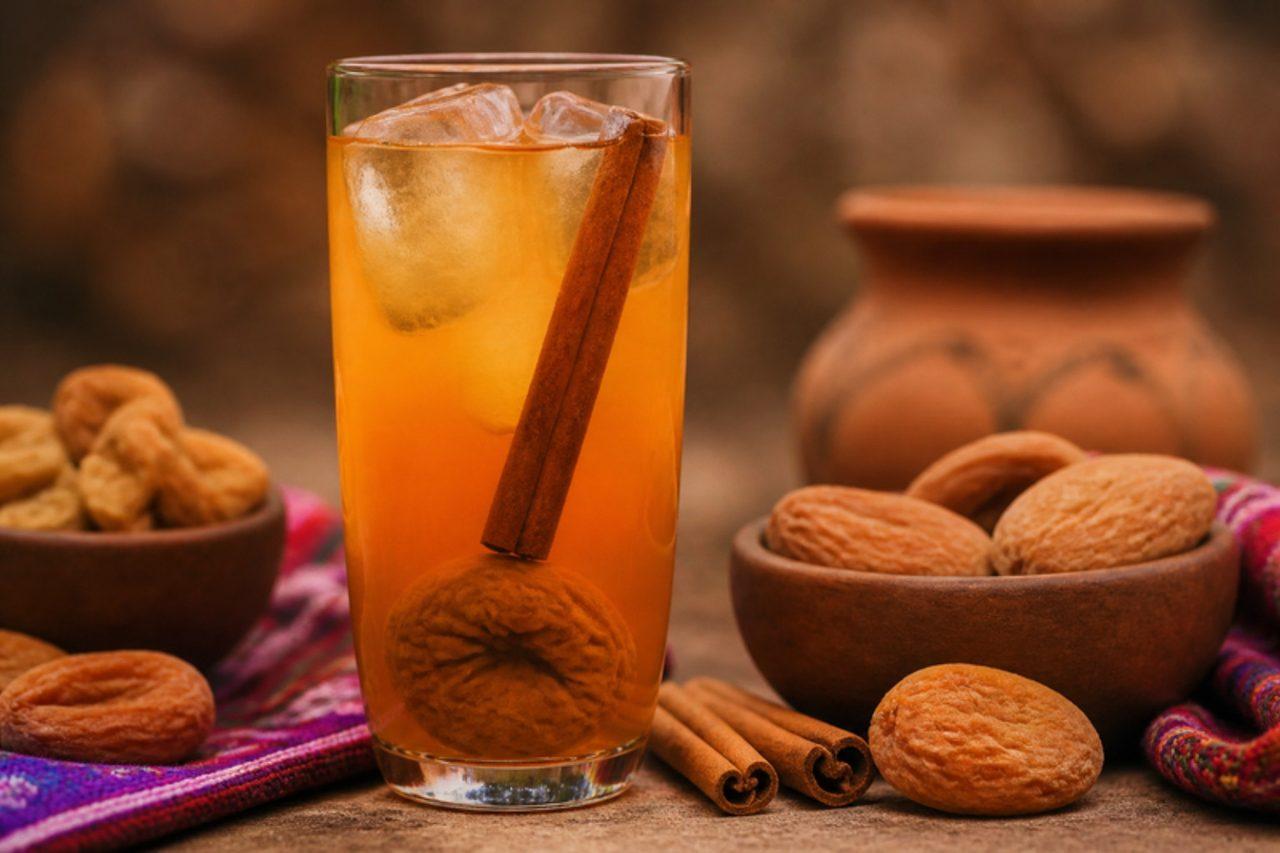
MocochinchiDried peach and cinnamon drink

Walk through any Bolivian plaza on a warm afternoon and someone will be selling mocochinchi from a big glass jar: a cool, amber drink of sun-dried peaches simmered with cinnamon and cloves, served with a whole wrinkled peach at the bottom of the glass to eat at the end. It is the classic drink with lunch from Cochabamba to Tarija. People often skip the overnight soak, and then the peaches stay leathery and the drink tastes thin. Chef's tip: rub the soaked peaches between your hands under water to clean off dust and loosen the skins, which also releases more flavour.

by KrazyBadal 0 views

Mauritian vanilla tea

In Mauritius the kettle goes on for dité at breakfast and again at four, when the heat of the day breaks and someone brings out gato piment, a packet of biscuits or a slice of gato patate. The tea is grown on the island's central plateau, around Curepipe and the Bois Chéri hills, and the local favourite is black tea perfumed with vanilla, the same vanilla that grows on the neighbouring islands. It is drunk strong, very sweet and milky, often with evaporated or condensed milk: a round, creamy cup with a soft caramel-vanilla scent and no bitterness. The common mistake is boiling the tea leaves with the milk until they stew; brew the tea in water first, then add hot milk. It is ready when the tea is the colour of milky caramel and the kitchen smells of vanilla. A cup has about as much caffeine as ordinary black tea. If you cannot find vanilla-scented Mauritian tea, a strong black tea and a split vanilla pod do the job well. Chef's tip: dry the used vanilla pod and bury it in your sugar jar; next time the sugar alone will scent the tea.

by KrazyBadal 0 views

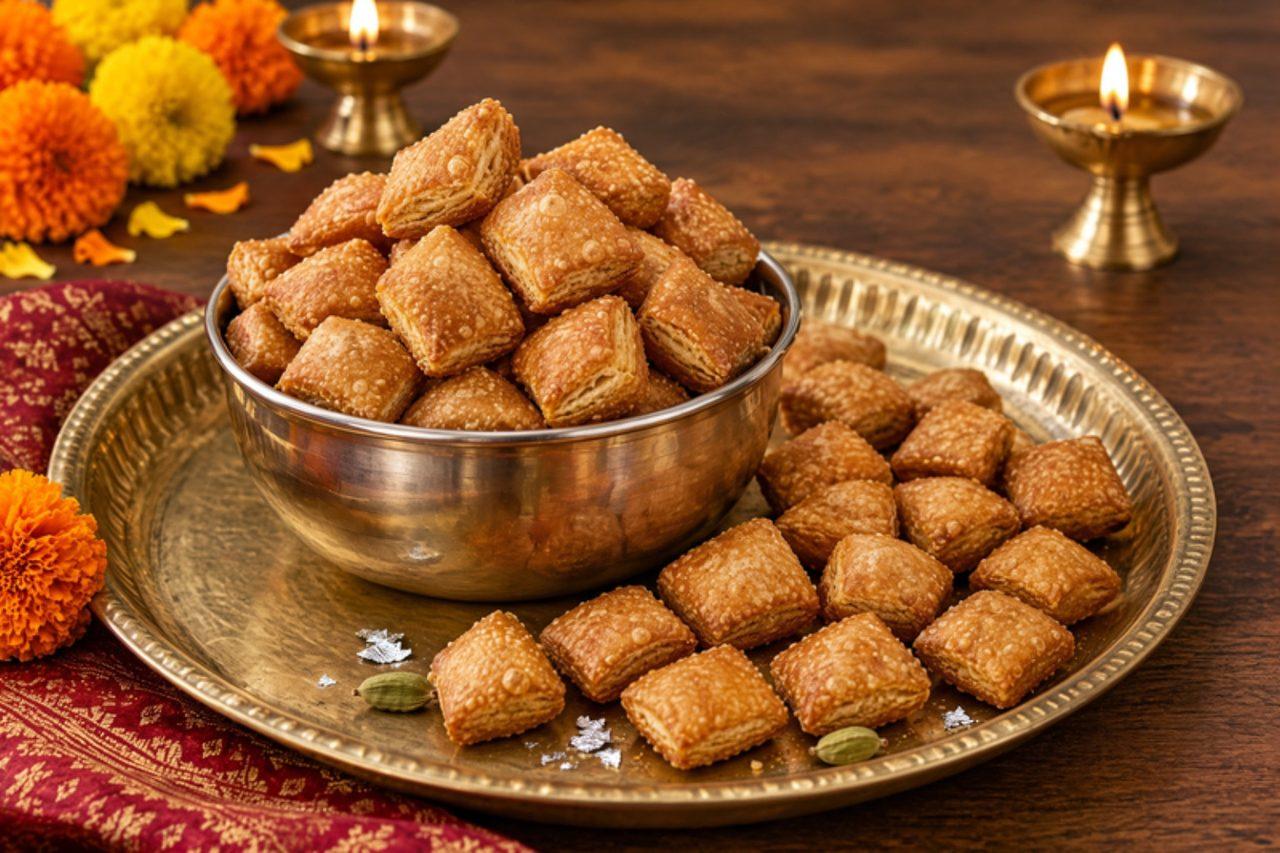
ShankarpaliFried sweet diamond biscuits

Every Maharashtrian Diwali faral box has a pile of shankarpali: small diamond-shaped biscuits, flaky and crisp, sweet with sugar dissolved in warm milk and ghee. Families make large batches in the week before Diwali alongside chakli and karanji, and the tin is raided until Tulsi Vivah. The common mistake is frying too hot, which browns them outside before the layers crisp, so they soften within a day; fry slowly until pale golden. Chef's tip: dissolve the sugar fully in the warm milk and ghee before adding flour, or sugar crystals burn in the oil as dark specks.

by KrazyBadal 0 views

Martín FierroCheese with quince paste

Ask for dessert in a Montevideo bodegón or a country parador and you may be offered a Martín Fierro: a thick slice of fresh, mild cheese laid with an equal slice of dense quince or sweet-potato paste, named after the gaucho of the epic poem. It's salty against sweet, soft against firm, and takes two minutes to assemble. Uruguayan fresh cheese is usually made with animal rennet, so choose one with vegetarian rennet if that matters to you. The mistake is serving it fridge-cold, which dulls both flavours. Chef's tip: cut the cheese and paste to exactly the same thickness, about 1 cm, so every bite has both.

by KrazyBadal 0 views

Oblepikha tea (sea buckthorn tea)

Sea buckthorn grows wild along the rivers of Altai and the Baikal shore, and by October its thorny branches are crowded with tiny orange berries. Siberians freeze them by the bucketful, and all winter a glass teapot of oblepikha tea glows on café tables from Irkutsk to Moscow, ordered after skiing or against the dark afternoons. The taste is sharp and tropical, somewhere between passion fruit, pineapple and lemon, with a faint oily richness from the berries, softened by honey and warmed by ginger. The common mistake is pouring boiling water straight onto the honey and berries: it dulls the fruit, makes the honey taste flat and can turn the tea bitter. Let the kettle settle for a couple of minutes first. It is ready when the tea is a cloudy sunset orange, smells of citrus and ginger and the berries have released their juice. Outside Russia, look for frozen sea buckthorn in Eastern European or Nordic shops, or use unsweetened sea buckthorn purée. Chef's tip: crush a big batch of berries with honey, keep it in a jar in the fridge for a week, and spoon it into mugs whenever you want a cup.

by KrazyBadal 0 views

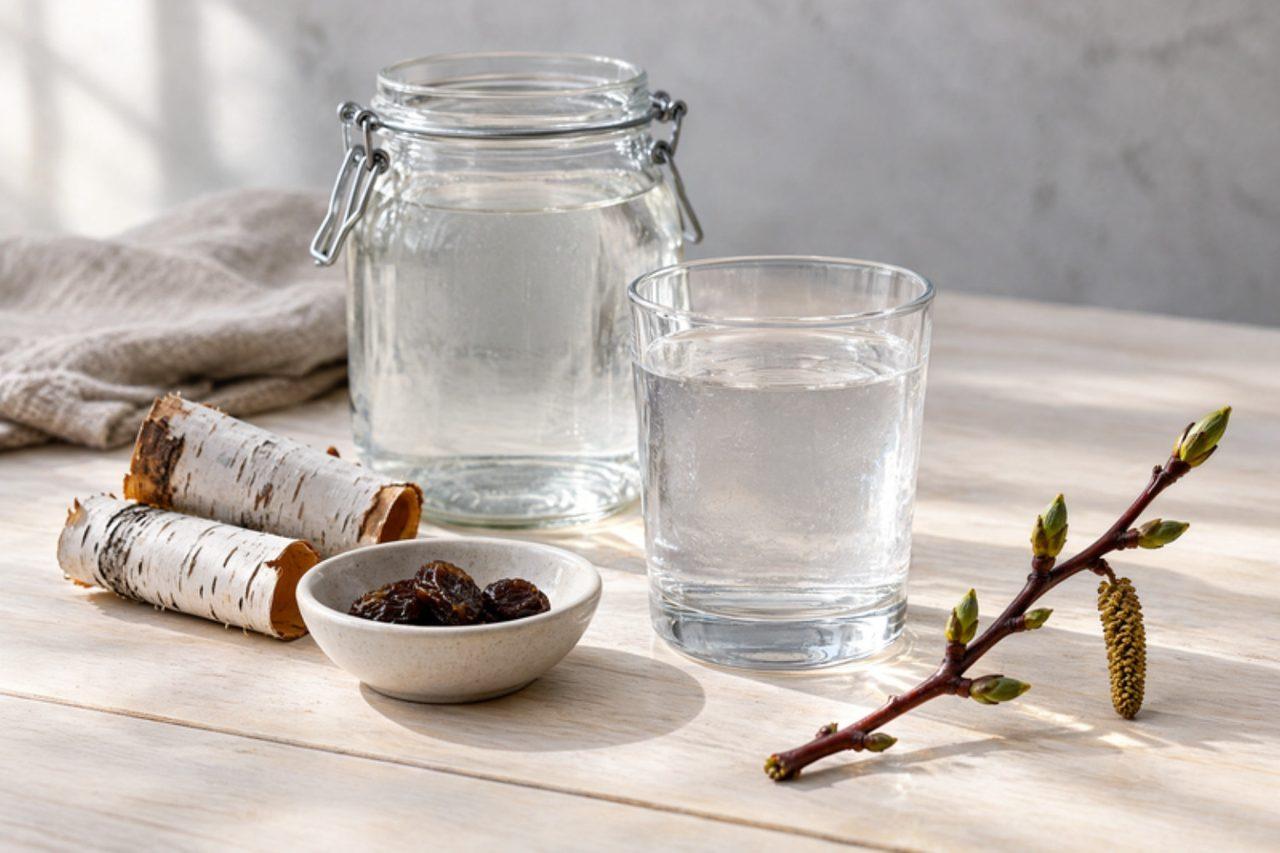
Berezovy sok (birch sap)

For two or three weeks at the end of March and into April, while there is still snow under the trees and before the buds open, the birches around Moscow, Tver, Vologda and across the north start to run. Families tap a few trees at the dacha and drink the sap straight from the jar: clear, cold, very faintly sweet, tasting of rainwater and fresh wood. Because it spoils within two or three days, villagers bottled the rest with sugar, raisins and lemon zest, letting it ferment slightly into a sparkling drink that kept into early summer; like any ferment it makes a trace of alcohol, well under 1% if drunk young. Only tap with the owner's permission, choose trees thicker than 20 cm, drill one small hole and plug it with a wooden peg afterwards so the tree heals. The common mistake is sealing the bottles tight at warm room temperature, which can make them burst; keep them cool and open the caps daily. The bottled sap is ready when the raisins float, a ring of fine bubbles forms on top and it tastes gently sparkling. Chef's tip: drink the first glass straight from the tree; it is never quite as good again.

by KrazyBadal 0 views

Ivan-chai (fireweed tea)

Long before Chinese tea reached ordinary villages, peasants around Koporye near St Petersburg, and on through Karelia and the Arkhangelsk forests, were rolling and fermenting the leaves of fireweed, the tall pink-flowered plant that floods clearings every July. Ivan-chai is having a revival now, sold in paper bags at markets and drunk at the dacha in the evening from the samovar, because it has no caffeine and will not keep anyone awake. It brews to a clear amber with a soft, slightly fruity, honey-and-dried-apple taste and almost no bitterness. Granular kinds taste deeper, leaf kinds more floral. The common mistake is brewing it for two or three minutes like black tea; it needs a full 10 minutes in a warmed pot to open up, and it never turns bitter if you leave it longer. It is ready when the liquid is a deep golden-amber and smells of honey and dried fruit. It is traditionally drunk as a calming evening tea; if you are pregnant or on regular medication, check with a doctor before drinking it daily. Chef's tip: the same leaves give a second, lighter pot; just top up with fresh hot water and wait another 10 minutes.

by KrazyBadal 0 views

CouacToasted cassava meal

In French Guiana couac is on the table at almost every meal, sprinkled over fish in sauce, stirred into stews or soaked in water with sugar as a snack, and it is still made in the carbets (open-sided sheds) of Amerindian and Maroon villages along the Maroni river. Traditionally it is made from bitter cassava, which is poisonous until its juice has been pressed out and the meal roasted for hours. This home version uses only sweet cassava (yuca), and still presses out and discards all the juice and toasts the meal until fully dry, because cassava must never be eaten raw. The usual mistake is a heat that is too high: the outside scorches while the inside is still damp. Chef's tip: stir almost constantly over a medium-low heat; the couac is done when it rattles in the pan, smells nutty and a grain snaps cleanly between your teeth.

by KrazyBadal 0 views

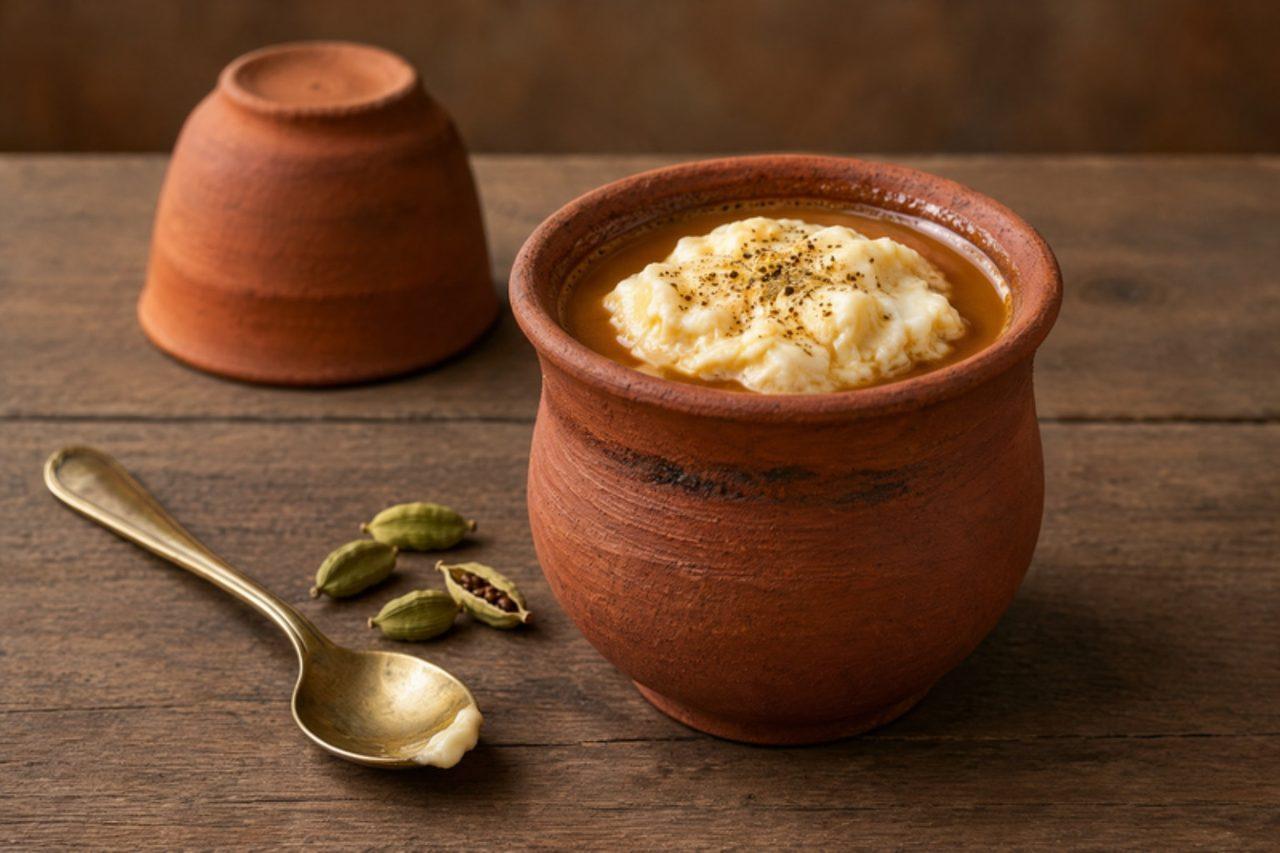
Malai cha (cream tea)

In Bogura, the town famous for its sweet doi, and in the lanes of Old Dhaka around Nazira Bazar, tea stalls keep a wide karai of milk barely simmering all evening. Layers of skin build up on top; the tea-maker lifts them off as malai and lays a thick spoonful on every cup of strong, sweet milk tea, poured into small unglazed clay bhar that give the tea a faint earthy smell. People stand around after maghrib prayers or late at night, sipping through the cream and finally eating it with a finger. The tea is malty and syrupy-sweet; the malai is soft, rich and slightly caramelised. The usual mistake is boiling the milk hard: a rolling boil breaks the skin into flakes and you never get a thick sheet. Keep it at a lazy shiver and lift the skin every 5 minutes. The tea is ready when it is the colour of milky caramel and coats the back of a spoon; the malai is ready when it lifts off as a wrinkled, leathery sheet. Strong CTC tea makes this fairly caffeinated. Chef's tip: soak clay cups in water for ten minutes first, so they don't drink up the tea or smell dusty.

by KrazyBadal 0 views

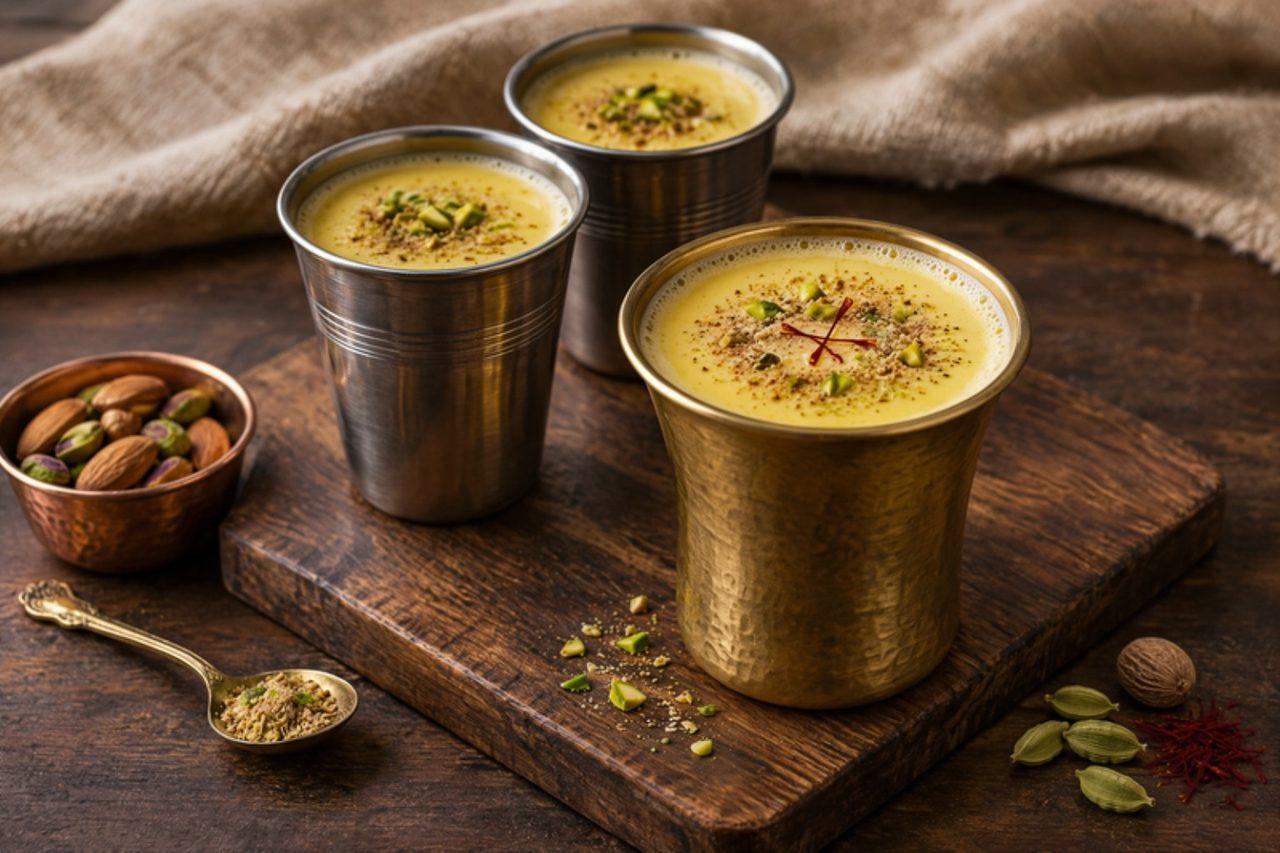
Masala doodhSaffron nut milk

Late evening at Ahmedabad's Manek Chowk, milk sellers pour masala doodh from a height between two brass pots to cool and froth it, and on Sharad Purnima families set a pot of it under the full moon before drinking it chilled. It is richer and more fragrant than plain badam milk: a home-ground masala of almonds, pistachios, cardamom, nutmeg and a little black pepper is stirred into milk reduced with saffron and sugar. The common mistake is boiling it hard after the nut masala goes in, which makes it catch and taste scorched. Chef's tip: grind a jar of the masala in one go and keep it in the fridge; two teaspoons turn any glass of milk into a treat.

by KrazyBadal 0 views

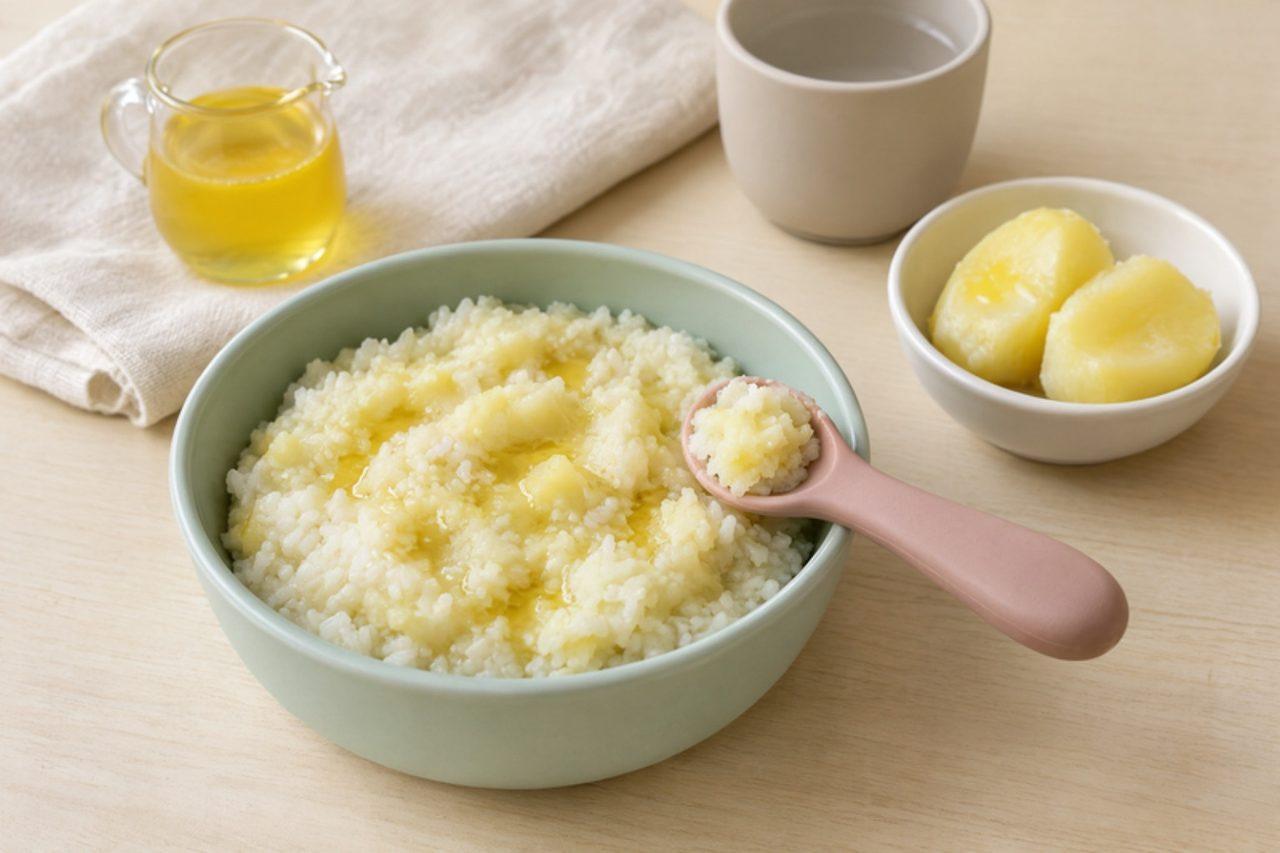
Aloo seddho bhaat for toddlersRice and potato mash for toddlers

In Kolkata homes, from north Kolkata's old paras to the flats of Salt Lake, aloo seddho bhaat is what you cook when someone is tired, ill or very small: a potato boiled right in the rice pot, mashed with hot rice. Grown-ups add raw mustard oil, green chilli and onion; for toddlers from 12 months it is mashed instead with a spoon of ghee, so it's soft, buttery and mild. Gobindobhog rice gives it a lovely fragrance. It contains milk (ghee); there is no gluten, egg, nuts or soya. Chef's tip: mash the potato and rice with a fork or your fingers, never a blender, or it turns gluey.

by KrazyBadal 0 views

MabíFermented bark drink

Around Juana Díaz on Puerto Rico's south coast, and in the Dominican countryside, mabí is sold ice-cold from barrels on hot afternoons and at patron-saint fiestas. It is made from the bark of the mabí tree (Colubrina elliptica, the mauby of the English-speaking Caribbean), boiled with spices, sweetened with brown sugar and left a day or so to ferment with a splash from the last batch, the madre. It tastes bittersweet, like a woodier root beer, with a creamy head and light fizz. Fermenting makes a trace of alcohol, well under 1% if drunk within a few days. The common mistake is skipping the beating: mabí should be poured back and forth between two jugs from a height until it is thick with foam, which also airs the yeast. It is ready when a tan foam stays on top, it tastes sweet-bitter with a slight sourness and small bubbles rise. Look for mabí or mauby bark in Caribbean shops; there is no real substitute. Traditionally drunk to cool down; drink it in moderation, and if you are pregnant or on blood-pressure medication, check with a doctor first. Chef's tip: keep a cup of finished mabí in the fridge as the madre for the next batch.

by KrazyBadal 0 views

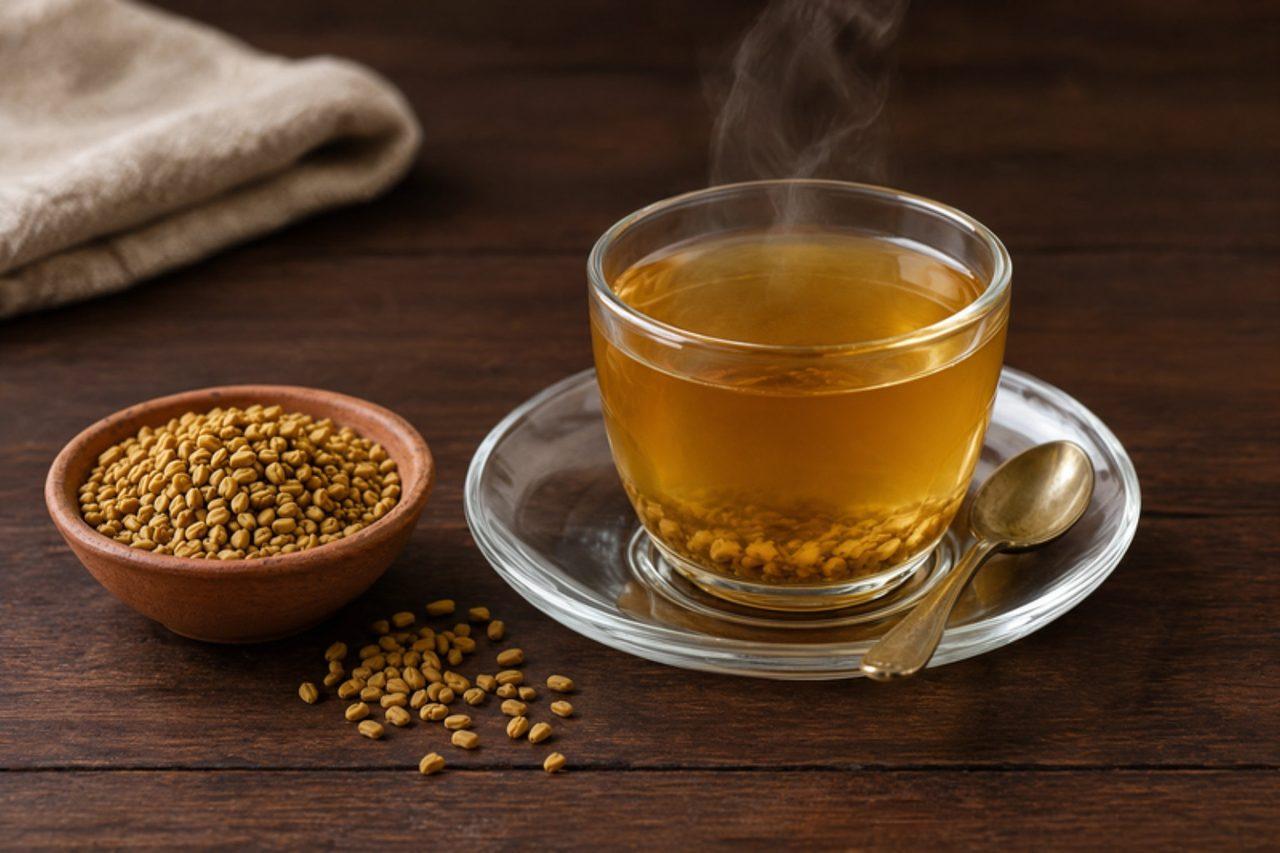
Helba (fenugreek tea)

Helba is the other hot drink chalked on the board of every Egyptian coffee house, ordered in winter by students and old men playing dominoes alike. At home it is brewed when someone has a cold, after childbirth, or simply on chilly nights in the Delta, and is traditionally drunk to soothe the chest and the stomach. Fenugreek seeds are boiled until the water turns amber-yellow; the cup tastes nutty and toasty, like maple and celery, with a pleasant bitterness that sugar softens. Some people add a splash of milk at the end. Fenugreek is not advised during pregnancy, can lower blood sugar and may interact with blood thinners, so check with your doctor if you take medication; it can also make your sweat smell faintly of maple, which is harmless. The common mistake is boiling unrinsed seeds hard for a long time, which gives a slimy, very bitter tea. Rinse them, toast them briefly and boil only 8–10 minutes. It is ready when the liquid is clear golden-amber and smells of warm maple. Chef's tip: soak the seeds overnight first for a milder, rounder brew, and eat the softened seeds with a spoon as Egyptians do.

by KrazyBadal 0 views

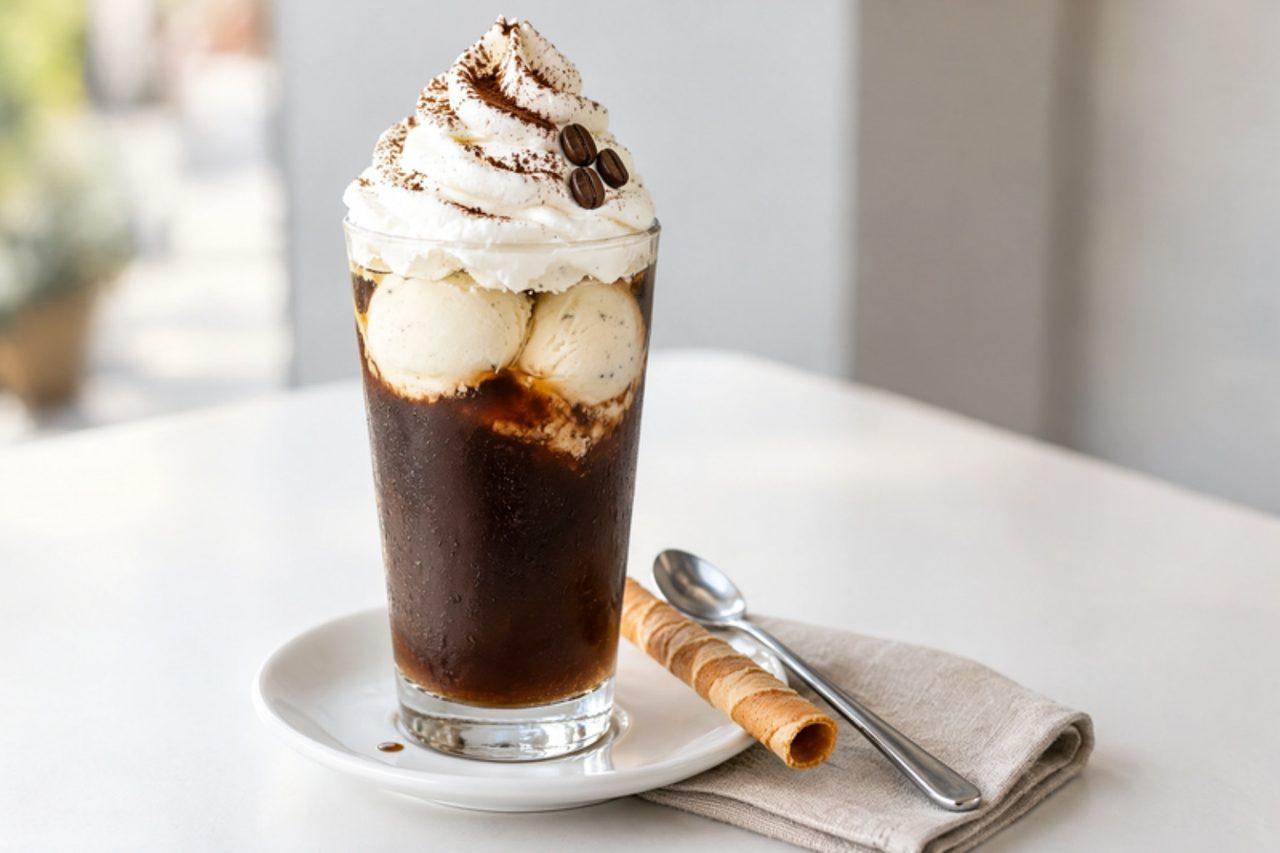
EiskaffeeIced coffee with ice cream

On a hot July afternoon in any German or Austrian Eiscafé, from a Hamburg promenade to a Viennese Gastgarten, the tall glass with the long spoon is Eiskaffee. It is not iced coffee in the American sense: strong coffee, chilled, is poured over two scoops of vanilla ice cream and crowned with sweetened whipped cream, sometimes a wafer and a dusting of cocoa or grated chocolate. You drink the cold coffee through a straw while the ice cream slowly melts into it, then spoon up the creamy, half-frozen rest, so it is part drink, part dessert, eaten at the café in the afternoon rather than with a meal. The usual mistake is pouring hot or even warm coffee straight onto the ice cream: it melts at once into a thin, lukewarm, milky soup. Brew it earlier and chill it properly. It is ready when the coffee is fridge-cold, the scoops sit just proud of the surface and the cream holds soft peaks on top. It is moderately caffeinated, so keep it for adults and older teens. Chef's tip: freeze leftover coffee in ice-cube trays and add a couple to the glass so nothing gets diluted with water.

by KrazyBadal 0 views

Wiener MelangeCoffee with milk and foam

In Vienna you never simply order 'a coffee'; you order by name, and the Melange is the one most Viennese ask for. It arrives in a large cup on a small silver tray with a glass of water and often a tiny chocolate, and you may sit over it for an hour with the newspapers at Café Prückel or Hawelka, mid-morning or after lunch. Traditionally it is a mild, longer espresso (a Verlängerter) with roughly equal hot milk and a soft cap of milk foam; it is gentler than a cappuccino and the foam is looser and creamier. Expect a round, nutty, slightly sweet cup with little bitterness. The common mistake is overheating the milk: once it passes about 70 °C it smells cooked and loses its sweetness and the foam turns big-bubbled and dry. Stop when the jug is too hot to hold for more than a second or two. It is ready when the foam sits in a smooth, glossy dome about a finger thick and the coffee shows as a brown ring at the edge. One cup has about the caffeine of a single espresso. Chef's tip: always serve the glass of water alongside, as Vienna does; it is drunk first to clear the palate.

by KrazyBadal 0 views

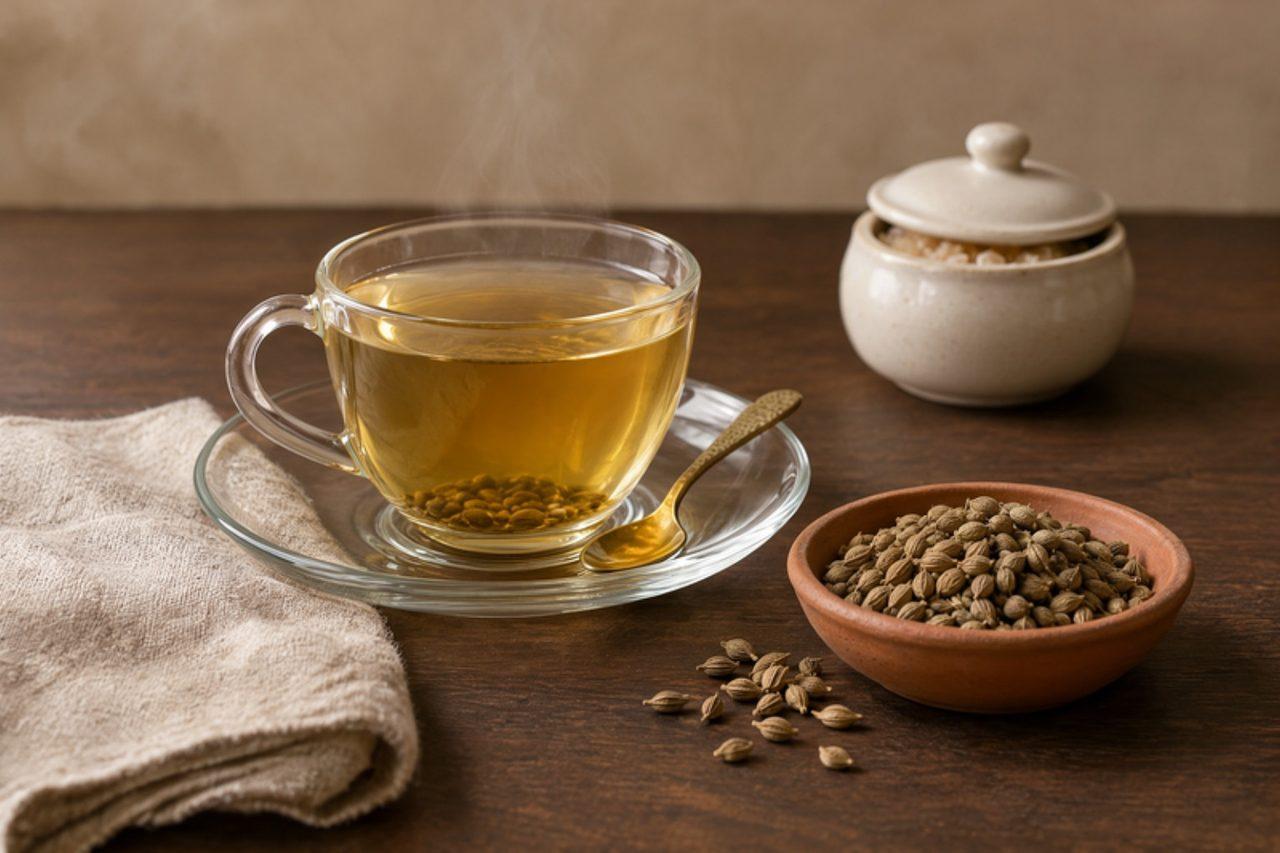
Yansoon (anise tea)

Every Cairo ahwa has yansoon on its menu, chalked up next to tea and helba, and in Egyptian homes it is the drink of evenings, colds and upset stomachs. It is made with green aniseed, often from Upper Egypt, simmered briefly and sweetened. People reach for it after a feast at Eid, during winter coughs, or simply at night because it is caffeine-free and traditionally drunk to calm and help sleep. It is pale gold and sweet, with a soft liquorice scent and a slightly peppery warmth at the end. Many Egyptian mothers give a weak version to infants, but herbal teas are not suitable for babies under six months; ask your doctor first. The common mistake is boiling the seeds for too long, which makes the tea cloudy and bitter: crush them lightly, boil for only a few minutes, then let them steep off the heat. Also do not swap in star anise, a different plant with a harsher taste. It is ready when the liquid is light golden and smells strongly of anise when you lift the lid. Chef's tip: a thin slice of lemon or a few drops of lemon juice brightens the cup without hiding the anise.

by KrazyBadal 0 views

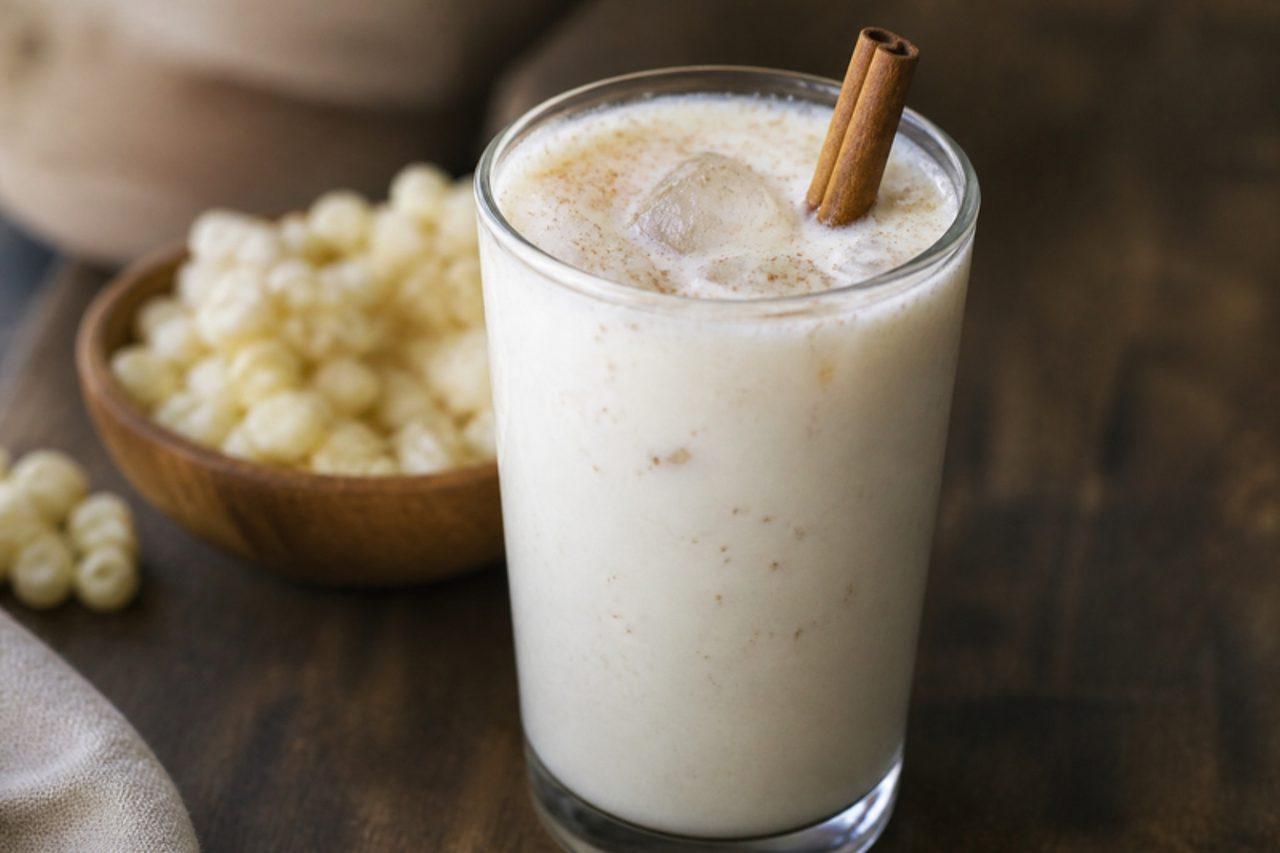
ChichemeCold cracked corn drink

Chicheme comes from La Chorrera, just west of Panama City, where it is sold by the glass at the town's fairs alongside bollos and chorizo, and it is now drunk all over the country on hot afternoons. Cracked white corn is cooked until soft and swollen, then mixed with sweetened milk, cinnamon and vanilla and served very cold, so every sip has chewy grains in it. Undercooked corn is the classic mistake; the kernels must be soft right through or the drink feels gritty. Chef's tip: soak the corn overnight, and it cooks in under an hour instead of two.

by KrazyBadal 0 views

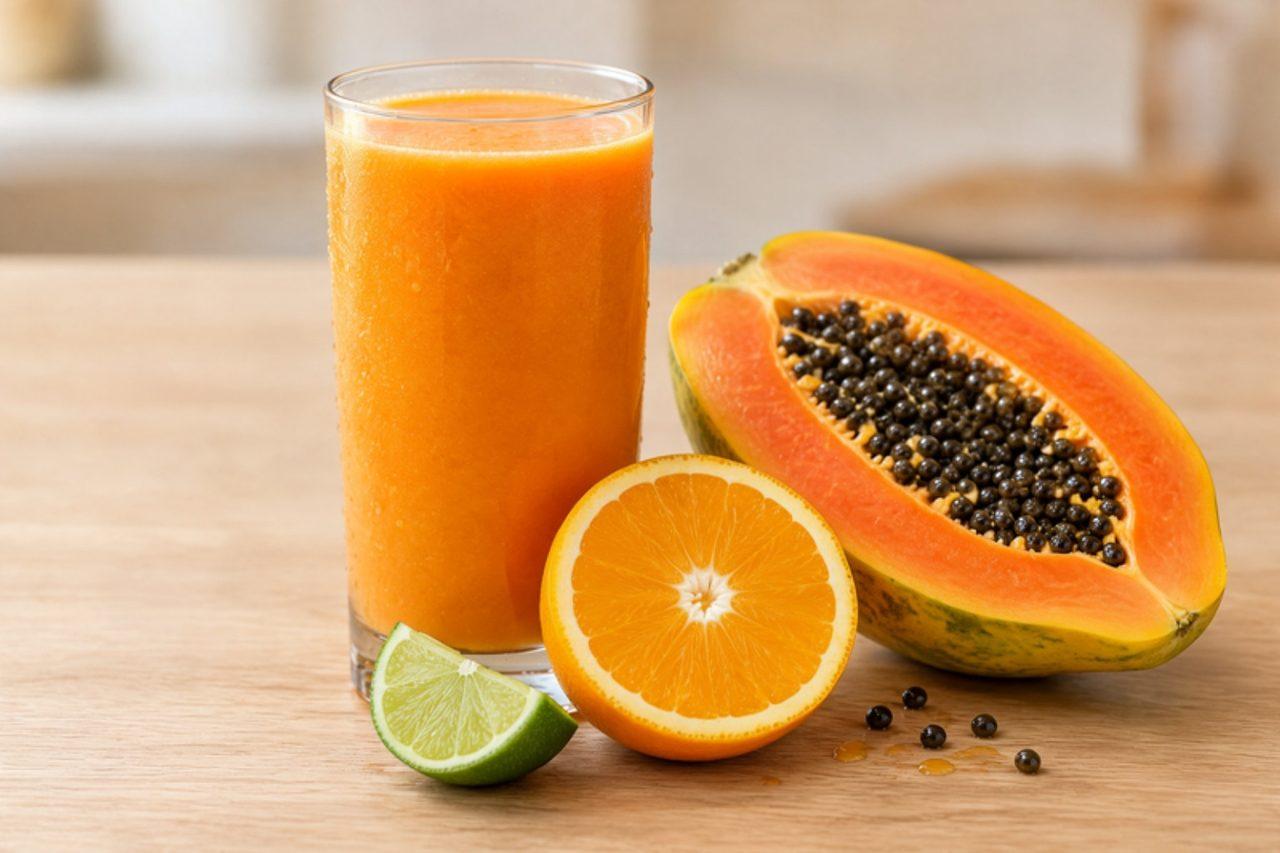
Batido de lechosaPapaya and orange shake

Lechosa is what Venezuelans call papaya, and on breakfast tables from Valencia to Puerto La Cruz it turns up as a batido beside arepas or empanadas, often blended with the oranges that are piled cheap in every market. It is thick, smooth and sunset-orange, tasting of honeyed papaya and bright citrus, and it fills you up until lunch. Some families blend it with milk instead of juice, which turns it into a creamy merengada. The common mistake with milk is letting it stand: papaya's natural enzyme starts to turn milk bitter within half an hour, so drink it straight away. Another mistake is scraping the seed cavity too hard; the black seeds and their slippery coating make the batido bitter and peppery. It is ready when there are no fibres left, it pours in a thick stream and the colour is an even orange. Choose papaya that is mostly yellow-orange and gives slightly under your thumb; a green-streaked one tastes flat and a little musky. Chef's tip: a few drops of lime juice cut through papaya's musky note and make it taste fresher.

by KrazyBadal 0 views

EinspännerBlack coffee with whipped cream

The Einspänner is named after the one-horse carriages of old Vienna: coachmen waiting outside in winter supposedly liked their coffee under a lid of cream that kept it hot and stopped it slopping. Today it is served in a handled glass at classic coffee houses, a strong black mocha (a double espresso or Großer Brauner without milk) topped with a thick layer of cold, lightly sweetened whipped cream and a pinch of icing sugar. You do not stir it: you sip the hot, bitter coffee through the cold, sweet cream, so each mouthful is two temperatures and two textures. It is an afternoon or late-morning coffee, often with a slice of Sachertorte. The common mistake is runny cream that sinks and turns the drink into a milky latte; whip it until it just holds a peak and spoon it on gently so it floats. It is ready when the cream stands at least 2 cm above the coffee and slowly sinks at the edges. It is strong: a double shot of caffeine in one glass. Chef's tip: pour the coffee in first and wait ten seconds before adding the cream, so the crema settles and helps support the cap.

by KrazyBadal 0 views

Refresco de linazaFlaxseed and pineapple drink

In La Paz, Cochabamba and Sucre the refresqueras at the market stalls ladle linaza from big glass jars alongside mocochinchi and somó, and at home it is a standard jug in the fridge for the midday almuerzo. Flaxseed is simmered with pineapple peel, cinnamon and cloves until the water turns faintly silky, then strained, sweetened and chilled. It is pale gold, smooth and almost slippery on the tongue, tasting of pineapple and spice, with lime to wake it up. It is traditionally drunk to cool down and to settle the stomach. The common mistake is simmering too long or leaving the seeds in as it cools: the liquid turns into a thick, slimy gel. Strain it while still hot, as soon as a spoon dipped in comes out lightly coated, like thin syrup. It is ready when it pours freely but feels smooth, and tastes sweet, spiced and fresh. Using the peel and core of a pineapple is the thrifty Bolivian way and gives more flavour than the flesh. Chef's tip: if it thickens too much in the fridge, whisk in cold water a little at a time until it pours easily again.

by KrazyBadal 0 views

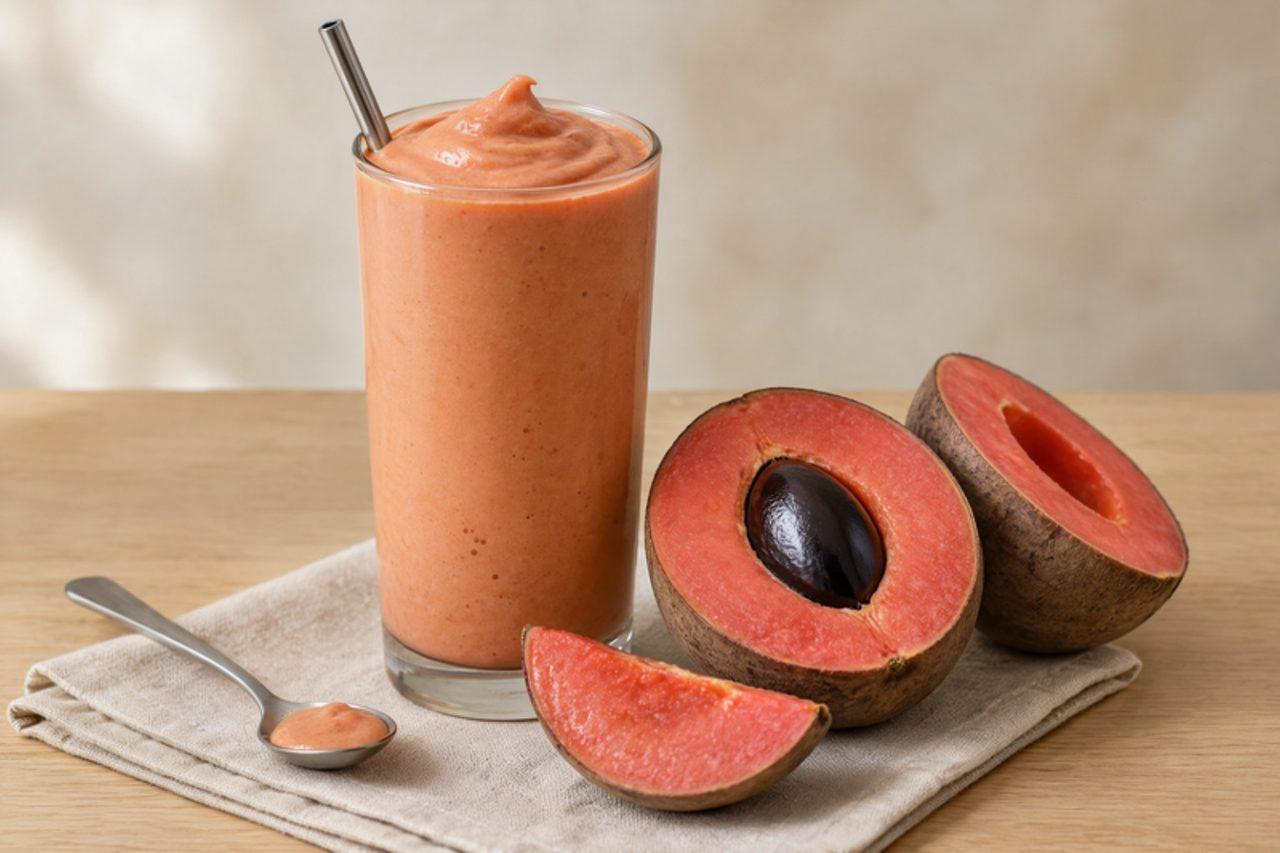
Batido de mameyMamey milkshake

In Havana and all over the island, the cafeteria counter has a blender that never stops, turning out batidos of mango, guanábana, papaya and the favourite of all, mamey. The fruit has a rough brown skin and a soft, salmon-red flesh that tastes like sweet potato, pumpkin pie, almond and apricot at once, and blended with cold milk it makes a shake so thick it is almost a dessert. It is drunk mid-afternoon on hot days, at breakfast with toast, or at a kid's birthday party; Miami's Cuban cafés keep the tradition alive with frozen pulp. The common mistake is using a hard mamey, which tastes starchy and slightly bitter; the fruit must give like a ripe avocado when pressed and show deep red flesh when you scratch the skin with a fingernail. The batido is ready when it is smooth, pumpkin-orange and pours slowly in a thick ribbon. Frozen mamey pulp from Latin American shops is a good substitute; reduce the ice because the pulp is already cold. Chef's tip: a pinch of salt and a drop of vanilla bring out mamey's almond notes.

by KrazyBadal 0 views

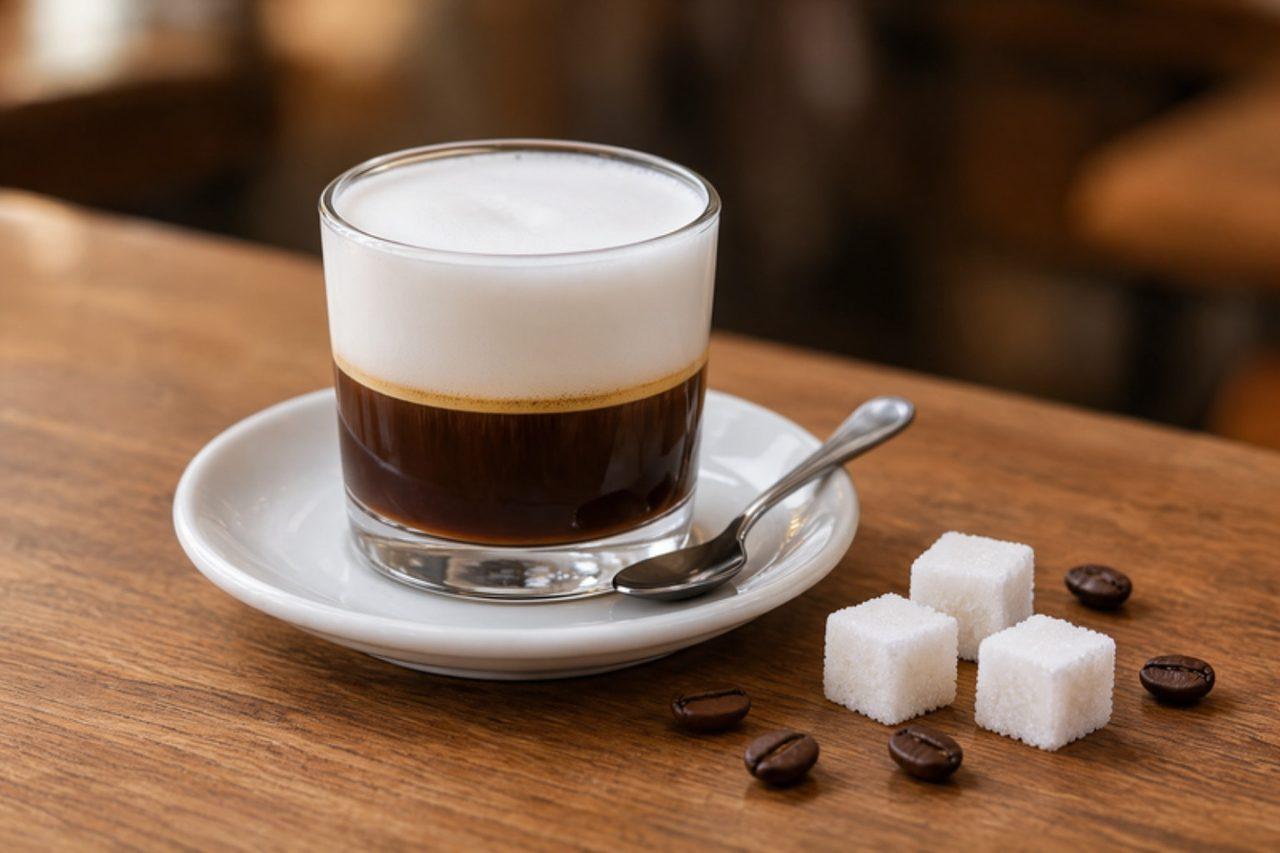
CortaditoEspresso with steamed milk

Havana runs on small cups of coffee: a cafecito standing at a ventanita, a colada shared in tiny plastic cups at work, and in the afternoon or with breakfast, a cortadito, which is Cuban coffee cut (cortado) with roughly as much hot milk. The coffee is brewed in a stovetop cafetera, and the first dark drops are whipped hard with sugar into a pale, thick espumita that floats on top of the cup. The result is rich, very sweet and caramel-like, with a velvety milk body and a strong, bitter edge underneath. It is high in caffeine, so it is not one for children. The common mistake is adding sugar to the pot or stirring it in at the end; without the espumita you get a thin, flat drink. Beat the first concentrated coffee with the sugar until it turns light tan and holds soft folds, then pour in the rest. It is ready when a pale foam floats on the cup and the milk has been heated until steaming, with small bubbles around the edge but not boiling. Chef's tip: catch only the first 2–3 teaspoons of coffee for the foam; later coffee is too thin to whip.

by KrazyBadal 0 views

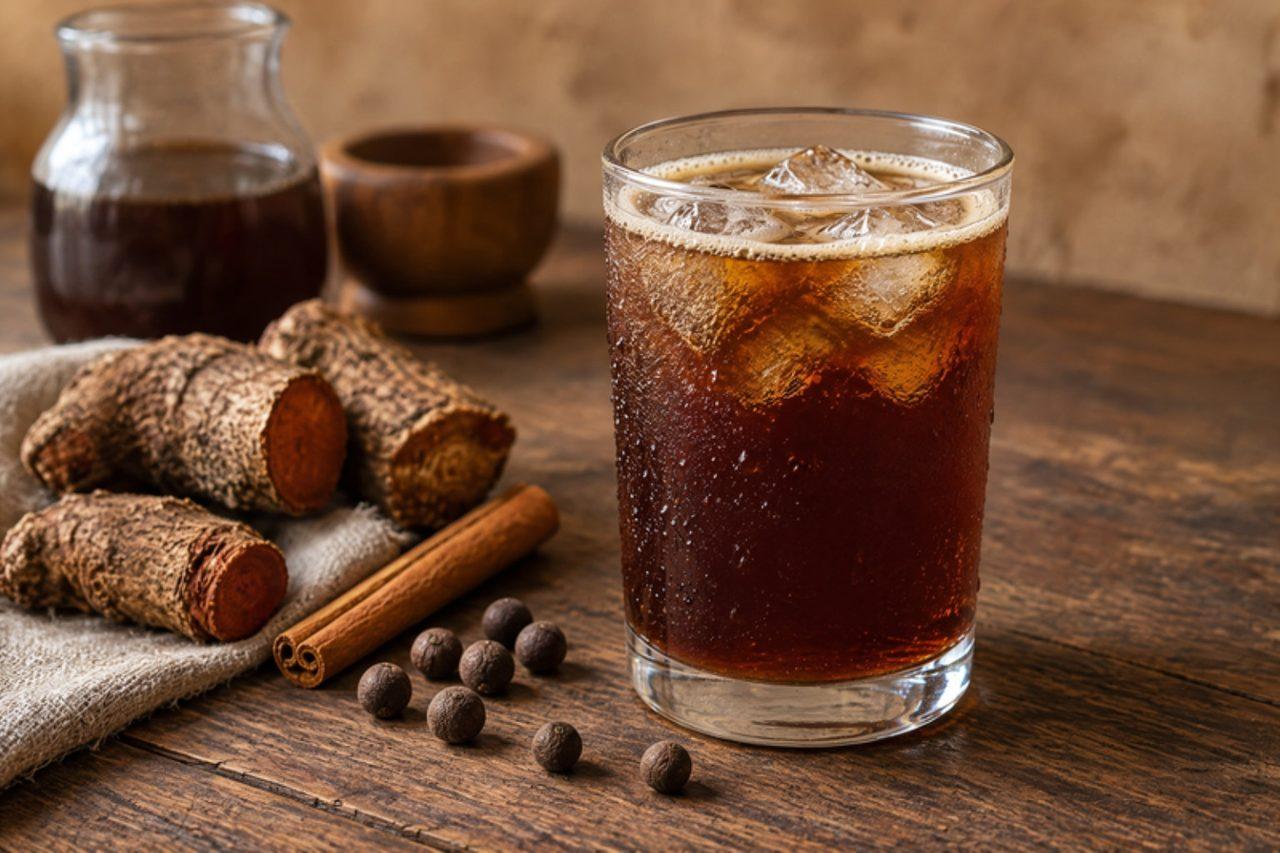
Prú orientalSpiced root drink

In Santiago de Cuba, Guantánamo and Baracoa, prú is sold from plastic bottles at the kitchen door and poured at every birthday, often next to a slab of cake. The recipe came from Haitian and French-Caribbean coffee planters who settled in the east, and families still keep a "madre", a starter jar from the last batch. Roots of raíz de China and bejuco ubí are boiled with pine, cinnamon and allspice, sweetened and left to ferment for a few days. It tastes like a wild, earthy root beer: woody, spiced, a little bitter, with a soft prickle. Fermentation makes a trace of alcohol, well under 1% if drunk young. Outside Cuba use dried sarsaparilla root, a close relative of China root. The common mistake is sealing bottles too early and leaving them warm, which builds dangerous pressure; use a plastic test bottle and chill once it is firm. It is ready when tiny bubbles rise and it smells sweet-sour, not yeasty. Throw it out if it grows fuzzy mould, turns slimy or smells rotten. Pregnant people should skip the pine needles, and anyone on medication should check with a doctor about herbal roots. Chef's tip: keep 250 ml back as the madre for your next batch.

by KrazyBadal 0 views

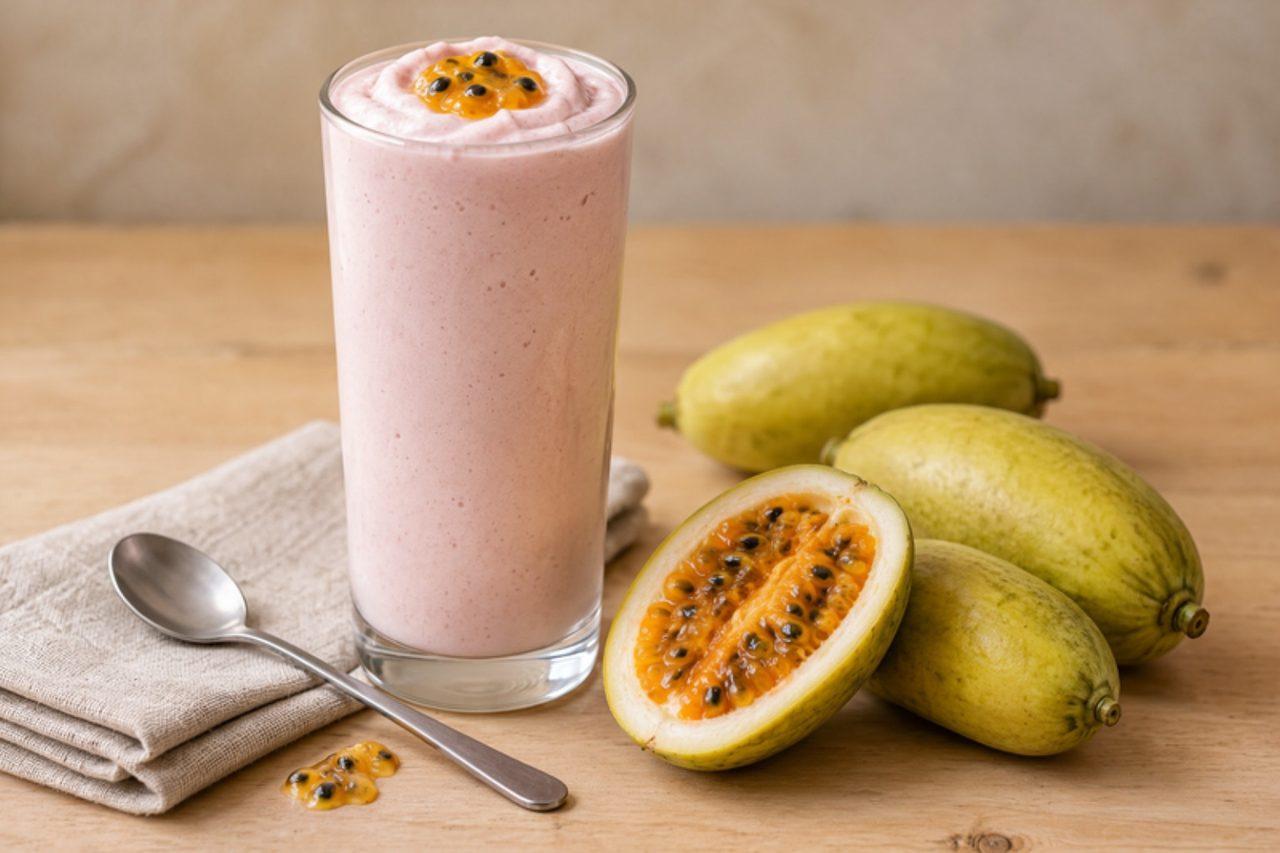
Sorbete de curubaBanana passionfruit milk drink

In Colombia a sorbete is not an ice but a fruit milkshake, and around Bogotá and the cold highlands of Boyacá and Cundinamarca the classic is made with curuba, the long, soft-skinned banana passionfruit that grows on vines at 2,500 metres. Bakeries and corrientazo lunch spots serve it with almuerzo or with a slice of cake at onces, the late-afternoon snack. It is pale salmon-pink, creamy and sweet-tart, more delicate than passionfruit, with a fragrance like guava and lemon. The common mistake is blending the pulp with its black seeds on high speed: the seeds break up and the sorbete turns bitter and grey-flecked. Pulse just enough to loosen the pulp from the seeds, strain, and only then blend with milk. Serve it at once, because the acid in curuba thickens the milk the longer it stands. It is ready when it is smooth, frothy and pink with no gritty specks. Outside Colombia look for frozen curuba pulp in Latin shops; passionfruit pulp works too, but use about two thirds of the amount as it is stronger. Chef's tip: dissolve the sugar in the strained juice before the milk goes in, so you can blend for less time.

by KrazyBadal 0 views

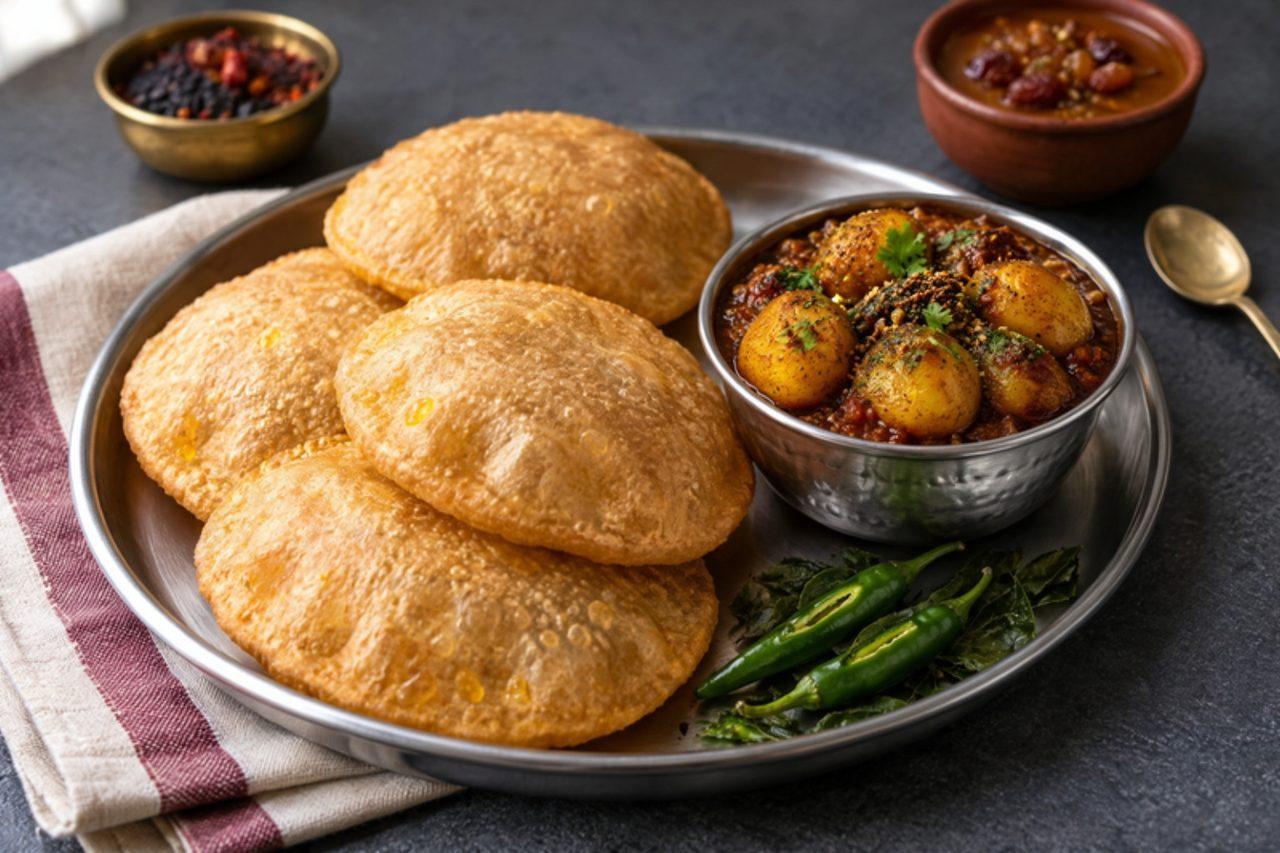
Hinger kochuriUrad dal stuffed puffed bread

In Kolkata's sweetshops, Sunday breakfast often means hinger kochuri: soft, white-flour puris stuffed with a smear of urad dal paste perfumed strongly with hing, fried puffy and served with aloo dum or a sweet-sour pumpkin chhokka. They are smaller and softer than North Indian kachoris, closer to a stuffed luchi. The hing must be generous; it is the point of the dish. The common mistake is a wet filling, which steams the dough from inside and stops it puffing; cook the dal paste until it leaves the pan dry. Chef's tip: roll gently from the centre outwards so the thin filling layer stays even and the kochuri puffs all over.

by KrazyBadal 0 views

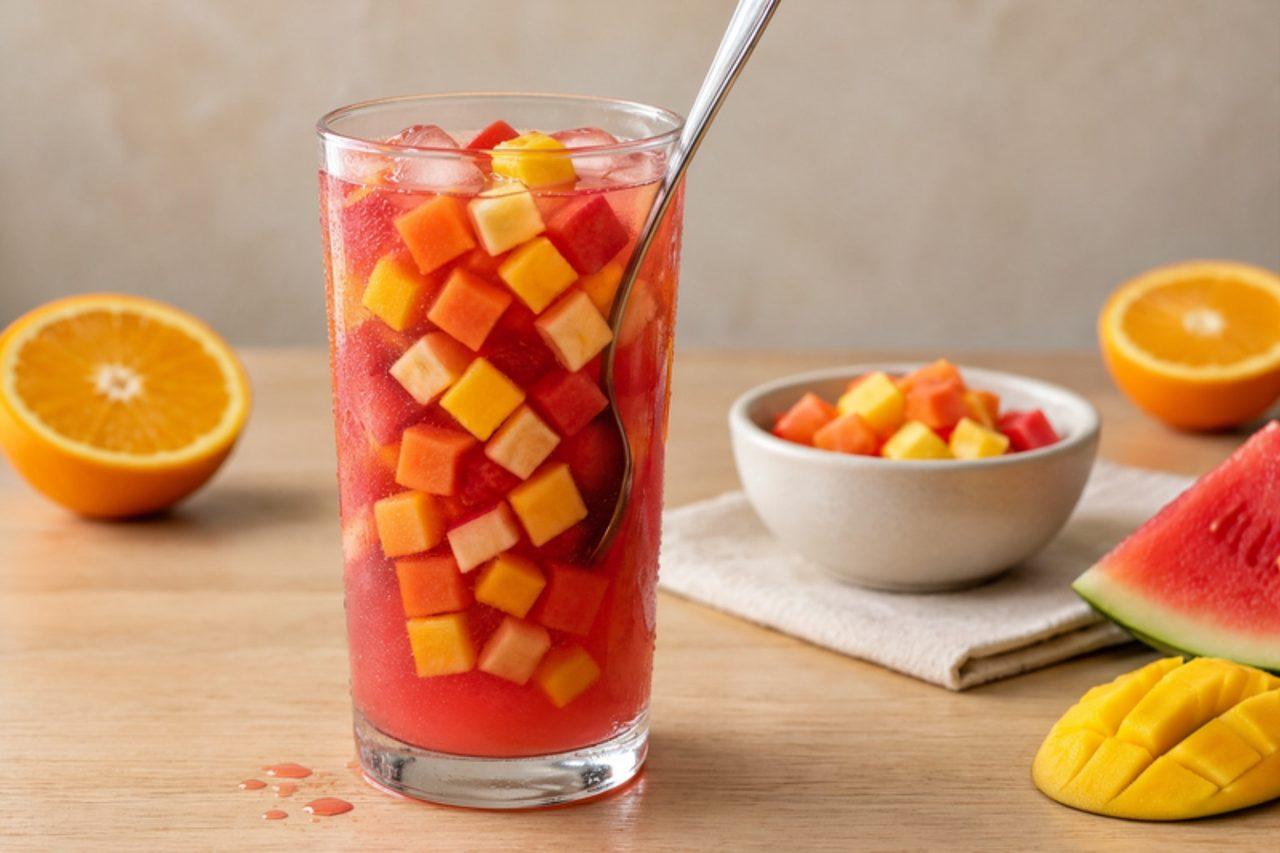
TizanaFruit in orange juice

On Sunday afternoons in Caracas, juice stands along the boulevards of Sabana Grande and the Plaza Altamira, and street carts outside beaches and parks, sell tizana in tall plastic cups with a straw and a long spoon. It is half drink, half fruit salad: papaya, pineapple, melon, watermelon, apple, mango and banana cut into tiny dice and soaked in orange juice tinted ruby with grenadine. At home it is made by the jug for birthday parties and hot holidays. It tastes juicy, sweet and bright, and every sip brings a different fruit up the straw. The common mistake is adding the banana and apple with everything else an hour early: they turn brown and mushy and cloud the juice. Cut them last and stir them in just before serving. The tizana is ready when the fruit has soaked for about 30 minutes in the fridge, the juice has turned a clear coral-pink and the pieces are cold right through. Make the dice no bigger than 1 cm so they pass up a wide straw. Grenadine here means pomegranate syrup; a red fruit syrup works too. Chef's tip: squeeze a little lime over the cut apple and banana to keep them pale and add a tang that lifts the whole jug.

by KrazyBadal 0 views

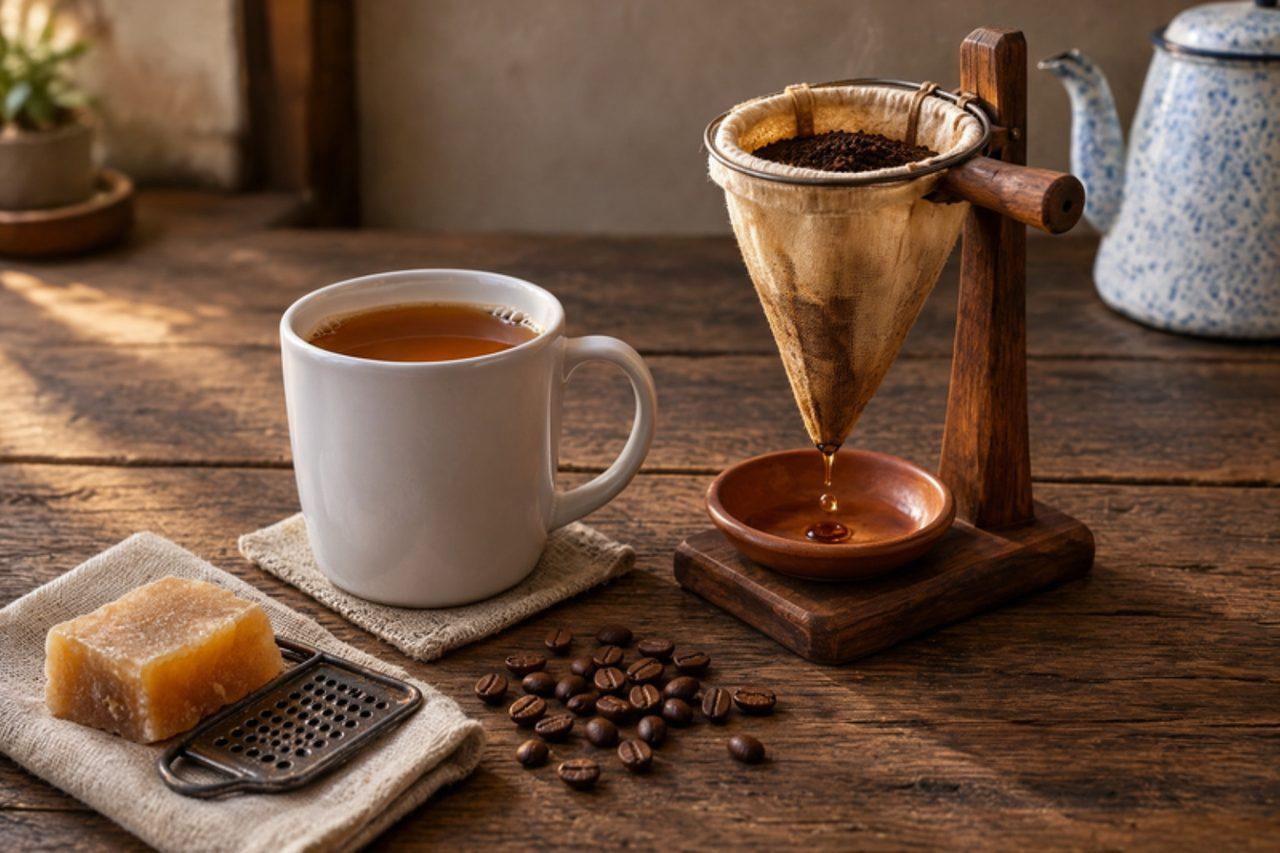
Café guayoyoLong black coffee

In the coffee villages of the Venezuelan Andes, in Trujillo, Mérida and Táchira, the day starts in the dark with a pot of guayoyo, and it never really stops: a cup at breakfast with arepas, one mid-morning, one after lunch, one at the bodega counter in the afternoon. Guayoyo is the opposite of a short, dark negrito: plenty of water through a modest amount of coffee, poured through a colador de tela, a cotton cloth sock on a wire ring. It is light-bodied, mild and clean, closer to tea in strength, with gentle chocolate notes and almost no bitterness, so it is easy to drink cup after cup. It still has caffeine, so count the cups. The common mistake is pouring boiling water onto the grounds, which pulls out bitter flavours; let the kettle rest off the boil for a minute first. Never wash the cloth with soap either, or every cup tastes soapy. The coffee is ready when it runs through amber-brown, clear enough to see the bottom of a white cup. Sweeten with papelón (raw cane sugar) if you like. Chef's tip: keep the rinsed cloth in a jar of water in the fridge between uses so it never smells stale.

by KrazyBadal 0 views

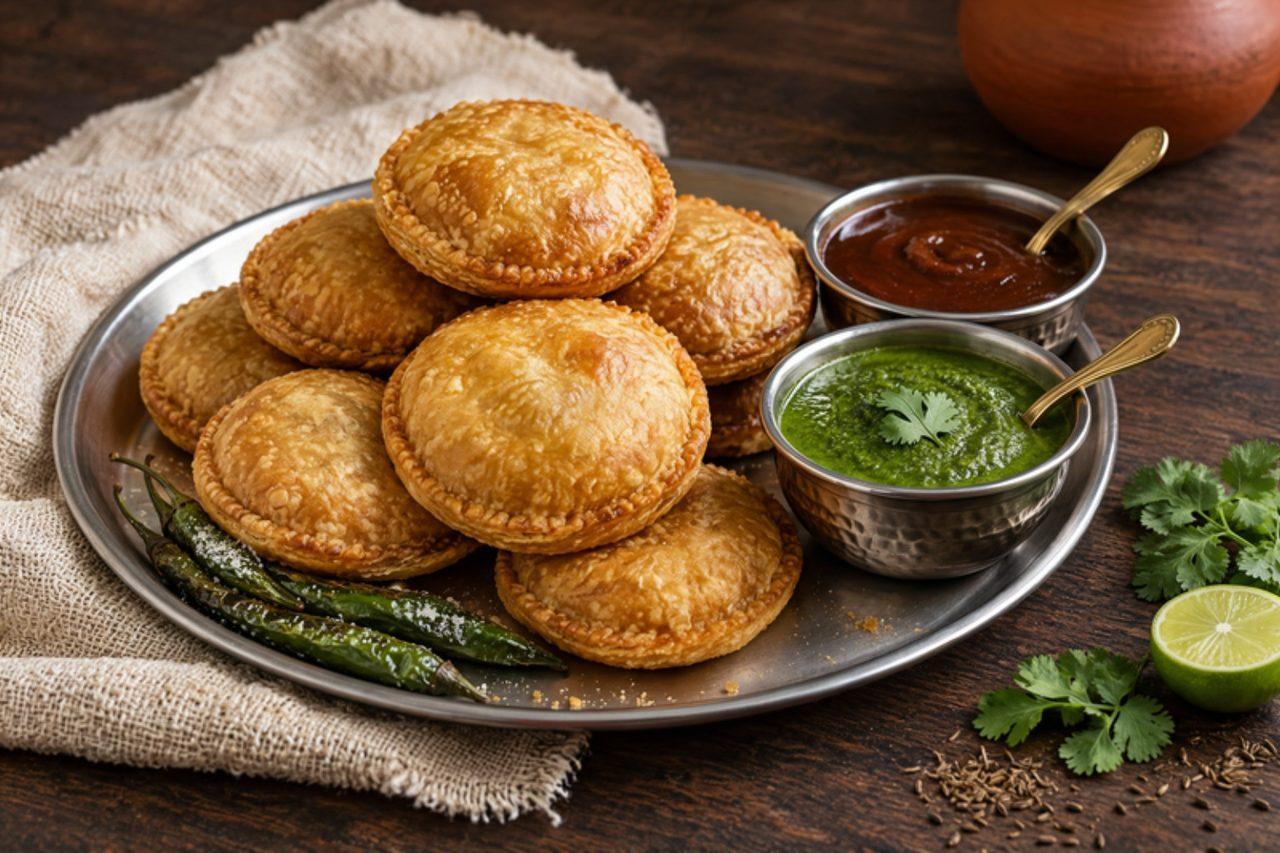
Shegaon kachoriDal-stuffed fried pastries

Shegaon, a temple town in Vidarbha, is known across Maharashtra for its small, round, crisp kachoris, sold by the boxful at the railway station and carried home by pilgrims and travellers. The stuffing is dry and spicy, made of roasted gram flour, crushed dal, fennel, coriander and a good pinch of hing, and the pastry is short and flaky. They are eaten with sweet tamarind chutney, or broken into hot kadhi. The common mistake is frying on high heat, which browns the pastry before it turns flaky; these need a slow fry. Chef's tip: the stuffing must be cold and crumbly when you fill the dough; warm stuffing turns pasty and bursts the kachoris.

by KrazyBadal 0 views

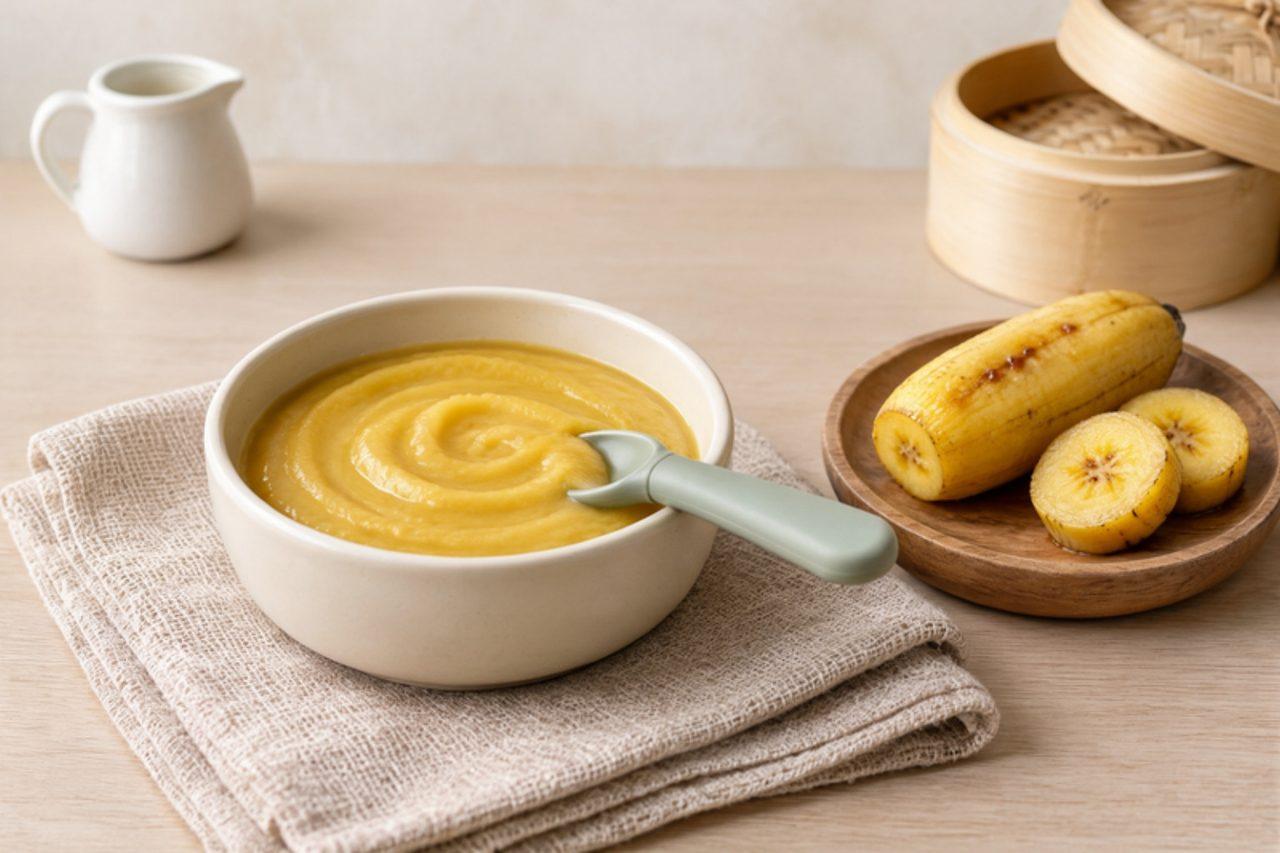
Steamed Nendran banana mash

Nendran is the long, golden plantain of Kerala, sold in hands at every market from Palakkad to Thiruvananthapuram, and a steamed ripe Nendran is one of the first fruits a Malayali baby tastes. Raw, it is too firm and starchy for a six-month-old, so it is steamed in its skin until the flesh turns soft and orange-gold, the dark string of seeds in the centre is pulled out, and the rest is mashed smooth. It is naturally sweet, so nothing is added: no sugar, jaggery, honey or salt. It is free of the major allergens. Chef's tip: wait until the skin is fully yellow with black freckles; a green Nendran stays chalky however long you steam it.

by KrazyBadal 0 views

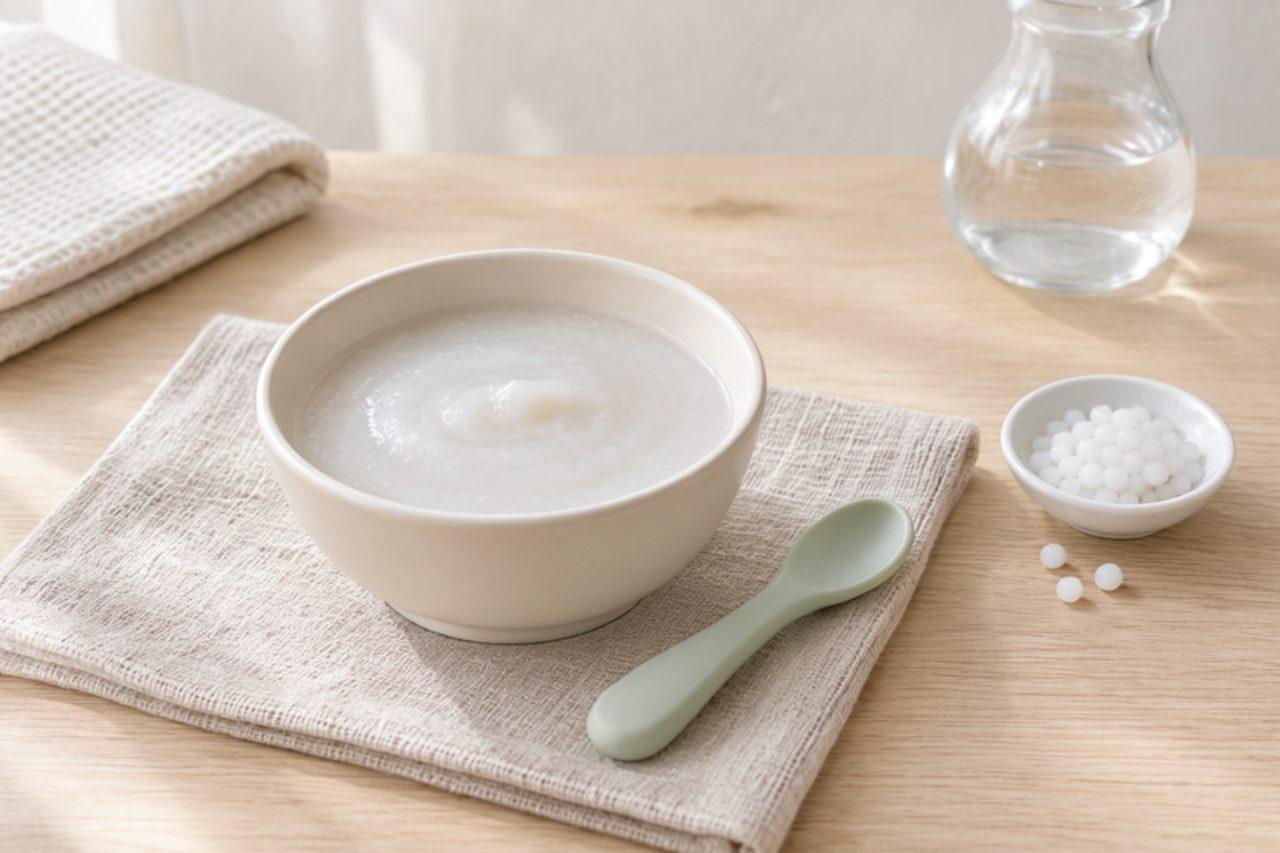
Sabudana kanji for babiesSago porridge for babies

Sabudana (sago) is pantry food in Pune and Ahmedabad homes, best known for fasting khichdi, but mothers in Maharashtra and Gujarat also cook the pearls into a thin, soothing kanji for babies, especially in the hot weeks before the monsoon. The pearls are soaked, simmered until every one is glassy and clear, then blended so there is nothing for a baby to choke on. It tastes very mild and is mostly energy, so offer it alongside iron-rich foods rather than instead of them. No salt, sugar, jaggery or honey for babies; it is free of the major allergens. Chef's tip: a white dot in the middle of a pearl means it is still raw; simmer until none are left.

by KrazyBadal 0 views

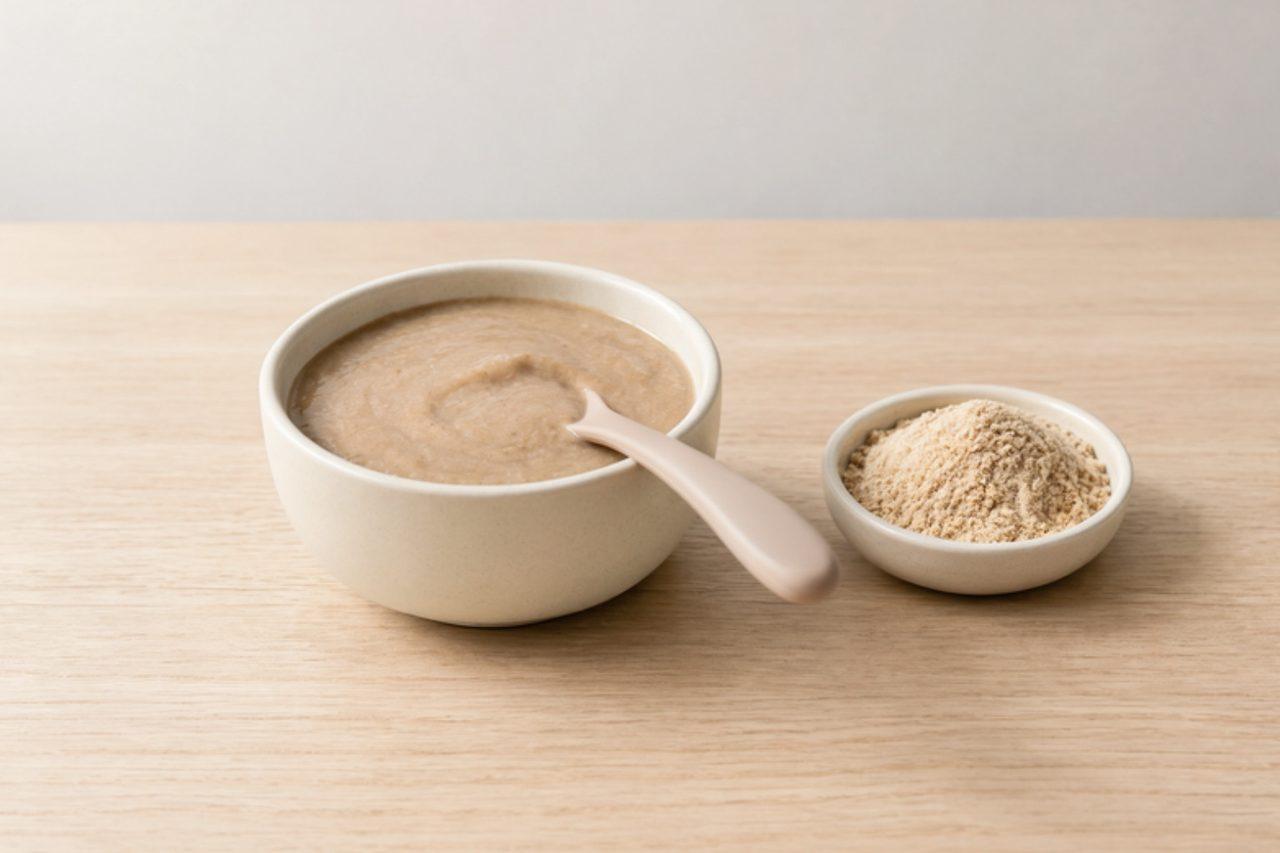
Lito (sarbottam pitho porridge)

Ask a mother in Kathmandu, Pokhara or a hill village what her baby eats after the pasni rice-feeding ceremony, and the answer is often lito: porridge made from sarbottam pitho, a 'super flour' that families roast and grind themselves from two parts soybean to one part each of maize and wheat. Cooked with water it becomes a smooth, nutty, toast-coloured porridge with more protein than plain rice. For babies there is no salt, sugar, jaggery, honey or ghee needed. It contains soya and wheat (gluten). Chef's tip: roast the grains separately, each until it smells nutty and cracks between your teeth, then grind and sieve; the beans need longest.

by KrazyBadal 0 views

Salam pakSalep root and milk fudge

Salam pak is the grandest of the Gujarati winter paks, made in Kathiawadi and Ahmedabad homes in the cold months and handed out to family as a strengthening sweet. Salam (salep) is the dried, powdered root of a wild orchid sold by Gujarati grocers and Ayurvedic shops; cooked in milk it thickens into a silky, slightly chewy body that mawa, ghee and nuts make luxurious. A frequent mistake is adding the salam straight into hot milk, where it seizes into rubbery lumps that never cook out. Chef's tip: buy salam powder from a busy shop and smell it; it should be clean and faintly sweet, never musty.

by KrazyBadal 0 views

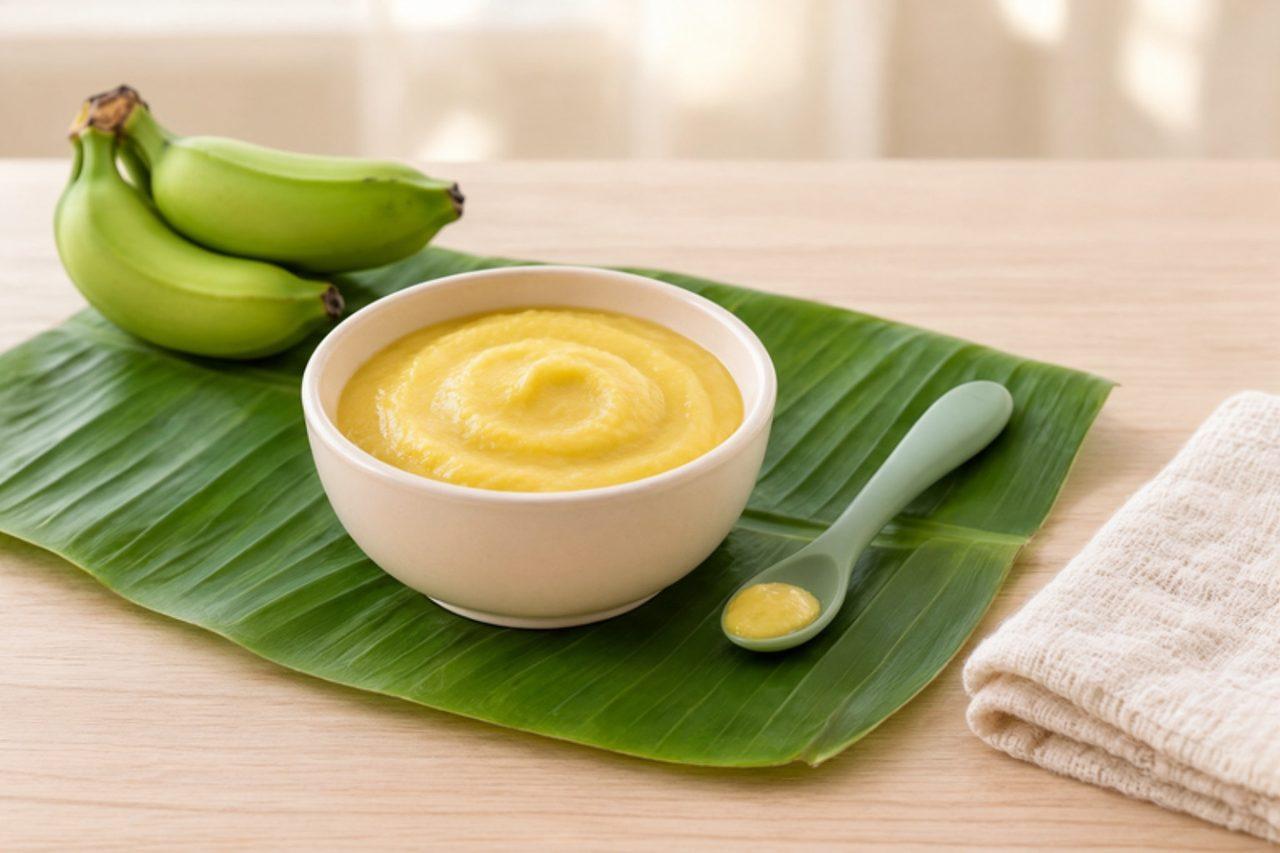
Mashed matooke for babiesMashed green banana for babies

Matooke, the green cooking banana trucked into Kampala's Owino and Nakasero markets in great bunches, is Uganda's everyday staple, and the first food most Ugandan babies eat. The fingers are peeled, wrapped in banana leaves and steamed until they turn soft and golden, then mashed with a little of the steaming water into a smooth, mild, slightly earthy purée. Families feed it at the midday meal, on its own at first and later with groundnut sauce. Nothing is added for babies: no salt, sugar or honey. It is free of the major allergens. Chef's tip: oil your hands and knife before peeling; green matooke oozes a sticky sap that stains skin and boards.

by KrazyBadal 0 views

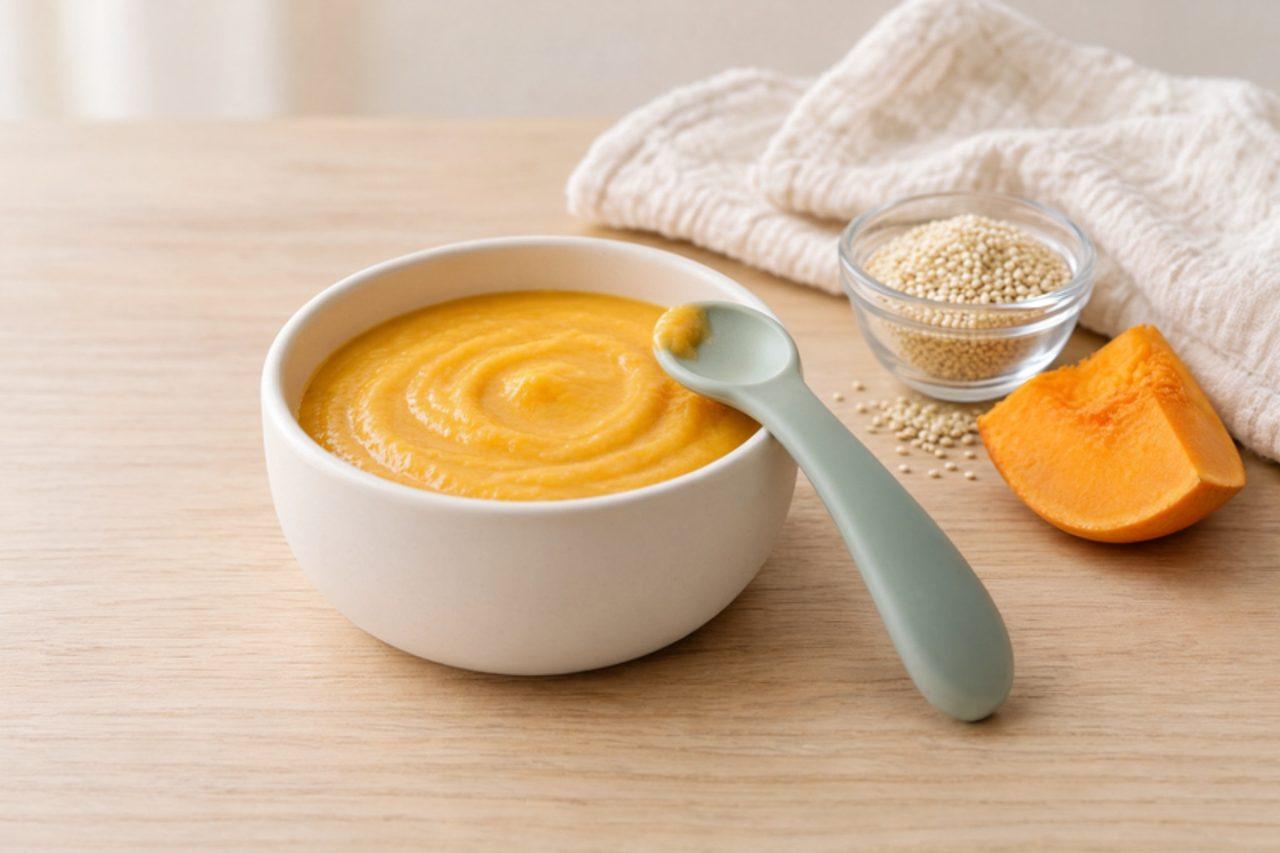
Papilla de quinua for babiesQuinoa and pumpkin puree for babies

In the high Andes around Cusco, Puno and La Paz, quinoa is the grain families have fed babies for centuries, and papilla de quinua is the first porridge many Andean mothers make at six months. The seeds are washed hard to remove their bitter saponin coating, simmered until they burst and show a little white tail, then blended with sweet zapallo (pumpkin) or apple into a smooth, nutty porridge. It is rich in protein and iron for a plant food. For babies there is no salt, sugar, panela or honey. It is free of the major allergens. Chef's tip: rub the quinoa between your palms under running water until the water no longer foams; that foam is what tastes bitter.

by KrazyBadal 0 views

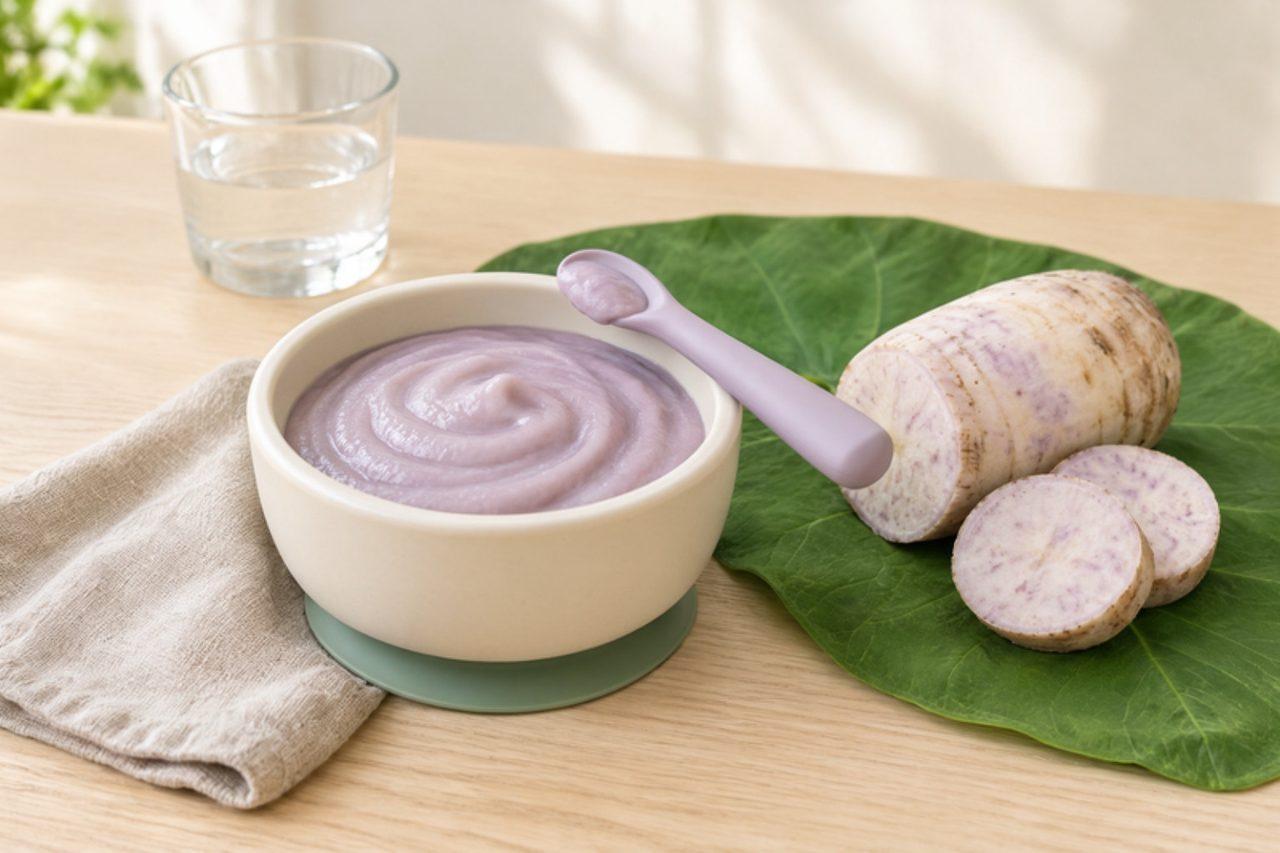
Hawaiian poi for babiesTaro paste for babies

Poi, cooked taro (kalo) pounded with water, is the oldest staple of Hawaiʻi, and it was traditionally among the first foods given to babies across the islands; you can still buy it fresh by the bag at markets in Honolulu and on Kauaʻi. Fresh poi is mild, smooth and gently sweet, with a lilac-grey colour; left a few days it ferments and turns sour, which adults love but a baby is better without. Taro must be cooked right through, because raw taro contains crystals that irritate the mouth. Nothing else is added: no salt, sugar or honey. It is free of the major allergens. Chef's tip: wear gloves to peel raw taro, and cook a test piece; if it tingles on your tongue, it needs longer.

by KrazyBadal 0 views

MerengadaStrawberry milk shake

Ask for a batido in Venezuela and you get fruit blended with water; ask for a merengada and it comes with milk, frothy and pale. The name is said to come from the old habit of beating in a little egg white like a meringue, which few cooks do now. Every panadería and fuente de soda from Maracaibo to Barcelona has a row of fruits on the counter, and strawberry from the Andes of Mérida, banana and guava are the favourites, ordered with a cachito or a pastelito at breakfast or as an after-school treat. A good merengada is cold, light and foamy, tasting clearly of fruit, not just of sweet milk. The common mistake is too little ice and too much milk, which gives a thin, warm drink with no froth. Blend the fruit with part of the milk first until perfectly smooth, then add the ice and the rest of the milk and blend hard. It is ready when a thick layer of pink foam sits on top and no fruit pieces are left. Banana or guava (strain the guava for seeds) work the same way. Chef's tip: frozen strawberries make it frostier; cut the ice by half if you use them.

by KrazyBadal 0 views

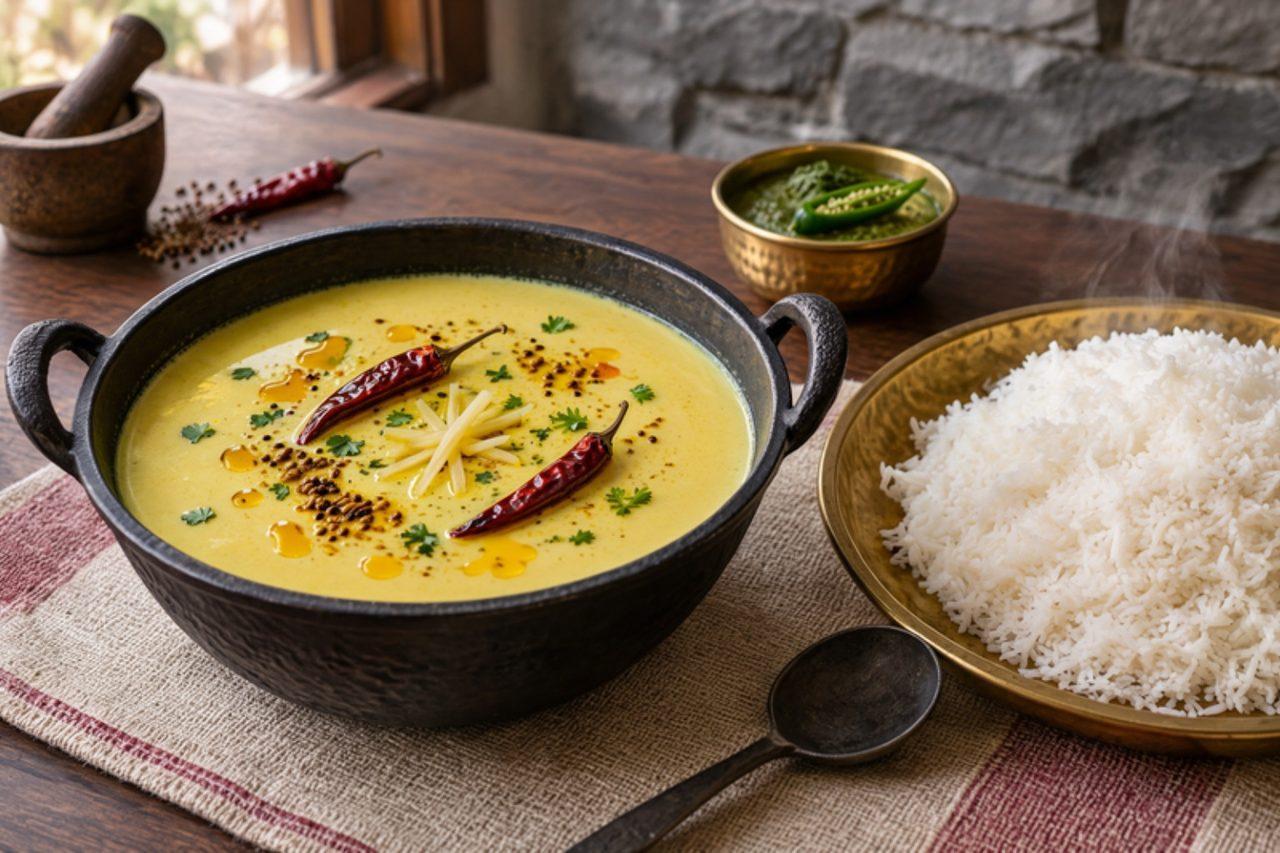
JholiYogurt and gram flour kadhi

Jholi is the thin, everyday kadhi of Kumaon, cooked when there is curd in the house and no time for pakoras, and spooned over rice for a quick lunch. It is tempered with jakhya, a tiny crunchy hill seed with a mustardy bite, and coloured gold with turmeric. Because there are no fritters, it is lighter and tangier than a Punjabi kadhi. The common mistake is letting it boil before the gram flour has cooked in, which splits the curd into grains. Chef's tip: keep stirring in one direction until the first bubble; after that the jholi is stable and can simmer on its own.

by KrazyBadal 0 views

Showing 48 of 3,481 recipes

Show more recipes

Page 68 of 146

More No onion & garlic ideas

Other diets