


Skip to content
Kwaśnica
Featured recipe

Kwaśnica

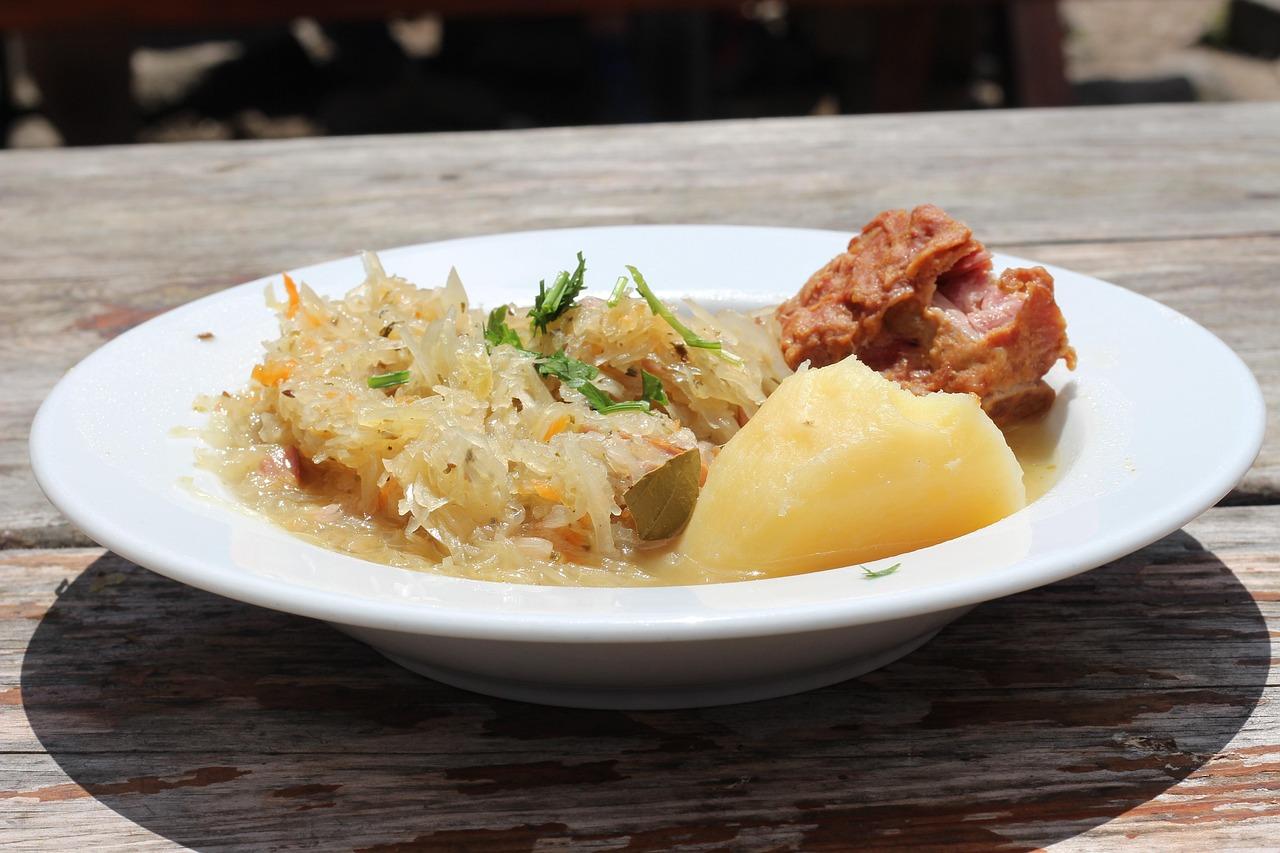
Sauerkraut and smoked rib soup

Ask for soup in a Zakopane karczma and the answer is nearly always kwaśnica, the sour, smoky broth of the Tatra highlanders, ladled from a big pot with smoked pork ribs on the bone and a bowl of boiled potatoes alongside. Unlike most cabbage soups, the base here is the fermented sauerkraut juice itself, so it is sharper and lighter, warmed by allspice, caraway and a whiff of garlic. Skiers and shepherds alike swear by it after a cold day on the slopes. Too many cooks rinse the sauerkraut, which washes away the very sourness the soup is named for. If yours is very harsh, taste and loosen it with water instead. Chef's tip: simmer the ribs on their own first, so the broth is rich and smoky before the cabbage goes in and the meat is falling off the bone by the end.

Read more 0 views

What to eat today?

Around the world

Today's trip: Peruvian

A new country every day, from every cuisine on the site.

Peruvian

Tacacho

Mashed roasted green plantain balls 35 minMore from Peruvian (111) →

This week's collection

Kid-friendly dinners
772 recipes · a new collection every Monday

Coming up

All occasions →

Latest recipes

LlajwaTomato and chilli salsa

No Bolivian table is set without llajwa, the fiery, bright salsa that goes on soups, potatoes, cheese empanadas and anything grilled. In La Paz and Cochabamba it's ground on a batán, a flat grinding stone with a rocking stone on top, which crushes tomatoes and locoto (a fleshy, very hot chilli) into a rough, juicy sauce. The signature herb is quirquiña, with a smell somewhere between coriander and rocket. Chef's tip: no stone? Pound in a mortar or pulse briefly; a blender whips in air and turns llajwa pink and foamy.

by KrazyBadal 0 views
LlapingachosPotato cheese patties

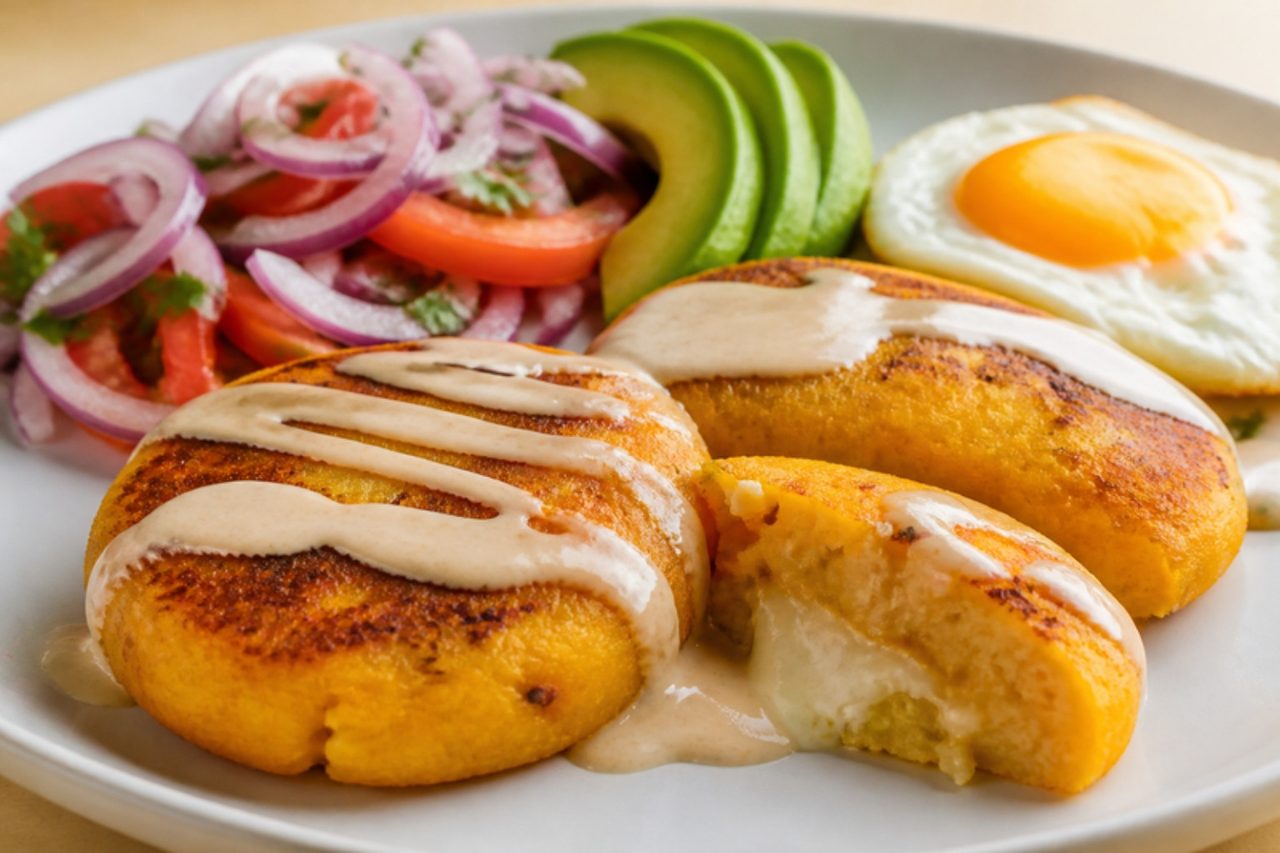
Llapingachos come from the central highlands of Ecuador, especially Ambato and the markets of Riobamba, where women fry them by the dozen on huge round griddles. The patties are mashed potato coloured with achiote, stuffed with cheese and spring onion, and browned until crisp. A full plate adds peanut sauce, a lime-dressed onion and tomato salad, avocado and a fried egg (the market version also includes chorizo, left out here). Chef's tip: chill the shaped patties for 30 minutes; cold patties hold their shape and get a better crust.

by KrazyBadal 0 views

LobianiBean-filled bread

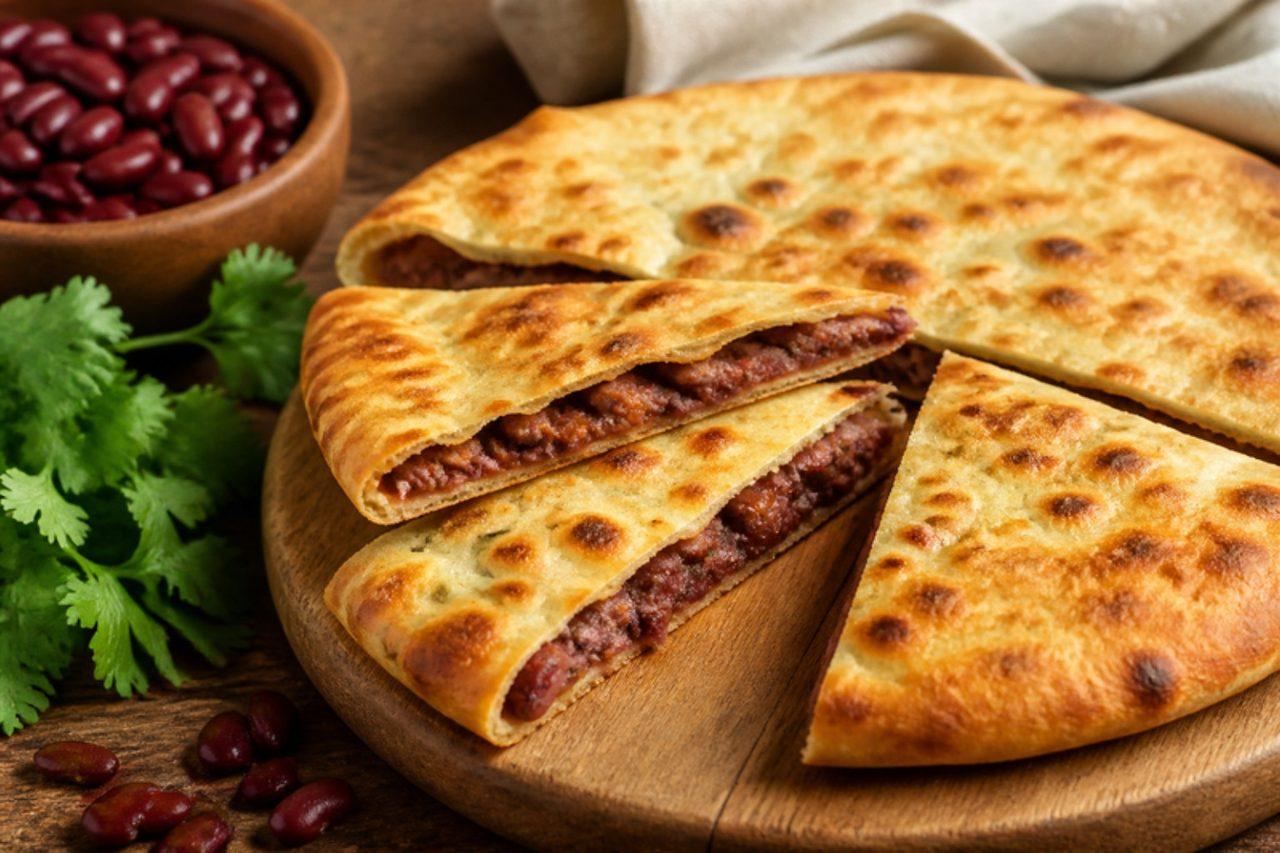
Lobiani is a round bread stuffed with spiced mashed kidney beans, and in Georgia it belongs above all to Barbaroba, St Barbara's Day on 17 December, when households across the country bake it for neighbours and guests. In the highland region of Racha it is often made with ham; this is the plain bean version that is also baked through Orthodox Lent, so the dough here is made with water and oil and the whole bread is vegan. The filling is soft and peppery with coriander and blue fenugreek, and the crust is thin and chewy. A common mistake is making the bean filling too wet, which turns the dough soggy and makes it burst: the mash should hold its shape on a spoon. Chef's tip: fry the onion for the filling until properly golden, not just soft; its sweetness is what makes the beans taste of something.

by KrazyBadal 0 views

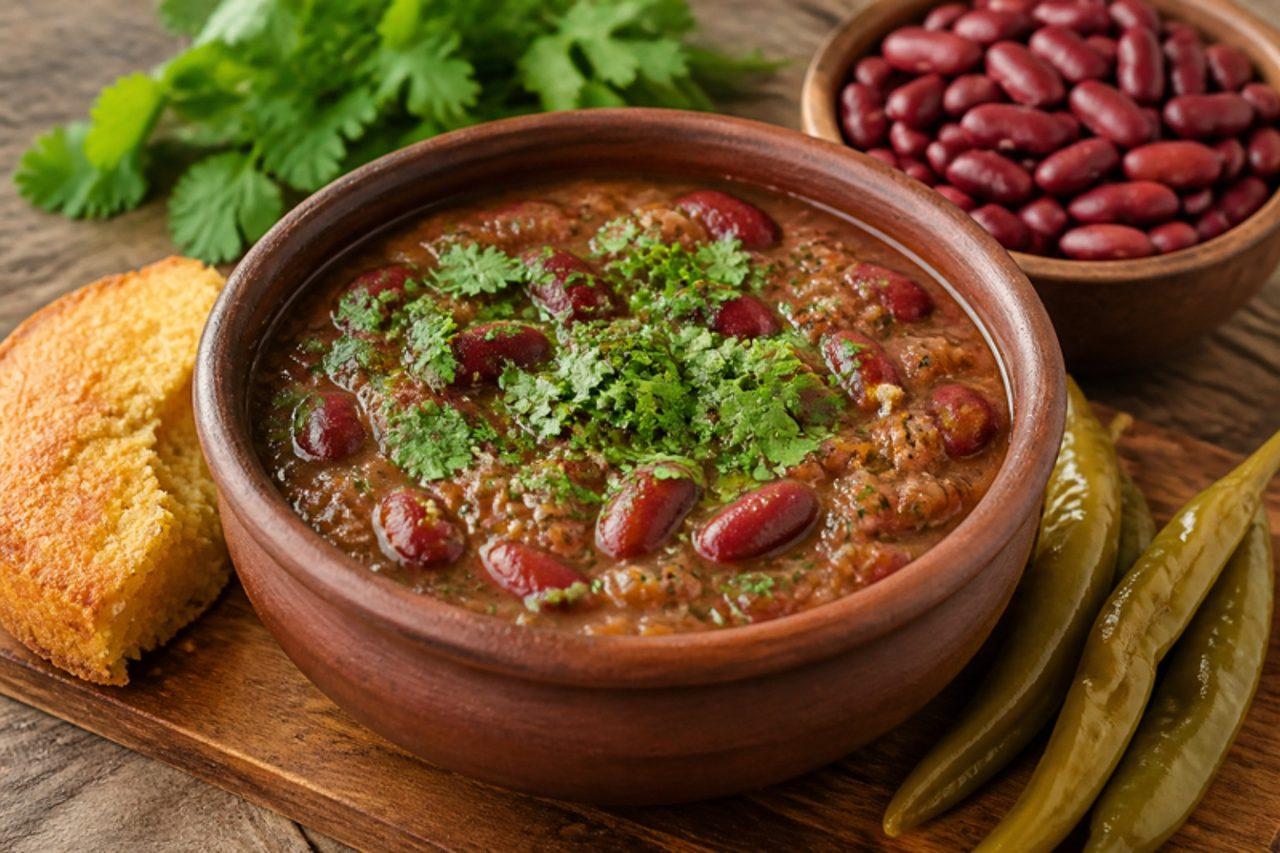
LobioRed bean stew

Lobio simply means beans, and in Georgia it means this thick, herb-scented stew of red kidney beans, cooked and served in a clay pot (a ketsi or kotani). In Imereti and Racha it is everyday winter food and a mainstay of the Lenten table, eaten with hot mchadi, pickled cabbage or green chillies and a spoon of tkemali. Some of the beans are crushed so the stew turns creamy while the rest stay whole. A common mistake is mashing everything to a purée; crush only about a third. Raw kidney beans must also boil hard for 10 minutes before simmering, or they can make you ill. Chef's tip: stir in the fresh coriander and garlic only at the end, off the heat, so they stay bright and sharp against the soft beans.

by KrazyBadal 0 views

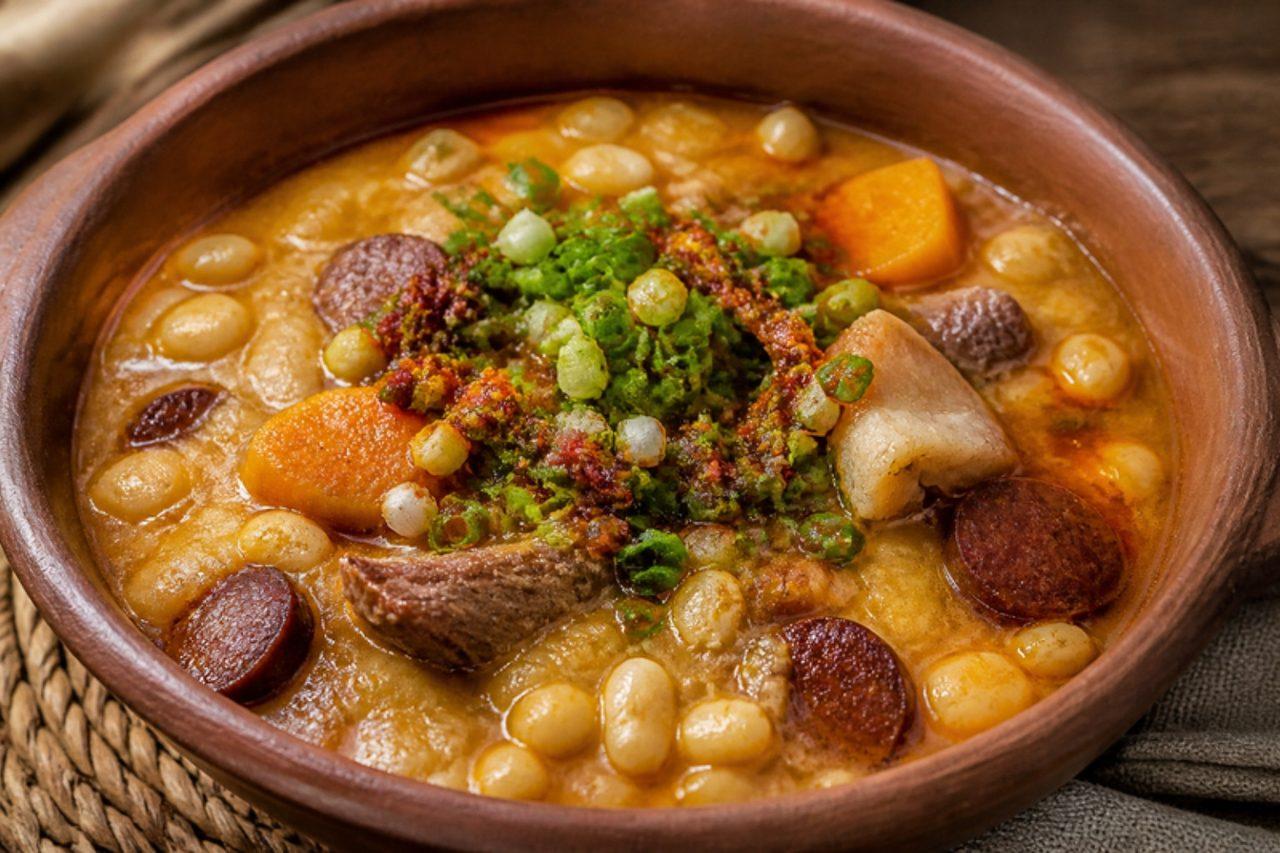
Locro argentinoCorn, bean and meat stew

Locro comes from the Andean northwest, from Salta, Jujuy and Tucumán, and today the whole country eats it on 25 May and 9 July, the two national holidays, when it simmers in huge pots at clubs and church halls. Dried white corn, white beans and squash cook down with beef, pork belly and chorizo into a stew so thick a spoon stands up in it. This is a pork dish. It is topped with quiquirimichi, a red oil of paprika, chilli and spring onion. The classic mistake is not soaking the corn and beans overnight; without it they never soften. Chef's tip: stir often in the last hour, scraping the bottom, as the squash breaks down and the locro catches easily.

by KrazyBadal 0 views

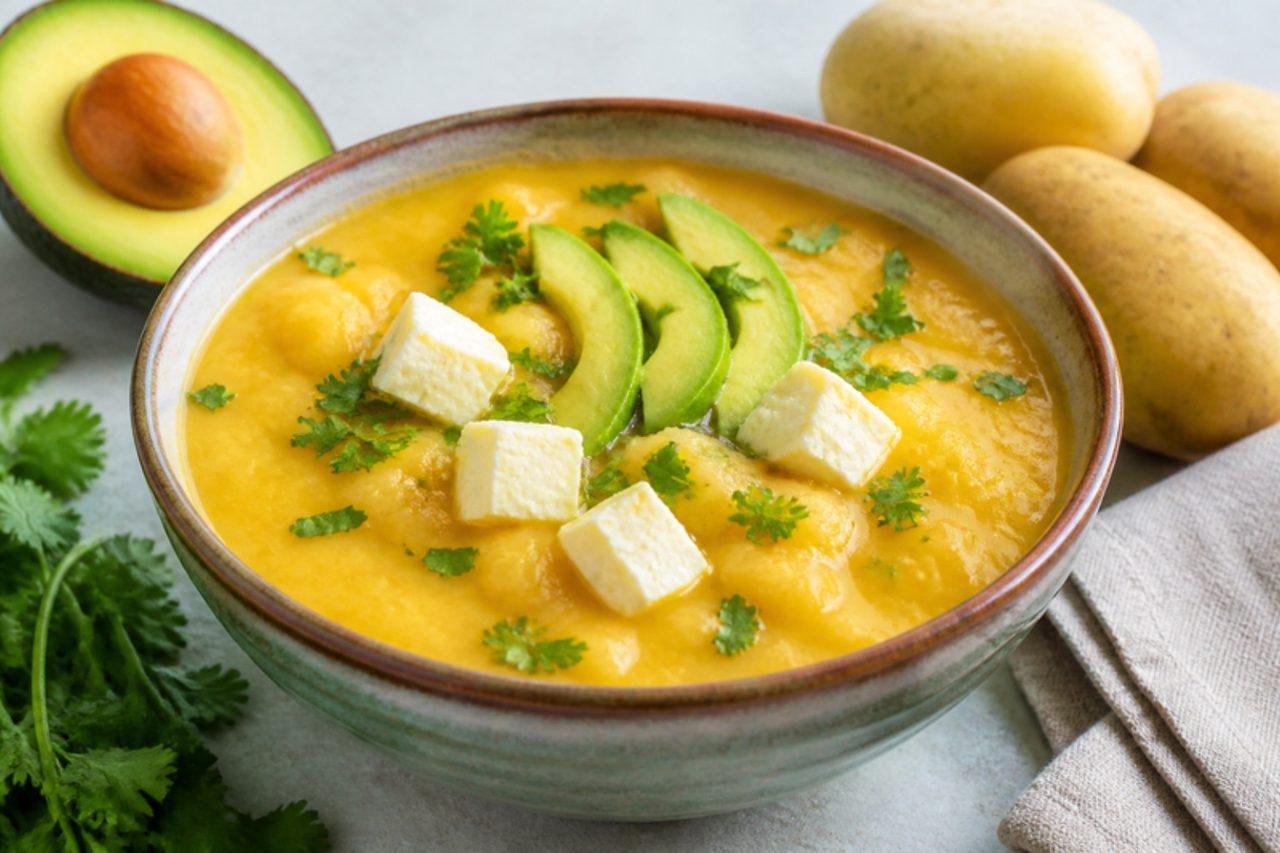
Locro de papaPotato and cheese soup

Locro de papa is Quito's comfort soup, eaten on cold afternoons in the Andean highlands where nights drop near freezing. Potatoes are cooked until half of them dissolve into a thick, achiote-tinted broth, then finished with milk and cubes of fresh cheese that soften into strings. Bowls are crowned with avocado slices and served with ají (chilli sauce) on the side. Ecuador uses two potatoes, a floury one to thicken and a waxy one to hold its shape. Chef's tip: add the cheese off the heat; it should soften and go stretchy, not melt into an oily layer.

by KrazyBadal 0 views

Horchata de arrozRice and cinnamon drink

Mexican horchata is a sweet, milky-looking agua fresca made from rice soaked overnight with cinnamon, then blended and strained. It is quite different from the Valencian horchata de chufa made from tiger nuts. Sold everywhere from Mexico City street stalls to taquerías in Oaxaca, it cools the mouth after a spicy taco and tastes of cinnamon, vanilla and toasted grain. We blend in almonds for extra creaminess and keep it dairy free, so it is vegan. Chef's tip: strain twice, the second time through a fine cloth; a gritty horchata is the most common mistake, and that silky texture is what you're after.

by KrazyBadal 0 views

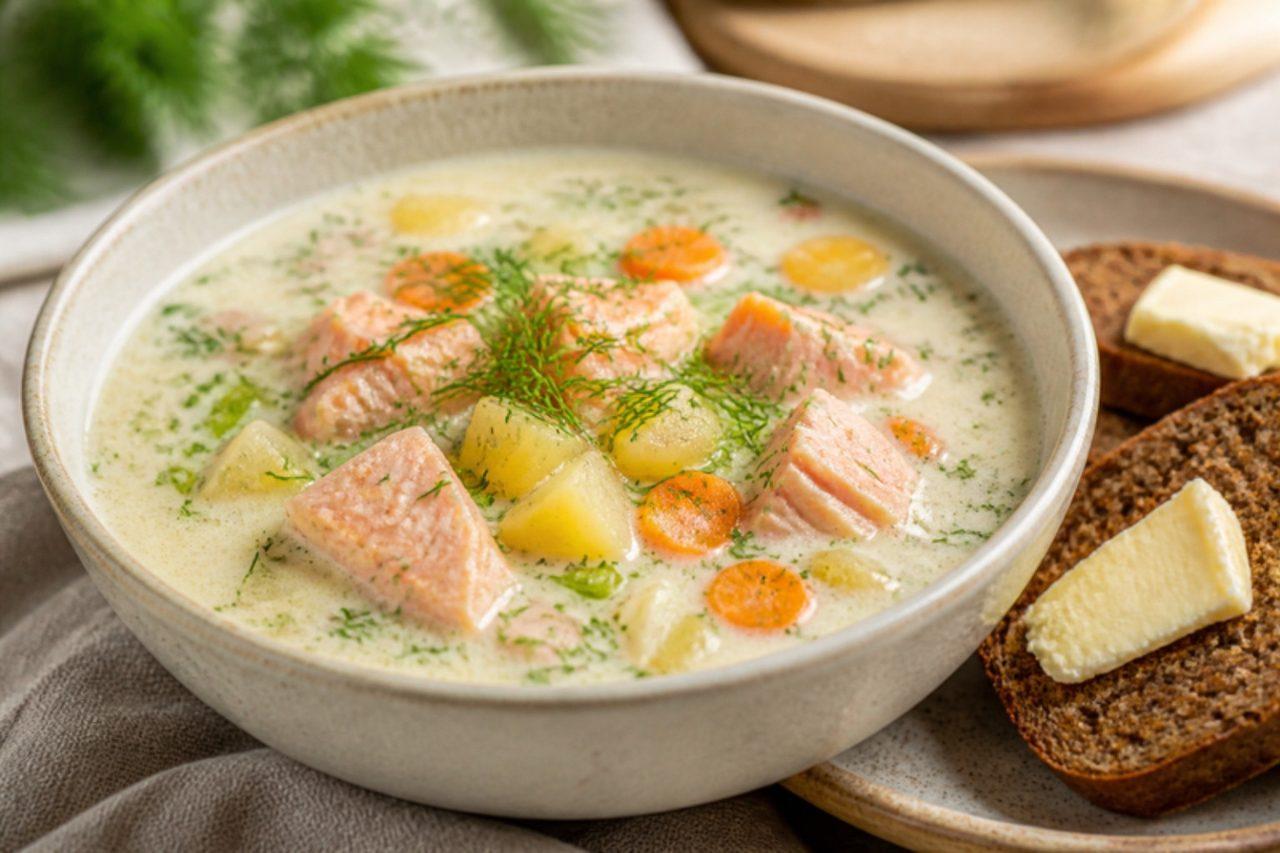
LohikeittoCreamy salmon soup

Lohikeitto is what Finns cook when they want something warming after a day outside, ladled up in Helsinki lunch cafés and in lakeside summer cottages alike. Chunks of salmon and potato simmer in a light fish stock with leek and allspice, then a little cream turns it pale and gentle and a big handful of dill makes it taste of summer. It takes about forty minutes and is served with dark rye bread and butter. The common mistake is boiling the salmon hard, which turns it dry and stringy; it only needs a few minutes at a bare simmer. Chef's tip: add the salmon last and switch off the heat with the lid on; the fish finishes in the hot soup and stays in juicy flakes.

by KrazyBadal 0 views

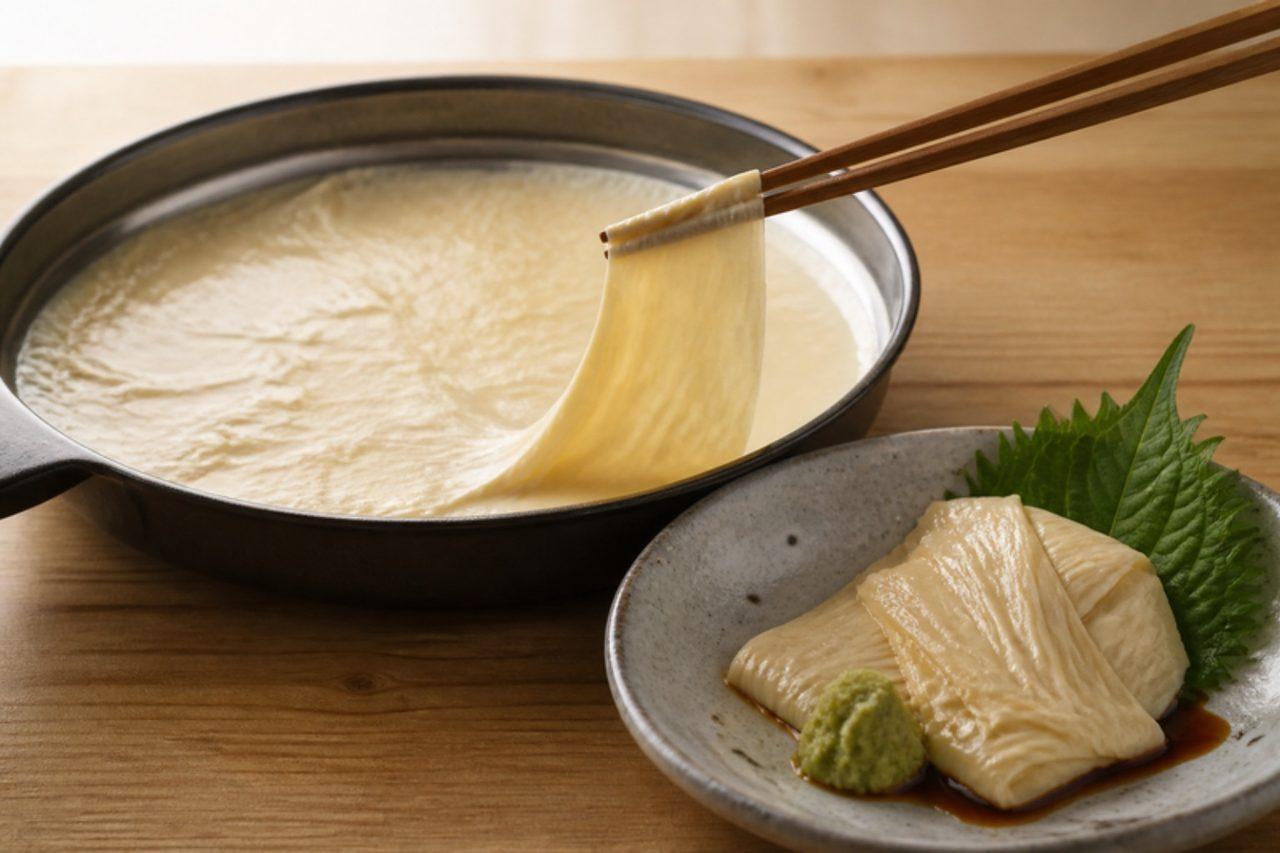
Homemade fresh yubaFresh tofu skin

Yuba is the thin skin that forms on soy milk as it heats, and in Kyoto and the temple town of Nikko it is a delicacy in its own right. Workshops in Kyoto's old streets have made it for centuries for monks' shojin ryori, the Buddhist vegetarian cuisine that relied on it for protein. Fresh yuba is soft, creamy and faintly sweet, and the first sheets of the day, eaten warm with a drop of soy, are prized above all. It needs patience rather than skill: just a wide pan, gentle heat and good soy milk. Serve as a starter with wasabi soy, or roll the sheets and slice them. Chef's tip: use unsweetened soy milk with at least 7% protein (check the label). Thin supermarket drinks won't form a skin.

by KrazyBadal 0 views

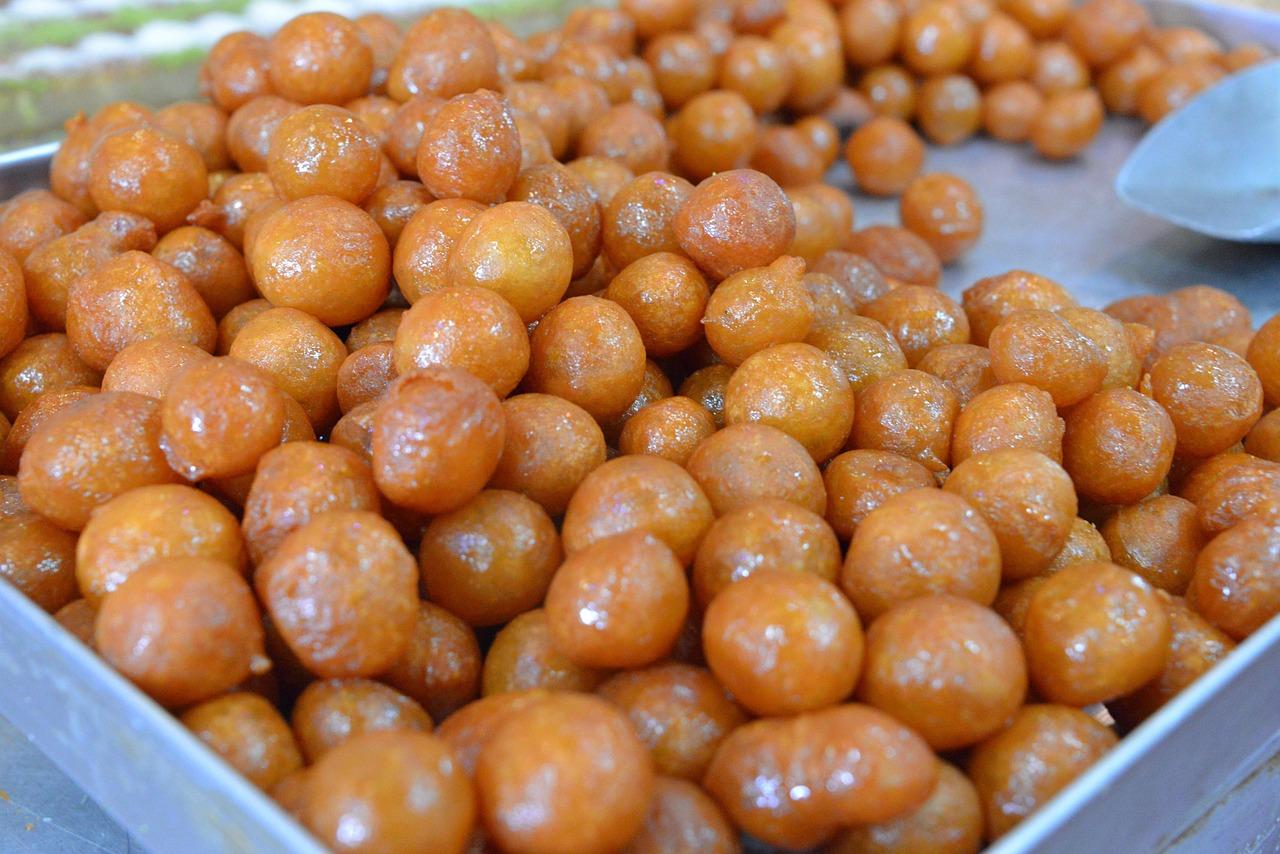
LokmaFried yeast fritters in syrup

In İzmir and along the Aegean coast, lokma is the sweet of shared moments: families hire a lokma master with a big cauldron to fry hundreds of these golden balls on the street after a funeral or to mark an anniversary, handing them out to anyone passing by, and stalls sell them by the paper cup all year. Each fritter is a little ball of yeasted batter, crisp outside, hollow and soft within, soaked briefly in lemon syrup so it crunches before it melts. This home version needs no eggs or butter, and kids love squeezing out the balls. Eat them warm, on their own or with a sprinkle of cinnamon or crushed pistachios. Chef's tip: dip your spoon or fingers in a cup of water before each ball; the batter then slides off cleanly into round shapes instead of stringy tails.

by KrazyBadal 0 views

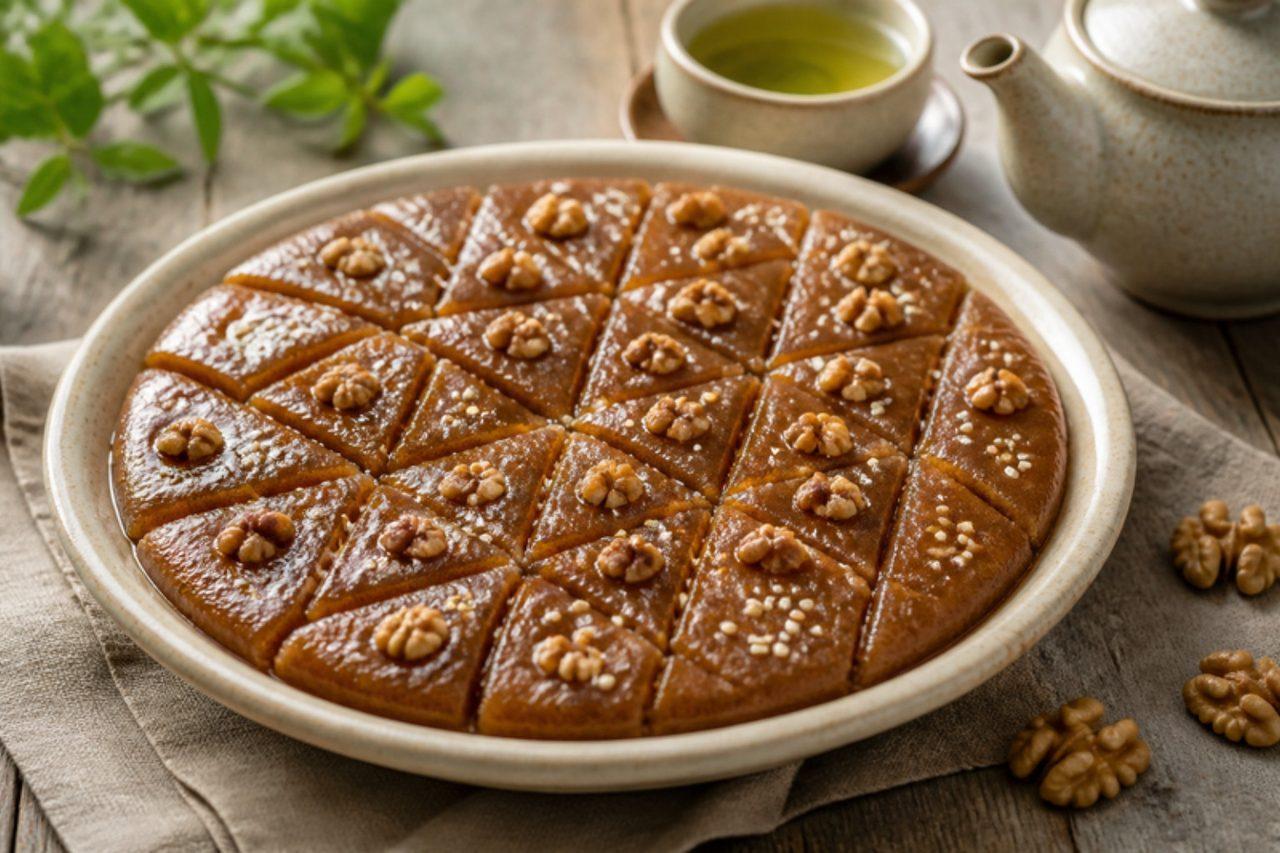
Uzbek halva (holvaitar)Flour and butter halva

Holvaitar is one of the oldest sweets of Bukhara: flour slowly roasted in butter until it smells like toasted nuts, then cooked with a sugar syrup into a soft, spoonable halva and topped with walnuts. Bukharan families make it for Navruz in March, for the 'Thursday' remembrance meals, and for women after childbirth, served warm in small bowls with green tea. It is closer to a pudding than to the brittle sesame halva sold in the bazaar. Chef's tip: patience at the roasting stage is everything; stop when the flour is the colour of milky coffee — paler tastes raw, darker turns bitter.

by KrazyBadal 0 views

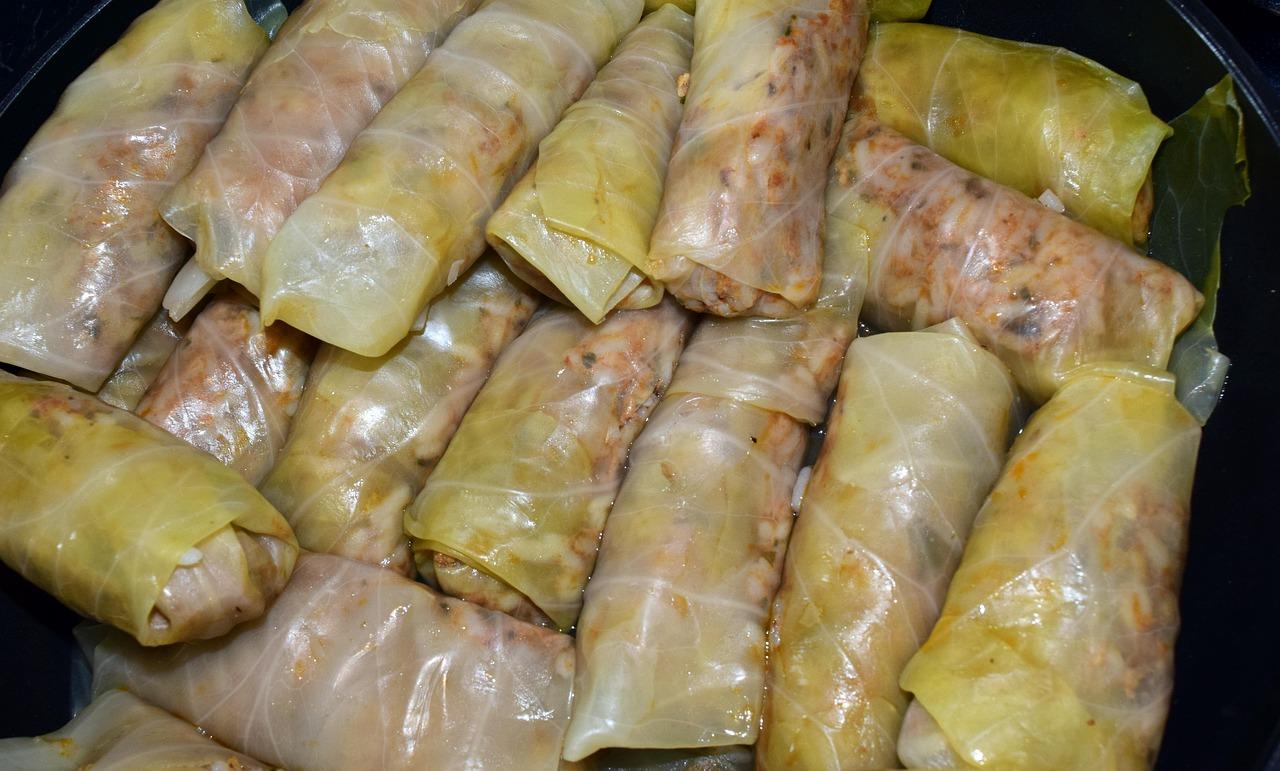
HolubtsiCabbage rolls with pork and rice

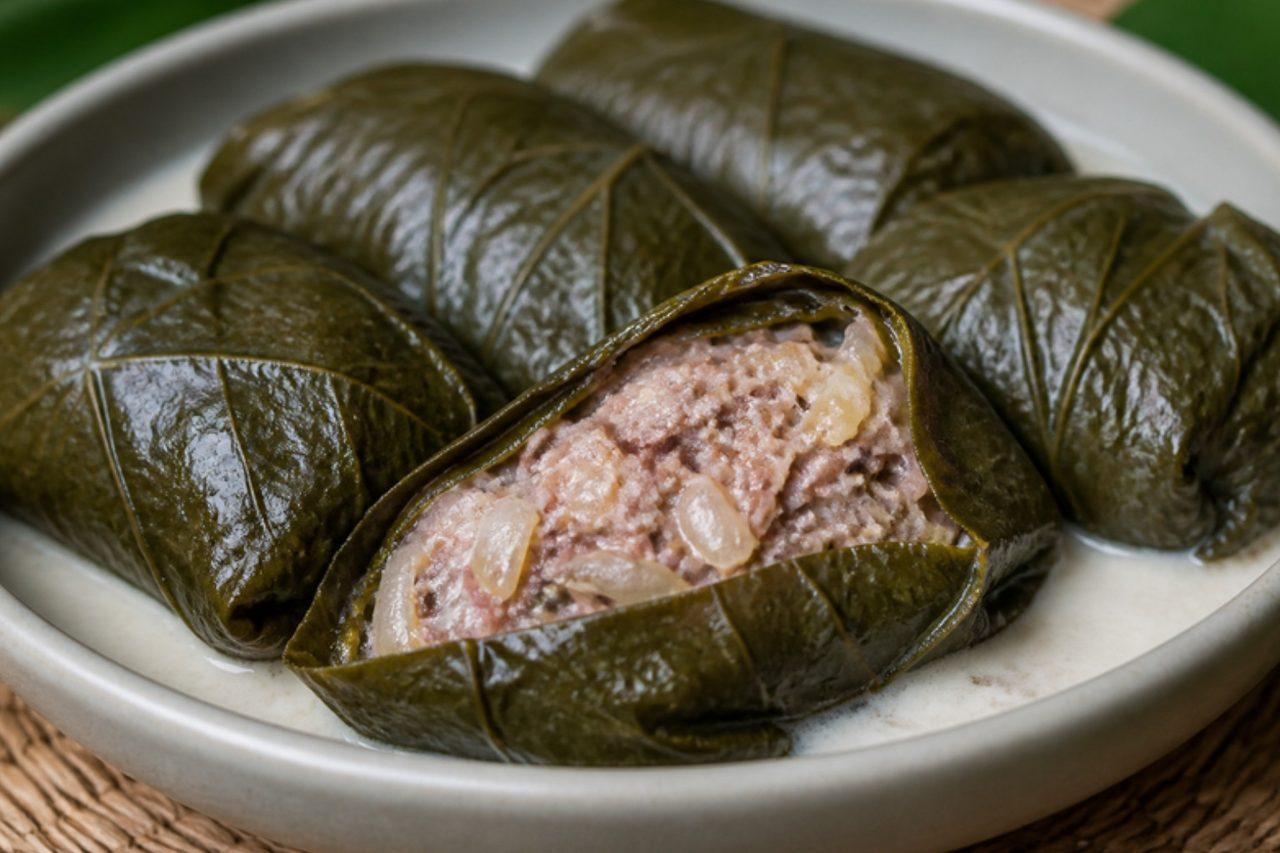
Holubtsi, 'little doves', are the cabbage rolls of Ukrainian family feasts, made by the trayful for weddings, christenings and Christmas in homes from Lviv to Poltava. This version contains pork: tender cabbage leaves wrap a mix of pork and beef mince, rice, onion and carrot, and the rolls bake slowly in a tomato and soured cream sauce. Serve with more soured cream and dill. Chef's tip: core the cabbage and simmer the whole head, peeling off leaves as they soften; they come away without tearing.

by KrazyBadal 0 views

Otak-otakGrilled spiced fish mousse

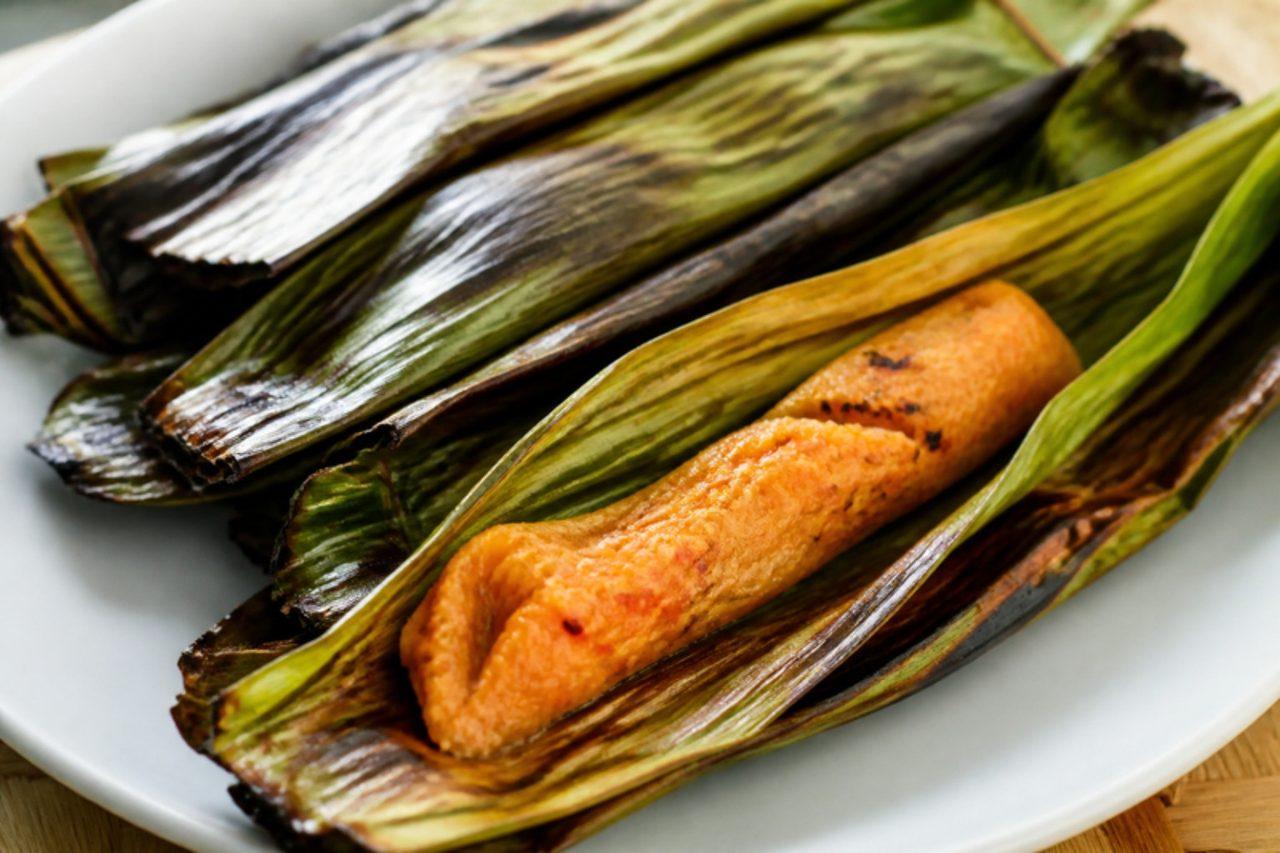
Drive through Muar in Johor and you will see roadside grills stacked with slim green parcels, sold by the dozen in paper bags for the journey home. Inside each is a soft, bright-orange custard of pounded mackerel, coconut milk and egg, flavoured with a chilli-lemongrass rempah and kaffir lime leaf, which turns smoky and slightly charred at the edges from the grill. Melaka's Nyonya cooks make a fatter, steamed version, but this one is grilled in banana leaf. Eat it warm, peeled straight out of the leaf, with white bread, rice or nasi lemak. Chef's tip: chill the fish mixture for 15 minutes before wrapping; it firms up and is far easier to spoon onto the leaves.

by KrazyBadal 0 views

Ou khattaElephant apple chutney

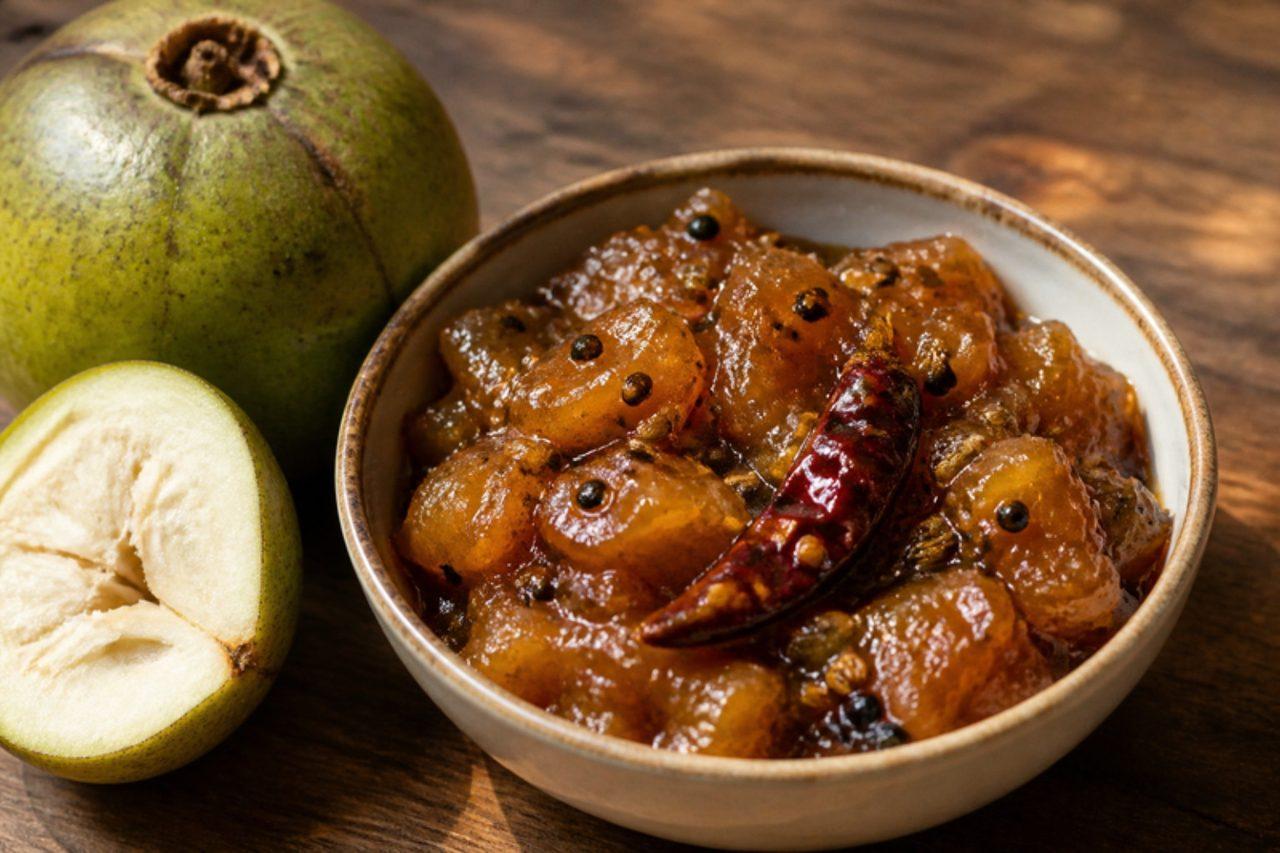
Ou tenga, the elephant apple, is a hard, sour green fruit that grows across Assam and turns up in every winter market in Guwahati. Ou khatta is its sweet chutney: slices are boiled until tender, then simmered with jaggery and panch phoron until glossy, sticky and sharp-sweet. It is served in a little mound at the end of a festive Assamese lunch and at Bihu feasts, the way Bengalis end with tomato chutney. Chef's tip: outside the Northeast, use a mix of very sour green apple and a little tamarind; it gets surprisingly close.

by KrazyBadal 0 views

Hokkaido butter cornButtered sweetcorn

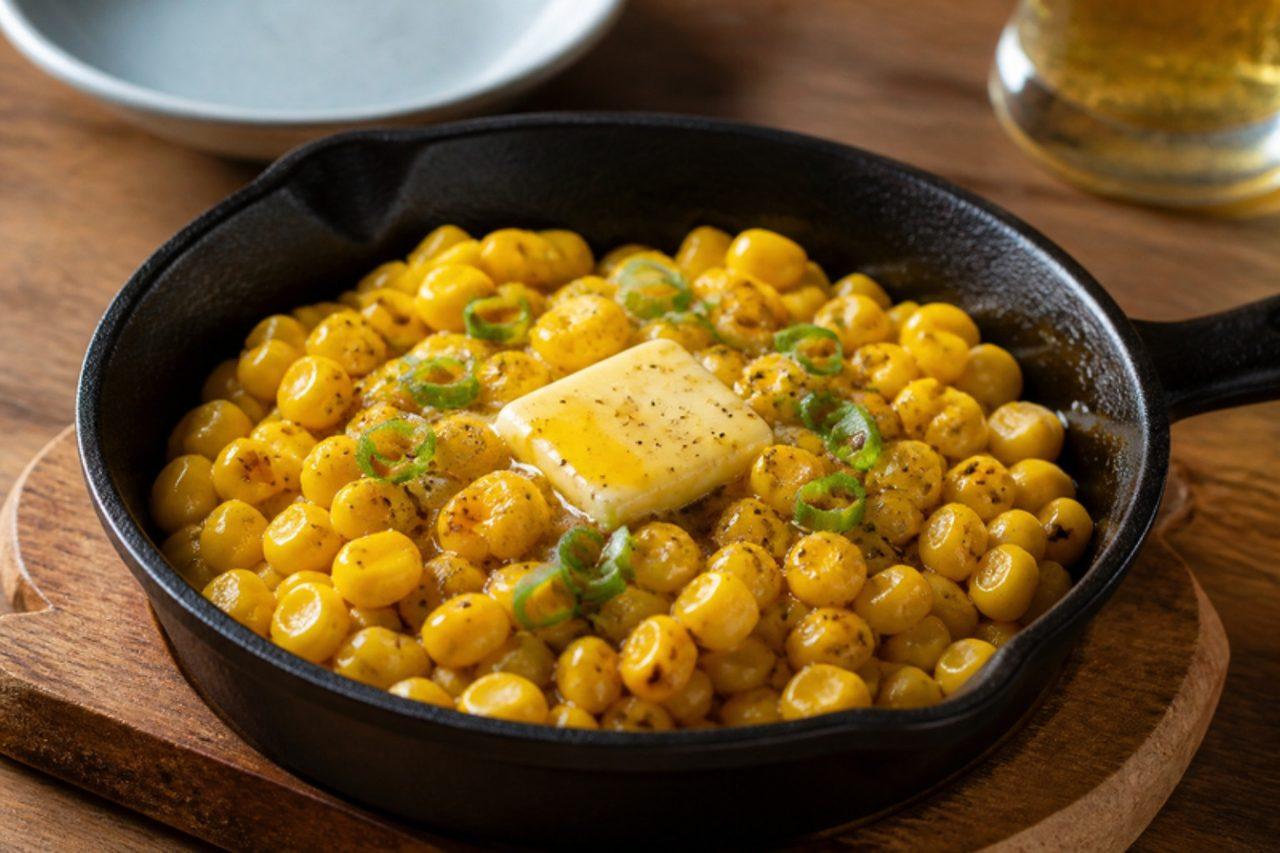
Hokkaido grows most of Japan's sweetcorn, and in late summer roadside stands around Sapporo and Furano sell cobs so sweet people eat them raw. Butter corn is how the island turns that harvest into a side dish: kernels hissing in a hot pan with Hokkaido's other pride, butter, and finished with soy sauce until the edges catch. You'll find it as a ramen topping, a beer snack in izakaya and a bento filler. Serve it hot beside grilled vegetables or rice. Chef's tip: let the kernels sit in the pan without stirring for a minute at a time. A few browned, almost toasted kernels give the dish its nutty, popcorn-like smell.

by KrazyBadal 0 views

PastilRice parcels with shredded chicken

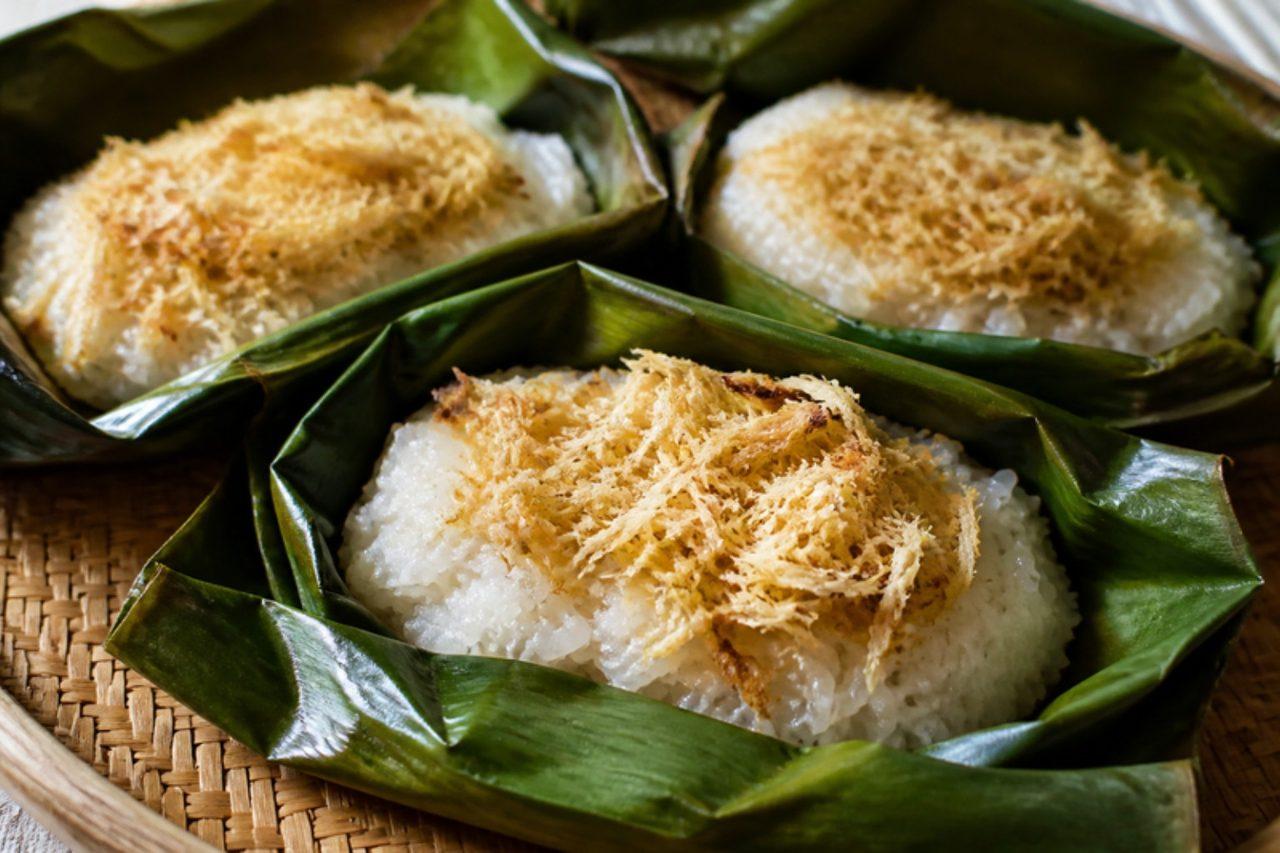
Pastil is the grab-and-go breakfast of Cotabato City and the Maguindanao region of Mindanao: a mound of warm rice wrapped in a banana leaf, topped with shredded chicken that has been fried dry with garlic and onion (kagikit). Vendors sell them by the dozen from early morning, and Muslim families pack them for the pre-dawn meal during Ramadan. Each parcel is small, cheap and filling. Eat them warm with a hot chilli vinegar. Chef's tip: fry the chicken flakes until they are dry and fluffy, almost like floss; moist chicken makes the rice soggy inside the leaf.

by KrazyBadal 0 views

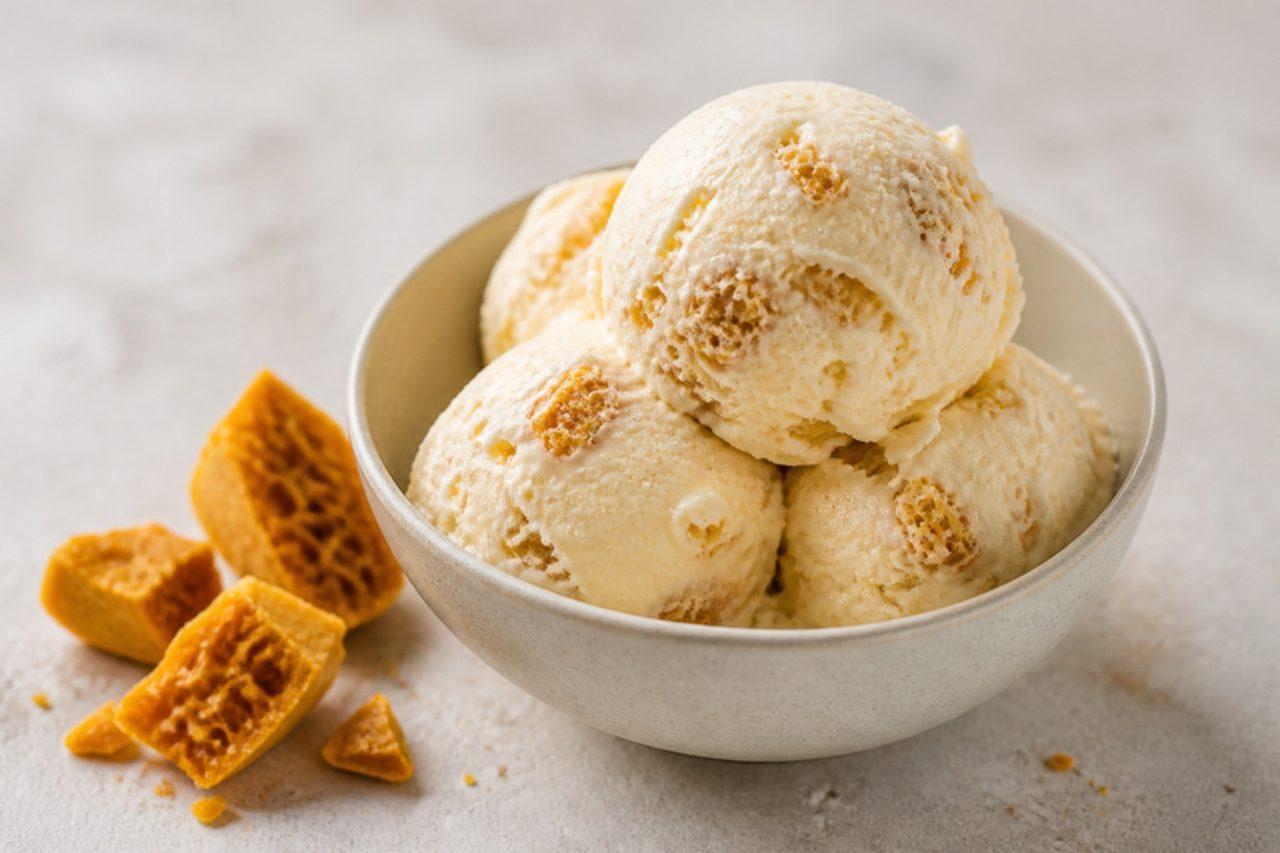
Hokey pokey ice creamHoneycomb toffee ice cream

Hokey pokey is what New Zealanders call honeycomb toffee, and vanilla ice cream full of crunchy little nuggets of it has been the country's best-loved flavour since the mid-twentieth century; it's scooped into cones at dairies and beaches from Auckland to Invercargill. The honeycomb is a bubbling golden syrup toffee that foams up when bicarbonate of soda goes in and sets glassy and light. Folded through a rich no-churn vanilla base, it stays crunchy at first and slowly turns chewy and toffee-like. Chef's tip: don't stir the sugar once it starts to melt; swirl the pan instead, or it will crystallise and turn grainy.

by KrazyBadal 0 views

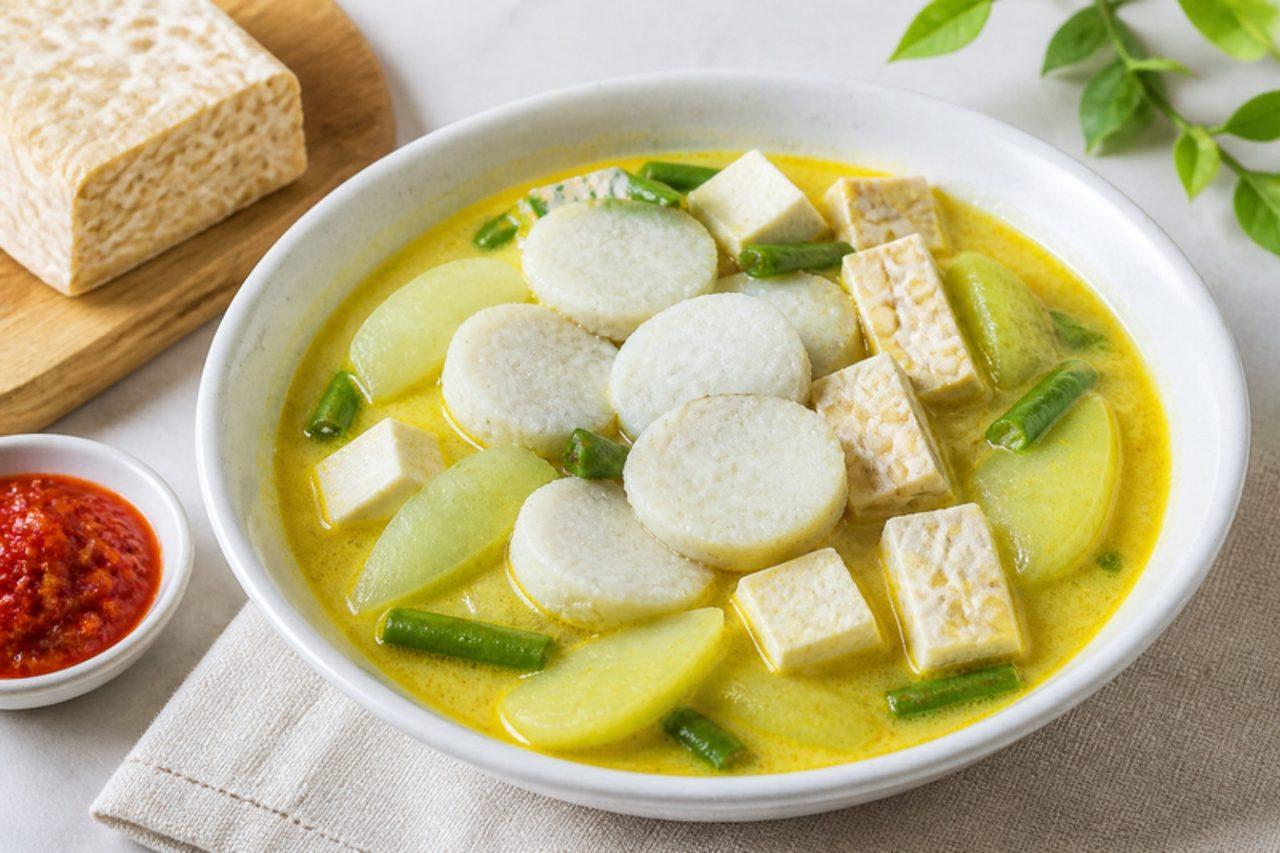
Lontong sayurRice cakes in coconut vegetable broth

In Jakarta, lontong sayur is what the morning carts sell before offices open: firm slices of pressed rice sitting in a thin, golden coconut broth with chayote, long beans and squares of tofu and tempeh. Betawi families also cook a big pot of it for Lebaran morning. Street versions often add dried shrimp to the spice paste; this one keeps the flavour with candlenuts, galangal and salam leaf instead. Serve with sambal, fried shallots and crackers. Chef's tip: cook the lontong the day before and chill it overnight; cold rice cakes slice cleanly and soak up the broth without falling apart.

by KrazyBadal 0 views

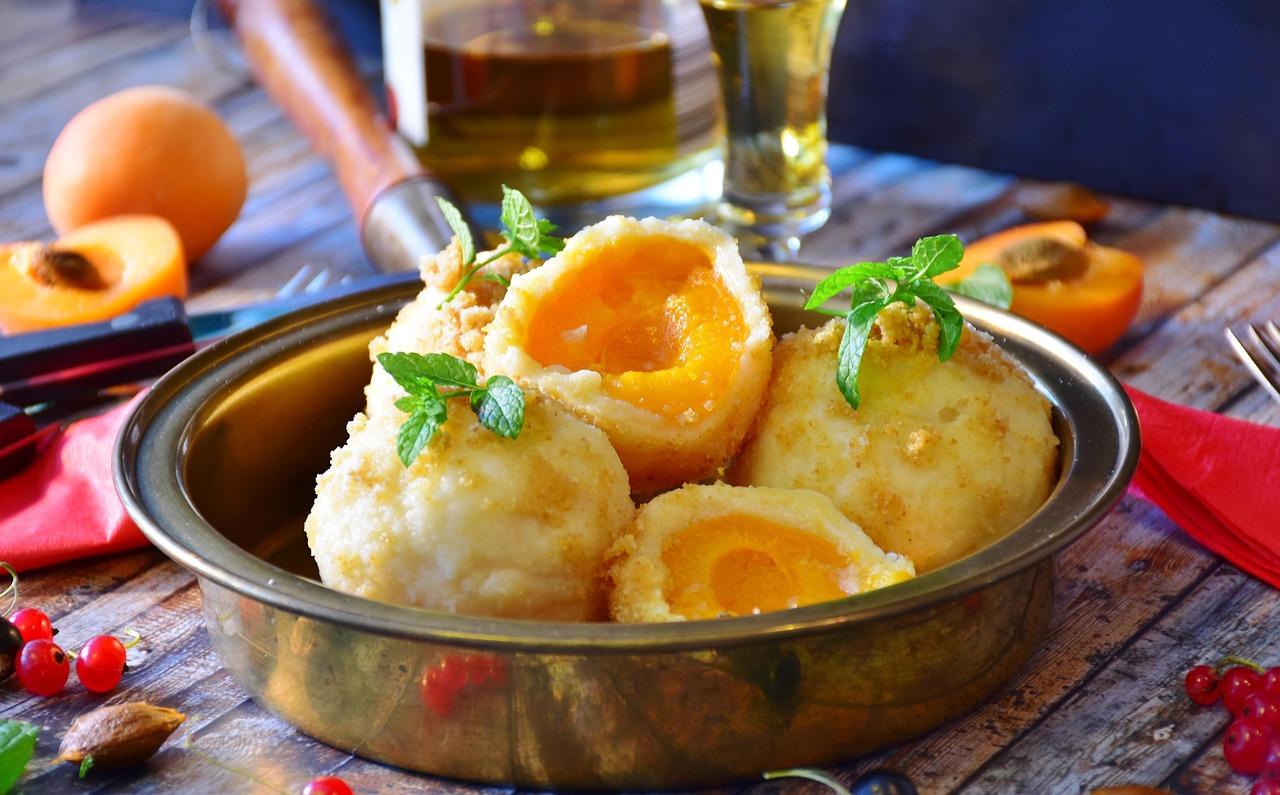
Ovocné knedlíkyFruit-filled dumplings

Ovocné knedlíky are the summer main course of Czech childhoods: in July with apricots from South Moravian orchards, in September with blue plums, eaten as lunch rather than pudding. Each soft quark dumpling hides a whole fruit that turns jammy as it simmers, and they are served the old way, rolled in melted butter and buried under grated tvaroh (quark) and icing sugar. Kids compete over who can eat the most. Chef's tip: pinch the dough completely closed with no thin patches; a single gap lets water in and the dumpling bursts in the pot.

by KrazyBadal 0 views

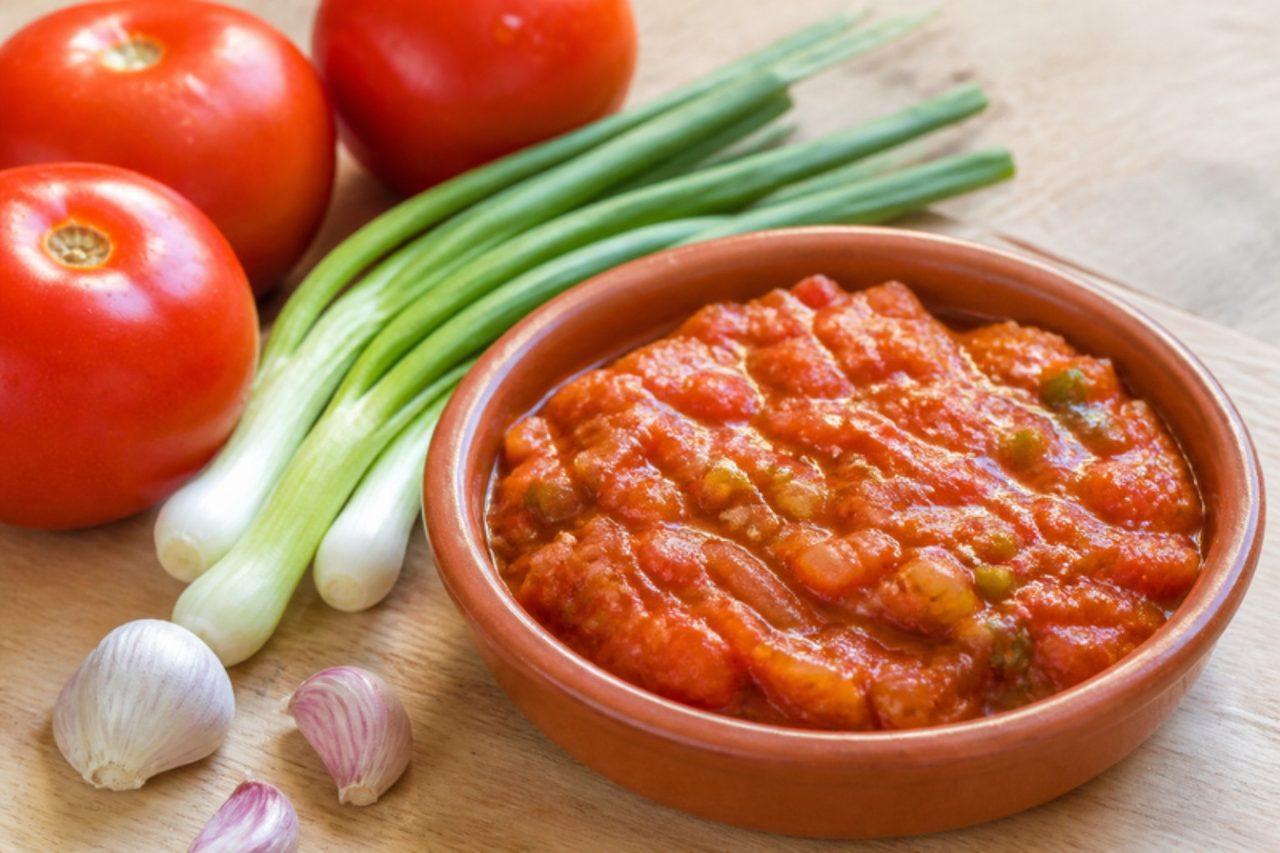
HogaoTomato and spring onion sauce

Hogao (or guiso) is the base and topping of Colombian home cooking, from Antioquia to Cali: ripe tomatoes and long spring onions (cebolla larga) cooked slowly in oil with garlic and cumin until soft and jammy. It is spooned over patacones, arepas, boiled potatoes and yuca, stirred into beans and rice, and served in a little bowl at the table. Chef's tip: cook it low and slow; a fast, hot hogao tastes raw and sharp, while a patient one turns sweet.

by KrazyBadal 0 views

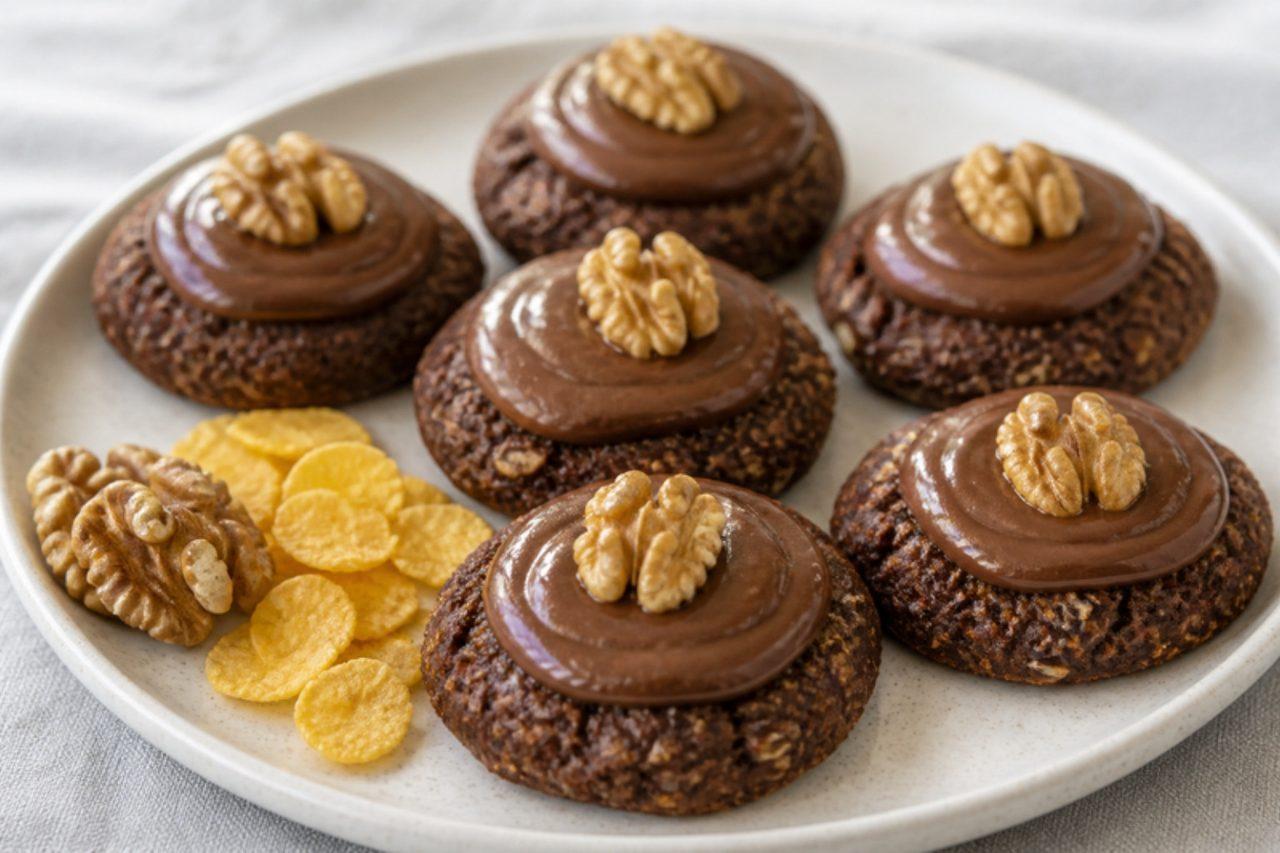
Afghan biscuitsChocolate cornflake biscuits

Afghans are a New Zealand classic, found in the old home baking books passed down in Kiwi kitchens and in the glass cabinets of cafés and bakeries from Christchurch to Whangārei. Nobody is quite sure where the name came from. The dough is rich with butter and cocoa, and lightly crushed cornflakes give each biscuit a crunchy, slightly rugged texture. A swirl of soft chocolate icing and a walnut half finish them off. They're not too sweet underneath, which is why the icing works so well. Chef's tip: crush the cornflakes only lightly with your hand; fine crumbs disappear, but big flakes give the crunch an afghan is known for.

by KrazyBadal 0 views

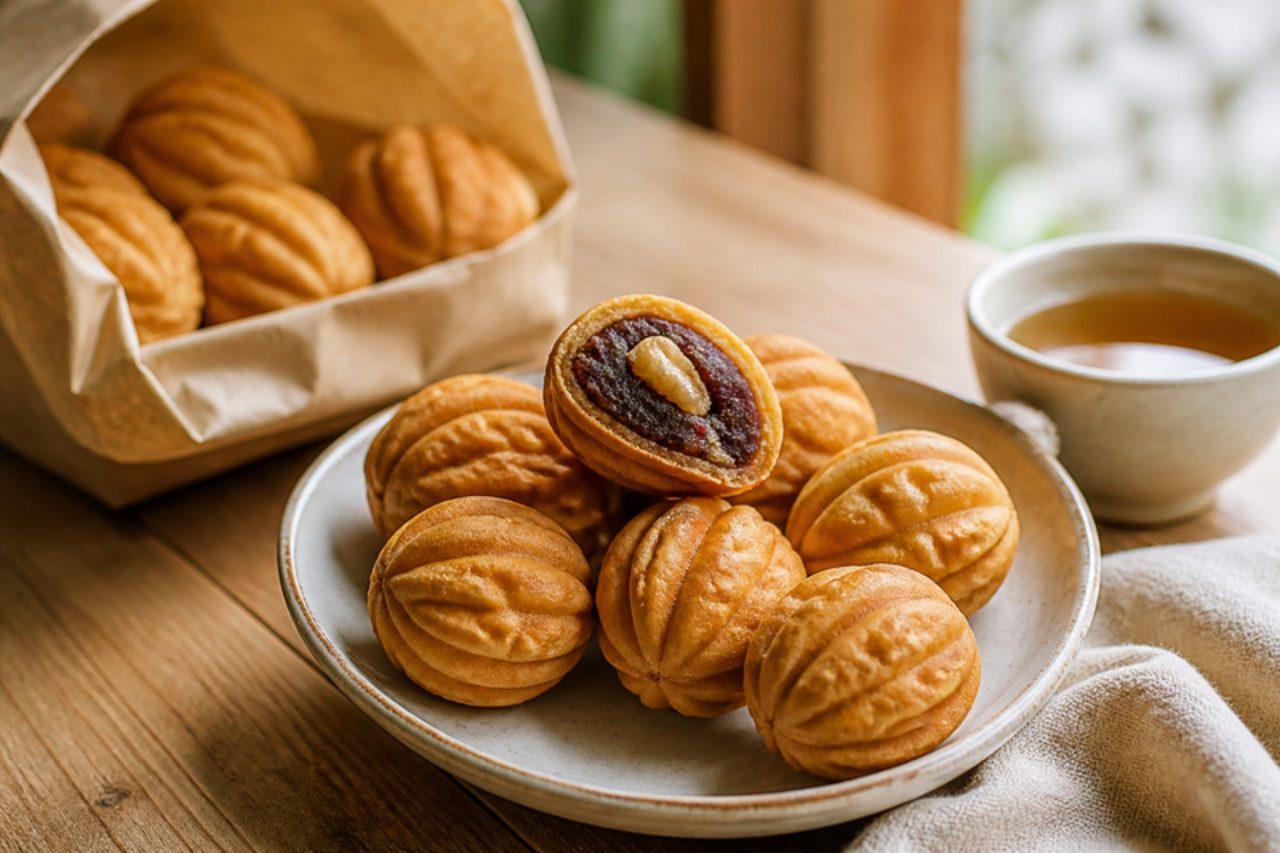
Hodu gwajaWalnut-shaped red bean cakes

Hodu gwaja (호두과자) were first sold at Cheonan station in South Chungcheong in the 1930s, and the town's walnut orchards still supply the pieces of nut hidden in every one. Today you find them in paper bags at every motorway service station in Korea: bite-sized, walnut-shaped cakes with a soft, eggy shell around sweet red bean paste and a chunk of walnut. They are made in a hinged cast-iron mould; a madeleine or Japanese takoyaki pan works too, though the shape will differ. Eat them warm, on the day. Chef's tip: heat the mould properly before the first batch; the first cakes are always the palest, so judge doneness by the colour of the later ones.

by KrazyBadal 0 views

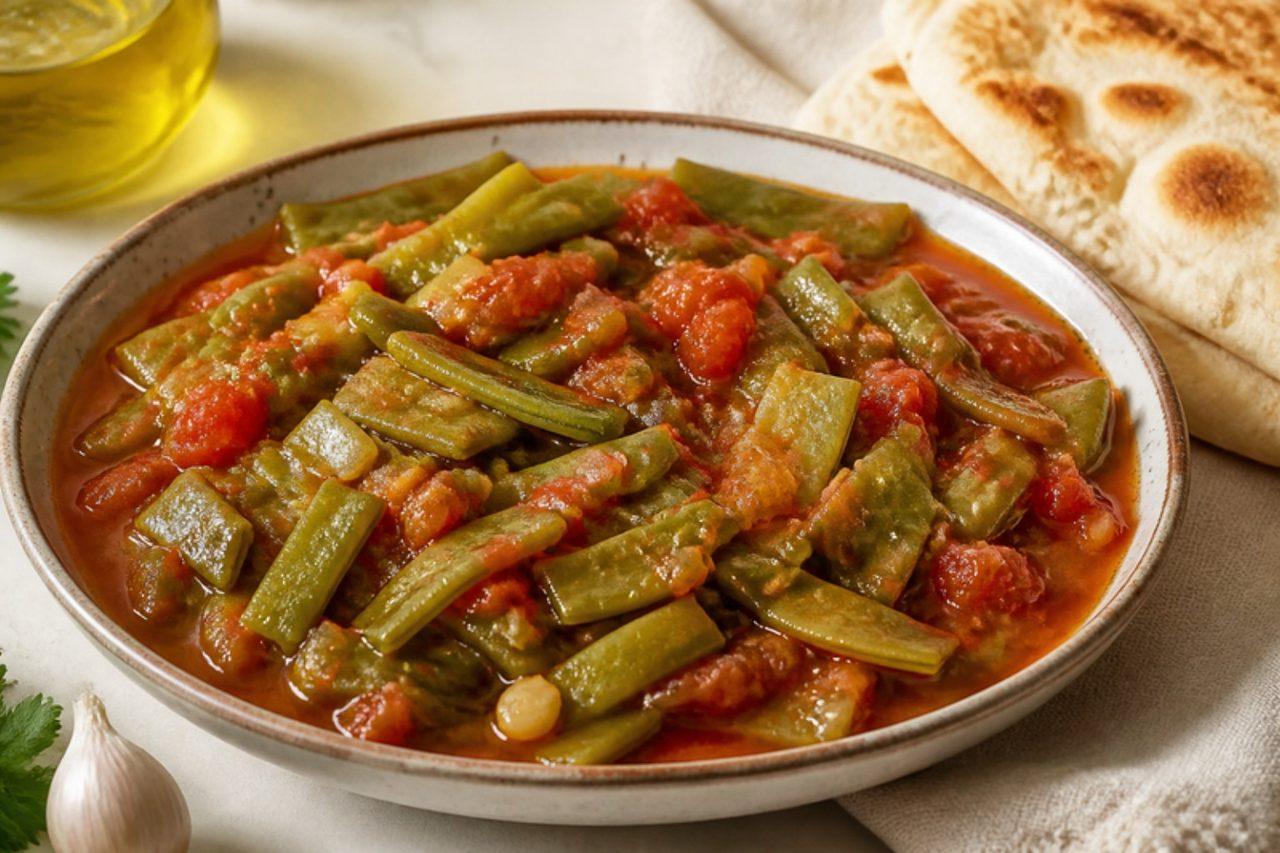
Loubieh bi zeitGreen beans braised in olive oil

In Lebanese homes loubieh bi zeit belongs to the 'bi zeit' family, vegetables cooked in olive oil and served cool, which turn up on the mezze table in summer and fill lunchboxes the next day. Flat runner beans or wide Romano beans are best: they soak up the garlicky tomato sauce and turn silky. It is eaten at room temperature with Arabic bread to mop the oil, and often with a few spring onions and radishes alongside. Chef's tip: cook the garlic only until it smells sweet before adding the beans; browned garlic turns the whole dish bitter.

by KrazyBadal 0 views

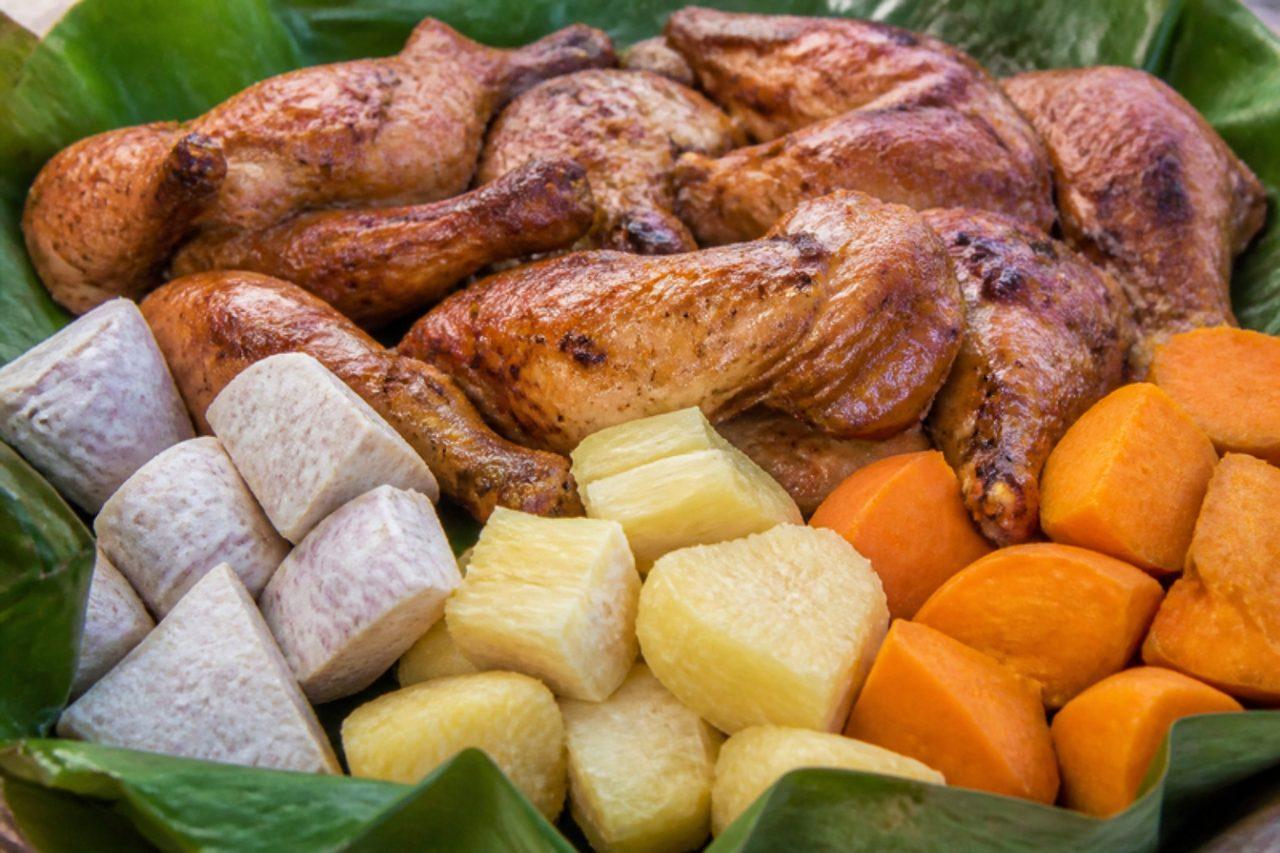
Lovo-style chickenEarth-oven style chicken

A lovo is Fiji's earth oven, dug in the ground for weddings, church feasts and Christmas in villages on Viti Levu and Vanua Levu: hot stones are covered with parcels of meat, fish and root vegetables in banana leaves, then buried for hours. This home version wraps chicken marinated in coconut, garlic and ginger with taro, cassava and sweet potato in foil and banana leaves and roasts them slowly, giving the same steamed, smoky-sweet result. The mistake is wrapping loosely, so the steam escapes and everything dries; seal the parcels tightly. Chef's tip: a few drops of liquid smoke or a smoked paprika rub gives a hint of the earth oven.

by KrazyBadal 0 views

Lu puluCorned beef in taro leaves

Lu pulu is a Sunday dish in Tonga, cooked in the umu (earth oven) after church in Nuku'alofa and by Tongan families in Auckland and Sydney: taro leaves are layered into a cup, filled with corned beef, onion and thick coconut cream, wrapped in foil or banana leaf and baked until the leaves melt into a rich, silky parcel. It is served with boiled taro, yam or sweet potato. The mistake is undercooking the taro leaves: they must cook for at least an hour, as raw taro leaves irritate the mouth and throat. Chef's tip: if you can't find taro leaves, use large spinach or silverbeet leaves, cooked for 45 minutes.

by KrazyBadal 0 views

Oil downBreadfruit and salt fish one-pot

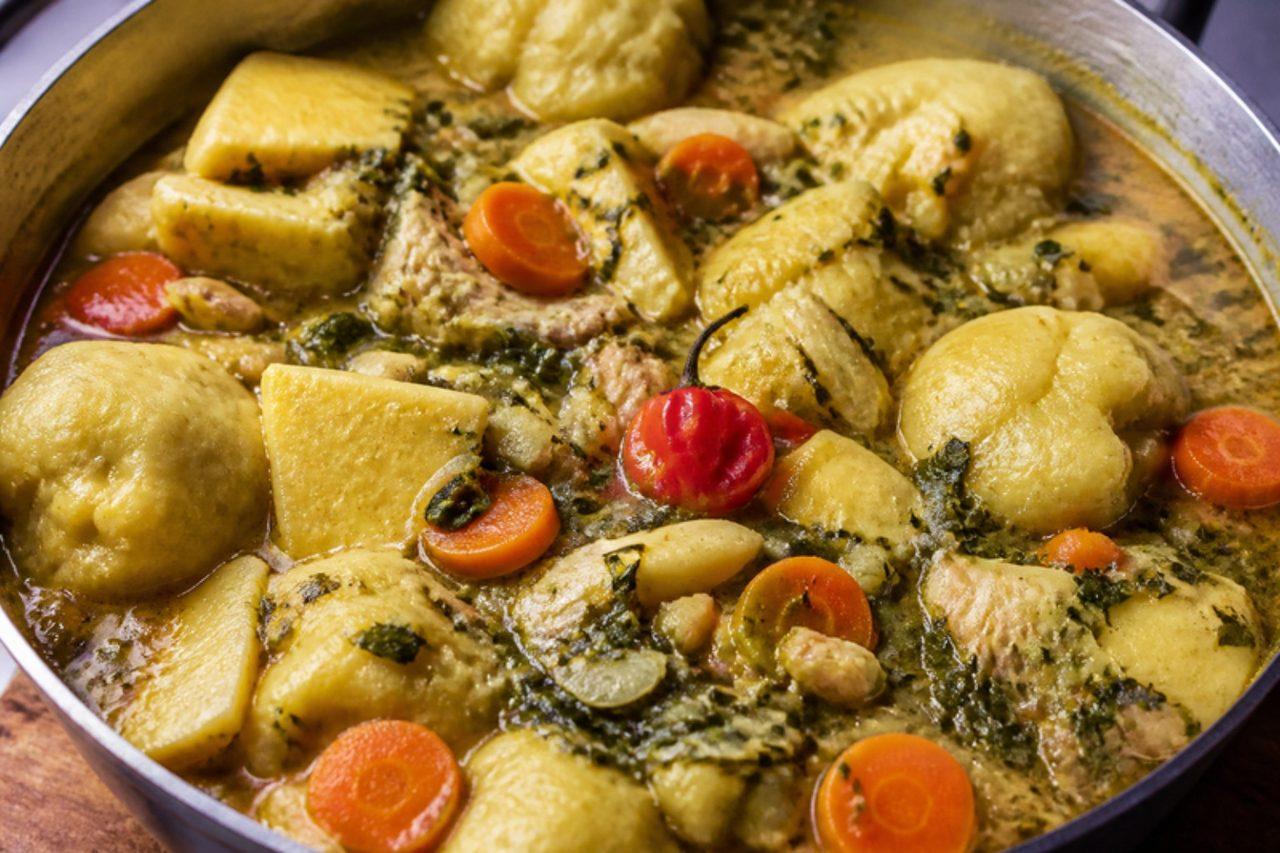
Oil down is what Grenadians cook on the beach, at village fêtes and on Sunday afternoons, often in a big iron pot over a wood fire with everyone waiting around it. Breadfruit, salt fish and soft flour dumplings are layered with callaloo and turmeric (called 'saffron' on the island), then steamed in coconut milk until the milk is drunk up and only a golden oil coats the pot, which gives the dish its name. Many cooks add salted pig tail or chicken; this version keeps to salt fish. The mistake to avoid is stirring, which breaks the layers into mush; shake the pot instead. Chef's tip: put the Scotch bonnet in whole and lift it out at the end, so it scents the pot without burning everyone's mouth.

by KrazyBadal 0 views

AriseluRice flour and jaggery sweets

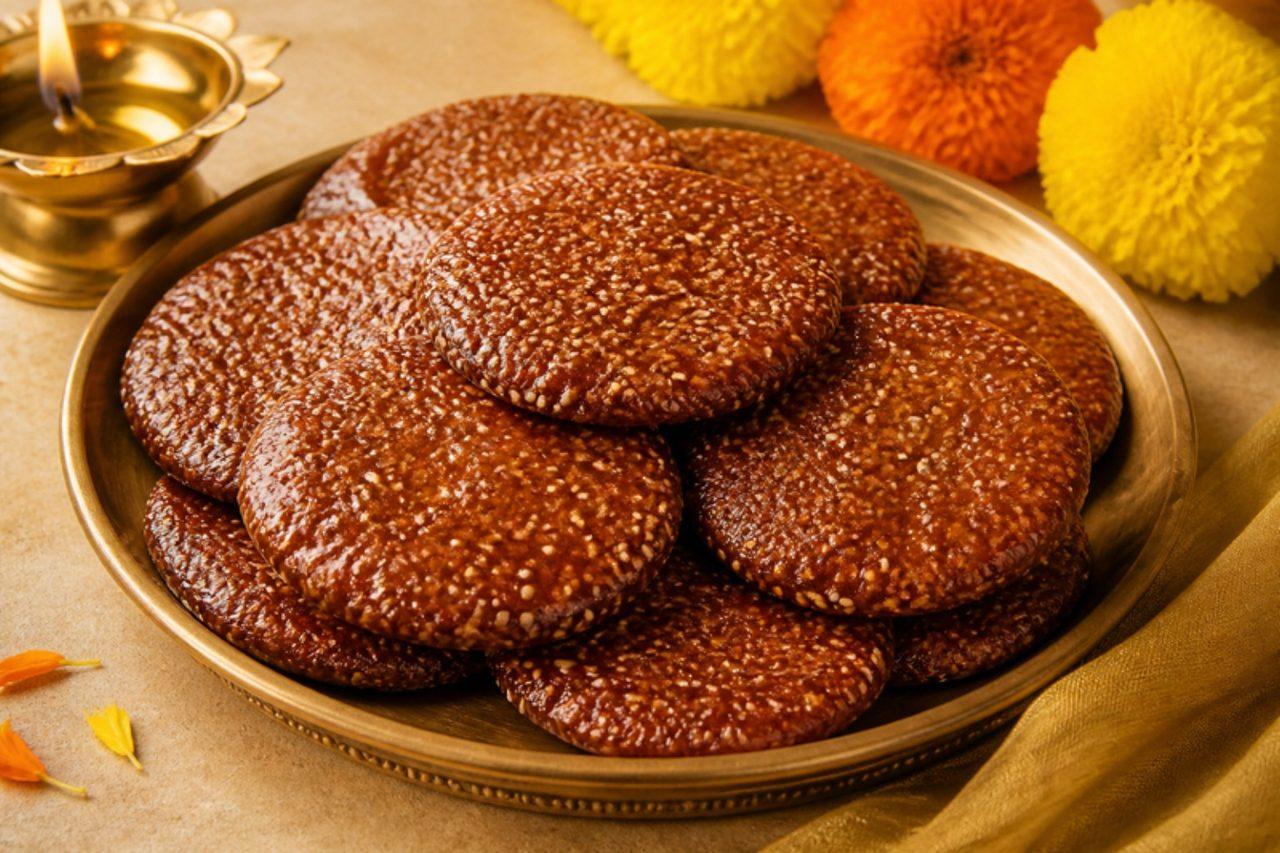
No Sankranti in coastal Andhra Pradesh is complete without ariselu. In the days before the January harvest festival, women gather to pound soaked rice into damp flour, cook it into a thick jaggery syrup, and press the dough into rounds on sesame seeds before frying. Each ariselu is chewy, dense and caramel-sweet, with a crisp sesame coat; after frying they are squeezed between two wooden spatulas to push out the excess oil. They keep for two weeks and are shared with every neighbour. Chef's tip: use home-made flour from soaked rice that is still slightly damp; dry shop flour gives hard, cracking ariselu.

by KrazyBadal 0 views

Łazanki with cabbage and mushroomsSquare noodles with cabbage and mushrooms

Łazanki are short, square egg noodles, and in the Podhale highlands and around Kraków they are tossed with soft-fried white cabbage, a little sauerkraut and mushrooms for a cheap weekday supper, especially in autumn when the cabbage is new. Most cooks add smoked bacon; this version leaves it out and gets its depth from dried ceps, browned fresh mushrooms and plenty of black pepper and marjoram. It is soft, savoury and slightly sour. Serve it on its own with a glass of buttermilk or kefir, as people do in the mountains. Chef's tip: let the cabbage catch and brown in places before you add the noodles; that browning is the flavour bacon would otherwise give.

by KrazyBadal 0 views

KaftaGrilled minced meat skewers

Kafta is the everyday grilled mince of Lebanon, Syria, Jordan and Palestine: a Sunday barbecue staple in the Lebanese mountains and a quick dinner in city flats, cooked on skewers, shaped into fingers for the pan, or baked in a tray with potatoes and tomato. Lamb and beef are mixed with plenty of onion and parsley and warmed with baharat (seven spice). Wrap them in bread with tomato, onion and a smear of hummus or tahini sauce. Chef's tip: grate the onion and squeeze it hard in a clean cloth; dry onion keeps the kafta firm on the skewer and stops it steaming.

by KrazyBadal 0 views

InjeraTeff flatbread

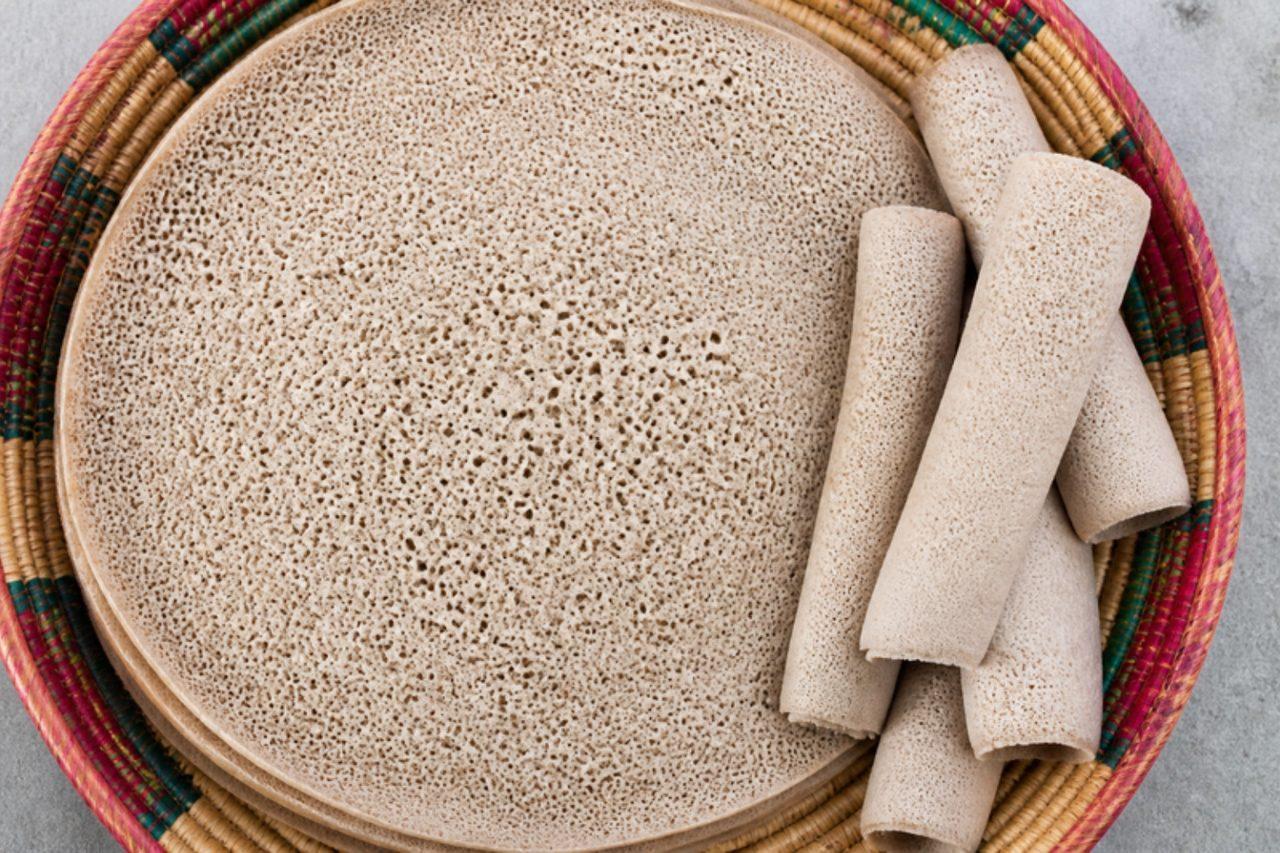
Injera is the bread, plate and spoon of the Ethiopian and Eritrean highlands: a wide, pale, sour flatbread made from teff, a tiny grain grown on the plateaus around Gondar, Gojjam and Shewa. A simple batter of teff and water is left to ferment for two or three days until it bubbles and smells pleasantly sour, then poured onto a hot griddle and steamed under a lid until its top is covered in little 'eyes'. It is eaten at every meal, with stews spooned on top and torn pieces used to pick them up. This home version uses 100% teff, so it is naturally gluten free. Chef's tip: keep the starter somewhere warm (around 24°C); in a cold kitchen it barely sours and the injera turns out flat and bland.

by KrazyBadal 0 views

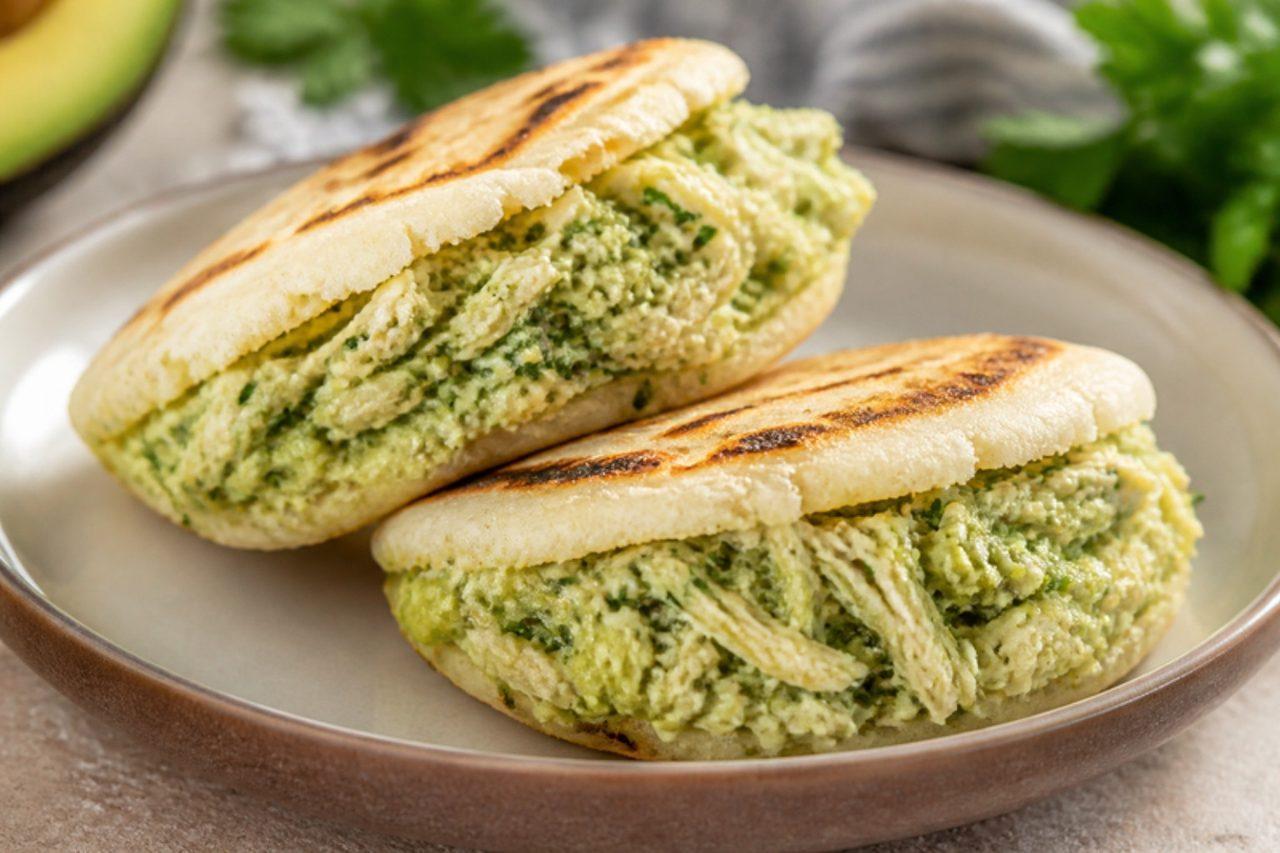
Arepa reina pepiadaChicken and avocado arepas

Caracas named this filling after a beauty queen: in 1955 a family running an arepera in the city made it for Susana Duijm, Venezuela's first Miss World, and called it 'the curvy queen'. Shredded chicken is mashed with ripe avocado, a little mayonnaise, lime and coriander, then stuffed into a hot, crisp-skinned arepa split down the side. Venezuelans eat it for breakfast, at lunch from areperas and late at night after a party. The usual mistake is cooking arepas over too high a heat: the outside blackens while the middle stays raw and doughy. Chef's tip: an arepa is done when it sounds hollow when you tap it; if it doesn't, give it a few more minutes in the oven.

by KrazyBadal 0 views

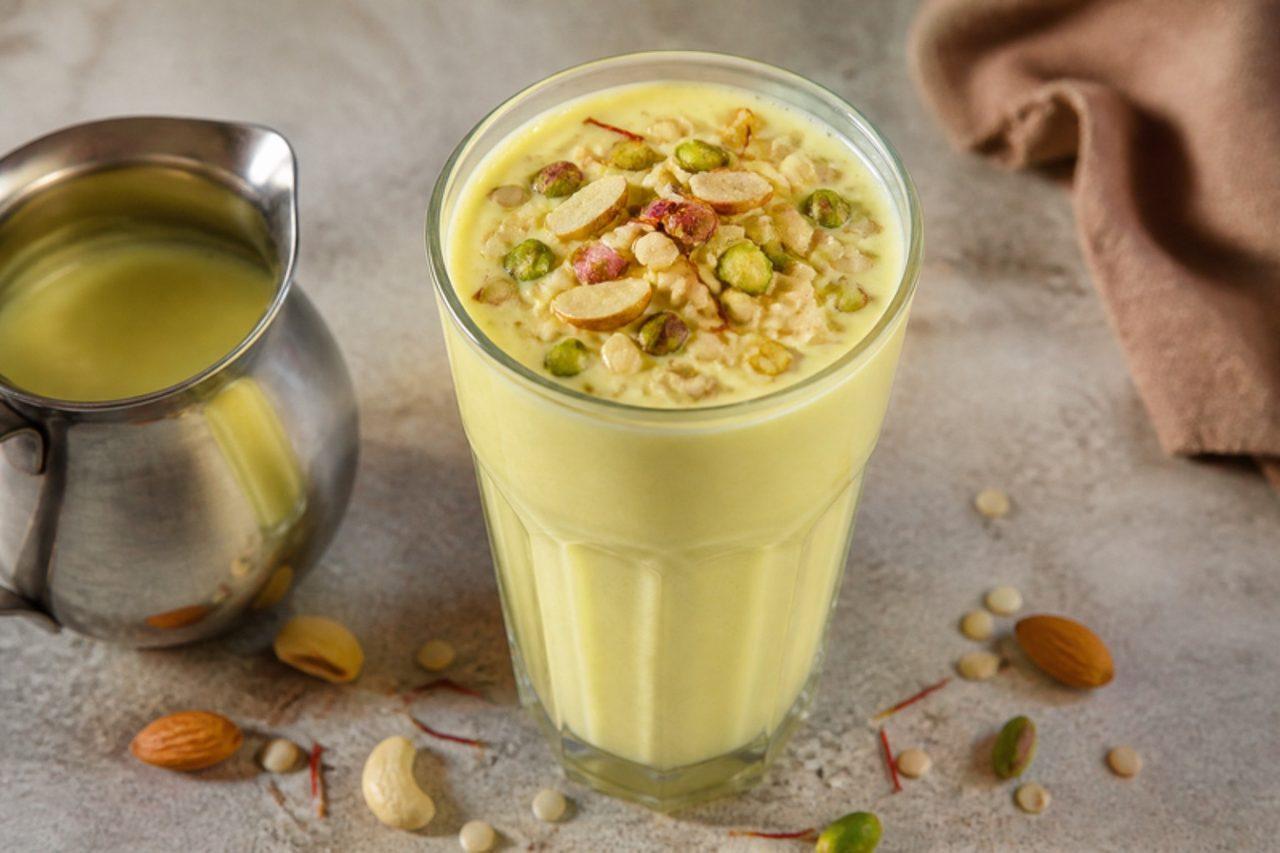
Indori shikanjiThick chilled milk drink

Anyone who orders shikanji in Indore expecting lemonade gets a surprise: here it is a spoonably thick drink of slow-reduced milk, saffron and cardamom, with a gentle tang from thick yogurt and plenty of chopped dry fruit. It is a late-night treat at Sarafa and Chhappan Dukan, poured from steel jugs into glasses after a round of savoury snacks. Think of it as somewhere between a lassi and a cold rabri. Chef's tip: the milk must be completely cold before the yogurt goes in, or the drink splits into grainy curds.

by KrazyBadal 0 views

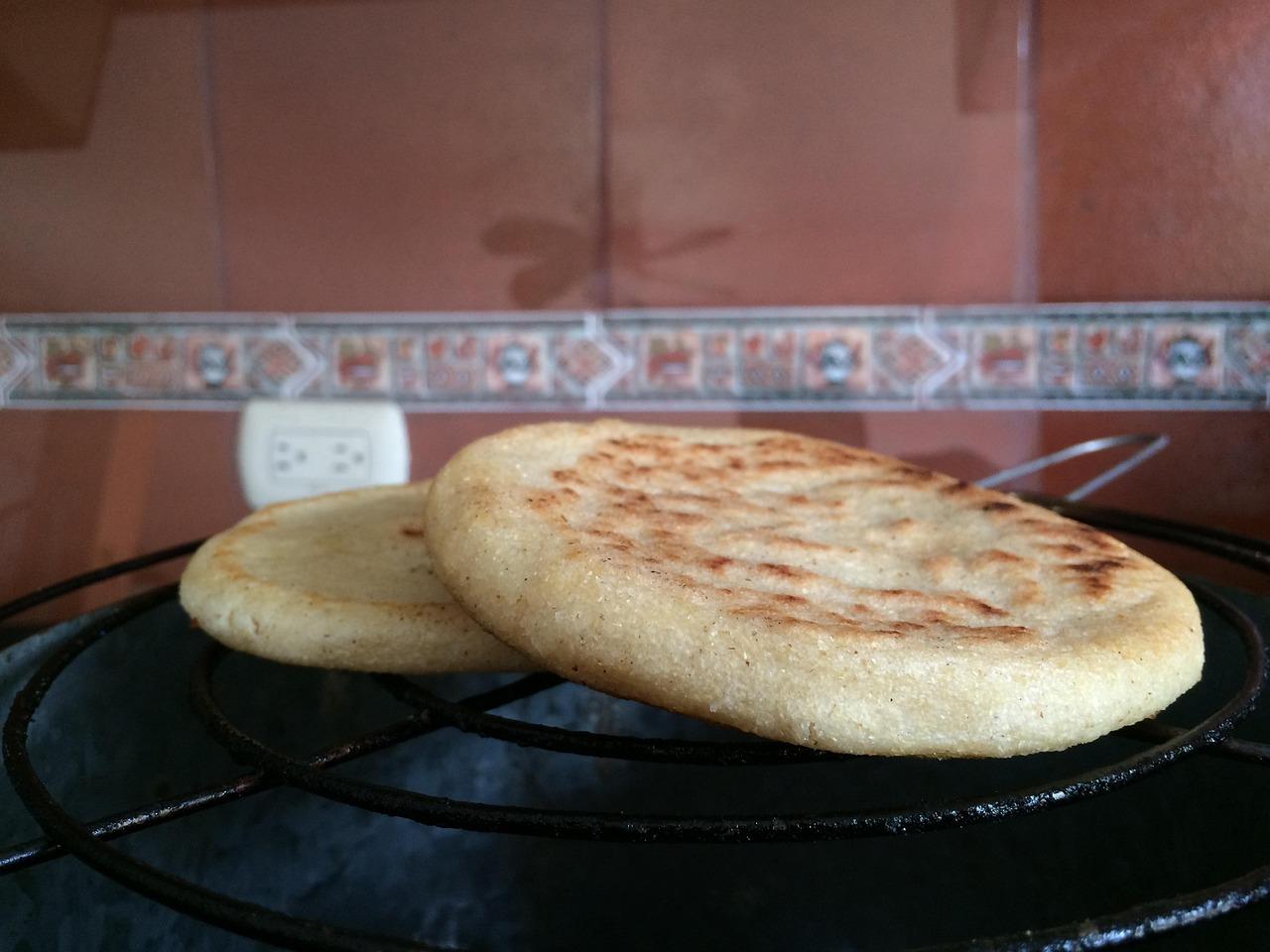
Arepa dominóArepas with black beans and cheese

In Caracas the arepa is not a topped flatbread but a pocket: a thinner, crisp-skinned white-corn round that is split open while hot and stuffed, sold from areperas that stay open late into the night. The dominó is the classic vegetarian filling, named for its black and white look: warm black beans (caraotas) and crumbly salty white cheese. It is a filling meal for breakfast or dinner. Chef's tip: once the arepas have a crust, finish them in a hot oven or let them stand on the griddle until they sound hollow when tapped; that dry, steamy middle is what makes them easy to split and stuff.

by KrazyBadal 0 views

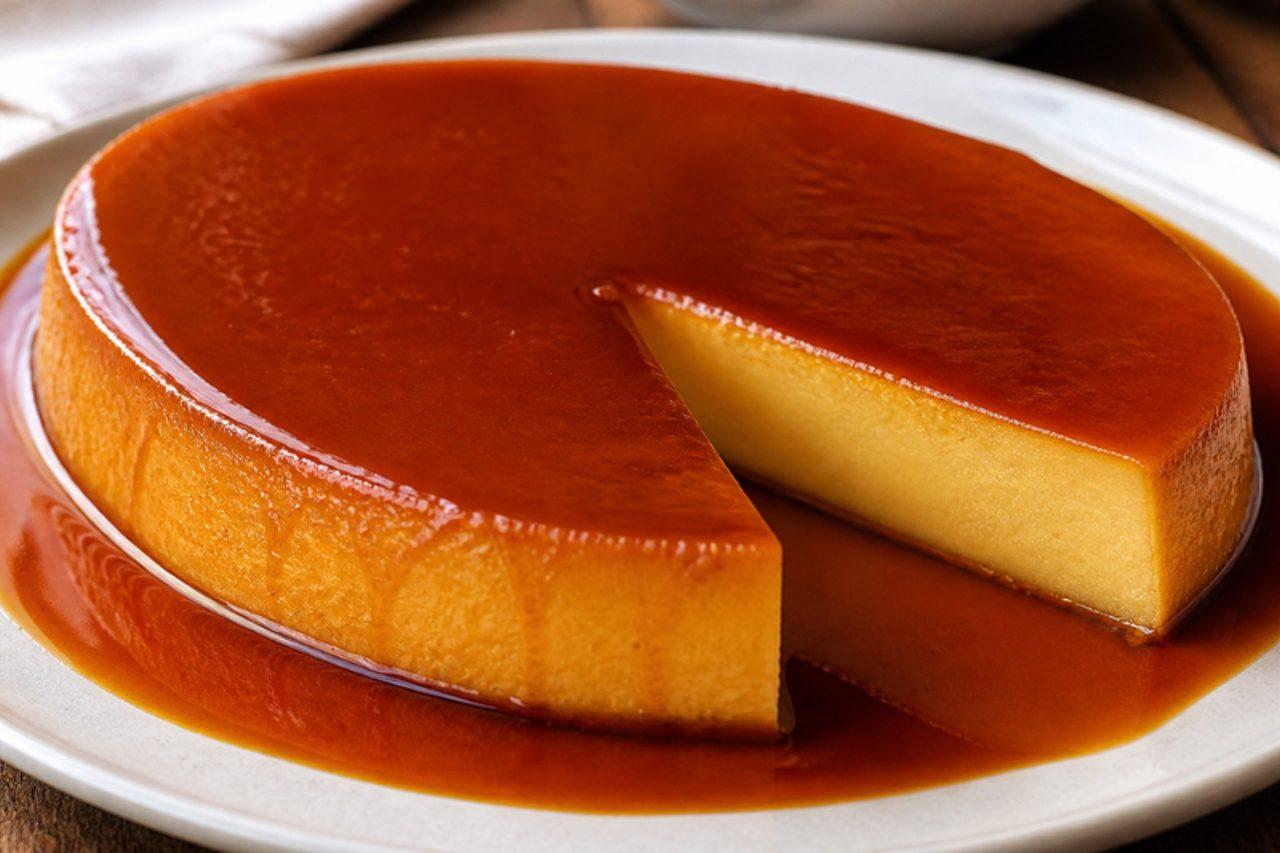
Leche flanCaramel custard

Leche flan is on the table for every Filipino Noche Buena on Christmas Eve, at fiestas and at birthdays, steamed in the oval aluminium tins called llaneras and turned out shining under a dark caramel. Unlike Spanish flan or the Brazilian pudim, it is made with egg yolks only, condensed milk and evaporated milk, so it is much denser and smoother, almost like a firm custard fudge, and a little goes a long way. A grating of calamansi or lime zest cuts the richness, and many cooks steam rather than bake it. The leftover whites go into meringue biscuits. Chef's tip: strain the custard twice and stir, don't whisk; air bubbles become holes in the finished flan.

by KrazyBadal 0 views

Imo kenpiCandied sweet potato sticks

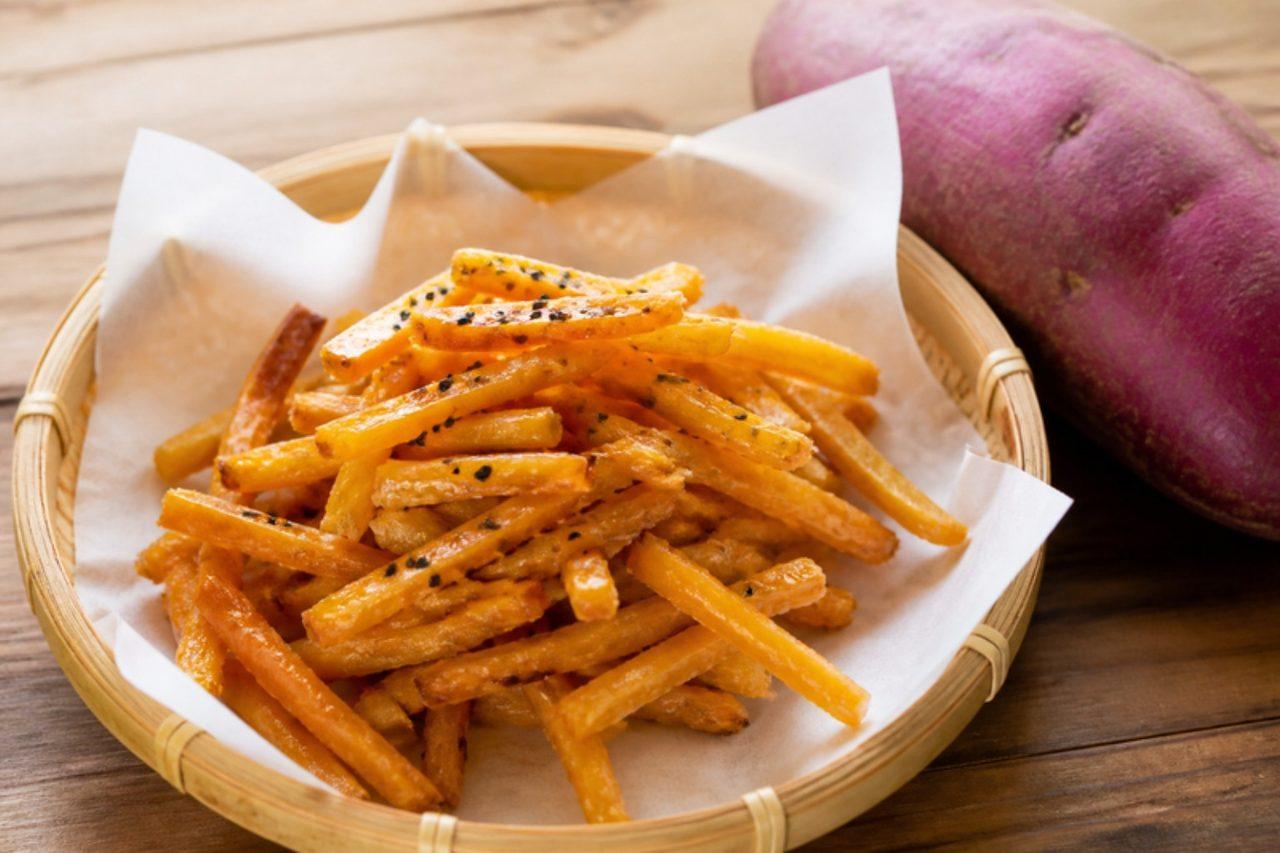
Kagoshima, at Kyushu's southern tip, is Japan's sweet potato heartland. The crop is so closely tied to the region that the Japanese word for sweet potato, satsuma-imo, means 'Satsuma potato', after the old name of Kagoshima. Imo kenpi are its simplest snack: thin batons of sweet potato fried until crisp, then tossed in a syrup that sets into a glassy shell. Kids grab them from bags at the corner shop, and grandparents make them at home with the autumn harvest. They are crunchy, sweet and a little salty. Chef's tip: fry the potato twice, slowly first, then hot. That drives out the water and gives a snap that lasts for days.

by KrazyBadal 0 views

Lechón asadoRoast pork with mojo

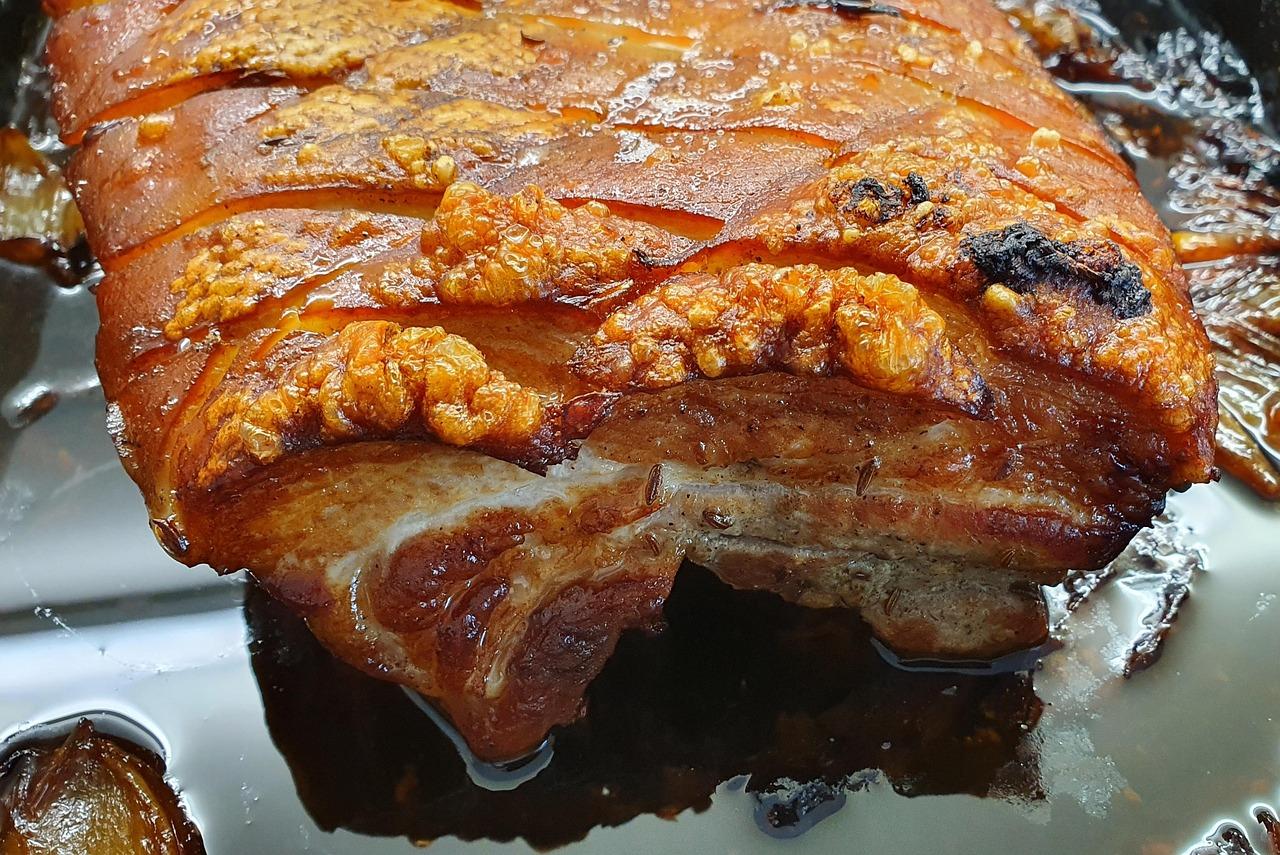
This is a pork dish. In Cuba a whole pig is roasted for Nochebuena, Christmas Eve, and for big family parties, often in a pit in the yard; at home in Miami or Havana the same flavour comes from a pork shoulder soaked overnight in mojo, the sour-orange, garlic and oregano marinade. The meat roasts slowly until it pulls apart, and the skin turns to crackling. Serve it with moros y cristianos, yuca con mojo and a squeeze of lime. A common mistake is leaving the shoulder in the marinade on the kitchen counter: it must always marinate in the fridge. Chef's tip: if you can't find sour (Seville) oranges, mix two parts orange juice with one part lime juice for the same sharp edge.

330 minCubanMeatGluten free
by KrazyBadal 0 views

Lechon kawaliCrispy fried pork belly

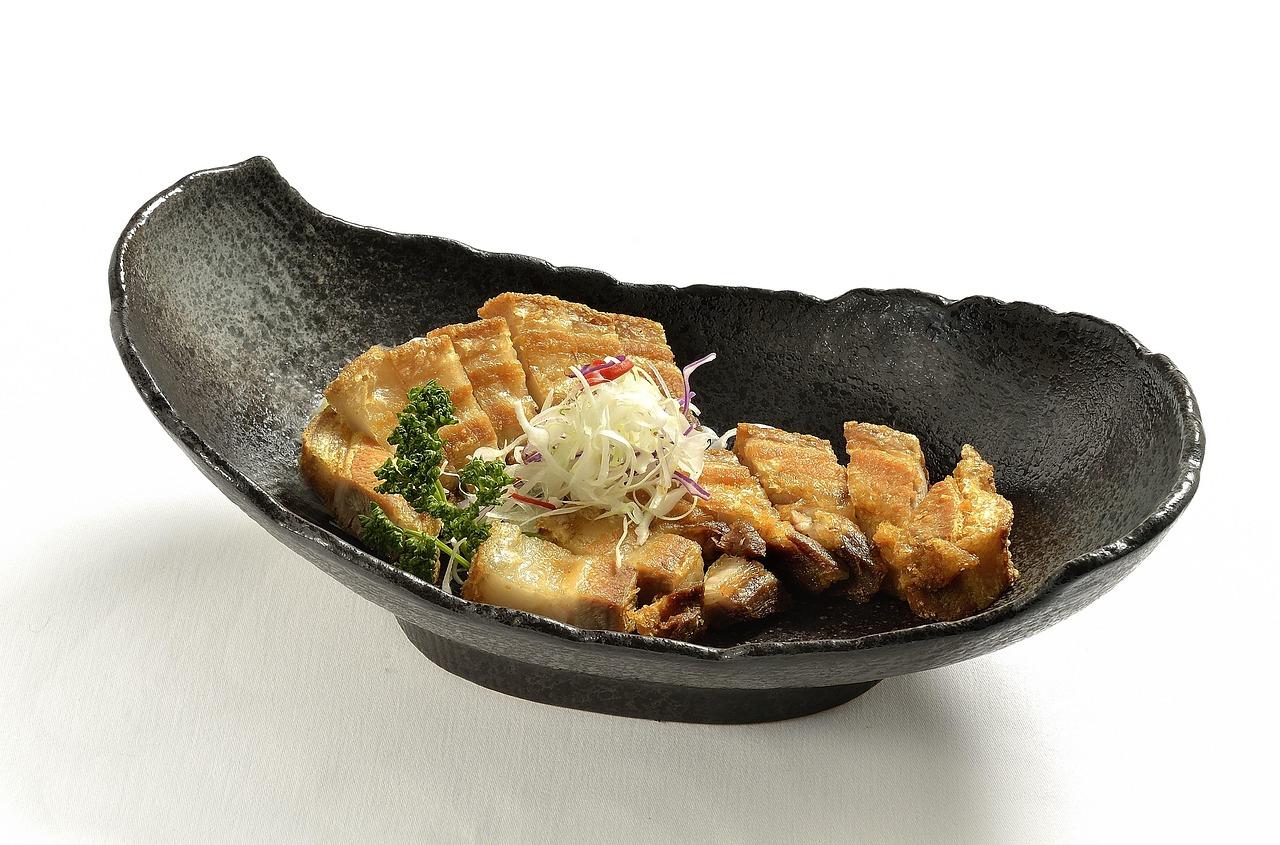
Lechon kawali is pork belly, boiled with garlic and bay, dried, then fried in a wok (kawali) until the rind blisters into crackling. It is the everyday cousin of the whole roast pig: Manila carinderias sell it by the slice at lunchtime, and home cooks make it for weekend lunches all over Luzon. Each piece should be shatteringly crisp on top and juicy underneath. Serve it chopped with rice and a sharp garlic-vinegar dip, or with the sweet liver sauce sold in jars. Chef's tip: after boiling, leave the belly uncovered in the fridge overnight; a bone-dry rind puffs up and spits far less in the oil.

110 minFilipinoMeat
by KrazyBadal 0 views

LecsóPepper and tomato stew

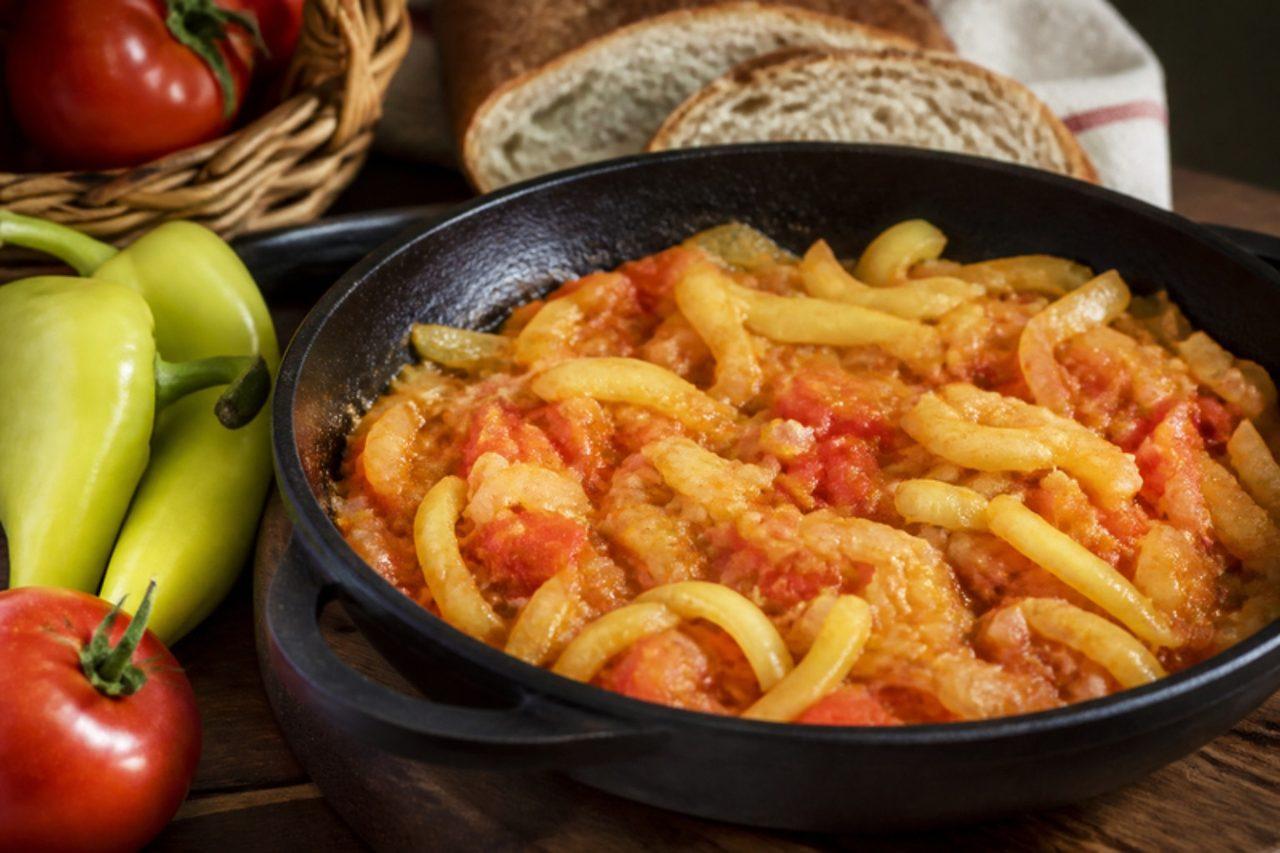
Lecsó is what Hungarian kitchens cook in late August, when markets in Szeged and Kecskemét are heaped with pale yellow wax peppers and over-ripe tomatoes. It is a soft, sweet-sour stew of peppers and tomato cooked down in paprika-scented oil; many families add smoked sausage or scramble eggs into it, but this version keeps it vegan and lets the peppers carry the flavour. Eat it hot with crusty bread or rice, or cold the next day, and jars of it are put up for winter. Chef's tip: add the tomatoes only once the peppers have softened; if they go in together, the tomato juice stews the peppers instead of letting them sweeten in the oil.

by KrazyBadal 0 views

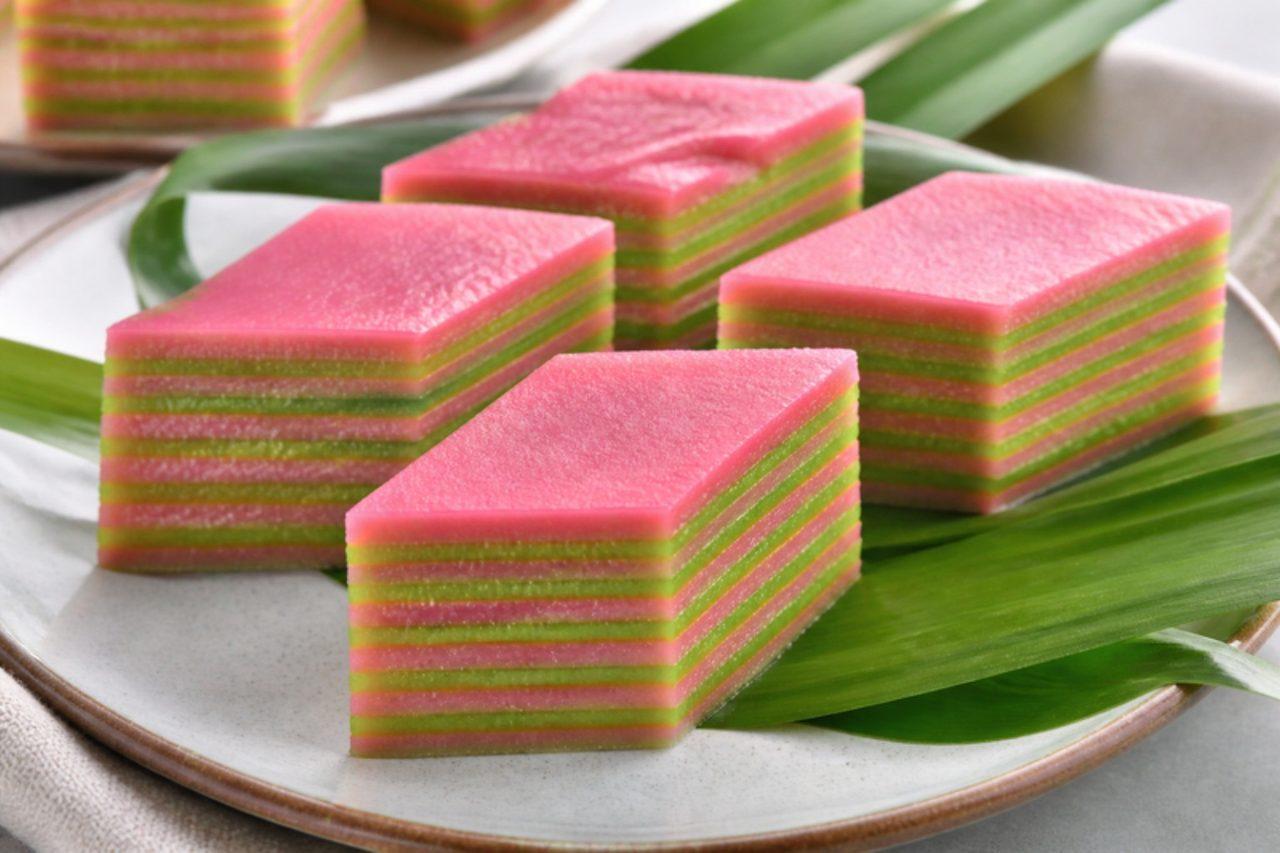
Kuih lapisSteamed layered coconut cake

Kuih lapis is the striped, bouncy cake piled on trays at Malaysian pasar malam (night markets) and laid out for guests at Hari Raya, Deepavali and Chinese New Year open houses. It's built from a thin coconut-milk batter of rice flour and tapioca starch, steamed one layer at a time, so each slice shows nine neat stripes, and children everywhere peel them off one by one. The texture is soft, springy and slightly chewy; the flavour is gentle coconut and pandan. It takes patience rather than skill. Chef's tip: steam the empty tin for 5 minutes before the first layer, so it sets evenly from the bottom.

by KrazyBadal 0 views

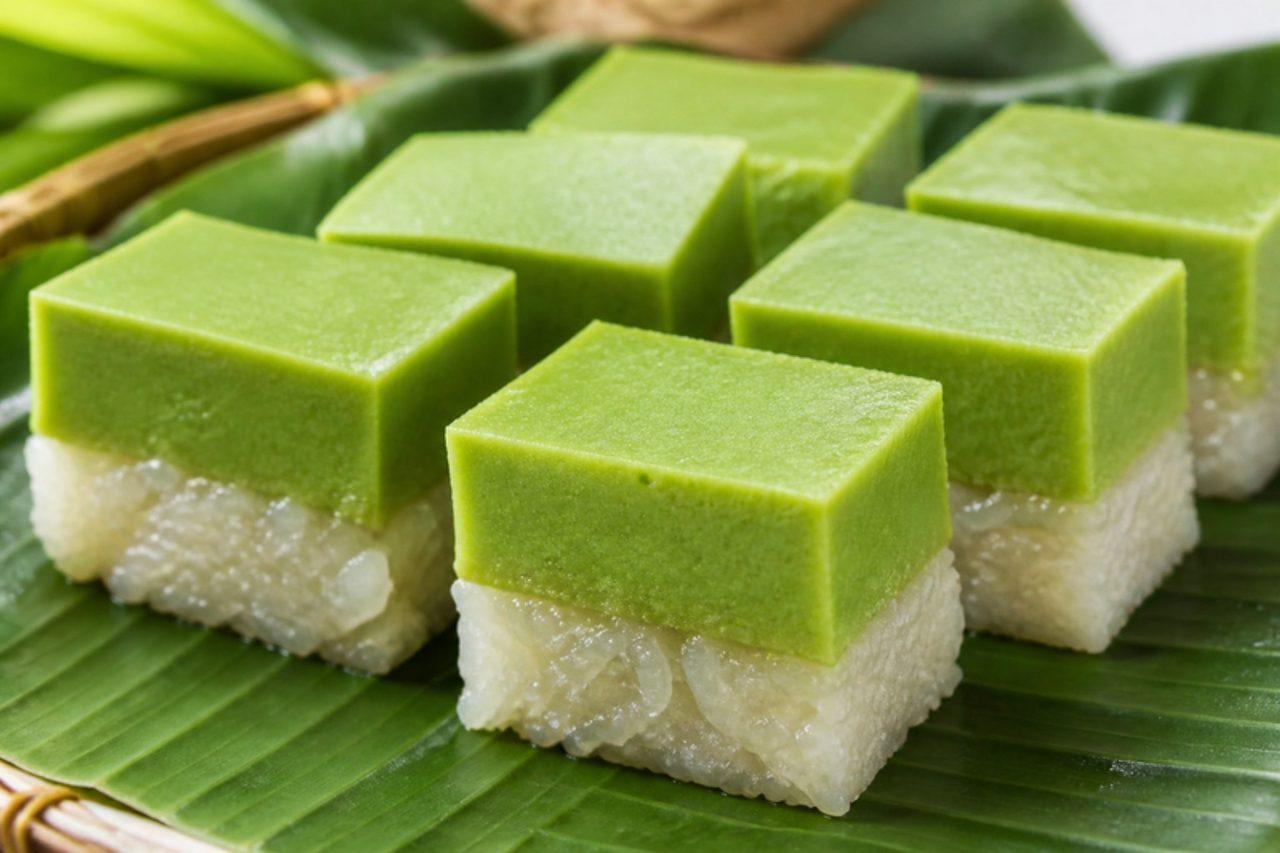
Kuih seri mukaSticky rice and pandan custard cake

Seri muka is one of the most loved kuih in Melaka and all over Malaysia, sold in neat diamonds at morning markets and Ramadan bazaars. The base is glutinous rice steamed in coconut milk and pressed firm; the top is a silky, green custard of pandan juice, eggs and coconut milk, steamed until it just sets. Each bite is salty-sweet, chewy then smooth. Chef's tip: rough up the top of the hot rice with a fork before pouring on the custard, so the two layers stick together instead of sliding apart.

by KrazyBadal 0 views

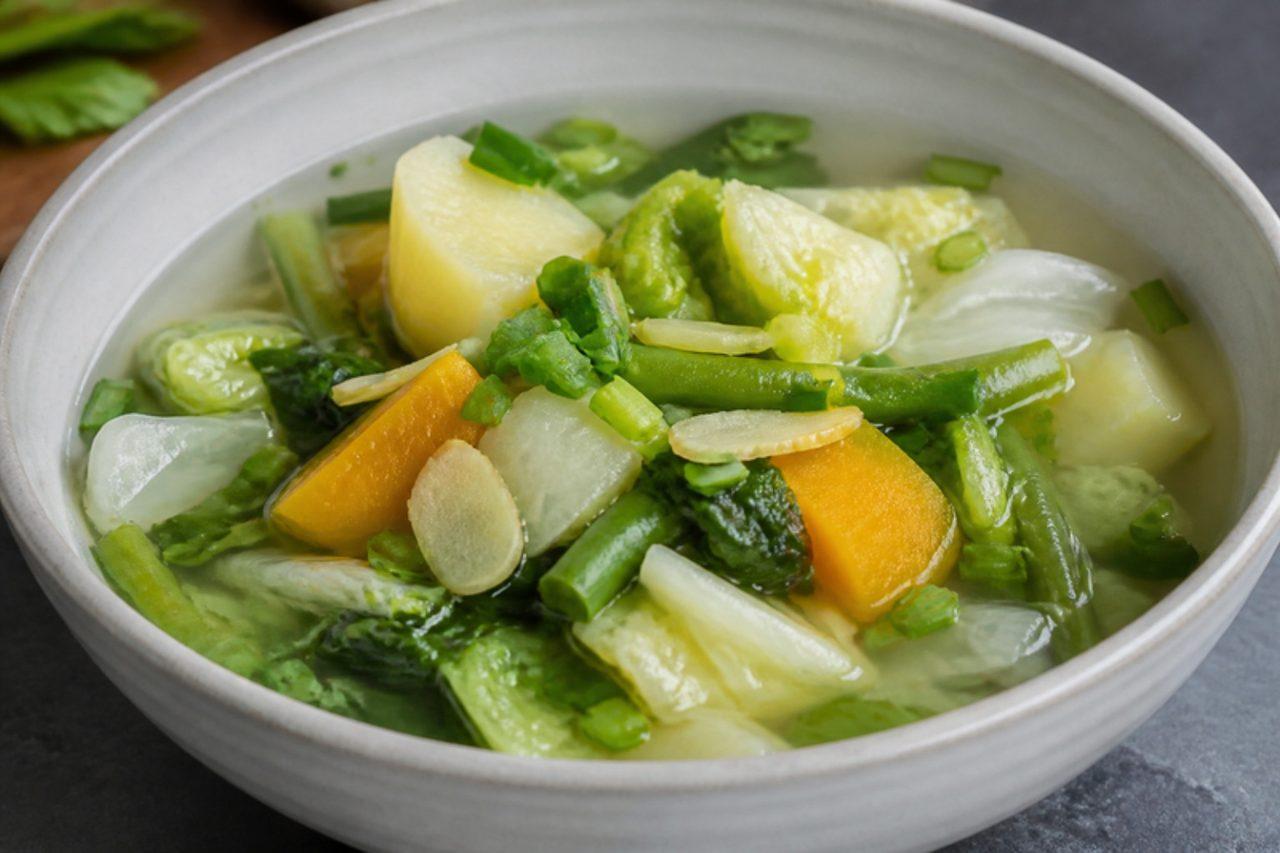
KangshoiClear vegetable stew

Kangshoi is the everyday stew of the Imphal Valley: seasonal vegetables simmered in water with ginger, onion and chilli, and finished with a fistful of fresh herbs such as maroi (a garlic chive), coriander and mint. It is light, clear and brothy, eaten with rice at almost every Meitei meal. Many households add dried fish or ngari (fermented fish) for depth; Vaishnav Meitei homes leave it out, and this vegetarian version relies on toasted chilli and plenty of herbs instead. Chef's tip: cook it without oil, as Manipuris do; the clean broth is the point.

by KrazyBadal 0 views

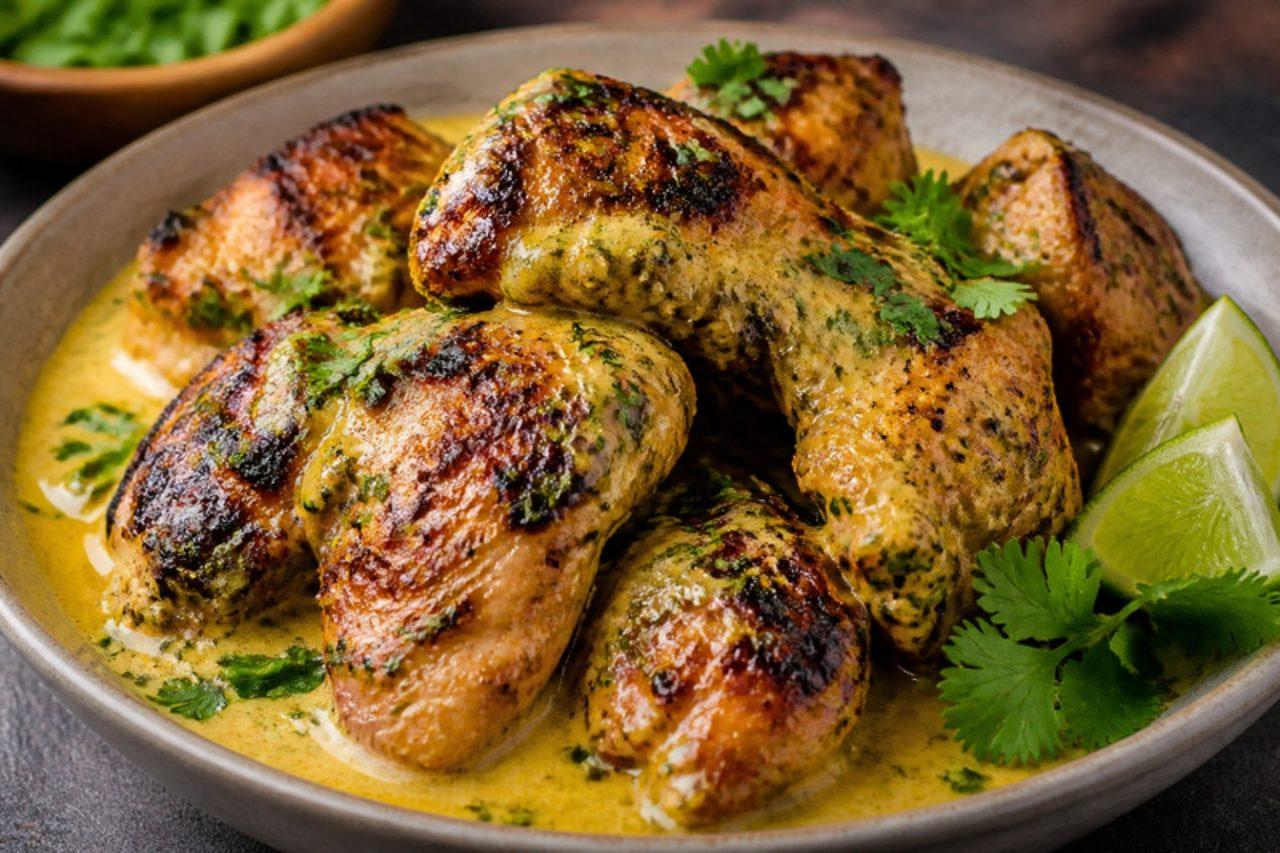
Kuku pakaGrilled chicken in coconut curry

Kuku paka is a Mombasa and Lamu speciality with Indian roots, cooked for weddings and Eid along the Kenyan coast: chicken is marinated in ginger, garlic and chilli, charred over charcoal or under a grill, then simmered in a smooth coconut sauce with turmeric and lime. The grilling gives the sauce its smoky note. The mistake is adding thick coconut milk too early and boiling it hard, so it splits; simmer gently. Chef's tip: add halved boiled potatoes or boiled eggs to the sauce, as many coast families do, to stretch it for more people.

by KrazyBadal 0 views

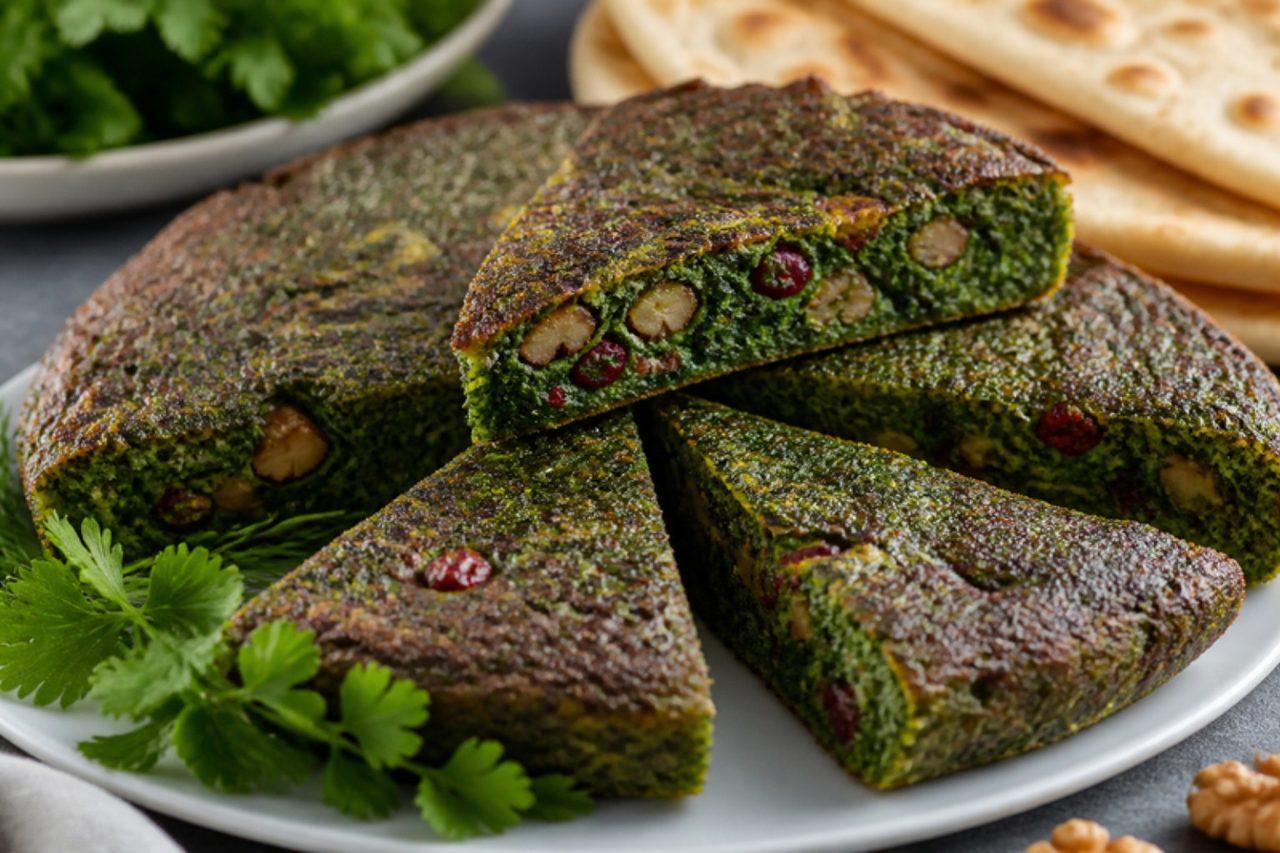
Kuku sabziHerb frittata

Kuku sabzi is a deep green, herb-packed egg cake that Iranian families make for Nowruz, the New Year on the first day of spring, often alongside sabzi polo. It is more herb than egg: just enough egg binds a heap of parsley, coriander, dill and chives, with crunchy walnuts and little sour barberries. It is eaten warm or cold, cut into wedges, tucked into lavash with yogurt and radishes, and it travels well to the Sizdah Bedar picnic thirteen days later. Chef's tip: cook it slowly with the lid on; high heat browns the base before the middle sets.

by KrazyBadal 0 views

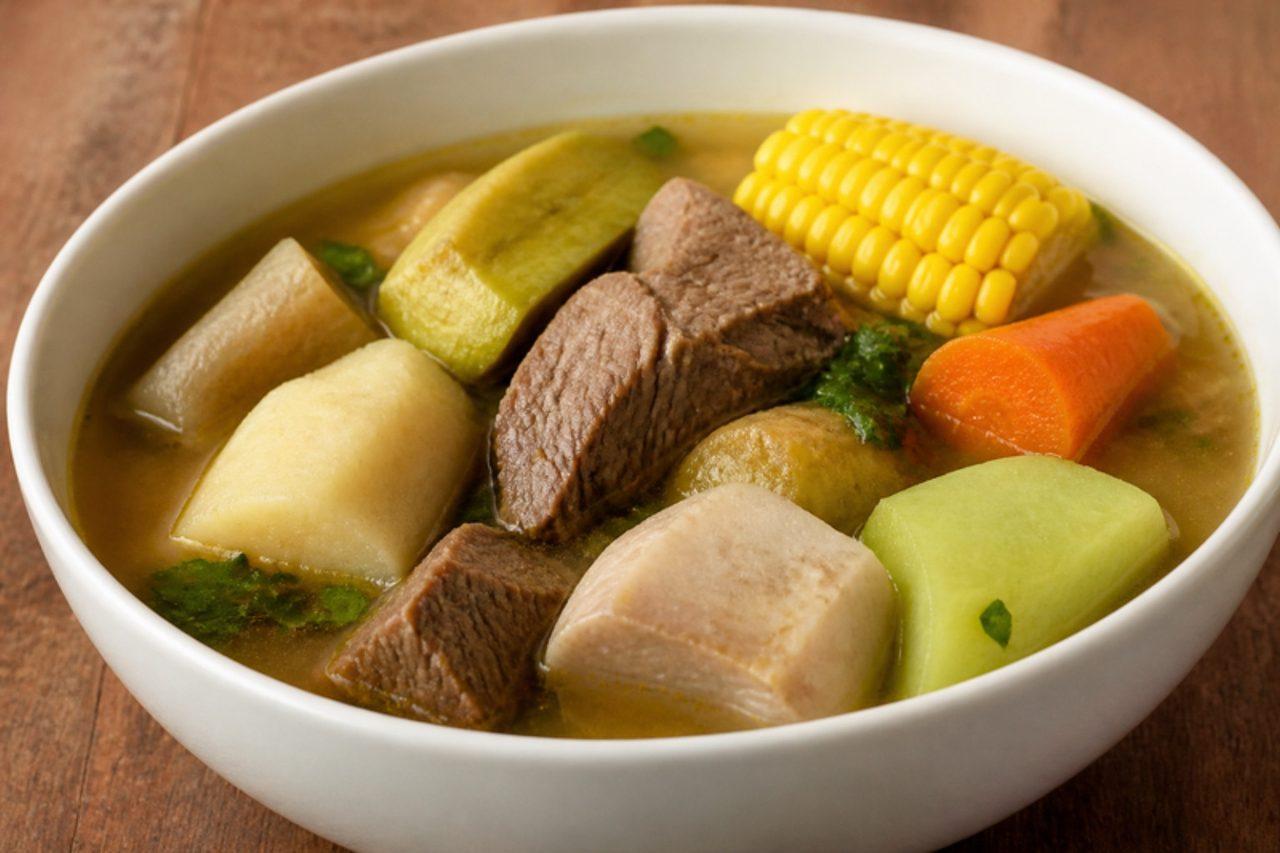
Olla de carneBeef and vegetable pot

Olla de carne, "pot of meat", is the Costa Rican Sunday soup, cooked slowly in the Central Valley around San José and in country homes: beef shin and short ribs simmered for hours in a clear broth with big pieces of yuca, chayote, green plantain, corn, carrot and taro. The broth is served first, then the meat and vegetables, with rice on the side. The mistake is putting all the vegetables in together; add the hard ones first and the soft chayote and corn last. Chef's tip: use a little bone with the beef; it gives the broth body without any stock cube.

by KrazyBadal 0 views

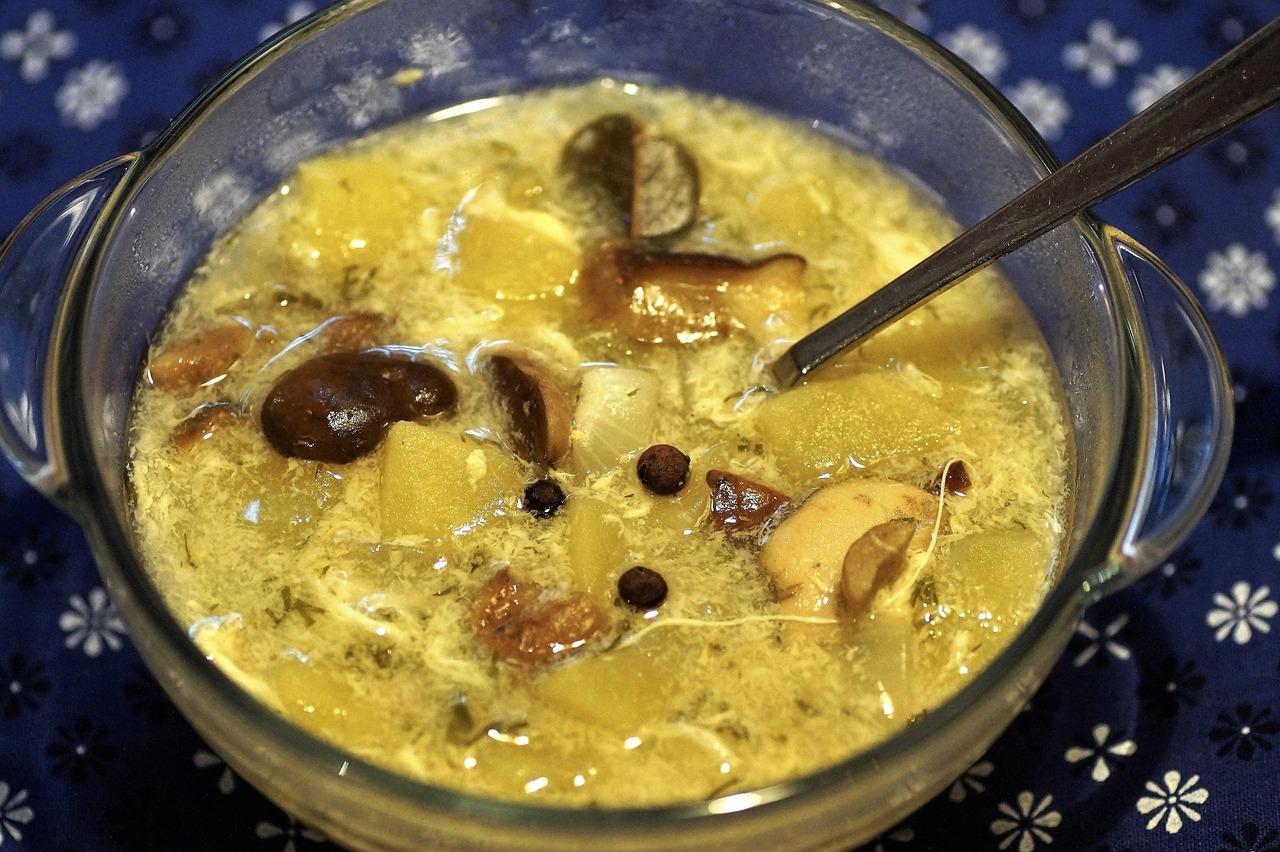
KulajdaDill and mushroom cream soup

Kulajda comes from South Bohemia, the land of carp ponds and pine forests around České Budějovice and Český Krumlov, where families come home from the woods in late summer with baskets of porcini. It is a thick, pale, gently sour soup of potatoes, mushrooms, cream and plenty of dill, finished with vinegar and served with a soft poached egg floating in each bowl. It is eaten as a filling lunch on its own with a slice of rye bread. Chef's tip: add the vinegar off the heat and taste as you go; the soup should be clearly tangy but never sharp, like a good pickle brine softened by cream.

50 minCzechSoups
by KrazyBadal 0 views

Showing 45 of 10,569 recipes

Show more recipes

Page 1,010 of 1,175