


Skip to content
Mee goreng mamak
Featured recipe

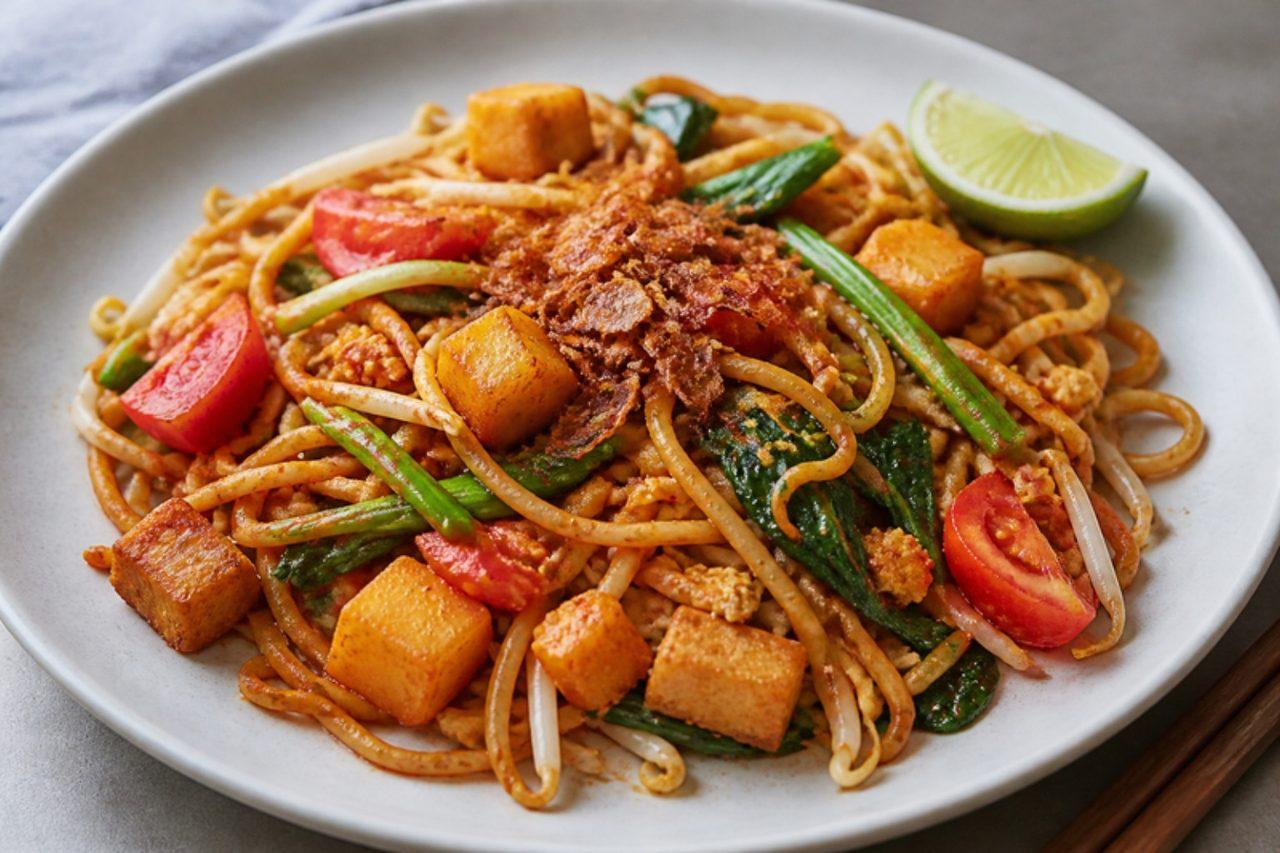
Mee goreng mamak

Fried yellow noodles

Mamak stalls, the round-the-clock cafés run by Malaysia's Tamil Muslim families, are where friends meet after a football match or a late film, and mee goreng mamak is the plate everyone orders with a glass of pulled tea. It's yellow noodles tossed hard in a wok with tomato sauce, chilli, soy, a pinch of curry powder, soft potato that breaks into the sauce, tofu, egg and bean sprouts, finished with a squeeze of lime. Stalls often add squid or prawns; here the tofu does that job. It's sweet, smoky, tangy and a little messy, as it should be. Chef's tip: get the wok really hot and let the noodles sit untouched for 20 seconds between tosses so they char in spots.

Read more 0 views

What to eat today?

Around the world

Today's trip: Persian

A new country every day, from every cuisine on the site.

Persian

Shir berenj

Rose water rice pudding 70 minMore from Persian (181) →

This week's collection

Kid-friendly dinners
772 recipes · a new collection every Monday

Coming up

All occasions →

Latest recipes

Lentilles du Puy saladGreen lentil salad

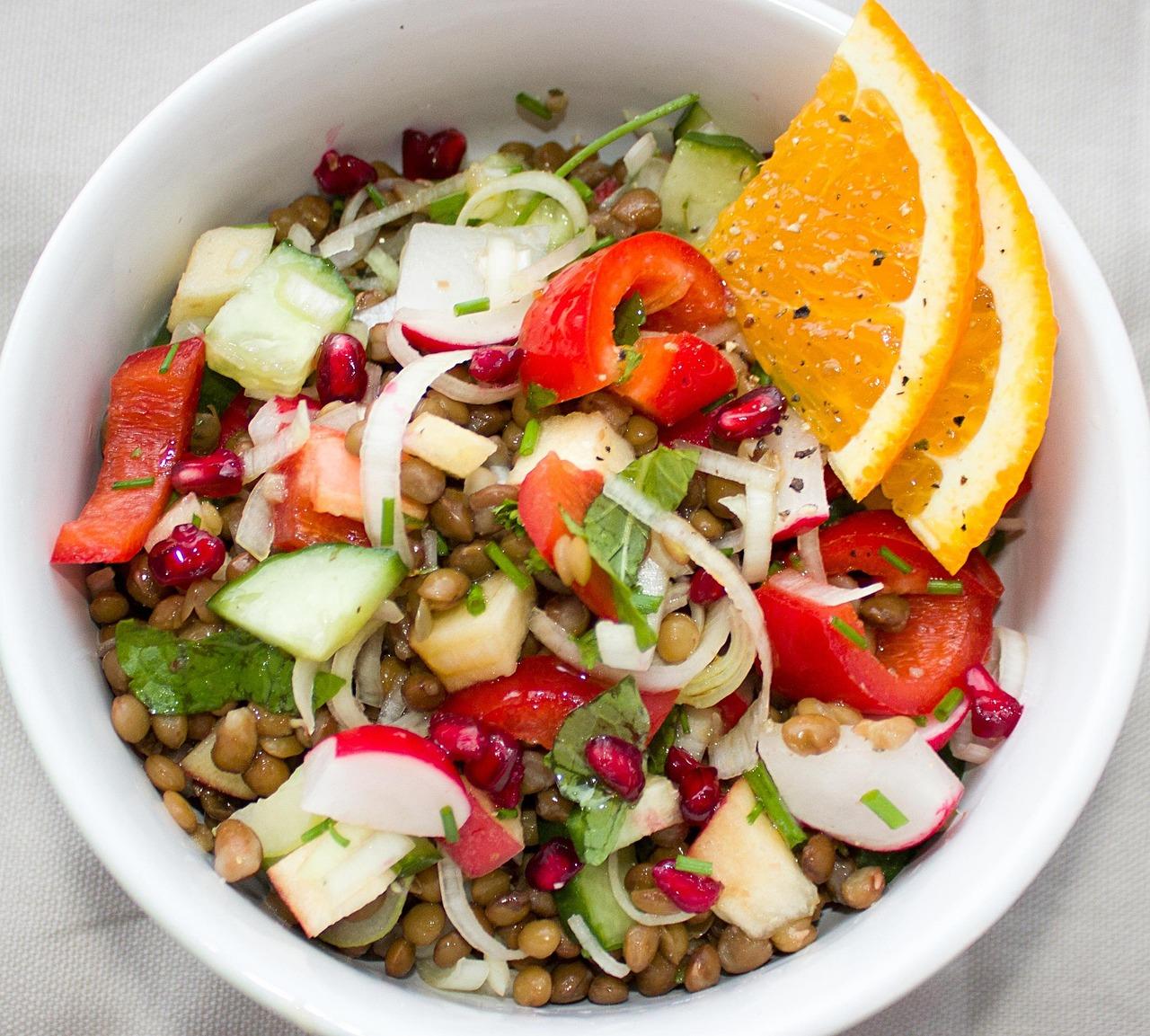
Le Puy-en-Velay, in the volcanic hills of the Auvergne, grows a small, slate-green lentil with its own protected name. Lentilles du Puy hold their shape when cooked and have a peppery, almost mineral taste, which makes them perfect for salad. In French homes and bistros this salad is dressed while warm with a sharp mustard vinaigrette, shallot, carrot and parsley, then eaten as a starter, a packed lunch or a side to a quiche. Chef's tip: dress the lentils while they're still warm so they absorb the vinaigrette; dressing them cold is the common mistake and the flavour just sits on the outside.

by KrazyBadal 0 views
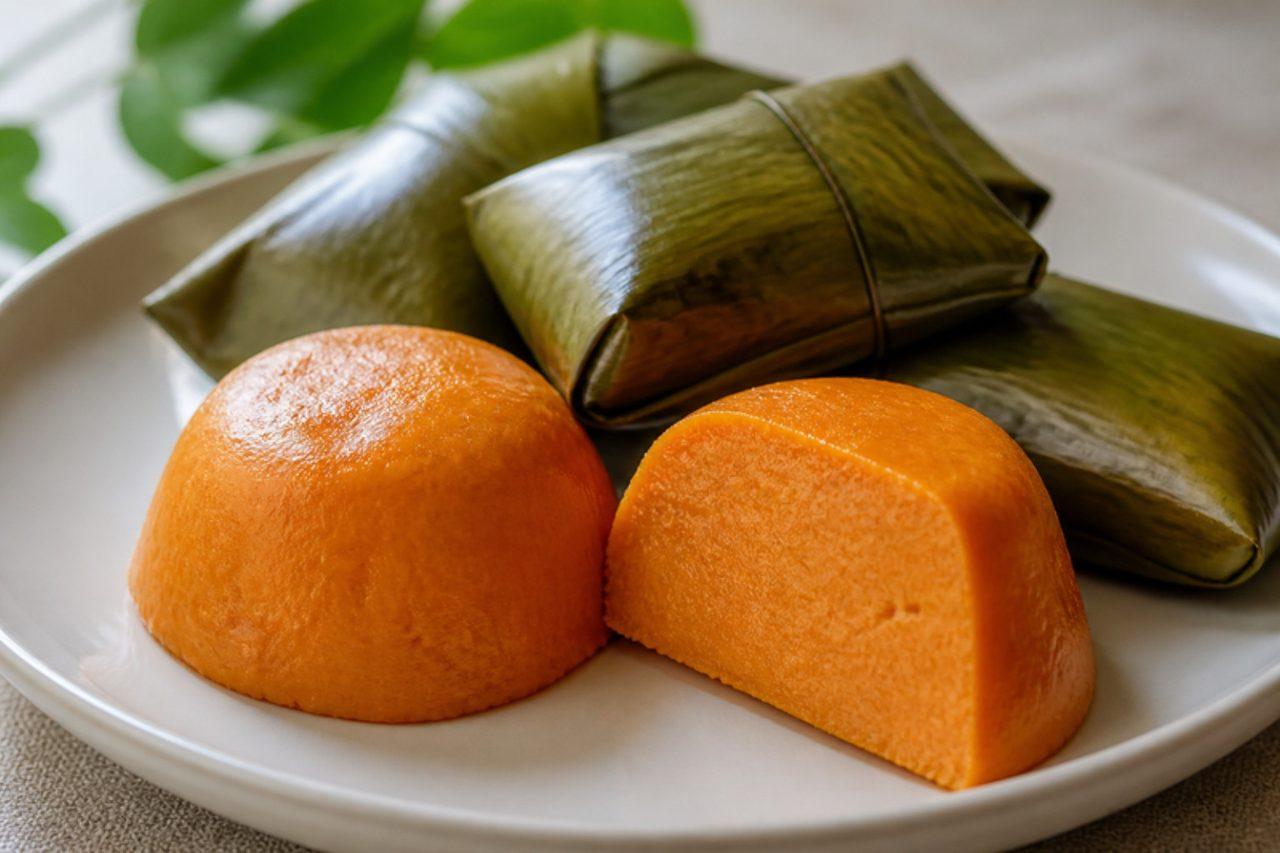
Moi moiSteamed bean pudding

Moi moi (also written moin moin) is the soft, savoury bean pudding of Yorubaland that turns up at every Lagos party beside jollof, and in lunchboxes and on Sunday breakfast plates with ogi or custard. Peeled black-eyed beans are blended with red pepper, onion and oil, then steamed until set and sliceable, like a light, spicy terrine. Traditionally it is wrapped in broad uma (thaumatococcus) leaves; ramekins or foil cups work at home. Party versions often hide boiled egg or fish inside; this one is fully plant-based. Chef's tip: the batter should drop thickly from a spoon, like a cake batter; too runny and the moi moi never firms up.

by KrazyBadal 0 views

DomodaBeef and peanut stew

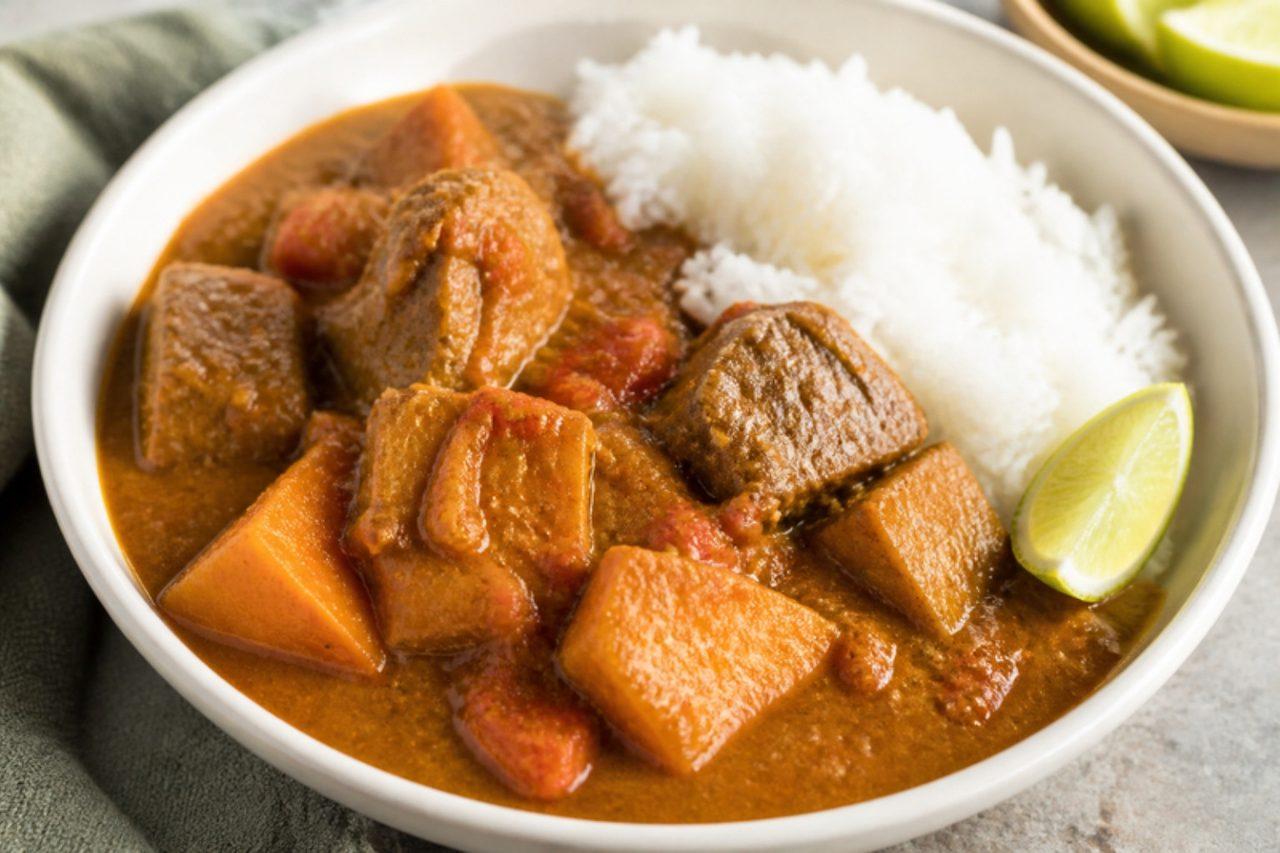
Domoda is the stew that most families in the Gambia, from Banjul to the riverside villages upcountry, cook several times a week. Beef is browned and simmered with tomato and onion, then smooth peanut butter is stirred in until the sauce turns thick, glossy and rich, with pumpkin and sweet potato melting into it. It is spooned over white rice with a squeeze of lime, and a scotch bonnet floats in the pot for whoever likes it hot. The mistake to avoid is adding the peanut butter too early and leaving it unstirred, as it catches and burns on the bottom; add it once the beef is nearly tender and stir often. Chef's tip: whisk the peanut butter with a ladle of hot broth before it goes in, so it melts smoothly instead of forming lumps.

by KrazyBadal 0 views

Dongbei da la piMung bean sheet salad

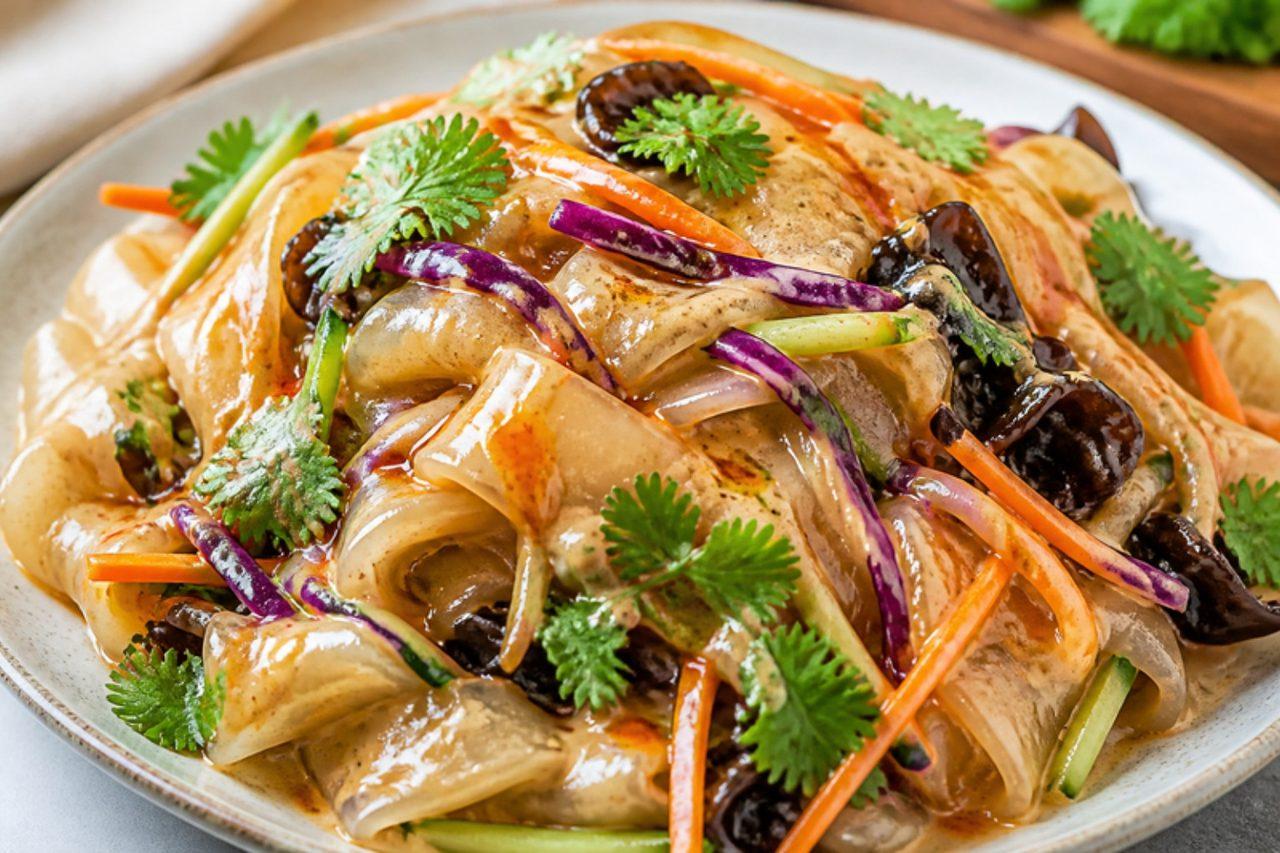
In north-east China, a big platter of this arrives at almost every family dinner and restaurant table, often next to the stews and dumplings. Wide, glassy sheets of mung-bean starch sit on a bed of shredded cucumber, carrot and cabbage, with a sesame, garlic and vinegar sauce and a dab of mustard poured over at the table. It's cool, slippery and crunchy. Look for dried la pi sheets or wide mung-bean noodles in Chinese supermarkets. Chef's tip: the sheet noodles must be fully cold before mixing, or they go soft and sticky.

by KrazyBadal 0 views

Asado negroBeef braised in panela

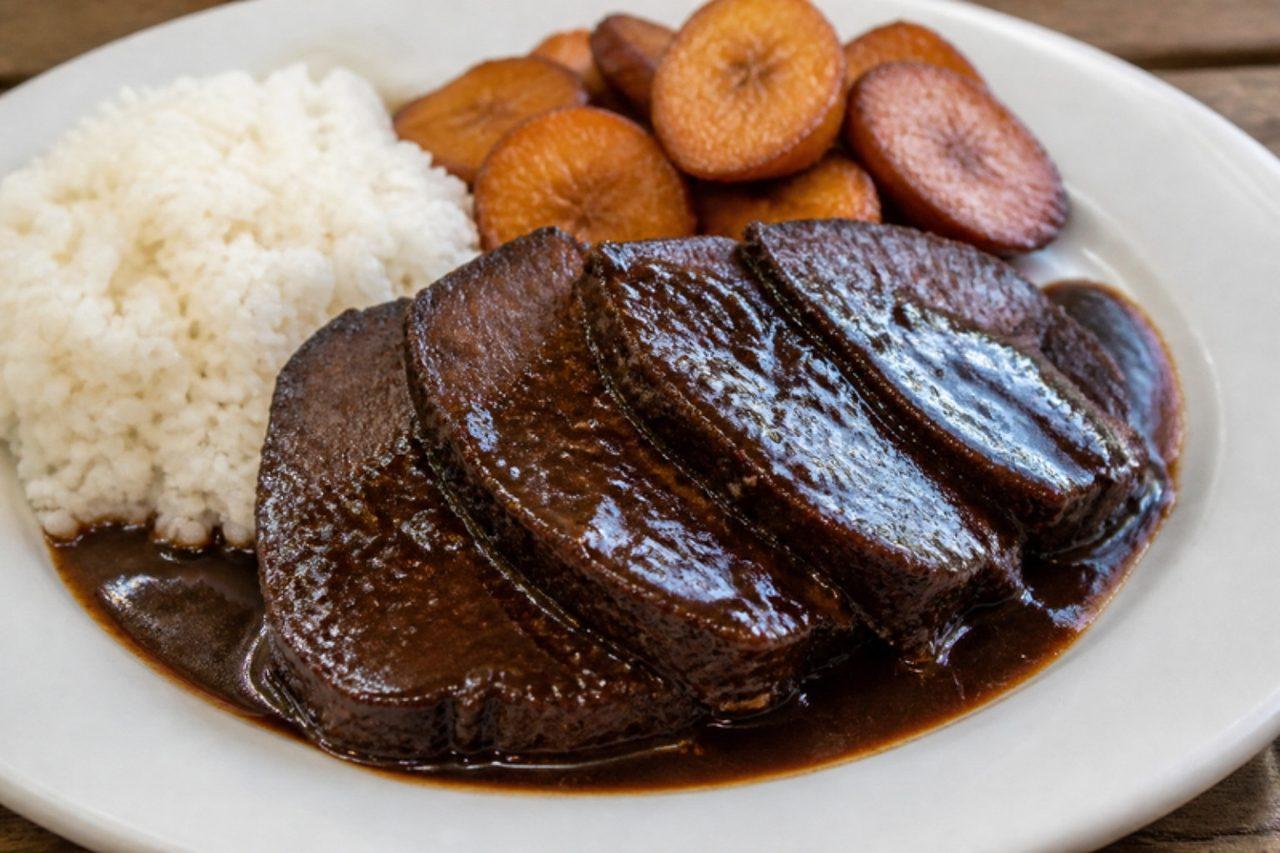
Asado negro is the Sunday lunch of Caracas families: a whole piece of beef eye of round (muchacho redondo) is seared in sugar caramelised almost to black, then slowly braised until the sauce is dark, glossy and sweet-savoury. Despite how it looks, it doesn't taste burnt, just deep and rich. It is sliced and served with white rice, fried ripe plantain and sometimes a mash of potatoes. Many cooks add a glass of red wine to the braise; to keep it alcohol-free, use the same amount of beef stock and a tablespoon of balsamic vinegar instead. The mistake to avoid is stirring the panela while it caramelises: it crystallises and goes grainy. Chef's tip: get the caramel really dark, just before it smokes, because the colour and depth of the whole dish come from that minute.

by KrazyBadal 0 views

DooghSalted yogurt drink

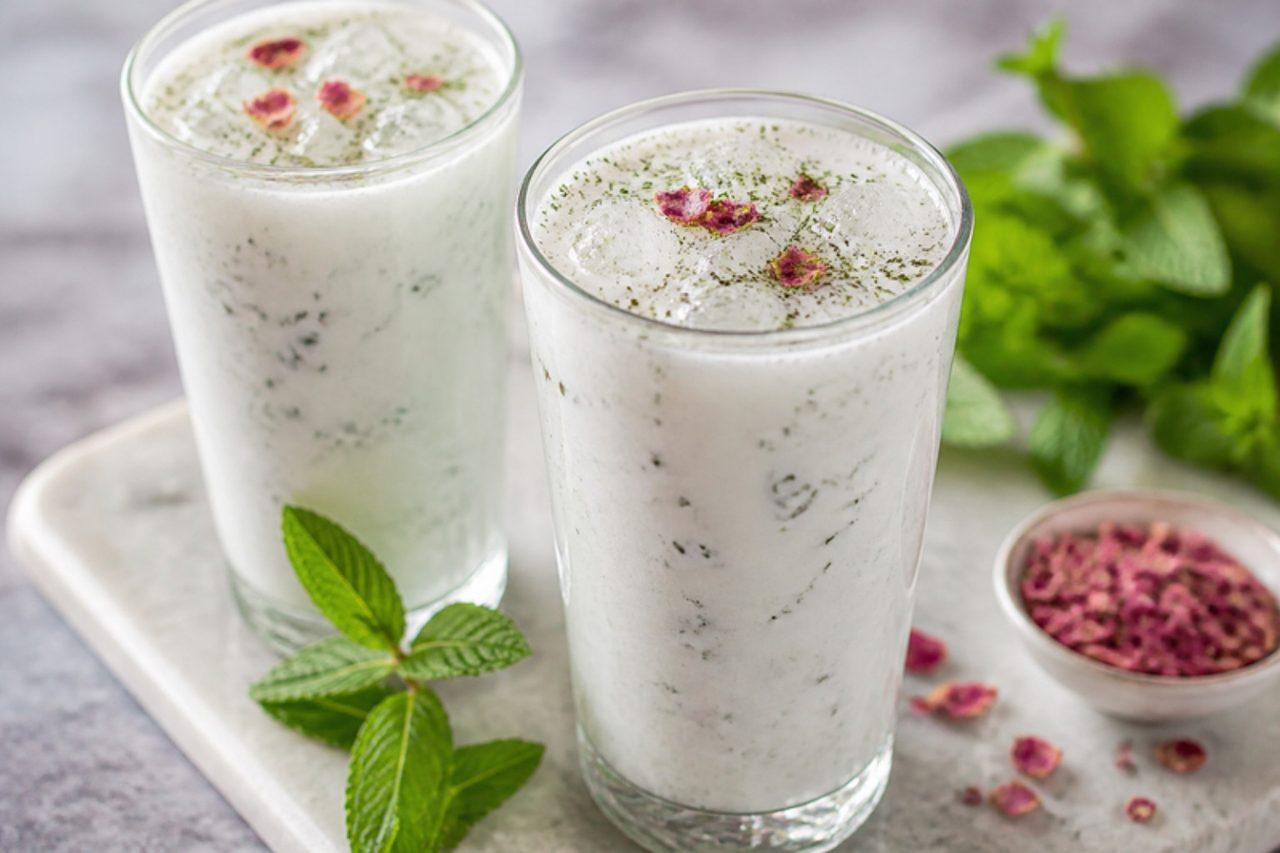
Doogh is the salty, fizzy yogurt drink served in tall glasses with lunch across Iran, and above all with kebab and rice at the chelow-kababi restaurants of Tehran. Bottled sparkling doogh from the mineral springs of Abali, in the mountains east of the capital, is the famous one; at home it is mixed from yogurt, cold water and soda water with crumbled dried mint, and sometimes wild pennyroyal (kakuti) or rose petals. Its bubbles and mint set it apart from plainer, still yogurt drinks. It is cooling and good with rich, herby food. Chef's tip: add the sparkling water last and stir gently, or the fizz disappears before it reaches the glass.

by KrazyBadal 0 views

Asado argentinoGrilled beef short ribs

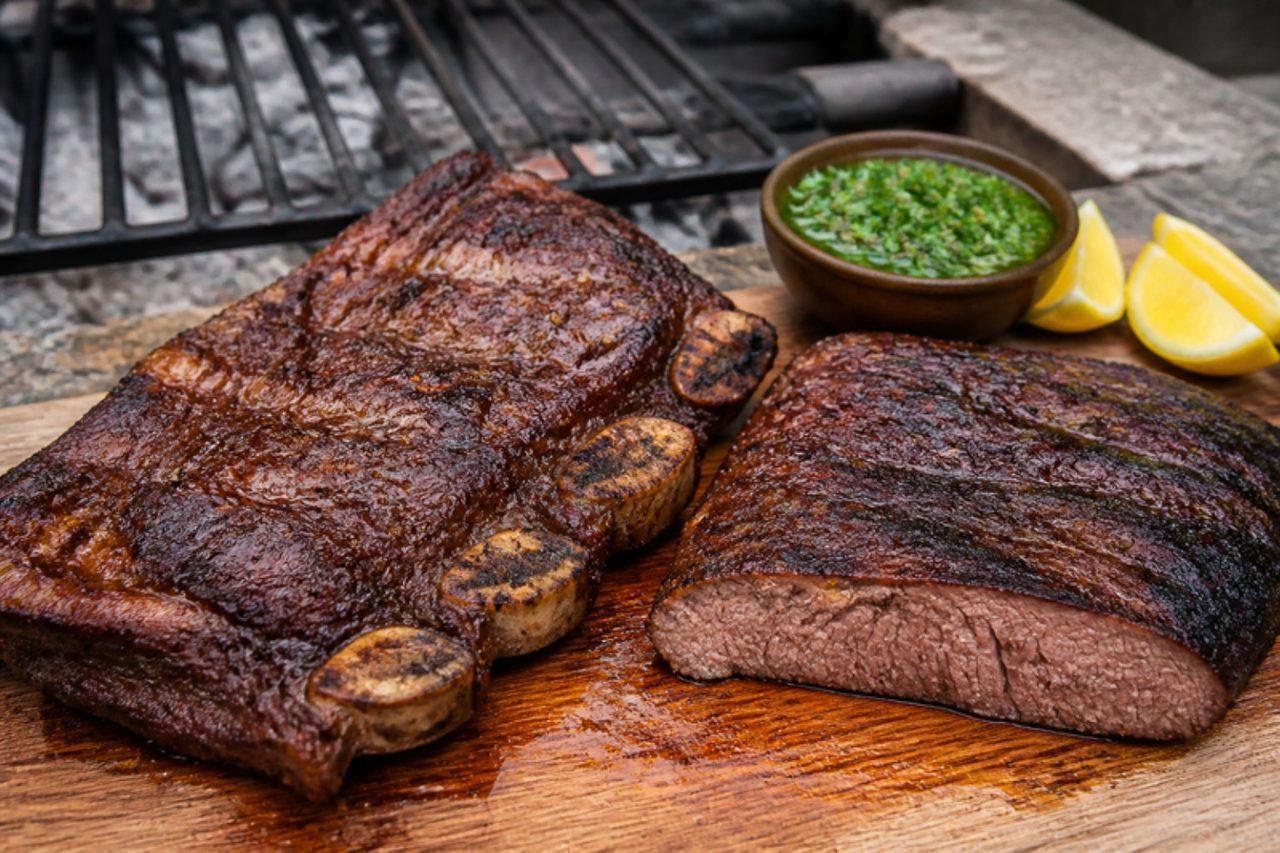
For Argentines the Sunday asado is less a recipe than a ritual: someone (the asador) lights the fire mid-morning in a backyard in Buenos Aires or a ranch in the Pampas, and lunch happens hours later. Beef is cooked low and slow over glowing embers, seasoned with nothing but coarse salt, and carved at the grill to be eaten with bread, salad and a bowl of chimichurri. This home version uses two favourite cuts: tira de asado (thin cross-cut short ribs) and vacío (flank). The classic mistake is grilling over flames; wait until the coals are covered in white ash, and spread them so the heat is gentle. Chef's tip: hold your hand 15 cm above the grill; if you can keep it there for 8–10 seconds, the heat is right for asado.

by KrazyBadal 0 views

Alicha wat (chicken)Mild turmeric chicken stew

Not every Ethiopian stew is fiery: alicha wat is the gentle, golden one, coloured with turmeric instead of berbere and seasoned with ginger, garlic and a few green chillies. Families across the country cook doro alicha when someone wants something soothing, when children are at the table, or as the mild partner to a spicy wat on a festive spread. The chicken simmers in a soft onion and spiced-butter sauce until tender, with a fragrant, buttery and slightly peppery flavour. Serve with injera or rice and a fresh tomato salad. Chef's tip: add the green chillies whole and fish them out before serving if you want flavour without heat.

by KrazyBadal 0 views

Doro watSpicy chicken and egg stew

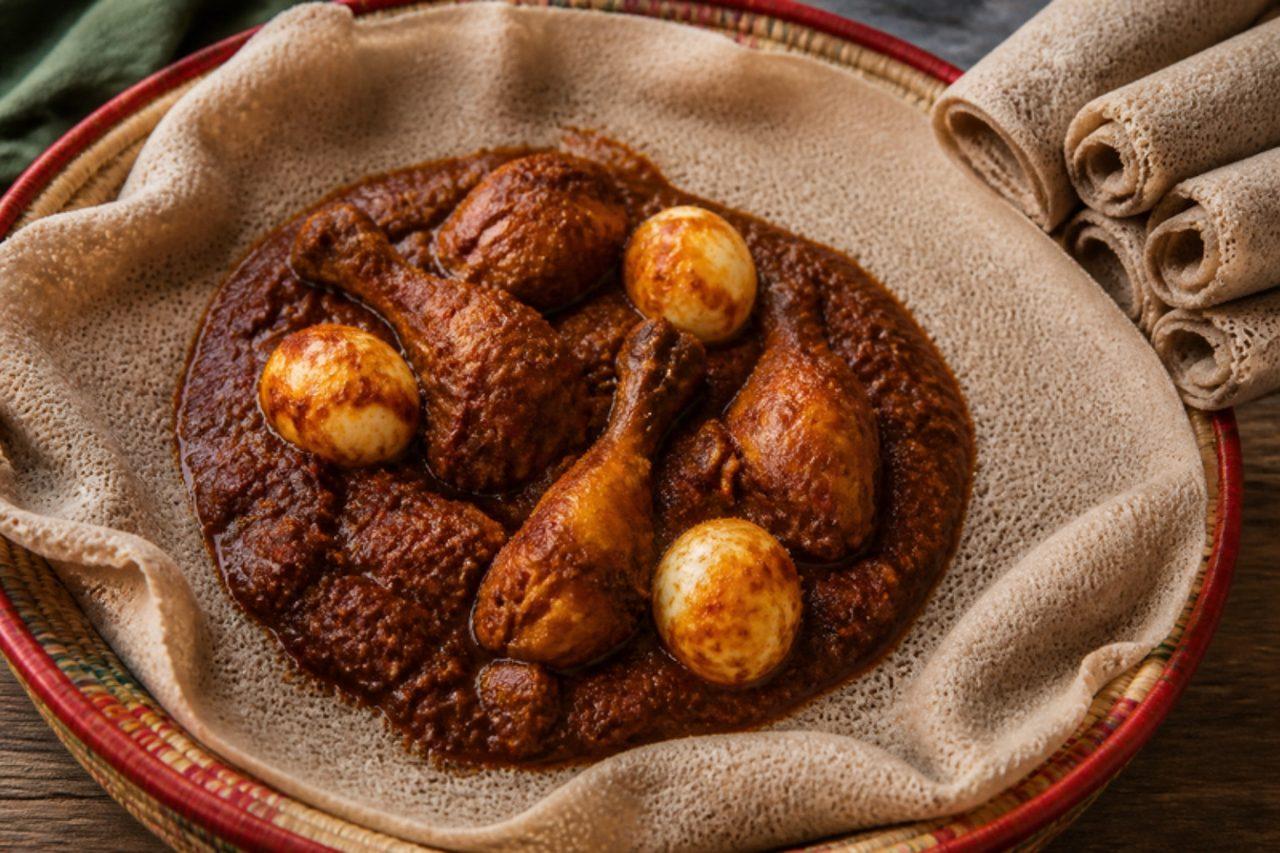
Ethiopian families make doro wat for the biggest days of the year, especially Genna (Christmas) and Fasika (Easter), when it breaks weeks of meatless fasting. Its secret is patience: a mountain of red onions is cooked down slowly with no fat at all until jammy and dark, then enriched with spiced butter and fiery berbere. Chicken pieces and whole hard-boiled eggs simmer in the sauce until it is thick, glossy and brick red, with a deep, smoky heat. Ladle it onto injera, with ayib (fresh cheese) alongside to cool things down. Chef's tip: score the boiled eggs lightly all over before adding them, so the sauce seeps right into the whites.

by KrazyBadal 0 views

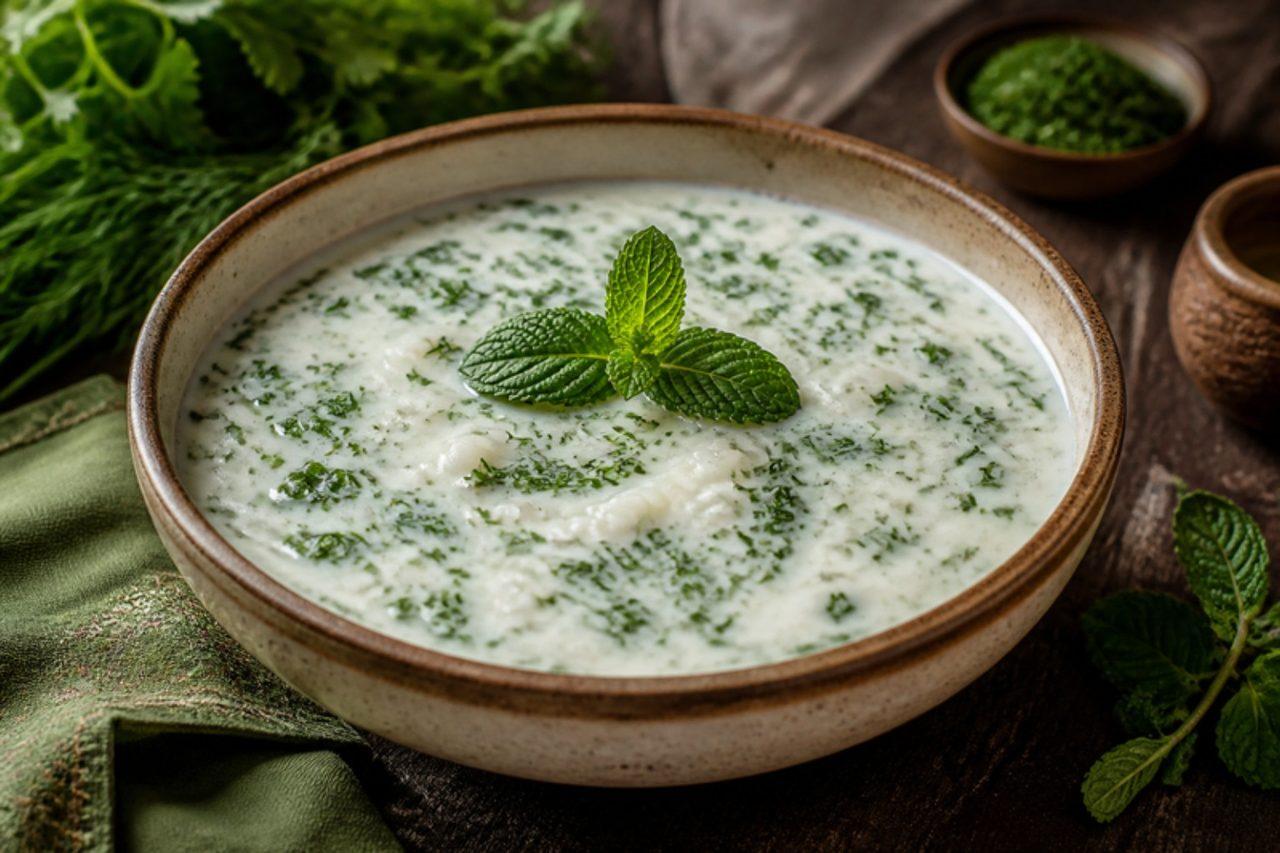
DovgaHerb and yogurt soup

Dovğa is green, tangy and cooling, the soup Azerbaijanis drink cold from glasses on hot Baku afternoons and eat hot in bowls when the Absheron wind turns chilly. Yogurt is thinned, thickened with rice and egg, then packed with chopped spinach, dill, coriander, mint and sorrel, until the soup is more herbs than dairy. It is served at weddings and at Novruz to settle the stomach after rich food, and many cooks add chickpeas. Unlike Armenian spas, there is no fried onion or wheat; the flavour is all fresh herbs and sour yogurt. Chef's tip: add the herbs only once the yogurt is boiling steadily and stable; they wilt in seconds, and the colour stays bright green.

by KrazyBadal 0 views

CachapasSweet corn pancakes with cheese

Cachapas are the roadside breakfast of Venezuela; along the highways of Aragua and Carabobo, stands called cachaperas grill them on big iron plates from early morning. They are thick, slightly lumpy pancakes made from fresh blended sweetcorn, sweet and savoury at once, folded over a slab of soft, stretchy white cheese (queso de mano) that melts with the heat. Mozzarella works well outside Venezuela. Chef's tip: keep a few whole kernels in the batter; the little bursts of corn are part of a real cachapa.

by KrazyBadal 0 views

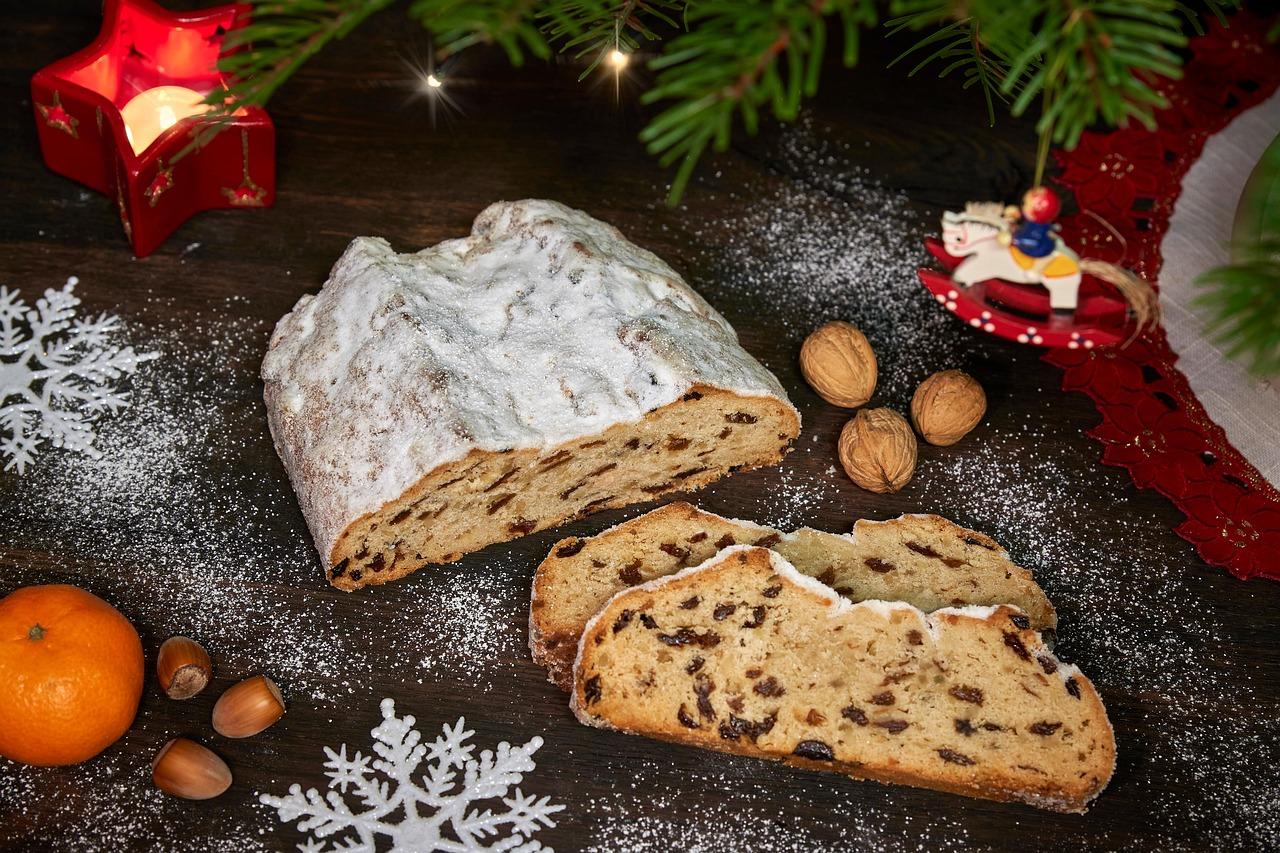
StollenFruit Christmas bread

Dresden has baked Christstollen for more than 500 years, and every December the city holds a Stollen festival with a giant loaf paraded through the old town to the Striezelmarkt. The loaf's shape, folded over and dusted white, is said to show the Christ child wrapped in swaddling cloth. It's a rich, dense yeast bread, heavy with butter, raisins, candied peel and almonds, brushed with melted butter straight from the oven and buried in sugar. It's baked weeks before Christmas and sliced thinly through Advent. Chef's tip: wrap it tightly and let it rest for at least a week before cutting; the flavours ripen and the crumb turns moist.

120 minGermanBaking
by KrazyBadal 0 views

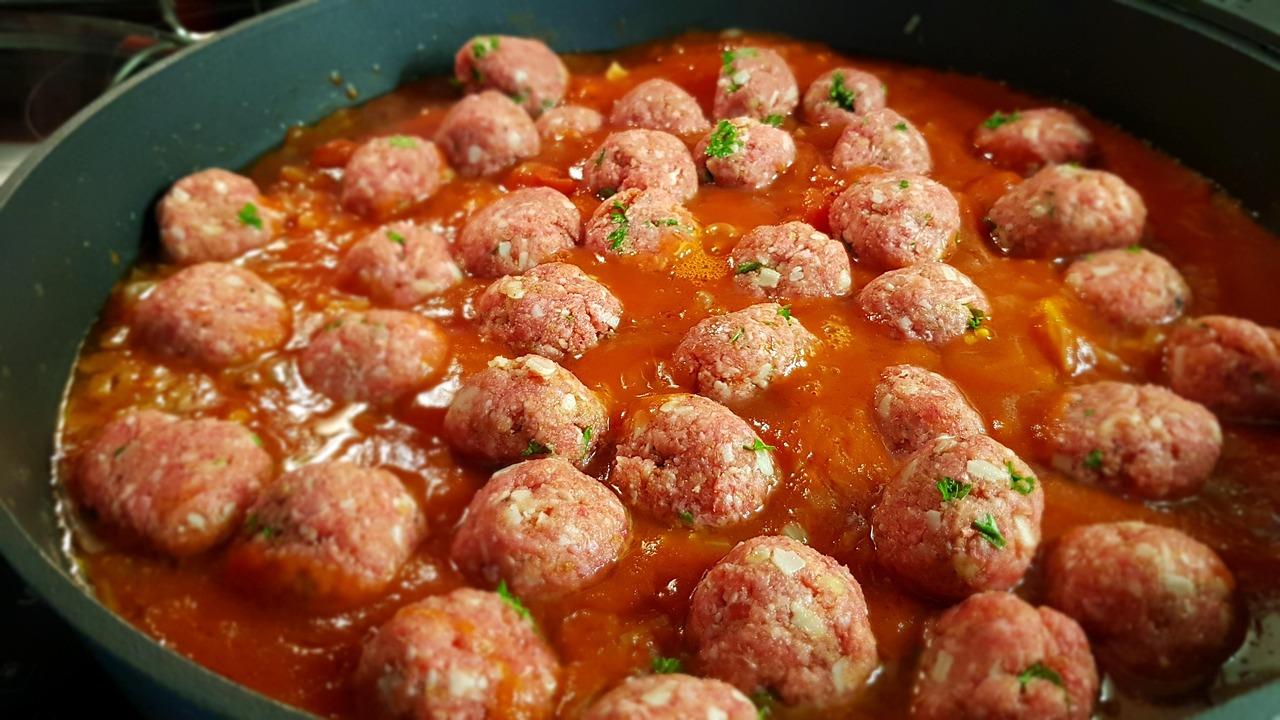
Albóndigas en salsaMeatballs in tomato almond sauce

Albóndigas turn up all over Spain: in a cazuelita on a tapas bar counter, as the second course of a weekday menú del día, and in home kitchens on a Sunday when there is time to roll them. These are made with pork and beef, softened with milk-soaked bread, browned and then simmered in a tomato sauce thickened the old Spanish way with ground fried almonds, which gives it body and a gentle nutty sweetness. Serve them with chips, rice or plenty of bread. They taste even better the next day. Chef's tip: wet your hands with cold water before rolling each meatball; the mixture won't stick and the balls come out smooth and round.

by KrazyBadal 0 views

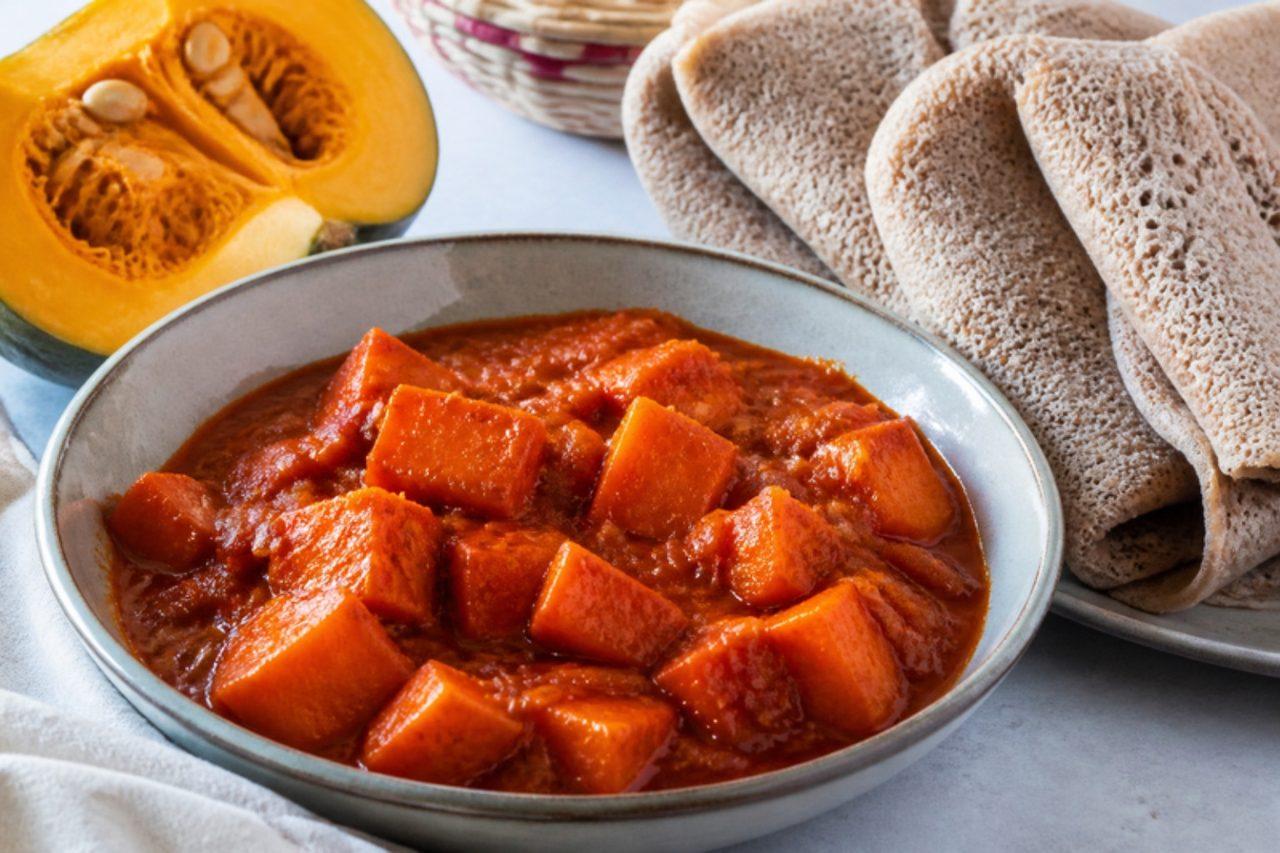
Duba watSpicy pumpkin stew

Duba wat is a fasting-season stew from the Ethiopian highlands, made when pumpkins are plentiful after the rains around Meskel in late September. Chunks of pumpkin are cooked in a classic red wat base of slow-cooked onion, garlic and berbere, so the sweetness of the squash plays against the heat of the spices. It is softer and sweeter than most wats and goes well with gomen and injera. Chef's tip: add the pumpkin only once the onion and berbere base is fully cooked and glossy; raw-tasting berbere spoils the dish.

by KrazyBadal 0 views

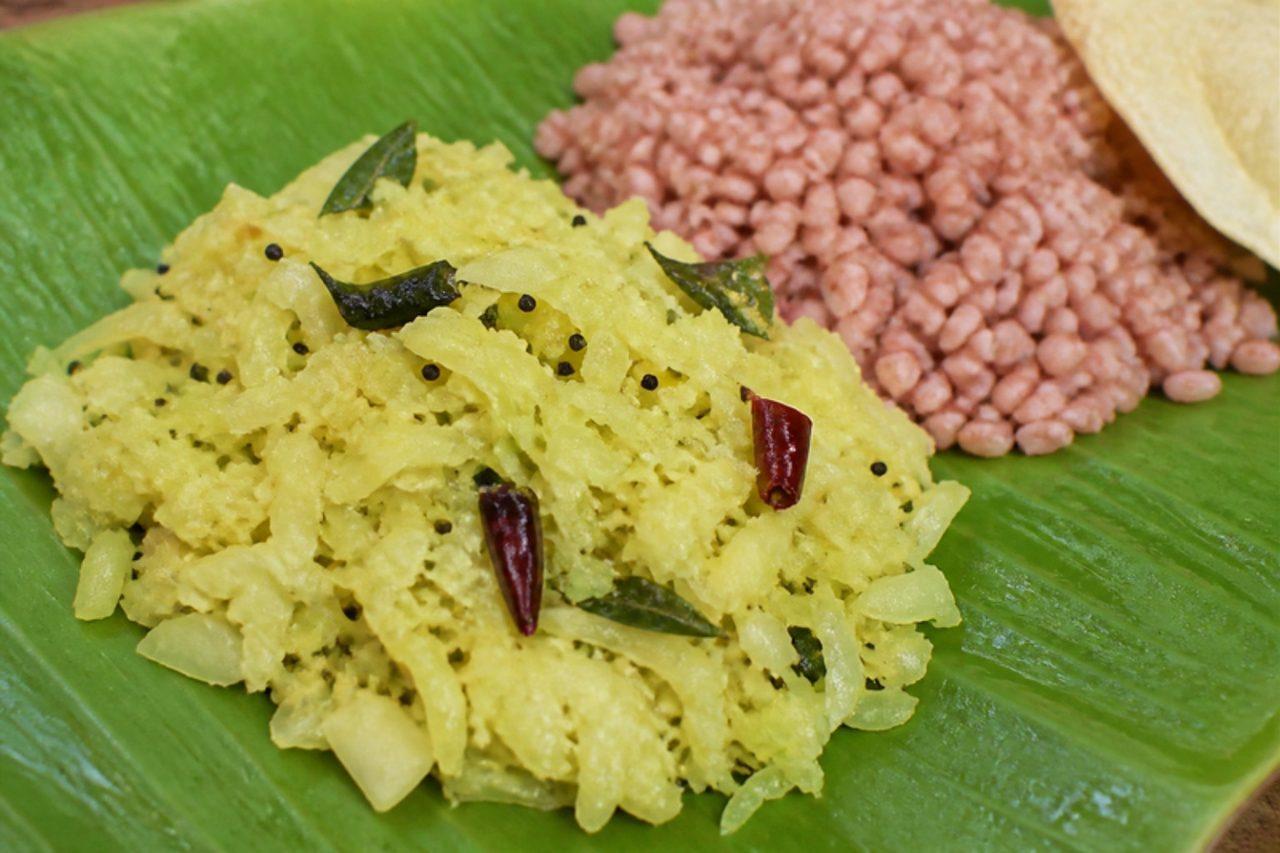
Cabbage thoranCabbage and coconut stir-fry

Thoran is the everyday dry vegetable of Kerala, on the lunch plate in nearly every home and in the steel tiffin boxes carried to offices from Thiruvananthapuram to Kannur. Cabbage is the classic choice: shredded fine, steamed in its own juices with mustard and curry leaves, then tossed with coconut that has been crushed (never ground smooth) with green chilli, garlic and cumin. It comes out sweet, fluffy and lightly crunchy. Serve it with rice, sambar or moru curry, or eat it with chapati. Chef's tip: shred the cabbage as finely as you can; thin shreds cook in their own steam in a few minutes and stay bright.

by KrazyBadal 0 views

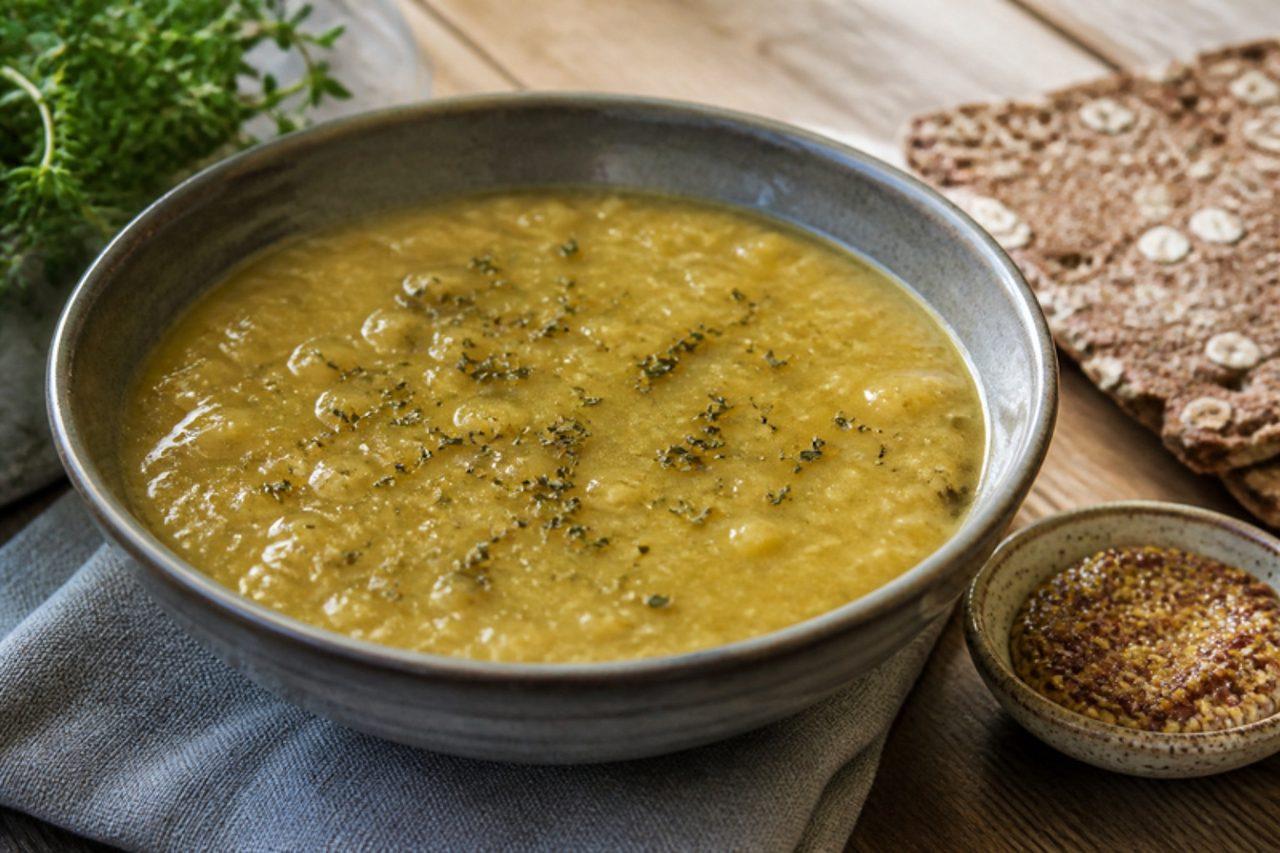
ÄrtsoppaYellow pea soup

For centuries Swedes have eaten ärtsoppa on Thursday: school canteens, army messes and home kitchens all serve thick yellow pea soup, followed by thin pancakes with jam (ärtsoppa och pannkakor). The tradition is said to date from Catholic times, a filling meal before Friday's fast. The soup is usually cooked with salt pork, but the soul of it is the dried yellow peas, onion and a generous hand of thyme and marjoram, so this version is fully plant-based and seasons the broth with a little smoked paprika instead. Each bowl gets a spoonful of sharp Swedish mustard stirred in at the table. Chef's tip: soak whole yellow peas overnight and skim the foam as they come to the boil; the skins that float up can then be lifted off, giving a smoother soup.

by KrazyBadal 0 views

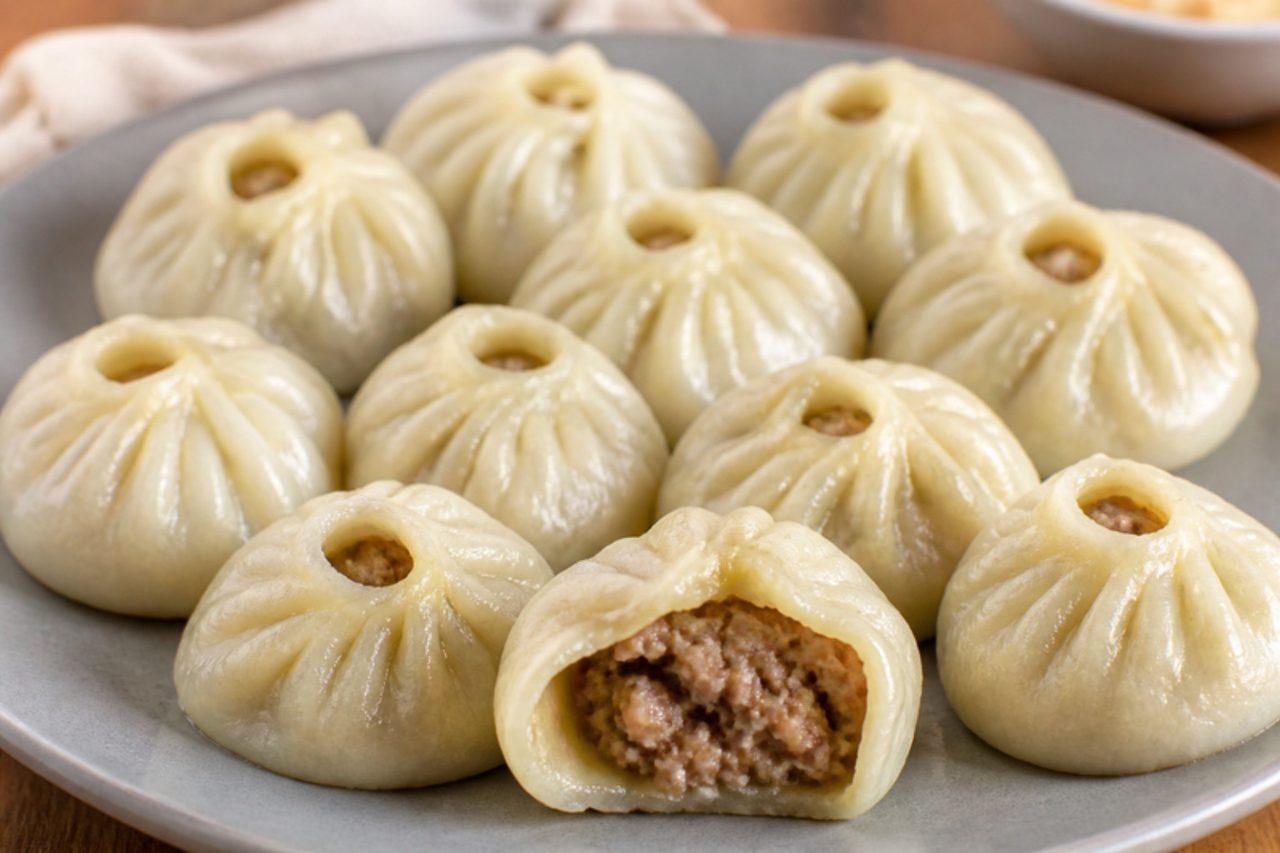
BuuzSteamed mutton dumplings

Buuz are the dumplings every Mongolian family makes in their hundreds before Tsagaan Sar, the Lunar New Year, in Ulaanbaatar flats and countryside gers alike, freezing them outside in the cold to steam for the stream of visitors. A simple dough wraps a juicy filling of chopped mutton, onion, garlic and caraway, pinched into a pleated shape with a small hole at the top, and the dumplings are eaten hot, with salty milk tea. The mistake is lean meat: buuz need some fat, or the filling is dry. Chef's tip: add a few spoons of cold water to the filling so it stays juicy when steamed.

by KrazyBadal 0 views

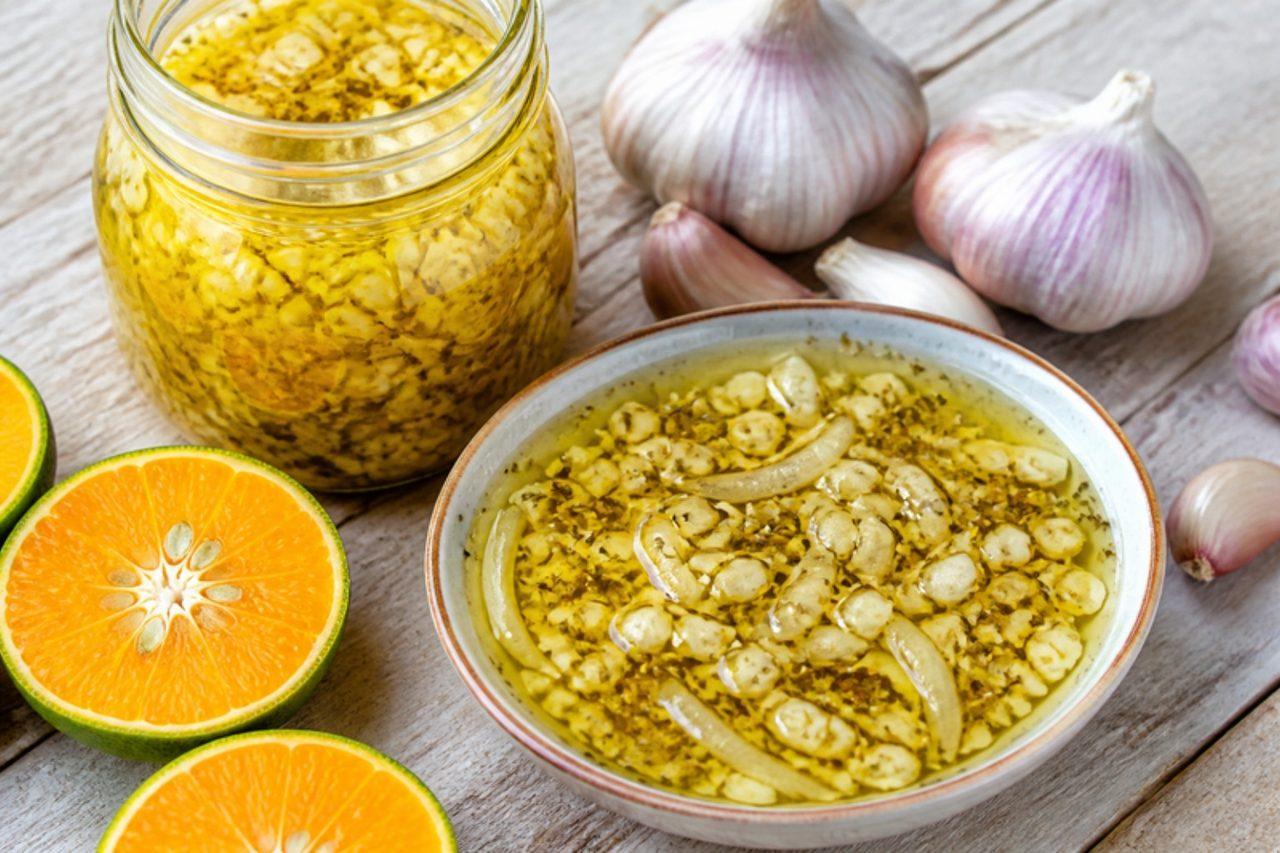
Mojo criolloSour orange and garlic sauce

Mojo criollo is the raw sauce Cuban cooks keep in a jar by the stove: sour orange juice from the naranja agria tree, pounded garlic, cumin, oregano and olive oil. On the island it marinates whatever goes on the grill and is spooned over tostones, boiled malanga and roast vegetables; vegetarians use it to marinate tofu, mushrooms or thick slices of squash. It is sharp, garlicky and bright. Chef's tip: pound the garlic to a paste with the salt rather than chopping it; the salt helps it break down so the sauce tastes round, not harsh.

by KrazyBadal 0 views

Dulce de lecheMilk caramel

Dulce de leche is Argentina's national sweet, spread on toast at breakfast, sandwiched in alfajores, rolled into panqueques and spooned onto flan. Argentine families traditionally make it by slowly cooking milk and sugar with a vanilla pod and a pinch of bicarbonate of soda, which helps it turn deep brown, until it becomes a thick, glossy caramel cream. It takes about three hours of gentle cooking and regular stirring. Chef's tip: use a wide, heavy pan and keep the heat low; the wider the surface, the faster the milk reduces, and the less it catches on the bottom.

by KrazyBadal 0 views

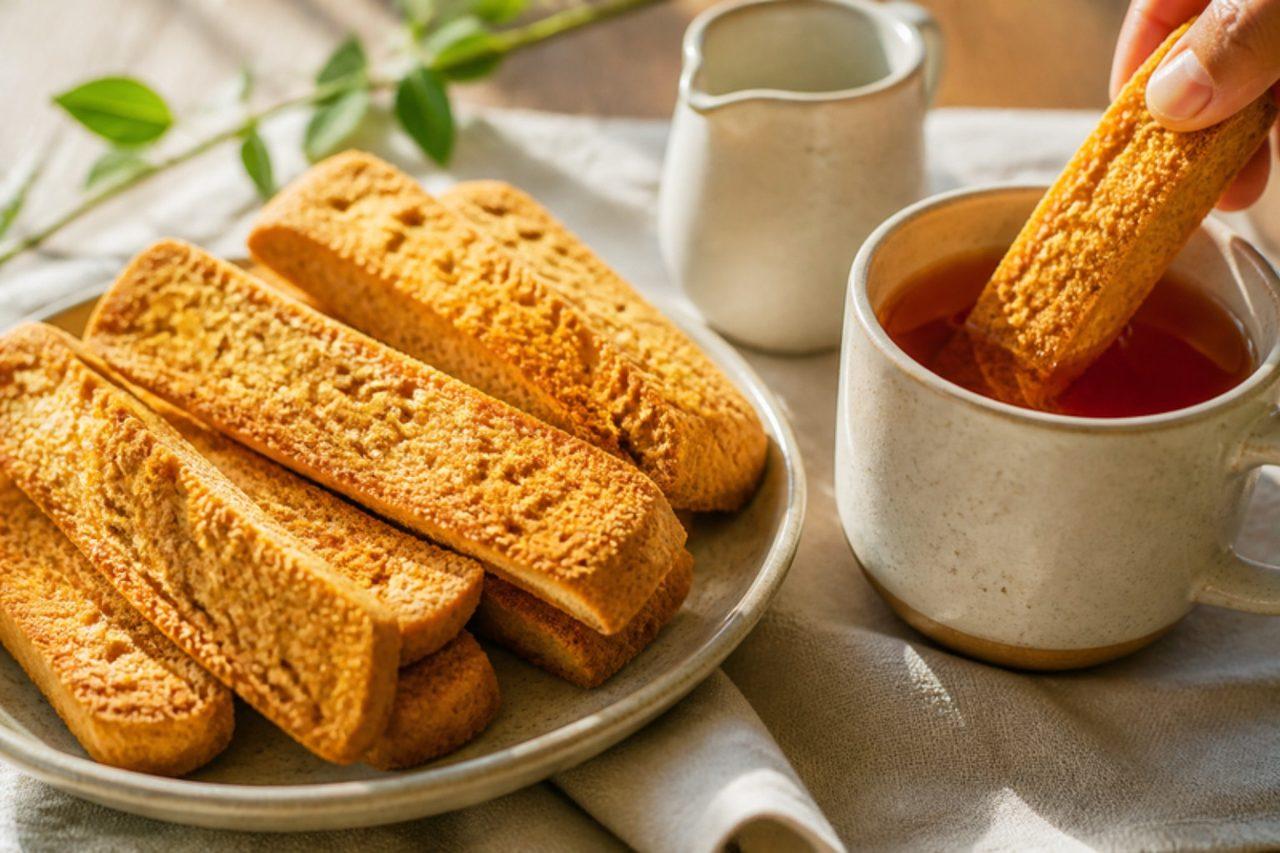
Buttermilk rusks (beskuit)Twice-baked buttermilk rusks

Beskuit grew out of the Voortrekker need for bread that kept on long ox-wagon journeys; today a tin of rusks sits next to the kettle in homes from the Karoo to Pretoria, and they are dunked in early-morning coffee or rooibos. A soft buttermilk dough is baked as a loaf, cut into fingers and then dried in a low oven for hours until rock hard and crunchy. Chef's tip: dry the rusks slowly at a very low heat with the oven door slightly open; they should dry out completely, not brown further.

by KrazyBadal 0 views

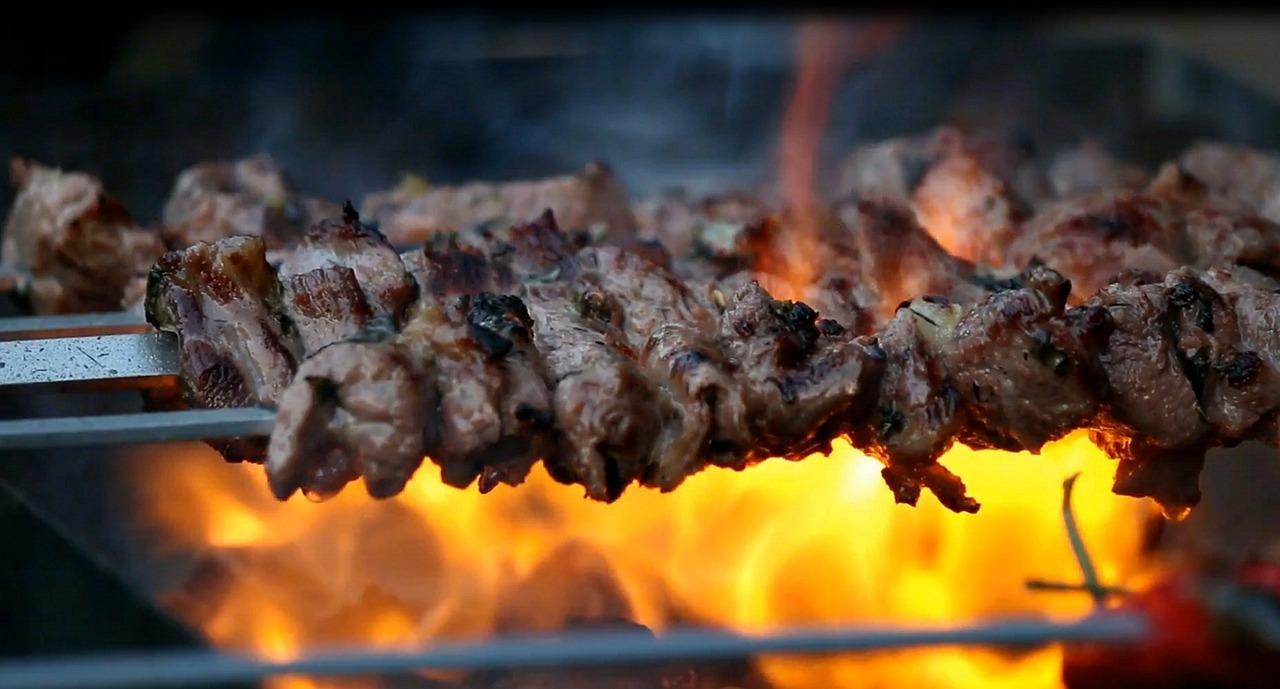
MshikakiGrilled beef skewers

Mshikaki are the beef skewers grilled at night markets in Dar es Salaam, Zanzibar's Forodhani Gardens and every Tanzanian roadside barbecue, sold hot with chips, pili pili sauce and a wedge of lime. Small chunks of beef are marinated in lime, ginger, garlic, chilli and curry powder, which tenderises them, then grilled quickly over charcoal. The mistake is marinating with raw papaya or too much lime for too long, which turns the meat mushy; 2–6 hours is plenty. Chef's tip: soak wooden skewers in water for 30 minutes so they don't burn.

by KrazyBadal 0 views

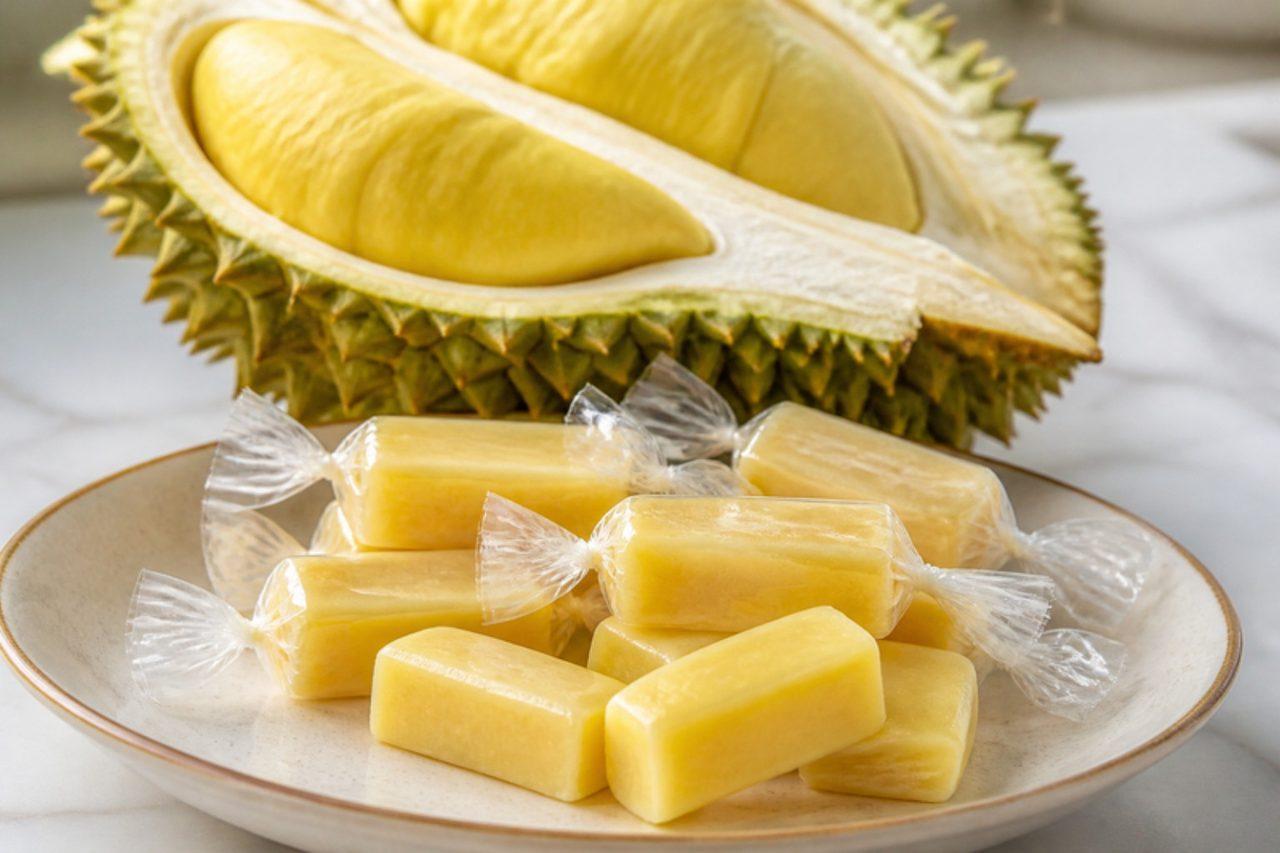
Durian candyDurian milk fudge

Davao City on Mindanao is the Philippines' durian capital, and its roadside stalls sell the fruit by the kilo next to boxes of durian candy for travellers who can't carry a whole one home. Ripe durian pulp is cooked slowly with condensed milk, sugar and butter until it becomes a dense, chewy fudge that tastes of caramel, custard and that famously strong fruit. Chef's tip: frozen durian pulp works perfectly; thaw it fully and pick out any seeds and fibrous bits before you start.

by KrazyBadal 0 views

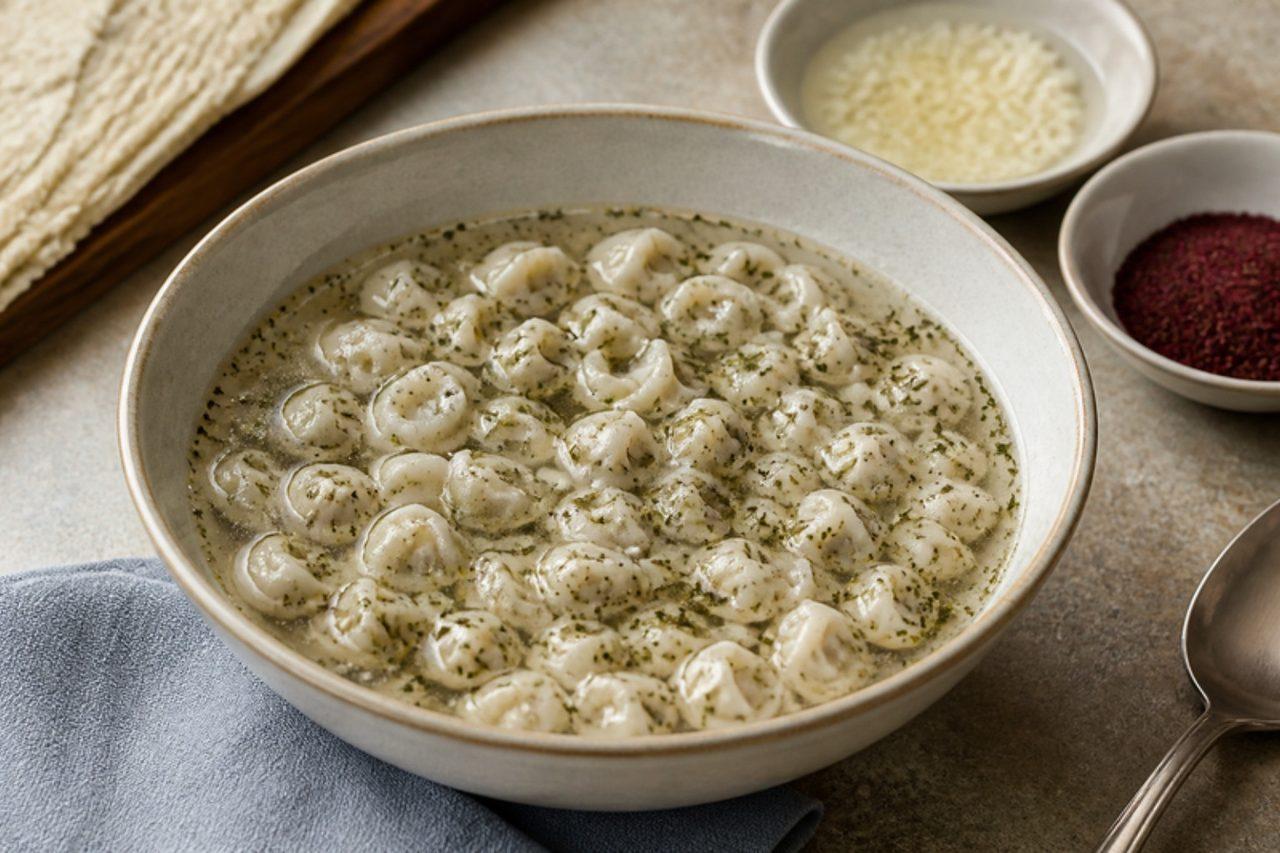
DushbaraTiny lamb dumplings in broth

Dushbara is the test of a patient cook in Azerbaijan: dumplings so small that a dozen fit on a spoon, filled with lamb and onion and served in clear bone broth. Families in Baku and the Absheron towns make them for New Year and Novruz, everyone sitting around the table folding together. At the table each bowl gets dried mint, a little crushed garlic in vinegar, and sumac. Over-filling is the usual problem; too much meat and the edges won't seal, so the dumplings open in the pot. Chef's tip: make the broth from lamb bones the day before and chill it, so you can lift off the fat and the soup stays crystal clear.

by KrazyBadal 0 views

Dwaeji gukbapPork and rice soup

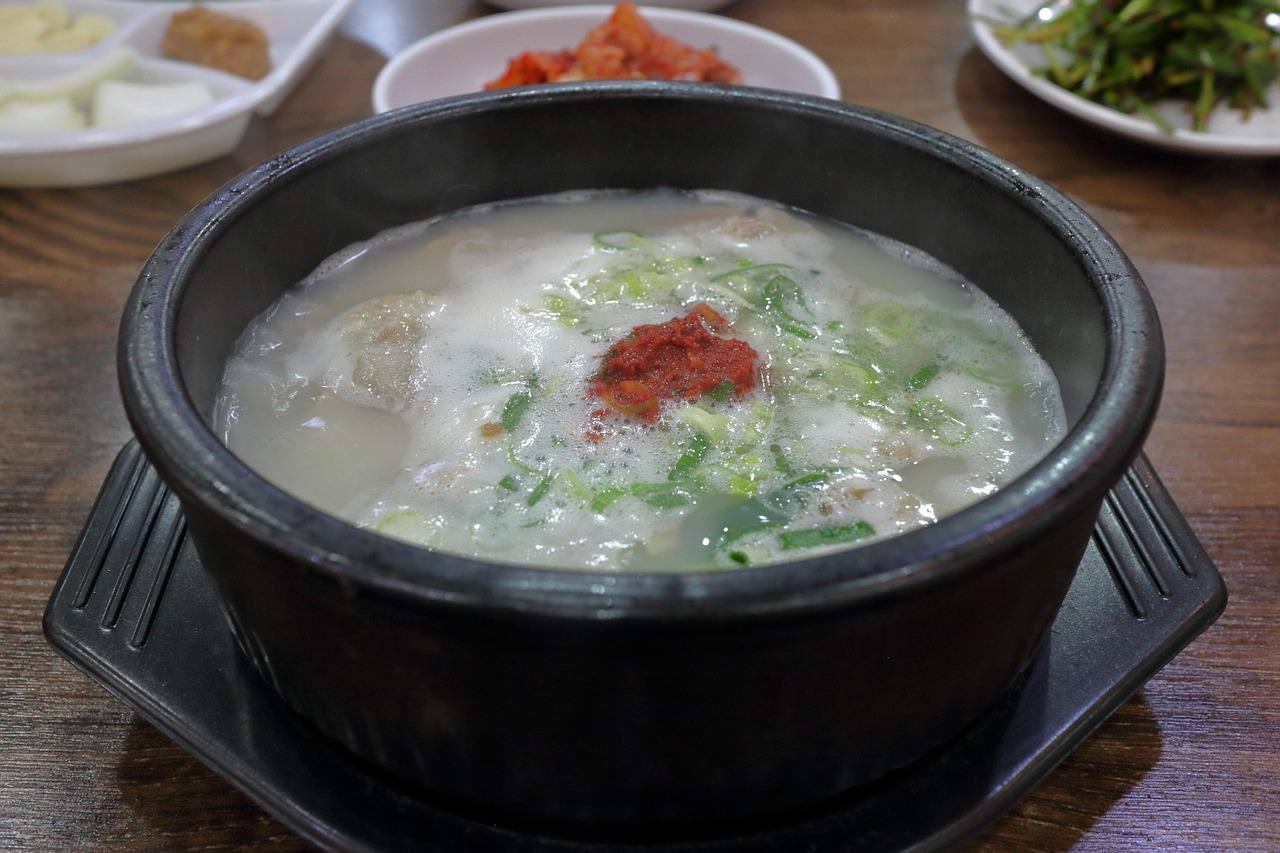
Ask anyone in Busan for a bowl of something filling at any hour and they will probably send you for dwaeji gukbap. Seomyeon has a whole alley of gukbap restaurants, open from early morning to late at night, serving the soup to market workers, students and people heading home after a night out. Pork bones are boiled hard for hours until the broth turns cloudy and white, then poured over sliced pork and rice. Each diner seasons their own bowl at the table with salted shrimp, chilli paste and a pile of garlic chives, with raw onion, green chilli and kimchi on the side. Chef's tip: season the soup in the bowl, not the pot; a little saeujeot at a time gives a clean, savoury depth that salt alone doesn't.

180 minKoreanSoups
by KrazyBadal 0 views

Arroz verdeGreen rice

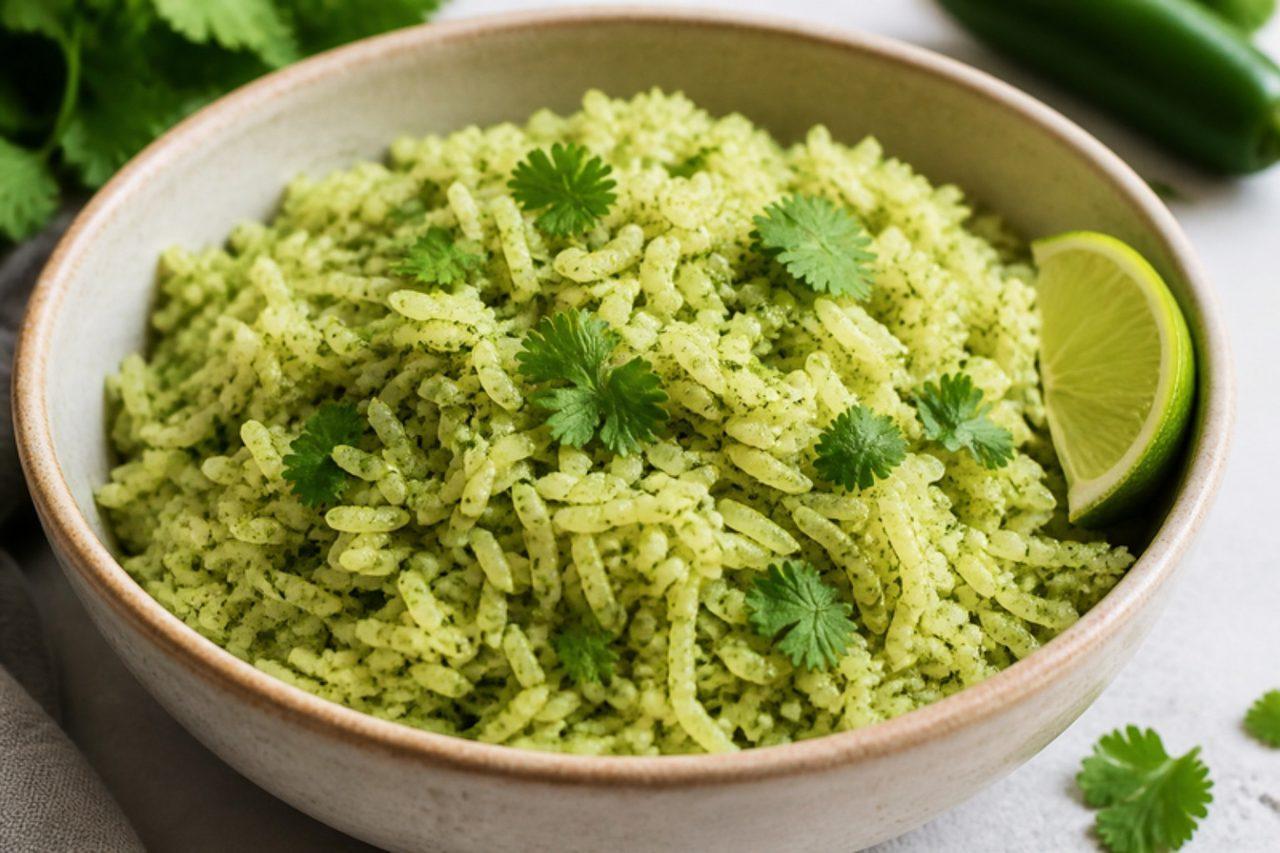
Arroz verde is red rice's fresher sister, popular across central Mexico as a side for mole, enchiladas and beans. The rice is toasted in oil and then simmered in a vivid green purée of poblano pepper, coriander, parsley and a handful of spinach, so it comes out fluffy, herby and gently peppery, the colour of spring grass. It is vegan with vegetable stock and pairs especially well with mole rojo or roasted vegetables. Chef's tip: blend the greens with cold stock and add it straight to the rice; heated slowly or left standing the purée loses its colour, so make it right before you need it.

by KrazyBadal 0 views

Echorer dalnaYoung jackfruit curry

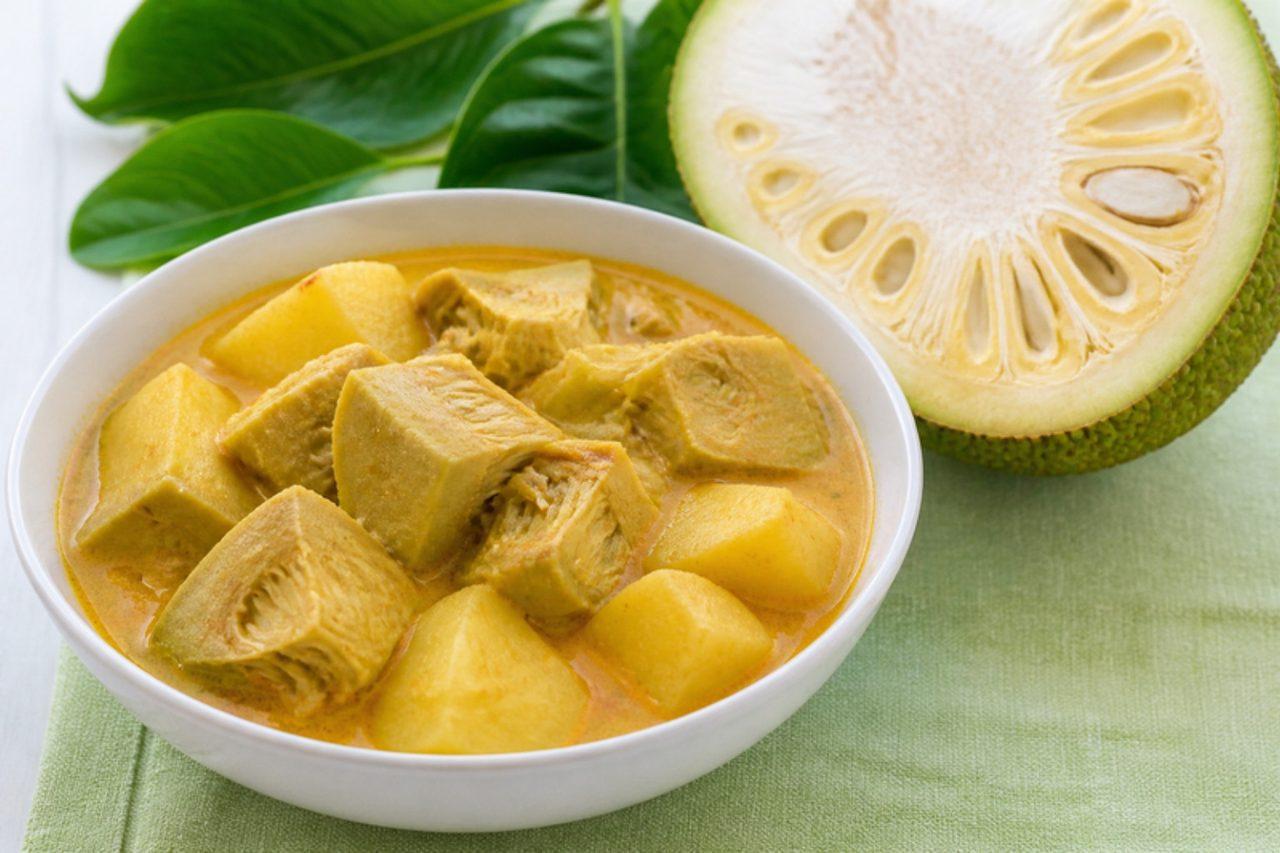
In early summer, Kolkata's bazaars sell baby green jackfruit (echor), and Bengali households cook it into a dalna rich enough to be called gachh-patha, 'mutton from the tree'. The jackfruit is boiled, fried with potato and simmered in a ginger, cumin and tomato gravy, finished with ghee and garam masala. Its chewy, meaty texture soaks up the spice. It is a Sunday lunch dish, eaten with rice or luchi. Chef's tip: buy jackfruit no longer than your forearm, with pale seeds; older fruit is fibrous and the seeds are hard.

by KrazyBadal 0 views

Mok paHerb fish steamed in banana leaf

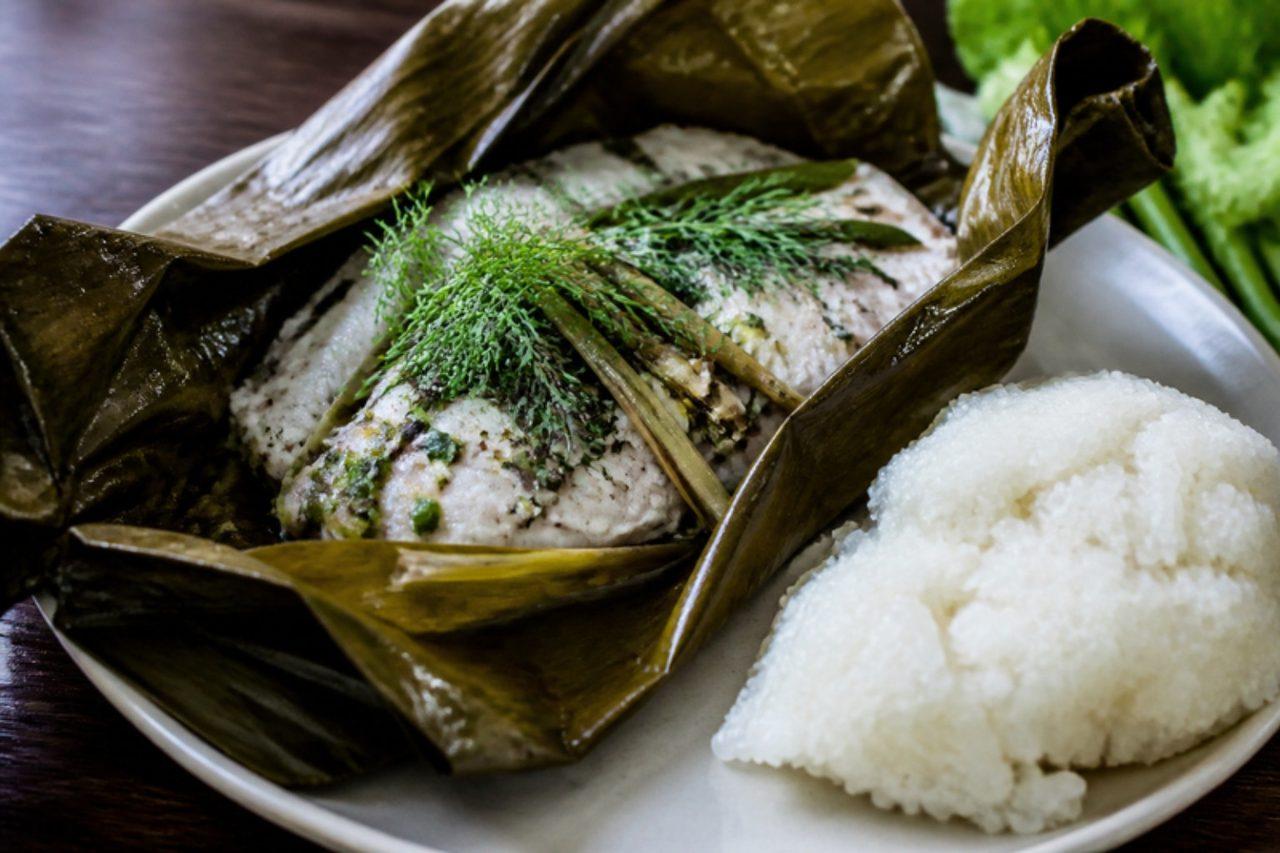
Mok pa is cooked all over Laos, from Vientiane's riverside markets to village kitchens near the Mekong, where freshwater fish is the everyday protein. Chunks of white fish are mixed with a paste of lemongrass, shallot, garlic and chilli, a handful of dill and lime leaves and a spoon of sticky rice flour, then wrapped in banana leaf parcels and steamed until set and fragrant. Eat it with sticky rice and raw vegetables. Chef's tip: soften the banana leaves by passing them briefly over a flame or into hot water; they fold without cracking.

55 minLaoFishGluten free
by KrazyBadal 0 views

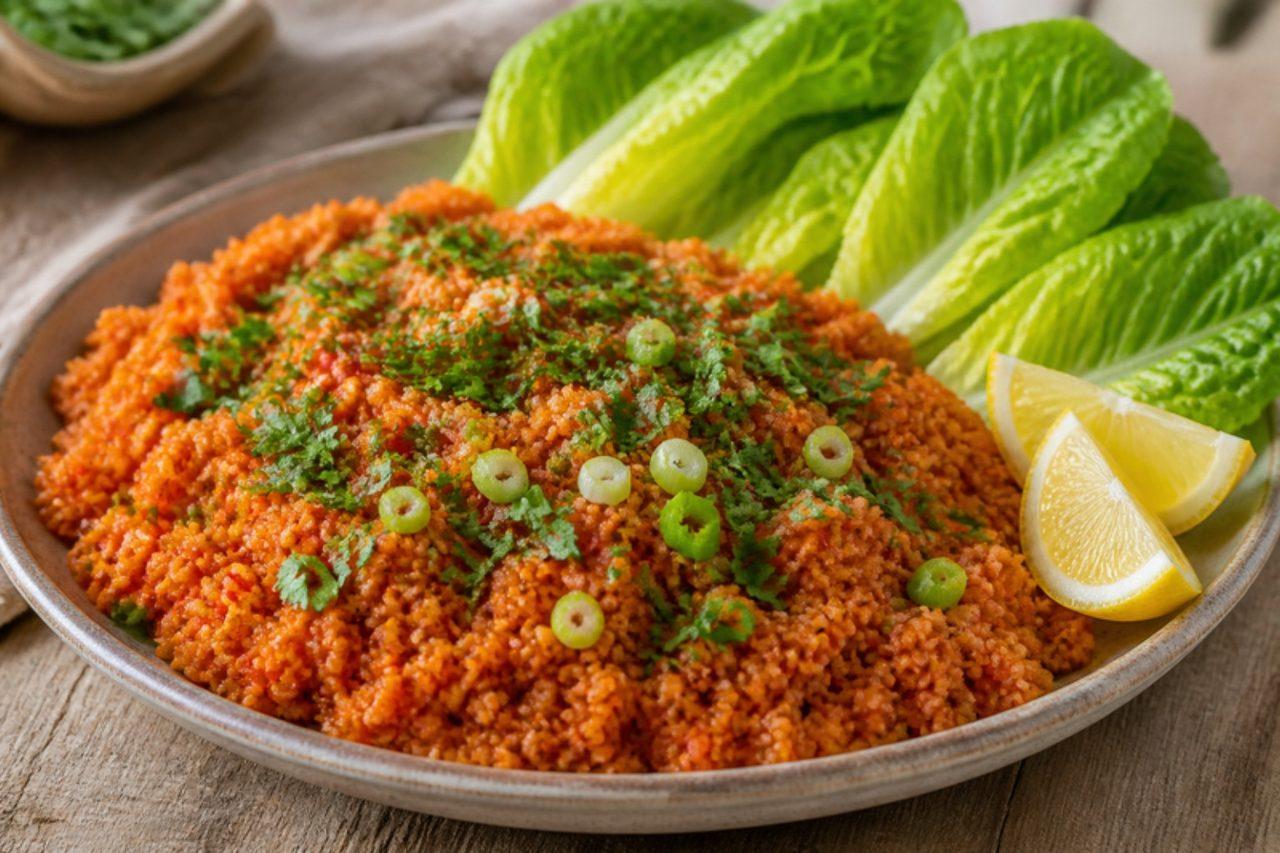
EetchBulgur in tomato and pepper

Eetch is a Western Armenian dish from the old Cilician towns, carried by families to Aleppo, Beirut and the Armenian quarters of American cities. Fine bulgur is stirred into a hot sauce of onion, red pepper, tomato and pepper paste and left to drink it up, then finished with lemon, parsley and spring onion and eaten at room temperature, often scooped up with lettuce leaves. Unlike a herb-heavy raw bulgur salad, eetch is cooked, so it is rich and tomatoey, and it is a fixture of Lenten tables, picnics and mezze spreads. It keeps for days, which makes it a favourite for lunchboxes. Chef's tip: take the pan off the heat before adding the bulgur and keep the lid on; the grains soften in the residual heat and stay separate instead of turning to porridge.

by KrazyBadal 0 views

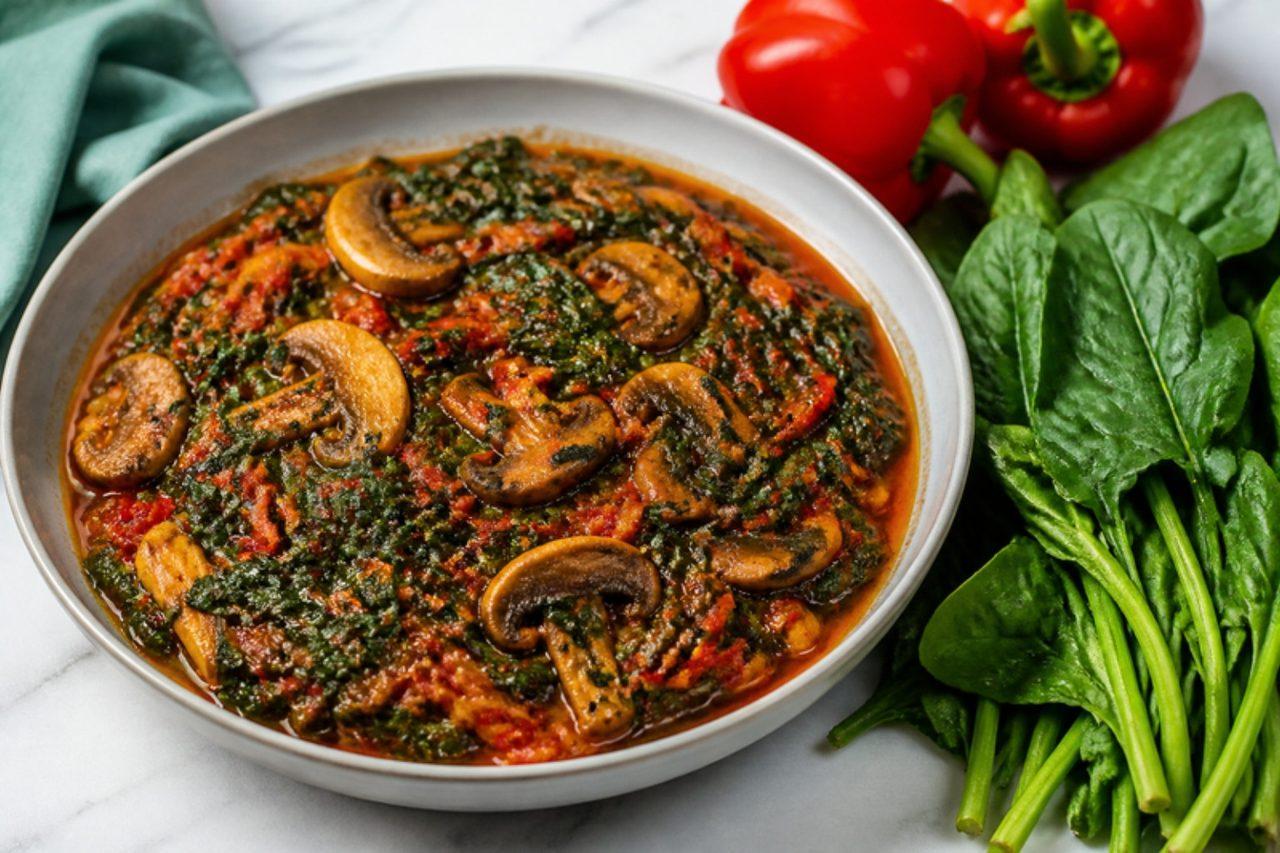
Efo riroSpinach stew

Efo riro, literally 'stirred greens', is the Yoruba vegetable stew cooked in homes from Ibadan to Lagos on any ordinary weekday, and eaten with pounded yam, eba or plain rice. Leafy greens are wilted into a rich base of blended peppers fried in palm oil with iru, the pungent fermented locust beans that give the dish its savoury backbone. Most families add assorted meats, stockfish and crayfish; some keep a little smoked fish on the side for those who want it. This version leans on mushrooms, iru and a touch of smoked paprika instead. Chef's tip: squeeze the blanched greens really dry before they go into the sauce; wet spinach thins the stew and washes out the flavour.

by KrazyBadal 0 views

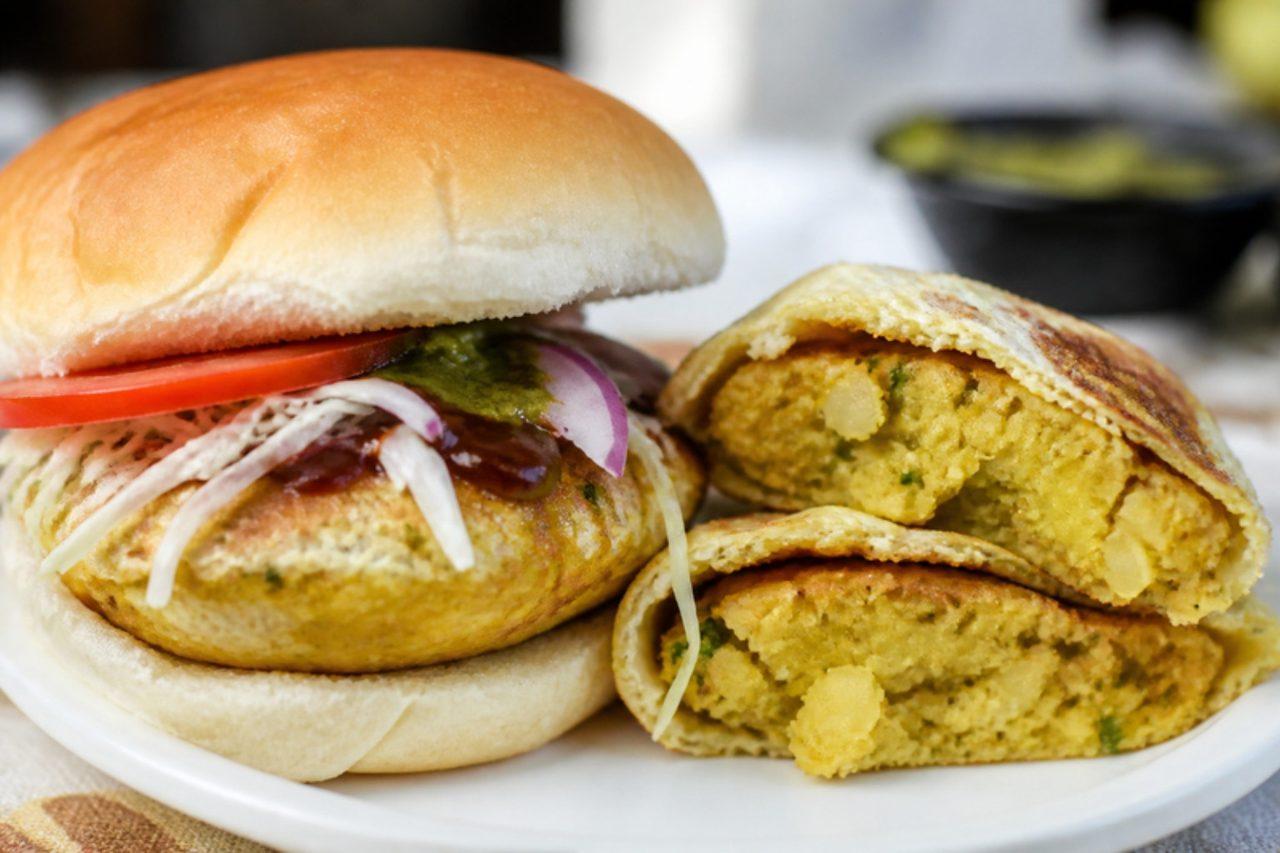
Bun kebabSpiced lentil and potato patty in a bun

Bun kebab is Karachi's own street burger, sold from carts on Burns Road and outside colleges from late afternoon into the night, each one fried to order on a huge flat tawa. The vegetarian version is the oldest: a soft patty of chana dal and potato spiced with cumin and chilli, dipped in beaten egg so it gets a lacy, golden coat, then tucked into a buttered bun with tangy tamarind chutney, green chutney, onion rings and shredded cabbage. It is messy, cheap and loved by children and grown-ups alike. Most people make the mixture too wet, and the patties fall apart in the egg; mash the dal and potato while dry and steamy, not with their cooking water. Chef's tip: toast the buns cut side down on the same tawa after the patties, so they pick up the spiced egg and butter.

by KrazyBadal 0 views

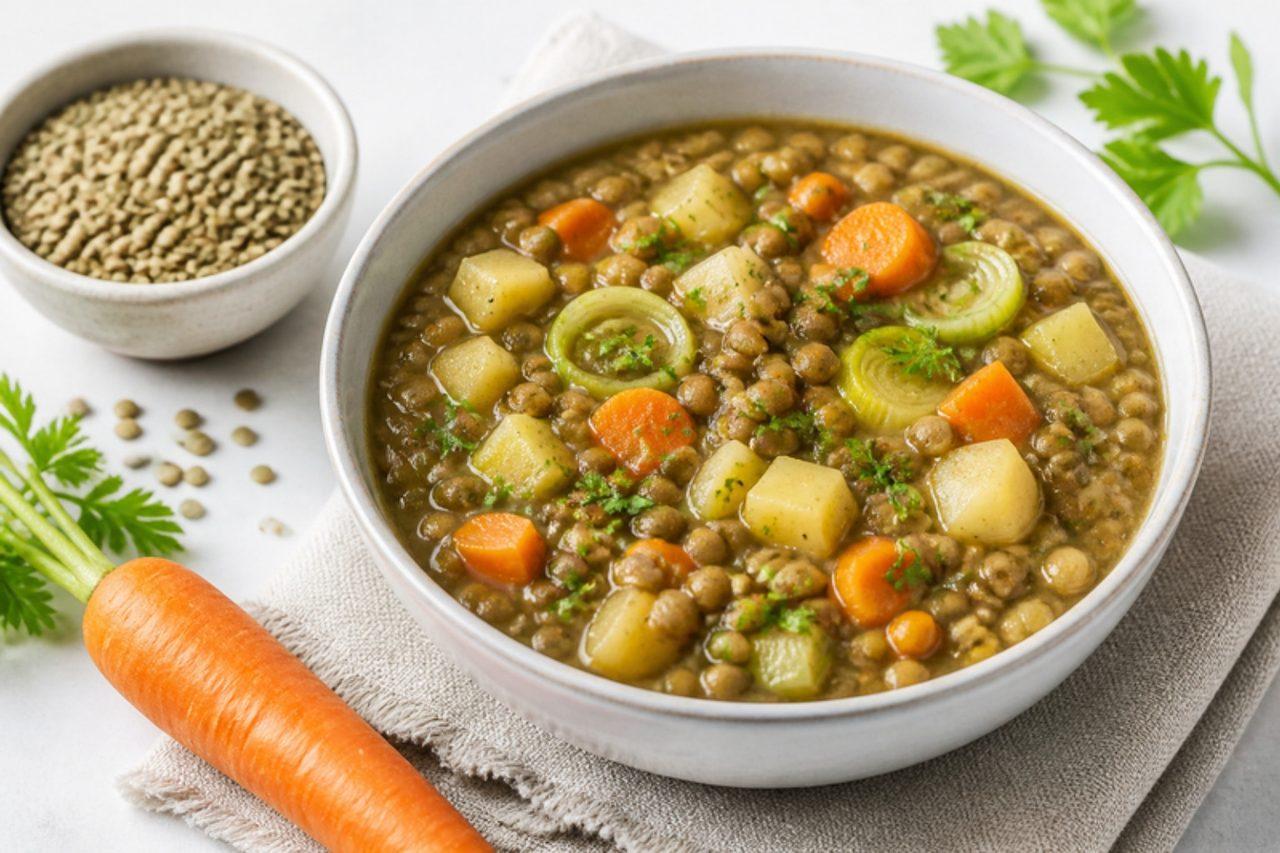
LinseneintopfLentil stew

Linseneintopf is the one-pot lentil stew that German families cook on cold weekdays, and in many school and works canteens it's still the Thursday or Saturday lunch. Brown lentils simmer with potatoes, carrots, celeriac and leek until thick and soft; the finishing touch, all over Germany, is a good splash of vinegar at the table, which wakes the whole bowl up. It's usually made with smoked sausage or bacon; here smoked paprika and vegetable stock give the smoky depth instead. Chef's tip: add the vinegar only at the end, because acid added early keeps the lentils hard.

by KrazyBadal 0 views

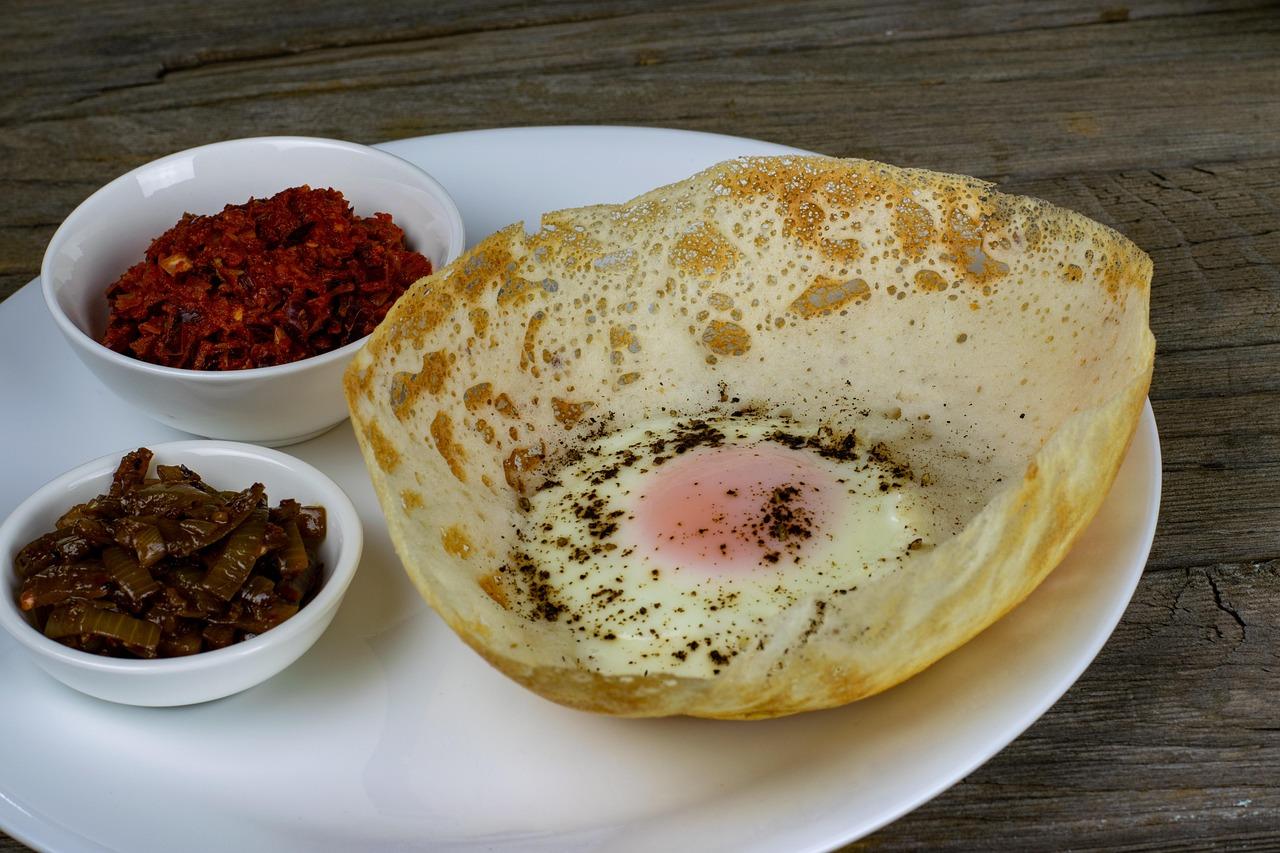
Egg hoppersBowl-shaped rice pancakes with egg

Hoppers (appa) are the crisp-edged, bowl-shaped pancakes that street cooks in Colombo, Kandy and Jaffna make in rows of small round pans every evening; an egg hopper has an egg cracked into the soft centre so it steams to a runny yolk. The batter of rice flour, coconut milk and yeast (traditionally toddy) is left to ferment until it's light and slightly sour, which gives the lacy, golden rim and the spongy middle. They're eaten hot with pol sambol and lunu miris, and plain hoppers come with sweet jaggery for dessert. Kerala's appam is a cousin, but Sri Lankan hoppers are thinner and crisper and the egg version is their own. The common mistake is a batter that's too thick, which gives heavy, pale hoppers; it should flow like single cream. Chef's tip: swirl the pan in one quick full turn the moment the batter goes in, then cover at once.

by KrazyBadal 0 views

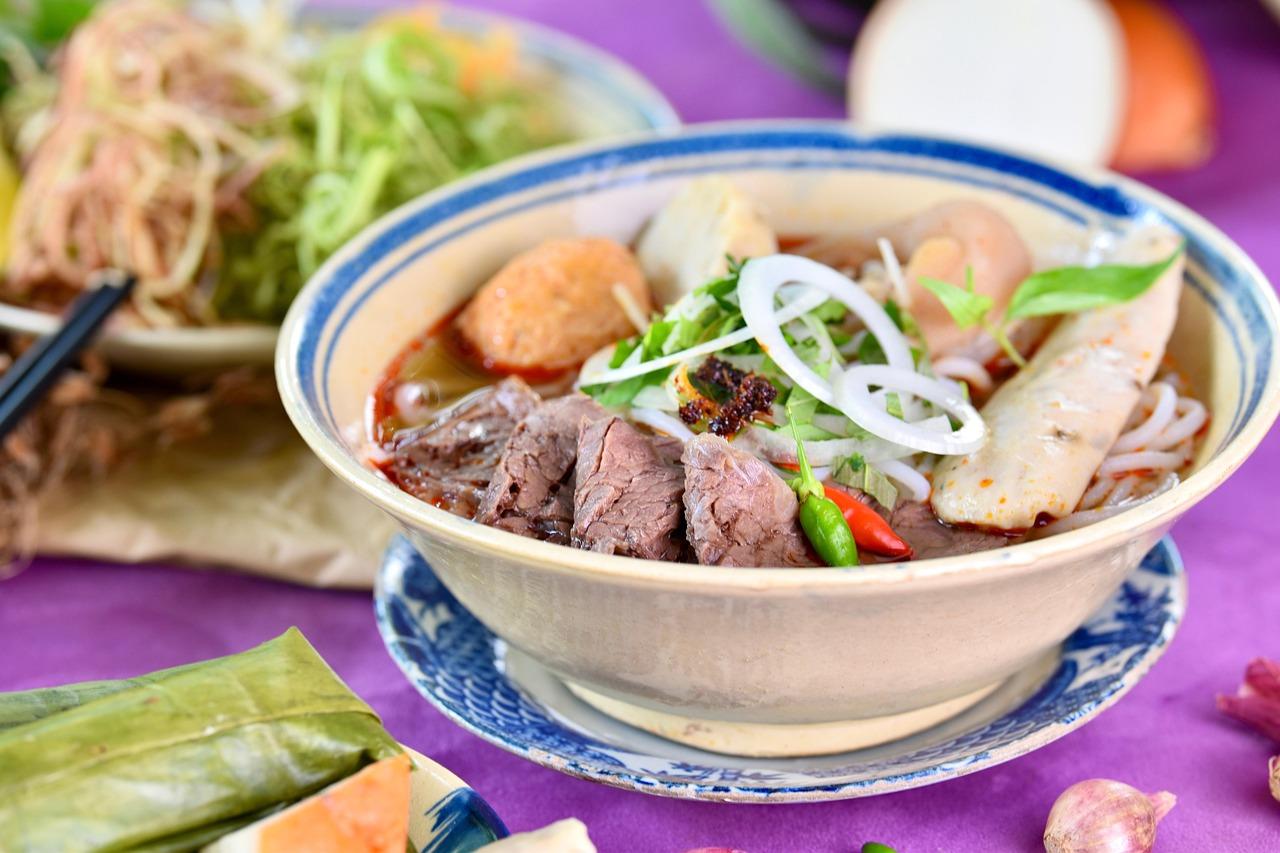
Bun bo HueSpicy beef noodle soup

Huế, once the seat of Vietnam's emperors, is known for food that is spicier and bolder than in the north or south, and this soup is the city's breakfast. Compared with pho it is louder in every way: the broth smells of lemongrass and fermented shrimp, it glows red with chilli oil, and the noodles are thick and round. Beef shank and slices of pork hock go in every bowl, often with pork roll, and it comes with a plate of mint, banana blossom and bean sprouts. Locals add pig's blood cubes too, which we leave out here. Chef's tip: bruise the lemongrass stalks hard with a rolling pin before they go in, so their oils flood the broth.

by KrazyBadal 0 views

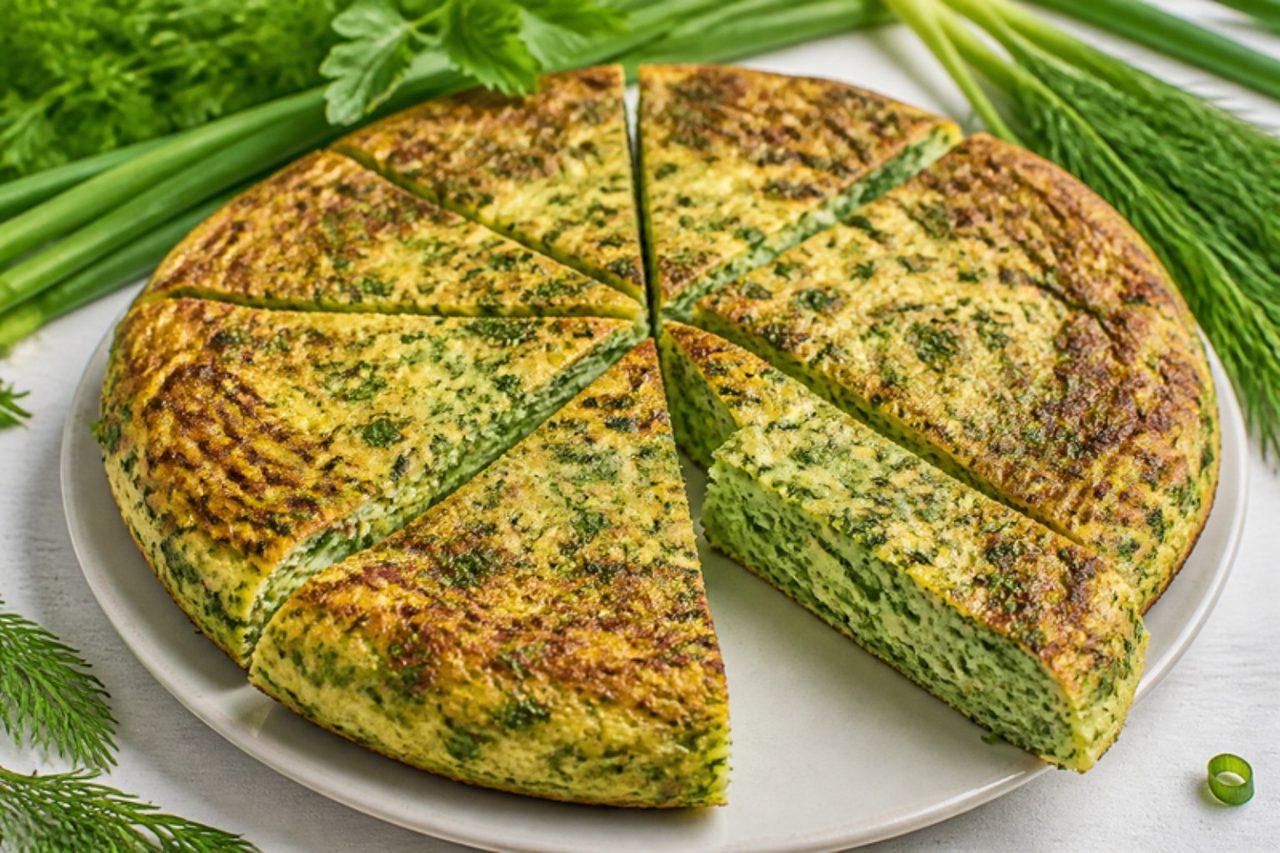
EggahHerb omelette

Eggah is the omelette Egyptian families make at home for breakfast or a light supper, often on a Friday morning alongside ful, falafel, cheese and baladi bread. It is thick and set rather than folded, packed with spring onion, parsley and dill and warmed with cumin, and it's cooked slowly so it puffs and browns on both sides. Slice it into wedges and eat it hot from the pan or cold in a sandwich. Chef's tip: grate the onion and squeeze it dry; wet onion makes the eggs weep and the eggah falls apart when you flip it.

by KrazyBadal 0 views

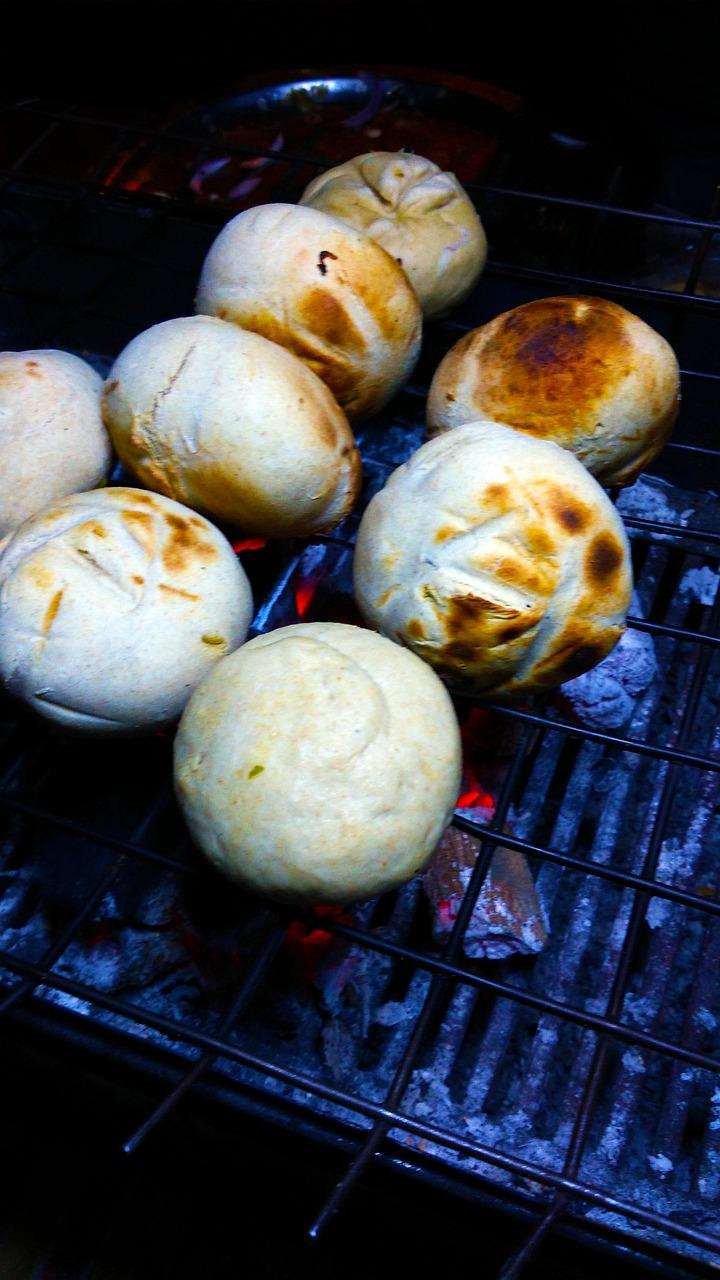
Litti chokhaStuffed wheat balls with mashed vegetables

Litti chokha is Bihar's signature meal, cooked on street corners and at village gatherings over smouldering embers. Litti are rustic wheat balls stuffed with sattu (roasted gram flour) sharpened with garlic, ginger, mustard oil and pickle masala; they bake until crusty outside and crumbly inside. Chokha is a smoky mash of fire-roasted aubergine, potato and tomato with raw mustard oil and green chilli. Together they are filling, protein-rich and deeply savoury. Many Biharis dunk hot litti in melted ghee; for a vegan plate, brush them with mustard oil instead. Chef's tip: roast the aubergine and tomatoes right on a gas flame until the skins are black all over; that charring is the whole flavour of chokha.

by KrazyBadal 0 views

Empanadas de humitaCreamy corn empanadas

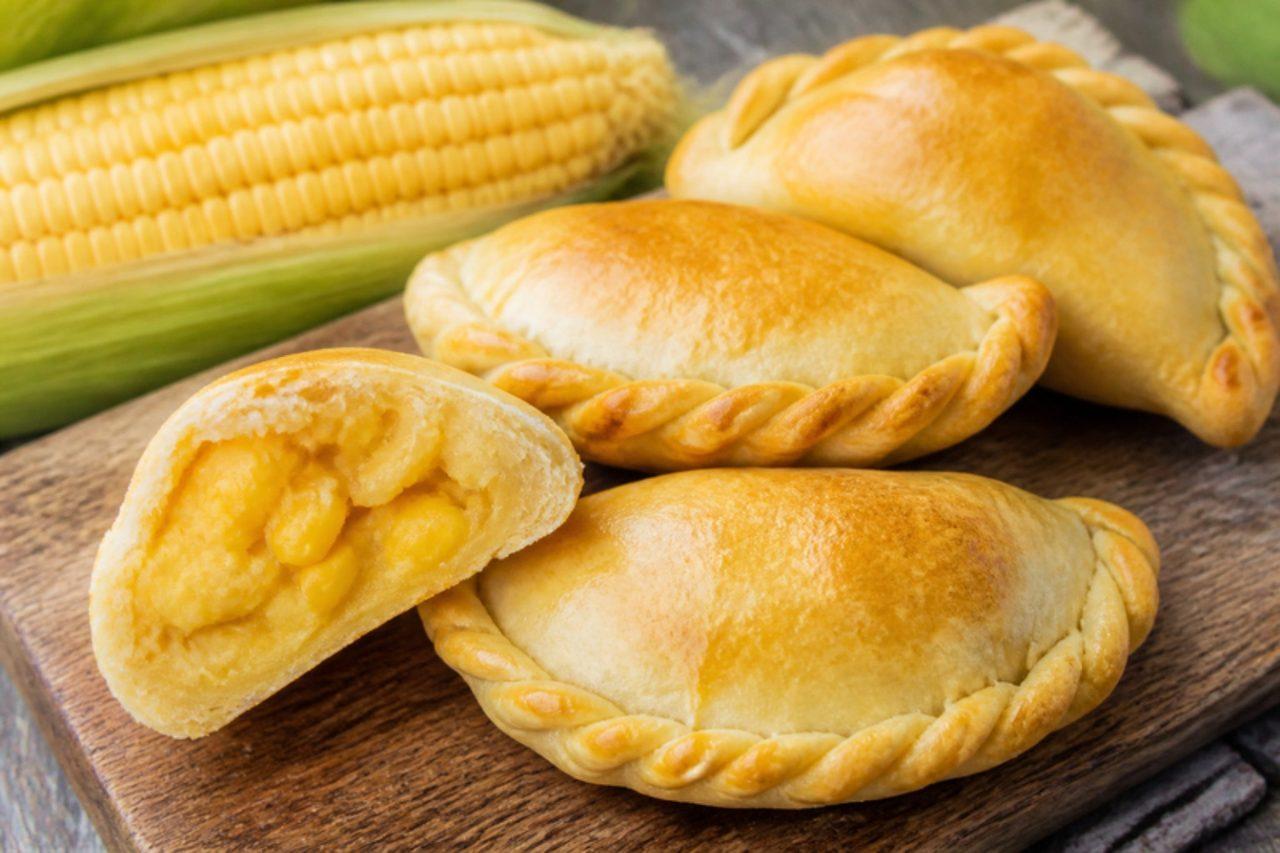
Empanadas de humita are the vegetarian favourite at every Argentine empanada shop, from Tucumán, which claims the best empanadas in the country, to the delivery menus of Buenos Aires. The filling is sweetcorn and onion cooked with red pepper, nutmeg and a little white sauce until creamy, then folded into wheat pastry discs and closed with the twisted edge (repulgue) that tells you what's inside. Unlike the husk-wrapped humita en chala, these are baked and golden. Chef's tip: chill the filling until firm before filling; warm filling melts the pastry and the empanadas open in the oven.

by KrazyBadal 0 views

LlajwaTomato and chilli salsa

No Bolivian table is set without llajwa, the fiery, bright salsa that goes on soups, potatoes, cheese empanadas and anything grilled. In La Paz and Cochabamba it's ground on a batán, a flat grinding stone with a rocking stone on top, which crushes tomatoes and locoto (a fleshy, very hot chilli) into a rough, juicy sauce. The signature herb is quirquiña, with a smell somewhere between coriander and rocket. Chef's tip: no stone? Pound in a mortar or pulse briefly; a blender whips in air and turns llajwa pink and foamy.

by KrazyBadal 0 views

LlapingachosPotato cheese patties

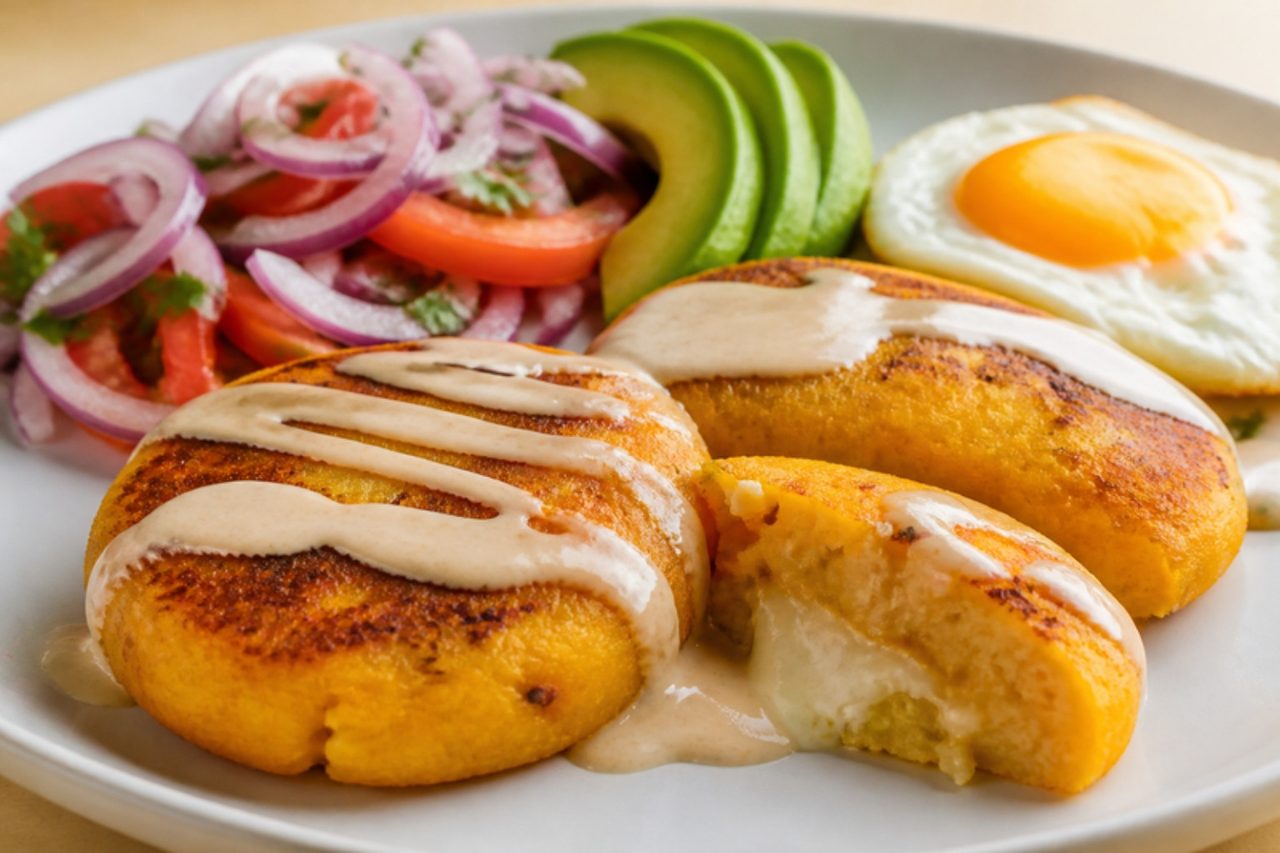
Llapingachos come from the central highlands of Ecuador, especially Ambato and the markets of Riobamba, where women fry them by the dozen on huge round griddles. The patties are mashed potato coloured with achiote, stuffed with cheese and spring onion, and browned until crisp. A full plate adds peanut sauce, a lime-dressed onion and tomato salad, avocado and a fried egg (the market version also includes chorizo, left out here). Chef's tip: chill the shaped patties for 30 minutes; cold patties hold their shape and get a better crust.

by KrazyBadal 0 views

Arroz rojoMexican red rice

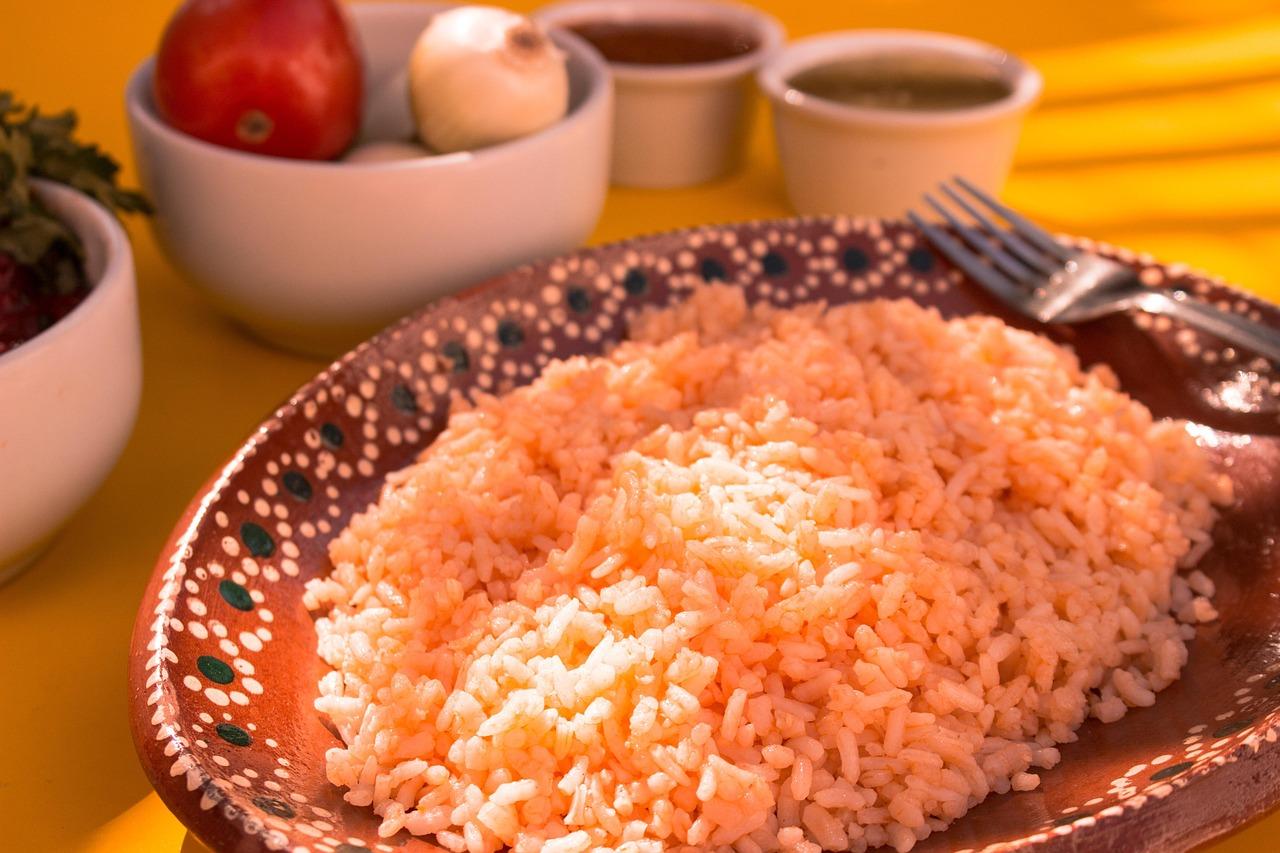
Arroz rojo (also called arroz a la mexicana) is the rice served beside almost everything in Mexico, from enchiladas to beans to a fried egg. Long-grain rice is fried in oil until golden, then simmered in a blended tomato, onion and garlic broth until every grain is separate, tender and tinted orange-red. Diced carrot and peas add colour and sweetness, and a whole chilli in the pot gives a gentle warmth without heat. Made with vegetable stock it is vegan and a favourite with children. Chef's tip: rinse the rice until the water runs clear and let it dry well before frying; wet rice won't toast and turns out sticky.

by KrazyBadal 0 views

LobianiBean-filled bread

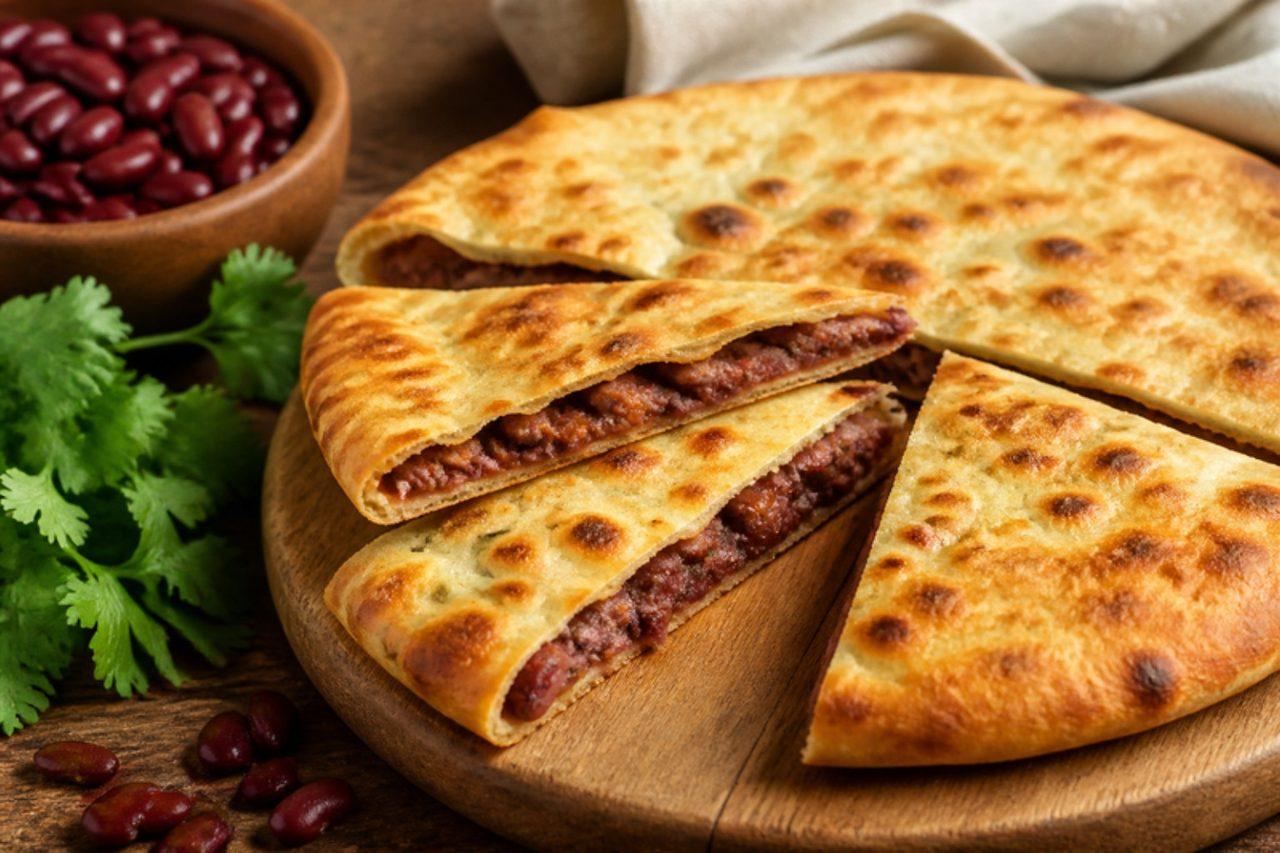
Lobiani is a round bread stuffed with spiced mashed kidney beans, and in Georgia it belongs above all to Barbaroba, St Barbara's Day on 17 December, when households across the country bake it for neighbours and guests. In the highland region of Racha it is often made with ham; this is the plain bean version that is also baked through Orthodox Lent, so the dough here is made with water and oil and the whole bread is vegan. The filling is soft and peppery with coriander and blue fenugreek, and the crust is thin and chewy. A common mistake is making the bean filling too wet, which turns the dough soggy and makes it burst: the mash should hold its shape on a spoon. Chef's tip: fry the onion for the filling until properly golden, not just soft; its sweetness is what makes the beans taste of something.

by KrazyBadal 0 views

LobioRed bean stew

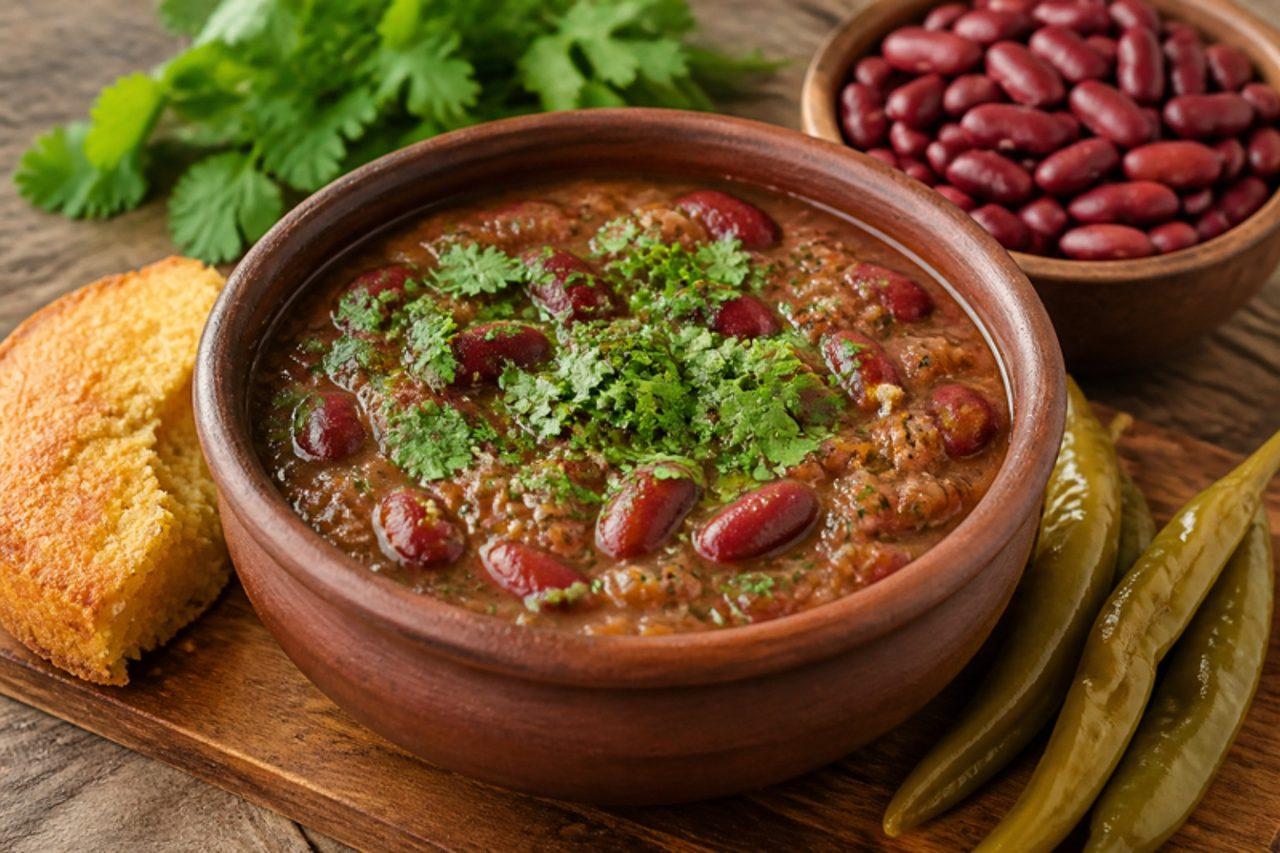
Lobio simply means beans, and in Georgia it means this thick, herb-scented stew of red kidney beans, cooked and served in a clay pot (a ketsi or kotani). In Imereti and Racha it is everyday winter food and a mainstay of the Lenten table, eaten with hot mchadi, pickled cabbage or green chillies and a spoon of tkemali. Some of the beans are crushed so the stew turns creamy while the rest stay whole. A common mistake is mashing everything to a purée; crush only about a third. Raw kidney beans must also boil hard for 10 minutes before simmering, or they can make you ill. Chef's tip: stir in the fresh coriander and garlic only at the end, off the heat, so they stay bright and sharp against the soft beans.

by KrazyBadal 0 views

Moksi alesiMixed rice with salted meat

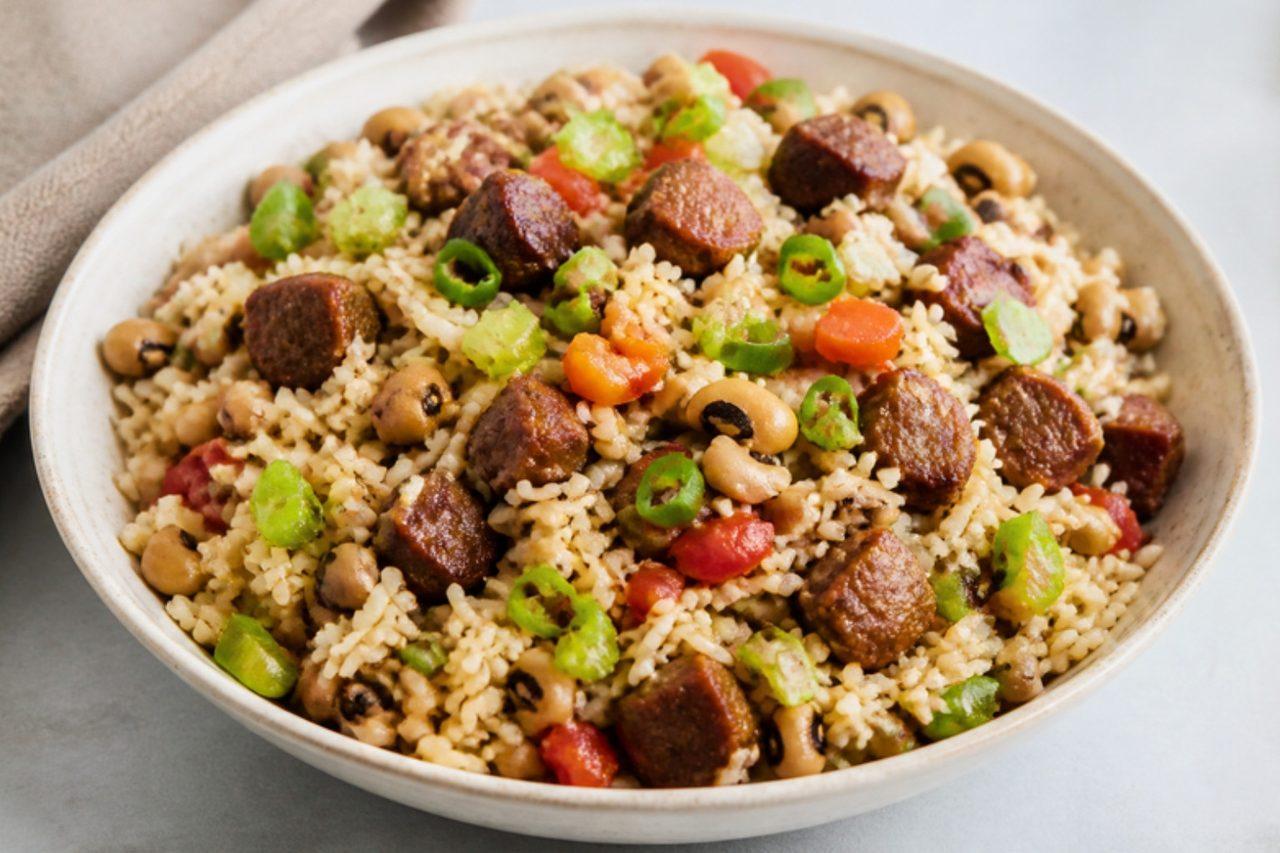
Moksi alesi, "mixed rice" in Sranan Tongo, is a weekday one-pot from Paramaribo's Creole kitchens: rice cooked with salted meat or salt fish, black-eyed beans, coconut milk, onion, celery and hot pepper, until the grains are soft and full of flavour. It is cooked when there's little time but a full pot is needed. This version uses salted pork; it contains pork. The mistake is not soaking the salted meat, which makes the rice far too salty; soak it, then boil it first. Chef's tip: smoked turkey or salt beef works in place of pork.

by KrazyBadal 0 views

Locro argentinoCorn, bean and meat stew

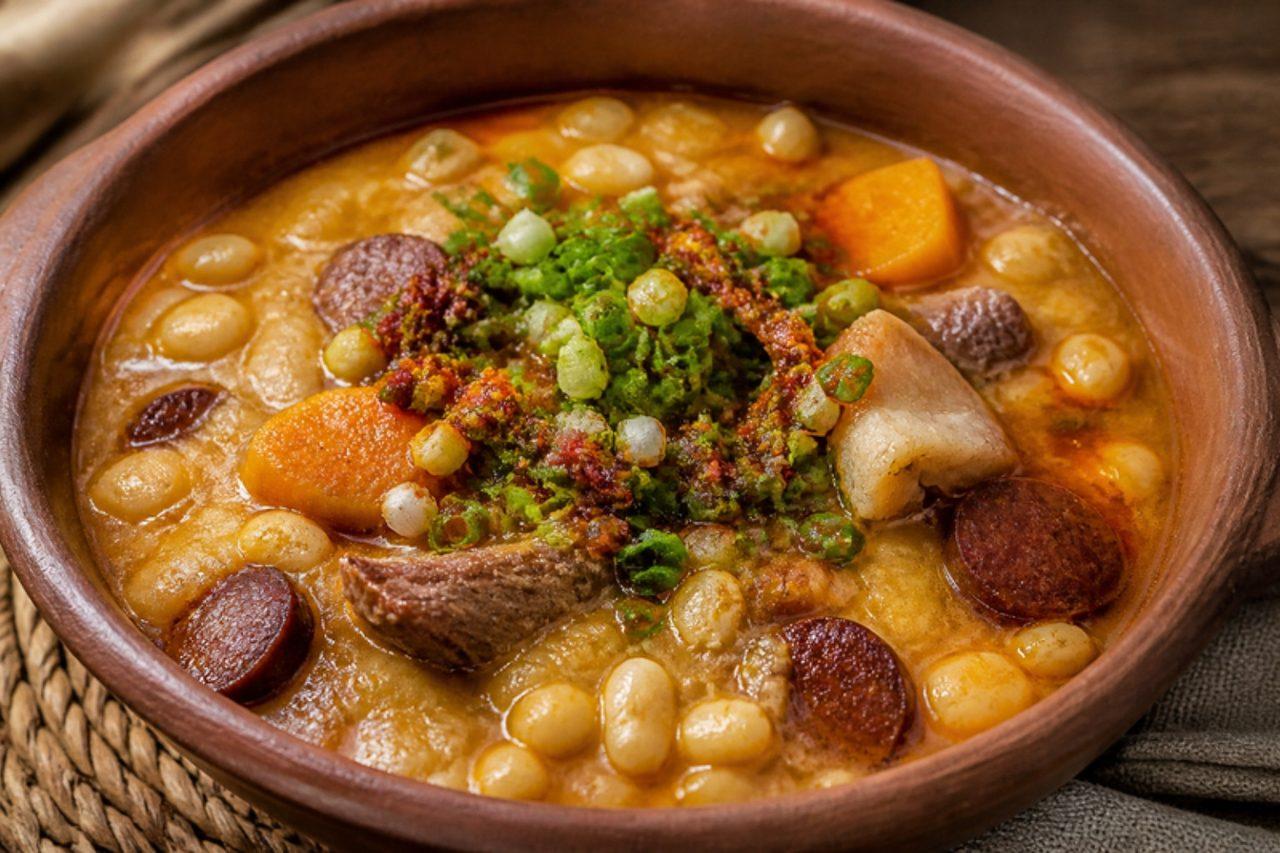
Locro comes from the Andean northwest, from Salta, Jujuy and Tucumán, and today the whole country eats it on 25 May and 9 July, the two national holidays, when it simmers in huge pots at clubs and church halls. Dried white corn, white beans and squash cook down with beef, pork belly and chorizo into a stew so thick a spoon stands up in it. This is a pork dish. It is topped with quiquirimichi, a red oil of paprika, chilli and spring onion. The classic mistake is not soaking the corn and beans overnight; without it they never soften. Chef's tip: stir often in the last hour, scraping the bottom, as the squash breaks down and the locro catches easily.

by KrazyBadal 0 views

Locro de papaPotato and cheese soup

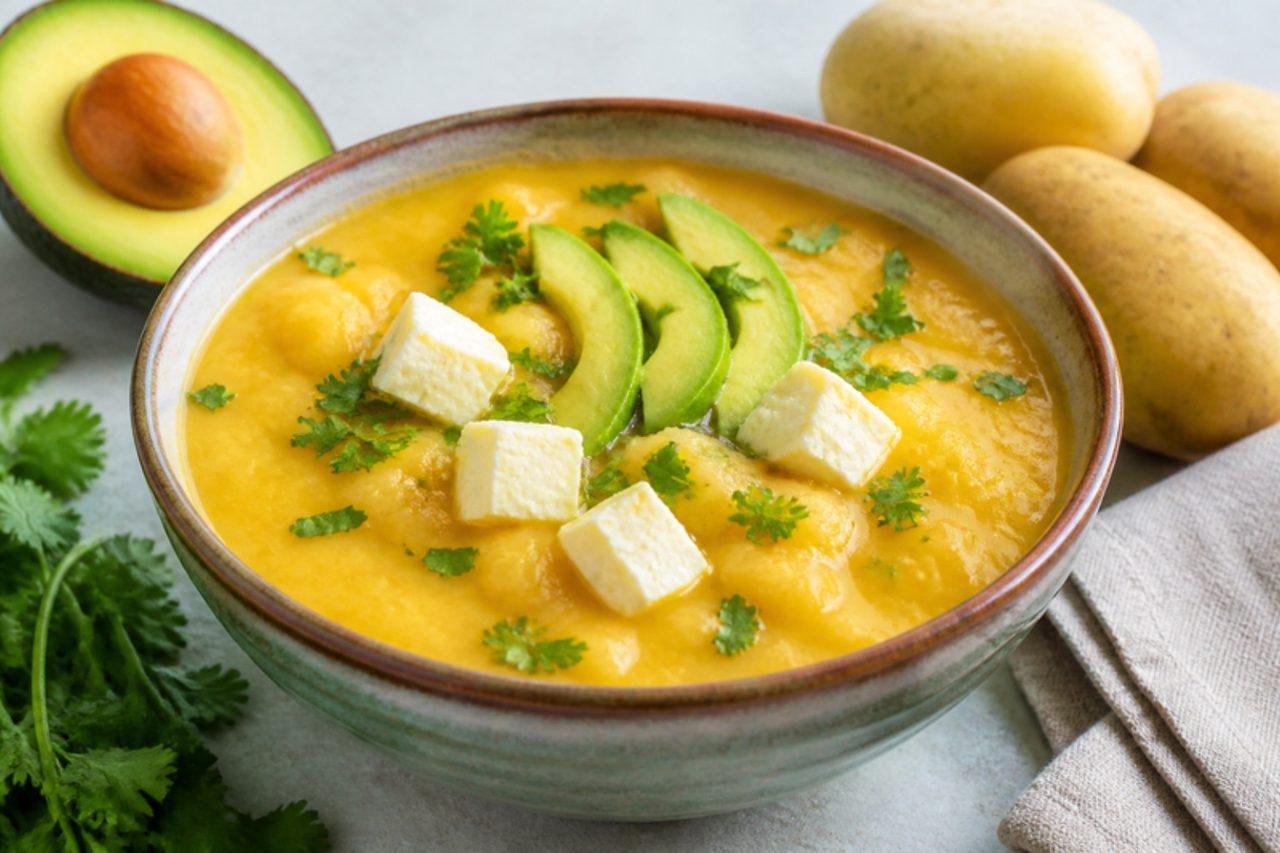
Locro de papa is Quito's comfort soup, eaten on cold afternoons in the Andean highlands where nights drop near freezing. Potatoes are cooked until half of them dissolve into a thick, achiote-tinted broth, then finished with milk and cubes of fresh cheese that soften into strings. Bowls are crowned with avocado slices and served with ají (chilli sauce) on the side. Ecuador uses two potatoes, a floury one to thicken and a waxy one to hold its shape. Chef's tip: add the cheese off the heat; it should soften and go stretchy, not melt into an oily layer.

by KrazyBadal 0 views

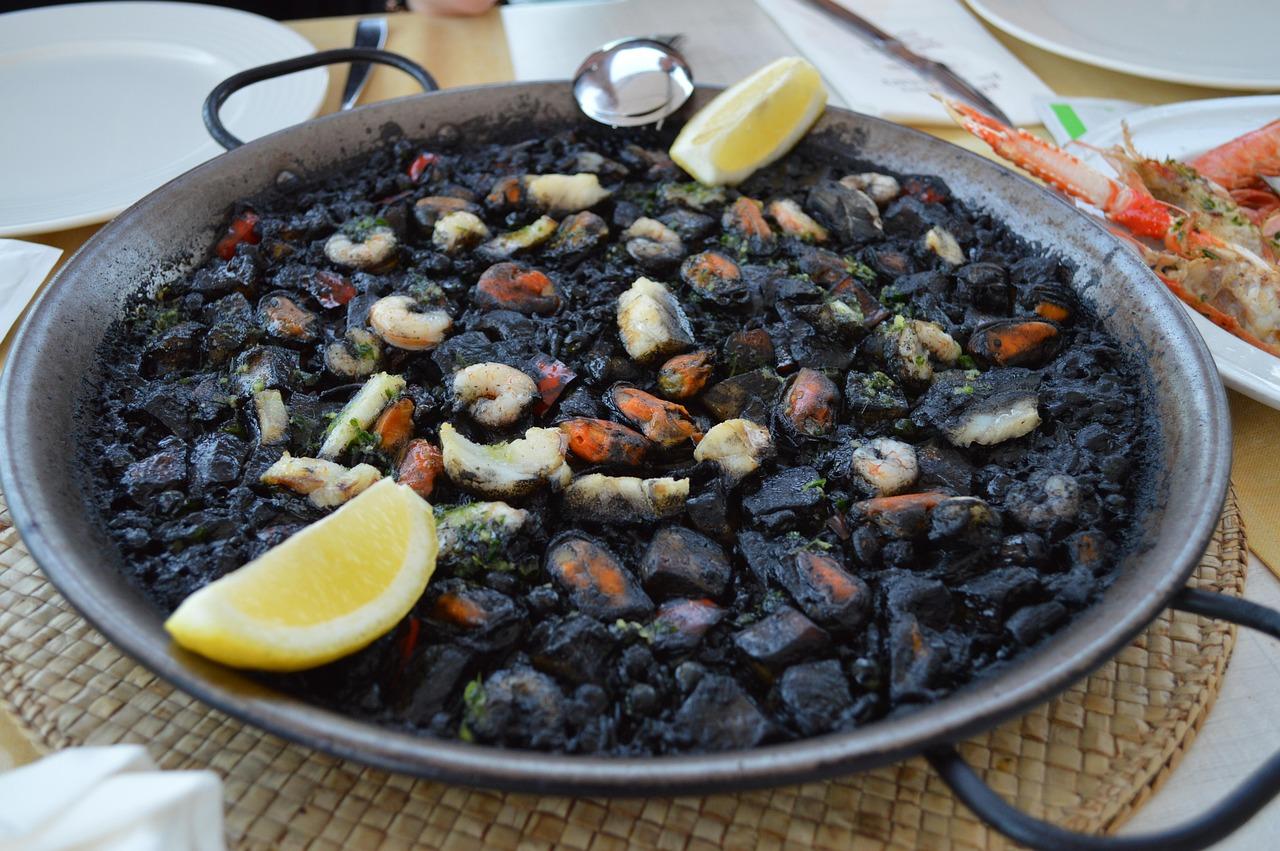
Arroz negroBlack rice with squid ink

Along the coast from Valencia up to the Costa Brava, arroz negro (arròs negre in Catalan and Valencian) is a seafront restaurant favourite, ordered for the table at lunchtime and brought out in its pan. Squid and its ink turn the rice glossy black and give it a deep taste of the sea, and every forkful gets a dab of garlicky all-i-oli. This version uses the traditional egg-free all-i-oli, just garlic, oil and salt pounded together; if you'd rather make the easier egg version, use a pasteurised egg, and note that raw egg is not suitable for pregnant women, young children, older people or anyone with a weakened immune system. Chef's tip: buy squid ink in sachets or small jars from a fishmonger or Spanish deli; the ink sac inside a whole squid is far too small to colour a whole pan.

by KrazyBadal 0 views

Showing 45 of 10,569 recipes

Show more recipes

Page 1,022 of 1,175