


Skip to content
Singapore Hokkien prawn mee
Featured recipe

Singapore Hokkien prawn mee

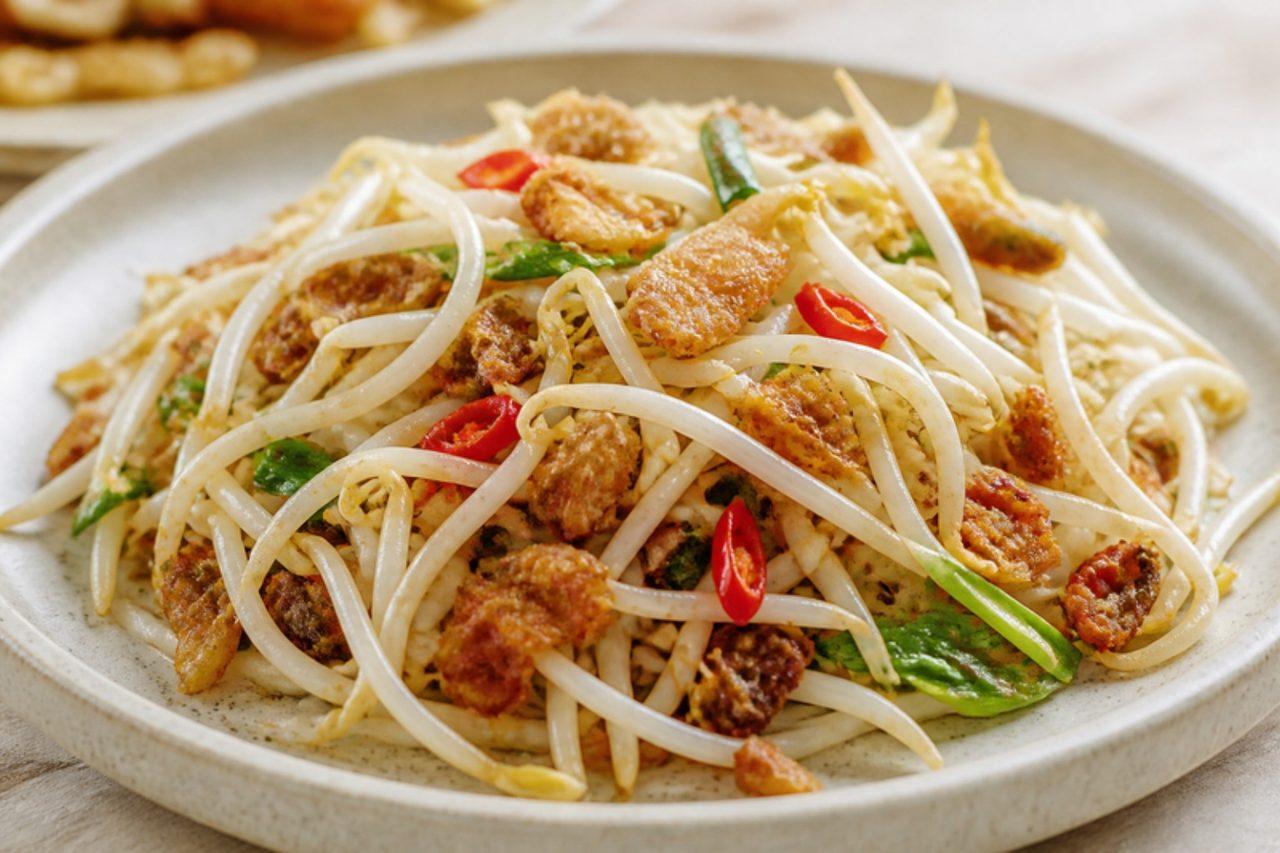
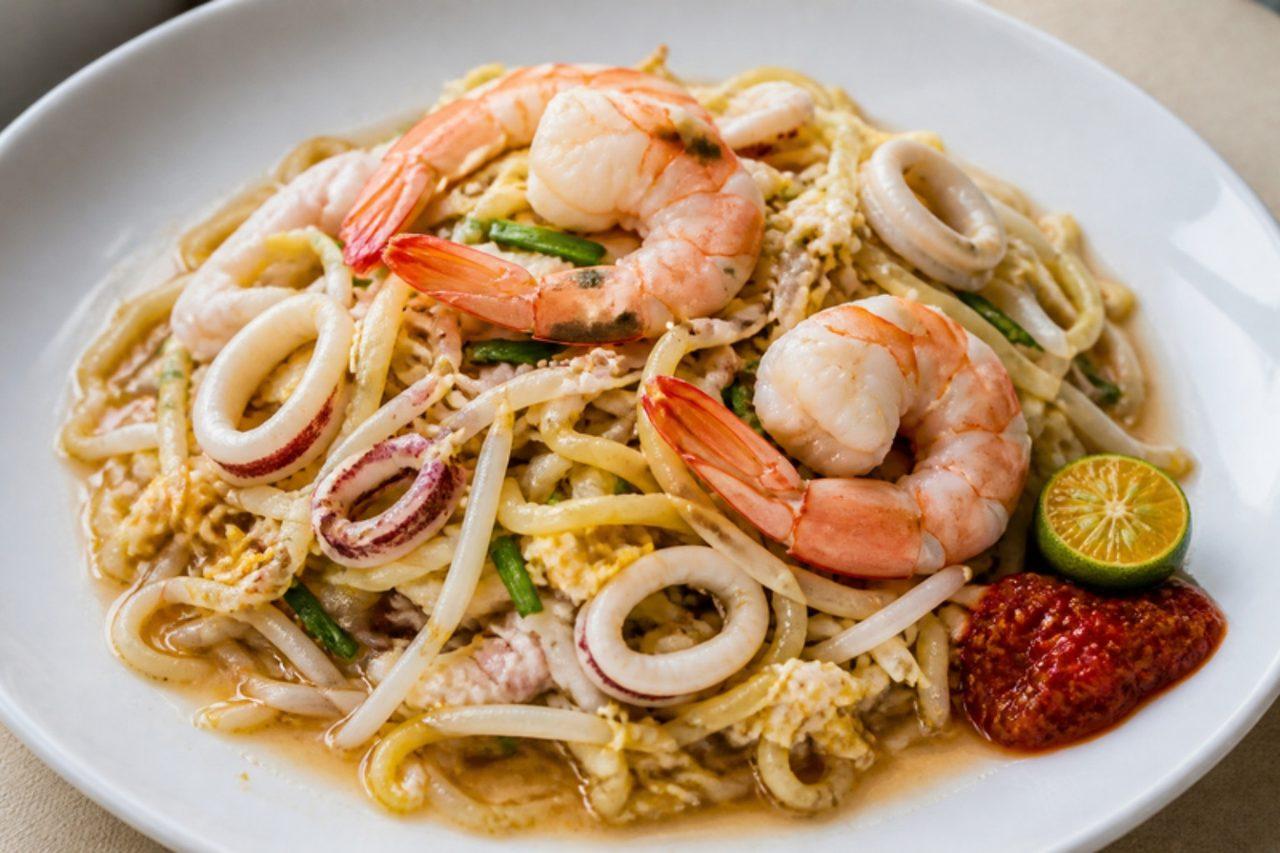
Singapore's Hokkien mee is nothing like the dark, soy-coated noodles of Kuala Lumpur: here yellow egg noodles and thick rice vermicelli are fried with egg, then braised in a cloudy, intensely savoury stock made from prawn heads and shells until the noodles soak it up and stay just wet. Hawkers at Old Airport Road and Geylang serve it with lime and fiery sambal belacan on a square of paper or opeh leaf. It is a late-lunch or supper dish, eaten hot from the wok. Traditional versions use pork belly and pork lard; this one uses prawns and squid only, with vegetable oil. The common mistake is adding all the stock at once, which makes it soupy; add it in two goes and let the noodles drink it. Chef's tip: fry the prawn heads hard until they turn deep orange before adding water; the stock is the whole dish.

Read more 0 views

What to eat today?

Around the world

Today's trip: Peruvian

A new country every day, from every cuisine on the site.

Peruvian

Tacacho

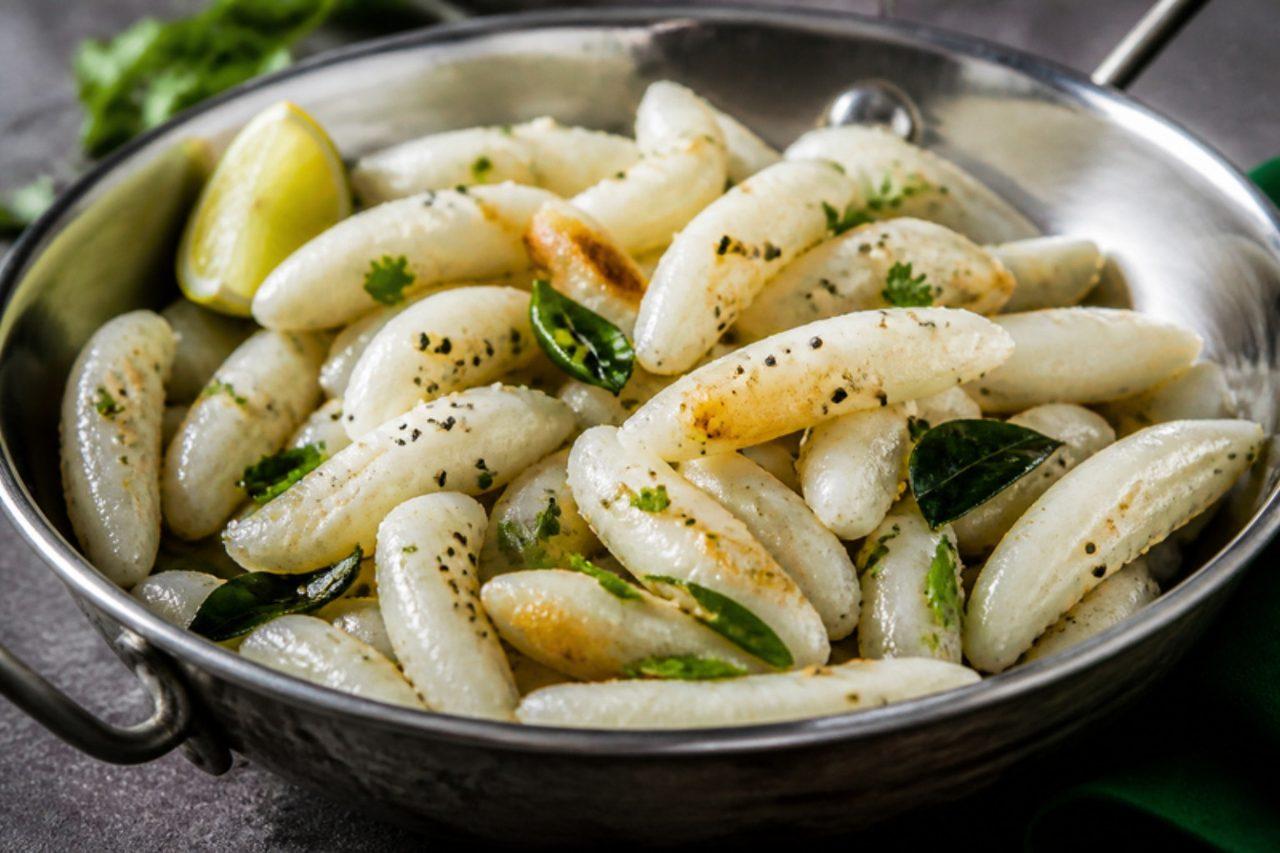
Mashed roasted green plantain balls 35 minMore from Peruvian (111) →

This week's collection

Kid-friendly dinners
772 recipes · a new collection every Monday

Coming up

All occasions →

Latest recipes

ChitrannaLemon rice

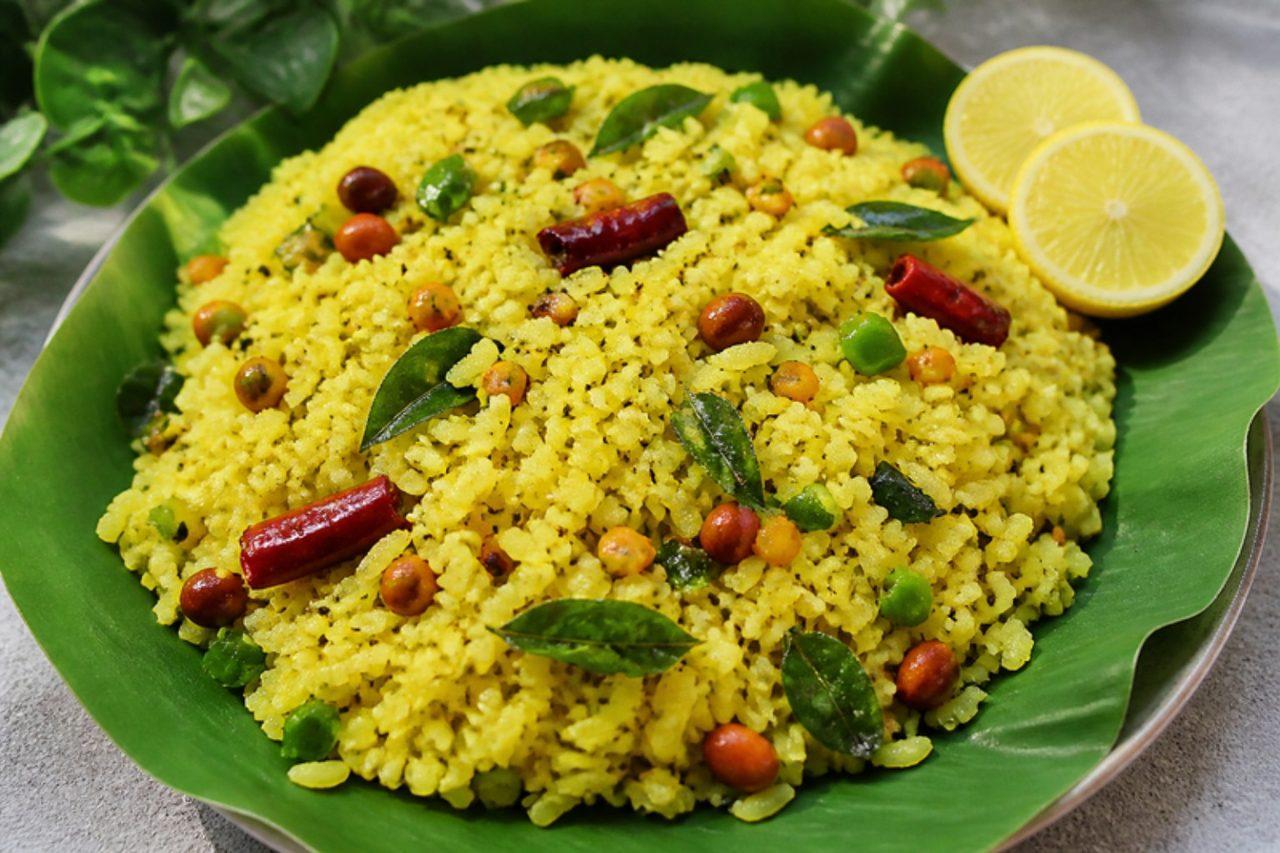
Chitranna, 'colourful rice', is the dish Karnataka mothers make when there is leftover rice and a school tiffin box to fill: cooked rice tossed in a yellow turmeric tempering with roasted peanuts, crunchy dals, green chilli, curry leaves and plenty of lemon. It appears at temple festivals as prasada, on train journeys wrapped in banana leaf, and on every Bengaluru darshini breakfast counter. It tastes even better an hour after it's made, when the lemon has soaked in. Tamil Nadu's elumichai sadam is a close cousin. Chef's tip: spread the rice out on a plate to cool before mixing; warm, steamy rice turns sticky and breaks when you toss it.

by KrazyBadal 0 views

Chocolat chaudThick hot chocolate

Paris's grand tearooms have served chocolat chaud since the 1800s, and it is nothing like a powdered cocoa drink: dark chocolate is melted into hot milk and cream until it is thick, glossy and rich enough to coat the cup. Parisians drink it in small cups on cold afternoons, often with a pot of whipped cream on the side and a pastry. It is also a winter treat at home after a walk. Use chocolate you'd enjoy eating. Chef's tip: keep the heat low and whisk; letting it boil is the common mistake and the chocolate can turn grainy and catch on the bottom.

by KrazyBadal 0 views

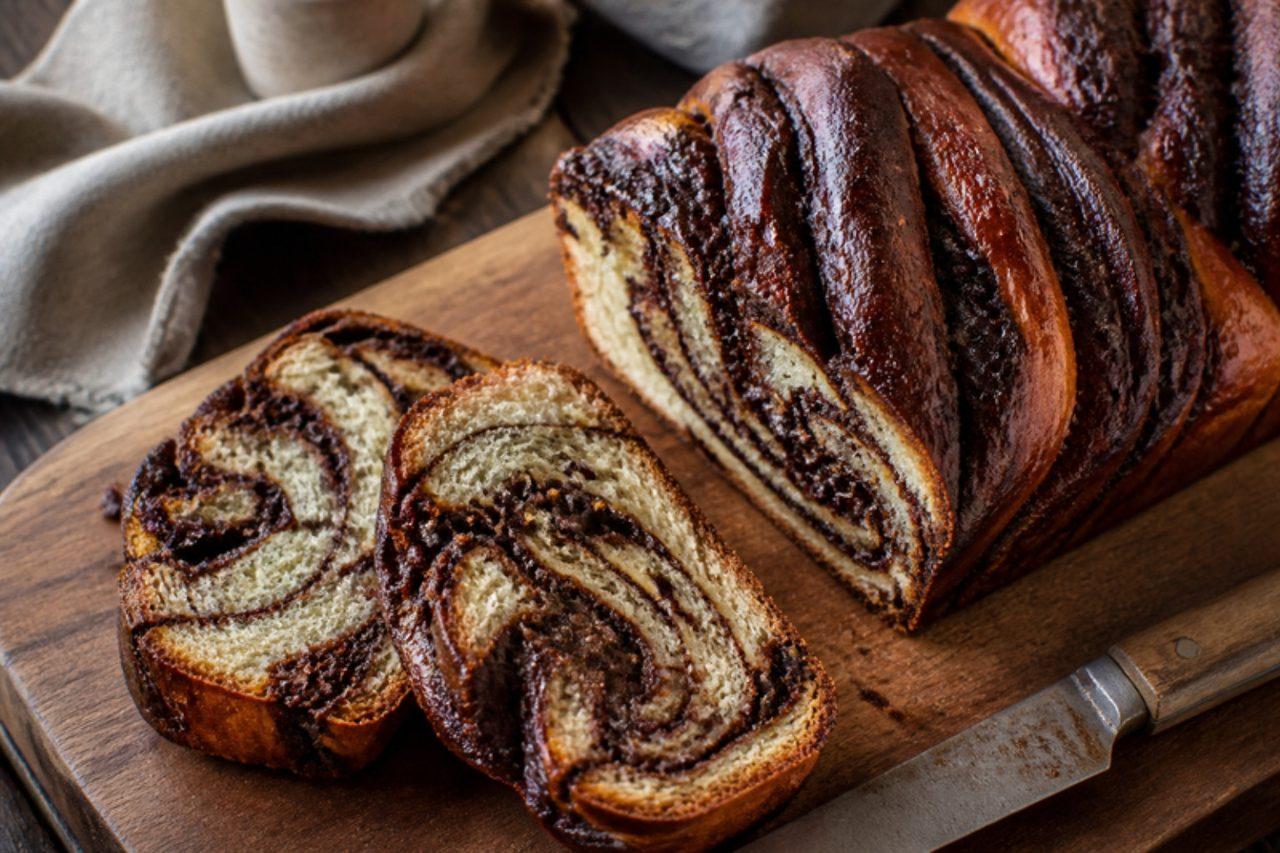
Chocolate babkaChocolate swirl loaf

Babka grew from the sweet yeasted breads of Polish and Ukrainian Jewish kitchens, and Tel Aviv and New York bakeries turned it into today's showpiece: a rich, buttery dough rolled around dark chocolate, cut open lengthways and twisted so the layers show, then soaked in syrup as it leaves the oven. Israelis buy it for Shabbat afternoon coffee, and a slice keeps its gooey layers for days. It takes time but little skill: an overnight chill makes the soft dough easy to roll. Chef's tip: chill the dough overnight; cold, firm dough rolls thin and twists cleanly instead of smearing the chocolate.

by KrazyBadal 0 views

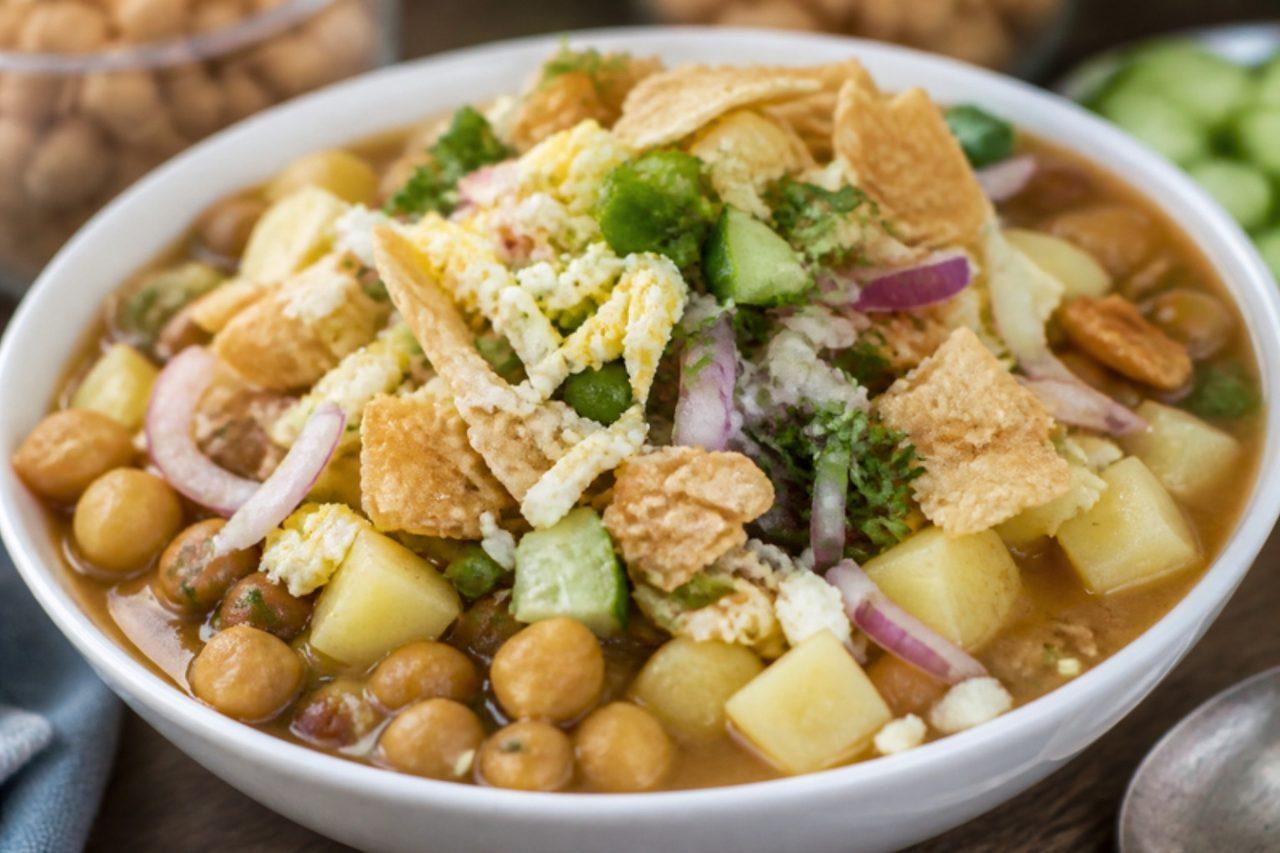
ChotpotiSpiced yellow pea snack

Chotpoti is what Dhaka eats at dusk: vendors ladle it from great brass pots at Dhanmondi Lake and outside every university gate, and during Ramadan it is a fixture of the iftar spread. Dried yellow peas (motor) are simmered with potato until soft and slightly soupy, then served warm under a shower of raw onion, green chilli, grated boiled egg, crushed fuchka shells, roasted cumin and plenty of sour tamarind water. Chef's tip: soak the peas overnight and cook them until some burst and thicken the liquid; chotpoti should be spoonable, halfway between a stew and a salad.

by KrazyBadal 0 views

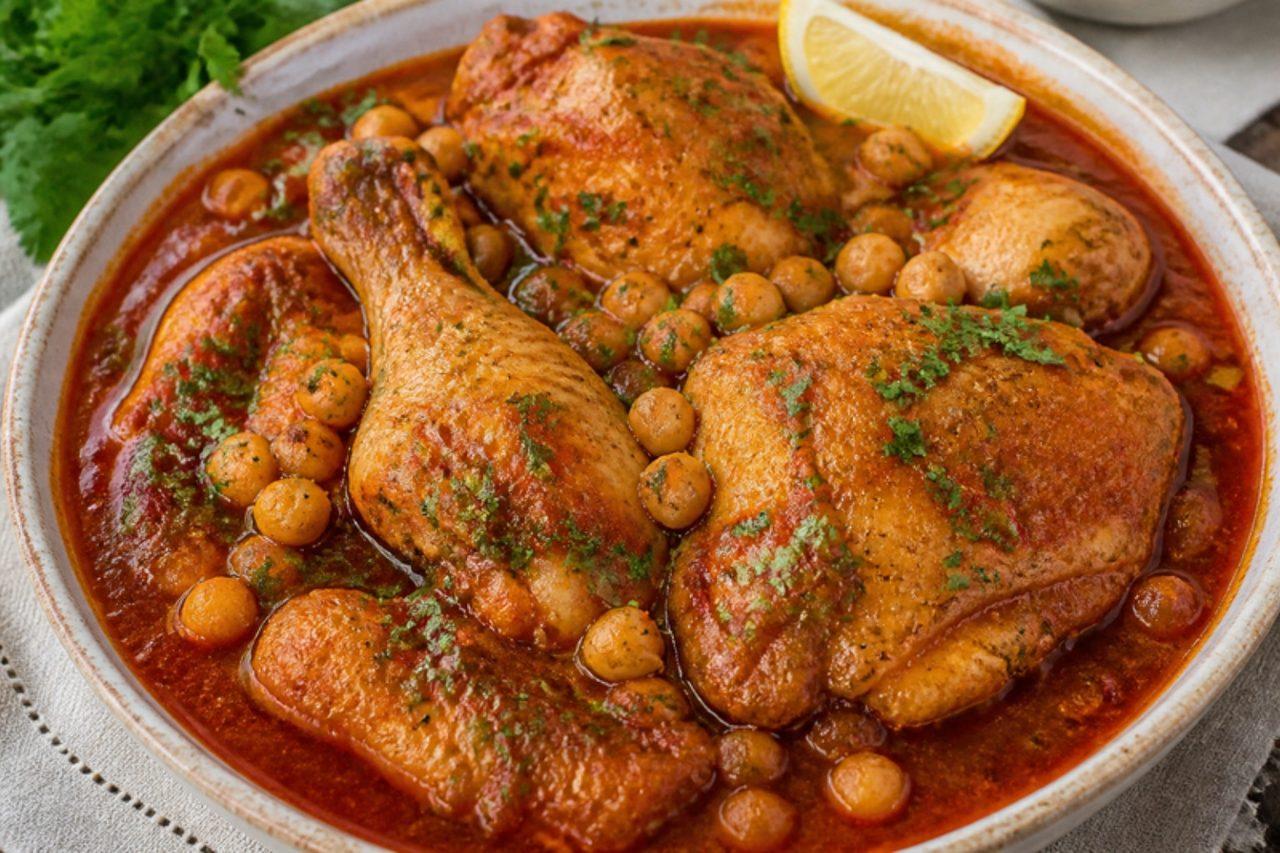
Chtitha djejChicken in paprika sauce with chickpeas

Chtitha djej is the everyday chicken of Algerian homes from Algiers to Constantine: chicken pieces simmered in a red sauce of paprika, cayenne, garlic and caraway with chickpeas, reduced until thick and clinging. It is mopped up with khobz or matlouh flatbread. The mistake is burning the garlic and paprika when they go into the oil, which turns the sauce bitter; keep the heat moderate and add water as soon as they smell toasted. Chef's tip: add a squeeze of lemon right at the end to brighten the spices.

by KrazyBadal 0 views

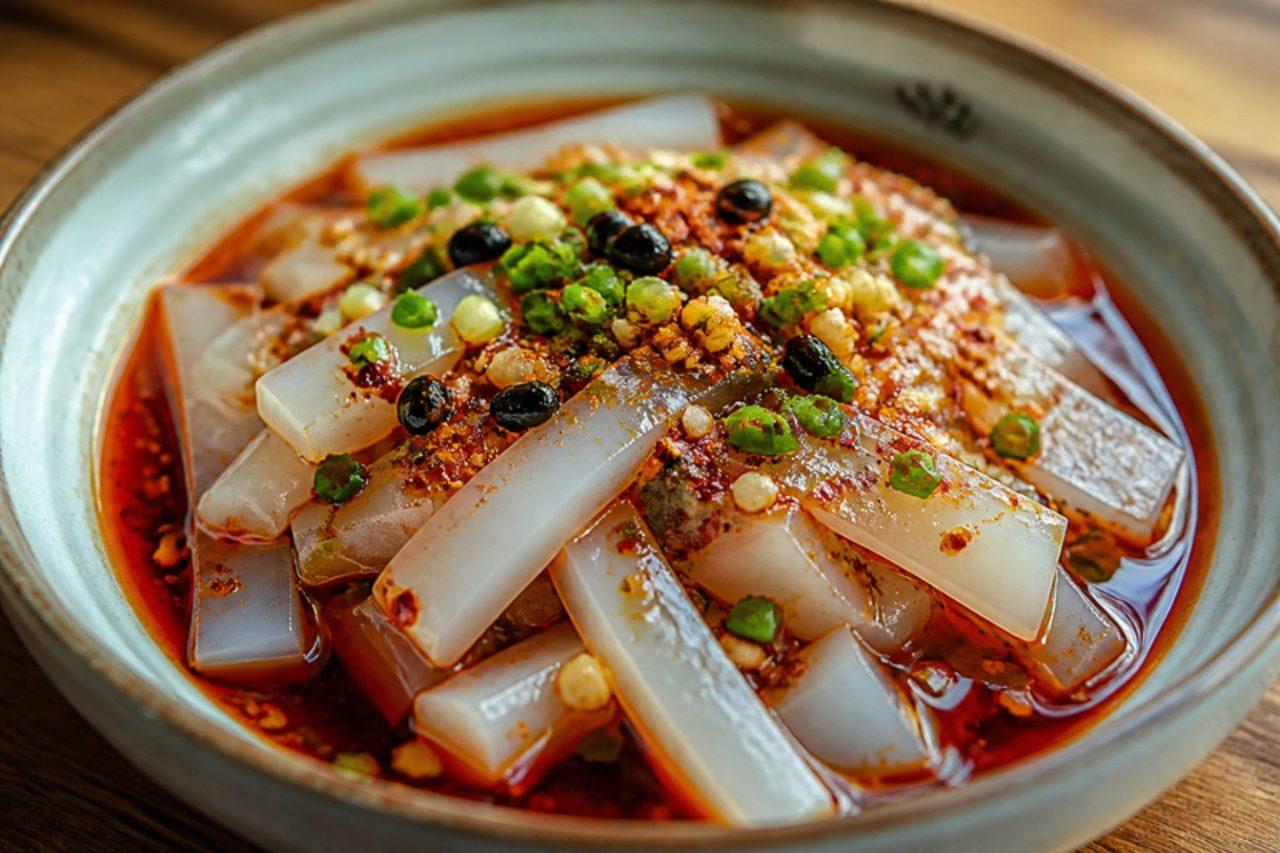
Chuanbei liangfenMung bean jelly in chilli oil

Nanchong, in the hills of north Sichuan, is famous for this snack: a soft, wobbly jelly set from bean starch, cut into thick ribbons and drowned in a red, glossy dressing. Street sellers keep it in big blocks and slice it to order, and people eat it as a mid-afternoon snack or a cold starter on hot days. The jelly itself tastes of almost nothing; the slippery texture and the punchy dressing are the point. Chef's tip: let the jelly set fully in the fridge, ideally overnight, so it is firm enough to cut cleanly but still trembles.

by KrazyBadal 0 views

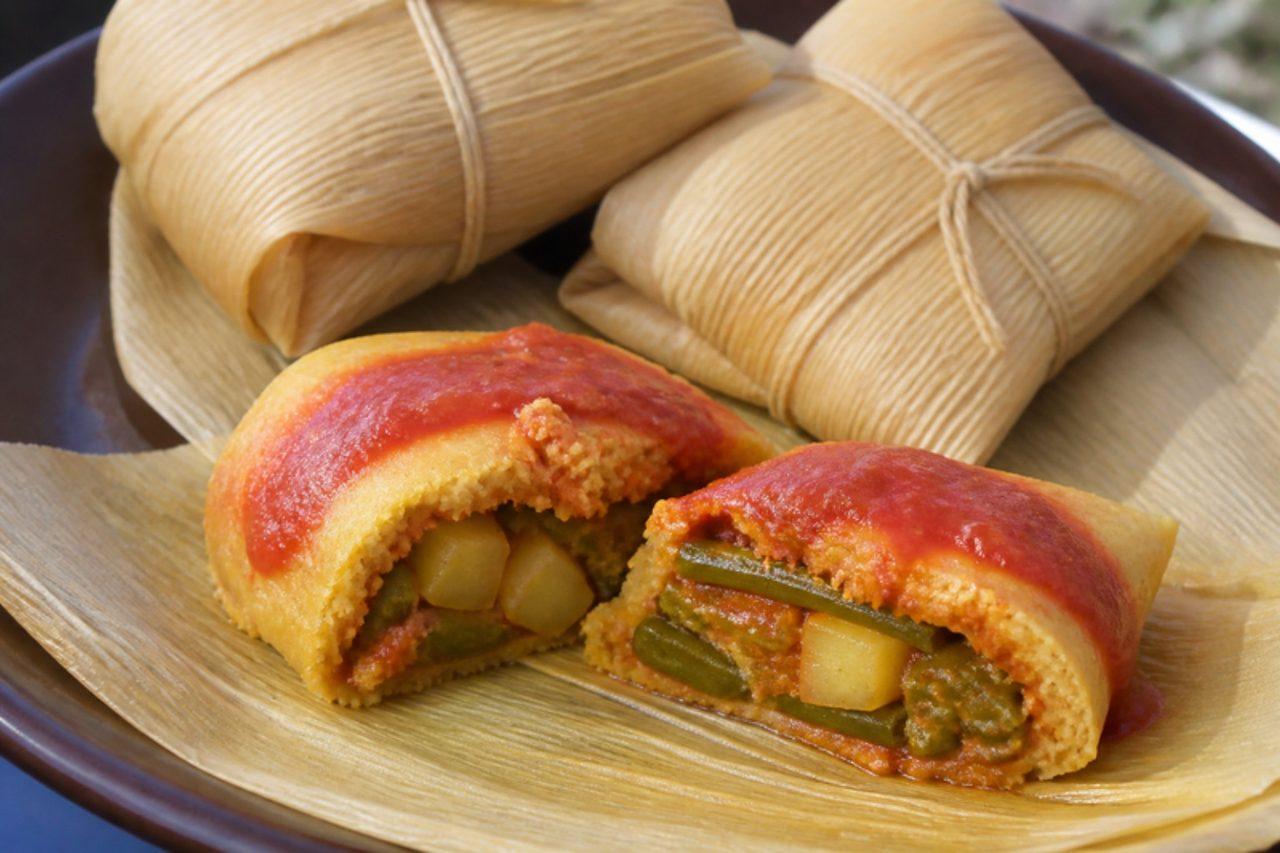
Chuchitos de verdurasSmall vegetable tamales

Chuchitos are Guatemala's everyday tamal: small, firm parcels of masa tied in corn husks, sold from steaming pots at markets in Antigua and Guatemala City and eaten on Saturdays with a spoon of tomato sauce and crumbled dry cheese. They're denser than Mexican tamales, with the masa itself tinted by the red recado. Here they're filled with potato, green beans and sweet pepper instead of chicken. Chef's tip: beat the masa until a pinch floats in a glass of water; that air makes them tender rather than stodgy.

by KrazyBadal 0 views

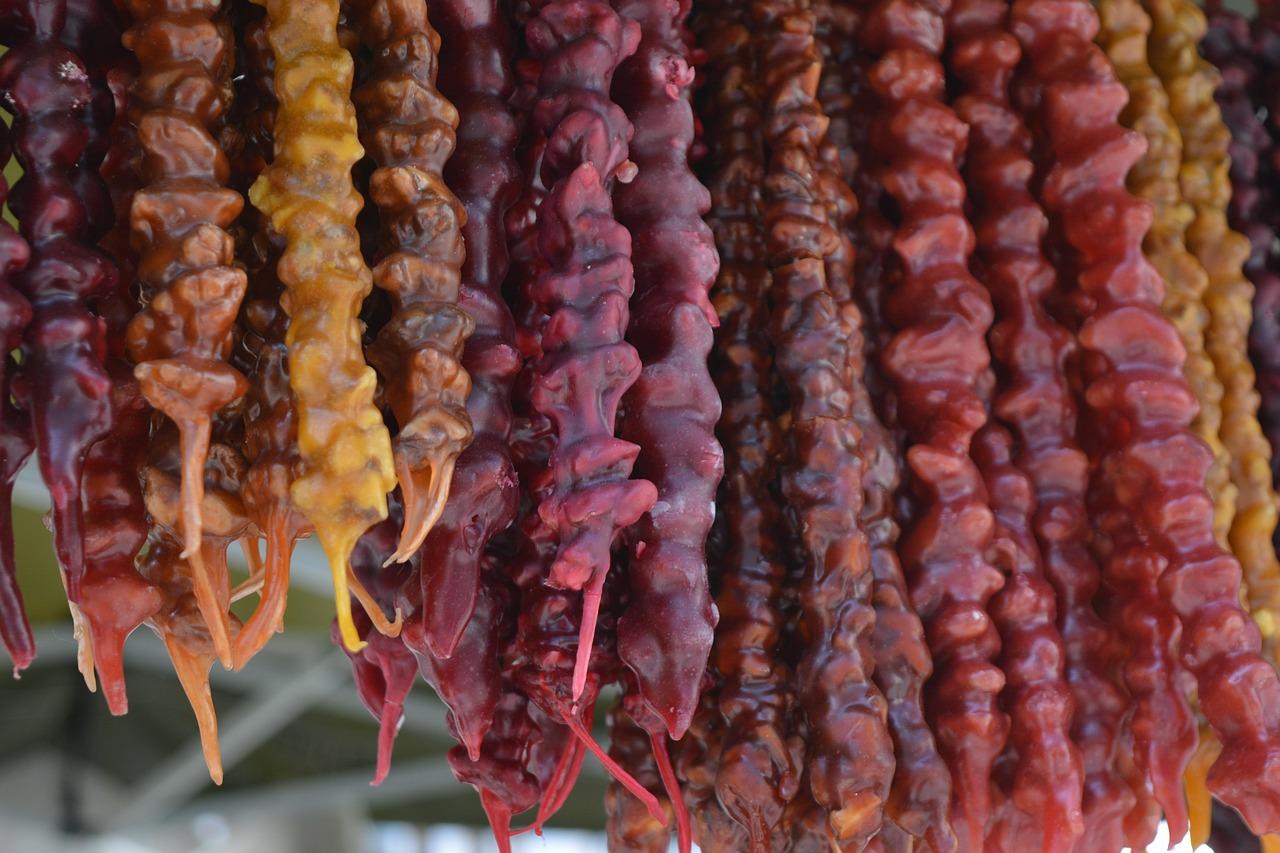
ChurchkhelaWalnuts in grape juice coating

Churchkhela are the candle-shaped sweets you see hanging in bunches at every Georgian market, but they are made at home during rtveli, the grape harvest in Kakheti in September and October. Walnuts are threaded on a string and dipped again and again in tatara, fresh grape must thickened with flour, then hung up to dry for a week, until firm and chewy outside and tender within. They are eaten at New Year and kept for months. A common mistake is a tatara that is too thin, which slides off the nuts; it should coat the back of a spoon thickly and fall in ribbons. Chef's tip: let each coat set for 10–15 minutes before the next dip; three or four thin coats look and keep better than one thick one.

by KrazyBadal 0 views

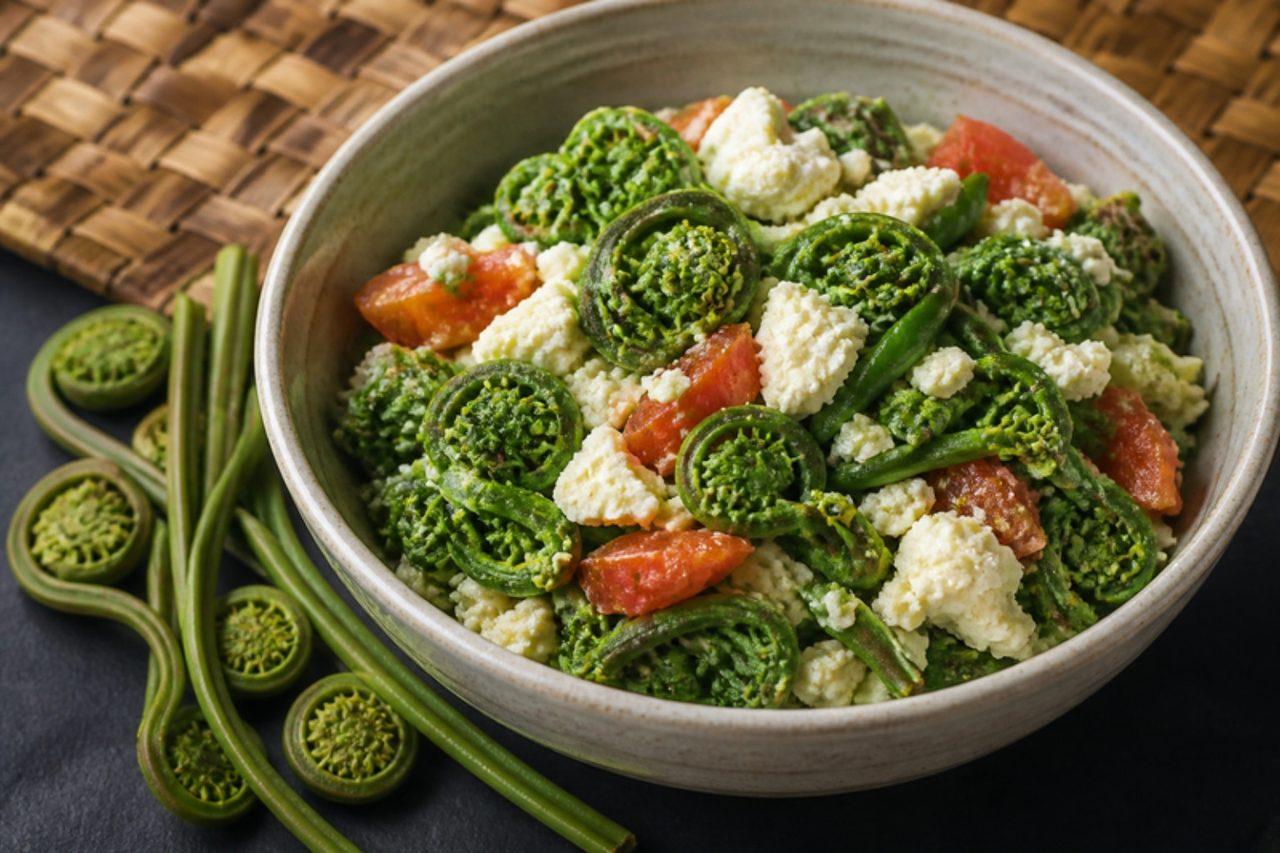
Churpi ningroFiddlehead fern curry

In the monsoon, ningro (fiddlehead fern) shoots appear in the hill markets of Gangtok, Namchi and Darjeeling, curled like violin scrolls. Sikkimese homes cook them quickly with onion, tomato and green chilli, then stir in crumbled soft churpi, a fresh, tangy cheese made from yak or cow's milk, which melts into a creamy, slightly sour sauce. It is a side dish for rice and dal, and tastes green and grassy, a little like asparagus. Chef's tip: always boil ferns for a few minutes and drain before cooking; it removes bitterness. Ricotta or crumbled feta is a fair stand-in for churpi.

by KrazyBadal 0 views

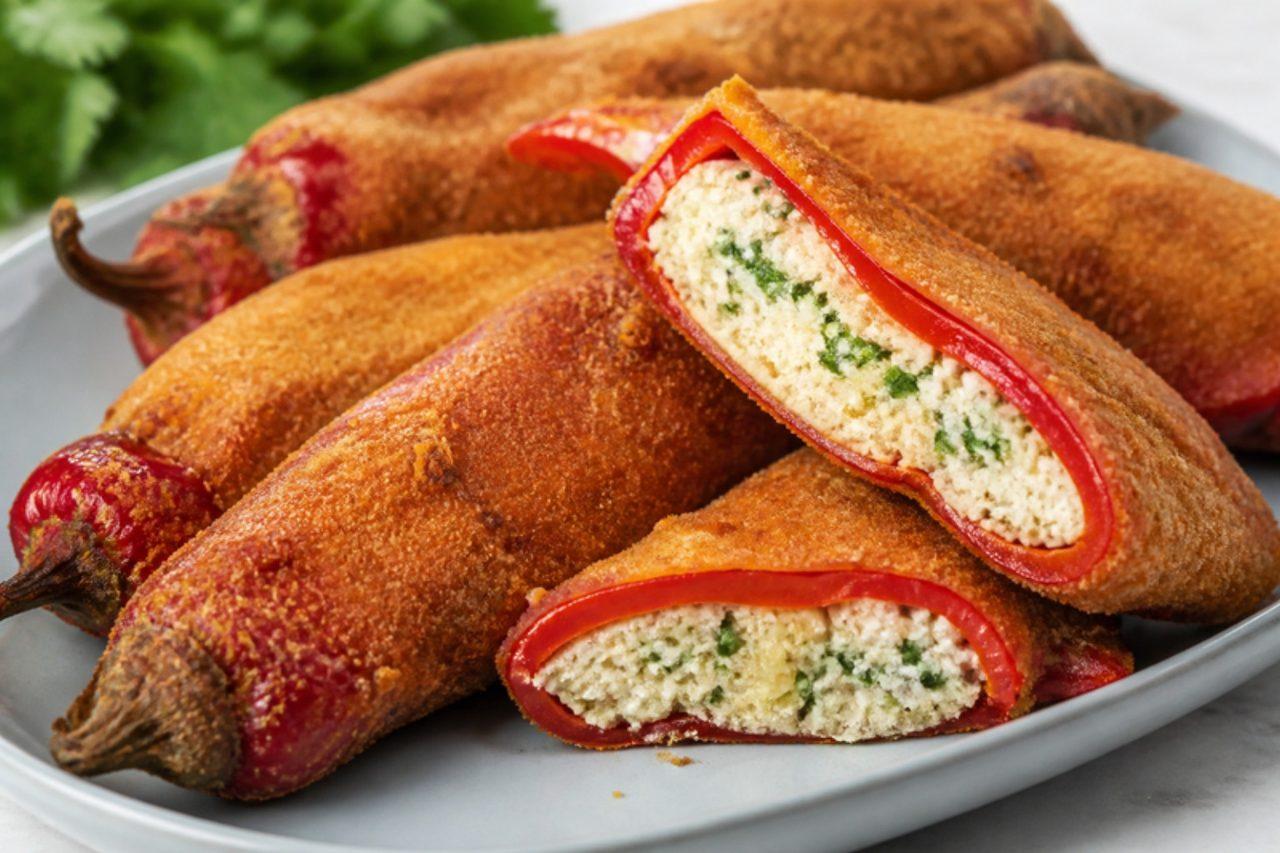
Chushki byurekFried cheese-stuffed peppers

Chushki byurek are one of the great autumn dishes of Bulgaria: in September, when the long red peppers ripen around Plovdiv and Pazardzhik, they are roasted, peeled, filled with sirene and egg, then dipped in flour, egg and breadcrumbs and fried. The outside crunches, the pepper is silky and sweet, and the salty cheese melts inside. They are served hot as a main course with a tomato salad, or cold the next day. Chef's tip: dry the peeled peppers well before filling; a wet pepper is the usual mistake, and the batter slides off and the oil spits.

by KrazyBadal 0 views

Ciorbă de legumeSoured vegetable soup

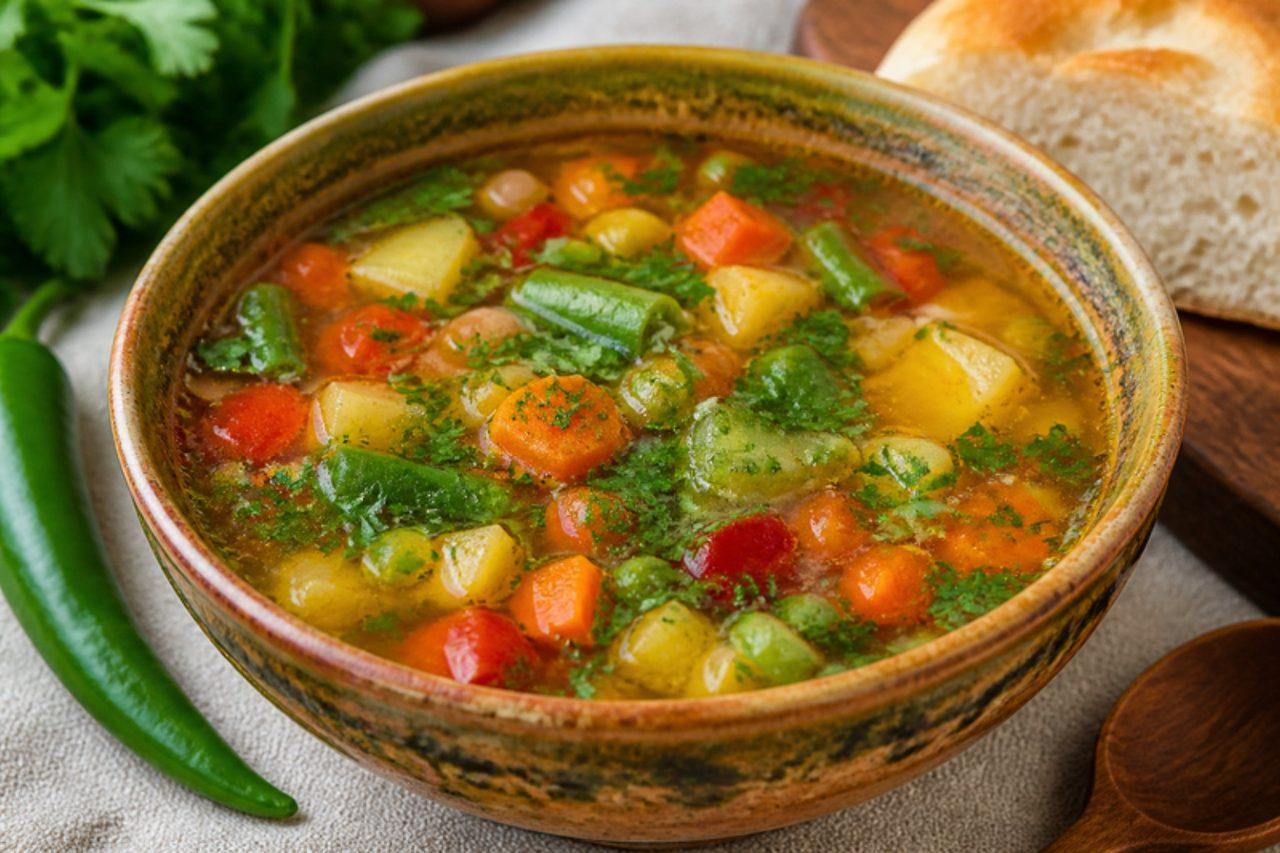
Ciorbă is the sour soup that opens a Romanian lunch, from canteens in Cluj to Sunday tables in Moldavia, and the vegetable version is cooked all through the fasting weeks before Easter and Christmas. Root vegetables, beans and peppers simmer in a light broth that is soured at the end with borș, the fermented wheat-bran liquid sold in bottles at Romanian shops, or with lemon juice. Fresh lovage (leuștean) gives its unmistakable celery-like perfume. It is eaten piping hot with bread and a fresh green chilli on the side. Chef's tip: add the borș only at the end and let it come back just to a simmer; boiling it hard dulls the sour tang.

by KrazyBadal 0 views

Ciorbă de perișoareSour soup with meatballs

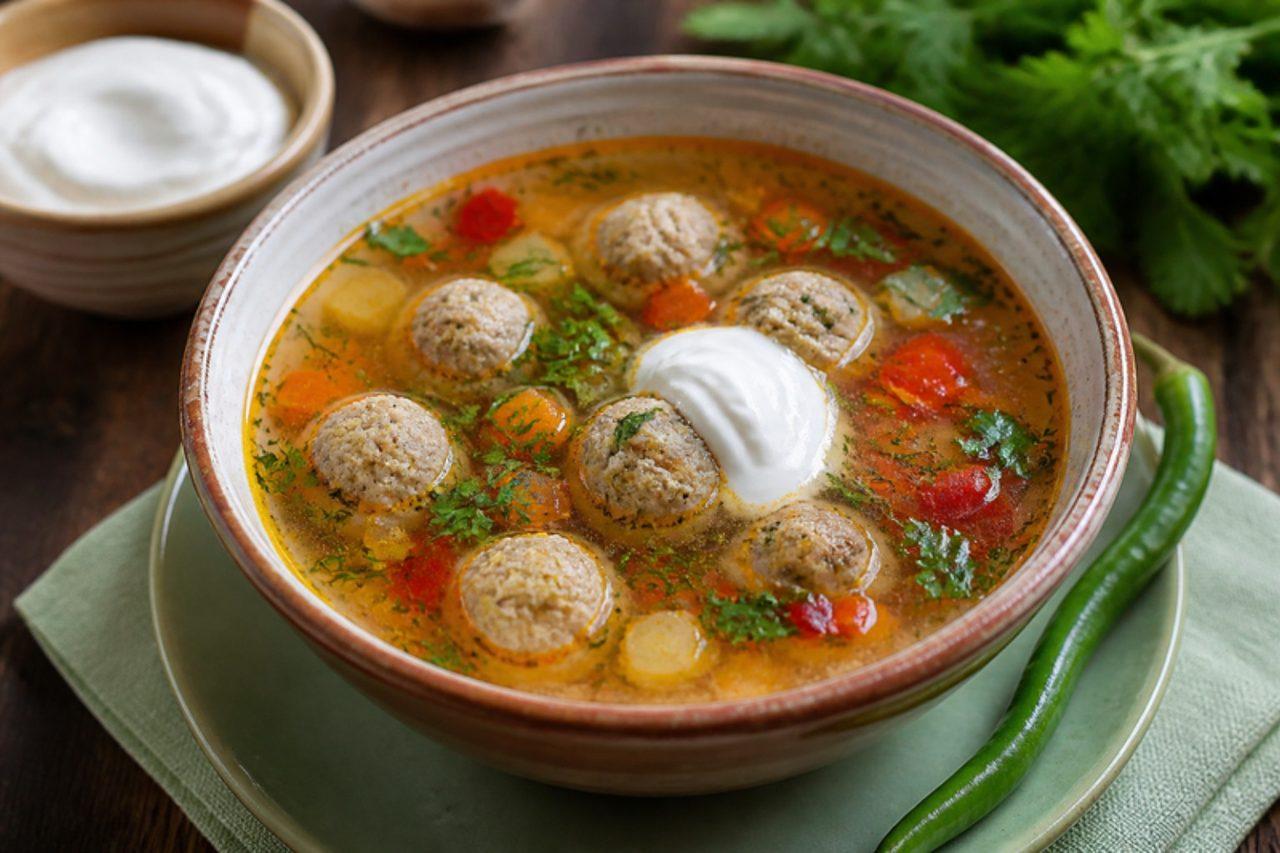
Across Romania, from Bucharest canteens to Moldavian grandmothers' kitchens, a pot of ciorbă de perișoare turns up on the Sunday table and again on Monday, when it tastes even better. This version contains pork: soft meatballs of minced pork and rice simmer in a clear vegetable broth that is soured at the end with borș (fermented wheat-bran liquid) or lemon juice, then finished with a handful of lovage. It is eaten very hot with a spoon of sour cream and a fresh green chilli to bite between spoonfuls. A frequent slip is boiling the soup hard once the meatballs are in, which breaks them apart and clouds the broth. Chef's tip: wet your hands in cold water before rolling each meatball; the mixture will not stick and the balls stay smooth and round.

by KrazyBadal 0 views

Cochinita pibilAchiote slow-roast pork

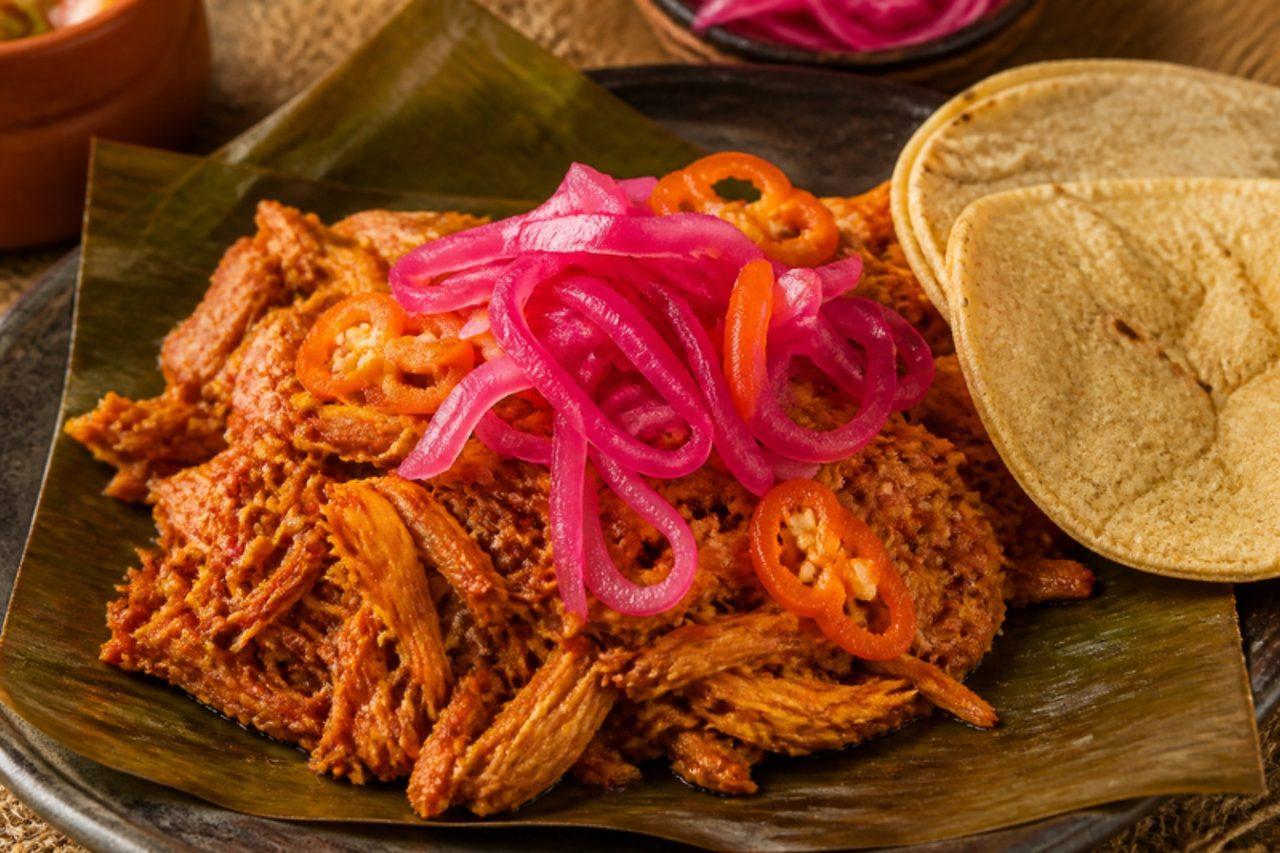
The Maya of the Yucatán peninsula cooked pork in a pib, a pit lined with hot stones, and in Mérida cochinita pibil is still sold at dawn from market stalls, piled into tacos and tortas for breakfast. Pork shoulder sits overnight in a brick-red paste of achiote and sour orange juice, then roasts slowly wrapped in banana leaves until it pulls apart, soaking in its own tangy juices. It goes into warm tortillas with bright pink pickled onions and, for the brave, a habanero salsa. Chef's tip: if you can't find bitter Seville oranges, mix sweet orange juice with lime juice; the sourness is what tenderises and balances the pork.

270 minMexicanMeatGluten free
by KrazyBadal 0 views

Cocido madrileñoChickpea and meat stew

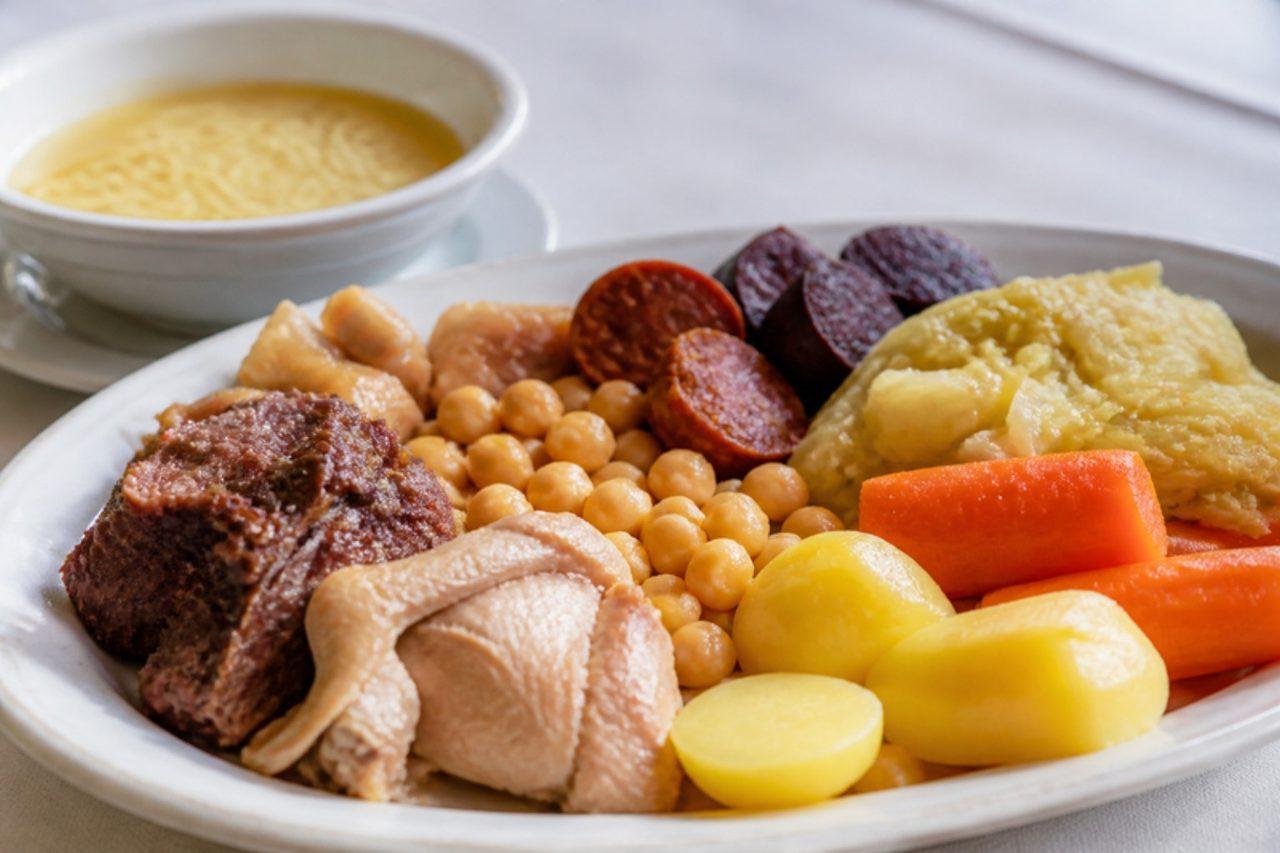
Cocido madrileño is the slow pot of the capital's winter, served at lunch in old Madrid taverns and at home on cold weekends. Everything simmers together for hours (chickpeas, beef shin, chicken, pork belly, ham bone, chorizo, carrots and potatoes) and then it comes to the table in three vuelcos, or 'tippings out': first the broth as a soup with thin noodles, then the chickpeas and vegetables, then the platter of meats. Cabbage and chorizo are cooked in a separate pan so they don't cloud or redden the broth. It is a big project, but most of the time the pot looks after itself. Chef's tip: put the soaked chickpeas into a mesh bag or a loose muslin bundle; they're easy to lift out whole at the end and don't break up in the long simmer.

180 minSpanishMeat
by KrazyBadal 0 views

ConkiesSteamed pumpkin and cornmeal parcels

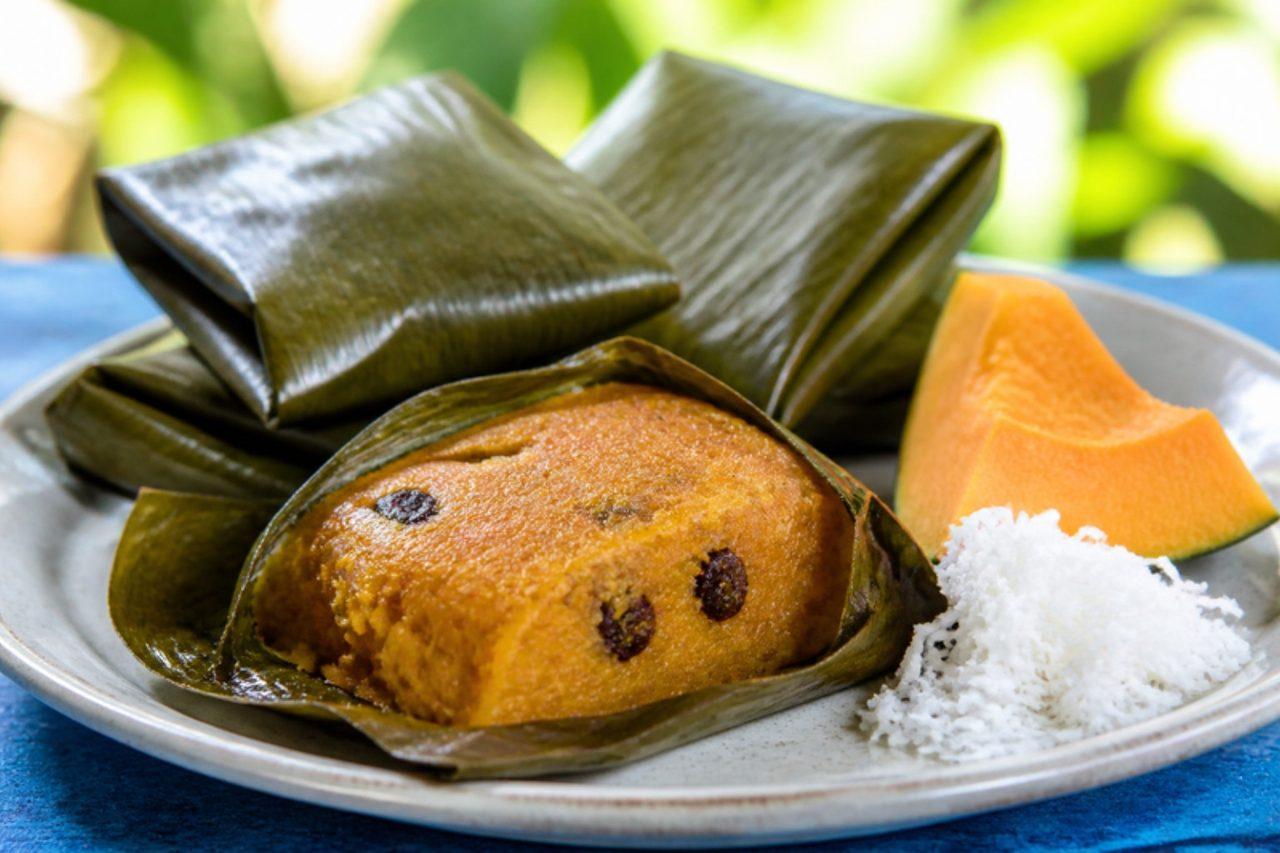
Conkies are made all over Barbados in late November for Independence Day on 30 November, when they're sold at roadside stalls and steamed in big pots at home; older Bajans remember them from Guy Fawkes Night, too. A spiced batter of grated pumpkin, sweet potato and coconut, cornmeal, sugar and raisins is folded into squares of banana leaf and steamed until it sets. Unwrapped, they're moist, dense, sweet and fragrant with nutmeg, almond and the faint green tea scent of the leaf. Chef's tip: pass the banana leaves briefly over a gas flame or dip them in hot water first; they turn glossy and supple and fold without splitting.

by KrazyBadal 0 views

Coorg pandi curryDark spiced pork curry

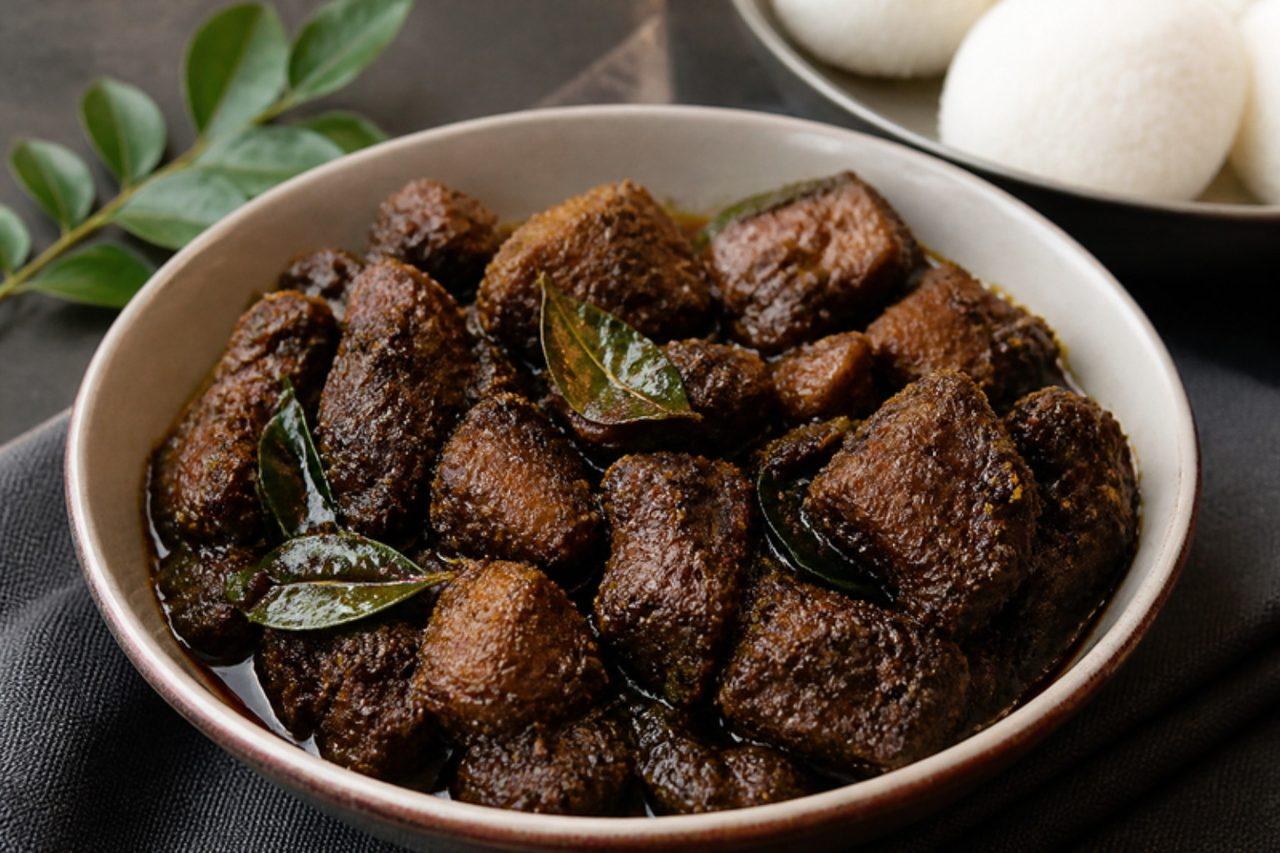
Up in the coffee estates of Kodagu (Coorg), pandi curry is the dish of the Kodava people, cooked for Puttari, the harvest festival, and for every family gathering in between. Fatty pork simmers in its own juices with a masala of coriander and black pepper roasted almost black, then finishes with kachampuli, a dark, sour vinegar made from the Garcinia fruit. It is eaten with kadambuttu (steamed rice balls) or akki otti. Chef's tip: roast the spices slowly over a low heat until they are the colour of strong coffee; this is the dark colour and smoky flavour of a real pandi curry.

105 minIndianMeatGluten freeSpicy
by KrazyBadal 0 views

CoquitoCoconut rum drink

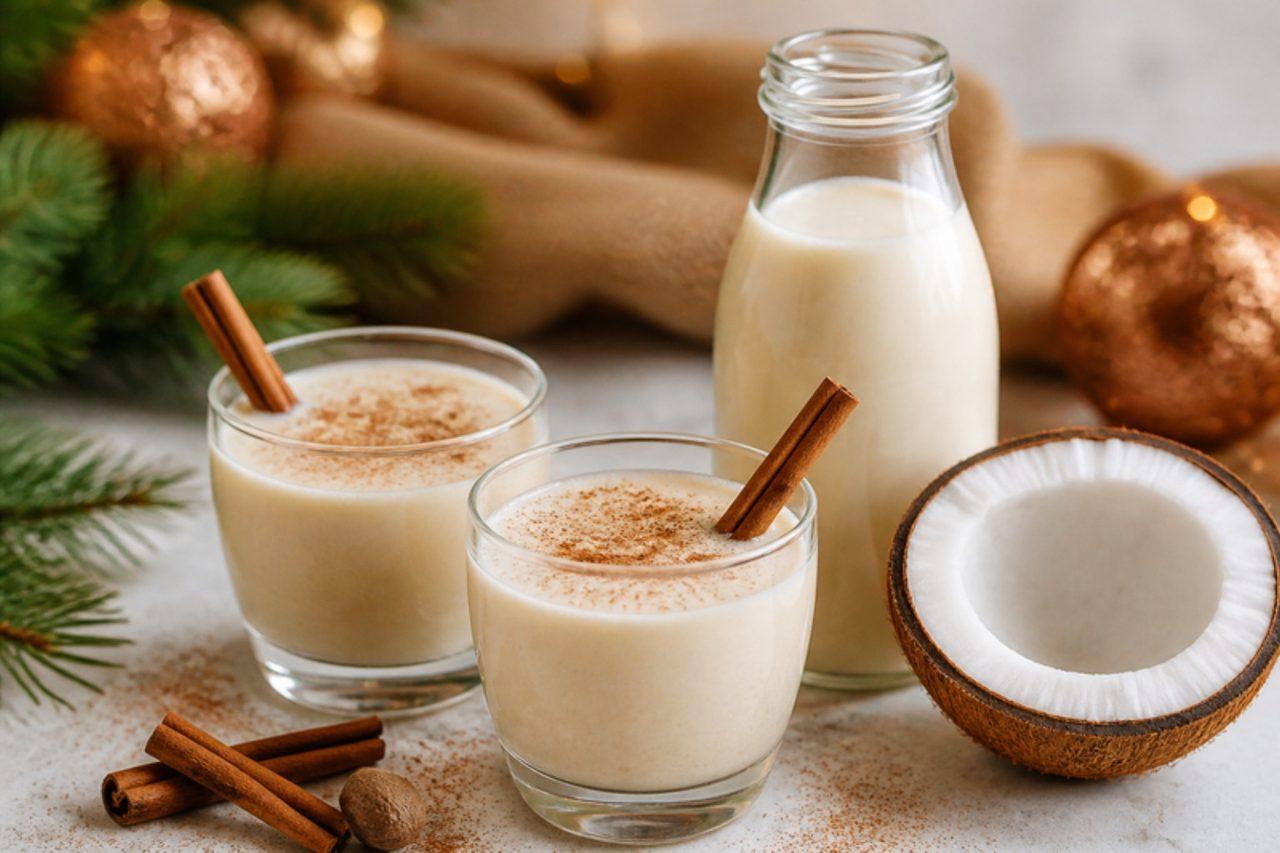
Coquito is Puerto Rico's Christmas in a glass: bottles of it are made in early December, given to neighbours and poured at every parranda, the late-night singing visits from house to house, until the Fiesta de San Sebastián in Old San Juan in January. This version contains alcohol: it blends coconut milk, sweet cream of coconut and condensed and evaporated milk with Puerto Rican white rum, cinnamon, nutmeg and vanilla. It's thick, cold and sweet, with the warmth of rum behind the spice. For children and anyone avoiding alcohol, make it without the rum as described in the steps. Chef's tip: let it rest in the fridge overnight; the spices bloom and the rum mellows, and it tastes far rounder on the second day.

by KrazyBadal 0 views

Corn bombSpiced corn on the cob chunks

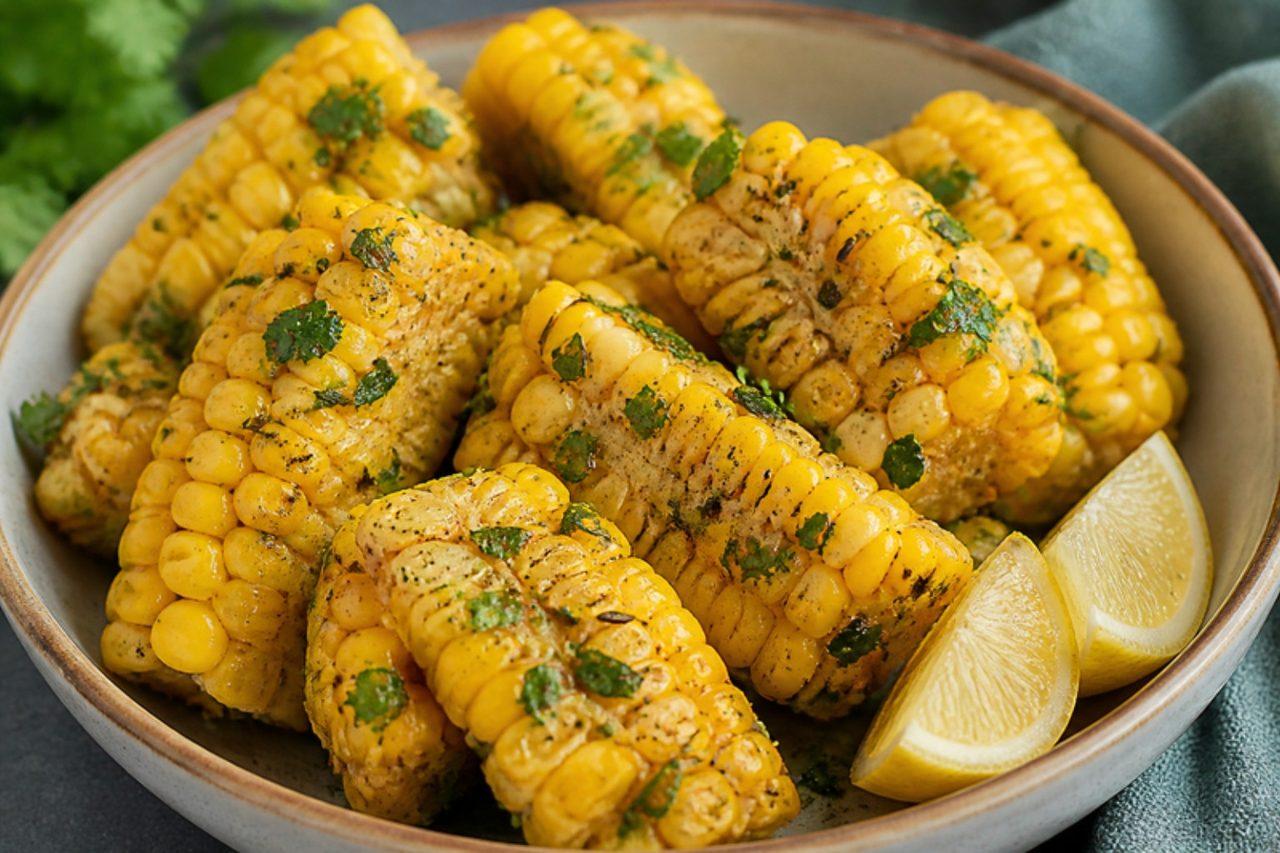
Chunks of tender corn on the cob tossed in hot oil with cumin, green chillies, fresh coriander, turmeric, black pepper and lemon until every kernel is coated. It's hot, tangy and messy to eat with your fingers. Serve hot from the barbecue.

by KrazyBadal 0 views

Cou-cou with Bajan vegetable stewCornmeal and okra with vegetable stew

Cou-cou is Friday lunch in Barbados, and paired with flying fish it makes the island's national dish, served in homes and the fish fry stalls of Oistins. Fine cornmeal is stirred into okra and its cooking water with a flat wooden cou-cou stick until it is smooth, thick and pulls away from the pot, then shaped in a buttered bowl. It's soft, mild and comforting, made for soaking up the rich tomato gravy around it. Here the gravy is a stew of peppers, tomatoes, aubergine and butter beans cooked with Bajan seasoning; flying fish steamed in the same sauce is the classic for fish eaters. Chef's tip: whisk the cornmeal into cold water before it goes into the pot; adding it dry to boiling liquid is the fastest way to lumps.

by KrazyBadal 0 views

Couscous royalCouscous with lamb, chicken and sausage

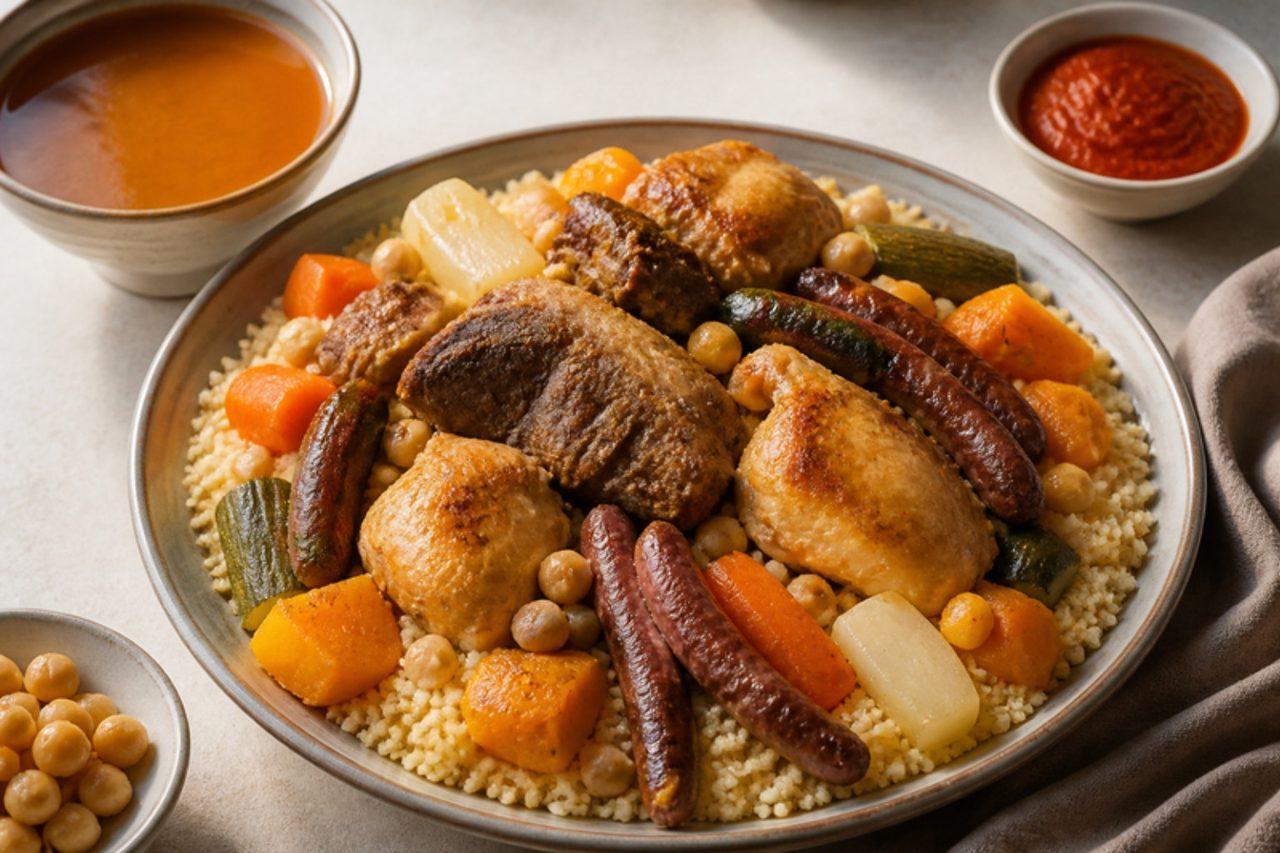
Couscous royal is the big-occasion couscous that Algerian and Moroccan families brought to France and that is now served for weddings and Sunday gatherings from Oran to Marseille: a pot of lamb and chicken simmered with vegetables and chickpeas in a mildly spiced broth, grilled merguez on the side, and a mountain of steamed couscous. The mistake is putting all the vegetables in at once; the courgettes go mushy while the turnips are still hard, so add them in stages. Chef's tip: brown the lamb and chicken well before the water goes in; that colour flavours the whole broth.

160 minAlgerianMeat
by KrazyBadal 0 views

Couscous tfayaCouscous with caramelised onions

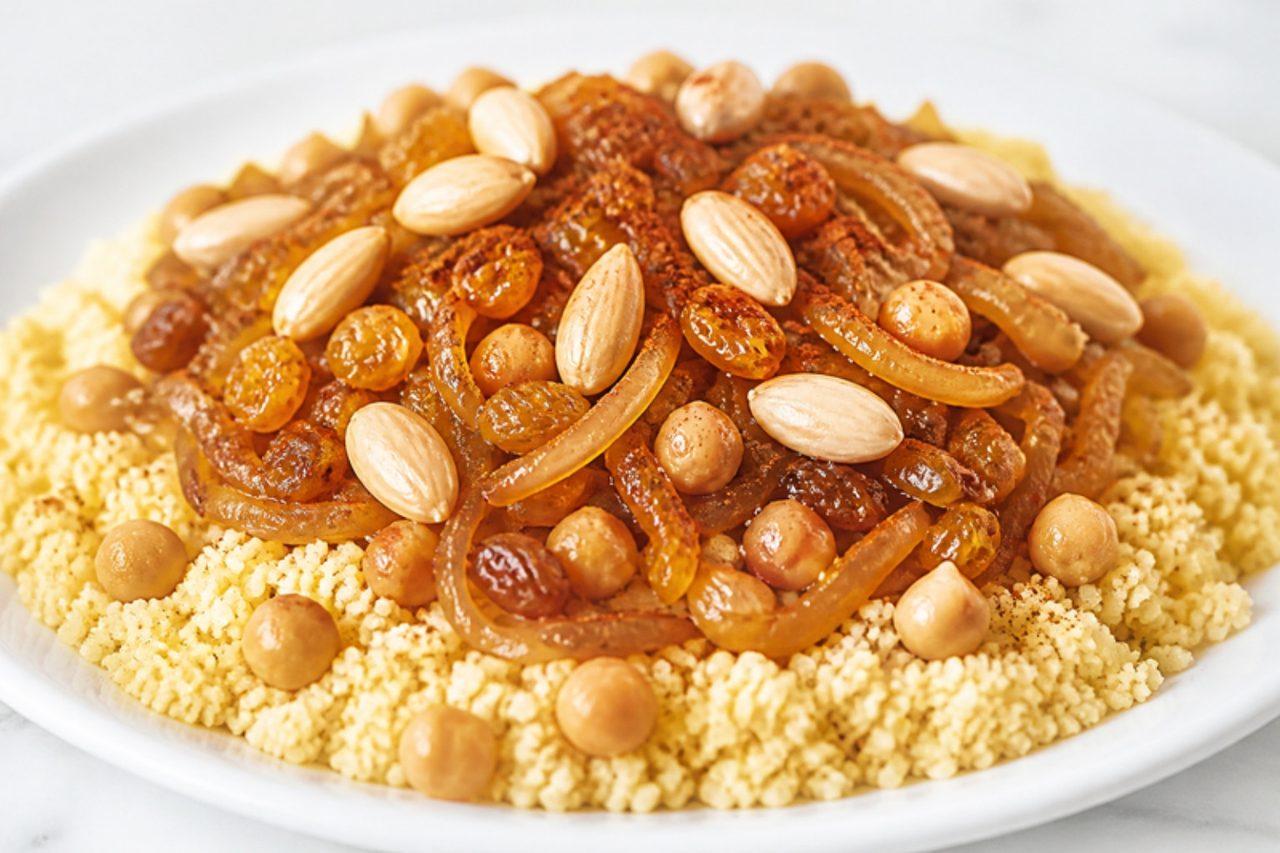
Tfaya is the sweet onion topping that turns a plain couscous into a celebration dish; in Fez and Rabat it is made for weddings, naming ceremonies and Eid, and families in Tétouan add it to Friday couscous too. Onions are cooked slowly with raisins, cinnamon, honey and a little saffron until they collapse into a sticky, mahogany jam, then piled over the couscous with chickpeas and fried almonds. Traditionally it crowns couscous with meat; here the chickpeas and almonds carry the dish, making it a sweet-savoury vegetarian main for a feast. Chef's tip: soak the raisins first, or they draw liquid from the onions and the tfaya catches before it caramelises.

by KrazyBadal 0 views

CsirkepaprikásPaprika chicken in sour cream sauce

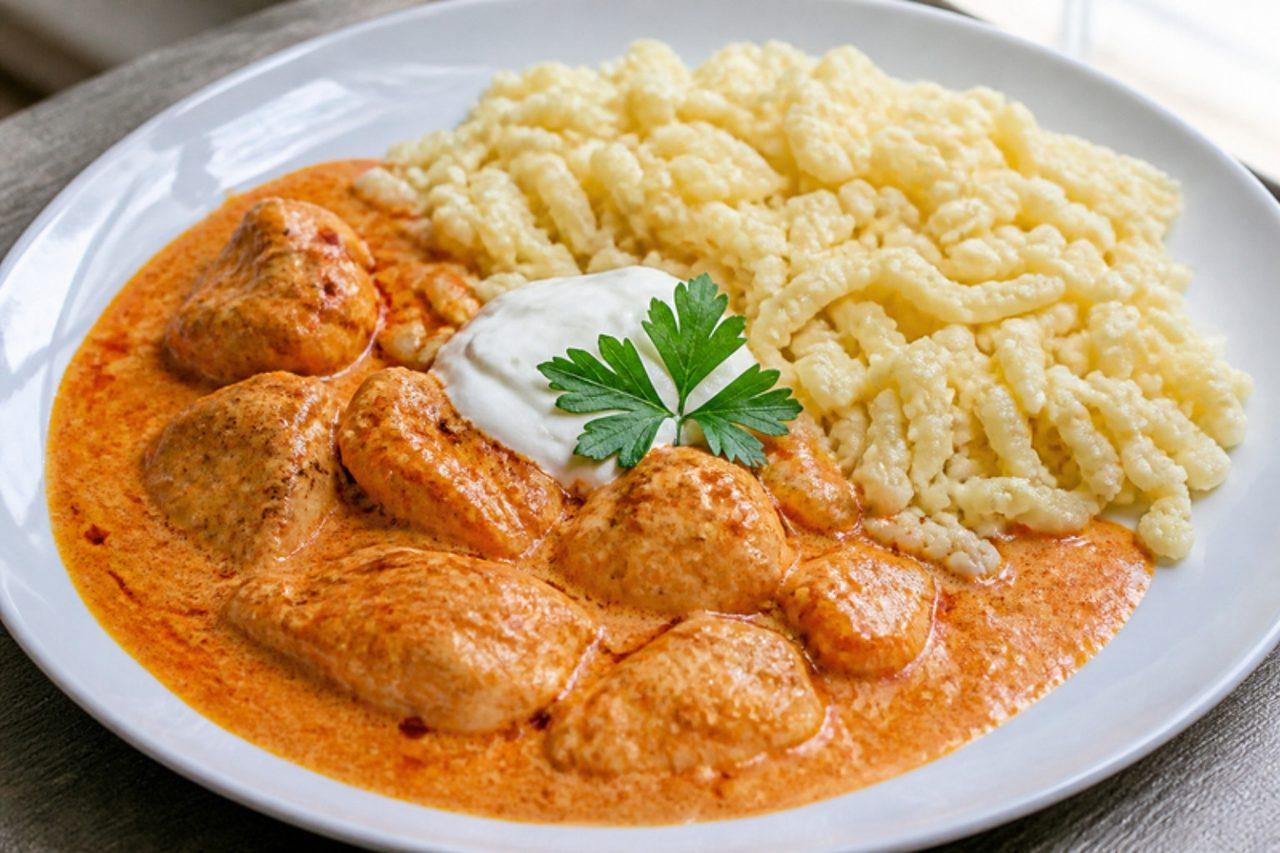
Csirkepaprikás is the Sunday chicken of Hungarian homes, cooked by grandmothers in villages and in Budapest flats alike and always served with nokedli, the little egg dumplings. Chicken thighs braise gently with onion, plenty of sweet paprika, tomato and pepper, then soured cream is stirred in to make a velvety, brick-orange sauce. Chef's tip: mix the soured cream with a spoonful of flour and some hot sauce before adding it; this stops it from splitting.

by KrazyBadal 0 views

CuberdonsRaspberry cone candies

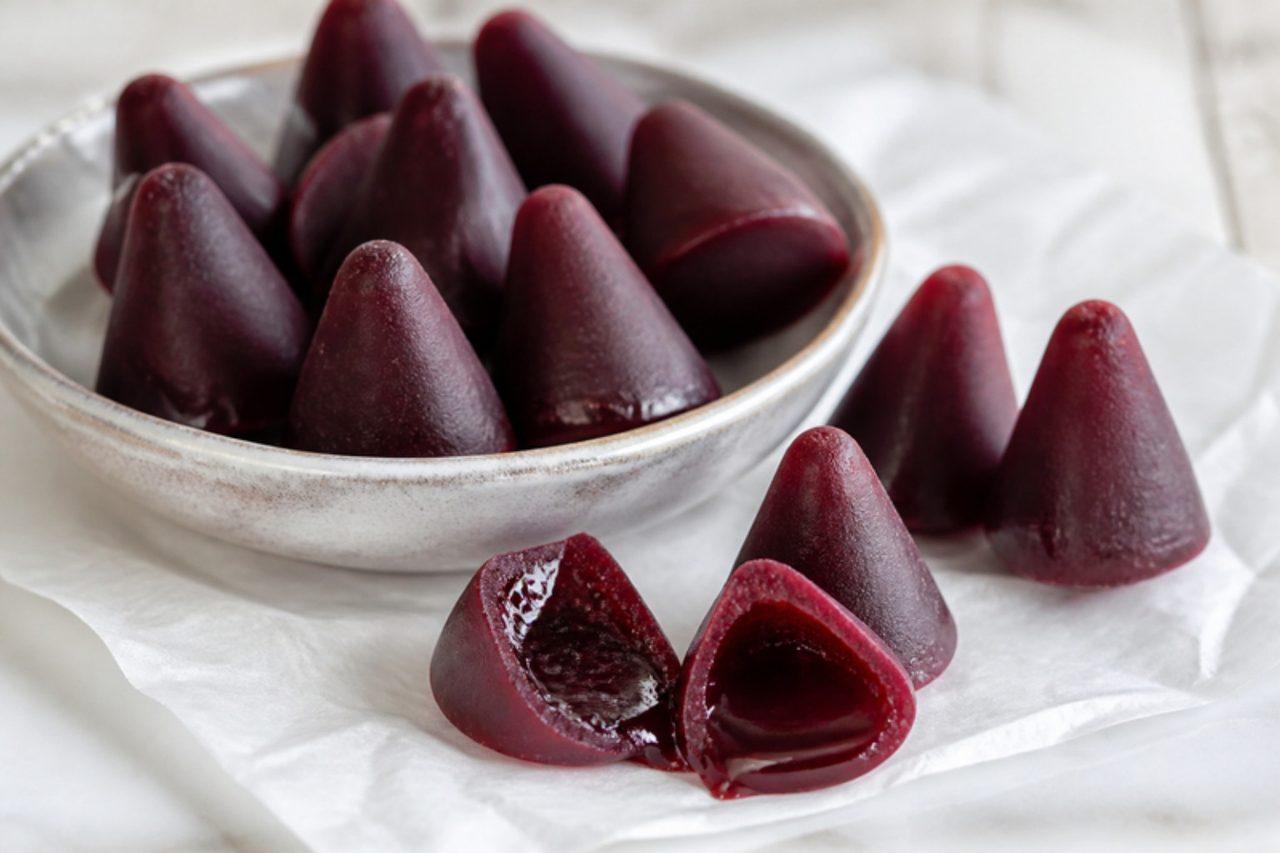
Cuberdons are the purple, cone-shaped sweets sold from handcarts on the Groentenmarkt in Ghent, where locals call them neuzekes, 'little noses'. A thin, firm sugar crust encloses a syrupy raspberry centre, and they only stay that way for about three weeks before the inside crystallises, which is why they have never become an export. They are made with gum arabic, not gelatine, so they suit vegetarians and vegans. Making them at home is a fun weekend project: the syrup is poured into cone-shaped hollows pressed into a tray of dry cornflour, which slowly draws moisture out and forms the crust. Chef's tip: use a sugar thermometer and be exact; just a few degrees too low and the cones never form a crust, a few too high and they set solid all the way through.

by KrazyBadal 0 views

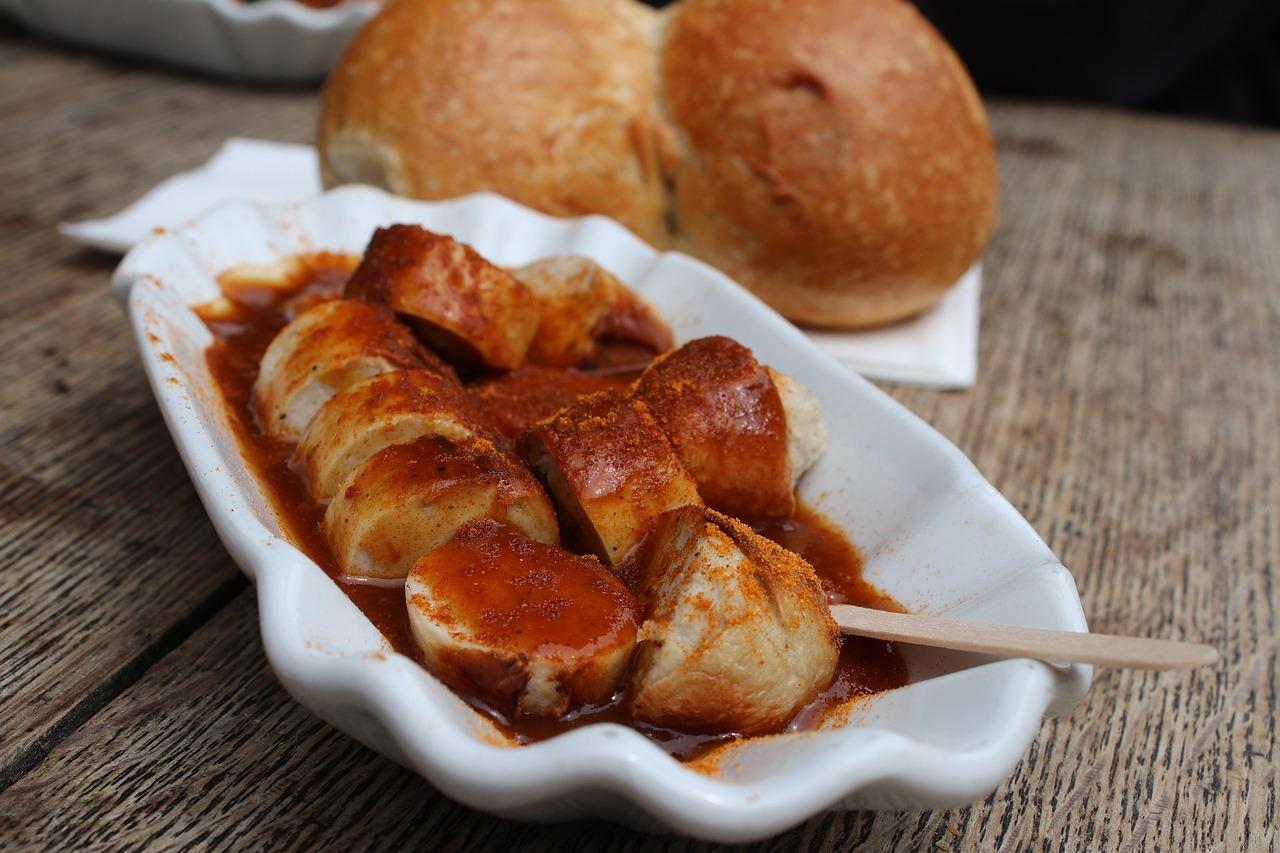
CurrywurstSausage with curry ketchup

This is a pork dish. Currywurst was born in post-war Berlin, and today kiosks across the city sell it all day and long into the night, on a little paper tray with a wooden fork. A fried pork sausage is cut into bite-size pieces and drowned in a warm, tangy tomato sauce spiced with curry powder, then dusted with more curry powder and served with chips or a bread roll. The sauce is homemade here, so it has no brand of ketchup in it. The usual mistake is cooking the sausages too hot, so they split and burn outside while staying raw inside. Chef's tip: let the sauce simmer a full 10 minutes; the curry powder needs that time to lose its raw, dusty taste.

by KrazyBadal 0 views

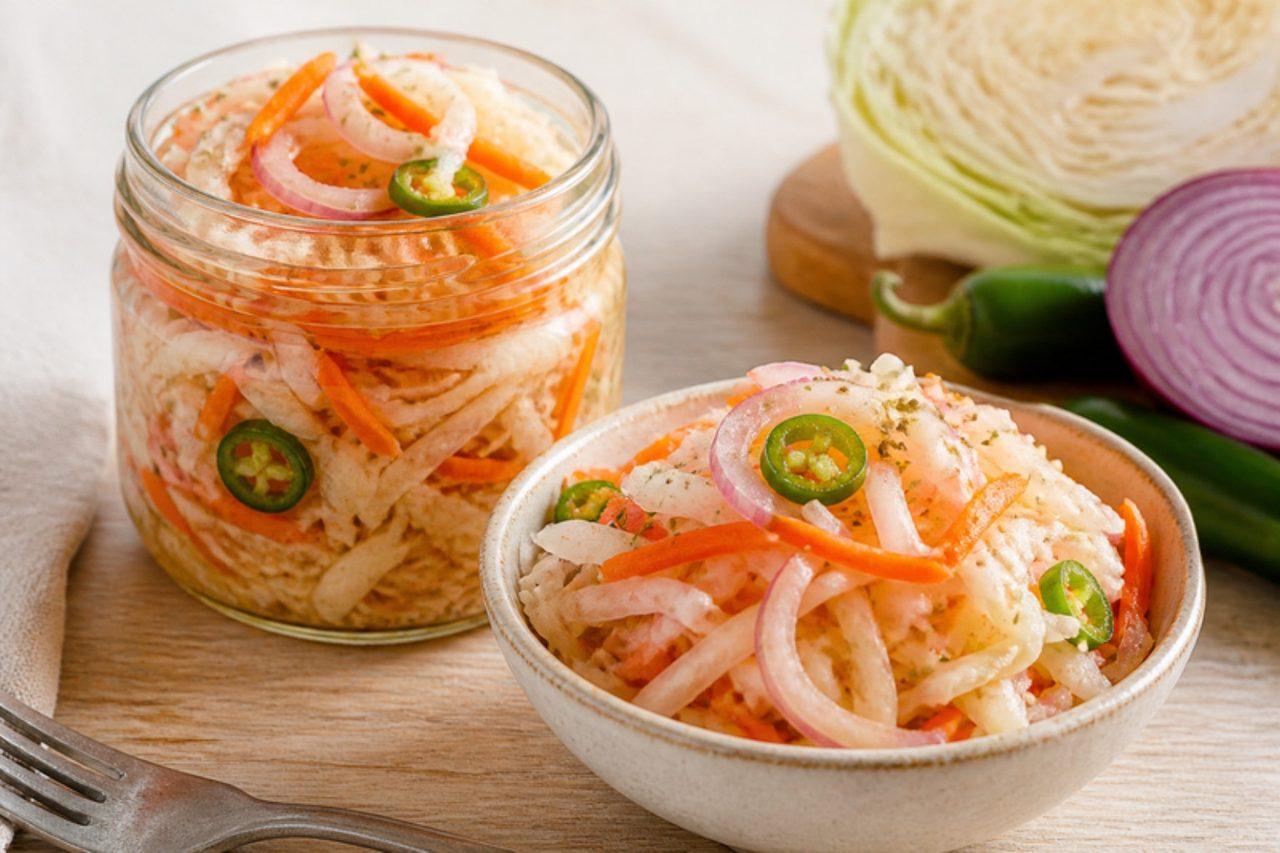
CurtidoPickled cabbage relish

No plate of pupusas in El Salvador arrives without a jar of curtido beside it: a tangy, crunchy slaw of cabbage, carrot and onion lightly pickled in vinegar with Mexican oregano. Pupuserías keep a big jar on every table, and the sharpness cuts through melted cheese and corn perfectly. It's also good with beans, tacos or a cheese sandwich. Chef's tip: make it a day ahead; it is crisp and raw on day one but turns mellow and properly pickled by day two.

by KrazyBadal 0 views

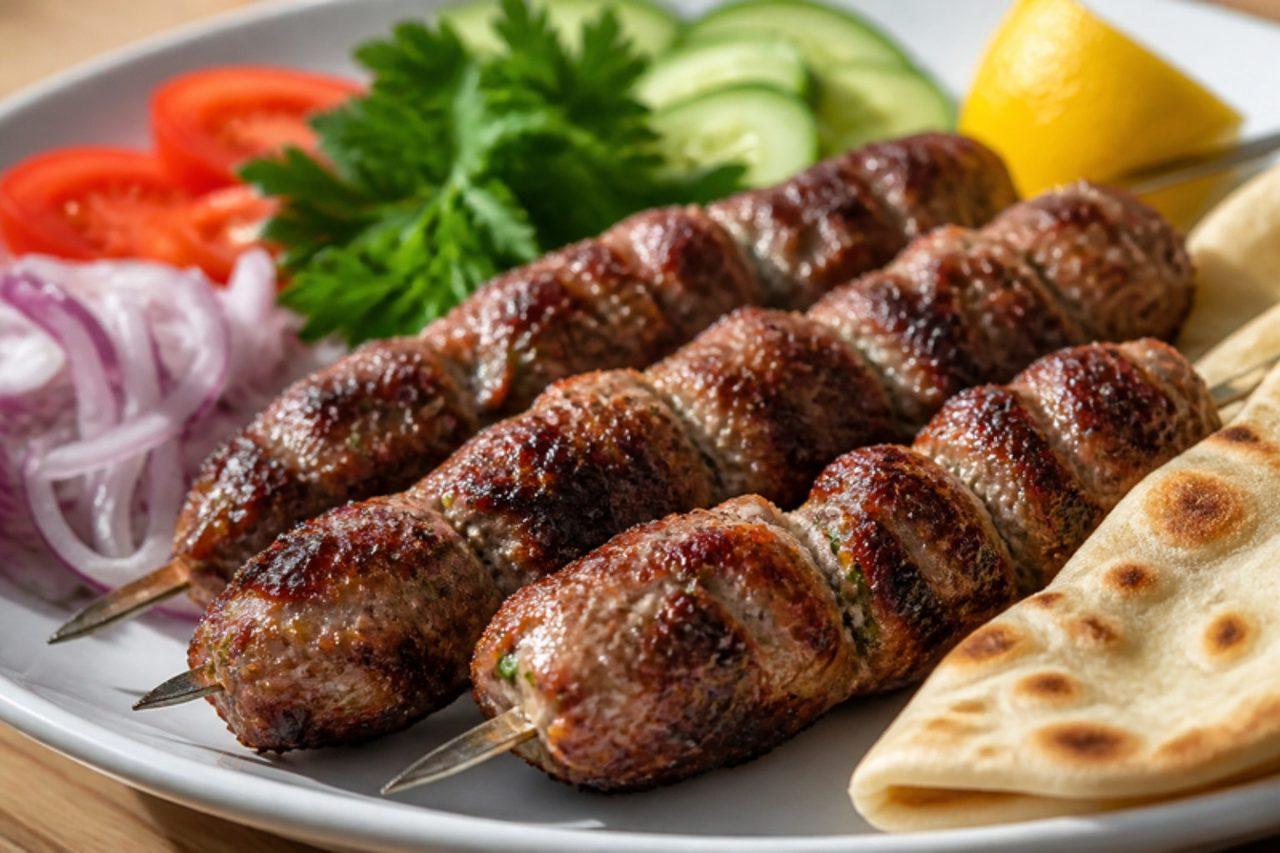
Cypriot sheftaliaPork and herb sausages

This is a pork recipe. Sheftalia are the little skinless sausages you find on every souvla barbecue in Cyprus, from Limassol beach grills to Sunday family gatherings in Nicosia gardens. Minced pork is mixed with onion, parsley and mint, wrapped in lacy caul fat and grilled slowly so the fat melts and bastes the meat. They come tucked into a large pitta with salad, lemon and tahini. Ask a butcher for caul fat (sometimes called lace fat); without it you can still shape the mix into thick sausages and grill them on an oiled rack. Chef's tip: soak the caul fat in warm, lightly vinegared water first; it becomes supple and stretches without tearing.

55 minGreekMeat
by KrazyBadal 0 views

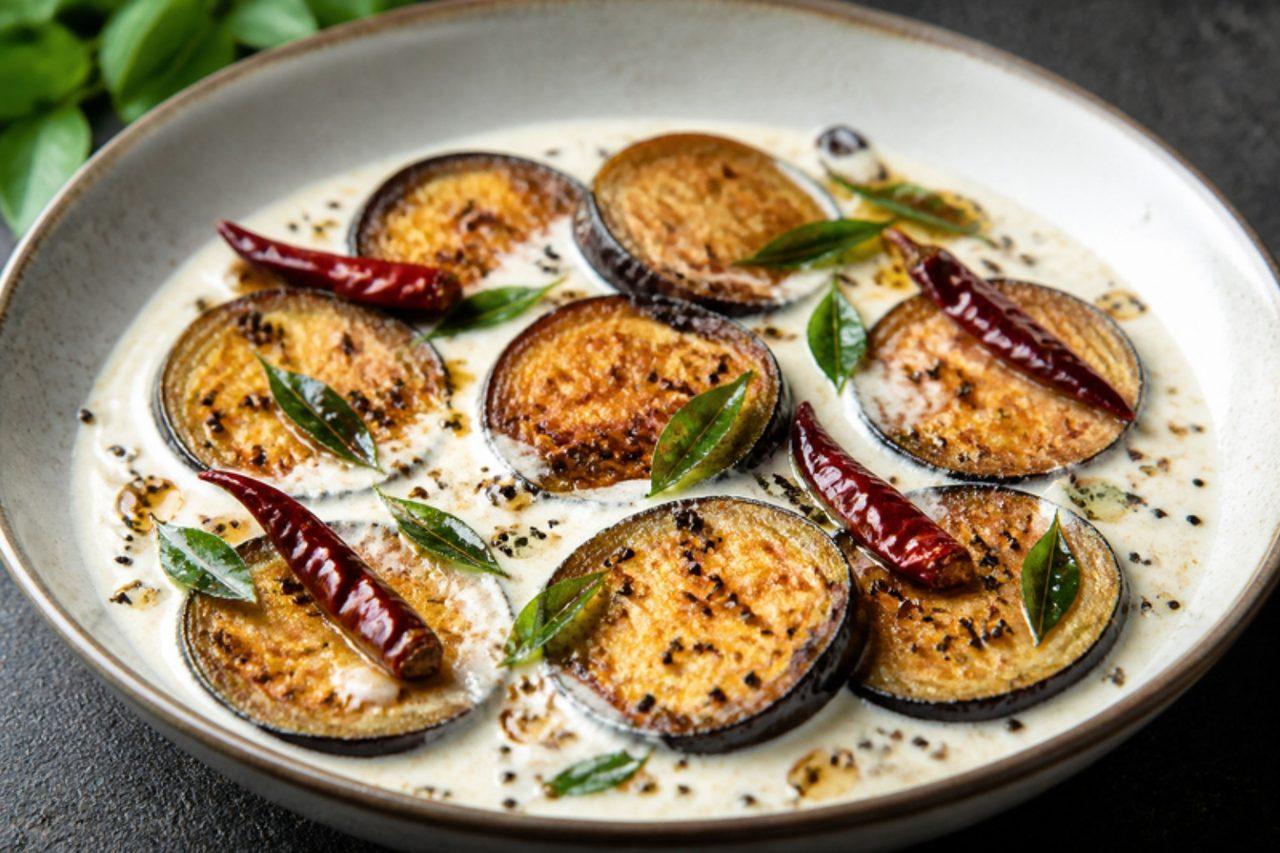
Dahi baiganaFried aubergine in yogurt

Dahi baigana is one of the easiest dishes of an Odia summer lunch, and it turns up at home thalis in Puri and Bhubaneswar beside dalma and rice. Thick rounds of aubergine are rubbed with turmeric and salt, fried until golden and creamy, then bathed in whisked yogurt that has been tempered with mustard seeds, cumin, curry leaves and dried chilli. It is served at room temperature: cool, tangy and smoky from the fried aubergine. Chef's tip: add the tempering to the yogurt, never the yogurt to the hot pan, so it doesn't split.

by KrazyBadal 0 views

Dak bokkeumtangSpicy chicken and potato stew

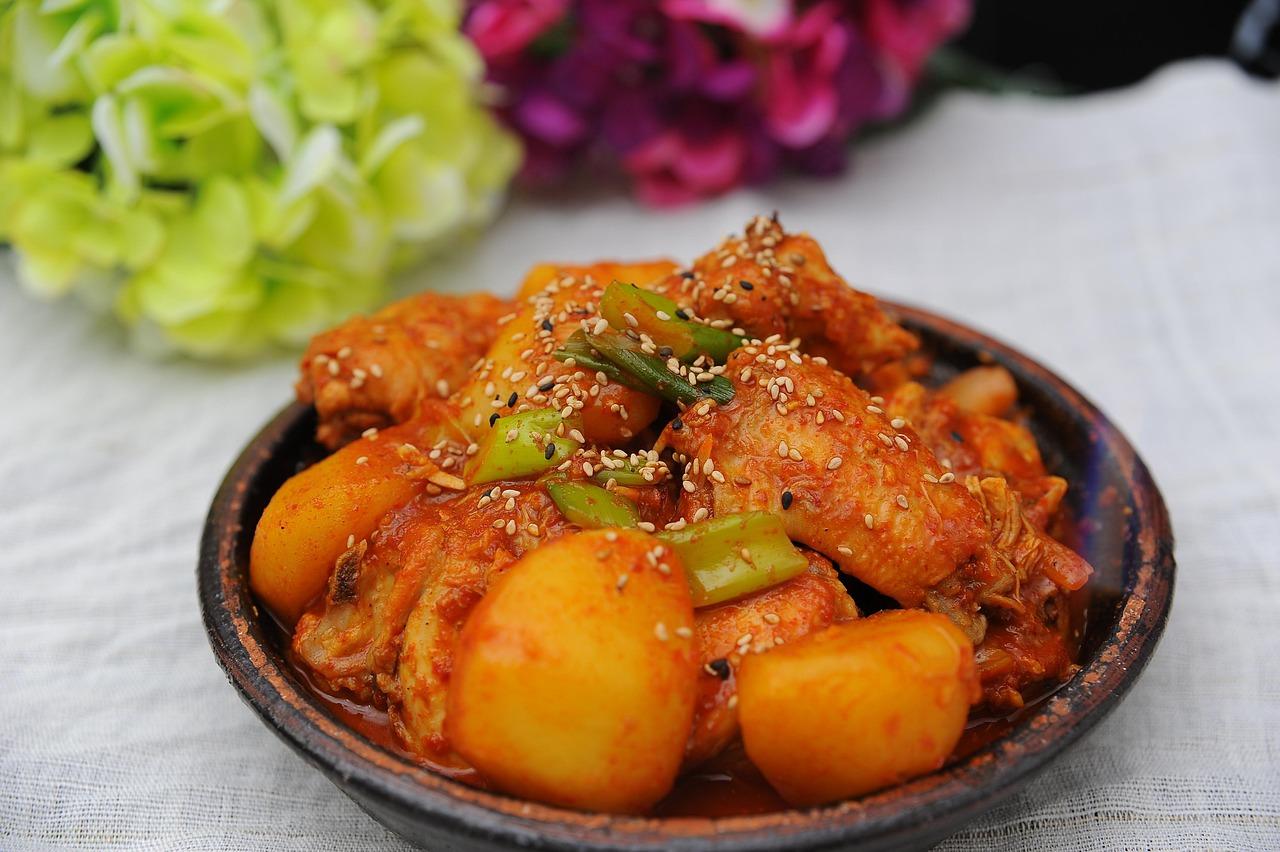
Chicken on the bone braised with big chunks of potato in a thick red sauce is a weeknight staple in Daejeon, the central city where many Korean rail lines meet, and in homes right across the country. Some people still call it dakdoritang. Unlike Andong's soy-based jjimdak, it gets its colour and heat from chilli flakes and gochujang, and the potatoes slowly thicken the sauce as they soften. It's usually brought to the table in the pot and shared, with rice and kimchi, and the last of the sauce is spooned over rice. Chef's tip: blanch the chicken for 3 minutes and rinse it first; this takes away scum and excess fat, so the sauce stays bright and clean-tasting.

by KrazyBadal 0 views

Dak galbiSpicy stir-fried chicken

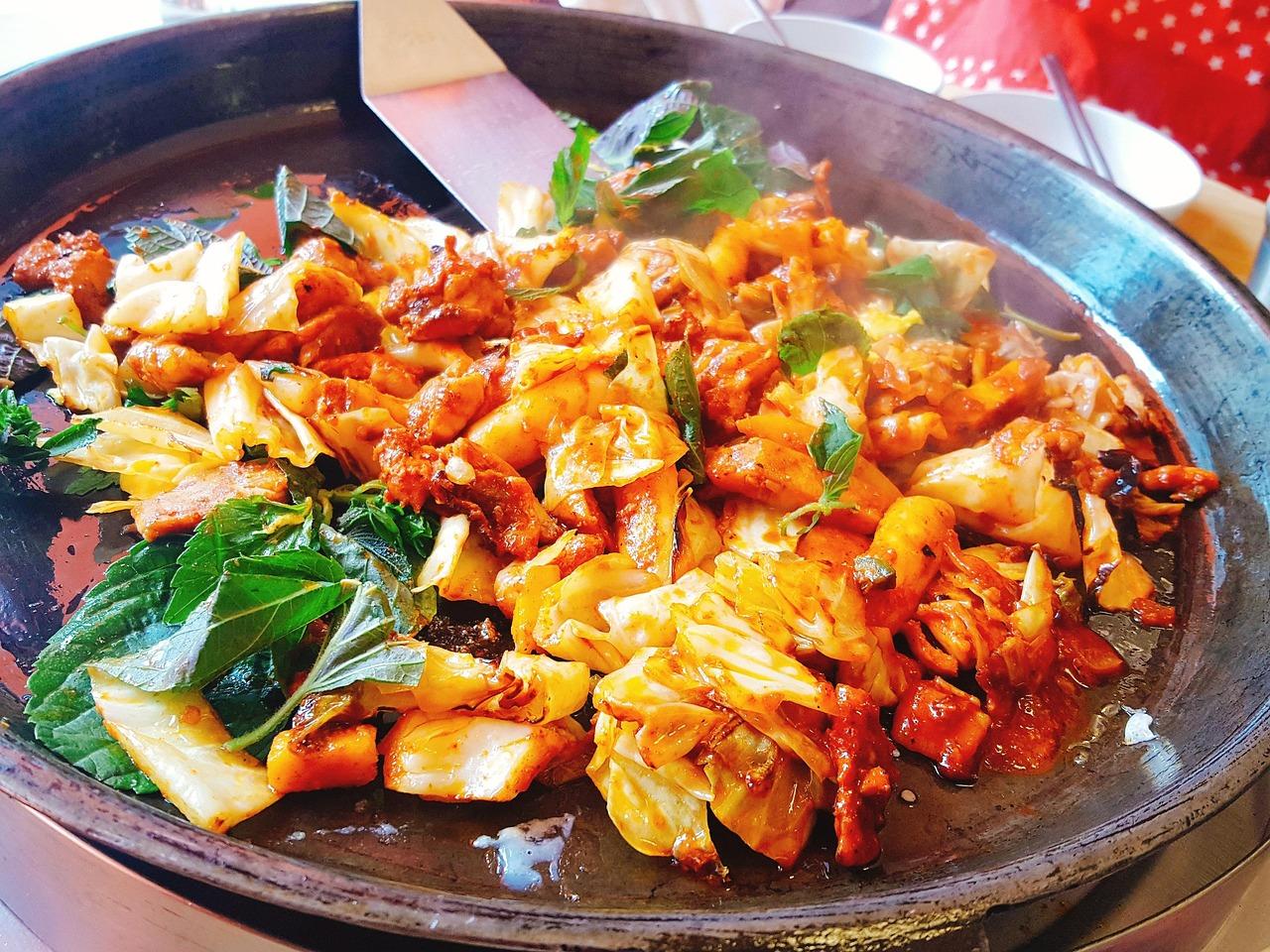
Chuncheon, a lakeside city in Gangwon province, is so proud of dak galbi that it has a whole lane of restaurants and a yearly festival for it. There, a waiter stir-fries the marinated chicken, cabbage, sweet potato and rice cakes on a huge round iron pan in the middle of your table. When the pan is nearly empty, rice is fried in the leftover sauce to finish the meal. This version is made in a large frying pan or wok at home. Chef's tip: a teaspoon of curry powder in the marinade is a Chuncheon trick; you won't taste curry, but the sauce tastes deeper.

by KrazyBadal 0 views

Dakor na gotaGram flour and fenugreek fritters

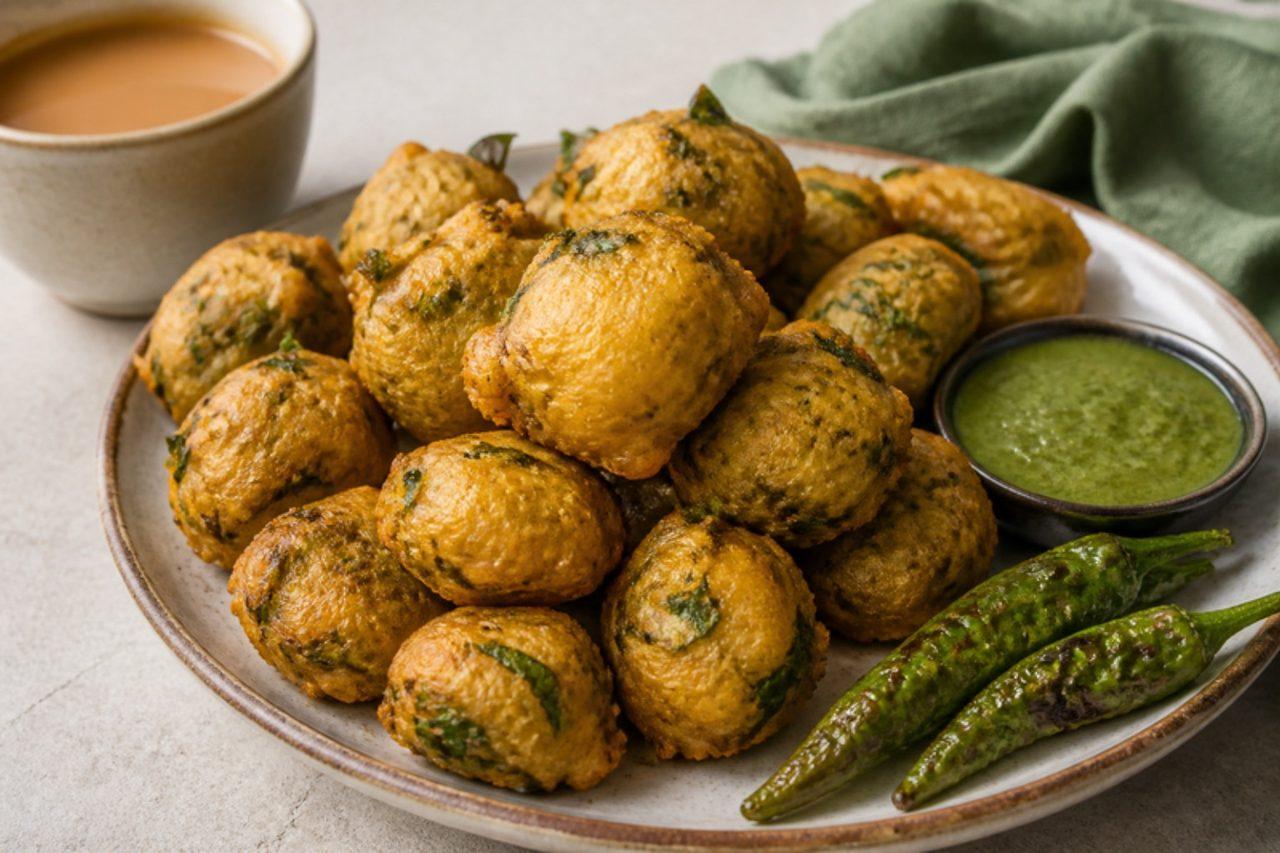
Pilgrims who come to the Ranchhodraiji temple at Dakor, in the Charotar belt of central Gujarat, rarely leave without a paper cone of gota from the shops around the temple square. These fritters are different from ordinary bhajia: the batter uses coarse gram flour, crushed black pepper and coriander seeds and plenty of fresh methi, and it is whipped light so the gota come out round, craggy and soft inside. Families buy the ready-mixed flour to take home and fry them on the first rainy evening of the monsoon. Serve them with green chutney, fried green chillies and a cup of masala chai. Chef's tip: beat the batter by hand in one direction for a full 3 minutes before frying; the air you whip in matters as much as the baking soda.

by KrazyBadal 0 views

DakosBarley rusk with tomato and cheese

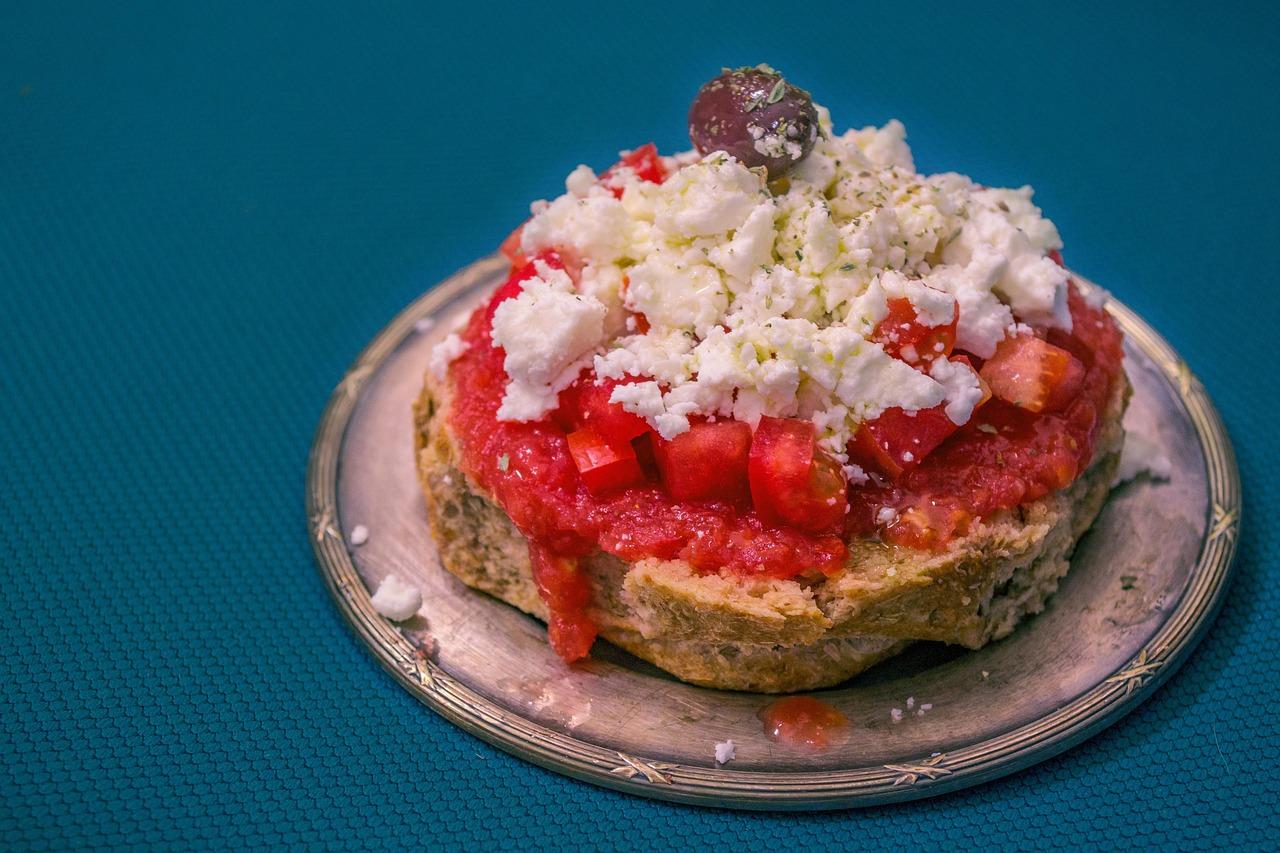
Dakos is Crete's favourite summer meze: a round, hard barley rusk softened with a sprinkle of water, piled with grated ripe tomato and crumbled cheese, then drenched in olive oil and dusted with oregano. On the island it's made with soft, tangy mizithra and eaten in the afternoon with a glass of raki, but feta works well. The rusk drinks up the tomato juice and oil while keeping a little crunch. Look for barley rusks (paximadia) in Greek or Middle Eastern shops. Chef's tip: wet the rusk lightly, just enough to take the edge off; soaking it is the common mistake and it falls apart before you can eat it.

by KrazyBadal 0 views

Dal baati churmaLentil dal with baked wheat balls

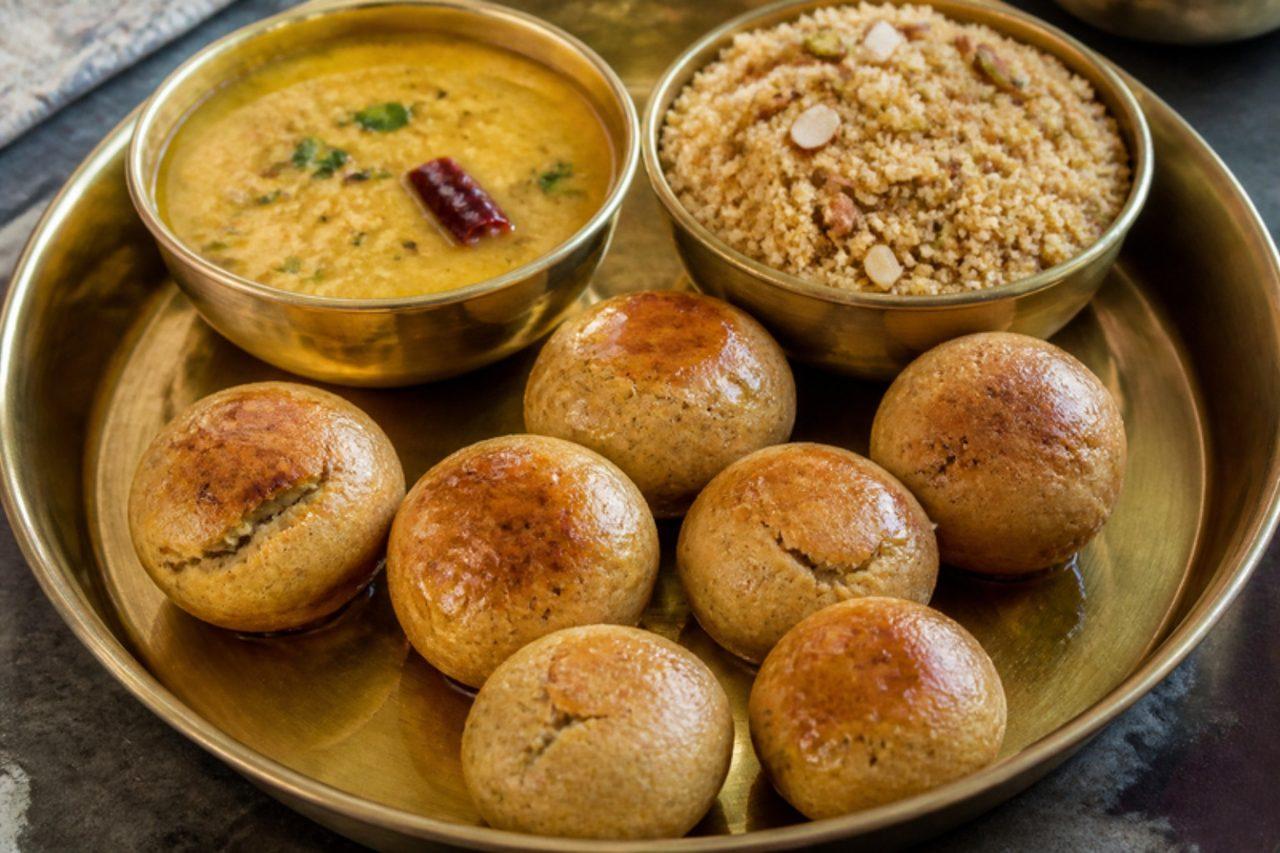
Dal baati churma is the dish every Rajasthani wedding and festival is built around. Baati are hard, round wheat breads, traditionally buried in desert embers, cracked open and drowned in ghee; they are eaten with panchmel dal made from five lentils and with churma, baati crumbs sweetened with sugar and cardamom. The joy is in the contrast: crunchy and soft, spicy and sweet, all rich with ghee. Serve with sliced onion, green chillies and lime. Chef's tip: rub the ghee into the baati flour until a handful holds its shape when squeezed; that shortening is what makes the baati crumbly inside instead of bready.

by KrazyBadal 0 views

Dal pithaLentil-stuffed rice dumplings

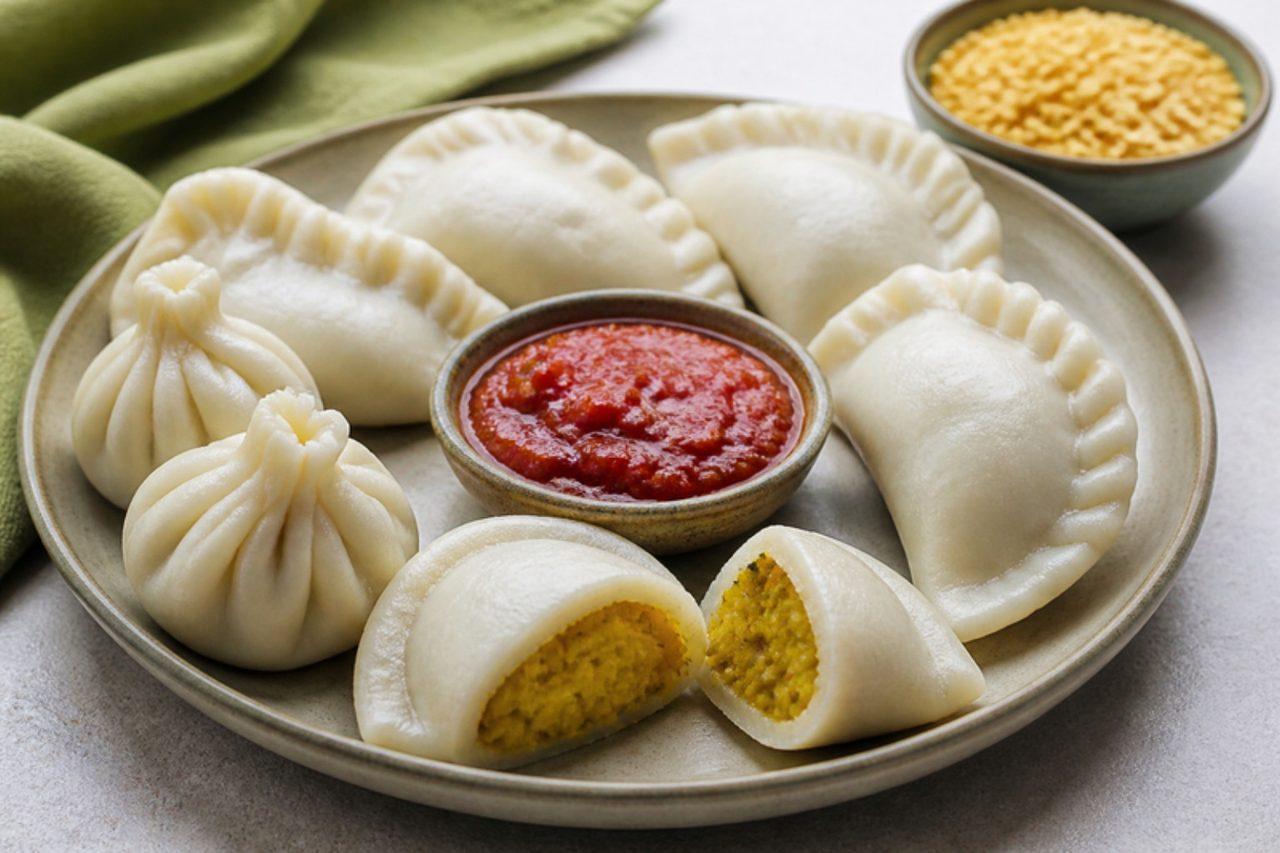
Dal pitha is the comfort food of Bihari winters, made on cold evenings and around Makar Sankranti: soft rice-flour dough wrapped around a coarse filling of chana dal, garlic, ginger and chilli, shaped into half-moons or little pouches and cooked in steam. People in Mithila call it a Bihari momo, and it is eaten hot with tomato chutney or a dribble of mustard oil. The dough tastes gently of rice, the filling is savoury and filling, and leftovers are excellent pan-fried the next day. Chef's tip: knead the rice dough while it is still hot; if it cools before shaping, the pitha crack and the filling leaks out.

by KrazyBadal 0 views

Dalle chutneyRound chilli and tomato chutney

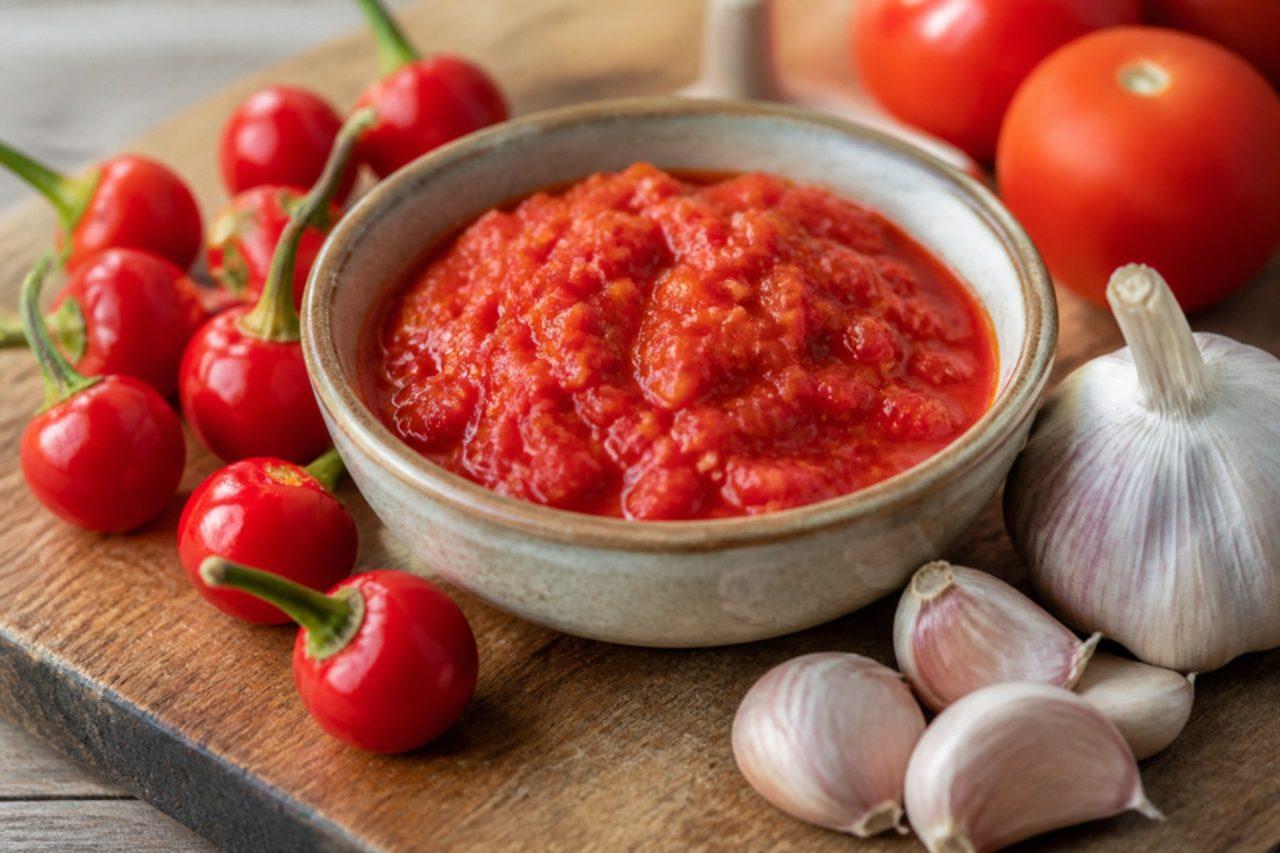
Dalle khursani is Sikkim's round, cherry-sized chilli, grown in every hill garden and among the hottest chillies in India. No meal in Gangtok goes without a little bowl of dalle achar beside the rice or momos. This fresh version pounds the chillies with blistered tomato, garlic, a pinch of timur (Sichuan-type pepper) and lemon into a coarse red chutney that is searingly hot, sharp and fruity. Eat it by the dot. Chef's tip: wear gloves when cutting dalle, and never touch your eyes; the heat stays on your hands for hours. Use a mix of habanero and bird's-eye chillies if you can't get dalle.

by KrazyBadal 0 views

DalmaPigeon pea and vegetable dal

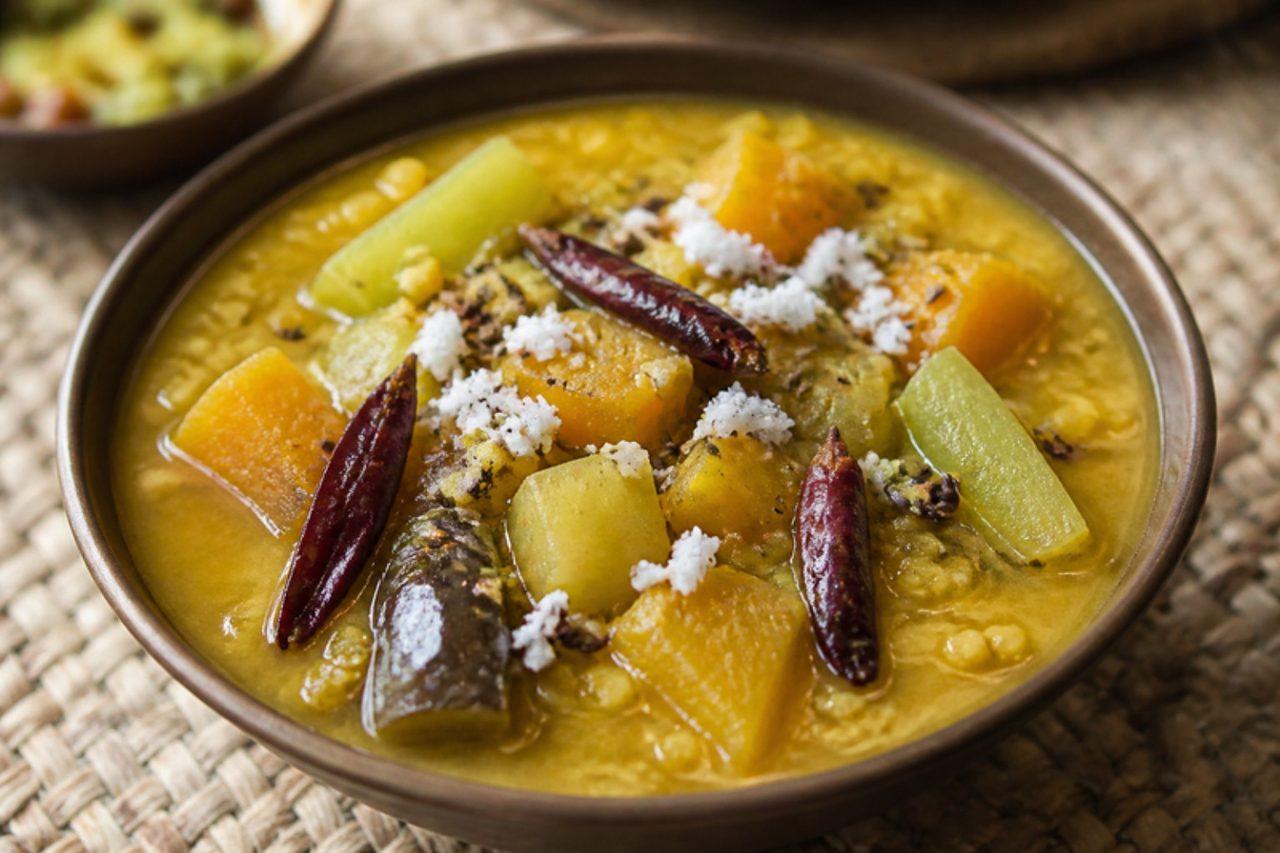
Dalma is the comfort food of Odisha and the dal offered at the Jagannath temple in Puri. Toor dal is cooked together with chunky vegetables, usually raw banana, pumpkin, aubergine and potato, so they soften into it and make it hearty enough to be a meal. A tempering of panch phoron and dried chilli and a sprinkle of roasted cumin-chilli powder give it its smoky warmth; a little grated coconut is often added on top. Odia homes finish it with a spoonful of ghee; this version uses oil so it stays vegan. Serve with plain rice. Chef's tip: add the vegetables halfway through cooking the dal, not at the start, so they keep their shape and the dal stays thick rather than watery.

by KrazyBadal 0 views

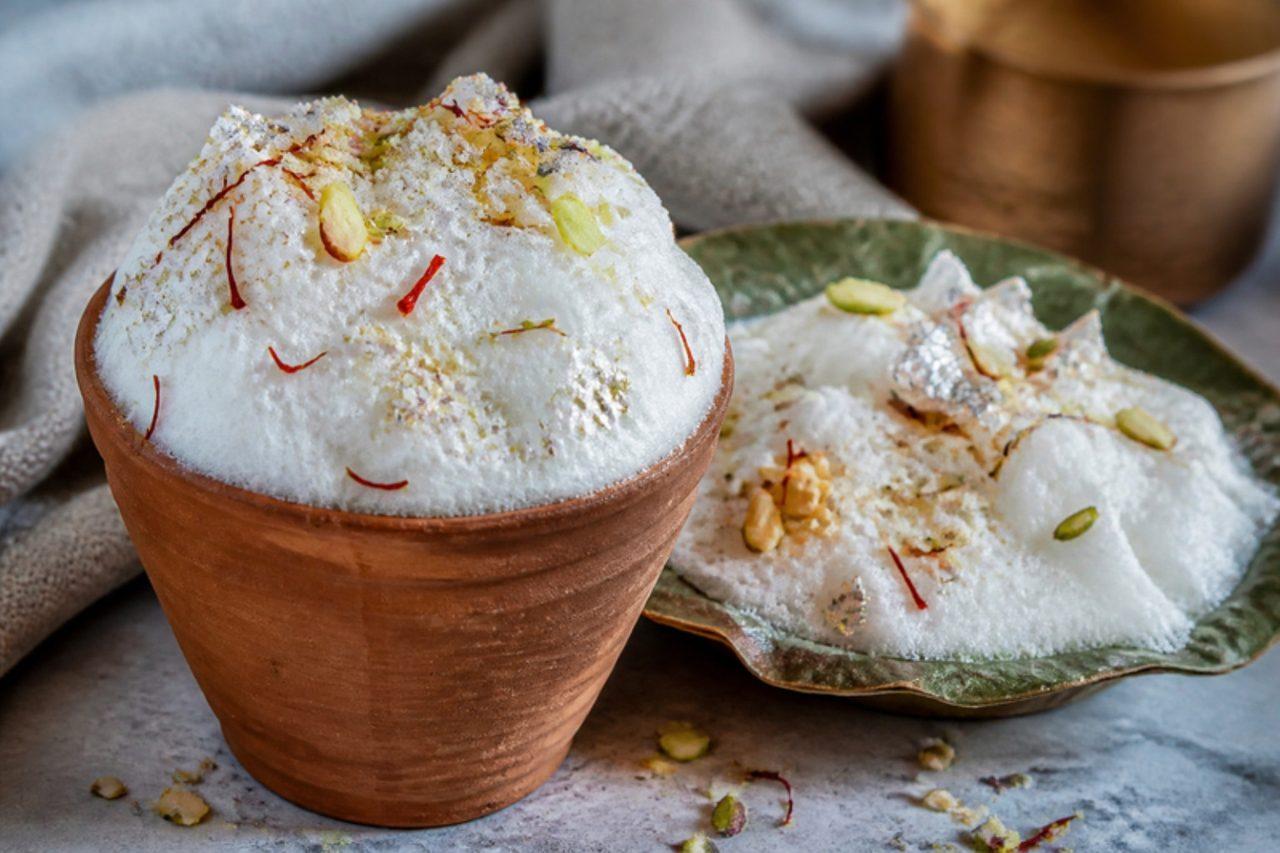
Daulat ki chaatSaffron milk foam

Daulat ki chaat appears in the lanes of Chandni Chowk only in the coldest months, from about November to February. Vendors whisk milk and cream through the night and leave it out under the winter dew, then skim off a foam so light it disappears on your tongue, topped with saffron, khoya, sugar and pistachios. It's sold before the sun gets high, because warmth destroys it. A home kitchen can't recreate a Delhi winter night, so this version uses very cold milk and cream whipped to a loose foam and layered with saffron. It comes close: airy, cool, faintly sweet. Chef's tip: chill everything, bowl and whisk included, for at least 4 hours; the colder the milk, the more stable the foam.

by KrazyBadal 0 views

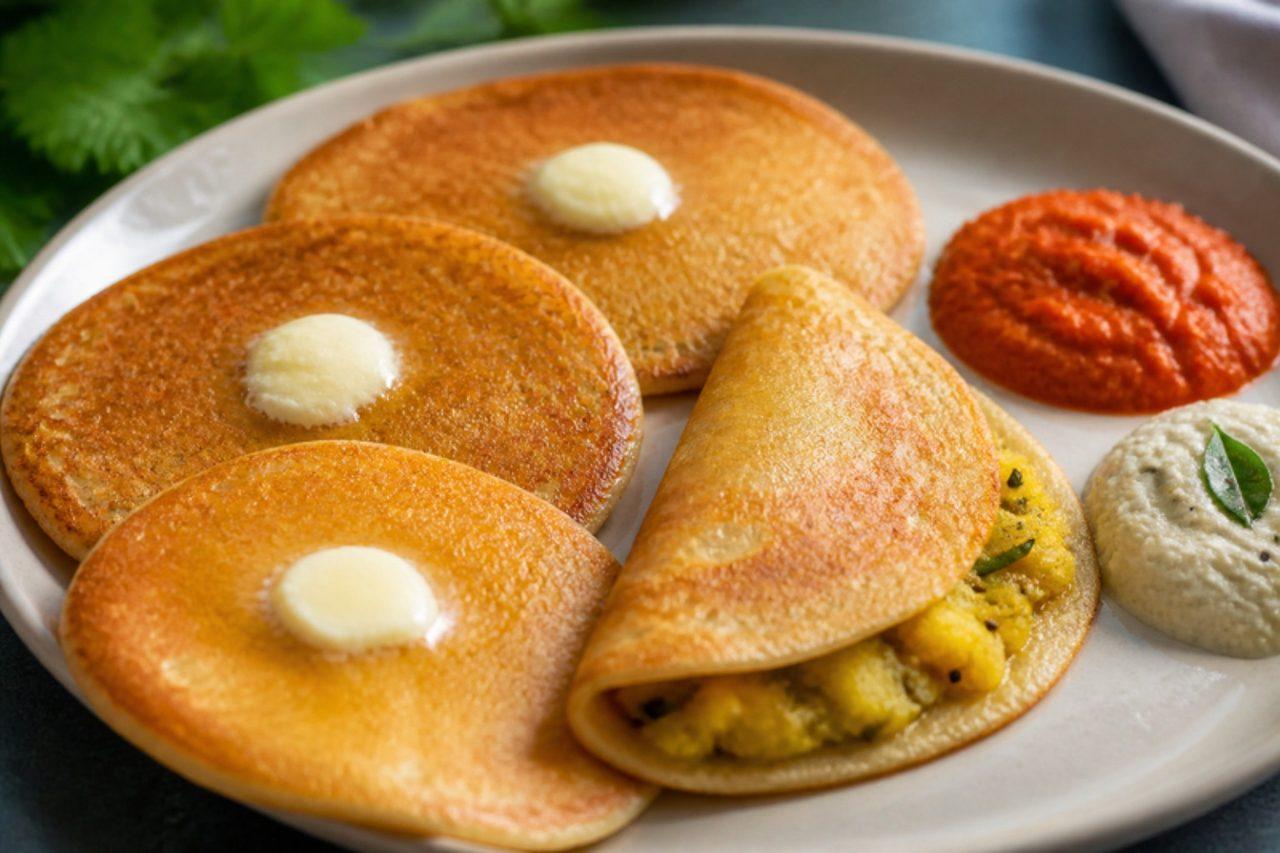
Davanagere benne dosaButter dosa

Davanagere, a cotton-market town in central Karnataka, is famous for one thing above all: benne dosa, small, thick dosas cooked on a huge iron griddle with a generous lump of white butter melting over each one. The batter includes puffed rice (mandakki), which makes the inside soft and spongy while the base turns crisp and deep golden. In the town's busy dosa halls they arrive two at a time with a thin coconut chutney and a spoonful of potato palya tucked inside. It is breakfast, but many people eat it as an evening snack too. Chef's tip: use proper unsalted white butter if you can find it, and add it in two goes, half when the batter goes on and half just before folding, so the edges fry in butter rather than burn.

by KrazyBadal 0 views

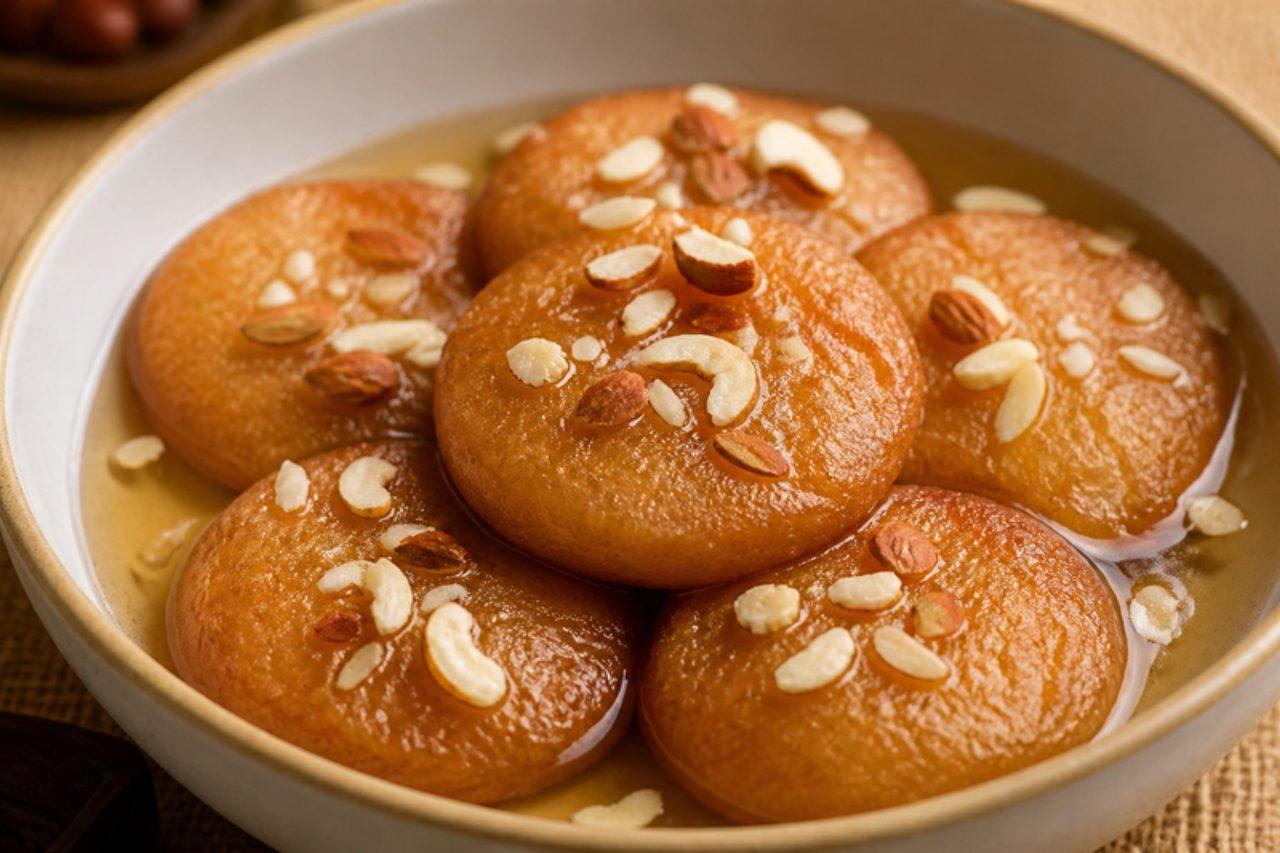
DehroriFried rice and curd dumplings

Dehrori is the sweet Chhattisgarhi families make for Diwali, Holi and weddings, and it tastes like no other syrup sweet: soaked rice is ground coarse, left to sour gently with curd, then fried in ghee and dropped into cardamom syrup. The fermentation gives it a faint tang and a light, spongy crumb under a crisp shell, a little like a rustic cousin of rasbhari or gulab jamun. Grandmothers judge the batch by how well the dumplings hold their shape in the syrup. Chef's tip: grind the rice to the texture of fine semolina, not a smooth paste; that grain is what keeps dehrori light.

by KrazyBadal 0 views

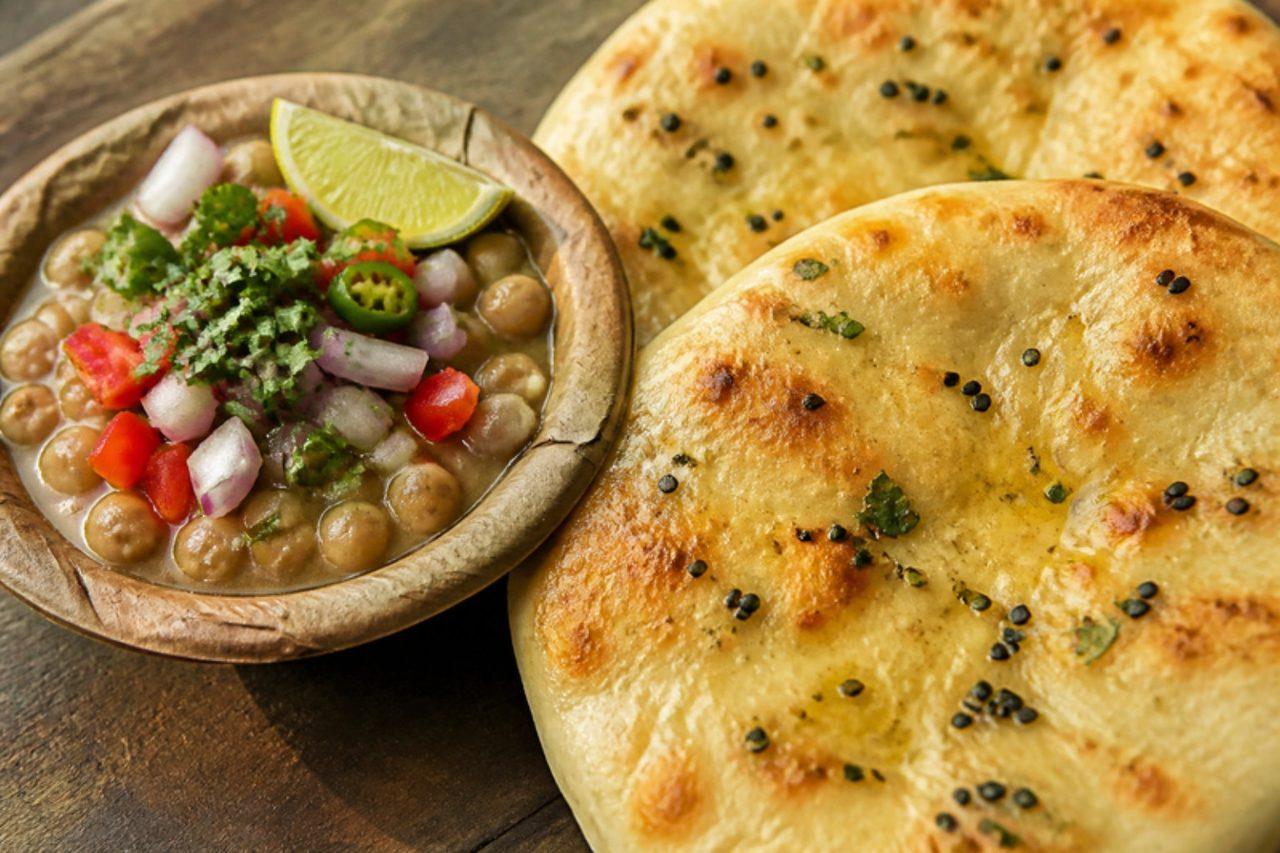
Delhi chole kulcheChickpeas with kulcha bread

Walk through any Delhi office district at lunchtime and you'll find a cart with a huge brass pot of pale white peas and a stack of soft kulchas warming on a tawa. Delhiites call it chole kulche even though it's made with dried white peas (safed matar) rather than chickpeas. The vendor scoops the peas onto a leaf plate, piles on raw onion, tomato, green chilli and ginger, squeezes lime over and dusts it with a sour, smoky masala. It's tangy, fresh and filling, and very different from the rich, stuffed Amritsari kulcha. Chef's tip: mash a ladleful of the cooked peas back into the pot; it thickens the liquid so the toppings and masala cling instead of sliding off.

by KrazyBadal 0 views

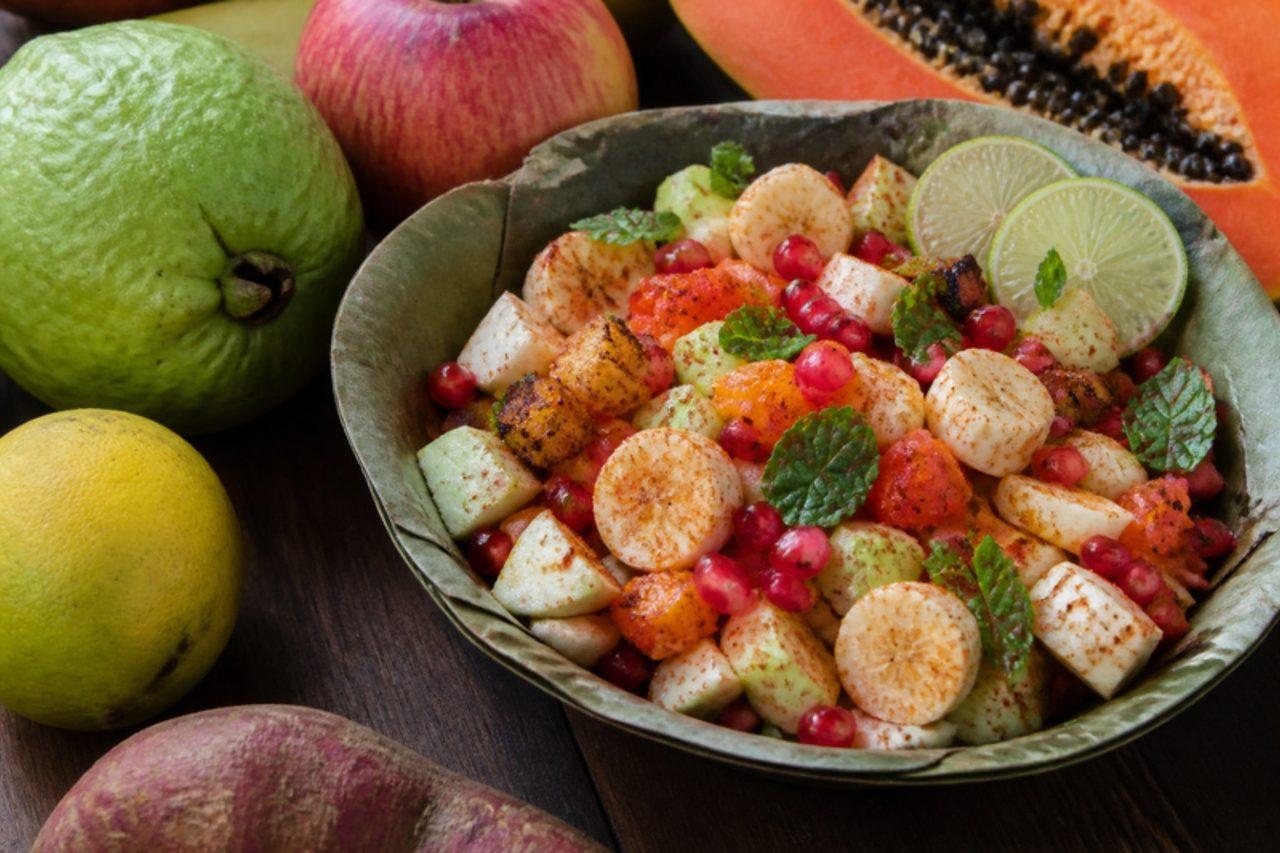
Delhi-style fruit chaatSpiced fruit chaat

Delhi's fruit chaat wallahs set up their carts in the afternoons with towers of guava, papaya, apples and bananas, plus roasted sweet potato, and chop whatever you point at into a leaf bowl. Then comes the part that makes it chaat rather than fruit salad: a big shake of tangy chaat masala, black salt and roasted cumin, a squeeze of lime, sometimes a pinch of chilli. It's a refreshing mid-afternoon snack in summer, and a regular sight on Ramzan iftar spreads too. The salt and spice make sweet fruit taste even sweeter. Chef's tip: season it just before eating; once the salt goes on, the fruit starts weeping juice and goes soft within 15 minutes.

by KrazyBadal 0 views

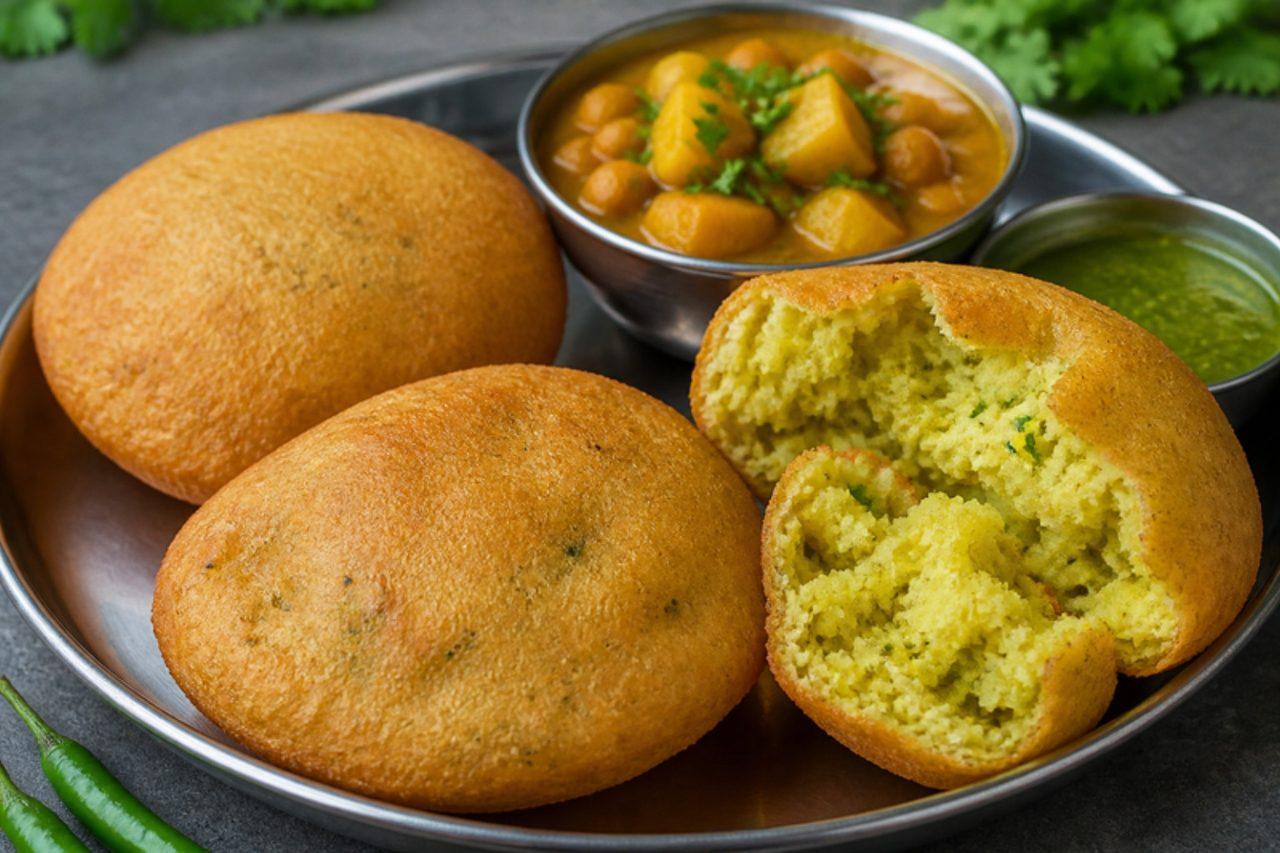
DhuskaFried rice and dal bread

Dhuska is the breakfast of Ranchi and the whole of Jharkhand, fried fresh at roadside stalls from early morning. Rice and chana dal are soaked, ground to a thick, slightly coarse batter with green chilli and ginger, and ladled into hot oil, where each round puffs up crisp outside and soft and spongy inside. It is eaten with aloo-chana ghugni or a thin potato curry and a sharp coriander chutney, and it is a must at Jharkhandi weddings and Karma festival. Chef's tip: beat the batter hard for a couple of minutes before frying; the trapped air makes it puff without any soda.

by KrazyBadal 0 views

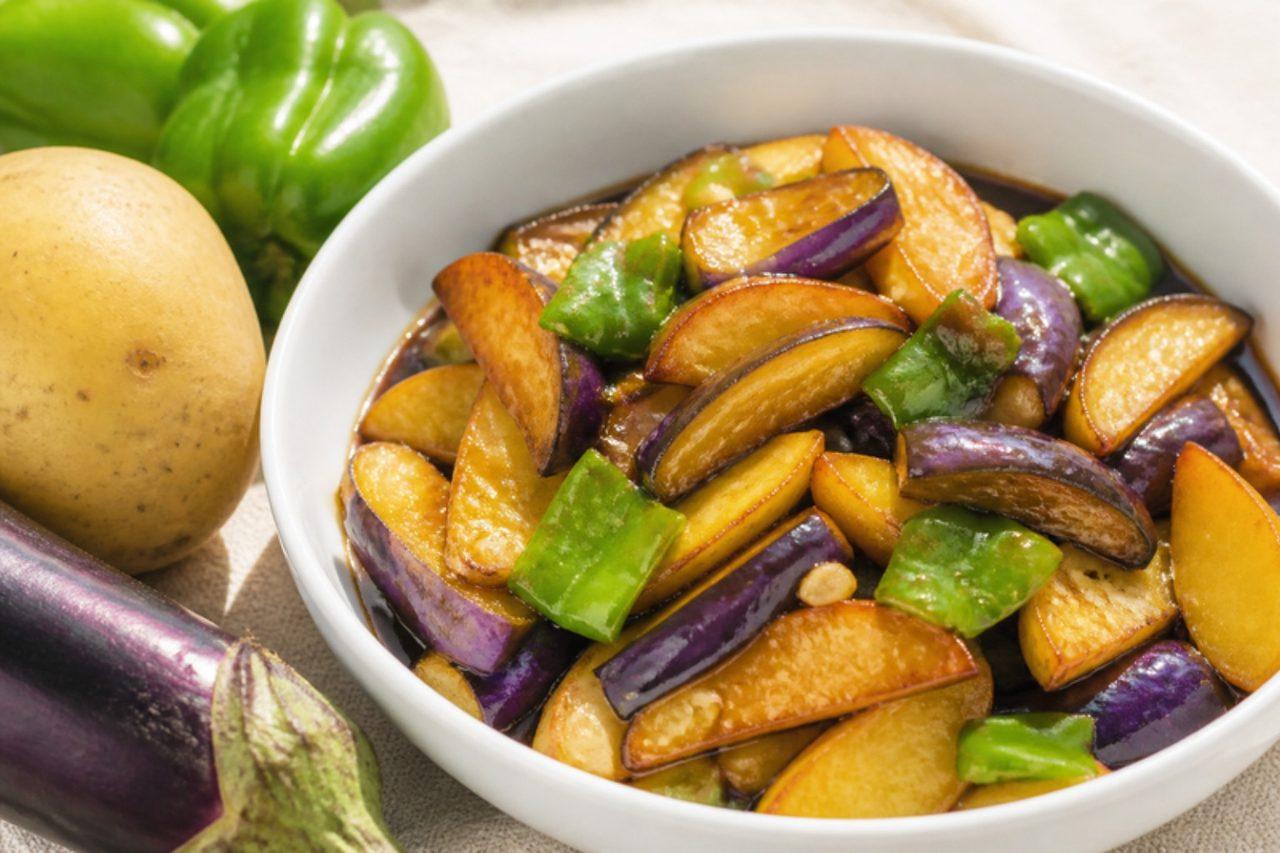
Di san xianPotato, aubergine and pepper stir-fry

Di san xian means 'three fresh things from the earth', and it is the best-known home dish of Dongbei, China's cold north-east, where potatoes, aubergines and peppers are the summer harvest. Each vegetable is fried until golden, then tossed in a sticky, garlicky soy glaze. It's rich and filling, and goes with rice or steamed buns. Chef's tip: fry the potato first and longest; it needs to be golden and fully tender before it meets the sauce, because it won't soften further in the wok.

by KrazyBadal 0 views

DibiGrilled lamb with mustard onions

In Dakar a dibiterie is a smoky little shop where lamb is grilled over charcoal and sold by weight, wrapped in paper with raw onion, mustard and a pinch of spice salt; people eat it late in the evening, often after prayers or a football match. At home you get close with lamb chops or shoulder steaks, a quick marinade and a very hot grill. The mistake is moving the meat too much: leave it until it chars and releases on its own. Chef's tip: toss the sliced onions with salt and vinegar while the lamb marinates; they soften and lose their harsh bite in 20 minutes.

by KrazyBadal 0 views

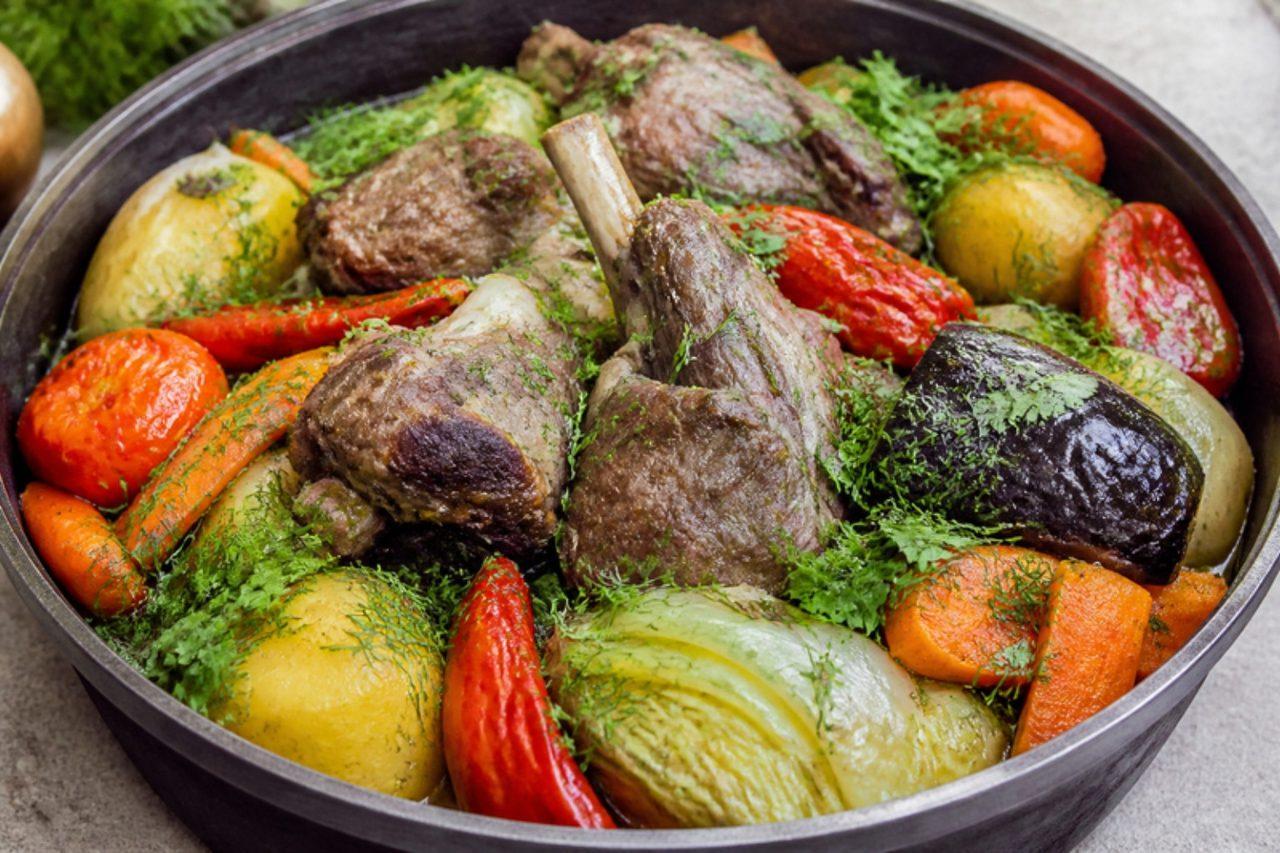
DimlamaSteamed lamb and vegetables

Dimlama is what Uzbek families cook at the end of summer, when the markets of the Fergana Valley are piled with cabbage, aubergine, peppers and tomatoes. Everything goes into one heavy pot in layers, lamb at the bottom, and the lid stays on for nearly two hours while the vegetables slowly give up their juice and become the sauce. There is no added water, so the flavour is deep and sweet. People eat it straight from shallow bowls with non bread. The biggest error is lifting the lid to check; the steam escapes, the vegetables stew dry and the bottom can catch. Chef's tip: seal the lid with a damp tea towel or a strip of foil so no steam gets out.

140 minUzbekMeatGluten free
by KrazyBadal 0 views

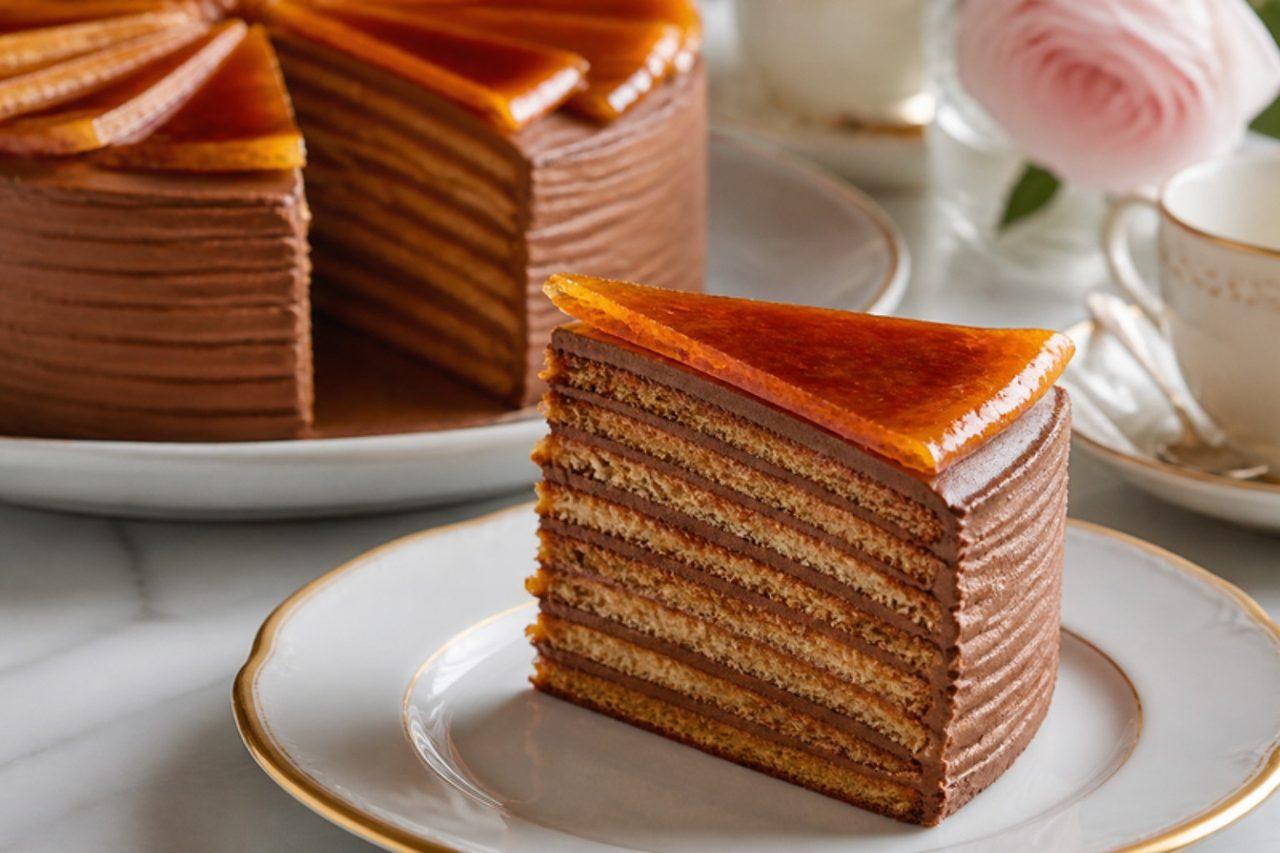
Dobos tortaLayered chocolate caramel cake

Dobos torta was created in Budapest in 1885 by the confectioner József C. Dobos, and it is still the cake Hungarians order in old coffee houses on Andrássy Avenue and bake for name days and big birthdays. Six thin sponge layers are stacked with a rich chocolate buttercream, and the top layer is glazed with hard amber caramel, cut into wedges and set at an angle like a fan. It is a project cake, but each stage is simple and the finished torte keeps for days. Chef's tip: mark the caramel into wedges with an oiled knife within the first minute; once it sets, it shatters instead of cutting.

by KrazyBadal 0 views

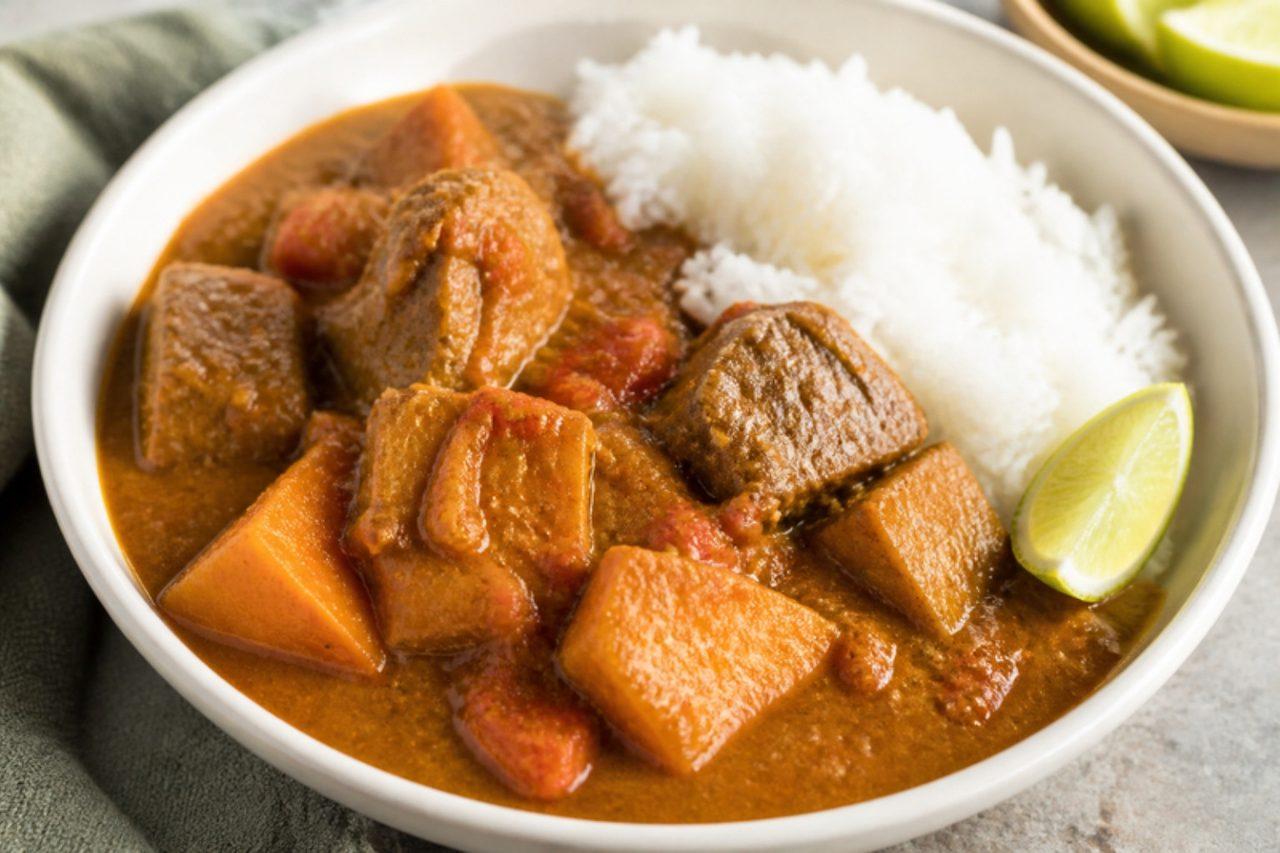
DomodaBeef and peanut stew

Domoda is the stew that most families in the Gambia, from Banjul to the riverside villages upcountry, cook several times a week. Beef is browned and simmered with tomato and onion, then smooth peanut butter is stirred in until the sauce turns thick, glossy and rich, with pumpkin and sweet potato melting into it. It is spooned over white rice with a squeeze of lime, and a scotch bonnet floats in the pot for whoever likes it hot. The mistake to avoid is adding the peanut butter too early and leaving it unstirred, as it catches and burns on the bottom; add it once the beef is nearly tender and stir often. Chef's tip: whisk the peanut butter with a ladle of hot broth before it goes in, so it melts smoothly instead of forming lumps.

by KrazyBadal 0 views

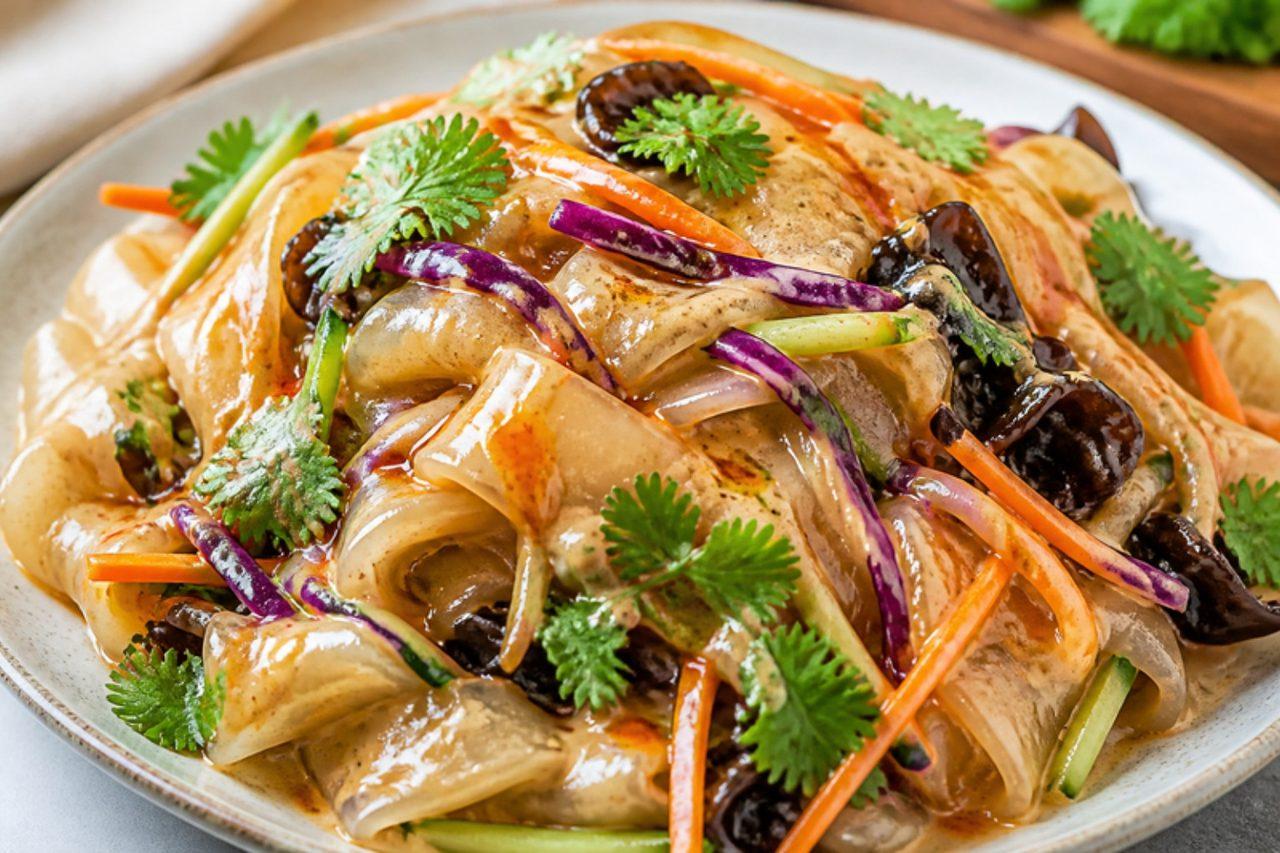
Dongbei da la piMung bean sheet salad

In north-east China, a big platter of this arrives at almost every family dinner and restaurant table, often next to the stews and dumplings. Wide, glassy sheets of mung-bean starch sit on a bed of shredded cucumber, carrot and cabbage, with a sesame, garlic and vinegar sauce and a dab of mustard poured over at the table. It's cool, slippery and crunchy. Look for dried la pi sheets or wide mung-bean noodles in Chinese supermarkets. Chef's tip: the sheet noodles must be fully cold before mixing, or they go soft and sticky.

by KrazyBadal 0 views

DooghSalted yogurt drink

Doogh is the salty, fizzy yogurt drink served in tall glasses with lunch across Iran, and above all with kebab and rice at the chelow-kababi restaurants of Tehran. Bottled sparkling doogh from the mineral springs of Abali, in the mountains east of the capital, is the famous one; at home it is mixed from yogurt, cold water and soda water with crumbled dried mint, and sometimes wild pennyroyal (kakuti) or rose petals. Its bubbles and mint set it apart from plainer, still yogurt drinks. It is cooling and good with rich, herby food. Chef's tip: add the sparkling water last and stir gently, or the fizz disappears before it reaches the glass.

by KrazyBadal 0 views

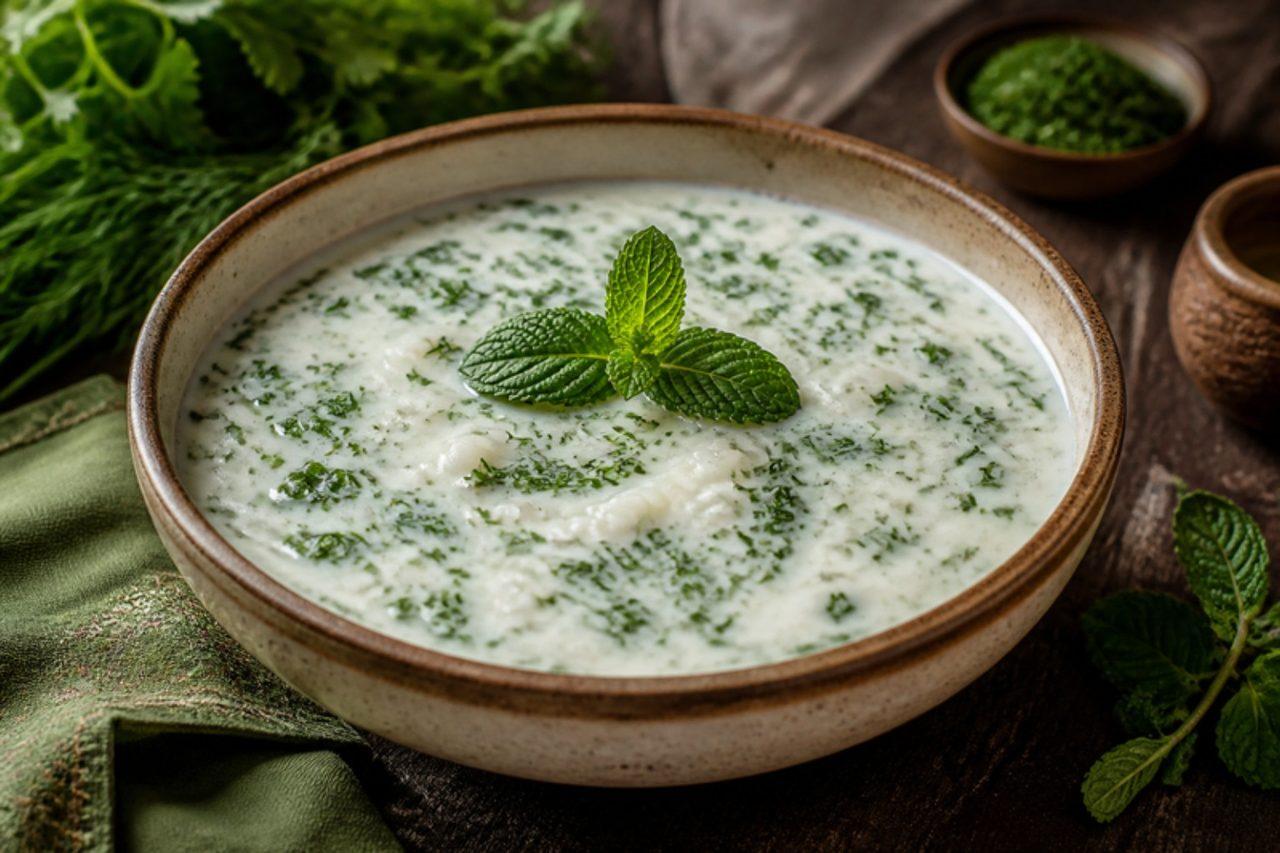
DovgaHerb and yogurt soup

Dovğa is green, tangy and cooling, the soup Azerbaijanis drink cold from glasses on hot Baku afternoons and eat hot in bowls when the Absheron wind turns chilly. Yogurt is thinned, thickened with rice and egg, then packed with chopped spinach, dill, coriander, mint and sorrel, until the soup is more herbs than dairy. It is served at weddings and at Novruz to settle the stomach after rich food, and many cooks add chickpeas. Unlike Armenian spas, there is no fried onion or wheat; the flavour is all fresh herbs and sour yogurt. Chef's tip: add the herbs only once the yogurt is boiling steadily and stable; they wilt in seconds, and the colour stays bright green.

by KrazyBadal 0 views

StollenFruit Christmas bread

Dresden has baked Christstollen for more than 500 years, and every December the city holds a Stollen festival with a giant loaf paraded through the old town to the Striezelmarkt. The loaf's shape, folded over and dusted white, is said to show the Christ child wrapped in swaddling cloth. It's a rich, dense yeast bread, heavy with butter, raisins, candied peel and almonds, brushed with melted butter straight from the oven and buried in sugar. It's baked weeks before Christmas and sliced thinly through Advent. Chef's tip: wrap it tightly and let it rest for at least a week before cutting; the flavours ripen and the crumb turns moist.

120 minGermanBaking
by KrazyBadal 0 views

Durian candyDurian milk fudge

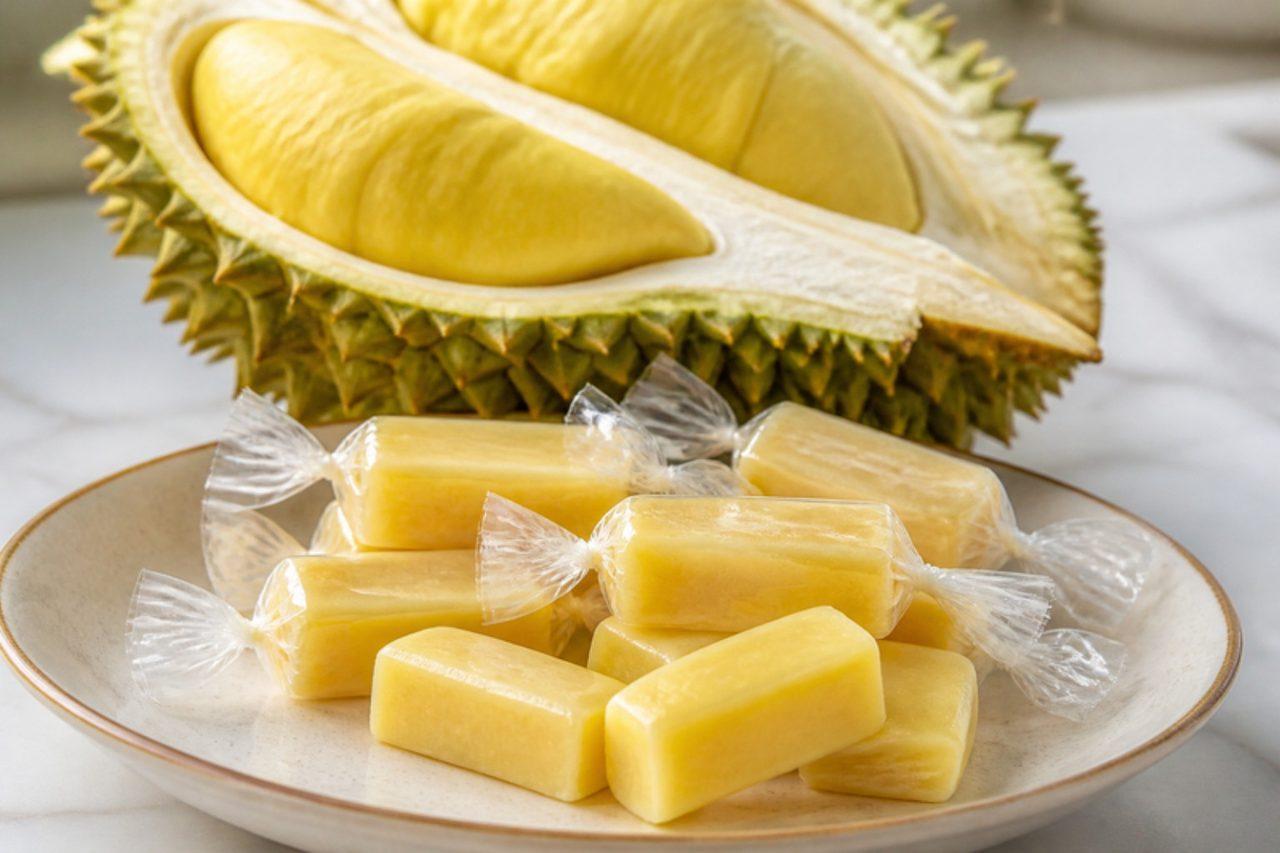
Davao City on Mindanao is the Philippines' durian capital, and its roadside stalls sell the fruit by the kilo next to boxes of durian candy for travellers who can't carry a whole one home. Ripe durian pulp is cooked slowly with condensed milk, sugar and butter until it becomes a dense, chewy fudge that tastes of caramel, custard and that famously strong fruit. Chef's tip: frozen durian pulp works perfectly; thaw it fully and pick out any seeds and fibrous bits before you start.

by KrazyBadal 0 views

Egg hoppersBowl-shaped rice pancakes with egg

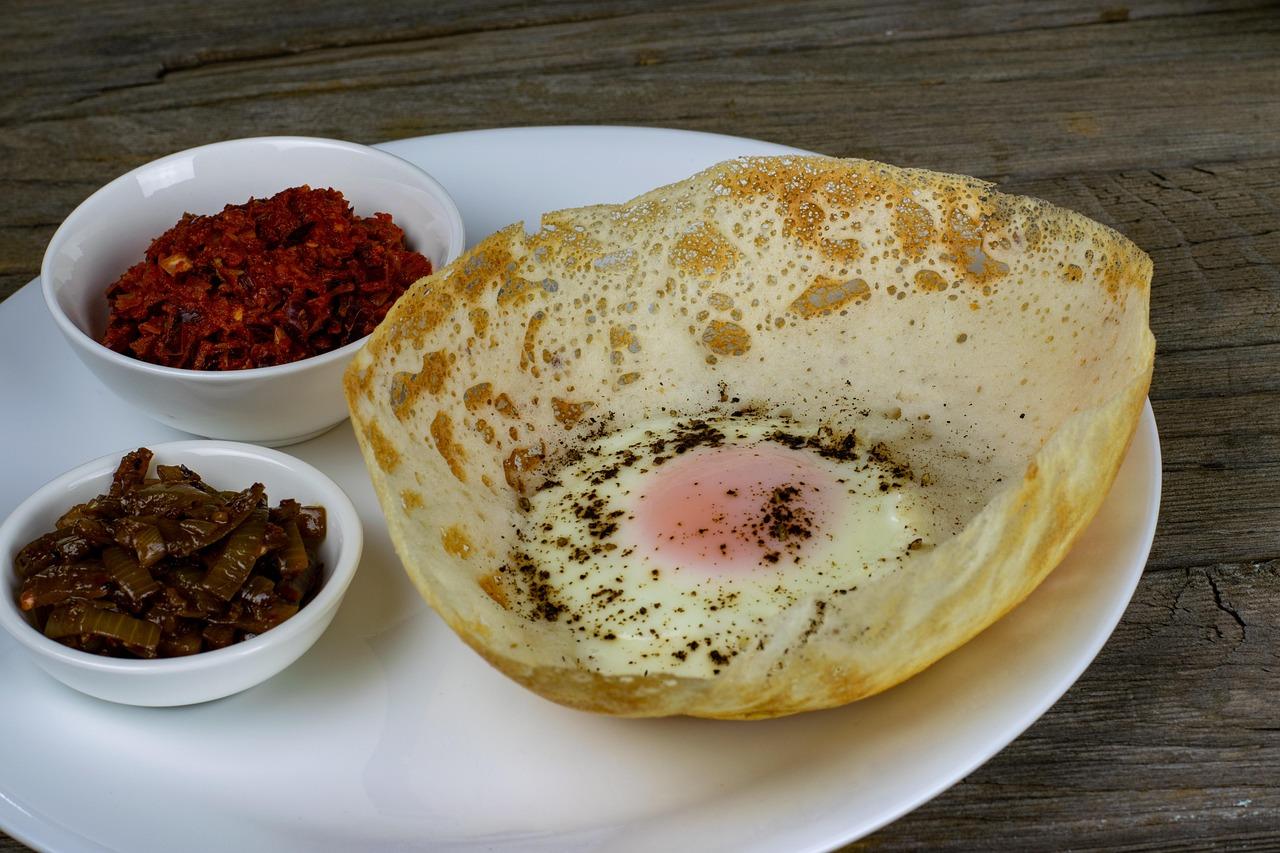
Hoppers (appa) are the crisp-edged, bowl-shaped pancakes that street cooks in Colombo, Kandy and Jaffna make in rows of small round pans every evening; an egg hopper has an egg cracked into the soft centre so it steams to a runny yolk. The batter of rice flour, coconut milk and yeast (traditionally toddy) is left to ferment until it's light and slightly sour, which gives the lacy, golden rim and the spongy middle. They're eaten hot with pol sambol and lunu miris, and plain hoppers come with sweet jaggery for dessert. Kerala's appam is a cousin, but Sri Lankan hoppers are thinner and crisper and the egg version is their own. The common mistake is a batter that's too thick, which gives heavy, pale hoppers; it should flow like single cream. Chef's tip: swirl the pan in one quick full turn the moment the batter goes in, then cover at once.

by KrazyBadal 0 views

EggahHerb omelette

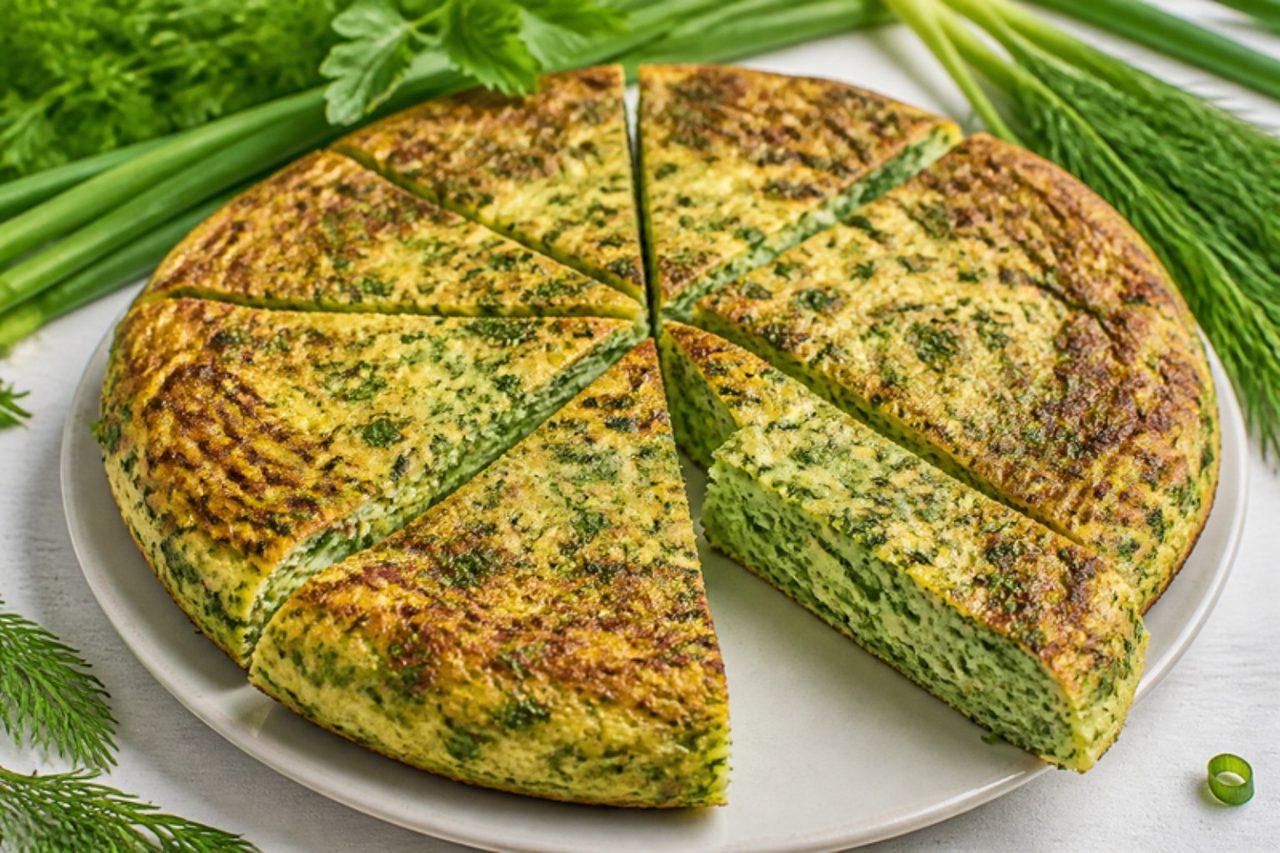
Eggah is the omelette Egyptian families make at home for breakfast or a light supper, often on a Friday morning alongside ful, falafel, cheese and baladi bread. It is thick and set rather than folded, packed with spring onion, parsley and dill and warmed with cumin, and it's cooked slowly so it puffs and browns on both sides. Slice it into wedges and eat it hot from the pan or cold in a sandwich. Chef's tip: grate the onion and squeeze it dry; wet onion makes the eggs weep and the eggah falls apart when you flip it.

by KrazyBadal 0 views

Empanadas de humitaCreamy corn empanadas

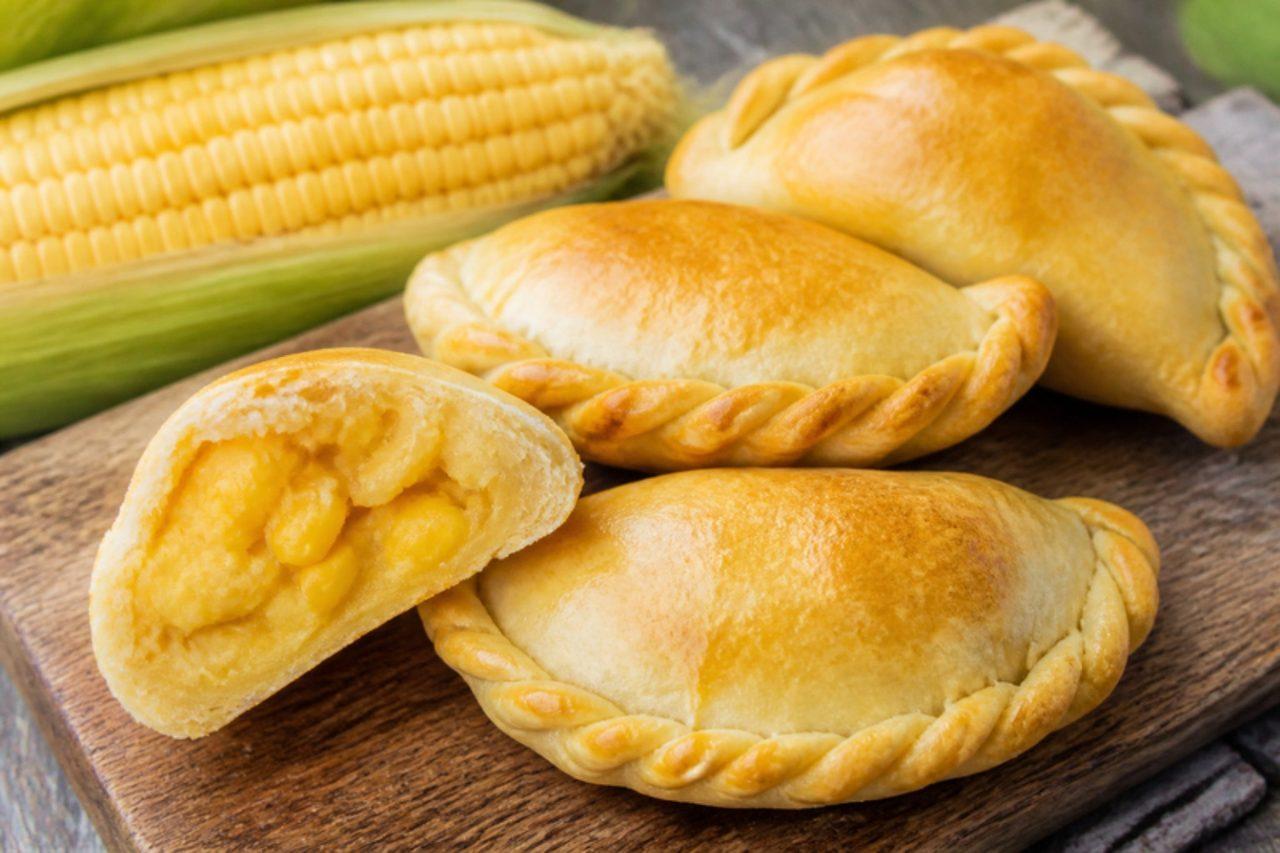
Empanadas de humita are the vegetarian favourite at every Argentine empanada shop, from Tucumán, which claims the best empanadas in the country, to the delivery menus of Buenos Aires. The filling is sweetcorn and onion cooked with red pepper, nutmeg and a little white sauce until creamy, then folded into wheat pastry discs and closed with the twisted edge (repulgue) that tells you what's inside. Unlike the husk-wrapped humita en chala, these are baked and golden. Chef's tip: chill the filling until firm before filling; warm filling melts the pastry and the empanadas open in the oven.

by KrazyBadal 0 views

Empanadas colombianasPotato corn empanadas

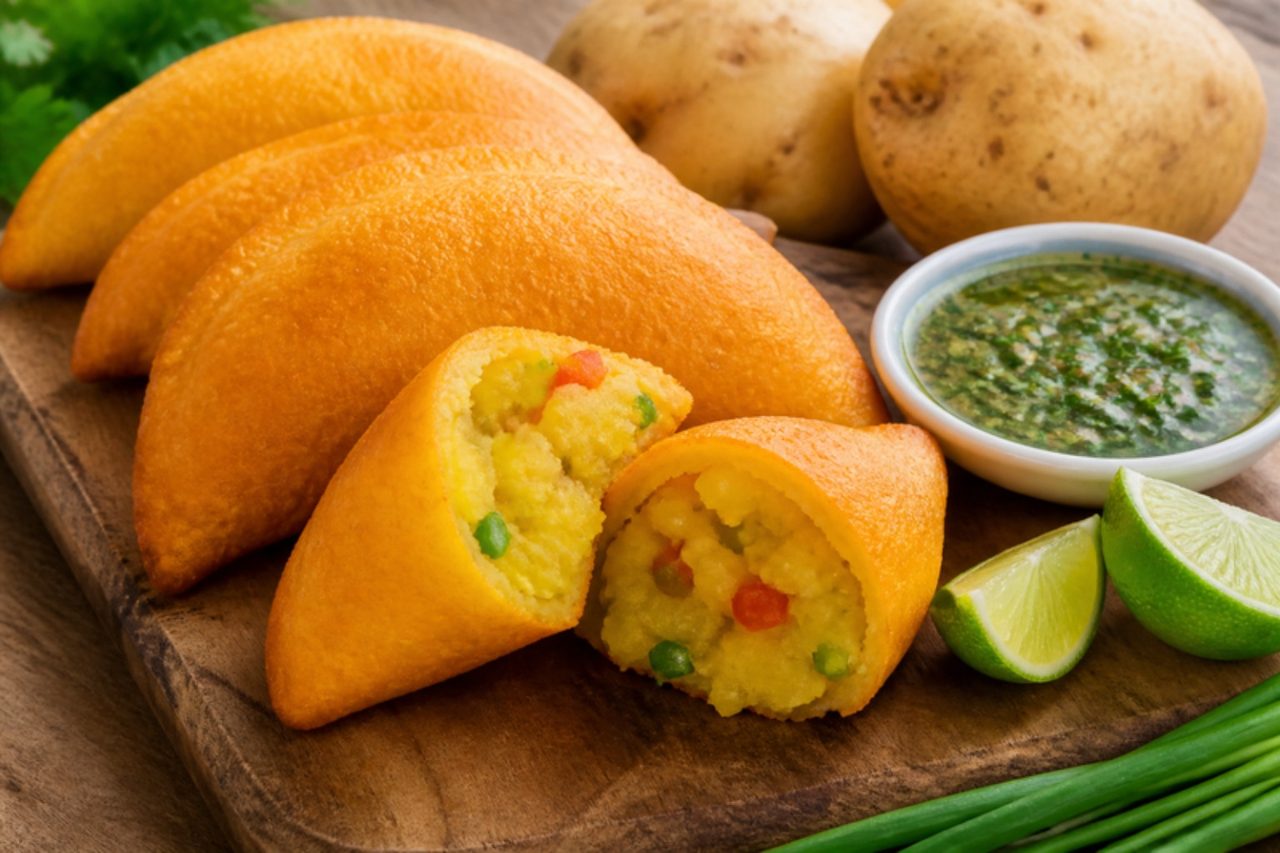
Colombian empanadas are small, crunchy half-moons made with yellow corn dough rather than wheat, sold hot from street stands across Bogotá, Medellín and Cali and eaten with a squeeze of lime and a spoonful of ají. The classic filling mixes potato with hogao and often meat; this version keeps the potato and hogao, seasoned with cumin and coriander, which many families make on its own anyway. They are crisp outside and soft and savoury inside. Chef's tip: roll the dough thin, about 3 mm; thick corn dough stays heavy and absorbs oil.

by KrazyBadal 0 views

EpisGreen herb seasoning base

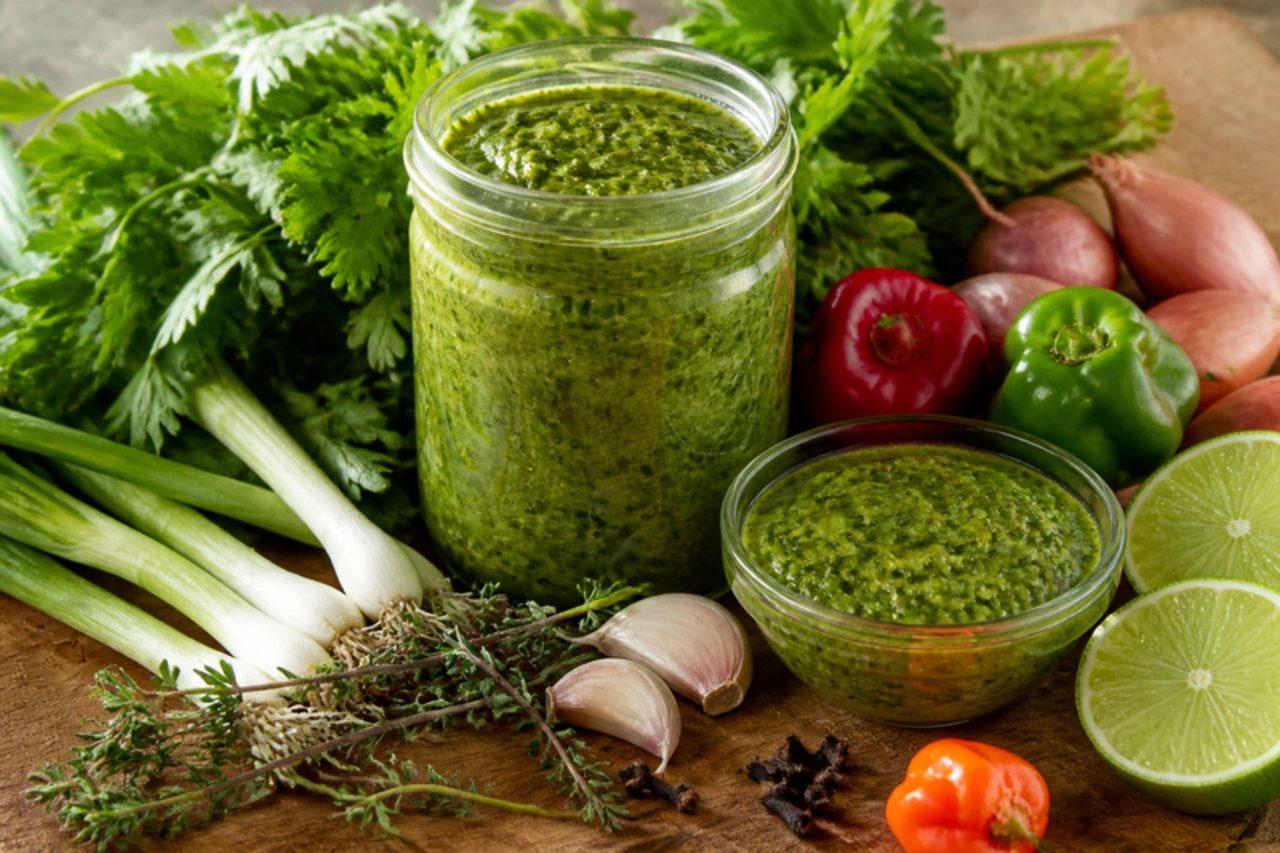
Epis is the jar that lives in every Haitian fridge, in Port-au-Prince flats and in Haitian kitchens in Miami, Montreal and Boston alike, and it's made fresh most weeks. Flat-leaf parsley, spring onion, garlic, sweet peppers and thyme are pounded or blended with a few cloves, a little scotch bonnet, oil and lime into a loose green paste. It is the first thing into the pot for rice and beans, legim and soup joumou, and it's rubbed over vegetables and tofu before they're fried. Raw it smells bright and herby; cooked it turns sweet, savoury and gently warm with clove. Chef's tip: use whole cloves and grind them yourself; just three or four give epis its signature warmth, but more turns it medicinal.

by KrazyBadal 0 views

ErisseryPumpkin and cowpea curry

Erissery is the golden, slightly sweet pumpkin dish of the Onam sadya in Kerala, and a favourite in homes all through the harvest season when the yellow mathanga pumpkins are piled up in the markets. Soft pumpkin and red cowpeas are bound with a coconut, cumin and green chilli paste, and the whole pot is crowned with grated coconut fried in coconut oil until it turns the colour of cinnamon. That crunchy, nutty topping is what makes it erissery. Serve with rice and parippu, or scoop it up with chapati. Chef's tip: keep the pumpkin pieces large so some stay whole while others melt into the sauce.

by KrazyBadal 0 views

Escovitch fishFried fish with pickled vegetables

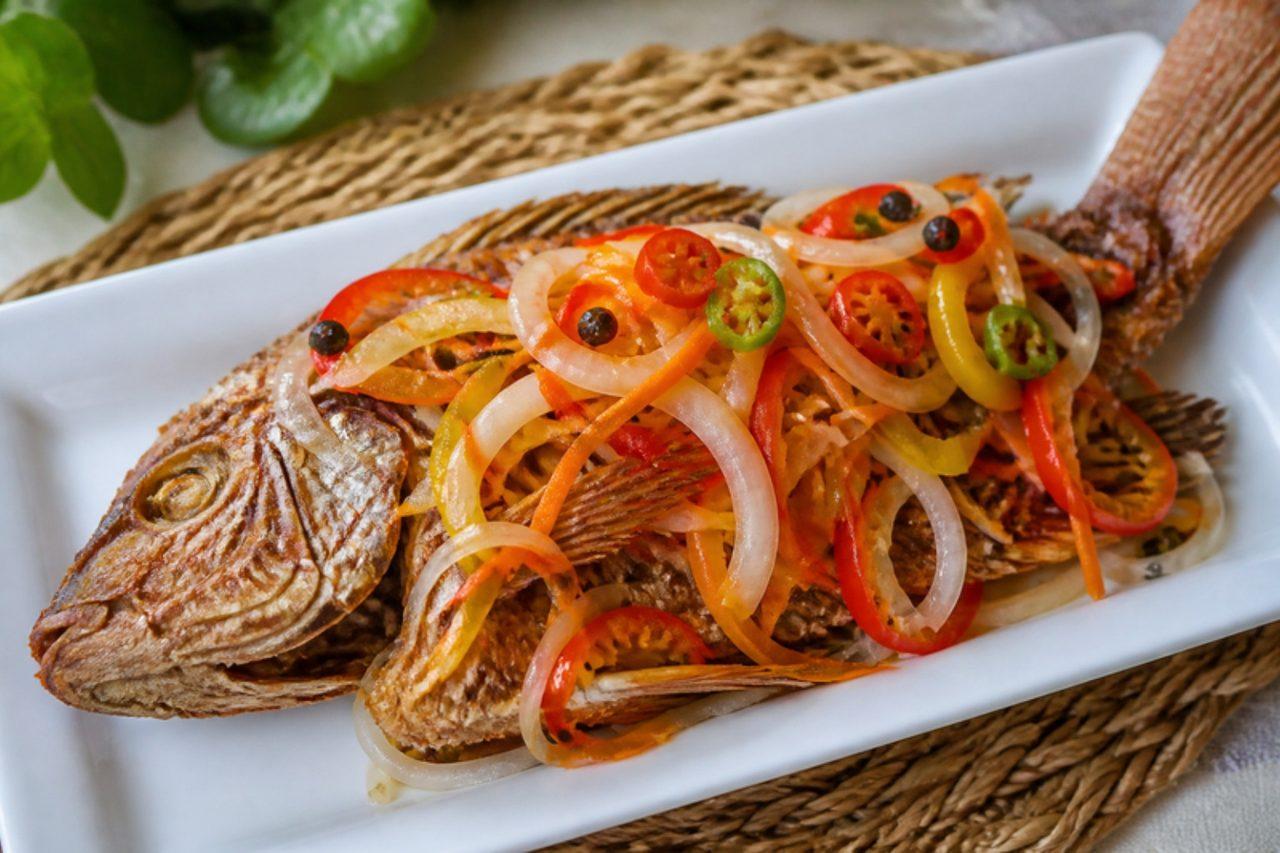
Good Friday in Jamaica means fish, and escovitch fish is the dish families line up for, though you'll also find it any day at the seaside stalls of Hellshire Beach and Port Royal. Whole red snapper (or thick fillets) are seasoned, fried until the skin shatters, then buried under onion, carrot, chocho and peppers that have been briefly warmed in vinegar with pimento and scotch bonnet. The fish soaks up the sharp, hot pickle as it sits, so it is as good at room temperature as it is fresh from the pan. Serve with bammy or festival. Chef's tip: make the pickle while the fish fries and pour it over hot fish; it sinks in better, and a few hours later the flavour is even deeper.

by KrazyBadal 0 views

Vegetarian fanescaSquash, grain and bean soup

Fanesca is cooked in Ecuador only once a year, in the days before Easter, and families spend a whole day shelling, peeling and stirring. Traditionally it gathers twelve grains and legumes (said to stand for the apostles) in a thick soup of squash, milk and peanut, with salt cod in the pot. This version leaves the fish out and keeps the festival garnishes: hard-boiled egg, fried ripe plantain, fresh cheese and parsley. It's rich and very filling; small bowls are enough. Chef's tip: cook everything the day before and reheat; like many big feast soups, fanesca tastes better on day two.

130 minAndeanSoupsGluten free
by KrazyBadal 0 views

FaraSteamed rice dough fingers

Fara is what a Chhattisgarhi kitchen does with yesterday's rice: it is kneaded with rice flour and hot water into a soft dough, rolled into little fingers, steamed and then tossed in a crackling tadka. Served at teatime or packed for long bus journeys, it is soft and chewy inside with spots of crispness from the pan. Some families spoon it into a thin, tangy curry instead, but the dry tempered version is the one sold in Raipur's snack corners. Chef's tip: knead the dough while it is still hot from the water; cold rice dough cracks and the fara split as they steam.

by KrazyBadal 0 views

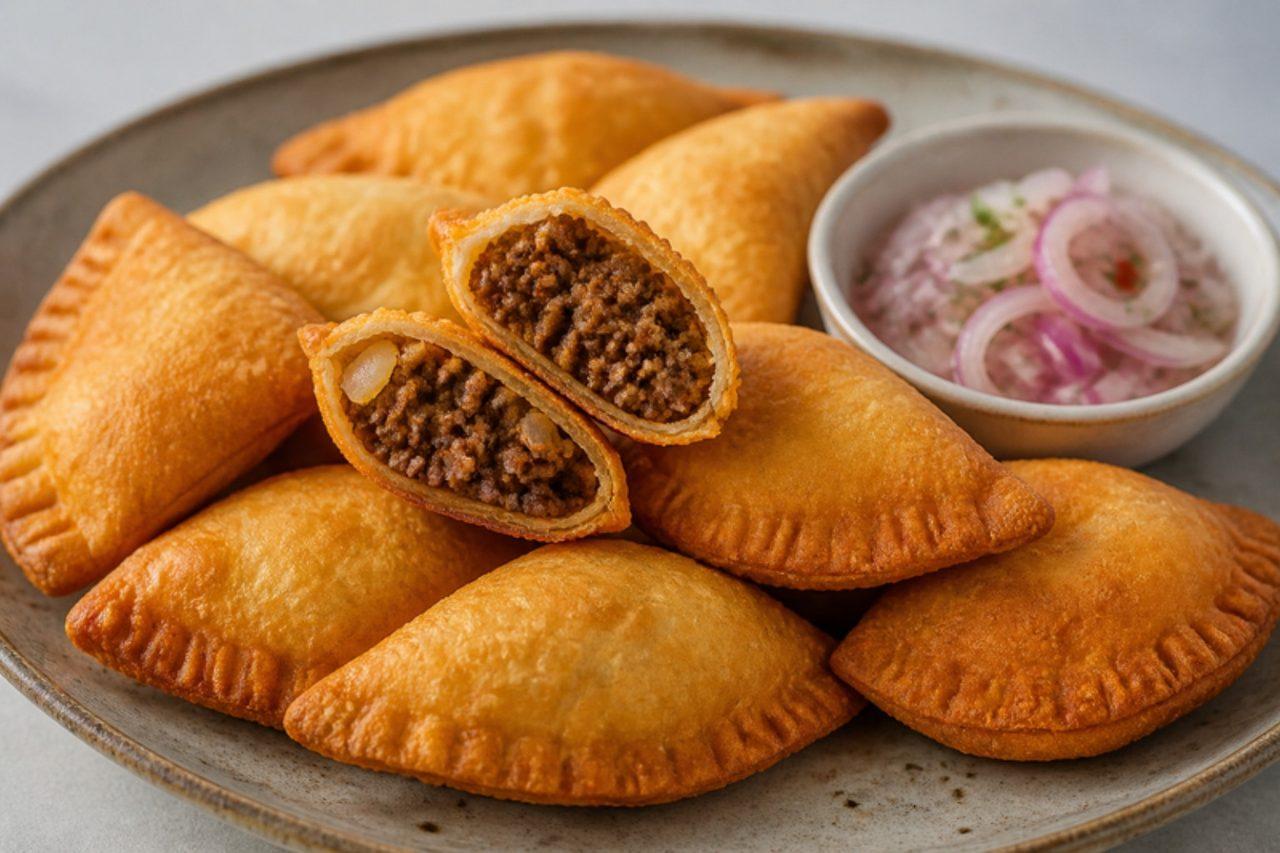
FatayaFried beef turnovers

Fataya are the half-moon pastries sold in paper cones outside schools and at bus stops all over Dakar, and fried by the dozen at home for baptisms and Tabaski. The dough is soft and short, the filling is minced beef cooked with onion, garlic and a little chilli, and they come with a sharp onion-and-mustard sauce for dipping. The common mistake is overfilling, which makes them burst in the oil; a heaped teaspoon per small round is enough. Chef's tip: let the filling cool completely before you fill the dough, or the steam softens the pastry and it tears.

by KrazyBadal 0 views

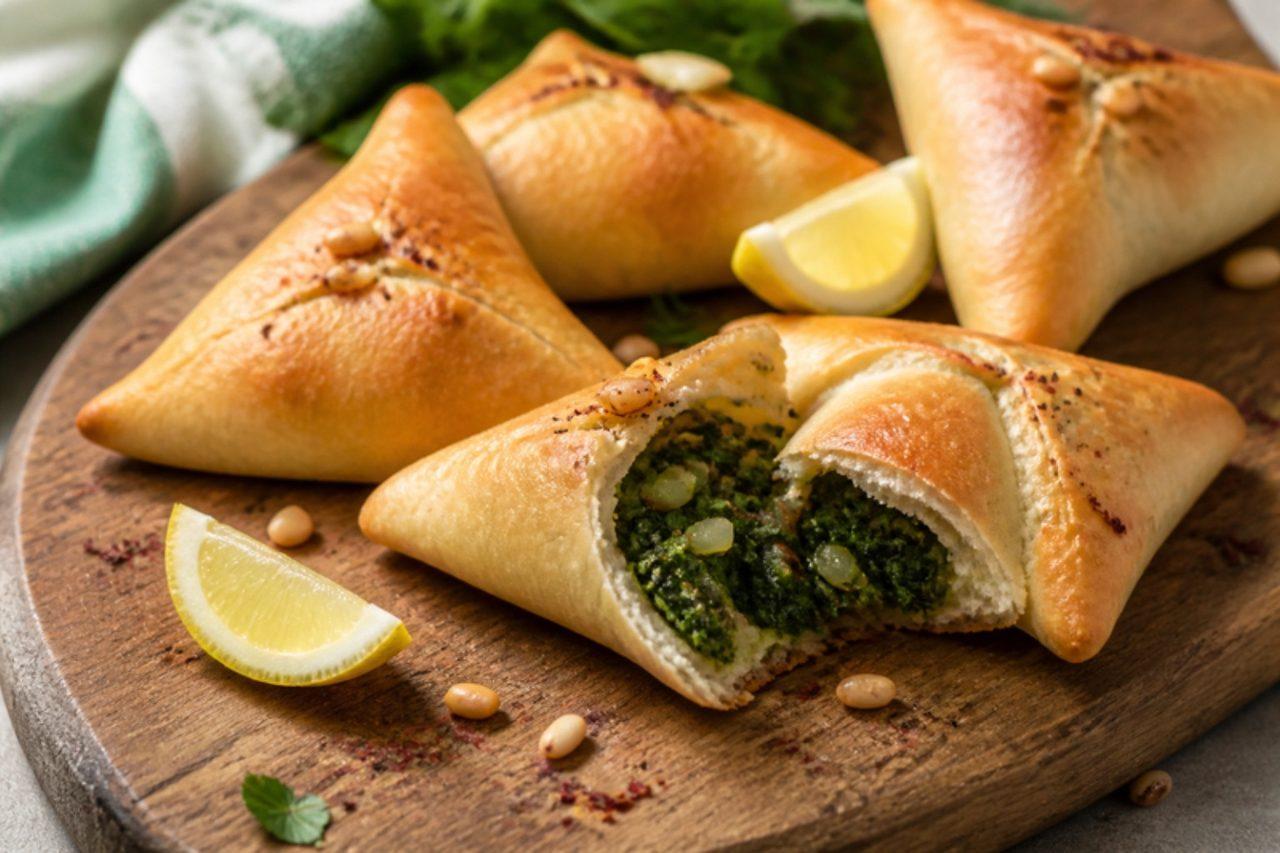
Fatayer bi sabanekhSpinach pastry triangles

Every Lebanese bakery, or furn, sells fatayer bi sabanekh warm from the oven in the morning: soft three-cornered pies filled with spinach that has been salted and squeezed, then mixed with onion, sumac, lemon and olive oil until it is tart enough to make you pucker. They go into school lunch boxes, onto picnic blankets and onto every buffet at Lebanese parties, and they freeze well. The usual problem is a filling that leaks and makes the pies burst open; wring out the spinach hard and seal the seams firmly so they stay closed in the oven. Chef's tip: let the sumac, lemon and onion sit together for ten minutes before adding the spinach so the onion softens and loses its raw bite.

by KrazyBadal 0 views

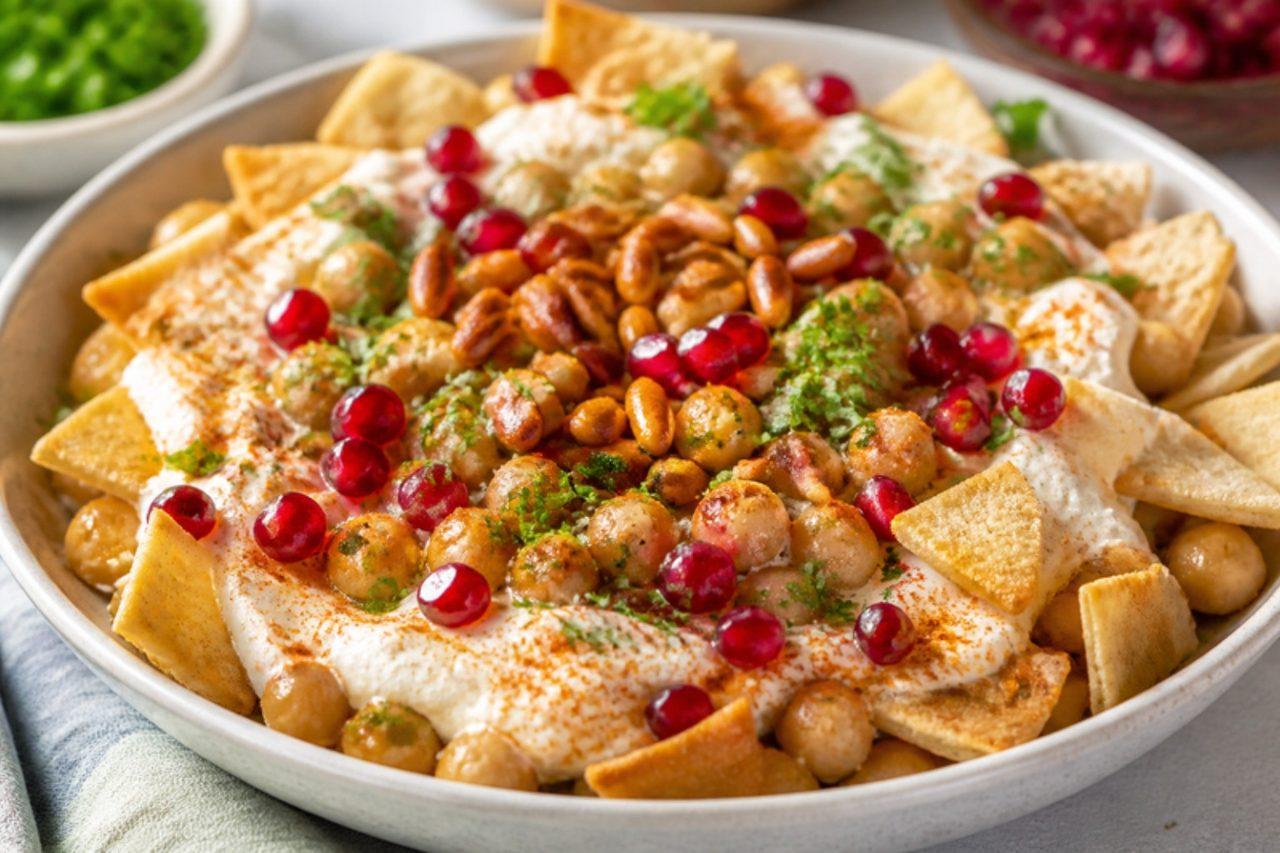
Fatteh with chickpeasChickpeas and crisp bread in yogurt

Fattet hummus belongs to Damascus, where breakfast restaurants in the old city serve it in deep bowls on Friday mornings, and it has spread to Beirut's Sunday tables too. The name comes from fatt, to break up, for the toasted flatbread at the bottom, which is topped with warm chickpeas in their broth, then a thick, garlicky sauce of yogurt and tahini, and finally sizzling pine nuts in butter or oil with a dust of paprika and cumin. The contrast is the point: crunchy and soft, hot and cool. Assembling it too early is the common mistake, since the bread soaks up the sauce and goes soggy; build it just before eating. Chef's tip: let the yogurt come to room temperature first, so it doesn't cool the chickpeas down too much and the bowl stays warm.

by KrazyBadal 0 views

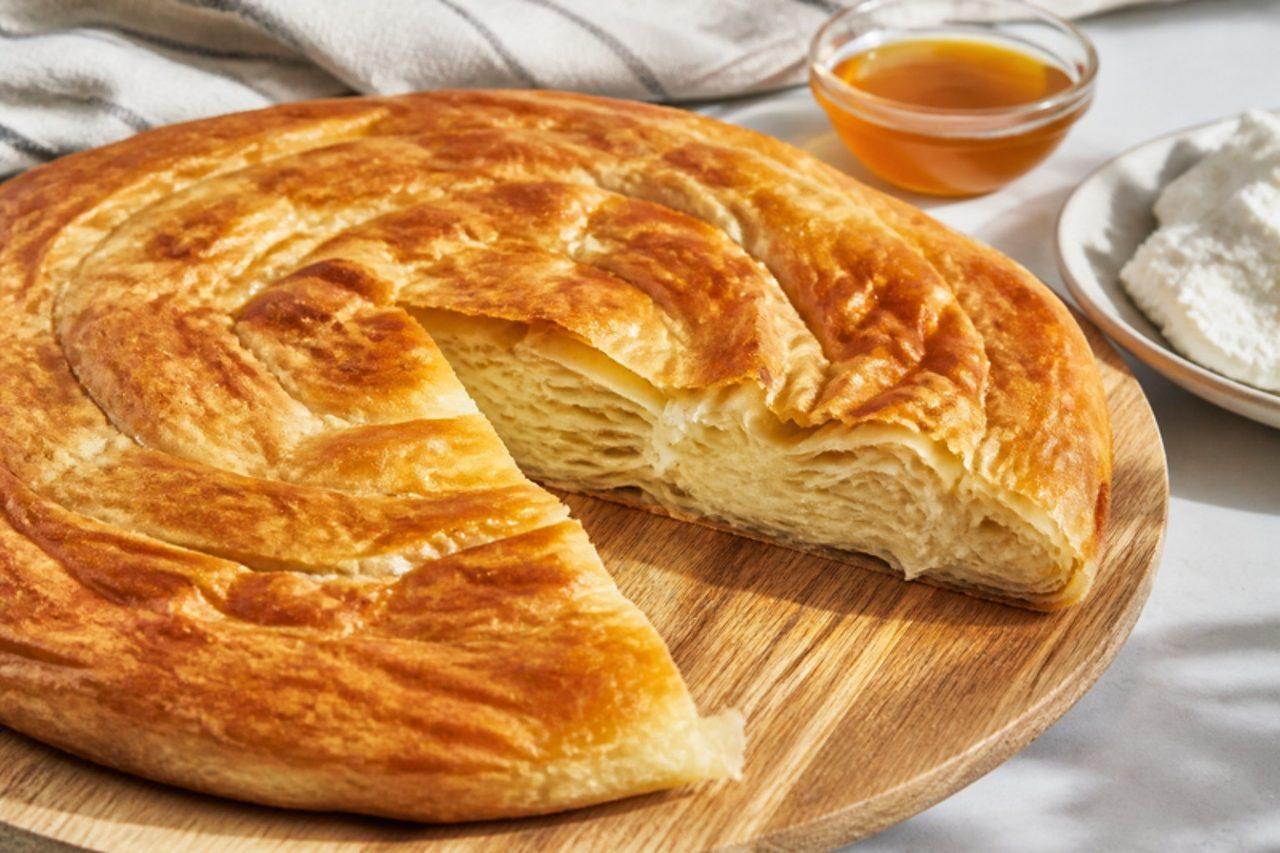
Feteer meshaltetFlaky layered pie

Feteer meshaltet comes from the villages of the Nile Delta, in Sharqia, Menoufia and around, where it is baked for weddings, feast days and for guests, and sent home with visitors in a cloth. A soft dough is stretched paper-thin, brushed with lots of ghee or butter and folded over and over into a round that bakes into dozens of crisp, flaky layers. Eat it warm, torn with your hands, dipped in honey or 'asal eswed (sugar-cane molasses) or with white cheese and olives. Chef's tip: let the dough balls rest in butter until they feel loose and silky; dough that hasn't relaxed tears when you stretch it, and torn dough is the most common reason a feteer comes out tough.

by KrazyBadal 0 views

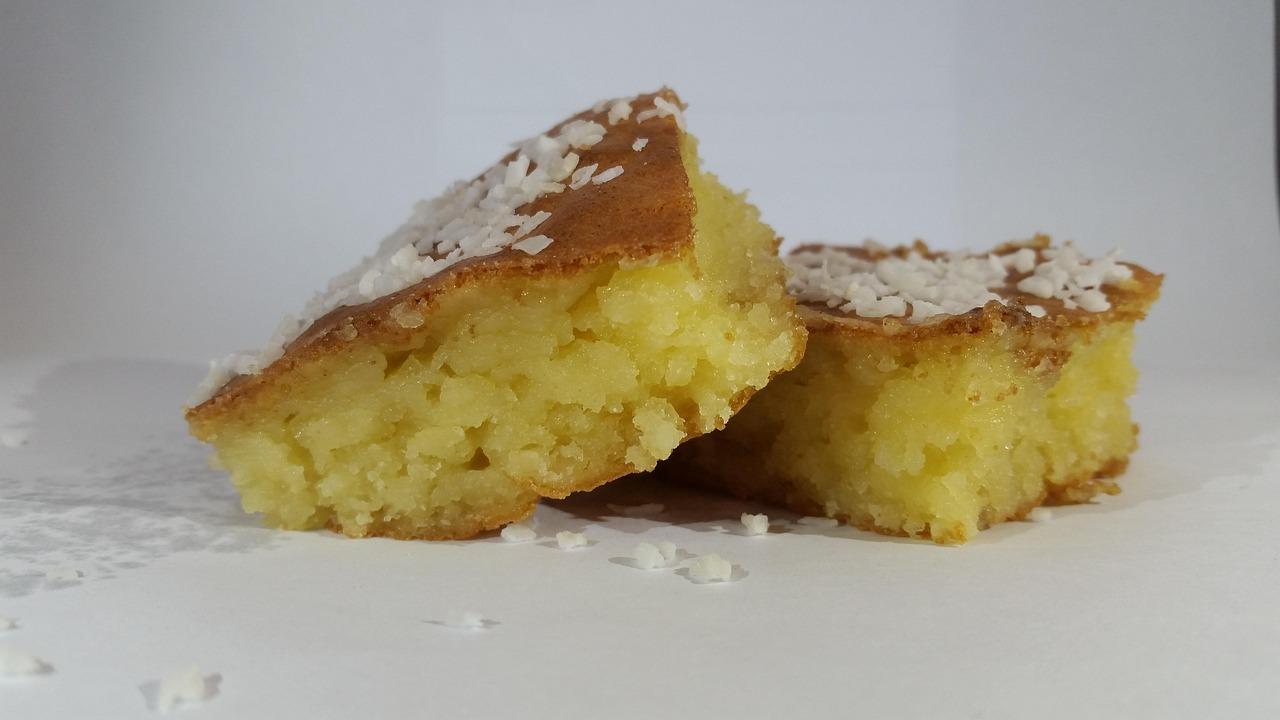
Fijian cassava cakeCassava and coconut cake

In Fiji, cassava (tavioka) is everyday food, and grated sweet cassava cake turns up at village feasts, church bazaars and morning tea across Viti Levu. Fresh cassava is finely grated and baked with coconut milk, sugar, butter and a little vanilla into a heavy, chewy, golden cake that's cut into squares. It's naturally gluten free and keeps well for a couple of days. Chef's tip: squeeze some of the liquid out of freshly grated cassava; too wet and the cake stays gluey in the middle.

by KrazyBadal 0 views

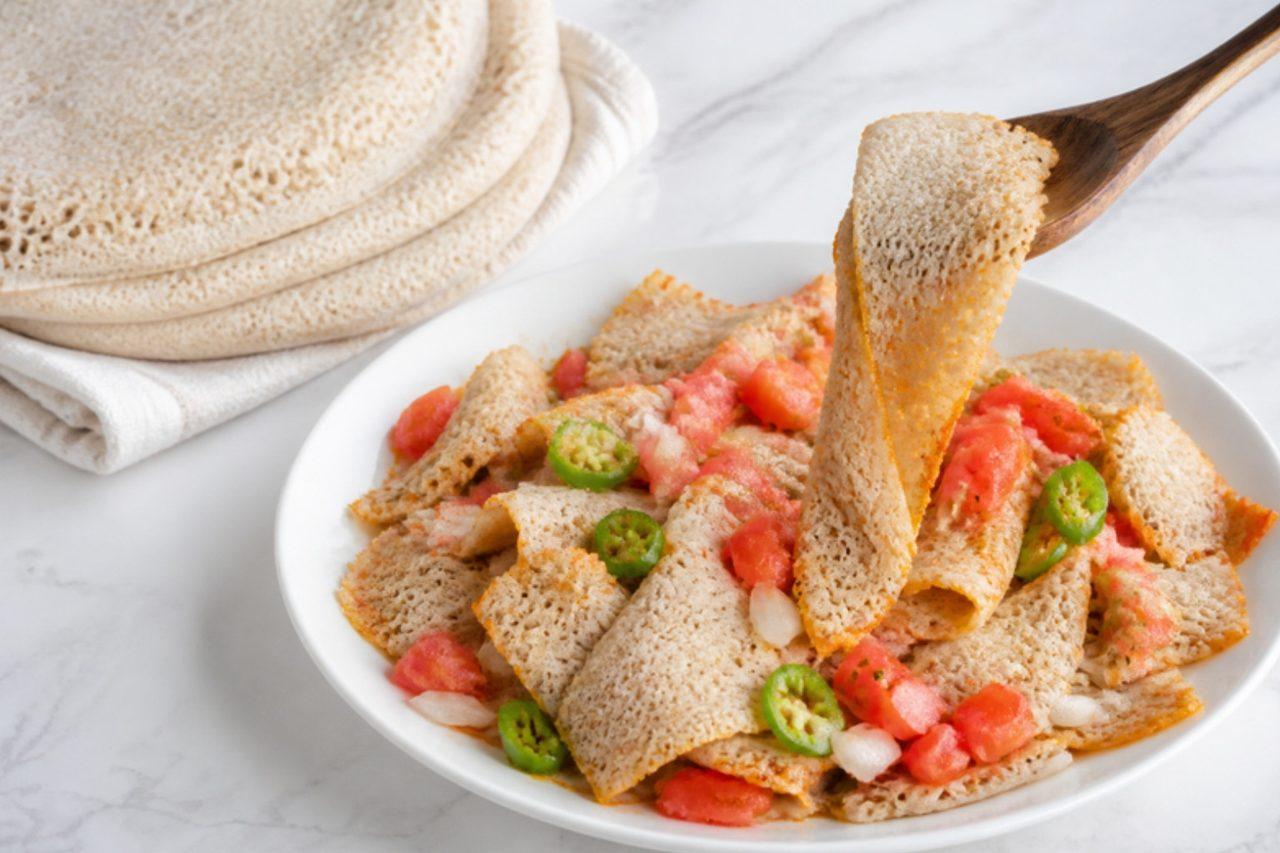
FirfirTorn injera in spicy sauce

Firfir (or fitfit) is what Ethiopian households do with yesterday's injera: torn into pieces and tossed in a hot, oniony berbere sauce until it soaks up all the flavour. It is breakfast in Addis Ababa cafés and homes alike, eaten with a spoon or, more often, scooped up with fresh injera. This version uses oil, making it suitable for fasting days; on other days a spoon of niter kibbeh adds richness. Chef's tip: use day-old injera; fresh injera is too soft and turns to mush in the sauce.

by KrazyBadal 0 views

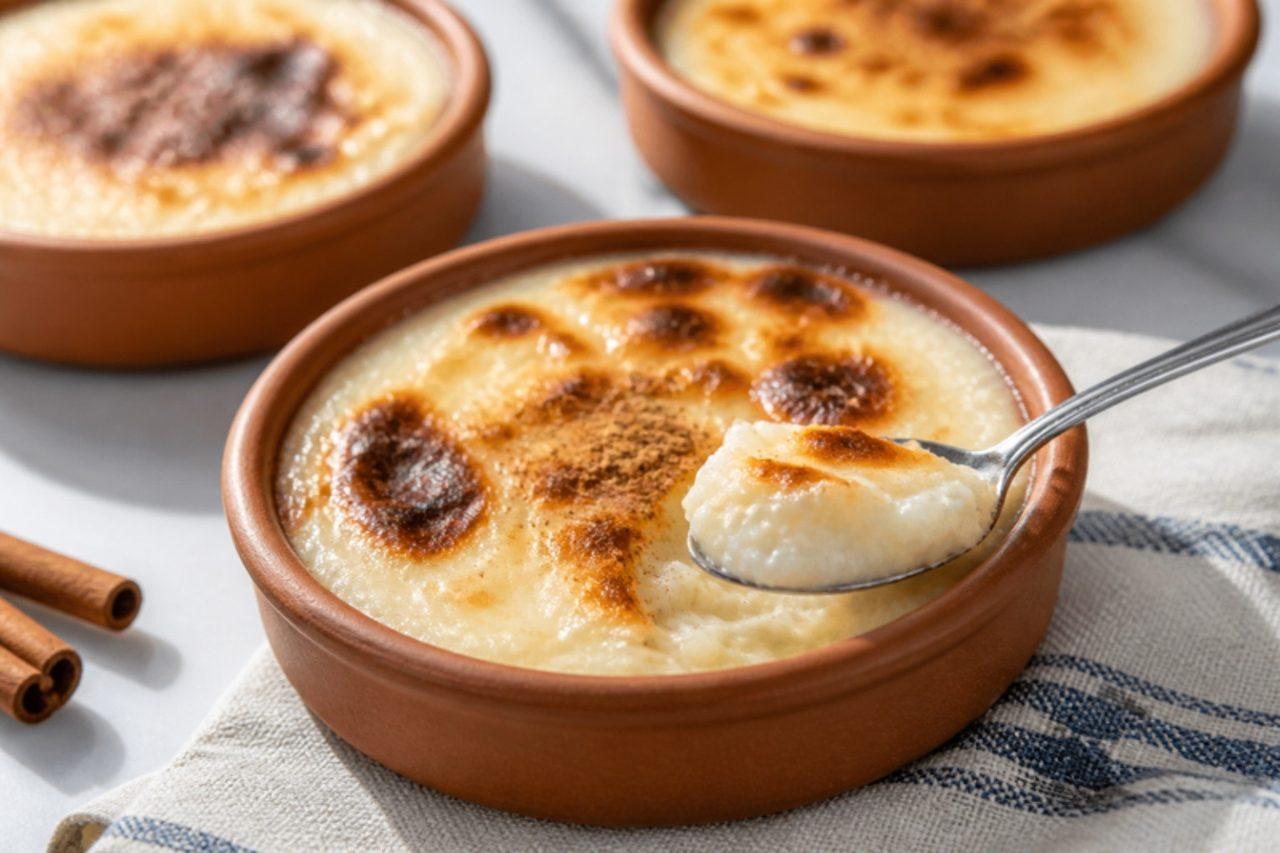
Fırın sütlaçBaked rice pudding

In Turkish pudding shops (muhallebici) from Istanbul to Ankara, fırın sütlaç is served chilled in little clay bowls, its surface blistered dark brown under the grill while the rice pudding beneath stays creamy and cool. It is a dessert families make on Sunday or for guests, since it has to set in the fridge for a few hours, and it travels well to neighbours during Ramadan evenings. The flavour is clean milk and vanilla, thickened with rice flour rather than eggs, so it is light compared with Western rice puddings. Eat it cold, plain or dusted with cinnamon or ground hazelnuts. Chef's tip: stand the filled bowls in a tray of cold water before they go under the grill; the water keeps the pudding from boiling up while the top browns.

by KrazyBadal 0 views

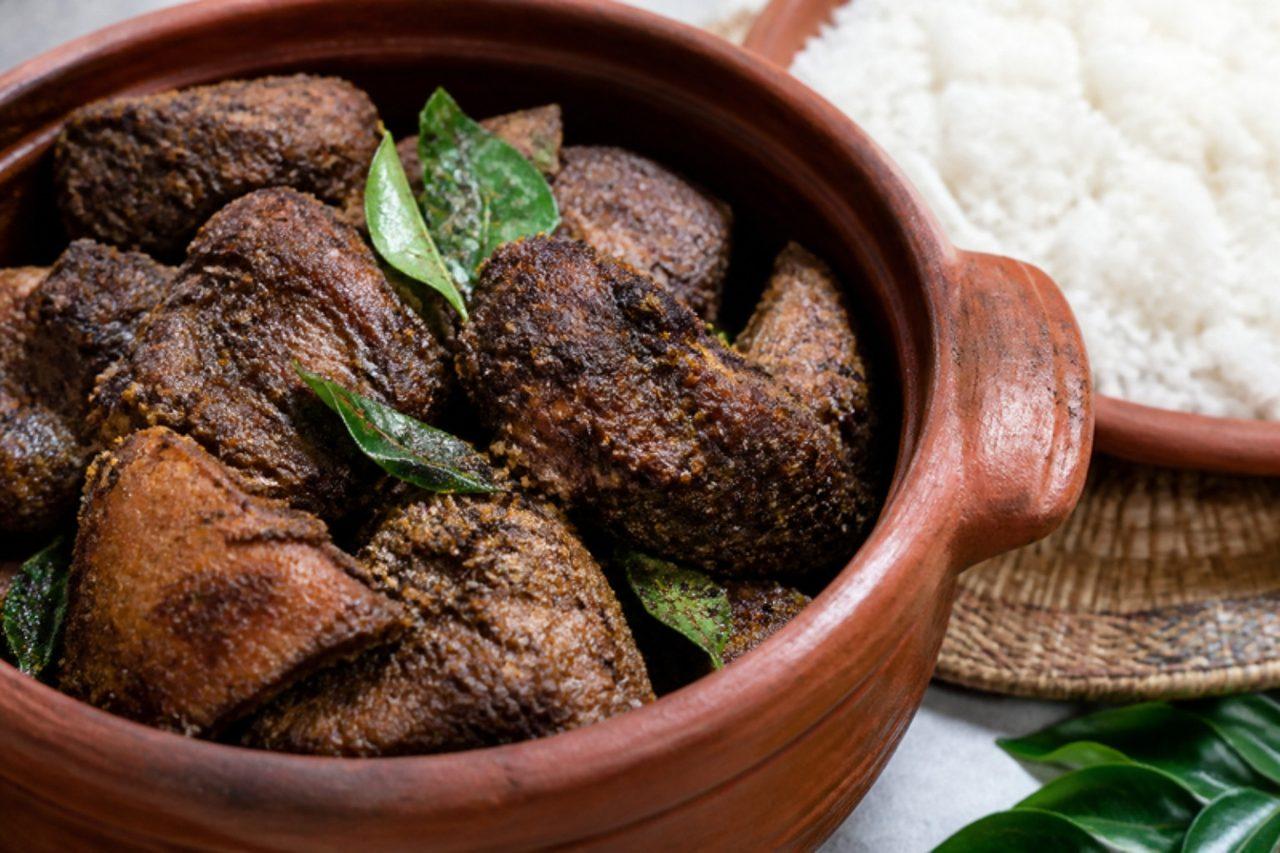
Fish ambul thiyalSour tuna curry

Ambul thiyal means 'sour stew', and it comes from the fishing towns of the south coast, around Matara, Galle and Tangalle. Fishermen once cooked it so the tuna would keep for days without a fridge: almost no liquid, plenty of goraka and black pepper, slowly reduced in a clay pot until each chunk is dark and coated. Today it is a favourite rice-and-curry dish on Sundays and holidays, and people often pack it for long journeys. It is sharp, peppery and firm, so a little goes a long way with rice and a coconut sambol. Chef's tip: cut the tuna into big 4 cm chunks; small pieces fall apart during the long, slow reduction.

by KrazyBadal 0 views

Focaccia di ReccoThin cheese-filled flatbread

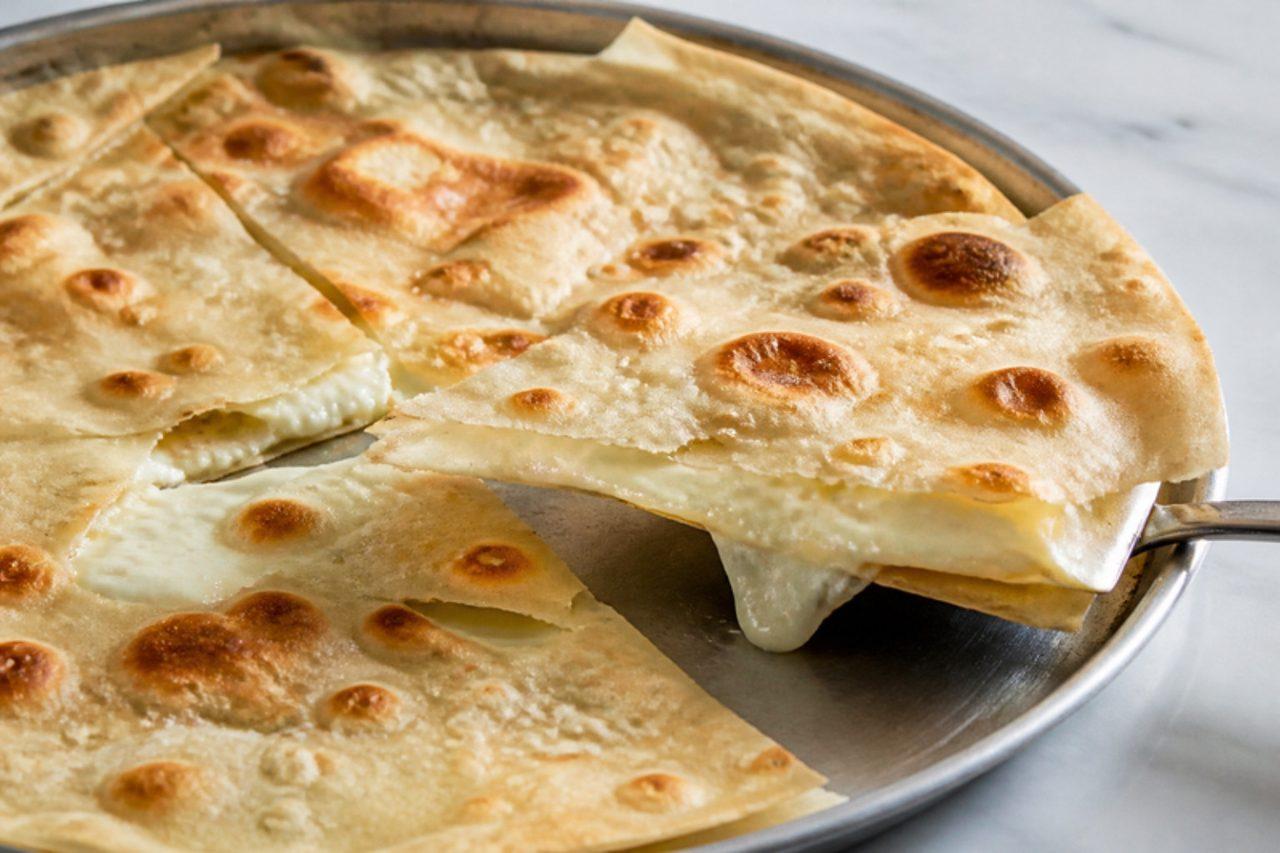
Focaccia di Recco has nothing to do with the thick, bubbly focaccia most people know: it is two sheets of unleavened dough stretched almost transparent, with blobs of soft, tangy cheese in between, baked in a blisteringly hot oven for a few minutes. It comes from the seaside town of Recco, east of Genoa, where bakeries sell it in the morning and families eat it as a first course. At home, use stracchino or crescenza, the creamy fresh cheeses closest to Ligurian prescinseua. Chef's tip: stretch the dough over the backs of your hands like a pizzaiolo; rolling alone never gets it thin enough.

by KrazyBadal 0 views

Fondue moitié-moitiéGruyère and Vacherin fondue

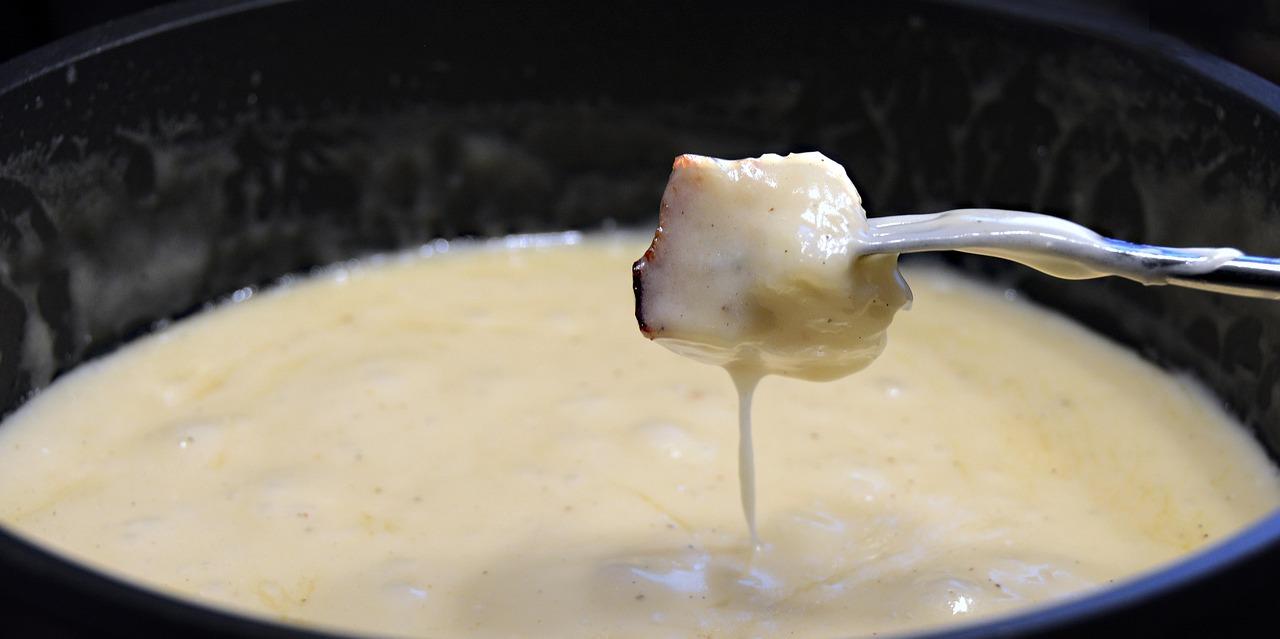
Moitié-moitié means half and half, and in Fribourg it names the canton's own fondue: equal weights of nutty Gruyère and soft, buttery Vacherin fribourgeois melted with dry white wine in a glazed earthenware caquelon. Families light the burner in the middle of the table on cold evenings from October to March, and ski huts above Gruyères serve it after a day on the slopes. The Vacherin makes it silkier and milder than a Gruyère-only fondue, so it clings to the bread in a thick, glossy coat. Serve with day-old bread, a plate of cornichons and small boiled potatoes, and drink white wine or warm black tea with it; locals say cold water sits badly with all that cheese. Traditional Gruyère and Vacherin are made with animal rennet, so for a vegetarian table look for wheels labelled with microbial or vegetarian rennet, or ask a cheesemonger for a similar Alpine cheese that uses it. Chef's tip: grate the cheese rather than cubing it and let it come to room temperature for 30 minutes; it melts evenly and the fondue stays smooth.

by KrazyBadal 0 views

FosoliaGreen beans and carrots

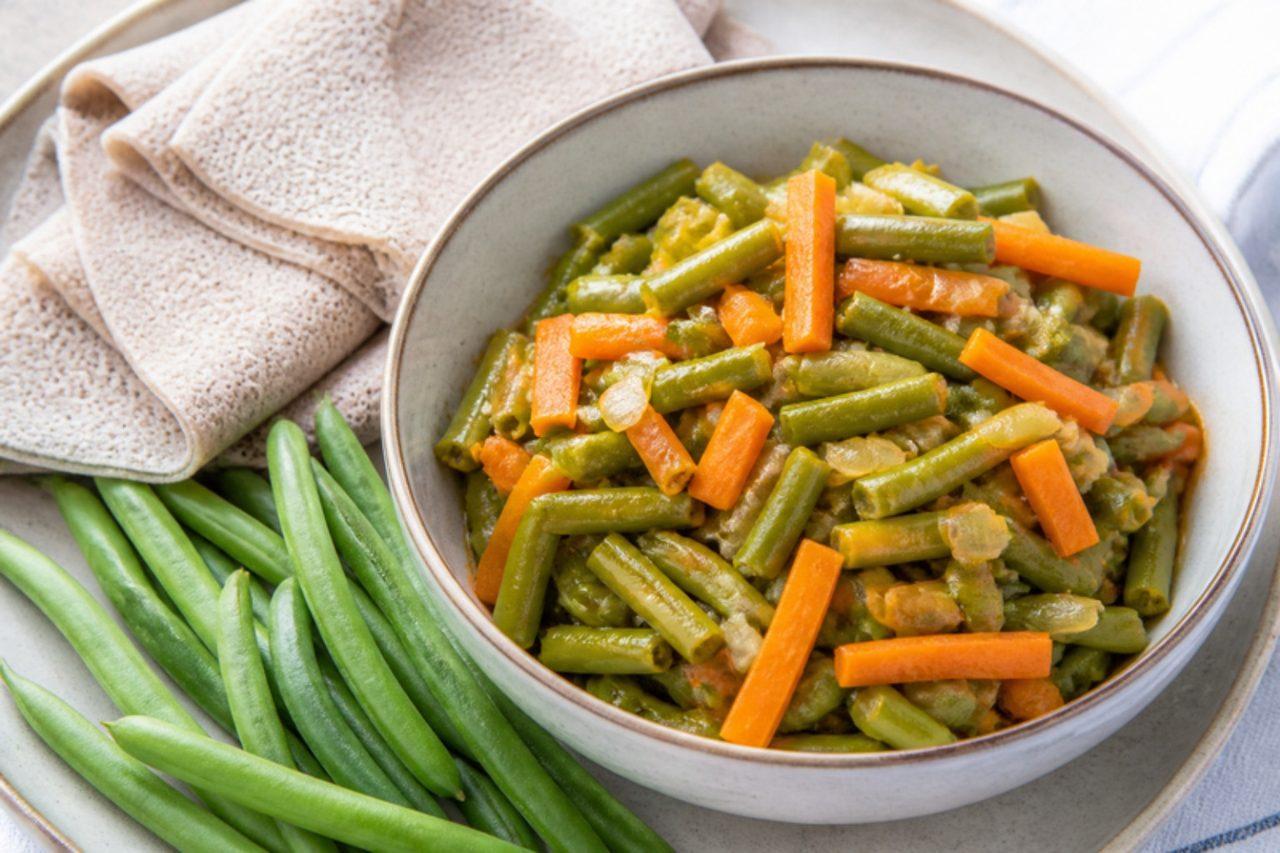
Fosolia takes its name from the Italian fagioli, a reminder of the Italian occupation of the 1930s, but it is now completely Ethiopian and a regular on fasting platters in Addis Ababa and Dire Dawa. Green beans and carrot batons are cooked with lots of onion, garlic and ginger until tender but still bright, then served warm with injera or rice. It is quick, mild and colourful. Chef's tip: cut the beans and carrots to the same length and thickness so they cook evenly.

by KrazyBadal 0 views

FrappéShaken iced coffee

The frappé was invented by accident at the Thessaloniki International Fair in 1957, when a coffee rep shook instant coffee with cold water because there was no hot water to hand. Within a few years it was the drink of every Greek café and beach bar, sipped slowly through a straw for an hour or more. Instant coffee, sugar and a little water are shaken or frothed into a thick, light-brown foam, then topped up with cold water, ice and, if you like, milk. Order it sketos (no sugar), metrios (medium) or glykos (sweet). Chef's tip: use only a splash of water for the first shake; adding all the water at once is the common mistake and you get thin coffee with no foam.

by KrazyBadal 0 views

Showing 72 of 10,569 recipes

Show more recipes

Page 1,038 of 1,175