


Skip to content
Clafoutis aux cerises
Featured recipe

Clafoutis aux cerises

Cherry batter pudding

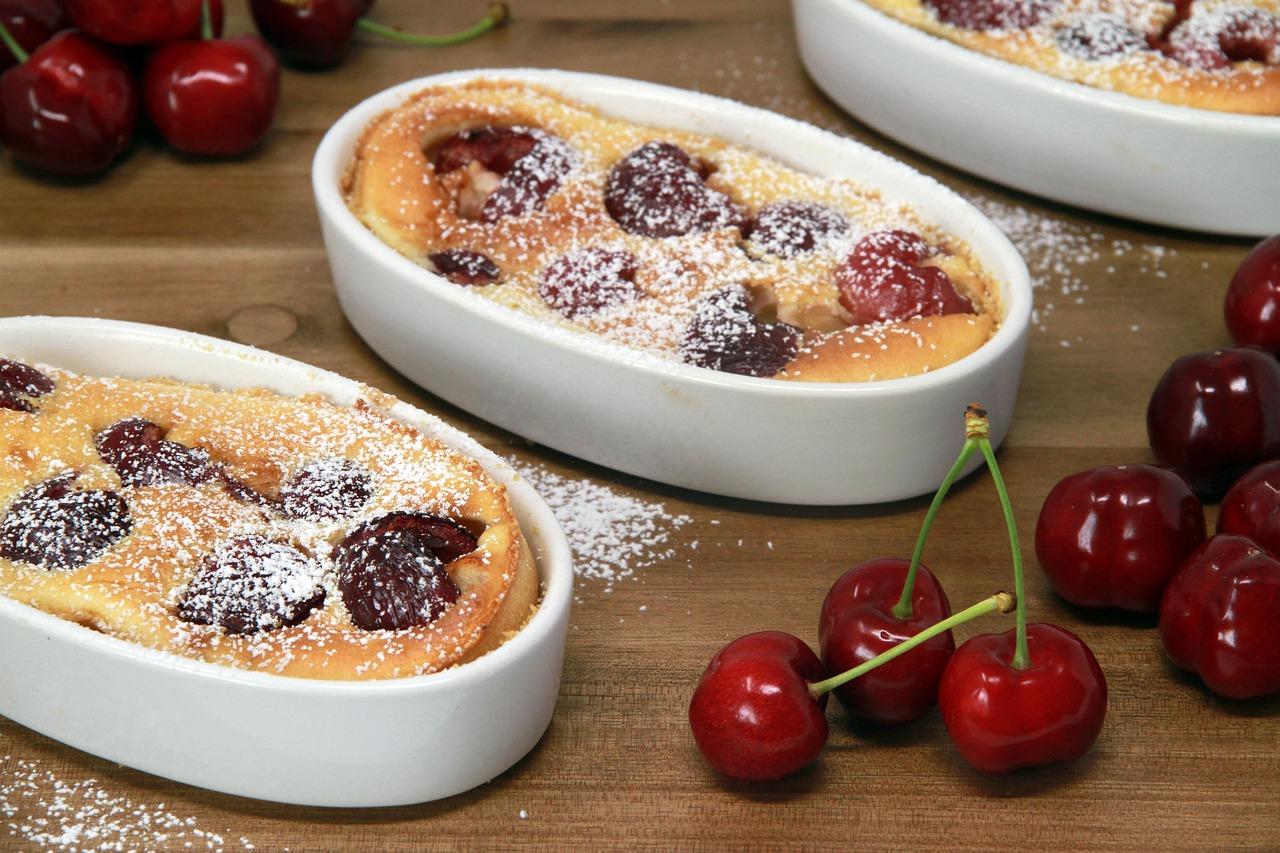
Clafoutis comes from the Limousin in central France, where black cherries ripen in early summer and families make this simple pudding for Sunday lunch. Whole cherries are scattered in a buttered dish and covered with a sweet, eggy batter, like a cross between a pancake and a custard, then baked until puffed and golden. In the Limousin the cherries are left unstoned, which cooks say gives a faint almond flavour; stone them if you are serving children. It's best warm, dusted with icing sugar. Chef's tip: don't overmix the batter once the flour is in; beating it hard is the common mistake and makes the clafoutis tough and rubbery.

Read more 0 views

What to eat today?

Around the world

Today's trip: Peruvian

A new country every day, from every cuisine on the site.

Peruvian

Tacacho

Mashed roasted green plantain balls 35 minMore from Peruvian (111) →

This week's collection

Kid-friendly dinners
772 recipes · a new collection every Monday

Coming up

All occasions →

Latest recipes

Ala thel dalaDevilled potatoes

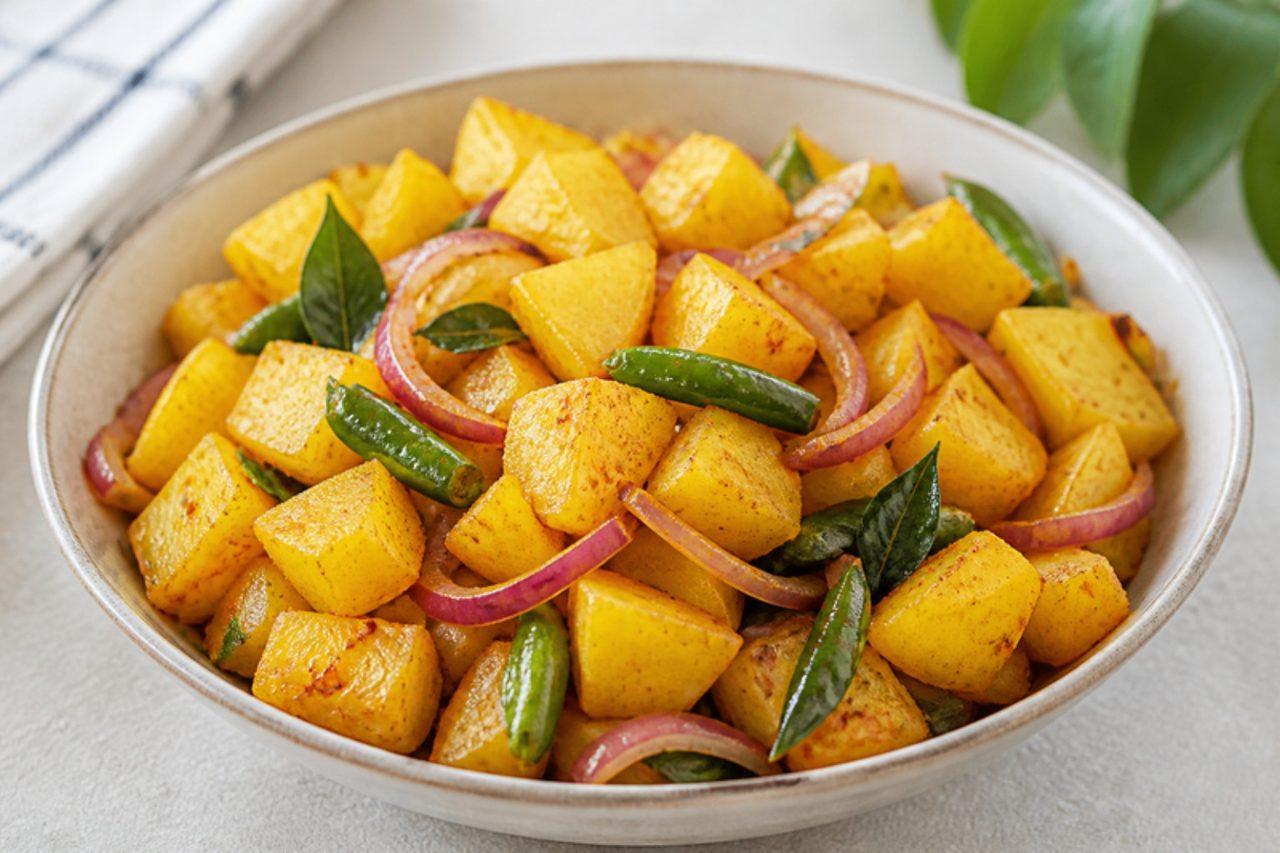
Ala thel dala means 'potato tempered in oil', and it's the quick, fiery potato fry that Sri Lankan mothers make when there's no time for a full curry, served with rice, packed into a lunch box with parippu, or eaten with bread at breakfast. Boiled potato cubes are tossed in hot oil with mustard seeds, plenty of red onion, curry leaves, turmeric and roughly crushed dried chilli until the edges turn golden and the onion goes soft and sweet. Unlike an Indian aloo sabzi there are no ground cumin or coriander, just chilli heat, onion and curry leaf. The usual mistake is boiling the potatoes until they're soft right through; they then break up in the pan. Chef's tip: stop boiling when a knife still meets a little resistance in the middle; the potatoes finish cooking in the pan and keep their shape.

by KrazyBadal 0 views

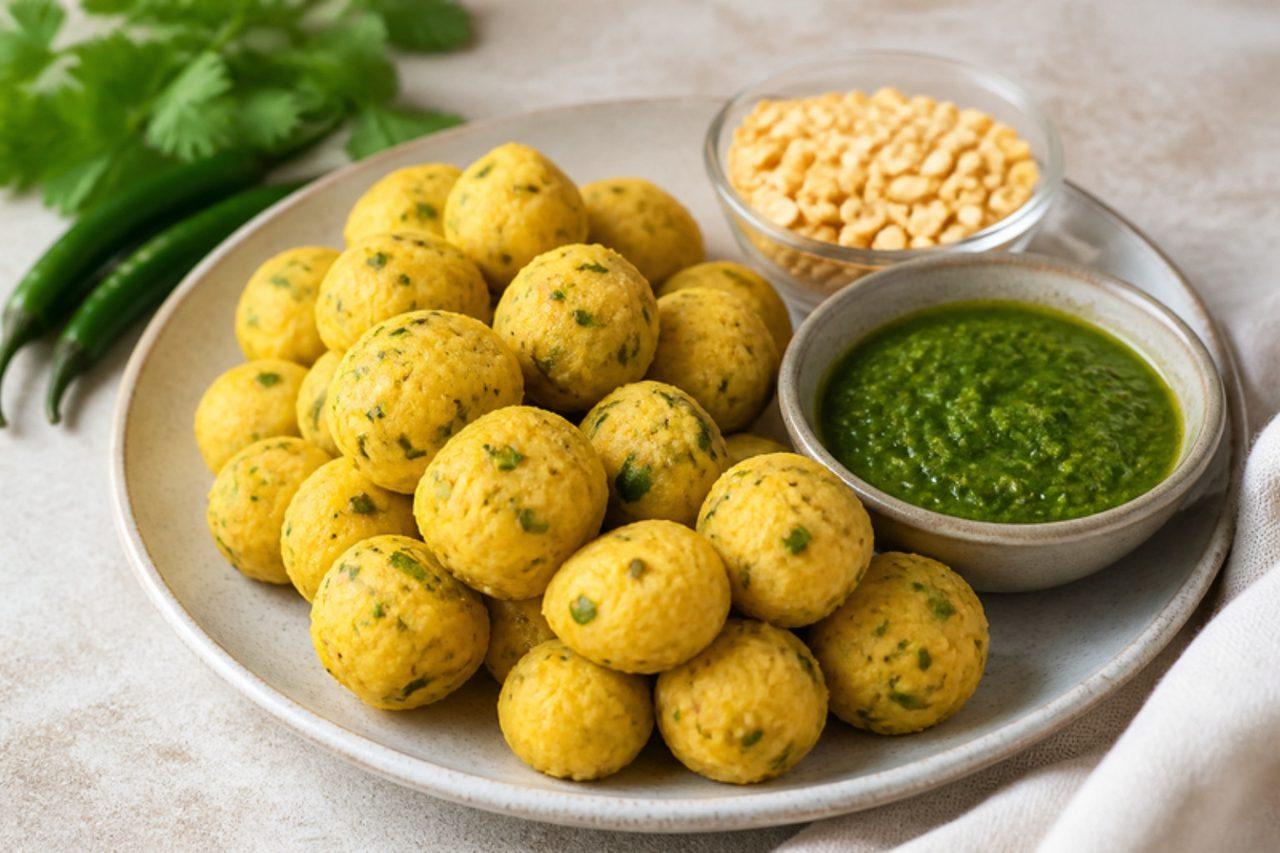
BafauriSteamed chana dal dumplings

Bafauri comes from the same Chhattisgarhi home kitchens that make fara and chila, and it is the region's answer to a fried pakora without the frying. Soaked chana dal is ground coarse with ginger, garlic and chilli, mixed with onion and herbs, then steamed into little dumplings that are firm, nubbly and high in protein. They are eaten hot at teatime with tomato chutney, and many families also toss them in a quick mustard-seed tadka. Chef's tip: grind the dal with only 2–3 tablespoons of water; a wet paste spreads flat in the steamer and loses the rough texture that makes bafauri good.

by KrazyBadal 0 views

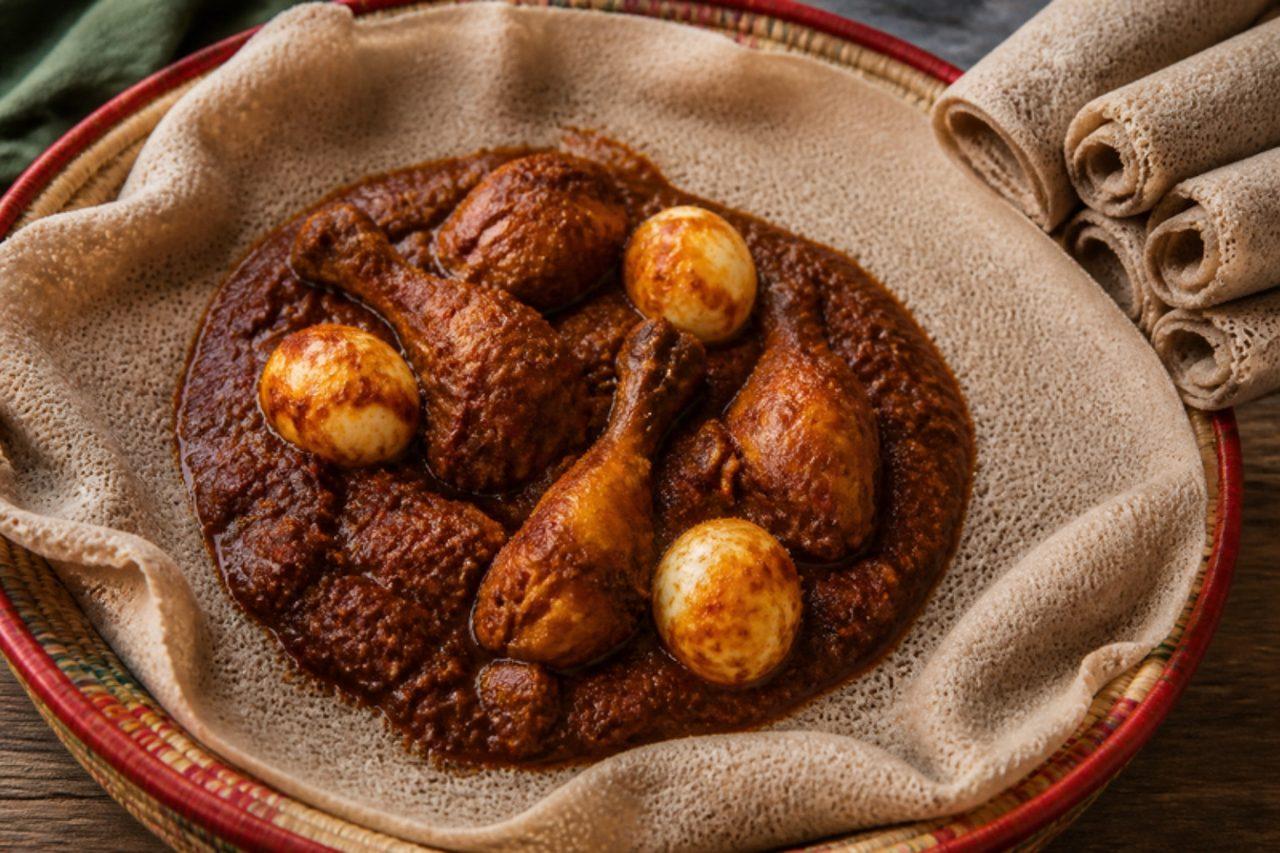
Doro watSpicy chicken and egg stew

Ethiopian families make doro wat for the biggest days of the year, especially Genna (Christmas) and Fasika (Easter), when it breaks weeks of meatless fasting. Its secret is patience: a mountain of red onions is cooked down slowly with no fat at all until jammy and dark, then enriched with spiced butter and fiery berbere. Chicken pieces and whole hard-boiled eggs simmer in the sauce until it is thick, glossy and brick red, with a deep, smoky heat. Ladle it onto injera, with ayib (fresh cheese) alongside to cool things down. Chef's tip: score the boiled eggs lightly all over before adding them, so the sauce seeps right into the whites.

by KrazyBadal 0 views

Alicha wat (chicken)Mild turmeric chicken stew

Not every Ethiopian stew is fiery: alicha wat is the gentle, golden one, coloured with turmeric instead of berbere and seasoned with ginger, garlic and a few green chillies. Families across the country cook doro alicha when someone wants something soothing, when children are at the table, or as the mild partner to a spicy wat on a festive spread. The chicken simmers in a soft onion and spiced-butter sauce until tender, with a fragrant, buttery and slightly peppery flavour. Serve with injera or rice and a fresh tomato salad. Chef's tip: add the green chillies whole and fish them out before serving if you want flavour without heat.

by KrazyBadal 0 views

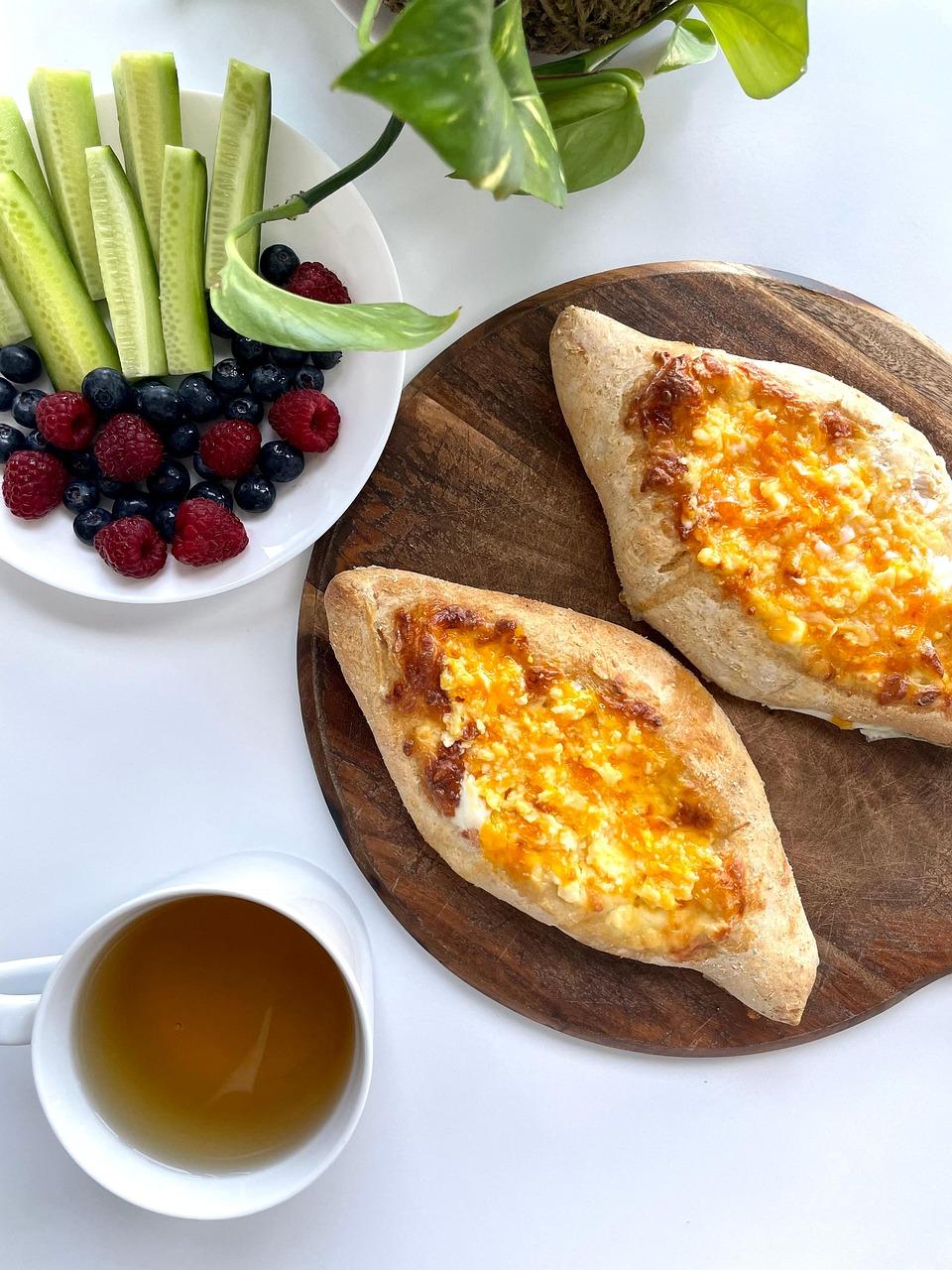
Peynirli pideBoat-shaped cheese bread

Along the Black Sea coast, from Samsun to Trabzon, the pide salon is where families go on a Friday night, and the oven man shapes each boat of dough by hand before sliding it onto the hot stone floor of a wood-fired oven. The Black Sea way is generous: a pool of melted kaşar and white cheese held inside a rim of soft bread, an egg cracked into the middle for the last few minutes and a knob of butter dropped on as it comes out. Children love tearing off the crusty ends to drag through the cheese. Chef's tip: heat a heavy baking tray or pizza stone in the oven for a full 30 minutes; the hot base is what gives a crisp underside rather than a soft one.

120 minTurkishPizza
by KrazyBadal 0 views

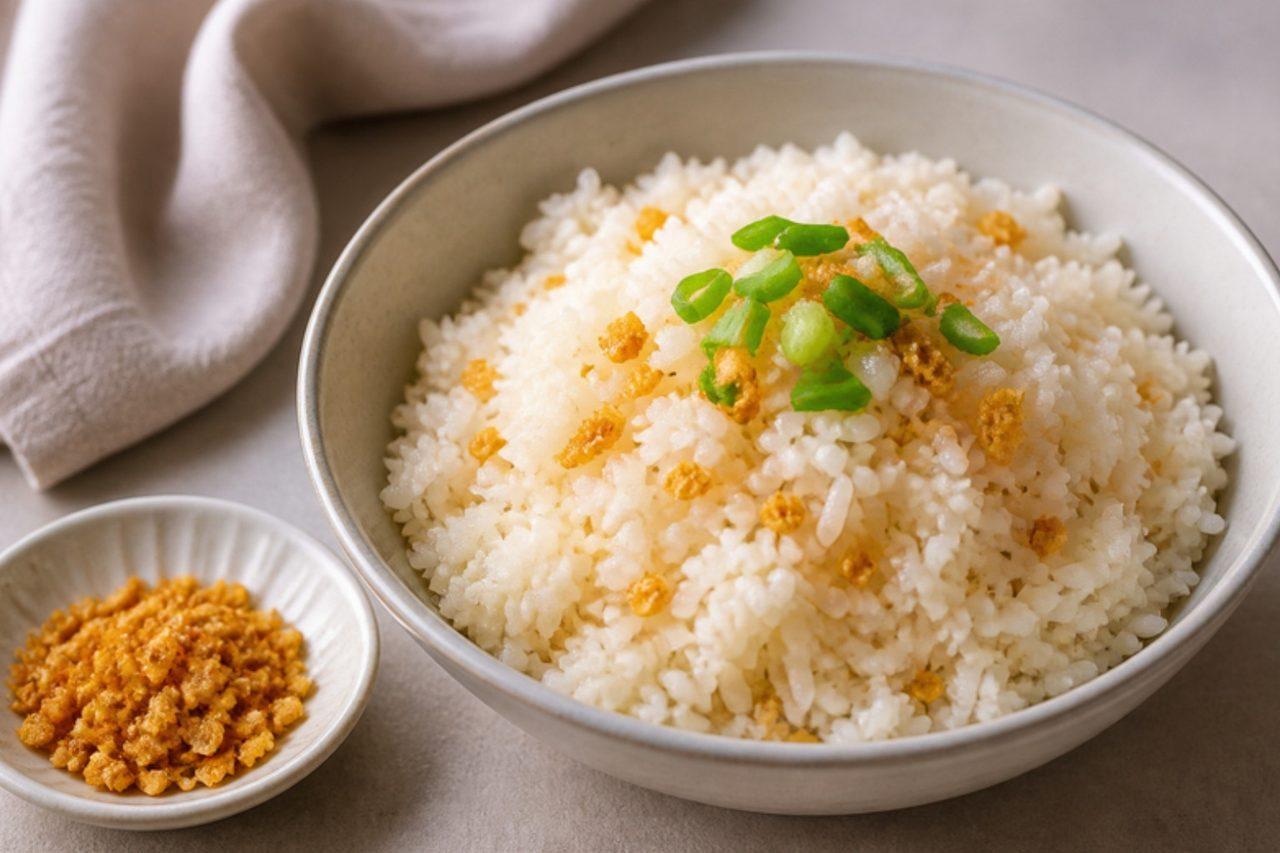
SinangagGarlic fried rice

Sinangag is what a Filipino kitchen does with last night's rice: fried in garlicky oil first thing in the morning and heaped on the breakfast plate. It is the 'si' in silog, the breakfast plates served at every silugan (all-day breakfast stall) in Manila, where garlic rice comes with a fried egg and a choice of cured meat. At home it goes with anything, from tortang talong to a fried egg and tomatoes, and a small dish of spiced vinegar for dipping. Each grain should be separate and lightly toasted, with plenty of crunchy, golden garlic on top. Chef's tip: fry the garlic slowly from cold oil; it browns evenly and the oil takes on a deep, sweet garlic flavour.

by KrazyBadal 0 views

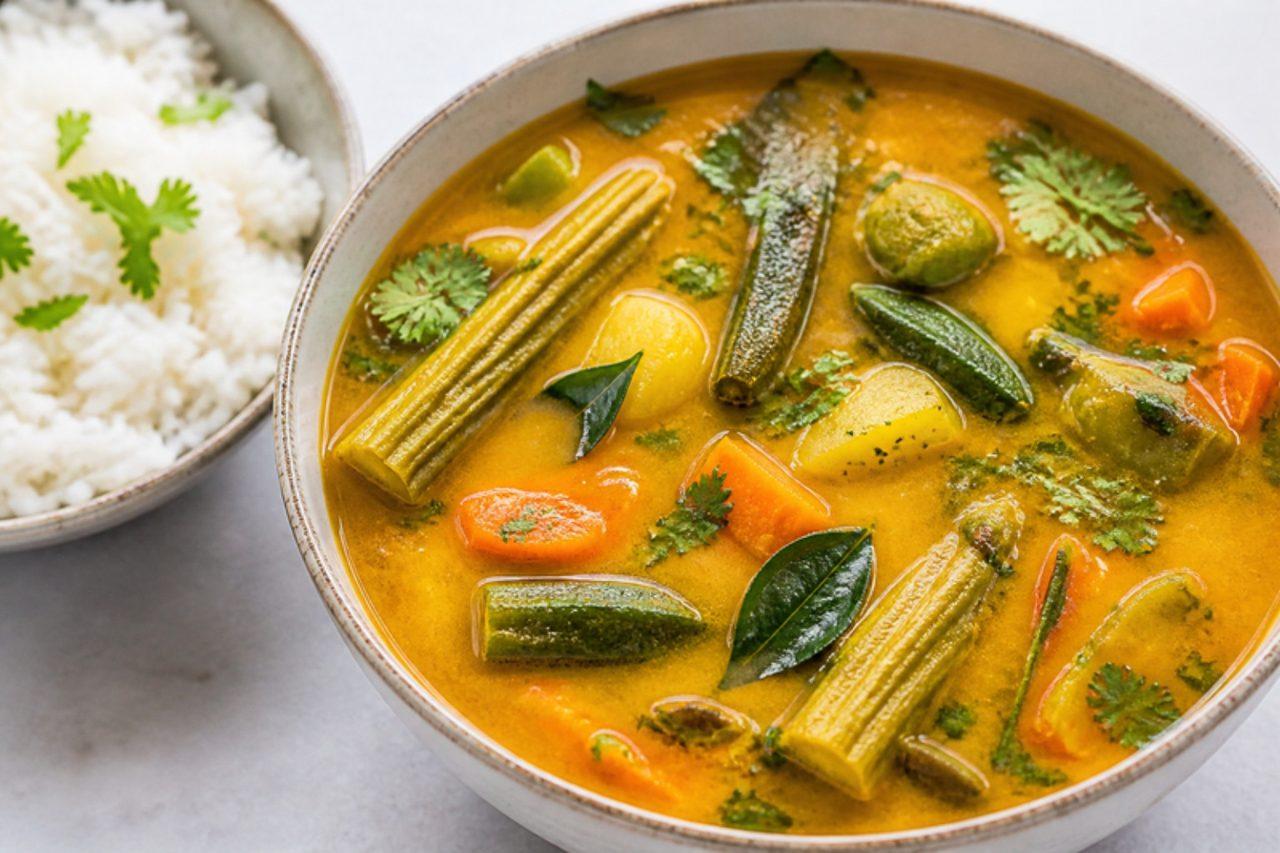
Sindhi kadhiSour gram flour and tamarind curry

Sindhi kadhi is the Sunday lunch of families from Sindh, served in Karachi and Hyderabad homes over plain rice with crisp fried potatoes on the side. Unlike the yogurt kadhis of Gujarat and Punjab it uses no dairy at all: gram flour is roasted in oil until it smells like toasted nuts, whisked into water with tamarind and tomato, and simmered with a crowd of vegetables, typically drumsticks, okra, cluster beans, potato and carrot. The result is thin, sour and gently hot, with a deep golden colour. The common mistake is rushing the roasting of the gram flour; pale flour leaves the whole pot tasting raw and pasty. Chef's tip: cook the drumsticks and potatoes first and add the okra only in the last 10 minutes so it stays whole and does not turn slimy.

by KrazyBadal 0 views

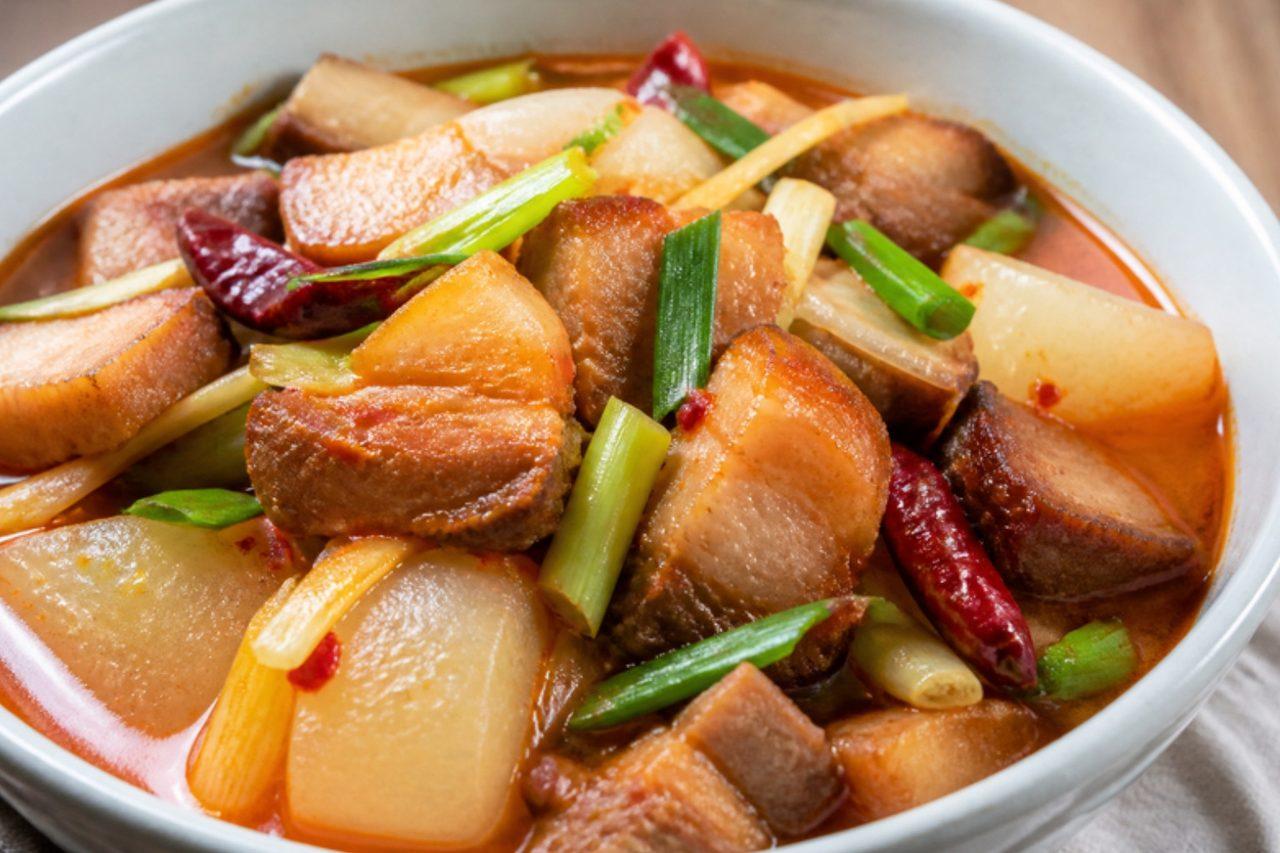
PhagshapaPork with radish and chilli

High in the hills of Sikkim, where winters are long and cold, Bhutia and Lepcha households make phagshapa from fatty strips of pork, white radish and fiery dried red chillies. Traditionally it uses no oil at all: the pork renders its own fat, and the radish soaks it up and turns meltingly soft. It is everyday warming food in Gangtok kitchens, eaten with rice and a bowl of clear soup. Chef's tip: cut the radish thick, in batons, so it holds its shape through the long simmer.

80 minIndianMeatGluten freeSpicy
by KrazyBadal 0 views

DooghSalted yogurt drink

Doogh is the salty, fizzy yogurt drink served in tall glasses with lunch across Iran, and above all with kebab and rice at the chelow-kababi restaurants of Tehran. Bottled sparkling doogh from the mineral springs of Abali, in the mountains east of the capital, is the famous one; at home it is mixed from yogurt, cold water and soda water with crumbled dried mint, and sometimes wild pennyroyal (kakuti) or rose petals. Its bubbles and mint set it apart from plainer, still yogurt drinks. It is cooling and good with rich, herby food. Chef's tip: add the sparkling water last and stir gently, or the fizz disappears before it reaches the glass.

by KrazyBadal 0 views

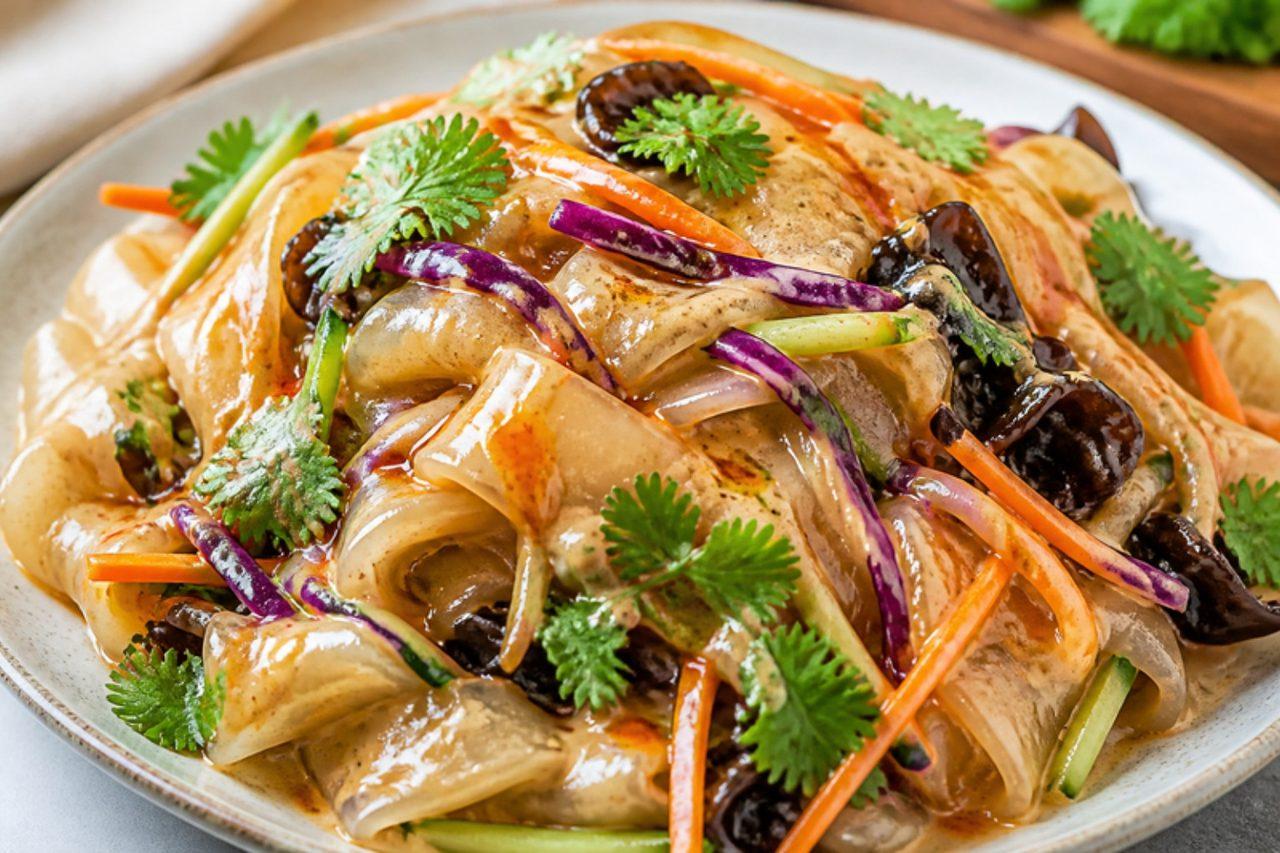
Dongbei da la piMung bean sheet salad

In north-east China, a big platter of this arrives at almost every family dinner and restaurant table, often next to the stews and dumplings. Wide, glassy sheets of mung-bean starch sit on a bed of shredded cucumber, carrot and cabbage, with a sesame, garlic and vinegar sauce and a dab of mustard poured over at the table. It's cool, slippery and crunchy. Look for dried la pi sheets or wide mung-bean noodles in Chinese supermarkets. Chef's tip: the sheet noodles must be fully cold before mixing, or they go soft and sticky.

by KrazyBadal 0 views

Pho boBeef noodle soup

Before Hanoi's offices open, pavement pho stalls are already busy, with diners on low plastic stools bent over bowls of rice noodles in a clear, spiced beef broth. The northern style is restrained: brisket and thin slices of raw beef that cook in the bowl, spring onion and a little coriander, with lime and chilli on the side rather than a heap of herbs and sauces. The work is in the broth, simmered slowly from bones with blackened onion and ginger and a small bag of toasted spices. Make it on a weekend; it keeps for three days and the bowls then take ten minutes. Chef's tip: char the onion and ginger until they are properly black in patches, because that smoky sweetness is what makes the broth taste of pho rather than plain beef stock.

by KrazyBadal 1 views

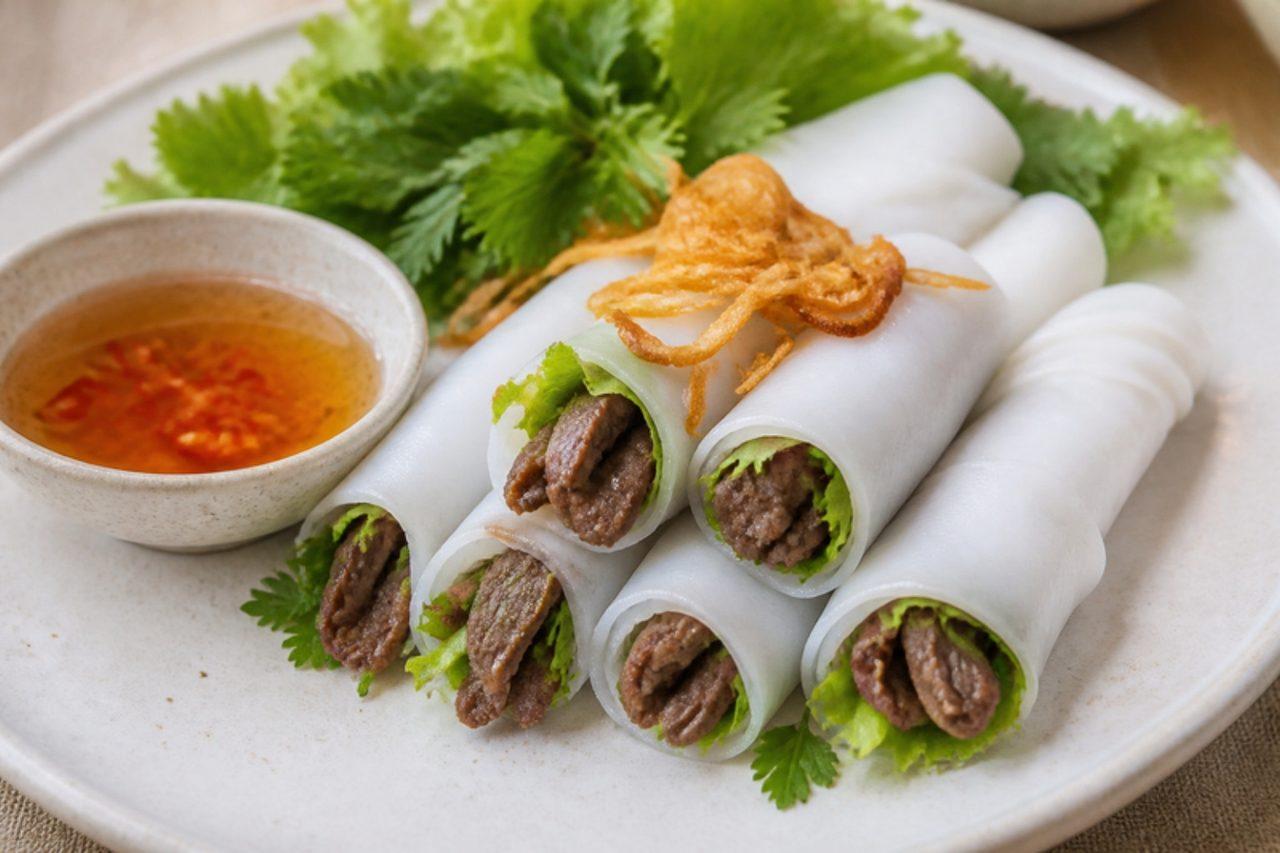
Pho cuonBeef rice noodle rolls

On Ngũ Xã, a little island of streets between Trúc Bạch lake and West Lake in Hanoi, whole rows of restaurants sell nothing but pho in different shapes, and phở cuốn is the one people order by the plateful in the evening. Instead of cutting the fresh rice-noodle sheet into ribbons, the cooks leave it whole and roll it round seared beef, lettuce and herbs. The rolls are soft, cool and slightly chewy, and you dip them in a light, sweet fish sauce with pickled carrot. Look for fresh rice-noodle sheets in the chiller of an Asian supermarket, often sold for Chinese ho fun. Chef's tip: if the sheets are stiff from the fridge, steam or microwave them for 30 seconds under a damp cloth before separating, or they tear.

by KrazyBadal 0 views

Pho gaChicken noodle soup

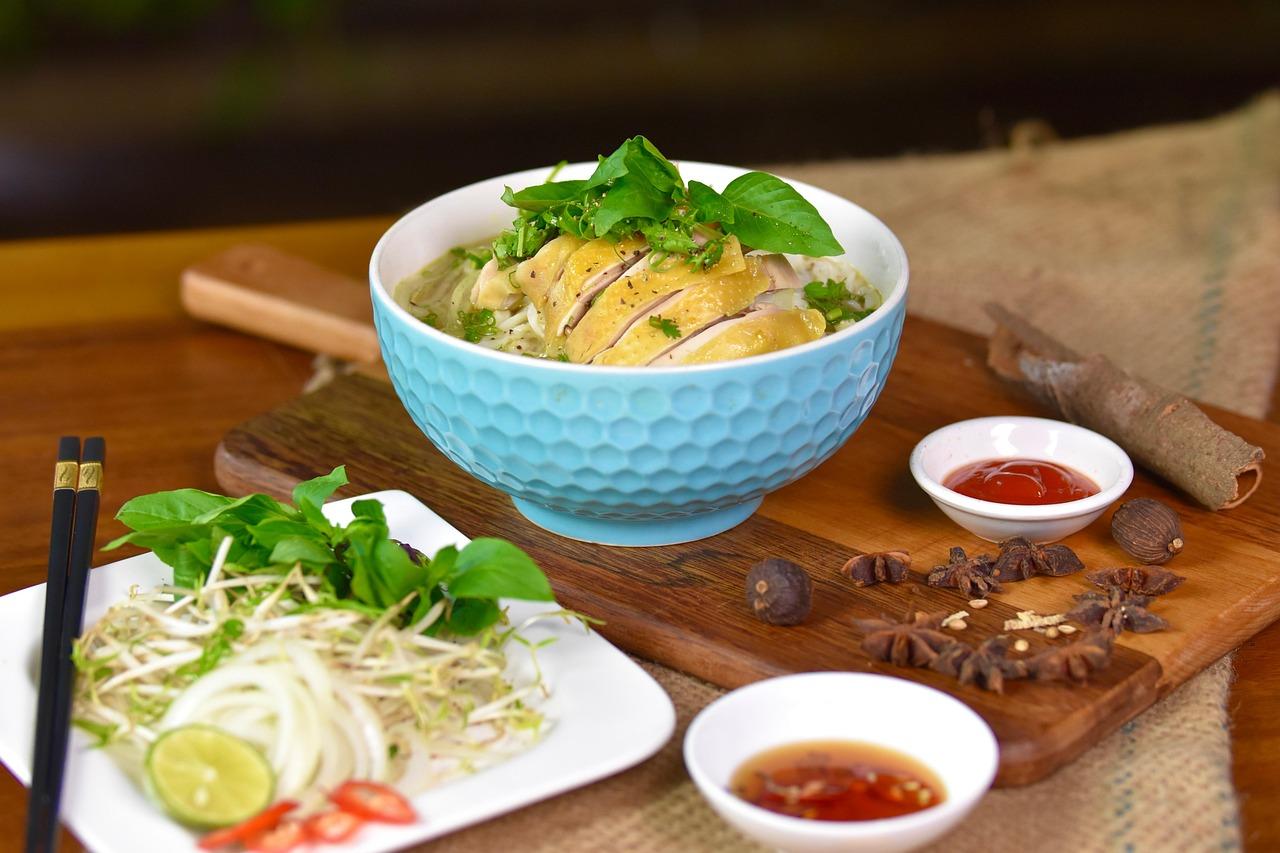
In Hanoi some shops sell nothing but chicken pho, and locals often choose it over beef for a gentler breakfast or a late bowl after an evening out. The broth is lighter than the beef version, made in about an hour from a whole bird with a few charred aromatics and only a hint of spice. The northern signature is a tangle of makrut lime leaf, cut as fine as thread, scattered over the hot chicken just before serving. It's a good first pho to make at home, since the timing is forgiving and the chicken poaches in the same pot. Chef's tip: plunge the cooked chicken into iced water for 5 minutes; the skin turns firm and slightly springy, the way Hanoi cooks like it.

by KrazyBadal 0 views

Phutkal saagStir-fried fig-tree leaves

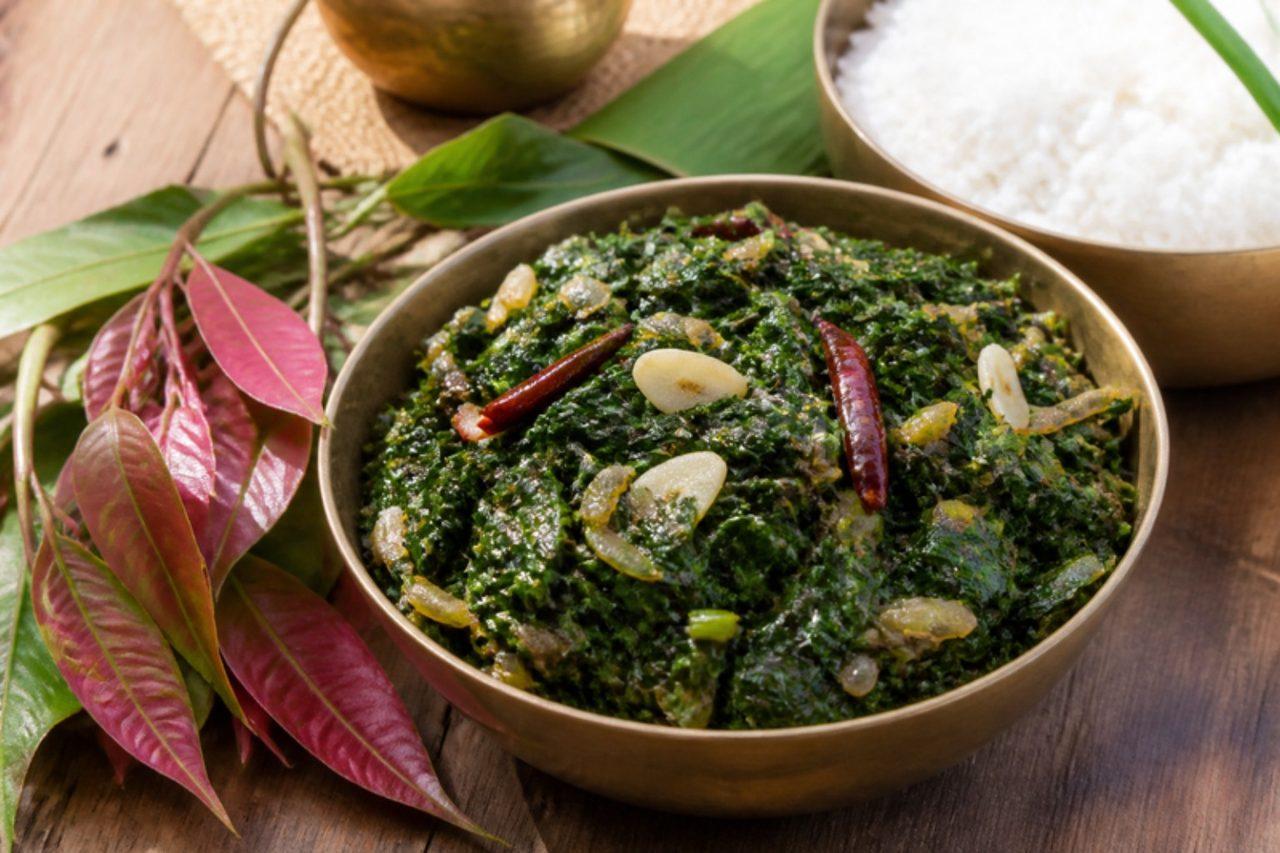
In spring, before the rains, the phutkal tree (a wild fig) puts out tender pink-green shoots, and women across Jharkhand climb or hook them down to cook as saag. The leaves are naturally sour, so the dish needs no tomato or tamarind: they are boiled, squeezed and fried with garlic, dried chilli and mustard oil. Much of the harvest is dried in the sun and sold in Ranchi markets to cook through the year, and dried phutkal is what most people outside the state can find. Chef's tip: boil and squeeze the leaves well; this tames any bitterness and keeps the saag from turning watery.

by KrazyBadal 0 views

PiadinaGriddled flatbread

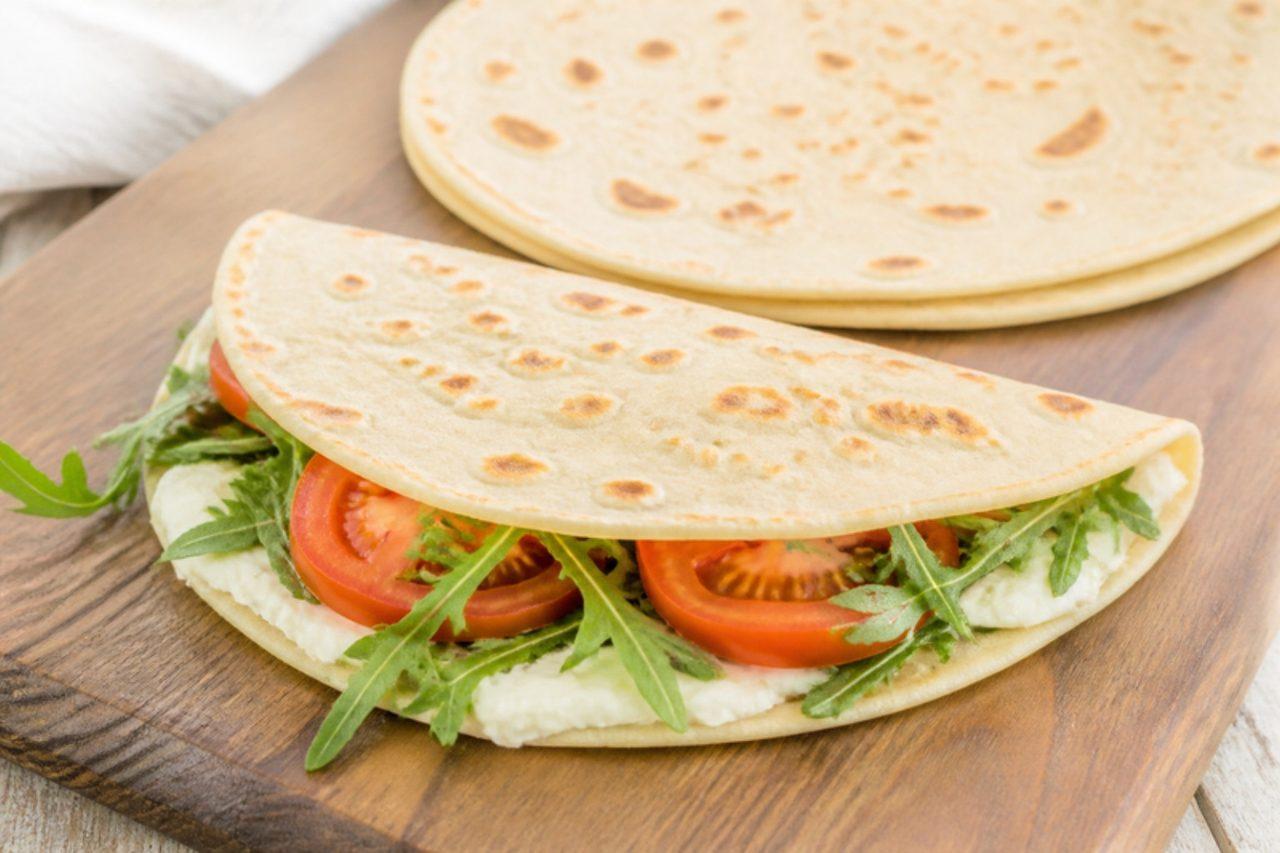
Piadina is Romagna's everyday bread, cooked on a hot griddle (traditionally a terracotta testo) in chalet-style kiosks from Rimini to Ravenna and eaten folded around soft squacquerone cheese and rocket, or with grilled vegetables. It needs no yeast and is ready in half an hour, which is why families make it at home for quick suppers. The old recipe uses lard; olive oil gives a lighter, vegetarian result. Chef's tip: let the griddle get properly hot and cook the piadina dry, without oil; you want brown freckles and a few blisters, not a fried bread.

by KrazyBadal 0 views

Pian'er chuan noodlesNoodle soup with pickled greens

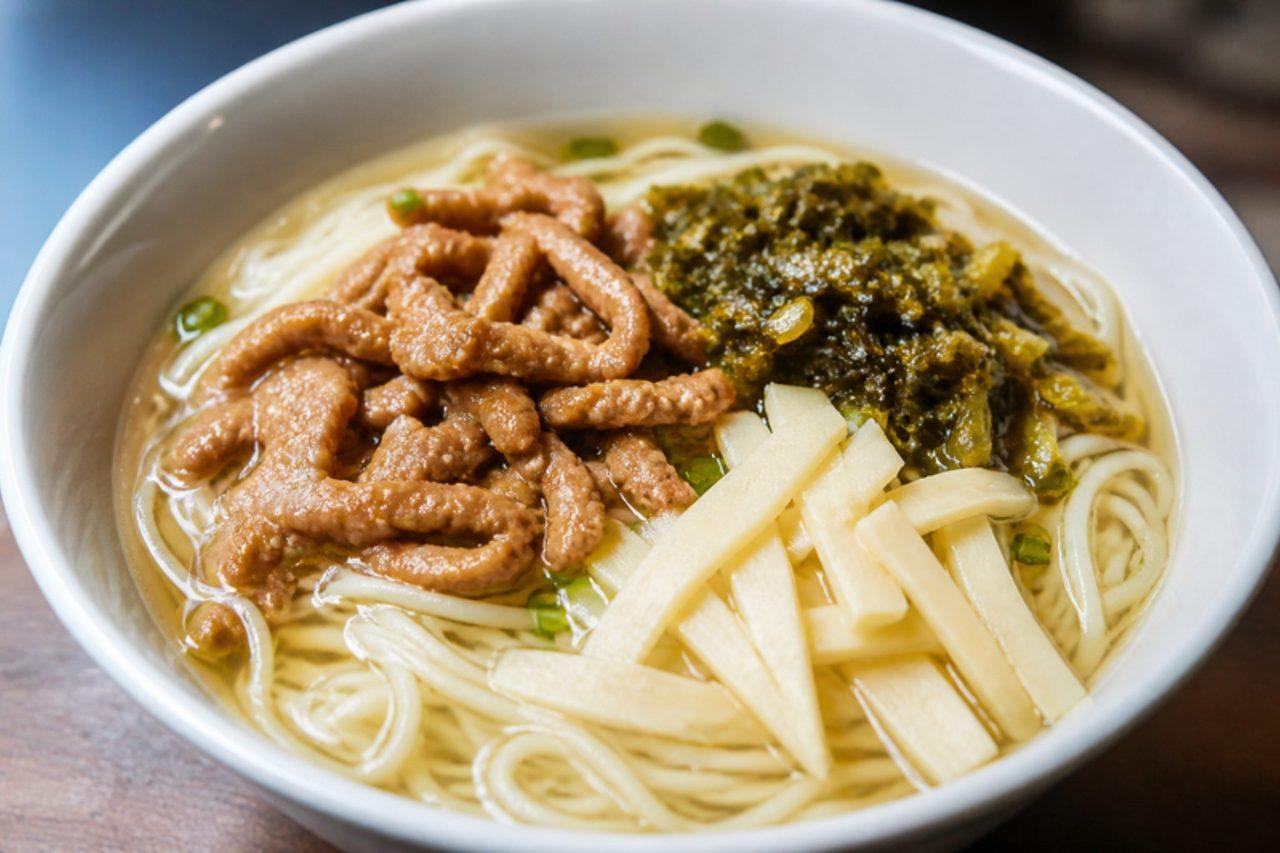
Ask a Hangzhou local what they eat at a noodle shop and the answer is often pian'er chuan, a quick bowl named for its sliced (pian) pork and bamboo that are flash-cooked (chuan) in the broth. Salty, crunchy pickled mustard greens give it its savoury depth, the bamboo adds a clean sweetness, and the thin noodles soak up a cloudy, peppery soup. It is everyday lunch food, eaten at speed. A common mistake is skipping the rinse on the pickled greens; unrinsed, they make the whole bowl too salty. Chef's tip: slice the pork as thinly as you can while it is half-frozen, so it cooks in seconds and stays tender.

by KrazyBadal 0 views

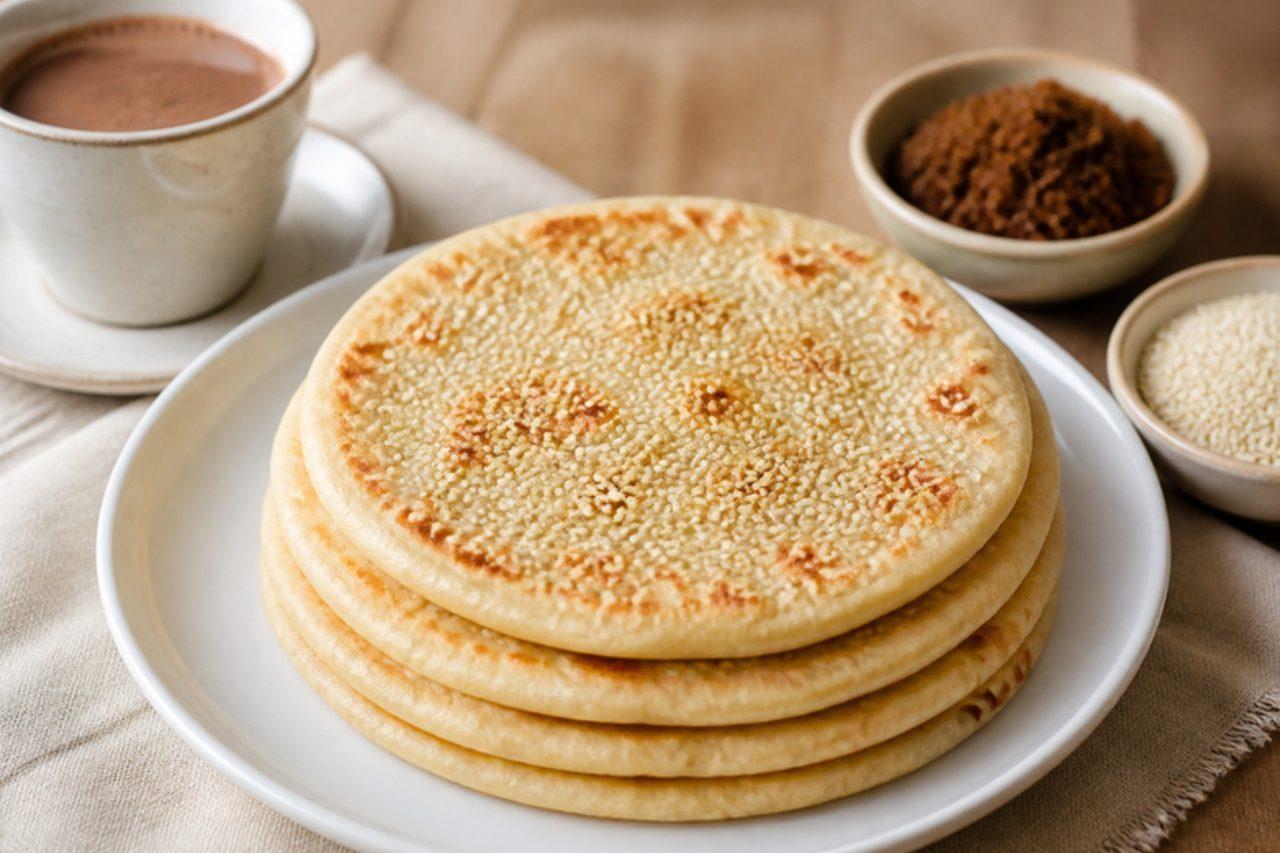
PiayaMuscovado-filled flatbread

Piaya is the sweet everyone brings home from Bacolod and the sugar-growing island of Negros: a thin, flaky round of unleavened dough with a layer of dark muscovado inside, cooked on a dry griddle until blistered, and dotted with sesame seeds. The sugar melts and turns chewy as it cools. It is eaten with coffee in the afternoon, and newer shops fill it with ube. Lard is traditional in the dough; vegetable shortening gives the same flakiness. Chef's tip: roll the filled dough gently from the centre outward and keep it thin, or the sugar bursts through.

by KrazyBadal 0 views

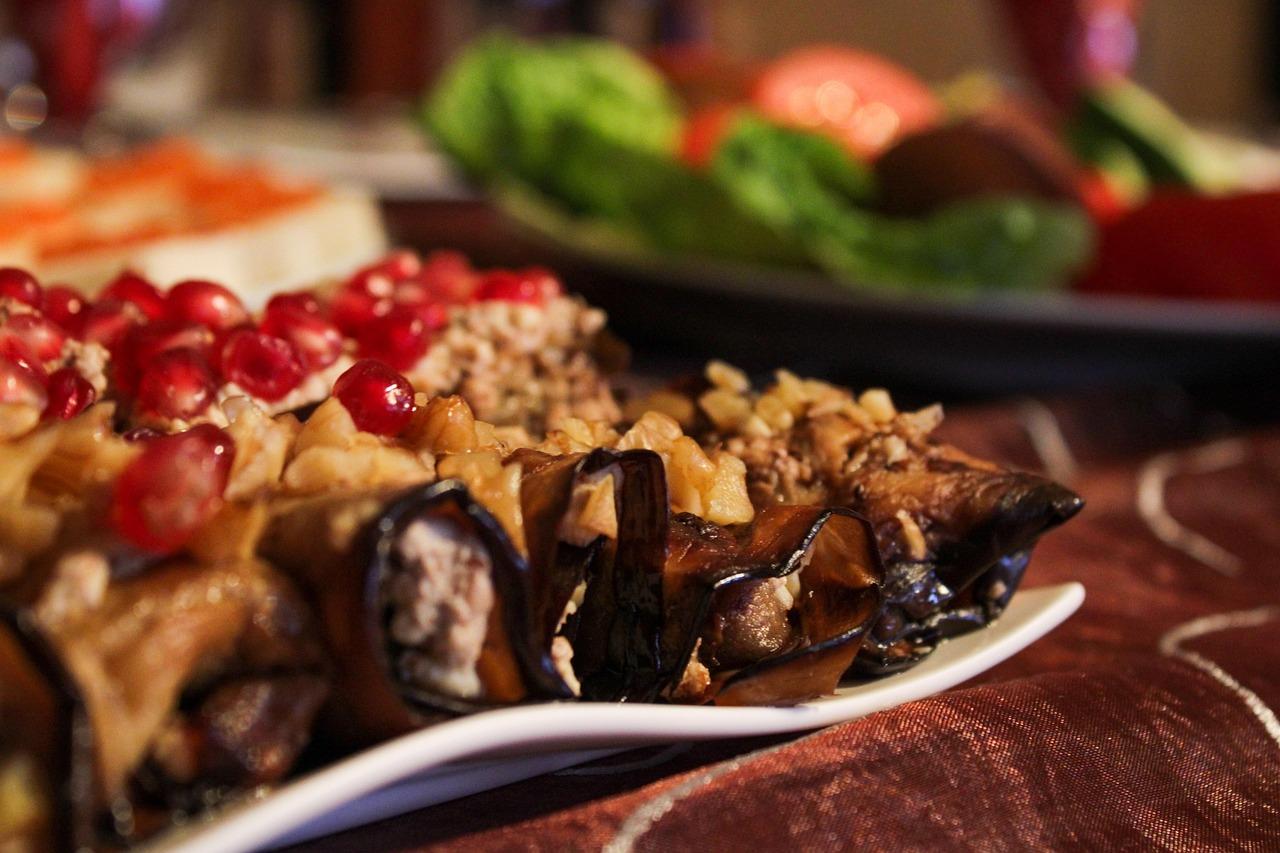
Badrijani nigvzitAubergine rolls with walnut paste

Badrijani nigvzit, aubergine with walnuts, is the summer starter of Tbilisi and Kakheti: thin slices of aubergine fried until silky, spread with a garlicky, spiced walnut paste and rolled up, then scattered with pomegranate seeds. They sit on every supra table between the cheeses and pkhali, and on restaurant menus from June until the frosts. Served cold, they are rich and soft, with sour pops of pomegranate. The common mistake is undercooking the aubergine: if it is still firm it cracks when you roll it and tastes raw, so fry each slice until it is limp and golden. Chef's tip: dry the fried slices on kitchen paper and press them gently; you lose surplus oil, and the paste spreads and sticks better.

by KrazyBadal 0 views

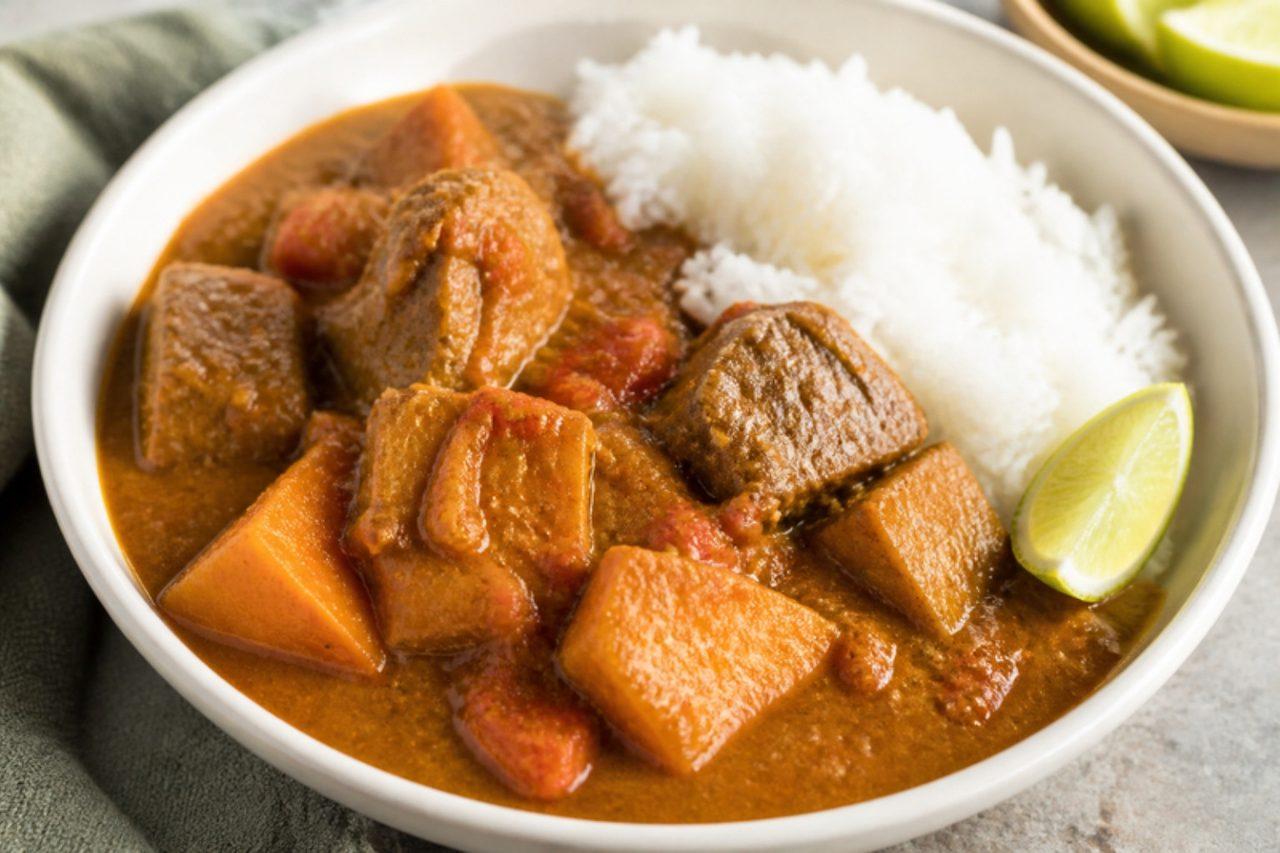
DomodaBeef and peanut stew

Domoda is the stew that most families in the Gambia, from Banjul to the riverside villages upcountry, cook several times a week. Beef is browned and simmered with tomato and onion, then smooth peanut butter is stirred in until the sauce turns thick, glossy and rich, with pumpkin and sweet potato melting into it. It is spooned over white rice with a squeeze of lime, and a scotch bonnet floats in the pot for whoever likes it hot. The mistake to avoid is adding the peanut butter too early and leaving it unstirred, as it catches and burns on the bottom; add it once the beef is nearly tender and stir often. Chef's tip: whisk the peanut butter with a ladle of hot broth before it goes in, so it melts smoothly instead of forming lumps.

by KrazyBadal 0 views

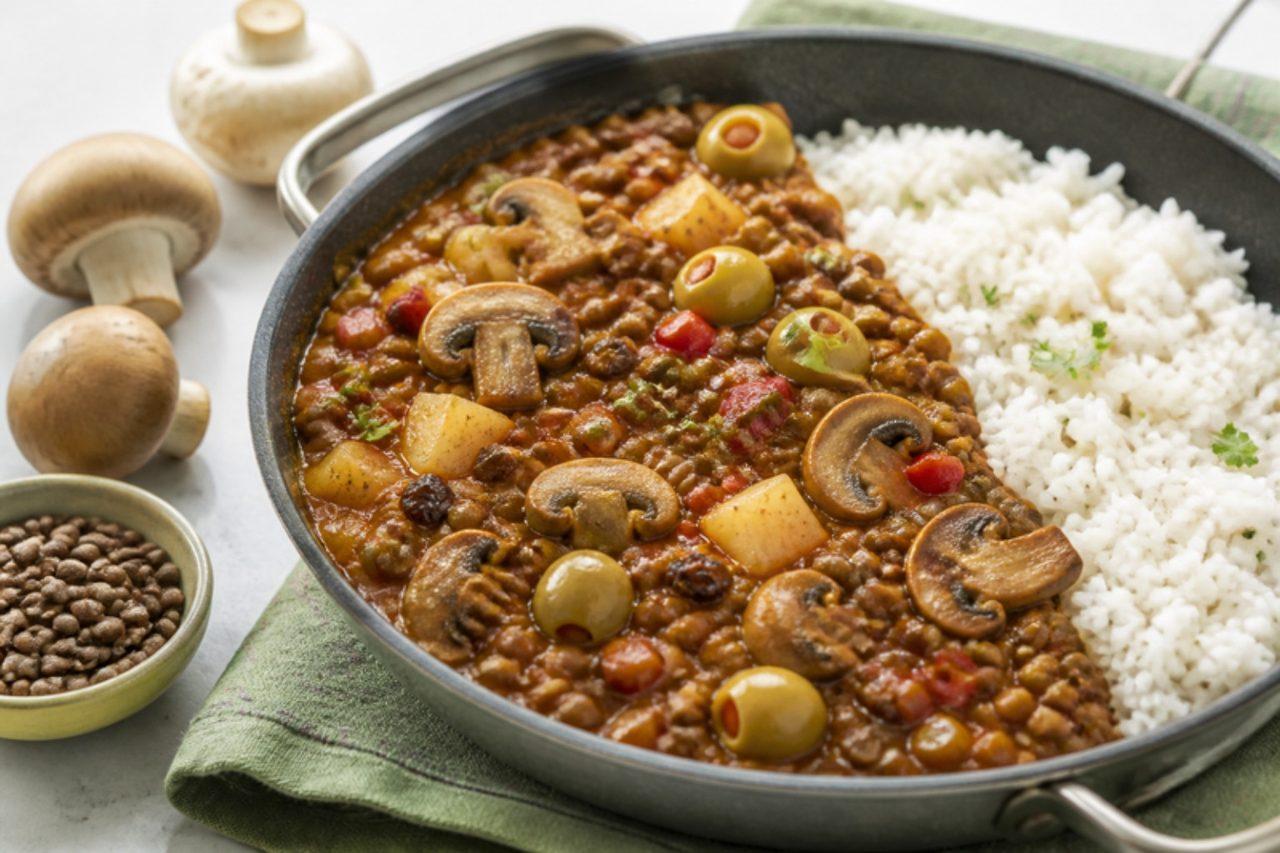
Picadillo vegetarianoLentil and mushroom picadillo

Picadillo a la habanera is Havana's everyday savoury hash, sweet with raisins, salty with olives and capers and sharp with tomato and sofrito. This vegetarian version swaps the meat for brown lentils and finely chopped mushrooms, which give the same crumbly, juicy texture and a deep savoury flavour. Spoon it over white rice with fried ripe plantain, or use it to fill empanadas and stuffed peppers. Chef's tip: let the mushrooms fry until all their liquid has gone and they turn brown; that browning is what makes it taste rich.

by KrazyBadal 0 views

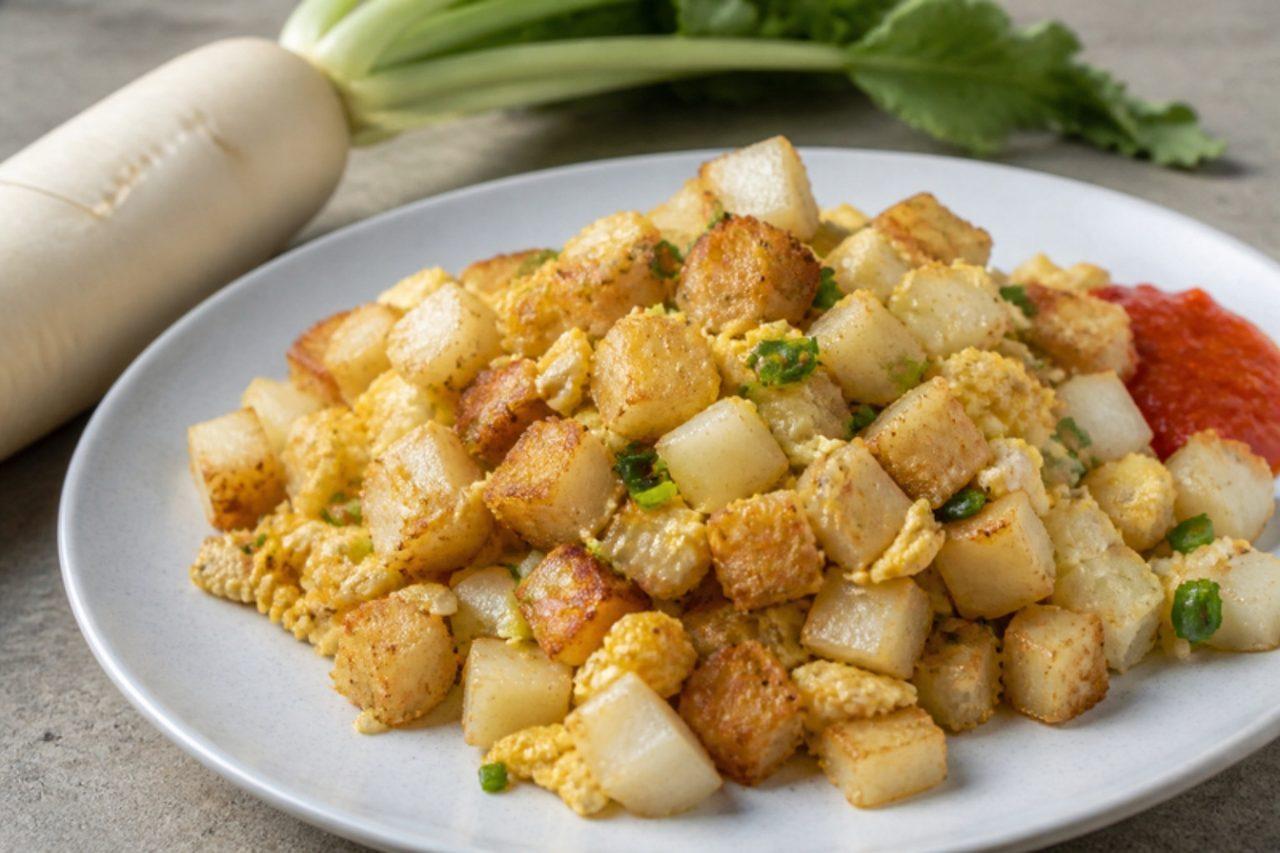
Singapore carrot cake (chai tow kway)Fried radish cake with egg

Singapore's carrot cake has no carrot in it: "carrot" is the local word for white radish (daikon). A steamed cake of rice flour and grated radish is cut into cubes and fried with egg and garlic until crisp and golden, either "white" (plain and eggy) or "black" (with sweet dark soy). It's a breakfast and supper favourite at hawker centres like Chinatown Complex. Most stalls add chai poh (preserved radish); this version leaves it out because many brands are made with fish sauce, and spring onions bring the savoury lift instead. Chef's tip: steam the cake a day ahead and chill it overnight; cold, firm cake cuts cleanly and crisps instead of falling apart.

by KrazyBadal 0 views

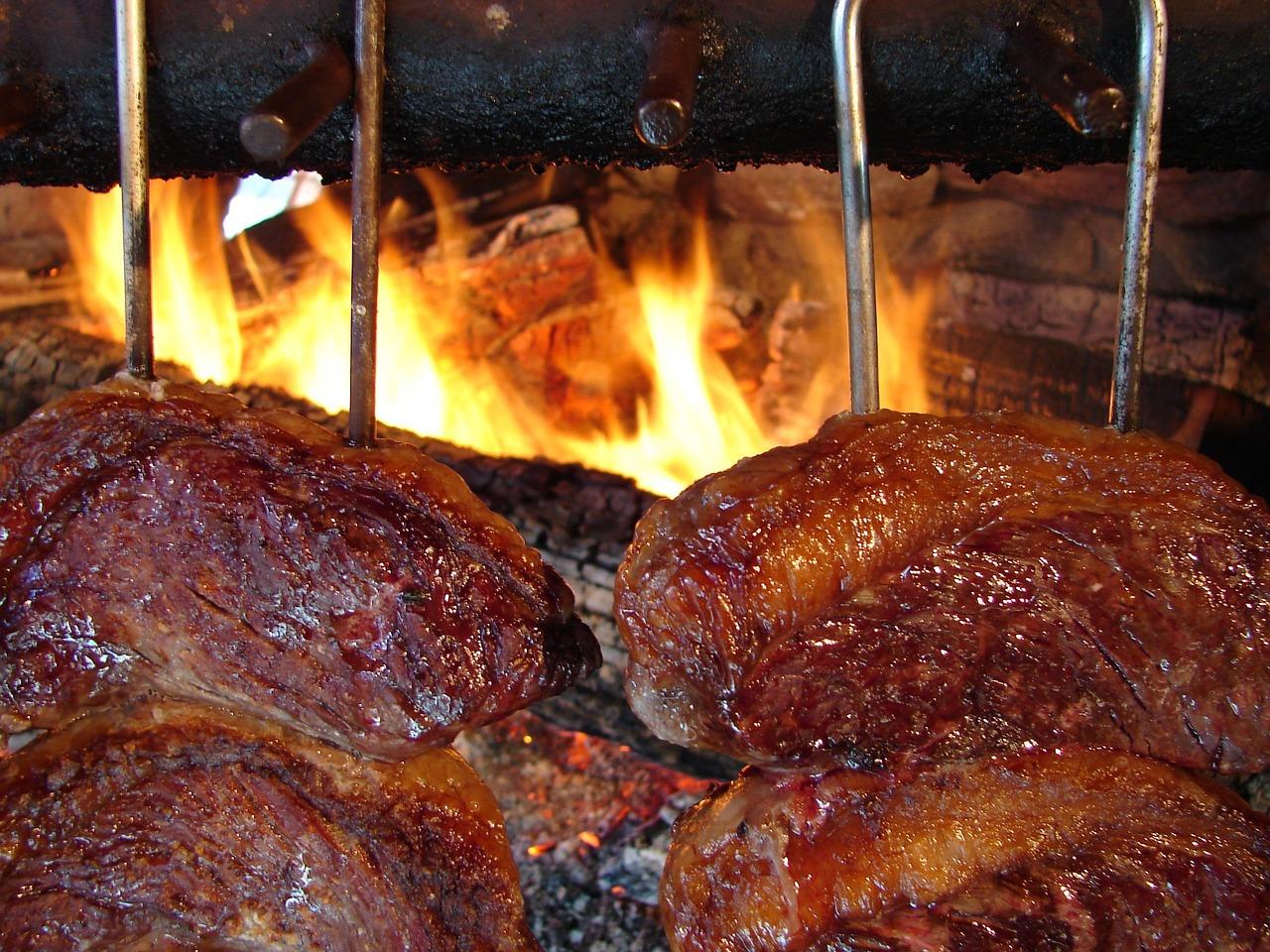
Picanha churrascoGrilled beef rump cap

Picanha, the rump cap with its thick white fat layer, is the cut Brazilians prize most at a churrasco. The tradition comes from the gaúchos, the cattle herders of Rio Grande do Sul, and lives on in Sunday family barbecues in the south and in churrascarias across the country, where waiters carry the meat from table to table on long skewers. It is seasoned with nothing but coarse rock salt (sal grosso) and cooked over charcoal with the fat left on, so it bastes the meat. You can fold thick steaks into a C shape on skewers, as in the churrascarias, or grill them flat. Chef's tip: before slicing, knock the excess salt off with the back of a knife; the crust keeps just enough.

by KrazyBadal 0 views

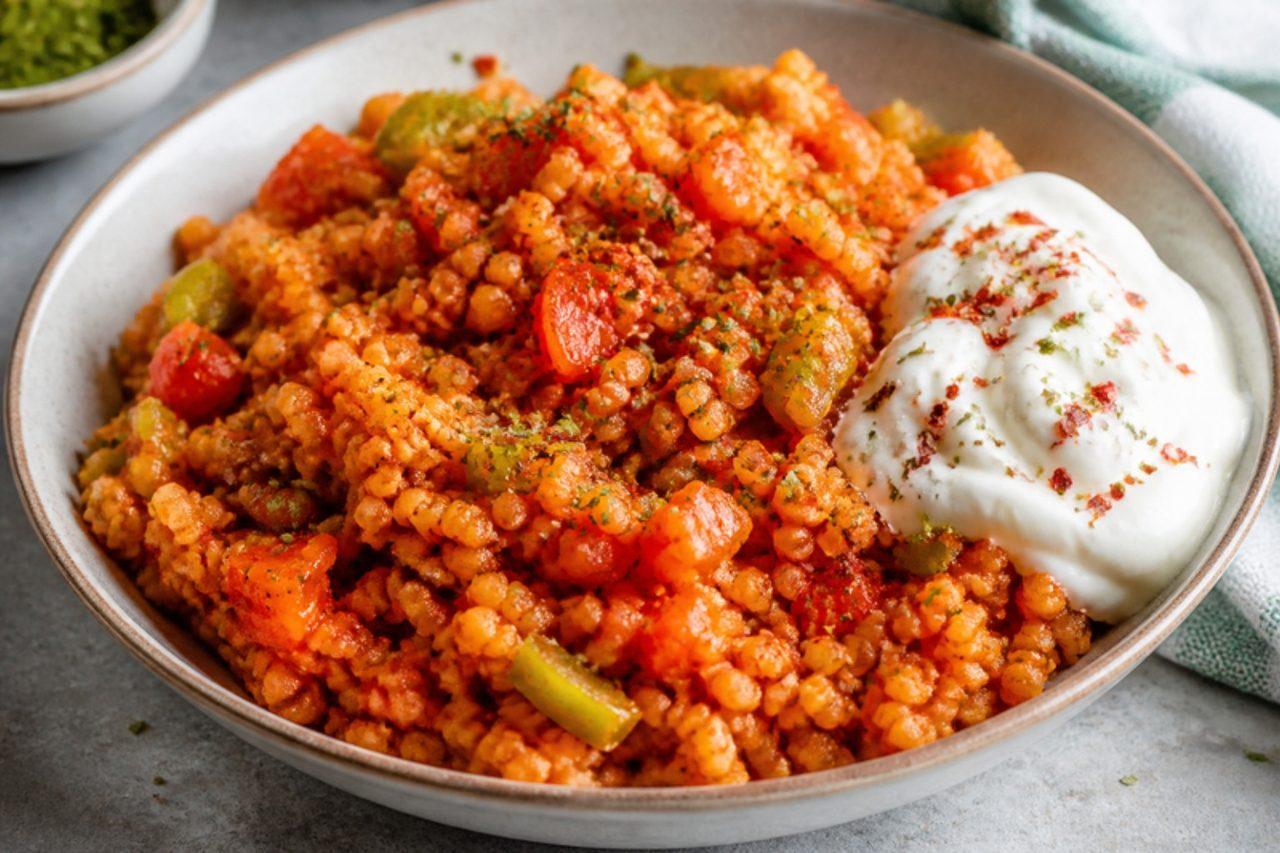
Domatesli bulgur pilavıTomato bulgur pilaf

Across Turkey, from Anatolian village kitchens to Istanbul lunch counters (esnaf lokantası), a pot of bulgur pilaf sits beside beans, stuffed vegetables and yogurt as reliably as bread does. Coarse bulgur (pilavlık bulgur) is cooked with onion, sweet pepper paste, grated tomato and a green pepper until every grain is separate, tender and lightly reddish. It is nuttier and chewier than rice pilaf and ready in half an hour, which is why so many families make it on weeknights. Spoon it next to kuru fasulye, cacık or a simple salad, or eat a bowl on its own with a dollop of yogurt. Chef's tip: once the water is absorbed, lay a clean tea towel under the lid and let the pilaf rest off the heat for 10 minutes; the towel catches the steam so the grains turn fluffy instead of wet.

by KrazyBadal 0 views

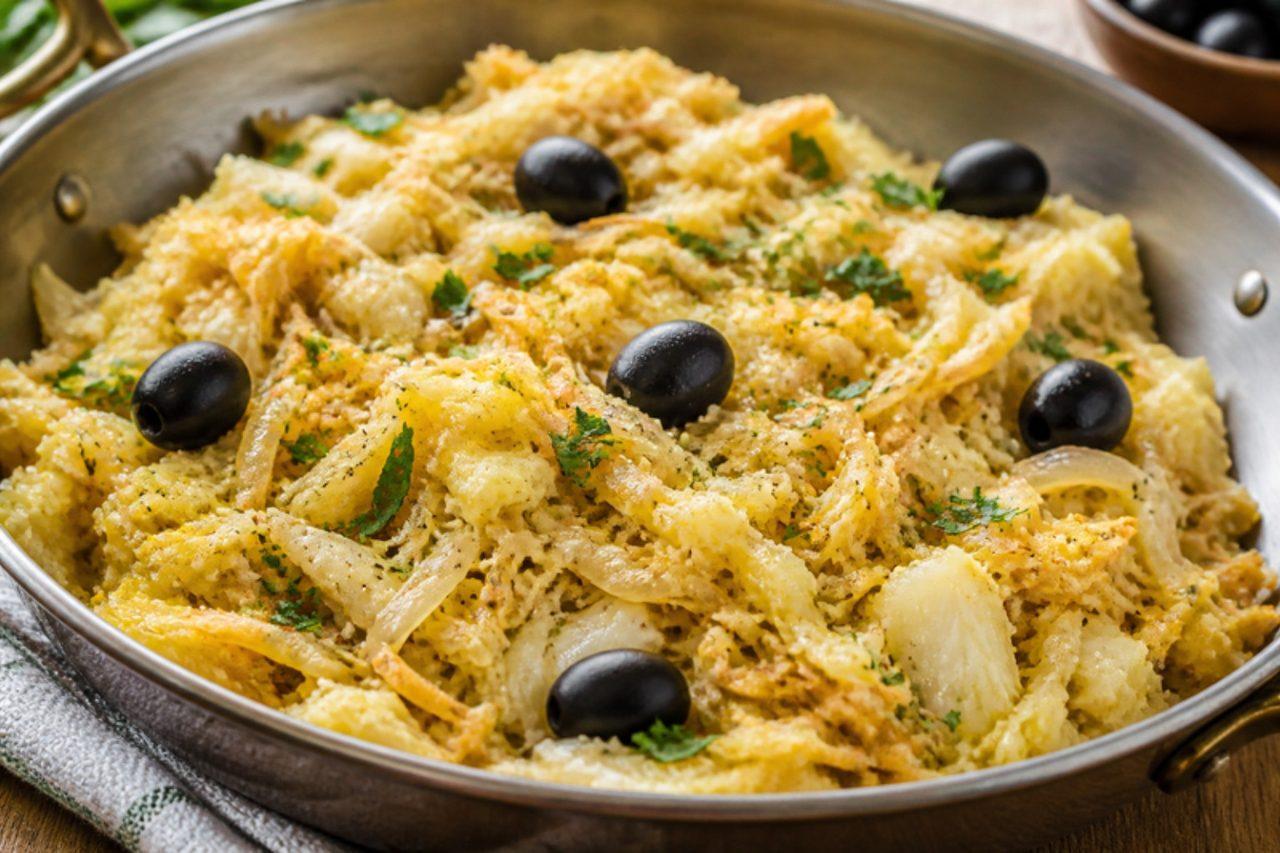
Bacalhau à BrásSalt cod with egg and potatoes

Lisbon's Bairro Alto taverns claim this dish, said to be named after a tasca owner called Brás, and it is still a weeknight favourite in homes all over the city. Flaked salt cod is softened with slowly cooked onion, tossed with a heap of fine straw-cut fried potatoes, then bound at the last second with beaten egg so everything stays creamy and loose. Black olives and parsley go on top. A green salad is all it needs. Chef's tip: take the pan off the heat the moment you add the eggs; they should finish cooking from the warmth of the potatoes, like a soft scramble.

by KrazyBadal 0 views

PicaronesSweet potato and squash doughnuts

Picarones are Lima's favourite street sweet, fried to order at stalls in the parks and outside churches, especially in October during the Señor de los Milagros processions. The light, chewy rings are made from a yeasted dough of sweet potato and squash, scented with anise, fried until crisp and drenched in miel de chancaca, a dark syrup of unrefined cane sugar with orange peel, cinnamon and cloves. They are eaten hot, straight from the oil, with plenty of syrup. Chancaca is sold in Latin shops; dark muscovado or piloncillo makes a very good syrup too. Chef's tip: the dough should be very soft and sticky, like a thick batter; resist adding more flour, or the picarones turn heavy and bready.

by KrazyBadal 0 views

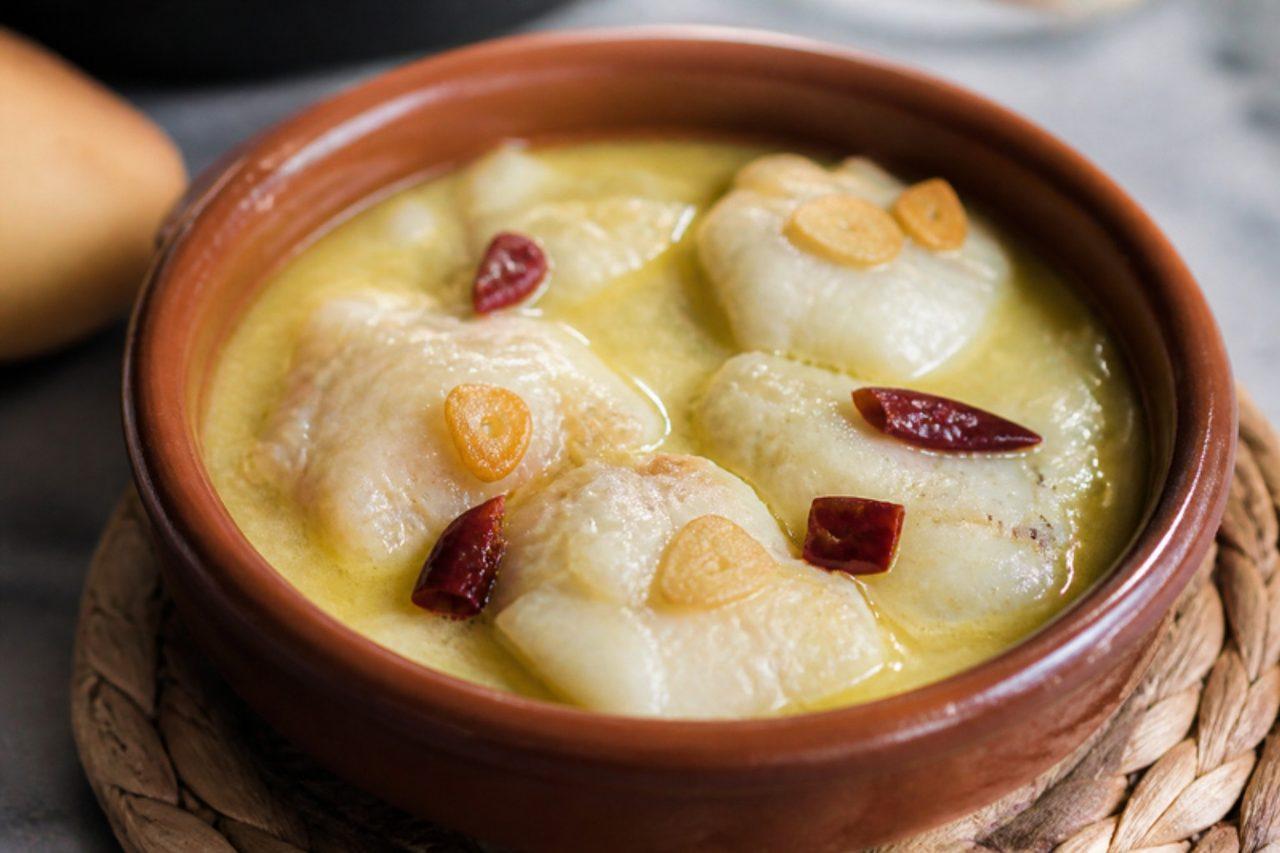
Bacalao al pil pilSalt cod in garlic oil sauce

Bacalao al pil pil belongs to Bilbao and the rest of Bizkaia, where it fills restaurant menus in Lent and Holy Week and reappears on Christmas Eve tables. It is made from just four things: desalted salt cod, olive oil, garlic and a dried chilli. The trick is the sauce. The cod gives off gelatine as it cooks gently in warm oil, and swirling the clay dish round and round turns that oil into a thick, pale, mayonnaise-like emulsion; the name comes from the 'pil pil' sound of it bubbling. Plan ahead, because thick salt cod needs 24–48 hours of soaking in the fridge. Chef's tip: buy thick, skin-on loins (lomos); the gelatine that makes the sauce comes from the skin.

by KrazyBadal 0 views

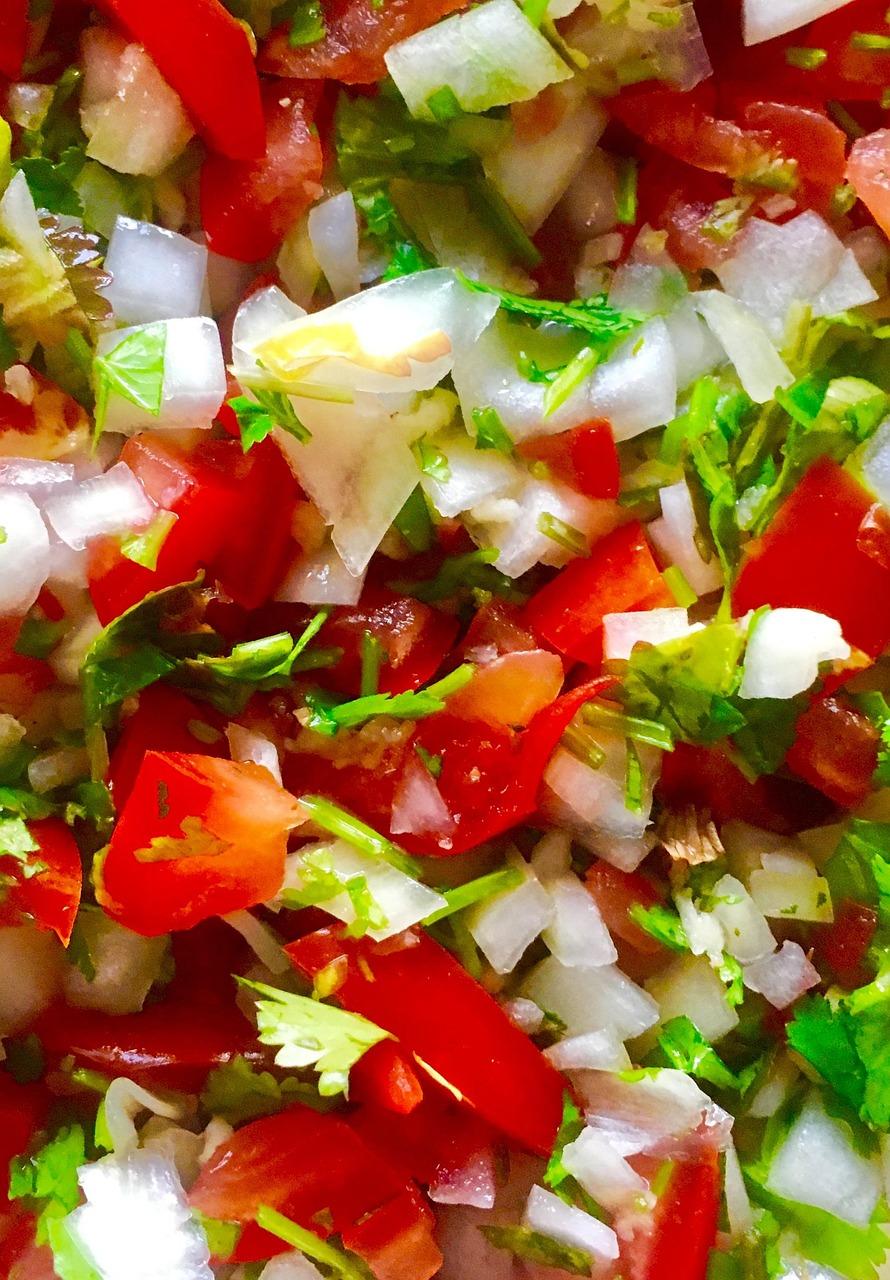
Pico de galloFresh tomato salsa

Pico de gallo, also called salsa fresca or salsa mexicana, is the fresh, uncooked salsa that sits on every Mexican table: diced ripe tomato, white onion, serrano chilli and coriander, brightened with lime juice and salt. It is crunchy, juicy and clean-tasting, with just enough heat, and goes with tacos, quesadillas, eggs, beans, rice and tortilla chips. It is best within an hour of making. Chef's tip: add the salt just before serving; salt draws water out of the tomatoes and leaves the salsa sitting in a puddle.

by KrazyBadal 0 views

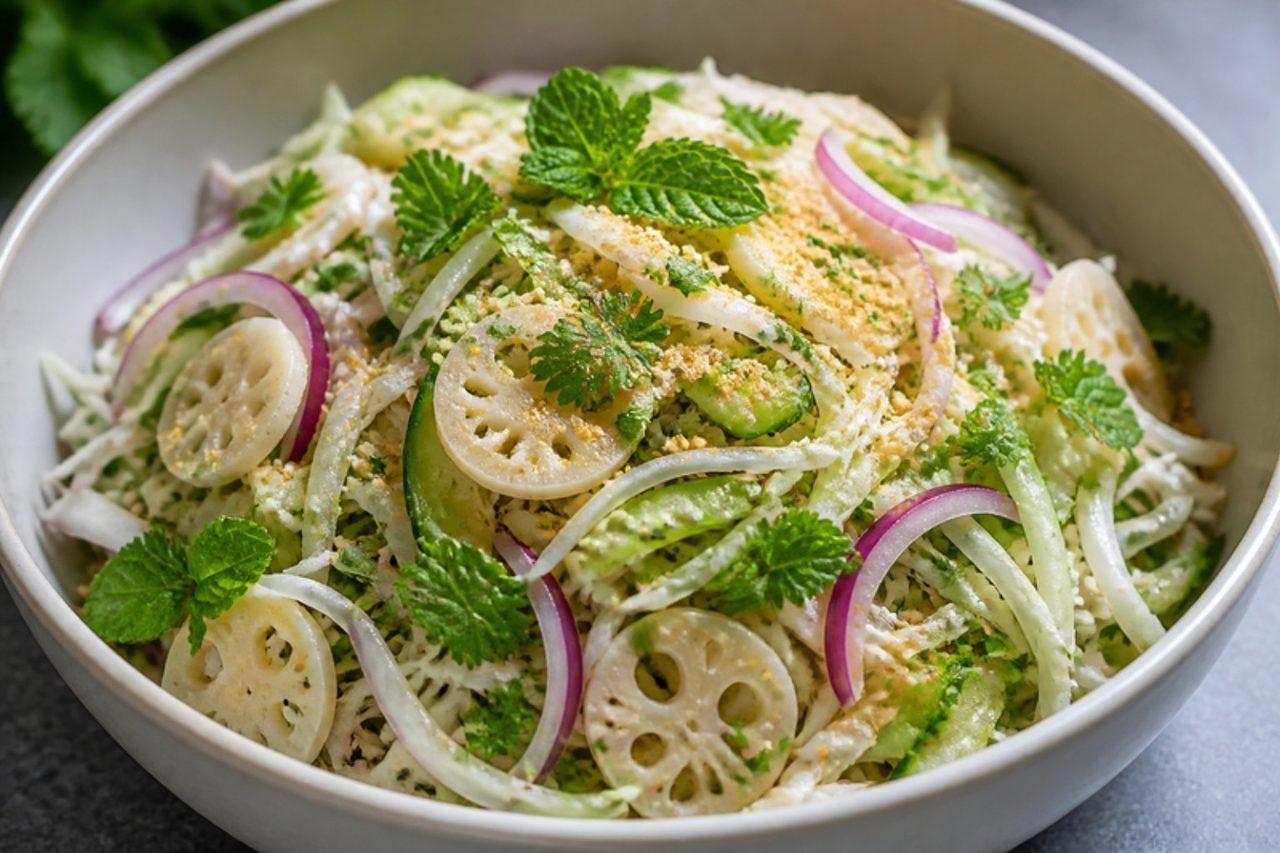
SingjuCabbage and lotus stem salad

Singju is Imphal's favourite evening snack, sold from stalls at Khwairamband market and Thangal Bazar: a pile of finely shredded cabbage, lotus stem, banana flower, onion and fresh herbs, tossed with roasted chilli and toasted gram flour. Most stalls add a little ngari (fermented fish); vegetarian Meitei homes skip it and use extra roasted perilla or sesame and toasted gram flour, which give a nutty, savoury depth. It is crunchy, hot and herby. Chef's tip: shred everything as thinly as you can, almost like hair; the dressing clings better.

by KrazyBadal 0 views

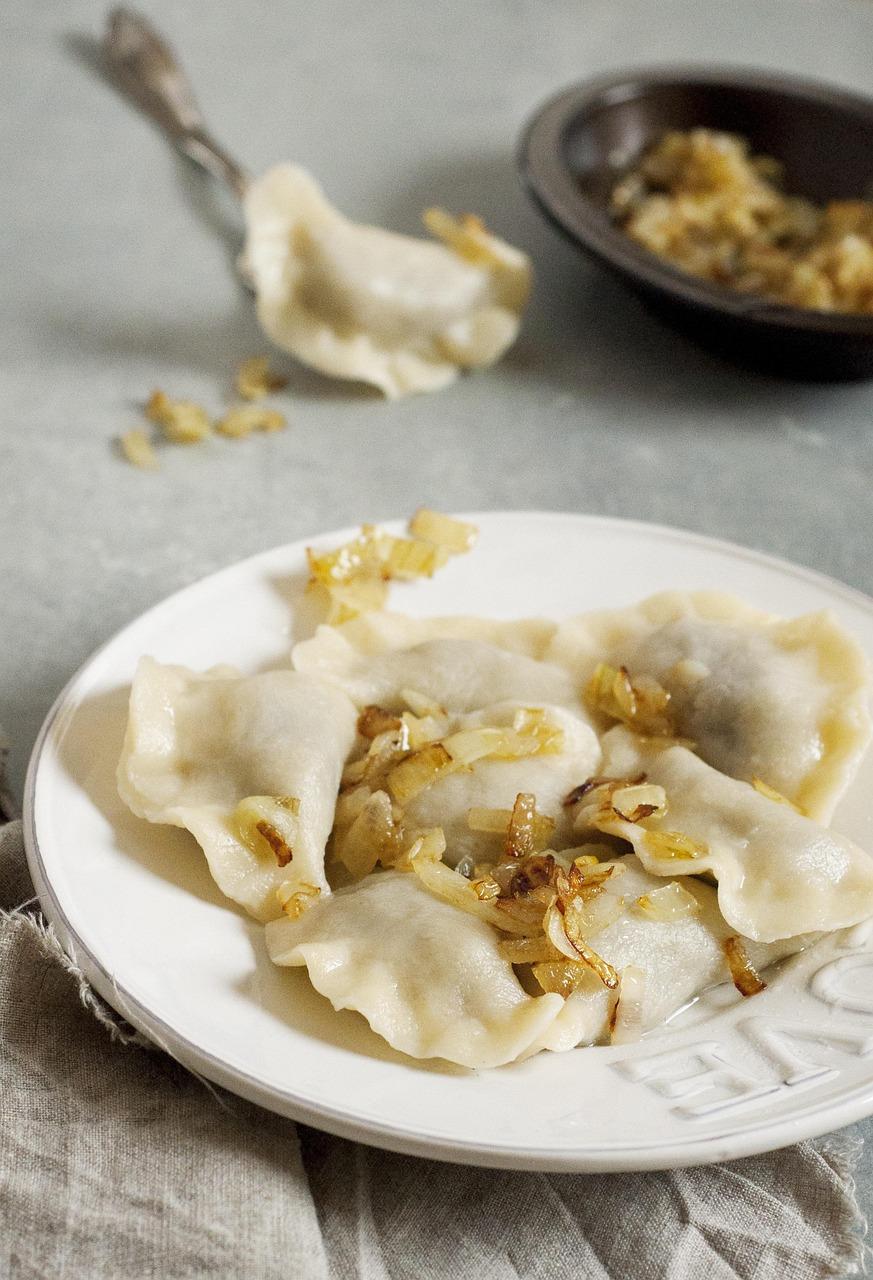
Pierogi ruskiePotato and cheese dumplings

Pierogi ruskie take their name from Red Ruthenia, the old borderland around Lwów and Przemyśl, and today they are the pierogi every Polish milk bar (bar mleczny) from Kraków to Gdańsk keeps on the menu. The filling is the Polish one: floury potato mashed with crumbly twaróg curd cheese, plenty of slowly browned onion and a lot of black pepper, wrapped in a thin, soft dough. Kraków even holds a pierogi festival every August, and ruskie are always the best sellers. Serve them boiled with more golden onion and a spoon of soured cream, or fry leftovers in butter the next day. Chef's tip: let the filling cool completely and taste it before you fill a single dumpling; it should taste over-seasoned on its own, because the dough mutes it.

by KrazyBadal 0 views

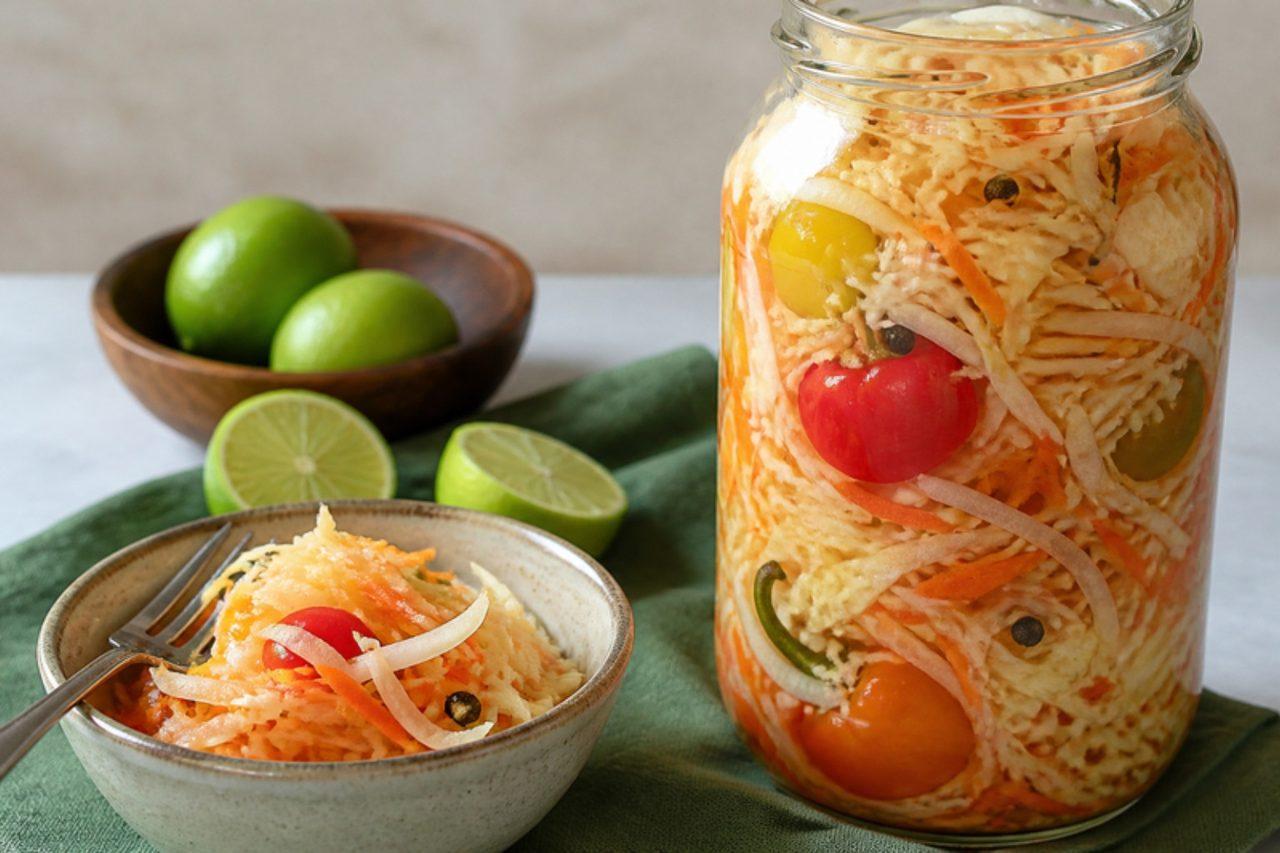
PiklizSpicy pickled cabbage

Pikliz is the fiery slaw-pickle that sits on every Haitian table, in a big glass jar in the middle, and no plate of fried food in Haiti is served without it: it's spooned over fried plantain (bannann peze), fritters and rice. Shredded cabbage, carrot, onion and peppers are packed with hot scotch bonnets, cloves and peppercorns, then drowned in vinegar and lime. After a few days it is crunchy, sour and properly hot, and the vinegar itself becomes a hot sauce you sprinkle over everything. Chef's tip: slice the scotch bonnets thinly rather than leaving them whole; the heat spreads evenly through the jar and every forkful has a kick.

by KrazyBadal 0 views

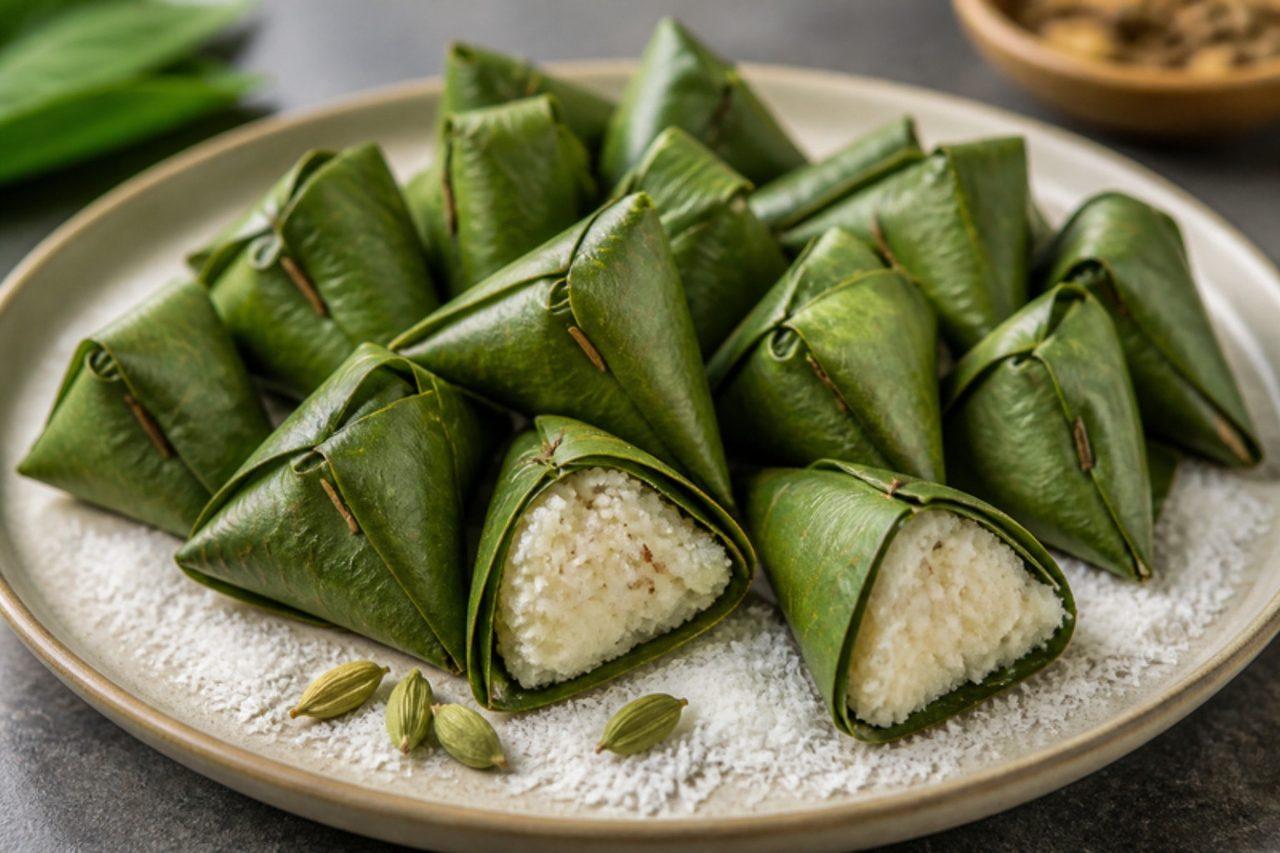
SingodiCoconut milk fudge in leaf cones

Singodi is Almora's other famous sweet, sold in the same shops as bal mithai but looking nothing like it: a soft, pale mix of khoya and coconut packed into a cone of maalu leaf and pinned shut with a twig. The leaf leaves a faint green, woody scent in the sweet, which is the whole point, and people in Kumaon unwrap them at weddings and on trips home. Maalu leaves are almost impossible to buy elsewhere, so this version uses banana leaf or fresh betel (paan) leaves; both give a gentle leafy aroma. Chef's tip: wrap the singodi while the filling is still warm and leave them in the fridge overnight, so the scent of the leaf soaks in.

by KrazyBadal 0 views

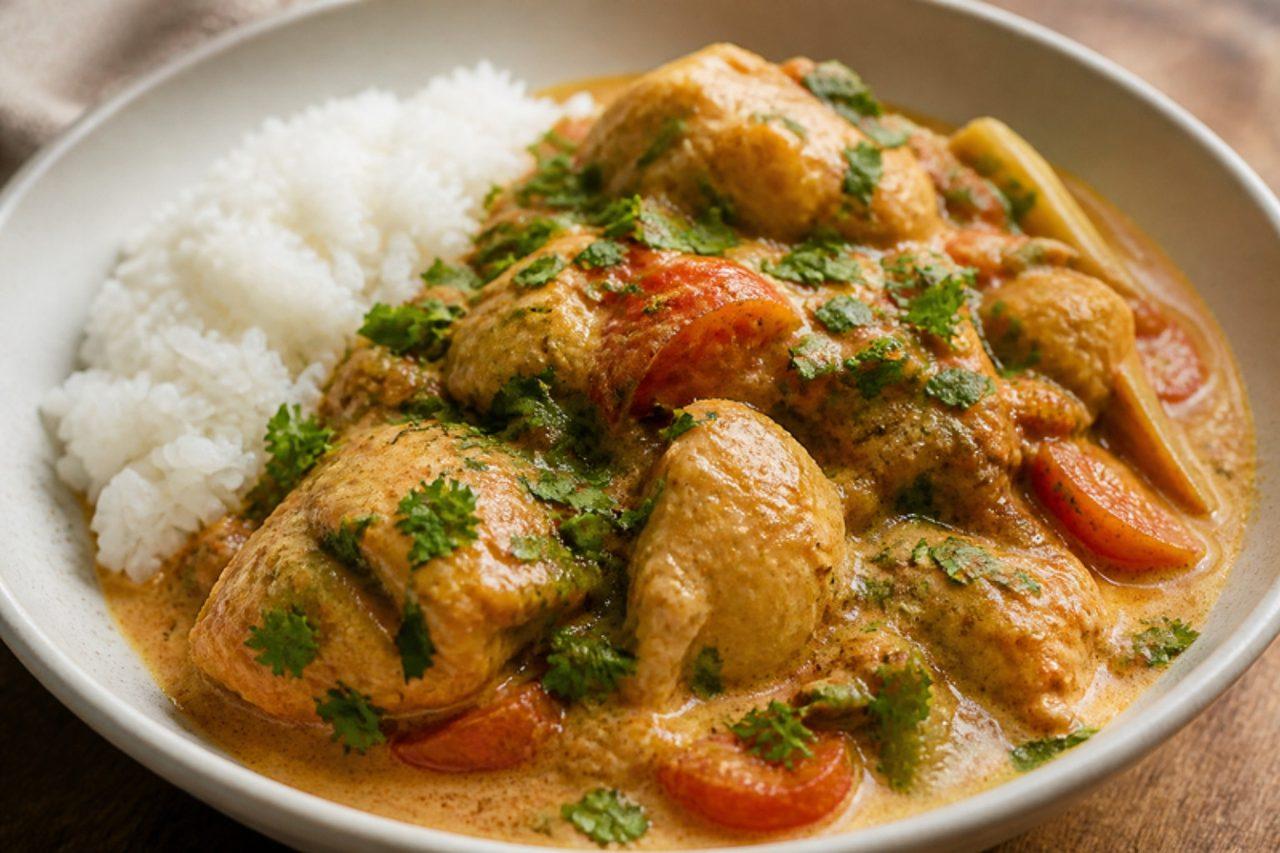
Akoho sy voanioChicken in coconut milk

Akoho sy voanio, chicken with coconut, is a dish of Madagascar's east coast around Toamasina, where coconuts are everywhere, and it has become a favourite all over the island. Chicken is browned with onion, garlic, ginger and tomato, then simmered gently in coconut milk with a pinch of curry until the sauce is creamy and mild. It is eaten with plenty of white rice and a little achard (vegetable pickle). The mistake is boiling the coconut milk hard so it splits; keep it at a gentle bubble. Chef's tip: brown the chicken well first; the coconut sauce needs that savoury depth.

by KrazyBadal 0 views

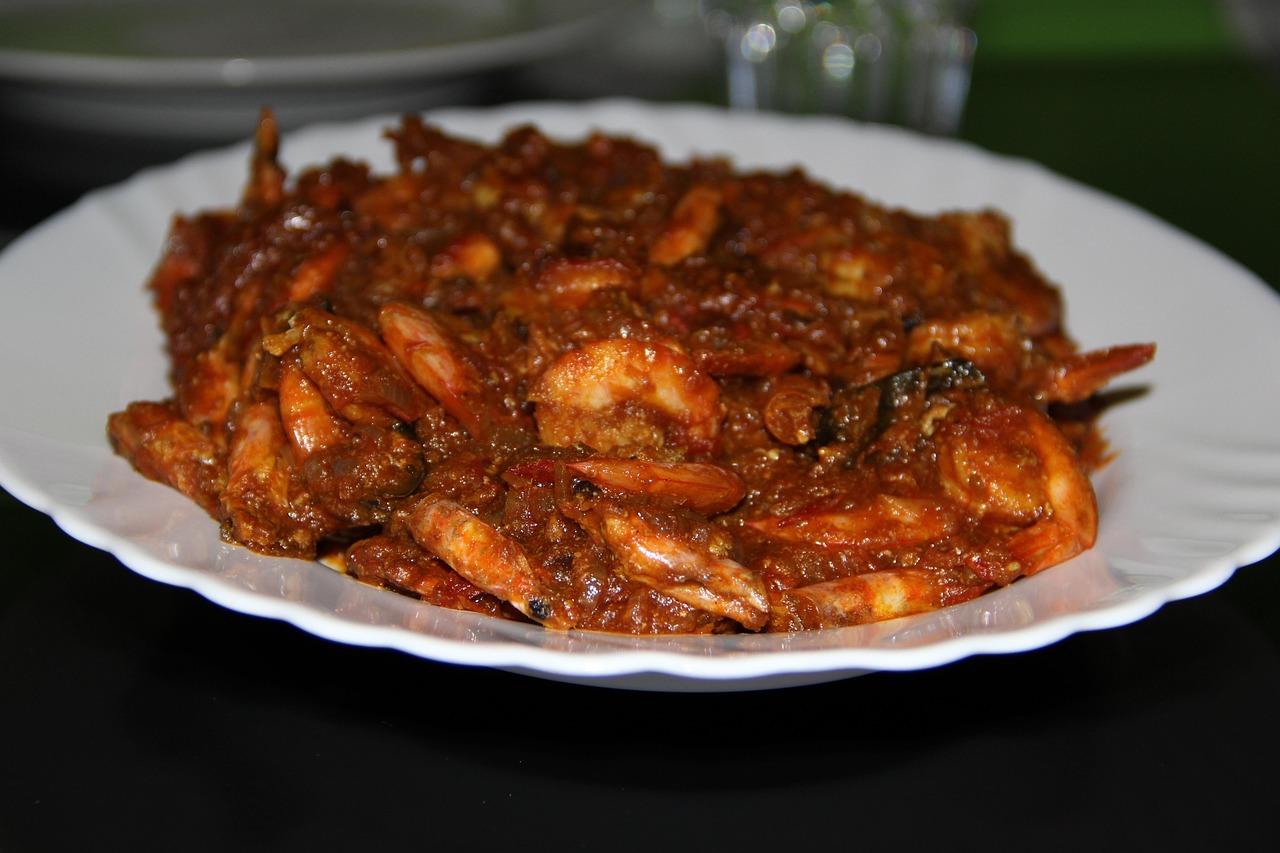
Prawn balchãoSweet-sour prawn pickle curry

Balchão started as a way to keep the catch from the Goan monsoon season: prawns cooked down in a fierce red masala with vinegar and sugar until they keep like a pickle. In Goan homes a jar sits in the fridge to spoon beside rice and dal, and a fresh batch is served as a main curry on Sundays. Its taste is bold: hot, sharp and sweet all at once. Chef's tip: fry the masala slowly until the oil separates and it turns a deep brick colour; undercooked balchão tastes raw and vinegary.

50 minIndianFishGluten freeSpicy
by KrazyBadal 0 views

Solok ladaFish-stuffed green chillies

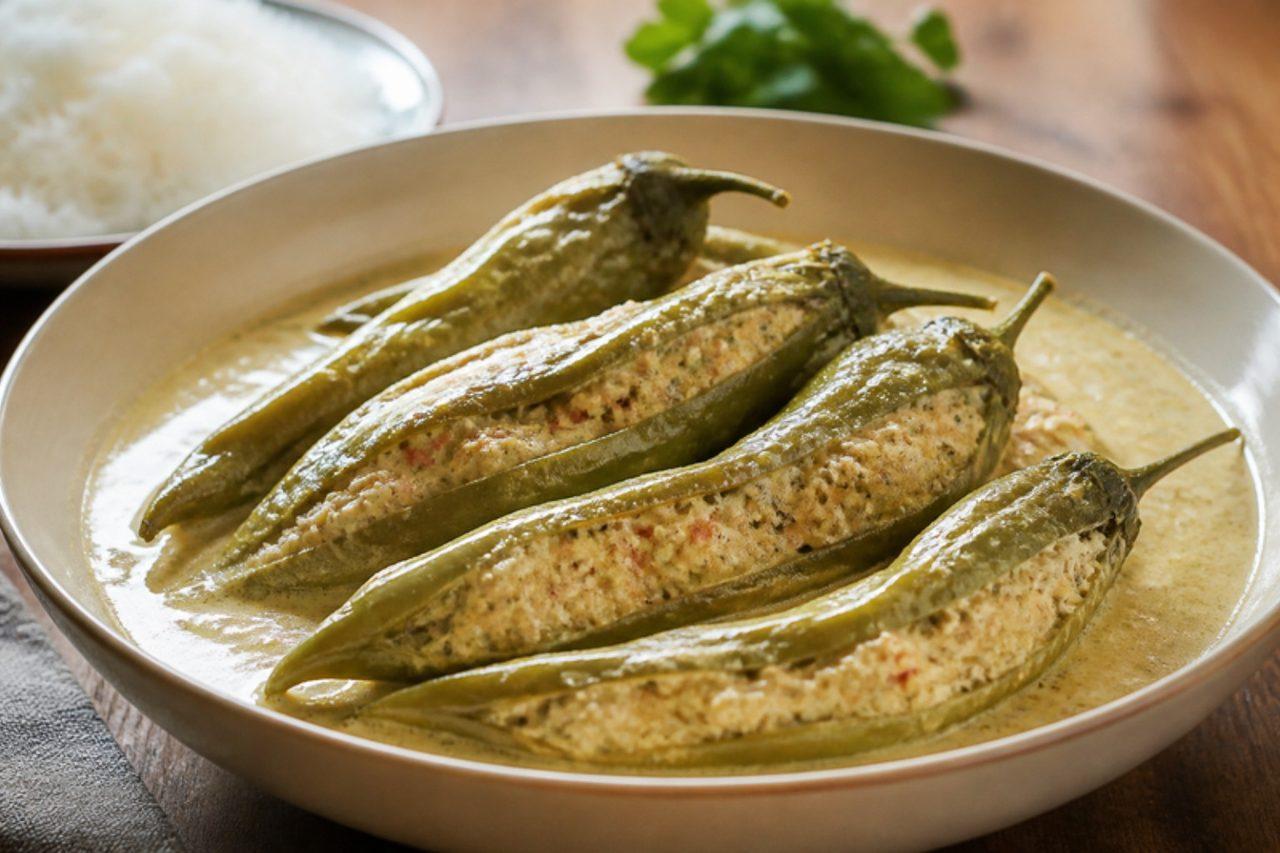
Bulky green chillies are the cases for this Kelantan festive dish, cooked for weddings and Raya tables in Kota Bharu. Each one is slit, scraped out and packed with a pale filling of fish, freshly grated coconut, shallots, ginger and black pepper, then simmered gently in coconut milk until the chillies slump and the gravy turns rich and faintly smoky. The filling is soft and sweet; the skins bring gentle heat and a green, grassy bite. Serve two or three per person with rice and a sambal, or with nasi kerabu. Chef's tip: choose large, mild chillies (or long sweet peppers for a gentler version) and tie each with a strip of pandan or a toothpick so the filling stays inside.

by KrazyBadal 0 views

SolteritoBroad bean, corn and cheese salad

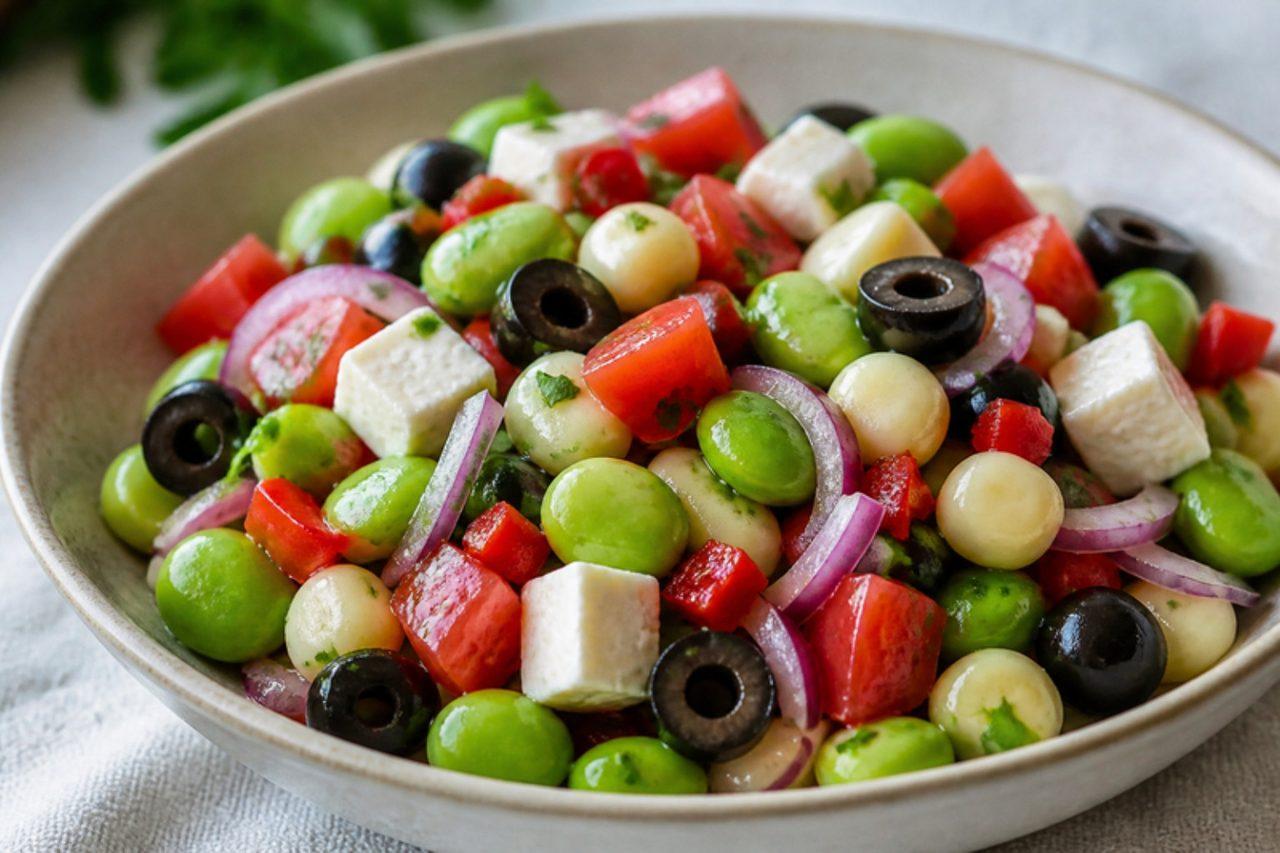
Solterito, the 'little bachelor', is a cold salad from Arequipa in southern Peru, so called because it was simple enough for a single man to make. Broad beans, sweet corn, fresh cheese, tomato and red onion are tossed with black olives, parsley and a little rocoto chilli in an oil and vinegar dressing. It is eaten with the spicy dishes of Arequipa's picanterías, or on its own as a light lunch. Rocoto is a fat, fiery red chilli; a red pepper with a little habanero gives a similar crunch and heat. Use queso fresco made with vegetarian rennet. Chef's tip: peel the broad beans after blanching; the pale skins are tough and the bright green beans inside make the salad sweet and tender.

by KrazyBadal 0 views

Cocido madrileñoChickpea and meat stew

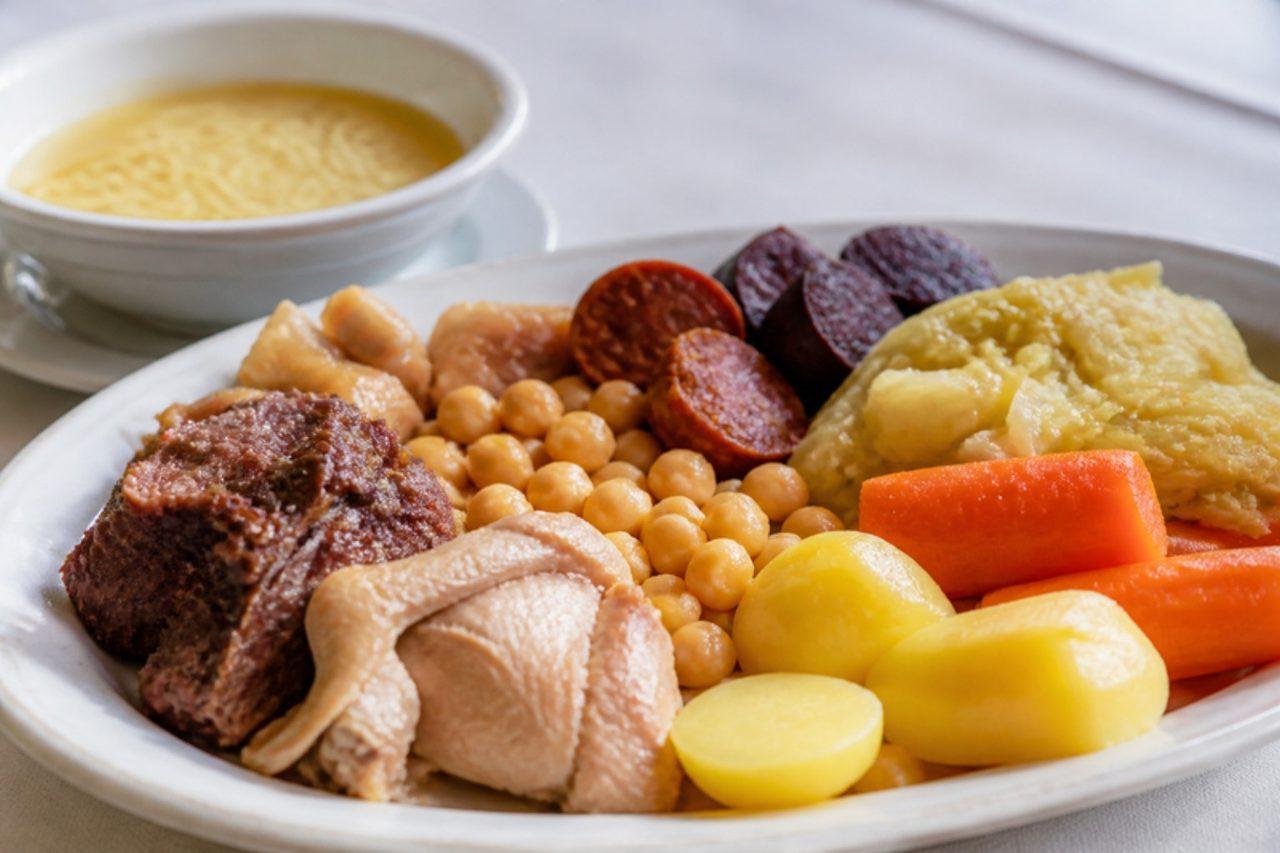
Cocido madrileño is the slow pot of the capital's winter, served at lunch in old Madrid taverns and at home on cold weekends. Everything simmers together for hours (chickpeas, beef shin, chicken, pork belly, ham bone, chorizo, carrots and potatoes) and then it comes to the table in three vuelcos, or 'tippings out': first the broth as a soup with thin noodles, then the chickpeas and vegetables, then the platter of meats. Cabbage and chorizo are cooked in a separate pan so they don't cloud or redden the broth. It is a big project, but most of the time the pot looks after itself. Chef's tip: put the soaked chickpeas into a mesh bag or a loose muslin bundle; they're easy to lift out whole at the end and don't break up in the long simmer.

180 minSpanishMeat
by KrazyBadal 0 views

Cochinita pibilAchiote slow-roast pork

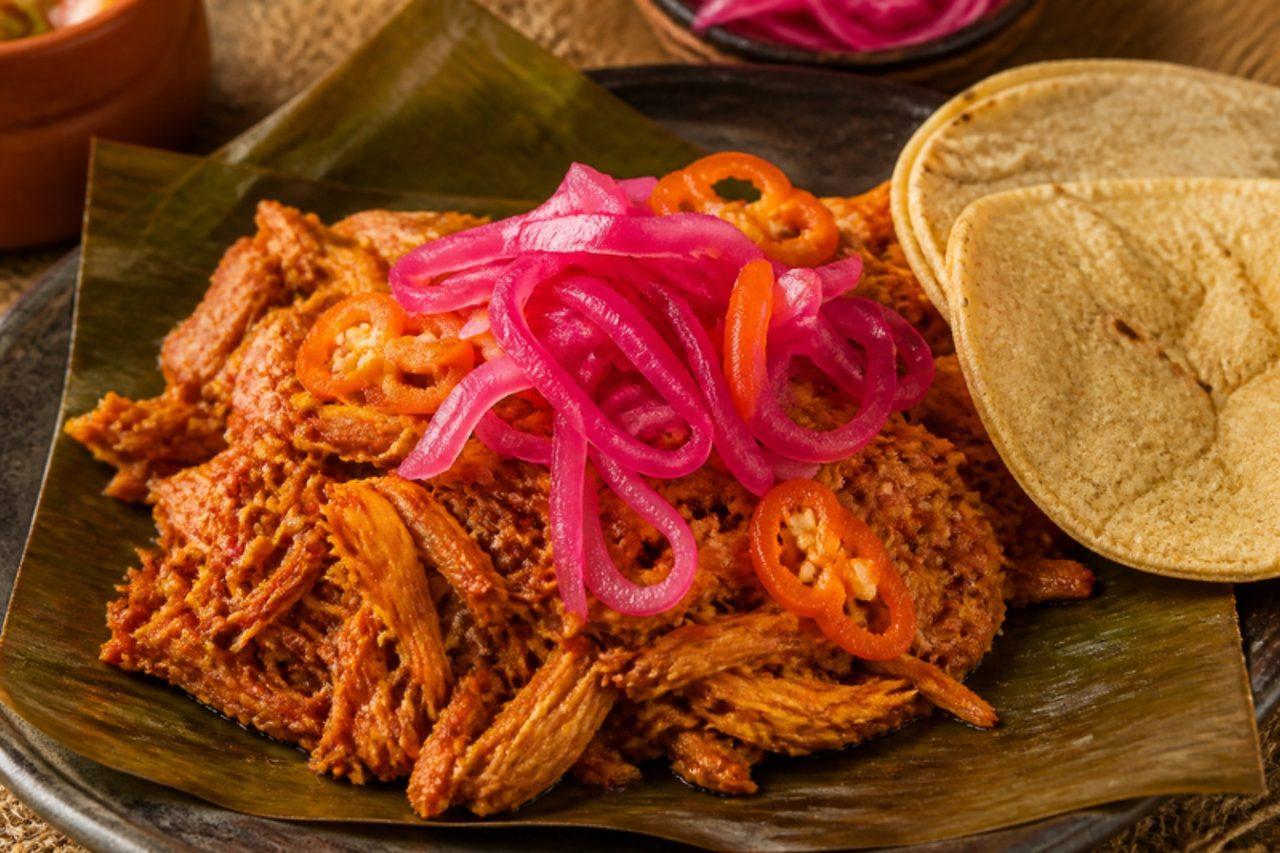
The Maya of the Yucatán peninsula cooked pork in a pib, a pit lined with hot stones, and in Mérida cochinita pibil is still sold at dawn from market stalls, piled into tacos and tortas for breakfast. Pork shoulder sits overnight in a brick-red paste of achiote and sour orange juice, then roasts slowly wrapped in banana leaves until it pulls apart, soaking in its own tangy juices. It goes into warm tortillas with bright pink pickled onions and, for the brave, a habanero salsa. Chef's tip: if you can't find bitter Seville oranges, mix sweet orange juice with lime juice; the sourness is what tenderises and balances the pork.

270 minMexicanMeatGluten free
by KrazyBadal 0 views

Çoban salatasıChopped tomato and cucumber salad

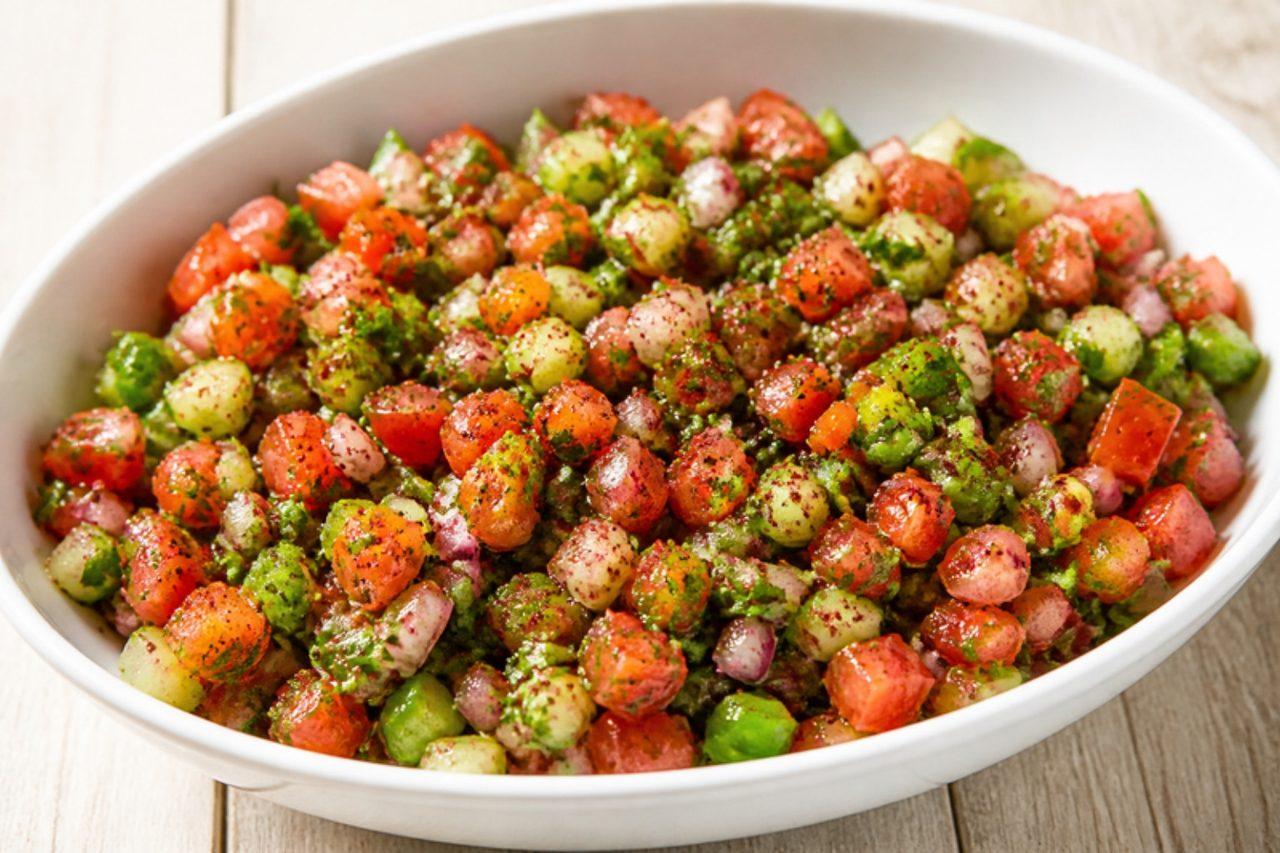
Çoban salatası, the shepherd's salad, is on the table at almost every Turkish meal from Edirne to Van, whether that is a home dinner, a lokanta lunch or a summer barbecue. It is simple by design: small dice of tomato, cucumber, green pepper and onion with parsley, dressed with lemon juice, olive oil and a little sumac. It is eaten alongside pilaf, beans, börek or anything grilled. The common mistake is salting it too early, which draws the water out of the tomatoes and leaves it swimming. Chef's tip: rub the onion slices with salt and sumac and rinse them before adding; the onion stays crunchy but loses its harsh bite.

by KrazyBadal 0 views

Coastal Mombasa mixChickpea and potato coconut-mango broth

A Mombasa street-food bowl: chickpeas and potato simmered in coconut milk with raw mango and chilli, ladled into small bowls and topped with crisp lentil fritters, crunchy chevdo and red, green and tamarind chutneys. Make the fritters and chevdo ahead and assemble at the table. It's sweet, sour, hot and crunchy all at once.

by KrazyBadal 1 views

PrinsesstårtaMarzipan-covered layer cake

This domed green cake sits in every Swedish konditori window and is the cake for name days, birthdays and the last week of September, which Swedes call Prinsesstårtans vecka. It was first written down in the 1930s by Jenny Åkerström, cookery teacher to three young Swedish princesses, and they adored it. Under the smooth marzipan lie airy sponge layers, raspberry jam, thick vanilla custard and a tall mound of whipped cream. Shop versions often set the cream with gelatine; here the custard is firmed with cornflour and the cream with a little mascarpone, so it is fully vegetarian and still slices cleanly. Chef's tip: assemble the cake the day before you need the custard and sponge, but cover it with marzipan only a few hours before serving; marzipan sweats in the fridge overnight.

by KrazyBadal 0 views

Clafoutis aux cerisesCherry batter pudding

Clafoutis comes from the Limousin in central France, where black cherries ripen in early summer and families make this simple pudding for Sunday lunch. Whole cherries are scattered in a buttered dish and covered with a sweet, eggy batter, like a cross between a pancake and a custard, then baked until puffed and golden. In the Limousin the cherries are left unstoned, which cooks say gives a faint almond flavour; stone them if you are serving children. It's best warm, dusted with icing sugar. Chef's tip: don't overmix the batter once the flour is in; beating it hard is the common mistake and makes the clafoutis tough and rubbery.

by KrazyBadal 0 views

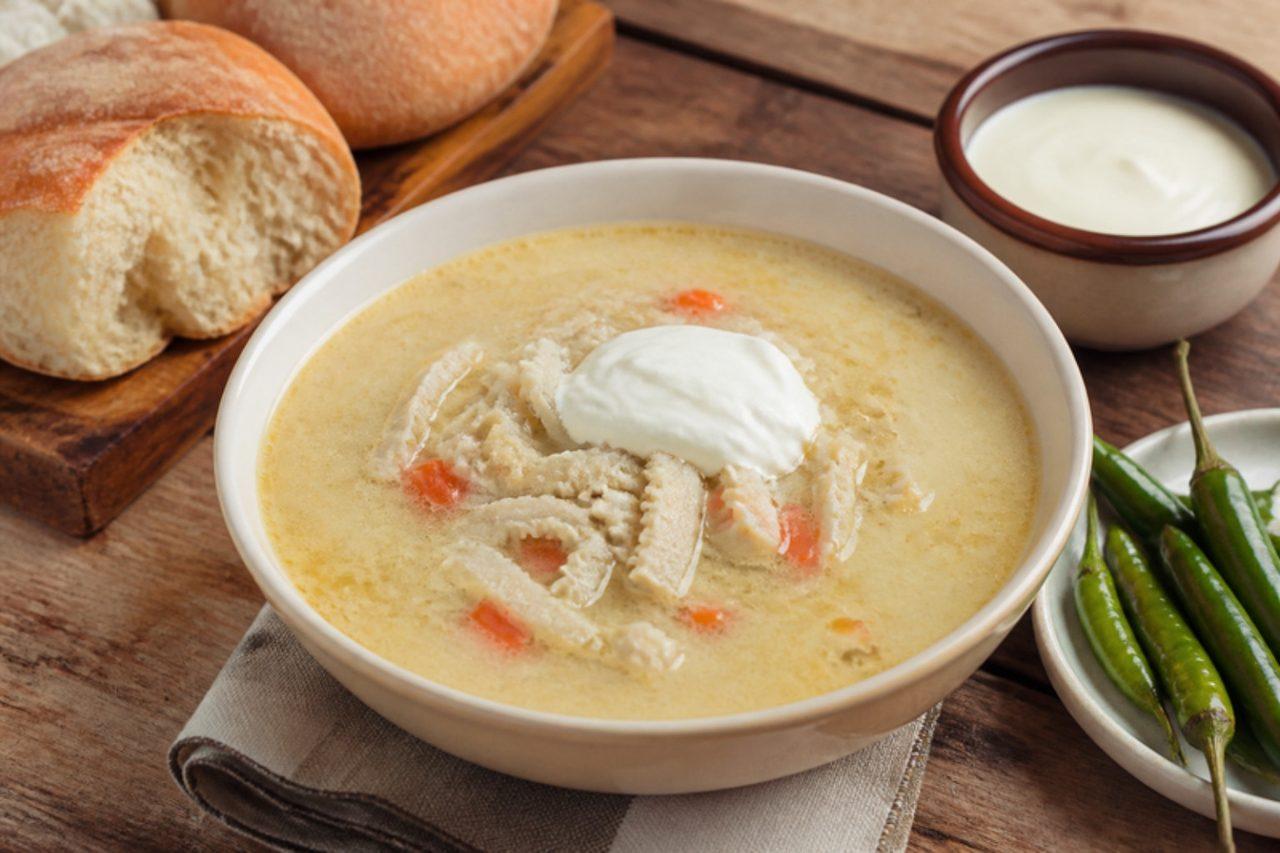
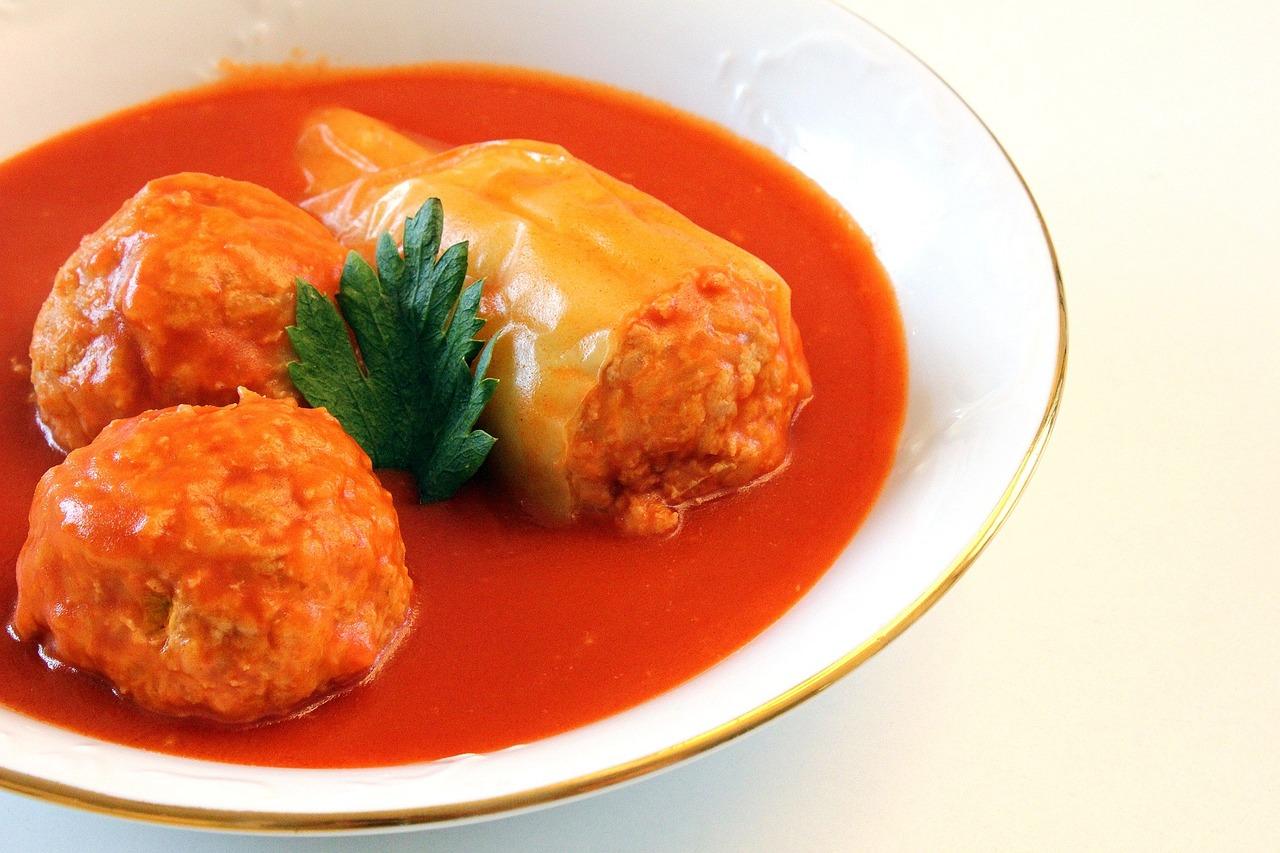
Ciorbă de perișoareSour soup with meatballs

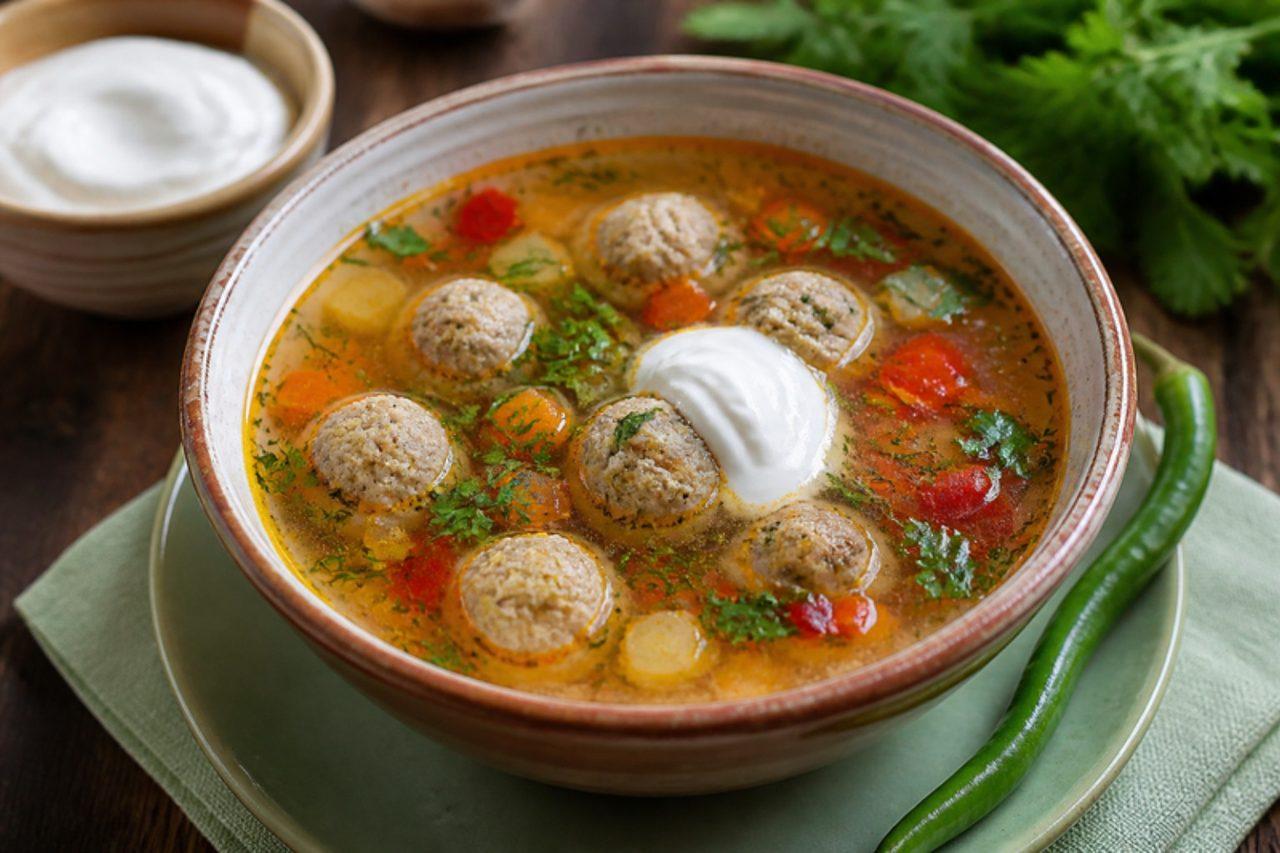
Across Romania, from Bucharest canteens to Moldavian grandmothers' kitchens, a pot of ciorbă de perișoare turns up on the Sunday table and again on Monday, when it tastes even better. This version contains pork: soft meatballs of minced pork and rice simmer in a clear vegetable broth that is soured at the end with borș (fermented wheat-bran liquid) or lemon juice, then finished with a handful of lovage. It is eaten very hot with a spoon of sour cream and a fresh green chilli to bite between spoonfuls. A frequent slip is boiling the soup hard once the meatballs are in, which breaks them apart and clouds the broth. Chef's tip: wet your hands in cold water before rolling each meatball; the mixture will not stick and the balls stay smooth and round.

by KrazyBadal 0 views

ProvoletaGrilled provolone with oregano

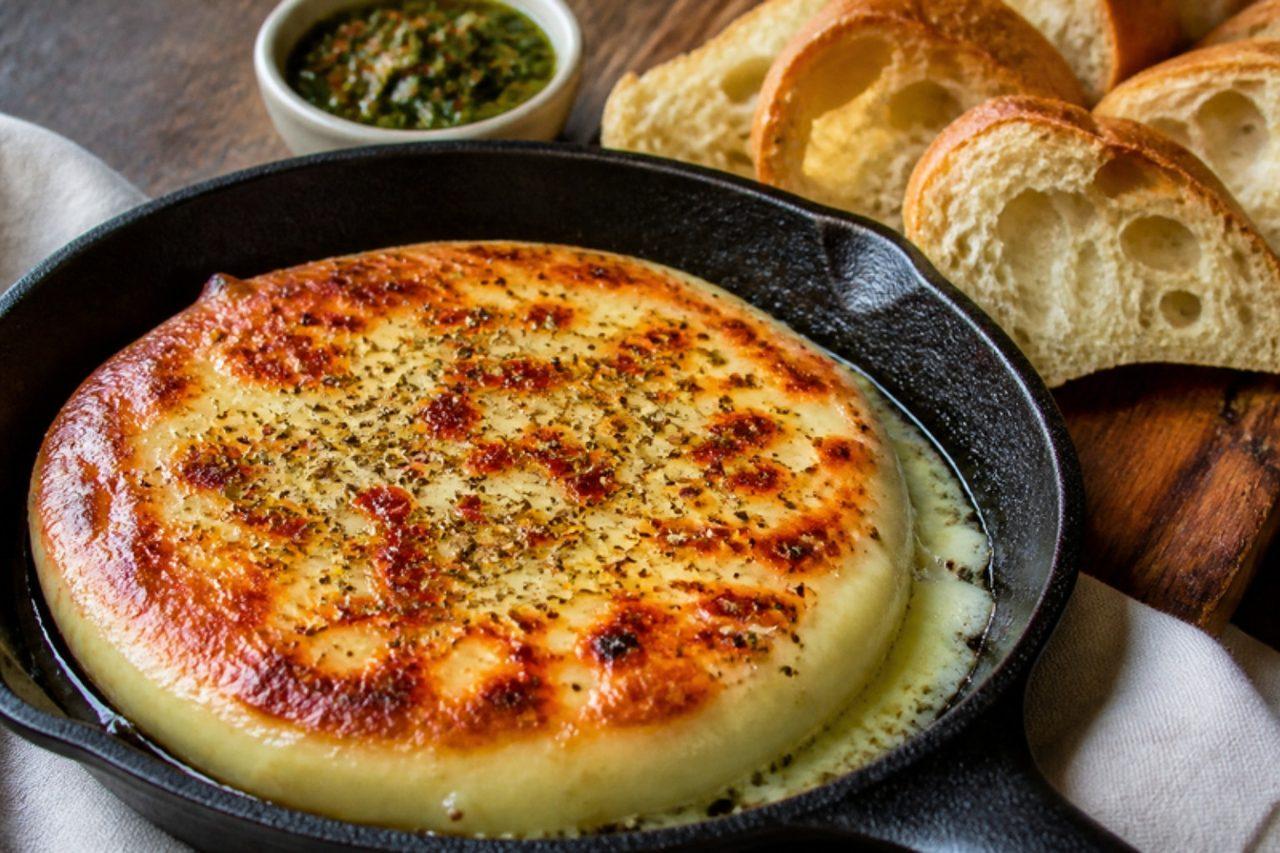
Provoleta is the first thing off the grill at an Argentine asado: a thick round of provolone-style cheese, invented by Italian immigrants in Buenos Aires, cooked in a small iron pan or straight on the grate until the outside forms a golden crust and the inside turns molten. It comes to the table bubbling, sprinkled with oregano and chilli flakes and drizzled with chimichurri, to scoop up with crusty bread. Many provolones use animal rennet, so check the label and choose one made with vegetarian rennet. Chef's tip: chill the cheese well before cooking; cold cheese forms a crust before the middle melts and runs.

by KrazyBadal 0 views

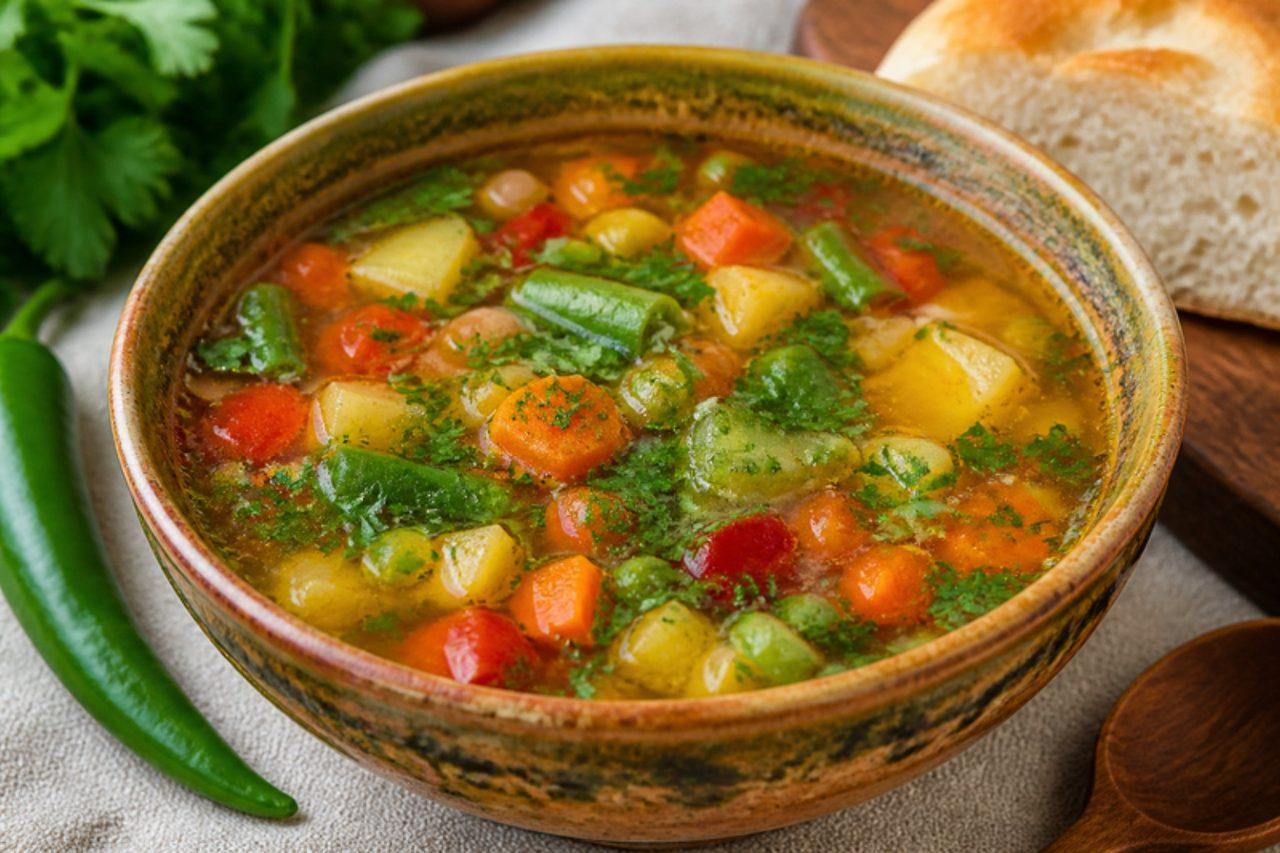
Ciorbă de legumeSoured vegetable soup

Ciorbă is the sour soup that opens a Romanian lunch, from canteens in Cluj to Sunday tables in Moldavia, and the vegetable version is cooked all through the fasting weeks before Easter and Christmas. Root vegetables, beans and peppers simmer in a light broth that is soured at the end with borș, the fermented wheat-bran liquid sold in bottles at Romanian shops, or with lemon juice. Fresh lovage (leuștean) gives its unmistakable celery-like perfume. It is eaten piping hot with bread and a fresh green chilli on the side. Chef's tip: add the borș only at the end and let it come back just to a simmer; boiling it hard dulls the sour tang.

by KrazyBadal 0 views

Ciorbă de burtăCreamy sour tripe soup

Romanians swear by ciorbă de burtă the morning after a wedding or a long night out, and in Bucharest there are restaurants that serve little else from breakfast onwards. Strips of beef tripe sit in a silky broth thickened with egg yolk and sour cream, sharpened with vinegar and served with mujdei, a raw garlic sauce, and a hot pepper on the side. It takes time, because tripe only turns tender after a long, slow simmer. The mistake most people make is boiling the soup after the yolks go in, which scrambles them into flecks. Chef's tip: buy cleaned, blanched (white, 'dressed') tripe from the butcher; it saves an hour of scrubbing and is much milder.

by KrazyBadal 0 views

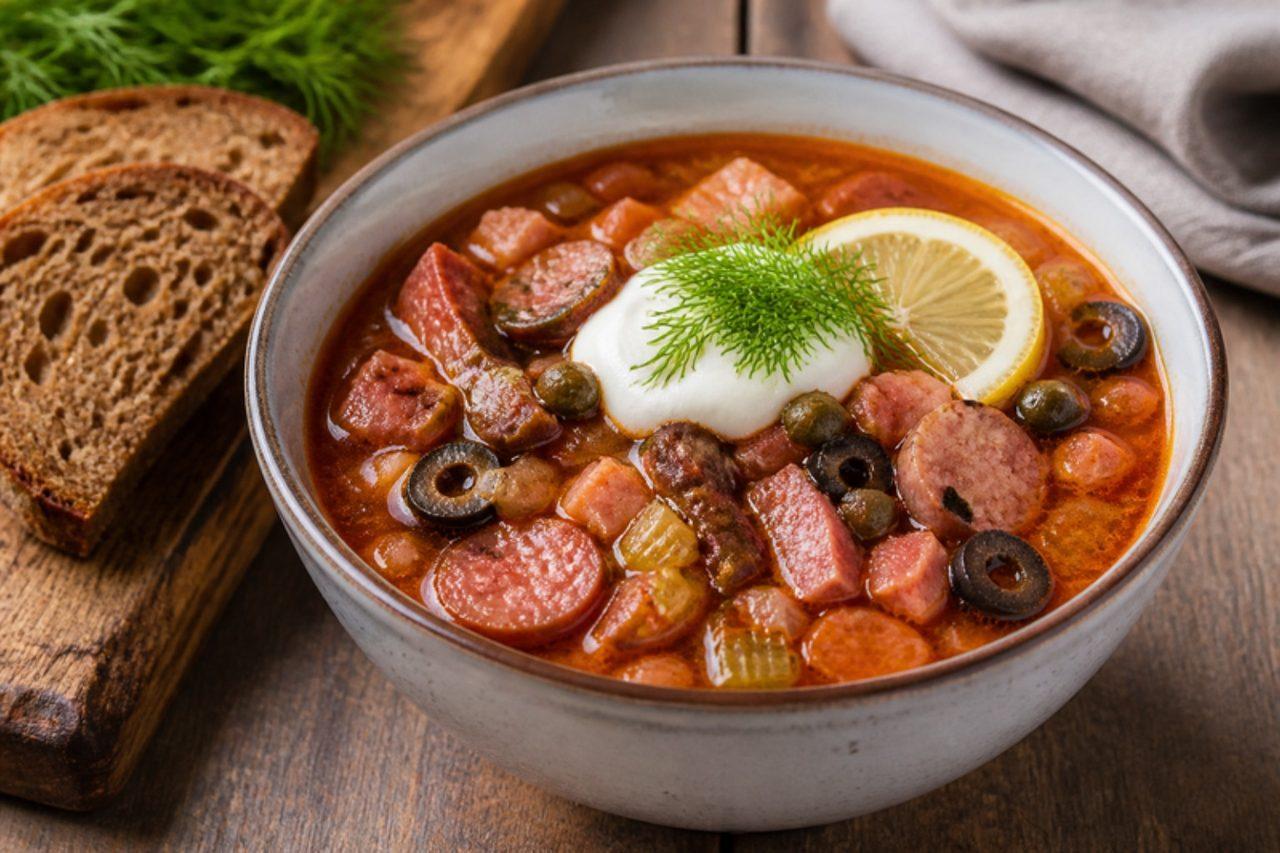
SolyankaSour mixed-meat soup

Sbornaya myasnaya solyanka is the soup Russian cooks make on 2 January, when the fridge is full of leftover ham and sausage from the New Year table; Moscow restaurants also keep it on the menu all winter as the cure for a heavy night. A beef broth is sharpened with pickled cucumbers and their brine, then loaded with strips of smoked sausage, ham and tender beef, salty olives and capers, and finished in the bowl with a slice of lemon and a spoon of sour cream. It contains pork (ham and smoked sausage). Serve it with rye bread. The usual mistake is salting the broth early: pickles, brine, capers, olives and sausage all bring salt, so season only at the very end. Chef's tip: fry the tomato paste with the pickles until it darkens before it meets the broth; it takes away the raw tinny taste and gives solyanka its deep orange colour.

140 minRussianSoups
by KrazyBadal 0 views

Ptichye molokoSoufflé cake with chocolate glaze

Ptichye moloko, 'bird's milk', is named for the impossible treat in old fairy tales, and in 1978 Moscow's Praga restaurant turned it into a cake: a cloud of vanilla soufflé on a thin sponge, glazed with dark chocolate. Soviet shoppers queued for hours for the boxed version, and it is still the cake for birthdays and 8 March. The soufflé has always been set with agar, a seaweed jelly, which makes it naturally free of gelatine and gives a clean, springy bite. Chef's tip: boil the agar syrup to exactly 110°C (a thread forms between two fingers); undercooked syrup leaves the soufflé weepy and soft.

by KrazyBadal 0 views

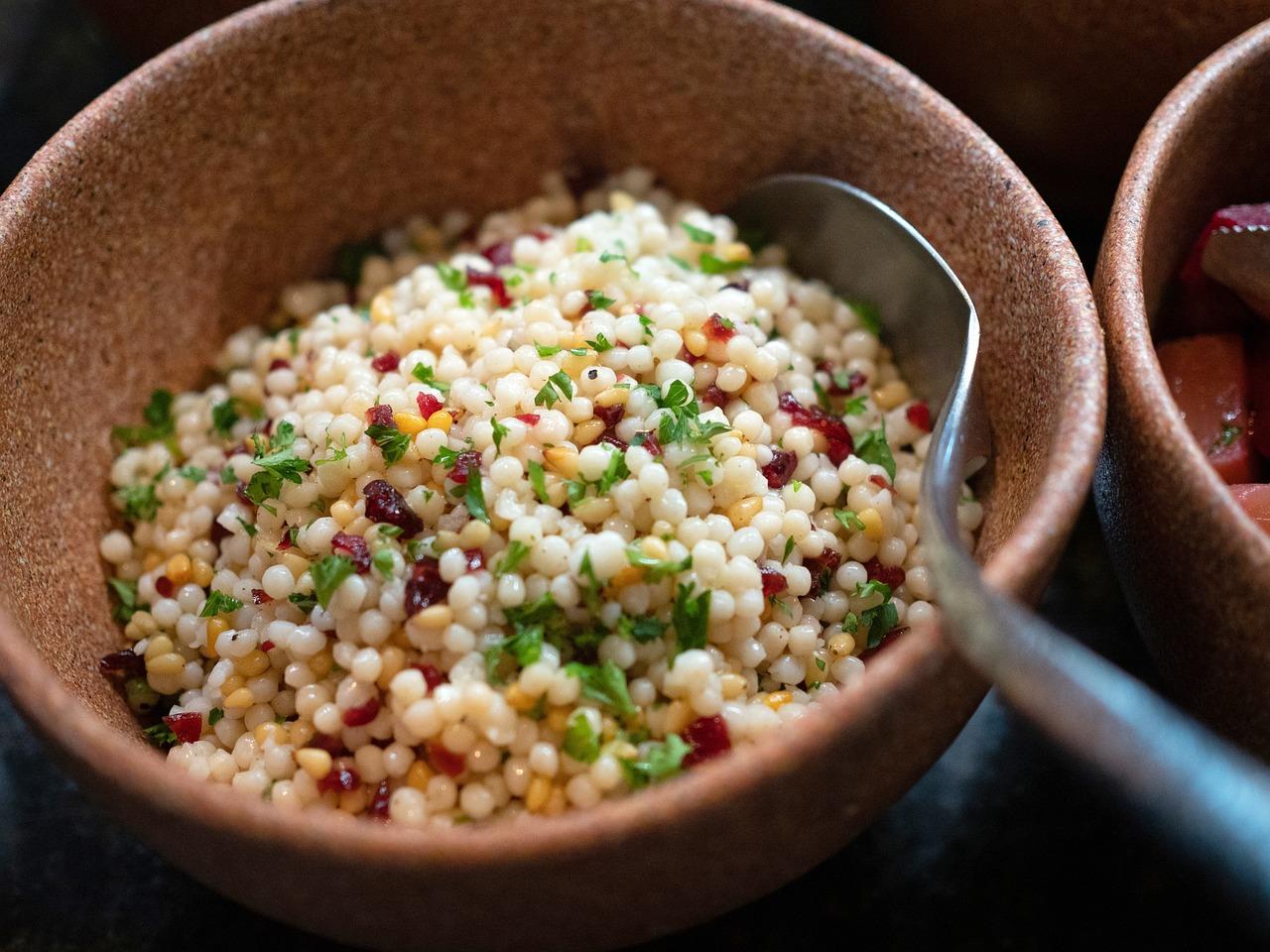
Ptitim with vegetablesToasted pearl couscous with vegetables

Ptitim was invented in Israel in the 1950s, when rice was scarce and the Osem factory was asked to make a wheat substitute; the little toasted pasta pearls soon became the dish every Israeli child grew up on. In homes from Haifa to Be'er Sheva it is cooked like a pilaf, first toasted in oil until nutty, then simmered in stock until plump and chewy. This version folds in courgette, red pepper and peas for a quick weeknight dinner or lunchbox side. Chef's tip: toast the dry ptitim until it smells like popcorn and turns light gold; it gives a much nuttier flavour than boiling it like pasta.

by KrazyBadal 0 views

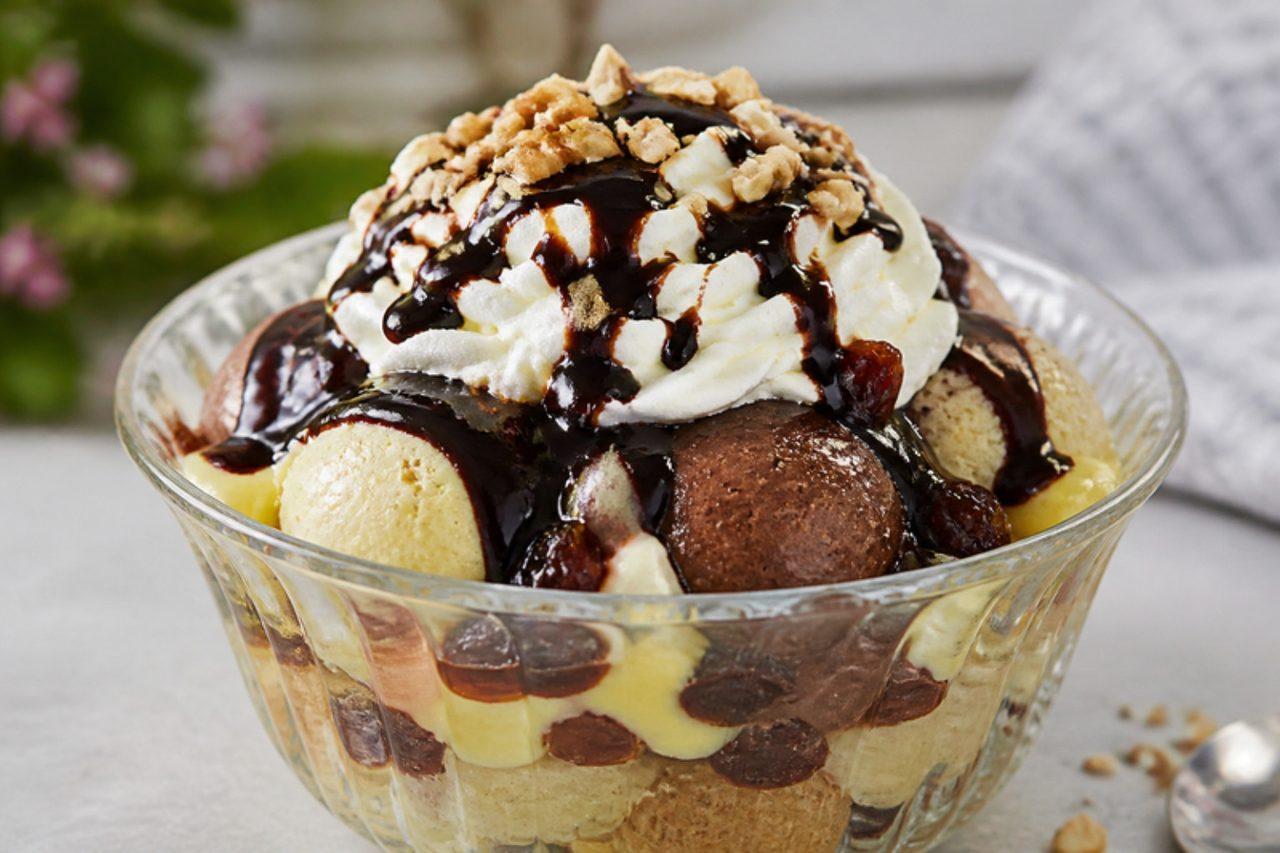
Somlói galuskaHungarian sponge trifle

Somlói galuska was first served at the Gundel restaurant in Budapest in the 1950s and named after the Somló wine hill in western Hungary. Today it is the dessert everyone orders at the end of a Sunday lunch: spoonfuls of three sponges (plain, walnut and cocoa) soaked in rum syrup and layered with vanilla custard, then topped with chocolate sauce and whipped cream. It is assembled the day before and spooned out into rough dumplings, which is where 'galuska' comes from. This version thickens the custard with flour and egg yolk rather than gelatine. Chef's tip: soak the sponge only lightly; it should be moist but still hold a spoon-shaped scoop.

by KrazyBadal 0 views

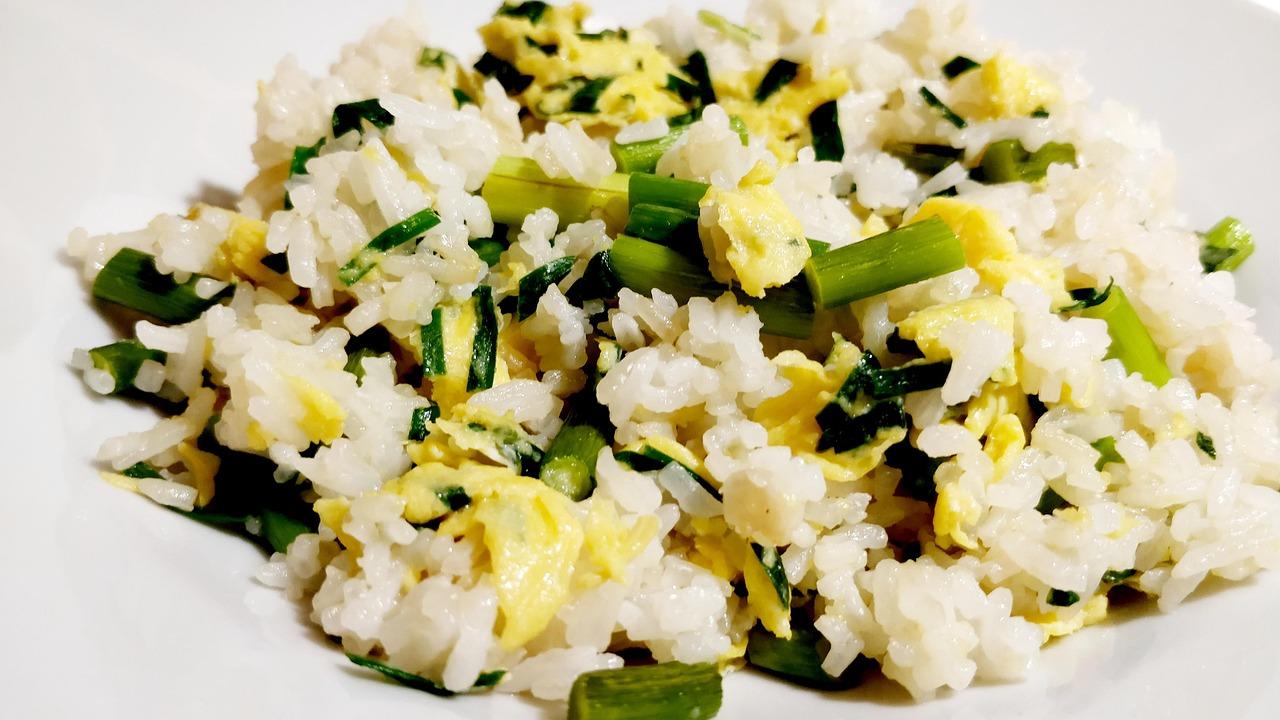
Arroz chaufaPeruvian fried rice

Arroz chaufa is the fried rice of Lima's chifas, the Chinese-Peruvian restaurants found on almost every street corner in Peru. It is close to Cantonese fried rice but has its own accent: plenty of spring onion and ginger, a dark soy colour, a thin omelette cut into strips and a whisper of sesame oil, all tossed in a smoking wok. This egg and vegetable version is a quick dinner on its own, or the side for a saltado. Chef's tip: use rice cooked the day before and broken up with your fingers; fresh rice is too wet and goes mushy and sticky in the wok.

by KrazyBadal 0 views

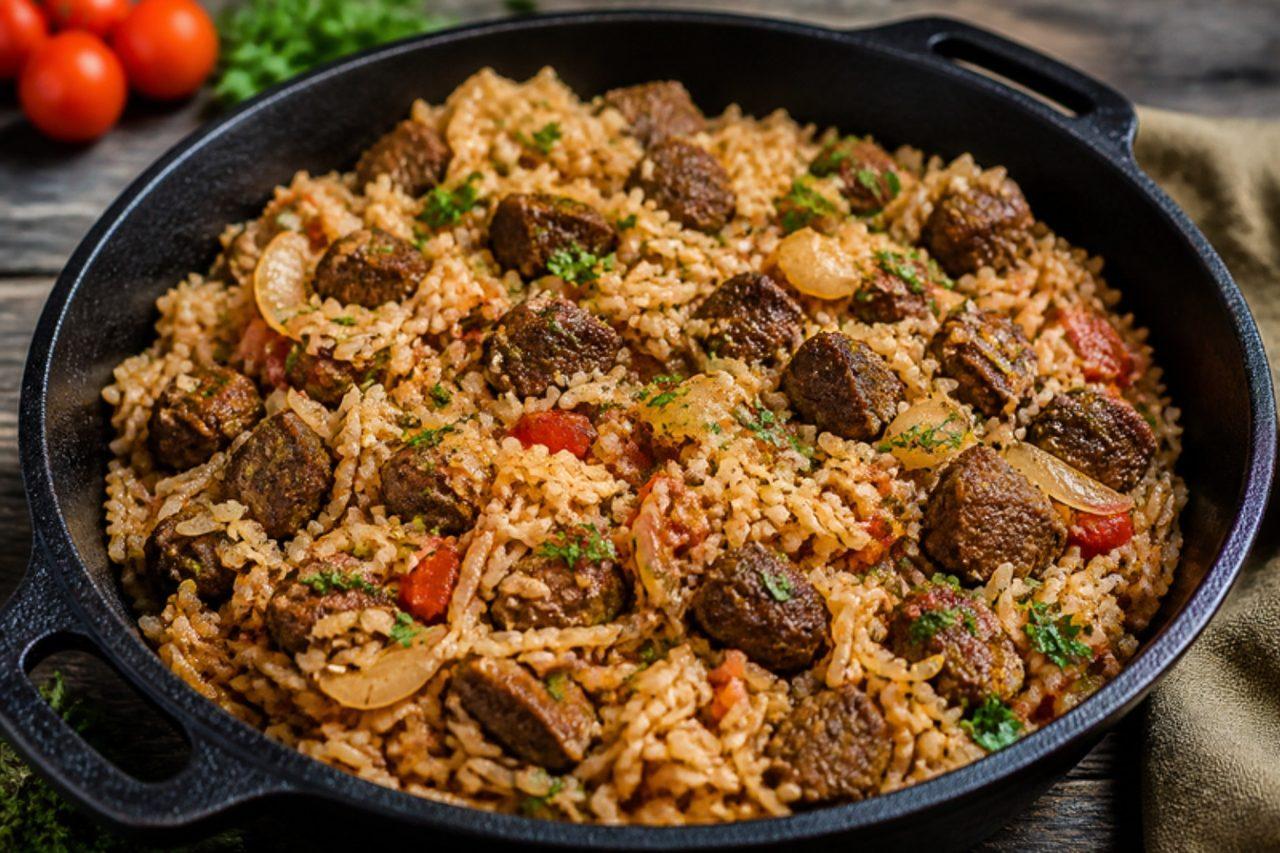
Arroz carreteiroRice with dried beef

Arroz carreteiro is named after the carreteiros, the ox-cart drivers who crossed the pampas of Rio Grande do Sul with charque (dried salted beef) that kept for weeks, cooking it with rice in one iron pot at camp. In southern homes today it is often the Monday dish, made with whatever is left from Sunday's churrasco, though some cooks still use carne seca. It's quick, filling and savoury, with tomato, onion, garlic and plenty of fresh herbs. Chef's tip: dice the leftover beef small, about 1 cm, and brown it hard before the rice goes in; those crispy edges flavour the whole pot.

by KrazyBadal 0 views

So'o yosopyGround beef and rice soup

So'o yosopy, "pounded meat" in Guaraní, is a soup Paraguayans make for anyone who is tired or recovering, and on cold days in Asunción's winter: beef is ground very finely and stirred into cold water so it breaks into soft, delicate threads, then simmered with onion, tomato, pepper and a little rice and oregano. The texture is smooth and the broth light. The mistake is adding the beef to boiling water, which makes it clump into meatballs; mix it into cold water first and stir as it heats. Chef's tip: ask the butcher to mince lean beef twice, or pulse it very fine in a food processor.

by KrazyBadal 0 views

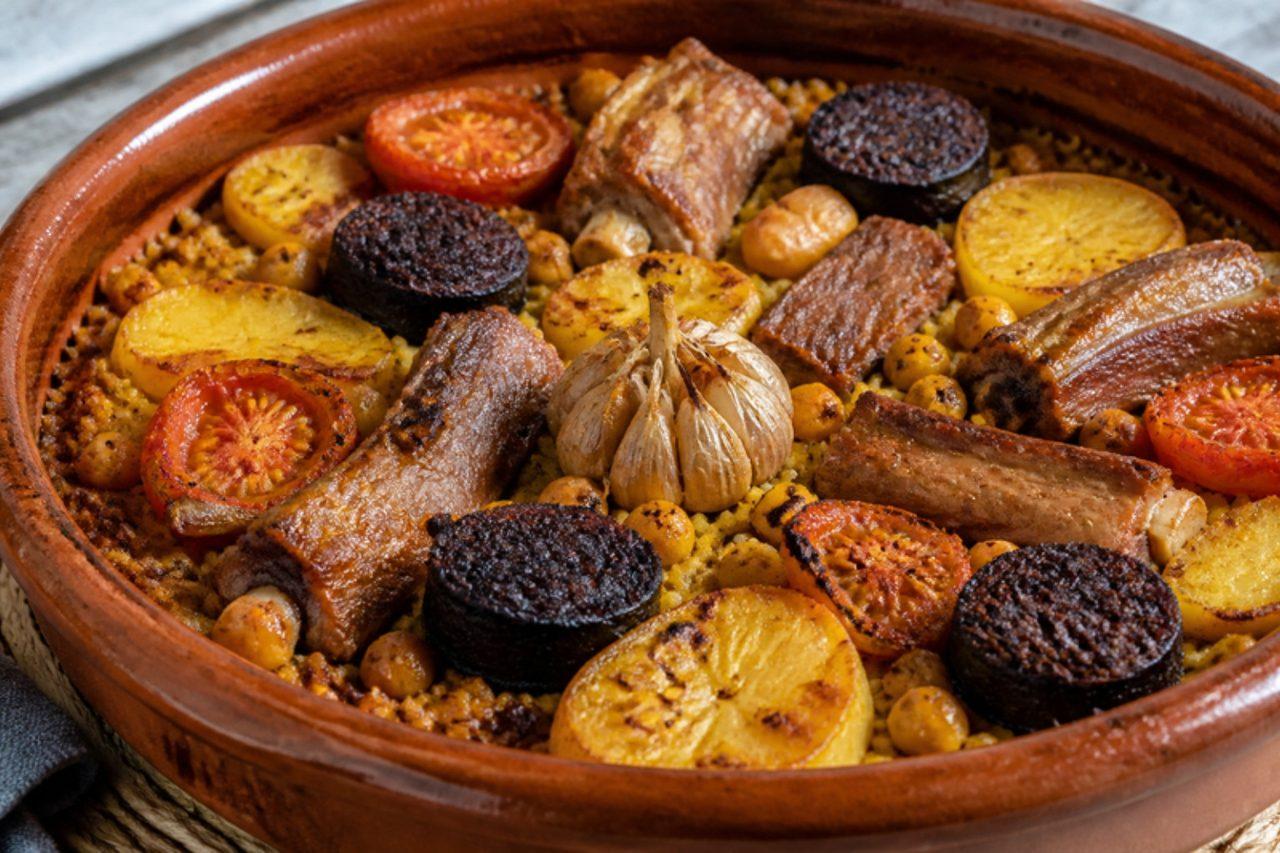
Arroz al hornoBaked rice with chickpeas and pork

Arroz al horno (arròs al forn in Valencian) is the oven rice of Valencia and Xàtiva, traditionally made the day after a big pot of cocido, using its leftover chickpeas and broth. Families once carried the clay dish to the village baker's oven; today it is baked at home in a wide, shallow earthenware cazuela. Pork ribs, morcilla (Spanish onion blood sausage), slices of potato, chickpeas and a whole head of garlic sit on top of the rice, which bakes into a dry, tender layer full of flavour. Use any ovenproof dish about 30 cm across and 5 cm deep if you don't have a cazuela. Chef's tip: have the stock at a rolling boil when you pour it in, then get the dish into the hot oven within seconds; a lukewarm start leaves the rice chalky in the middle.

by KrazyBadal 0 views

Chushki byurekFried cheese-stuffed peppers

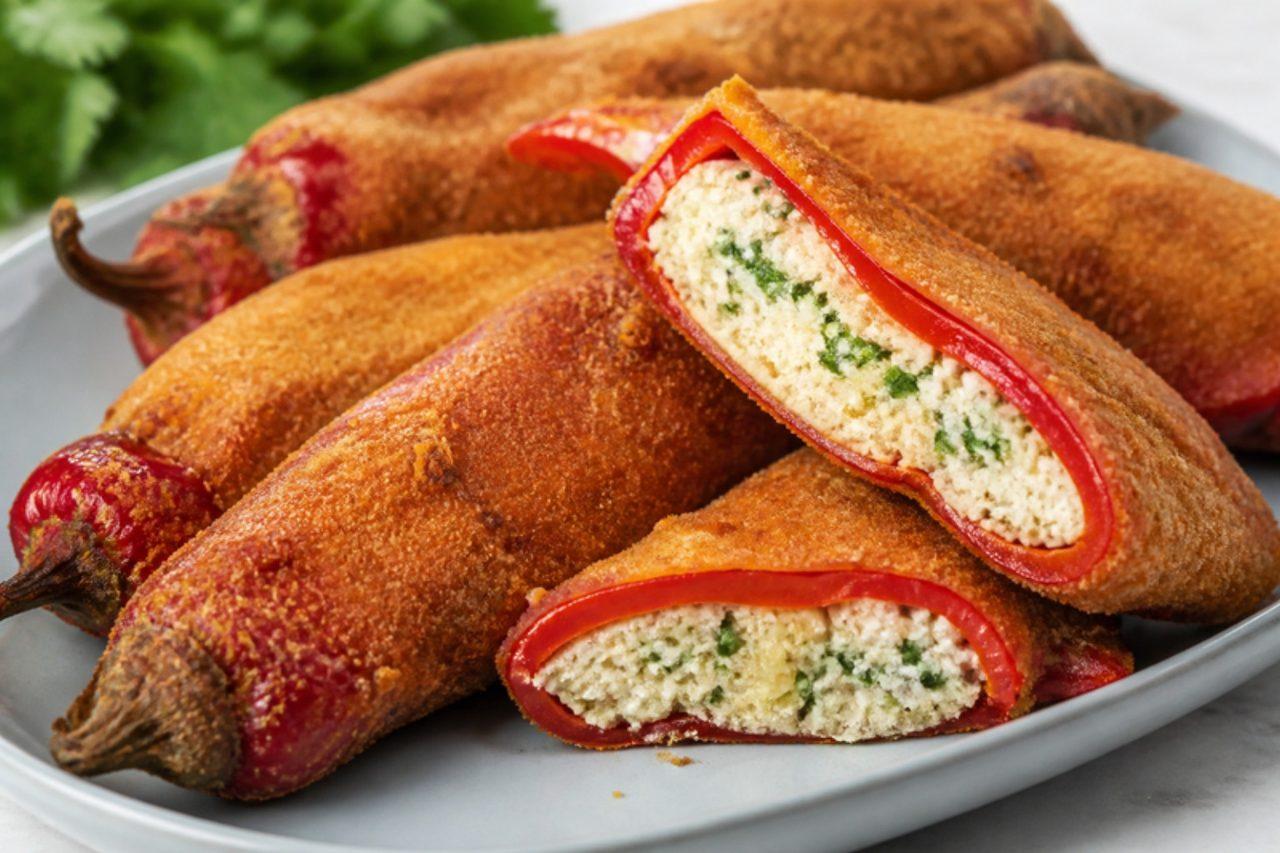
Chushki byurek are one of the great autumn dishes of Bulgaria: in September, when the long red peppers ripen around Plovdiv and Pazardzhik, they are roasted, peeled, filled with sirene and egg, then dipped in flour, egg and breadcrumbs and fried. The outside crunches, the pepper is silky and sweet, and the salty cheese melts inside. They are served hot as a main course with a tomato salad, or cold the next day. Chef's tip: dry the peeled peppers well before filling; a wet pepper is the usual mistake, and the batter slides off and the oil spits.

by KrazyBadal 0 views

Churpi ningroFiddlehead fern curry

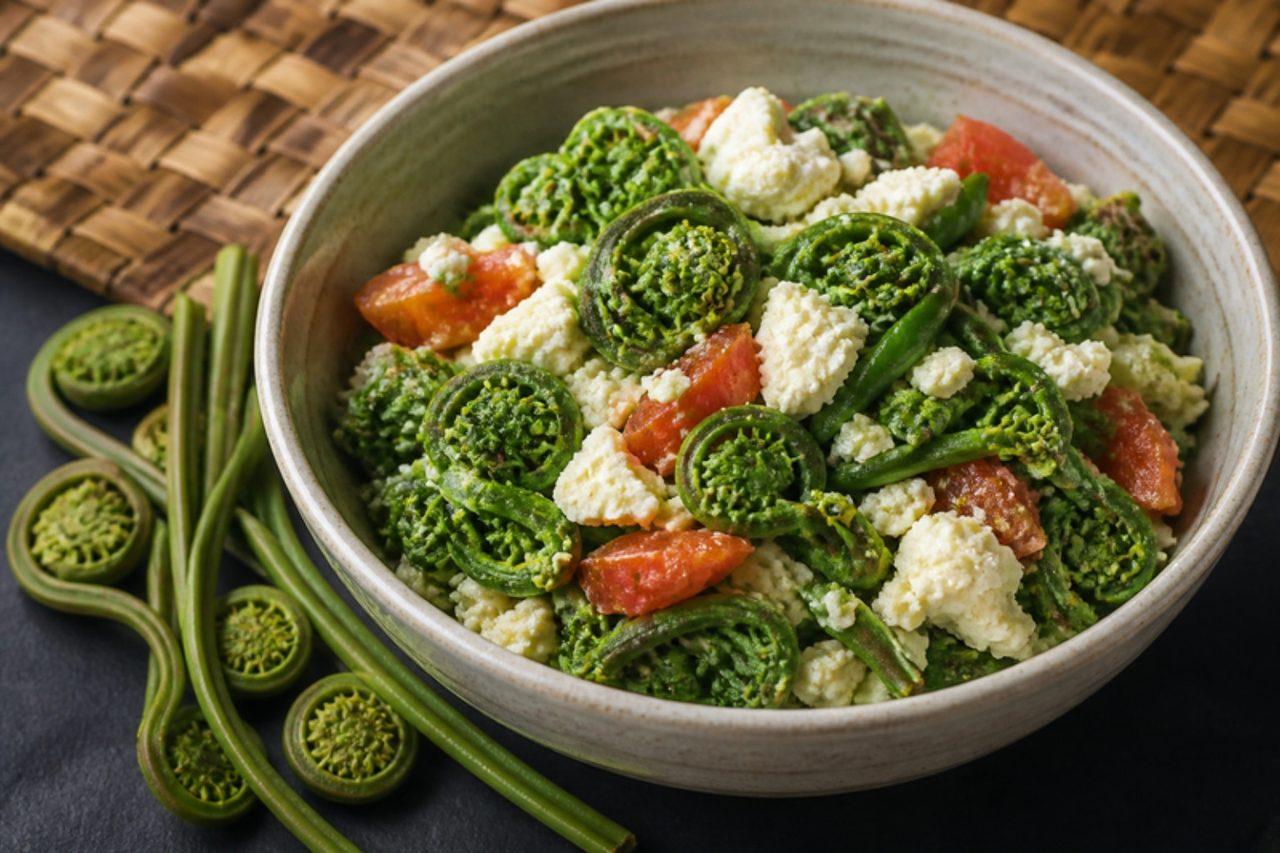
In the monsoon, ningro (fiddlehead fern) shoots appear in the hill markets of Gangtok, Namchi and Darjeeling, curled like violin scrolls. Sikkimese homes cook them quickly with onion, tomato and green chilli, then stir in crumbled soft churpi, a fresh, tangy cheese made from yak or cow's milk, which melts into a creamy, slightly sour sauce. It is a side dish for rice and dal, and tastes green and grassy, a little like asparagus. Chef's tip: always boil ferns for a few minutes and drain before cooking; it removes bitterness. Ricotta or crumbled feta is a fair stand-in for churpi.

by KrazyBadal 0 views

ChurchkhelaWalnuts in grape juice coating

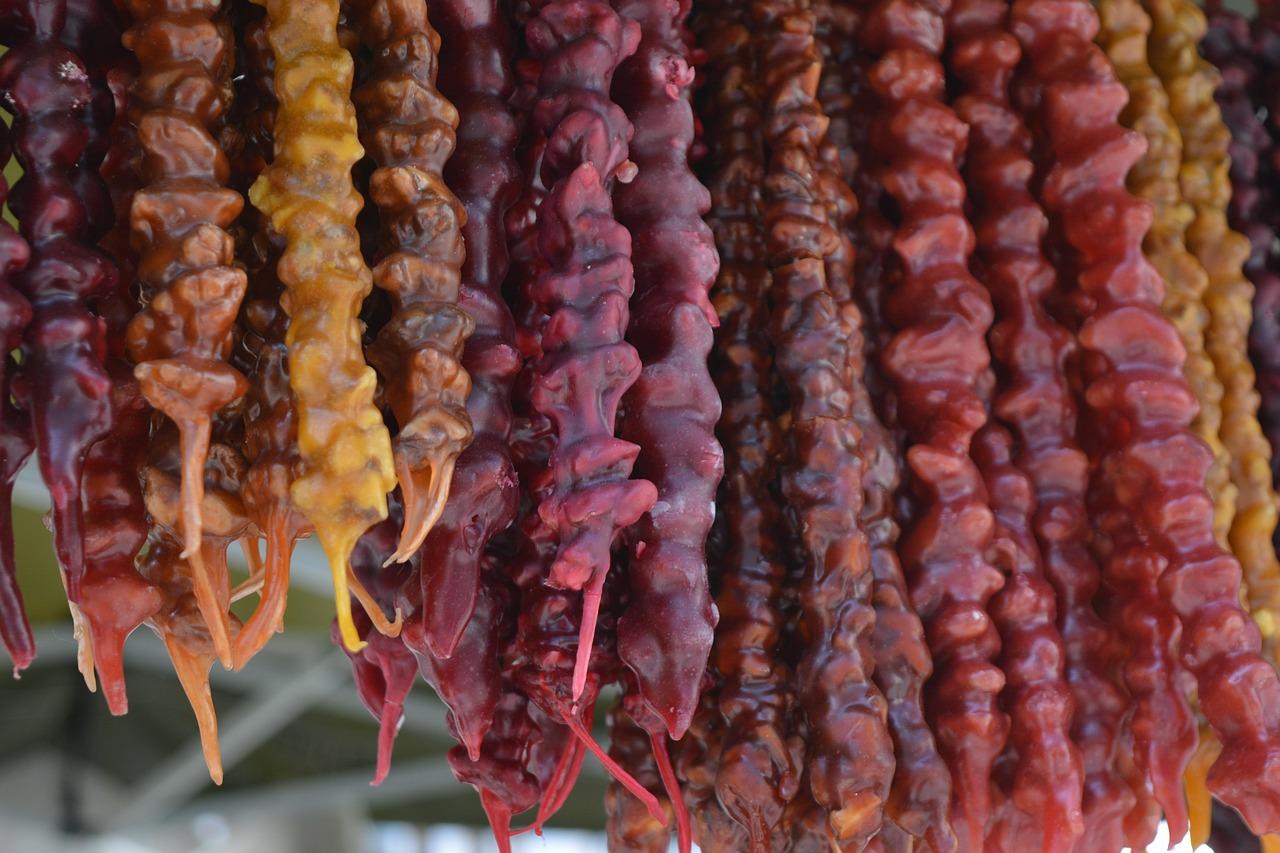
Churchkhela are the candle-shaped sweets you see hanging in bunches at every Georgian market, but they are made at home during rtveli, the grape harvest in Kakheti in September and October. Walnuts are threaded on a string and dipped again and again in tatara, fresh grape must thickened with flour, then hung up to dry for a week, until firm and chewy outside and tender within. They are eaten at New Year and kept for months. A common mistake is a tatara that is too thin, which slides off the nuts; it should coat the back of a spoon thickly and fall in ribbons. Chef's tip: let each coat set for 10–15 minutes before the next dip; three or four thin coats look and keep better than one thick one.

by KrazyBadal 0 views

Puerto Rican sofritoHerb and pepper cooking base

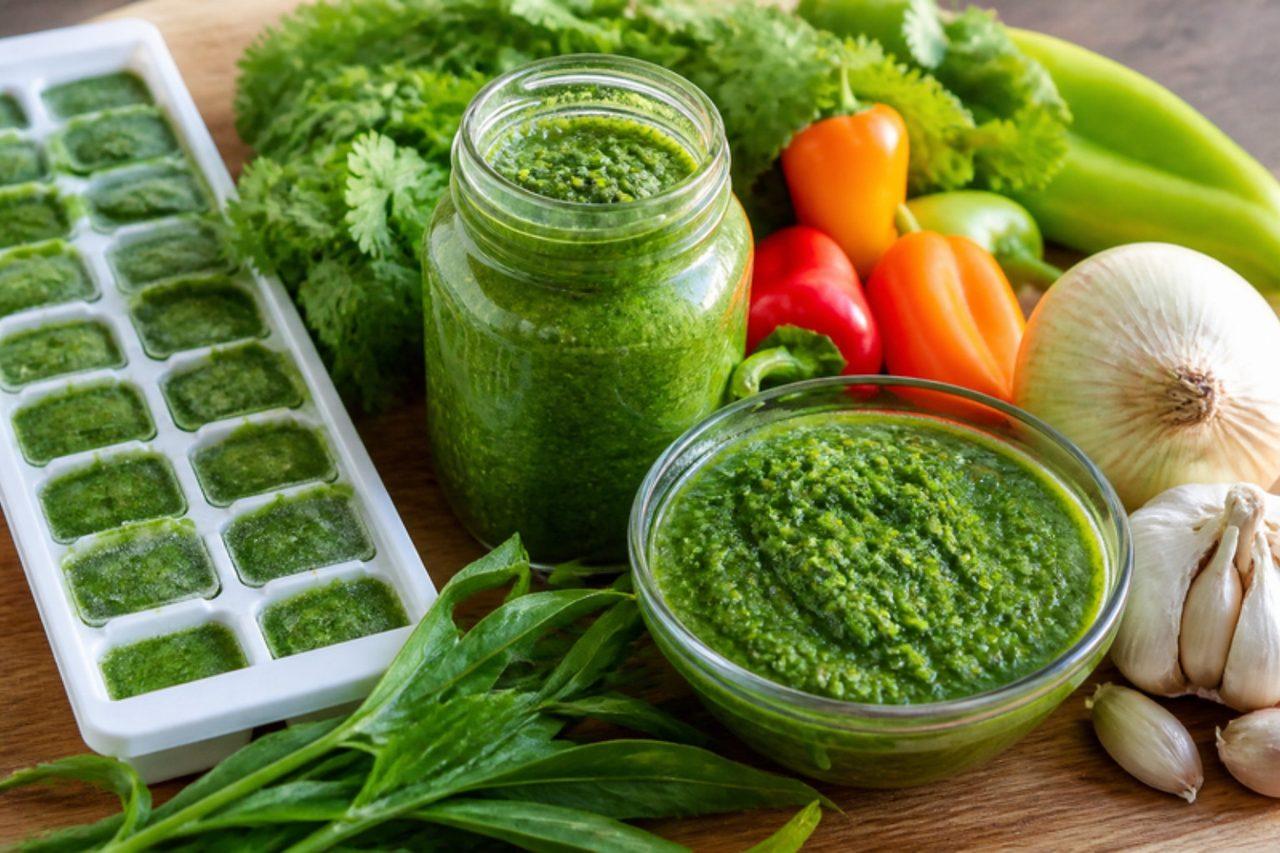
Open a freezer anywhere in Puerto Rico, or in the Puerto Rican neighbourhoods of New York and Orlando, and you'll find a tub or ice-cube tray of green sofrito. It is the start of almost everything savoury on the island: beans, rice, stews, soups and sauces. Unlike the slow-cooked Spanish sofrito, this one is raw, blended from culantro (recao), cilantro, little sweet ajíes dulces, cubanelle peppers, onion and lots of garlic. It smells grassy and sharp in the jar and turns mellow and savoury as soon as it hits hot oil. Chef's tip: if you can't find ajíes dulces, use extra red pepper and a tiny piece of seeded scotch bonnet; you want their fruity perfume, not heat.

by KrazyBadal 0 views

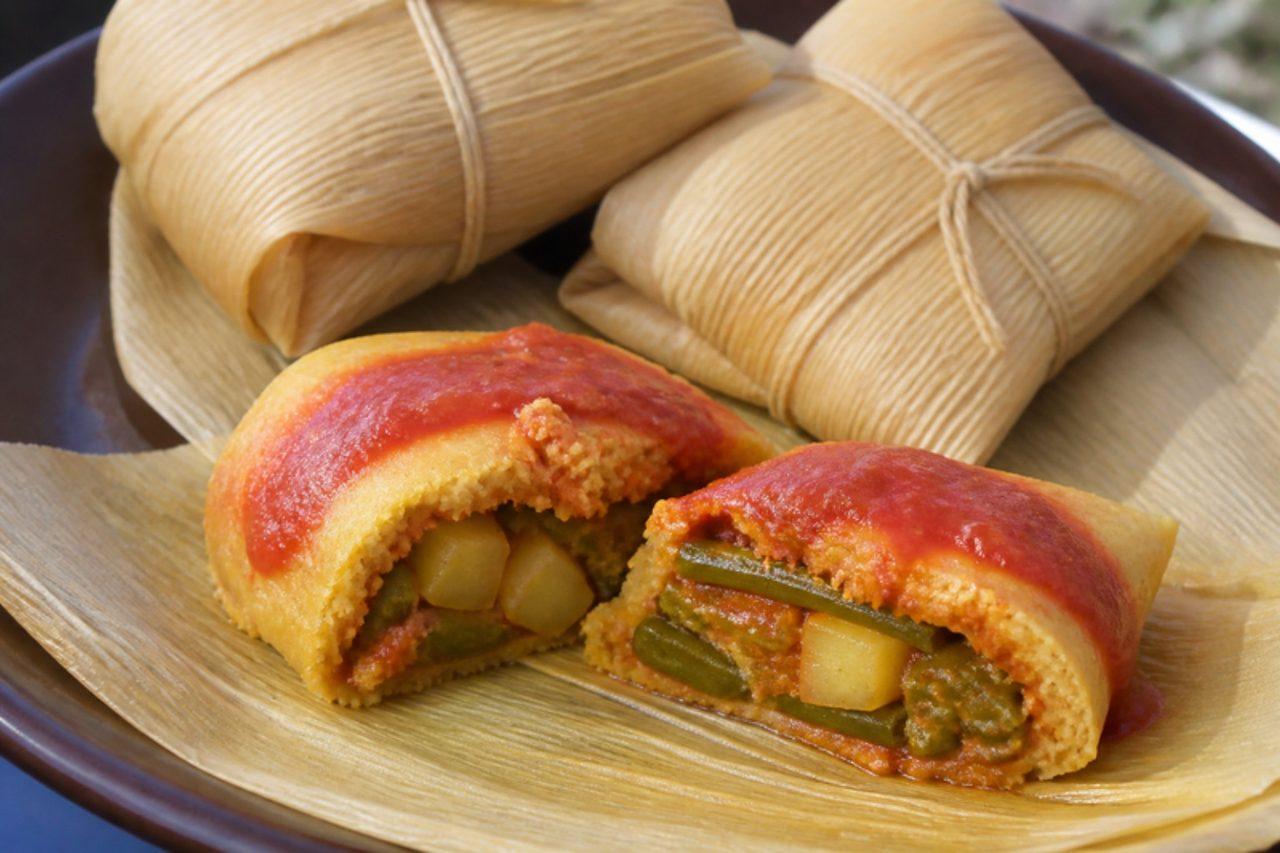
Chuchitos de verdurasSmall vegetable tamales

Chuchitos are Guatemala's everyday tamal: small, firm parcels of masa tied in corn husks, sold from steaming pots at markets in Antigua and Guatemala City and eaten on Saturdays with a spoon of tomato sauce and crumbled dry cheese. They're denser than Mexican tamales, with the masa itself tinted by the red recado. Here they're filled with potato, green beans and sweet pepper instead of chicken. Chef's tip: beat the masa until a pinch floats in a glass of water; that air makes them tender rather than stodgy.

by KrazyBadal 0 views

PukhleinFried rice flour and jaggery cakes

Pukhlein are the sweet treats of Khasi tea stalls and celebrations in Meghalaya: a batter of rice flour and jaggery fried into round, puffed cakes that are crisp and caramelised on the outside and chewy within. They are made for Christmas and family gatherings and are sold at Shillong's Iewduh (Bara Bazaar) with red tea. They taste a little like a cross between a doughnut and an Indian anarsa. Chef's tip: rest the batter for at least an hour; the rice flour hydrates and the cakes puff instead of spreading.

by KrazyBadal 0 views

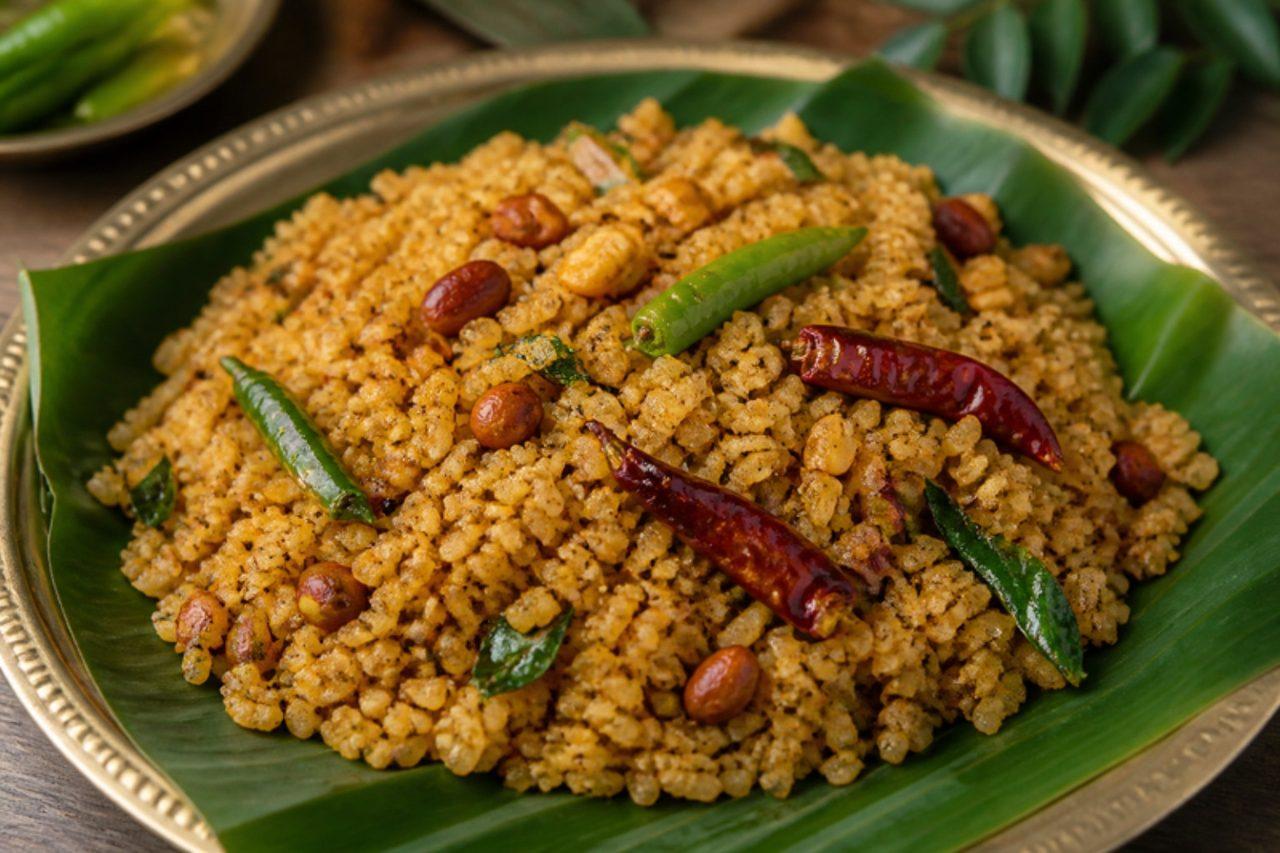
PulihoraTamarind rice

Pulihora is the rice Andhra families cook for Ugadi, Sankranti and every temple festival in between, and it's also the dish wrapped in banana leaves for long train trips because it keeps all day. The Telugu version is sharper and hotter than Tamil puliyodarai or Karnataka puliyogare: cooked rice is tossed with a thick tamarind paste, turmeric, mustard and a hefty tempering of peanuts, chana dal, green and red chillies and curry leaves, with no sweet spice powder. It's sour, hot, nutty and fragrant with sesame oil. Eat it at room temperature with curd or a crisp papad. Chef's tip: cook the tamarind paste until oil separates at the edges; under-cooked tamarind gives the rice a raw, puckery sourness.

by KrazyBadal 0 views

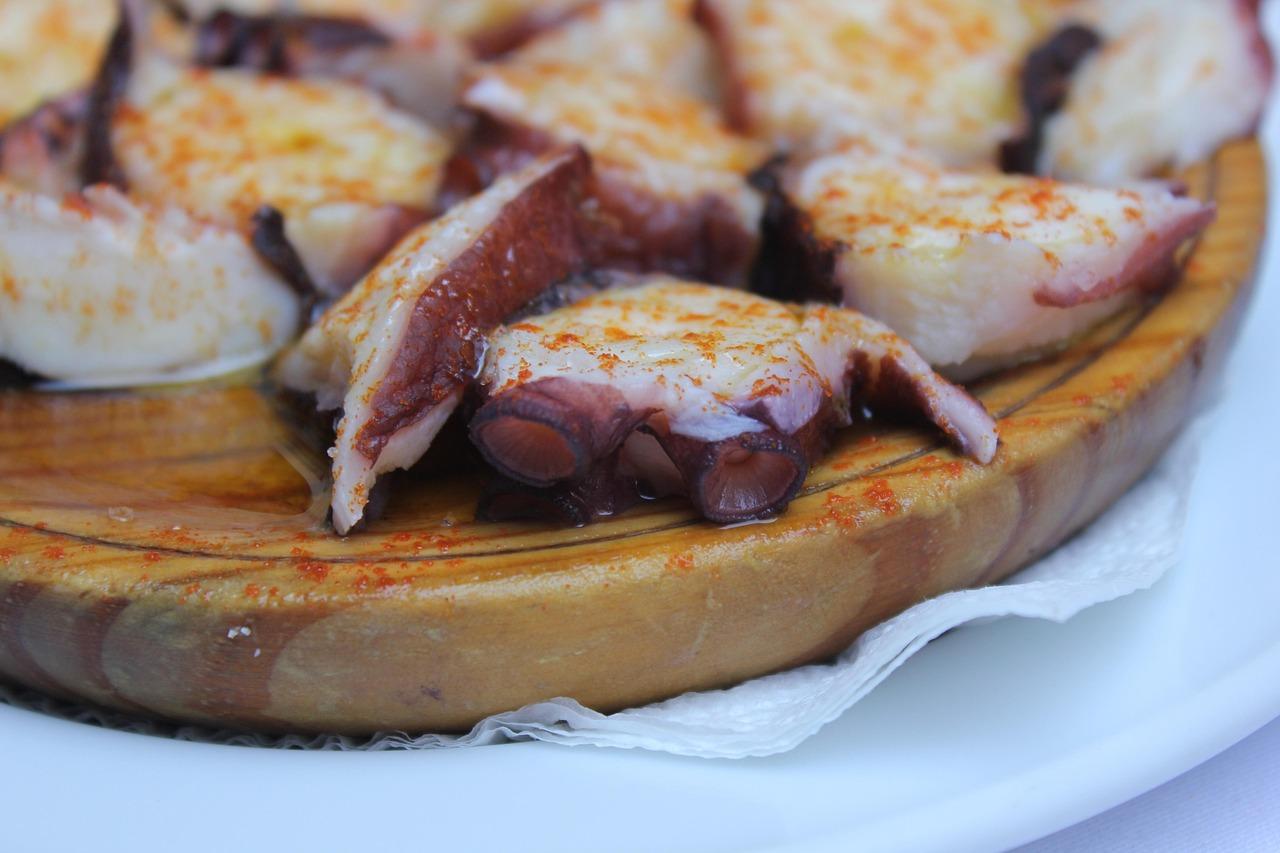
Pulpo a la gallegaOctopus with paprika and potatoes

Pulpo a feira is fair-day food in Galicia: at markets and village fiestas, pulpeiras boil whole octopus in big copper pots, snip it with scissors onto round wooden plates and finish it with coarse salt, pimentón and olive oil. The town of O Carballiño in Ourense holds an octopus festival every August, and you'll find the dish in pulperías across the region all year. At home it is simpler than it looks; the secret is that a frozen octopus is a tender one, because freezing breaks down the tough fibres. Chef's tip: use the octopus cooking water to boil the potatoes, which picks up its flavour and pink colour.

by KrazyBadal 0 views

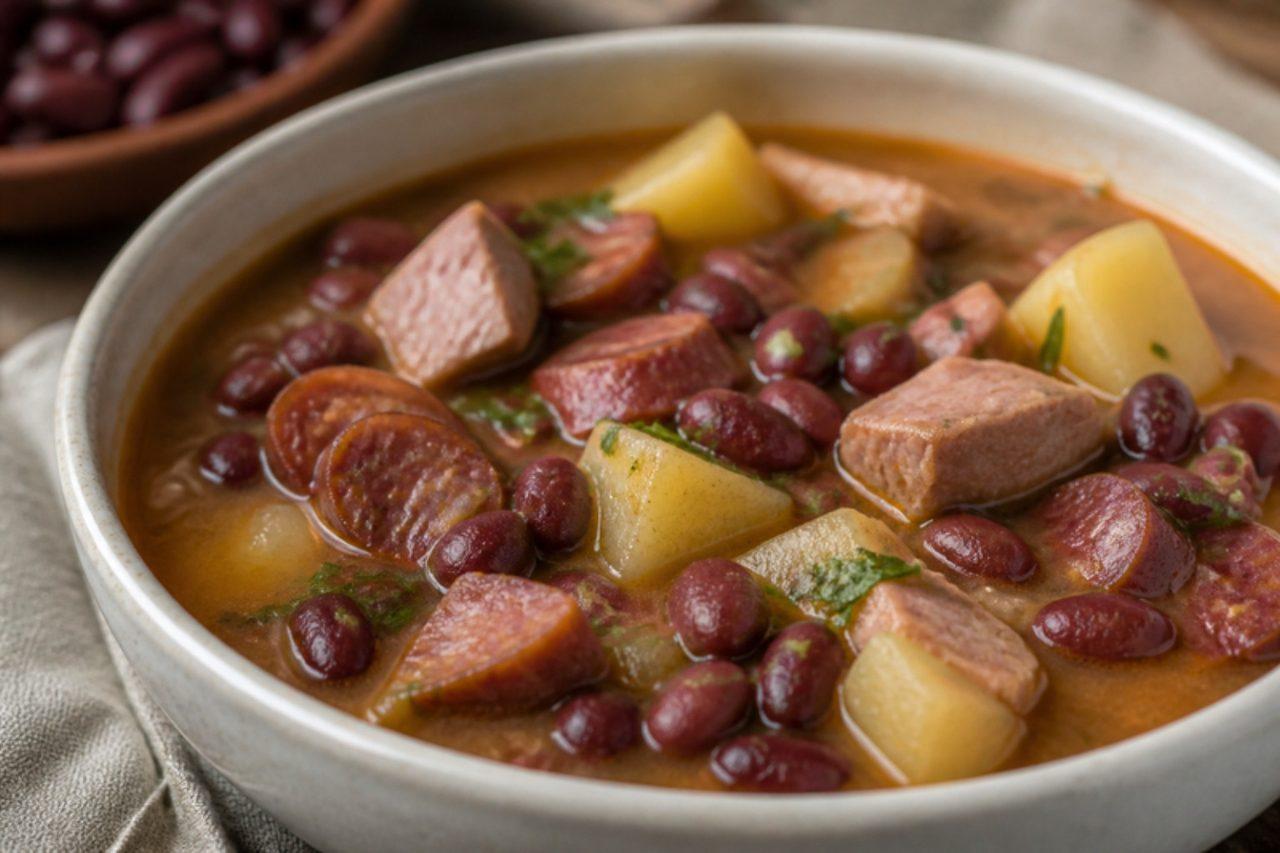
Sopa da pedraBean and pork soup

Almeirim, a market town in the Ribatejo, is the capital of this soup; its restaurants serve it every day, and each bowl arrives with a clean stone at the bottom, after the folk tale of a friar who 'made soup from a stone' by talking villagers into giving him everything else. This is a pork soup: red kidney beans simmer with chouriço, morcela blood sausage and a piece of pork belly, then potatoes, carrots and coriander finish it into a thick, hearty bowl. Chef's tip: cook the sausages whole and slice them at the end, so they stay juicy and don't turn the broth greasy.

by KrazyBadal 1 views

PumaloiSteamed rice cakes

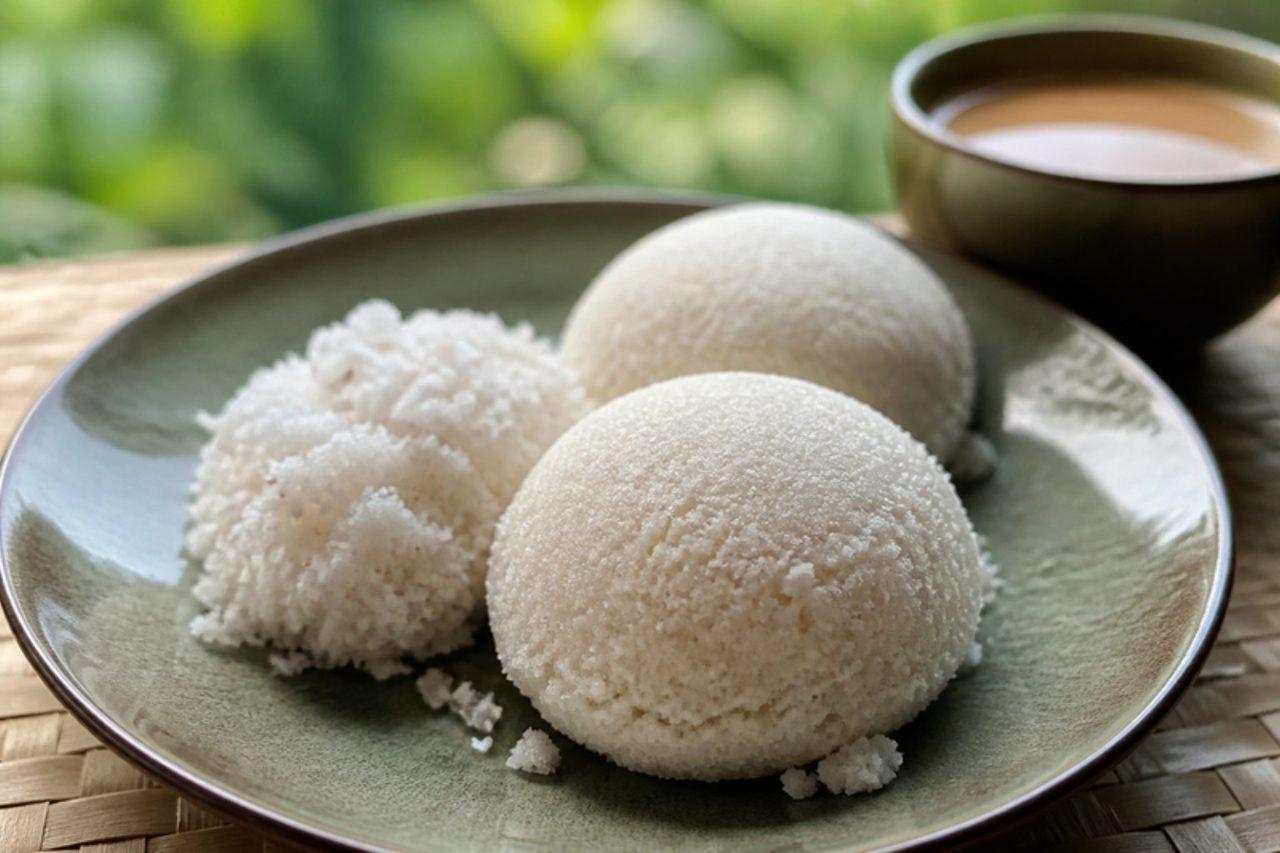
Pumaloi is the everyday breakfast of the Khasi Hills: coarse powdered rice, lightly moistened, packed into a tall steamer (traditionally a bamboo or metal 'khiew') and steamed into a soft, crumbly cake. In Shillong it is sold warm at morning stalls with a cup of sweet tea, and at home it is served with tungrymbai, a vegetable stew or a chilli chutney. It is plain on purpose, like Kerala's puttu but drier and lighter. Chef's tip: the flour should feel like damp sand, holding a shape when squeezed but crumbling easily; any wetter and the cake goes gluey.

by KrazyBadal 0 views

Pumpkin kibbehBaked bulgur and pumpkin layers

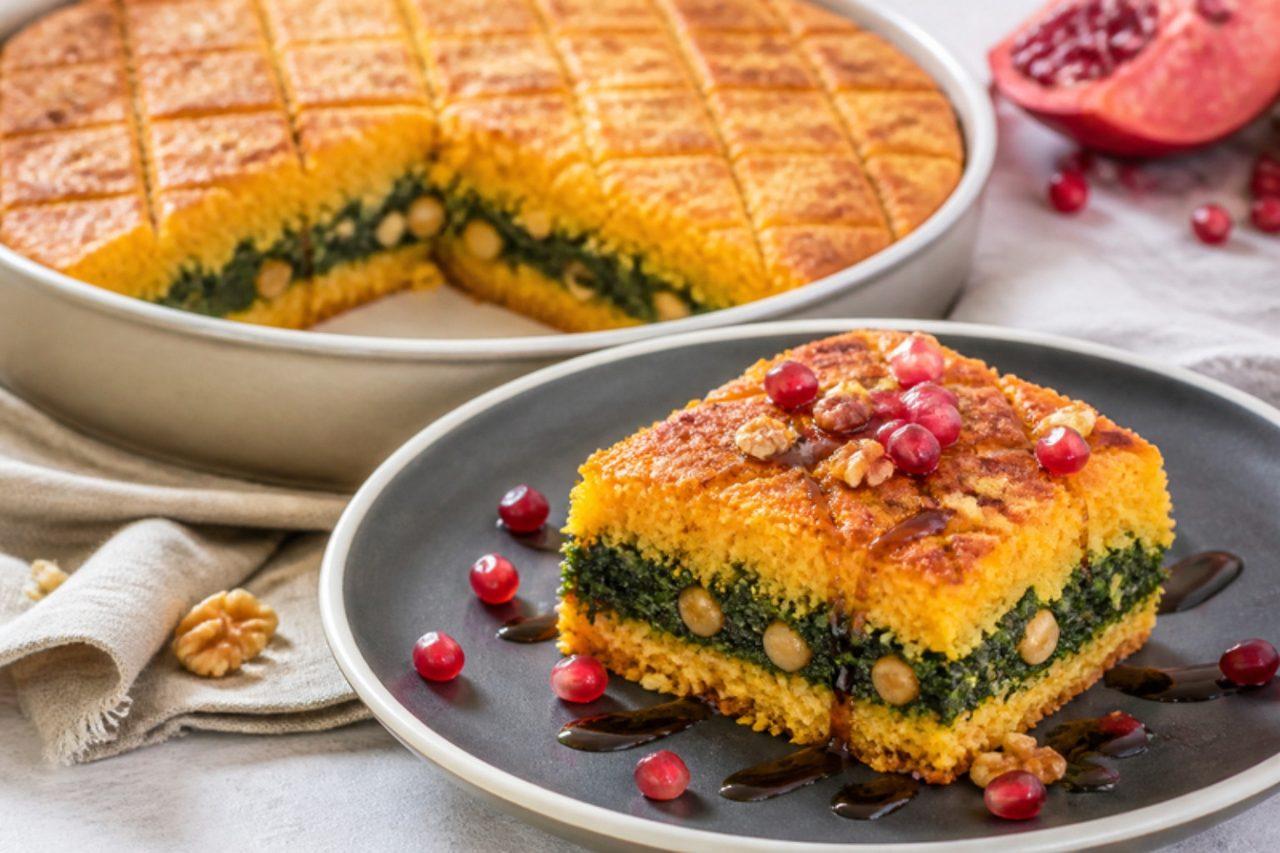
Kibbet laqteen is the Lenten kibbeh of Lebanon's Christian villages, made in the weeks before Easter when meat is off the table: roasted pumpkin is kneaded with fine bulgur, onion and warm spices into a soft dough, which is pressed in layers around a filling of caramelised onion, chickpeas, spinach and walnuts, then baked in a round tray. It is cut into diamonds and eaten warm or cold, often with a plate of pickles and a bowl of salad. The common slip is a wet pumpkin, which makes the dough too sticky to spread; roast the pumpkin rather than boiling it. Chef's tip: score a deep diamond pattern before baking and pour oil into the cuts, so every piece comes out with crisp edges.

by KrazyBadal 0 views

Pumpkin samsaPumpkin pastries

In autumn, when piles of orange pumpkins appear in the Chorsu bazaar in Tashkent, bakers switch some of their samsa from meat to oshqovoq somsa: crisp, flaky triangles filled with diced pumpkin, onion, cumin and a little sugar, baked against the tandoor wall. They are a street snack eaten hot from paper with green tea, and a fasting-friendly favourite at home. The pastry here is the quick laminated dough Uzbek home cooks use, rolled thin, buttered and coiled. Chef's tip: dice the pumpkin small (1 cm) and don't pre-cook it; raw pumpkin steams inside the pastry and stays in tender, distinct pieces instead of turning into purée.

by KrazyBadal 0 views

Punjabi chole samosa chaatSamosas with chickpea curry and yogurt

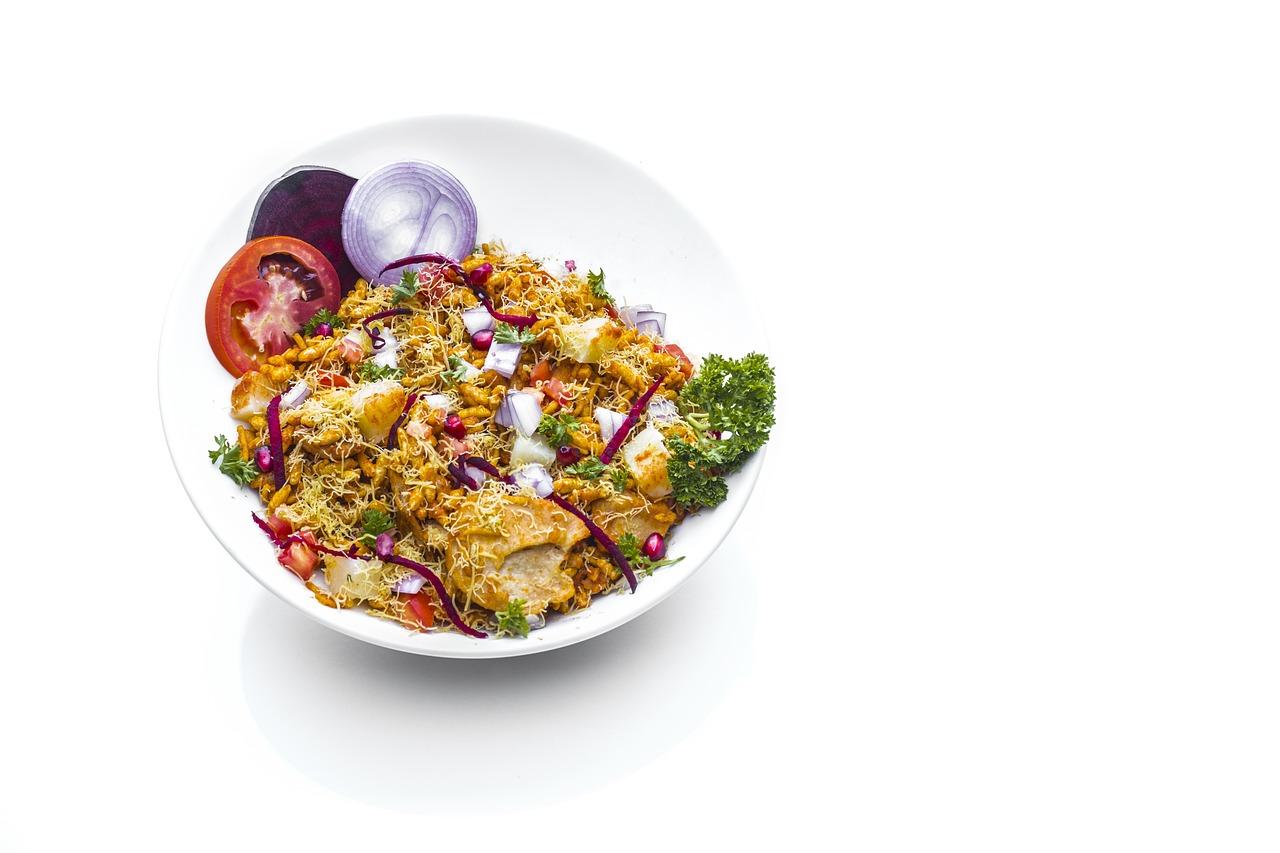
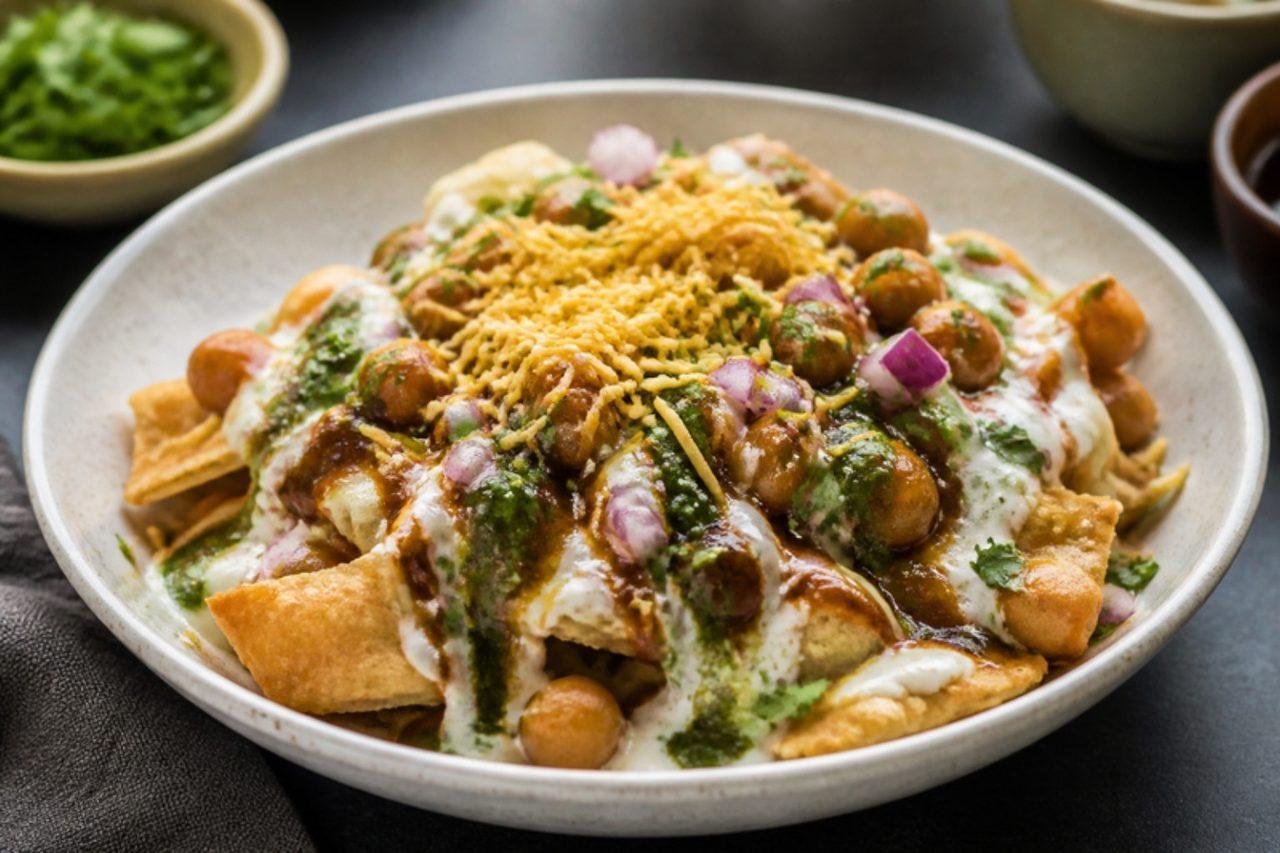
Samosa chaat is how the street stalls of Punjab and Delhi turn yesterday's samosas into the best snack of the day. Samosas are broken open on a plate, covered with a ladle of hot, tangy chole, then cooled down with sweet whisked yogurt, green and tamarind chutneys, raw onion, crunchy sev and a dusting of chaat masala. Every spoonful is hot and cold, crisp and soft, sweet, sour and spicy at once. Use bought samosas or the site's own samosa recipe. Chef's tip: warm the samosas in the oven until crisp before you crush them; a soggy samosa makes a heavy chaat, a crisp one soaks up the chole and still crunches.

by KrazyBadal 1 views

Punjabi lassiSweet yogurt drink with cream

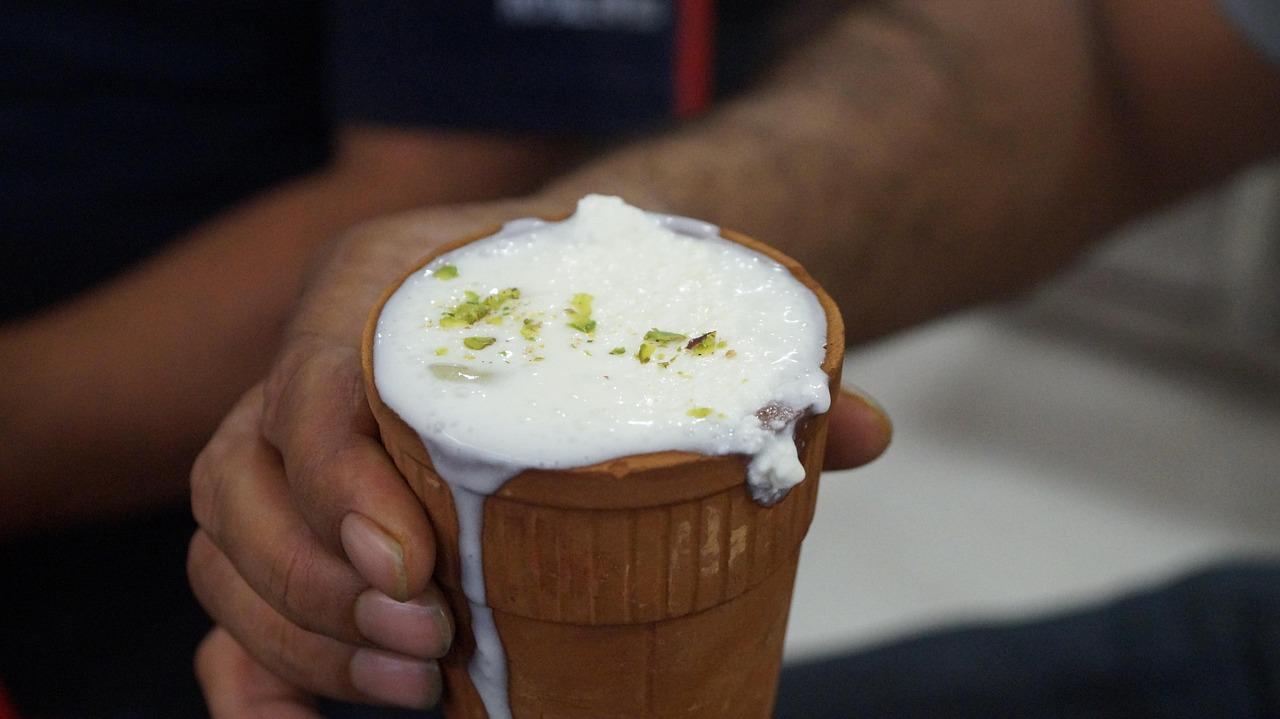
In Amritsar and on the highways across Punjab, lassi comes in a tall steel or brass glass, churned so thick a spoon nearly stands up in it, with a raft of malai (clotted cream) floating on top. It is a summer drink, but Punjabis drink it all year with a stuffed paratha breakfast or after a heavy lunch. This is the plain sweet kind, with no fruit, so the tang of good full-fat yogurt is the whole point. Chef's tip: chill the yogurt, milk and glasses beforehand; cold lassi stays thicker.

by KrazyBadal 0 views

Punjene paprikeStuffed peppers

When late-summer markets in Novi Sad and Belgrade fill up with pale yellow and light green peppers, Serbian kitchens make big pots of punjene paprike to eat for several days. The peppers are packed with seasoned beef and pork mince and rice, stood upright and simmered slowly in a light tomato sauce until meltingly soft. They are served with a dollop of sour cream and bread to mop up the sauce. This recipe contains pork. The easy mistake is stuffing the peppers too tightly: the rice swells and splits them, so leave the top 2 cm empty. Chef's tip: plug each pepper with a slice of potato or tomato before simmering, so the filling stays inside.

105 minBalkanMeatGluten free
by KrazyBadal 0 views

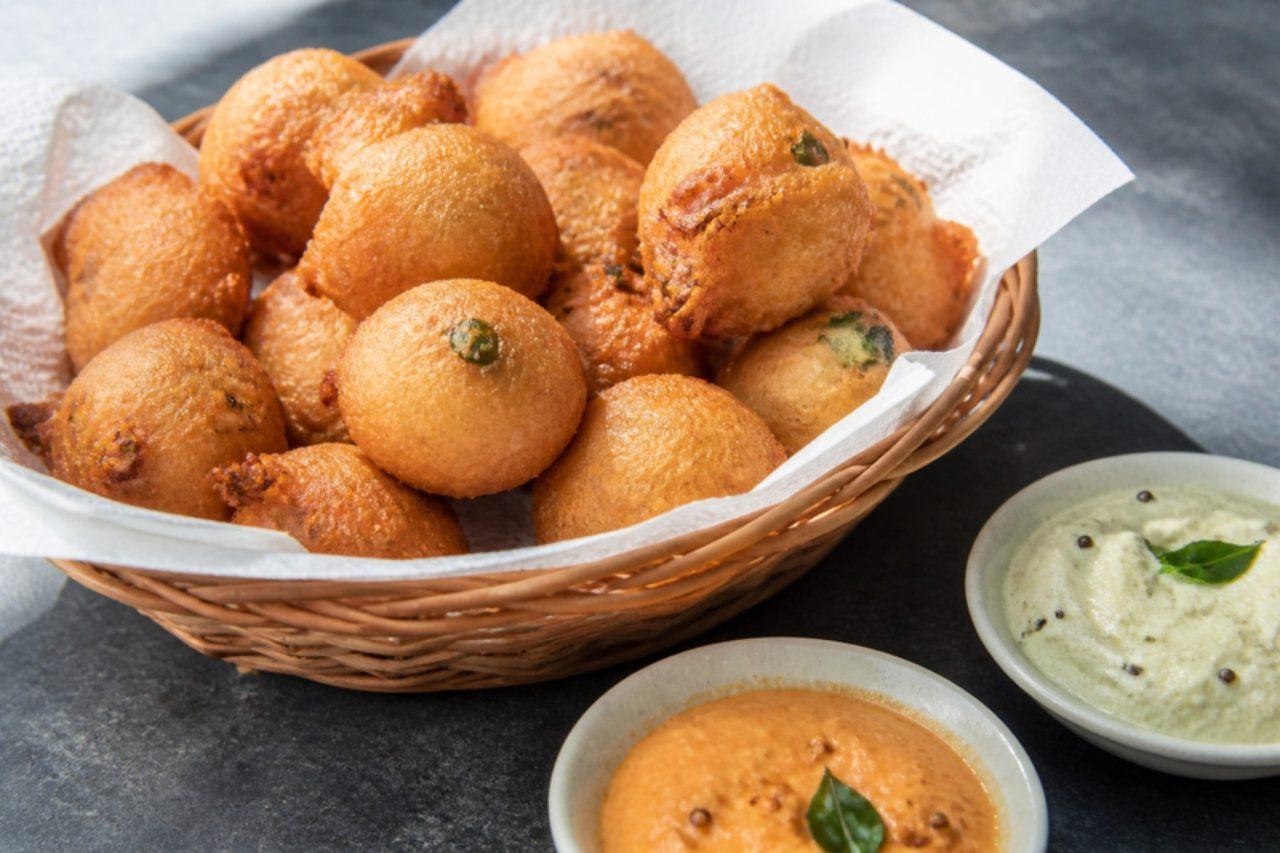
PunuguluDosa batter fritters

Punugulu are the bite-sized, golden fritters sold by the paper-cone along the streets of Vijayawada and Guntur on wet evenings, and made at home whenever the idli or dosa batter has gone a little too sour. A spoonful of thick batter with onion, green chilli and cumin is dropped into hot oil, where it puffs into a round ball with a crackly shell and a soft, spongy middle. Serve them hot with peanut chutney, ginger chutney or plain ketchup and a cup of chai. Chef's tip: add a spoonful of rice flour to the batter; it gives punugulu their crunch and stops them soaking up oil.

by KrazyBadal 0 views

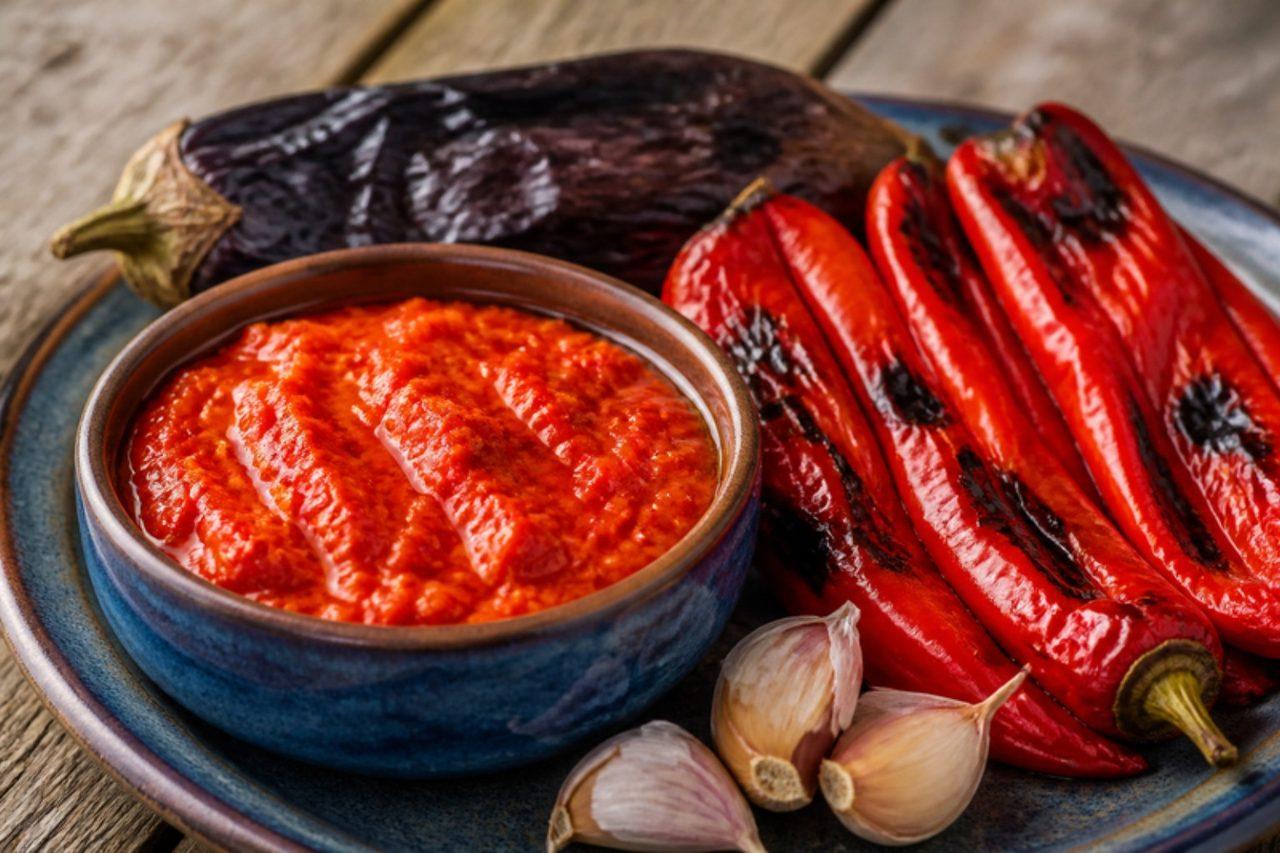
AjvarRoasted pepper and aubergine relish

Every September the smell of charring peppers drifts over courtyards from Leskovac in southern Serbia to Strumica in North Macedonia, as families roast crates of long red babura peppers on wood stoves and spend a whole Sunday stirring the pulp into ajvar for the winter shelves. A little roasted aubergine softens the flavour, and long cooking with sunflower oil turns it into a glossy, sweet-smoky spread that is eaten on bread with white cheese, beside beans or potatoes, and with almost every winter meal. This is a home-sized batch for two medium jars rather than a cellar full. Chef's tip: do not rinse the roasted peppers under the tap to get the skins off; it washes away the smoky juices that make ajvar taste of autumn, so peel them with oiled fingers and a paper towel instead.

by KrazyBadal 0 views

Pupusas de queso y frijolCheese and bean stuffed corn cakes

In El Salvador pupusas are a Sunday-night ritual: families queue at the pupusería, where cooks pat the dough between wet palms with a soft clapping sound, and the second Sunday of November is National Pupusa Day. These thick masa cakes are stuffed with stringy cheese and smooth refried black beans, griddled until speckled, and eaten with your hands, topped with curtido and a thin tomato salsa. Chef's tip: keep a bowl of water with a splash of oil beside you and wet your hands before every pupusa, so the dough stays supple and the seams don't crack.

by KrazyBadal 0 views

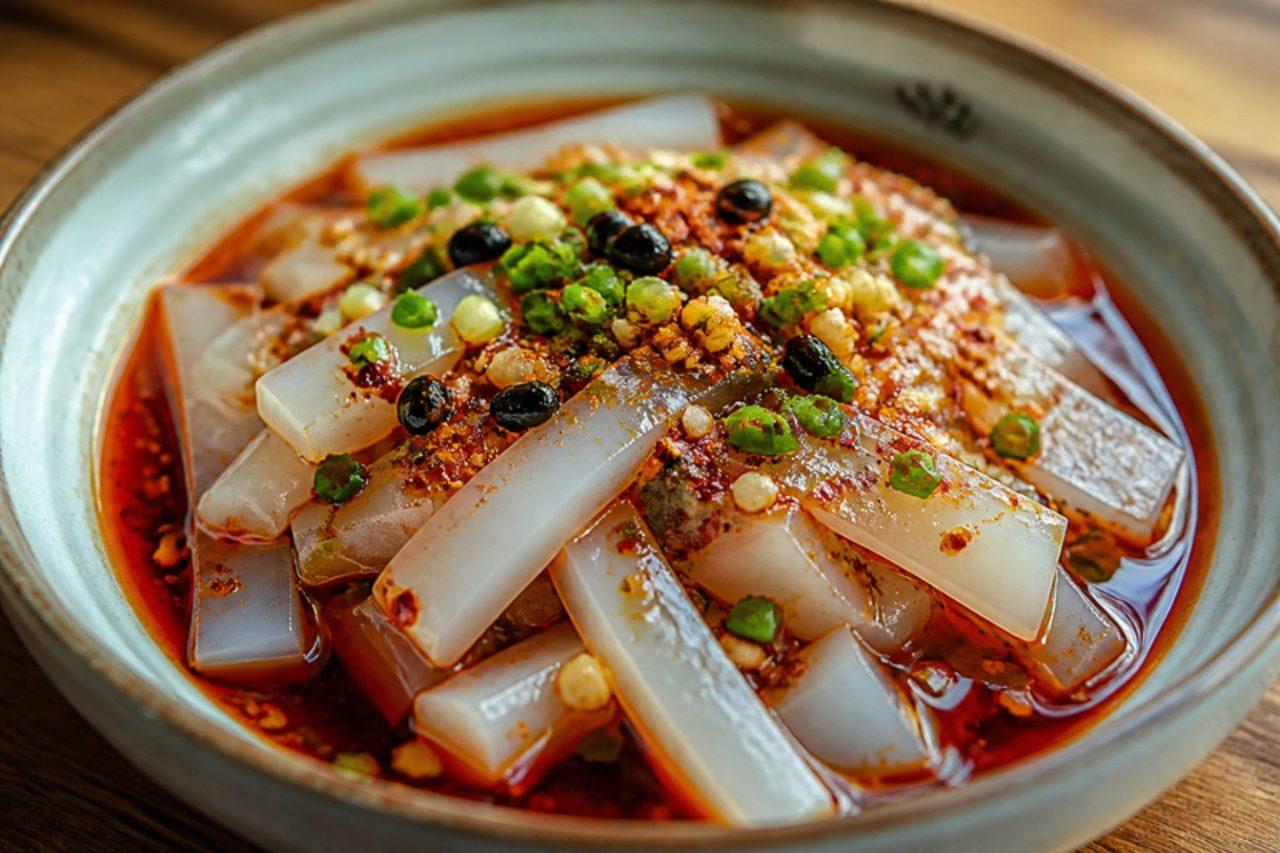
Chuanbei liangfenMung bean jelly in chilli oil

Nanchong, in the hills of north Sichuan, is famous for this snack: a soft, wobbly jelly set from bean starch, cut into thick ribbons and drowned in a red, glossy dressing. Street sellers keep it in big blocks and slice it to order, and people eat it as a mid-afternoon snack or a cold starter on hot days. The jelly itself tastes of almost nothing; the slippery texture and the punchy dressing are the point. Chef's tip: let the jelly set fully in the fridge, ideally overnight, so it is firm enough to cut cleanly but still trembles.

by KrazyBadal 0 views

Showing 72 of 10,569 recipes

Show more recipes

Page 1,040 of 1,175