


Skip to content
Skyr
Featured recipe

Skyr

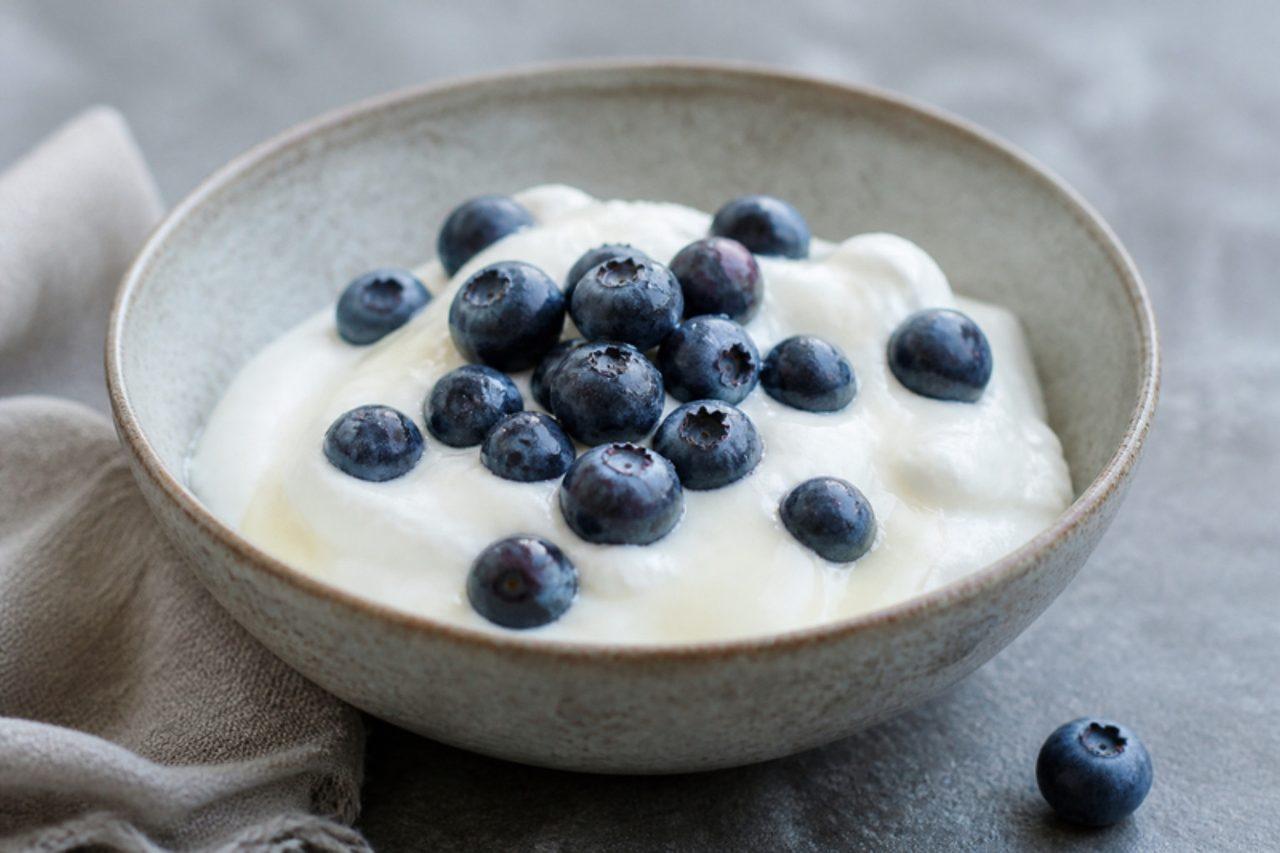
Skyr has been made in Iceland since the Viking settlers arrived: skimmed milk soured with a spoonful of the last batch, set with a drop of rennet, then strained until very thick, high in protein and mildly sour. Icelanders eat it every day with milk or cream and berries, or whisked into a drink, and skyrkaka is a favourite cheesecake. You need a few spoonfuls of plain shop skyr with live cultures as a starter. A common mistake is skipping the long, slow set; rushed skyr is thin and grainy. Chef's tip: strain it in the fridge overnight and stir it smooth before serving. Rennet is traditionally animal; use vegetarian rennet.

Read more 0 views

What to eat today?

Around the world

Today's trip: Persian

A new country every day, from every cuisine on the site.

Persian

Shir berenj

Rose water rice pudding 70 minMore from Persian (181) →

This week's collection

Kid-friendly dinners
756 recipes · a new collection every Monday

Coming up

All occasions →

Latest recipes

Tarte normandeApple tart with custard

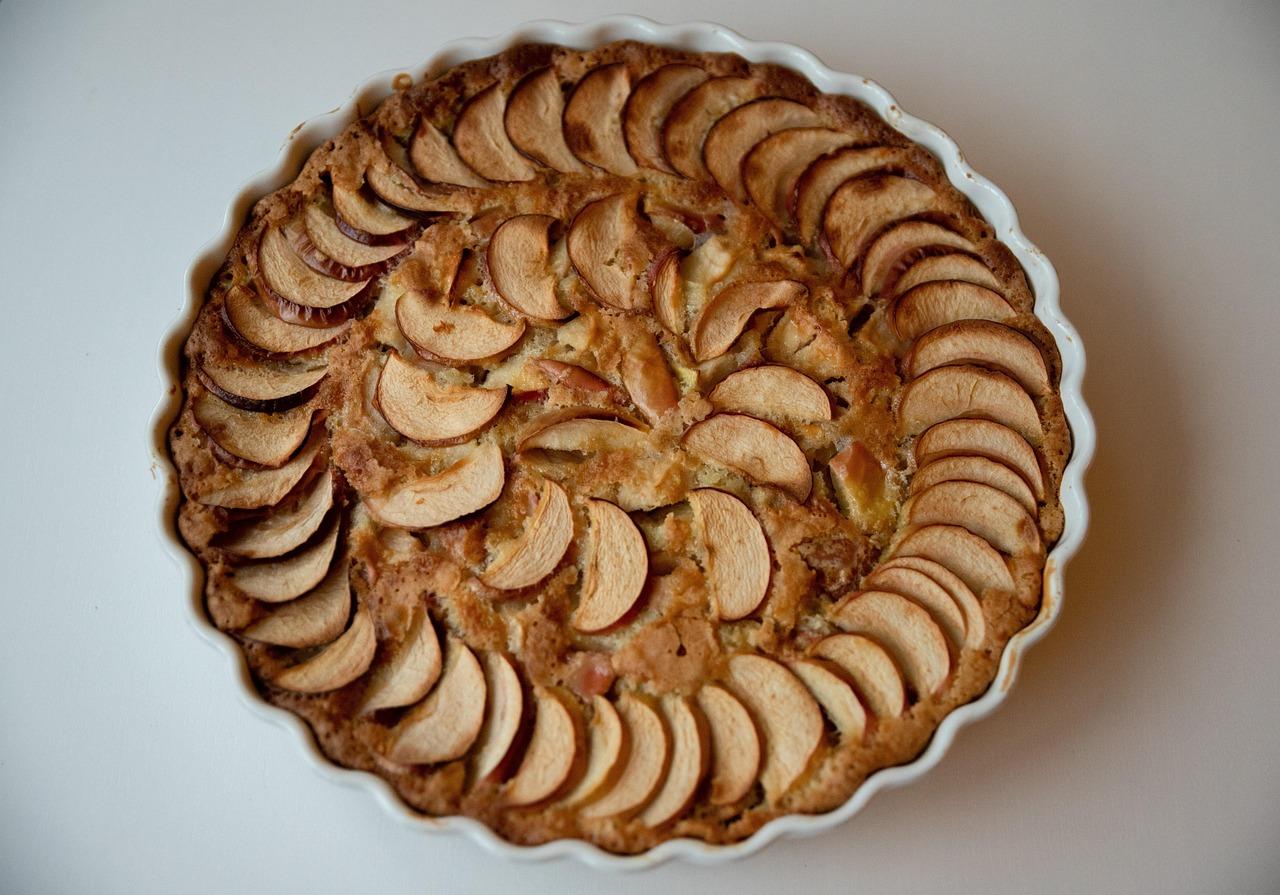
Normandy is the land of orchards and dairy cows, and its apple tart uses both: sliced apples baked in a buttery pastry case, then covered with a custard of eggs, crème fraîche and sugar that sets around the fruit, golden and slightly puffed. Some cooks add a splash of Calvados, the local apple brandy. It's served for Sunday lunch, at village fêtes in autumn, and with a glass of cider. The apples stay soft but hold their slices, and the custard tastes like baked cream. Chef's tip: pre-bake the pastry case before adding the custard; skipping it is the common mistake that leaves a pale, soggy base.

by KrazyBadal 0 views
Tarte tatinUpside-down apple tart

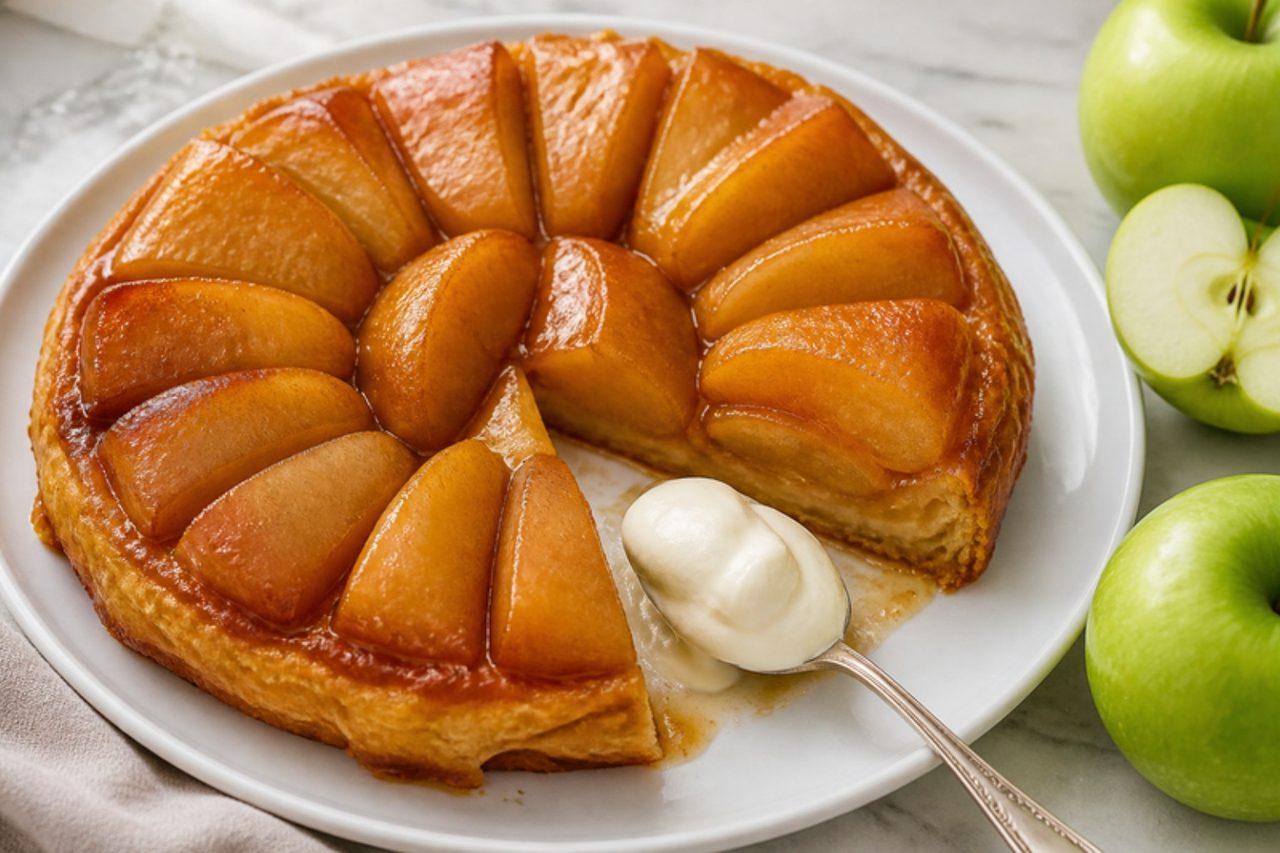
Tarte tatin is said to have been created at the Hôtel Tatin in Lamotte-Beuvron, in the Sologne, south of Orléans, where the Tatin sisters cooked for hunting parties in the 1880s. The apples are cooked in butter and sugar until they turn amber, covered with pastry, baked, then turned out so the glossy caramelised fruit sits on top of a crisp base. It is the French family dessert of autumn and winter, served warm with crème fraîche. This version uses an all-butter shortcrust made without egg. Chef's tip: pack in more apples than seem possible, as they shrink; using too few is the common mistake and leaves a flat tart with gaps.

by KrazyBadal 0 views

TartiflettePotato, bacon and Reblochon bake

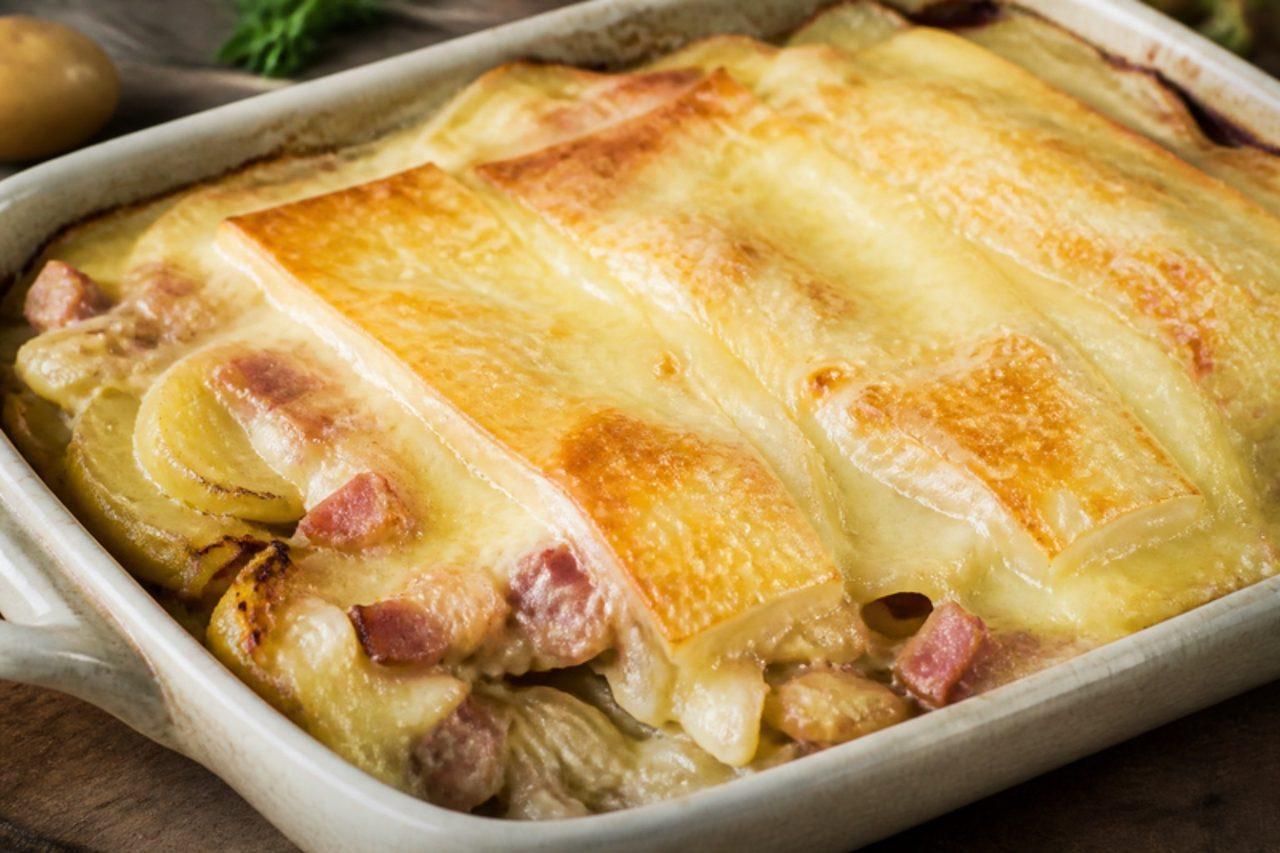
Tartiflette is the dish skiers dream about on the last run of the day in the Savoie Alps, served bubbling in its dish in mountain restaurants from Annecy to Val d'Isère. It contains pork: sliced potatoes are layered with onion, smoky lardons and a splash of cream, then a whole Reblochon cheese is halved and laid rind-side up on top so it melts down through everything in the oven. Many cooks add a splash of white wine to the onions; this recipe leaves it out, so it is alcohol-free. Eat it with a sharp green salad and cornichons. Chef's tip: keep the rind on the Reblochon; it bakes to a golden, nutty crust.

75 minFrenchMeatGluten free
by KrazyBadal 0 views

Wiener SchnitzelBreaded veal cutlet

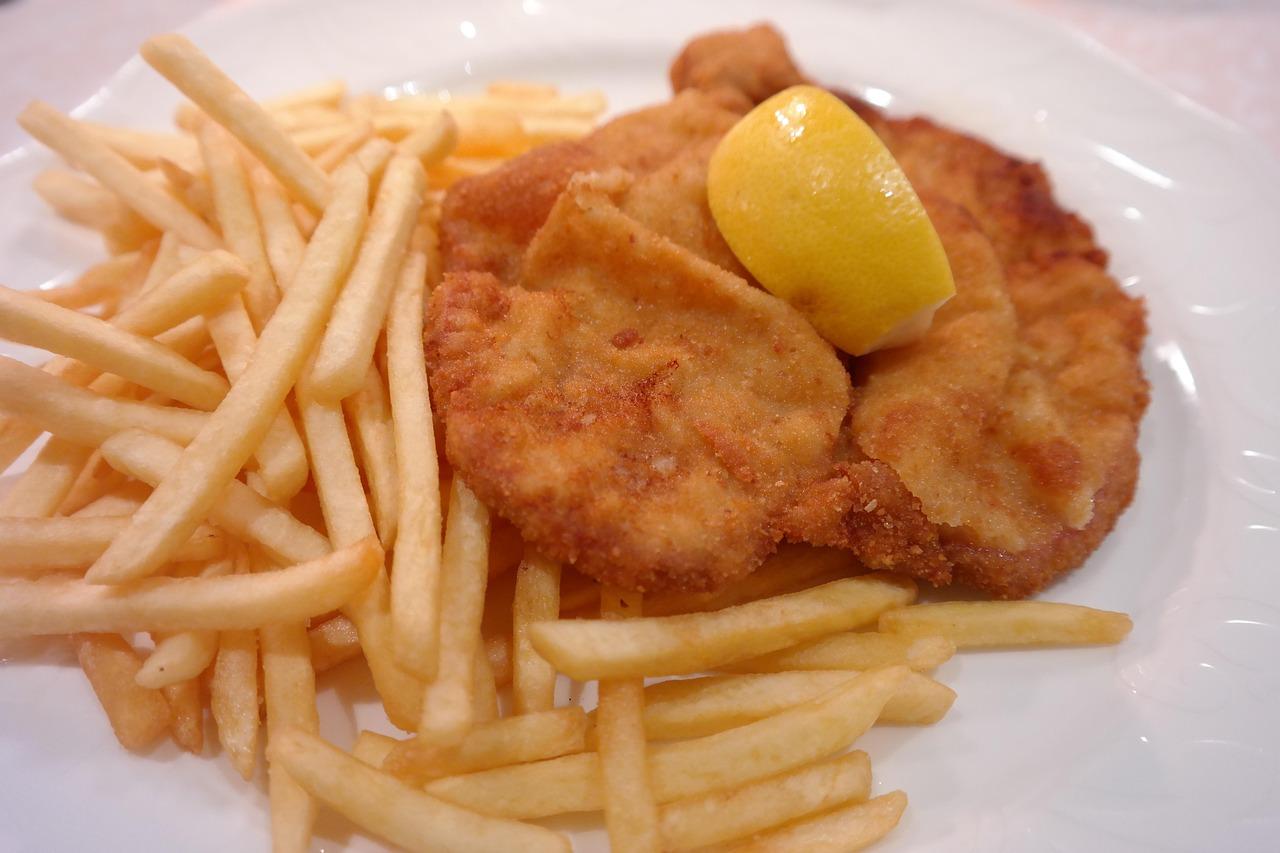
In Vienna's old Beisl taverns the Schnitzel arrives so large it hangs over the plate: a veal escalope beaten thin, coated in flour, egg and fine breadcrumbs and fried in plenty of hot fat while the pan is swirled, so the crumb lifts away from the meat in golden waves. Austrian law keeps the name 'Wiener Schnitzel' for veal; the pork version, very common in German homes, is called Schnitzel Wiener Art and is cooked exactly the same way. Serve it with a lemon wedge, lingonberry jam and potato salad. The most common mistake is pressing the crumbs firmly onto the meat, which stops the coating from puffing. Chef's tip: shake off the crumbs and lay the cutlet in only when the fat is hot enough that a crumb sizzles at once.

32 minGermanMeat
by KrazyBadal 0 views

Afghan biscuitsChocolate cornflake biscuits

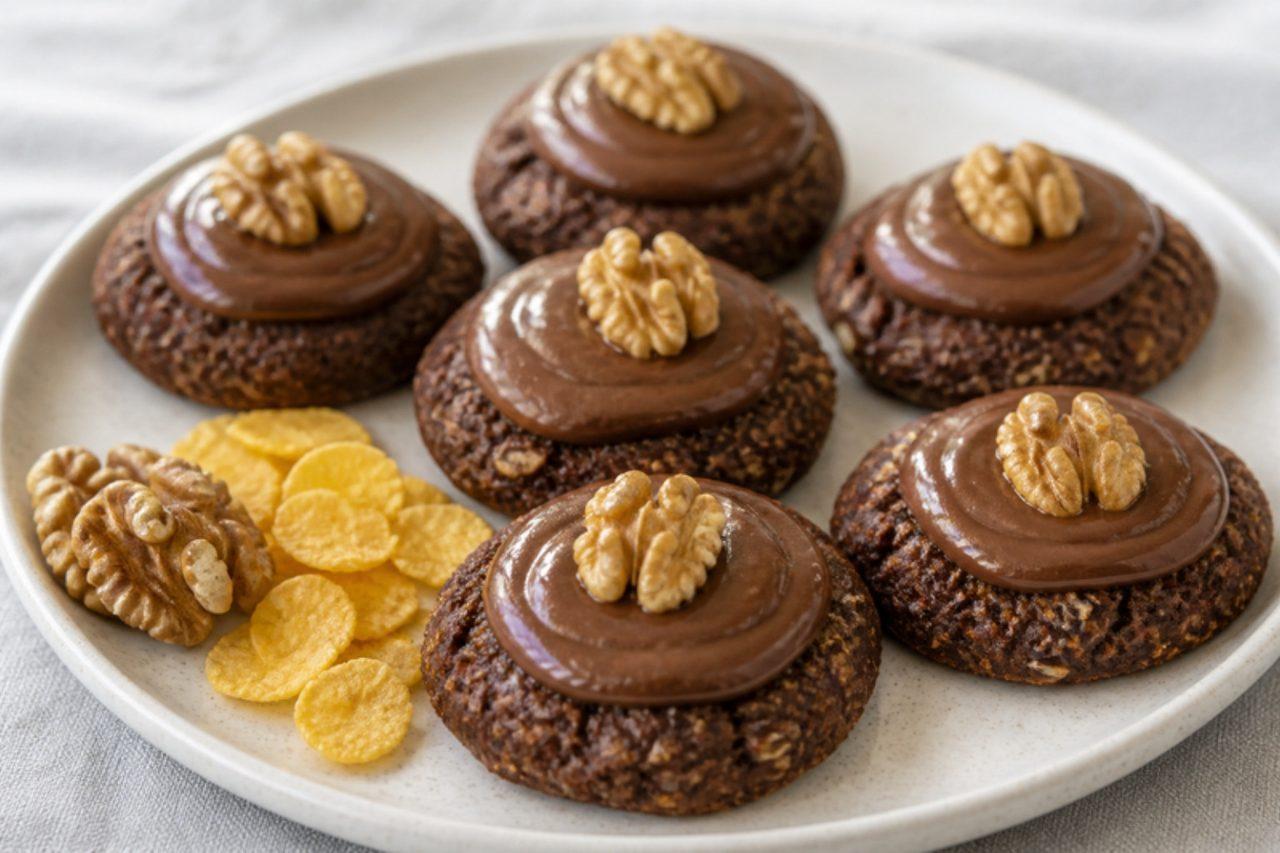
Afghans are a New Zealand classic, found in the old home baking books passed down in Kiwi kitchens and in the glass cabinets of cafés and bakeries from Christchurch to Whangārei. Nobody is quite sure where the name came from. The dough is rich with butter and cocoa, and lightly crushed cornflakes give each biscuit a crunchy, slightly rugged texture. A swirl of soft chocolate icing and a walnut half finish them off. They're not too sweet underneath, which is why the icing works so well. Chef's tip: crush the cornflakes only lightly with your hand; fine crumbs disappear, but big flakes give the crunch an afghan is known for.

by KrazyBadal 0 views

ZhentToasted millet and honey sweet

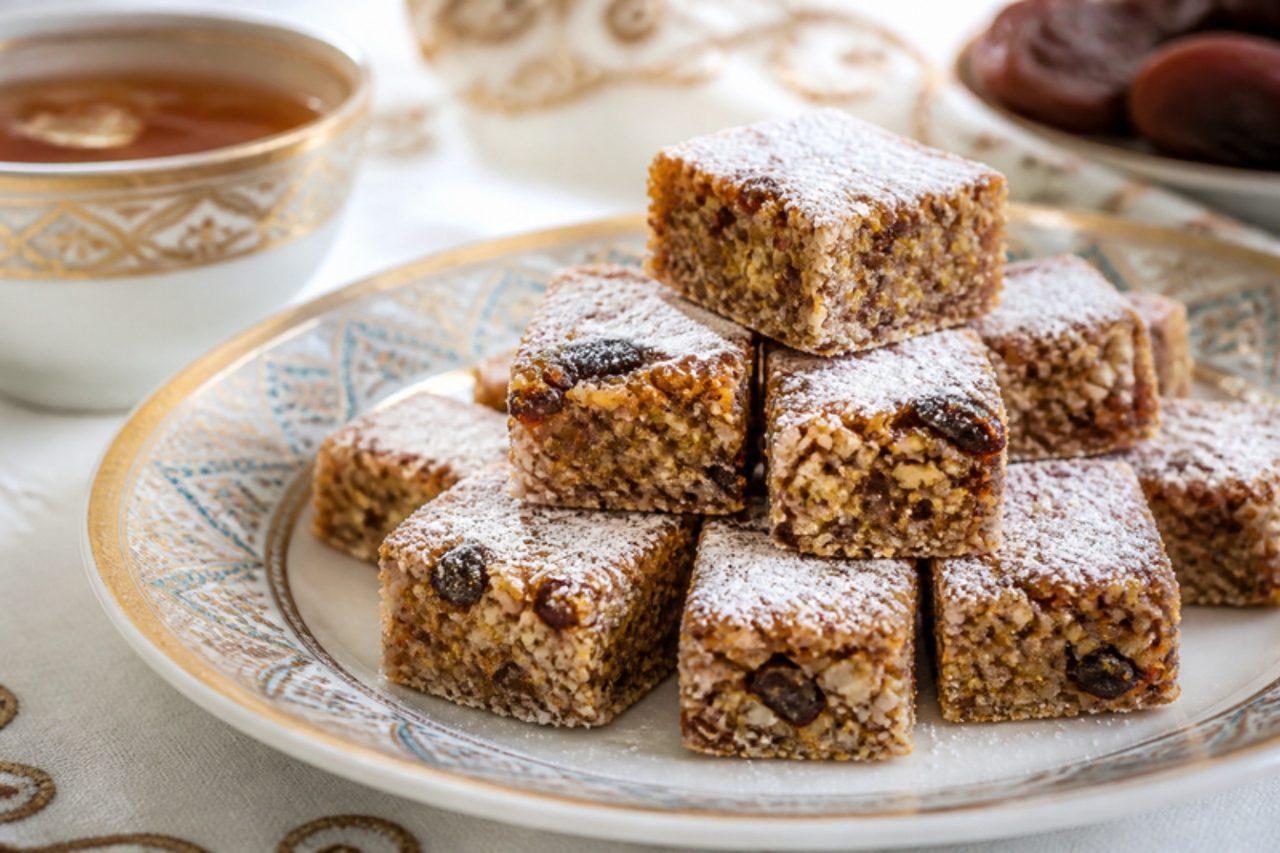
Zhent is one of the oldest Kazakh sweets: toasted millet (tary) pounded with dried kurt, dates or raisins, and bound with butter and honey into a crumbly, rich square. Herders made it to carry on long rides, and today it appears on the dastarkhan at Nauryz and weddings in southern Kazakhstan, beside baursak and dried fruit. It tastes nutty, salty-sour from the kurt and sweet, a bit like shortbread with a sharp edge. Chef's tip: toast the millet in a dry pan until it pops and smells like popcorn; under-toasted millet tastes raw and grassy.

by KrazyBadal 0 views

TataleSpiced plantain pancakes

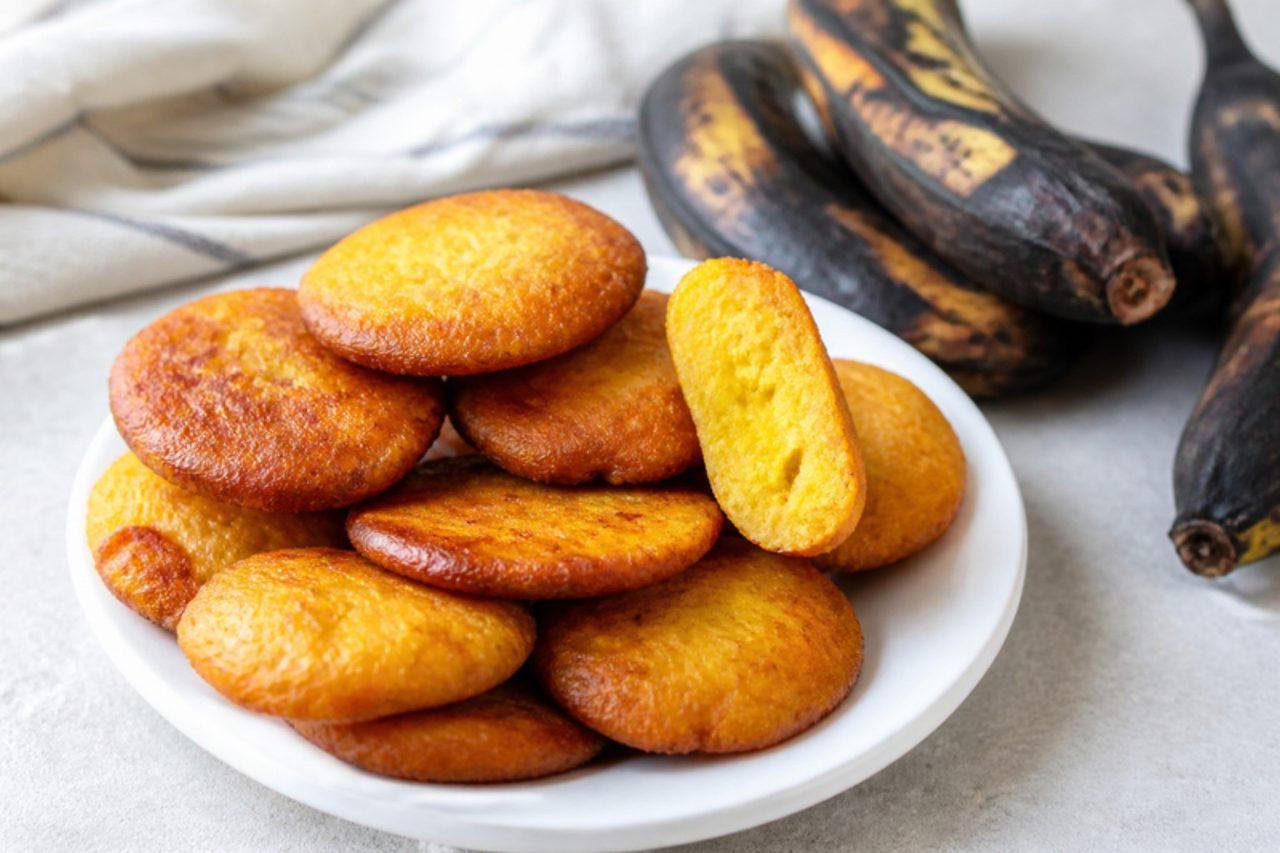
Tatale is how Ghanaian cooks rescue plantains that have gone soft and black: they are mashed with onion, ginger and chilli, bound with a little flour, and fried as thick pancakes. In Accra and the Volta region they are sold warm from roadside pans and eaten as a snack or with a bowl of bean stew (aboboi). The outside crisps and caramelises while the inside stays soft and sweet. This version uses fine cornmeal, which keeps it gluten free. Chef's tip: the blacker the plantain skins, the better; they should feel soft like an overripe banana.

by KrazyBadal 0 views

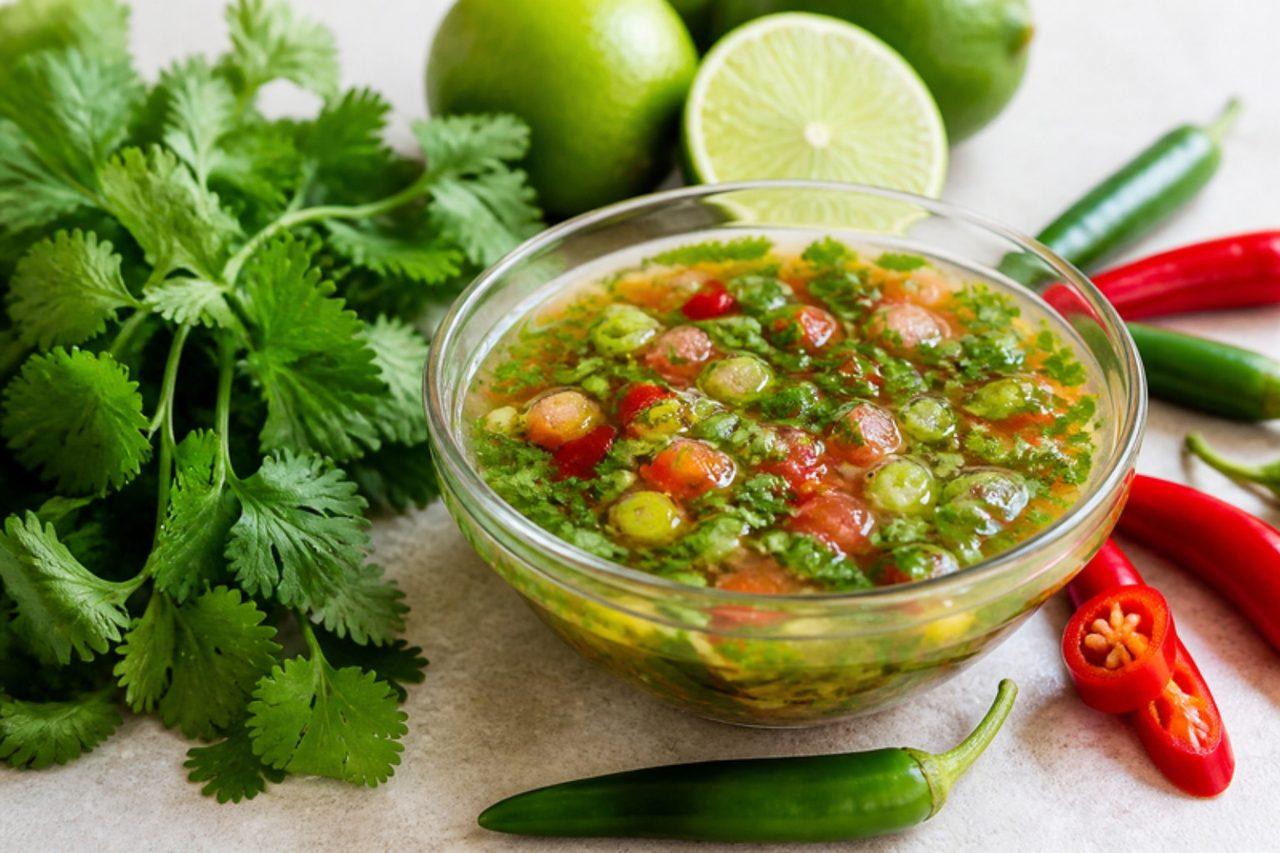
Ají picanteFresh chilli and coriander sauce

Every Colombian table has a bowl of ají, the loose, fresh hot sauce spooned onto empanadas, patacones, sancocho and arepas. Unlike a thick salsa, it is thin and bright: chopped hot chilli, spring onion, tomato and lots of coriander in lime juice, vinegar and water. Each family, from Bogotá to the Pacific coast, swears by its own heat level. Chef's tip: make it at least 30 minutes before eating; the onion softens and the chilli heat spreads through the liquid.

by KrazyBadal 0 views

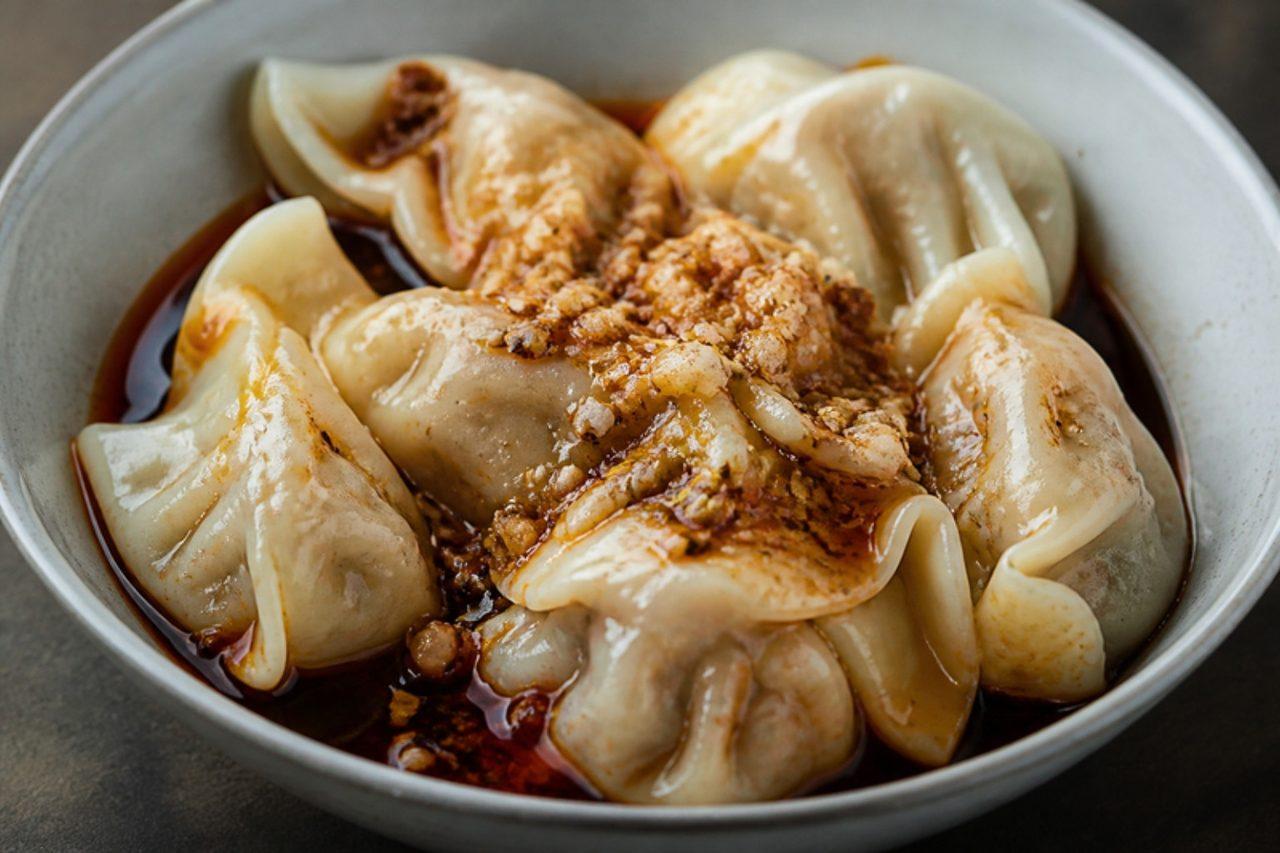
Zhong dumplingsPork dumplings in chilli oil

A snack shop opened by a Mr Zhong in Chengdu in the 1890s still serves these little half-moon dumplings, and every teahouse snack menu in the city has a version. Unlike northern dumplings, they hold only pork, no cabbage or chives, so the filling is soft, juicy and gingery. The magic is the sauce: a spiced, syrupy soy sauce simmered with brown sugar, star anise and cinnamon, spooned over with fiery chilli oil and a punch of raw garlic, so each bite is sweet, salty, hot and pungent at once. Eat them as an afternoon snack or a starter before noodles. Chef's tip: make the sweet soy sauce first; it keeps in the fridge for a month and is just as good on noodles or a plate of greens.

by KrazyBadal 0 views

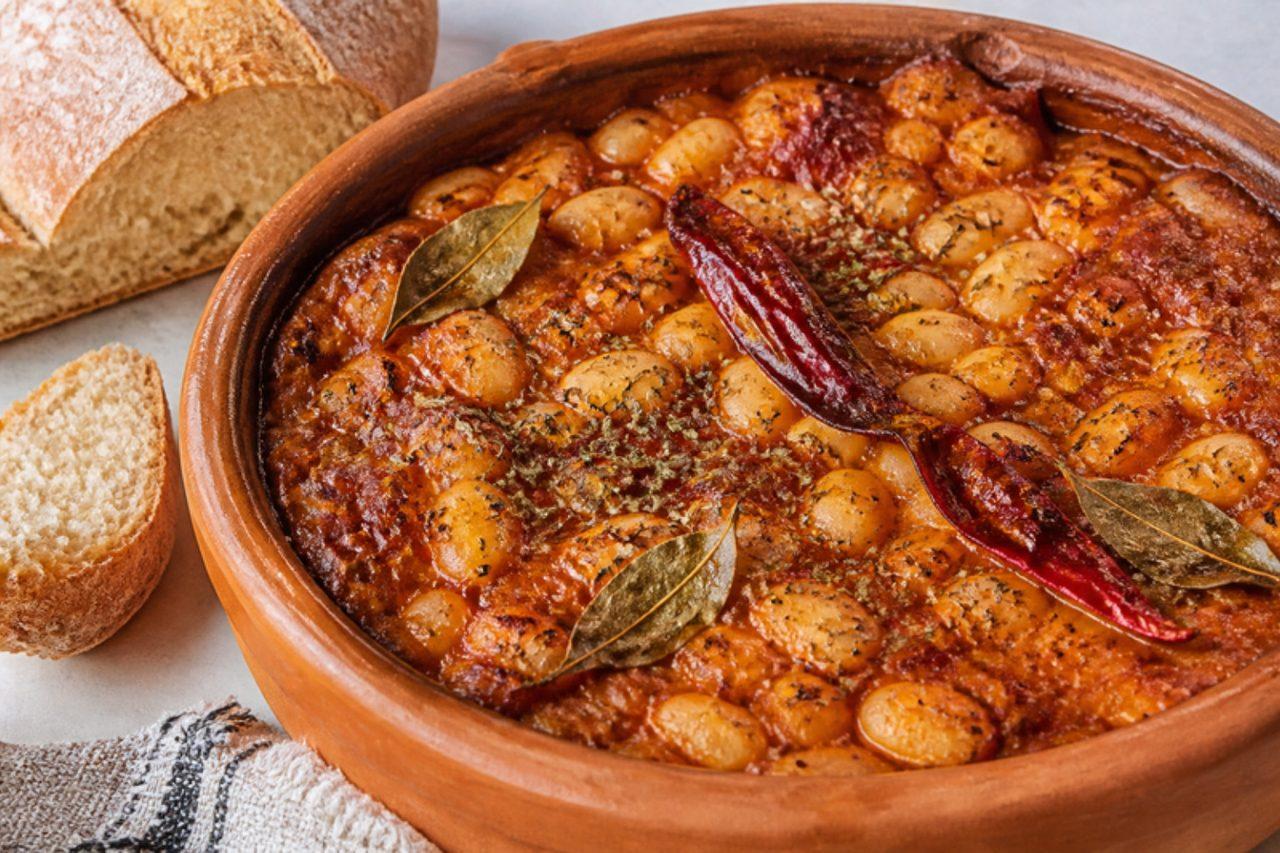
Tavče gravčeBaked white beans

Tavče gravče, 'beans in a pan', is the dish North Macedonians call their own: large white beans, ideally the Tetovo variety, cooked soft, then baked in a shallow earthenware tava with onions fried in paprika until the top forms a crust. In Skopje it is a Friday staple and a Christmas Eve fast-day dish, served in the same clay dish it baked in, with bread, pickled peppers and a cabbage salad. This version keeps to the meat-free fasting style, with a paprika-and-onion roux for depth. Chef's tip: let the paprika sizzle in the oil for only a few seconds off the heat; scorched paprika turns brown and bitter and spoils the whole dish, which is the most common slip.

by KrazyBadal 0 views

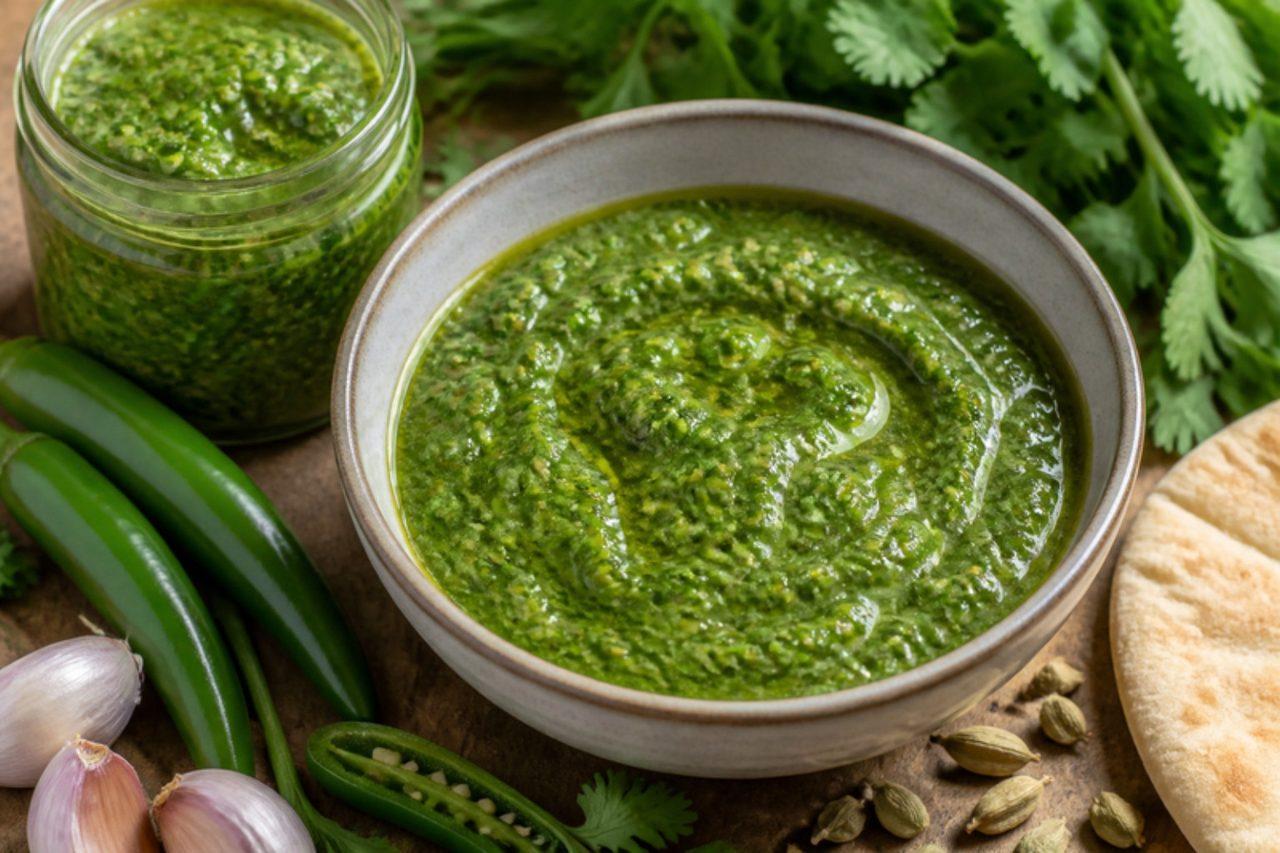
ZhugGreen chilli and coriander sauce

Zhug is the sauce Yemenite Jews brought to Israel, and now it sits beside the tahini and amba at every falafel and sabich stand in Tel Aviv and Jerusalem. Fresh green chillies are ground with a big bunch of coriander, garlic, cumin and cardamom into a bright green, punchy relish with a slow, warming heat. Spoon a little into soup, onto eggs, over jachnun or into a pita. Chef's tip: dry the herbs thoroughly after washing; wet leaves make a watery zhug that goes brown in the fridge.

by KrazyBadal 0 views

Tavë kosiBaked lamb and rice in yogurt

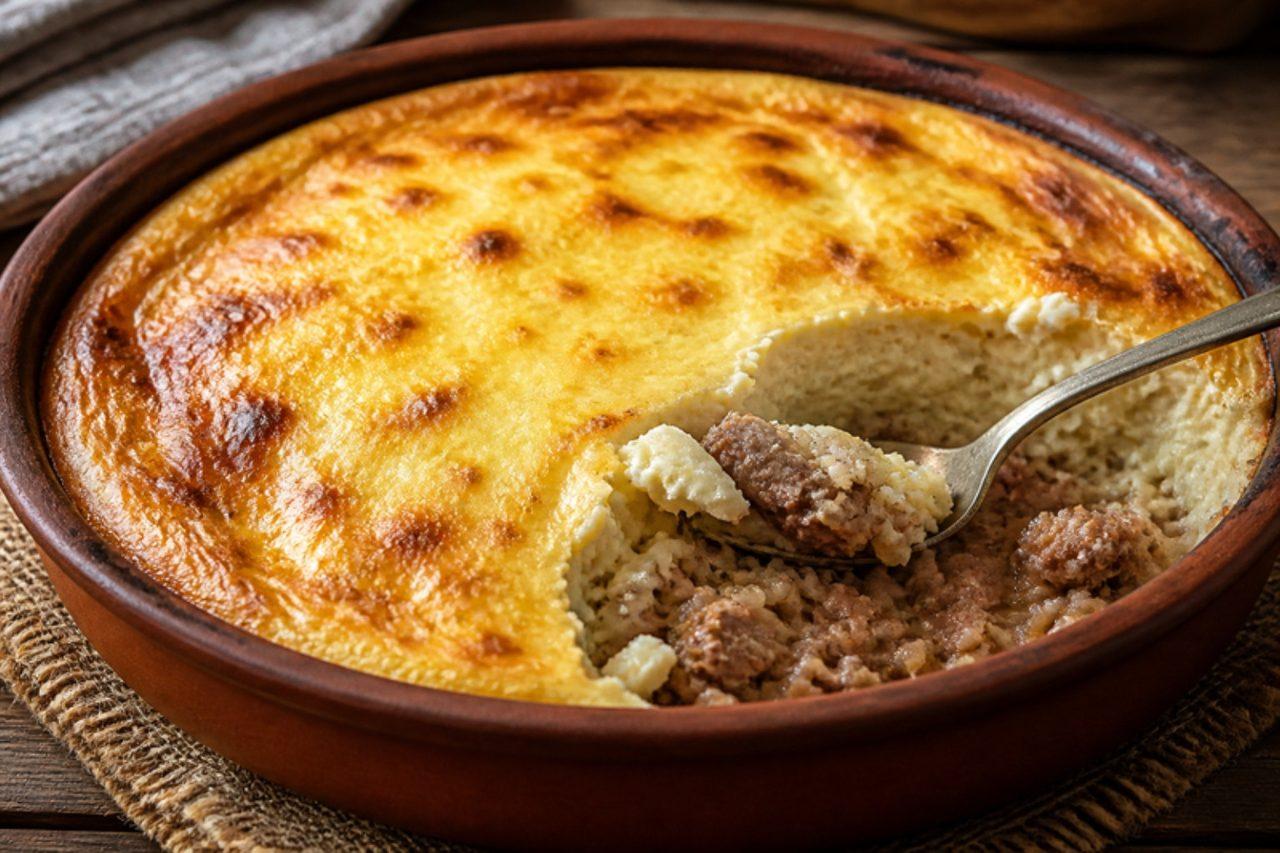
Elbasan, in central Albania, claims tavë kosi as its own and serves it on Dita e Verës, the spring festival in March, though families across Albania and Kosovo bake it all year. Pieces of lamb on the bone are browned with garlic and a little rice, then covered with a thick custard of tangy yogurt, eggs and a butter-flour roux and baked until puffed and golden on top. Inside, the custard stays soft and slightly sour against the rich meat. A classic slip is using thin, low-fat yogurt, which splits in the oven; use full-fat strained yogurt. Chef's tip: let the yogurt come to room temperature and whisk the warm roux in slowly, so the custard stays smooth.

135 minBalkanMeat
by KrazyBadal 0 views

ÆbleskiverRound pancake puffs

From the first Sunday of Advent until Christmas, Danish homes and Christmas markets in Copenhagen's Tivoli smell of æbleskiver: little round pancake puffs cooked in a cast-iron pan with seven hemispherical wells. They are crisp and golden outside, light and almost custardy within, dipped in icing sugar and raspberry or strawberry jam, and washed down with gløgg or hot cocoa. The name means 'apple slices', a reminder that cooks once tucked a piece of apple inside; many families still do. Danes turn them with knitting needles or wooden skewers, a knack that takes a few rounds to learn. Chef's tip: turn each puff a quarter at a time; the raw batter flows into the space and builds the sphere, rather than flipping it all at once.

by KrazyBadal 0 views

Adobong kangkongBraised water spinach

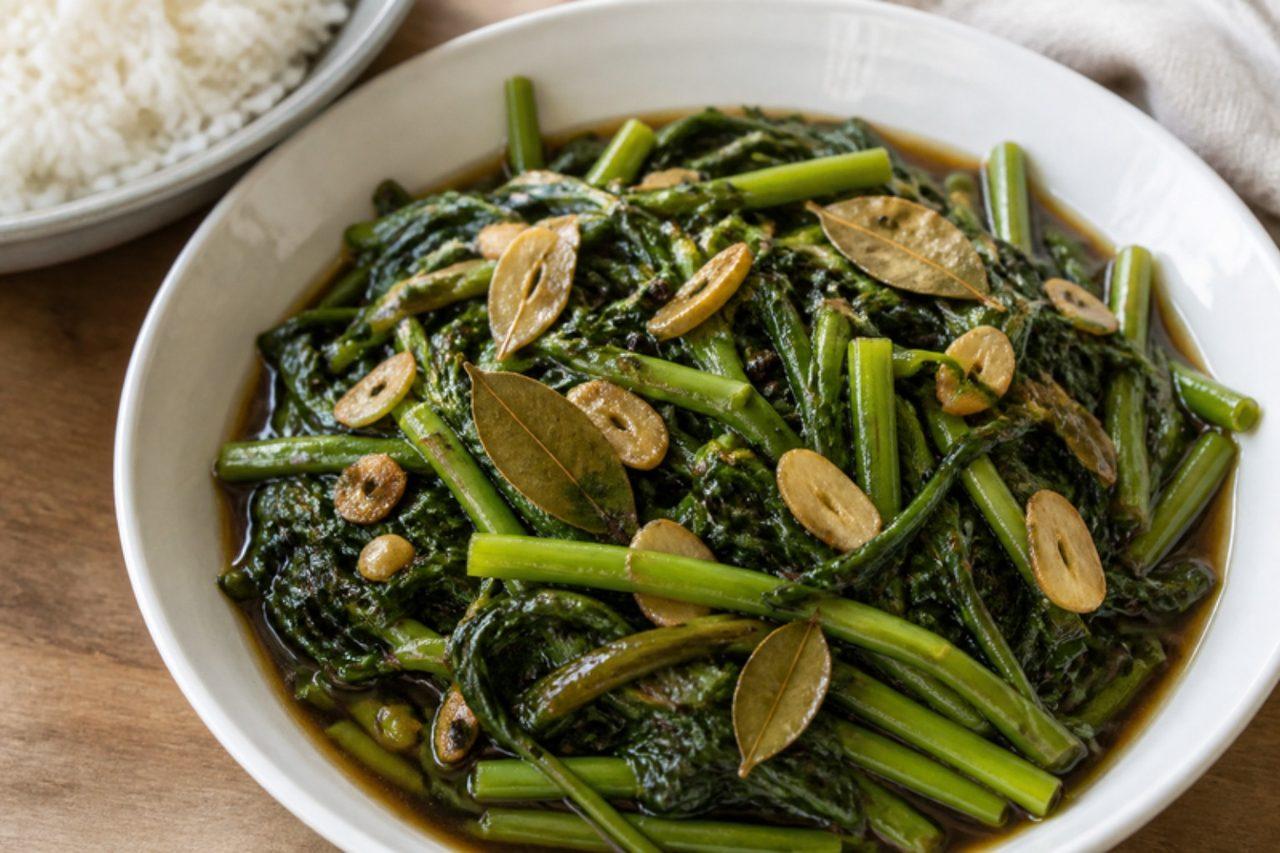
In Manila and across Luzon, adobong kangkong is the cheap green that sits in a tray at the carinderia, the roadside canteen where office workers and jeepney drivers point at two or three dishes to go with their rice. It is not a stir-fry in the Chinese or Malay sense: the water spinach is cooked briefly in an adobo base of cane vinegar, soy sauce, bay and cracked pepper, so the stems stay crunchy while the leaves soak up a sharp, salty, garlicky sauce that runs into the rice. It costs very little, takes ten minutes and is often the only vegetable on a weekday plate. Chef's tip: let the vinegar boil for a full minute before you stir anything, the way Filipino cooks do; the raw, harsh edge cooks off and the sauce turns mellow.

by KrazyBadal 0 views

TehriYellow rice with vegetables

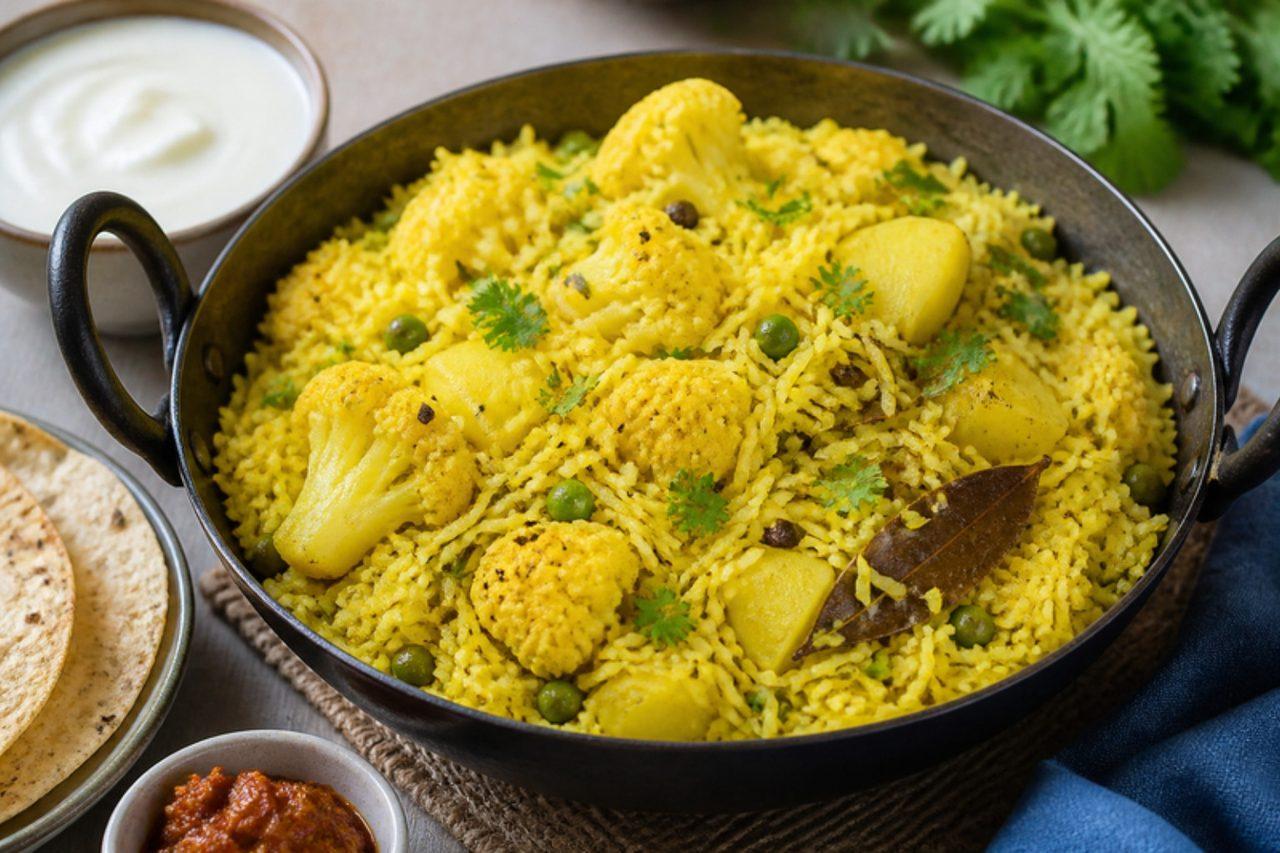
In many Uttar Pradesh homes, tehri is what happens on a cold evening when nobody wants to cook three dishes. Rice, potatoes, cauliflower and peas go into one pot with mustard oil, turmeric and whole spices, and come out yellow, fluffy and lightly spiced. Families in Kanpur, Allahabad and Varanasi eat it with plain yogurt, a spoon of mango pickle and roasted papad, and it is also cooked for winter picnics. It differs from pulao in its turmeric colour and the sharp warmth of smoked mustard oil. A frequent mistake is stirring after the water goes in, which breaks the grains and makes the rice gluey. Chef's tip: heat the mustard oil until it just smokes, then let it cool for a few seconds before adding spices; this mellows its bite without losing the flavour.

by KrazyBadal 0 views

XalwoCardamom halwa

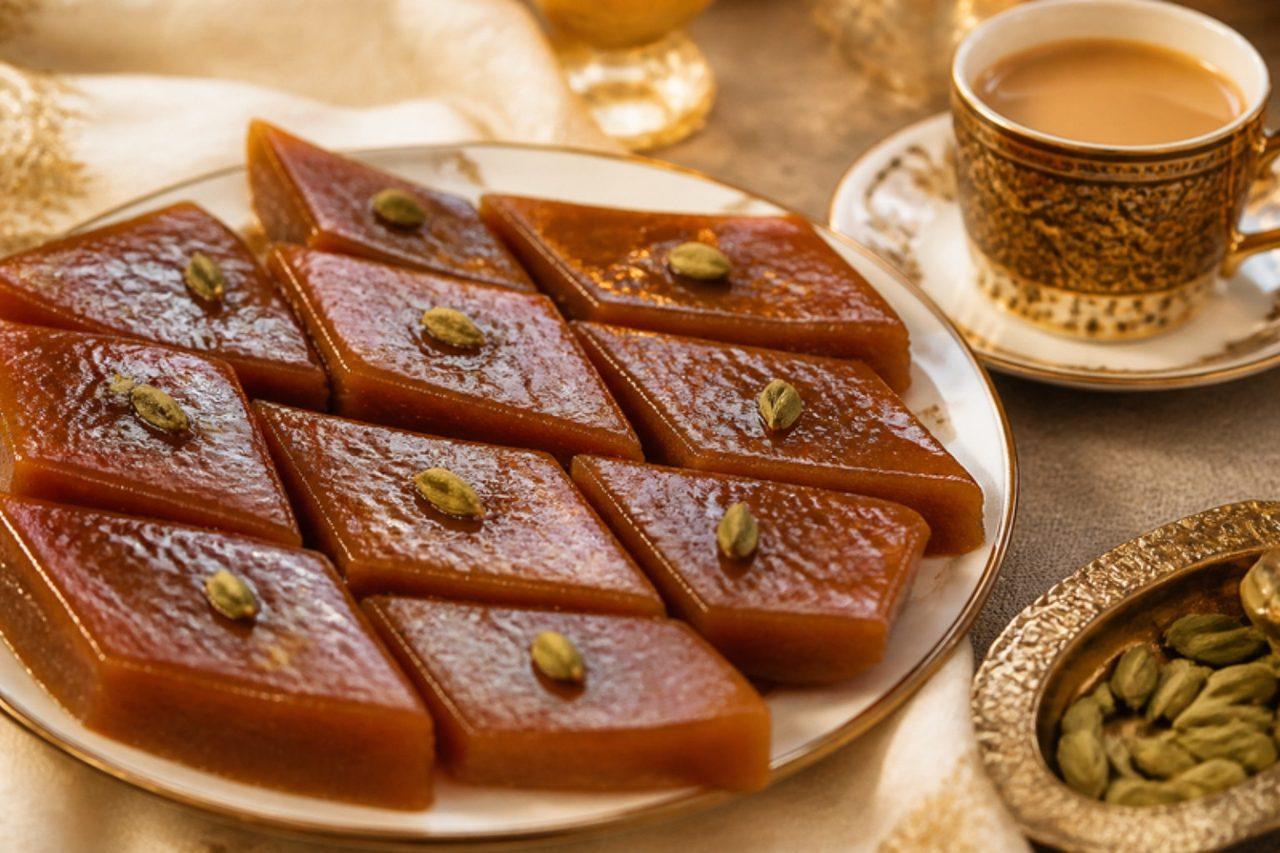
Xalwo is the sweet of Somali celebrations: weddings, Eid and the arrival of guests are all marked with a tray of this dark, glossy, chewy confection, cut into diamonds and served with coffee or spiced tea. Sugar is caramelised, then cooked slowly with cornflour and oil or ghee while the cook stirs without stopping until it pulls away from the pan. It is a cousin of Omani and Yemeni halwa. Chef's tip: stir constantly and keep going until the oil starts to separate and shine on the surface; stopped early, xalwo stays soft and does not set.

by KrazyBadal 0 views

Adjaruli khachapuriCheese bread boat with egg

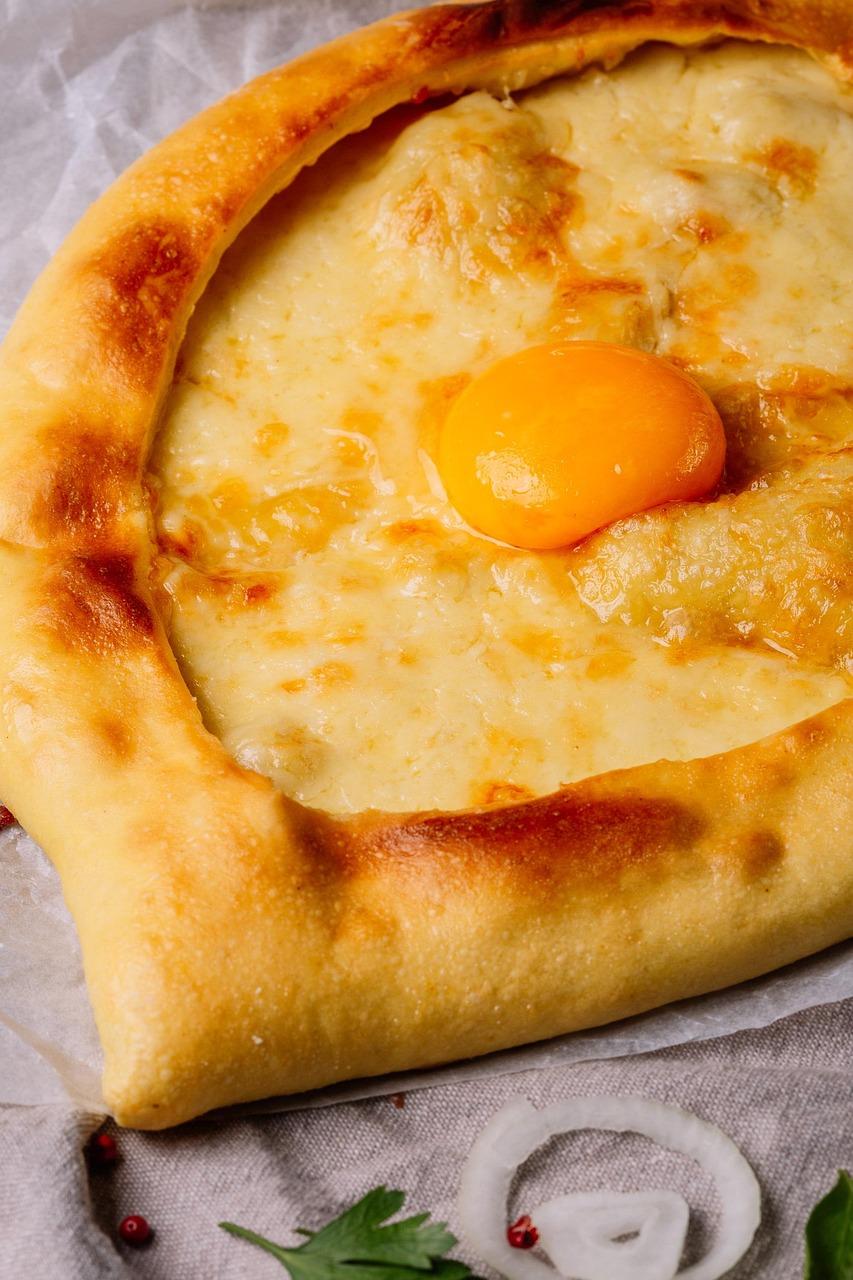
On the Black Sea promenade in Batumi, the capital of Adjara, this is the bread people queue for after a swim: a boat of soft yeasted dough, the middle filled with molten cheese, and an egg yolk and a slab of butter dropped in at the very end. You stir the yolk and butter through the cheese with a fork at the table, then tear off the crisp ends and dip them in. Locals say the shape is a boat and the yolk the sun over the sea. Georgian imeruli and sulguni cheeses are hard to find outside Georgia, so this uses mozzarella with feta for the salty tang. Choose cheeses labelled vegetarian (microbial rennet). The usual home mistake is putting the egg in too early, which sets it hard; the yolk should go in only for the last 2 minutes so it stays runny. Chef's tip: roll the long edges inwards tightly and pinch the tips hard, or they will unroll in the oven and the cheese will flood the tray.

by KrazyBadal 0 views

Telur baladoFried eggs in chilli sambal

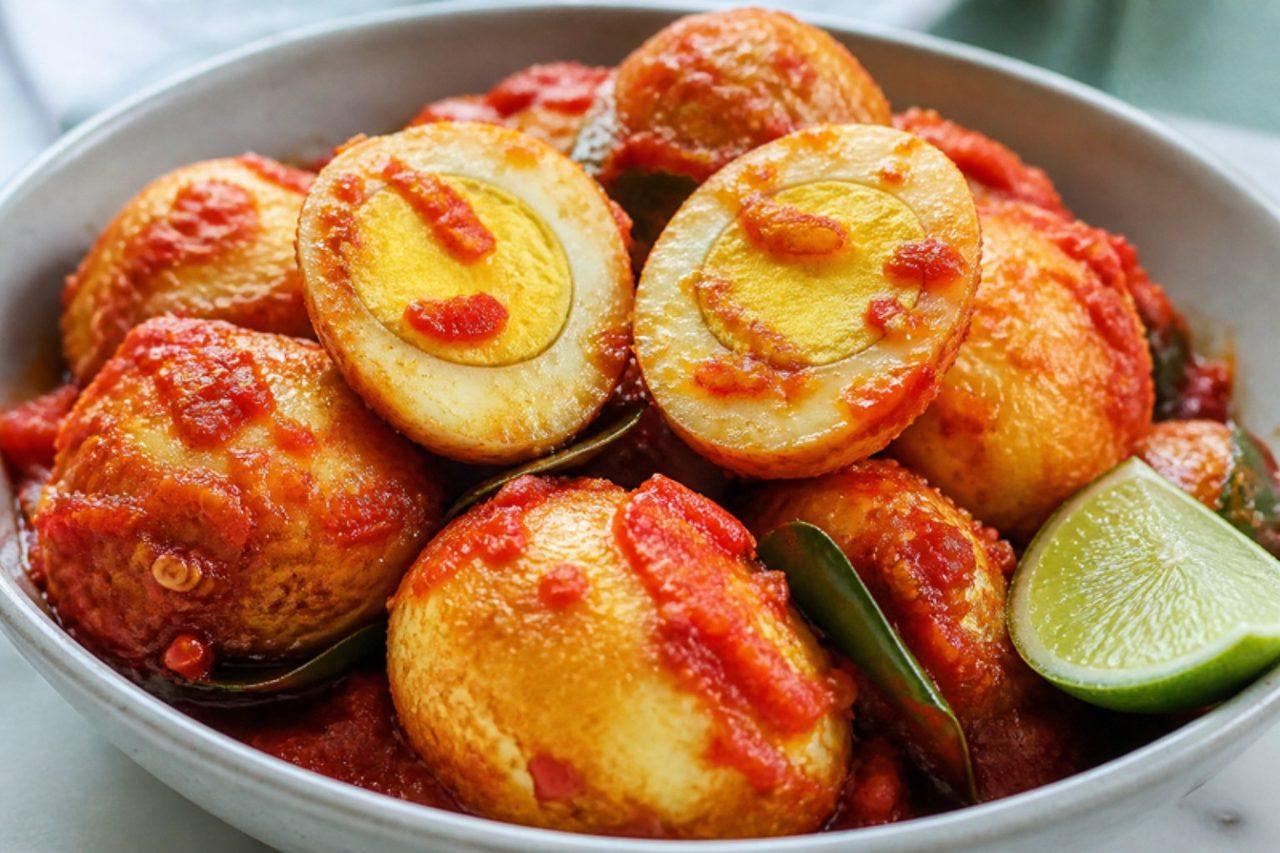
Telur balado is a fixture of the nasi Padang counter and of West Sumatran home cooking: hard-boiled eggs fried until their whites blister and turn golden, then smothered in balado, the coarse red sambal of chilli, shallot and tomato that the Minangkabau cook with almost everything. The fried skin of the eggs grips the sauce, and the sambal is bright and fresh rather than long-cooked. It's a cheap, quick weekday lunch with rice and greens, and it travels well in lunch boxes. Chef's tip: grind the balado coarse, not smooth — the Padang version should look rough and glossy, with visible flecks of chilli skin.

by KrazyBadal 0 views

Adas poloLentil rice with dates

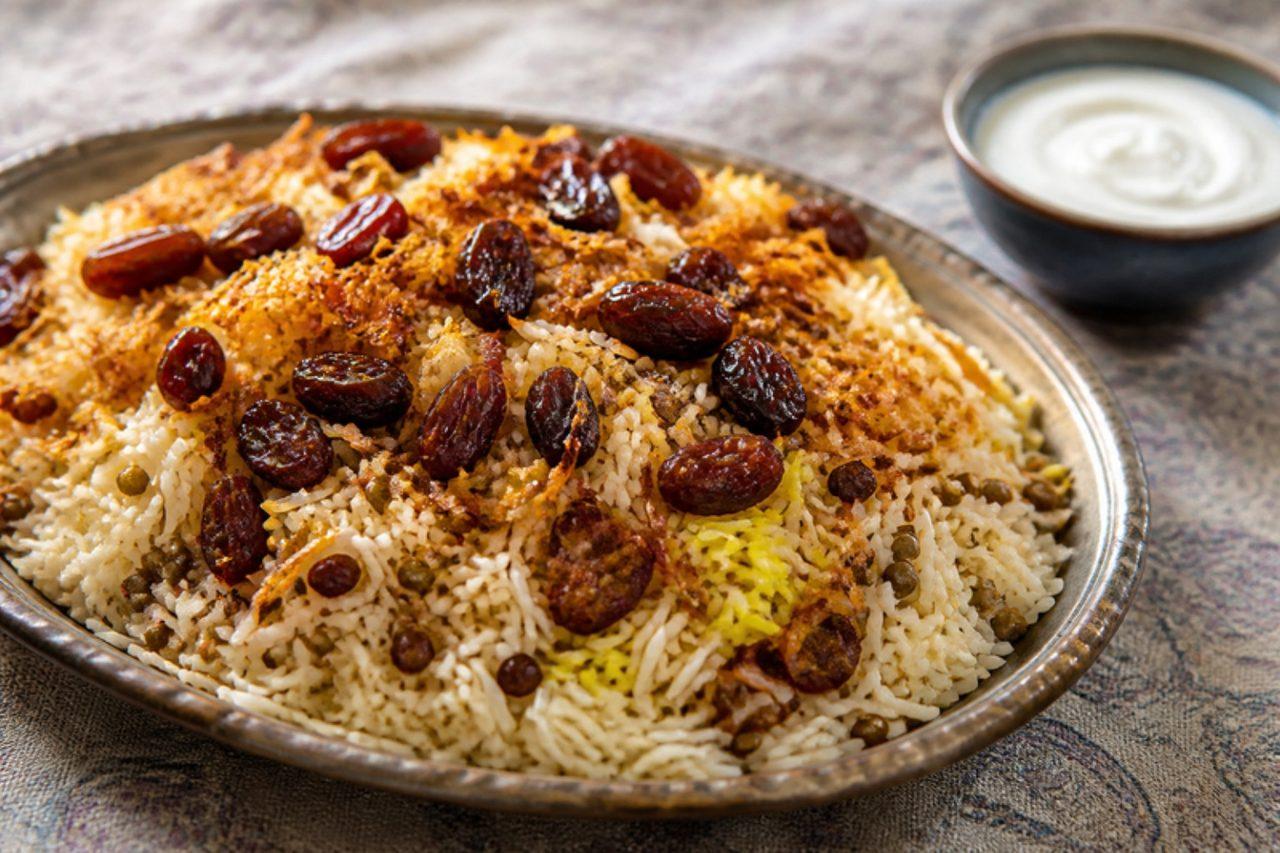
Adas polo is a homely Tehran weekday rice, also served at the Yalda winter-solstice gathering in December, when tables fill with dried fruit. Brown lentils and long-grain rice are layered and steamed together, then topped with dates and raisins warmed in butter with cinnamon, so every spoonful is savoury, earthy and lightly sweet. Unlike Levantine lentil-and-rice dishes, the rice keeps its long separate grains and gets a saffron crust underneath. Serve it with yogurt, a herb plate and salad shirazi for a complete meal. Chef's tip: cook the lentils separately until just tender but whole; they finish softening during the steam.

by KrazyBadal 0 views

TemblequeCoconut milk pudding

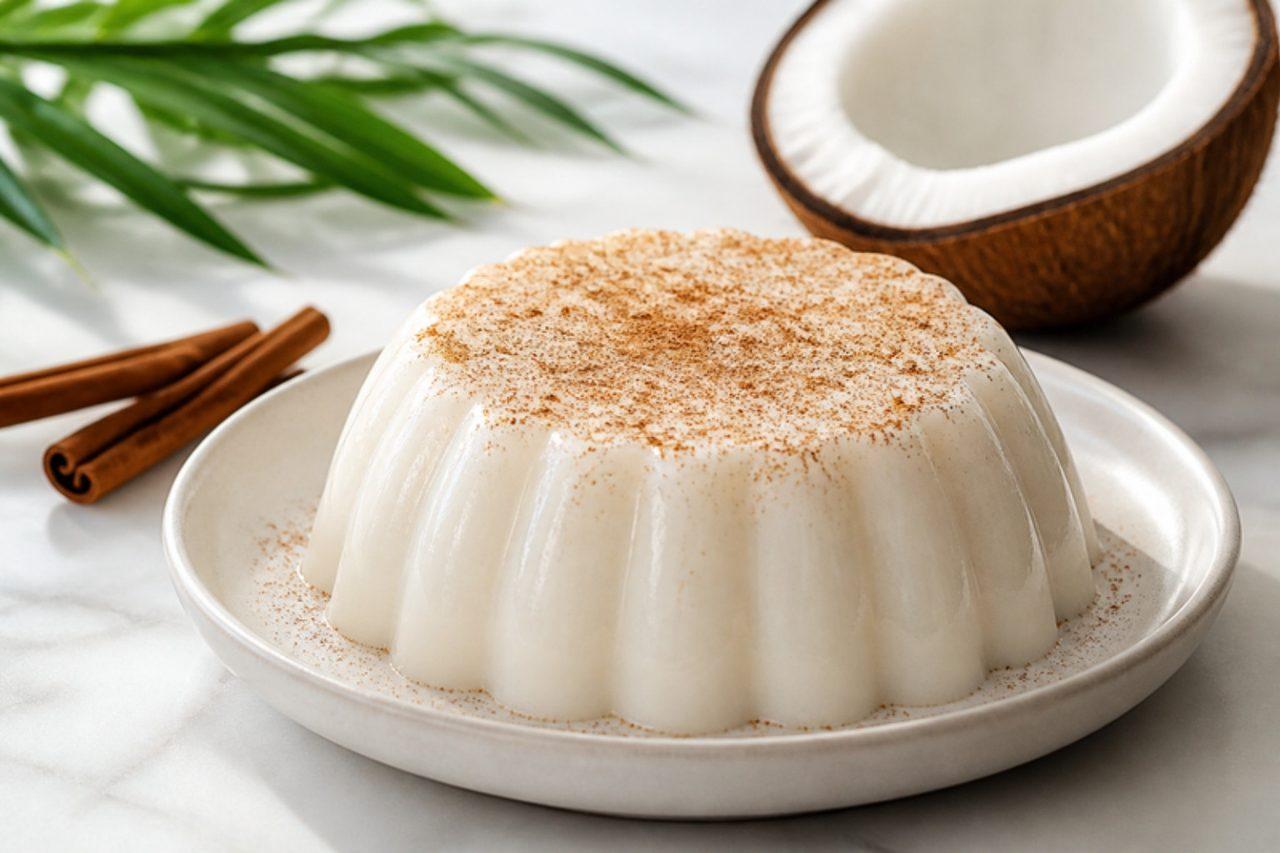
Tembleque gets its name from the way it shivers (tiembla) when you set it on the table, and in Puerto Rico it is the dessert of the Christmas season, from the parrandas of December through to the Three Kings in January. It's nothing more than coconut milk, sugar and cornflour cooked into a silky custard, poured into a mould and chilled until it holds its shape. It is cool, pure white, lightly sweet and tastes completely of coconut, with a blush of cinnamon on top. Chef's tip: use full-fat tinned coconut milk; light coconut milk sets thin and tastes watery.

by KrazyBadal 0 views

Tempe mendoanBattered fried tempeh

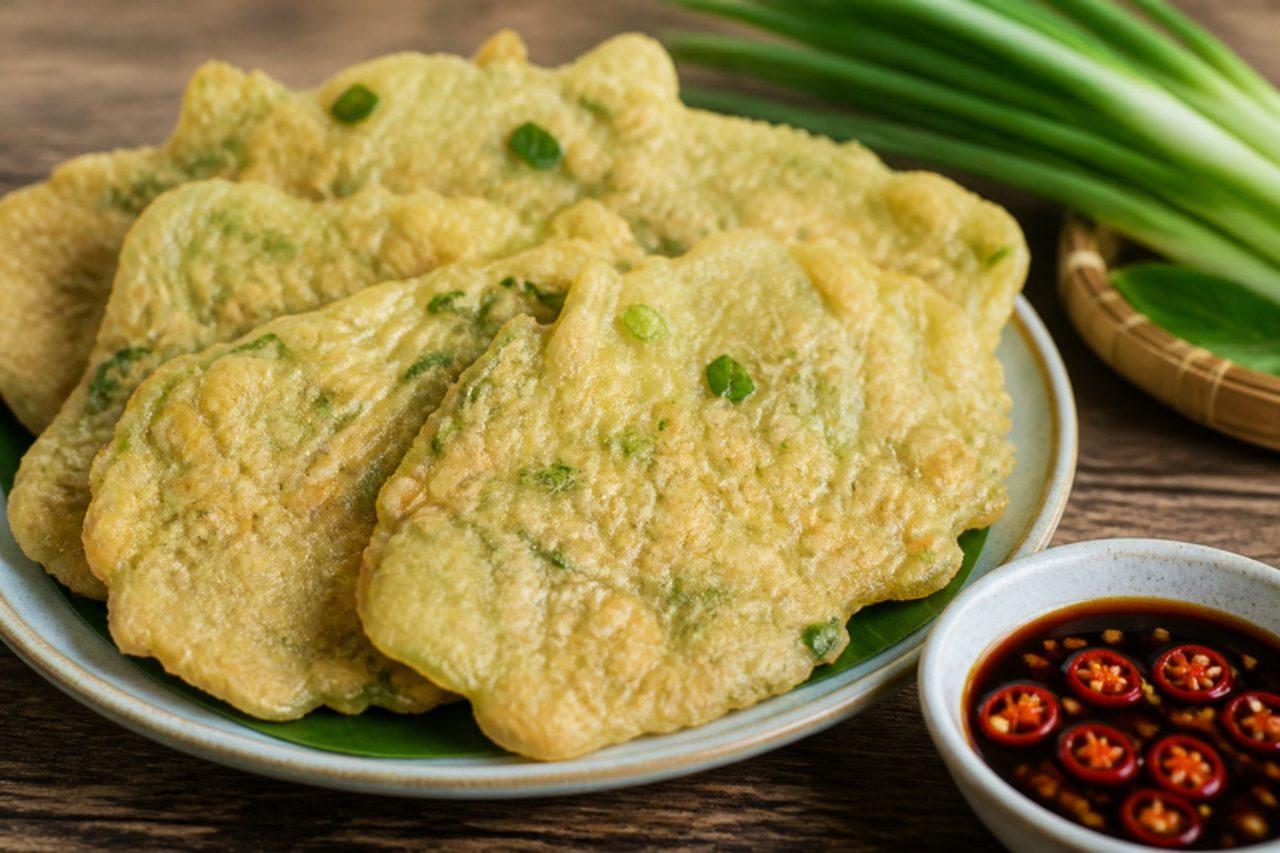
Mendoan comes from Banyumas in Central Java, and in Purwokerto it's sold by the stack at every roadside stall, eaten warm with a raw bird's eye chilli bitten between mouthfuls or dunked in sweet soy. The name comes from the Banyumas word mendo, meaning half-cooked: the batter is deliberately fried only until set and pale, so it stays soft and bendy rather than crisp. Make it with thin, wide tempeh slices so each one is mostly batter and herbs. Chef's tip: fry for barely a minute a side in very hot oil and pull the slices out while they're still pale gold and floppy — that limp, tender texture is the whole point.

by KrazyBadal 0 views

Tempe orekSweet crisp tempeh

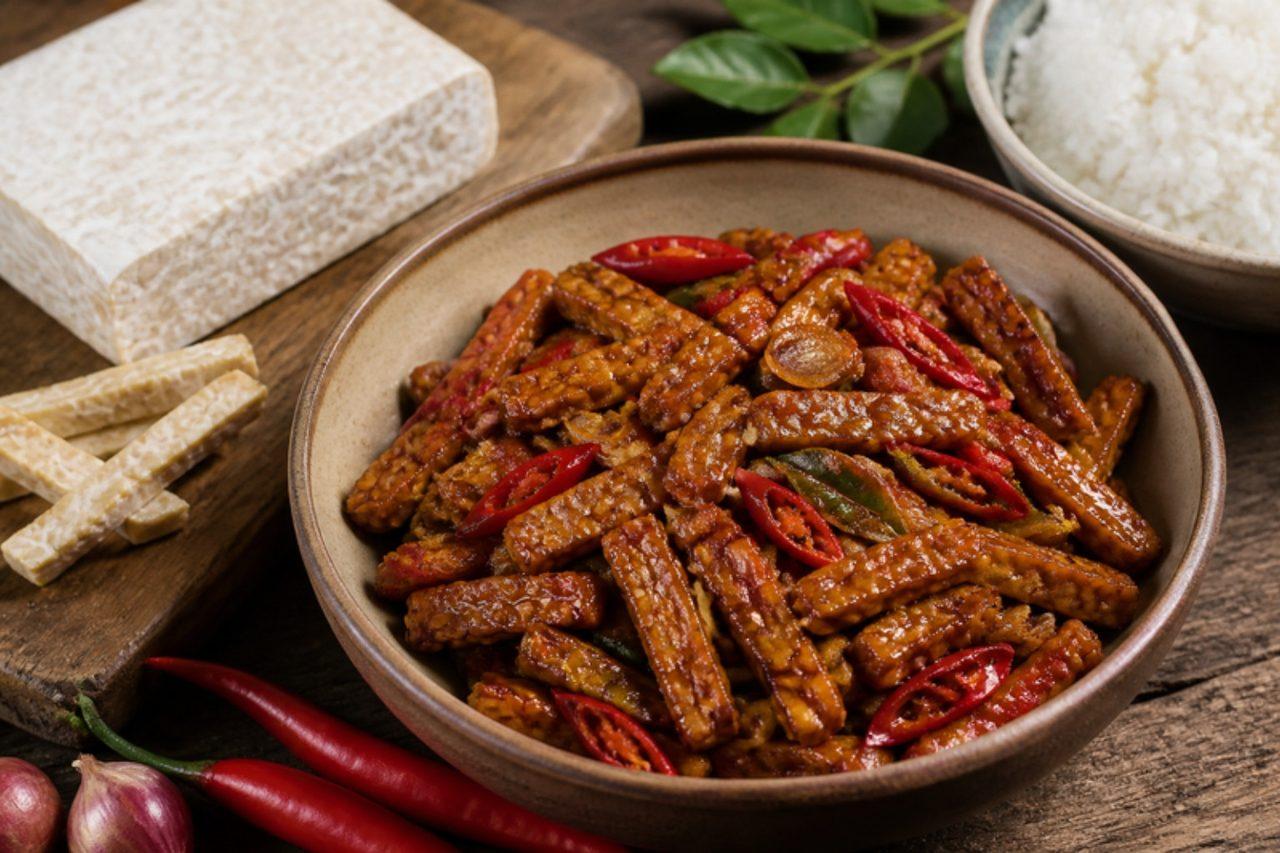
Across Java, tempe orek is the side dish every household keeps in a tub: crisp sticks of tempeh fried and then tossed in a sweet-salty glaze of kecap manis, palm sugar, garlic and chilli. It goes into lunch boxes with plain rice, onto nasi campur plates, and lasts several days without losing its chew, which is why student boarding houses and office canteens rely on it. Some cooks add peanuts or green beans; this version stays classic. Chef's tip: fry the tempeh sticks properly crisp before glazing and keep the glaze to a thick syrup, so the tempeh stays crunchy rather than going soft.

by KrazyBadal 0 views

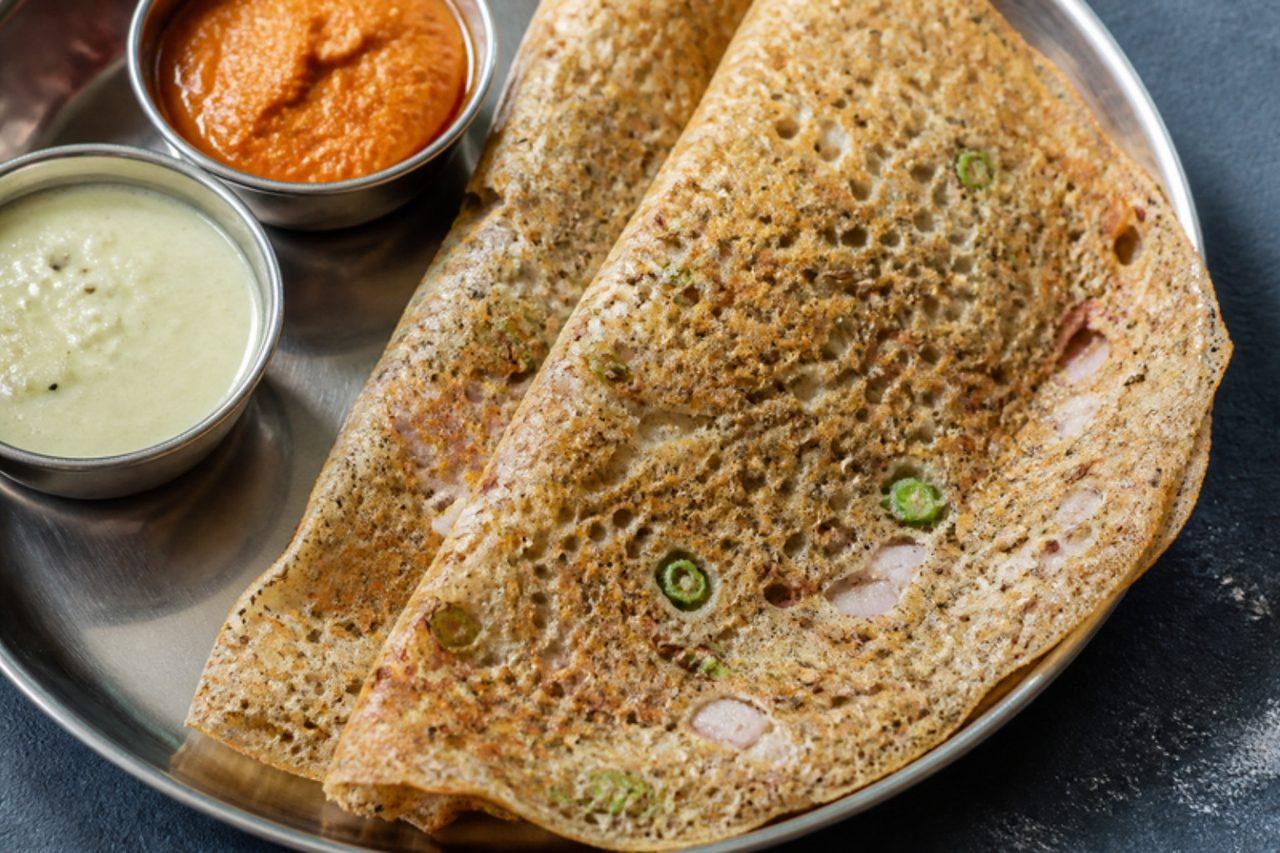
AdaiRice and lentil pancakes

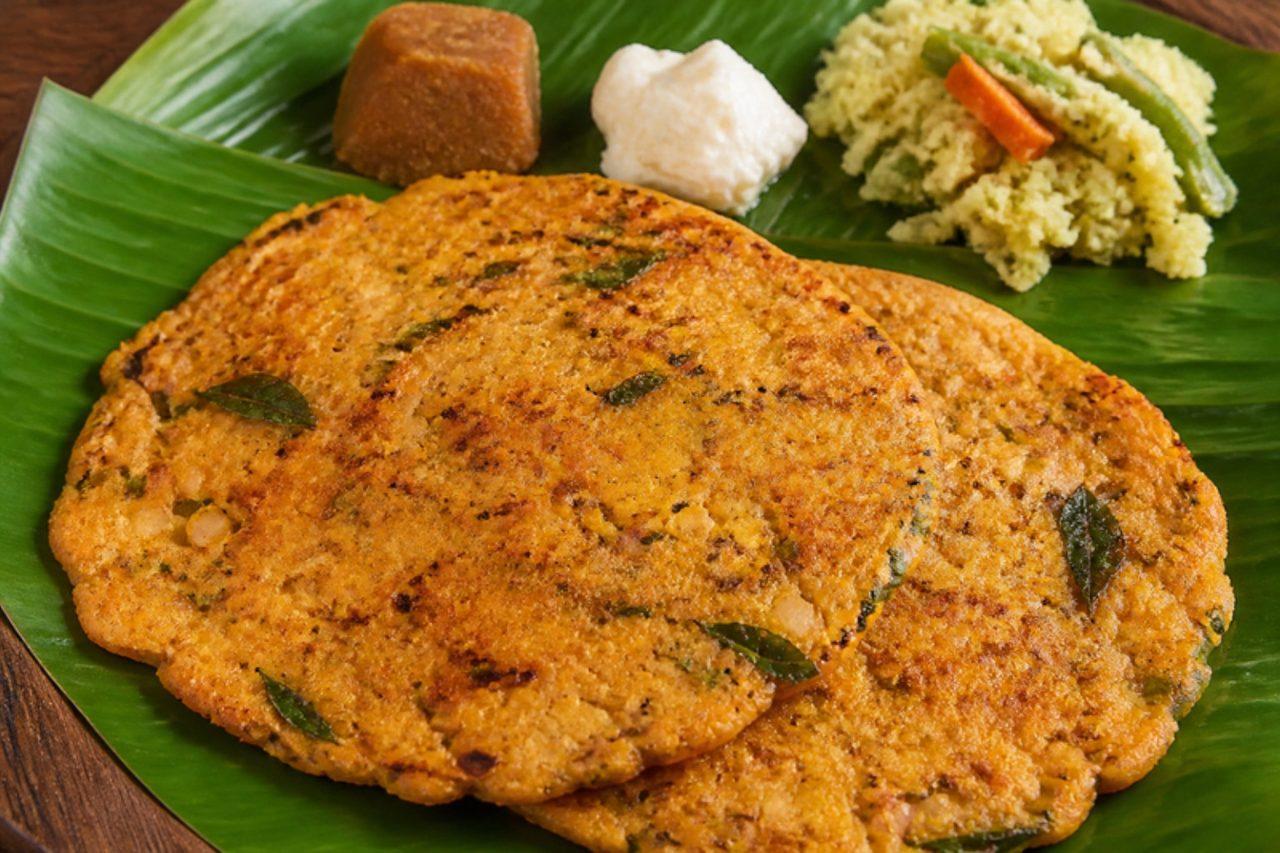
Adai is the hearty cousin of the dosa, made in Tamil homes for a weekend breakfast or an early dinner, and in Tamil Brahmin families traditionally served with avial and a lump of jaggery and white butter. Rice and a mix of toor, chana, urad and moong dal are soaked and ground coarsely with red chillies, ginger and hing, so the batter needs no fermenting at all. The pancakes are thicker than dosa, crunchy at the edges and soft and gritty in the middle, with a deep, spicy, lentil flavour and plenty of protein. Chef's tip: grind the batter like coarse semolina, not silky; that texture is what gives adai its crisp, lacy rim.

by KrazyBadal 0 views

TequeñosFried cheese sticks

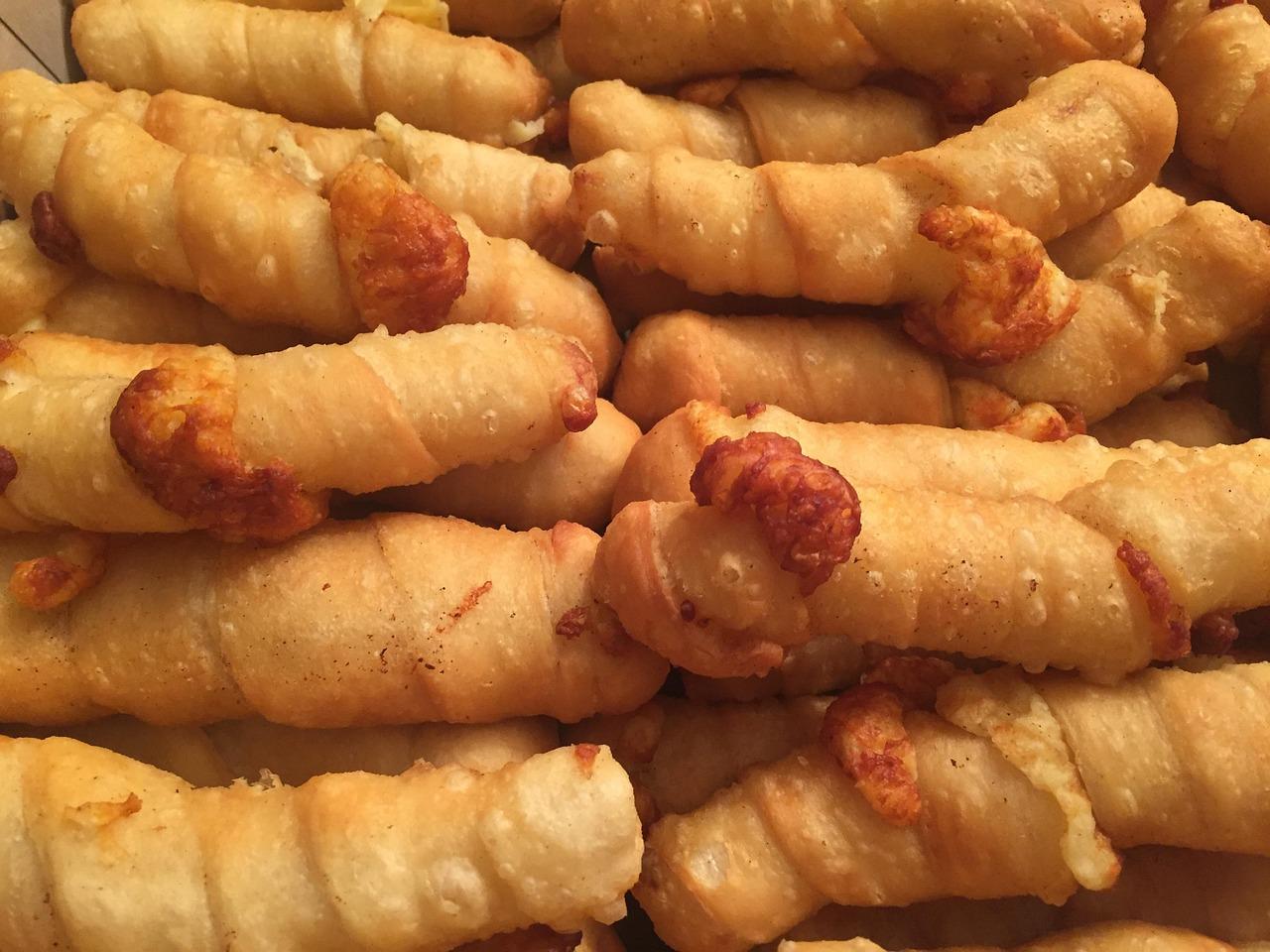
Tequeños are said to come from Los Teques, the town in the hills outside Caracas, and they are the party food of Venezuela: no birthday, wedding or office celebration is without a tray of these crisp pastry fingers wrapped around salty white cheese. The dough is spiralled around the cheese, then fried so the pastry is crunchy and the cheese just starts to melt. Serve with guasacaca (avocado sauce) or a sweet chilli dip. Use a cheese made with vegetarian rennet. Chef's tip: overlap each spiral of dough slightly and seal the ends well, or the cheese escapes into the oil.

by KrazyBadal 0 views

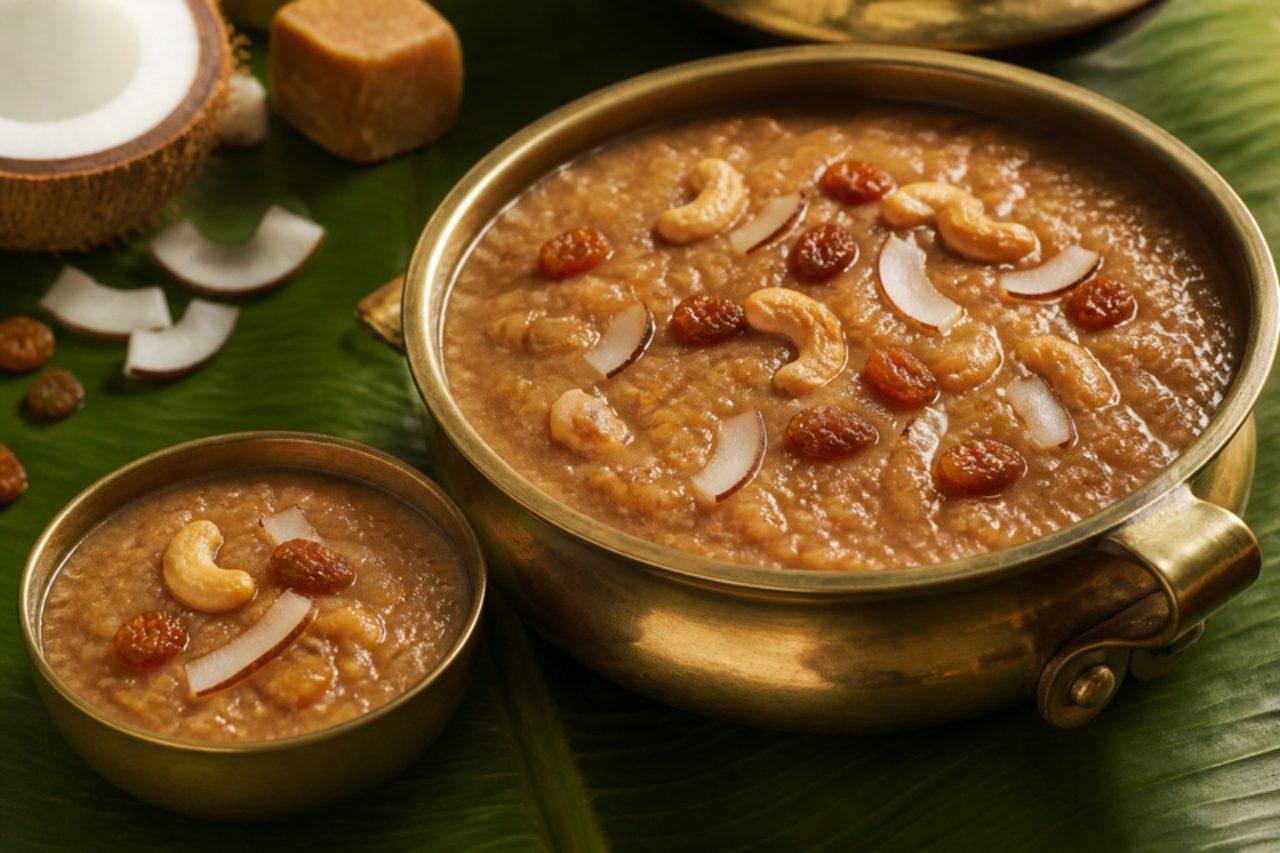
Ada pradhamanRice flake pudding with coconut milk

Ada pradhaman is the king of payasams on the Onam sadya across Kerala, served last on the banana leaf, sometimes with a crushed pappadam stirred in. Small flakes of rice ada are cooked soft, glazed in ghee and jaggery syrup, then simmered in thin coconut milk and finished with thick first-press milk, cardamom and a pinch of dried ginger. It is deep caramel-brown, silky and chewy at once. Serve warm in small bowls, or slightly chilled the next day. Chef's tip: rinse the cooked ada under cold water straight away; it stops the flakes sticking into a lump.

by KrazyBadal 0 views

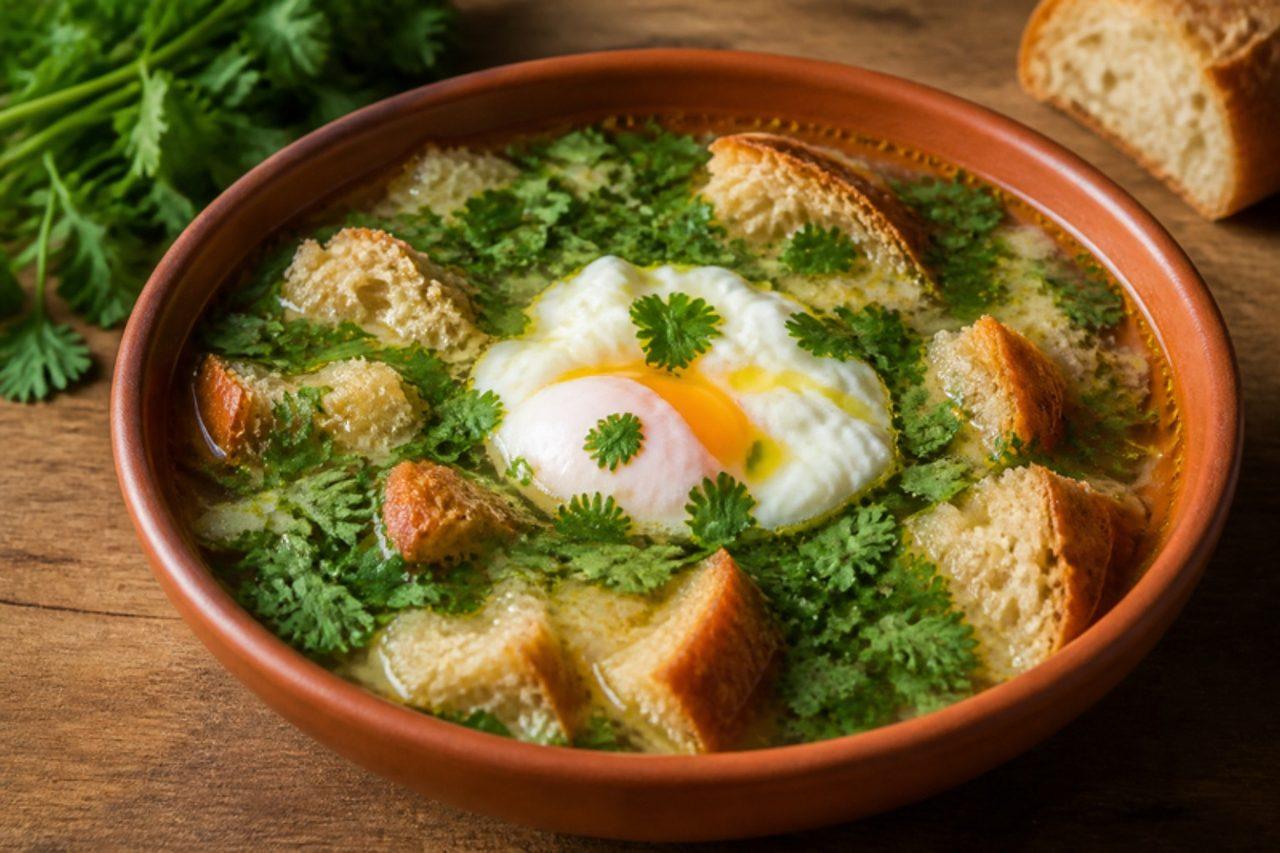
Açorda alentejanaGarlic and coriander bread soup

Açorda à alentejana is the shepherd's supper of the Alentejo, the wide, hot plain of cork oaks and wheat fields south of Lisbon. It is barely cooked at all: raw garlic, salt and a big handful of fresh coriander are pounded to a paste in the bowl, sliced day-old bread goes on top, and boiling water poured over turns it all into a fragrant, green broth, crowned with a soft poached egg. Unlike Spain's sopa de ajo, nothing is fried and there is no paprika; the flavour is fresh herbs, sharp garlic and fruity olive oil. Alentejanos eat it at home in summer and winter alike, and in Évora's tascas in the evening, sometimes with a few olives or a slice of fresh cheese. Chef's tip: use firm, dense, two-day-old country bread; soft sandwich bread collapses into mush the moment the water hits it.

by KrazyBadal 0 views

ThiakryMillet couscous with sweet yogurt

Thiakry, called dégué in Mali and Burkina Faso, is the creamy dessert of Senegalese weddings, naming ceremonies and Tabaski: pellets of steamed millet stirred into sweetened yoghurt and soft fromage frais, scented with vanilla and nutmeg and served cold. Ready-made millet granules (arraw or sankhal) are sold in African grocers, which makes it a 15-minute job. Raisins and a little coconut are common in Dakar. Chef's tip: steam or soak the millet fully before it meets the yoghurt; undercooked grains stay hard and gritty in the cold.

by KrazyBadal 0 views

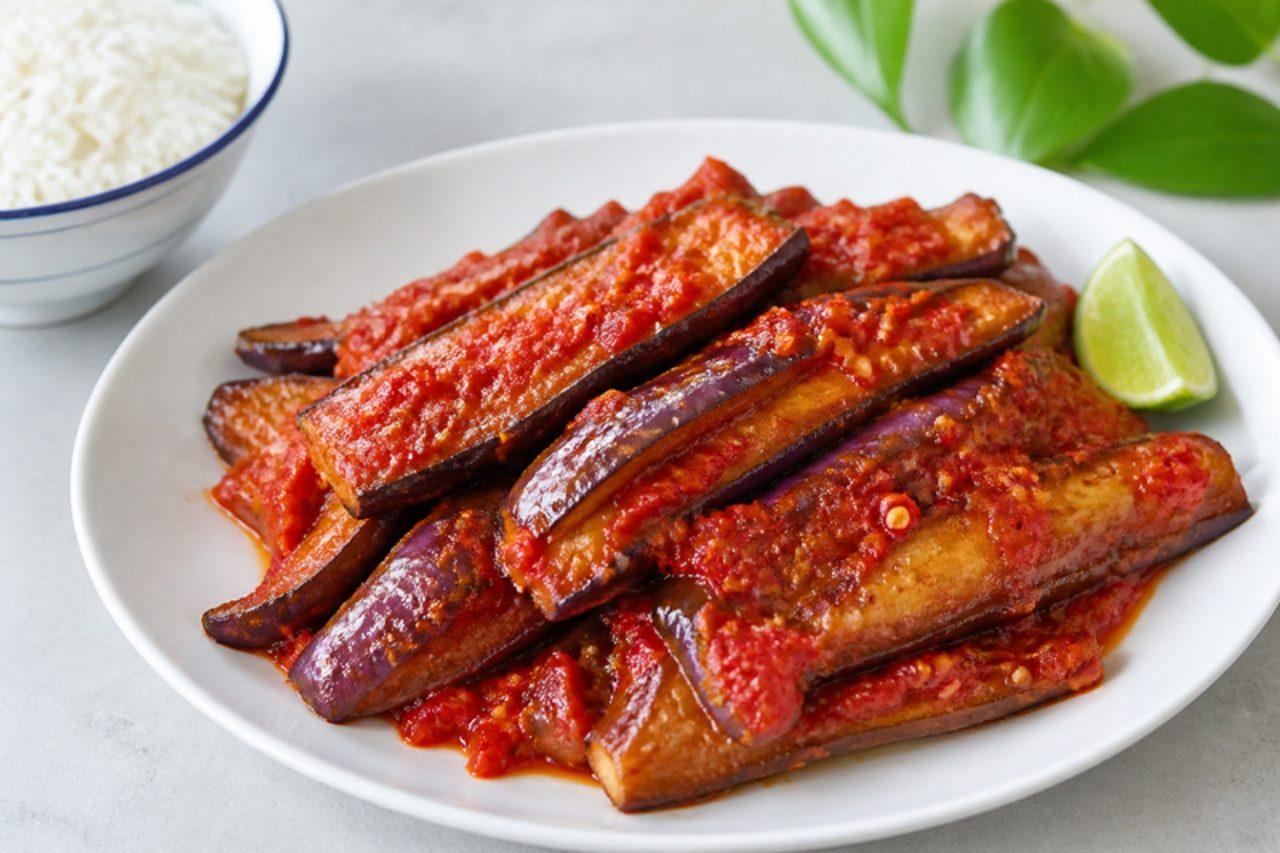
Terong baladoFried aubergine in chilli sambal

Balado is the Minangkabau way of smothering fried food in a coarse, shiny red chilli sambal, and in West Sumatra the aubergine version is a daily home dish as much as a restaurant one. The aubergine is fried until soft and creamy inside, then folded into a sambal of red chillies, shallots and tomato cooked down until sweet. Serve it at room temperature with rice and fried tofu. Chef's tip: grind the chillies coarsely rather than to a purée; Padang cooks want flecks of skin and seed in a balado.

by KrazyBadal 0 views

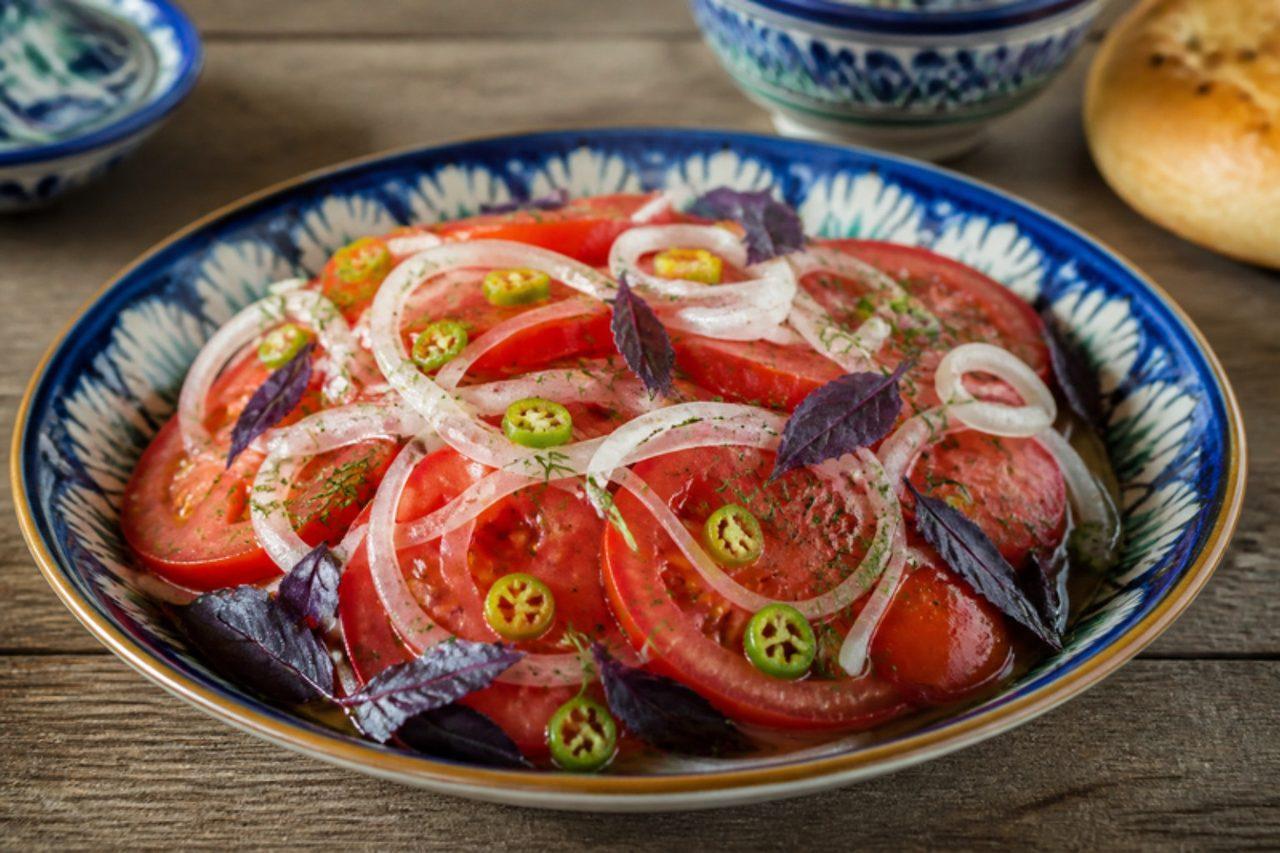
AchichukTomato and onion salad

Achichuk, which means 'sharp' in Uzbek, is the thin-sliced tomato and onion salad that sits beside every platter of plov from Bukhara to the Ferghana Valley. In summer Tashkent markets overflow with heavy, sweet tomatoes and this salad is little more than those tomatoes, rings of mild onion, a hot green chilli, salt and black pepper, with a fistful of basil (reyhan) or dill. Some families call it shakarob. It is meant to cut through the richness of rice cooked in oil, so it has no dressing beyond the juice the tomatoes give. Chef's tip: soak the onion in salted iced water for 10 minutes; it loses its harsh bite but stays crunchy, which is how Uzbek cooks get the onion so gentle.

by KrazyBadal 0 views

XawaashSomali spice blend

Xawaash (pronounced 'ha-wash') is the spice mix every Somali kitchen keeps in a jar, used in rice, soups, stews, sambuusa fillings and even tea. Families toast and grind their own, often in quantity before Ramadan, and the balance of warm cumin, earthy coriander and sweet cardamom and cinnamon varies from house to house. It is different from Yemeni hawaij and Ethiopian berbere: there is no chilli in it. Chef's tip: toast each spice only until it darkens a shade and smells warm; burnt cumin turns the whole jar bitter.

by KrazyBadal 0 views

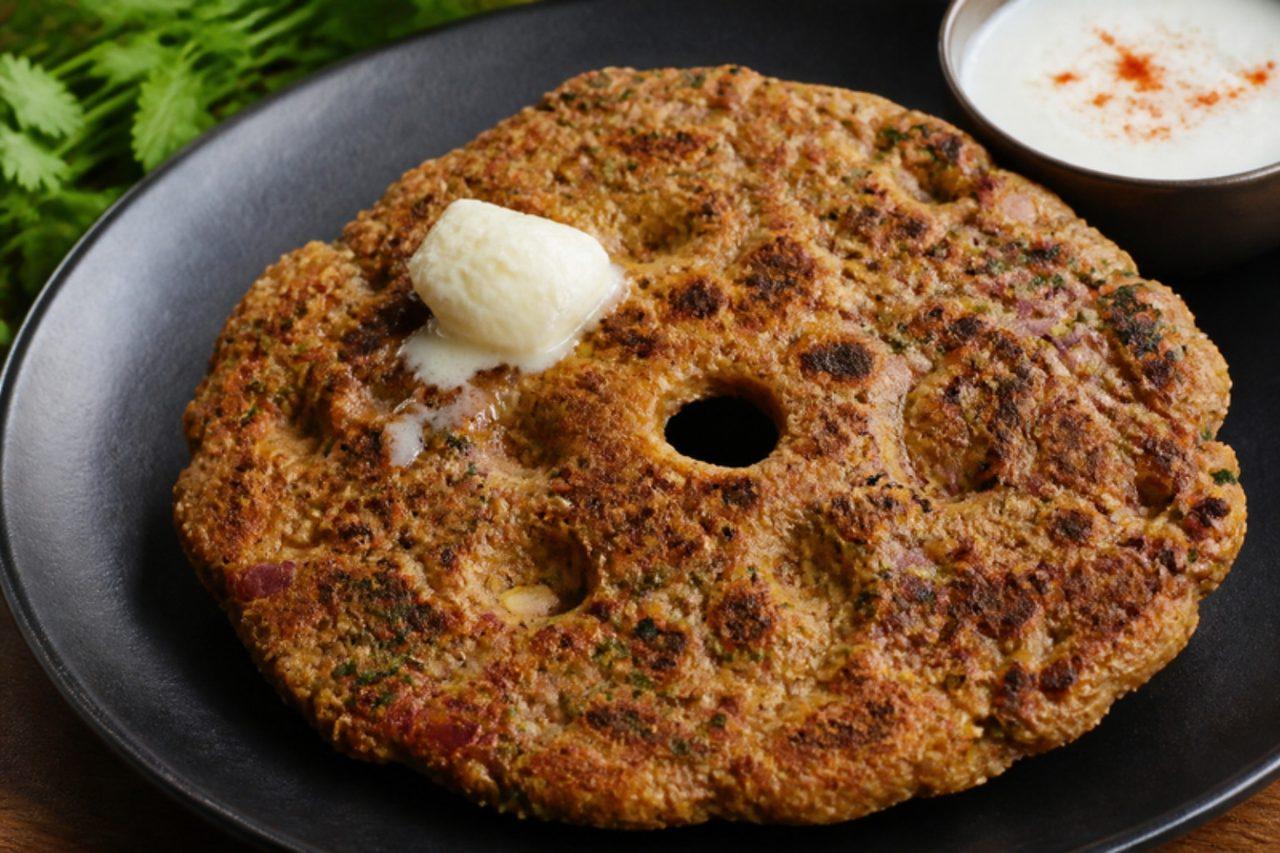
ThalipeethMultigrain flatbread

Thalipeeth is a rustic Maharashtrian flatbread made from bhajani, a flour of roasted grains and lentils. The dough is soft and sticky with onion, green chilli and coriander, and is patted out by hand straight onto the pan, with holes poked in it so the oil can crisp it from both sides. It comes off the tawa crunchy at the edges and soft in the middle, smoky with cumin and coriander seed. Eat it hot for breakfast with thick yogurt, white butter or a garlic and peanut chutney, or with lemon pickle. Chef's tip: pat the dough out on a damp cloth or wet baking paper and flip it straight onto the pan; it's too soft to roll, and wet hands keep it from sticking.

by KrazyBadal 0 views

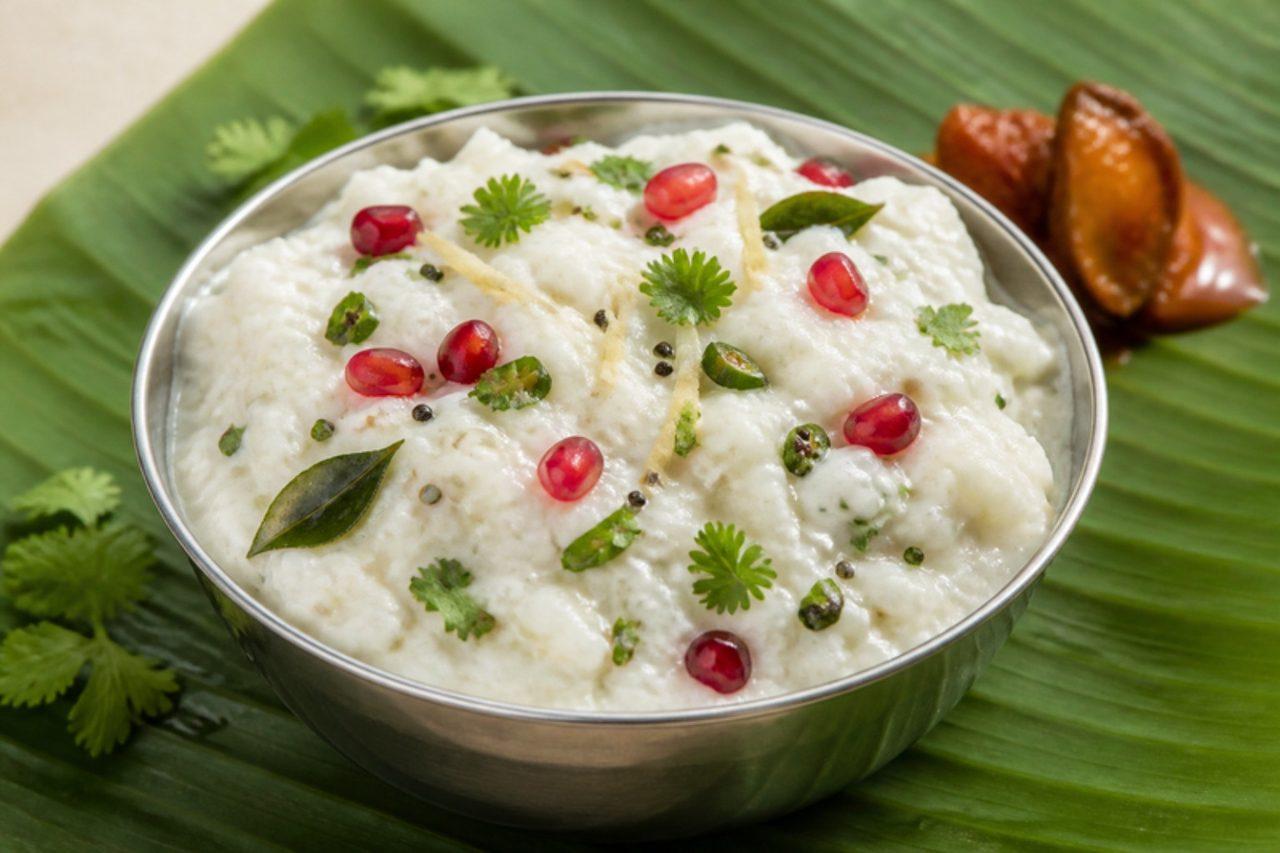
Thayir sadamCurd rice

No Tamil meal is really finished without thayir sadam. It's the last course on a banana-leaf lunch, the comfort food packed for train journeys and school tiffins, and the prasadam handed out in some Tamil Nadu temples. Soft, mashed rice is mixed with cool yogurt and a splash of milk, seasoned with ginger, green chilli and curry leaves popped in hot oil, then dotted with pomegranate, grated carrot or green grapes. It's eaten slightly cool with a spoonful of pickle or a fried vathal on the side. Chef's tip: mix a little milk in with the yogurt; it keeps the rice creamy and stops it turning sour if you pack it for lunch several hours ahead.

by KrazyBadal 0 views

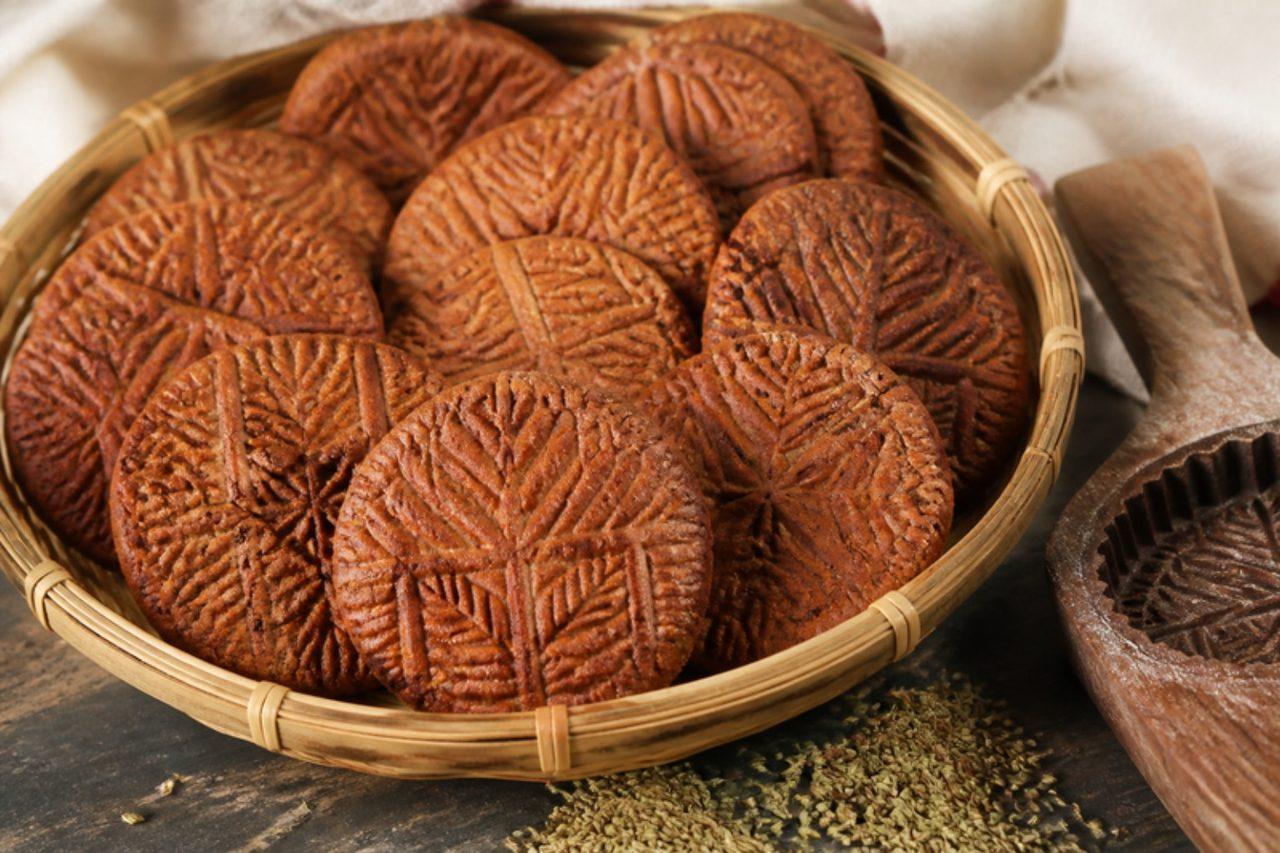
ThekuaWheat and jaggery cookies

During Chhath Puja, when families across Bihar stand in rivers and ponds to make offerings to the setting and rising sun, thekua fill the bamboo baskets carried to the ghats. Women make them at home in the days before, pressing jaggery-sweetened wheat dough into carved wooden moulds (sancha) and frying them in ghee until dark and crunchy. Outside the festival they are the snack Bihari students take back to hostels in the city, because they keep for weeks. Chef's tip: the dough must be stiff, and the frying slow; soft dough loses the pattern and hot oil leaves them pale and soft inside.

by KrazyBadal 0 views

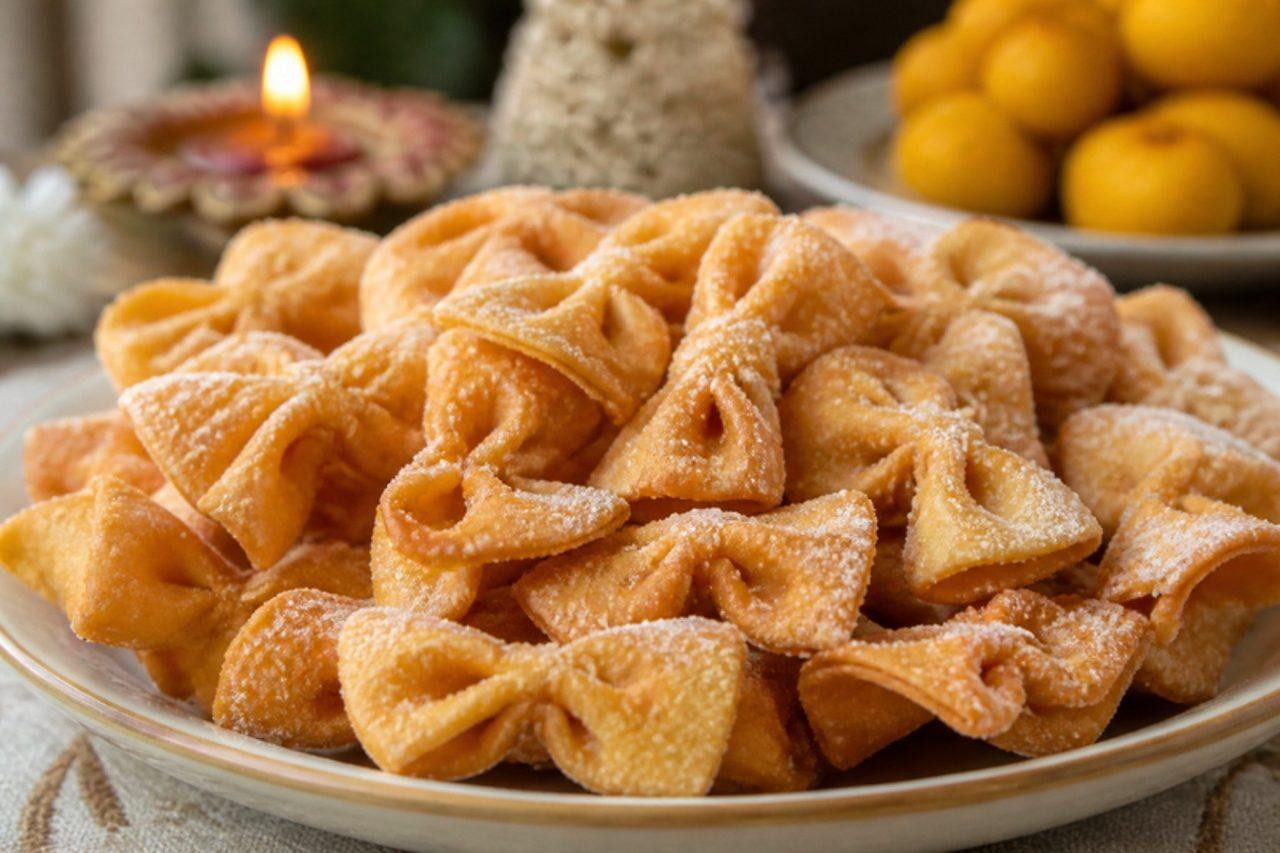
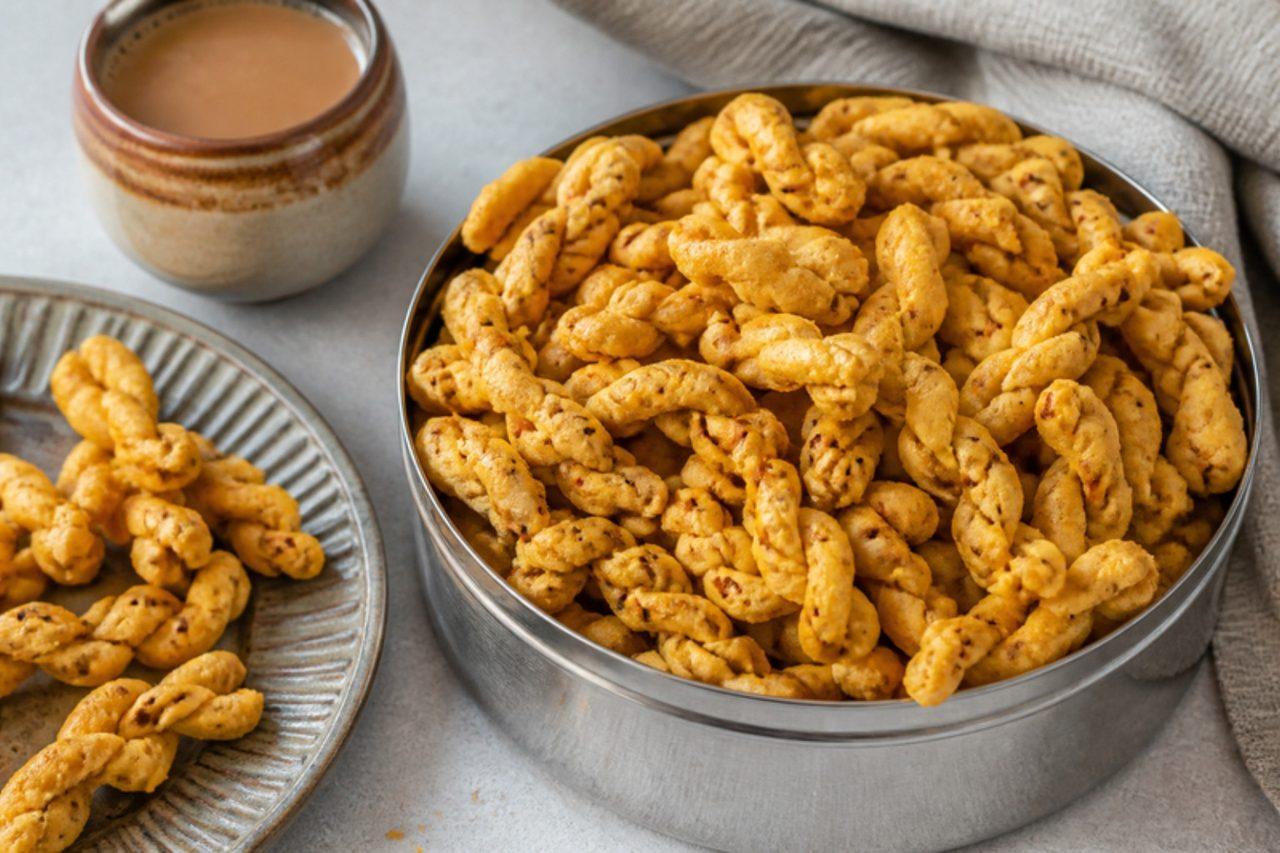
ThethriGram flour twists

No Teeja in Chhattisgarh passes without a tin of thethri: knotted and twisted pieces of gram-flour dough, seasoned with ajwain and chilli and fried slowly until they shatter when you bite. Married daughters coming home for the festival are sent back with them, alongside the sweet khurmi, and they keep for weeks. Each family has its favourite shape, from simple knots to little spirals and braided rings. Chef's tip: fry on a medium-low flame and be patient; thethri fried hot puff up and brown outside but stay soft and chewy inside.

by KrazyBadal 0 views

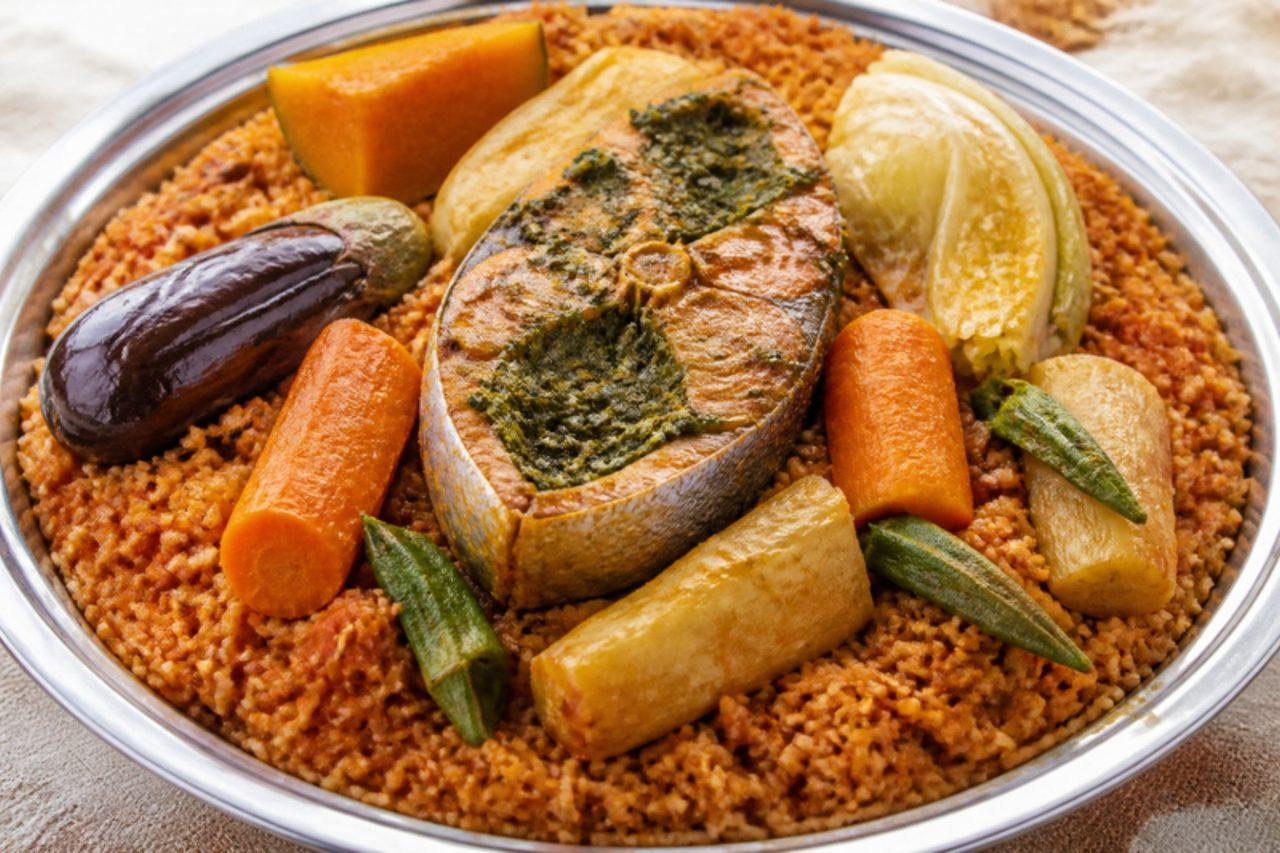
ThieboudienneFish and rice in tomato broth

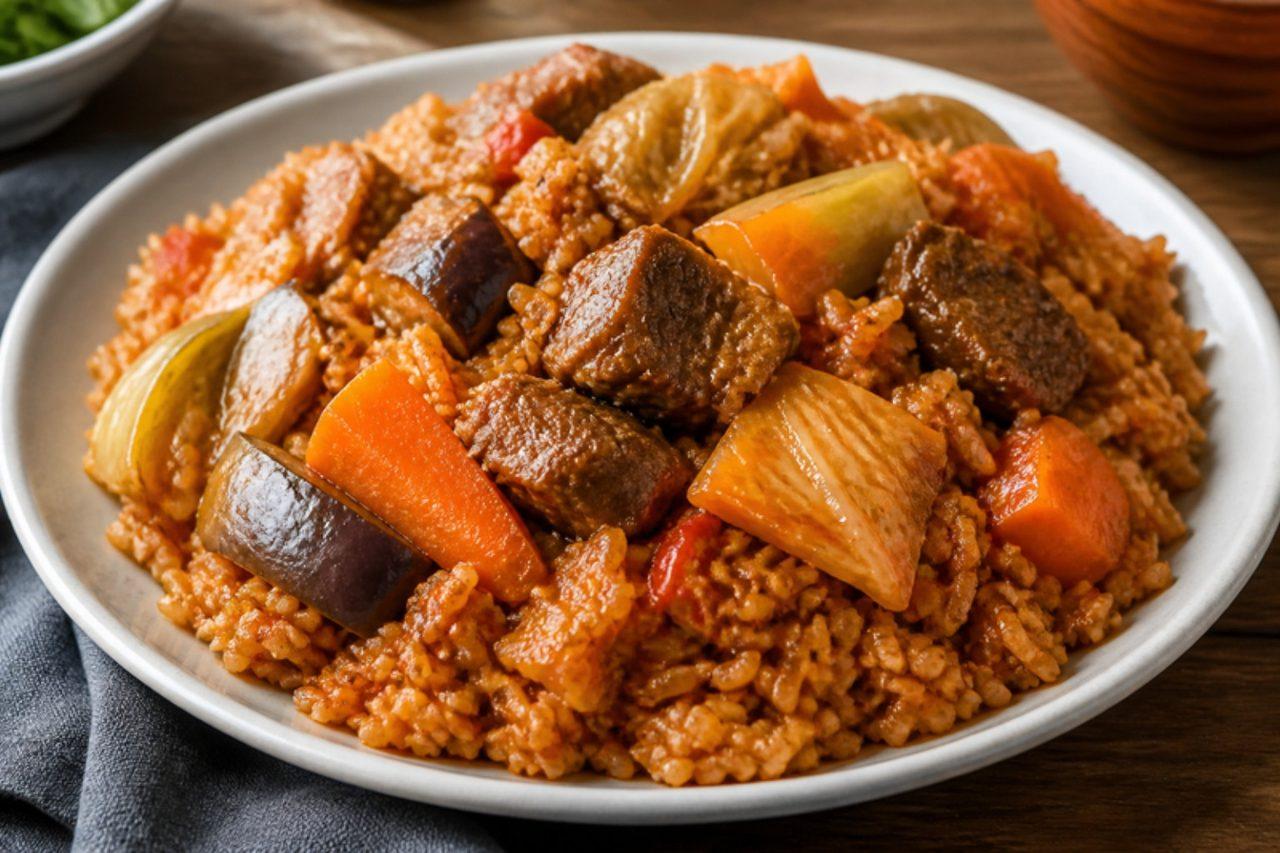
Ceebu jën, "rice and fish" in Wolof, is the dish Saint-Louis claims as its own and the whole of Senegal cooks for the big Friday or Sunday lunch, served on one wide platter that the family eats from together. Thick fish steaks are stuffed with a green paste of parsley, garlic and chilli, browned, then simmered in a deep tomato broth with whole cassava, carrot, cabbage and aubergine; the broken rice then soaks up that same broth until it turns orange and fragrant. The prized part is the xoon, the crust that forms at the bottom of the pot, which is shared out at the end. The usual mistake is leaving the fish in the pot while the rice cooks, so it falls apart; lift it out with the vegetables and keep it warm. Chef's tip: rinse the broken rice three times and steam it briefly before it goes into the broth, so the grains stay separate instead of turning to porridge.

by KrazyBadal 0 views

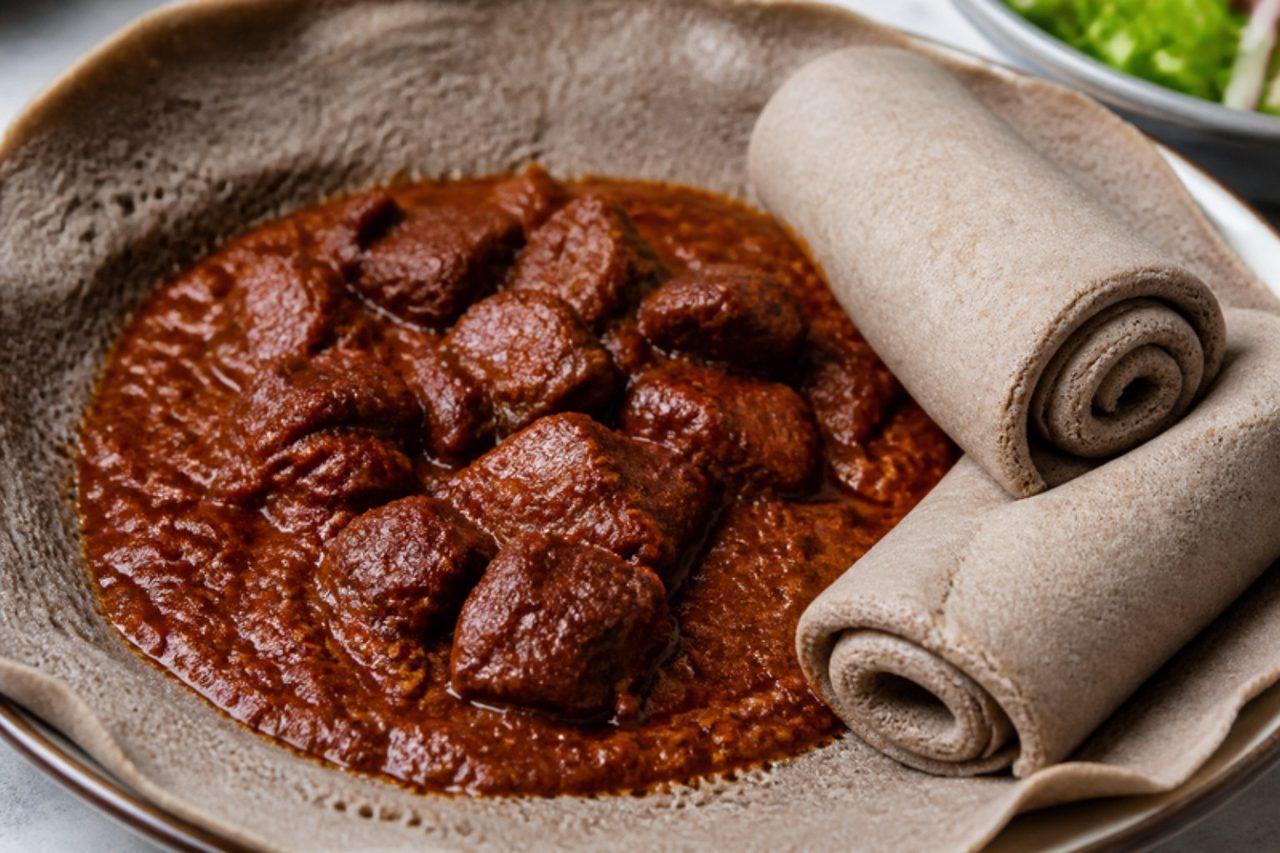
ZigniSpicy beef stew

Zigni is the signature stew of Asmara and the Eritrean highlands, served on a wide platter of injera at weddings, Sunday lunches and the end of fasts. Red onions are cooked slowly in a dry pot until they collapse, then berbere, garlic, ginger and tomato go in, followed by beef that simmers until tender in a deep red, peppery sauce finished with spiced butter (tesmi). The mistake is rushing the onions: they must cook down for a good 20 minutes to give the sauce its sweet base. Chef's tip: the onions start in a dry pan with no oil, the traditional way; stir them often and add a splash of water if they catch.

120 minEritreanMeatGluten freeSpicy
by KrazyBadal 0 views

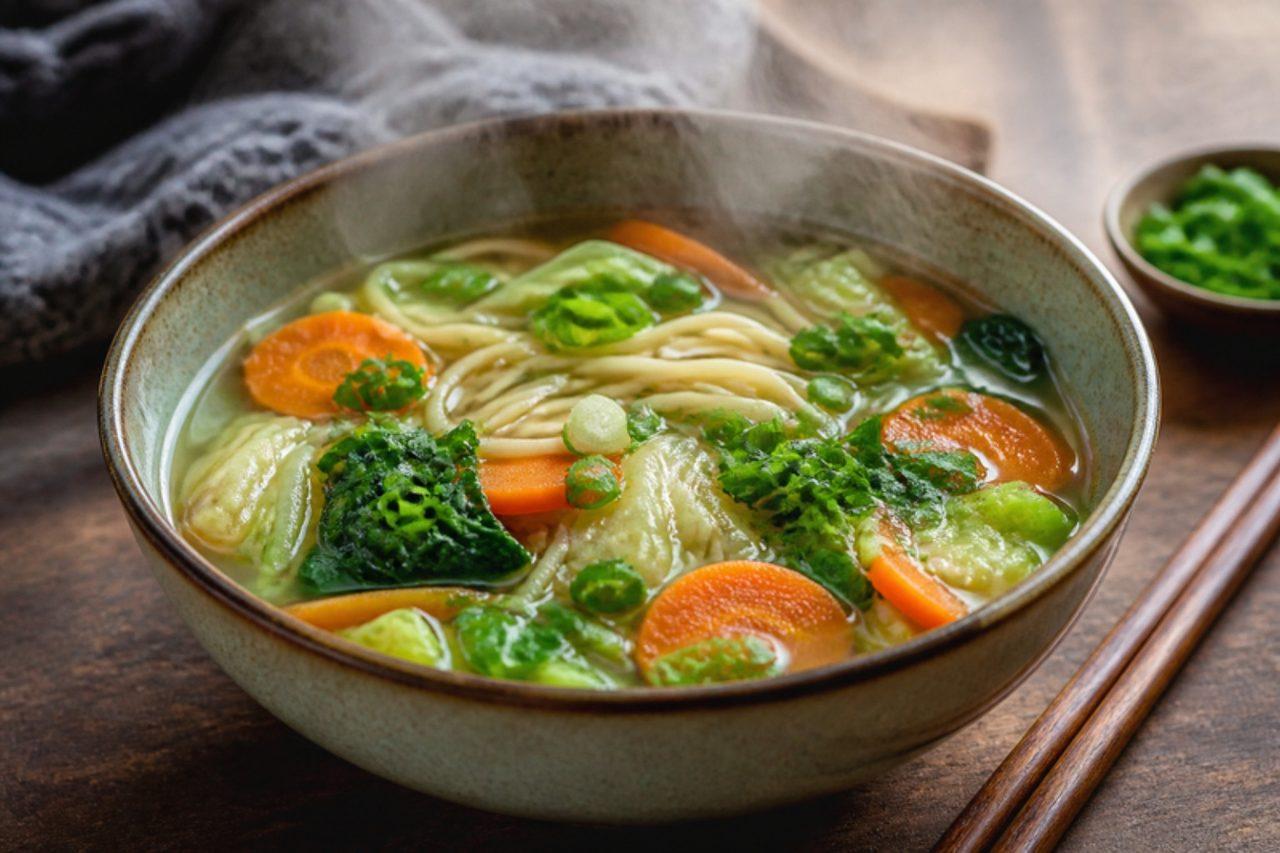
ThukpaHimalayan noodle soup

Thukpa is the warming noodle soup of the Himalayas, eaten in Sikkim, Ladakh and the Tibetan settlements of the hills on cold evenings. A gingery, garlicky broth is cooked with carrot, cabbage and tomato, then wheat noodles and spinach go straight into the pot. It's light yet filling, savoury with soy and pepper and as spicy as you like with chilli on the side. Serve in deep bowls with a squeeze of lemon. Chef's tip: cook the noodles in the soup only just before serving; left standing, they keep drinking up the broth and turn soft.

by KrazyBadal 0 views

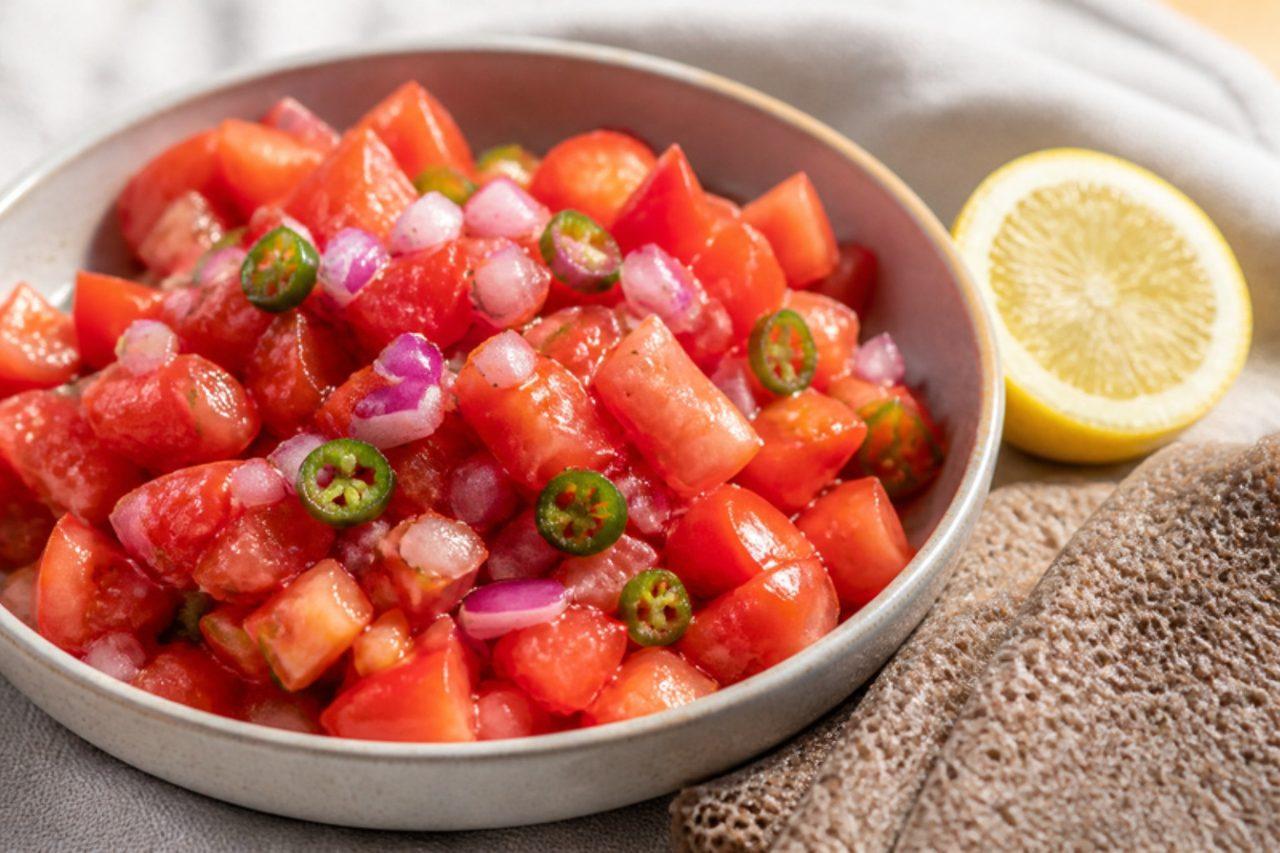
Timatim salataTomato and onion salad

Timatim salata is the cool, crunchy salad served alongside the stews of an Ethiopian meal, from roadside restaurants in Tigray to home tables in Addis Ababa. Ripe tomatoes, red onion and green chilli are dressed with lemon juice and oil, and the salad is left to stand so the juices mingle; mixed with torn injera it becomes timatim fitfit. Chef's tip: salt the tomatoes only a few minutes before serving, or they release so much liquid the salad turns soupy.

by KrazyBadal 0 views

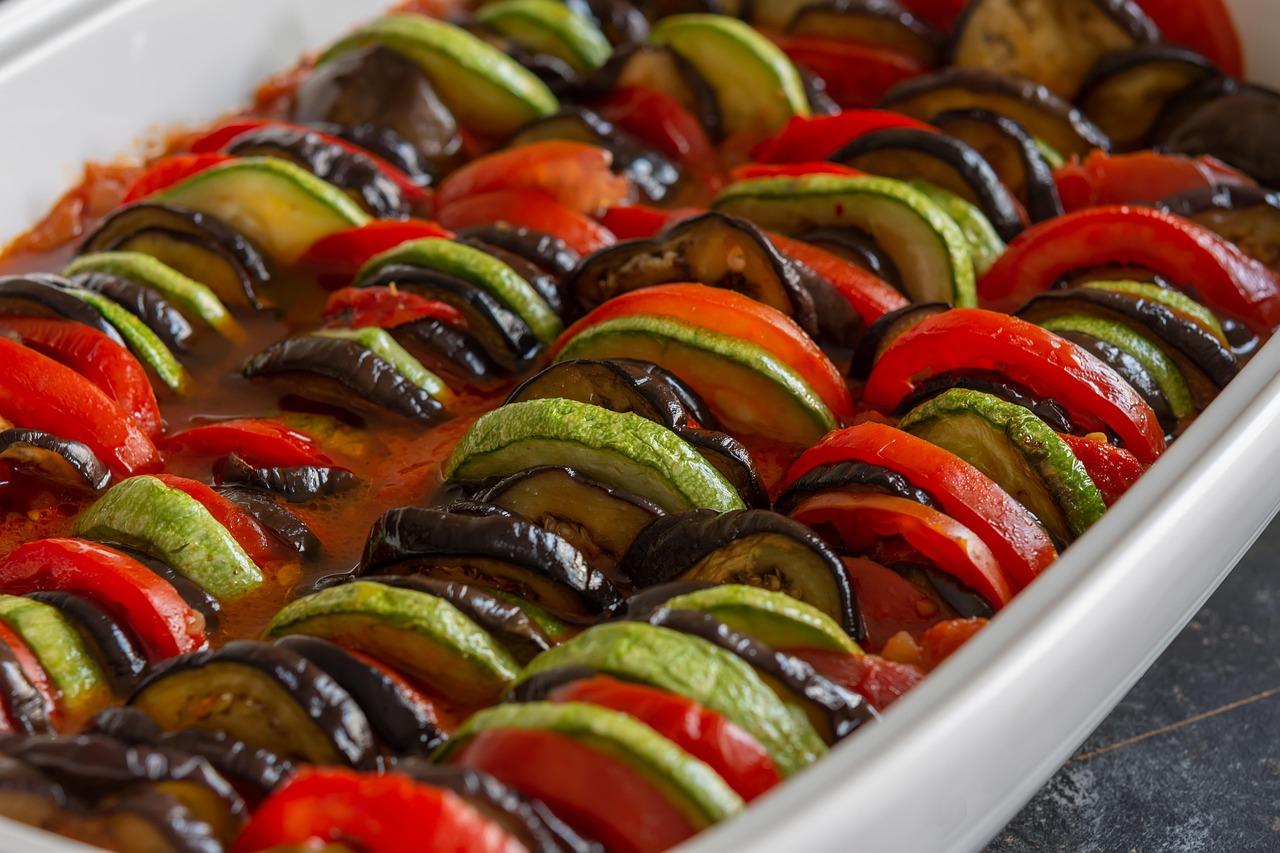
Tian provençalBaked layered summer vegetables

A tian is named after the shallow earthenware dish Provençal cooks use to bake vegetables, and the most famous version lines up thin slices of courgette, aubergine, tomato and onion in tight rows like roof tiles. In Provence it's a Sunday side for the whole family and a light supper with a green salad in summer. The vegetables roast in their own juices with olive oil, garlic and thyme until soft, sweet and lightly browned on top. Unlike ratatouille, nothing is fried first, so it is lighter and more delicate. Chef's tip: choose vegetables of the same width and slice them all 3–4 mm thick; uneven slices are the common mistake and cook unevenly, some raw, some collapsed.

by KrazyBadal 0 views

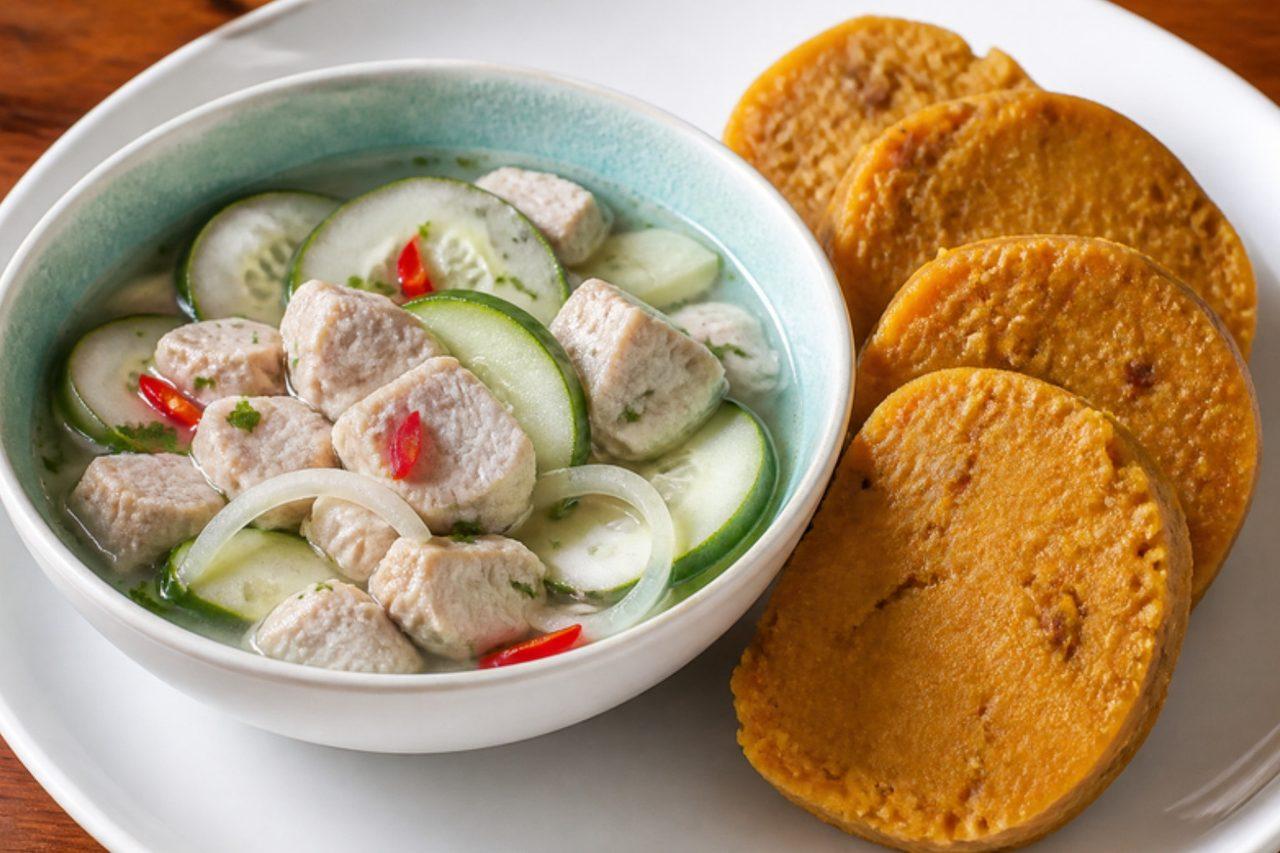
Pudding and souse

Saturday in Barbados means pudding and souse: rum shops and roadside cooks sell it from late morning, and families buy it by the container for lunch. Souse is boiled pork, traditionally from the head and trotters, served cold in a sharp, cucumber-studded pickle of lime, onion and hot pepper; the pudding is grated sweet potato seasoned with herbs and steamed. This is a pork dish. This home version uses trotters for the jelly-rich texture plus shoulder for meat, and steams the pudding in a basin instead of a casing; blood is left out (that darker version is black pudding). A common mistake is serving the souse as soon as it meets the pickle; it needs at least 2 hours in the fridge to turn sharp and cold. Chef's tip: grate the sweet potato on the fine side of the grater; coarse shreds make a crumbly pudding.

190 minBajanMeatGluten free
by KrazyBadal 1 views

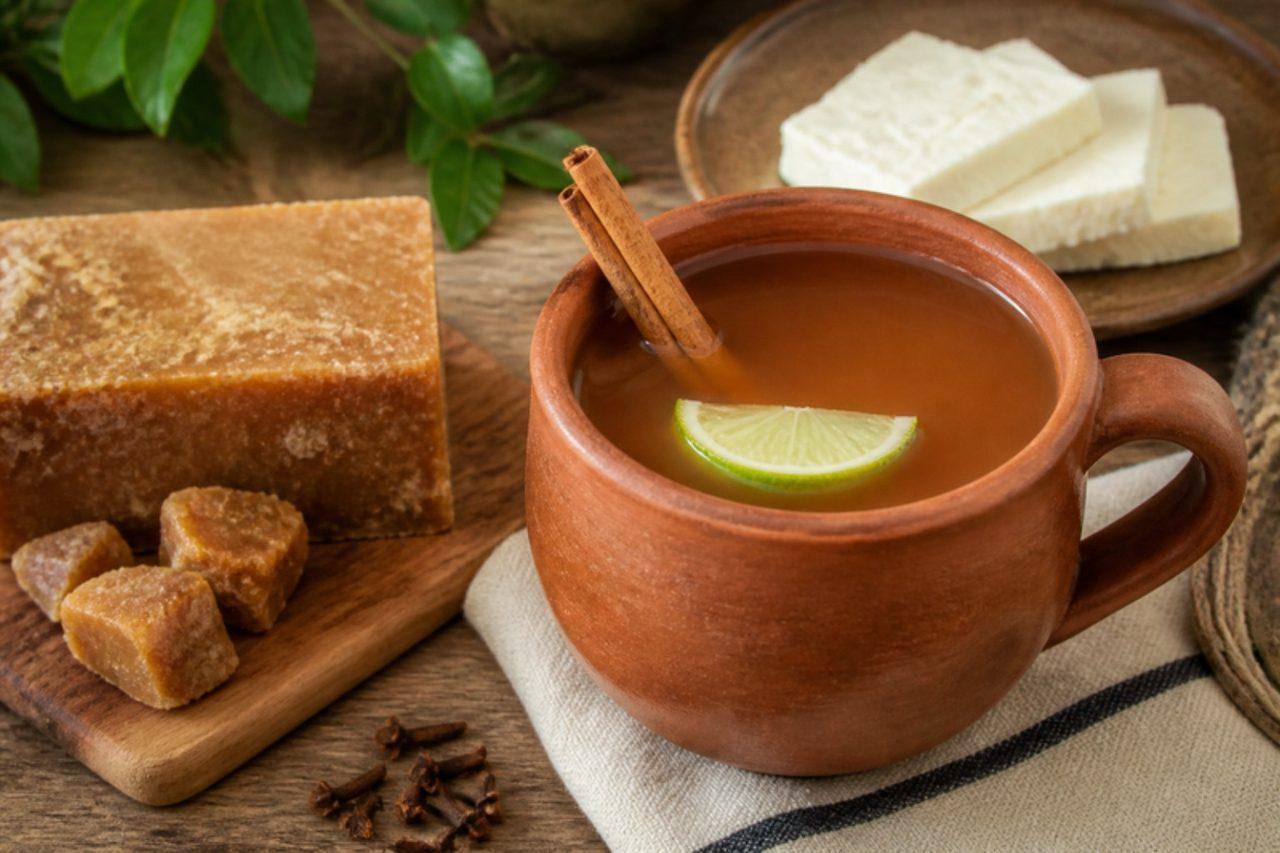
AguapanelaHot panela and lime drink

Aguapanela is simply panela (unrefined cane sugar) dissolved in water, yet it is one of Colombia's most loved drinks: drunk hot at breakfast in Bogotá and the Andes with a slice of fresh cheese dropped in to melt, given to children with a cold, and served iced with lime in the hot lowlands. This page is the hot version; the cold, lime-heavy cousin is Venezuela's papelón con limón. Chef's tip: simmer the panela gently until it dissolves completely and the drink smells of caramel; rushing it leaves sugary lumps at the bottom.

by KrazyBadal 0 views

ShabhaleyFried beef pastries

Tibetan families in Lhasa and across the plateau make these crisp, half-moon or disc-shaped pies for Losar, the Tibetan New Year, and for gatherings with friends; Tibetan cafés in exile communities sell them by the plate too. The name means meat bread, and the filling of minced beef with onion, ginger, coriander and a pinch of Sichuan pepper stays juicy inside a thin, crackly crust. They are hearty, savoury and lightly numbing, never fiery. Serve them hot with a tomato chilli sauce (sepen) and a cup of butter tea or black tea. Chef's tip: keep the oil at 170 °C; hotter and the pastry browns before the meat inside is cooked.

by KrazyBadal 0 views

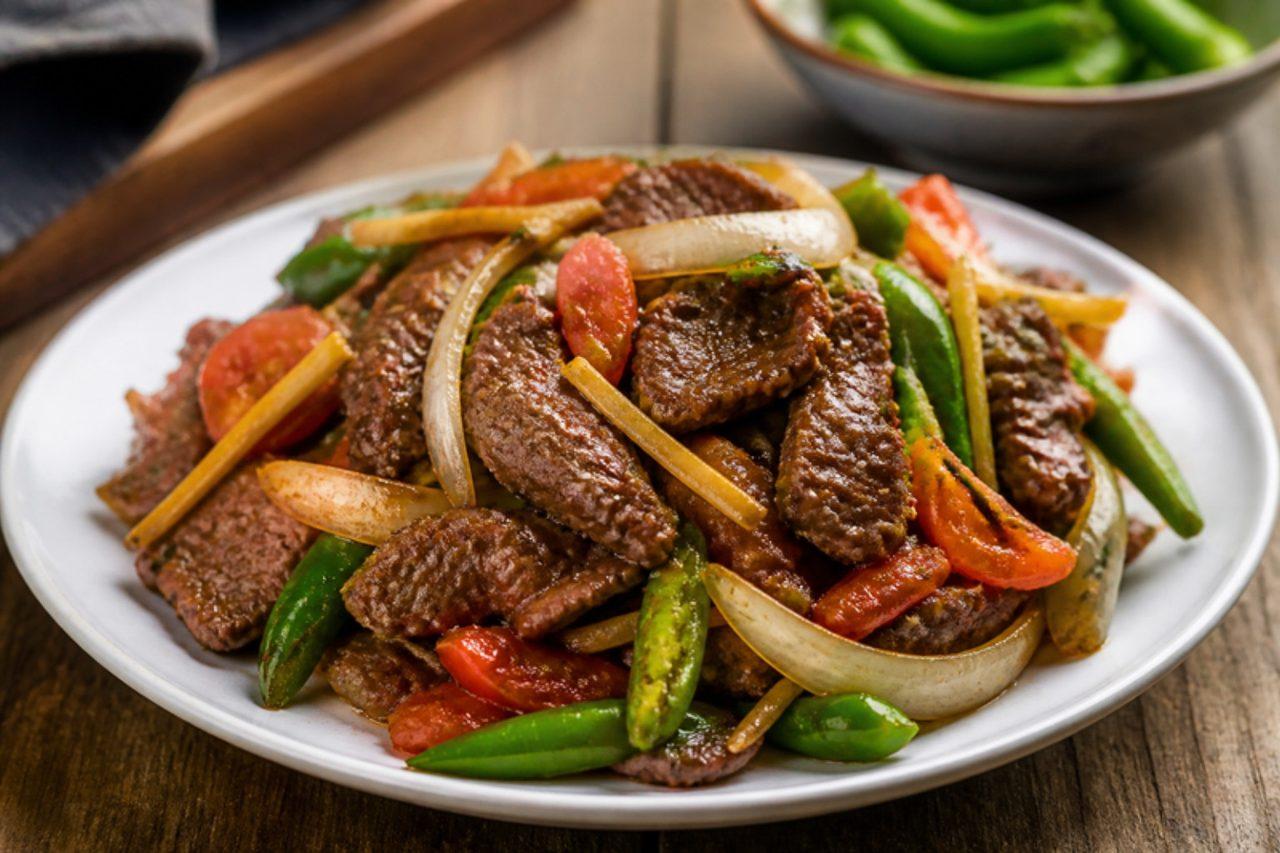
ShaptaStir-fried yak with chillies

Herding families on the Tibetan plateau traditionally cook yak meat this way, and today shapta is a favourite at Tibetan restaurants from Lhasa to Kathmandu and Delhi. Thin slices of meat are seared with onion, green chillies and tomato, and seasoned with ginger, garlic and timur (Sichuan pepper), which gives a gentle tingle. Lean and full of flavour, it comes out savoury, slightly smoky and pleasantly hot. Serve it with tingmo (steamed bread), rice or flatbread, and a simple radish salad. Chef's tip: yak is very lean, so slice it thin and cook it fast; beef sirloin or rump is the easiest substitute.

by KrazyBadal 0 views

Tibetan tingmoSteamed twisted buns

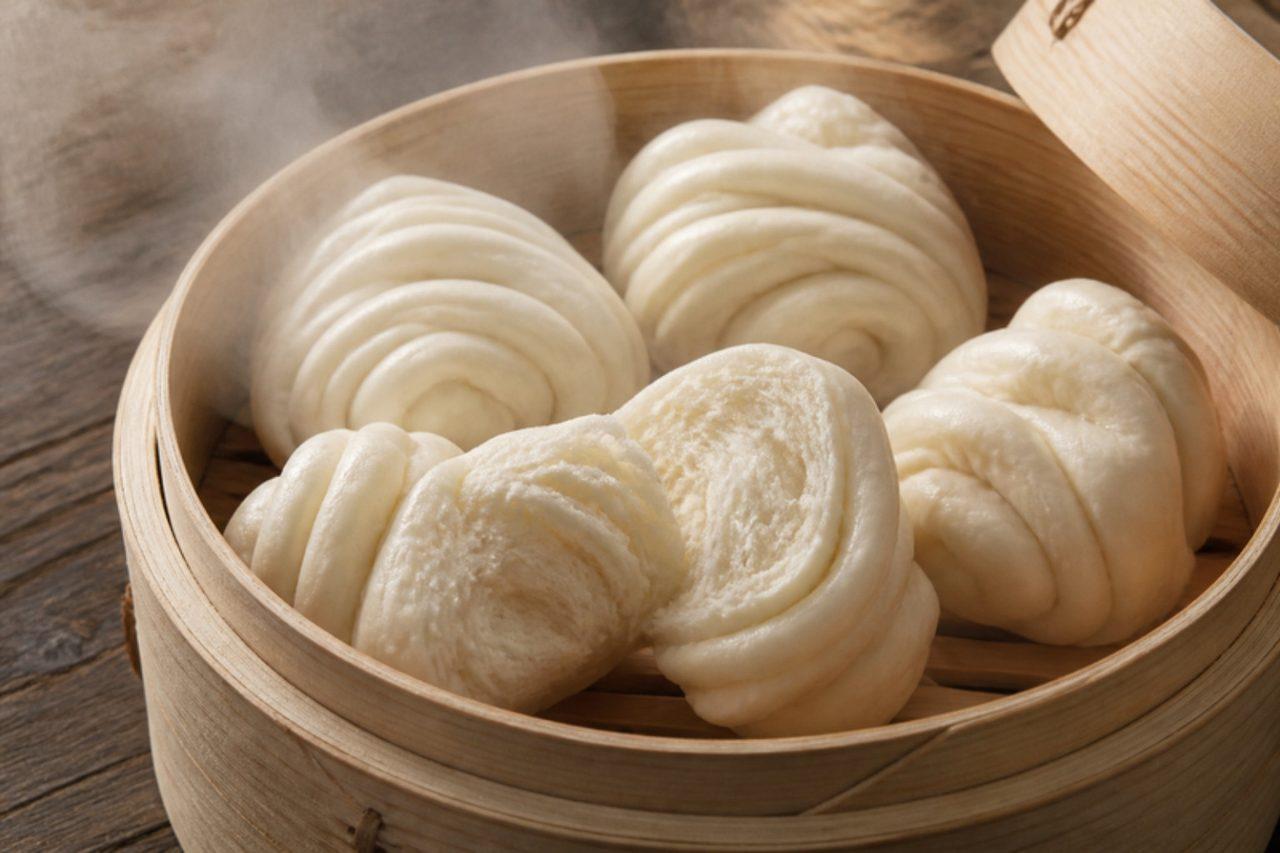
Tingmo are the everyday bread of Tibet: plain steamed buns made by stretching and twisting oiled strips of dough into a knot, so they open into soft, pull-apart layers. Families in Lhasa and Tibetan communities in Nepal and India eat them with spicy vegetable stews, dal and chilli sauce, tearing off pieces to mop up the sauce. The dough is simple; the twist takes a little practice. Chef's tip: once the steaming time is up, turn off the heat and wait 3 minutes before lifting the lid, so the buns don't collapse.

by KrazyBadal 0 views

TsampaRoasted barley flour with butter tea

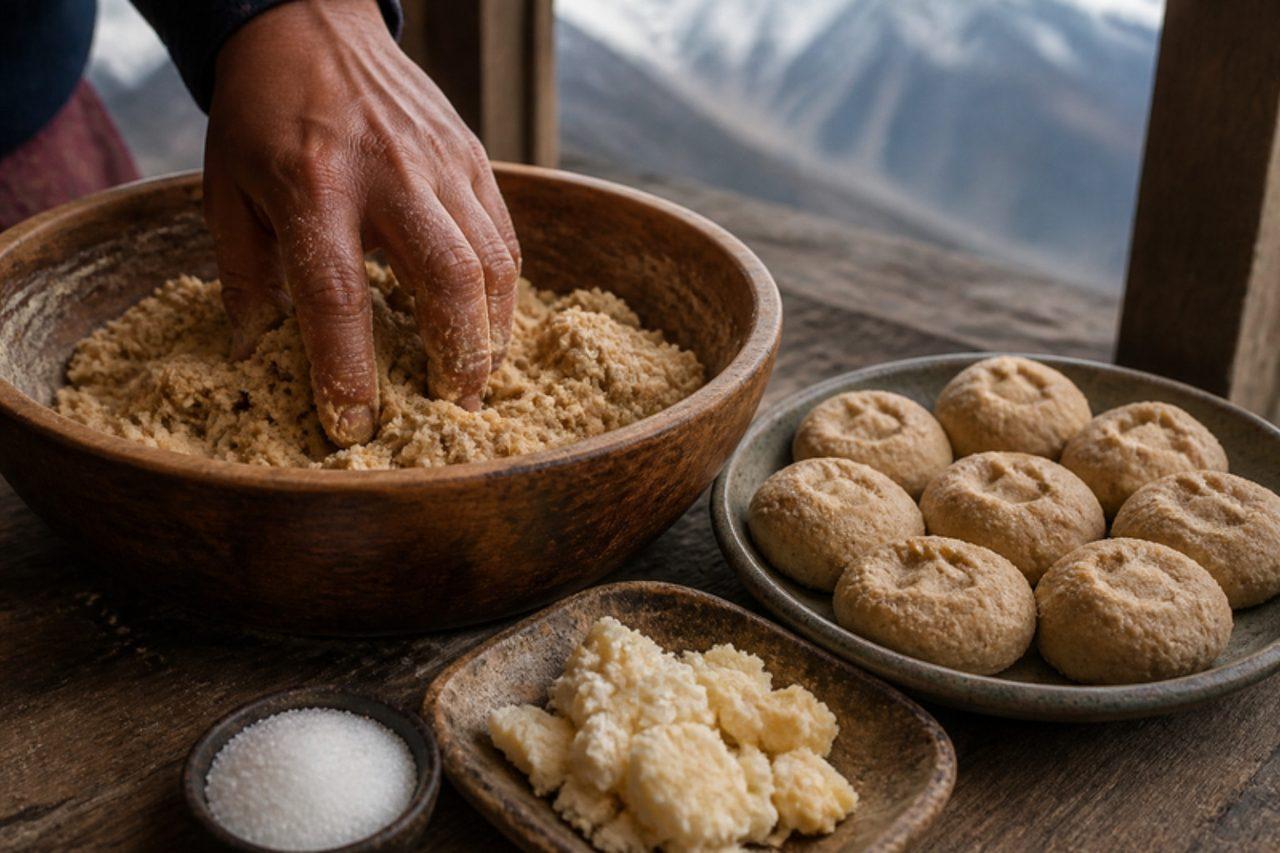
Tsampa, roasted highland barley flour, has been the staple food of the Tibetan plateau for centuries. Every morning, families in Lhasa and in nomad tents put a handful in a bowl, pour in butter tea, add a knob of butter and knead it with their fingers into small, nutty balls called pak. It's filling, quick and easy to carry. Barley flour is easy to find; toast it in a dry pan if it isn't already roasted. Chef's tip: add the tea a little at a time; you want a dough like firm marzipan, not a paste.

by KrazyBadal 0 views

Tikil gomenCabbage, carrot and potato stew

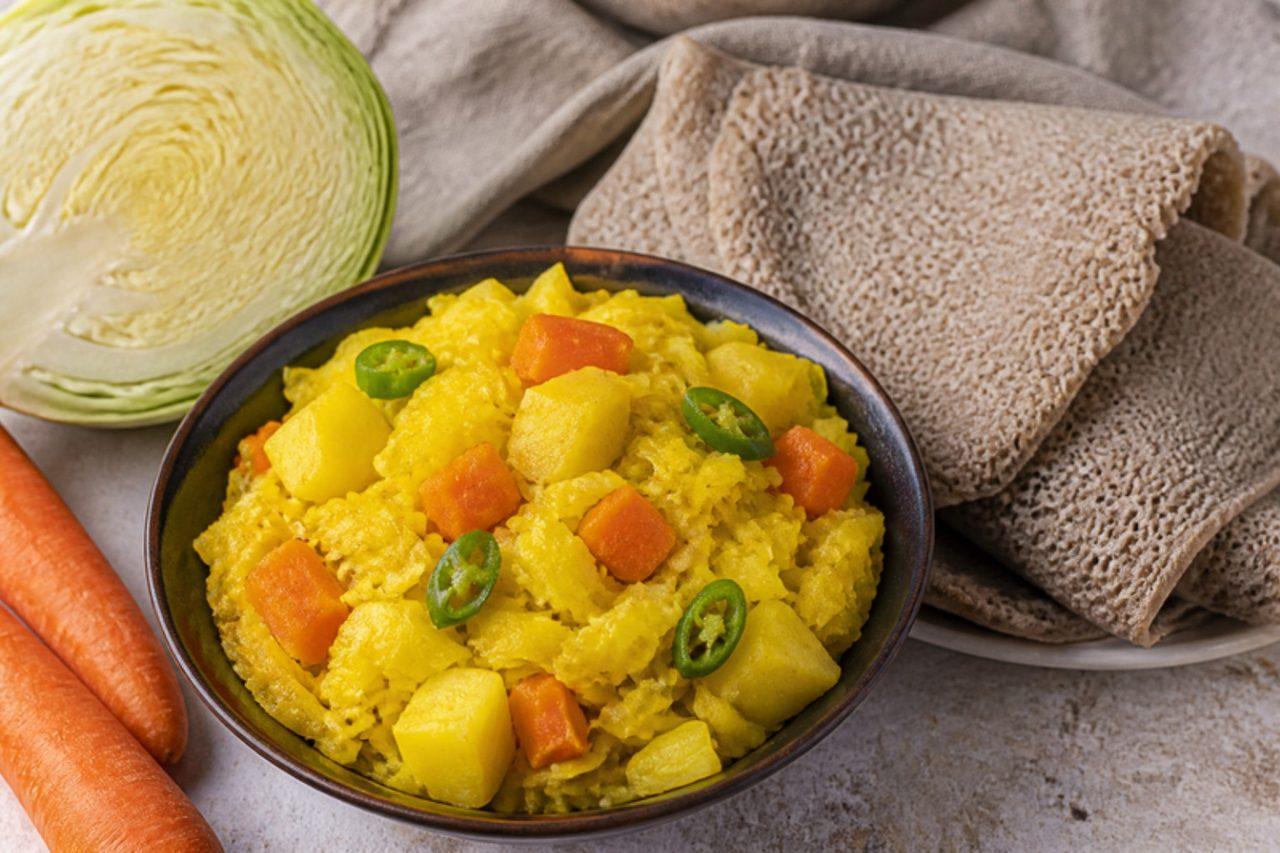
Tikil gomen means 'cabbage stew', and it is the mild, golden side on almost every beyaynetu fasting platter in Addis Ababa and Bahir Dar. White cabbage, carrots and potatoes are cooked slowly with onion, garlic, ginger and turmeric until soft and sweet, with no chilli heat apart from a few strips of green pepper. Children love it, and it balances the spicy red wats beautifully. Chef's tip: let the cabbage cook down until it is sweet and slightly caramelised at the edges; that is where all the flavour comes from.

by KrazyBadal 0 views

Xi'an liangpiCold wheat starch noodles

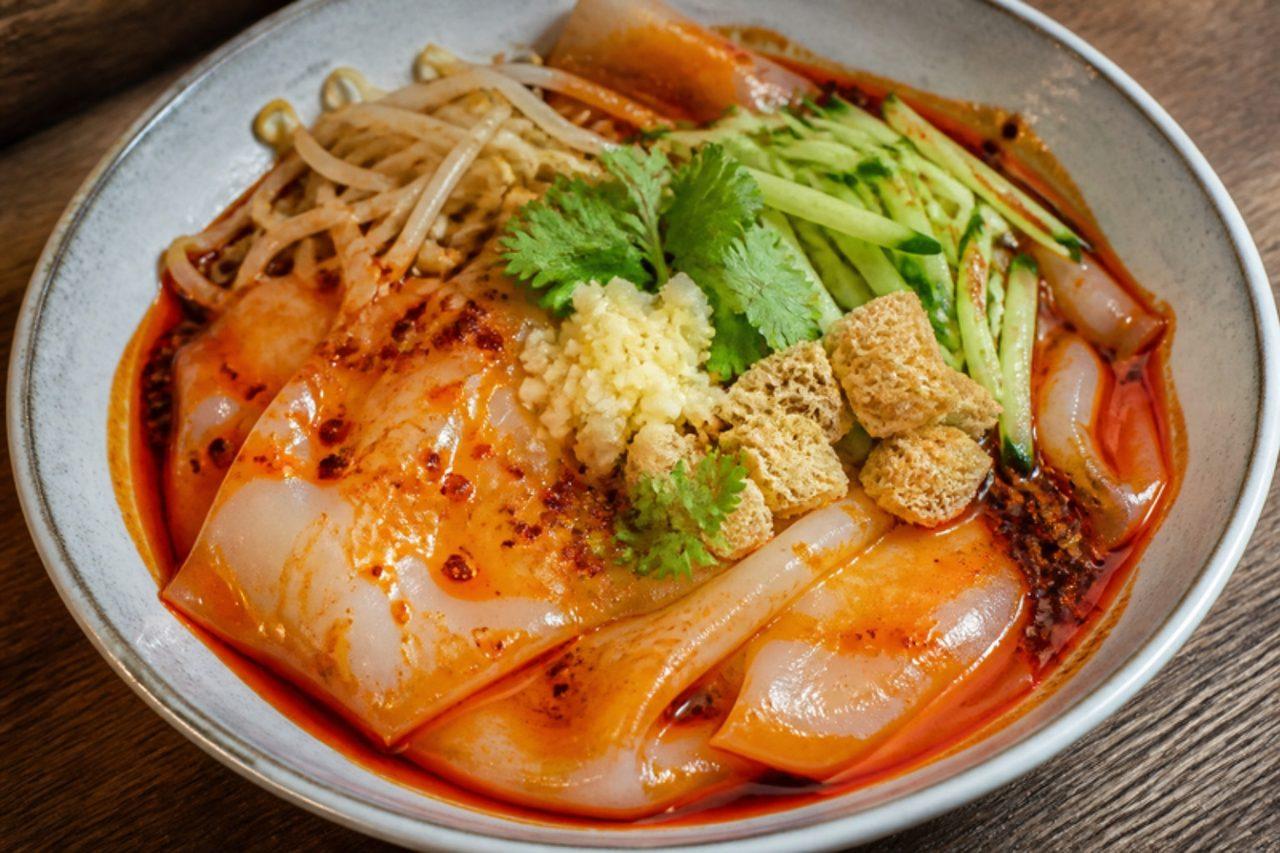
In Xi'an's Muslim Quarter, cooks peel liangpi off steaming trays all day, cut it into wide ribbons and toss it with chilli oil, black vinegar, garlic water and cubes of springy gluten. It's eaten cold, often with a flatbread, as a summer lunch. Gansu's niangpi, from Lanzhou and Tianshui, is the same dish with thicker sheets and more garlic, so it's covered here too. You wash a flour dough to split the starch from the gluten, so allow 4 hours for the starch to settle. Chef's tip: stir the starch water every time before you ladle it, because the starch sinks fast.

by KrazyBadal 0 views

Til pithaSesame rice rolls

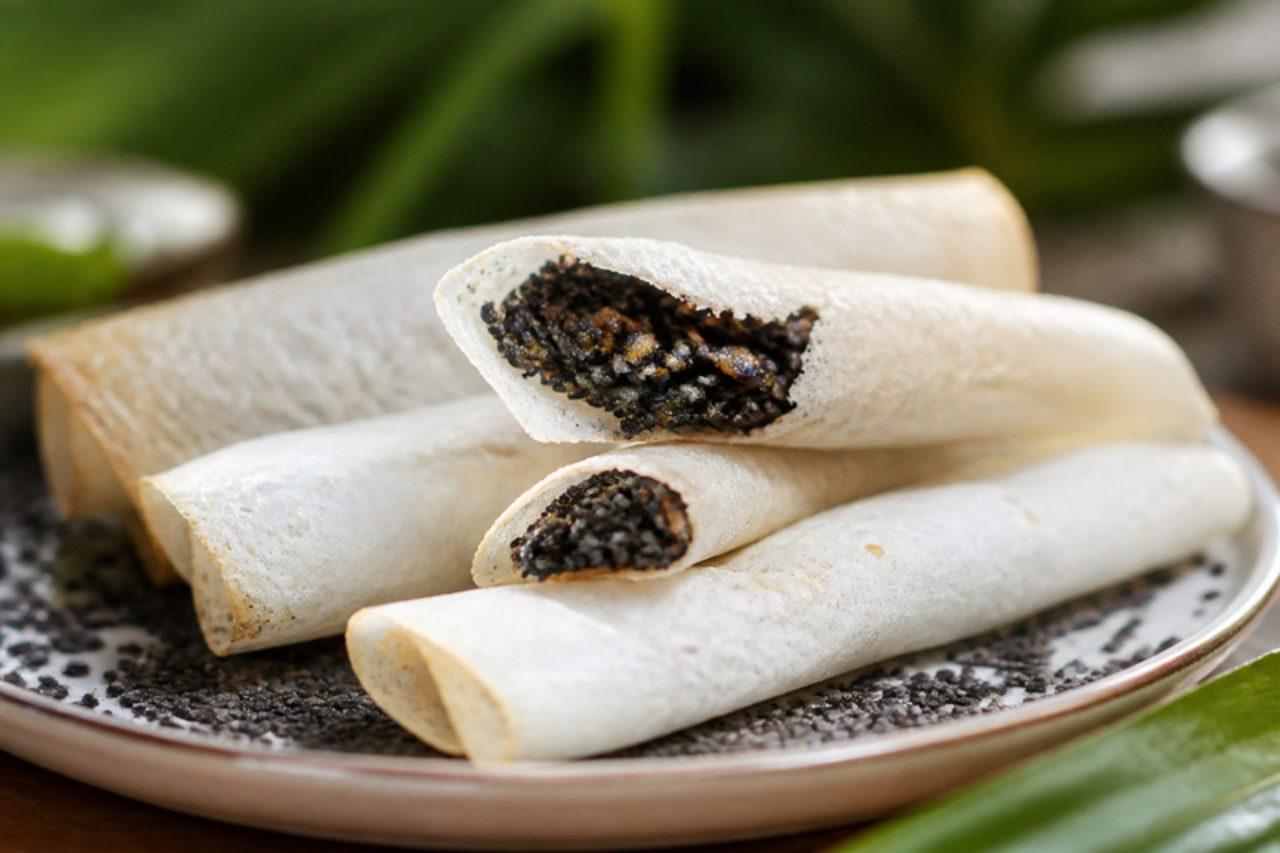
Til pitha is the essential sweet of Magh Bihu, the January harvest festival, when Assamese homes stay up late around the fire, frying and toasting. Fresh flour of soaked bora (sticky) rice is spread thin on a hot pan into a round, filled with roasted black sesame and jaggery and rolled into a cigar while still soft; it crisps as it cools. Tins of til pitha are carried to every house visited during Bihu. Chef's tip: the flour must be freshly ground from soaked sticky rice and still slightly damp; dry shop rice flour won't fuse into a sheet.

by KrazyBadal 0 views

XiaolongbaoSoup dumplings

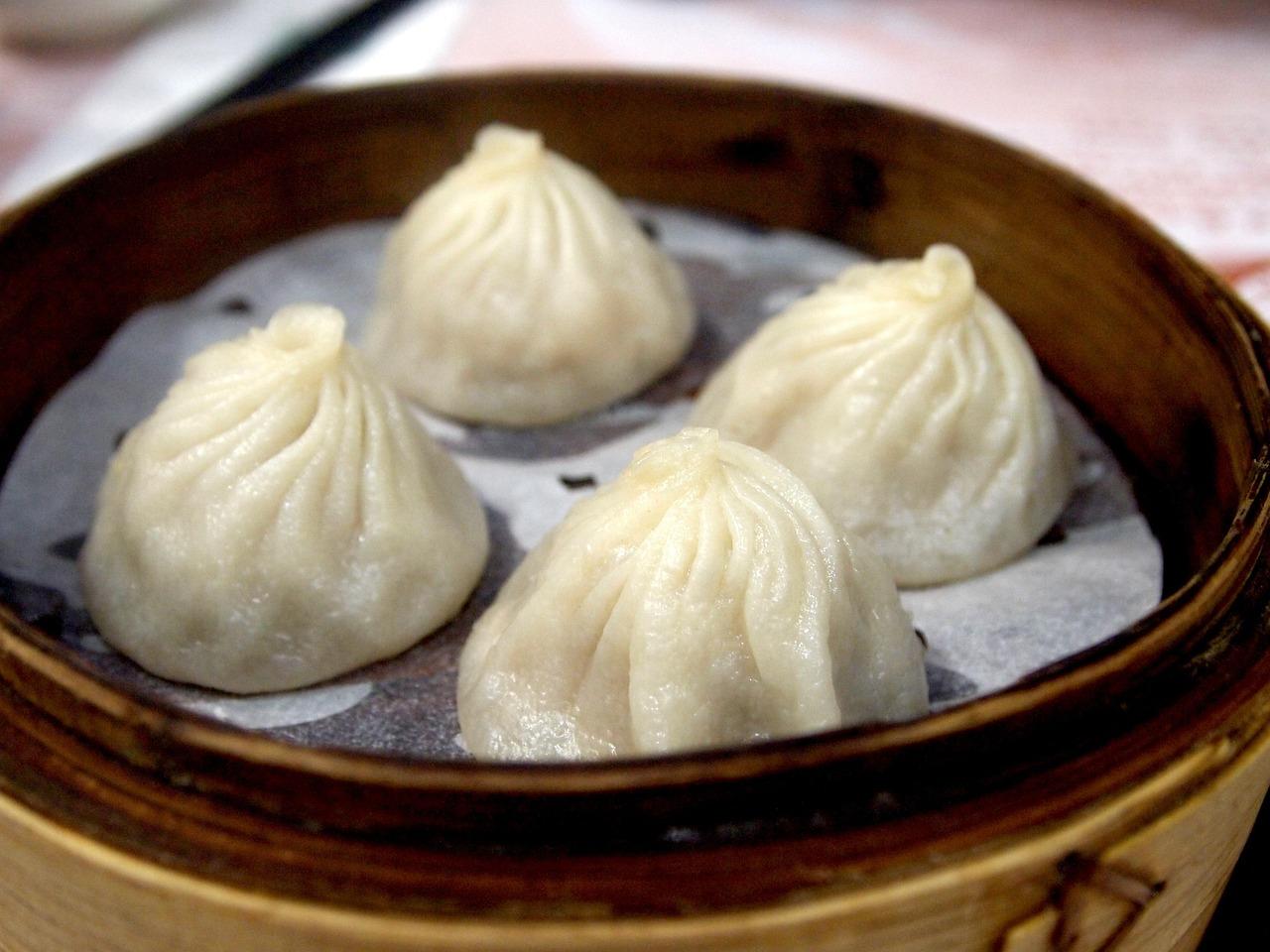
Bite carefully: inside each pleated parcel is a pork meatball floating in hot broth, which comes from a pork-skin jelly that melts as the dumplings steam. Shanghai's teahouses and the old town around Nanxiang have served them in bamboo baskets for well over a century, usually for breakfast or a late lunch with a saucer of black vinegar and threads of ginger. The wrapper should be thin enough to see the soup move but strong enough to lift with chopsticks. Make the jelly the day before (or use the gelatine shortcut in the ingredient note), then the folding takes about an hour with a little practice. Chef's tip: keep the filling in the fridge until the moment you wrap; cold jelly stays solid and the dumplings are far easier to pleat.

by KrazyBadal 0 views

Xinjiang onion nangOnion flatbread

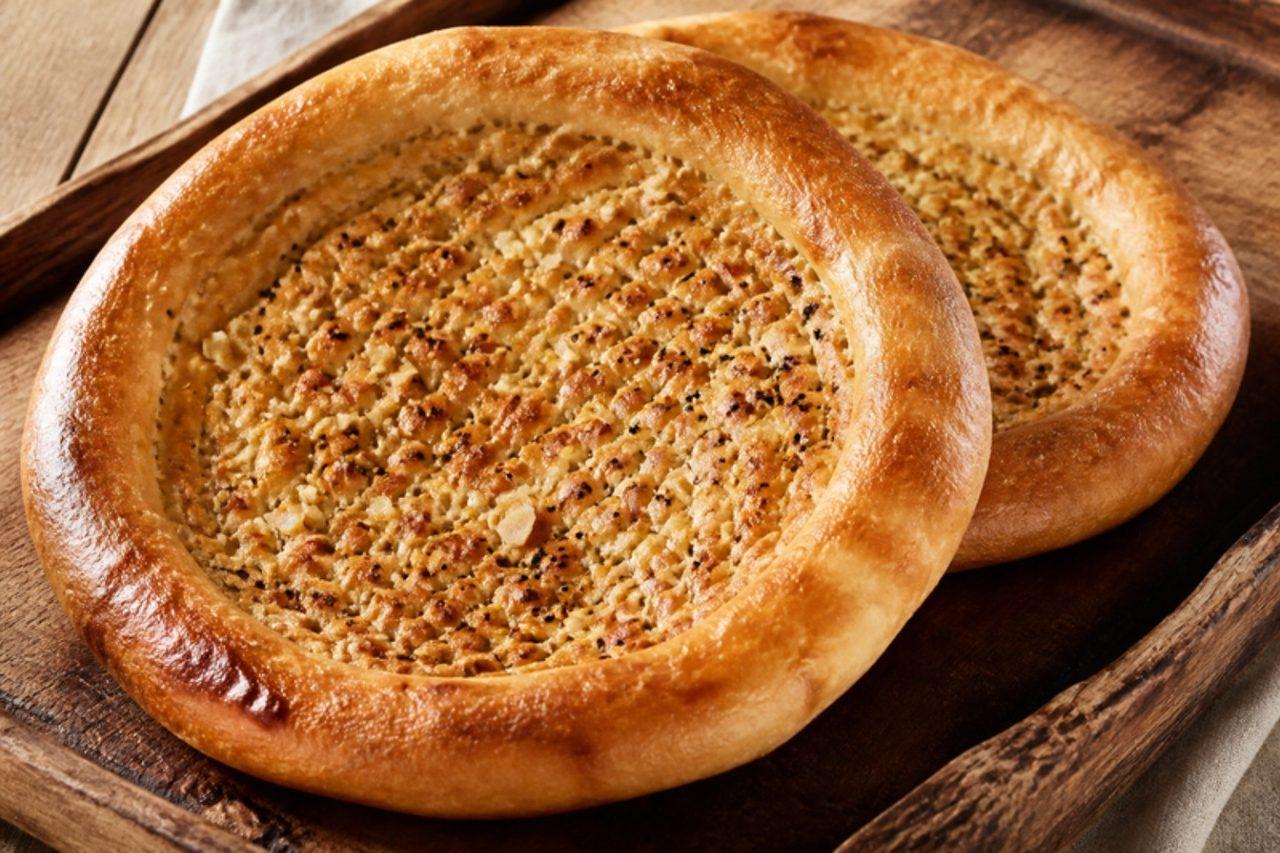
Across Xinjiang, from Kashgar's bazaars to Urumqi's backstreets, bakers slap rounds of dough onto the walls of clay tandoors and pull them out a few minutes later, golden and stamped with patterns. The centre is pressed thin and crisp while the rim stays soft and chewy, and the onion version is scattered with cumin and sesame. Nang keeps for days and is eaten with tea, kebabs and salads. Chef's tip: get your oven and tray as hot as they'll go; nang bakes quickly in fierce heat.

by KrazyBadal 0 views

Riz grasRice cooked in beef stew

Riz gras is the celebration rice of Bamako and Ouagadougou, cooked in big pots for weddings, Tabaski and family Sundays. Beef is simmered with onion, tomato and garlic into a rich stew, and the rice is cooked in that broth until every grain is orange and glossy, with the meat and vegetables piled on top. The mistake is adding too much liquid, which turns the rice soggy; measure it. Chef's tip: fry the rice in the stew's oil for a minute before adding the broth, so the grains stay separate.

by KrazyBadal 0 views

TinutuanRice porridge with pumpkin and greens

Tinutuan, also called bubur Manado, is what North Sulawesi eats for breakfast: rice simmered with pumpkin until the pumpkin melts and turns the porridge golden, then loaded with sweetcorn, cassava and a big handful of greens and lemon basil at the end. In Manado it comes with small fried fish and a fiery tomato dabu-dabu; this version skips the fish and pairs it with fried tofu. It is filling, gentle and naturally vegan. Chef's tip: add the leafy greens only in the last 3 minutes so they stay green and fresh.

by KrazyBadal 0 views

Tire d'érableMaple taffy

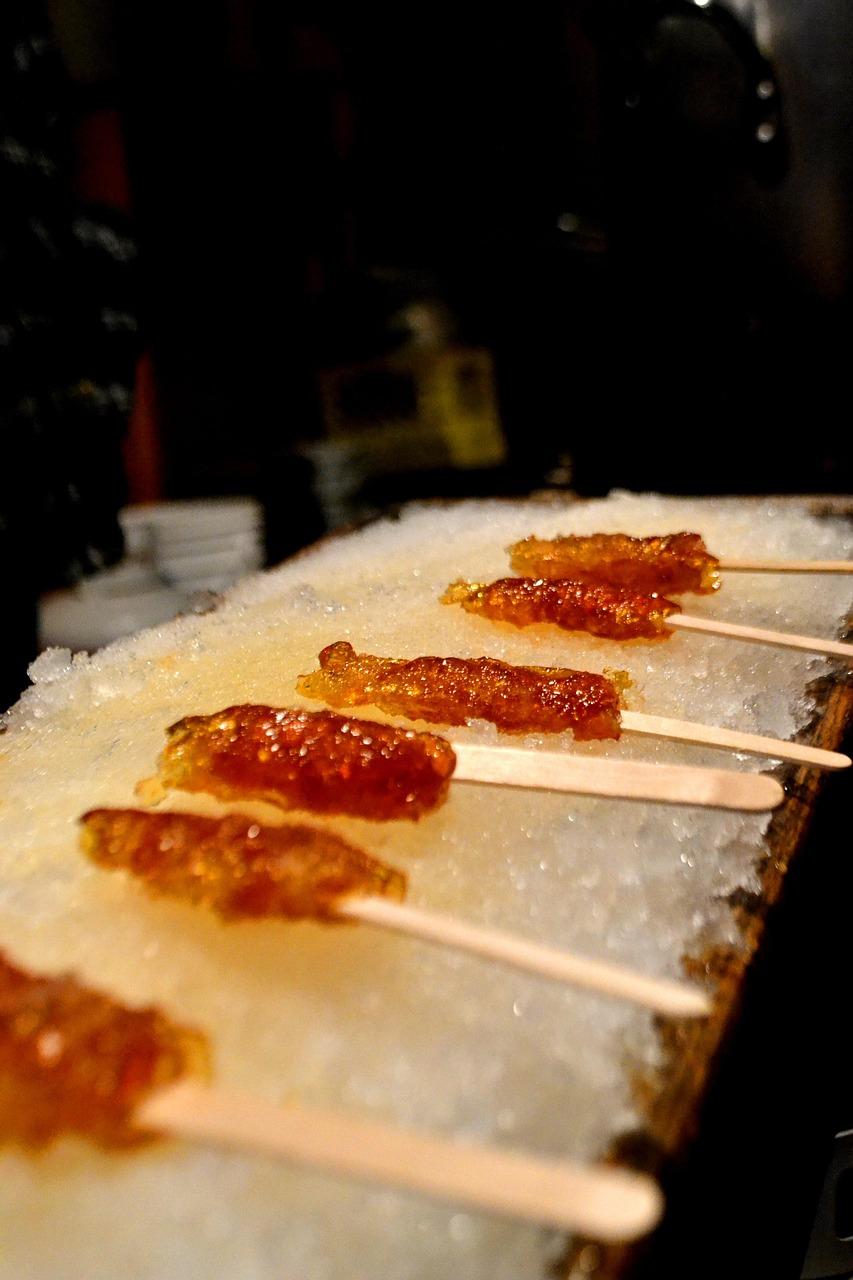
Tire d'érable (maple taffy, or 'tire sur la neige') is the highlight of a spring visit to a Québec or eastern Ontario sugar shack: hot boiled maple syrup is poured in ribbons over clean packed snow, where it firms into a chewy, amber toffee that you roll up onto a wooden stick. It's sold at winter carnivals in Québec City and made at home on a tray of snow or crushed ice. Chef's tip: use a sugar thermometer and stop at 112–114 °C; a few degrees under and it stays runny, a few over and it turns hard as candy.

by KrazyBadal 0 views

TirokafteriSpicy whipped feta

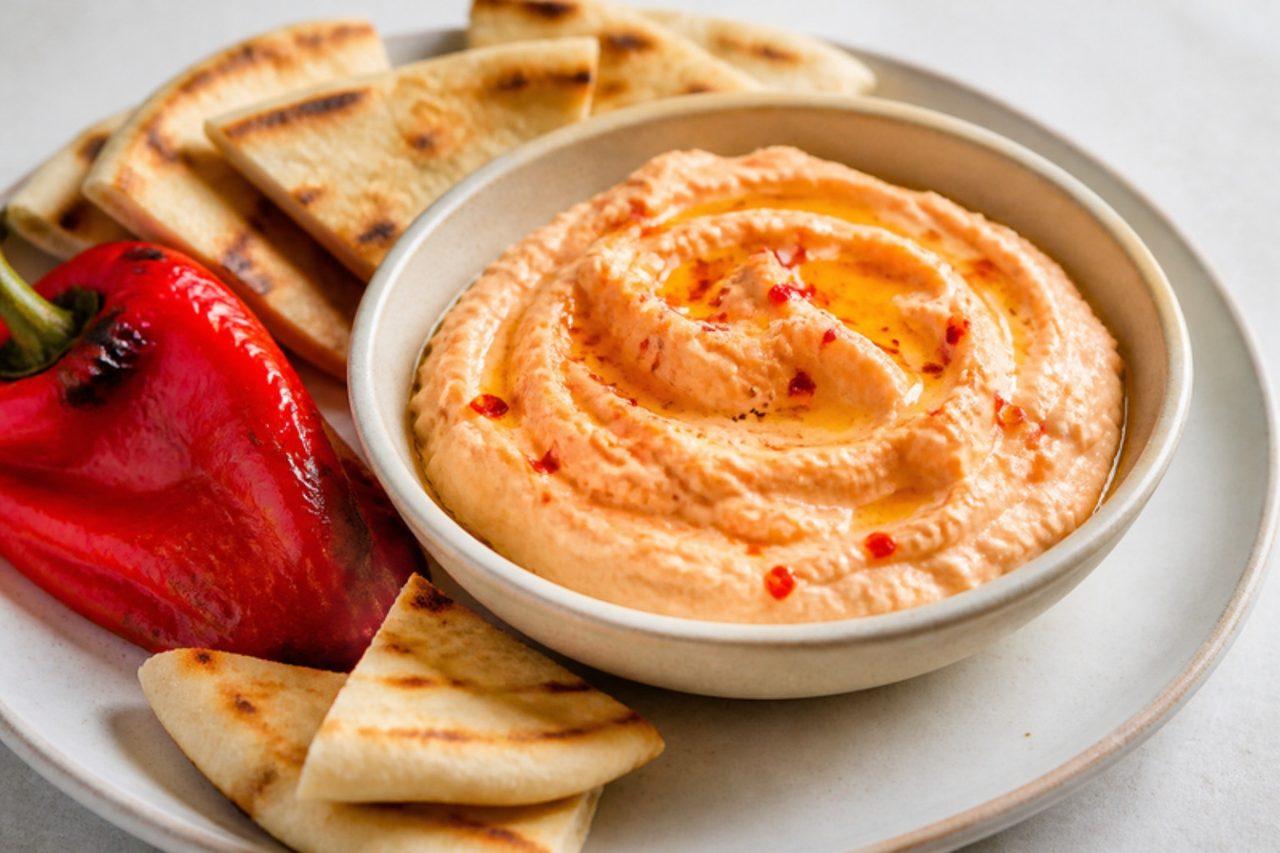
Tirokafteri means 'hot cheese', and in Thessaloniki and across northern Greece it's the dip you order with ouzo or tsipouro: feta whipped with chilli, a roasted red pepper and olive oil into something creamy, salty and properly fiery. Every ouzeri makes it slightly differently; some keep it chunky, some silky, some add yogurt to soften the heat. Scoop it up with toasted bread, or spoon it beside grilled vegetables and fritters. Use feta labelled vegetarian. Chef's tip: add the fresh chilli a little at a time and taste; chillies vary a lot, and adding the whole lot at once is the usual mistake that makes it too hot to eat.

by KrazyBadal 0 views

TiropitaFeta cheese pie

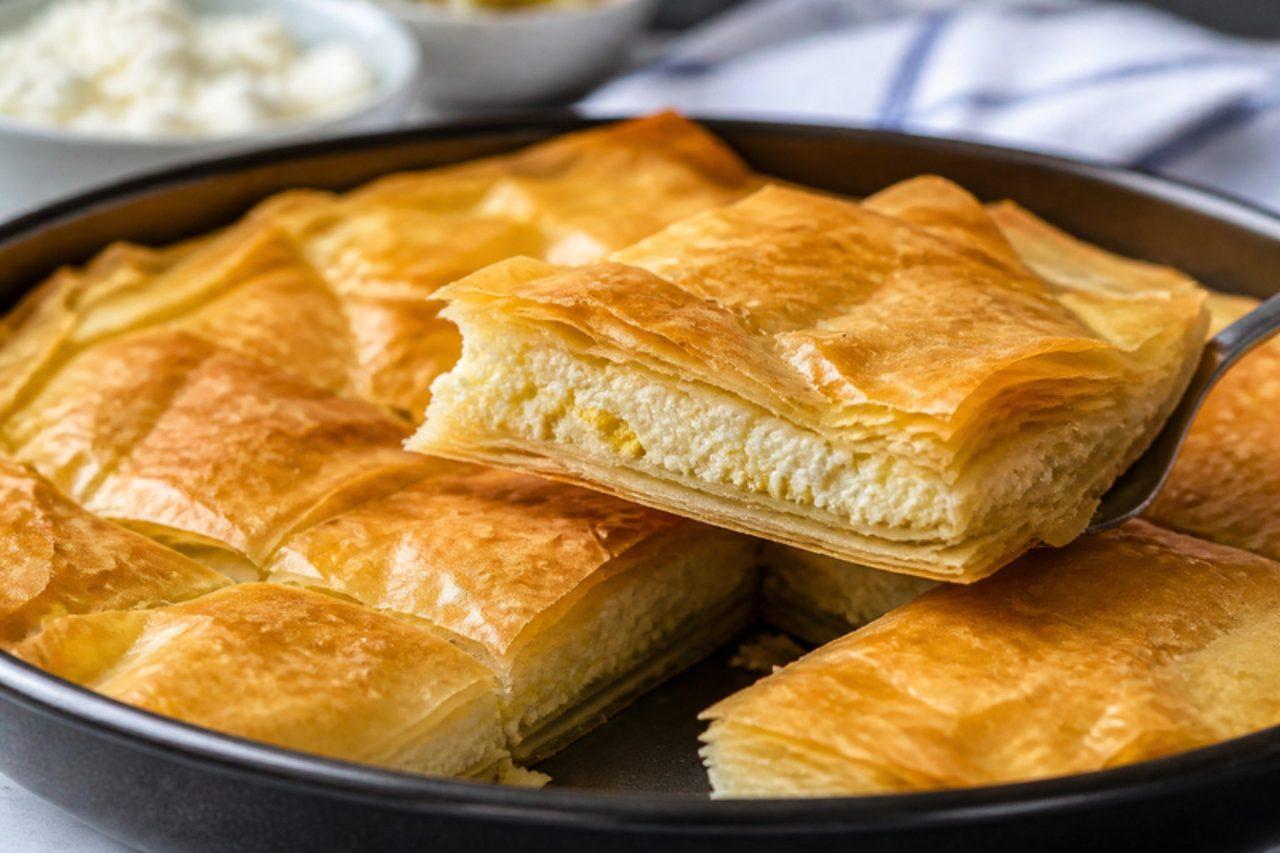
Tiropita is the cheese pie Greek children grow up on: bought hot from the neighbourhood fourno on the way to school, baked in big trays for birthday parties, and cut into squares for a quick lunch with a glass of ayran-style yogurt drink. The filling is softer and milder than spanakopita's, a creamy custard of feta, a fresh white cheese and eggs set between crisp, buttery fillo. It is good warm from the oven and still good cold in a lunch box. Use a feta labelled vegetarian, as many are made with animal rennet. Chef's tip: crumple the middle sheets of fillo loosely instead of laying them flat; the air pockets keep the pie light, and pressing them flat (the usual mistake) gives a dense, doughy middle.

by KrazyBadal 0 views

Tisryo sukheDry clam coconut masala

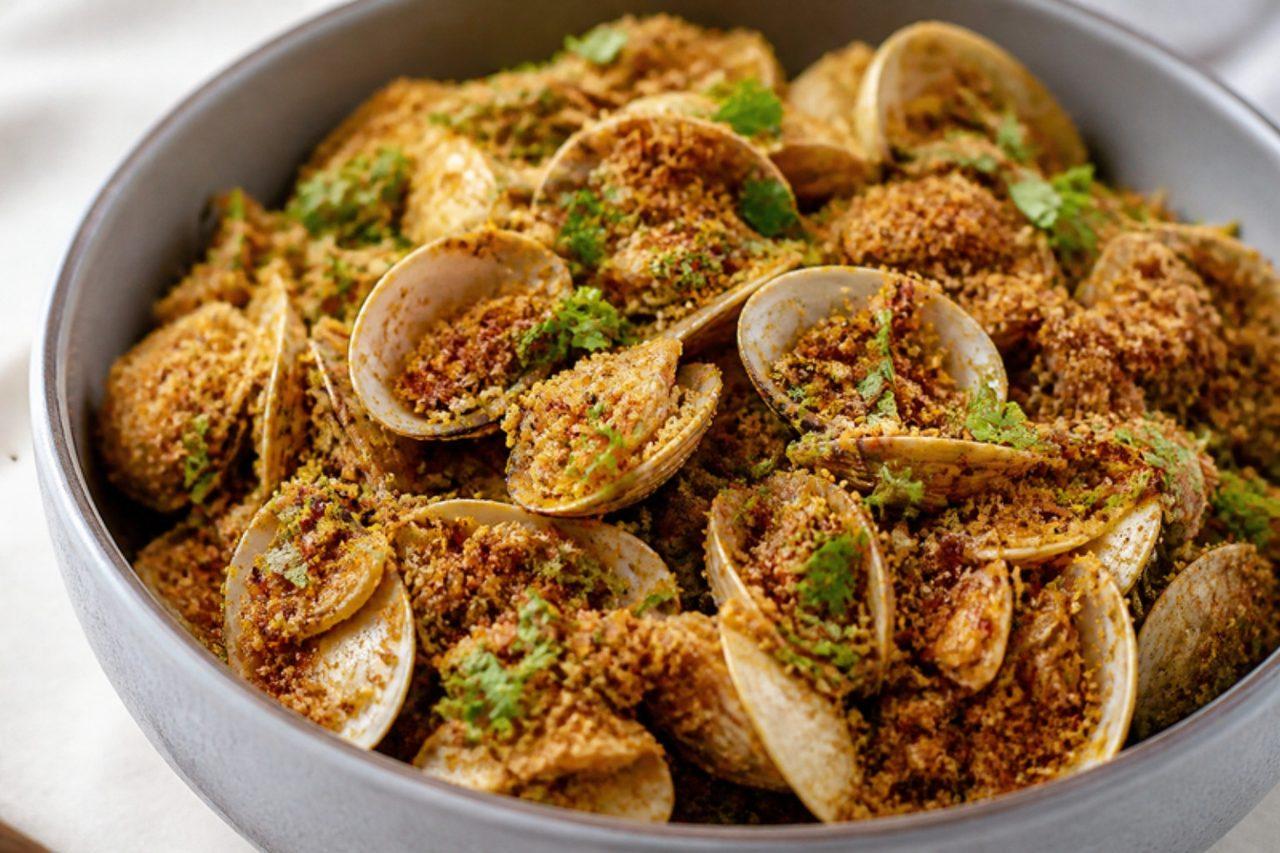
When the clam beds of the Zuari and Mandovi rivers are full after the monsoon, Goan kitchens cook tisryo (clams) as sukhe, meaning dry: no gravy, just shells coated in a coarse, spiced coconut masala. It is a Saturday-lunch side dish with fish curry and rice, eaten with the fingers, picking each clam out of its half-shell. Chef's tip: grind the coconut masala without water and only briefly, so it stays coarse and clings to the shells.

60 minIndianFishGluten free
by KrazyBadal 0 views

Medialunas de mantecaButter crescents

Medialunas, 'half moons', are what Argentines order with a café con leche at every confitería in Buenos Aires: smaller, sweeter and softer than a French croissant, with a sticky shine from a sugar syrup brushed on as they leave the oven. The dough is enriched with egg, sugar and a little honey and laminated with butter, so it's a weekend project. Chef's tip: keep the butter and dough at the same cool temperature; if the butter is too hard it breaks into pieces, too soft and it melts into the dough and the layers disappear.

by KrazyBadal 0 views

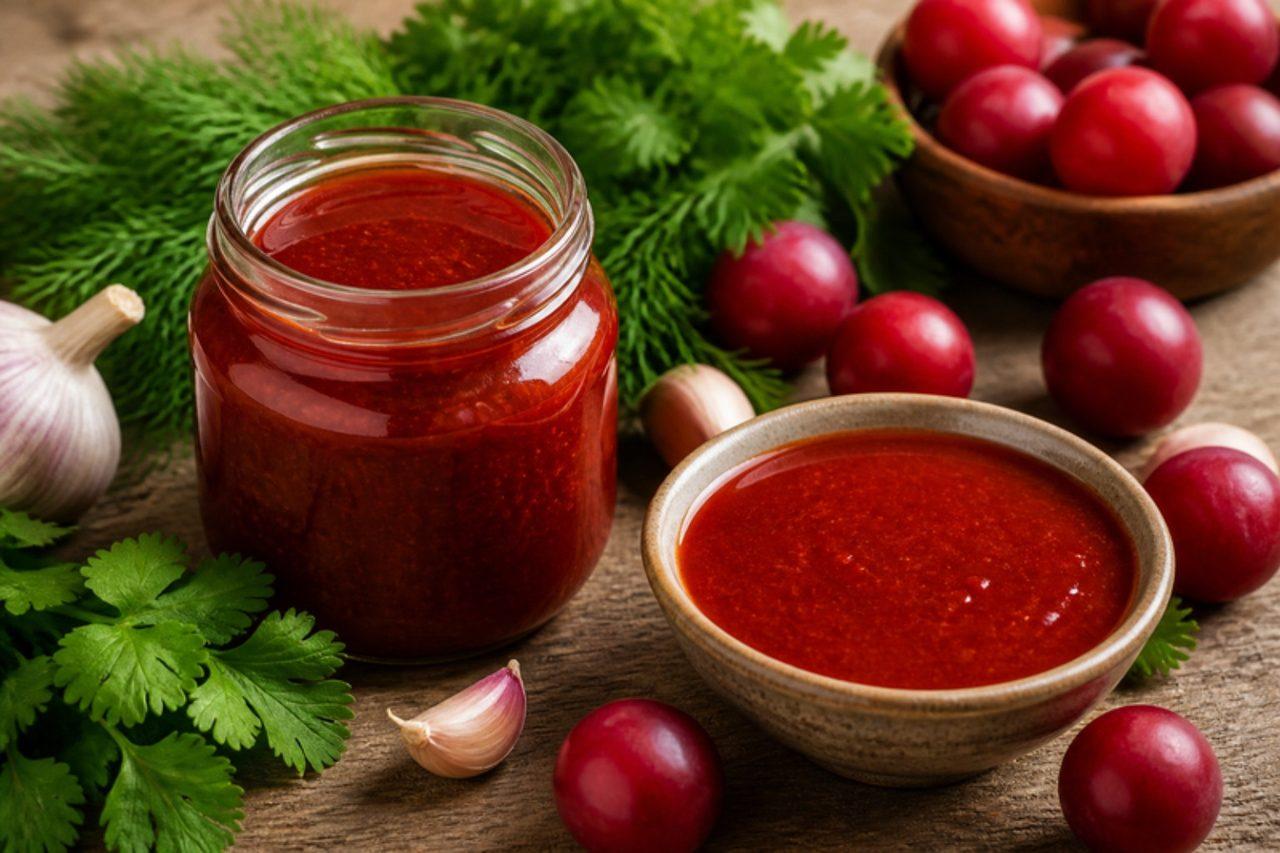
TkemaliSour plum sauce

Tkemali is Georgia's table sauce, made in Samegrelo, Guria and Imereti from sour cherry plums. Green tkemali comes from unripe plums in late spring; the red one is made at the end of summer, when the plums colour and every family cooks a big pot to bottle for the winter. It goes with almost everything: boiled potatoes, beans, fried courgettes, mchadi and cheese. Traditionally it is flavoured with ombalo (pennyroyal), which is hard to buy, so dried mint stands in here. A common mistake is boiling the herbs and garlic for too long, which turns the sauce dull and brown; they go in only for the last few minutes. Chef's tip: if your plums are sweet supermarket ones, add a squeeze of lemon; tkemali should be properly sour.

by KrazyBadal 0 views

TlayudasLarge crisp tortilla with beans and cheese

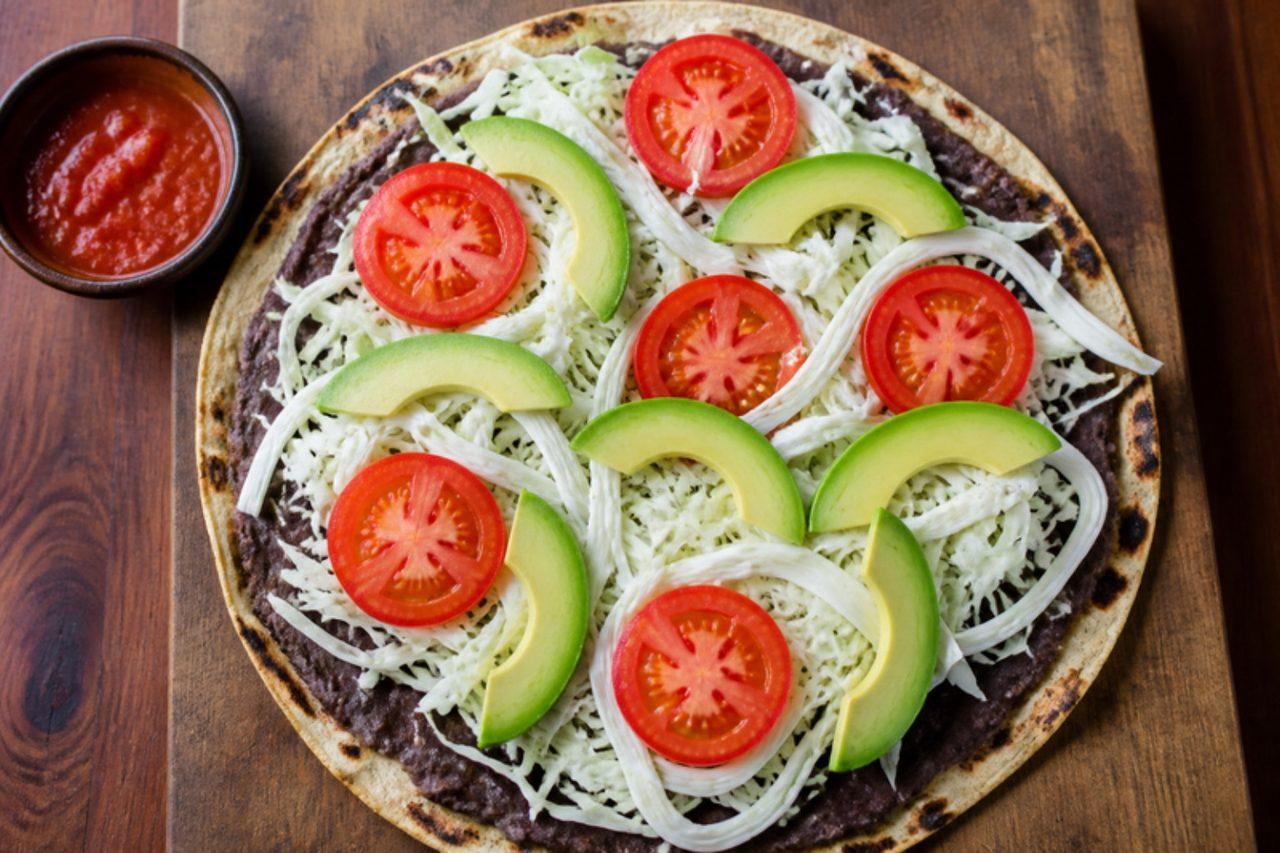
The tlayuda is the late-night street food of Oaxaca City: a huge, thin, slightly leathery corn tortilla spread with black bean paste and asiento (unrefined pork lard), scattered with quesillo (Oaxaca string cheese) and cabbage, folded and toasted over charcoal until crisp and smoky. This vegetarian version swaps the asiento for browned butter, which gives the same toasty richness, and is topped with avocado, tomato and salsa. Real tlayudas are about 30 cm across and hard to find outside Oaxaca; use the largest corn tortillas you can get, or flour tortillas of 25 cm (then they are not gluten free). Quesillo is made with animal rennet in Oaxaca; for a vegetarian dish use low-moisture mozzarella or a string cheese made with vegetarian rennet. Chef's tip: spread the beans thinly; a thick layer makes the tortilla soggy and stops it crisping.

by KrazyBadal 0 views

Pumpkin tortelliPumpkin-filled pasta

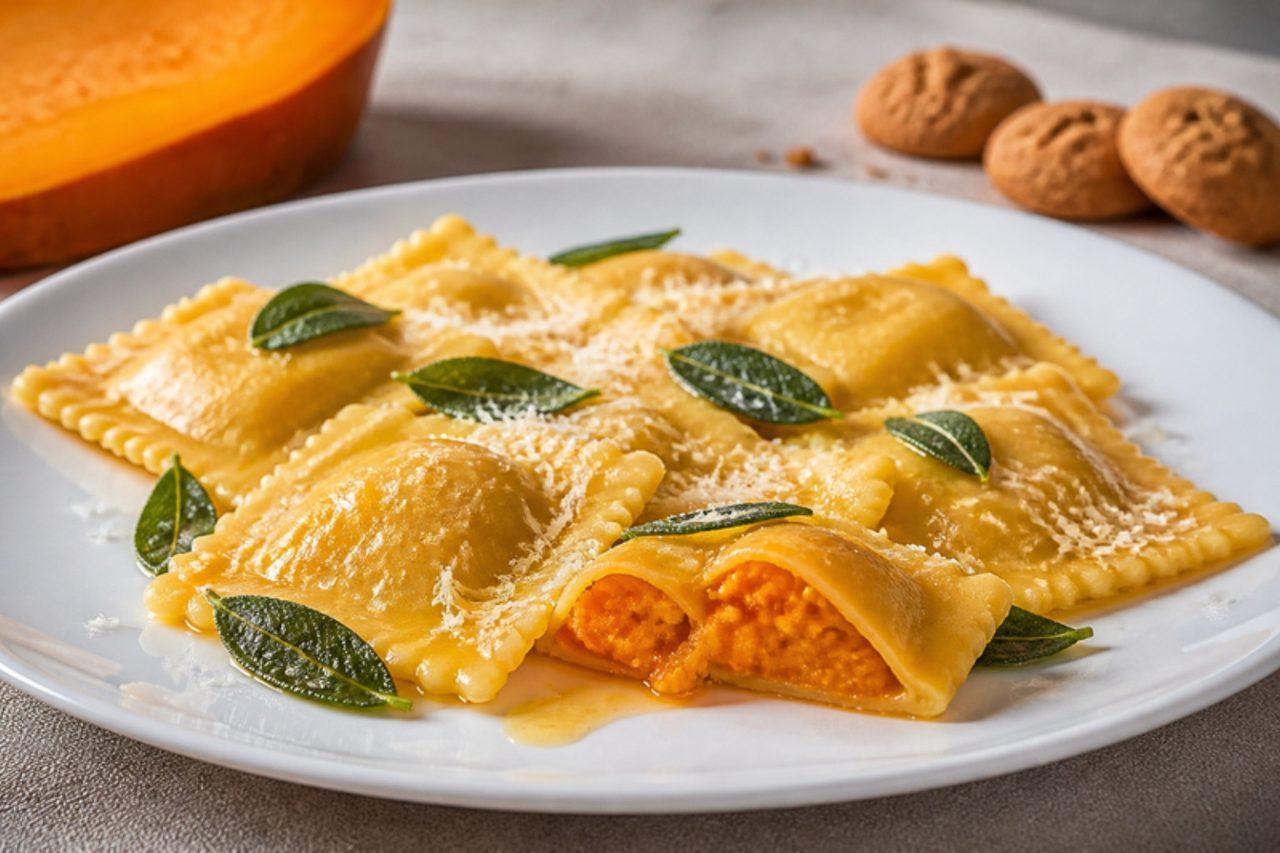
Tortelli di zucca are the Christmas Eve dish of Mantua, in Lombardy, where the dense orange pumpkins of the Po plain are roasted and mashed with crushed amaretti biscuits, spicy fruit mostarda and hard cheese. The filling is sweet, salty and a little hot all at once, a taste that goes back to the Renaissance Gonzaga court. They are served simply, with melted butter, sage and more cheese. Chef's tip: roast the pumpkin rather than boil it, and make the filling the day before; a dry, rested filling is easy to pipe and the flavours blend.

by KrazyBadal 0 views

Xoi xeoSticky rice with mung bean

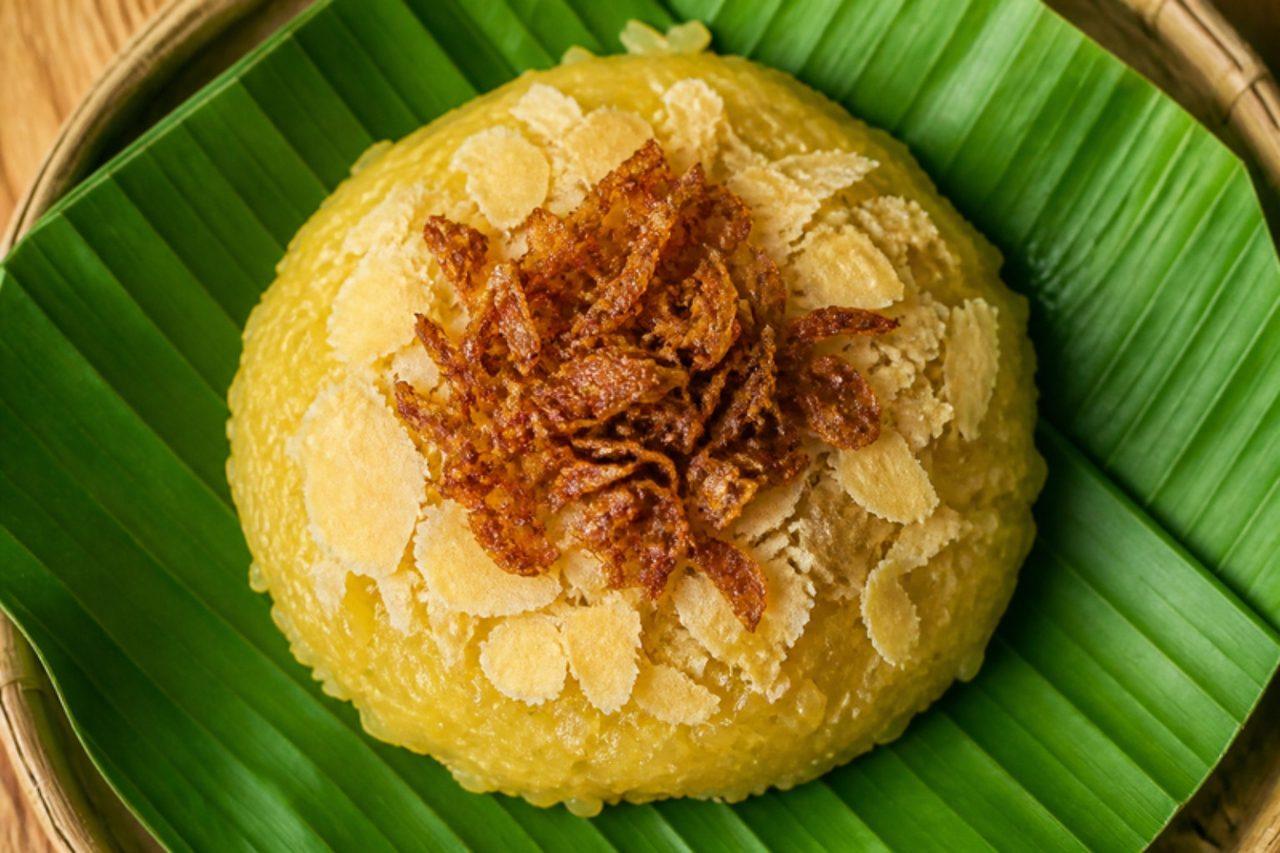
Xôi xéo is a Hanoi breakfast sold before dawn from baskets on the pavement, wrapped in a lotus or banana leaf for people to eat on the way to work. Turmeric-tinted glutinous rice is steamed until chewy, then topped with thin shavings cut from a firm ball of cooked mung bean (the 'xéo' is the slanting cut) and a spoonful of crunchy fried shallots with their fragrant oil. Street sellers often use pork fat for the shallots; frying them in vegetable oil keeps it vegan and still rich. Chef's tip: squeeze the mung bean paste into a tight ball while it is warm and let it cool before shaving; a loose ball crumbles instead of slicing into ribbons.

by KrazyBadal 0 views

Tocăniță de ciuperciMushroom stew

Tocăniță is the everyday stew of Romanian home cooking, and the mushroom version is a fixture of the Orthodox fasting days, when Transylvanian cooks use forest mushrooms gathered in the Apuseni hills and city cooks use button mushrooms from the market. Onions, garlic, tomato, white wine and thyme cook down into a thick, glossy sauce, without the sour cream and paprika of a Hungarian paprikás. It is always eaten with hot mămăligă and a spoon of the sauce over the top. Chef's tip: brown the mushrooms in batches in a hot pan; crowding them is the usual mistake, and they then stew grey in their own water instead of turning golden.

by KrazyBadal 0 views

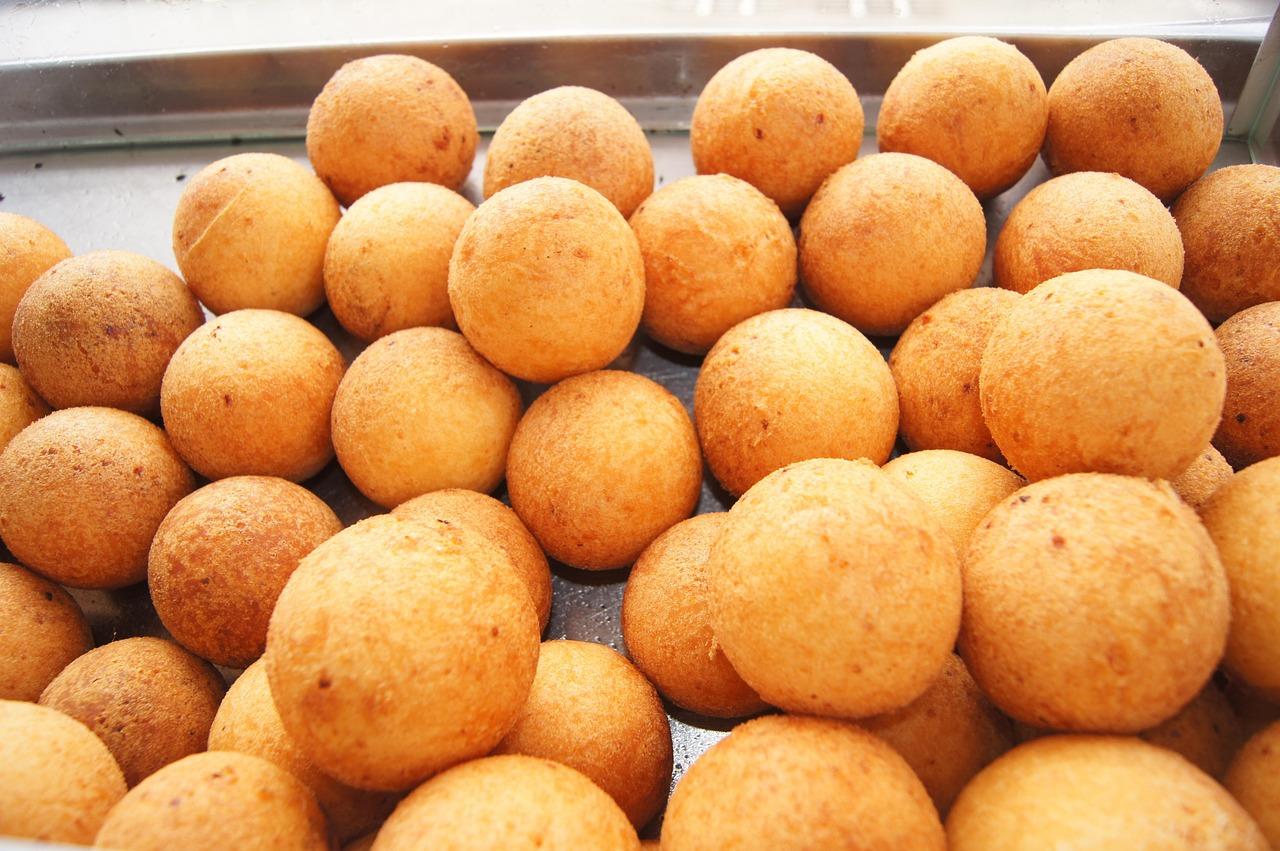
Buñuelos colombianosCheese and cassava fritters

In December, Colombian families gather for the novena de aguinaldos, nine evenings of prayers and carols before Christmas, and the reward afterwards is a plate of hot buñuelos with a bowl of natilla. These little golden balls are made from crumbly cheese, cassava starch and cornflour, fried until they puff and roll themselves over in the oil. They are crisp outside, airy and cheesy inside. Chef's tip: start the oil only warm, around 150 °C; buñuelos fried too hot crack open and stay raw in the centre.

by KrazyBadal 0 views

Tofu adoboTofu braised in vinegar and soy

Adobo is the dish Filipinos call national, cooked in some form in nearly every home from Ilocos down to Mindanao, and the meat versions are what most people know. In Catholic households, though, Holy Week and the Fridays of Lent call for a meatless table, and adobong tokwa (tofu adobo) is the answer many families reach for. Firm tofu is fried until it has a golden skin, then simmered in a reduced sauce of cane vinegar, soy sauce, a whole head of garlic, bay leaves and whole peppercorns until the sauce clings, sour and salty with a little sweetness. It tastes even better the next day and is eaten with mounds of plain rice. Chef's tip: press the tofu well and fry it properly; a dry, golden crust is what soaks up the adobo sauce instead of turning it watery.

by KrazyBadal 0 views

Ohn no khao swe with tofuCoconut noodle soup with tofu

Ohn no khao swe is the comforting coconut noodle soup that Burmese families serve for weekend lunches and for crowds at donation feasts, especially around Mandalay and Yangon. Wheat noodles sit in a rich, mildly spiced coconut broth thickened with chickpea flour, and everyone adds their own toppings: lime, sliced raw onion, chilli flakes, coriander and crispy fried noodles. It's normally made with chicken; tofu and chickpeas take its place here. Chef's tip: stir the coconut milk in at the end and keep it at a gentle simmer; a hard boil makes the coconut split and turn oily.

by KrazyBadal 0 views

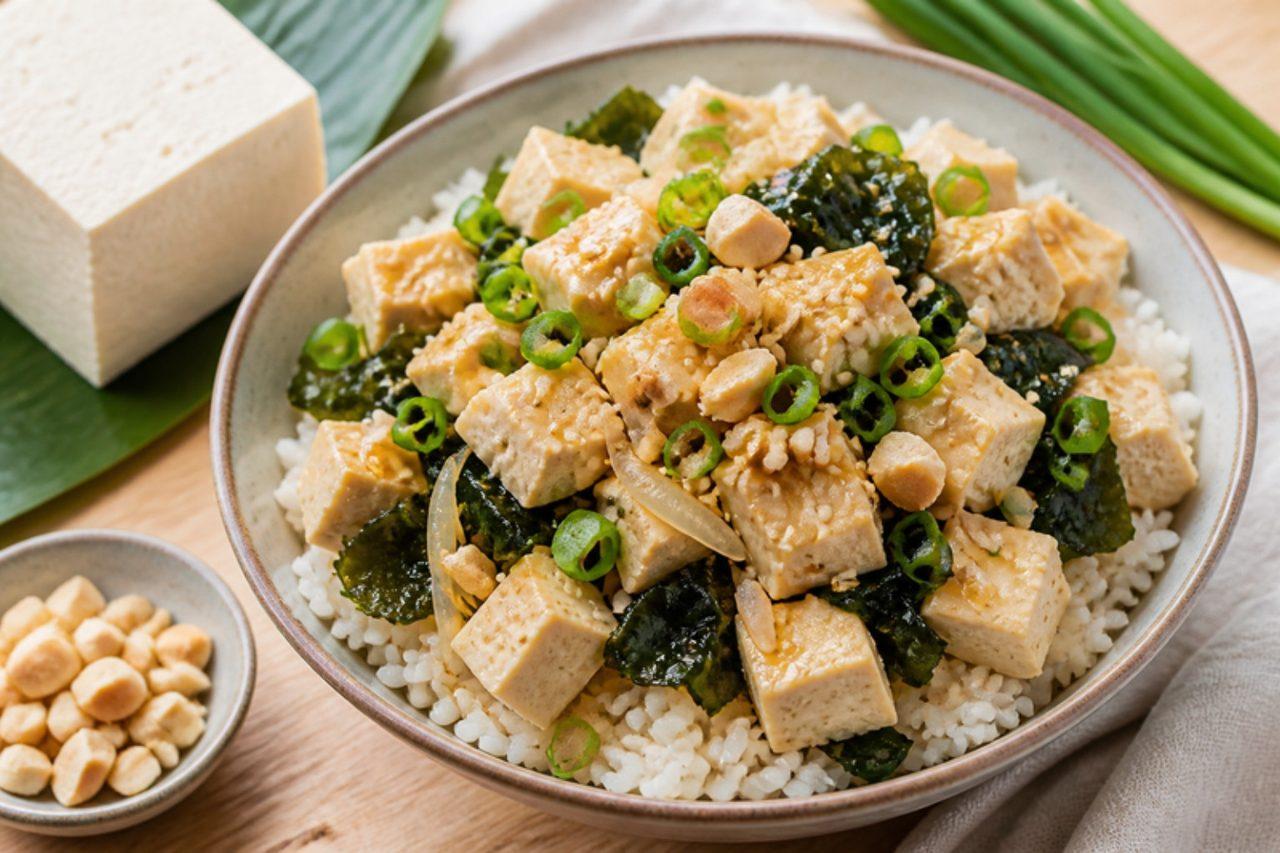
Hawaiian tofu pokeMarinated tofu bowl

Poke (say 'POH-keh', meaning 'to cut into pieces') is Hawaii's everyday snack: in local markets and at the deli counters of Honolulu, raw cubed fish is tossed with soy, sesame oil, sweet Maui onion, seaweed and inamona (roasted candlenut). Tofu poke has become a standard option at those same counters, and it's how this recipe is written; the original uses raw tuna (ahi) instead of tofu. Serve it as a pūpū (snack) or over rice. Chef's tip: press the tofu well and dry it; firm, dry cubes soak up the dressing instead of watering it down.

by KrazyBadal 0 views

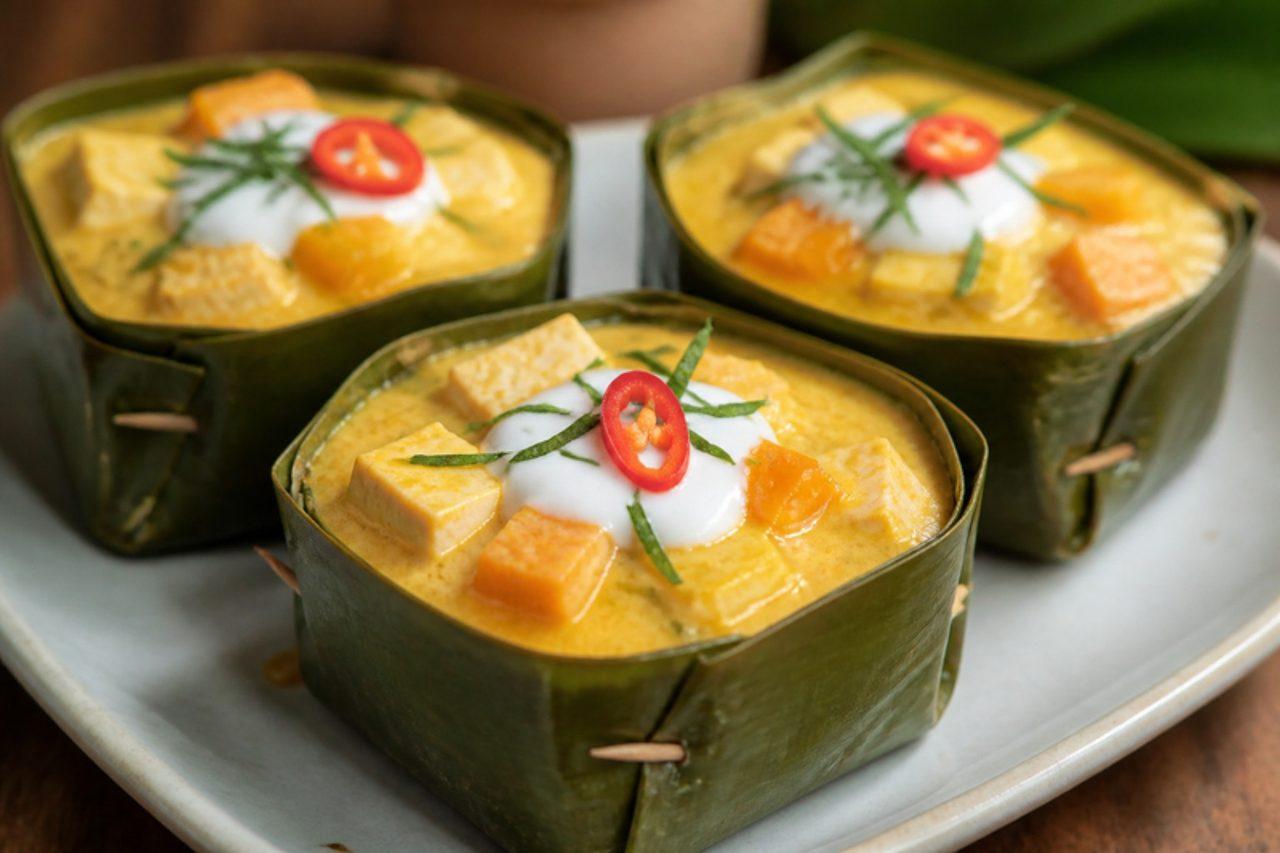
Tofu and pumpkin amokSteamed tofu and pumpkin custard

Amok is the dish Cambodians proudly serve to visitors, especially around Siem Reap and the Tonlé Sap, where it is traditionally made with freshwater fish. This home version keeps everything that makes it amok, the fragrant kroeung, thick coconut cream and a beaten egg that sets it into a soft, spoonable custard, but fills the banana-leaf cups with firm tofu and sweet pumpkin instead. Noni leaves (slok ngor) usually line the cups; young spinach gives the same green layer. Serve it with plain jasmine rice for a special dinner. Chef's tip: stir the custard in one direction only while you mix the coconut cream and egg; Cambodian cooks say this keeps it silky, and it also stops air bubbles that leave holes once steamed.

by KrazyBadal 0 views

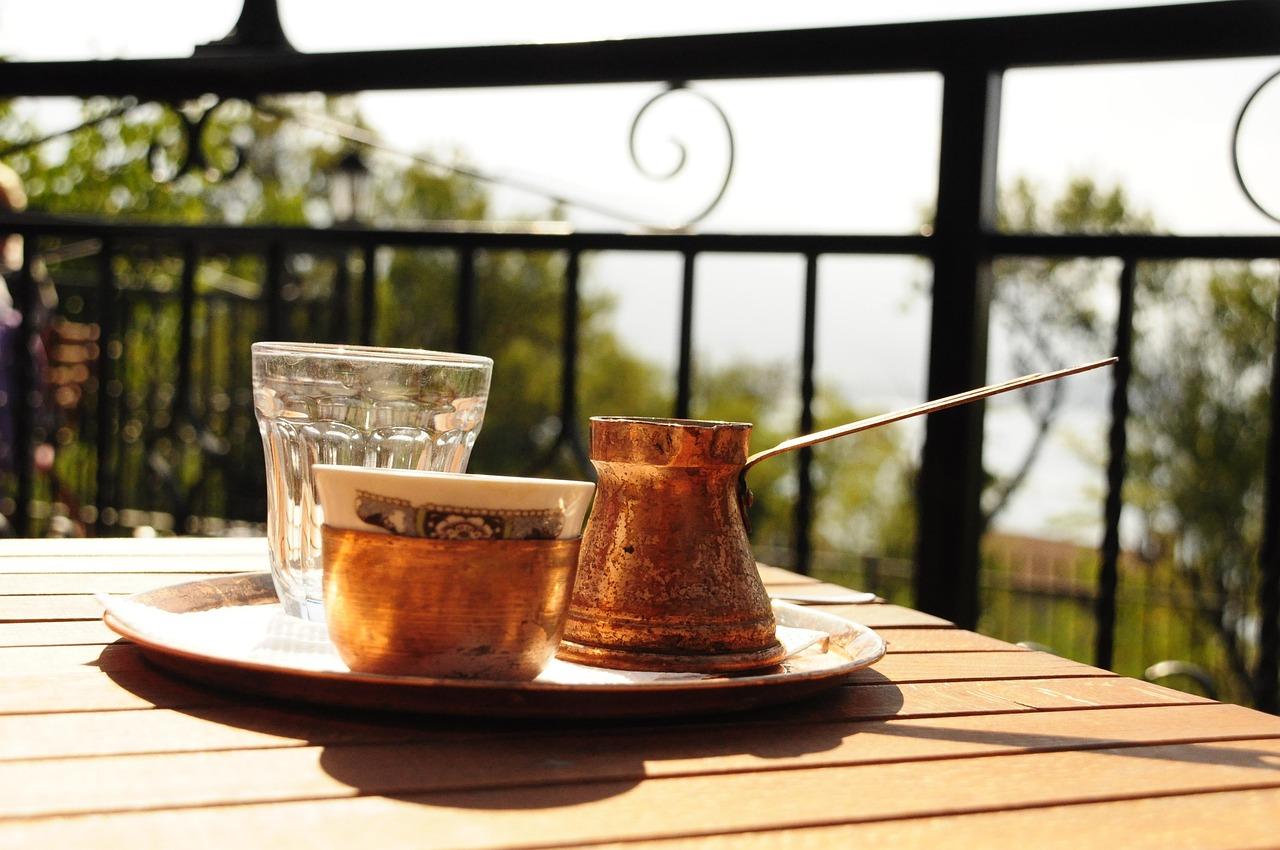
Armenian coffee

Armenian coffee, soorj, is boiled in a small long-handled pot called a jazzve and poured unfiltered into tiny cups. It is offered the moment a guest sits down in any Yerevan home and lingers after meals while the grounds settle; when the cup is empty, it is turned upside down on its saucer so someone can read the patterns left in the grounds. The coffee is powder-fine, often scented with a pinch of cardamom, with a velvety foam (kaymak) on top that is a point of pride for the host. Serve with a glass of water and a little gata or dried fruit. Chef's tip: start with cold water and a low flame; the slower the coffee heats, the thicker and longer-lasting the foam.

by KrazyBadal 1 views

Töltött káposztaStuffed cabbage rolls

Töltött káposzta is the dish Hungarians make for Christmas and the wedding feasts of the countryside, a huge pot that tastes better each day. It is a pork dish: soured cabbage leaves are rolled around a filling of pork mince, rice, onion and paprika, then layered with chopped sauerkraut and smoked pork ribs or sausage and simmered for hours. It is served with a dollop of soured cream and bread. Chef's tip: look for whole soured cabbage heads (sold for this dish in Eastern European shops); if you cannot find them, blanch fresh savoy leaves and add extra sauerkraut.

by KrazyBadal 0 views

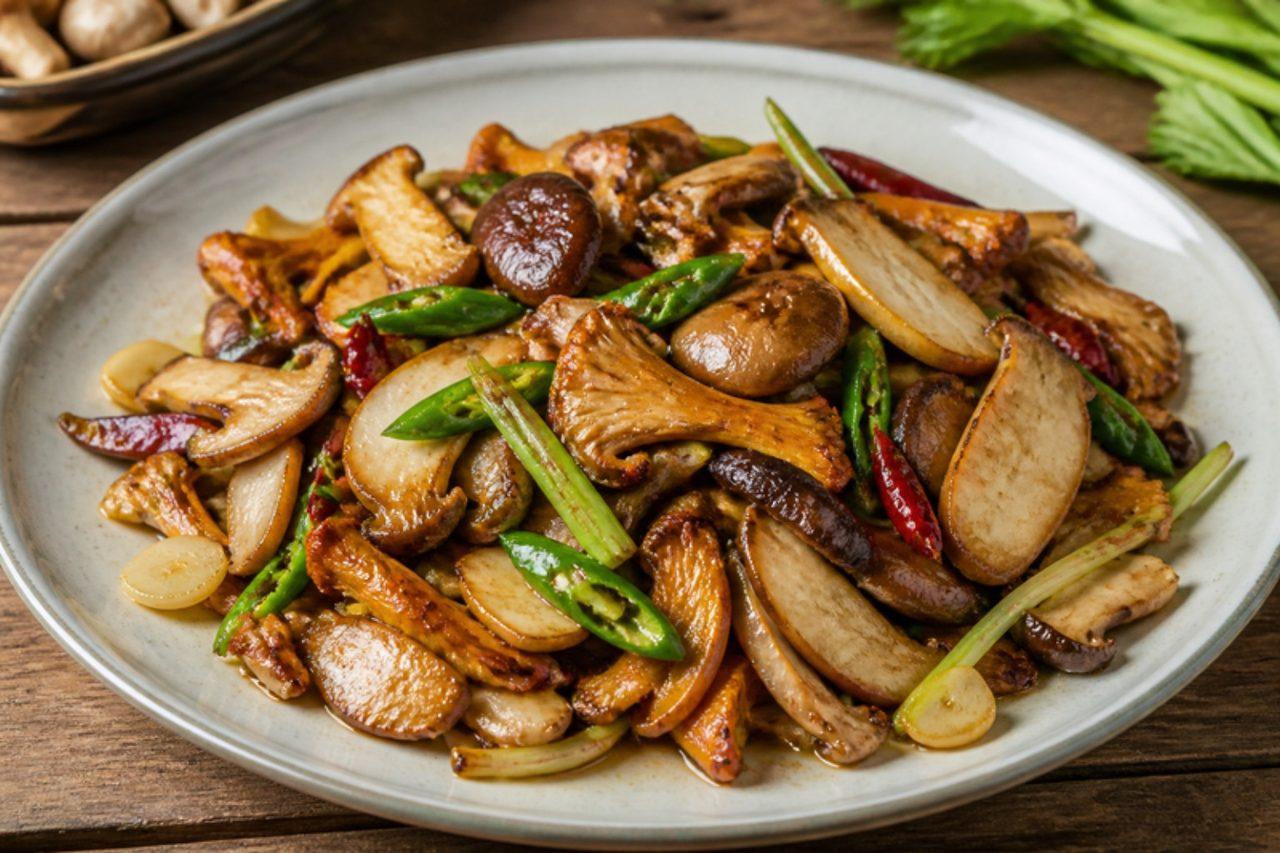
Yunnan wild mushroom stir-fry

From June to September, the markets of Kunming fill up with wild mushrooms from the mountains: porcini, chanterelles, termite mushrooms and dozens more, and restaurants fry them with a lot of garlic and chilli. Wild mushrooms there are always cooked thoroughly, and some kinds are dangerous, so at home use only shop-bought mushrooms. A mix of oyster, king oyster, shiitake and any chanterelles or porcini you can find works well. Chef's tip: cook the mushrooms in a hot, uncrowded pan so they sear; crowded mushrooms sweat and go rubbery.

by KrazyBadal 0 views

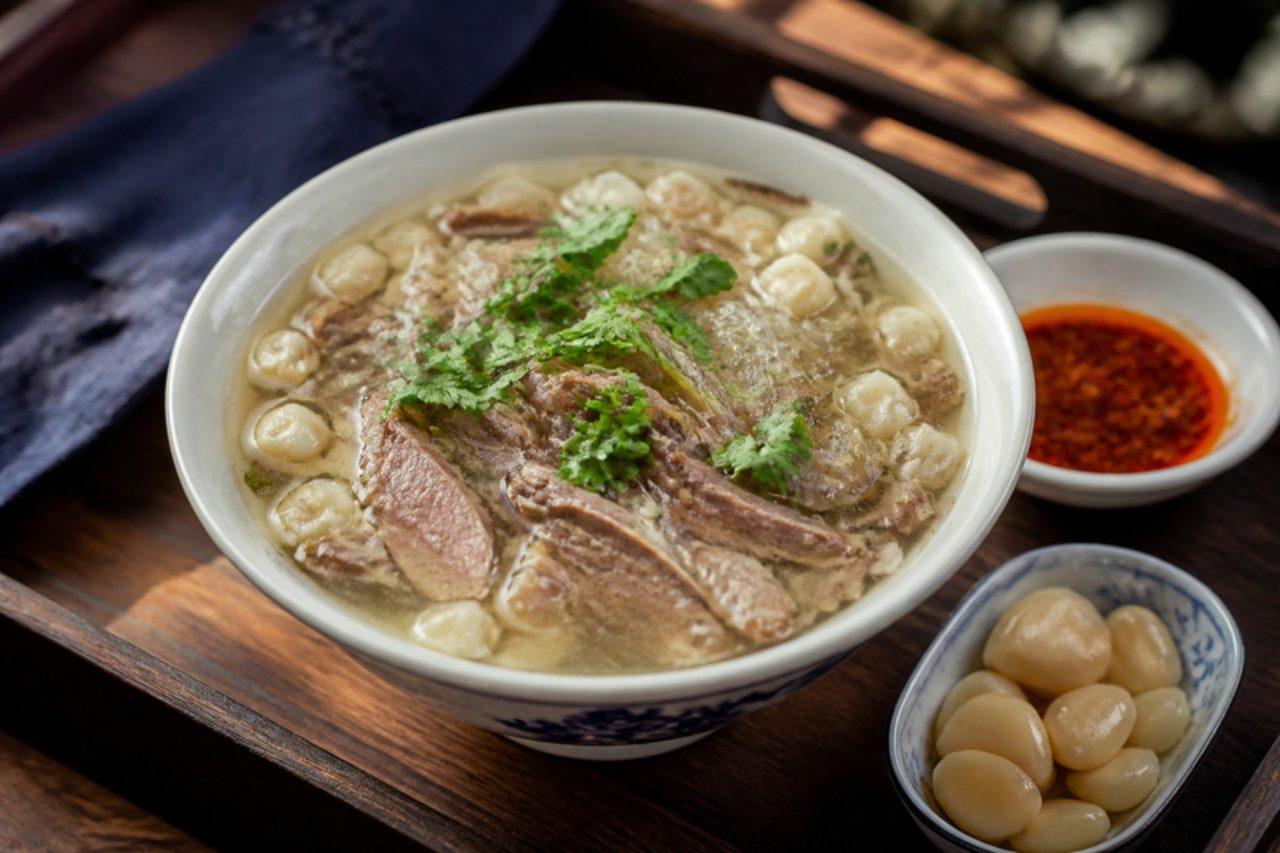
Yangrou paomoLamb soup with flatbread

Order this soup in one of the old Hui restaurants around Xi'an's Drum Tower and you are handed a dense, barely leavened flatbread and expected to tear it yourself into pea-sized crumbs while you chat; the kitchen then cooks it in rich lamb broth until each crumb is soft yet still chewy. Slices of tender lamb, glass noodles and wood ear mushrooms go in too, and the bowl comes with sweet pickled garlic and chilli sauce on the side. It is a soothing, filling soup, especially on Xi'an's freezing winter mornings. Expect a deep, clean lamb flavour scented with warm spices. Chef's tip: tear the bread small, no bigger than a soybean; big lumps stay doughy in the middle.

180 minChineseSoups
by KrazyBadal 0 views

Tom yum goongHot and sour prawn soup

Steaming bowls of this prawn soup land on almost every table in central Thailand, from riverside shophouses in Ayutthaya to family dinners in Bangkok, where it sits in the middle to be shared with rice and two or three other dishes. The broth is thin but loud: sour from lime, salty from fish sauce, hot from crushed bird's eye chillies, and perfumed by bruised lemongrass, galangal and torn makrut lime leaf, which flavour the soup but are left in the bowl. This is the clear style (nam sai) with a spoonful of roasted chilli paste for colour and a gentle sweetness; the creamy nam khon style adds evaporated milk, which we leave out to keep it dairy free. Serve it piping hot with plain jasmine rice. Chef's tip: simmer the prawn heads and shells for five minutes before anything else goes in, and the soup tastes of the sea rather than of water.

25 minThaiSoupsGluten freeSpicy
by KrazyBadal 0 views

Showing 72 of 10,569 recipes

Show more recipes

Page 1,072 of 1,175