


Skip to content
Green chilli chutney
Featured recipe

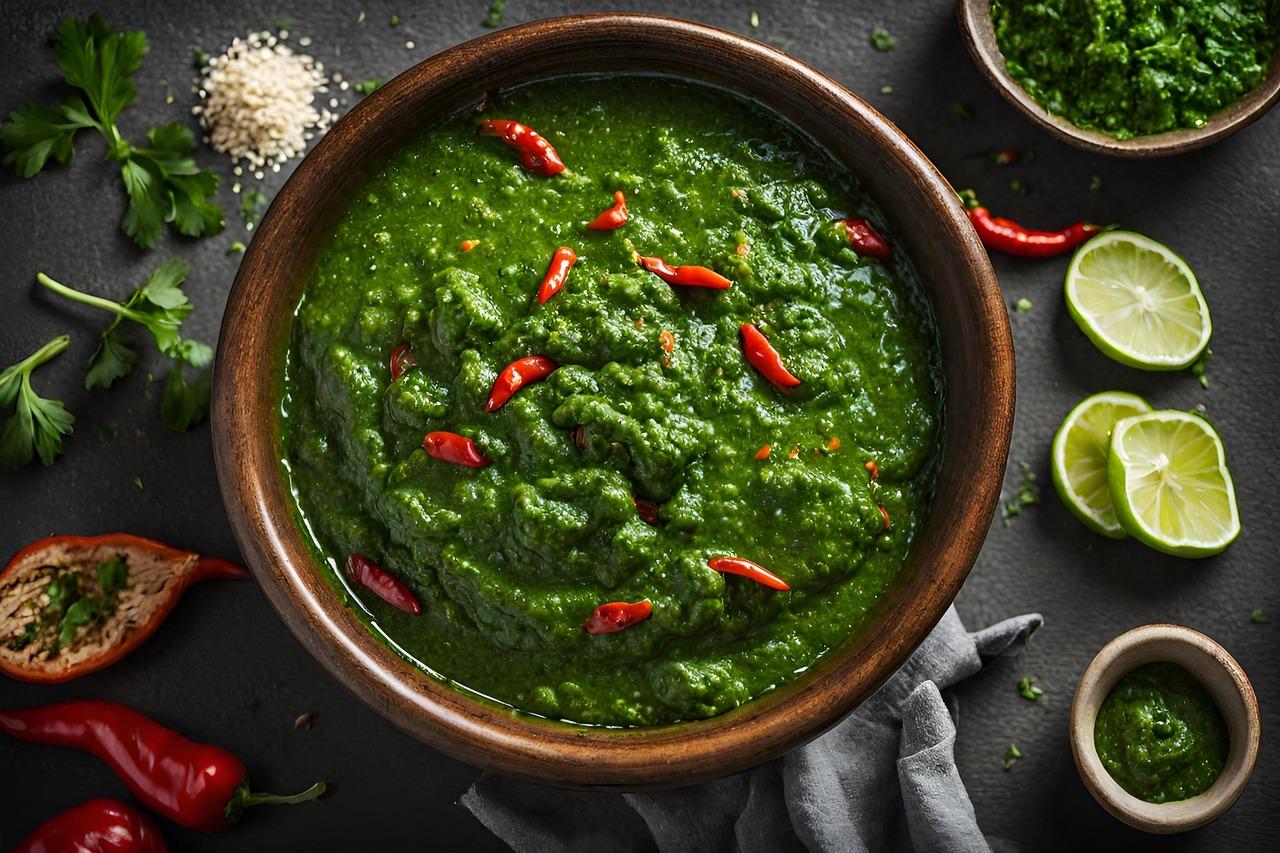
Green chilli chutney

The everyday Gujarati green chutney: fresh coriander, hot green chillies, raw mango and green pepper blended coarsely with fafadia gathia, which thickens it and stops it going watery. It's hot, tangy and a little sweet. Serve it with dhokla, khandvi, sandwiches and all kinds of farsan.

Read more 1 views

What to eat today?

Around the world

Today's trip: Persian

A new country every day, from every cuisine on the site.

Persian

Shir berenj

Rose water rice pudding 70 minMore from Persian (181) →

This week's collection

Kid-friendly dinners
750 recipes · a new collection every Monday

Coming up

All occasions →

Latest recipes

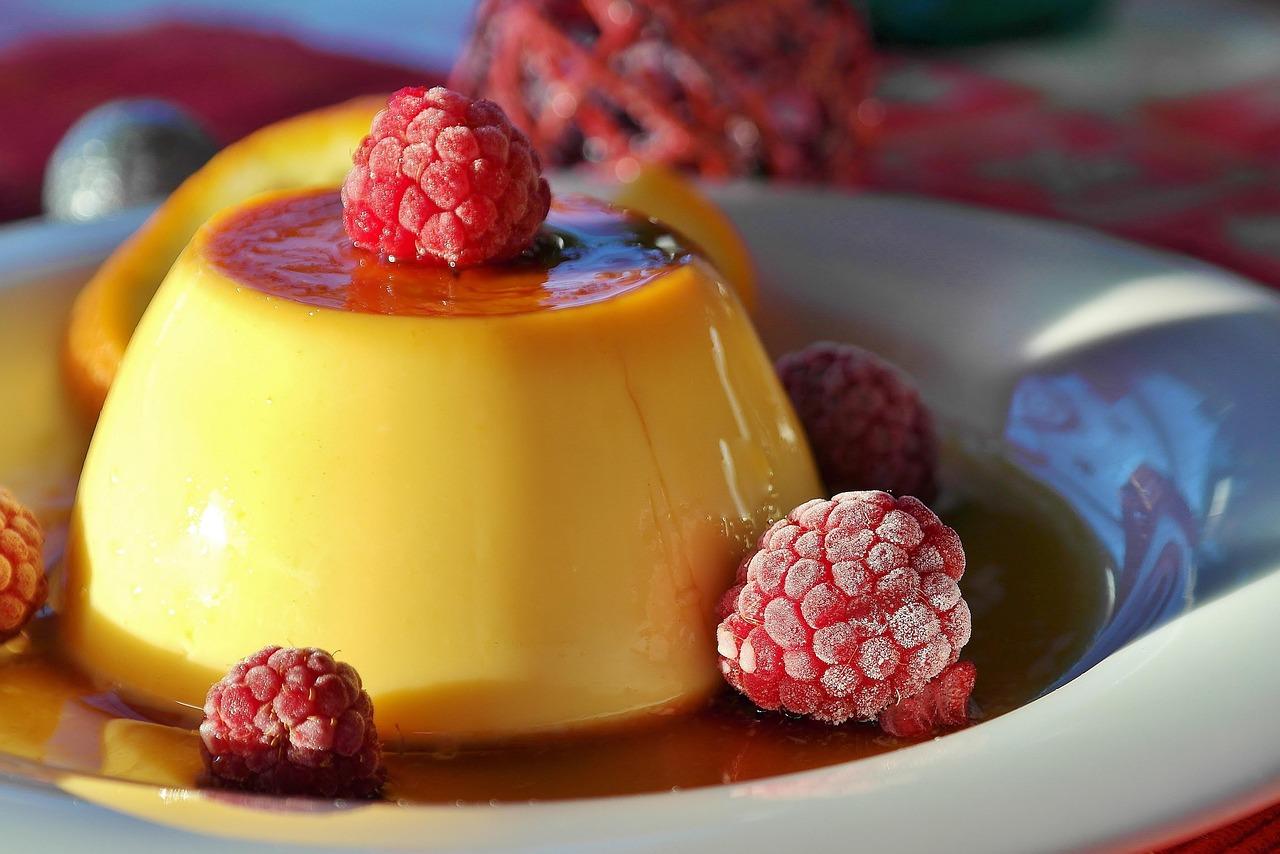
Pudim de leite condensadoCondensed milk flan

Pudim de leite condensado is the dessert of Brazilian Sunday lunch, served in every home and por-quilo restaurant from north to south. It's richer and denser than a French crème caramel: condensed milk, milk and eggs baked in a water bath in a ring tin, then turned out under a glossy layer of dark caramel. Chef's tip: bake it gently in a water bath and keep the water just below a simmer. Too much heat makes the bubbles that leave the pudim full of little holes; Brazilians prize a smooth, silky pudim lisinho.

by KrazyBadal 0 views

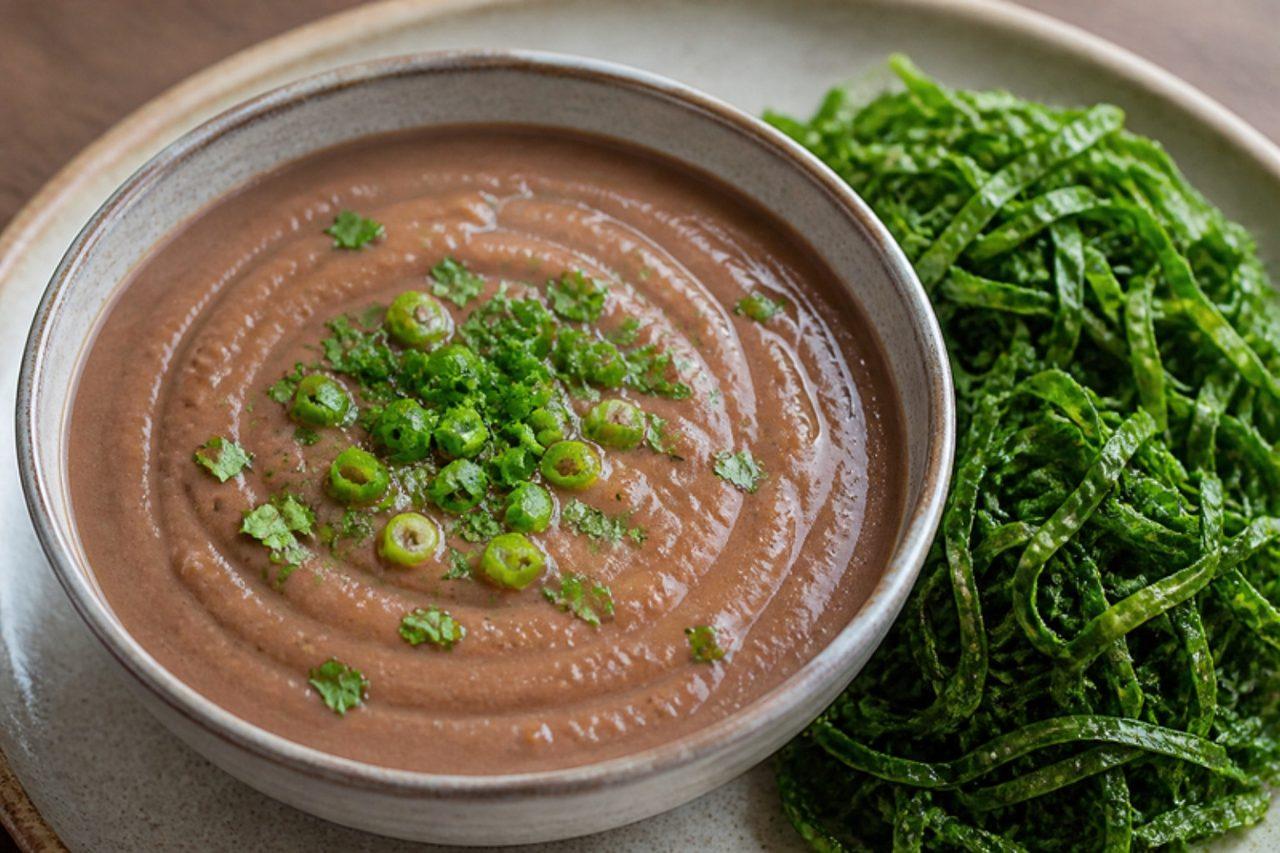
Tutu de feijãoBean purée with toasted manioc meal

Tutu de feijão is everyday comfort food from Minas Gerais, made from yesterday's beans: they're blended smooth, fried with onion and garlic, then thickened with manioc meal into a soft, spoonable mash. In Minas it comes with pork crackling and sausage; here smoked paprika and a crisp onion topping bring the savoury, smoky edge. Serve with rice, couve à mineira and a fried egg if you eat them. Chef's tip: rain in the manioc meal slowly while stirring, as you would polenta, and stop while it's still a little looser than you want. Tutu firms up as it stands, and too much farinha makes it stodgy.

by KrazyBadal 0 views

QuindimCoconut egg yolk custards

Quindim is a jewel of Bahian sweets: small, shiny, intensely yellow custards made from egg yolks, sugar and grated coconut. It goes back to Portugal's convent sweets, rich in yolks, which cooks in colonial Bahia combined with the coconut of the Brazilian coast. When baked, the coconut sinks to form a chewy base and the yolks set into a silky, translucent top that becomes the shining crown when unmoulded. Chef's tip: strain the yolks so there are no traces of white or the chalazae (the stringy bits). Egg white makes quindim pale and rubbery instead of glossy, deep gold and smooth.

by KrazyBadal 0 views

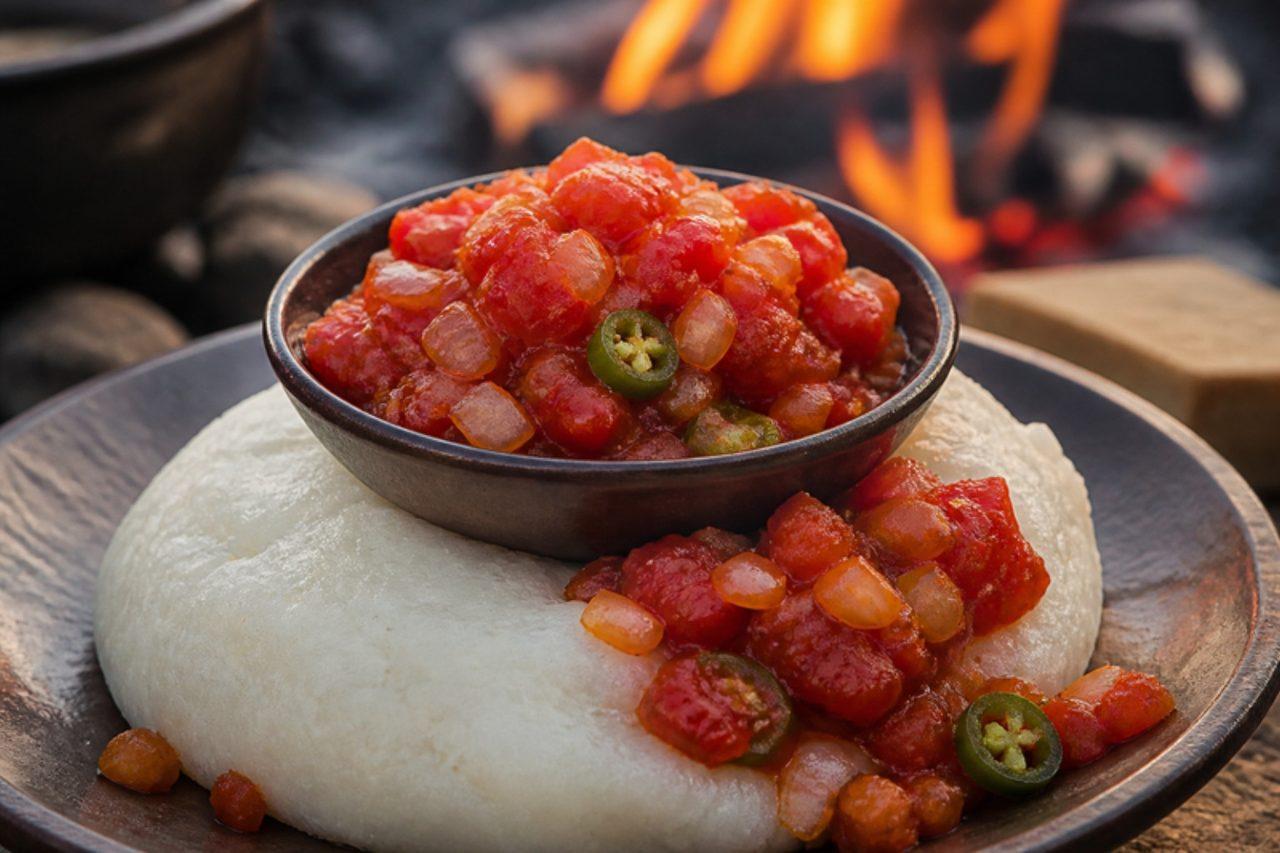
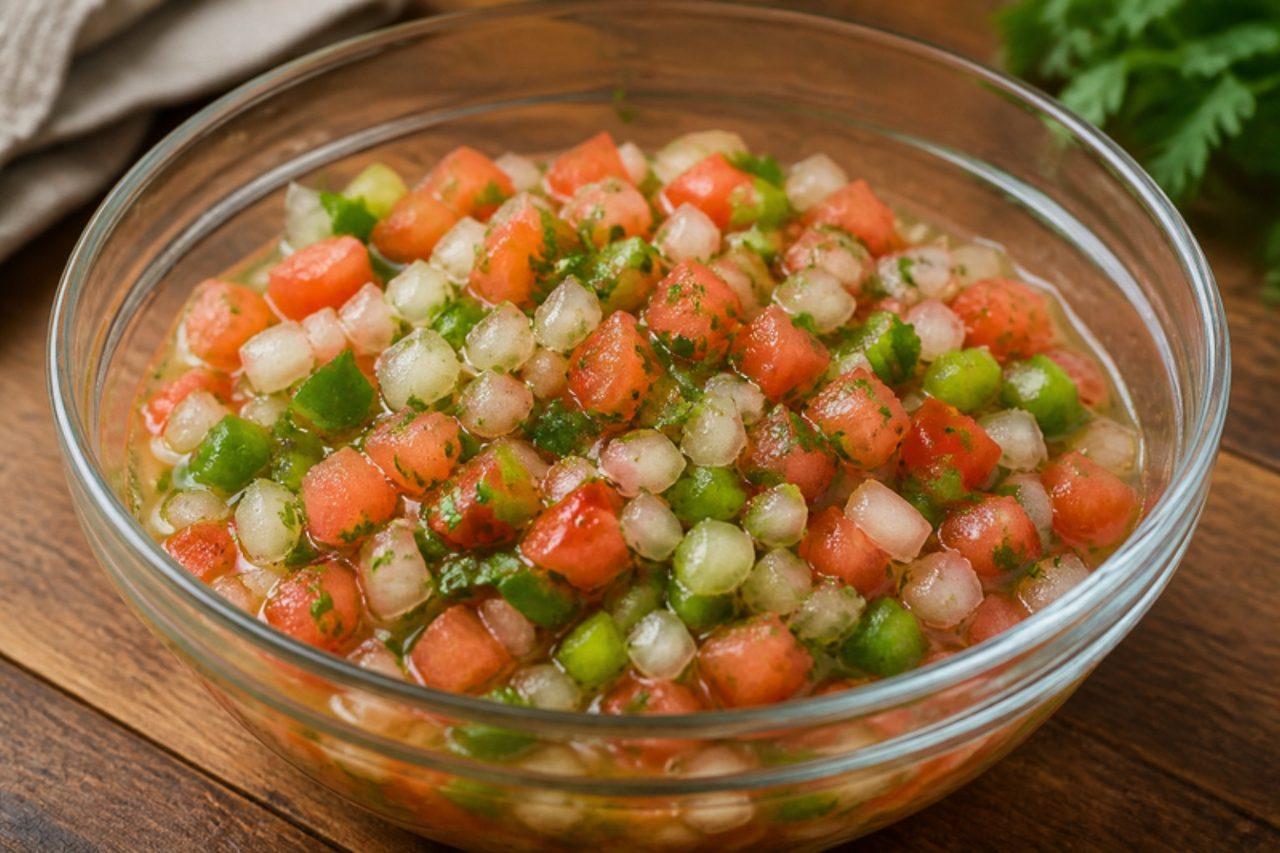
VinagreteTomato and onion salsa

Vinagrete, also called molho à campanha in the South, is the fresh, tangy salsa that goes on every Brazilian barbecue table and next to feijoada, acarajé and grilled cheese. Finely diced tomato, onion and green pepper are bathed in vinegar, olive oil and a little water, so it's halfway between a salad and a sauce. Chef's tip: soak the chopped onion in cold water for 5 minutes and drain. It takes away the harsh bite while keeping the crunch, so the salsa tastes clean and bright instead of raw.

by KrazyBadal 0 views

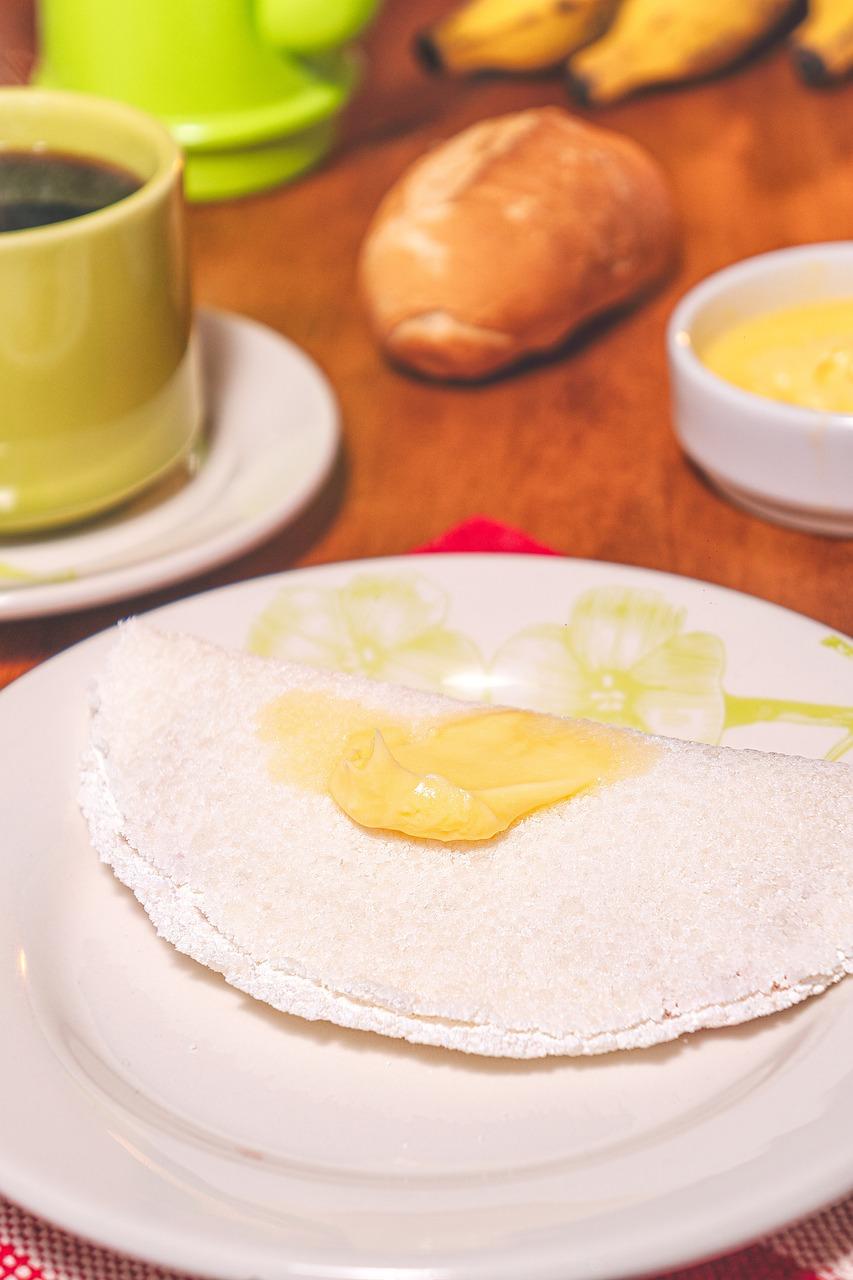
Tapioca crêpeCassava starch crêpe

Tapioca is the Northeast's favourite breakfast, cooked on griddles at beach stalls from Recife to Fortaleza and now loved all over Brazil. Damp cassava starch (goma) is sieved into a hot dry pan, where it fuses into a thin white disc that's soft, chewy and slightly crisp. This recipe gives two classic fillings: melting cheese with butter, and coconut with condensed milk. Chef's tip: hydrate the starch until it feels like damp sand that holds when squeezed, then sieve it into the pan and never press it down. A loose, even layer is what makes the starch melt into one lacy, flexible sheet.

by KrazyBadal 0 views

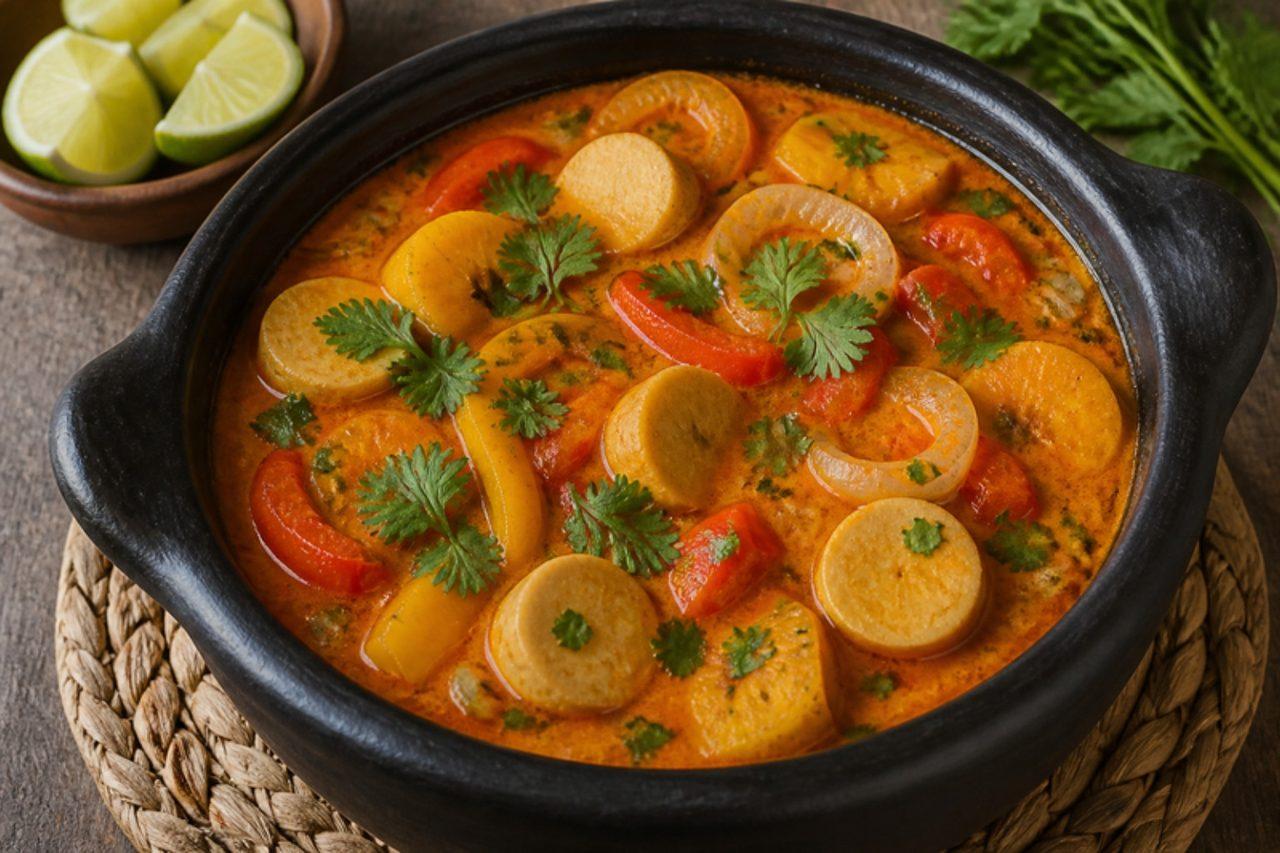
Palm heart and plantain moquecaPalm heart and plantain coconut stew

Moqueca is the great stew of Bahia, cooked in a clay pot with coconut milk, tomatoes, peppers and dendê, the red palm oil that gives Salvador's food its colour and flavour. Fish is usual on the coast, but moqueca de palmito e banana-da-terra, with heart of palm and ripe plantain, is a much-loved vegetarian version: sweet, tangy and fragrant with coriander and lime. Serve with white rice and farofa. Chef's tip: layer the vegetables rather than frying them, and add half the dendê at the start and half at the very end. The final splash keeps its fruity, nutty aroma, which is the real taste of Bahia.

by KrazyBadal 0 views

Limonada suíçaCreamy lime drink

Limonada suíça is the creamy, frothy limeade served in juice bars and lunch counters all over Brazil. Despite the name ('Swiss lemonade'), nobody knows of any Swiss link, and it's made with whole Tahiti limes, blended briefly, skin and all, then strained and sweetened with condensed milk. It's cold, zingy and pale green, perfect with a hot lunch. Chef's tip: blend for no more than 10–15 seconds. Lime peel gives the drink its wonderful perfume, but blended too long it releases bitterness from the pith; serve it straight away for the same reason.

by KrazyBadal 0 views

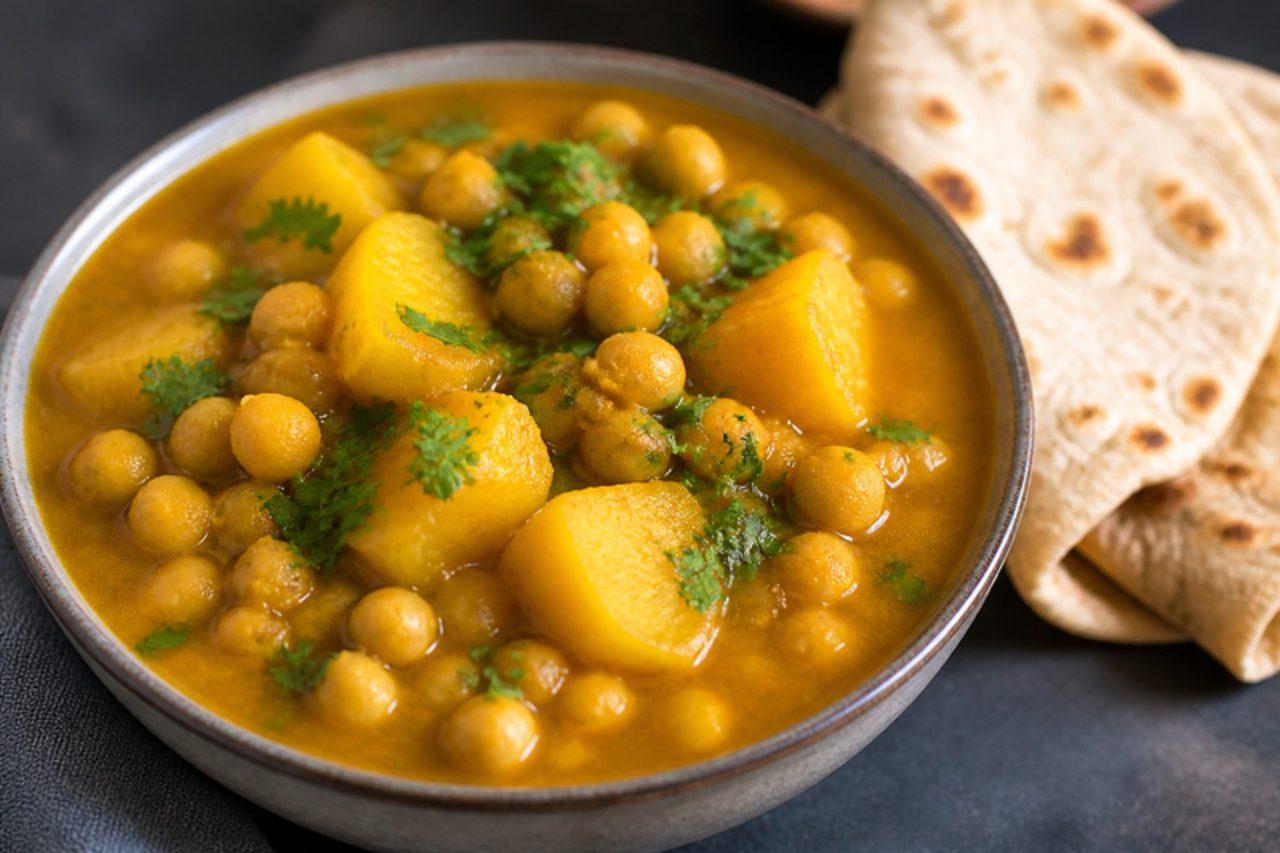
Curry channa and alooChickpea and potato curry

Curry channa and aloo is a staple of Trinidad's Indo-Caribbean home cooking: chickpeas and potatoes simmered in a turmeric-gold Caribbean curry until the potatoes start to break down and thicken the sauce. It's what fills a dhalpuri or buss-up-shut roti in roti shops from Chaguanas to Penal, and it's at every Hindu wedding and Divali feast. It isn't an Indian chana masala: there's no tomato or garam masala, the curry powder is the Caribbean kind, heavy with turmeric, coriander and fenugreek, and it's finished with shado beni (culantro) and green seasoning. Chef's tip: 'chunkay' the curry. Fry the curry paste in hot oil until it darkens, turns grainy and the oil separates before you add the chickpeas. Raw curry tastes dusty and flat; fried curry tastes rich and round.

by KrazyBadal 0 views

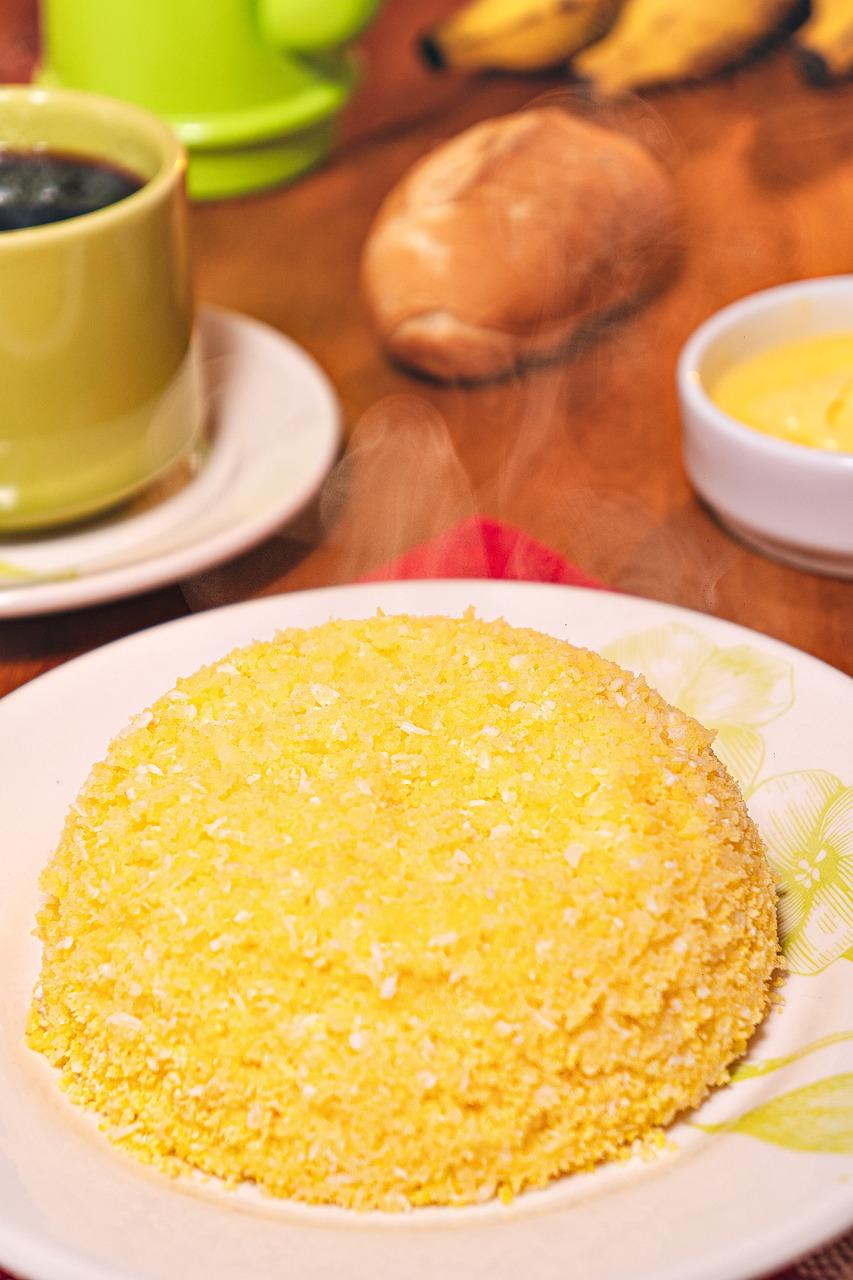
Cuscuz nordestinoSteamed flaked corn cake

Cuscuz nordestino has nothing to do with North African couscous: it's a soft, fluffy cake of steamed flaked maize (flocão), eaten every morning across the Northeast, from Pernambuco to Bahia. It's served hot in wedges with a melting slab of butter, often with fried egg, cheese or coconut milk poured over. It's traditionally steamed in a cuscuzeira, a two-tier steamer, but a steamer basket lined with a cloth works too. Chef's tip: let the corn soak up the salted water for 10 minutes, then pack it into the steamer loosely. Pressed down, it turns dense and heavy; loose, it steams into a light cake that still holds together.

by KrazyBadal 0 views

Showing 9 of 10,268 recipes

Show more recipes

Page 1,069 of 1,141