


Skip to content
Avocado dip
Featured recipe

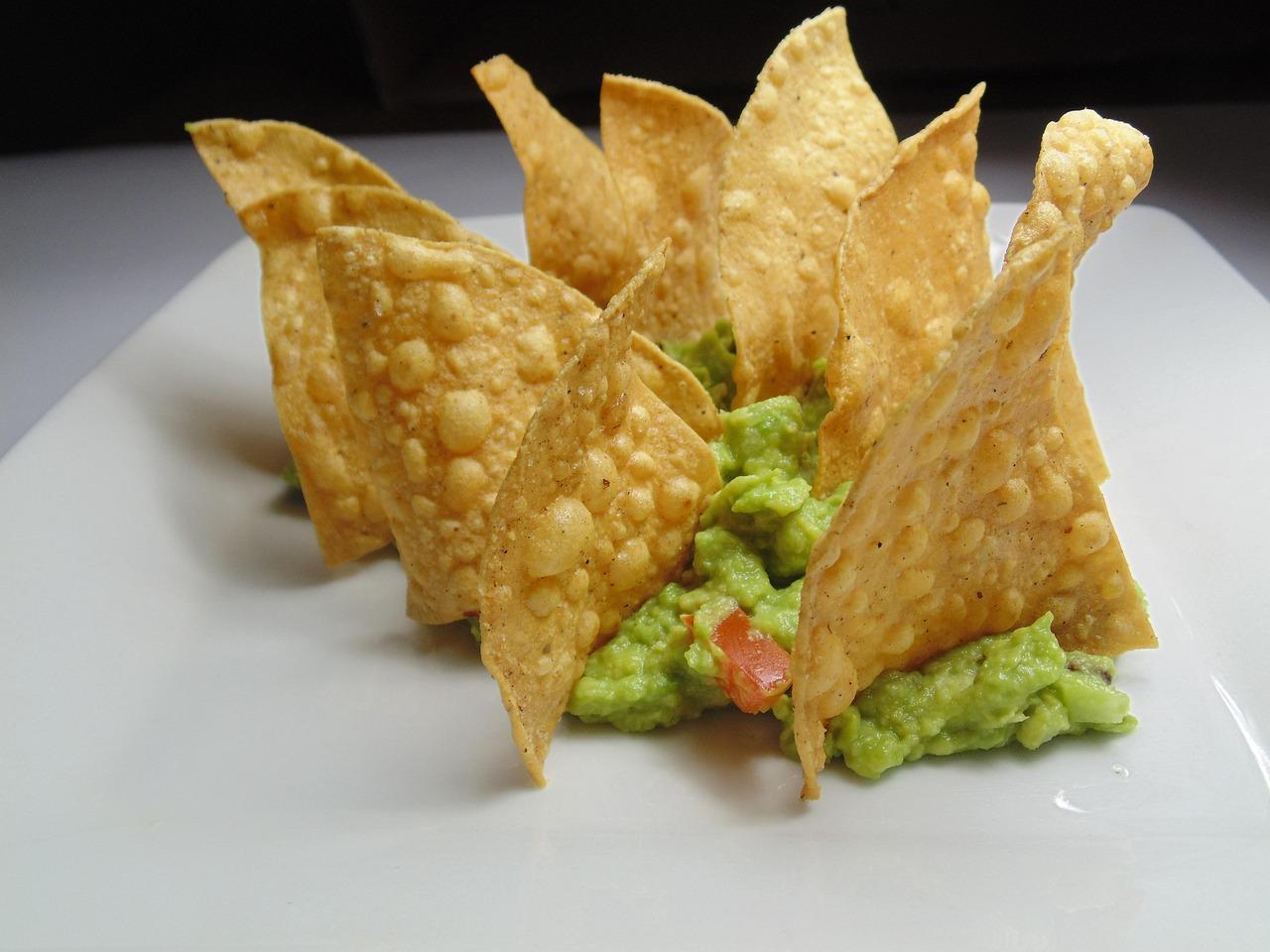
Avocado dip

A guacamole-style dip of ripe avocado mashed with tomato, onion, green chillies, coriander, a little sour cream, Tabasco and lemon. Make it smooth or chunky, as you like. Chill it and serve with nacho triangles.

Read more 1 views

What to eat today?

Around the world

Today's trip: Peruvian

A new country every day, from every cuisine on the site.

Peruvian

Tacacho

Mashed roasted green plantain balls 35 minMore from Peruvian (111) →

This week's collection

Kid-friendly dinners
772 recipes · a new collection every Monday

Coming up

All occasions →

Latest recipes

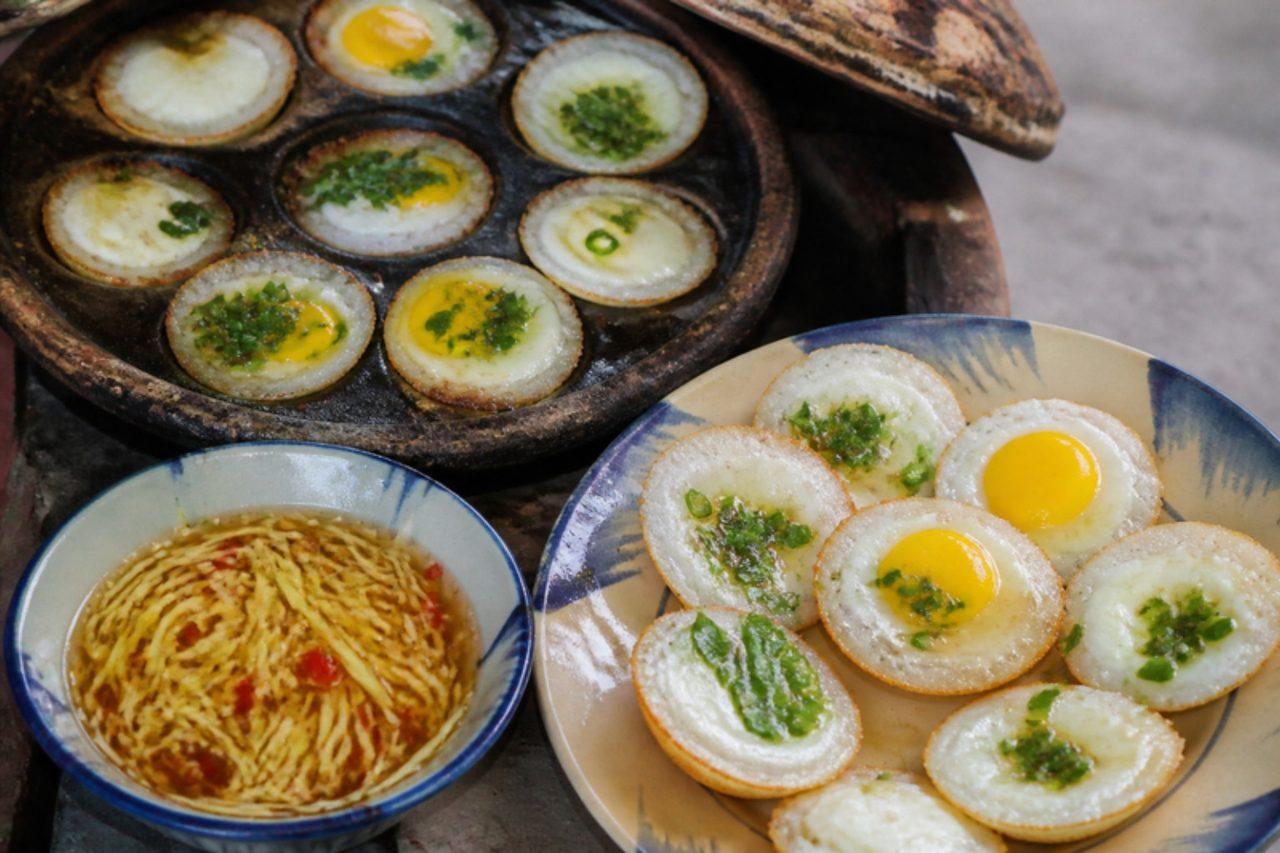
Banh canMini rice flour cakes with egg

Bánh căn comes from Phan Rang on the south-central coast and is now a favourite of chilly evenings in Da Lat, where sellers crouch over charcoal and rows of small clay moulds, cracking a quail egg into each little cup of rice batter. The cakes come out crisp and browned underneath and soft and steamy on top, and are eaten in pairs, dunked in a sweet-sour dipping sauce with shredded green mango and herbs. Most stalls use a fish sauce dip and sometimes add squid or shrimp; this version keeps it vegetarian with a tamari sauce and spring onion oil. Chef's tip: let a little of the cooked rice in the batter go into the blender; it gives the cakes their soft, slightly chewy middle.

by KrazyBadal 0 views

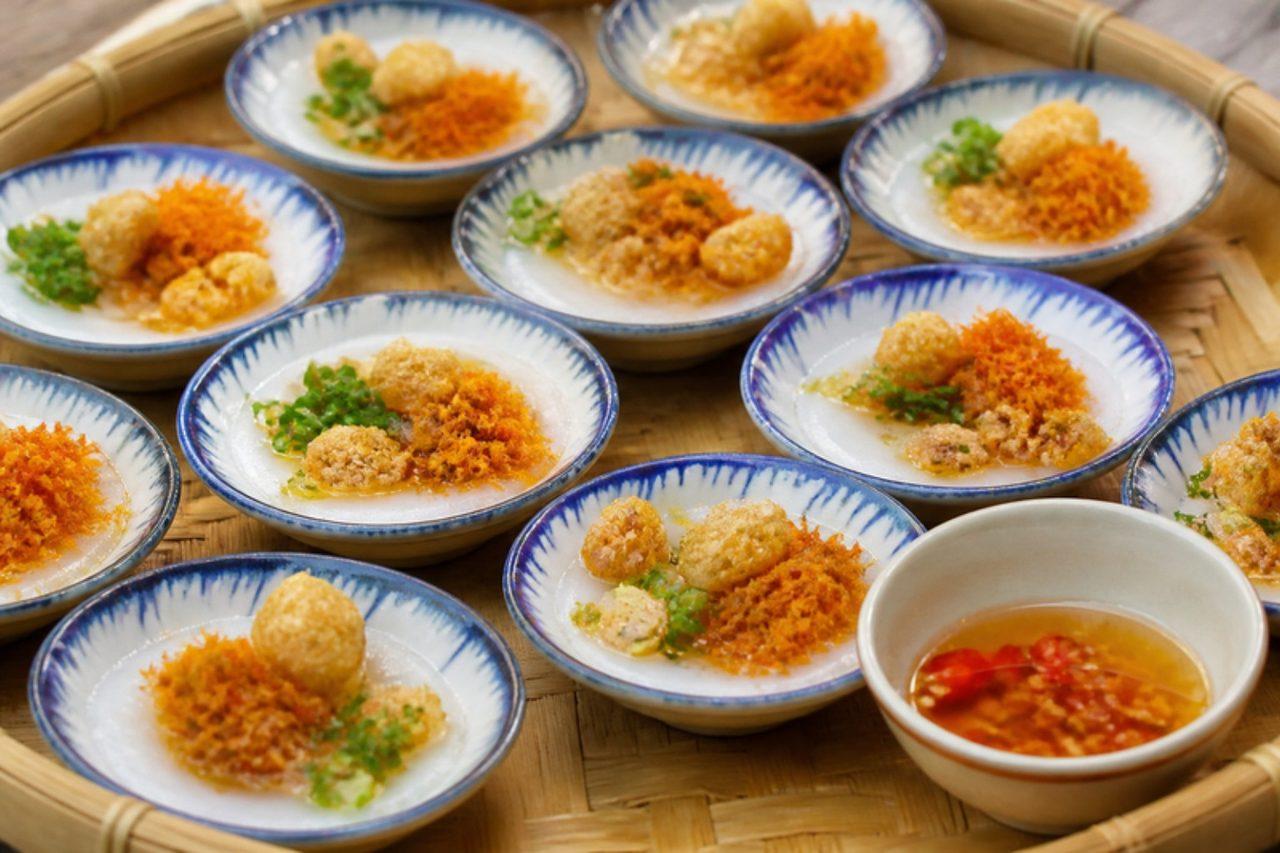
Banh beoSteamed rice cakes with shrimp

Bánh bèo are named after the water fern that floats on Huế's ponds, which the little round cakes resemble. In the city they arrive at the table by the dozen, each still in its own small saucer, topped with pink shrimp floss and spring onion oil. You spoon sweet fish sauce over and scoop each one out in a single mouthful. They're a mid-afternoon snack or a light lunch alongside other Huế rice cakes. Small ramekins, egg poaching cups or a silicone mini-muffin tray all work as moulds. Chef's tip: heat the empty saucers in the steamer for a minute before adding the batter; the cakes then set with the little dimple in the middle that holds the toppings.

by KrazyBadal 0 views

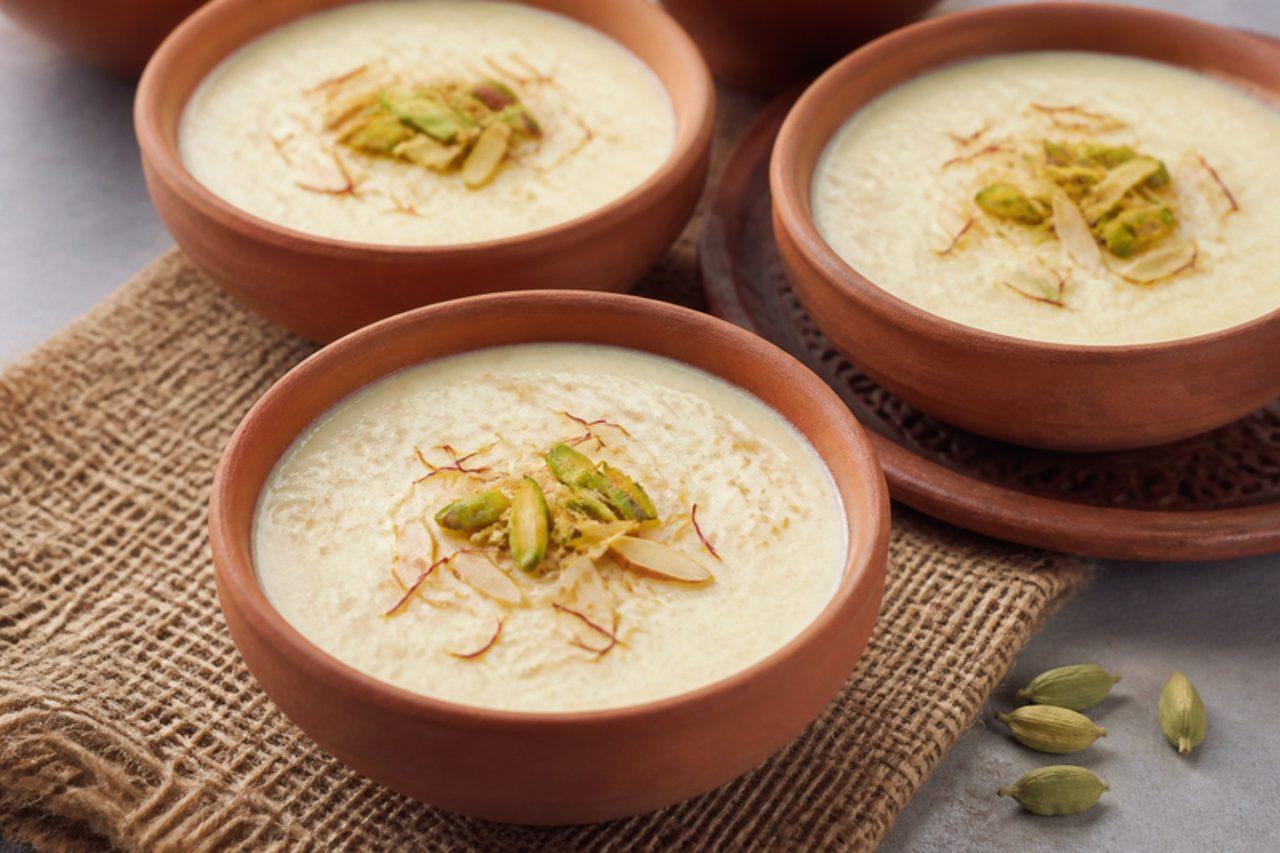
FirniGround rice milk pudding

Firni is the dessert that turns up in little clay bowls on Eid tables across Bangladesh, especially after the evening meal on Eid-ul-Fitr. It is smoother and thicker than payesh: instead of whole rice grains, coarsely ground rice is simmered in milk until it sets into a silky pudding, scented with cardamom and rose water and scattered with pistachios and almonds. It is served chilled, so it's made a day ahead. Chef's tip: grind the soaked rice to a coarse semolina-like grit, not a fine powder; that slight texture is what makes firni feel rich.

by KrazyBadal 0 views

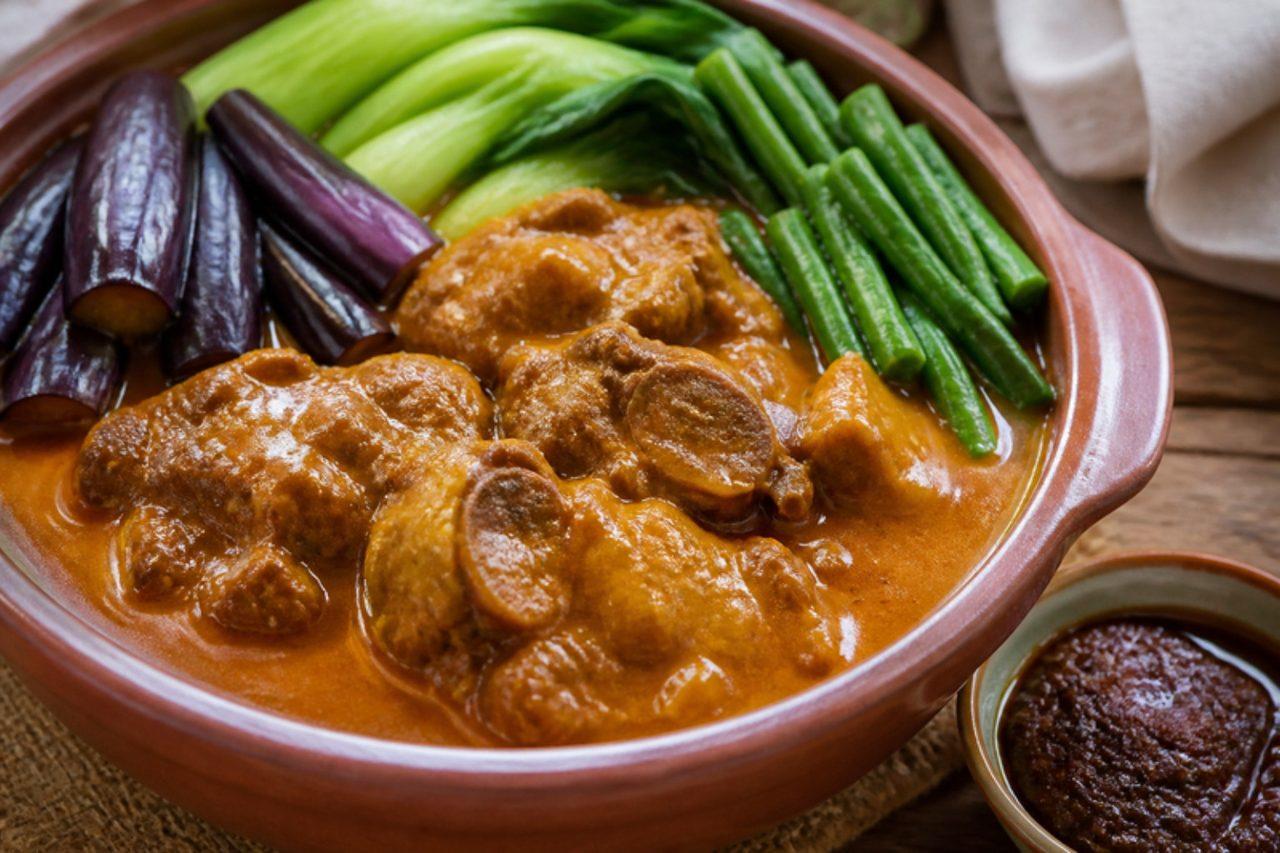
Kare-kareOxtail in peanut sauce

Kare-kare belongs to Pampanga, the province north of Manila that many Filipinos call the country's kitchen, and it is the stew families bring out for fiestas, birthdays and long Sunday lunches. Oxtail and beef shin are simmered until the meat falls from the bone, then finished in a thick, nutty sauce coloured orange with annatto and thickened with toasted ground rice. The sauce itself is barely salted on purpose: everyone adds a little sautéed shrimp paste (bagoong alamang) at the table, so the dish contains shellfish. Pile it over steamed rice with the aubergine, long beans and pak choi. Chef's tip: toast the rice in a dry pan until it is the colour of biscuits before grinding it; that roasted smell is what makes the sauce taste of kare-kare rather than plain peanut butter.

240 minFilipinoMeat
by KrazyBadal 0 views

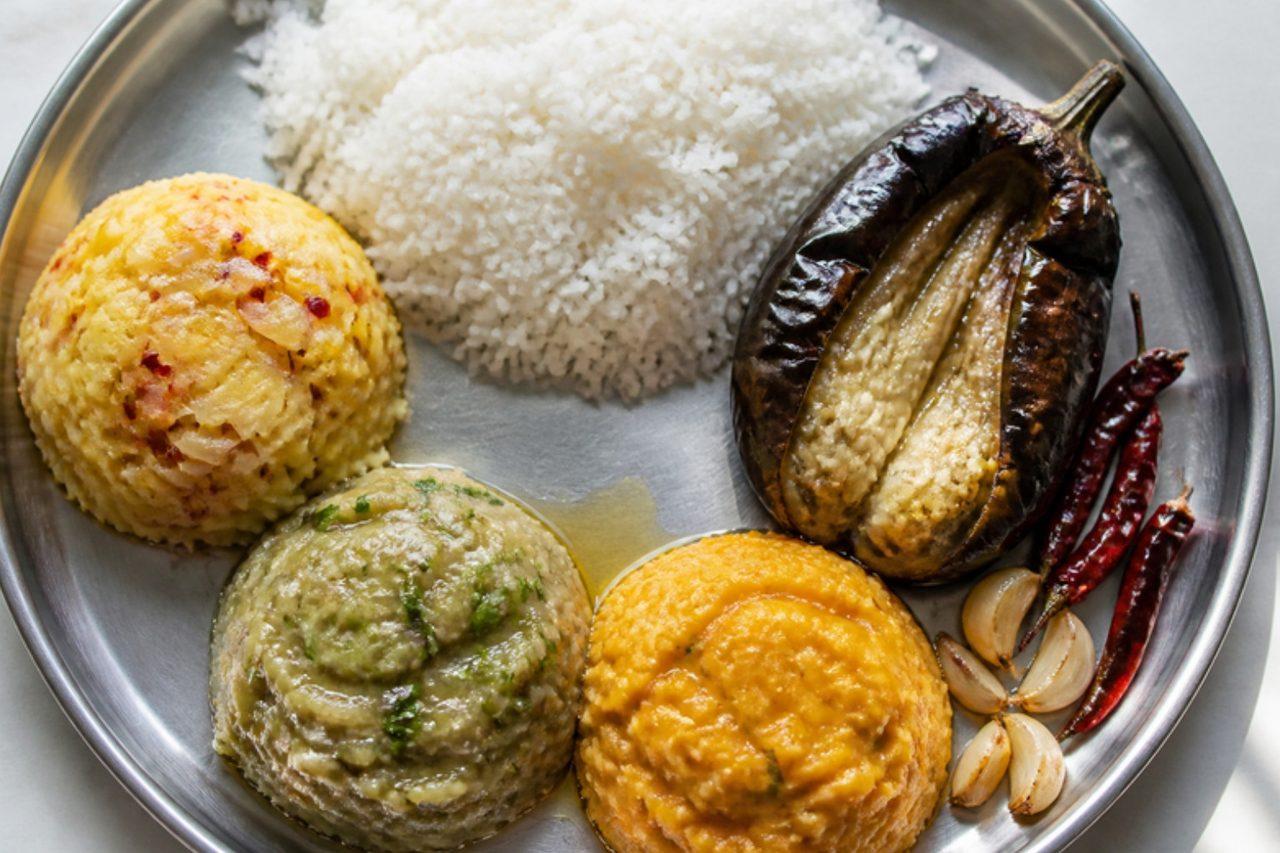
Bhorta platter (aloo, begun and dal bhorta)Mashed potato, aubergine and dal

No word says home cooking in Bangladesh like bhorta: anything boiled, roasted or fried, then mashed by hand with raw mustard oil, sliced onion, green or burnt chillies and coriander. A family lunch in Dhaka or Khulna might set out three or four bhortas in little heaps around a mound of rice, and this page makes the classic trio: aloo (potato), begun (fire-roasted aubergine) and dal (dry-fried red lentil). They share one method, so they live together here. Chef's tip: mash with your fingers, not a fork, rubbing the onion and chilli into the oil first; it bruises them and releases their sharpness into every bite.

by KrazyBadal 0 views

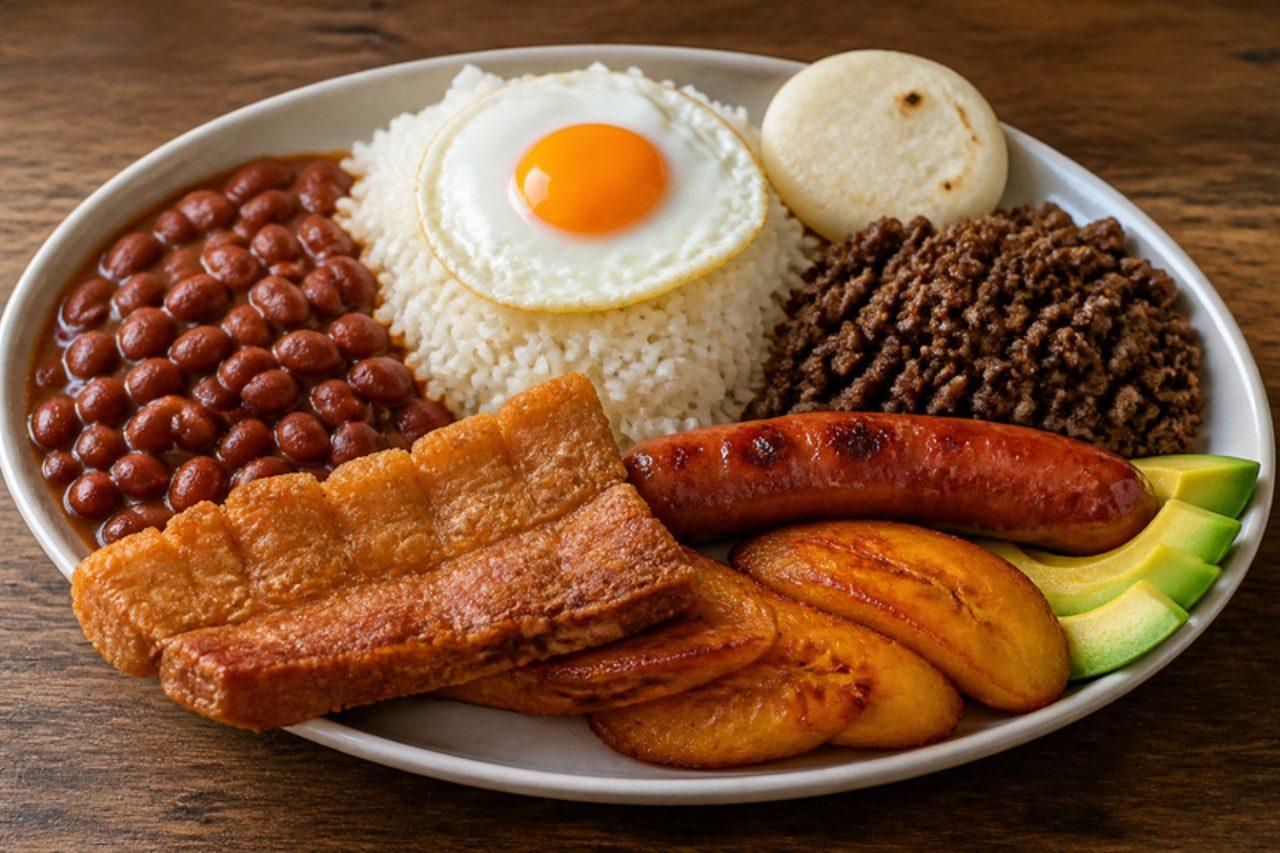
Bandeja paisaBeans, rice and pork platter

Bandeja paisa is the farmhouse feast of Antioquia and the coffee region around Medellín, served on an oval platter so big it barely fits on the table. This is a pork dish: crisp chicharrón (fried pork belly) and chorizo sit next to red beans, white rice, seasoned minced beef, a fried egg, ripe plantain, a small arepa and avocado. Paisas eat it for a long Sunday lunch, and restaurants in Medellín serve it every day. It looks like a lot of work, but most parts can be made ahead and finished together. The mistake most people make is frying the pork belly too hot from the start; it needs to simmer in its own fat first, or the outside burns before the inside turns tender. Chef's tip: cook the beans a day ahead; they thicken and taste better, and the day itself is then only frying.

by KrazyBadal 0 views

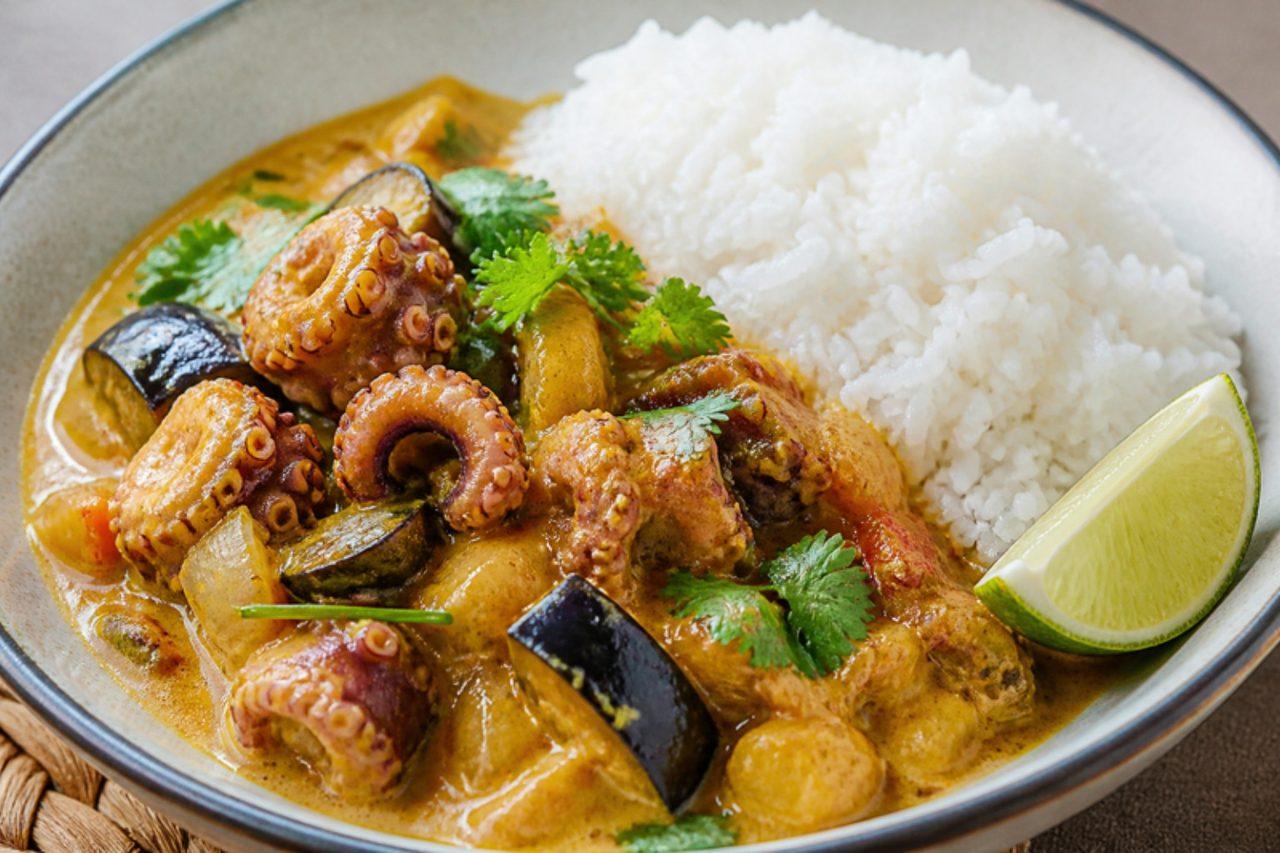
Kari koko zouritOctopus coconut curry

Kari koko zourit, octopus in coconut curry, is the dish most Seychellois would name as their national favourite, cooked on Mahé and Praslin when the fishermen bring octopus in from the reef. The octopus is simmered until tender, then cooked in a sauce of coconut milk, curry powder, garlic, ginger, cinnamon and a little aubergine. It is served with rice and a green papaya chutney. The mistake is cooking the octopus too briefly or at a fast boil, which makes it rubbery; it needs a long, gentle simmer. Chef's tip: frozen and thawed octopus is often more tender than fresh, because freezing breaks down the fibres.

by KrazyBadal 0 views

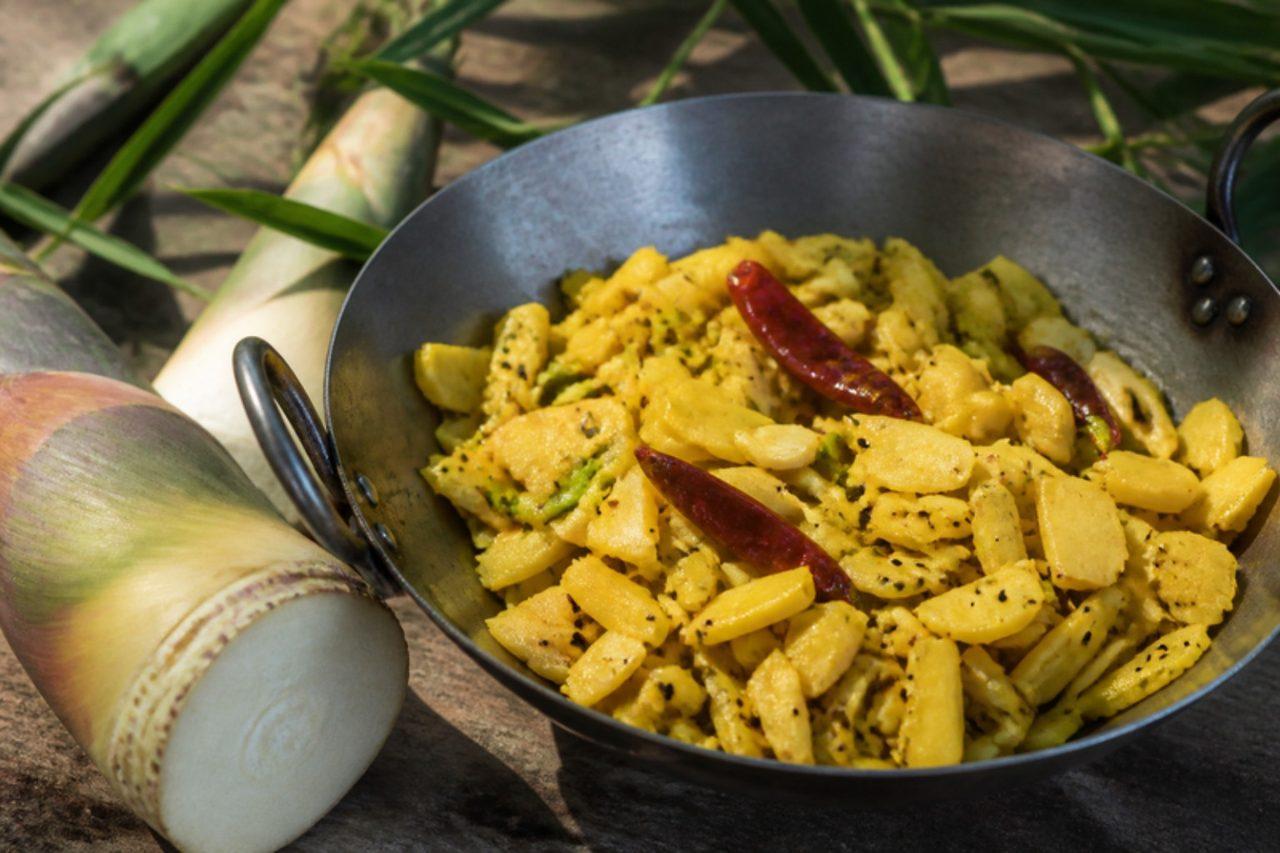
Karil (bamboo shoot curry)Bamboo shoot and potato curry

In the villages of Jharkhand's Chotanagpur plateau, the first tender bamboo shoots of the rains are called karil, and they are cooked into a simple, punchy dry curry with potato, lots of garlic and mustard oil. Some families also dry or pickle the shoots to last the year. The shoots stay crunchy and have a gentle sourness that goes beautifully with rice and dal. Tinned bamboo shoots work well and are already cooked. Chef's tip: always boil fresh shoots before using them; raw bamboo is bitter and not safe to eat.

by KrazyBadal 0 views

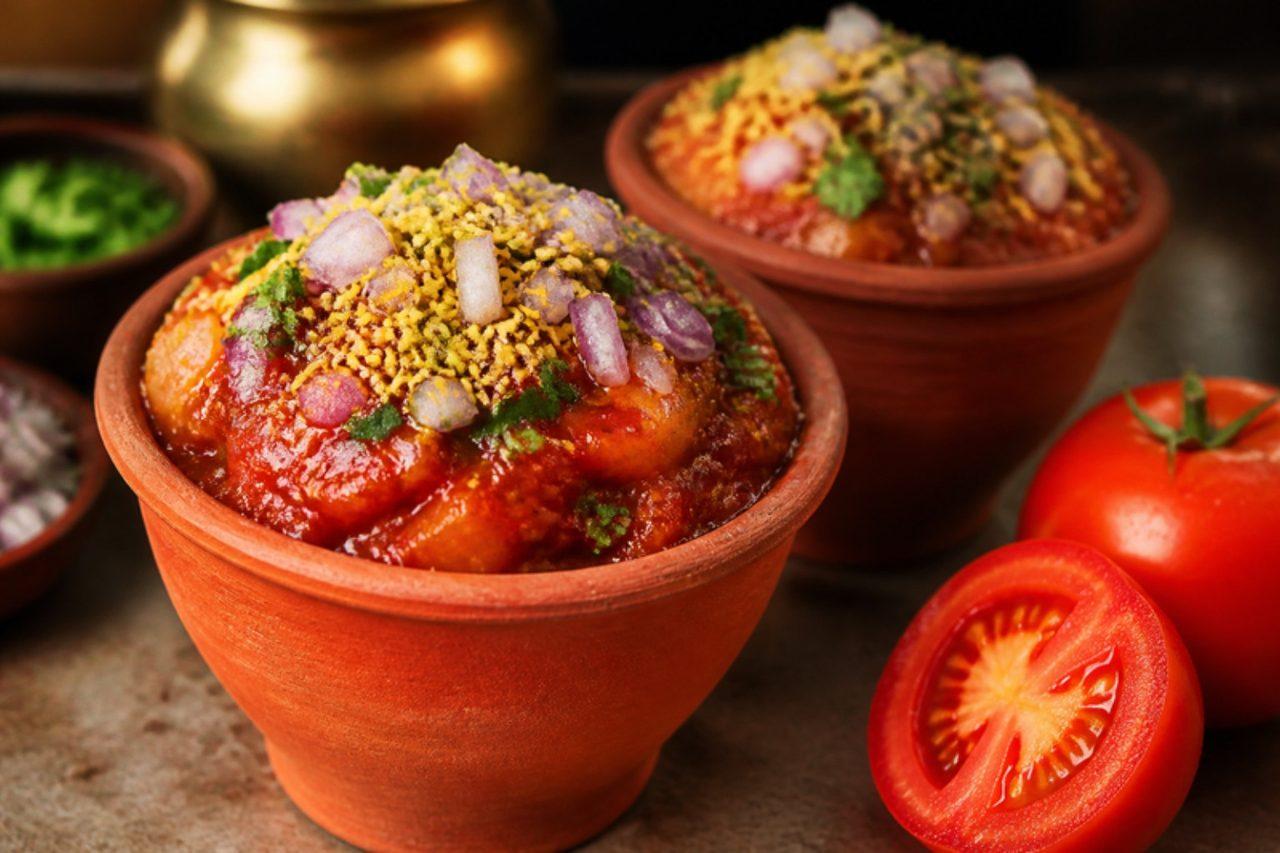
Banarasi tamatar chaatMashed tomato and potato chaat

Walk through the lanes near Dashashwamedh Ghat in Varanasi in the evening and you will see vendors mashing tomatoes and potatoes in large iron pans, cooking them with ghee and spices until thick, then spooning the mixture into small clay cups. Tamatar chaat is unique to Banaras: served hot, spicy, tangy, and finished with a thin sugar syrup and a pinch of chaat masala, then topped with crisp sev for crunch. Locals eat it standing up after the aarti, often followed by a glass of lassi. Many people forget the sugar syrup, but that's what balances the sourness and makes it Banarasi. Chef's tip: use very ripe, soft tomatoes and mash them right in the pan with the back of the ladle, leaving some texture.

by KrazyBadal 0 views

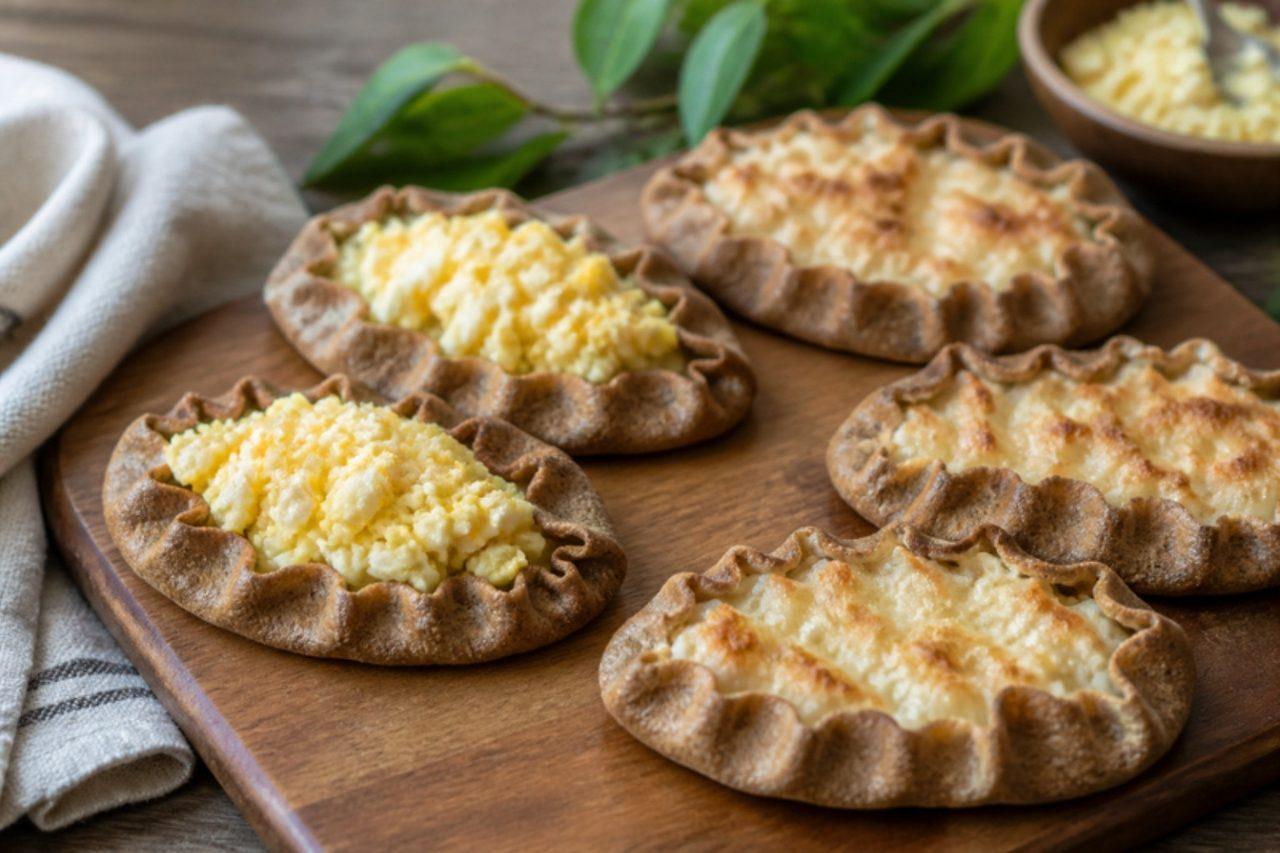
KarjalanpiirakkaRye pastries with rice filling

Karjalanpiirakka come from Karelia, the borderland of eastern Finland, and are now baked in every Finnish home and sold in every Helsinki market hall. The open, oval pies have a crust of rye dough rolled paper-thin and crimped by hand around a filling of creamy rice porridge. Straight from a very hot oven they are brushed with butter and milk to soften, then eaten warm with munavoi, egg butter: chopped hard-boiled egg mashed into soft butter. Finns eat them for breakfast, at coffee tables and at weddings and funerals alike. The crimping looks fiddly but goes quickly after the first few. Chef's tip: make the rice porridge a day ahead; cold porridge is stiff enough to spread neatly and won't soak the thin crust.

by KrazyBadal 0 views

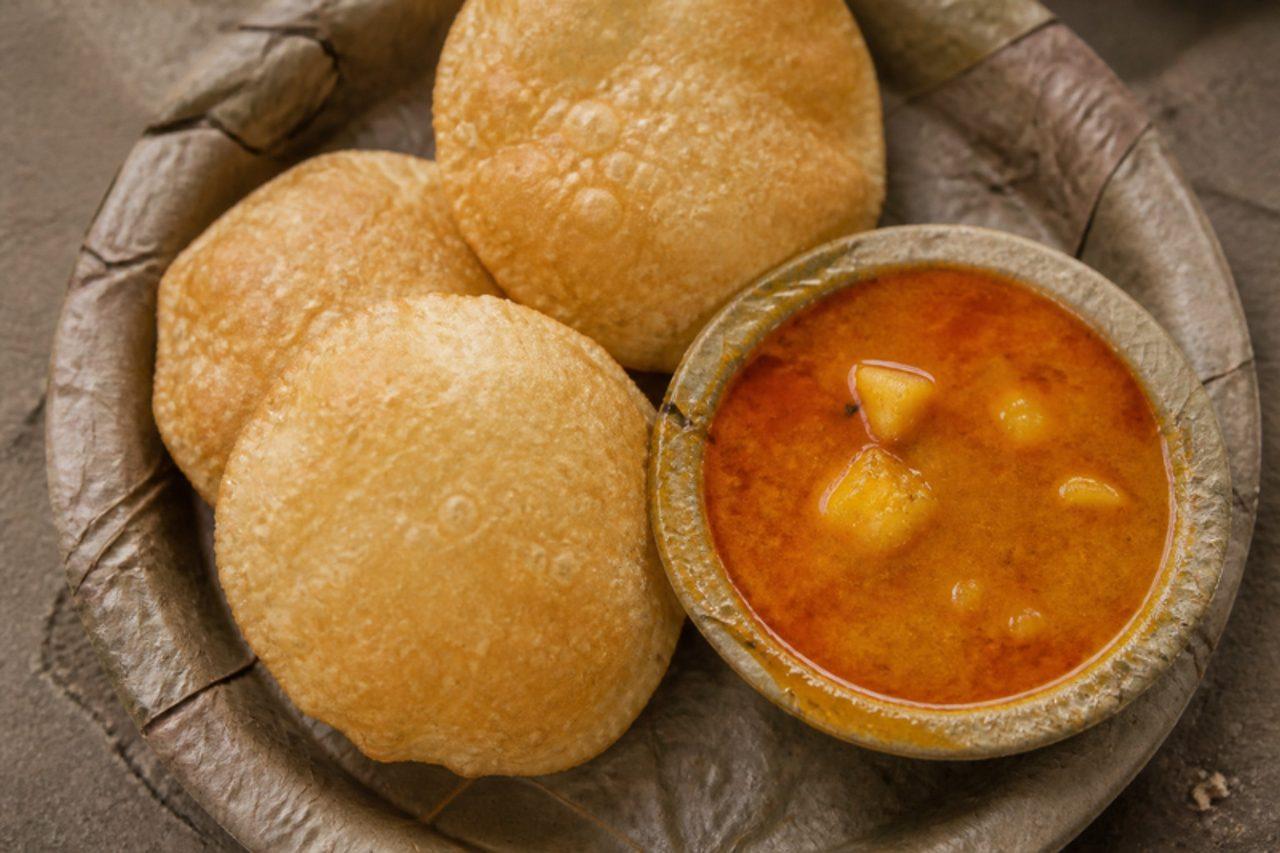
Banarasi kachori sabziUrad dal puris with potato curry

Walk the ghats of Varanasi in Uttar Pradesh at dawn and you'll smell kachori sabzi frying in huge karahis. Banarasi kachori is small and puffed like a puri, with soaked urad dal ground with ginger and fennel worked straight into the wholewheat dough rather than stuffed inside. It comes with a thin, peppery potato and tomato rasa made without onion or garlic, scented with hing and fenugreek seeds, and is usually followed by a hot jalebi. Chef's tip: roll the puris evenly to 3 mm and slide them into really hot oil, pressing gently with a slotted spoon; even thickness and fierce heat are what make them balloon.

by KrazyBadal 0 views

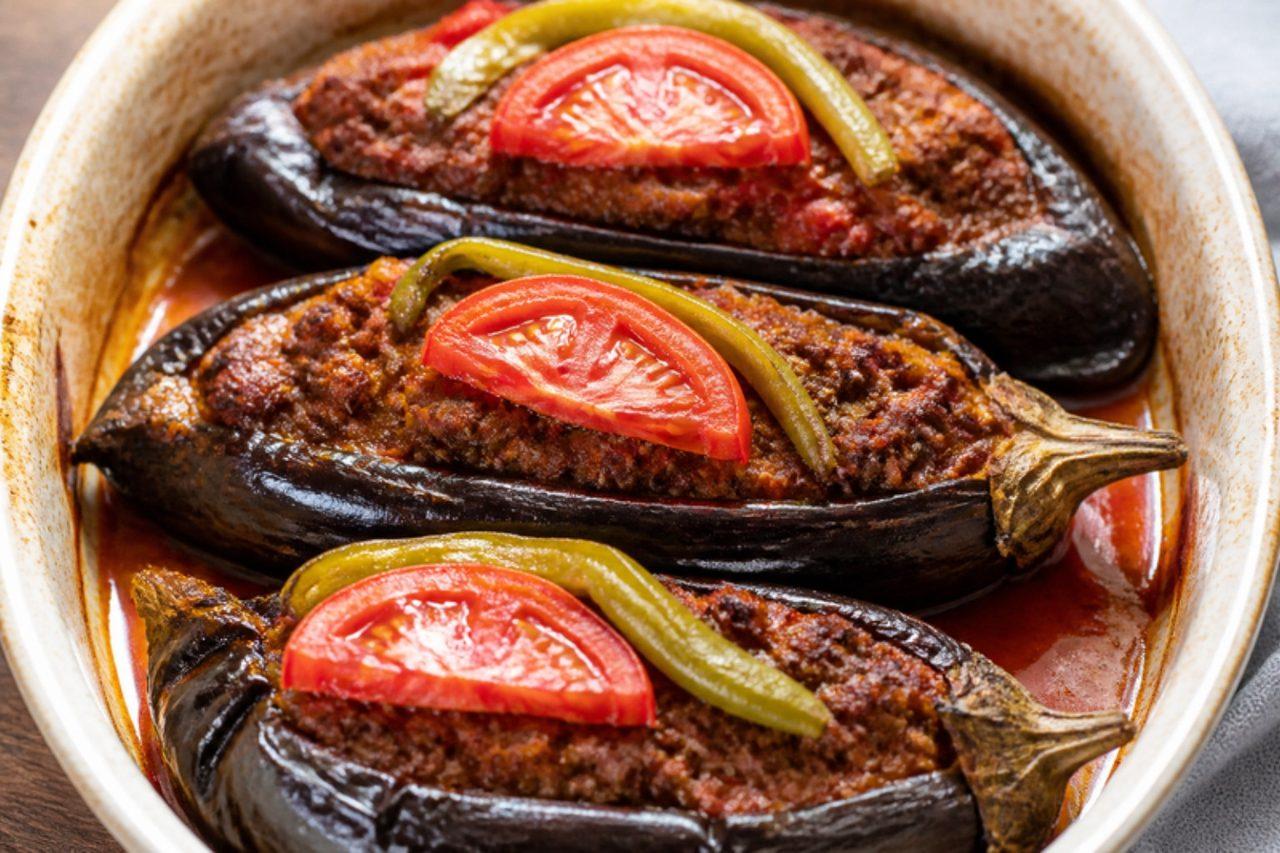
KarnıyarıkStuffed aubergines with beef

Karnıyarık is a summer weekday dinner in kitchens all over Turkey, made when aubergines are glossy, cheap and piled high at the street markets. Small whole aubergines are peeled in stripes, fried until silky, then slit down the middle and packed with minced beef cooked with onion, green pepper and tomato. A short spell in the oven melts it all together. It is eaten warm with plain rice pilaf and a bowl of cacık or yogurt. Chef's tip: press the fried aubergine open with the back of a spoon to make a deep boat, so the filling sits inside rather than rolling off.

by KrazyBadal 0 views

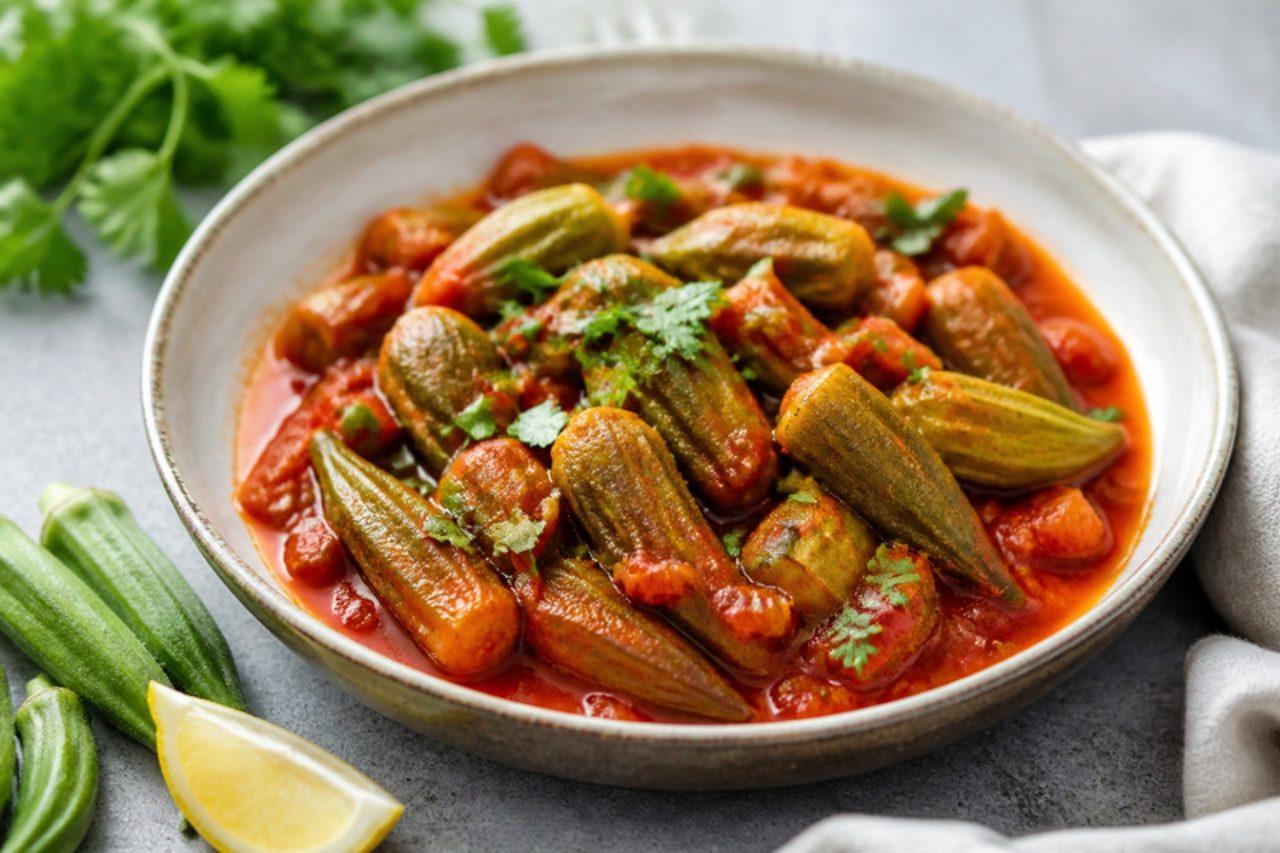
BamiehOkra stewed in olive oil

Late summer in the Damascus and Beirut markets means piles of tiny okra pods, and bamieh, okra stewed in tomato with coriander and garlic, follows on many family tables. This meat-free version is the one Lebanese Christians cook during Lent and serve with vermicelli rice or flatbread. Small, whole pods are the secret: kept intact and seared first, they stay tender without turning slimy, and a squeeze of lemon at the end sharpens the sauce. Chef's tip: trim only the very top of each cap without cutting into the pod; a pierced pod lets the sticky juice escape into the sauce.

by KrazyBadal 0 views

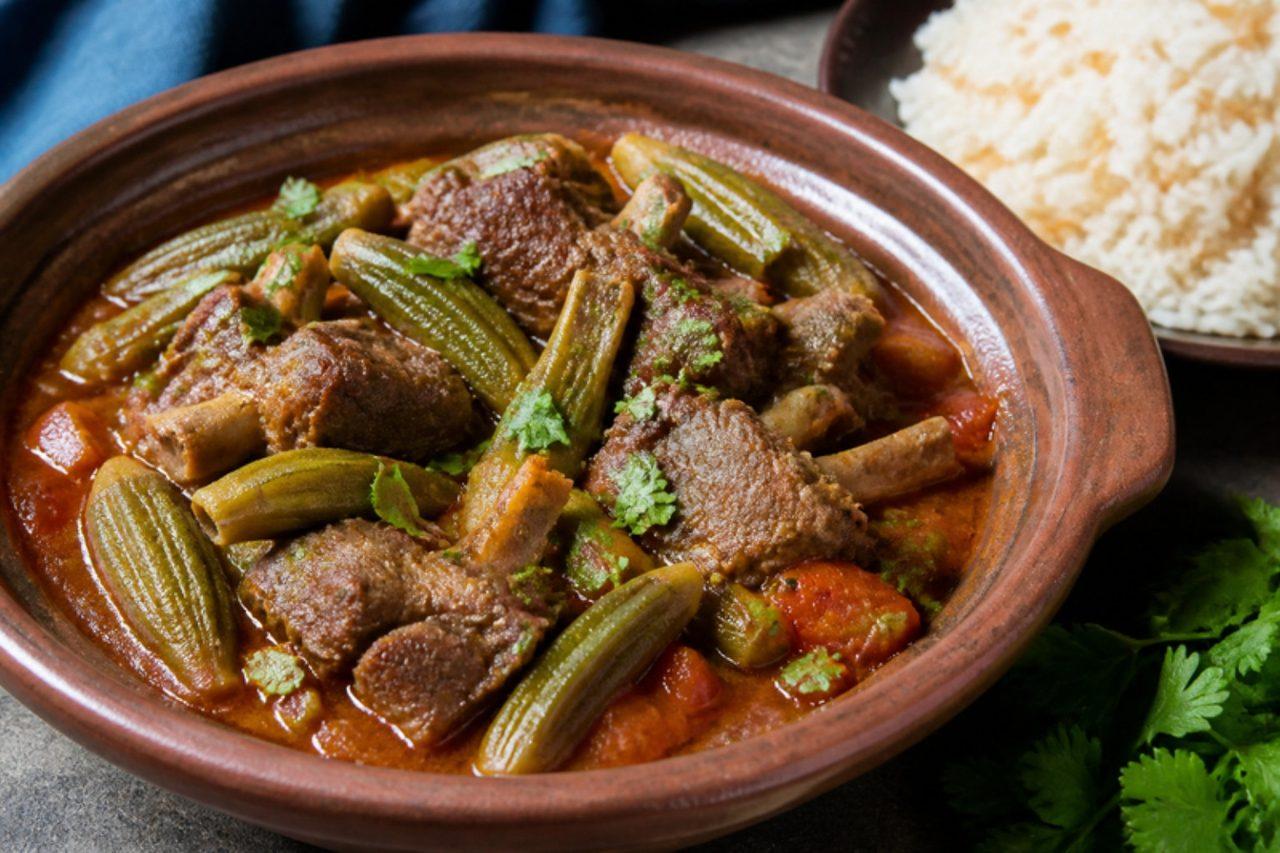
Bamia bil lahmaOkra and lamb stew

Bamia is on every Egyptian family table from Alexandria to Aswan, usually on a weekday with a plate of vermicelli rice. Chunks of lamb on the bone are simmered until tender, then baby okra is cooked in the rich tomato broth with garlic fried in ghee and fresh coriander, a finish called the ta'leya. The sauce is loose, sweet-sour and silky. The common mistake is cutting the okra pods open before cooking, which lets out the slime; trim only the very top of each cap. Chef's tip: fry the okra briefly in a hot pan before it goes into the stew so it holds its shape and stays bright green.

by KrazyBadal 0 views

BambalouniSugared fried dough rings

Bambalouni are the big, flat, chewy doughnuts sold hot and wrapped in paper at the top of the blue-and-white village of Sidi Bou Said, outside Tunis, and on beaches all along the coast in summer. The dough is very soft and yeasty; it is stretched by hand into a ring and fried until puffed and blistered, then rolled in sugar. They are best eaten warm with a mint tea. Chef's tip: oil your hands, not the bench, to shape them; floured dough browns too fast and loses its blistered look.

by KrazyBadal 0 views

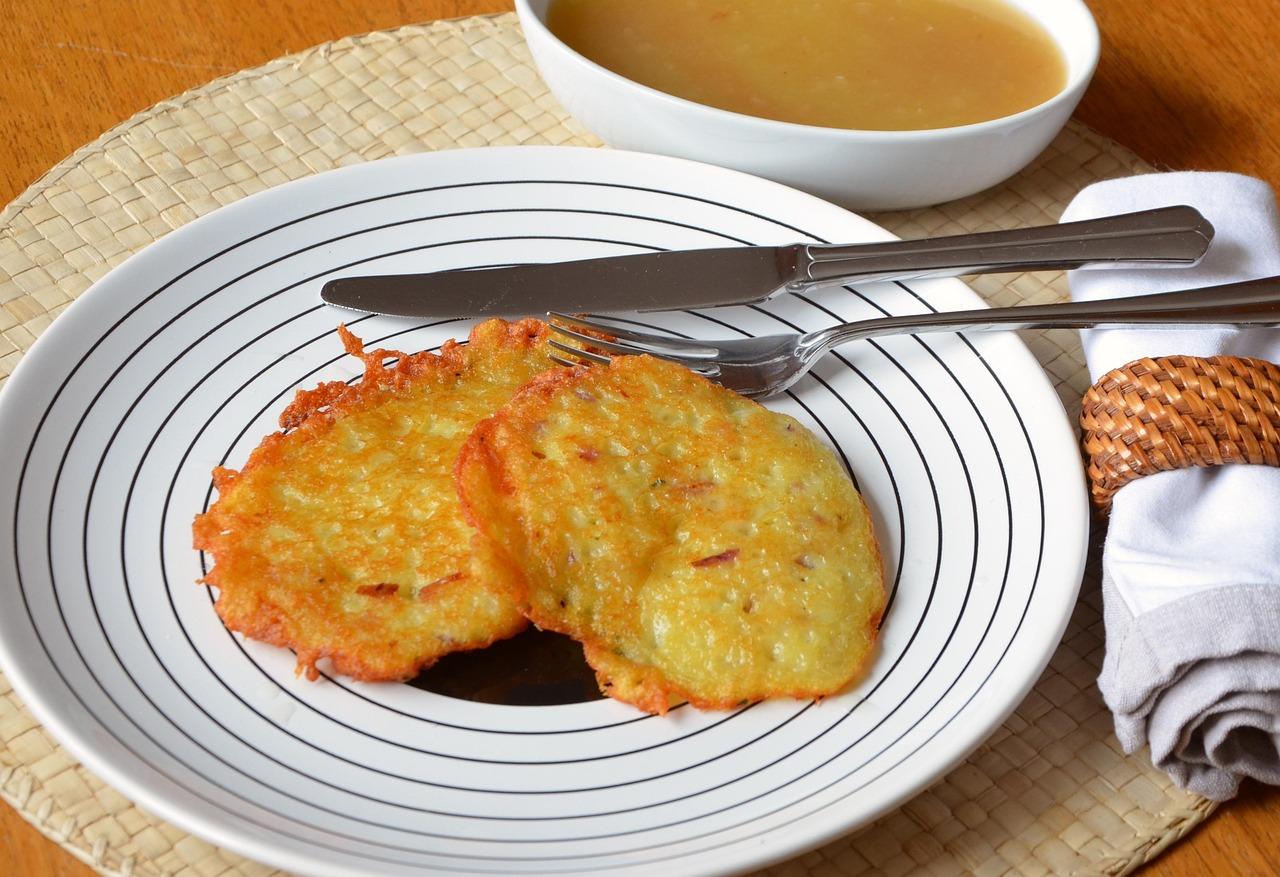
KartoffelpufferPotato fritters

In Cologne and Düsseldorf they're called Reibekuchen, and they are the smell of the Christmas markets and autumn fairs: thin, lacy potato fritters fried in oil until golden and crunchy at the edges. At home in the Rhineland they're traditionally a Friday dish, eaten hot with apple sauce or on buttered dark rye bread. They are simple, but timing and heat matter. Chef's tip: squeeze the grated potato really hard in a tea towel and keep the starch that settles at the bottom of the liquid; it binds the mixture so you need very little flour.

by KrazyBadal 0 views

BaleadasFolded tortillas with beans and cheese

Baleadas are what Hondurans grab for breakfast on the way to work, from street stands in San Pedro Sula to the beaches of La Ceiba on the north coast. A thick, soft flour tortilla, warm from the comal, is spread with refried red beans, sprinkled with dry salty cheese and a spoon of mantequilla (sour cream), then folded in half. A 'baleada sencilla' stops there; add avocado, scrambled egg or fried plantain for a fuller one. Chef's tip: rest the dough balls a full 30 minutes; relaxed dough stretches thin by hand and puffs on the pan instead of shrinking back.

by KrazyBadal 0 views

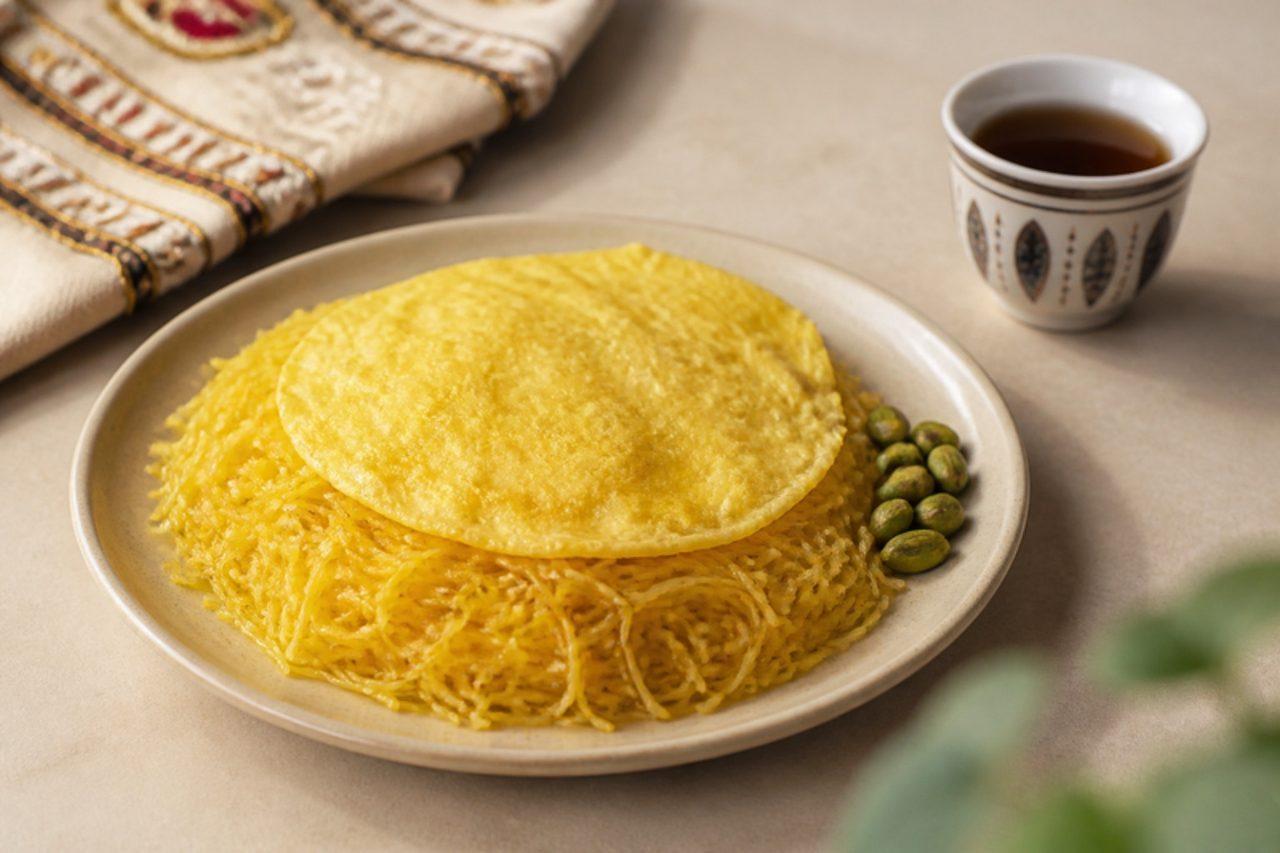
BalaleetSweet vermicelli with omelette

Sweet noodles for breakfast surprise visitors, but in the UAE and Qatar balaleet is the dish of Eid mornings and lazy weekend brunches. Fine vermicelli is toasted in butter, then steamed with sugar, saffron, cardamom and rose water until soft and glossy, and finally capped with a thin, salty-edged omelette. The contrast of sweet, fragrant noodles and savoury egg is the whole point, so serve them together in one wedge. Chef's tip: toast the vermicelli until it is the colour of a biscuit; pale noodles taste flat and floury.

by KrazyBadal 0 views

Kasha with mushroomsBuckwheat with mushrooms

Buckwheat, hrechka, is the grain Ukrainians grow up on: cooked loose and fluffy, it turns up as a weekday side in Kharkiv kitchens, in student dorms in Lviv and on every school canteen tray. Cooked with fried mushrooms, onion and carrot it becomes a filling meal of its own, and in autumn it is made with wild mushrooms picked in the Polissia forests. It is naturally gluten free and, with no butter, vegan. Chef's tip: dry-toast the grains until they smell nutty and crackle; it gives the kasha its deep flavour and keeps each grain separate.

by KrazyBadal 0 views

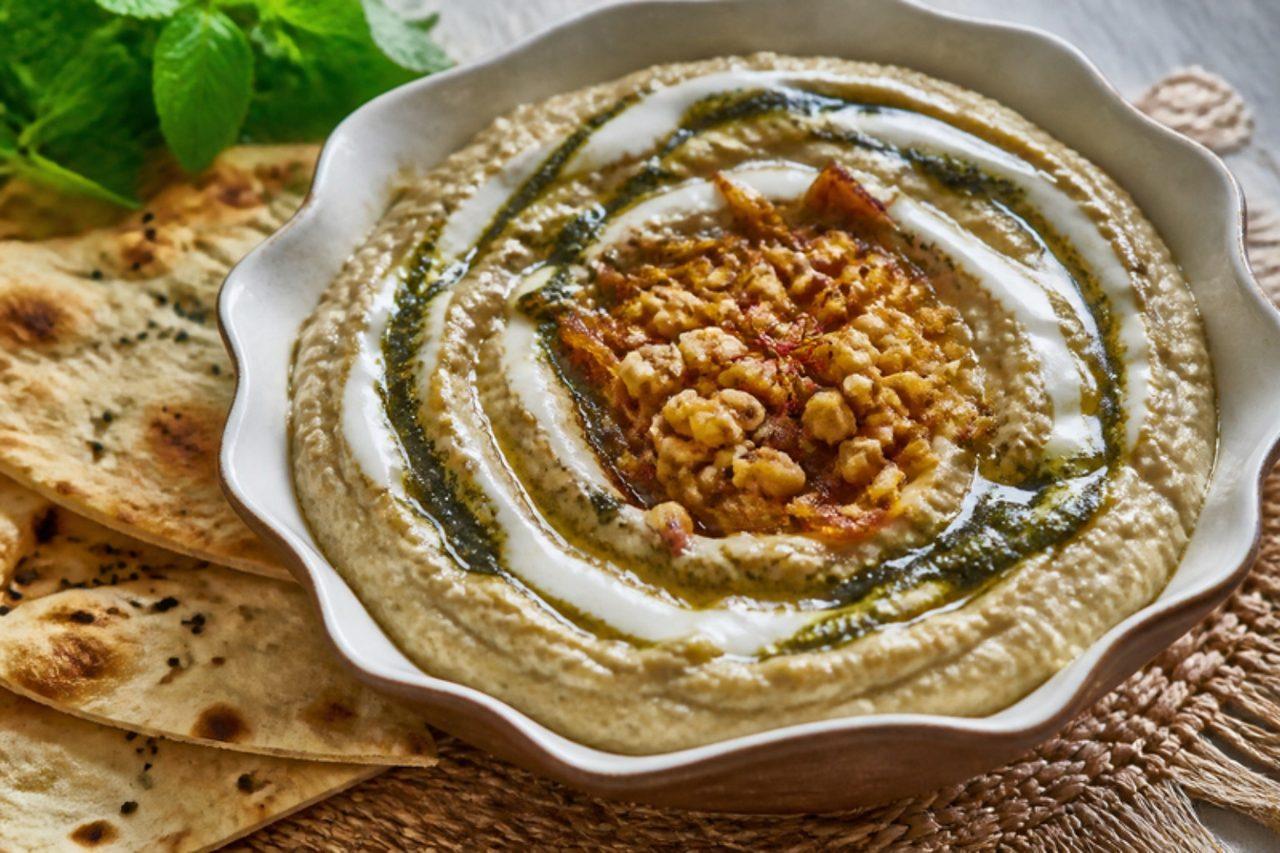
Kashk-e bademjanAubergine and whey dip

Kashk-e bademjan is the aubergine dip that greets you at the start of a meal in Tehran restaurants and at family gatherings all over Iran, swirled on a plate and decorated with fried onions, mint oil, walnuts and white ribbons of kashk. Fried aubergine is mashed with golden onions and garlic, then enriched with kashk, a tangy, salty fermented whey. Most kashk is made from soured yogurt without rennet, but some brands use cheese whey, so check the label if you avoid animal rennet; strained Greek yogurt beaten with a little sour cream and lemon is a good substitute. Serve it with warm flatbread. Chef's tip: fry the dried mint for a few seconds only, off the heat; it should smell sweet, not scorched.

by KrazyBadal 0 views

Kashmiri chaiPink salted milk tea

Kashmiri chai, called pink tea or gulabi chai across Pakistan, came down from Kashmir to become the winter drink of Lahore, Karachi and Islamabad: it is ladled out at weddings, sold from steaming pots at tea stalls on cold nights and served with nankhatai biscuits at family gatherings. The colour is real chemistry, not food colouring: green tea leaves are boiled hard with a pinch of baking soda until the brew turns deep red, then whisked and splashed to get air into it, and finally cooked with milk until it blushes pink. It is lightly salted in the old Kashmiri way and sweetened in the city way; add as much sugar as you like. The mistake people make is using black tea; only green tea leaves turn pink. Chef's tip: pour in ice-cold water as soon as the brew is reduced, and beat it hard; the shock and the air are what lock in the bright colour.

by KrazyBadal 0 views

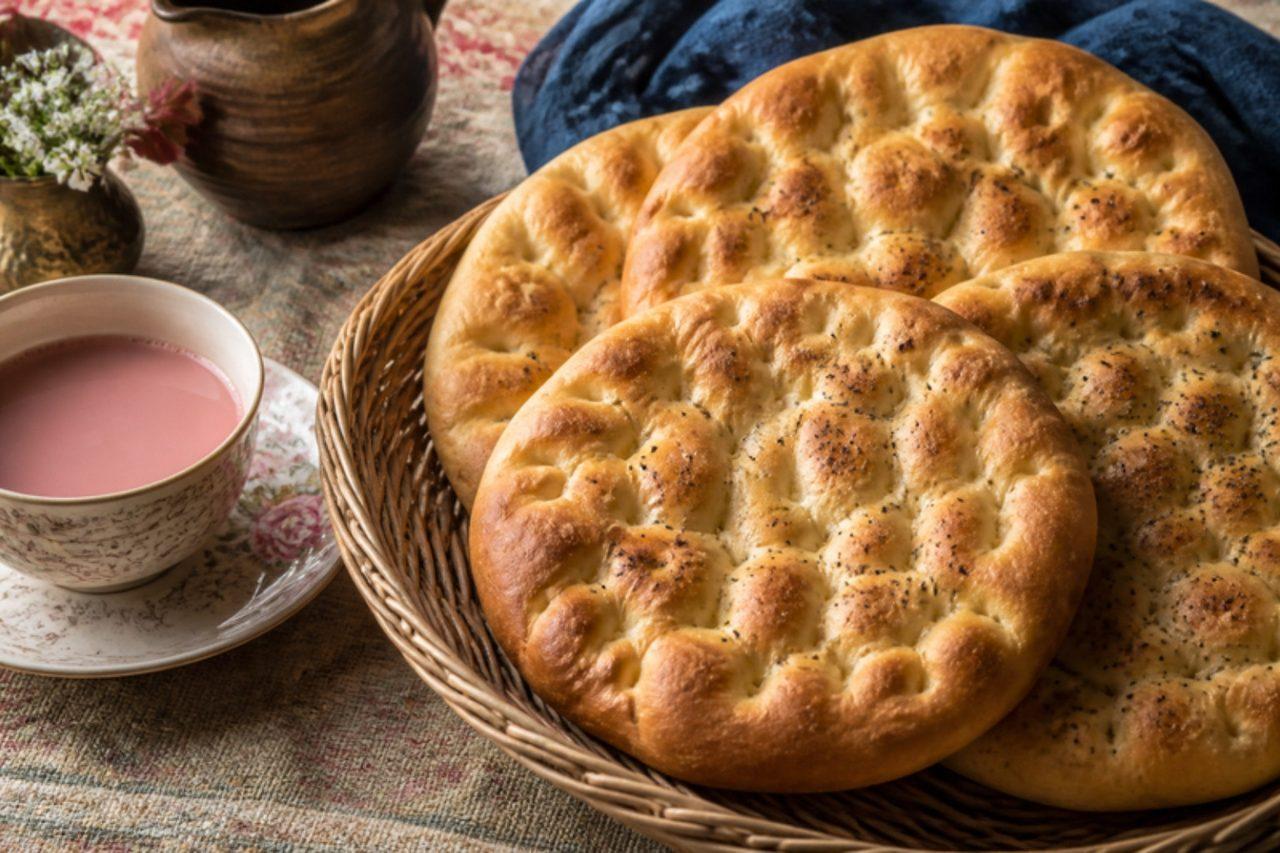
Kashmiri girdaKashmiri round bread

Every neighbourhood in Srinagar has a kandur, a baker working at a pit oven, and before sunrise people queue there for girda: round breads about the size of a side plate, pressed all over with fingertips so the crust sets in ridges and hollows. The outside is lightly crisp, the crumb soft and slightly chewy, and the bread is torn and dunked into salty pink noon chai or spread with butter. A home oven with a heavy tray heated until very hot gets close to the kandur. Chef's tip: wrap the breads in a clean cloth as they come out; the trapped steam keeps the crust tender rather than hard.

142 minIndianBaking
by KrazyBadal 0 views

Kashmiri modur pulavSweet saffron rice with dry fruit

Modur means sweet in Kashmiri, and this ghee-rich saffron rice is served at Kashmiri weddings and on Navreh, the Pandit new year, glowing orange and studded with almonds, cashews and raisins. In the hills of Himachal Pradesh the dham feast ends with a near-identical sweet rice called mittha, so this one page covers both: Himachal cooks often add a little more raisin and a pinch of fennel, which you can do too. It is sweet but not dessert-sweet, perfumed with cinnamon and cardamom, and is eaten alongside savoury curries as well as on its own. Chef's tip: soak the saffron in warm milk for at least 15 minutes before you start; it gives the rice its colour far more evenly than strands scattered dry.

by KrazyBadal 0 views

Baladi saladChopped tomato and cucumber salad

Salata baladi, the 'country salad', is on every Egyptian table, from Cairo koshari shops to Alexandria fish restaurants and home lunches, next to the rice and bread. It is finely diced tomato, cucumber, onion and green chilli, with a little parsley, a big squeeze of lemon and a pinch of cumin that makes it taste Egyptian rather than Levantine. It takes ten minutes and cuts through rich food like molokhia or mahshi. Chef's tip: dice everything small, about the size of a chickpea, so each spoonful carries a bit of everything.

by KrazyBadal 0 views

Bal mithaiChocolate-brown fudge with sugar balls

Bal mithai belongs to Almora in Kumaon, where sweet shops on the old Lala Bazaar have sold it for well over a century. Khoya is cooked slowly with sugar until it caramelises to the colour of dark chocolate, set into bars and rolled in little white sugar balls, which give a crunchy bite against the fudgy middle. Families carry boxes of it home from the hills as the town's best-known souvenir. The flavour is deep and toffee-like, with no added colour or cocoa. Chef's tip: keep the heat low and be patient; the deep brown comes from slow caramelising over half an hour, not from turning the flame up.

by KrazyBadal 0 views

BaksoBeef meatball soup

Listen for a spoon tapped against a bowl in any Indonesian neighbourhood and you will find a bakso cart, its glass case stacked with meatballs and two kinds of noodles. The meatballs are springy, almost bouncy, sitting in a clear, garlicky beef broth with yellow noodles, glass noodles and a little green veg. Everyone then builds their own bowl at the counter with sambal, sweet soy sauce, vinegar and a scattering of fried shallots; it is the go-to comfort on a wet afternoon. Chef's tip: keep the beef and everything that touches it ice-cold while you blend, because warm meat gives dense, crumbly balls instead of that famous bounce.

by KrazyBadal 0 views

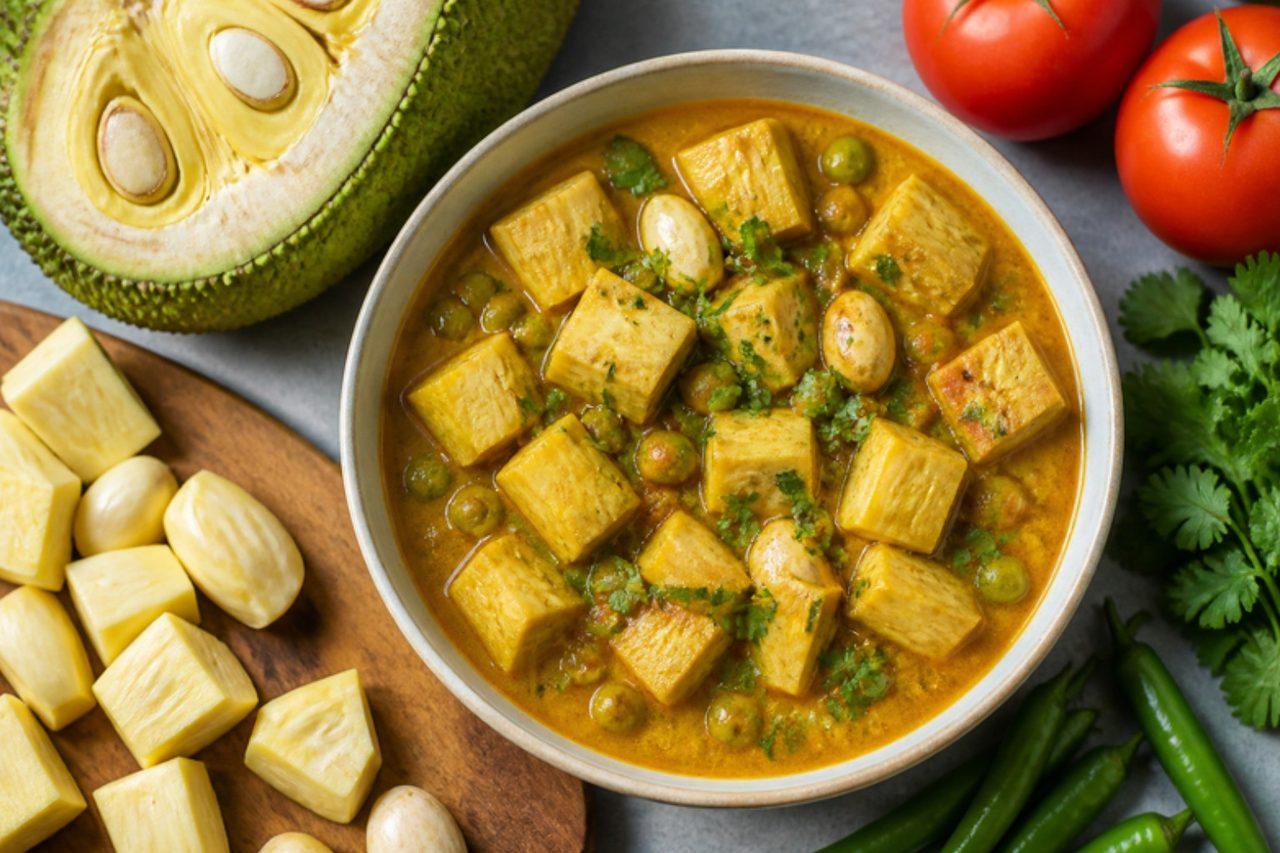
Kathal ki sabziYoung jackfruit curry

In Uttar Pradesh, people joke that kathal is the vegetarian's mutton, and the comparison makes sense once you taste it. Young, unripe jackfruit has a firm, fibrous texture that absorbs a slow-cooked onion masala and the smoky warmth of black cardamom. Lucknow and Kanpur homes cook it in summer when the green fruit is plentiful, and it is a common choice for Sunday lunches and family gatherings, served with paratha or rice. The mistake to avoid is undercooking the jackfruit before adding it to the masala; it will remain rubbery no matter how long it simmers afterward. Chef's tip: frying the boiled pieces until golden before they go into the gravy gives them a meaty crust that holds up in the sauce.

by KrazyBadal 0 views

Bake and sharkFried shark in fried bread

After a swim at Maracas Bay on Trinidad's north coast, the queue at the beach huts is for bake and shark: a puffy fried bread split open around a piece of seasoned, crisp-fried fish, then loaded at a toppings bar with coleslaw, cucumber, pineapple, tamarind sauce, pepper sauce and the bright green chadon beni (culantro) sauce. Shark is the tradition, but many shark species are now overfished and some build up mercury, so this recipe uses a firm, sustainably caught white fish such as hake, pollock, catfish or mahi-mahi; use shark only from a source you trust. Chef's tip: let the bake dough rest for a full 30 minutes; relaxed dough puffs up like a pillow in the hot oil instead of frying flat and tough.

by KrazyBadal 0 views

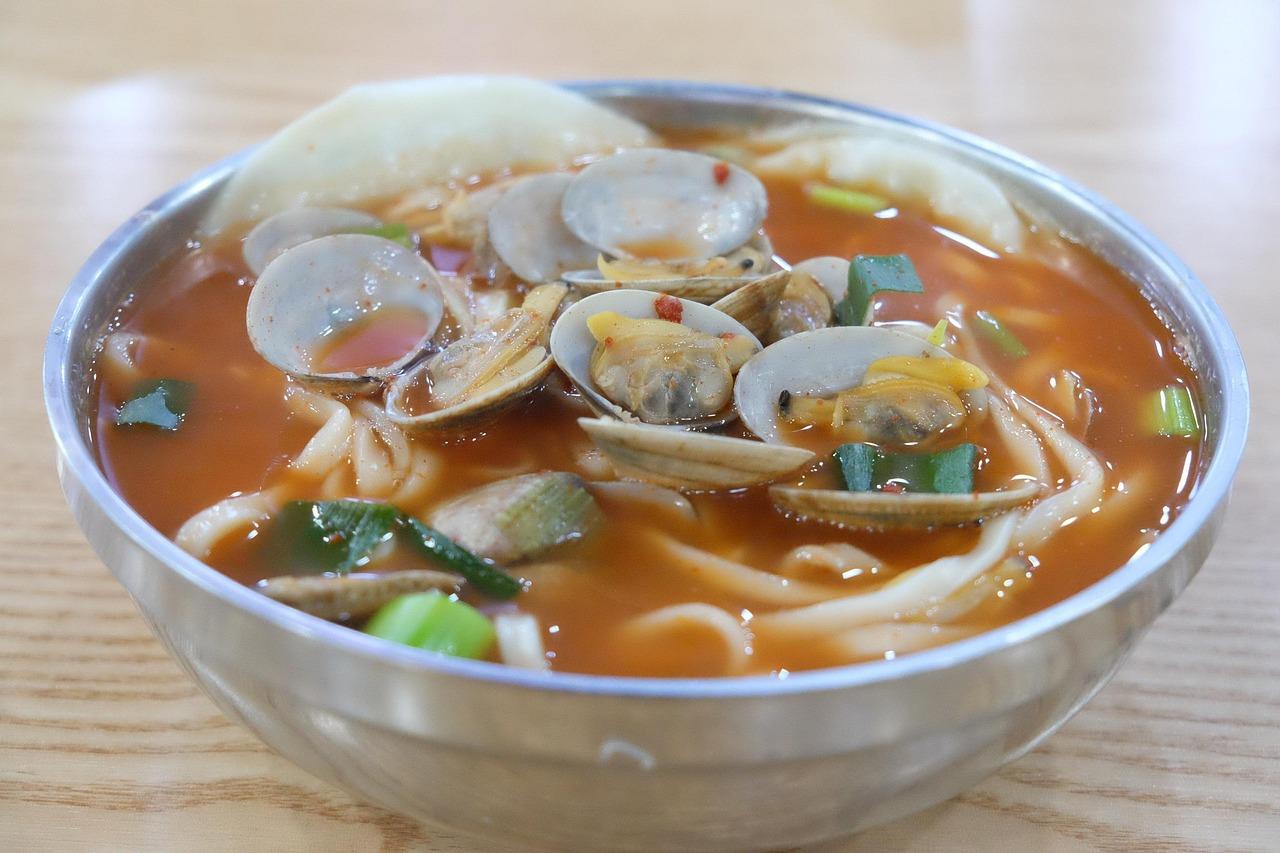
Kalguksu with clamsClam noodle soup

Kalguksu means 'knife noodles': a soft wheat dough is rolled thin and cut by hand. Korean noodle shops serve it all year, but it is the dish people crave on a rainy day, often with a crisp pajeon on the side. Along the west coast, near the mudflats where clams are dug, the broth is loaded with them. The flour clinging to the noodles thickens the soup slightly as they cook, giving it a gentle, silky body. Chef's tip: shake off most of the flour before the noodles go into the pot, so the broth turns silky rather than gluey.

by KrazyBadal 0 views

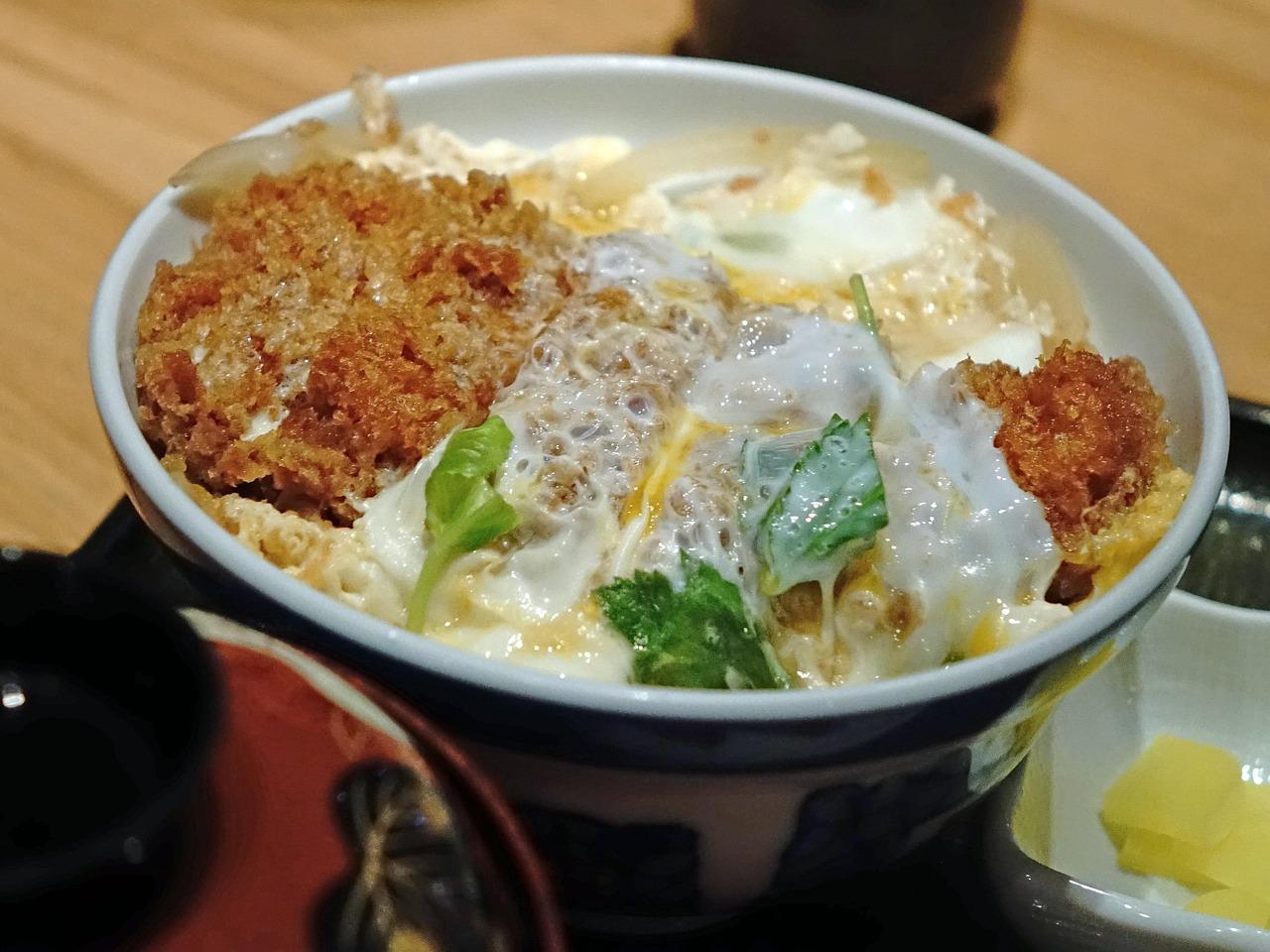
KatsudonPork cutlet and egg rice bowl

Japanese students often eat a bowl of katsudon the night before a big exam, because 'katsu' sounds the same as the verb 'to win'. Soba restaurants, set-meal shops and train-station stands all over Japan serve it, and it is a favourite takeaway lunch too. A panko-crusted pork loin cutlet is fried until golden, sliced, then simmered for a minute with onion and egg in sweet soy dashi. The top of the crust stays crunchy while the underside soaks up the sauce. Chef's tip: snip the fat along the edge of each cutlet in three or four places before breading, so the meat stays flat in the oil and cooks evenly.

by KrazyBadal 0 views

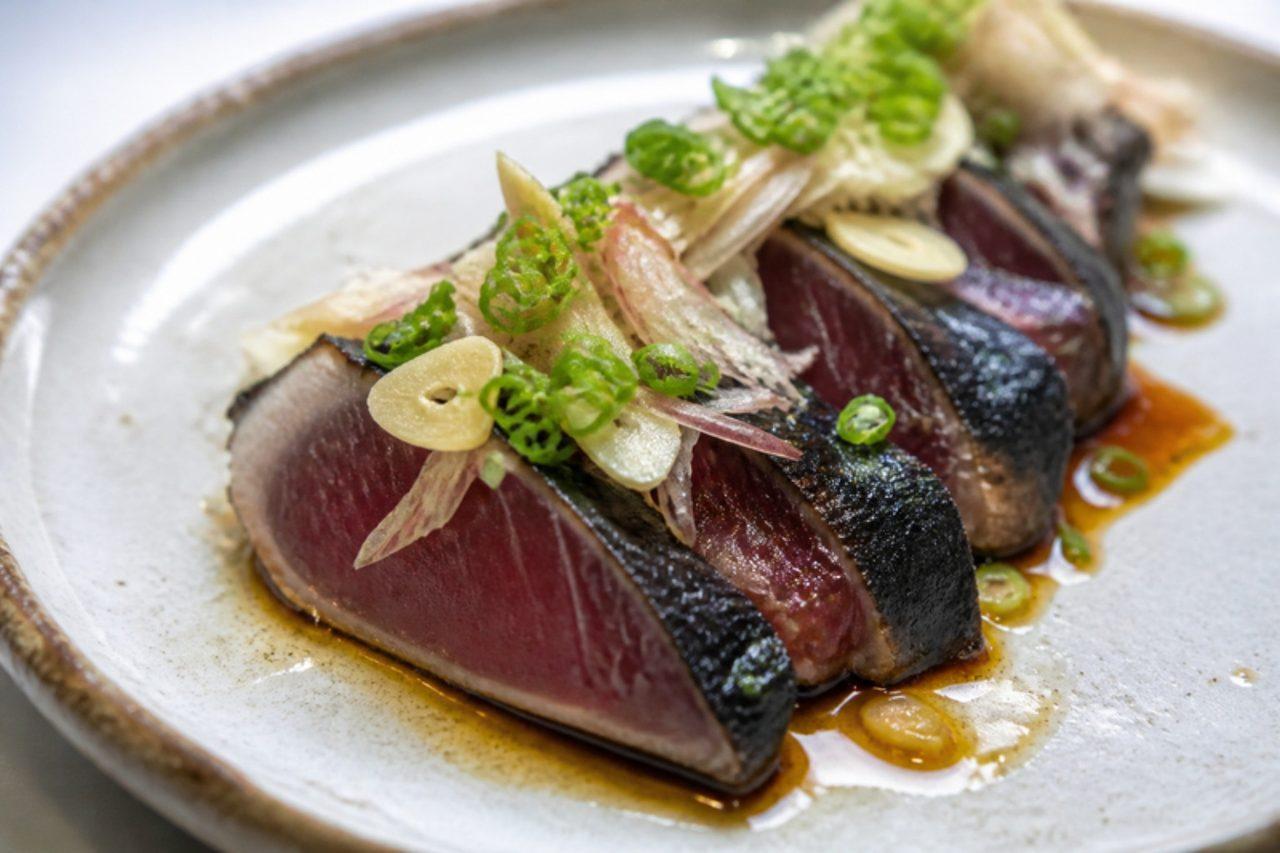
Katsuo no tatakiSeared bonito

Kochi, on the Pacific coast of Shikoku, is Japan's bonito town. At Hirome Market in the city centre, cooks sear whole loins over roaring straw fires and slice them to order, served thick with garlic slices, onion and ponzu or just a pinch of salt. Bonito has two seasons there: the leaner first catch of spring and the fattier fish returning south in autumn. At home a very hot dry pan, or a blowtorch, gives the same charred skin around a cool red centre. Use very fresh, sushi-grade fish from a trusted fishmonger; not for pregnant women, young children or anyone with a weakened immune system. Chef's tip: slice it thick, about 1 cm, as they do in Kochi; thin slices lose the contrast between the smoky crust and the soft middle.

by KrazyBadal 0 views

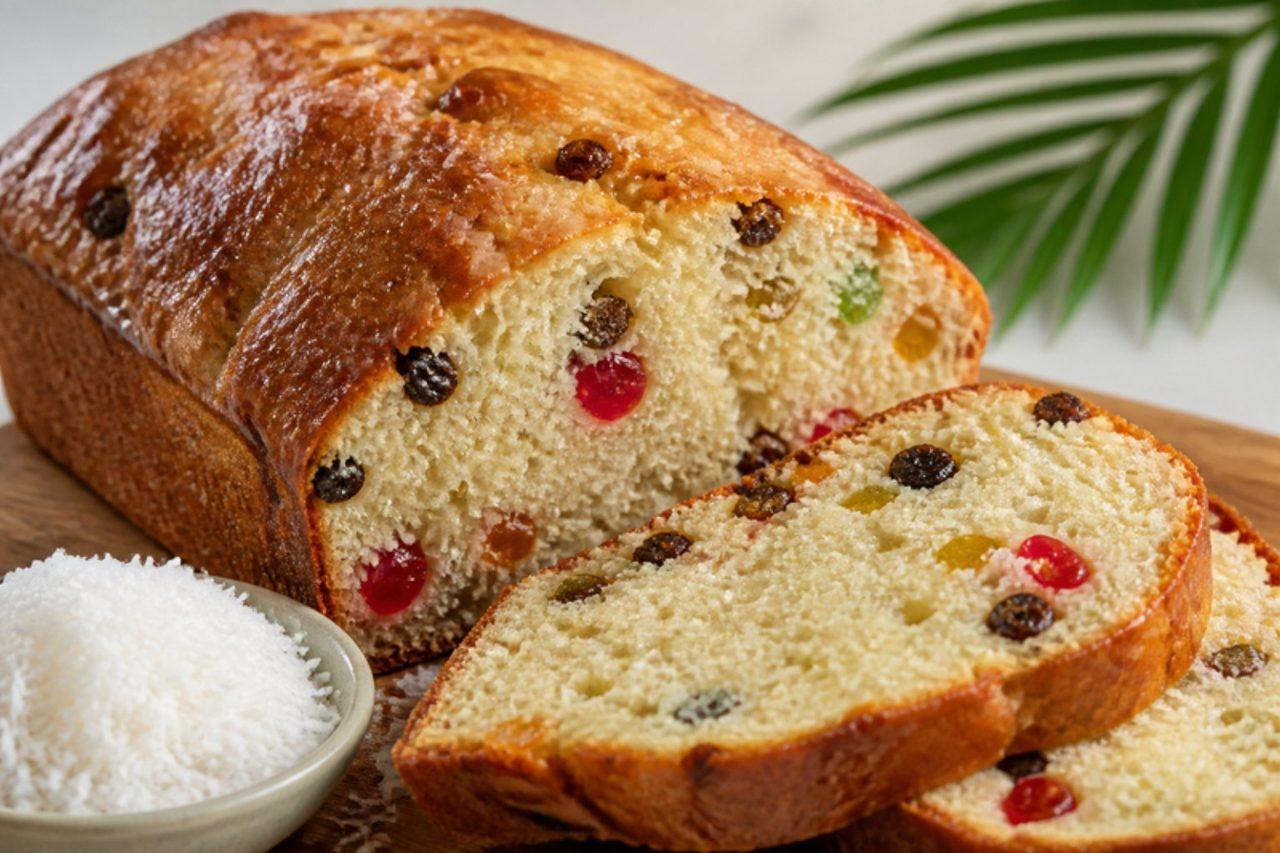
Bajan sweet breadCoconut and raisin loaf

Sweet bread is what Barbadian families bake in December, wrapped in foil and handed over at Christmas visits around the island, and it's sold year round in bakeries from Bridgetown to Speightstown. It isn't a yeast bread but a dense, moist loaf packed with freshly grated coconut, sweet with brown sugar and scented with almond essence, with raisins, mixed peel and bright red glacé cherries in every slice. The top gets brushed with sugar syrup for a sticky shine. Chef's tip: use fresh or frozen grated coconut if you can; desiccated coconut makes a drier loaf unless you soak it first in the milk for 20 minutes.

by KrazyBadal 0 views

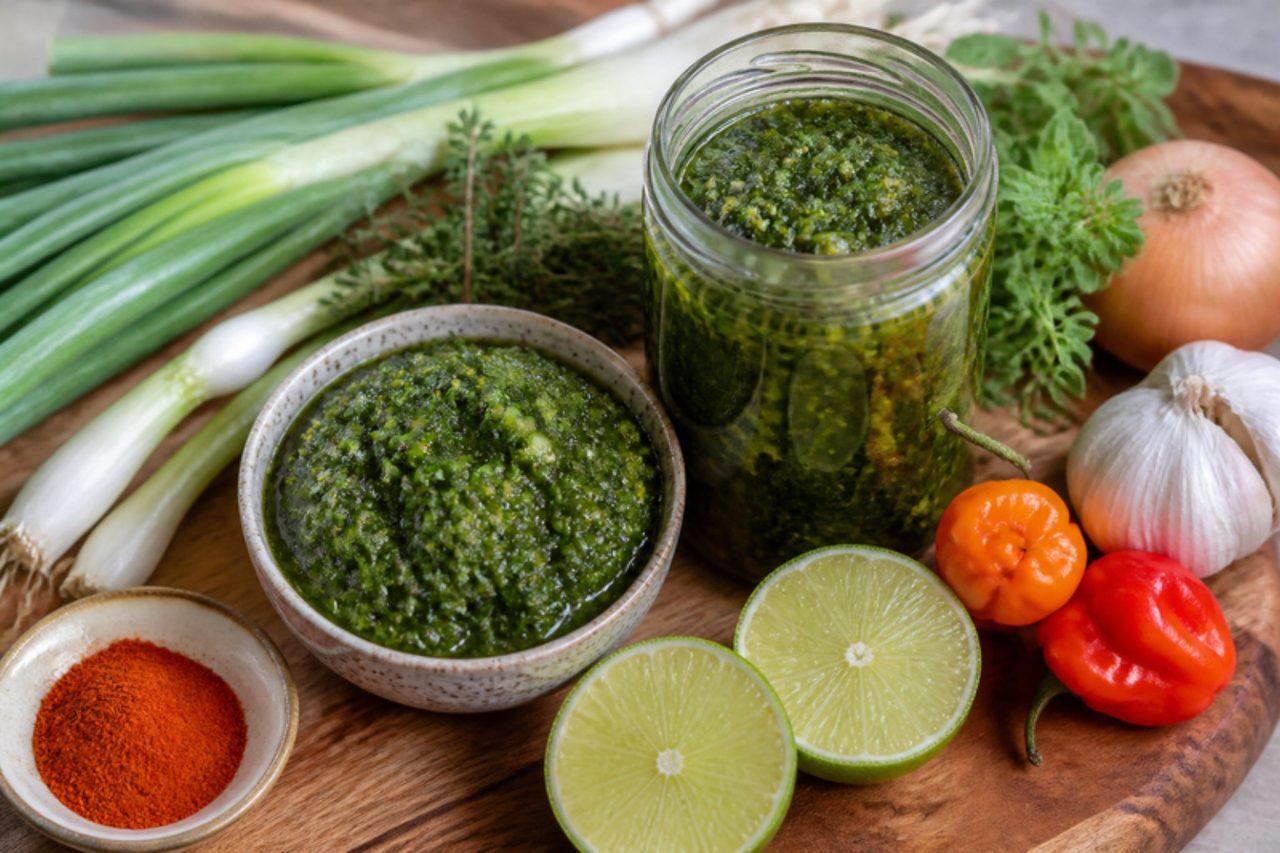
Bajan seasoningHerb and pepper seasoning

Every cook in Barbados keeps a jar of Bajan seasoning, and families in Bridgetown and St Philip guard their own blend. It's a wet, coarse paste of spring onion, onion, garlic, fresh thyme, marjoram and parsley, sharpened with lime and given a backbone of clove, paprika and scotch bonnet. Bajans press it into slits in fish and meat; here it goes into stews, onto roasted vegetables, tofu and halloumi, and into the stew for cou-cou. It smells strongly herby and peppery, and keeps for weeks. Chef's tip: marjoram is the herb that makes it Bajan; don't skip it, and use fresh if you can find it.

by KrazyBadal 0 views

KavarmaClay-pot pork with peppers

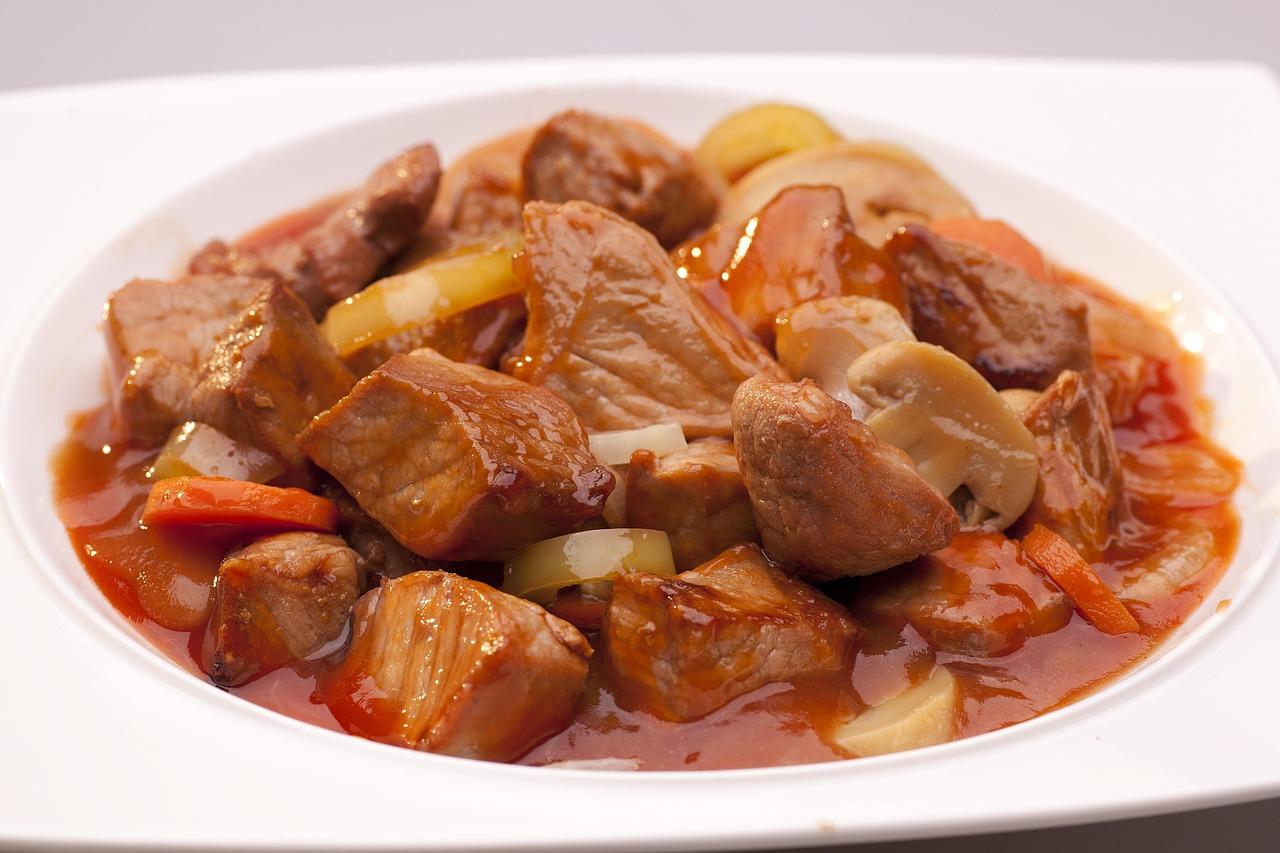
Up in Bulgaria's Rhodope mountains, around Smolyan and Chepelare, kavarma is cooked in individual glazed clay pots and brought to the table still bubbling, often with an egg baked on top. This one is made with pork shoulder (chicken thighs work too), browned and then stewed slowly with a mountain of onion, peppers, mushrooms, paprika and savory. It traditionally includes a splash of dry white wine; the ingredient list gives an alcohol-free swap. Eat it with crusty bread and a shopska-style tomato and cucumber salad. A common slip is cutting the pork too small, so it dries out before the sauce is ready; keep the pieces bite-size but chunky. Chef's tip: let the onions cook down with the meat until almost jammy before the peppers go in; that is where kavarma gets its sweetness.

by KrazyBadal 0 views

Bajan pepper sauceMustard scotch bonnet hot sauce

On every table in Barbados, from rum shops in Oistins to Sunday lunch at home, there's a bottle of yellow pepper sauce. Bajan pepper sauce is unlike the red sauces of other islands: scotch bonnets are blended with onion, yellow mustard, turmeric and vinegar, which give it its colour and a tangy, mellow edge under the fierce, fruity heat. A few drops lift fish cakes, cou-cou, macaroni pie and rice. Chef's tip: let it rest for a few days before using; the mustard and vinegar soften the raw onion and the heat becomes rounder.

by KrazyBadal 0 views

Bajan fish cakesSalt cod fritters

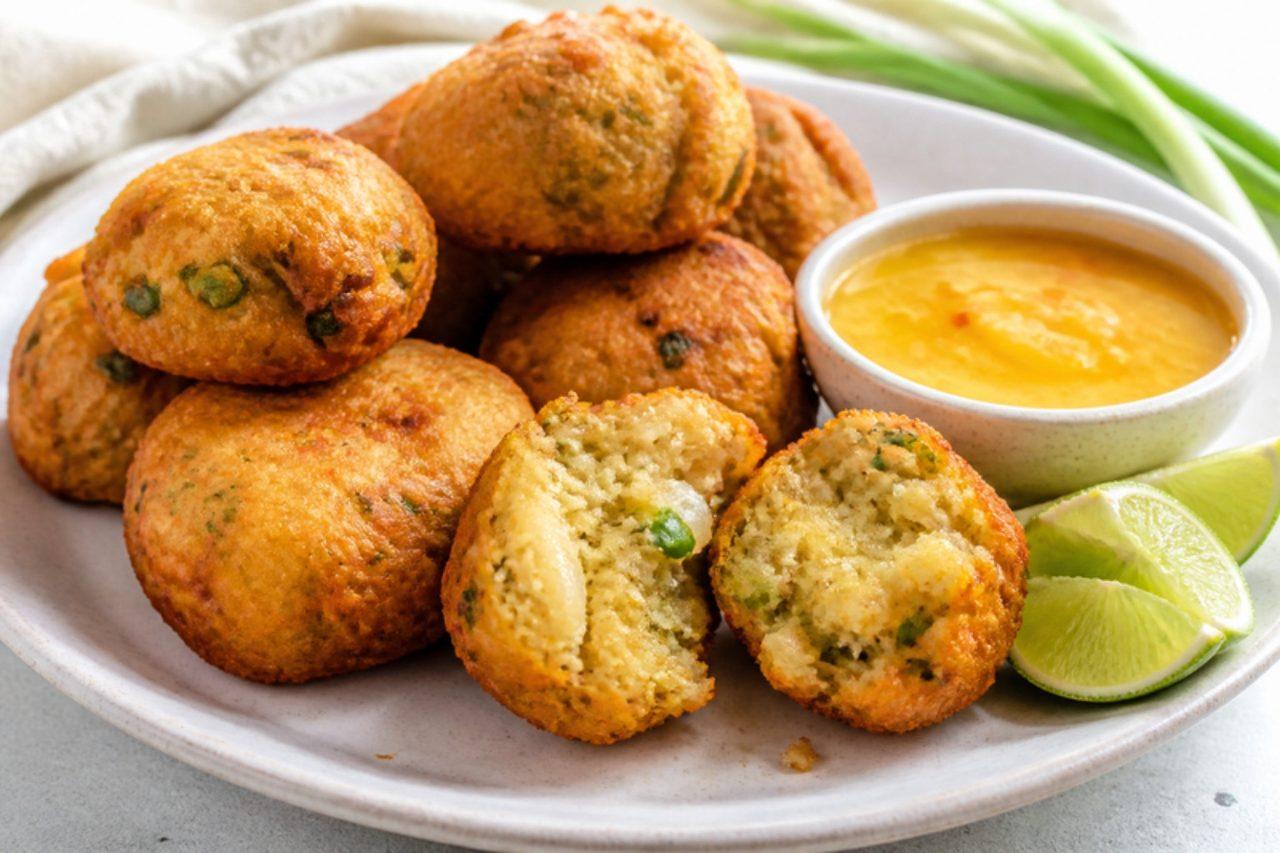
Fish cakes are on every Bajan party table and in every rum-shop snack box, and on Friday nights at Oistins Fish Fry they are tucked into a split salt bread roll as 'bread and two'. These are not potato patties but spoonfuls of light, herby batter full of flaked salt cod, spring onion, thyme and Scotch bonnet, fried until puffed and golden. Serve them hot with Bajan pepper sauce or a squeeze of lime. The mistake that gives flat, greasy fish cakes is a thin batter; it should drop from the spoon in a soft blob, not pour. Chef's tip: taste a flake of the cooked cod before mixing; if it is still salty, don't add any more salt to the batter.

by KrazyBadal 0 views

KayaPandan coconut jam

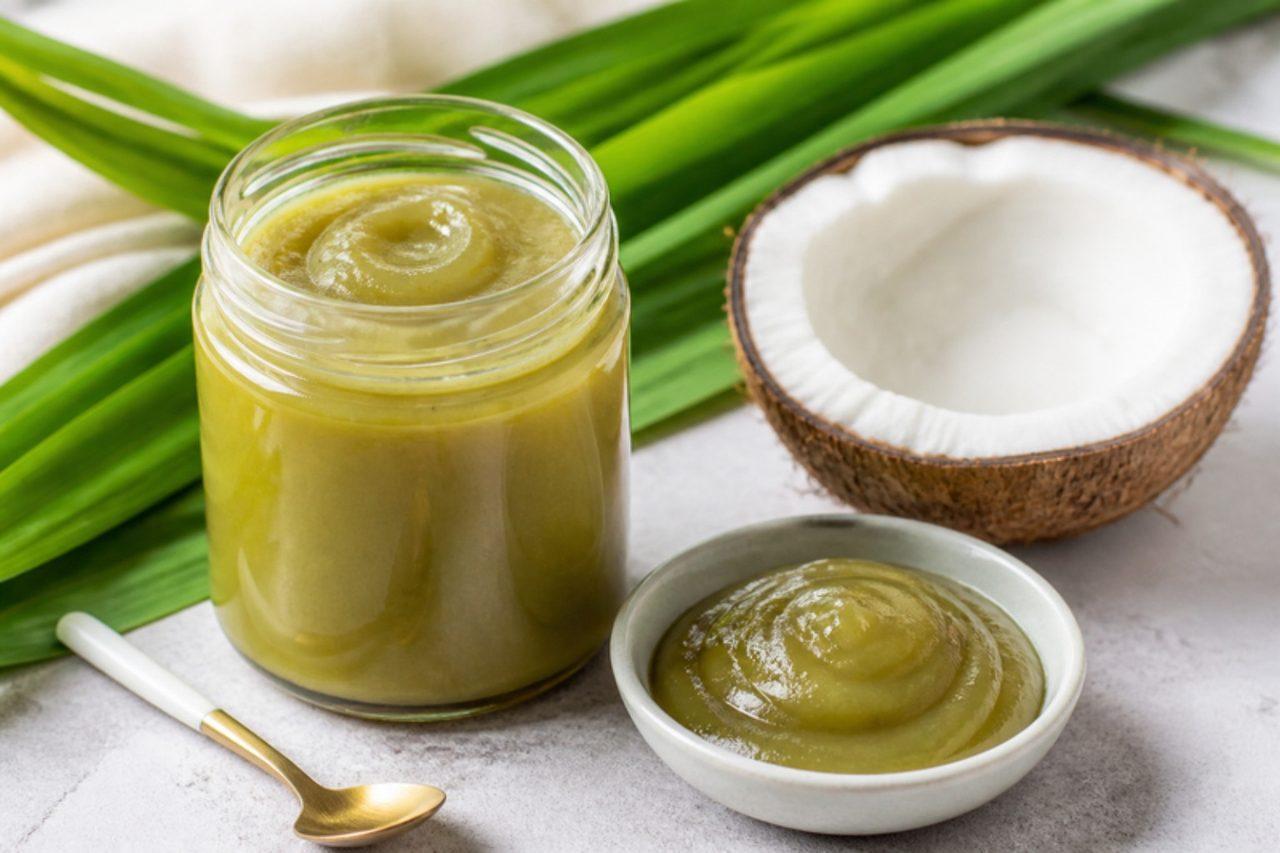
Kaya is the coconut and egg jam spread thickly on toast in every kopitiam in Singapore, from heritage chains to the coffee shop under a housing block. This is the green Nyonya-style kaya, gently cooked with pandan leaves until it turns thick, glossy and custardy; the Hainanese version adds caramel for a brown colour. It keeps for a week in the fridge and is the essential part of kaya toast. Chef's tip: cook it slowly over a pan of barely simmering water and keep stirring; rushed kaya scrambles and turns grainy.

by KrazyBadal 0 views

Kaya toastToast with coconut jam

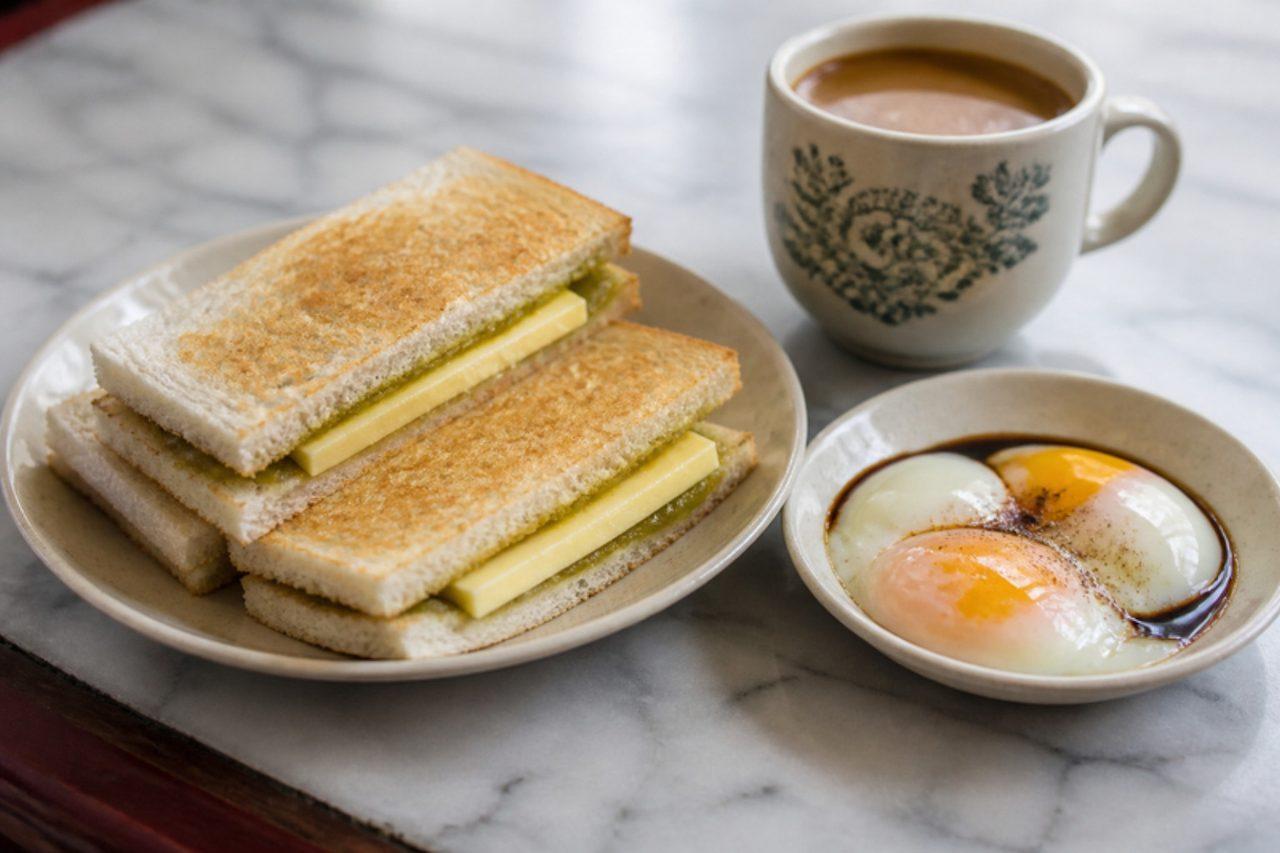
The kaya toast set is Singapore's breakfast ritual: thin, crisp toast sandwiched with kaya and a cold slab of butter, served with two runny soft-boiled eggs seasoned at the table with dark soy and white pepper, and a cup of kopi. Office workers eat it at kopitiams in Tiong Bahru and Tanjong Pagar before work; children love dunking the toast in the eggs. Chef's tip: put the eggs in water that's just off the boil for exactly 6–7 minutes; the whites should be barely set and wobbly, the yolks completely runny.

by KrazyBadal 0 views

KurtDried salted yogurt balls

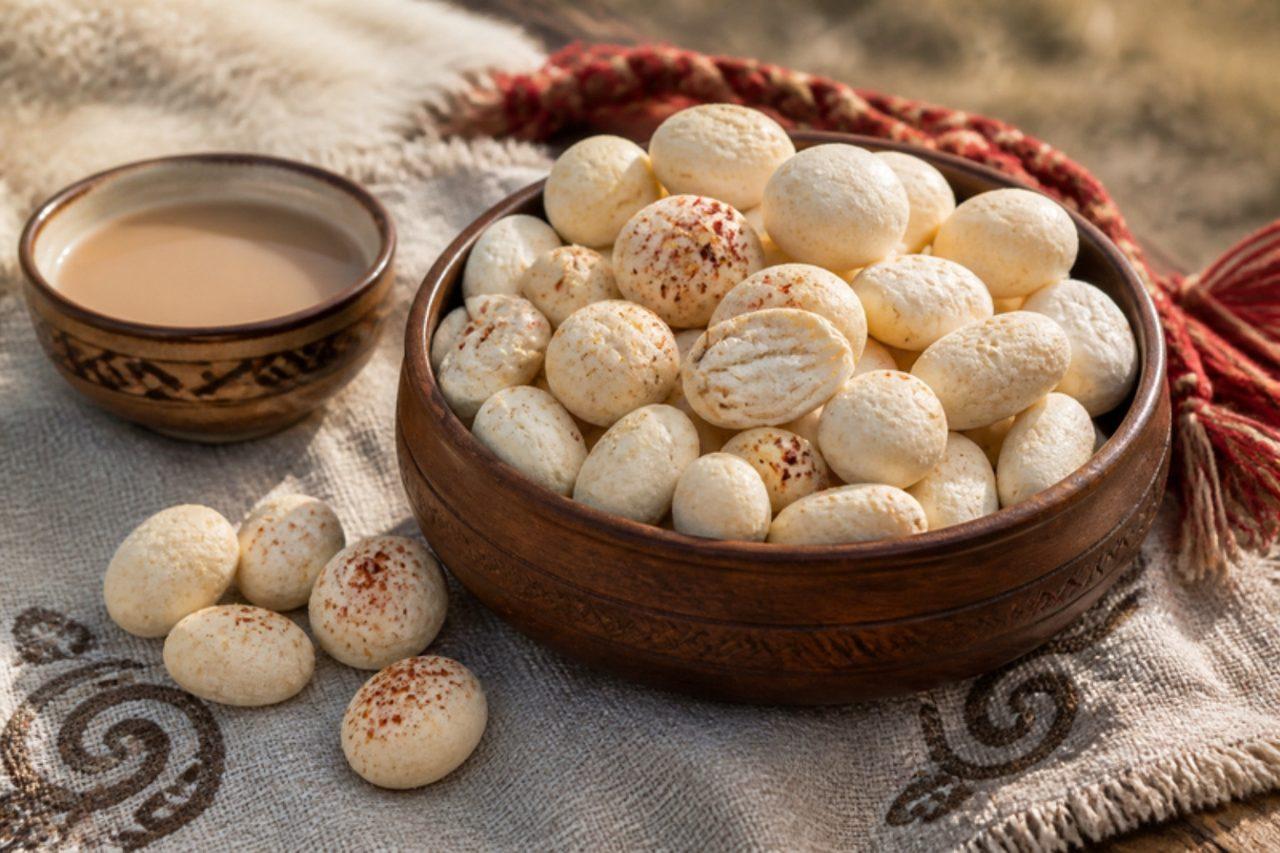
Kurt is the snack of the steppe: thick, salted yogurt pressed into balls and dried until rock-hard, so it keeps for months in a saddlebag. Herders in Kazakhstan and Kyrgyzstan make it in summer, when the animals give the most milk, and dry it on reed mats in the sun. Children suck on it like a sweet, adults crumble it into soups, or dissolve it in hot water to make a sour drink. Bazaars from Shymkent to Bishkek sell it in white, smoked and red-pepper versions. Chef's tip: drain the yogurt until it's as firm as cream cheese; if it's still wet the balls crack and turn mouldy before they dry.

by KrazyBadal 0 views

Kurthi dalHorse gram dal

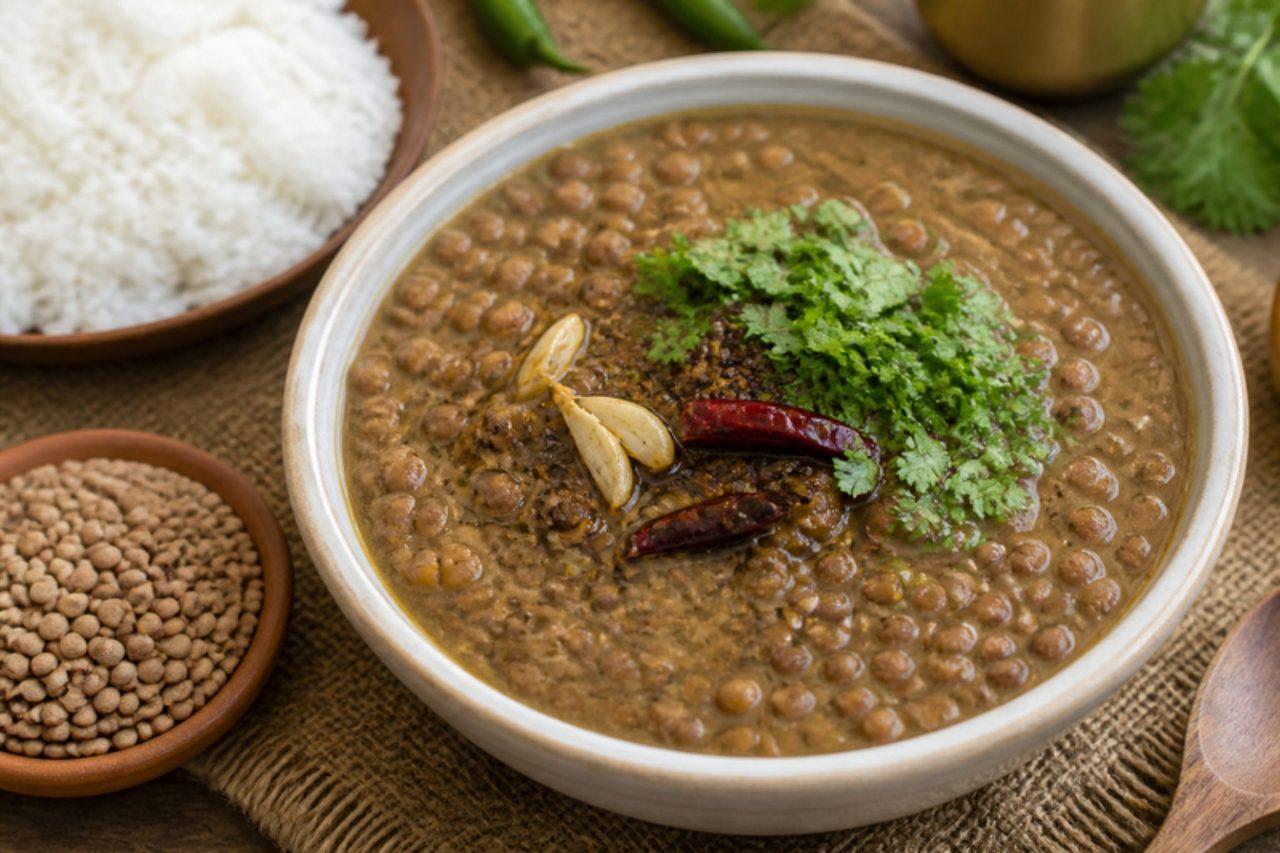
Kurthi, as horse gram is called in Jharkhand, grows on poor, dry upland soil where little else will, and it has fed the plateau's Adivasi and farming families for centuries. Cooked slowly into dal, it is dark, earthy and filling, with a slightly smoky taste, and it is eaten through the cold months with rice and a dry vegetable, as it is believed to warm the body. The tempering of garlic, dried chilli and smoking mustard oil is what makes it Jharkhandi. Chef's tip: mash a ladle of the cooked gram against the side of the pot; it thickens the dal without any flour.

by KrazyBadal 0 views

Kazakh milk teaBlack tea with hot milk

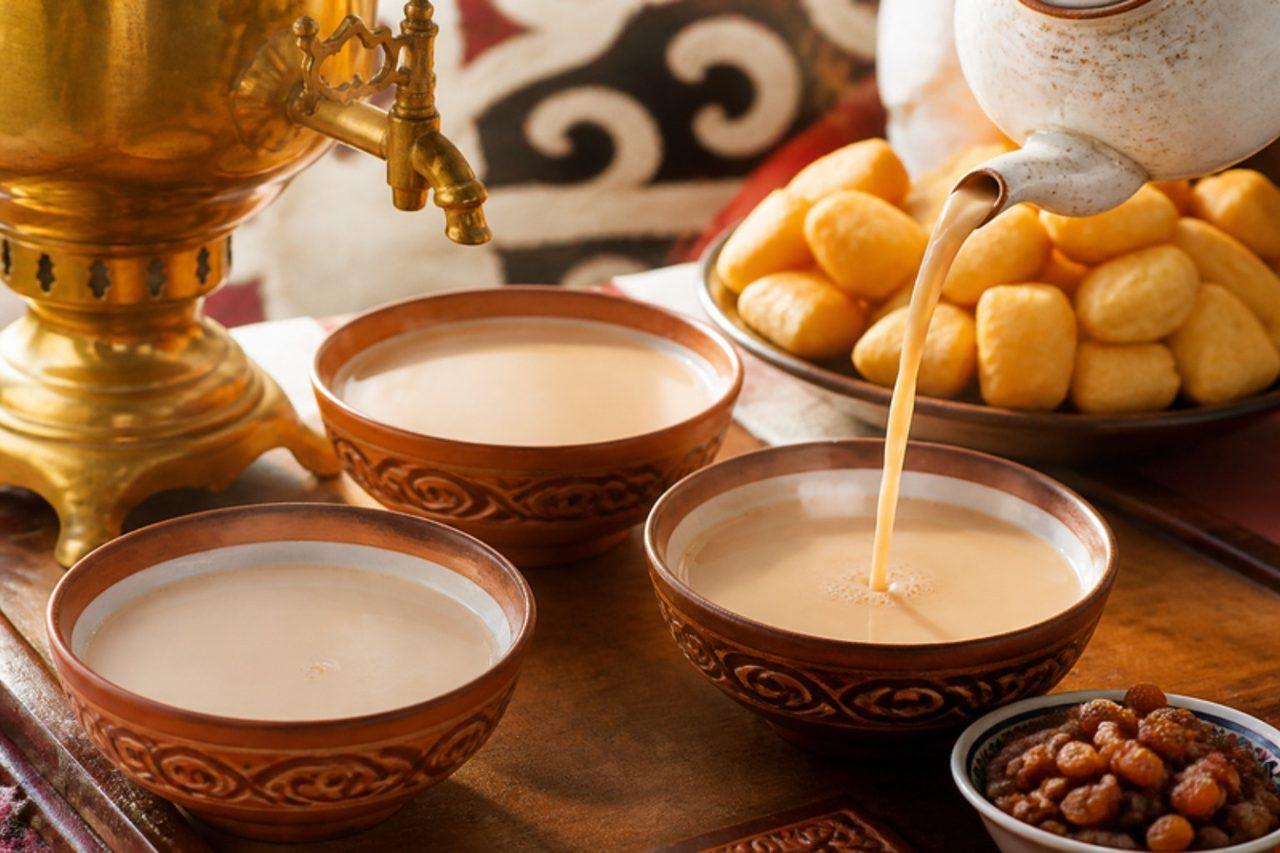
Kazakhs drink more tea per person than almost anyone, and at home it is always sut shai: strong black tea, often brewed from Kenyan or Indian leaves, poured into a wide cup (kese) with hot milk or a spoon of cream. The host keeps the cups barely half full and refills them again and again, and a guest turns the cup upside down when they've had enough. In winter in Astana a pinch of salt or a knob of butter may go in. It accompanies baursak, shelpek and every meal. Chef's tip: heat the milk until it just steams and add it to the cup first; scalded, boiled milk gives the tea a cooked taste.

by KrazyBadal 0 views

KürtőskalácsChimney cake

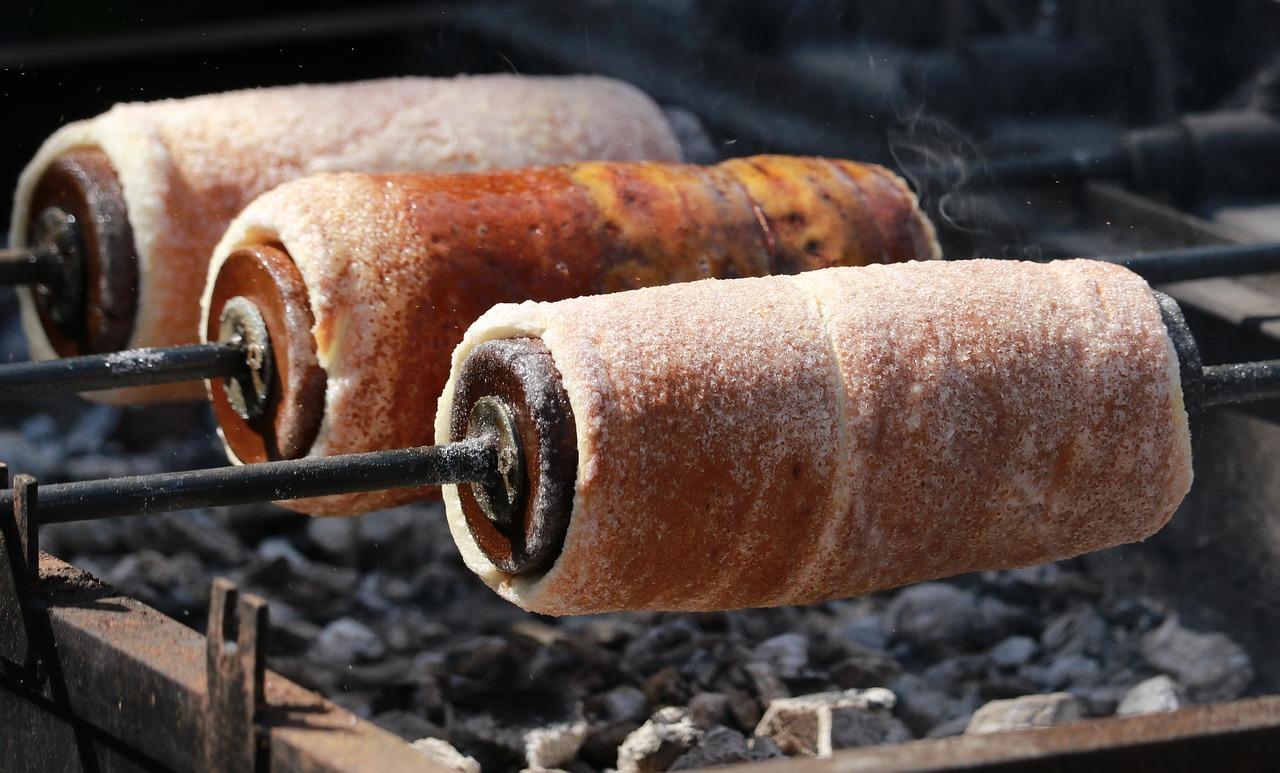
Kürtőskalács, or chimney cake, comes from the Székely Hungarian villages of Transylvania and is now sold at every Budapest Christmas market and summer festival, turning on spits over glowing coals. A strip of sweet yeast dough is wound around a wooden roller, rolled in sugar and baked until the sugar caramelises into a thin, crackling shell; you unwind the soft, steaming spiral as you eat it. At home you can bake it in the oven on foil-wrapped rolling pins or tins. Chef's tip: press the dough spiral firmly into the sugar before baking; loose sugar falls off, but pressed sugar melts into the glassy crust. A common mistake is leaving gaps between the strips, which makes the cake tear apart when you slide it off.

by KrazyBadal 0 views

Bai sach chroukGrilled pork over rice

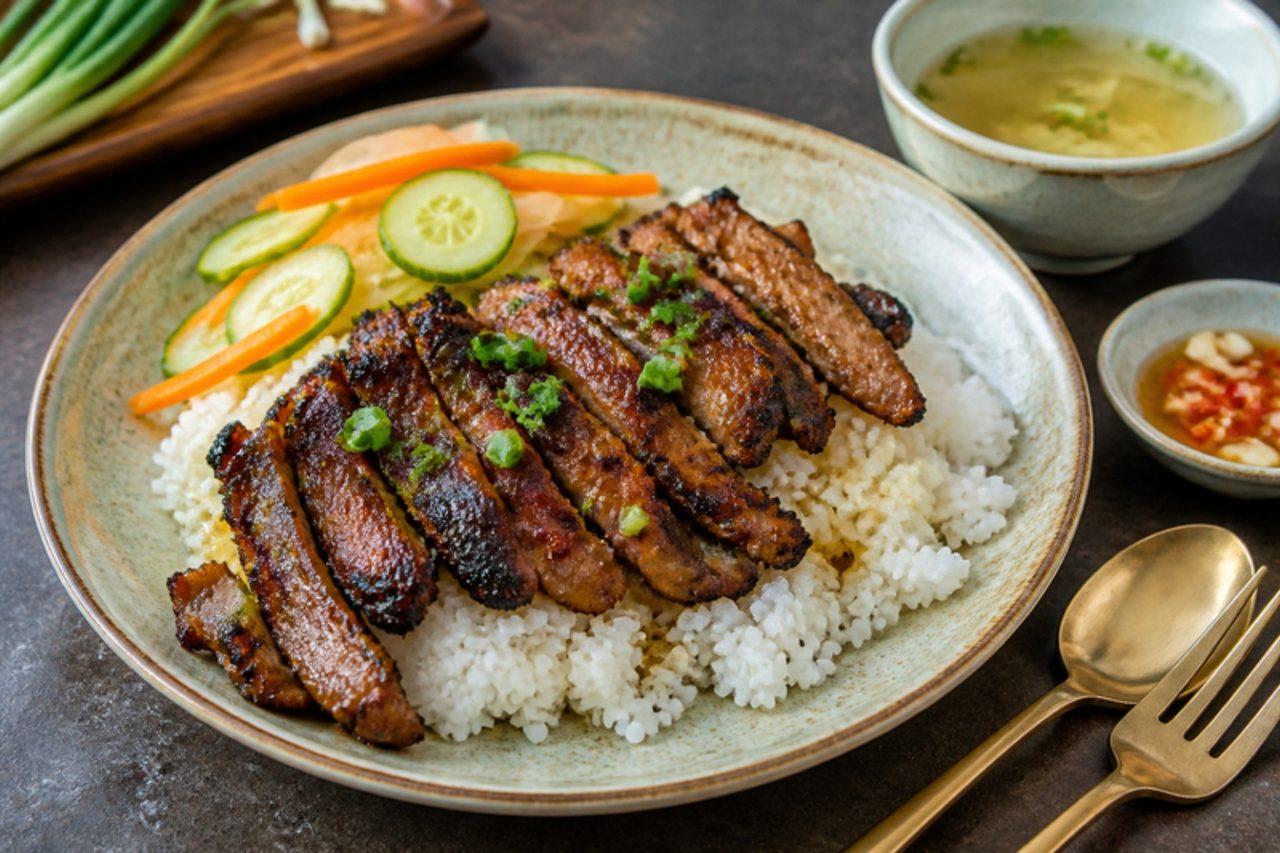
Bai sach chrouk, 'rice with pork', is the classic Cambodian street breakfast, grilled over charcoal on pavements in Phnom Penh and Siem Reap in the early morning and eaten before work and school. It is a pork dish: thin slices of pork are marinated overnight in coconut milk, garlic and palm sugar, then grilled until caramelised and smoky and served on broken rice with quick-pickled cucumber and carrot and a small bowl of clear broth. Chef's tip: slice the pork thinly, about 5 mm; it marinates faster and chars before it dries out.

by KrazyBadal 0 views

BakabanaFried plantain fritters

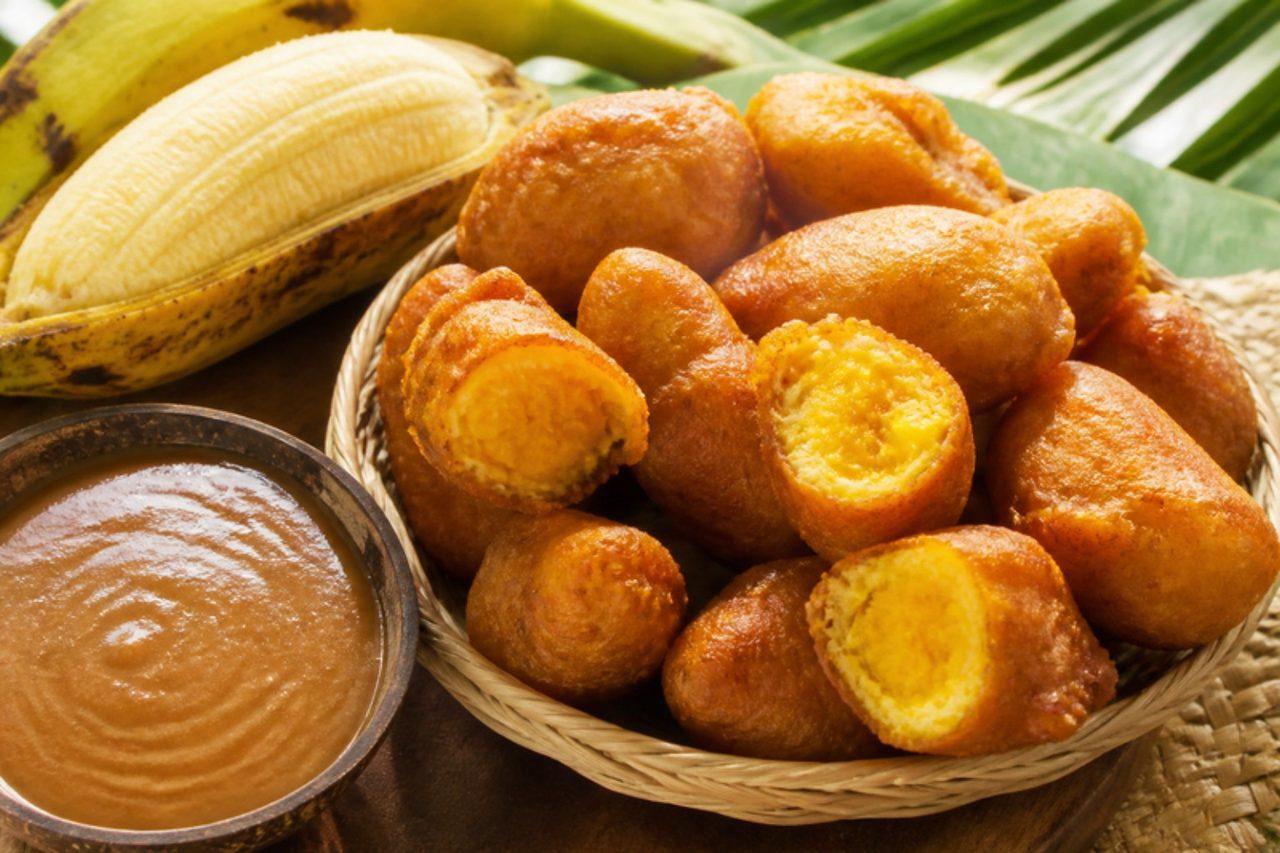
Bakabana are Suriname's favourite snack: long slices of ripe plantain dipped in a light batter and fried until crisp outside and custard-soft within. In Paramaribo they're sold from warung stalls (the Javanese-Surinamese snack bars), and in Dutch cities with Surinamese communities, always with a spicy peanut sauce on the side for dipping. The sweet fruit, crisp shell and salty-hot sauce make them hard to stop eating. Chef's tip: pick plantains that are yellow with lots of black spots but still firm; fully black and soft ones fall apart in the batter.

by KrazyBadal 0 views

Kuru fasulyeWhite bean stew

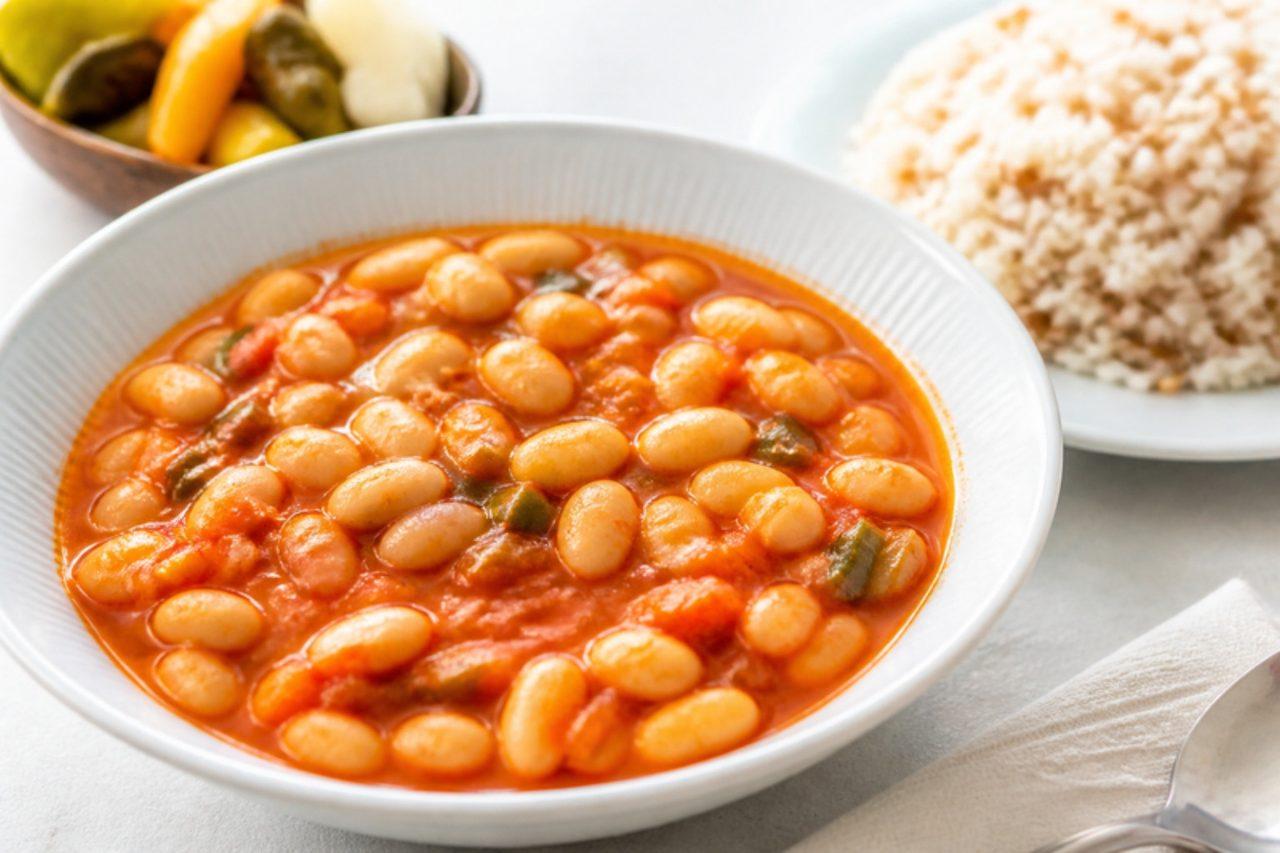
Kuru fasulye is close to a national dish in Turkey: a pot of white beans stewed in a red, paprika-scented sauce, eaten with rice pilaf, pickles (turşu) and raw onion at home and in the bean restaurants of Istanbul's Süleymaniye district. Many versions start with lamb or sucuk; this one leans on good olive oil, sweet and hot pepper paste and slow cooking, so the beans become creamy inside and the sauce silky and rich. It is a winter Friday-night staple for lots of families and tastes even better reheated the next day. Serve with domatesli bulgur pilavı or plain rice, a wedge of onion and crusty bread. Chef's tip: add the salt only once the beans are almost tender; salting at the start keeps the skins tough however long you cook them.

by KrazyBadal 0 views

Lahpet thokePickled tea leaf salad

Lahpet thoke is how Myanmar welcomes a guest: a lacquered tray of pickled tea leaves surrounded by fried beans, peanuts, sesame and garlic, offered after meals, at weddings and at monk feasts from Mandalay to Yangon. Mixed into a salad with cabbage, tomato, chilli and lime, it becomes the country's most famous dish: bitter, sour, salty and crunchy at once, with a gentle caffeine lift. Ready-made lahpet sometimes contains fish sauce and the crunchy mix often has dried shrimp, so this version quick-pickles loose green tea at home. Chef's tip: soak the tea in several changes of hot water and squeeze it hard each time; that's what tames the bitterness.

by KrazyBadal 0 views

KedjenouPot-steamed chicken

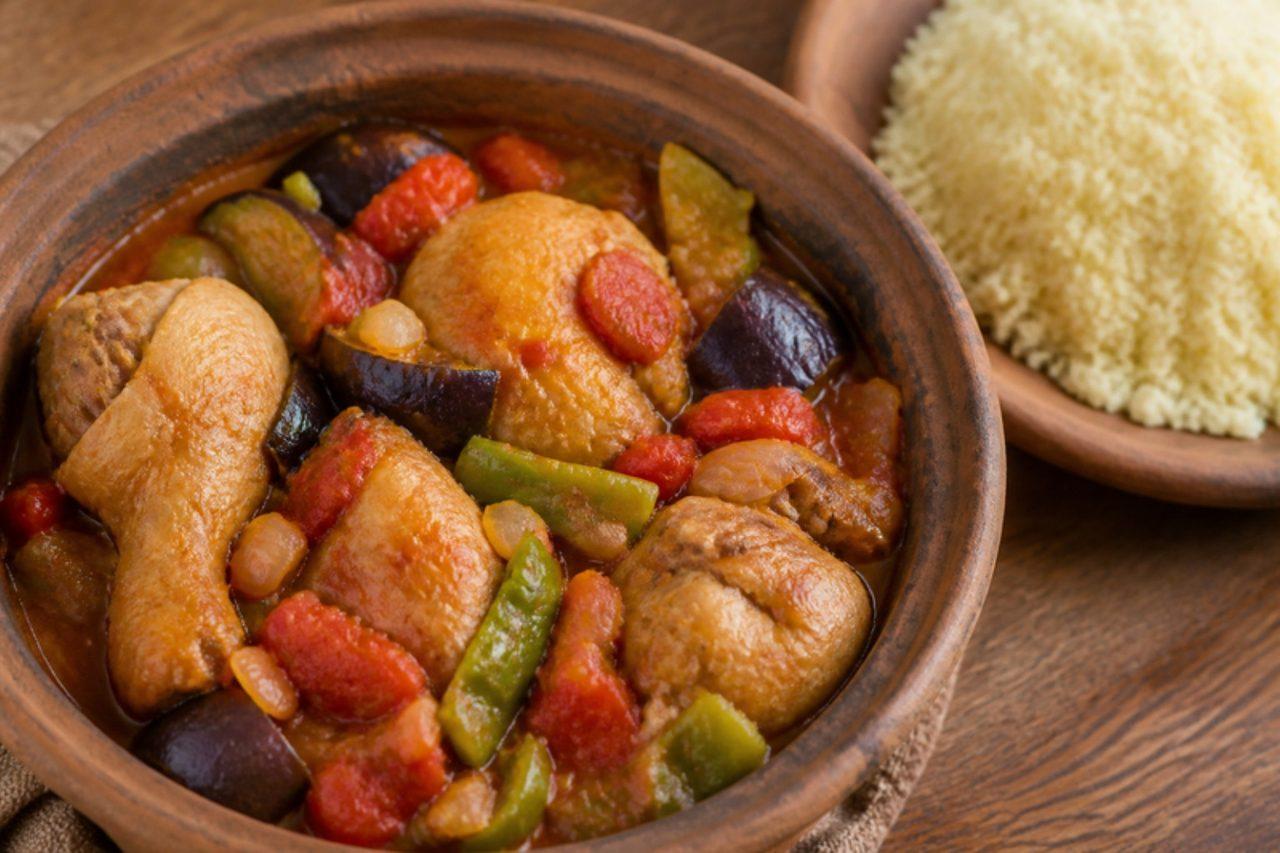
Kedjenou comes from the Baoulé people of central Côte d'Ivoire, who cooked it in a sealed clay canari set in the embers and shook the pot instead of stirring it; today it is a weekend favourite in Abidjan's maquis, served with attiéké or rice. Chicken, tomato, onion, aubergine, ginger and chilli go into the pot with no water at all, and the vegetables release enough juice to make a light, intense sauce. The mistake is lifting the lid to stir: the steam escapes and the pot can burn, so seal it well and shake it instead. Chef's tip: a heavy casserole with a sheet of foil pressed under the lid works just like the clay pot.

by KrazyBadal 0 views

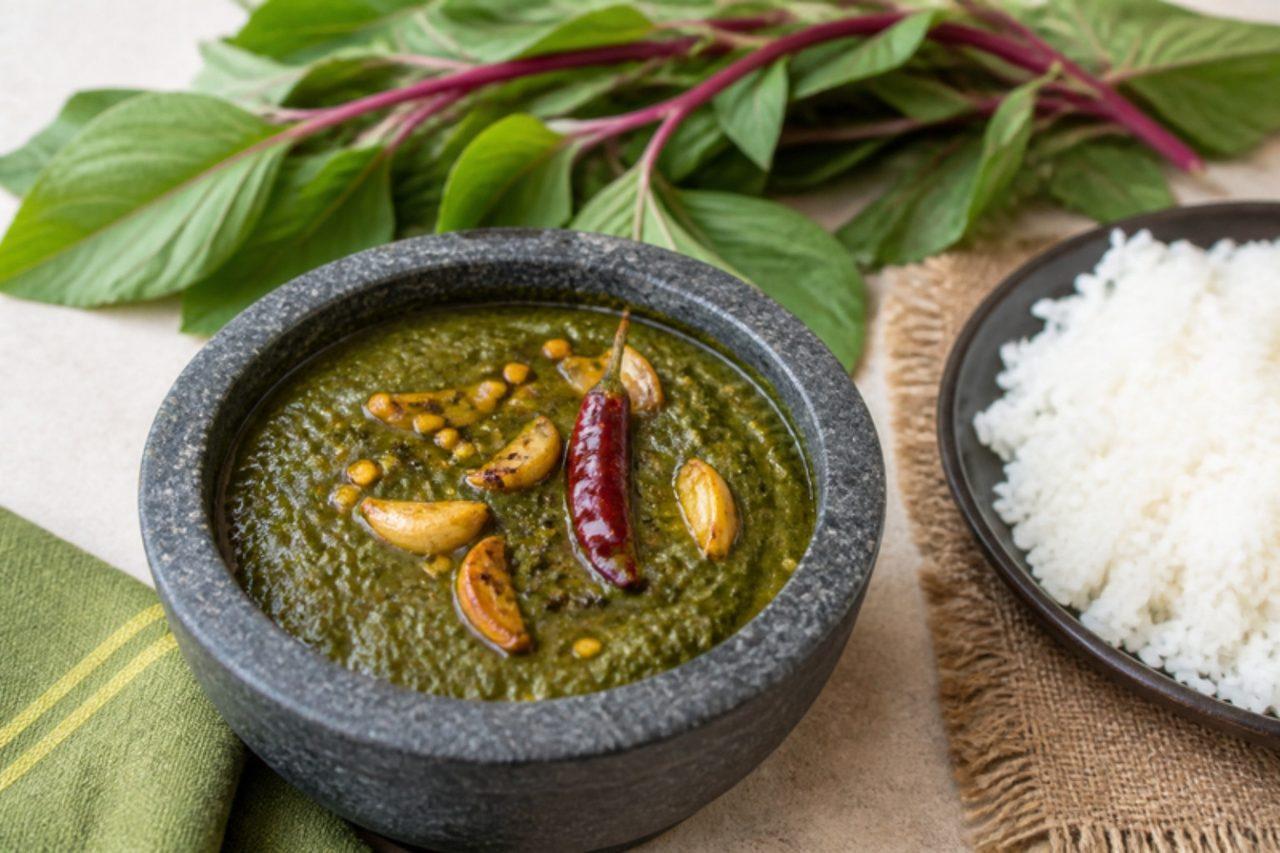
Keerai masiyalMashed greens

Keerai masiyal is the plain, green, buttery-soft mash Tamil mothers make with whatever keerai the market has that morning: arai keerai, siru keerai, amaranth or plain spinach. The leaves are cooked with shallots, garlic and green chilli and then mashed, traditionally with a wooden mathu, until smooth but still a little textured, then finished with a cumin tempering. It's eaten mixed into hot rice with a spoon of ghee or sesame oil, next to sambar or rasam, and it's a favourite first food for toddlers. Chef's tip: cook the greens uncovered; covering them traps the gases that turn the leaves dull olive instead of bright green.

by KrazyBadal 0 views

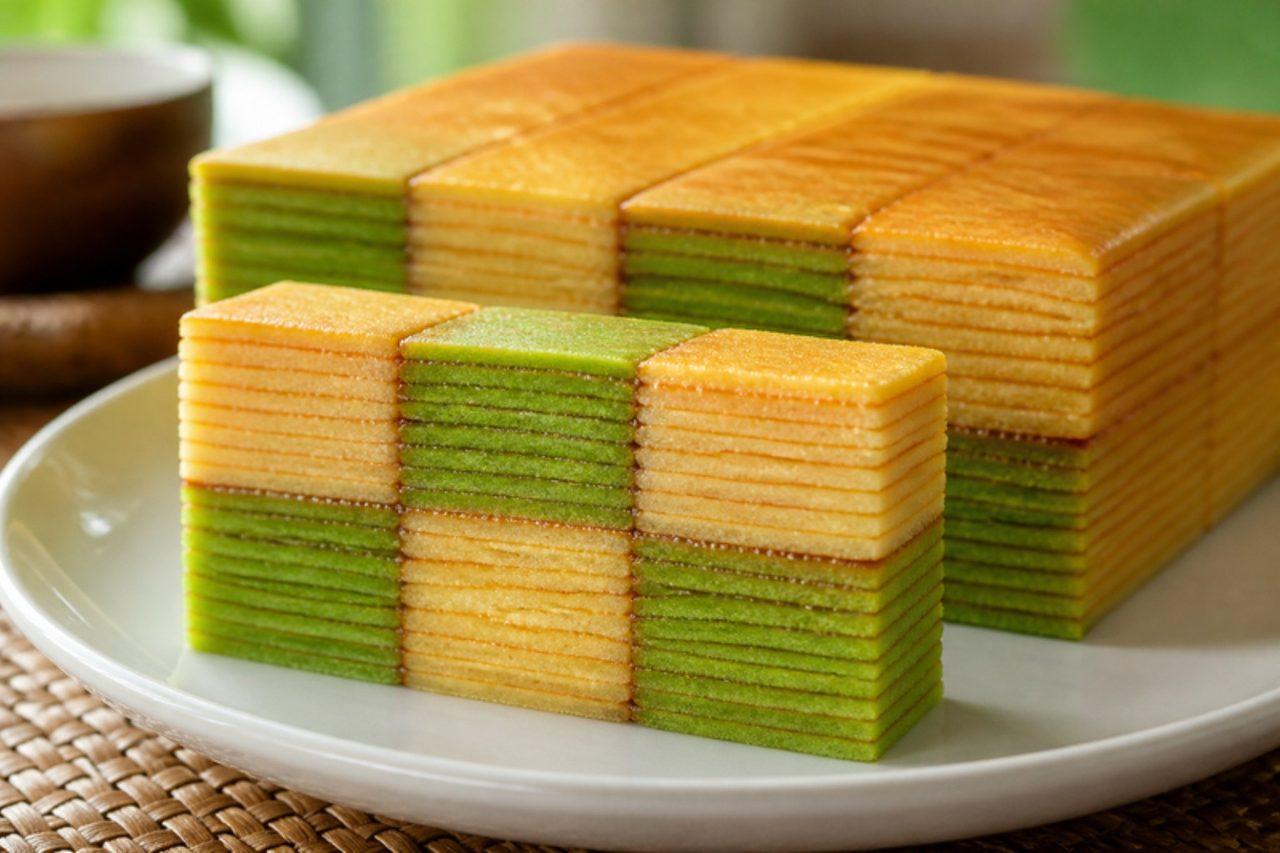
Kek lapis SarawakLayer cake

In Kuching, kek lapis Sarawak is baked for Hari Raya, Christmas and Gawai, and every family gives boxes of it away. Unlike Indonesia's spiced lapis legit, Sarawak cakes are sweet, dense and buttery, often made with condensed milk, and famous for their bright geometric patterns. Many layers are grilled one by one, then the cake is cut into strips and glued back together with jam to make the design. This is the beginner's chequerboard in plain and pandan green. Chef's tip: spread each layer thin and even with the back of a spoon; uneven layers make the pattern crooked.

by KrazyBadal 0 views

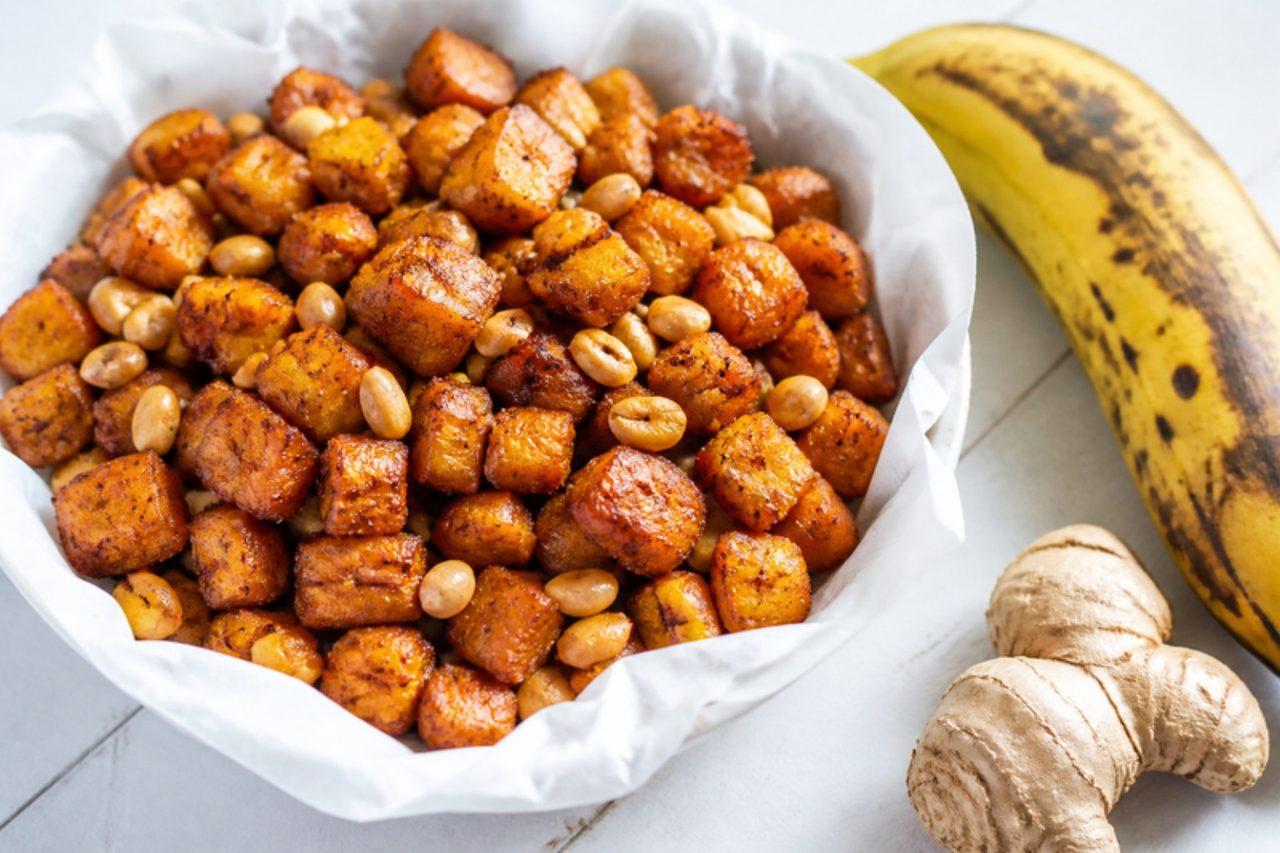
KeleweleSpiced fried plantain

Kelewele is what Accra smells like after dark: ripe plantain cubes tossed in a paste of ginger, onion, chilli and spice, then fried at roadside stalls lit by lamps and sold in paper cones. It is eaten as an evening snack, often with a handful of roasted peanuts, or as a side with red red. The outside caramelises while the spices turn toasty, so every piece is sweet, hot and spicy at once. Chef's tip: use plantains that are yellow with lots of black spots; fully black ones collapse in the oil and green ones never turn sweet.

by KrazyBadal 1 views

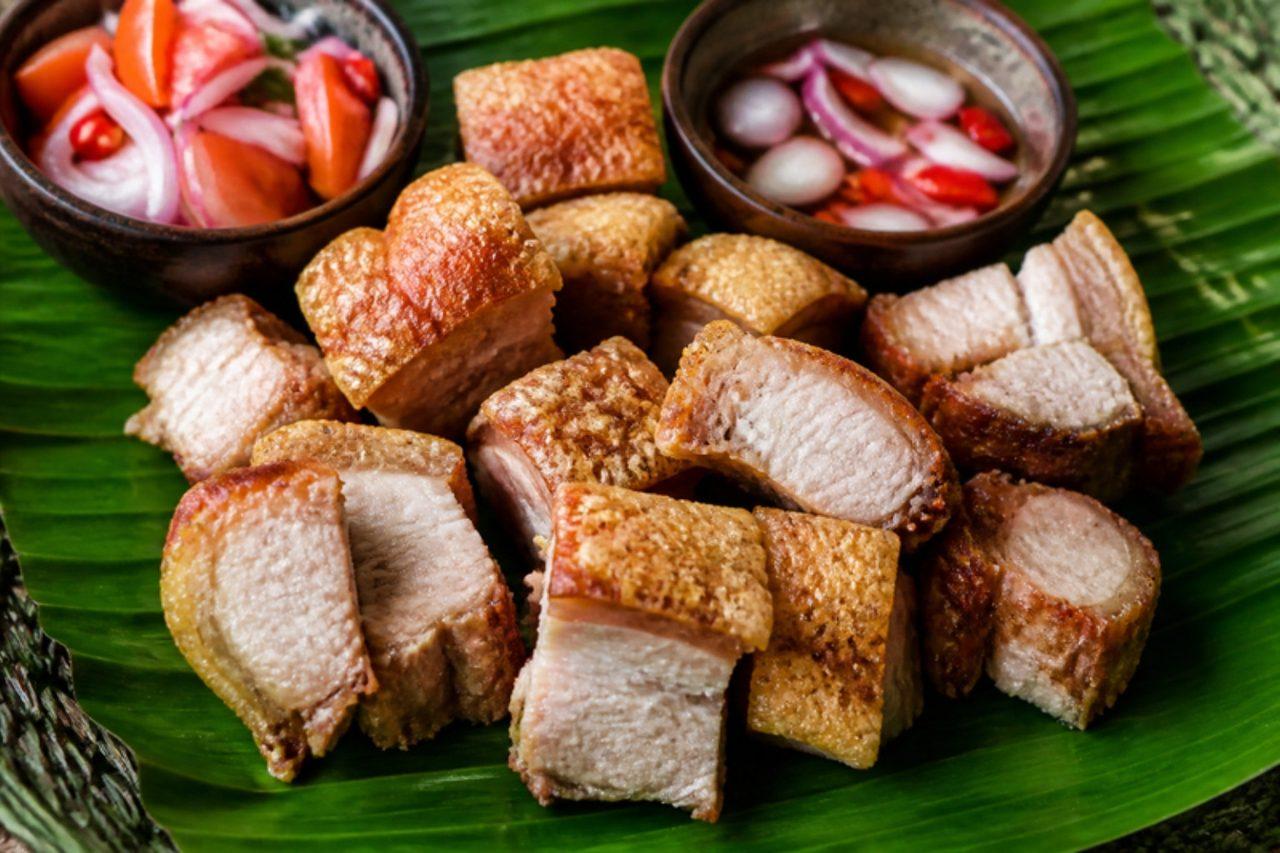
BagnetCrispy fried pork belly

Up in Ilocos Norte and Ilocos Sur, in towns like Vigan and Batac, bagnet hangs in market stalls in golden slabs: pork belly that has been boiled, dried and deep-fried so the rind is puffed and crunchy all the way through. Ilocanos chop it into rice bowls, add it to pinakbet and dinengdeng, or eat it with sukang Iloco, the region's dark sugarcane vinegar. It is richer and crunchier than lechon kawali because it is fried twice. A tomato and onion salad with a little shrimp paste cuts the fat. Chef's tip: the second fry, in hotter oil after a rest, is what makes the rind bubble; skip it and you get chewy skin.

150 minFilipinoMeatGluten free
by KrazyBadal 0 views

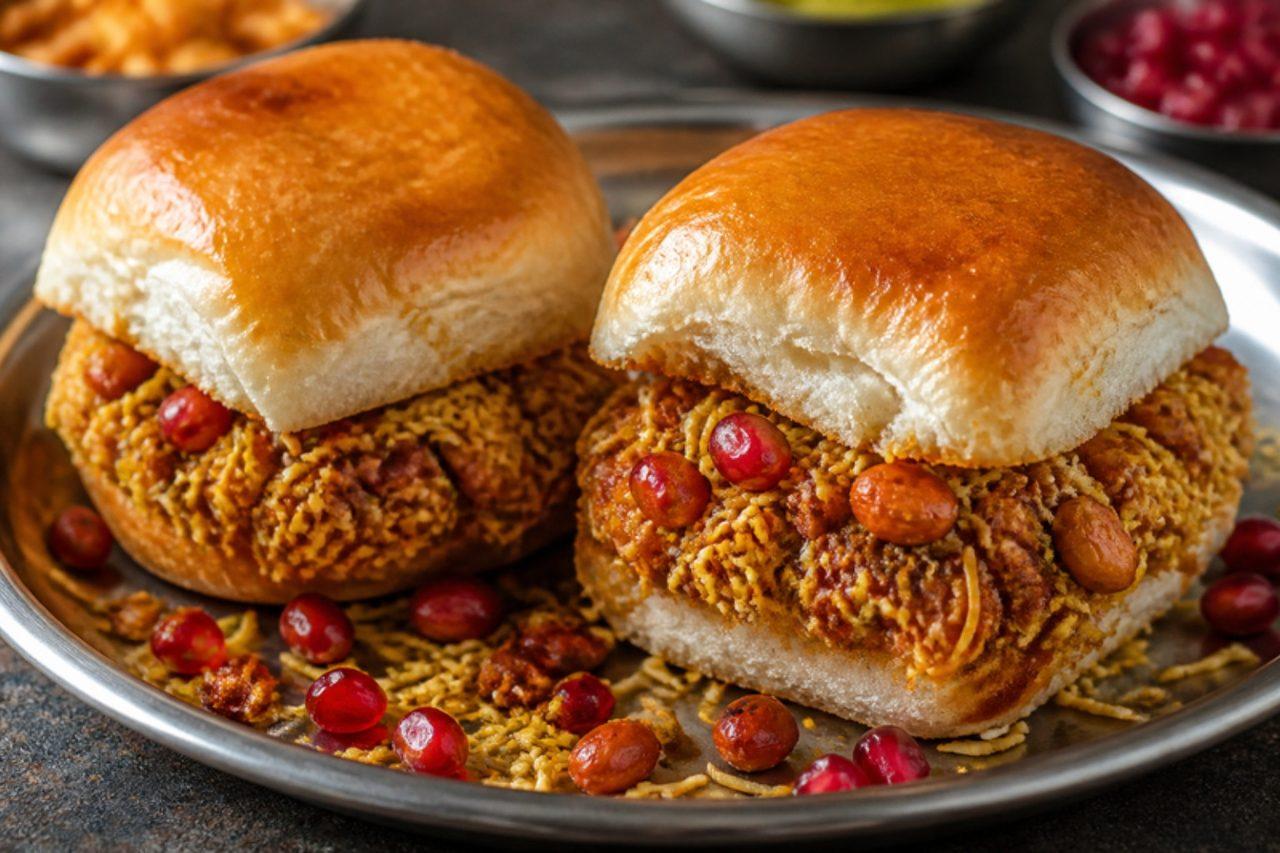
Kutchi dabeliSpiced potato buns

Dabeli was born in Mandvi, a port town in Kutch, Gujarat, and spread from there to every street corner in Mumbai. Soft pav are split, spread with sweet tamarind and fiery garlic chutneys, and stuffed with a potato filling spiced with dabeli masala, a warming blend of roasted coriander, cumin, cinnamon, clove and dried chilli. Masala peanuts, pomegranate seeds, onion and sev add crunch and sparkle, and the buns are toasted in butter until crisp at the edges. Children love them for the sweetness, adults for the heat. Chef's tip: make the dabeli masala yourself and toast the whole spices until they just smell warm; shop-bought powders lack that fresh, smoky sweetness, and a jar keeps for a month.

by KrazyBadal 0 views

KutiaWheat berries with poppy seeds

Kutia is the first dish tasted on Ukrainian Christmas Eve, once the first star appears in the sky: a bowl of whole wheat berries mixed with ground poppy seed 'milk', honey, walnuts and raisins. Families in Lviv, Ternopil and the villages of the west traditionally throw a spoonful at the ceiling for luck and set a bowl aside for departed relatives, and the head of the house greets the evening with it. It is eaten at room temperature, sweet, nutty and chewy, and the spoon must touch every guest's plate. Chef's tip: soak and grind the poppy seed until it turns white and milky; common mistake is using it whole, which leaves kutia gritty and grey instead of creamy.

by KrazyBadal 0 views

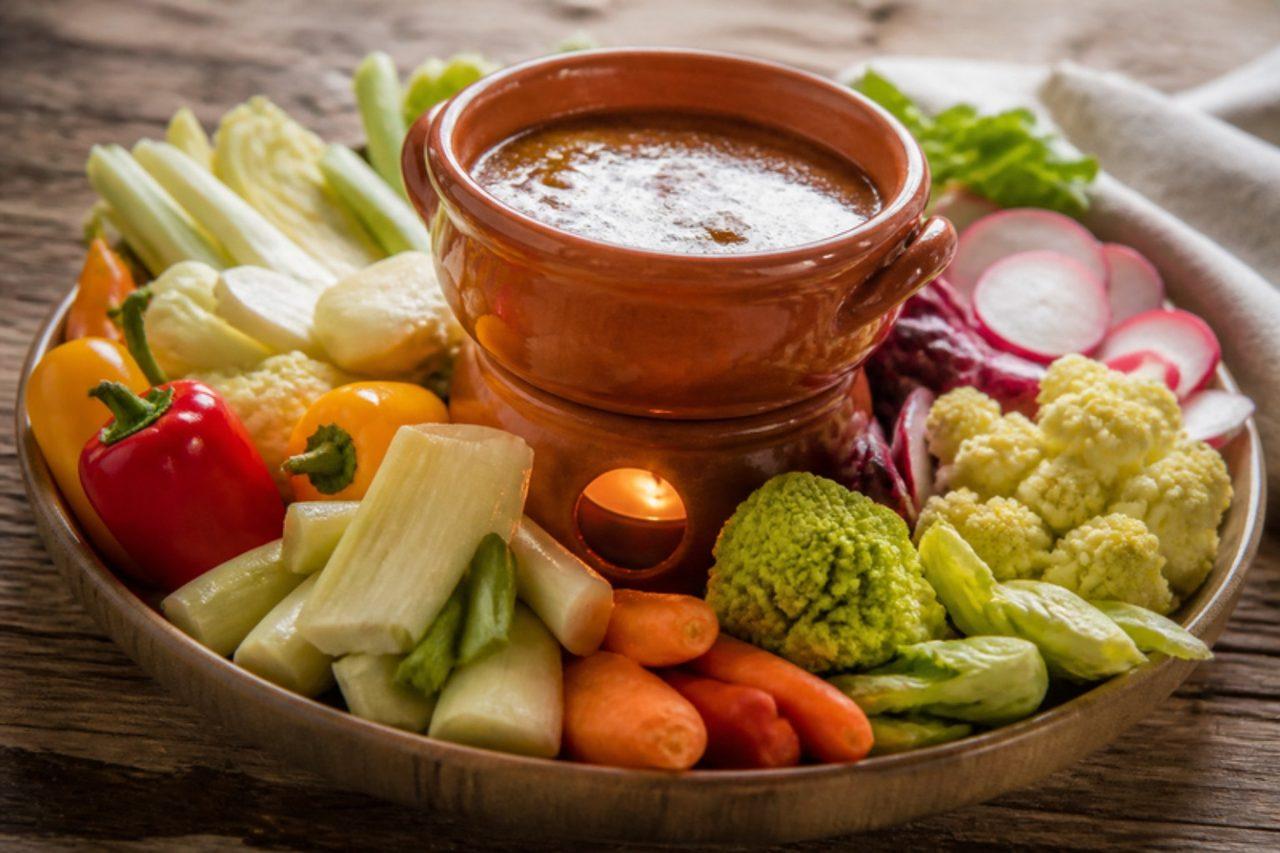
Bagna càudaWarm garlic and anchovy dip

When the grape harvest is over in the Langhe and Monferrato, Piedmontese friends gather round a terracotta pot of bagna càuda, the 'hot bath', kept warm over a little flame in the middle of the table. Everyone dips raw and cooked vegetables into it: peppers, cardoons, fennel, cabbage leaves, Jerusalem artichokes, boiled potatoes and beetroot. The sauce is mellow rather than fierce, because the garlic is poached in milk before it melts with anchovies into olive oil and a little butter, giving a rich, salty, nutty bath. Hunks of bread catch the drips, and a young red wine is the usual partner. Chef's tip: keep it hot but never bubbling, on a fondue burner or tea-light warmer; if it fries, the garlic turns bitter and the anchovies harsh.

by KrazyBadal 0 views

Showing 54 of 10,569 recipes

Show more recipes

Page 1,081 of 1,175