


Skip to content
Nigerian salad
Featured recipe

Nigerian salad

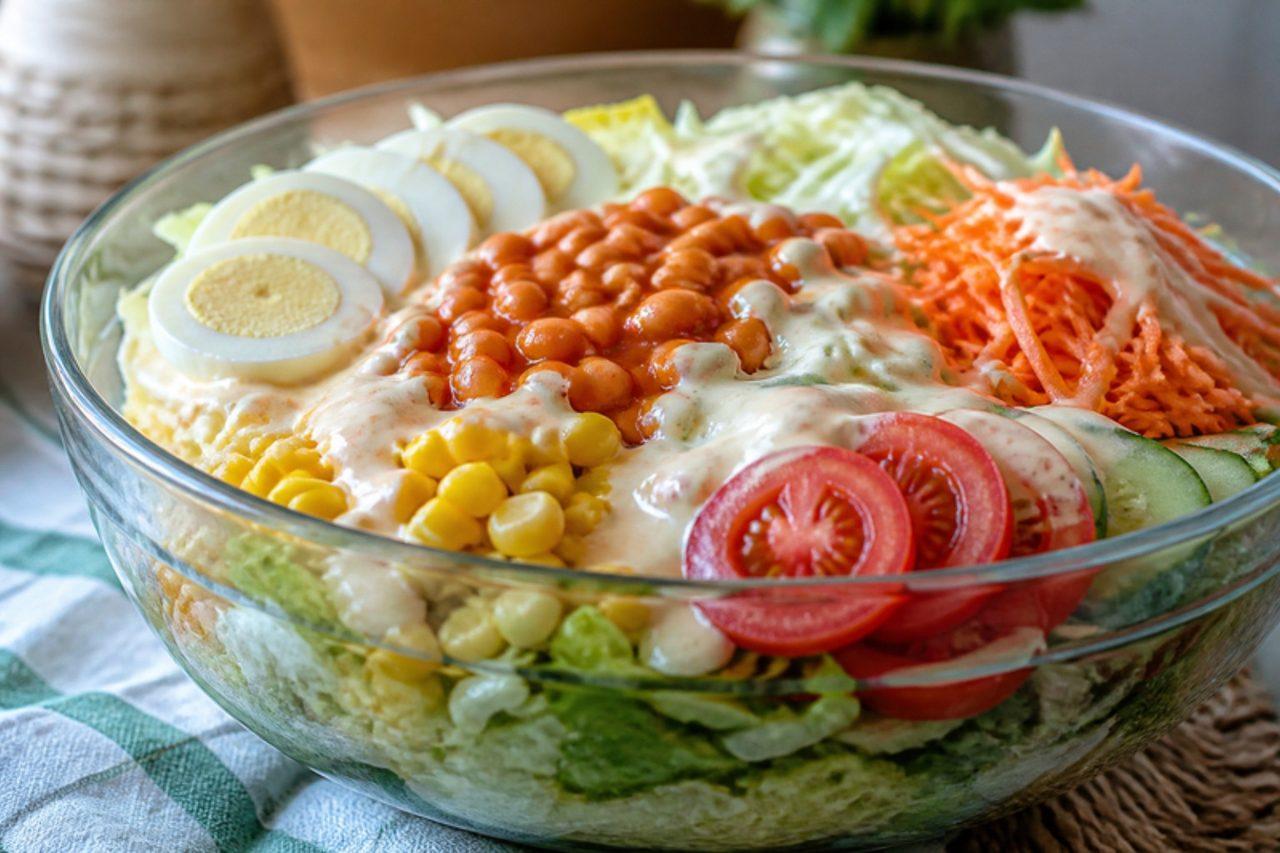
At owambe parties in Lagos and Ibadan, and on Christmas and Sallah tables right across the country, a big glass bowl of Nigerian salad sits next to the jollof and fried rice, piled in neat stripes of shredded lettuce, cabbage, carrot, sweetcorn, baked beans and sliced egg, then smothered in creamy salad cream. It is cool, crunchy and slightly sweet, the thing everyone reaches for between spoonfuls of peppery rice and chicken. Salad cream contains egg and mustard, so mention it to anyone with allergies. The common mistake is dressing it hours ahead: the cabbage and lettuce weep and the bowl turns watery, so layer it ahead but pour the dressing on just before serving. Many party versions add ham or corned beef; this one keeps it vegetarian. Chef's tip: soak the shredded lettuce and cabbage in iced water for ten minutes and spin them completely dry; they stay squeaky-crisp all evening.

Read more 0 views

What to eat today?

Around the world

Today's trip: Persian

A new country every day, from every cuisine on the site.

Persian

Shir berenj

Rose water rice pudding 70 minMore from Persian (181) →

This week's collection

Kid-friendly dinners
772 recipes · a new collection every Monday

Coming up

All occasions →

Latest recipes

Bajan fish cakesSalt cod fritters

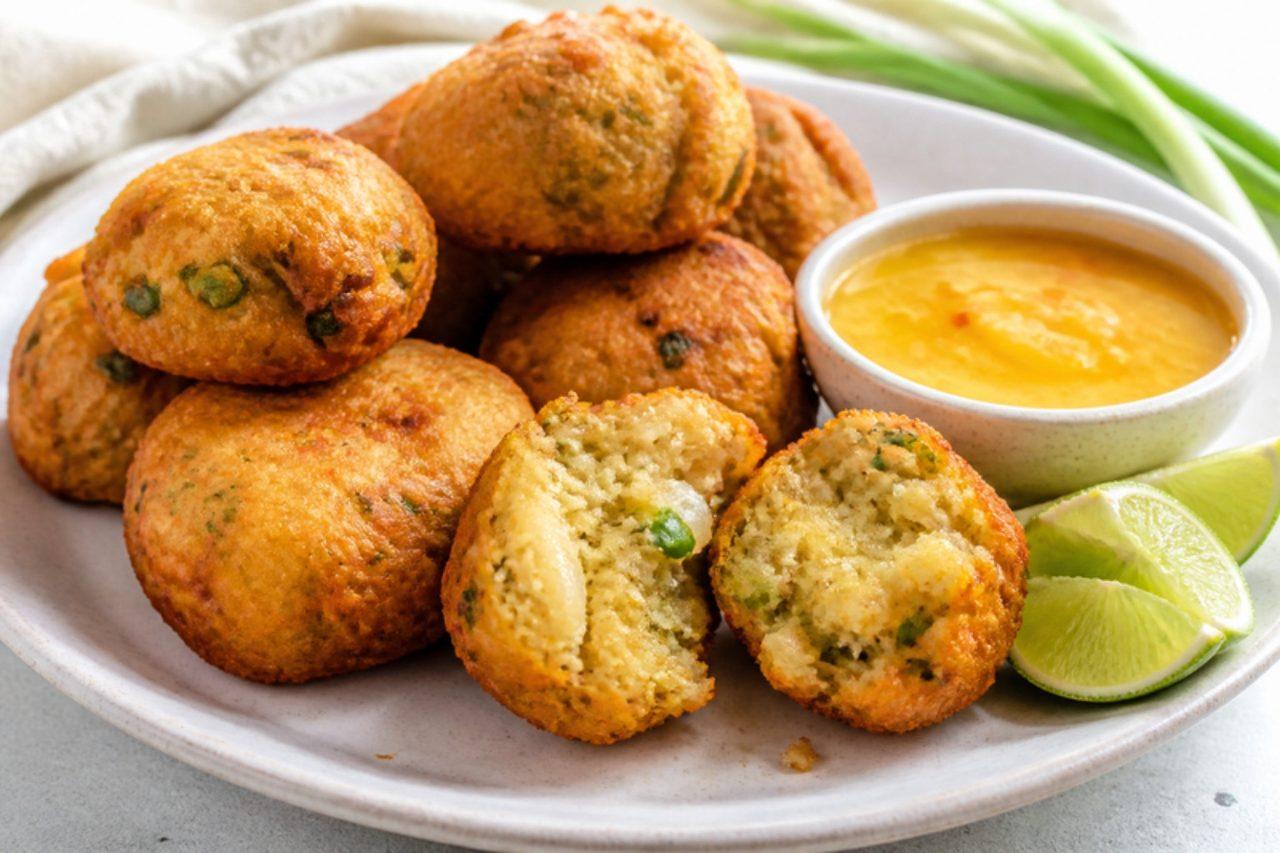
Fish cakes are on every Bajan party table and in every rum-shop snack box, and on Friday nights at Oistins Fish Fry they are tucked into a split salt bread roll as 'bread and two'. These are not potato patties but spoonfuls of light, herby batter full of flaked salt cod, spring onion, thyme and Scotch bonnet, fried until puffed and golden. Serve them hot with Bajan pepper sauce or a squeeze of lime. The mistake that gives flat, greasy fish cakes is a thin batter; it should drop from the spoon in a soft blob, not pour. Chef's tip: taste a flake of the cooked cod before mixing; if it is still salty, don't add any more salt to the batter.

by KrazyBadal 0 views

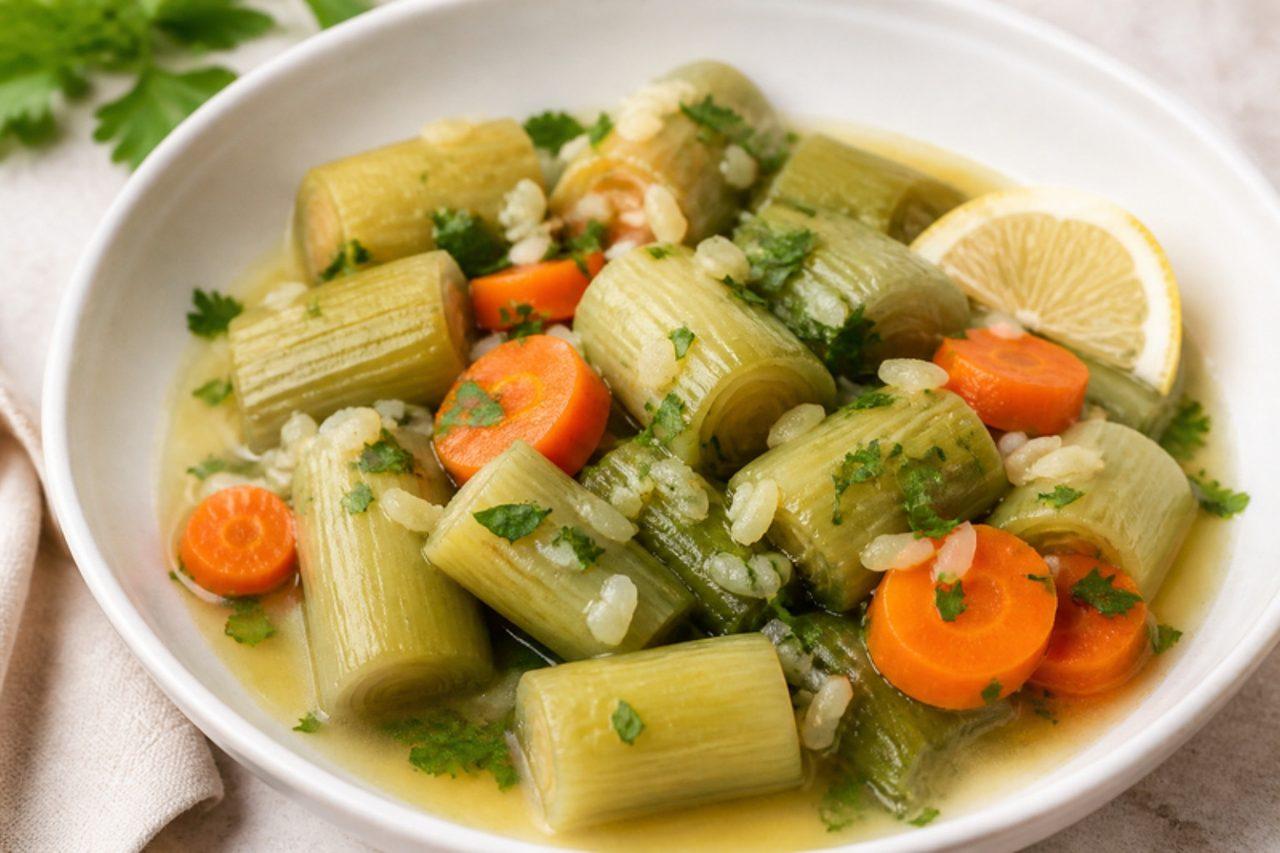
Zeytinyağlı pırasaLeeks braised in olive oil

Winter in Istanbul brings fat leeks to every neighbourhood market, and zeytinyağlı pırasa is how many households use them: chunks of leek and carrot stewed gently in olive oil with a handful of rice to thicken the juices, finished with lemon. It is served at room temperature on the side of a winter table, or as a light lunch with bread and white cheese, and grandmothers often say it is better the second day. The usual mistake is skipping a proper wash: grit hides between the layers and ruins the whole pot. Chef's tip: cut the leeks on a slant into thick pieces and keep them whole rather than separating the rings, so they hold their shape through the slow braise.

by KrazyBadal 0 views

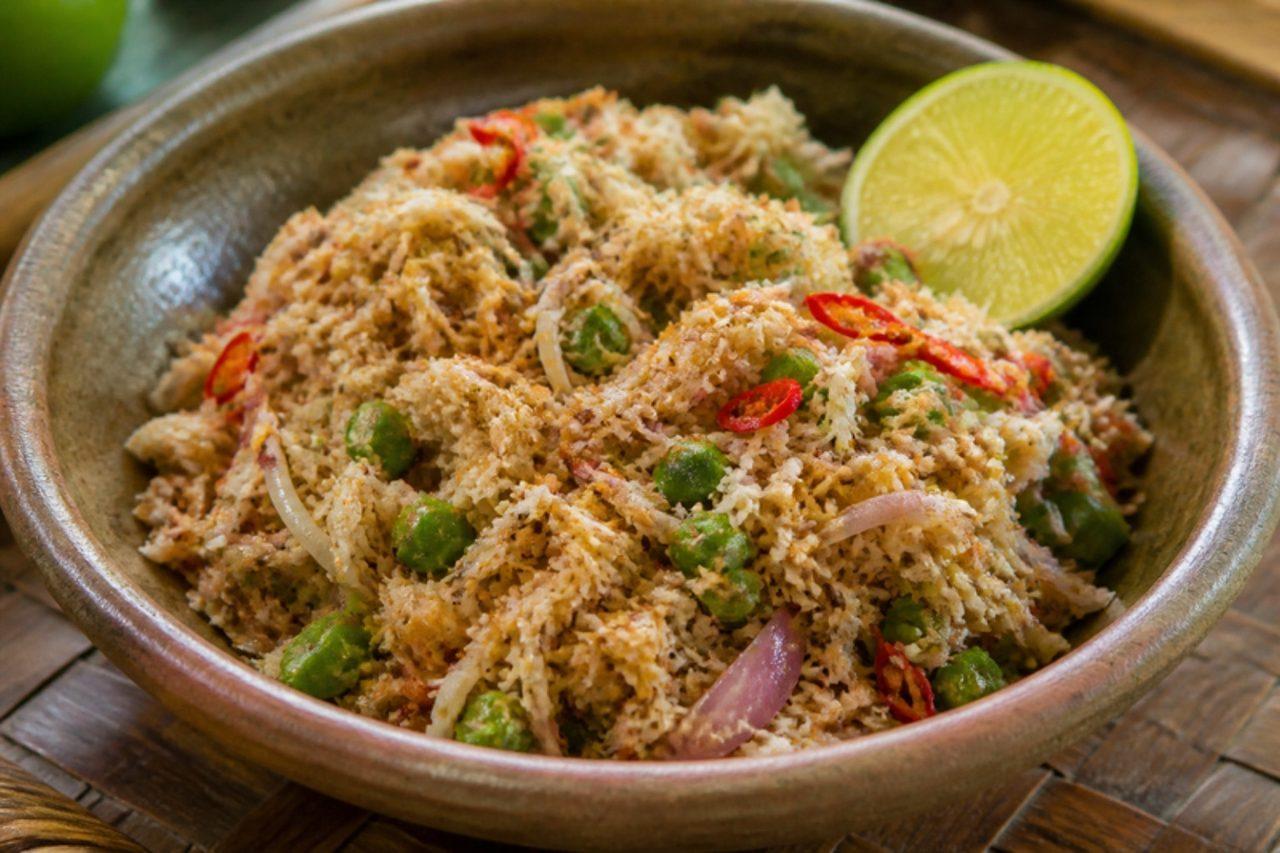
Kohu-kohuSmoked tuna salad

Ambon's fish markets sell ikan asar, tuna smoked over coconut husks, and one of the best things to do with it is kohu-kohu. Flakes of the smoky fish are tossed with crisp shredded long beans, bean sprouts, lightly toasted coconut, raw shallot, chilli and plenty of lime, making a salad that is crunchy, smoky, sour and hot all at once. It's a staple at Maluku family meals, often served next to papeda and fish soup or simply with rice. Chef's tip: mix it no more than an hour before eating; fresh coconut goes limp and sour if it sits around, and the salad loses its crunch.

by KrazyBadal 0 views

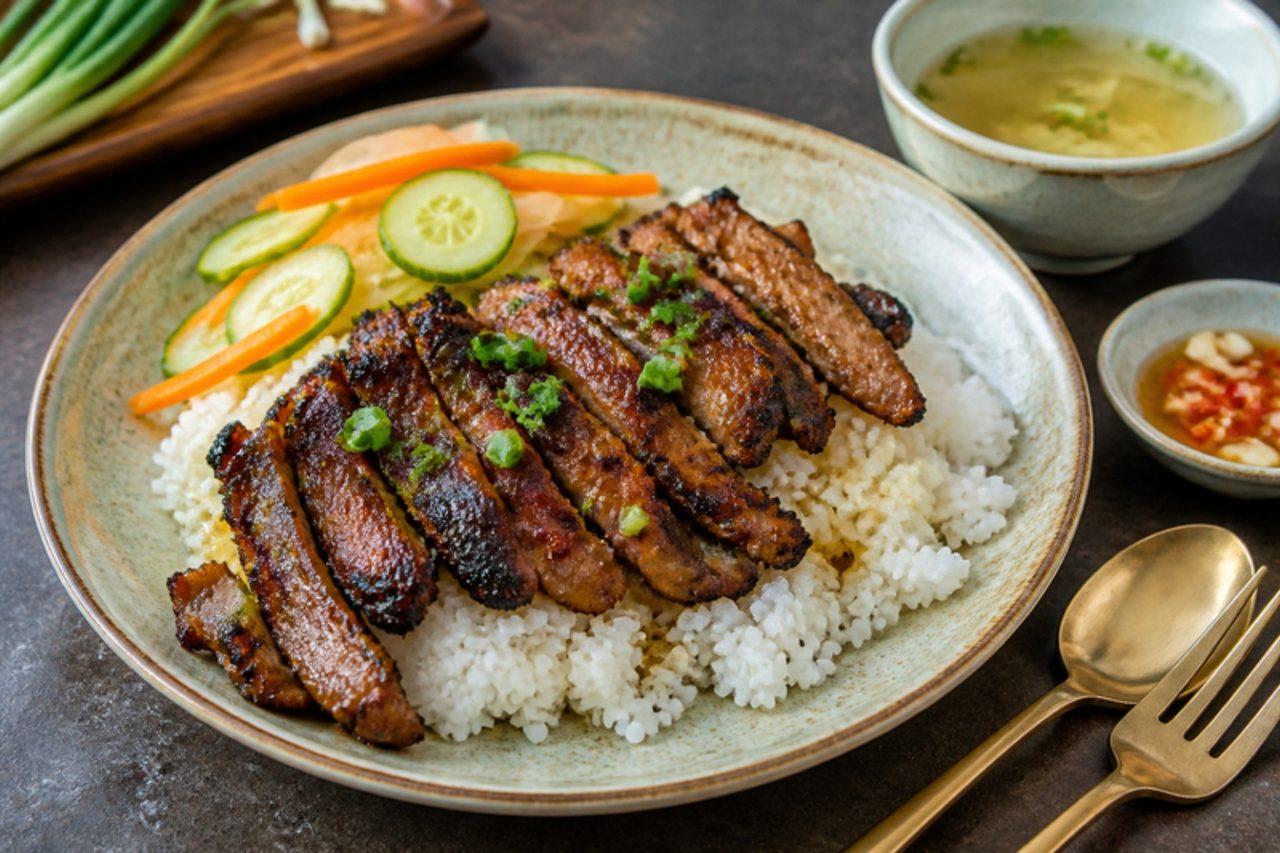
Bai sach chroukGrilled pork over rice

Bai sach chrouk, 'rice with pork', is the classic Cambodian street breakfast, grilled over charcoal on pavements in Phnom Penh and Siem Reap in the early morning and eaten before work and school. It is a pork dish: thin slices of pork are marinated overnight in coconut milk, garlic and palm sugar, then grilled until caramelised and smoky and served on broken rice with quick-pickled cucumber and carrot and a small bowl of clear broth. Chef's tip: slice the pork thinly, about 5 mm; it marinates faster and chars before it dries out.

by KrazyBadal 0 views

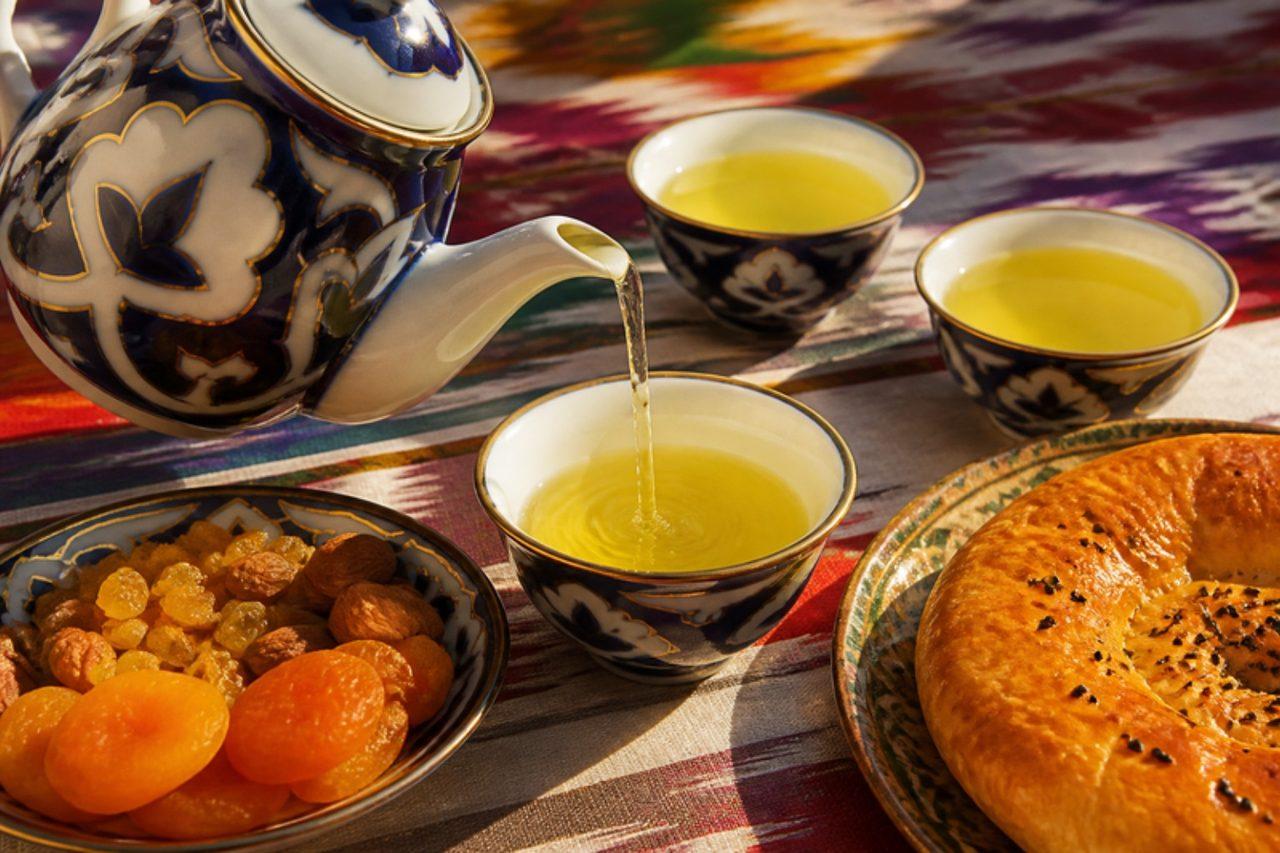
Kok choyGreen tea

In an Uzbek chaikhana, from Tashkent's shady teahouses to the courtyards of Khiva, the first thing to arrive is a teapot of kok choy, green tea, with small bowls (piala) and a plate of raisins, almonds and sweets. The host performs qaytarish: pours a bowl, tips it back into the pot, and repeats three times to blend the brew, then serves each guest a bowl only half full, a sign they should stay and be topped up. Green tea is drunk with plov to cut the oil, and all through hot summer days. Chef's tip: use water just off the boil (about 90°C) and warm the pot first; boiling water straight from the kettle makes Chinese green tea taste harsh.

by KrazyBadal 0 views

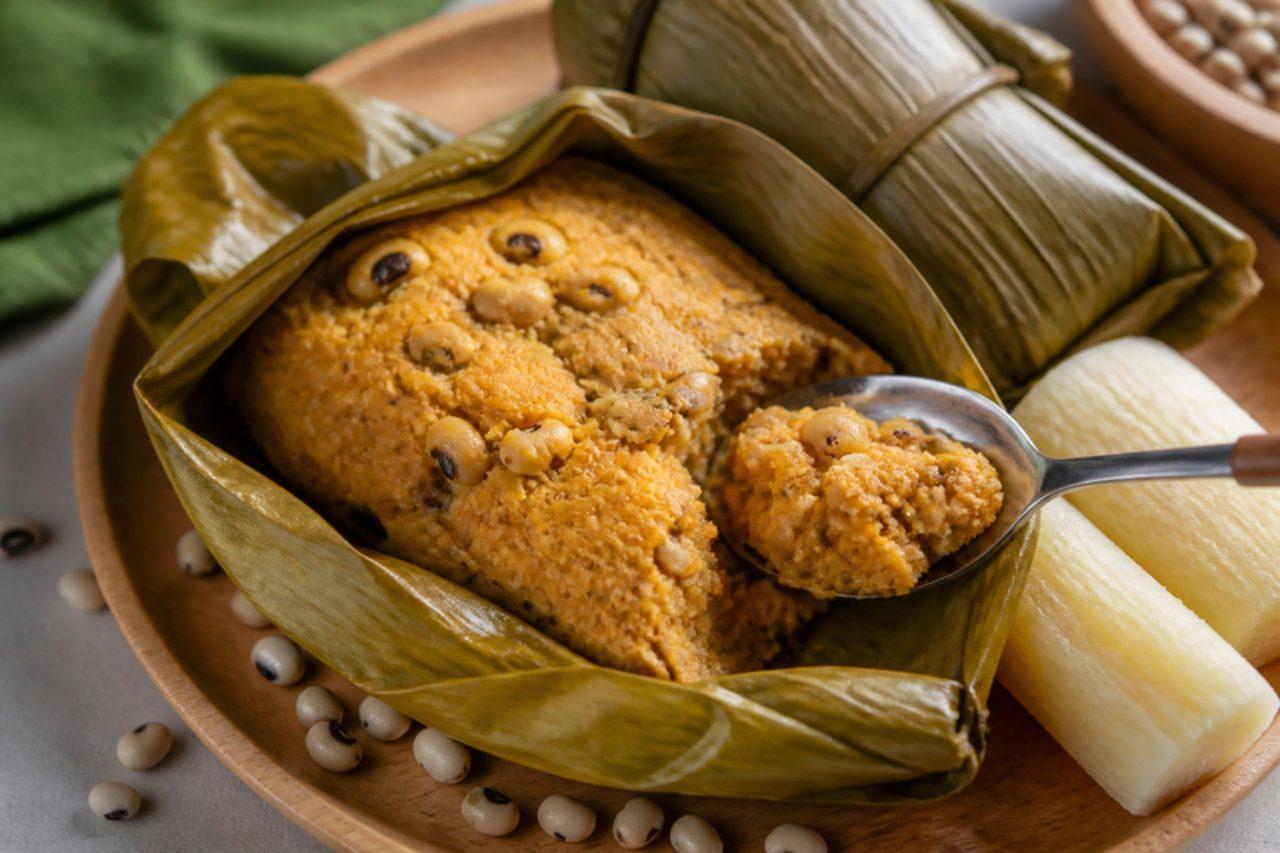
KokiSteamed black-eyed bean pudding

Koki is a dense, orange-red bean cake from the Douala and Bakweri country of Cameroon, made from skinned black-eyed beans blended with red palm oil, chilli and greens, then wrapped in banana leaves and steamed for hours. It is weekend food and market food, eaten with boiled plantain, cassava or ripe banana. It is related to Nigerian moi moi but heavier, richer with palm oil and full of cocoyam leaves or spinach. Chef's tip: warm the palm oil just until liquid before beating it in; poured in cold and solid it leaves streaks of fat instead of an even orange colour.

by KrazyBadal 0 views

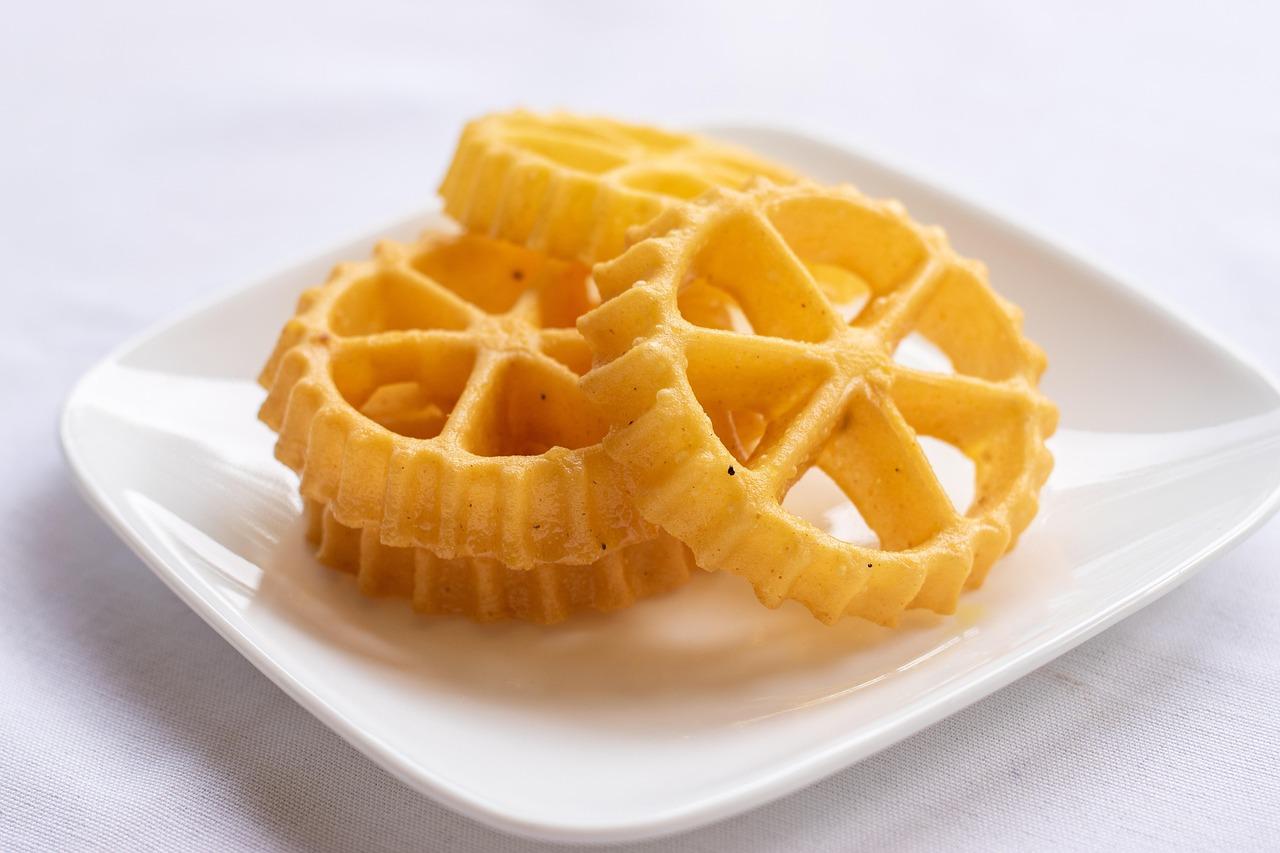
KokisCrisp rice flour flowers

Kokis are the lacy, wheel-shaped crisps that every Sri Lankan family fries in the days before Sinhala and Tamil New Year in April, piled onto the Avurudu table beside kavum, kiri bath and banana. A thin batter of rice flour, thick coconut milk, egg and a little turmeric is picked up on a hot brass kokis mould, dipped into the oil, and shaken free as it sets, so each one is light, salty-sweet and shatteringly crunchy. They're a cousin of the rosette cookie but savoury rather than sugary. The usual mistake is dipping the mould right under the batter, so the kokis sticks and won't release; dip it only three-quarters of the way up its sides. Chef's tip: heat the mould in the oil for a full minute before the first dip, and return it to the oil between every kokis; a cold mould won't pick up batter.

by KrazyBadal 0 views

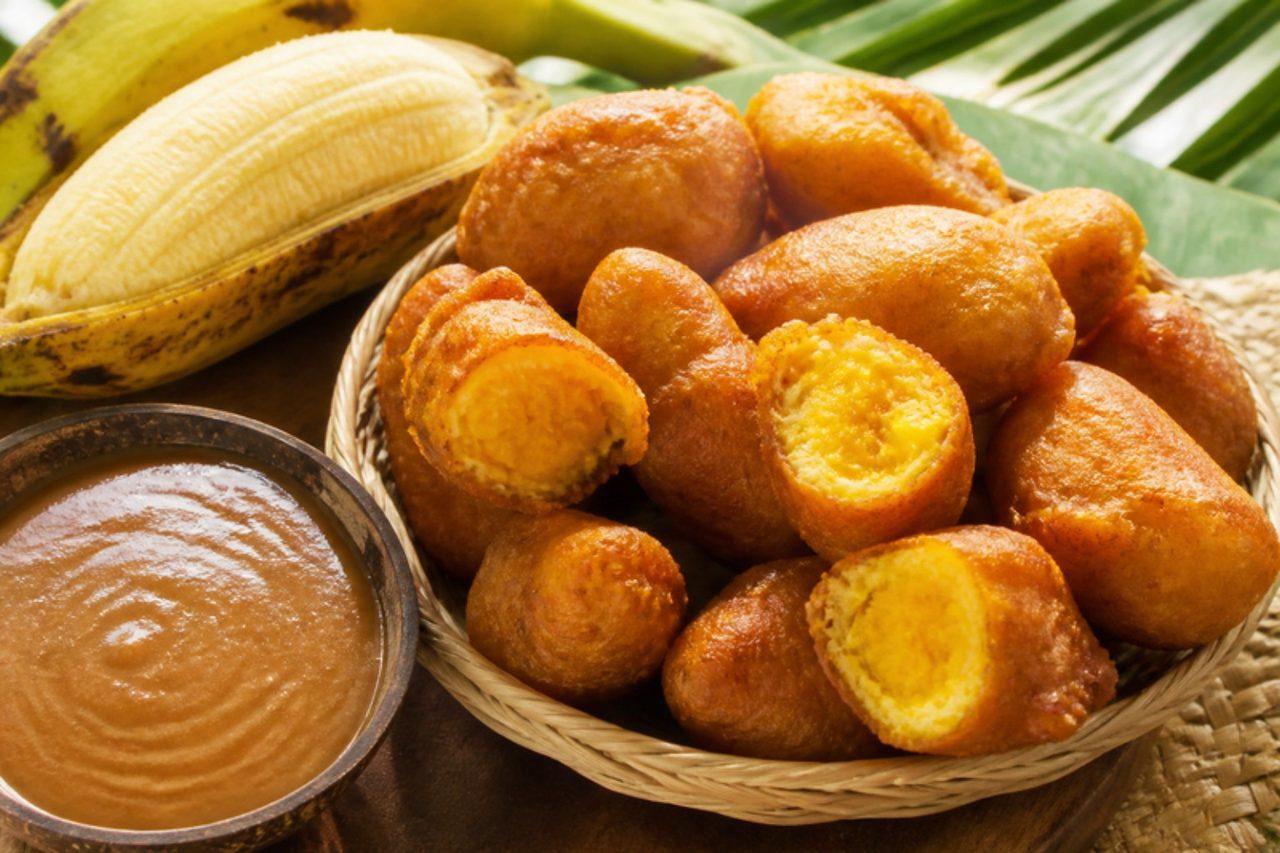
BakabanaFried plantain fritters

Bakabana are Suriname's favourite snack: long slices of ripe plantain dipped in a light batter and fried until crisp outside and custard-soft within. In Paramaribo they're sold from warung stalls (the Javanese-Surinamese snack bars), and in Dutch cities with Surinamese communities, always with a spicy peanut sauce on the side for dipping. The sweet fruit, crisp shell and salty-hot sauce make them hard to stop eating. Chef's tip: pick plantains that are yellow with lots of black spots but still firm; fully black and soft ones fall apart in the batter.

by KrazyBadal 0 views

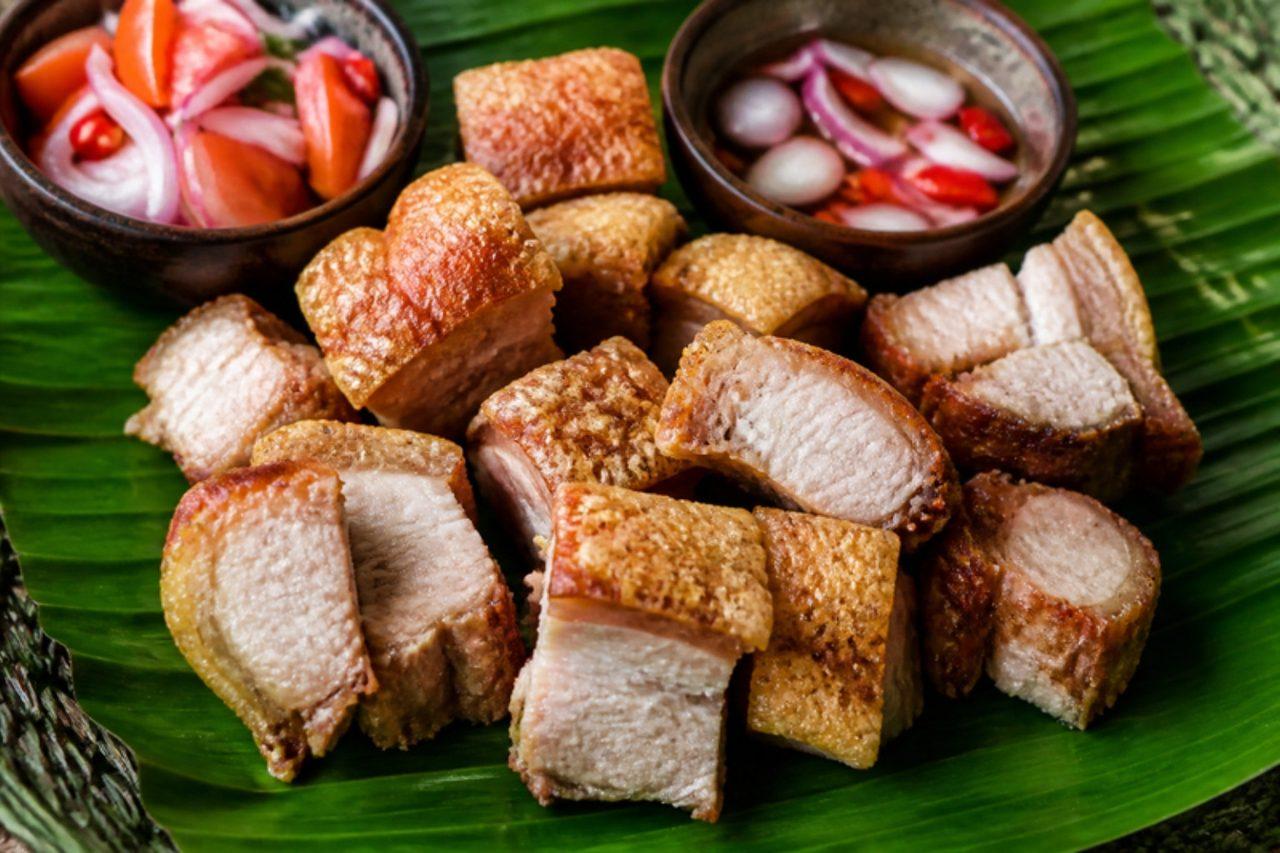
BagnetCrispy fried pork belly

Up in Ilocos Norte and Ilocos Sur, in towns like Vigan and Batac, bagnet hangs in market stalls in golden slabs: pork belly that has been boiled, dried and deep-fried so the rind is puffed and crunchy all the way through. Ilocanos chop it into rice bowls, add it to pinakbet and dinengdeng, or eat it with sukang Iloco, the region's dark sugarcane vinegar. It is richer and crunchier than lechon kawali because it is fried twice. A tomato and onion salad with a little shrimp paste cuts the fat. Chef's tip: the second fry, in hotter oil after a rest, is what makes the rind bubble; skip it and you get chewy skin.

150 minFilipinoMeatGluten free
by KrazyBadal 0 views

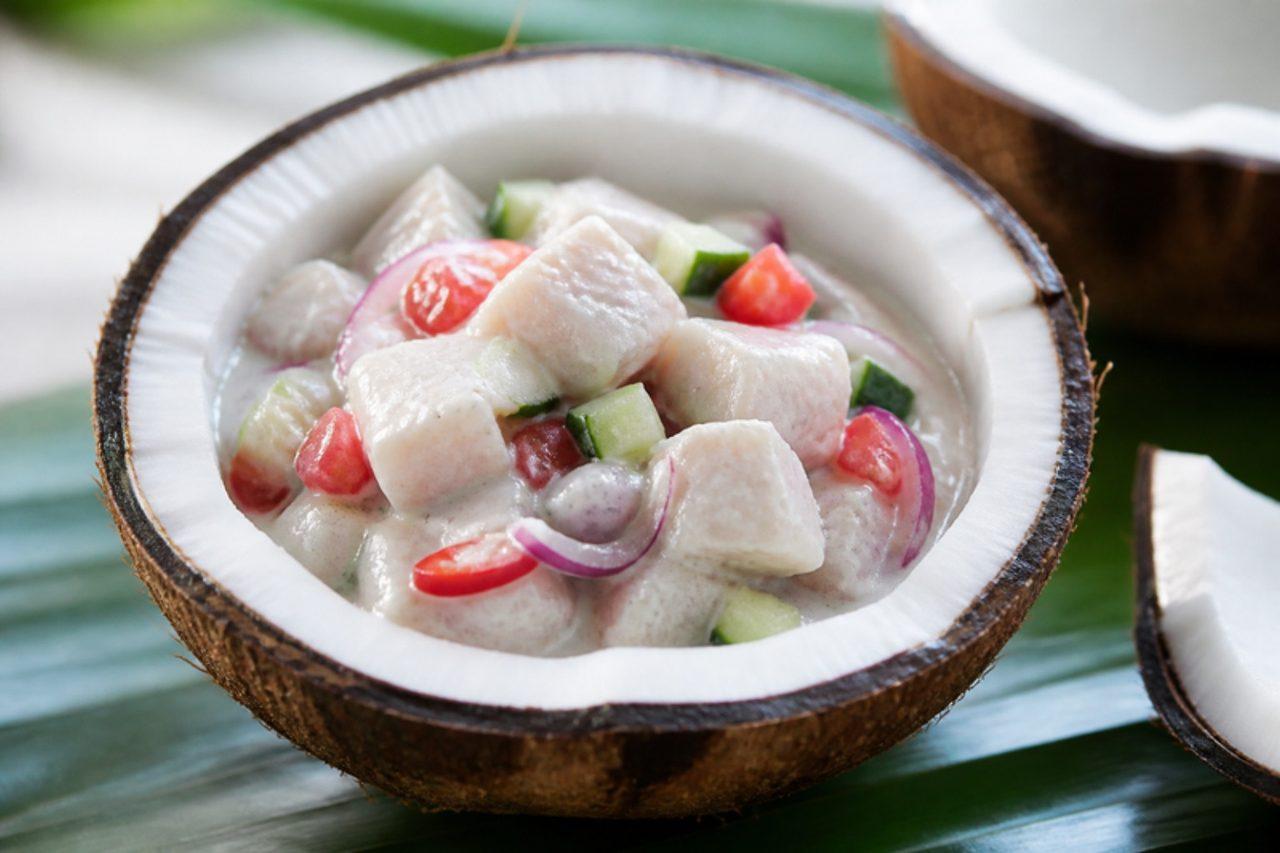
KokodaLime-cured fish in coconut cream

Kokoda (said "ko-kon-da") is Fiji's answer to ceviche, made in villages on Viti Levu and served at Suva's restaurants and family feasts in a half coconut shell: cubes of white fish soaked in lime juice until they turn white, then mixed with fresh coconut cream, onion, tomato, chilli and a little cucumber. Lime "cooks" the look of the fish but does not kill bacteria or parasites like heat does, so this is written as a safer version: use only very fresh fish that has been frozen first (sold as sashimi or sushi grade), keep everything cold and eat it within 2 hours. Raw or lime-cured fish is not for pregnant women, young children or anyone with a weakened immune system; for them, use the lightly poached option in the steps. The mistake is leaving the fish in lime too long, which turns it chalky; 15–20 minutes is enough. Chef's tip: drain off the lime juice before adding the coconut cream so the dish stays creamy, not sour.

by KrazyBadal 0 views

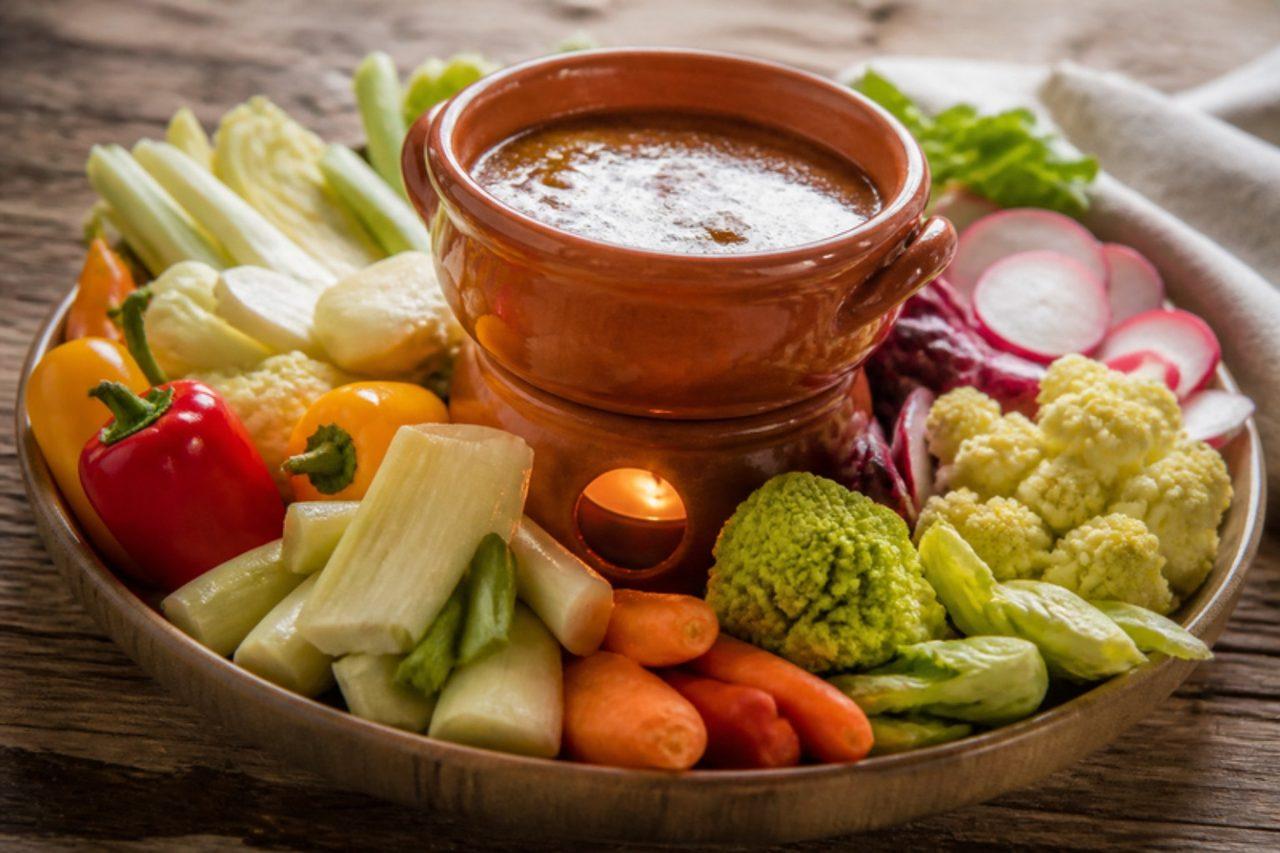
Bagna càudaWarm garlic and anchovy dip

When the grape harvest is over in the Langhe and Monferrato, Piedmontese friends gather round a terracotta pot of bagna càuda, the 'hot bath', kept warm over a little flame in the middle of the table. Everyone dips raw and cooked vegetables into it: peppers, cardoons, fennel, cabbage leaves, Jerusalem artichokes, boiled potatoes and beetroot. The sauce is mellow rather than fierce, because the garlic is poached in milk before it melts with anchovies into olive oil and a little butter, giving a rich, salty, nutty bath. Hunks of bread catch the drips, and a young red wine is the usual partner. Chef's tip: keep it hot but never bubbling, on a fondue burner or tea-light warmer; if it fries, the garlic turns bitter and the anchovies harsh.

by KrazyBadal 0 views

BaghrirThousand-hole semolina pancakes

Baghrir are the spongy, lacy pancakes that Moroccan families make for breakfast on weekends and at Ramadan, when they are piled high at the iftar table. A smooth semolina batter is blended until thin, rested so the yeast and baking powder can work, then cooked on one side only: as it heats, hundreds of tiny holes open across the surface. The holes soak up the warm butter and honey poured over before serving. Chef's tip: the batter must be as thin as single cream; too thick and the holes won't break through to the top.

by KrazyBadal 0 views

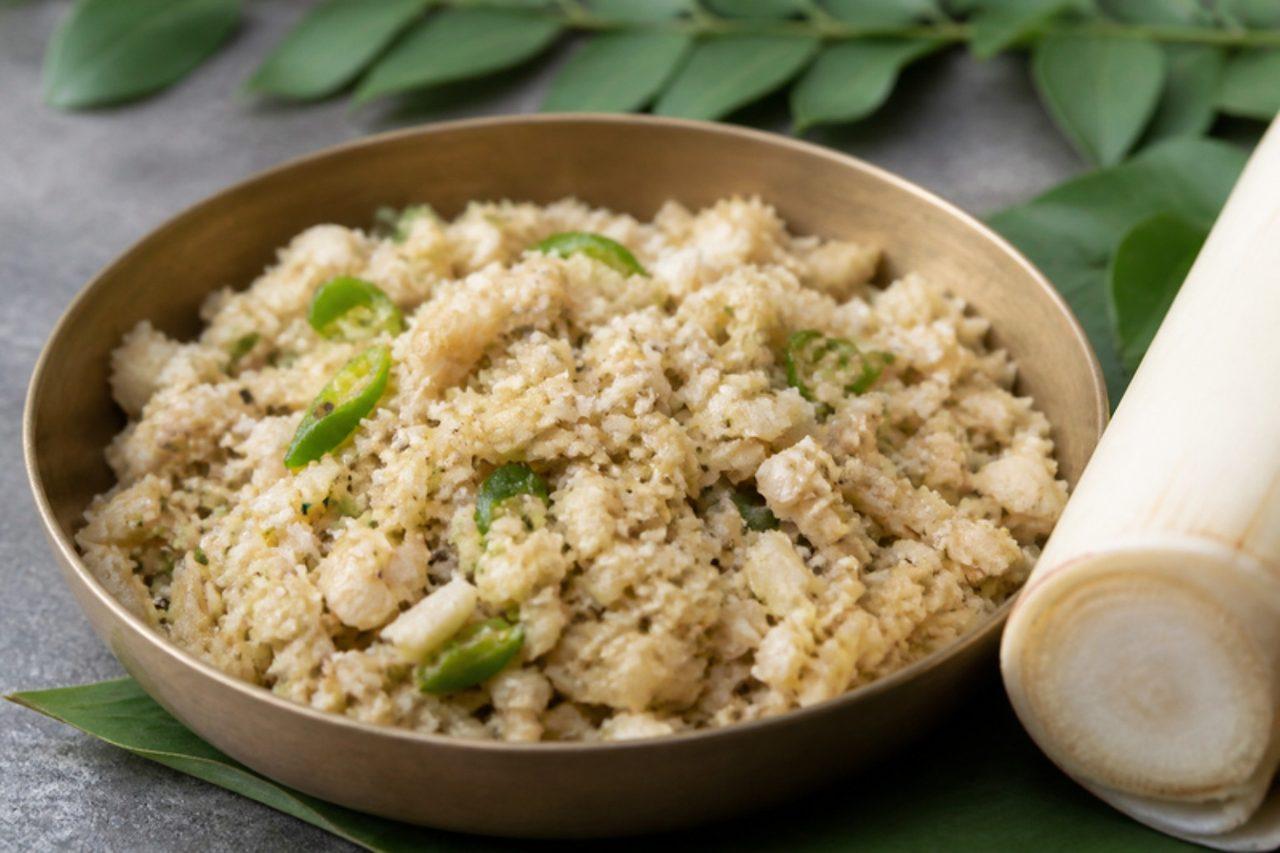
Kol posolaBanana stem stir-fry

Kol posola is the pale inner core of the banana plant, chopped and cooked down with mustard oil, ginger and green chilli until it is soft, juicy and faintly sweet. In Assamese villages, where banana plants grow in every yard, it is cheap everyday food, and it is also a favourite on Bihu tables and in Assamese thalis in Guwahati restaurants. It has a mild, cucumber-like flavour and is prized as a cooling, cleansing food. Chef's tip: as you chop the stem, twirl a finger or a skewer through the slices to catch and pull away the fine fibres; otherwise they stay stringy.

by KrazyBadal 0 views

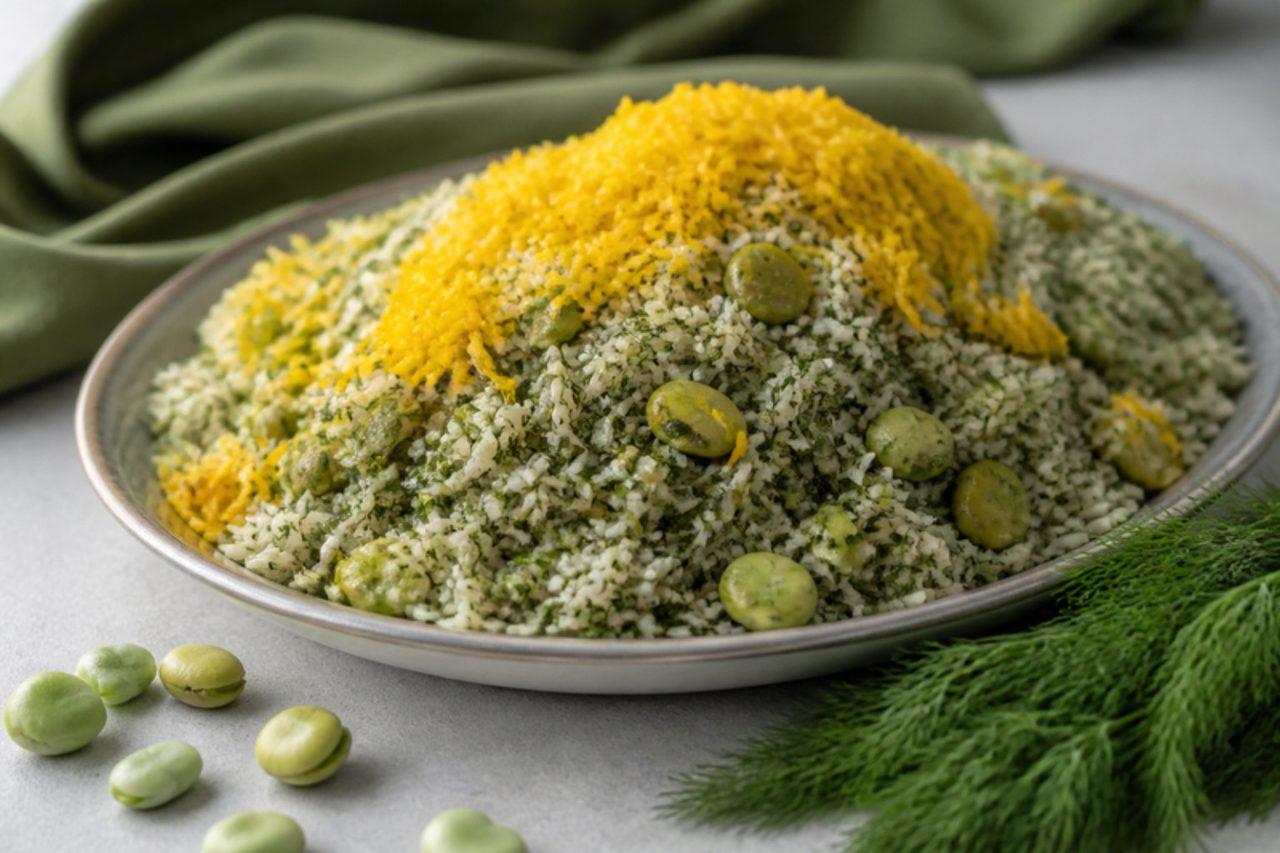
Baghali poloDill and broad bean rice

Baghali polo is the rice Iranians cook when fresh broad beans appear in the markets of Tehran and Shiraz in late spring, though frozen beans keep it on the table all year and it turns up at parties and weddings across the country. Bright green beans and plenty of dill are folded through steamed saffron rice, giving a soft, buttery, herb-heavy dish with sweet nuggets of bean in every mouthful. It is often served with lamb; at a vegetarian table pair it with a fried egg, mast-o khiar and a sharp salad. Chef's tip: peel the inner skins off the broad beans; the bright green centres are tender and sweet, the skins tough.

by KrazyBadal 0 views

Bagara bainganBaby aubergines in peanut sesame sauce

Bagara baingan is a Hyderabadi wedding dish of small aubergines cooked whole in a dark, tangy gravy of roasted peanuts, sesame, dried coconut and tamarind. Unlike a Gujarati stuffed brinjal, the aubergines here are only quartered at the base and fried until silky, then left to soak up a thin-but-rich sauce that is finished with a tempering, the 'baghar' that gives the dish its name. It's sour, nutty and gently spiced, and is served with biryani, bagara rice or plain rice. Chef's tip: choose small, glossy purple aubergines that feel heavy for their size; soft, light ones are full of seeds and turn mushy before the gravy has a chance to cling.

by KrazyBadal 2 views

BafauriSteamed chana dal dumplings

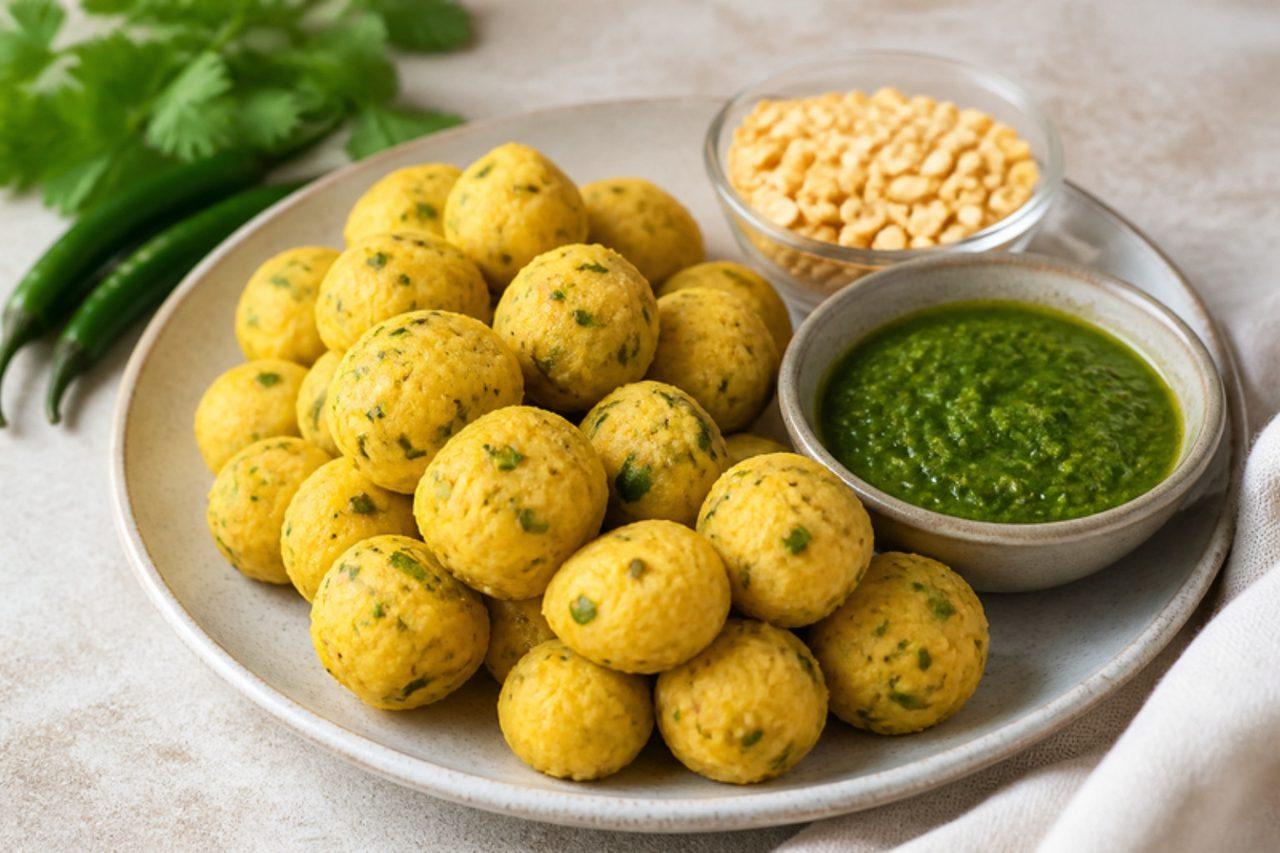
Bafauri comes from the same Chhattisgarhi home kitchens that make fara and chila, and it is the region's answer to a fried pakora without the frying. Soaked chana dal is ground coarse with ginger, garlic and chilli, mixed with onion and herbs, then steamed into little dumplings that are firm, nubbly and high in protein. They are eaten hot at teatime with tomato chutney, and many families also toss them in a quick mustard-seed tadka. Chef's tip: grind the dal with only 2–3 tablespoons of water; a wet paste spreads flat in the steamer and loses the rough texture that makes bafauri good.

by KrazyBadal 0 views

Kolhapuri tambda rassa with pandhra rassaFiery red mutton broth

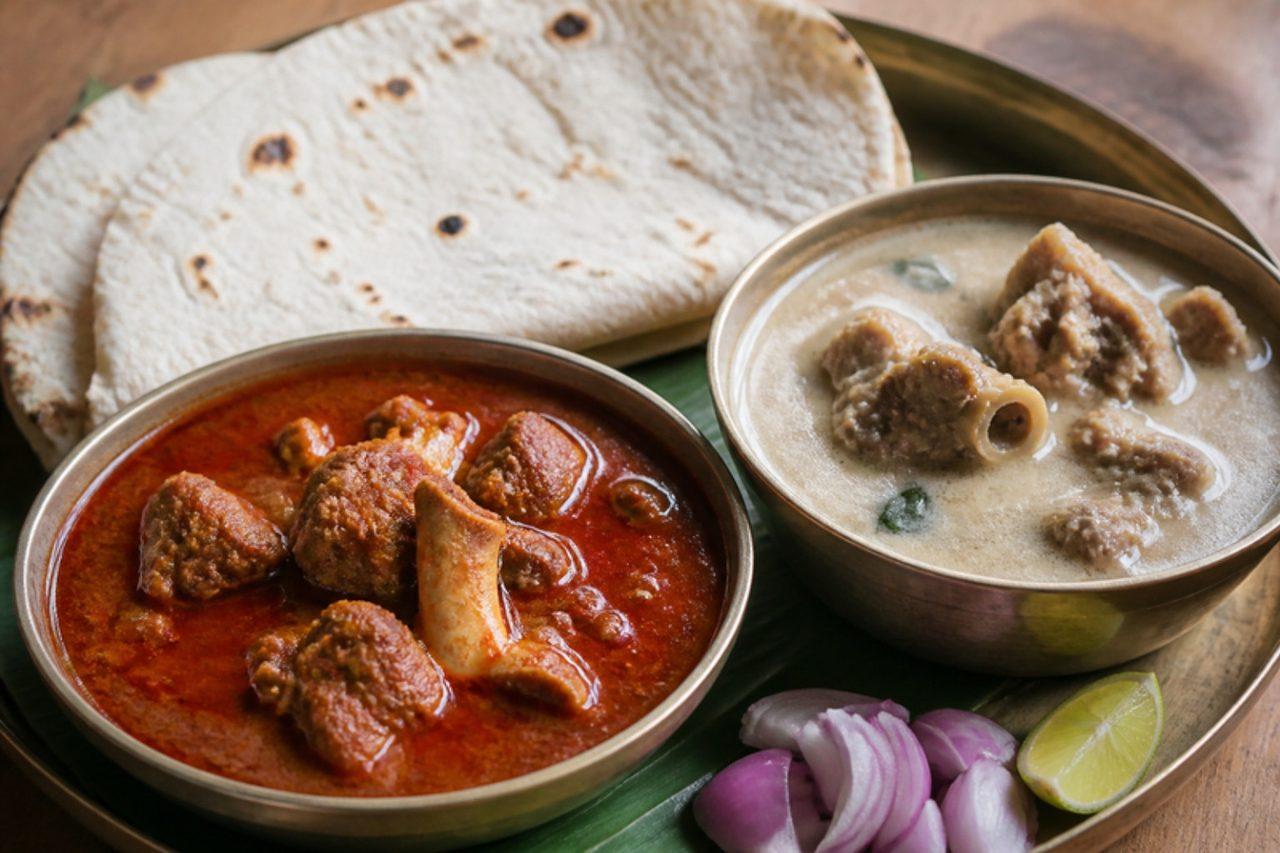
In Kolhapur, in the far south of Maharashtra, Sunday lunch at a khanaval (a family-run eating house) means mutton cooked one way and served two: a thin, blazing-red tambda rassa and a soothing white pandhra rassa made from the same stock. Diners sip the white one between spoonfuls of the red, with bhakri, rice and raw onion on the side. The heat comes from Kolhapur's own chilli blend and a dark-roasted coconut and onion masala. Chef's tip: roast the dried coconut and the onions until they are properly brown, almost mahogany; that roasting, not extra chilli, is what gives the rassa its deep colour and smoky taste.

135 minIndianMeatGluten freeSpicy
by KrazyBadal 0 views

Kolkata aloo dumBaby potatoes in ginger tomato gravy

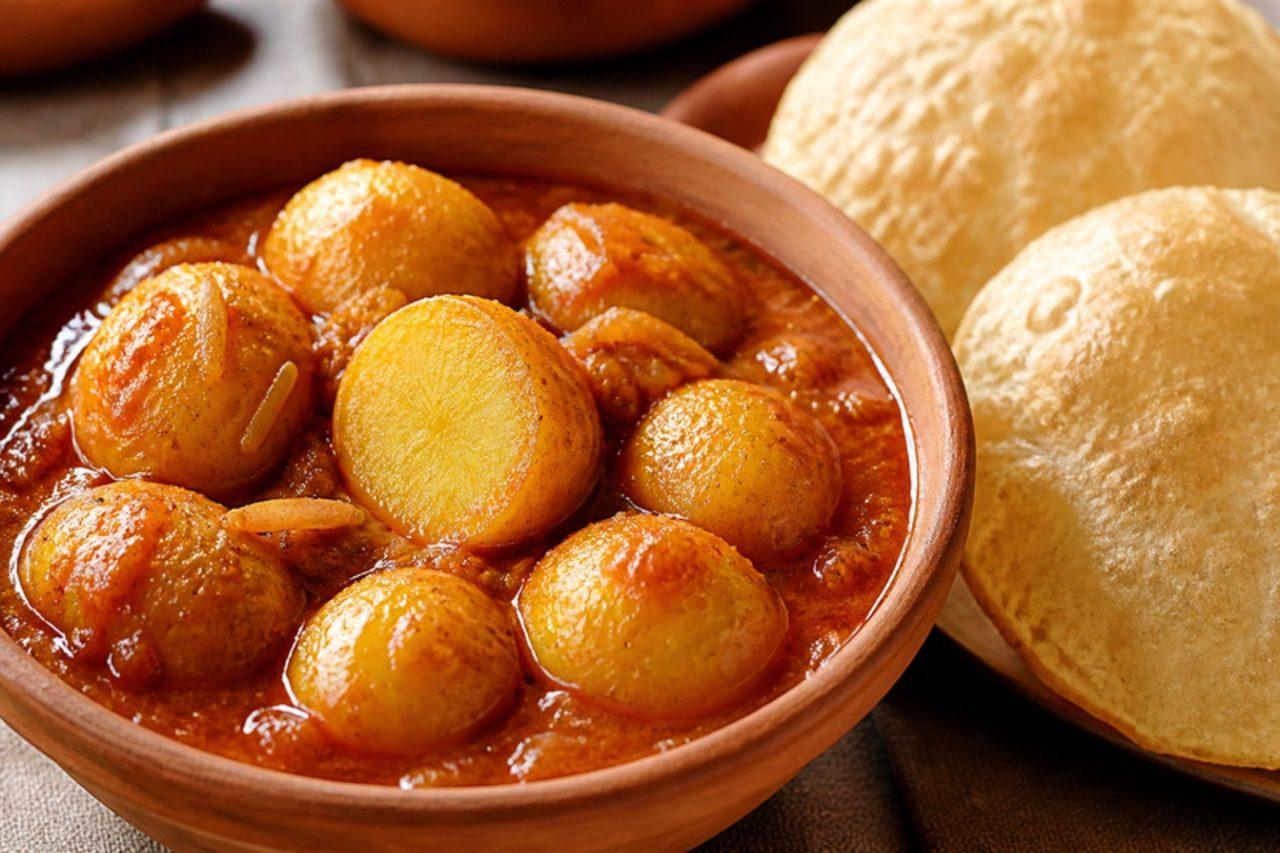
In Kolkata, aloo dum is the partner of luchi: hot puffed puris at a Sunday breakfast, or at the sweet shops and roadside stalls that sell 'luchi-alur dom' as a plate. Bengali aloo dum is thicker, sweeter and more gingery than its Kashmiri cousin, with no yogurt or fennel, and the potatoes are fried until their skins crinkle before they go into the gravy. A little sugar balances the chilli, and a final pinch of roasted cumin-coriander powder gives it the smell of a Bengali kitchen. Chef's tip: prick each boiled potato with a fork so the gravy gets inside.

by KrazyBadal 0 views

Badrijani nigvzitAubergine rolls with walnut paste

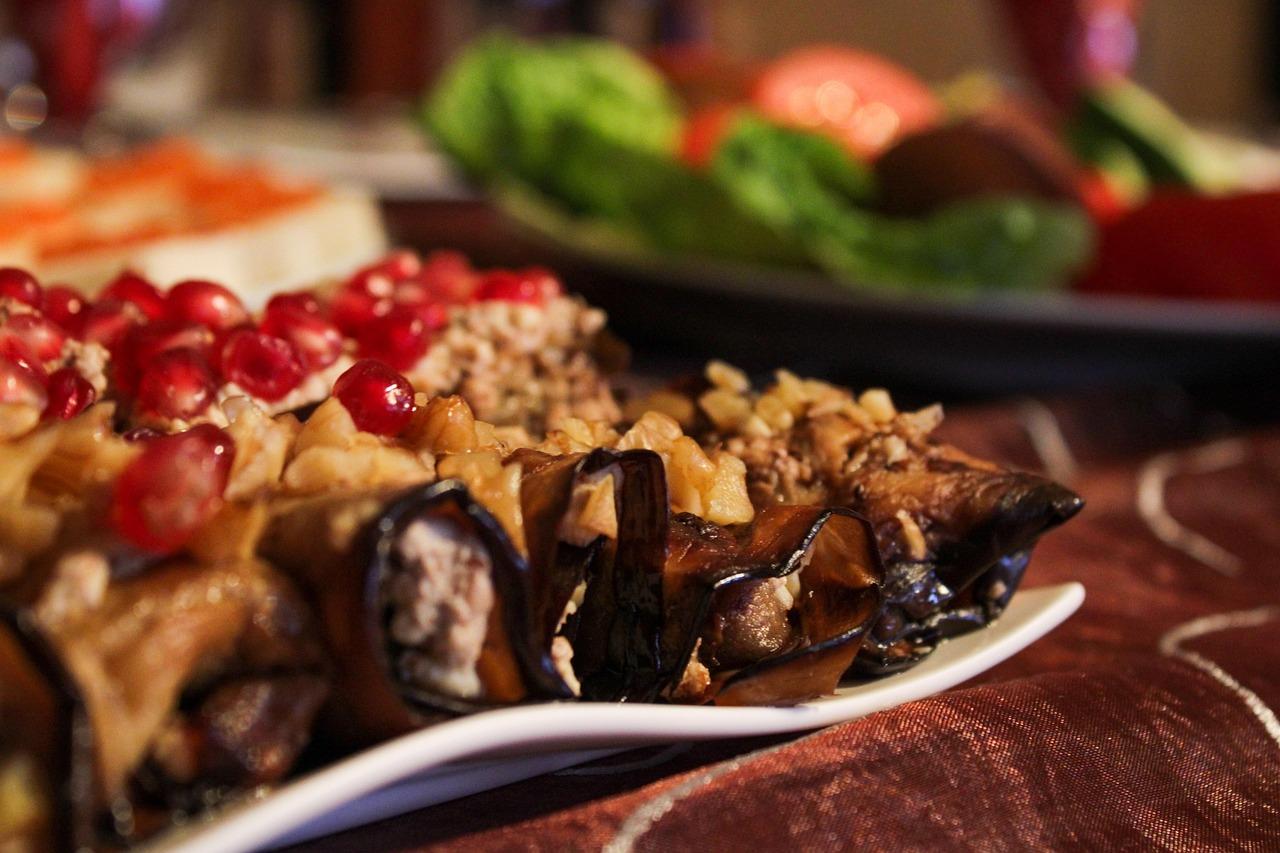
Badrijani nigvzit, aubergine with walnuts, is the summer starter of Tbilisi and Kakheti: thin slices of aubergine fried until silky, spread with a garlicky, spiced walnut paste and rolled up, then scattered with pomegranate seeds. They sit on every supra table between the cheeses and pkhali, and on restaurant menus from June until the frosts. Served cold, they are rich and soft, with sour pops of pomegranate. The common mistake is undercooking the aubergine: if it is still firm it cracks when you roll it and tastes raw, so fry each slice until it is limp and golden. Chef's tip: dry the fried slices on kitchen paper and press them gently; you lose surplus oil, and the paste spreads and sticks better.

by KrazyBadal 0 views

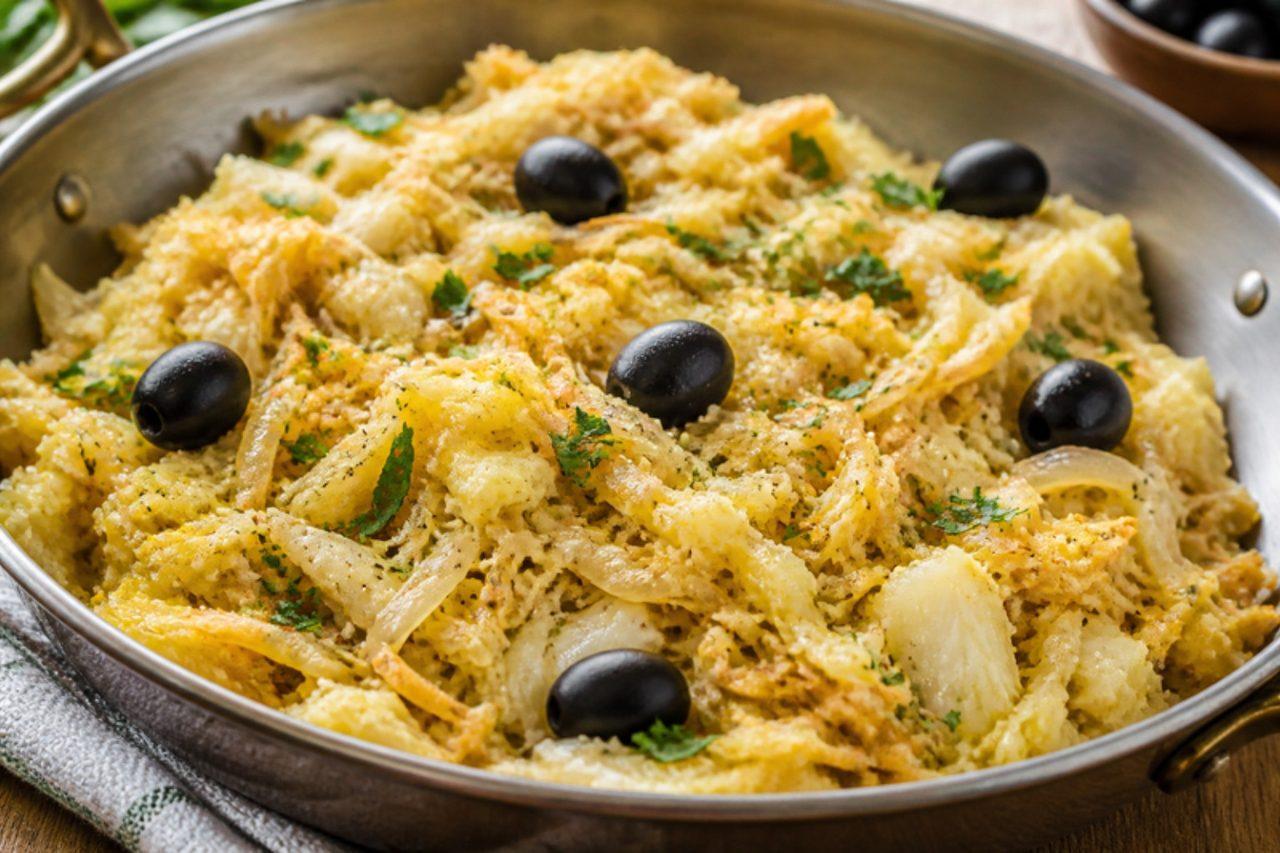
Bacalhau à BrásSalt cod with egg and potatoes

Lisbon's Bairro Alto taverns claim this dish, said to be named after a tasca owner called Brás, and it is still a weeknight favourite in homes all over the city. Flaked salt cod is softened with slowly cooked onion, tossed with a heap of fine straw-cut fried potatoes, then bound at the last second with beaten egg so everything stays creamy and loose. Black olives and parsley go on top. A green salad is all it needs. Chef's tip: take the pan off the heat the moment you add the eggs; they should finish cooking from the warmth of the potatoes, like a soft scramble.

by KrazyBadal 0 views

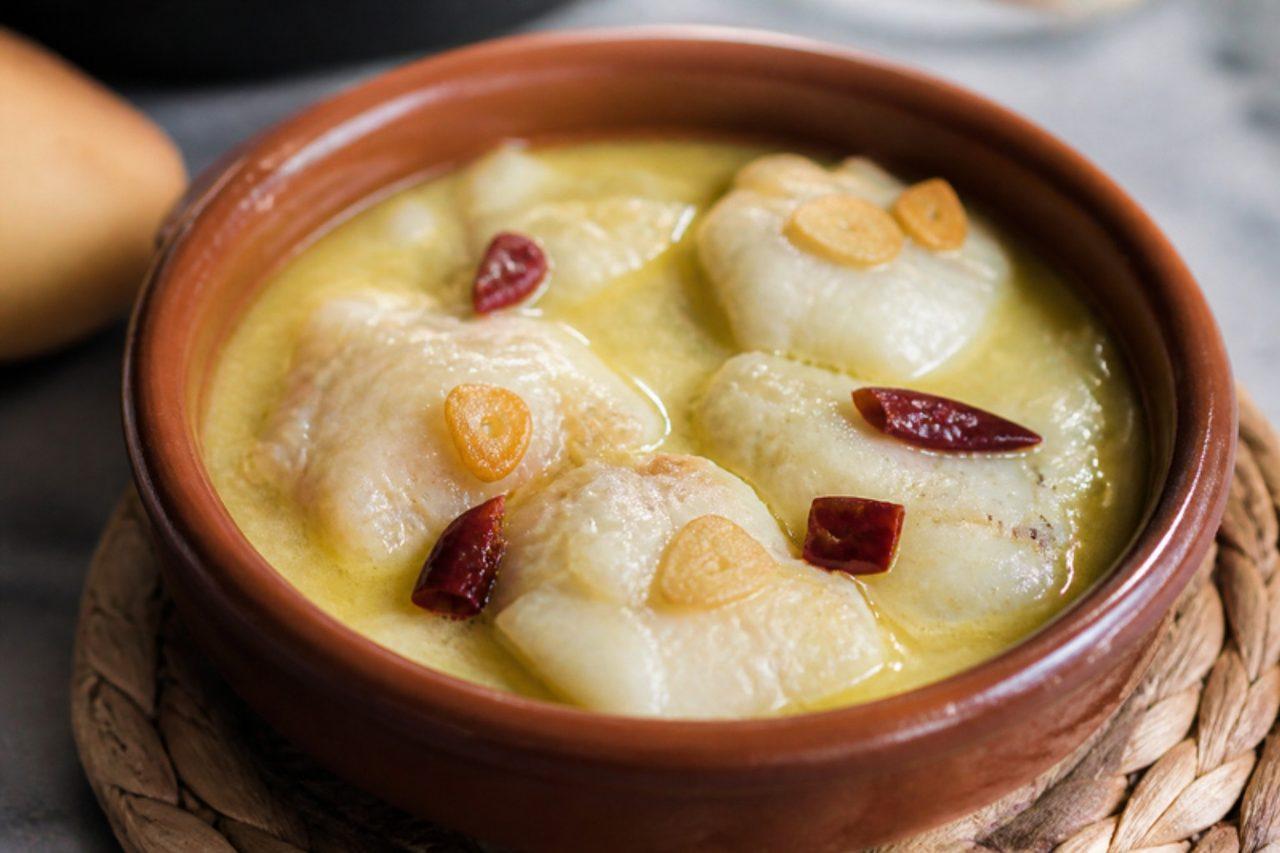
Bacalao al pil pilSalt cod in garlic oil sauce

Bacalao al pil pil belongs to Bilbao and the rest of Bizkaia, where it fills restaurant menus in Lent and Holy Week and reappears on Christmas Eve tables. It is made from just four things: desalted salt cod, olive oil, garlic and a dried chilli. The trick is the sauce. The cod gives off gelatine as it cooks gently in warm oil, and swirling the clay dish round and round turns that oil into a thick, pale, mayonnaise-like emulsion; the name comes from the 'pil pil' sound of it bubbling. Plan ahead, because thick salt cod needs 24–48 hours of soaking in the fridge. Chef's tip: buy thick, skin-on loins (lomos); the gelatine that makes the sauce comes from the skin.

by KrazyBadal 0 views

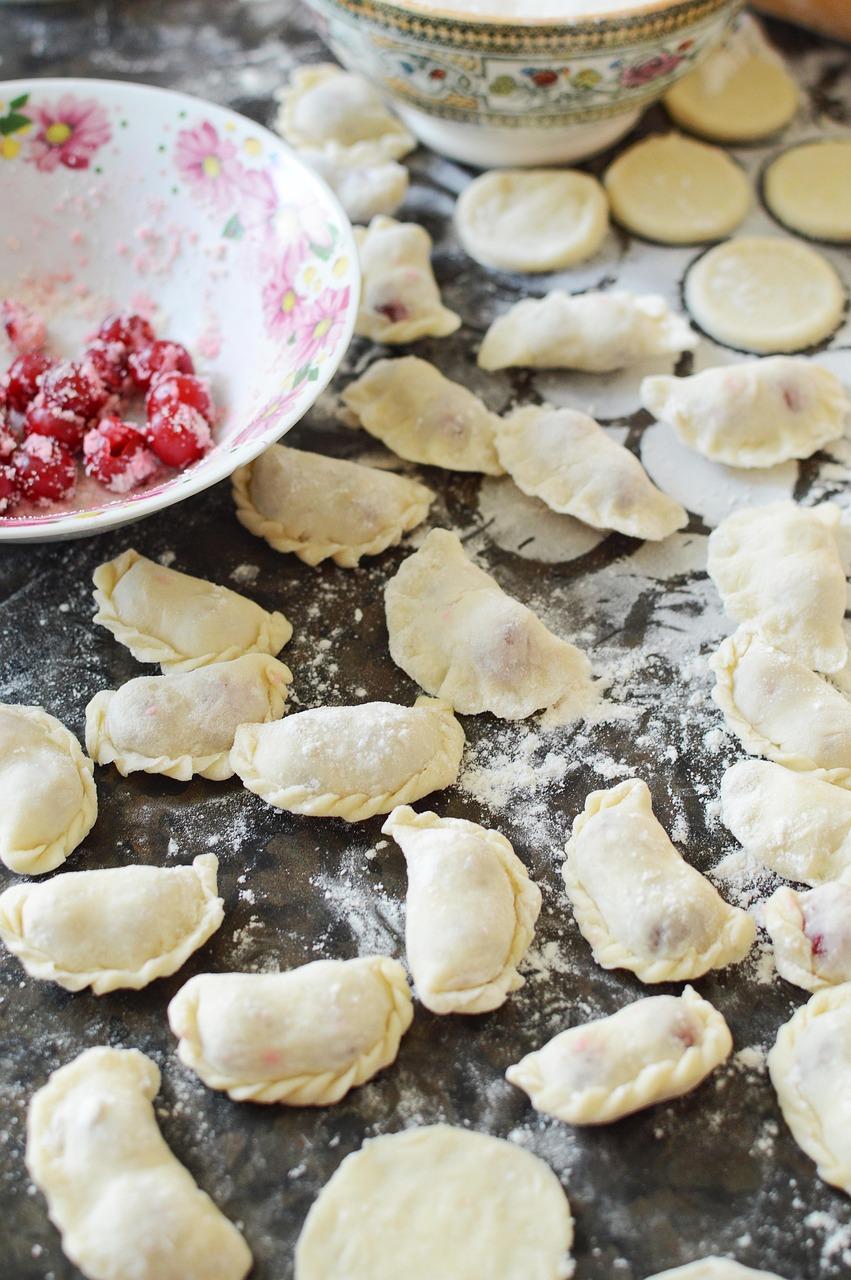
Varenyky with cherriesSour cherry dumplings

In late June, when the sour-cherry trees in every yard from Vinnytsia to Cherkasy turn red, Ukrainian families sit around the kitchen table pitting cherries for varenyky. These sweet dumplings are boiled, piled into a bowl and drenched in a syrup made from the cherry juice, a taste of summer holidays at grandmother's. The dough here is the simple water and oil kind, so the recipe is vegan; most Ukrainians also add a spoon of sour cream, which you are welcome to do if you are not cooking vegan. Chef's tip: sugar the cherries in a sieve and let the juice drain before filling, then put a pinch of sugar on each portion only as you seal it, so the dough stays dry at the edges.

by KrazyBadal 0 views

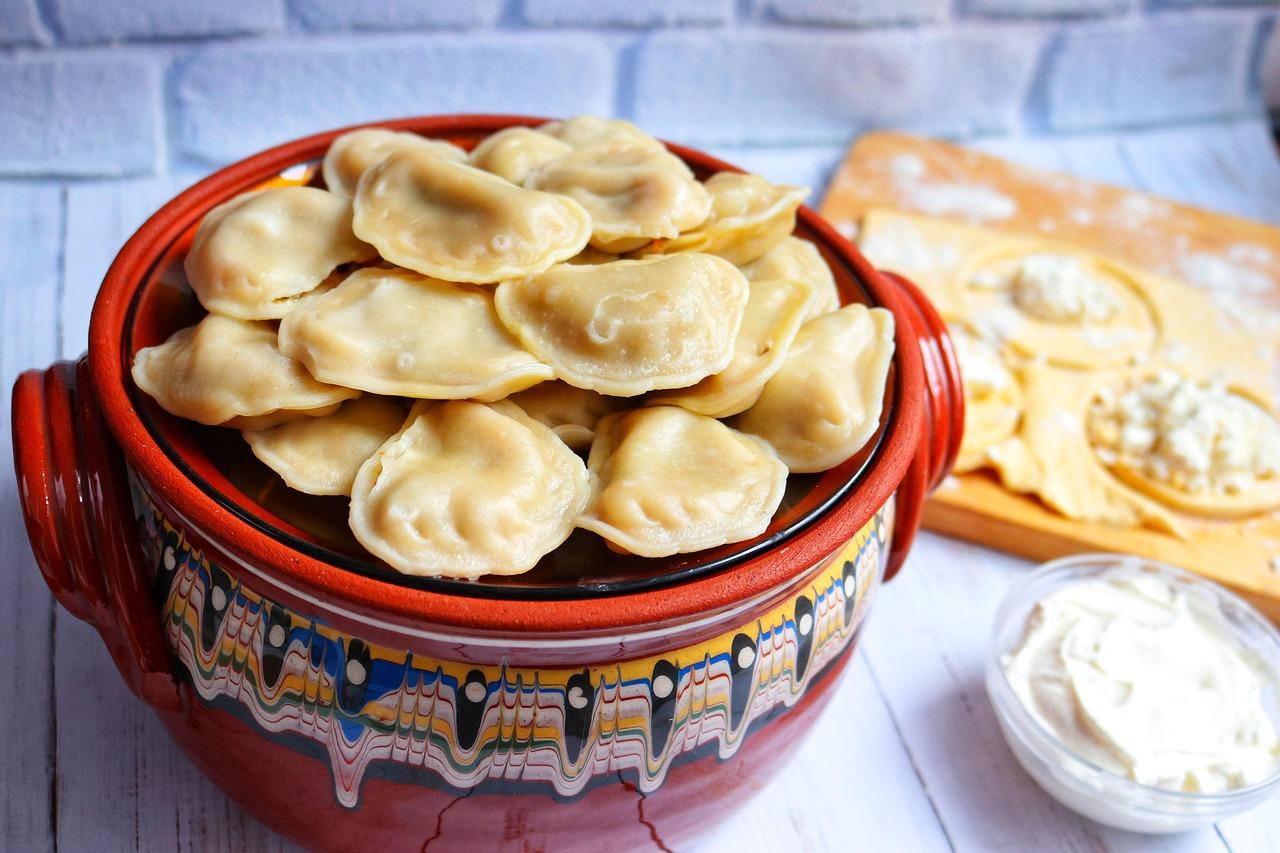
Varenyky with potatoPotato dumplings

Varenyky with potato are the everyday dumplings of central Ukraine, the ones Gogol's Poltava characters dream about and the ones that fill freezers in Kyiv flats before every holiday. Unlike Polish pierogi ruskie, these have no curd cheese: the filling is simply mashed potato beaten with plenty of onion fried in sunflower oil, so they are vegan and appear on the meatless Holy Supper table on Christmas Eve. They are boiled, then tossed in more golden onion and eaten with dill. Chef's tip: let the filling cool completely before you fill the dough; warm mash steams the dough from inside and the dumplings tear in the pot.

by KrazyBadal 0 views

BabruBlack gram stuffed fried bread

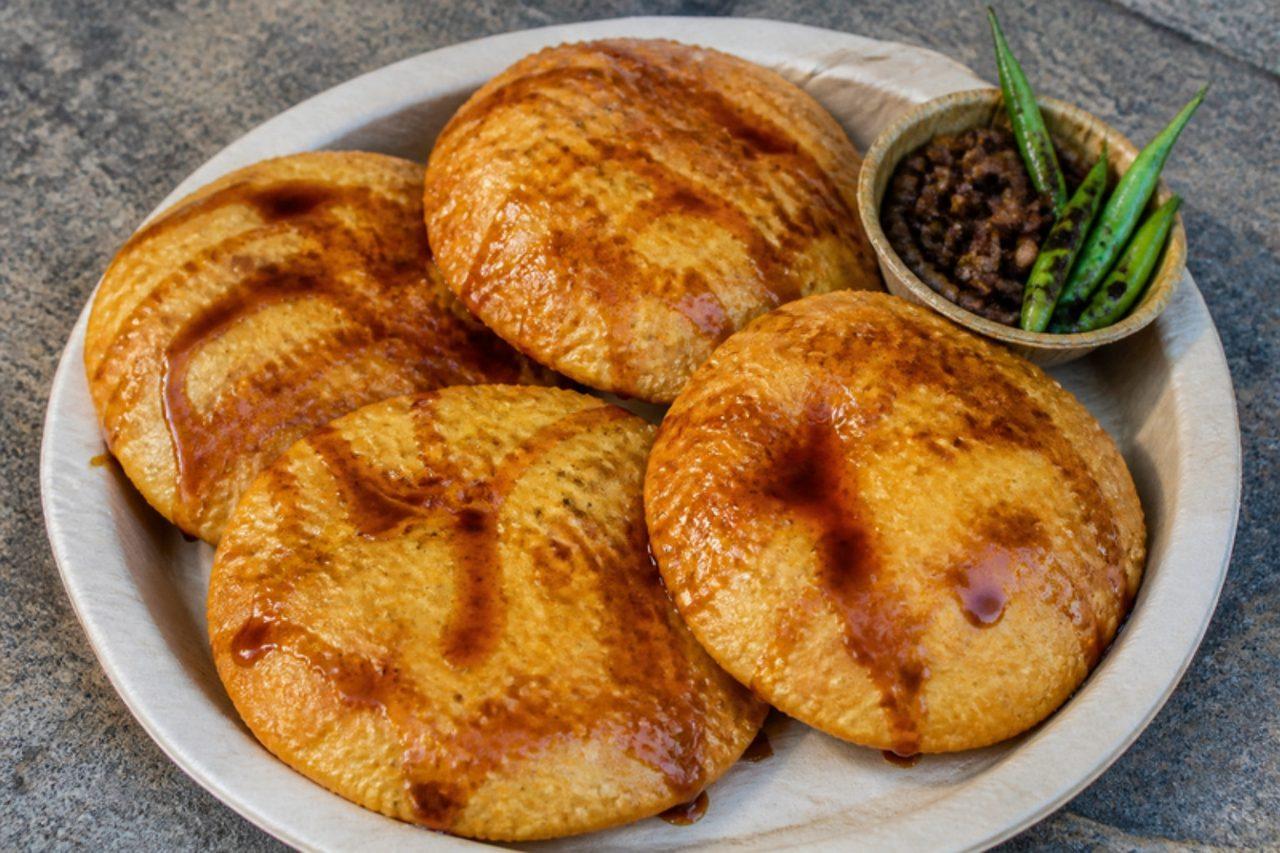
Ask anyone who grew up in Shimla about babru and they will mention a paper plate of them in the Lower Bazaar, still puffing from the oil, with a ladle of dark tamarind chutney poured over. Unlike Uttar Pradesh's flaky urad kachori, babru is made from a soft, yeasted wheat dough, so it fries up light and bready, and it is pressed flat and wide rather than shaped into a ball. The filling is whole black gram, soaked and ground with ginger and green chilli. In Himachal homes it is a tea-time and festival snack, and it travels well in a tiffin. Chef's tip: grind the dal coarse and thick, like hummus; a runny paste leaks and makes the babru greasy.

by KrazyBadal 0 views

AyranSalted yogurt drink

Ayran is what Turks drink with lunch: a chilled, foamy blend of yogurt, water and a pinch of salt, poured from copper jugs alongside cheese pide, börek, lentil soup and bean stews. In the Susurluk area of Balıkesir it is whisked so hard that it arrives under a thick head of foam, and roadside cafés all over Anatolia serve it in tin cups on hot summer days. It is tangy, refreshing and cooling with spicy food. Make it just before you sit down and drink it ice-cold. Chef's tip: whisk the yogurt alone with the salt until smooth before adding any water, and you'll get a silky drink with no lumps.

by KrazyBadal 0 views

AyibFresh curd cheese

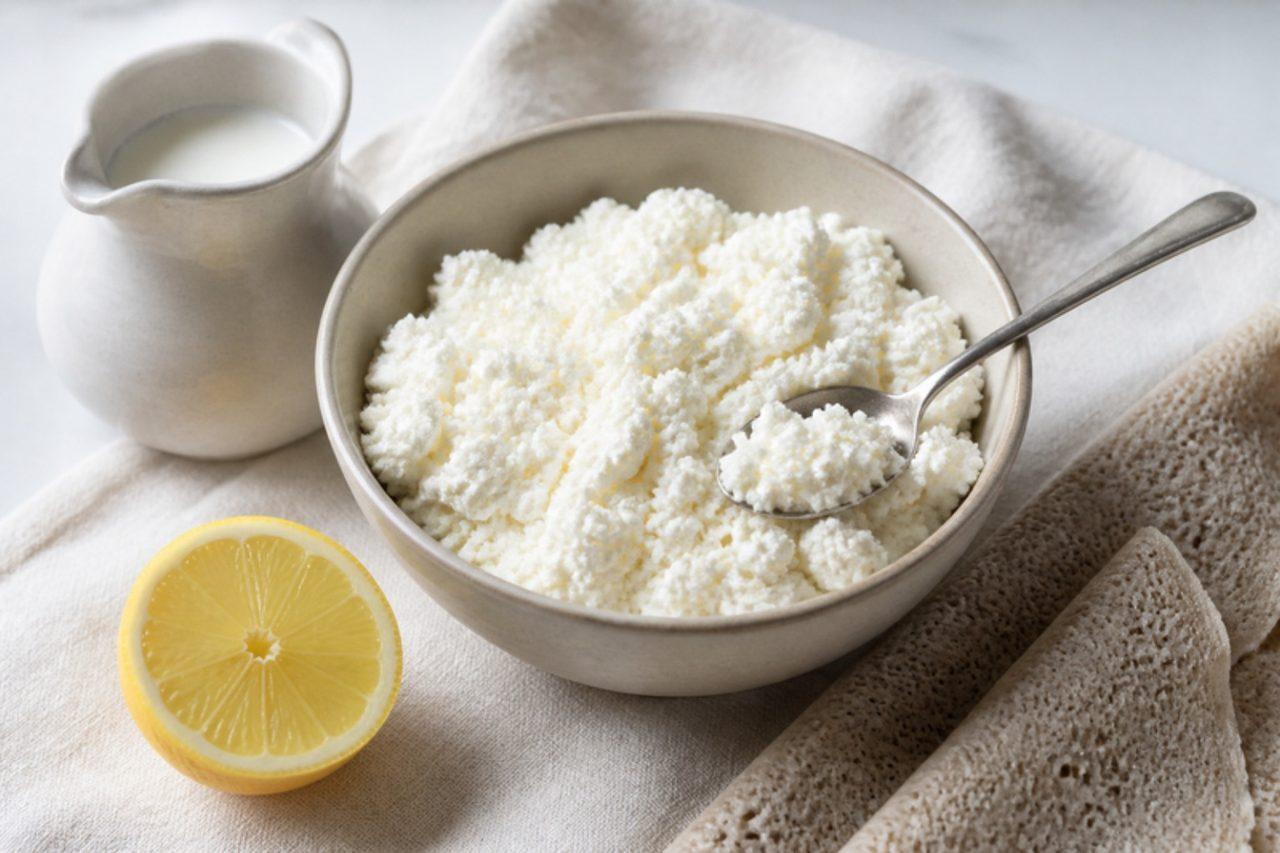
Ayib is the soft, crumbly fresh cheese that Ethiopians serve alongside spicy food to cool the mouth, especially with kitfo and gomen in the Gurage country south of Addis Ababa, where it is made from the buttermilk left after churning butter. It tastes very mild and slightly tangy, a little like ricotta or cottage cheese, and is often mixed with herbs or a pinch of mitmita. This home version uses milk and buttermilk, heated until they separate. Chef's tip: once the curds form, take it off the heat; boiling makes them tough and rubbery.

by KrazyBadal 0 views

Ayam rica-ricaChicken in fresh chilli paste

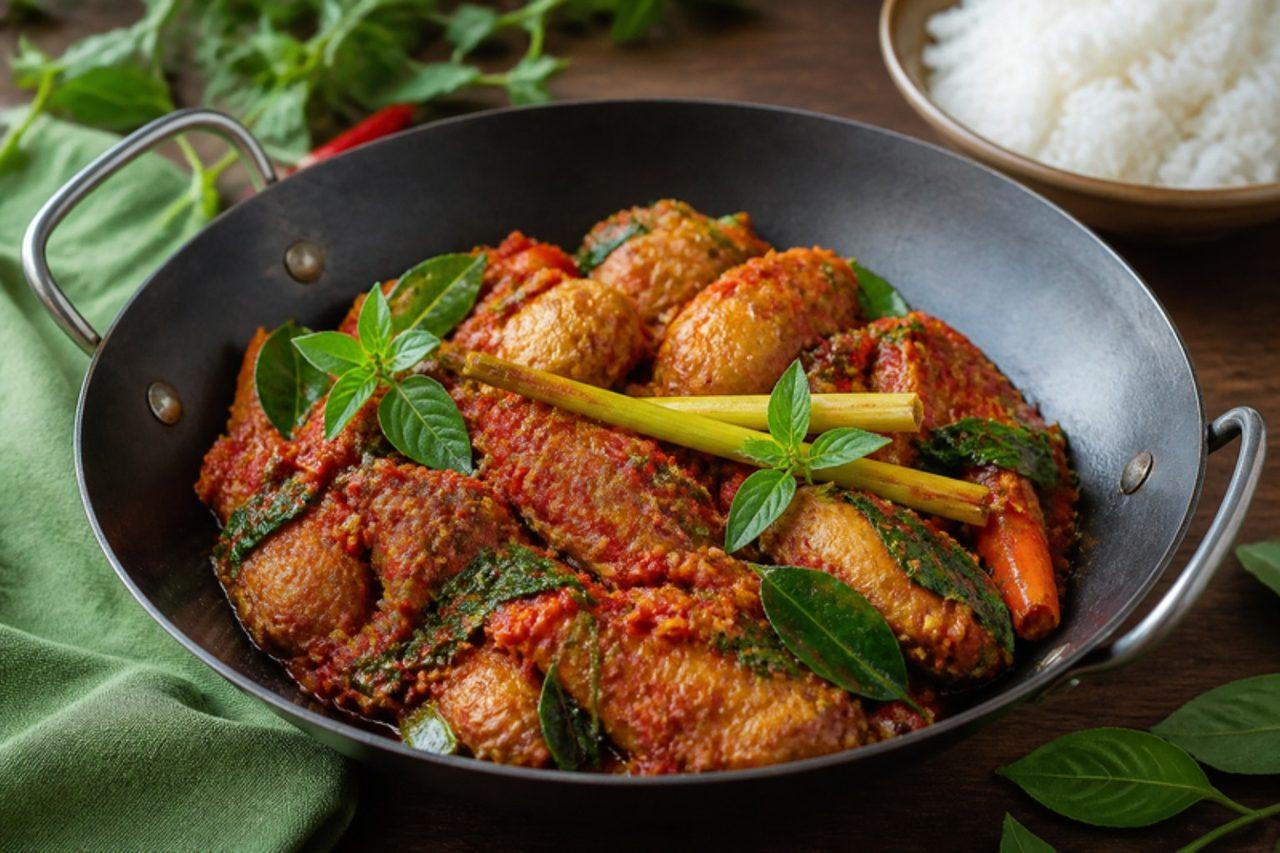
Rica means chilli in the Manado dialect, and North Sulawesi cooks are not shy with it. Ayam rica-rica turns up at Minahasa family parties and church gatherings, a heap of chicken pieces coated in a coarse, scarlet paste of fresh chillies, shallots and ginger, finished with tomato, spring onion and a fistful of lemon basil. It's hot, bright and fresh rather than deep and stewed, with a sticky sauce that clings to the meat. Serve it with lots of steamed rice and a cooling cucumber salad. Chef's tip: blend the paste coarse, with as little water as possible; a wet, smooth paste steams instead of frying and never gets that glossy, toasty edge.

by KrazyBadal 0 views

Showing 27 of 10,569 recipes

Show more recipes

Page 1,086 of 1,175