


Skip to content
Nalysnyky
Featured recipe

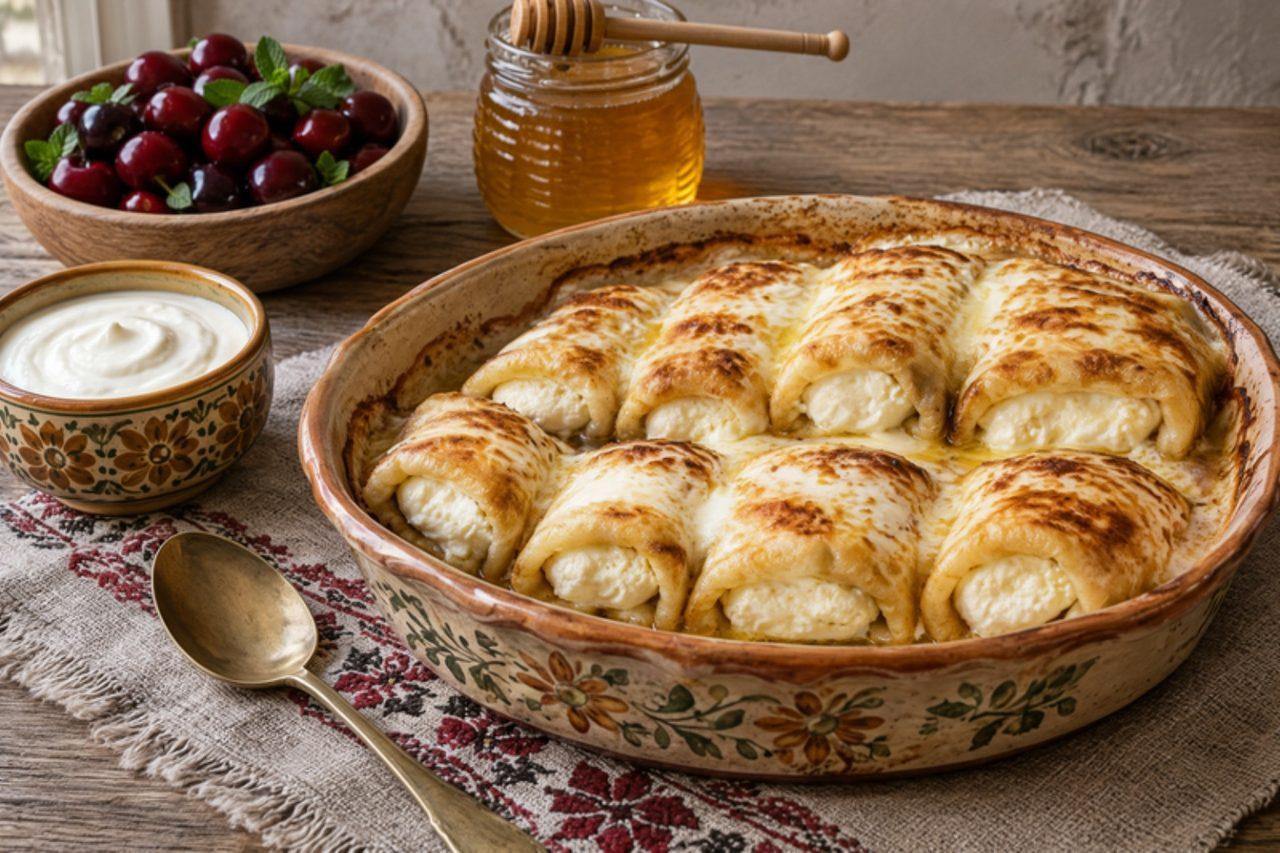
Nalysnyky

Crepes with sweet curd filling

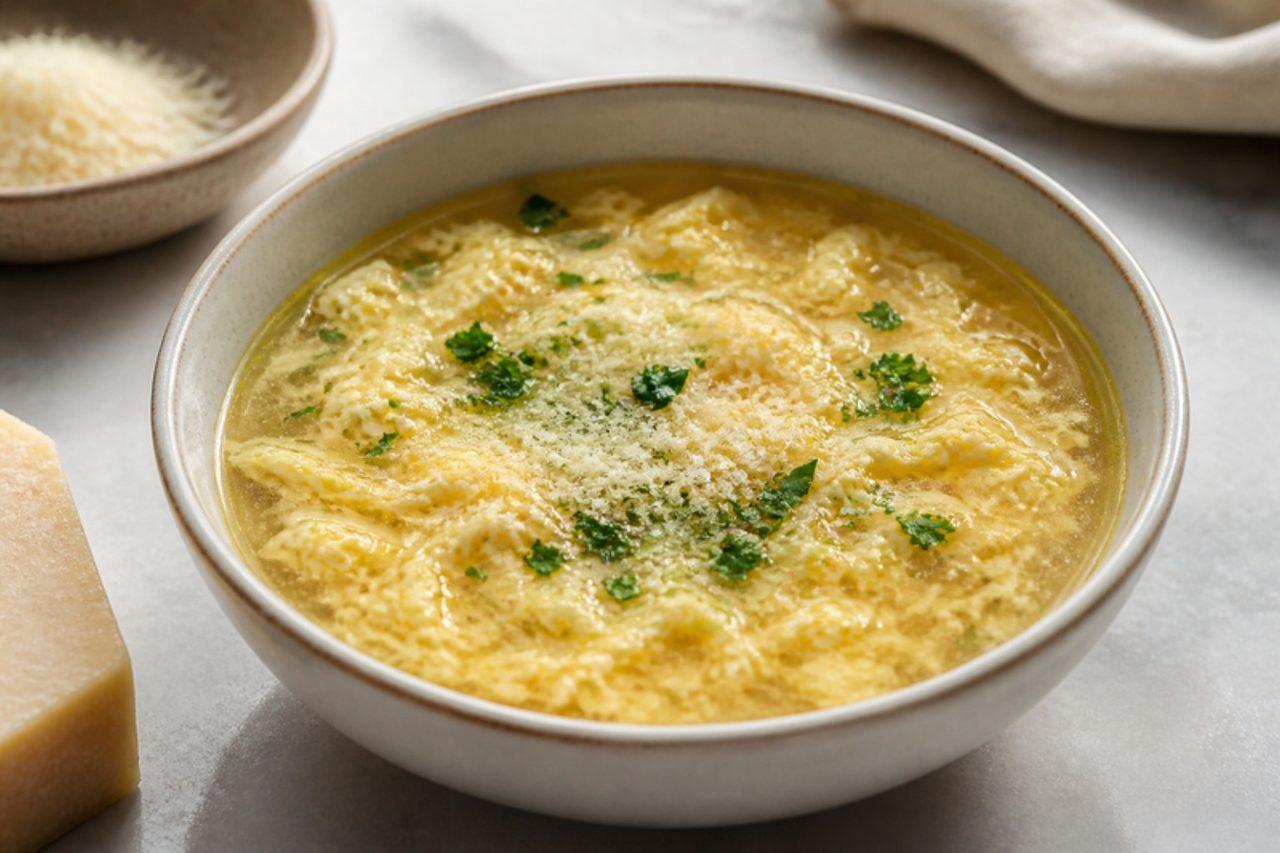
Nalysnyky are what Ukrainian families make for a slow weekend breakfast or a festive morning: thin crêpes filled with sweet tvorog curd cheese, rolled up, packed into a dish and baked with sour cream and butter until bubbling. The crêpes go soft and custardy where they meet the cream and crisp at the edges. The common mistake is making the crêpes too thick; they should be thin enough to see the pan through, or the rolls become heavy and doughy. Chef's tip: rest the batter for 20 minutes before frying so the flour absorbs the milk and the first crêpe doesn't tear.

Read more 0 views

What to eat today?

Around the world

Today's trip: Peruvian

A new country every day, from every cuisine on the site.

Peruvian

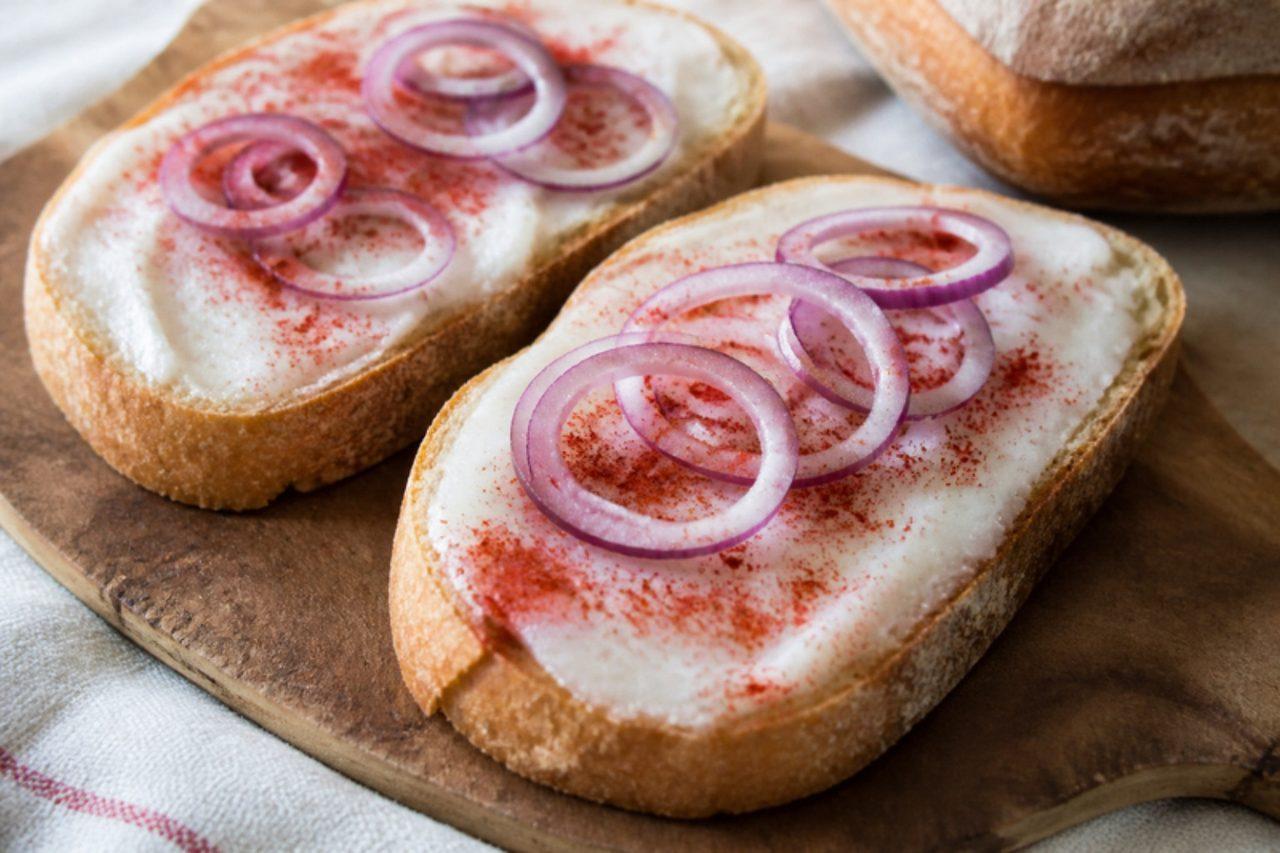
Tacacho

Mashed roasted green plantain balls 35 minMore from Peruvian (111) →

This week's collection

Kid-friendly dinners
772 recipes · a new collection every Monday

Coming up

All occasions →

Latest recipes

Fijian cassava cakeCassava and coconut cake

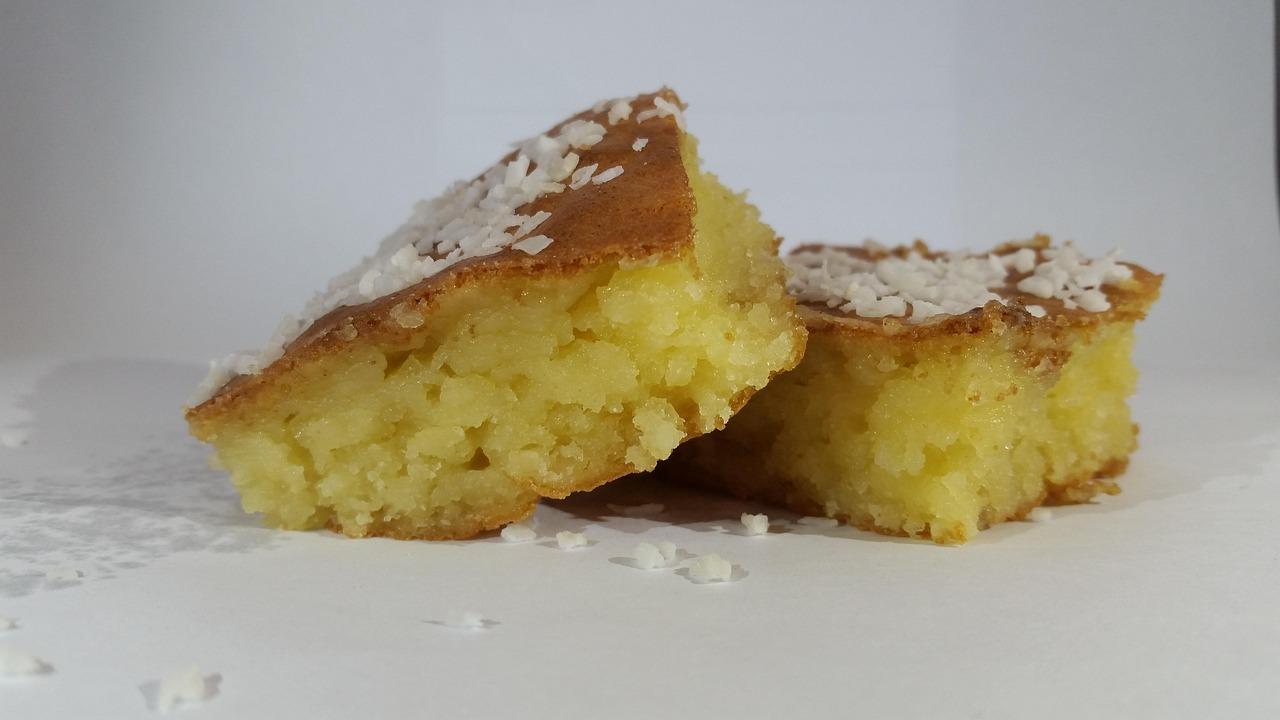
In Fiji, cassava (tavioka) is everyday food, and grated sweet cassava cake turns up at village feasts, church bazaars and morning tea across Viti Levu. Fresh cassava is finely grated and baked with coconut milk, sugar, butter and a little vanilla into a heavy, chewy, golden cake that's cut into squares. It's naturally gluten free and keeps well for a couple of days. Chef's tip: squeeze some of the liquid out of freshly grated cassava; too wet and the cake stays gluey in the middle.

by KrazyBadal 0 views

DamperSoda bread

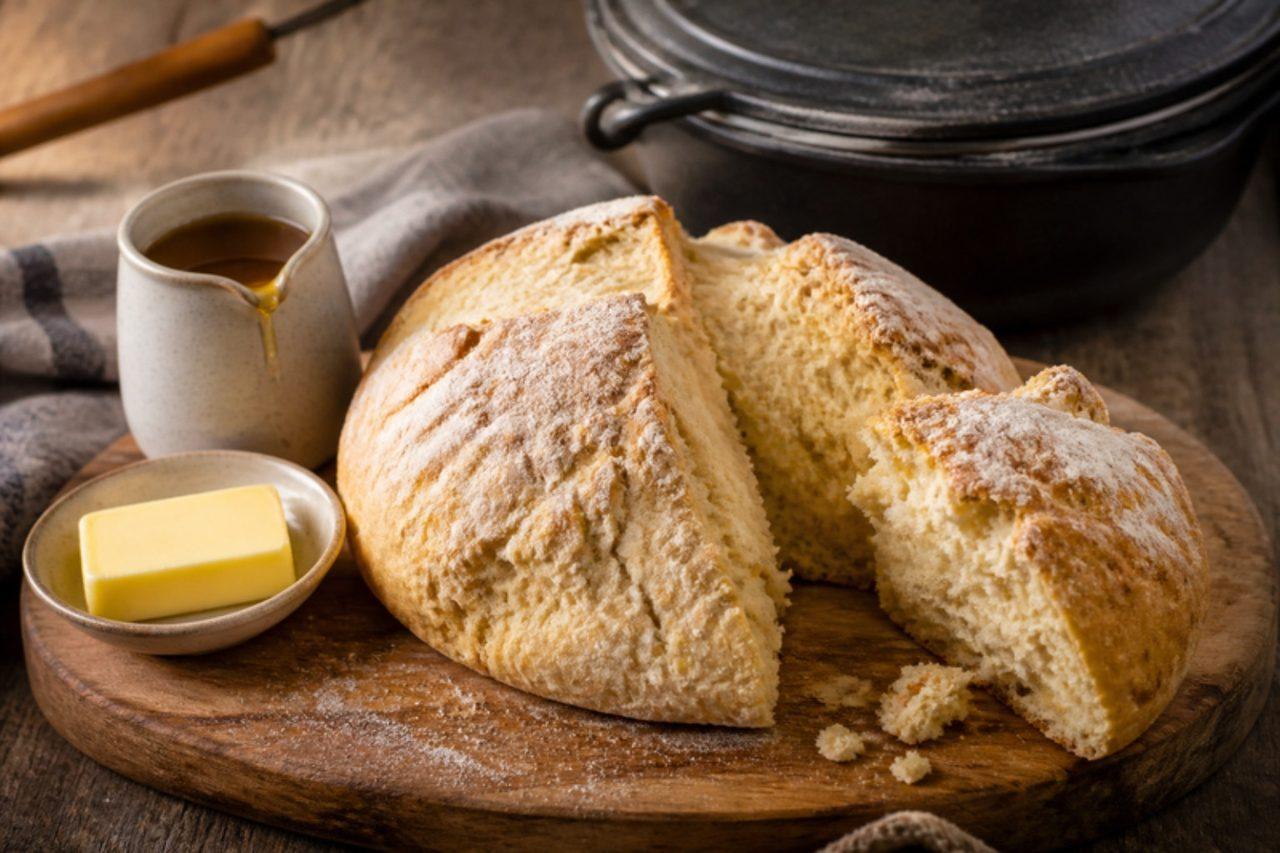
Damper is the bread of the Australian bush: drovers, stockmen and swagmen carried flour and salt across the Outback and baked loaves in the ashes of the campfire, and it's still made in cast-iron camp ovens on camping trips from the Flinders Ranges to the Kimberley. Long before that, Aboriginal peoples ground native seeds into flour and baked seed cakes in the coals. Modern damper uses self-raising flour, a little butter and milk, so it rises into a craggy, golden round with a crisp crust and a soft, scone-like crumb. Tear it while warm and eat it with butter and golden syrup, which bush cooks called cocky's joy, or with soup. Chef's tip: mix with a knife and work quickly; the less you handle the dough, the lighter the damper.

by KrazyBadal 0 views

DalmaPigeon pea and vegetable dal

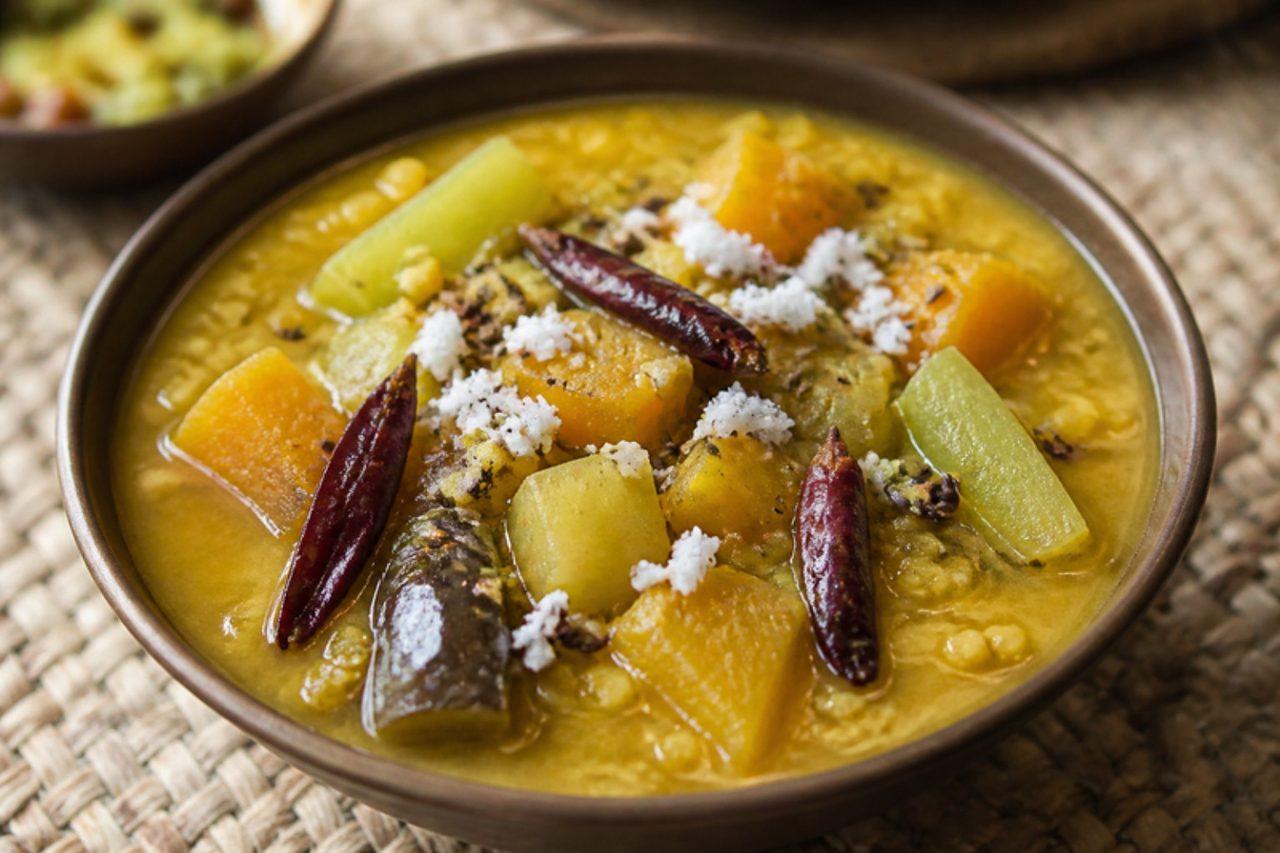
Dalma is the comfort food of Odisha and the dal offered at the Jagannath temple in Puri. Toor dal is cooked together with chunky vegetables, usually raw banana, pumpkin, aubergine and potato, so they soften into it and make it hearty enough to be a meal. A tempering of panch phoron and dried chilli and a sprinkle of roasted cumin-chilli powder give it its smoky warmth; a little grated coconut is often added on top. Odia homes finish it with a spoonful of ghee; this version uses oil so it stays vegan. Serve with plain rice. Chef's tip: add the vegetables halfway through cooking the dal, not at the start, so they keep their shape and the dal stays thick rather than watery.

by KrazyBadal 0 views

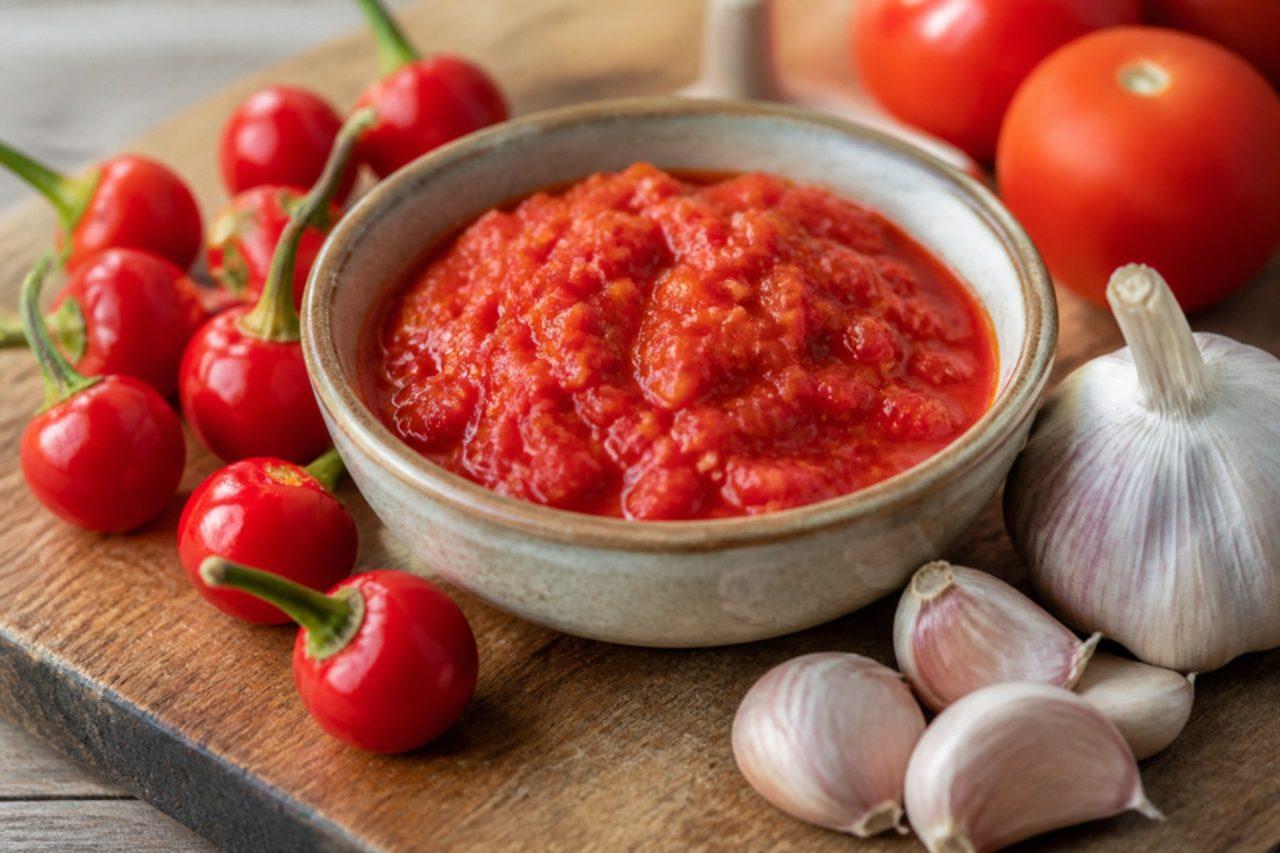
Dalle chutneyRound chilli and tomato chutney

Dalle khursani is Sikkim's round, cherry-sized chilli, grown in every hill garden and among the hottest chillies in India. No meal in Gangtok goes without a little bowl of dalle achar beside the rice or momos. This fresh version pounds the chillies with blistered tomato, garlic, a pinch of timur (Sichuan-type pepper) and lemon into a coarse red chutney that is searingly hot, sharp and fruity. Eat it by the dot. Chef's tip: wear gloves when cutting dalle, and never touch your eyes; the heat stays on your hands for hours. Use a mix of habanero and bird's-eye chillies if you can't get dalle.

by KrazyBadal 0 views

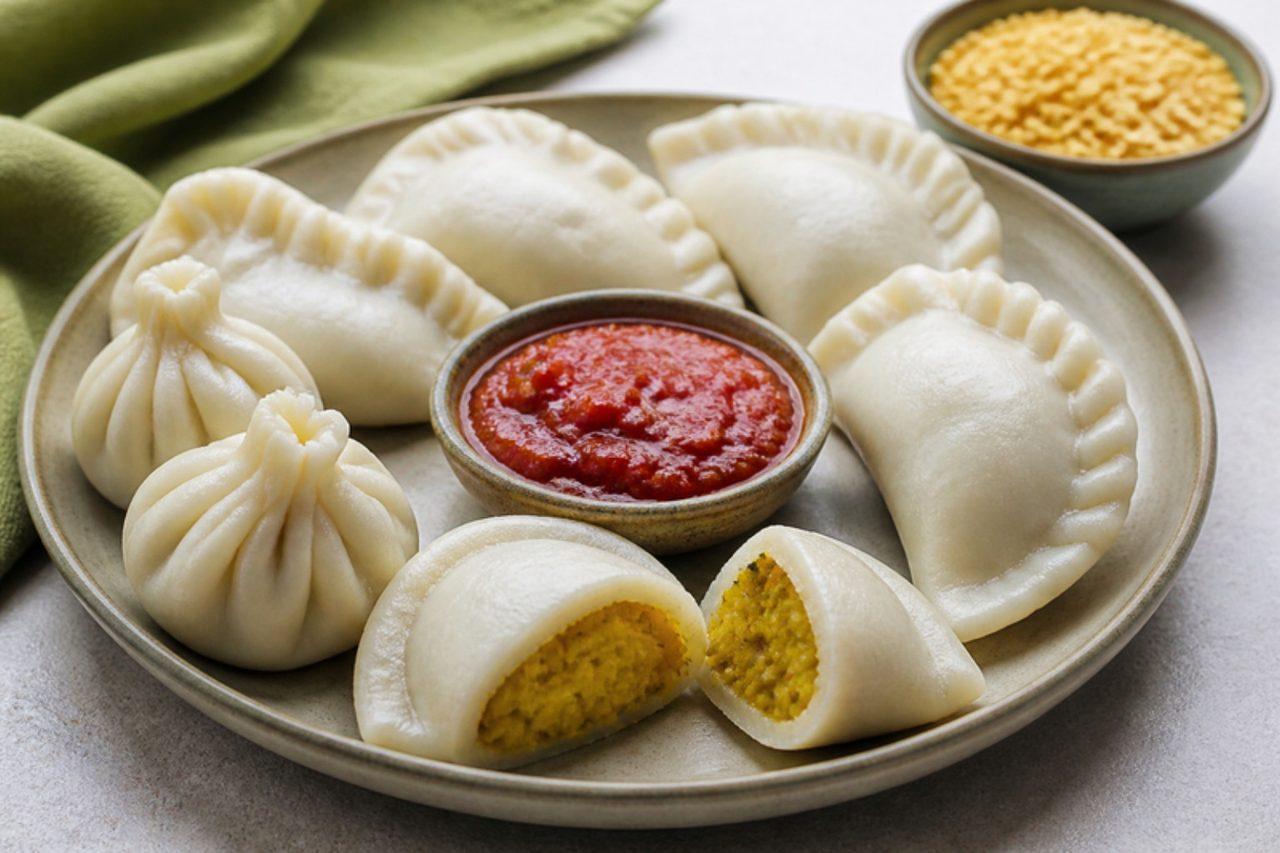
Dal pithaLentil-stuffed rice dumplings

Dal pitha is the comfort food of Bihari winters, made on cold evenings and around Makar Sankranti: soft rice-flour dough wrapped around a coarse filling of chana dal, garlic, ginger and chilli, shaped into half-moons or little pouches and cooked in steam. People in Mithila call it a Bihari momo, and it is eaten hot with tomato chutney or a dribble of mustard oil. The dough tastes gently of rice, the filling is savoury and filling, and leftovers are excellent pan-fried the next day. Chef's tip: knead the rice dough while it is still hot; if it cools before shaping, the pitha crack and the filling leaks out.

by KrazyBadal 0 views

Posta negra cartageneraBeef in dark panela sauce

Posta negra comes from the Caribbean coast, from Cartagena's old walled city and the towns around it, and it is what a family cooks for a birthday or a Sunday when the grandparents visit. A whole piece of beef is browned, then braised slowly with onion, a little cola-coloured panela (unrefined cane sugar) and Worcestershire-style sauce until the sauce turns nearly black and glossy, sweet and tangy at once. It is sliced and served with coconut rice, fried plantain and a tomato and onion salad. The most common mistake is letting the panela burn when caramelising: it should turn a deep mahogany and smell like toffee, not acrid smoke. Chef's tip: slice the meat across the grain only after it has rested, then return the slices to the sauce so they soak it up.

by KrazyBadal 0 views

Pão de ló de OvarMolten-centred sponge cake

Pão de ló is Portugal's oldest sponge cake, made with nothing but eggs, sugar and a little flour, and every region claims its own. In Ovar, a town on the lagoon coast south of Porto, it is baked only briefly, so a thin golden crust hides a centre of barely set, glossy egg cream that oozes when cut. It is the cake for Easter, when godparents give it to their godchildren, and it is sold all year at the town's bakeries wrapped in the paper it was baked in. Eat it at room temperature with a spoon, on its own or with a glass of port. Chef's tip: whisk the eggs and sugar for a full 12–15 minutes until the mixture is very thick and white; that air is the only thing that lifts the cake.

by KrazyBadal 0 views

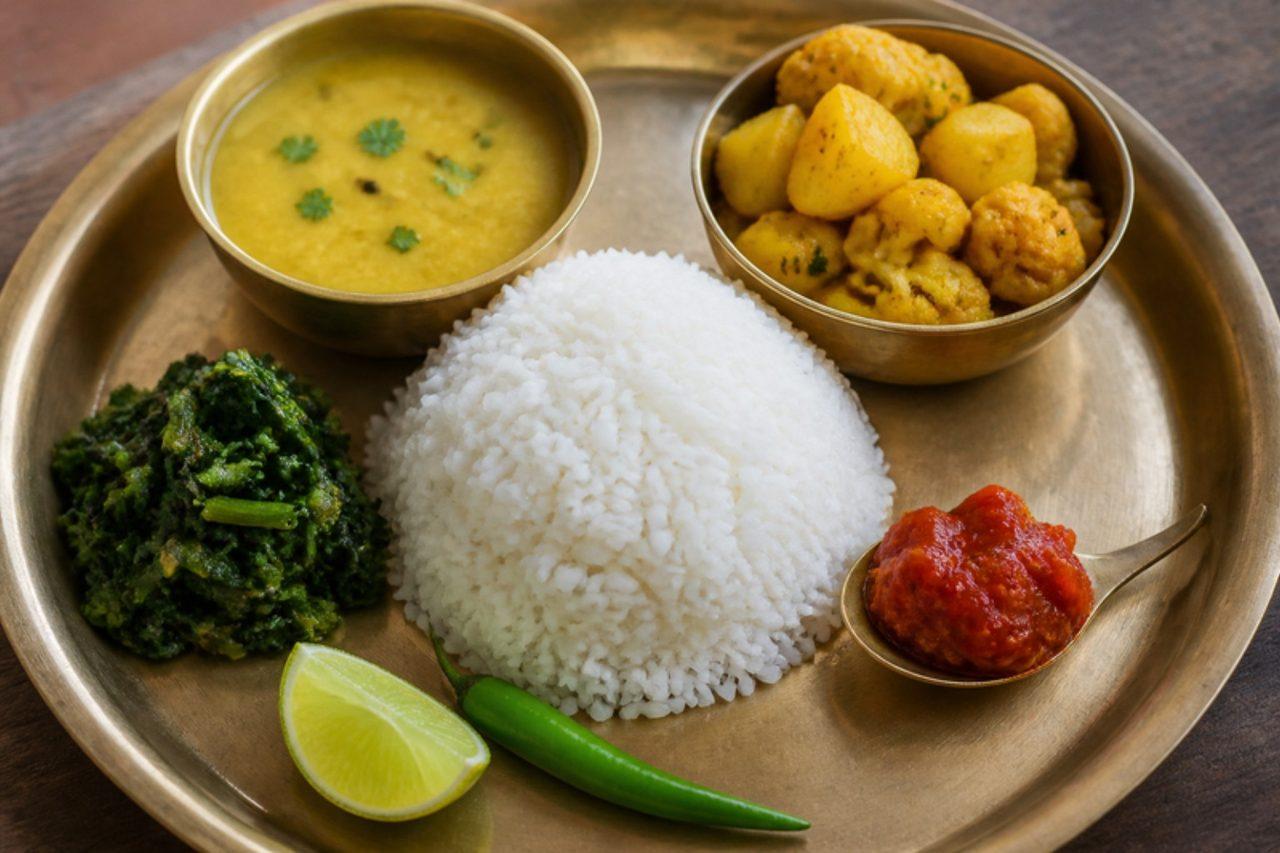
Dal bhatLentils, rice and vegetables

Across Nepal, from Terai farmhouses to trekking lodges below Everest, dal bhat is not a dish so much as the meal itself, eaten twice a day, late morning and early evening, often with the words "dal bhat power, 24 hour". The plate is always the same idea: a mound of plain rice (bhat), a thin, soupy lentil dal scented with jimbu (a dried Himalayan allium) fried in ghee, a dry vegetable tarkari, a little stir-fried greens when there are some, and a sharp spoonful of achar. You pour the dal over the rice and mix it by hand, a little at a time, with bites of curry and pickle. Most newcomers make the dal too thick; Nepali dal should run off the spoon like a light soup so it soaks the rice. Chef's tip: fry the jimbu in the hot ghee only until it darkens a shade and smells of garlicky onion, about 10 seconds, then pour it straight into the dal and cover the pan to trap the aroma.

by KrazyBadal 0 views

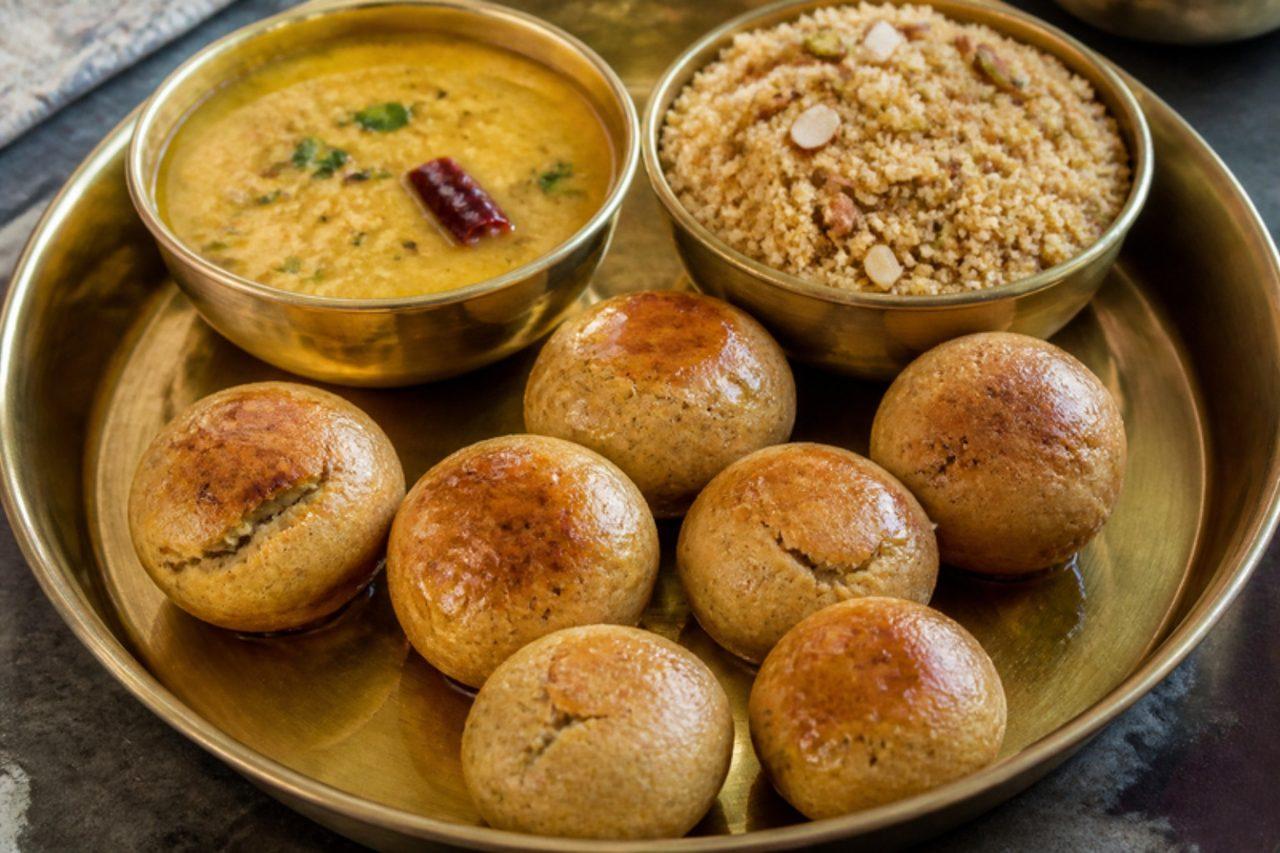
Dal baati churmaLentil dal with baked wheat balls

Dal baati churma is the dish every Rajasthani wedding and festival is built around. Baati are hard, round wheat breads, traditionally buried in desert embers, cracked open and drowned in ghee; they are eaten with panchmel dal made from five lentils and with churma, baati crumbs sweetened with sugar and cardamom. The joy is in the contrast: crunchy and soft, spicy and sweet, all rich with ghee. Serve with sliced onion, green chillies and lime. Chef's tip: rub the ghee into the baati flour until a handful holds its shape when squeezed; that shortening is what makes the baati crumbly inside instead of bready.

by KrazyBadal 0 views

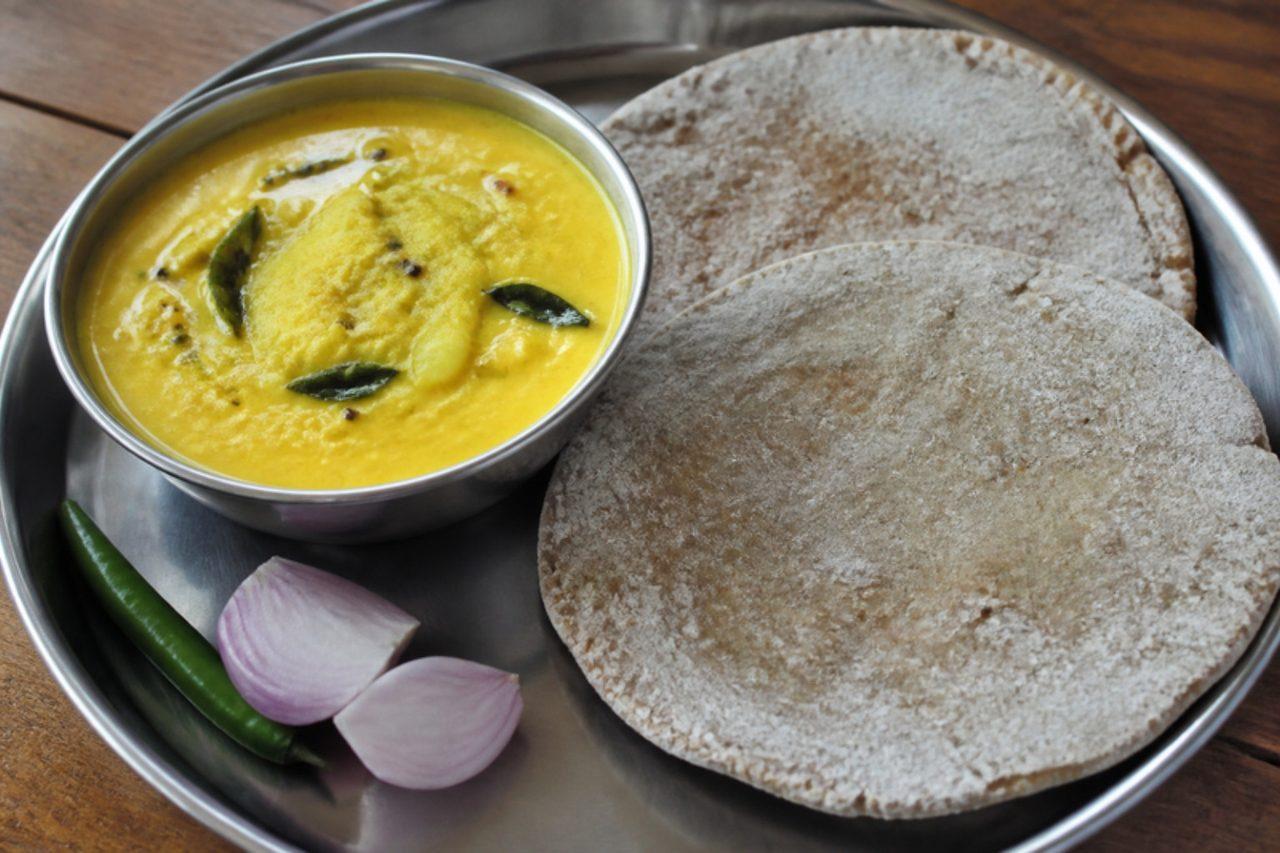
Pithla with jowar bhakriGram flour curry with sorghum flatbread

In villages across the Deccan plateau of Maharashtra, pithla bhakri is what a farmer's family eats when the pantry is low and the day is long: a pan of gram flour simmered with garlic, green chilli and onion until it sets to a soft, spoonable curry, with thick jowar bhakri patted out by hand and a raw onion on the side. It became a symbol of rural Maharashtra, served at roadside stalls near Sinhagad fort to trekkers and at political rallies alike. Zunka, the dry version, uses the same flavours but is stirred until crumbly. Serve with thecha or a wedge of lemon. Chef's tip: whisk the gram flour into cold water before it meets the pan; that one step is the whole secret to a lump-free pithla.

by KrazyBadal 0 views

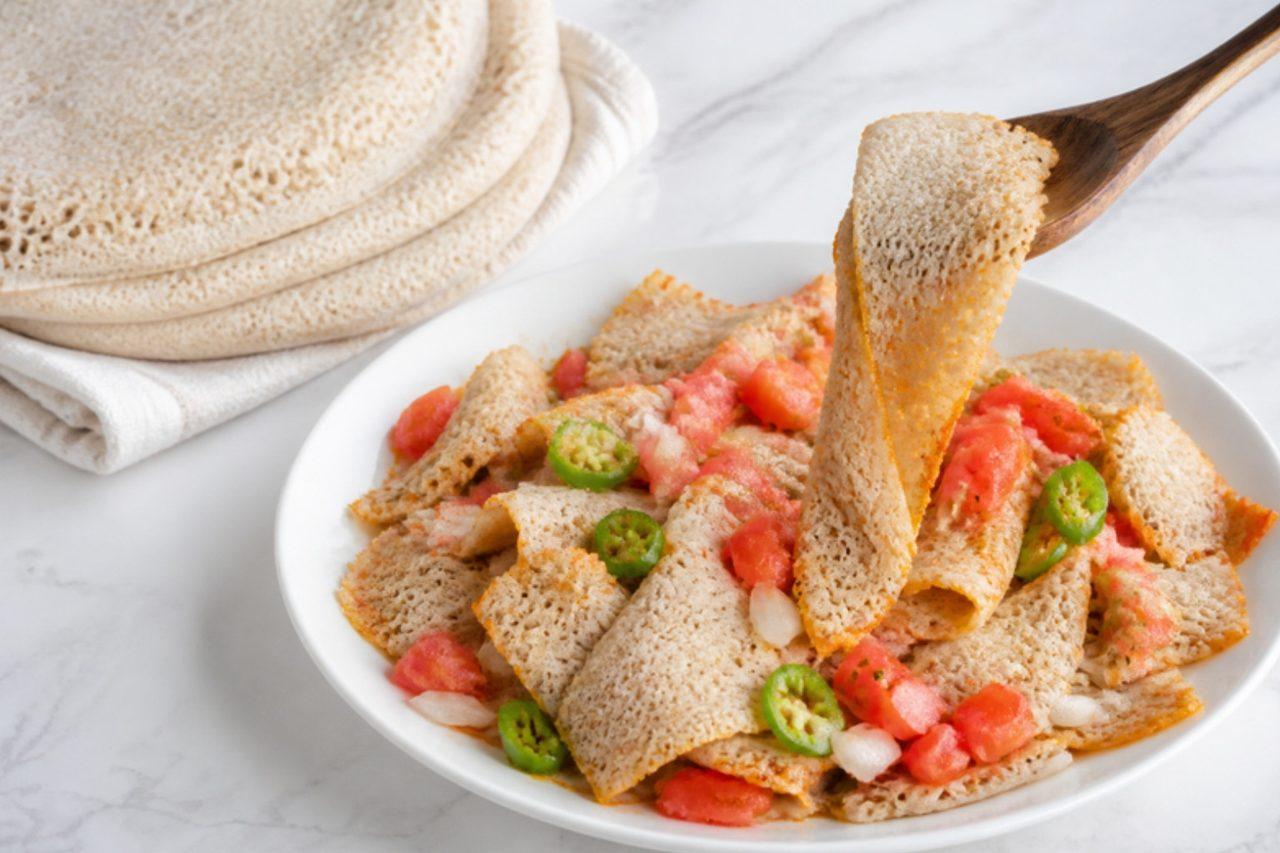
FirfirTorn injera in spicy sauce

Firfir (or fitfit) is what Ethiopian households do with yesterday's injera: torn into pieces and tossed in a hot, oniony berbere sauce until it soaks up all the flavour. It is breakfast in Addis Ababa cafés and homes alike, eaten with a spoon or, more often, scooped up with fresh injera. This version uses oil, making it suitable for fasting days; on other days a spoon of niter kibbeh adds richness. Chef's tip: use day-old injera; fresh injera is too soft and turns to mush in the sauce.

by KrazyBadal 0 views

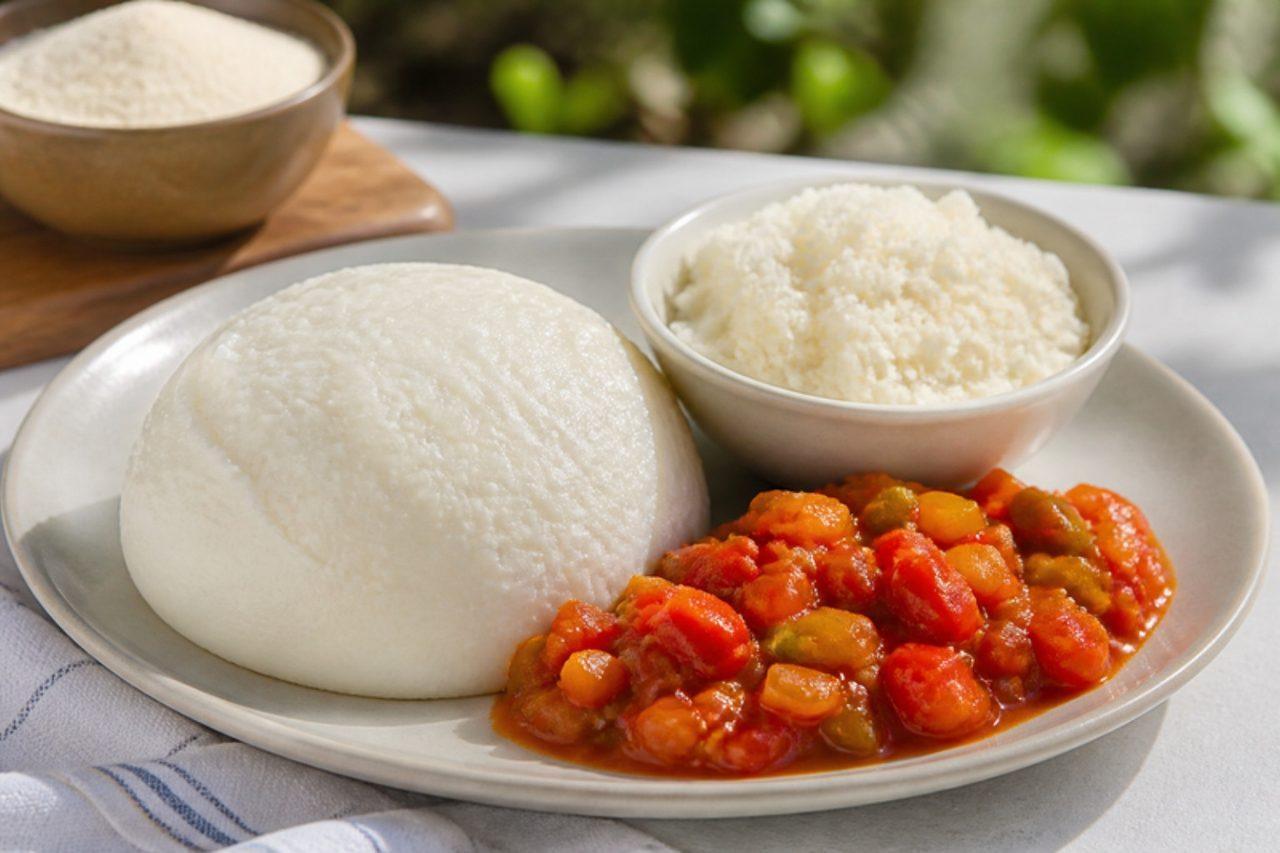
Pap (stywe pap and krummelpap)Maize porridge

Pap is the everyday staple of South Africa, eaten in Soweto kitchens and Limpopo villages at almost every evening meal, and in a three-legged pot at every braai. It is plain white maize meal cooked in water, in two main styles: stywe pap (stiff pap), smooth enough to roll into balls and dip into relish, and krummelpap (crumbly pap), steamed into dry, fluffy crumbs. Both are eaten with chakalaka or a tomato-and-onion sauce. Chef's tip: wet the meal to a paste before it hits the boiling water, or you'll be fighting lumps for the next 20 minutes.

by KrazyBadal 0 views

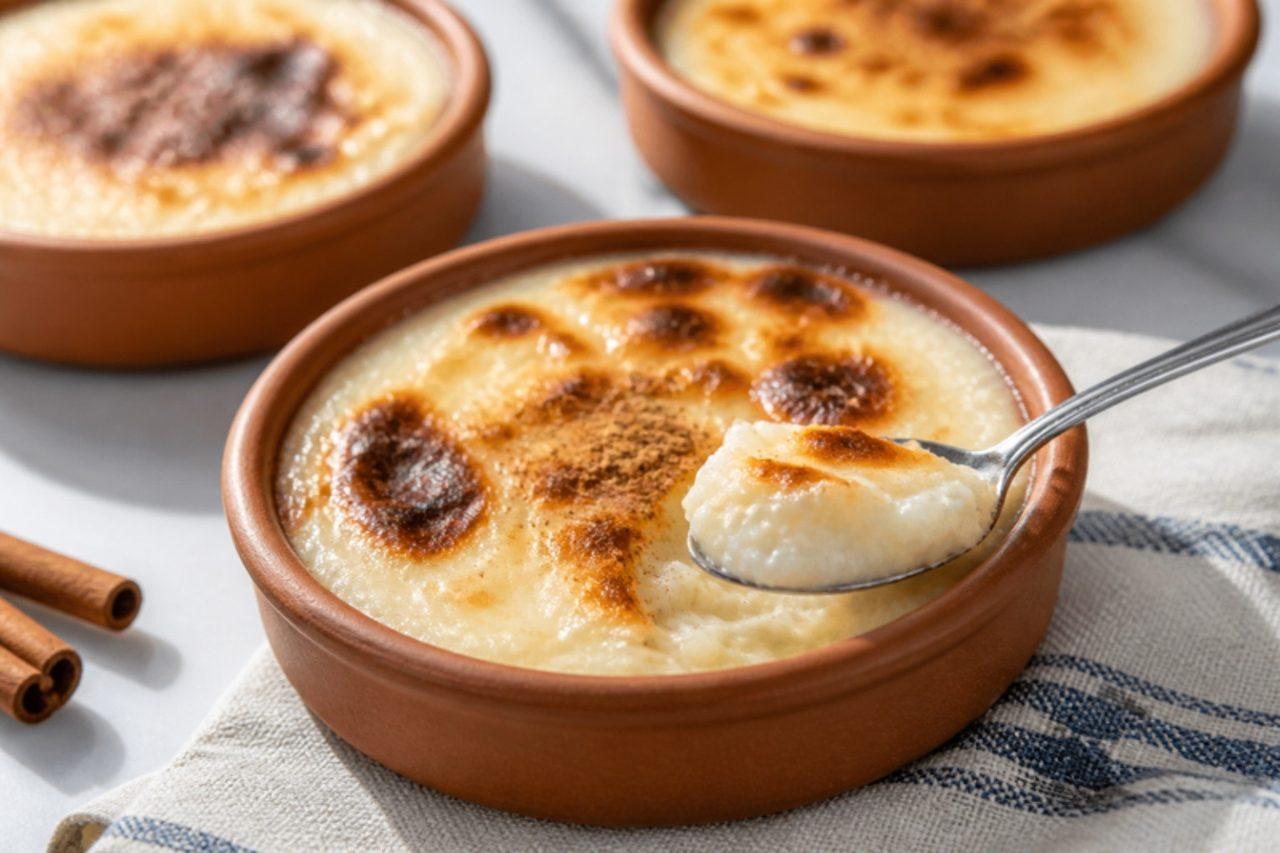
Fırın sütlaçBaked rice pudding

In Turkish pudding shops (muhallebici) from Istanbul to Ankara, fırın sütlaç is served chilled in little clay bowls, its surface blistered dark brown under the grill while the rice pudding beneath stays creamy and cool. It is a dessert families make on Sunday or for guests, since it has to set in the fridge for a few hours, and it travels well to neighbours during Ramadan evenings. The flavour is clean milk and vanilla, thickened with rice flour rather than eggs, so it is light compared with Western rice puddings. Eat it cold, plain or dusted with cinnamon or ground hazelnuts. Chef's tip: stand the filled bowls in a tray of cold water before they go under the grill; the water keeps the pudding from boiling up while the top browns.

by KrazyBadal 0 views

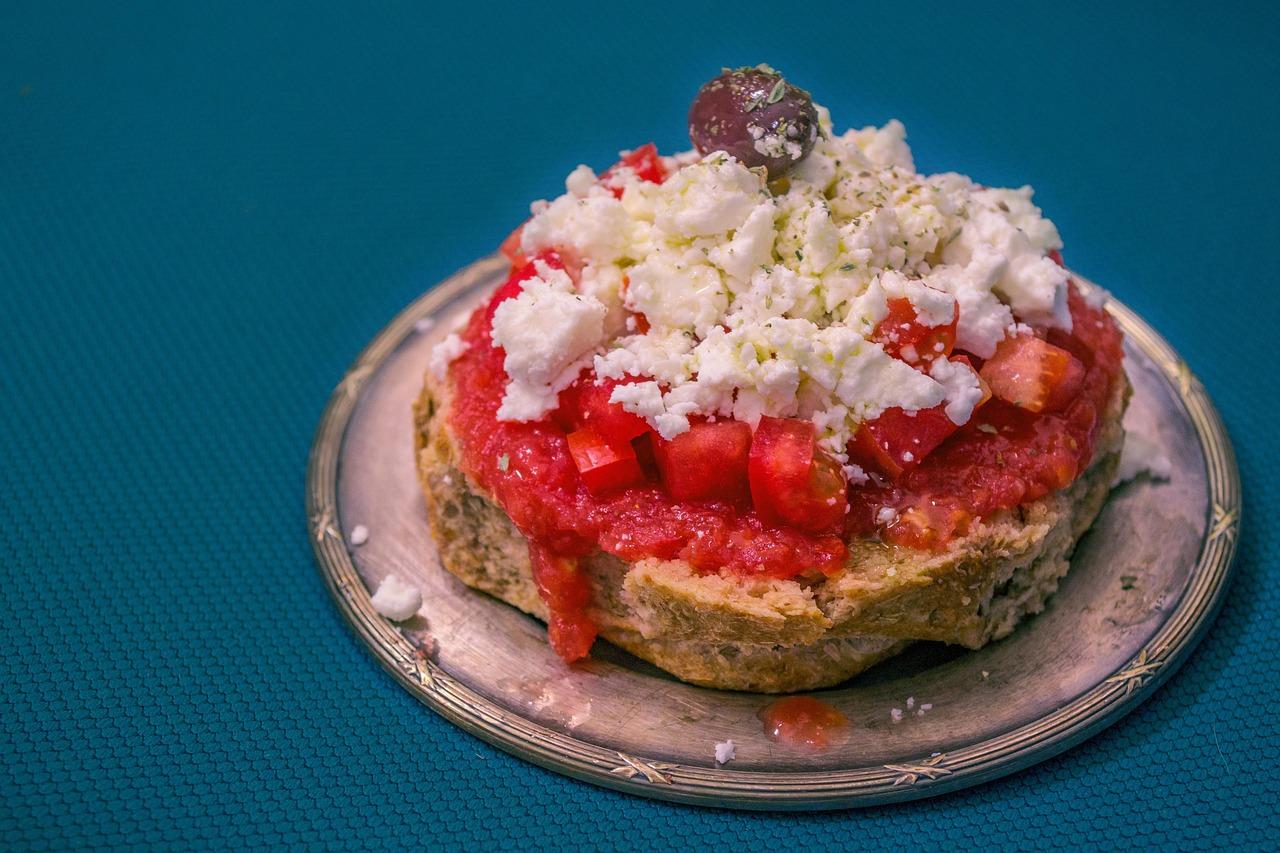
DakosBarley rusk with tomato and cheese

Dakos is Crete's favourite summer meze: a round, hard barley rusk softened with a sprinkle of water, piled with grated ripe tomato and crumbled cheese, then drenched in olive oil and dusted with oregano. On the island it's made with soft, tangy mizithra and eaten in the afternoon with a glass of raki, but feta works well. The rusk drinks up the tomato juice and oil while keeping a little crunch. Look for barley rusks (paximadia) in Greek or Middle Eastern shops. Chef's tip: wet the rusk lightly, just enough to take the edge off; soaking it is the common mistake and it falls apart before you can eat it.

by KrazyBadal 0 views

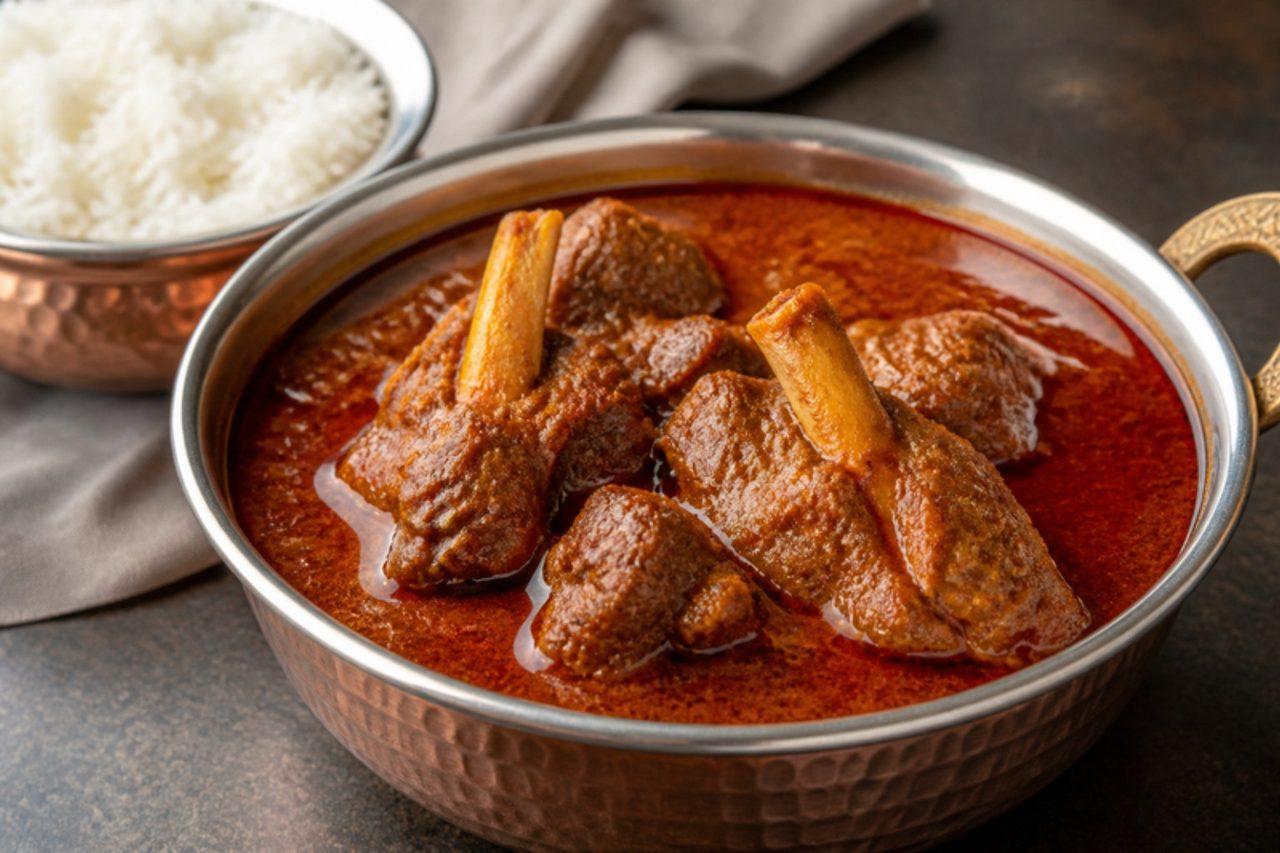
Rogan josh

In the Kashmir Valley this deep-red lamb braise turns up at every wazwan, the multi-course wedding feast cooked by hereditary chefs, and on Sunday tables in Srinagar through the cold months. The Kashmiri Pandit version cooked here uses no onion, garlic or tomato: the colour comes from mild Kashmiri chillies, the warmth from ground fennel and dry ginger, and the body from yogurt cooked down until the fat rises red to the top (that red oil is the 'rogan'). Eat it with plain steamed rice, the Kashmiri way. Chef's tip: use bone-in shoulder or leg and give it time; the bones and slow simmer make the thick, glossy gravy, and boneless meat turns stringy before the sauce is ready.

120 minIndianMeatGluten freeSpicy
by KrazyBadal 0 views

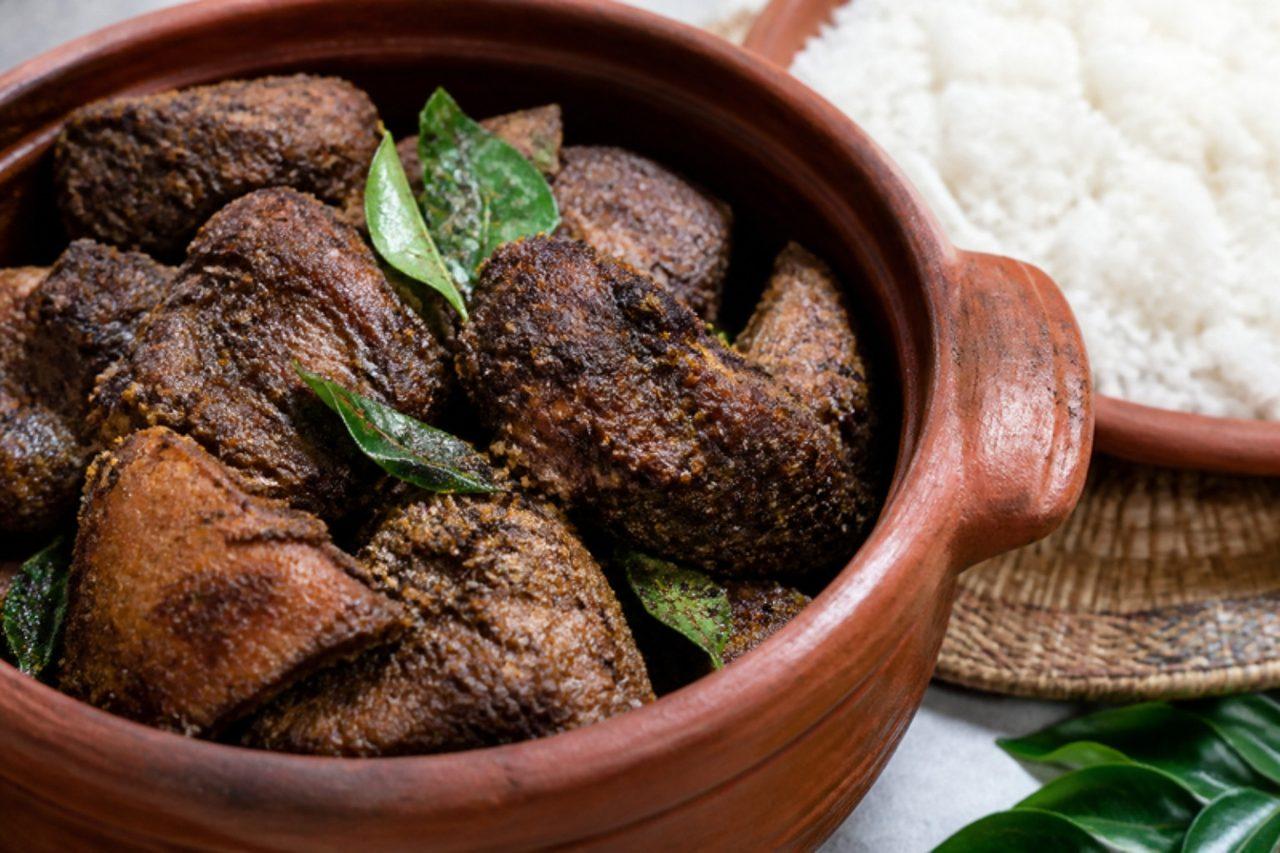
Fish ambul thiyalSour tuna curry

Ambul thiyal means 'sour stew', and it comes from the fishing towns of the south coast, around Matara, Galle and Tangalle. Fishermen once cooked it so the tuna would keep for days without a fridge: almost no liquid, plenty of goraka and black pepper, slowly reduced in a clay pot until each chunk is dark and coated. Today it is a favourite rice-and-curry dish on Sundays and holidays, and people often pack it for long journeys. It is sharp, peppery and firm, so a little goes a long way with rice and a coconut sambol. Chef's tip: cut the tuna into big 4 cm chunks; small pieces fall apart during the long, slow reduction.

by KrazyBadal 0 views

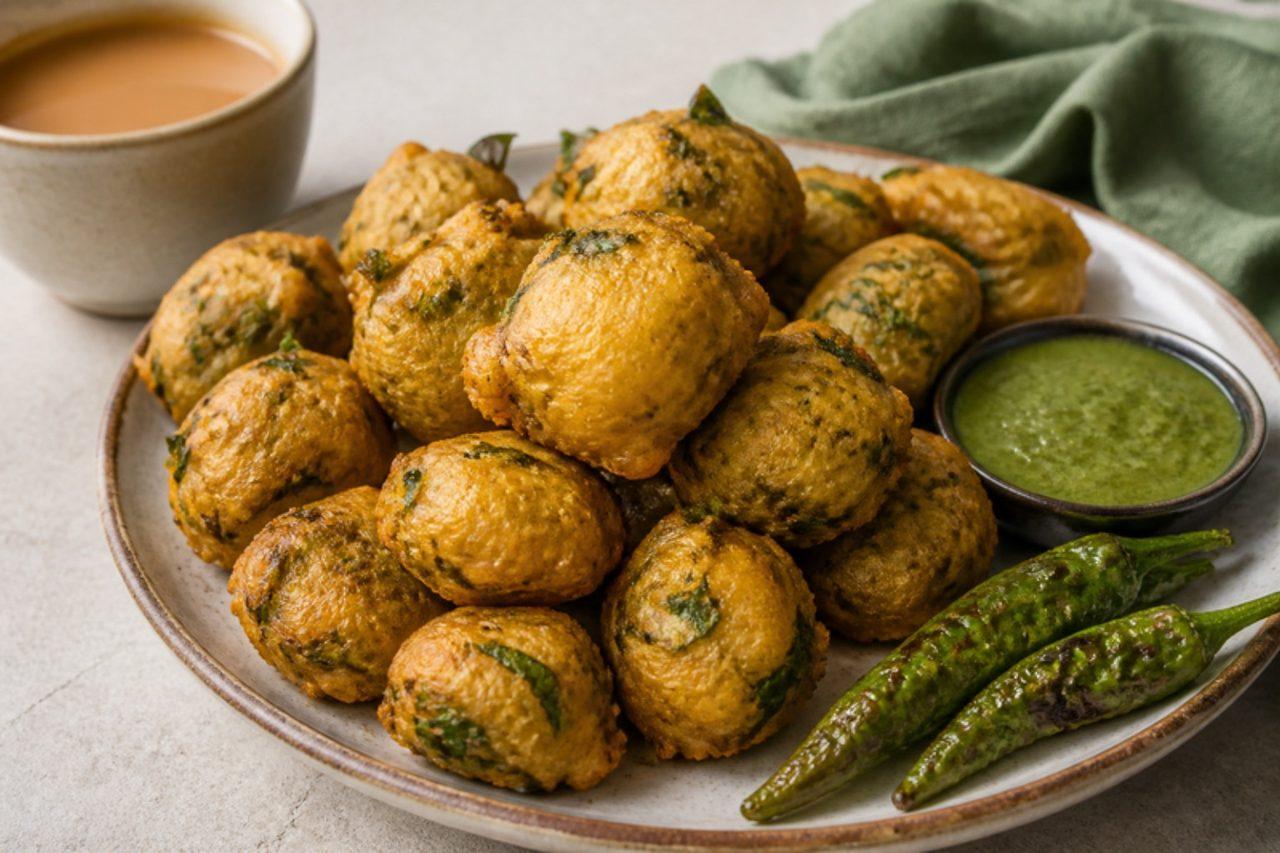
Dakor na gotaGram flour and fenugreek fritters

Pilgrims who come to the Ranchhodraiji temple at Dakor, in the Charotar belt of central Gujarat, rarely leave without a paper cone of gota from the shops around the temple square. These fritters are different from ordinary bhajia: the batter uses coarse gram flour, crushed black pepper and coriander seeds and plenty of fresh methi, and it is whipped light so the gota come out round, craggy and soft inside. Families buy the ready-mixed flour to take home and fry them on the first rainy evening of the monsoon. Serve them with green chutney, fried green chillies and a cup of masala chai. Chef's tip: beat the batter by hand in one direction for a full 3 minutes before frying; the air you whip in matters as much as the baking soda.

by KrazyBadal 0 views

Papa a la huancaínaPotatoes in spicy cheese sauce

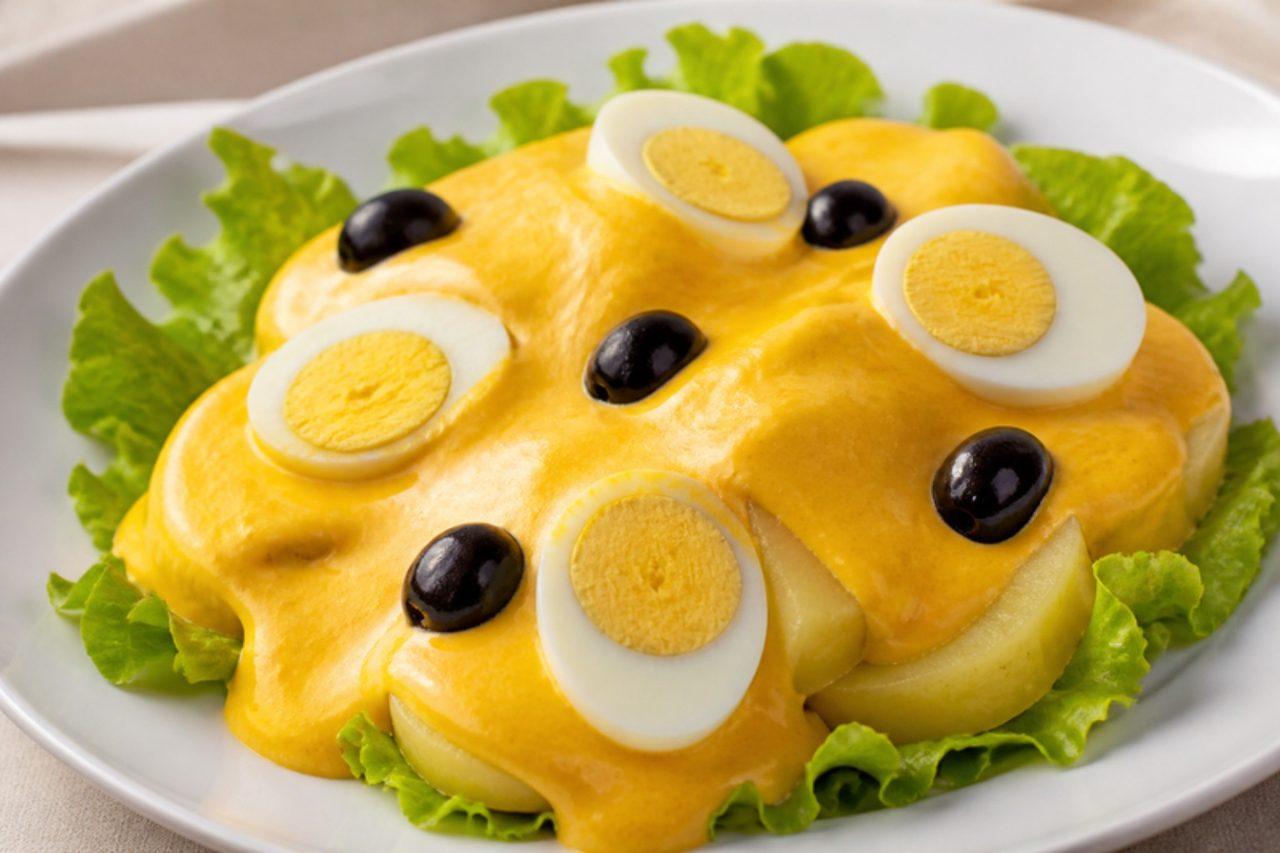
Papa a la huancaína is named after Huancayo in Peru's central Andes, but it is eaten everywhere, from Lima's set-lunch counters to Sunday family tables. Thick slices of cold boiled potato are blanketed in huancaína sauce, a silky, mildly hot sauce of ají amarillo, fresh cheese and evaporated milk, then finished with boiled egg and black olives. It is served cold as a starter, and the sauce is also the favourite dip for boiled corn and fried yuca. Use a queso fresco made with vegetarian rennet if you want it fully vegetarian (or a mild feta rinsed of salt). Chef's tip: fry the chillies, onion and garlic before blending; this takes off their raw edge and gives the sauce its rounded, sweet heat.

by KrazyBadal 0 views

Dak galbiSpicy stir-fried chicken

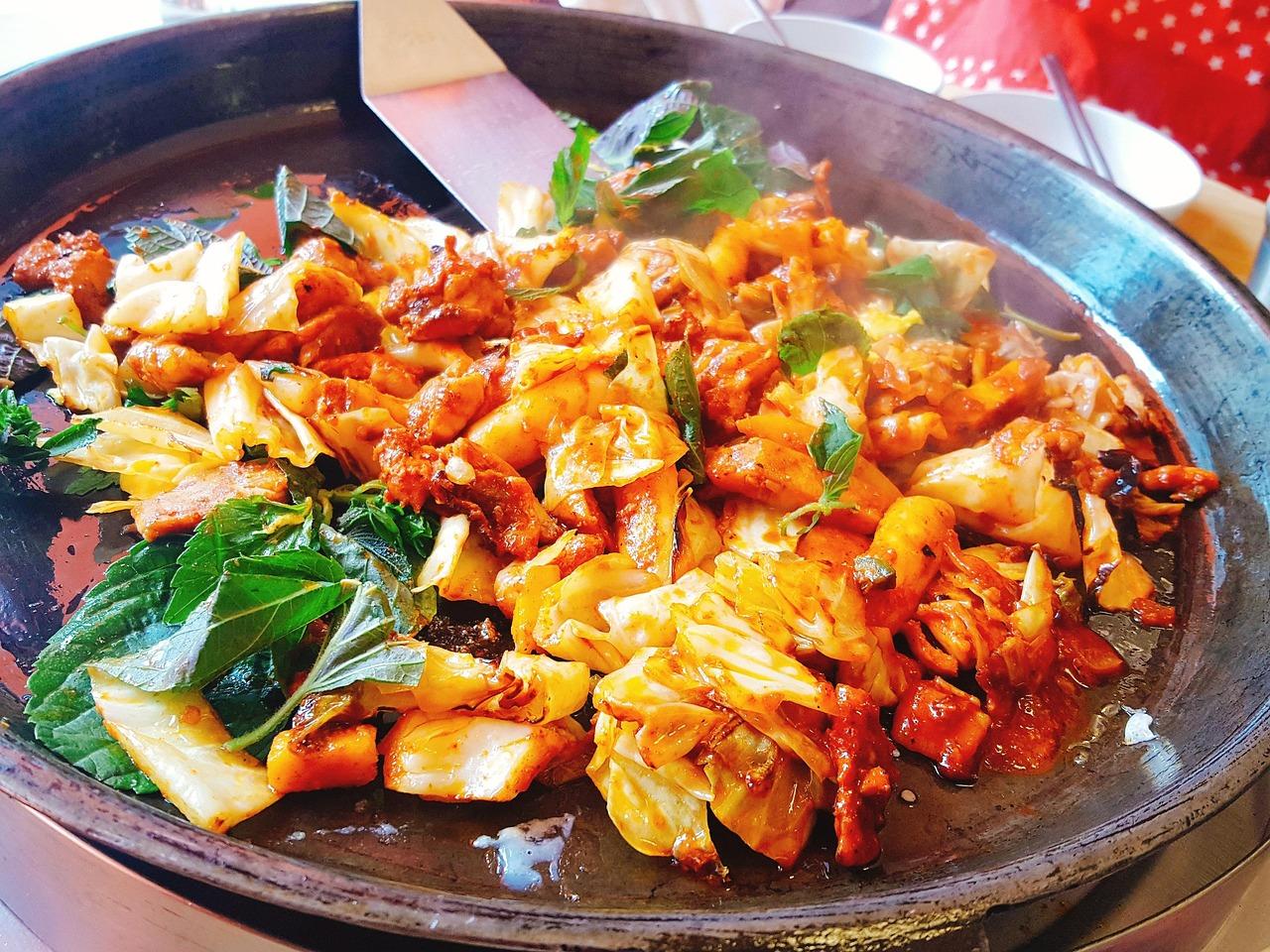
Chuncheon, a lakeside city in Gangwon province, is so proud of dak galbi that it has a whole lane of restaurants and a yearly festival for it. There, a waiter stir-fries the marinated chicken, cabbage, sweet potato and rice cakes on a huge round iron pan in the middle of your table. When the pan is nearly empty, rice is fried in the leftover sauce to finish the meal. This version is made in a large frying pan or wok at home. Chef's tip: a teaspoon of curry powder in the marinade is a Chuncheon trick; you won't taste curry, but the sauce tastes deeper.

by KrazyBadal 0 views

Dak bokkeumtangSpicy chicken and potato stew

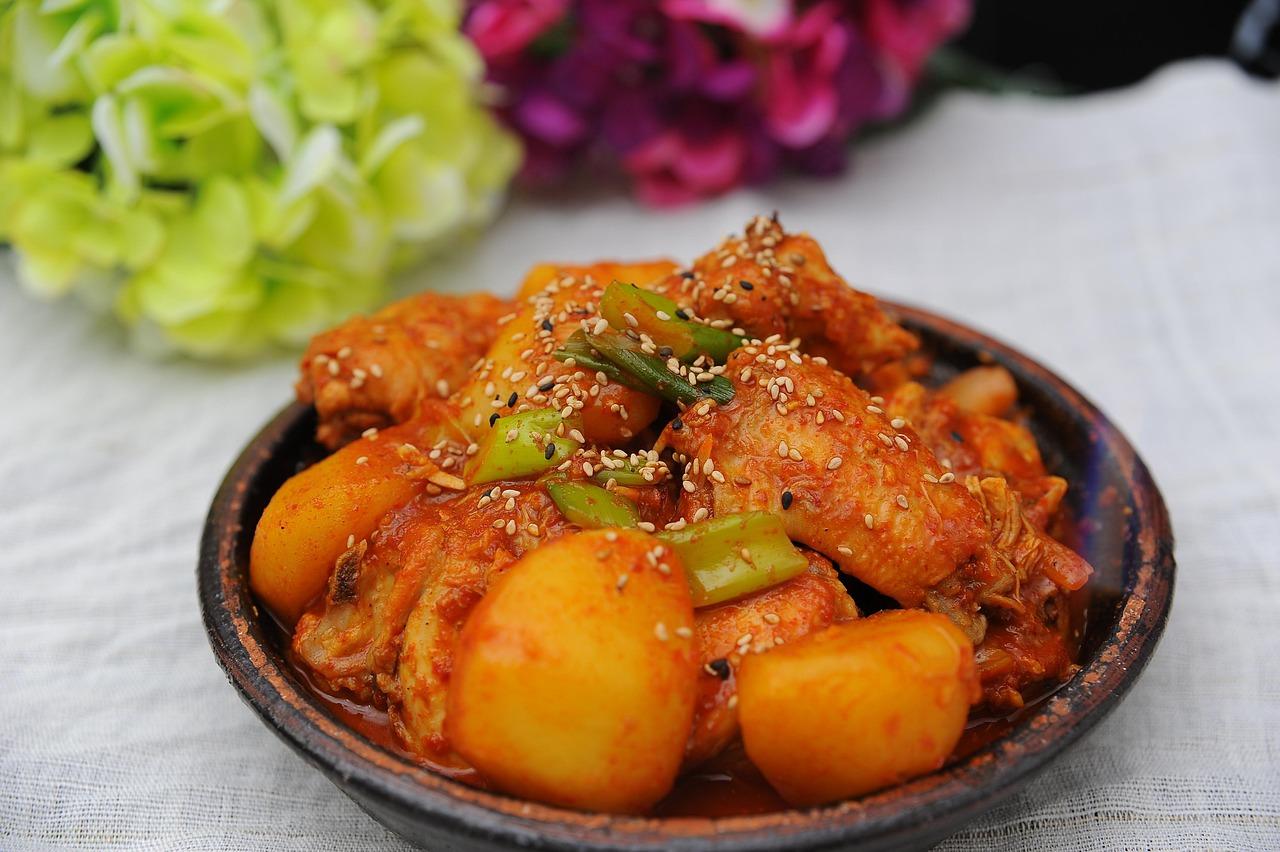
Chicken on the bone braised with big chunks of potato in a thick red sauce is a weeknight staple in Daejeon, the central city where many Korean rail lines meet, and in homes right across the country. Some people still call it dakdoritang. Unlike Andong's soy-based jjimdak, it gets its colour and heat from chilli flakes and gochujang, and the potatoes slowly thicken the sauce as they soften. It's usually brought to the table in the pot and shared, with rice and kimchi, and the last of the sauce is spooned over rice. Chef's tip: blanch the chicken for 3 minutes and rinse it first; this takes away scum and excess fat, so the sauce stays bright and clean-tasting.

by KrazyBadal 0 views

Guangxi five-colour sticky rice

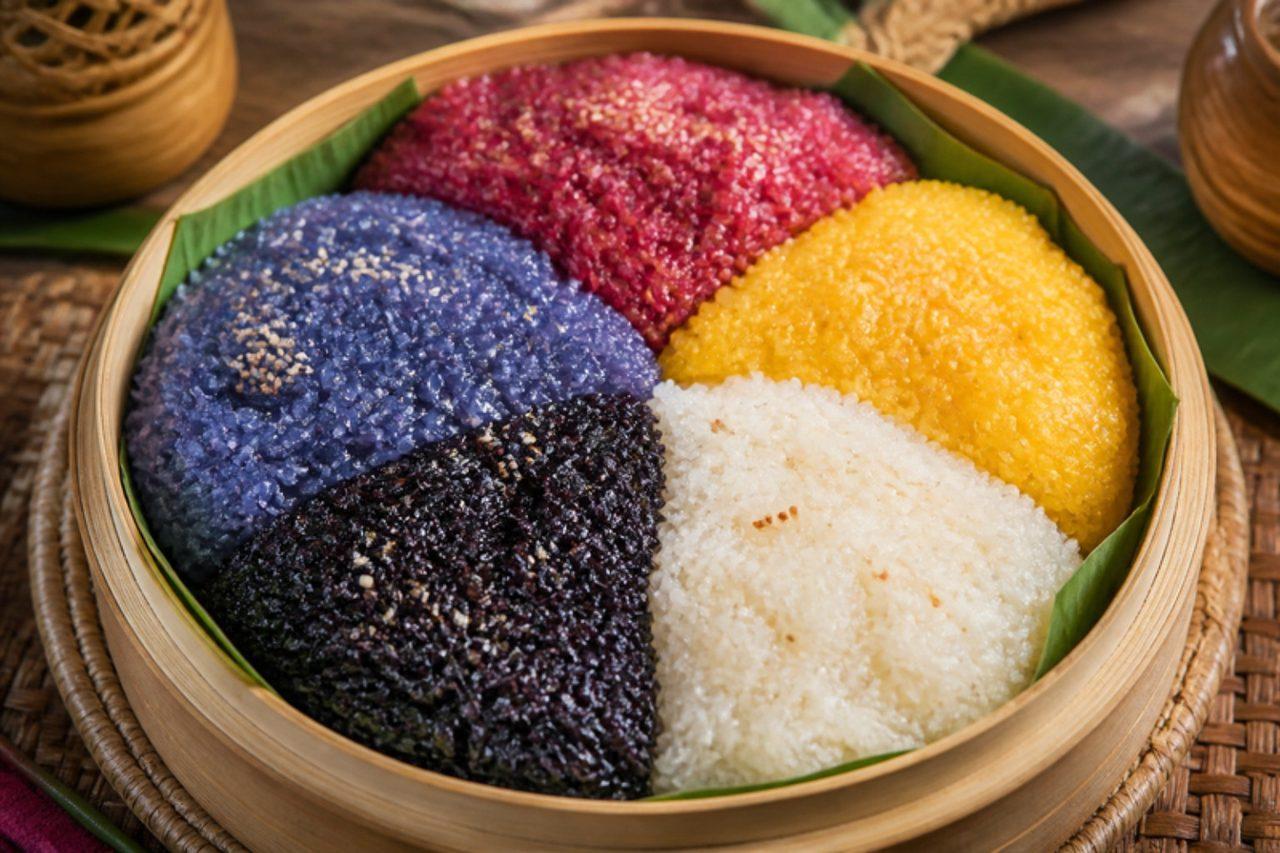
The Zhuang people of Guangxi steam this rainbow rice for Sānyuèsān, the festival on the third day of the third lunar month, and for weddings and tomb-sweeping. In the villages the colours come from local leaves and flowers; at home, turmeric, beetroot, blue pea flowers and black rice give the same effect without any artificial dye. It's eaten plain, sprinkled with sugar or with savoury dishes. Soak the rice for 6 hours or overnight. Chef's tip: soak each colour in its own bowl and keep them apart in the steamer, so the colours stay clear.

by KrazyBadal 0 views

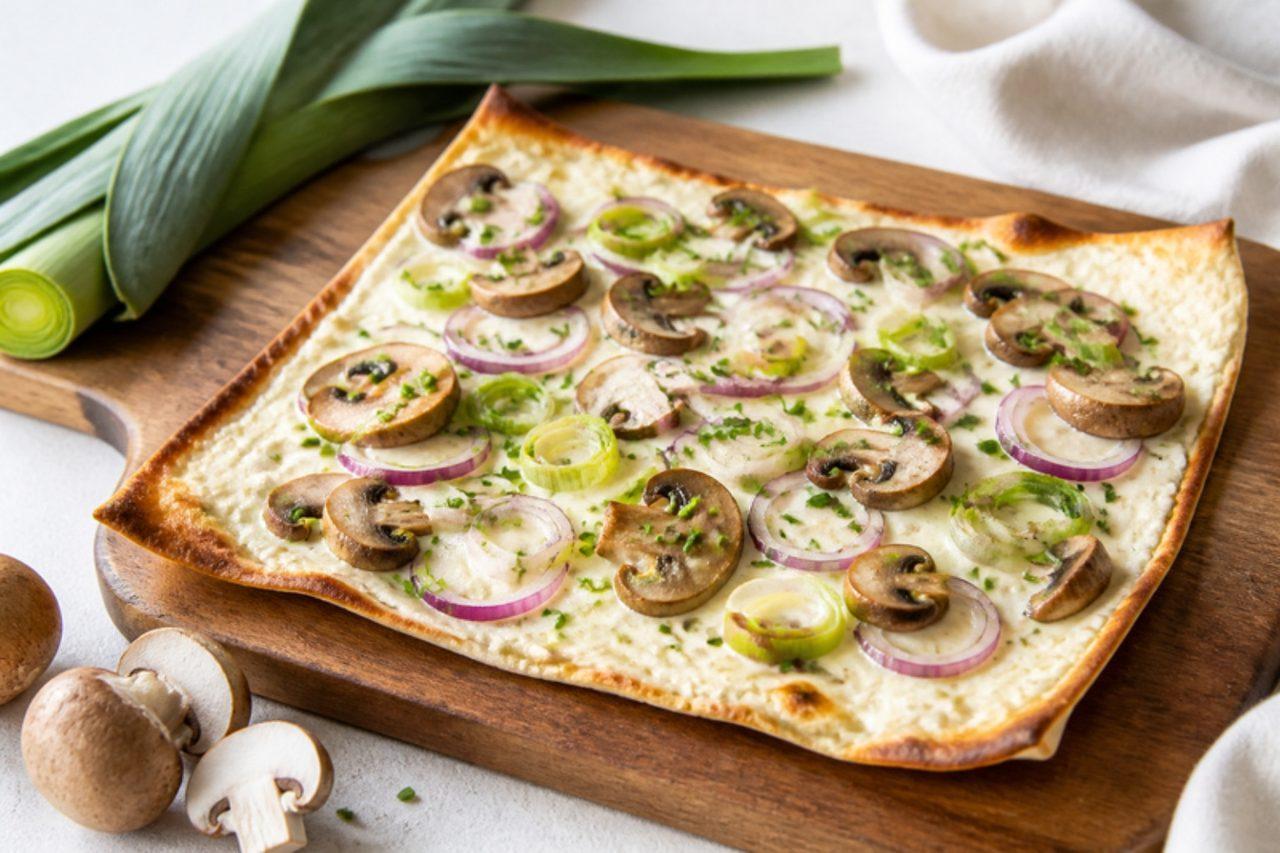
Vegetarian FlammkuchenLeek and mushroom tarte flambée

Flammkuchen comes from the borderlands of Alsace, Baden and the Palatinate, where farmers baked it on bread day to test the heat of the wood oven. The dough has no yeast and is rolled almost as thin as paper, spread with crème fraîche or quark and baked hot and fast so the edges blister and char in spots. The classic topping is onion and bacon; around Strasbourg and Freiburg the leek and mushroom version is a popular meat-free choice, often eaten with a glass of new wine in autumn. Chef's tip: bake it as hot as your oven will go, on a preheated tray or stone; a Flammkuchen baked at a moderate heat turns out bready instead of crisp.

by KrazyBadal 0 views

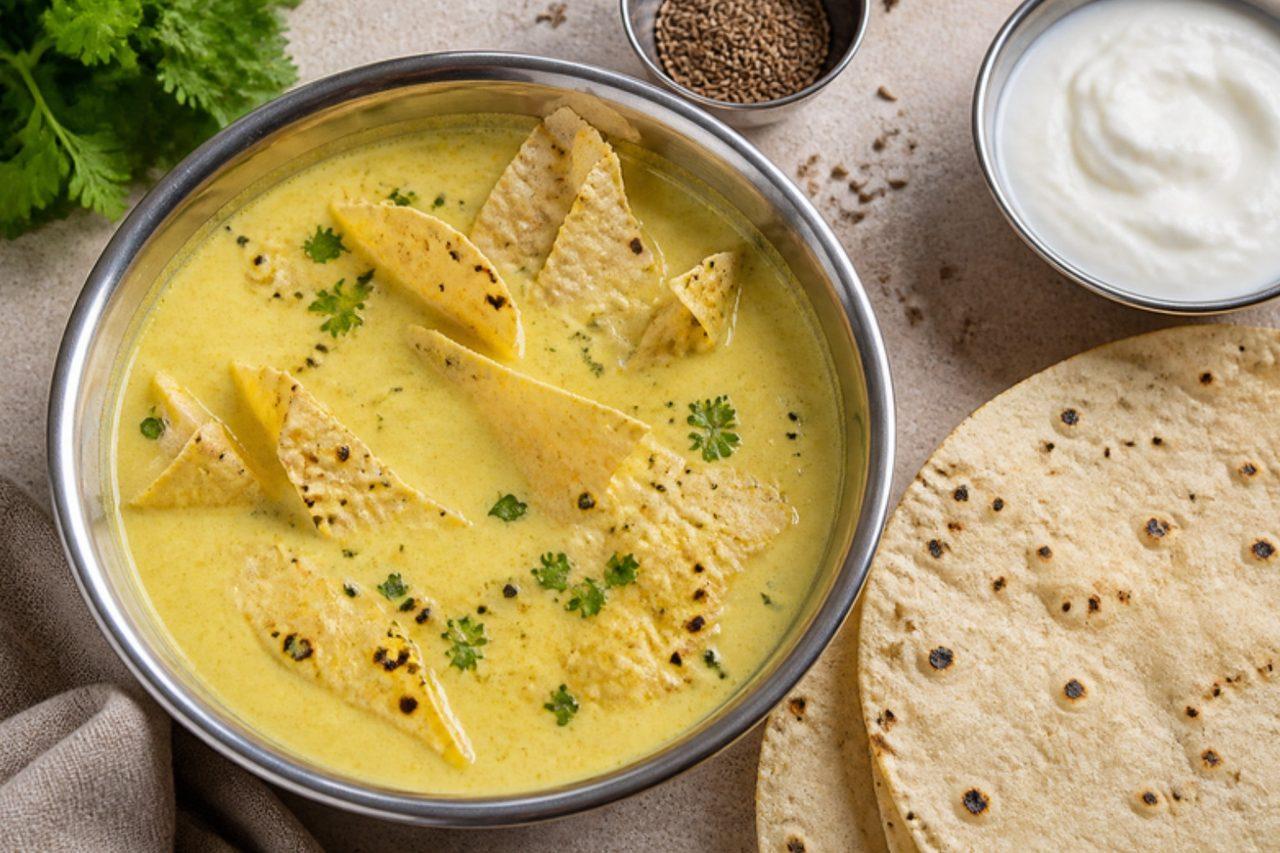
Papad ki sabziPapad curry

Papad ki sabzi comes from Rajasthan's dry interior, where fresh vegetables were scarce and pantries relied on sun-dried staples. Roasted papads are broken into a hot, spiced yogurt gravy at the last minute, so they soften but keep a little chew. Marwari households still make it on days when the vegetable basket is empty, eating it with bajra roti or phulka and a little ghee. Because it's ready in minutes, it's also a favourite for unexpected guests. The common mistake is adding the papads too early: they swell and turn to mush. Chef's tip: go easy on the salt, because papads are already well salted; season after tasting with the papad in.

by KrazyBadal 0 views

Foutou bananePounded plantain and cassava

Foutou is the pounded staple of the Baoulé country around Bouaké and Yamoussoukro: boiled plantain, often mixed with cassava, pounded in a wooden mortar into a smooth, stretchy, slightly sweet ball. It is eaten with the fingers, pulled off in pieces and dipped into sauce graine (palm nut), sauce arachide or okra sauce. A food processor followed by a short knead does the job at home. Chef's tip: pound while everything is steaming hot; cold plantain will not come together and stays lumpy.

by KrazyBadal 0 views

PapanașiFried cheese doughnuts

Papanași are the dessert Romanians order after almost any restaurant meal, from the old town of Bucharest to the mountain chalets of Sinaia and Bran. A soft dough of fresh cheese, egg and semolina is shaped into a ring with a little ball on top, fried until puffed and golden, then crowned with cold smântână and sour cherry or blueberry jam. Warm, tangy and very rich, one is a full dessert. Chef's tip: use dry, crumbly cheese and drain it if it's wet; a common mistake is a sloppy dough that soaks up oil and falls apart, so add flour only until it just stops sticking.

by KrazyBadal 0 views

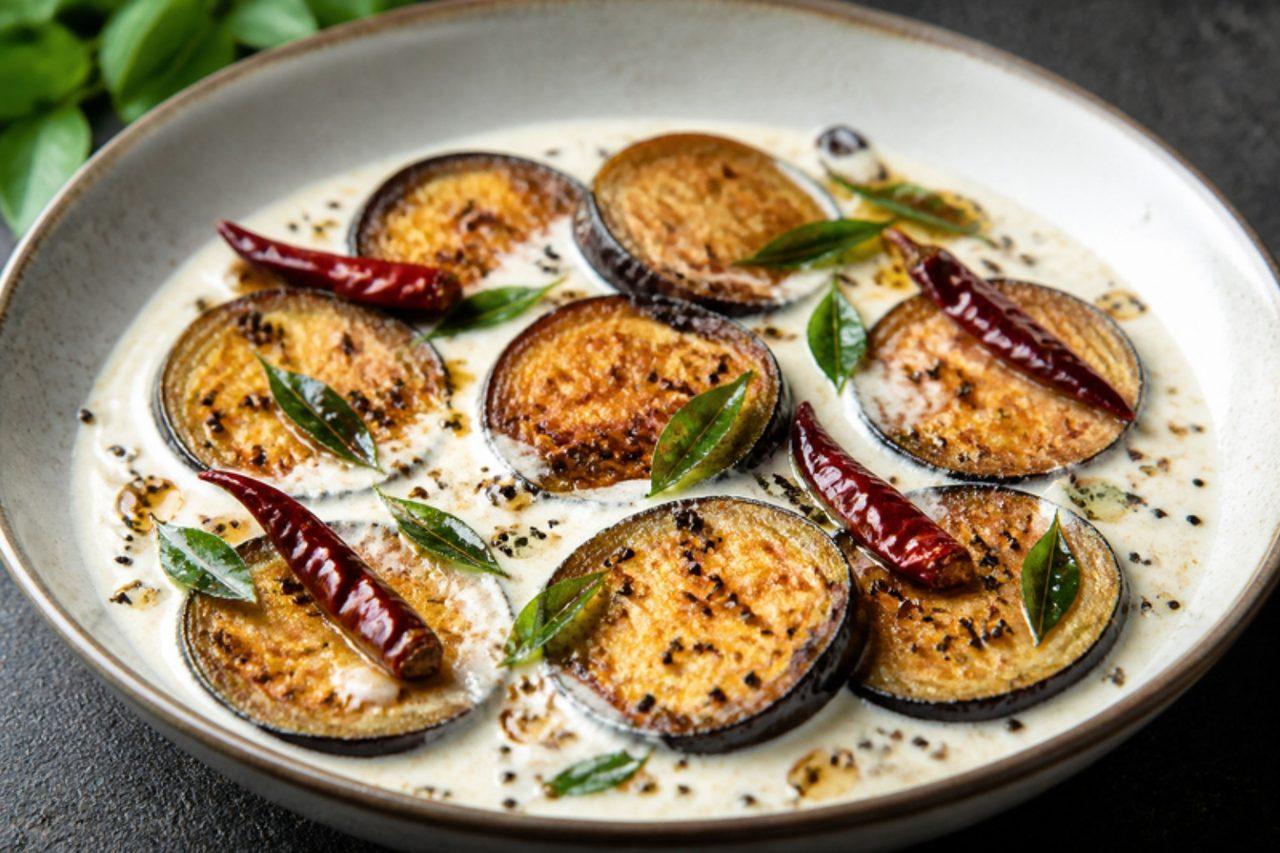
Dahi baiganaFried aubergine in yogurt

Dahi baigana is one of the easiest dishes of an Odia summer lunch, and it turns up at home thalis in Puri and Bhubaneswar beside dalma and rice. Thick rounds of aubergine are rubbed with turmeric and salt, fried until golden and creamy, then bathed in whisked yogurt that has been tempered with mustard seeds, cumin, curry leaves and dried chilli. It is served at room temperature: cool, tangy and smoky from the fried aubergine. Chef's tip: add the tempering to the yogurt, never the yogurt to the hot pan, so it doesn't split.

by KrazyBadal 0 views

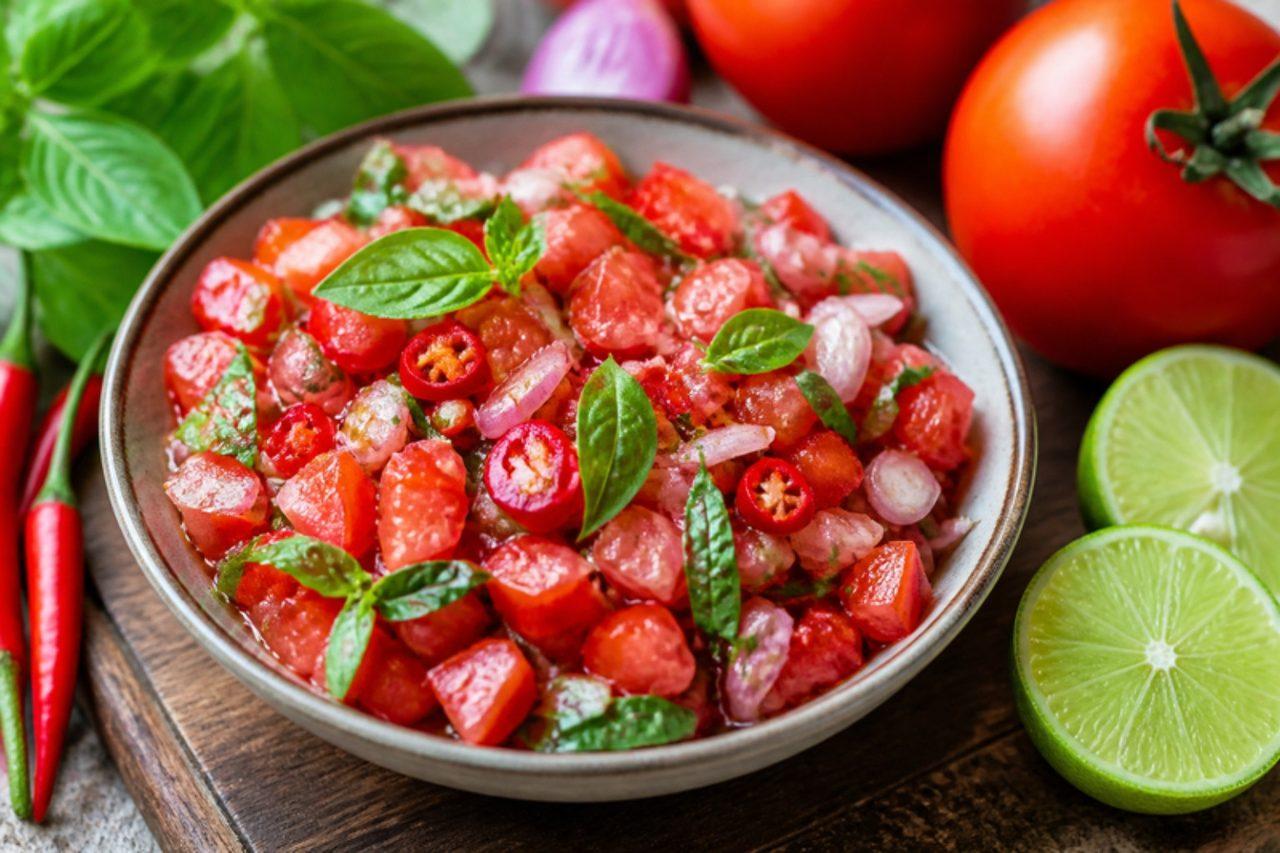
Dabu-dabuFresh tomato and chilli salsa

Every table in Manado, North Sulawesi, has a bowl of dabu-dabu: diced tomato, shallot and red chilli with calamansi juice and lemon basil, sometimes dressed with hot oil. It is spooned over grilled food, fried tofu and the pumpkin porridge tinutuan, and its cool juiciness makes very hot chilli easier to take. Unlike Bali's sambal matah, it is built on tomato and stays chunky and wet. Chef's tip: salt the tomatoes and leave them 5 minutes before mixing, so they release juice that becomes the dressing.

by KrazyBadal 0 views

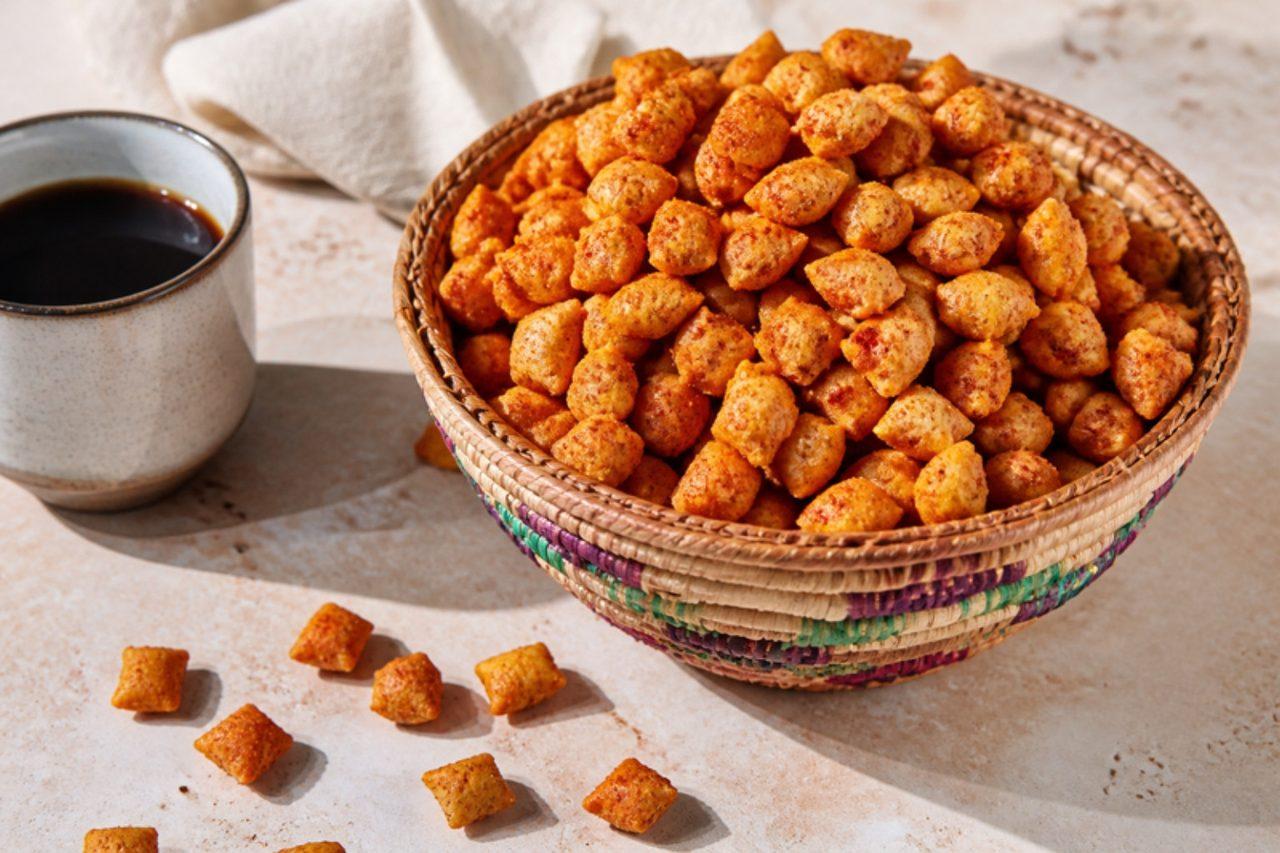
Dabo koloCrunchy spiced dough bites

Dabo kolo are small crunchy nuggets of spiced dough, sold in paper cones in markets from Addis Ababa to Gondar and offered to guests with coffee. Families make big batches before holidays such as Enkutatash (Ethiopian New Year in September) and for long journeys, since they keep for weeks. The dough is seasoned with berbere and a little sugar, rolled into thin ropes, cut into tiny pieces and toasted until crisp. Children love them, and they can be made mild by reducing the berbere. Chef's tip: cut the pieces as small and even as you can, about the size of a chickpea, so they crunch all the way through.

by KrazyBadal 0 views

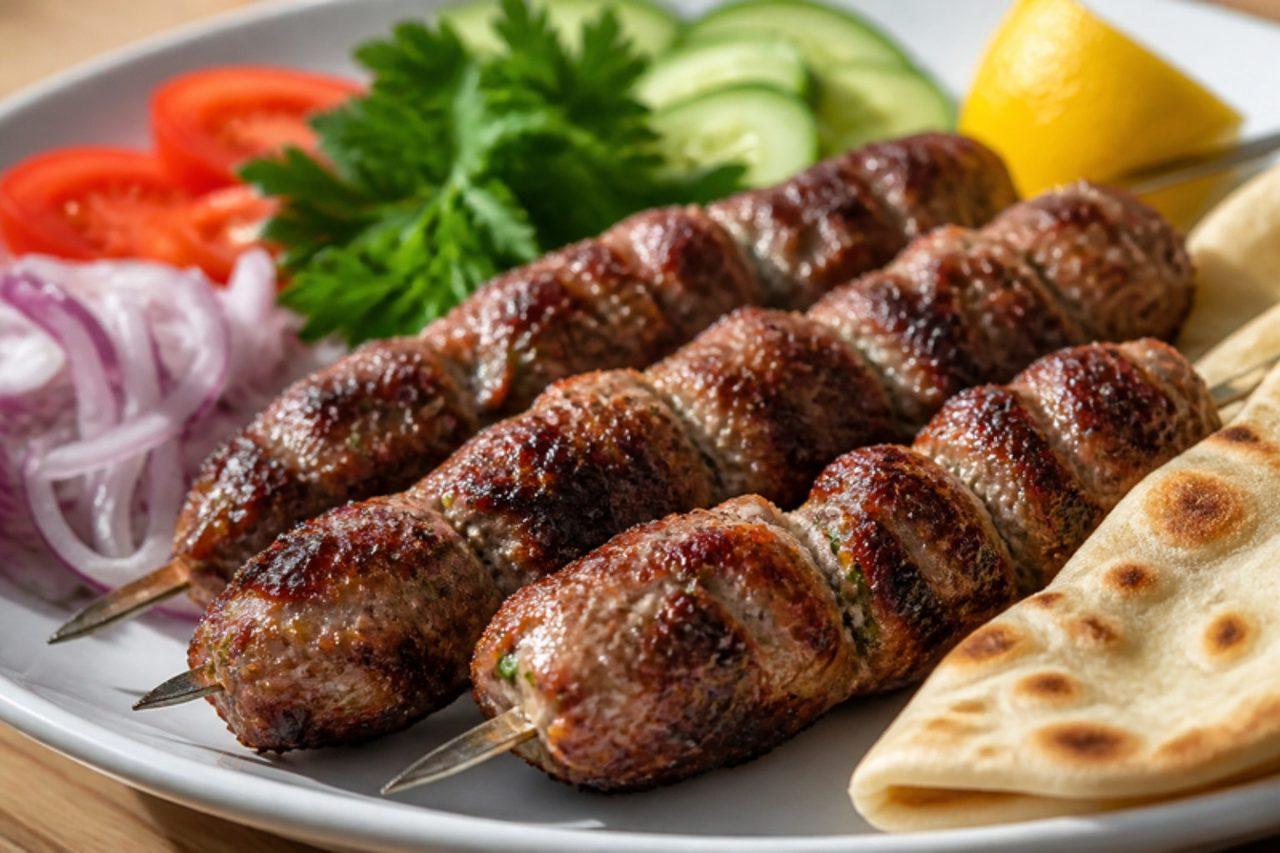
Cypriot sheftaliaPork and herb sausages

This is a pork recipe. Sheftalia are the little skinless sausages you find on every souvla barbecue in Cyprus, from Limassol beach grills to Sunday family gatherings in Nicosia gardens. Minced pork is mixed with onion, parsley and mint, wrapped in lacy caul fat and grilled slowly so the fat melts and bastes the meat. They come tucked into a large pitta with salad, lemon and tahini. Ask a butcher for caul fat (sometimes called lace fat); without it you can still shape the mix into thick sausages and grill them on an oiled rack. Chef's tip: soak the caul fat in warm, lightly vinegared water first; it becomes supple and stretches without tearing.

55 minGreekMeat
by KrazyBadal 0 views

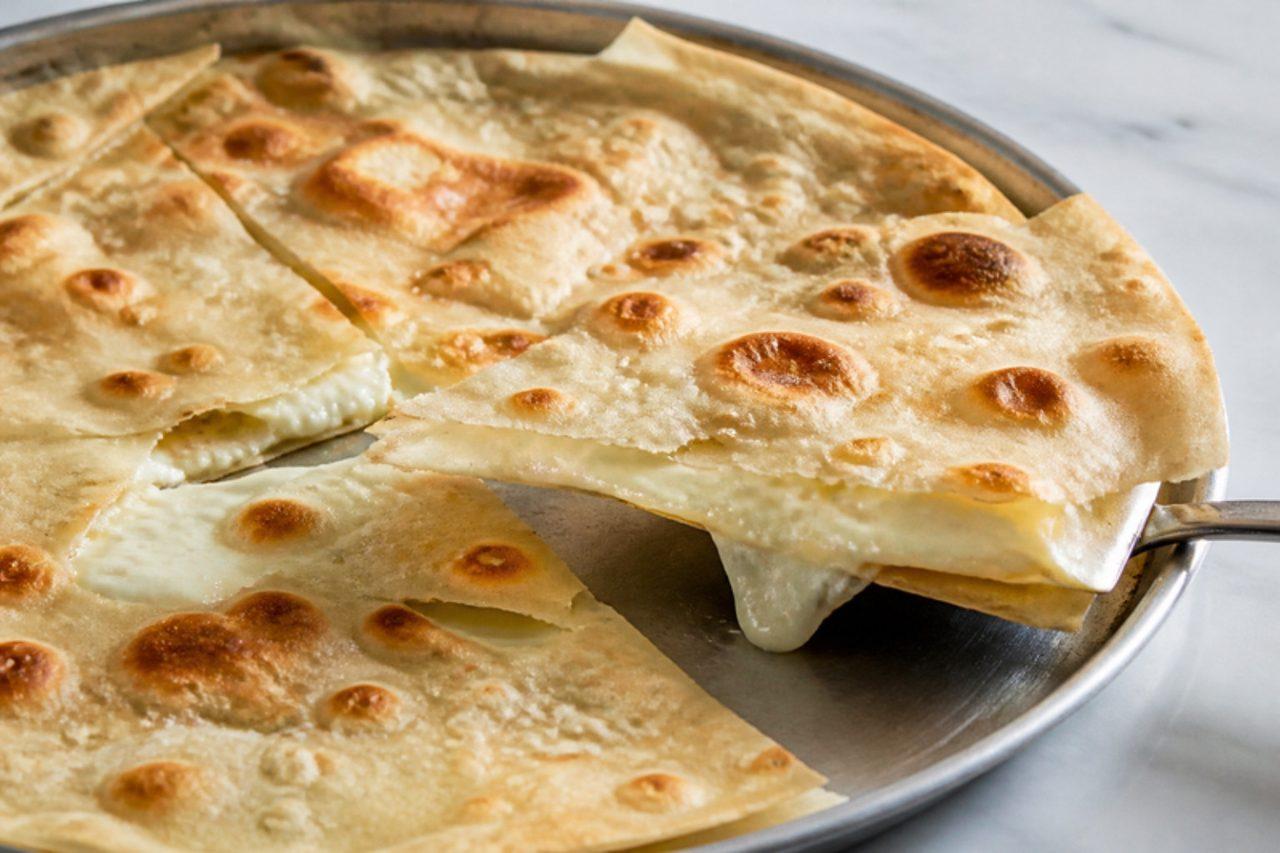
Focaccia di ReccoThin cheese-filled flatbread

Focaccia di Recco has nothing to do with the thick, bubbly focaccia most people know: it is two sheets of unleavened dough stretched almost transparent, with blobs of soft, tangy cheese in between, baked in a blisteringly hot oven for a few minutes. It comes from the seaside town of Recco, east of Genoa, where bakeries sell it in the morning and families eat it as a first course. At home, use stracchino or crescenza, the creamy fresh cheeses closest to Ligurian prescinseua. Chef's tip: stretch the dough over the backs of your hands like a pizzaiolo; rolling alone never gets it thin enough.

by KrazyBadal 0 views

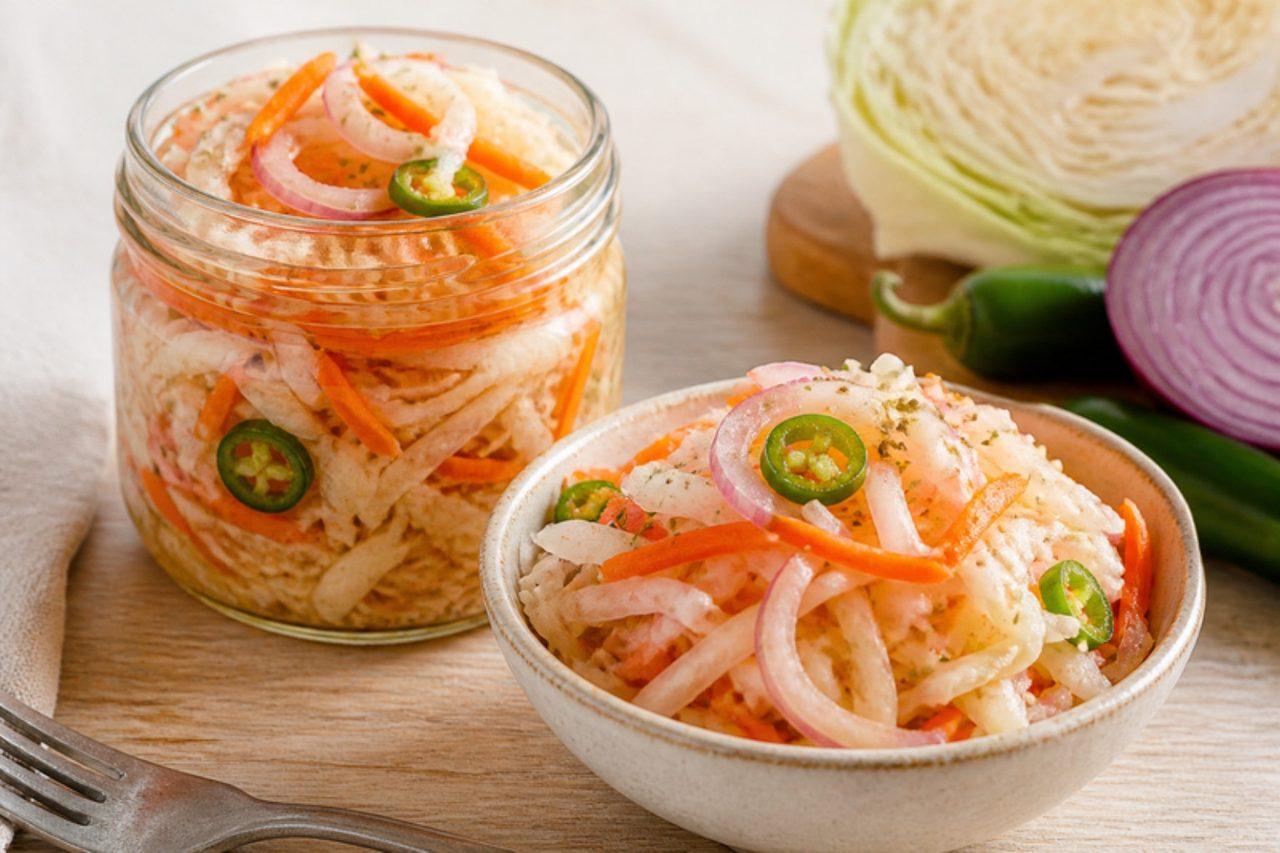
CurtidoPickled cabbage relish

No plate of pupusas in El Salvador arrives without a jar of curtido beside it: a tangy, crunchy slaw of cabbage, carrot and onion lightly pickled in vinegar with Mexican oregano. Pupuserías keep a big jar on every table, and the sharpness cuts through melted cheese and corn perfectly. It's also good with beans, tacos or a cheese sandwich. Chef's tip: make it a day ahead; it is crisp and raw on day one but turns mellow and properly pickled by day two.

by KrazyBadal 0 views

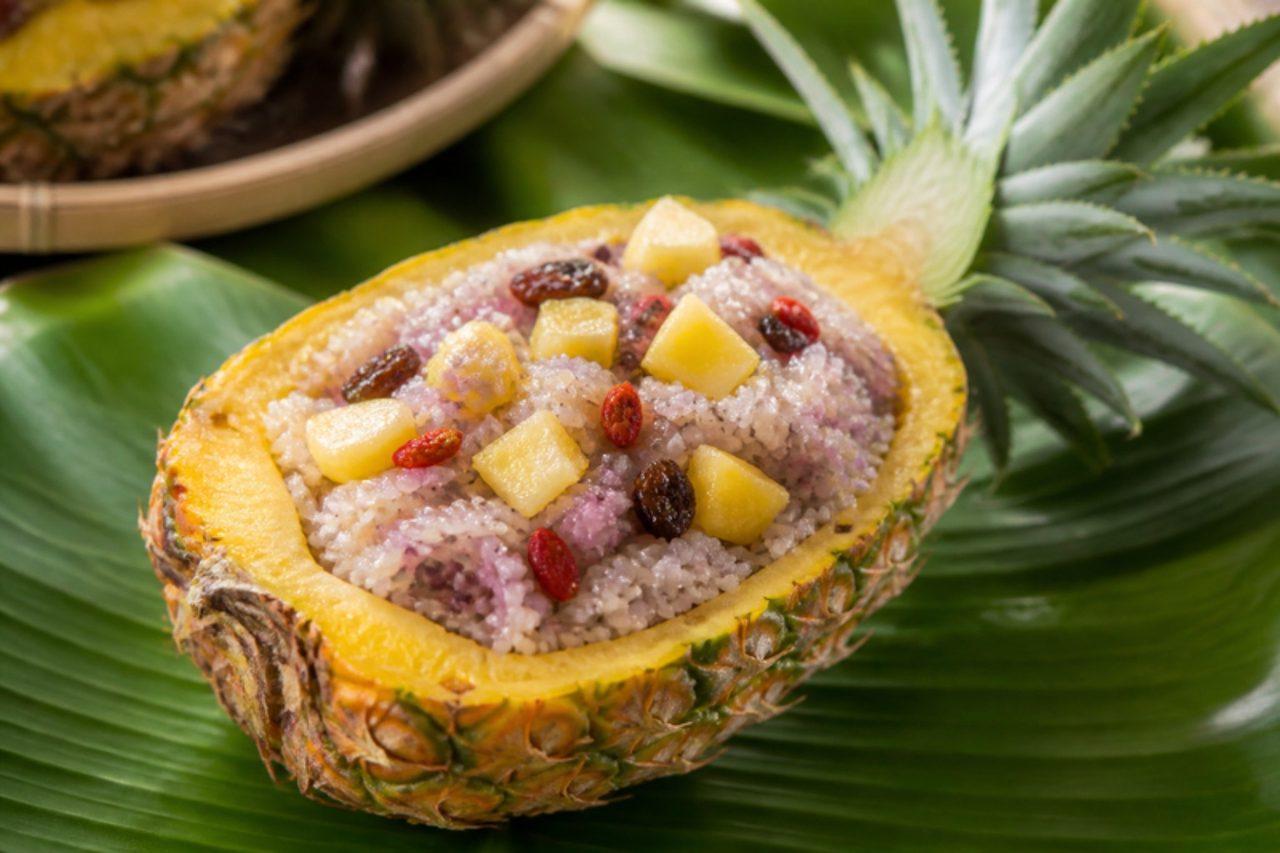
Dai pineapple sticky rice

In Xishuangbanna, the tropical south of Yunnan, the Dai people cook sticky rice inside hollowed-out pineapples, so the fruit's juice soaks in while it steams. It turns up at festivals and on every Dai restaurant table, a sweet and tangy side next to grilled and sour dishes, and children love it. Soak the rice for at least 4 hours before you start. Chef's tip: use a ripe pineapple that smells sweet at the base; an under-ripe one makes the rice sour.

by KrazyBadal 0 views

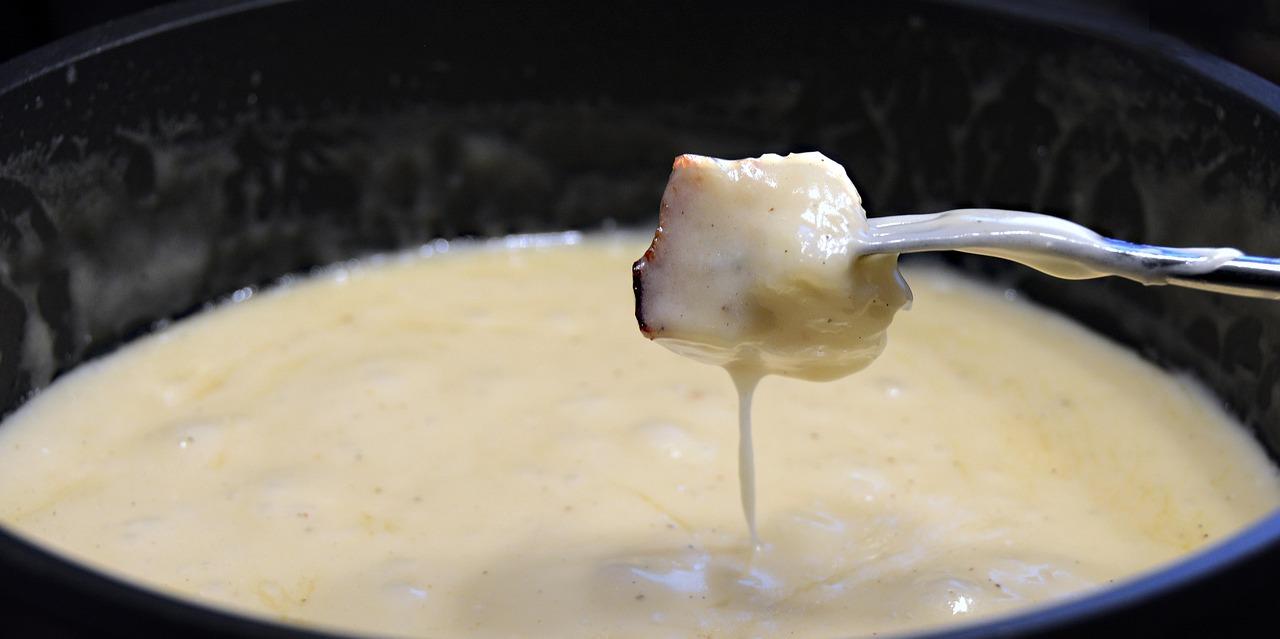
Fondue moitié-moitiéGruyère and Vacherin fondue

Moitié-moitié means half and half, and in Fribourg it names the canton's own fondue: equal weights of nutty Gruyère and soft, buttery Vacherin fribourgeois melted with dry white wine in a glazed earthenware caquelon. Families light the burner in the middle of the table on cold evenings from October to March, and ski huts above Gruyères serve it after a day on the slopes. The Vacherin makes it silkier and milder than a Gruyère-only fondue, so it clings to the bread in a thick, glossy coat. Serve with day-old bread, a plate of cornichons and small boiled potatoes, and drink white wine or warm black tea with it; locals say cold water sits badly with all that cheese. Traditional Gruyère and Vacherin are made with animal rennet, so for a vegetarian table look for wheels labelled with microbial or vegetarian rennet, or ask a cheesemonger for a similar Alpine cheese that uses it. Chef's tip: grate the cheese rather than cubing it and let it come to room temperature for 30 minutes; it melts evenly and the fondue stays smooth.

by KrazyBadal 0 views

Pizza frittaFried pizza parcels

Pizza fritta is the street-food pizza of Naples: a disc of pizza dough folded over a filling and fried in hot oil until puffed and blistered, sold from kiosks in the Spanish Quarter and around Via dei Tribunali. It became popular after the war, when wood ovens were scarce and a pan of oil was all many cooks had. The classic filling has ricotta, smoked provola, tomato and pepper; pork crackling (cicoli) is often added, but not here. Chef's tip: seal the edge by pressing with your fingertips, not a fork, and leave a 2 cm border; a well-sealed parcel puffs like a pillow instead of bursting.

by KrazyBadal 0 views

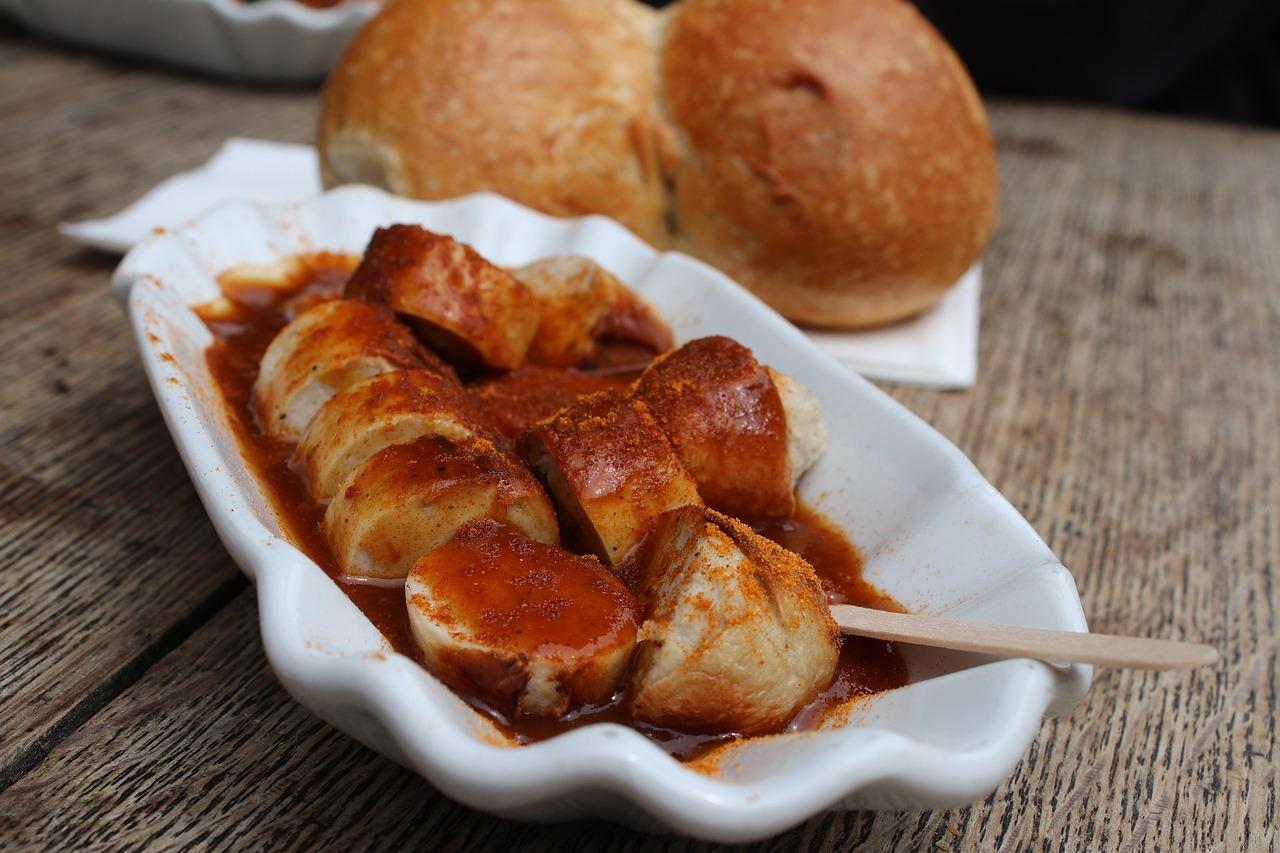
CurrywurstSausage with curry ketchup

This is a pork dish. Currywurst was born in post-war Berlin, and today kiosks across the city sell it all day and long into the night, on a little paper tray with a wooden fork. A fried pork sausage is cut into bite-size pieces and drowned in a warm, tangy tomato sauce spiced with curry powder, then dusted with more curry powder and served with chips or a bread roll. The sauce is homemade here, so it has no brand of ketchup in it. The usual mistake is cooking the sausages too hot, so they split and burn outside while staying raw inside. Chef's tip: let the sauce simmer a full 10 minutes; the curry powder needs that time to lose its raw, dusty taste.

by KrazyBadal 0 views

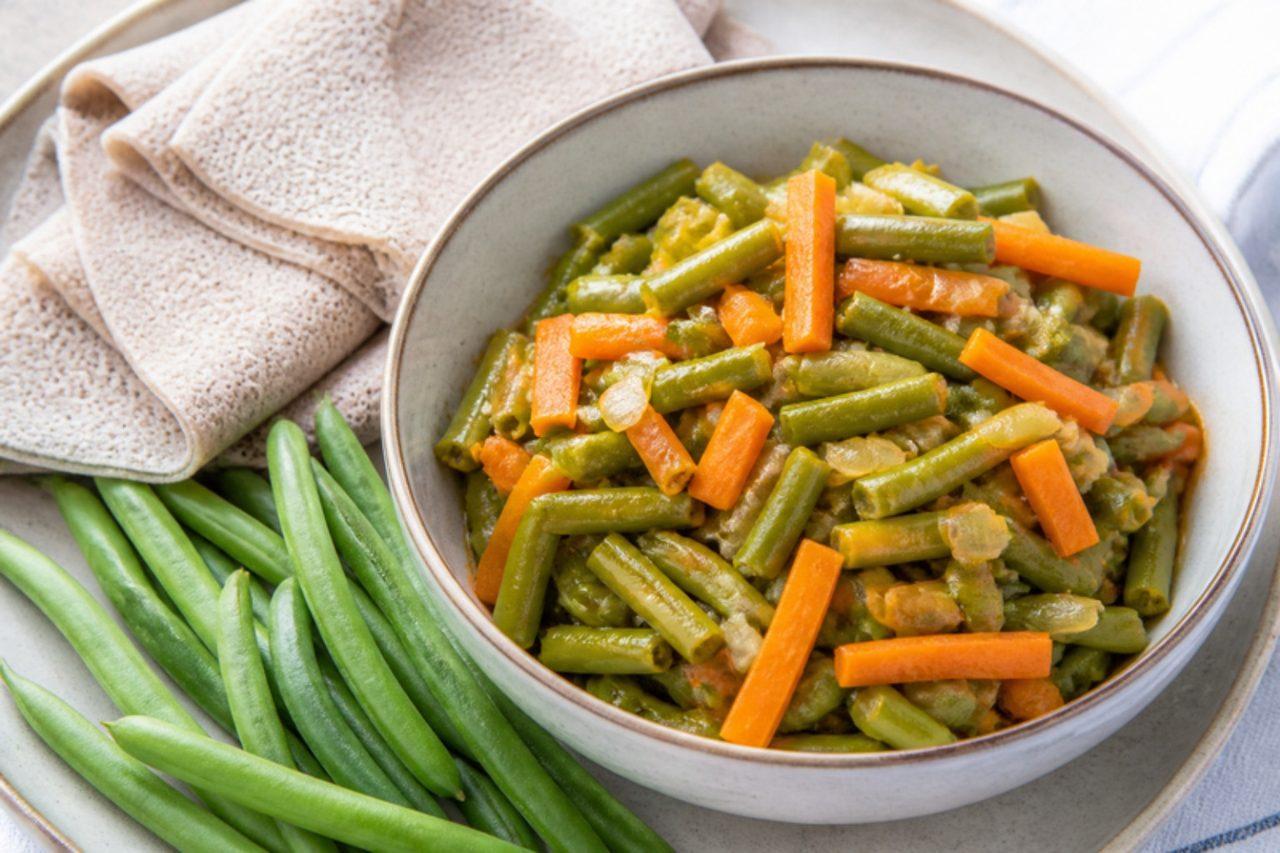
FosoliaGreen beans and carrots

Fosolia takes its name from the Italian fagioli, a reminder of the Italian occupation of the 1930s, but it is now completely Ethiopian and a regular on fasting platters in Addis Ababa and Dire Dawa. Green beans and carrot batons are cooked with lots of onion, garlic and ginger until tender but still bright, then served warm with injera or rice. It is quick, mild and colourful. Chef's tip: cut the beans and carrots to the same length and thickness so they cook evenly.

by KrazyBadal 0 views

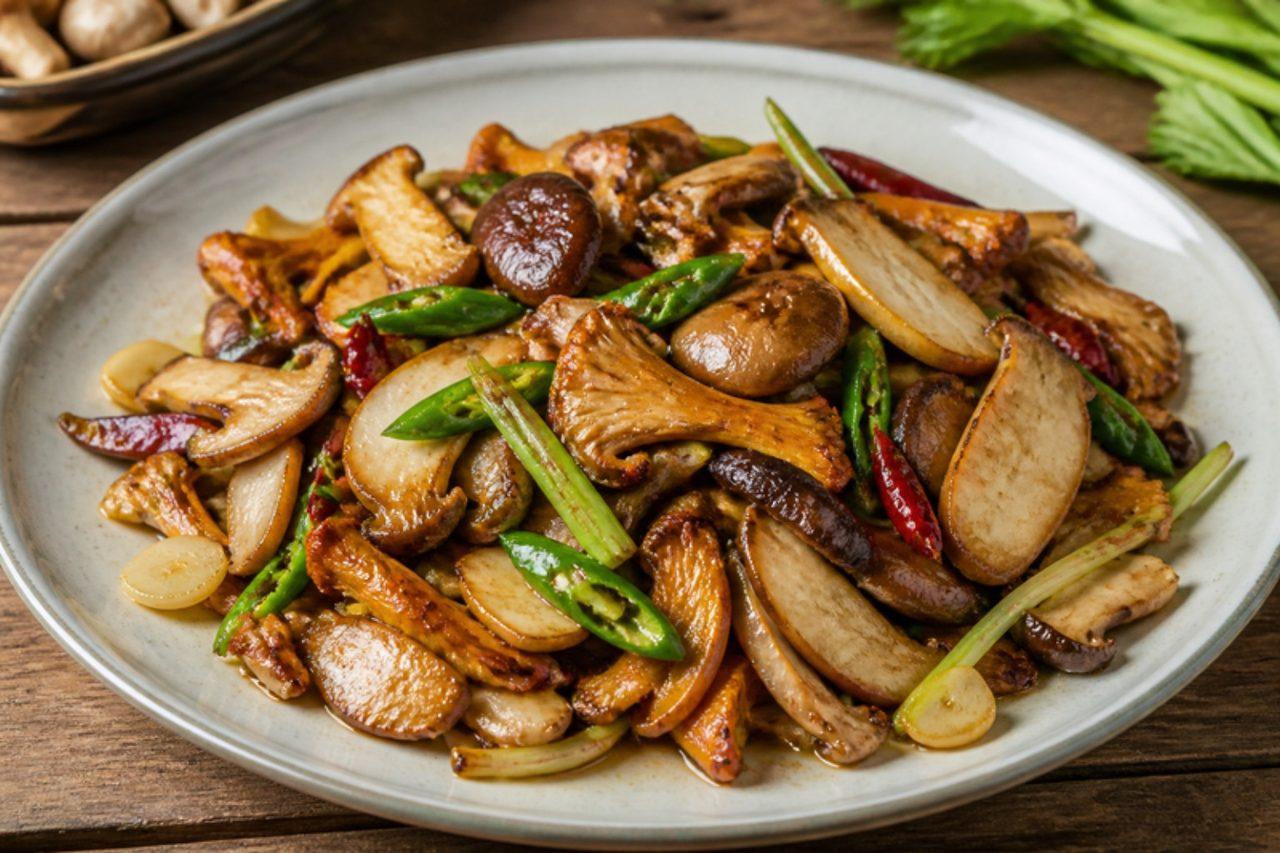
Yunnan wild mushroom stir-fry

From June to September, the markets of Kunming fill up with wild mushrooms from the mountains: porcini, chanterelles, termite mushrooms and dozens more, and restaurants fry them with a lot of garlic and chilli. Wild mushrooms there are always cooked thoroughly, and some kinds are dangerous, so at home use only shop-bought mushrooms. A mix of oyster, king oyster, shiitake and any chanterelles or porcini you can find works well. Chef's tip: cook the mushrooms in a hot, uncrowded pan so they sear; crowded mushrooms sweat and go rubbery.

by KrazyBadal 0 views

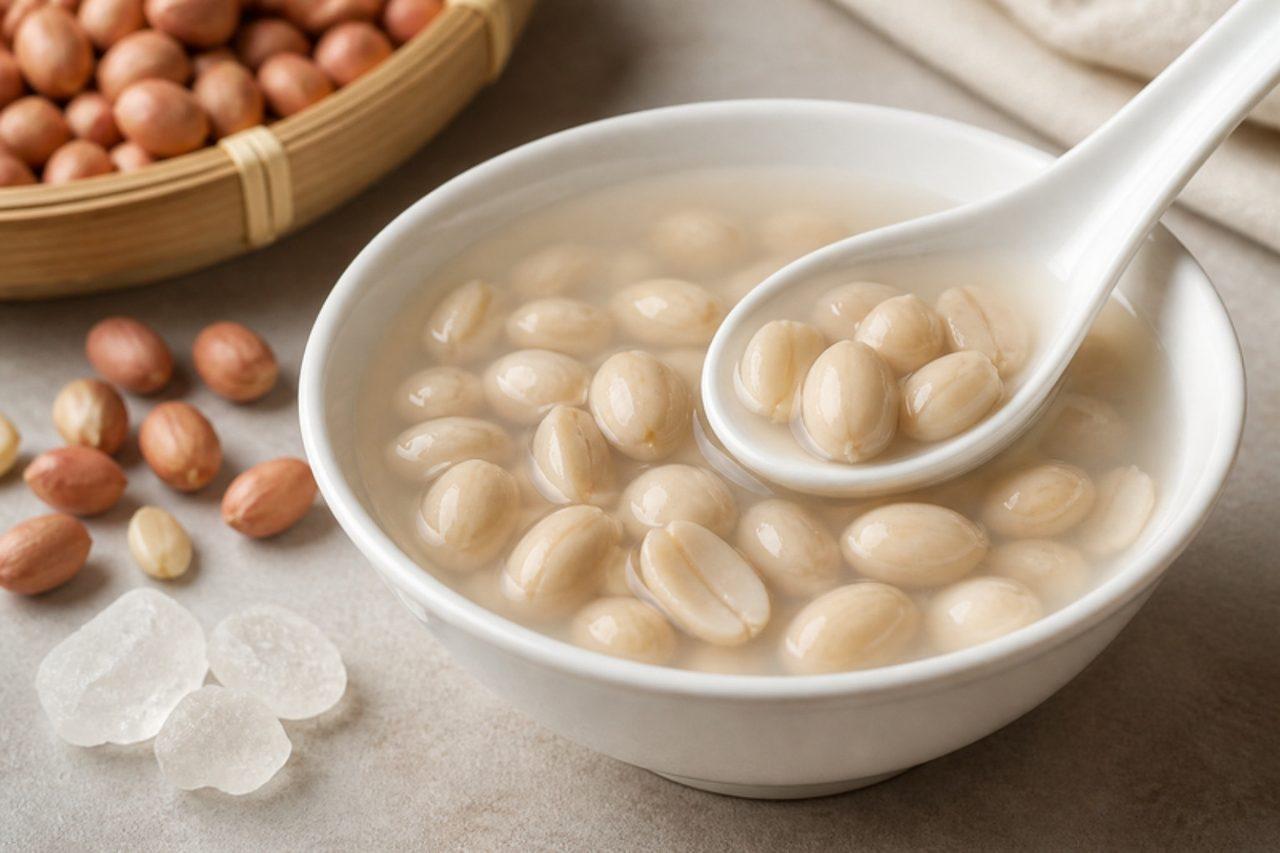
Xiamen sweet peanut soup

In Xiamen on the Fujian coast, peanut soup is breakfast, mid-morning snack and late-night treat, sold from steaming pots in the old arcades along Zhongshan Road. The peanuts are cooked so slowly that they become soft and creamy while keeping their shape, and the broth turns milky and lightly sweet. Locals often dunk a fried dough stick into it. Chef's tip: soak the peanuts, then freeze them overnight; the ice crystals break down the cell walls and the peanuts cook to that melting texture much faster.

by KrazyBadal 0 views

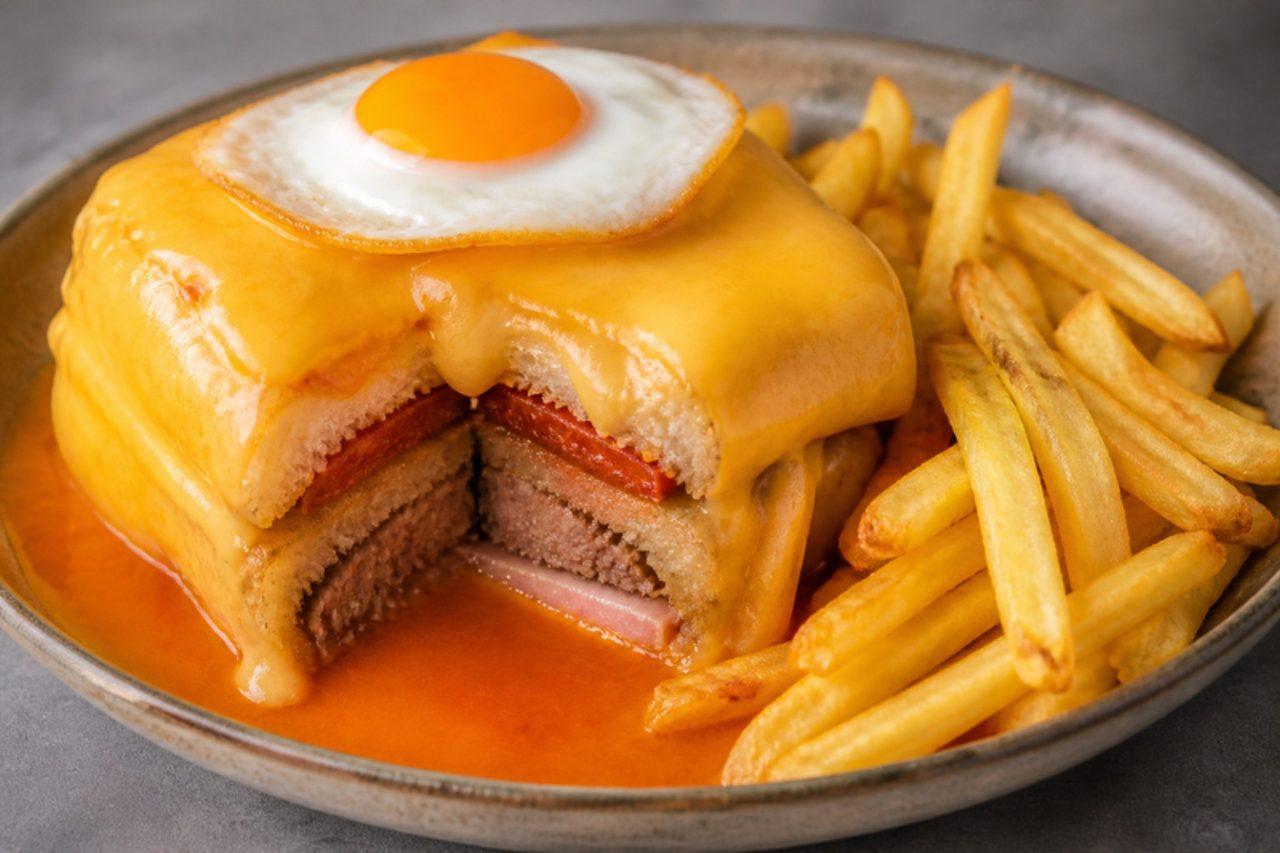
FrancesinhaLayered meat sandwich with beer sauce

The francesinha ('little French girl') belongs to Porto, where it was dreamed up in the 1950s by a cook inspired by the croque monsieur, and it is now the city's famous late-night and match-day meal. This sandwich contains pork: thick bread is layered with steak, ham and fresh sausage, covered in cheese slices, then drowned in a spicy tomato sauce made with beer and port-style fortified wine. For an alcohol-free sauce, use alcohol-free beer, or beef stock with a teaspoon of honey. Serve with chips and a fried egg on top if you dare. Chef's tip: simmer the sauce for at least 20 minutes and blend it smooth; it should be thick enough to cling, not run off.

by KrazyBadal 0 views

Frango à zambezianaCoconut-lime grilled chicken

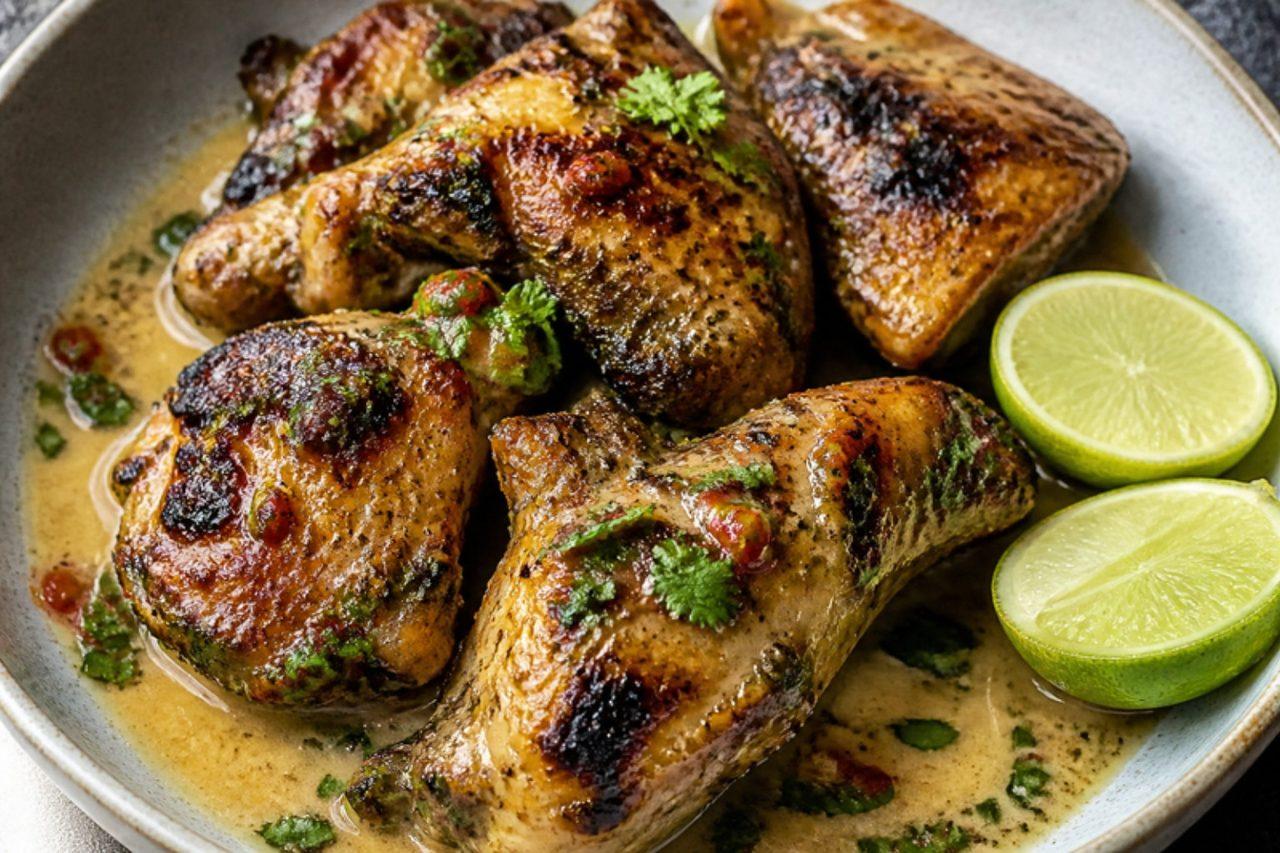
Frango à zambeziana comes from Quelimane and the Zambezia province of central Mozambique, where coconut palms line the coast: chicken is marinated in coconut milk, lime, garlic and piri-piri chilli, then grilled over coals and basted with the marinade, boiled down into a sauce. It is served with rice or xima (maize porridge) at weekend lunches. The mistake is basting with raw marinade right up to the end; boil it first so it is safe and turns into a creamy sauce. Chef's tip: spatchcock the chicken or use pieces so it grills evenly.

by KrazyBadal 0 views

Tobago curry crab and dumpling

On Tobago, curry crab and dumpling is the dish people travel for, eaten with fingers on Sunday afternoons and sold at the Store Bay food huts near Crown Point, where a plate is half the reason to visit. Blue crabs are cleaned, rubbed with green seasoning, 'burnt' in curry and simmered in coconut milk until the shells turn red and the sauce goes rich, spicy and sweet with crab. Long, flat flour dumplings cook right in the gravy and soak it all up. It's messy, so have bowls for shells and plenty of napkins. Chef's tip: crack the claws lightly before they go in the pot, so the curry can get inside and the meat is easy to pull out at the table.

by KrazyBadal 0 views

Papdi chaatCrisp wafers with potato and chickpeas

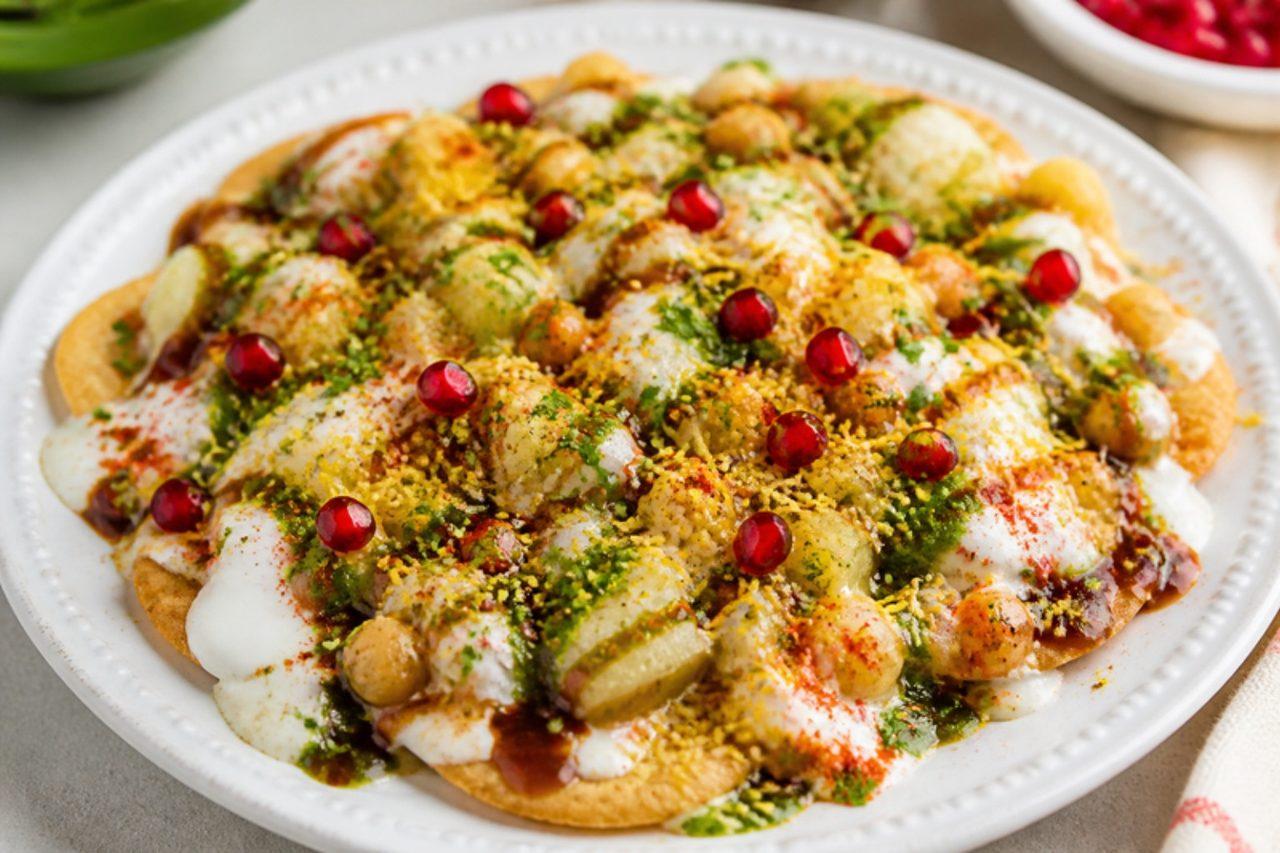
Papdi chaat is the plate Delhi orders without thinking about it, from the stalls outside Bengali Market to wedding buffets. Small, flaky wheat wafers called papdi are laid flat, topped with potato and chickpeas, drowned in sweetened yogurt and streaked with tamarind and green chutney, so you get crunch and creaminess in the same spoonful. Homemade papdi, crisp with ajwain, are far better than shop ones and keep for a week in a tin, though bought papdi will do on a busy day. Chef's tip: rub the oil into the flour until it holds together when squeezed; that shortening is what makes the papdi flaky rather than hard.

by KrazyBadal 0 views

Papeda with ikan kuah kuningSago porridge with fish soup

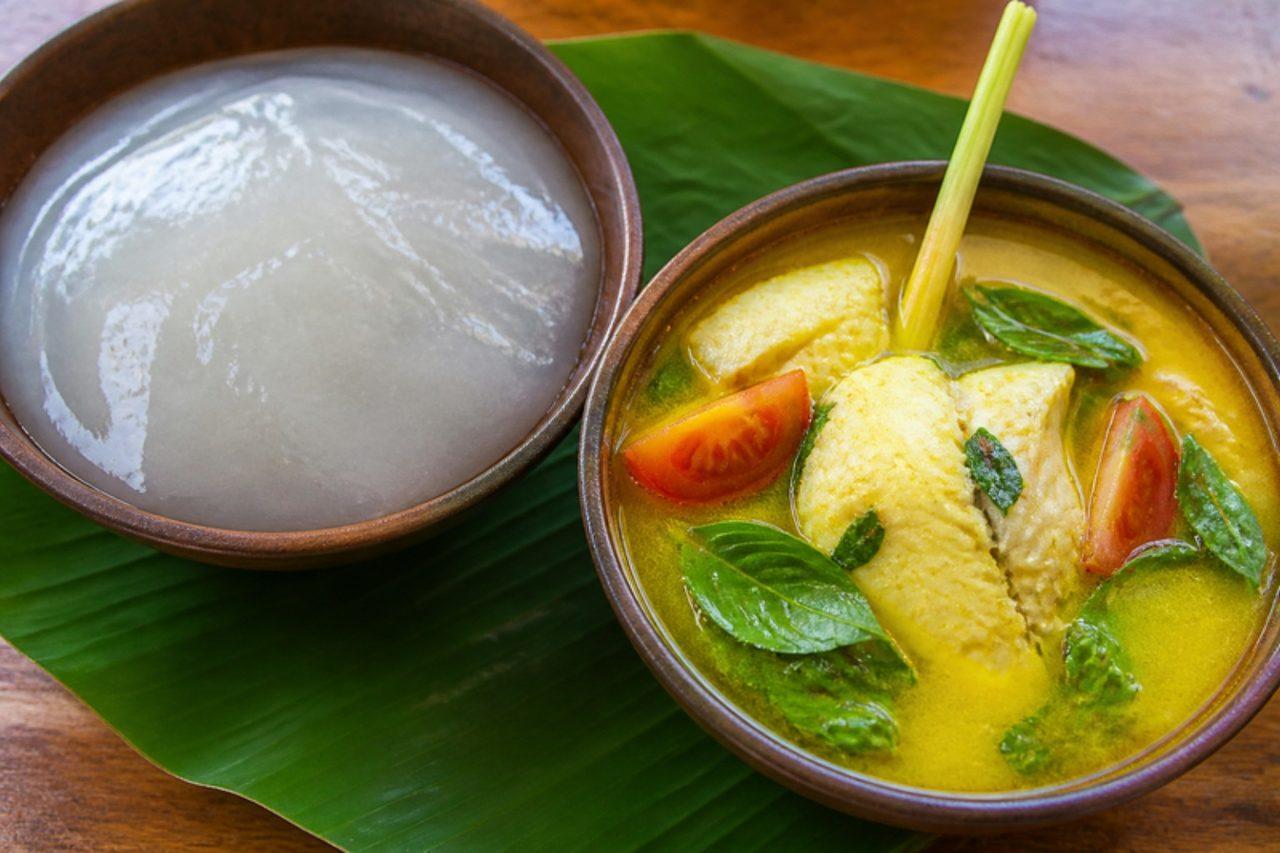
In Ambon, Jayapura and the islands between, the everyday staple isn't rice but papeda: sago starch stirred with boiling water into a translucent, glue-like porridge. It has almost no taste of its own, which is the point; it's eaten with ikan kuah kuning, a sharp, yellow fish soup bright with turmeric, lime and lemon basil. Families twirl the papeda out of the pot on two sticks, drop it into a bowl and ladle the soup over, then slurp it down without chewing. The texture is surprising the first time: slippery, soft and soothing next to the hot, sour broth. Chef's tip: the water must be at a full rolling boil when it hits the sago, or the papeda stays white and lumpy instead of turning clear.

by KrazyBadal 0 views

Papelón con limónIced panela and lime drink

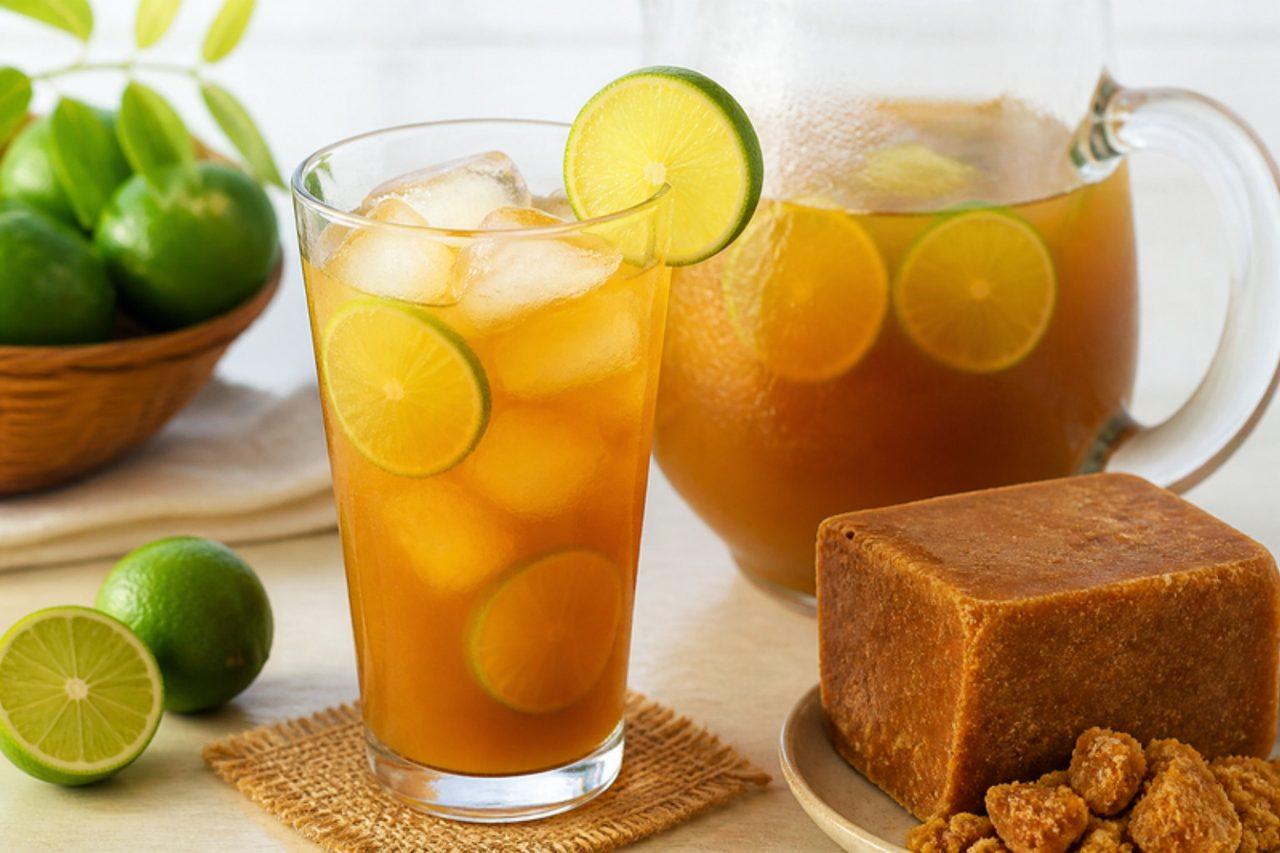
Papelón con limón is the cold drink of Venezuela, served in jugs alongside arepas, empanadas and every Sunday lunch, and sold by the glass from street stalls in the heat of Maracaibo and the plains. Papelón is the Venezuelan name for panela, the dark block of unrefined cane sugar; melted into water and mixed with lots of fresh lime, it tastes like a caramel-scented lemonade. The hot Colombian cousin is aguapanela. Chef's tip: dissolve the papelón in warm water first, then chill; it never fully dissolves in cold water and leaves grains at the bottom.

by KrazyBadal 0 views

FrappéShaken iced coffee

The frappé was invented by accident at the Thessaloniki International Fair in 1957, when a coffee rep shook instant coffee with cold water because there was no hot water to hand. Within a few years it was the drink of every Greek café and beach bar, sipped slowly through a straw for an hour or more. Instant coffee, sugar and a little water are shaken or frothed into a thick, light-brown foam, then topped up with cold water, ice and, if you like, milk. Order it sketos (no sugar), metrios (medium) or glykos (sweet). Chef's tip: use only a splash of water for the first shake; adding all the water at once is the common mistake and you get thin coffee with no foam.

by KrazyBadal 0 views

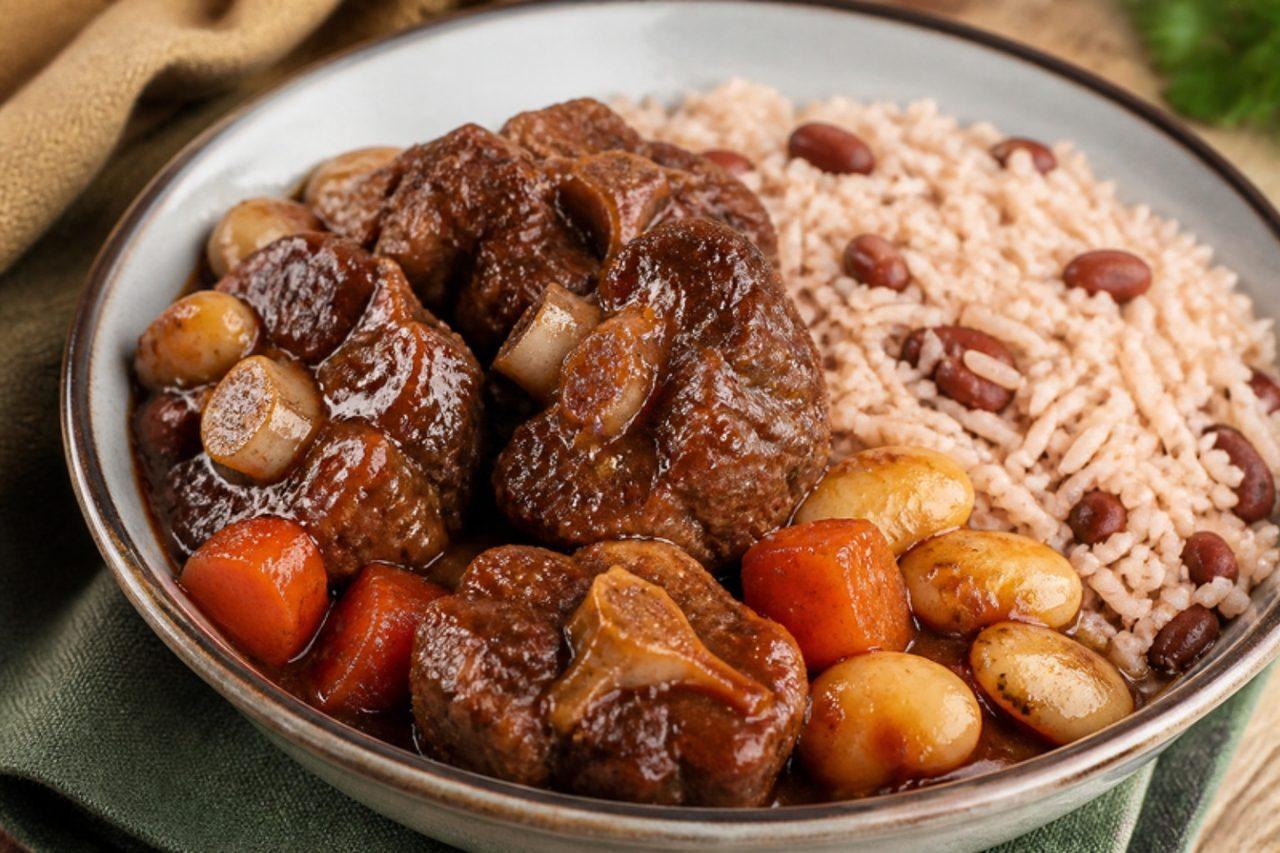
Oxtail with butter beans

Oxtail started out as a cheap cut in Jamaica and is now the Sunday-best dish that cookshops in Kingston sell out of first, and that people across the diaspora queue for on Saturdays. The bony pieces are seasoned overnight, browned hard, then braised slowly for hours with pimento, thyme and whole scotch bonnet until the meat slides off the bone and the gravy turns glossy with gelatine. Butter beans go in near the end to soak up the gravy. Serve with rice and peas, steamed cabbage and fried plantain. Chef's tip: cook it a day ahead, chill, and lift off the hard layer of fat before reheating; the gravy is cleaner and the flavour deeper.

235 minJamaicanMeat
by KrazyBadal 0 views

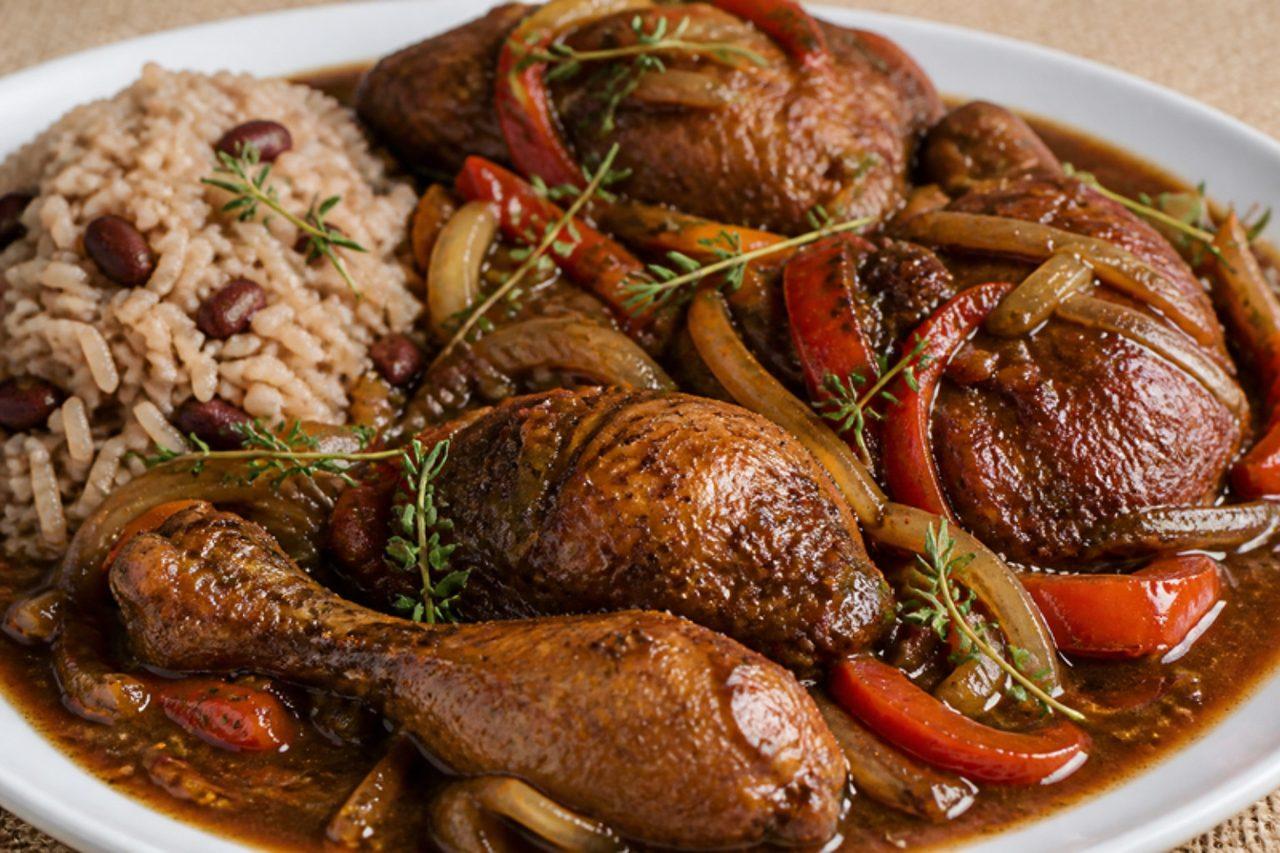
Brown stew chicken

Ask a Jamaican what was on the table for weekday dinner growing up and brown stew chicken will be near the top of the list, served at home and at every cookshop from Montego Bay to Spanish Town. The deep colour comes from 'browning': sugar caramelised in hot oil until it is dark, then the seasoned chicken is turned in it so every piece takes on a mahogany coat. Peppers, onion, tomato and thyme simmer down into a sticky, savoury gravy that begs for a pile of white rice, rice and peas or boiled dumplings. Chef's tip: season the chicken the night before and dry each piece well before it goes into the caramel; wet chicken spits violently and won't take on that deep brown colour.

by KrazyBadal 0 views

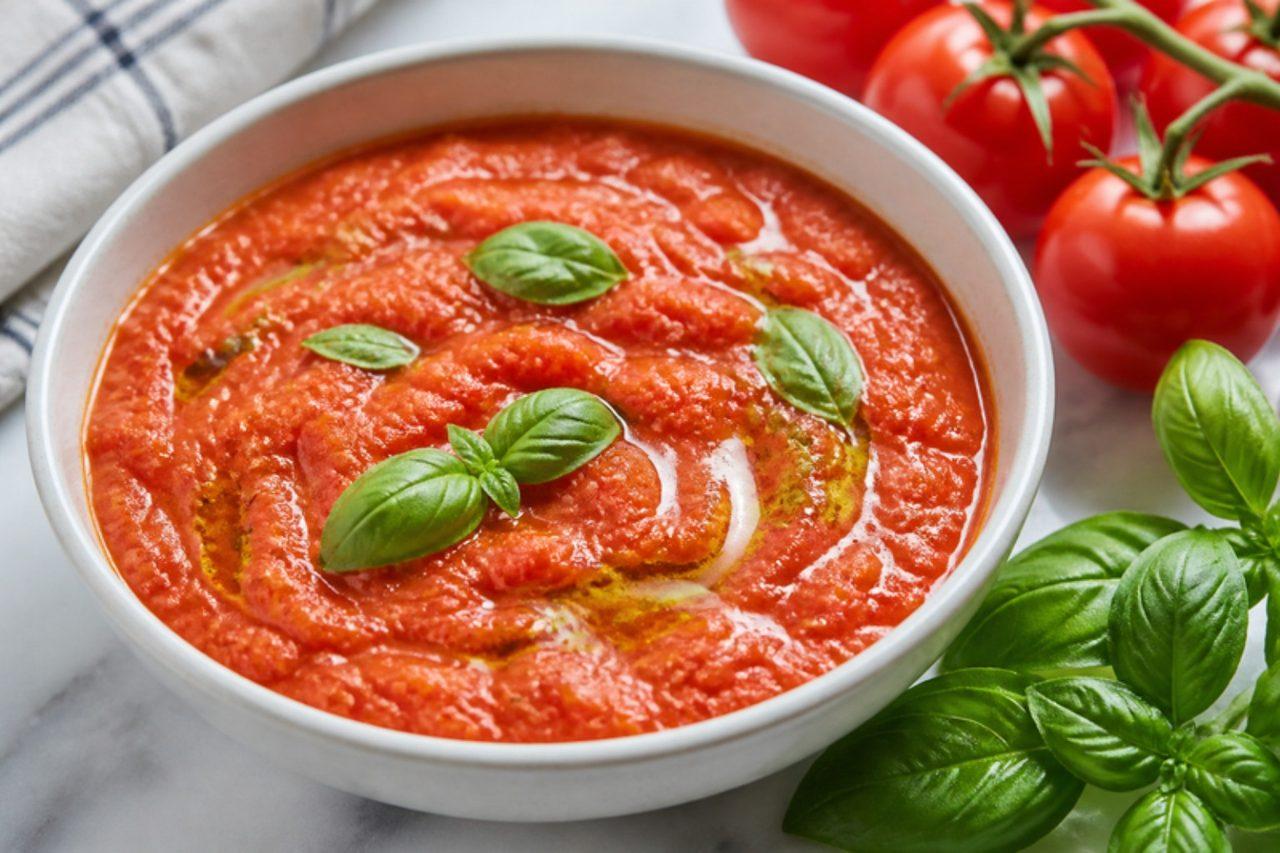
Pappa al pomodoroTomato and bread soup

Pappa al pomodoro is what Florentine grandmothers make in July and August, when tomatoes are almost too ripe and yesterday's unsalted Tuscan bread is going hard. Bread, tomatoes, garlic and basil are cooked together and beaten into a soft, spoonable porridge (pappa means mush, the word for baby food). It is eaten warm, at room temperature or even cold on hot days, never piping hot. Chef's tip: stir it hard with a whisk at the end; it breaks the bread down into a velvety texture without a blender.

by KrazyBadal 0 views

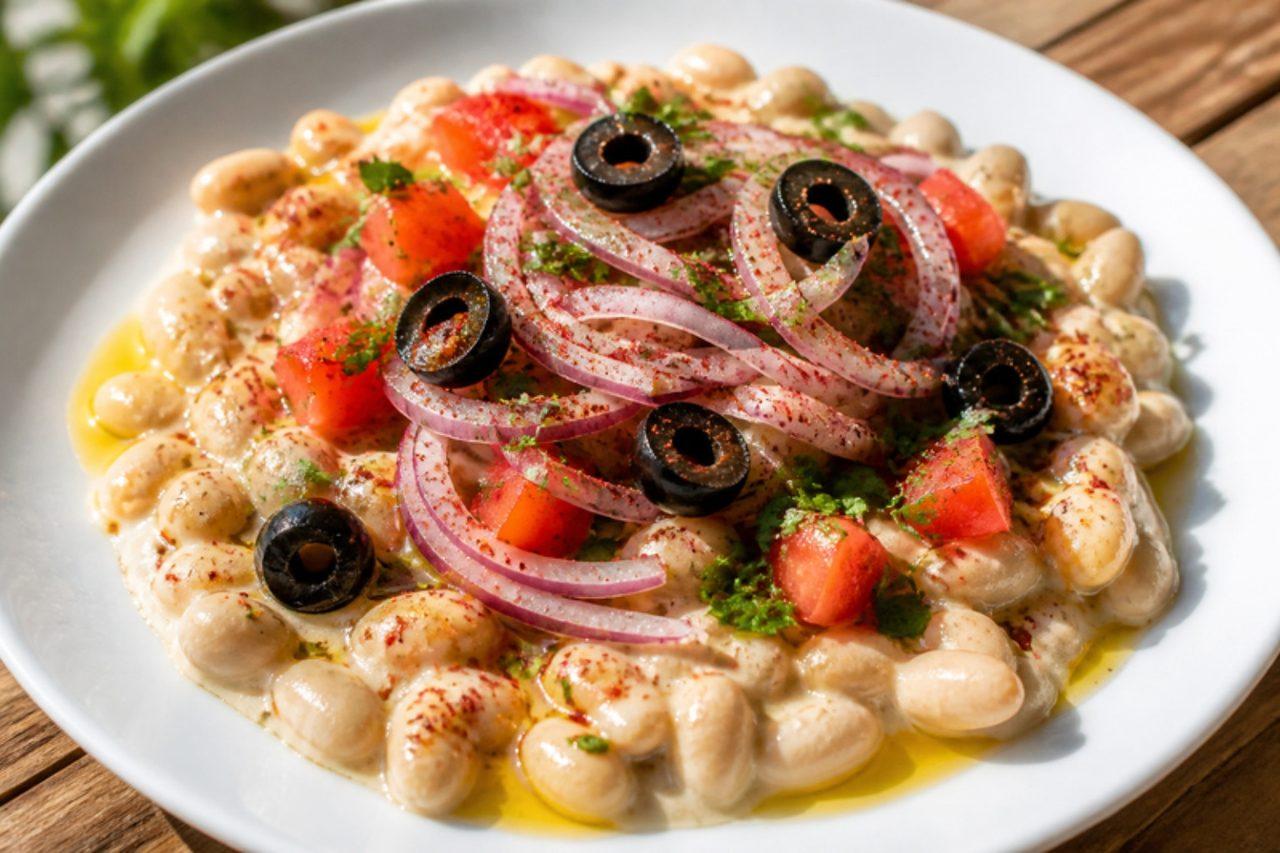
PiyazWhite bean salad with tahini

Antalya does piyaz its own way. Elsewhere in Turkey the bean salad is dressed with oil and vinegar, but on the Mediterranean coast the beans are folded through a pale, nutty sauce of tahini, lemon and vinegar, then crowned with sumac onions, tomato and parsley. Lunch canteens in the old town serve it on the side of almost everything, and at home it is a filling lunch with bread or a cool side on a hot evening. Tinned beans make it a fifteen-minute dish. Chef's tip: when the lemon hits the tahini it will seize into a stiff, grainy paste; don't panic, just keep beating in cold water a spoonful at a time and it turns silky.

by KrazyBadal 0 views

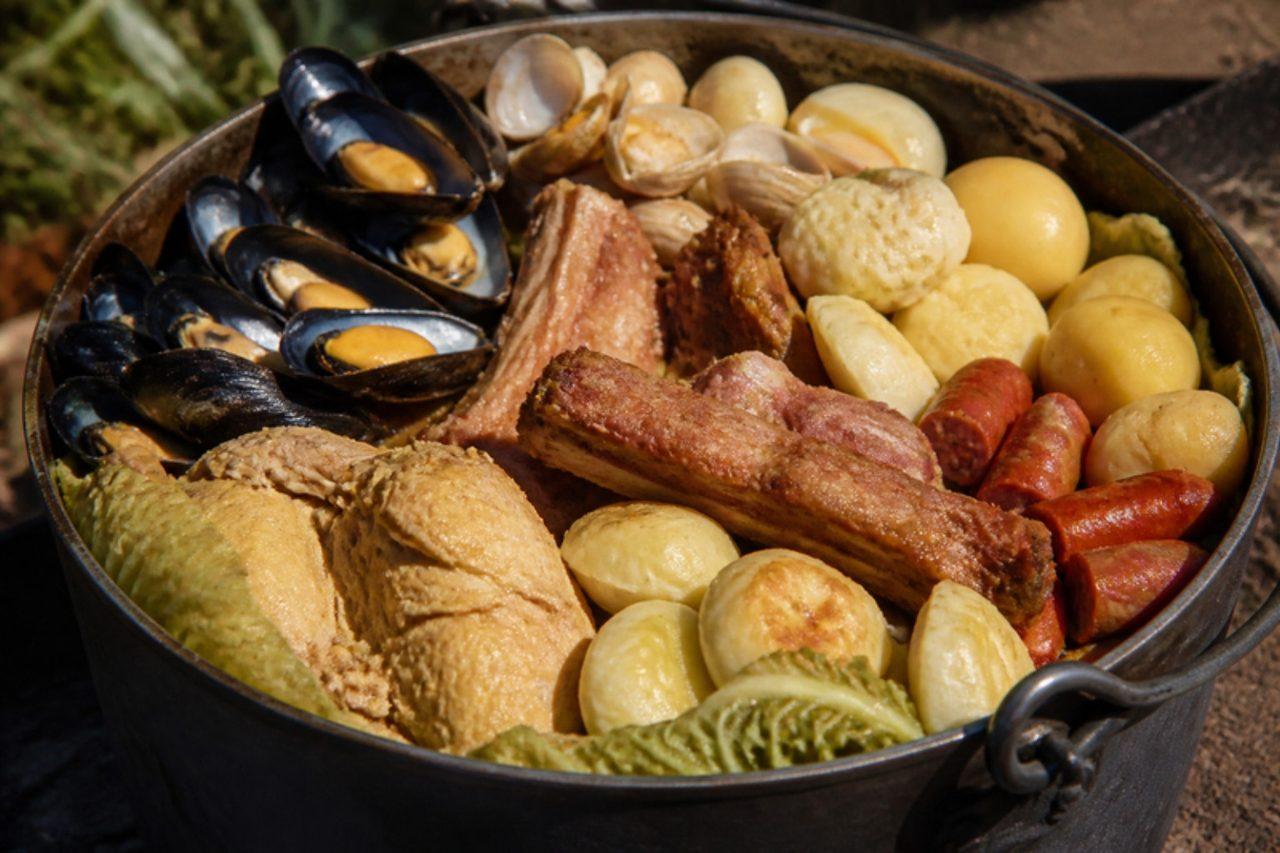
Curanto en ollaShellfish and meat pot

On the island of Chiloé in southern Chile, curanto is cooked in a pit lined with hot stones and covered with huge nalca leaves; in town kitchens and in Puerto Montt's market it is made in a big pot instead, curanto en olla. Mussels and clams, smoked pork, chicken and sausage steam together over potatoes and milcao (potato dumplings) until the juices make a rich broth, served in cups on the side. This dish contains pork and shellfish. Some cooks add white wine; this version uses water. The mistake is adding the shellfish too early; they go in at the end and must open, and any that stay closed are thrown away. Chef's tip: make the milcao a little ahead and keep it in the fridge so it holds its shape.

135 minChileanFish
by KrazyBadal 0 views

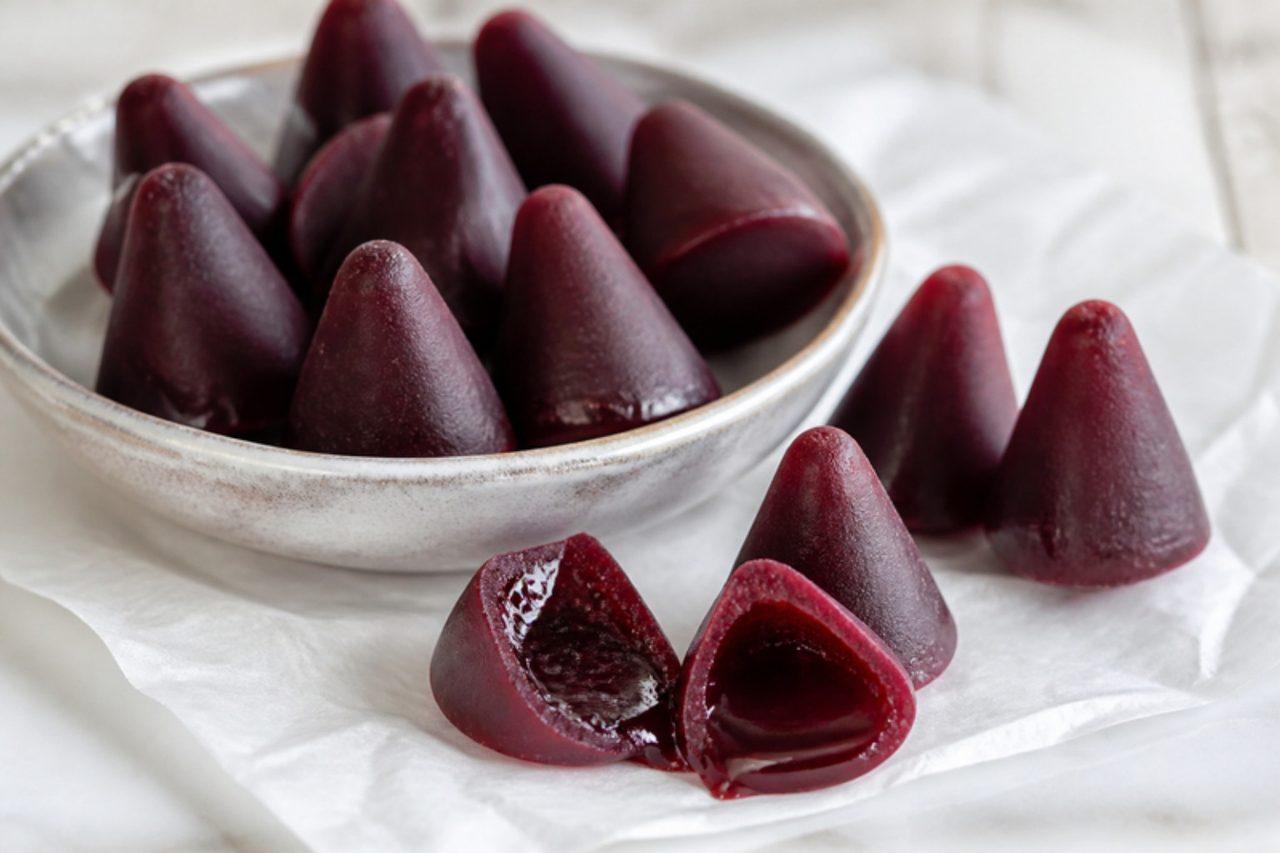
CuberdonsRaspberry cone candies

Cuberdons are the purple, cone-shaped sweets sold from handcarts on the Groentenmarkt in Ghent, where locals call them neuzekes, 'little noses'. A thin, firm sugar crust encloses a syrupy raspberry centre, and they only stay that way for about three weeks before the inside crystallises, which is why they have never become an export. They are made with gum arabic, not gelatine, so they suit vegetarians and vegans. Making them at home is a fun weekend project: the syrup is poured into cone-shaped hollows pressed into a tray of dry cornflour, which slowly draws moisture out and forms the crust. Chef's tip: use a sugar thermometer and be exact; just a few degrees too low and the cones never form a crust, a few too high and they set solid all the way through.

by KrazyBadal 0 views

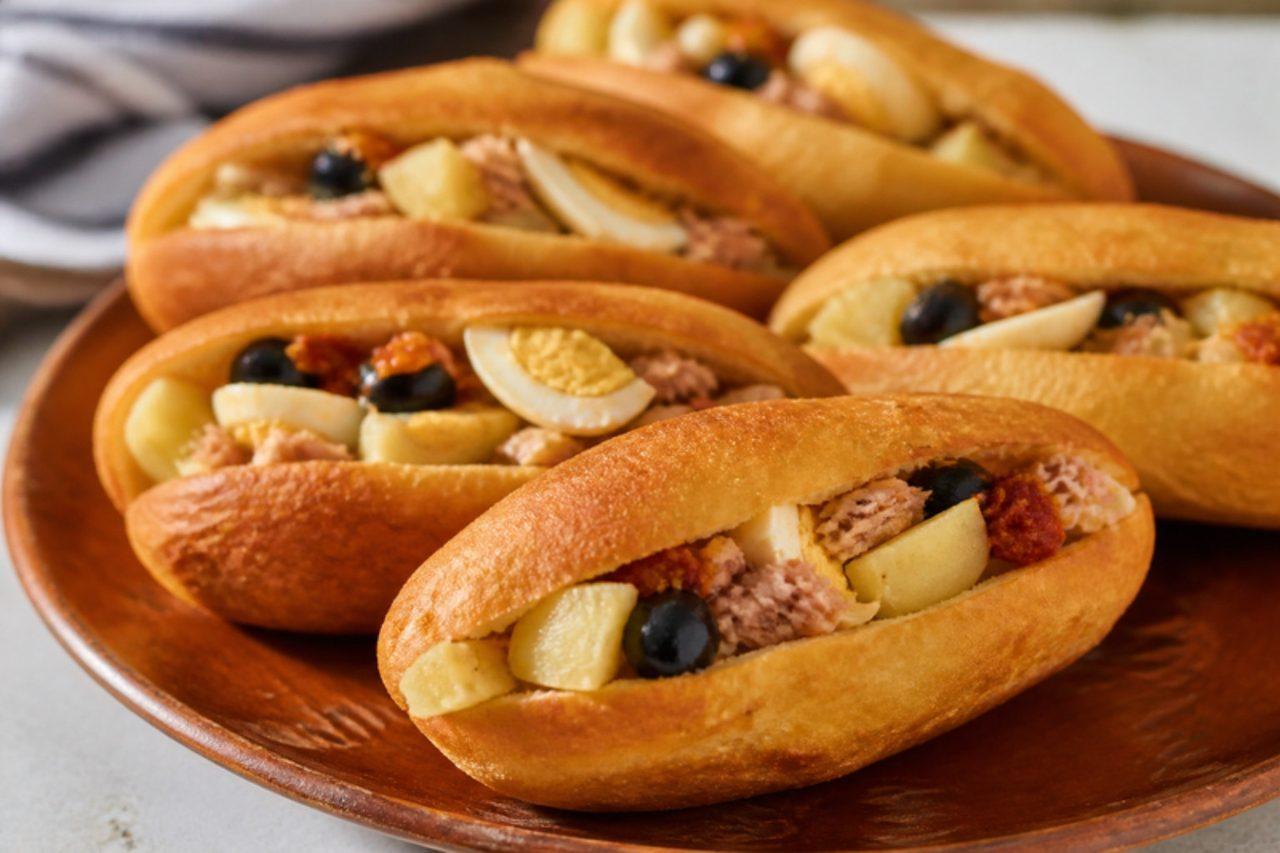
Tunisian fricasséFried rolls with tuna and egg

Fricassé are the small, soft fried rolls sold from glass-fronted counters in Tunis and the coastal towns, split while still warm and filled to order with tuna, boiled egg, olives, boiled potato, mechouia salad and a smear of harissa. They are an afternoon snack, a beach lunch and a Ramadan favourite. The mistake is frying the dough when the oil is too cool, which makes it greasy and heavy; keep the oil at 170 °C. Chef's tip: give the shaped rolls a full second rise so they puff and stay light inside.

by KrazyBadal 0 views

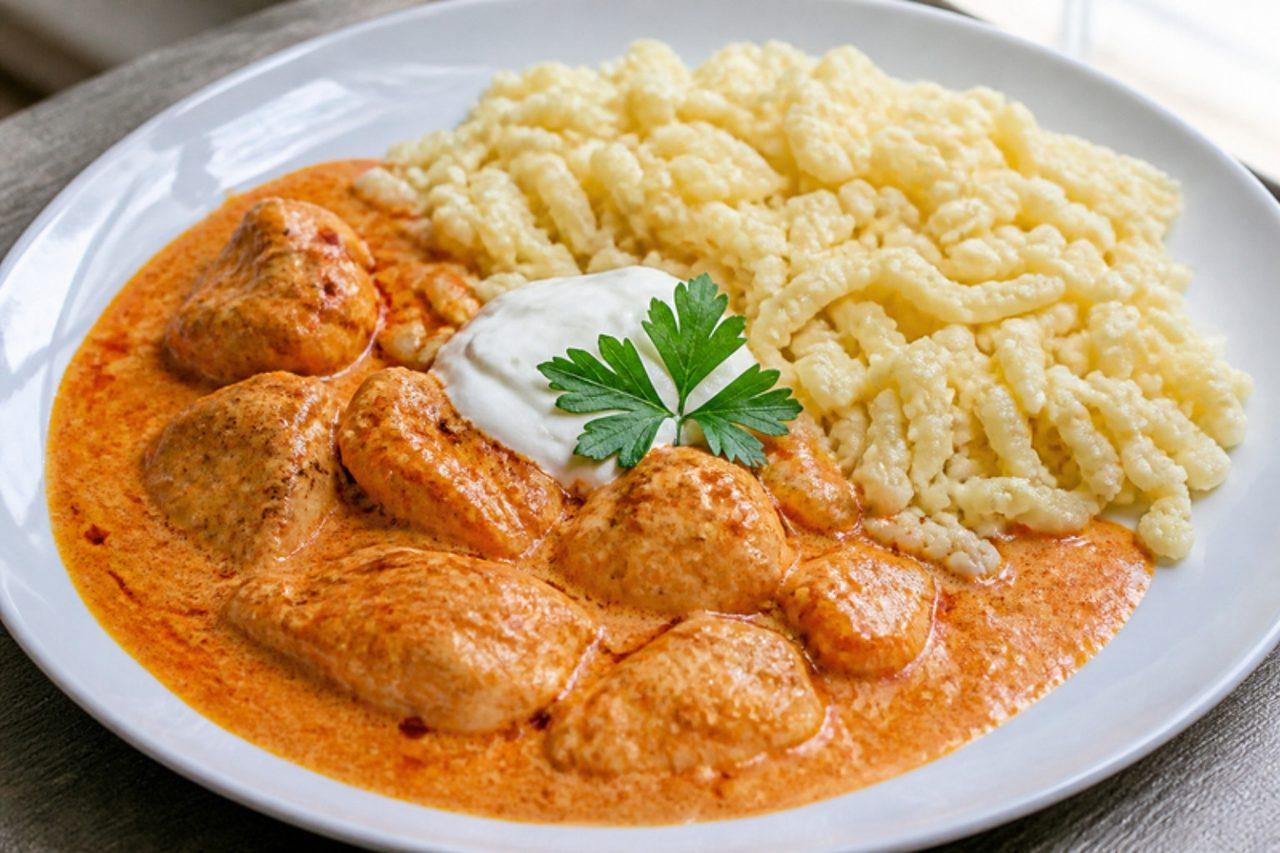
CsirkepaprikásPaprika chicken in sour cream sauce

Csirkepaprikás is the Sunday chicken of Hungarian homes, cooked by grandmothers in villages and in Budapest flats alike and always served with nokedli, the little egg dumplings. Chicken thighs braise gently with onion, plenty of sweet paprika, tomato and pepper, then soured cream is stirred in to make a velvety, brick-orange sauce. Chef's tip: mix the soured cream with a spoonful of flour and some hot sauce before adding it; this stops it from splitting.

by KrazyBadal 0 views

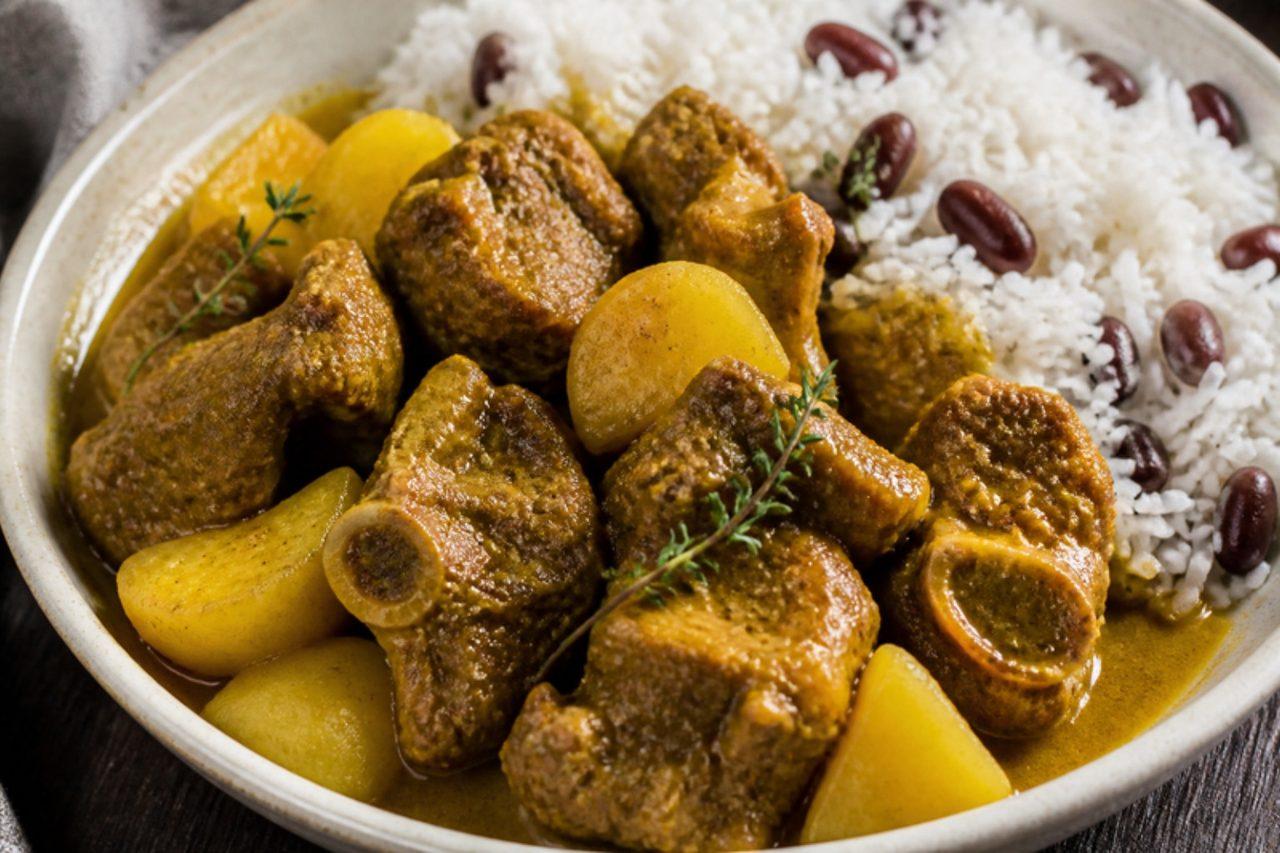
Jamaican curry goat

No Jamaican wedding, nine-night or big Sunday family lunch is complete without a pot of curry goat, often cooked outdoors in a huge pot by whoever has the steadiest hand with the seasoning. It came to the island with Indian indentured workers in the 1800s and became fully Jamaican with scotch bonnet, pimento and thyme. The bone-in pieces are seasoned overnight, browned with the curry powder until it darkens, then simmered for a couple of hours into a rich, brick-yellow gravy with soft potatoes that thicken it. Serve with white rice or rice and peas and a little fried plantain. If you can't find goat, bone-in mutton or lamb shoulder works the same way. Chef's tip: 'burn' the curry first; fry the curry powder in hot oil for a minute until it darkens and smells toasty before the meat goes in, and the gravy will never taste raw or chalky.

by KrazyBadal 0 views

Frijoles antioqueñosRed beans with plantain

In Medellín and across Antioquia, red cargamanto beans simmered for hours are the heart of the bandeja paisa and of everyday lunch. The beans cook with grated green plantain and carrot, which melt in and thicken the pot, and are finished with hogao, the tomato and spring onion sauce. This version leaves out the pork hock and gets its depth from a long simmer and a smoky pinch of paprika. Serve with white rice, avocado and an arepa. Chef's tip: grate the plantain on the fine side of the grater; it dissolves into the beans and makes them creamy.

by KrazyBadal 0 views

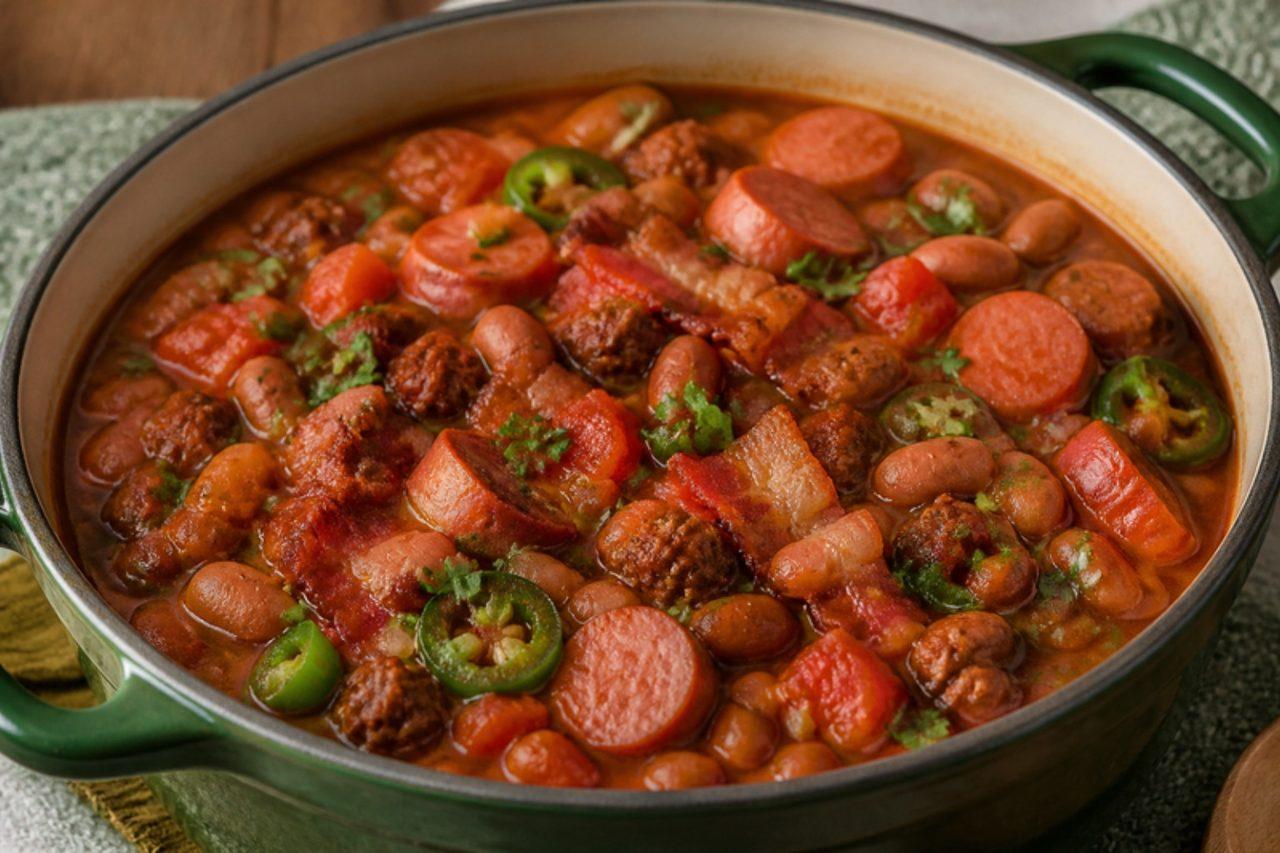
Frijoles charrosPinto beans with bacon and chorizo

Around Monterrey in Nuevo León, no carne asada is complete without a pot of frijoles charros keeping warm at the side of the grill. Soupy pinto beans cook down with smoky bacon, chorizo, tomato and fresh chilli until the broth is rich and brick-coloured, and they are spooned into small cups next to grilled beef, guacamole and flour tortillas. Some cooks in the north add sliced frankfurters too; we keep that optional. Chef's tip: cook the beans plain until they are fully soft before the tomato goes in, because acid stops beans softening.

165 minMexicanSidesGluten free
by KrazyBadal 0 views

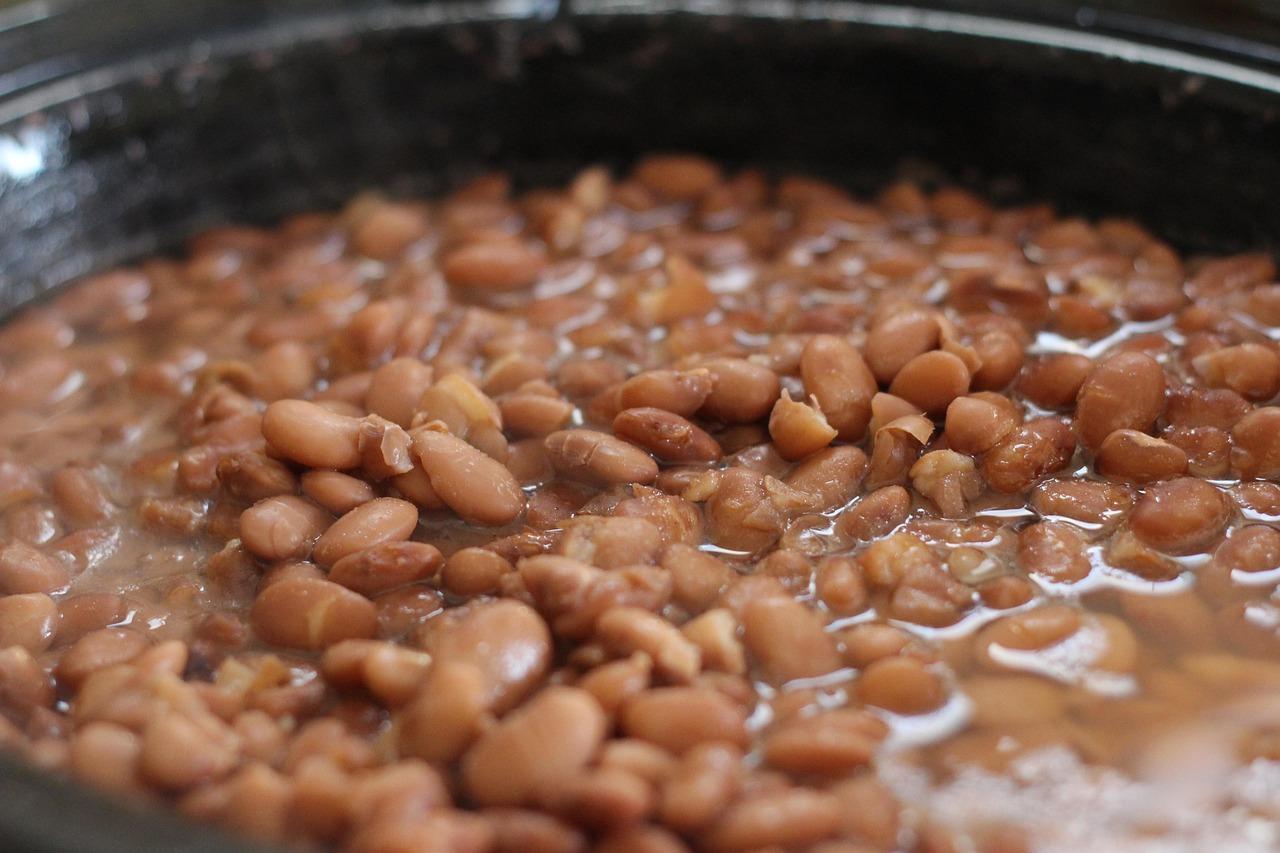
Frijoles de la olla & refritosPot beans and refried beans

Frijoles de la olla, beans cooked slowly in a pot (traditionally clay) with just onion, garlic and a sprig of epazote, are the backbone of Mexican home cooking from north to south. Served brothy in a bowl with chopped onion, chilli and lime, they are a meal on their own; mashed and fried in oil they become frijoles refritos, the creamy refried beans that go into tacos, tortas, sopes and molletes. This recipe makes both: one pot, half served as it is, half refried. We fry in vegetable oil rather than lard, so it is vegan. Chef's tip: salt the beans only once they are tender; salting at the start won't stop them cooking, but adding it late seasons the broth better and saves you from oversalting as it reduces.

120 minMexicanSidesVeganGluten free
by KrazyBadal 0 views

GalãoMilky espresso

Ask for a galão in a Lisbon café and it arrives in a tall glass, not a cup: one short espresso (a bica, in the capital's slang) topped up with about three times as much hot, frothy milk, so it is pale, mild and creamy. It is the breakfast and mid-morning drink of the city, ordered at the counter with a pastel de nata or a tosta mista, and the glass is held by the rim because it gets hot. A galão escuro has less milk, a galão claro more. Chef's tip: heat the milk only until it steams and the jug is too hot to hold for more than a moment, about 65 °C; boiled milk tastes flat and loses its sweetness.

by KrazyBadal 0 views

Frijoles negros cubanosBlack bean stew

A pot of frijoles negros simmers on the back of the stove in Cuban homes from Havana to Miami's Little Havana, ladled over white rice for lunch most days of the week. The beans cook until creamy, then a sofrito of onion, green pepper and plenty of garlic goes in with cumin, oregano, a pinch of sugar and a dash of vinegar, which gives the stew its gentle sweet-sour finish. Venezuelans make a very close cousin, caraotas negras, for pabellón, so this page covers both. Chef's tip: mash a ladle of beans against the side of the pot near the end; it thickens the broth naturally without any flour.

by KrazyBadal 0 views

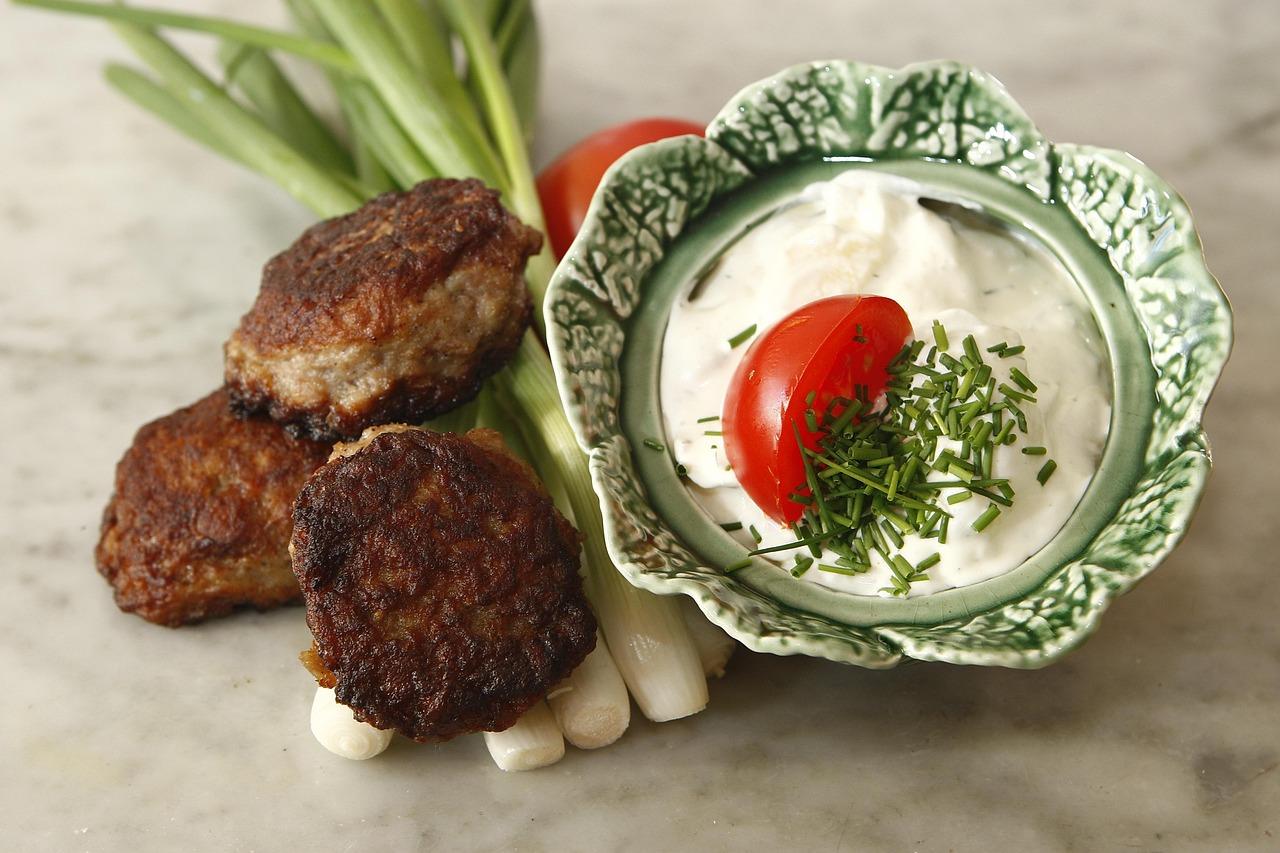
FrikadellerPork and veal patties

Frikadeller are the everyday comfort food of Denmark, fried up for Monday suppers in Copenhagen, packed cold on rye bread for lunch and served at nearly every children's birthday. The mix is mostly pork, with some veal, so this is a pork dish, loosened with milk and bound with egg and a spoonful of flour to make soft, flattened ovals with a crisp brown crust. Danes eat them hot with boiled potatoes, brown gravy and sweet-sour pickled red cabbage, or cold the next day with pickled beetroot. Where people go wrong is frying them on too high a heat; the outside burns before the middle is cooked. Chef's tip: let the mixture rest in the fridge for 30 minutes before shaping; it firms up and the patties keep a neat shape in the pan.

by KrazyBadal 0 views

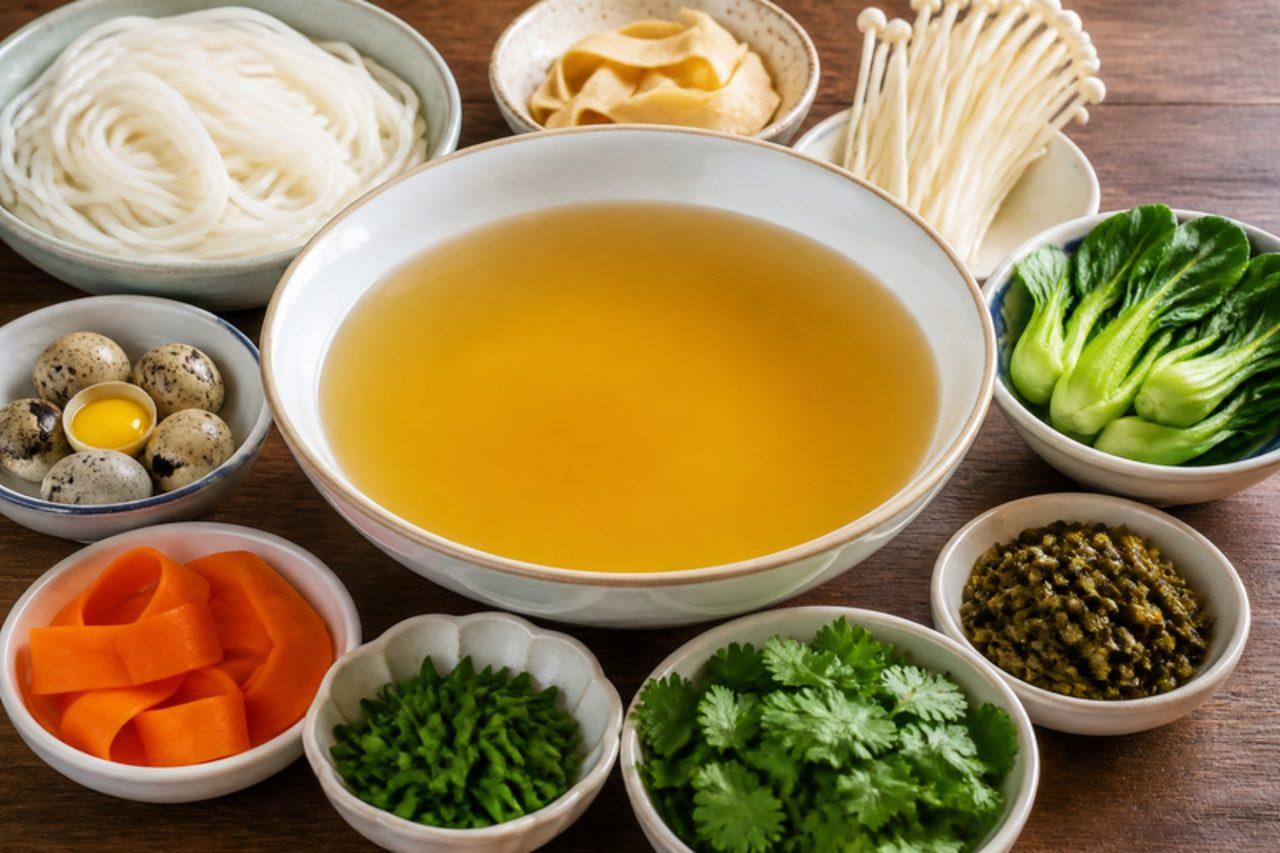
Crossing-the-bridge noodles with vegetable brothRice noodles in hot broth

Guo qiao mi xian comes from Mengzi in southern Yunnan. The story goes that a scholar's wife carried soup across a bridge to his island study each day, and found that a layer of oil kept it piping hot. Today in Kunming it arrives as a big bowl of scalding broth plus small plates of raw thinly sliced vegetables, tofu skin, herbs and rice noodles, which you slide in yourself so they cook at the table. This vegetarian broth is built on mushroom, corn and soybean sprouts. Chef's tip: the broth must be at a rolling boil when it goes into a warmed bowl; that heat is what cooks the toppings.

by KrazyBadal 0 views

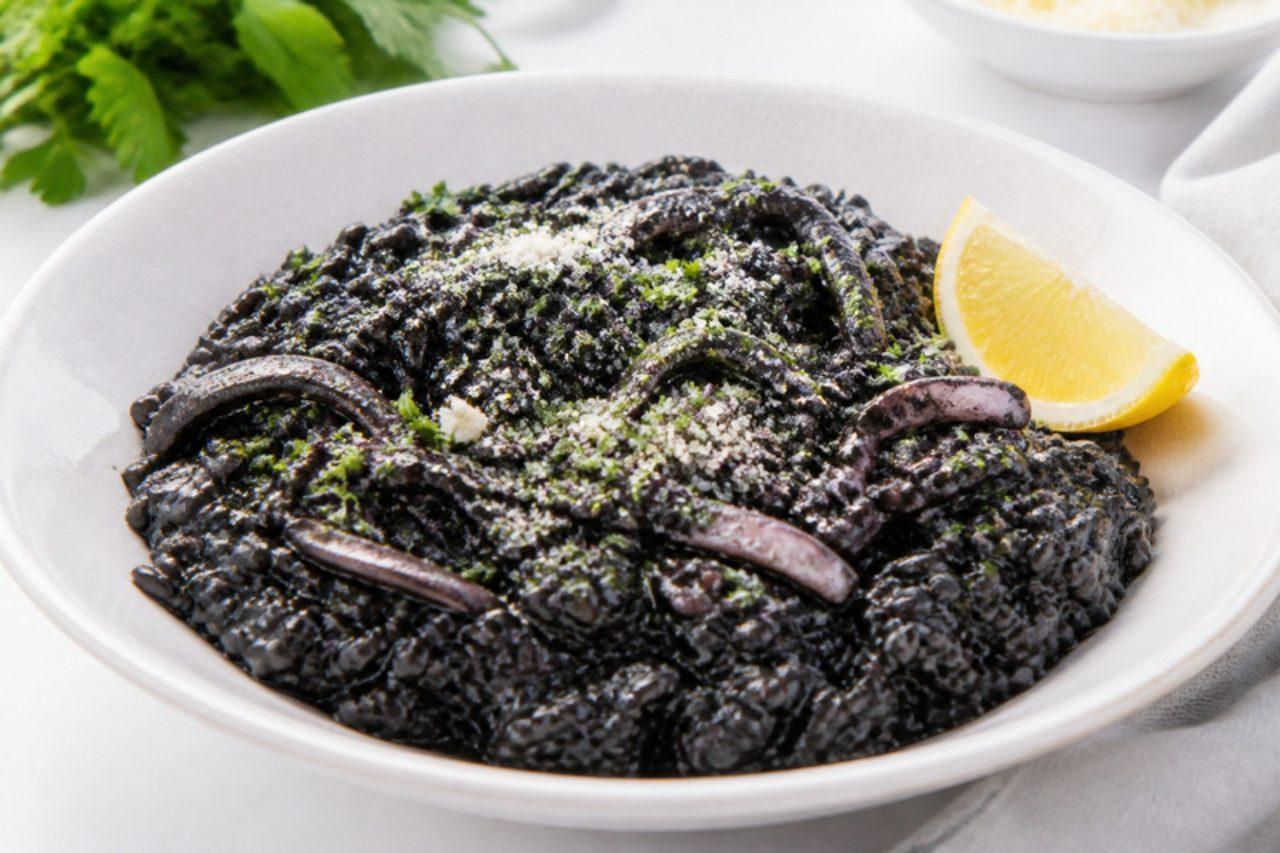
Crni rižotBlack cuttlefish risotto

Along the Dalmatian coast, from Korčula to Dubrovnik, konobas serve crni rižot as the first thing fishermen order when they come ashore, its jet-black colour startling against a white plate. Cuttlefish is cooked slowly with onion and garlic until tender, then rice goes in with fish stock and the ink sac, making a creamy, sea-sweet rice that tastes of the shore. It traditionally includes a splash of dry white wine; for an alcohol-free version, use more stock with a squeeze of lemon. The usual mistake is adding the cuttlefish late and cooking it fast, which leaves it rubbery; it needs to stew first. Chef's tip: serve with a drizzle of good olive oil and grated hard sheep's cheese if you like, and warn your guests about black teeth.

75 minBalkanFishGluten free
by KrazyBadal 0 views

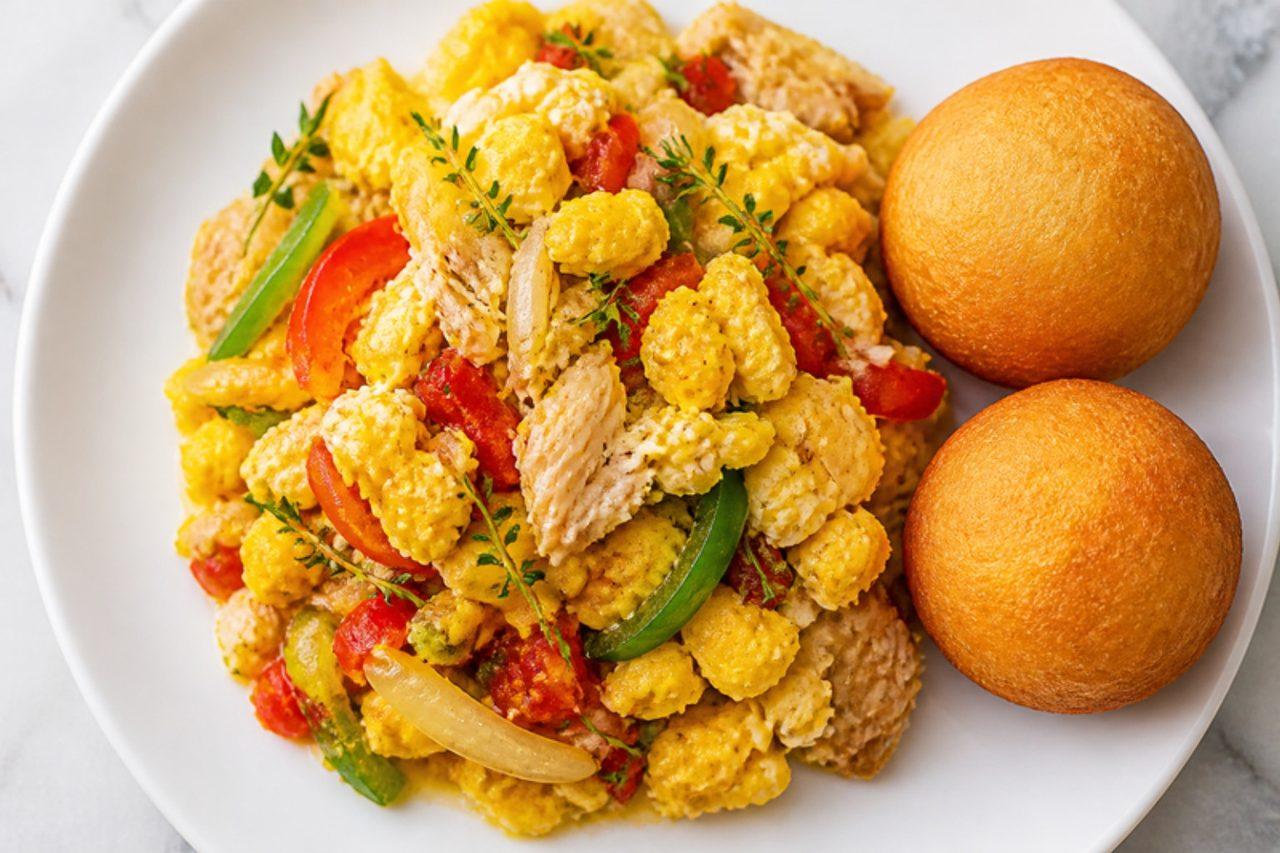
Ackee and saltfish

On a Jamaican Sunday morning, from Kingston yards to country kitchens in St Mary, the smell of salt cod frying with onion, thyme and scotch bonnet means breakfast is nearly ready. The ackee itself is a red tree fruit whose cream-coloured flesh cooks up soft and mild, a lot like scrambled egg, and it soaks up the salty fish and peppery oil around it. It is eaten with fried dumplings, boiled green banana, roast breadfruit or hard dough bread, and is just as welcome at lunch. A note on safety: ackee is only safe when the pod has ripened on the tree and opened by itself, and the black seeds and pink membrane are removed. Outside Jamaica, tinned ackee is the safe, easy choice and is what this recipe uses. Chef's tip: soak the saltfish overnight and then boil it once; taste a flake before it goes in the pan, because you can always add salt but you can't take it out.

by KrazyBadal 0 views

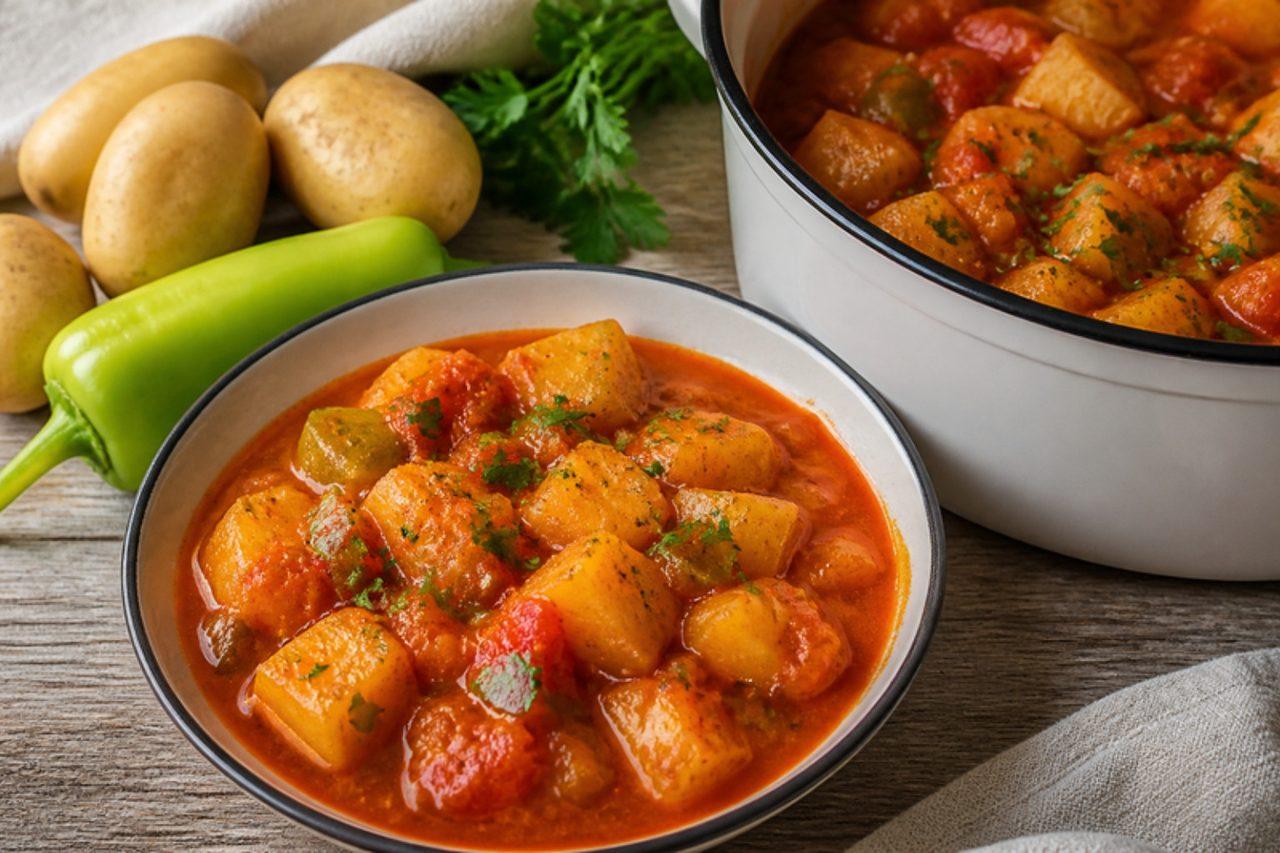
Paprikás krumpliPaprika potato stew

Paprikás krumpli is a thrifty potato stew that every Hungarian student learns to cook, and it turns up at school dinners, on autumn weekdays and in cauldrons at village harvest festivals. Potatoes simmer in an onion and paprika base with pepper and tomato until they start to break and thicken their own sauce. Most versions add sliced smoked sausage; this vegan one swaps it for a pinch of smoked paprika and caraway, which give the same savoury depth. Serve in bowls with crusty bread and a pickled cucumber or a spoon of pickled peppers on the side. Chef's tip: cut the potatoes unevenly on purpose; the smaller pieces melt and thicken the sauce while the bigger ones stay whole.

by KrazyBadal 0 views

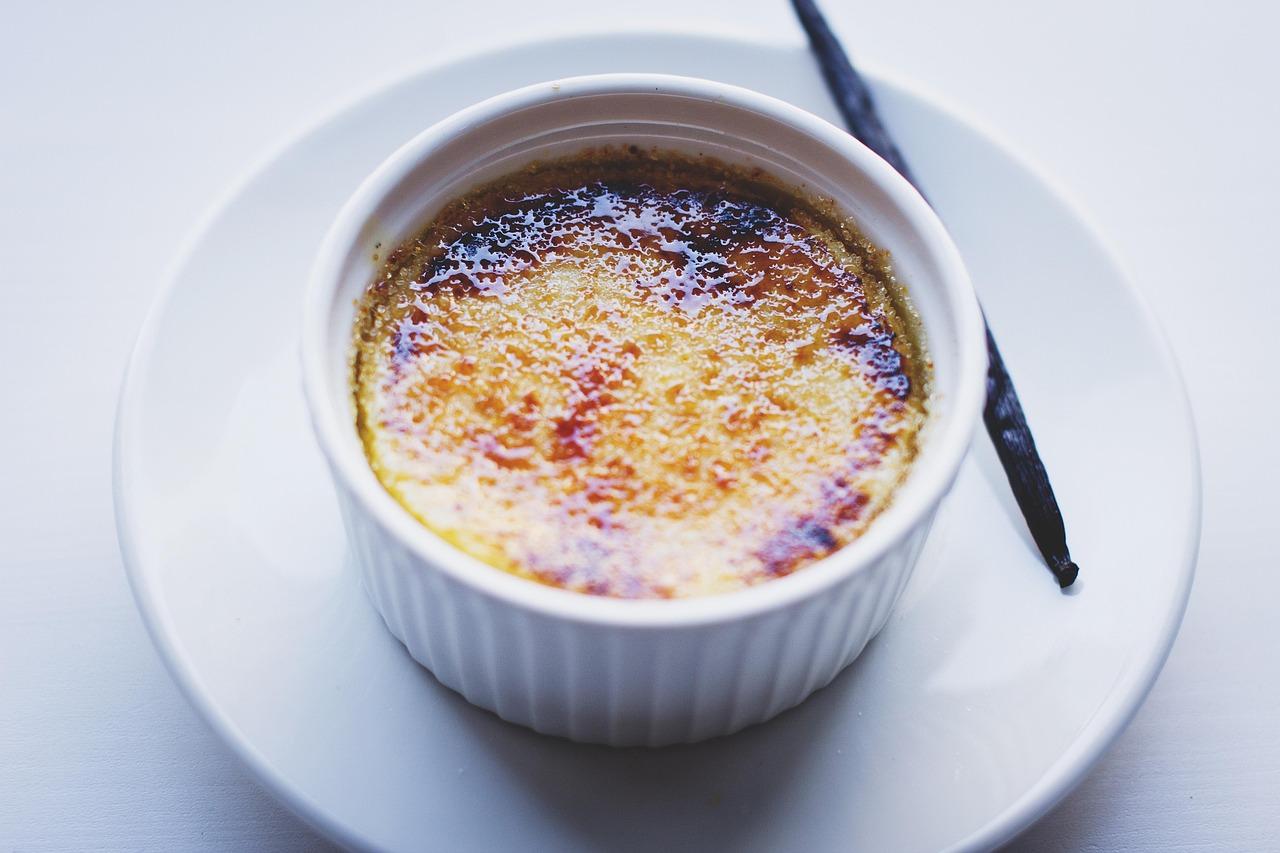
Crème brûléeBurnt cream custard

Crème brûlée, 'burnt cream', is the dessert on almost every Paris bistro menu: a shallow dish of rich vanilla custard, cold and silky, under a thin sheet of caramelised sugar you crack with the back of a spoon. Unlike the stovetop Spanish crema catalana, it's made with cream and baked gently in a water bath. The custards are made a day ahead, which makes it ideal for dinner parties; only the sugar is burnt at the last minute. Chef's tip: take them out of the oven while the middle still wobbles like jelly; overbaking is the common mistake and the custard turns grainy and splits.

by KrazyBadal 0 views

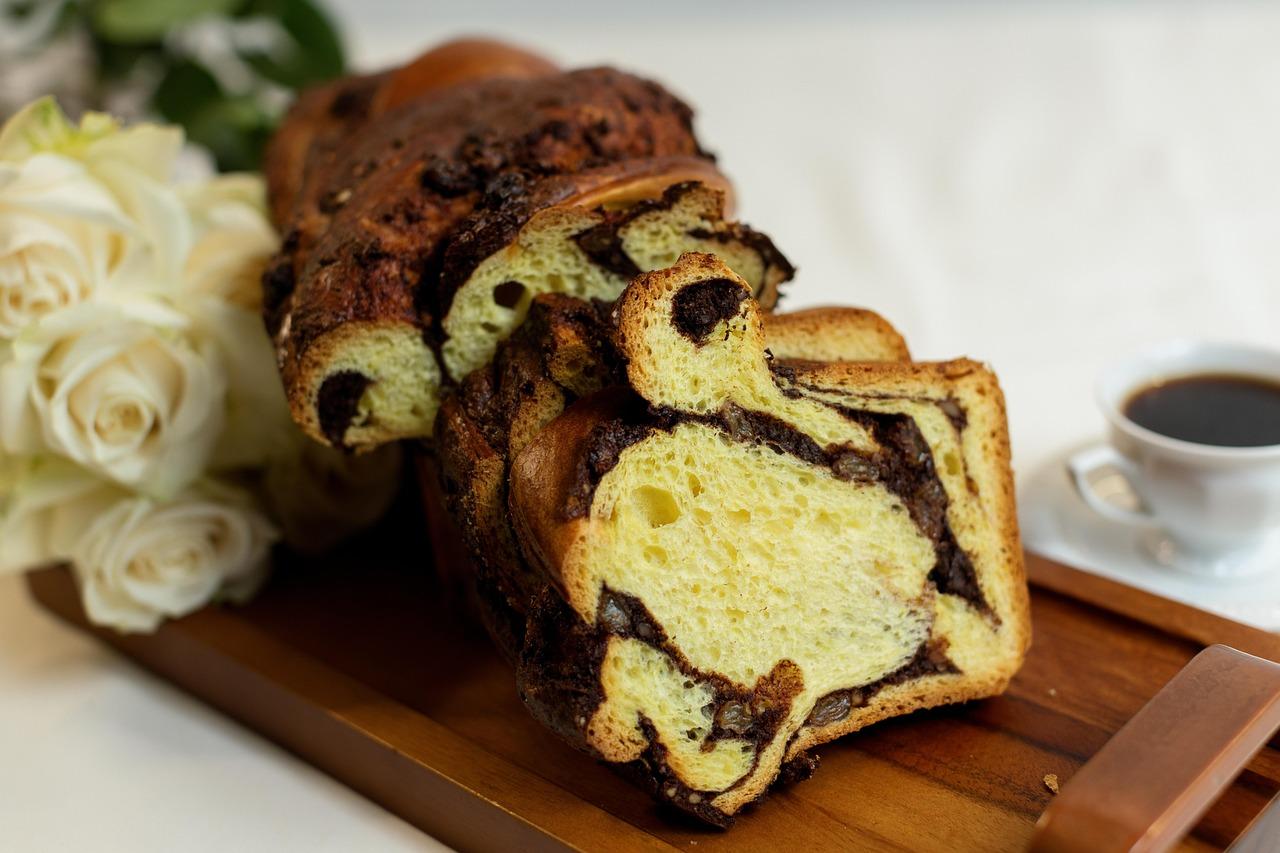
CozonacSweet braided bread

Cozonac is the festive loaf every Romanian family bakes for Easter and Christmas, filling kitchens from Craiova to Suceava with the smell of butter, rum, lemon and orange zest. The rich yeast dough is rolled around a walnut and cocoa filling studded with pieces of rahat (Turkish delight), then braided and baked in a tall loaf tin so each slice shows a dark swirl. Unlike Slovenian potica, which is rolled into a thin spiral ring, cozonac is a braided loaf. It is eaten in thick slices with coffee on the feast mornings. Chef's tip: knead until the dough is silky and comes away from the bowl, then be patient with the rises; under-proving is the classic mistake and gives a dense, heavy loaf.

by KrazyBadal 0 views

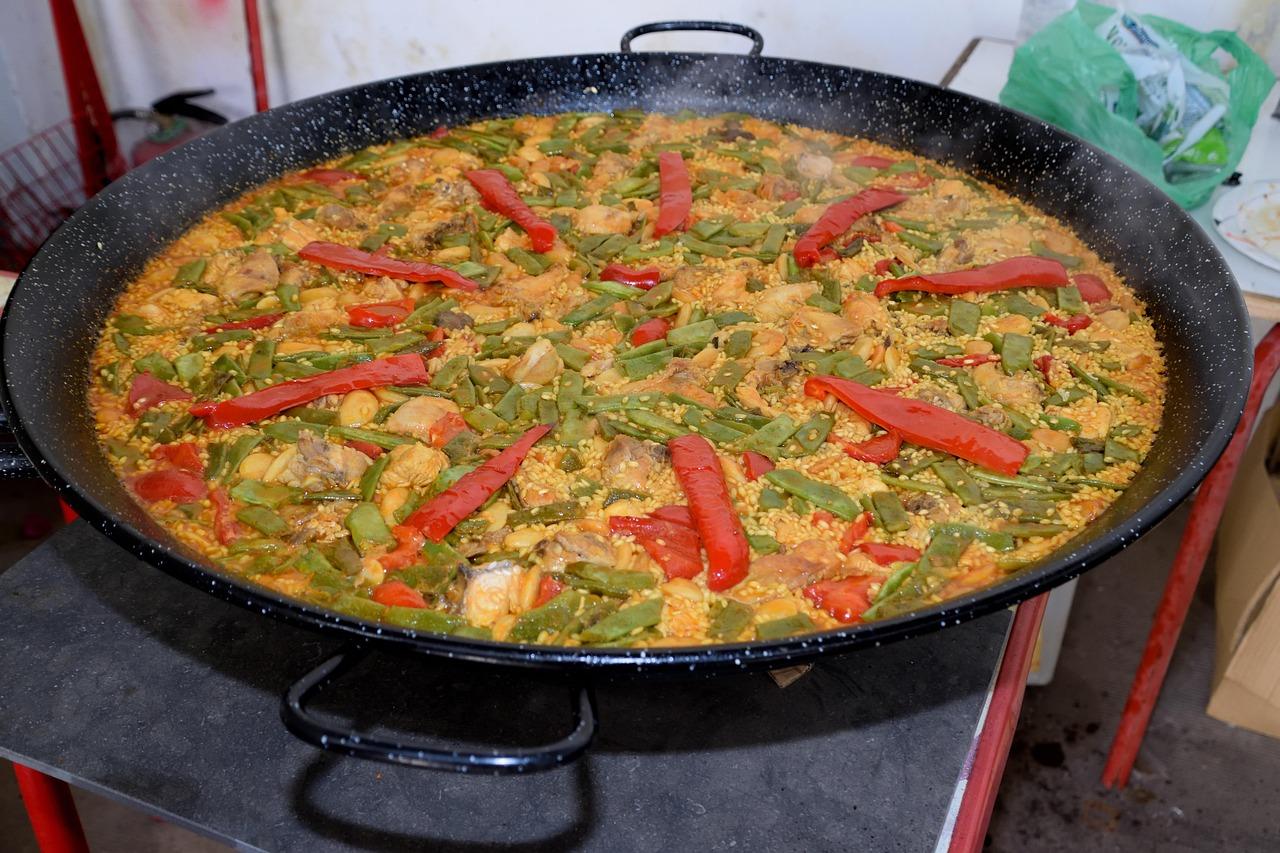
Paella valenciana

In the villages around Valencia, paella is a Sunday lunch dish, never a dinner one, cooked in the open air by whoever in the family has the steadiest hand and eaten straight from the pan with spoons. The Valencian original has no seafood, no chorizo and no peas: just chicken, rabbit, wide flat green beans (ferraura), big white garrofó beans, tomato, sweet pimentón, saffron and short round rice. If you can't get rabbit, use all chicken; it is still very good. This version is sized for a 38–40 cm paella pan on a large hob ring or a barbecue. Chef's tip: once the rice goes in, smooth it flat and then leave it alone; stirring releases starch and turns paella into risotto.

by KrazyBadal 0 views

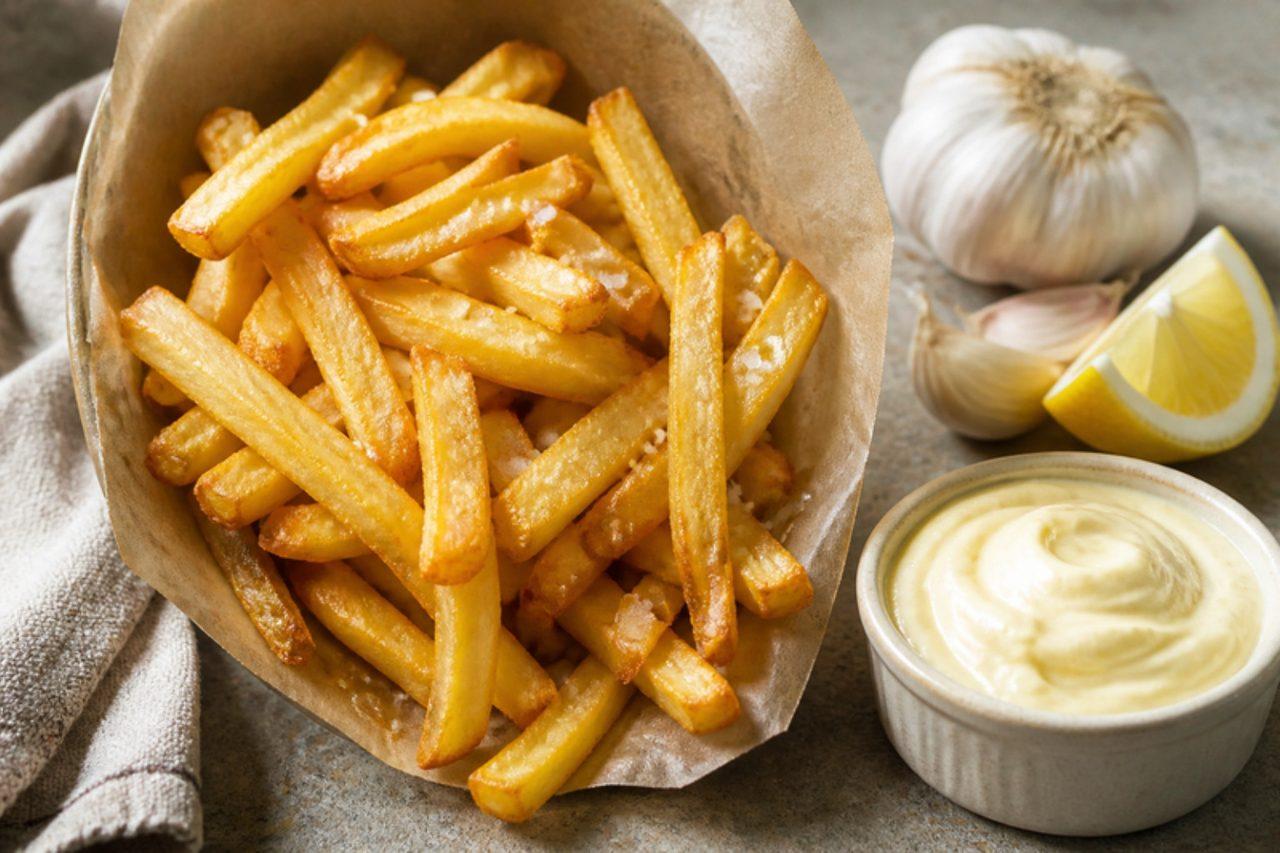
Frites with aïoliChips with garlic mayonnaise

Frites are a fixture of French brasseries and street stalls, served in paper cones at markets and beside every omelette and salad in Paris cafés. The secret is frying twice: once gently to cook them through, then hot to make them crisp. In Provence, the dip would be aïoli, a thick, garlicky sauce that gave its name to the region's Friday feast. Our aïoli is made the old-fashioned egg-free way, with a little boiled potato to hold the garlic and olive oil together. Children usually prefer it with less garlic. Chef's tip: dry the cut potatoes thoroughly before frying; wet chips are the common mistake that make the oil spit and leave the chips soft.

by KrazyBadal 0 views

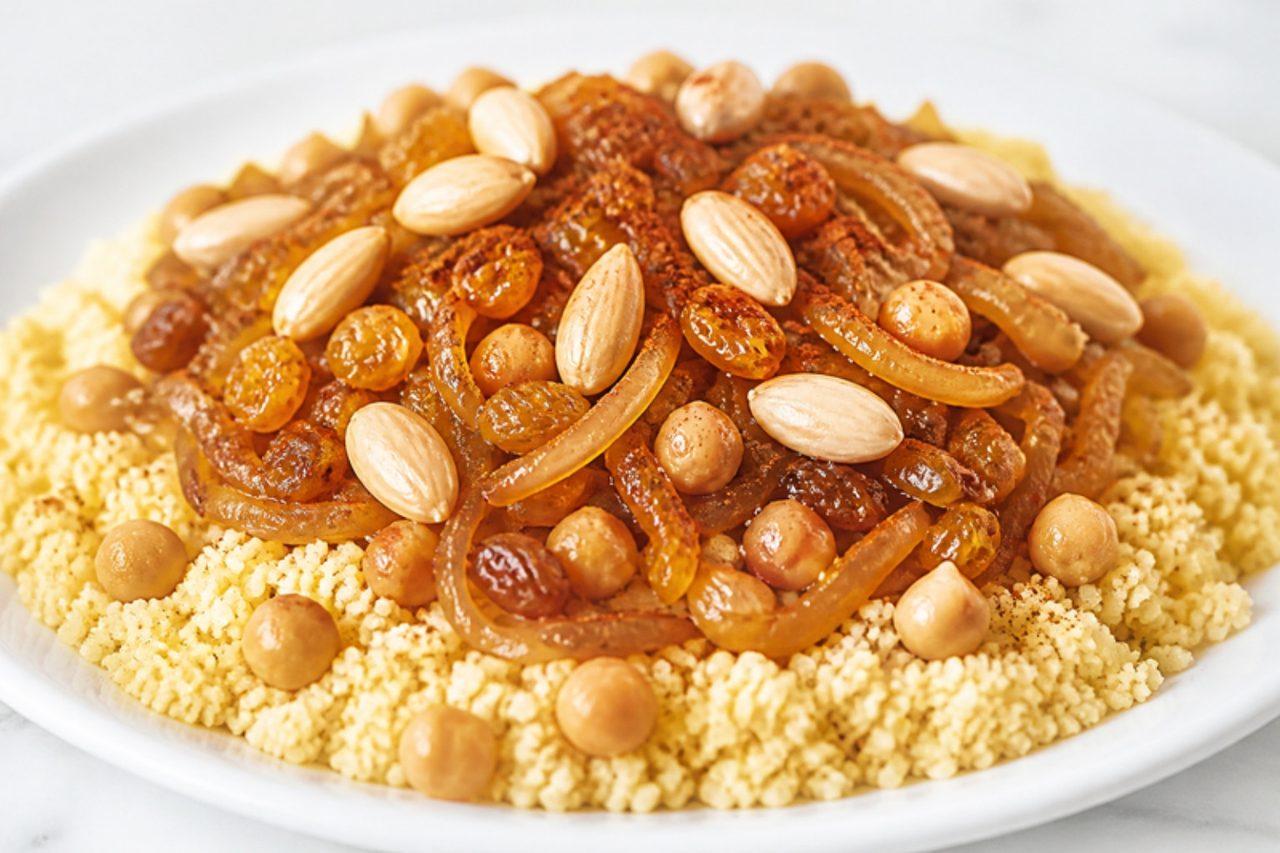
Couscous tfayaCouscous with caramelised onions

Tfaya is the sweet onion topping that turns a plain couscous into a celebration dish; in Fez and Rabat it is made for weddings, naming ceremonies and Eid, and families in Tétouan add it to Friday couscous too. Onions are cooked slowly with raisins, cinnamon, honey and a little saffron until they collapse into a sticky, mahogany jam, then piled over the couscous with chickpeas and fried almonds. Traditionally it crowns couscous with meat; here the chickpeas and almonds carry the dish, making it a sweet-savoury vegetarian main for a feast. Chef's tip: soak the raisins first, or they draw liquid from the onions and the tfaya catches before it caramelises.

by KrazyBadal 0 views

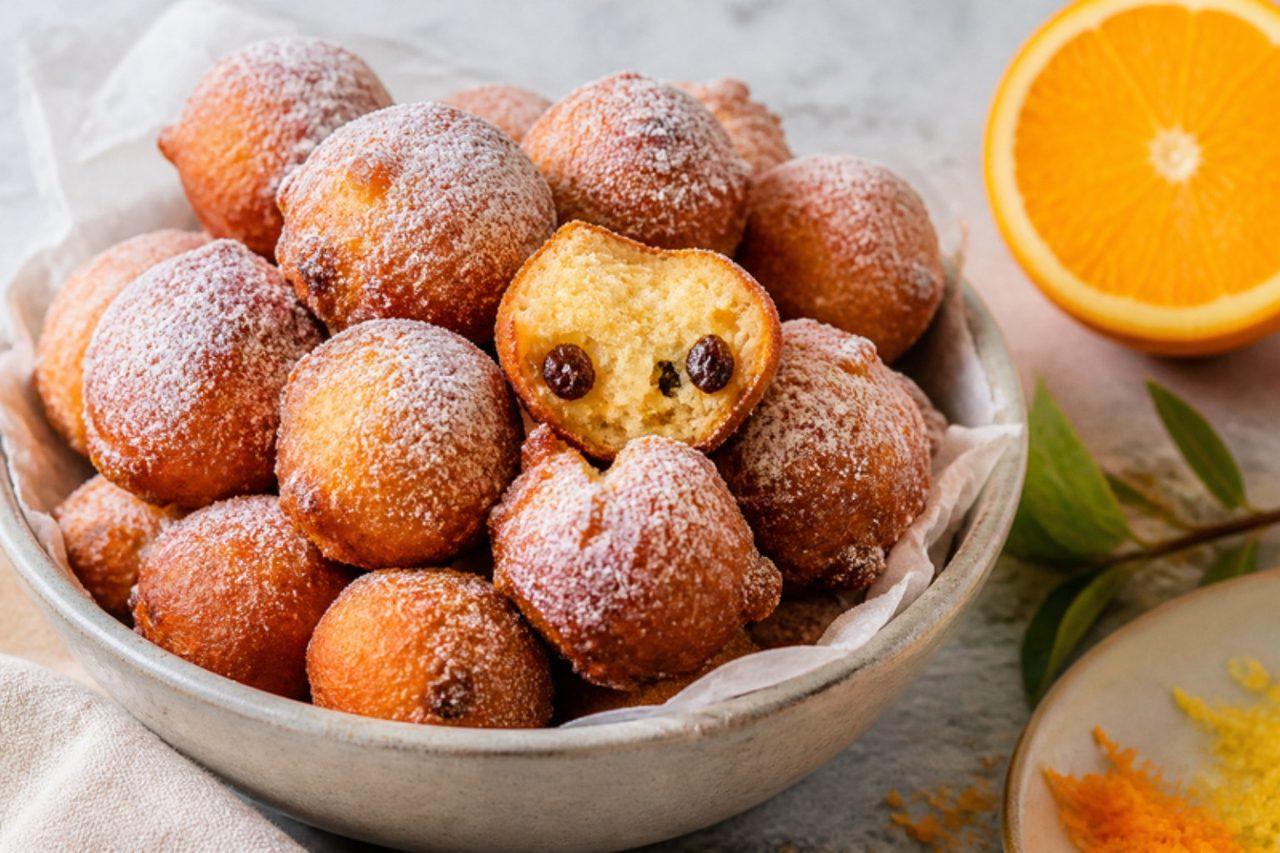
FrituleRaisin and citrus doughnut drops

On Christmas Eve, in kitchens from Split to Dubrovnik and out on the islands, bowls of fritule are fried by the dozen: small, airy doughnut drops scented with orange and lemon zest and studded with raisins, rolled in sugar while still warm. Many families add a splash of rakija or rum to the batter, but fresh orange juice works just as well and keeps them child-friendly. They are eaten all through Advent and the carnival season, often from paper cones at Christmas markets. Chef's tip: keep the oil at about 170°C; too hot and the fritule brown outside while the middle stays raw and doughy, the most common mistake.

by KrazyBadal 0 views

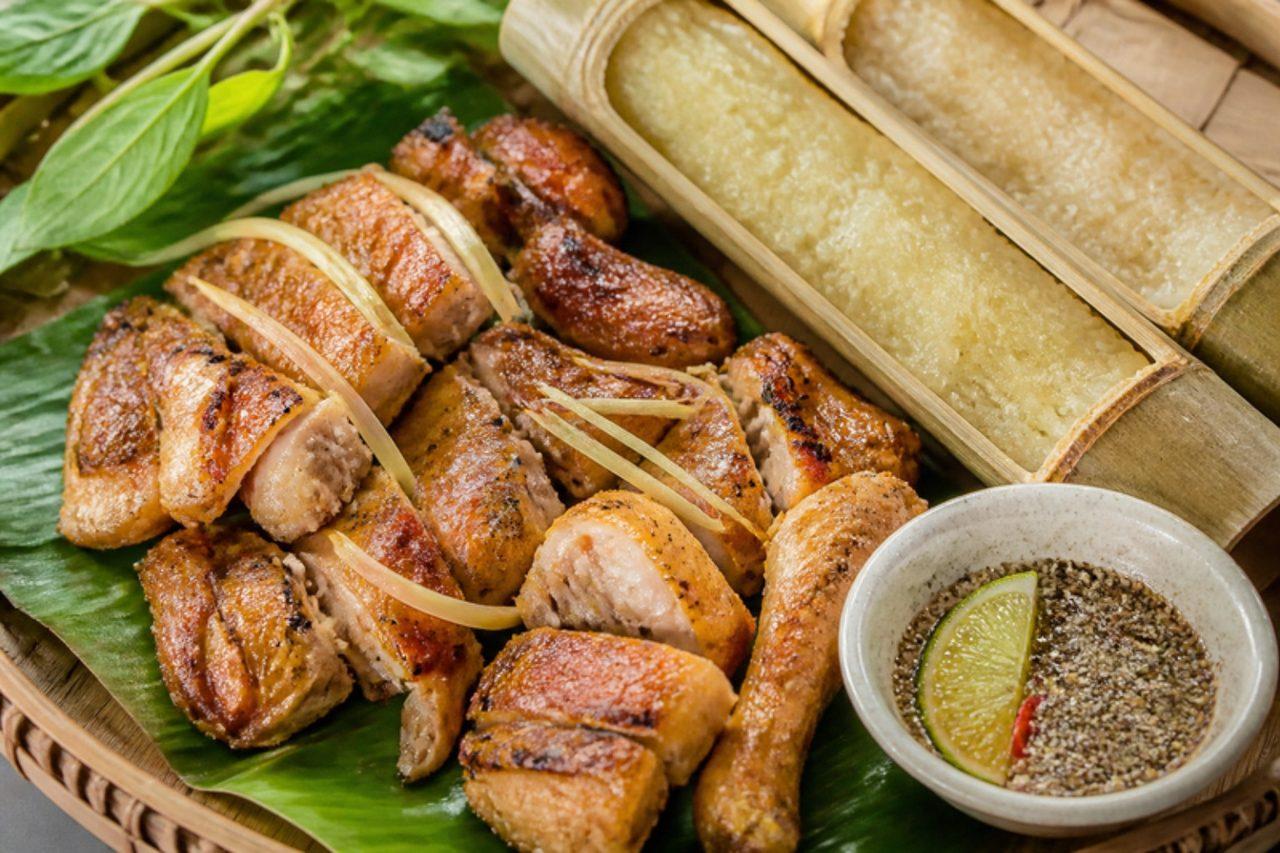
Ga nuong com lam (lemongrass chicken with bamboo rice)

Up in the Central Highlands, around Kon Tum, Pleiku and Buôn Ma Thuột, roadside grills and village homestays serve this pair: chicken marinated in lemongrass and chilli, grilled slowly over charcoal, and cơm lam, sticky rice cooked inside green bamboo tubes laid in the fire. Splitting the charred bamboo reveals a cylinder of rice wrapped in a thin, fragrant skin of bamboo membrane. Both are eaten with the hands and dipped in salt, pepper and lime or a crushed peanut and sesame salt. Without fresh bamboo, rolling the rice in banana-leaf parcels gives a very similar result. Highland rice wine (rượu cần) is the usual drink, but cold jasmine tea goes just as well and is alcohol-free. Chef's tip: brush on the honey only in the last few minutes of grilling so it glazes without burning.

by KrazyBadal 0 views

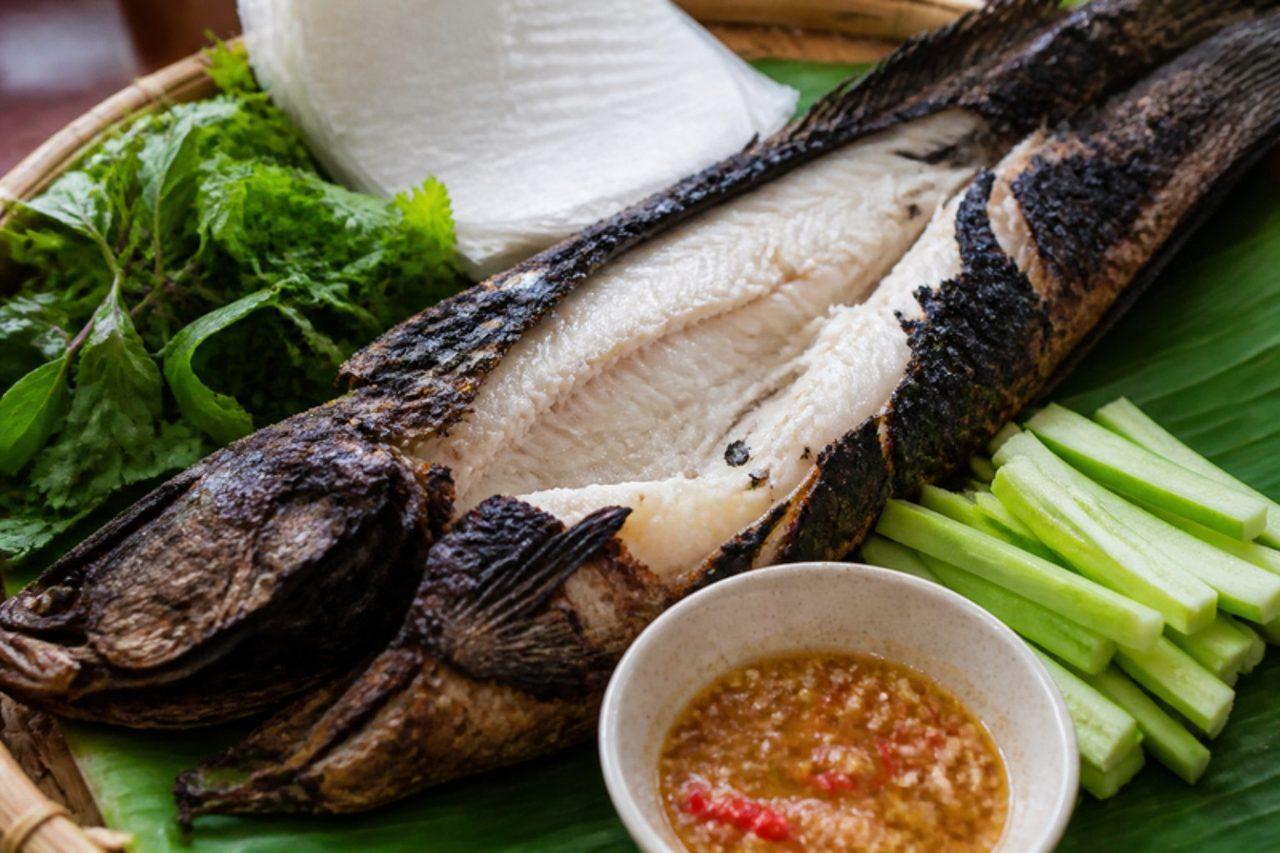
Ca loc nuong trui (straw-grilled whole fish)

After the rice harvest in the Mekong Delta, farmers would catch snakehead from the flooded fields, skewer each fish on a stick, stand it in the ground and pile dry rice straw over it before setting it alight. When the straw burns away the blackened skin peels off to reveal steaming, sweet white flesh, which is rolled in rice paper with herbs, cucumber and rice noodles. Countryside restaurants around Cần Thơ still serve it this way. Snakehead is hard to buy outside Asia, so use sea bass, barramundi or tilapia and a barbecue or a hot oven. Chef's tip: push a long metal skewer from mouth to tail so you can turn the fish over without it breaking.

by KrazyBadal 0 views

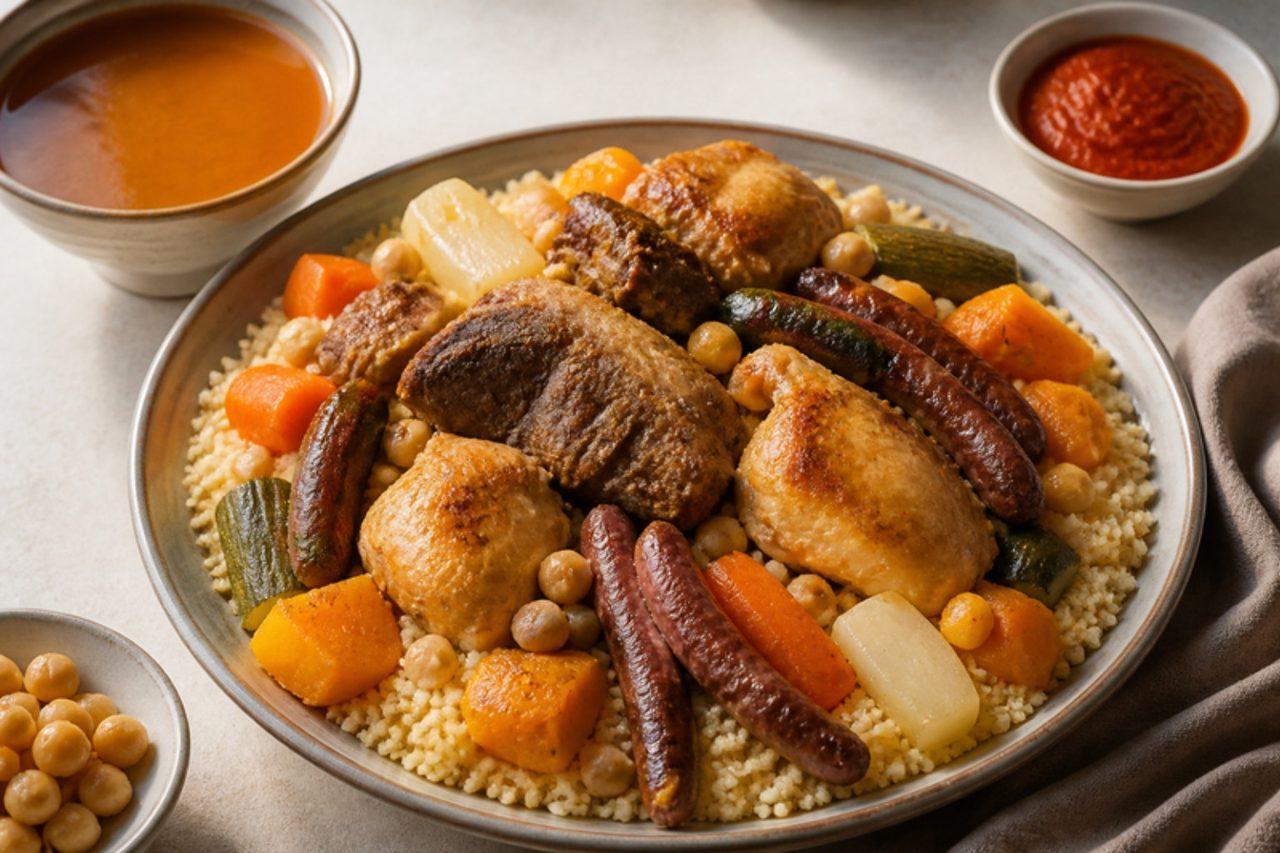
Couscous royalCouscous with lamb, chicken and sausage

Couscous royal is the big-occasion couscous that Algerian and Moroccan families brought to France and that is now served for weddings and Sunday gatherings from Oran to Marseille: a pot of lamb and chicken simmered with vegetables and chickpeas in a mildly spiced broth, grilled merguez on the side, and a mountain of steamed couscous. The mistake is putting all the vegetables in at once; the courgettes go mushy while the turnips are still hard, so add them in stages. Chef's tip: brown the lamb and chicken well before the water goes in; that colour flavours the whole broth.

160 minAlgerianMeat
by KrazyBadal 0 views

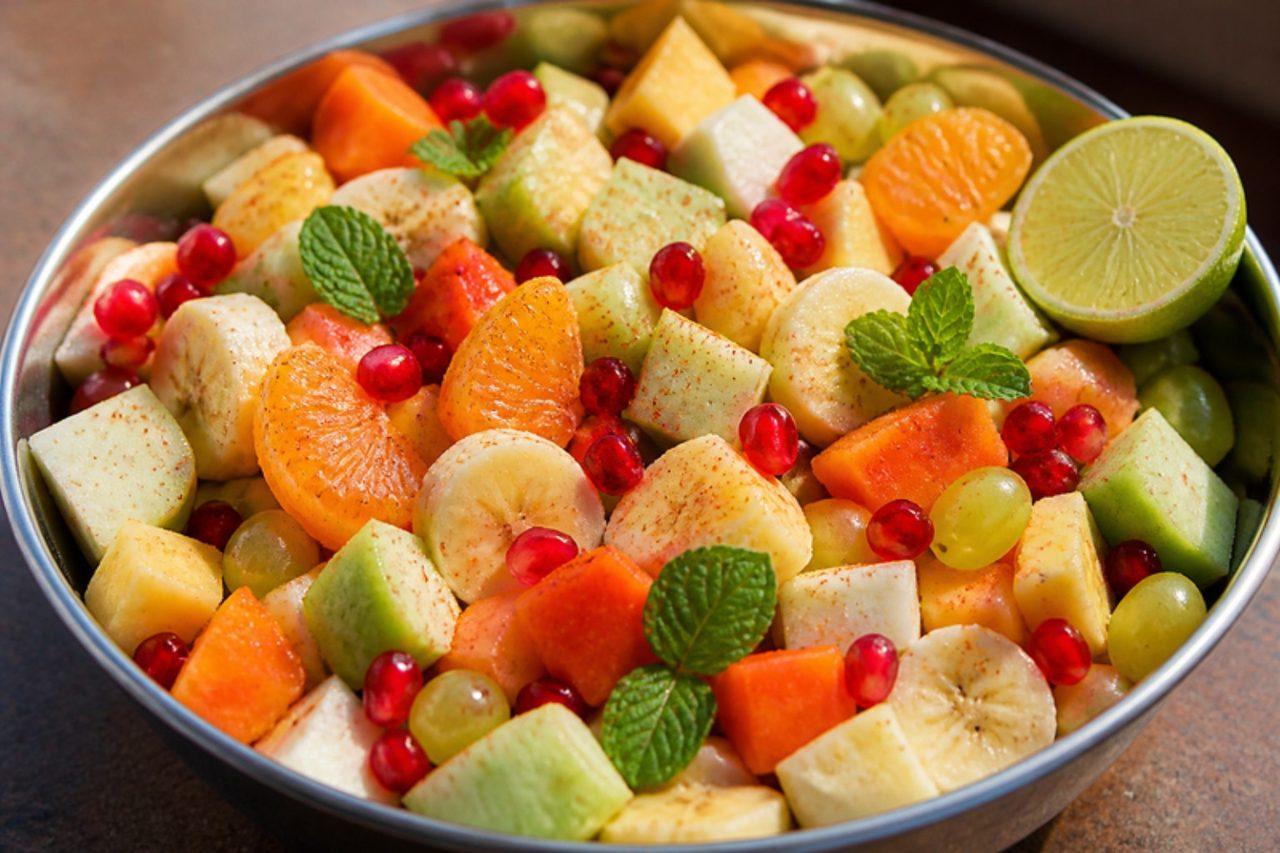
Fruit chaatSpiced fruit salad

All over India, fruit sellers with handcarts chop a plate of fruit chaat to order, and in Kolkata the evening carts near New Market and Gariahat pile guava, apple, papaya, banana, pomegranate and cucumber into a leaf bowl with chaat masala, black salt and lime. During Ramzan it appears at iftar, and in summer it is sold with a sprinkle of chilli. It is sweet, salty, sour and a little hot all at once, so it tastes nothing like a dessert fruit salad. Chef's tip: use at least one crunchy fruit (guava, apple or pear) and one soft one (banana or papaya) for contrast.

by KrazyBadal 0 views

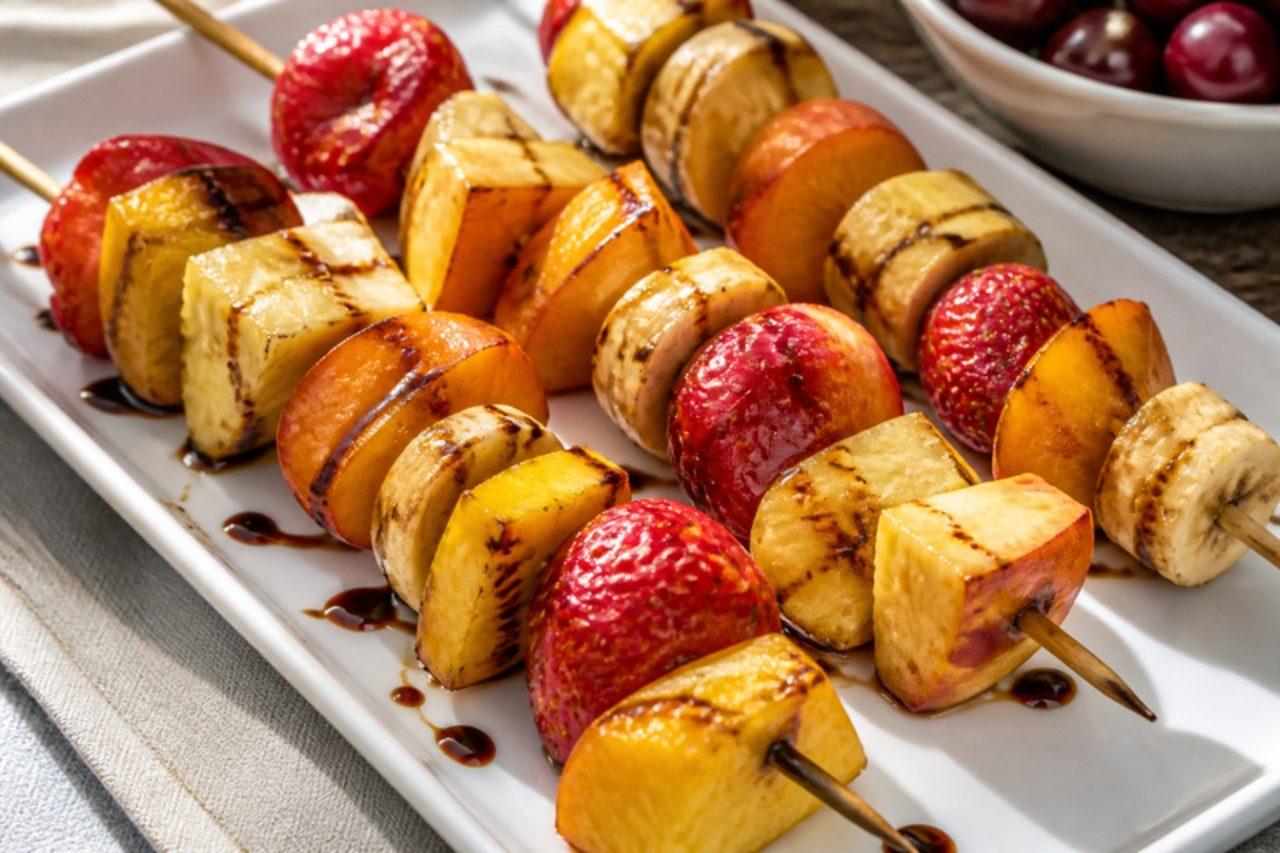
Fruity barbeque serveGrilled fruit skewers

Chunky skewers of pineapple, banana, strawberry, peach and nectarine drizzled with balsamic vinegar and dark muscovado sugar, then grilled over charcoal until the sugar caramelises. Warm, sticky and a little tangy. Serve hot as a barbecue dessert, with ice cream if you like.

23 minDessertsVeganGluten free
by KrazyBadal 0 views

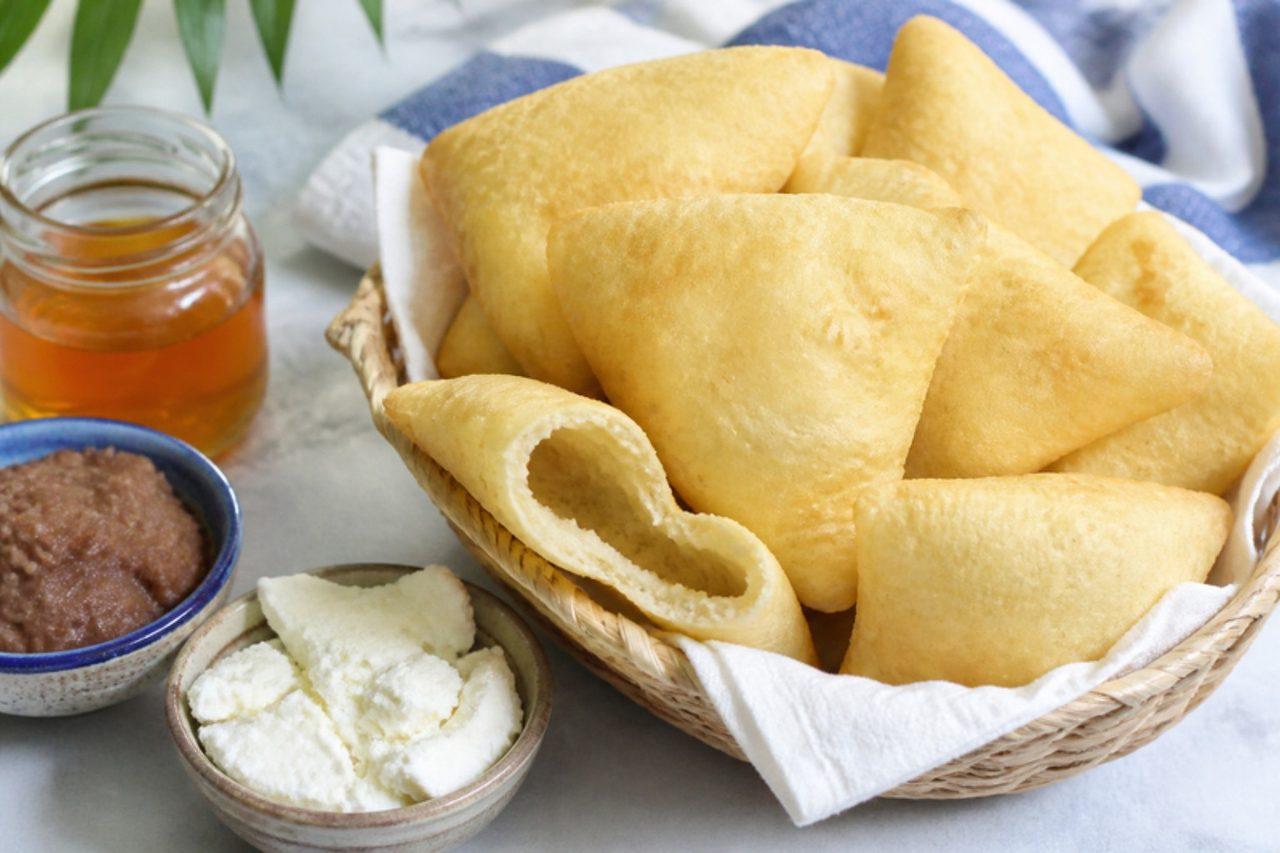
Fry jacksPuffed fried dough triangles

Fry jacks are the smell of a Belizean morning: in Belize City and the Cayes, breakfast spots fry these squares and triangles of dough until they balloon up hollow and golden. They come beside refried beans, scrambled eggs and cheese, or torn open and drizzled with honey or jam. They're lighter and puffier than a doughnut, crisp outside and chewy within. Chef's tip: roll the dough thin, about 3 mm, and slit each piece once in the middle; that's what makes them puff like a pillow.

by KrazyBadal 0 views

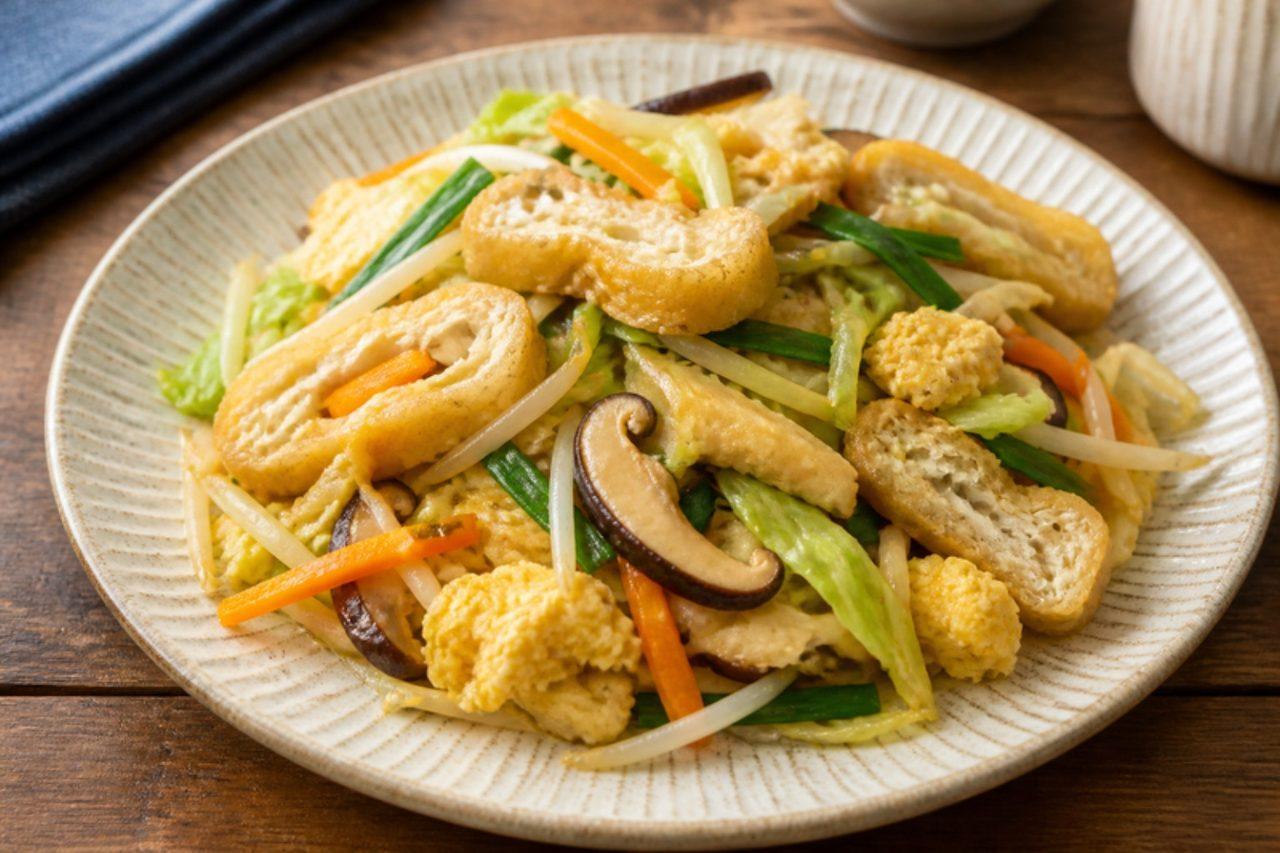
Fu champuruWheat gluten and cabbage stir-fry

Champuru means 'mixed up' in Okinawan and is the islands' everyday stir-fry. Goya champuru with bitter melon is the famous one; fu champuru, made with chewy wheat gluten, is the gentle, child-friendly version many Okinawan families cook several times a week. The fu, large dried rings called kurumabu, is soaked, squeezed and dipped in beaten egg, so as it fries it turns soft, fluffy and golden, a little like French toast. Home cooks often add luncheon meat; ours is vegetarian, with shiitake for savouriness. Serve with rice and miso soup. Chef's tip: squeeze the soaked fu hard before adding the egg. Dry fu drinks up all the egg; wet fu turns soggy.

by KrazyBadal 0 views

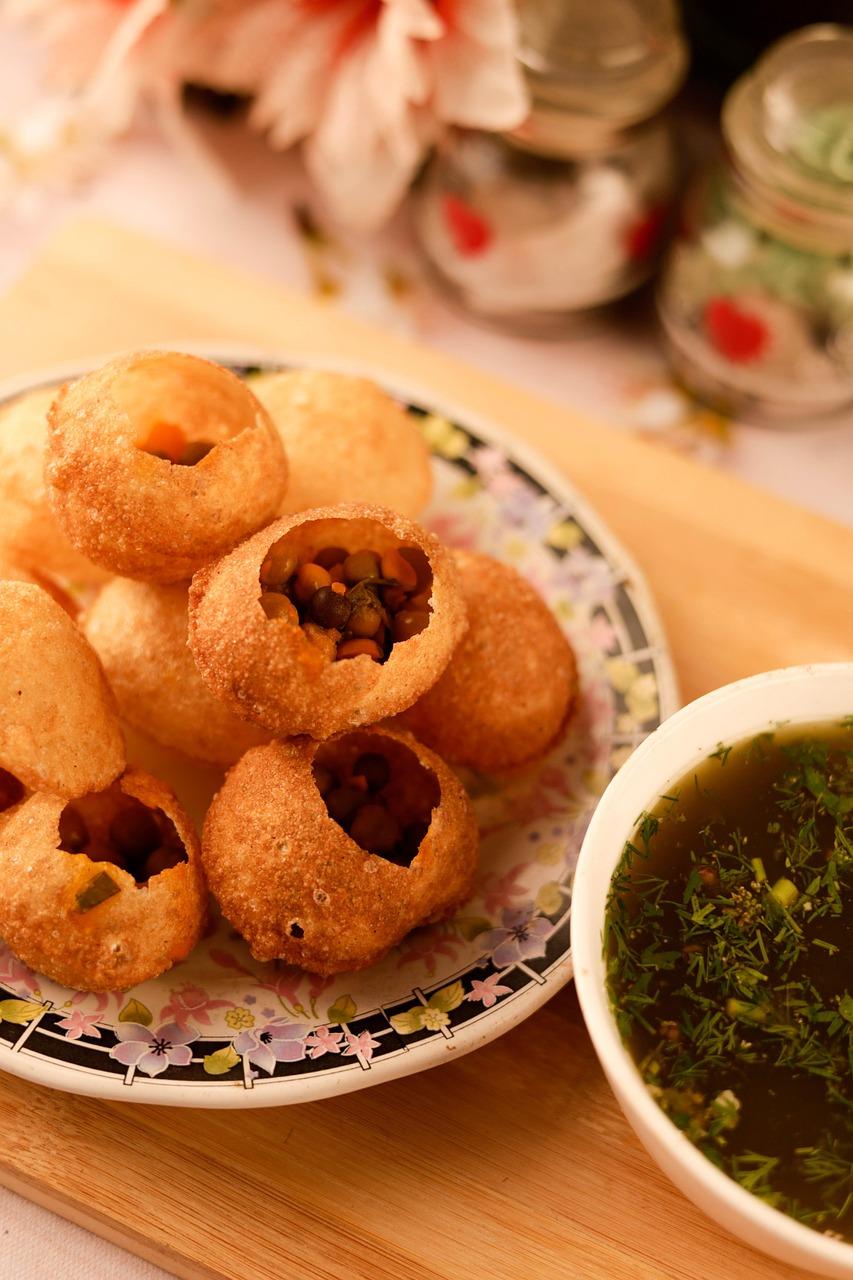
FuchkaFilled crisp shells

Fuchka is Bangladesh's answer to pani puri, but with its own character: in Dhaka the crisp shells are filled with a coarse mash of potato and yellow peas sharpened with raw onion, chilli and coriander, then dipped in or splashed with a sour tamarind water rather than a mint-heavy one. Stalls along Bailey Road and at every fair sell them by the plate of eight, often with a little extra chopped chilli for those who dare. Chef's tip: make the tamarind water ahead and chill it hard; ice-cold sour water against a crisp shell is what you're after.

by KrazyBadal 0 views

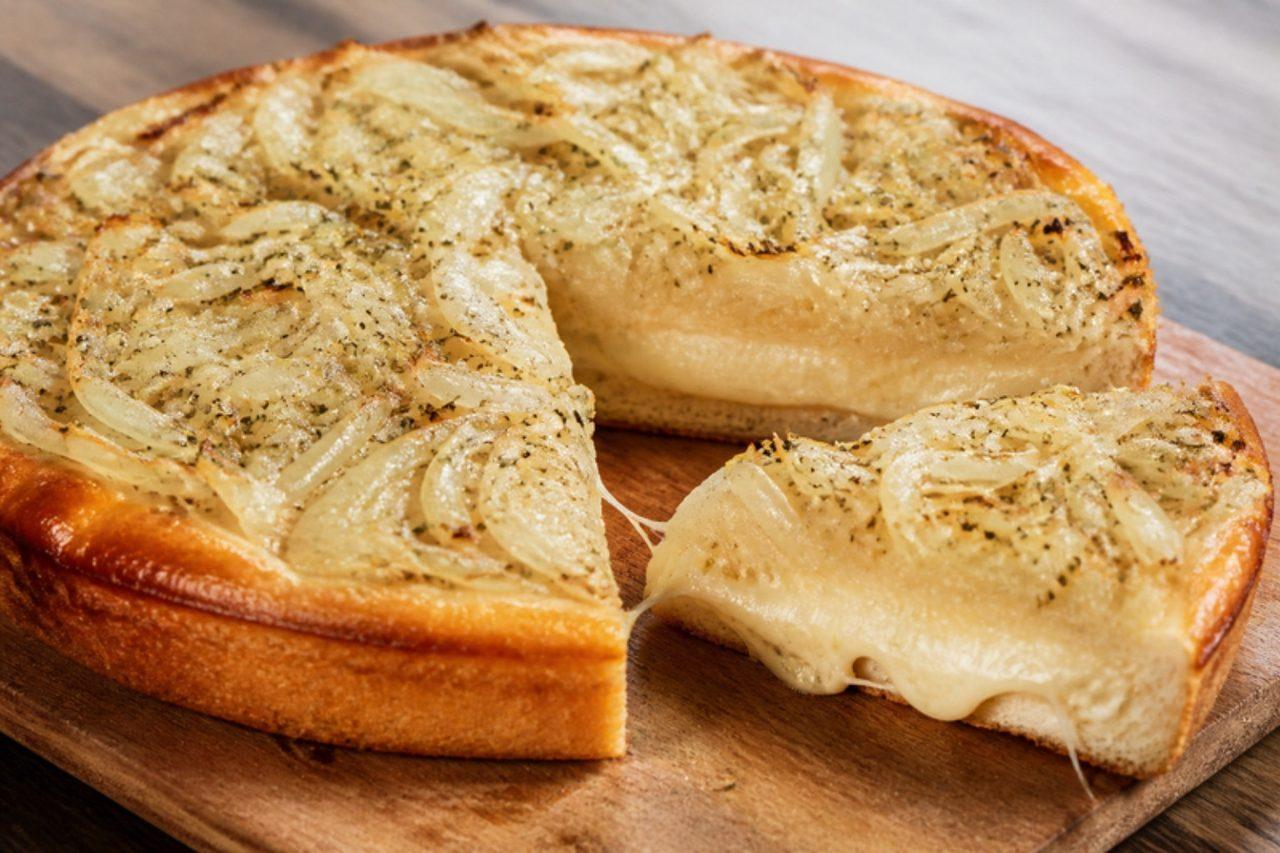
FugazzetaCheese-stuffed onion pizza

Fugazzeta is a Buenos Aires original from the pizzerias of the Corrientes and La Boca neighbourhoods, where Genoese immigrants' focaccia (fugazza) met mozzarella. A thick, soft pan dough is filled with a layer of mozzarella, sealed with a second layer of dough, then covered with a mound of thinly sliced onions and more cheese and baked until the onions are sweet and golden. It's a big, rich pizza to share. Use mozzarella made with vegetarian rennet. Chef's tip: salt the onions and squeeze them out before using; this keeps the pizza from going soggy.

by KrazyBadal 0 views

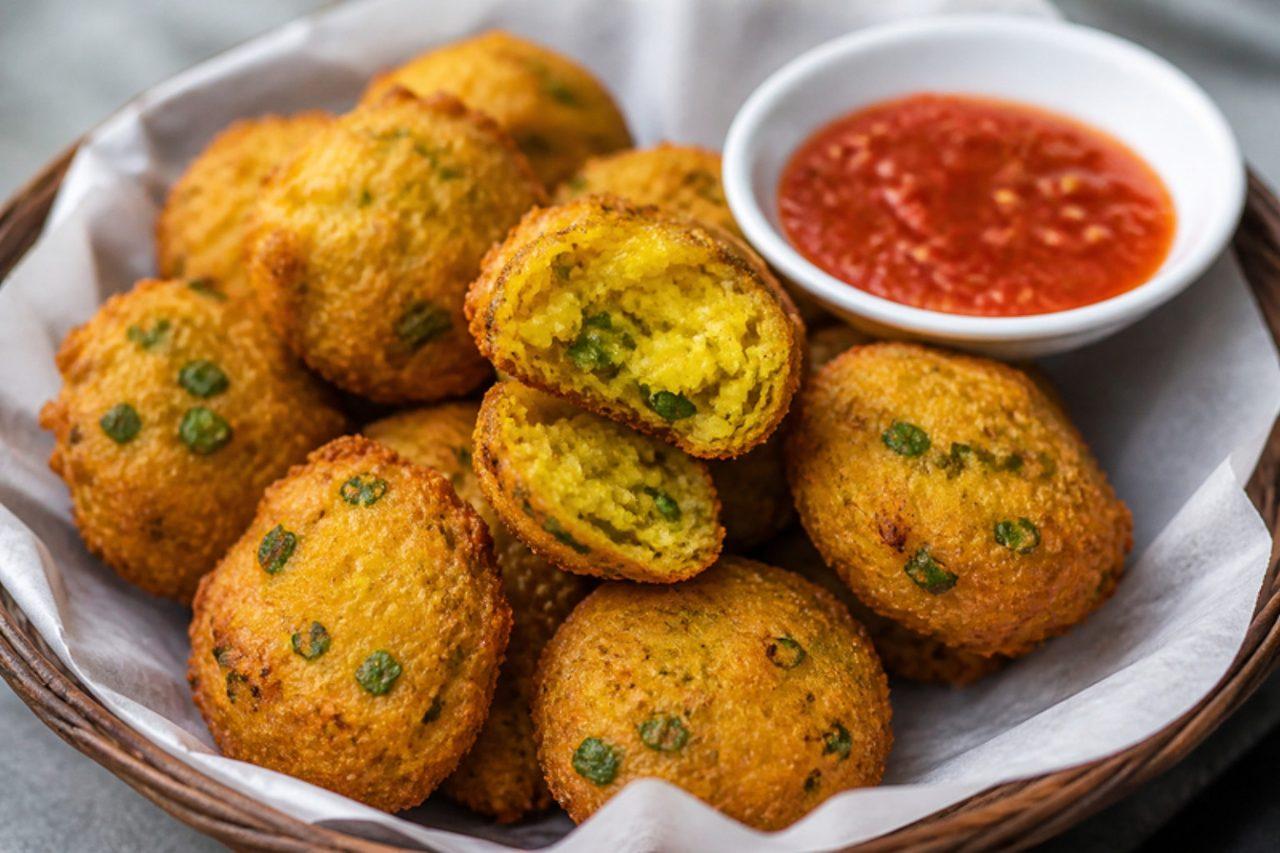
Gâteaux pimentsSplit pea chilli fritters

Gâteaux piments ('chilli cakes') are the snack of Mauritius, sold hot in paper bags at every bus station, school gate and market from Port Louis to Rose-Hill, and stuffed into buttered baguettes at breakfast. Yellow split peas are soaked, ground coarse with chilli, spring onion and coriander, and fried into small crunchy rounds. They are related to Indian vadas, brought by the island's Indian community. Chef's tip: grind the peas coarsely and without water; a smooth, wet paste makes dense, oily fritters.

by KrazyBadal 0 views

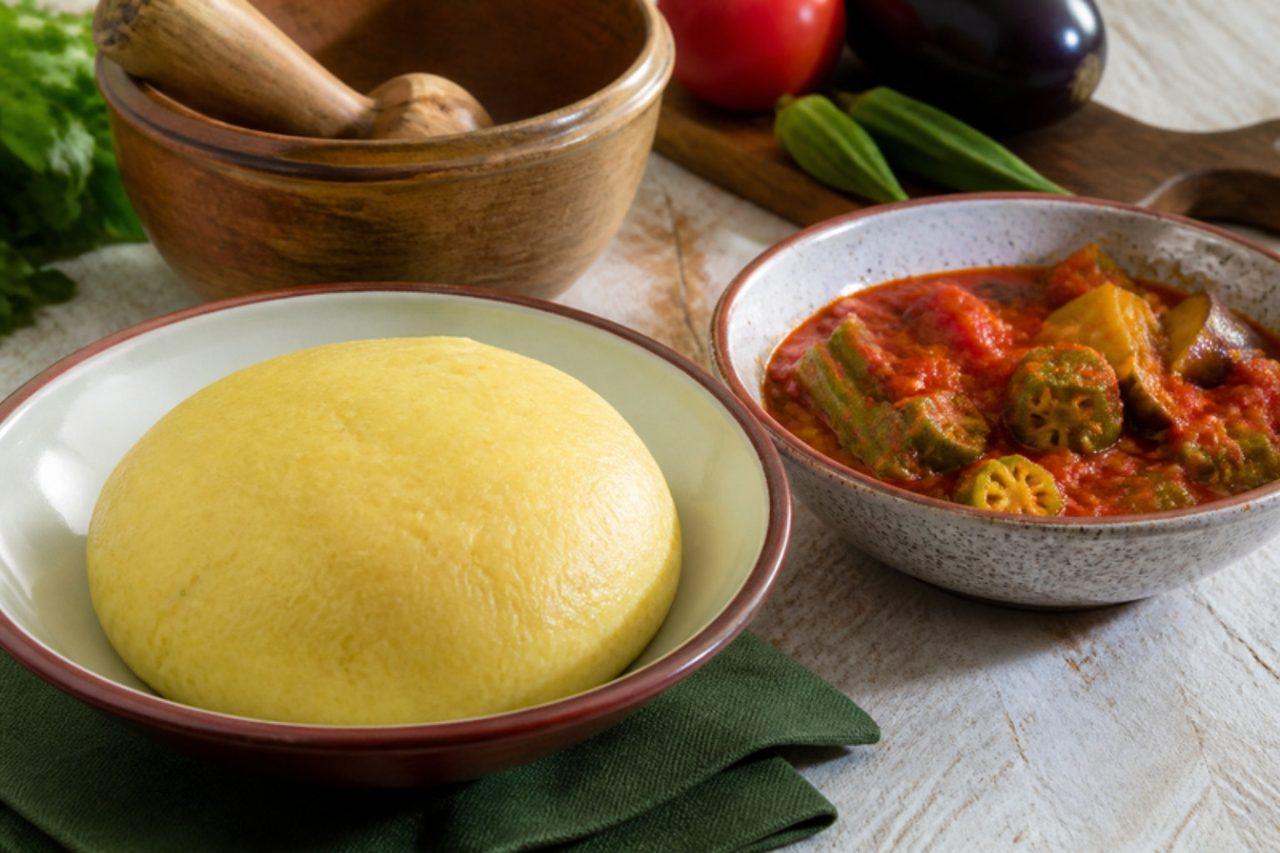
Cou-cou with Bajan vegetable stewCornmeal and okra with vegetable stew

Cou-cou is Friday lunch in Barbados, and paired with flying fish it makes the island's national dish, served in homes and the fish fry stalls of Oistins. Fine cornmeal is stirred into okra and its cooking water with a flat wooden cou-cou stick until it is smooth, thick and pulls away from the pot, then shaped in a buttered bowl. It's soft, mild and comforting, made for soaking up the rich tomato gravy around it. Here the gravy is a stew of peppers, tomatoes, aubergine and butter beans cooked with Bajan seasoning; flying fish steamed in the same sauce is the classic for fish eaters. Chef's tip: whisk the cornmeal into cold water before it goes into the pot; adding it dry to boiling liquid is the fastest way to lumps.

by KrazyBadal 0 views

Showing 81 of 10,569 recipes

Show more recipes

Page 1,094 of 1,175