


Skip to content
Ful nabit
Featured recipe

Ful nabit

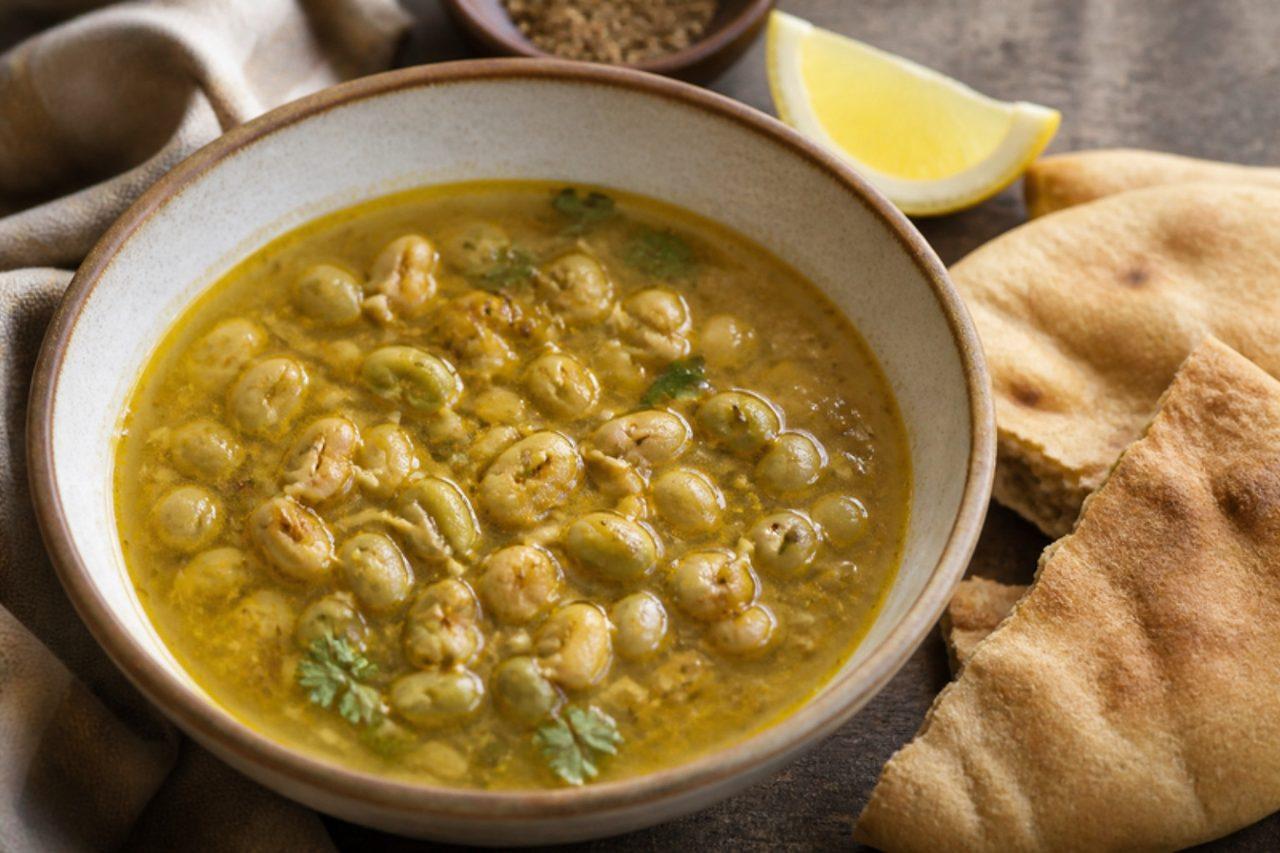
Sprouted fava bean soup

Sprouted beans are ladled out with their cooking liquor in Cairo homes when the weather turns cold or someone is feeling run down, and Egyptians swear by the broth as a pick-me-up. The beans are soaked and left to sprout for a few days, then simmered with onion, garlic and cumin into a light, earthy soup that is sharpened at the table with plenty of lemon. You can eat the beans with a spoon or pop them from their skins. Allow 3 to 4 days for sprouting, although the hands-on work is only about 20 minutes. People with G6PD deficiency (favism) must not eat fava beans. Chef's tip: stop the sprouting when the shoots are about 1 cm long; longer sprouts taste grassy and bitter.

Read more 2 views

What to eat today?

Around the world

Today's trip: Peruvian

A new country every day, from every cuisine on the site.

Peruvian

Tacacho

Mashed roasted green plantain balls 35 minMore from Peruvian (111) →

This week's collection

Kid-friendly dinners
772 recipes · a new collection every Monday

Coming up

All occasions →

Latest recipes

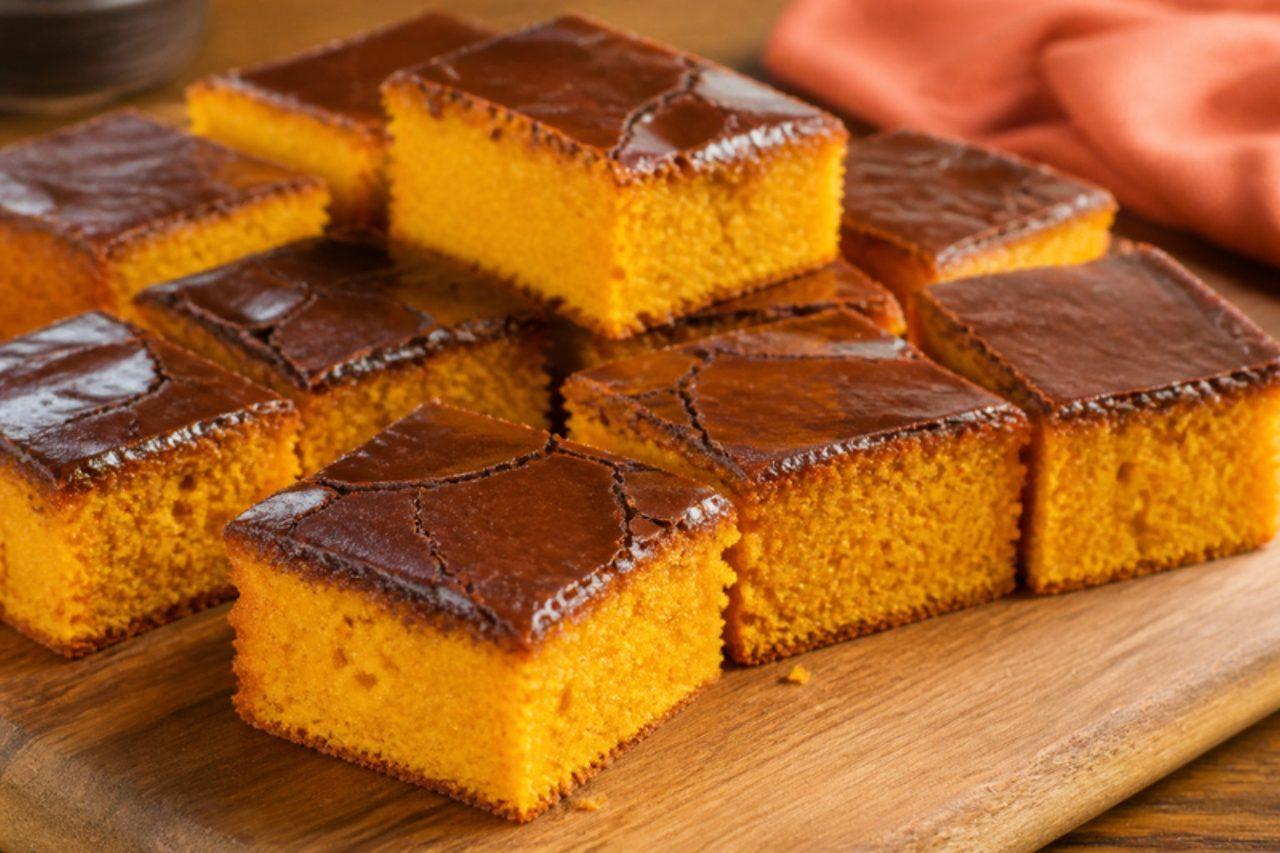
Bolo de cenoura com cobertura de chocolateCarrot cake with chocolate topping

Bolo de cenoura is the most loved homemade cake in Brazil, served with coffee at the afternoon lanche all over the country. It's nothing like the spiced, nutty carrot cake of the UK and US: raw carrots are blended smooth with eggs and oil, giving a bright orange, light and moist sponge, finished with a thick chocolate topping that sets with a thin crust. Chef's tip: blend the carrots with the eggs and oil until completely smooth, with no visible bits, and pour the chocolate topping over while the cake is still warm. The topping soaks in a little and sets with the shiny, crackly casquinha (crust) Brazilians love.

by KrazyBadal 0 views

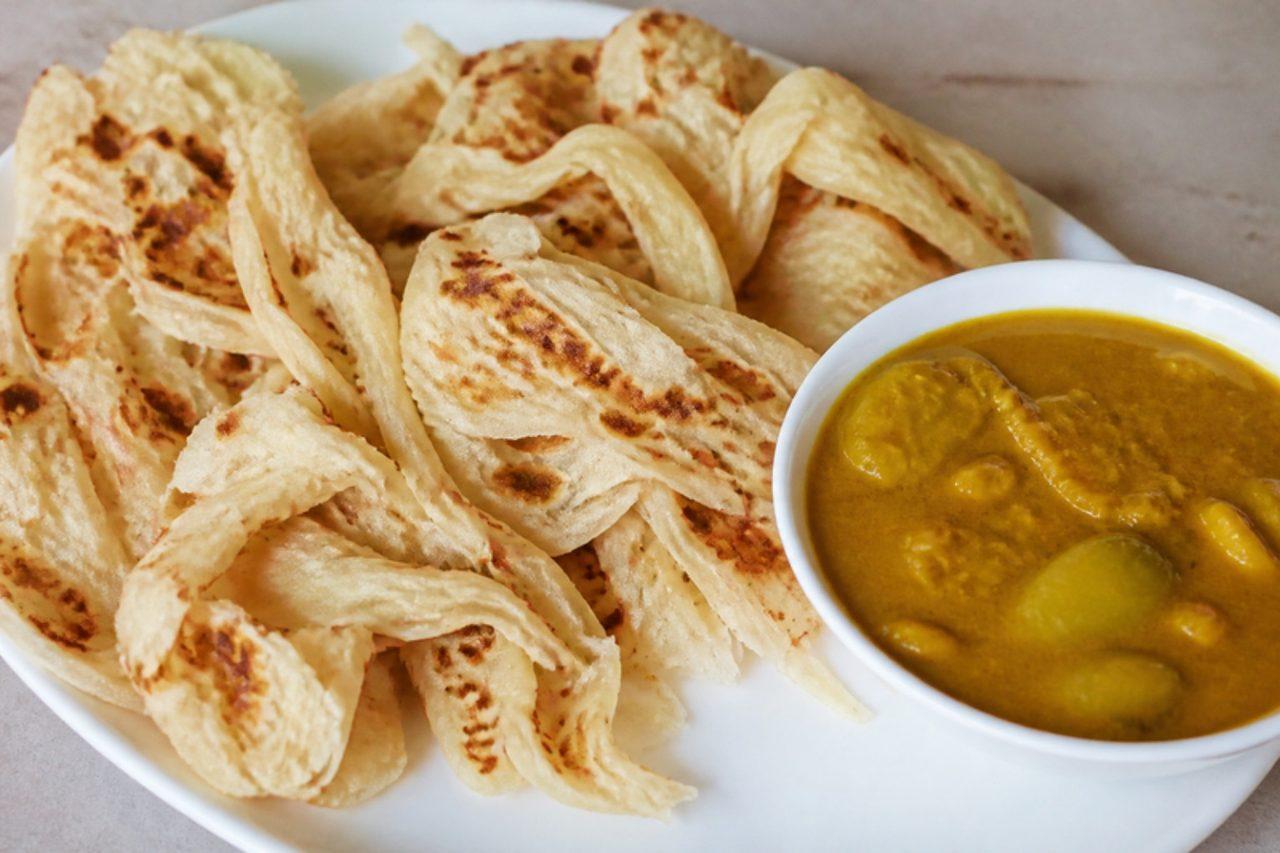
Buss-up-shutTorn paratha roti

Buss-up-shut is the paratha roti of Trinidad, so called because the torn, flaky pieces look like a 'burst-up shirt'. A soft dough is spread with butter and oil, rolled into a coil to build layers, cooked on a hot tawa, then clapped and beaten with wooden paddles until it breaks into soft, buttery, flaky shreds. It's served in roti shops across Trinidad for scooping up curries, and is always at Hindu weddings and Divali feasts. Chef's tip: beat the roti while it's still scalding hot. The steam inside is what separates the layers, so the moment it leaves the tawa, clap it between your hands (in clean oven gloves) or bash it with two wooden spatulas until it shreds.

by KrazyBadal 0 views

Acarajé with vegan vatapáBlack-eyed pea fritters with coconut paste

Acarajé is the street food of Salvador da Bahia, fried to order by the baianas de acarajé in their white lace dresses; the craft is protected as part of Brazil's cultural heritage. Peeled black-eyed peas are ground with onion, whipped until light and fried in dendê into crisp, airy fritters, then split and filled with vatapá, a rich paste of coconut, peanuts, cashews and ginger. Street versions add dried shrimp; this one leaves it out and leans on dendê and toasted nuts for depth. Add vinagrete and pepper sauce as they do in Salvador. Chef's tip: beat the bean paste until it's pale and fluffy, and test a little in a glass of water: when it floats, it's ready. That trapped air is what makes acarajé light inside.

by KrazyBadal 0 views

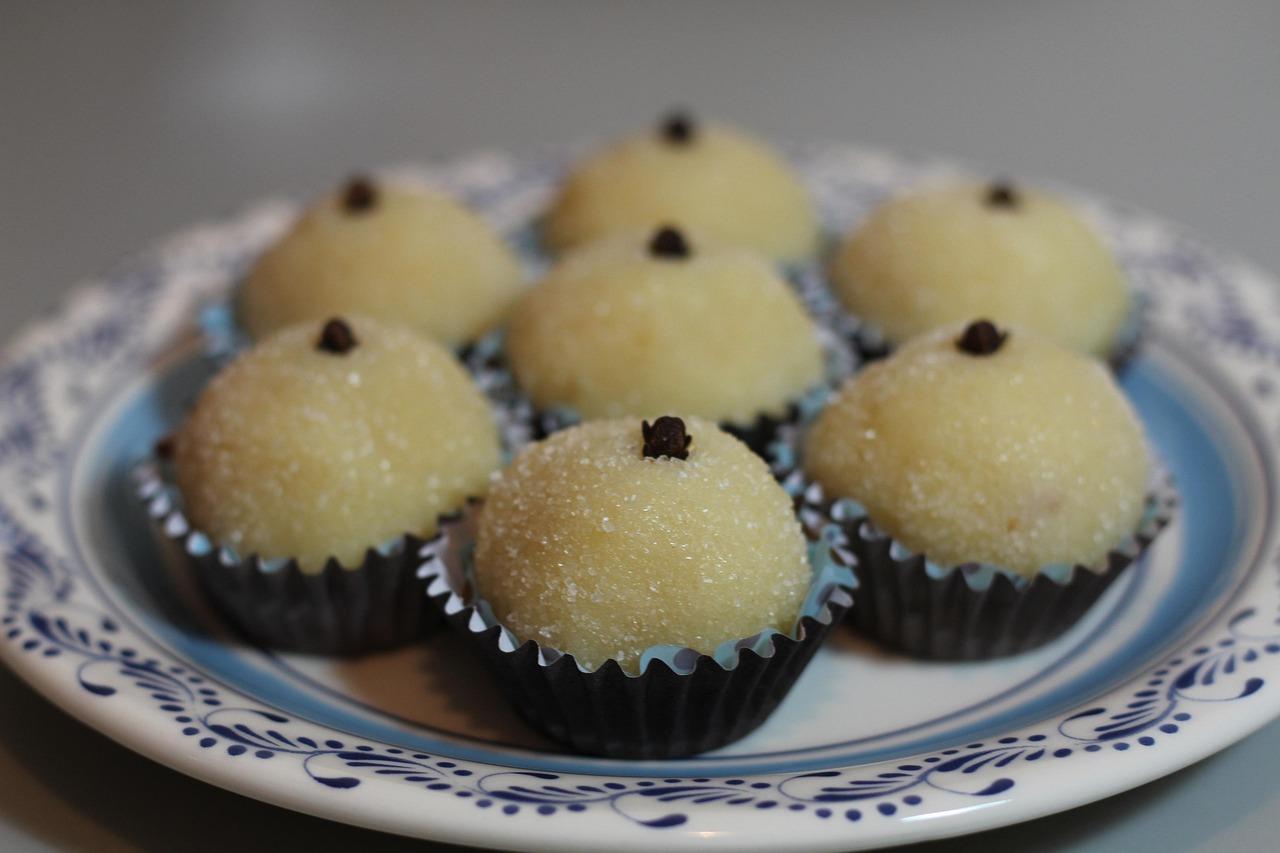
BeijinhoCoconut condensed milk sweets

Beijinho ('little kiss') is the white twin of brigadeiro, and the two always appear side by side at Brazilian birthday parties all over the country. Condensed milk is cooked with butter and coconut until thick, then rolled into small balls, coated in sugar or coconut and topped with a single clove. Chef's tip: don't skip the clove. It's the signature of a proper beijinho, giving a little warm, spicy perfume that balances all that sweetness (it's for decoration and aroma; take it out before eating).

by KrazyBadal 0 views

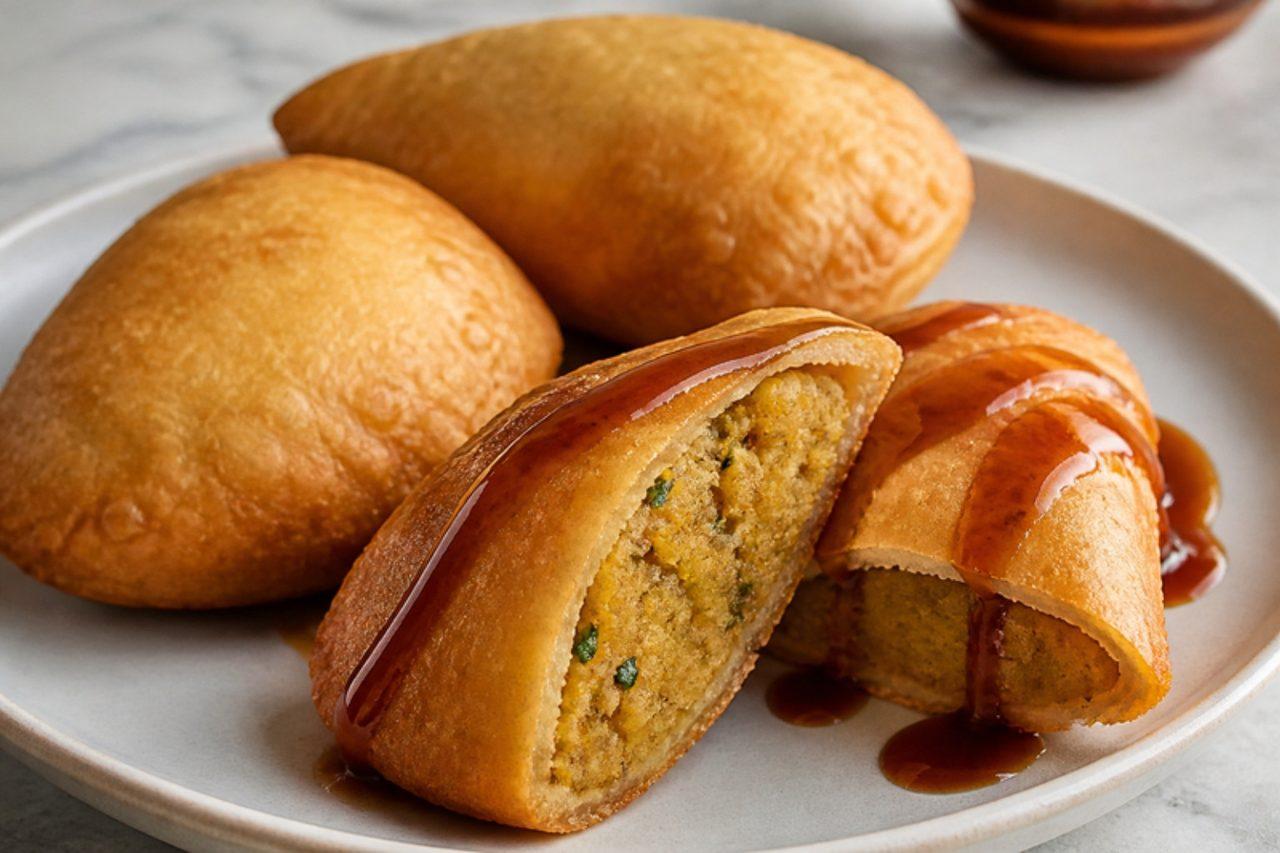
Aloo pieFried potato pastry pockets

Aloo pie is a Trinidadian street snack: a soft, chewy fried dough shaped like a big half-moon, filled with mashed potato seasoned with roasted geera, garlic, pepper and shado beni. It's sold at doubles stands, roti shops and school canteens all over the island, and the classic way to eat it is split open and loaded with curry channa, tamarind sauce and pepper. It's softer and breadier than an Indian samosa. Chef's tip: roast the geera seeds yourself until they're dark brown and fragrant, then grind them. That deep, smoky cumin flavour is what makes Trini aloo pie taste the way it should.

by KrazyBadal 0 views

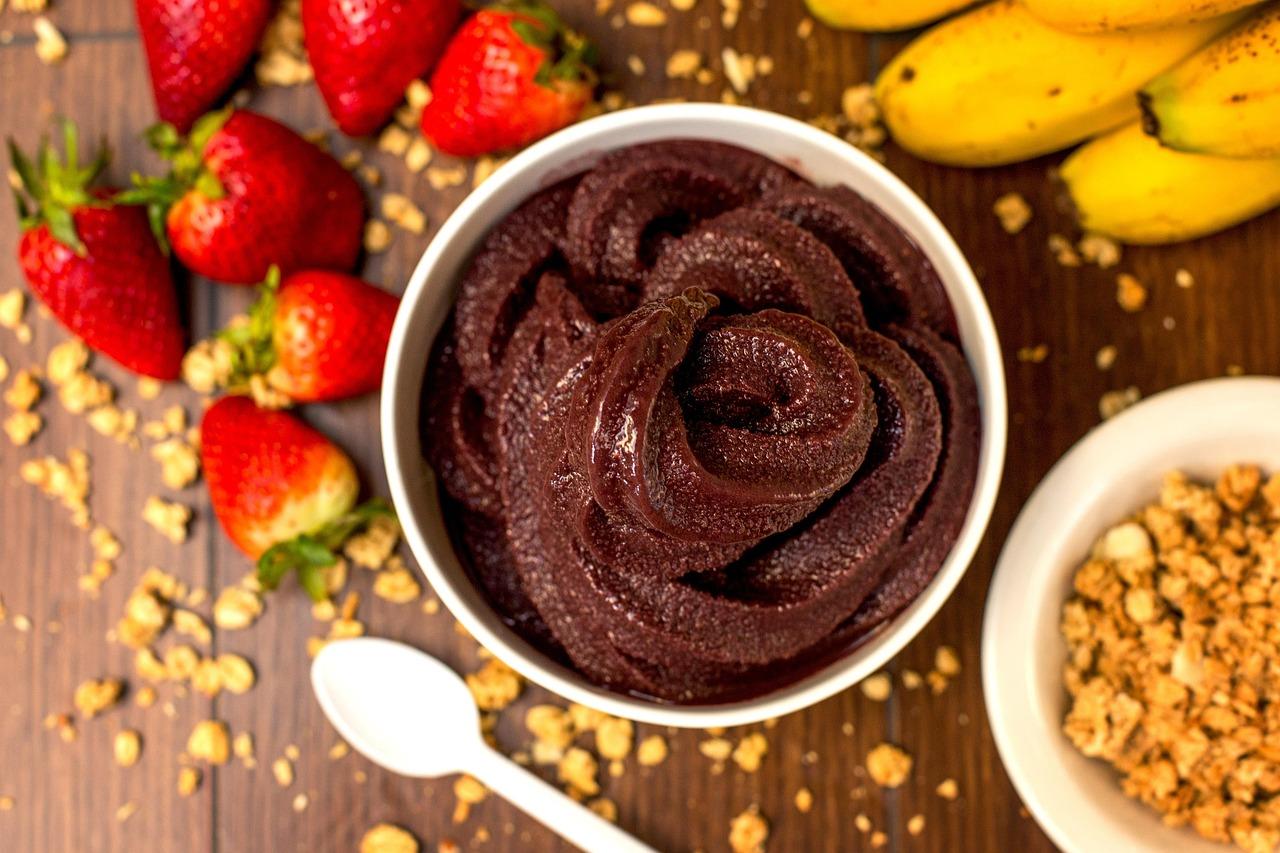
Açaí bowl

Açaí is a deep purple palm berry from Pará, in the Amazon, where people in Belém eat it as a thick, unsweetened purée with manioc meal alongside savoury food. The sweet, frozen açaí na tigela ('açaí in a bowl') was born on the beaches of Rio de Janeiro and became a Brazilian breakfast and post-surf favourite: thick as soft-serve ice cream, topped with crunchy granola, banana and strawberries. Chef's tip: use as little liquid as possible and blend in short pulses, scraping down the sides. Real açaí na tigela is spooned, not drunk; too much juice turns it into a smoothie.

by KrazyBadal 0 views

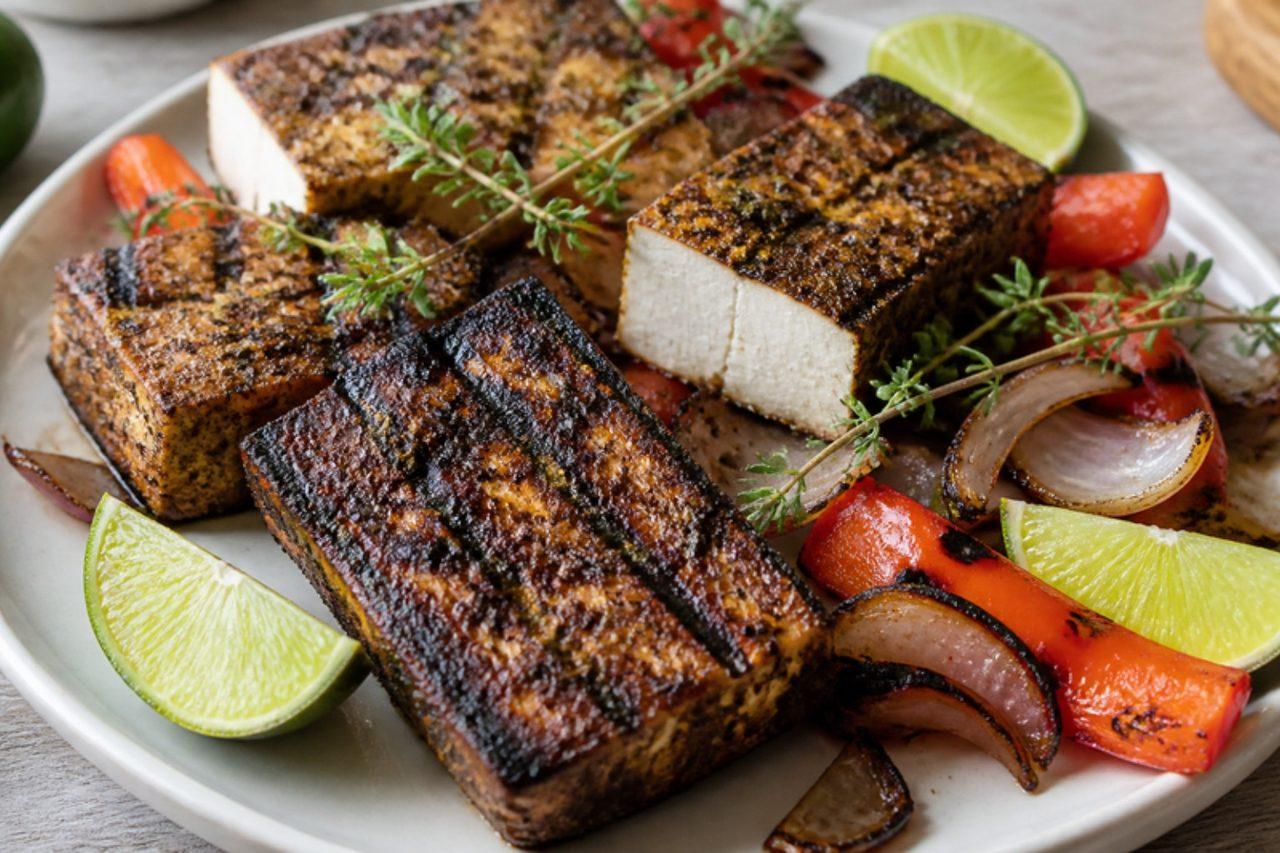
Jerk tofu and vegetables

Jerk was born in the hills of Portland parish, where Maroon communities slow-cooked spiced meat over pimento wood, and Boston Bay is still its home today. The heart of it is the wet marinade: spring onion, thyme, scotch bonnet and plenty of pimento (allspice), blitzed into a coarse green-brown paste. Here it clings to slabs of pressed tofu and chunky vegetables that are charred until sticky at the edges, smoky, hot and fragrant. Serve with rice and peas, fried ripe plantain or festival and a squeeze of lime. Chef's tip: toast whole pimento berries in a dry pan and grind them yourself; ready-ground allspice tastes flat, and the warm clove-pepper perfume of fresh pimento is what makes jerk taste like jerk.

by KrazyBadal 1 views

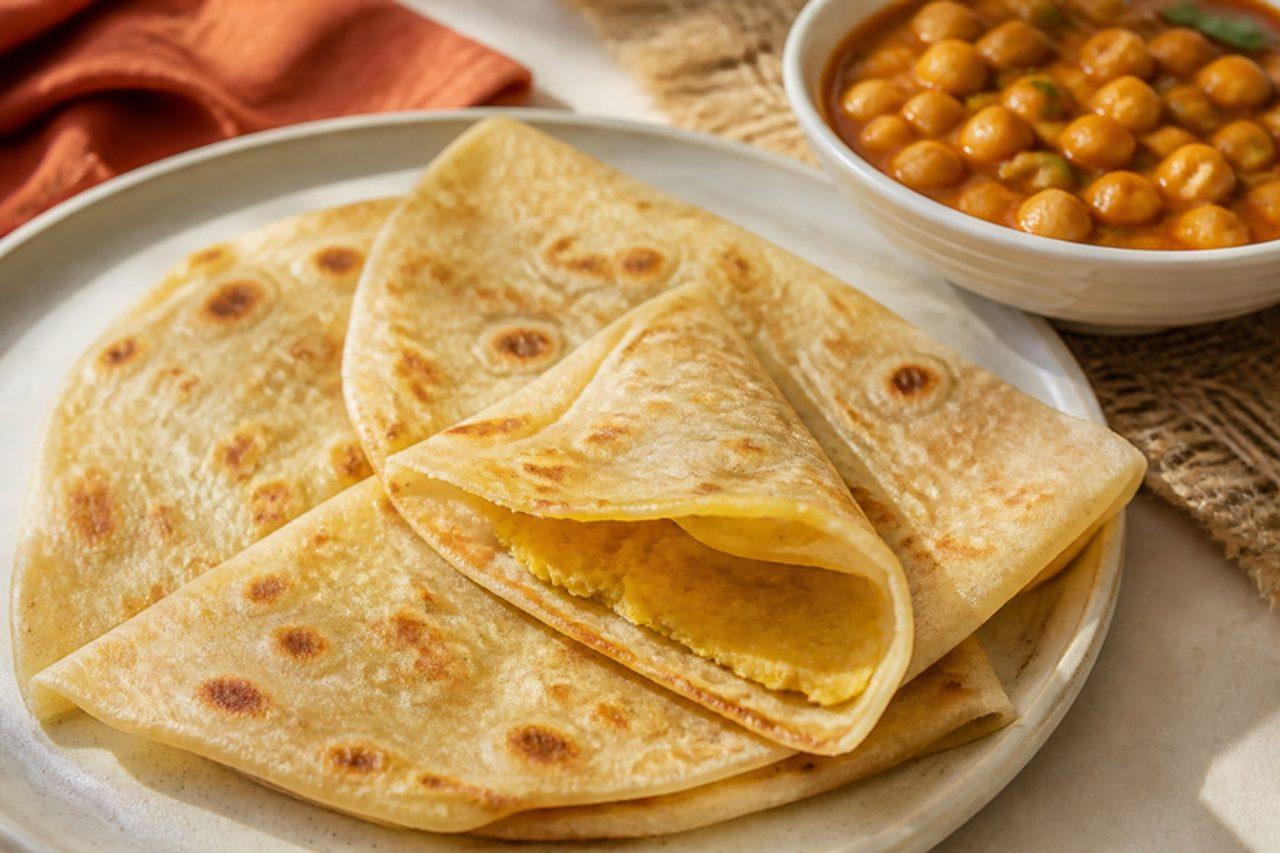
Dhalpuri rotiSplit pea filled flatbread

Dhalpuri is the pride of Trinidad's Indo-Caribbean kitchens and roti shops, from Chaguanas to San Fernando: a large, soft, thin roti with a hidden layer of finely ground, seasoned yellow split peas. It's wrapped around curry channa and aloo, curry pumpkin or curry mango to make a 'roti', or torn and eaten alongside. It came with Indian indentured workers in the 1800s and became something distinctly Trini: thinner and softer than an Indian dal paratha, cooked on a flat iron 'tawa'. Chef's tip: the split peas must be boiled only until just tender, drained, then dried and ground into a fine, dry powder. Any dampness and the roti will burst when you roll it out.

by KrazyBadal 0 views

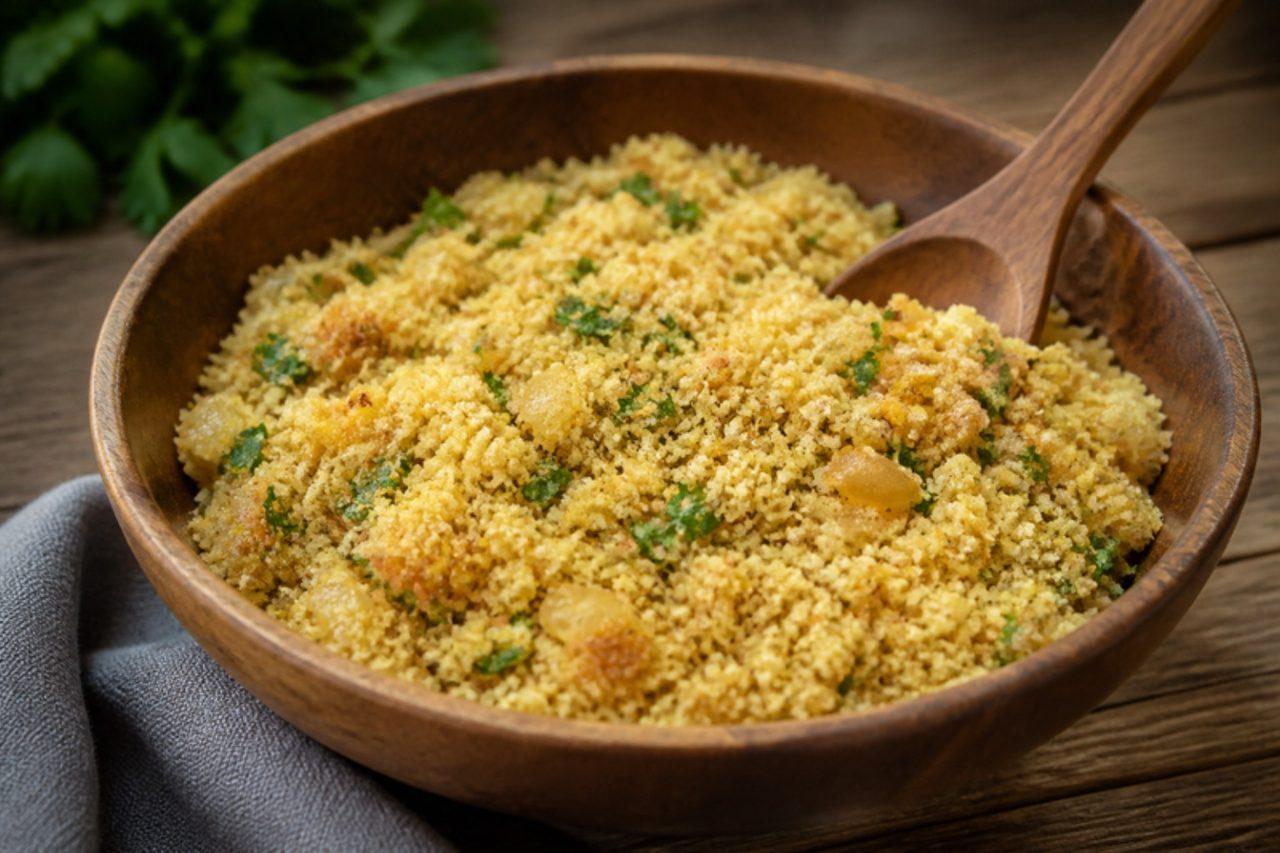
FarofaToasted manioc meal

Farofa is on the table at almost every Brazilian meal, from feijoada to Sunday barbecue: coarse manioc (cassava) meal toasted in butter or olive oil with onion and garlic until golden, sandy and nutty. Sprinkle it over beans, stews and moqueca to soak up the juices and add crunch. Bacon is common in the South-East; this butter version is the classic everyday one (use olive oil for a vegan farofa). Chef's tip: toast the manioc over a medium-low heat, stirring constantly, and go by smell and sound. It's ready when it smells like toasted hazelnuts and sounds dry and sandy against the spoon; high heat scorches it in seconds.

by KrazyBadal 0 views

Showing 9 of 10,569 recipes

Show more recipes

Page 1,101 of 1,175