


Skip to content
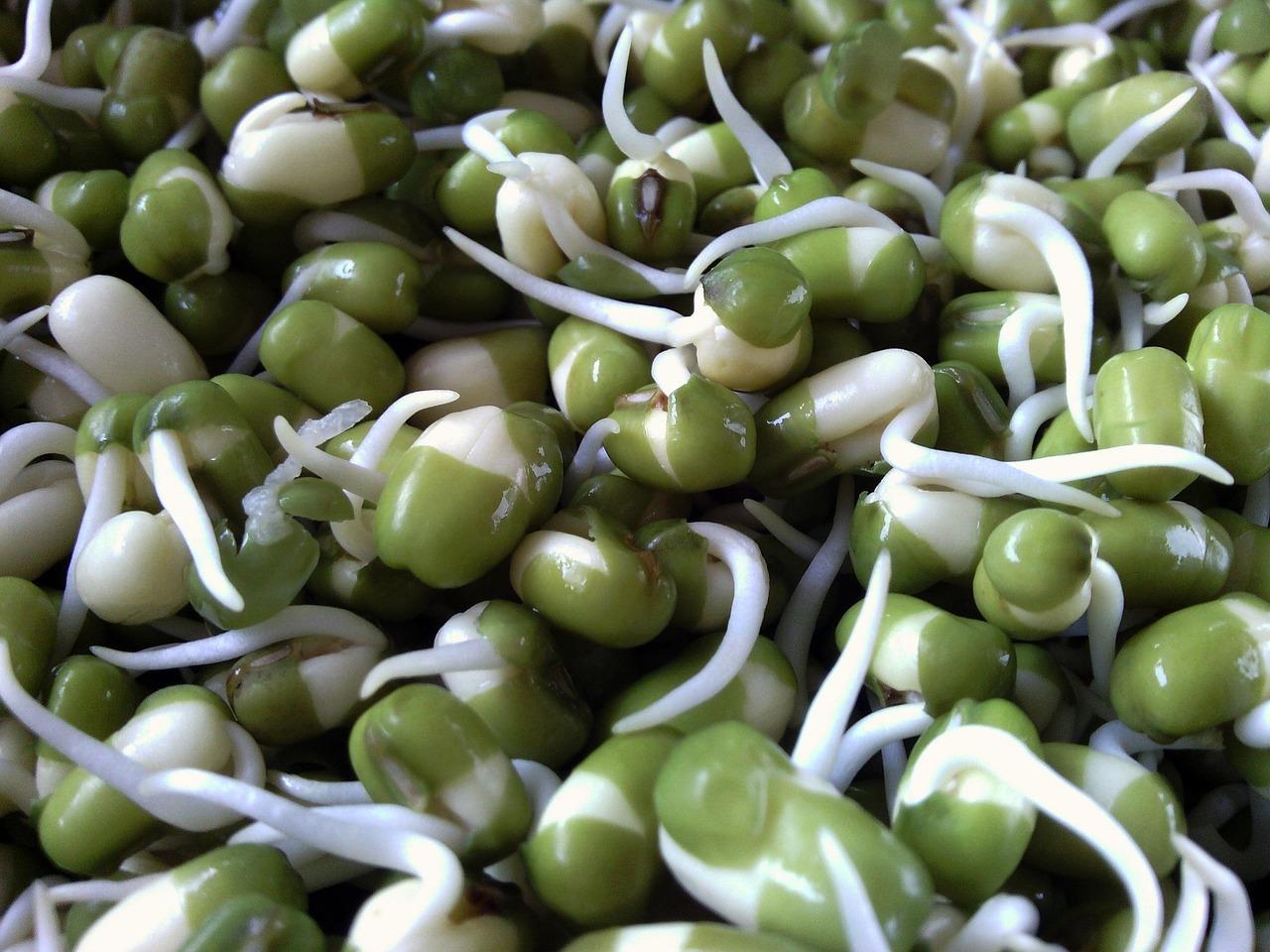
Bean sprouts
Featured recipe

Bean sprouts

Sprouting whole green grams makes them crunchier, quicker to cook and more nutritious. All you need is muslin, water and a warm spot, and they're ready in 3–4 days. Use them in salads, bhel, usal and stir-fries. Any other whole pulse sprouts the same way.

Read more 1 views

What to eat today?

Around the world

Today's trip: Persian

A new country every day, from every cuisine on the site.

This week's collection

Kid-friendly dinners
541 recipes · a new collection every Monday

Latest recipes

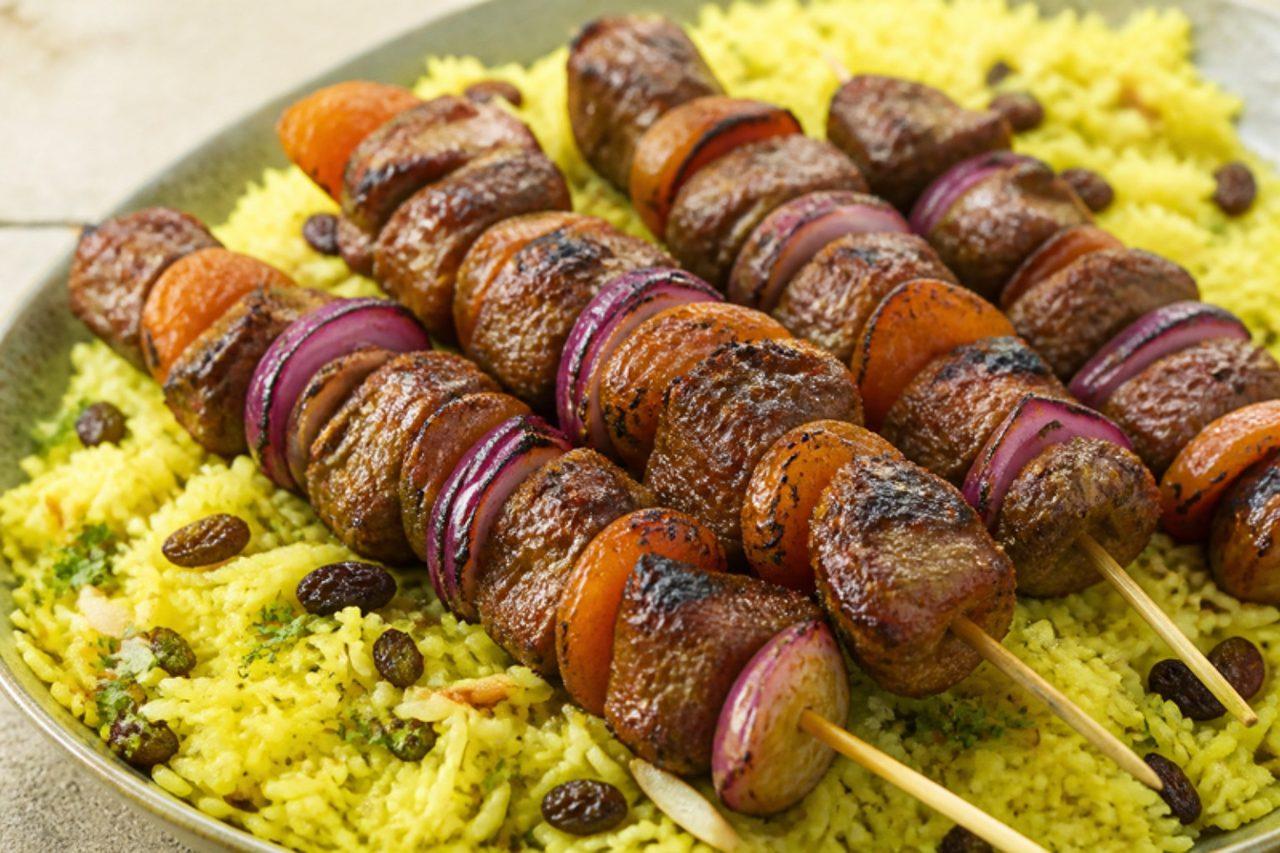
SosatiesCurried lamb and apricot skewers

Bo-Kaap kitchens gave the braai one of its sweetest-sour treats: cubes of lamb soaked overnight in a cooked curry marinade of fried onion, apricot jam, vinegar and lemon leaves, then threaded with plump dried apricots and onion and grilled over coals. Every butchery in the Cape now sells them ready-marinated, yet homemade ones taste brighter and less sugary. Expect tender, slightly charred meat, sticky-sweet apricots and a warm curry tang that begs for yellow rice, a green salad or simply a soft roll. Pouring the marinade over the lamb while it is still warm is a common slip; it starts to cook the surface and the meat turns grainy. Chef's tip: boil the leftover marinade for a few minutes and brush it on in the last minutes of grilling for a glossy glaze.

by KrazyBadal 0 views

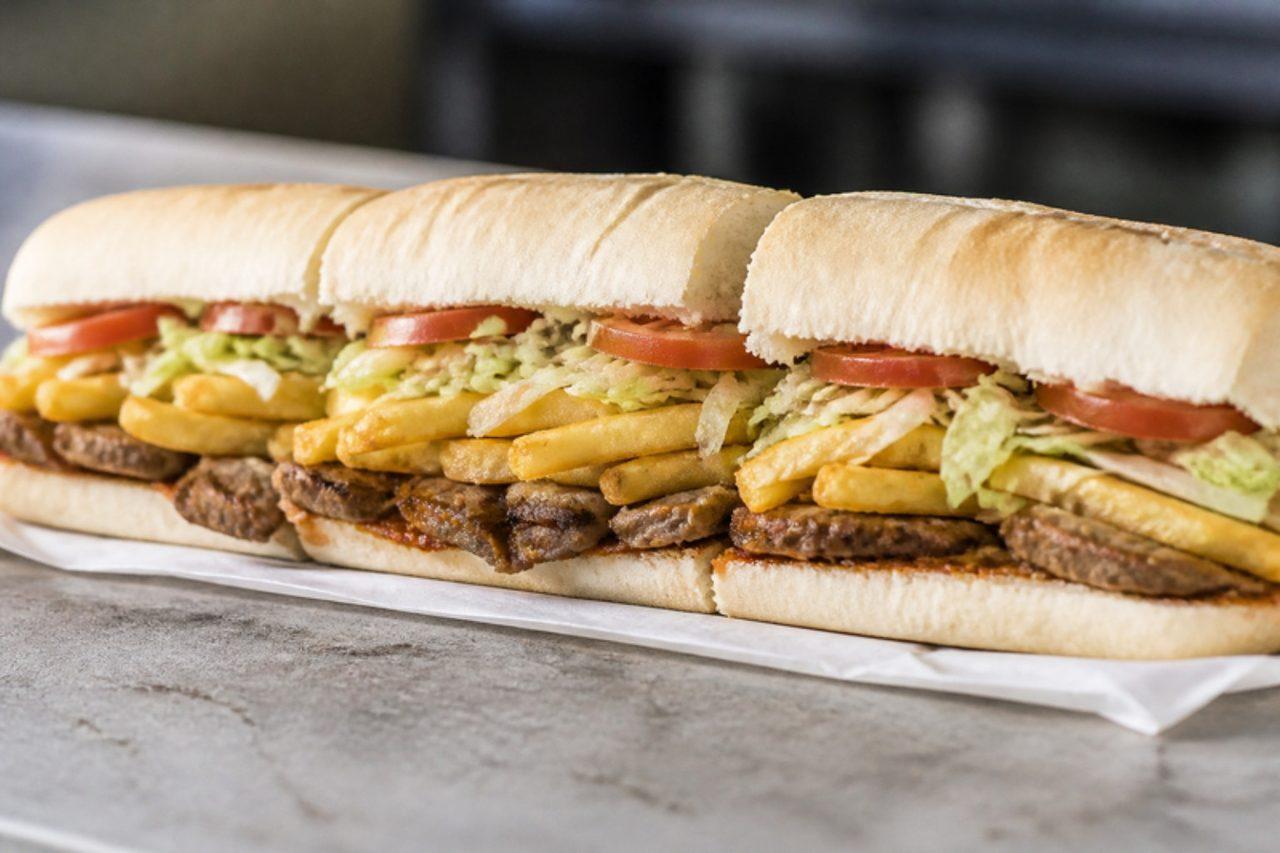
GatsbyMasala steak and chips roll

Born in an Athlone fish-and-chip shop in the 1970s, the Gatsby is Cape Town's sharing sandwich: a roll as long as your arm, stuffed with hot chips, salad, sauce and a filling, then chopped into four and handed round at a match, a birthday or after Friday prayers. This version uses masala steak, thin strips of beef fried hard with Cape curry masala, garlic and chilli-garlic sauce until sticky and dark. Many takeaways add sliced polony too, which usually contains pork and/or beef or chicken, so check the label if that matters to you. The usual letdown is soggy chips, so fry them last and build the roll the moment they come out of the oil. Chef's tip: for masala chicken, swap in 600 g thin-sliced boneless chicken thigh and fry until it reaches 74 °C in the thickest piece, with no pink left.

by KrazyBadal 0 views

CassareepCassava syrup

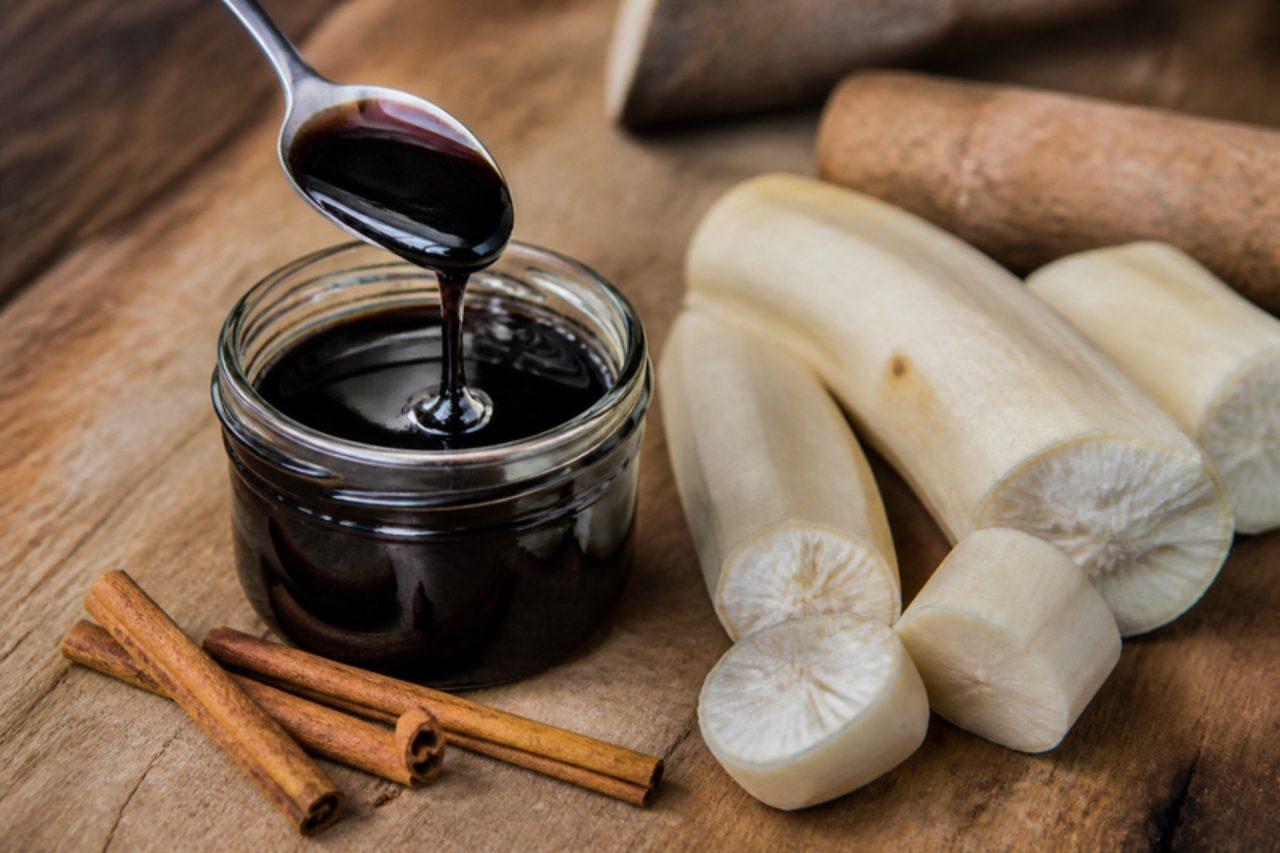
Cassareep is what makes Guyana's Christmas pepperpot dark, sweet-savoury and long-keeping, and in Amerindian villages of the Rupununi and along the rivers it is still boiled down from the juice of grated cassava. Traditional cassareep uses bitter cassava, whose raw juice is poisonous until it has been boiled for hours; this home version uses only sweet cassava (the kind sold in shops as yuca), and still boils the juice for a long time, because even sweet cassava must never be eaten raw. A little dark sugar helps it reach the deep colour that slow reduction gives in the villages. The usual mistake is stopping too soon, when it is brown and thin; it should be black and syrupy, like molasses. Chef's tip: take the pan off the heat when it coats a spoon thickly, as it thickens much more as it cools.

by KrazyBadal 0 views

Batido de trigoPuffed wheat shake

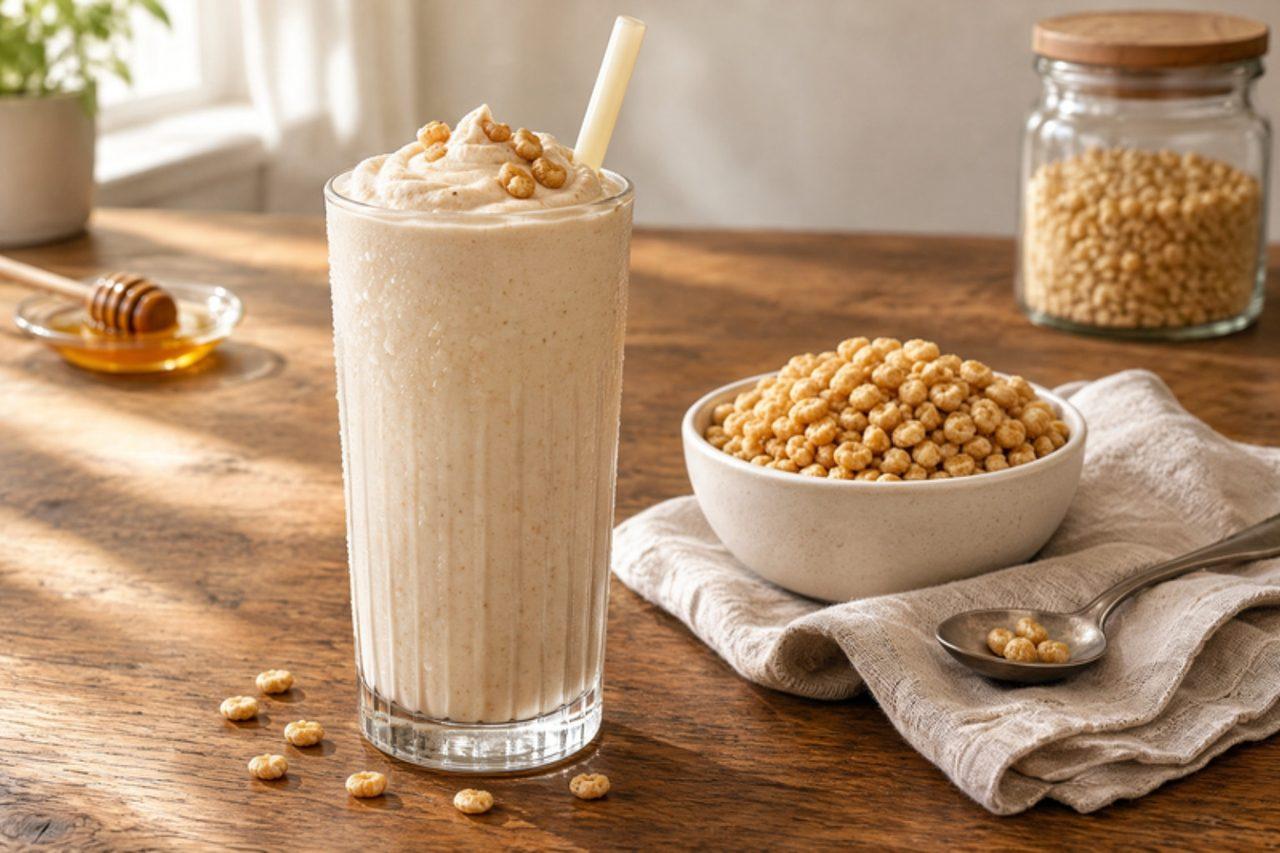
Havana cafeterías and Miami ventanitas blend this for breakfast on the run: puffed wheat, cold milk, sugar and ice whizzed into a thick, frothy shake that tastes like a malted milk with toasted cereal. It is one of the most loved Cuban batidos, and quick to make at home. The common mistake is using sweetened, honey-coated cereal, which makes it cloying; plain puffed wheat lets the toasty grain flavour come through. Chef's tip: blend the puffed wheat with half the milk first until completely smooth, then add the ice, so you don't get soggy flecks of cereal.

by KrazyBadal 0 views

Cauliflower avakayaCauliflower pickle

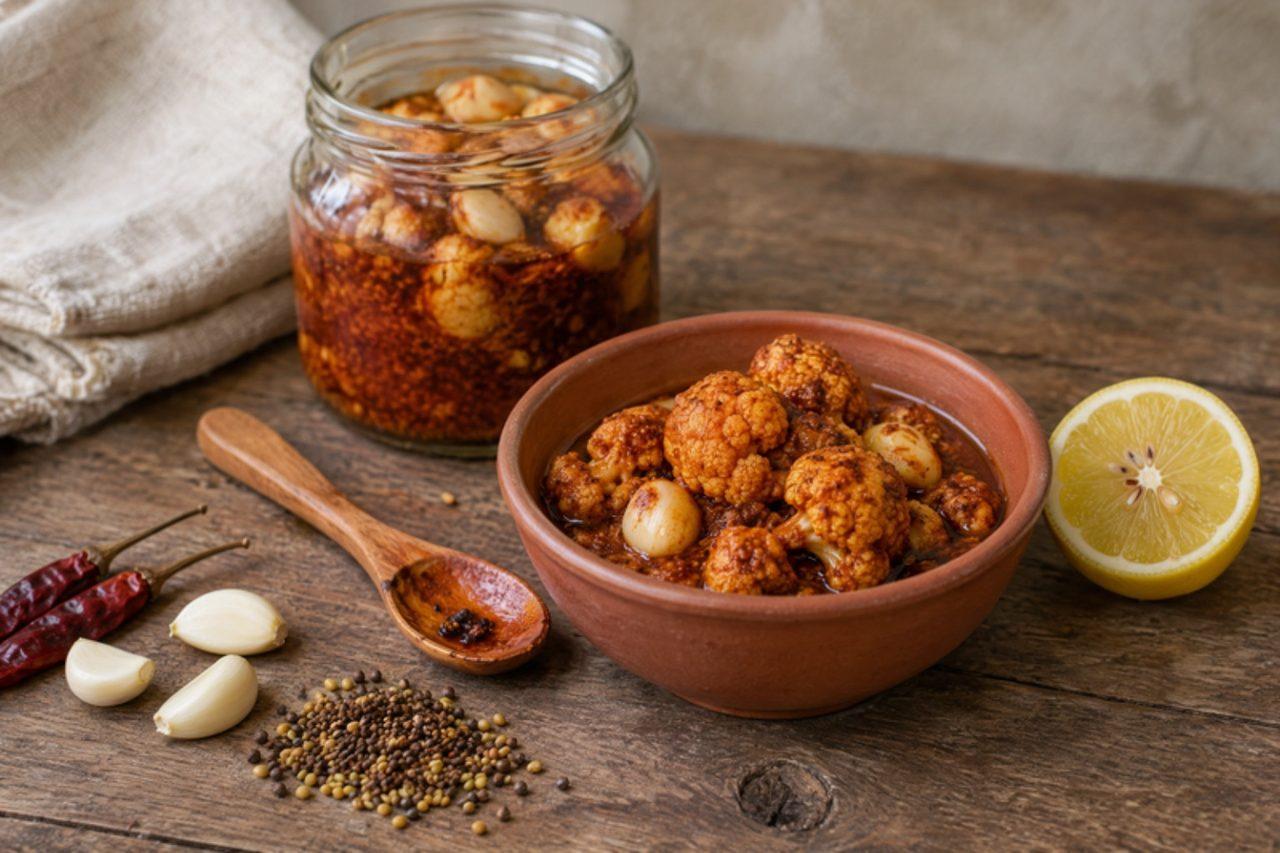
When the mango jars run low and the Andhra and Telangana winter brings piles of dense white cauliflower to the markets, from December to February, households make a cauliflower avakaya. Lemon juice stands in for the sour mango, and the florets are coated in the same masala of mustard powder, chilli, salt, fenugreek and garlic, tempered with gingelly oil. After two days the florets have soaked up the masala but still crunch; the pickle is hot, nose-tingling and bright with lemon. Serve it with hot rice and ghee, with chapati, or beside a plain dal. Cauliflower is not acidic by itself and this pickle contains raw garlic, so it is always kept in the fridge, with plenty of lemon. Common mistake: packing florets that are still damp; wash them in hot salted water to drive out any insects, then dry them for several hours until no moisture remains. It is ready when the florets taste seasoned to the core and the oil and lemon have formed a glossy red sauce. Chef's tip: cut the florets small, about 2 cm, so the masala can reach the middle.

by KrazyBadal 0 views

Batido de mameyMamey milkshake

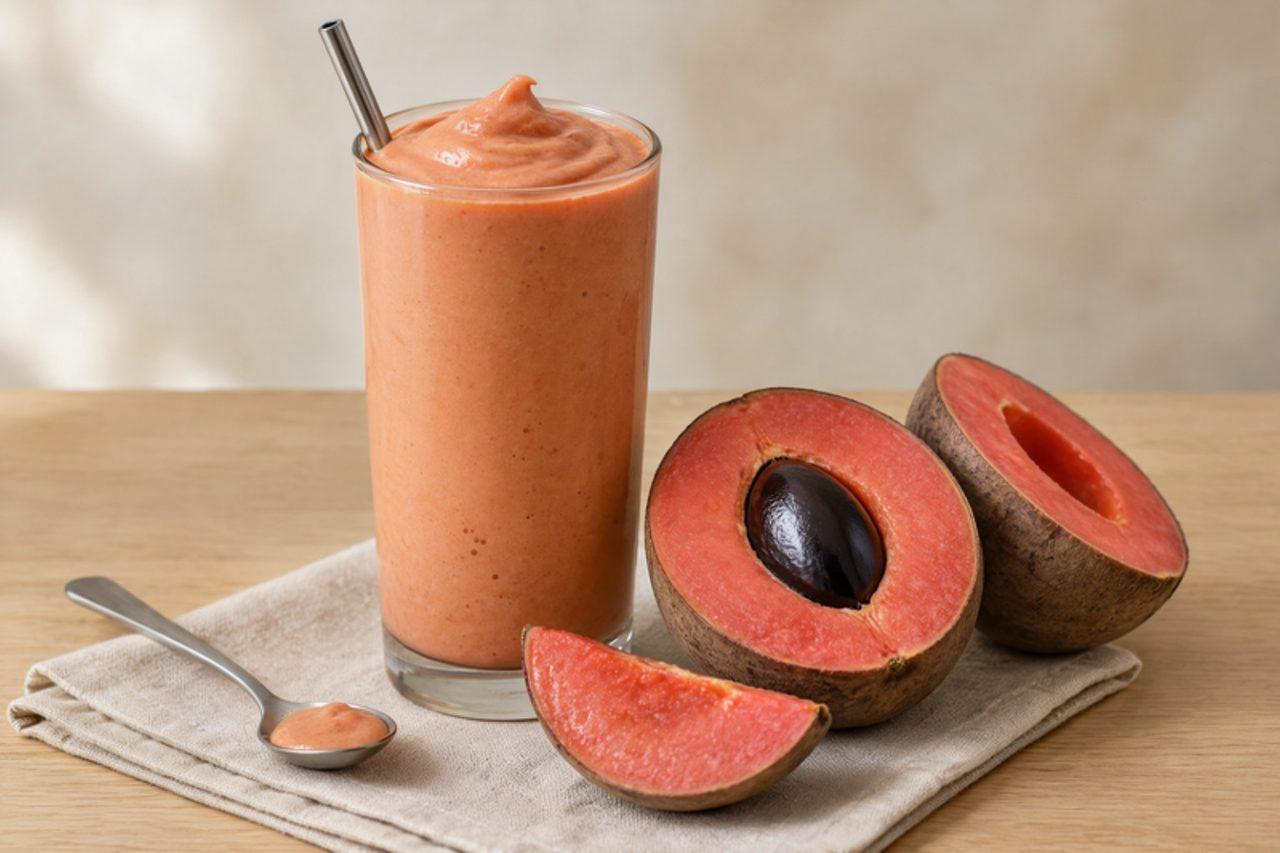
In Havana and all over the island, the cafeteria counter has a blender that never stops, turning out batidos of mango, guanábana, papaya and the favourite of all, mamey. The fruit has a rough brown skin and a soft, salmon-red flesh that tastes like sweet potato, pumpkin pie, almond and apricot at once, and blended with cold milk it makes a shake so thick it is almost a dessert. It is drunk mid-afternoon on hot days, at breakfast with toast, or at a kid's birthday party; Miami's Cuban cafés keep the tradition alive with frozen pulp. The common mistake is using a hard mamey, which tastes starchy and slightly bitter; the fruit must give like a ripe avocado when pressed and show deep red flesh when you scratch the skin with a fingernail. The batido is ready when it is smooth, pumpkin-orange and pours slowly in a thick ribbon. Frozen mamey pulp from Latin American shops is a good substitute; reduce the ice because the pulp is already cold. Chef's tip: a pinch of salt and a drop of vanilla bring out mamey's almond notes.

by KrazyBadal 0 views

Chagem pombaMustard greens and fermented soybean

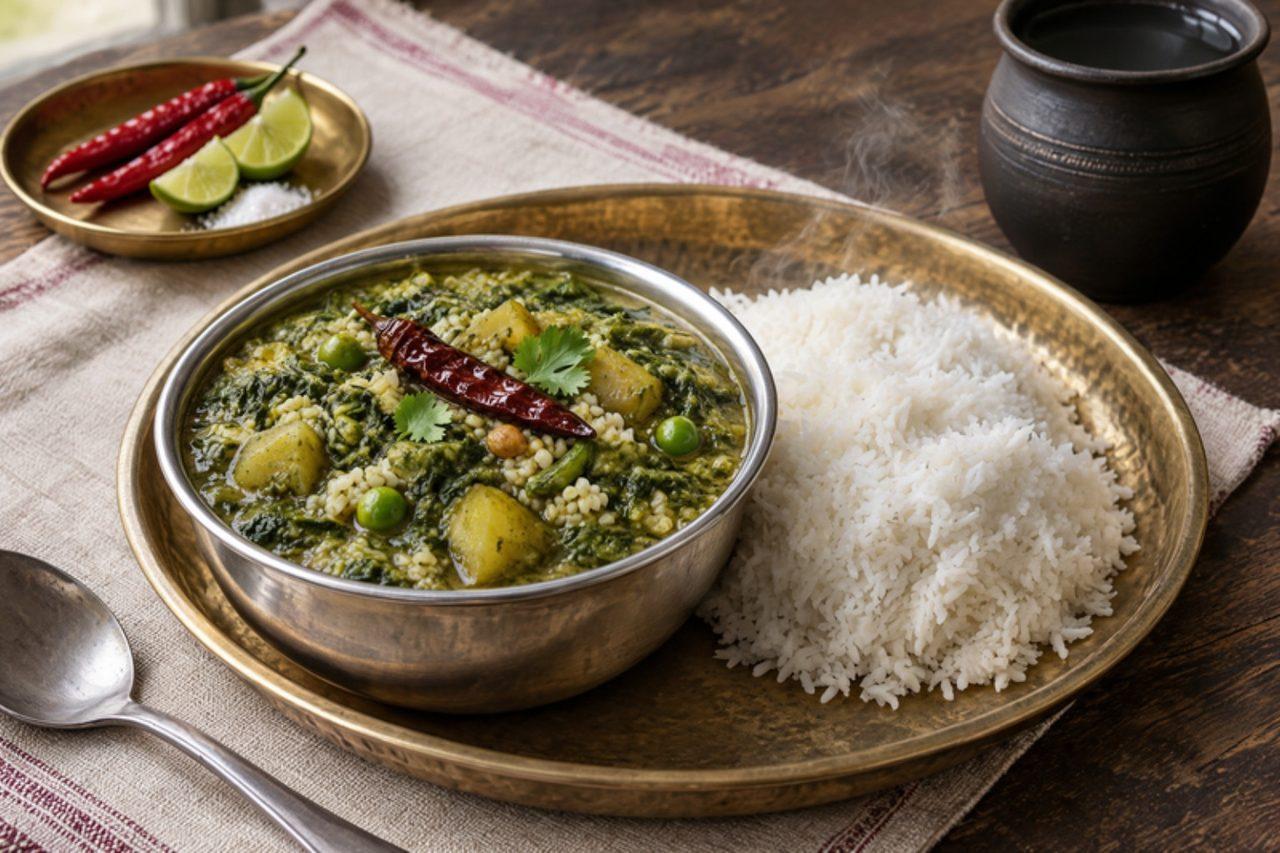
Chagem pomba is a thick Meitei stew of mustard leaves and seasonal vegetables, bound with rice flour and flavoured with hawaijar, Manipur's sticky fermented soybean; it is cooked especially for Ningol Chakouba and family gatherings, and eaten with rice. To make hawaijar, keep boiled, drained soybeans wrapped in leaves at 30–40 °C for 3 days until stringy and pungent; discard if black, green or pink mould appears or it smells rotten. The mistake is adding dry rice flour straight to the pot, which forms lumps: whisk it into water first. Chef's tip: bought natto or kinema replaces hawaijar well.

by KrazyBadal 0 views

BekangFried fermented soybeans

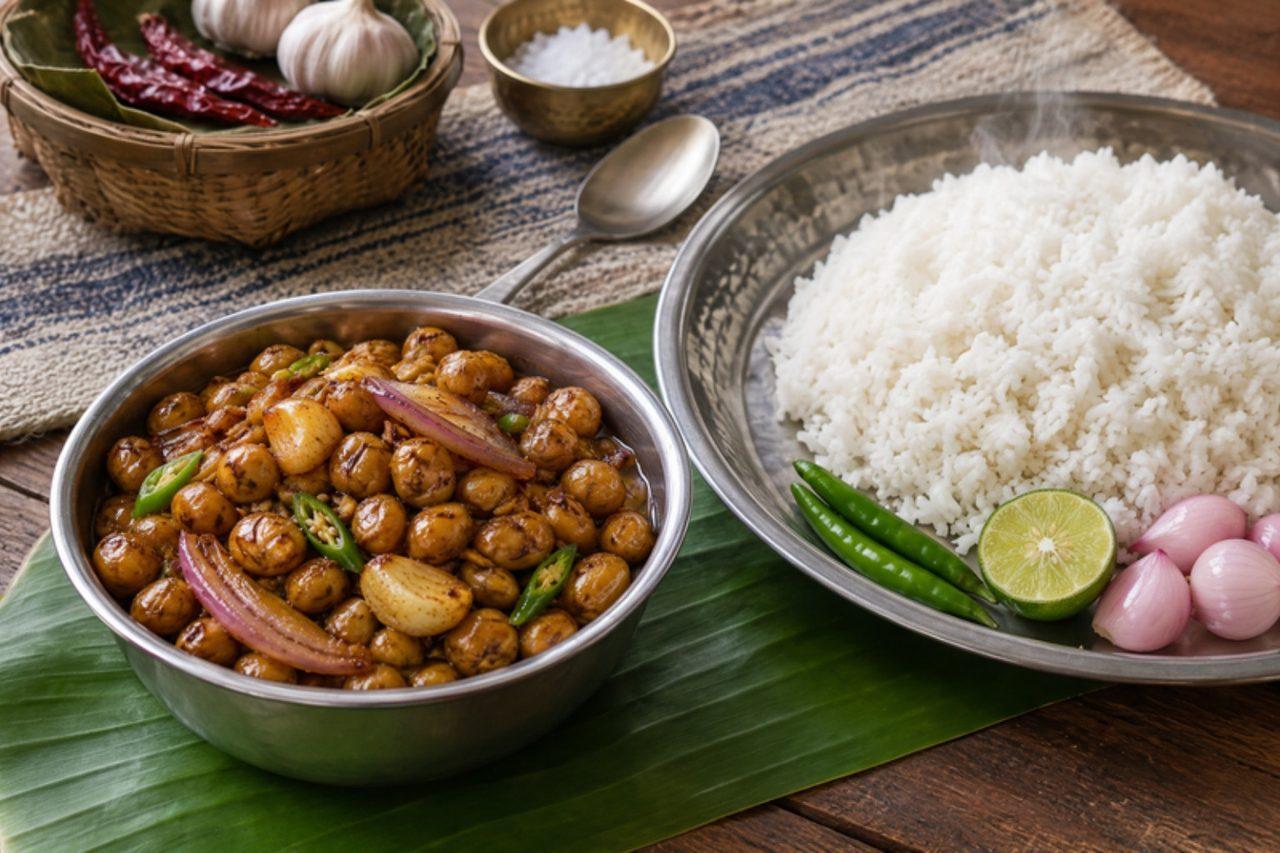
Bekang is the Mizo name for soybeans boiled and left to ferment in leaves until sticky and strongly savoury, and fried bekang is one of the most loved sides on the Aizawl table, spooned over plain rice. To ferment your own, keep the wrapped, drained beans at 30–40 °C for 2–3 days: they are ready when coated in sticky white threads and smell of ammonia and nuts. Throw them out if you see black, green or pink mould or they smell rotten. The common mistake is frying on high heat until the beans scorch and turn bitter. Chef's tip: bought kinema, axone or natto work in place of homemade bekang.

by KrazyBadal 0 views

Chalta acharElephant apple pickle

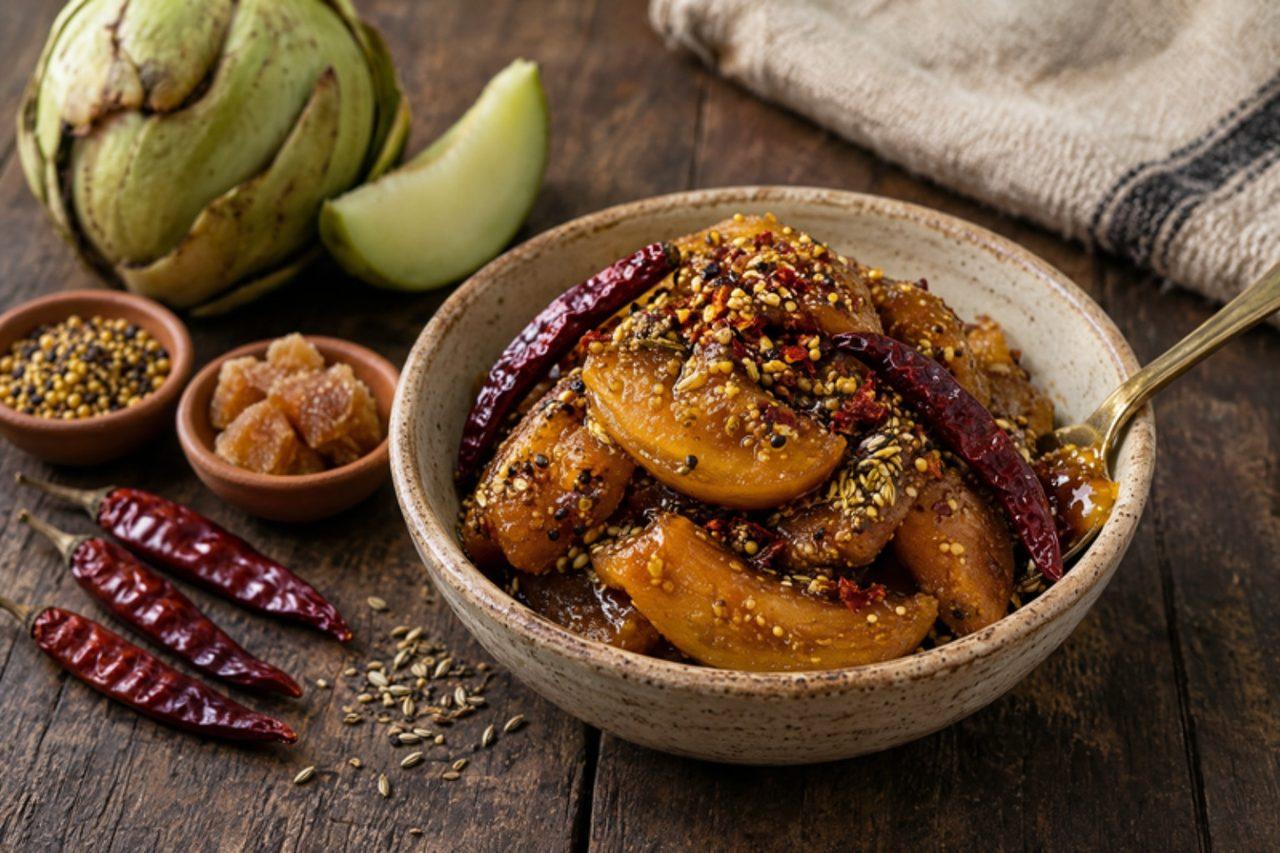
Chalta, the elephant apple, is a big green fruit of tightly wrapped, fleshy petals, and in Bengal it arrives in the markets in autumn, around Durga Puja, staying through early winter. Raw it is so sour and fibrous that it is almost impossible to eat, but cooked with jaggery and mustard it becomes one of the best-loved sweet-sour pickles of the region. The petals soften into chewy, slightly crunchy pieces in a thick, amber syrup, sour and sweet with a sharp kick of ground mustard and chilli. Serve it with dal and rice at the end of a meal, or with khichuri on a rainy day. The common mistake is skipping the pounding: after boiling, the pieces need a few firm knocks with a pestle to break the fibres, or they stay tough and never absorb the syrup. It is ready when the syrup coats a spoon and the chalta pieces look glossy and translucent. Keep it in a clean jar in the fridge for up to a month. Outside India, frozen chalta is sold in Bangladeshi grocers; hard, sour cooking apples with a squeeze of lime are a passable stand-in. Chef's tip: a pinch of ground mustard added at the very end gives the classic nose-tingling bite.

by KrazyBadal 0 views

Beni shogaRed pickled ginger

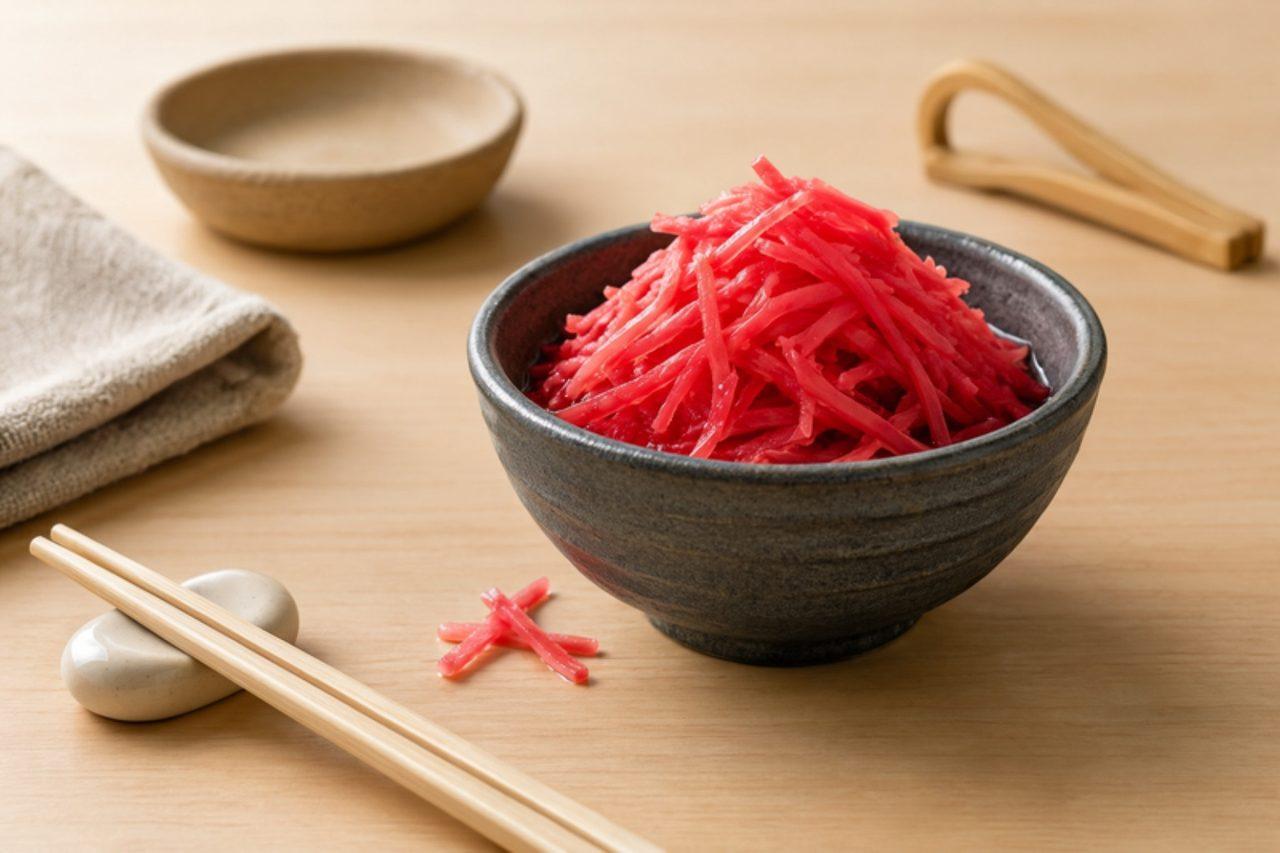
Beni shoga is the bright pink tangle you see on Osaka street food: piled beside yakisoba, scattered on okonomiyaki, folded into takoyaki batter and heaped on a bowl of gyudon at lunchtime. Kansai cooks make it in early summer, when umeboshi plums finish salting and leave behind red umezu, the salty, sour, shiso-coloured plum vinegar that both cures and dyes the ginger. The result is crunchy, sharp and salty, with a clean ginger heat and none of the sweetness of sushi gari. Young summer ginger gives the most tender threads; mature ginger works but is hotter and more fibrous, so cut it thinner. If you cannot find red umezu, use rice vinegar with salt and a slice of raw beetroot for colour (see the note). The common mistake is skipping the salting and drying: wet ginger dilutes the umezu and turns soft and dull. Squeeze it and let it dry so it drinks up the vinegar. It is ready when the threads are evenly rosy right through and taste salty-sour rather than raw. Chef's tip: save the pink vinegar left in the jar; a spoonful in potato salad or rice for onigiri is excellent.

by KrazyBadal 0 views

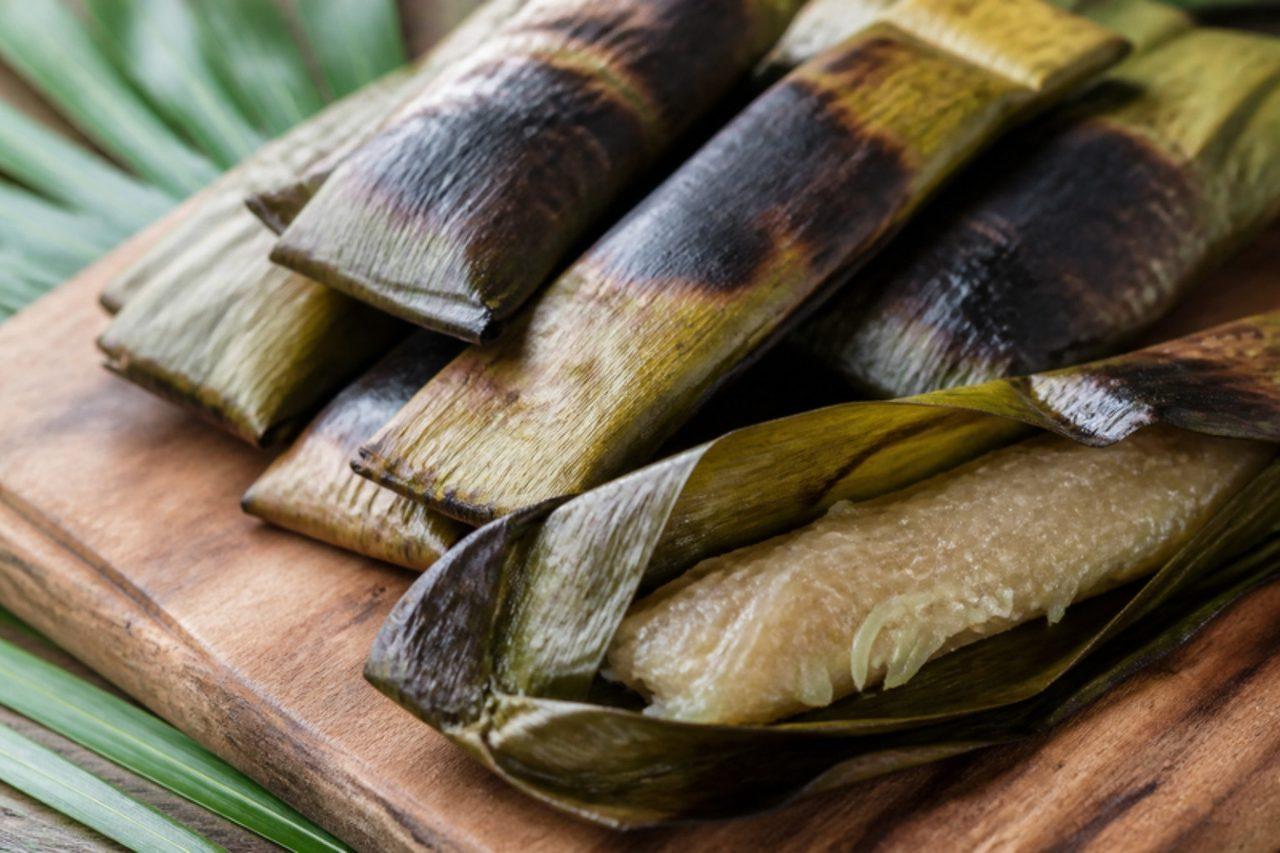
ApigigiGrilled coconut and tapioca parcels

Apigigi are an old Chamorro sweet from Guam and Saipan, made for fiestas and family gatherings: soft young coconut is grated and mixed with tapioca starch and sugar, wrapped in banana leaves and grilled over coals until chewy and lightly charred. They are sticky, mildly sweet and smoky. Grated frozen young coconut and tapioca starch from Asian shops make them easy at home. A common mistake is grilling over a fierce flame; the leaves burn before the centre sets. Chef's tip: steam them first for 15 minutes, then finish on the grill for flavour.

by KrazyBadal 0 views

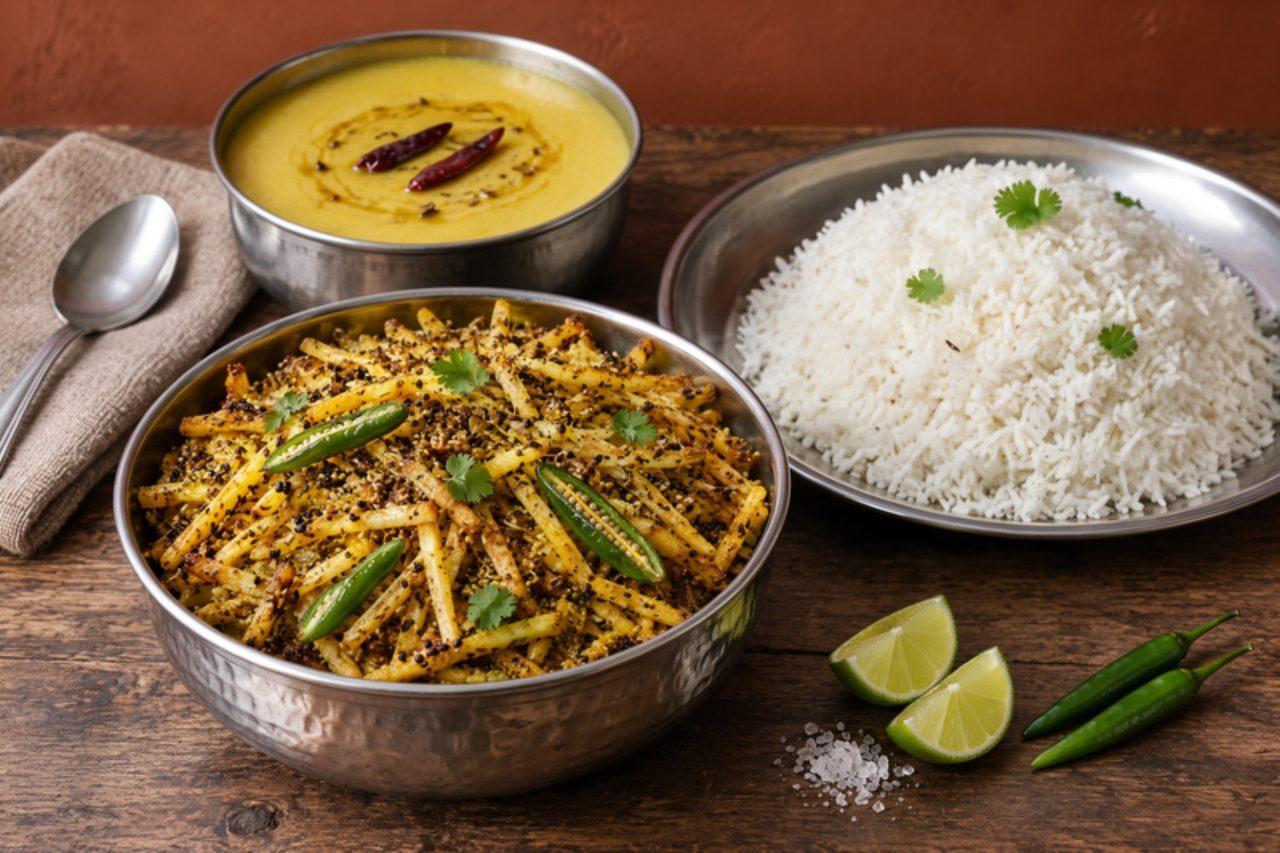
Bihari aloo bhujiaFried potato sticks

In Bihar, aloo bhujia is not the packaged snack but the everyday matchstick-potato fry that sits beside dal, bhaat and chokha on the lunch plate, cooked in mustard oil with panch phoron and a slit green chilli. Patna households make it most days of the week because it takes twenty minutes and pleases everyone. The common slip is crowding the pan and stirring too much, which turns the sticks to mash; give them room and toss gently. Chef's tip: soak the cut potatoes in cold water for 10 minutes and dry them well; washing off surface starch keeps the sticks separate and lightly crisp.

by KrazyBadal 0 views

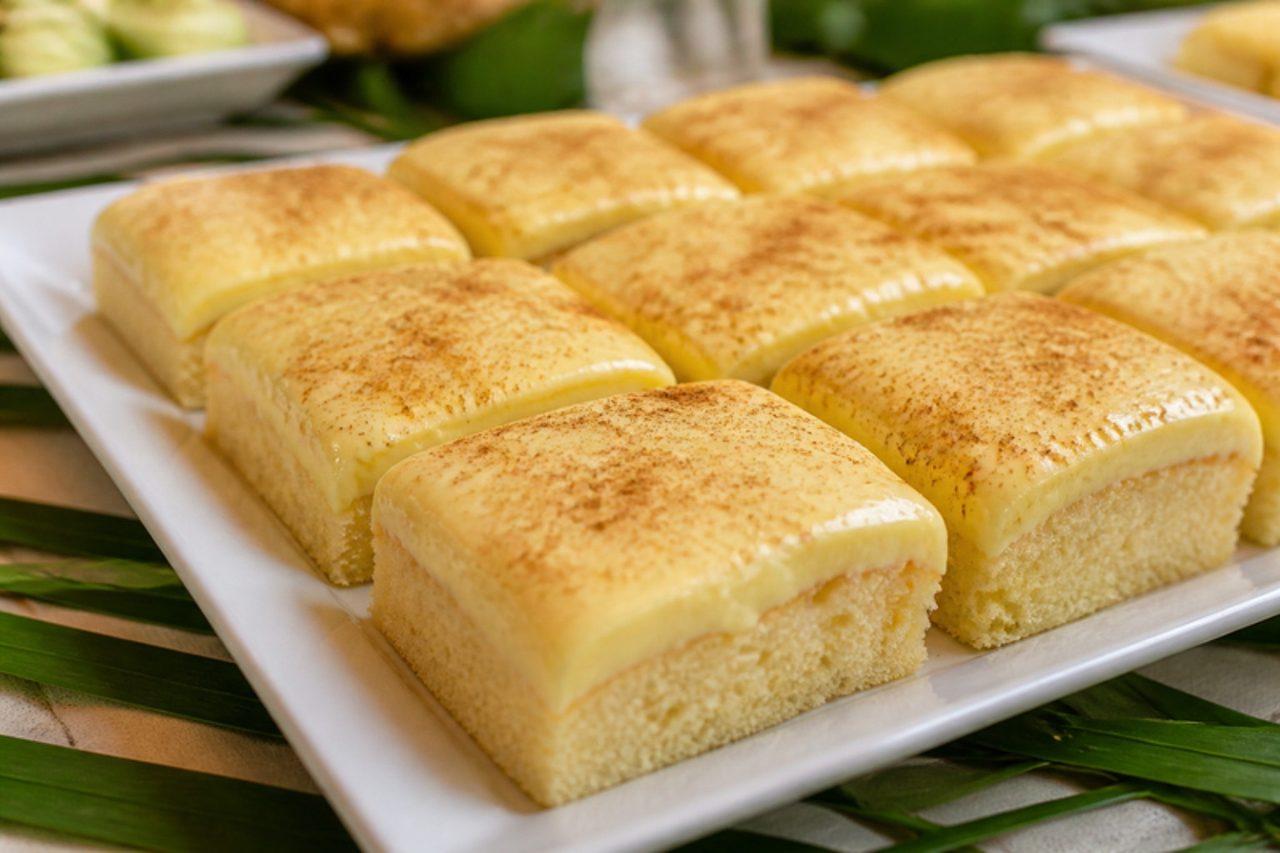
LatiyaSponge cake with custard

Latiya is the Chamorro custard cake found at every Guam fiesta and wedding, a legacy of Spanish rule: a light sponge in a tray is covered with a thick, silky vanilla custard and dusted with cinnamon, then chilled and cut into squares. It is cool, creamy and perfect after a hot-weather feast. A common mistake is pouring hot custard straight onto a hot sponge, which turns it soggy; cool the cake first. Chef's tip: lay cling film directly on the custard as it cools so no skin forms.

by KrazyBadal 0 views

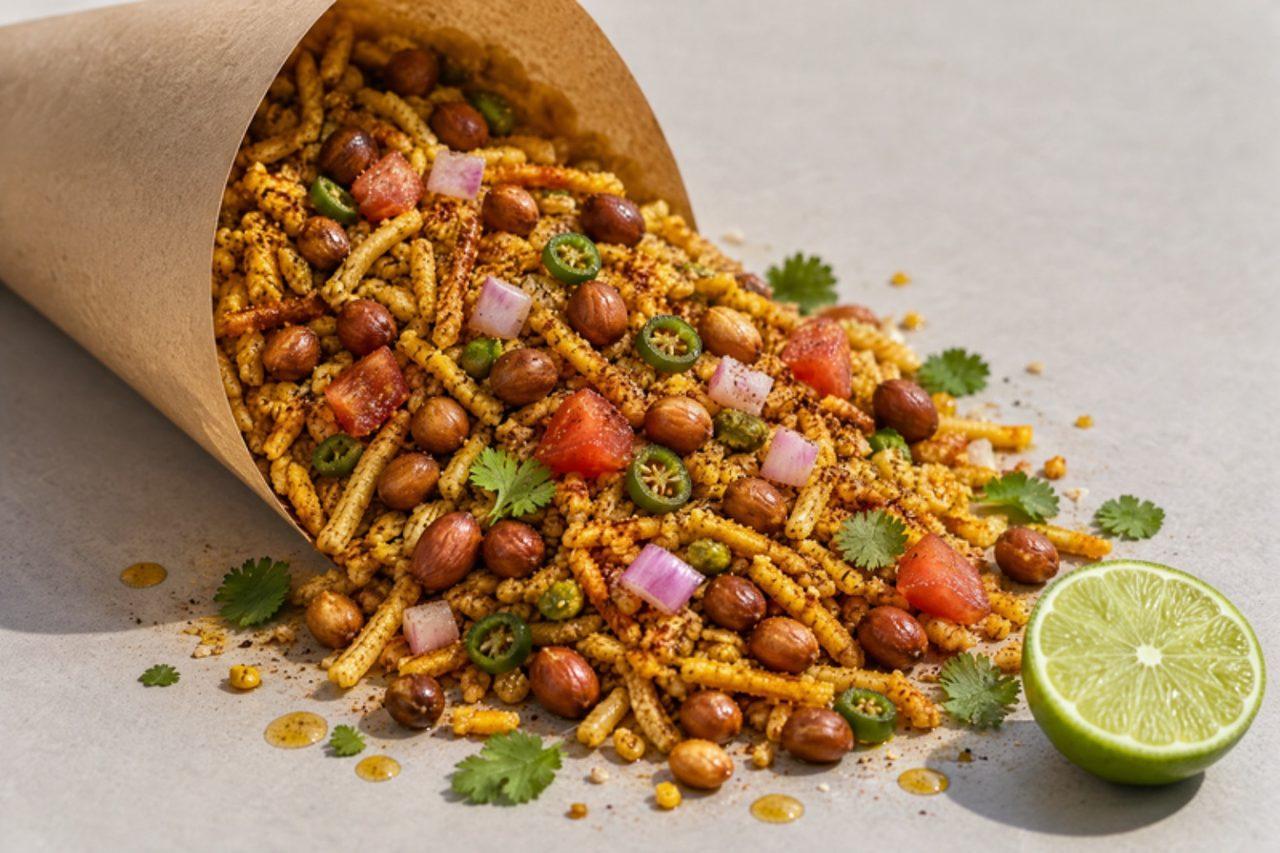
Chanachur makhaSpicy snack mix

In Dhaka, chanachur makha is made in seconds by vendors with a tin box and a lid: a scoop of the crunchy, spicy fried mix of lentils, gram flour sticks and peanuts is shaken with chopped onion, tomato, chilli and coriander, splashed with raw mustard oil and lime, and poured into a cone of newspaper. It is the snack of the launch terminal at Sadarghat, of Ramna Park and of evening chats outside every university hall. Shop chanachur usually contains peanuts and may contain wheat. Chef's tip: deseed the tomato; its juice is the fastest way to turn the crunch soft.

by KrazyBadal 0 views

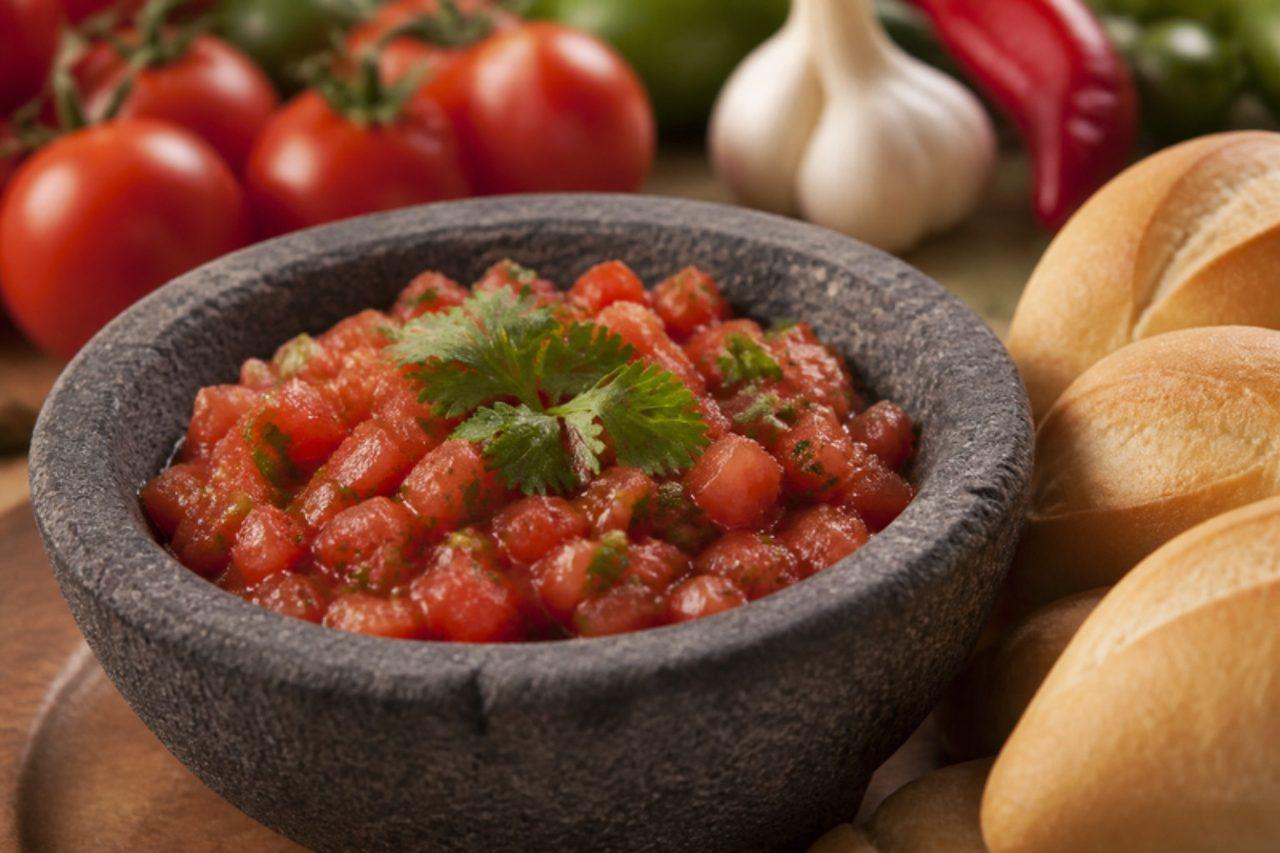
Chancho en piedraCrushed tomato, garlic and chilli salsa

Despite the name, 'pig in stone' has no pork in it. It is a rough salsa of ripe tomato, garlic and chilli crushed in a stone mortar (piedra), and it is on the table at every September fonda during the Fiestas Patrias, with hot sopaipillas, bread straight from the oven or choripán. Blending it smooth in a machine is the classic mistake: it should be rustic and juicy, with small pieces. Chef's tip: pound the garlic, chilli and salt to a paste first, then add the tomatoes; the salt acts as grit and the flavour gets into every bit.

by KrazyBadal 0 views

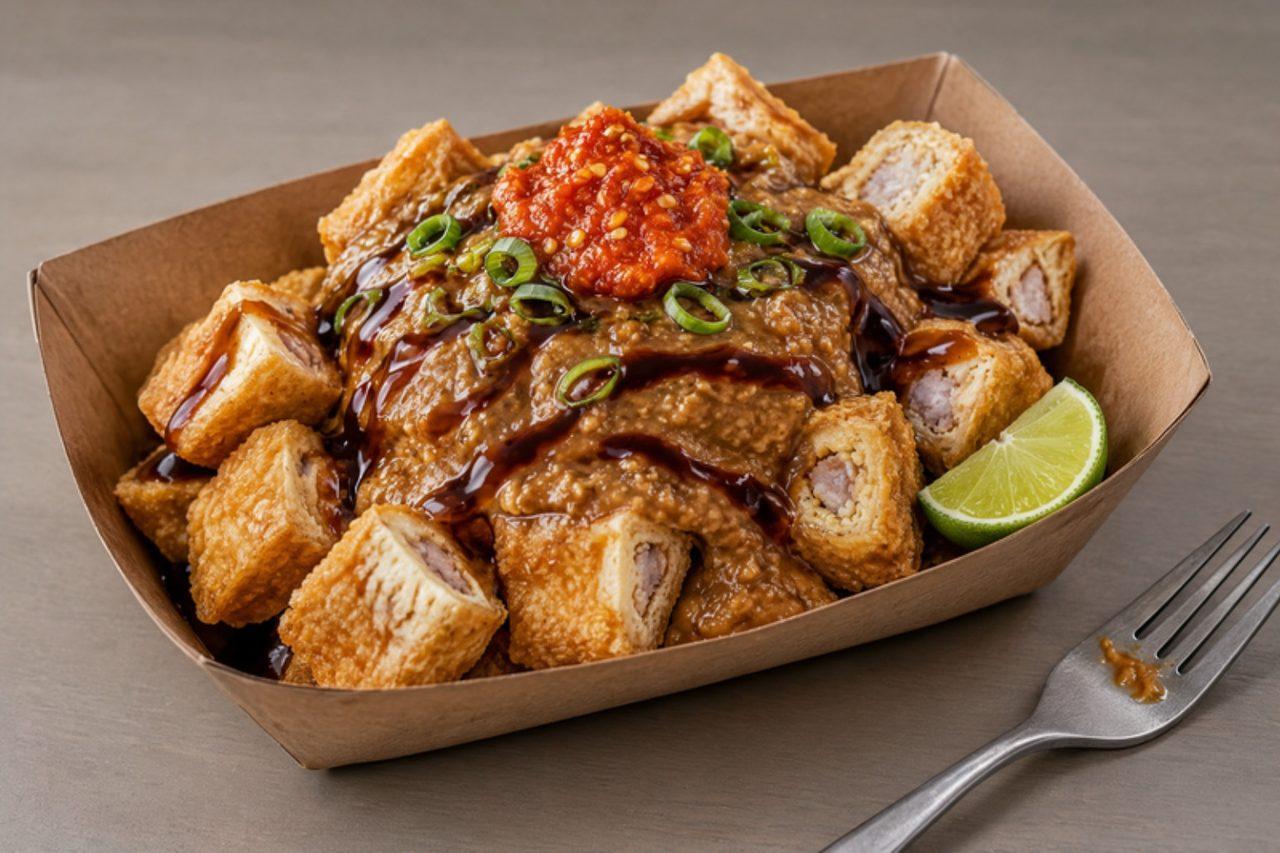
BatagorFried fish dumplings with peanut sauce

Batagor, short for bakso tahu goreng (fried fish-ball tofu), is the crunchy cousin of siomay and a favourite after-school snack sold from glass-sided carts outside Jakarta's schools and along Jalan Pecenongan's evening food strip. Tofu squares and wonton skins are stuffed with a mackerel and tapioca paste and deep-fried until golden and crackly, then snipped up and covered in a spicy peanut sauce, kecap manis and lime. The contrast of crisp skin and soft, bouncy fish is the whole point. Contains fish, peanuts, soy, egg and wheat. Chef's tip: fry the tofu side with the fish paste facing down first; it seals the filling so it doesn't puff away from the tofu.

by KrazyBadal 0 views

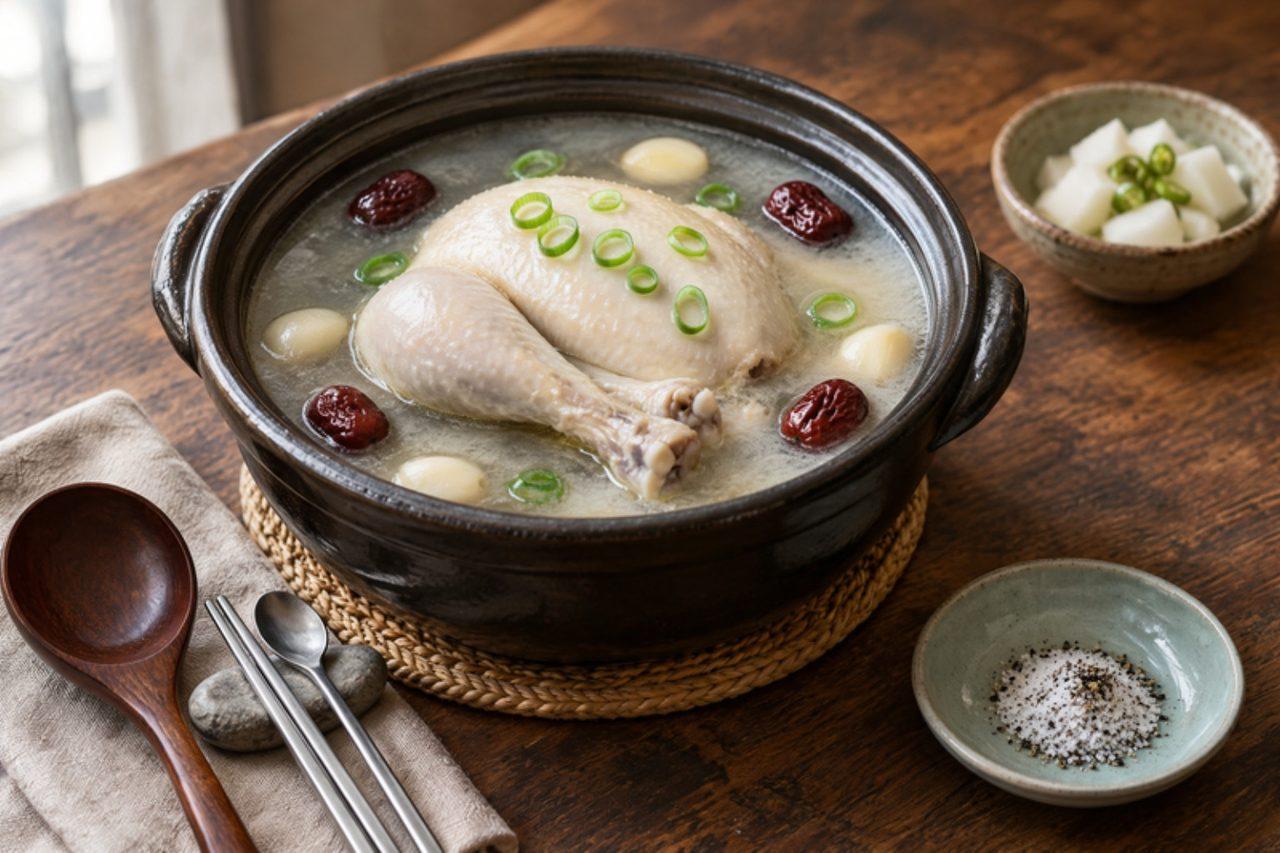
DakbaeksukPoached whole chicken

Dakbaeksuk is a whole chicken simmered plain in a big pot, a dish Koreans eat on the boknal 'dog days' of midsummer and at valley restaurants in the mountains, where families sit on platforms by the stream. Unlike samgyetang it is not stuffed; the bird simmers with a fistful of garlic, a few jujubes and dried roots such as astragalus until it falls apart, and you eat the meat with salt and pepper and drink the milky broth. Suitable as part of a balanced diet: high in protein, with no flour or added sugar. About 420 kcal and 8 g carbohydrate per portion; restaurants finish with rice porridge in the broth, so keep that portion small or use brown rice. The usual mistake is boiling it fiercely, which makes the meat stringy; it should simmer gently. Chef's tip: skim the fat off the broth before serving; it tastes cleaner and lighter.

by KrazyBadal 0 views

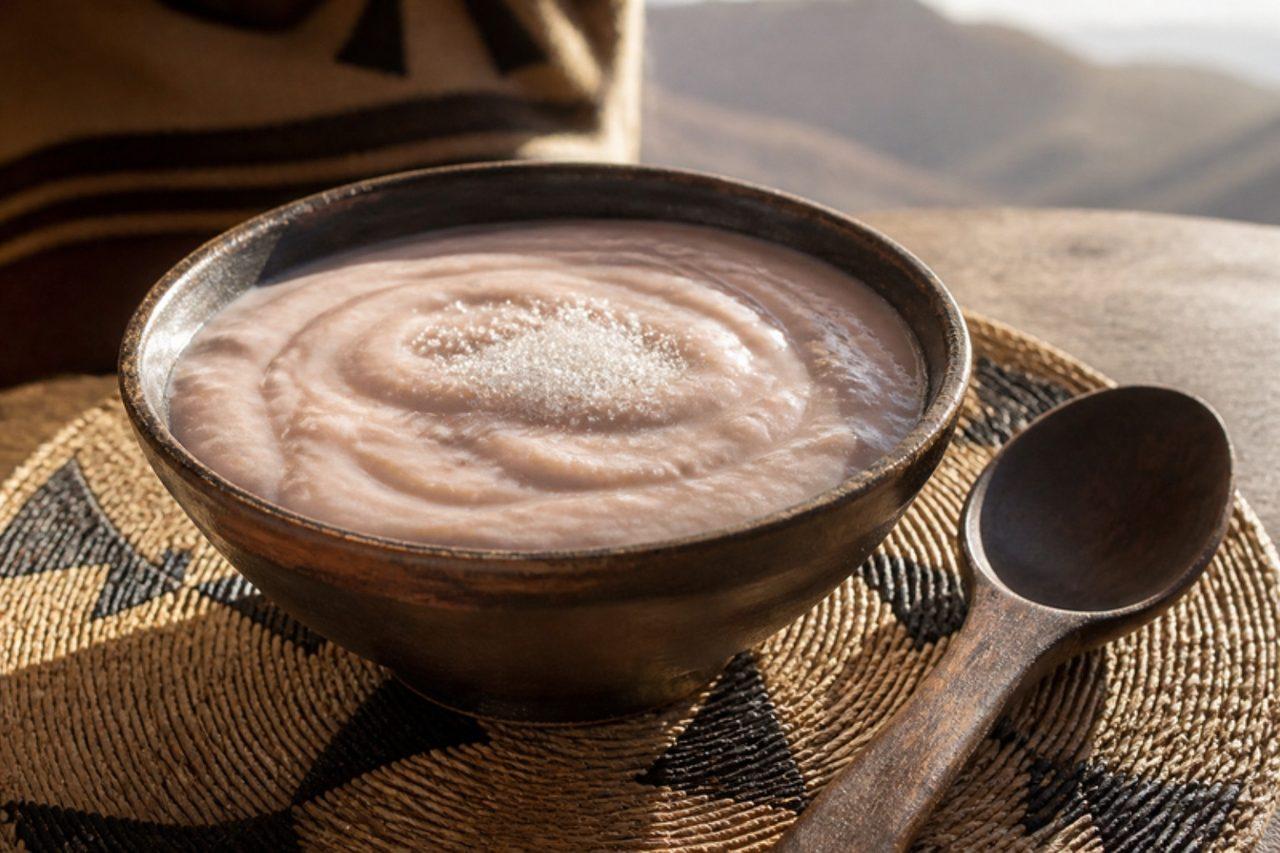
MotohoFermented sorghum porridge

Highland mornings in Lesotho can be bitterly cold, and a mug or bowl of warm motoho, thin enough to sip and pleasantly tangy, is how many Basotho families in Maseru and the mountain villages start the day. Sorghum meal is mixed with warm water and a spoonful of starter from the last batch, left overnight by the stove to sour, then cooked into a smooth, pourable porridge with a yoghurt-like tang and a nutty, toasty flavour. Some sweeten it with sugar; others drink it plain with bread. If you have no starter, make one two days ahead with sorghum and water, as below. Chef's tip: keep the ferment warm but not hot; a pot left right on the stove gets too sour and too thin, so a spot nearby is perfect.

by KrazyBadal 0 views

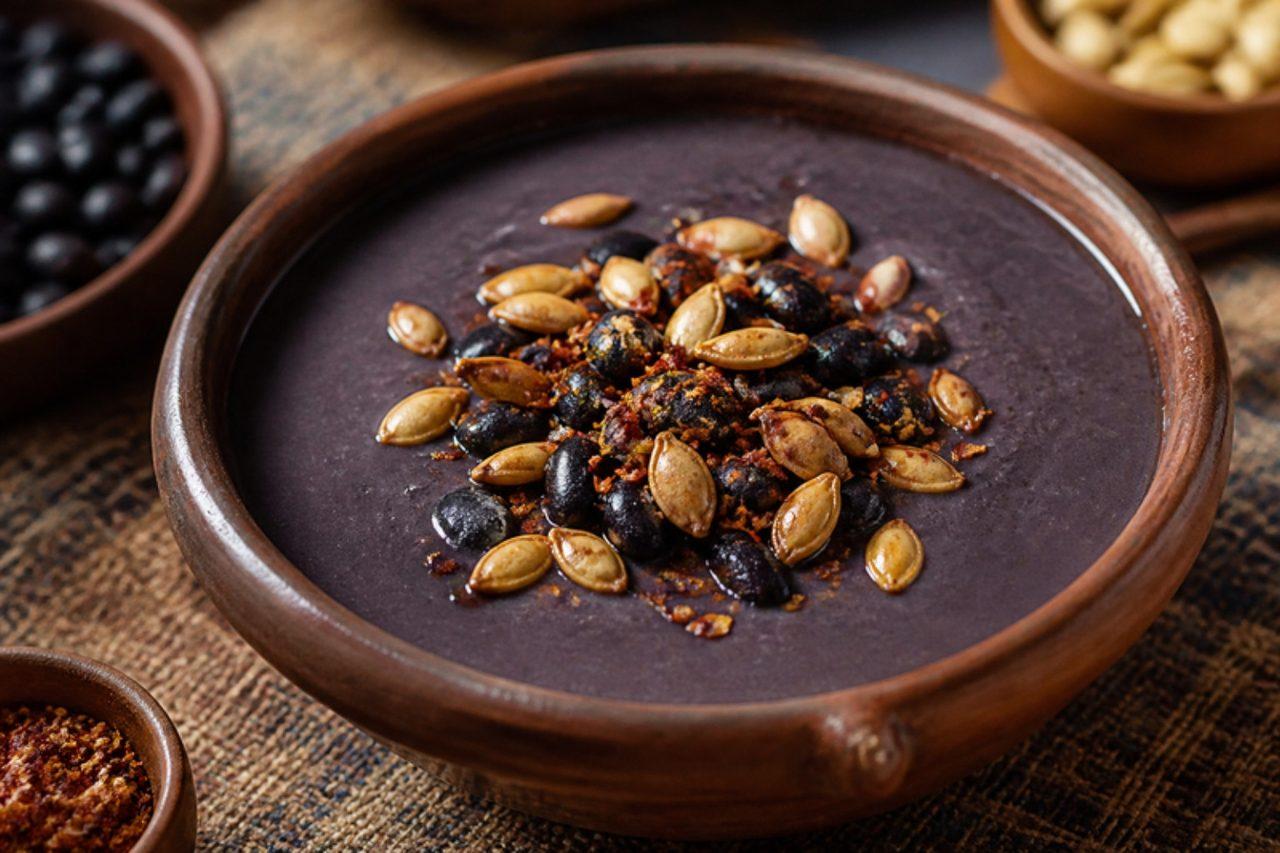
Atol shucoSour black corn drink

In San Salvador's Plaza Libertad and outside churches on cool mornings, atol shuco is ladled from steaming clay pots into gourd bowls. Shuco means 'dirty', for its dusky purple-grey colour: it is made from fermented black corn, so it tastes slightly sour and earthy, topped with ground toasted pumpkin seeds, a few whole black beans and a pinch of chilli salt. It is savoury and filling rather than sweet. The usual mistake is leaving the masa to ferment too long in a hot kitchen; check it after a day and use it as soon as it smells pleasantly tangy. Throw it away if you see mould or it smells unpleasant. Chef's tip: if you can't wait for fermentation, a squeeze of lime at the end gives a similar tang.

by KrazyBadal 0 views

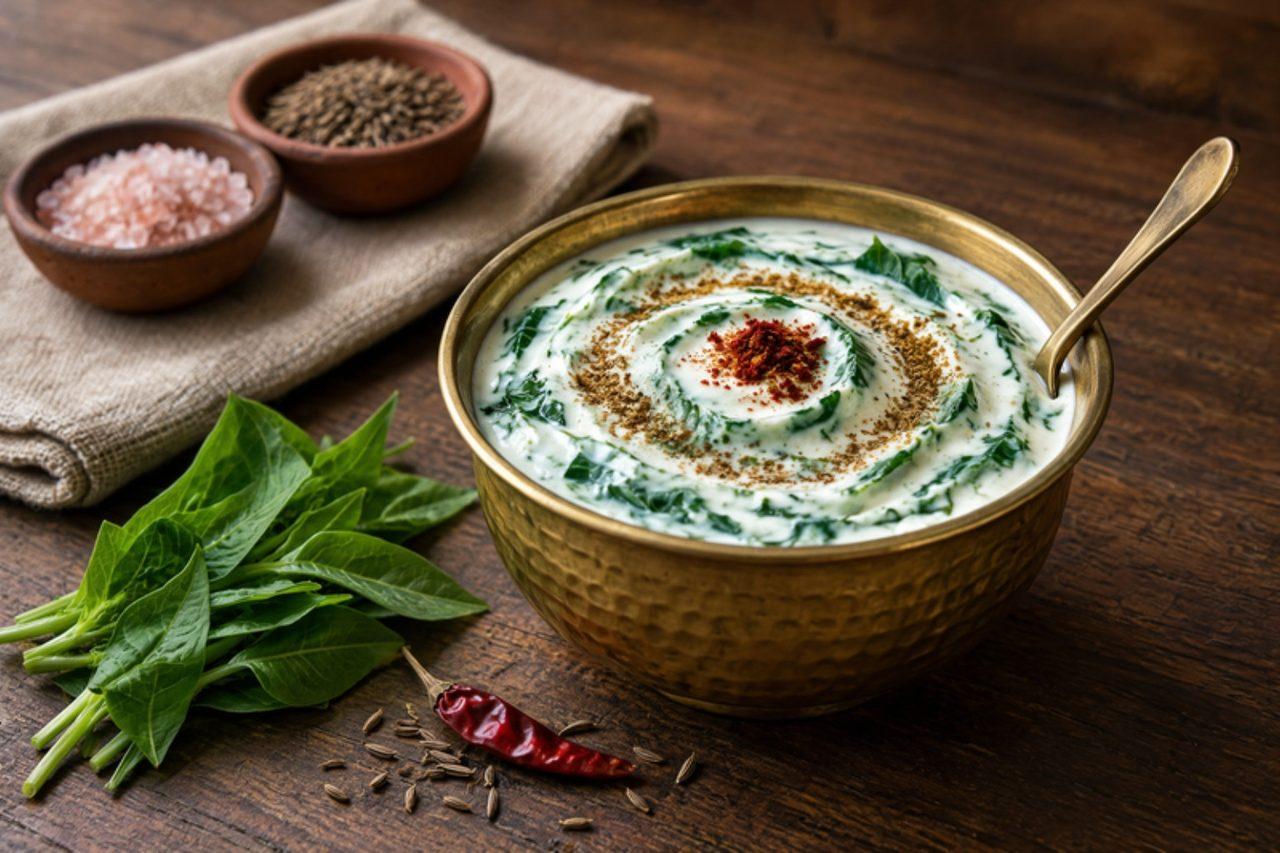
Bathua raitaChenopodium leaf yogurt

Bathua (chenopodium or lamb's quarters) grows wild in the wheat fields of western Uttar Pradesh and Haryana in winter, and from December to February families blanch it and stir it into yogurt as a cooling raita beside paratha, dal or bajra roti. The leaves are boiled briefly, chopped and folded into whisked yogurt with roasted cumin, black salt and a little green chilli, so it tastes earthy, tangy and fresh. It is suitable as part of a balanced diet. About 90 kcal and 7 g carbohydrate per portion. The usual mistake is adding the greens while they are still hot or wet, which makes the yogurt thin and grainy; squeeze them dry and cool them first. Chef's tip: grind half the blanched leaves to a paste so the raita turns an even pale green.

by KrazyBadal 0 views

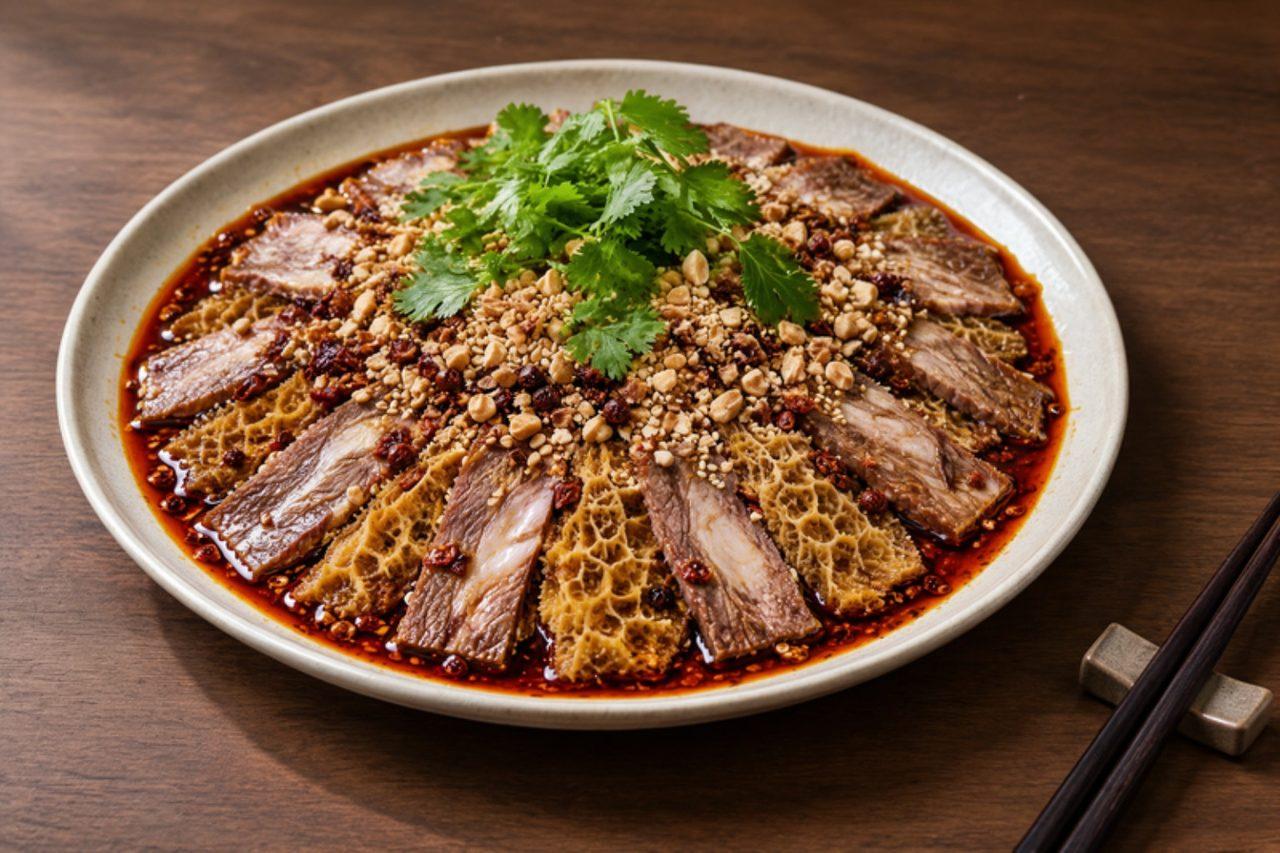
Fu qi fei pianCold beef and tripe

Fu qi fei pian, "husband-and-wife lung slices", takes its name from a couple who sold it from a shoulder-pole stall in 1930s Chengdu; today's version uses no lung, just beef shin and tripe. It is a cold dish, kept in big trays in the old snack restaurants around Chunxi Road and eaten at lunch or as a starter: paper-thin slices glossy with red chilli oil and numbing Sichuan pepper, with crushed peanuts and celery for crunch. It contains peanuts, sesame and soya. Chef's tip: slice the meat only when completely cold, and as thinly as you can; that is what lets the dressing coat every piece.

180 minChineseMeatSpicy
by KrazyBadal 0 views

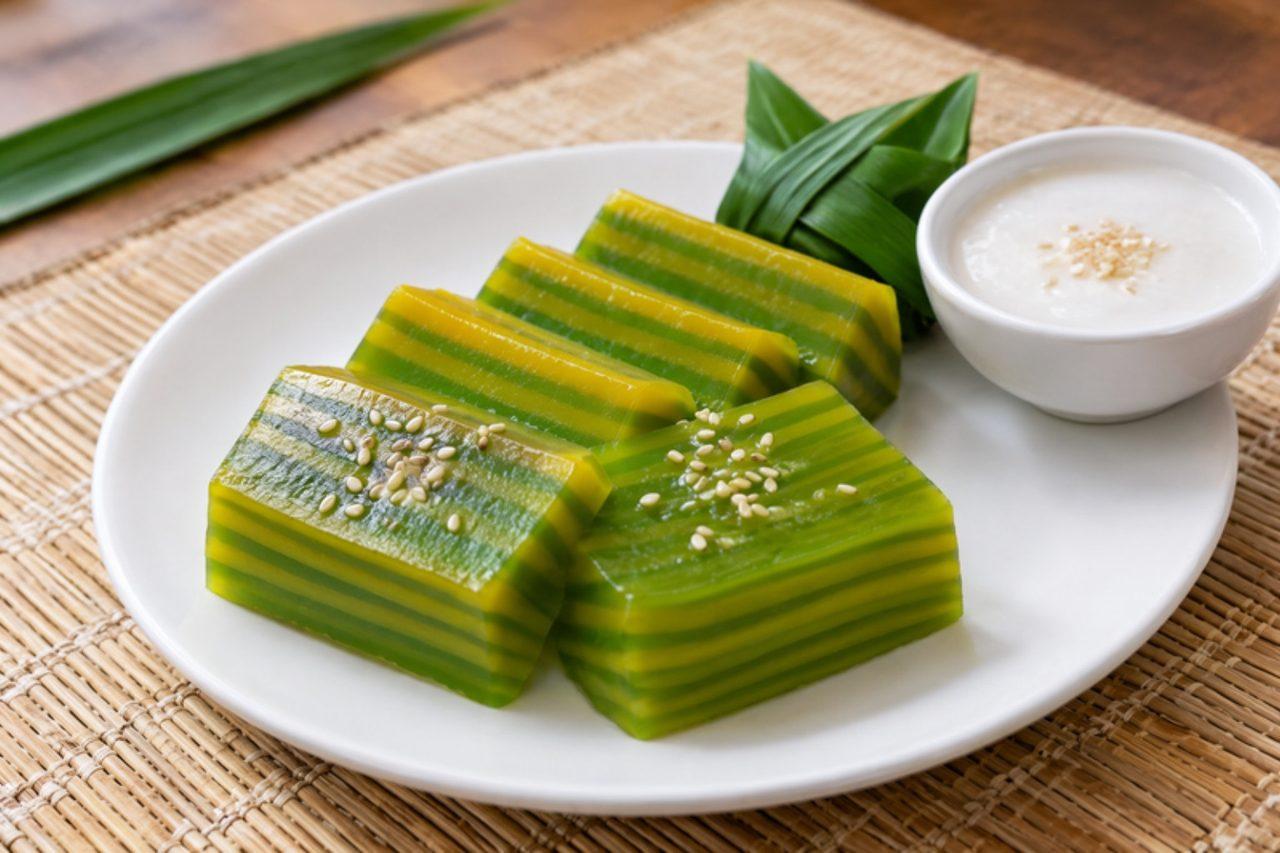
Bánh da lợnSteamed layer cake

Bánh da lợn is piled up in glistening slabs at the dessert stalls of Bến Thành Market and on the trays of Saigon's afternoon sweet sellers. Thin layers of tapioca and coconut batter are steamed one at a time, alternating fragrant pandan green with nutty mung bean yellow, so every slice shows neat stripes and has a soft, bouncy, slightly springy bite. People peel the layers off one by one, especially children. Chef's tip: let each layer set until it turns translucent before pouring the next, or the colours run into each other.

by KrazyBadal 0 views

Tian shui mianSweet spiced soy noodles

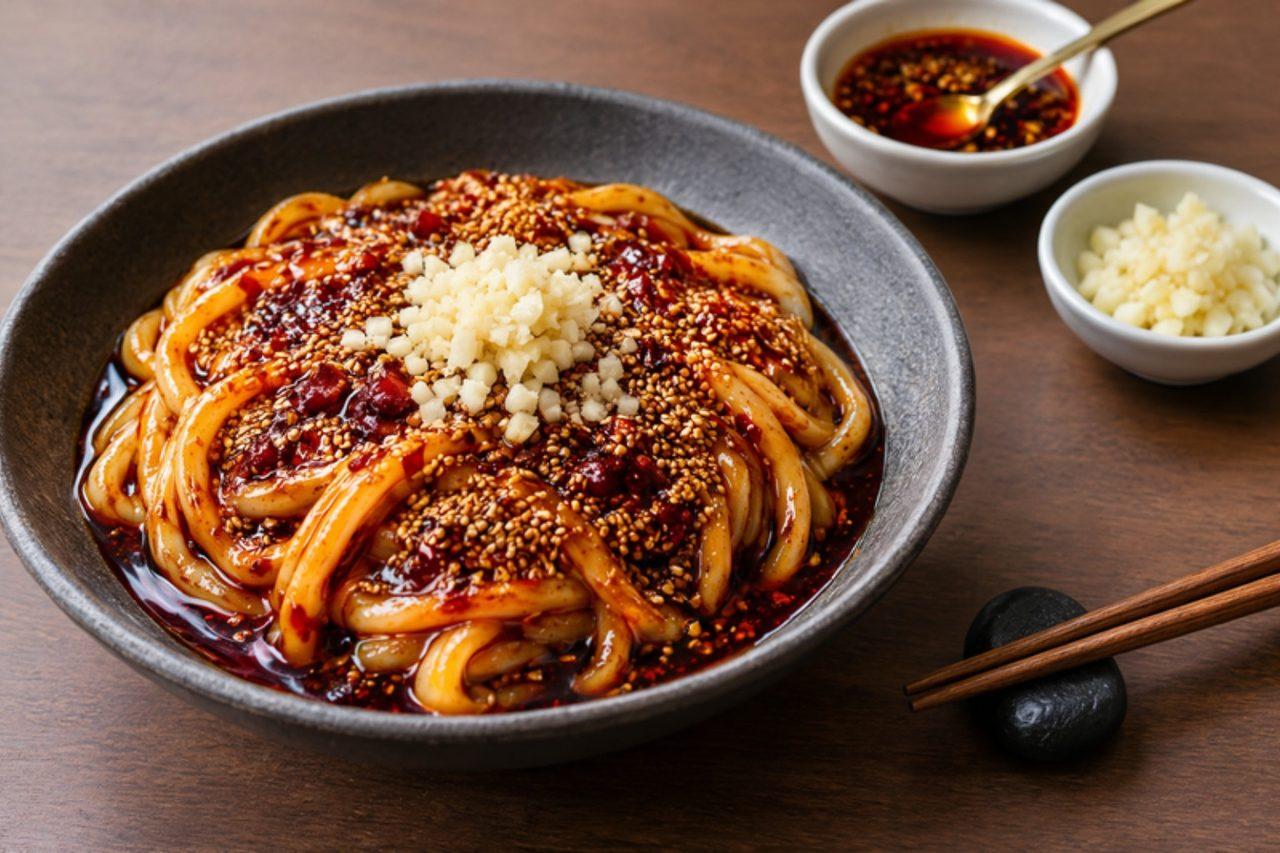
Tian shui mian, "sweet water noodles", are a fixture of Chengdu's old snack houses around Wenshu Monastery, ordered at lunch in a small bowl alongside dumplings and wontons. The noodles are cut as thick as chopsticks, cooked chewy and served at room temperature, coated in thick spiced soy syrup, red chilli oil, pounded raw garlic and sesame: sweet first, then hot and garlicky. Chef's tip: simmer the sweet soy until syrupy; if it is thin it runs to the bottom of the bowl instead of clinging to the noodles.

by KrazyBadal 0 views

Bánh khúcCudweed sticky rice dumplings

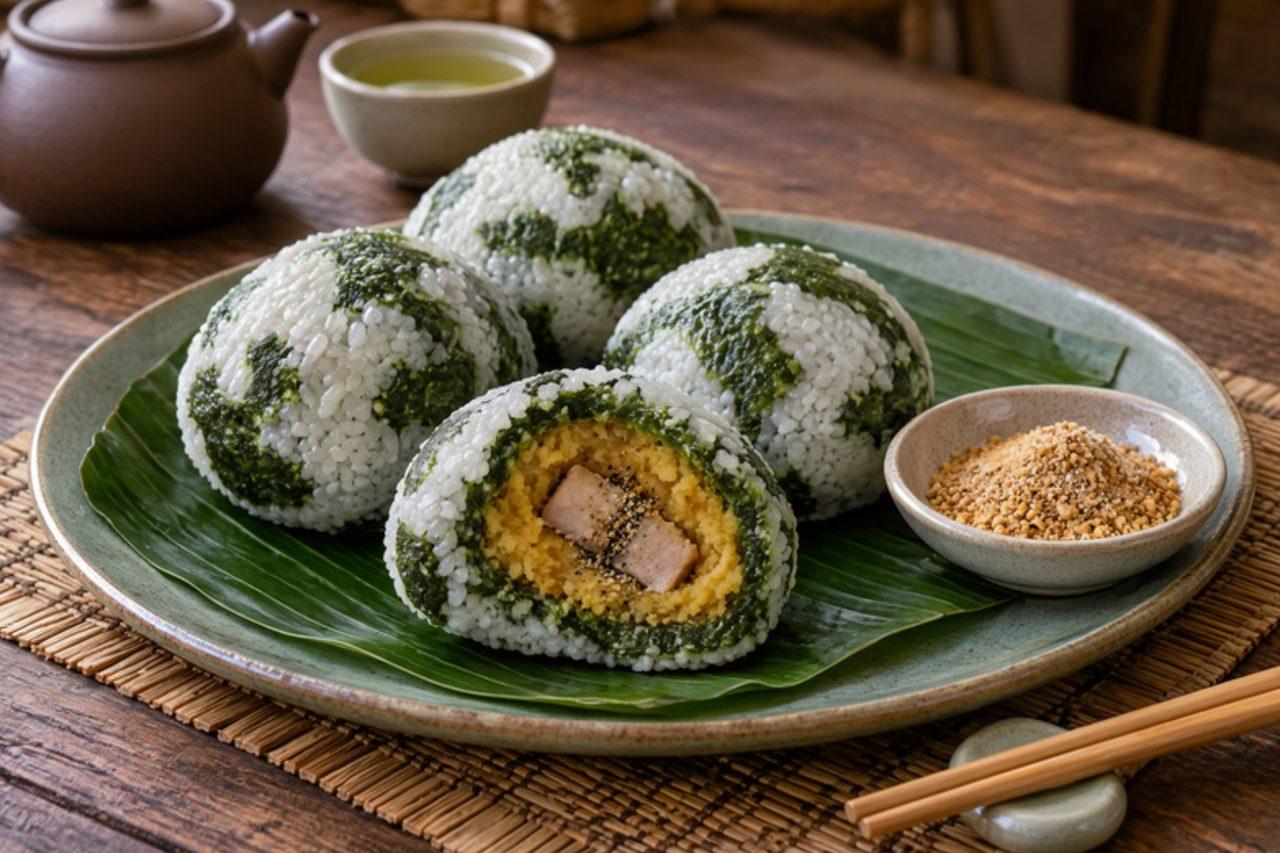
Long before sunrise, vendors walk Hanoi's Old Quarter with steaming baskets, calling out for xôi xéo and bánh khúc. These are soft green dumplings coloured and scented with rau khúc, a grassy, herbal cudweed, wrapped around mung bean paste and peppery pork belly, then rolled in sticky rice grains and steamed until the grains turn glossy. They are eaten hot from a scrap of banana leaf with a pinch of sesame salt, often on a cold winter morning. Look for frozen or dried cudweed at Vietnamese grocers. Chef's tip: keep the green dough thin but even; thick dough cracks and lets the filling escape.

by KrazyBadal 0 views

ChhangbanPounded sticky rice cakes

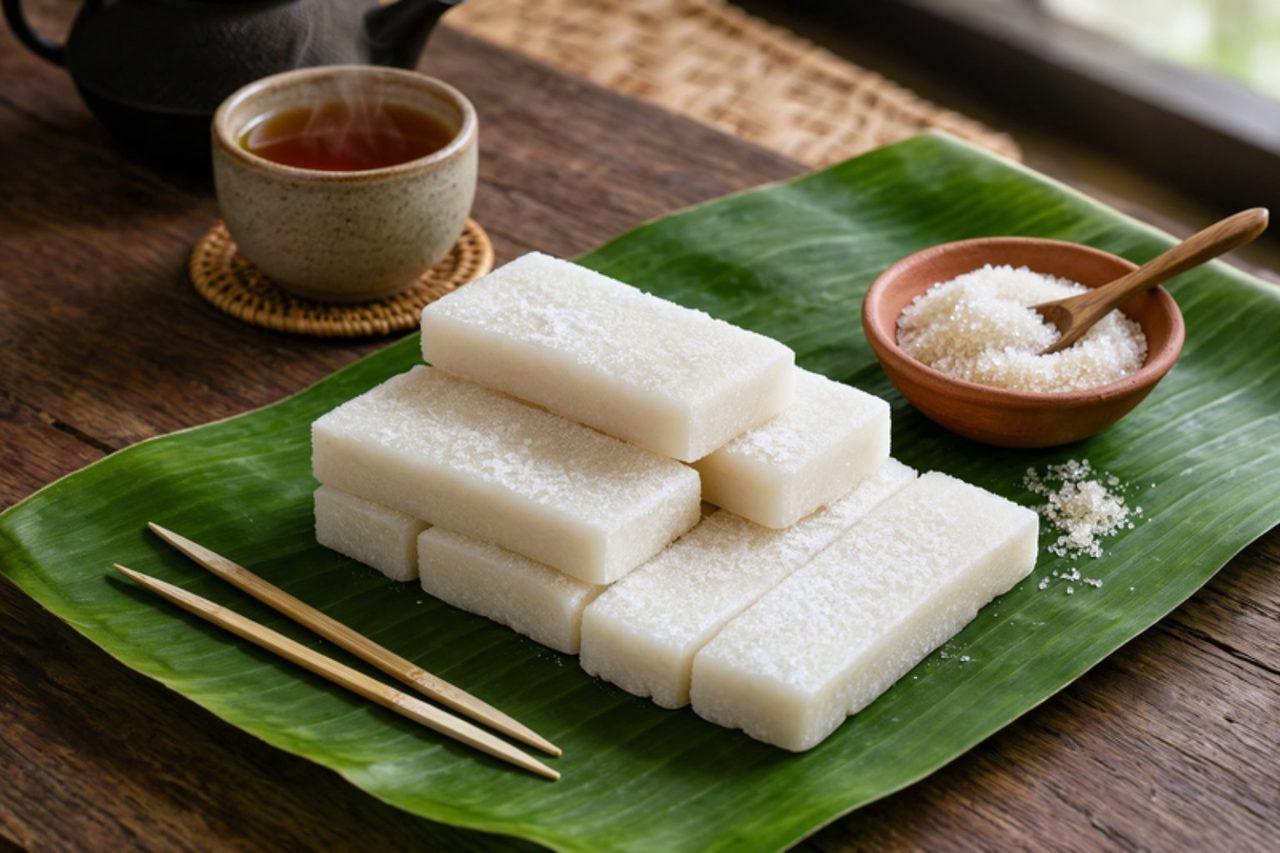
Chhangban are soft, chewy cakes that Mizo families make from steamed sticky rice pounded in a wooden mortar, traditionally for Christmas, Chapchar Kut and visits from relatives. They are eaten warm, dipped in sugar, or toasted the next day with a mug of black tea. The mistake people make is pounding cold rice: it will not come together, so work while it is steaming hot. Chef's tip: wet the pestle or your hands with salted water so the rice does not stick.

by KrazyBadal 0 views

Batida de cocoCoconut cachaça cocktail

Along the barracas of Salvador's beaches and at the June São João parties across Bahia, batida de coco comes out of the blender in jugs, poured into plastic cups and drunk while the forró plays. It is a drink for adults only that hides its strength well: creamy, cold and sweet like a coconut milkshake, with cachaça warming the finish rather than shouting. The texture should be thick but pourable, pale ivory, with a soft froth on top. The common mistake is blending the ice for too long, which leaves a thin, watery drink that separates into a fatty layer within minutes. Blend the liquids smooth first, then add the ice and pulse only a few times, until the noise from the blender goes quiet and smooth. It is ready when no lumps of ice rattle and the batida coats the side of the glass. Because it tastes so gentle, keep the cups small and drink responsibly. Chef's tip: chill the cachaça, coconut milk and tin of condensed milk overnight, and you will need less ice and get a richer, denser batida.

by KrazyBadal 0 views

Chhena kheeriFresh cheese in sweet milk

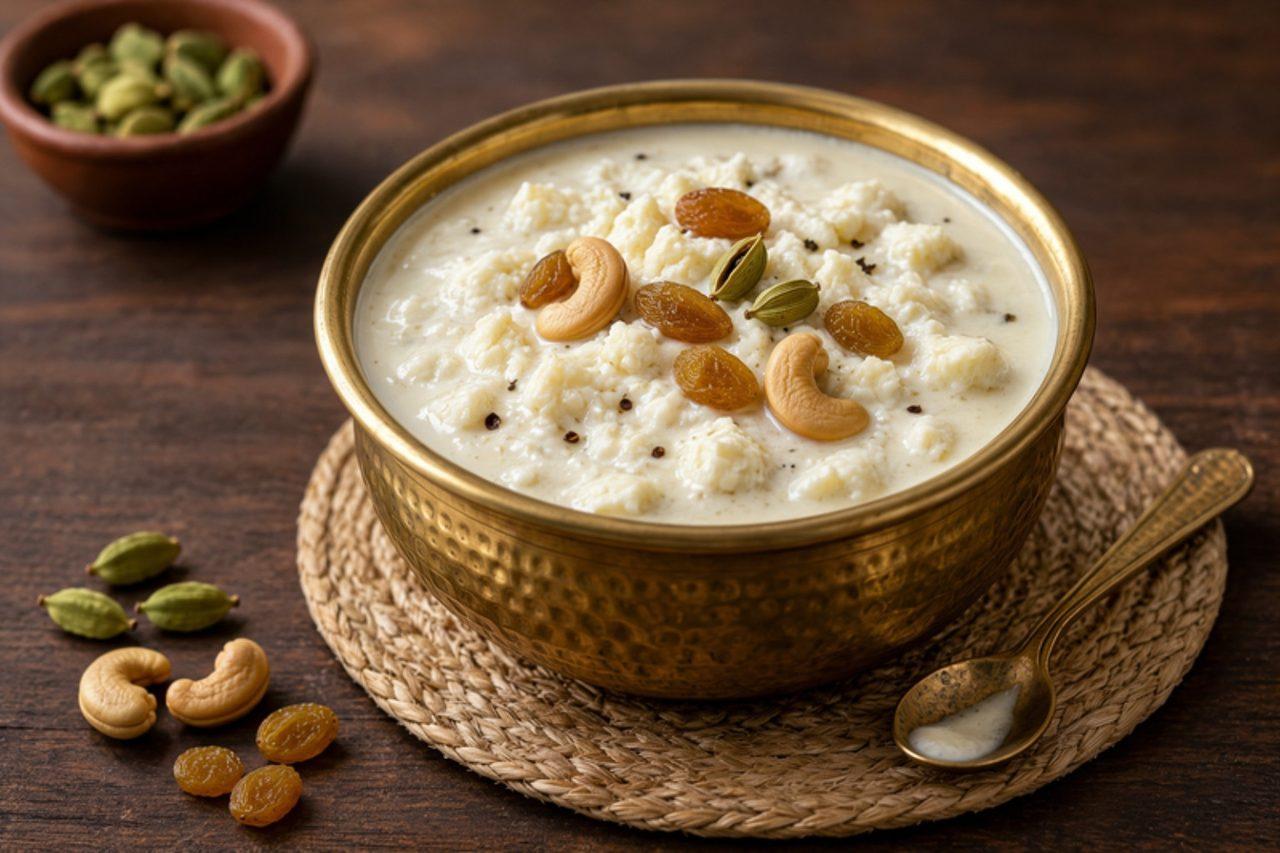
Chhena kheeri is one of the dishes of the Jagannath temple's chhappan bhog in Puri, and Odia households make it for festivals, birthdays and the evening Rath Yatra meal. Soft, freshly made chhena is crumbled into milk that has been simmered down until creamy and sweet, then scented with cardamom and a little camphor in temple style, or simply nutmeg at home. The common mistake is adding the chhena too early and boiling it hard, which makes it rubbery; it should go in at the end and simmer only briefly. Chef's tip: crumble the chhena by hand into pieces the size of rice grains, so every spoonful has some.

by KrazyBadal 0 views

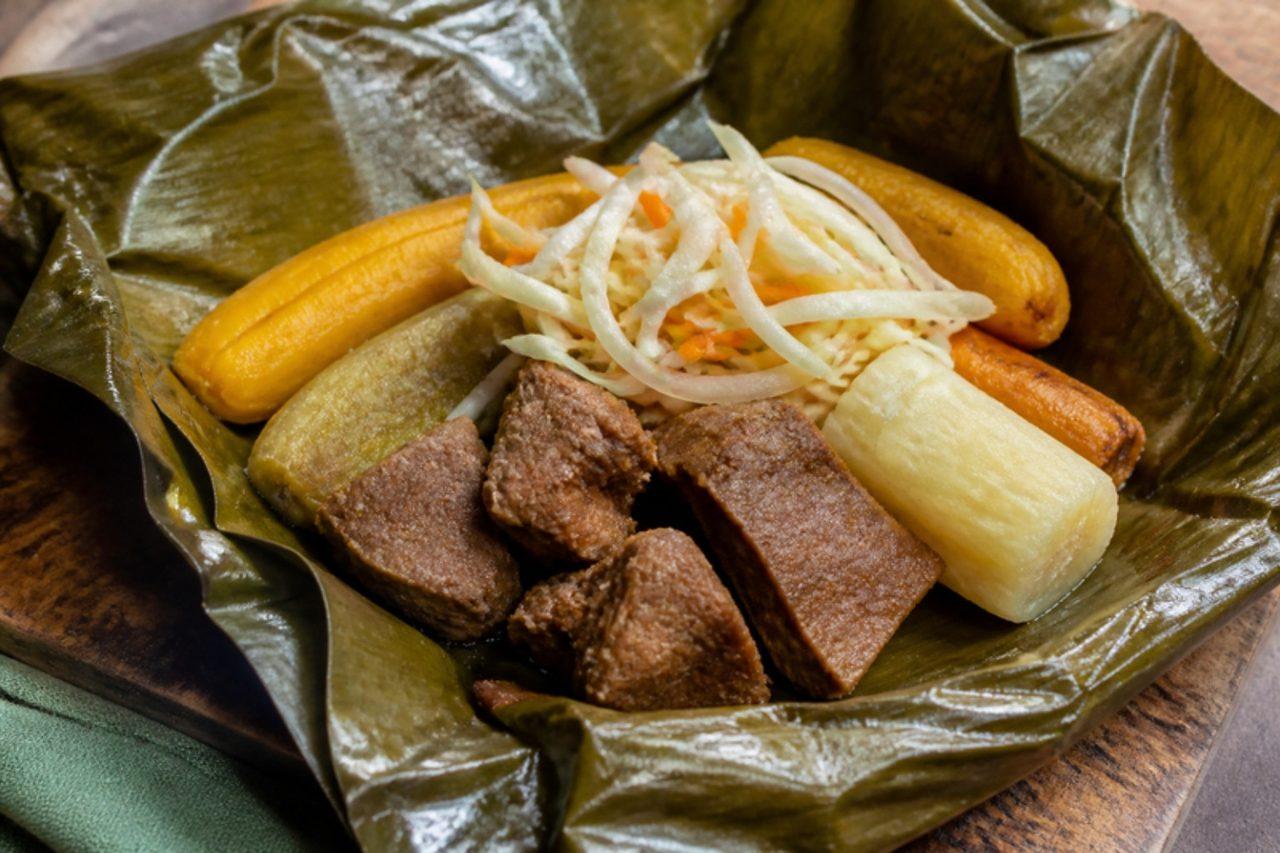
BahoSteamed beef, plantain and cassava

Baho, also spelled vaho, is the dish Nicaraguan families plan a Sunday around, especially in Granada and Managua: beef marinated overnight in sour orange and garlic, then steamed for hours in a big pot lined with banana leaves on a bed of green plantain, ripe plantain and cassava. Everything comes out tender and fragrant with the leaves, and it is served with a crunchy, vinegary cabbage salad to cut through the richness. Marinate the beef in the fridge, never at room temperature. The mistake that ruins it is letting the pot boil dry, which scorches the leaves and the plantain at the bottom; top up the water every hour. Chef's tip: keep a few banana leaves back to tuck over the top, so the steam stays trapped inside the parcel.

by KrazyBadal 0 views

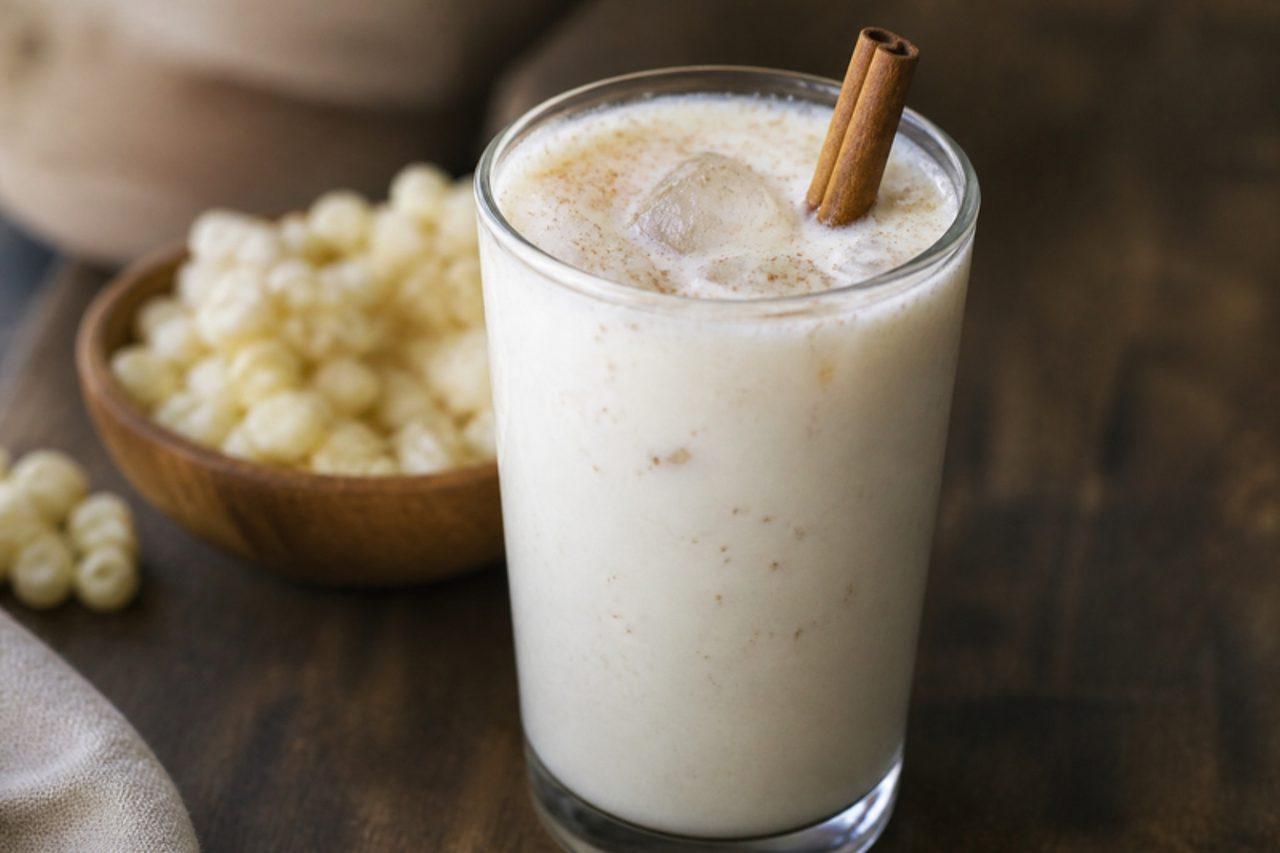
ChichemeCold cracked corn drink

Chicheme comes from La Chorrera, just west of Panama City, where it is sold by the glass at the town's fairs alongside bollos and chorizo, and it is now drunk all over the country on hot afternoons. Cracked white corn is cooked until soft and swollen, then mixed with sweetened milk, cinnamon and vanilla and served very cold, so every sip has chewy grains in it. Undercooked corn is the classic mistake; the kernels must be soft right through or the drink feels gritty. Chef's tip: soak the corn overnight, and it cooks in under an hour instead of two.

by KrazyBadal 0 views

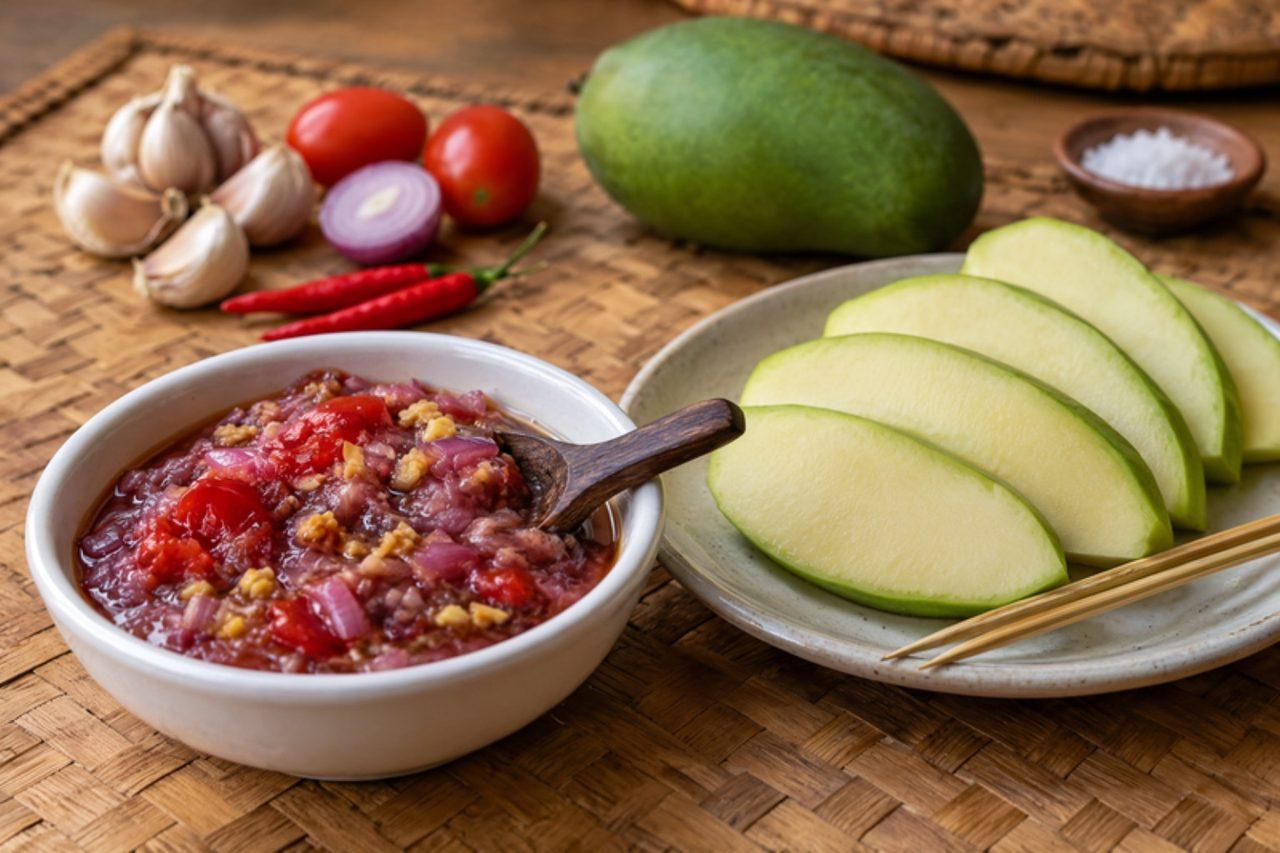
Bagoong alamangFried krill paste

Across Luzon, a jar of ginisang bagoong sits in nearly every kitchen. In the hot months from March to May, when green mangoes are sour and crisp, it becomes the classic merienda: thin slices of unripe mango dragged through sweet, salty, garlicky shrimp paste, often shared on a porch in the afternoon. It is also the essential partner to kare-kare and the base of binagoongang baboy. Raw salted alamang (tiny krill or shrimp) is sold pink and wet; frying it with garlic, onion and tomato, then sugar and cane vinegar, turns it deep reddish brown, thick, glossy and rounded, with the briny punch still there. The raw paste is a raw-cured seafood, so this recipe always cooks it right through; pregnant people, babies, older people and anyone with weak immunity should only eat bagoong that has been fully sautéed and kept cold. Common mistake: high heat after the sugar goes in, which scorches it and turns the bagoong bitter. Keep it at a medium-low simmer. It is ready when the oil separates and shines on top and it smells toasty rather than fishy. Chef's tip: a few slivers of crisp pork belly fried first make it richer.

by KrazyBadal 0 views

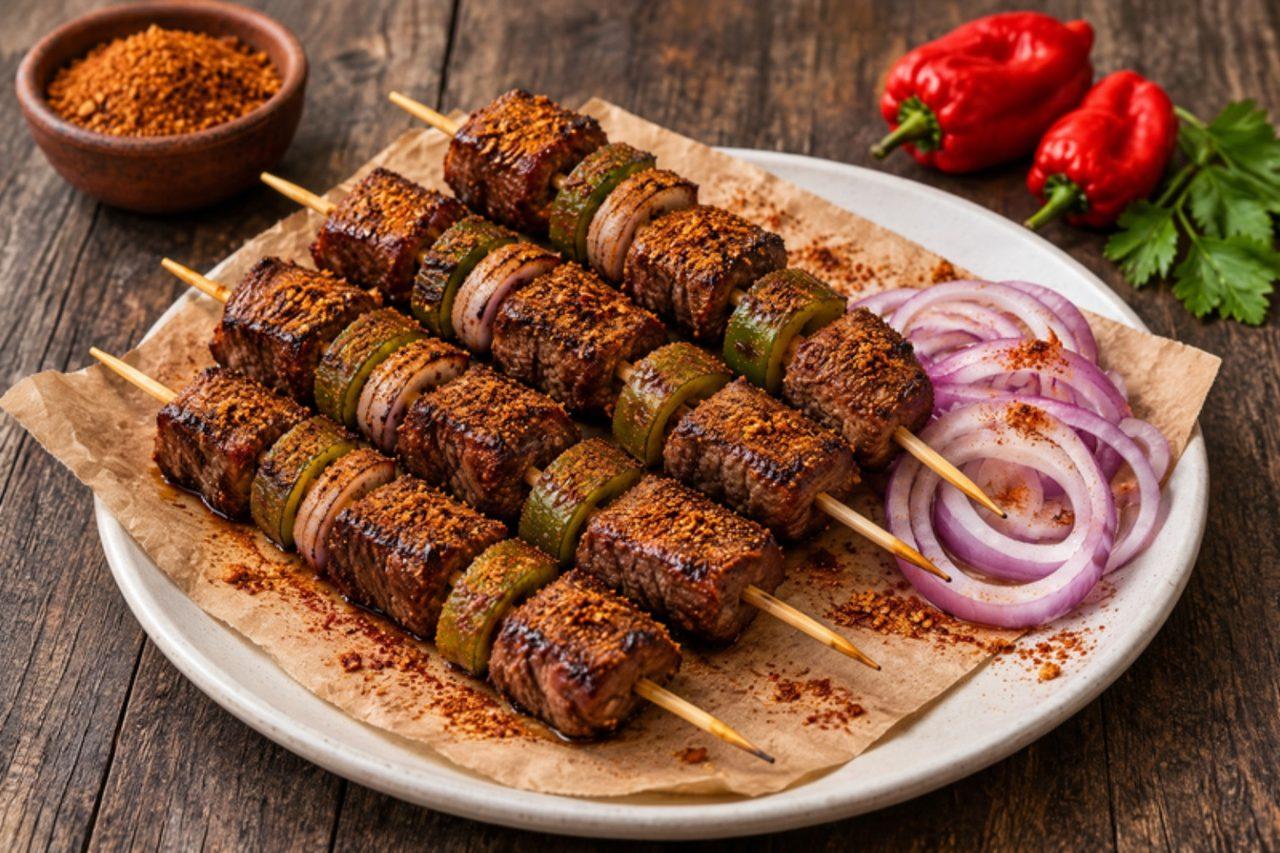
ChichingaSpicy peanut beef kebabs

As the sun goes down on Oxford Street in Osu, Accra, chichinga sellers fan their charcoal grills at the roadside and the smell of spiced beef and roasting peanuts pulls in the evening crowd. The skewers came south with traders from northern Ghana and are close cousins of Nigerian suya: chunks of beef rubbed with a hot powder of ground peanuts, ginger and chilli, grilled with onion and green pepper and eaten with a sprinkle of extra spice, sliced tomato and a cold drink. It contains peanuts. Chef's tip: dust on most of the peanut spice in the second half of grilling; over fierce coals it scorches if it goes on too early.

by KrazyBadal 0 views

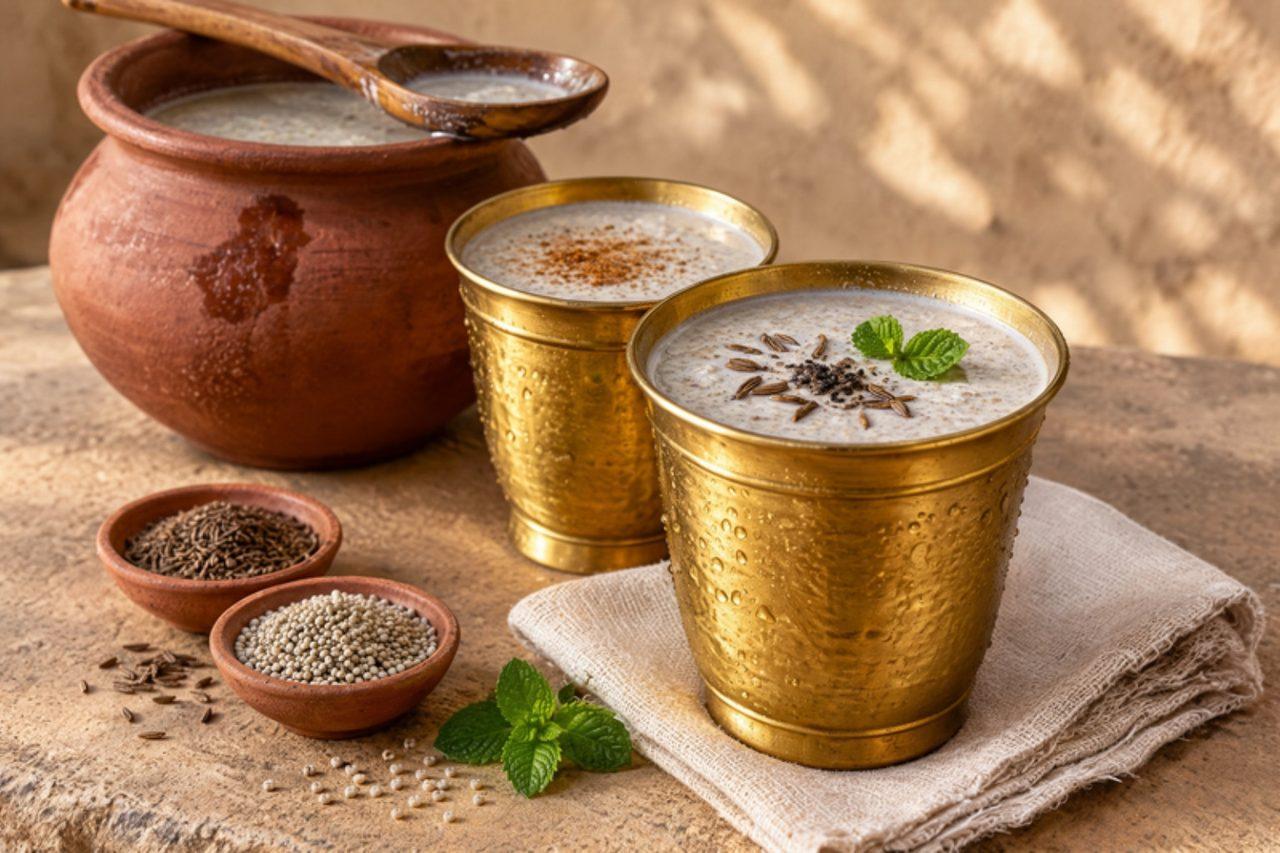
Bajre ki raabdiFermented pearl millet buttermilk porridge

In the villages of Haryana and the Rajasthan border, raabdi is drunk at midday in May and June to keep cool in the fields. Pearl-millet flour is stirred into buttermilk and left to ferment for a few hours, then cooked slowly until thick, cooled in a clay pot and thinned with more buttermilk and salt. It tastes tangy and earthy, a little like a savoury porridge you can drink. Ferment at warm room temperature (25–32 °C) for 4–6 hours: it should smell pleasantly sour with a few bubbles. Throw it away if you see pink, black or furry mould or it smells rotten or of nail varnish. The common mistake is cooking on high heat, which scorches the millet and leaves raw lumps. Chef's tip: keep the cooked raabdi in the fridge and drink it within 2 days, thinning each glass to taste.

by KrazyBadal 0 views

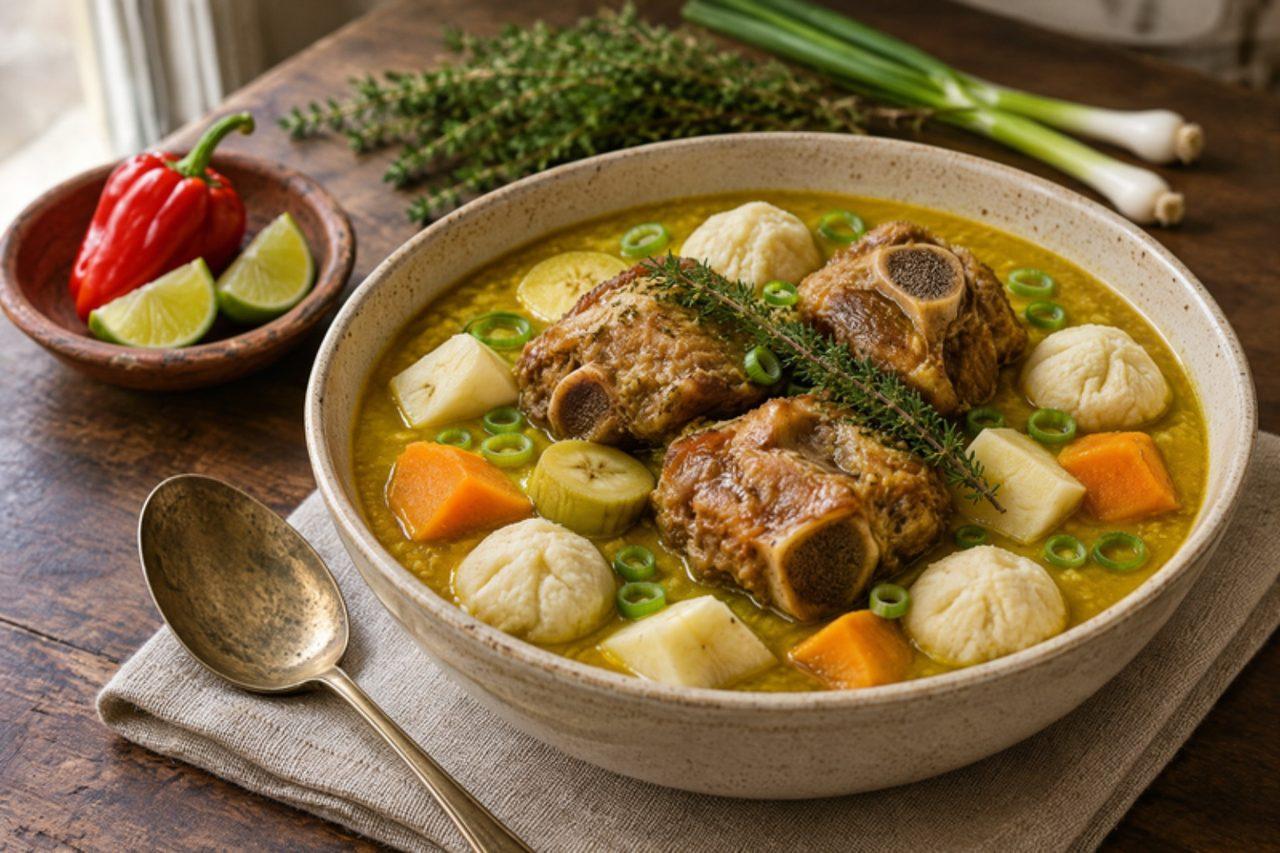
Cowheel soup

In Trinidad and Tobago, cowheel soup is Saturday soup: the big pot people make at home or buy from roadside soup vendors after a fete, believed to set you right again. Cow heel is simmered for hours until gelatinous, then yellow split peas, pumpkin and 'provisions' such as dasheen, cassava, eddoes and green bananas go in, with green seasoning, a whole scotch bonnet for perfume and soft flour dumplings dropped in at the end. The broth turns thick and silky from the collagen and split peas. The usual mistake is bursting the scotch bonnet, which makes the pot fiercely hot; leave it whole and lift it out. A pressure cooker gets the cow heel tender in 50 minutes. Chef's tip: buy cow heel already cut and scraped by the butcher, then scrub it with lime before cooking.

by KrazyBadal 0 views

Louise sliceJam and coconut meringue slice

Louise slice, or Louise cake, is a New Zealand tea-time classic found on church cake stalls and in grandma's tins from Invercargill to Whangārei. A buttery shortcake base is spread with raspberry jam and topped with a chewy coconut meringue that bakes to pale gold. It is light and pretty, and very easy. A common mistake is baking the meringue too hot, which browns it before it sets inside. Chef's tip: spread the meringue right to the edges so the jam doesn't bubble through.

by KrazyBadal 0 views

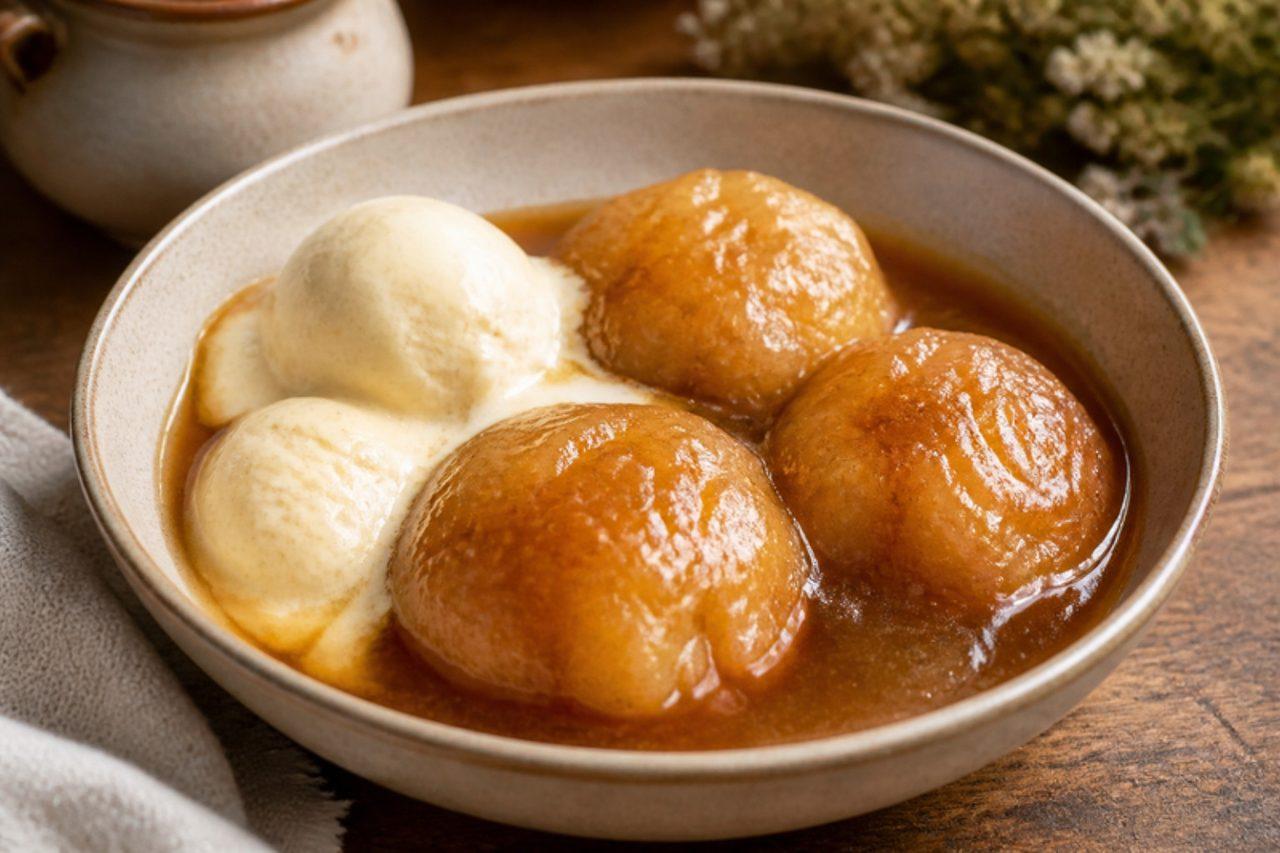
Golden syrup dumplings

Golden syrup dumplings are a winter pudding from Australian country kitchens, made during the Depression and still cooked by grandmothers in the Riverina and the Victorian high country when the nights turn cold. Soft scone-dough balls simmer in a sauce of golden syrup, butter and brown sugar until they swell and turn sticky. Serve with vanilla ice cream or custard. A common mistake is a pan that's too small; the dumplings double in size and need space. Chef's tip: keep the lid on and resist peeking, so the tops steam light and fluffy.

by KrazyBadal 0 views

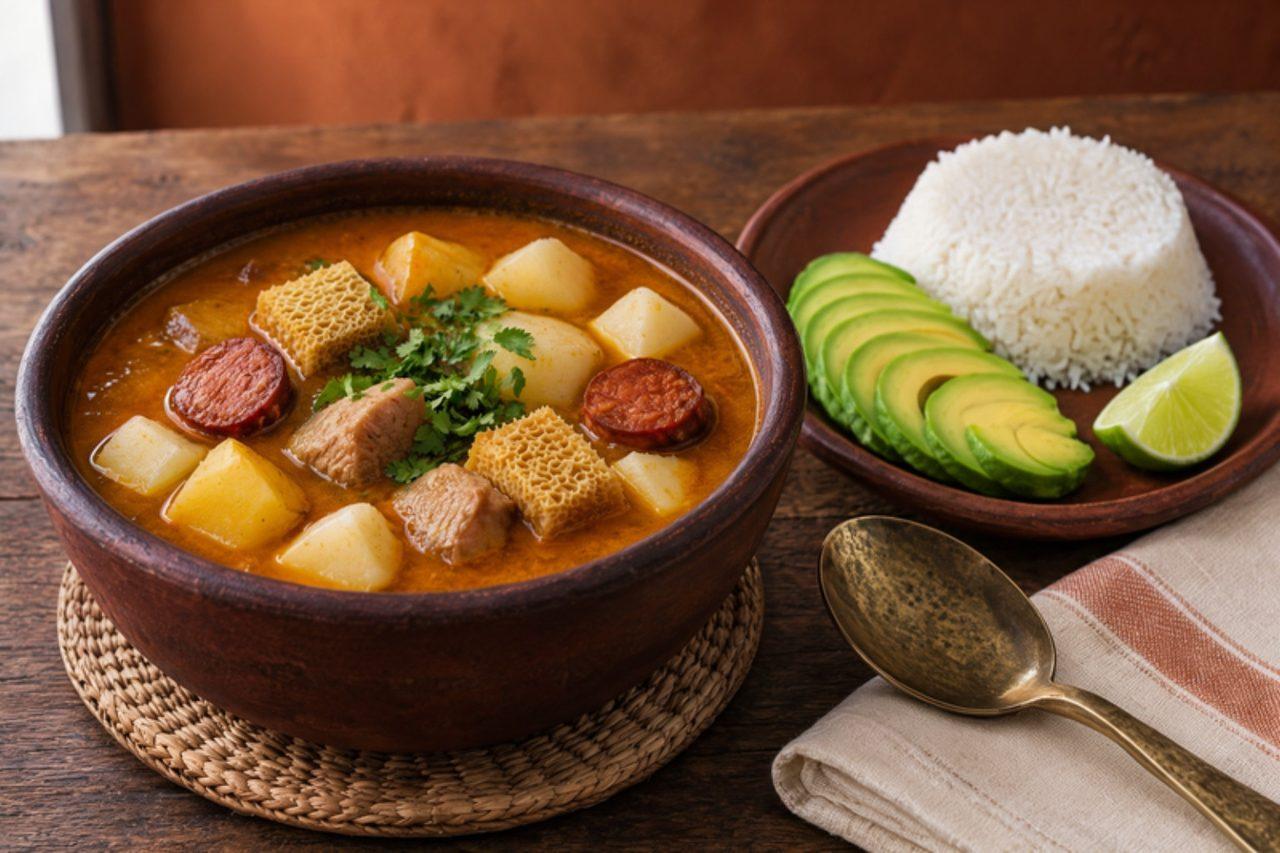
MondongoTripe soup

In Antioquia, around Medellín, mondongo is the hearty soup families cook at the weekend and that restaurants serve at lunch with rice, avocado, ripe banana and a squeeze of lime. Cleaned beef tripe simmers slowly with pork shoulder and chorizo (both pork), then potatoes, annatto, cumin and plenty of cilantro thicken and colour the broth. The usual mistake is skimping on cleaning the tripe: rinse and blanch it well or the soup will taste strong. Pressure-cooker: cook the tripe for 40 minutes at high pressure instead of 2 hours. Chef's tip: use some small yellow potatoes (papa criolla) along with the floury ones, as they melt and thicken the broth naturally.

by KrazyBadal 0 views

ChilenitosDulce de leche biscuit sandwiches

Chilenitos are small, fragile sweets from the bakeries and convent traditions of Chile's countryside: two paper-thin, crisp biscuits sandwiched with manjar and coated on top with a glossy white meringue. They are a fixture of once, christenings and the sweets table at weddings. The biscuits must be rolled almost transparent; thick dough gives a hard, dry chilenito. Chef's tip: use an Italian meringue (whites whisked with hot sugar syrup); it sets smooth and shiny and the eggs are cooked by the syrup, so it is safe to serve to everyone.

by KrazyBadal 0 views

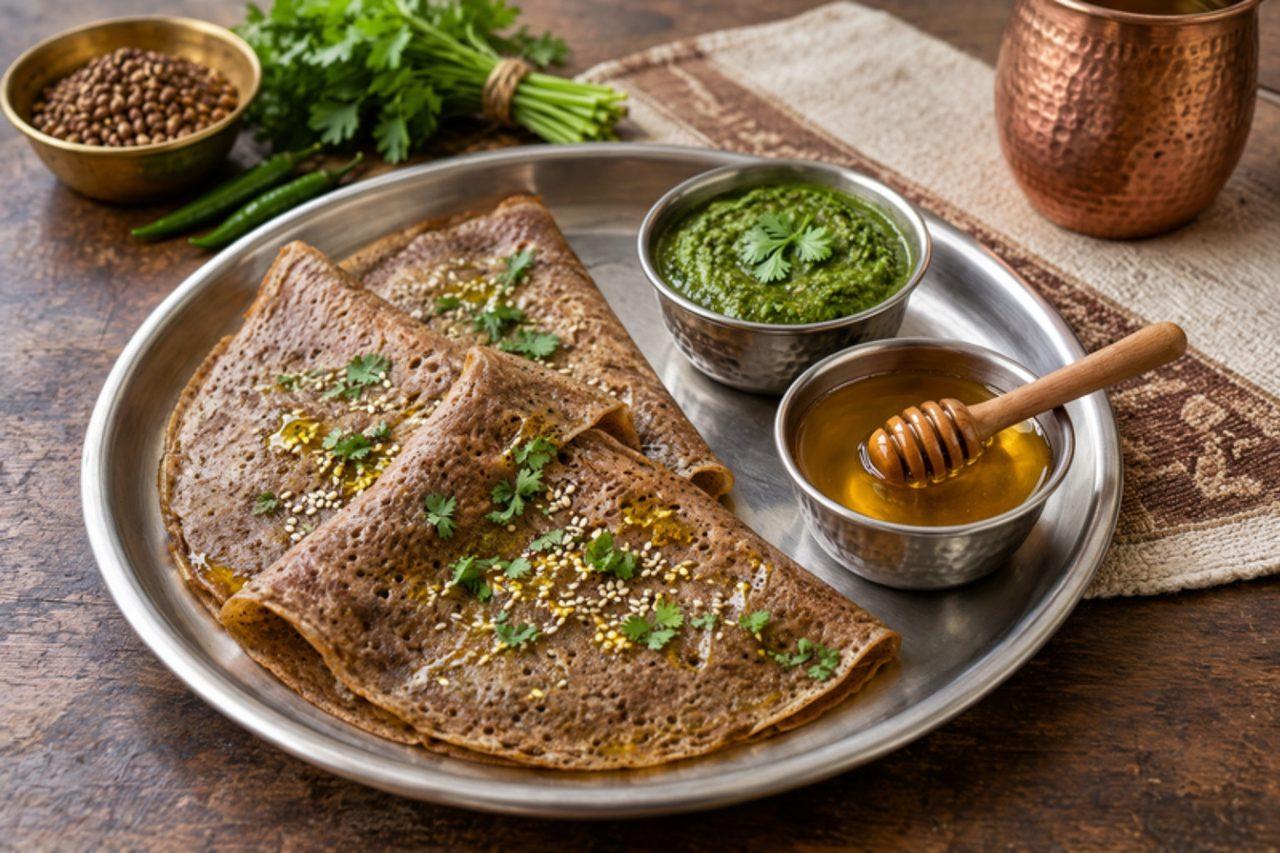
ChilreBuckwheat pancakes

In the upper hills around Shimla and through Kinnaur, buckwheat (kuttu or ogla) grows where wheat struggles, and chilre are its everyday form: thin, lacy pancakes poured on a hot griddle for breakfast or a late-afternoon snack. They are eaten with a sharp mint-and-walnut chutney, or sweet with honey, and are naturally gluten free when made with pure buckwheat. The common mistake is making the batter too thick, so the chilre come out stodgy; it should pour like single cream. Chef's tip: let the batter rest 15 minutes so the buckwheat swells, and wipe the pan with an oiled cloth rather than pouring oil, for even, lacy pancakes.

by KrazyBadal 0 views

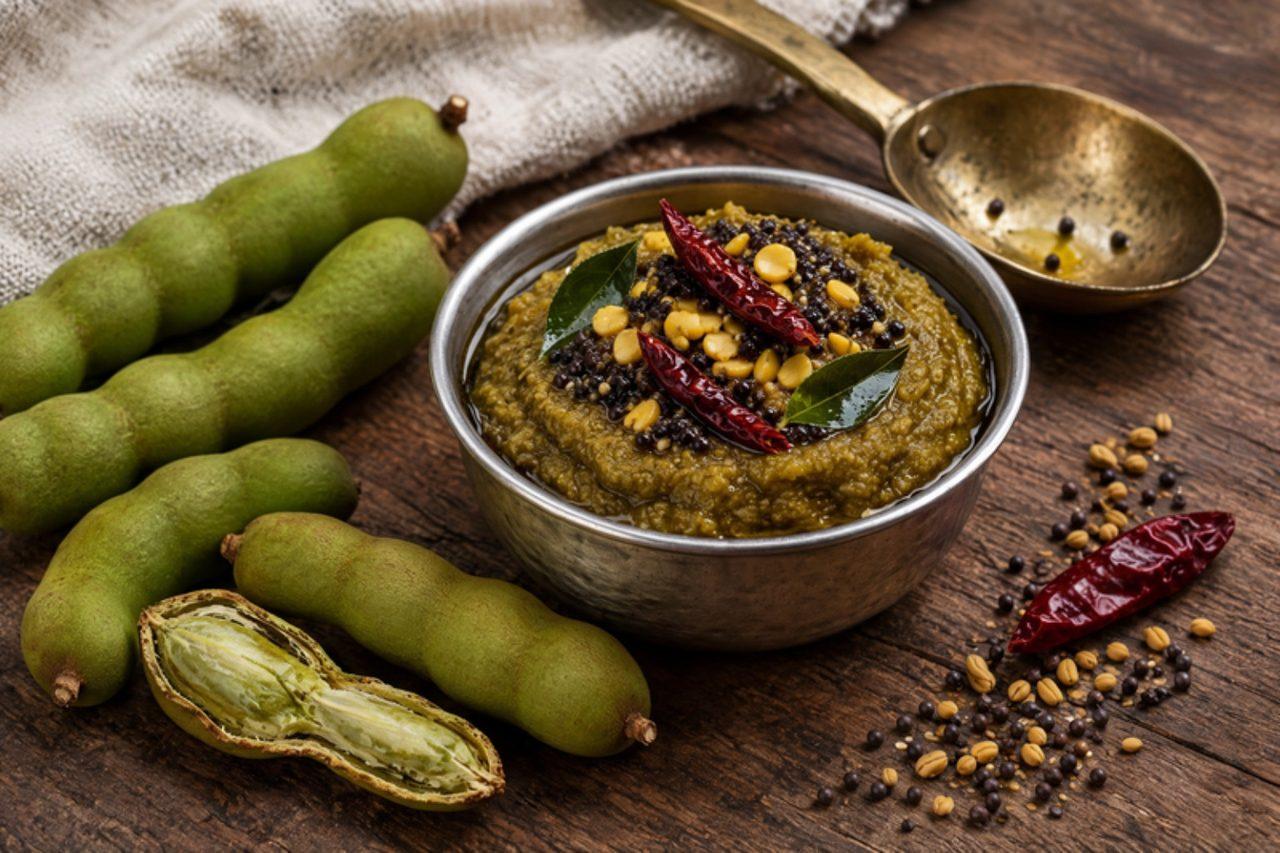
Chintakaya pachadiGreen tamarind pickle

In Telangana and coastal Andhra, the tamarind trees hang heavy with tender green pods from December to February, and every household that can lays in a jar of chintakaya before the pods ripen and turn brown. The raw pods are pounded with salt and turmeric and left to mature into a sharp, olive-green base that keeps for the whole year. Small portions are then ground with chillies and finished with a crackling tadka whenever the family wants it. The taste is pure, mouth-puckering sourness with a fresh, almost apple-like green note, very different from ripe tamarind. Mix it into hot rice with sesame oil, or eat it with jonna rotte (sorghum flatbread) and raw onion. The common mistake is to let wet pods into the jar: wash the tamarind the day before, then spread it to dry completely. The salted base is very acidic and roughly 15% salt, so it keeps in a cool cupboard; the finished pachadi with chillies belongs in the fridge and is best within 3 weeks. It is ready when the paste is coarse, dark green and smells sharply sour. Chef's tip: roast dried chillies for a smoky winter version, or use green chillies for a brighter, fresher heat.

by KrazyBadal 0 views

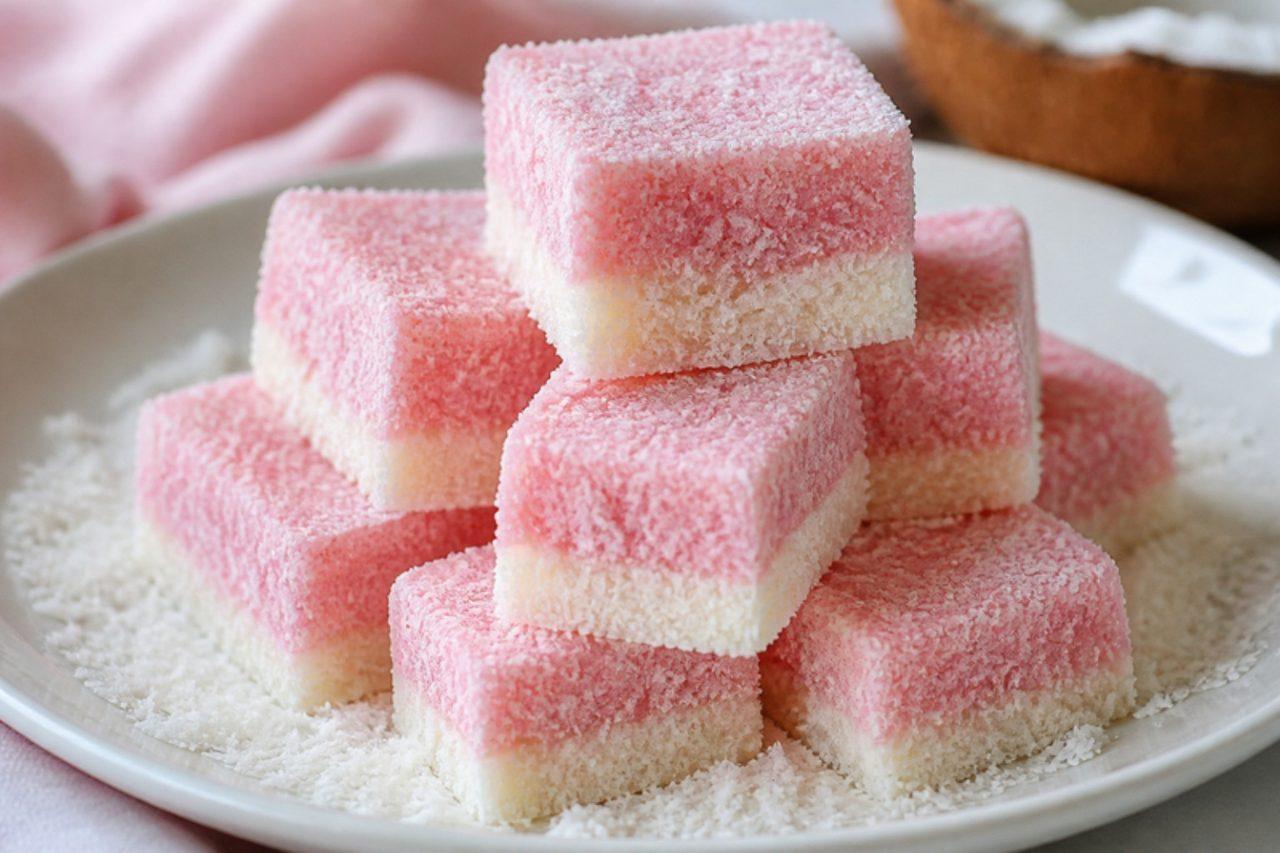
Coconut icePink and white coconut fudge

Coconut ice is the pink and white sweet that fills Australian school fete stalls, Christmas hampers and CWA cake tables, a no-cook fudge of desiccated coconut, condensed milk and icing sugar. It is soft, chewy and very sweet, so cut small squares. A common mistake is a mixture that's too wet to hold; add more coconut until it's firm enough to press. Chef's tip: press the white layer first, then the pink, and chill before cutting for sharp stripes.

by KrazyBadal 0 views

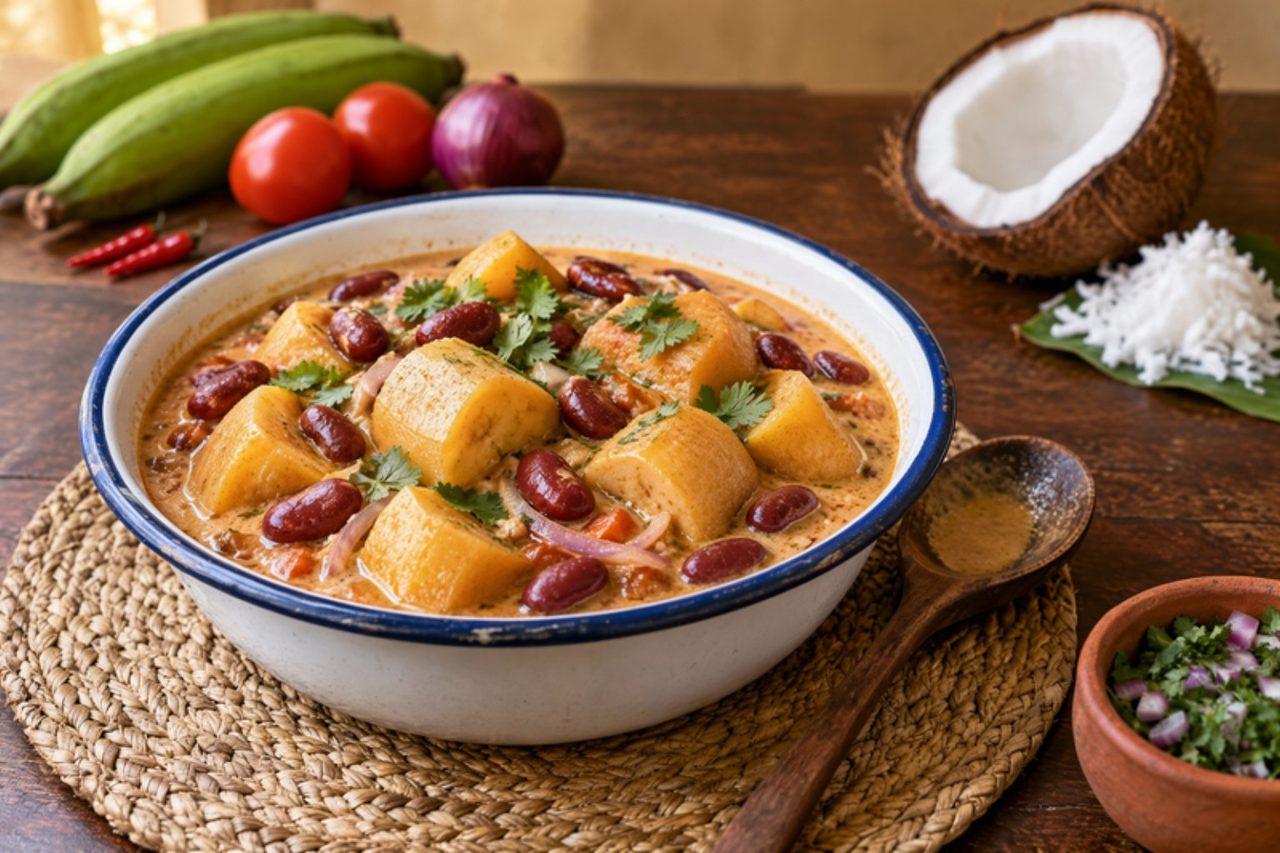
Ndizi na maharageGreen bananas and red beans

Across Tanzania, from Dar es Salaam to the banana farms around Kilimanjaro, ndizi na maharage is a filling weekday lunch: green cooking bananas and red beans simmered in one pot with tomato, onion and coconut milk until the bananas are soft and the sauce creamy. It needs nothing more than a few slices of avocado or a fresh kachumbari salad on the side. The usual mistake is cooking dried red kidney beans gently from the start: they must boil hard for 10 minutes first to be safe. Peel green bananas with oiled hands, as the sap stains and sticks. Chef's tip: add the bananas only once the beans are tender, then let them simmer until they just break at the edges and thicken the sauce.

by KrazyBadal 0 views

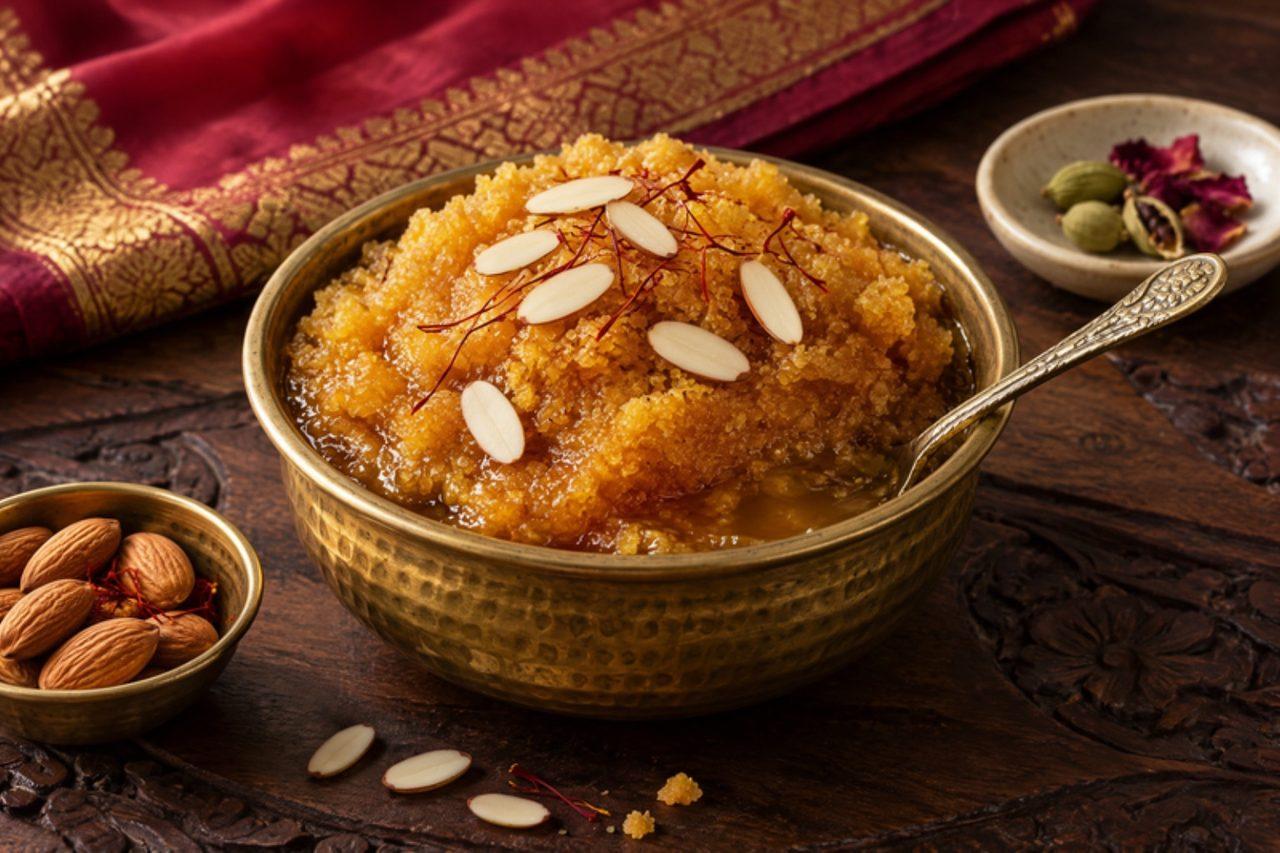
Badam ka halwaAlmond halwa

In Jaipur, badam ka halwa came out of the royal kitchens and now appears at winter weddings and on cold nights when someone wants a real treat. Soaked, peeled almonds are ground to a coarse paste and cooked slowly in ghee with milk, sugar and saffron until the halwa turns golden, glossy and leaves the sides of the pan. It is very rich, so a small bowl is enough. The common mistake is grinding the almonds too fine, which gives a pasty halwa instead of a soft, grainy one. Chef's tip: stop grinding when the almonds look like wet semolina and add the milk only during grinding, never water.

by KrazyBadal 0 views

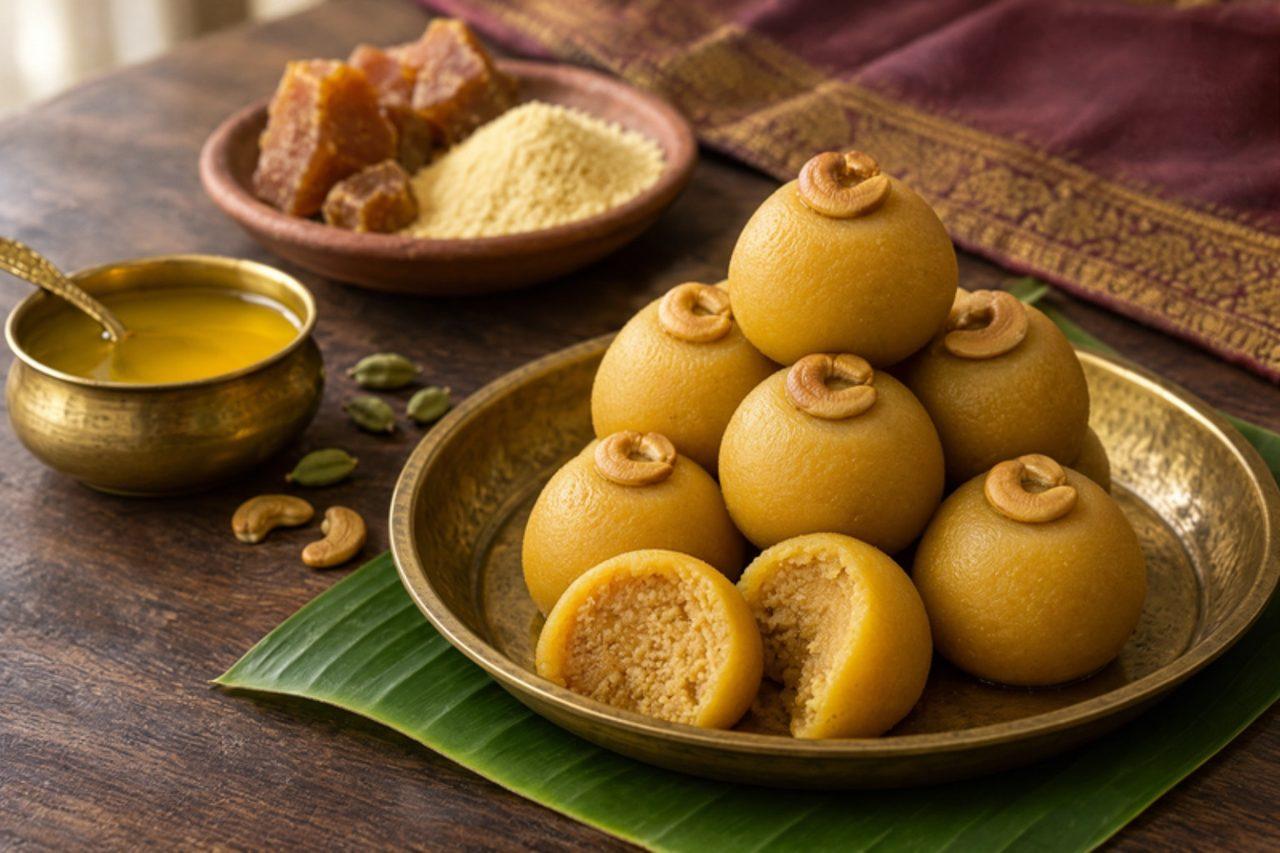
Bandar ladduGram flour and jaggery balls

Bandar laddu is named after Bandar, the old name of Machilipatnam on the Andhra coast, and it is the sweet families carry home after a trip there, offer at Sankranti and give at weddings. Gram-flour pearls are fried, then pounded with jaggery syrup and ghee until the mixture turns dense, smooth and fudgy, unlike the grainy besan laddu of the north. The common mistake is not cooking the jaggery syrup far enough: it needs to reach the soft-ball stage, or the laddus slump and turn sticky. Chef's tip: pound the mix while it is still warm, in batches, in a heavy mortar or food processor, until it clumps when pressed.

by KrazyBadal 0 views

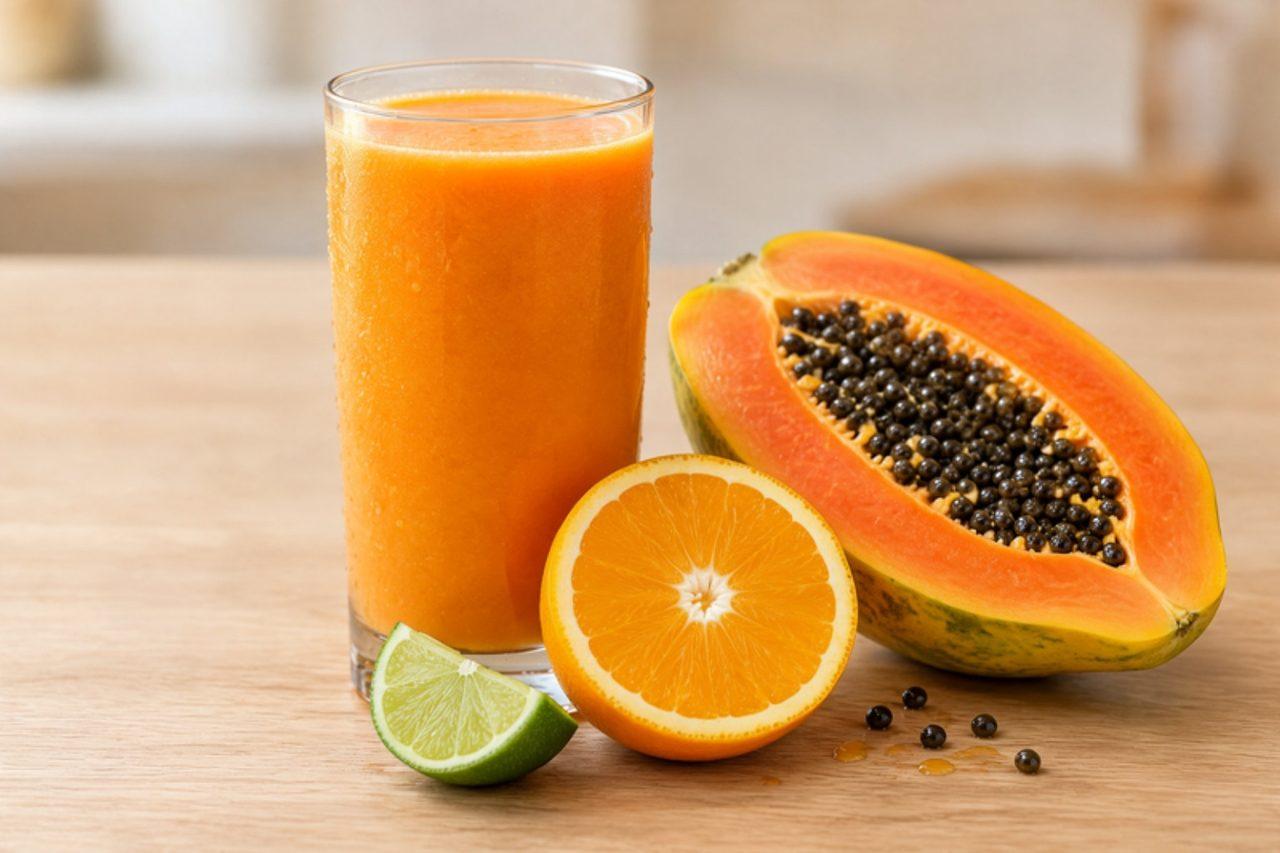
Batido de lechosaPapaya and orange shake

Lechosa is what Venezuelans call papaya, and on breakfast tables from Valencia to Puerto La Cruz it turns up as a batido beside arepas or empanadas, often blended with the oranges that are piled cheap in every market. It is thick, smooth and sunset-orange, tasting of honeyed papaya and bright citrus, and it fills you up until lunch. Some families blend it with milk instead of juice, which turns it into a creamy merengada. The common mistake with milk is letting it stand: papaya's natural enzyme starts to turn milk bitter within half an hour, so drink it straight away. Another mistake is scraping the seed cavity too hard; the black seeds and their slippery coating make the batido bitter and peppery. It is ready when there are no fibres left, it pours in a thick stream and the colour is an even orange. Choose papaya that is mostly yellow-orange and gives slightly under your thumb; a green-streaked one tastes flat and a little musky. Chef's tip: a few drops of lime juice cut through papaya's musky note and make it taste fresher.

by KrazyBadal 0 views

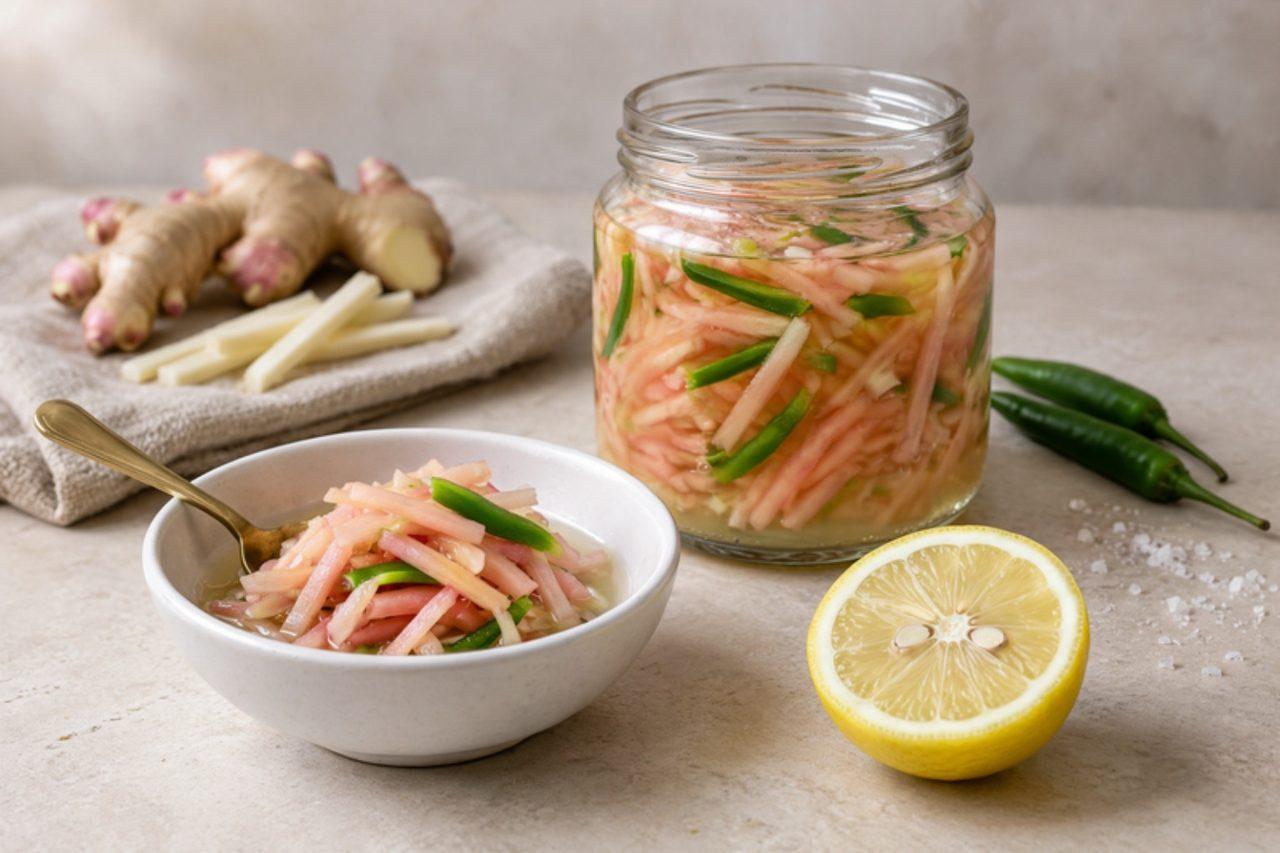
Adrak ka acharGinger pickle

Walk into a Punjabi dhaba in winter and there is often a steel bowl of ginger matchsticks soaking in lemon juice beside the onion rings. Adrak ka achar is the simplest pickle of all: tender ginger, green chilli, salt and lemon, nothing cooked. Young ginger with thin, pinkish skin reacts with the acid and turns a pretty pale pink within a day; older ginger stays yellow but tastes just as good. The flavour is clean, hot and sour, with crunch, and a forkful cuts the richness of sarson ka saag, makki ki roti, chole bhature or a heavy dal makhani. Common mistake: cutting the ginger thick or using fibrous old roots, which stay woody and harsh; slice thin enough to see light through. It is ready when the ginger has softened slightly, the juice tastes less sharp and the slices have taken colour. Fresh ginger in lemon juice keeps in the fridge for up to 2 weeks; discard it if mould appears, the juice turns slimy or the smell turns from fresh-sour to musty. Chef's tip: a pinch of black salt (kala namak) added at the end gives it that dhaba-style sulphurous edge.

by KrazyBadal 0 views

Bilahi chutneySweet-sour tomato chutney

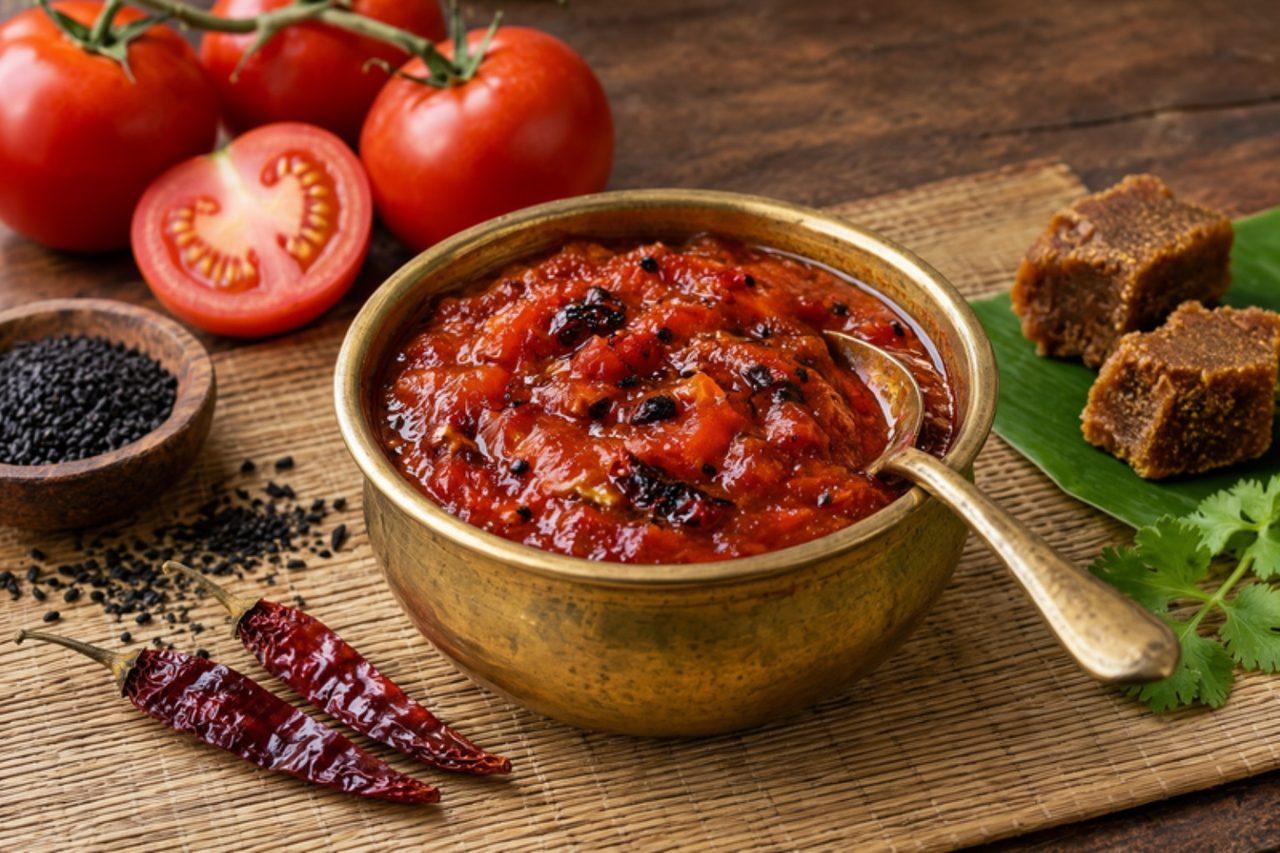
Bilahi is the Assamese word for tomato, and this glossy red chutney, sweet with jaggery and warmed with nigella and dried chilli, closes a festive Assamese meal, especially at weddings and on Bihu, as the sweet-sour last course before curd and sweets. Everyday cooks in Jorhat and Guwahati make a quick batch in winter when tomatoes are cheap. The mistake to avoid is adding the jaggery too early, which scorches before the tomatoes have broken down. Chef's tip: a few dates or raisins added with the jaggery give the chutney a deeper, jammy sweetness.

by KrazyBadal 0 views

Chanko nabeChicken meatball hot pot

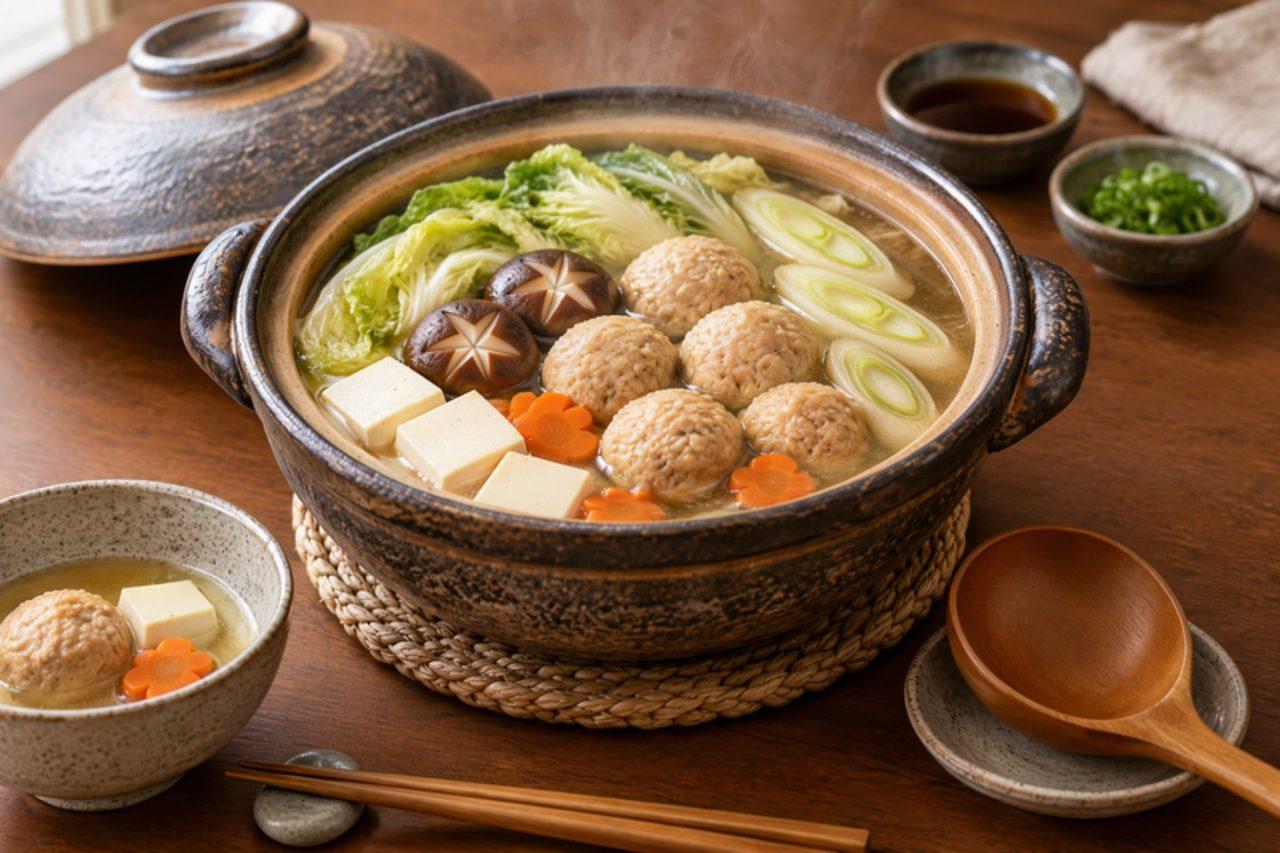
Chanko nabe is the daily meal of the sumo stables around Ryōgoku in east Tokyo, where young wrestlers cook a huge pot after morning practice and the senior ranks eat first. At home it is a winter supper cooked on a tabletop burner or on the hob: a clear chicken and kombu dashi seasoned lightly with soy, then loaded with ginger-scented chicken meatballs, tofu, napa cabbage, leek, carrot and mushrooms. Everything cooks in the one pot, and the last of the broth is often finished with udon or rice. The usual mistake is boiling the pot hard once the meatballs go in, which turns the broth cloudy and the tofu ragged; keep it at a lazy simmer. Chef's tip: shape the meatballs with two wet spoons and drop them in before the vegetables, so they flavour the broth while the cabbage softens.

by KrazyBadal 0 views

Burma athoBurmese noodle salad

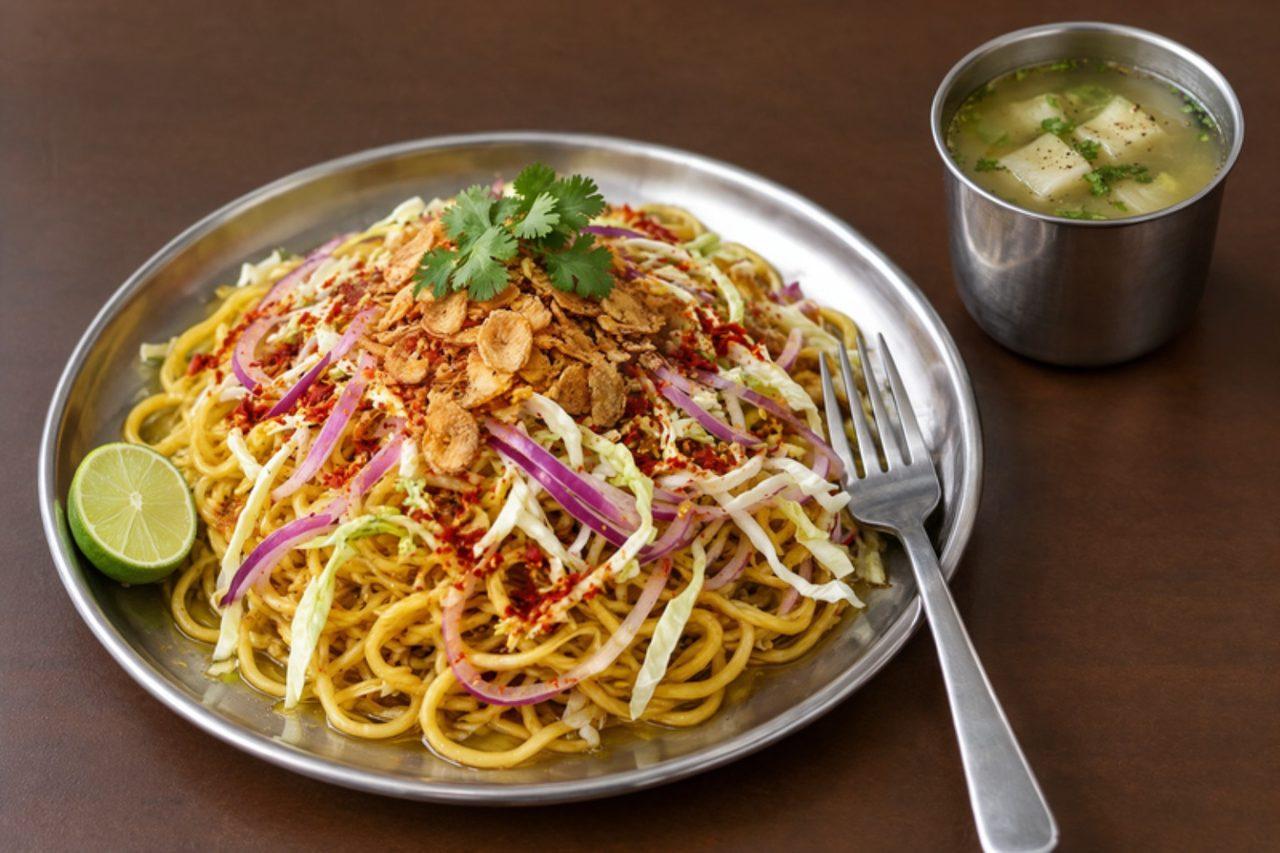
When Tamil families returned from Burma in the 1960s they brought atho with them, and today it is cooked on carts around Burma Bazaar, Parry's Corner and along the roads near the harbour in George Town, busiest at lunch and in the early evening. Cold noodles are mixed by hand with raw cabbage and onion, crisp fried garlic, tamarind, chilli flakes, roasted gram powder and lime, and come with a peppery banana-stem soup on the side. It is sour, hot, crunchy and very moreish. Contains wheat. Chef's tip: fry the garlic slowly until only pale gold; it keeps darkening off the heat and turns bitter if you wait for brown.

by KrazyBadal 0 views

Ssanghwa-cha (herbal tonic tea)

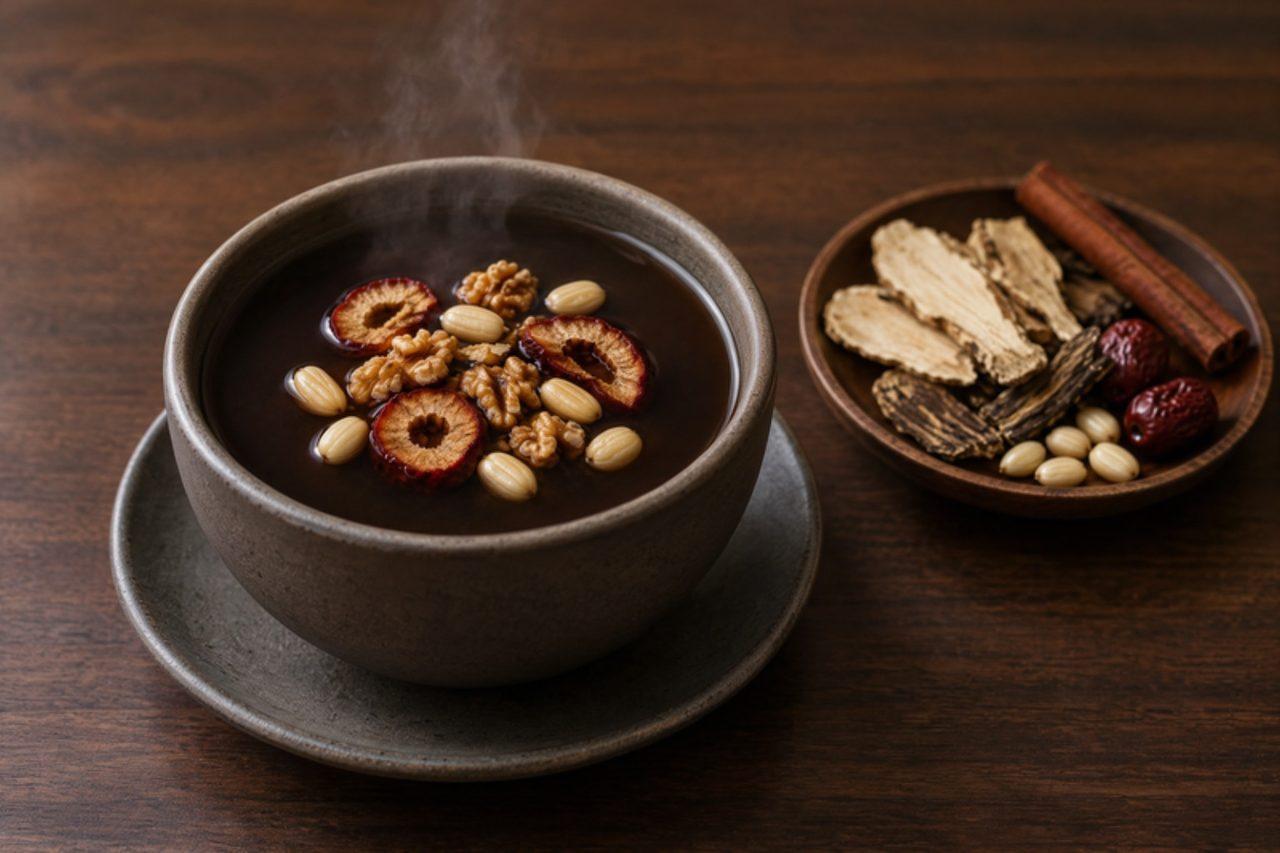
Ssanghwa-cha is the strongest thing on the menu of an old Korean dabang. From the 1960s these smoky tea rooms served it in thick ceramic cups, dark as coffee, with pine nuts, slivered jujube and walnut floating on top; in winter some still slide a raw egg yolk in, which this recipe leaves out. The brew comes from Korean herbal tradition, where ssanghwa-tang is drunk to warm up and recover from tiredness after hard work or a cold. It tastes earthy and bitter at first, then sweet from licorice and jujube, with warmth from cinnamon and ginger and a celery-like perfume from angelica. Herbal shops sell the roots in pre-measured packs. The common mistake is boiling it hard: the liquid reduces too fast and turns harsh. Keep a gentle simmer with the lid ajar for two hours. It is ready when it is very dark brown, reduced to about a third and smells of cinnamon and roots. Because it contains licorice and angelica, skip it if you are pregnant or breastfeeding, have high blood pressure, or take blood thinners or other medicines unless your doctor agrees. Chef's tip: a second, lighter brew from the same roots is good with honey.

135 minKoreanDrinksVeganGluten free
by KrazyBadal 0 views

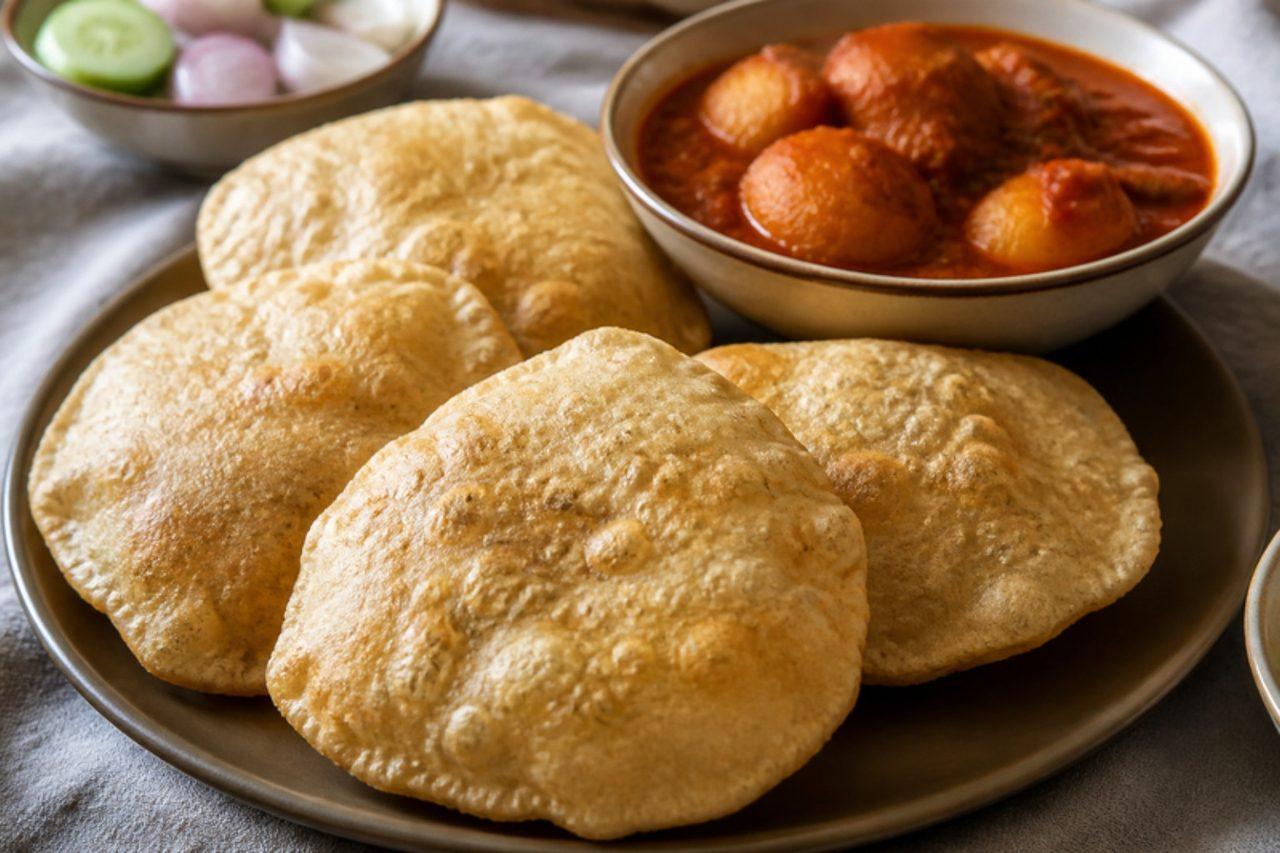
ChauselaRice flour puris

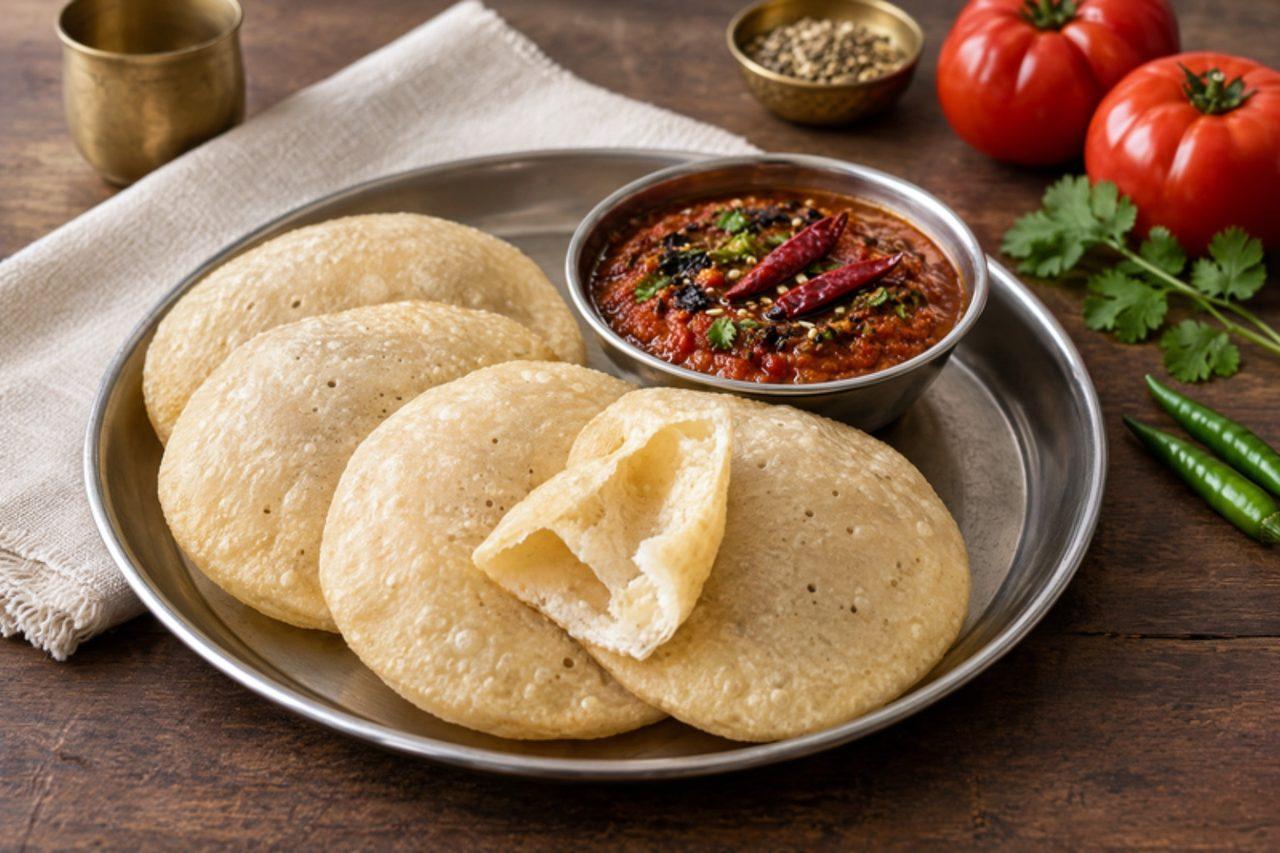
Chausela is the puri of the Chhattisgarh plains, where rice rather than wheat fills the granary, and it turns up at Hareli, Pola and any Sunday breakfast with a sharp tomato chutney or a potato curry. The dough is scalded with boiling water so the rice flour holds together, and the puris fry up pale, soft and lightly crisp at the edges. The usual mistake is mixing the flour with cold water; it cracks as you roll and the puris split in the oil. Chef's tip: knead the dough while it is still warm, using the heel of an oiled palm, and keep it under a damp cloth so the rounds stay supple.

by KrazyBadal 0 views

Kue apePandan pancakes with crisp edges

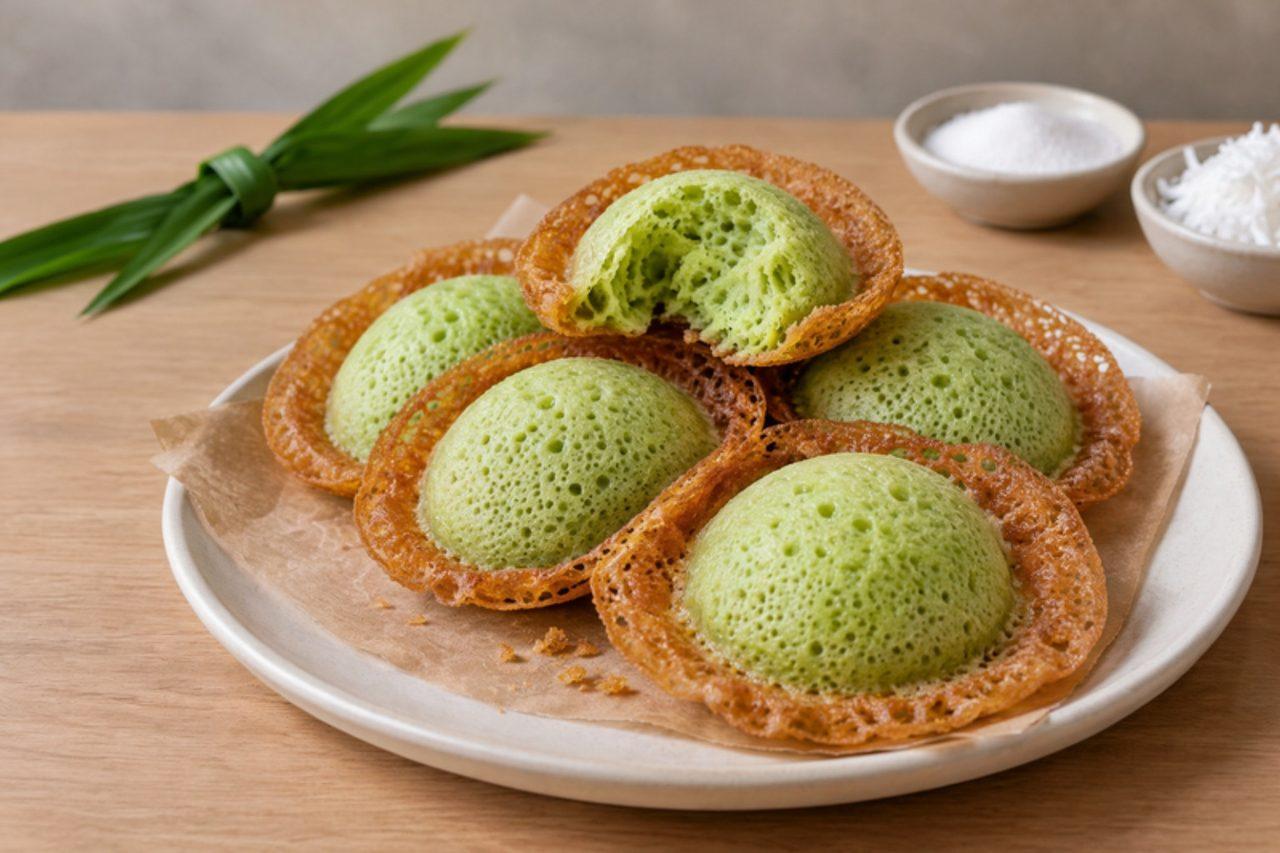
Kue ape (also called kue tetek for its shape) is a Betawi snack sold from pushcarts outside schools and along the lanes of Kebon Kacang in the late afternoon, when children come out hungry. The vendor swirls pandan batter around a small domed pan so the edges fry paper-thin and lacy while the centre puffs into a soft, slightly chewy bump. They are sweet, fragrant and best eaten within minutes. A small non-stick pan or a Chinese wok-shaped crêpe pan works at home. The batter contains wheat and egg. Chef's tip: the swirl must happen the second the batter hits the pan; hesitate and the edge sets thick instead of lacy.

by KrazyBadal 0 views

Colada moradaPurple corn and berry drink

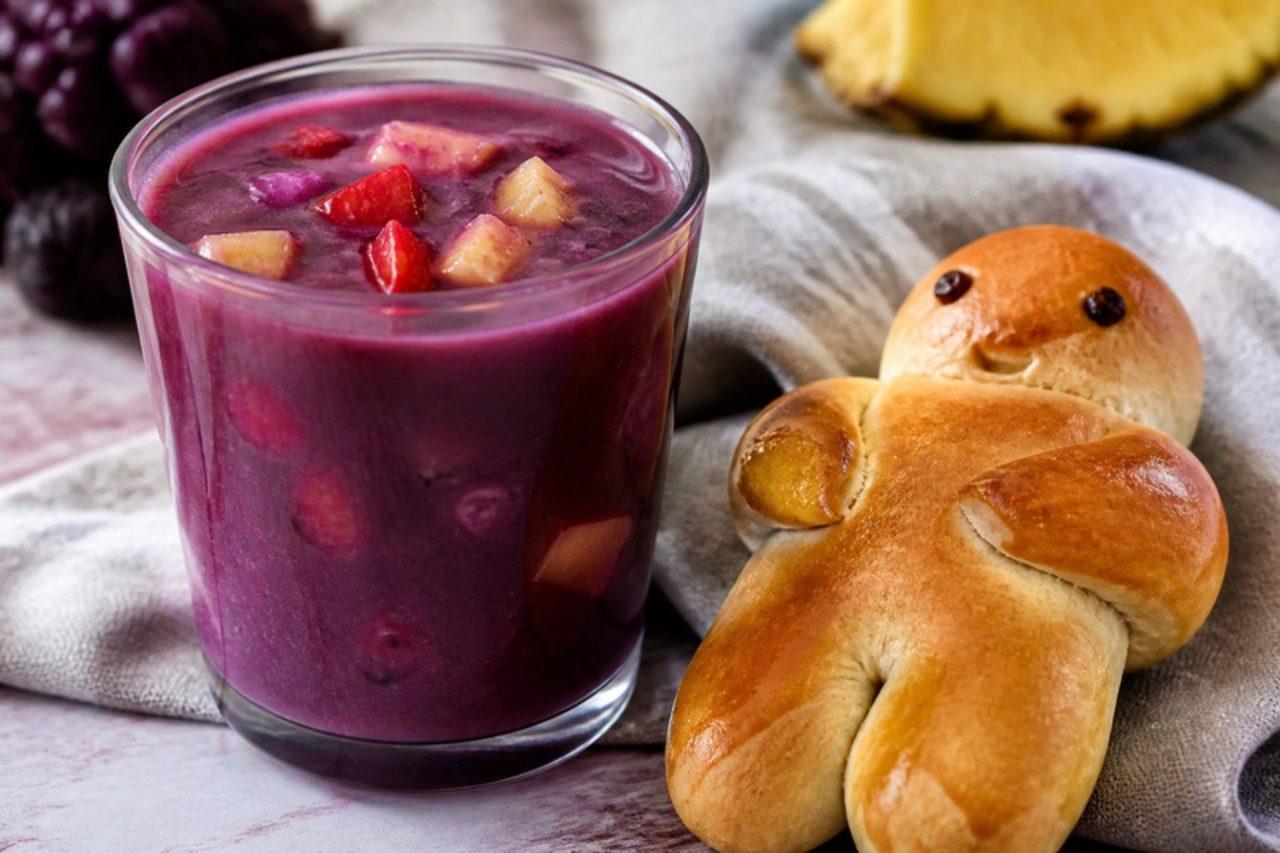
Every year in the days before 2 November, the Día de los Difuntos, Quito's kitchens and bakeries fill with the smell of colada morada: a warm, spoon-thick drink of purple corn flour cooked with blackberries, blueberries, pineapple and a bundle of fragrant herbs and spices. It is deep violet, sweet-tart and full of chopped fruit, and it is always served with guaguas de pan, the bread babies, often shared with family at the cemetery. The most common mistake is stirring the corn flour straight into hot liquid, which makes lumps: whisk it into cold water first. Chef's tip: lemon verbena and lemongrass give the authentic perfume; if you can find naranjilla or a few orange leaves, add them to the spice pot too.

100 minAndeanDrinksVeganGluten free
by KrazyBadal 0 views

Cà phê cốt dừa (coconut coffee)

Hanoi takes its coffee seriously, and in the last fifteen years coconut coffee has become one of the city's signatures, sold from Old Quarter cafés, lakeside balconies around Hoàn Kiếm and tiny stools on the pavement. It is a hot-weather drink, at its best on a sticky afternoon between May and September, eaten half with a spoon. Strong Vietnamese robusta drips slowly through an aluminium phin, then is poured over a pale slush of thick coconut cream, sweetened condensed milk and crushed ice, so you get bitter, dark coffee against something rich and cold that tastes like coconut ice cream. The common mistake is blending the slush too long or with too much ice, which leaves it thin and watery, and pouring the coffee in boiling hot so the slush collapses. Blend just until it looks like soft snow, and let the coffee cool for a minute or two. It is ready when the slush holds a spoon upright and the coffee sits in a dark layer on top. Robusta is high in caffeine and this is a strong drink, so it is not for children and one glass is plenty. Chef's tip: chill the coconut cream overnight; cold, thick cream gives a fluffier slush.

by KrazyBadal 0 views

Duruka in coconut milkSugarcane flower in coconut milk

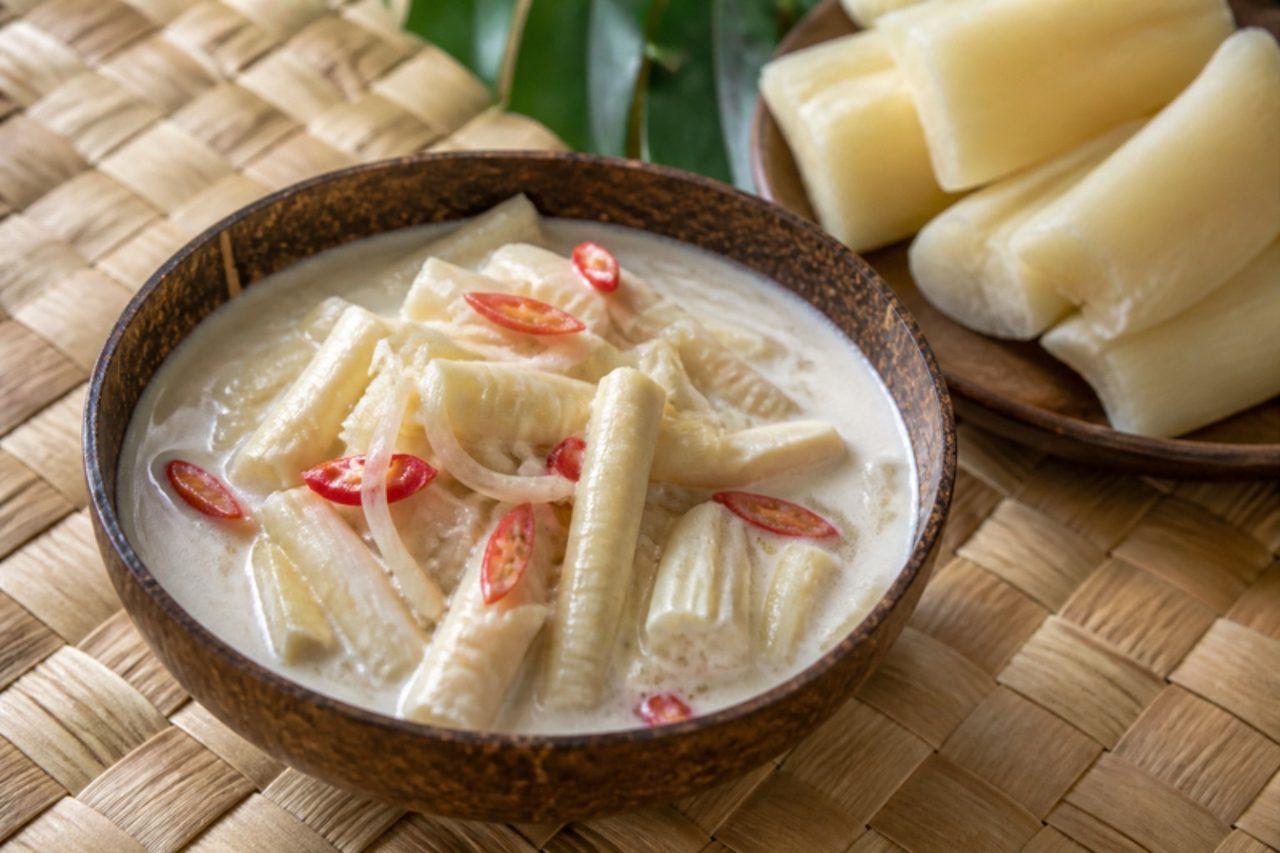
Duruka is the unopened flower of a wild sugarcane that Fijians call Fijian asparagus, in season for a few weeks around April and May when it fills the markets of Suva and Nausori in bundles. Peeled from its husk, it is tender and sweet with a taste between baby corn and asparagus, and the classic iTaukei way is to simmer it in lolo, fresh coconut milk, with onion and chilli. Outside Fiji you'll find it frozen or tinned in Pacific grocery shops; baby corn and asparagus make a fair stand-in. A common mistake is boiling the coconut milk hard, which splits it; keep it at a gentle simmer. Chef's tip: add a squeeze of lemon right at the end to lift the richness.

by KrazyBadal 0 views

Showing 54 of 7,888 recipes

Show more recipes

Page 125 of 877