


Skip to content
Grenadian nutmeg ice cream
Featured recipe

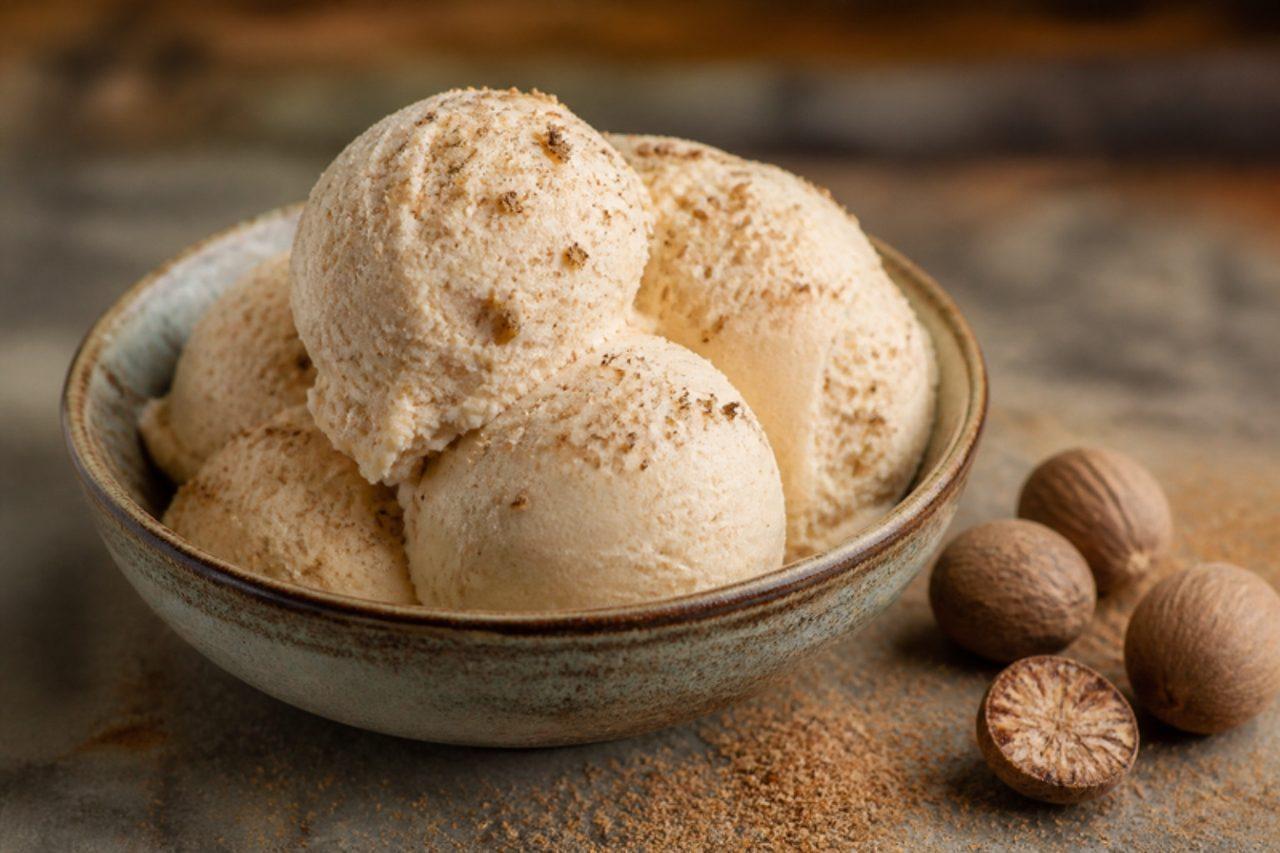
Grenadian nutmeg ice cream

Grenada, the Spice Isle, grows much of the world's nutmeg, and in St George's ice cream parlours the local favourite is a rich egg-custard ice cream scented with freshly grated nutmeg. The flavour is warm and almost floral, nothing like the dusty jar spice, and it is lovely with fried plantain or a slice of black cake. The common mistake is overheating the custard so the eggs scramble; take it off the heat as soon as it coats a spoon. Chef's tip: grate the nutmeg straight into the hot milk and let it steep for 20 minutes before making the custard, so the flavour runs all the way through.

Read more 0 views

What to eat today?

Around the world

Today's trip: Persian

A new country every day, from every cuisine on the site.

Persian

Nazkhatoon

Smoky aubergine with pomegranate 40 minMore from Persian (131) →

This week's collection

Kid-friendly dinners
578 recipes · a new collection every Monday

Latest recipes

Frijoles maneadosPinto beans with chile and cheese

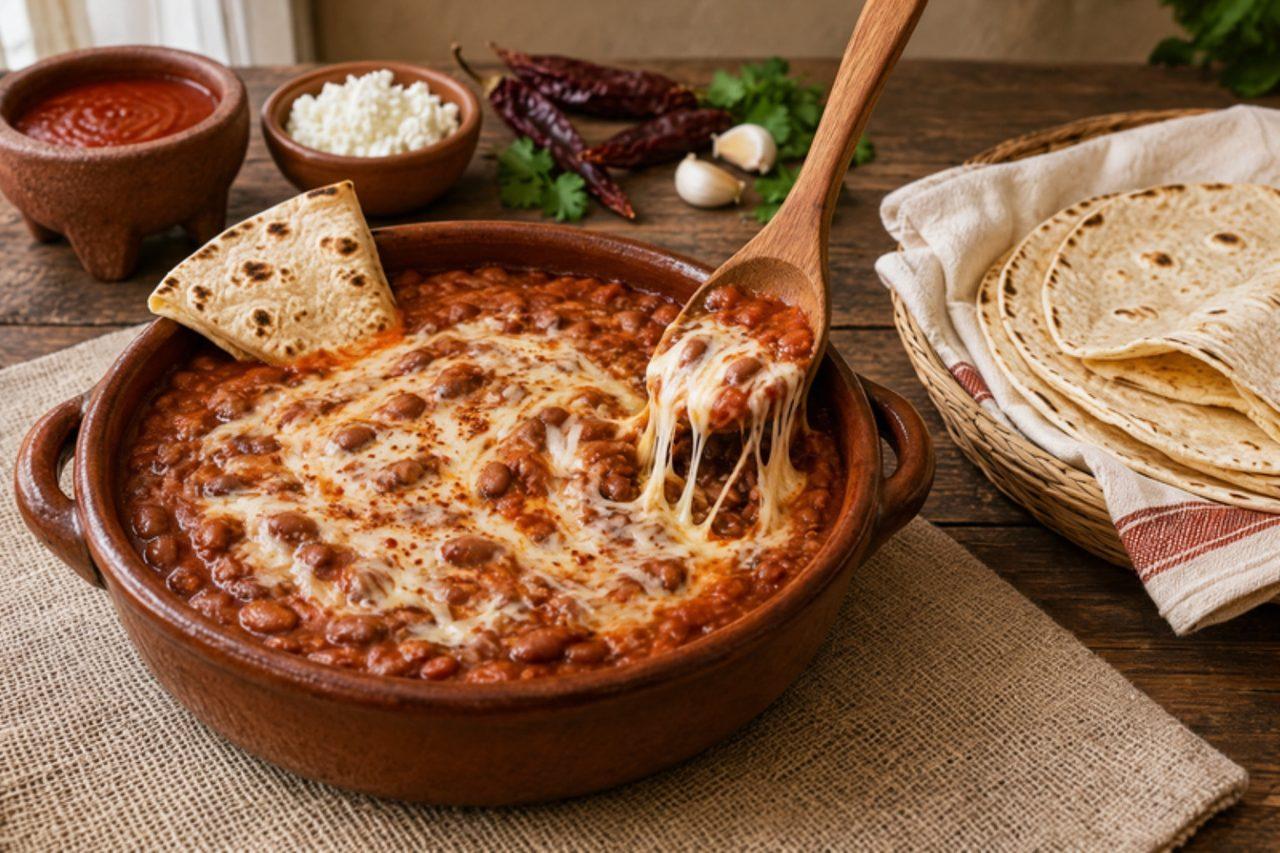
Frijoles maneados are the rich party beans of Sonora in northern Mexico, cooked for carne asada gatherings, weddings and Sunday lunch, and spooned onto flour tortillas. Soft pinto beans are mashed and beaten (maneados means stirred or worked) with dried red chile colorado, milk and so much melting cheese that the pot pulls into strings. Serve them with flour tortillas, grilled vegetables and a sharp salsa. The usual mistake is adding the cheese while the pot is boiling hard, which makes it go rubbery and oily; take the heat right down first. Chef's tip: Sonoran queso regional or Chihuahua cheese is often made with animal rennet, so for a vegetarian pot choose a vegetarian Monterey Jack-style or mild Cheddar cheese labelled suitable for vegetarians.

by KrazyBadal 0 views

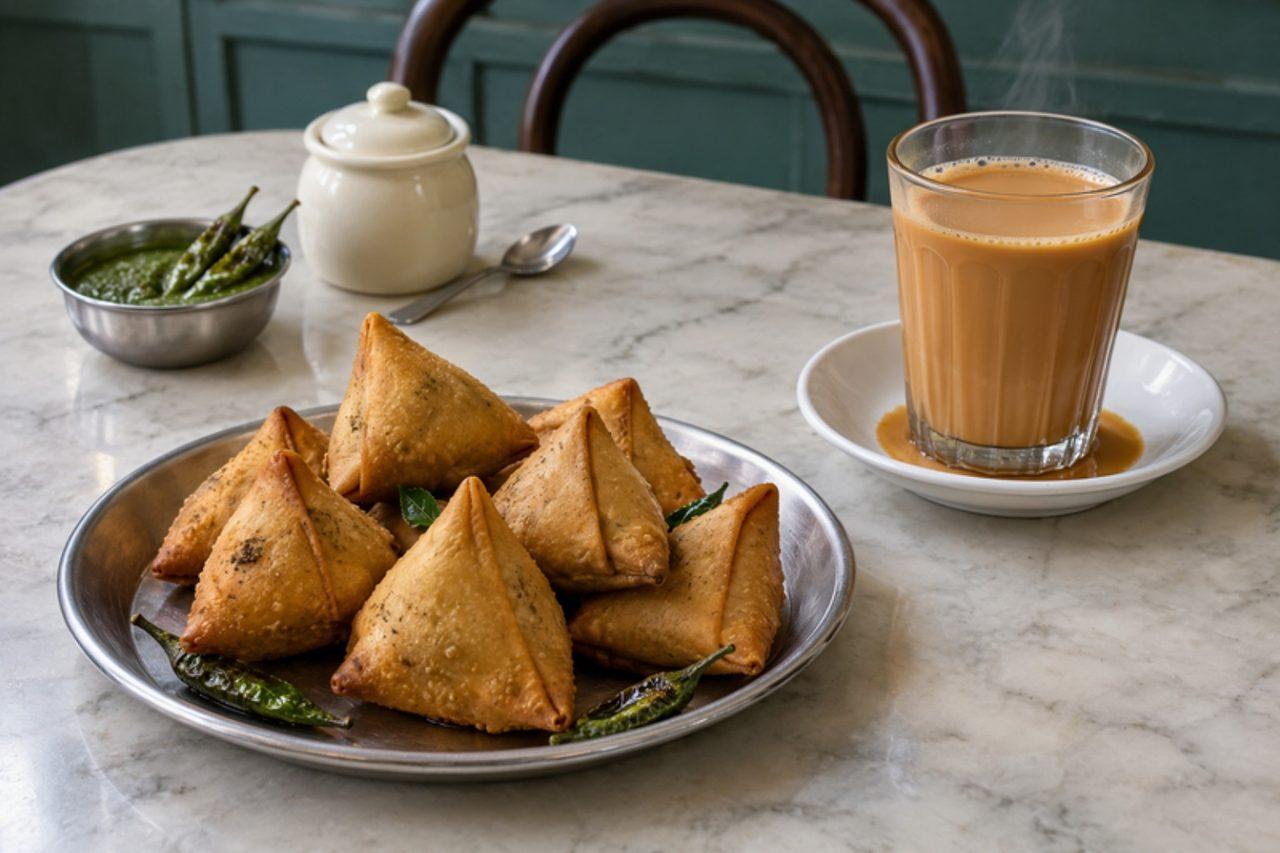
Chennai onion samosa

In Chennai's old tea shops, many started by Irani and Muslim families, a glass of strong tea comes with a plate of small onion samosas: thin, crackly pastry folded around a filling of nothing but slow-cooked onion, green chilli, curry leaves and a little poha to soak up the juices. They are sold by the dozen in the evenings and at bus stands across Tamil Nadu. The pastry is the thin, ready-rolled samosa-patti kind, so they are quick to fold. The common mistake is undercooking the onion, which leaks water and makes the samosas soggy; fry it until soft and sweet, then cool. Chef's tip: seal the folds with a thick paste of flour and water, not plain water, so they do not open in the oil.

by KrazyBadal 0 views

Corn fritters

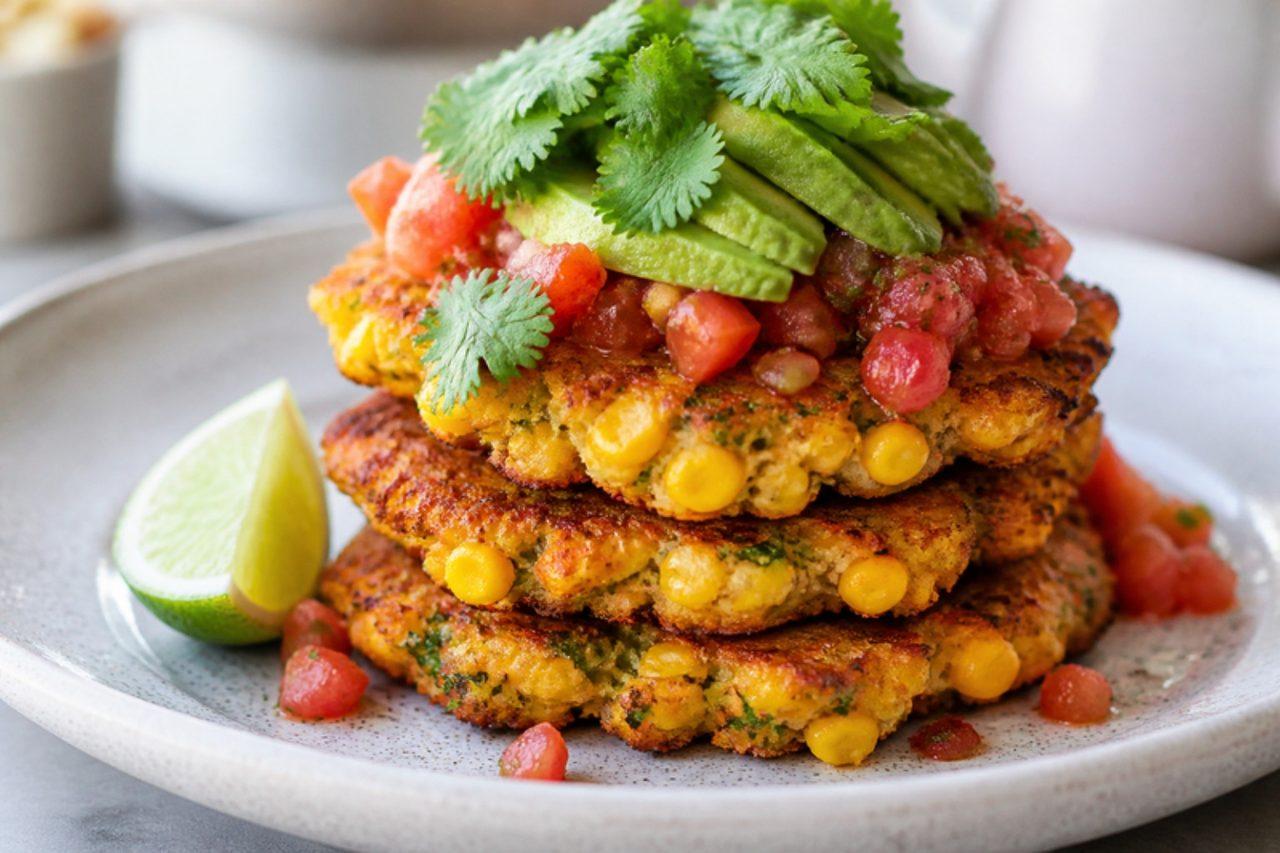
Corn fritters are a Sydney café staple, the brunch that sits on every menu from Surry Hills to Manly, stacked with smashed avocado, roast tomato or relish and a handful of herbs. The batter is mostly corn, with just enough flour and egg to bind, plus spring onion, coriander and a little chilli. They are quick enough for a weekday breakfast. A common mistake is crowding the pan, which steams them instead of crisping. Chef's tip: blitz a quarter of the corn so its milky juice binds the fritters and keeps them tender.

by KrazyBadal 0 views

Chungmu gimbapRice rolls with spicy squid

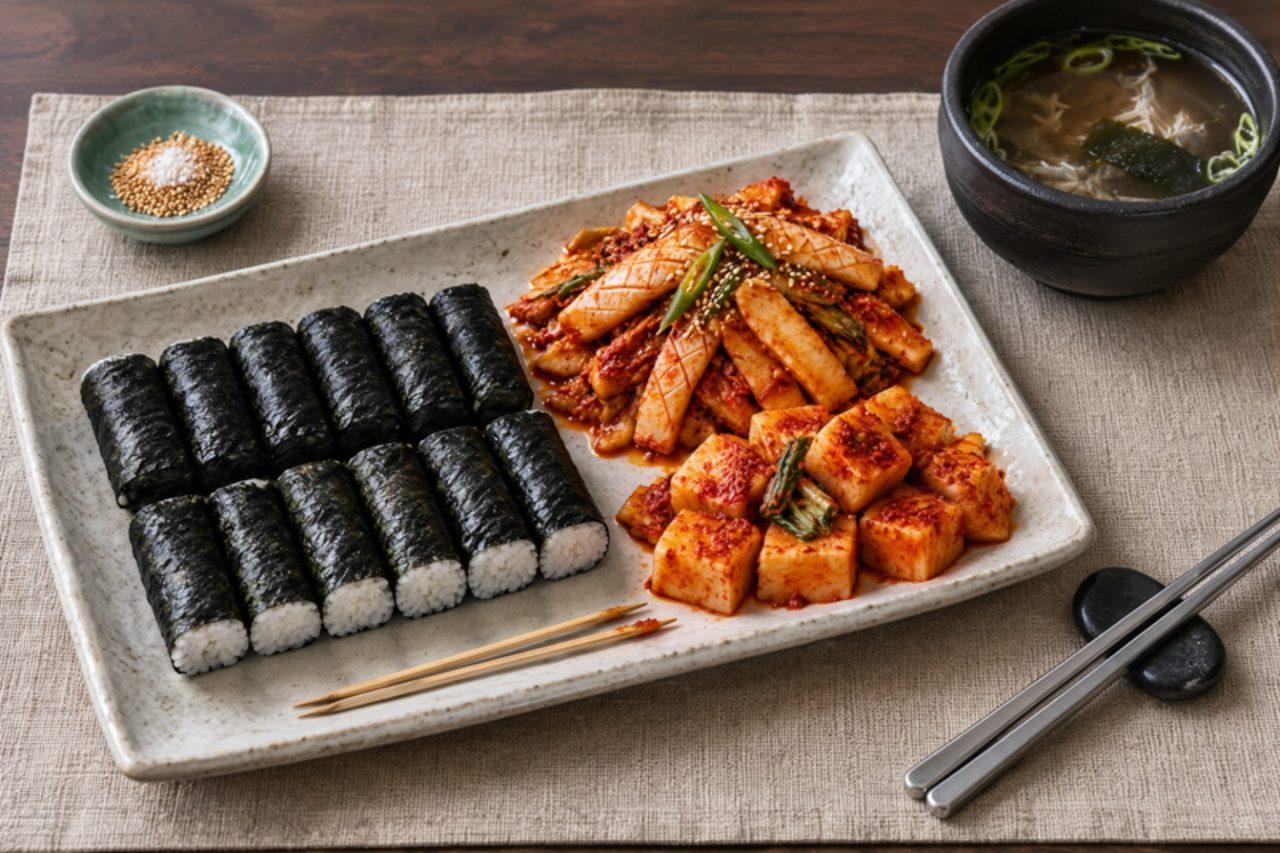
In the harbour town of Tongyeong (once called Chungmu), fishermen's wives made plain rice rolls in laver with the spicy side dishes packed separately, because filled gimbap spoiled in the heat of the boats. Today Chungmu gimbap is a lunchbox and road-trip classic all over Korea: finger-sized rolls eaten with a toothpick, sweet-spicy squid and fish cake, and crunchy radish kimchi. The common mistake is overcooking the squid, which goes rubbery; blanch it just until it turns white and curls. Chef's tip: brush the gim lightly with sesame oil before rolling, which keeps it from going chewy.

by KrazyBadal 0 views

Frijoles coladosStrained black beans

Every cocina económica and family kitchen in Mérida keeps a pot of frijoles colados for the midday meal, the smooth, almost soupy black beans that sit beside cochinita, poc chuc, eggs or simply rice and tortillas across the Yucatán. The beans are cooked soft with epazote, pushed through a sieve, then simmered with onion fried until sweet. Traditionally the onion is fried in pork lard; this version uses oil so it is vegan. The usual mistake is straining beans that are not fully cooked, which gives a gritty, floury purée, so cook them until they crush with no effort. Chef's tip: drop a whole habanero into the simmering purée for 5 minutes for perfume without much heat, then fish it out.

120 minMexicanSidesVeganGluten free
by KrazyBadal 0 views

MerkénSmoked chilli seasoning

Merkén comes from the Mapuche kitchens of Araucanía: cacho de cabra chillies are dried, smoked over a wood fire, then ground with toasted coriander seed and salt into a brick-red powder that is smoky, warm and lightly hot. In Temuco and across the south it is shaken over potatoes, eggs, sopaipillas, grilled fish and soups. Outside Chile, use dried smoked red chillies, or plain dried red chillies plus smoked paprika. The mistake to avoid is scorching the chillies in the pan: if they blacken, the whole jar is bitter. Chef's tip: grind it a little coarse, as it is sold in Temuco's market, so the coriander seeds stay noticeable.

by KrazyBadal 0 views

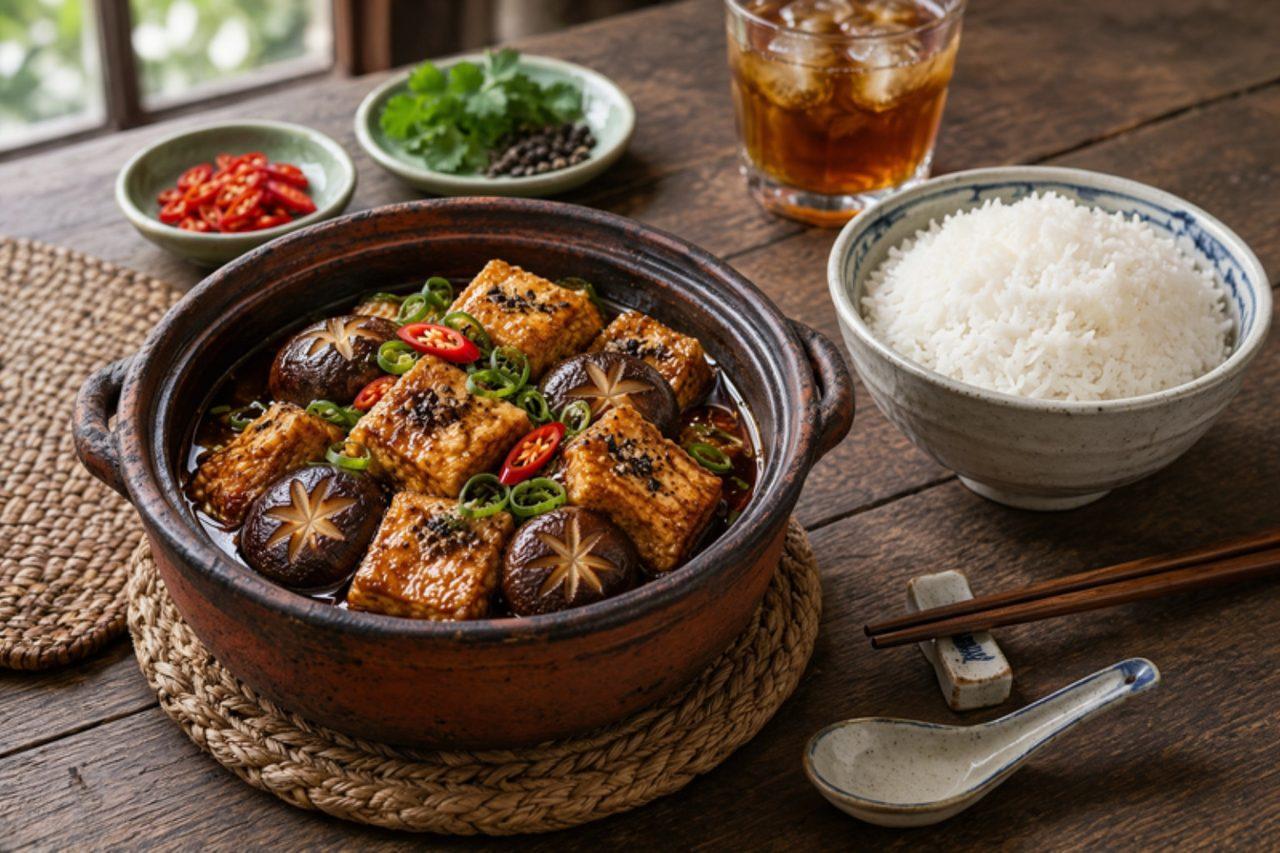
Đậu hũ khoBraised tofu with shiitake

Đậu hũ kho is the vegetarian cousin of the caramel braises (kho) cooked in clay pots all over Vietnam, and in the south it is a standard of Buddhist fasting days and a good companion for a pot of rice through the week. Golden fried tofu and chewy shiitake are braised in a dark caramel, soy sauce and coconut water until the sauce turns sticky, salty-sweet and peppery. Serve with steamed rice, a plate of fresh cucumber and a light soup. The usual mistake is letting the caramel go too dark, which makes the whole dish bitter; stop when it is the colour of strong tea. Chef's tip: coconut water gives a rounder sweetness than plain water, and the braise keeps for 3 days in the fridge.

by KrazyBadal 0 views

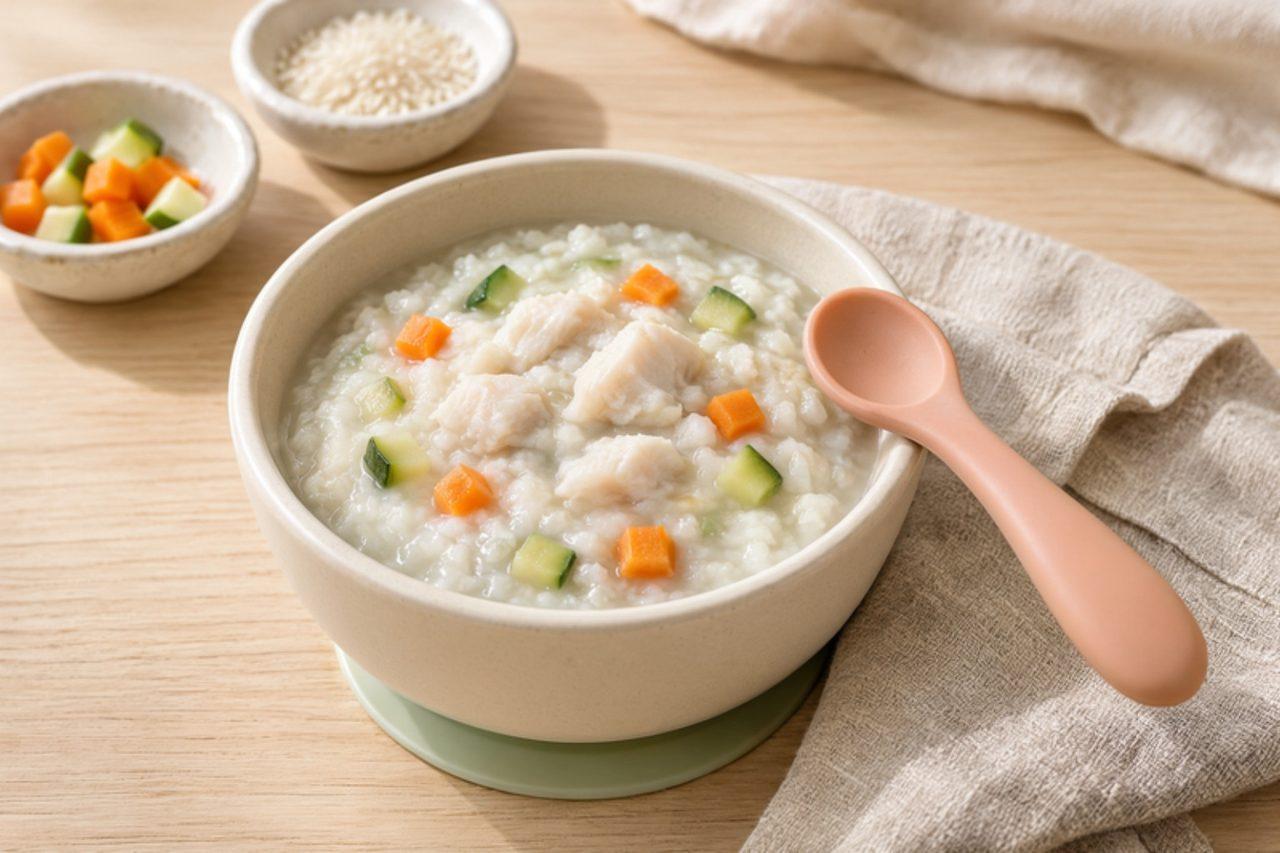
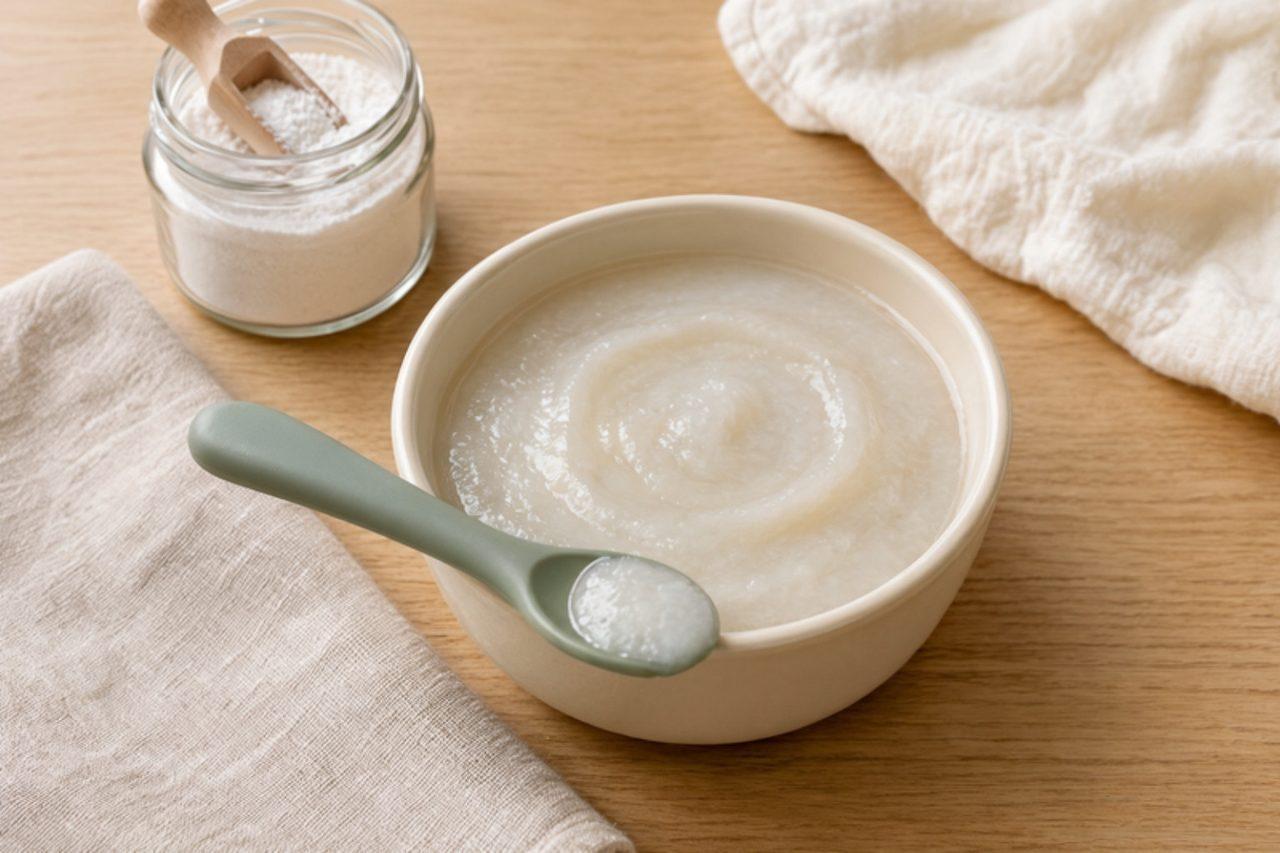
Daegu-sal juk (cod and vegetable baby porridge)

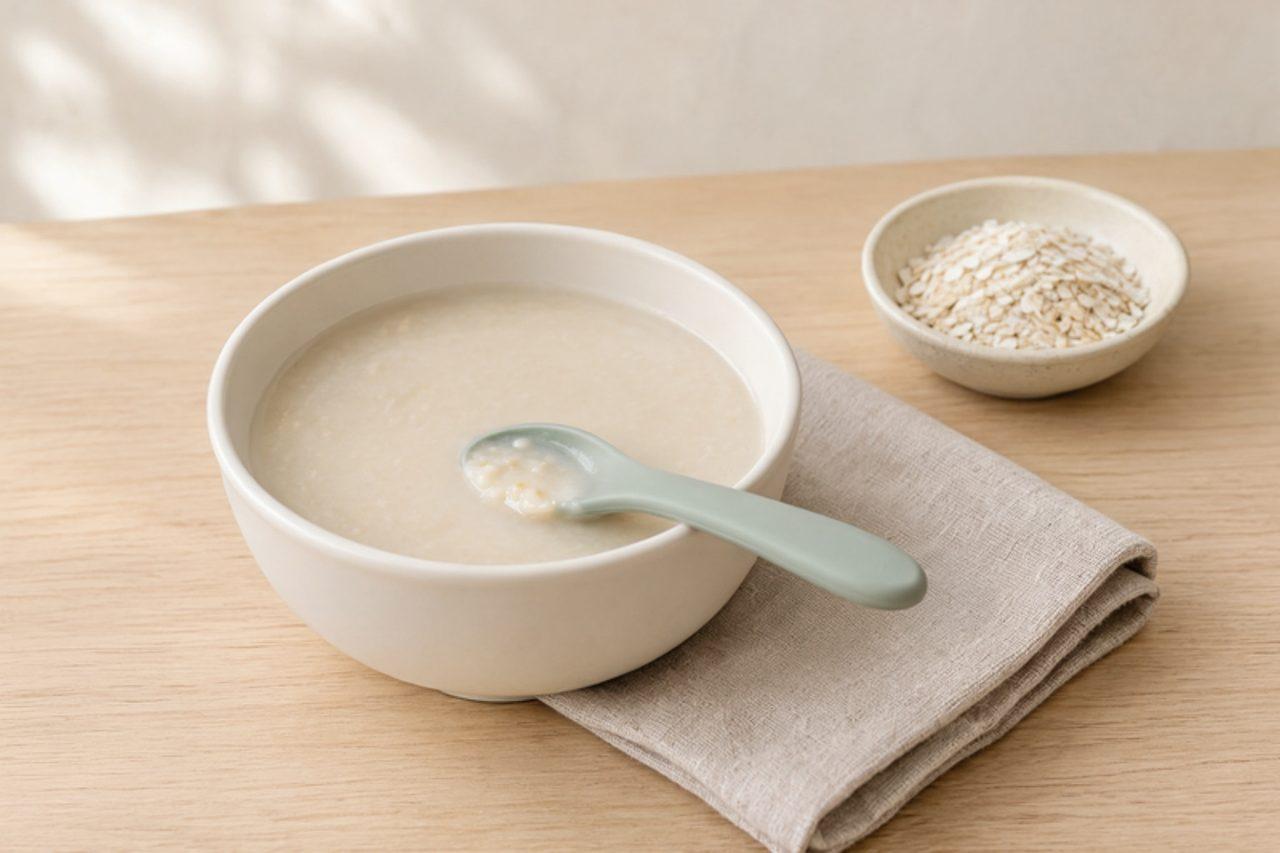
In Korea, homemade baby food (iyusik) follows clear stages, and by the late stage around nine months, Seoul parents are making juk with roughly crushed rice and small pieces of fish and vegetables. Daegu-sal juk uses mild, flaky cod with sweet courgette (aehobak) and carrot, and no soy sauce, salt or sesame oil. It is creamy, delicate and soft enough to mash between the gums. It contains fish and is free of milk, egg, gluten, nuts, soya and sesame. Chef's tip: crush the soaked rice lightly with a rolling pin or a couple of pulses in a blender; broken grains thicken the juk faster and give exactly the soft lumps this stage needs.

by KrazyBadal 0 views

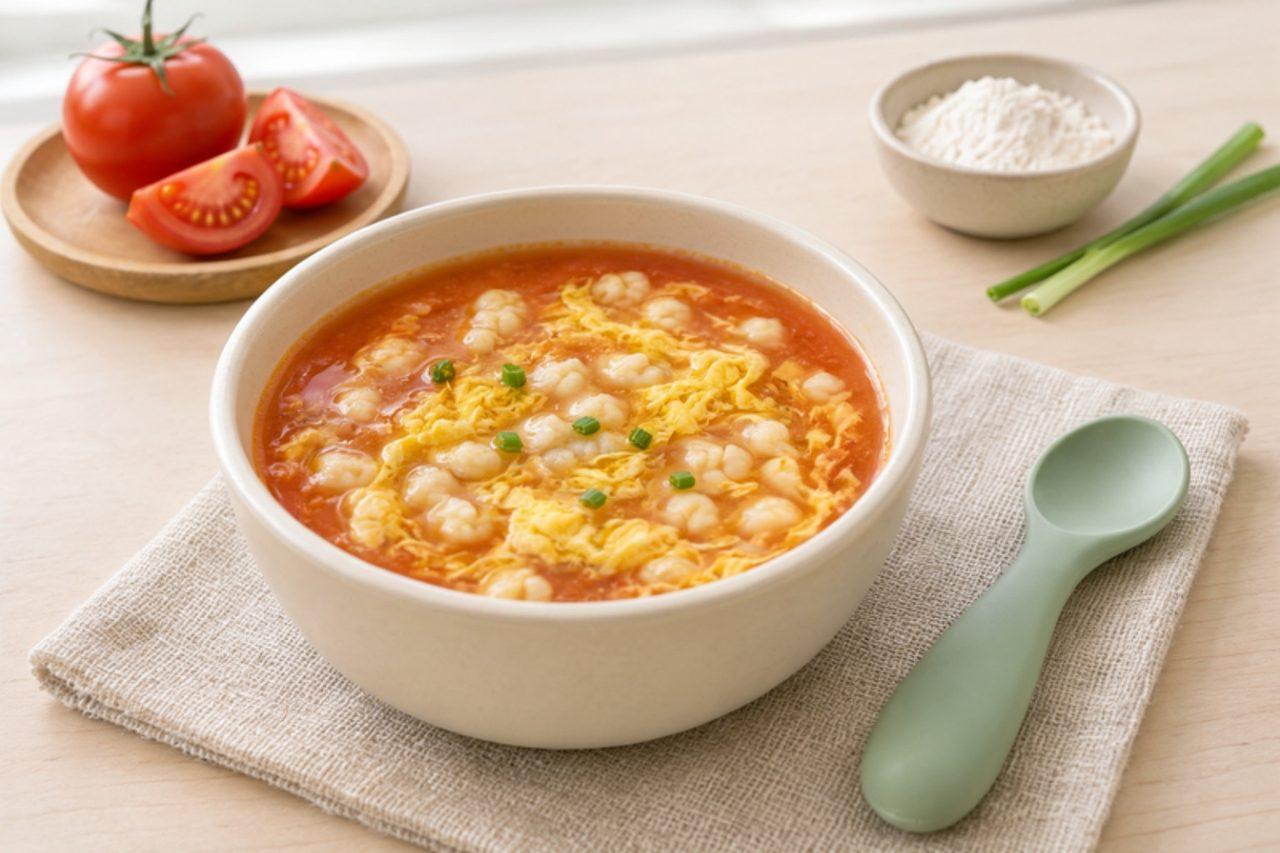
Gē da tāng (flour-knot soup with tomato and egg)

Gē da tāng is the soup of northern Chinese homes, from Beijing hutongs to the kitchens of Hebei and Shandong, made on cold evenings or when someone is under the weather. Water is dripped onto flour until it forms little knots, which are rained into a broth of soft tomatoes and finished with egg, so the bowl is part soup, part tiny dumpling. For toddlers from 12 months it is cooked without salt or soy sauce, and the egg is simmered until fully set. It contains wheat (gluten) and egg, and sesame if you add the oil; there is no milk, nuts or soya. Chef's tip: drip the water in a thin trickle while stirring with chopsticks, so you get rice-sized knots, not a paste.

by KrazyBadal 0 views

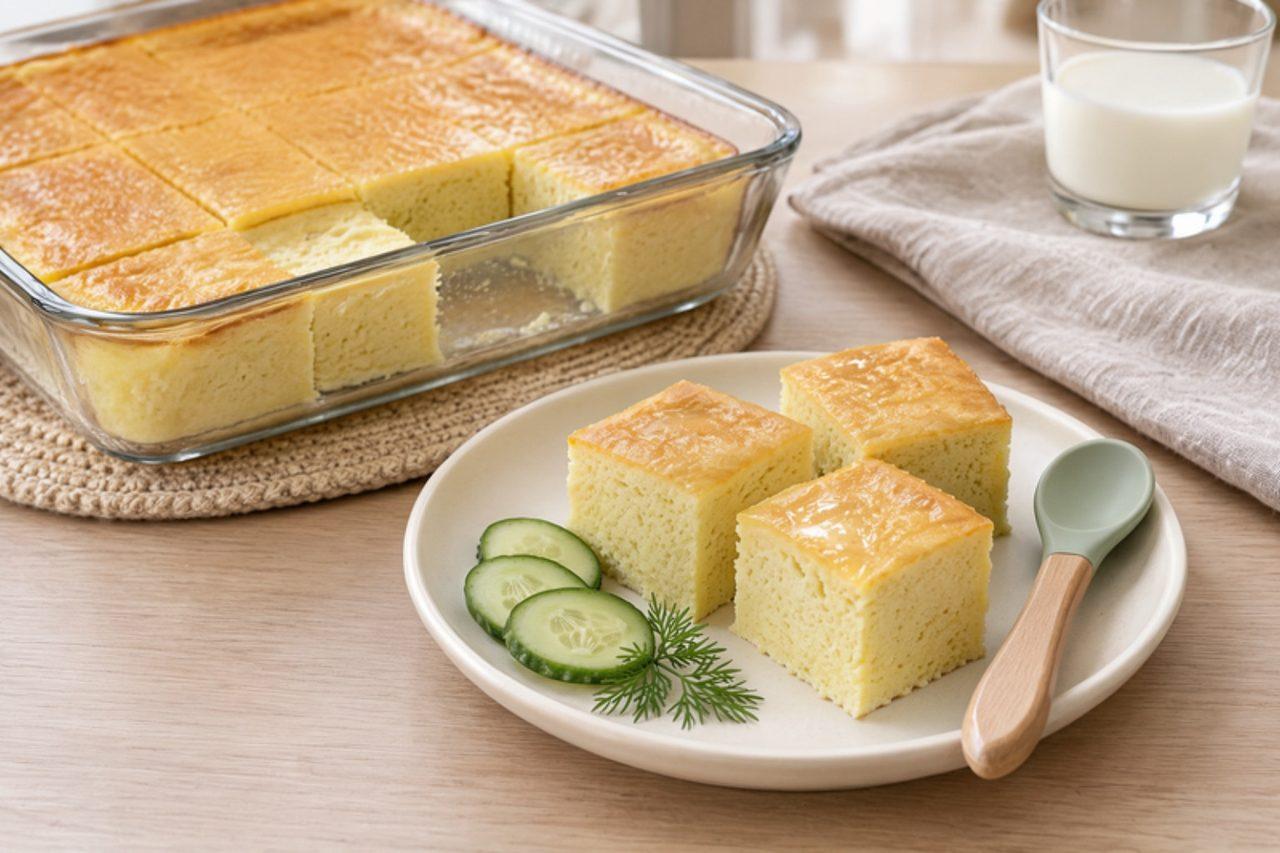
Detsadovsky omlet (kindergarten oven omelette)

Anyone who went to a detsky sad, a kindergarten, in Moscow, Kyiv or Minsk remembers this omelette: tall, pale and soft as a sponge, baked in big trays and served in squares with a slice of bread and butter. The secret is lots of milk and a deep dish, so the eggs steam-bake into a quivering, custardy block rather than a flat frittata. It makes a protein-rich breakfast or supper for toddlers from 12 months, made here without salt. It contains egg and milk; there is no gluten, nuts or soya. Chef's tip: stir the eggs and milk, don't whisk them into a foam, or the omelette rises and then collapses.

by KrazyBadal 0 views

Hot jam doughnuts

Hot jam doughnuts have been sold from a van at Queen Victoria Market in Melbourne since the 1950s, and the queue on a cold Saturday morning is part of the ritual. The small round yeast doughnuts are fried, injected with hot raspberry jam and rolled in sugar, then eaten straight from the paper bag; careful, the jam is scorching. A common mistake is frying at too high a heat, which browns the outside before the inside cooks. Chef's tip: let the shaped dough rise until it springs back slowly when poked, or the doughnuts will be heavy.

by KrazyBadal 0 views

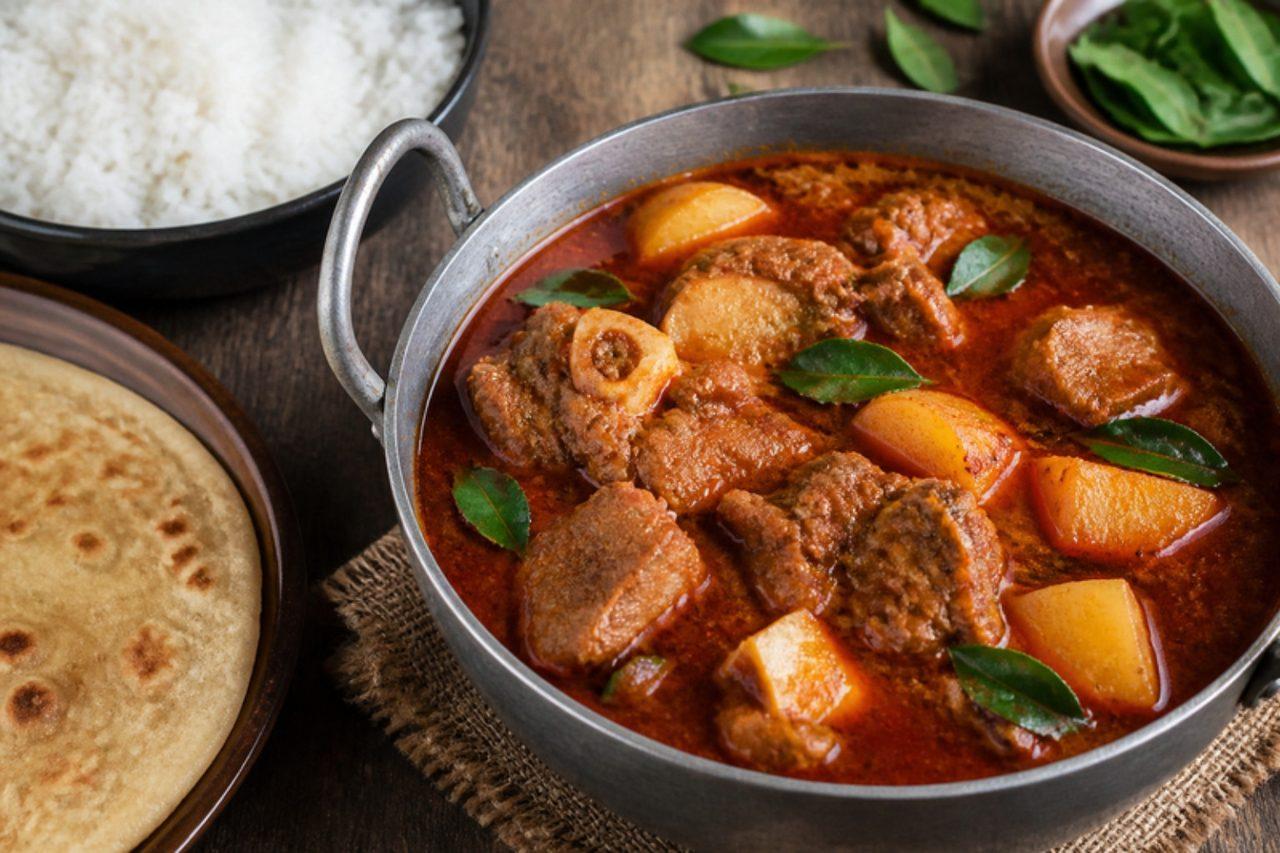
Durban mutton curry

Grey Street spice shops in Durban blend their own red masalas, and this is the curry they are meant for: bone-in mutton cooked slowly until the gravy turns deep brick red and oily, with potatoes that drink up the chilli. Families in Chatsworth and Phoenix put it on the table for Sunday lunch and at weddings, with white rice or rotis, carrot-and-chilli salad and a bowl of tomato-and-onion sambal to cool things down. It is properly hot, but warm whole spices and curry leaves keep it from tasting only of chilli. Burning the masala is the commonest mistake, so add a splash of water the moment it starts to stick. Chef's tip: wait until the mutton is almost soft before adding the potatoes, or they will crumble into the gravy before the meat is ready.

by KrazyBadal 0 views

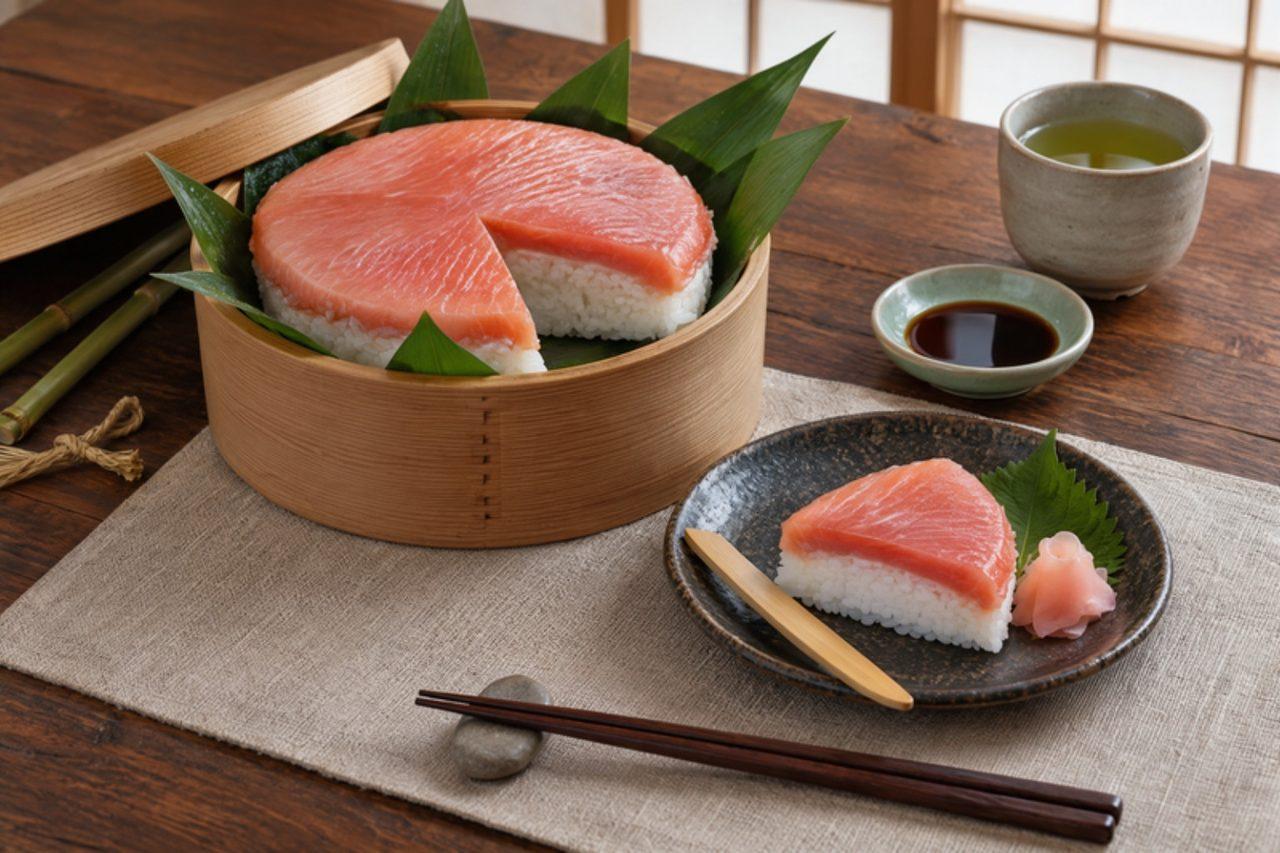
Masu zushiPressed trout sushi

Masu zushi is Toyama's famous ekiben, the boxed lunch sold at the station for the train ride: a round, flat cake of vinegared rice pressed under a layer of salted, vinegar-cured trout and wrapped in bright green bamboo leaves, cut into wedges like a pie. The fish is cured but raw, so use only fish sold as safe to eat raw and previously frozen, and keep everything cold; this version is not for pregnant women, young children or anyone with a weakened immune system. For a safer version, use hot-smoked trout fillet instead, which is fully cooked. The usual mistake is pressing the rice while it is still warm, which turns it mushy; cool it to body temperature first. Chef's tip: press the cake for a full hour under a heavy weight so it slices cleanly, then cut it with a wet knife.

by KrazyBadal 0 views

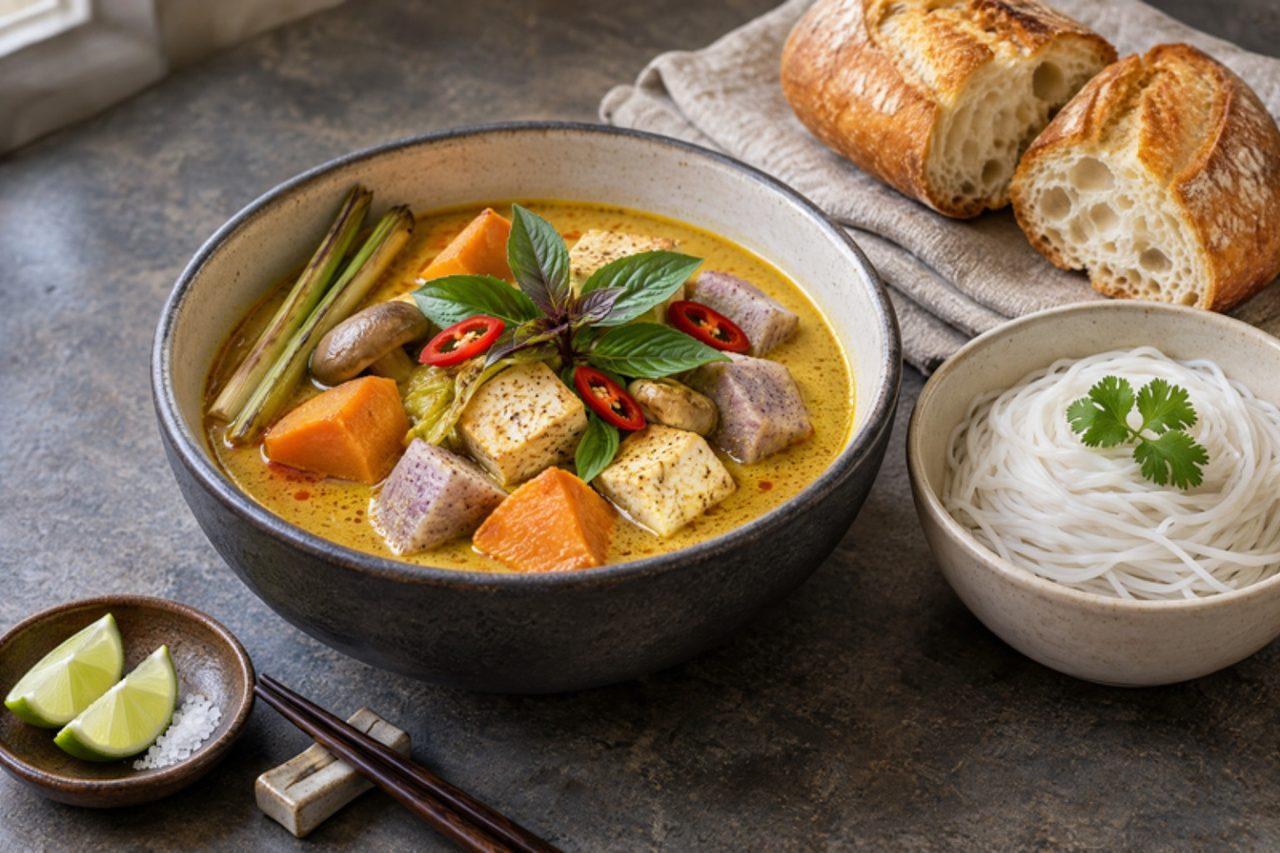
Cà ri chayVegetarian sweet potato curry

Cà ri chay is served at Buddhist temples and vegetarian restaurants across Saigon and the Mekong Delta, and many families cook it at home on rằm days, the first and fifteenth of the lunar month, when they eat no meat. Sweet potato and taro soften into a golden, lemongrass-scented coconut curry with fried tofu and meaty oyster mushrooms; it is mild and fragrant rather than fiery. Mop it up with a crusty baguette, or ladle it over rice vermicelli. The usual mistake is putting all the vegetables in at once: the sweet potato dissolves before the taro is cooked. Chef's tip: fry the taro and sweet potato briefly before simmering, which seals the outside so the chunks hold their shape in the sauce.

by KrazyBadal 0 views

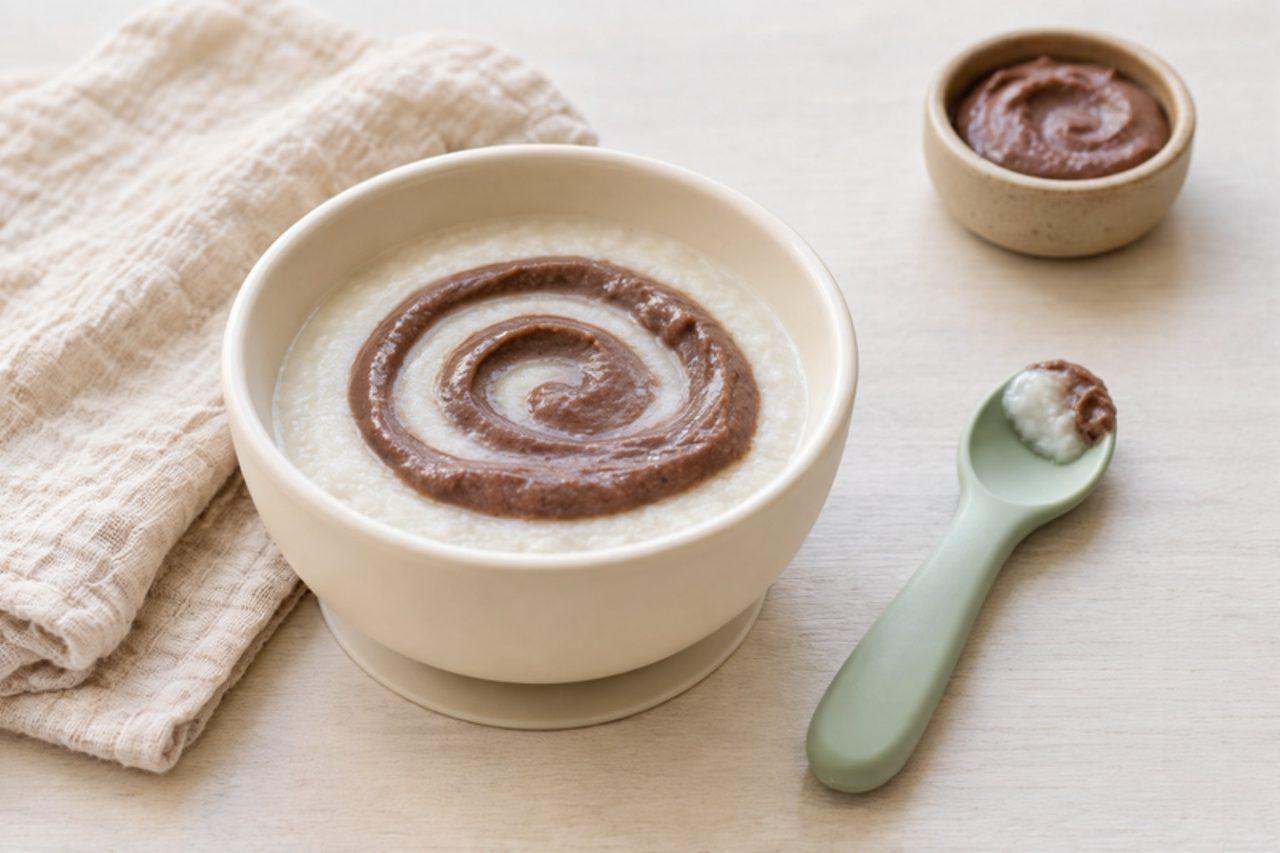
Zhū gān ní (pork liver purée)

Zhū gān ní, a smooth purée of pork liver, is the iron food Chinese grandmothers swear by, and wet markets from Chengdu to Shanghai sell small pieces of very fresh pork liver for exactly this. The liver is soaked to draw out the blood, steamed with a slice of ginger until cooked right through, then blended and stirred into rice porridge, where it gives a mild, savoury, slightly sweet taste. Liver is very rich in vitamin A, so babies should have it only in small amounts, no more than once a week. No salt, soy sauce, sugar or honey for babies. It is free of the major allergens. Chef's tip: buy the freshest liver you can find, glossy and deep red-brown, and freeze the purée in cubes so one portion is always ready.

by KrazyBadal 0 views

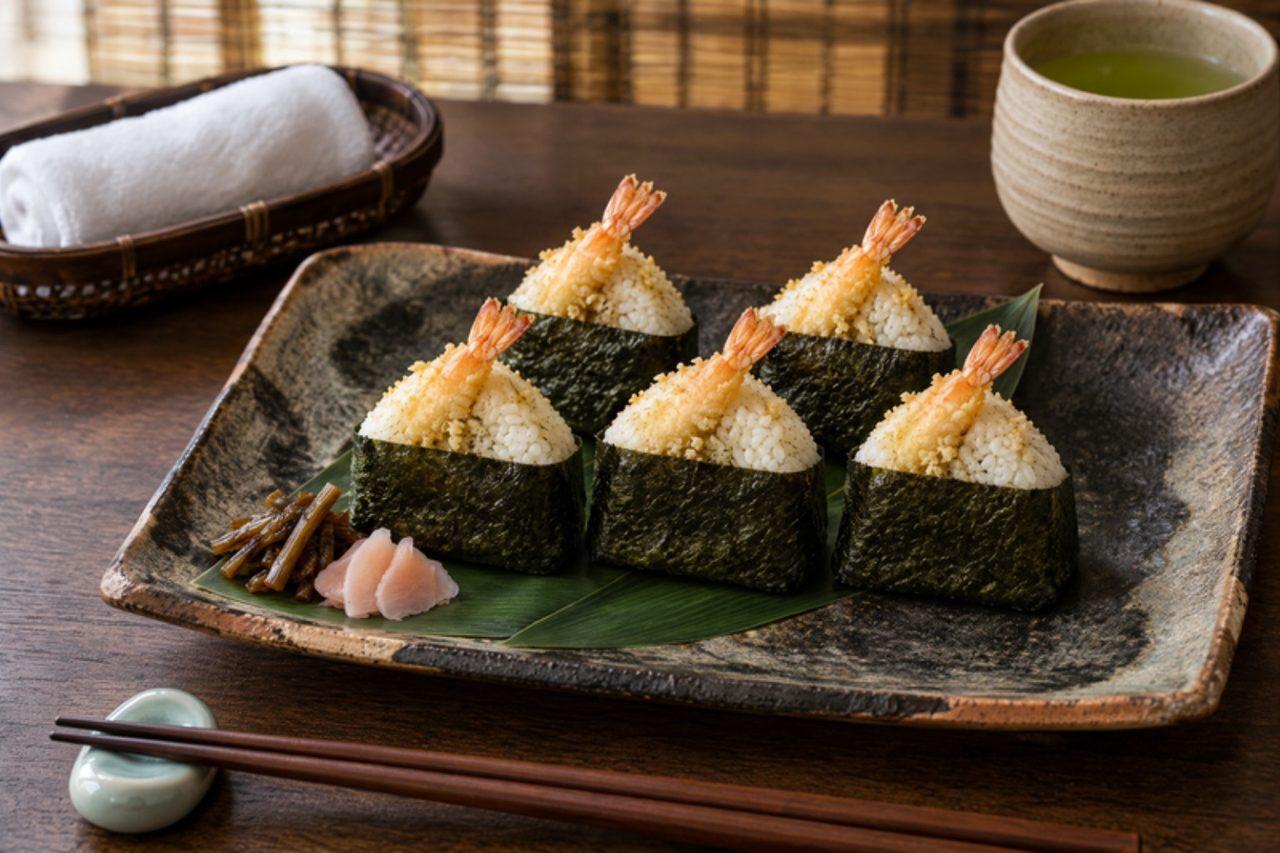
TenmusuPrawn tempura rice balls

Tenmusu, short for tempura musubi, began in Tsu and became a Nagoya speciality: small salted rice balls with a crisp little prawn tempura poking out of the top, wrapped in nori and sold in boxes at Nagoya Station as a travel lunch. The common mistake is wrapping hot, crunchy tempura straight into the rice, so it steams soft; let it cool on a rack first. Use raw prawns that smell of the sea; throw away any that smell of ammonia. Chef's tip: brush the cooled tempura with a quick sweet soy dip before you shape the rice round it, which is the Nagoya secret to its flavour.

by KrazyBadal 0 views

Cart noodles

Cart noodles began in the 1950s, when hawkers pushed carts of simmering pots through Sham Shui Po and Wong Tai Sin and let customers pick their own noodles and toppings. The carts are long gone, but the noodle shops of Mong Kok and Kowloon City keep the custom: tick off your choices on a slip, perhaps curry fish balls, soft braised daikon, chewy pork skin, pig's blood or squid, and choose your broth, here a spicy curry-satay one. It is a cheap, filling late-night meal. This version uses pork skin and pork stock. Contains fish, wheat, egg and soy. Chef's tip: give the pork skin time in the curry pot; it should be soft and jelly-like, soaking up the sauce.

by KrazyBadal 0 views

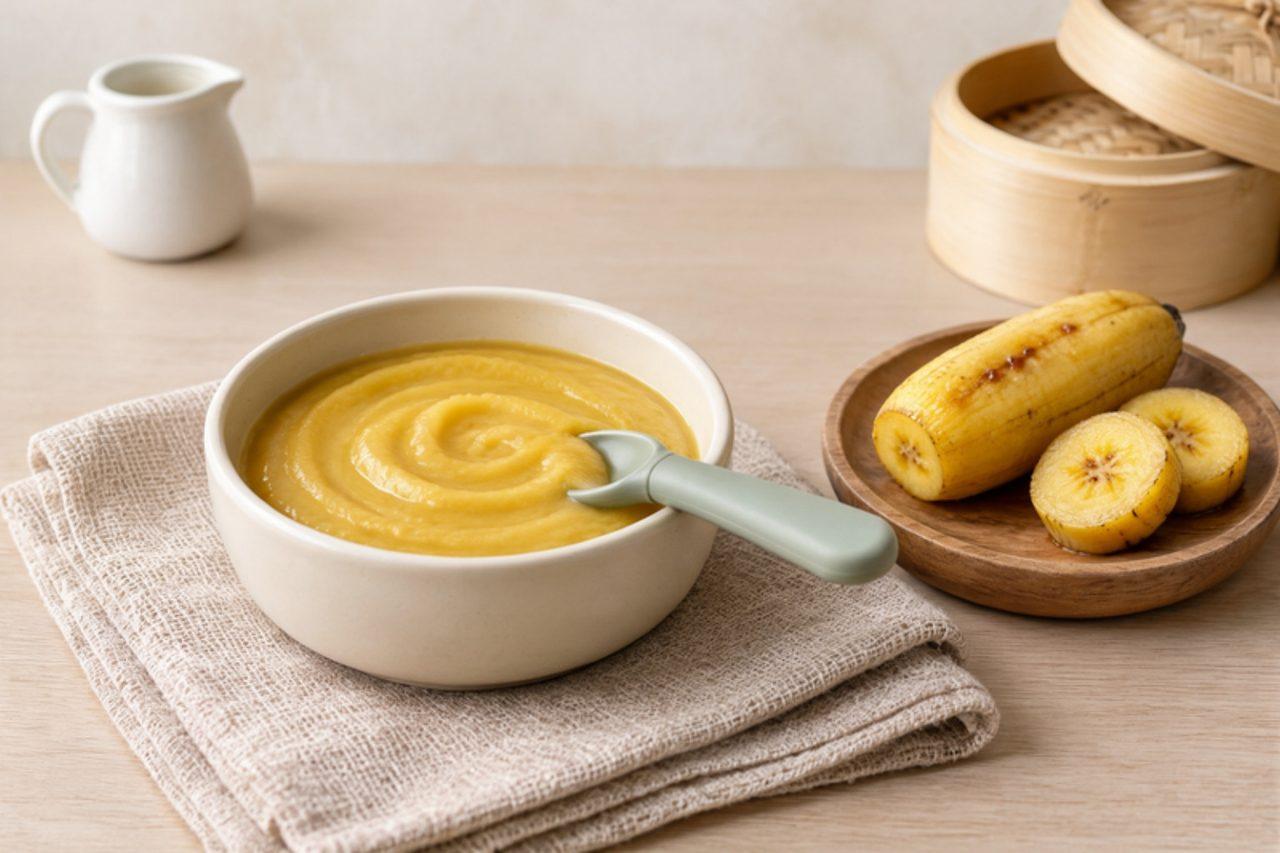
Steamed Nendran banana mash

Nendran is the long, golden plantain of Kerala, sold in hands at every market from Palakkad to Thiruvananthapuram, and a steamed ripe Nendran is one of the first fruits a Malayali baby tastes. Raw, it is too firm and starchy for a six-month-old, so it is steamed in its skin until the flesh turns soft and orange-gold, the dark string of seeds in the centre is pulled out, and the rest is mashed smooth. It is naturally sweet, so nothing is added: no sugar, jaggery, honey or salt. It is free of the major allergens. Chef's tip: wait until the skin is fully yellow with black freckles; a green Nendran stays chalky however long you steam it.

by KrazyBadal 0 views

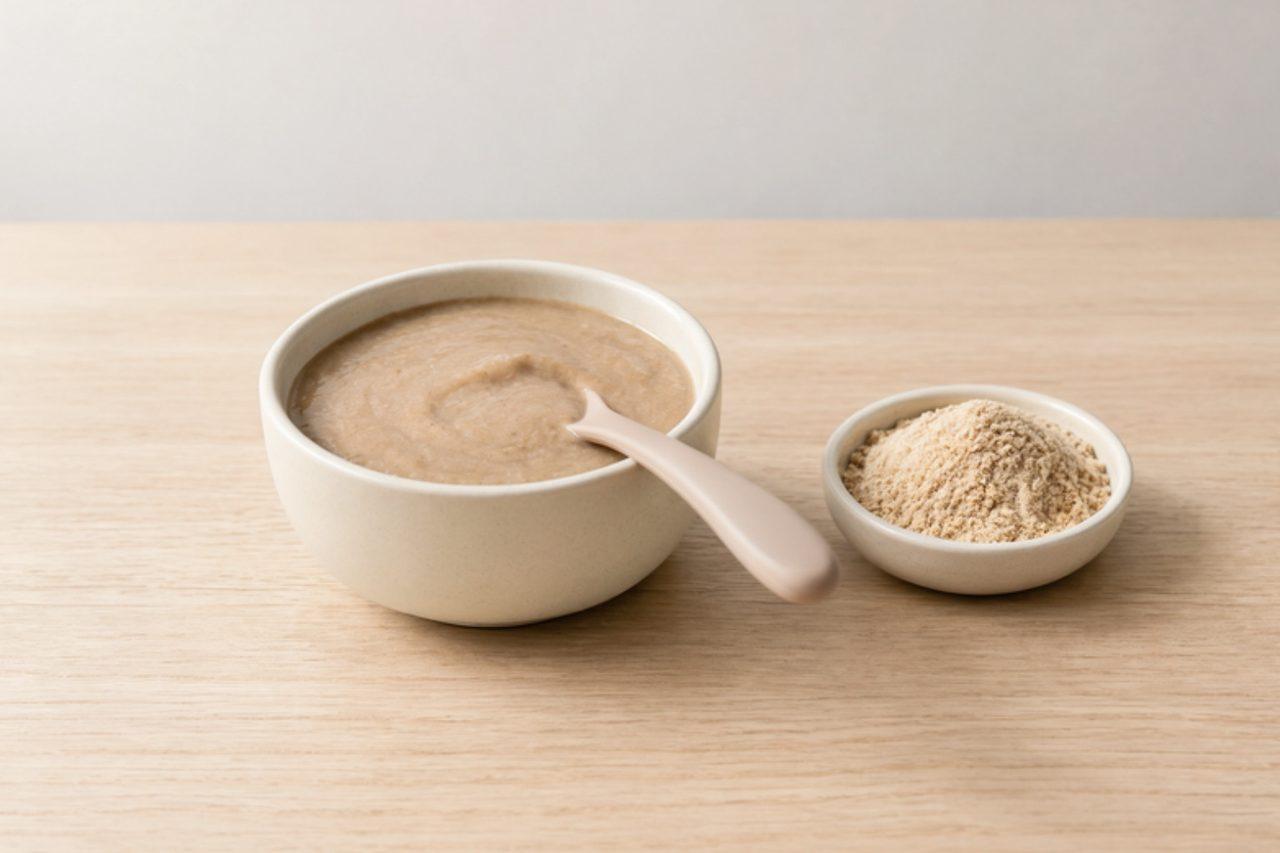
Lito (sarbottam pitho porridge)

Ask a mother in Kathmandu, Pokhara or a hill village what her baby eats after the pasni rice-feeding ceremony, and the answer is often lito: porridge made from sarbottam pitho, a 'super flour' that families roast and grind themselves from two parts soybean to one part each of maize and wheat. Cooked with water it becomes a smooth, nutty, toast-coloured porridge with more protein than plain rice. For babies there is no salt, sugar, jaggery, honey or ghee needed. It contains soya and wheat (gluten). Chef's tip: roast the grains separately, each until it smells nutty and cracks between your teeth, then grind and sieve; the beans need longest.

by KrazyBadal 0 views

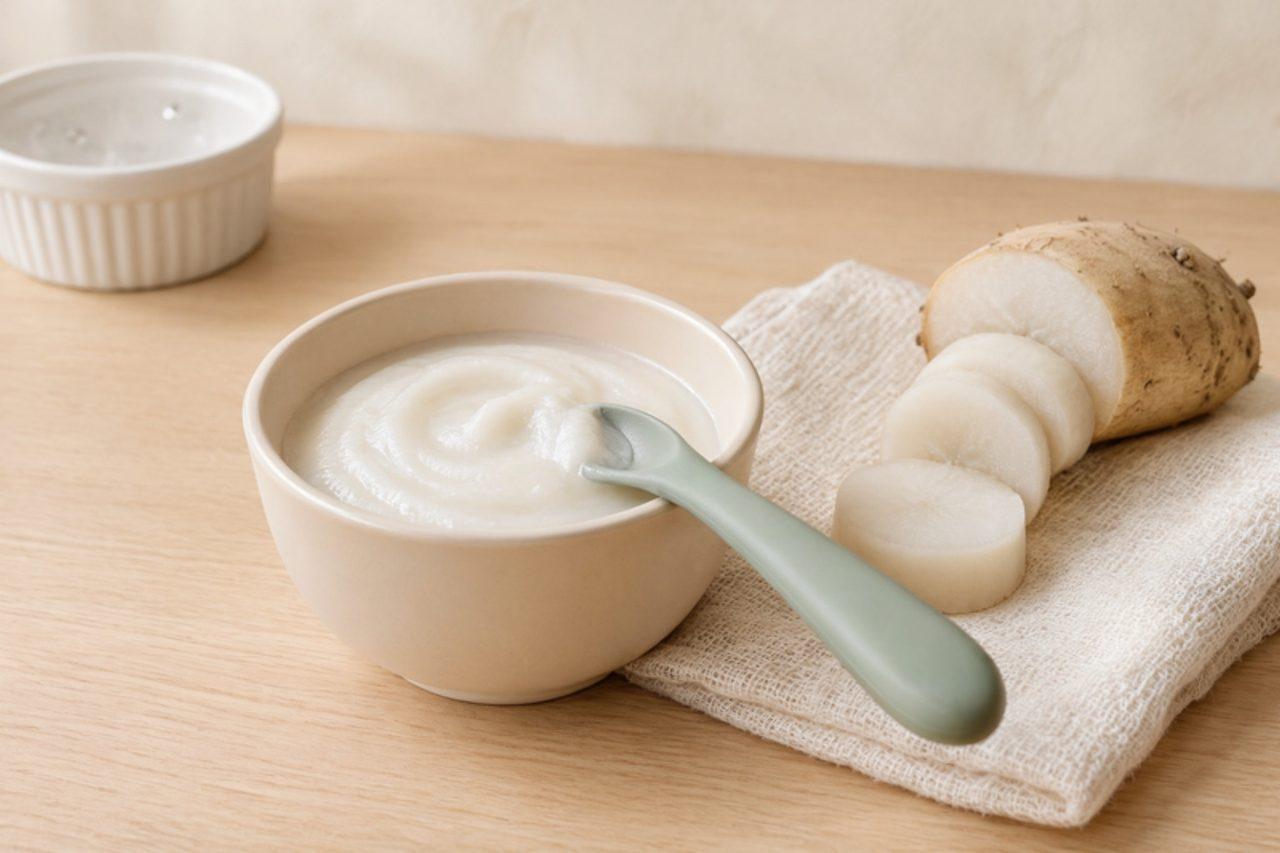
Shānyào ní (Chinese yam purée)

Chinese yam (shānyào, the long, hairy-skinned root sold in bundles in markets from Beijing to Guangzhou) is valued in Chinese homes as easy on the tummy, and steamed shānyào ní is one of the classic first purées offered at six months. Once steamed, the crisp, slippery flesh turns floury and pale, and pressed through a sieve it gives a smooth, slightly sweet, potato-like purée. Nothing else is added: no salt, sugar or honey for babies. It is free of the major allergens. Chef's tip: wear gloves or oil your hands before peeling; the raw sap makes skin itch, but cooking destroys it completely.

by KrazyBadal 0 views

Dongbei luan dunMixed vegetable stew

Luan dun, the 'chaotic stew', is everyday harvest cooking from Heilongjiang, Jilin and Liaoning, made in autumn when the garden gives everything at once and a big pot feeds the whole household through the cold evenings. Potato, aubergine, green beans, corn on the cob, peppers and tomato are cooked together in a soy-scented broth until soft and saucy, with the potato thickening it naturally. Serve it with steamed rice or mantou buns. The usual mistake is putting everything in together, so the beans stay squeaky while the aubergine turns to mush; add the vegetables in order of how long they take. A pressure cooker works too: 4 minutes on high after the beans and potato go in. Chef's tip: crush the potato pieces lightly against the pot near the end to give the stew body.

by KrazyBadal 0 views

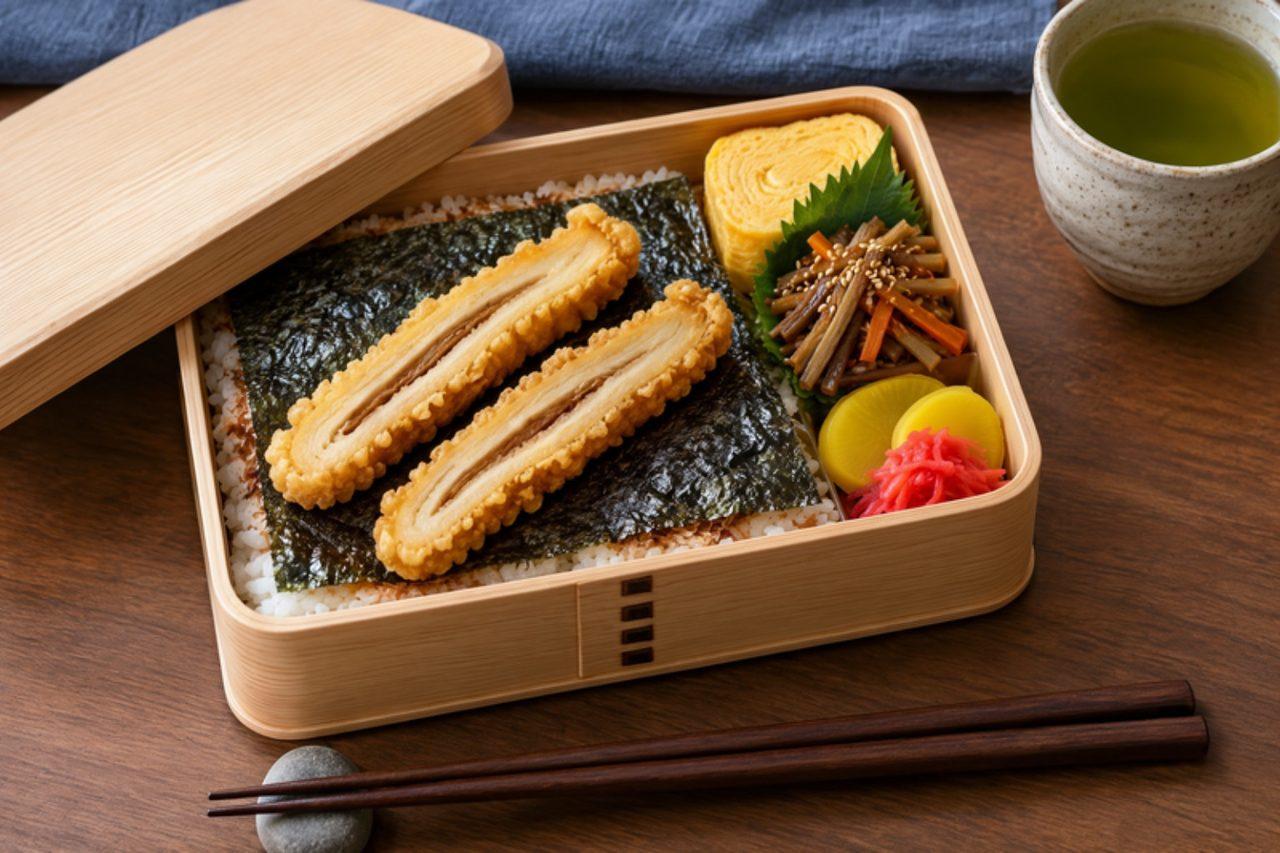
NoribenSeaweed and fish cake bento

Noriben is the humblest and most nostalgic Japanese packed lunch: rice spread with okaka (bonito flakes in soy) and covered with a whole sheet of nori, sometimes twice in layers, then topped with something fried such as chikuwa fish cake or white fish. Convenience stores and bento shops across Japan sell it for a few hundred yen. The usual mistake is laying the nori on steaming rice and closing the lid, which leaves it soggy and torn; let the rice cool a little first. Chef's tip: snip the nori into a few strips before it goes on, so it is easy to bite through with chopsticks.

by KrazyBadal 0 views

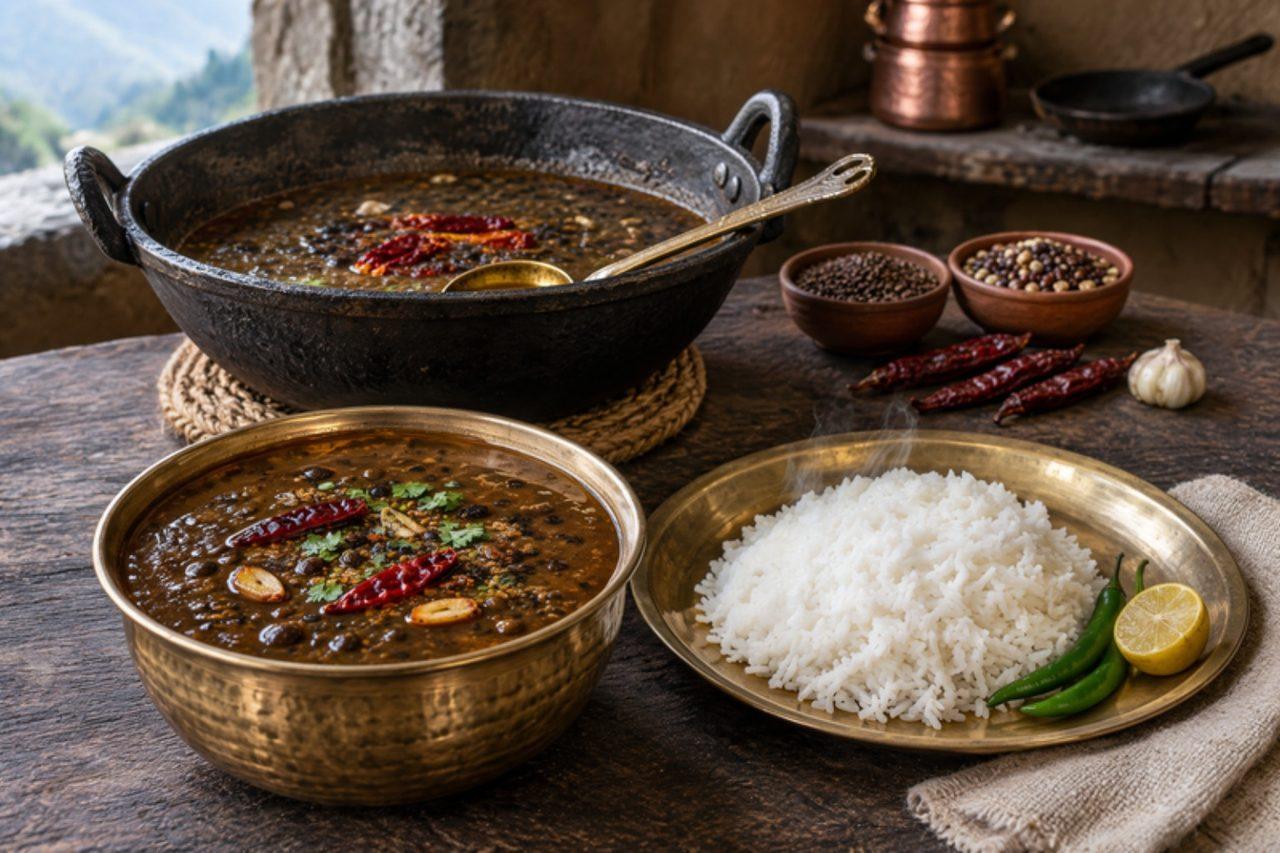
Kumaoni rasMixed dal broth

In the hill villages of Kumaon in Uttarakhand, ras is cooked through the cold months in a heavy iron kadhai that sits on the fire for hours; the iron turns the broth dark and earthy, and families drink it with rice or mandua (finger millet) roti. Several whole dals, here horse gram (gahat), black soybeans (bhatt), black urad and green moong, are simmered until their liquid becomes a rich, brown, silky broth, lightly thickened with ground rice and finished with a crackling mustard-oil tempering of jakhya seeds. The cooked dal solids are eaten too, as a dry side. The usual mistake is hurrying: the broth needs long, slow simmering to turn silky and full-flavoured. Chef's tip: jakhya (wild mustard seed) is sold in Uttarakhand shops; cumin is a fair stand-in.

by KrazyBadal 0 views

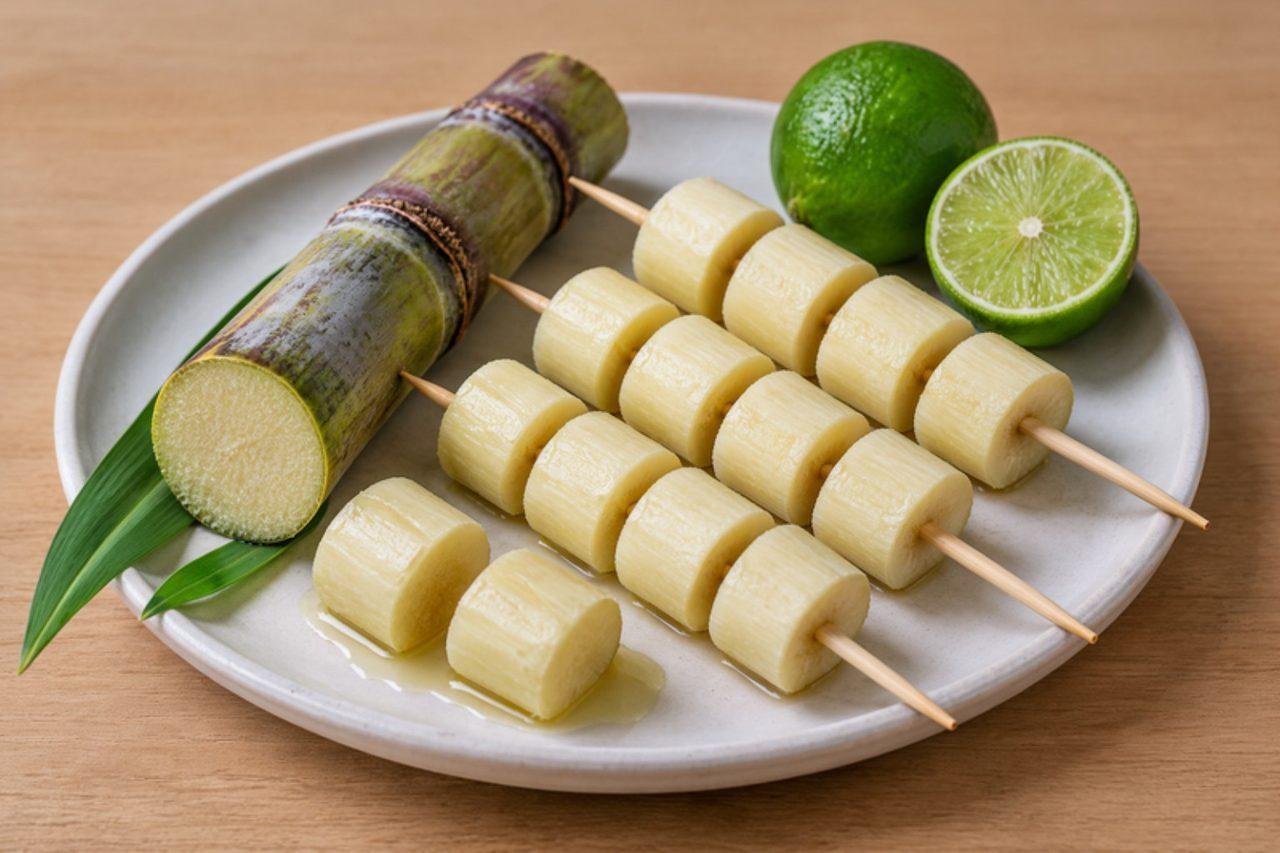
Rolete de cana (sugarcane on a stick)

On the sand at Porto da Barra in Salvador, and in the crowds of the Festa de Iemanjá in Rio Vermelho every February, vendors walk with buckets of ice and bundles of skewers threaded with pale sugarcane discs. You chew each piece to squeeze out the cold, grassy-sweet juice, then spit out the fibre. It is the simplest snack there is and very refreshing in the heat. Not for small children, as the fibres are a choking risk. Chef's tip: cut between the knobbly joints, not through them; the nodes are hard as wood.

by KrazyBadal 0 views

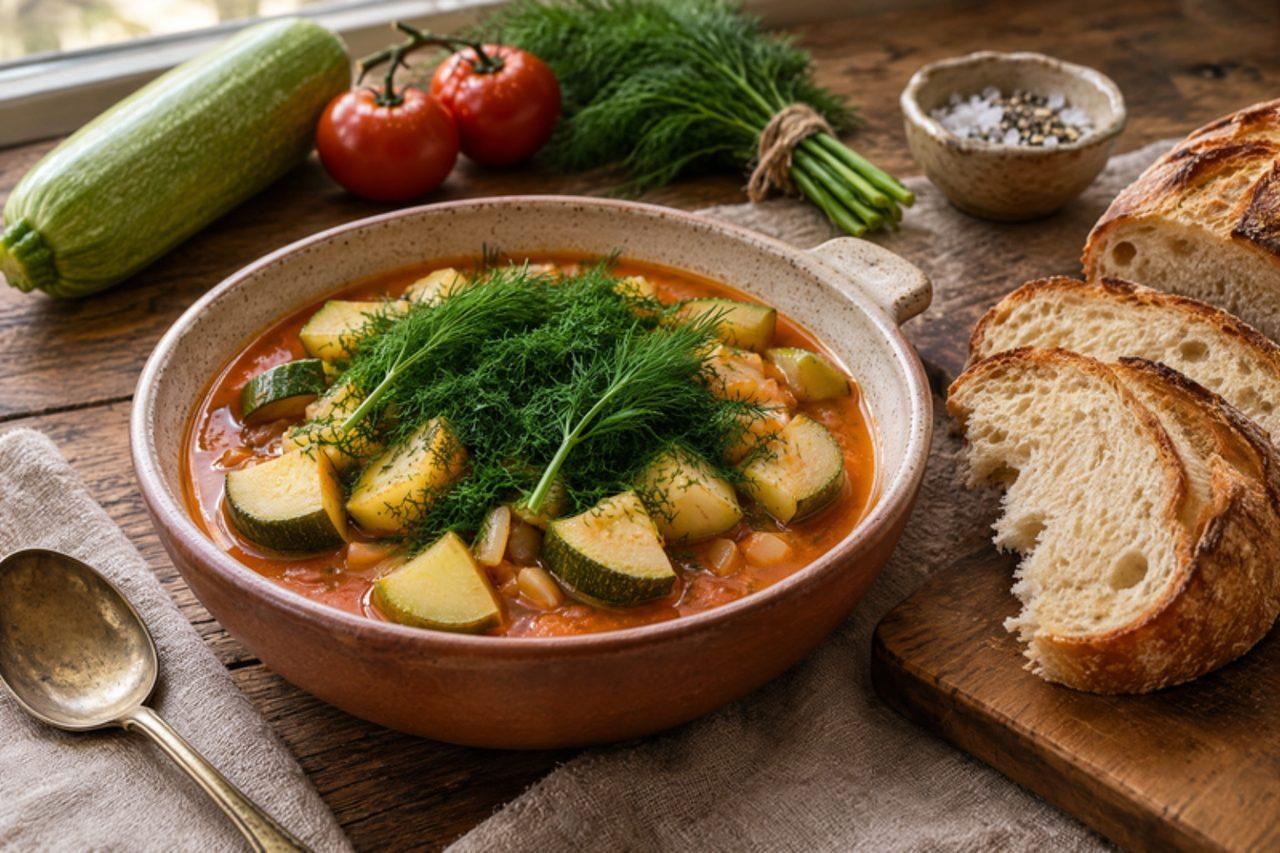
Mâncare de dovleceiStewed courgettes

In Romanian homes, from Moldova to Oltenia, mâncare de dovlecei is the summer stew made when the garden is full of courgettes, and it fills a pot on fasting days when Orthodox families eat no animal products. Courgettes are cooked down slowly with onion, peppers and tomato until soft and sweet, then finished with a fistful of dill and garlic. Eat it warm or at room temperature with bread or a slice of mămăligă. The usual mistake is adding too much liquid: courgettes release their own water, and a watery pot loses its flavour. Chef's tip: let the onion and pepper soften properly before the courgettes go in; that sweetness is what seasons the whole stew.

by KrazyBadal 0 views

Koova kurukku (arrowroot porridge)

Koova, the arrowroot that grows in Kerala's backyards, is dug, washed, grated and dried into a snow-white powder that many families in Thrissur and Kottayam still make themselves. Stirred with water over a low flame, it turns from chalky to clear and glossy in a few minutes, and this kurukku is a classic first spoonful at six months, often given in the hot months because it is thought to be cooling. It is very mild and smooth. No salt, sugar, jaggery or honey goes in for babies. It is free of the major allergens. Chef's tip: buy pure koova or arrowroot powder, not a cornflour blend, and stop cooking the moment the whole pan turns translucent.

by KrazyBadal 0 views

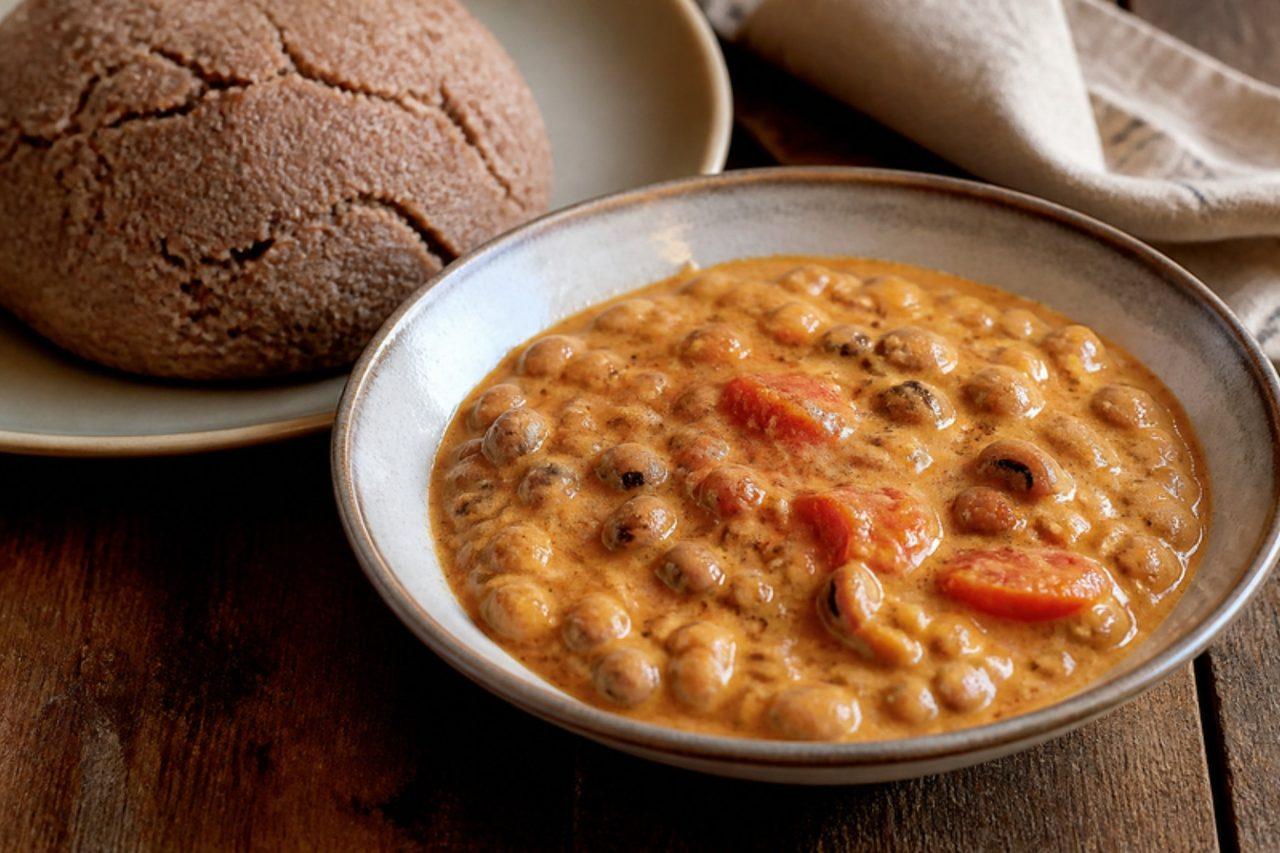
LapenaPigeon peas in sesame paste

Lapena comes out for Christmas, weddings and the days when relatives arrive in Gulu from Kampala: dried pigeon peas boiled until soft, then cooked slowly in roasted sesame paste until thick, earthy and nutty, with a faint bitterness from the sesame that balances the sweetness of the peas. Some families mash it smooth, others keep the peas whole; both are eaten with kwon millet bread, rice or boiled cassava. Dried pigeon peas are sold as toor or arhar (whole, not split) in Indian grocers. The common mistake is adding salt before the peas are tender, which keeps the skins tough. Chef's tip: if you can only find light tahini, toast it in a dry pan for a minute or two until it darkens to get closer to Acholi sesame paste.

by KrazyBadal 0 views

CuchuflíFilled wafer tubes

Cuchuflí are the thin, crisp wafer tubes filled with manjar that vendors sell from baskets on Chilean beaches and outside football stadiums, and that children beg for at the Fiestas Patrias fondas. At home you can bake the wafers yourself and roll them round a wooden spoon handle. The usual mistake is waiting too long to roll them: the wafers set within seconds and crack. Bake only three at a time. Chef's tip: fill them with a piping bag just before serving, or the manjar softens the wafer; dip the ends in melted chocolate if you like.

by KrazyBadal 0 views

Gevulde koekAlmond-filled cookie

A gevulde koek is two discs of short, buttery dough sandwiching a thick layer of almond paste (spijs), glazed with egg and crowned with half an almond. Every Amsterdam bakery has a stack of them, and they are the classic koffie snack at about eleven in the morning, or something to eat on the bike home from the Noordermarkt. The pastry is crumbly and the middle soft, fragrant and lemony. It contains wheat, egg, milk and almonds. Chef's tip: make the almond paste a day ahead; it firms up and is much easier to shape into neat discs.

by KrazyBadal 0 views

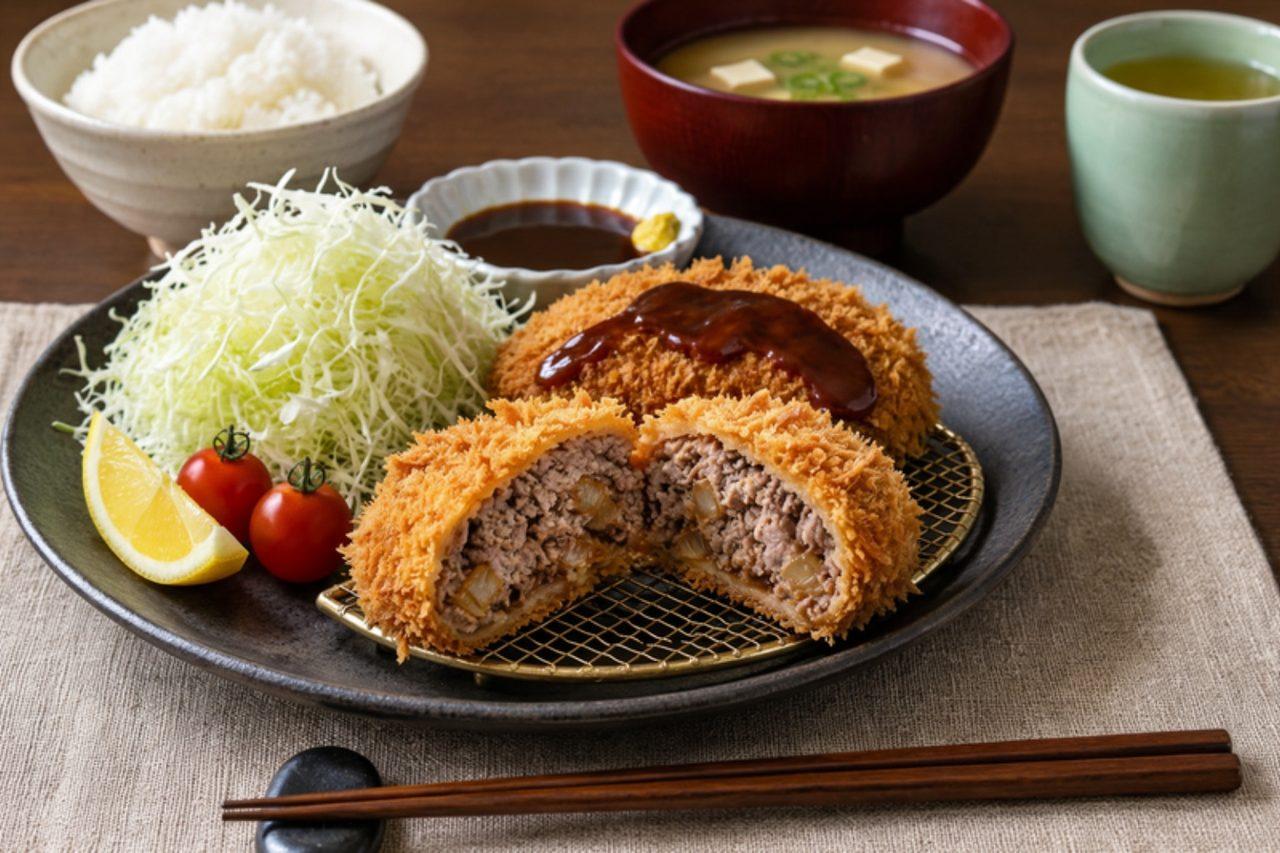
Menchi katsuCrumbed meat patties

Menchi katsu, a juicy mince patty of beef and pork in a crisp panko coat, is sold hot at Tokyo butchers' shops like the famous ones in Kichijoji and packed cold in bento across Japan, with shredded cabbage and a drizzle of tonkatsu sauce. Sweet fried onion makes the inside tender. The common mistake is frying in oil that is too hot, so the crumb burns before the pork and beef in the middle are cooked. Chef's tip: chill the shaped patties for 20 minutes before crumbing so they keep their shape and stay juicy.

by KrazyBadal 0 views

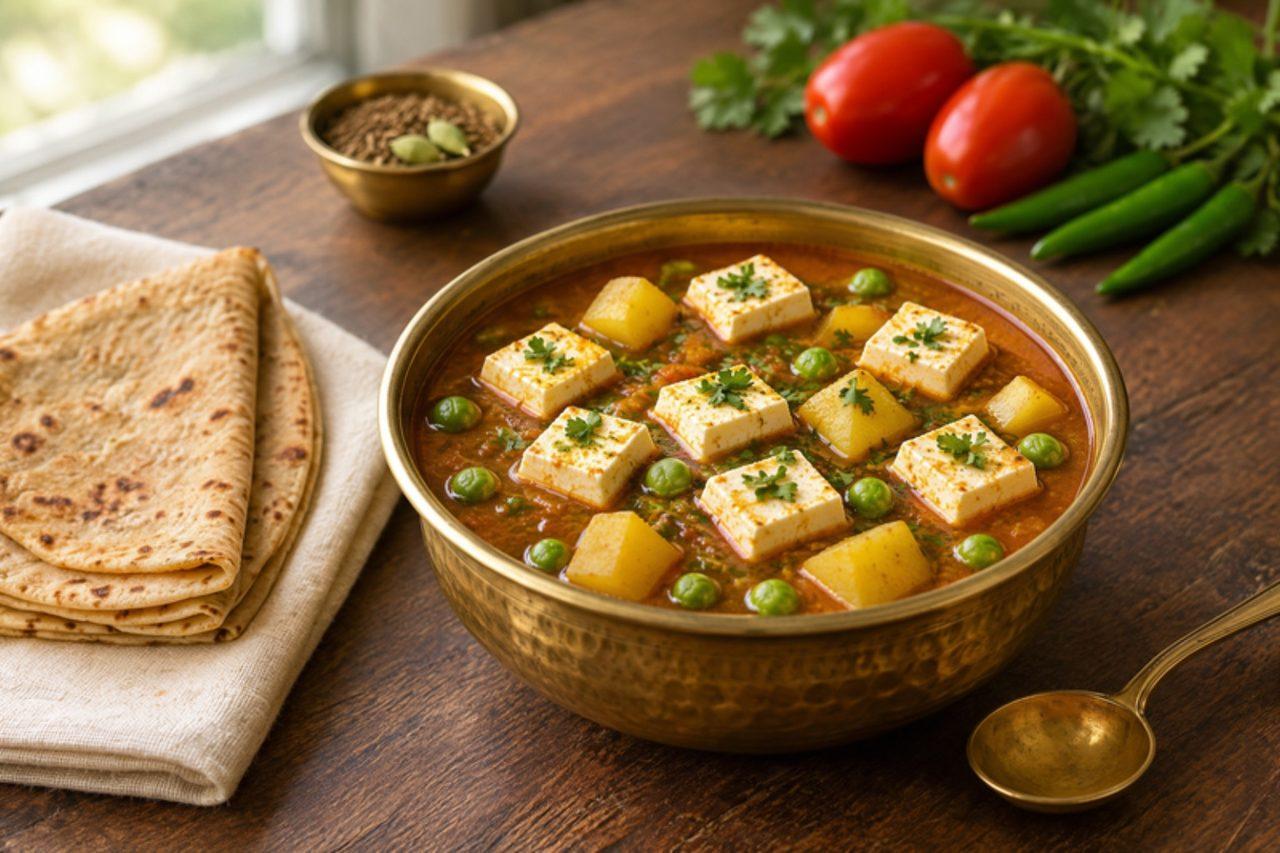
Chhena tarkariFried cheese cube curry

In Odia homes, from Cuttack to Puri, chhena tarkari is the special curry for a Sunday lunch, a guest or a festival day when the household eats no onion or garlic. Fresh chhena, the soft cheese Odisha also turns into rasagola, is pressed, cut into cubes and fried golden, then simmered with potato in a thin gravy of tomato, ginger and roasted cumin. The cubes stay soft and soak up the sauce, and the dish is eaten with rice, puri or paratha. Chhena is made by curdling milk with lemon juice, so it contains no rennet. The usual mistake is boiling the gravy hard after the chhena goes in, which breaks the cubes into crumbs. Chef's tip: fry the chhena cubes until golden on two sides only, then rest them in warm water for five minutes; they swell and turn spongy, just like an Odia grandmother's.

by KrazyBadal 0 views

FarrottoFarro cooked like risotto

In the hills of the Garfagnana and around Spoleto, where farro has been grown since Roman times, cooks make farrotto in autumn and winter as a heartier cousin of risotto. Semi-pearled farro is toasted in olive oil with onion and celery, then cooked slowly with hot vegetable stock, ladle by ladle, until the grains are tender but still bouncy and wrapped in a light, creamy sauce. Finish with pecorino and serve as a main with a green salad. The usual mistake is stirring as constantly as for risotto; farro releases less starch, so stir every few minutes and beat in the cheese at the end for creaminess. Chef's tip: toast the dry grains until they smell like popcorn before adding any liquid; it deepens the nutty flavour.

by KrazyBadal 0 views

Peameal bacon sandwich

The peameal bacon sandwich is Toronto's signature breakfast, served from the stalls of St Lawrence Market since the early 1900s. Peameal bacon is cured but unsmoked pork loin rolled in yellow cornmeal (once ground dried peas, hence the name). Thick slices are griddled until golden and piled into a soft kaiser roll with yellow mustard. It is a Saturday market ritual. A common mistake is slicing too thin, which dries it out; aim for 5 mm. Chef's tip: cook it over a medium heat, not high, so the cornmeal crisps without burning before the pork is cooked.

by KrazyBadal 0 views

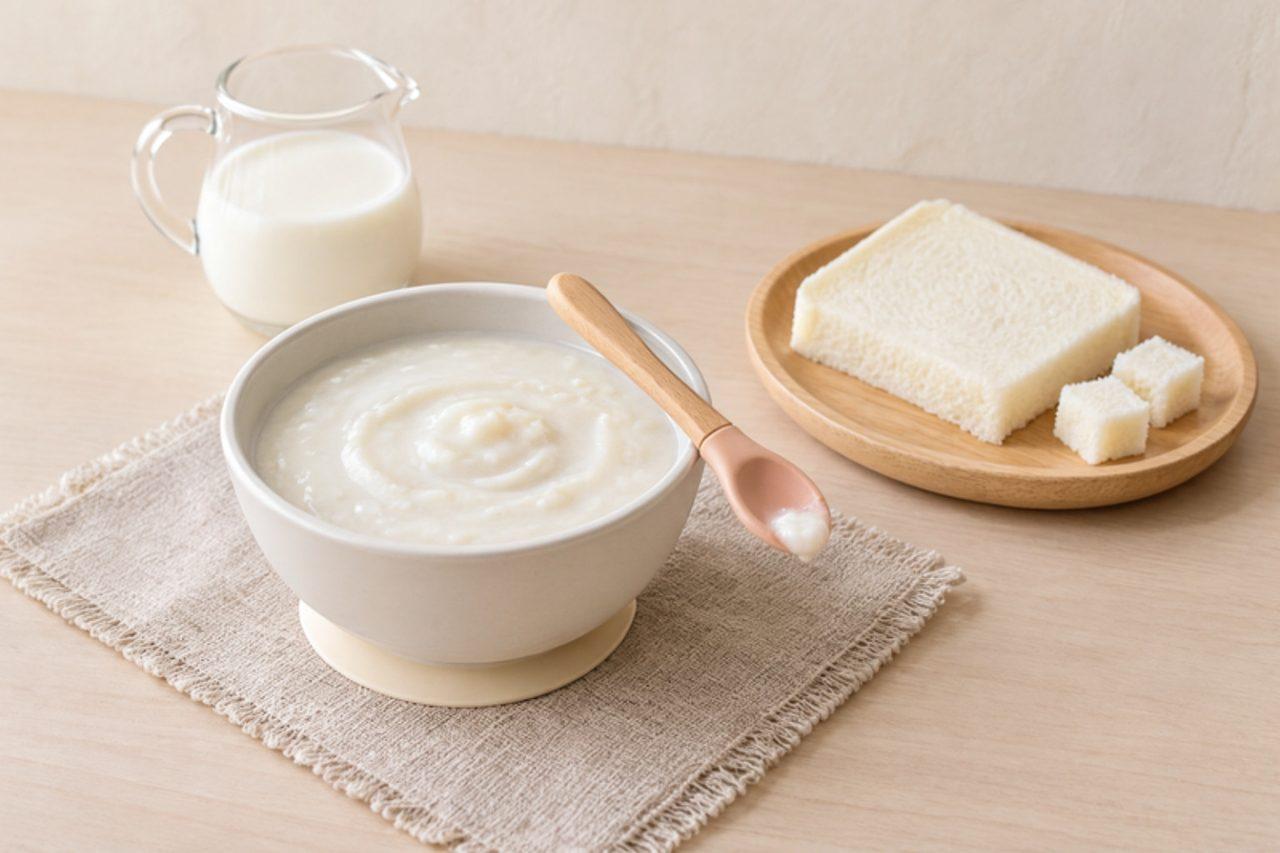
Pan-gayu (bread porridge)

Pan-gayu is a staple of the early rinyushoku (weaning) stage in Japan, the second grain after rice porridge, and it fills the 'first foods' pages of every baby magazine sold in Tokyo convenience stores. Crustless white bread is torn into a pan of water, breast milk or formula and simmered until it collapses, then mashed smooth for a soft, milky, faintly sweet porridge. Bread already contains a little salt, so this is an occasional porridge rather than an everyday one, and no extra salt, sugar or honey goes in. It contains wheat (gluten) and milk if made with milk. Chef's tip: choose the softest, plainest white sandwich loaf with the lowest salt on the label, and cut away every bit of crust.

by KrazyBadal 0 views

Bibim dangmyeonSpicy glass noodles

At the crossing of Gukje Market and BIFF Square, near Nampo-dong, women sit behind low tables mixing bibim dangmyeon to order for shoppers perched on plastic stools. Chewy sweet-potato noodles are piled with seasoned spinach, carrot, yellow pickled radish and strips of Busan fish cake, then drenched in a sweet, tangy chilli sauce that you mix with chopsticks. It is a quick, cheap bowl, eaten year round, cold in summer. Chef's tip: rinse the noodles in cold water straight after cooking; it stops them clumping and keeps them bouncy.

by KrazyBadal 0 views

Gohan oyaki (rice finger patties)

Oyaki means a little pan-cooked cake, and Japanese parents make gohan oyaki from leftover rice when babies around nine months start wanting to feed themselves. Mashed rice is mixed with steamed kabocha squash (or grated carrot) and a spoon of potato starch, shaped into finger-sized patties and cooked gently until lightly golden. They are soft and sweet inside, hold together in a small fist and squash easily against the gums. They are free of the major allergens: no milk, egg, gluten, nuts, soya, sesame or fish. Chef's tip: mash the rice while it is warm; cold rice will not stick together and the patties crumble.

by KrazyBadal 0 views

Capeletis a la CarusoStuffed pasta in cream sauce

Capeletis a la Caruso were created in a Montevideo restaurant in the 1950s and named after the great tenor, and they are still a Sunday lunch favourite in Uruguayan homes: little stuffed pasta hats in a rich sauce of cream, cooked ham (pork), mushrooms and onion, finished with grated cheese. Buy good fresh capeletis or tortellini; the sauce is what you make. The usual mistake is boiling the cream sauce hard, which makes it oily and grainy. Chef's tip: cook the mushrooms in a dry hot pan first until they squeak and brown, before any butter goes in, for a deeper taste.

by KrazyBadal 0 views

Calzones rotosKnotted orange fritters

Few sweets have a funnier name: calzones rotos, 'torn knickers', are strips of soft dough with a slit in the middle, one end pulled through to make a twist, then fried and buried in icing sugar. Chilean families fry a big plateful on rainy winter afternoons, and they are sold in paper bags at fairs from Valparaíso to Concepción. The usual mistake is oil that is too hot: they brown in seconds but stay raw and doughy inside. Keep it at 175 °C. Chef's tip: dust them with icing sugar only when they have cooled a little, so the sugar stays white instead of melting.

by KrazyBadal 0 views

Ginataang puso ng sagingBanana blossom in coconut milk

Every banana tree in the Philippine countryside gives a heavy purple flower, and in Bicol, Batangas and the Visayas it is shredded and stewed in coconut milk as an everyday ulam for lunch with rice. The banana blossom has a tender, slightly flaky texture and soaks up the ginger, garlic and chilli. The traditional version includes shrimp or fish; this one is vegan. The usual mistake is skipping the salt rub: unrubbed banana blossom stays bitter and turns the sauce grey, so squeeze out its dark sap first. Chef's tip: keep the shredded blossom in water with a spoon of vinegar while you work, so it stays pale.

by KrazyBadal 0 views

Mula ko tarkariRadish curry

In the hills around Kathmandu and Pokhara, long white winter radishes are pulled with their leaves still on, and both go into this simple tarkari served beside dal-bhat. The radish is cut into thin batons and cooked down in mustard oil with a sizzle of fenugreek seed, turmeric and tingly timur pepper until it turns sweet and translucent, while the greens wilt in at the end. The usual mistake is adding too much water: radish releases plenty of its own juice, and extra water turns it into a bland soup. Chef's tip: let the fenugreek seeds turn dark brown, almost black, before the radish goes in; that toasty bitterness is what makes Nepali radish taste right.

by KrazyBadal 0 views

AlkubusSteamed wheat bread

In Kano, Katsina and Sokoto, alkubus is a breakfast bread you steam rather than bake: a soft yeasted wheat dough set in small cups or tins over boiling water until it puffs into fluffy, slightly sticky domes. It is eaten warm, pulled apart and dipped into groundnut oil with yaji, the peanut and chilli spice mix, or with a bowl of miyan taushe or other soup. The common mistake is lifting the lid during steaming; the rush of cold air makes the breads sink and turn dense. Yaji contains peanuts. Chef's tip: wrap the pot lid in a tea towel so condensation can't drip back and leave wet craters on the tops.

by KrazyBadal 0 views

TsukuneChicken meatball skewers

Tsukune are the minced chicken patties of yakitori bars all over Japan, and squashed into small ovals they are one of the most loved bento fillers, eaten cold at school or the office. Ginger and spring onion keep them fresh, and a glossy soy tare makes them sticky and sweet. The tare uses mirin, a sweet rice wine; most of its alcohol cooks off as it bubbles, and for an alcohol-free glaze use 1 tbsp sugar and 2 tbsp water instead. The common mistake is a loose mix that falls apart in the pan; knead it until sticky. Chef's tip: add a spoon of grated tofu or potato starch to the mince, which keeps the patties juicy even the next day.

by KrazyBadal 0 views

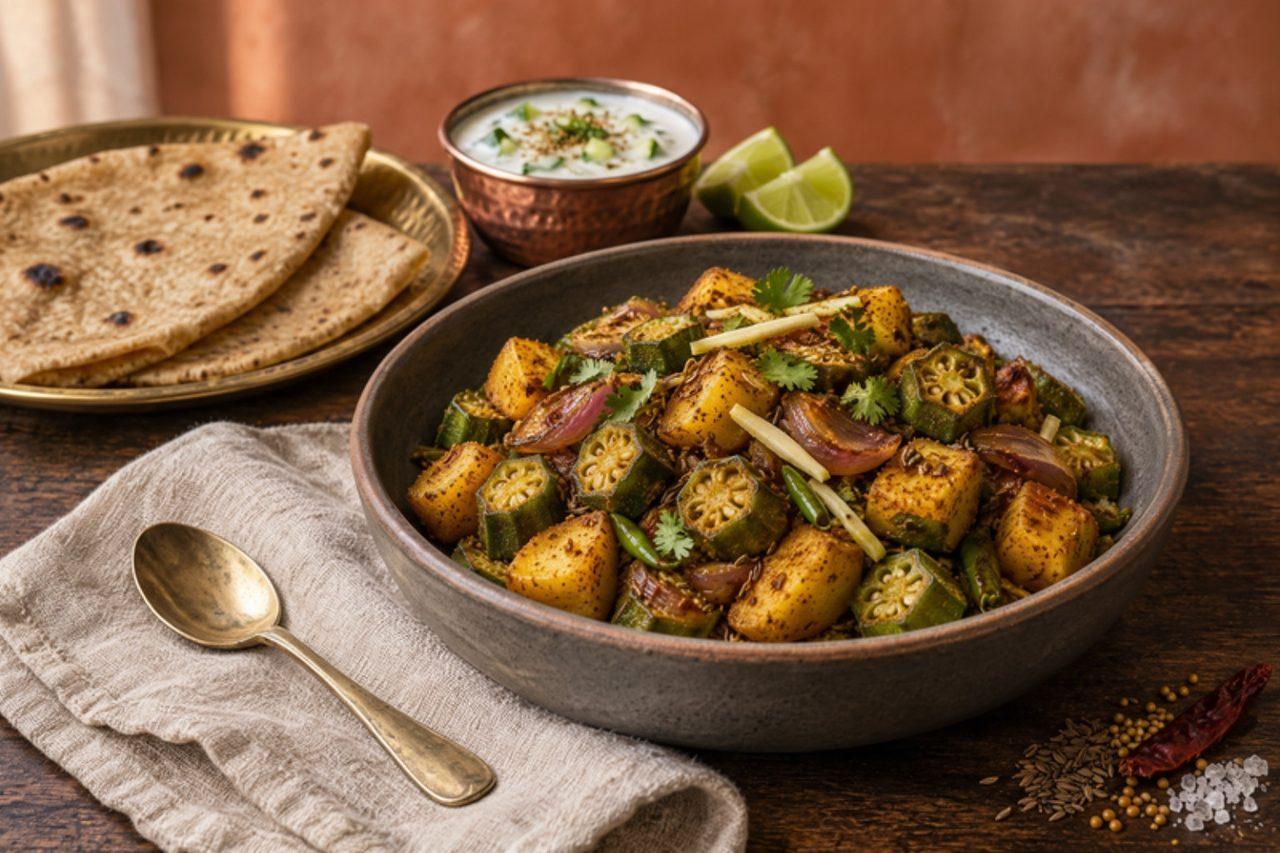
Aloo bhindiPotato and okra stir-fry

Aloo bhindi is the sabzi that Delhi children are happiest to find in their dabba with soft phulkas: okra fried until its edges crisp, potato cubes browned alongside, and sliced onion cooked sweet, all dusted with amchur and cumin. The single big mistake is washing the okra and cutting it wet, which releases slime that never cooks off. Wash it, dry every pod with a cloth and wait half an hour before slicing. Chef's tip: add the salt only at the very end; salt draws moisture out of the okra and makes it sticky.

by KrazyBadal 0 views

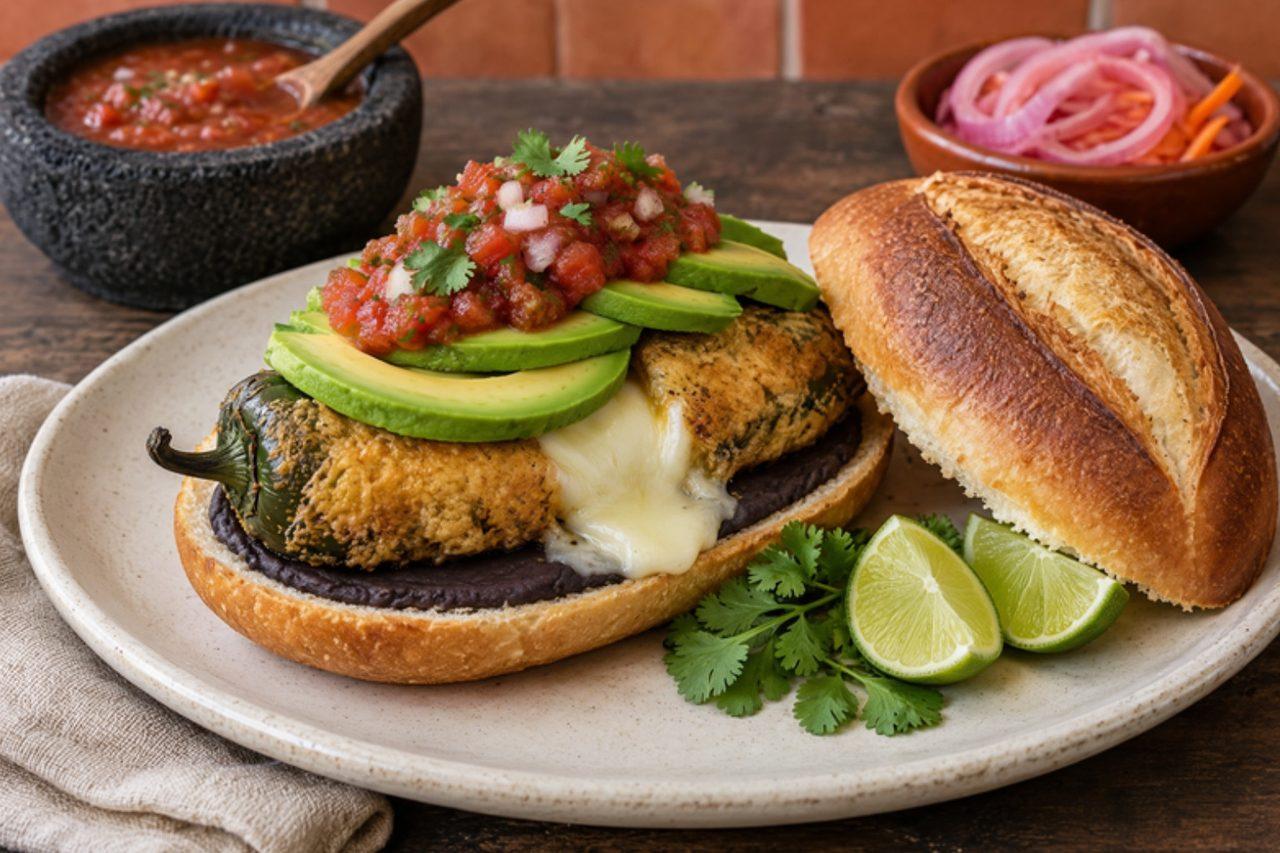
Torta de chile rellenoStuffed poblano sandwich

At Mexico City's torta stands and school gates, the chile relleno torta is the meat-free favourite: a whole poblano, roasted, peeled, stuffed with melting cheese, dipped in fluffy egg batter and fried, then pressed into a bolillo spread with refried beans and salsa. People buy them warm mid-morning or wrap them in foil for lunch. The common mistake is frying a wet chile: the batter slides off, so pat it dry and dust it with flour first. Oaxaca cheese and Monterey Jack are often made with animal rennet, so choose a vegetarian melting cheese, and check the refried beans are made without lard. Chef's tip: beat the egg whites to stiff peaks before folding in the yolks; that airy capeado is what makes it puff and stay crisp.

by KrazyBadal 0 views

Kari gros poisButter bean curry

In Mauritius, gros pois (butter beans) are a pantry staple, and kari gros pois is cooked in Creole and Indo-Mauritian homes alike for weekday lunches and Friday meat-free meals. The beans simmer in a curry of onion, tomato, garlic and ginger, flavoured with curry powder, fresh thyme and curry leaves, so it tastes of both India and the island's French side. It is served with rice, farata flatbreads and a tomato or chilli chutney. The usual mistake is frying the curry powder on high heat; it scorches in seconds and turns bitter. Pressure cooker option: cook the soaked beans for 15 minutes at pressure. Chef's tip: crush a few beans into the sauce at the end, which thickens it without any flour.

by KrazyBadal 0 views

Alu chi patal bhajiColocasia leaf curry

No Maharashtrian festive thali, at Ganesh Chaturthi, a wedding or a naming ceremony, feels complete without a bowl of aluchi patal bhaji: chopped colocasia leaves stewed soft with chana dal and peanuts in a thin curry that is sour with tamarind, sweet with jaggery and thickened with a spoon of gram flour. It is eaten mixed into rice or sipped from the thali. Colocasia leaves must be cooked thoroughly with an acid like tamarind; undercooked leaves make the throat itch. The usual mistake is skimping on the cooking time to save the bright green colour; the leaves should be fully soft and olive-green. Chef's tip: soak the peanuts and chana dal for at least 2 hours, so they cook in the same time as the leaves.

by KrazyBadal 1 views

AmadumbeBoiled taro

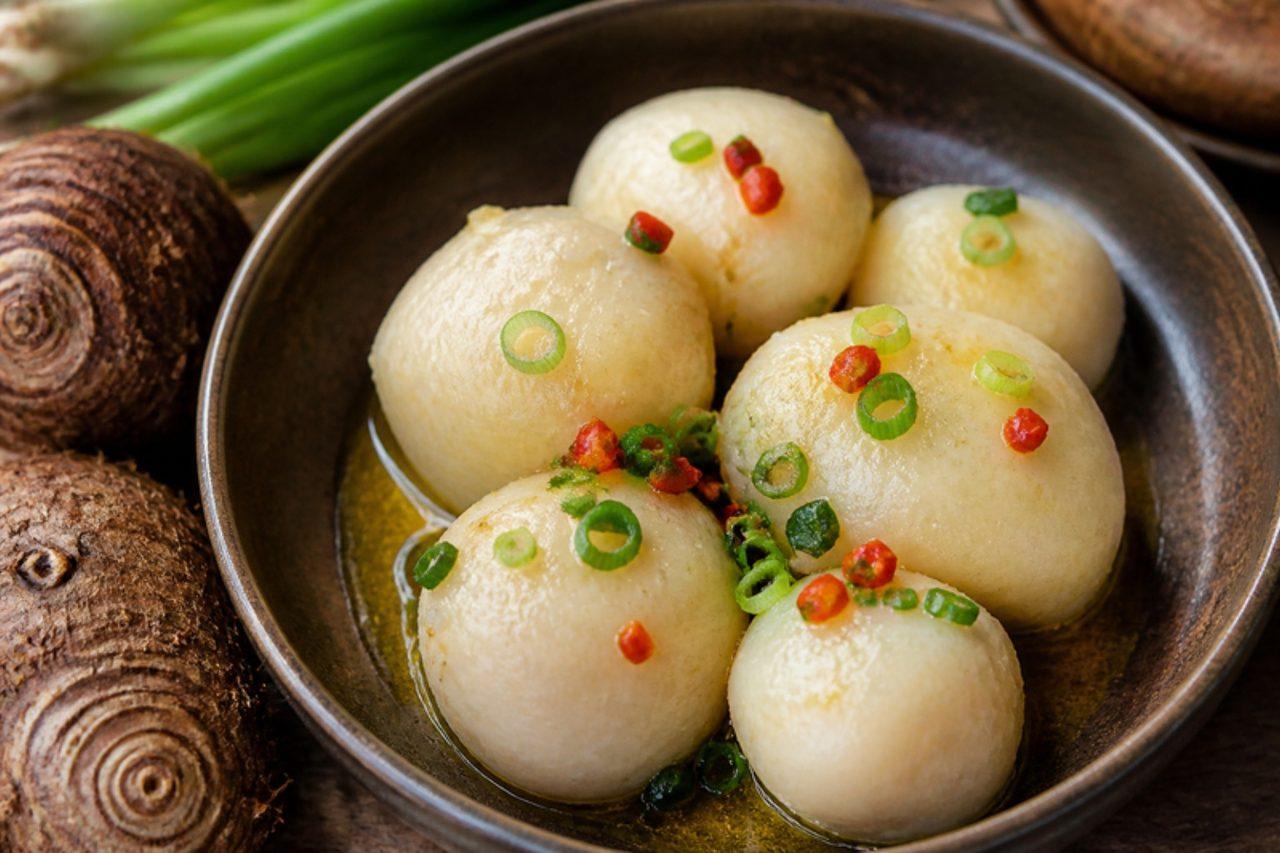
Market women in Pietermaritzburg and along the KwaZulu-Natal north coast sell amadumbe by the bucket, hairy brown corms that look unpromising until boiled and peeled to reveal dense, creamy white flesh with a nutty, almost chestnut-like flavour. They are eaten hot as a starch with a stew, cold as a snack, or simply split and buttered; this vegan version dresses them in oil warmed with spring onion and chilli. Peeling them raw is the mistake to avoid, because the sap irritates the skin and leaves your hands itching. Always cook taro right through: undercooked corms taste scratchy in the throat. Chef's tip: boil them in their skins and slip the skins off while still warm, when they come away cleanly with a small knife.

by KrazyBadal 0 views

Tarta de zapallitosCourgette and cheese tart

In Buenos Aires every rotisería sells tartas by the slice, and at home a tarta de zapallitos is baked on Sunday evening so that a wedge can go into the vianda (packed lunch) for school and work all week. Zapallitos are round green courgettes; ordinary courgettes work just as well. The common mistake is adding the courgette raw, which floods the pastry; sauté it until the liquid has cooked away. Argentine queso rallado and many hard cheeses are made with animal rennet, so use a vegetarian hard cheese. Chef's tip: bake the tart on a preheated baking tray so the base crisps before the filling soaks in.

by KrazyBadal 0 views

Jing gao (Xi'an steamed sticky rice and date cake)

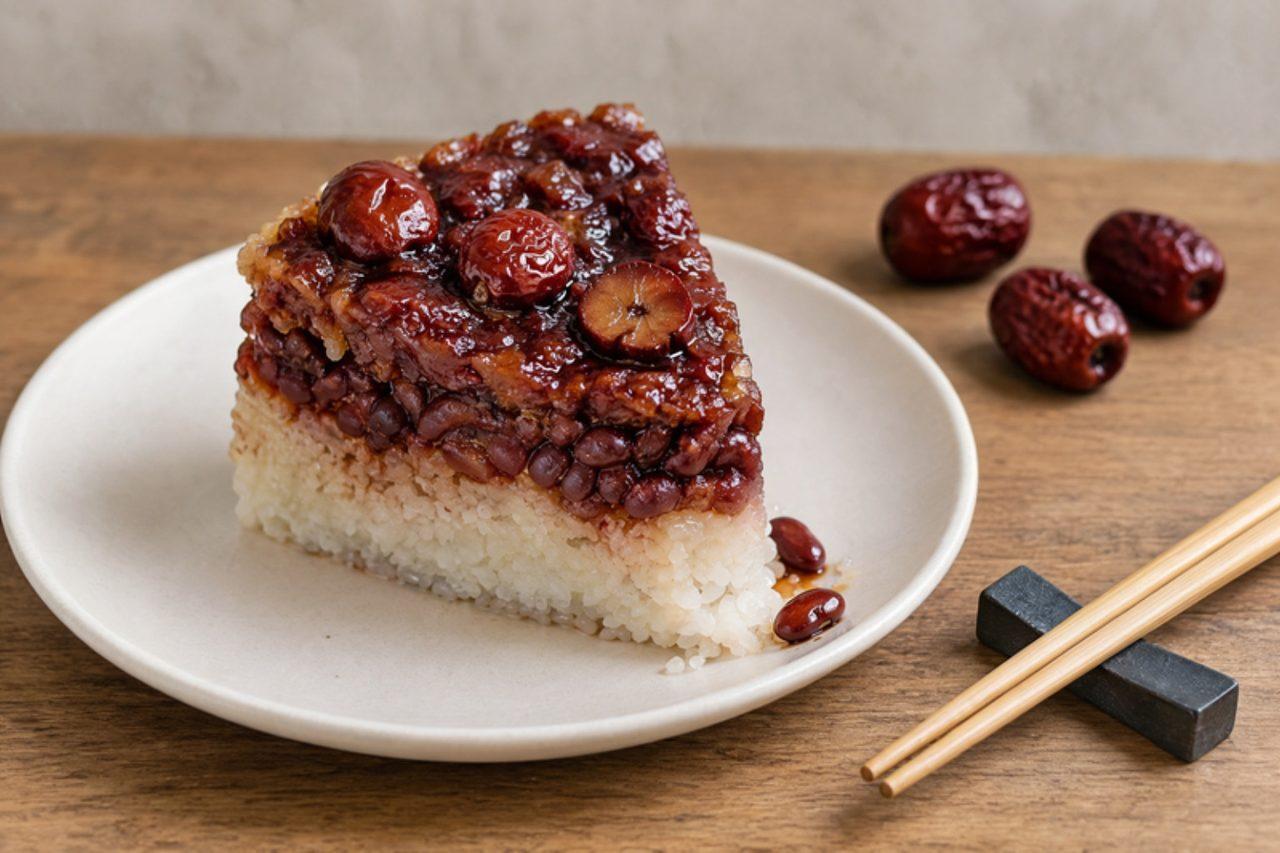
Before the shops of Xi'an's Muslim Quarter open, vendors on Beiyuanmen and Sajinqiao lift the lids of huge iron zeng pots and carve out jing gao, a dense breakfast of glutinous rice, red dates and kidney beans steamed so long that the dates melt into a jammy layer. It is scooped onto paper plates with a flat spade and eaten hot, often with a sprinkle of sugar, by workers on their way in. The home version steams in a heatproof bowl and needs time rather than skill. The rice turns glossy and chewy, the dates taste of toffee and the beans give a soft, earthy bite. Chef's tip: lay the dates as the bottom and top layers, because their sugar is what colours and flavours the rice as it steams.

by KrazyBadal 0 views

Curried egg sandwich

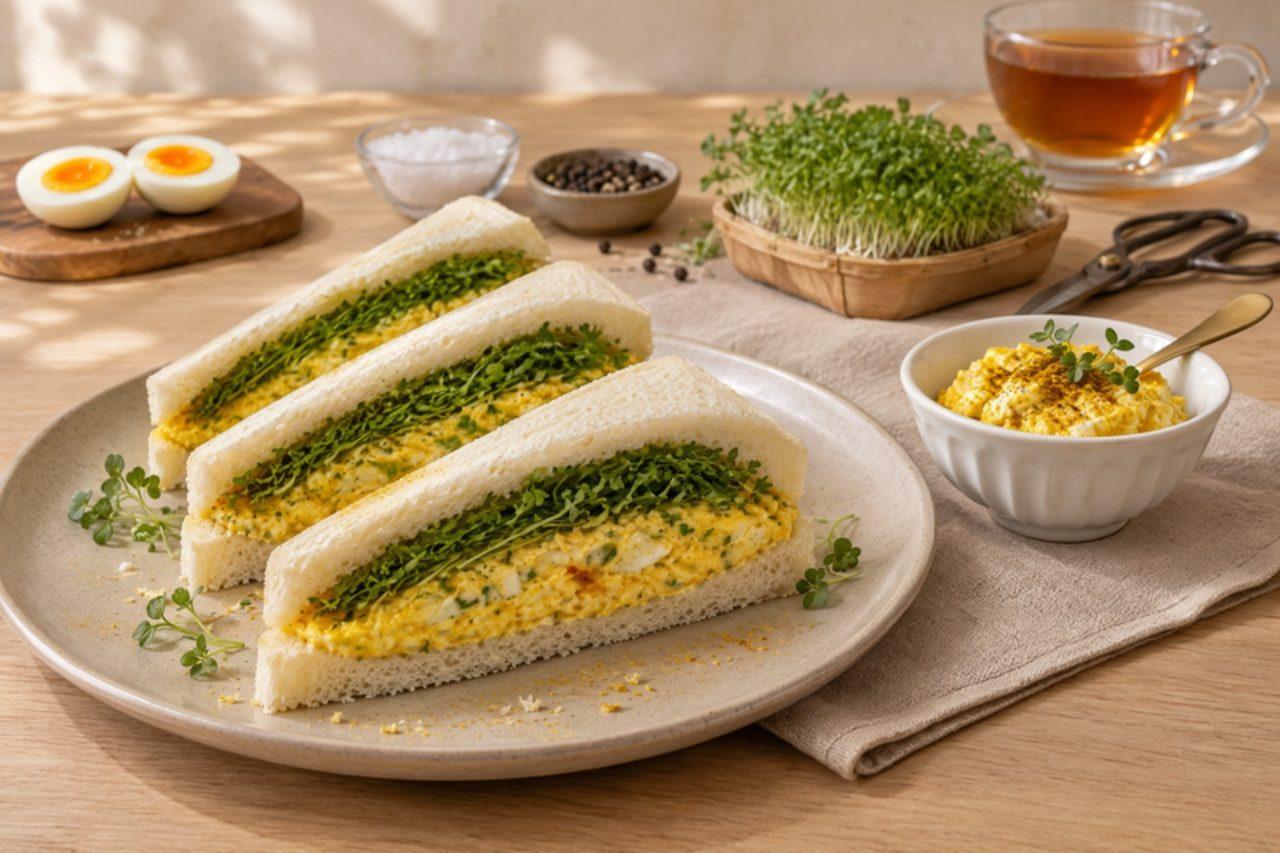
A school canteen and church-fete favourite across Australia, the curried egg sandwich is soft white or wholemeal bread filled with hard-boiled egg mashed with mayonnaise and a little mild curry powder, often with lettuce or cress. It goes into lunch boxes cut into fingers. The common mistake is mashing the eggs while warm, which turns the mayonnaise oily and the filling runny; let them cool completely. Chef's tip: warm the curry powder in a dry pan for 20 seconds first, and the raw, dusty taste turns sweet and toasty.

by KrazyBadal 0 views

CaluluDried and fresh fish stew

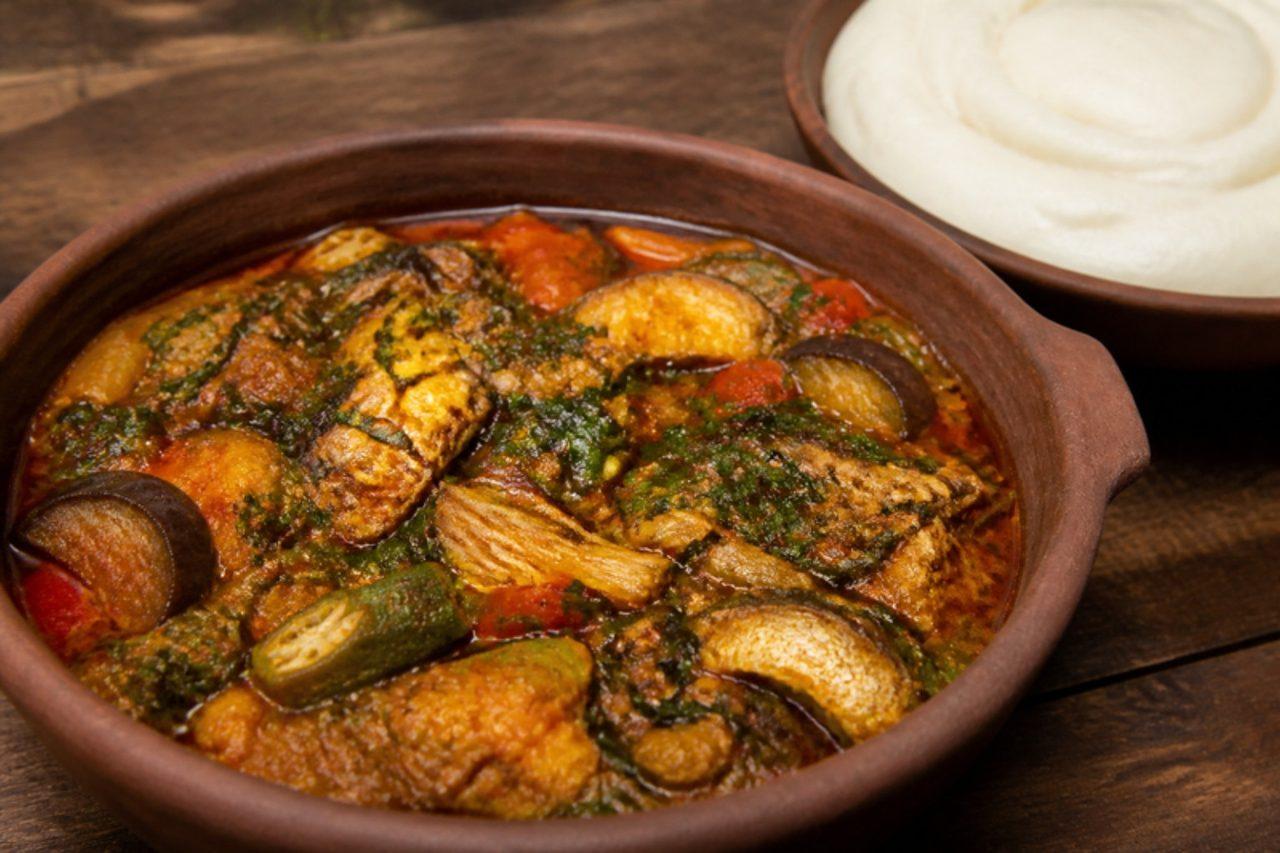
Calulu is what Luanda families cook when the whole family comes for Sunday lunch, and the Ilha's fish sellers know the order by heart: a piece of dried fish for depth, a firm fresh fish for sweetness. The two are layered in a pot with onion, tomato, okra, aubergine and sweet potato leaves, then simmered in red palm oil until the sauce turns silky from the okra and tastes of the sea, smoke and greens all at once. It is served with funge, feijão de óleo de palma and a little hot sauce. Salted dried fish needs a long soak to draw out the salt, so start it the day before; skipping that step is the classic way to ruin the pot. Chef's tip: lay the fresh fish on top and leave it alone, shaking the pot rather than stirring, so the pieces stay whole.

by KrazyBadal 0 views

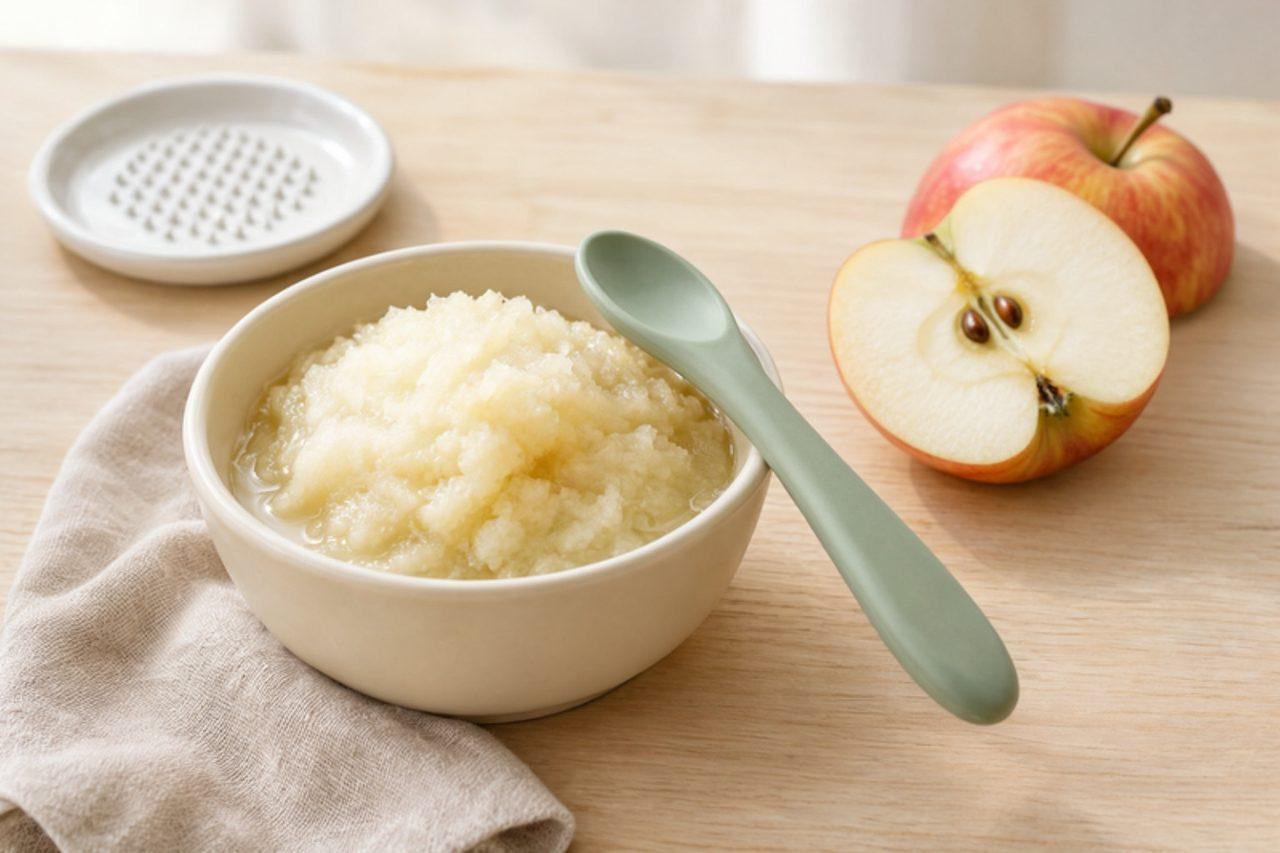
Mela grattugiata (grated apple)

Ask any Italian nonna what a baby has for merenda, the mid-afternoon snack, and she will mime grating an apple: in homes from Turin to Bari, a sweet apple is grated very finely on the small holes of a grater and spooned up at once, before it turns brown. Paediatricians in Italy suggest it from six months, and for the first few times many parents steam the apple briefly so it is softer still. It tastes fresh and naturally sweet; the old habit of crumbling in a biscuit or a spoon of sugar is not for babies under one, and honey never. It is free of the major allergens. Chef's tip: a squeeze of lemon is often added to stop browning, but for babies simply grate it right before serving.

by KrazyBadal 0 views

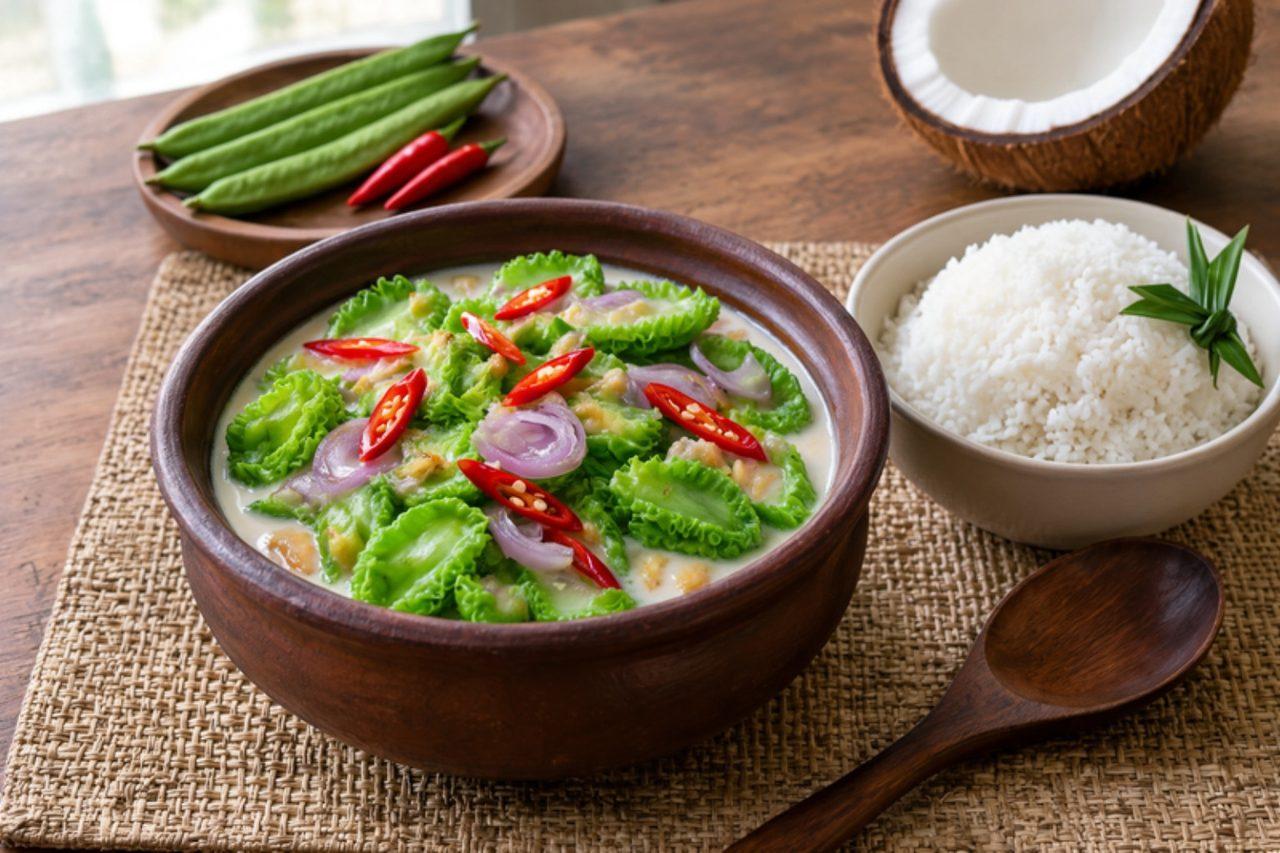
Ginataang sigarilyasWinged beans in coconut milk

Winged beans, sigarilyas, climb the backyard fences of Luzon and Visayan homes, and on rainy-season weekdays they are sliced and simmered in coconut milk for a quick ulam to go with rice. The frilly beans stay crisp-tender and soak up the garlicky, gently spicy gata. Many cooks add shrimp paste; this version keeps it vegan with a little soy sauce. The usual mistake is overcooking: winged beans lose their crunch and go dull green in minutes, so add them only when the coconut milk has reduced. Chef's tip: cut the beans on a sharp diagonal so each slice shows off the four ruffled wings.

by KrazyBadal 0 views

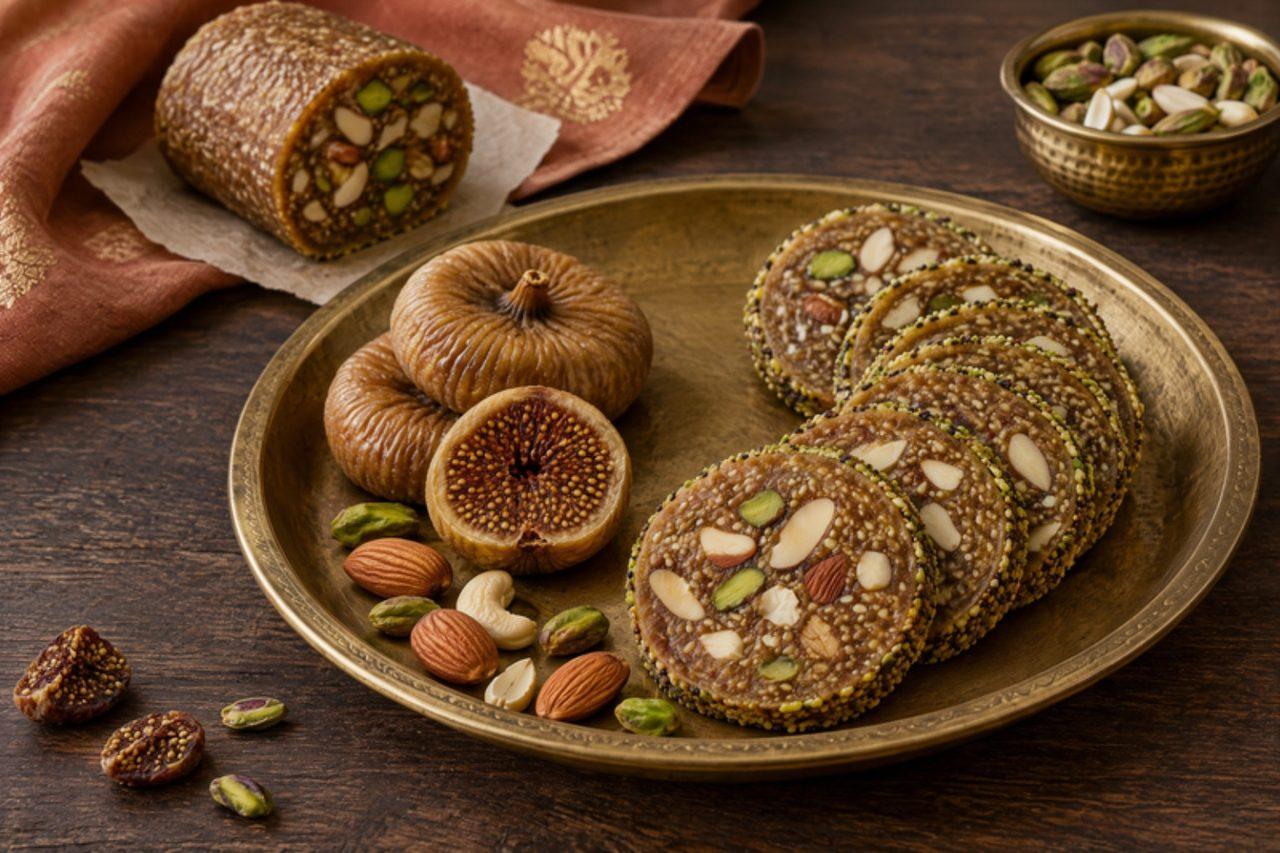
Anjeer pakFig and nut fudge

Gujarati families make anjeer pak for Diwali boxes and for fast days, when it gives quick energy without any grain or refined sugar. Soaked dried figs are cooked down in ghee into a thick jammy paste, mixed with toasted almonds, cashews and pistachios, and rolled into logs that slice into pretty pink-and-green rounds. It keeps for two weeks in the fridge. The common mistake is under-cooking the fig paste, which leaves the logs soft and sticky so they never slice cleanly. Chef's tip: keep stirring until the paste rolls into a ball that no longer sticks to the pan or your greased palm.

by KrazyBadal 0 views

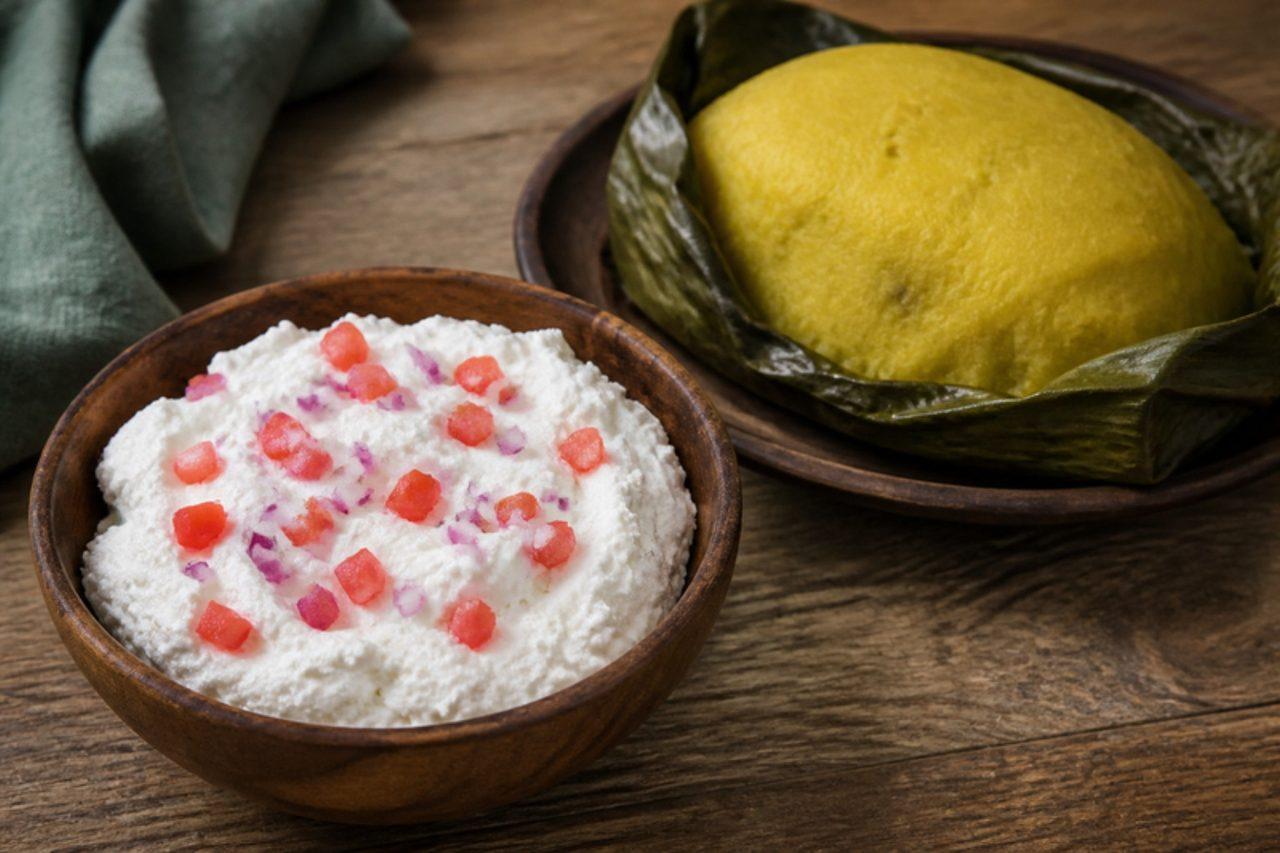
EshabweWhipped ghee sauce

Cattle-keeping families of Ankole in western Uganda serve this pale, fluffy sauce at weddings and introduction ceremonies, where making it well is a point of pride. Soft ghee is beaten by hand while cool salted water is added a spoonful at a time, until it turns from yellow to snowy white and as light as whipped cream, with a rich, buttery, salty taste. It goes over hot matoke, steamed sweet potatoes, katogo or kalo millet bread, and melts into them on the plate. It is vegetarian but not vegan, as it is made from cow's ghee. Chef's tip: everything must stay cool; if the ghee is warm or the water tepid it will never turn white, so chill the bowl and use water straight from the fridge.

by KrazyBadal 0 views

Aussie salad sandwich

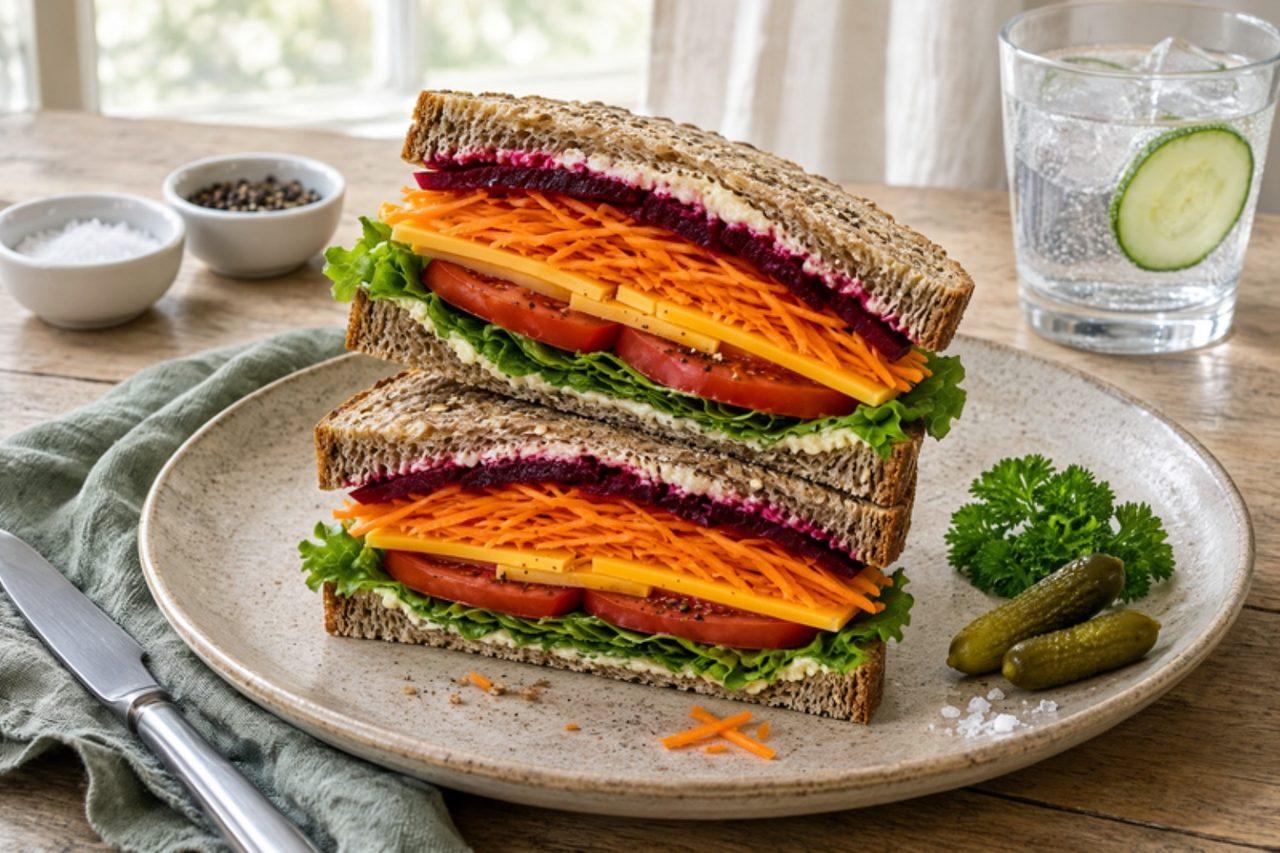
The salad sandwich is the backbone of the Australian lunchbox and the school tuckshop order: soft bread built up with tinned beetroot, grated carrot, tasty cheese, tomato and crisp lettuce, cut into triangles and wrapped in paper. Beetroot is what makes it unmistakably Aussie. The common mistake is laying wet beetroot and tomato straight on bare bread, so by lunchtime it is pink and soggy. Many Cheddar-style "tasty" cheeses use animal rennet; choose one labelled vegetarian. Chef's tip: butter both slices to the edge and put the cheese and lettuce next to the bread, with the wet fillings sealed in the middle.

by KrazyBadal 0 views

Ají de arvejasPeas and potatoes in chilli sauce

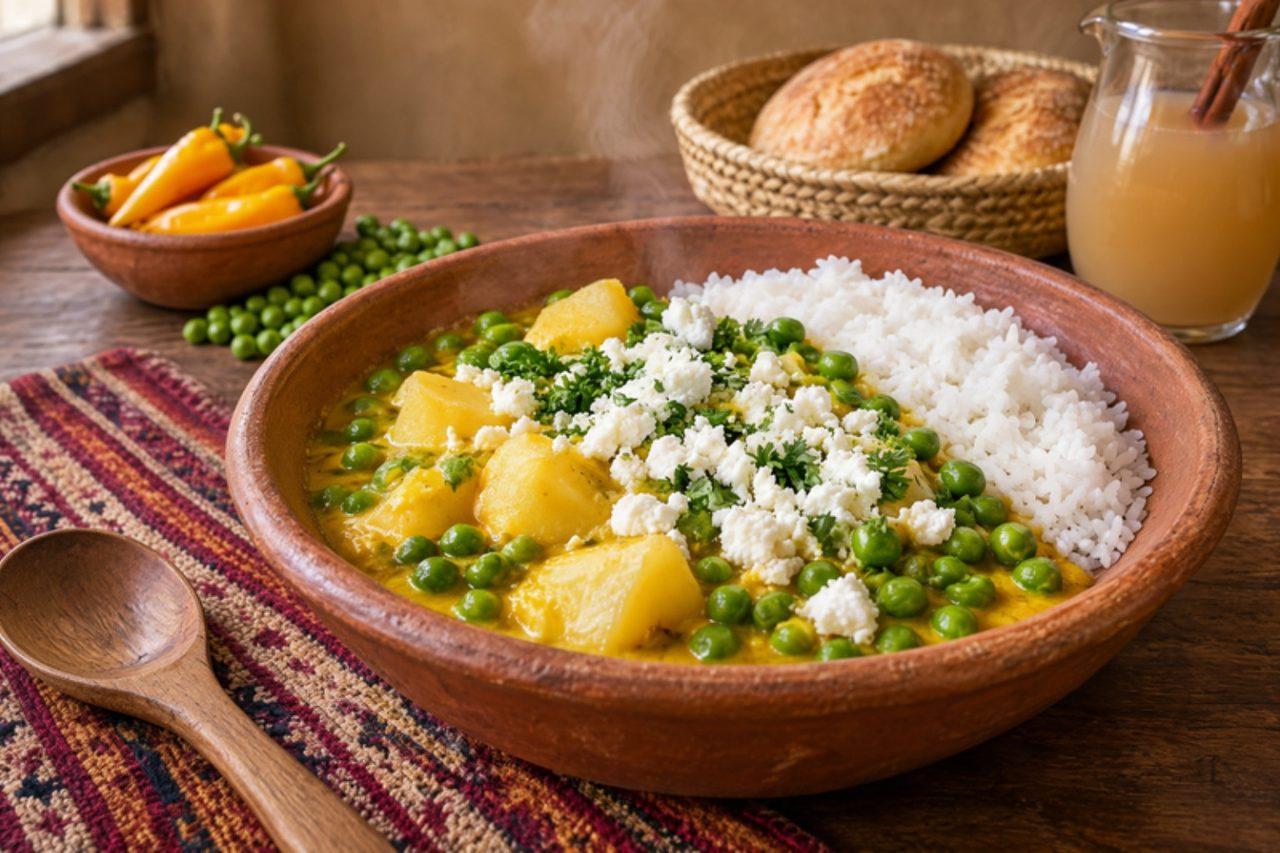
Ají de arvejas is a homely Bolivian stew from La Paz and Cochabamba, cooked for weekday lunch or on Fridays and in Lent, when many families eat no meat. Green peas and potatoes simmer in a golden sauce of onion, tomato and ají amarillo (yellow chilli), and cubes of fresh white cheese are stirred in at the end so they soften without melting away. It is served with plain white rice and sometimes a boiled egg. Bolivian queso fresco is often made with animal rennet; for vegetarians, use a paneer or a fresh cheese labelled vegetarian. The usual mistake is boiling the cheese, which turns it rubbery. Chef's tip: cook the ají paste with the onion until it darkens slightly, which takes the raw edge off the chilli.

by KrazyBadal 0 views

Pâté en croûtePork and veal pie in pastry

Lyon's charcuteries display pâté en croûte like jewellery: a tall loaf of crisp, golden pastry wrapped around a coarse terrine of pork and veal. A slice wrapped in paper is a picnic and lunchbox luxury, and the whole loaf is a Sunday project eaten over several days. The common mistake is undercooking it for fear of drying it out: as it is made with minced pork, the centre must reach 71 °C, so use a probe thermometer. The classic farce has a splash of cognac; it's optional here, and apple juice or extra stock is the alcohol-free swap. Chef's tip: chill the filled, unbaked loaf for 30 minutes before baking so the pastry keeps its shape and pattern.

150 minFrenchMeat
by KrazyBadal 0 views

Thabdi pendaCaramelised milk pendas

Rajkot's sweet shops are famous across Gujarat for thabdi, a crumbly, toffee-brown penda that starts as plain milk and sugar and ends, two hours later, as something close to caramel fudge. The milk is boiled down in a wide iron kadai, a spoon of curd splits it slightly to give the trademark grainy texture, and the sugar browns slowly with it until the whole mass is the colour of milky tea. The usual mistake is rushing on high heat: the milk catches and tastes burnt rather than caramelised. Chef's tip: use a wide, heavy pan and a flat wooden spatula, and keep scraping the bottom and sides every minute once the milk is half reduced.

by KrazyBadal 0 views

Bolo de pote (cake in a jar)

On Sundays, when Avenida Paulista closes to cars, sellers line the pavement with cool boxes of bolo de pote, and the same jars turn up at São Paulo's weekly street fairs and outside metro stations: soft sponge cake layered with creamy fillings and eaten with a spoon. Brigadeiro cream (condensed milk cooked with cocoa) and a sweet, milky cream made with milk powder are the two everyone wants. They are rich and very sweet, so the jars are small. They contain egg, wheat and milk. Chef's tip: take both creams off the heat while they are still a little runny; they thicken as they cool and must stay soft enough to spread.

by KrazyBadal 0 views

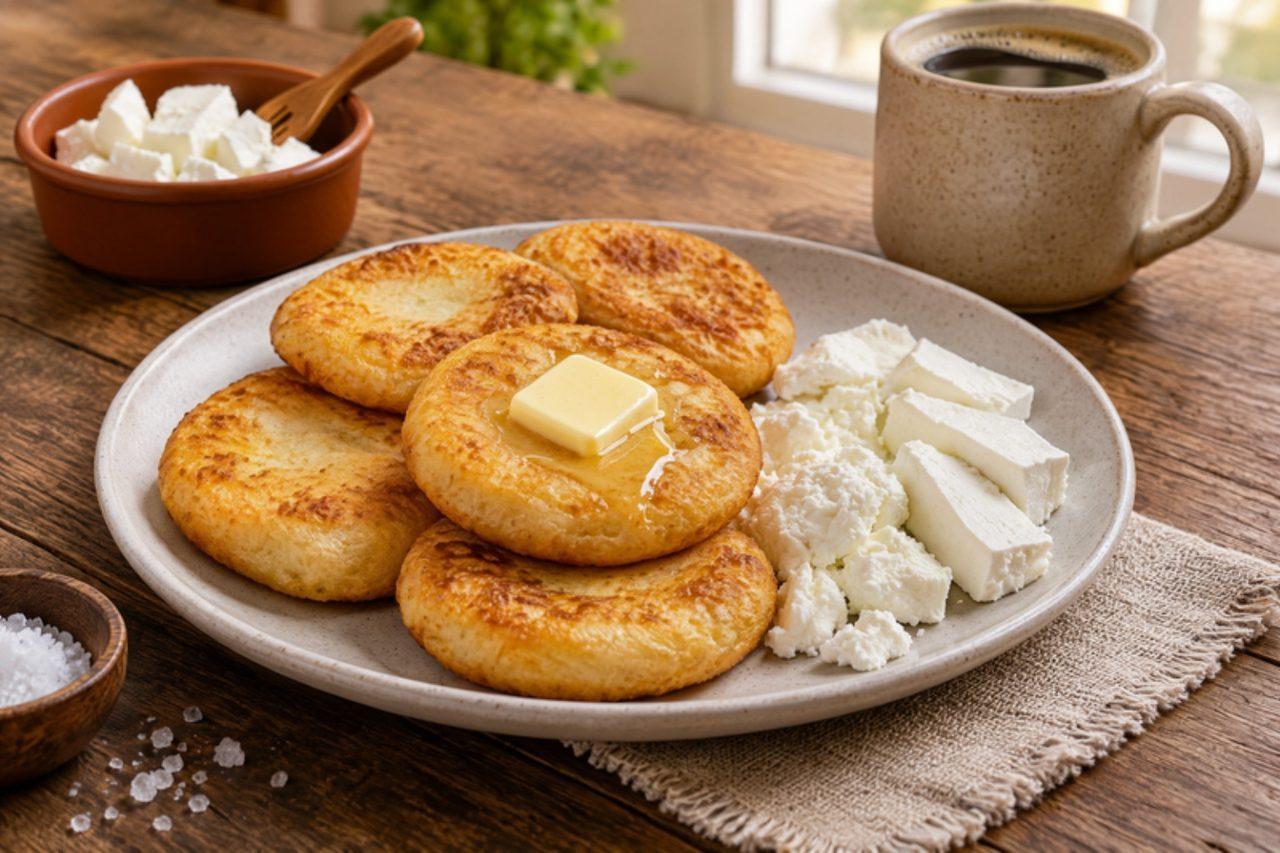
Arepa peladaHand-peeled corn arepas

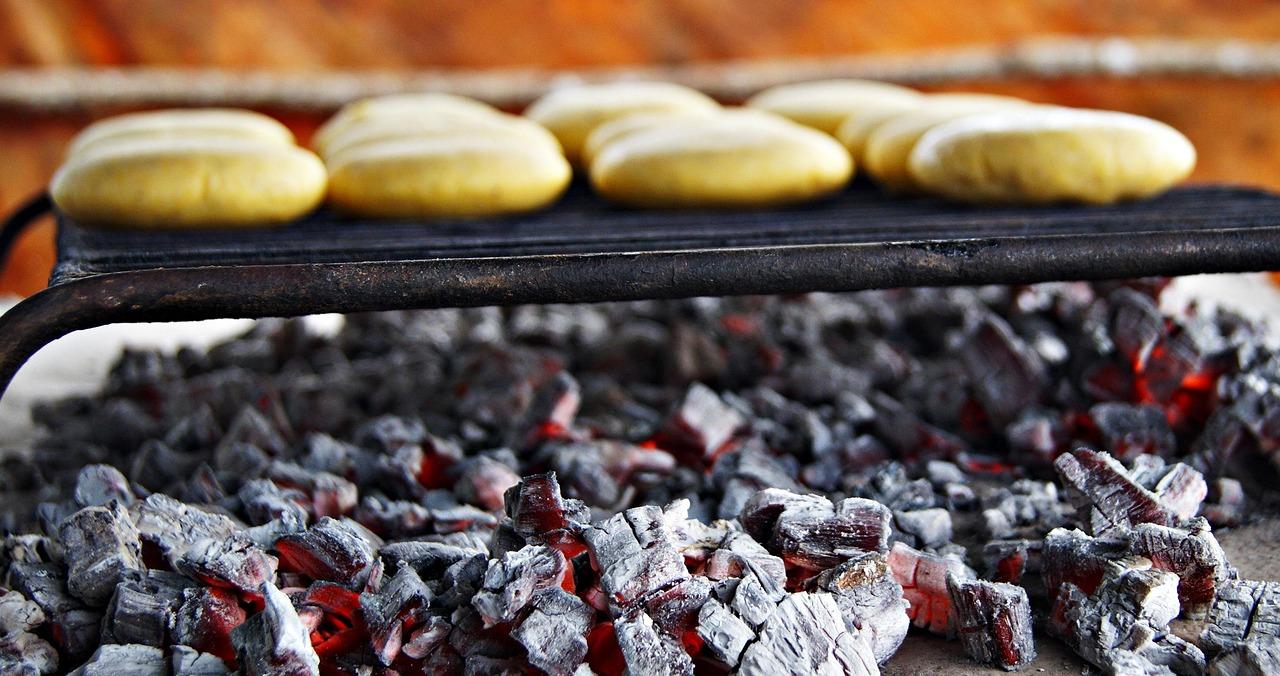
Before bagged flour reached every shop, arepas in Lara and across the Llanos began with whole dried corn boiled with a spoon of food-grade lime until its skins slipped off; 'pelada' means peeled. The dough has a deeper, slightly smoky corn taste and a coarser crumb than flour arepas, and on cattle ranches it is still eaten at breakfast with butter or avocado. Handle the lime (calcium hydroxide) with care: keep it off your skin and away from children. The common mistake is rinsing too lightly, which leaves the dough yellow, soapy and bitter. Chef's tip: grind the corn twice and add water a spoonful at a time; a dough that is too wet slumps on the griddle.

by KrazyBadal 0 views

Aam ki launjiSweet and sour raw mango relish

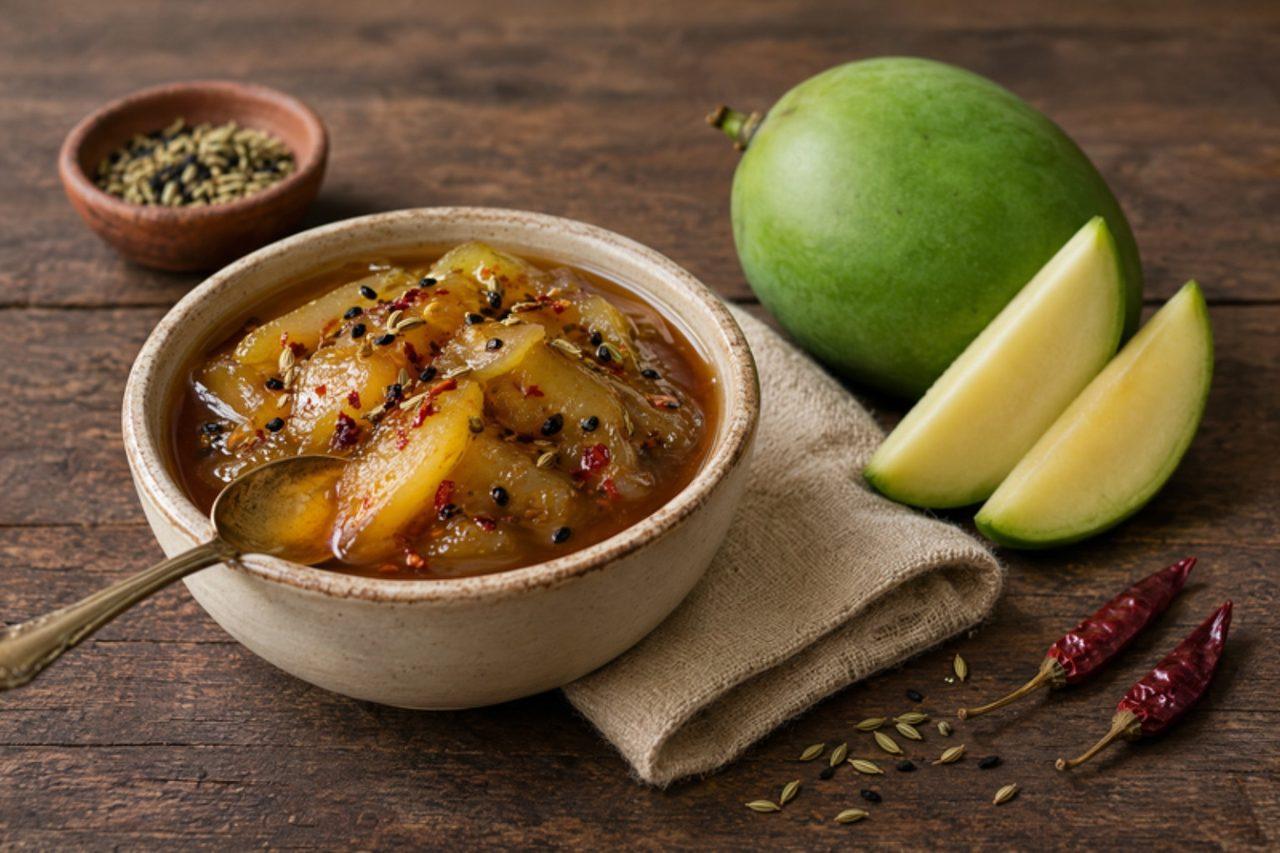
In Rajasthan and across the Hindi belt, launji is the quick mango relish made the day the first raw mangoes come home in April, and it keeps appearing on the thali all through the scorching summer. Unlike the long-cured achaars, it is cooked in 20 minutes: mango pieces in mustard oil with saunf, kalonji, methi and cumin, then simmered with jaggery until glossy. The pieces stay soft but hold their shape in a thick, amber syrup that is sweet first, then sour, with a warm hum of chilli and a liquorice note from the fennel. Eat it with dal-baati, puri, paratha or plain khichdi; in the heat it is believed to cool the body. The common mistake is adding the jaggery too early, so it caramelises and turns bitter before the mango is tender; cook the mango first, then the jaggery. It is ready when the syrup coats the back of a spoon and the mango looks translucent at the edges. It thickens as it cools. Store in a clean jar in the fridge and eat within a week to 10 days. Chef's tip: leave a little peel on some pieces; it gives a pleasant chew and stops the mango from turning to mush.

by KrazyBadal 0 views

Arepitas dulcesSweet fried corn cakes

In Lara and the Andean states of Trujillo and Mérida, breakfast often comes with a basket of arepitas dulces: small, puffy fried arepas made with corn and wheat flour, sweetened with papelón (unrefined cane sugar) and scented with anise seed. They are crisp outside, soft and cakey inside, and are split and filled with salty white cheese or eaten with coffee. The common mistake is frying them in oil that is too hot, so they brown before the middle cooks; keep the oil at about 170 °C. If you fill them with cheese, note that some white cheese is made with animal rennet, so choose a vegetarian one. Chef's tip: dissolve the papelón in the warm water first, so the sugar is spread evenly and doesn't form dark burnt spots in the oil.

by KrazyBadal 0 views

Jambon-beurreHam and butter baguette

France sells millions of jambon-beurre every working day: half a crusty baguette, split, spread with good salted butter and filled with thin slices of jambon de Paris, the delicate cooked pork ham. Parisians eat it at the office, on a park bench or on the train. The common mistake is a stingy smear of hard butter; the butter is a filling, not a glue, so spread it soft and generous. Some add cornichons, which purists call a different sandwich. Chef's tip: fold each slice of ham loosely in half rather than laying it flat, so the sandwich is airy and every bite has ham.

by KrazyBadal 0 views

DiziLamb and chickpea stew

Dizi, also called abgoosht, is Tehran's working lunch, served at old teahouses and bazaar canteens in individual stone pots, and cooked at home on cold Fridays. Lamb on the bone, chickpeas, white beans, potatoes, tomato and dried lime cook gently for hours. At the table you pour off the broth and soak torn sangak or lavash bread in it (tilit), then pound the meat, beans and potato into a coarse paste (goosht kubideh) to eat with herbs, raw onion and pickles. The usual mistake is adding the potatoes at the start: they collapse and cloud the broth. Slow-cooker: after the beans' hard boil, cook everything except the potatoes on low for 10 hours, adding them for the last 2. Chef's tip: pierce the dried limes so they flavour the broth without turning it bitter, and lift them out before pounding.

245 minPersianMeatGluten free
by KrazyBadal 0 views

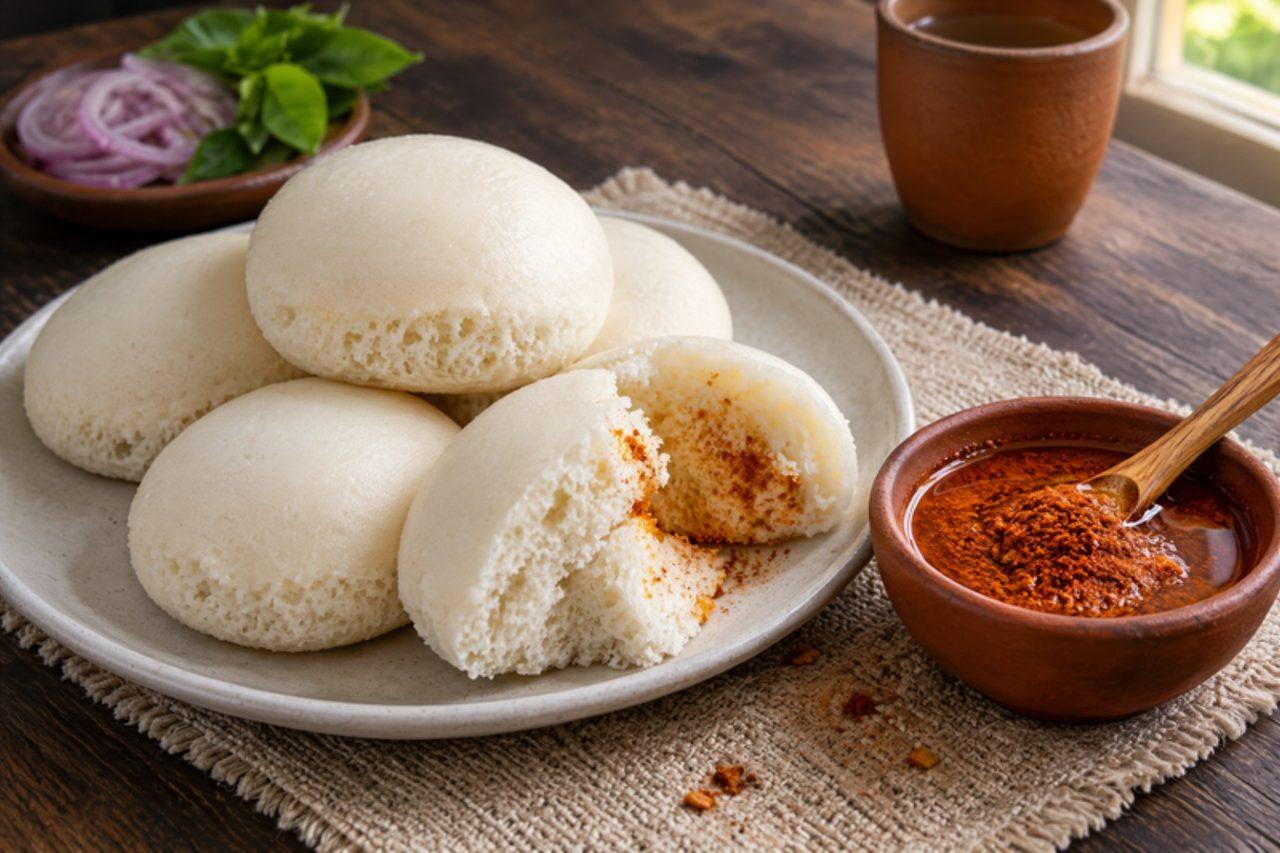
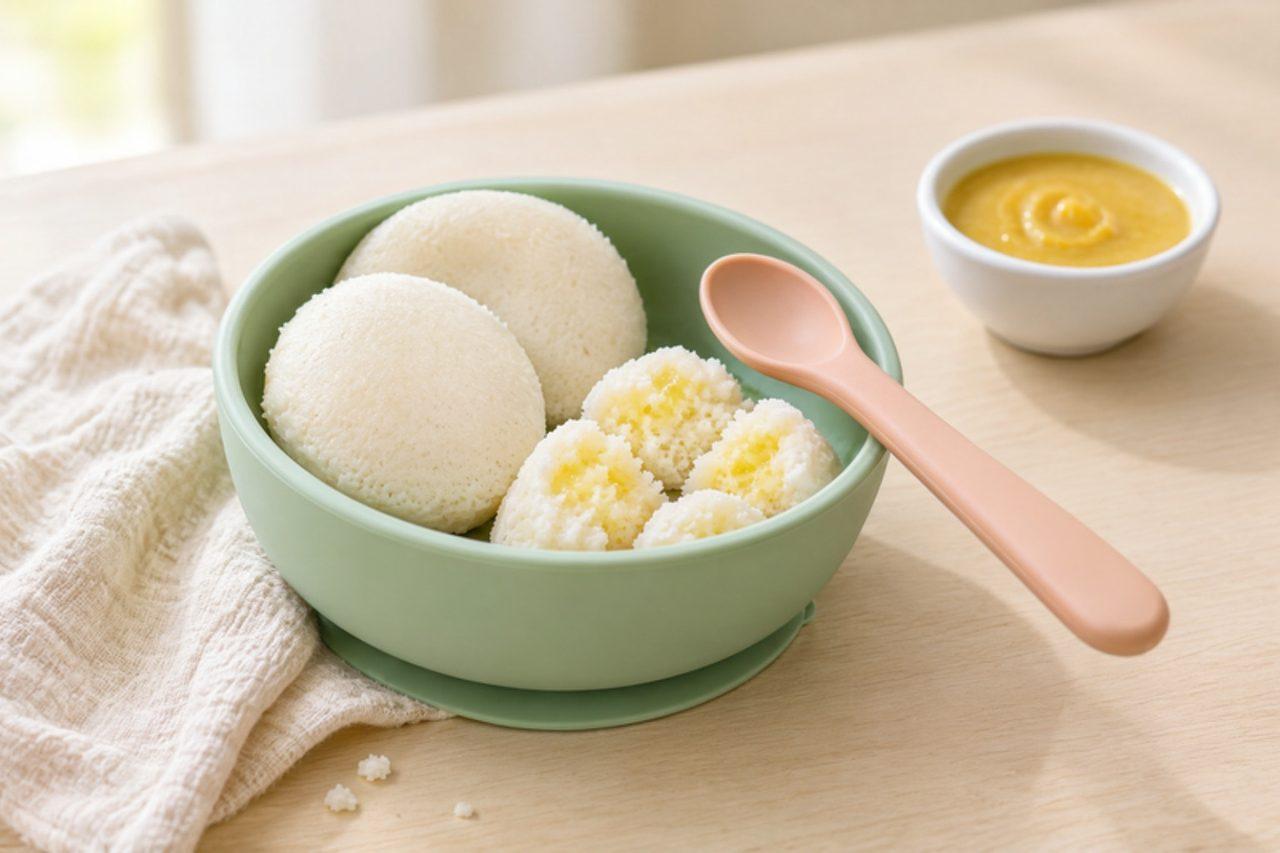
Soft idli for babies

Idli is breakfast across Tamil Nadu, from Chennai's Mylapore tiffin rooms to village kitchens, and a fluffy, plain idli is one of the first finger foods many South Indian babies hold. Since family batter is salted, parents make a separate salt-free batch for babies under one, or steam a few from it before the salt goes in. The cakes are pillowy, faintly sour and melt under the gums, torn into pieces or mashed with ghee or thin dal. They contain no gluten, egg, nuts, soya or sesame; they contain milk only if served with ghee. Chef's tip: grind the urad dal with ice-cold water until it is light and foamy; air in the batter, not salt, is what makes idli soft.

by KrazyBadal 0 views

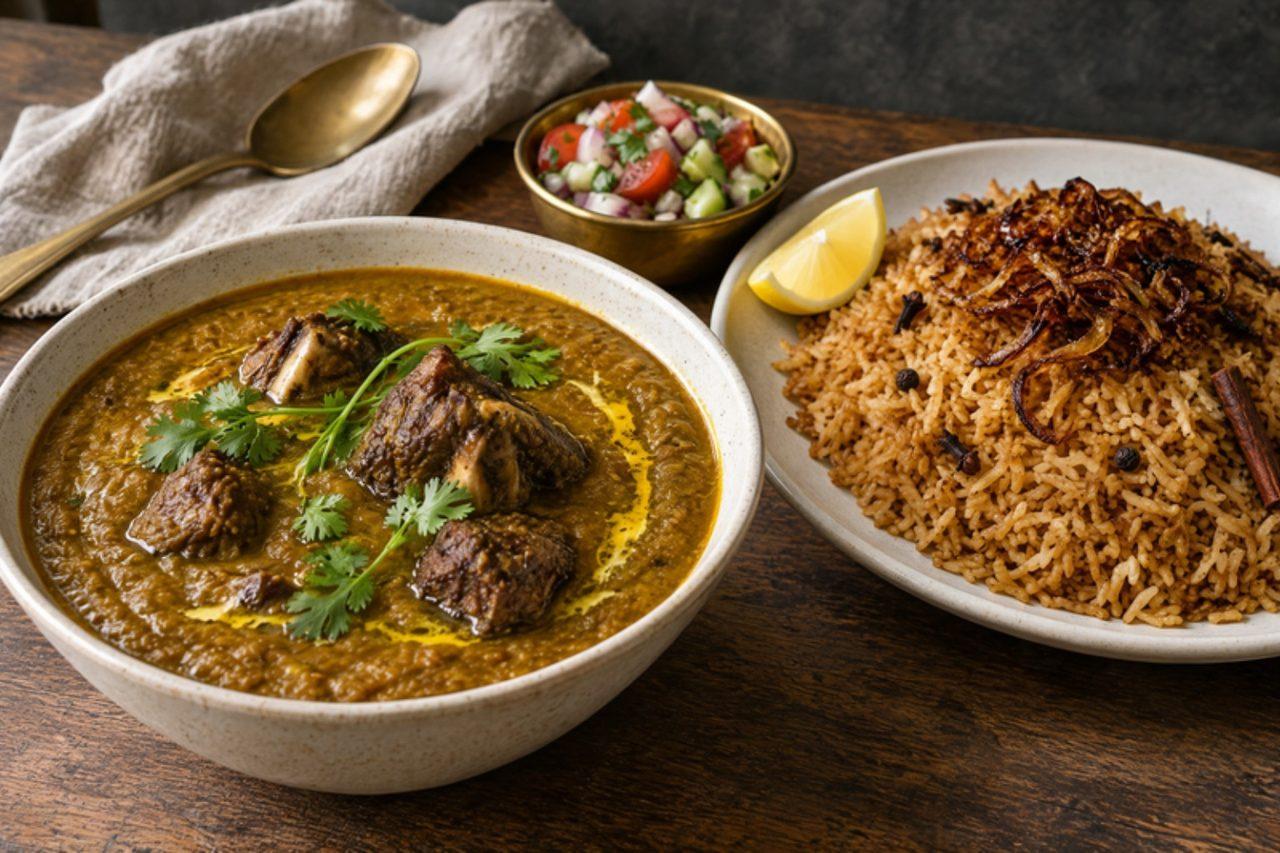
DhansakMutton and lentil curry

Dhansak is the Parsi Sunday lunch in Mumbai and the old Gujarat towns of Navsari and Surat, traditionally the first meat dish cooked when the meatless days after a death are over, and a weekend favourite the rest of the time, always with brown rice (rice browned in caramelised sugar and onion) and kachumber. Mutton is cooked together with toor, masoor, moong and chana dal, pumpkin, aubergine, tomato and fenugreek leaves, then the dal and vegetables are pureed into a thick, gently spiced sauce with dhansak masala. Veg version: leave out the mutton and cook the same dal and vegetables with vegetable stock. The usual mistake is not pureeing the dal finely; it should be smooth and velvety around the meat. Slow-cooker option: everything except the tempering on low for 8 hours, then blend. Chef's tip: fry the dhansak masala in ghee at the end and pour it over; it gives the dish its aroma.

by KrazyBadal 0 views

Sev tameta nu shaakSev and tomato curry

Sev tameta nu shaak is roadside-dhaba and home food from Kathiyawad in Saurashtra, cooked when the vegetable basket is nearly empty but there are tomatoes and a tin of sev. Ripe tomatoes simmer with garlic, red chilli and a little jaggery into a thin, sweet-sour-hot gravy, and a handful of crisp gram-flour sev goes on top at the very last moment, so it is half-crunchy, half-soft when you eat it with bajra rotla, thepla or rotli. The usual mistake is stirring the sev in too early, which turns the curry into a paste. Most sev is made from gram flour, but check the packet if you avoid gluten. Chef's tip: use thick sev (ratlami or bhavnagari), which holds its crunch far longer than nylon sev.

by KrazyBadal 0 views

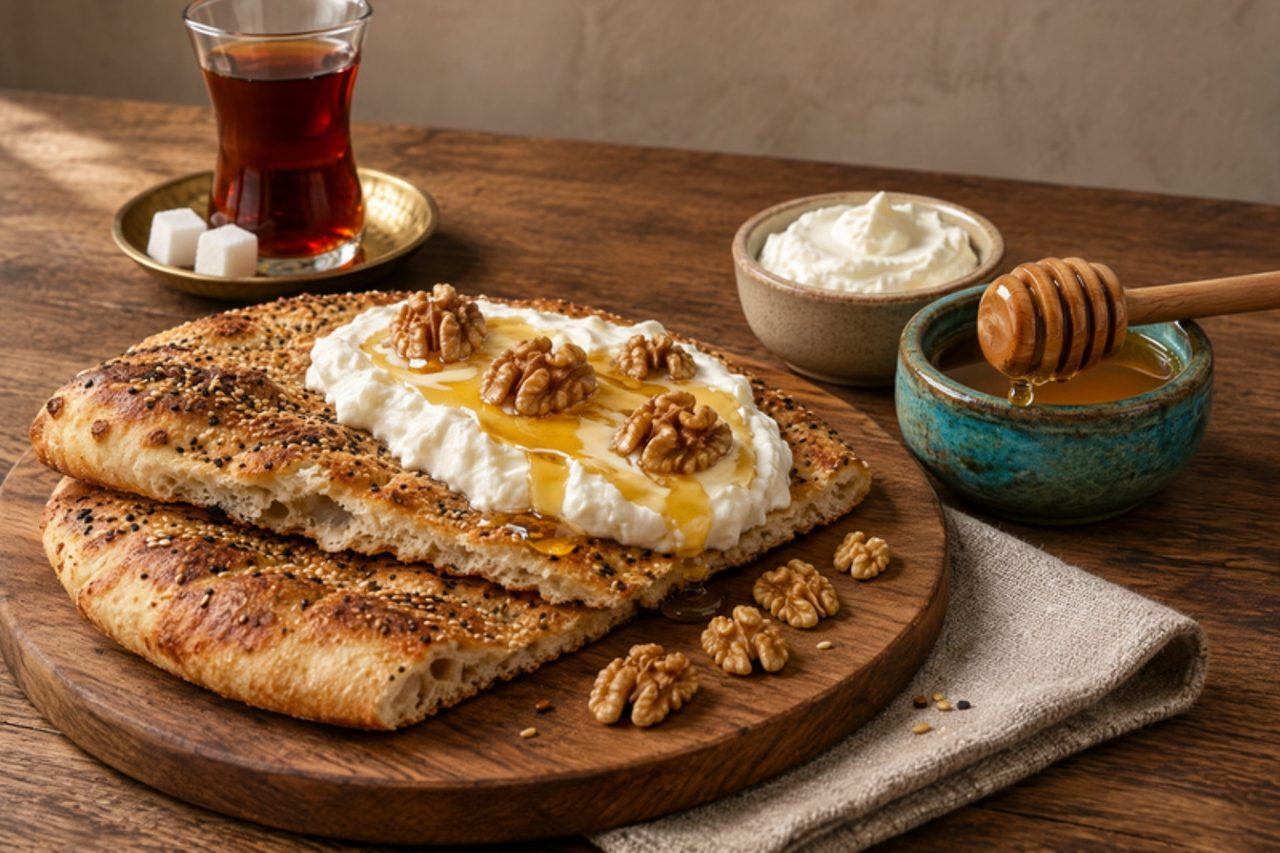
Asal-o-khamehClotted cream and honey on flatbread

On Friday mornings in Tehran and Isfahan, families queue at the bakery for hot barbari or sangak, then come home to a treat: thick clotted cream, called khameh or sarshir, drizzled with honey and scooped up with the warm bread, alongside glasses of black tea. The mistake is serving it with cold bread; the warmth is what softens the cream into the honey. Honey is not suitable for babies under one. Chef's tip: let the cream sit out for 10 minutes and spread it first, then drizzle the honey in a thin stream so you get sweet ribbons rather than a puddle.

by KrazyBadal 0 views

Sanduíche de pernil (São Paulo roast pork roll)

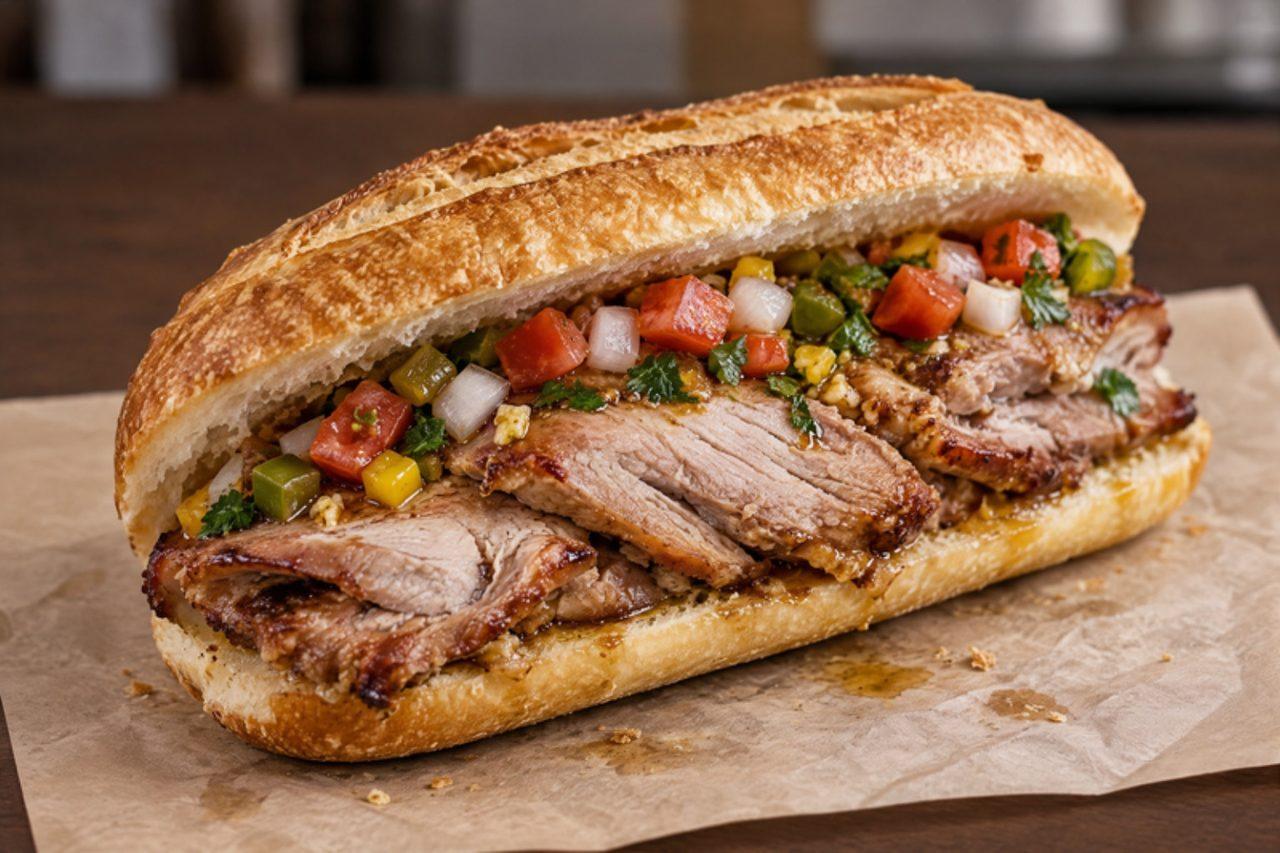
This is pork in its most loved São Paulo form: a leg marinated in garlic, lime and paprika, roasted until it falls into slices, and stuffed into a crusty pão francês. It is what fans eat outside the Pacaembu and Morumbi stadiums before a match, and the all-night bar on the Viaduto Nove de Julho has fed it to taxi drivers and night owls for decades. The meat is juicy and tangy, cut with a fresh tomato and onion vinaigrette. Chef's tip: slice the pork thin and drop it back into the roasting juices before filling the rolls; it should drip a little.

by KrazyBadal 0 views

AsierSweet dill pickled cucumbers

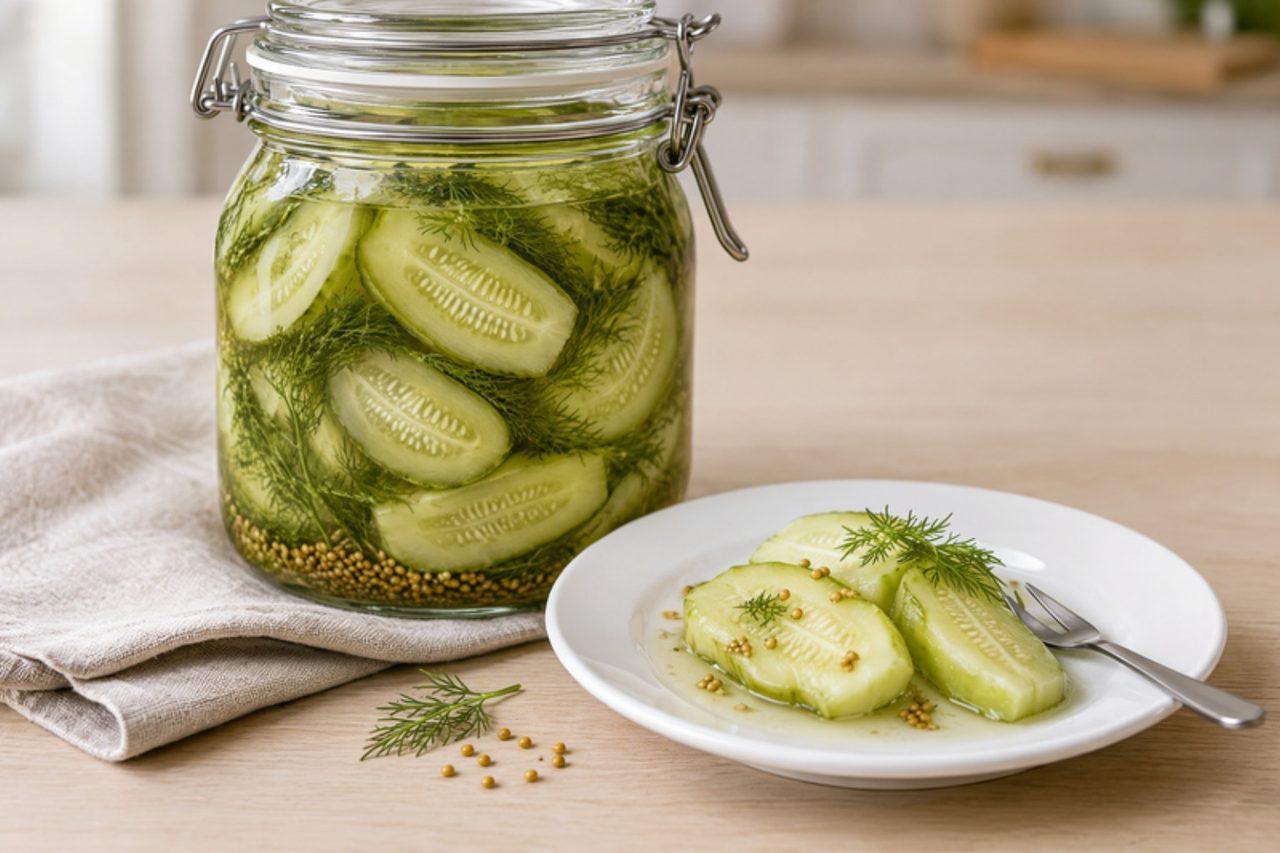
Late August in Danish allotments means the asie, a fat yellow-green cucumber left on the vine until its skin turns thick and its seeds big, and the smell of hot vinegar in every kitchen. The cucumbers are peeled, seeded and salted overnight, then sealed in jars with a sweet vinegar lage, dill crowns and mustard seeds. Asier are a fixture of the Danish table all winter: beside frikadeller, flæskesteg and roast duck at Christmas, sliced onto smørrebrød with liver pâté, and with boiled potatoes and brown gravy on any Tuesday. The pickle is crisp yet tender, sweet first and then sharply sour, with dill and mustard on the finish. Common mistake: skipping the overnight salting, which leaves watery, flabby asier that dilute the vinegar. The salt draws the water out so the cucumber stays firm. They are ready after two weeks, when the flesh has turned translucent and sweet-sour right through. Chef's tip: no asier? Use large, overgrown ridge or field cucumbers; ordinary salad cucumbers are too watery.

by KrazyBadal 0 views

Pão com linguiça (grilled sausage roll)

Outside every São Paulo football ground on match day, and above all on the streets around the Allianz Parque, carts with smoking griddles sell pão com linguiça: a coiled Tuscan-style pork sausage split open, crisped on the plate and tucked into a roll with vinaigrette and a splash of chilli sauce. It is fast, juicy and filling, eaten walking to the gate. The sausage is raw pork and must be cooked through. Chef's tip: once the sausage is nearly cooked, split it lengthwise and press it cut side down on the griddle; it browns all over and finishes cooking evenly.

by KrazyBadal 0 views

Aval kanji for babiesRice flake porridge for babies

In Tamil homes from Madurai to Chennai, aval (flattened rice, the same poha sold in every kirana shop) is one of the first grains a grandmother reaches for when a baby turns six months. The flakes are dry-roasted until they smell like puffed rice, ground to a fine powder and simmered with water into a thin, pale porridge with a gentle toasted flavour, usually given as a mid-morning feed. For babies it is made with no salt, sugar, jaggery or honey. It is free of the major allergens: no milk, egg, gluten, nuts, soya, sesame or fish. Chef's tip: roast a whole cup of aval at once, grind it and keep the powder in a dry jar for up to two weeks, so each feed takes five minutes.

by KrazyBadal 0 views

Mchuzi wa njegerePea and potato coconut curry

Mchuzi wa njegere, pea curry, is cooked in homes from Dar es Salaam to Tanga for an easy family lunch or supper, and it is a Friday favourite when families keep the meal meat-free. Green peas and potato chunks simmer in coconut milk with onion, tomato, turmeric and a mild curry powder until the potatoes are tender and the sauce is golden and creamy. Serve with chapati, plain rice or ugali. The usual mistake is boiling the curry hard once the coconut milk goes in, which makes it split and greasy. Chef's tip: add the peas last, as frozen peas need only 5 minutes and stay sweet and bright.

by KrazyBadal 0 views

Ayote en mielSquash in spiced syrup

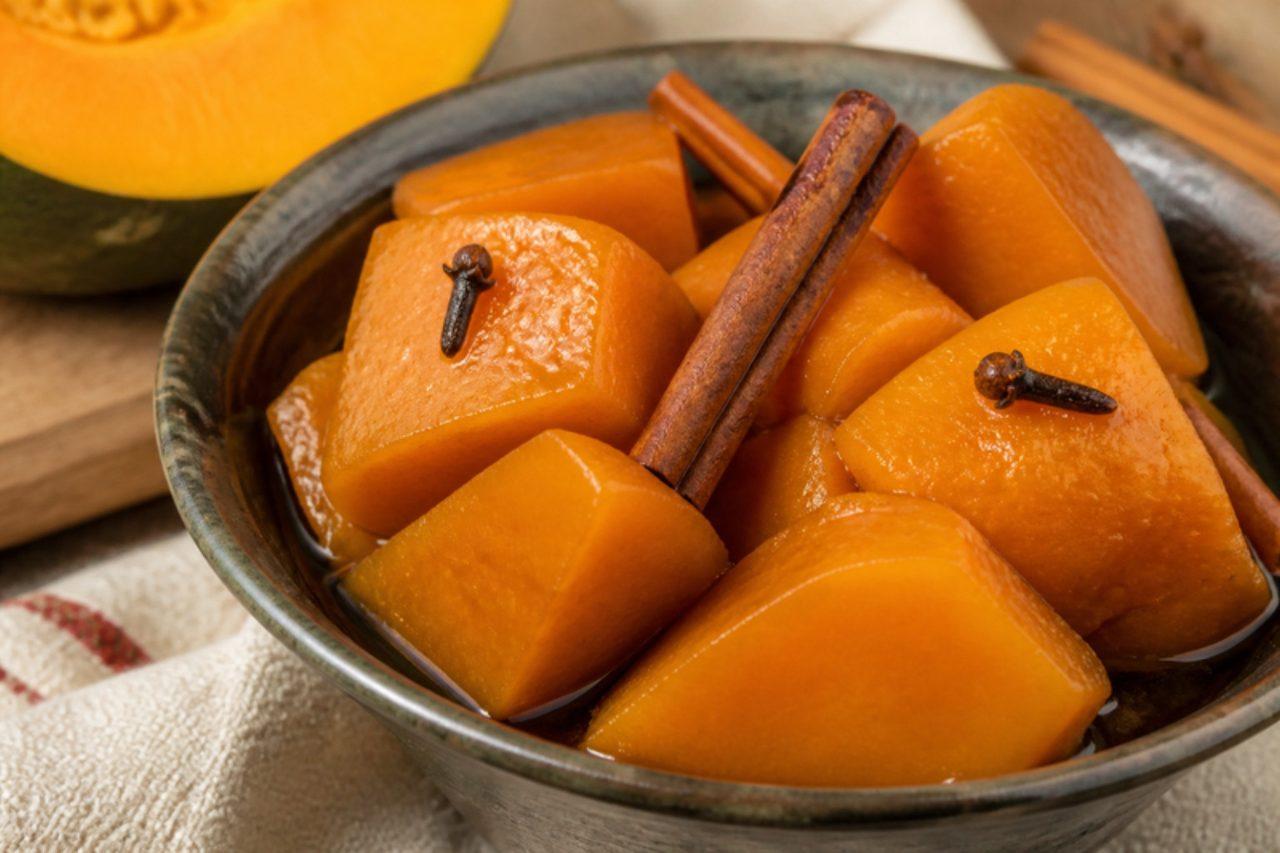
Nicaraguan grandmothers set a pot of ayote en miel on the stove on Holy Wednesday, so there is something sweet to share with neighbours right through Easter week, often alongside sweet green mango and coconut. Chunks of squash simmer in dark panela syrup with cinnamon, cloves and allspice until they are glossy and tender and the syrup tastes of caramel and spice. Stirring is the common mistake: a spoon breaks the soft squash into mush, so shake the pot instead. Chef's tip: leave the skin on the squash; it holds each piece together and turns soft enough to eat.

by KrazyBadal 0 views

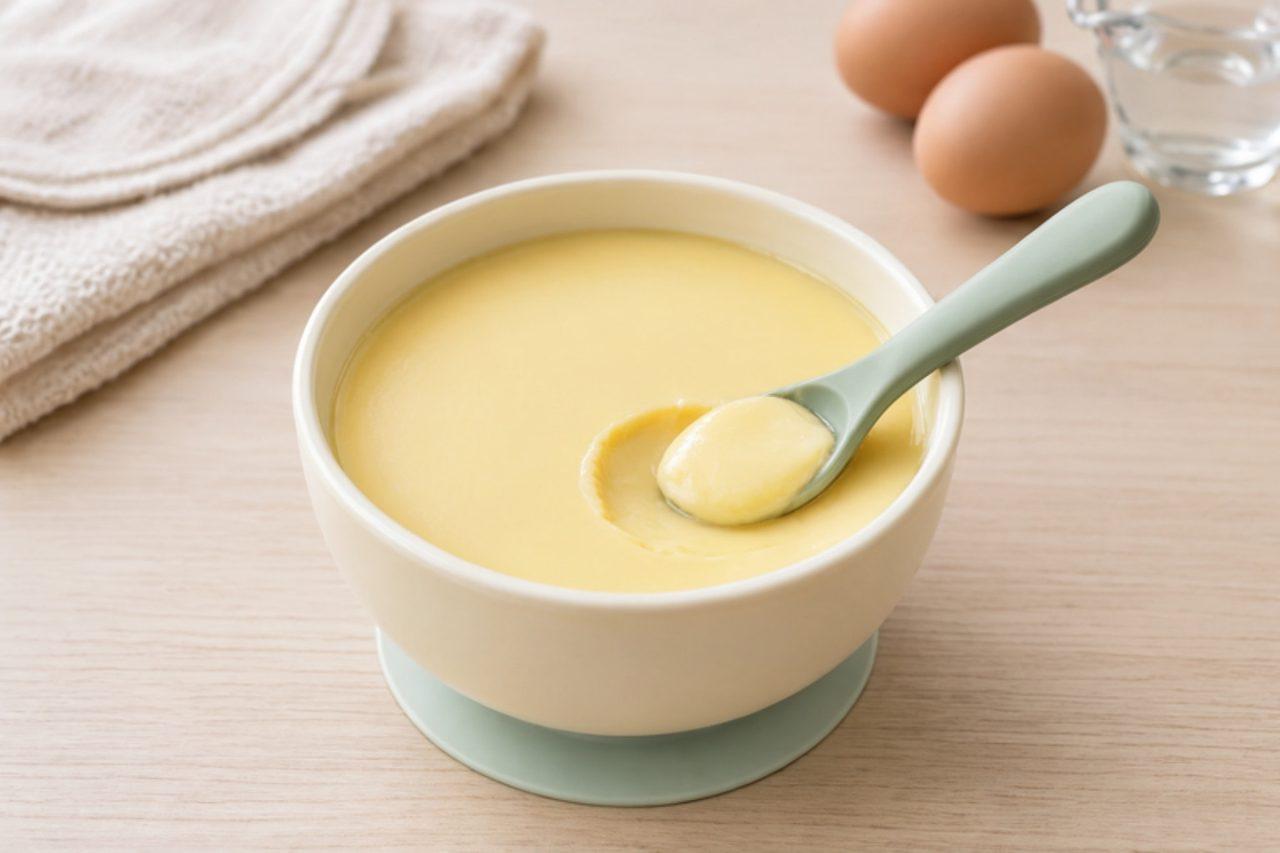
Jīdàn gēng for babies (steamed egg custard)

Jīdàn gēng, egg steamed with water into a quivering custard, is the dish Chinese grandparents everywhere from Shanghai to Guangzhou make for small children, and it is often the way a baby first meets whole egg at around nine months. The family version is finished with soy sauce, sesame oil and spring onion; this one is plain, so it tastes clean and gently eggy. Steamed slowly, it is smooth as silk and fully set. It contains egg and is free of milk, gluten, nuts, soya, sesame and fish. Chef's tip: cover the bowl with a plate while it steams; dripping condensation is what pockmarks the surface.

by KrazyBadal 0 views

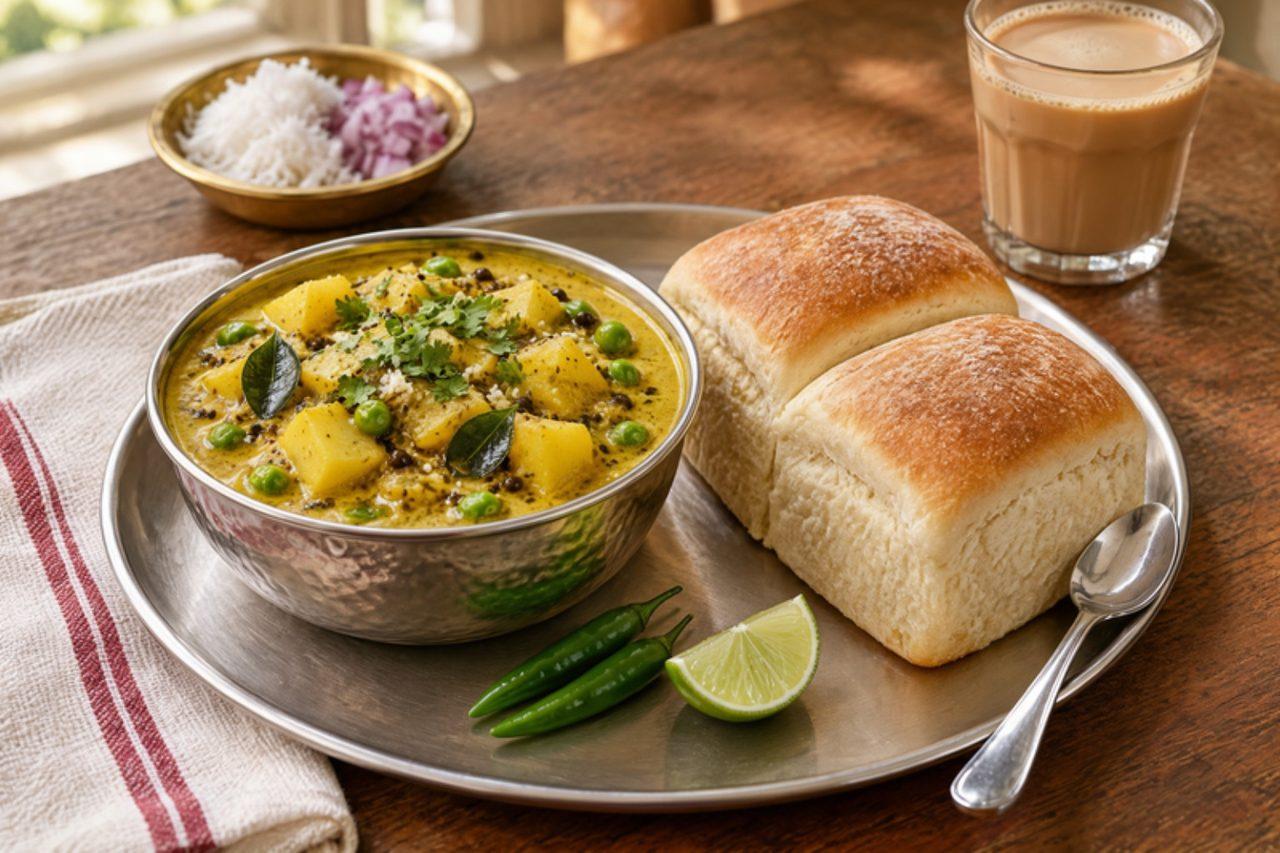
Goan bhaji paoPotato curry with bread rolls

Long before the cafés open their doors, Goan tea shops in Panaji, Mapusa and Margao are ladling out bhaji pao for workers and school children. This is not Mumbai's mashed pav bhaji: the Goan bhaji is a loose curry of potato and dried green peas in a roasted coconut masala, eaten by tearing fresh, soft pao and scooping it up, often with a cup of sweet milky tea. The mistake people make is grinding the coconut raw; it must be roasted until reddish-brown with the onion and spices, or the curry tastes flat. Chef's tip: soak the dried peas overnight and cook them separately until creamy, then they drink up the masala without going mushy.

by KrazyBadal 1 views

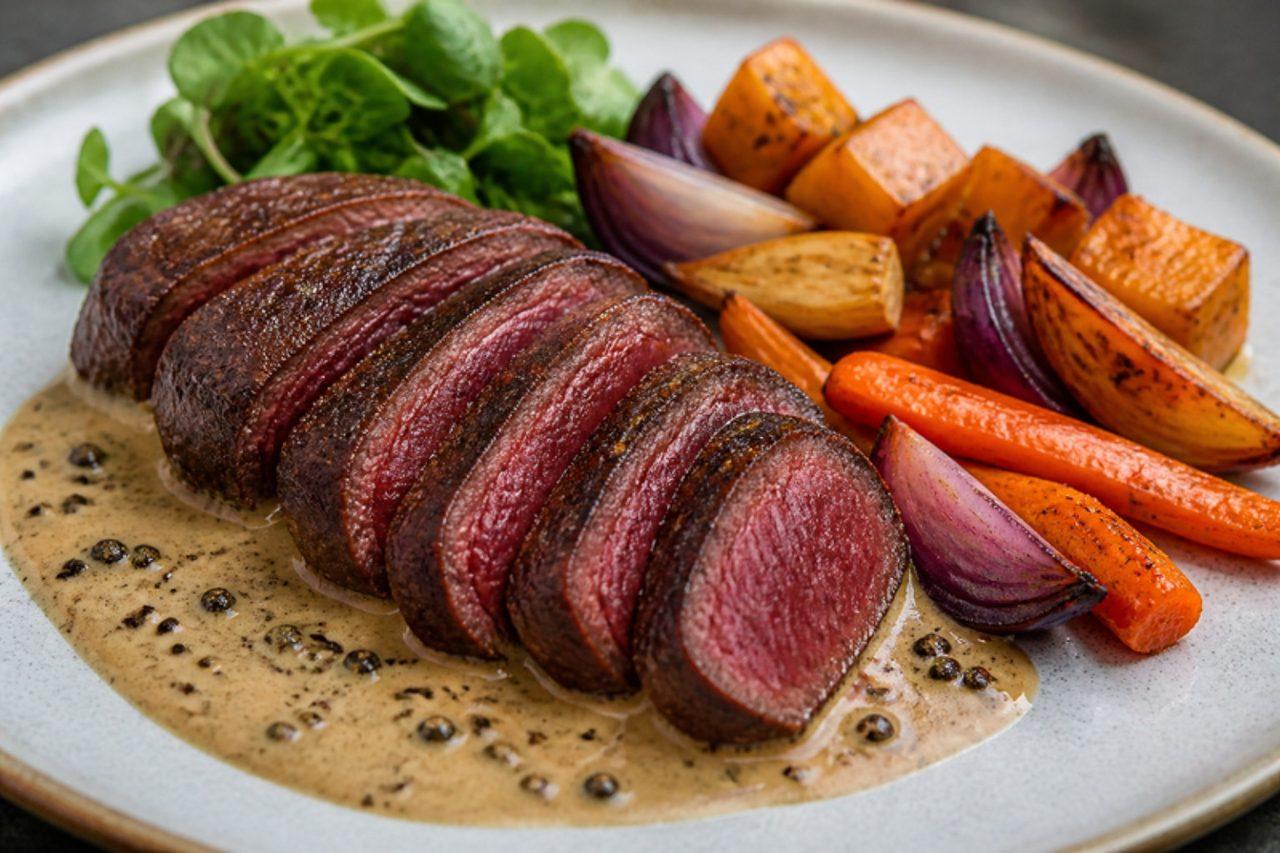
Kangaroo steak with pepperberry sauce

Kangaroo is a lean, everyday red meat in Australia, sold in supermarkets from Perth to Brisbane and loved by home cooks for its rich, slightly gamey flavour and very low fat. Here the fillets are seared hot and fast and served with a creamy sauce spiced with Tasmanian pepperberry, a native pepper with a warm, fruity heat. Because there's almost no fat, kangaroo dries out if cooked past medium. A common mistake is putting cold meat in a lukewarm pan; it stews instead of searing. Serve rare to medium-rare for best texture, but cook to at least 63 °C for pregnant women, young children and anyone with a weakened immune system. Chef's tip: rest it for as long as you cooked it.

by KrazyBadal 0 views

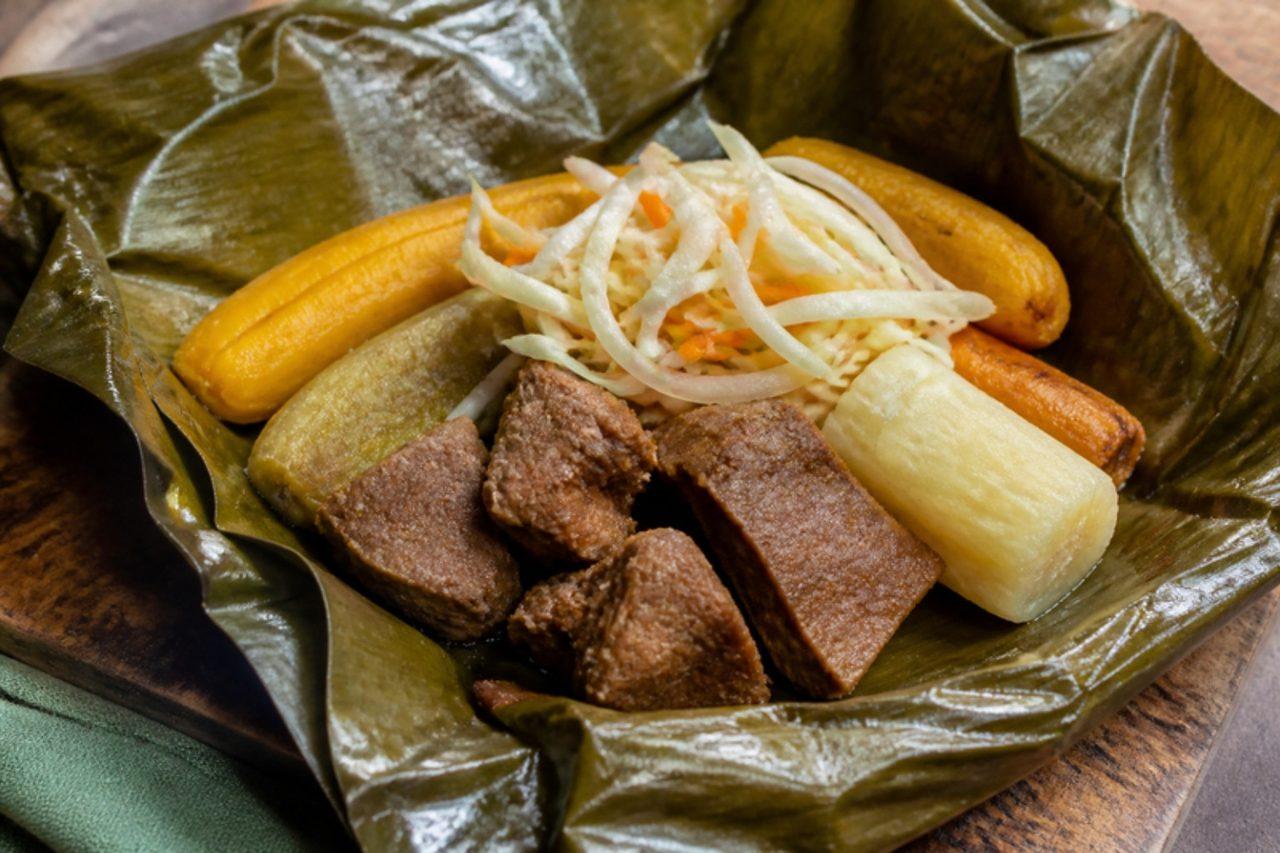
BahoSteamed beef, plantain and cassava

Baho, also spelled vaho, is the dish Nicaraguan families plan a Sunday around, especially in Granada and Managua: beef marinated overnight in sour orange and garlic, then steamed for hours in a big pot lined with banana leaves on a bed of green plantain, ripe plantain and cassava. Everything comes out tender and fragrant with the leaves, and it is served with a crunchy, vinegary cabbage salad to cut through the richness. Marinate the beef in the fridge, never at room temperature. The mistake that ruins it is letting the pot boil dry, which scorches the leaves and the plantain at the bottom; top up the water every hour. Chef's tip: keep a few banana leaves back to tuck over the top, so the steam stays trapped inside the parcel.

by KrazyBadal 0 views

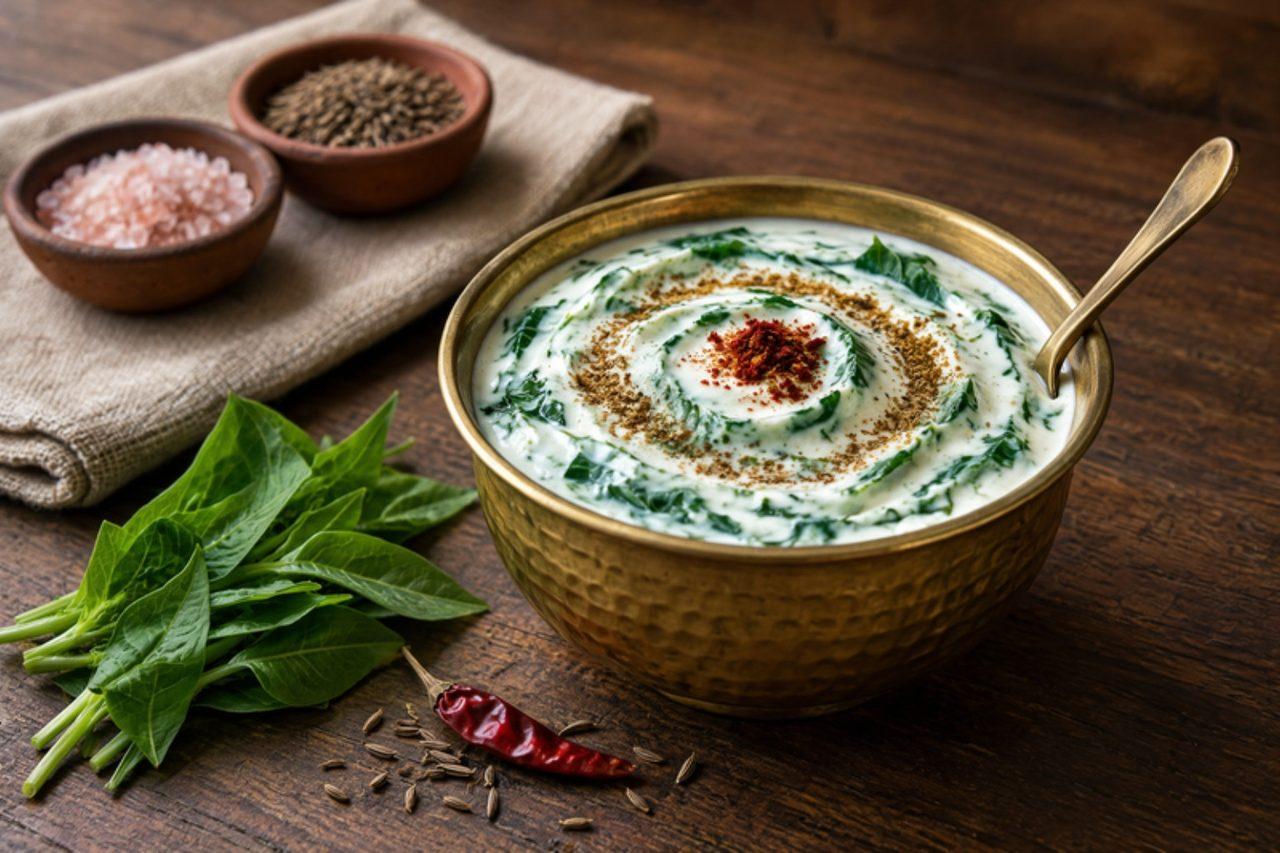
Bathua raitaChenopodium leaf yogurt

Bathua (chenopodium or lamb's quarters) grows wild in the wheat fields of western Uttar Pradesh and Haryana in winter, and from December to February families blanch it and stir it into yogurt as a cooling raita beside paratha, dal or bajra roti. The leaves are boiled briefly, chopped and folded into whisked yogurt with roasted cumin, black salt and a little green chilli, so it tastes earthy, tangy and fresh. It is suitable as part of a balanced diet. About 90 kcal and 7 g carbohydrate per portion. The usual mistake is adding the greens while they are still hot or wet, which makes the yogurt thin and grainy; squeeze them dry and cool them first. Chef's tip: grind half the blanched leaves to a paste so the raita turns an even pale green.

by KrazyBadal 0 views

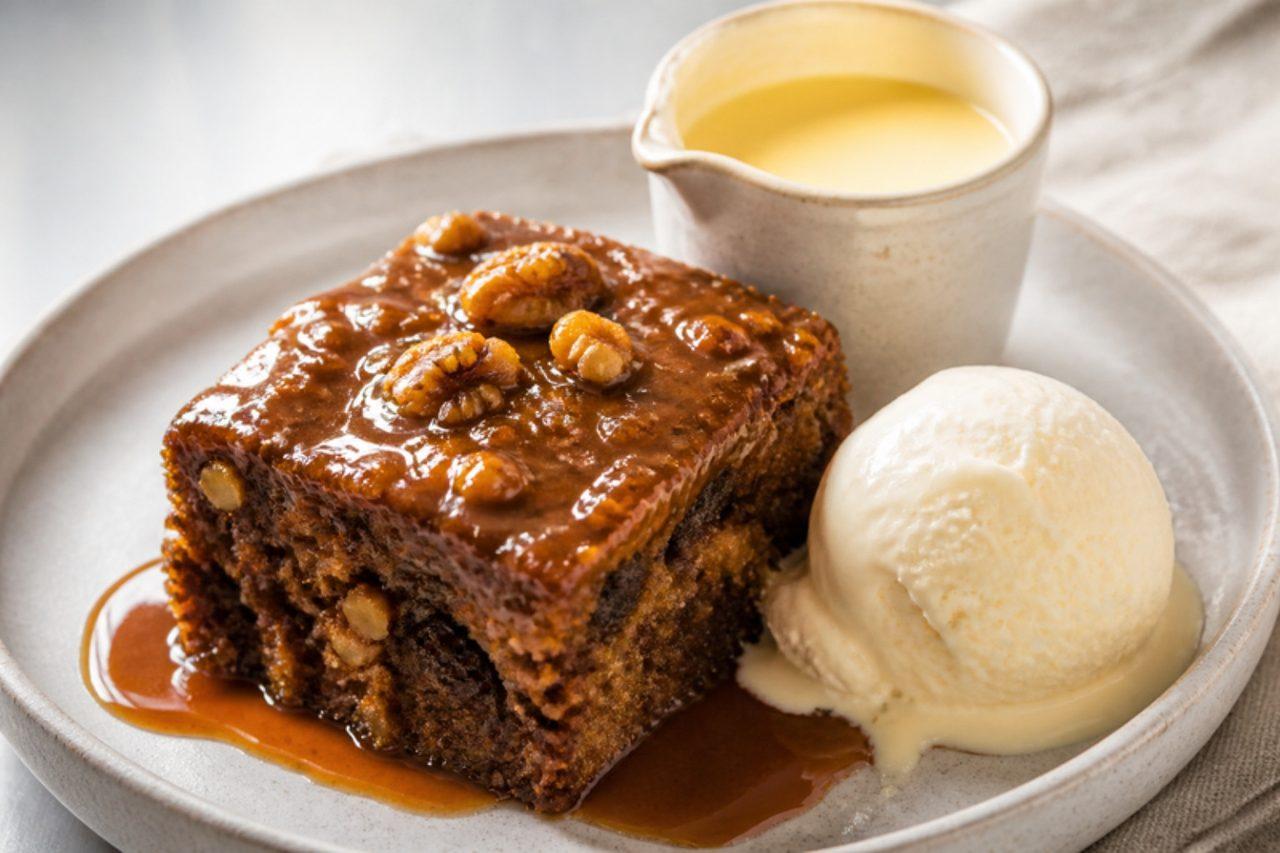
Cape brandy puddingDate and walnut brandy pudding

Sometimes called tipsy tart, this baked pudding of dates and walnuts drenched in a hot brandy and butter syrup is what Cape Town and Winelands families bring out for Sunday lunch in winter and for Christmas. It contains brandy, and because the brandy goes into the syrup off the heat most of the alcohol stays, so serve it to adults only; the ingredient note gives an alcohol-free rooibos or orange syrup for everyone else. Expect a dark, sticky, cake-like sponge that is almost wet at the bottom, with crunchy walnuts and a warm caramel and spice flavour, served with custard, cream or vanilla ice cream. The mistake is pouring the syrup over a cooled pudding, which then won't absorb it. Chef's tip: prick the hot pudding all over with a skewer and pour the hot syrup on slowly, letting each ladle sink in before adding the next.

by KrazyBadal 0 views

Showing 81 of 8,120 recipes

Show more recipes

Page 128 of 903