


Skip to content
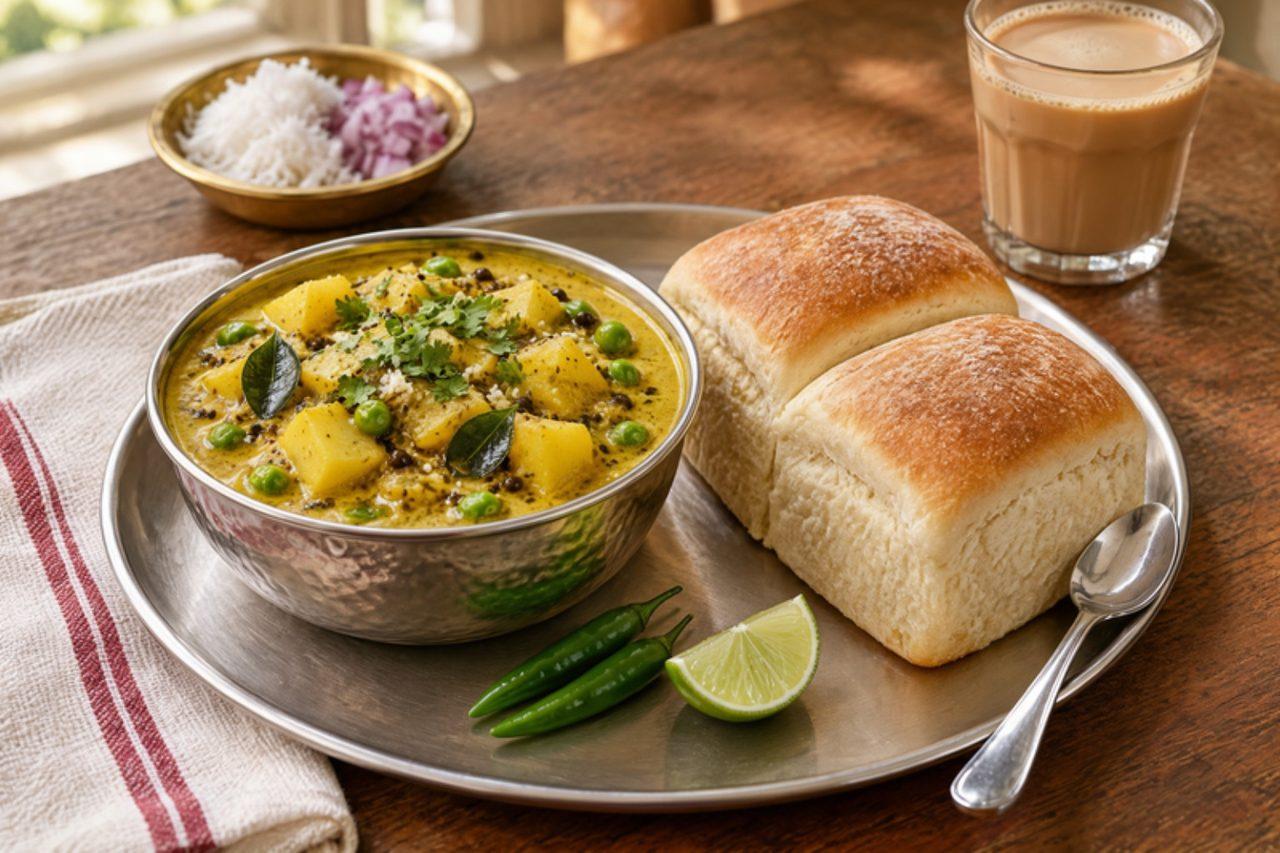
Goan bhaji pao
Featured recipe

Goan bhaji pao

Potato curry with bread rolls

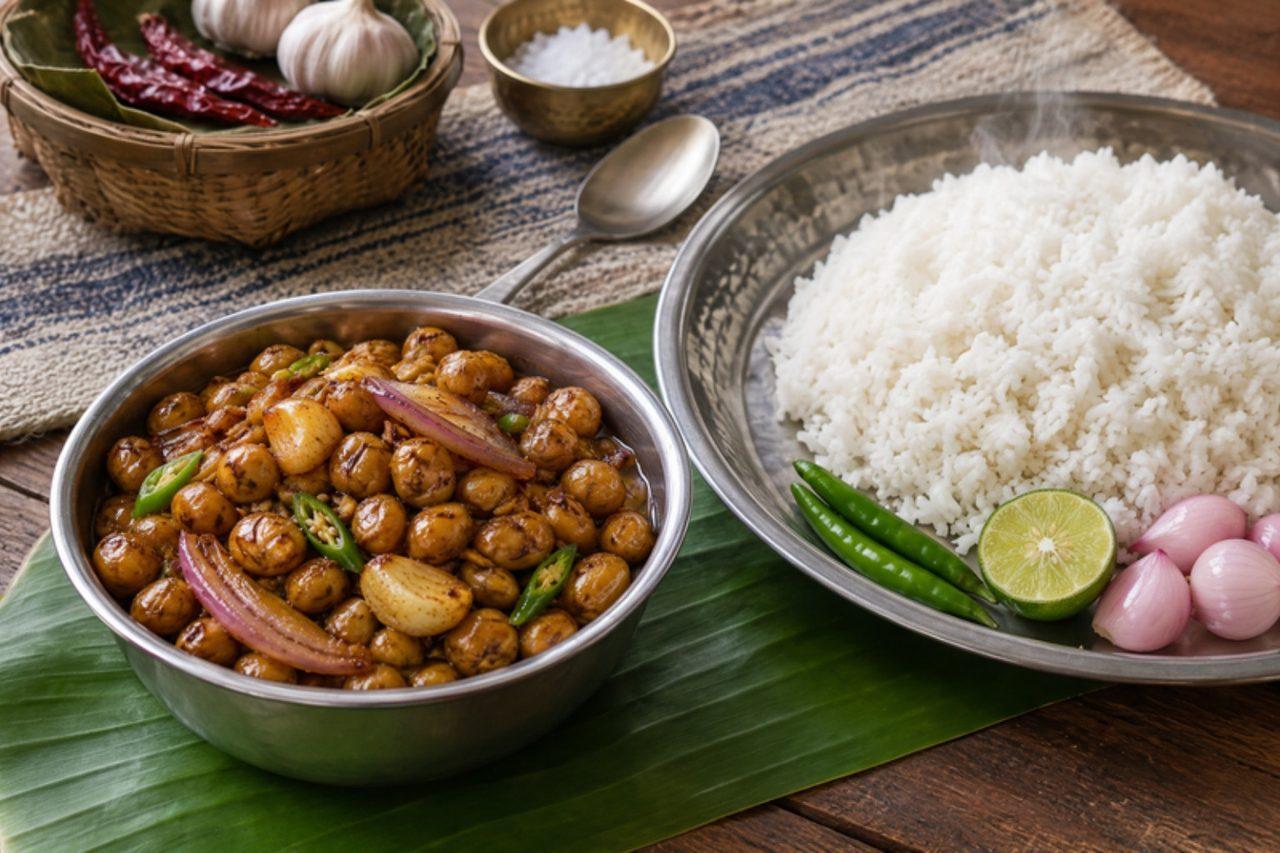
Long before the cafés open their doors, Goan tea shops in Panaji, Mapusa and Margao are ladling out bhaji pao for workers and school children. This is not Mumbai's mashed pav bhaji: the Goan bhaji is a loose curry of potato and dried green peas in a roasted coconut masala, eaten by tearing fresh, soft pao and scooping it up, often with a cup of sweet milky tea. The mistake people make is grinding the coconut raw; it must be roasted until reddish-brown with the onion and spices, or the curry tastes flat. Chef's tip: soak the dried peas overnight and cook them separately until creamy, then they drink up the masala without going mushy.

Read more 1 views

What to eat today?

Around the world

Today's trip: Persian

A new country every day, from every cuisine on the site.

Persian

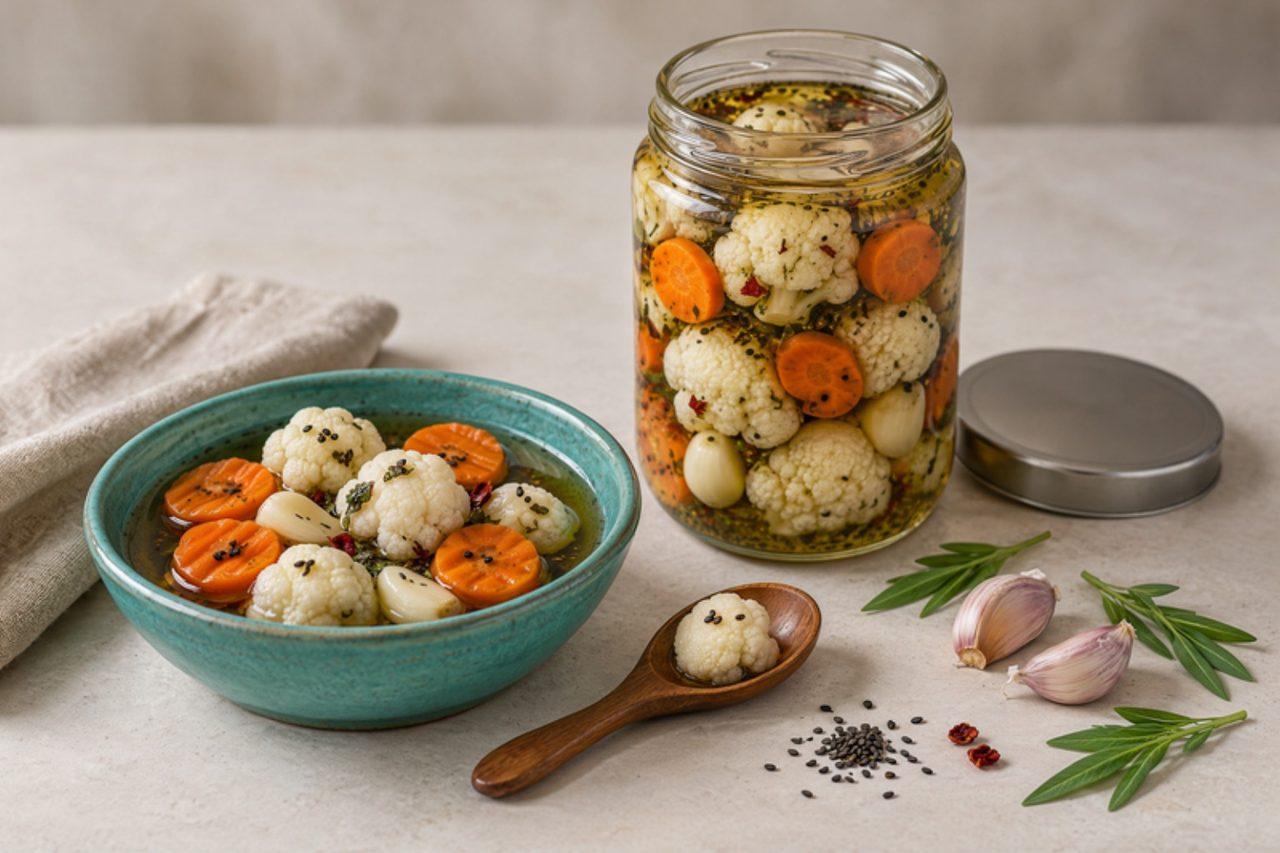
Torshi gol kalam

Cauliflower and carrot pickle 35 minMore from Persian (131) →

This week's collection

Kid-friendly dinners
541 recipes · a new collection every Monday

Latest recipes

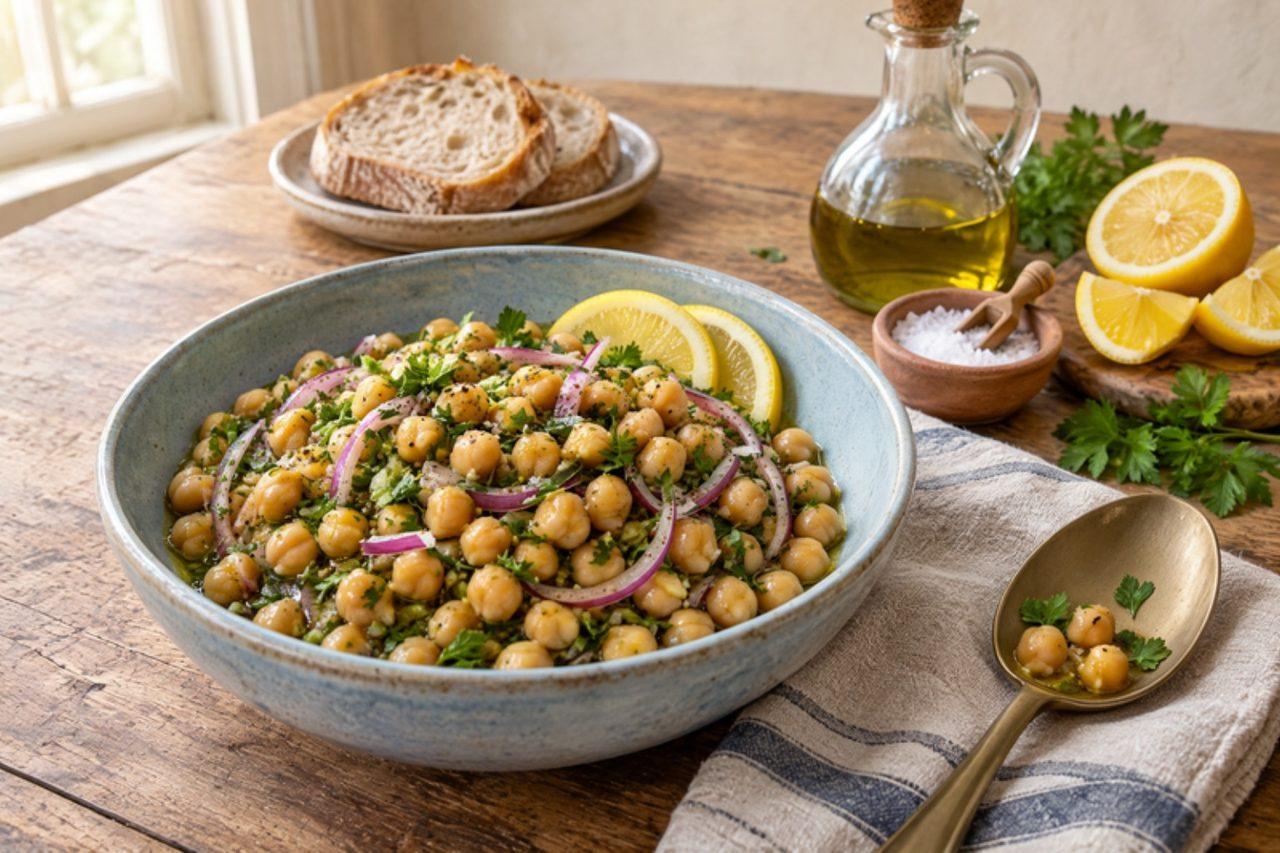
Salade de pois chichesChickpea salad

In Nice and around the old port of Marseille, chickpeas are the grain of the poor and the stuff of socca, and on hot summer days families toss them into this simple salad to eat at lunch or carry to the beach. Creamy chickpeas, sharp red onion, parsley and lemon are bound with fruity olive oil, with a few black olives and cumin in some homes. It works as a starter, a side to grilled fish or a light main. Suitable as part of a balanced diet, it is high in fibre and plant protein: about 270 kcal and 26 g carbohydrate per portion. The usual mistake is dressing cold, straight-from-the-tin chickpeas; warm them for a minute first so they drink up the dressing. Chef's tip: soak the sliced red onion in the lemon juice for 10 minutes to soften its bite.

by KrazyBadal 0 views

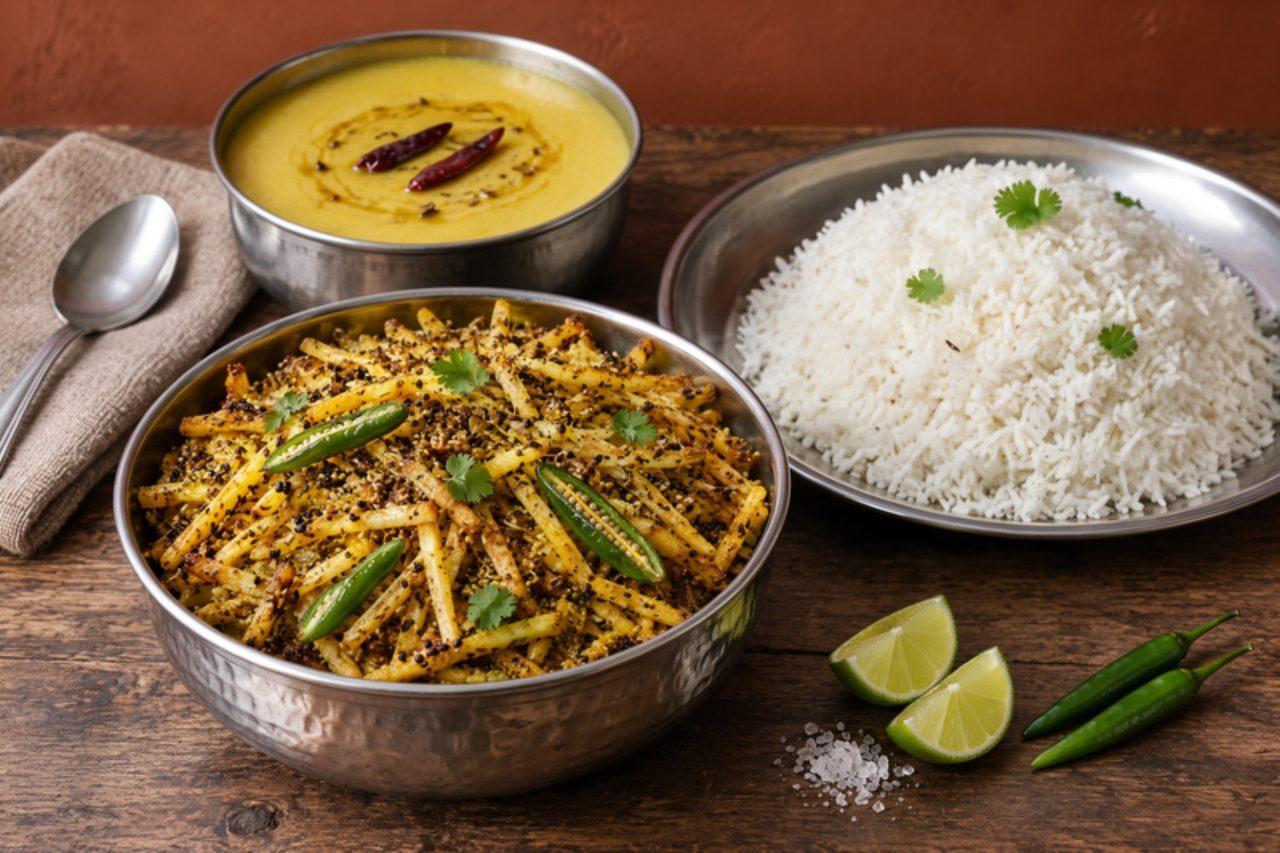
Bihari aloo bhujiaFried potato sticks

In Bihar, aloo bhujia is not the packaged snack but the everyday matchstick-potato fry that sits beside dal, bhaat and chokha on the lunch plate, cooked in mustard oil with panch phoron and a slit green chilli. Patna households make it most days of the week because it takes twenty minutes and pleases everyone. The common slip is crowding the pan and stirring too much, which turns the sticks to mash; give them room and toss gently. Chef's tip: soak the cut potatoes in cold water for 10 minutes and dry them well; washing off surface starch keeps the sticks separate and lightly crisp.

by KrazyBadal 0 views

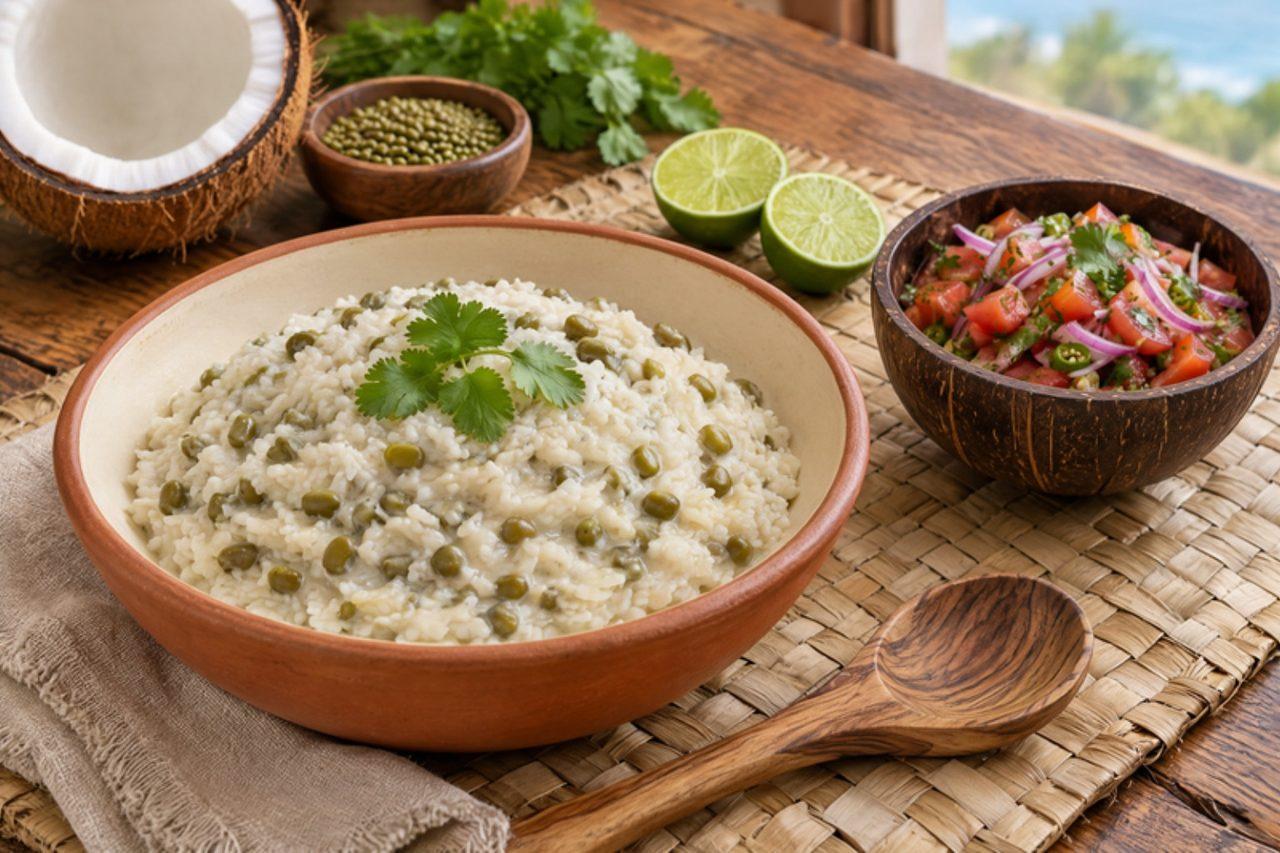
MsetoRice and green grams

Mseto, meaning 'mixture', is a staple of the Swahili coast from Mombasa to Lamu and Zanzibar, often eaten at lunch or for breaking the fast in Ramadan. Rice and green grams (whole mung beans) cook together in coconut milk with onion and a little turmeric until soft, fluffy and gently creamy. It is served beside a vegetable or bean curry, a kachumbari salad and a squeeze of lime. The usual mistake is adding the rice before the green grams are tender, so the rice turns mushy while the beans stay hard. Chef's tip: once the rice is in, cover the pot tightly and leave it on the lowest heat without lifting the lid, so the rice steams evenly.

by KrazyBadal 0 views

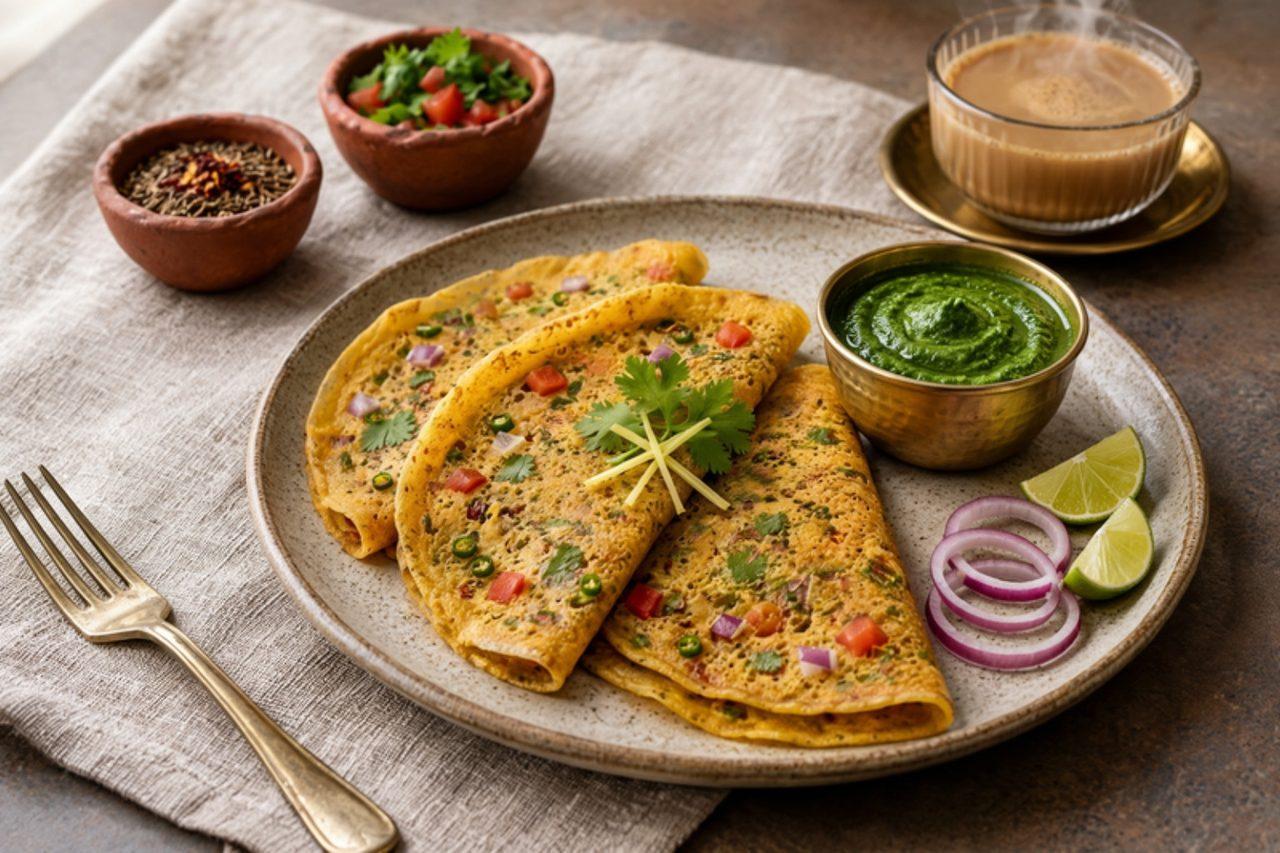
Besan chillaGram flour pancakes

Across North India, besan chilla is the answer when the tiffin needs packing in fifteen minutes: a pourable gram flour batter studded with onion, tomato, chilli and coriander, cooked thin on a tawa, then rolled up with chutney or ketchup. It is naturally egg-free and filling. The common mistake is a thick batter, which gives a heavy, raw-tasting pancake; it should flow like single cream. Chef's tip: spread the batter with the back of a ladle in quick circles from the centre outward, and cover the pan for the first minute so the top steams set.

by KrazyBadal 0 views

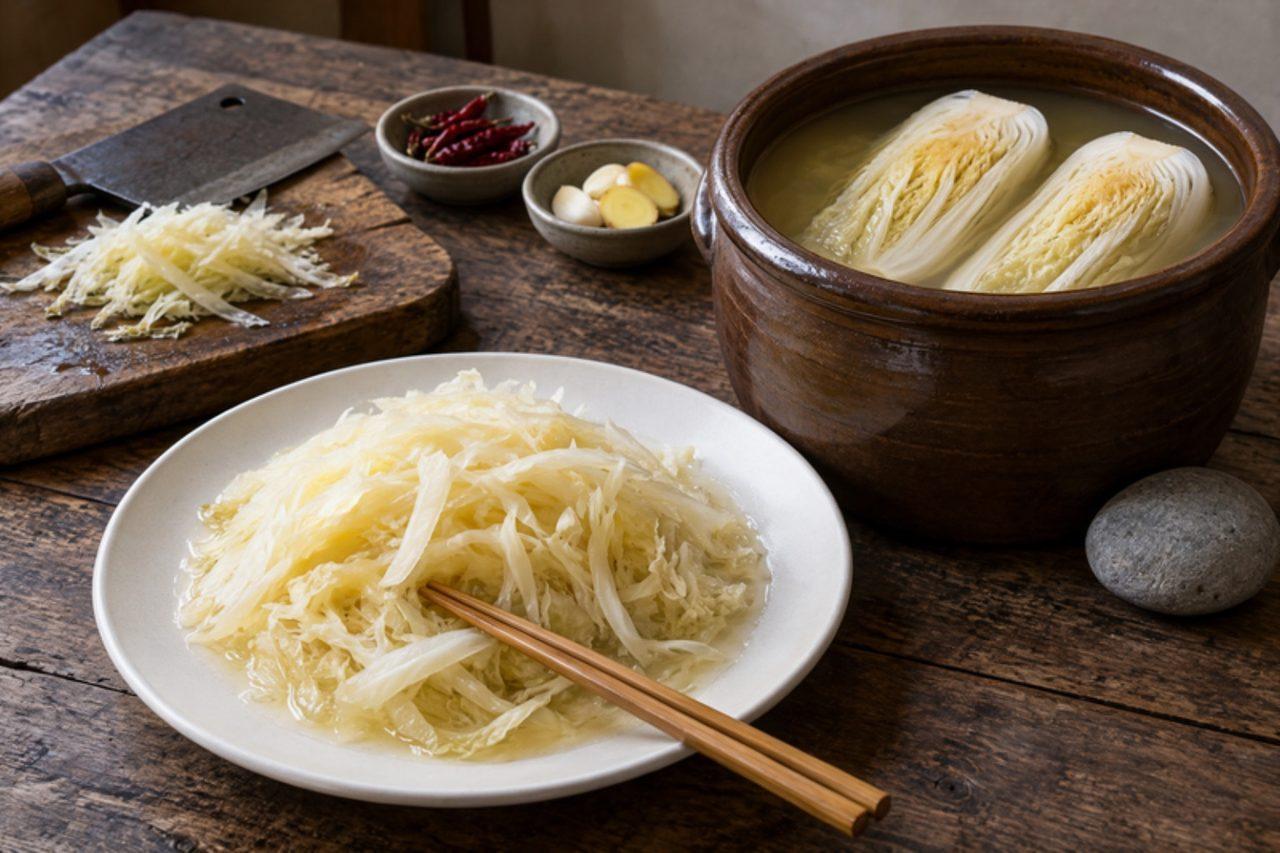
Dongbei suan caiFermented napa cabbage

In Harbin, Changchun and Shenyang, late October is when families buy napa cabbage by the cartload, scald it, and pack it head to tail into big glazed crocks on the balcony, weighed down with a smooth river stone. A month later, as winter sets in, it has become suan cai: pale, almost translucent leaves with a clean, lactic sourness and a soft crunch at the rib. It is shredded into suan cai bai rou (sour cabbage with pork belly), stuffed into dumplings for Spring Festival and simmered in hot pots through the long winter. Common mistake: fermenting somewhere warm; above about 20 °C the cabbage softens and can go slimy, so use the coolest spot you have. Normal signs are fine bubbles, a cloudy brine and a sharp sour smell; a flat white film (kahm yeast) can be skimmed off. Fuzzy coloured mould, pink or black patches, or a putrid smell mean discard the lot. Do not eat it before 3 weeks: it is ready when the leaves are uniformly pale yellow-green and taste fully sour. Then keep it in the brine in the fridge for 2 months. Chef's tip: rinse and squeeze the shreds before cooking to soften the sourness.

by KrazyBadal 0 views

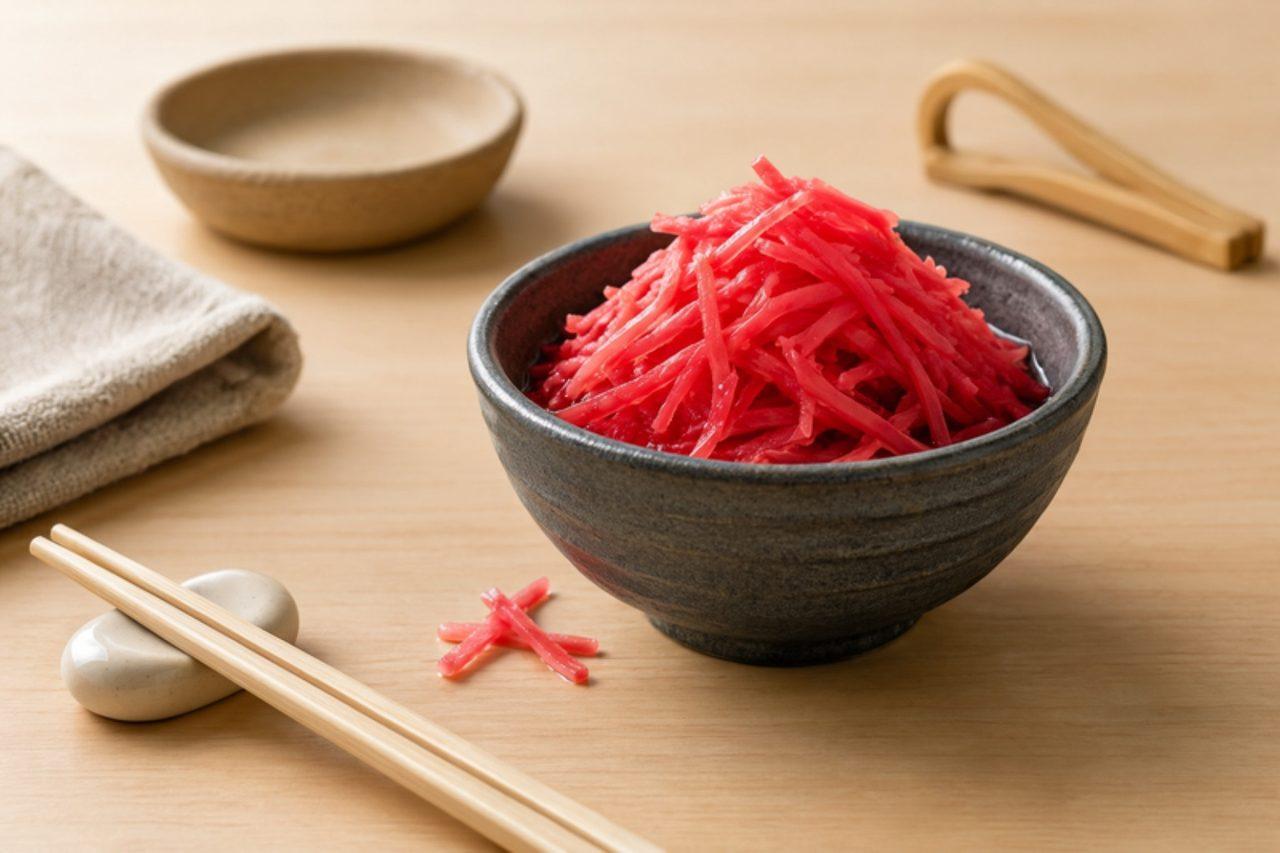
Beni shogaRed pickled ginger

Beni shoga is the bright pink tangle you see on Osaka street food: piled beside yakisoba, scattered on okonomiyaki, folded into takoyaki batter and heaped on a bowl of gyudon at lunchtime. Kansai cooks make it in early summer, when umeboshi plums finish salting and leave behind red umezu, the salty, sour, shiso-coloured plum vinegar that both cures and dyes the ginger. The result is crunchy, sharp and salty, with a clean ginger heat and none of the sweetness of sushi gari. Young summer ginger gives the most tender threads; mature ginger works but is hotter and more fibrous, so cut it thinner. If you cannot find red umezu, use rice vinegar with salt and a slice of raw beetroot for colour (see the note). The common mistake is skipping the salting and drying: wet ginger dilutes the umezu and turns soft and dull. Squeeze it and let it dry so it drinks up the vinegar. It is ready when the threads are evenly rosy right through and taste salty-sour rather than raw. Chef's tip: save the pink vinegar left in the jar; a spoonful in potato salad or rice for onigiri is excellent.

by KrazyBadal 0 views

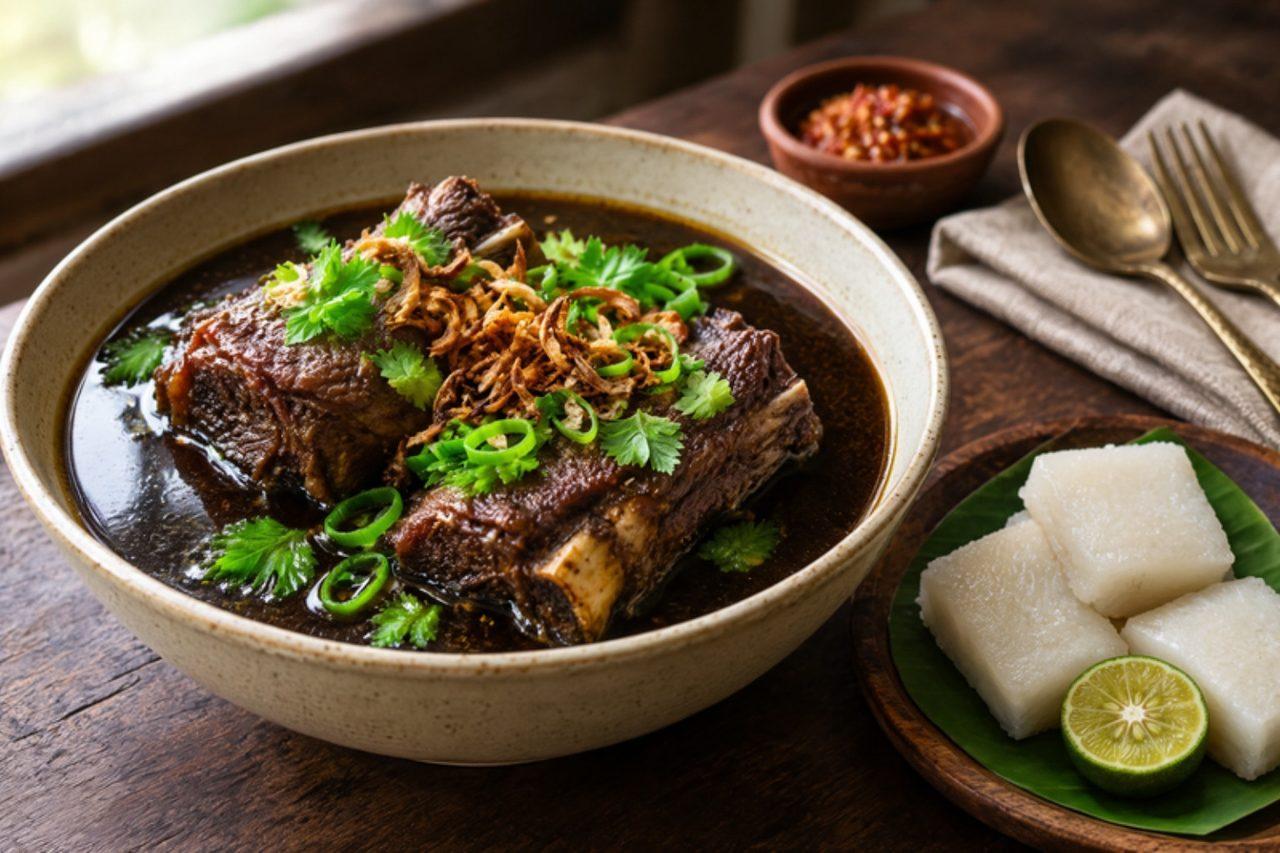
Sop konroBeef rib soup

Sop konro is the pride of Makassar in South Sulawesi, where warung near the harbour serve big bowls of beef ribs in an almost black broth from lunchtime into the night, often with burasa (rice cooked in coconut milk) or plain rice. The colour and earthy, chocolatey depth come from keluak (kluwek) nuts, simmered with a paste of shallots, garlic, ginger, galangal, toasted coriander seed and candlenut until the rib meat slides off the bone. The usual mistake is using raw keluak: the nuts are only safe after long fermentation, so buy them ready-prepared from an Indonesian shop, and discard any that smell sour or are dry inside. A pressure cooker gets the ribs tender in 50 minutes. Chef's tip: toast the coriander seeds until they crackle before grinding; they carry the whole soup.

by KrazyBadal 0 views

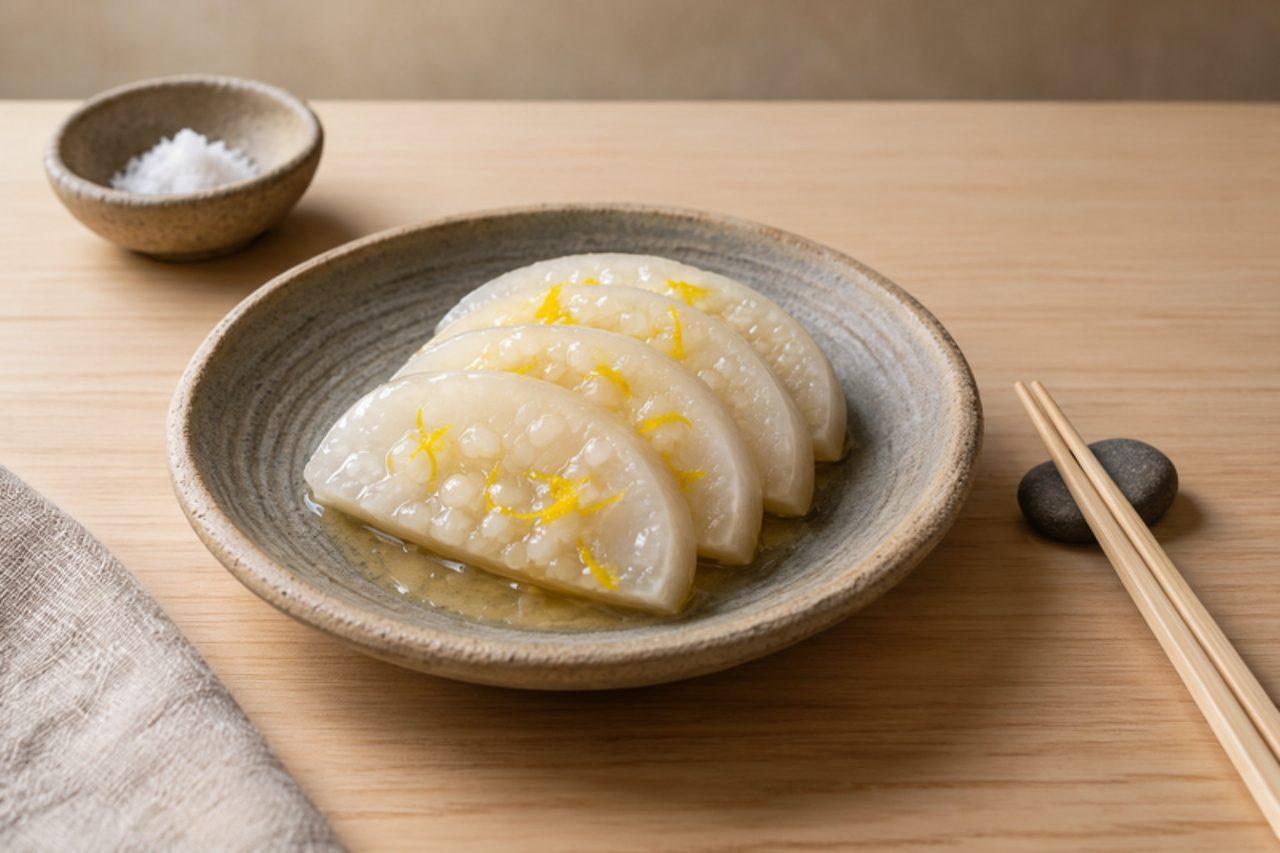
BettarazukeSweet koji-cured daikon

Every 19 and 20 October, the lanes around Takarada Ebisu Shrine in Nihonbashi fill with stalls for the Bettara-ichi, Tokyo's old pickle fair, where vendors hold up whole daikon dripping with rice koji and passers-by try not to get 'bettari', sticky. The pickle has been an Edo favourite since the 1700s: daikon salted, then buried in amazake, the sweet porridge that koji makes from rice. It tastes mild, sweet and fresh, with a clean crunch and a faint fermented, sake-lees perfume, which makes it a favourite with children and a pause between salty dishes. Bettarazuke is low in salt and acid, so it lives in the fridge from start to finish. The common mistake is adding the daikon while the amazake is still warm: it cooks the surface and softens the crunch, so cool it fully. It is ready when the daikon is translucent at the edges, juicy, and the koji coating tastes sweet with a light tang. Chef's tip: make the amazake in a rice cooker on keep-warm with the lid ajar and a cloth over it, so it holds about 60 °C; a thermometer helps the first time.

by KrazyBadal 0 views

Ssanghwa-cha (herbal tonic tea)

Ssanghwa-cha is the strongest thing on the menu of an old Korean dabang. From the 1960s these smoky tea rooms served it in thick ceramic cups, dark as coffee, with pine nuts, slivered jujube and walnut floating on top; in winter some still slide a raw egg yolk in, which this recipe leaves out. The brew comes from Korean herbal tradition, where ssanghwa-tang is drunk to warm up and recover from tiredness after hard work or a cold. It tastes earthy and bitter at first, then sweet from licorice and jujube, with warmth from cinnamon and ginger and a celery-like perfume from angelica. Herbal shops sell the roots in pre-measured packs. The common mistake is boiling it hard: the liquid reduces too fast and turns harsh. Keep a gentle simmer with the lid ajar for two hours. It is ready when it is very dark brown, reduced to about a third and smells of cinnamon and roots. Because it contains licorice and angelica, skip it if you are pregnant or breastfeeding, have high blood pressure, or take blood thinners or other medicines unless your doctor agrees. Chef's tip: a second, lighter brew from the same roots is good with honey.

135 minKoreanDrinksVeganGluten free
by KrazyBadal 0 views

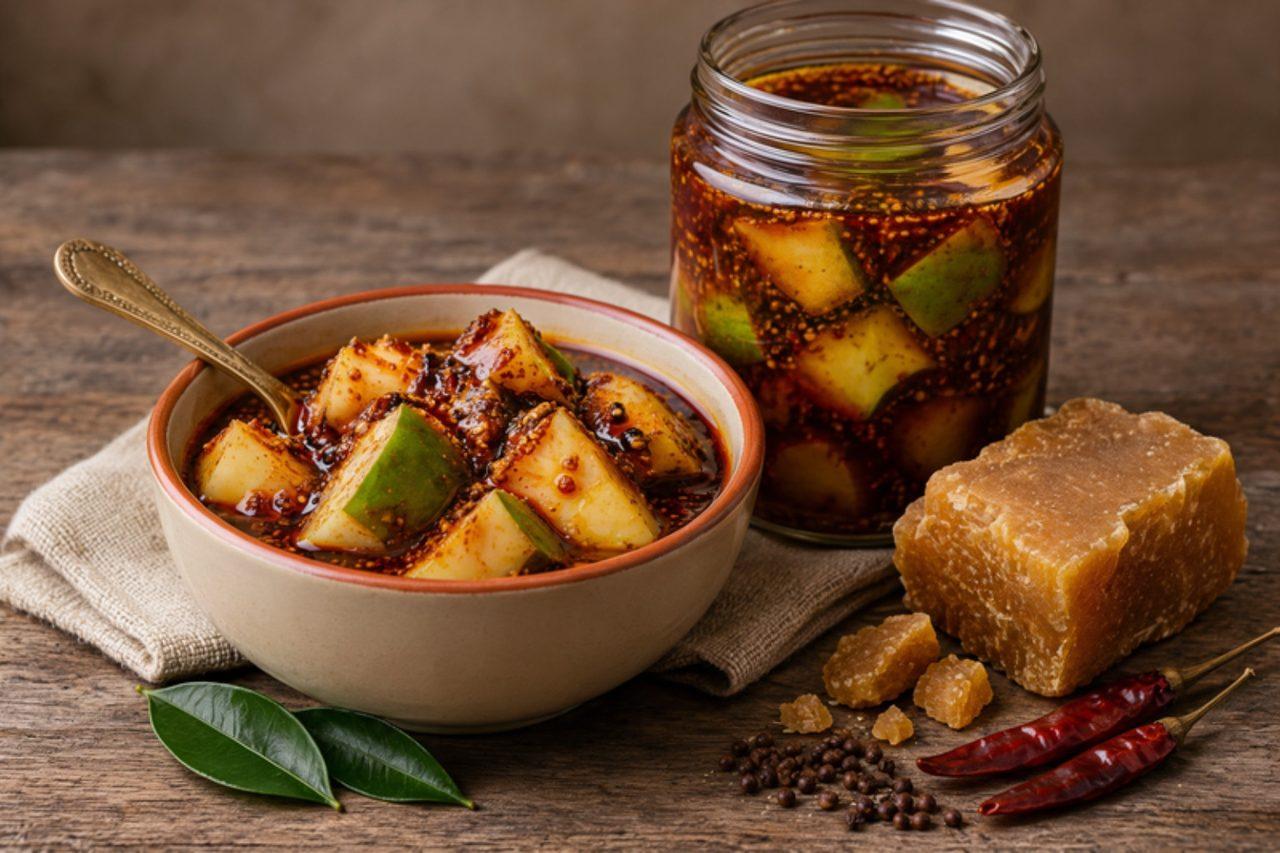
Bellam avakayaSweet raw mango pickle

In the Godavari districts of coastal Andhra, the same May afternoon that produces a jar of fiery avakaya usually produces a second jar of bellam avakaya for the children and anyone who likes it sweet. The mangoes are hacked into chunks with their skin and the hard shell of the stone still attached, then tossed with chilli, mustard powder, salt and plenty of grated jaggery. Over three or four days the jaggery melts into a dark, glossy syrup that clings to every piece. It tastes sweet first, then the mustard catches the nose and the chilli warms the back of the throat; the mango stays firm and sour. Eat it with pesarattu, dosa, chapati or curd rice. The salt is about 8% of the mango weight and the fruit is acidic, so it keeps all year under oil in a dry jar. Common mistake: cutting the mangoes wet or leaving sap and water on them; any moisture invites mould, so dry each piece with a cloth. It is ready when no jaggery grains remain and a film of oil rises to the top. Chef's tip: wipe off the milky sap at the stalk end before cutting; it stings the skin and tastes bitter.

by KrazyBadal 0 views

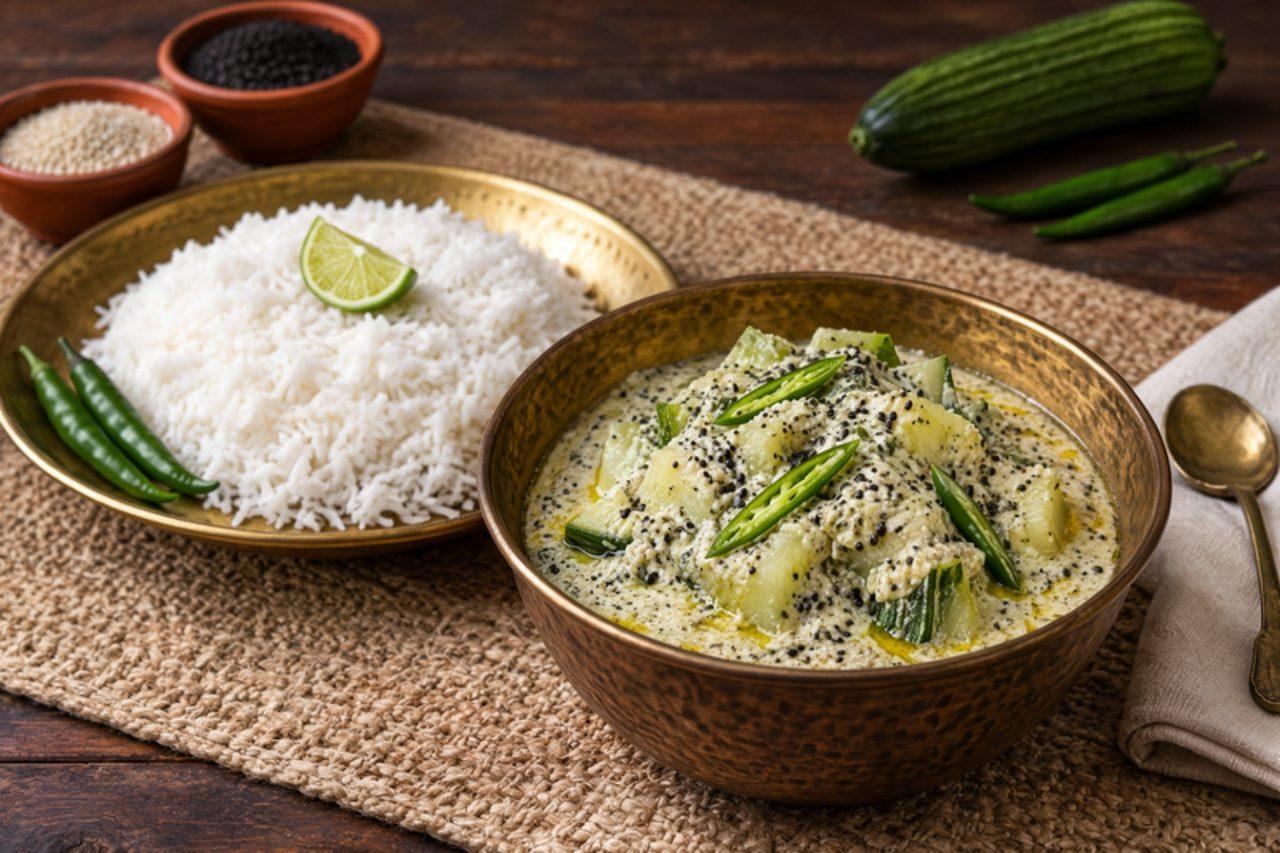
Jhinge postoRidge gourd with poppy seeds

Jhinge posto is a summer staple of West Bengal and especially the Bankura and Birbhum districts, where poppy seed (posto) goes into almost every everyday lunch. Ridge gourd is cooked in its own juices with nigella seeds and green chilli, then coated in a creamy paste of ground white poppy seeds, giving a mild, nutty, slightly sweet dish. Serve it with rice and dal, or with a millet roti for a lower-GI plate. It is suitable as part of a balanced diet. About 150 kcal and 9 g carbohydrate per portion. The usual mistake is adding water: the gourd releases plenty, and extra water makes the posto runny. Chef's tip: soak the poppy seeds in hot water for 20 minutes before grinding so the paste is smooth, not gritty.

by KrazyBadal 0 views

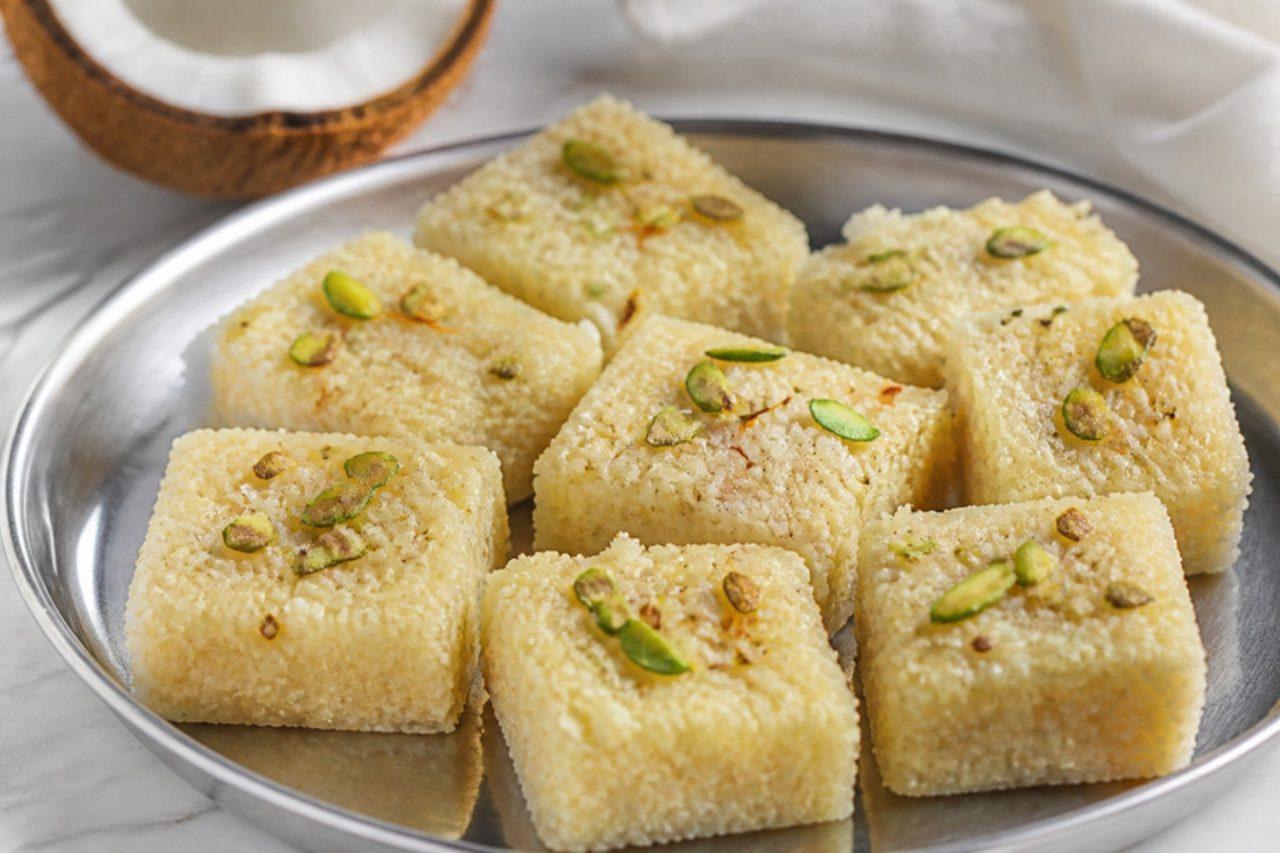
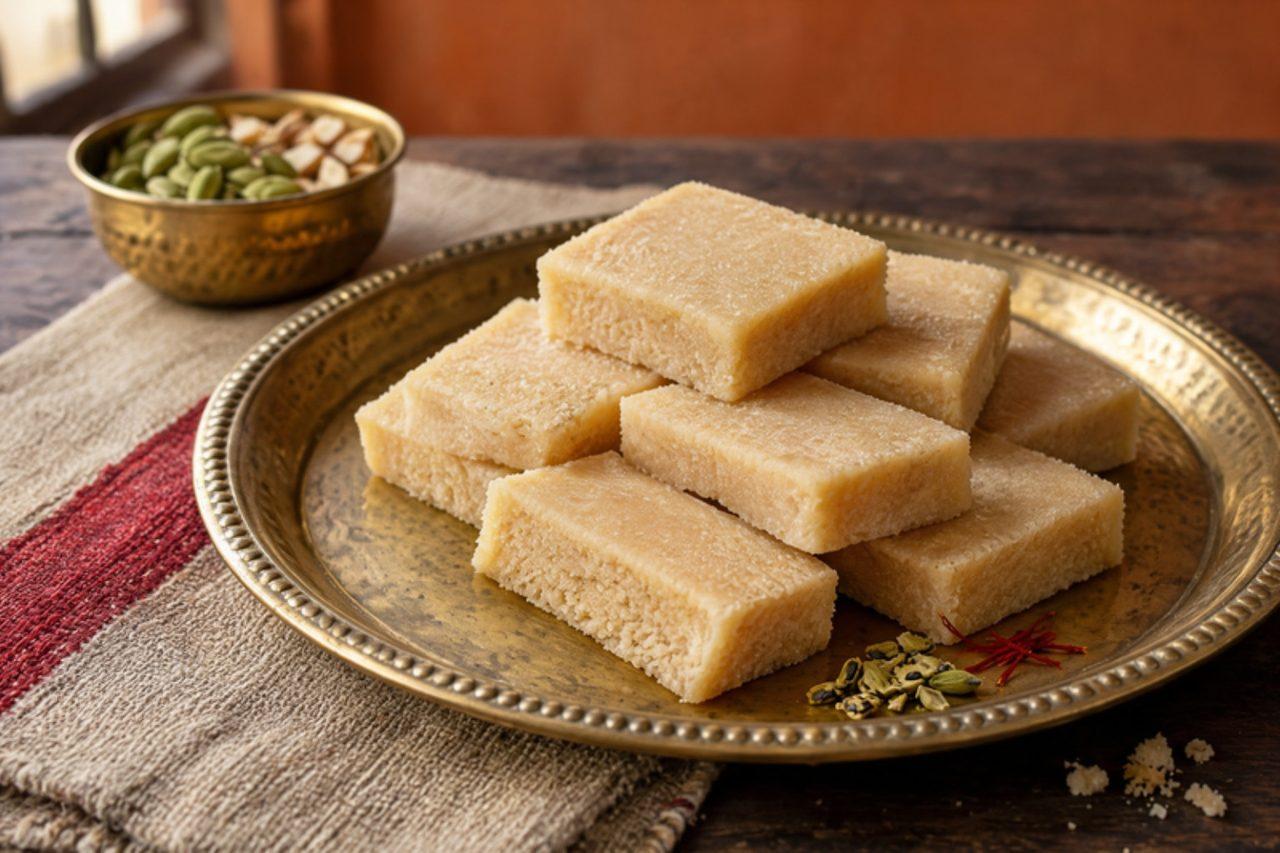
BelgramiChewy fresh cheese sweet

Belgrami belongs to Udwantnagar in Bihar's Bhojpur district, where sweet makers have cooked it for generations and travellers buy boxes on the way through. Fresh chhena is cooked down with sugar until it firms into a dense, slightly chewy, pale cream block with a gentle caramel note, then cut into pieces. It keeps for days, which makes it a favourite gift at weddings and Chhath. The common mistake is stopping too early: it must cook until the mass pulls into one lump and no longer sticks to the pan, or the pieces stay soft and weep. Chef's tip: use chhena from full-fat cow's milk and hang it for an hour, so it is dry enough to cook down quickly.

by KrazyBadal 0 views

Melting momentsLemon buttercream sandwich biscuits

Melting moments are the soft, crumbly biscuits found in Australian and New Zealand bakery jars and grandmother's tins, two rounds made with custard powder and icing sugar sandwiched with a lemon butter icing. The custard powder gives them their yellow colour and tender, short texture that melts in the mouth, hence the name. A common mistake is overbaking; they should be pale, not golden. Chef's tip: press each ball with a floured fork for the classic stripes.

by KrazyBadal 0 views

Bellam paramannamRice and moong dal jaggery pudding

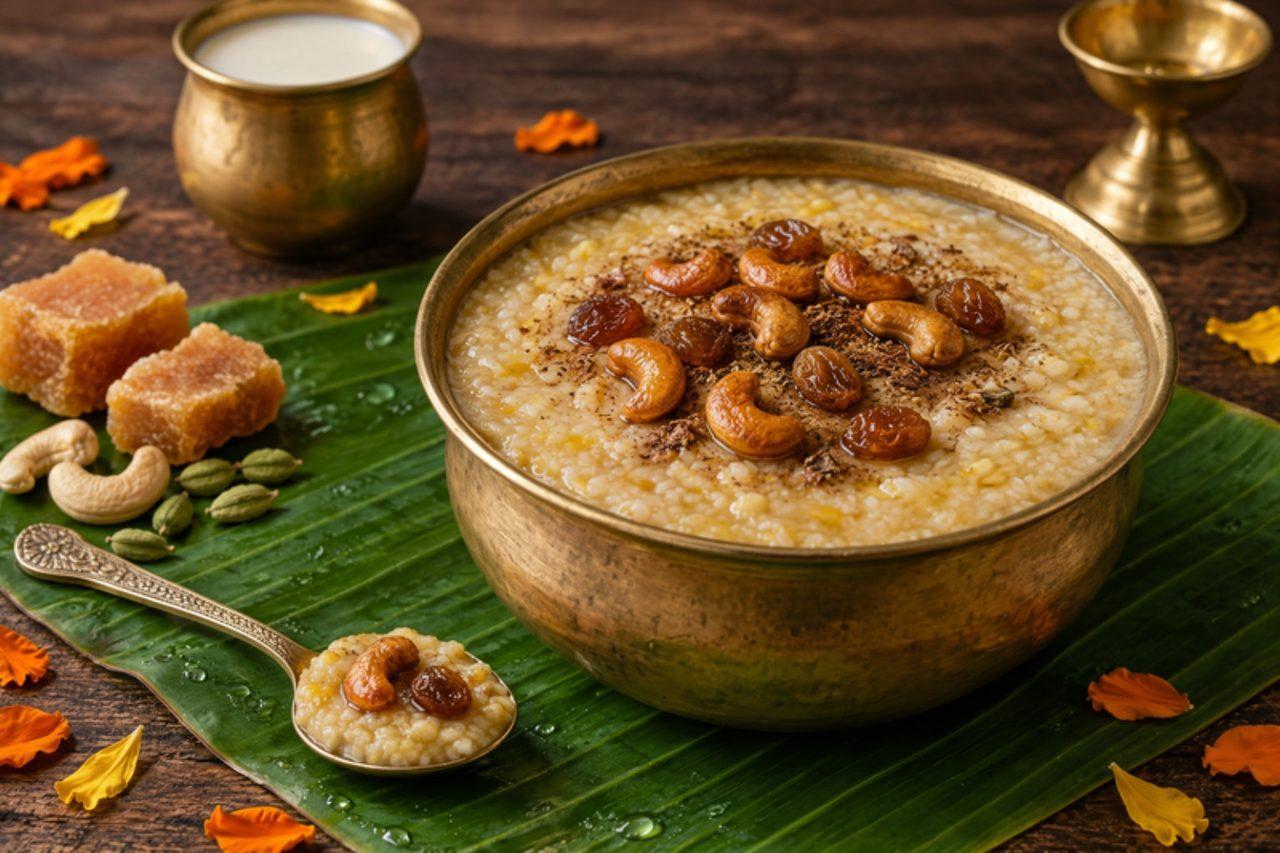
Bellam paramannam is the naivedyam of Telangana and Andhra homes, cooked for Sankranti, Ugadi, Varalakshmi Vratam and almost any puja, a soft rice-and-moong pudding sweetened with jaggery and glossed with ghee. Its colour is a warm caramel and its taste deeper than a sugar kheer. The classic mistake is adding jaggery to milk that is still on a high boil, which can split it; take the pot off the heat, let it stop bubbling, then stir the jaggery in. Chef's tip: roast the moong dal in a spoon of ghee until it smells toasty before cooking; it gives the paramannam its homely flavour.

by KrazyBadal 0 views

HumbaBraised pork belly

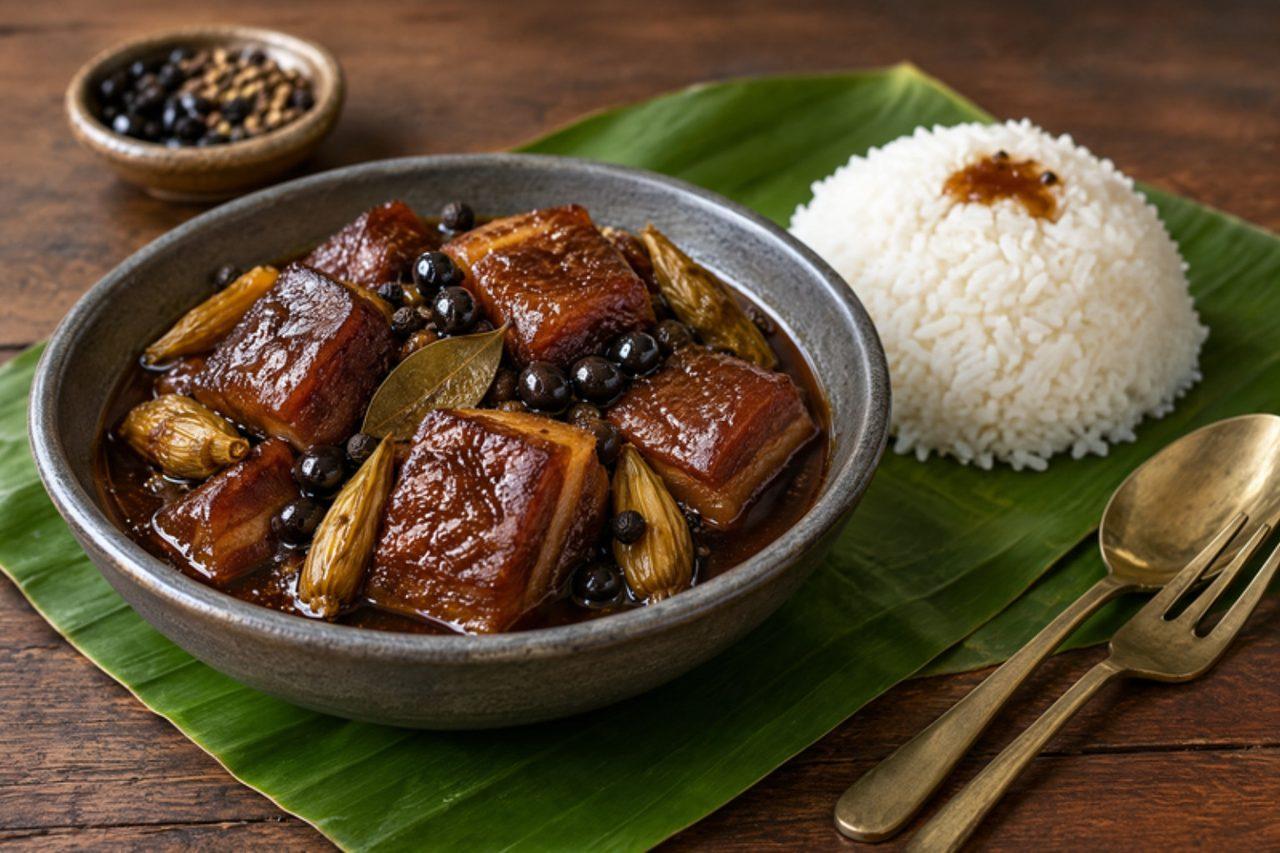
Humba is the sweet, dark braise of the Visayas, cooked in Cebu and Bohol homes for fiestas, birthdays and Sunday lunch. Pork belly simmers in soy sauce, cane vinegar and brown sugar with garlic, bay and peppercorns until the fat turns meltingly soft and the sauce becomes sticky; salted black beans (tausi) and dried lily buds, sold as dried banana blossoms, give it its Visayan character. Eat it with plenty of steamed rice. The usual mistake is stirring as soon as the vinegar goes in: let it boil uncovered for a few minutes first so its raw sharpness cooks off. Pressure-cooker: cook for 35 minutes at high pressure, then reduce the sauce uncovered. Chef's tip: humba tastes even better the next day, when the pork has soaked up the sauce.

130 minFilipinoMeat
by KrazyBadal 0 views

Bhang ki chutneyRoasted hemp seed chutney

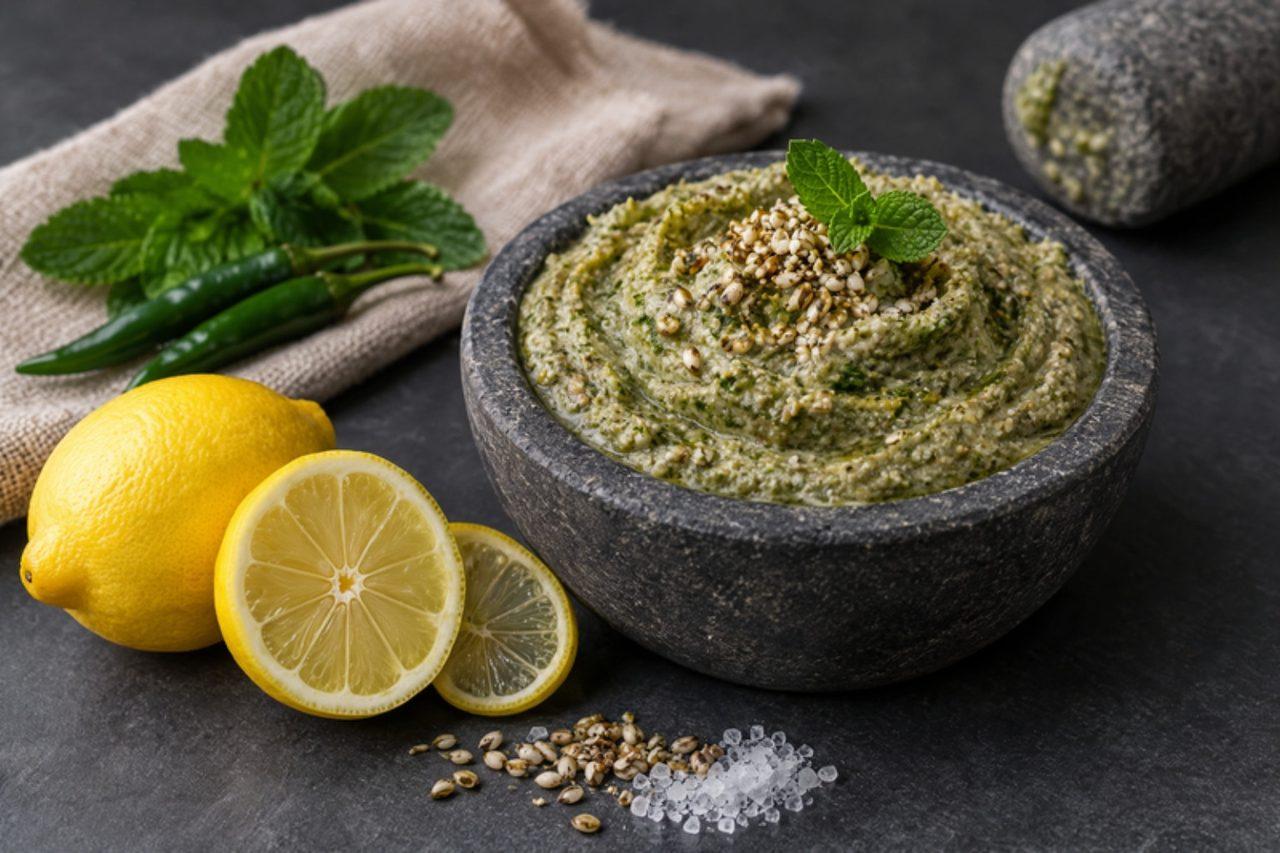
In Kumaon every kitchen keeps a jar of hemp seeds, and this tangy chutney is ground fresh to go with rotis, aloo ke gutke and festive pakodas all through the year. It uses hulled, food-grade hemp seeds sold for cooking, which are not psychoactive at all; they simply taste like a cross between sesame and toasted pine nuts. The seeds are dry-roasted, ground with mint, chilli and the juice of the big hill lemon, and loosened with a little water. The usual mistake is roasting the seeds too dark, which turns the chutney bitter and grey. Chef's tip: grind in a mortar or with short pulses and stop while it still has some texture; a perfectly smooth paste loses the pleasant crunch.

by KrazyBadal 0 views

Tian shui mianSweet spiced soy noodles

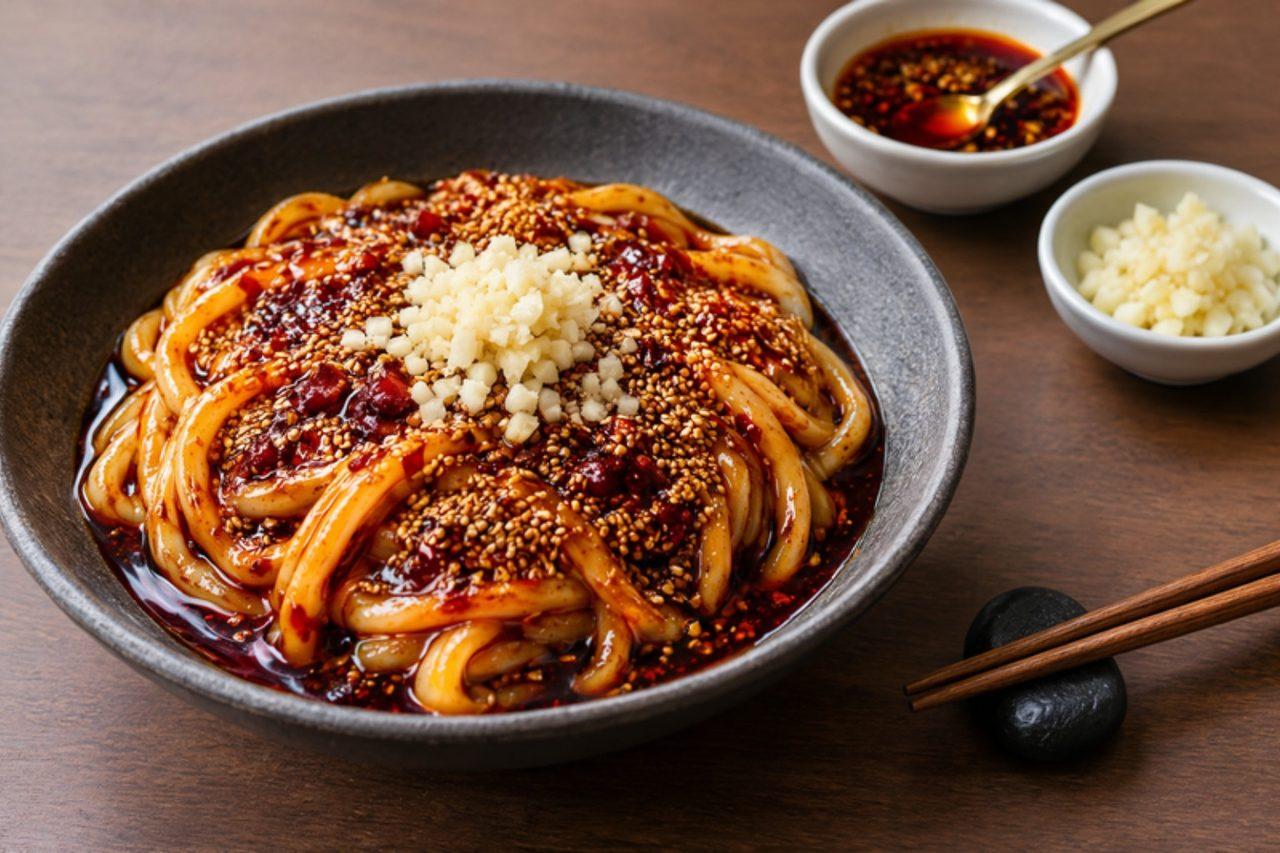
Tian shui mian, "sweet water noodles", are a fixture of Chengdu's old snack houses around Wenshu Monastery, ordered at lunch in a small bowl alongside dumplings and wontons. The noodles are cut as thick as chopsticks, cooked chewy and served at room temperature, coated in thick spiced soy syrup, red chilli oil, pounded raw garlic and sesame: sweet first, then hot and garlicky. Chef's tip: simmer the sweet soy until syrupy; if it is thin it runs to the bottom of the bowl instead of clinging to the noodles.

by KrazyBadal 0 views

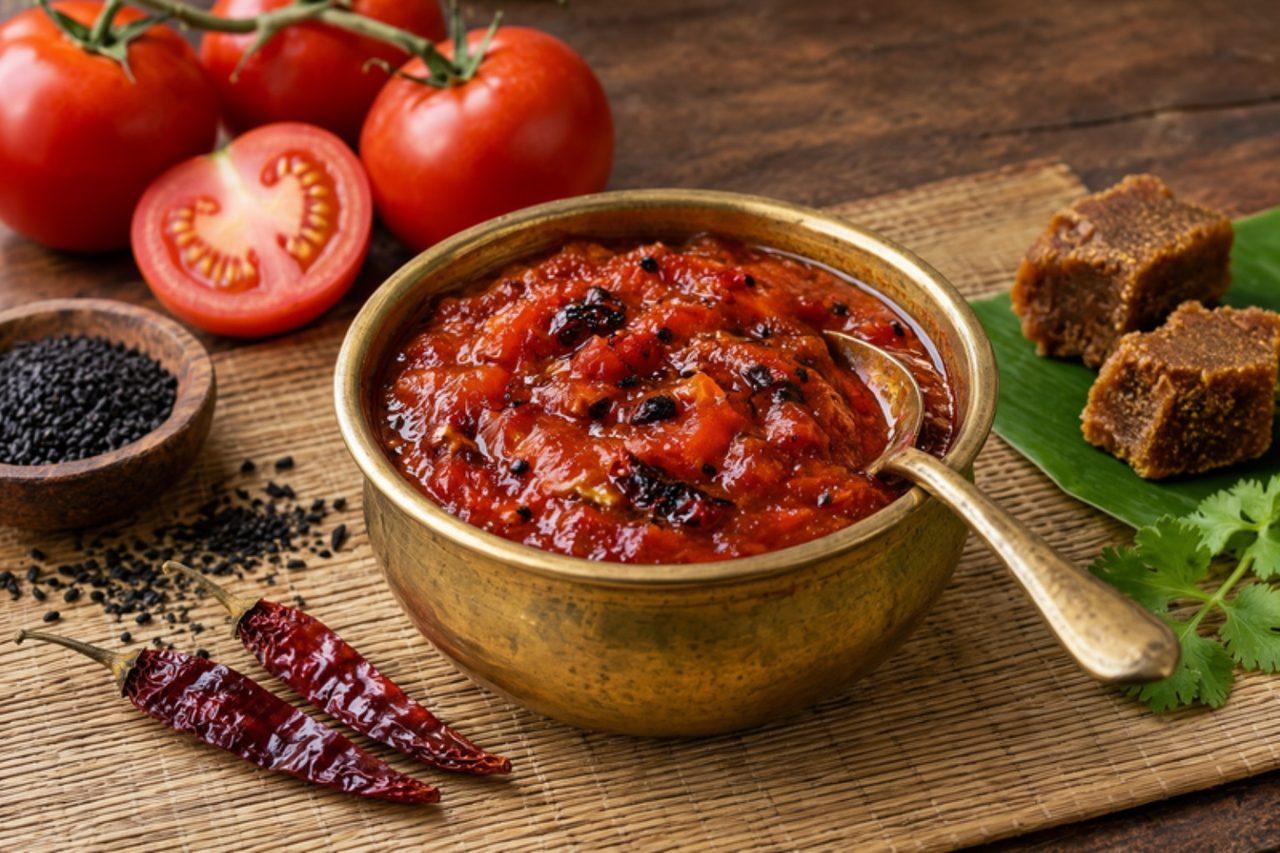
Bilahi chutneySweet-sour tomato chutney

Bilahi is the Assamese word for tomato, and this glossy red chutney, sweet with jaggery and warmed with nigella and dried chilli, closes a festive Assamese meal, especially at weddings and on Bihu, as the sweet-sour last course before curd and sweets. Everyday cooks in Jorhat and Guwahati make a quick batch in winter when tomatoes are cheap. The mistake to avoid is adding the jaggery too early, which scorches before the tomatoes have broken down. Chef's tip: a few dates or raisins added with the jaggery give the chutney a deeper, jammy sweetness.

by KrazyBadal 0 views

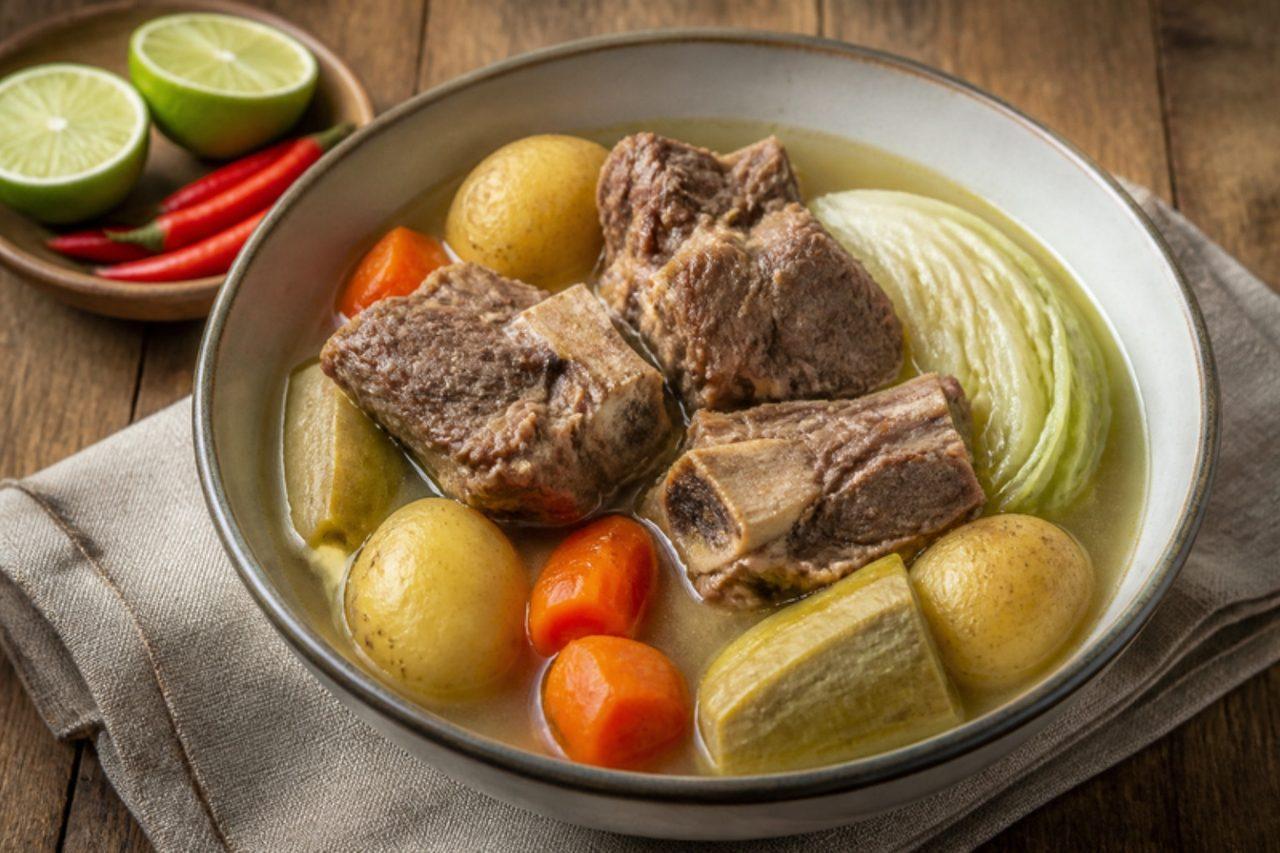
MchemshoBeef and vegetable pot

The name just means 'boiled', but Dar es Salaam families treat mchemsho as comfort food, made on a cool rainy evening or for anyone feeling under the weather. Beef on the bone simmers with garlic and ginger into a clear, savoury broth, and whole potatoes, carrots, green bananas and wedges of cabbage go in late so each stays distinct. It arrives in wide bowls, everything in big pieces, with lime and fresh chilli on the table to sharpen it to your taste; some cooks make it with chicken instead. Adding all the vegetables at once is the common error, leaving the cabbage grey and the potatoes in pieces. Chef's tip: blanch and rinse the beef first, then start again in fresh water, for a broth that stays clear.

by KrazyBadal 0 views

Batido de lechosaPapaya and orange shake

Lechosa is what Venezuelans call papaya, and on breakfast tables from Valencia to Puerto La Cruz it turns up as a batido beside arepas or empanadas, often blended with the oranges that are piled cheap in every market. It is thick, smooth and sunset-orange, tasting of honeyed papaya and bright citrus, and it fills you up until lunch. Some families blend it with milk instead of juice, which turns it into a creamy merengada. The common mistake with milk is letting it stand: papaya's natural enzyme starts to turn milk bitter within half an hour, so drink it straight away. Another mistake is scraping the seed cavity too hard; the black seeds and their slippery coating make the batido bitter and peppery. It is ready when there are no fibres left, it pours in a thick stream and the colour is an even orange. Choose papaya that is mostly yellow-orange and gives slightly under your thumb; a green-streaked one tastes flat and a little musky. Chef's tip: a few drops of lime juice cut through papaya's musky note and make it taste fresher.

by KrazyBadal 0 views

LampreadoCassava starch cheese fritters

Paraguayan grandmothers fry lampreado on Sunday evenings to eat with a mug of cocido, the toasted yerba mate drink: small pan-fried cakes of cassava starch, egg, milk and grated cheese with a little onion, crisp at the edges and stretchy inside. Some families also make it with leftover meat, but this version is all cheese. Queso Paraguay is set with animal rennet; a vegetarian Parmesan-style cheese plus mozzarella works well. The trap is a batter that is too thick, which gives heavy, gluey cakes. Chef's tip: the batter should drop slowly off a spoon like thick pancake batter; add milk a spoonful at a time until it does.

by KrazyBadal 0 views

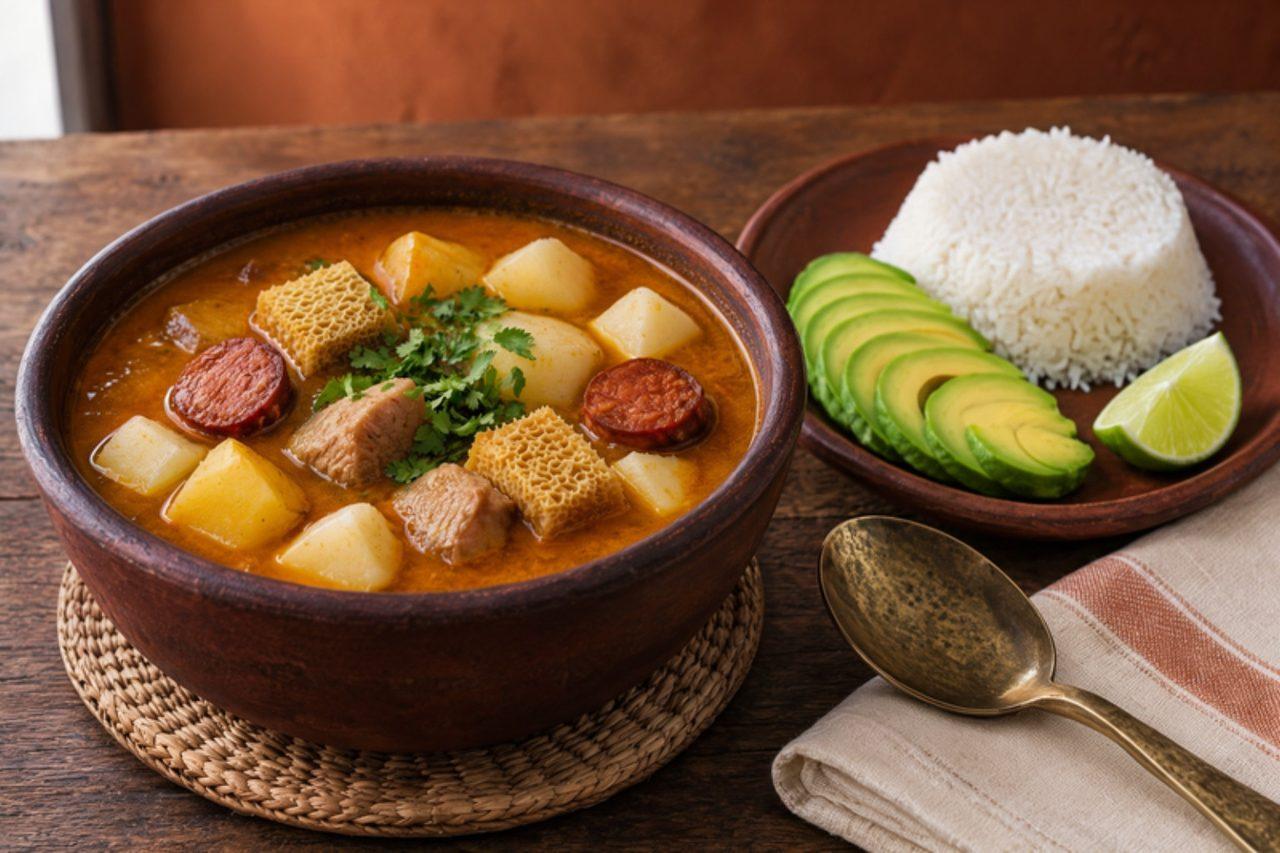
MondongoTripe soup

In Antioquia, around Medellín, mondongo is the hearty soup families cook at the weekend and that restaurants serve at lunch with rice, avocado, ripe banana and a squeeze of lime. Cleaned beef tripe simmers slowly with pork shoulder and chorizo (both pork), then potatoes, annatto, cumin and plenty of cilantro thicken and colour the broth. The usual mistake is skimping on cleaning the tripe: rinse and blanch it well or the soup will taste strong. Pressure-cooker: cook the tripe for 40 minutes at high pressure instead of 2 hours. Chef's tip: use some small yellow potatoes (papa criolla) along with the floury ones, as they melt and thicken the broth naturally.

by KrazyBadal 0 views

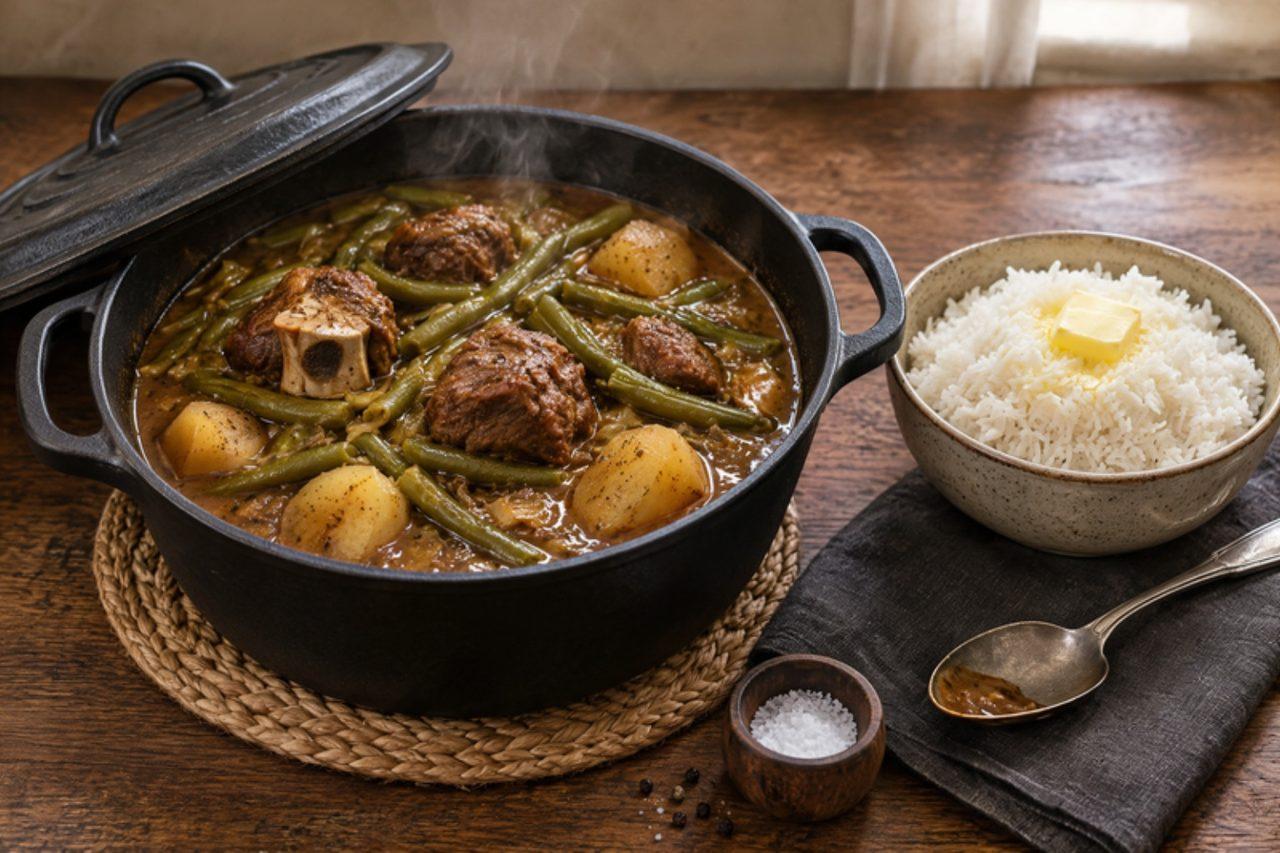
GroenboontjiebredieLamb and green bean stew

Groenboontjiebredie is one of the old bredies of the Western Cape, the slow stews Cape families have cooked for generations, usually for Sunday lunch with white rice and a sweet beetroot salad. Lamb on the bone is browned with onions, then simmered for hours with sliced green beans and potatoes until the beans soften completely and the potatoes break down to thicken the sauce. The usual mistake is treating the beans like a crisp vegetable: here they should be soft and olive green. Slow-cooker: after browning, cook on low for 8 hours. Chef's tip: grate a little nutmeg in at the end; it is the classic Cape seasoning for a green bean bredie.

by KrazyBadal 0 views

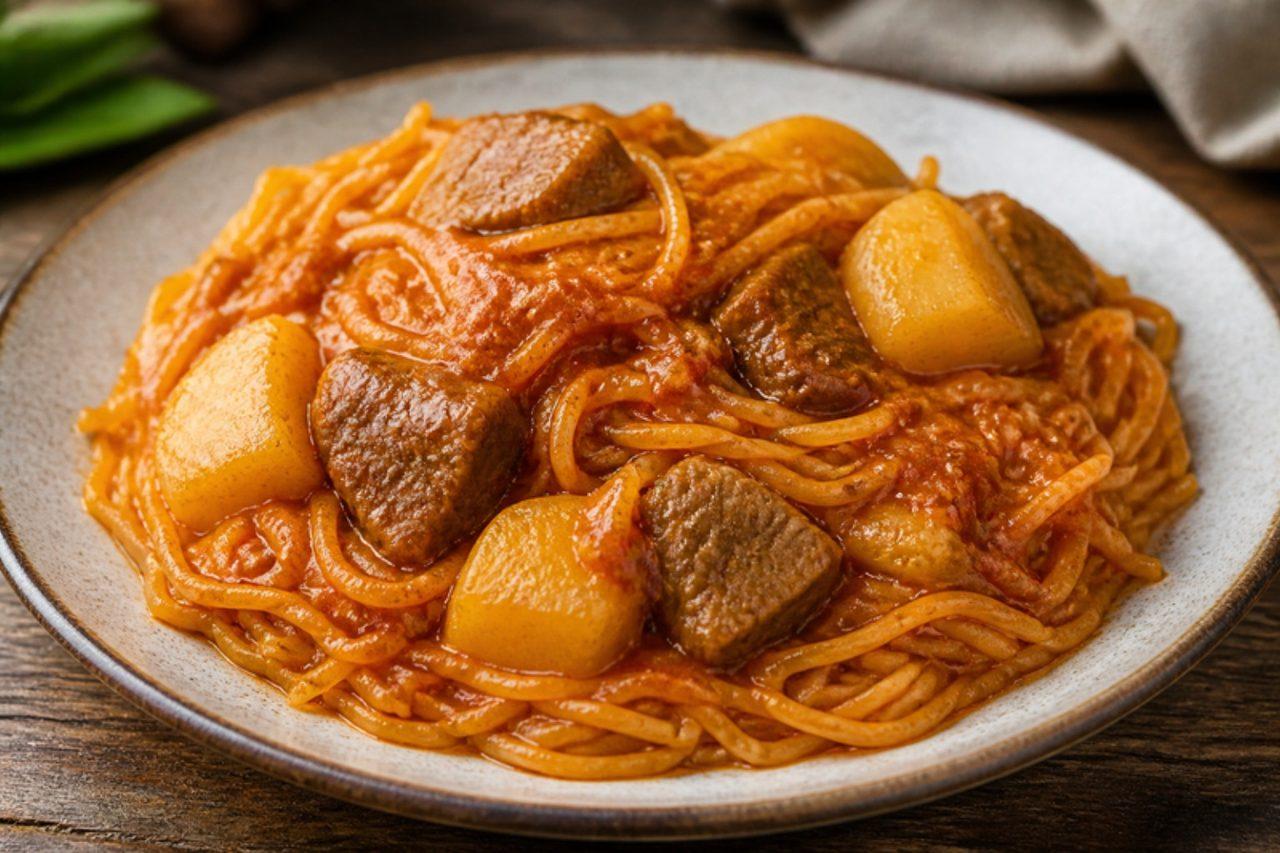
Ají de fideosNoodles in red chilli with beef

Ají de fideos fills the market comedores of La Paz at lunchtime: spaghetti snapped into short pieces and simmered in a brick-red sauce of dried chilli, onion and tomato with chunks of beef and potato, all eaten with a spoon. It is warming, a little smoky and properly hot, perfect at 3,600 metres. The trap is adding the pasta too early, which leaves it bloated and the sauce gluey. Chef's tip: toast the broken spaghetti in a little oil until golden before it goes into the pot; it keeps its shape and adds a nutty flavour.

by KrazyBadal 0 views

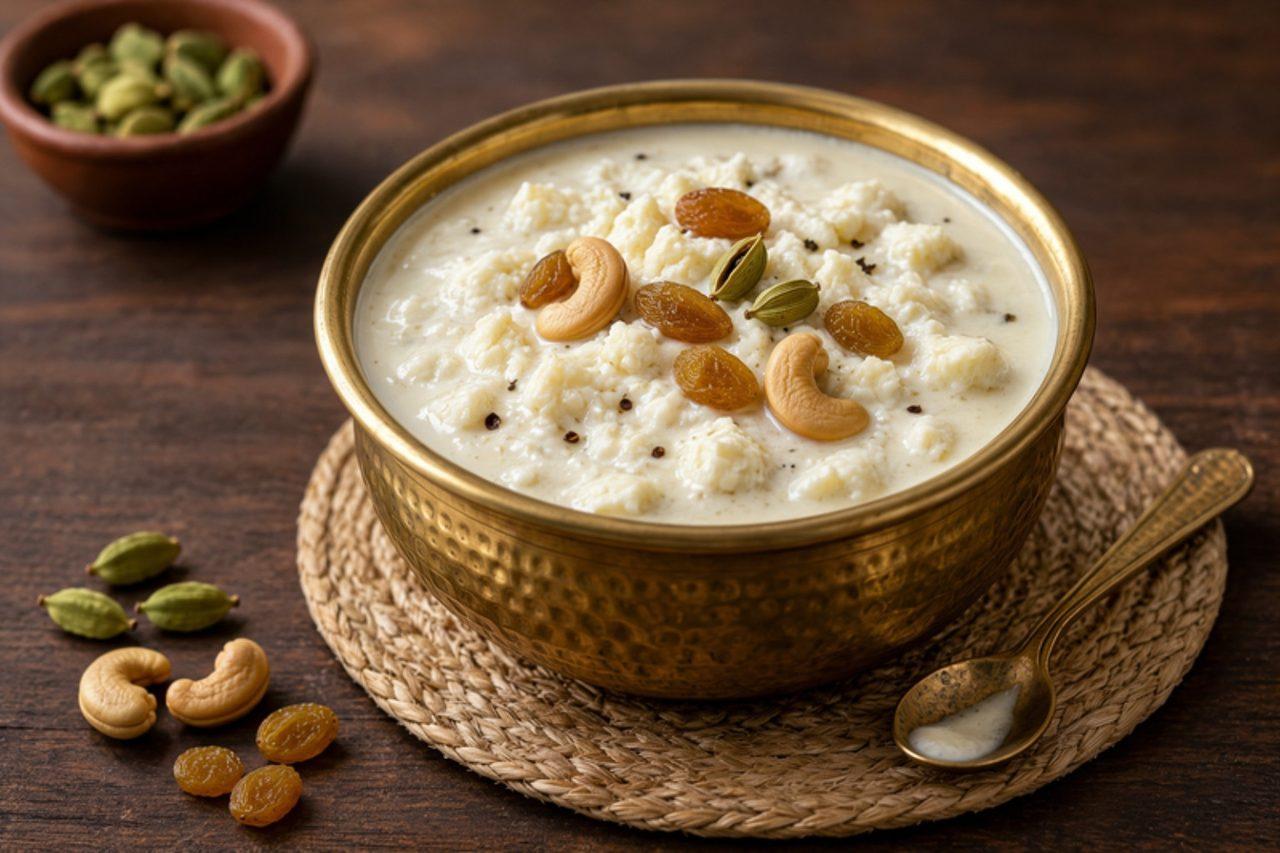
Chhena kheeriFresh cheese in sweet milk

Chhena kheeri is one of the dishes of the Jagannath temple's chhappan bhog in Puri, and Odia households make it for festivals, birthdays and the evening Rath Yatra meal. Soft, freshly made chhena is crumbled into milk that has been simmered down until creamy and sweet, then scented with cardamom and a little camphor in temple style, or simply nutmeg at home. The common mistake is adding the chhena too early and boiling it hard, which makes it rubbery; it should go in at the end and simmer only briefly. Chef's tip: crumble the chhena by hand into pieces the size of rice grains, so every spoonful has some.

by KrazyBadal 0 views

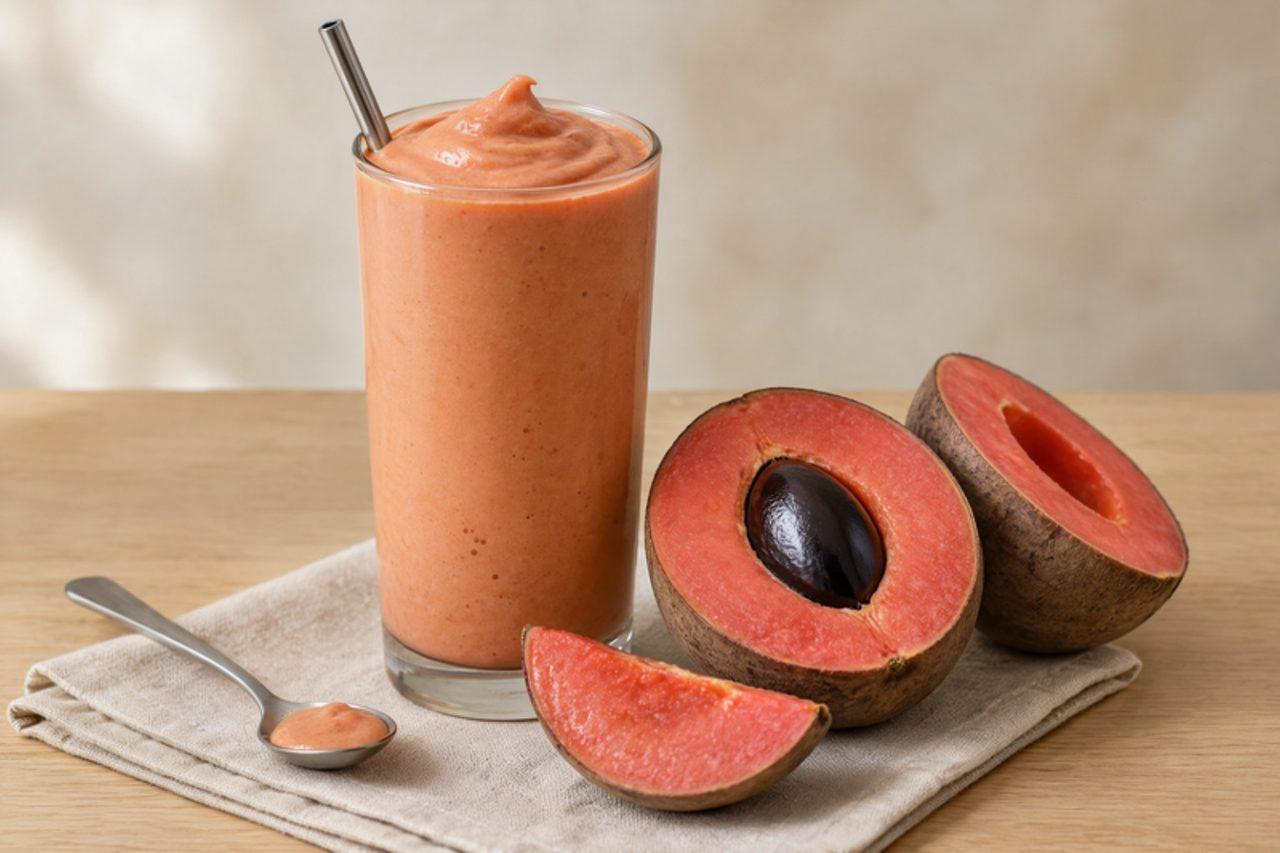
Batido de mameyMamey milkshake

In Havana and all over the island, the cafeteria counter has a blender that never stops, turning out batidos of mango, guanábana, papaya and the favourite of all, mamey. The fruit has a rough brown skin and a soft, salmon-red flesh that tastes like sweet potato, pumpkin pie, almond and apricot at once, and blended with cold milk it makes a shake so thick it is almost a dessert. It is drunk mid-afternoon on hot days, at breakfast with toast, or at a kid's birthday party; Miami's Cuban cafés keep the tradition alive with frozen pulp. The common mistake is using a hard mamey, which tastes starchy and slightly bitter; the fruit must give like a ripe avocado when pressed and show deep red flesh when you scratch the skin with a fingernail. The batido is ready when it is smooth, pumpkin-orange and pours slowly in a thick ribbon. Frozen mamey pulp from Latin American shops is a good substitute; reduce the ice because the pulp is already cold. Chef's tip: a pinch of salt and a drop of vanilla bring out mamey's almond notes.

by KrazyBadal 0 views

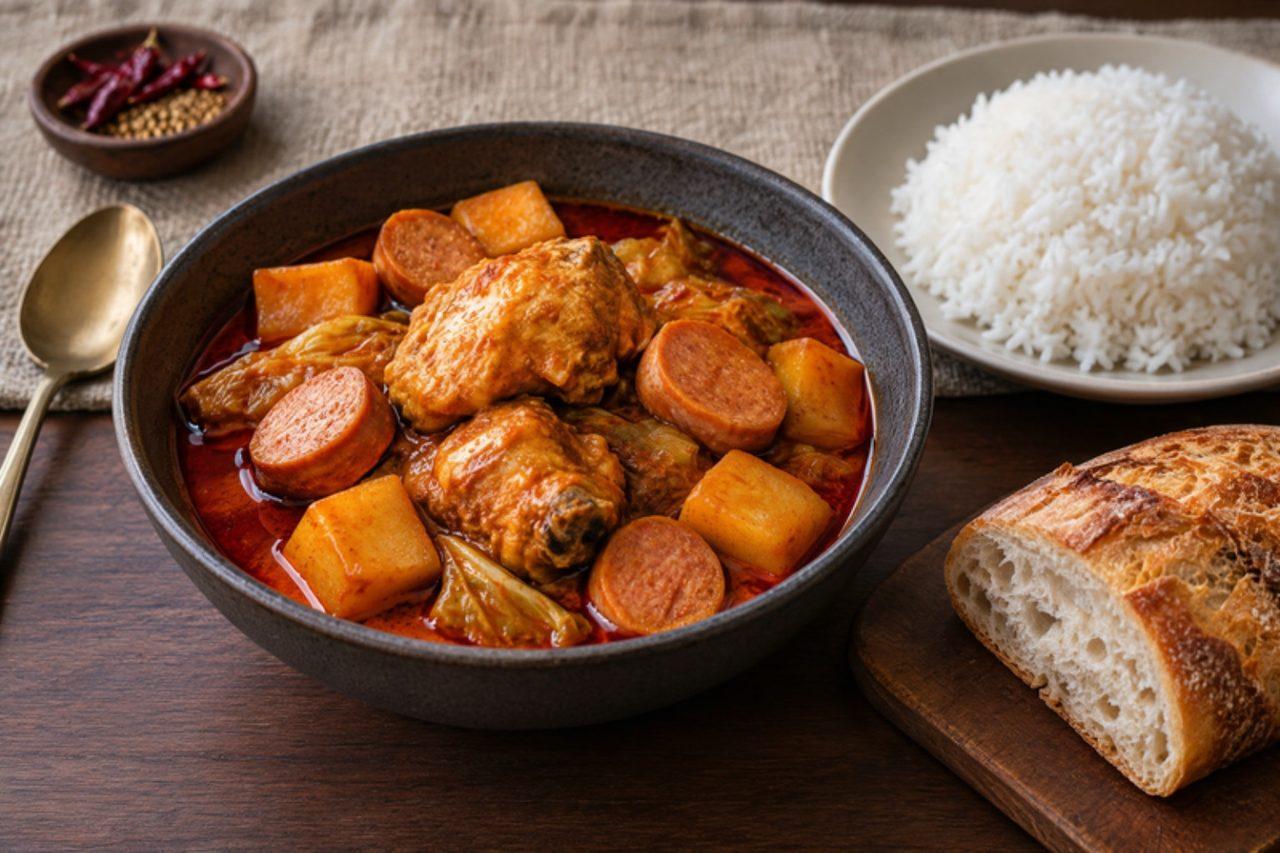
Kari debalDevil curry

Kari debal, or curry devil, is the Christmas dish of Singapore's Eurasian (Kristang) community, traditionally cooked on Boxing Day to use up the roast chicken, ham and sausages from the feast. A fiery paste of dried chillies, shallots, galangal and candlenuts is fried until fragrant, then sharpened with ground mustard seed and vinegar and simmered with chicken, potatoes, cabbage and cocktail sausages (pork, or use chicken sausages). Like most curries it tastes better the next day. The usual mistake is not frying the spice paste long enough: it must cook until the oil separates or the curry tastes raw. Chef's tip: soak the dried chillies in hot water and snip out the seeds first if you want the flavour without the full fire.

by KrazyBadal 0 views

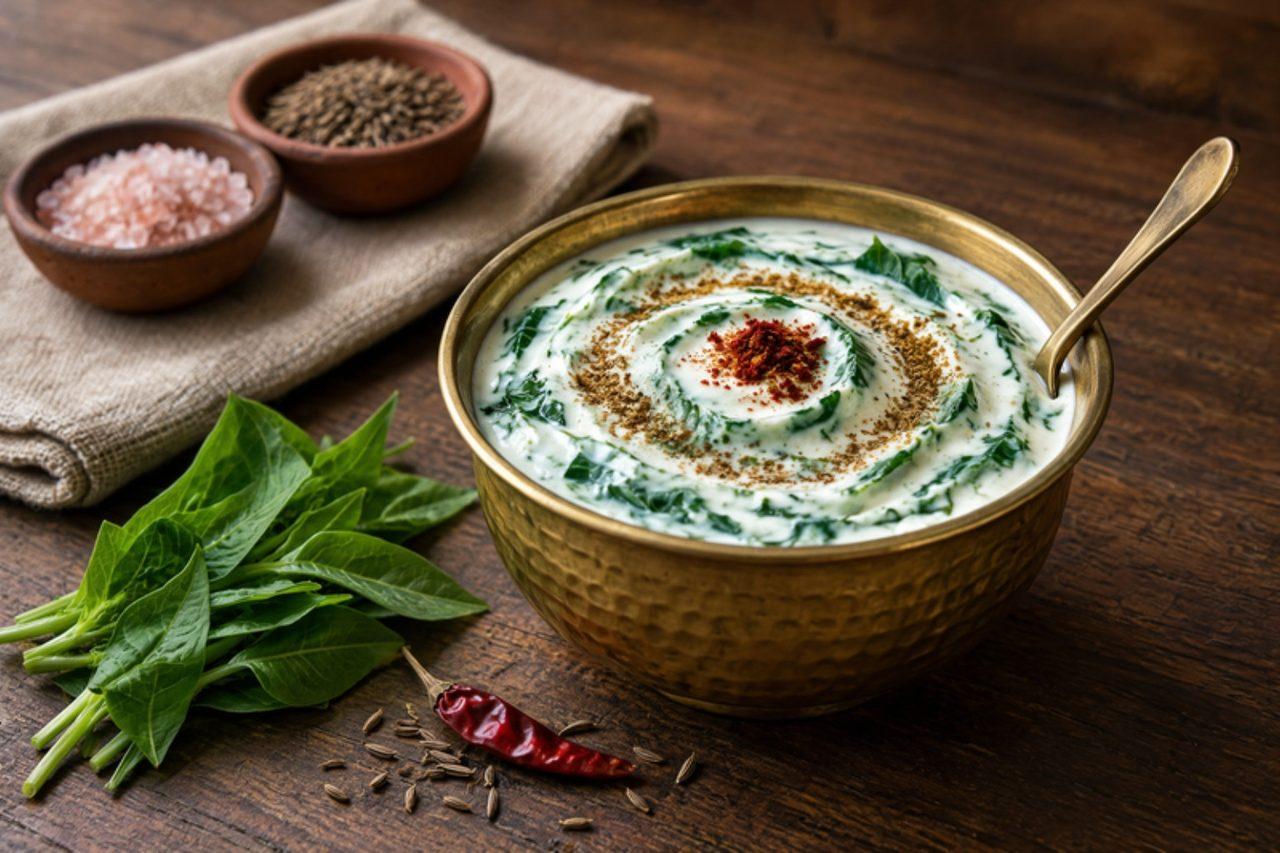
Bathua raitaChenopodium leaf yogurt

Bathua (chenopodium or lamb's quarters) grows wild in the wheat fields of western Uttar Pradesh and Haryana in winter, and from December to February families blanch it and stir it into yogurt as a cooling raita beside paratha, dal or bajra roti. The leaves are boiled briefly, chopped and folded into whisked yogurt with roasted cumin, black salt and a little green chilli, so it tastes earthy, tangy and fresh. It is suitable as part of a balanced diet. About 90 kcal and 7 g carbohydrate per portion. The usual mistake is adding the greens while they are still hot or wet, which makes the yogurt thin and grainy; squeeze them dry and cool them first. Chef's tip: grind half the blanched leaves to a paste so the raita turns an even pale green.

by KrazyBadal 0 views

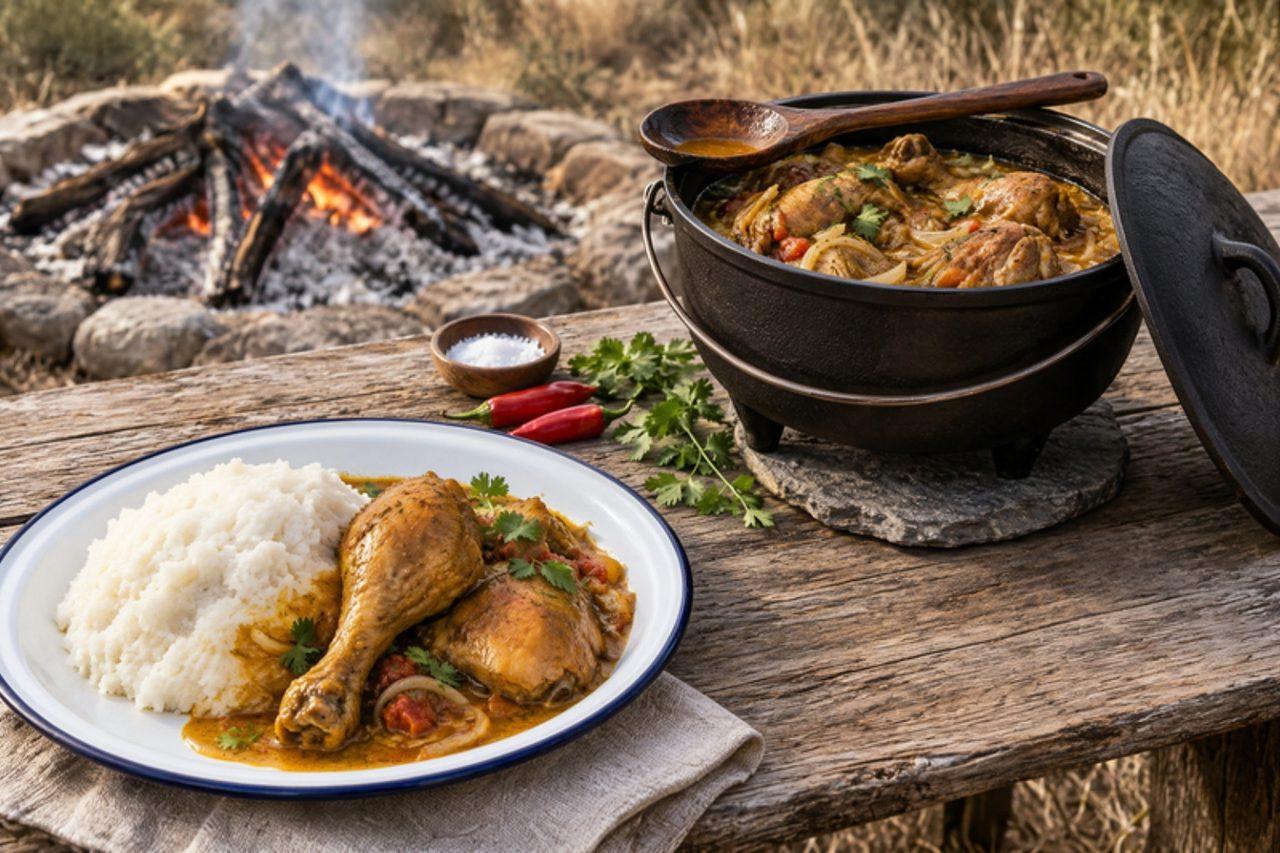
UmleqwaSlow-stewed chicken

Umleqwa is the free-range village chicken of the Eastern Cape and KwaZulu-Natal, cooked for family gatherings, homecomings and Sunday lunch. These birds run free and have firm, flavourful meat that needs long, slow simmering, so the pot bubbles for an hour or two with onion, tomato, garlic, ginger and curry powder until the meat is tender and the gravy rich. It is eaten with pap, dumplings (ujeqe) or rice. The usual mistake is cooking a supermarket chicken for as long; it will fall to shreds, so cook it for about 45 minutes instead. Chef's tip: brown the chicken skin well before adding liquid, because the rendered fat carries the flavour of the gravy.

by KrazyBadal 0 views

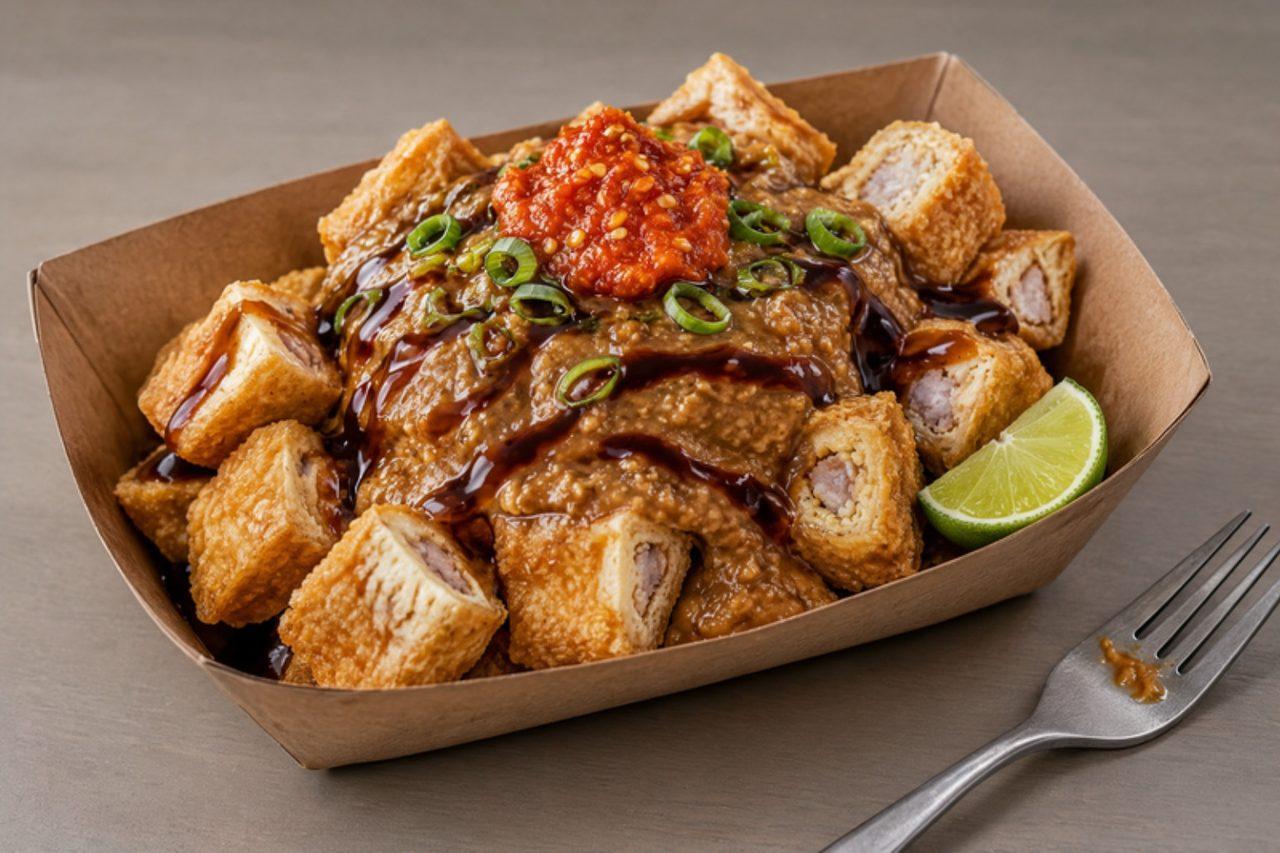
BatagorFried fish dumplings with peanut sauce

Batagor, short for bakso tahu goreng (fried fish-ball tofu), is the crunchy cousin of siomay and a favourite after-school snack sold from glass-sided carts outside Jakarta's schools and along Jalan Pecenongan's evening food strip. Tofu squares and wonton skins are stuffed with a mackerel and tapioca paste and deep-fried until golden and crackly, then snipped up and covered in a spicy peanut sauce, kecap manis and lime. The contrast of crisp skin and soft, bouncy fish is the whole point. Contains fish, peanuts, soy, egg and wheat. Chef's tip: fry the tofu side with the fish paste facing down first; it seals the filling so it doesn't puff away from the tofu.

by KrazyBadal 0 views

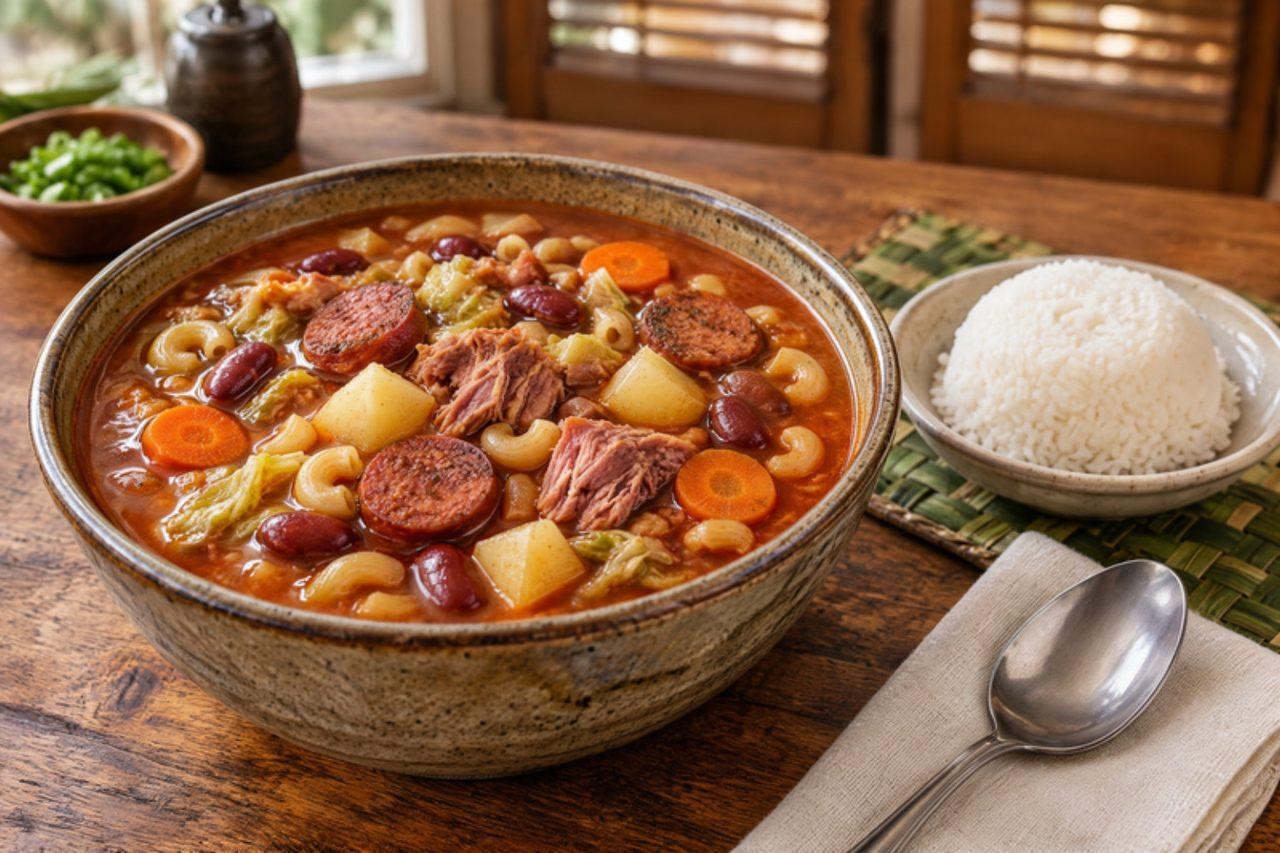
Portuguese bean soup

Portuguese bean soup came to Hawai'i with Madeiran and Azorean plantation workers in the late 1800s and is now an island staple, ladled out at church fundraisers, school lunch counters and Honolulu diners, especially when the trade winds turn cool. Kidney beans, a smoked pork ham hock and spicy Portuguese pork sausage (linguiça) simmer with potato, carrot, cabbage and tomato into a thick, smoky soup. Dried kidney beans must be soaked and then boiled hard for 10 minutes before the long simmer; never put them raw into a slow cooker. The usual mistake is adding the cabbage too early, so it turns grey; it goes in for the last 15 minutes. Slow-cooker option: after the hard boil, cook everything except the cabbage on low for 8 hours. Chef's tip: the soup thickens overnight, so make it a day ahead and loosen with a little water.

by KrazyBadal 0 views

Batida de cocoCoconut cachaça cocktail

Along the barracas of Salvador's beaches and at the June São João parties across Bahia, batida de coco comes out of the blender in jugs, poured into plastic cups and drunk while the forró plays. It is a drink for adults only that hides its strength well: creamy, cold and sweet like a coconut milkshake, with cachaça warming the finish rather than shouting. The texture should be thick but pourable, pale ivory, with a soft froth on top. The common mistake is blending the ice for too long, which leaves a thin, watery drink that separates into a fatty layer within minutes. Blend the liquids smooth first, then add the ice and pulse only a few times, until the noise from the blender goes quiet and smooth. It is ready when no lumps of ice rattle and the batida coats the side of the glass. Because it tastes so gentle, keep the cups small and drink responsibly. Chef's tip: chill the cachaça, coconut milk and tin of condensed milk overnight, and you will need less ice and get a richer, denser batida.

by KrazyBadal 0 views

Mandi'o chyryryFried cassava with onion and egg

Mandi'o chyryry means 'fried cassava' in Guaraní, and it is what rural Paraguayan families make from yesterday's boiled mandi'o: chunks crushed and fried in a big pan with onion until crisp in places, then scrambled with eggs. It comes out for breakfast with cocido or for a quick supper, and costs next to nothing. Use sweet cassava, the kind sold in supermarkets. The mistake is stirring constantly, which turns it to mush; let the cassava sit and brown. Chef's tip: the best chyryry starts with cold, day-old boiled cassava, which fries crisper than freshly boiled.

by KrazyBadal 0 views

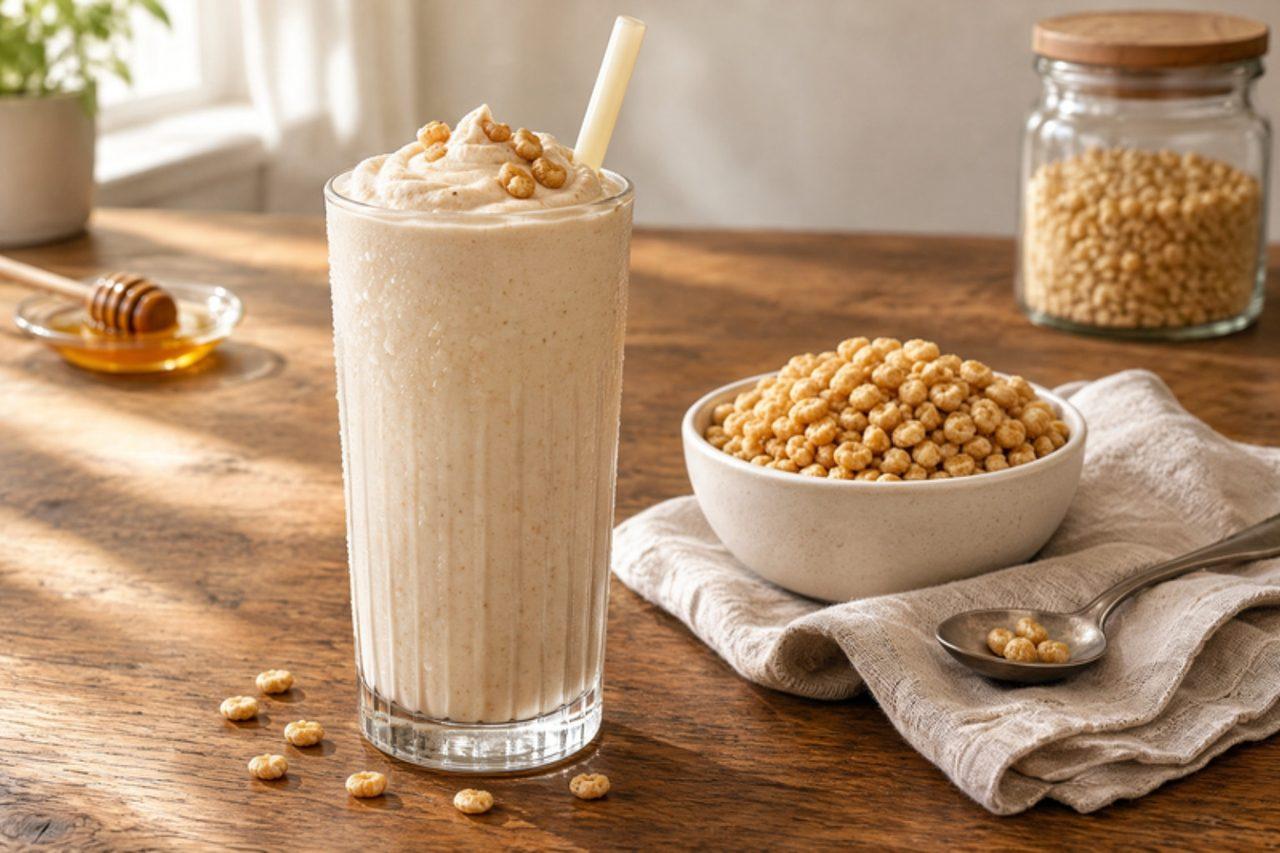
Batido de trigoPuffed wheat shake

Havana cafeterías and Miami ventanitas blend this for breakfast on the run: puffed wheat, cold milk, sugar and ice whizzed into a thick, frothy shake that tastes like a malted milk with toasted cereal. It is one of the most loved Cuban batidos, and quick to make at home. The common mistake is using sweetened, honey-coated cereal, which makes it cloying; plain puffed wheat lets the toasty grain flavour come through. Chef's tip: blend the puffed wheat with half the milk first until completely smooth, then add the ice, so you don't get soggy flecks of cereal.

by KrazyBadal 0 views

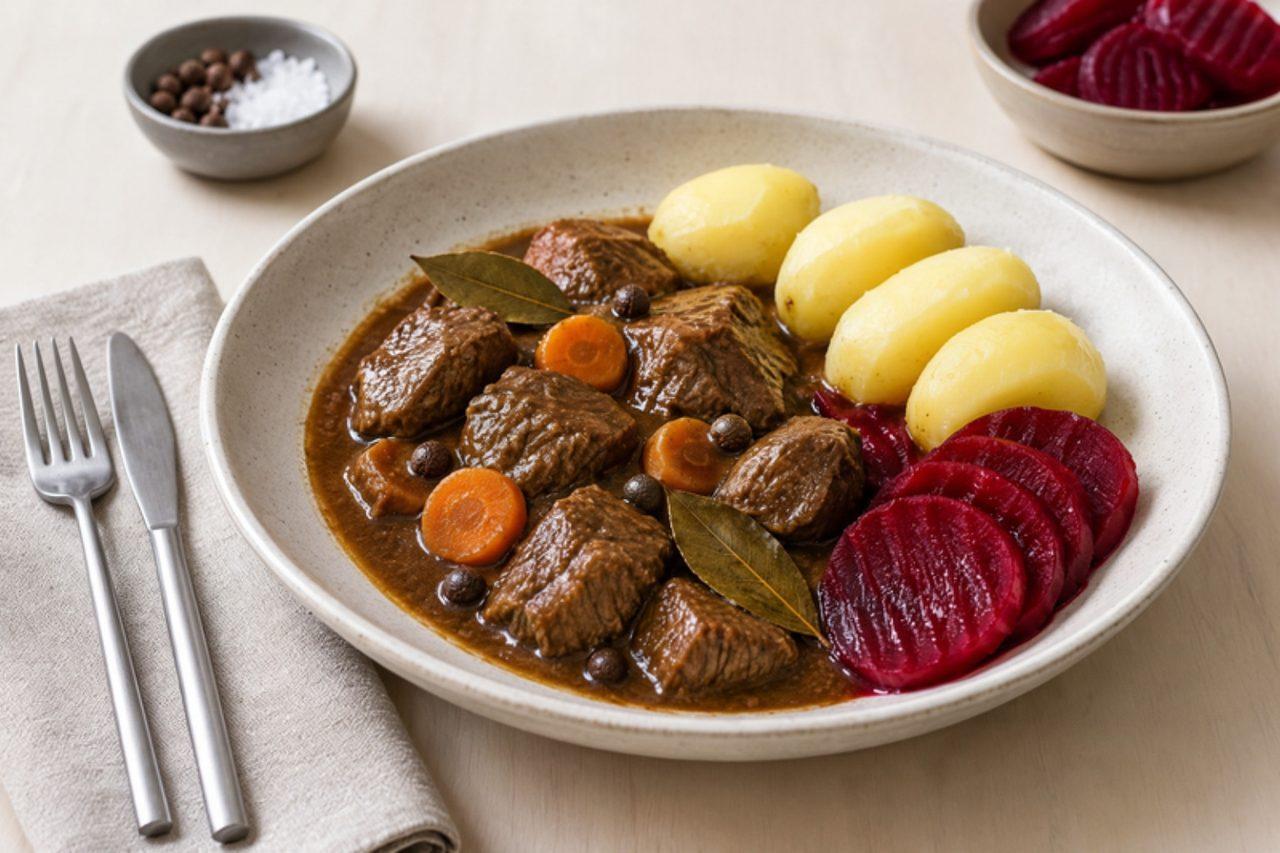
KalopsBeef stew with allspice

Kalops is the Swedish winter stew that fills kitchens from Skåne to Norrland on dark November weekends: chunks of beef chuck simmered slowly with onions, carrots, whole allspice and bay until the sauce turns brown, glossy and lightly peppery. It is always eaten with plain boiled potatoes and a spoonful of sweet pickled beetroot (inlagda rödbetor), whose sharpness cuts the richness. It reheats beautifully, so many families make it a day ahead. The usual mistake is crowding the pan when browning, so the beef steams grey and the sauce never gets its deep colour; brown in batches. Chef's tip: crush half the allspice berries lightly before they go in so the warm clove-like scent reaches the whole pot, but leave the rest whole for a gentler background note.

by KrazyBadal 0 views

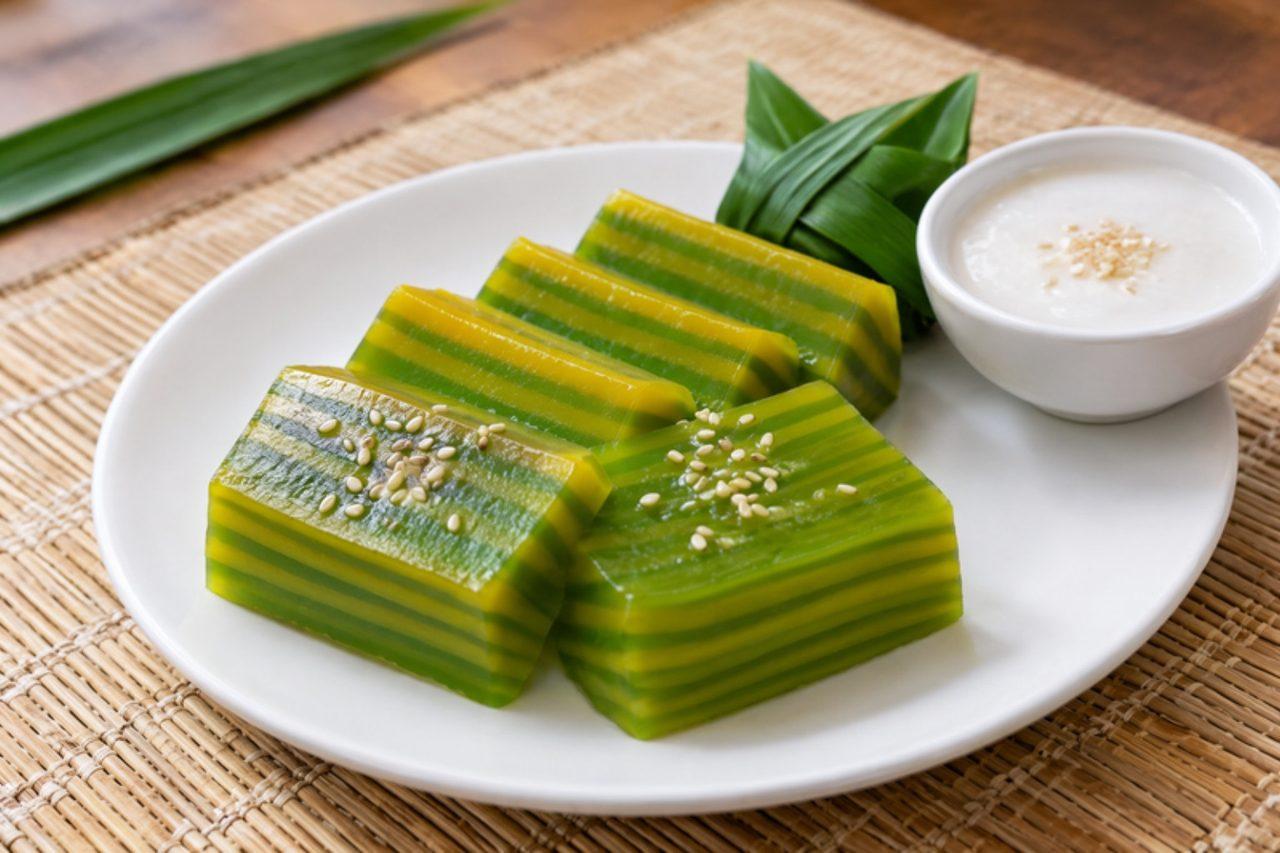
Bánh da lợnSteamed layer cake

Bánh da lợn is piled up in glistening slabs at the dessert stalls of Bến Thành Market and on the trays of Saigon's afternoon sweet sellers. Thin layers of tapioca and coconut batter are steamed one at a time, alternating fragrant pandan green with nutty mung bean yellow, so every slice shows neat stripes and has a soft, bouncy, slightly springy bite. People peel the layers off one by one, especially children. Chef's tip: let each layer set until it turns translucent before pouring the next, or the colours run into each other.

by KrazyBadal 0 views

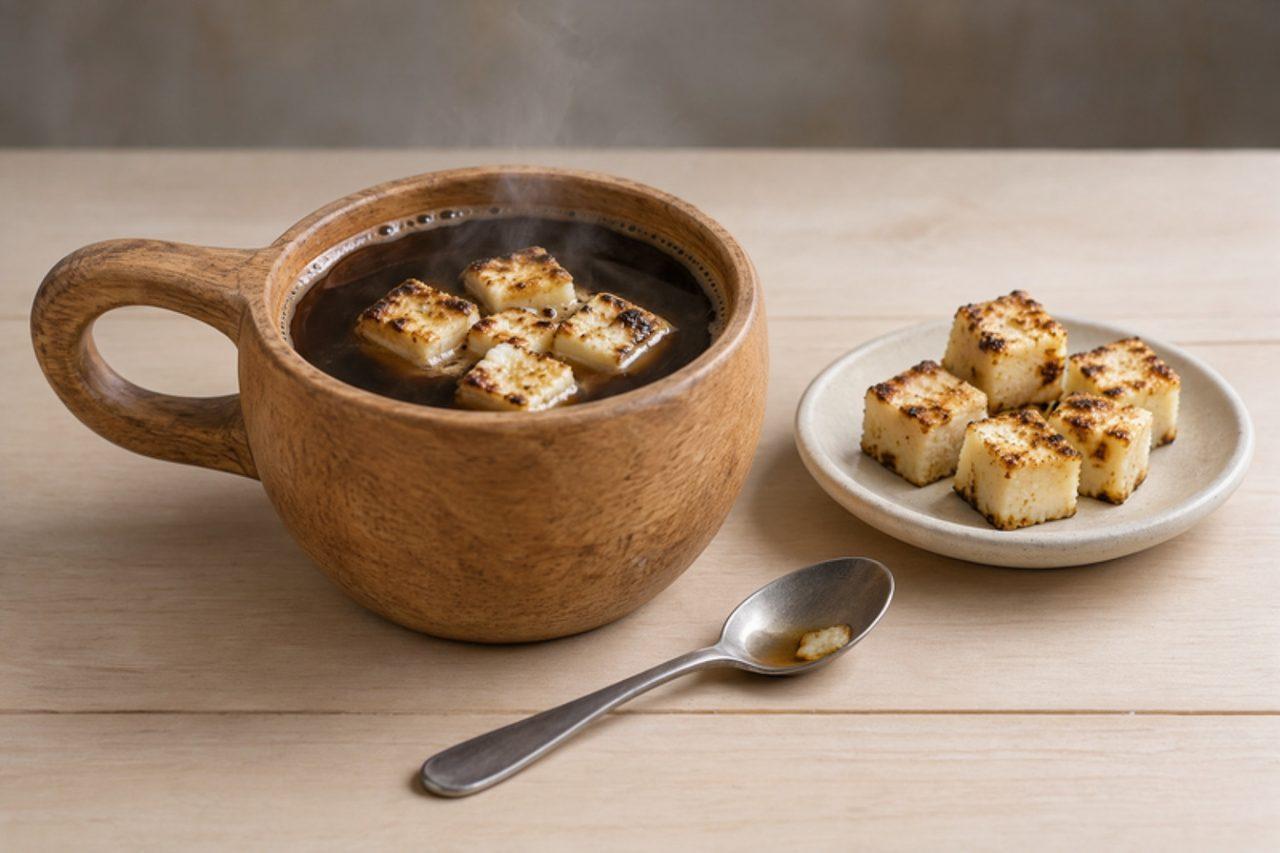
Kaffeost (coffee with cheese)

In the far north, across Swedish Norrbotten and Finnish Lapland, coffee comes with cheese in the cup. Leipäjuusto, a mild, squeaky cheese baked or grilled until spotted brown (called kaffeost or 'bread cheese'), is cut into cubes and put in a cup, often a carved wooden kuksa, then hot black coffee is poured over. Sámi reindeer herders and Tornedalen farmers have made it this way for generations; it is a fireside or mid-morning drink on a cold day, and in some families a little sugar or a slice of dried reindeer meat goes in as well. The cheese warms through, softens slightly and soaks up the coffee, so you drink the coffee and then spoon out the warm, chewy, milky cubes. The common mistake is using a soft or melting cheese: it collapses into strings. Use proper leipäjuusto or halloumi, which keep their shape. It is ready when the cubes are hot to the centre, about 2 minutes, and slightly puffed. Strong coffee means real caffeine here, so it is an adult drink. Leipäjuusto is sold in Nordic shops; halloumi is the nearest substitute. Chef's tip: warm the cheese on a dry pan first for extra browned flavour.

by KrazyBadal 0 views

BusecaTripe and white bean stew

Buseca arrived in Montevideo with Italian immigrants from Lombardy and became a classic winter dish of Uruguayan bodegones and family kitchens, eaten on cold June and July days. Honeycomb tripe is simmered until tender, then stewed with white beans, pork chorizo, bacon, peppers, tomato and paprika into a thick, warming stew served with crusty bread. Buy tripe that is already cleaned and blanched (dressed). The usual mistake is undercooking the tripe: it needs a full 2 hours, until it's soft enough to cut with a spoon. Slow-cooker option: after step 4, cook on low for 8 hours. Chef's tip: a little grated lemon zest and parsley stirred in at the end lifts the rich, gelatinous sauce.

by KrazyBadal 0 views

Králík na smetaněRabbit in cream sauce

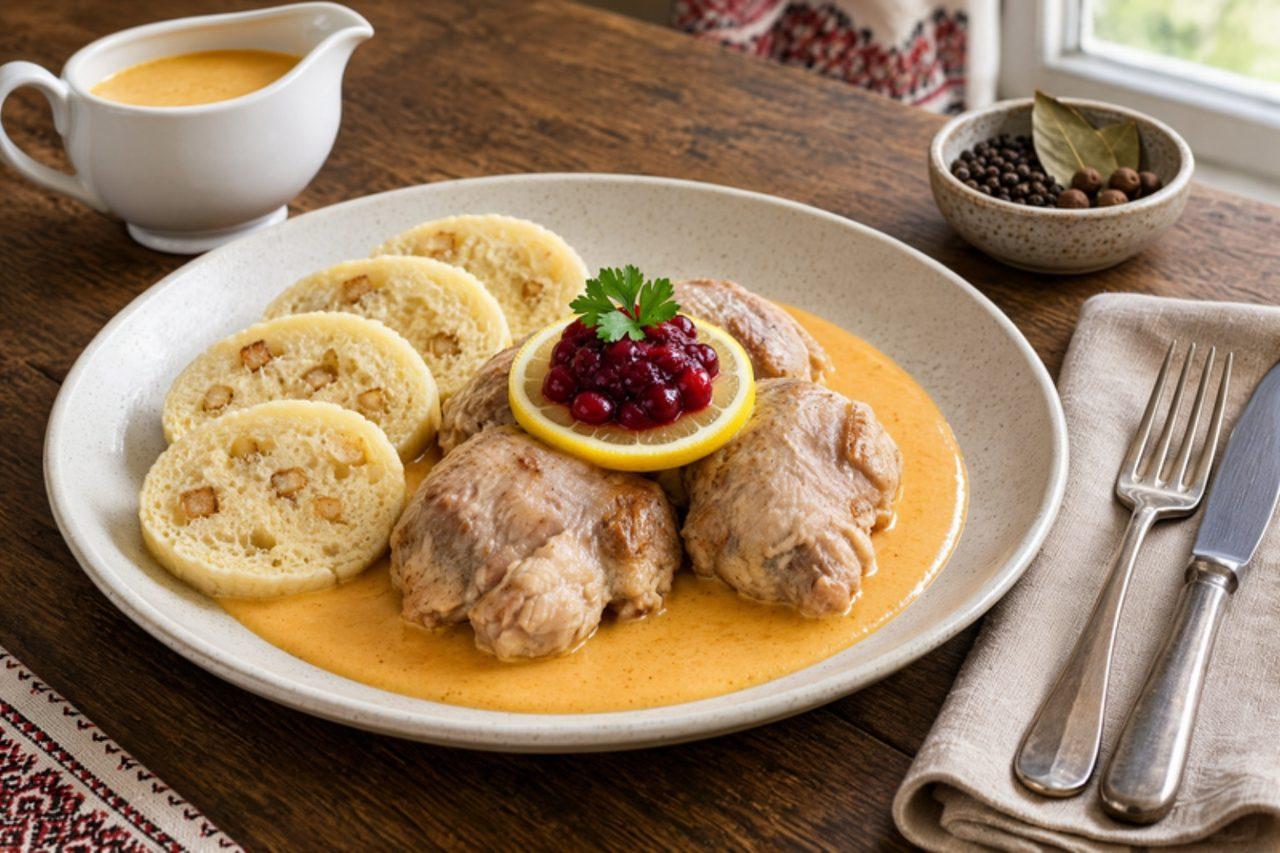
Králík na smetaně is a Sunday lunch in the Czech countryside, especially in Moravia and South Bohemia, where many families once kept rabbits in the yard. Rabbit pieces are braised with carrot, celeriac, parsley root and onion, then the vegetables are blended into a velvety cream sauce brightened with lemon and a pinch of sugar, much like the famous svíčková. It is served with sliced bread dumplings (houskové knedlíky) and a spoon of cranberry sauce. The usual mistake is boiling the sauce after the cream goes in, which can split it; keep it at a bare simmer. Rabbit is lean, so cook it gently and check that the meat comes easily off the bone. Chef's tip: blend the vegetables until completely smooth and pass them through a sieve for the silky sauce Czech cooks are proud of.

120 minCzechMeat
by KrazyBadal 0 views

Bandar ladduGram flour and jaggery balls

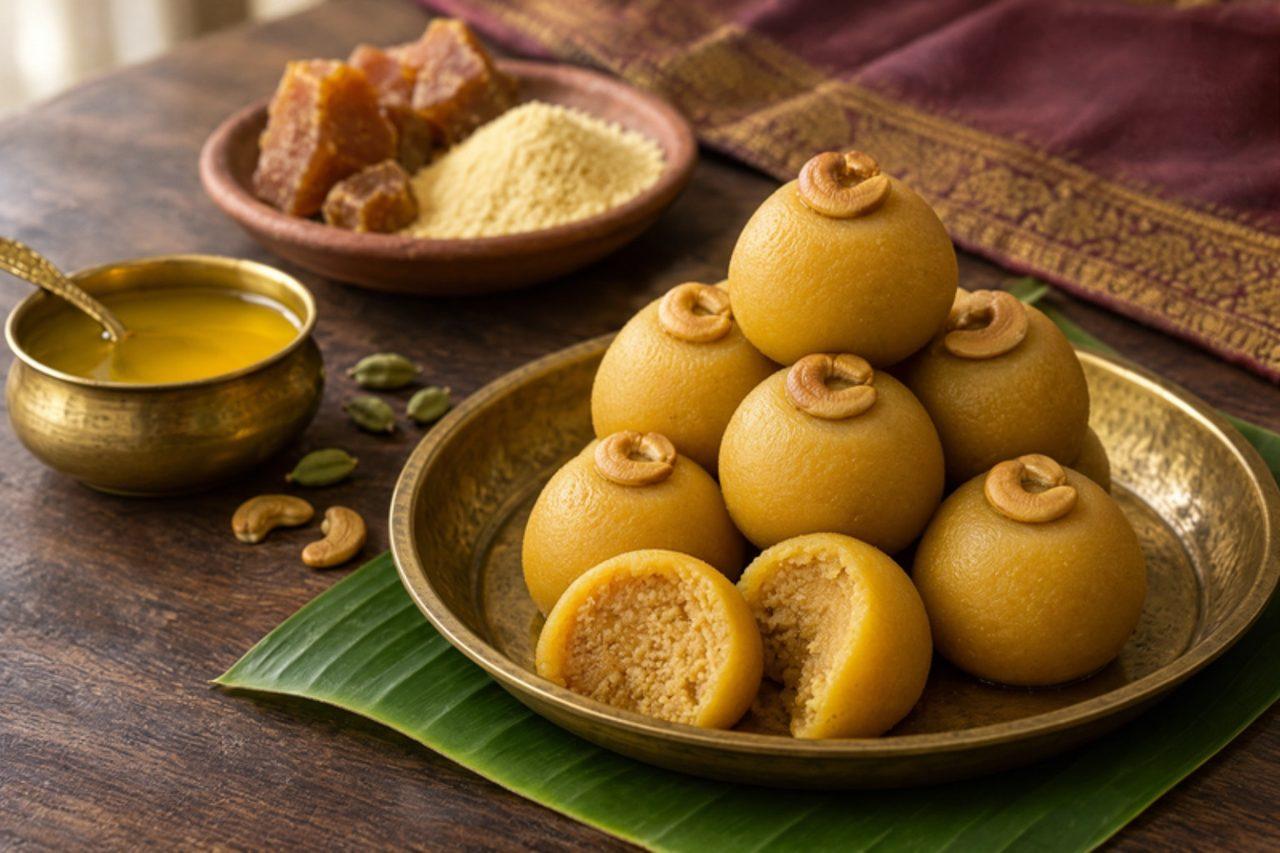
Bandar laddu is named after Bandar, the old name of Machilipatnam on the Andhra coast, and it is the sweet families carry home after a trip there, offer at Sankranti and give at weddings. Gram-flour pearls are fried, then pounded with jaggery syrup and ghee until the mixture turns dense, smooth and fudgy, unlike the grainy besan laddu of the north. The common mistake is not cooking the jaggery syrup far enough: it needs to reach the soft-ball stage, or the laddus slump and turn sticky. Chef's tip: pound the mix while it is still warm, in batches, in a heavy mortar or food processor, until it clumps when pressed.

by KrazyBadal 0 views

MarchuDeep-fried wheat breads

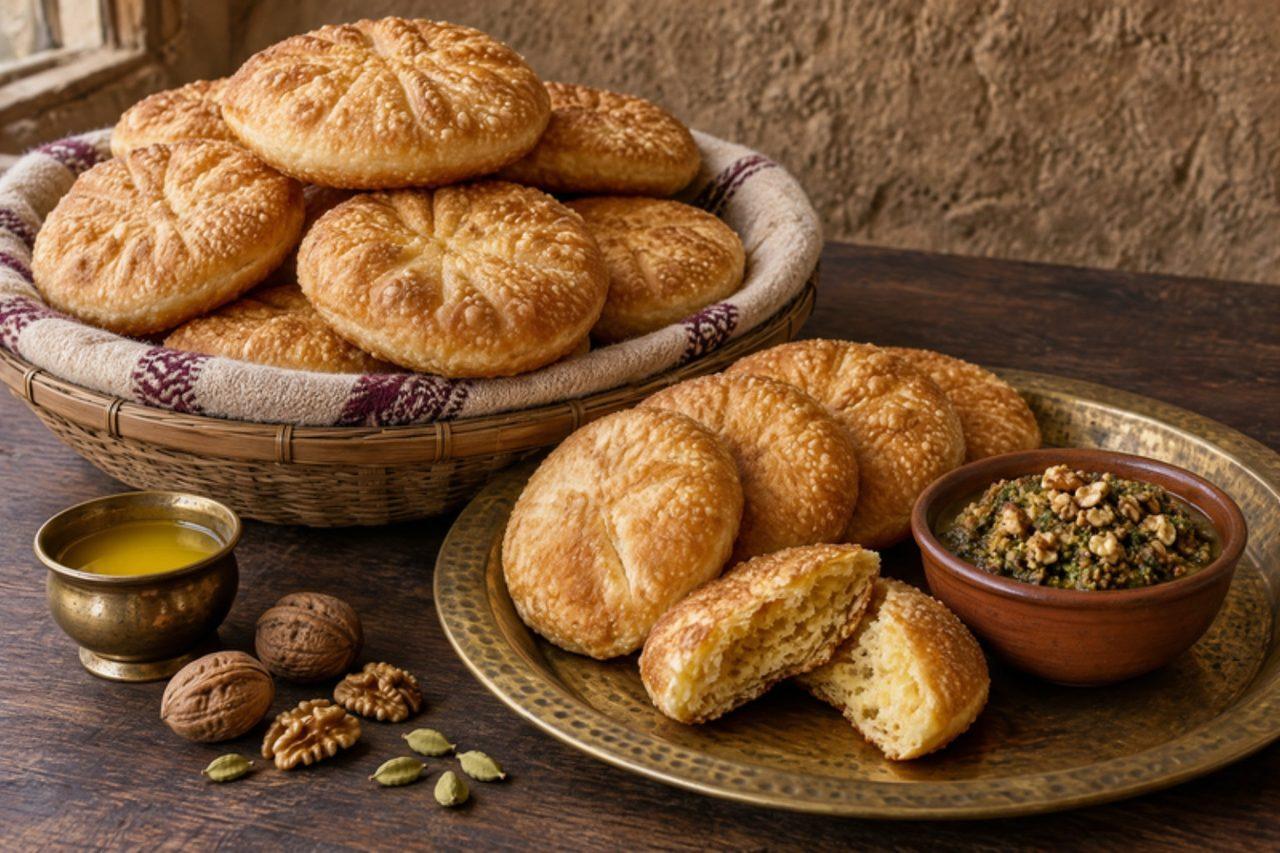
In the high Lahaul valley, marchu are fried by the basketful before the winter festivals of Halda and Losar, when families visit each other and every house must have a pile ready for guests. They are thick, soft rounds of wheat dough, sometimes lightly sweetened, fried in oil until puffed and golden, and they keep for days in the cold. They are eaten with butter tea or a spicy potato dish. The common mistake is frying in oil that is too hot, which browns the outside before the inside cooks; keep the heat medium. Chef's tip: prick each round twice with a fork so it puffs evenly rather than ballooning on one side.

by KrazyBadal 0 views

Bánh khúcCudweed sticky rice dumplings

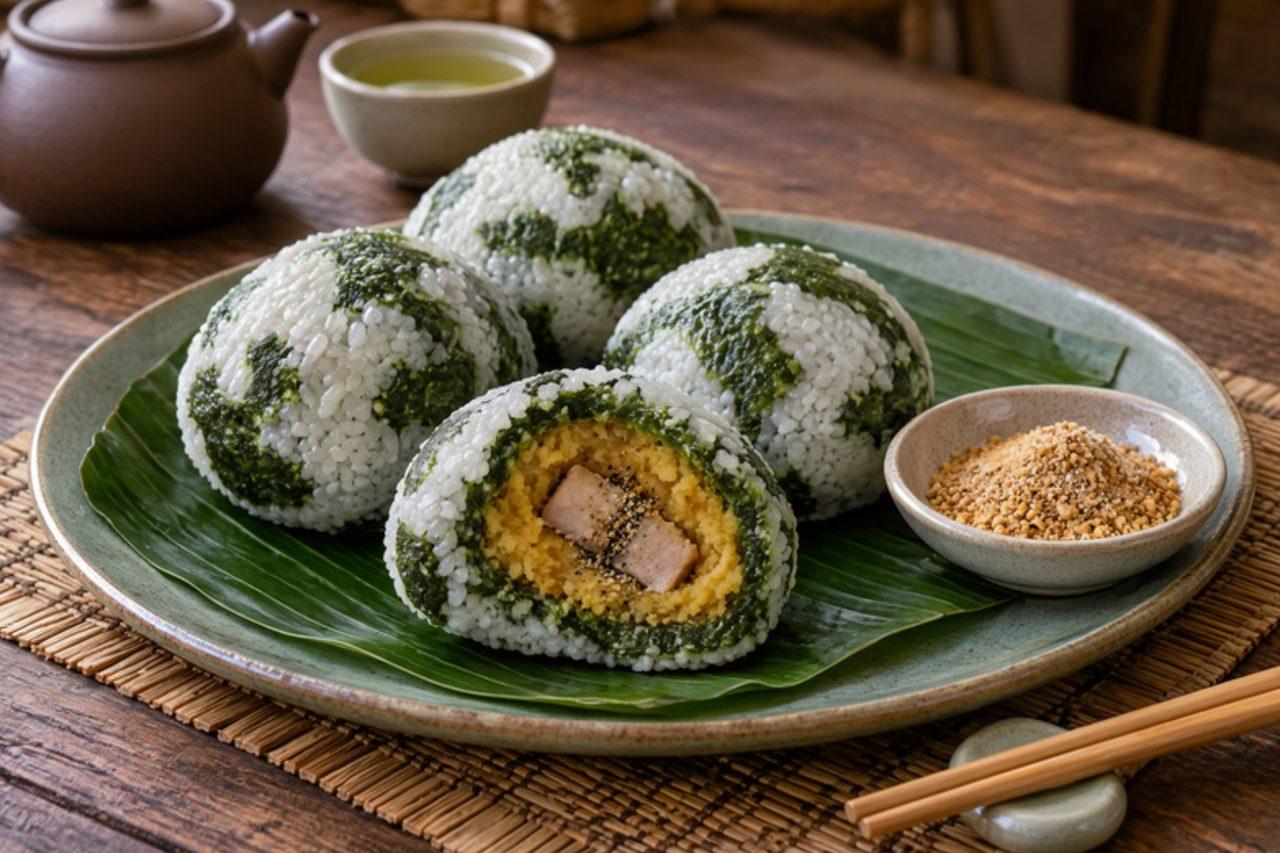
Long before sunrise, vendors walk Hanoi's Old Quarter with steaming baskets, calling out for xôi xéo and bánh khúc. These are soft green dumplings coloured and scented with rau khúc, a grassy, herbal cudweed, wrapped around mung bean paste and peppery pork belly, then rolled in sticky rice grains and steamed until the grains turn glossy. They are eaten hot from a scrap of banana leaf with a pinch of sesame salt, often on a cold winter morning. Look for frozen or dried cudweed at Vietnamese grocers. Chef's tip: keep the green dough thin but even; thick dough cracks and lets the filling escape.

by KrazyBadal 0 views

Popska yahniyaBeef and onion stew

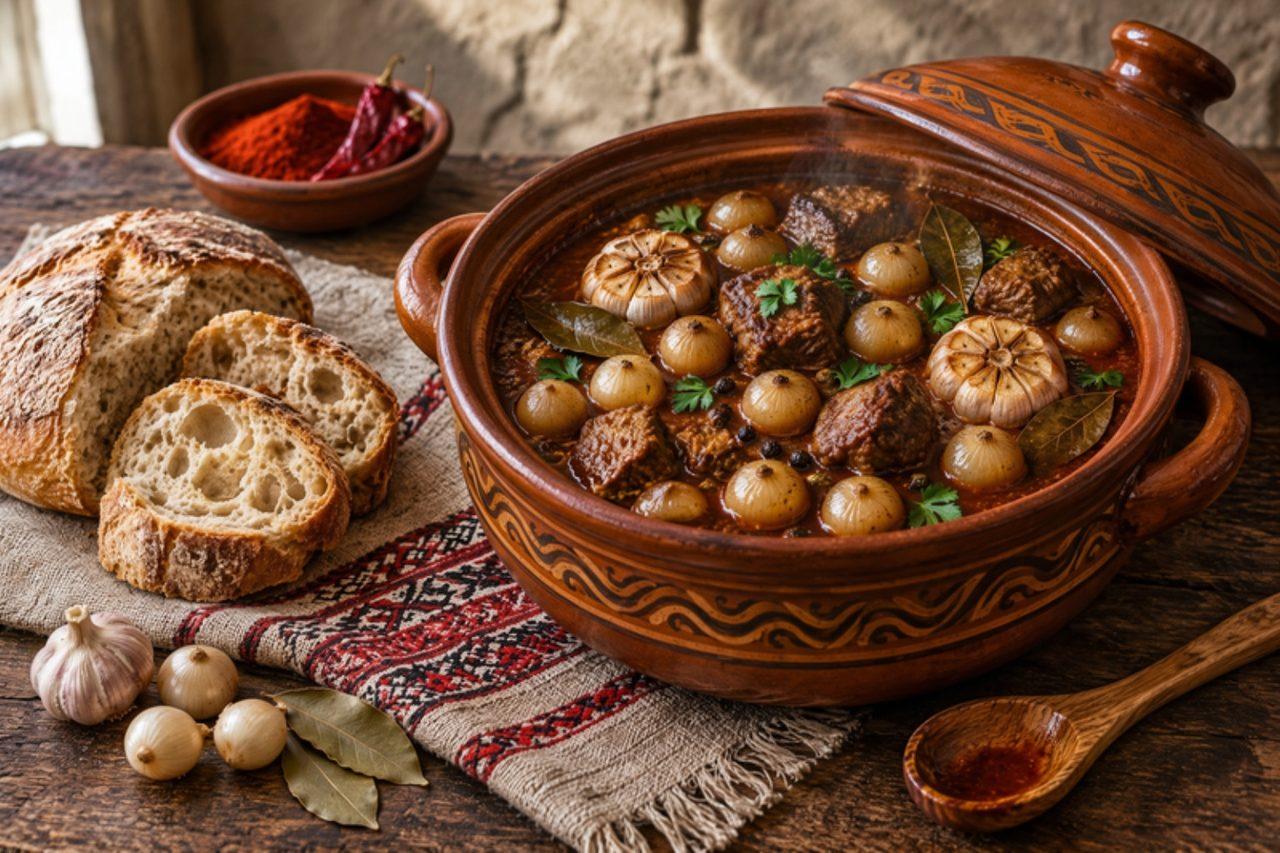
Popska yahniya, the 'priest's stew', is cooked across Bulgaria in autumn and winter, often in a clay gyuveche in the oven, and appears at name-day dinners in Plovdiv and Veliko Tarnovo. Beef is braised with a heap of small whole shallot-sized onions, garlic, paprika, red wine and a splash of vinegar until the onions are sweet and jammy and the sauce is glossy. The wine is part of the dish and some alcohol can remain after cooking; for an alcohol-free version use the same amount of beef stock plus 1 extra tablespoon of vinegar. Pork shoulder is a common alternative to beef. The usual mistake is letting the onions break apart: add them after the meat has had an hour, so they hold their shape. Chef's tip: blanch the onions for one minute in boiling water and the skins slip off in seconds.

by KrazyBadal 0 views

Lagmi (fresh palm sap)

In the oases of the Tunisian south, in Gabès, Tozeur, Nefta, Kebili and on Djerba, palm climbers cut a small wound at the crown of an ageing date palm and hang a clay pot under it overnight. By sunrise it holds lagmi: cloudy, ivory-white sap, cool and sweet, with notes of coconut water and fresh dates. It is sold in recycled bottles at the roadside and drunk the same morning, because the wild yeasts in it begin to ferment almost at once. By afternoon it is fizzy and sour, and by the next day it has become an alcoholic palm wine, also called lagmi, which is a different drink altogether. The common mistake is buying more than you can drink by lunchtime or leaving it in the sun: keep it on ice from the moment you get it. Fresh lagmi is ready to drink when it is sweet, smells clean and milky, and only a few tiny bubbles rise; once it tastes sour or prickles on the tongue, it has started to turn. It is raw and unpasteurised, so pregnant people, babies, older people and anyone unwell should skip it. Outside the oases, fresh coconut water is the closest stand-in. Chef's tip: chill the glasses too; lagmi is at its best ice-cold.

by KrazyBadal 0 views

ChapeaRed beans with plantain and sausage

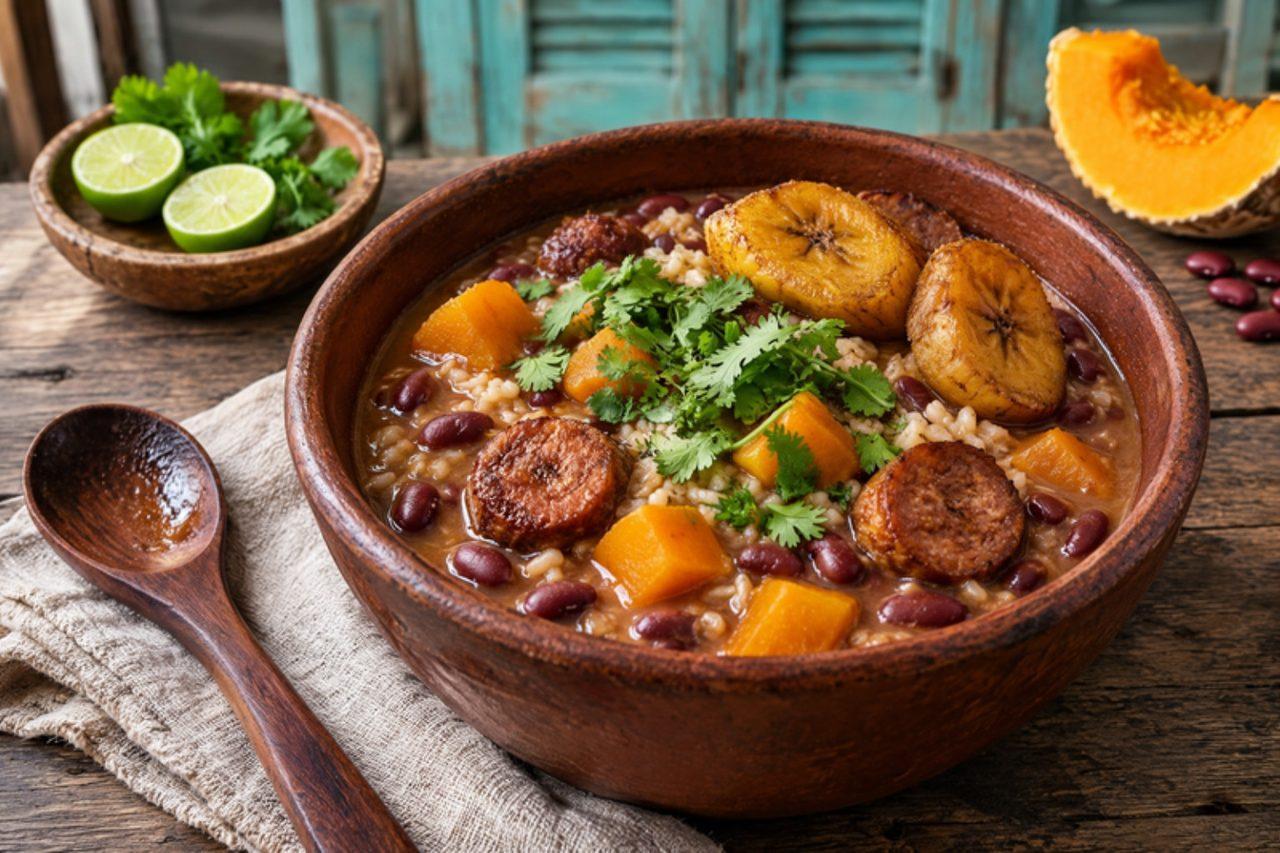
Chapea comes from the countryside of the Cibao and the south of the Dominican Republic, where it is cooked for big Sunday lunches and family gatherings: red beans stewed with auyama squash and ripe plantain, smoky pork longaniza or salami, then rice cooked right in the bean broth until it is soft and creamy, somewhere between a moro and a stew. The sweet plantain melts into the pot and gives the rice a gentle sweetness. Dried red kidney beans must be soaked and then boiled hard for 10 minutes before the gentle simmer, to destroy a natural toxin; tinned beans are already safe. The usual mistake is adding the rice to too little liquid, which leaves it hard; it should be swimming at first. Chef's tip: fry the sofrito until it smells sweet and the oil turns red before the beans go in, as that is where chapea gets its depth.

by KrazyBadal 0 views

Ndizi na maharageGreen bananas and red beans

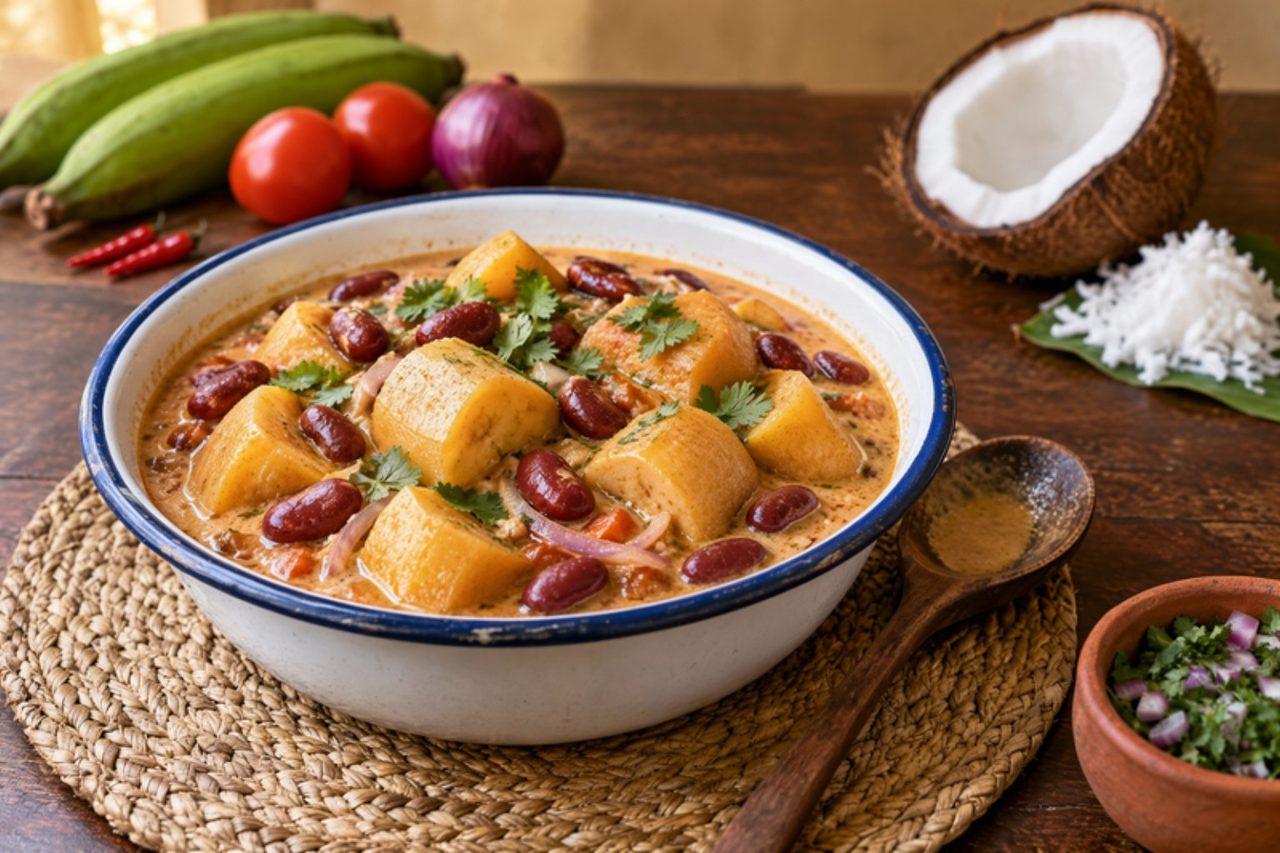
Across Tanzania, from Dar es Salaam to the banana farms around Kilimanjaro, ndizi na maharage is a filling weekday lunch: green cooking bananas and red beans simmered in one pot with tomato, onion and coconut milk until the bananas are soft and the sauce creamy. It needs nothing more than a few slices of avocado or a fresh kachumbari salad on the side. The usual mistake is cooking dried red kidney beans gently from the start: they must boil hard for 10 minutes first to be safe. Peel green bananas with oiled hands, as the sap stains and sticks. Chef's tip: add the bananas only once the beans are tender, then let them simmer until they just break at the edges and thicken the sauce.

by KrazyBadal 0 views

Bajre ki raabdiFermented pearl millet buttermilk porridge

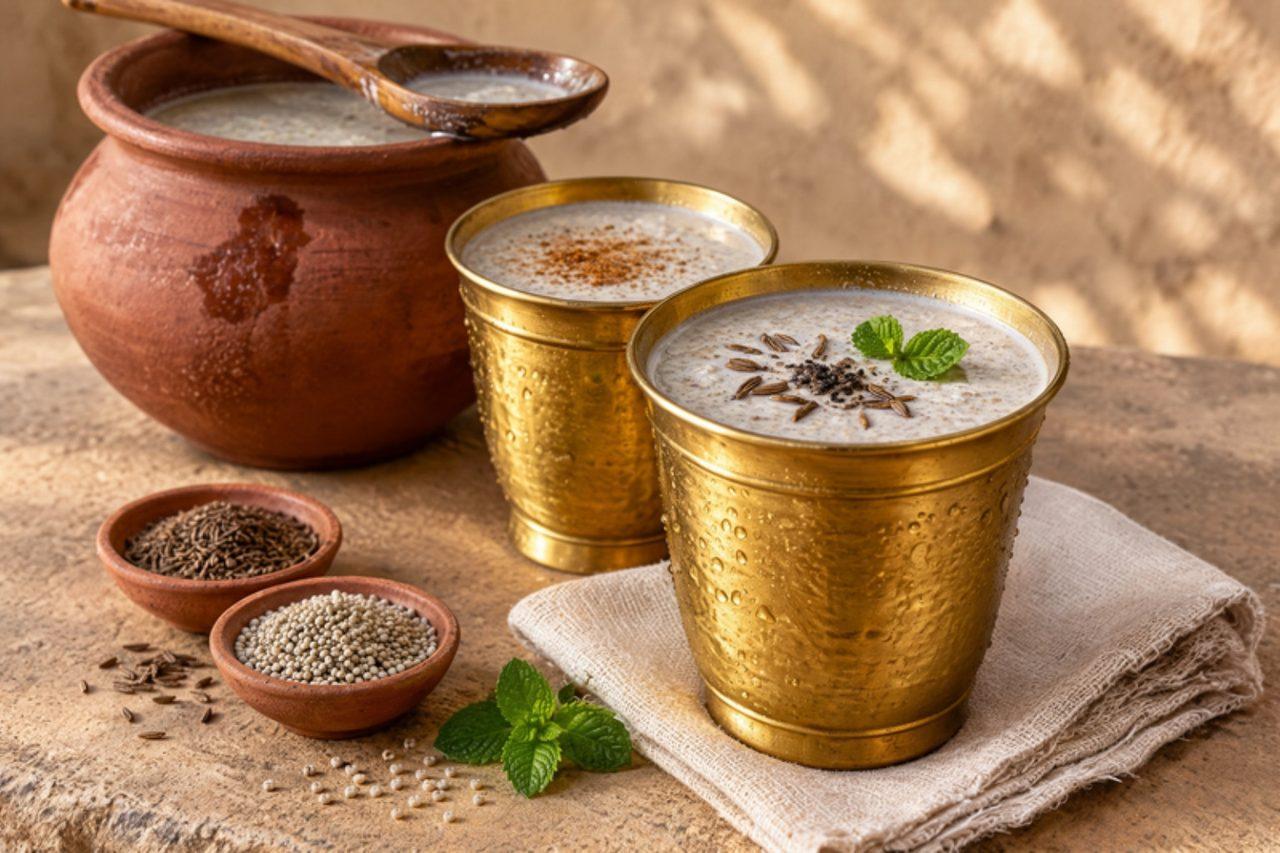
In the villages of Haryana and the Rajasthan border, raabdi is drunk at midday in May and June to keep cool in the fields. Pearl-millet flour is stirred into buttermilk and left to ferment for a few hours, then cooked slowly until thick, cooled in a clay pot and thinned with more buttermilk and salt. It tastes tangy and earthy, a little like a savoury porridge you can drink. Ferment at warm room temperature (25–32 °C) for 4–6 hours: it should smell pleasantly sour with a few bubbles. Throw it away if you see pink, black or furry mould or it smells rotten or of nail varnish. The common mistake is cooking on high heat, which scorches the millet and leaves raw lumps. Chef's tip: keep the cooked raabdi in the fridge and drink it within 2 days, thinning each glass to taste.

by KrazyBadal 0 views

MotohoFermented sorghum porridge

Highland mornings in Lesotho can be bitterly cold, and a mug or bowl of warm motoho, thin enough to sip and pleasantly tangy, is how many Basotho families in Maseru and the mountain villages start the day. Sorghum meal is mixed with warm water and a spoonful of starter from the last batch, left overnight by the stove to sour, then cooked into a smooth, pourable porridge with a yoghurt-like tang and a nutty, toasty flavour. Some sweeten it with sugar; others drink it plain with bread. If you have no starter, make one two days ahead with sorghum and water, as below. Chef's tip: keep the ferment warm but not hot; a pot left right on the stove gets too sour and too thin, so a spot nearby is perfect.

by KrazyBadal 0 views

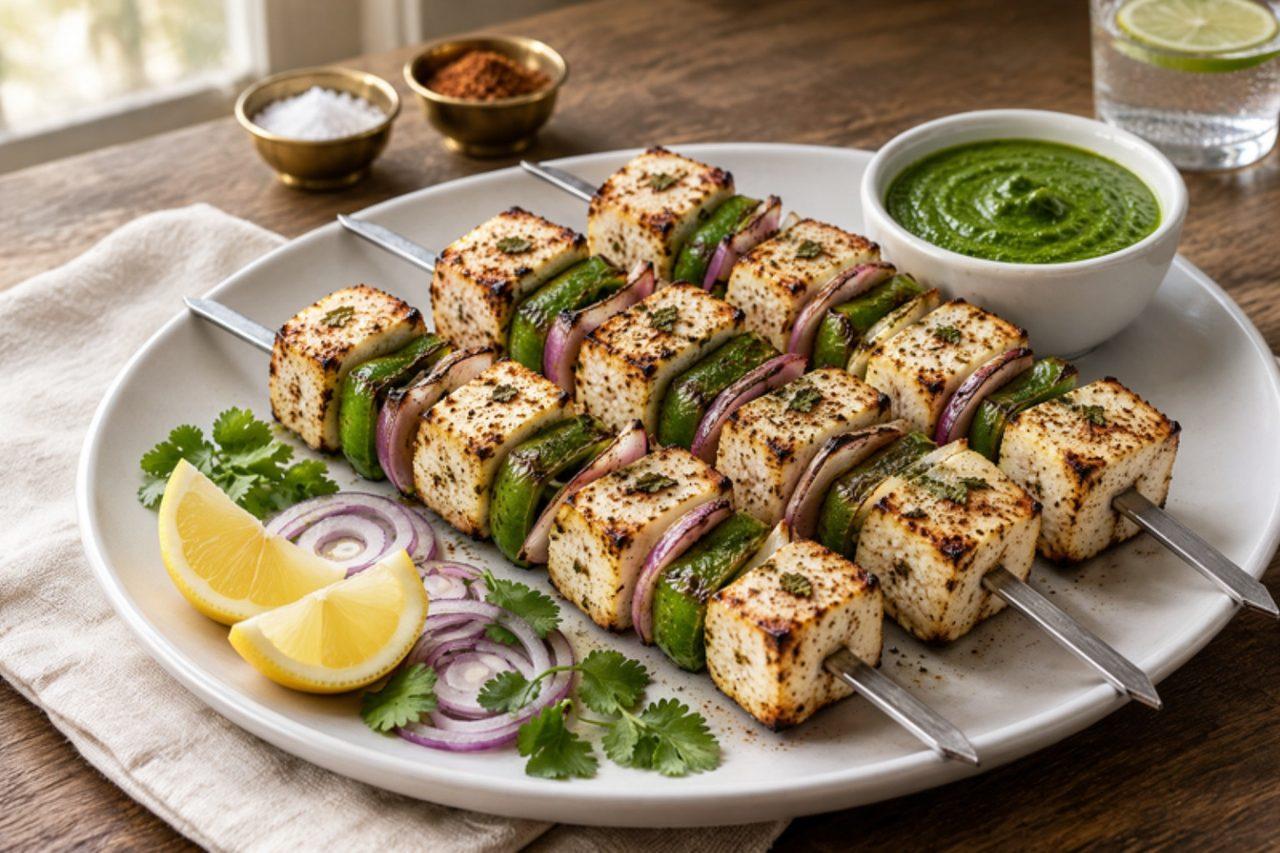
Paneer tikka

Paneer tikka is the vegetarian star of Punjabi dhabas and Delhi wedding buffets, and at home it is a weekend starter cooked under the grill or in a hot oven. Thick cubes of paneer, pepper and onion are coated in hung yogurt with ginger, garlic, chaat masala and roasted gram flour, then charred at high heat so the edges blister while the centre stays soft. Paneer set at home with lemon juice or vinegar uses no rennet; if you buy it, check the label. Serve with mint chutney and a big salad instead of naan. It is suitable as part of a balanced diet. About 330 kcal and 10 g carbohydrate per portion. The usual mistake is a runny marinade, which slides off; hang the yogurt for 20 minutes first. Chef's tip: marinate in the fridge for at least 30 minutes, and don't skip a final blast of high heat for the charred spots.

by KrazyBadal 0 views

BekangFried fermented soybeans

Bekang is the Mizo name for soybeans boiled and left to ferment in leaves until sticky and strongly savoury, and fried bekang is one of the most loved sides on the Aizawl table, spooned over plain rice. To ferment your own, keep the wrapped, drained beans at 30–40 °C for 2–3 days: they are ready when coated in sticky white threads and smell of ammonia and nuts. Throw them out if you see black, green or pink mould or they smell rotten. The common mistake is frying on high heat until the beans scorch and turn bitter. Chef's tip: bought kinema, axone or natto work in place of homemade bekang.

by KrazyBadal 0 views

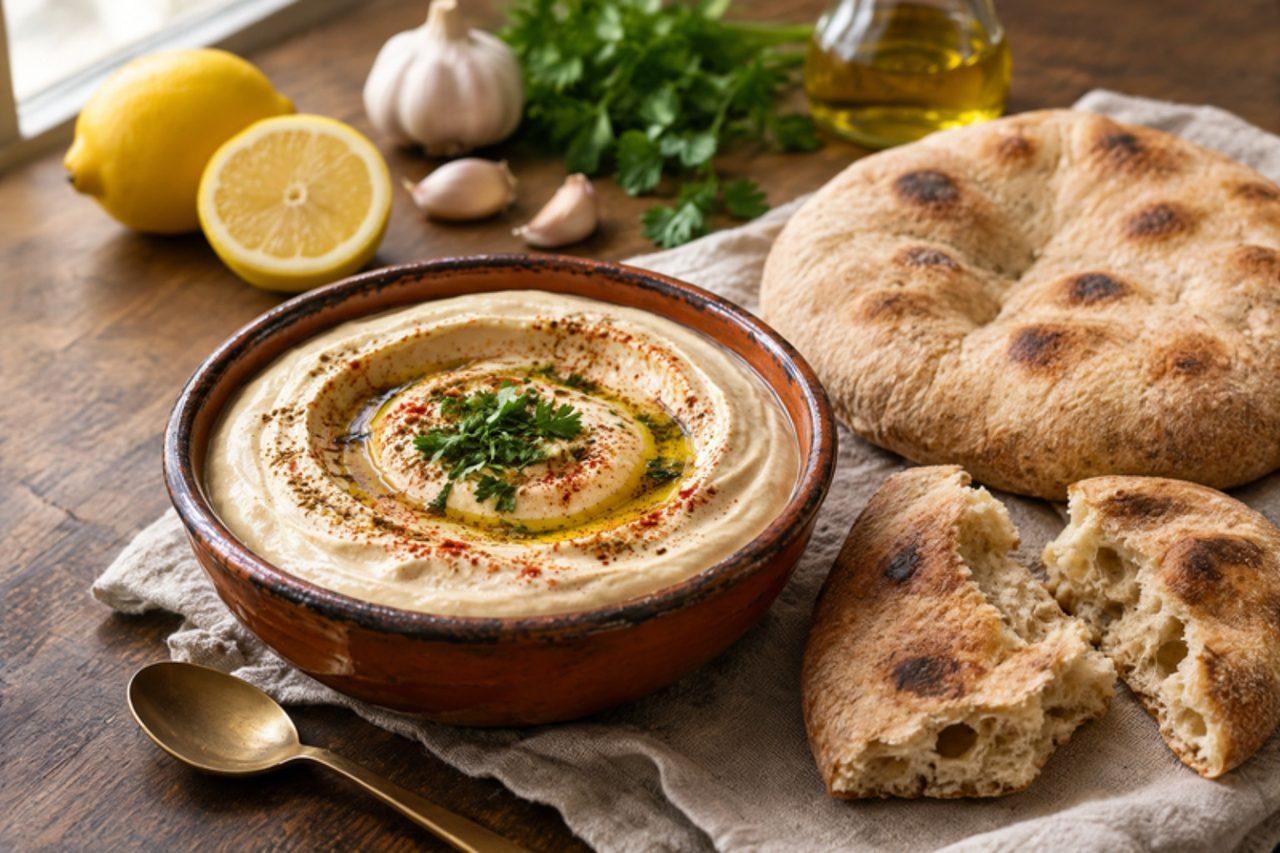
Salatet tahinaTahini sauce

No Egyptian table is complete without salatet tahina: in Cairo and Alexandria it is served with fried fish, grilled kofta, ful and falafel, and it is on every mezze plate at Friday lunch. Sesame paste is whipped with lemon juice, garlic, cumin and cold water until it turns pale, fluffy and creamy, with no sugar at all. Suitable as part of a balanced diet, it brings sesame protein and healthy fats with very little carbohydrate: about 150 kcal and 5 g carbohydrate per portion of 3 tablespoons. The usual mistake is panicking when the tahini seizes and goes thick after the lemon goes in; keep adding cold water a spoon at a time and it loosens into a smooth sauce. Chef's tip: use ice-cold water, which makes the tahina whiter and fluffier.

by KrazyBadal 0 views

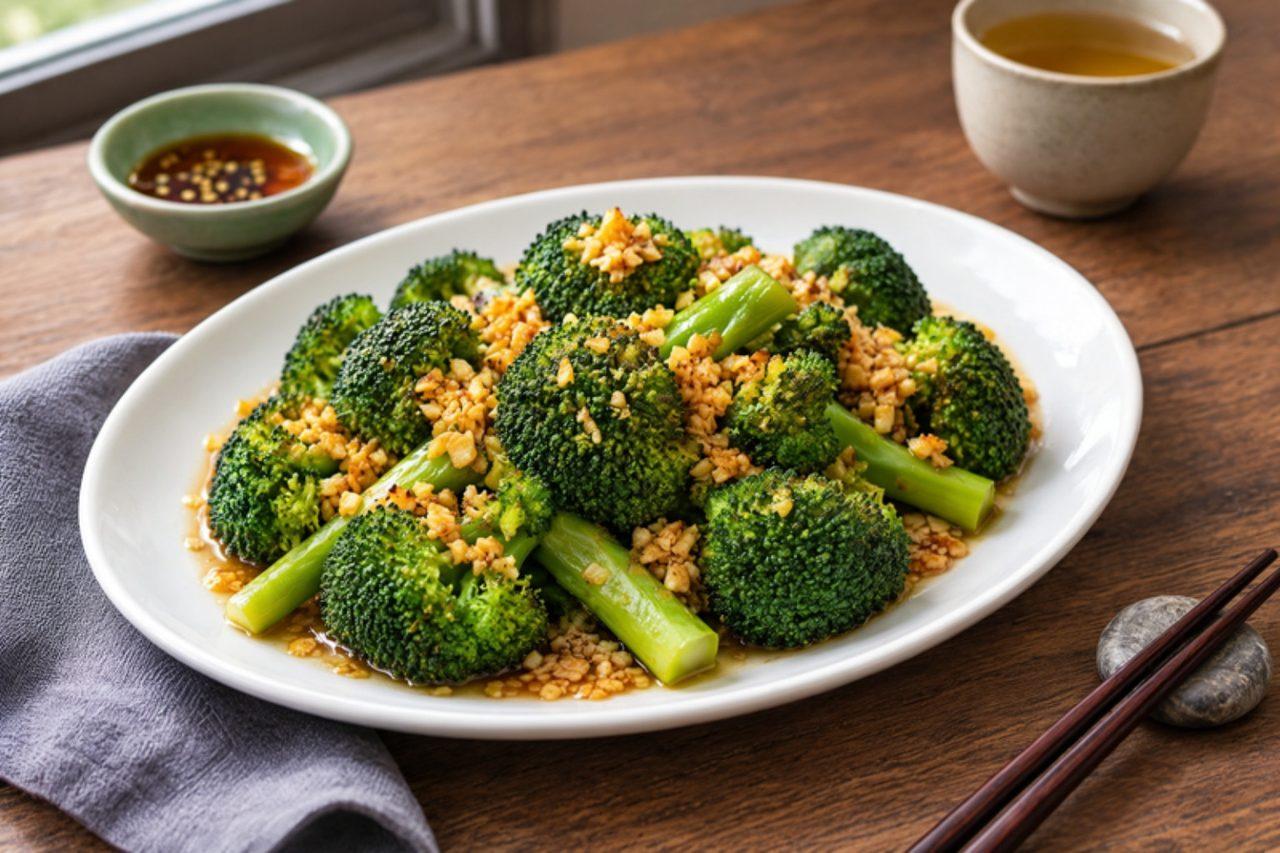
Suan rong xilanhuaGarlic broccoli

Garlic broccoli is on the menu of almost every Chinese home kitchen and family restaurant, from Guangzhou to Shanghai, as the quick green dish at a weekday dinner. The florets are blanched just until bright, then tossed in a hot wok with a big spoon of minced garlic and a splash of water, so they stay crisp, glossy and full of garlic flavour. Serve with tofu, fish or eggs and a modest portion of rice. It is suitable as part of a balanced diet. About 90 kcal and 8 g carbohydrate per portion. The usual mistake is adding the garlic to very hot oil before the broccoli, where it burns and turns bitter. Chef's tip: add a few drops of oil to the blanching water; it keeps the broccoli shiny and green.

by KrazyBadal 0 views

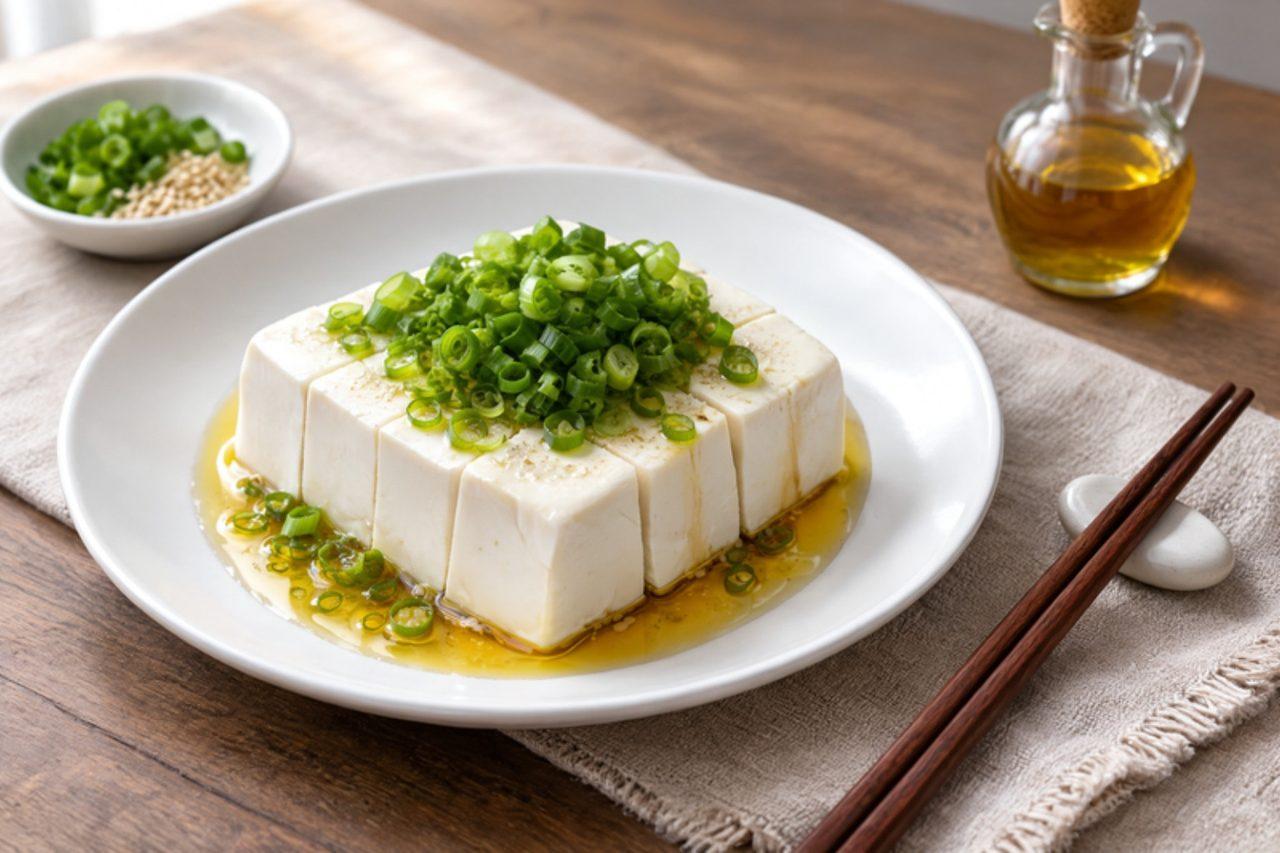
Xiaocong ban doufuCold tofu with spring onion

Xiaocong ban doufu is a northern Chinese home dish, especially popular in Beijing and Shandong on hot summer evenings, so simple that it has given Chinese a proverb about being clear as 'green onion and white tofu'. Soft tofu is blanched, cooled, cut into cubes and tossed with a heap of chopped spring onion, sesame oil and a little salt, so it is cool, silky and fresh. Serve it beside stir-fried vegetables and a little rice or a wholewheat bun. It is suitable as part of a balanced diet. About 120 kcal and 3 g carbohydrate per portion. The usual mistake is stirring hard so the tofu breaks into crumbs; fold it gently with a spoon. Chef's tip: blanch the tofu in salted water for a minute, which firms it up and takes away the raw beany taste.

by KrazyBadal 0 views

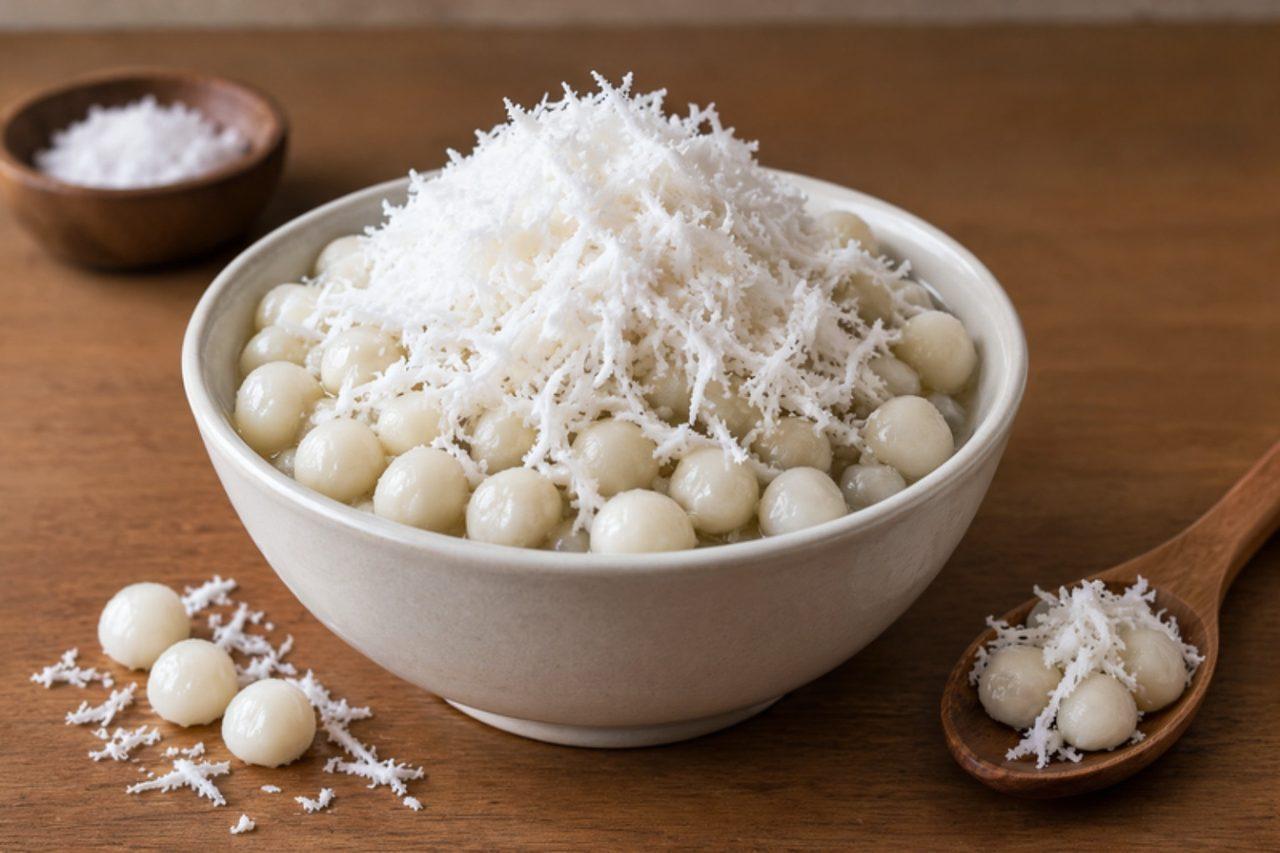
BinatogBoiled hominy with coconut

Binatog is an afternoon snack sold from bicycle carts that ring their way through the side streets of Manila, especially around Tondo and Sampaloc, the vendor scooping steaming white corn from a big tin can into small cups. The kernels are plump, chewy and nutty, piled with snowy grated coconut and finished with salt or sugar to taste, so everyone gets it the way they like. It is simple, filling and naturally vegan. Dried white hominy (pozole corn) has already been treated with lime, which gives the chewy, popped kernels; if you can only find canned hominy, rinse it and warm it for 10 minutes instead. Chef's tip: keep the kernels at a gentle simmer; a hard boil splits them before they become tender.

by KrazyBadal 0 views

ChhwelaGrilled chicken with mustard oil

Chhwela (also called choila) is a Newar dish from the Kathmandu Valley, served at festivals, feasts and family gatherings, and today in every bar and snack house as a spicy side. Meat is grilled until smoky, cut small and tossed with a dressing of spices and fenugreek seeds fried in smoking mustard oil, plus raw garlic, ginger, chilli, timur pepper and lime. Buffalo is traditional; this version uses chicken, and lean beef works too. It is high in protein and suitable as part of a balanced diet; eat it with a salad of cucumber and radish rather than a big pile of beaten rice. About 290 kcal and 5 g carbohydrate per portion. The usual mistake is pouring the mustard oil on before it smokes, which leaves a raw, harsh taste. Chef's tip: grill the meat until well charred at the edges, because the smokiness is the point.

by KrazyBadal 0 views

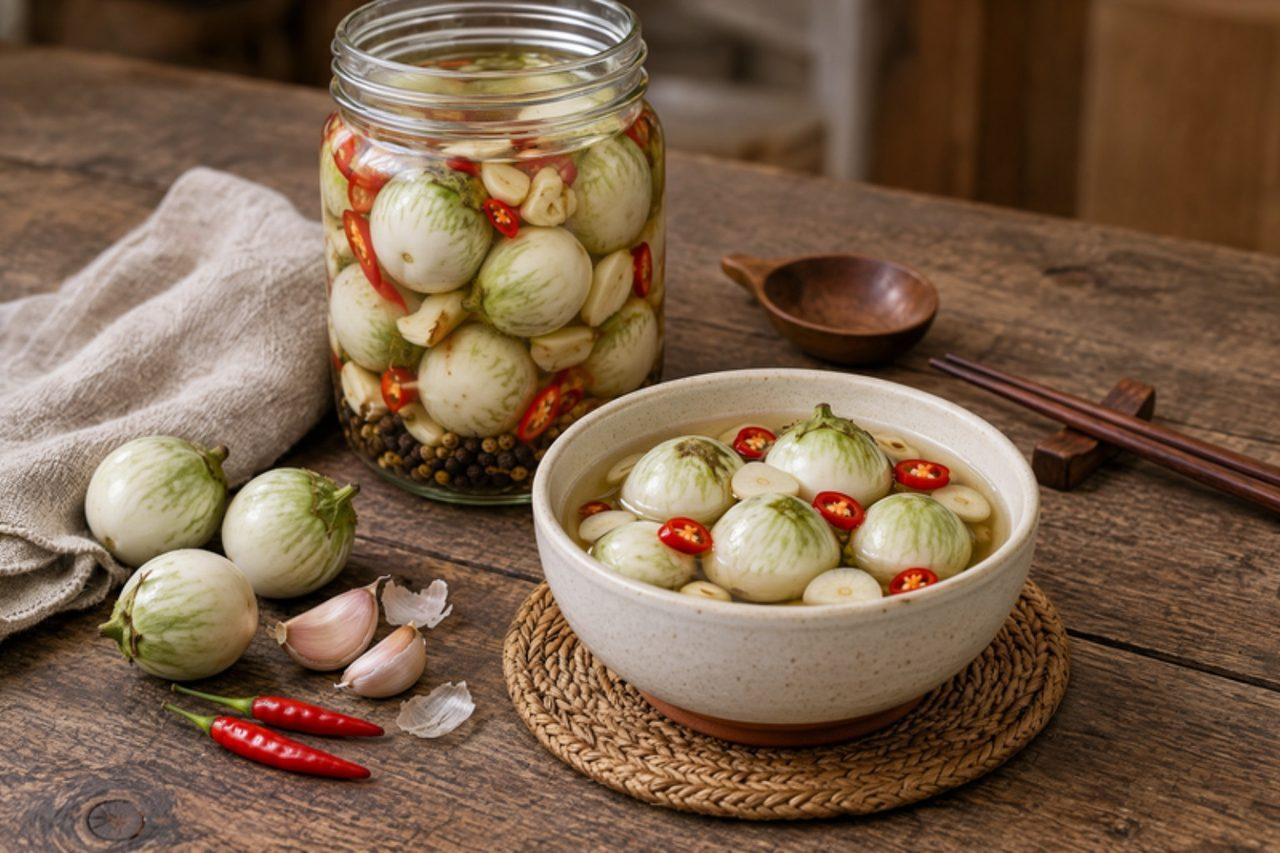
Cà pháo muốiPickled white aubergines

In northern Vietnam, a bowl of cà pháo muối is part of the plain summer meal: boiled water spinach, a light crab and jute-leaf soup, a few slices of braised pork and these small, round, white eggplants, crunched whole or halved with a dab of mắm tôm. Hanoi families pack them into jars in the hot months, when the eggplants are cheapest, with garlic, chilli and a few slices of galangal. After three to five days the skins turn an olive-yellow, the flesh goes creamy-ivory and the taste becomes clean, salty-sour and juicy, with a gentle crunch and no raw bitterness. Abroad, use firm green-and-white Thai eggplants about 3 cm across. Common mistake: letting the eggplants float above the brine; the exposed tops turn black and soft, so weigh them down. They are ready when the brine is cloudy, smells pleasantly sour and a halved eggplant has no white, raw-tasting core. Eat them only once fully soured, and in side-dish amounts. Chef's tip: soaking the cut eggplants in salted water first keeps their flesh pale and draws out bitterness.

by KrazyBadal 0 views

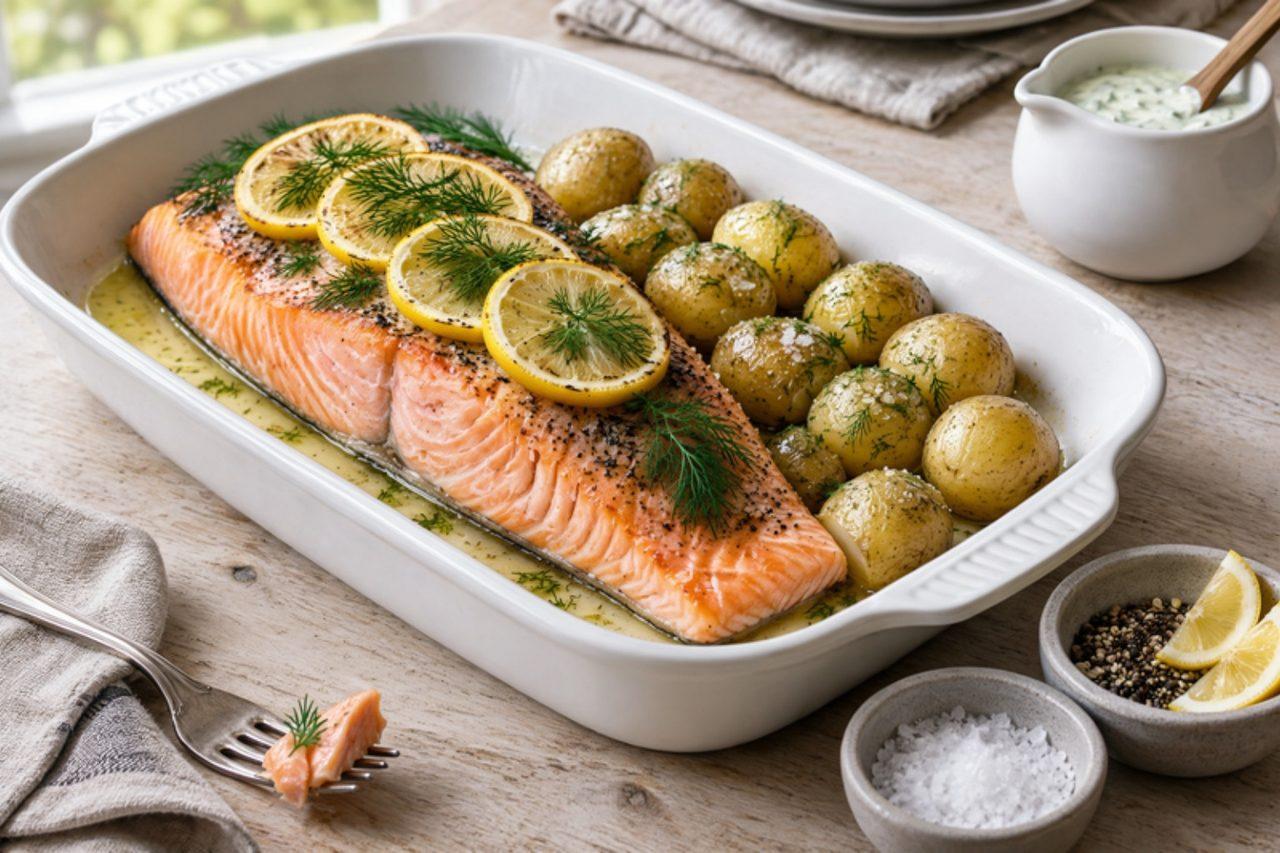
Ugnsbakad laxOven-baked salmon

Ugnsbakad lax is one of Sweden's most common weeknight dinners, made all year round but especially in summer when dill is everywhere, and it is on every school and workplace lunch menu. A thick side of salmon bakes quickly with lemon slices and plenty of dill, staying moist and pink in the centre. Oily fish, high in protein and suitable as part of a balanced diet; serve with a few boiled new potatoes and green beans or a cucumber salad. About 350 kcal and 2 g carbohydrate per portion. The usual mistake is baking it until it is dry and chalky, with white protein seeping out; take it out as soon as it flakes. Chef's tip: salt the salmon 15 minutes before baking so it seasons through and holds its juices.

by KrazyBadal 0 views

Masuri tey (rosehip tea)

Each October, Armenian families walk the hillsides around Dilijan, Tavush and Syunik picking the bright red hips of wild dog roses, then string or spread them to dry on balconies. Through the long winter they go into masuri tey, often made in a big pot in the evening and kept warm in a thermos for the next day, and it is the drink grandmothers press on anyone with a cold, alongside a spoon of homemade jam. It is fruity and tart, like hibiscus crossed with apple, with a gentle tea-like body, and a spoon of honey rounds it out. The common mistake is not straining it well enough: crushed rosehips are lined with tiny irritating hairs that scratch the throat. Strain through a fine sieve lined with a cloth or coffee filter. It is ready when the tea is deep orange-red and clearly sour, and the hips have swollen and softened. Simmer gently rather than boiling hard for long. Honey keeps this out of the vegan list; use sugar if you prefer. Not suitable as a sweetened drink for babies under one year because of the honey. Chef's tip: steep it overnight in a thermos after simmering; the flavour doubles.

by KrazyBadal 0 views

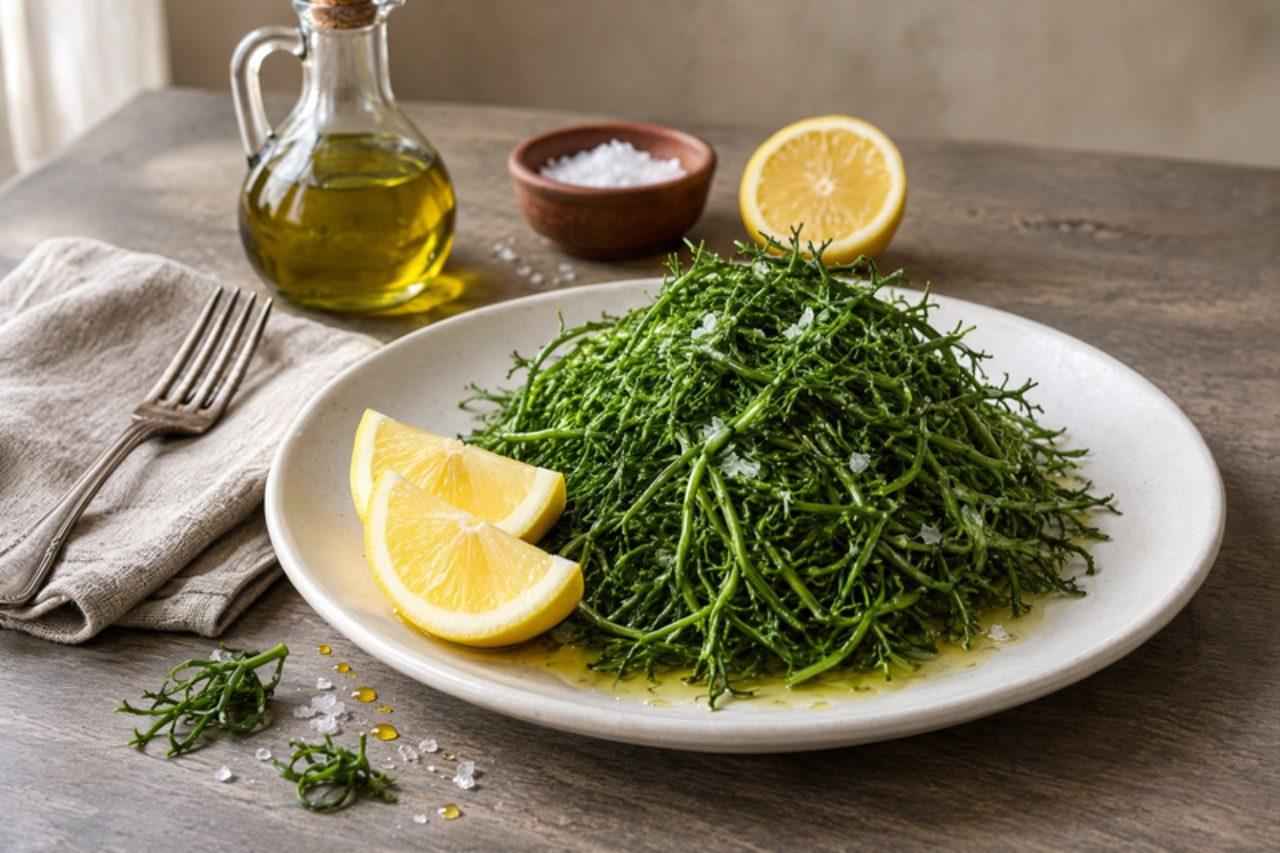
Agretti all'agroSaltwort with lemon

Agretti, also called barba di frate or 'monk's beard', appear in Roman and Tuscan markets for a short season in March and April, tied in bunches that look like thick chives. Blanched for a minute and dressed all'agro, with lemon and good olive oil, they are a juicy, slightly salty spring side for an egg dish, grilled fish or beans. Suitable as part of a balanced diet, they are almost free of starch: about 80 kcal and 3 g carbohydrate per portion. The usual mistake is overcooking them into limp threads; they should keep a crisp, spinach-like snap. Chef's tip: agretti are naturally salty, so taste before adding any salt at all.

by KrazyBadal 0 views

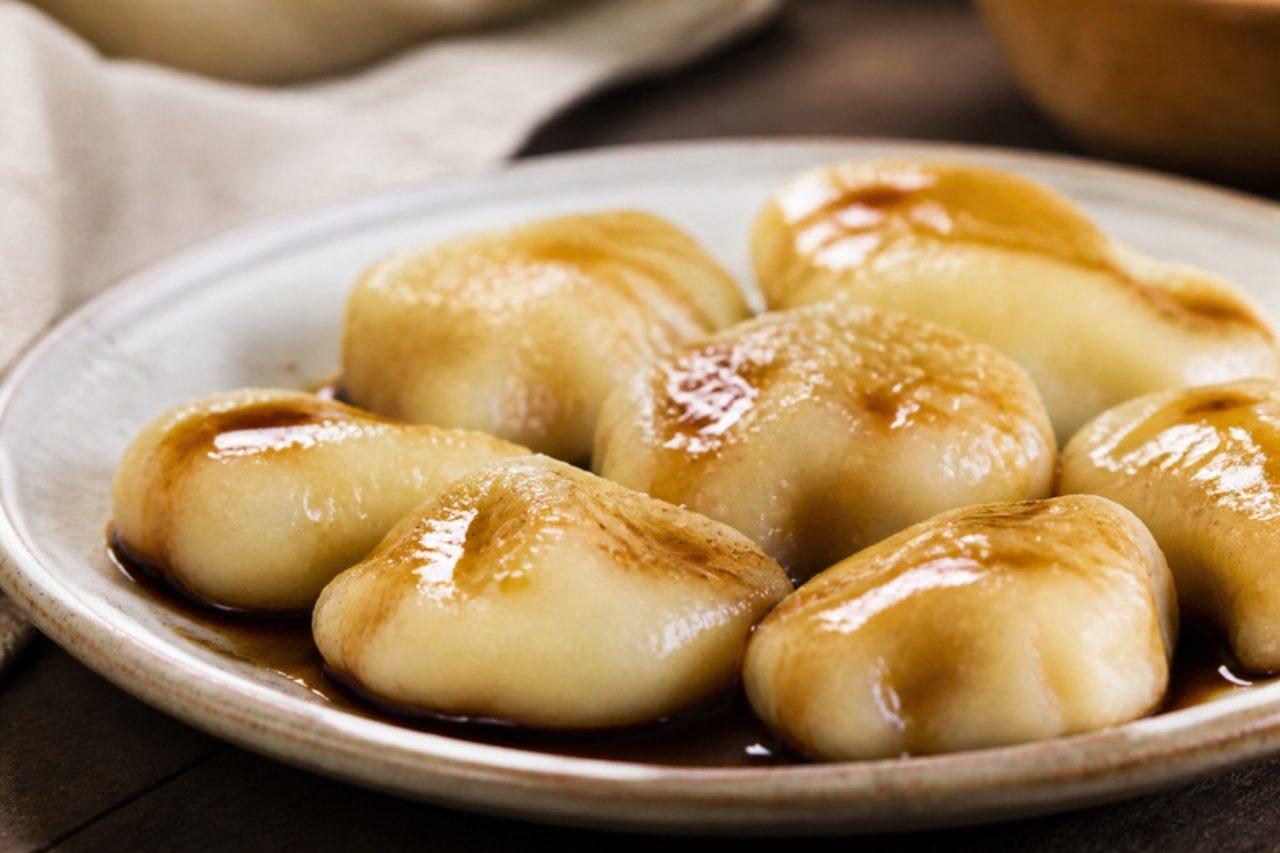
ChapalelePotato dumplings

Chapalele is milcao's softer island cousin: mashed potato kneaded with wheat flour, shaped into flat discs and boiled, so the outside is smooth and slightly chewy and the inside soft. On Chiloé they come out of the curanto, sit next to a stew, or are eaten warm as a pudding with sugar syrup. The classic mistake is adding too much flour to a sticky dough, which makes them heavy and stodgy; dust your hands instead. Chef's tip: use dry, floury potatoes and mash them while hot, and the dough needs far less flour. For a sweet afternoon plate, drizzle them with dark cane-sugar syrup (chancaca) or honey if you eat it.

by KrazyBadal 0 views

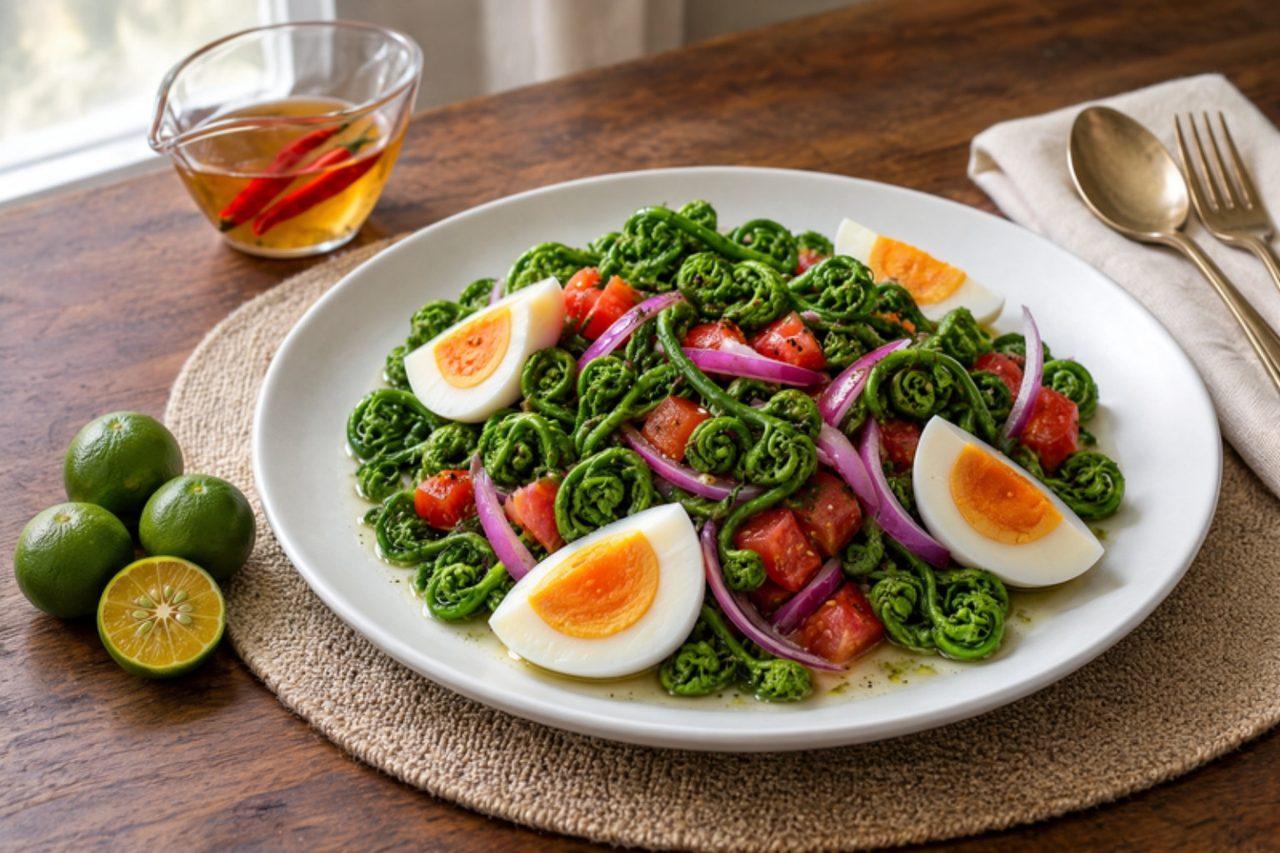
Ensaladang pakoFiddlehead fern salad

Pako, the young curled fronds of the vegetable fern, grow along streams in the Cordillera, Laguna and Mindanao, and in the rainy season they are sold in bundles at roadside stands. Blanched for a moment and tossed with tomato, onion, a calamansi and vinegar dressing and wedges of salted duck egg, they make a crunchy, refreshing side for grilled dishes at lunch. Suitable as part of a balanced diet, it adds greens with some protein: about 120 kcal and 8 g carbohydrate per portion. The usual mistake is eating the fern raw or barely warmed; always blanch it until tender. Chef's tip: plunge the fern straight into iced water after blanching so it stays bright green and crisp.

by KrazyBadal 0 views

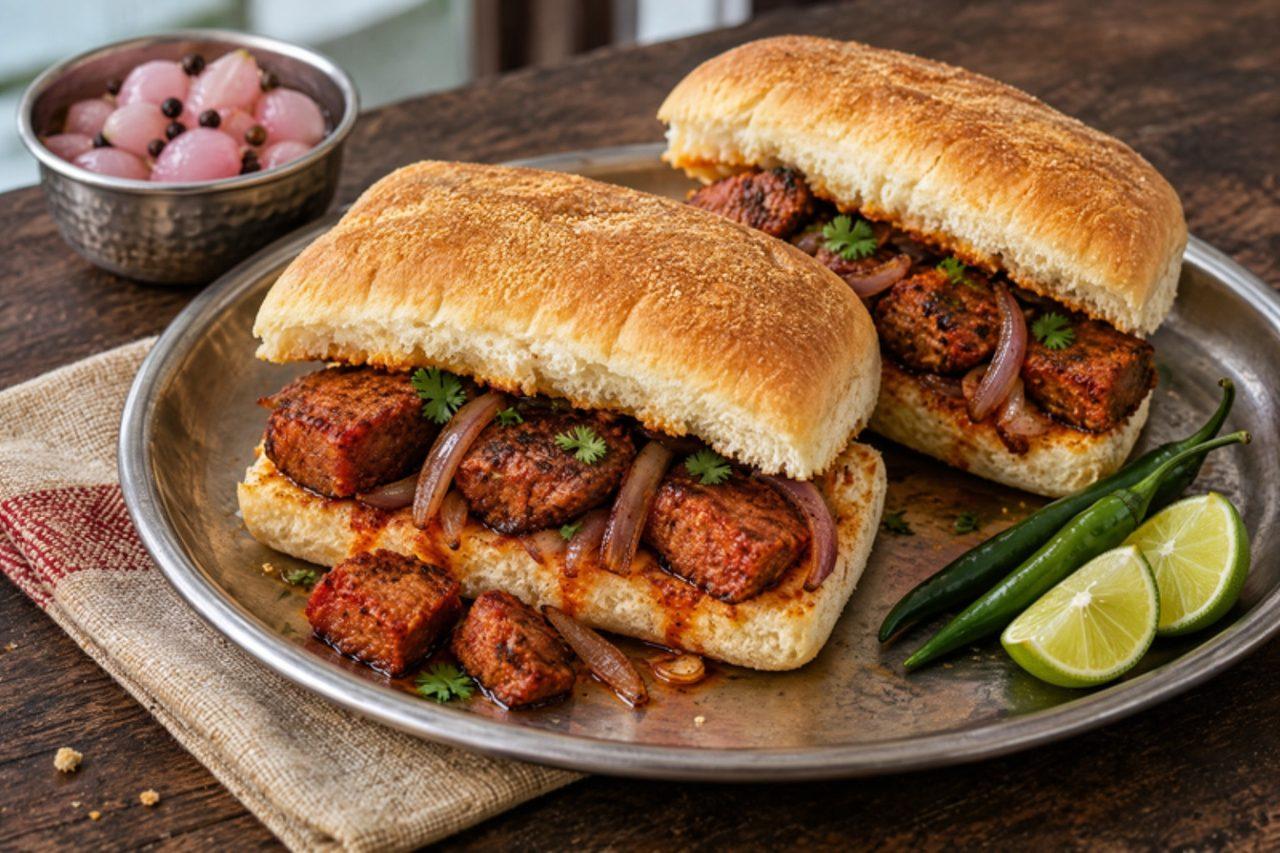
Chouris paoSpicy pork sausage in a bun

Chouris pao is Goa's favourite pork snack, sold from feast-day stalls at Mapusa's Friday market and village church fairs, and made at home whenever a string of chouriço comes out of the larder. The Goan pork sausage is cured with red chilli, garlic, spices and toddy vinegar (vinegar, not alcohol), then crumbled out of its casing and fried with onion and potato until sticky and red. The common mistake is frying it fiercely from the start: the fat needs a splash of water and gentle heat to render, otherwise the outside burns while the pork stays raw. Cook until the pork is no longer pink and reaches 71 °C. Chef's tip: soak the sausage links in hot water for 10 minutes first; it softens the casing and takes away harsh salt.

30 minIndianMeatSpicy
by KrazyBadal 0 views

Durofrío de mangoFrozen mango milk pops

In the hot streets of Centro Habana, durofríos are sold straight from the front windows of family homes: a few pesos buys a frozen cup of fruit juice or fruit and milk, popped out and eaten on a stick or straight from its paper cup. Children queue for them after school in the long summer afternoons, when the sea breeze has dropped. This version blends ripe mango with milk and lime into a creamy, fruity ice that is firm, as the name says ("hard-cold"), rather than soft like ice cream. Swap the milk for water or guava juice for a dairy-free fruit ice. It contains milk. Chef's tip: make the mix taste a little too sweet before freezing; cold dulls sweetness.

by KrazyBadal 0 views

Showing 63 of 7,888 recipes

Show more recipes

Page 128 of 877