


Skip to content
Shakshuka
Featured recipe

Shakshuka

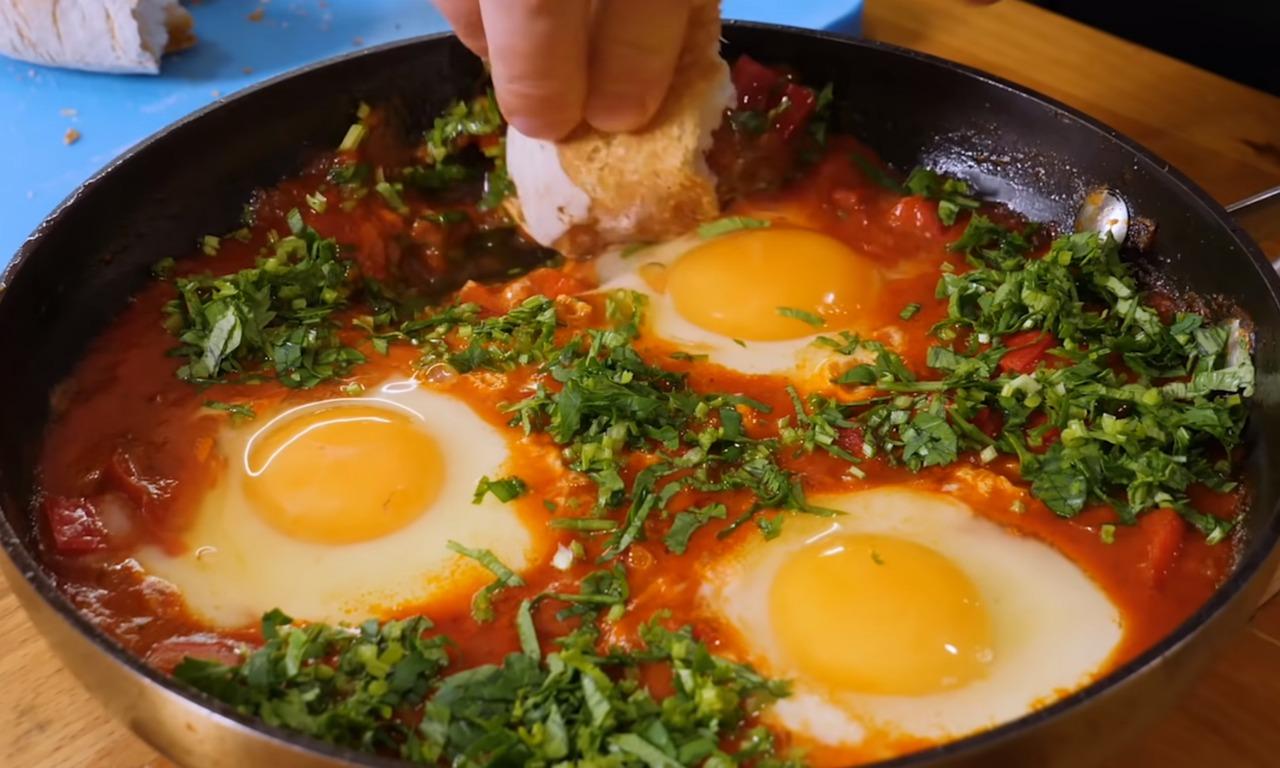
A one-pan breakfast that works just as well for dinner. Peppers and onions are cooked down with cumin and smoked paprika, then eggs are nestled in and poached until the whites set and the yolks stay runny. Bring the pan to the table with plenty of bread for dipping.

Read more 1 views

What to eat today?

Around the world

Today's trip: Persian

A new country every day, from every cuisine on the site.

Persian

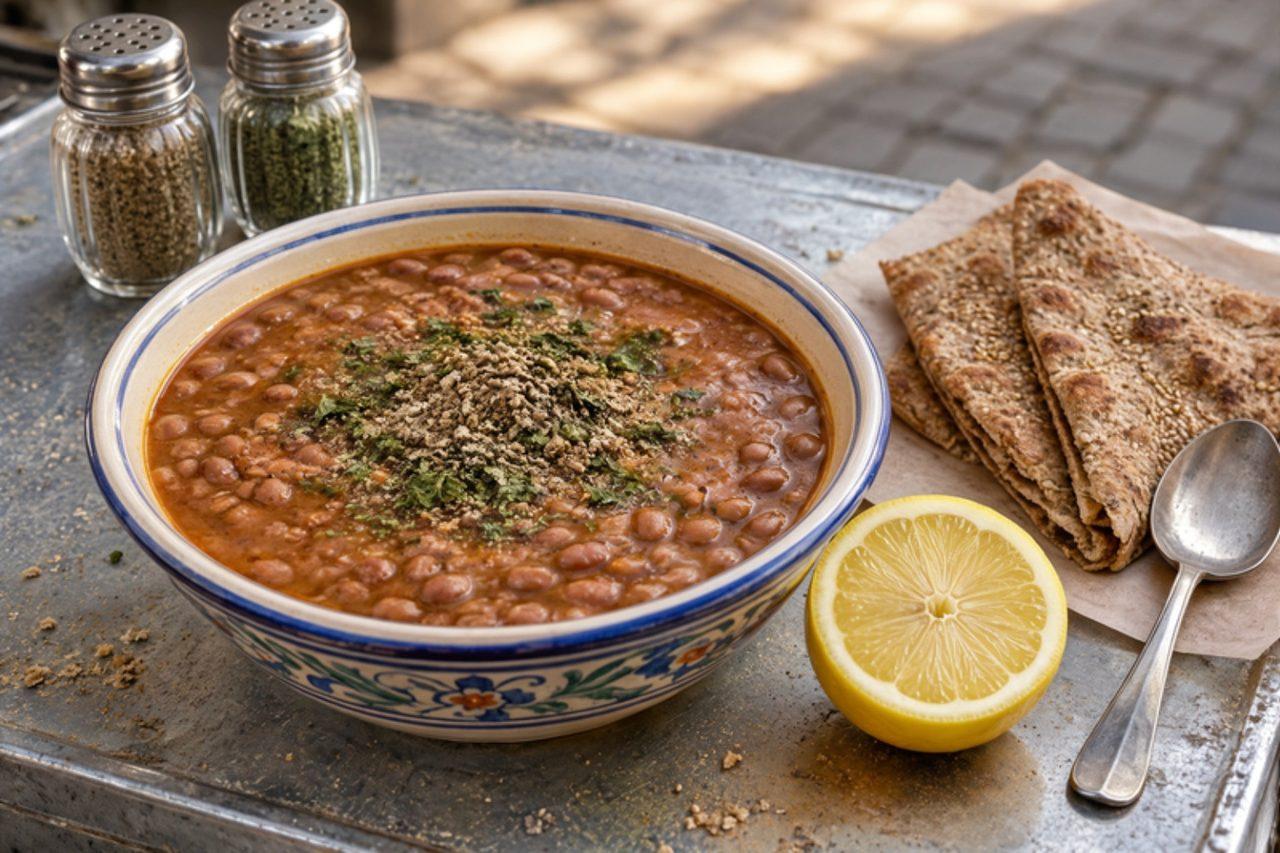
Lubia pokhte

Spiced pinto beans 120 minMore from Persian (131) →

This week's collection

Kid-friendly dinners
541 recipes · a new collection every Monday

Latest recipes

Urts tea (wild thyme tea)

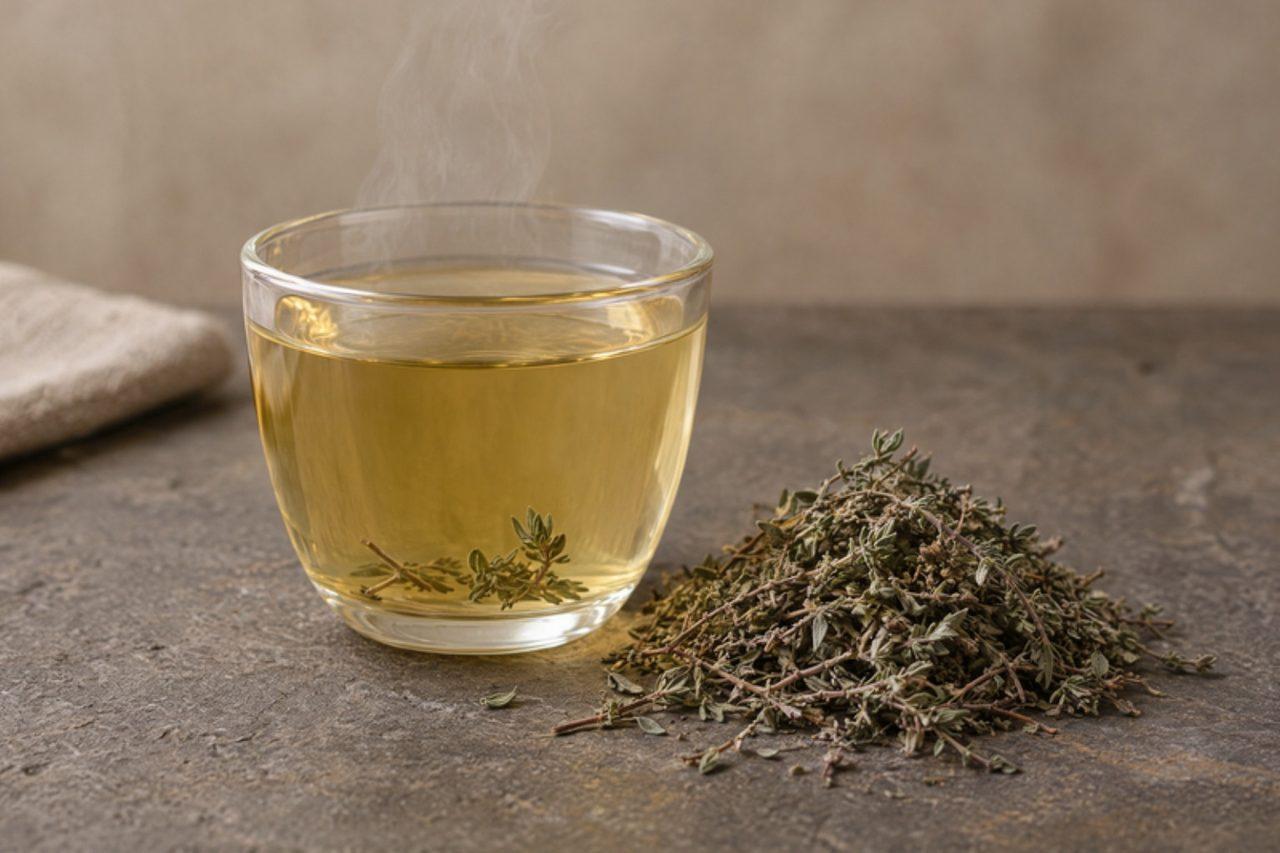
Urts, the wild thyme that carpets the summer meadows around Aragats and Lake Sevan, is picked in June and July when it flowers purple, then tied in bunches and hung to dry. Every Armenian market sells it, and it is the tea served in village homes after a heavy khorovats lunch, in the evening before bed, or with a plate of dried fruit and gata on a winter visit. It brews to a pale gold, smells of summer hillsides and tastes softly peppery and herbal, a little like oregano and lemon. The common mistake is boiling the herb: it turns harsh and medicinal and loses its sweet, floral notes. Pour on water just off the boil and cover the pot so the aromatic oils stay in the tea. It is ready after 5–7 minutes, when the colour is light gold and it smells of thyme the moment you lift the lid. Outside Armenia, use dried wild thyme or a mild garden thyme with flowers, about two-thirds the amount. It is traditionally drunk for a tired stomach or a cough; drink it in normal amounts and check with a doctor if you are pregnant or on medication. Chef's tip: add a few dried mint leaves or a sprig of dried rose petals for a village blend.

by KrazyBadal 0 views

Lagmi (fresh palm sap)

In the oases of the Tunisian south, in Gabès, Tozeur, Nefta, Kebili and on Djerba, palm climbers cut a small wound at the crown of an ageing date palm and hang a clay pot under it overnight. By sunrise it holds lagmi: cloudy, ivory-white sap, cool and sweet, with notes of coconut water and fresh dates. It is sold in recycled bottles at the roadside and drunk the same morning, because the wild yeasts in it begin to ferment almost at once. By afternoon it is fizzy and sour, and by the next day it has become an alcoholic palm wine, also called lagmi, which is a different drink altogether. The common mistake is buying more than you can drink by lunchtime or leaving it in the sun: keep it on ice from the moment you get it. Fresh lagmi is ready to drink when it is sweet, smells clean and milky, and only a few tiny bubbles rise; once it tastes sour or prickles on the tongue, it has started to turn. It is raw and unpasteurised, so pregnant people, babies, older people and anyone unwell should skip it. Outside the oases, fresh coconut water is the closest stand-in. Chef's tip: chill the glasses too; lagmi is at its best ice-cold.

by KrazyBadal 0 views

Yuja-cha (citron tea)

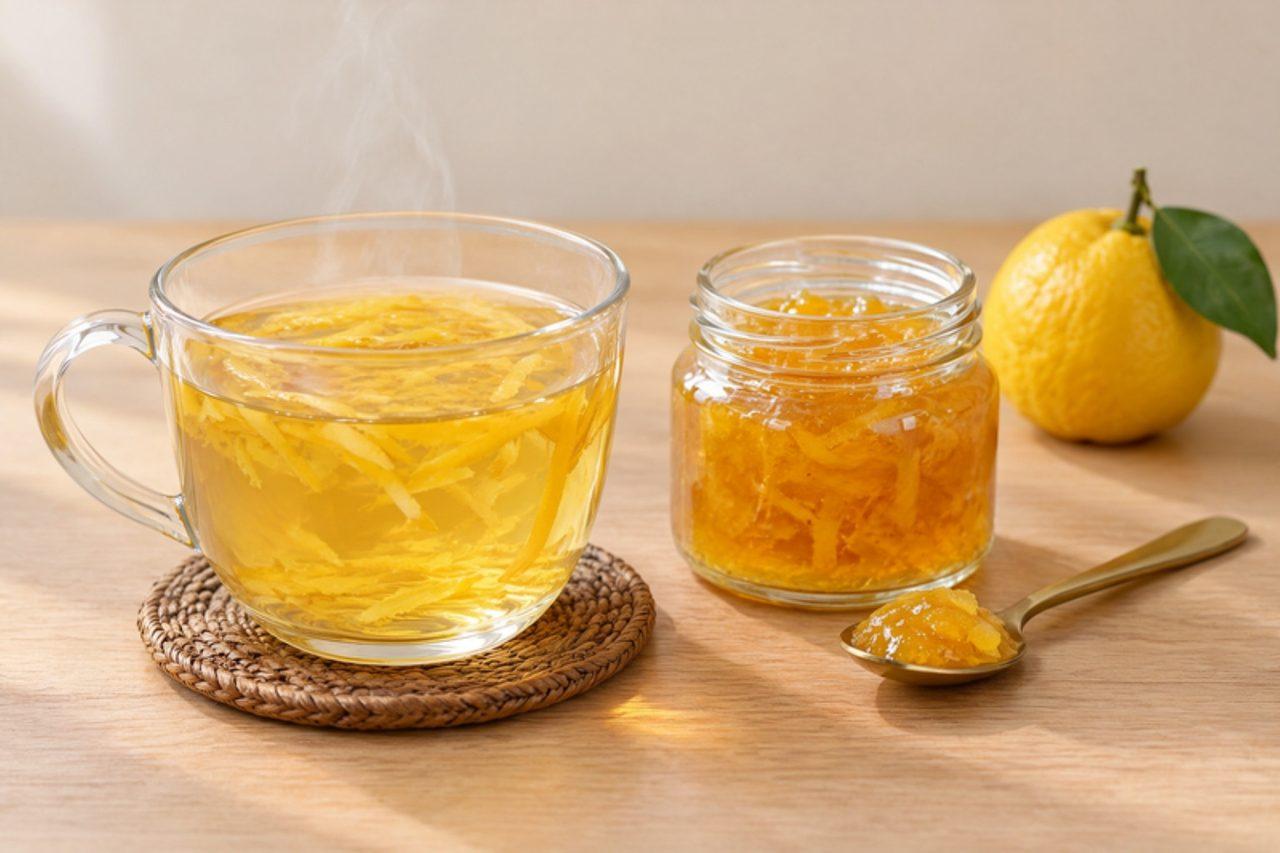
Goheung, on the southern coast of South Jeolla, is Korea's yuja country: in November the groves turn gold and families slice the knobbly citrons for yuja-cheong, the honeyed preserve that becomes tea all winter. From December to March a spoonful in hot water is offered to guests, to students cramming late and to anyone with a scratchy throat, as it is traditionally drunk for colds. The tea is sweet, floral and sharp, with soft, chewy strands of peel that you eat at the end with a spoon. The common mistake is leaving the fruit damp or the pith too thick: wet fruit lets mould in, and thick white pith makes the preserve bitter. Scrub, dry completely and pare away any pith thicker than a few millimetres. The cheong is ready after a day or two, when the sugar has dissolved into a clear, glossy syrup around the peel. Keep it in the fridge for up to three months, always with a dry spoon; throw it away if you see fuzzy mould, smell alcohol or it bubbles. No yuja? Japanese yuzu is the same fruit; otherwise use 2 lemons and 2 mandarins. Chef's tip: soak the seeds in a little of the honey and add that liquid back for a silkier syrup.

by KrazyBadal 0 views

Bouillon d'awaraAwara palm fruit stew

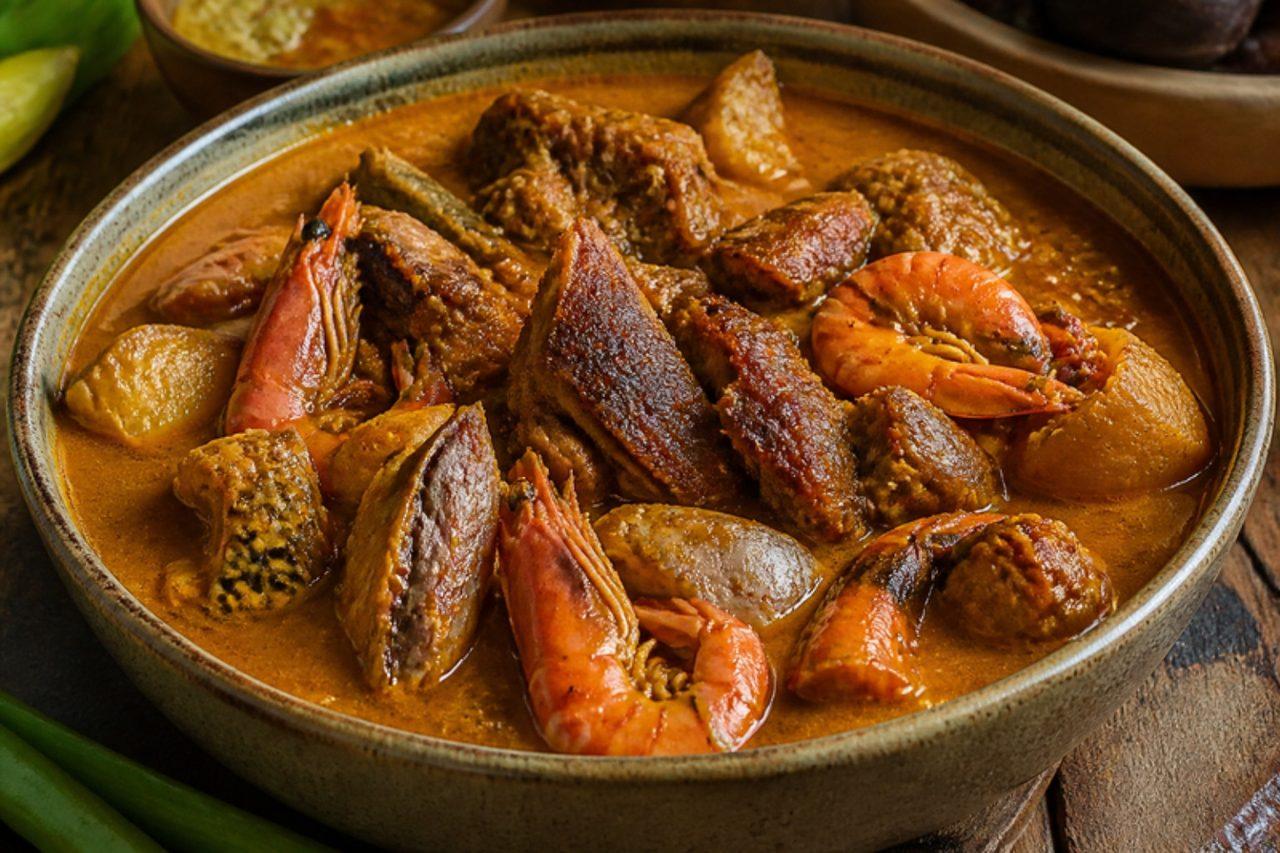
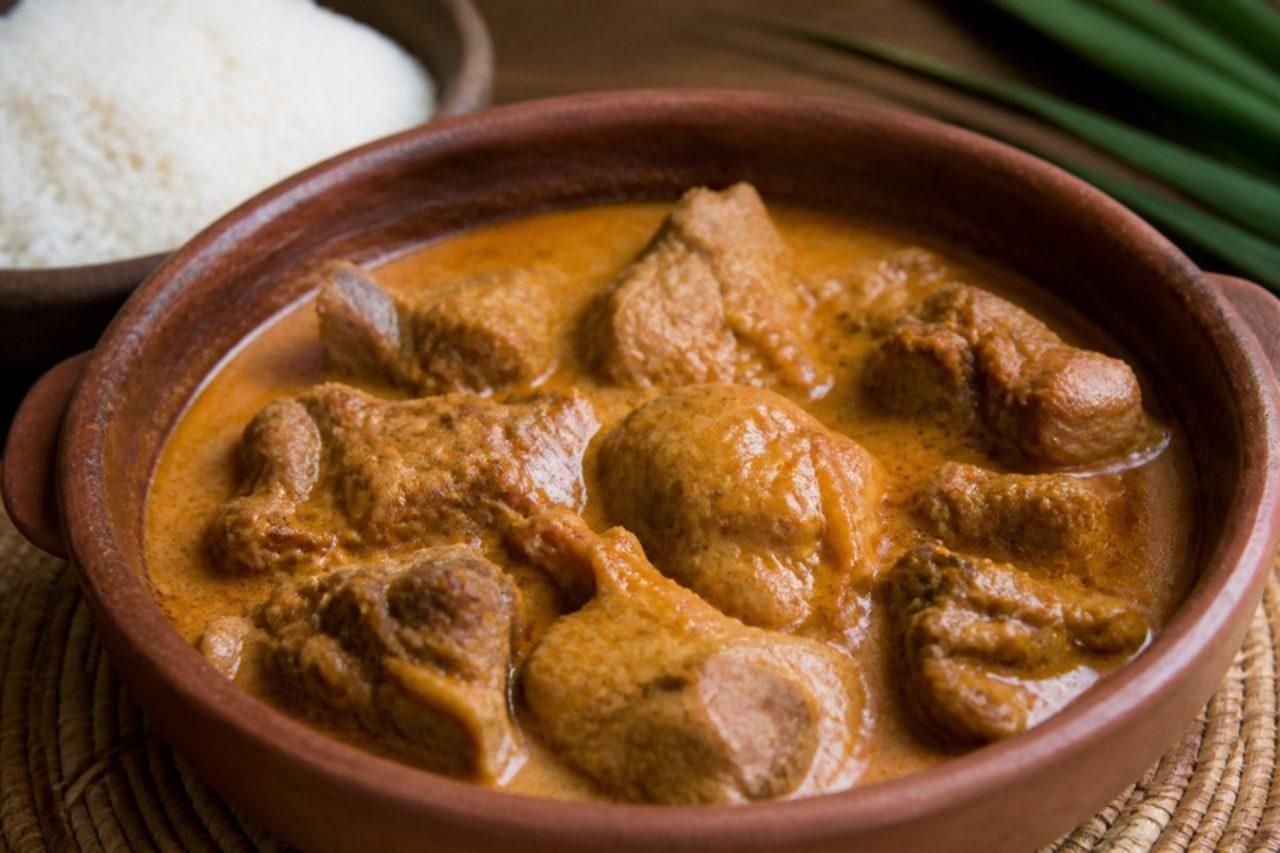
Families in Cayenne, Kourou and Mana start bouillon d'awara days before Easter Monday, when it is eaten together and shared with neighbours; local lore says whoever eats it will come back to Guiana. The base is a thick orange paste of awara palm fruit, cooked very slowly with smoked chicken, salted pork, smoked fish, crab or prawns and a mass of vegetables until everything melds. Awara paste is sold frozen or in jars in Guianese and Antillean shops; if you can't find it, use a mix of palm-fruit concentrate (sold for West African banga soup) and puréed pumpkin, which gives a similar richness though not the same flavour. Salted meats must soak in the fridge overnight. The usual mistake is letting the thick stew catch on the bottom, so stir often. Chef's tip: the stew tastes even better on the second day, reheated until piping hot.

360 minGuyaneseMeatGluten free
by KrazyBadal 0 views

Matzah

Matzah is the flat unleavened bread eaten at Passover, recalling the Israelites leaving Egypt in too much haste for their bread to rise, and in Israel and Jewish homes worldwide it is also eaten as a crisp everyday cracker with soups and dips. The dough is only flour and water; by tradition it is mixed, rolled and baked within 18 minutes so it cannot ferment. This home version follows that rhythm but is not certified for Passover use. There is no salt: about 0.0 g salt per sheet. The usual mistake is rolling too thick, which gives a tough, chewy bread; roll until you can almost see the counter through it. Chef's tip: prick the dough all over with a fork before baking so it stays flat and blisters evenly.

by KrazyBadal 1 views

Boller i karry for toddlersMeatballs in mild curry for toddlers

Boller i karry, meatballs in curry, is one of Denmark's best-loved dinners, voted a national favourite and cooked on weeknights from Copenhagen's Nørrebro to farmhouses in Jutland. The meatballs are pork, poached gently rather than fried, and the sauce is mild and creamy, made from the poaching liquid with apple and leek and just a pinch of curry powder. For toddlers from 12 months there is no stock cube and very little salt, and the meatballs are cut small. It contains wheat (gluten), milk and egg; there are no nuts or soya. Chef's tip: keep the poaching water at a bare shiver; boiling makes the meatballs tough and crumbly.

by KrazyBadal 0 views

Caipirinha

Brazil's national drink lives on every boteco counter in São Paulo, but it tastes best on a hot Saturday beside a pot of feijoada, or handed over from a beach vendor's cart. It is a short, rough-cut drink for adults only: a whole lime chopped into wedges, crushed with sugar right in the glass, packed with crushed ice and drowned in cachaça, the sugarcane spirit with a grassy, faintly funky edge that rum does not have. Each sip moves from sharp lime oil to cold sweetness to a warm cane finish, with a little crunchy sugar at the bottom to stir back up. The usual mistake is pounding the lime to a pulp: the white pith and the core turn bitter within minutes. Cut out the central white strip, press each wedge only until the juice runs and the skin smells of lime oil, then stop. It is ready when the sugar has mostly melted into a cloudy syrup and the glass frosts on the outside. Cachaça is strong, so sip slowly and drink responsibly. Chef's tip: roll the lime hard on the board before cutting and choose thin-skinned, heavy limes; a thick-skinned lime makes a bitter caipirinha however gently you muddle.

by KrazyBadal 0 views

Bohar bhajiFlower bud curry

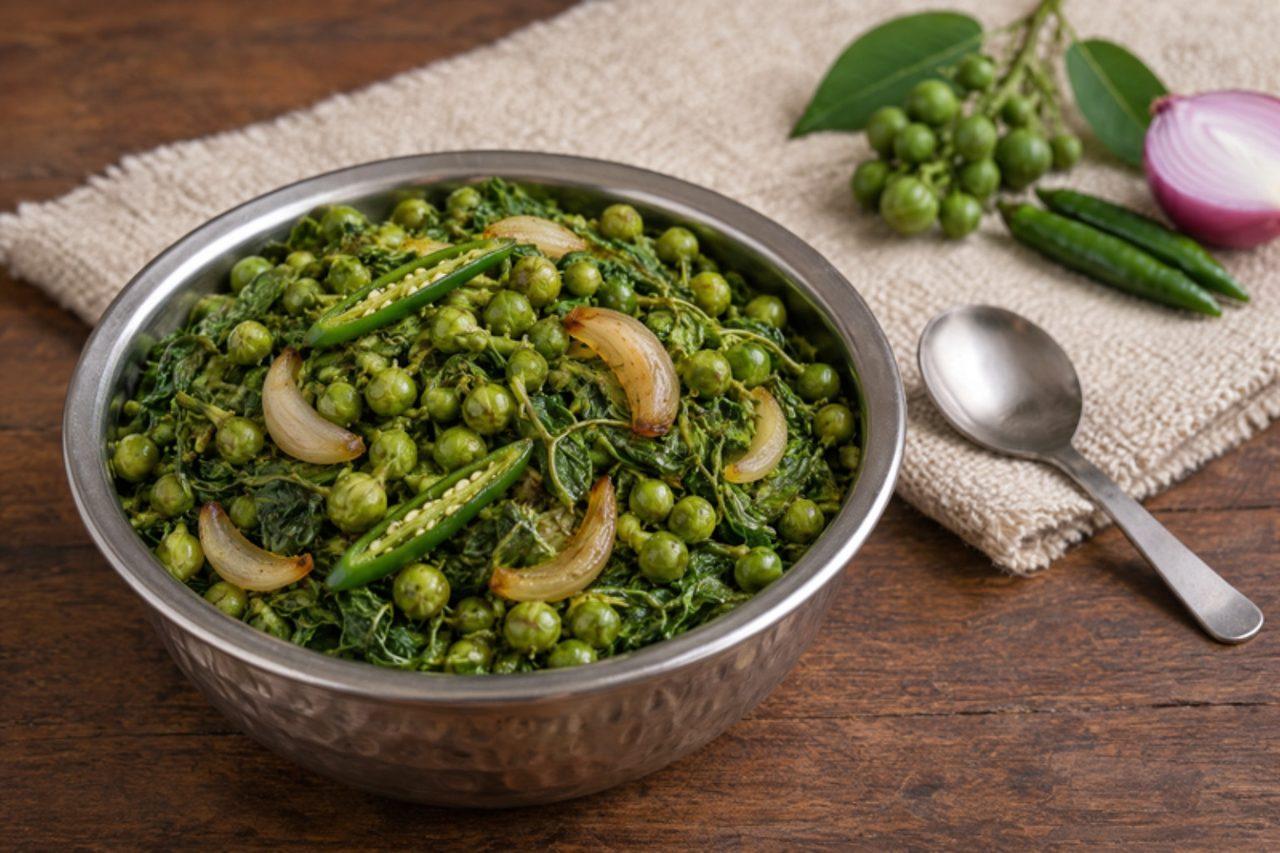
For a few weeks each spring, Raipur's markets sell small heaps of bohar, the young buds of the lasoda (Cordia) tree, and they are one of the most prized and pricey vegetables in Chhattisgarh. Cooked with onion, chilli and a spoon of curd, they have a pleasant, slightly sticky bite and an earthy taste, and families eat them with rice and dal for as long as the season lasts. People often skip the boiling step; without it the buds stay gummy and slightly bitter. Chef's tip: if you cannot find bohar, the same masala works with tender lasoda (gunda) fruit from Indian grocers, which is the same tree.

by KrazyBadal 0 views

Agua de tuna (prickly pear drink)

Late summer is tuna season across the central highlands, from Hidalgo and the Estado de México down to Puebla's Teotihuacán valley, and that is when the big vitroleros in markets and taquerías turn shocking pink. Agua de tuna is just the cactus fruit blended with water, lime and a little sugar, strained, and poured over ice with lunch. Red tunas give a vivid colour and a taste between watermelon and pear; green ones make a paler, more herbal drink. It should be light and thirst-quenching, never syrupy. The commonest mistake is blending too long: the hard seeds crack and the agua turns gritty and slightly bitter. Pulse briefly, just enough to free the pulp, then strain well. It is ready when the liquid runs smooth through the sieve and tastes clearly of fruit with only a lift of lime. Handle unpeeled tunas with tongs or gloves: even 'cleaned' ones keep tiny glochids. Chef's tip: chill the peeled fruit before blending; cold pulp keeps its colour bright and needs less ice to dilute it.

by KrazyBadal 0 views

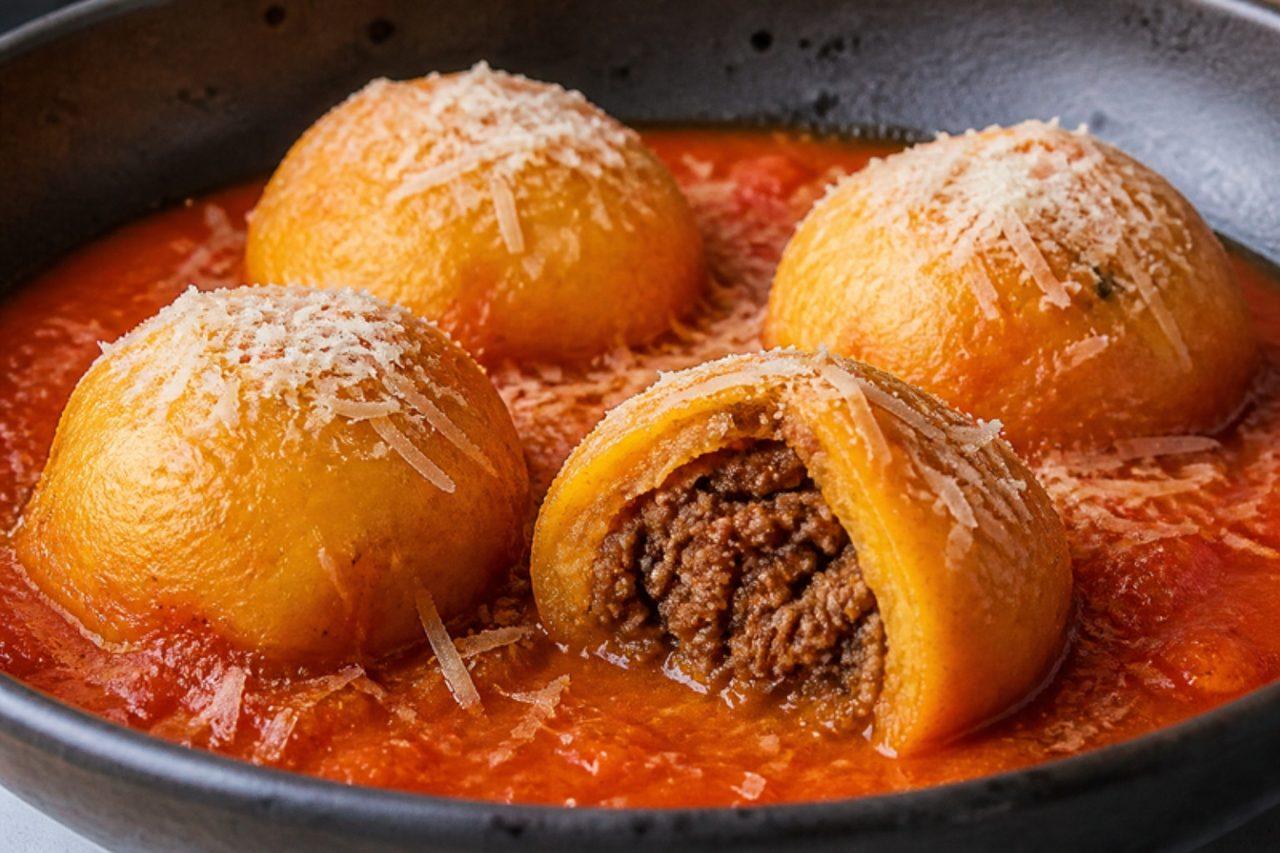
Bollitos pelonesBeef-stuffed corn dumplings in tomato sauce

Bollitos pelones are proper home cooking from central Venezuela: little balls of corn dough tinted with onoto, stuffed with a spoonful of spiced minced beef and simmered in a light tomato sauce until the dough firms. Mothers make them for school-day lunches with white rice, and they reheat well. The common mistake is stirring the pot, which breaks the balls apart. Chef's tip: give the pan a gentle shake instead of stirring, and don't touch them for the first 10 minutes.

by KrazyBadal 0 views

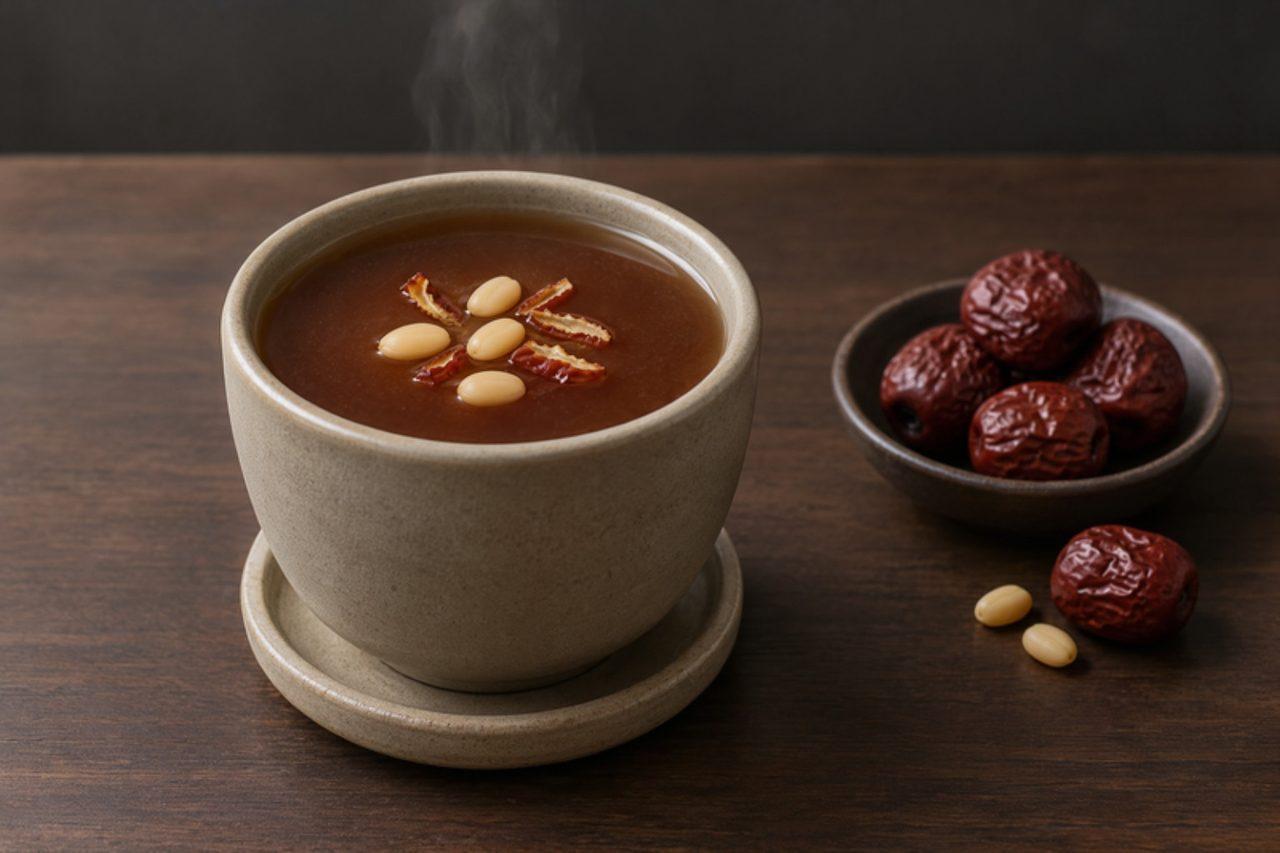
Daechu-cha (jujube tea)

Boeun county in North Chungcheong is famous for its large, sweet jujubes, harvested each October and sold at a lively autumn festival. Once dried, they become daechu-cha, the deep amber tea Korean traditional teahouses in Insadong and Jeonju serve from late autumn to early spring, topped with pine nuts. Long, slow simmering with ginger and a stick of cinnamon draws out a flavour like dates, caramel and baked apple; pressing the softened flesh through a sieve gives the tea its velvety, almost soup-thick body. It is traditionally drunk to warm up on cold nights. The common mistake is simply boiling whole jujubes and straining: the skins stay sealed, the tea comes out thin and pale, and most of the sweetness is thrown away. Slit each jujube, simmer until the flesh slides off the stone, then mash the pulp through the sieve. It is ready when the liquid has reduced by about half, is dark amber and lightly coats a spoon. Keep it covered in the fridge for up to 5 days and reheat gently. Chef's tip: a few slices of fresh ginger added in the last 20 minutes give a brighter heat than ginger boiled for the whole time.

110 minKoreanDrinksGluten free
by KrazyBadal 0 views

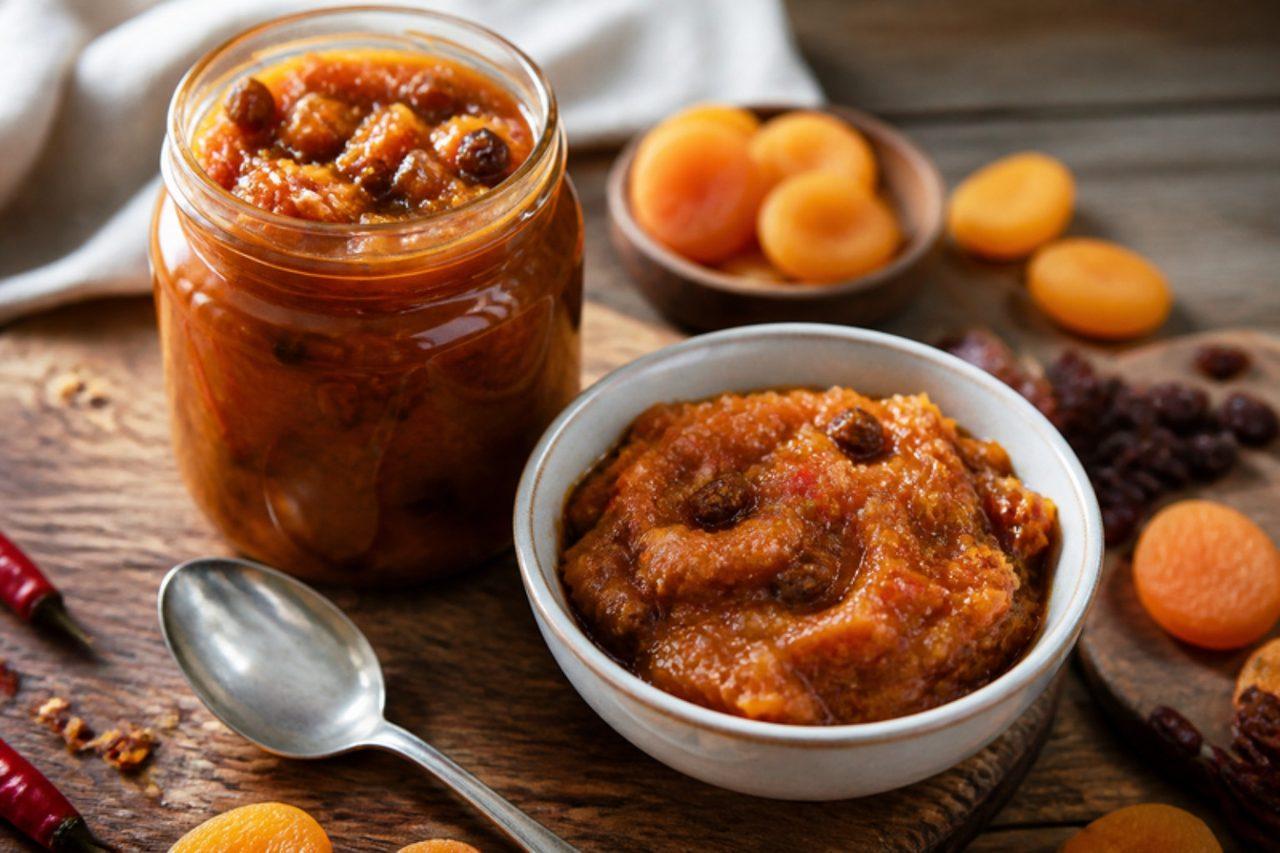
BlatjangDried apricot chutney

Bo-Kaap households keep a jar of blatjang beside the salt, because a spoonful goes next to almost everything: bobotie, a bowl of curry and rice, cheese on toast, a braaied mielie. Dried apricots are simmered down in vinegar with onion, ginger, garlic and red chilli until the fruit collapses into a thick, glossy, burnt-orange paste that is sweet first, then sour, then warm at the back of the throat. Some aunties keep it chunky, others push it through a sieve until it is as smooth as a sauce; both are right. The usual mistake is to take it off the heat while it still looks loose in the pot, which leaves a runny chutney that weeps in the jar. Chef's tip: soak the apricots overnight in the vinegar and they break down in half the time, with a cleaner, brighter fruit flavour.

by KrazyBadal 0 views

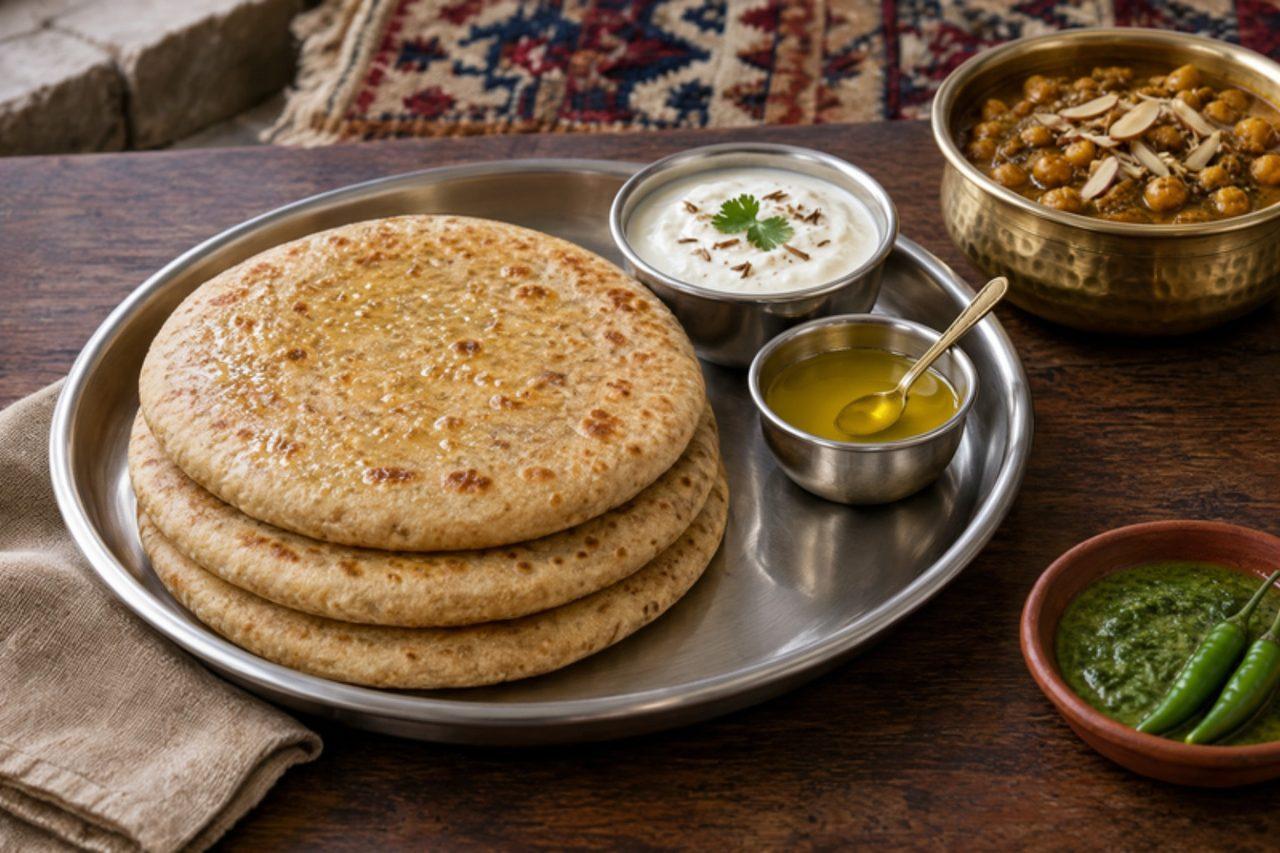
Cabbage paratha

North Indian mothers turn half a cabbage into a stack of parathas for the morning tiffin: the cabbage is grated, salted and squeezed, then seasoned with ginger, chilli and dry spices and rolled inside wholewheat dough. Warm with butter it is a breakfast; rolled and wrapped in foil it travels to school with curd or pickle. The common mistake is skipping the squeeze, so the cabbage weeps through the dough and the parathas tear. Chef's tip: mix the spices into the cabbage only just before stuffing, because the salt keeps drawing out water the longer it sits.

by KrazyBadal 0 views

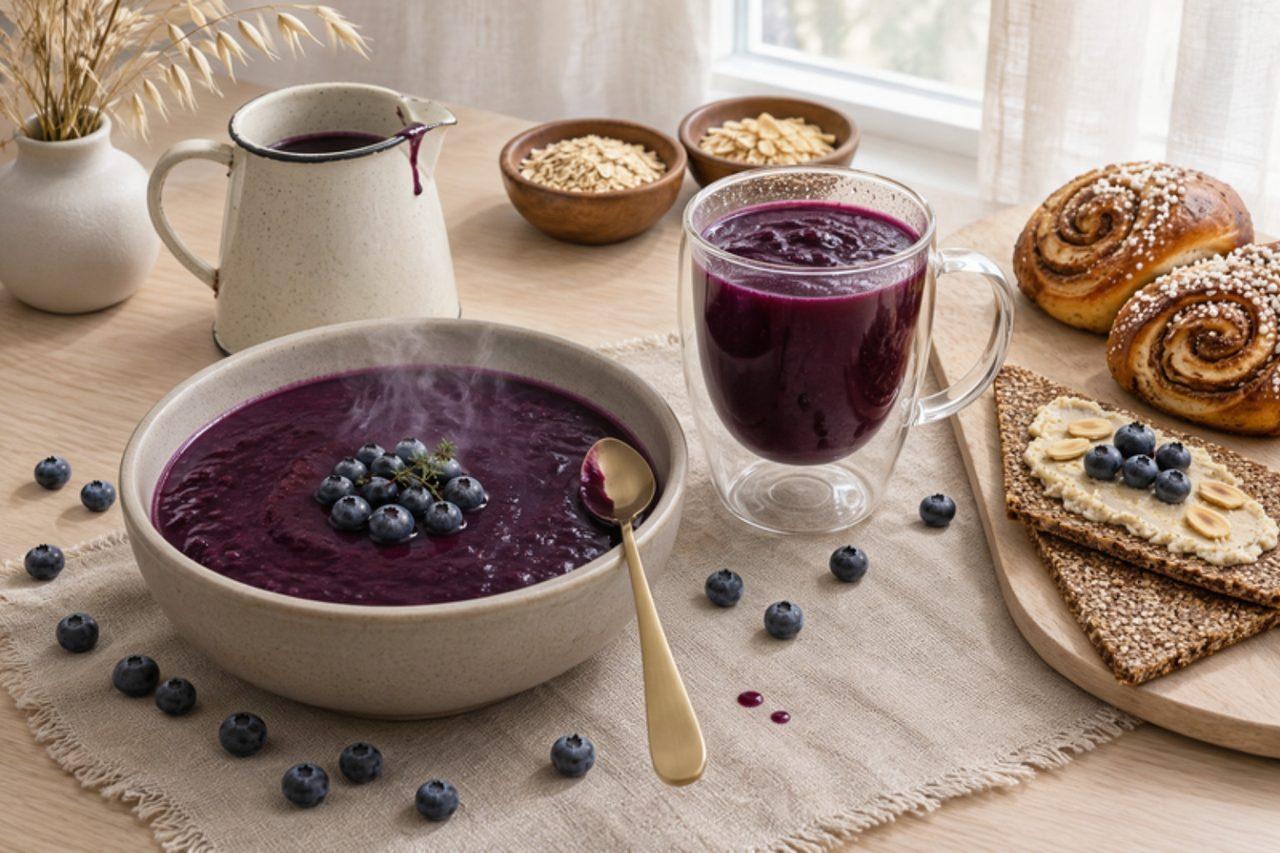
BlåbärssoppaBilberry soup

Swedes have drunk blåbärssoppa for generations, warm on a winter morning and cold from a cup after the Vasaloppet ski race, where skiers are handed it at every station. It is a thin, deep purple soup of bilberries or blueberries, sweetened and thickened just enough with potato starch to coat the tongue. The common mistake is boiling the soup after adding the starch: it turns stringy and then thins out again, so take it off the heat as soon as it thickens. Chef's tip: wild bilberries give a far deeper colour and flavour than cultivated blueberries, and frozen ones work perfectly.

by KrazyBadal 0 views

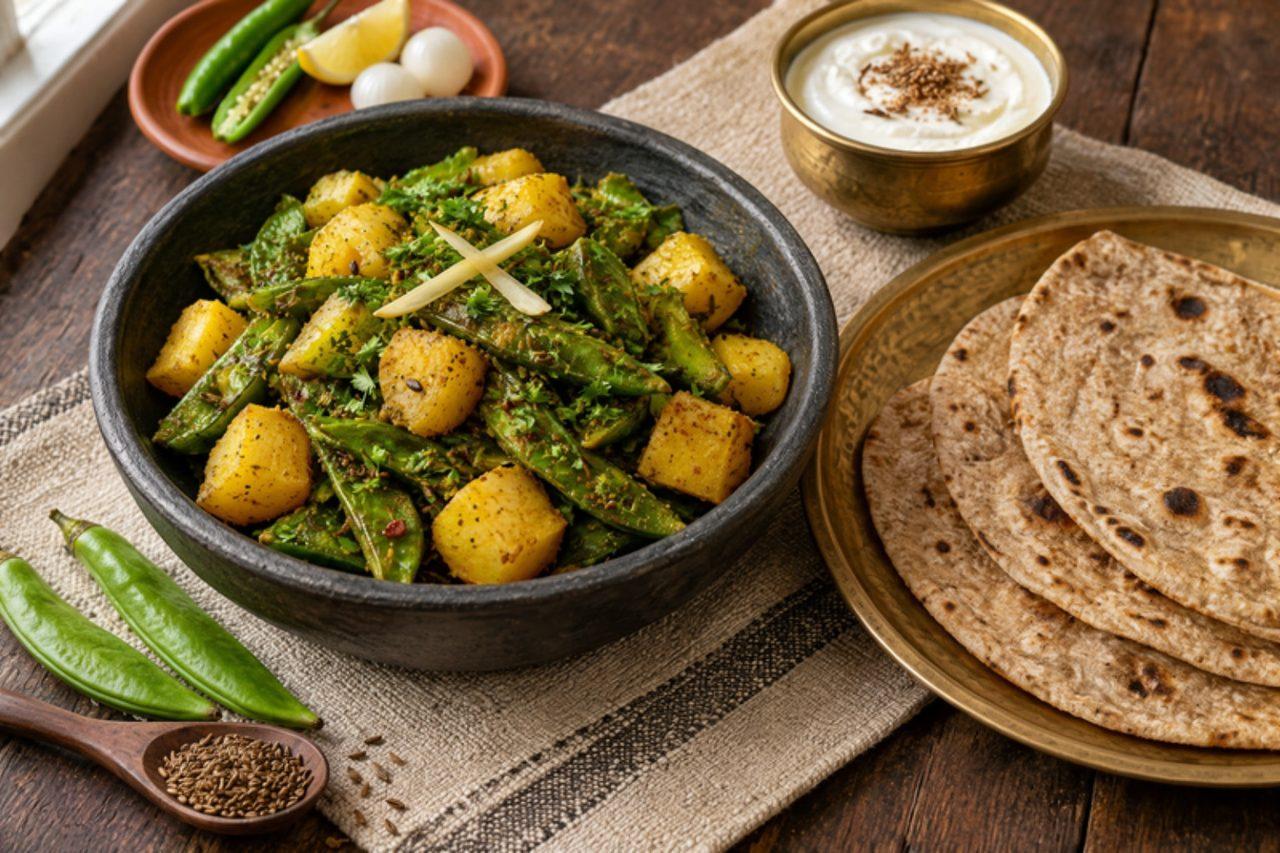
Sem ki sabzi (flat beans with potato)

When flat green sem pods fill the sabzi carts in Lucknow and Jaipur in winter, they go into this dry stir-fry with potato and a crackle of ajwain, the classic partner for paratha in an office dabba. The beans stay a little firm and sweet, the potato soaks up the spices, and nothing drips into the roti. The mistake is leaving the stringy edges on the pods; they never soften. Snap the tip and pull the string down each side before chopping. Chef's tip: cook covered for the first half to steam the beans tender, then uncover and turn up the heat so the potatoes catch and brown.

by KrazyBadal 0 views

Portuguese sausage, eggs and rice

In Hawaii, a breakfast plate at a diner in Honolulu or Hilo, or at a drive-in on Maui, often means slices of smoky, garlicky, paprika-red Portuguese pork sausage (brought to the islands by Madeiran and Azorean immigrants in the 1800s) fried until caramelised, two eggs, and two scoops of short-grain rice. A splash of shoyu on the rice is optional. The common mistake is frying the sausage over a high heat so the sugar in it burns before it heats through; fry it steadily over a medium heat until sizzling and piping hot (71 °C if your sausage is uncooked rather than smoked). Cook the eggs fully set for pregnant people, young children, older or vulnerable people. Chef's tip: fry the eggs in the red fat the sausage leaves behind; they come out lacy and full of flavour.

by KrazyBadal 0 views

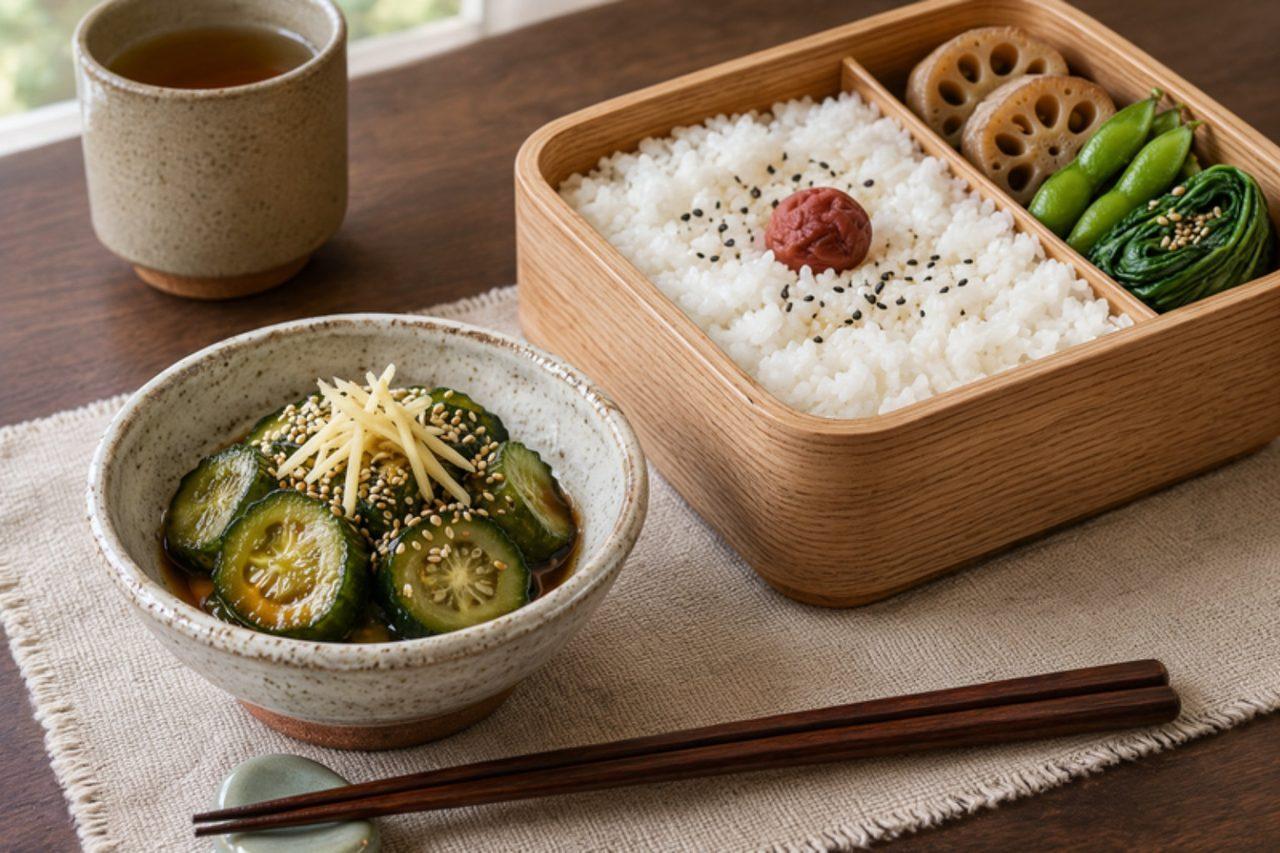
Kyuchan cucumber pickle

Kyuchan is the sweet-salty soy pickle that Japanese mothers tuck into the corner of a bento: thin coins of cucumber that stay crunchy for days thanks to an old trick of pouring hot pickling liquid over them several times. It brightens plain rice and cuts the richness of fried karaage-style dishes. The common mistake is simmering the cucumbers in the sauce, which makes them soft and grey; they should only ever sit in hot liquid off the heat. Chef's tip: squeeze the salted cucumbers really hard in a cloth, because every drop of water you remove is crunch you keep.

by KrazyBadal 0 views

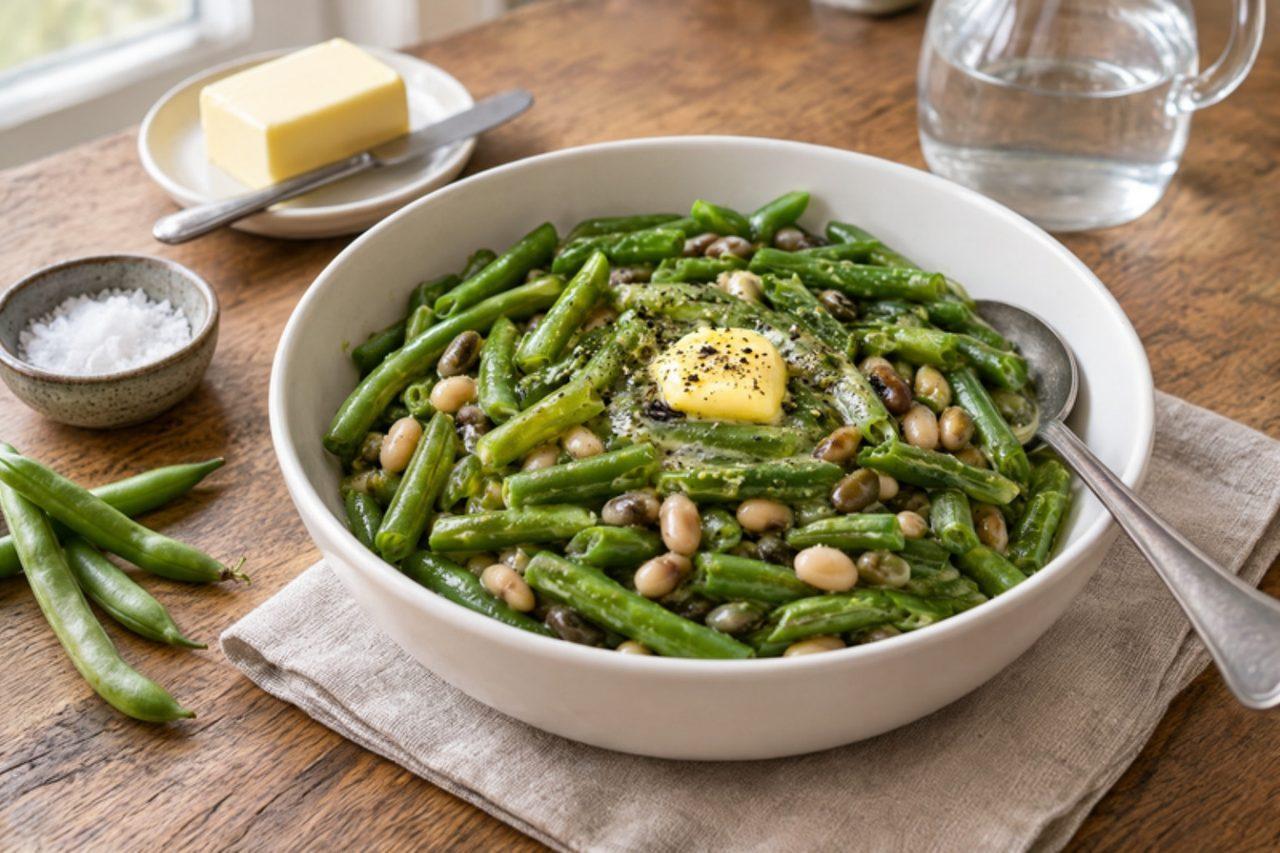
Blote billetjes in het grasWhite and green beans with butter

Dutch grandmothers named this dish 'bare bottoms in the grass' for the pale white beans peeping out between the green ones, and it is a summer weekday supper all over the Netherlands, when runner and French beans are cheap. Green beans and cooked white beans are simmered together, then stirred with butter, a little stock and plenty of pepper, often with boiled potatoes on the side. Many families add bacon or a smoked sausage; this version keeps it vegetarian, so serve it with a fried egg or a vegetarian sausage if you want more. The usual mistake is boiling the green beans until grey: they should stay bright with a slight bite. Chef's tip: a splash of the bean-cooking liquid stirred in with the butter makes a glossy little sauce that clings to everything.

by KrazyBadal 0 views

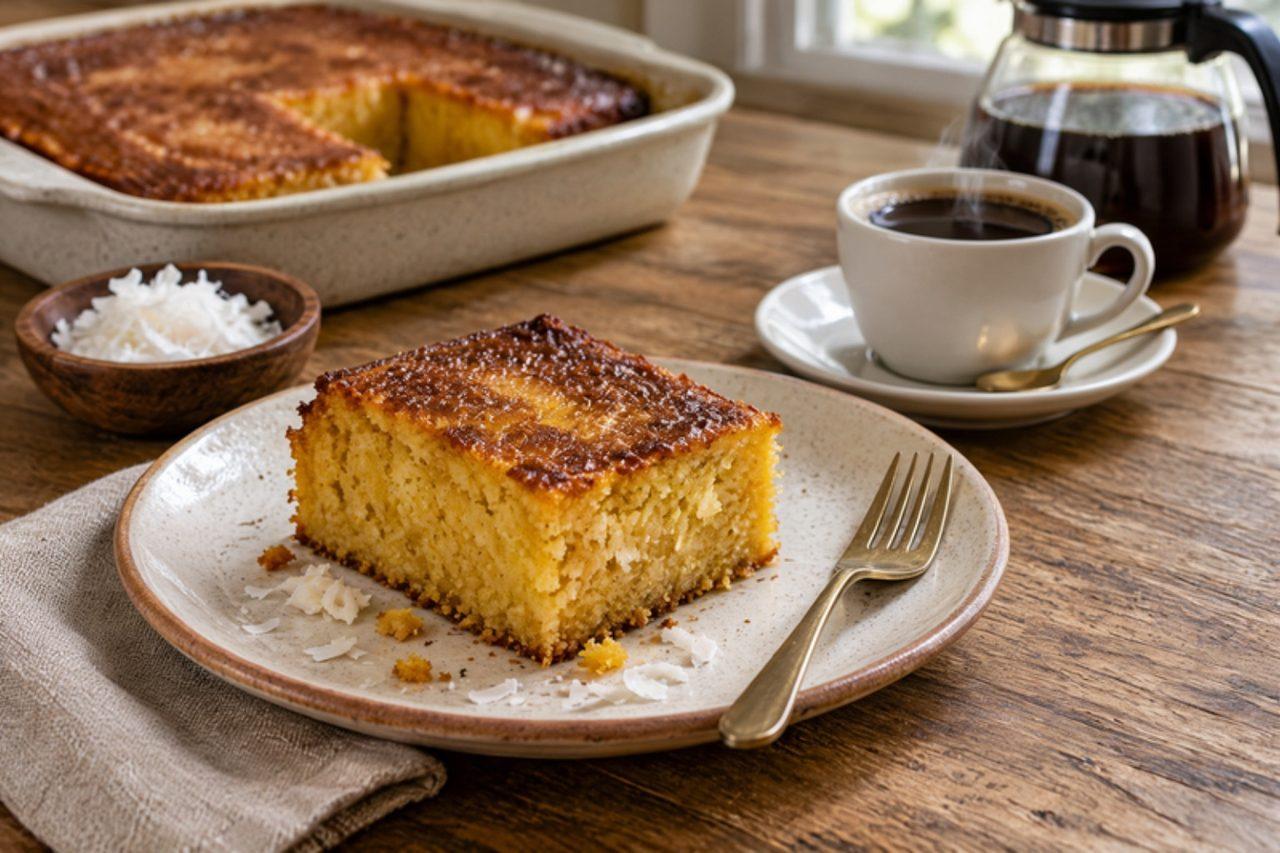
Bolo de pubaFermented cassava cake

In Bahia, Pernambuco and Maranhão the afternoon and early-morning coffee table often carries a slab of bolo de puba, a dense, custardy cake made from puba, cassava that has been soaked until it ferments and softens into a tangy white paste. Coconut milk, grated coconut, eggs and butter turn it into something between a cake and a pudding, with a caramel-brown crust and a moist, slightly springy middle; it is especially loved around the June São João festivals. Puba is sold in Brazilian and African grocers as massa puba or carimã; it contains no wheat, so the cake is naturally gluten free. The common mistake is cutting it hot: it sets as it cools and will be gummy if sliced too early. Chef's tip: squeeze the puba in a clean cloth first if it is very wet, so the batter is thick enough to hold the coconut in suspension rather than letting it sink.

by KrazyBadal 0 views

BourrideFish stew with garlic sauce

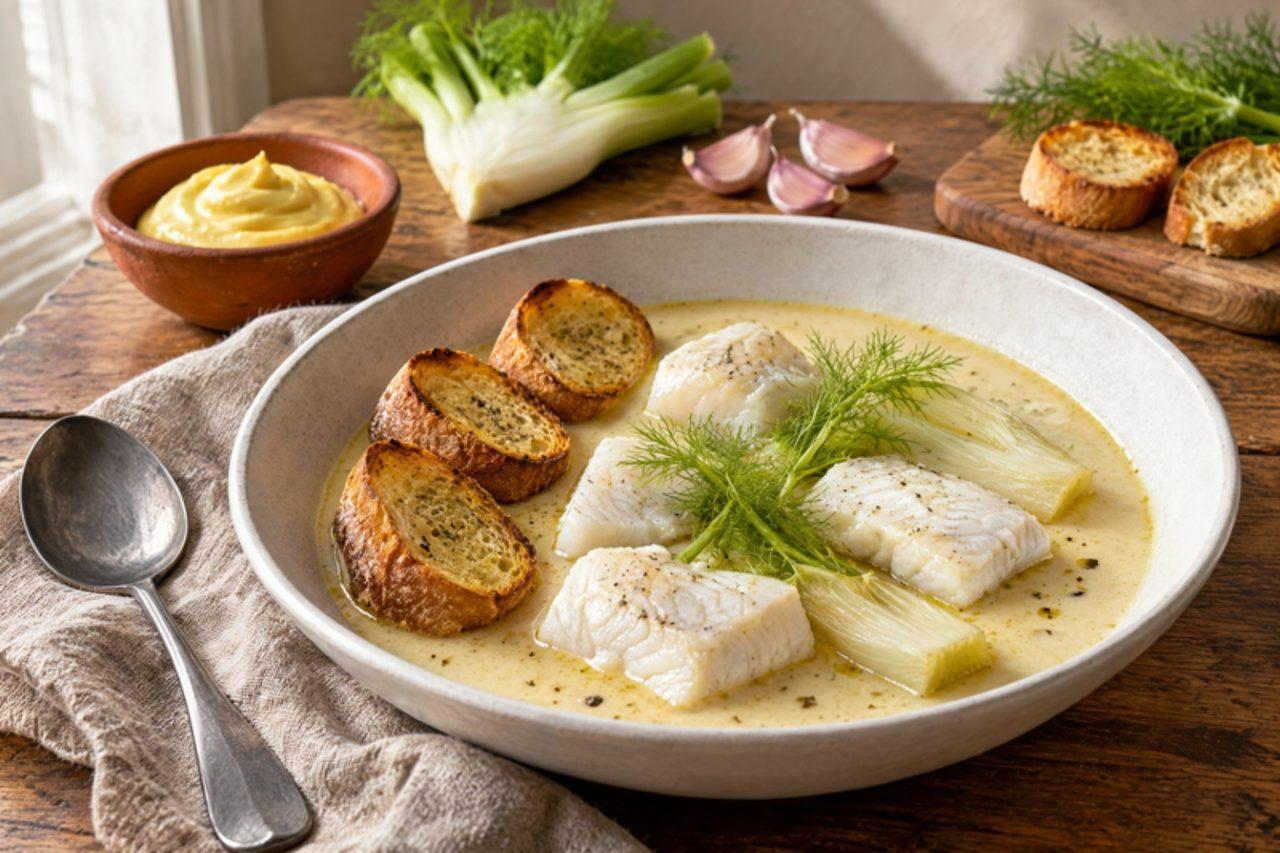
Bourride is the fish stew of Sète and the Provençal coast, a quieter, creamier cousin of bouillabaisse eaten for Friday lunch and summer dinners by the sea. Firm white fish poaches in a broth of fennel, leek, orange peel and thyme, then the broth is thickened with a rich garlic aïoli until it turns silky and pale gold. It is high in protein and suitable as part of a balanced diet; skip the traditional bread or keep it to one thin slice, and serve with steamed greens. About 400 kcal and 8 g carbohydrate per portion. The usual mistake is letting the broth boil after the aïoli goes in, which splits it like scrambled egg. Chef's tip: use pasteurised egg yolks, and stir the broth over a low heat until it coats a spoon and reaches about 72 °C.

50 minFrenchFishGluten free
by KrazyBadal 0 views

Chirimoya alegreCherimoya in orange juice

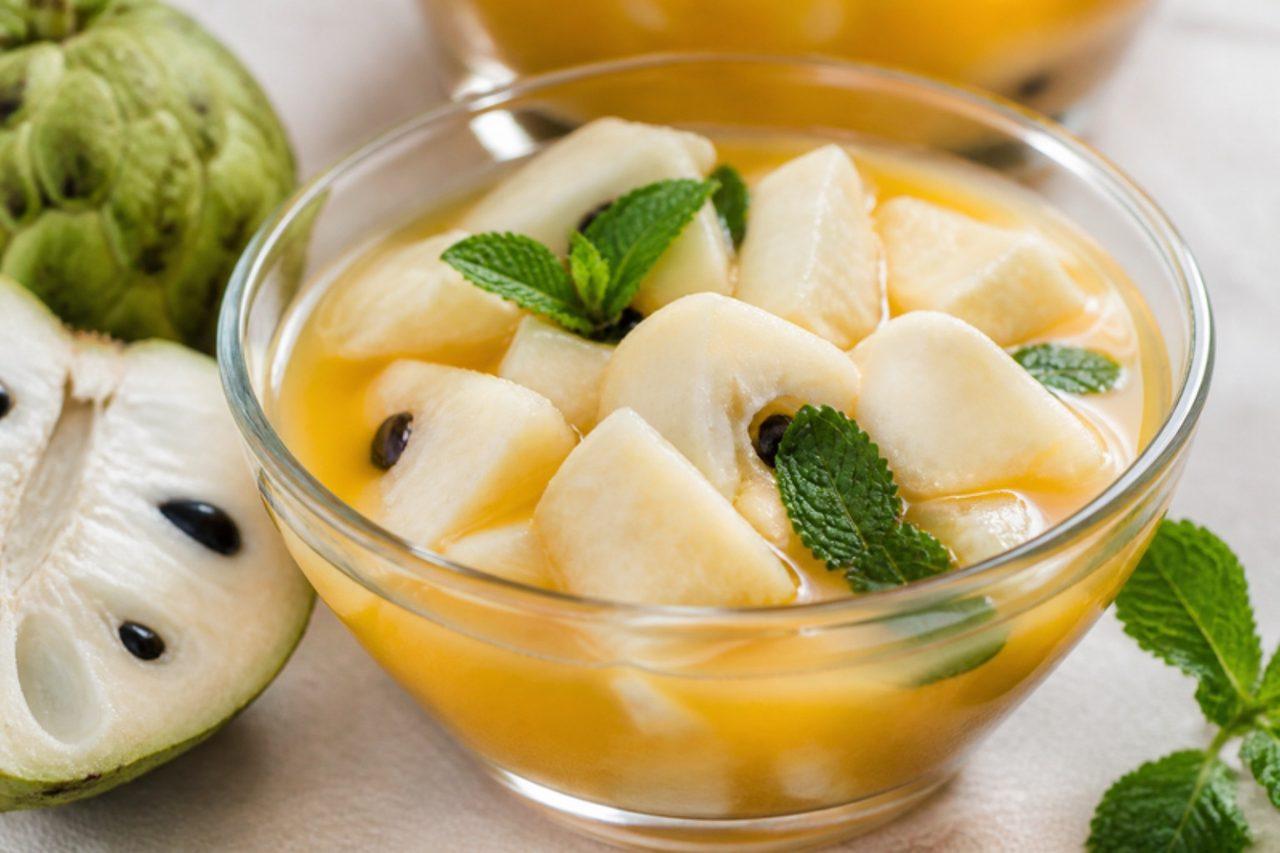
Chileans call it 'happy cherimoya': ripe custard-apple pulp dropped into fresh orange juice and served ice-cold. It turns up as the summer dessert after a big lunch in the Central Valley and in the Aconcagua valley, where much of Chile's cherimoya grows. The fruit should be soft like a ripe avocado; a hard one tastes starchy. The most common mistake is preparing the fruit ahead without juice, so it turns brown and loses its perfume: drop each piece straight into the orange juice. Remove every black seed, as the seeds must not be eaten or crushed. Chef's tip: squeeze the oranges yourself and taste before you sweeten; good juice often needs no sugar at all.

by KrazyBadal 0 views

Chivo en cocoGoat in coconut milk

Goats graze the dry scrub of the Guajira peninsula, and in Zulia the meat is stewed in fresh coconut milk with a sofrito of onion, ají dulce and garlic until it falls from the bone. It's party and Sunday food in Maracaibo, served with fried ripe plantain, white rice or arepas to soak up the sauce. The common mistake is boiling the coconut milk hard, which splits it into a greasy sauce. Chef's tip: add the coconut milk only for the last 40 minutes and keep the pot at a gentle bubble.

by KrazyBadal 0 views

Chłodnik litewskiChilled beet leaf soup

In Podlasie and the lake country of north-east Poland, chłodnik is the soup of hot June and July days, when young beets are pulled with their leaves still tender. The beet greens and baby beets are cooked briefly, chilled, then stirred into kefir with cucumber, radish, spring onion and lots of dill, so the soup turns shocking pink, tangy and cold. It is served as a starter or a light lunch with half a hard-boiled egg in each bowl. Suitable as part of a balanced diet. About 170 kcal and 13 g carbohydrate per portion. The usual mistake is mixing the kefir into warm beets, which makes it split and dulls the colour, so chill them completely first. Chef's tip: add a squeeze of lemon to the cooking beets; the acid keeps the colour a vivid pink instead of brownish.

by KrazyBadal 0 views

Bihari aloo bhujiaFried potato sticks

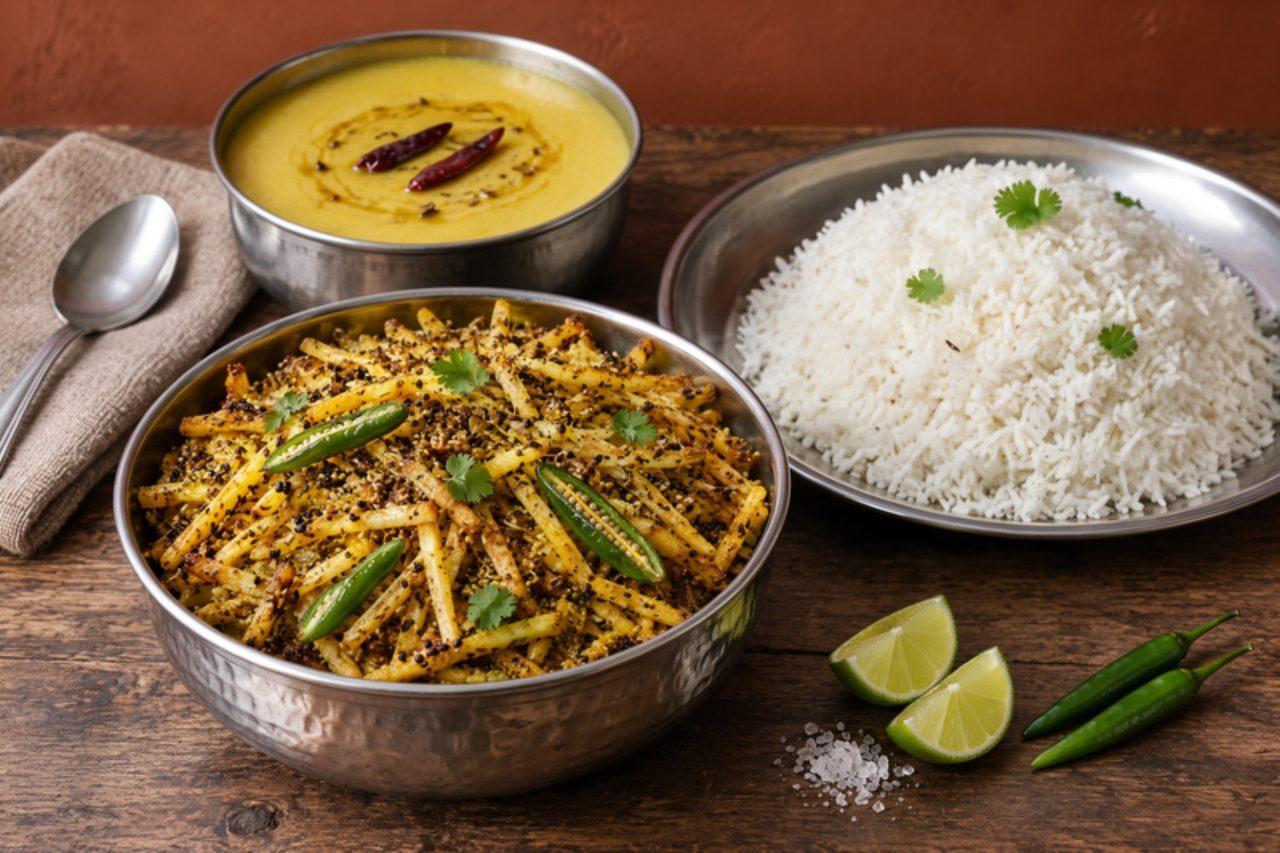
In Bihar, aloo bhujia is not the packaged snack but the everyday matchstick-potato fry that sits beside dal, bhaat and chokha on the lunch plate, cooked in mustard oil with panch phoron and a slit green chilli. Patna households make it most days of the week because it takes twenty minutes and pleases everyone. The common slip is crowding the pan and stirring too much, which turns the sticks to mash; give them room and toss gently. Chef's tip: soak the cut potatoes in cold water for 10 minutes and dry them well; washing off surface starch keeps the sticks separate and lightly crisp.

by KrazyBadal 0 views

ChorreadasSweet corn pancakes

In the Costa Rican countryside, from the Central Valley to Guanacaste, chorreadas are made when the corn is fresh and milky: kernels are blended into a thick batter with a little sugar and butter and "poured" (chorrear) onto a hot griddle, then eaten with a dollop of natilla, Costa Rica's soured cream, and a cup of coffee. They are soft, sweet and taste purely of corn. The common mistake is a thin batter that spreads and tears; it should drop thickly from a spoon, so add masa harina if your corn is very juicy. Chef's tip: leave a few kernels only half-blended so the pancakes have little pops of whole corn.

by KrazyBadal 0 views

Bilahi chutneySweet-sour tomato chutney

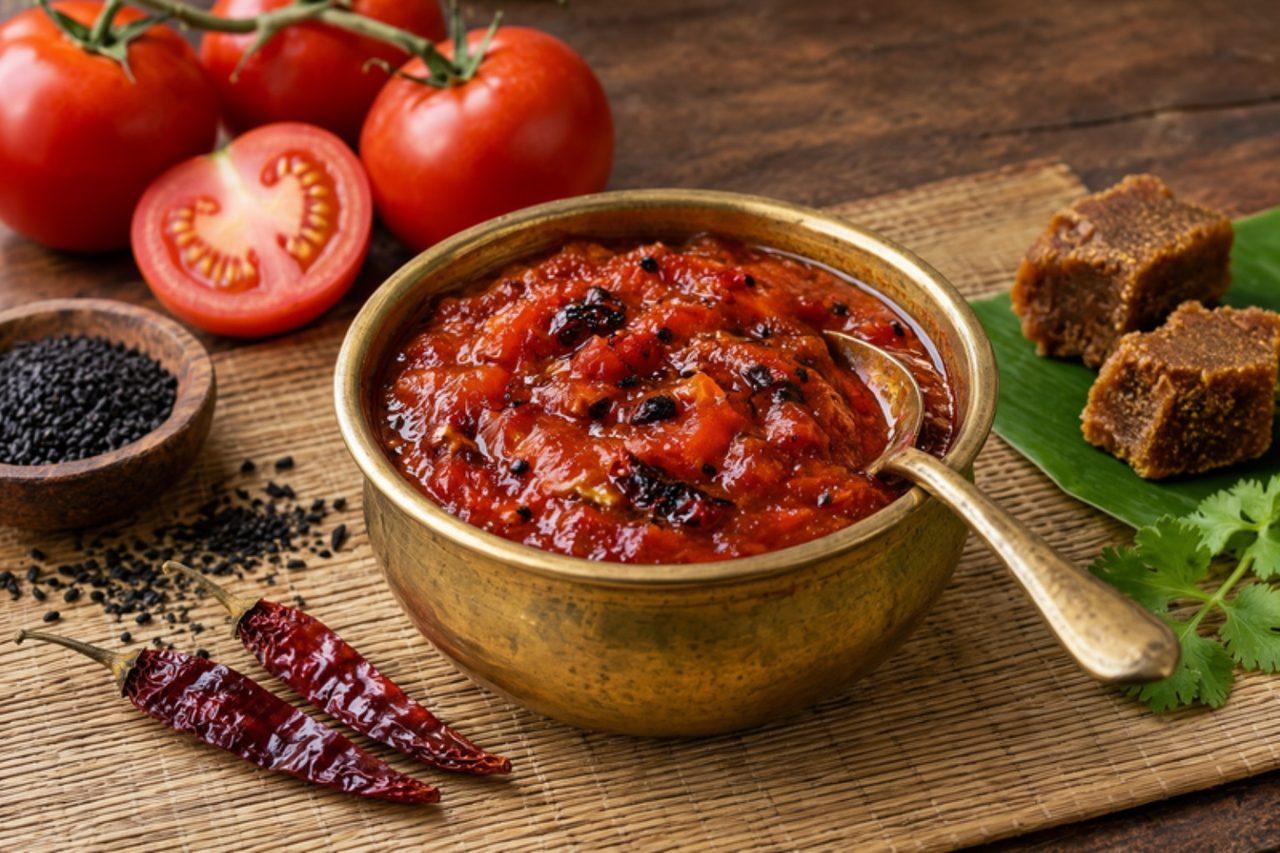
Bilahi is the Assamese word for tomato, and this glossy red chutney, sweet with jaggery and warmed with nigella and dried chilli, closes a festive Assamese meal, especially at weddings and on Bihu, as the sweet-sour last course before curd and sweets. Everyday cooks in Jorhat and Guwahati make a quick batch in winter when tomatoes are cheap. The mistake to avoid is adding the jaggery too early, which scorches before the tomatoes have broken down. Chef's tip: a few dates or raisins added with the jaggery give the chutney a deeper, jammy sweetness.

by KrazyBadal 0 views

Goan bhaji paoPotato curry with bread rolls

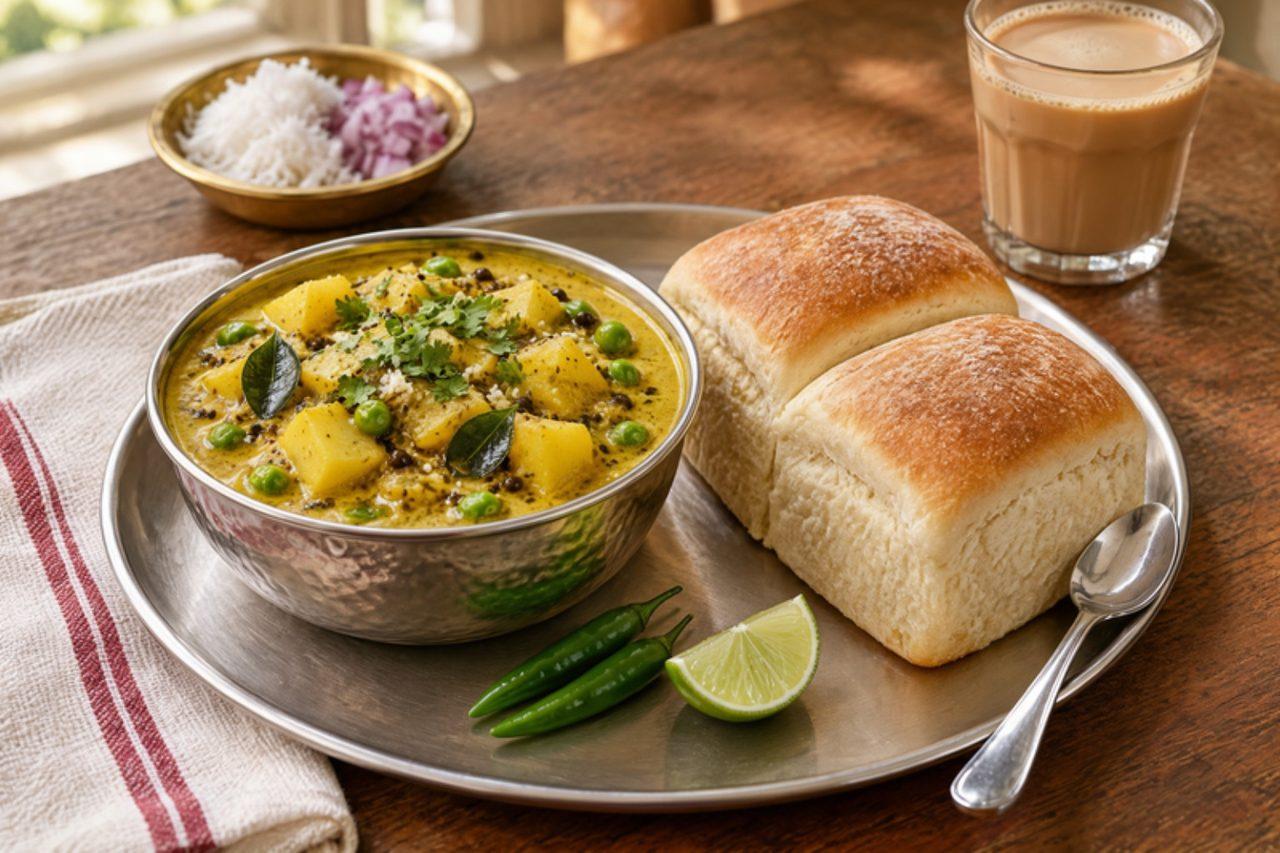
Long before the cafés open their doors, Goan tea shops in Panaji, Mapusa and Margao are ladling out bhaji pao for workers and school children. This is not Mumbai's mashed pav bhaji: the Goan bhaji is a loose curry of potato and dried green peas in a roasted coconut masala, eaten by tearing fresh, soft pao and scooping it up, often with a cup of sweet milky tea. The mistake people make is grinding the coconut raw; it must be roasted until reddish-brown with the onion and spices, or the curry tastes flat. Chef's tip: soak the dried peas overnight and cook them separately until creamy, then they drink up the masala without going mushy.

by KrazyBadal 1 views

Bhopali mutton pasandeMarinated mutton escalopes

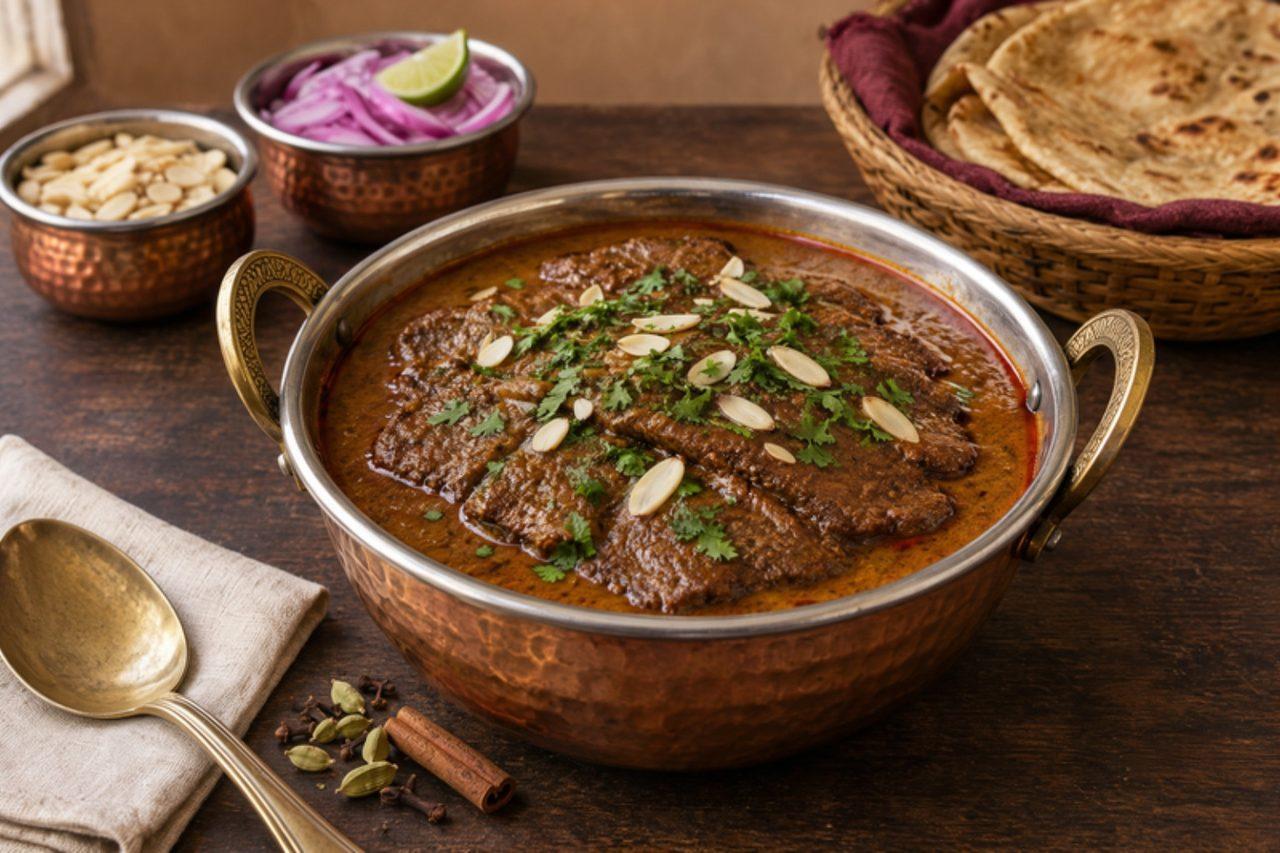
Pasande come from the Nawabi kitchens of Bhopal, where boneless leg of mutton is cut into thin slices and beaten flat, then marinated in yogurt, raw papaya, ground fried onion and spices and cooked low until meltingly tender. They are made for Eid, weddings and dawats and eaten with sheermal or rotis. This dish contains mutton: marinate it in the fridge and cook it until the meat reaches 71 °C and is fork-tender. The common mistake is cooking on high heat, which seizes the thin slices and toughens them. Chef's tip: beat the slices between cling film with a rolling pin to an even 5 mm; even thickness means every piece is tender at the same time.

100 minIndianMeatGluten free
by KrazyBadal 0 views

Zeng gao (Xi'an steamed rice cakes with jujube)

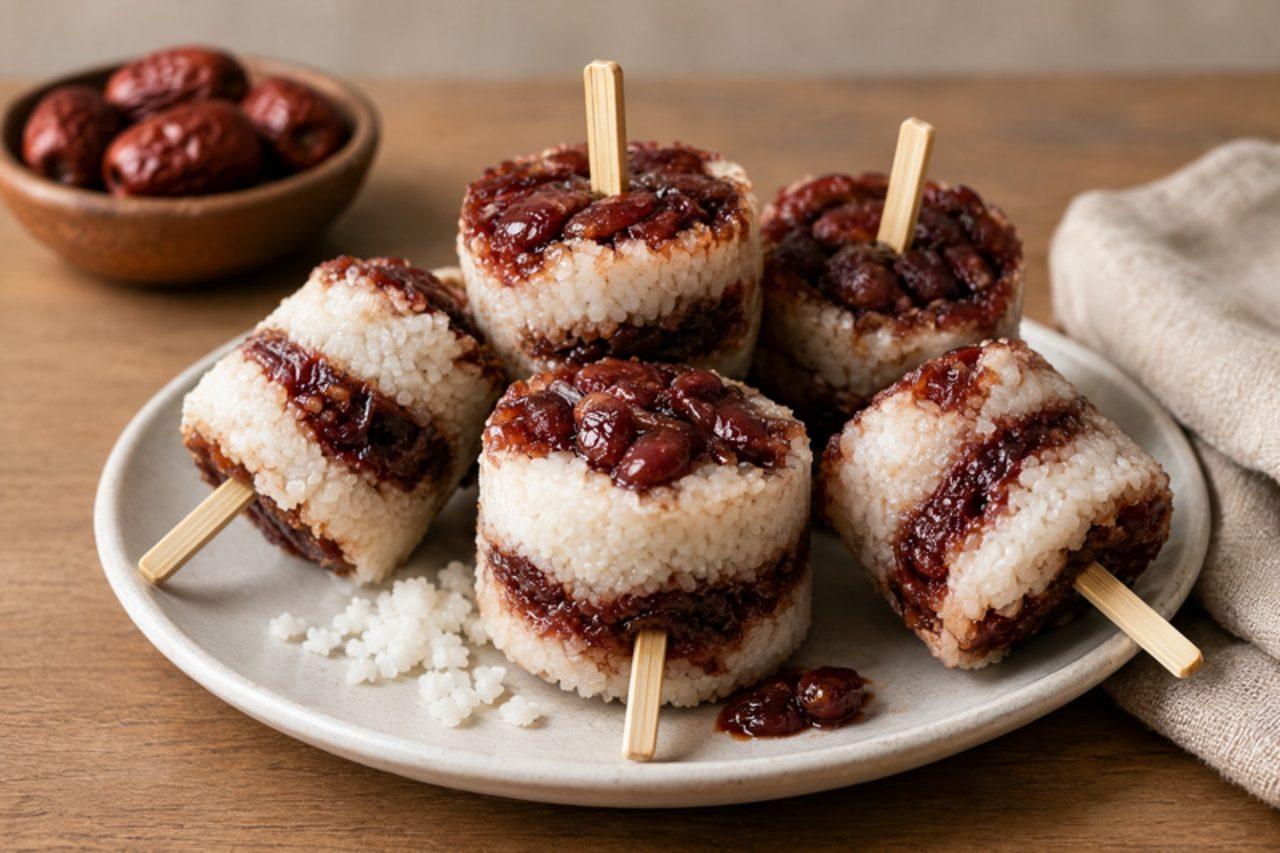
Walk the lanes of Huimin Jie in Xi'an in the late afternoon and you will see small round cakes steaming in stacked cups, then flipped out and speared onto bamboo sticks for children heading home from school. They are made from glutinous rice flour rubbed to a damp crumb, layered with sweet jujube paste and steamed until the crumb fuses into a soft, springy cake with a dark red stripe through the middle. They are lightly sweet, chewy and best eaten warm. Chef's tip: rub the flour with water until it just clumps when squeezed, then sieve it, because a light, airy crumb is what makes the cake tender.

by KrazyBadal 0 views

BhaturuStuffed fermented wheat bread

Bhaturu is the breakfast bread of the Kangra and Kullu valleys, made from wheat dough left to ferment overnight with a little old starter or curd until it is light and sour, then rolled out, sometimes stuffed with a spiced lentil filling, and baked on the griddle. It is eaten hot with ghee, a tangy chutney or the madra left from the night before, and is a fixture at village fairs. Ferment it somewhere warm (25–30 °C) for 8–10 hours; it should smell pleasantly sour and be bubbly. Discard the dough if it smells of nail varnish, turns pink, grey or fuzzy, or has a slimy feel. The common mistake is rolling it thin like a chapati, which loses the soft crumb; keep it as thick as your little finger. Chef's tip: cook it on a medium, not fierce, tawa so the centre bakes through before the outside burns.

by KrazyBadal 0 views

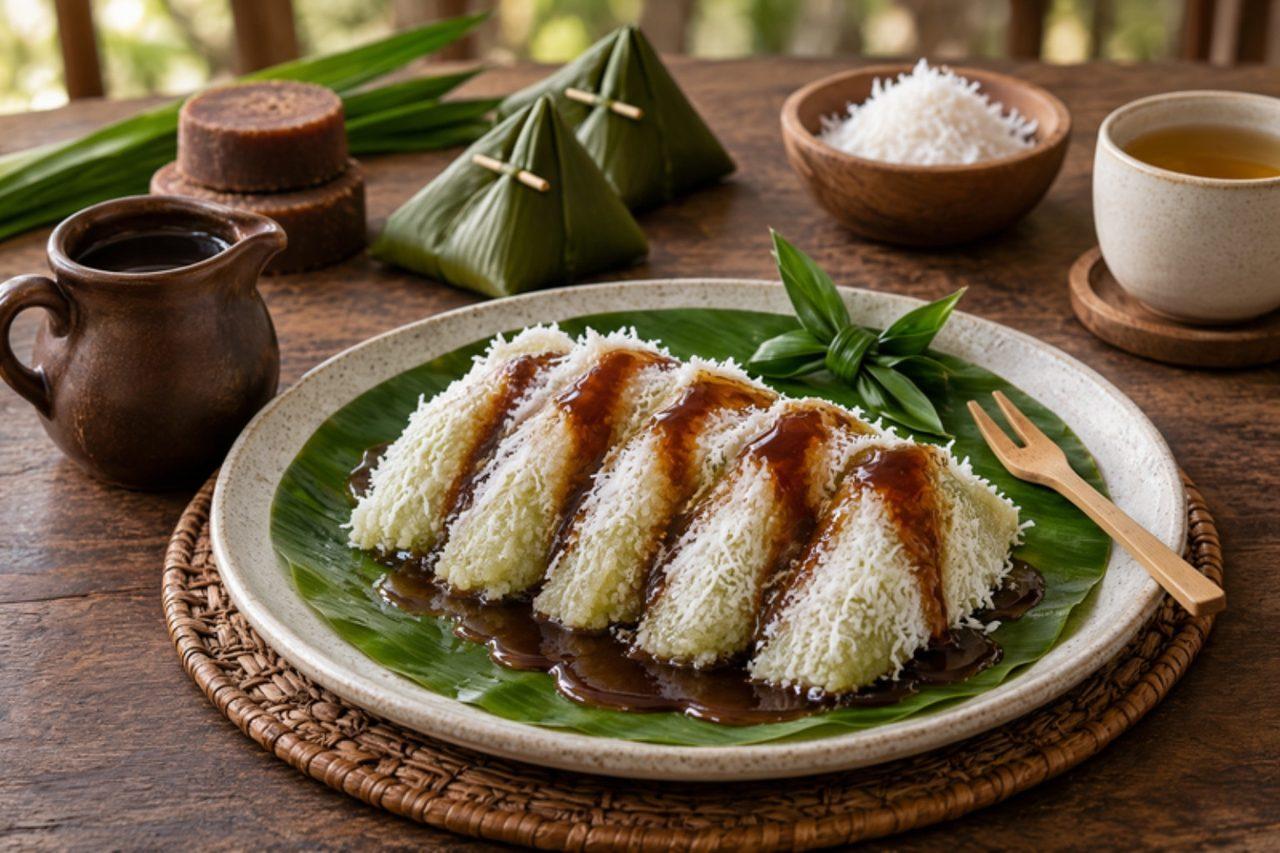
LupisSticky rice with coconut sugar

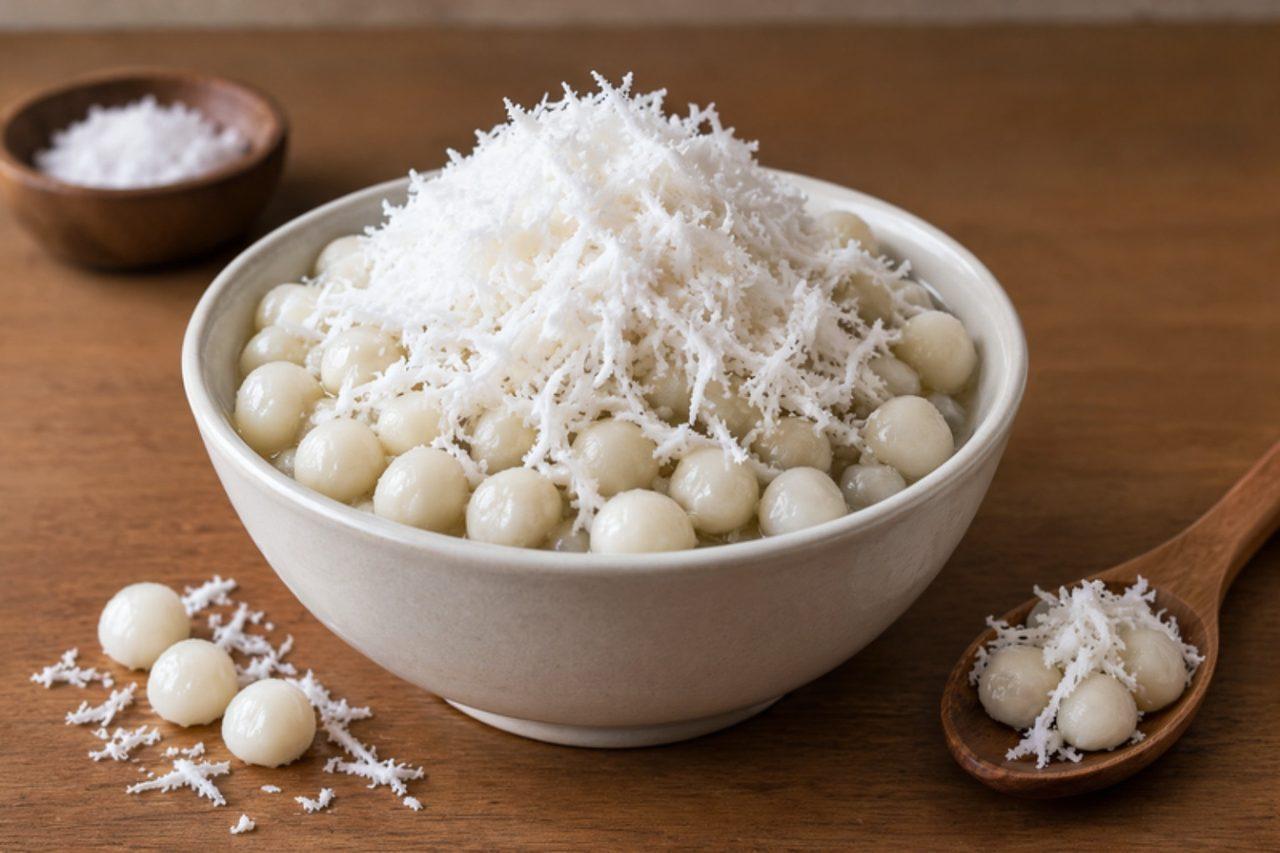
At morning markets across Central and East Java, vendors unwrap banana-leaf triangles of chewy sticky rice, roll them in fresh grated coconut and drench them in dark palm sugar syrup, all served on a square of leaf. Lupis is breakfast and snack at once, eaten with sweet tea. The common mistake is packing the leaves too full: the rice swells as it cooks, so fill each cone only two-thirds, or the parcels split and turn watery. Chef's tip: steam the grated coconut with a pinch of salt for 5 minutes before using it; it keeps longer and the salt sharpens the caramel taste of the syrup.

by KrazyBadal 1 views

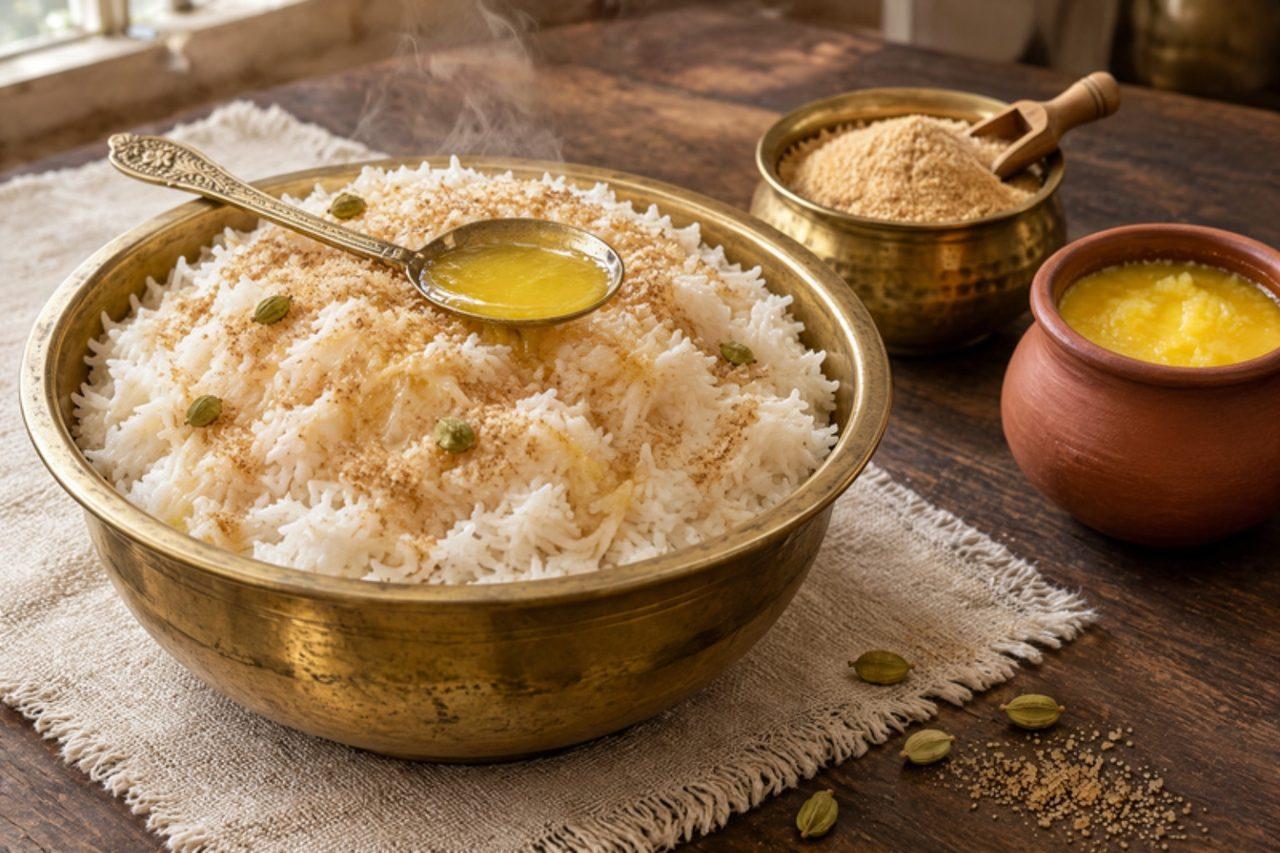
Bhure chawalRice with ghee and sugar

Bhure chawal is about as simple as Haryanvi village cooking gets: steaming rice tossed with plenty of desi ghee and bura, the fine, fluffy sugar sold in Haryana, and sometimes a few chopped nuts. It is the treat grandmothers make after the evening milking, at a new daughter-in-law's first meal, or on cold nights when something sweet is needed fast. Use fragrant, well-cooked rice and good ghee, as there is nothing to hide behind. The common mistake is adding the sugar to lukewarm rice, so it stays gritty instead of melting into the ghee. Chef's tip: no bura? Blitz ordinary sugar to a powder and add a pinch of cardamom.

by KrazyBadal 0 views

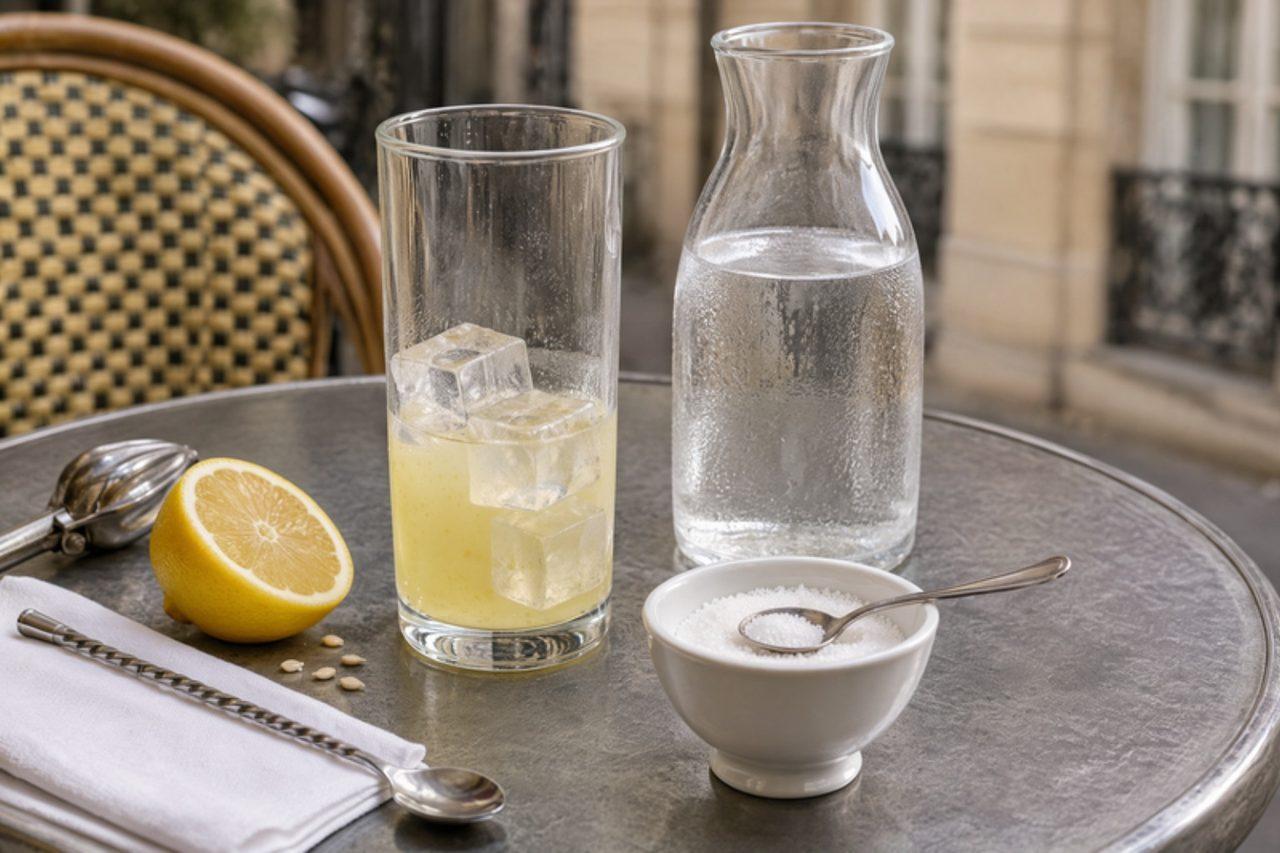
Citron presséFresh lemon drink

Order a citron pressé on a Paris terrace in July, or at a café in Nice after the beach, and the waiter brings a tall glass with an inch of freshly squeezed lemon juice, a carafe of iced water, a sugar bowl or a little jug of syrup and a long spoon. You build the drink yourself, as sharp or as sweet as you like, which is half the pleasure; French children learn to drink it with plenty of sugar, grown-ups often with almost none. It is bright, sour and cleansing, nothing like bottled lemonade, and best in the late afternoon heat. The common mistake is stirring granulated sugar straight into cold lemon water: it sinks and never dissolves, so the first sips are sour and the last a sludge. Dissolve the sugar in the juice first, or use a quick syrup. It is ready when the sugar has vanished, the drink tastes balanced to you and the glass is beaded with cold. Unwaxed lemons matter if you add a twist of peel. Chef's tip: pour the water over ice slowly and taste after half the carafe; most people find they need less water than they expect.

by KrazyBadal 0 views

BinatogBoiled hominy with coconut

Binatog is an afternoon snack sold from bicycle carts that ring their way through the side streets of Manila, especially around Tondo and Sampaloc, the vendor scooping steaming white corn from a big tin can into small cups. The kernels are plump, chewy and nutty, piled with snowy grated coconut and finished with salt or sugar to taste, so everyone gets it the way they like. It is simple, filling and naturally vegan. Dried white hominy (pozole corn) has already been treated with lime, which gives the chewy, popped kernels; if you can only find canned hominy, rinse it and warm it for 10 minutes instead. Chef's tip: keep the kernels at a gentle simmer; a hard boil splits them before they become tender.

by KrazyBadal 0 views

Godamba rotiThin griddle flatbread

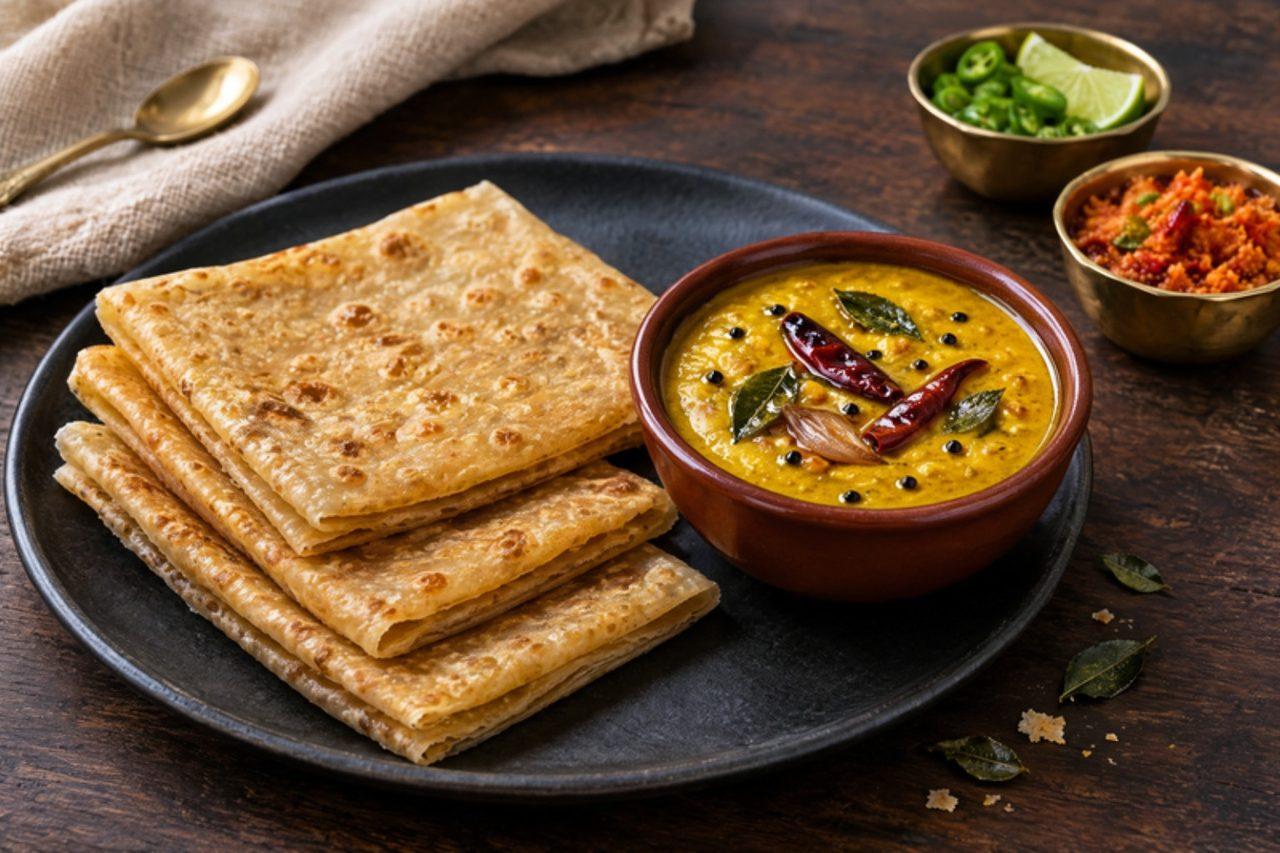
Walk down Galle Road through Wellawatte or Bambalapitiya in the evening and you hear the roti shops before you see them: one cook slapping balls of oiled dough into sheets so thin you can read through them, another clattering the kottu blades. That stretched sheet, folded into a square and cooked on the iron plate, is godamba roti, flaky and chewy, torn to scoop up dhal and chicken curry, or chopped up for kottu. Contains wheat. Chef's tip: rest the oiled dough balls for at least 2 hours; the gluten relaxes so the dough stretches thin without tearing.

by KrazyBadal 0 views

BettarazukeSweet koji-cured daikon

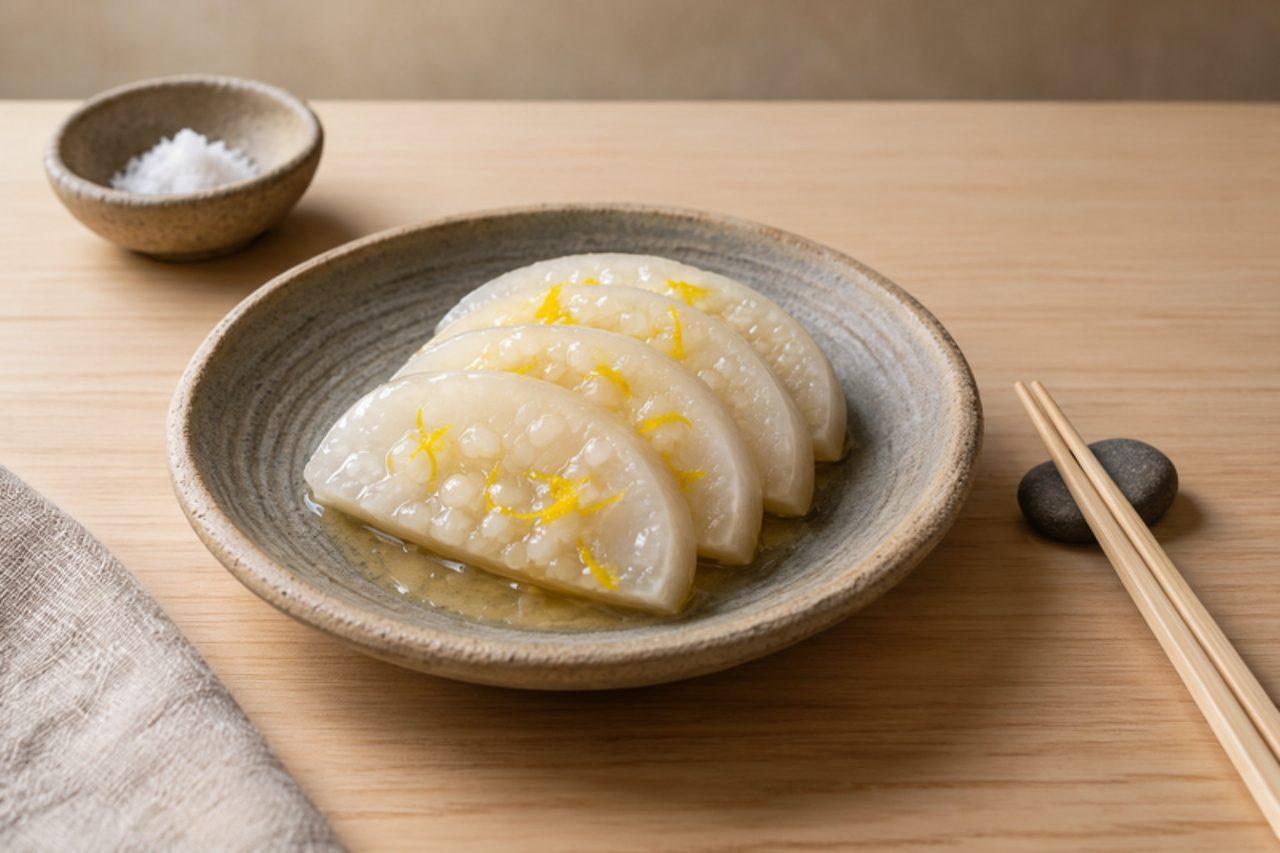
Every 19 and 20 October, the lanes around Takarada Ebisu Shrine in Nihonbashi fill with stalls for the Bettara-ichi, Tokyo's old pickle fair, where vendors hold up whole daikon dripping with rice koji and passers-by try not to get 'bettari', sticky. The pickle has been an Edo favourite since the 1700s: daikon salted, then buried in amazake, the sweet porridge that koji makes from rice. It tastes mild, sweet and fresh, with a clean crunch and a faint fermented, sake-lees perfume, which makes it a favourite with children and a pause between salty dishes. Bettarazuke is low in salt and acid, so it lives in the fridge from start to finish. The common mistake is adding the daikon while the amazake is still warm: it cooks the surface and softens the crunch, so cool it fully. It is ready when the daikon is translucent at the edges, juicy, and the koji coating tastes sweet with a light tang. Chef's tip: make the amazake in a rice cooker on keep-warm with the lid ajar and a cloth over it, so it holds about 60 °C; a thermometer helps the first time.

by KrazyBadal 0 views

Coniglio alla ligureRabbit with olives and pine nuts

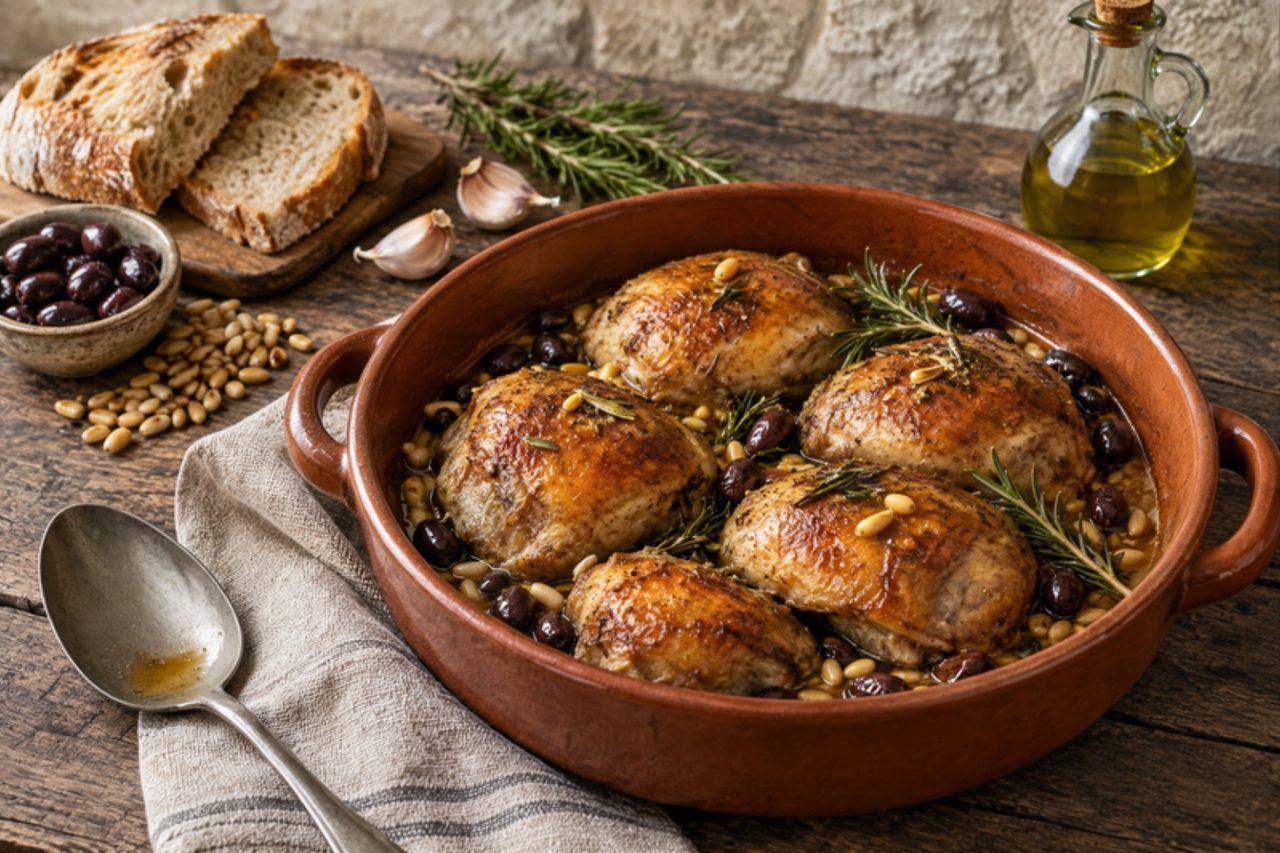
Coniglio alla ligure is the Sunday dish of the Ligurian hills behind Genoa and Imperia, where rabbits were raised in every farmyard and olives and pine nuts came from the slopes around the house. Rabbit pieces are browned in olive oil, splashed with white wine and braised with garlic, rosemary, thyme and bay, then finished with small black olives and toasted pine nuts until the sauce is glossy and fragrant. Serve with roast potatoes or bread. This recipe uses wine; for an alcohol-free version use 150 ml chicken stock with 1 tbsp white wine vinegar. The usual mistake is cooking the lean rabbit too fast, which makes it dry and stringy; keep the heat low and the pot covered. Chef's tip: ask the butcher for the liver and add it, chopped, for the last 5 minutes to enrich the sauce.

by KrazyBadal 0 views

Passionfruit sponge

The passionfruit sponge is the star of the Australian country show cake table and every Sunday afternoon tea, made from the vines that cover back fences from Sydney to the Sunshine Coast. Two airy, fatless sponges are filled with whipped cream and topped with a tangy passionfruit icing. A common mistake is knocking the air out when folding in the flour; use a light hand and a big metal spoon. Chef's tip: beat the eggs and sugar for a full 8–10 minutes until thick enough to hold a trail.

by KrazyBadal 0 views

CortaditoEspresso with steamed milk

Havana runs on small cups of coffee: a cafecito standing at a ventanita, a colada shared in tiny plastic cups at work, and in the afternoon or with breakfast, a cortadito, which is Cuban coffee cut (cortado) with roughly as much hot milk. The coffee is brewed in a stovetop cafetera, and the first dark drops are whipped hard with sugar into a pale, thick espumita that floats on top of the cup. The result is rich, very sweet and caramel-like, with a velvety milk body and a strong, bitter edge underneath. It is high in caffeine, so it is not one for children. The common mistake is adding sugar to the pot or stirring it in at the end; without the espumita you get a thin, flat drink. Beat the first concentrated coffee with the sugar until it turns light tan and holds soft folds, then pour in the rest. It is ready when a pale foam floats on the cup and the milk has been heated until steaming, with small bubbles around the edge but not boiling. Chef's tip: catch only the first 2–3 teaspoons of coffee for the foam; later coffee is too thin to whip.

by KrazyBadal 0 views

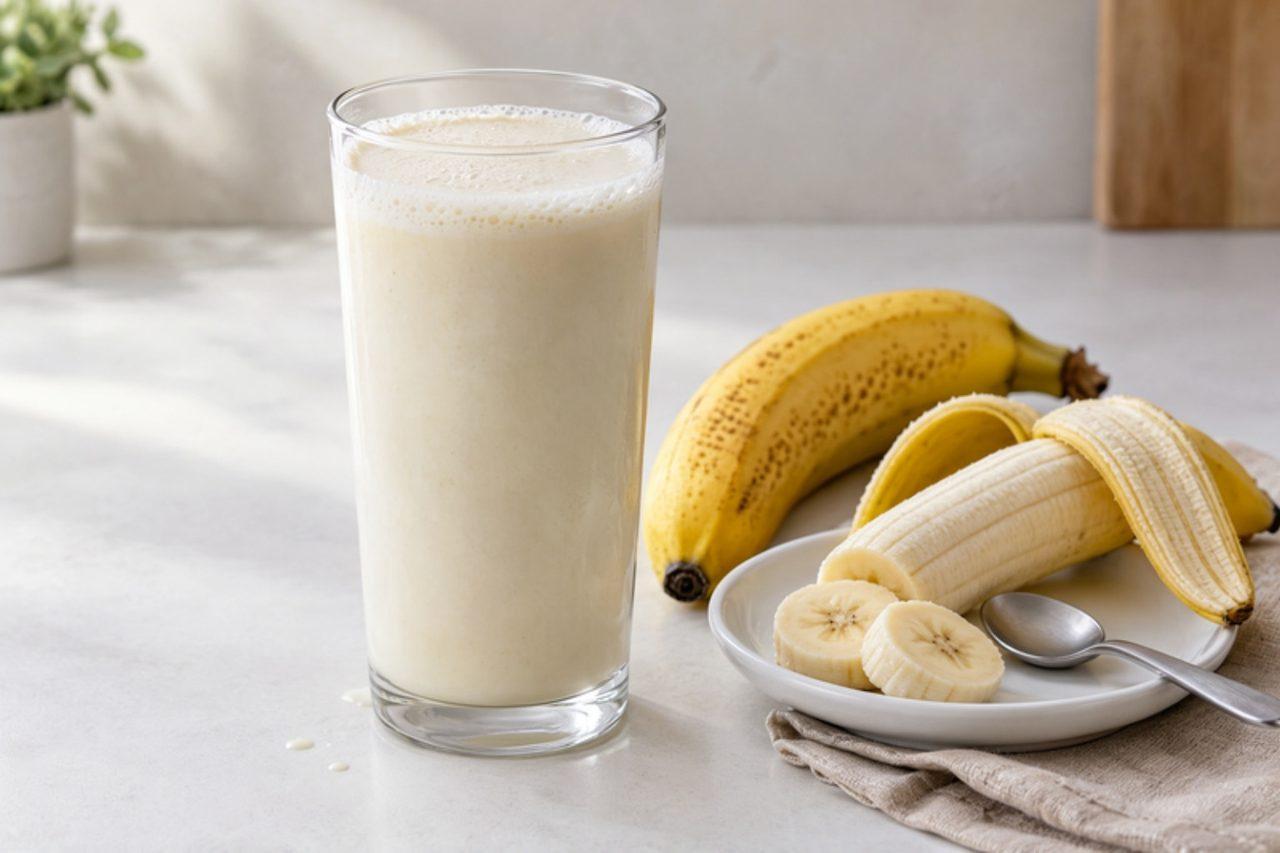
Leche con plátanoBanana milk

Ask anyone who grew up in Chile, from Arica to Punta Arenas, what they drank after school and many will say leche con plátano. It is made in a blender in two minutes, usually at onces, the late-afternoon tea, alongside marraqueta rolls with butter or avocado, and it is the first thing many children learn to make by themselves. It is pale, foamy and thick enough to leave a moustache, tasting simply of sweet ripe banana and cold milk, sometimes with a pinch of cinnamon. The common mistake is making it ahead: within half an hour the banana turns the milk greyish-beige and the foam collapses, so blend it just before drinking. It is ready when it is completely smooth, light and frothy, with no banana lumps at the bottom of the jug. Use bananas with a few brown freckles: they are sweet enough that you may need little or no sugar. Chef's tip: slice and freeze overripe bananas, then blend them straight from the freezer; the drink comes out icy and extra thick without any ice.

by KrazyBadal 1 views

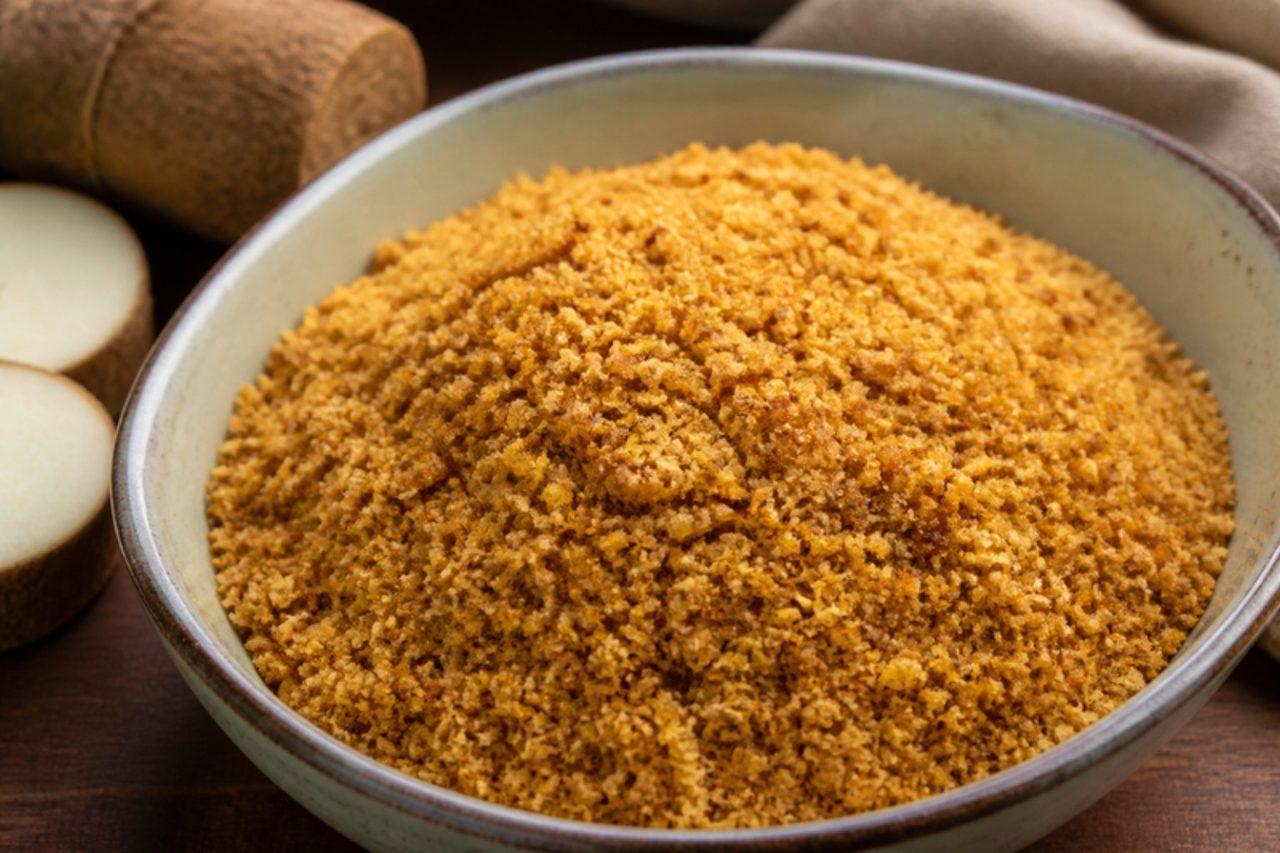
CouacToasted cassava meal

In French Guiana couac is on the table at almost every meal, sprinkled over fish in sauce, stirred into stews or soaked in water with sugar as a snack, and it is still made in the carbets (open-sided sheds) of Amerindian and Maroon villages along the Maroni river. Traditionally it is made from bitter cassava, which is poisonous until its juice has been pressed out and the meal roasted for hours. This home version uses only sweet cassava (yuca), and still presses out and discards all the juice and toasts the meal until fully dry, because cassava must never be eaten raw. The usual mistake is a heat that is too high: the outside scorches while the inside is still damp. Chef's tip: stir almost constantly over a medium-low heat; the couac is done when it rattles in the pan, smells nutty and a grain snaps cleanly between your teeth.

by KrazyBadal 0 views

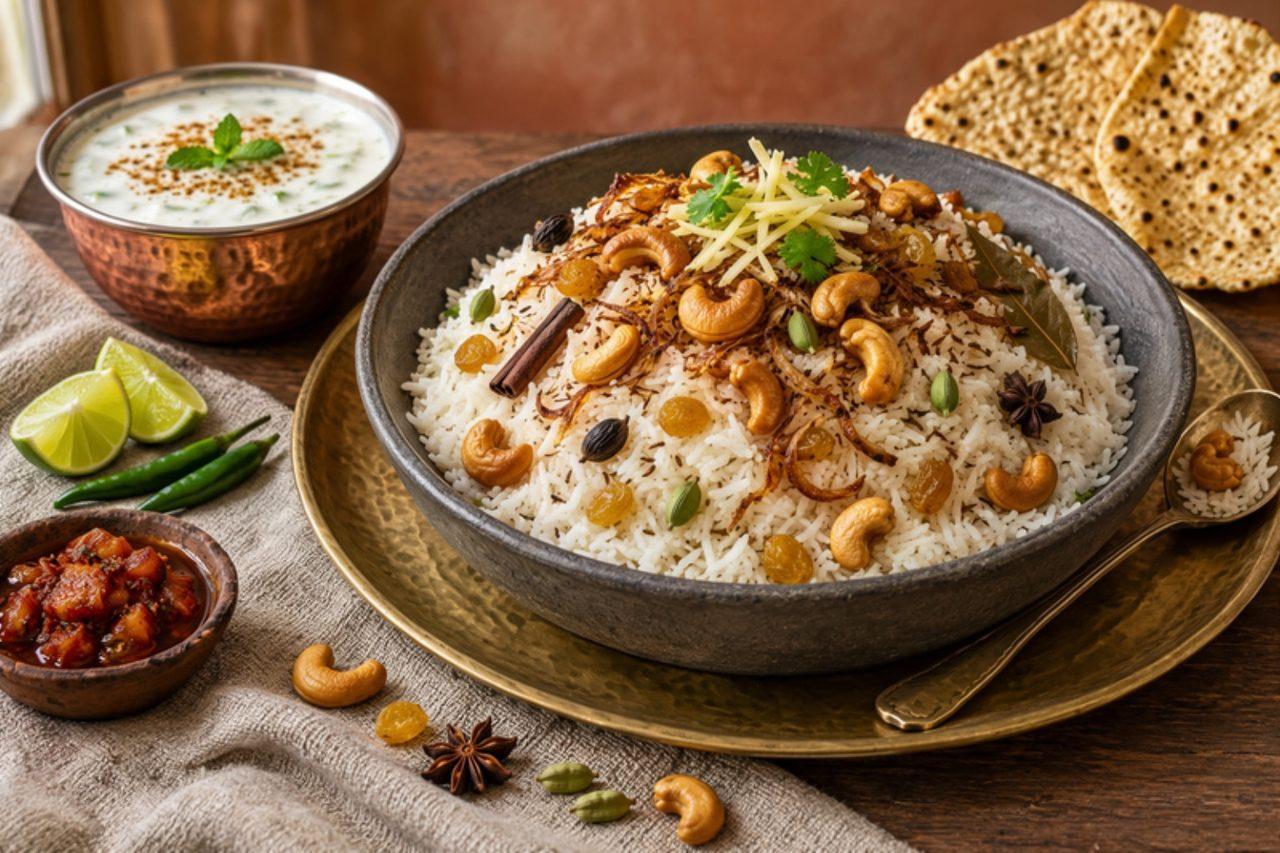
Kaju pulao (cashew pulao)

Kaju pulao is the "special" tiffin of Mumbai and Hyderabad homes, packed for a birthday at school or a festival day at the office, yet it takes no more effort than plain rice. Basmati is cooked with whole spices and golden onion in ghee, and a generous handful of cashews fried separately until crisp is folded through at the end. The mistake is cooking the cashews with the rice, which leaves them soft and pale; fry them on their own and add them last. Chef's tip: stop frying the cashews when they are light gold; they keep darkening in the hot ghee after you lift them out. Contains milk (ghee) and cashews.

by KrazyBadal 0 views

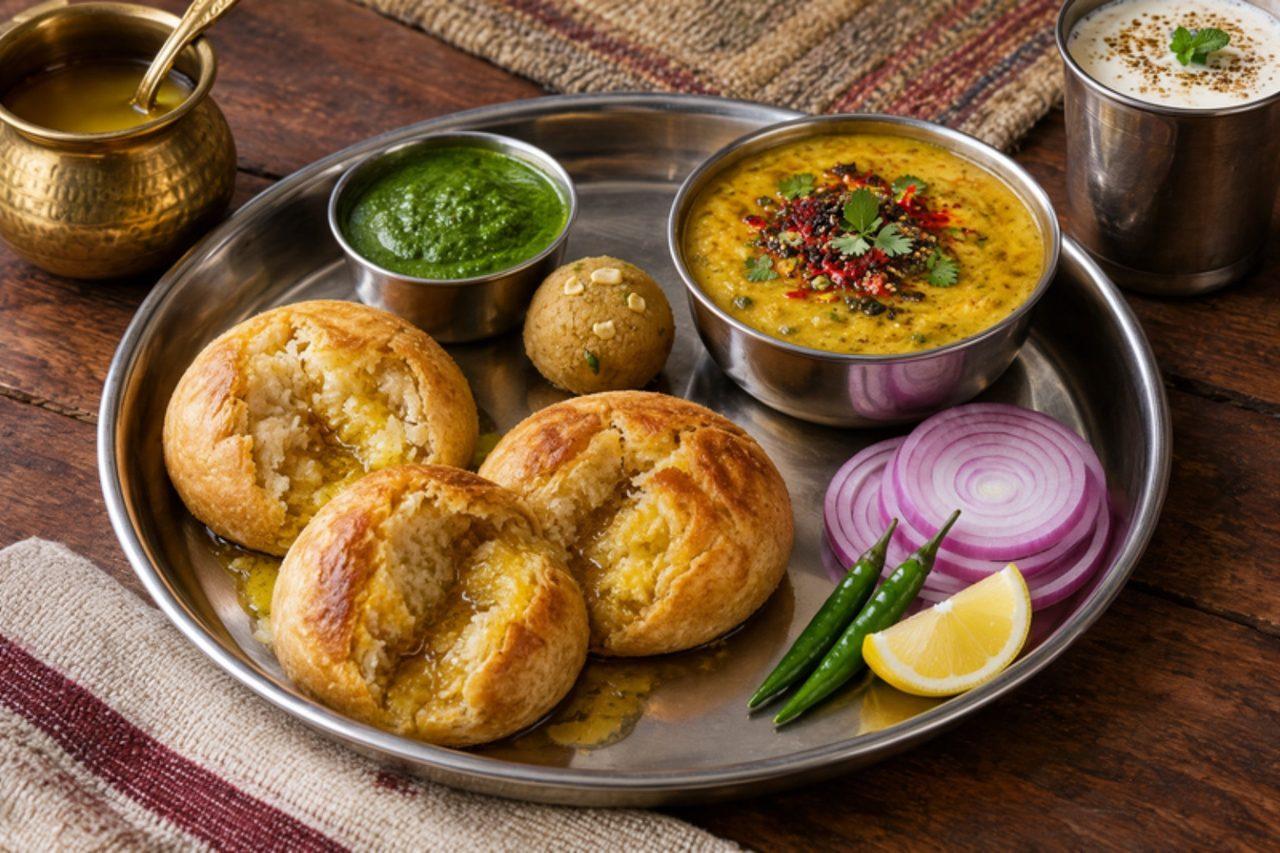
Dal baflaBaked wheat balls with dal

Dal bafla is Malwa's answer to Rajasthan's dal baati: the dough balls are first boiled until they float, then baked until crusty, so they turn out softer inside and lighter than baati. In Indore and Ujjain it is the meal for Sunday lunches, picnics and big family gatherings, broken open and drowned in ghee next to a bowl of tadka dal and garlic chutney. The common mistake is skipping the rest after boiling; wet baflas go straight into the oven and stay pale and leathery. Chef's tip: let the boiled baflas dry for 10 minutes and score a cross on top before baking, so they crack open and soak up the ghee.

by KrazyBadal 0 views

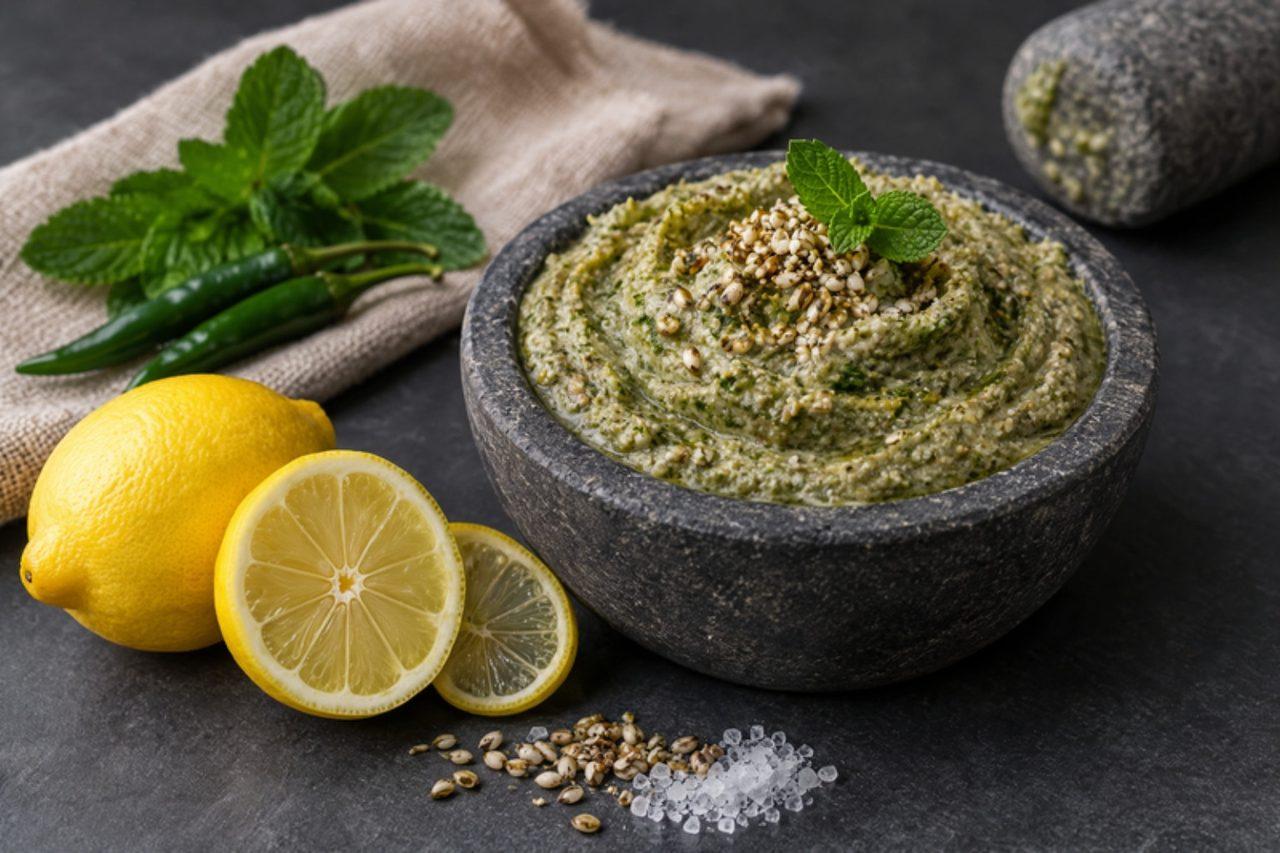
Bhang ki chutneyRoasted hemp seed chutney

In Kumaon every kitchen keeps a jar of hemp seeds, and this tangy chutney is ground fresh to go with rotis, aloo ke gutke and festive pakodas all through the year. It uses hulled, food-grade hemp seeds sold for cooking, which are not psychoactive at all; they simply taste like a cross between sesame and toasted pine nuts. The seeds are dry-roasted, ground with mint, chilli and the juice of the big hill lemon, and loosened with a little water. The usual mistake is roasting the seeds too dark, which turns the chutney bitter and grey. Chef's tip: grind in a mortar or with short pulses and stop while it still has some texture; a perfectly smooth paste loses the pleasant crunch.

by KrazyBadal 0 views

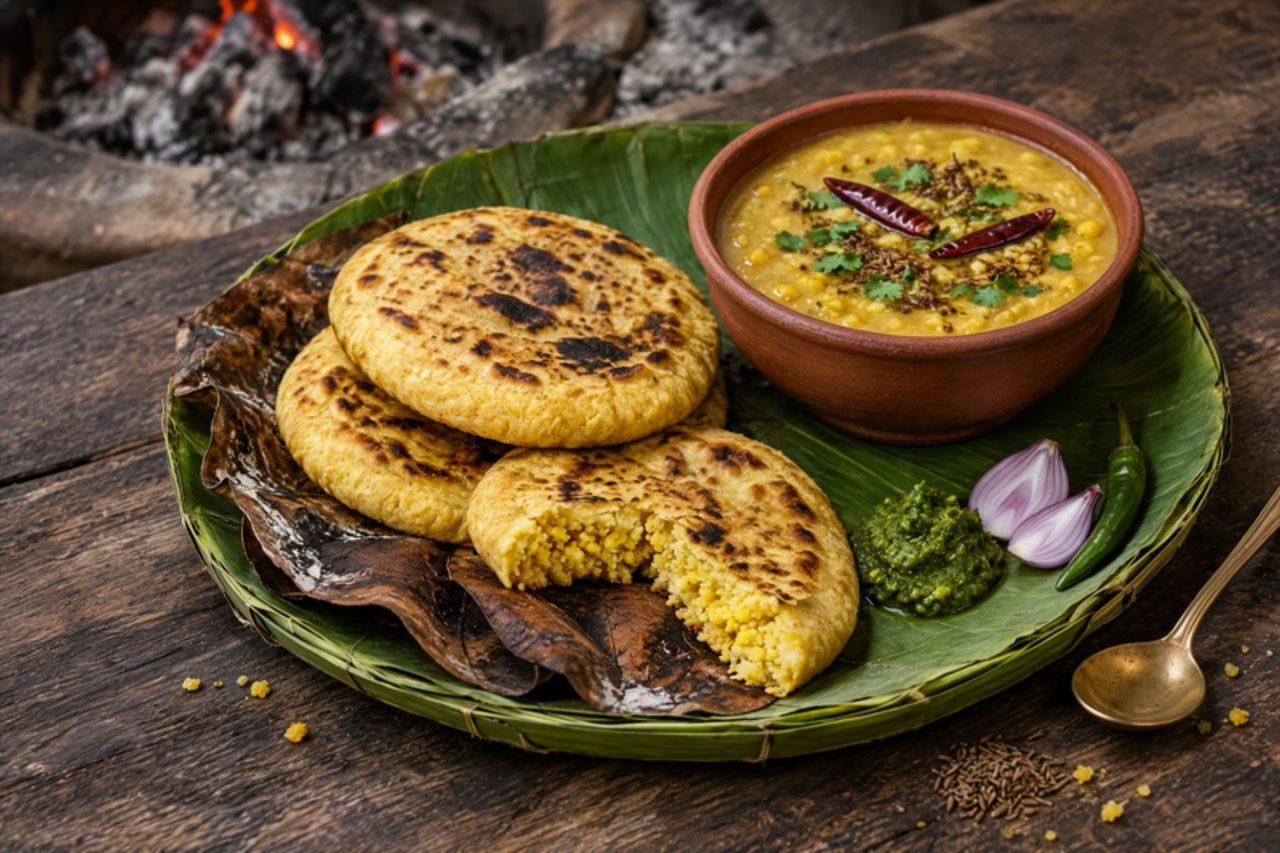
Dal panniyeMaize flour breads baked in leaves

Panniye are the festive breads of the Bhil communities of Jhabua and Alirajpur in western Madhya Pradesh, made for weddings, Bhagoria and harvest gatherings. Thick maize-flour discs are pressed between palash or banana leaves and baked over cow-dung embers until smoky and crisp outside, then served with a garlicky dal and ghee. At home you can bake them on a tawa and finish in the oven. The common mistake is rolling the dough too thin, so it dries out and cracks before it cooks through. Chef's tip: knead the maize dough with warm water and a little curd and let it rest; it holds together much better.

by KrazyBadal 0 views

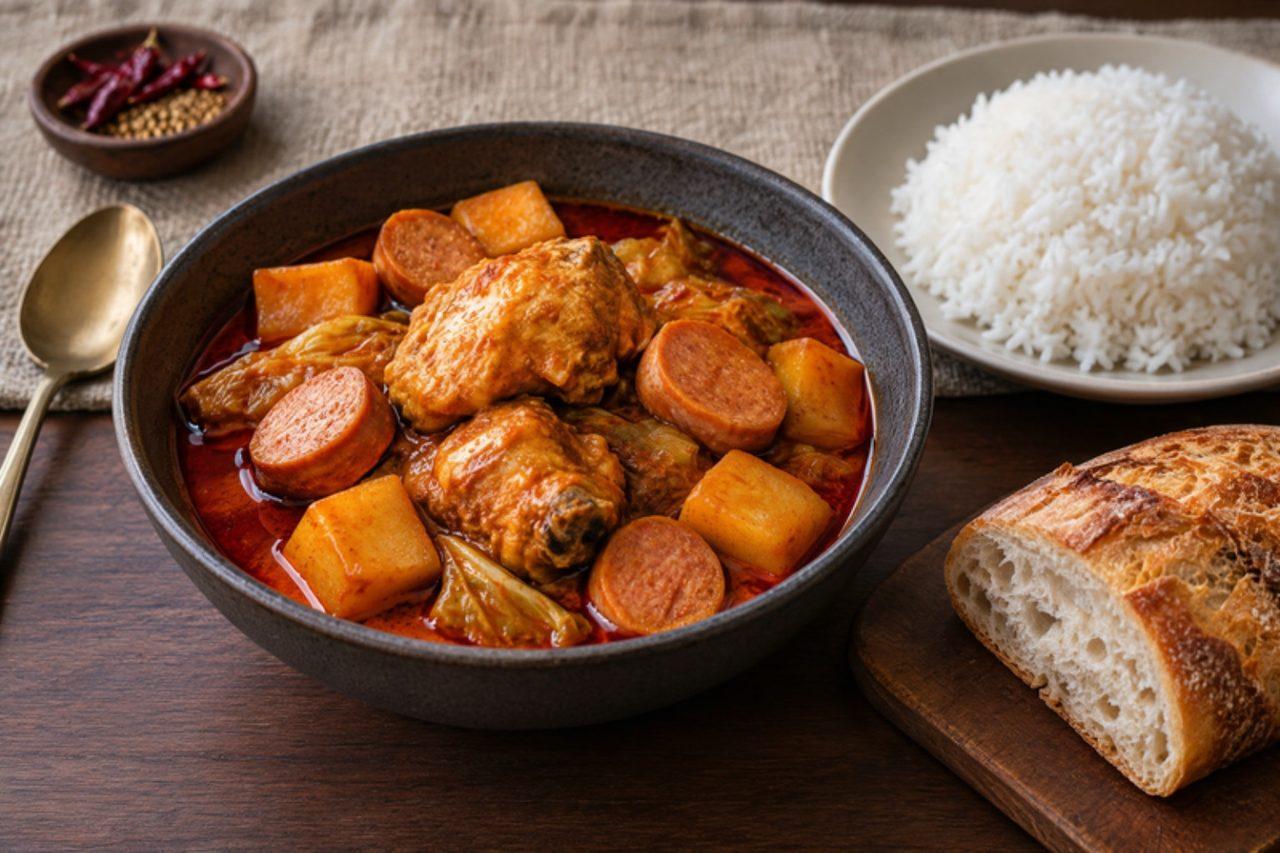
Kari debalDevil curry

Kari debal, or curry devil, is the Christmas dish of Singapore's Eurasian (Kristang) community, traditionally cooked on Boxing Day to use up the roast chicken, ham and sausages from the feast. A fiery paste of dried chillies, shallots, galangal and candlenuts is fried until fragrant, then sharpened with ground mustard seed and vinegar and simmered with chicken, potatoes, cabbage and cocktail sausages (pork, or use chicken sausages). Like most curries it tastes better the next day. The usual mistake is not frying the spice paste long enough: it must cook until the oil separates or the curry tastes raw. Chef's tip: soak the dried chillies in hot water and snip out the seeds first if you want the flavour without the full fire.

by KrazyBadal 0 views

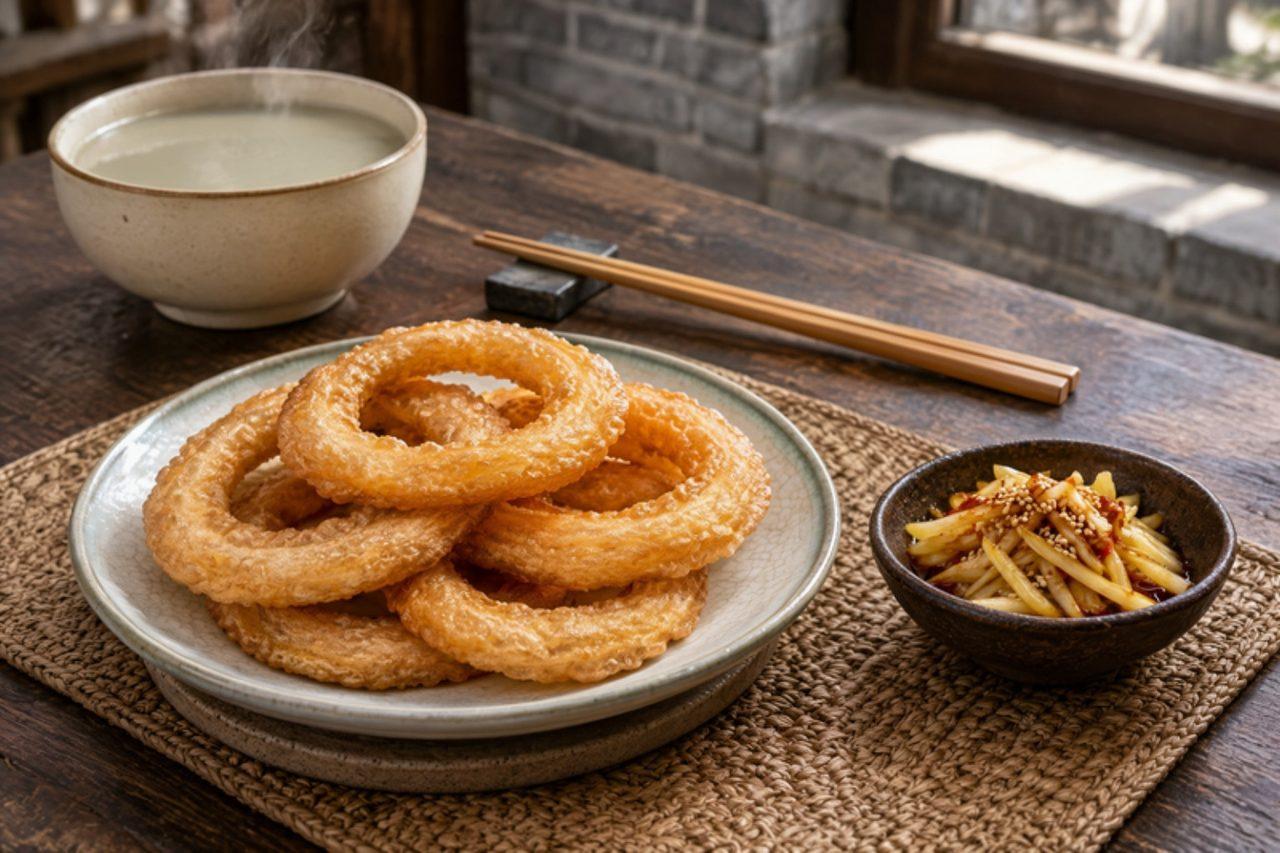
JiaoquanCrisp fried dough rings

Jiaoquan are the thin, shatteringly crisp fried rings that old Beijingers dunk into a bowl of sour douzhi, or tuck inside a sesame shaobing for breakfast. Street cooks use alum to make them puff; this home version uses baking powder and soda, with a long rest so the dough becomes stretchy. The mistake is cutting the rest short: tight dough will not stretch thin and the rings come out chewy. The dough needs about 3 hours in total, most of it hands-off. Chef's tip: keep the oil steady at about 170 °C and turn the rings constantly with chopsticks; they should stay pale gold, not brown, and sound hollow when tapped.

by KrazyBadal 0 views

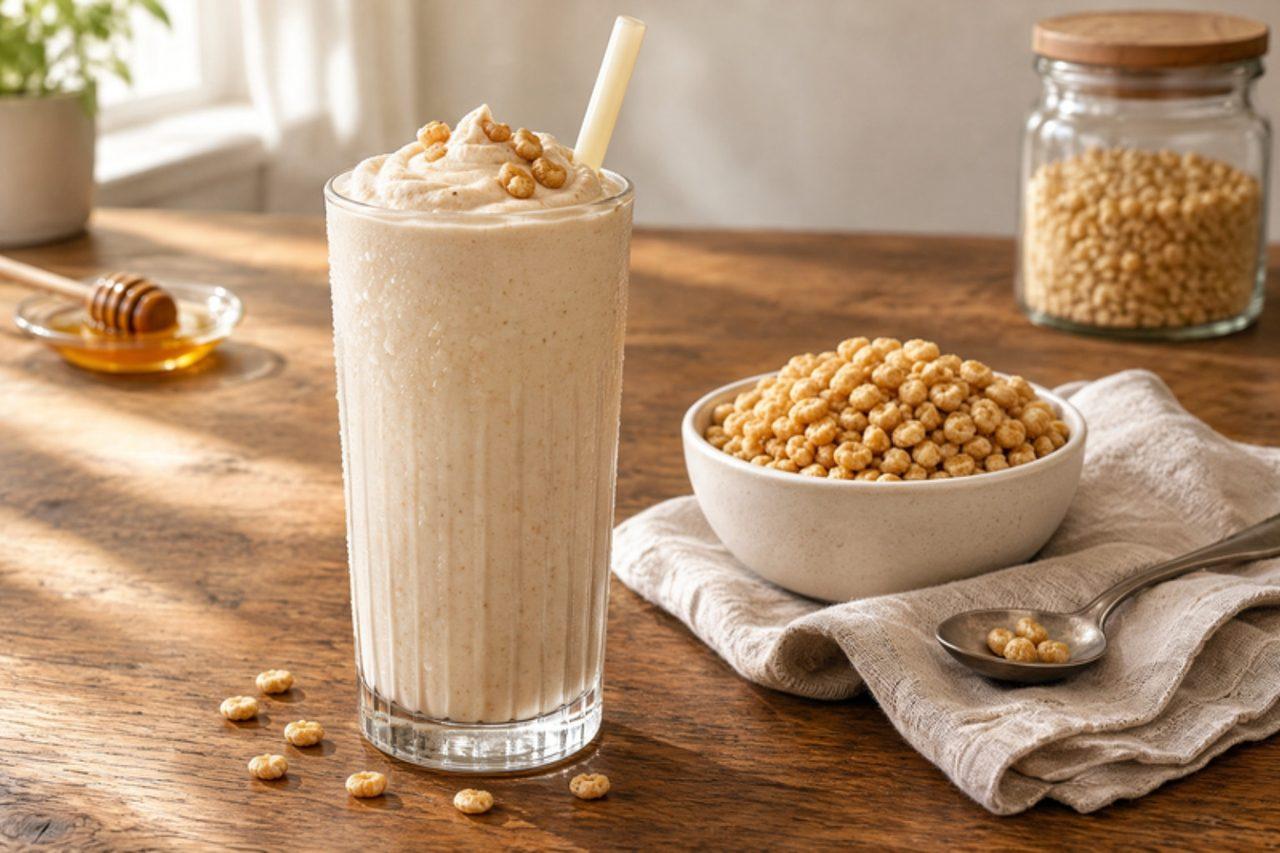
Batido de trigoPuffed wheat shake

Havana cafeterías and Miami ventanitas blend this for breakfast on the run: puffed wheat, cold milk, sugar and ice whizzed into a thick, frothy shake that tastes like a malted milk with toasted cereal. It is one of the most loved Cuban batidos, and quick to make at home. The common mistake is using sweetened, honey-coated cereal, which makes it cloying; plain puffed wheat lets the toasty grain flavour come through. Chef's tip: blend the puffed wheat with half the milk first until completely smooth, then add the ice, so you don't get soggy flecks of cereal.

by KrazyBadal 0 views

DebreceniPaprika pork sausage

Debreceni are long, thin pork sausages seasoned with sweet paprika, garlic and caraway, and they are the standing snack of Budapest's büfé counters: at the Nagyvásárcsarnok, at Christmas markets on Vörösmarty tér and outside the Keleti railway station. The stand heats them on a griddle (or simmers them), then hands them over on a paper plate with a slice of rye bread, a big spoon of mustard and a pile of pickled peppers or gherkins. This home version uses bought debreceni and adds a quick paprika glaze. Chef's tip: simmer them gently before grilling; a hard boil splits the skins and dries the pork.

by KrazyBadal 0 views

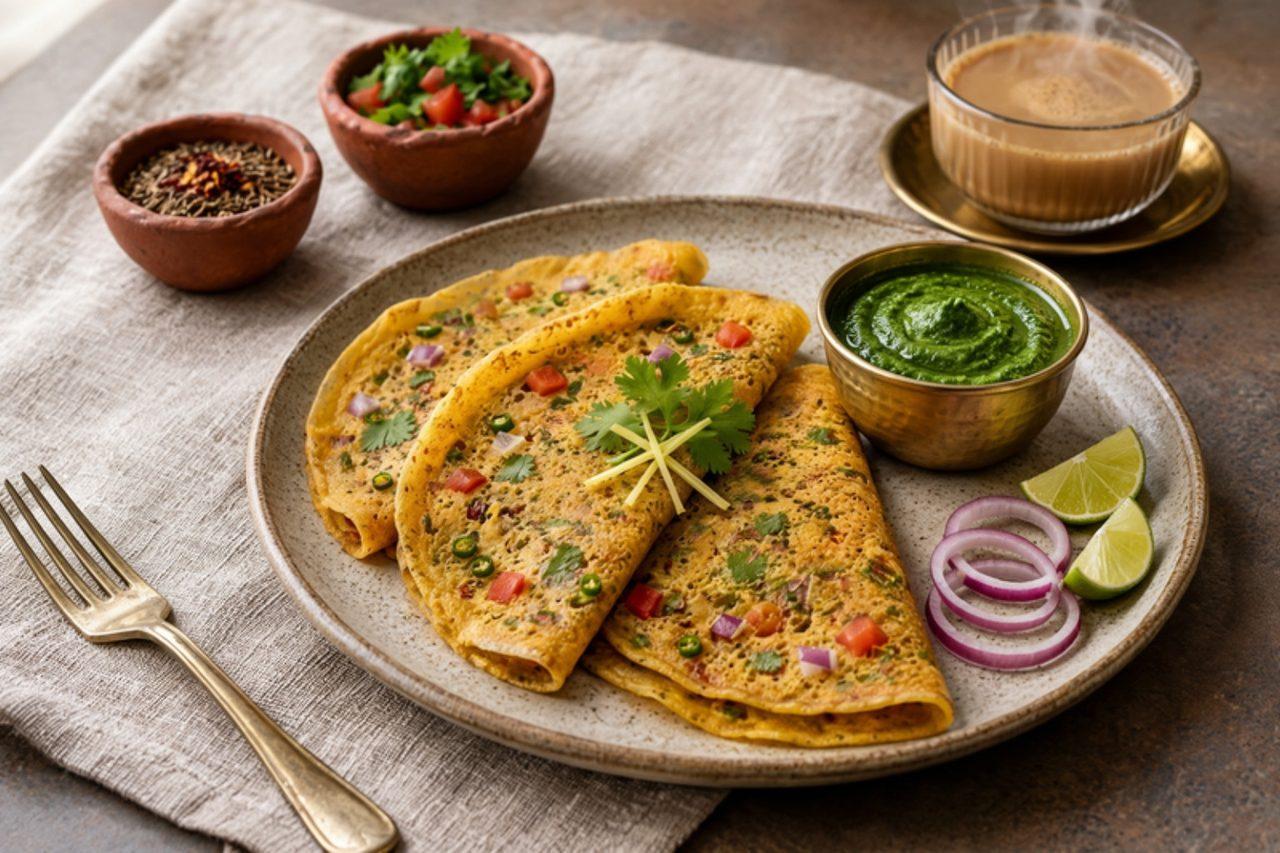
Besan chillaGram flour pancakes

Across North India, besan chilla is the answer when the tiffin needs packing in fifteen minutes: a pourable gram flour batter studded with onion, tomato, chilli and coriander, cooked thin on a tawa, then rolled up with chutney or ketchup. It is naturally egg-free and filling. The common mistake is a thick batter, which gives a heavy, raw-tasting pancake; it should flow like single cream. Chef's tip: spread the batter with the back of a ladle in quick circles from the centre outward, and cover the pan for the first minute so the top steams set.

by KrazyBadal 0 views

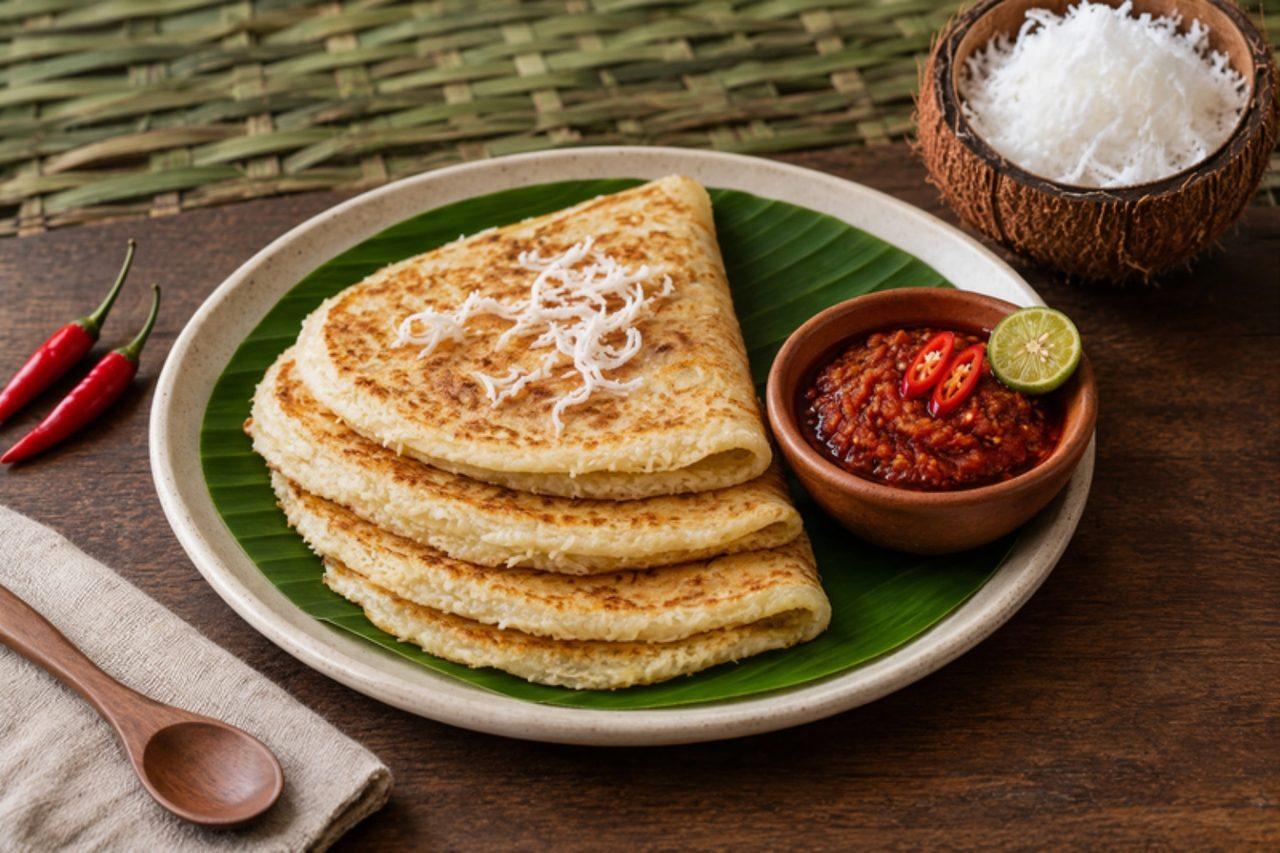
Lempeng kelapaThin coconut pancakes

On Malaysia's east coast, in Terengganu and Kelantan, lempeng is the morning flatbread nobody buys because every home can make it in minutes: flour, freshly grated coconut, salt and water, spread thin on a griddle. It is eaten warm, torn and dipped into sambal tumis or last night's fish or vegetable curry. The mistake is a thick batter; it should spread on its own into a thin round, or the middle stays doughy. Chef's tip: let the batter rest for 10 minutes so the coconut softens and the flour hydrates, which gives lempeng that bend without tearing.

by KrazyBadal 0 views

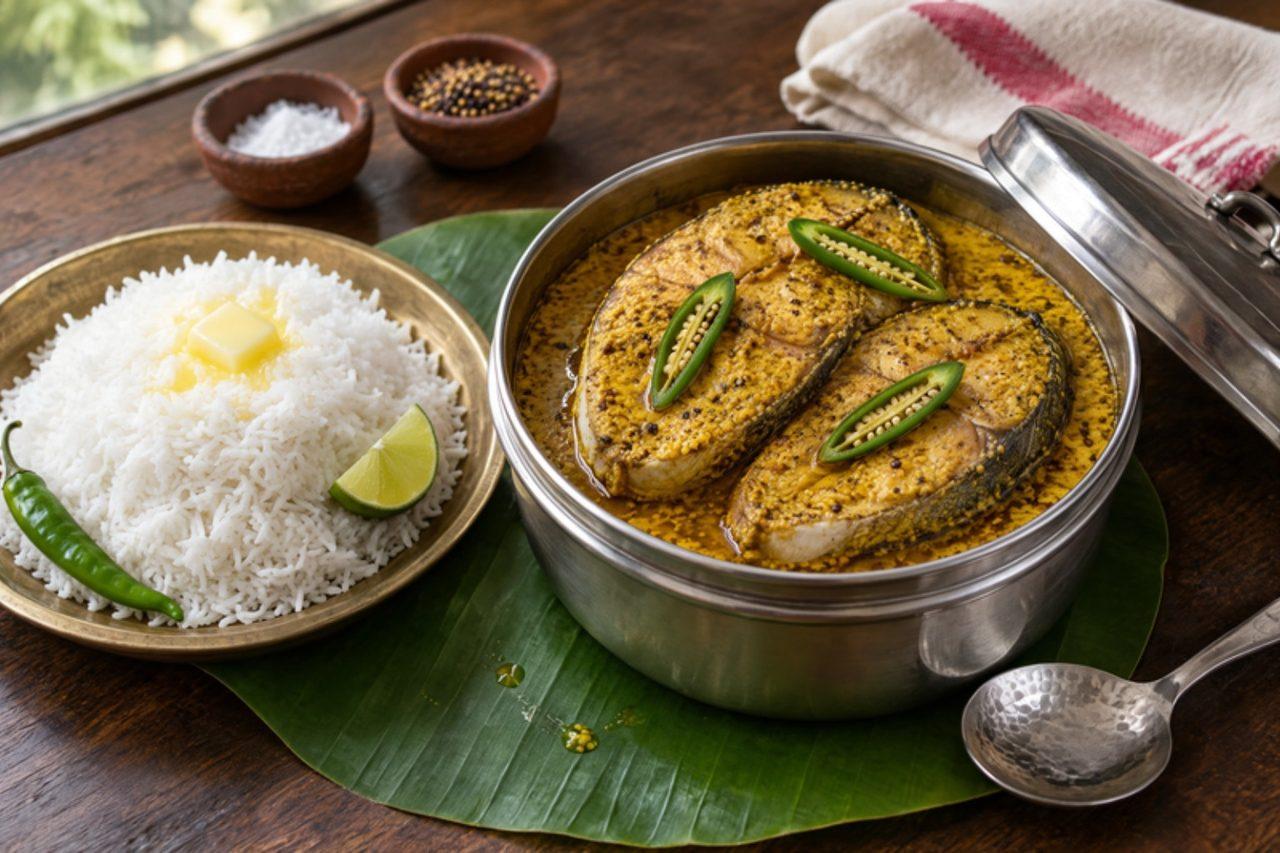
Bhapa ilishSteamed hilsa in mustard

When the monsoon brings hilsa up the Padma and Hooghly rivers, Kolkata households cook bhapa ilish, the fish steamed in a pungent paste of mustard seeds, green chilli and mustard oil in a closed tiffin box. It is the star of Jamai Sasthi and of any rainy-season Sunday, served with plain rice. The fish is rich and tender, with a nose-tingling mustard heat. Suitable as part of a balanced diet: high in protein and omega-3 fats, with no starch in the dish itself. About 340 kcal and 4 g carbohydrate per portion; keep the rice portion modest. The usual mistake is grinding the mustard seeds too long or with warm water, which turns the paste bitter; grind briefly with cold water, a pinch of salt and a green chilli. Hilsa is bony, so eat slowly and warn guests. Chef's tip: drizzle raw mustard oil over the top just before closing the box; it gives the true Bengali aroma.

40 minIndianFishGluten free
by KrazyBadal 0 views

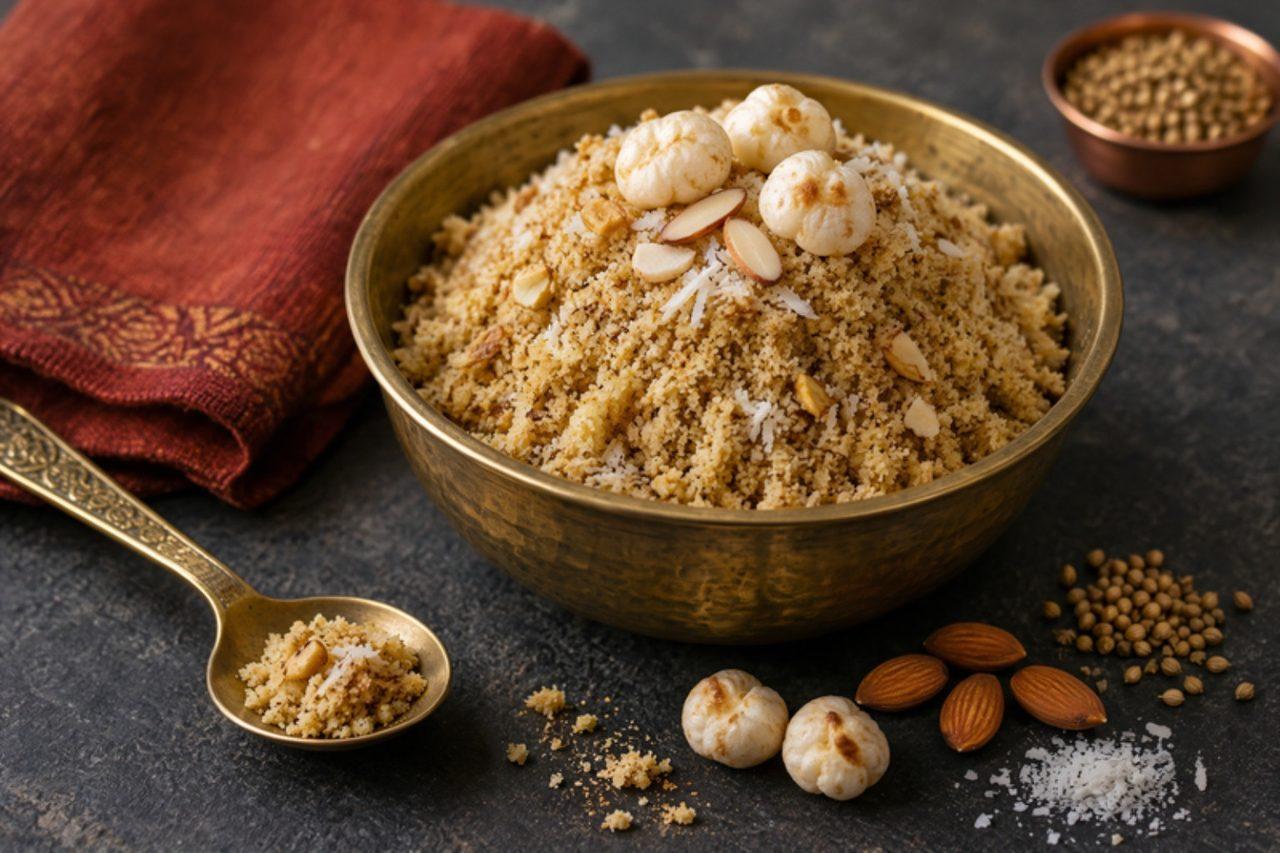
Dhana ni panjiriRoasted coriander and coconut sweet

At midnight on Janmashtami, when Gujarati and Rajasthani families sing to baby Krishna, the prasad handed round is this fragrant panjiri of ground coriander seeds roasted in ghee and mixed with powdered sugar, coconut, makhana and dry fruit. Because it contains no grain, it is also eaten by those who keep the Janmashtami fast. It tastes warm, sweet and surprisingly floral. The common mistake is roasting the coriander powder on high heat; it burns in seconds and turns bitter. Chef's tip: grind the seeds yourself just before roasting, and stop when the kitchen smells like warm citrus, not toast.

by KrazyBadal 0 views

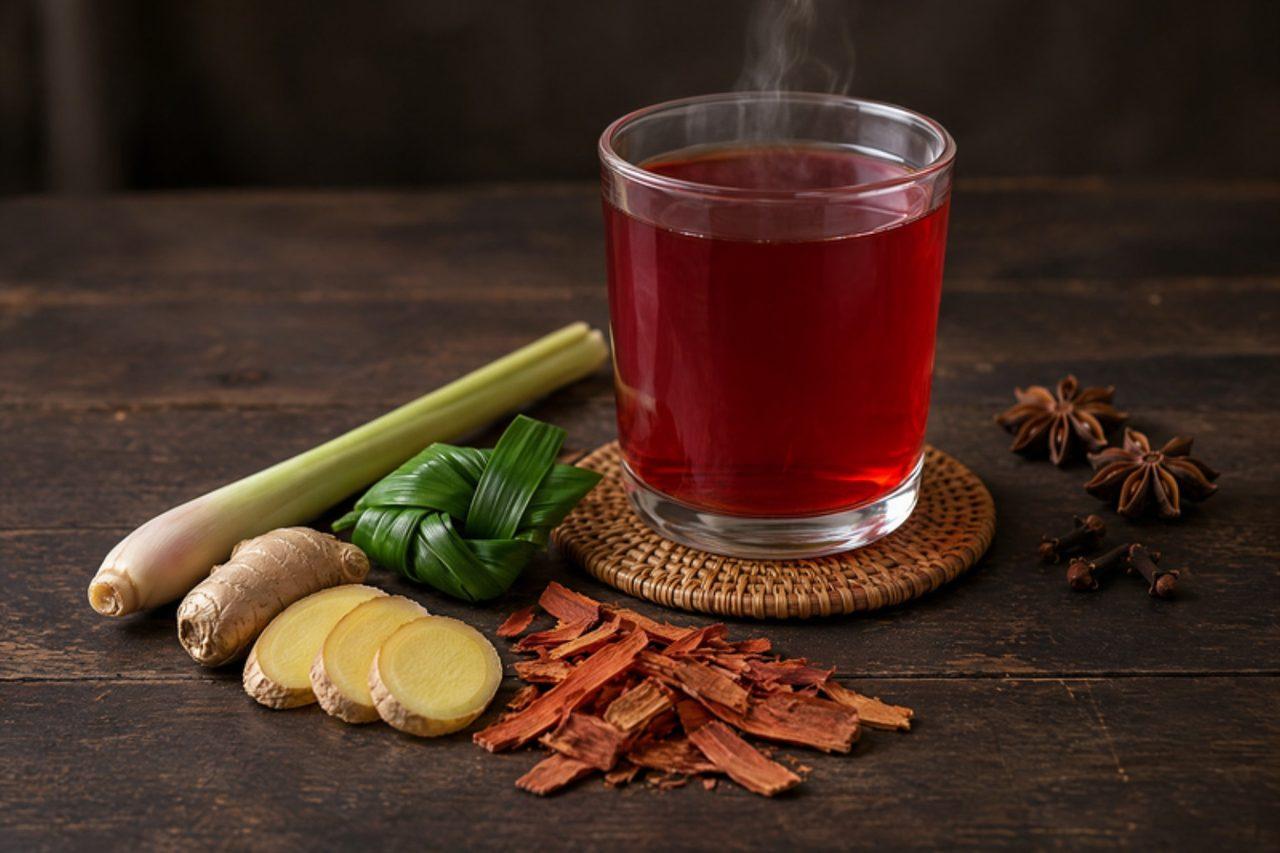
Bir pletokSpiced ginger drink

Bir pletok was the Betawi answer, in old Batavia, to the beer and wine drunk by the Dutch: a red, warming spice drink with no alcohol at all, served at weddings, at Lebaran open houses and in the evenings at Jakarta's Setu Babakan cultural village. 'Pletok' is said to be the popping sound it made when shaken in a bamboo tube to raise a foam. Ginger, lemongrass, pandan, cloves, cinnamon and cardamom are simmered with chips of secang (sappanwood), which turns the liquid deep ruby. It tastes hot and peppery from the ginger, perfumed from the pandan, sweet and lightly woody, and is drunk warm or with ice. The common mistake is skimping on ginger or slicing it thin and boiling briefly; you need plenty, bruised, and a slow simmer to draw out the heat. It is ready when the liquid is a clear ruby red and the ginger burn catches at the back of your throat. Secang chips are in Indonesian shops; dried hibiscus flowers give a similar red, slightly sourer. Keeps 5 days in the fridge. Chef's tip: shake each serving hard in a closed jar before pouring to get the foamy head.

by KrazyBadal 0 views

DobladitasFolded lard breads

In the south of Chile, from Concepción down through Temuco and Chiloé, dobladitas are baked for breakfast and the evening once: rounds of a lard-enriched dough brushed with more melted pork lard, folded in half and in half again, and baked until the layers puff and flake apart. Eat them warm, pulled into their layers, with tea and butter (or margarine to keep them dairy free), jam or avocado. The lard is pork fat. The common mistake is using cold, hard lard for brushing; it must be melted and warm, so it soaks between the layers and makes them separate. Chef's tip: roll the folded pieces only lightly, just to seal the layers; pressing hard squeezes the lard out and they bake up tough.

by KrazyBadal 0 views

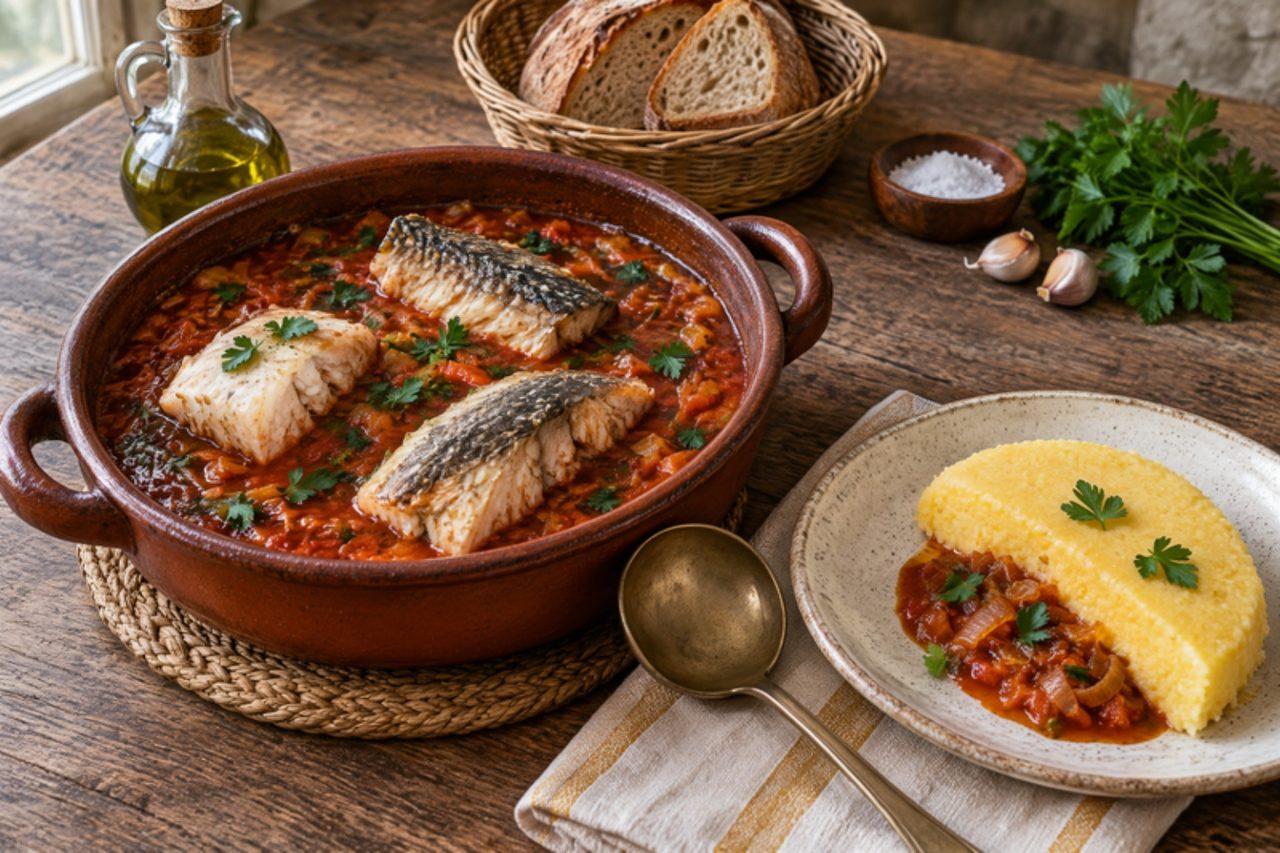
BrudetFisherman's fish stew

Brudet (or brodetto) is the fisherman's stew of the Dalmatian coast and islands, cooked in Split, Hvar and Korčula with whatever the morning's catch brings, and eaten for Friday lunch and summer suppers. Thick fish steaks on the bone stew slowly in olive oil with onion, garlic, tomato and a dash of wine vinegar, and the pot is shaken, never stirred. It is high in protein and suitable as part of a balanced diet; polenta is the classic partner, but grilled courgettes, chard or a small portion of soft polenta keep the carbohydrate down. About 330 kcal and 10 g carbohydrate per portion. The usual mistake is stirring with a spoon, which breaks the fish into shreds. Chef's tip: use at least three kinds of fish, mixing firm and softer ones, for a deeper broth.

60 minBalkanFishGluten free
by KrazyBadal 0 views

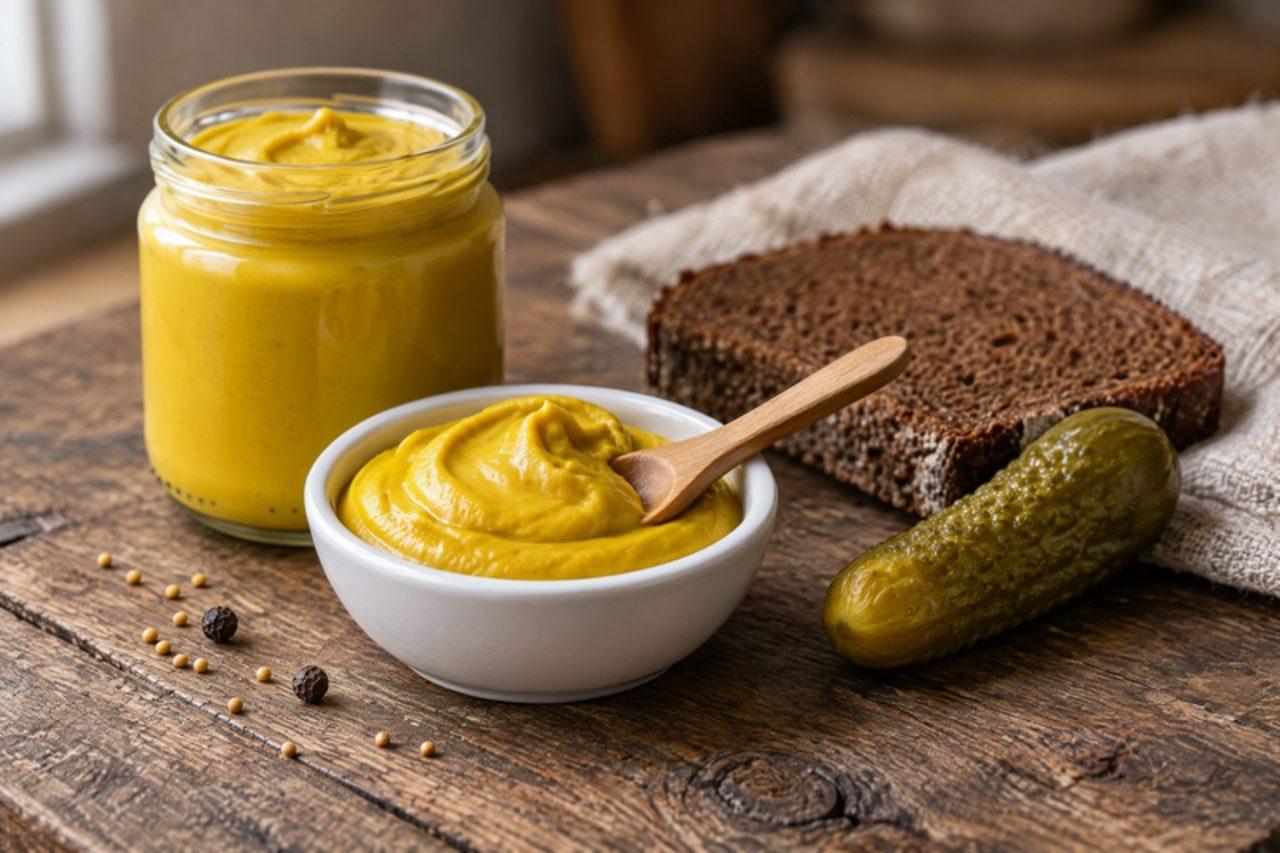
Domashnia hirchytsiaHomemade mustard

Ask a Ukrainian grandmother from Poltava or Kharkiv what to do with the brine left in the jar once the winter cucumbers are gone, and she will make hirchytsia. Dry mustard powder is mixed with that salty, garlicky, dill-scented brine, a little sugar, oil and vinegar, and after a night's rest it is fierce enough to make your eyes water. It is non-negotiable beside kholodets (meat jelly) at New Year, with salo and rye bread, with boiled sausages and with varenyky, and it is spread thin on bread for a quick snack. The texture is smooth and creamy, the flavour hot, salty and slightly sweet with a whiff of dill and garlic from the brine. Common mistake: using boiling brine; heat kills the enzyme that makes mustard hot, so the brine must be lukewarm or cool. It needs at least 12 hours in the jar for the bitterness to fade. It is ready when the colour has deepened to warm yellow and the first taste makes your nose tingle. Chef's tip: use brine from naturally fermented or vinegar cucumbers; if you have none, mix 150 ml water with 1 tsp salt and 1 tbsp vinegar.

by KrazyBadal 0 views

Camote cueCaramelised fried sweet potato

Camote cue is the three-o'clock merienda of Manila, fried in big woks by vendors on the corners of Quiapo, outside university gates on España Boulevard and along every jeepney route, alongside banana cue. Chunks of sweet potato are fried until tender, then brown sugar is scattered into the hot oil, where it melts and wraps each piece in a glassy, crackly caramel coat. They are threaded onto bamboo sticks and eaten warm, with a soft, sweet, chestnut-like centre. Chef's tip: let the oil cool slightly before adding the sugar; sugar dropped into very hot oil burns and turns bitter in seconds.

by KrazyBadal 0 views

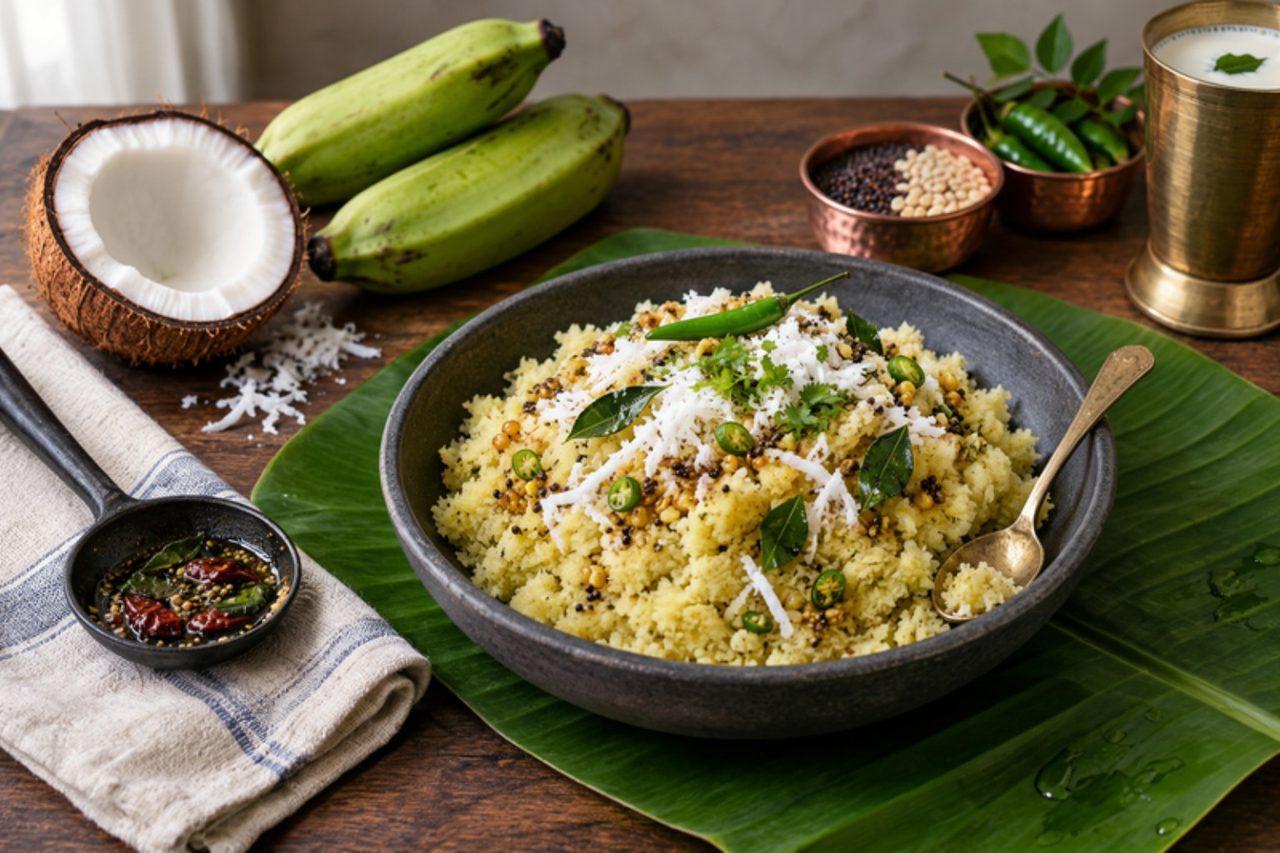
Vazhakkai podimas (raw banana podimas)

Podimas comes from Tamil Brahmin kitchens in Thanjavur and Chennai, where green plantain is boiled whole, grated into soft crumbs and tossed with a tempering of mustard, dal, ginger, green chilli and coconut, then sharpened with lemon. It is light and fluffy, and it sits happily next to sambar rice or rasam rice in a tiffin. The mistake is overboiling the plantain: it turns sticky and will not grate into crumbs. Pull it out as soon as a knife slides in with a little resistance. Chef's tip: grate it on the large holes of a box grater while still warm, then let it cool before tossing, so the shreds stay separate.

by KrazyBadal 0 views

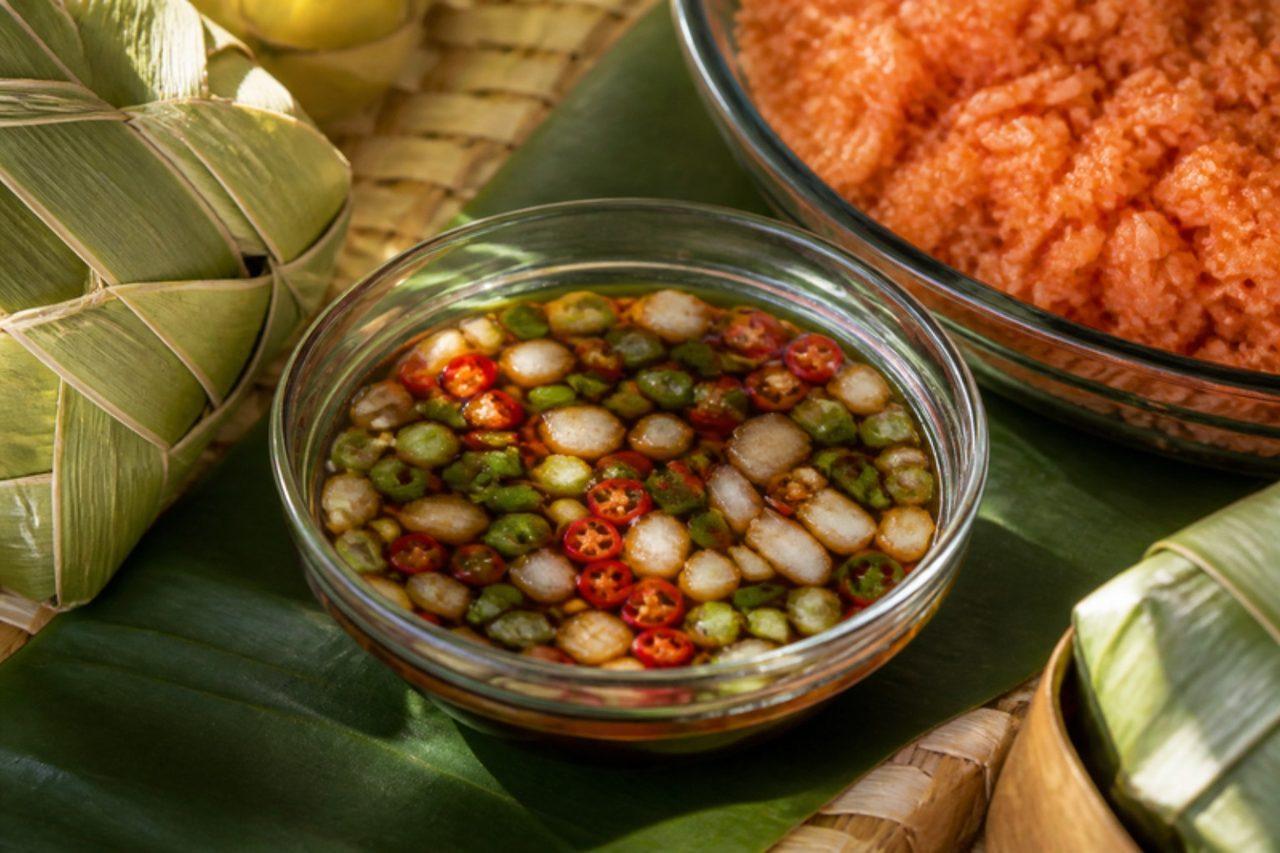
FinadeneSoy and lemon dipping sauce

Finadene is the sharp, salty, fiery sauce that every Chamorro family in Guam makes to spoon over grilled meat, fish, red rice and just about everything at a fiesta. Soy sauce is mixed with lemon juice or vinegar, chopped onion and the small, very hot local donne' peppers. There are many versions; this soy-lemon one is the most common. A common mistake is making it hours ahead; the onion is best still crunchy. Chef's tip: use Thai bird's-eye chillies if you can't find donne'.

by KrazyBadal 0 views

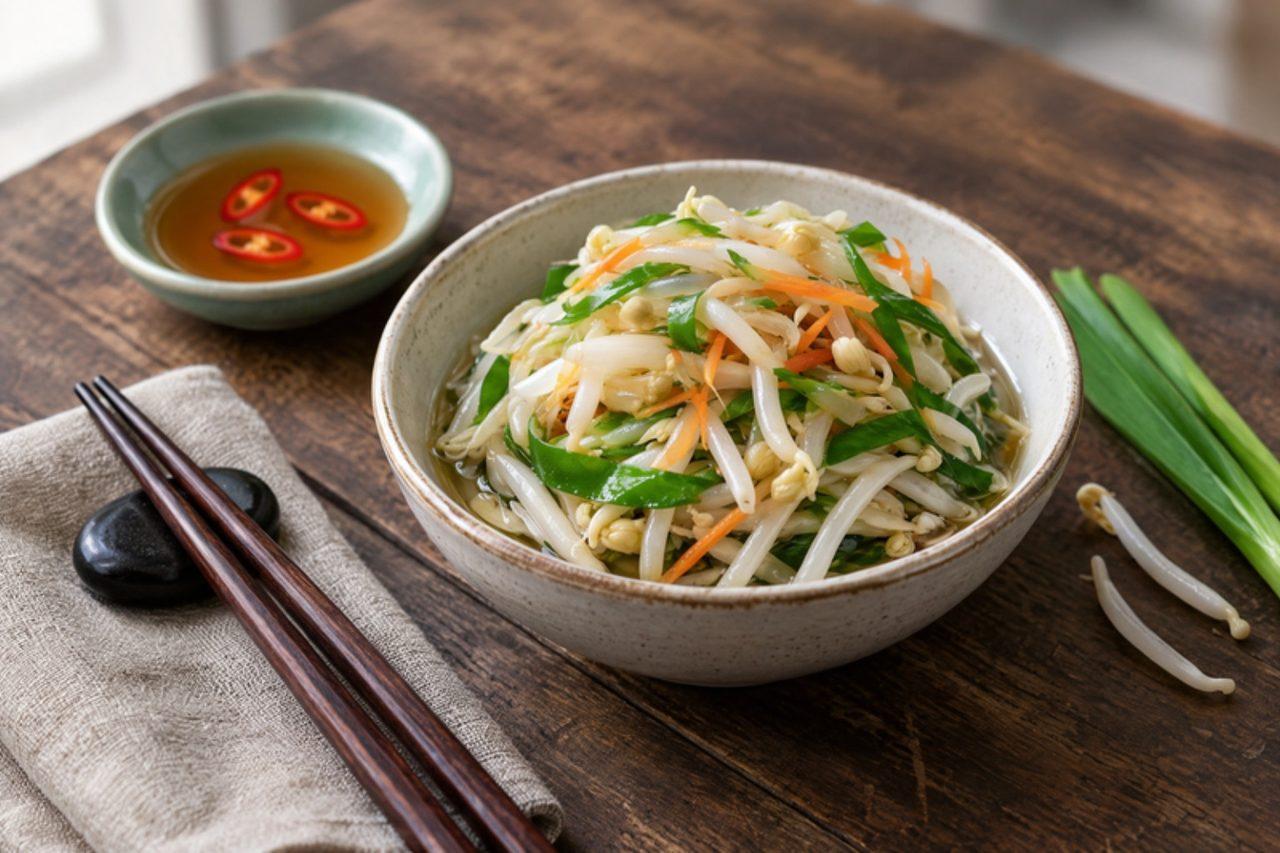
Dưa giáPickled bean sprouts

In southern Vietnam, dưa giá appears beside thịt kho trứng, the pork and egg braised in coconut water that every Saigon family cooks for Tết, and beside clay-pot caramel fish the rest of the year. The sprouts and chives sit overnight in a lightly salted, sweetened brine and come out tangy, crisp and squeaky, with a hint of garlic-chive sharpness that cuts straight through the fatty, sweet braises. Some cooks add carrot strips for colour. Raw bean sprouts can carry bacteria, so buy them very fresh and chilled, rinse them well, and pour the brine on hot to scald them lightly; pregnant people, small children, older people and anyone with weak immunity should blanch the sprouts for 30 seconds first. Common mistake: leaving the jar out too long in a warm kitchen, so the sprouts go limp and too sour; once it tastes right, chill it. It is ready when the brine is cloudy and smells pleasantly sour, and the sprouts are translucent but still snap. Chef's tip: pinch the brown root tails off the sprouts; it is fiddly, but they stay crunchier and look neater.

by KrazyBadal 0 views

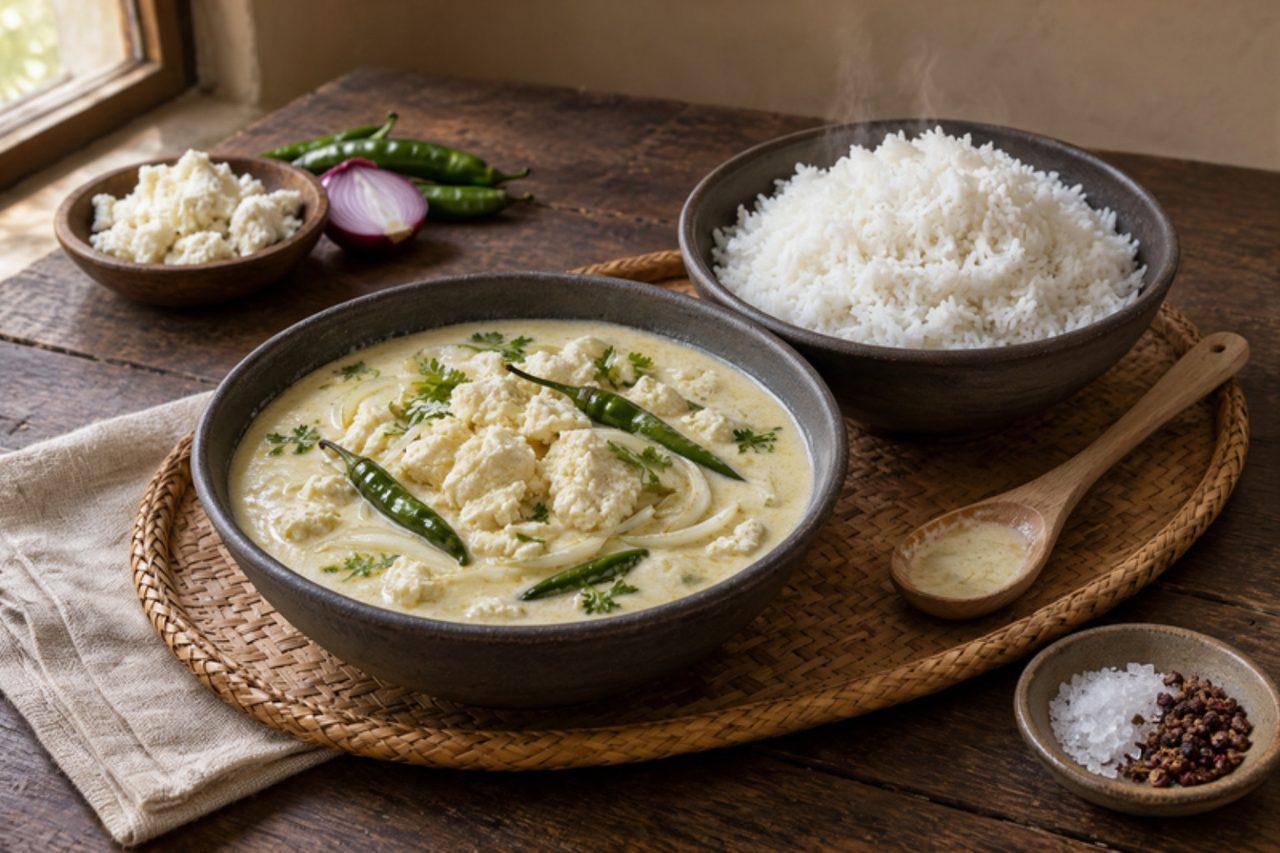
Chura sabjiFermented cheese curry

High in Tawang, Monpa families make chura sabji from chhurpi, a cheese of yak or cow's milk left to ferment until it is pungent and soft, cooked down with green chillies and onion into a creamy, fiery curry. It is everyday food in the cold months, eaten with rice or buckwheat bread. The usual mistake is cooking on high heat once the cheese goes in, which splits it into oily curds; melt it gently. Chef's tip: if you cannot get fermented chura, use a strong, crumbly blue or feta mixed with a spoon of curd to imitate the tang.

by KrazyBadal 0 views

Gangaur guneFried dough shapes in syrup

Gangaur, Rajasthan's spring festival for Gauri, is when women fast and pray for their husbands and married daughters receive a sindhara of sweets from home, and gune are always in it. A ghee-rich dough is rolled thin, pleated or pressed into ribbed shapes and fried crisp, then dipped in sugar syrup or jaggery. They are crunchy, flaky and lightly sweet. The common mistake is under-rubbing the ghee into the flour, which makes them hard rather than short and flaky. Chef's tip: rub until the flour holds a clear fist mark when squeezed; that is when the gune will shatter, not crack.

by KrazyBadal 0 views

Showing 63 of 7,888 recipes

Show more recipes

Page 132 of 877