


Skip to content
Classic tiramisu
Featured recipe

Classic tiramisu

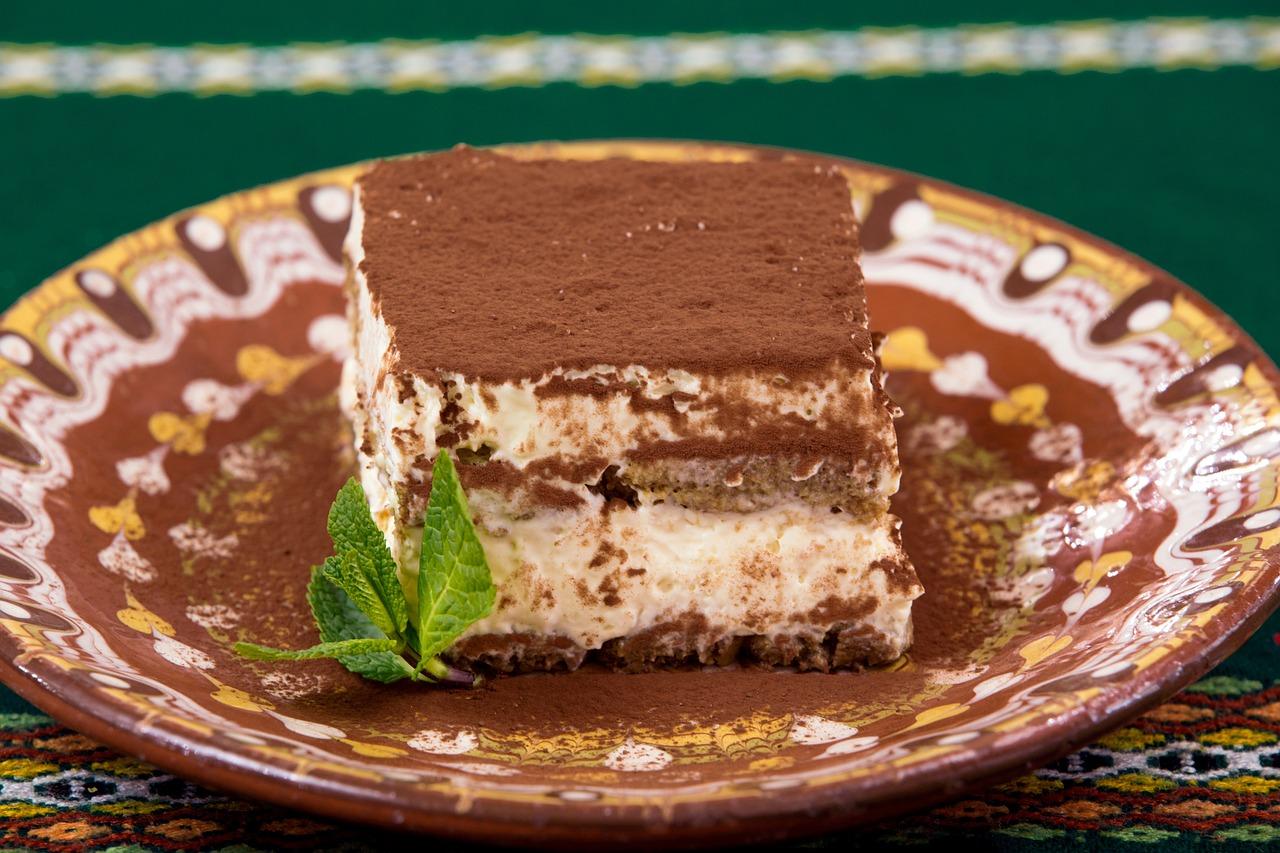
Tiramisù ('pick me up') was created in Treviso, in the Veneto, around the 1960s and 70s; the restaurant Le Beccherie is the best-known claimant. The original is simple: savoiardi biscuits dipped in espresso, layered with a cream of egg yolks, sugar and mascarpone, and dusted with cocoa. No alcohol and no cream in the Treviso version, which is different from this site's Baileys tiramisu. It is best made the morning of, or the day before. Because the eggs are raw, use the freshest you can find, or pasteurised eggs. Chef's tip: beat the yolks and sugar for a full 5 minutes until pale and thick as custard; that is what makes the cream light without whipped cream.

Read more 1 views

What to eat today?

Around the world

Today's trip: Persian

A new country every day, from every cuisine on the site.

This week's collection

Kid-friendly dinners
537 recipes · a new collection every Monday

Latest recipes

Masato de arroz (Bogotá spiced rice drink)

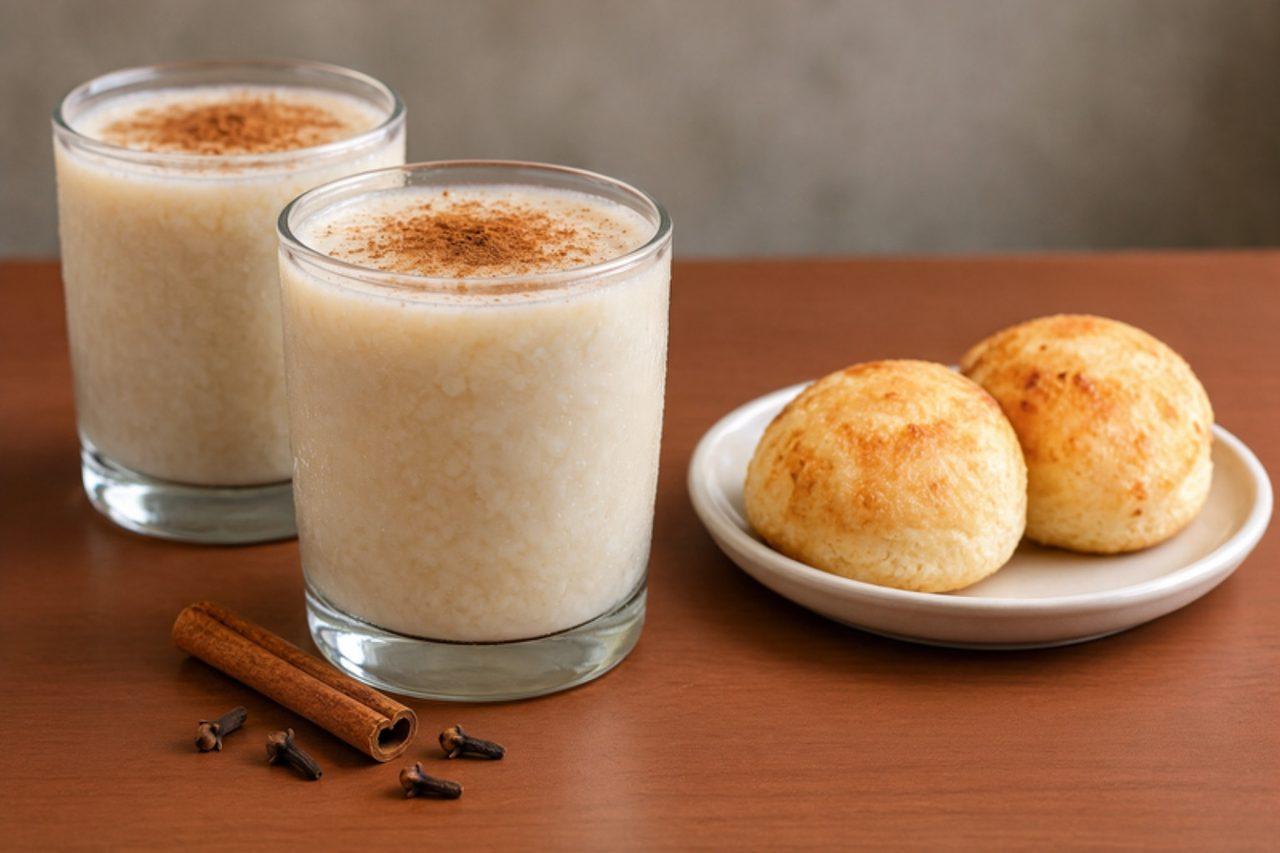
In the old bakeries of La Candelaria and at the juice stands of the Paloquemao market in Bogotá, masato is poured from big jugs to go with warm almojábanas and pandebono at mid-morning or with the afternoon onces. It is cooked rice blended with spiced syrup and left to rest until it turns gently tangy, so it tastes like a cross between rice pudding and a cool, creamy lemonade. Any natural fermentation produces a trace of alcohol the longer it goes on; this version rests only overnight and is then chilled, and for a completely alcohol-free drink skip the rest and add lime juice for the tang. Chef's tip: keep the rest short and taste it; it should be lightly sour and sweet, never fizzy or boozy.

by KrazyBadal 0 views

Halifax donairSpiced beef pita with garlic sauce

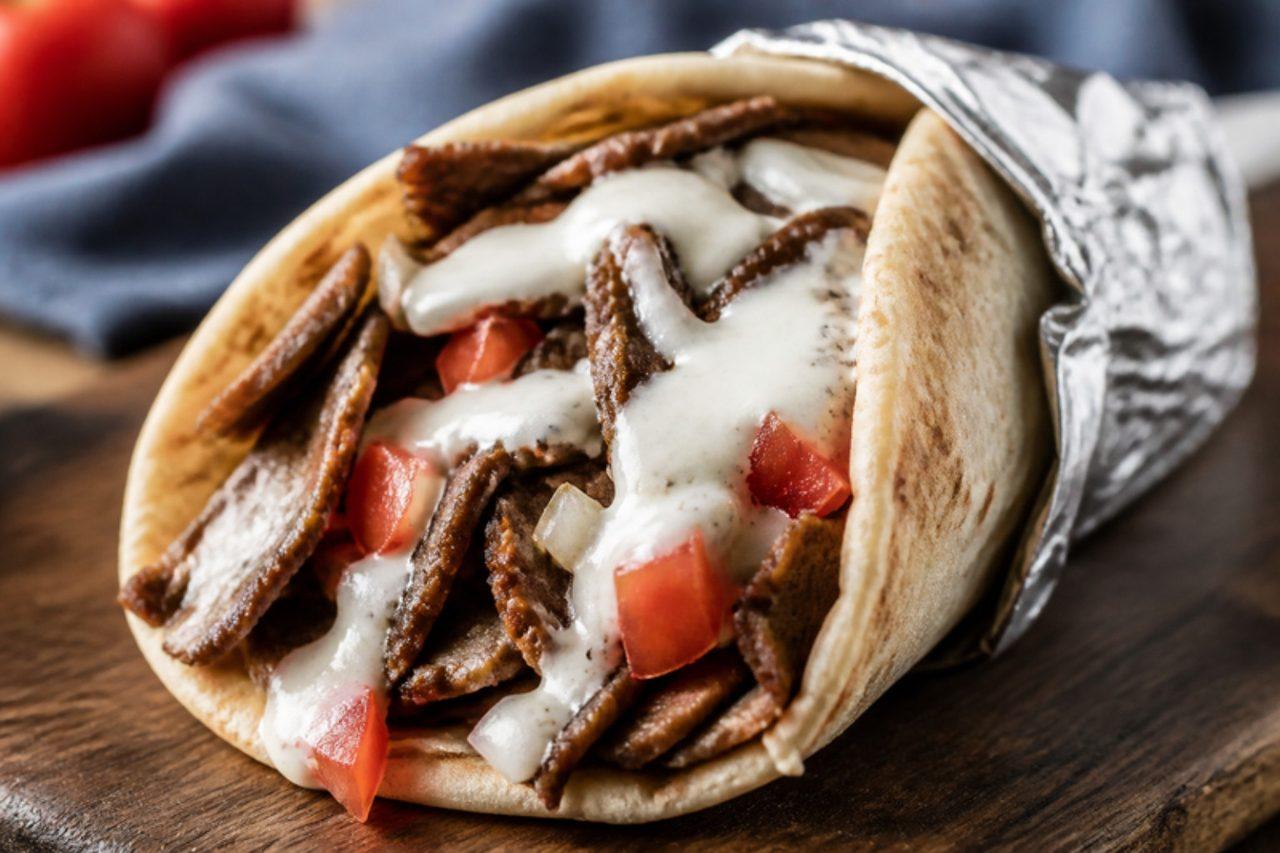
The donair is Halifax's official food, born in the 1970s when a Greek-Canadian cook adapted the gyro for local tastes, and it is still the late-night food of Spring Garden Road. A dense, spiced beef loaf is baked, sliced thin and crisped in a pan, then wrapped in a warm pita with raw onion, tomato and a sweet sauce of condensed milk, vinegar and garlic. Messy, sweet, salty and loved. A common mistake is a crumbly meat loaf; the mince must be kneaded until it is sticky and smooth. Chef's tip: chill the baked loaf before slicing so you can cut it really thin.

by KrazyBadal 0 views

Rolete de cana (sugarcane on a stick)

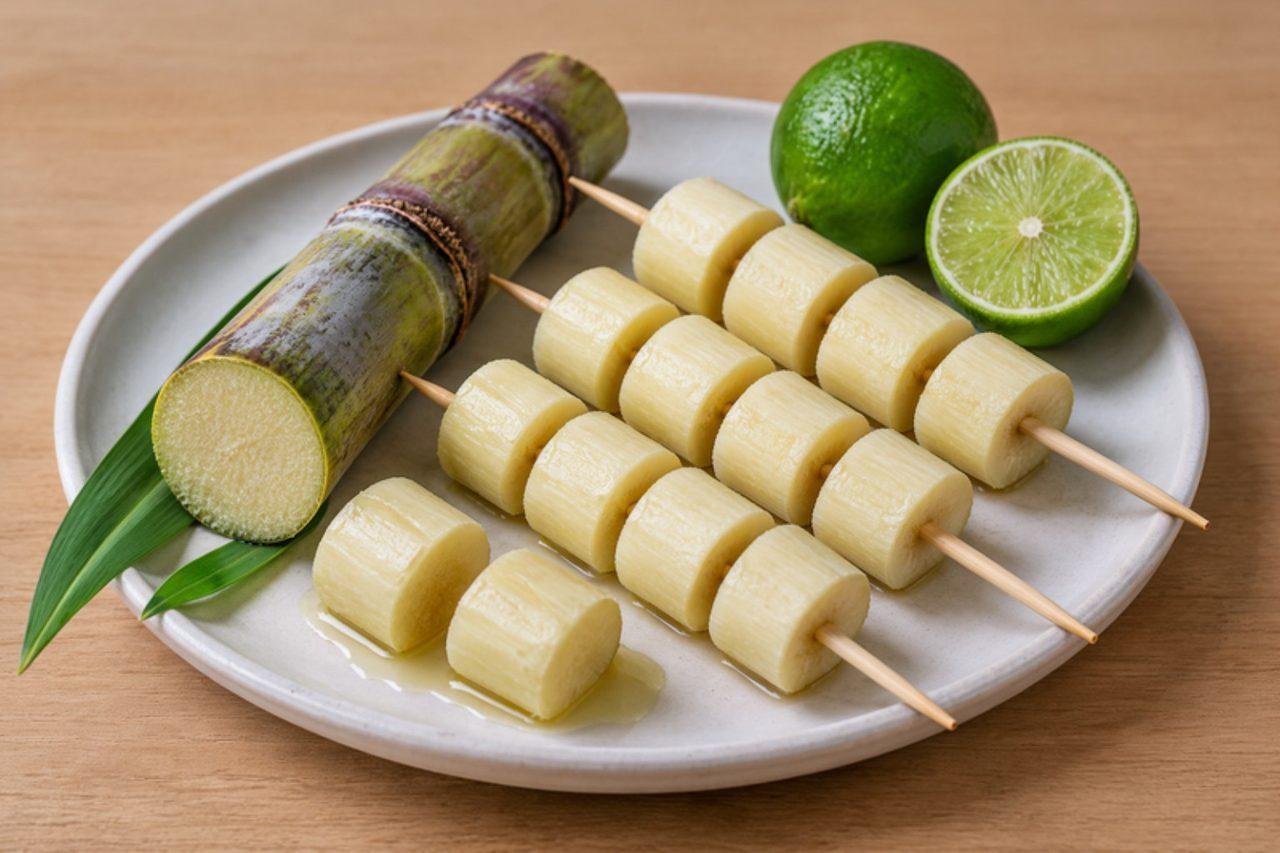
On the sand at Porto da Barra in Salvador, and in the crowds of the Festa de Iemanjá in Rio Vermelho every February, vendors walk with buckets of ice and bundles of skewers threaded with pale sugarcane discs. You chew each piece to squeeze out the cold, grassy-sweet juice, then spit out the fibre. It is the simplest snack there is and very refreshing in the heat. Not for small children, as the fibres are a choking risk. Chef's tip: cut between the knobbly joints, not through them; the nodes are hard as wood.

by KrazyBadal 0 views

Harina de maíz dulceSweet cornmeal porridge

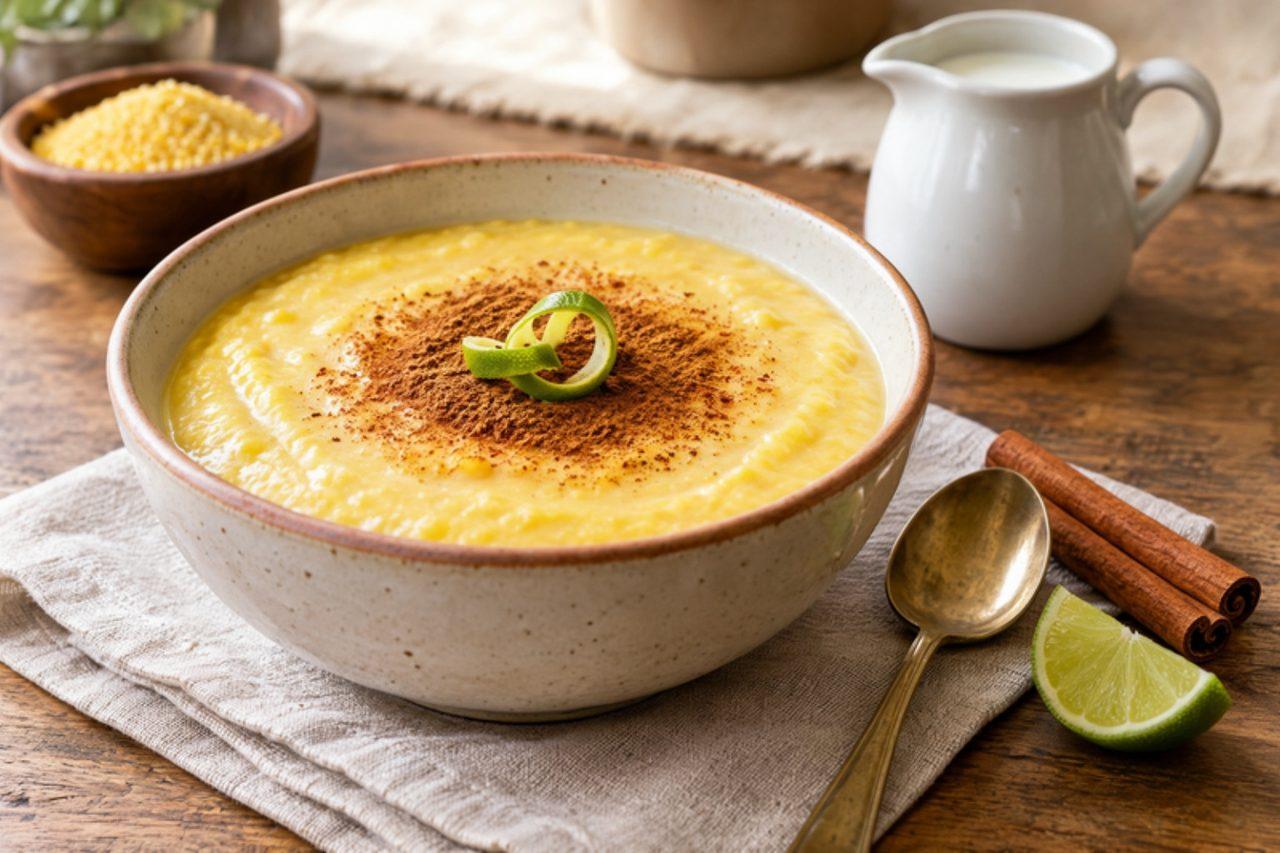
In Cuban homes "harina" means cornmeal, and harina dulce is the soft, sweet porridge that grandmothers in Havana and Santiago cooked for children before school, scented with cinnamon and a curl of lime peel the way rice pudding is. It should be smooth and spoonable, like a loose polenta. The usual mistake is pouring the cornmeal into boiling milk, which seizes into lumps at once: start it in cold liquid and whisk as it heats. Chef's tip: take the lime peel out once the porridge thickens, or its oils turn bitter as it sits.

by KrazyBadal 0 views

KuloloTaro and coconut pudding

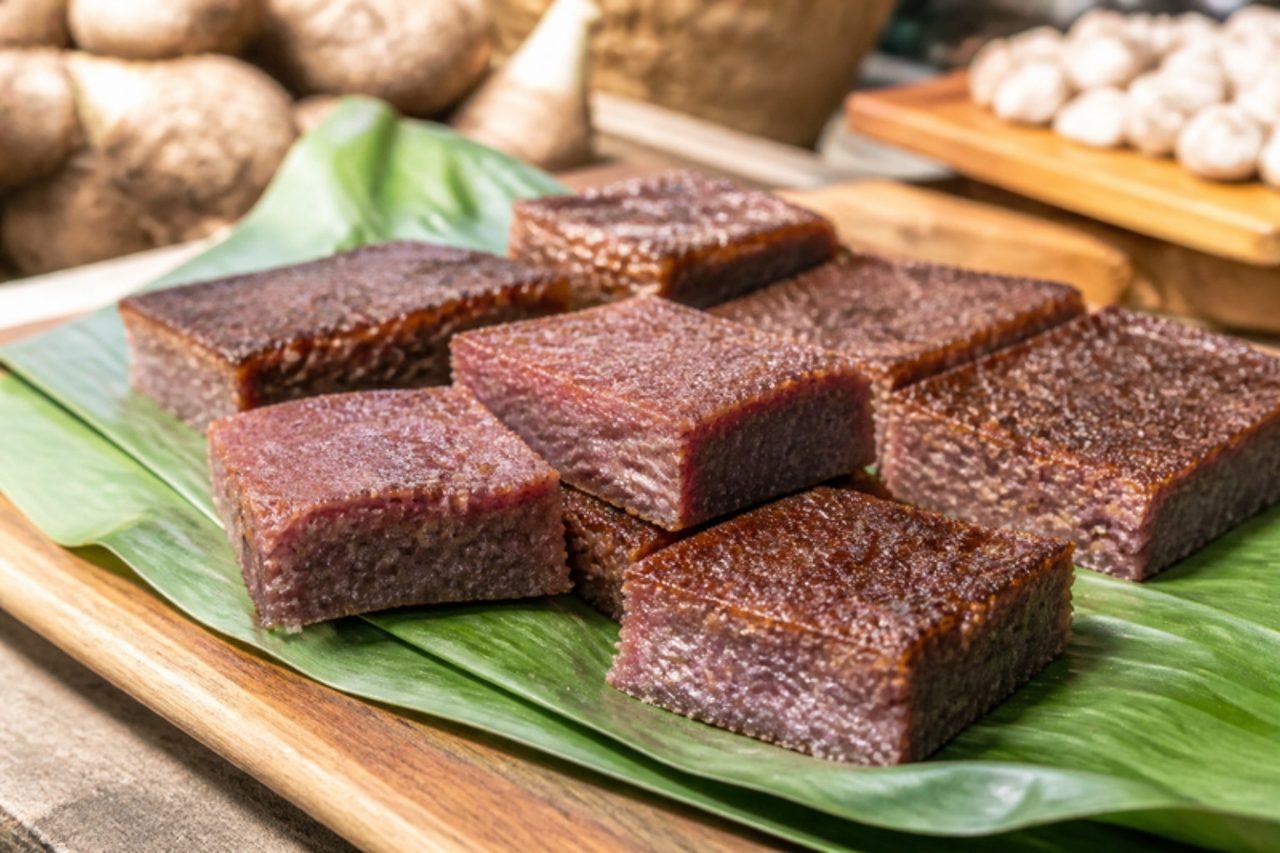
Kulolo is one of the oldest Hawaiian sweets, a dense, fudgy pudding of grated taro and coconut that was once wrapped in ti leaves and baked for hours in an imu (earth oven) for lū'au feasts. On the windward side of O'ahu and in Hilo it is still sold in slabs at farmers' markets. Taro must always be fully cooked; raw taro contains crystals that badly irritate the mouth and throat, so peel it with gloves and bake the full time. A common mistake is cutting it hot; it firms as it cools. Chef's tip: bake it long and low until deep brown and sticky at the edges, where the caramel flavour is.

by KrazyBadal 0 views

Hawaiian poi for babiesTaro paste for babies

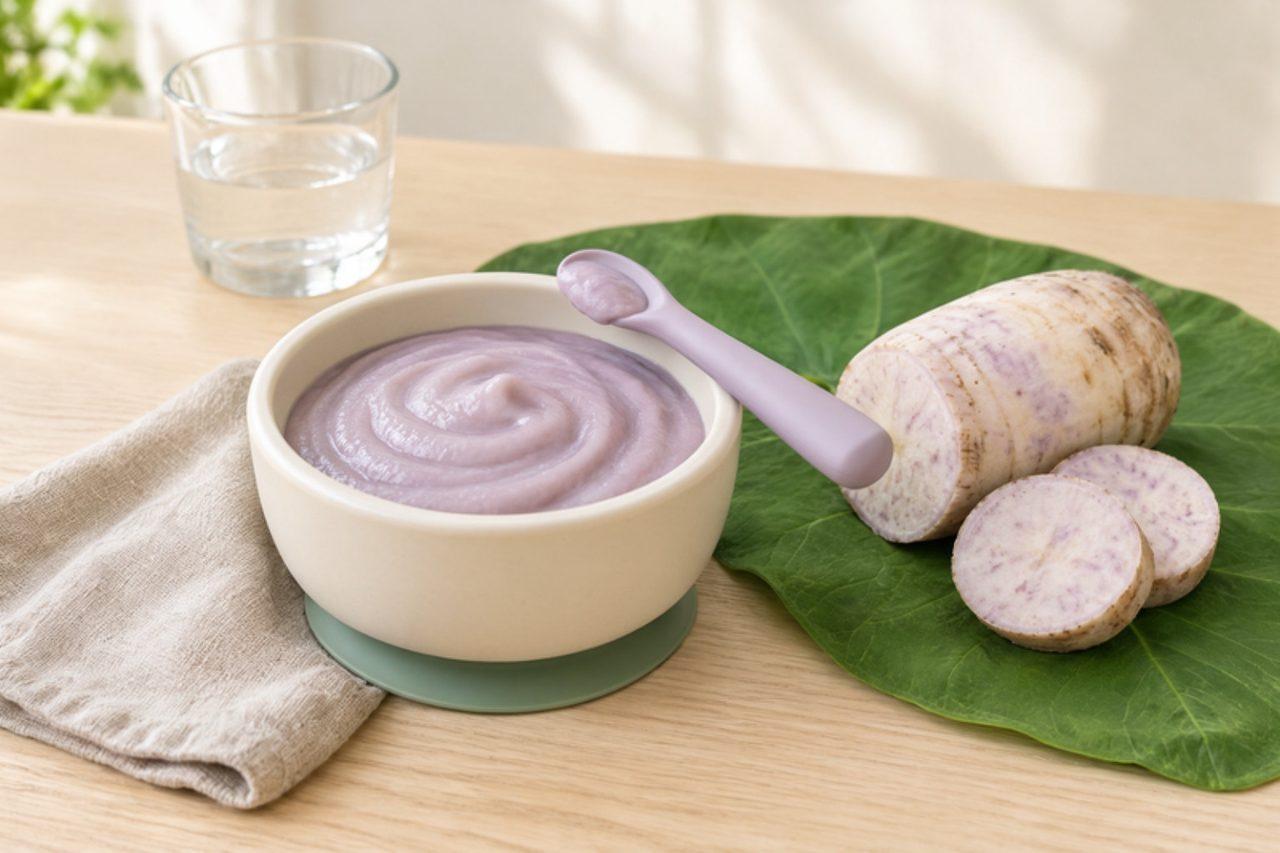
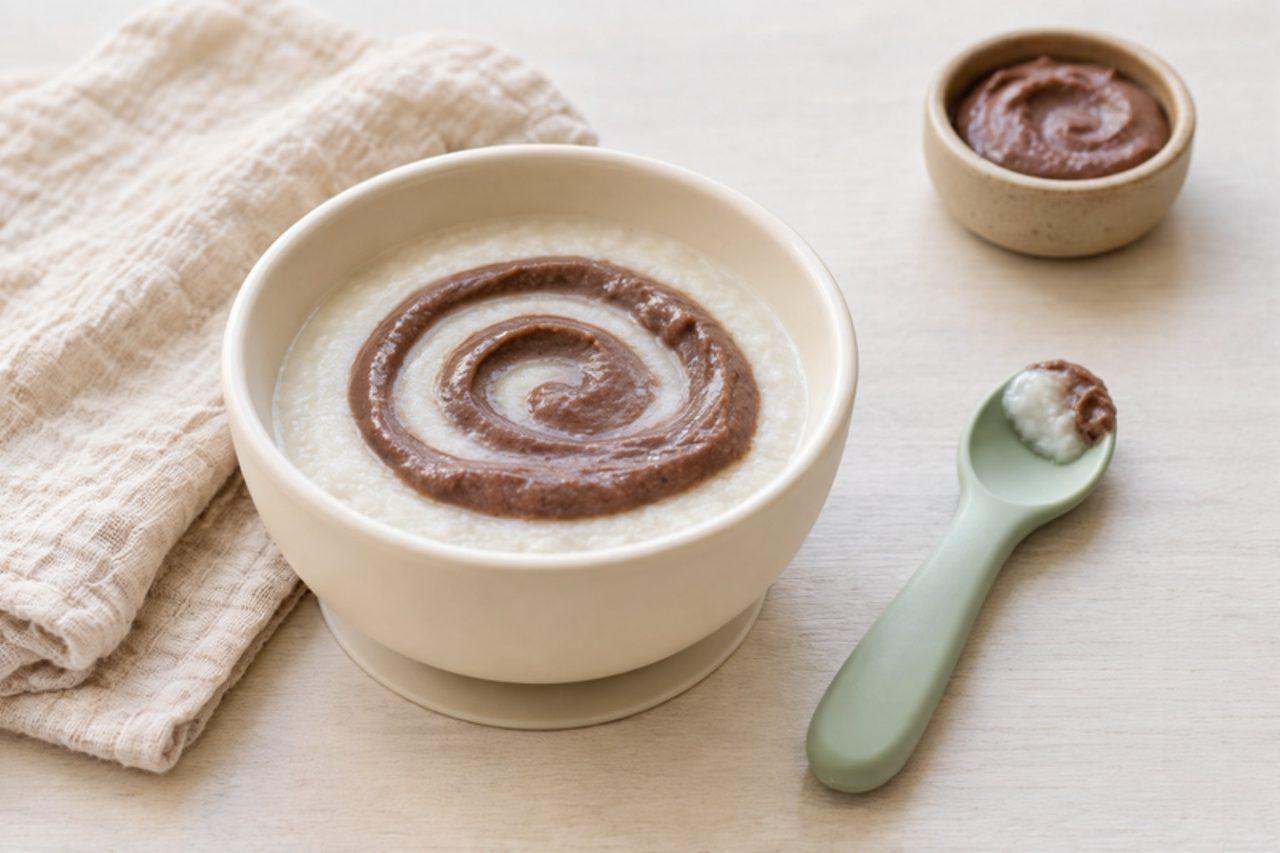
Poi, cooked taro (kalo) pounded with water, is the oldest staple of Hawaiʻi, and it was traditionally among the first foods given to babies across the islands; you can still buy it fresh by the bag at markets in Honolulu and on Kauaʻi. Fresh poi is mild, smooth and gently sweet, with a lilac-grey colour; left a few days it ferments and turns sour, which adults love but a baby is better without. Taro must be cooked right through, because raw taro contains crystals that irritate the mouth. Nothing else is added: no salt, sugar or honey. It is free of the major allergens. Chef's tip: wear gloves to peel raw taro, and cook a test piece; if it tingles on your tongue, it needs longer.

by KrazyBadal 0 views

Carato de maízChilled corn drink

Out on the hot plains of the Llanos, a jug of carato is kept cold for the afternoon: white corn cooked until soft, blended with its water, strained and sweetened with panela, cinnamon and clove. It is thick, creamy and filling enough to be a snack in a glass. Keep it in the fridge, because left out it starts to ferment. The common mistake is skipping the straining, which leaves it gritty. Chef's tip: strain through a fine sieve and then once more through a clean cloth for the silkiest drink.

by KrazyBadal 0 views

Pão com linguiça (grilled sausage roll)

Outside every São Paulo football ground on match day, and above all on the streets around the Allianz Parque, carts with smoking griddles sell pão com linguiça: a coiled Tuscan-style pork sausage split open, crisped on the plate and tucked into a roll with vinaigrette and a splash of chilli sauce. It is fast, juicy and filling, eaten walking to the gate. The sausage is raw pork and must be cooked through. Chef's tip: once the sausage is nearly cooked, split it lengthwise and press it cut side down on the griddle; it browns all over and finishes cooking evenly.

by KrazyBadal 0 views

Polvorosa de polloChicken pie

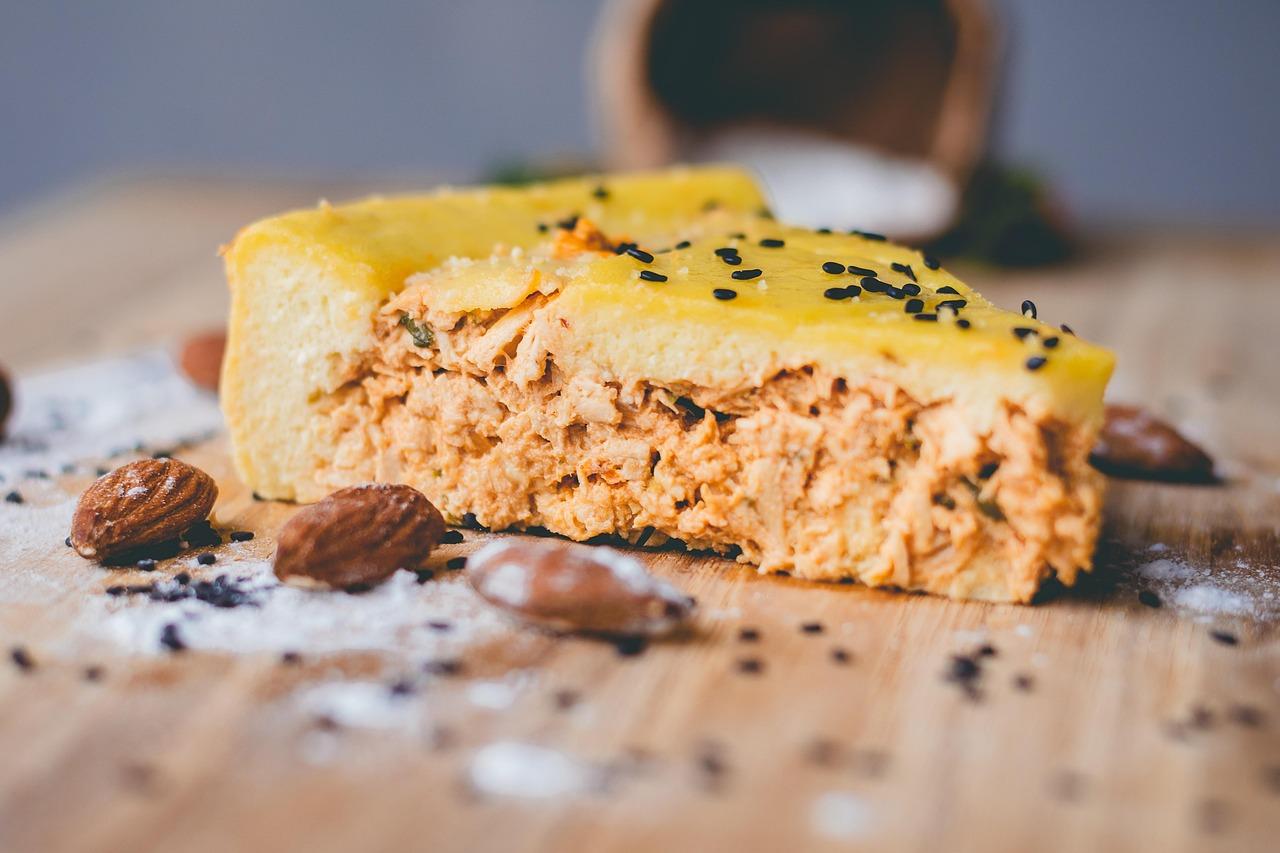
Polvorosa is the pie that comes out for family birthdays and Sunday gatherings in Caracas: a melt-in-the-mouth, slightly sweet shortcrust (polvorosa means 'crumbly') around chicken stewed with leek, peppers, olives, capers and raisins, so each bite is salty, sweet and savoury at once. Serve it warm with a green salad. The common mistake is filling the pastry with hot stew, which melts the butter and makes a soggy, torn crust. Chef's tip: make the filling the day before and fill the pie straight from the fridge.

by KrazyBadal 0 views

HertzoggiesApricot jam coconut meringue tartlets

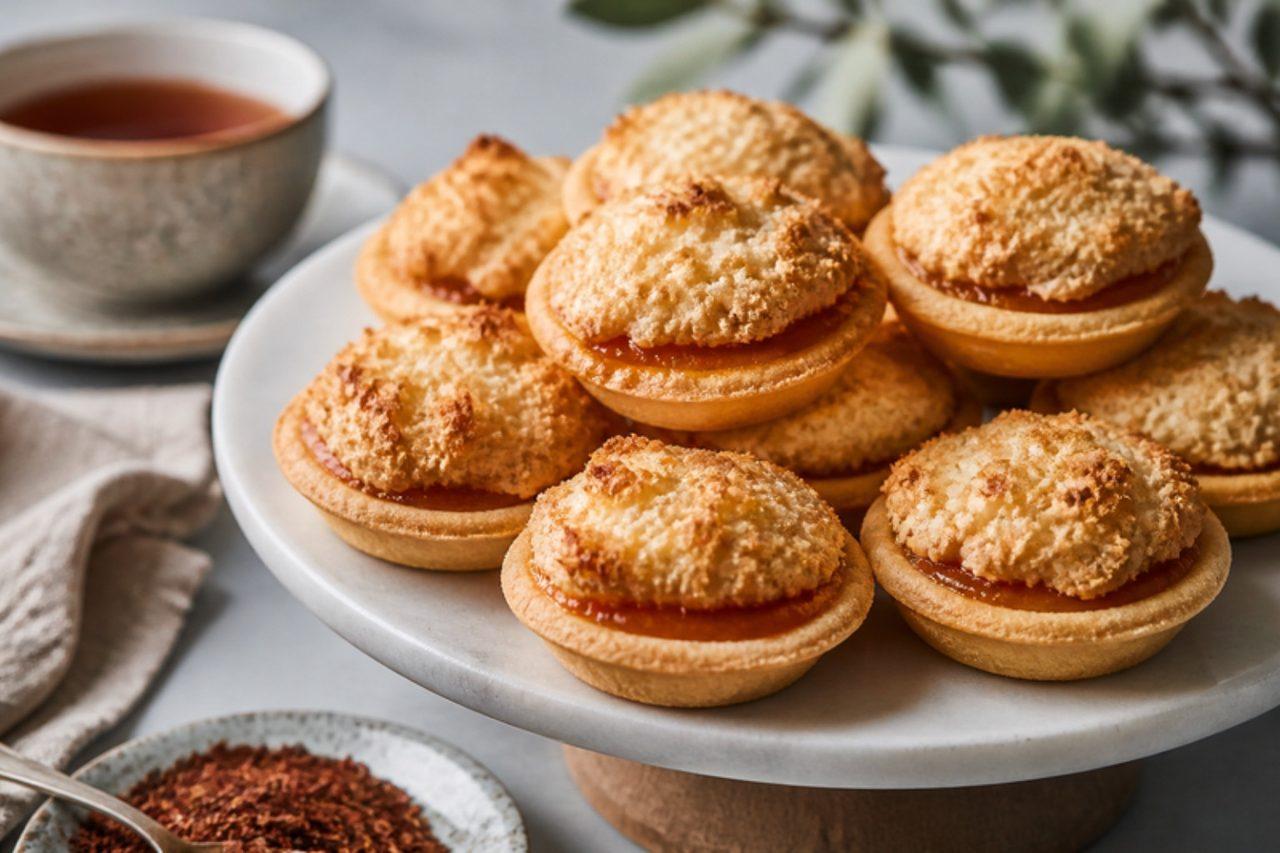
Church bazaars and tea tables from the Free State to the Karoo would hardly be complete without a tin of hertzoggies, the little tartlets said to be named after Prime Minister J.B.M. Hertzog, who was supposedly very fond of them. Each one is a short, buttery pastry cup with a teaspoon of apricot jam hidden under a domed coconut meringue that bakes crisp and pale gold on top and stays chewy inside. They are best with a cup of rooibos or strong filter coffee, and they keep well in a tin for several days. Overfilling with jam is the common mistake: it bubbles up through the meringue and glues the tartlets into the tin. Chef's tip: whisk the whites until the sugar has completely dissolved before folding in the coconut, or the meringue will weep syrup as it cools.

by KrazyBadal 0 views

Steamed Nendran banana mash

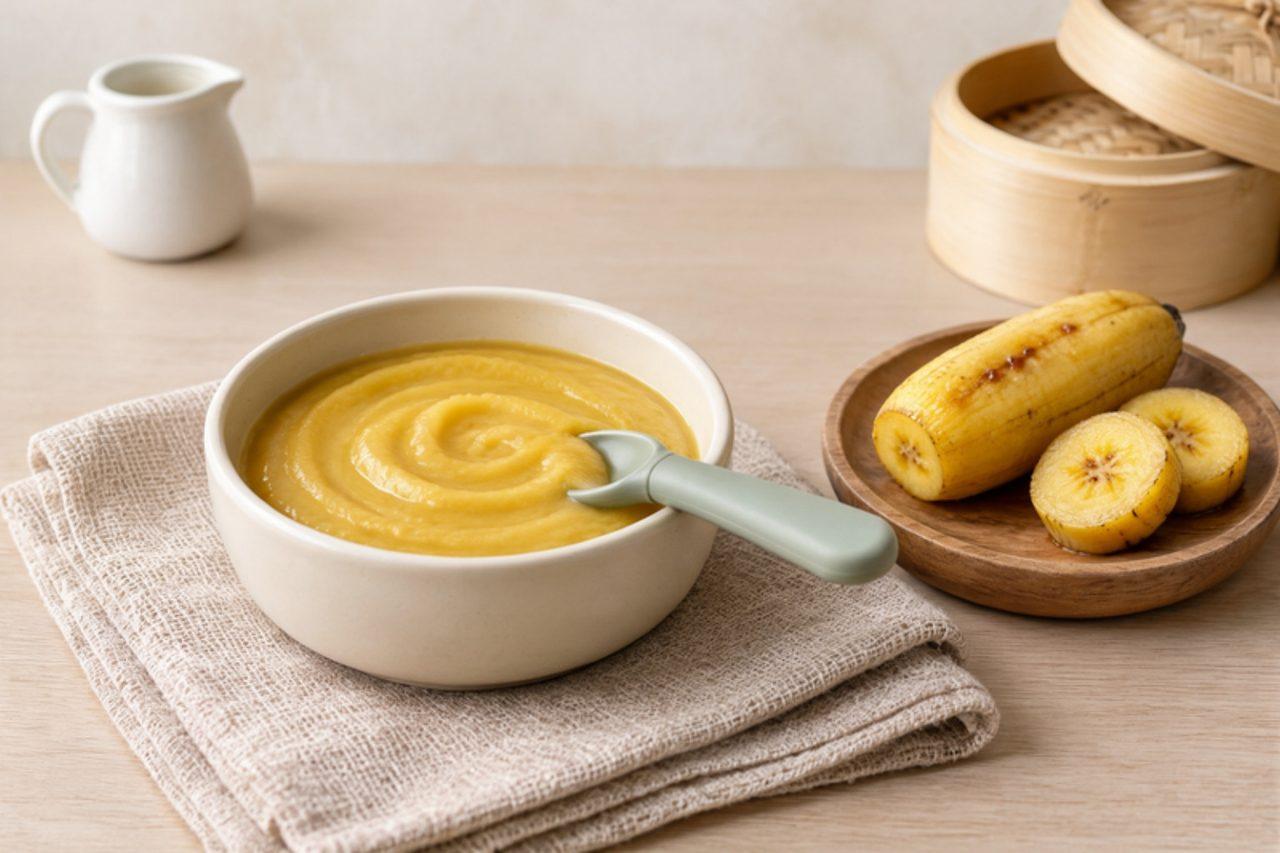
Nendran is the long, golden plantain of Kerala, sold in hands at every market from Palakkad to Thiruvananthapuram, and a steamed ripe Nendran is one of the first fruits a Malayali baby tastes. Raw, it is too firm and starchy for a six-month-old, so it is steamed in its skin until the flesh turns soft and orange-gold, the dark string of seeds in the centre is pulled out, and the rest is mashed smooth. It is naturally sweet, so nothing is added: no sugar, jaggery, honey or salt. It is free of the major allergens. Chef's tip: wait until the skin is fully yellow with black freckles; a green Nendran stays chalky however long you steam it.

by KrazyBadal 0 views

Lito (sarbottam pitho porridge)

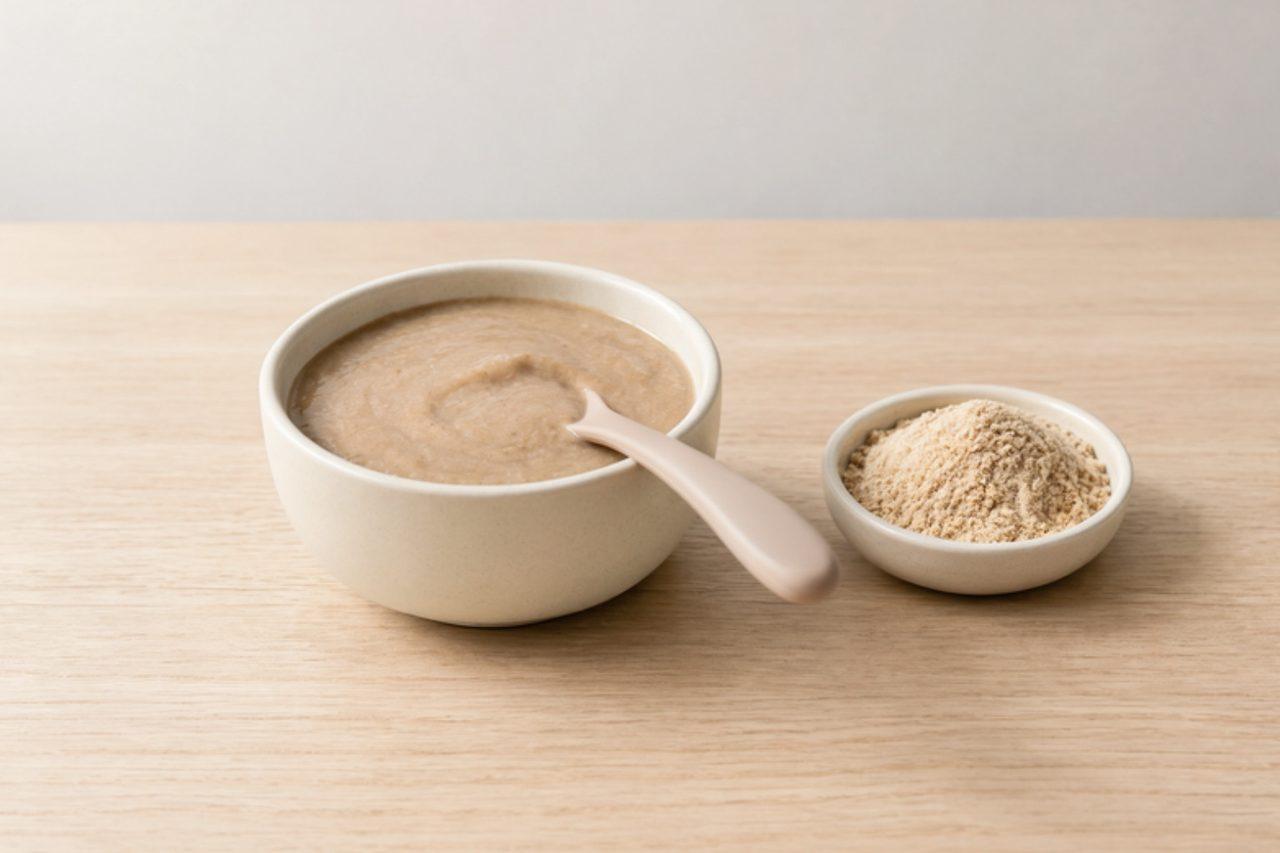
Ask a mother in Kathmandu, Pokhara or a hill village what her baby eats after the pasni rice-feeding ceremony, and the answer is often lito: porridge made from sarbottam pitho, a 'super flour' that families roast and grind themselves from two parts soybean to one part each of maize and wheat. Cooked with water it becomes a smooth, nutty, toast-coloured porridge with more protein than plain rice. For babies there is no salt, sugar, jaggery, honey or ghee needed. It contains soya and wheat (gluten). Chef's tip: roast the grains separately, each until it smells nutty and cracks between your teeth, then grind and sieve; the beans need longest.

by KrazyBadal 0 views

Pan-gayu (bread porridge)

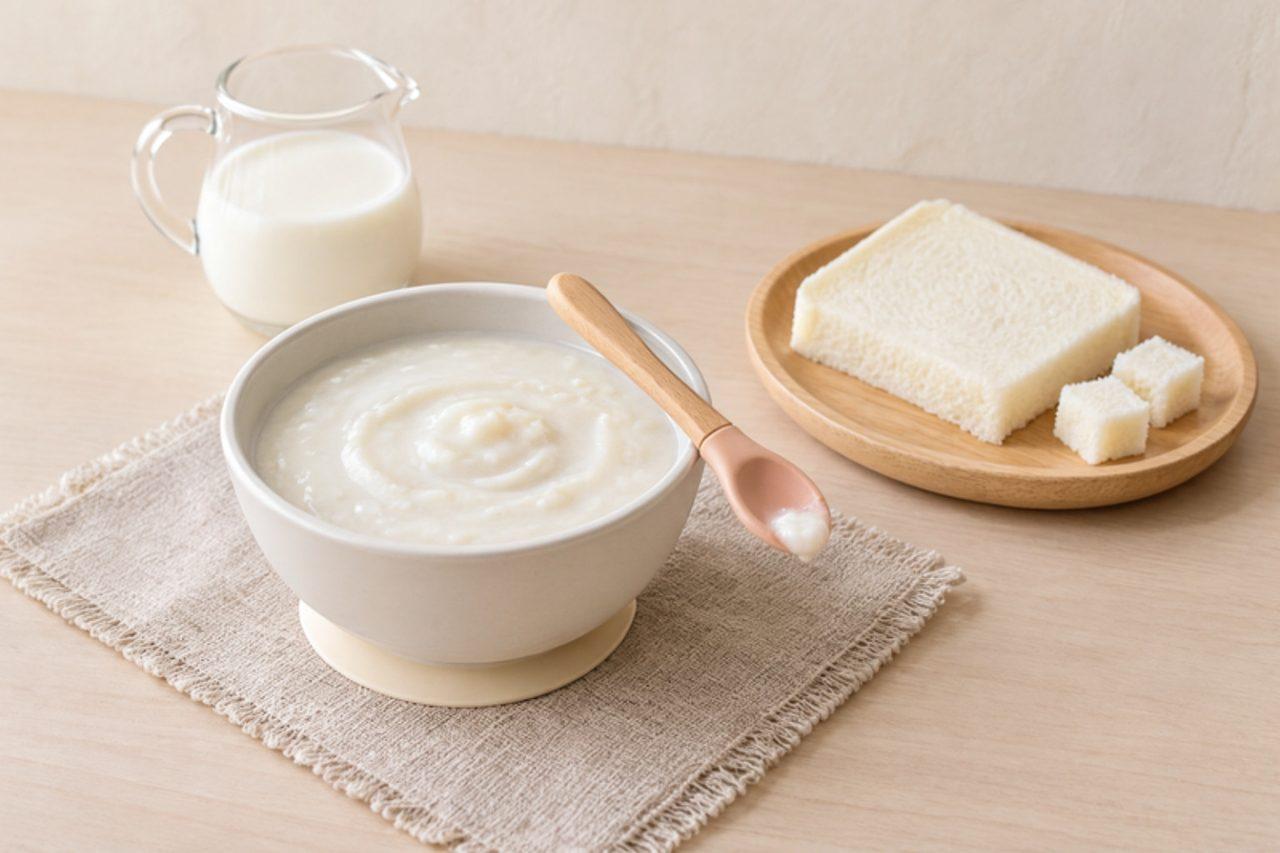
Pan-gayu is a staple of the early rinyushoku (weaning) stage in Japan, the second grain after rice porridge, and it fills the 'first foods' pages of every baby magazine sold in Tokyo convenience stores. Crustless white bread is torn into a pan of water, breast milk or formula and simmered until it collapses, then mashed smooth for a soft, milky, faintly sweet porridge. Bread already contains a little salt, so this is an occasional porridge rather than an everyday one, and no extra salt, sugar or honey goes in. It contains wheat (gluten) and milk if made with milk. Chef's tip: choose the softest, plainest white sandwich loaf with the lowest salt on the label, and cut away every bit of crust.

by KrazyBadal 0 views

HinkejvuTaro and mustard leaf stew

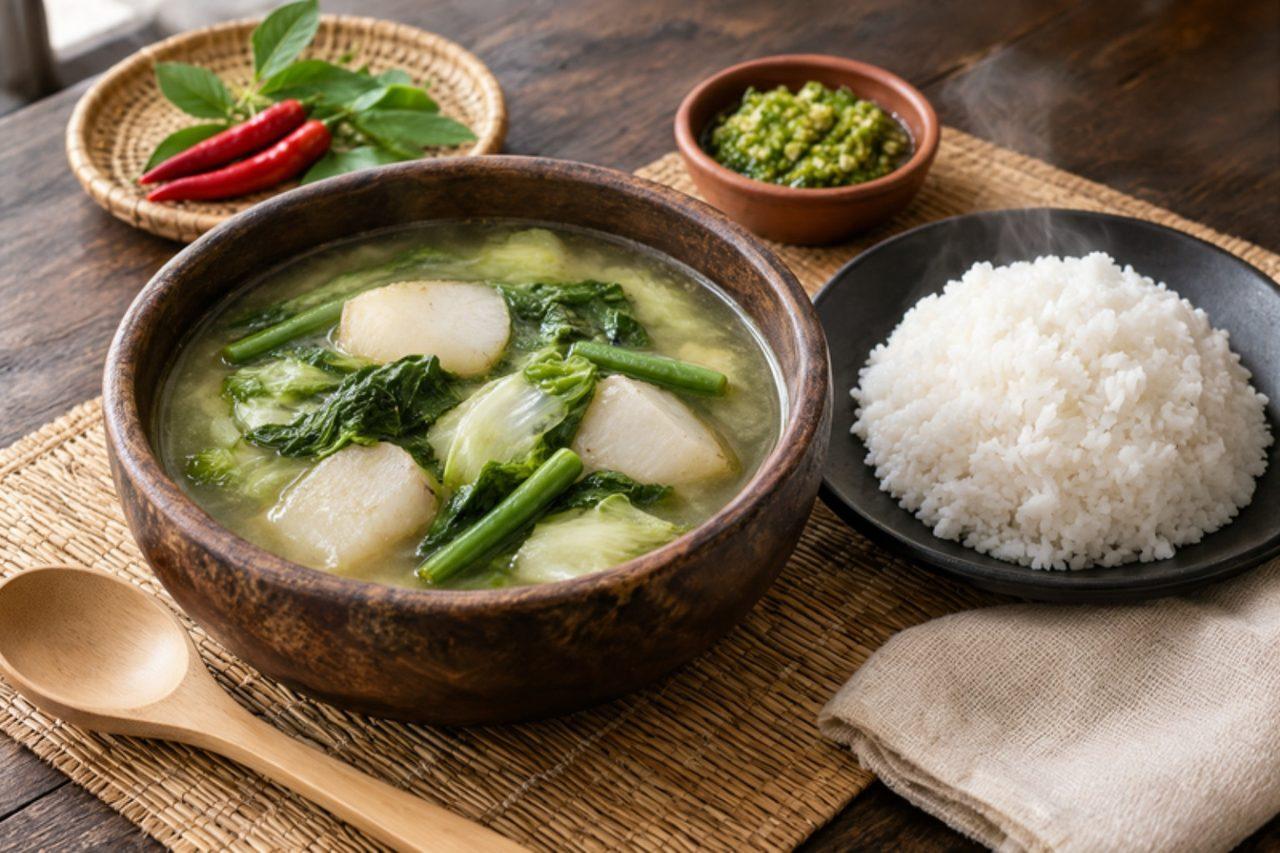
Hinkejvu is a light Sumi Naga everyday dish from Nagaland's Zunheboto district, where colocasia, cabbage, mustard leaves and beans are simmered together with only ginger, chilli and salt. It is eaten with plain rice and a smoky chutney, often after a heavier meat dish the day before. The common mistake is adding oil or spices, which hides the clean vegetable flavour; Naga home cooking relies on the produce. Chef's tip: cook the colocasia until it starts to break and thicken the broth slightly.

by KrazyBadal 0 views

BozaFermented millet drink

In Bulgaria boza is a breakfast habit: a plastic bottle of it from the corner pastry shop and a slice of hot, flaky banitsa, bought on the way to work or school, especially from autumn through to spring. Towns such as Radomir, Plovdiv and Sofia argue over whose is best. It is the colour of milky coffee, thick enough to coat the glass, sweet up front with a sour, bready finish and a faint prickle. Like every fermented grain drink it makes a trace of alcohol, well under 1% when drunk young. The base is millet flour, toasted for flavour, cooked into a thin porridge, then fermented for about a day before being strained and sweetened. The common mistake is adding the yeast while the porridge is still hot, which kills it and leaves you with sweet gruel; wait until it feels only just warm on your wrist. It is ready when the surface is covered in small bubbles, it smells like fresh bread with a sour edge and tastes pleasantly tangy. Chef's tip: keep back a glass of each batch in the fridge and use it instead of yeast next time; boza made from an old starter is rounder and more sour.

by KrazyBadal 0 views

Hmarcha rawtRoasted green chilli relish

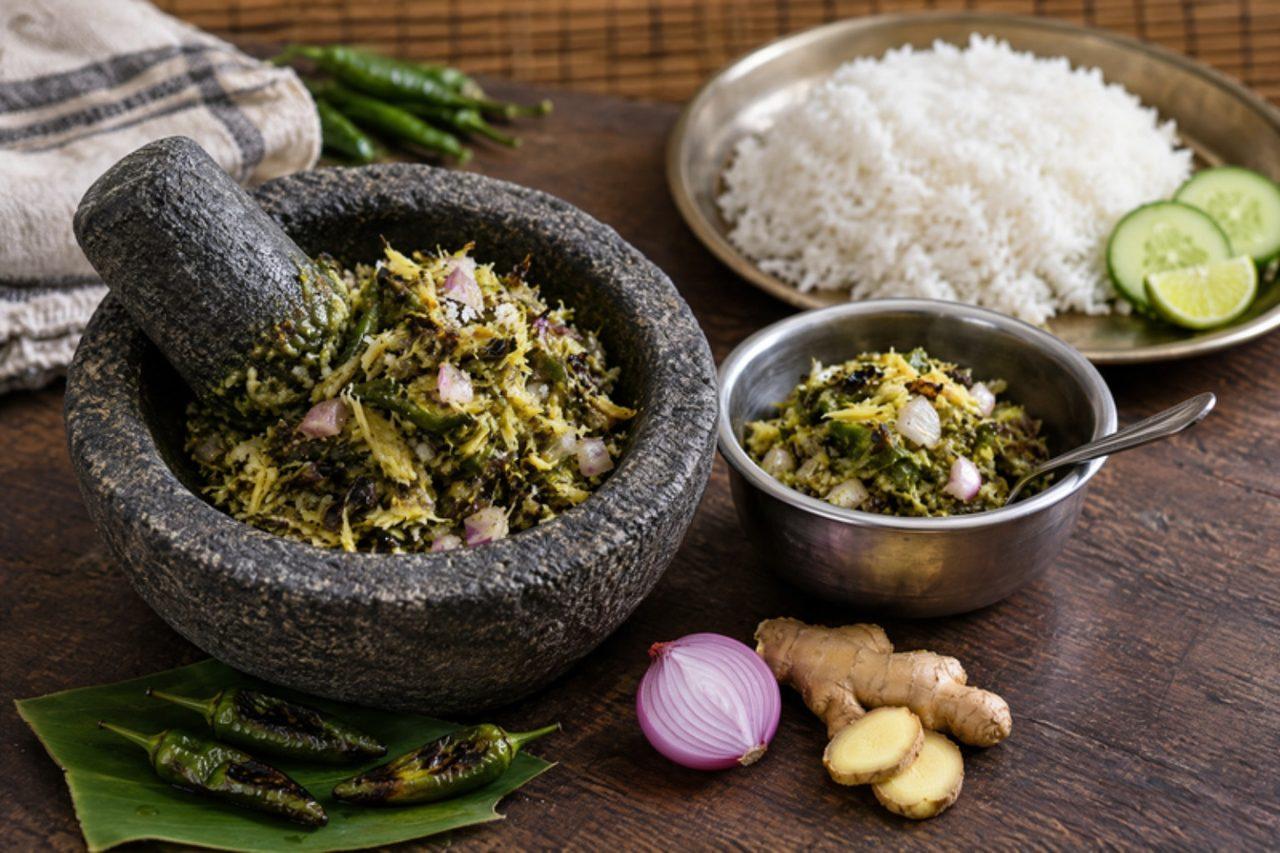
No Mizo table in Aizawl is complete without a small bowl of hmarcha rawt, the sharp relish that goes with plain rice, boiled vegetables and bai at almost every meal. Green chillies are charred over a flame or on a dry pan, then pounded with raw onion, ginger and salt. The mistake is to blend it smooth; it should be coarse and juicy, with bits of charred skin. Chef's tip: roast the chillies until blistered all over, not black, or the relish turns bitter.

by KrazyBadal 0 views

Beijing douzhiFermented mung bean drink

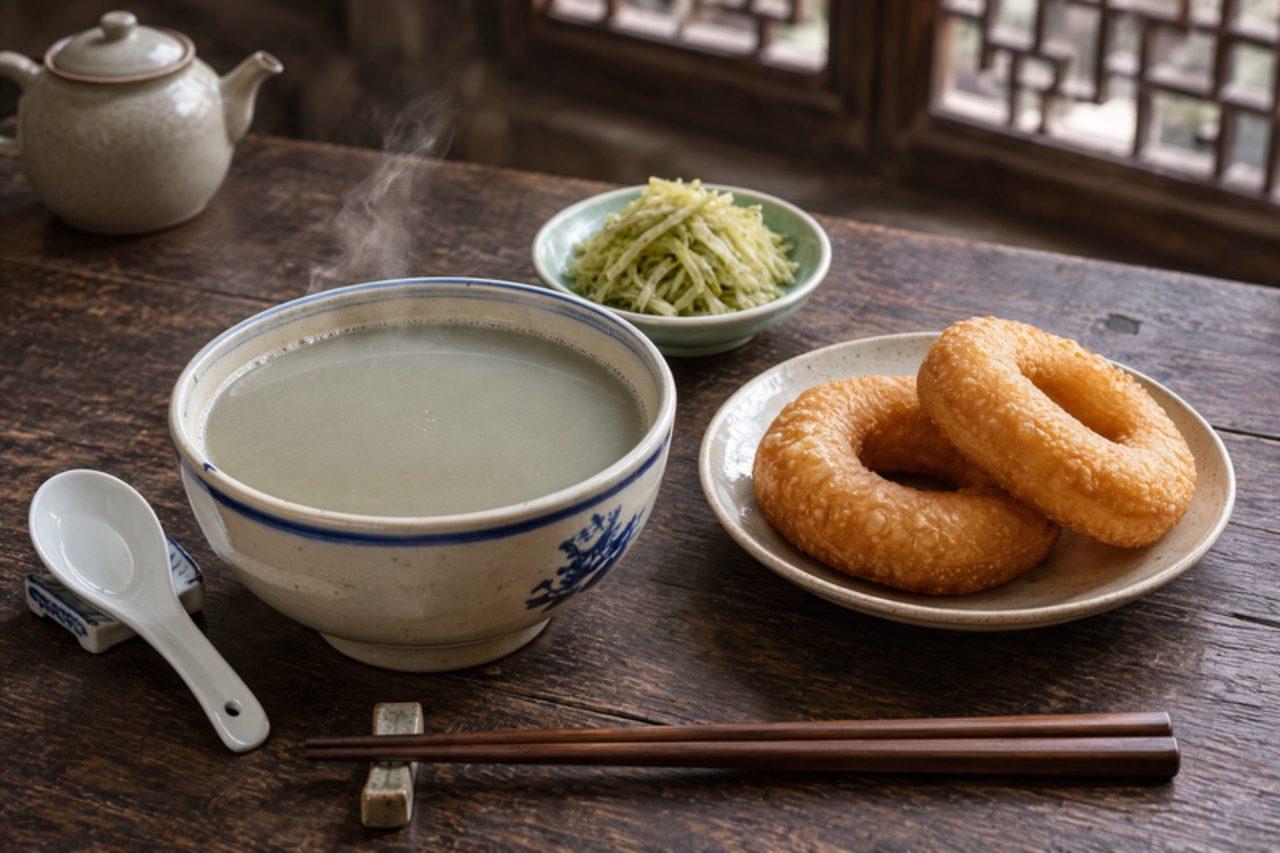
Douzhi is the most famous acquired taste in Beijing: a hot, grey-green, sour drink made from the liquid left when mung beans are ground for starch, then fermented. Old Beijingers sip it at breakfast with crisp jiaoquan rings and shredded salted mustard pickles, and visitors either love it or never try it twice. At home you make a small batch by blending mung beans, settling out the starch and fermenting the cloudy water for a day. The mistake is letting it boil hard: it separates into watery and thick layers, so keep it at a gentle bubble. It must smell cleanly sour like yogurt; throw it away if it smells rotten, has mould, or turns pink or slimy. Chef's tip: stir it continuously as it heats and add a splash of the thinner liquid at the end, which keeps the classic smooth, slightly thick texture.

1440 minChineseDrinksVeganGluten free
by KrazyBadal 0 views

HojichaRoasted green tea

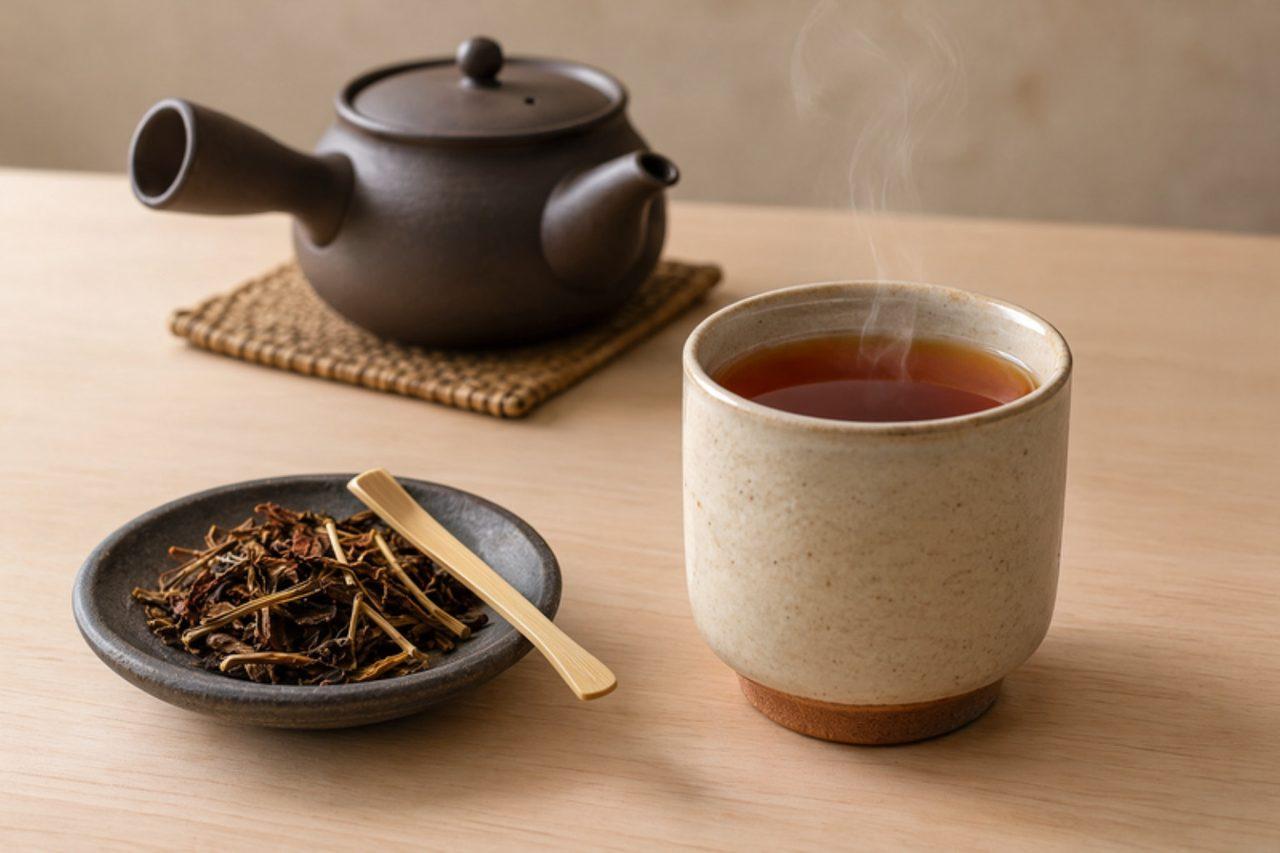
Hojicha was born in Kyoto in the 1920s, when tea merchants started roasting the coarse late-season bancha leaves and stems over charcoal to sell what would not keep. Today the smell of tea roasting in a shop doorway is part of walking down Teramachi or past the Nishiki market. Roasting drives off much of the caffeine and all the grassy bitterness, so hojicha is the pot that comes out after an evening meal, with rice crackers, or for children and older relatives who avoid stronger tea. The cup is reddish brown, smells of caramel and roasted nuts, and tastes soft and slightly sweet with almost no astringency. Unlike sencha, it likes really hot water and a very short steep. The common mistake is treating it like black tea and leaving the leaves in for several minutes, which makes it flat and woody; 30 seconds is enough for the first pour, and the leaves give a good second pot. It is ready when the liquor is clear russet and the steam smells of toasted sugar. Chef's tip: if your packet has lost its perfume, warm the leaves in a dry pan for 30 seconds until they smoke very faintly before brewing.

by KrazyBadal 0 views

Zhū gān ní (pork liver purée)

Zhū gān ní, a smooth purée of pork liver, is the iron food Chinese grandmothers swear by, and wet markets from Chengdu to Shanghai sell small pieces of very fresh pork liver for exactly this. The liver is soaked to draw out the blood, steamed with a slice of ginger until cooked right through, then blended and stirred into rice porridge, where it gives a mild, savoury, slightly sweet taste. Liver is very rich in vitamin A, so babies should have it only in small amounts, no more than once a week. No salt, soy sauce, sugar or honey for babies. It is free of the major allergens. Chef's tip: buy the freshest liver you can find, glossy and deep red-brown, and freeze the purée in cubes so one portion is always ready.

by KrazyBadal 0 views

Shānyào ní (Chinese yam purée)

Chinese yam (shānyào, the long, hairy-skinned root sold in bundles in markets from Beijing to Guangzhou) is valued in Chinese homes as easy on the tummy, and steamed shānyào ní is one of the classic first purées offered at six months. Once steamed, the crisp, slippery flesh turns floury and pale, and pressed through a sieve it gives a smooth, slightly sweet, potato-like purée. Nothing else is added: no salt, sugar or honey for babies. It is free of the major allergens. Chef's tip: wear gloves or oil your hands before peeling; the raw sap makes skin itch, but cooking destroys it completely.

by KrazyBadal 0 views

Hong Kong red bean iceRed bean shaved ice

Red bean ice is a cha chaan teng drink and dessert in one: tall glasses of sweet stewed adzuki beans, sugar syrup and crushed ice, topped with a layer of evaporated milk, served all summer at the old-school cafés of Sham Shui Po and Mong Kok and at the dai pai dong on Stanley Street. You stir with a long spoon, sip the cold milky liquid through a straw and spoon up the soft beans. The beans can be cooked a day ahead. Contains milk. Chef's tip: add the sugar only once the beans are completely soft; sugar added early keeps the skins tough.

by KrazyBadal 0 views

Hong shao dongguaBraised winter melon

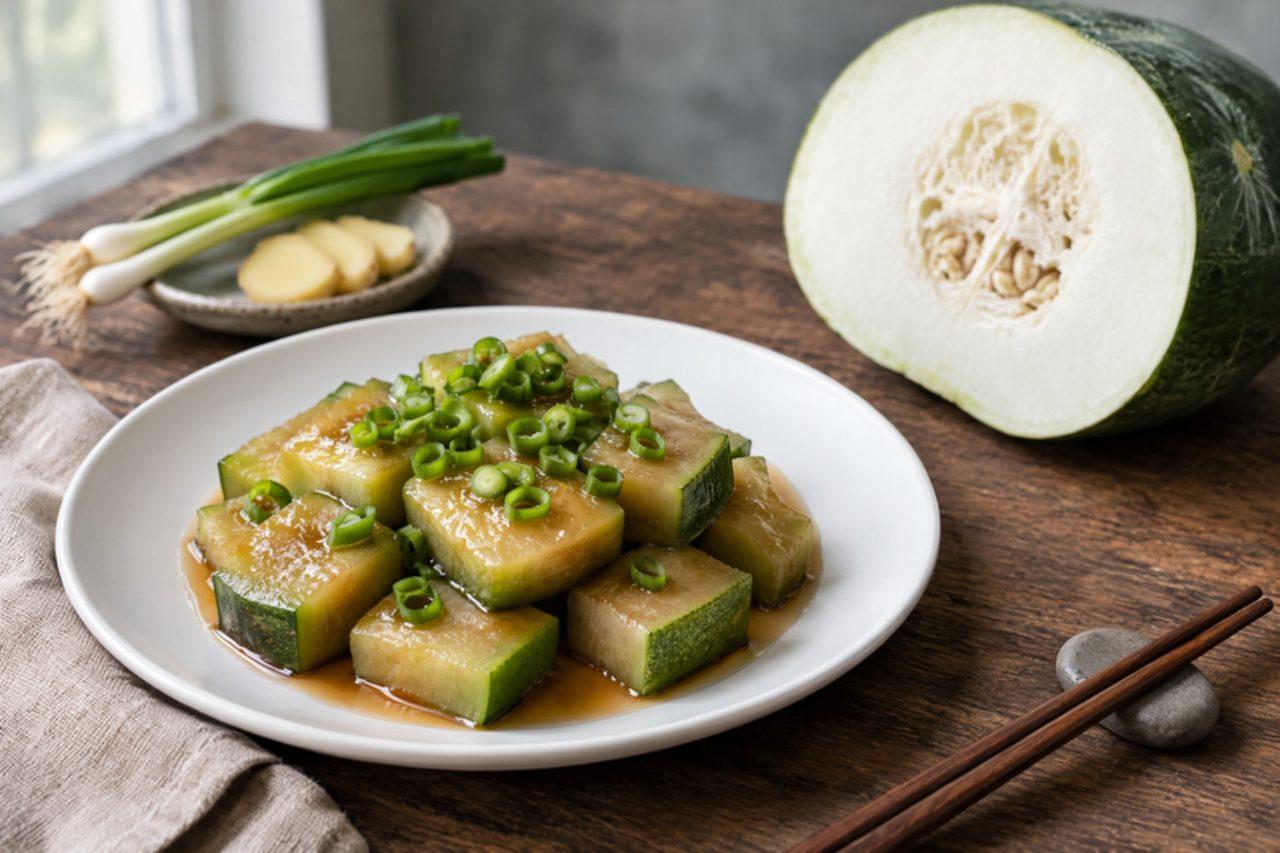
Across China, red-braised winter melon is a cheap summer supper dish, cooked when melons the size of a child are sold by the slice at every market from Shanghai to Chengdu. Thick pieces of pale melon are seared, then braised in soy sauce, a touch of sugar and ginger until they turn amber, glossy and almost jelly-soft, soaking up the sauce like a sponge. Eat it with steamed rice and a green vegetable. The usual mistake is cutting the melon too thin, so it dissolves before it colours; keep the pieces about 2 cm thick. Chef's tip: score the flesh in a criss-cross pattern so the sauce soaks in and the pieces look like braised pork belly.

by KrazyBadal 0 views

Braaied gem squashGem squash with sweetcorn and cheese

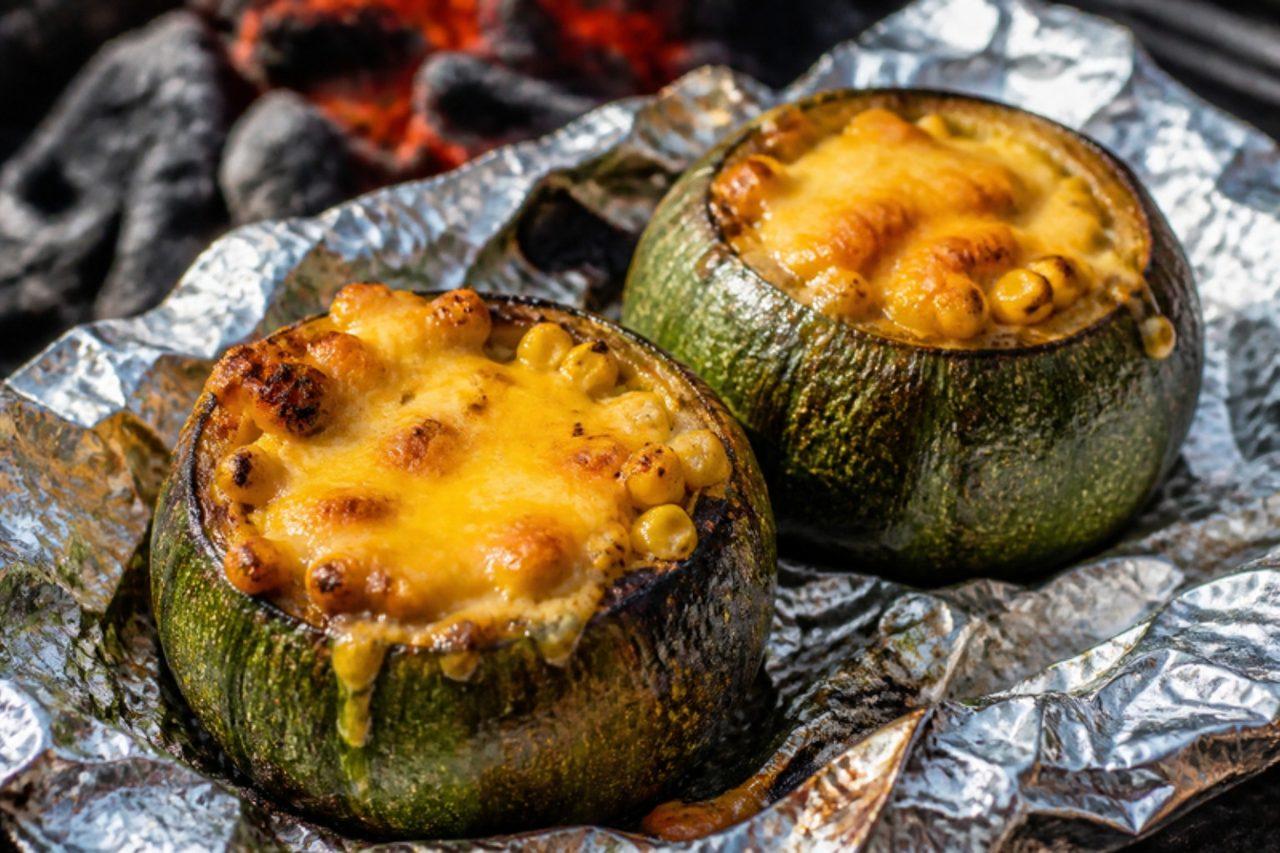
Small, round and dark green, gem squash is the vegetable South African children grow up scooping from the shell with a teaspoon, and at a weekend braai it goes into the coals wrapped in foil alongside the potatoes. The halves steam in their own juice until the orange flesh is tender and sweet, with a pool of melted butter, golden corn and cheese in the hollow. Serve them as a side for anything from the grid, or make a plate of them with pap tert and a tomato salad for a meat-free braai. Indoors, an oven gives the same result. Putting them straight onto flaming wood is the mistake: they char outside and stay hard inside, so wait for grey, glowing coals. Choose a vegetarian cheddar, since many are made with animal rennet. Chef's tip: trim a thin slice off the round base of each half so it sits flat and holds its filling.

by KrazyBadal 0 views

Gohan oyaki (rice finger patties)

Oyaki means a little pan-cooked cake, and Japanese parents make gohan oyaki from leftover rice when babies around nine months start wanting to feed themselves. Mashed rice is mixed with steamed kabocha squash (or grated carrot) and a spoon of potato starch, shaped into finger-sized patties and cooked gently until lightly golden. They are soft and sweet inside, hold together in a small fist and squash easily against the gums. They are free of the major allergens: no milk, egg, gluten, nuts, soya, sesame or fish. Chef's tip: mash the rice while it is warm; cold rice will not stick together and the patties crumble.

by KrazyBadal 0 views

HornadoRoast pork with crackling

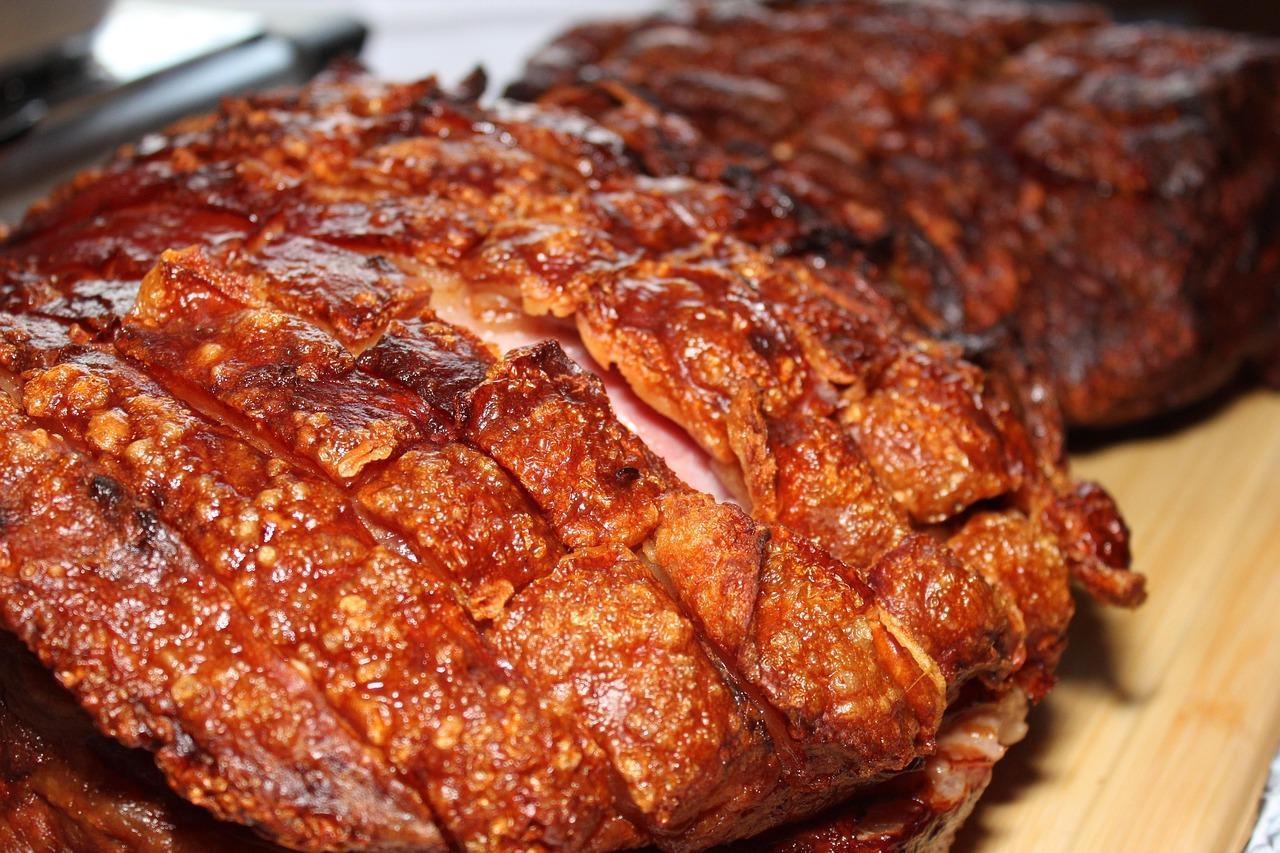
At the Sunday markets of Riobamba and Quito's La Ofelia, whole roast pigs glisten on the stalls and vendors carve hornado, garlic-and-cumin pork with crackling, onto plates with potato cakes, mote and a sour onion sauce called agrio. This home version uses a bone-in pork shoulder, roasted low and slow until the meat pulls apart, then blasted for crisp skin. Marinate it overnight in the fridge. The usual mistake is pulling the pork as soon as it is cooked through: it is safe once the thickest part reaches 63 °C and has rested for 3 minutes, but it only becomes tender enough to pull at about 85–90 °C. Serve with llapingachos, mote and avocado. Chef's tip: dry the skin and leave it uncovered in the fridge overnight; dry skin is what crackles.

300 minAndeanMeatGluten free
by KrazyBadal 0 views

HrousFermented onion chilli paste

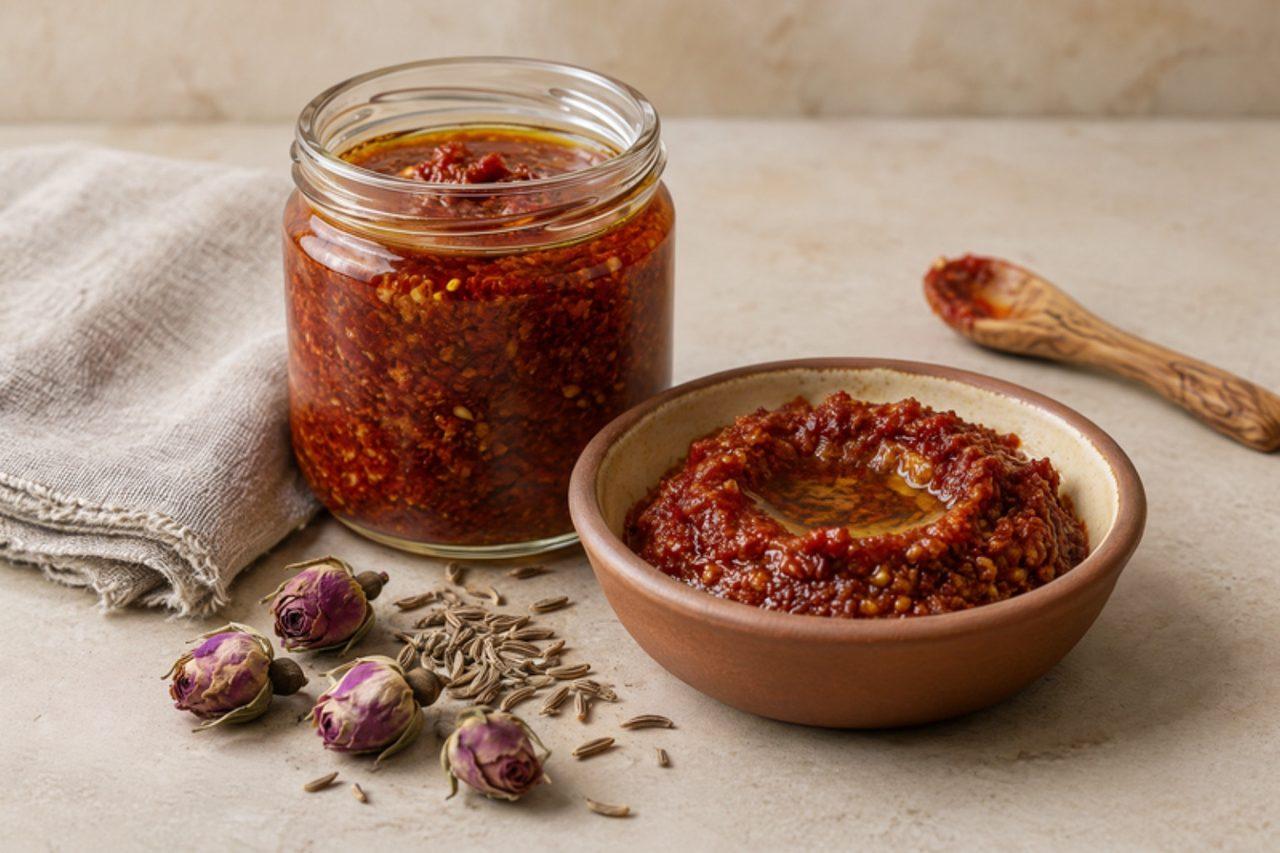
Hrous is the old pantry paste of Sfax and Djerba, made in late spring when the sweet onions come out of the ground and stored for months to season the year's fish couscous, stews, lablabi and simple saucers of olive oil for dipping bread. The onions are sliced, salted heavily and left for about a week to wilt and ferment, then squeezed dry and pounded with sweet and hot dried chilli, turmeric, caraway, coriander and crushed dried rosebuds, and packed into a jar under olive oil. A teaspoon goes a long way: it is brick red, salty, sour and fiery, with a funky onion sweetness and a perfumed finish from the roses, earthier and more complex than harissa. Sfaxi families stir it into fish dishes and spread it thinly on bread with olive oil at breakfast. The mistake to avoid is cutting the salt to make it milder, as the salt is what keeps the ferment safe; stick to 10% of the onion weight. The onions are ready when they are limp, smell pleasantly sour and pickled, and the paste turns glossy after a week under oil. Chef's tip: grind the rosebuds fresh, just before mixing, for the full perfume.

by KrazyBadal 0 views

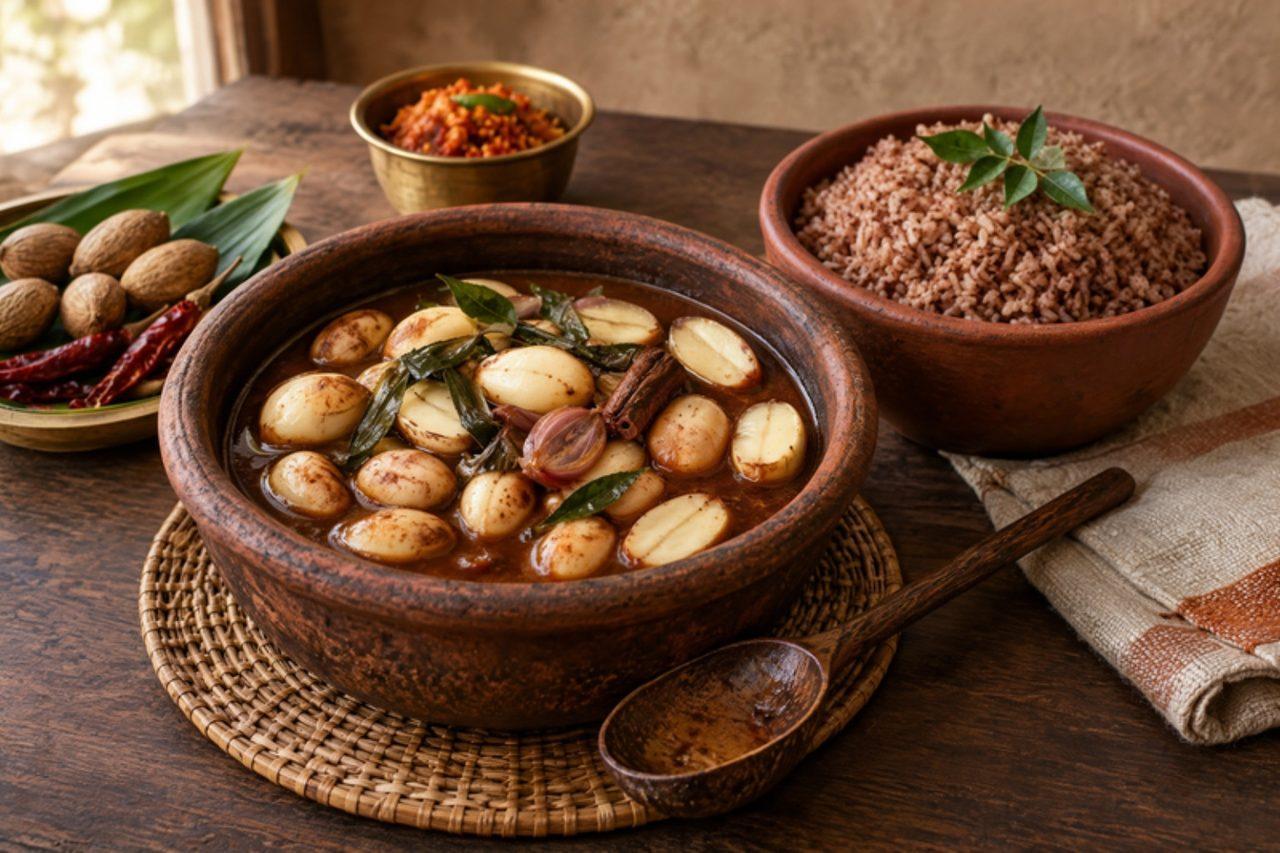
Kos ata curryJackfruit seed curry

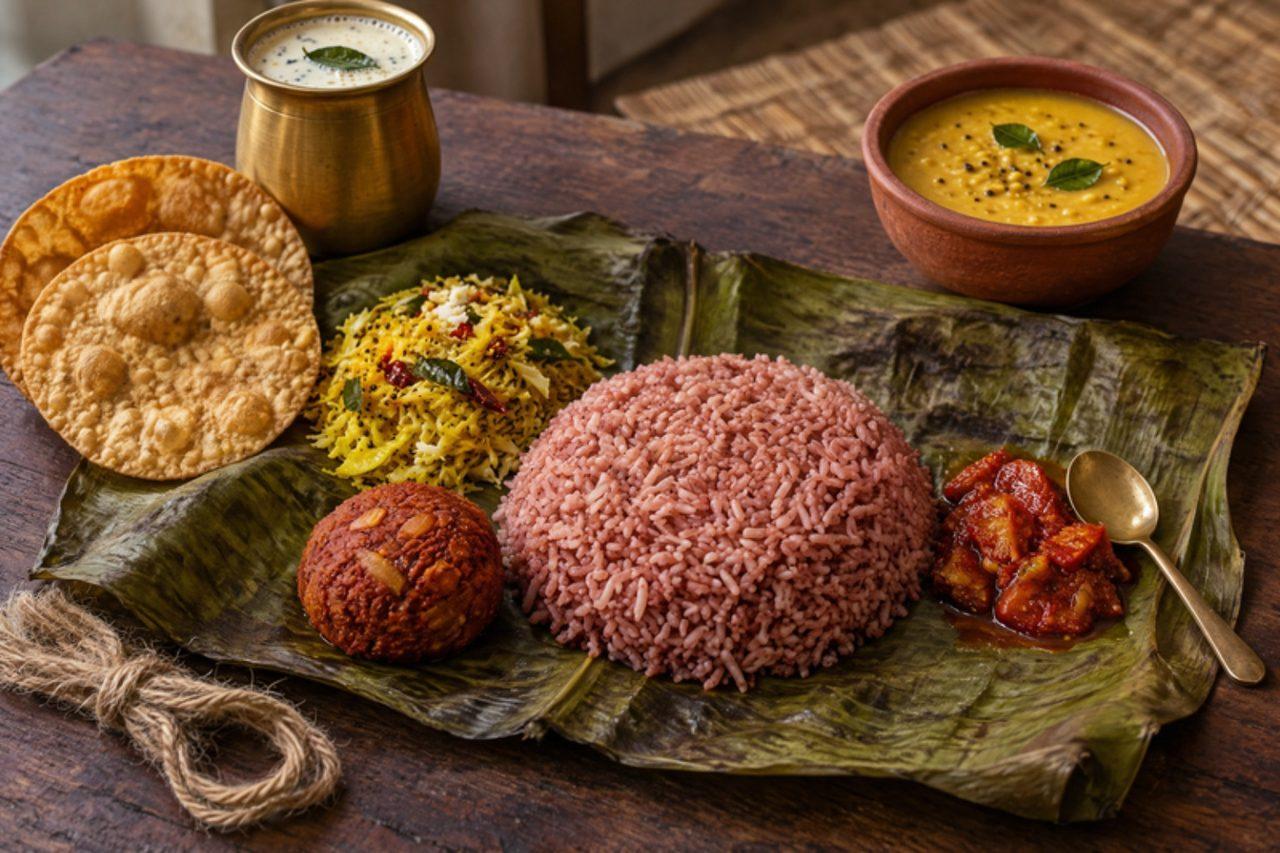
During the jackfruit season, roughly April to July, Sri Lankan households save every seed, and kos ata curry is how they become a hearty weekday dish served with rice and greens. The seeds are boiled tender, peeled of their papery skin, then simmered in a dark roasted curry powder and coconut milk gravy until they taste like chestnuts in a spicy sauce. Serve with red rice and a sambol. The usual mistake is undercooking the seeds; they must be boiled until a fork goes in easily, or they stay hard and are hard to digest. A pressure cooker saves time: boil the seeds for 10 minutes on high. Chef's tip: crack each seed lightly with the flat of a knife before simmering so it soaks up the gravy.

by KrazyBadal 0 views

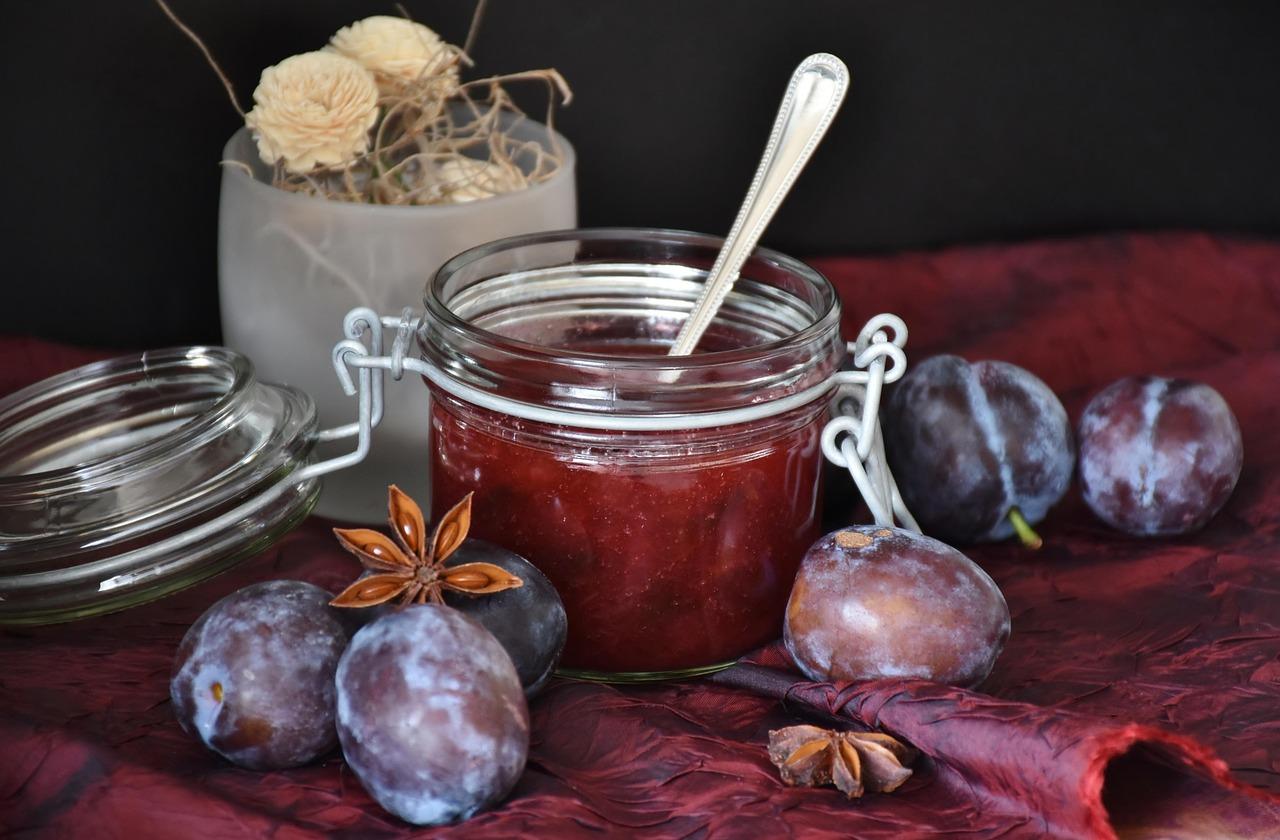
Davidson plum jam

Davidson plums grow on slender trees in the subtropical rainforests of northern New South Wales and south-east Queensland, ripening dark purple in summer. They are far too sour to eat raw but make a stunning deep-crimson jam with a sharp, tangy flavour, sold at farmers' markets around Byron Bay and the Sunshine Coast. Spread it on scones or serve with cheese. A common mistake is boiling it past the set; the plums are high in pectin and set fast. Chef's tip: if you can't find Davidson plums, use dark sour plums and add a squeeze of lemon.

by KrazyBadal 0 views

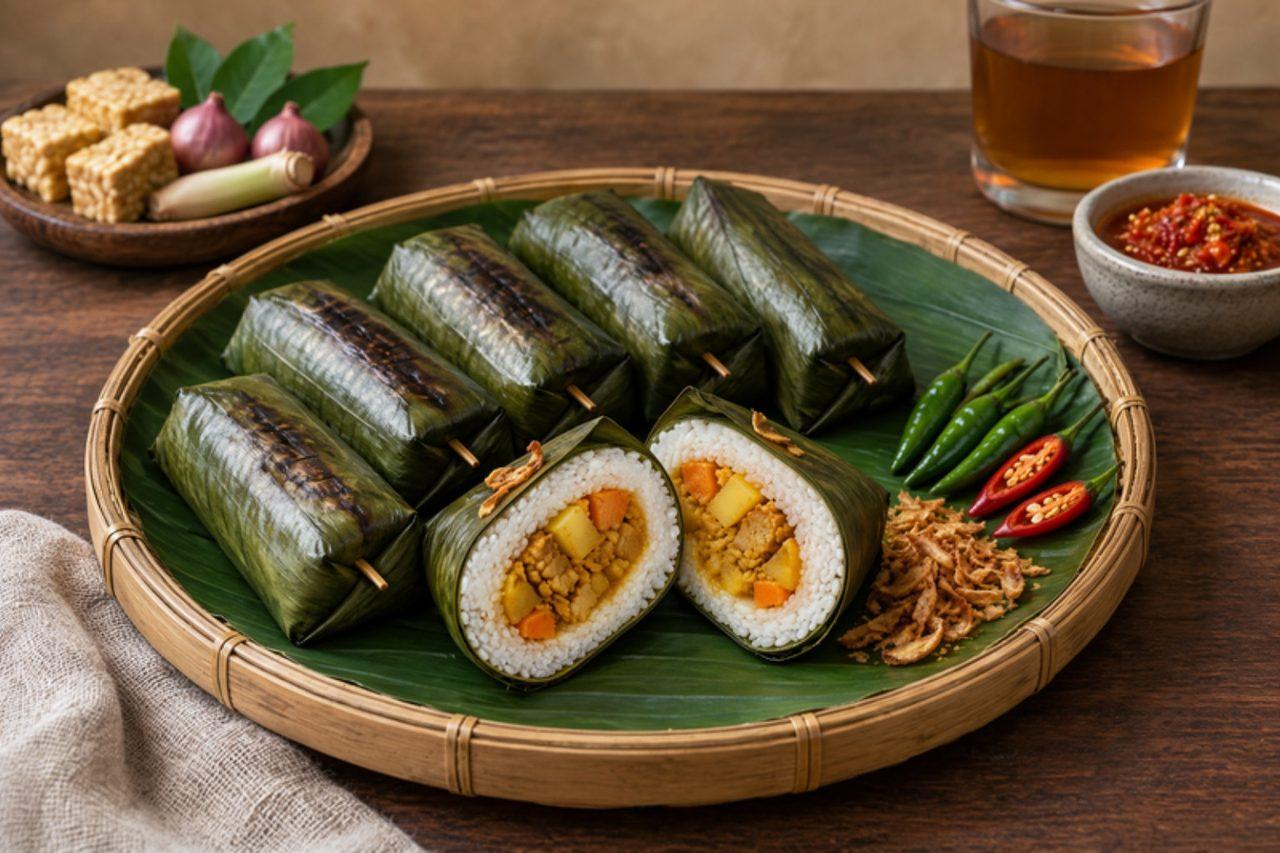
Arem-aremFilled rice rolls in banana leaf

Arem-arem are what Central Javanese cooks pack for meetings, trains and bekal lunchboxes: logs of coconut-scented rice wrapped round a spiced filling, rolled in banana leaf and steamed until firm, so they can be eaten in the hand, cold or warm. Chicken fillings are common in the city; this one uses tempeh, potato and carrot. The common mistake is cooking the rice fully before rolling, which makes the logs mushy; it should be only half-cooked, so it finishes in the leaf. Chef's tip: soften the banana leaves over a flame or in hot water first, or they will split as you roll.

by KrazyBadal 0 views

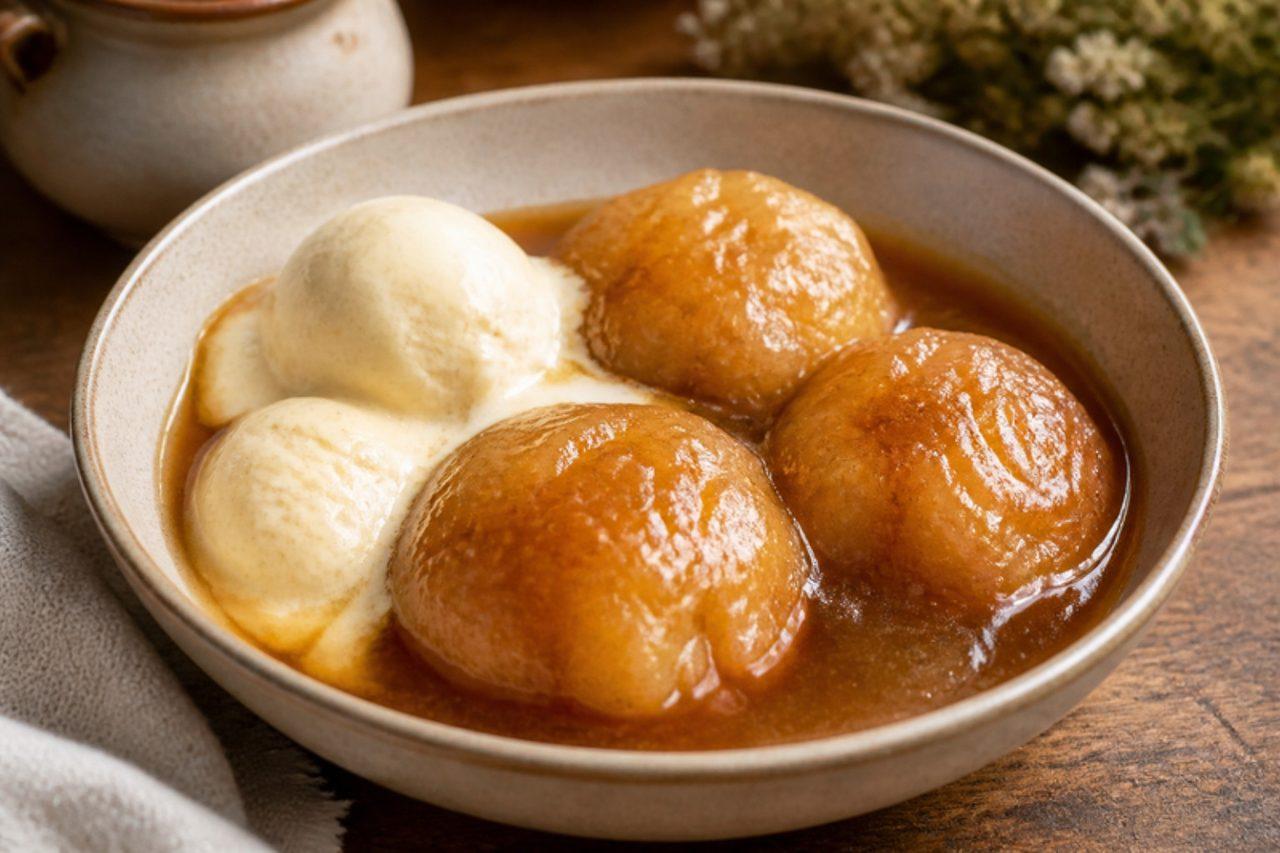
Golden syrup dumplings

Golden syrup dumplings are a winter pudding from Australian country kitchens, made during the Depression and still cooked by grandmothers in the Riverina and the Victorian high country when the nights turn cold. Soft scone-dough balls simmer in a sauce of golden syrup, butter and brown sugar until they swell and turn sticky. Serve with vanilla ice cream or custard. A common mistake is a pan that's too small; the dumplings double in size and need space. Chef's tip: keep the lid on and resist peeking, so the tops steam light and fluffy.

by KrazyBadal 0 views

PothichoruRice meal in banana leaf

Before steel tiffin carriers, Kerala's schoolchildren and office workers carried pothichoru, a parcel of hot rice, a dry vegetable thoran, coconut chammanthi and a dab of pickle, folded inside a banana leaf that had been passed over a flame. By lunchtime the leaf's aroma has seeped into the rice; the whole parcel is still sold on trains and at festivals. Fried egg or fish fry are often tucked in; this is the vegetarian version. The common mistake is wrapping the leaf without wilting it first, so it cracks and leaks. Chef's tip: pack the rice warm, not steaming, and eat within four hours, or cool everything and keep the parcel cold until lunch.

by KrazyBadal 0 views

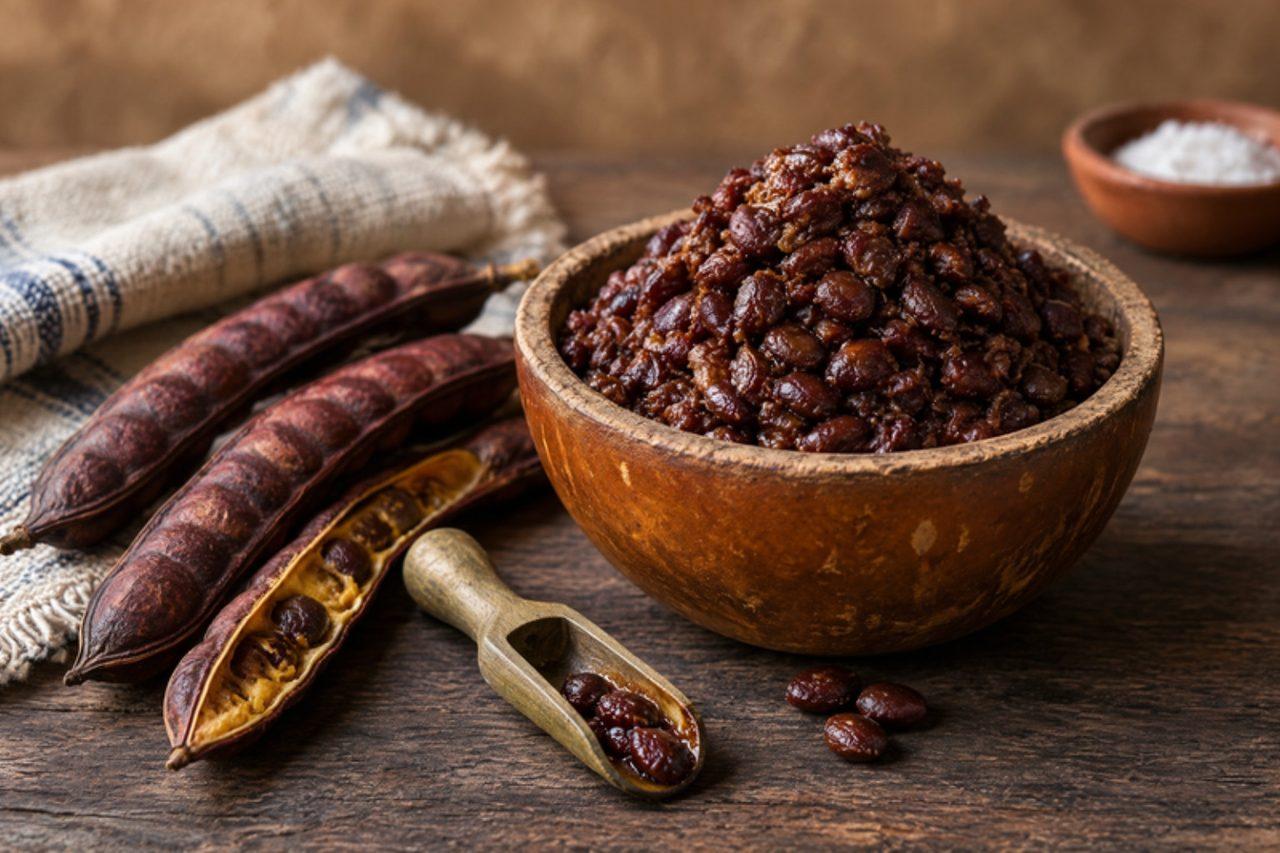
IruFermented locust beans

In Yoruba towns from Ibadan to Ogbomoso, iru is the smell of a good stew: a spoonful of the dark, fermented locust beans melted into efo riro, ofada ayamase, gbegiri and ewedu changes the whole pot. Making it is women's work passed down over generations, done in the dry season when the yellow pods of the African locust bean tree (igba) ripen. The seeds are boiled for hours, rubbed free of their black hulls, boiled again and wrapped warm in leaves for two or three days, when a sticky bacterial ferment covers them. Iru woro is left whole; iru pete is mashed. Expect a powerful ammonia-and-cheese smell, a soft, sticky texture and a deep savoury, almost meaty taste once cooked. Common mistake: fermenting too cool; below 30 °C the beans go sour and grey instead of developing the rich, sticky coat. Keep them in a warm oven with only the light on, or in a cooler box with a hot-water bottle. It is ready when the beans are dark brown, sticky and covered in fine white threads. Chef's tip: dried locust beans are sold at West African shops; fermented soybeans make a fair substitute.

by KrazyBadal 0 views

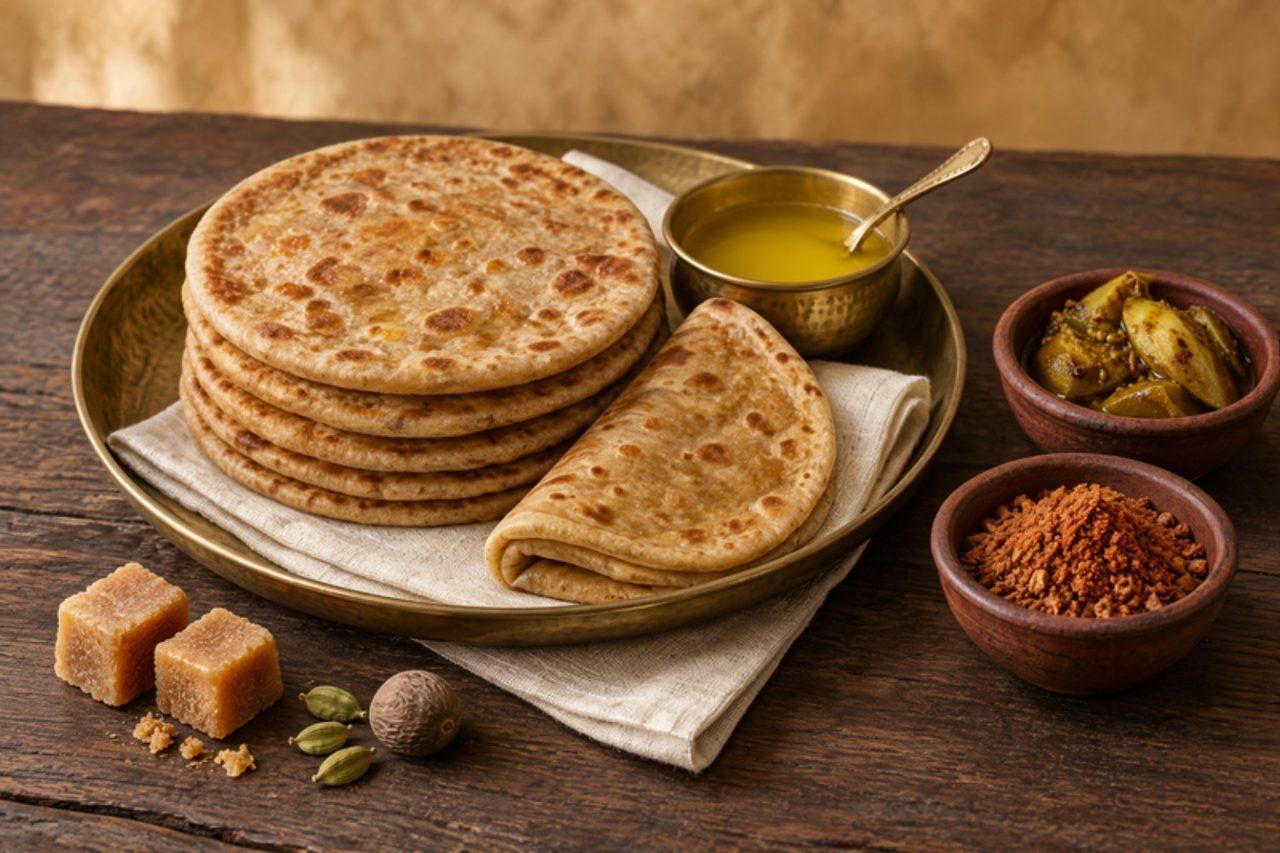
DashmiMilk and jaggery flatbread

Dashmi is the bread Maharashtrian mothers make for pilgrimages, school trips and the first days of a long journey: wholewheat dough kneaded with warm milk instead of water and sweetened with jaggery, cooked on a tawa until soft and spotted. Milk and ghee keep it tender for two or three days without a fridge in cool weather, and children eat it plain or with pickle. The common mistake is rolling it too thin and cooking it on a fierce tawa, which makes it crisp like a khakhra; it should stay soft and pliable. Chef's tip: stack the dashmis in a cloth as they come off the tawa, so the trapped steam softens them further.

by KrazyBadal 0 views

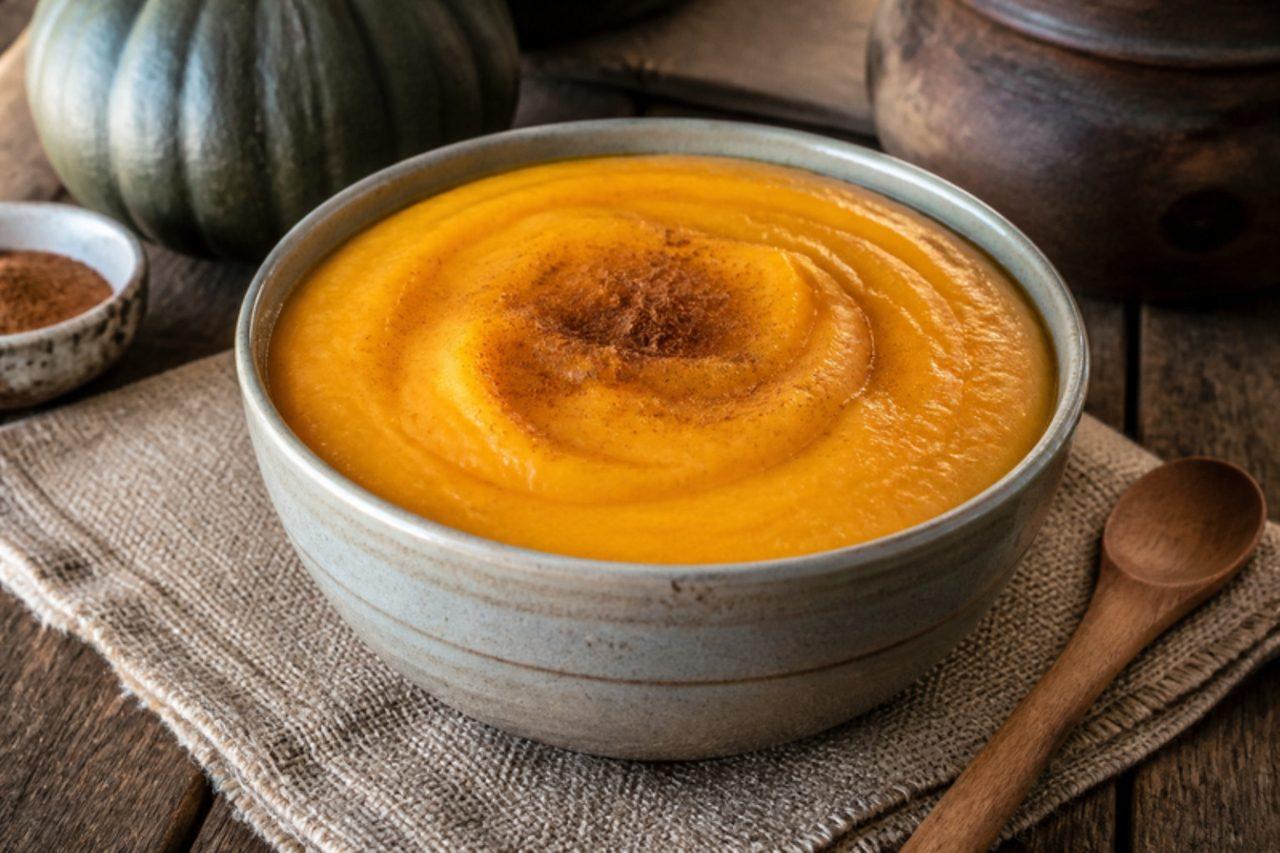
IsijingiPumpkin and maize porridge

When the big grey-skinned pumpkins come in at the end of summer, Xhosa grandmothers around Butterworth and Ngcobo stew them down and stir in maize meal to make isijingi, a bright orange porridge that children love and adults secretly do too. It is soft and spoonable, gently sweet from the pumpkin and a little sugar, with the faint corn flavour of the meal underneath. Serve it as a side to beans or a vegetable stew, or eat a bowlful on its own for supper on a cold evening. Watery pumpkin is the classic mistake, so cook the pumpkin until most of its liquid has evaporated before the meal goes in. Chef's tip: use a dense, deep orange pumpkin or butternut, not a watery jack-o'-lantern type, for the sweetest flavour.

by KrazyBadal 0 views

Tsestalulu (sea-buckthorn juice)

Sea buckthorn grows wild along the river beds of Ladakh, and in Leh the bright orange berries are pressed into tsestalulu, a sharp, tropical-tasting juice sold in summer cafés and made at home after the autumn harvest. It is drunk chilled, sweetened with sugar or honey and thinned with cold water. The berries are very sour and slightly oily, so the juice is always diluted. The common mistake is boiling the pulp, which dulls both the colour and the fresh taste; just blend and strain. Chef's tip: frozen sea-buckthorn berries or plain unsweetened purée from health shops work very well; strain twice through a fine sieve for a silky drink.

by KrazyBadal 0 views

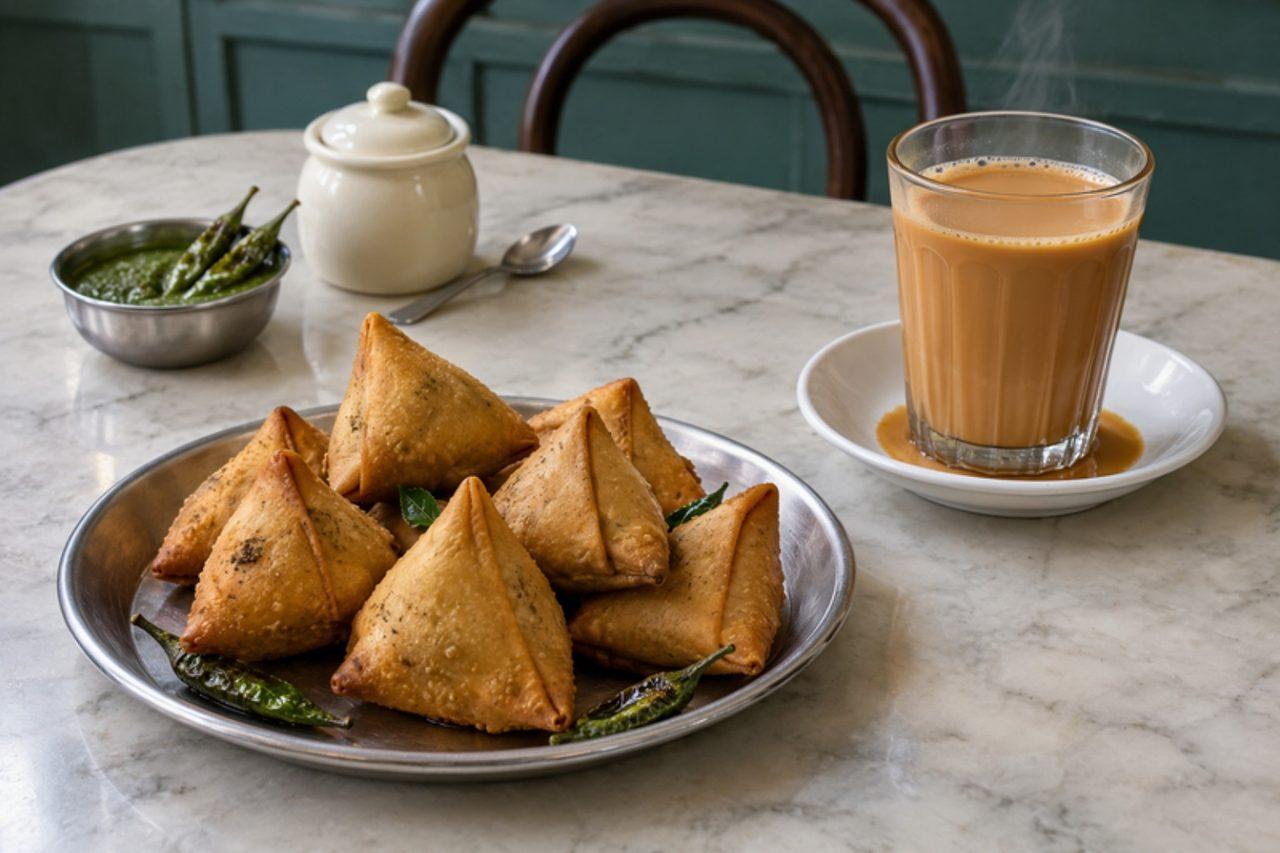
Chennai onion samosa

In Chennai's old tea shops, many started by Irani and Muslim families, a glass of strong tea comes with a plate of small onion samosas: thin, crackly pastry folded around a filling of nothing but slow-cooked onion, green chilli, curry leaves and a little poha to soak up the juices. They are sold by the dozen in the evenings and at bus stands across Tamil Nadu. The pastry is the thin, ready-rolled samosa-patti kind, so they are quick to fold. The common mistake is undercooking the onion, which leaks water and makes the samosas soggy; fry it until soft and sweet, then cool. Chef's tip: seal the folds with a thick paste of flour and water, not plain water, so they do not open in the oil.

by KrazyBadal 0 views

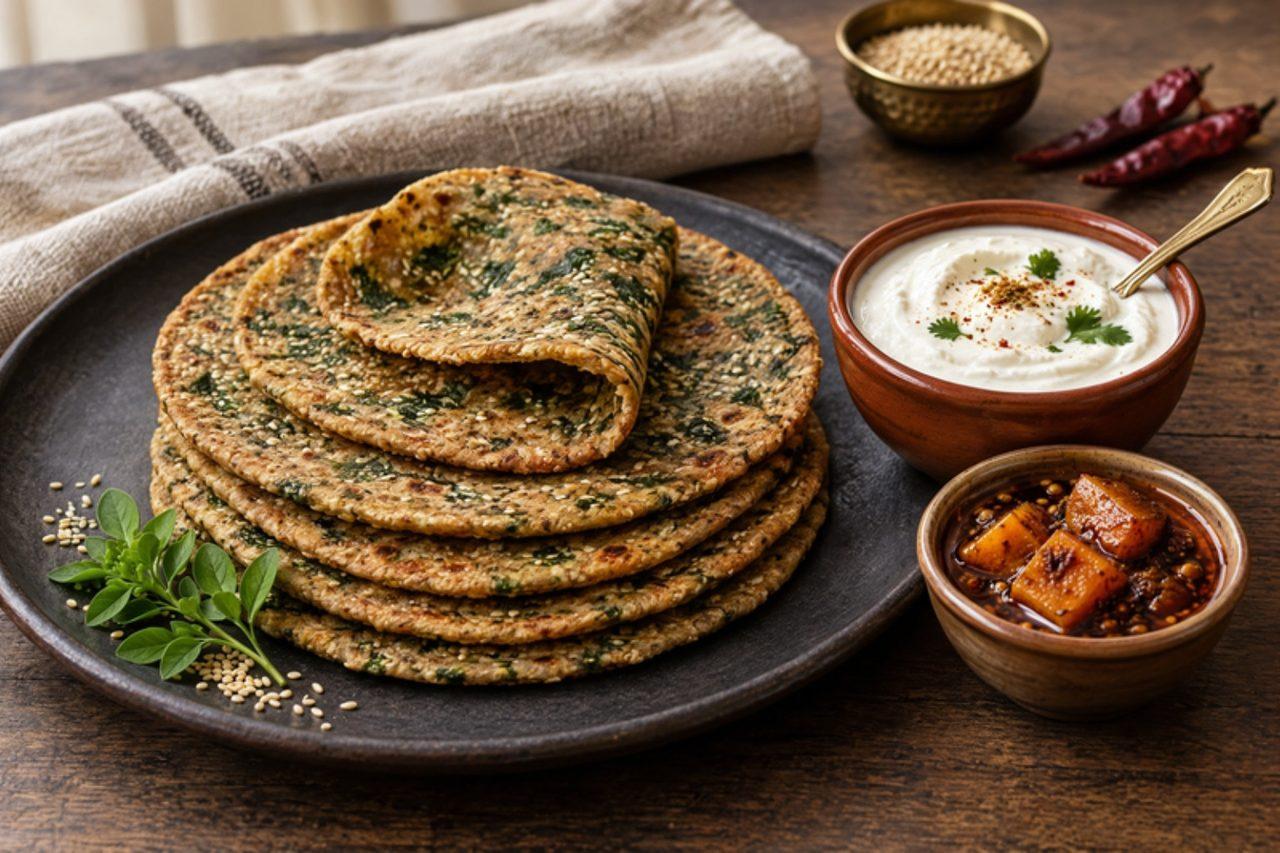
DhebraPearl millet flatbreads

Gujarati families pack a stack of dhebra for every train journey, picnic and tiffin box, because the yogurt and oil in the dough keep these spicy millet and fenugreek flatbreads soft for two or three days. They are thicker than a thepla and earthy from the bajra, and they are eaten with pickle, chhundo or a cup of tea. The common mistake is adding too much water at once: the yogurt and fenugreek release moisture as you knead, and a slack dough sticks and tears. Chef's tip: pat them out on a damp cloth or between two sheets of plastic rather than rolling, the way Gujarati kitchens do, so the delicate millet dough does not crack.

by KrazyBadal 0 views

Jan Smuts tartletsApricot almond sponge tartlets

Bakers who sided with General Jan Smuts answered the hertzoggie with tartlets of their own, and old Afrikaans and English cookbooks have printed the two rivals side by side ever since. Where a hertzoggie wears a chewy coconut meringue, a Jan Smutsie hides its apricot jam under a soft, almond-scented sponge and is marked with a little pastry cross on top. The texture is all tender cake over a sharp fruity middle in a crumbly sweet crust, lovely at Sunday tea or packed in a school lunchbox. Most people overfill the cases with batter, which domes up and spills over the cross; two-thirds full is plenty. Chef's tip: roll the trimmings for the crosses thinly, or they stay doughy where they sit on the sponge.

by KrazyBadal 0 views

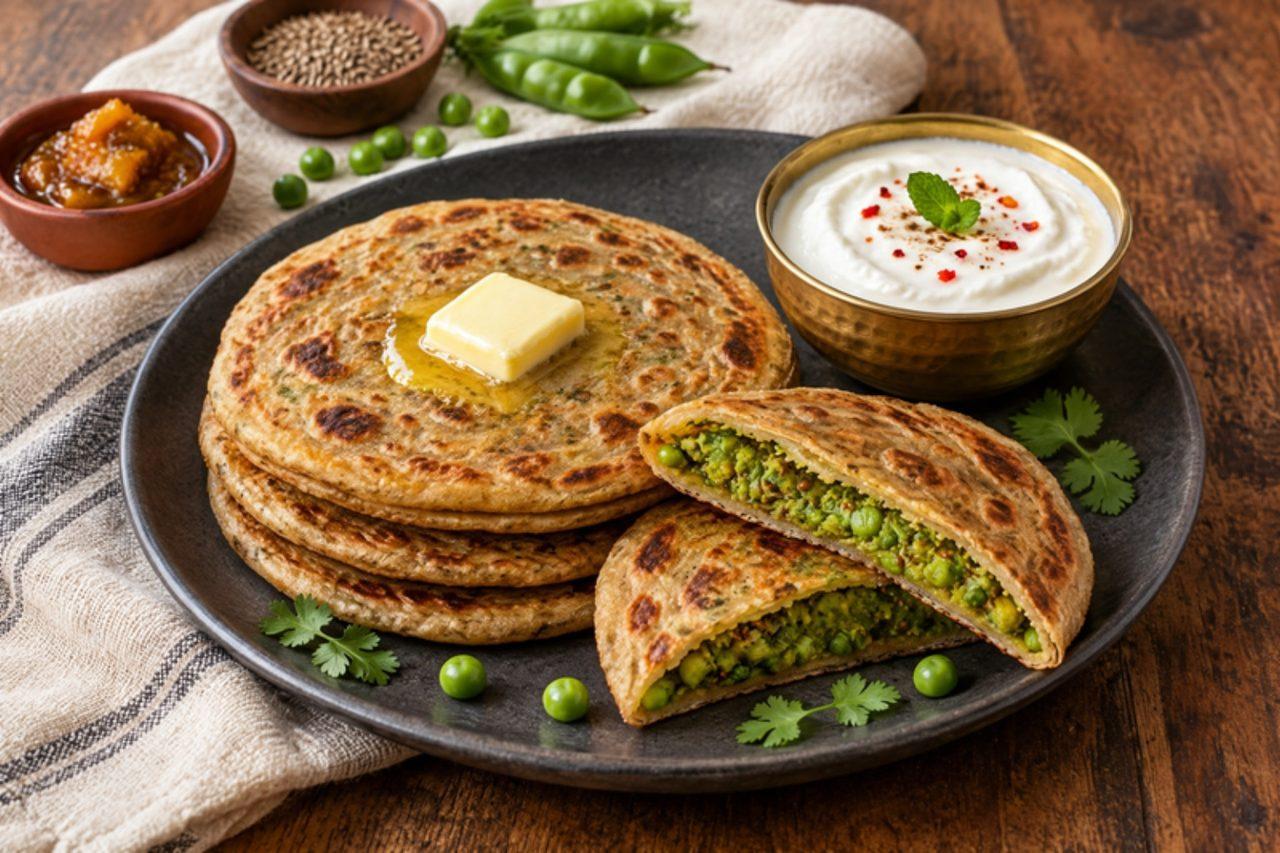
Matar paratha (green pea paratha)

In Delhi and Punjab, matar paratha is the winter tiffin made when the first sweet peas arrive: the peas are boiled, mashed coarse and spiced with ginger, green chilli, cumin and amchur, then sealed inside wholewheat dough and roasted on the tawa with a little ghee. Rolled up in foil with a spoon of pickle, they are still soft at lunch. The mistake is a wet filling, which bursts through the dough; cook the mashed peas in a pan until dry and cool them before stuffing. Chef's tip: make the filling slightly saltier than tastes right, because the dough around it is unsalted and mutes it.

by KrazyBadal 0 views

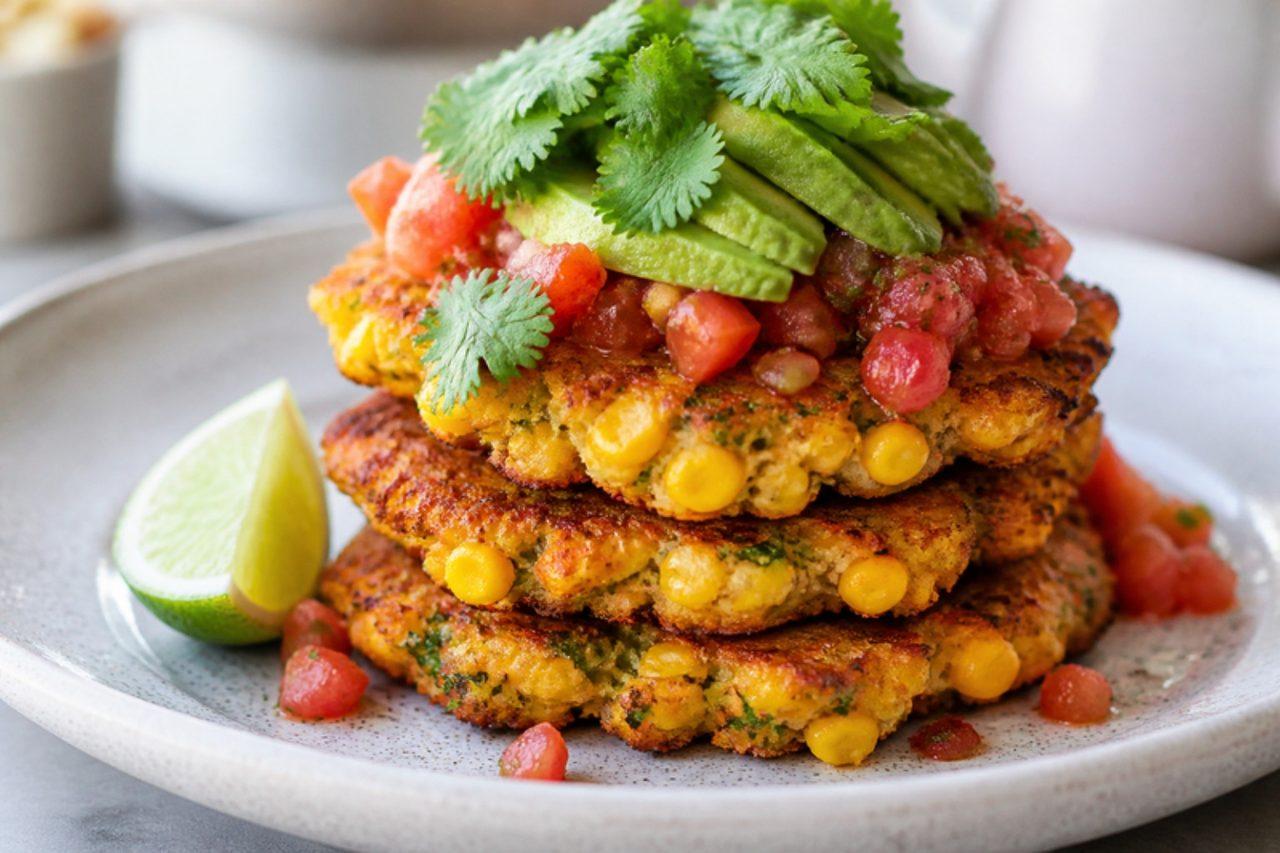
Corn fritters

Corn fritters are a Sydney café staple, the brunch that sits on every menu from Surry Hills to Manly, stacked with smashed avocado, roast tomato or relish and a handful of herbs. The batter is mostly corn, with just enough flour and egg to bind, plus spring onion, coriander and a little chilli. They are quick enough for a weekday breakfast. A common mistake is crowding the pan, which steams them instead of crisping. Chef's tip: blitz a quarter of the corn so its milky juice binds the fritters and keeps them tender.

by KrazyBadal 0 views

Louise sliceJam and coconut meringue slice

Louise slice, or Louise cake, is a New Zealand tea-time classic found on church cake stalls and in grandma's tins from Invercargill to Whangārei. A buttery shortcake base is spread with raspberry jam and topped with a chewy coconut meringue that bakes to pale gold. It is light and pretty, and very easy. A common mistake is baking the meringue too hot, which browns it before it sets inside. Chef's tip: spread the meringue right to the edges so the jam doesn't bubble through.

by KrazyBadal 0 views

Candied salmon

Candied salmon, sometimes called salmon candy, comes from the First Nations smokehouses of British Columbia's coast, where strips of wild salmon are cured in salt and brown sugar, then slowly smoked and glazed until sticky, chewy and deep red. It is a snack for the trail, the fishing boat and the lunchbox. This home version cures the fish in the fridge and then cooks it low in the oven with a little smoked salt or liquid smoke, so it is fully cooked rather than cold-smoked. A common mistake is skipping the drying stage; the pellicle (a tacky skin) is what lets the glaze cling. Chef's tip: keep the oven low and steady; too hot and the fish weeps white albumen.

210 minCanadianFishGluten free
by KrazyBadal 0 views

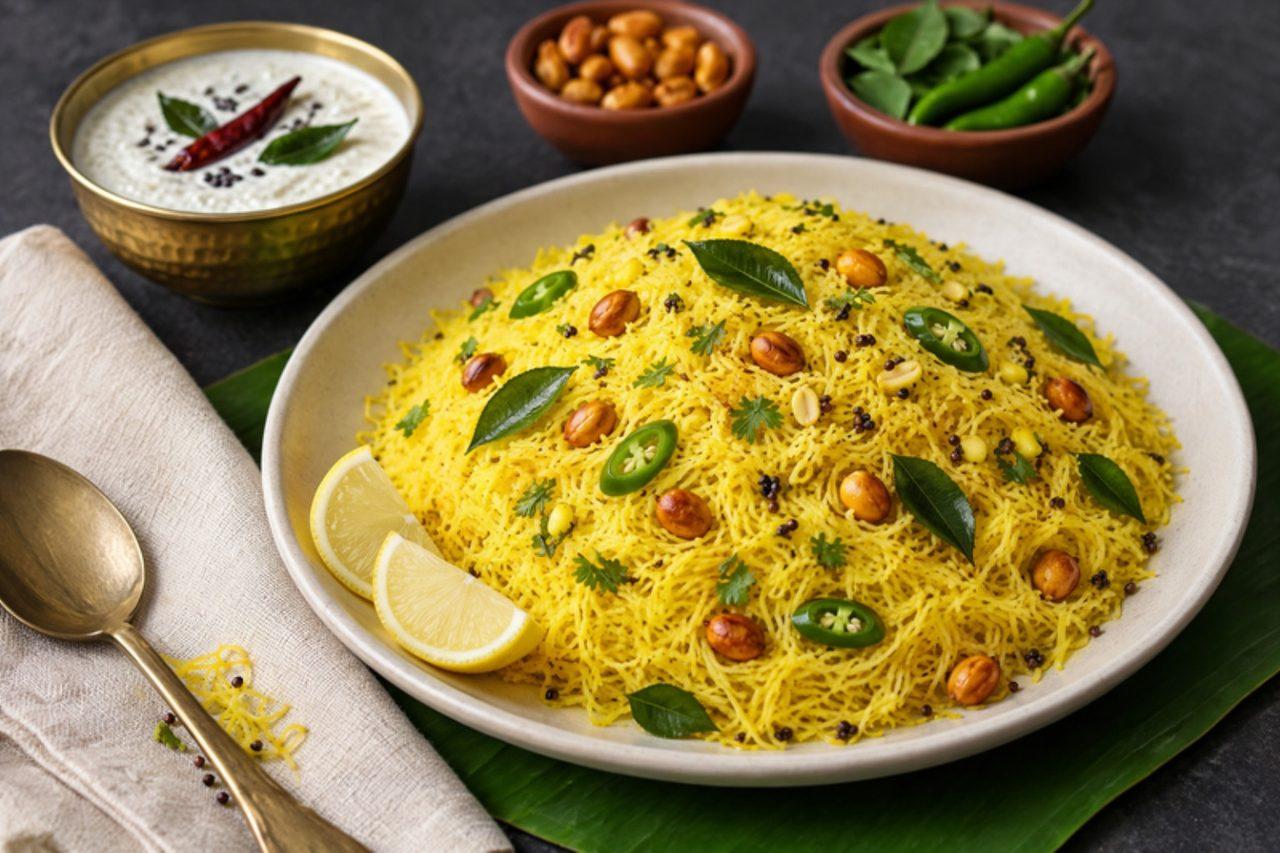
Lemon sevai (lemon rice noodles)

Sevai is pressed rice-flour vermicelli, and in Tamil Nadu and the Mysuru region the lemon version is a lighter alternative to lemon rice for a school lunch box. Today most homes use dried rice sevai, softened in hot water and steamed, then tossed with a turmeric tempering of mustard, dal, peanuts and green chilli and plenty of lemon. The common mistake is soaking the dry sevai too long, so it breaks into short mushy bits; it should be just pliable before it goes into the steamer. Chef's tip: toss with a fork, not a spoon, and lift rather than stir so the strands stay long.

by KrazyBadal 0 views

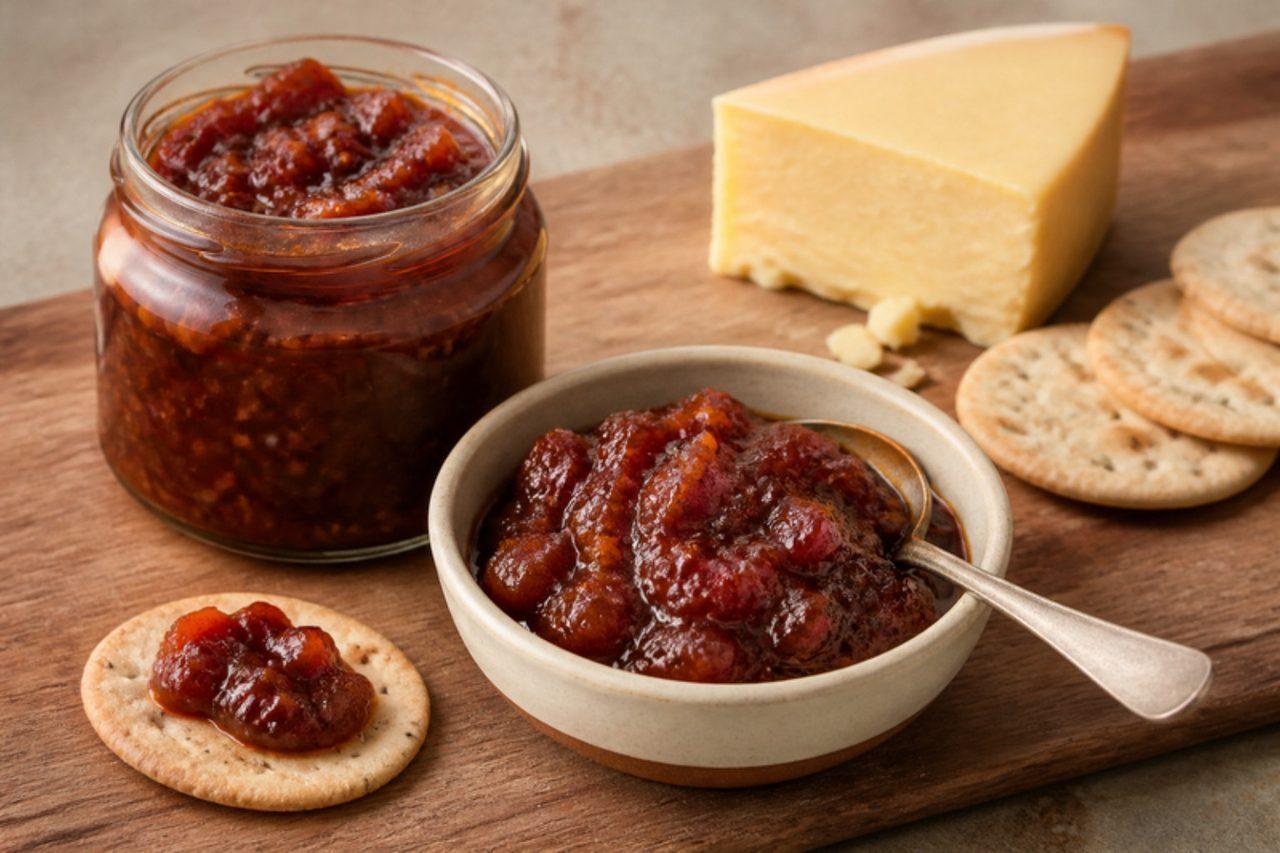
Bush tomato chutney

Bush tomato, known as akudjura or desert raisin, is the small fruit of a desert plant gathered by Aboriginal people in Central Australia and around Alice Springs; dried and ground, it tastes of caramel, tamarillo and sun-dried tomato. A spoon of it turns an ordinary tomato chutney into something rich and smoky, great with cheese, barbecues and burgers. Buy ground akudjura from a native food supplier; only the ripe dried fruit of the right species is safe to eat, so never forage it. A common mistake is adding too much; it is strong. Chef's tip: toast the ground bush tomato in the oil first to wake up its flavour.

by KrazyBadal 0 views

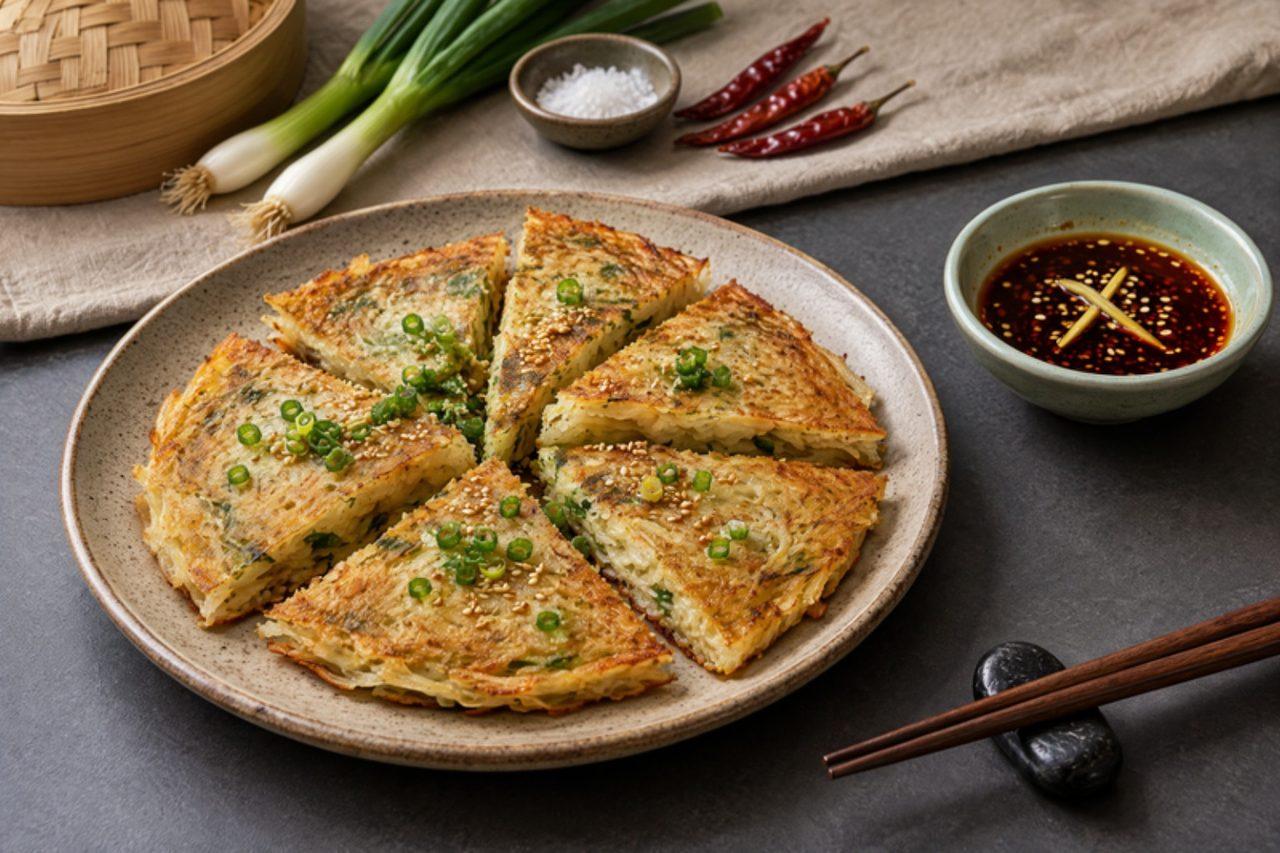
Tudou si bing (shredded potato pancakes)

In Shandong, Hebei and the northeast, these thin, lacy potato pancakes are a cheap street breakfast and a favourite filler for children's lunch boxes, crisp at the edges and soft in the middle. The potato is cut into very fine matchsticks, seasoned with spring onion, salt and a little white pepper, and bound with just enough flour to hold. The mistake is rinsing away all the starch and squeezing too hard: the shreds then won't stick together. Rinse once, drain, and squeeze lightly. Chef's tip: press the pancake thin with the back of a spatula as soon as it hits the pan; thin pancakes crisp right through and stay crisp longer in a box.

by KrazyBadal 0 views

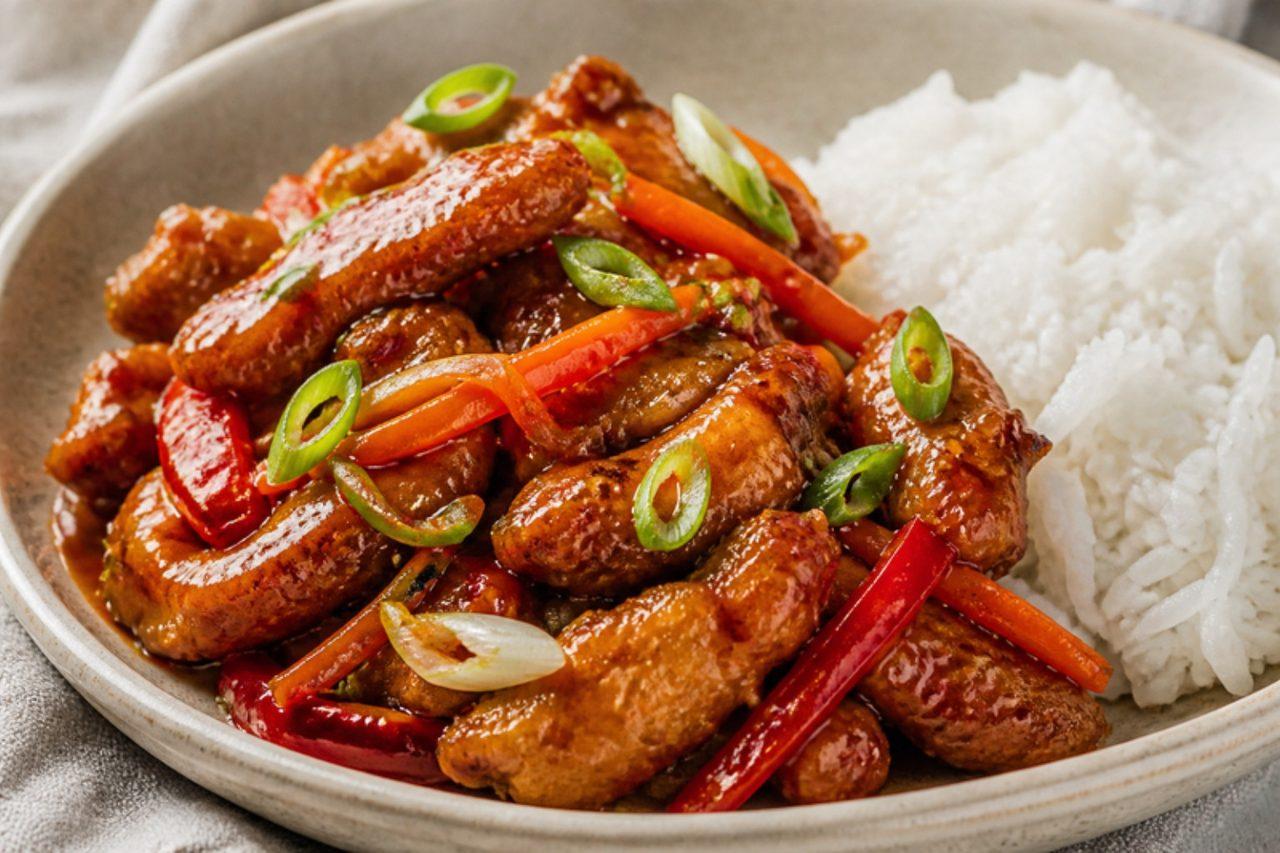
Ginger beef

Ginger beef was created in the 1970s at a Chinese restaurant in Calgary and is now on the menu of nearly every Chinese-Canadian restaurant on the Prairies. Thin strips of beef are coated in a cornflour batter and fried until shatteringly crisp, then tossed in a glossy sweet-sour sauce full of fresh ginger, garlic and chilli with strips of carrot and pepper. Serve at once with steamed rice. A common mistake is saucing the beef too early, which turns the crust soggy. Chef's tip: fry the beef twice; the second fry is what makes it crunchy.

by KrazyBadal 0 views

Pikelets

Pikelets are the small, thick pancakes Kiwi and Aussie kids learn to make first, cooked for afternoon tea in farmhouse kitchens from the Waikato to Tasmania and served with butter and jam, or jam and whipped cream. They are ready in 20 minutes and are best eaten warm. A common mistake is a pan that's too hot; they brown outside before the centre sets. Chef's tip: flip them when bubbles have popped on the surface and the edges look dry.

by KrazyBadal 0 views

Boiled mutton

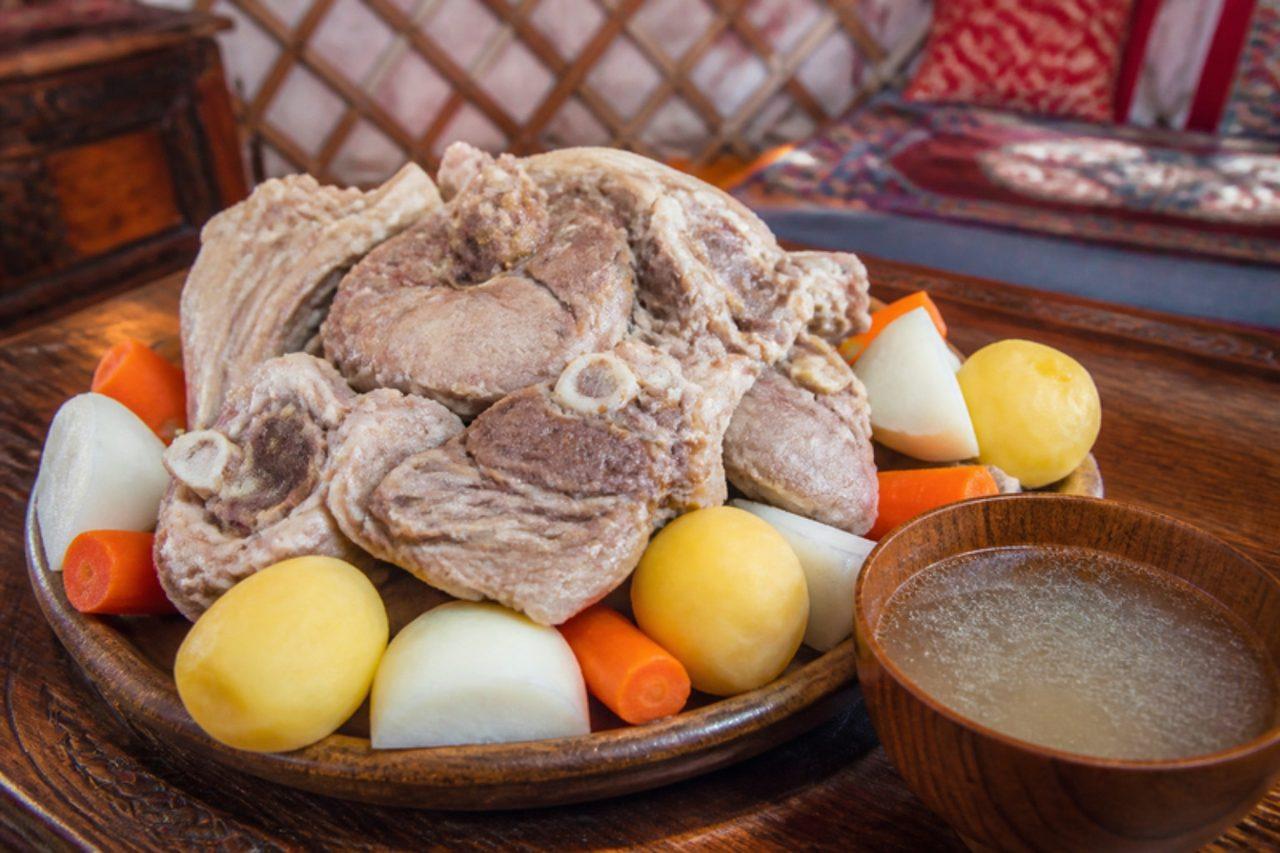
Chanasan makh is the simplest and most loved meal of the Mongolian countryside, boiled in a big pot on the ger stove in Övörkhangai or Khentii whenever guests arrive or a holiday comes round. Large bone-in pieces of mutton are simmered with nothing but salt and a little onion, then served steaming on a platter to be cut with a knife and eaten by hand, with the rich broth drunk from bowls alongside. Potato, carrot and turnip are often cooked in the same pot. A common mistake is boiling hard, which makes the meat tough and the broth cloudy; keep it at a lazy simmer and skim. Chef's tip: mutton or older lamb with some fat on it gives the deepest flavour.

by KrazyBadal 0 views

Akkha masoorWhole brown lentil curry

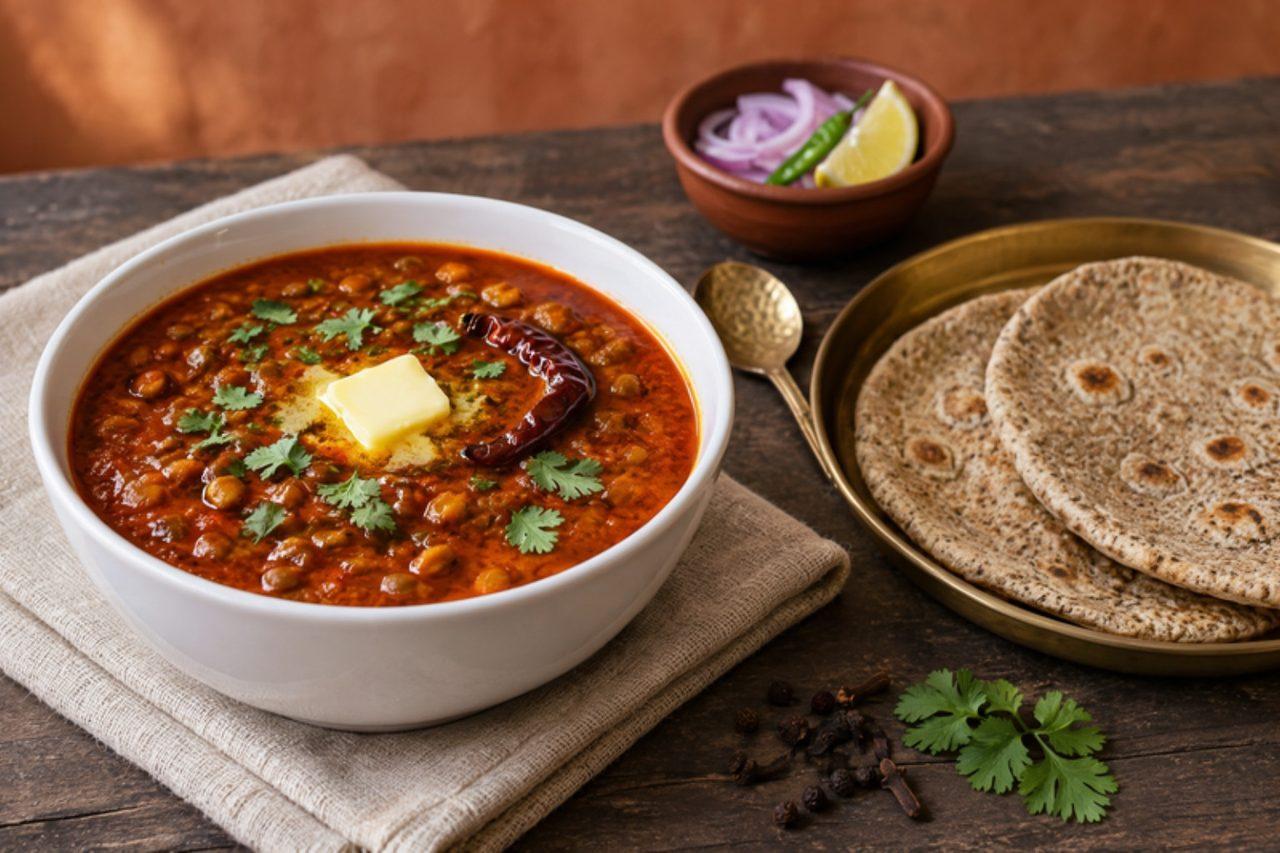
Akkha masoor is the dish that made the dhabas on the Kolhapur–Pune highway famous: whole brown lentils cooked into a rich, fiery onion, tomato and Kolhapuri-masala gravy, finished with a big knob of butter and eaten with jowar bhakri, tandoori roti or jeera rice. At home it is a weeknight dinner and a favourite on cold evenings. The lentils keep their shape while the roasted dry coconut and red chilli give a deep, nutty heat. The usual mistake is undercooking the onions; they must turn deep brown before the tomatoes go in, or the gravy tastes thin. Slow-cooker: cook everything except the butter on low for 6 hours, then stir the butter in at the end. Chef's tip: toast the dry coconut until it is the colour of a biscuit; it is the secret of the dhaba flavour.

by KrazyBadal 0 views

Joynagarer moaPuffed rice and jaggery balls

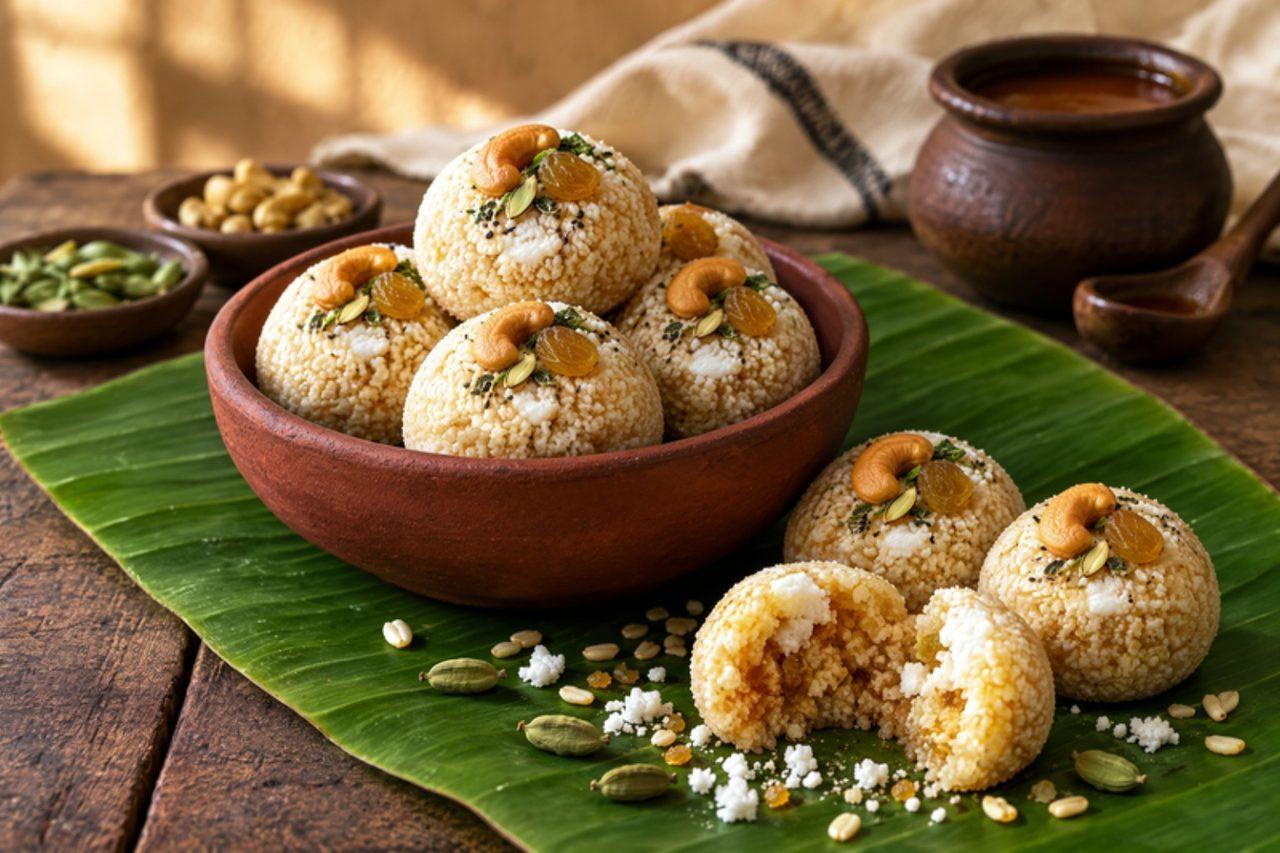
Joynagar, south of Kolkata, makes moa only in winter, when the fragrant kanakchur paddy is harvested and date-palm sap is boiled into fresh nolen gur. Puffed kanakchur khoi is bound with the liquid gur, khoya and ghee into soft balls topped with a raisin and a pinch of cardamom, and Bengalis queue for the first boxes each December. The common mistake is overcooking the gur, which sets the moa hard as stone; it should reach only the soft-thread stage so the balls stay tender and squash slightly when bitten. Chef's tip: if you cannot find kanakchur khoi, use the freshest, crispest puffed rice you can buy and warm it briefly in a dry pan.

by KrazyBadal 0 views

Lajiao chao jidan (green chilli and egg)

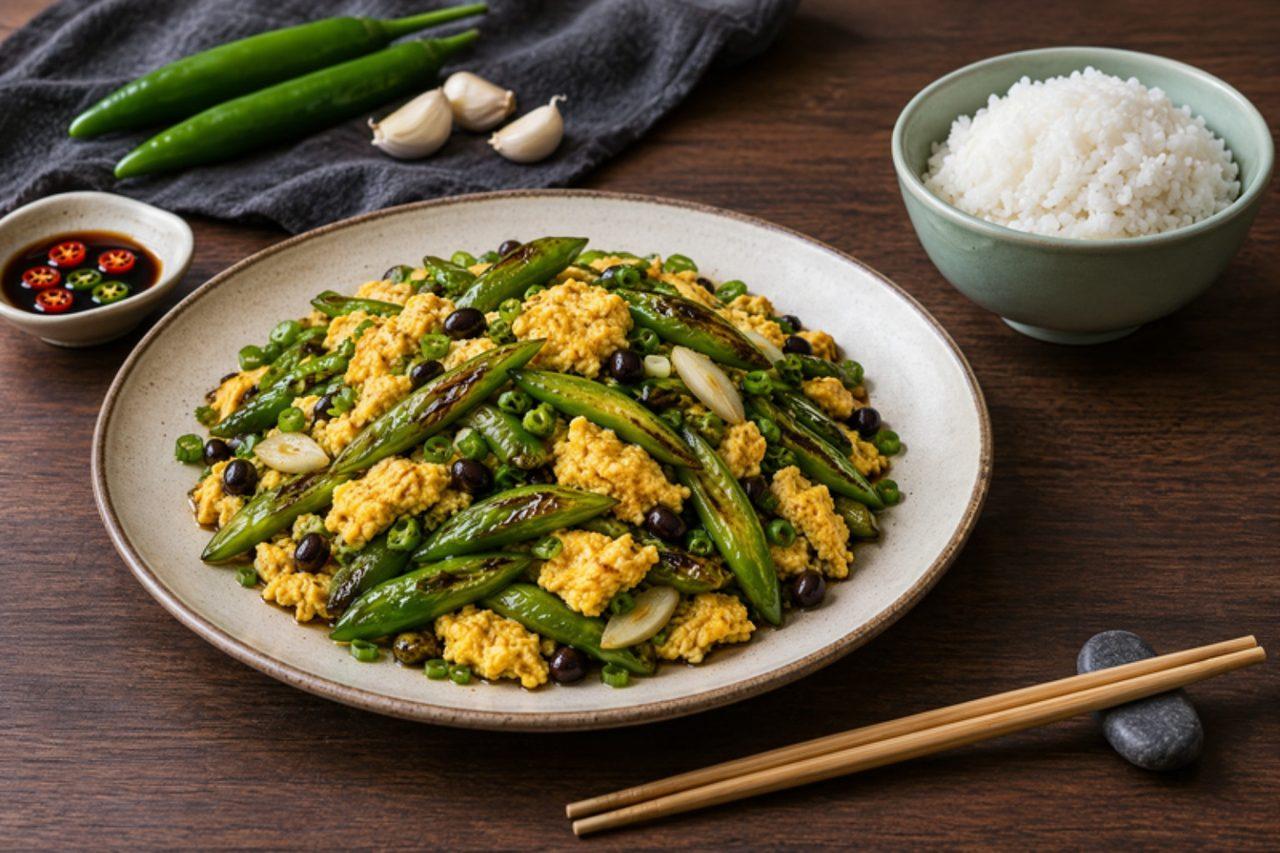
Hunan home cooks in Changsha make this in ten minutes when there is nothing but eggs and long green chillies in the kitchen, and it is a standard dish at lunchbox shops: the chillies are dry-fried until blistered and smoky, then tossed with big soft curds of egg and a splash of soy. It is hot, so choose mild long chillies or green peppers if you prefer. The mistake is cooking the eggs with the chillies from the start, which makes them tough and grey; scramble them separately and combine at the end. Chef's tip: press the chillies against the hot dry wok with a spatula until they wrinkle and char in spots before any oil goes in. Contains egg and soya.

by KrazyBadal 0 views

Durban mutton curry

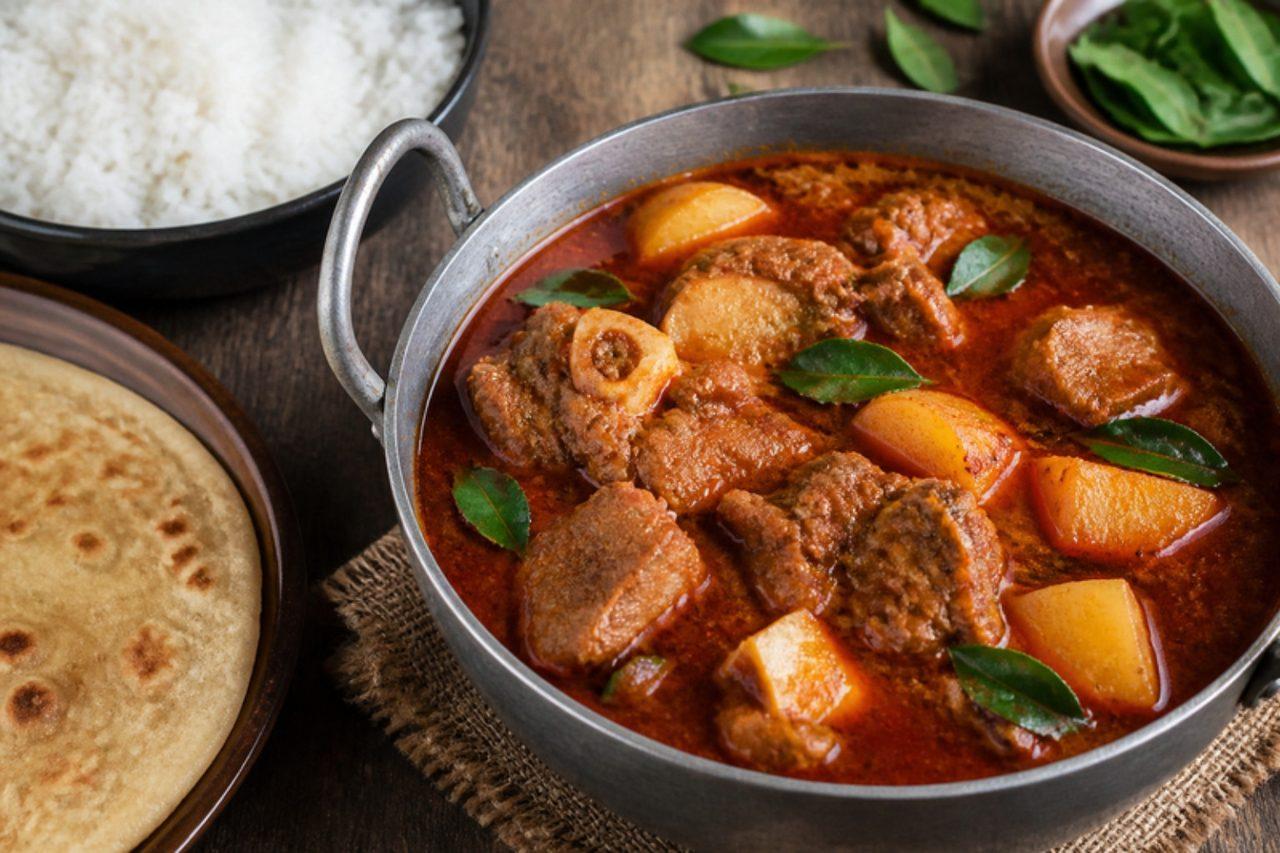
Grey Street spice shops in Durban blend their own red masalas, and this is the curry they are meant for: bone-in mutton cooked slowly until the gravy turns deep brick red and oily, with potatoes that drink up the chilli. Families in Chatsworth and Phoenix put it on the table for Sunday lunch and at weddings, with white rice or rotis, carrot-and-chilli salad and a bowl of tomato-and-onion sambal to cool things down. It is properly hot, but warm whole spices and curry leaves keep it from tasting only of chilli. Burning the masala is the commonest mistake, so add a splash of water the moment it starts to stick. Chef's tip: wait until the mutton is almost soft before adding the potatoes, or they will crumble into the gravy before the meat is ready.

by KrazyBadal 0 views

Su shi jin (mixed vegetable stir-fry)

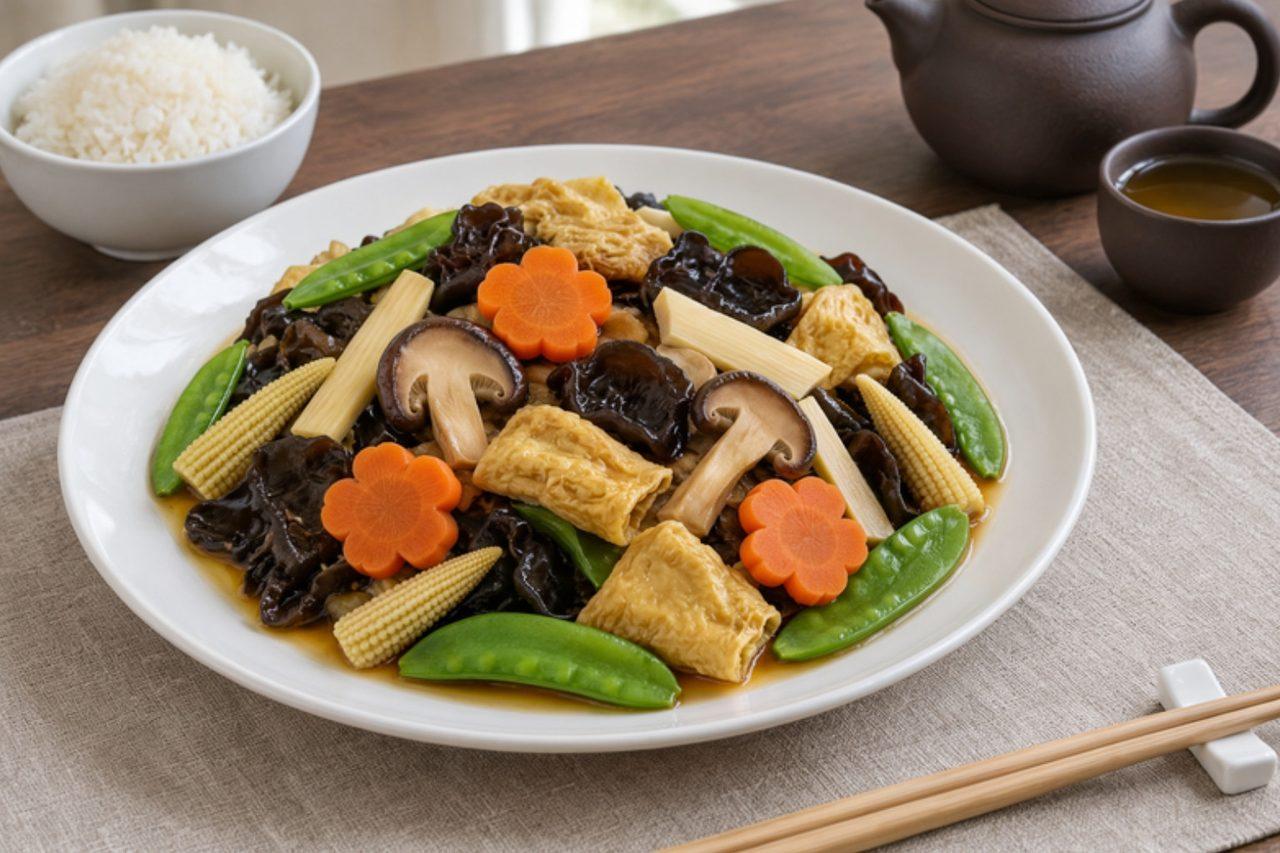
Su shi jin means "vegetarian assortment", and it comes from the Buddhist kitchens of eastern China; today it is a staple of office lunchbox shops in Shanghai and Hangzhou. Crunchy wood ear mushrooms, strips of tofu skin, chewy wheat gluten (kao fu or mian jin), carrot, snow peas and bamboo shoot are stir-fried quickly and glossed with a light soy and ginger sauce. The mistake is adding everything at once, so the firm vegetables are raw and the snow peas overcooked; cook in order of hardness. Chef's tip: soak dried wood ear in cold water rather than hot; it plumps up crunchier.

by KrazyBadal 0 views

Repe lojanoGreen banana and milk soup

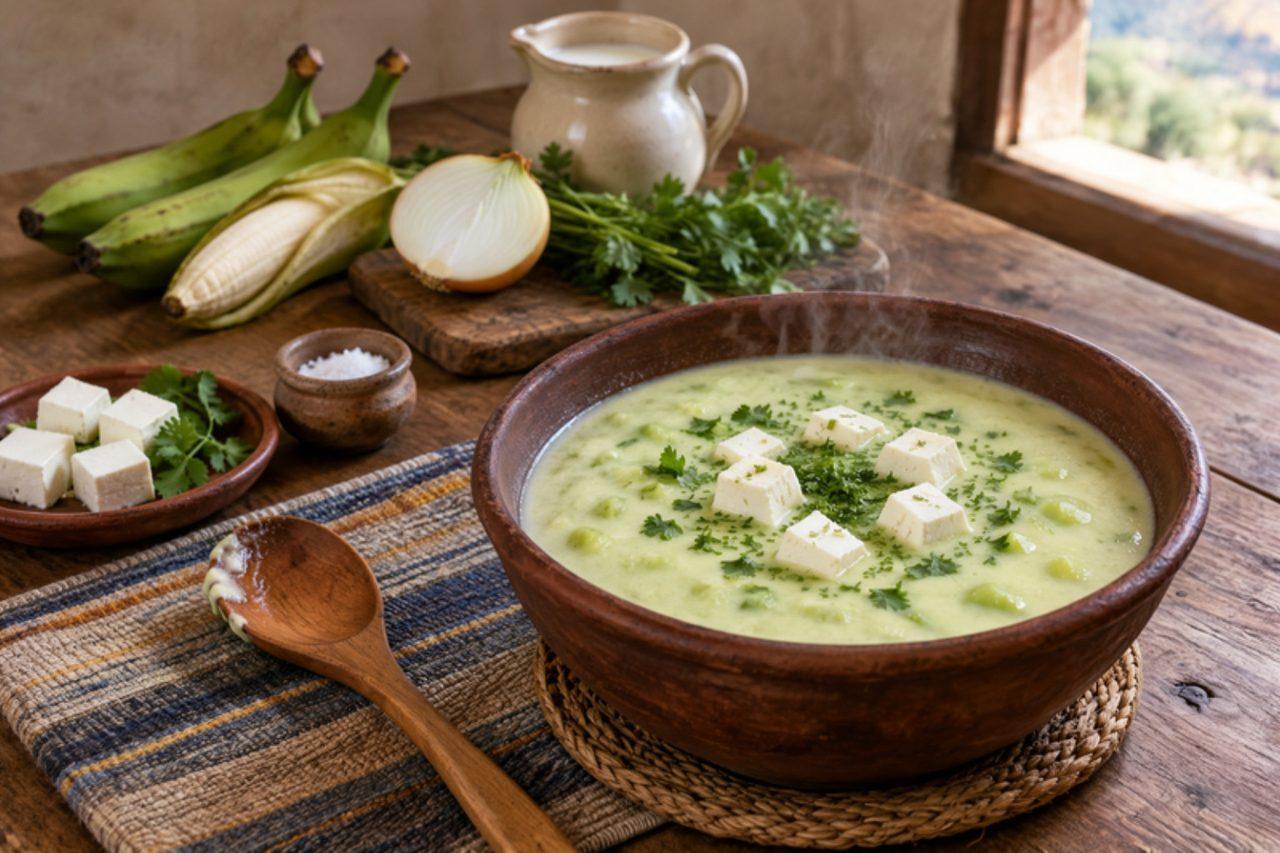
Repe is the comfort soup of Loja in southern Ecuador, eaten at lunch on chilly Andean days and often as the first course of the main midday meal. Green bananas are cooked in a light onion and achiote broth until they break down, then milk and crumbled fresh cheese turn it creamy and gently savoury, with coriander on top and avocado on the side. Lojano quesillo is usually made with animal rennet; use a fresh cheese labelled vegetarian or paneer instead. The usual mistake is cutting the bananas with a knife: break them into rough pieces by hand, as the rough edges dissolve and thicken the soup. Chef's tip: once the milk is in, keep the soup just below a simmer so it doesn't catch or curdle.

by KrazyBadal 0 views

Showing 54 of 7,762 recipes

Show more recipes

Page 138 of 863