


Skip to content
Terik tahu tempe
Featured recipe

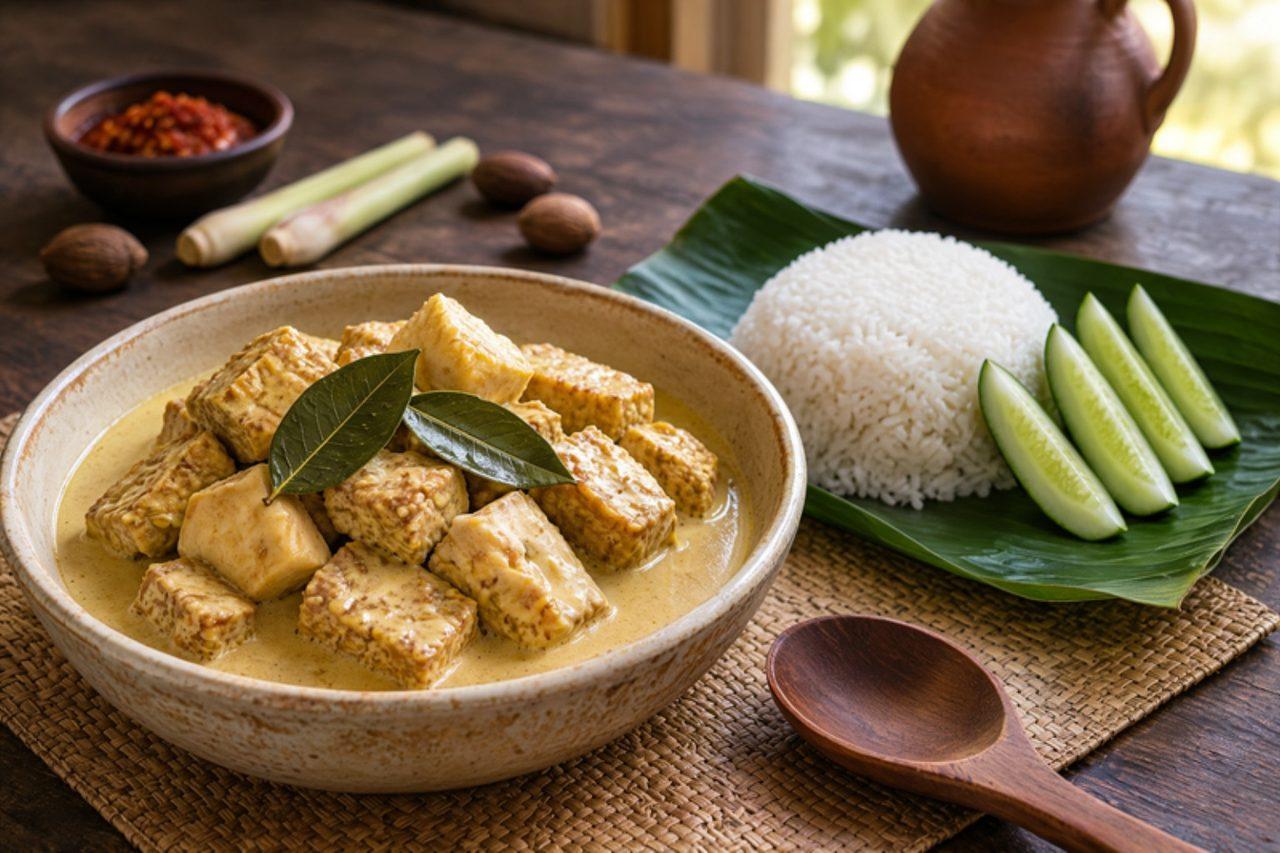
Terik tahu tempe

Tofu and tempeh in coconut milk

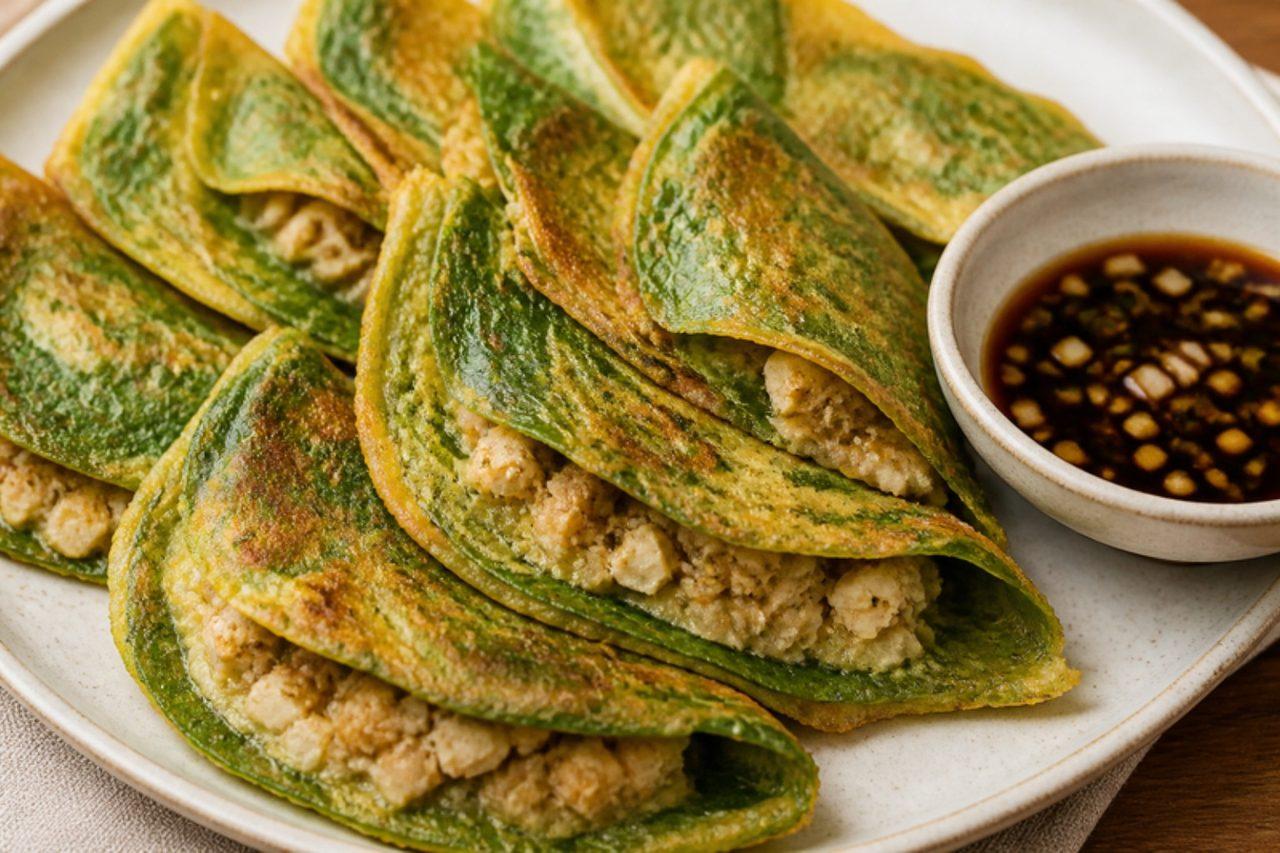
Terik is a Central Javanese way of cooking in coconut milk until almost all of it has gone, and around Solo and Yogyakarta terik tahu tempe is a staple of home lunches, Lebaran spreads and the warung nasi where you point at dishes to go on your rice. Tofu and tempeh soak up a sauce of shallots, candlenuts, coriander seed, galangal and palm sugar that reduces to a thick, oily, sweet-savoury coating. Serve with rice, sambal and something green. The usual mistake is stirring too vigorously as it reduces, which breaks the tofu into crumbs, so shake the pan or turn the pieces with a spatula. Chef's tip: steam the tempeh for 10 minutes before cutting it, which removes any bitterness and helps it absorb the sauce.

Read more 0 views

What to eat today?

Around the world

Today's trip: Persian

A new country every day, from every cuisine on the site.

This week's collection

Kid-friendly dinners
745 recipes · a new collection every Monday

Coming up

All occasions →

Latest recipes

Bánh giòPork rice dumplings

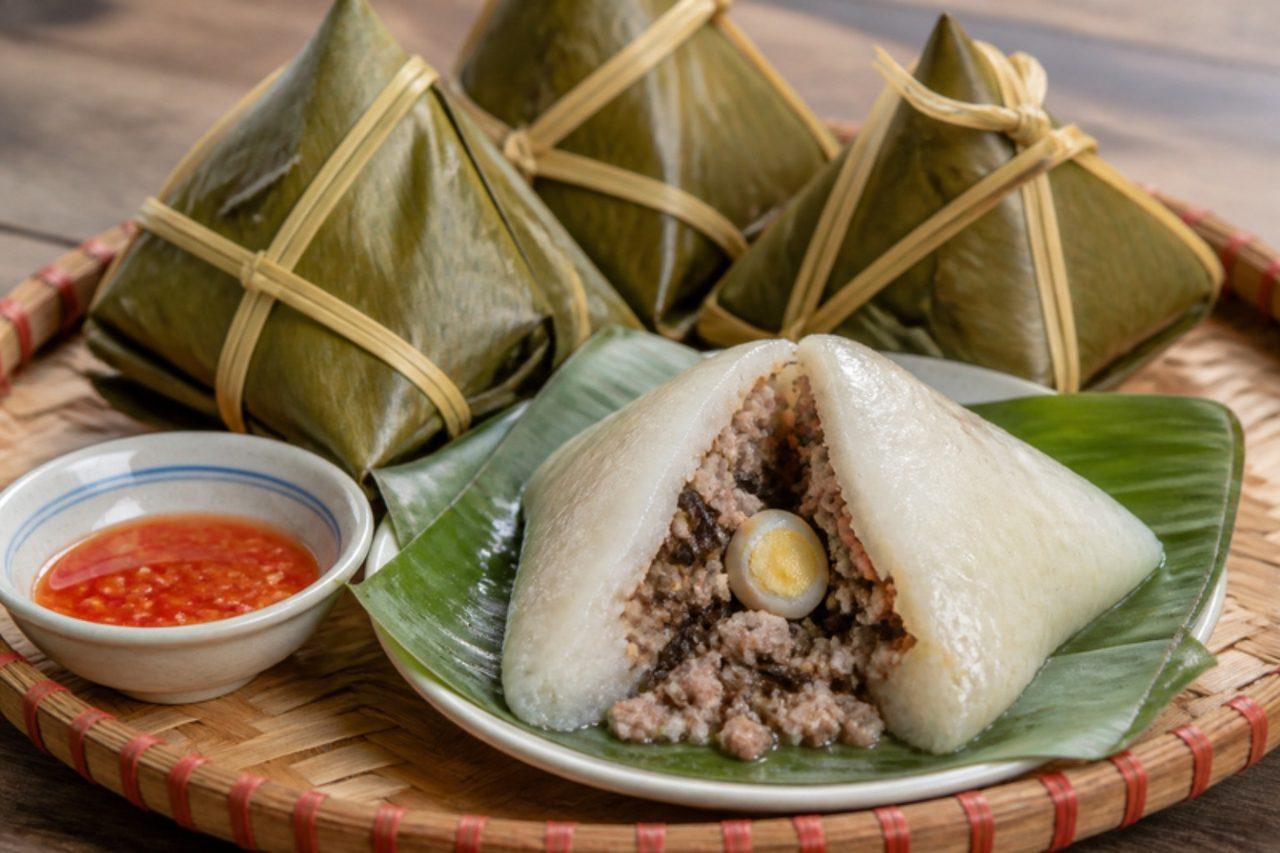
On cold Hanoi mornings vendors cycle round the old quarter with a steaming basket of bánh giò, banana-leaf pyramids of soft, almost pudding-like rice dough around a filling of minced pork, wood ear mushroom and a quail egg. They are breakfast, a late-night bite after the bars, and something to grab at the station. The batter is cooked on the stove first so it can be spooned into the leaves, and the pork filling is fried through before the parcels are steamed. Chef's tip: stir the batter until it is as thick as soft mashed potato before wrapping; if it is still runny it leaks out of the cones and the dumplings collapse.

by KrazyBadal 0 views

Khoresh-e kangarCardoon and lamb stew

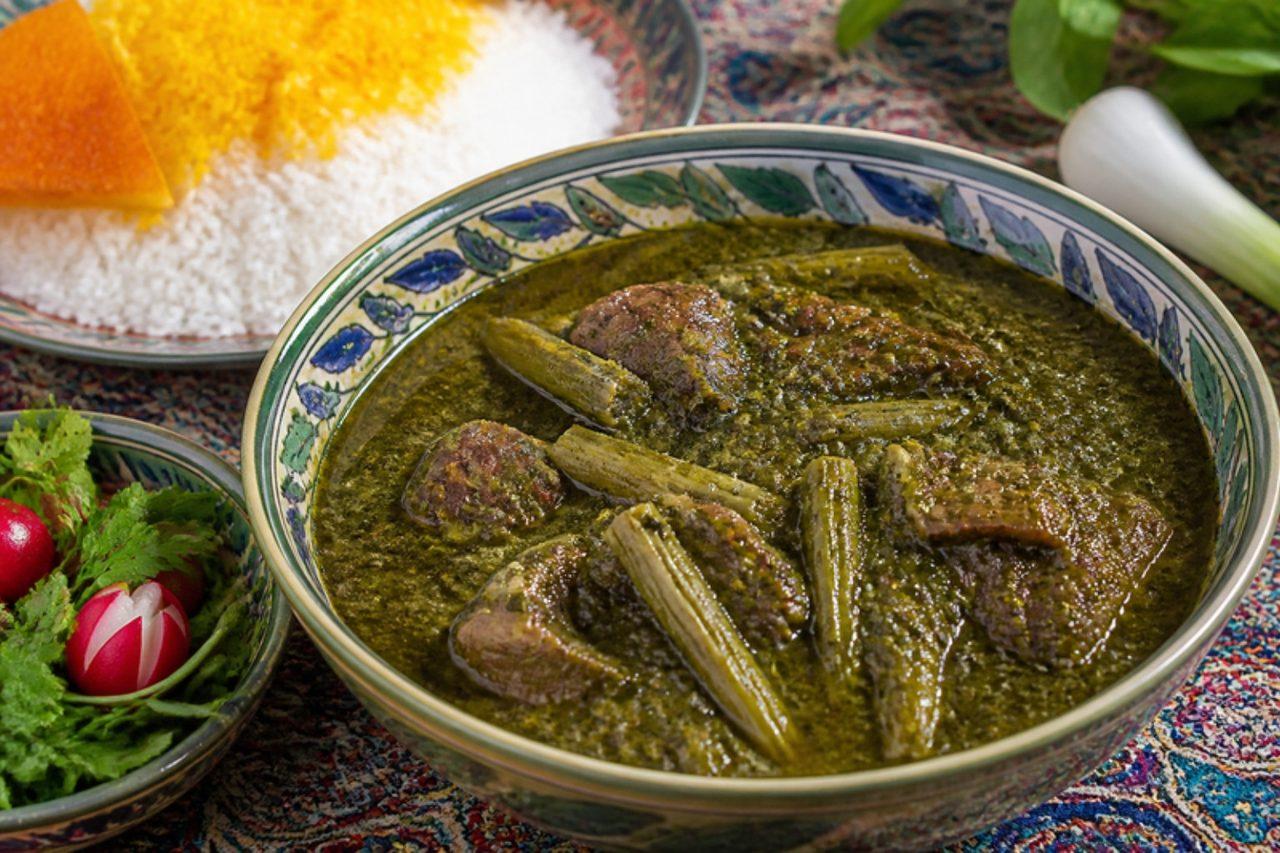
Kangar, a wild thistle, is gathered in the Alborz foothills above Tehran in April and May, and khoresh-e kangar is the stew people make with it in those few weeks; outside Iran, cardoons or artichoke stems stand in well. The peeled stems are fried, then simmered with lamb, mint, parsley and lemon until tender, giving a green, faintly bitter stew that tastes like artichoke. Serve it with chelow. The common mistake is skipping the peeling and the soak: the stringy outer skin stays tough and the cut stems blacken. Chef's tip: soak the cut stems in water with lemon juice for 30 minutes, which keeps them pale and pulls out much of the bitterness.

by KrazyBadal 0 views

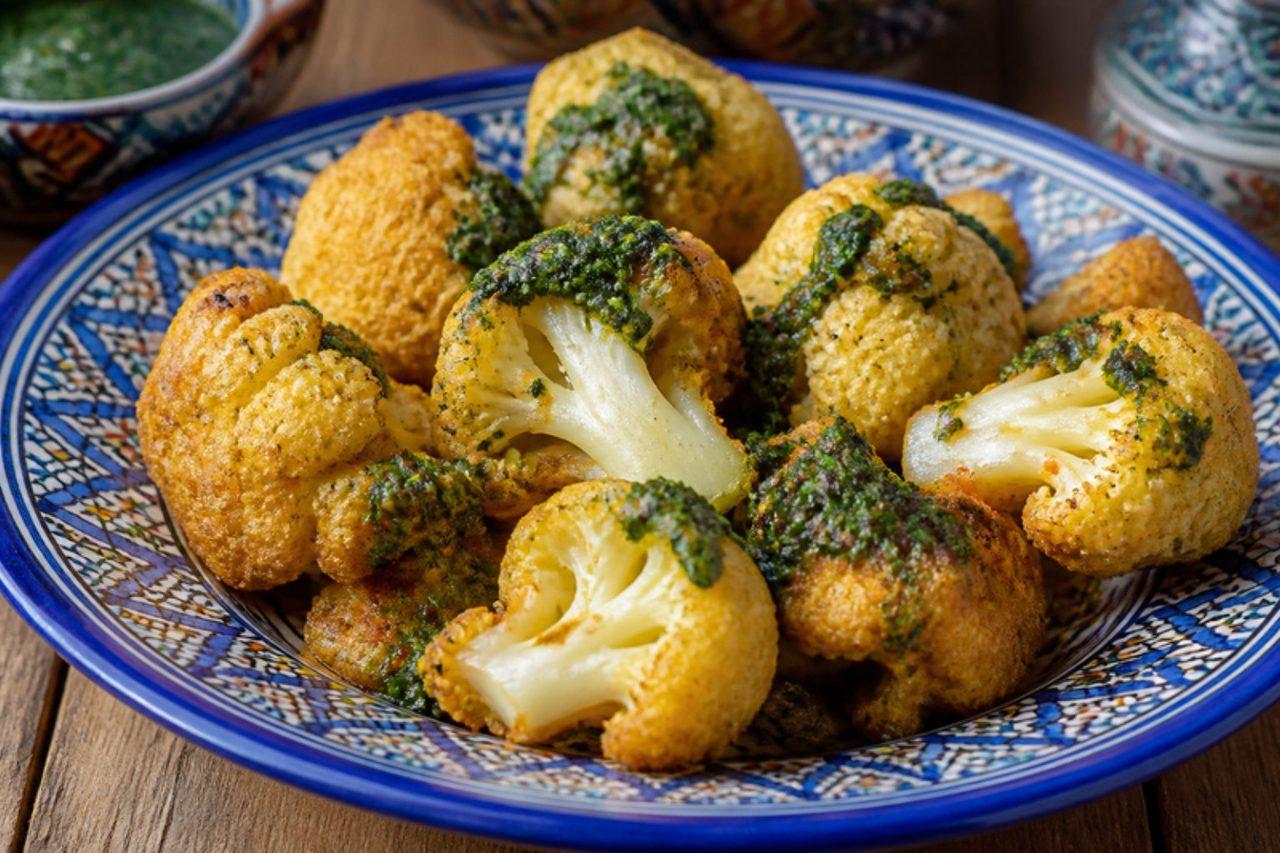
Moroccan fried cauliflower in cumin batter

Casablanca home cooks fry cauliflower this way for Ramadan tables and family lunches alike: parboiled florets dipped in an egg batter heavy with cumin, paprika and parsley, then fried until puffed and golden. They're eaten hot with a squeeze of lemon or a spoon of chermoula, as a side to a tagine or on their own with bread. The common mistake is frying wet cauliflower; the batter slides off and spits, so dry the florets well after boiling. Chef's tip: keep the florets bite-sized and with a bit of stalk, so you can dip them by hand. Contains egg and wheat.

by KrazyBadal 0 views

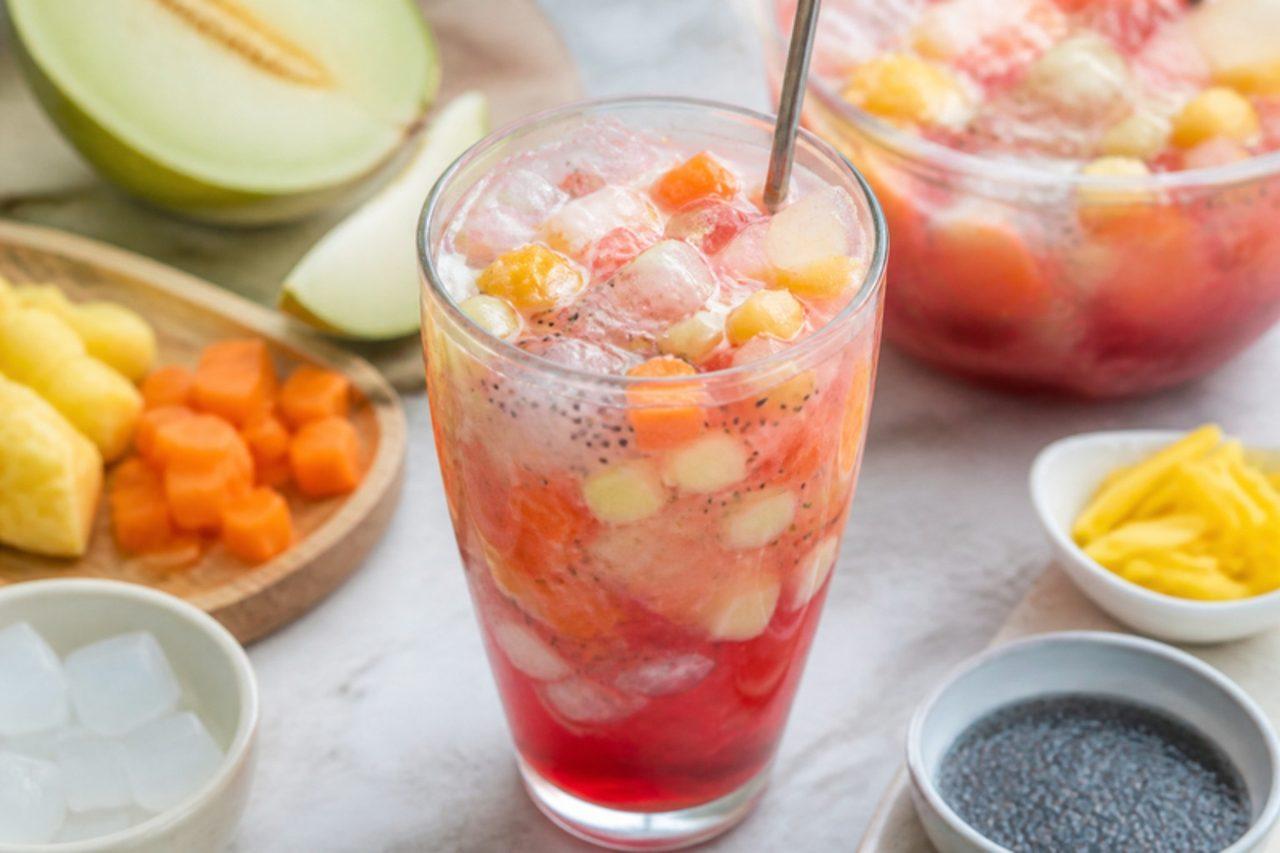
Es buahIced fruit cocktail

Ramadan evenings in Jakarta mean queues at the es buah carts, where melon, papaya, pineapple, jackfruit and nata de coco are scooped into glasses with swollen basil seeds, red rose syrup and a ribbon of condensed milk over crushed ice. It is drunk with a spoon at iftar, after dates, and it is just as welcome on any hot afternoon. Use whatever ripe fruit you have. Chef's tip: soak the basil seeds fully before adding them; dry seeds clump and stay gritty in the cold syrup.

by KrazyBadal 0 views

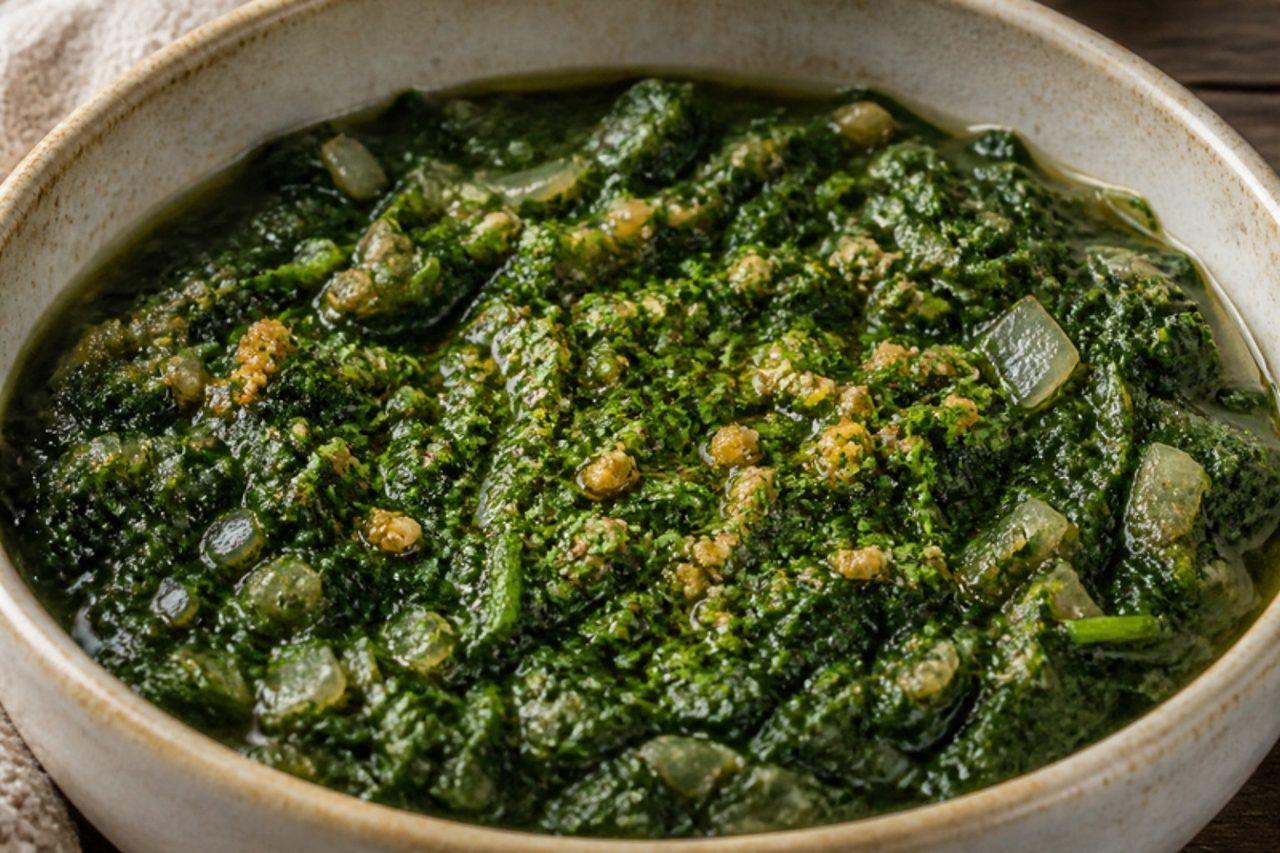
Sabanekh (Egyptian spinach stew)

When the winter spinach comes in, Egyptian cooks from Giza to the Delta stew it down with onion and finish it with ta'leya, the sizzling fry of garlic and ground coriander that defines so much home cooking. The result is soft, dark green and savoury, a little like a looser saag, and it's eaten with vermicelli rice and a squeeze of lemon. This vegan version adds a handful of chickpeas for body. The mistake to avoid is skipping the squeeze-out: wet spinach makes a watery stew. Chef's tip: the ta'leya should sizzle loudly as it hits the pot — Egyptian cooks call it the "shahka", the gasp, and it carries the aroma through the dish.

by KrazyBadal 0 views

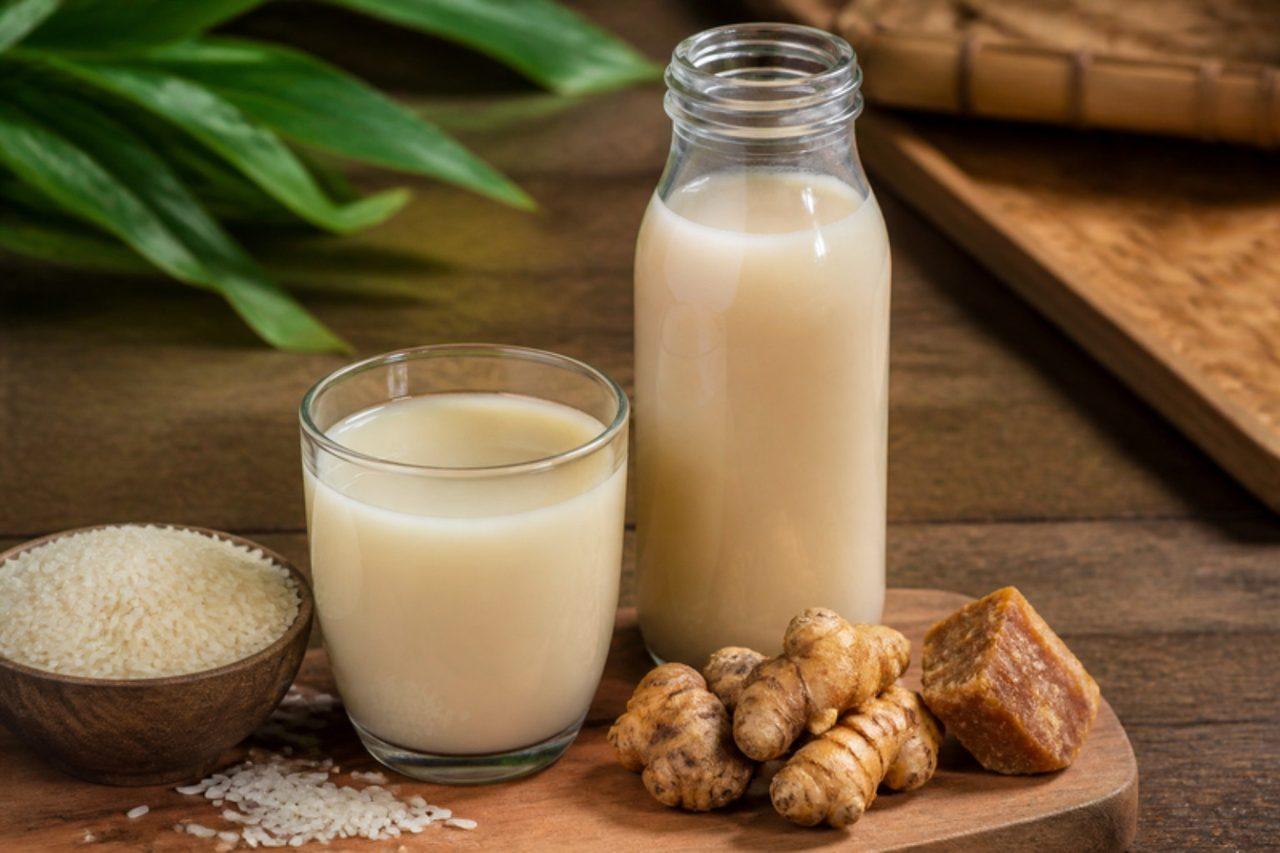
Beras kencurRice and ginger drink

The other half of the jamu seller's basket, beras kencur is milky-white and gently sweet, made from soaked rice blended with kencur, a peppery, camphor-scented relative of ginger, then strained into palm sugar syrup. Javanese children are often given it as their first taste of jamu, and adults drink it mid-morning. Kencur (sometimes sold as aromatic ginger or sand ginger) is found fresh or frozen in Asian shops. Chef's tip: use only a little kencur at first; too much makes the drink medicinal and soapy rather than fresh and spicy.
by KrazyBadal 0 views

Nigerian doughnuts
Long before chain doughnut shops reached Abuja, Nigerian bakeries and roadside hawkers in Onitsha, Enugu and Lagos sold these plump, unfilled rings and rounds, wrapped in paper and still warm, and mothers fried them by the trayful for birthday parties. The dough is enriched with milk, egg and butter and scented with nutmeg, so the crumb is soft and bready rather than cakey, and each one is rolled in sugar while hot. Contains wheat, milk and egg. A common mistake is frying in oil that is too hot: the outside goes dark brown while the centre stays doughy, so keep it at 170 °C and test the first one. Chef's tip: after cutting, let the rounds rise a second time on floured baking paper, then lift each one on its square of paper into the oil so it keeps its puffy shape.
by KrazyBadal 0 views

Kik watSpiced split pea stew

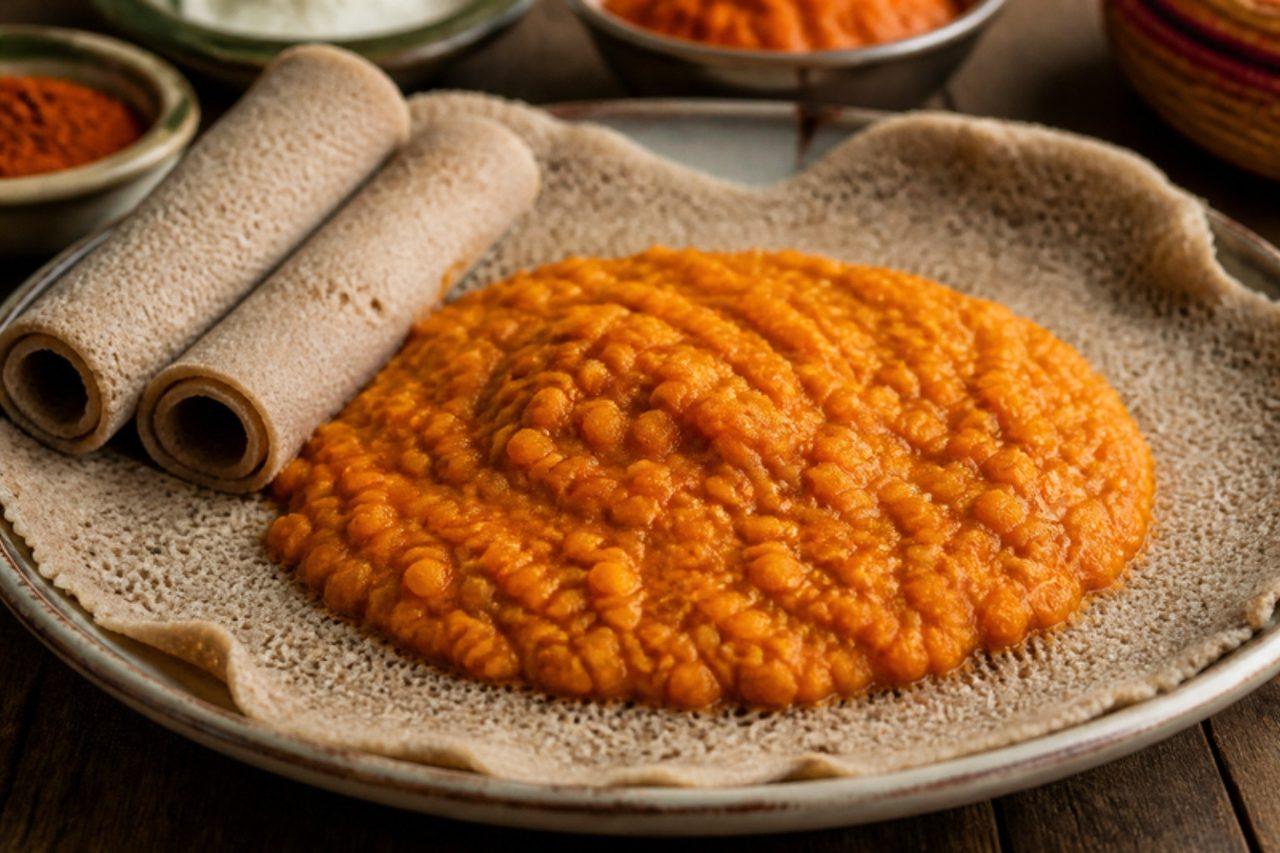
On Wednesdays, Fridays and the long Lenten fast, Orthodox households from Addis Ababa to Bahir Dar fill the beyaynetu platter with kik wat, the fiery red sibling of the mild yellow kik alicha. Yellow split peas are cooked into a thick sauce built on a mountain of slowly dry-cooked red onions, garlic, ginger and plenty of berbere, so it is earthy, smoky-hot and spoonable on a sheet of injera. The mistake is frying the onions in oil from the start: Ethiopian cooks sweat them in a dry pot until they collapse and turn jammy, and only then add oil and spice, which gives the sauce its body. Chef's tip: bloom the berbere in the oil for a full two minutes with a splash of water so it turns brick-red and loses its raw, dusty edge.

by KrazyBadal 0 views

Filipino pork barbecue

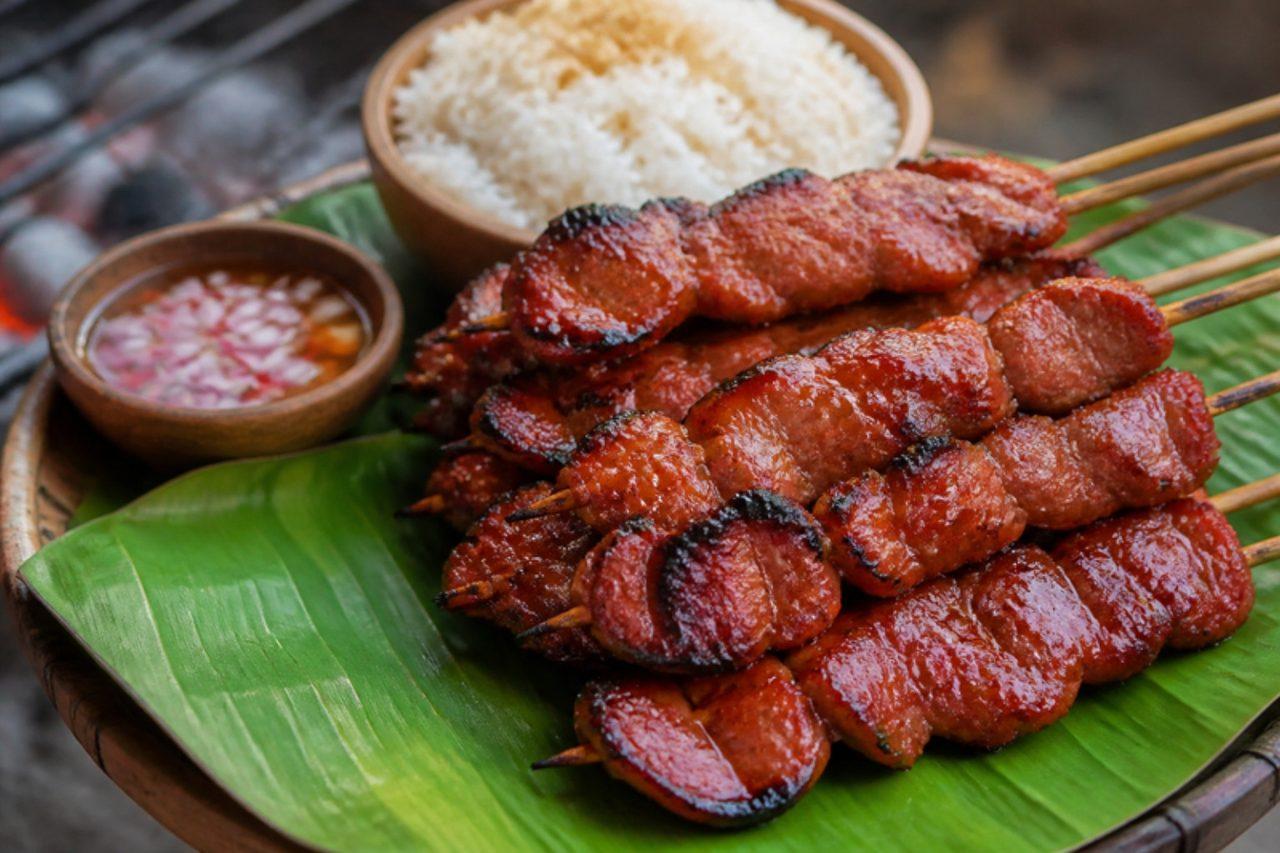
Smoke from charcoal grills drifts down every barangay street at dusk, where sticks of Filipino pork barbecue are fanned over coals and brushed again and again with their sweet marinade until the edges caramelise. Thin slices of pork shoulder soak in soy sauce, calamansi, garlic, brown sugar and banana ketchup, and the result is sticky, sweet-salty and a little charred. Eat them with garlic rice and spiced vinegar, or straight off the stick. Chef's tip: slice the pork thin and thread it in loose ribbons; thick chunks char outside before they reach a safe 71 °C inside.

by KrazyBadal 0 views

Havij poloCarrot rice with chicken

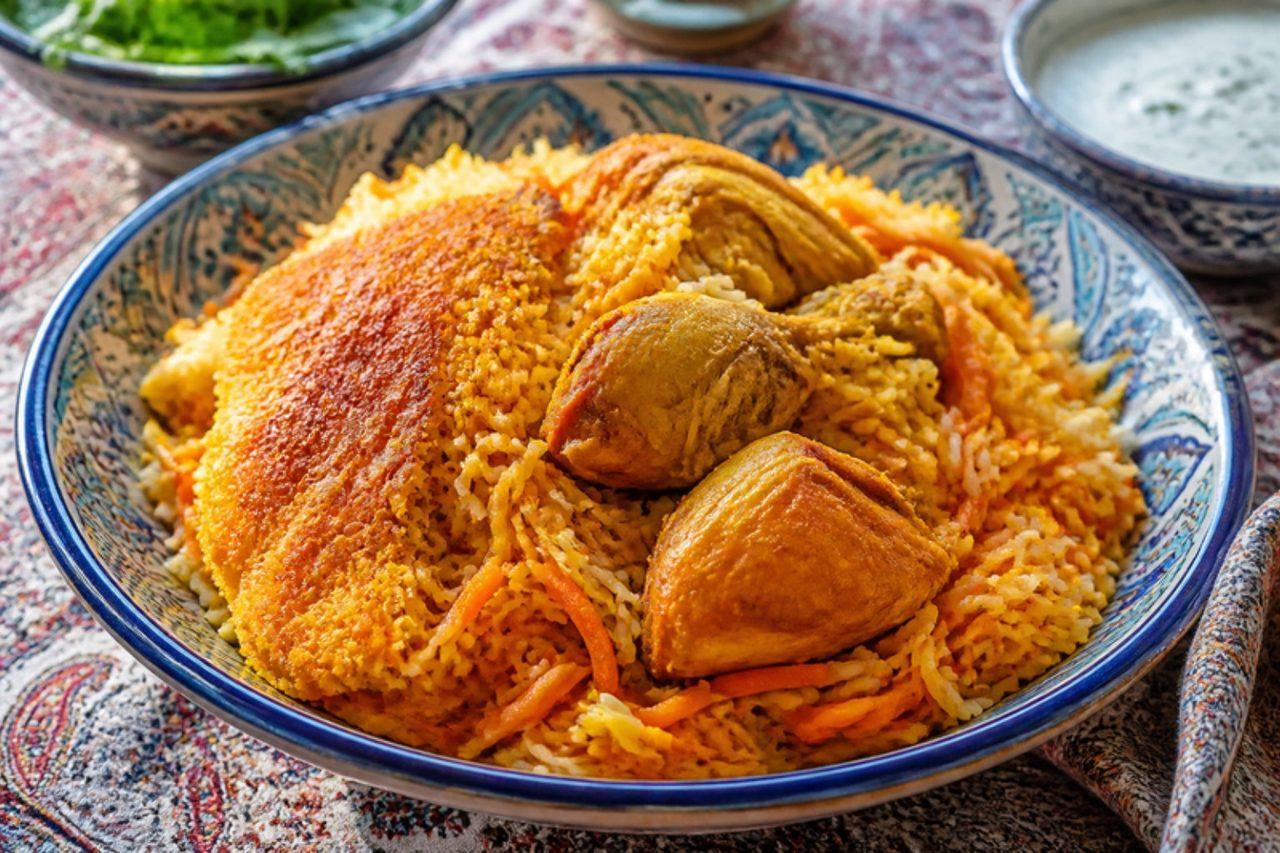
Havij polo is a party rice in Tehran and Isfahan, its orange carrot ribbons and saffron grains making a bright centrepiece at birthday lunches and family gatherings. Carrot batons are fried with a little sugar and cinnamon, layered with parboiled basmati and pieces of braised saffron chicken, and steamed until the rice is fluffy with a golden crust below. Serve it with salad shirazi and yogurt. The common mistake is too much sugar, which makes it taste like dessert; it should be only gently sweet against the savoury chicken. Chef's tip: braise the chicken first and use its reduced juices to moisten the layers, so the rice tastes of it all the way through.

by KrazyBadal 0 views

BikoSweet sticky rice cake

Bring biko to a Tagalog or Visayan gathering, whether a wake, a birthday or a fiesta, and the tray will be scraped clean. Glutinous rice is cooked, then stirred hard in a thick coconut milk and brown-sugar caramel until every grain is coated and the mass is dark, glossy and heavy on the spoon. Pressed into a tray and topped with crisp latik, it is cut into squares that are chewy, sweet and rich. Chef's tip: keep stirring once the rice goes into the caramel; leave it for a minute and the sugar catches and burns on the pan base.

by KrazyBadal 0 views

Shorbet ads (Egyptian lentil soup)

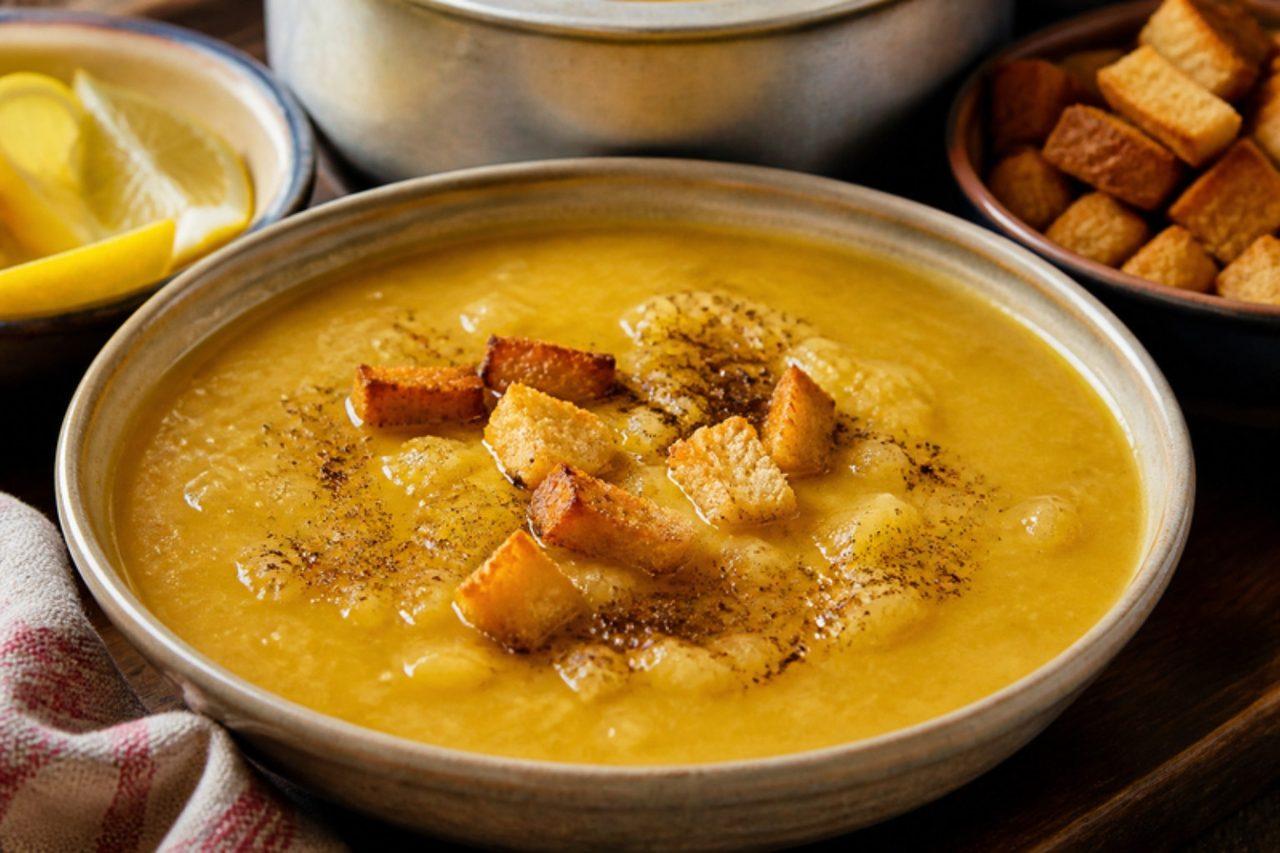
Cairo cafés ladle shorbet ads all winter long, and at home it is the soup that opens the iftar meal in Ramadan, served smooth and golden with lemon wedges and crisp bread. Split yellow lentils are cooked with carrot, onion, tomato and cumin, then blended until velvety, with no cream at all. Serve it with lemon to squeeze and toasted pitta (leave the bread out for gluten free). The common mistake is under-cooking the lentils so the soup turns grainy; they should fall apart before you blend. Chef's tip: finish each bowl with a few drops of cumin-fried oil; it smells like an Egyptian kitchen in January.

by KrazyBadal 0 views

NifroBoiled wheat and chickpeas

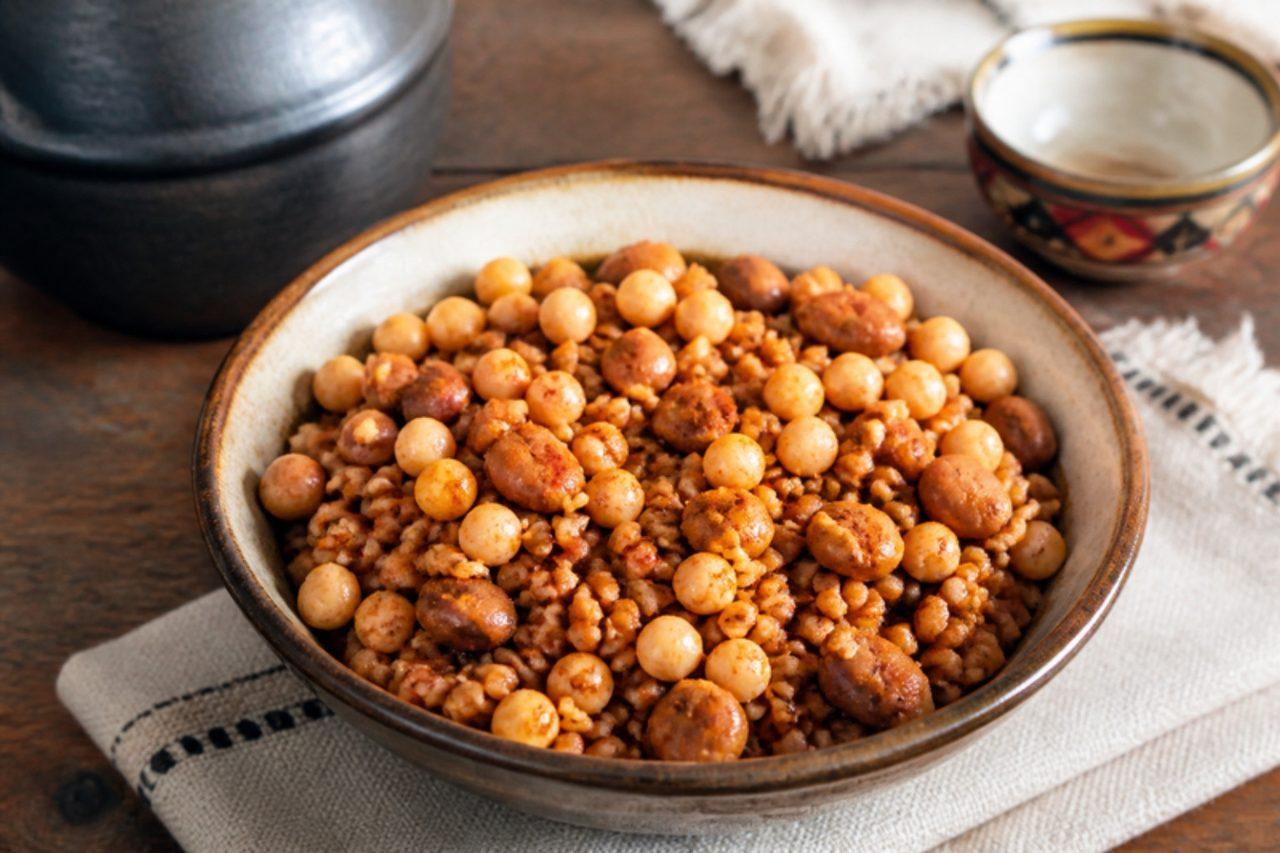
When a baby cuts a first tooth, Ethiopian families celebrate with tirs mastecha, and the dish at the centre is nifro: a big pot of whole wheat berries, chickpeas and fava beans boiled with salt and handed round warm in cupped hands or small bowls. It also turns up at funerals, saints' day gatherings and long coffee ceremonies in Gondar and Addis, chewy, nutty and plain in the best way. The common mistake is boiling everything together from dry, so the wheat bursts while the fava stay hard; soak them all overnight and add the wheat later. Fava beans are unsafe for anyone with G6PD deficiency (favism), so leave them out if in doubt. Not gluten free. Chef's tip: once drained, toss the warm nifro in a dry pan for two minutes; it dries the surface and makes the salt and a pinch of berbere cling.

by KrazyBadal 0 views

BandrekSpiced ginger drink

Up in the cool tea highlands around Bandung and Garut, bandrek warms people through damp nights; vendors carry it in big kettles to night markets and football matches. It starts like wedang jahe but goes further, with cinnamon, cloves, pepper and lemongrass, and Sundanese sellers often float slivers of young coconut in each glass. The flavour is sweet, spicy and lingering. Chef's tip: simmer the whole spices, don't boil them hard; a fierce boil draws out bitterness from the clove.

by KrazyBadal 0 views

Ye-qey sir selataBeetroot and potato salad

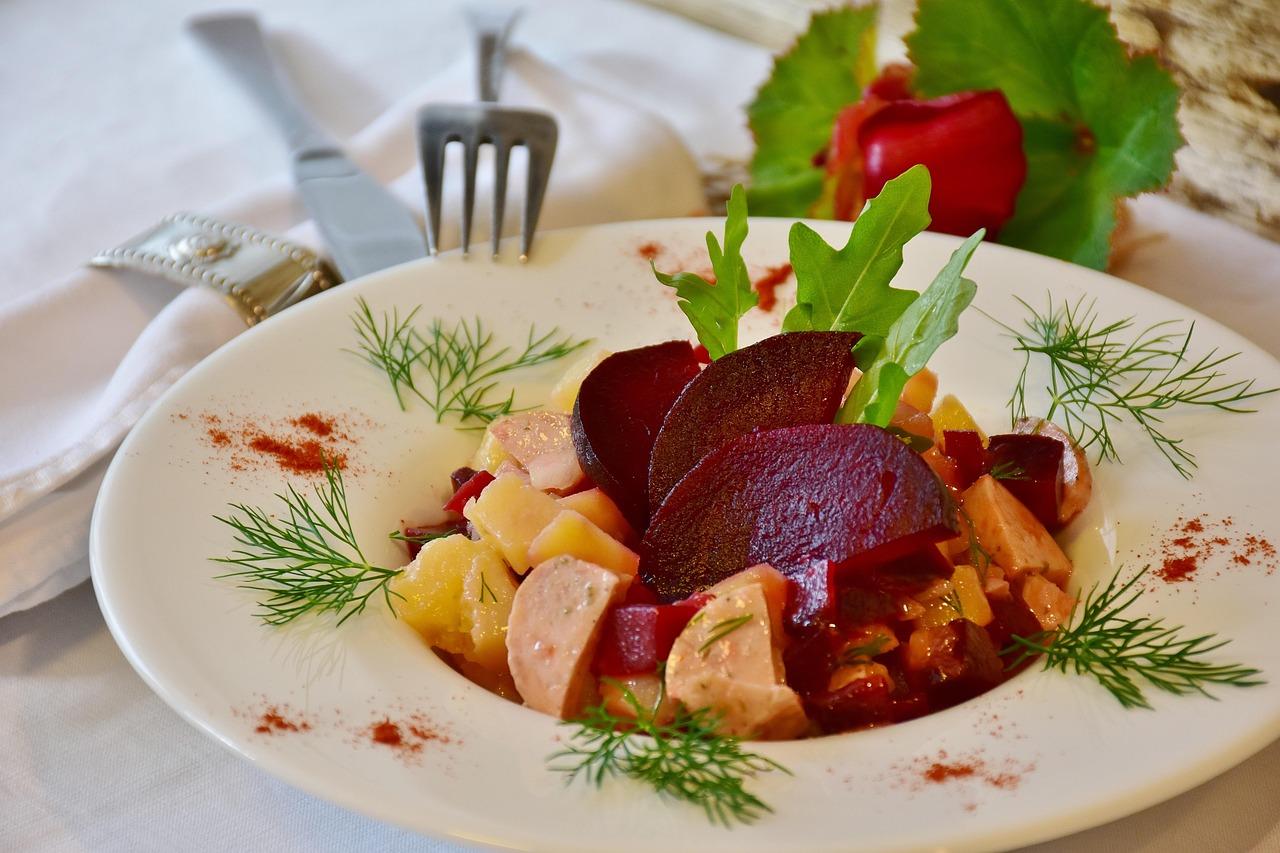
Fasting-day platters at Addis Ababa restaurants and church feasts often carry a bright magenta heap of this cold salad beside the hot wats: boiled beetroot, potato and carrot tossed with lemon juice, thin red onion, green chilli and a little oil. It is sharp, sweet and cooling, a palate-cleanser between spoonfuls of berbere-red lentils. It differs from key sir alicha, the warm beetroot stew, in that everything is boiled whole, cooled and dressed raw. The usual slip is dressing the vegetables while hot, which turns the potatoes pink and mushy; let them cool first. Chef's tip: dress the onion and chilli in the lemon juice and salt ten minutes ahead so they soften and lose their sharp bite.

by KrazyBadal 0 views

Banana cueCaramelised fried bananas

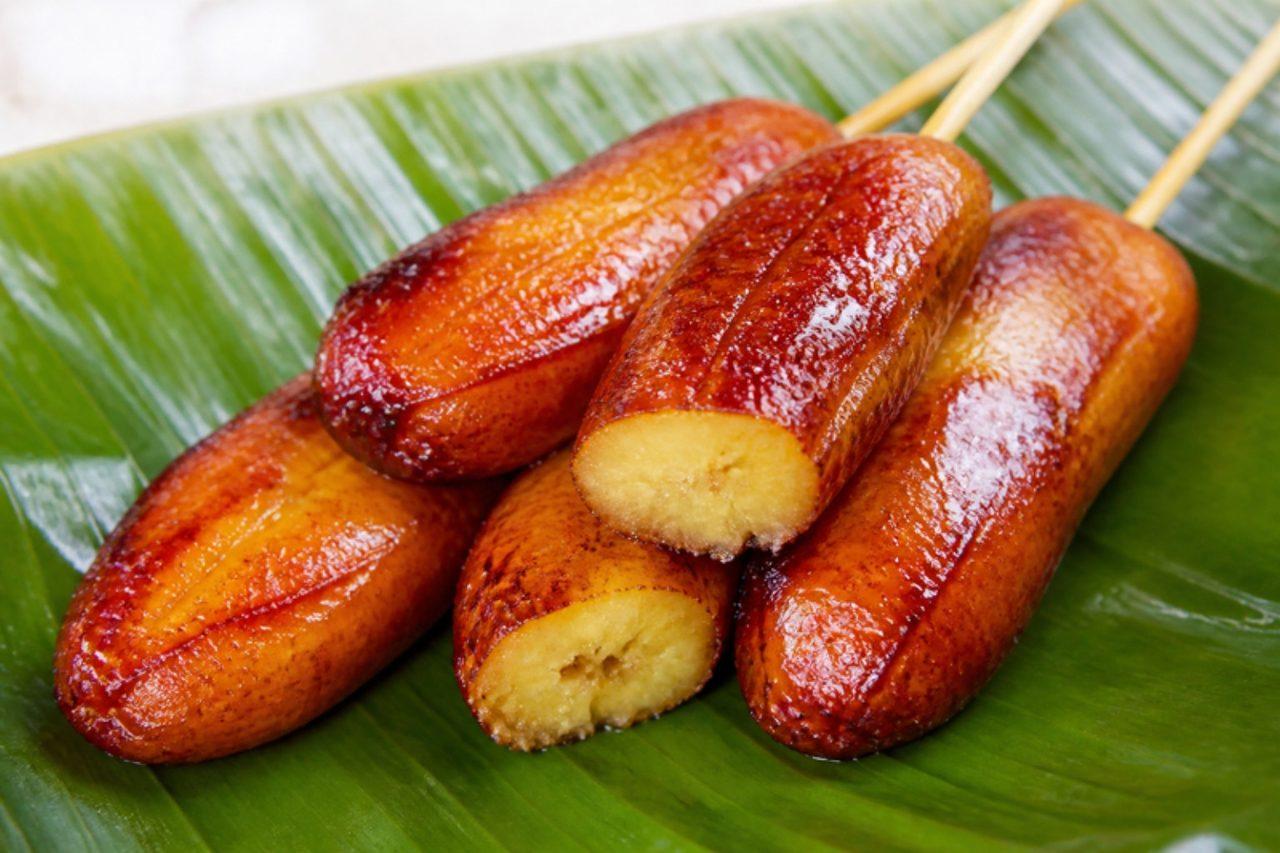
Walk past any Manila school gate or jeepney stop around three in the afternoon and you will find a vendor turning saba bananas in a wok of bubbling oil and brown sugar. The sugar melts and clings to the fruit, setting into a thin, crackly amber shell over soft, slightly tart flesh, and the bananas are sold two or three to a bamboo stick. Sweet potato cooked the same way is called camote cue. Eat them warm with a glass of iced sago't gulaman. Chef's tip: add the sugar only once the bananas are already golden; sugar thrown in at the start burns black before the fruit is cooked through.

by KrazyBadal 0 views

Kwek-kwekBattered fried quail eggs

After dark in Quiapo and around university belts in Manila, fishball carts sell kwek-kwek: hard-boiled quail eggs dunked in a bright orange batter and fried until puffed and crunchy, then speared and dipped in sour vinegar with onion and chilli. The orange comes from annatto, not egg yolk or food colouring, and the batter stays thin so you bite straight through to the creamy egg. Chicken eggs done the same way are called tokneneng. Chef's tip: dust the peeled eggs with cornflour before battering; wet, slippery eggs shed their coat in the oil.

by KrazyBadal 0 views

Kuih lopesSticky rice triangles with coconut

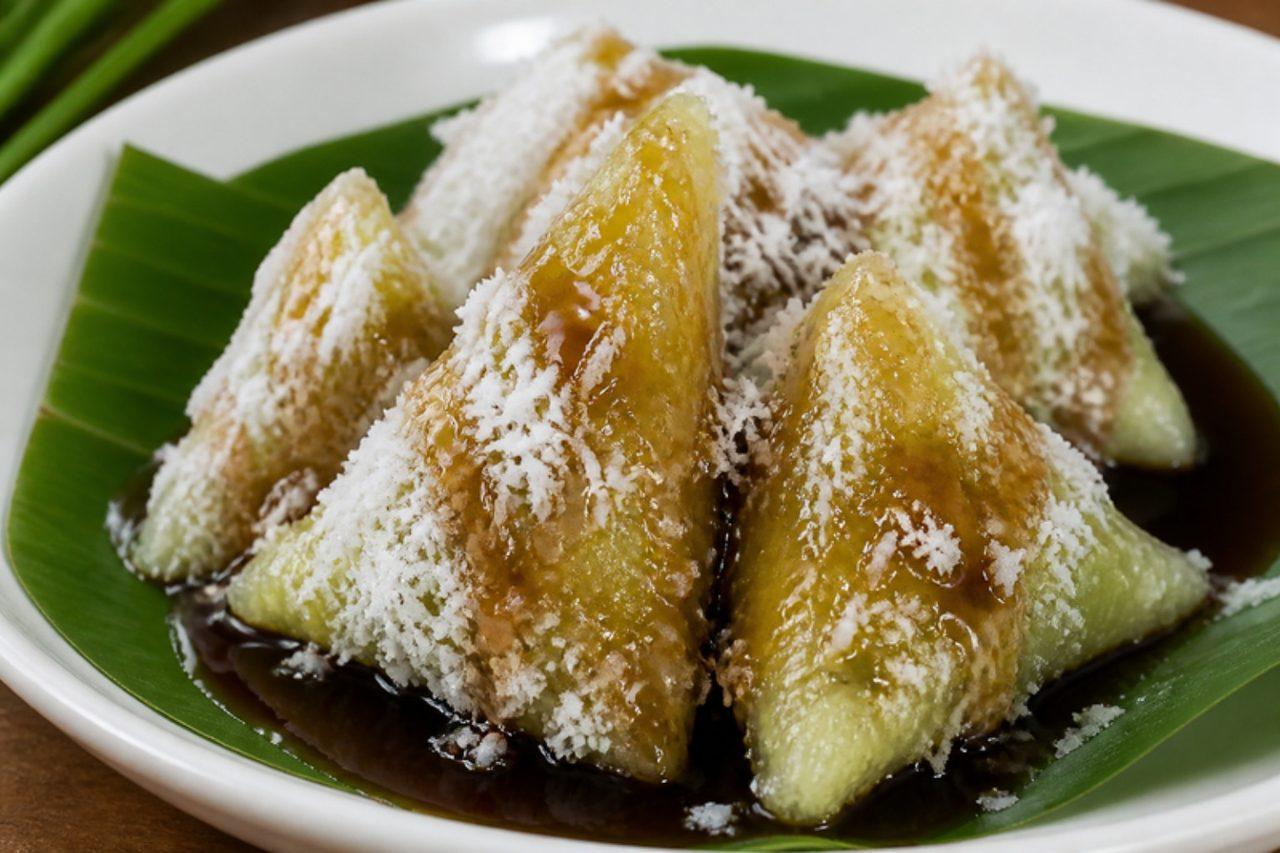
Kuih lopes turn up at Malay breakfast stalls and Ramadan bazaars, especially in Perak and Selangor: dense triangles of soft-cooked glutinous rice rolled in white grated coconut, then flooded with thick gula Melaka syrup at the moment of serving. Cooking the rice wrapped tightly in pandan leaves or foil for a long time is what fuses the grains into one chewy slab. The contrast of salty coconut, smoky syrup and plain rice is the point. Chef's tip: don't skimp on the boiling time; under-cooked lopes stay grainy and fall apart when cut.

by KrazyBadal 0 views

Arroz caldoChicken rice porridge

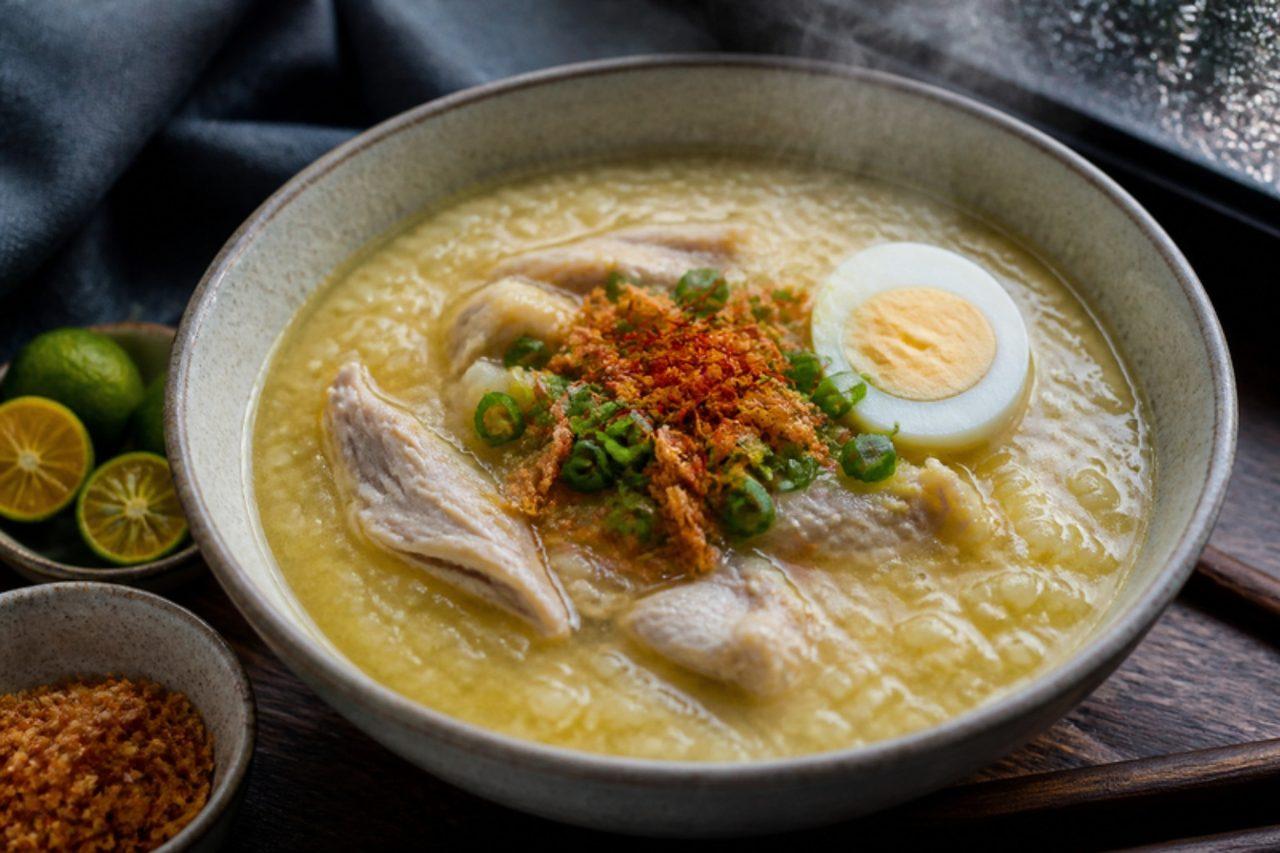
Rainy-season mornings, sick days and late nights after a party all end with a bowl of arroz caldo somewhere in the Philippines. Sticky rice simmers with chicken and a fistful of ginger until it breaks into a thick, savoury porridge, tinted gold with safflower, then each bowl gets crunchy fried garlic, spring onion, a halved boiled egg and a squeeze of calamansi. It is the Filipino cousin of congee, with a sharper ginger bite. Chef's tip: stir often in the last half hour; glutinous rice settles and scorches on the base, and one burnt patch flavours the whole pot.

by KrazyBadal 0 views

Maja blancaCoconut corn pudding

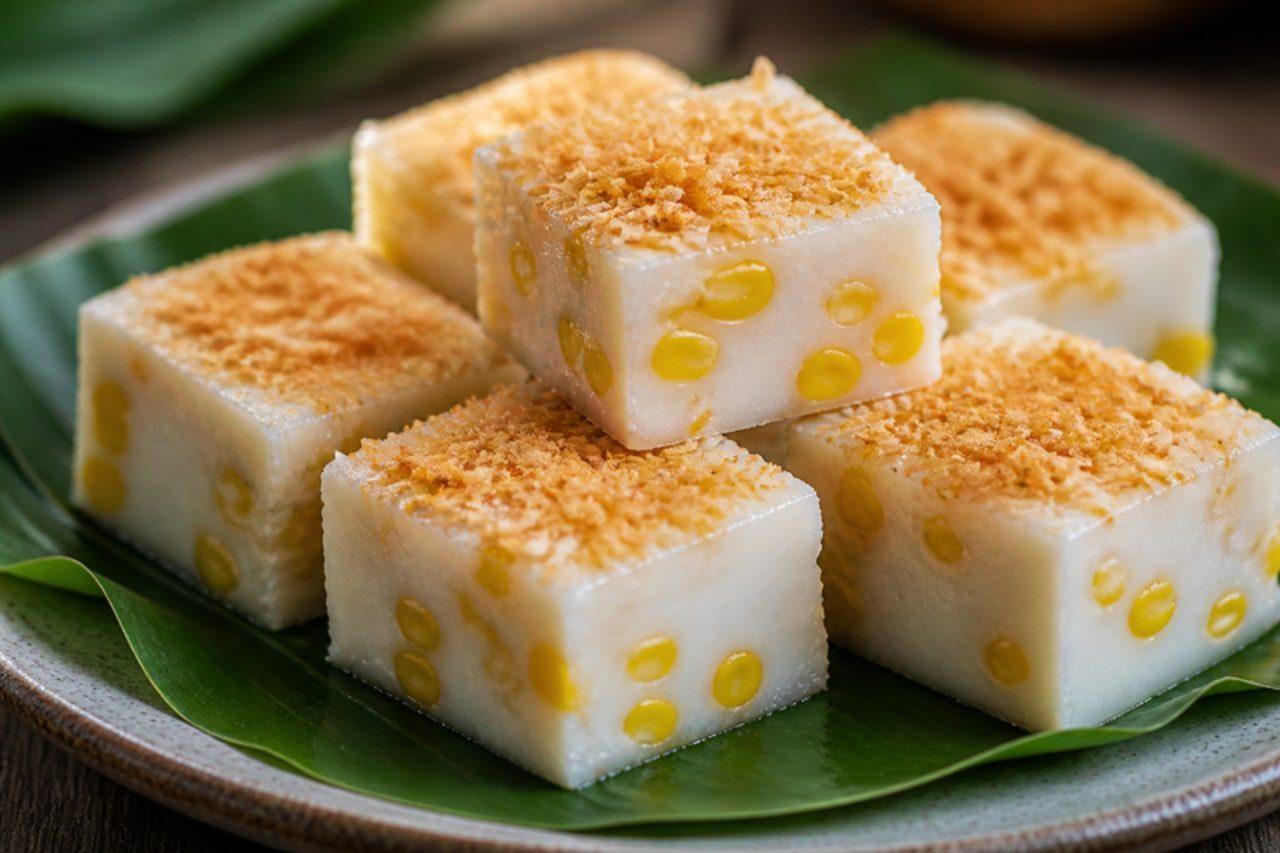
Wobbly squares of maja blanca sit on almost every Filipino Christmas Eve table, beside the leche flan and the fruit salad. Coconut milk and milk are thickened with cornflour into a smooth white pudding studded with sweet corn, poured into a tray and set firm enough to slice, then crowned with latik or toasted coconut. It tastes cool, milky and gently sweet, and kids love it. Chef's tip: whisk the cornflour into cold liquid first and keep stirring as it heats; added to hot milk it seizes into lumps you can't whisk out.

by KrazyBadal 0 views

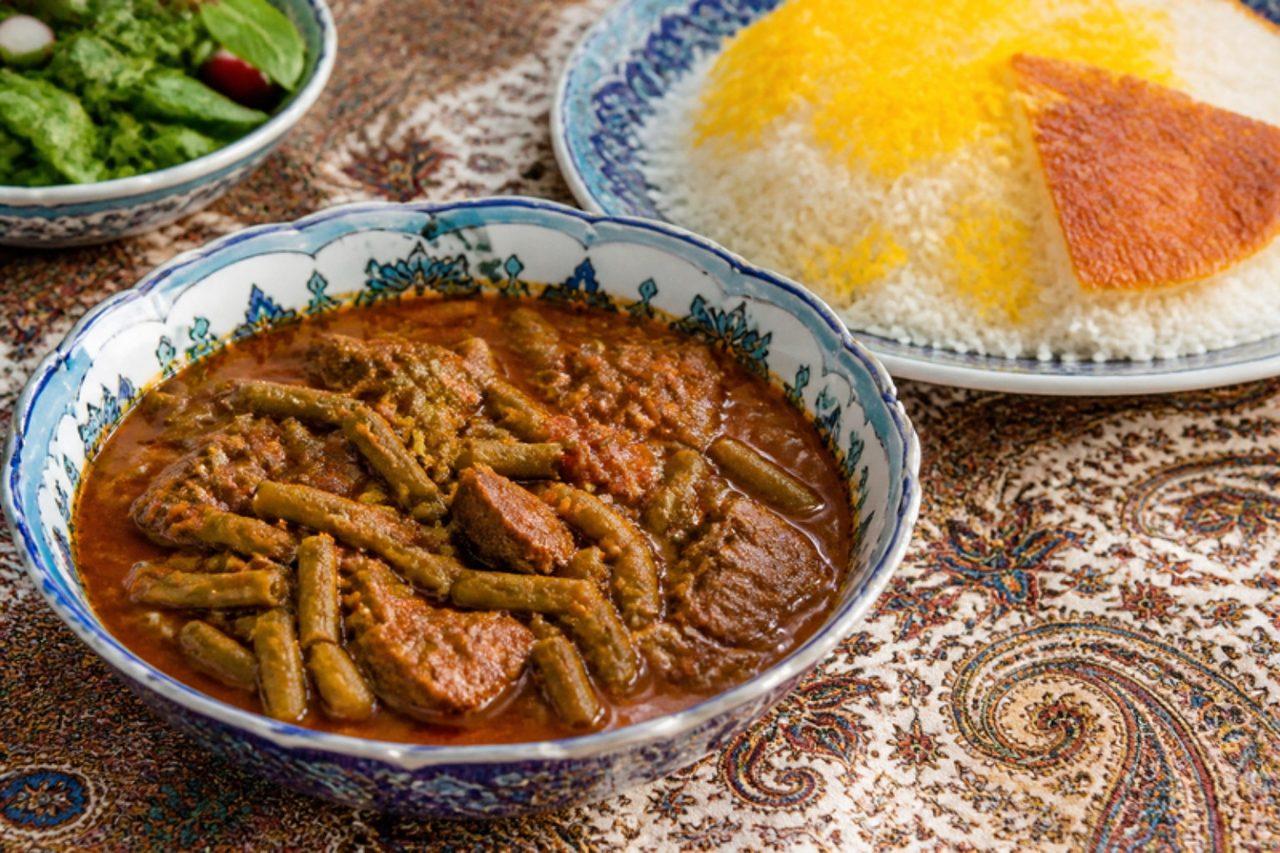
Khoresh-e lubia sabzGreen bean and beef stew

Green bean khoresh is the stew Iranian children ask for, cooked in homes from Mashhad to Shiraz through the summer when beans are cheap; Tehran cooks often add a pinch of cinnamon that makes the tomato sauce taste rounder. Beef or lamb simmers until soft, the beans are fried briefly and then cooked in the sauce until tender but still green. Serve it with chelow and a spoon of tahdig on the side. The mistake to avoid is cutting the beans too fine, which turns the stew into mush; 3 cm pieces keep their bite. Chef's tip: fry the beans in a little oil for 5 minutes before they go into the pot, so they keep their colour and taste nutty.

by KrazyBadal 0 views

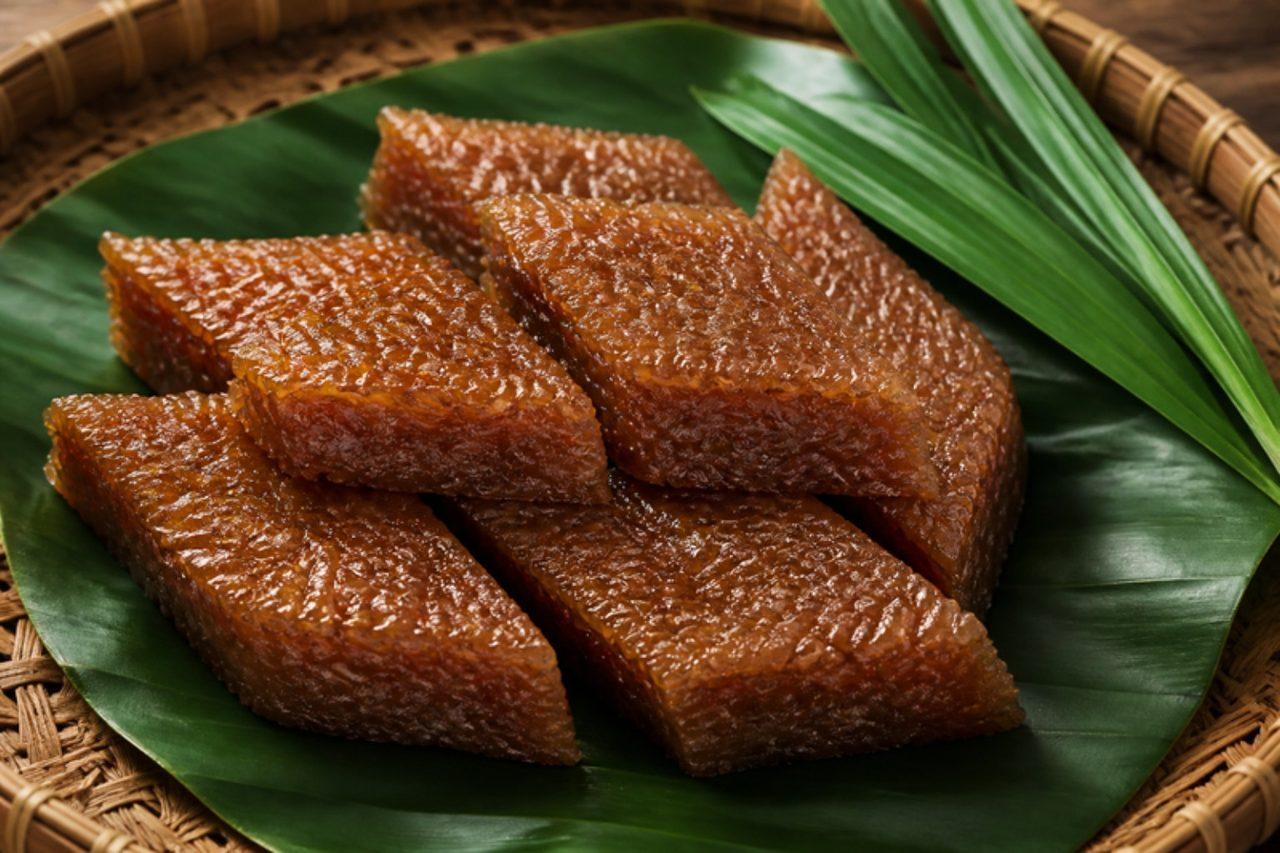
WajikSticky rice palm sugar cake

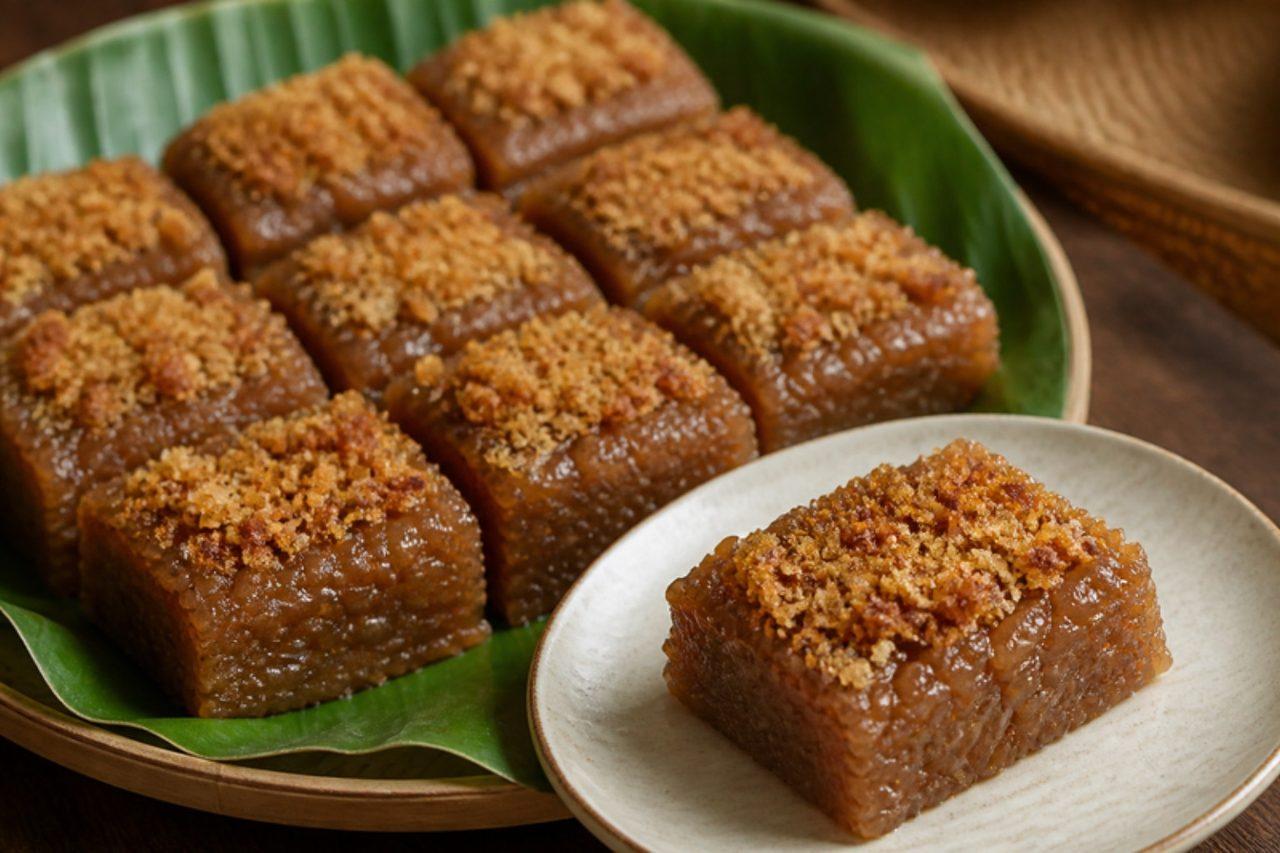
Wajik means diamond, the shape it is cut into for Javanese weddings, Lebaran open houses and the trays carried to a family's new baby. Glutinous rice is steamed, then folded through a bubbling caramel of palm sugar, coconut milk and pandan until every grain is glossy and the mass pulls away from the wok. Pressed and cooled, it slices into chewy, toffee-brown pieces that keep for days. Chef's tip: keep stirring once the rice goes into the syrup; walking away for even a minute lets the sugar scorch on the bottom and the whole batch tastes bitter.

by KrazyBadal 0 views

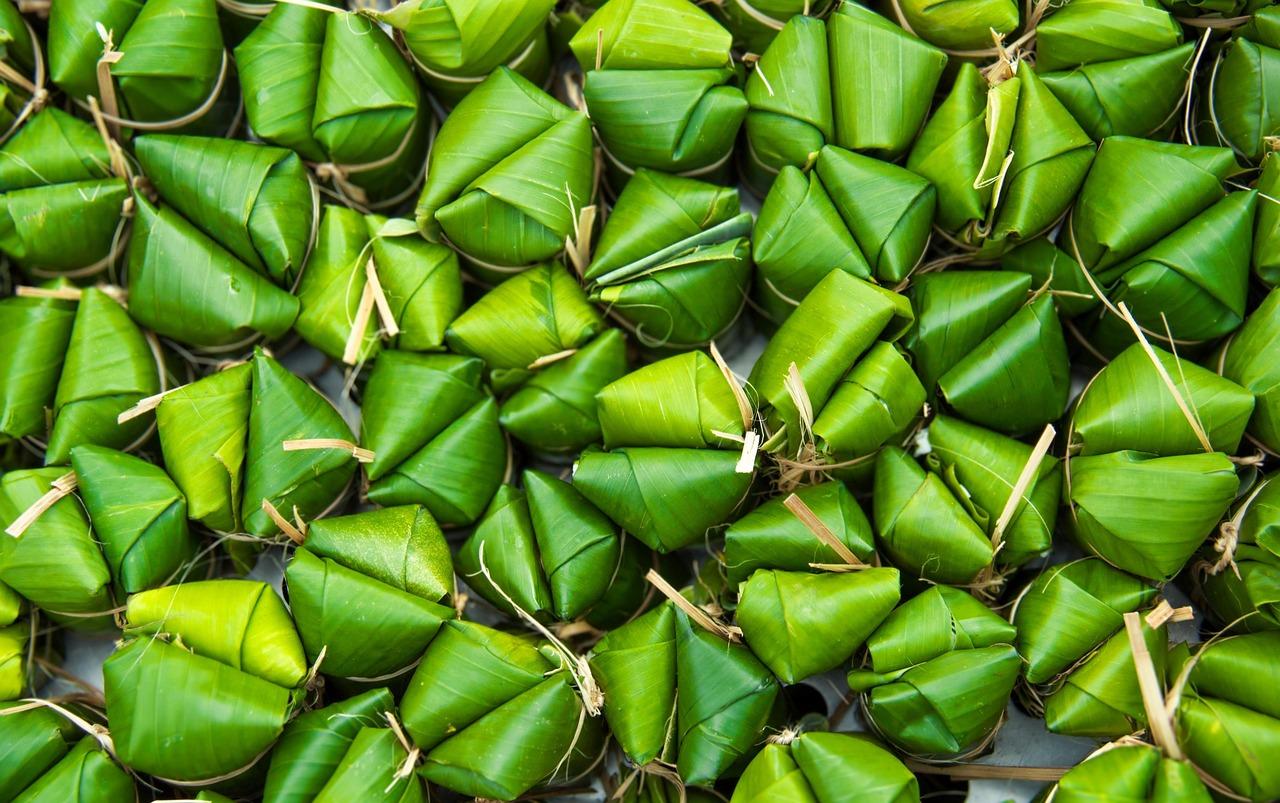
Kuih kociSticky rice and coconut parcels

Kuih koci are the little banana-leaf pyramids stacked on Malay kuih stalls at teatime and on trays at kenduri feasts in Kedah, Perak and Melaka. You unwrap the leaf to find a soft, chewy dough of glutinous rice flour around a dark, sticky filling of fresh coconut cooked with gula Melaka. Some cooks colour half the dough blue with butterfly pea or green with pandan; this one keeps it plain white. Chef's tip: a filling that is too wet seeps through the dough and makes it collapse, so cook the coconut until it is dry enough to roll into balls.

by KrazyBadal 0 views

Sago't gulamanTapioca and jelly drink

Tall plastic cups of sago't gulaman are what Manila drinks on hot afternoons, ladled from a big drum at street corners and sold next to fried snacks. Chewy tapioca pearls and cubes of firm agar jelly float in cold water sweetened with a dark, almost caramelised brown-sugar syrup scented with pandan. Kids slurp it through a wide straw; adults buy it with every plate of banana cue. Chef's tip: cook the syrup until it smells of caramel but stop before it smokes; pale syrup tastes only of sugar, burnt syrup tastes bitter.

by KrazyBadal 0 views

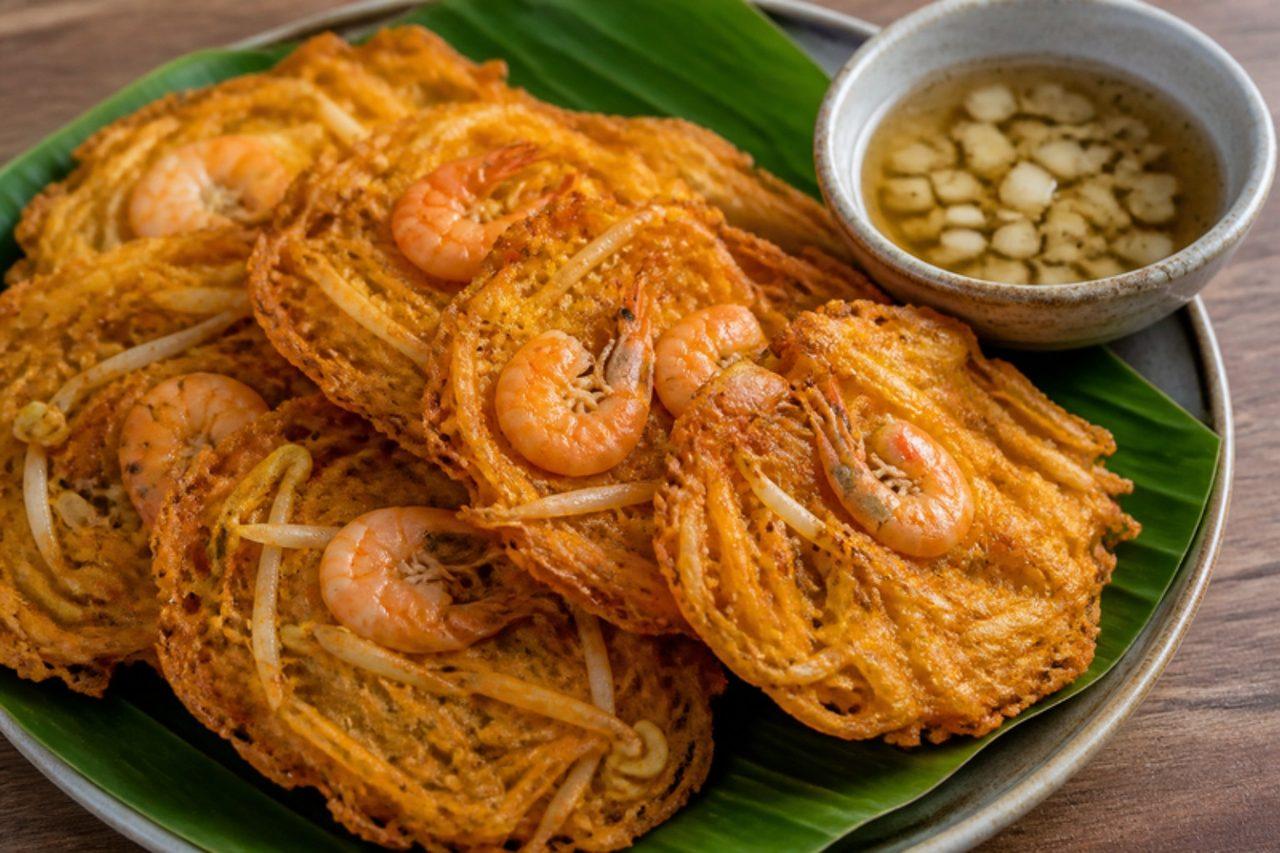
Okoy (shrimp and squash fritters)

In coastal towns of Laguna and Pampanga, okoy are fried to order at the market: a thin batter barely holding together small shrimp, matchsticks of squash or sweet potato and bean sprouts, flattened on a saucer and slid into hot oil until lacy and shatteringly crisp. They are eaten hot, dipped in garlicky vinegar, as merienda or as a starter before rice. Chef's tip: use just enough batter to bind; a thick batter makes heavy pancakes instead of crunchy, see-through nests.

by KrazyBadal 0 views

TsokolateThick hot chocolate

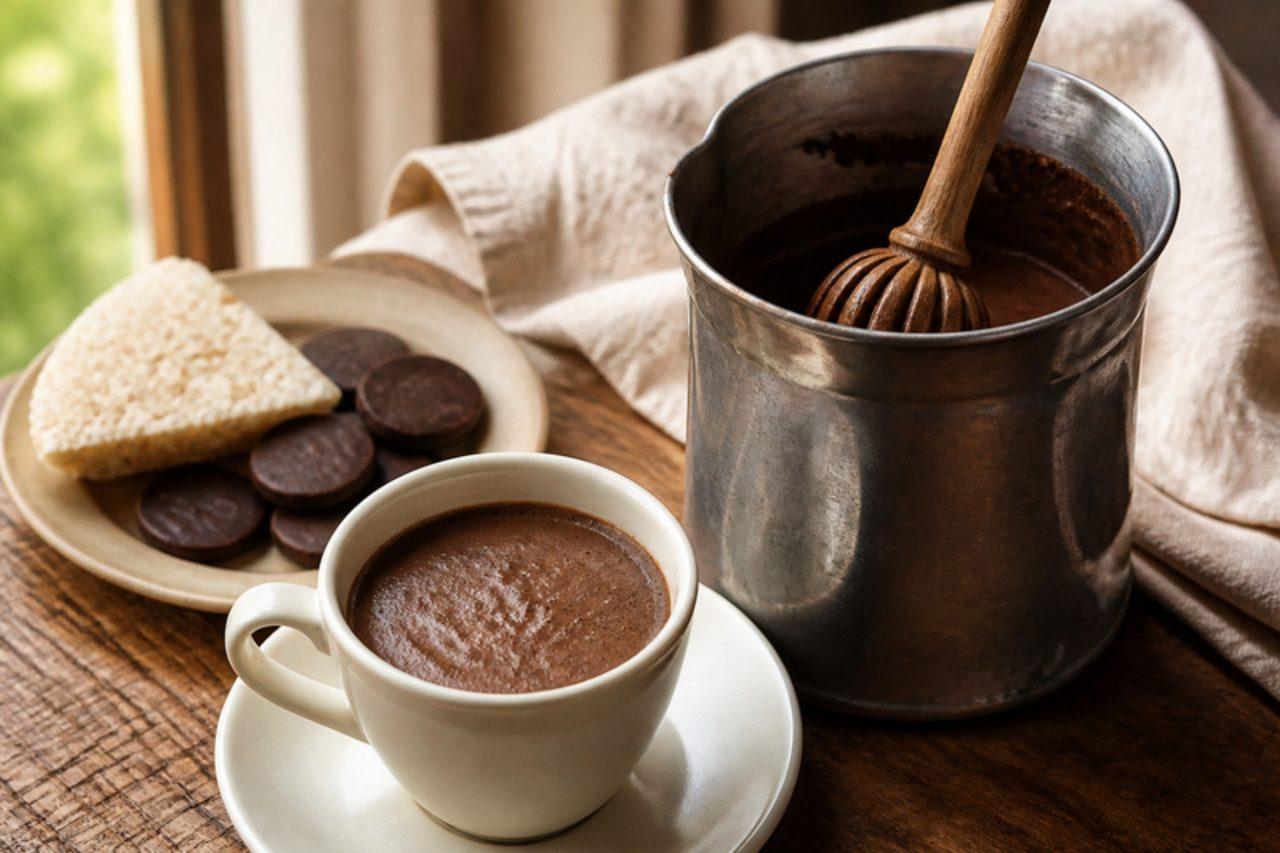
Discs of pure roasted cacao called tablea, pressed by hand in Batangas and Cebu, melt into the thick, slightly gritty tsokolate that Filipinos drink on Christmas mornings with puto bumbong or bibingka. It is whisked in a tall pot with a wooden batidor rolled between the palms until it foams, and it tastes deep, bitter-sweet and earthy rather than milky. A little milk softens it; many families drink it with water only. Chef's tip: keep the heat low once the tablea melts; boiling cacao hard makes it scorch and taste burnt.

by KrazyBadal 0 views

Tepung pelitaPandan pudding with coconut cream

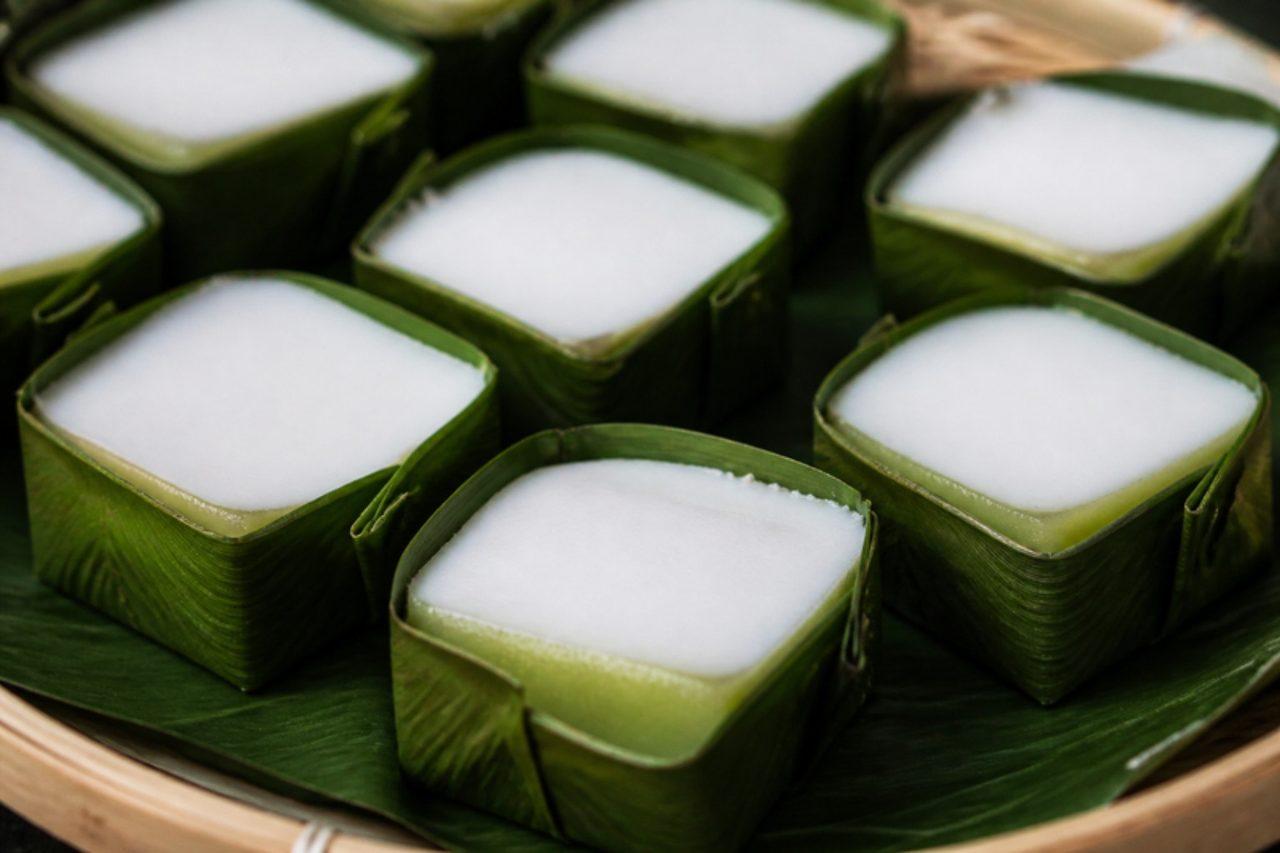
Tepung pelita, 'lamp' kuih, gets its name from the little square banana-leaf boxes it is set in, which look like old oil lamps, and every Ramadan bazaar from Melaka to Penang has trays of them chilling on ice. Each cup holds a soft green pandan layer under a thick, salty-sweet white coconut layer; you eat it with a spoon or straight from the leaf. Small ramekins or silicone cups work if you have no banana leaves. Chef's tip: pour the white layer only once the green one has set a skin, or the two colours bleed into each other.

by KrazyBadal 0 views

Gheymeh nesarSaffron lamb and nut rice

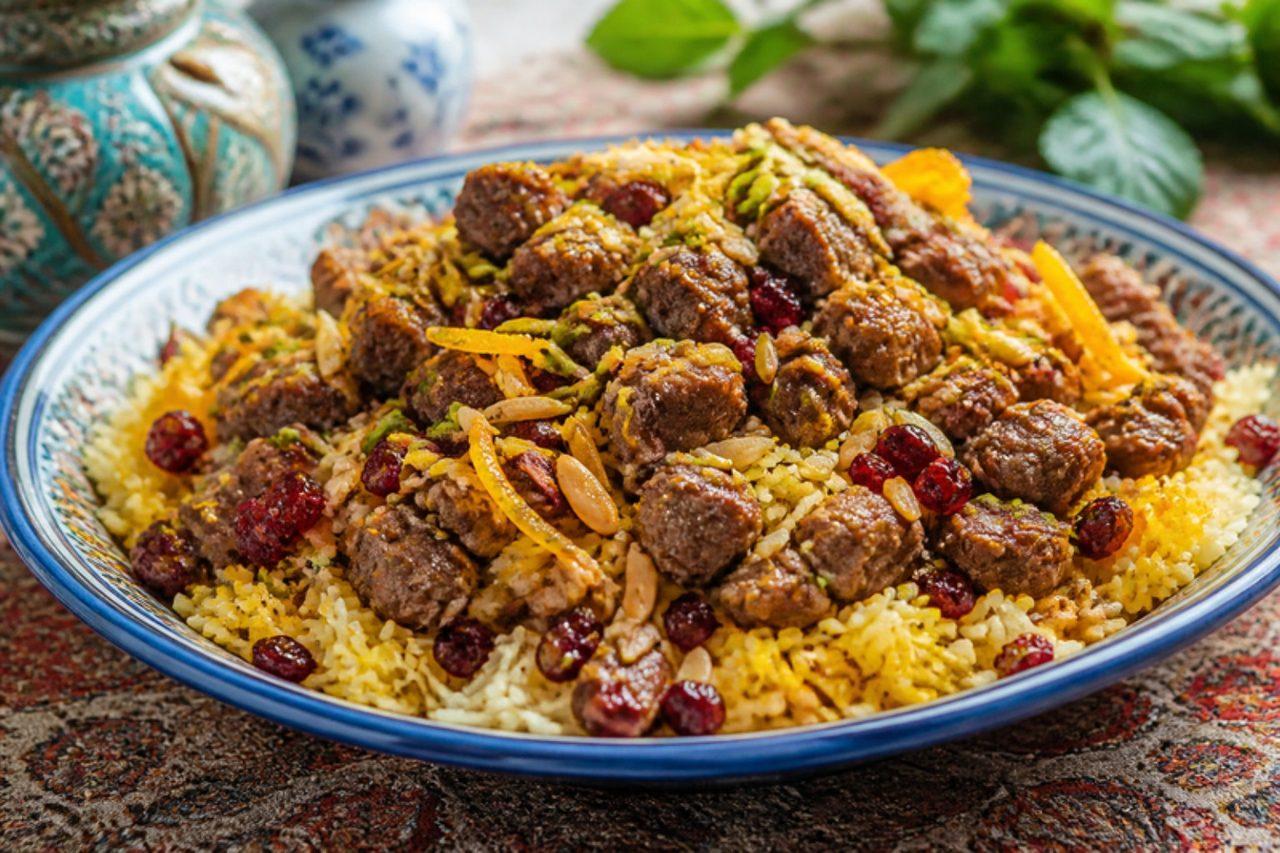
Qazvin, the old capital west of Tehran, is famous for gheymeh nesar, the jewelled rice served at weddings, engagements and nazri gatherings. Small cubes of lamb cook slowly with onion, saffron and a little rosewater, then are mixed with barberries, slivered pistachios, almonds and candied orange peel and spooned over buttery saffron rice. Serve it with salad shirazi. Barberries burn in seconds and turn bitter, and that is the commonest mistake: fry them over a low heat for one minute only. Contains pistachios, almonds and butter. Chef's tip: cut the lamb into 1 cm dice, much smaller than for a stew, which is what makes this a Qazvin gheymeh nesar rather than a lamb pilaf.

by KrazyBadal 0 views

Roti tisuPaper-thin crisp flatbread

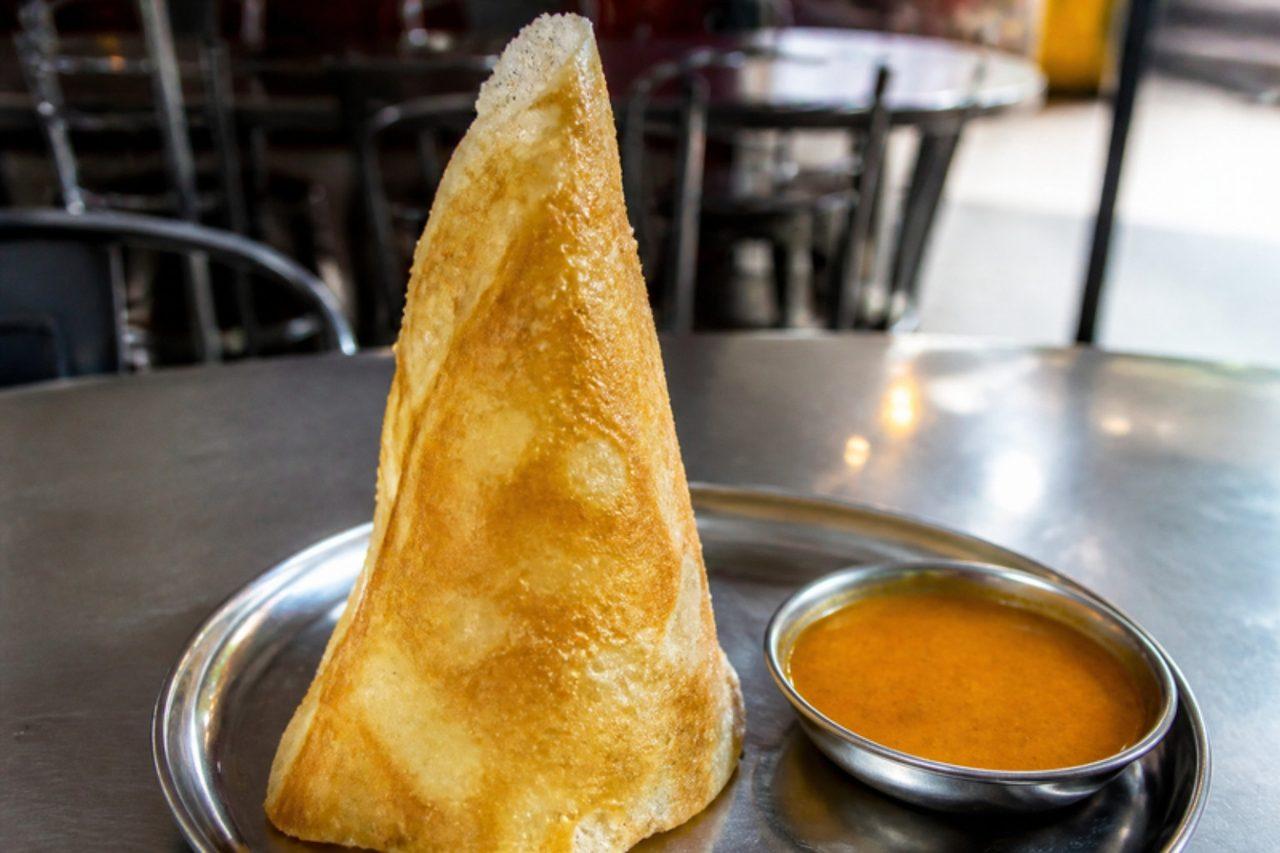
Late at night in Kuala Lumpur's 24-hour mamak restaurants, someone at the next table will order roti tisu and a towering golden cone arrives, as tall as a teh tarik glass, brushed with butter and sugar. The dough is the same as roti canai, but stretched on the oiled counter until you can read a newspaper through it, then griddled into a single crisp sheet. Kids break it from the top down; adults dip it in dhal. It takes practice, so expect the first one or two to tear. Chef's tip: the dough must rest at least 6 hours, better overnight, in plenty of oil; rushed dough snaps back and tears instead of stretching thin.

by KrazyBadal 0 views

Khoresh-e kadooCourgette and lamb stew

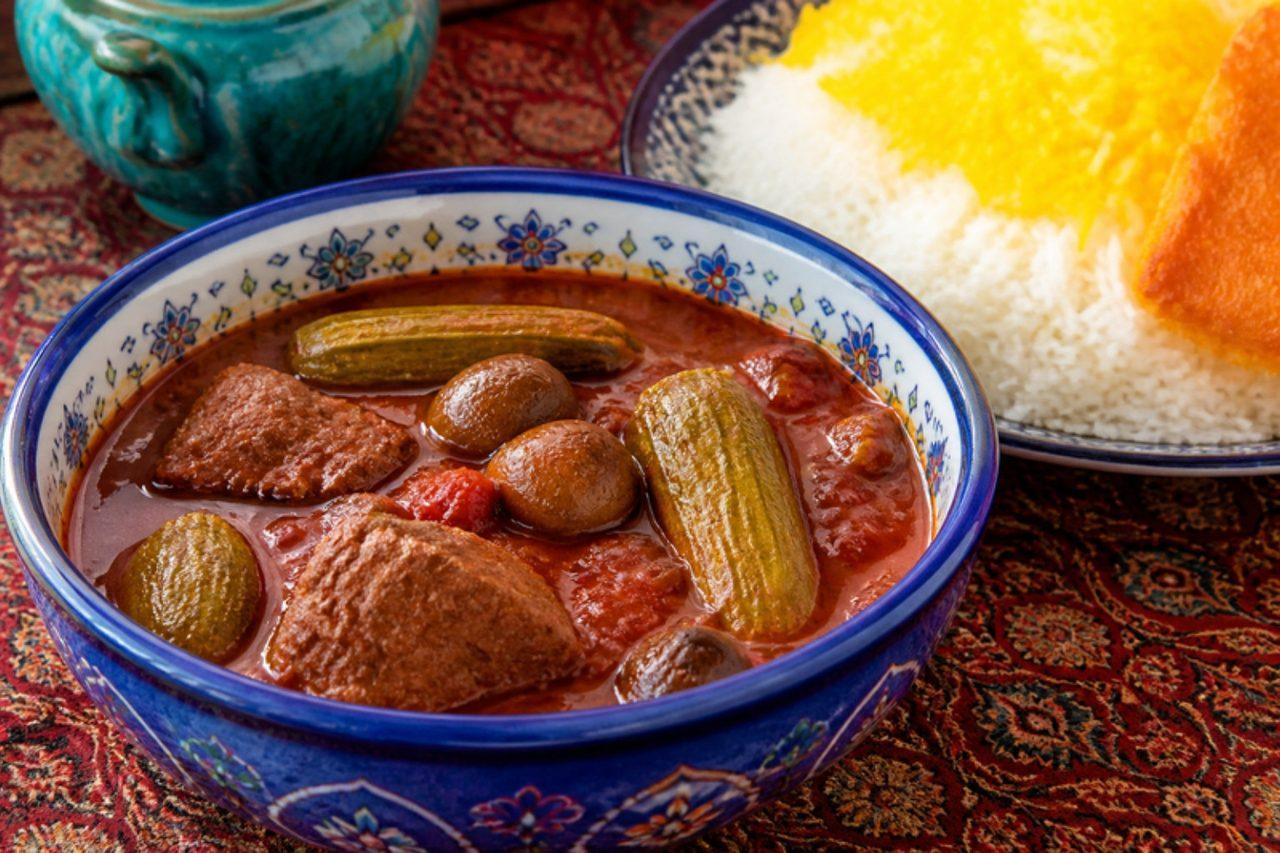
Kitchens across Iran make khoresh-e kadoo in early summer, when small, firm courgettes pile up in the markets and the Tehran heat calls for a lighter stew than gheymeh. Lamb is simmered with onion, turmeric and dried lime until soft, then fried courgette halves are laid on top to finish in the tangy tomato and saffron sauce. Eat it with chelow and a bowl of mast-o-khiar. The common mistake is adding the courgettes too early: they collapse into mush, so they go in only for the last 20 minutes. Chef's tip: salt the cut courgettes and let them sit for 15 minutes, then pat them dry, so they fry golden instead of soaking up oil.

by KrazyBadal 0 views

Shrimp and vermicelli briouats

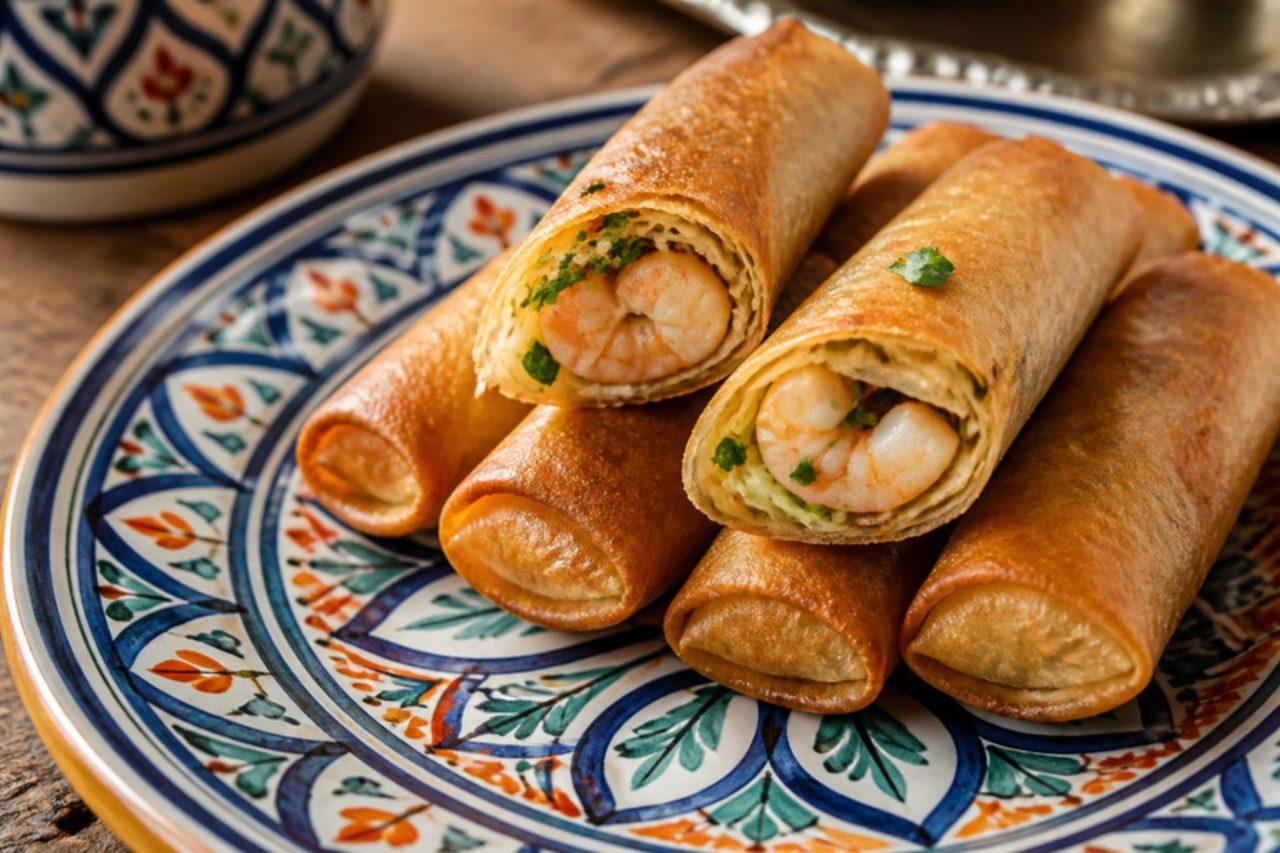
In coastal cities like Agadir and El Jadida, the festive version of briouats is filled with prawns and rice vermicelli tossed in chermoula — a filling borrowed from seafood pastilla, but in a size you can eat in two bites. They come out at weddings, Eid lunches and Ramadan iftars, hot and crackling, with lemon. The usual mistake is a wet filling: cooked prawns and soaked noodles release water, so drain everything well and dry-fry the mix for a minute. Chef's tip: snip the soaked vermicelli into short lengths with scissors so the rolls fill evenly. Contains shellfish, wheat and egg.

by KrazyBadal 0 views

Nigerian peppered prawns

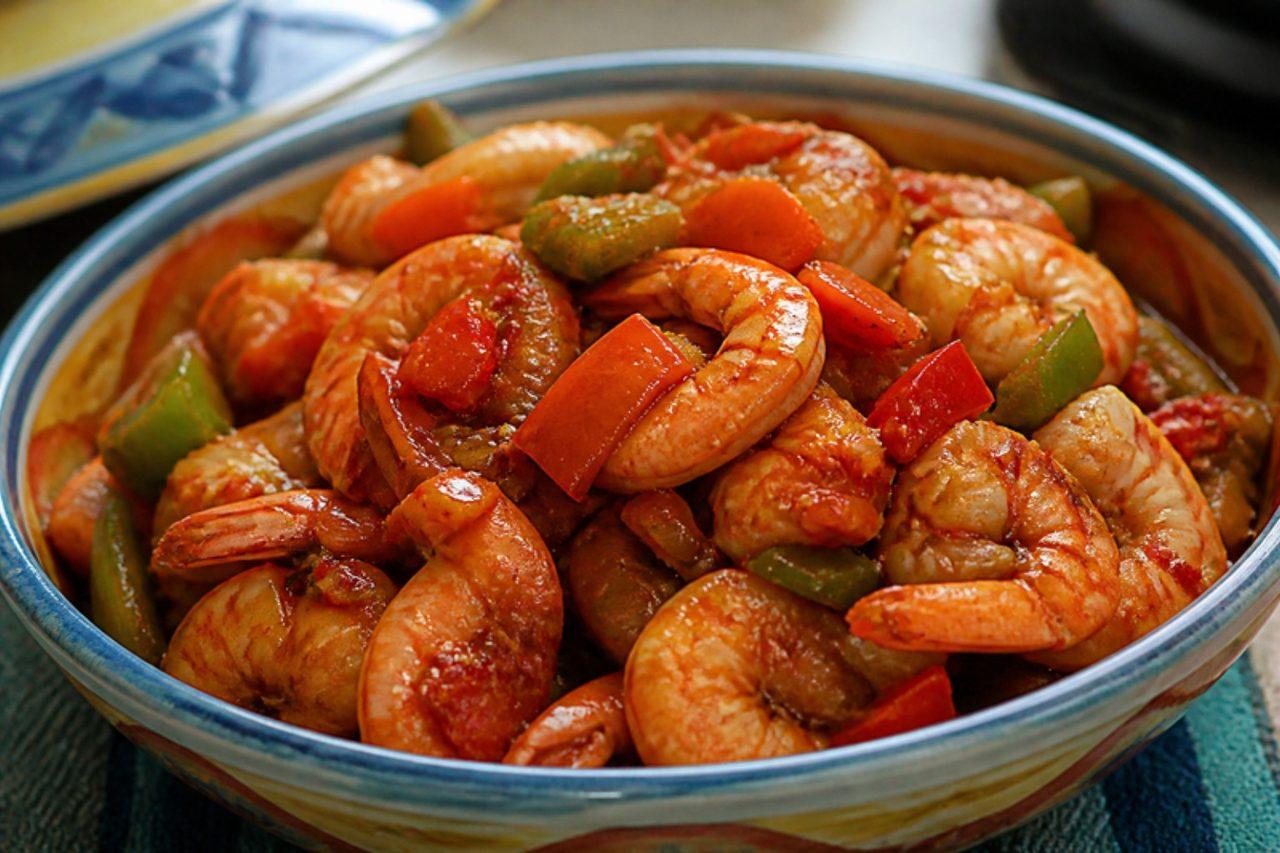
Lagos party caterers serve peppered prawns on cocktail sticks beside the peppered chicken, and at beach spots near Lekki they come in a hot pan with chilled drinks. Big prawns are seasoned, seared fast, then tossed with a blended scotch-bonnet sauce and crunchy strips of onion and pepper, so they are sweet, juicy and properly hot. Buy prawns kept cold, and throw away any that smell of ammonia or feel slimy. The mistake is cooking them too long in the sauce until they curl tight and go rubbery; sear until just pink, then toss for a minute only. Chef's tip: leave the tails on; they give guests a handle and stop the prawns curling quite so much.

by KrazyBadal 0 views

Getuk lindriSteamed cassava sweets

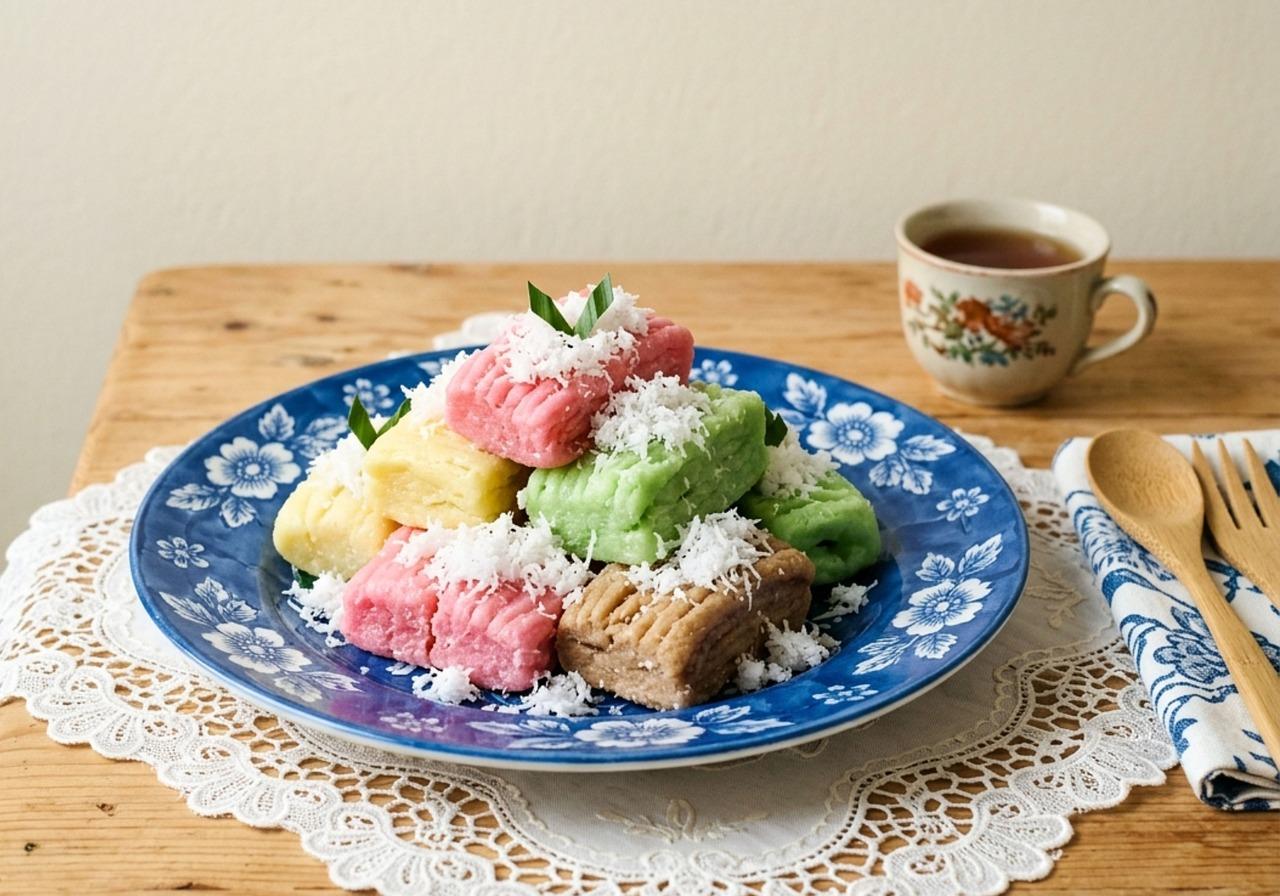
Magelang is the getuk capital of Central Java, and market stalls there pile up these soft cassava cakes in stripes of pink, green and white, cut into slices and showered with grated coconut. Cassava is steamed, pounded with palm sugar or white sugar and a little salt, then pressed through a mincer into ribbons (lindri) or simply rolled into a log. It is eaten in the morning with tea or as an afternoon jajan pasar. Chef's tip: mash the cassava while it is steaming hot and remove every stringy core; cold cassava turns lumpy and won't come together smoothly.

by KrazyBadal 0 views

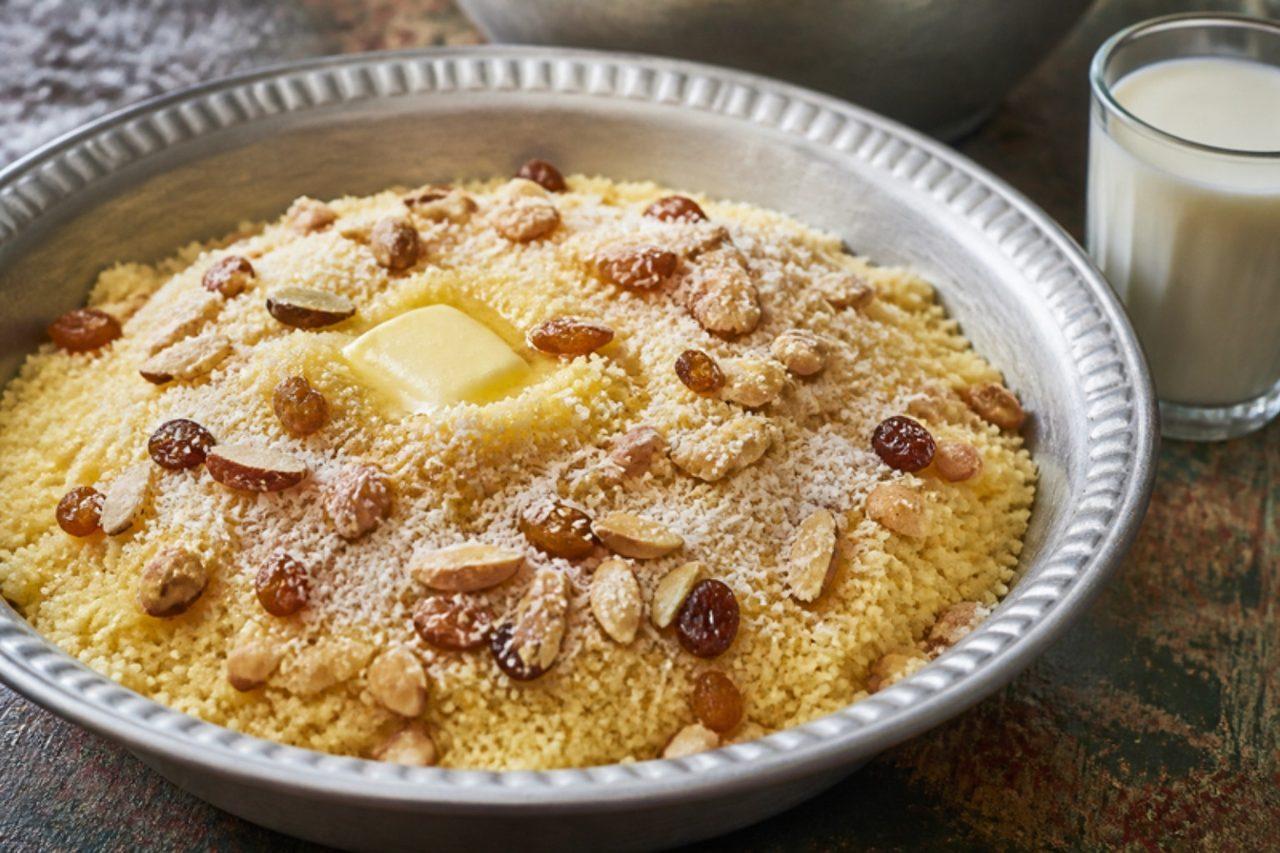
Kuskusi bel sukkar (Egyptian sweet couscous)

Egyptians eat couscous sweet, not savoury: in Cairo and the Delta, street-side sweet shops sell kuskusi by the bowl in the evening, steamed with samna, heaped with powdered sugar, nuts and raisins, and sometimes covered with hot milk. At home it's a winter supper or a Friday breakfast treat. Pouring boiling water straight over instant couscous and leaving it gives a gluey lump; steaming it in two short rounds and rubbing in the butter keeps every grain separate. Chef's tip: warm the milk with a cinnamon stick and pour it over just before eating, so the couscous stays fluffy on top. Contains wheat, milk and tree nuts.

by KrazyBadal 0 views

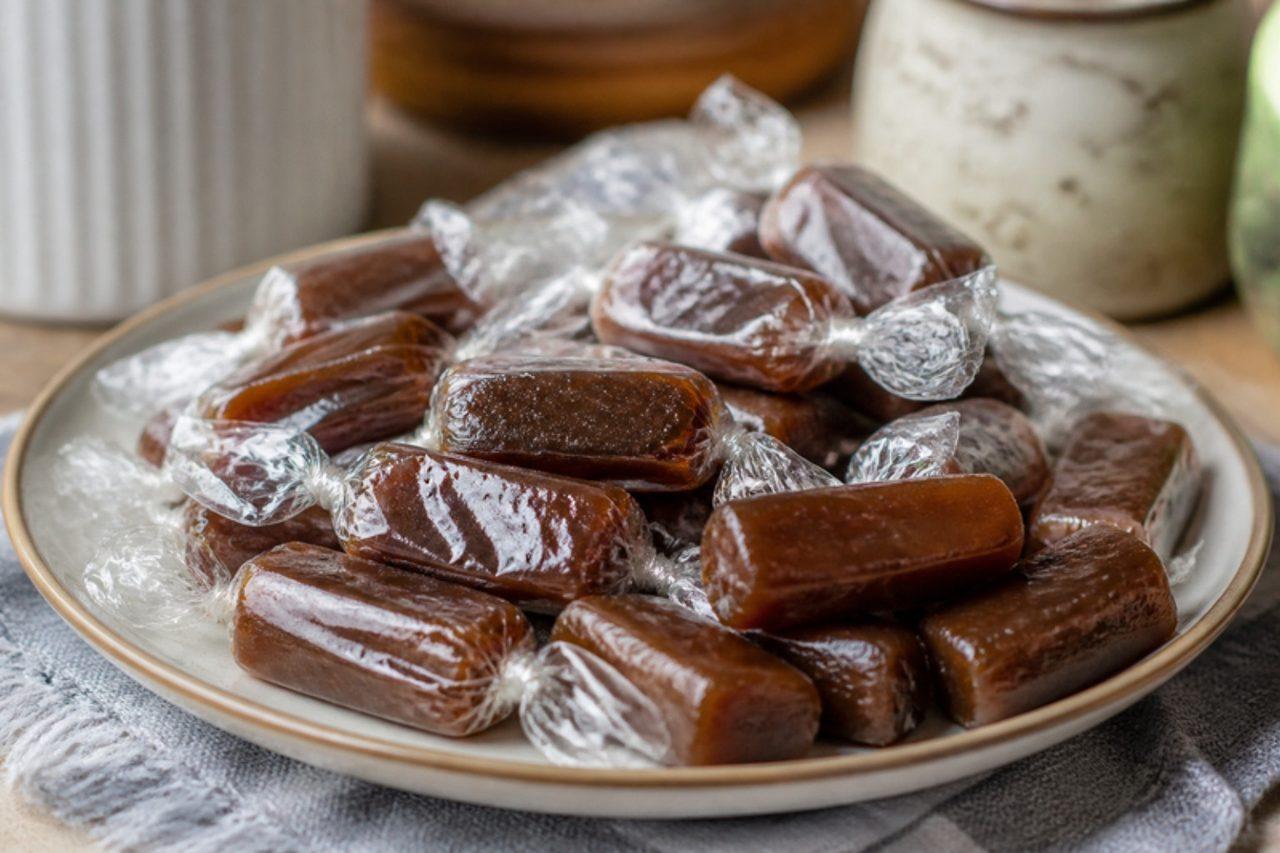
Baba dudu

Yoruba children of the 70s and 80s remember baba dudu, "the black one", bought for a coin from sweet sellers outside school gates in Ibadan and Abeokuta: sugar and butter cooked until almost black, then pulled and cut into small chewy pieces that taste of toffee and burnt caramel. It is easy to make at home, but hot sugar burns badly, so keep children away from the stove. The candy is a choking risk for small children and isn't suitable for under-1s. The mistake is taking it off the heat too early: pale caramel stays soft and sticky, so wait until it is the colour of strong tea and a drop sets firm in cold water. Chef's tip: oil your scissors and cut the strip while it is warm and pliable; once cold it shatters.

by KrazyBadal 0 views

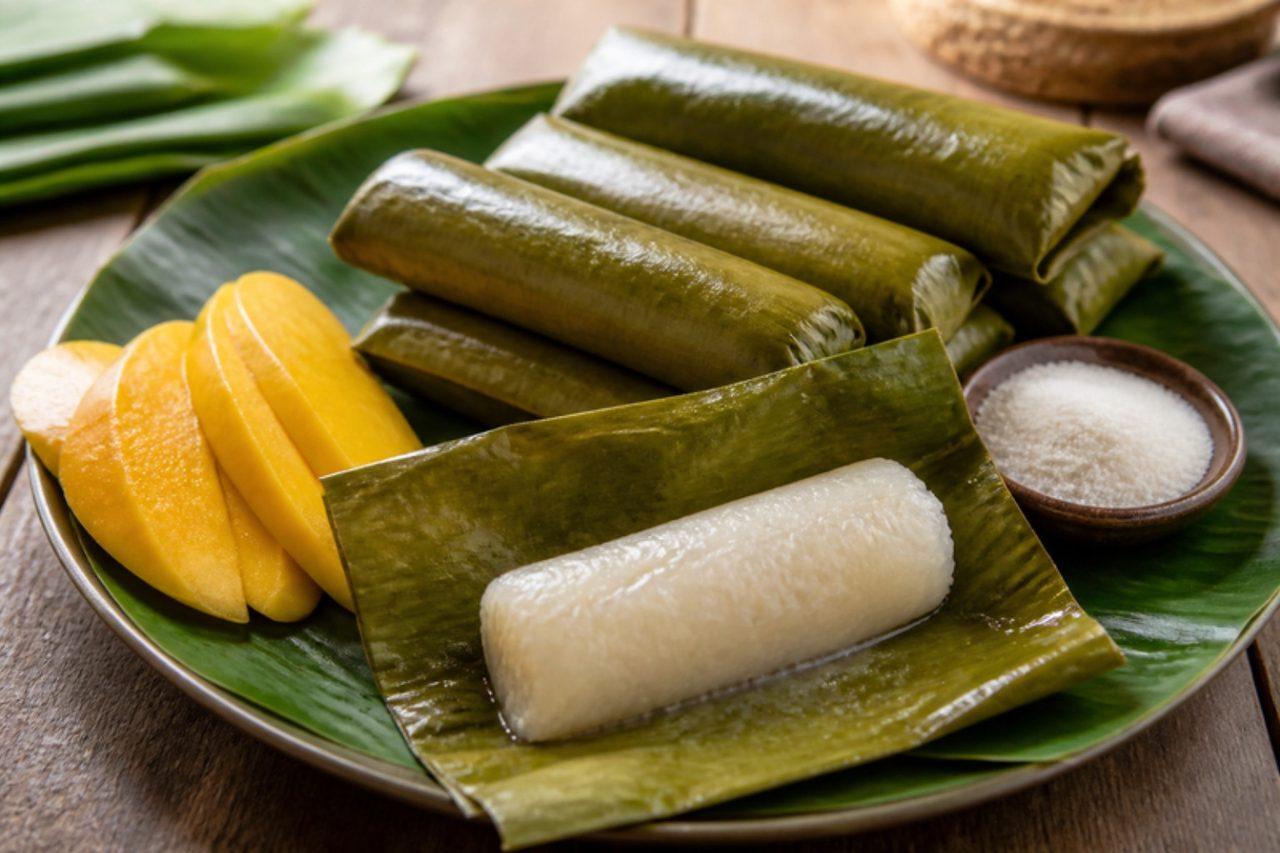
SumanCoconut sticky rice rolls

Every province has its own suman, but the everyday one sold in bundles at Antipolo's church steps and on Tagalog breakfast tables is suman sa gata: glutinous rice half-cooked in salted coconut milk, rolled tightly in banana leaf and steamed until dense and chewy. Unwrap one and dip it in sugar, or eat it with ripe mango and hot chocolate in the morning. They travel well and are handed out at fiestas by the dozen. Chef's tip: wilt the banana leaves over a flame or in hot water first; cold leaves crack as you roll and the rice leaks out while steaming.

by KrazyBadal 0 views

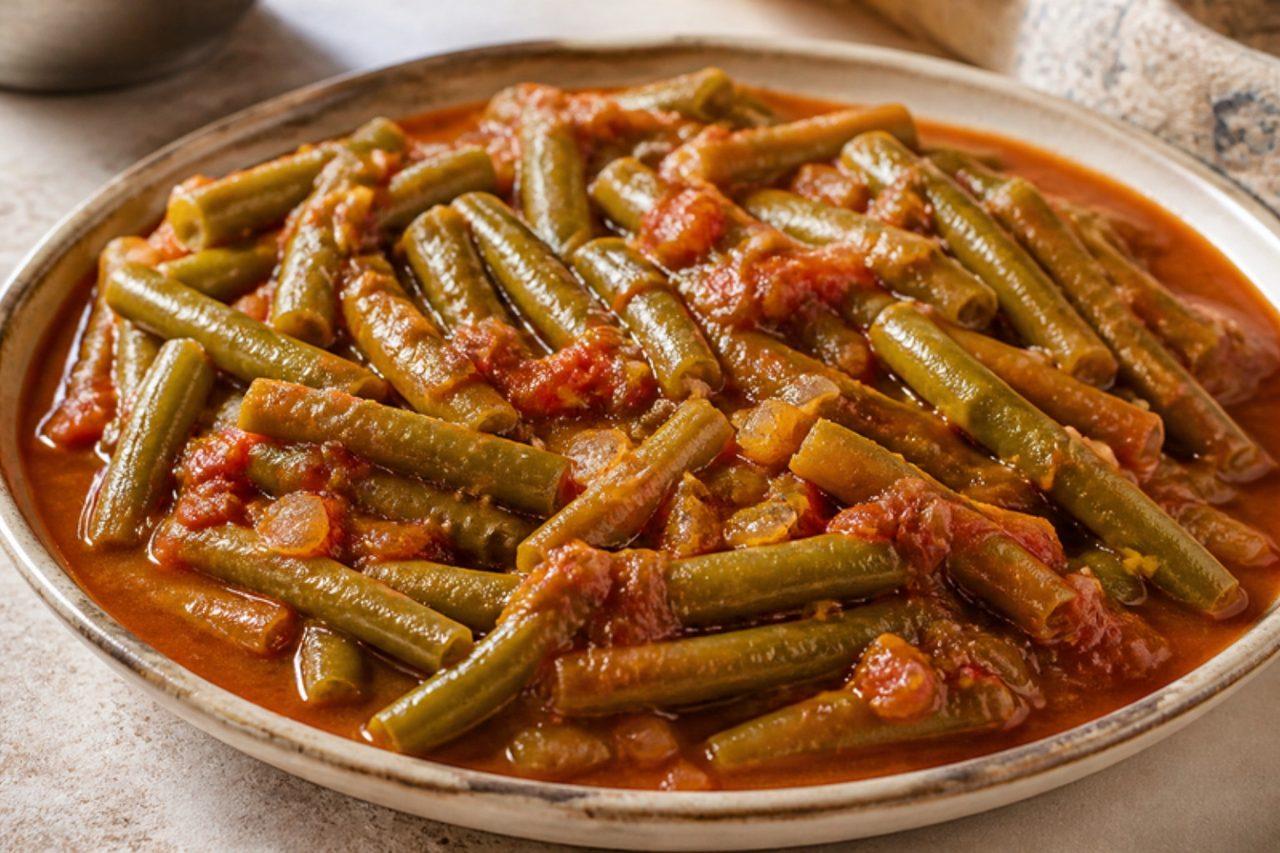
Fasolia khadra (green bean stew)

Fasolia khadra is the Thursday stew in many Alexandrian homes, cooked in the morning and left to sit until lunch so the beans drink up the tomato. Egyptians like their green beans properly soft, not crisp, with a sauce that's sweet from slow-cooked onion and sharp from garlic; this vegan version adds a pinch of cinnamon for depth. Serve it over roz bel shaareya with pickles and bread. People often cook it on high heat to save time, and the sauce turns thin and sharp; a low simmer gives it body. Chef's tip: cut the beans on a slant into 3 cm pieces; they hold more sauce.

by KrazyBadal 0 views

Kue lumpurPotato coconut custard cakes

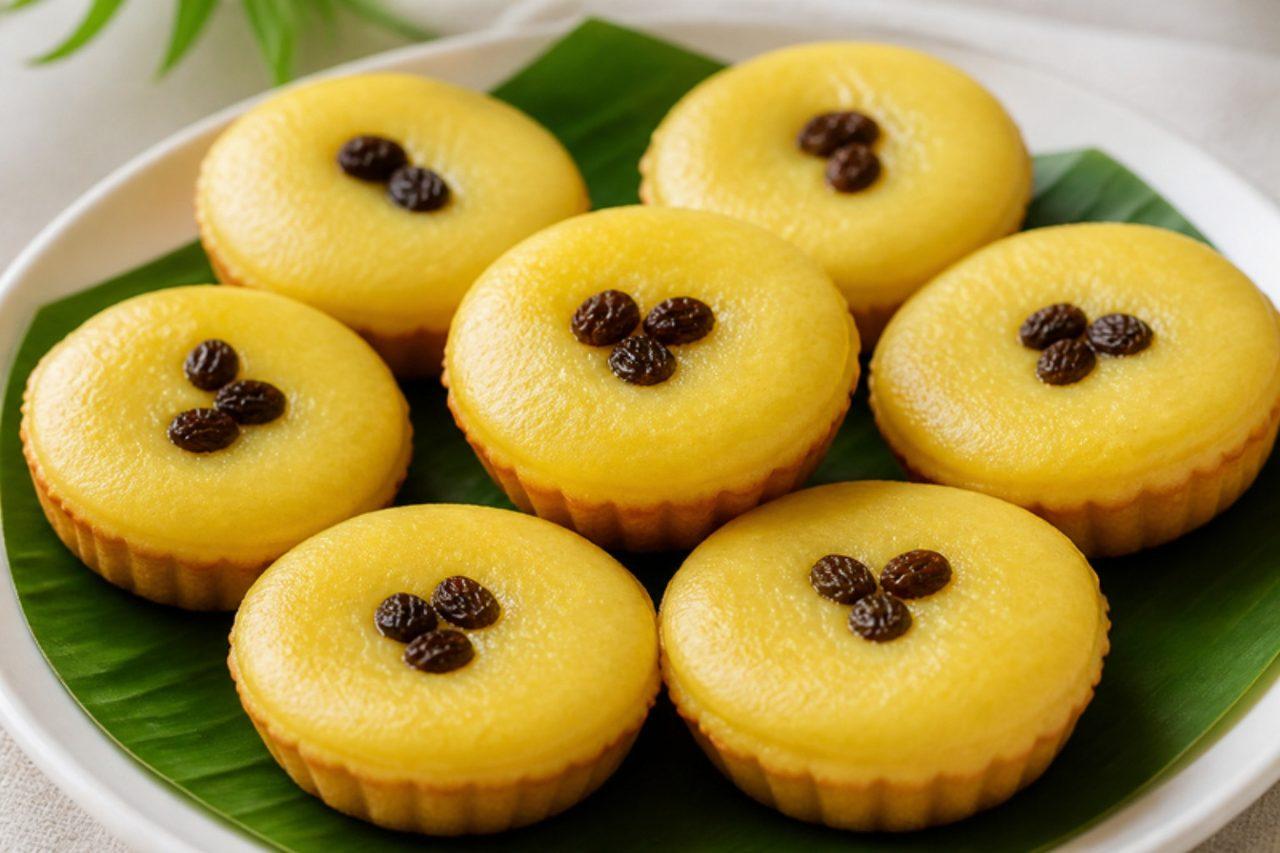
The name means 'mud cake', a joke about the batter, which is almost liquid when it goes into the moulds. Betawi bakers in Jakarta make kue lumpur for arisan afternoons and Ramadan iftar boxes: mashed potato, coconut milk, eggs and a little flour bake into tender, custardy rounds with a single raisin or a slice of young coconut on top. They are best on the day, slightly warm. Chef's tip: don't overfill the moulds or open the oven early; the centres sink and stay wet if the heat drops before they set.

by KrazyBadal 0 views

Kuku bademjanAubergine and walnut egg cake

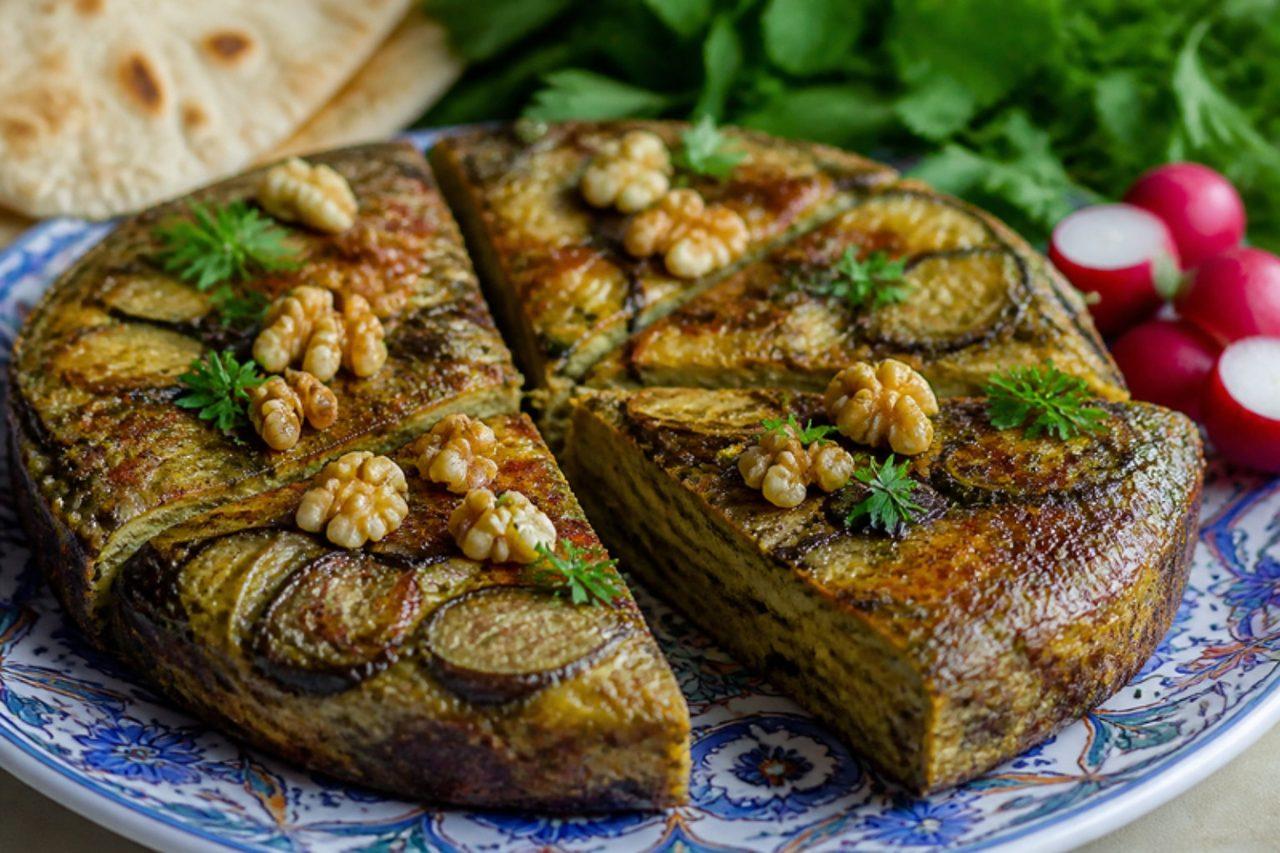
Kuku bademjan is the picnic kuku of Iran, packed into lavash for Sizdah Bedar, the thirteenth day of Nowruz, when families eat outdoors in parks from Tehran to Shiraz. Charred, smoky aubergine is mashed with garlic, saffron and chopped walnuts, bound with eggs and cooked into a thick, soft-set cake that tastes deep and slightly sweet. Serve it warm or cold with yogurt, bread and herbs. The mistake people make is leaving the aubergine wet; squeeze the cooked flesh in a sieve or the kuku will never set firm. Contains egg and walnuts. Chef's tip: cook the finished mixture in a well-oiled pan with the lid on, then slide it onto a plate and flip it back for the second side, so it browns evenly without drying out.

by KrazyBadal 0 views

Spanish breadSweet buttery bread rolls

Despite the name, nobody in Spain would recognise these: they belong to the neighbourhood panaderya, sold warm from glass cases at dawn and again at four o'clock alongside pandesal. A soft milk dough is rolled around a paste of butter, sugar and breadcrumbs, then coated in more crumbs before baking, so the filling melts into a sticky, caramel-like ribbon. Dunk one in coffee for merienda. Chef's tip: roll the dough thin before adding the filling; thick dough swallows the butter paste and you lose that gooey centre.

by KrazyBadal 0 views

Kuih bakarBaked pandan coconut cake

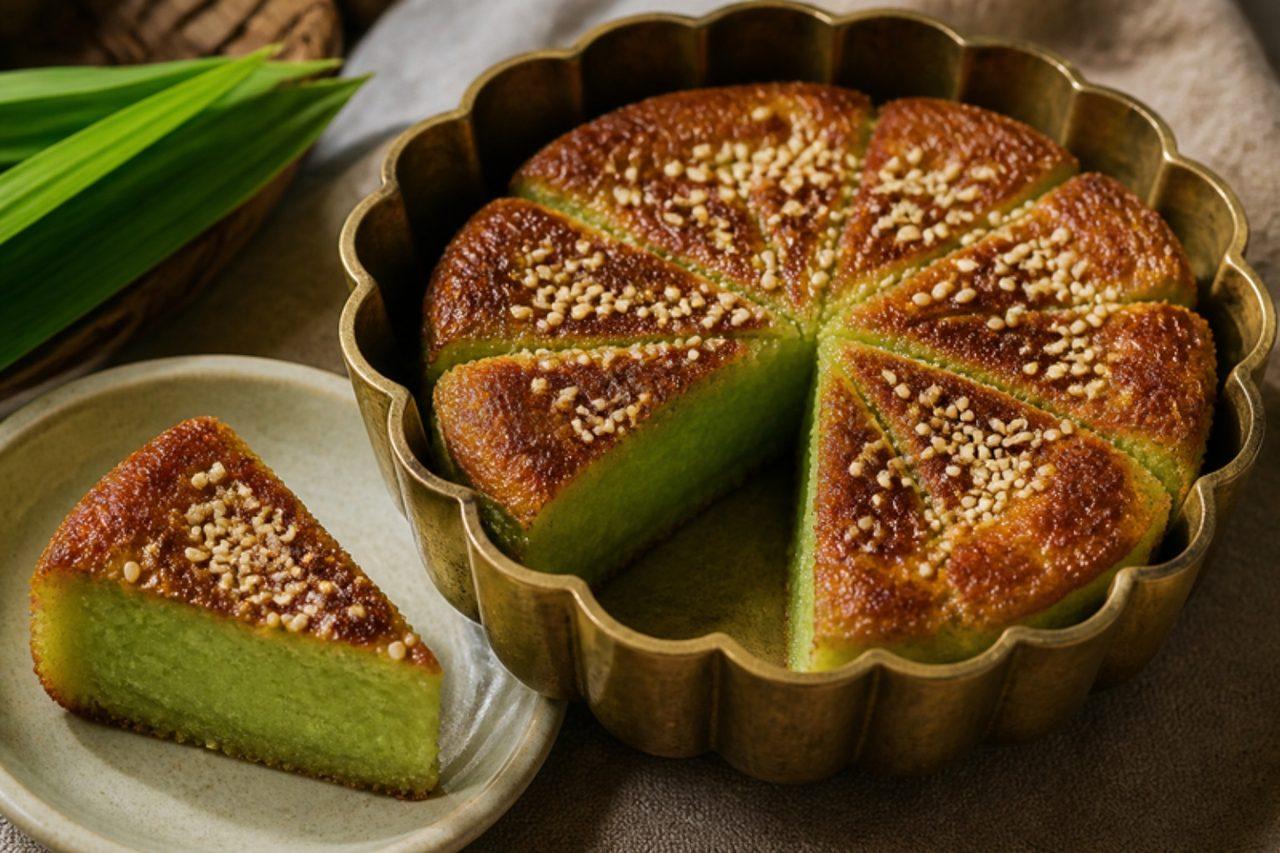
Kelantan and Terengganu bake kuih bakar in heavy brass flower moulds over charcoal, and in Kota Bharu's markets you buy it by the wedge, green inside with a browned, sesame-flecked top. It sits between a custard and a cake: eggs, thick coconut milk and pandan juice set with a little flour into a dense, moist crumb. It is a favourite for breaking the fast during Ramadan. This version uses a 20 cm round tin in a home oven and plain wheat flour, as the east coast does. Chef's tip: pulling it out too early is the classic slip; the centre should feel firm and a skewer come out clean, or it sinks into a wet middle.

by KrazyBadal 0 views

Kolak pisang ubiBanana and sweet potato dessert

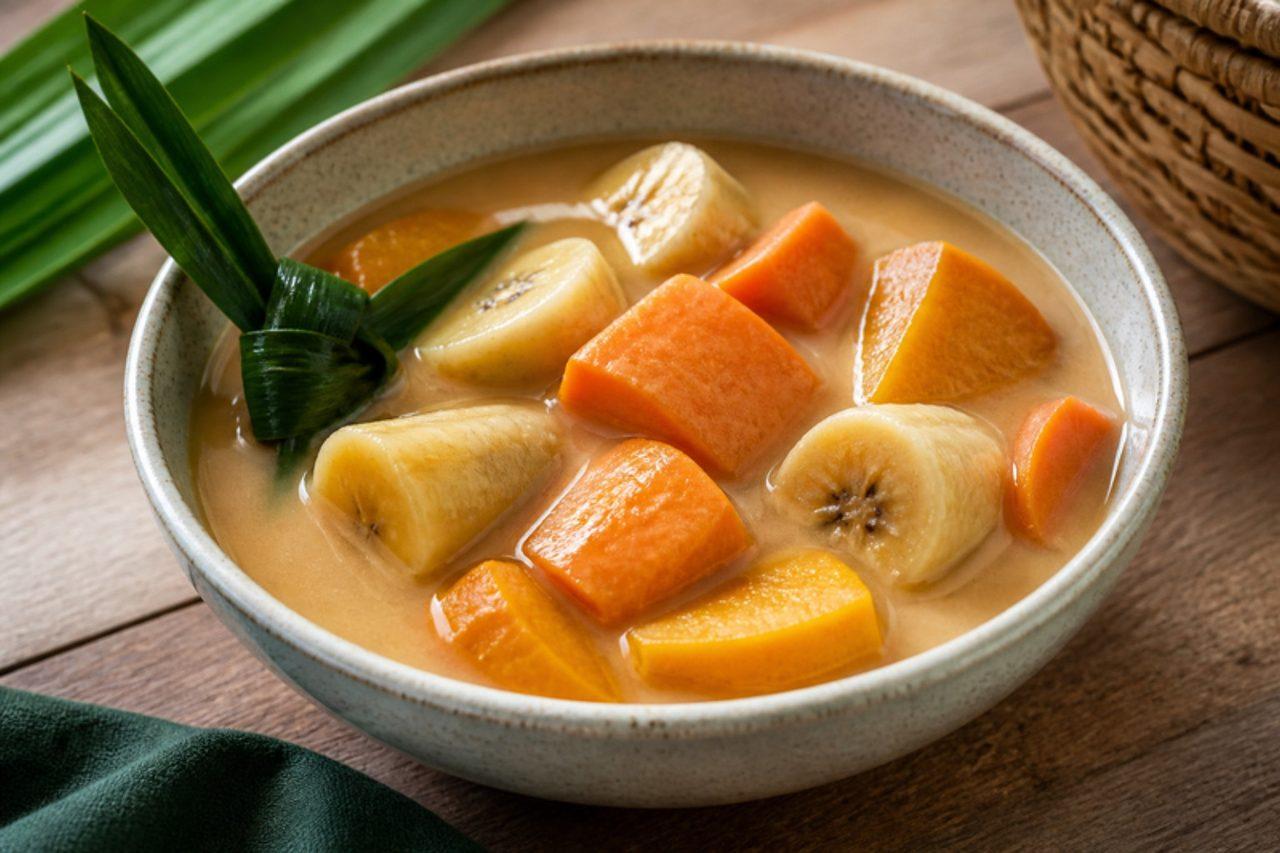
In the last hour before maghrib during Ramadan, Javanese pavements fill with takjil sellers, and a bag of warm kolak is the first thing many families eat when the call to prayer ends the fast. Plantain or ripe saba bananas, sweet potato and pumpkin simmer in palm sugar and pandan until tender, then coconut milk turns the syrup creamy and caramel-brown. Serve warm or chilled. Chef's tip: add the bananas last; they collapse into mush if they cook as long as the sweet potato.

by KrazyBadal 0 views

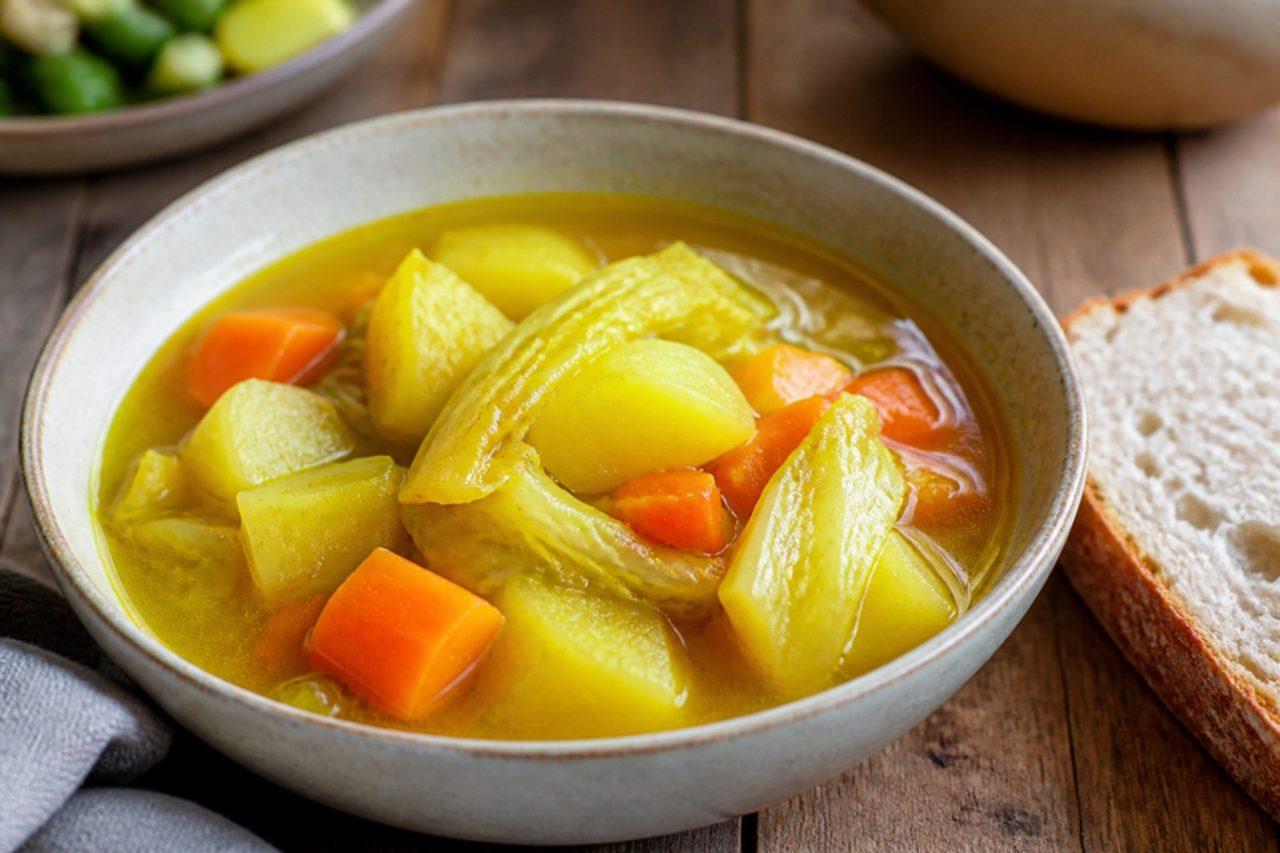
Ethiopian vegetable soup

Every café and school canteen in Addis Ababa has a pot of ye-atakilt shorba on the go: a light, golden soup of potato, carrot and cabbage cooked with onion, garlic, a little ginger and turmeric, eaten with a bread roll for lunch or given to children who don't want berbere. Families make it on fasting days and when someone is feeling poorly. It is mild, soothing and slightly sweet. The mistake is adding the cabbage with the potatoes, which makes it sulphurous and grey; it needs only the last ten minutes. Chef's tip: blend one ladle of the cooked potato and carrot and stir it back in; the soup thickens to café-style body without any flour.

by KrazyBadal 0 views

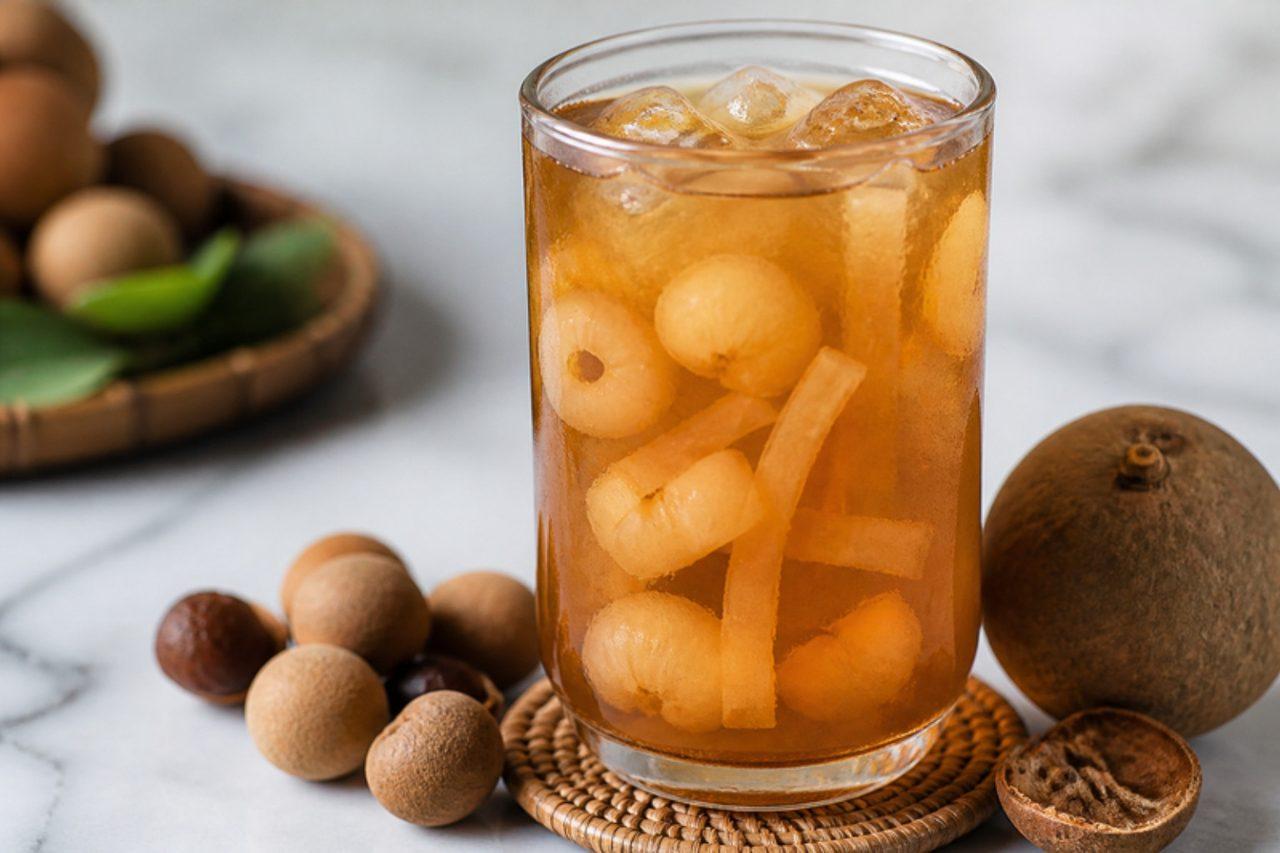
Air mata kucingLongan and winter melon drink

Petaling Street in Kuala Lumpur's Chinatown has a stall that has sold little else for decades, and on a hot afternoon the queue for its iced air mata kucing, 'cat's eye water', stretches down the lane. The 'cat's eyes' are dried longan, simmered with monk fruit, candied winter melon and rock sugar into a sweet, smoky, caramel-like brew that Chinese Malaysians drink to cool the body. Look for the dried ingredients in Chinese grocers. Chef's tip: boiling hard for too long makes it bitter from the monk fruit shell; keep it at a gentle simmer.

by KrazyBadal 0 views

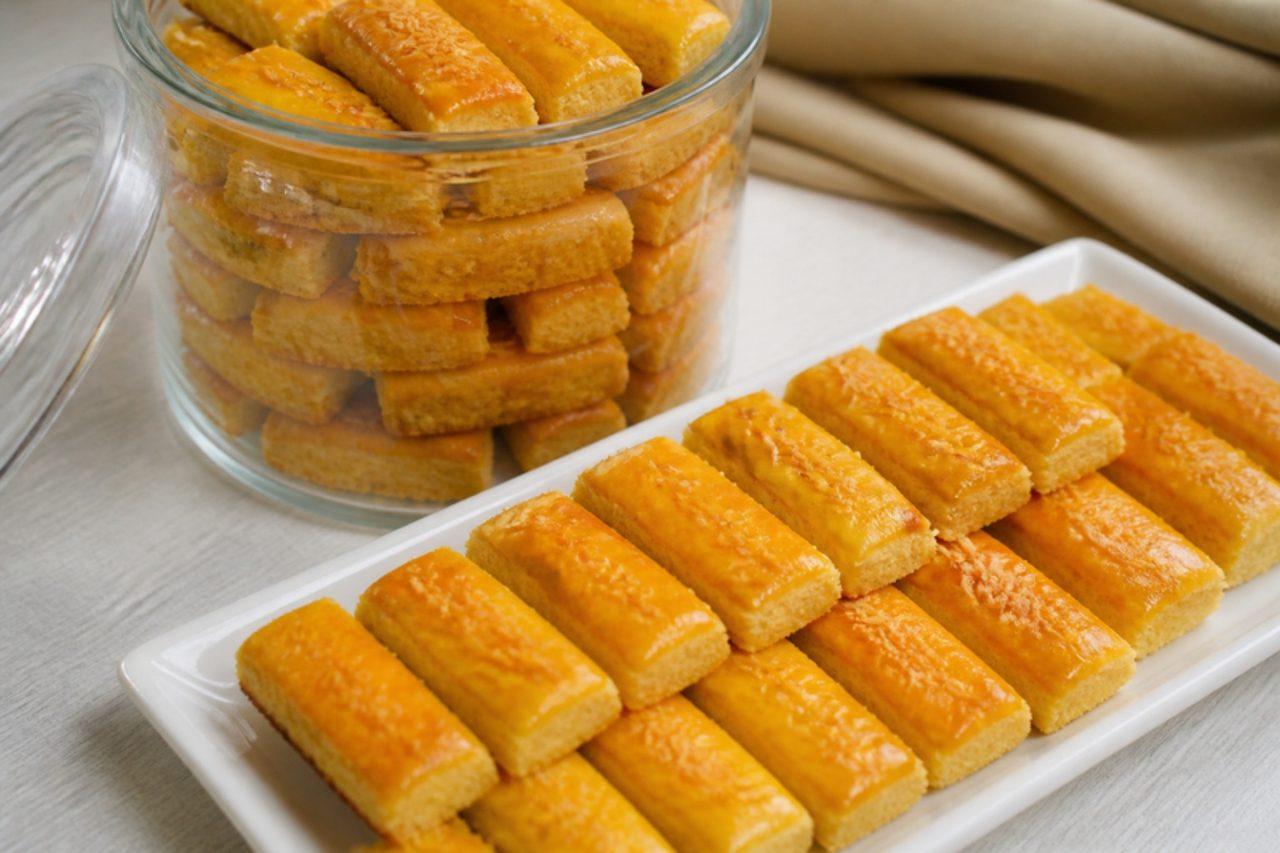
Kue kastengelCheese biscuit sticks

From Medan to Makassar, Lebaran open houses set out glass jars of kue kering, and kastengel (from the Dutch kaasstengels) are always among the first to go. These short, crumbly fingers are rich with butter and grated aged edam, glazed with yolk and topped with more cheese, so they bake into a salty, savoury biscuit that balances the sweet nastar and putri salju beside them. Chef's tip: don't overwork the dough once the flour goes in; kneading makes the sticks tough and they shrink in the oven instead of staying short and sandy.

by KrazyBadal 0 views

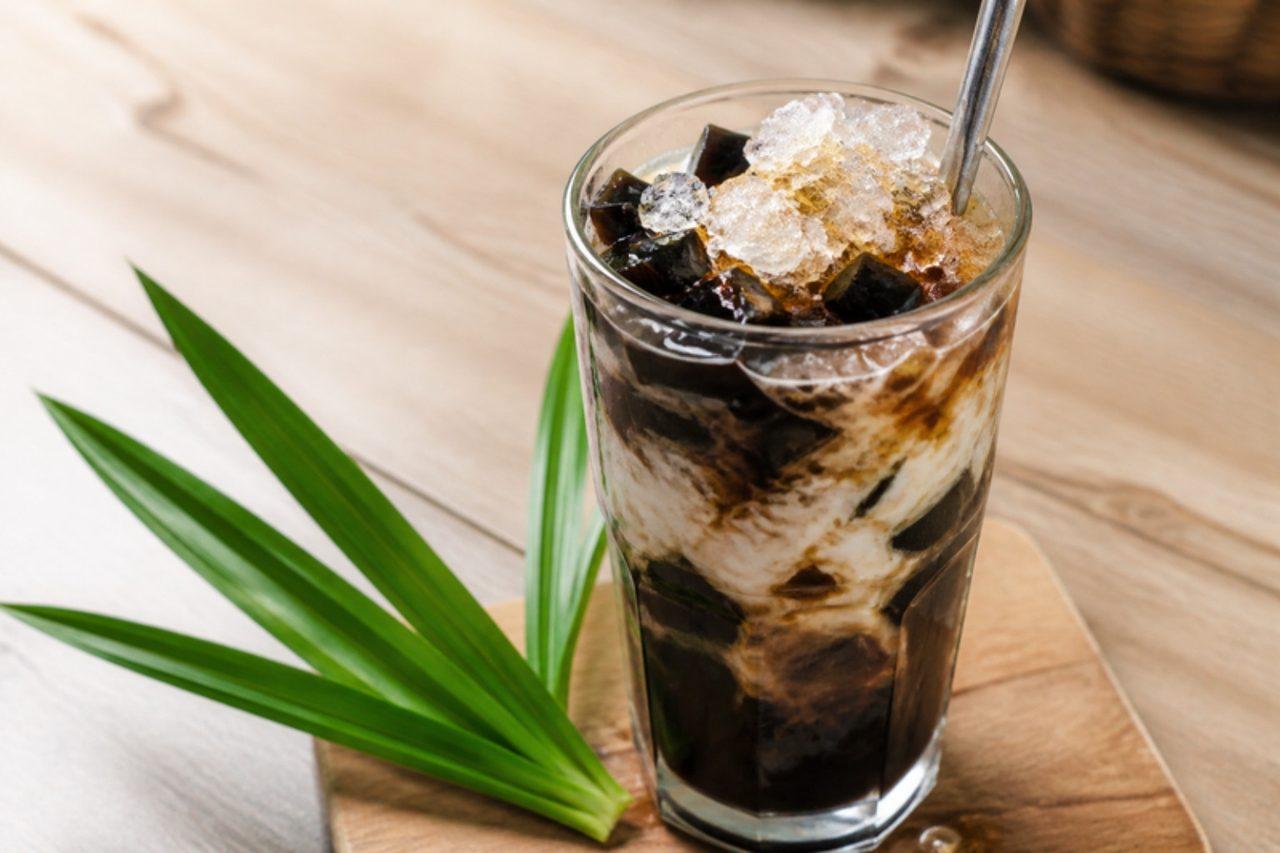
Es cincauGrass jelly drink

Glasses of es cincau are handed out at Ramadan iftar tables across Java and sold from roadside carts all year on hot afternoons. Cubes of black grass jelly, with its slightly bitter, herbal taste, sit in pale coconut milk and dark palm-sugar syrup over crushed ice, and the contrast is the whole joy of it. Ready-made grass jelly in tins is fine; this recipe sets your own from grass jelly powder. Chef's tip: let the jelly set fully and cold before cutting; cut warm, it tears and melts into the drink.

by KrazyBadal 0 views

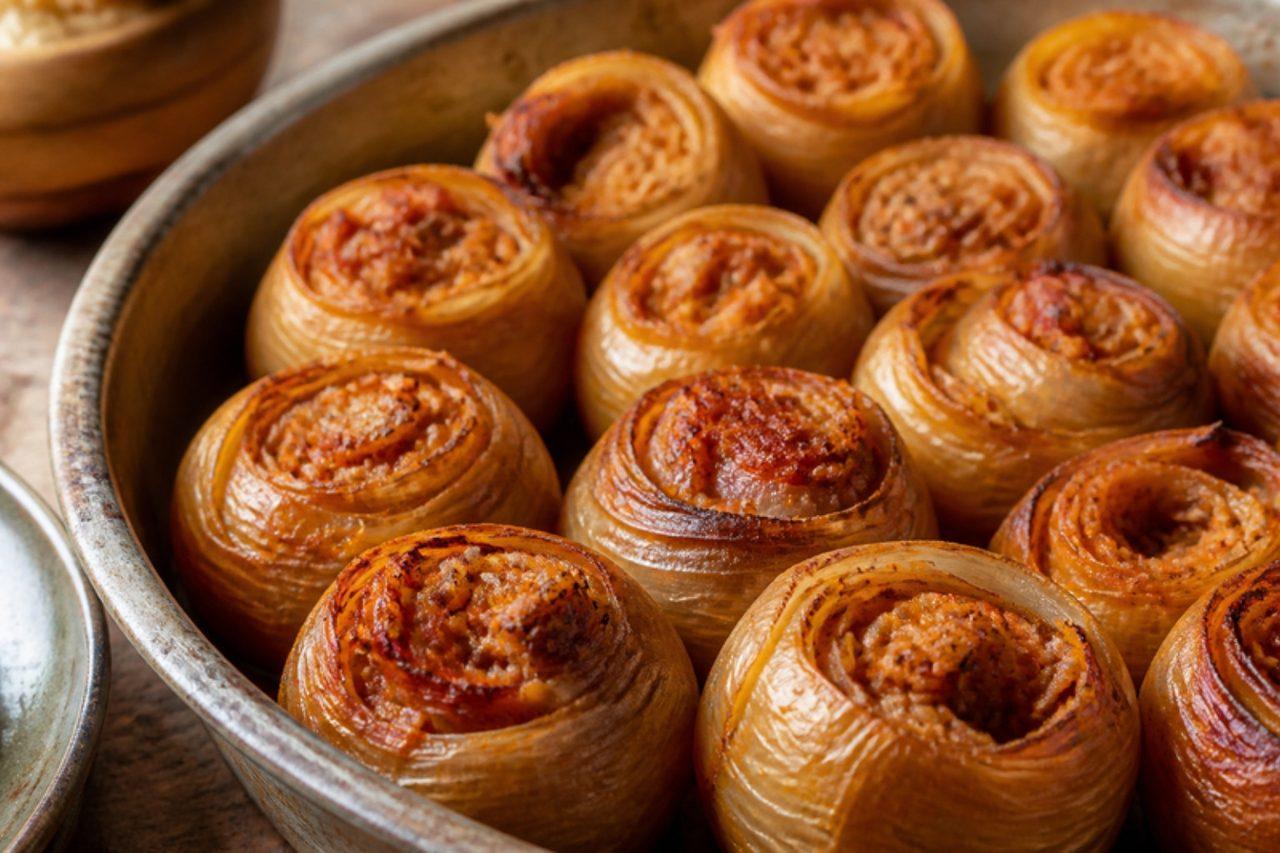
Mahshi basal (stuffed onion rolls)

Mahshi basal is the one the aunties argue over at big family gatherings in Cairo and the Delta: it takes patience, and the rolls that catch and caramelise at the bottom of the pot are the prize. Onion layers are softened, wrapped round tomato rice with cumin and a little pomegranate molasses, then cooked slowly until they turn sweet, sticky and deep golden. Serve as part of a mixed mahshi spread or on its own with yogurt. The common mistake is boiling the onions too long so the layers tear; pull them off as soon as they bend. Chef's tip: leave the pot alone for the last 15 minutes so the bottom layer can brown — that sticky edge is the point.

by KrazyBadal 0 views

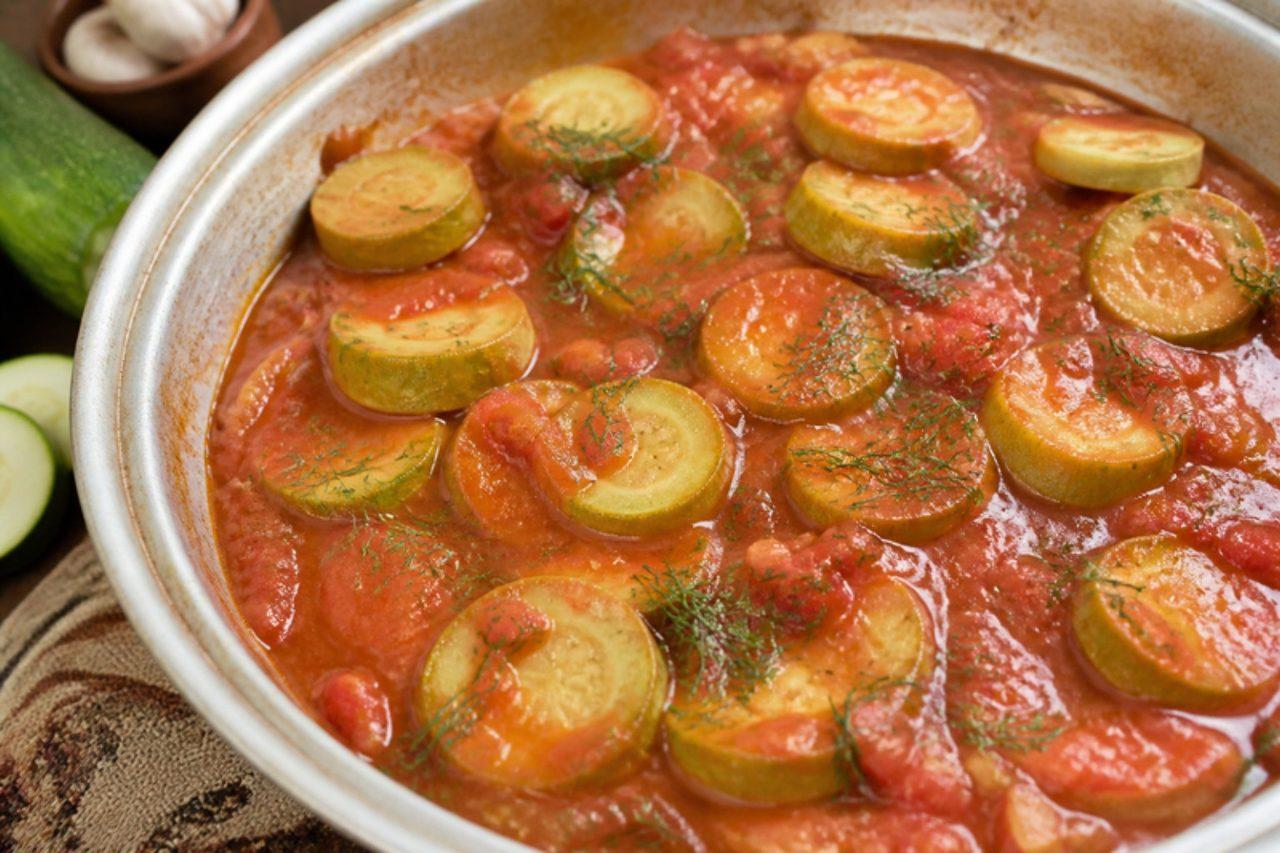
Kosa bel salsa (courgettes in tomato sauce)

The pale green Egyptian kosa is shorter and sweeter than a supermarket courgette, and in summer Delta towns like Tanta cook it in tomato sauce several times a week. This vegan version keeps the rounds just soft enough to hold together, in a light sauce with garlic and a handful of dill. It is light enough for a hot evening, eaten with rice or torn baladi bread. The classic mistake is stirring too hard so the courgettes collapse into mush; shake the pan instead. Chef's tip: if you can find pale Middle Eastern courgettes, use them; they hold their shape better and taste nuttier.

by KrazyBadal 0 views

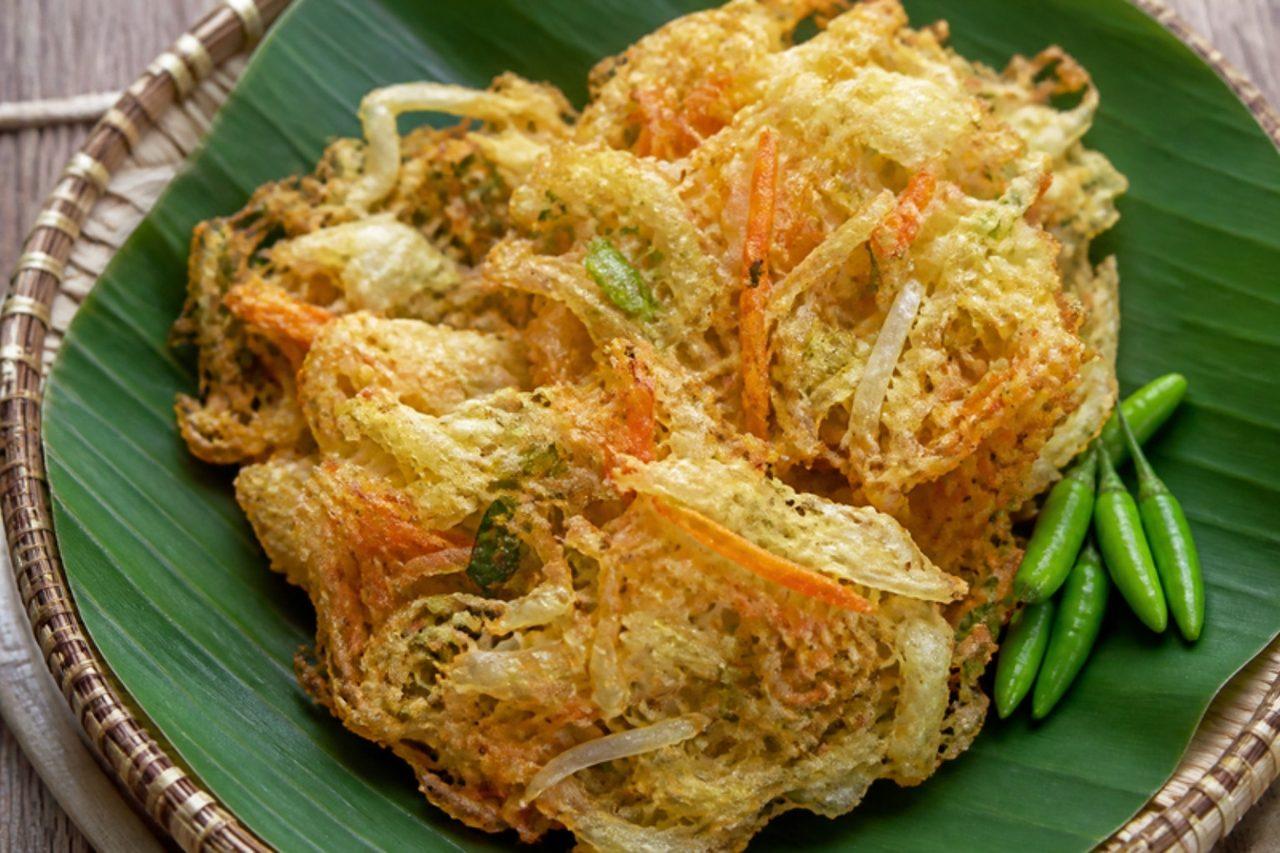
Bakwan sayurVegetable fritters

Gorengan carts across Java fry bakwan sayur from mid-afternoon, and office workers and students buy them by the paper bag, eating each crisp, lacy fritter with a raw green bird's-eye chilli bitten alongside. Shredded cabbage, carrot, bean sprouts and spring onion are held together with just enough garlicky batter to set into craggy, golden-edged rounds. Serve them hot with sambal kecap or with a bowl of soto. Chef's tip: the classic mistake is too much batter, which makes heavy, doughy fritters; the vegetables should be barely coated, with batter just clinging between the shreds.

by KrazyBadal 0 views

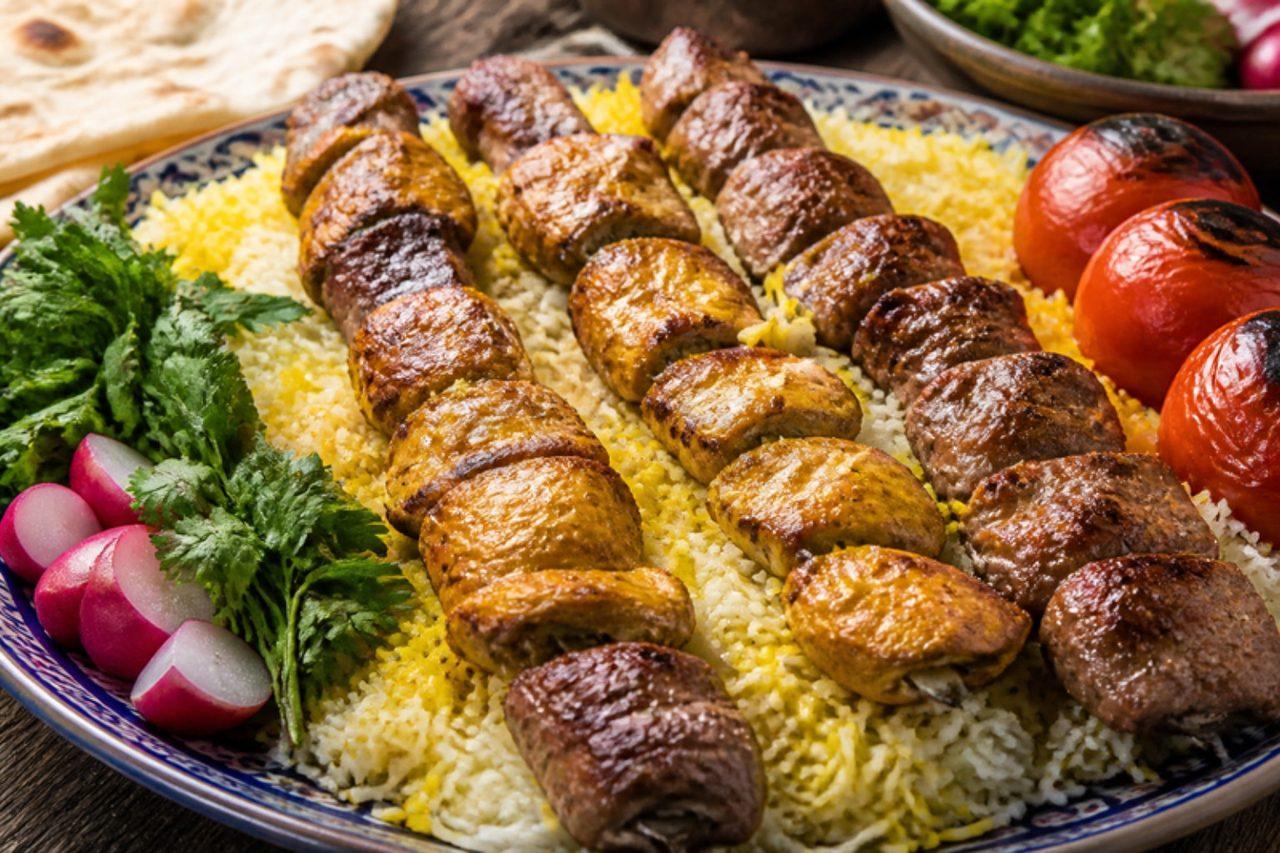
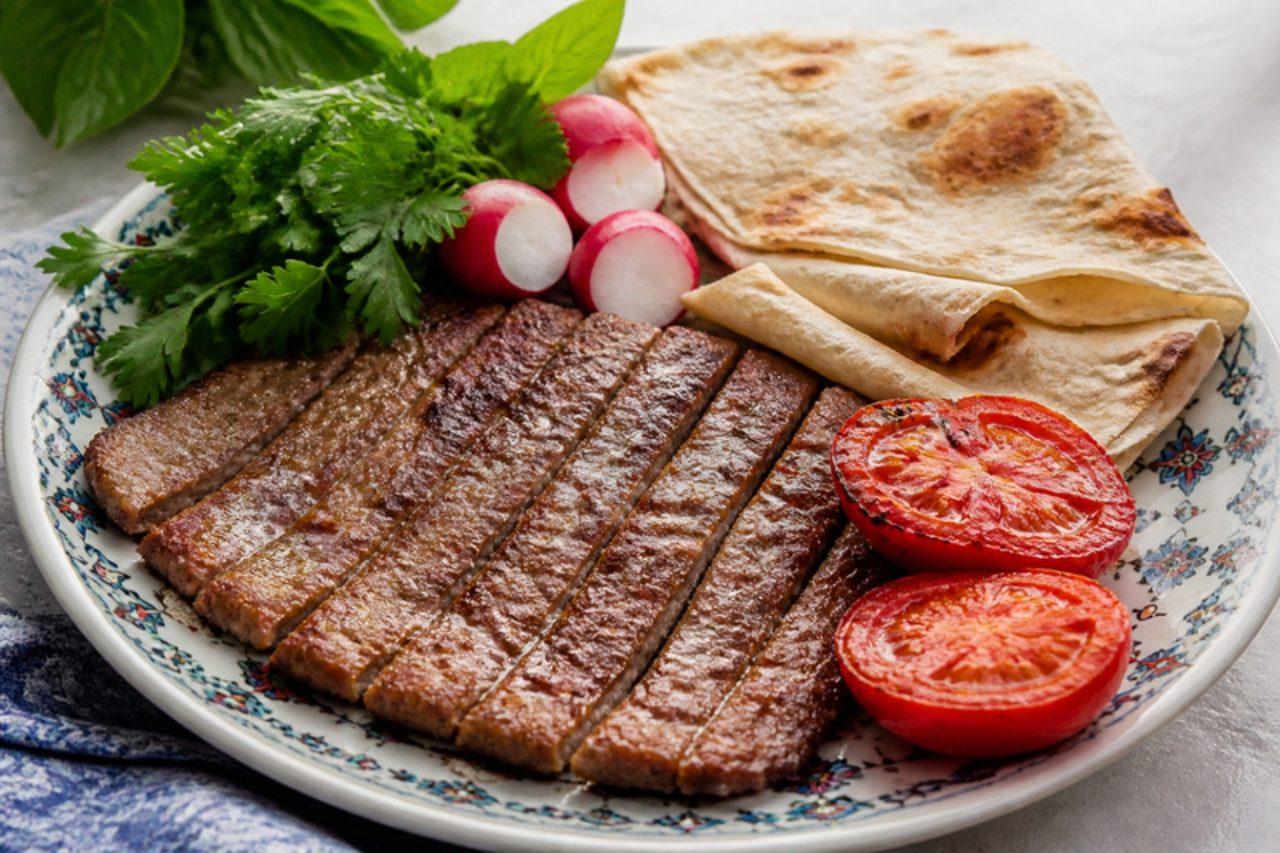
Kabab bakhtiariLamb and chicken kebab

Named after the Bakhtiari tribes of the Zagros mountains but really a creation of Iran's big city kebab houses, kabab bakhtiari puts lamb fillet and saffron chicken side by side on the same skewer, so each person gets both. It is a celebration order in Tehran and Isfahan restaurants, served with buttered chelow and grilled tomatoes. Each meat has its own marinade: onion and pepper for the lamb, saffron, lemon and yogurt for the chicken. The common mistake is cutting both meats to the same size; chicken needs slightly smaller pieces so it cooks through as the lamb reaches pink. Chef's tip: press the lamb and chicken pieces tightly together on the skewer so the juices pass between them as they grill.

165 minPersianMeatGluten free
by KrazyBadal 0 views

Sup kambingMutton soup

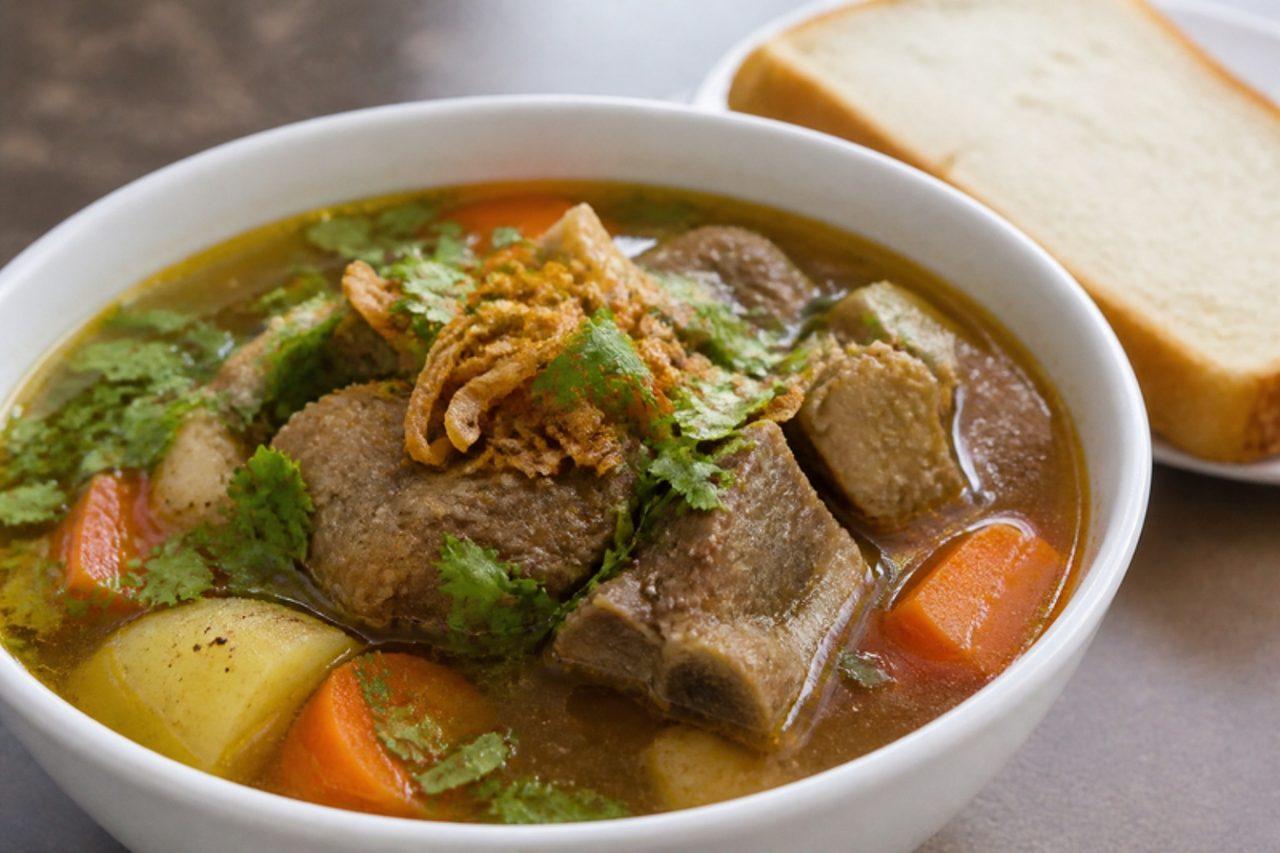
Mamak restaurants in Penang and Kuala Lumpur keep a pot of sup kambing going from breakfast to supper, ladled over chunks of mutton on the bone and eaten with slices of soft white bread or roti. The broth is clear but powerful: black pepper, star anise and cinnamon, a little tomato and potato, and a crown of fried shallots, celery leaves and lime. It is what Malaysians crave when they have a cold. Chef's tip: grinding the spices to powder clouds the broth and makes it gritty; tie them whole in a muslin bag, the way stalls do with their 'sup bunjut'.

by KrazyBadal 0 views

Bubur lambukSpiced beef rice porridge

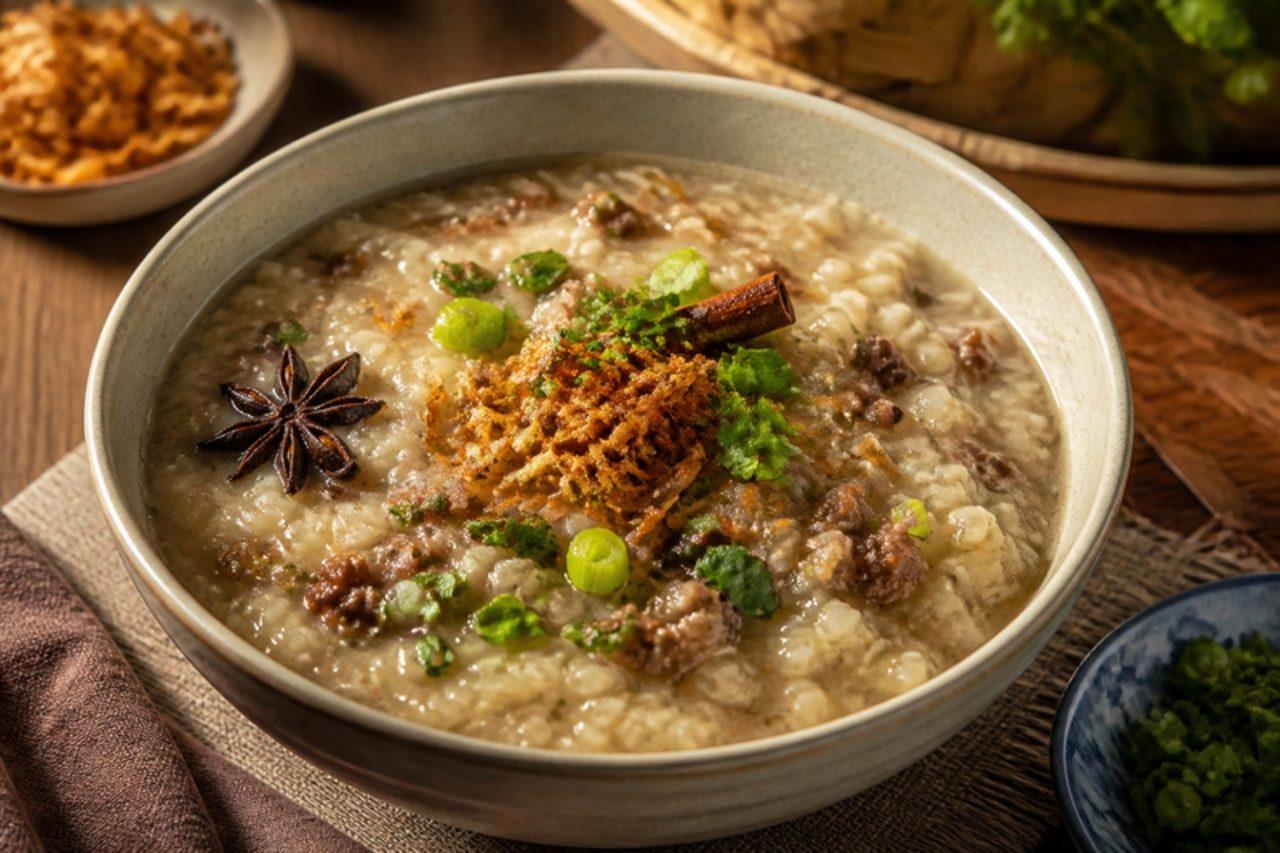
Every afternoon in Ramadan, volunteers at Masjid Kampung Baru in Kuala Lumpur stir bubur lambuk in cauldrons the size of bathtubs and hand out thousands of packets to whoever queues before iftar. The porridge is fragrant with star anise, cinnamon and cloves, made rich with minced beef and a splash of coconut milk, and finished with fried shallots and herbs. At home it makes a gentle, warming one-pot meal. A vegetable and sweet-potato version works well for vegetarians. Chef's tip: walking away from the pot is the usual mistake; porridge catches on the bottom, so stir often and keep the heat low once it thickens.

by KrazyBadal 0 views

CombroCassava balls with spicy filling

Combro comes from the Sundanese 'oncom di jero', oncom inside, and that hidden centre is the point: crumbled fermented oncom fried with chilli, shallot and a little palm sugar, wrapped in grated cassava and fried until golden. Families in Garut and Bogor eat them warm with sweet tea in the late afternoon, and they appear at village arisan gatherings by the tray. Oncom is hard to find outside Indonesia; crumbled tempeh gives a similar nutty, savoury filling. Chef's tip: squeeze the grated cassava hard in a cloth; if it stays wet, the balls split open in the oil and the filling leaks out.

by KrazyBadal 0 views

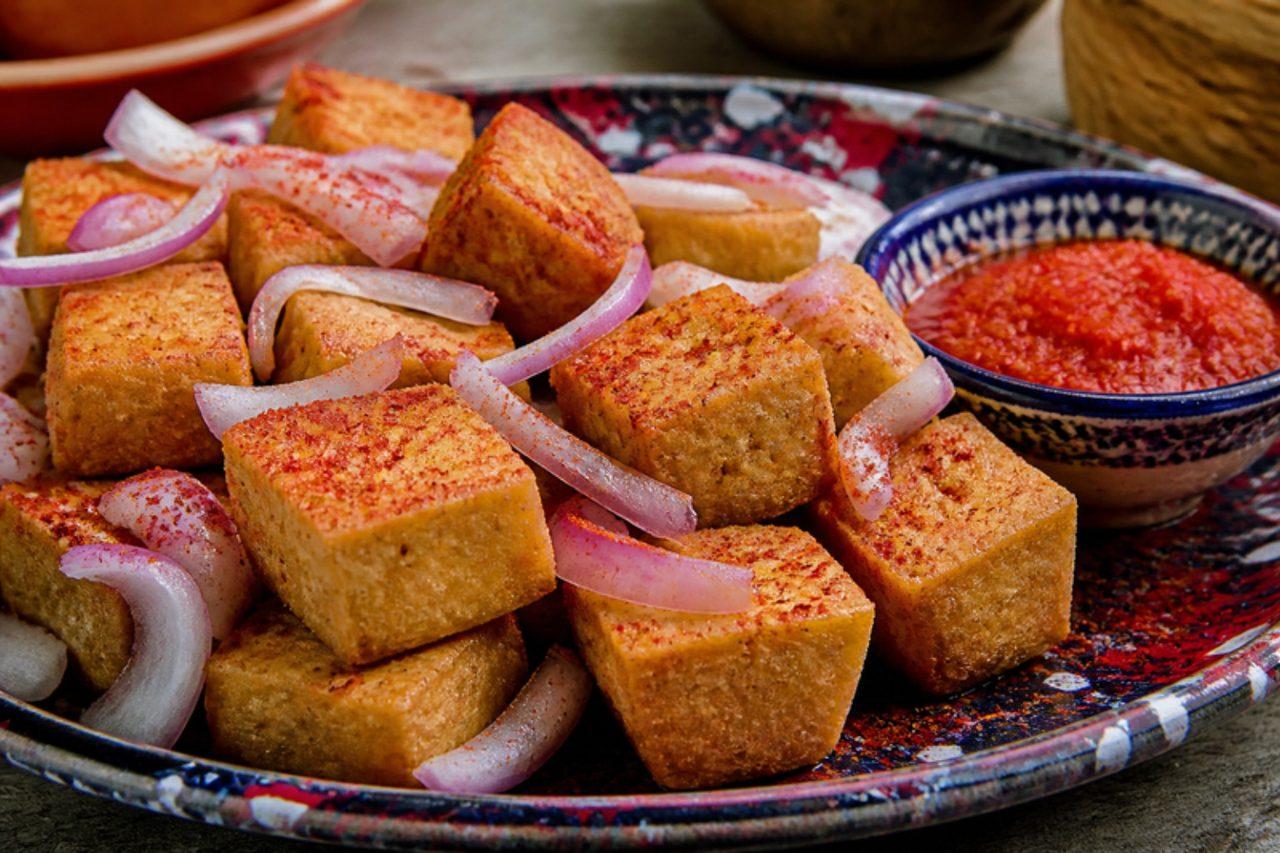
Awara

Evening hawkers in Kano, Zaria and Kaduna fry awara in wide pans of oil and sell it in paper with a sprinkle of yaji, the peanut-chilli suya spice: little cubes of homemade soybean curd that puff and turn golden outside and stay soft and tofu-like inside. It came to the North with soybean farming and is now a cheap, high-protein street snack, especially after maghrib prayers. Contains soy and peanut (in the yaji). The mistake is skipping the long boil: raw soy milk must simmer for a good 15 minutes to be digestible and taste sweet, not beany. Chef's tip: press the curd under a heavy pan for at least 20 minutes; firm awara cuts cleanly and doesn't spit in the oil.

by KrazyBadal 0 views

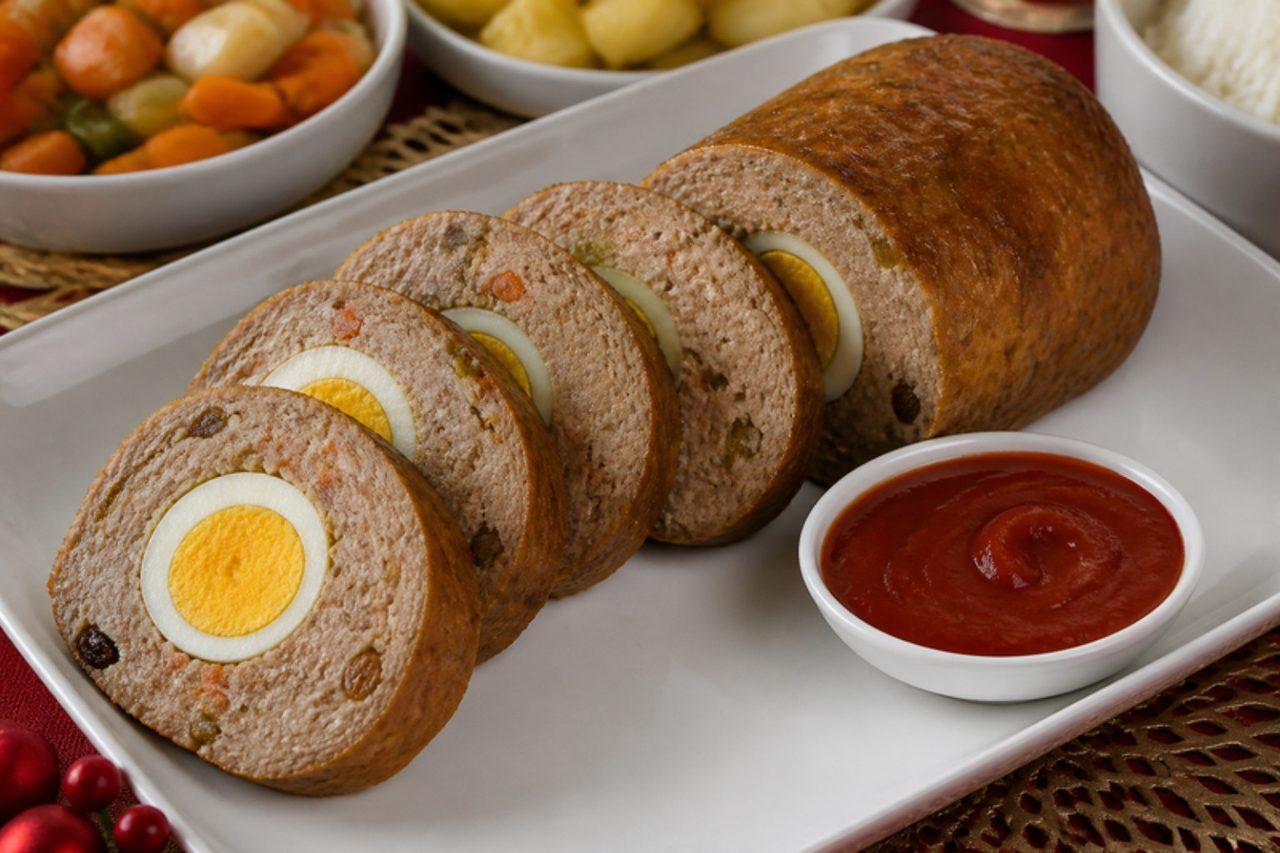
EmbutidoSteamed pork roll

Foil-wrapped logs of embutido are steamed days ahead of Noche Buena in kitchens all over the Philippines, then sliced cold or fried for the Christmas Eve spread. The roll is made from minced pork bound with egg and breadcrumbs and studded with carrot, sweet pickle relish and raisins, with boiled egg running through the middle so each slice shows a yellow-and-white centre. Serve with banana ketchup and rice, or in pandesal. Chef's tip: roll the foil tightly and twist the ends like a sweet; a loose wrap lets steam in and the roll comes out soggy and crumbly.

by KrazyBadal 0 views

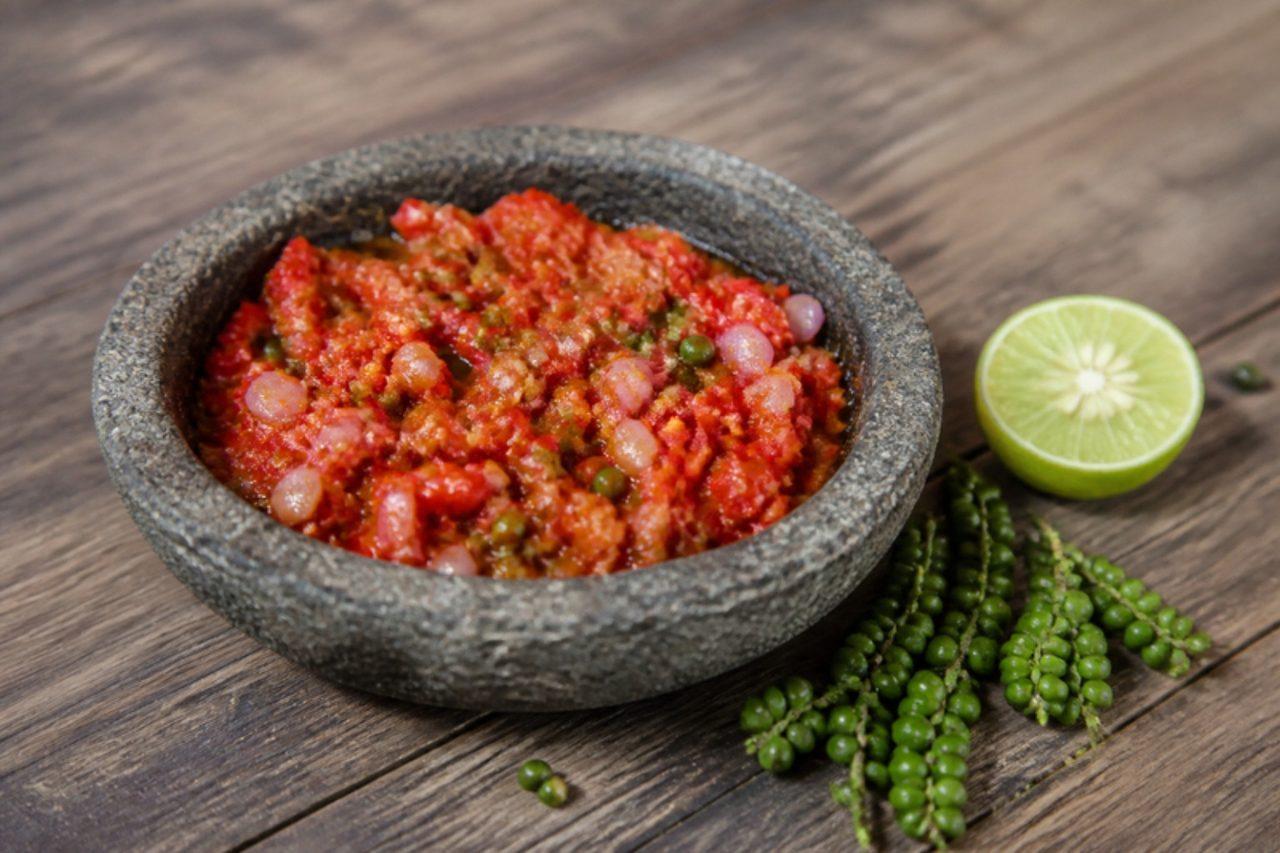
Sambal andalimanAndaliman pepper sambal

Around Lake Toba the Batak table nearly always holds a bowl of sambal andaliman, pounded fresh before lunch to go with grilled fish, arsik and boiled vegetables. Its signature is andaliman, a citrusy berry related to Sichuan pepper that makes the lips tingle and numb while the chillies bring the heat. It is raw, bright and lemony, best made the day you eat it. Dried andaliman is sold online and in Indonesian shops; Sichuan pepper is the nearest substitute. Chef's tip: toast the andaliman only briefly and pound it first; skipping that step leaves gritty husks and a dull, woody taste.

by KrazyBadal 0 views

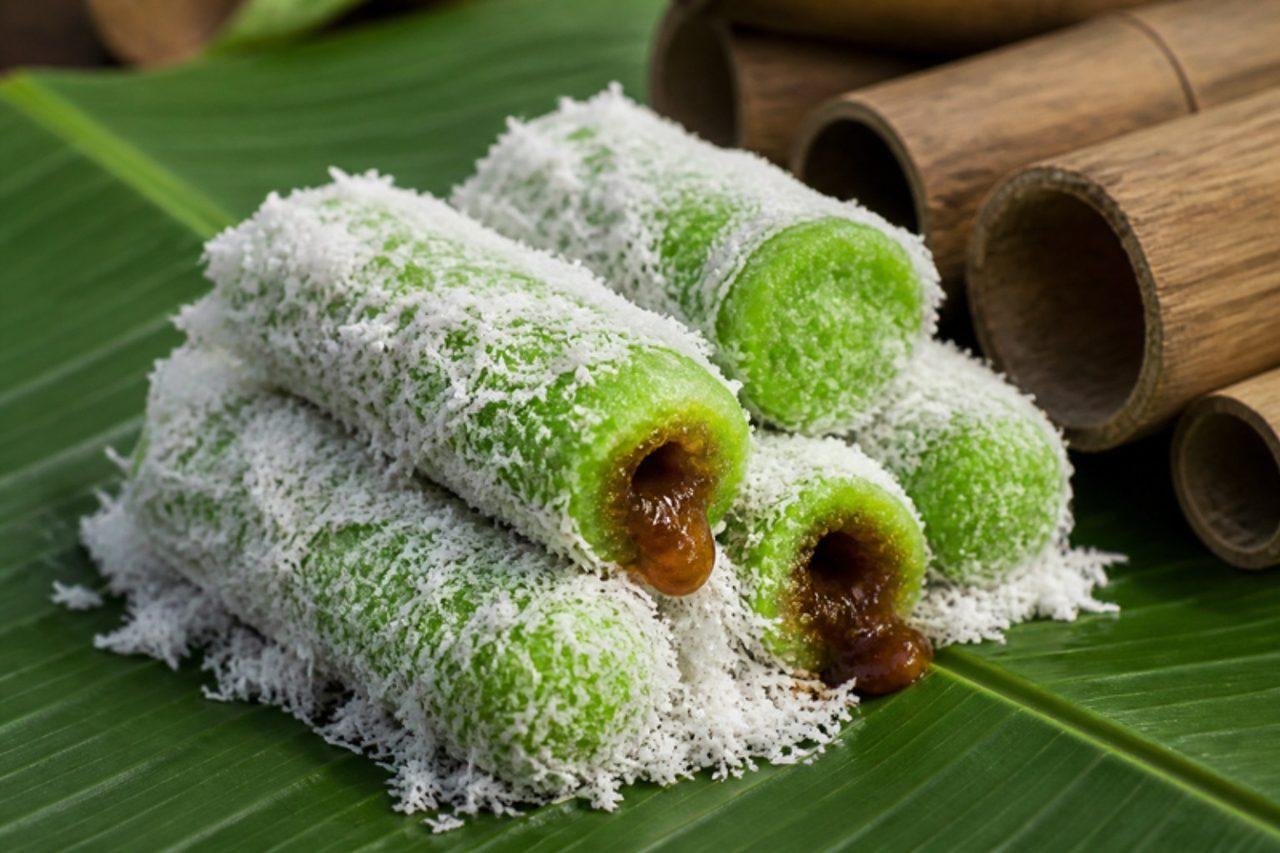
Kue putuPandan palm sugar cakes

After dark in Yogyakarta and Jakarta you can hear a kue putu seller before you see him: the steam cart whistles as the bamboo tubes cook. Each little cylinder is coarse pandan-green rice flour packed round a nugget of palm sugar, steamed for a few minutes until the sugar melts into a dark syrup, then pushed out and rolled in salted grated coconut. Eat them warm, straight away, as an evening snack. At home, small metal moulds, egg cups or a cut bamboo tube set over a steamer work well. Chef's tip: the rice flour must be damp and crumbly like wet sand, not a dough; pressing it too hard into the mould makes dense, rubbery cakes.

by KrazyBadal 0 views

Fakhfakhina (Alexandrian fruit salad with ice cream)

Fakhfakhina belongs to Alexandria's summer corniche, where juice shops like the famous ones near Mahatet el Raml build tall glasses of chopped mango, banana, guava, strawberries and apple, soaked in mango juice and crowned with scoops of ice cream, nuts and honey. It's an after-beach treat, eaten with a long spoon. The mistake is cutting the fruit hours ahead: banana and apple brown and the juice turns flat, so chop just before serving. Chef's tip: use thick mango nectar rather than thin juice; it clings to the fruit like a sauce. Contains milk and tree nuts; check the ice cream label for gelatine and egg.

by KrazyBadal 0 views

Kue putri saljuSnowball crescent cookies

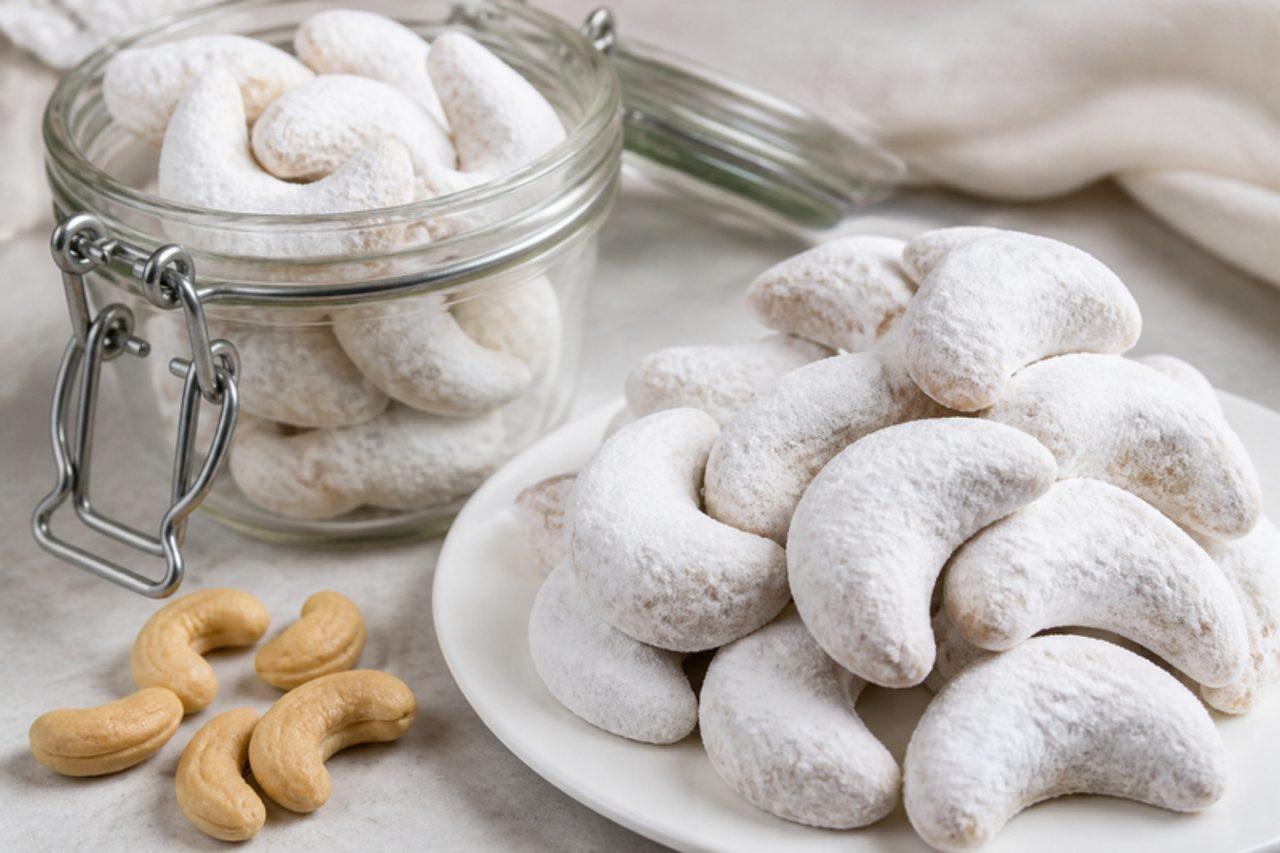
'Snow princess' cookies are a Lebaran favourite in every Indonesian city, set out in jars for the stream of visiting relatives during the first days of Syawal. Little crescents of buttery, nutty shortbread made with ground cashews melt the moment you bite them, under a thick snowy coat of icing sugar. Children love helping to roll the crescents. Chef's tip: dust them twice, once while warm so a thin layer melts on and once when cold for the snowy finish; dusting only hot cookies leaves them patchy and damp.

by KrazyBadal 0 views

IsawGrilled chicken intestines

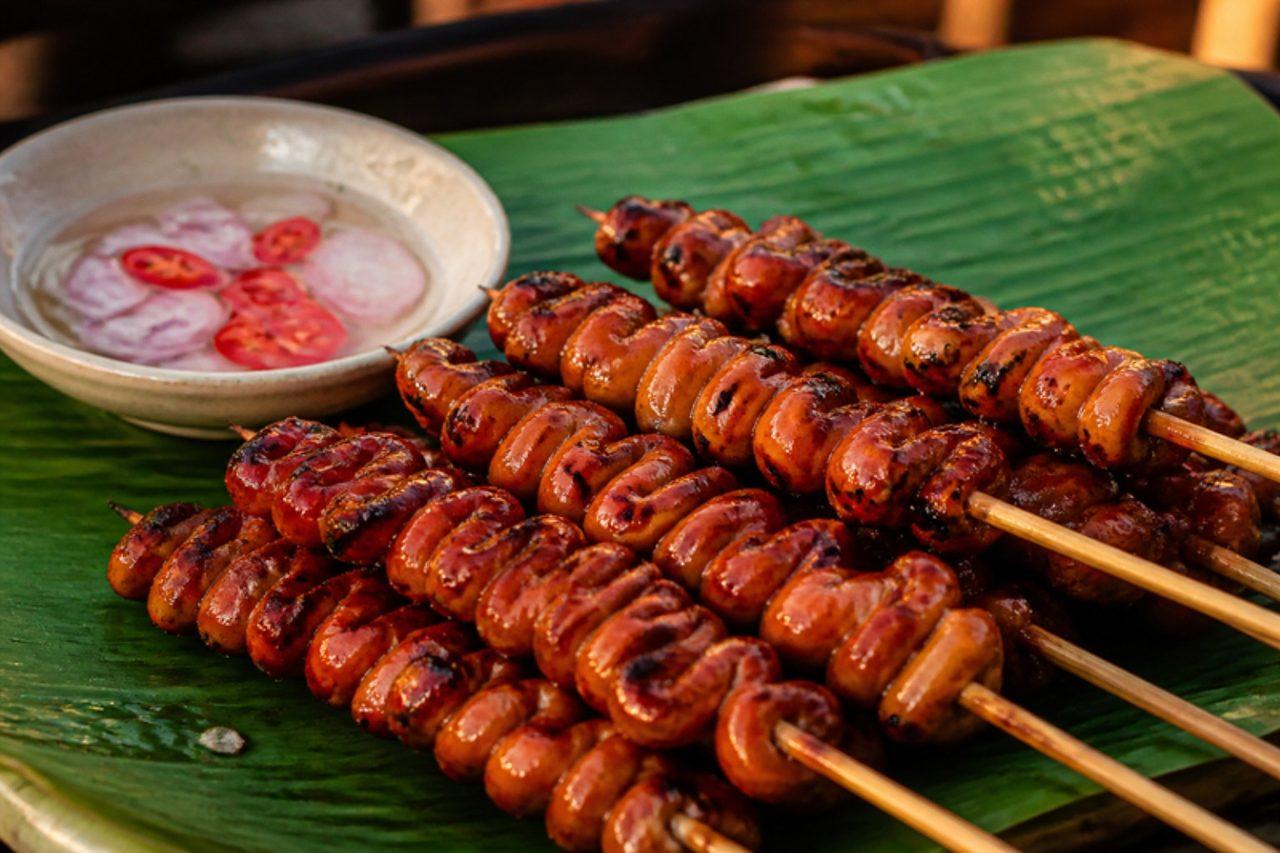
Around the University of the Philippines campus in Diliman and in night markets across Manila, isaw is the street-grill snack people queue for: chicken intestines threaded in coils on sticks, grilled over charcoal until crisp and smoky, and dipped in sour, chilli-spiked vinegar. At home the key is hygiene: the intestines are slit open, scrubbed with salt and vinegar, then simmered before grilling, so they are clean and cooked through to 74 °C. Chef's tip: never skip the simmering step; grilled-from-raw intestines char outside long before the inside is safe.

by KrazyBadal 0 views

Kuku gol-kalamCauliflower egg cake

Winter kitchens in Tehran and Isfahan turn cheap cauliflower into kuku gol-kalam, a family supper that is just as good cold the next day, tucked into bread for the office. The cauliflower is boiled soft, crushed with fried onion, turmeric and a little cumin, then bound with eggs into a golden, mild, slightly nutty cake. Serve it with bread, torshi and herbs. Many cooks leave the cauliflower in big chunks, so the kuku crumbles when cut; mash it roughly first. Contains egg. Chef's tip: dry the boiled cauliflower in the hot pan for a minute before mashing, which gets rid of the extra water and keeps the kuku firm.

by KrazyBadal 0 views

Khoresh-e aloo esfenajLamb, spinach and plum stew

In Tehran and along the Caspian, khoresh-e aloo esfenaj is a cold-weather dish, made when winter spinach is sweet and dried golden plums (aloo zard) hang in the bazaar. Lamb, yellow split peas and a mountain of wilted spinach cook down into a dark green stew that is sour first, then sweet, with soft plums melting through it. Serve it with plenty of chelow. People often add the plums at the start, but they dissolve and the stew turns muddy; they go in for the last half hour. Chef's tip: fry the spinach in a dry pan until all its water is gone before it meets the sauce, so the stew stays rich rather than watery.

by KrazyBadal 0 views

Chenjeh kababSaffron lamb kebab

Chenjeh, chunks of lamb grilled on wide flat skewers, is the kebab of the roadside restaurants on the road to Mashhad and the Friday grills of Tehran, where whole families queue for it with bread and grilled tomatoes. The meat marinates in grated onion, yogurt and saffron until tender, then cooks fast over hot coals so it is charred outside and juicy within. Serve it with chelow and butter, or lavash, sumac and grilled tomatoes. The usual mistake is cutting the pieces too small, so they dry out before they char; 3–4 cm cubes are right. Chef's tip: strain the grated onion and use only its juice in the marinade, so no onion bits burn on the grill.

175 minPersianMeatGluten free
by KrazyBadal 0 views

Kuih keriaSweet potato doughnuts

Afternoon kuih sellers in Kuala Lumpur and Ipoh pile kuih keria on trays still warm, each ring wearing a thin white shell of crystallised sugar that crackles when you bite. The dough is mostly mashed sweet potato with just enough flour to hold it, so the inside is soft and almost creamy. Orange-fleshed sweet potato gives a sunny colour; the yellow or purple ones are used too. Chef's tip: adding the sugar to syrup that isn't boiled long enough leaves the doughnuts sticky; it must reach the point where a drop turns cloudy and grainy on a cold plate.

by KrazyBadal 0 views

Air jagungSweet corn drink

Night markets in Selangor and Perak sell air jagung in tall cups, a pale-yellow, lightly sweet drink made from fresh corn cooked with pandan and blended smooth; some stalls stir in evaporated milk, but the plain version is vegan and very refreshing. It tastes like the milk from the bottom of a bowl of sweetcorn, with a grassy pandan note. Chef's tip: skipping the sieve is a common short cut that leaves the drink gritty with husk; strain it well, pressing on the pulp.

by KrazyBadal 0 views

Sapin-sapinLayered sticky rice cake

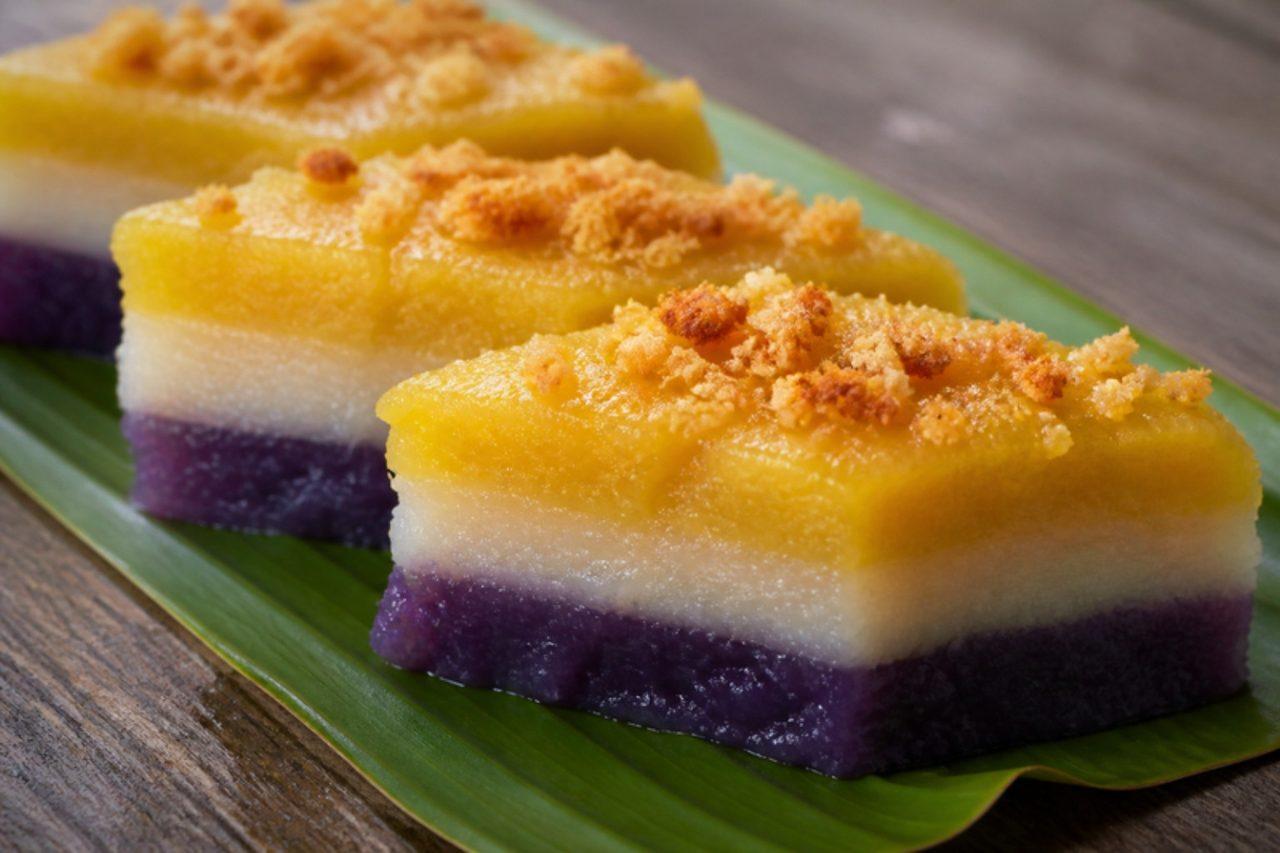
The name means layered, and in Pampanga, the kitchen of the Philippines, sapin-sapin is a showpiece for fiestas and Christmas tables: a steamed glutinous rice and coconut cake built in stripes of purple ube, plain white and golden jackfruit, each set before the next is poured. It is cut in diamonds and scattered with latik, the toasted coconut curds left when coconut cream is cooked down. The texture is soft, sticky and cool. Chef's tip: steam each layer until it is just set before pouring the next; pour too early and the colours bleed into one muddy layer.

by KrazyBadal 0 views

Buko pandanCoconut pandan jelly dessert

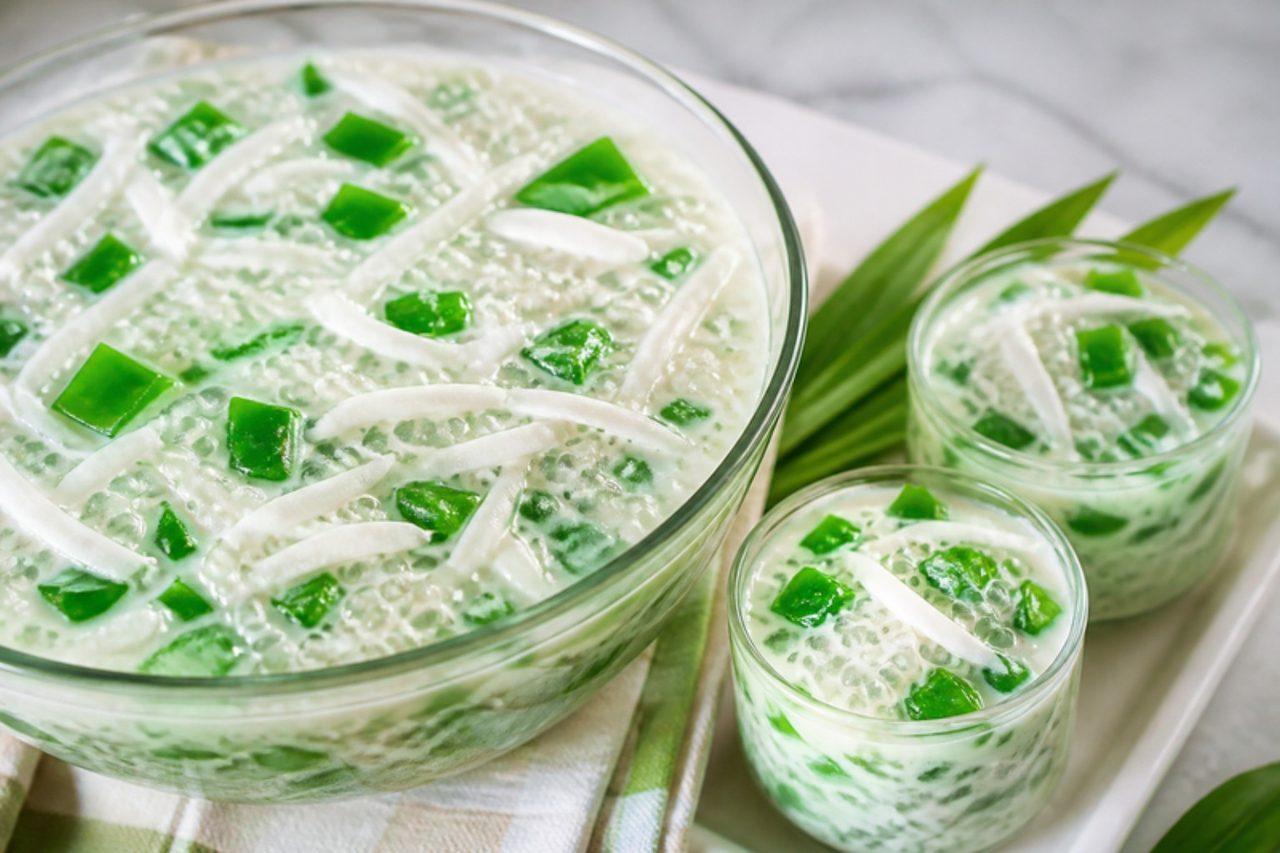
Big bowls of buko pandan come out of Filipino fridges for Christmas, New Year and every family reunion in between. Soft strips of young coconut and cubes of bright green pandan jelly are folded into chilled sweetened cream, so each spoonful is cool, fragrant and slightly chewy. This version sets the jelly with agar (gulaman) rather than gelatin, so it is fully vegetarian. Chef's tip: let the jelly set completely before cutting and folding; half-set agar breaks into mush and turns the cream cloudy green.

by KrazyBadal 0 views

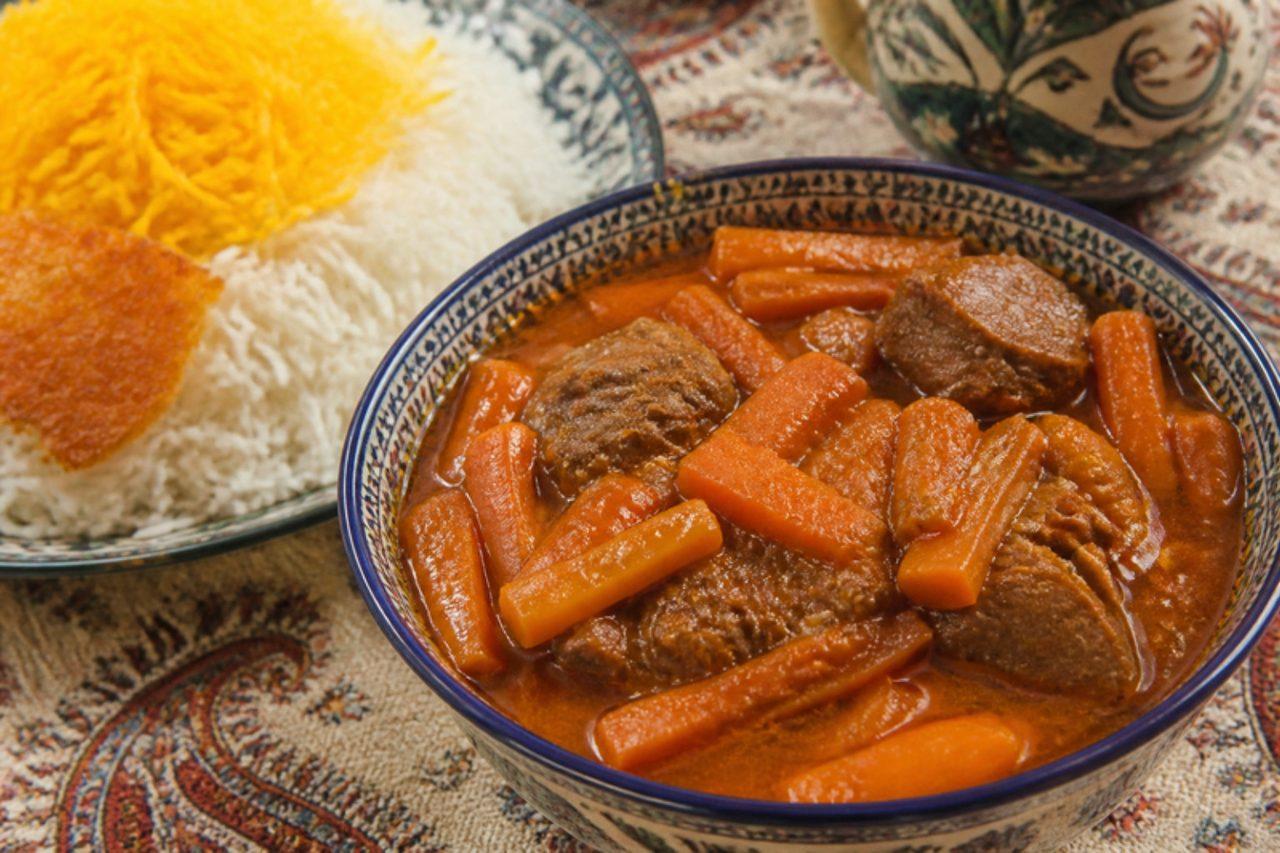
Khoresh-e havijCarrot and lamb stew

Tabriz cooks in Iranian Azerbaijan like their stews a little sweet, and khoresh-e havij is a winter weeknight dish there and in Tehran, made with thin batons of carrot fried until they caramelise. The lamb cooks soft in a turmeric and onion broth, then the carrots go in with saffron, a spoon of sugar and lemon, giving a bright orange, gently tangy stew. Serve it with chelow and a green salad. The common slip is cutting the carrots thick; they stay hard and never take on the sauce, so cut them like matchsticks. Chef's tip: a handful of yellow split peas, added with the water, makes it more filling, as many Tabrizi families do.

by KrazyBadal 0 views

Kuih cara manisMini pandan pancakes

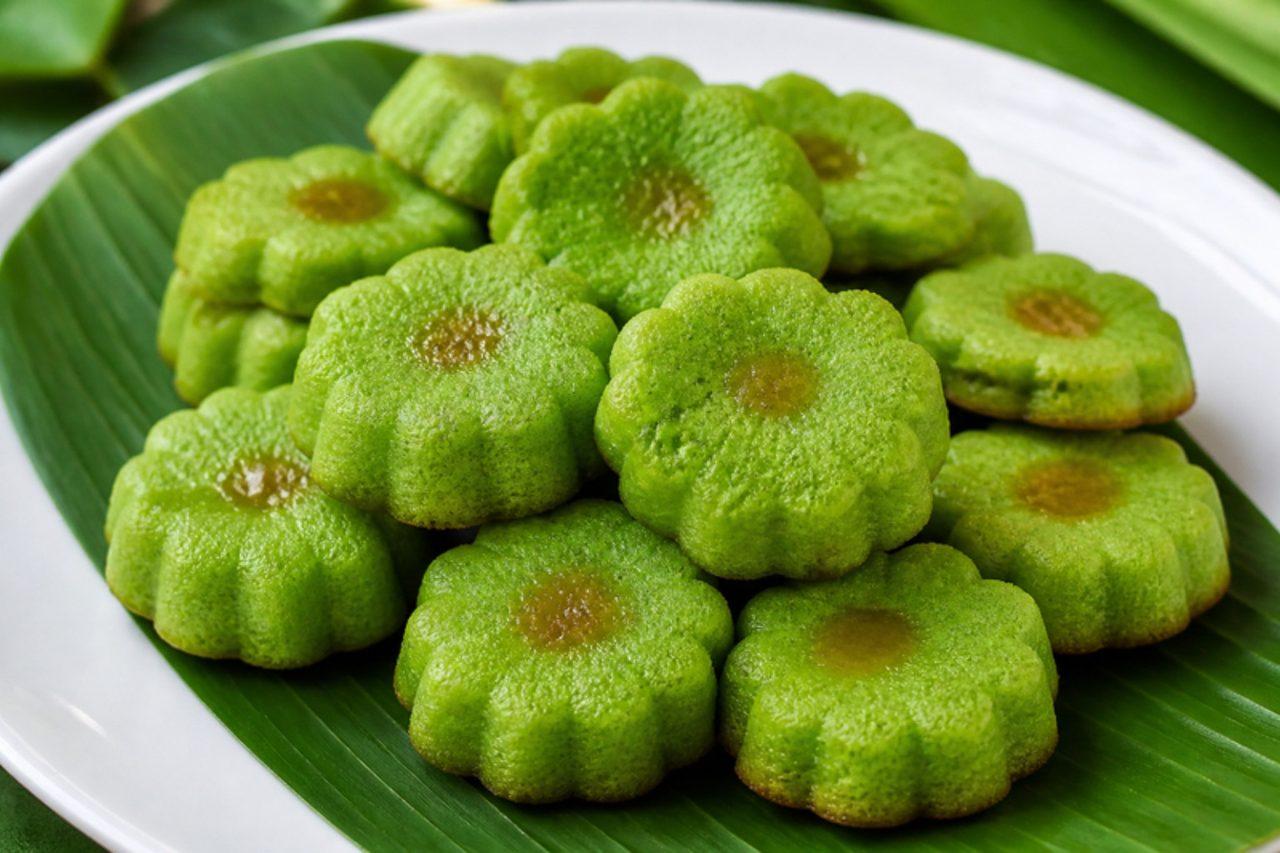
Kuih cara manis are cooked in a cast-iron pan of shallow flower-shaped cups, the same pan used for the savoury kuih cara berlauk, and Malay families make both for breakfast or teatime, especially on weekend mornings in Pahang and Negeri Sembilan. A thin pandan coconut batter sets into soft little flowers, and a pinch of sugar dropped into each centre melts into a glossy pool. They take minutes and are best eaten warm. An aebleskiver or takoyaki pan works if you have no kuih cara mould. Chef's tip: adding the sugar too soon makes it sink and burn; wait until the batter edges have set but the middle is still wet.

by KrazyBadal 0 views

PalitawSticky rice discs with coconut

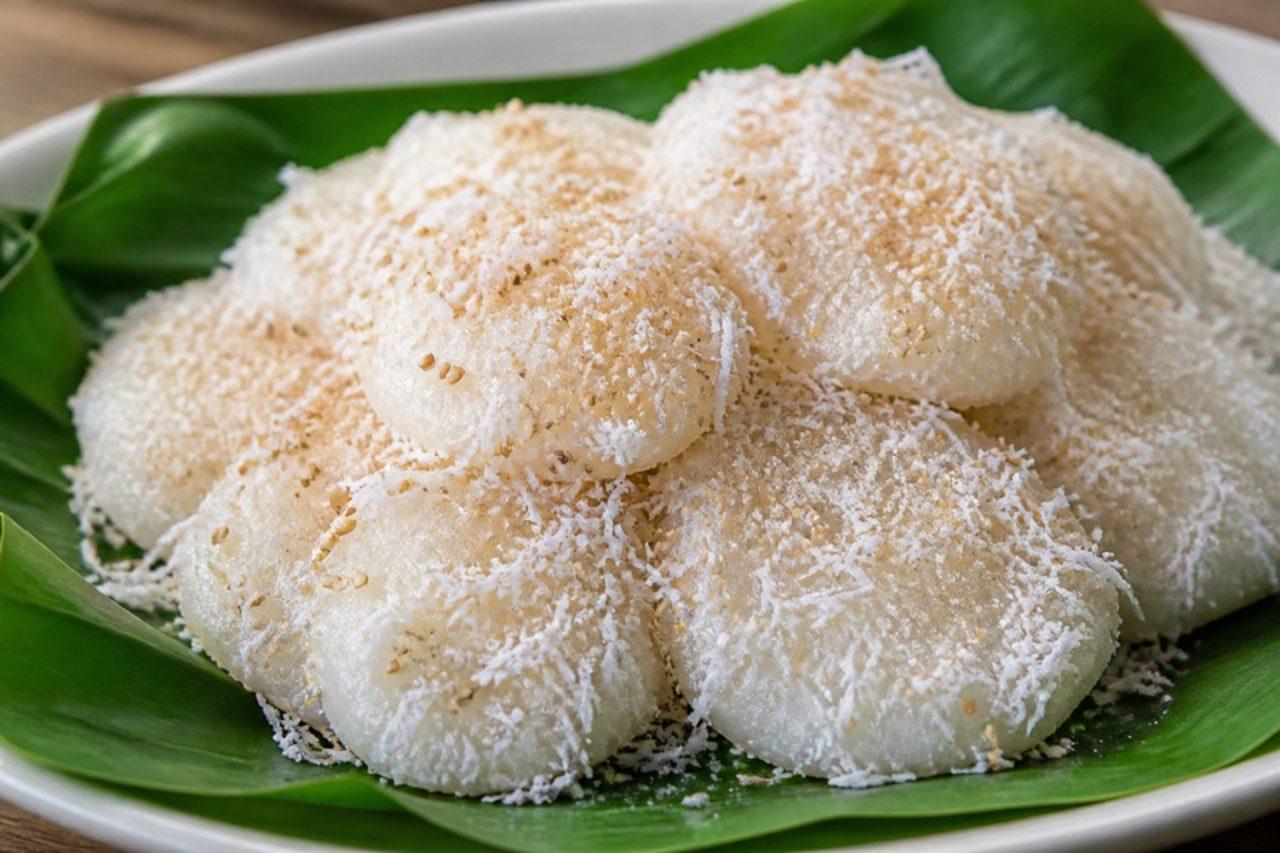
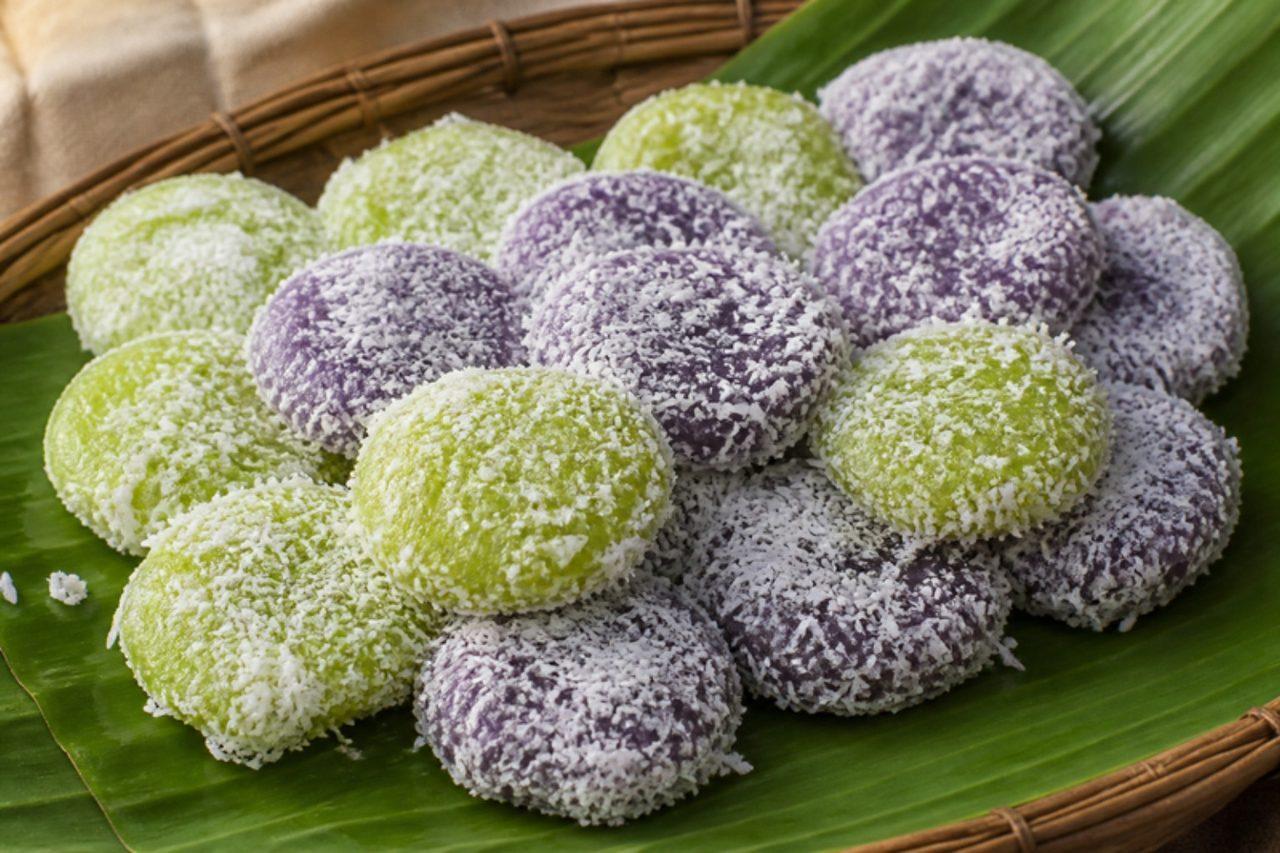
Palitaw comes from the Tagalog word for rising to the surface, which is exactly how you know they are cooked. Flat ovals of glutinous rice dough are dropped into boiling water, sink, then float up a minute later; they are lifted out, rolled in freshly grated coconut and finished with a sprinkle of sugar mixed with toasted sesame. Vendors in Laguna and Batangas sell them warm on banana leaves for merienda. Chef's tip: roll the dough thin, about 5 mm; thick palitaw float before the centre is cooked and stay pasty inside.

by KrazyBadal 0 views

Air katiraBasil seed and gum drink

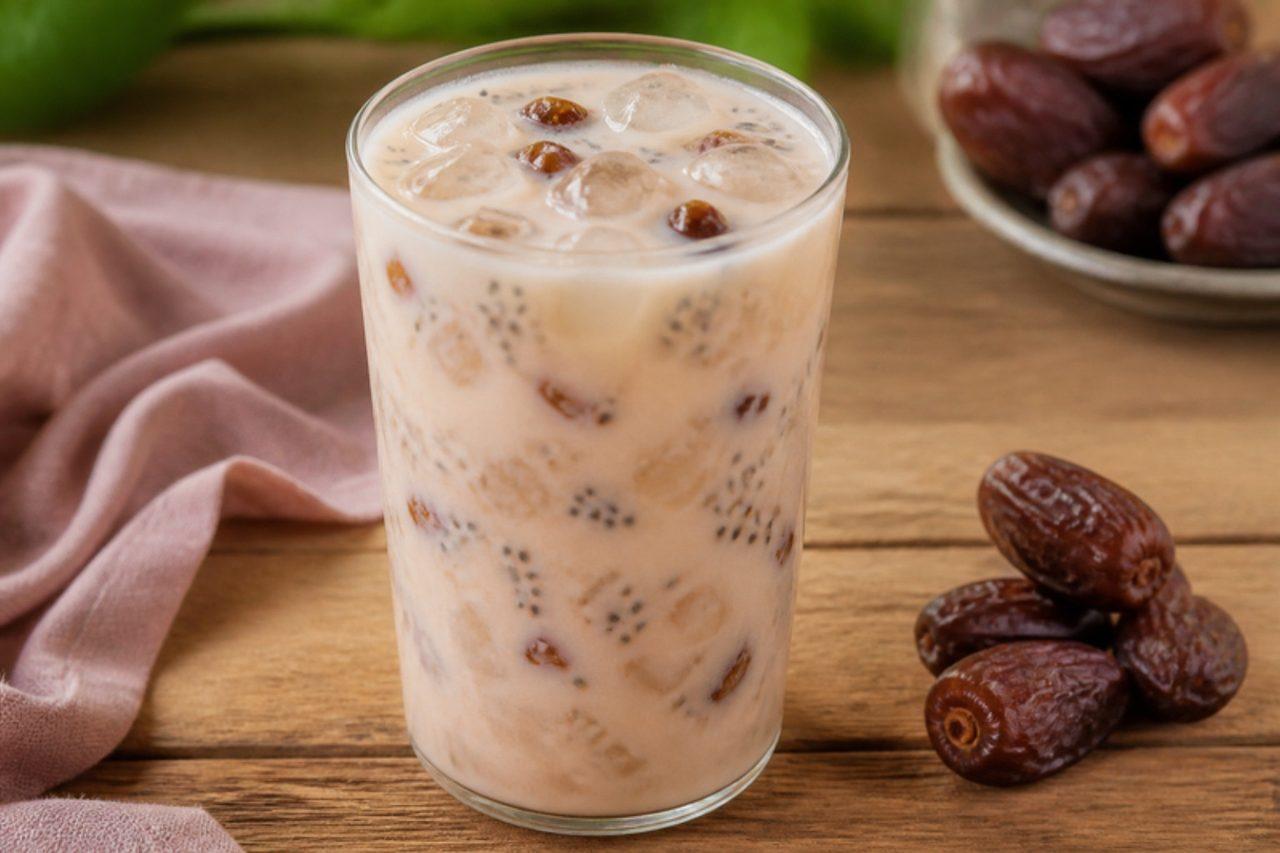
Air katira comes out at Kelantan's Ramadan bazaars in Kota Bharu, sold in bags of milky drink full of soft, jelly-like katira gum and speckled basil seeds, often with slivers of date. Katira is tragacanth gum, soaked overnight until it swells into translucent, wobbly crystals; it is believed to cool the body after a day of fasting. Find it at Indian or Middle Eastern grocers as 'gond katira'. Chef's tip: not soaking the katira long enough is the usual mistake; hard centres crunch unpleasantly, so give it at least 8 hours in plenty of water.

by KrazyBadal 0 views

Pichi-pichiCassava gummies with coconut

Grated cassava, sugar and water steamed in little cups turn into pichi-pichi: soft, translucent, wobbly bites the colour of amber or tinted with ube or pandan, then rolled in grated coconut. They are a party staple across Quezon and Manila, and bakeshops also roll them in grated cheese, though the coconut version keeps them vegan. Served chilled or at room temperature with coffee. Chef's tip: squeeze the grated cassava only lightly; wringing out all the juice gives you dry, crumbly cakes instead of chewy, glossy ones.

by KrazyBadal 0 views

Serunding dagingSpiced beef coconut floss

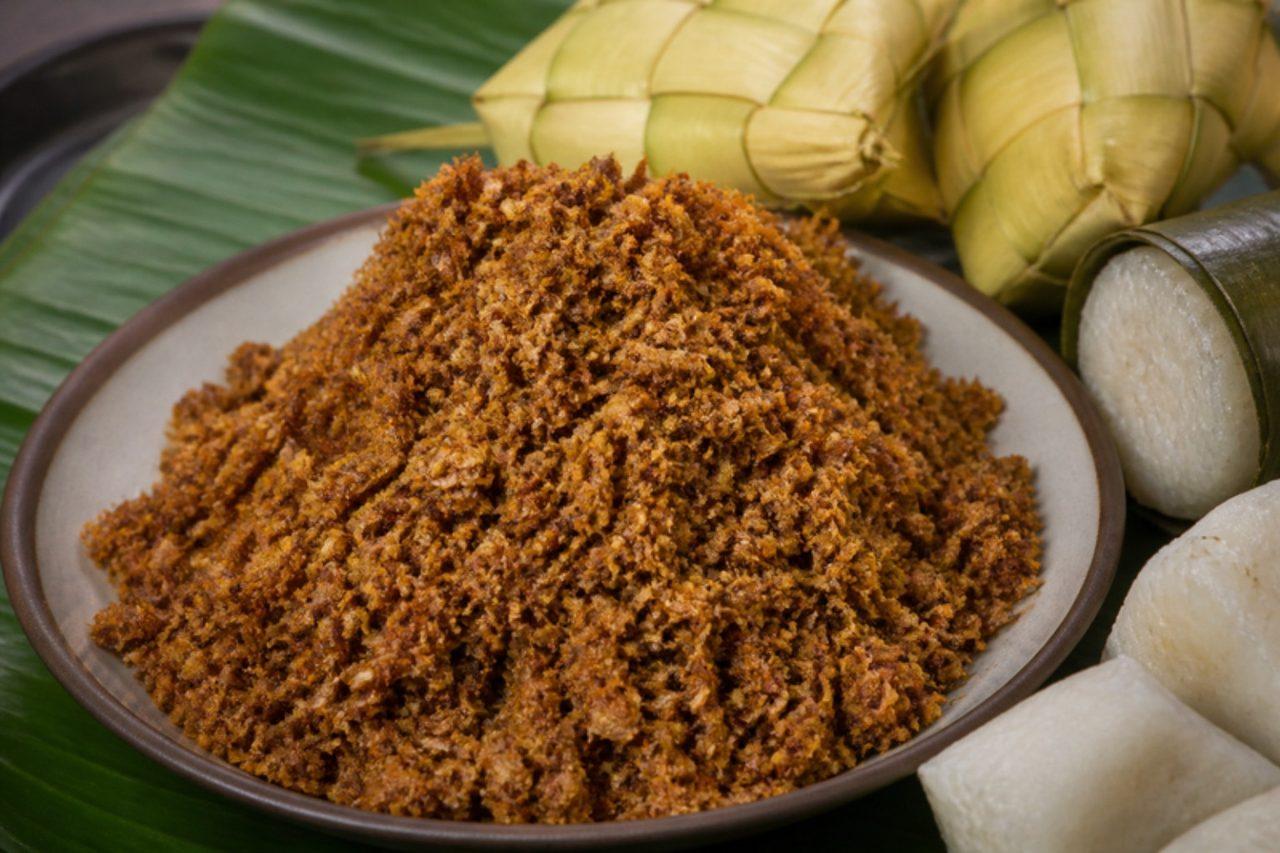
On the first morning of Hari Raya, Malay families across the peninsula set out serunding daging beside lemang (rice cooked in bamboo) and ketupat, and jars of it are sent to relatives who couldn't come home. Beef is simmered tender, shredded into fine threads and slowly dry-fried with a lemongrass and chilli paste and grated coconut until it is fluffy, dark and almost crisp. It keeps for weeks and is wonderful sprinkled over plain rice. Chef's tip: turning up the heat to speed things up scorches the coconut and makes it bitter; it needs low heat and constant stirring for the full hour.

by KrazyBadal 0 views

MorconStuffed beef roll

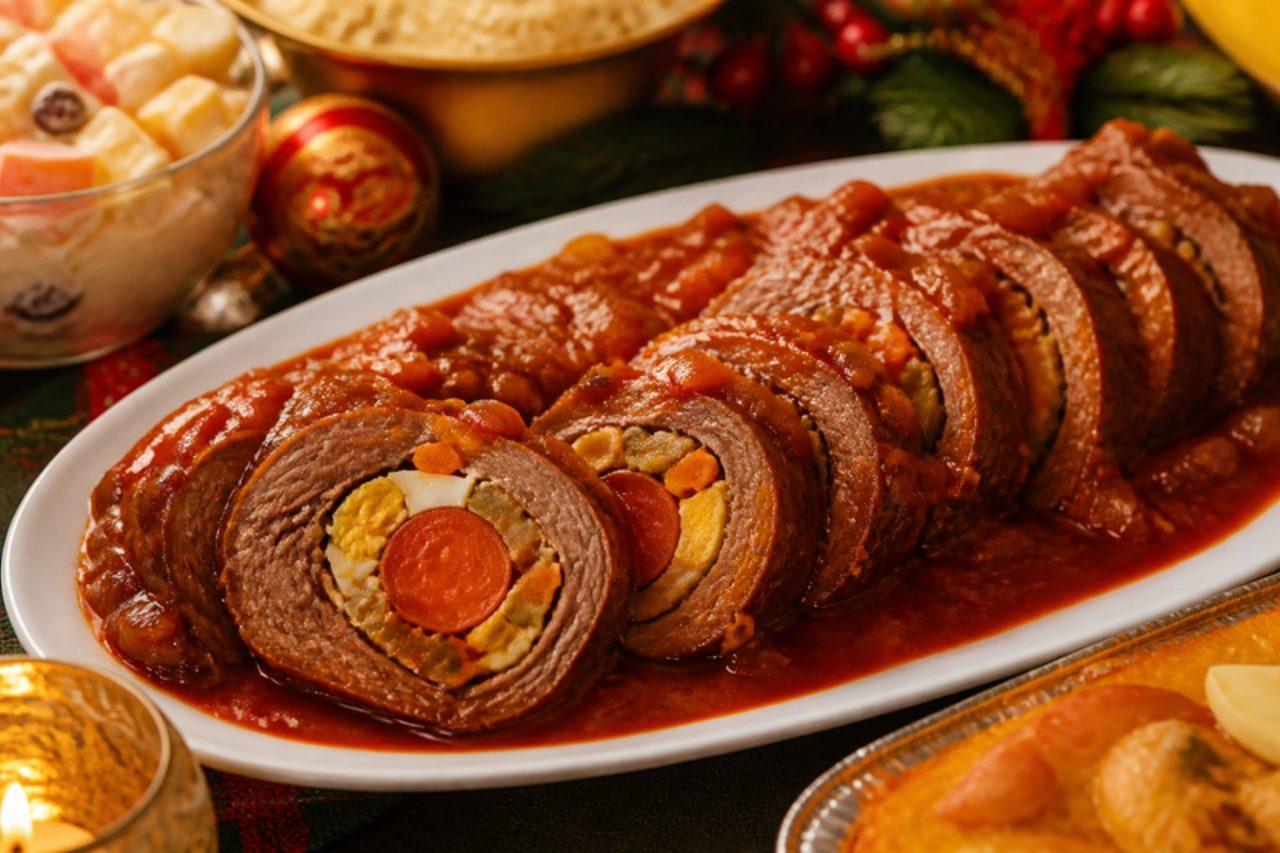
Morcon is a fiesta and Christmas centrepiece from Spanish-era kitchens in Pampanga and Batangas: a thin sheet of beef wrapped around strips of sausage, carrot, pickle and boiled egg, tied up, browned and braised slowly in tomato sauce until meltingly tender. Sliced, it shows a colourful mosaic, and the reduced sauce is spooned over steamed rice. It takes time but can be cooked a day ahead and reheated in its sauce. Chef's tip: pound the beef to an even thickness before rolling; thick patches tear the roll and stay tough while thin ones fall apart.

165 minFilipinoMeat
by KrazyBadal 0 views

Kabab tabeiPan-fried minced meat kebab

Kabab tabei is the kebab Iranian students make in a frying pan when there is no grill, and the quick weeknight dinner in flats all over Tehran: minced meat with grated onion and turmeric pressed flat across the pan, cut into strips and fried in its own juices. It tastes like koobideh without the charcoal and is ready in half an hour. Serve it with chelow or bread, pan-fried tomatoes and raw onion. The mistake is a cold pan, which makes the meat stew; heat it well first and don't move the slab until it has browned. Chef's tip: once the first side is cooked, tip in halved tomatoes around the meat; they soften in the juices and become the sauce.

by KrazyBadal 0 views

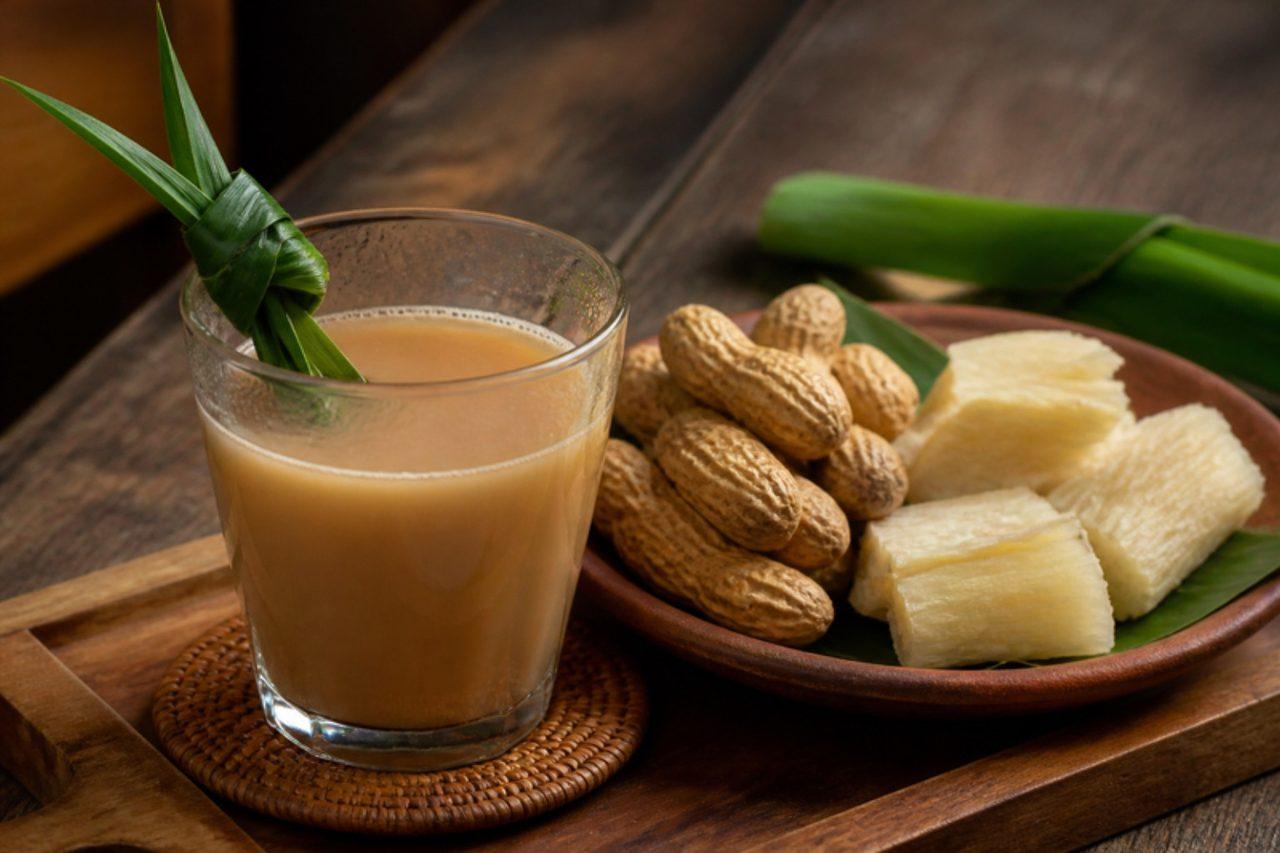
BajigurCoconut palm sugar drink

Bajigur carts in Bogor and Bandung come out in the late afternoon, steaming pots of coconut milk with palm sugar, ginger and pandan served alongside boiled peanuts, cassava and sweet potato. It is creamy and caramel-sweet with a warm ginger finish, a drink to wrap your hands round on a cool highland evening. Some sellers add a spoon of coffee; this version leaves it out. Chef's tip: keep it below a boil once the coconut milk is in; boiling makes it grainy and an oily film forms on top.

by KrazyBadal 0 views

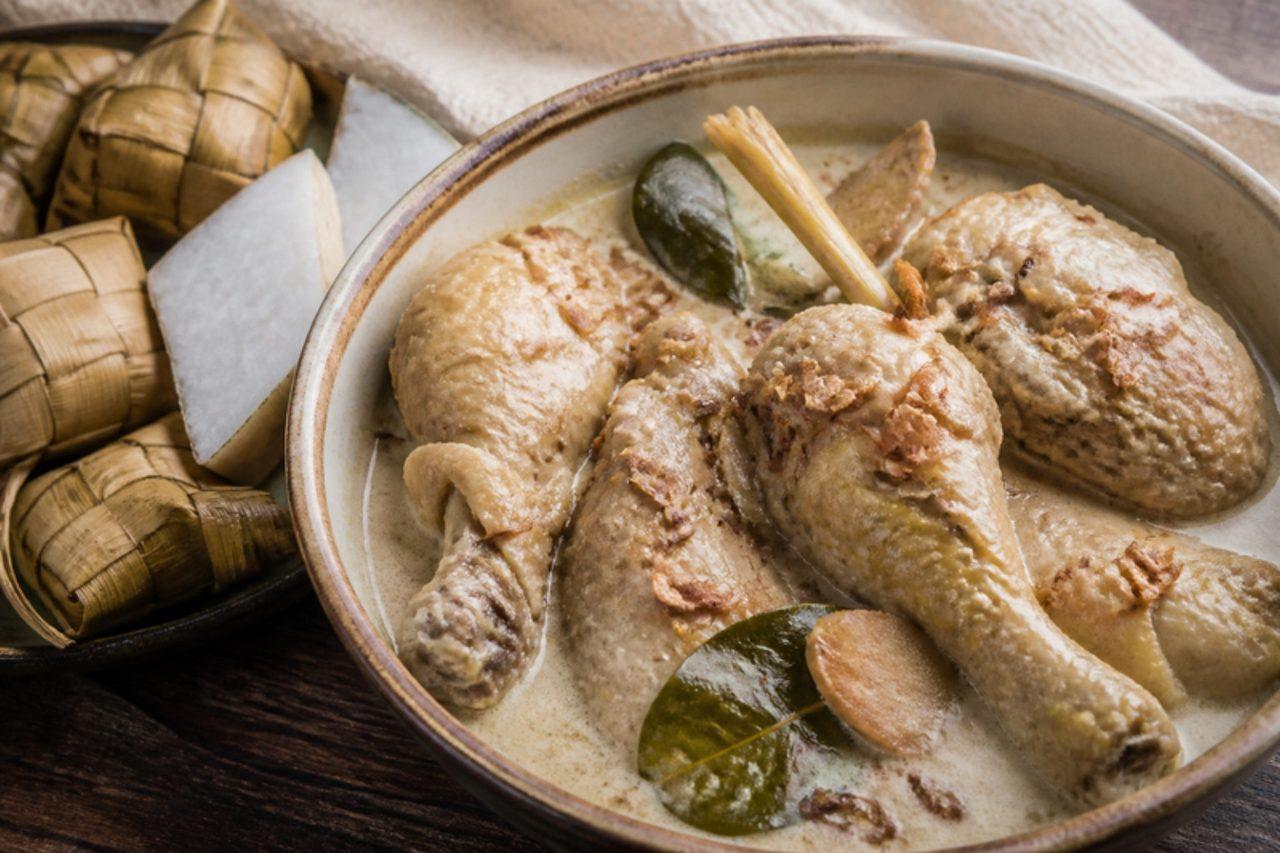
Opor ayamChicken in coconut milk

Ask anyone in Java what they eat on the first morning of Lebaran and the answer is opor ayam with ketupat: chicken simmered slowly in a creamy, ivory coconut sauce perfumed with coriander, lemongrass, galangal and salam leaf, rich but not at all fiery. Families cook a big pot the night before so the flavours deepen, then serve it with sambal goreng ati and crackers. For a vegetarian version, use fried tofu and hard-boiled eggs. Chef's tip: toast the candlenuts and coriander before grinding; raw, they make the sauce taste flat and slightly bitter.

by KrazyBadal 0 views

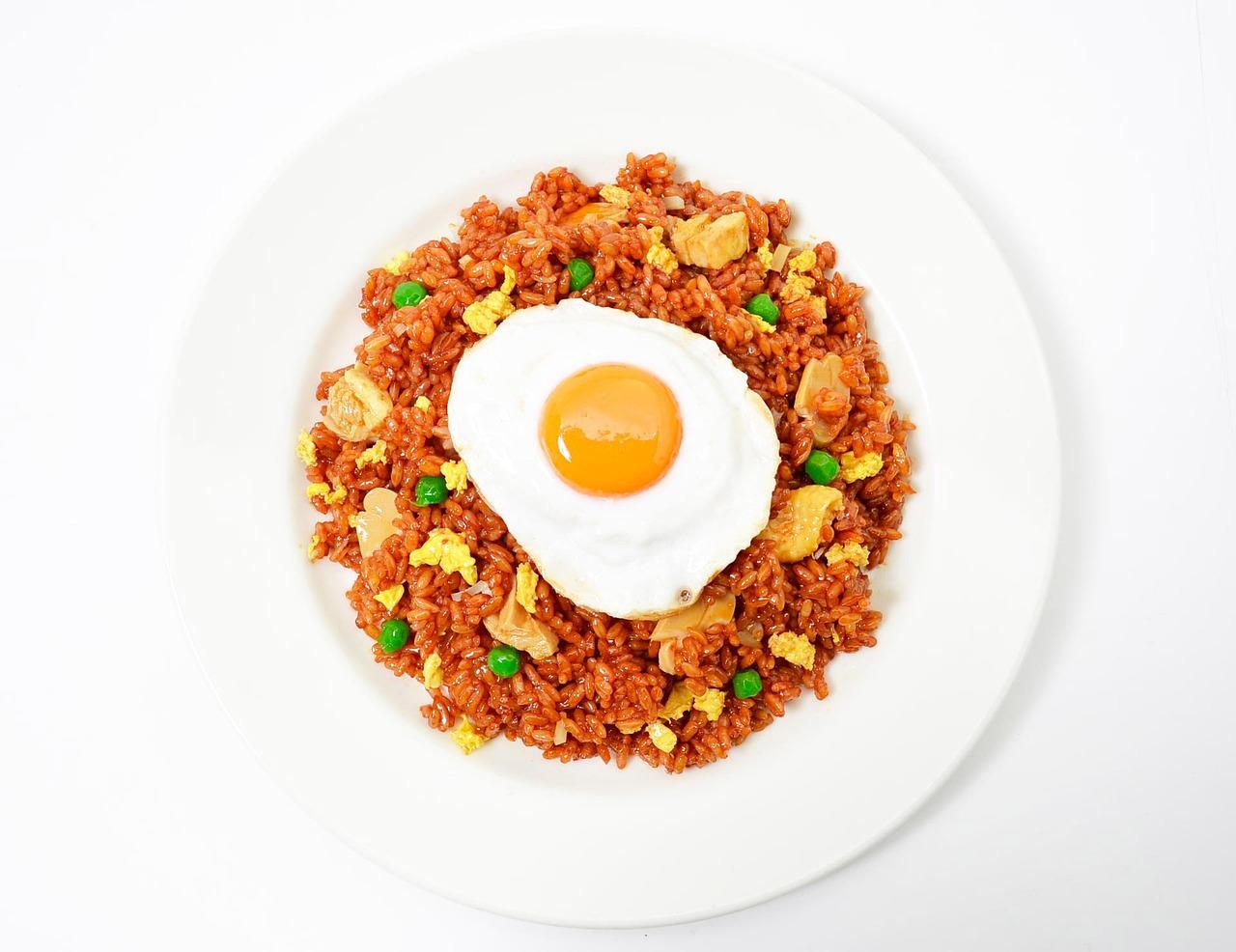
Nasi goreng kampungVillage fried rice

Kampung means village, and this is the fried rice of Malay countryside kitchens and roadside warung: hot with pounded bird's-eye chillies, savoury from toasted belacan shrimp paste and crisp ikan bilis (dried anchovies), and green with water spinach. It is cooked fast and eaten for lunch with a runny fried egg on top. Chef's tip: adding the anchovies with the rice makes them soggy; fry them crisp first, take half out and scatter them on at the end.

by KrazyBadal 0 views

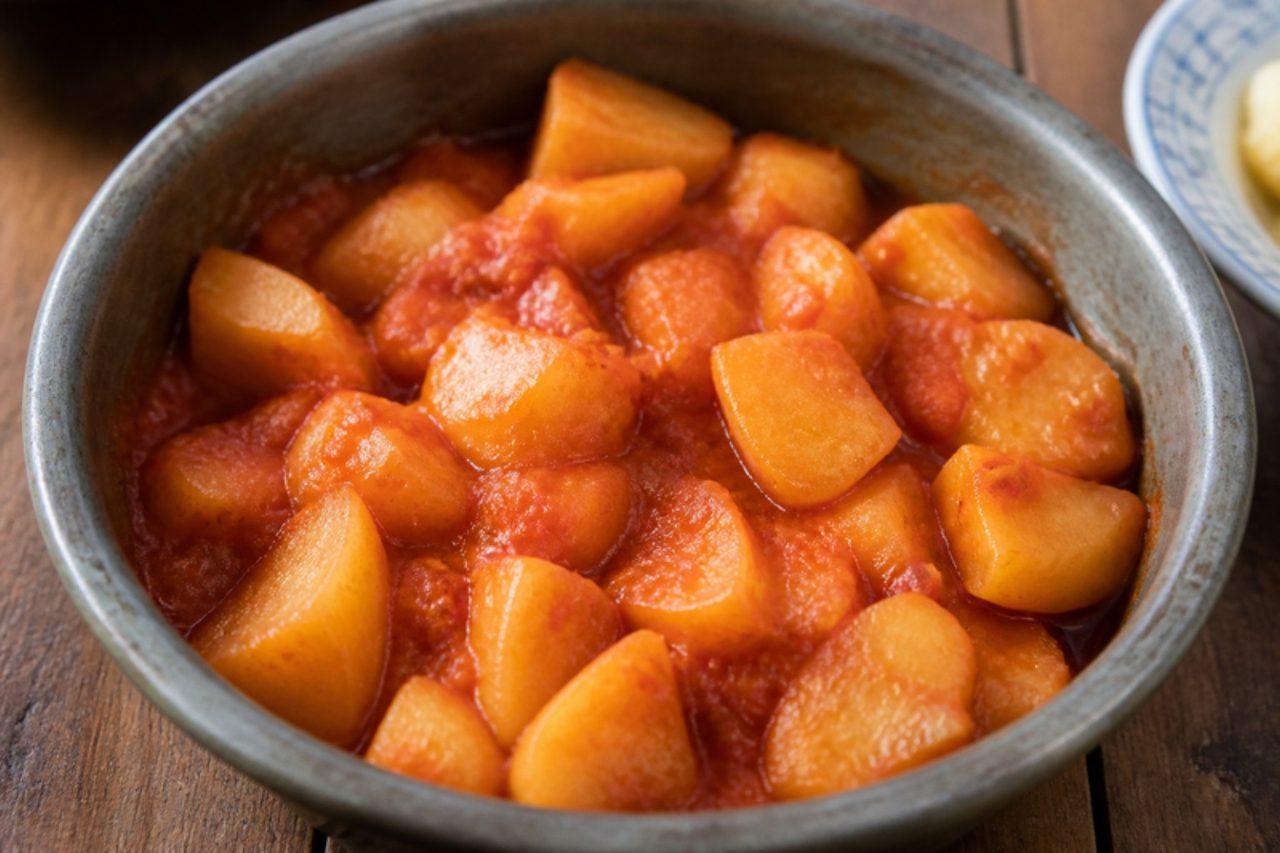
Batates bel salsa (potatoes in garlicky tomato sauce)

In Egyptian kitchens "salsa" simply means tomato sauce, and batates bel salsa is what a Cairo mother makes when the fridge is nearly empty: potatoes, onion, tomato and a lot of garlic. The cubes are fried briefly first so they hold their shape, then simmered until soft and velvety in a sauce sharpened with a little vinegar. It goes on the table with rice and bread, sometimes with a fried egg on top for the kids. A common slip is cutting the potatoes in different sizes, so some fall apart while others stay hard; keep them to 2.5 cm cubes. Chef's tip: a few slices of green chilli in the sauce wake the whole pot up without making it hot.

by KrazyBadal 0 views

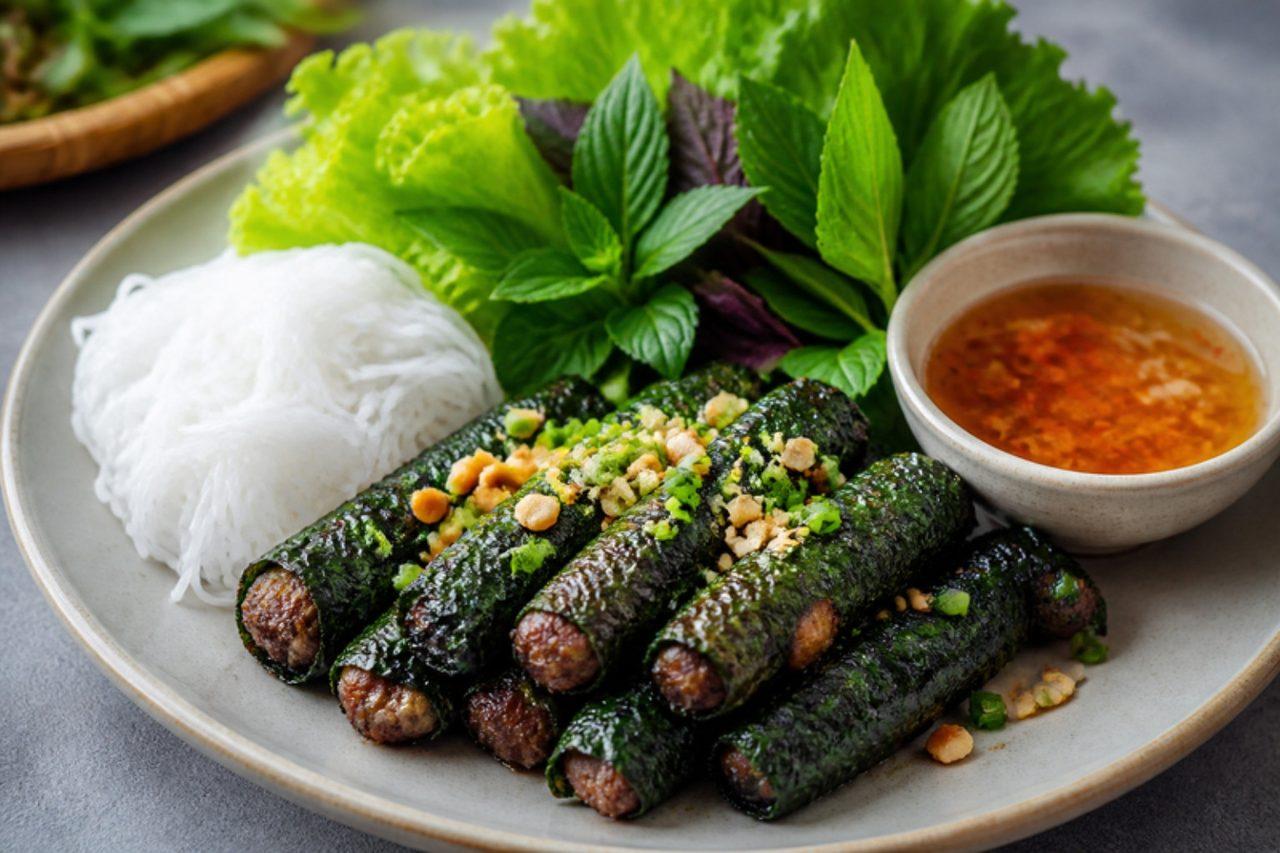
Bò lá lốtBeef in betel leaves

Saigon's evening grill stalls fan charcoal under racks of bò lá lốt, little cigars of garlicky, lemongrass-scented minced beef wrapped in wild betel leaves that char and turn smoky, almost tea-like. They are eaten rolled in rice paper or lettuce with vermicelli and herbs, dipped in nước chấm or the funkier mắm nêm anchovy sauce. Look for lá lốt (Piper sarmentosum) in Vietnamese and Thai grocers; it is not the same as the betel leaf chewed with areca nut. Chef's tip: wrap with the shiny side of the leaf outward and keep the rolls snug; loose rolls unravel on the grill and the filling dries out.

by KrazyBadal 0 views

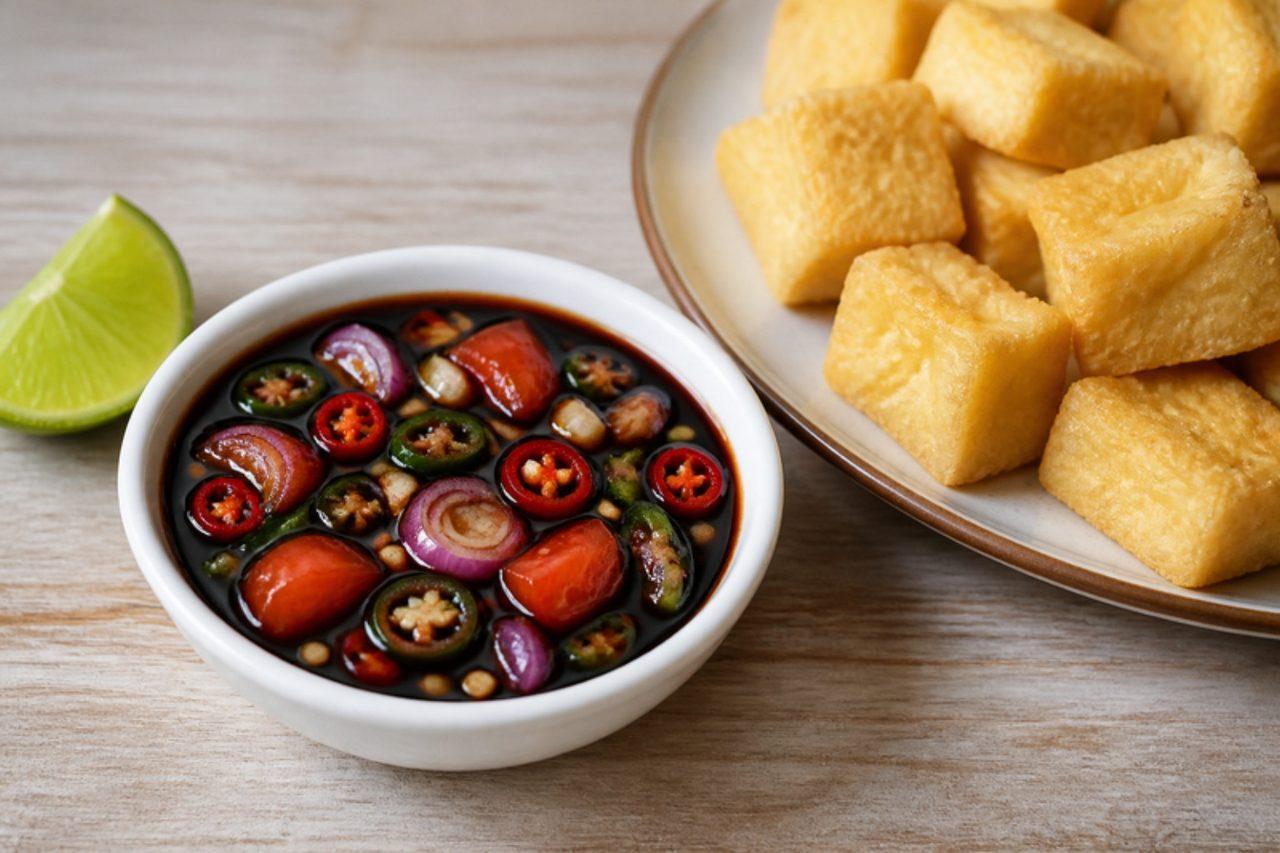
Sambal kecapChilli and shallot soy sambal

Satay sellers in Jakarta and Madura hand out sambal kecap in little saucers, and at home in Java it gets spooned over fried tofu, grilled corn or a bowl of soto when there's no time to pound a proper sambal. It takes five minutes: raw bird's-eye chillies, shallot and tomato are sliced into glossy, treacle-sweet kecap manis with a squeeze of lime. The result is sticky, sweet, sharp and very hot all at once. Chef's tip: don't make it hours ahead; the shallots wilt and the lime turns bitter, so slice everything just before the food comes off the grill.

by KrazyBadal 0 views

Showing 81 of 10,046 recipes

Show more recipes

Page 147 of 1,117