


Skip to content
Mixed sprout pullao
Featured recipe

Mixed sprout pullao

A quick, low-calorie way to use leftover rice: sprouted moth beans and green grams are cooked with garlic, ginger, green chilli, capsicum, spring onions and a few spices over a cumin and asafoetida tempering, then tossed with cooked rice. Served hot with fresh tomato and coriander.

Read more 0 views

What to eat today?

Around the world

Today's trip: Paraguayan

A new country every day, from every cuisine on the site.

Paraguayan

Cocido quemado

Burnt sugar mate drink 14 minMore from Paraguayan (27) →

This week's collection

Kid-friendly dinners
537 recipes · a new collection every Monday

Latest recipes

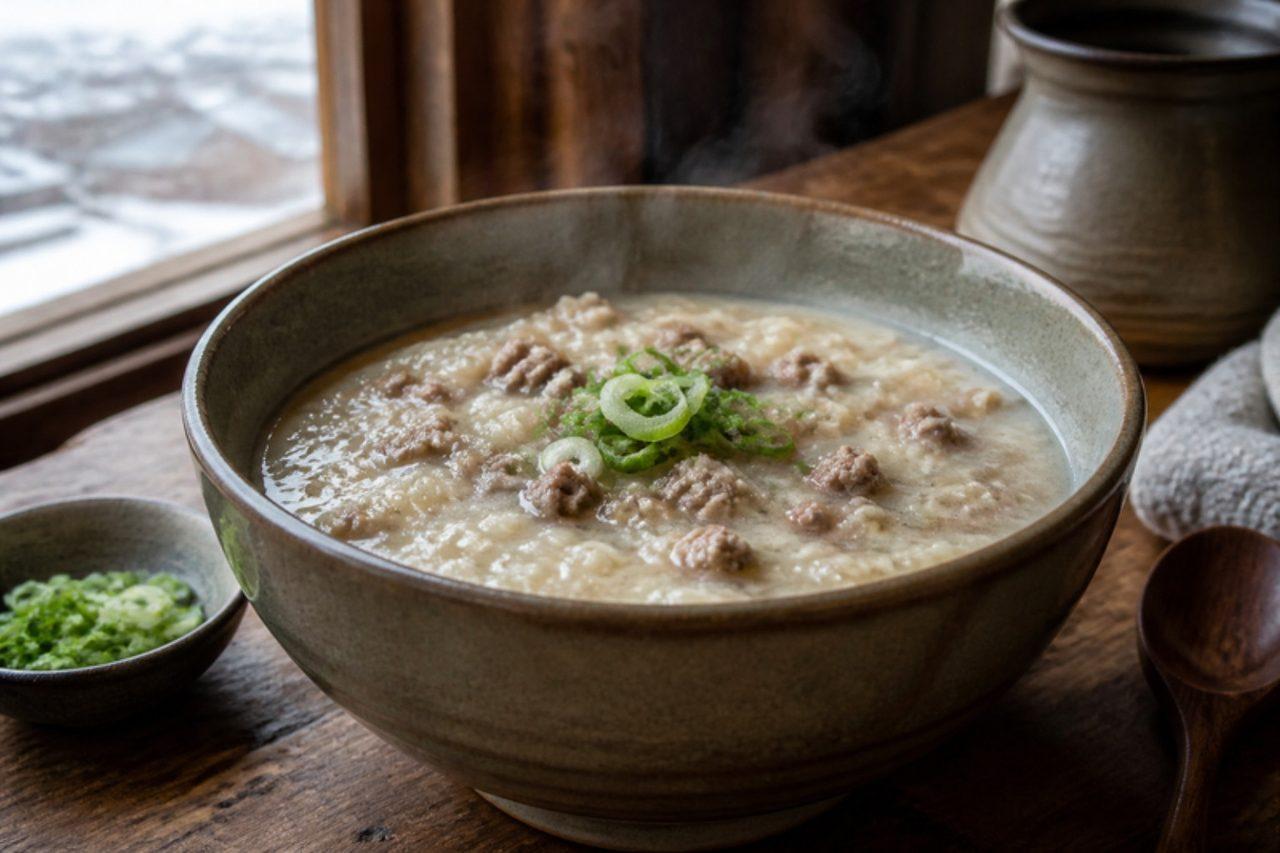
BantanMinced meat and flour crumb soup

Bantan is the Mongolian comfort soup, cooked in Ulaanbaatar homes on freezing winter mornings and given to anyone who's ill, tired or recovering from a long night out. Flour is rubbed with a little water into tiny crumbs, which thicken a broth of minced mutton or beef into a soft, porridge-like soup. It is plain, warming and ready in half an hour. A common mistake is dumping the crumbs in at once, which makes lumps; sprinkle them slowly while stirring. Chef's tip: rub the flour between your palms until the crumbs are the size of rice grains.

by KrazyBadal 0 views

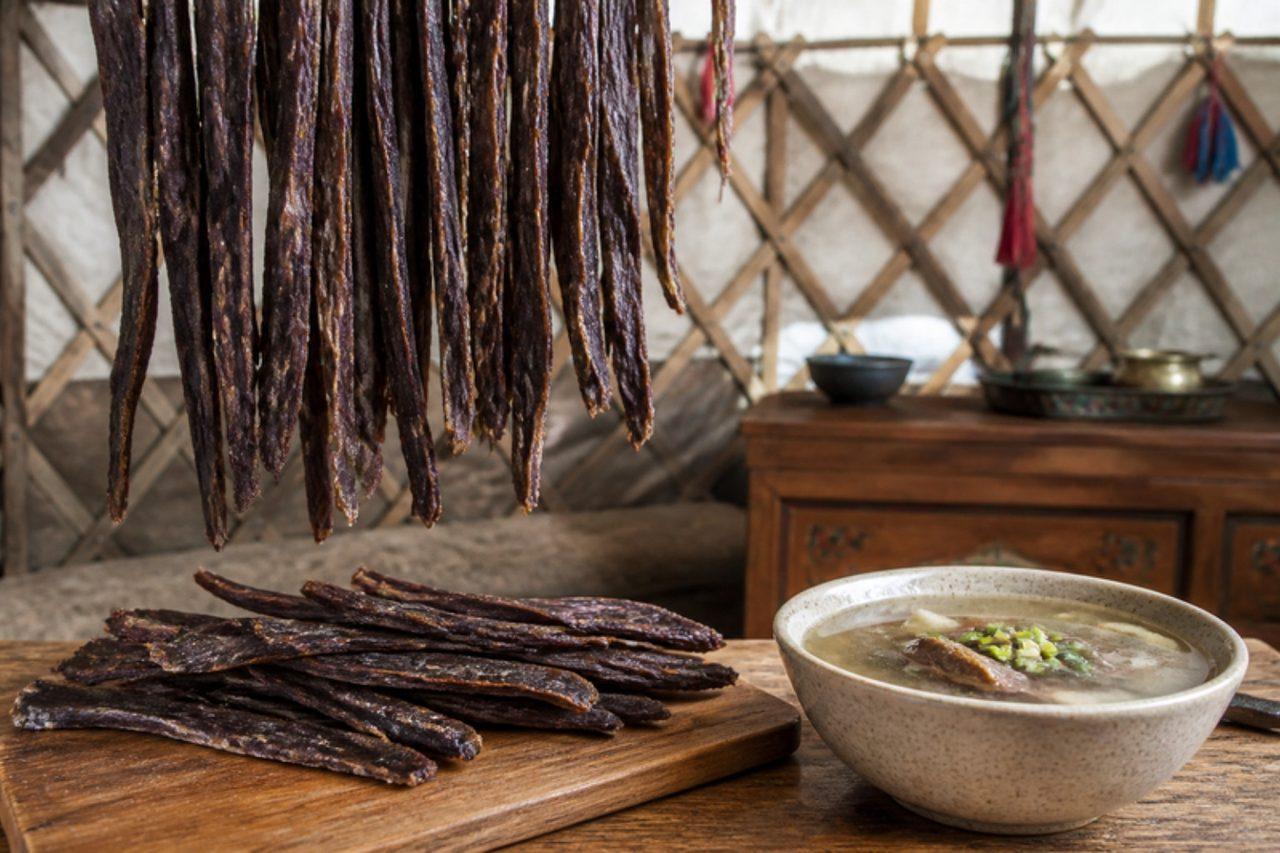
BortsAir-dried beef strips

Borts is the winter-dried meat of Mongolian herding families: in the cold, dry air of late autumn, strips of beef are hung inside the ger until they shrink to hard, dark sticks, then pounded and stored in a bag to last until spring. A handful of borts dropped into hot water makes an instant soup, and nomads carry it on long journeys. In Mongolia it is also made from horse or camel meat; this recipe uses beef. Home kitchens don't have the steppe's freezing dry air, so here the meat is heated to a safe temperature first and dried in a low oven. A common mistake is leaving fat on the strips; fat turns rancid, so trim it all. Chef's tip: slice the meat while half-frozen to get thin, even strips.

by KrazyBadal 0 views

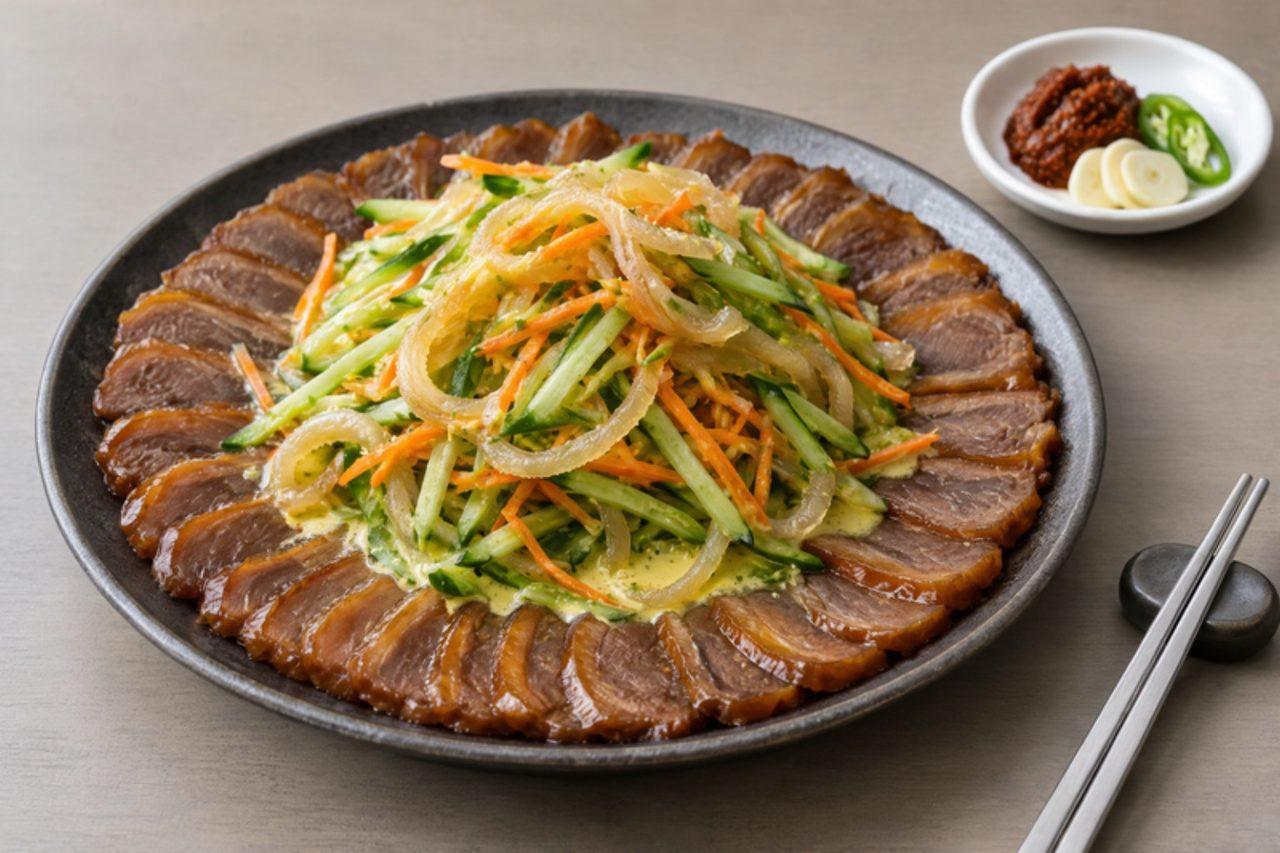
Naengchae jokbalCold sliced pork trotter

Busan's Jokbal Alley in Bupyeong-dong, beside Kkangtong Market, is where braised pork trotter was first served cold as a salad, a summer trick that spread across Korea. The pork trotters are simmered for hours in soy, ginger and spices until the skin turns sticky and tender, chilled, sliced thin and tossed with cucumber, shredded jellyfish and a nose-tingling dressing of Korean mustard, vinegar and garlic. It is evening food, shared from a big platter. Chef's tip: slice the meat only once it is fully cold; warm trotter meat tears instead of cutting into clean slices.

190 minKoreanMeat
by KrazyBadal 0 views

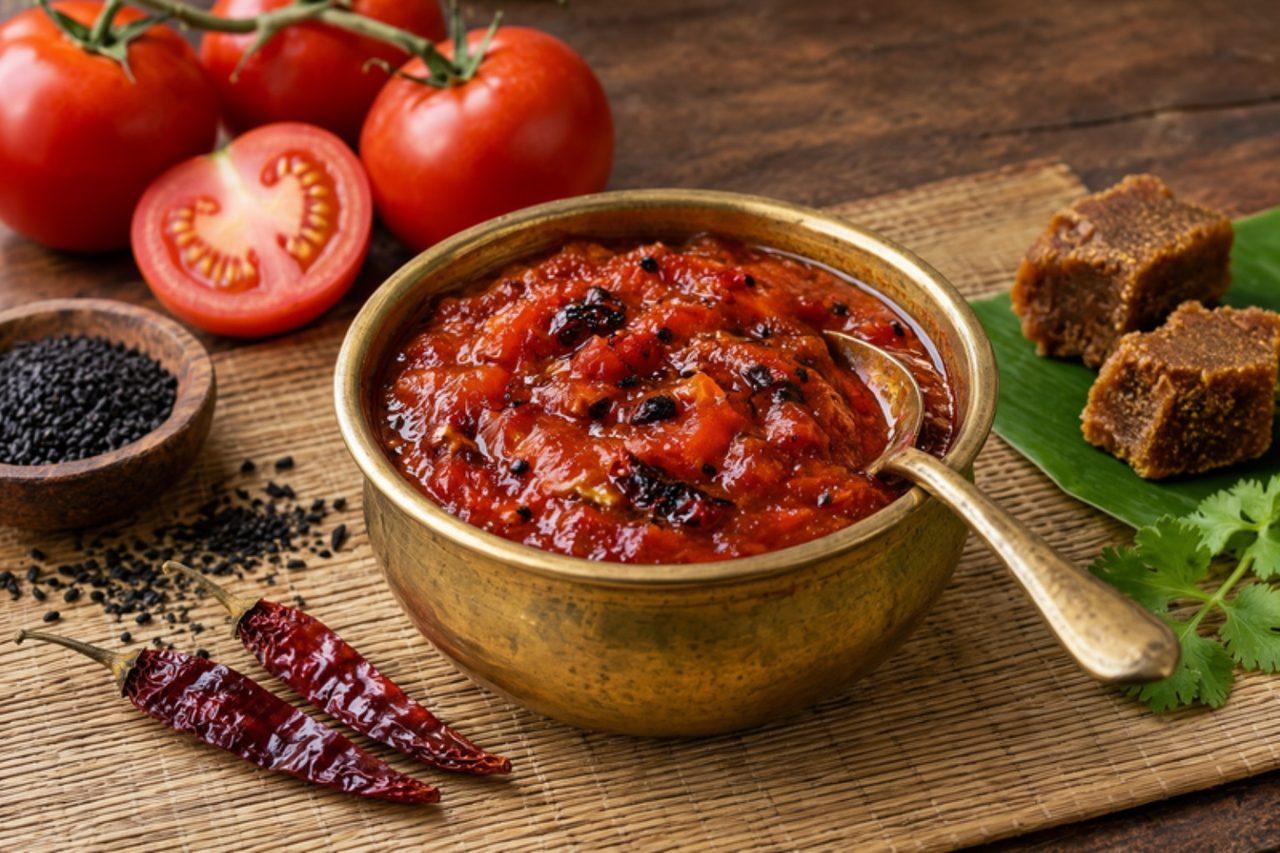
Bilahi chutneySweet-sour tomato chutney

Bilahi is the Assamese word for tomato, and this glossy red chutney, sweet with jaggery and warmed with nigella and dried chilli, closes a festive Assamese meal, especially at weddings and on Bihu, as the sweet-sour last course before curd and sweets. Everyday cooks in Jorhat and Guwahati make a quick batch in winter when tomatoes are cheap. The mistake to avoid is adding the jaggery too early, which scorches before the tomatoes have broken down. Chef's tip: a few dates or raisins added with the jaggery give the chutney a deeper, jammy sweetness.

by KrazyBadal 0 views

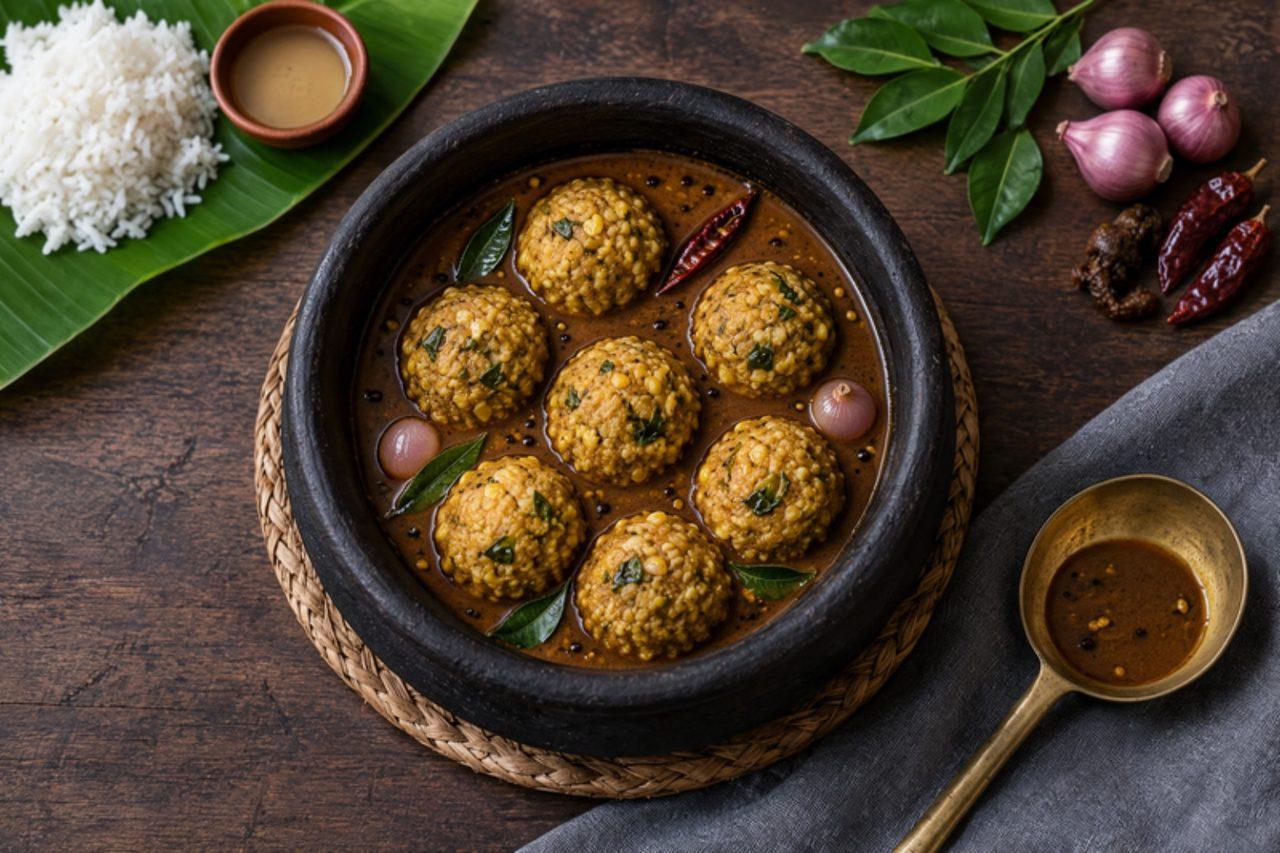
Paruppu urundai kuzhambuLentil dumpling gravy

Paruppu urundai kuzhambu is a Sunday-lunch treat in Tamil homes from Chennai to Coimbatore: coarse balls of soaked chana and toor dal, spiked with fennel, chilli and shallot, dropped raw into a bubbling tamarind gravy where they steam and firm up. The dumplings come out soft inside and soak up the sour, spicy sauce, and the crumbs that escape thicken the gravy. Serve it with plain rice, a spoon of sesame oil and a vegetable poriyal. The usual mistake is stirring as soon as the balls go in, which breaks them; leave them alone until they float and feel firm. Chef's tip: drop one test ball in first; if it cracks, knead a spoon of rice flour into the mixture before shaping the rest.

by KrazyBadal 0 views

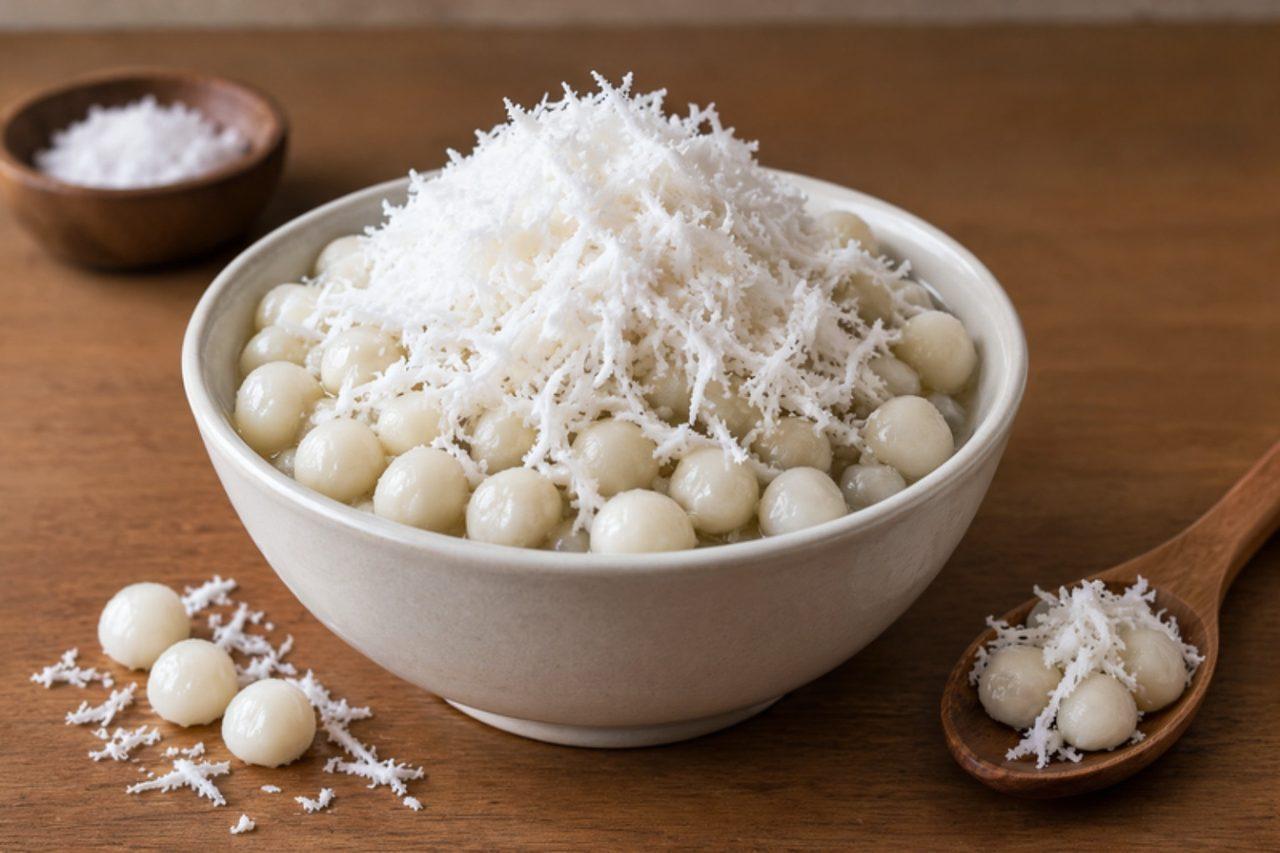
BinatogBoiled hominy with coconut

Binatog is an afternoon snack sold from bicycle carts that ring their way through the side streets of Manila, especially around Tondo and Sampaloc, the vendor scooping steaming white corn from a big tin can into small cups. The kernels are plump, chewy and nutty, piled with snowy grated coconut and finished with salt or sugar to taste, so everyone gets it the way they like. It is simple, filling and naturally vegan. Dried white hominy (pozole corn) has already been treated with lime, which gives the chewy, popped kernels; if you can only find canned hominy, rinse it and warm it for 10 minutes instead. Chef's tip: keep the kernels at a gentle simmer; a hard boil splits them before they become tender.

by KrazyBadal 0 views

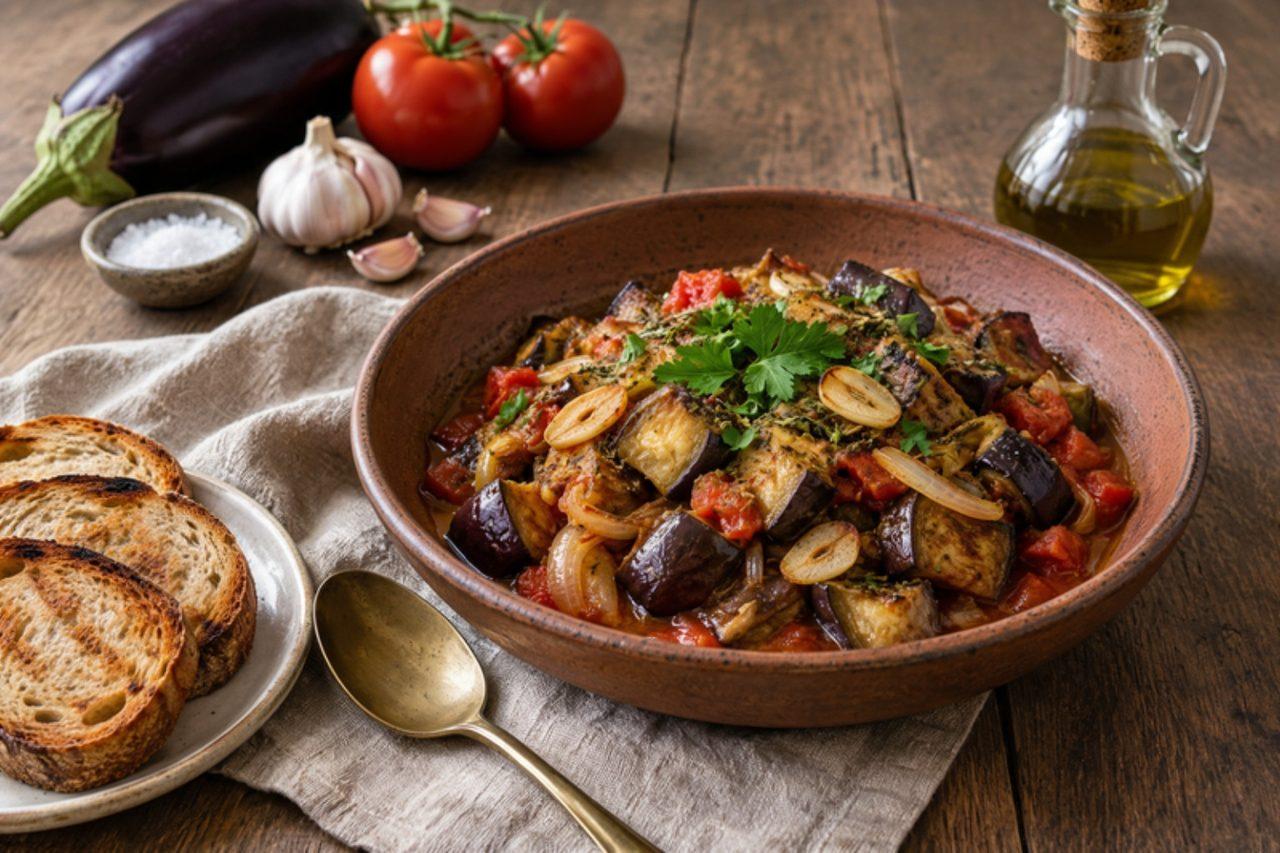
Berinjela refogadaSauteed aubergine with tomato

Brazilian home cooks make berinjela refogada on Sunday and spoon it into the week's marmitas beside rice, beans and a piece of grilled chicken or an egg; it reheats beautifully and tastes even better on the second day. The aubergine cooks down until silky with garlic, onion, tomato and oregano. The common mistake is pouring in more oil every time the pan looks dry; aubergine soaks it up and turns greasy. Add a splash of water instead and cover the pan so the cubes steam soft. Chef's tip: a squeeze of lime and a little chopped parsley just before packing lift the flavour after a night in the fridge.

by KrazyBadal 0 views

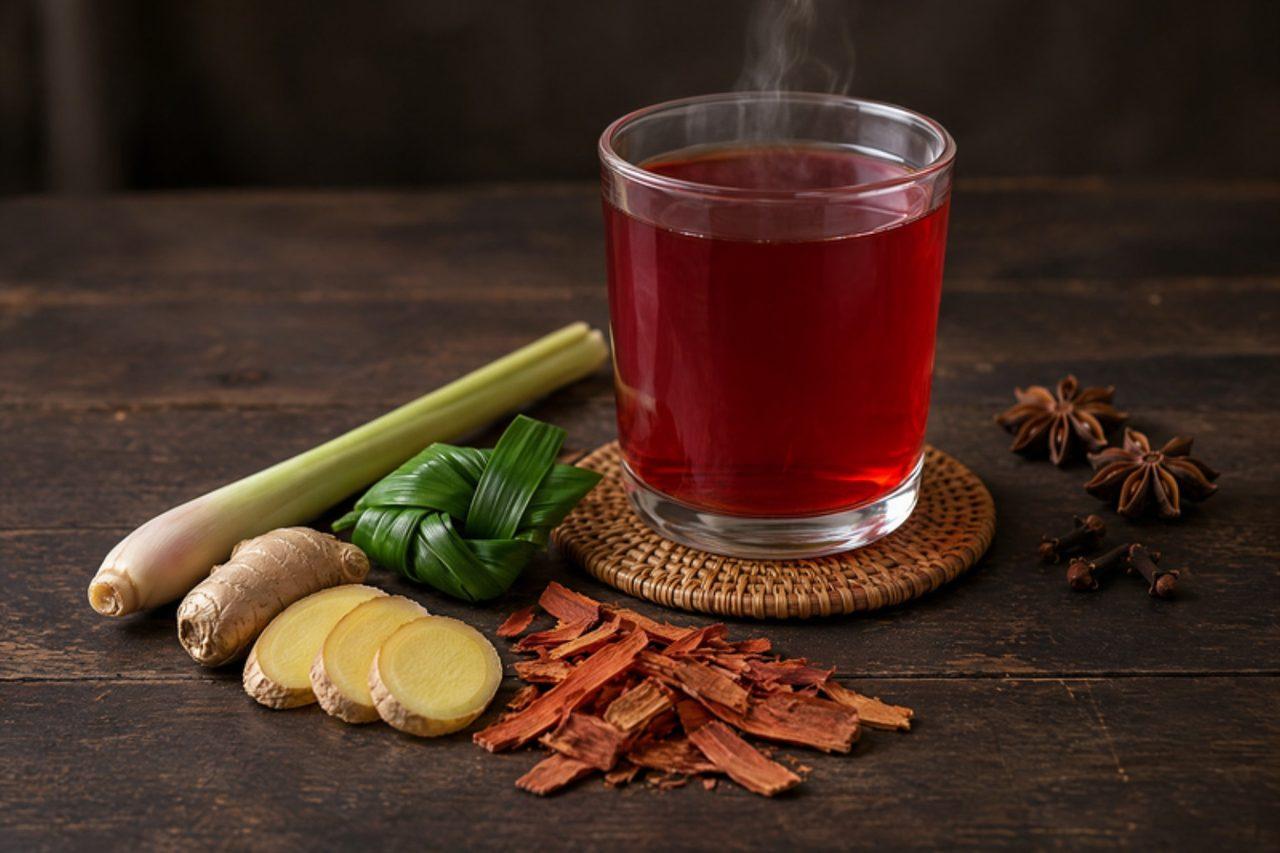
Bir pletokSpiced ginger drink

Bir pletok was the Betawi answer, in old Batavia, to the beer and wine drunk by the Dutch: a red, warming spice drink with no alcohol at all, served at weddings, at Lebaran open houses and in the evenings at Jakarta's Setu Babakan cultural village. 'Pletok' is said to be the popping sound it made when shaken in a bamboo tube to raise a foam. Ginger, lemongrass, pandan, cloves, cinnamon and cardamom are simmered with chips of secang (sappanwood), which turns the liquid deep ruby. It tastes hot and peppery from the ginger, perfumed from the pandan, sweet and lightly woody, and is drunk warm or with ice. The common mistake is skimping on ginger or slicing it thin and boiling briefly; you need plenty, bruised, and a slow simmer to draw out the heat. It is ready when the liquid is a clear ruby red and the ginger burn catches at the back of your throat. Secang chips are in Indonesian shops; dried hibiscus flowers give a similar red, slightly sourer. Keeps 5 days in the fridge. Chef's tip: shake each serving hard in a closed jar before pouring to get the foamy head.

by KrazyBadal 0 views

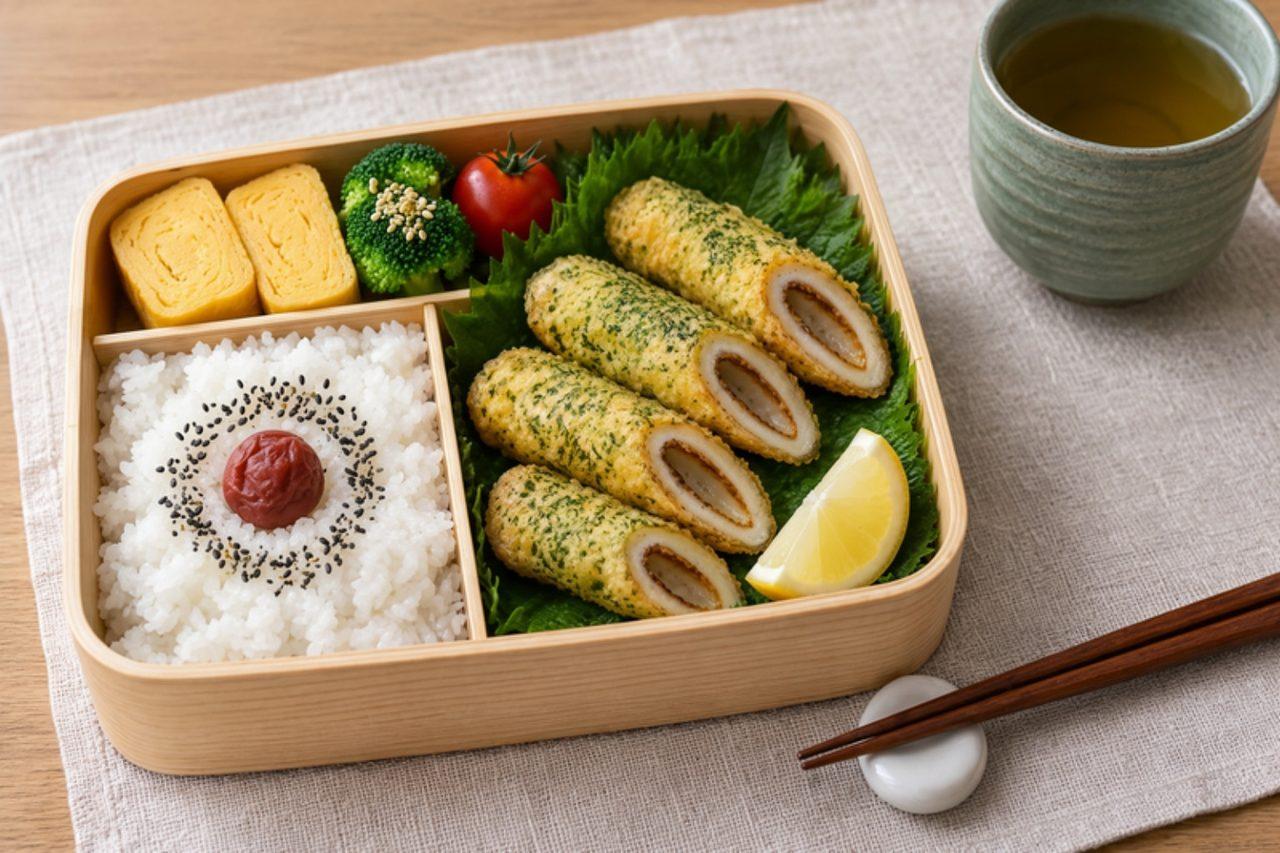
Chikuwa isobe-ageSeaweed-battered fish cake

Isobe-age, "fried in the style of the rocky shore", means anything coated in a batter speckled with green aonori seaweed, and chikuwa isobe-age is the one every Japanese parent tucks into a bento: tubes of chikuwa fish cake fried until puffed and crisp. It is just as good cold and takes ten minutes. The common mistake is a thick batter, which turns bready; it should be like single cream. Chef's tip: dust the chikuwa with a little flour before dipping, so the batter clings and does not slide off in the oil.

by KrazyBadal 0 views

MorochoCracked white corn drink

Morocho is what Quiteños drink on a chilly evening at a market stall, often with a crisp empanada de morocho alongside: cracked white corn simmered for an hour with milk, cinnamon and cloves until it turns into a thick, creamy drink you half sip, half spoon, studded with plump raisins. It tastes like a gently spiced rice pudding made with corn. The usual mistake is adding the milk too early and not stirring, so it catches and scorches on the bottom of the pan. Chef's tip: soak the corn overnight; it cooks faster and more evenly and turns properly creamy.

by KrazyBadal 0 views

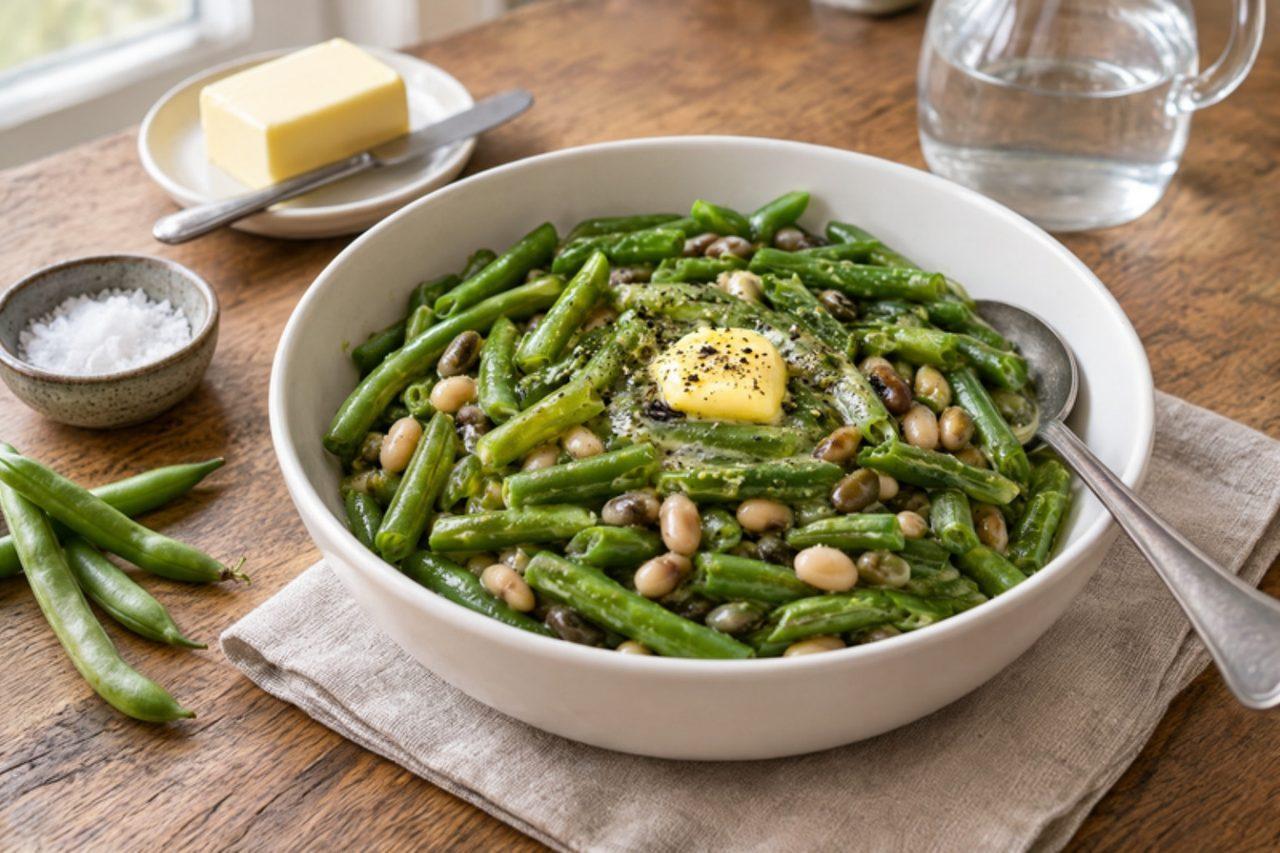
Blote billetjes in het grasWhite and green beans with butter

Dutch grandmothers named this dish 'bare bottoms in the grass' for the pale white beans peeping out between the green ones, and it is a summer weekday supper all over the Netherlands, when runner and French beans are cheap. Green beans and cooked white beans are simmered together, then stirred with butter, a little stock and plenty of pepper, often with boiled potatoes on the side. Many families add bacon or a smoked sausage; this version keeps it vegetarian, so serve it with a fried egg or a vegetarian sausage if you want more. The usual mistake is boiling the green beans until grey: they should stay bright with a slight bite. Chef's tip: a splash of the bean-cooking liquid stirred in with the butter makes a glossy little sauce that clings to everything.

by KrazyBadal 0 views

Boller i karry for toddlersMeatballs in mild curry for toddlers

Boller i karry, meatballs in curry, is one of Denmark's best-loved dinners, voted a national favourite and cooked on weeknights from Copenhagen's Nørrebro to farmhouses in Jutland. The meatballs are pork, poached gently rather than fried, and the sauce is mild and creamy, made from the poaching liquid with apple and leek and just a pinch of curry powder. For toddlers from 12 months there is no stock cube and very little salt, and the meatballs are cut small. It contains wheat (gluten), milk and egg; there are no nuts or soya. Chef's tip: keep the poaching water at a bare shiver; boiling makes the meatballs tough and crumbly.

by KrazyBadal 0 views

Katsu sandoPork cutlet sandwich

Katsu sando began in Tokyo tonkatsu shops in the 1930s as a cutlet you could carry, and is now a fixture of department-store food halls, train-station kiosks and lunchboxes all over Japan: a crisp panko pork loin cutlet soaked in sweet-sour tonkatsu sauce between pillowy white bread, crusts trimmed off. The common mistake is slicing it while hot, which squashes the bread and makes it soggy; let it rest under a light weight first. Pork loin is a whole cut, so cook it to 63 °C and rest it for 3 minutes. Chef's tip: butter the bread with a little mustard mixed in; it stops the sauce soaking through and adds a gentle kick.

by KrazyBadal 0 views

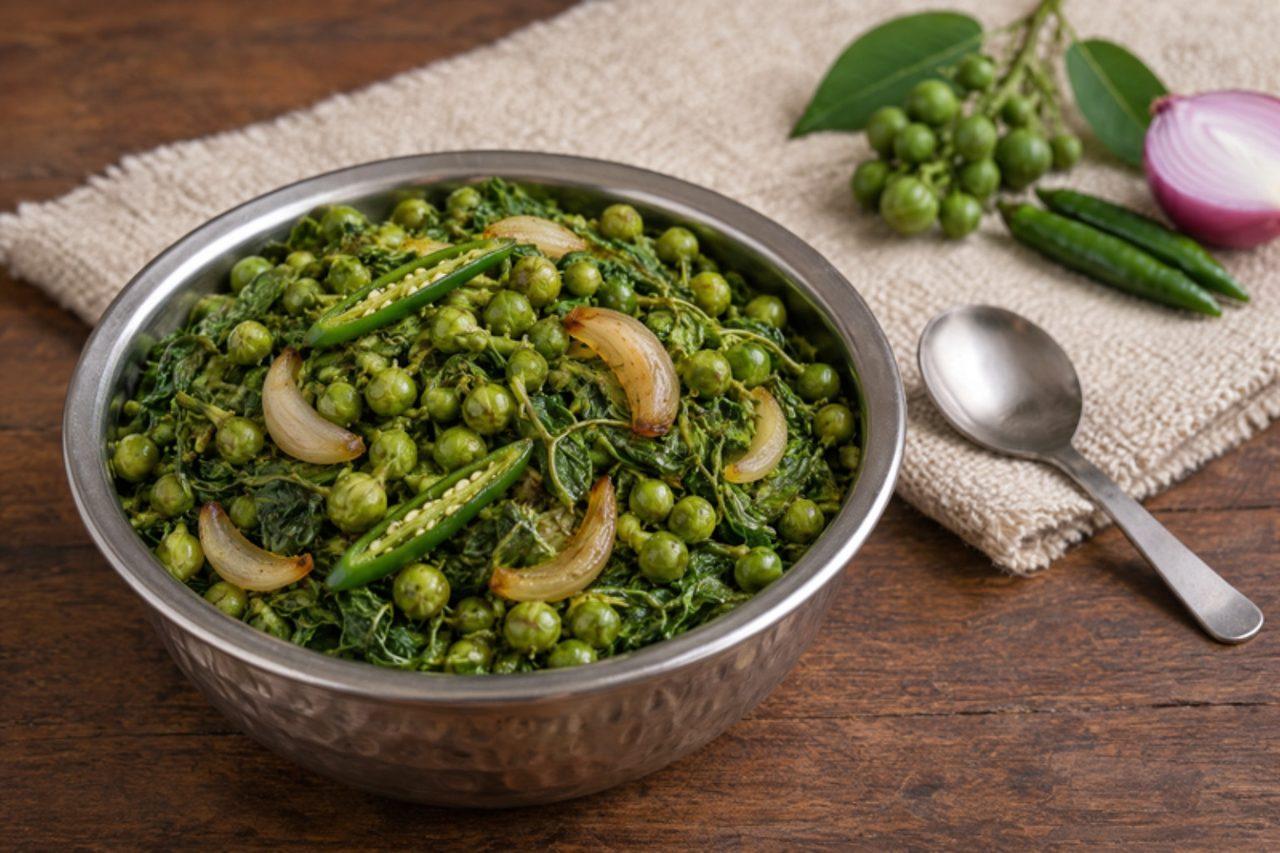
Bohar bhajiFlower bud curry

For a few weeks each spring, Raipur's markets sell small heaps of bohar, the young buds of the lasoda (Cordia) tree, and they are one of the most prized and pricey vegetables in Chhattisgarh. Cooked with onion, chilli and a spoon of curd, they have a pleasant, slightly sticky bite and an earthy taste, and families eat them with rice and dal for as long as the season lasts. People often skip the boiling step; without it the buds stay gummy and slightly bitter. Chef's tip: if you cannot find bohar, the same masala works with tender lasoda (gunda) fruit from Indian grocers, which is the same tree.

by KrazyBadal 0 views

Bokkeum kimchiStir-fried kimchi with pork belly

When a jar of kimchi turns very sour in Korean homes, it gets stir-fried with a little sugar and sesame oil, and often with pork belly, into bokkeum kimchi, a deep, mellow side dish that keeps for days and is a favourite in school and office dosirak. For a vegan version, use kimchi made without fish sauce or salted shrimp and leave out the pork. The usual mistake is using fresh, crisp kimchi, which tastes harsh when fried; it needs to be properly sour. Chef's tip: fry the kimchi until the edges just begin to catch and caramelise, which is where the flavour is.

by KrazyBadal 0 views

Bollitos pelonesBeef-stuffed corn dumplings in tomato sauce

Bollitos pelones are proper home cooking from central Venezuela: little balls of corn dough tinted with onoto, stuffed with a spoonful of spiced minced beef and simmered in a light tomato sauce until the dough firms. Mothers make them for school-day lunches with white rice, and they reheat well. The common mistake is stirring the pot, which breaks the balls apart. Chef's tip: give the pan a gentle shake instead of stirring, and don't touch them for the first 10 minutes.

by KrazyBadal 0 views

DakgangjeongSticky glazed fried chicken

Dakgangjeong is the boxed fried chicken of Sokcho's Jungang market on Korea's east coast, carried home by the tub and packed into lunchboxes the next day, because the double-fried pieces in their sticky glaze stay crunchy even when cold. The common mistake is frying only once; the second fry drives out moisture so the crust holds up to the sauce. Chef's tip: coat with potato starch rather than flour, and let the coated chicken sit for 5 minutes so the starch hydrates into a craggy crust.

by KrazyBadal 0 views

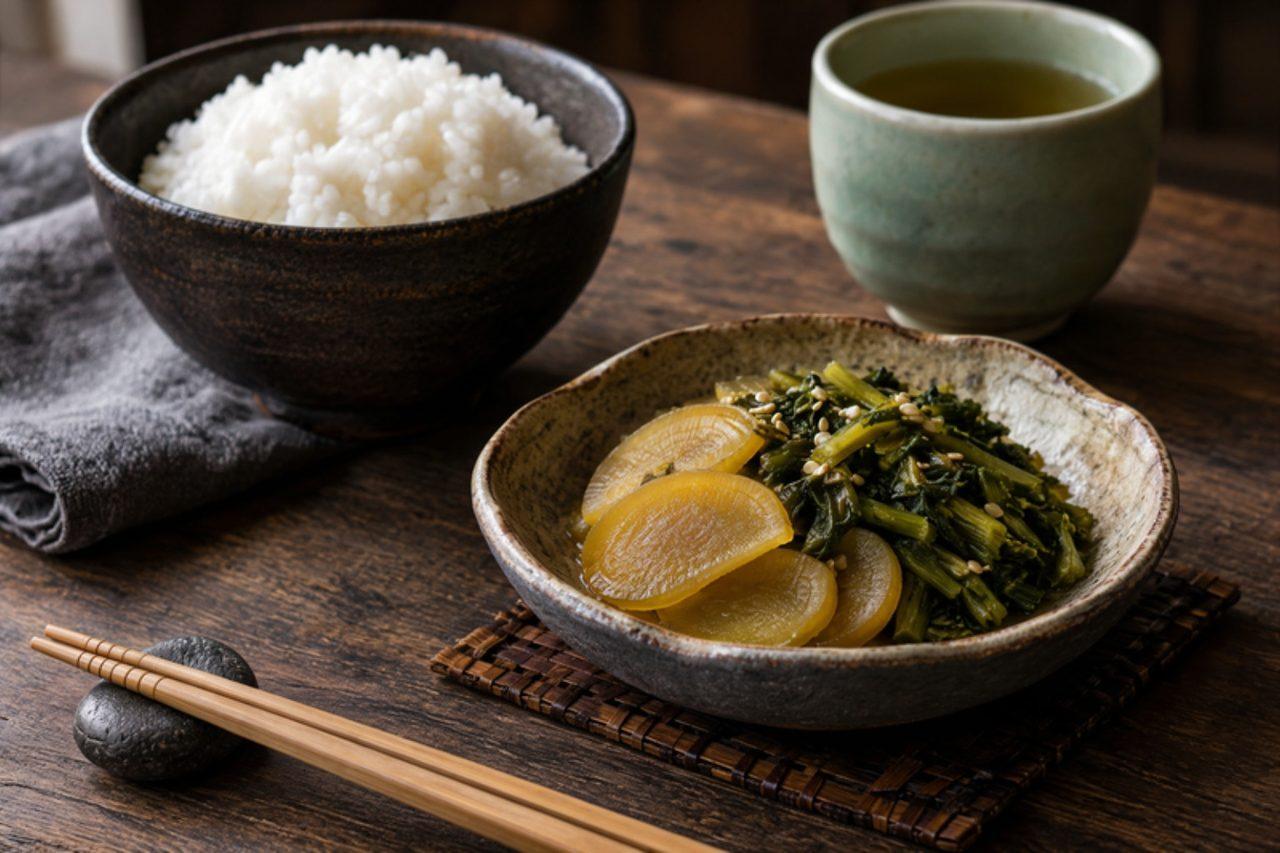
SugukiFermented turnip pickle

Suguki comes from the farms around Kamigamo Shrine in north Kyoto, where an heirloom turnip with a pointed root has been grown for centuries. In late autumn the farmers peel the roots, salt them with their leaves, and press them under long wooden beams weighted with stones, then move the barrels into a heated room so lactic bacteria turn the pickle properly sour. It reaches the shops in December and is sliced thin through the New Year, eaten with plain rice, in ochazuke or beside a simmering pot of tofu. Expect a bright, yoghurt-like sourness, a little salt and a turnip that is firm but yielding. At home a 30–35 °C spot (an oven with only the light on, or a proving setting) stands in for the warm room; use small turnips with leaves attached. The common mistake is fermenting with too little weight: the brine must rise above the vegetables within a day, or the top dries out and moulds. Normal signs are fine bubbles, cloudy brine and a clean sour smell; a thin white film (kahm yeast) can be skimmed. Chef's tip: slice it thin, add a few drops of soy sauce and a pinch of shichimi, and serve it cold.

by KrazyBadal 0 views

Showing 18 of 7,762 recipes

Show more recipes

Page 150 of 863