


Skip to content
Patlıcan musakka
Featured recipe

Patlıcan musakka

Aubergine and mince stew

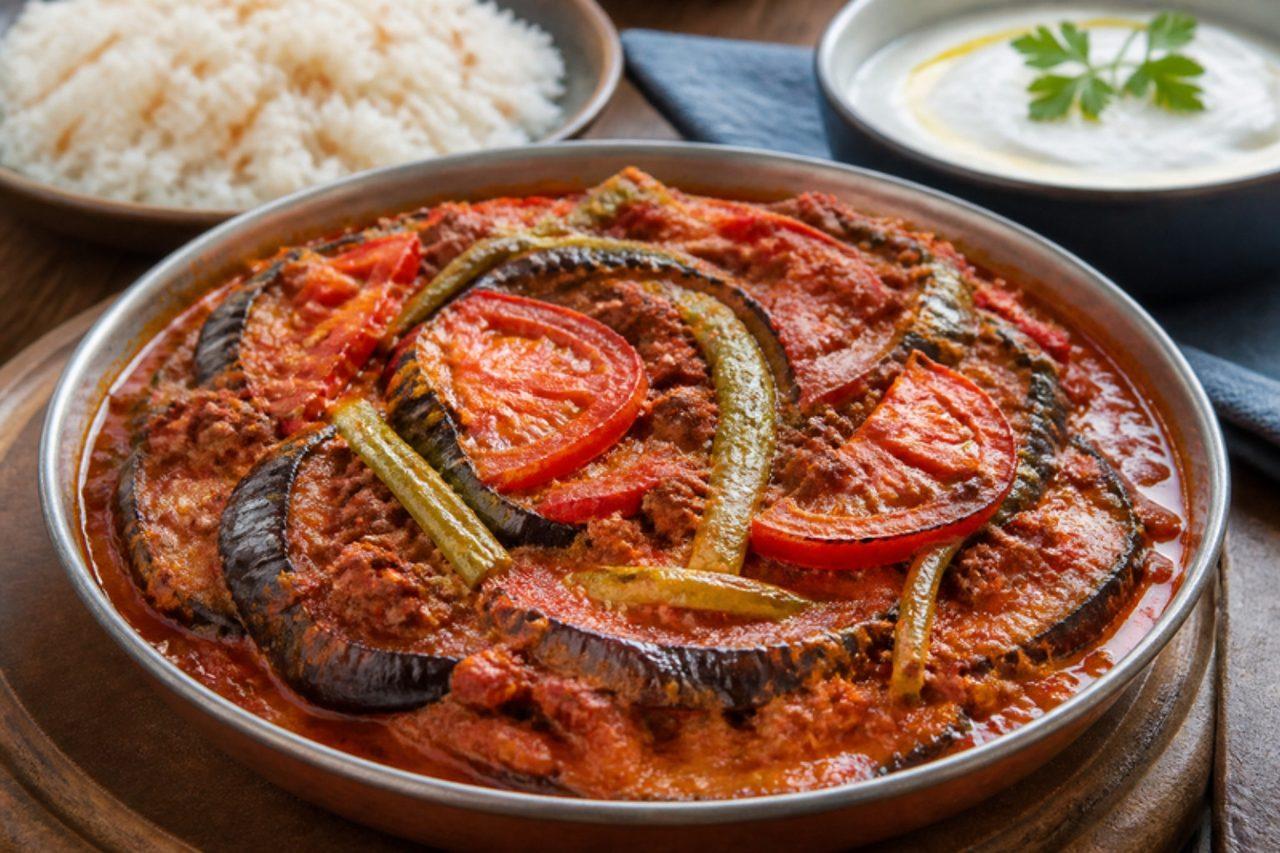
Turkish musakka has little in common with the Greek bake: there is no béchamel and no potato, just fried aubergine and a mince sauce with peppers and tomato, layered in a pan and simmered until the aubergine melts. It is a summer favourite in home kitchens from İzmir to Ankara, served warm with rice pilaf and a bowl of cacık. Salting and draining the aubergine stops it drinking too much oil. Common mistake: frying the aubergine pale; it needs to be properly golden or it turns slimy in the sauce. Chef's tip: bake the aubergine slices brushed with oil at 220 °C instead of frying if you want a lighter dish.

Read more 0 views

What to eat today?

Around the world

Today's trip: Paraguayan

A new country every day, from every cuisine on the site.

Paraguayan

Chipa

Cheese bread rings 50 minMore from Paraguayan (27) →

This week's collection

Kid-friendly dinners
537 recipes · a new collection every Monday

Latest recipes

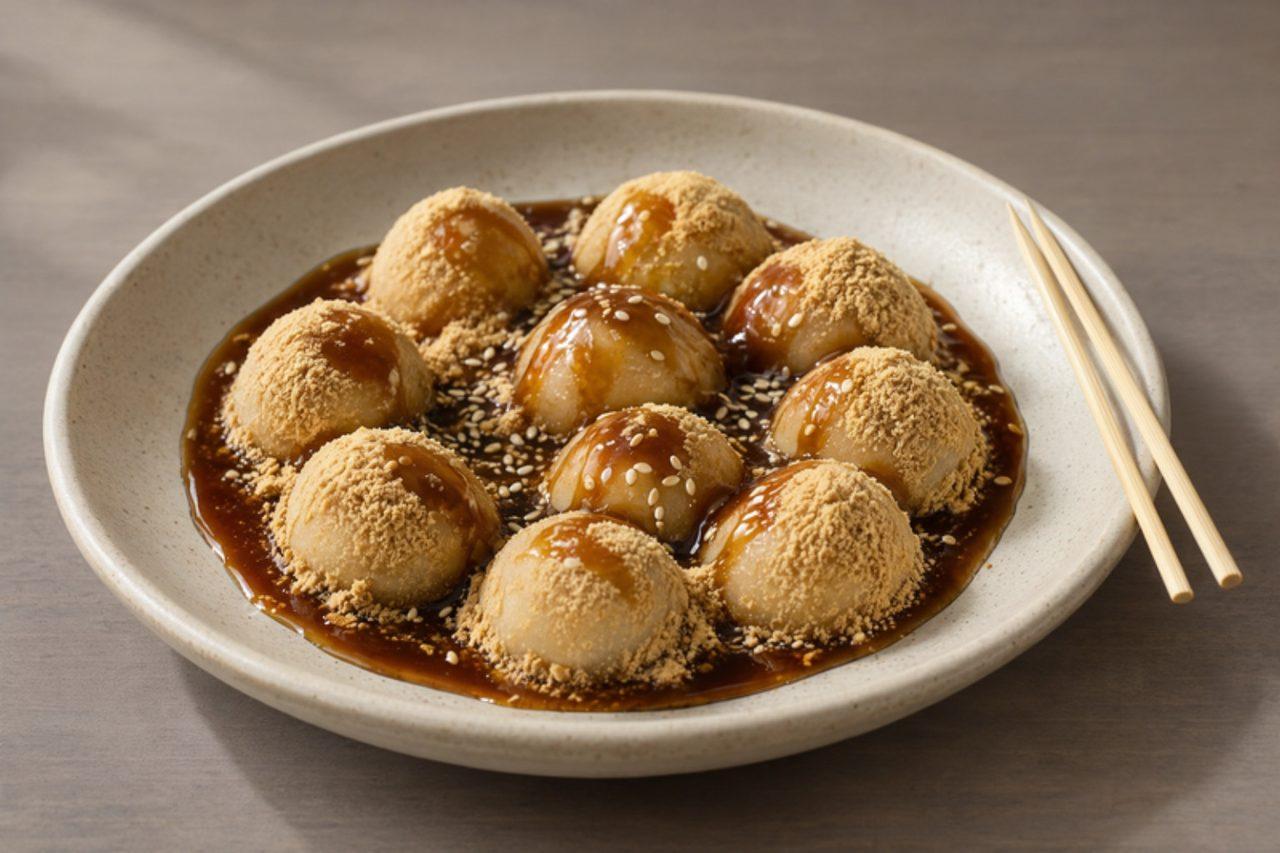
San da paoGlutinous rice balls in soybean flour

On Jinli Ancient Street and in the Kuanzhai Xiangzi alleys, san da pao vendors draw a crowd by hurling balls of hot glutinous rice dough at a wooden board hung with brass plates: bang, bang, bang, the "three cannons" of the name, before the balls drop into a tray of roasted soybean flour. Served with dark brown sugar syrup and sesame, they are a soft, chewy, nutty afternoon snack. They contain soya and sesame. Glutinous rice is very sticky, so cut the balls small for children. Chef's tip: work the steamed dough while it is still hot; once it cools it stiffens and will not stretch.

by KrazyBadal 0 views
Chech bhajiJute leaf curry

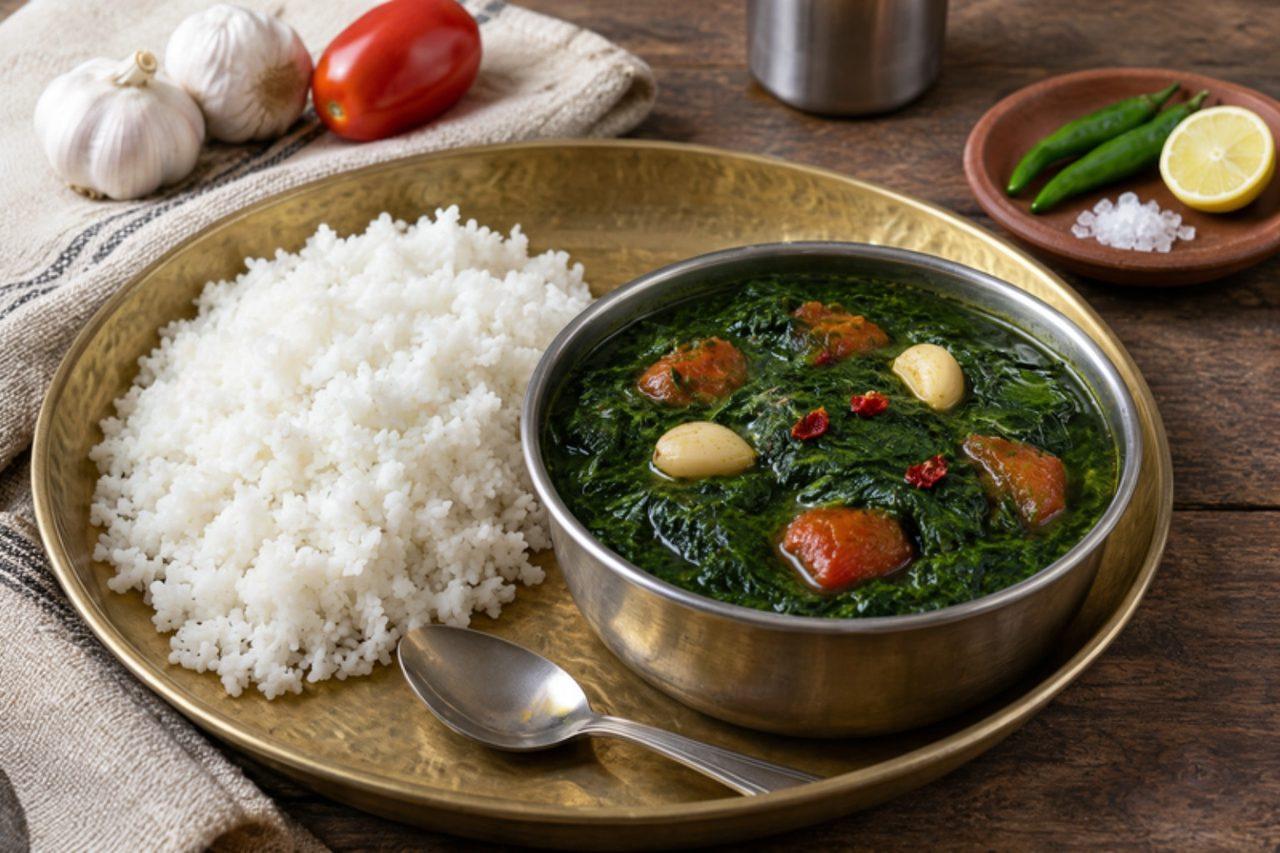
Chech bhaji is a monsoon green in Chhattisgarh, picked from the jute plants that come up in field edges and village gardens, and cooked almost every week during Sawan. The leaves turn slippery as they soften, a bit like okra, and the cook reins that in with tomato and a little rice water left from washing the rice. It is eaten with plain rice and dal or bore baasi. The mistake to avoid is stirring it endlessly; the leaves go stringy and gluey, so stir only now and then. Chef's tip: frozen or dried molokhia leaves from an Arab grocery are the same plant and work well outside India.

by KrazyBadal 0 views

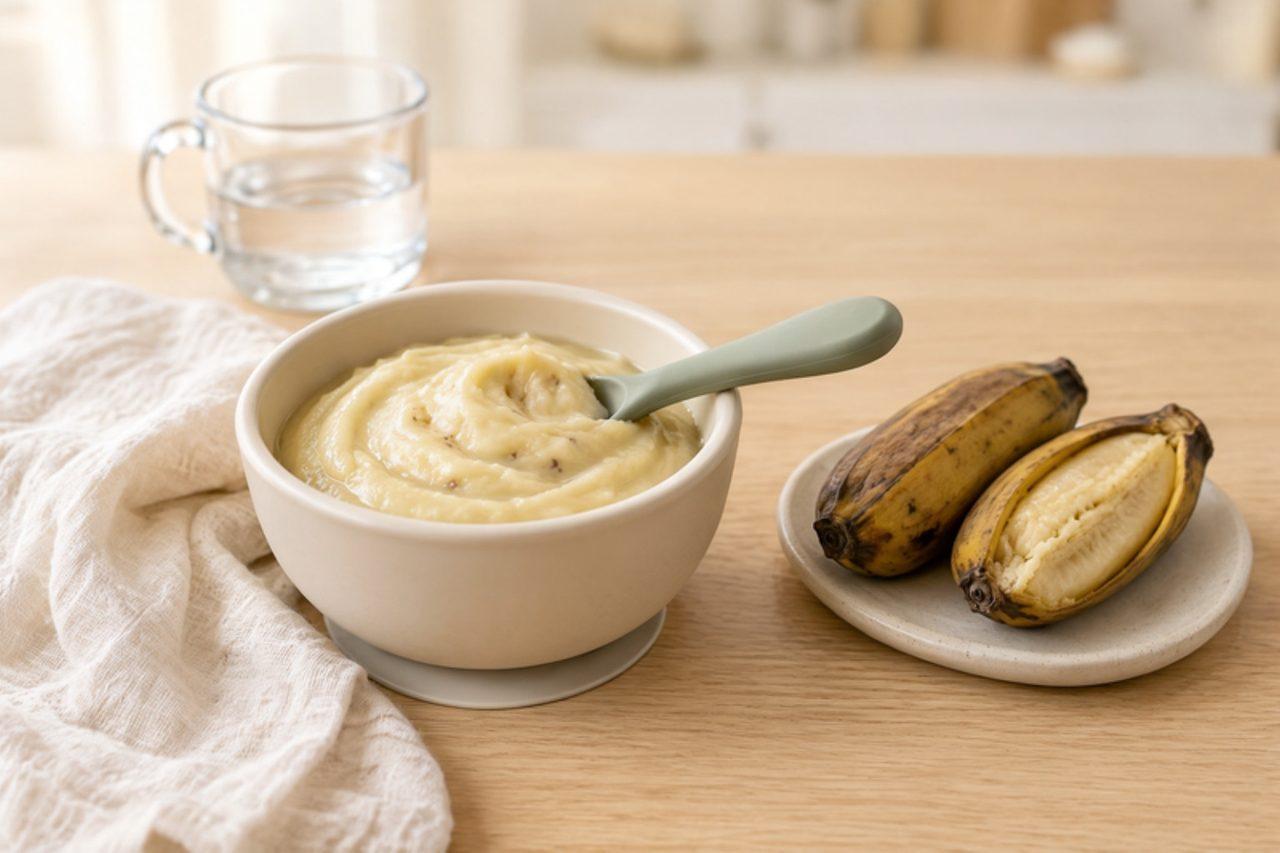
Nilagang saba mash for babiesBoiled banana mash for babies

Saba, the short, square-edged cooking banana piled in every palengke from Quezon City to Davao, is boiled in its skin for nilagang saging, a merienda (afternoon snack) eaten with a cup of coffee. For babies, the same boiled saba is peeled and mashed into a soft, peachy, honey-sweet purée, and it is one of the most common first foods in Filipino homes. Saba is firmer and starchier than an eating banana, which is why it is always cooked. Nothing is added: no salt, sugar or condensed milk under one. It is free of the major allergens. Chef's tip: pick saba whose skins are yellow with black spots; green ones are too starchy and can upset small tummies.

by KrazyBadal 0 views

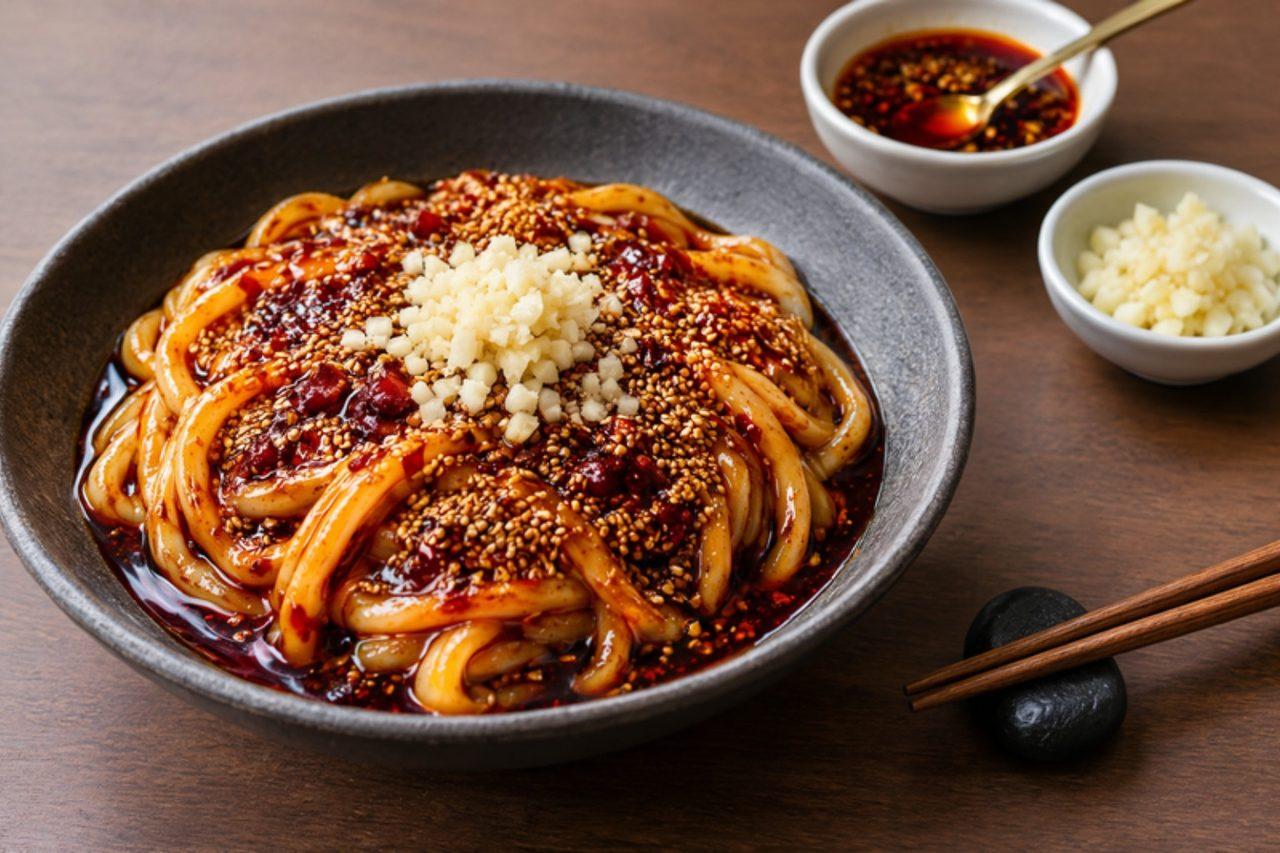
Tian shui mianSweet spiced soy noodles

Tian shui mian, "sweet water noodles", are a fixture of Chengdu's old snack houses around Wenshu Monastery, ordered at lunch in a small bowl alongside dumplings and wontons. The noodles are cut as thick as chopsticks, cooked chewy and served at room temperature, coated in thick spiced soy syrup, red chilli oil, pounded raw garlic and sesame: sweet first, then hot and garlicky. Chef's tip: simmer the sweet soy until syrupy; if it is thin it runs to the bottom of the bowl instead of clinging to the noodles.

by KrazyBadal 0 views

NozawanazukePickled turnip greens

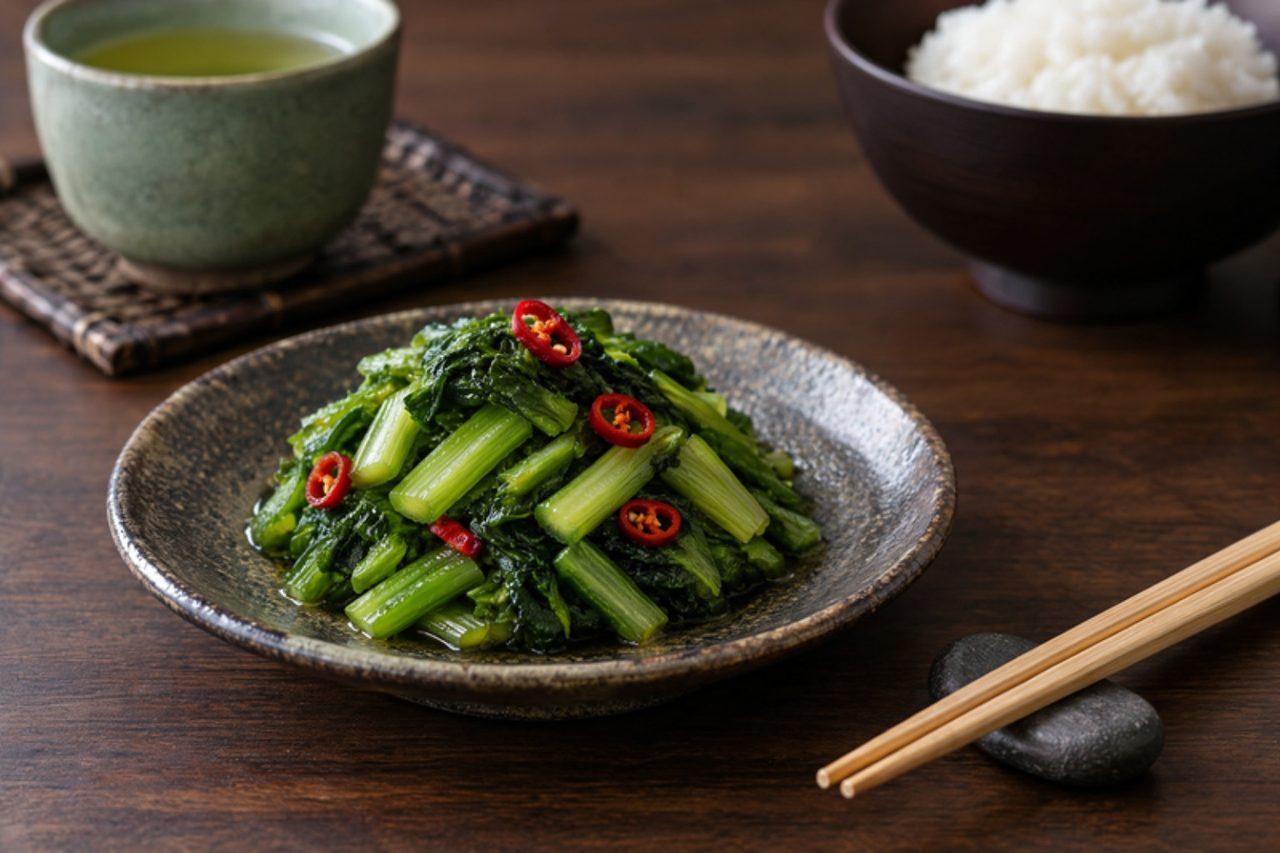
In the snowy hot-spring village of Nozawa Onsen in northern Nagano, early November is 'onsen washing' time: families carry armfuls of nozawana, a turnip relative with stalks taller than a child, to the steaming public spring to wash them, then salt them in big barrels for winter. The pickle is the region's tea-time snack, set out with green tea for neighbours, and the side for every winter meal. In the first weeks it is bright green, crisp and lightly salty (aozuke); by late winter it ferments to a golden-brown, sour 'ame-iro' stage, which locals chop and fry with sesame oil. Outside Japan use turnip greens, young mustard greens or the stems of komatsuna or choy sum. The common mistake is salting straight from cold water: rinsing in hand-hot water (around 40 °C) for a minute softens the stalks so the salt penetrates evenly. It is ready when the stalks are flexible, a vivid deep green and taste salty, juicy and fresh. Chef's tip: cut it into 3 cm lengths right before serving and toss with a drop of sesame oil and toasted sesame seeds.

by KrazyBadal 0 views

Bobo chickenCold chicken skewers in chilli oil

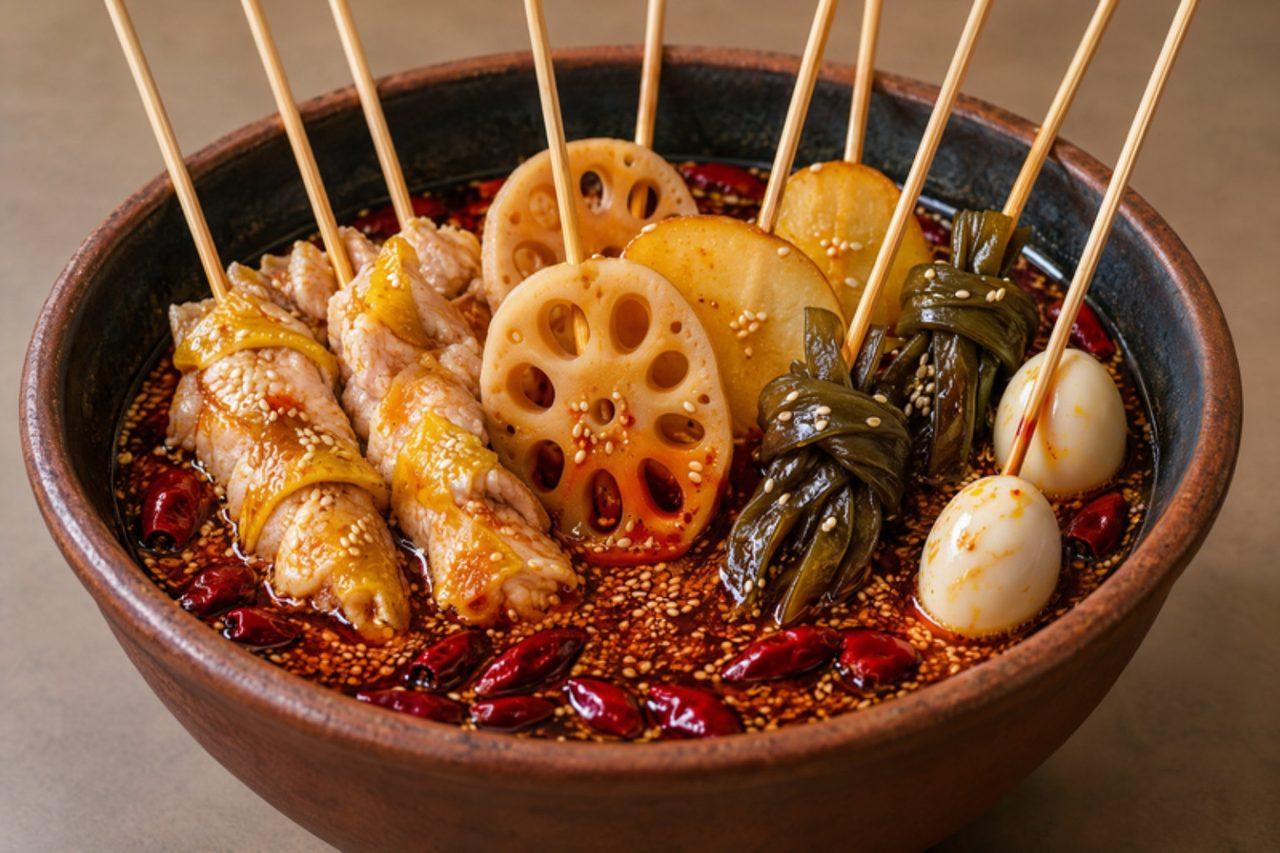
Bobo chicken came to Chengdu from Leshan and is now sold in snack shops off Chunxi Road and down Jinli, where dozens of bamboo skewers stand in a big clay bowl of chilli oil and you pay by the stick you pull out. It is summer evening food, eaten cold: tender poached chicken, lotus root, potato, mushroom and kelp, all soaked in a sweet, savoury, tongue-tingling red broth. Stalls also skewer chicken gizzards and hearts; this version keeps to chicken thigh and vegetables. It contains sesame and soya. Chef's tip: plunge the poached chicken into iced water; it keeps the meat juicy and the skin pleasantly springy.

by KrazyBadal 0 views

Fu qi fei pianCold beef and tripe

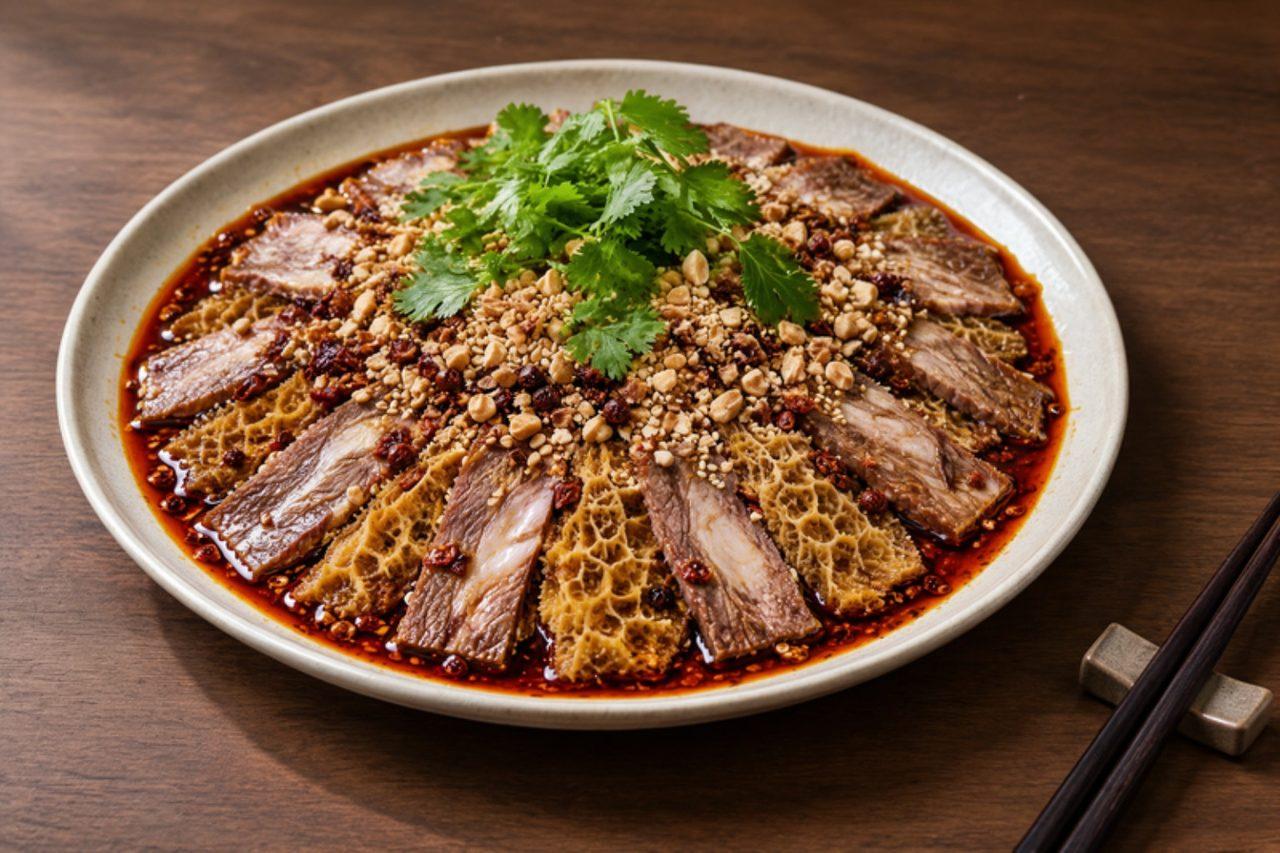
Fu qi fei pian, "husband-and-wife lung slices", takes its name from a couple who sold it from a shoulder-pole stall in 1930s Chengdu; today's version uses no lung, just beef shin and tripe. It is a cold dish, kept in big trays in the old snack restaurants around Chunxi Road and eaten at lunch or as a starter: paper-thin slices glossy with red chilli oil and numbing Sichuan pepper, with crushed peanuts and celery for crunch. It contains peanuts, sesame and soya. Chef's tip: slice the meat only when completely cold, and as thinly as you can; that is what lets the dressing coat every piece.

180 minChineseMeatSpicy
by KrazyBadal 0 views

Golden syrup dumplings

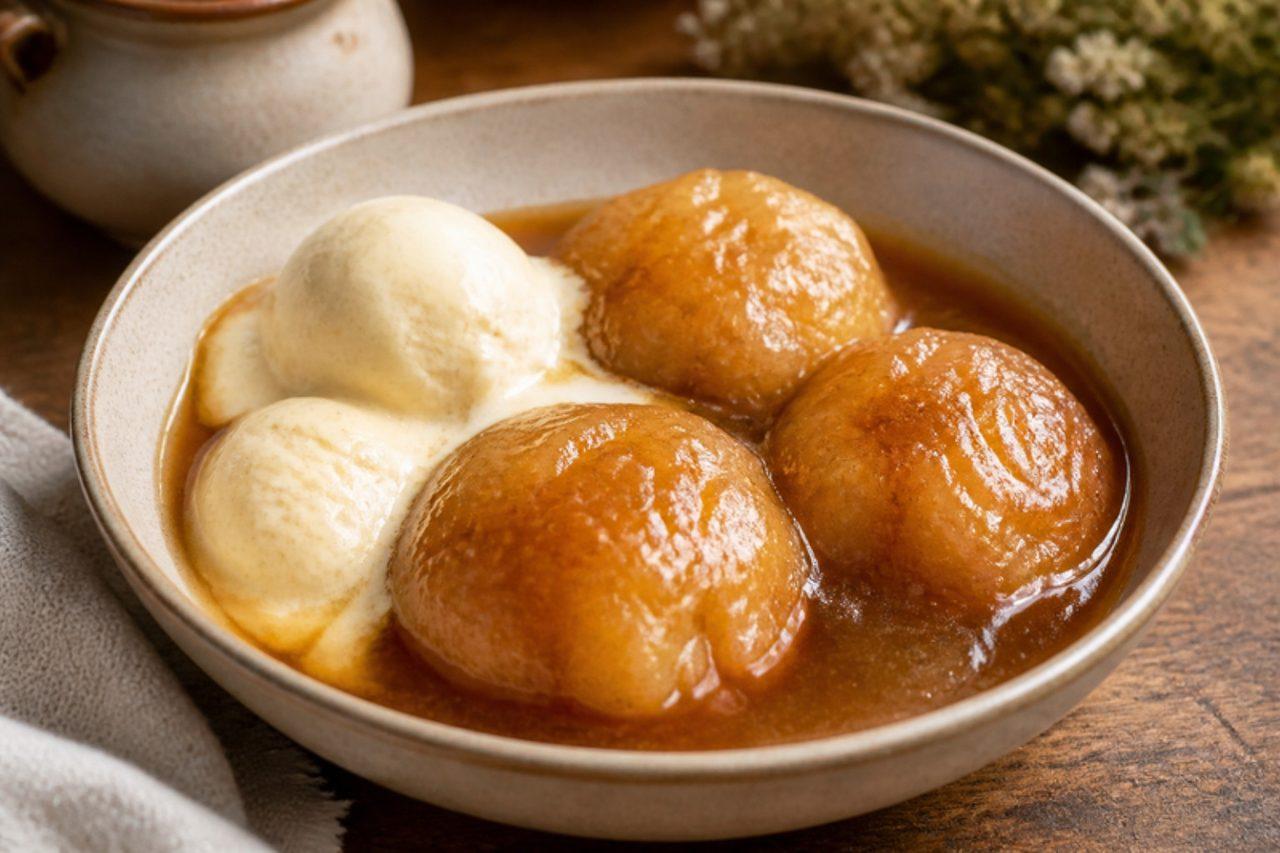
Golden syrup dumplings are a winter pudding from Australian country kitchens, made during the Depression and still cooked by grandmothers in the Riverina and the Victorian high country when the nights turn cold. Soft scone-dough balls simmer in a sauce of golden syrup, butter and brown sugar until they swell and turn sticky. Serve with vanilla ice cream or custard. A common mistake is a pan that's too small; the dumplings double in size and need space. Chef's tip: keep the lid on and resist peeking, so the tops steam light and fluffy.

by KrazyBadal 0 views

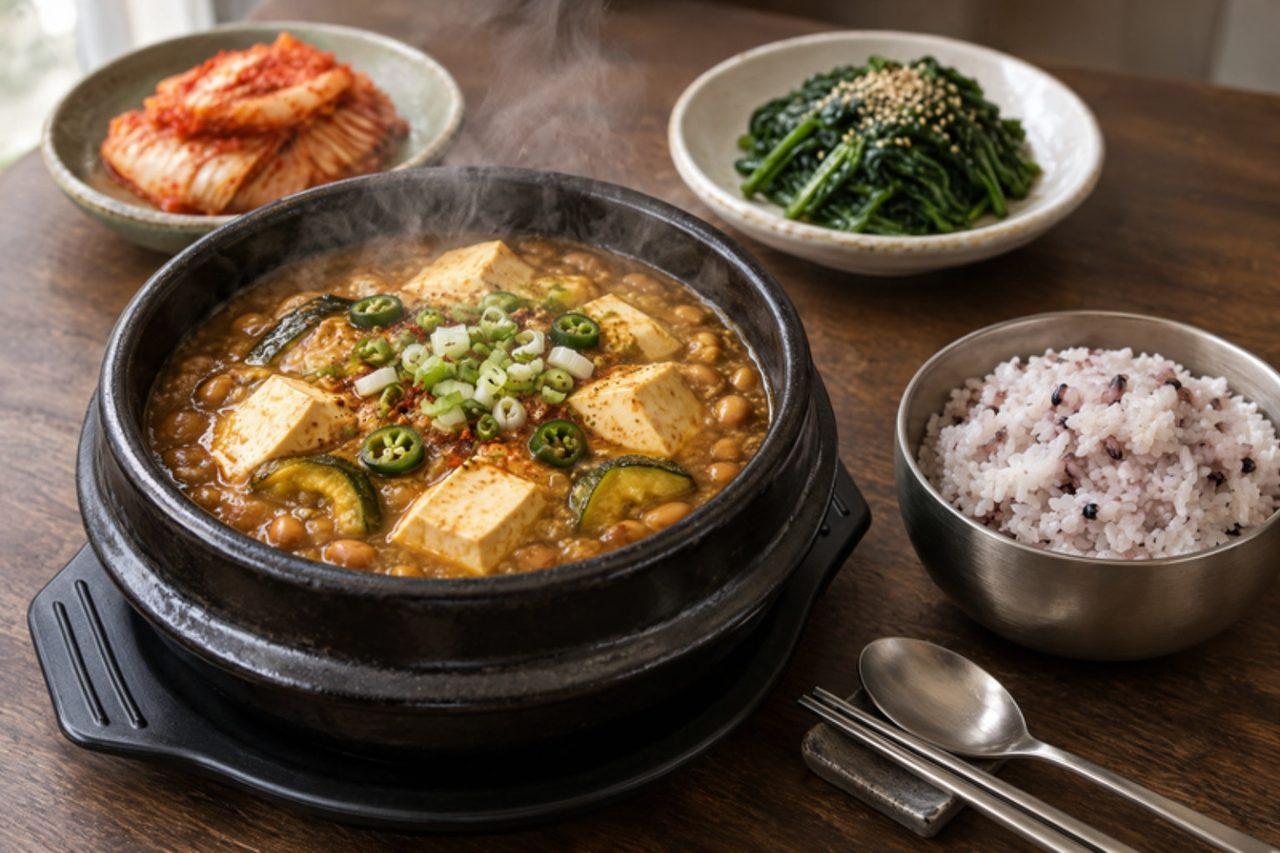
Cheonggukjang jjigaeFermented soybean stew

Cheonggukjang is a sticky, quick-fermented soybean paste made over two or three days in a warm room, and in Korean homes it becomes a bubbling winter stew, cooked in an earthenware pot and set in the middle of the table with rice and banchan. Its smell is famously strong, but the taste is nutty and deeply savoury, with tofu, courgette, onion and greens simmered in an anchovy-kelp stock. Suitable as part of a balanced diet: it is high in plant protein and fibre. About 230 kcal and 14 g carbohydrate per portion; eat it with a small bowl of mixed-grain rice. The usual mistake is boiling the cheonggukjang for a long time, which makes it bitter and dulls its flavour; it goes in for the last few minutes. Chef's tip: mash a spoon of doenjang in with it for a rounder, saltier base.

by KrazyBadal 0 views

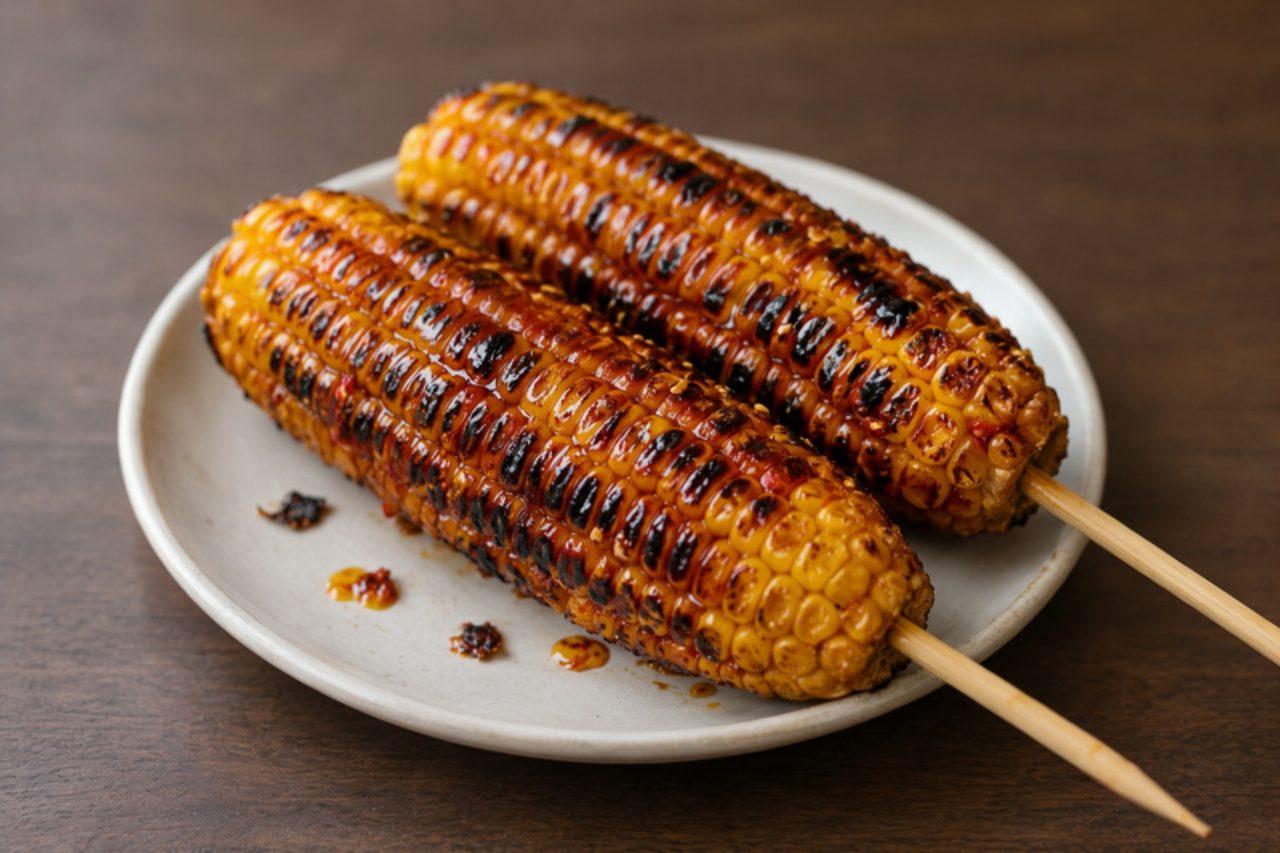
Taiwanese grilled corn

At Raohe and Shilin night markets the grilled-corn stalls are easy to find: look for the queue and the smoky, sweet smell. Cobs are par-cooked, then turned slowly over charcoal while the cook brushes them with a dark glaze of sacha sauce, thick soy paste, garlic and chilli, layer after layer, until the kernels are sticky, slightly charred and deeply savoury. It is eaten hot from a paper sleeve while walking the market. Sacha (shacha) sauce, a Taiwanese barbecue paste, usually contains dried fish and shrimp; vegetarian sacha is sold in Asian shops. Contains soy, wheat and fish. Chef's tip: brush thin coats and turn often; one thick coat burns before the corn chars.

by KrazyBadal 2 views

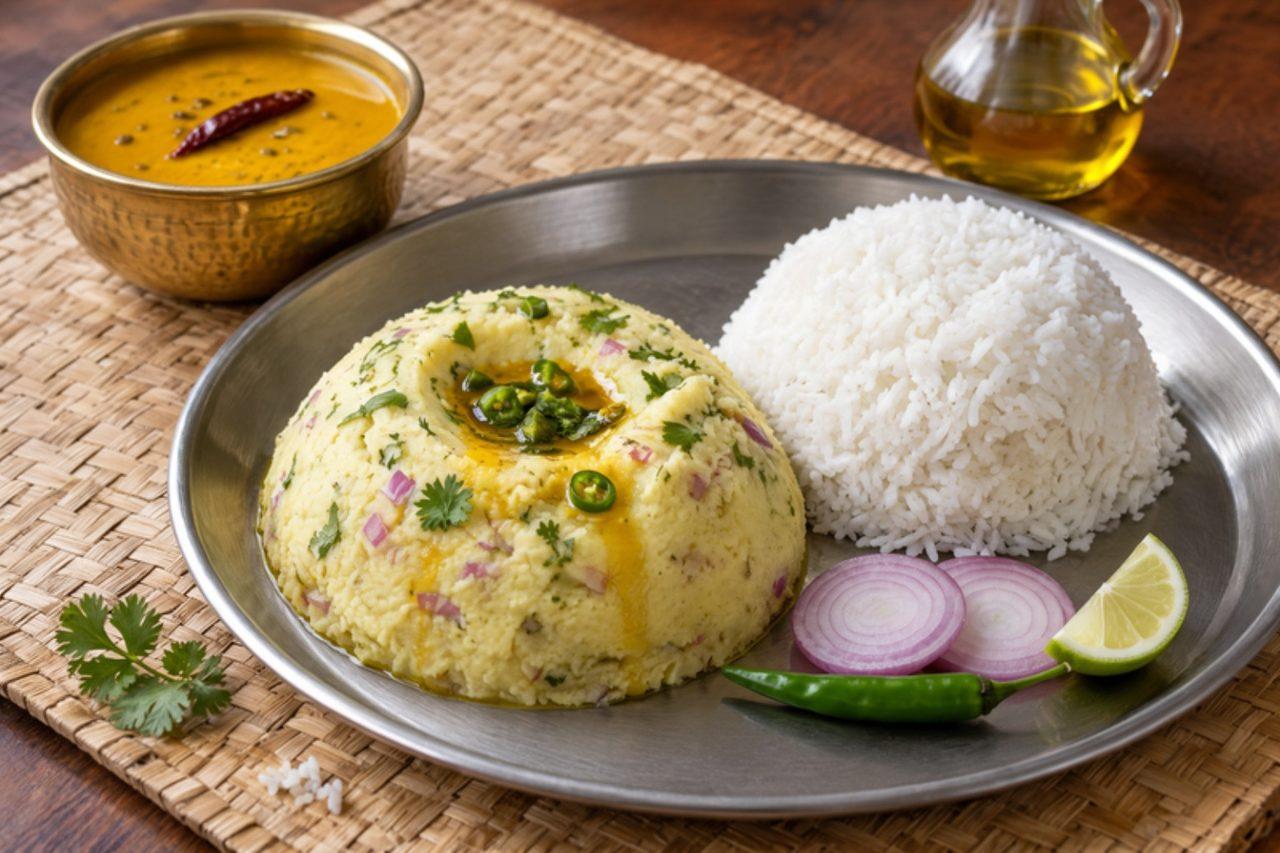
Aloo pitikaMashed potato with mustard oil

Aloo pitika is the first thing on many Assamese lunch plates, a rough mash of boiled potato sharpened with raw mustard oil, onion, green chilli and coriander, eaten with the first mouthfuls of rice and dal. Guwahati families make it daily, and in winter it may be mixed with roasted aubergine or a boiled egg. The usual mistake is making it smooth like a Western purée; it should be coarse and hand-mashed so the onion and chilli stay crunchy. Chef's tip: use pungent kachi ghani mustard oil and rub it in last, so its heat hits the nose.

by KrazyBadal 0 views

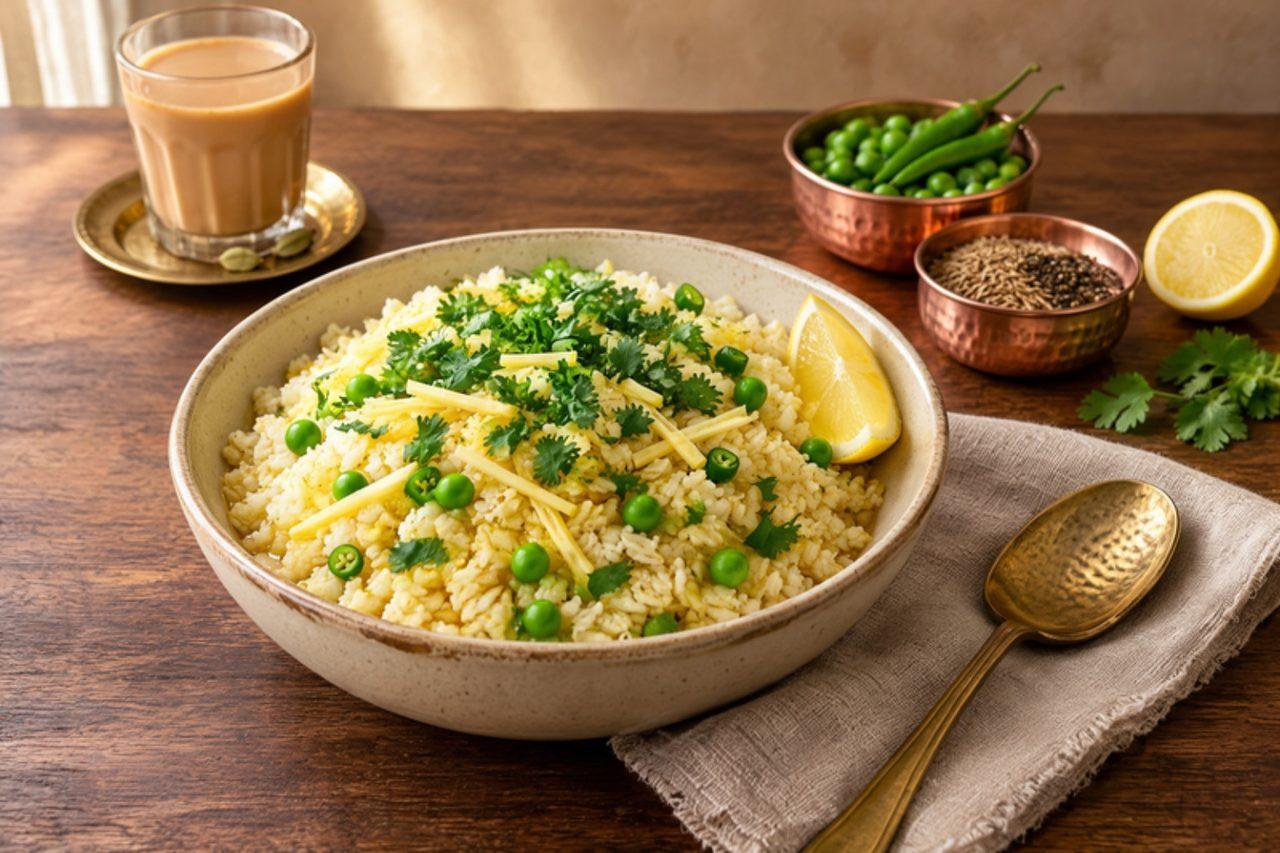
Chura matarFlattened rice with peas

When fresh peas pile up in the markets of Varanasi and eastern Uttar Pradesh in winter, breakfast becomes chura matar: thick flattened rice tossed in ghee with sweet green peas, ginger, green chilli and a pinch of sugar, finished with lemon and coriander. It is softer and richer than poha, and is often eaten on the ghats with a cup of chai. The mistake is soaking the chura in water; it turns mushy. Rinse it quickly in a sieve and let it rest, and it softens just enough. Chef's tip: crush half the peas lightly with the back of a spoon in the pan so they coat the rice and make each mouthful sweeter.

by KrazyBadal 0 views

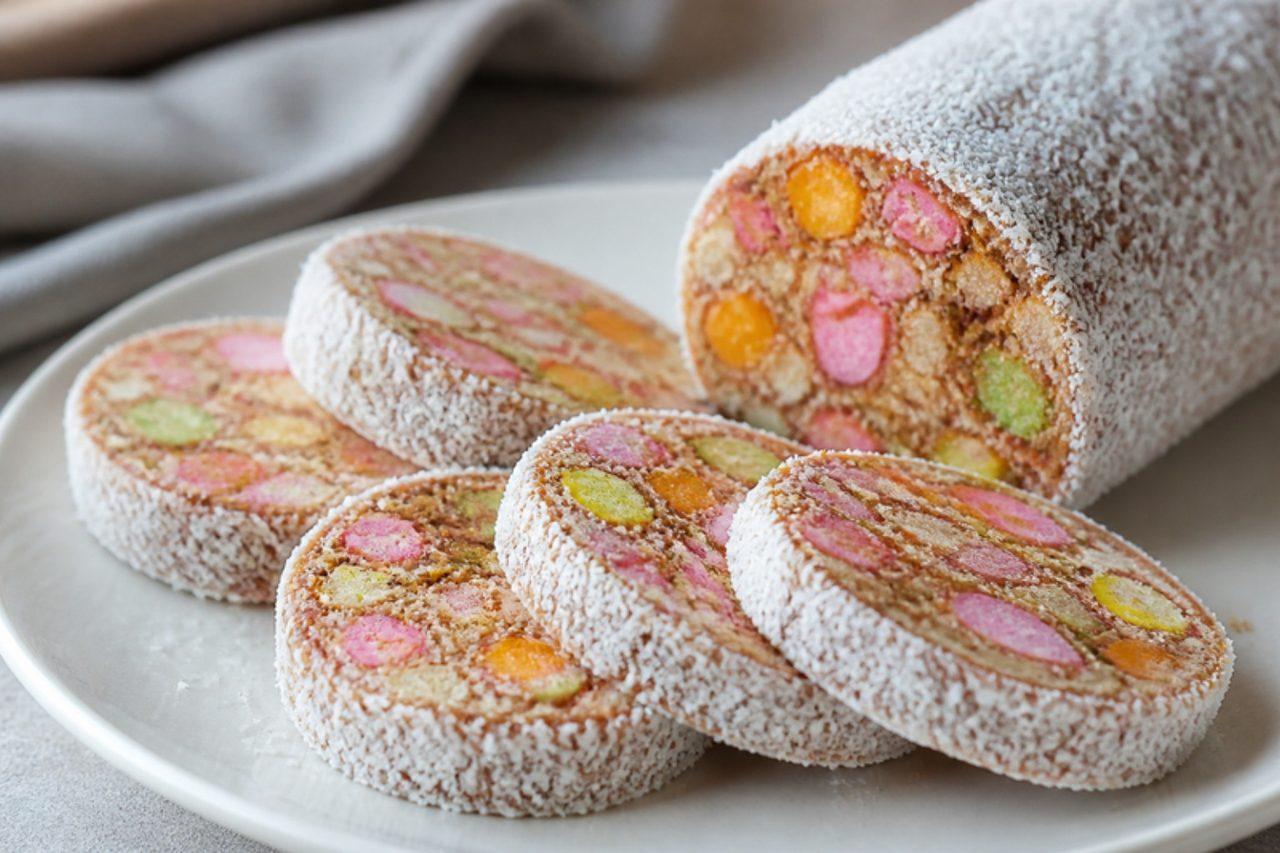
Lolly cakeNo-bake malt biscuit log

Lolly cake is the no-bake treat every New Zealand child helps make for birthday parties and bake sales, a log of crushed malt biscuits bound with butter and condensed milk, studded with chewy, brightly coloured fruit lollies (fruit puffs) and rolled in coconut. Sliced into rounds, it shows off the colours. A common mistake is crushing the biscuits to dust; leave some small chunks for texture. Many fruit lollies contain gelatine, so choose gelatine-free ones to keep it vegetarian. Chef's tip: wrap the log tightly in cling film and twist the ends so it chills into a neat cylinder.

by KrazyBadal 0 views

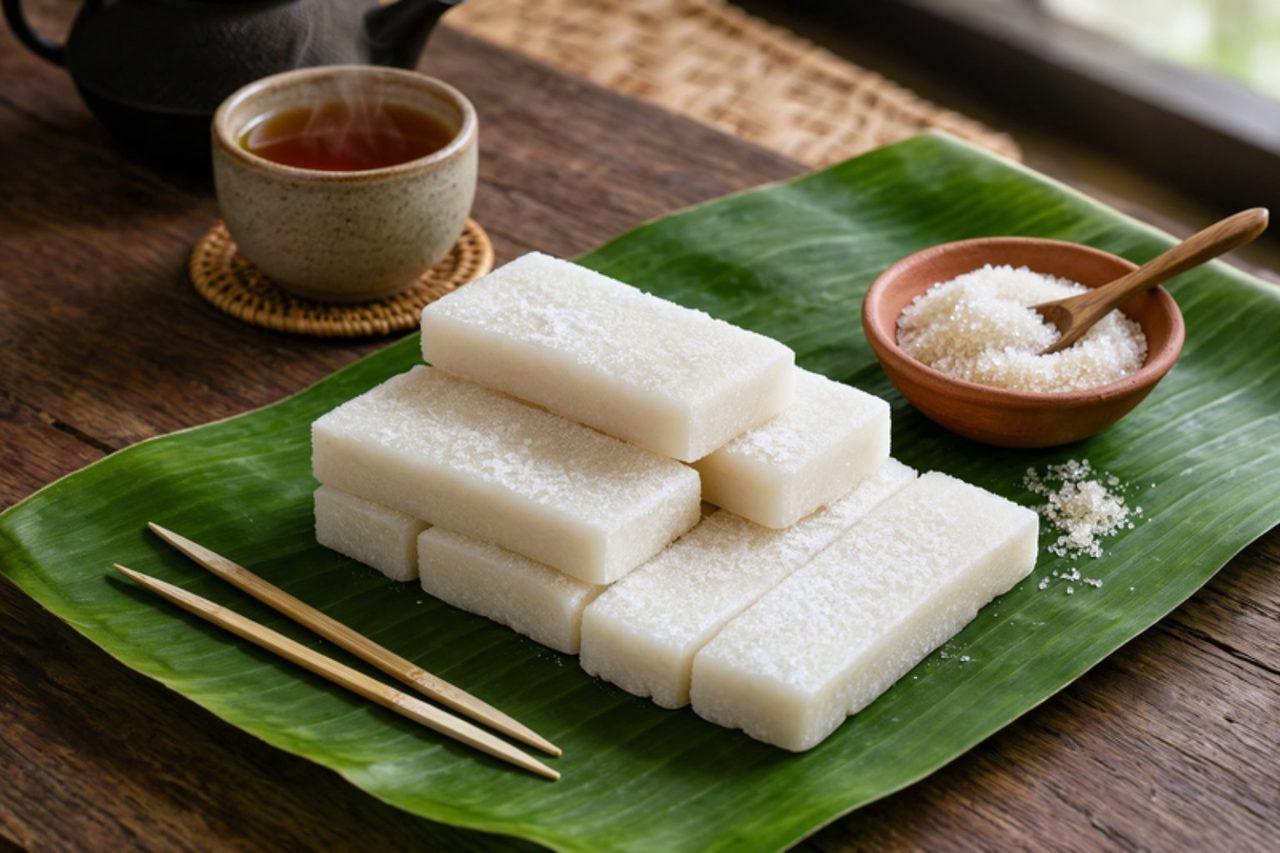
ChhangbanPounded sticky rice cakes

Chhangban are soft, chewy cakes that Mizo families make from steamed sticky rice pounded in a wooden mortar, traditionally for Christmas, Chapchar Kut and visits from relatives. They are eaten warm, dipped in sugar, or toasted the next day with a mug of black tea. The mistake people make is pounding cold rice: it will not come together, so work while it is steaming hot. Chef's tip: wet the pestle or your hands with salted water so the rice does not stick.

by KrazyBadal 0 views

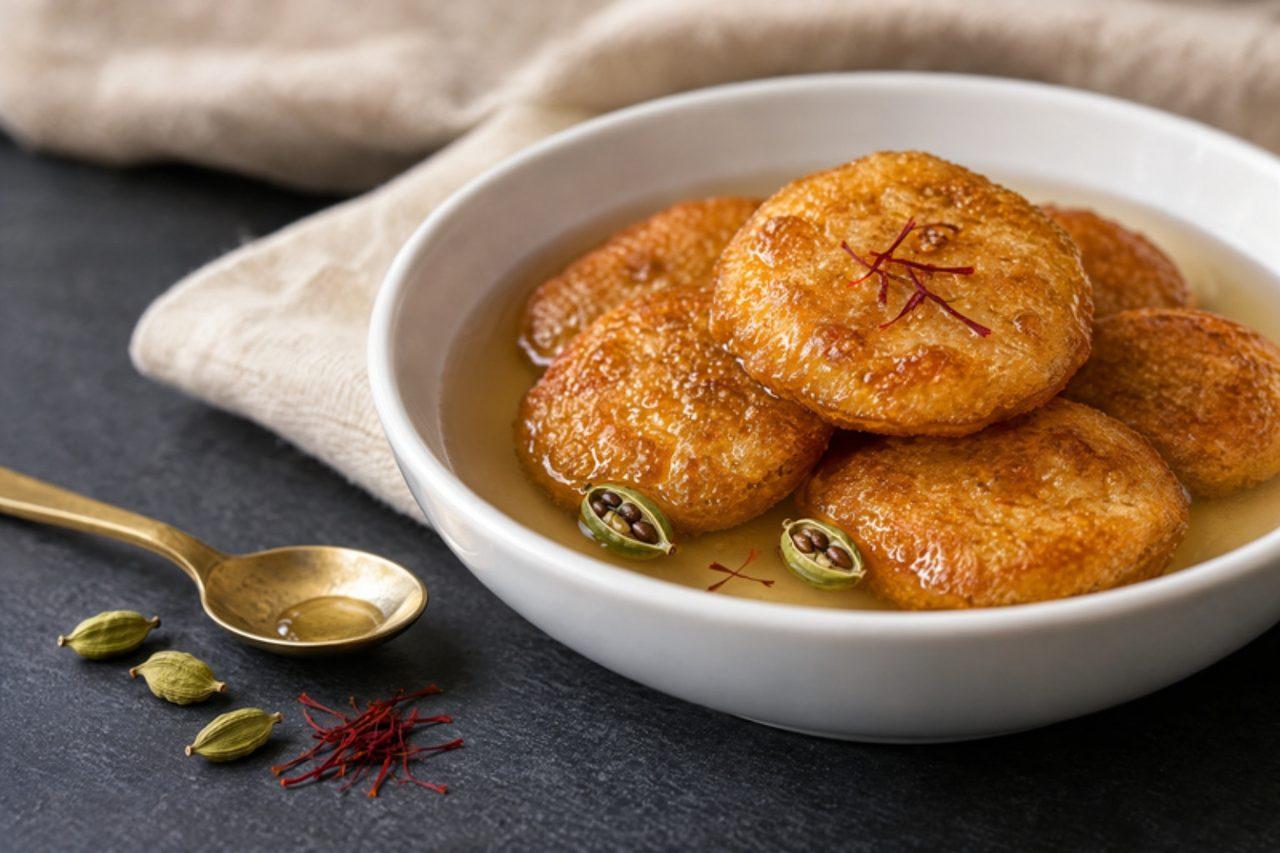
Chhena jhiliFried cheese patties in syrup

Chhena jhili comes from Nimapara near Puri in Odisha, where sweet shops fry these flat, oval chhena patties all day for pilgrims heading to and from the Jagannath temple. They are soft and spongy, golden-brown outside and creamy within, soaked in a thin syrup scented with cardamom, and are eaten at Rath Yatra, weddings and any good-news visit. The common mistake is using dry, crumbly chhena; it should be moist enough to press into a smooth patty without cracks, so hang it for no more than 30 minutes. Chef's tip: fry in ghee rather than oil for the true Odia flavour, keeping the heat gentle so the outside stays golden, not dark.

by KrazyBadal 0 views

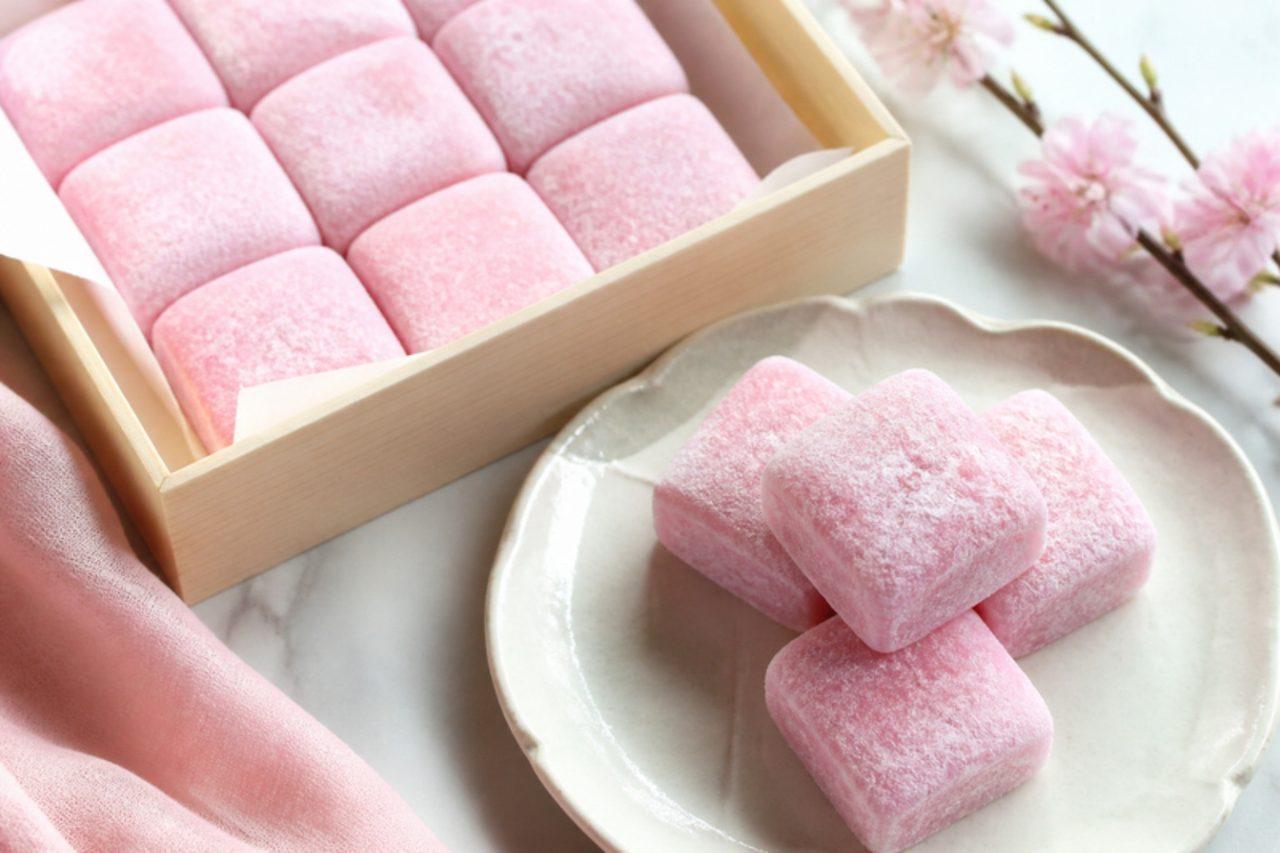
Chichi dangoCoconut milk mochi

Chichi dango are the soft, pastel-pink mochi squares made for Girls' Day, birthdays and graduations in Hawaii's Japanese-American families, and sold in little boxes at manapua shops and crack seed stores in Honolulu. Mochiko (sweet rice flour) is mixed with coconut milk and sugar, baked until set, then cut and dusted with potato starch. They are chewy, milky and lightly sweet. A common mistake is cutting them warm with a dry knife, which tears them; cool fully and use a plastic knife dusted with starch. Chef's tip: wrap the tin tightly in foil while baking so the top stays soft and smooth.

by KrazyBadal 0 views

OijiSalt-brined cucumber pickle

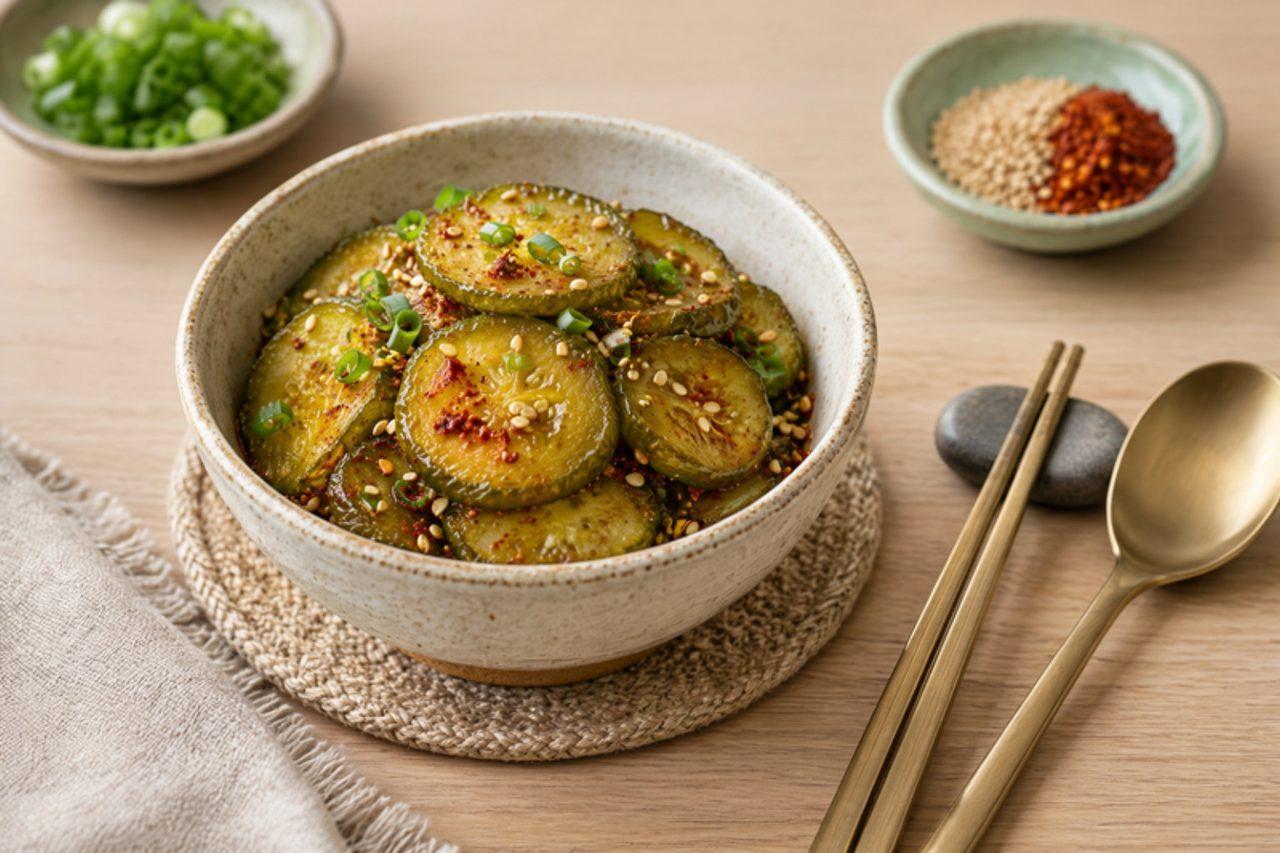
Oiji is the Korean way of keeping early-summer cucumbers into the dog days. In June, when short, thin-skinned pickling cucumbers flood markets from Seoul to the southern provinces, they are packed into a crock and covered with boiling salt brine, which keeps them crisp. A week later they are olive-gold, wrinkled and sour-salty. Nobody eats them straight: they are sliced, soaked and squeezed, then dressed as oiji muchim with chilli flakes, garlic and sesame, or floated in cold water with vinegar and spring onion as oiji naengguk, a cooling summer soup. Over rice on a hot afternoon, the crunch is everything. The brine is about 10% salt (200 g per 2 litres of water), strong enough to keep them all summer. The common mistake is leaving any cucumber above the brine; it softens and moulds, so weigh them down well. It is ready when the cucumbers are evenly yellow-green, wrinkled and firm, and the brine smells cleanly sour. Normal: cloudy brine and bubbles; bad: fuzzy coloured mould, mushy or slimy cucumbers, a rotten smell. Chef's tip: squeeze the soaked slices in a cotton cloth as hard as you can before dressing; the drier they are, the better they crunch.

by KrazyBadal 0 views

ChichemeCold cracked corn drink

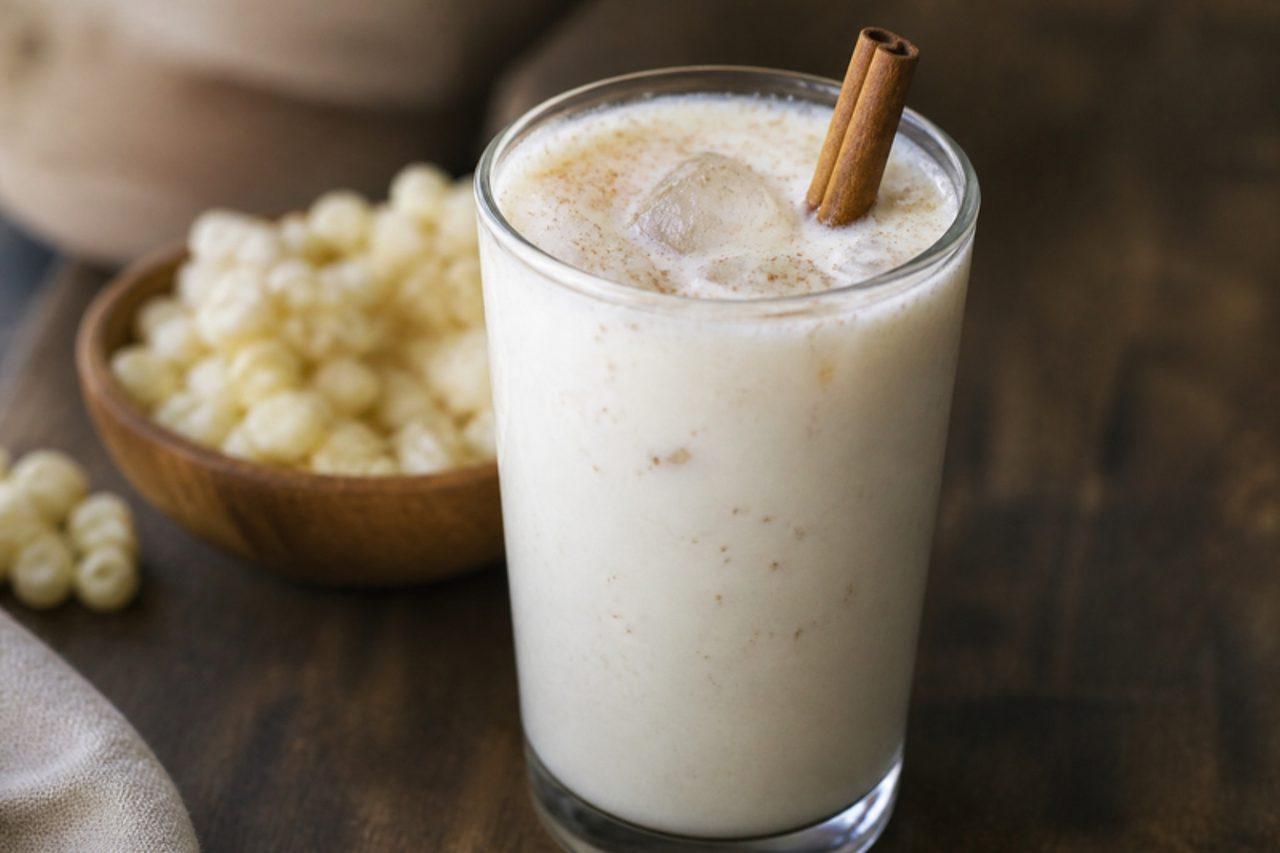
Chicheme comes from La Chorrera, just west of Panama City, where it is sold by the glass at the town's fairs alongside bollos and chorizo, and it is now drunk all over the country on hot afternoons. Cracked white corn is cooked until soft and swollen, then mixed with sweetened milk, cinnamon and vanilla and served very cold, so every sip has chewy grains in it. Undercooked corn is the classic mistake; the kernels must be soft right through or the drink feels gritty. Chef's tip: soak the corn overnight, and it cooks in under an hour instead of two.

by KrazyBadal 0 views

Chicharrón cochabambinoPork fried in chicha

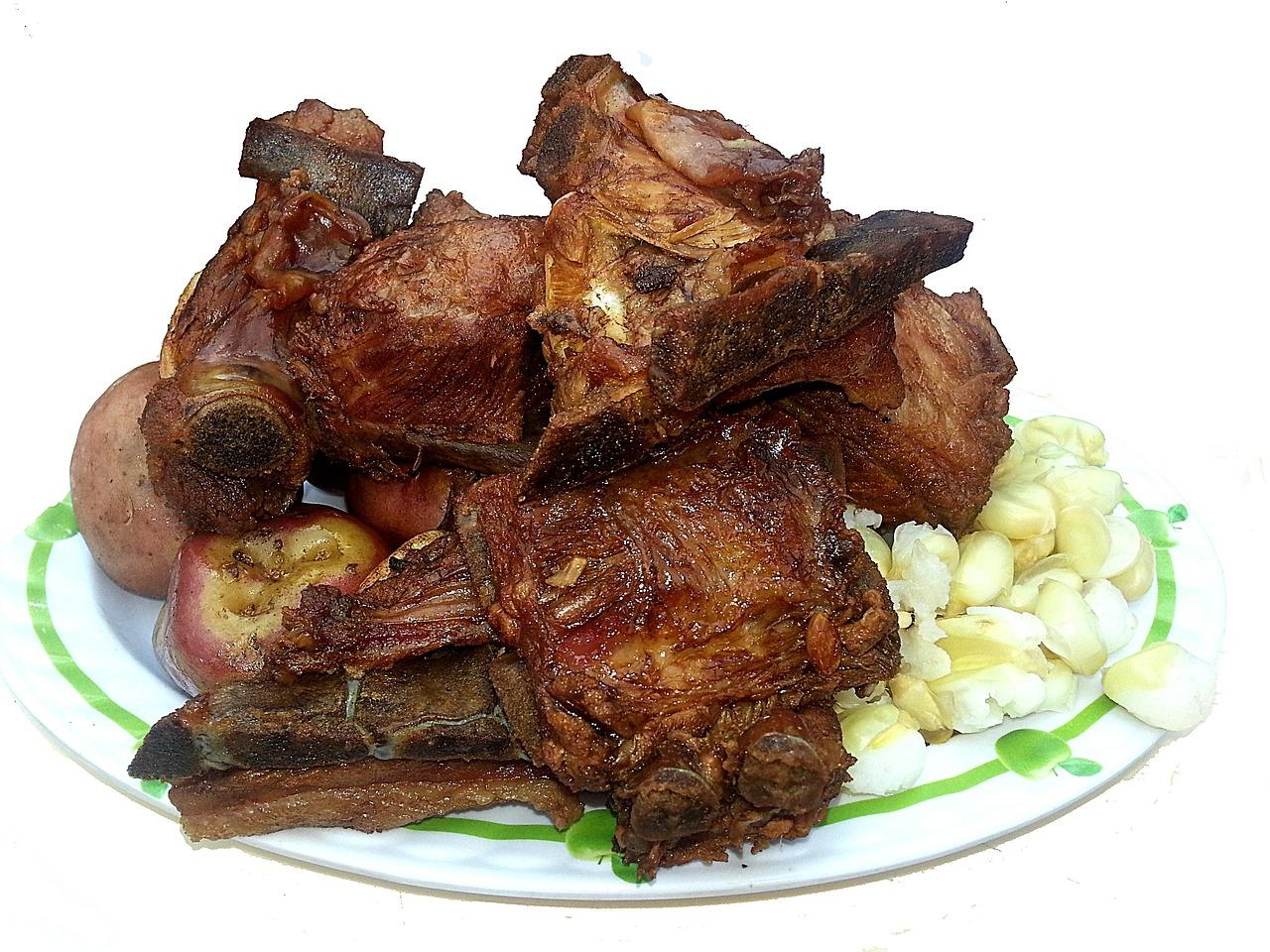
Cochabamba's Sunday chicharrón is pork, cooked the slow way: big chunks of pork rib and shoulder simmered in chicha, the valley's fermented corn drink, with garlic and cumin until the liquid evaporates and the meat fries golden in its own fat. It is eaten with mote (big white corn), boiled potatoes and llajwa. Chicha contains alcohol, and some remains after cooking, so this dish is for adults; for an alcohol-free version use unsweetened apple juice with a splash of cider vinegar. The common mistake is rushing the last stage over a high heat, which burns the outside before the inside is tender. Chef's tip: once the liquid has gone, turn the pieces only every few minutes so a real crust can form.

150 minAndeanMeatGluten free
by KrazyBadal 0 views

ChichingaSpicy peanut beef kebabs

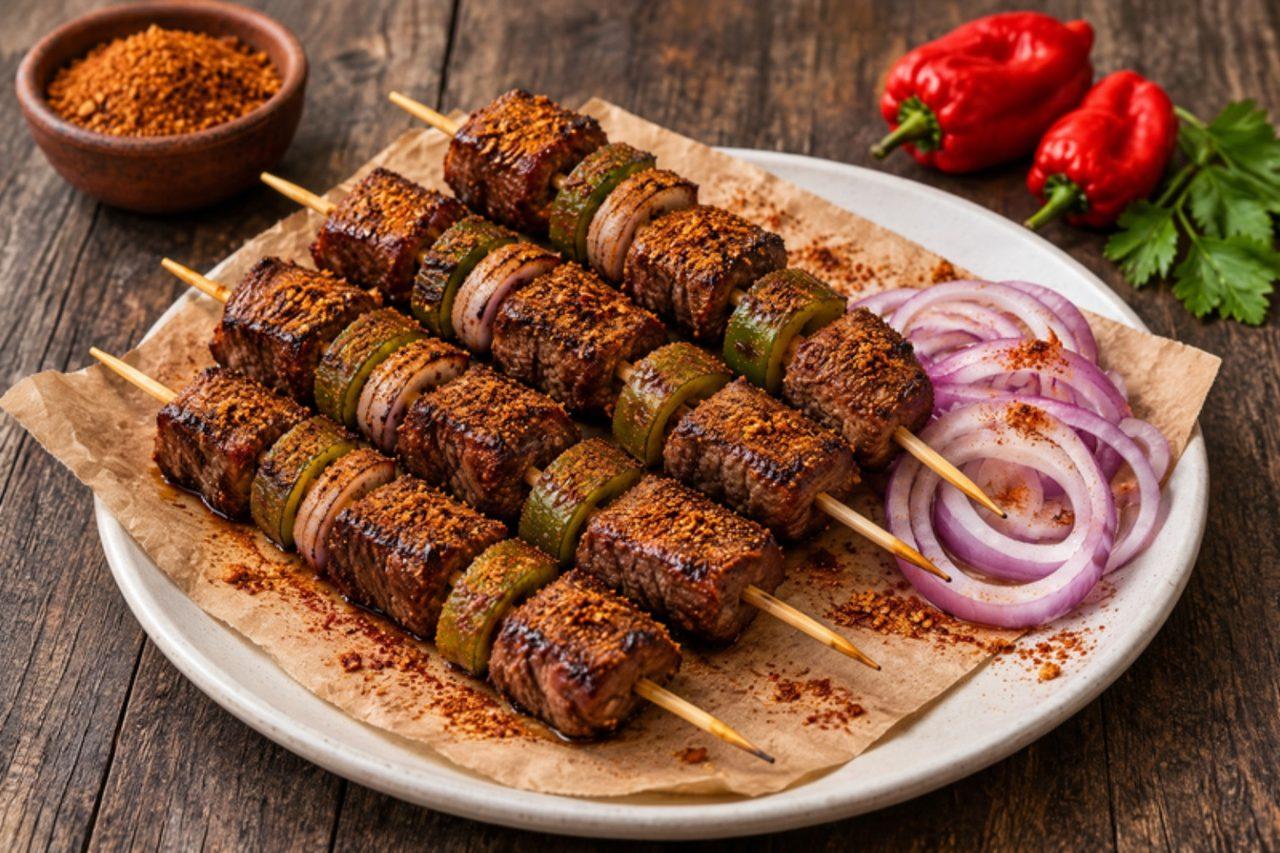
As the sun goes down on Oxford Street in Osu, Accra, chichinga sellers fan their charcoal grills at the roadside and the smell of spiced beef and roasting peanuts pulls in the evening crowd. The skewers came south with traders from northern Ghana and are close cousins of Nigerian suya: chunks of beef rubbed with a hot powder of ground peanuts, ginger and chilli, grilled with onion and green pepper and eaten with a sprinkle of extra spice, sliced tomato and a cold drink. It contains peanuts. Chef's tip: dust on most of the peanut spice in the second half of grilling; over fierce coals it scorches if it goes on too early.

by KrazyBadal 0 views

Oksusu-chaRoasted corn tea

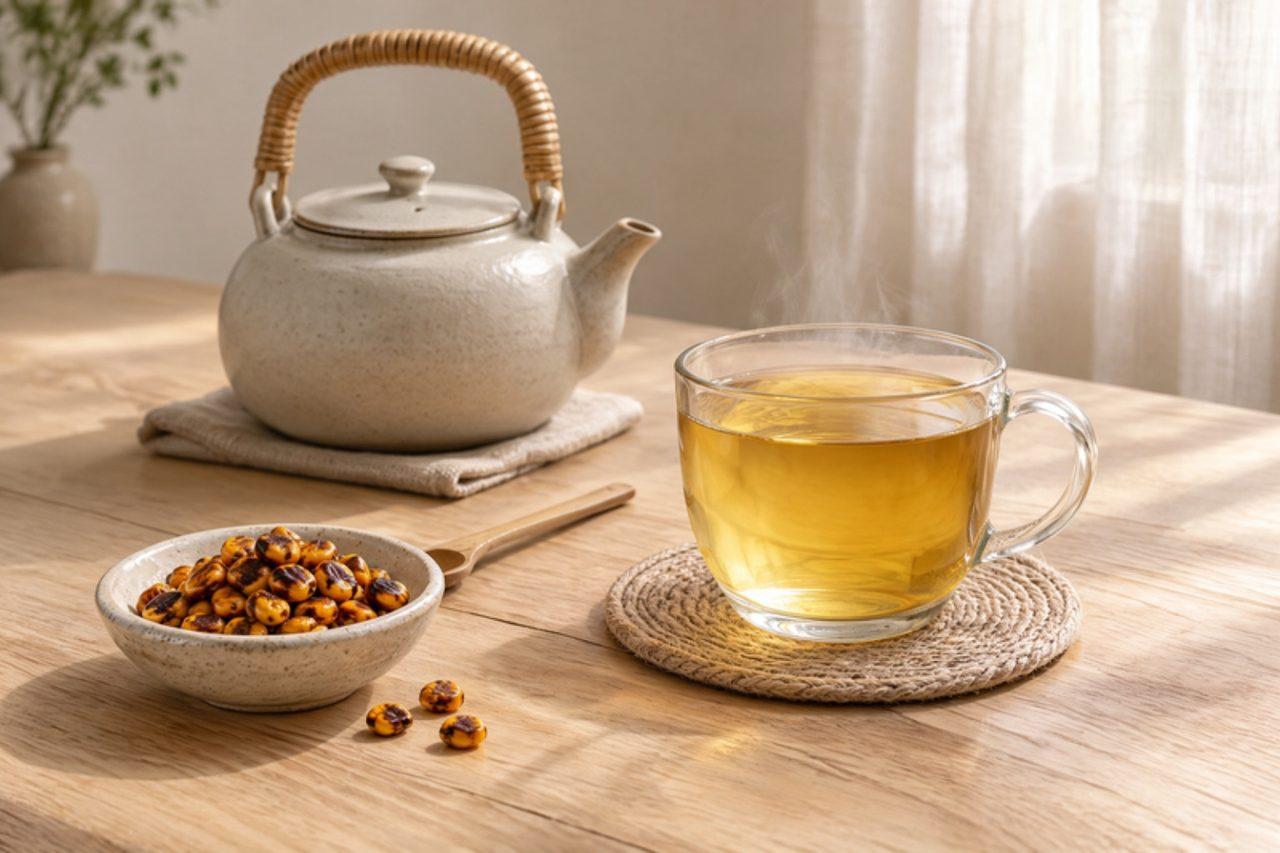
Oksusu-cha is the tea Korean households boil by the kettleful and keep in the fridge in old glass bottles, drunk instead of water with meals from Seoul apartments to Gangwon farmhouses, chilled in summer and hot in winter. Dried corn kernels are roasted until dark golden, then simmered to make a pale amber tea that tastes gently sweet and toasty, though nothing is added at all. About 0.0 g salt per glass. The usual mistake is boiling the kernels too long, which makes the tea cloudy and starchy; 15 minutes is plenty. Ready-roasted corn kernels are sold in Korean shops; if roasting your own, use dried corn, not fresh or tinned. Chef's tip: mix in a spoon of roasted barley for the classic boricha blend, rounder and more nutty, though no longer gluten free.

by KrazyBadal 0 views

Chicken kelaguenGrilled chicken with lemon and coconut

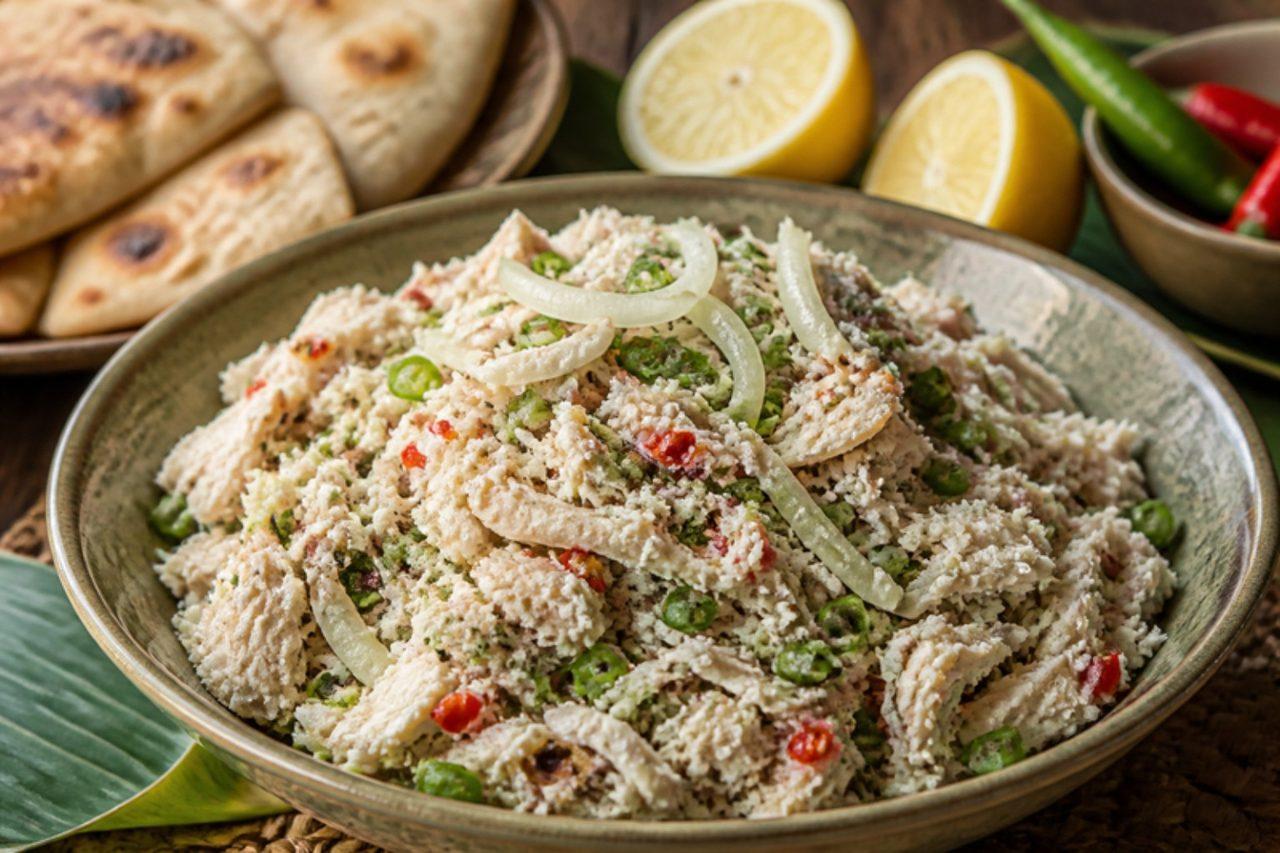
Chicken kelaguen is the dish that tells you you're at a Chamorro fiesta in Guam or Saipan: grilled chicken chopped fine and tossed with lots of fresh lemon juice, onion, hot donne' peppers, salt and freshly grated coconut. It is eaten cold or at room temperature, scooped up with warm titiyas or alongside red rice. The chicken is fully grilled first; only some other kelaguen are lemon-cured raw. A common mistake is skimping on lemon; it should taste bright and sharp. Chef's tip: grill the chicken over charcoal for the smoky flavour that makes kelaguen special.

by KrazyBadal 0 views

Chicons braisésBraised endives

Belgian endive, called chicon in Wallonia and witloof in Flanders, is grown in the dark around Brussels and eaten all winter, from November to March. Braised slowly in butter with a pinch of sugar and a squeeze of lemon, the pale heads turn golden, soft and gently caramelised, with only a whisper of their raw bitterness left. Serve them beside mashed potatoes and a fried egg, or as a side for a Sunday roast. The usual mistake is crowding the pan and boiling them in their own water, which leaves them grey and bitter. Chef's tip: lay the heads in a single layer and press a round of baking paper on top, so they steam gently and then brown in the butter once the juices cook off.

by KrazyBadal 0 views

Escabeche de polloChicken in vinegar and carrot

Pollo en escabeche is a home classic in Córdoba and Buenos Aires, a legacy of Spanish preserving that Argentines make on a Saturday to eat cold all week. It comes out of the fridge for a picada before the asado, as a summer lunch with a green salad and crusty bread, or packed for a day in the sierras. Chicken is browned, then gently cooked in oil and vinegar with carrot, onion, red pepper, garlic, bay and black peppercorns, and left to rest at least a day. The meat turns tender and lightly tangy, the carrots keep a little crunch, and the oil carries the flavour of bay and pepper. Because garlic sits in oil, safety matters: the liquid is half strong vinegar (at least 5% acidity, never diluted beyond what the recipe says), and the jar always lives in the fridge, never on the shelf. Eat it within 5 days. The common mistake is letting it boil hard, which makes the chicken dry and stringy; it should barely tremble. It is ready the next day, when the chicken tastes seasoned right through and the oil has turned golden. Chef's tip: take it out 20 minutes before serving so the oil melts back to liquid.

by KrazyBadal 0 views

Soft idli for babies

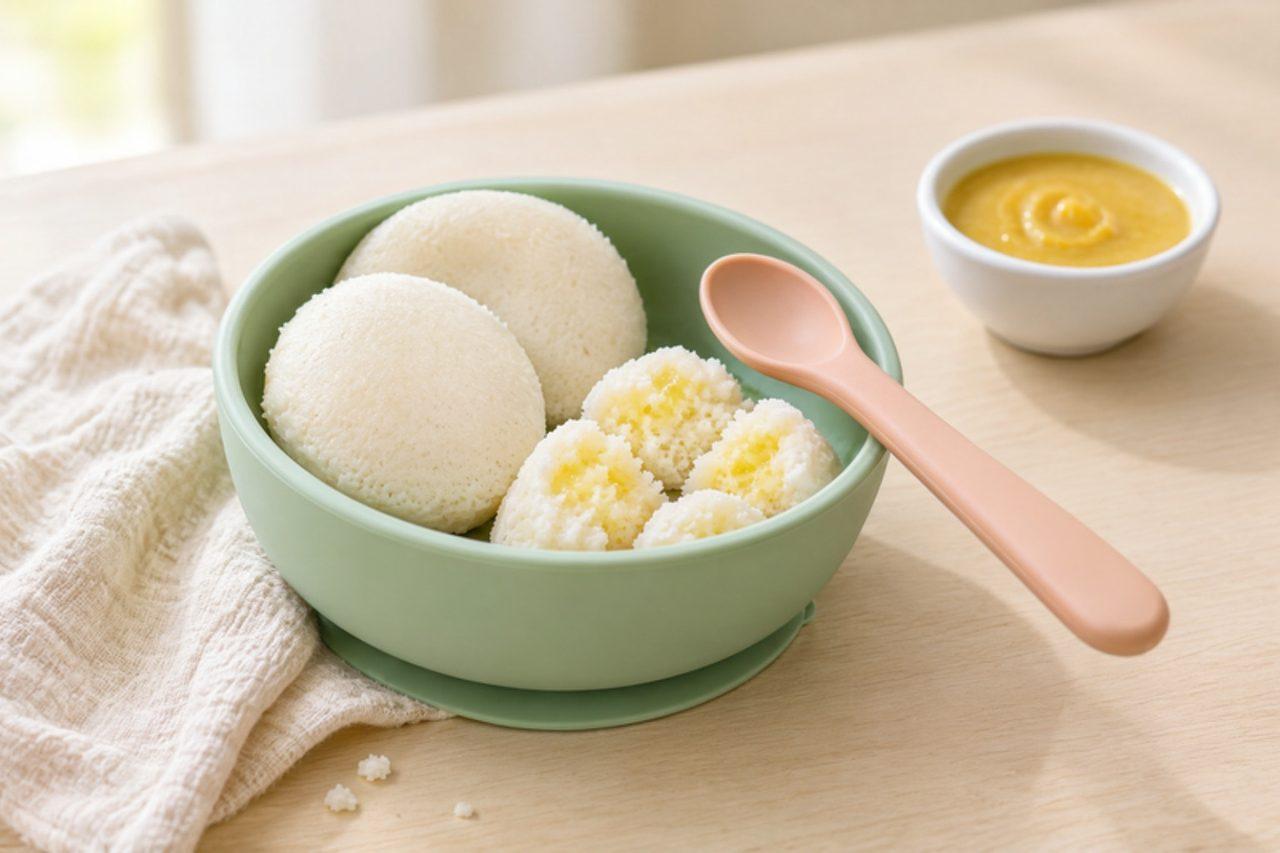
Idli is breakfast across Tamil Nadu, from Chennai's Mylapore tiffin rooms to village kitchens, and a fluffy, plain idli is one of the first finger foods many South Indian babies hold. Since family batter is salted, parents make a separate salt-free batch for babies under one, or steam a few from it before the salt goes in. The cakes are pillowy, faintly sour and melt under the gums, torn into pieces or mashed with ghee or thin dal. They contain no gluten, egg, nuts, soya or sesame; they contain milk only if served with ghee. Chef's tip: grind the urad dal with ice-cold water until it is light and foamy; air in the batter, not salt, is what makes idli soft.

by KrazyBadal 0 views

Chileajo de verdurasVegetables in guajillo garlic sauce

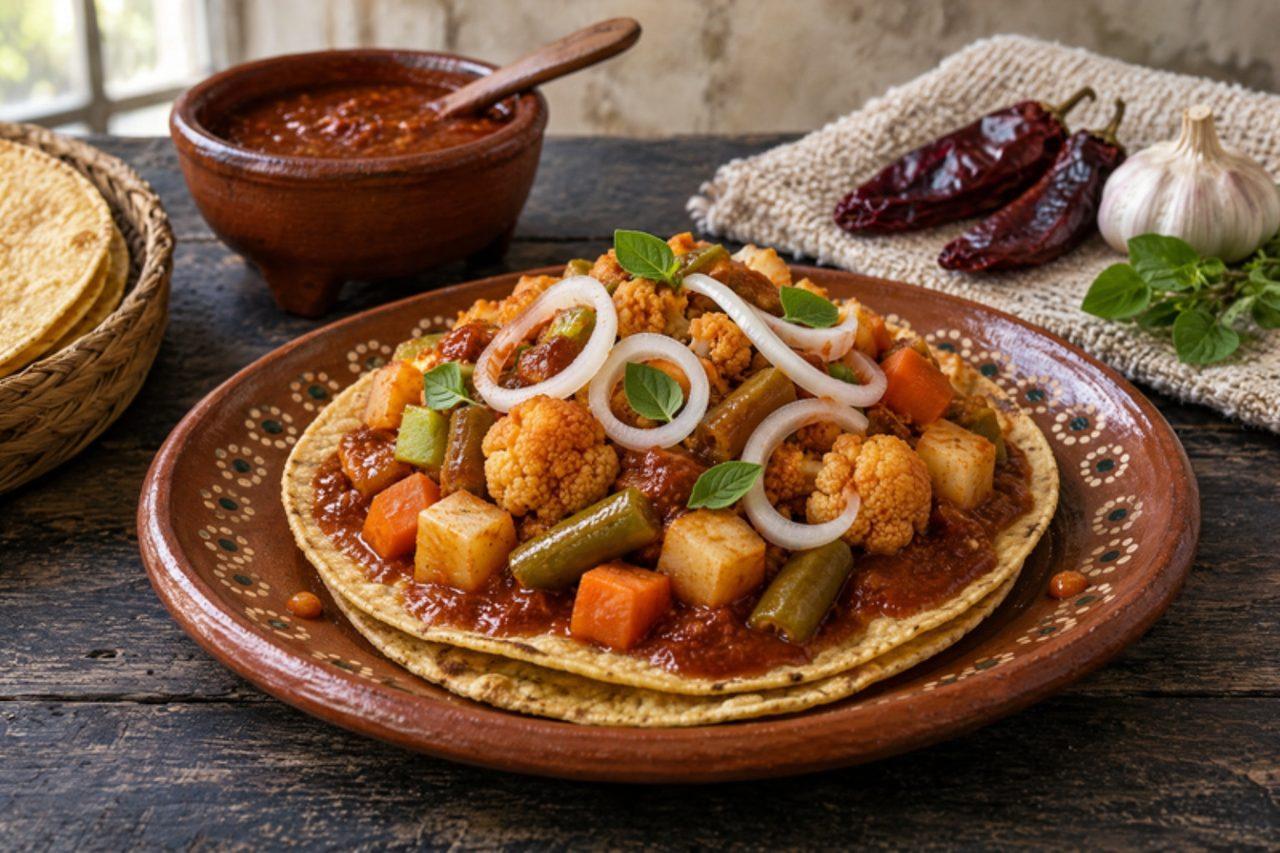
Chileajo is a cold dish of the Mixteca and the Oaxaca valley markets, sold from big clay bowls on Sundays and during Lent, and piled onto crisp tostadas at family fiestas. Potatoes, green beans, carrots, chayote, cauliflower and peas are cooked just tender and folded into a brick-red sauce of guajillo chiles, plenty of garlic, cloves and vinegar, then left to soak up its tangy, smoky heat. It keeps for days and improves as it sits. The usual mistake is overcooking the vegetables before they meet the sauce, so they turn mushy once mixed; they should still have a little bite. Chef's tip: toast the chiles only until they smell fragrant and blister, a few seconds a side; burnt chiles make the whole sauce bitter.

by KrazyBadal 0 views

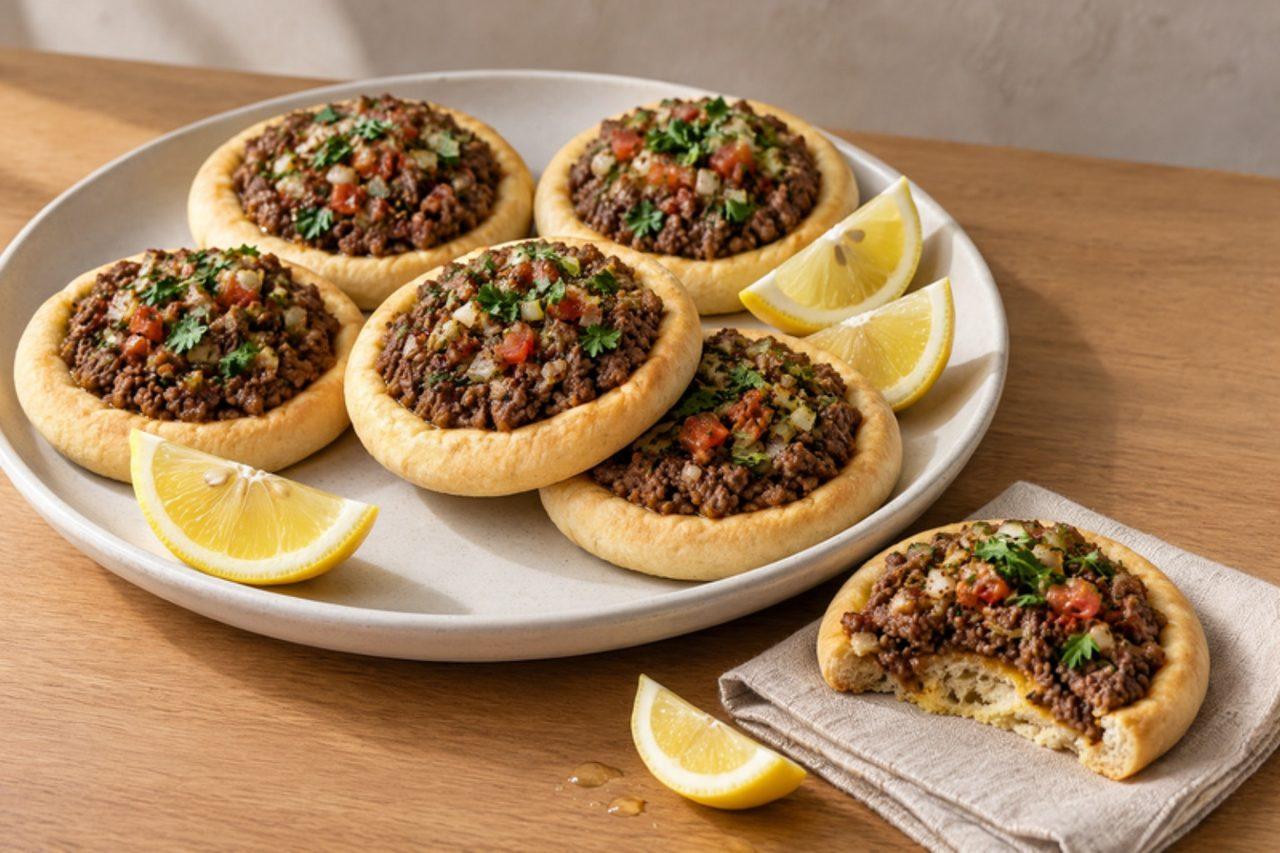
Esfiha de carne (São Paulo open beef pies)

The Syrian and Lebanese families who settled around Rua 25 de Março in central São Paulo brought sfiha with them, and the city made it its own: esfihas are now sold by the dozen from counters all over town, eaten standing up with a squeeze of lemon at lunchtime or as a cheap late snack. The dough is soft and lightly crisp at the base, and the topping of raw spiced beef, onion and tomato cooks on the pie in a hot oven. Chef's tip: squeeze the onion and tomato hard in a cloth before mixing; a wet topping makes the dough soggy.

by KrazyBadal 0 views

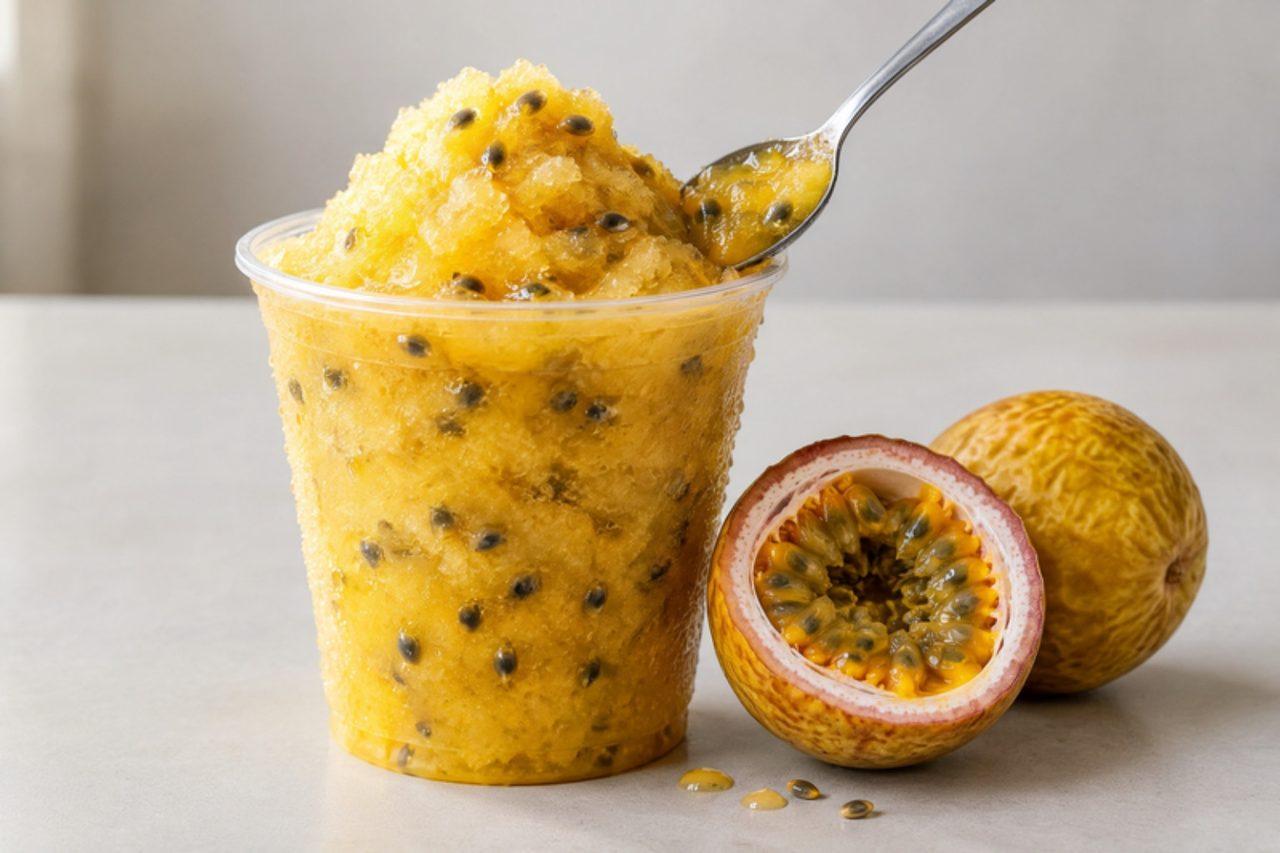
Cremolada (Lima passion fruit slush)

From January to March, when Lima's coast swelters, queues form at the cremolada counters of Barranco and along the Jirón de la Unión downtown for cups of this thick fruit ice. It sits between a granita and a sorbet: frozen fruit pulp scraped again and again until it is slushy and spoonable, with real bits of fruit through it. Passion fruit (maracuyá) gives a sharp, bright flavour; creamy lúcuma, with its maple and sweet potato taste, is the other favourite. Chef's tip: use a shallow metal tray; it freezes faster and evenly, so you get fine crystals rather than chunks.

by KrazyBadal 0 views

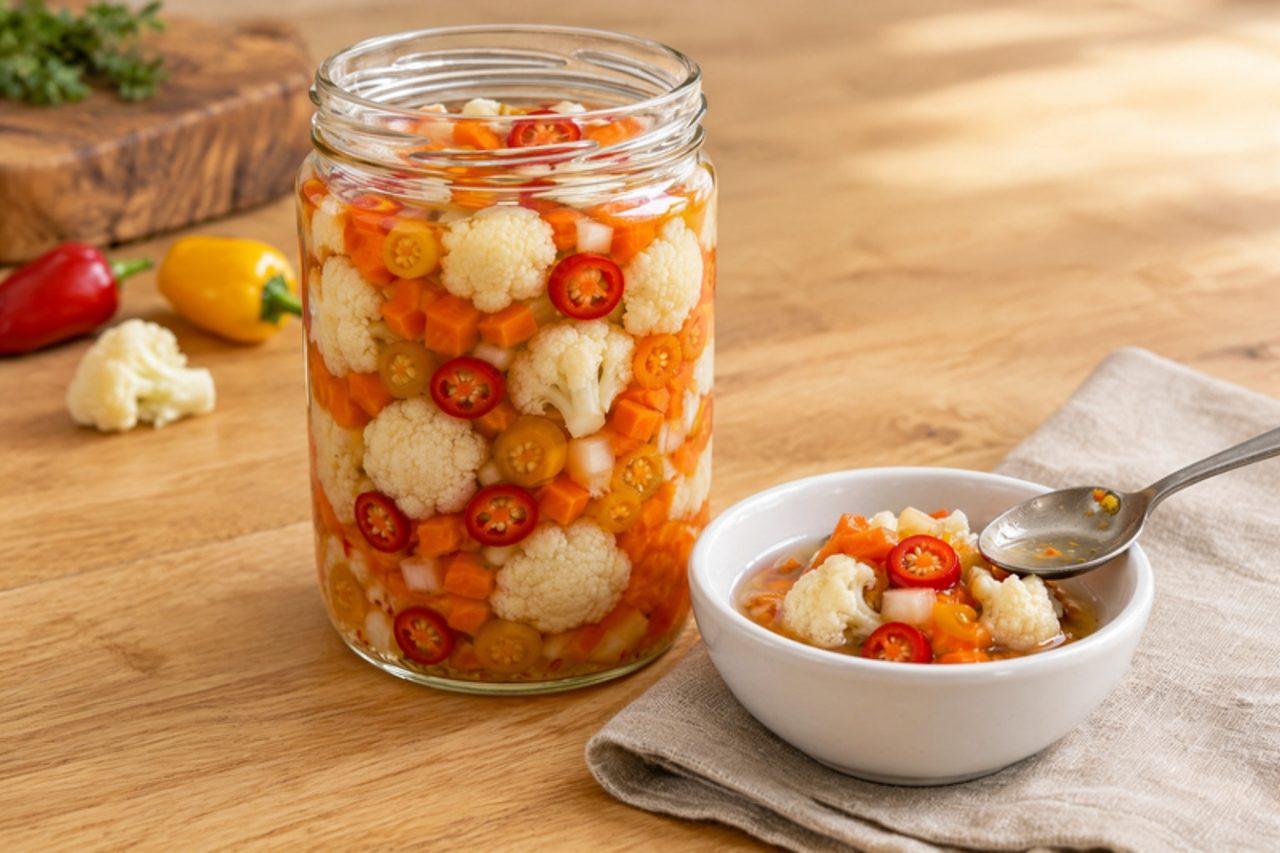
ChileroPickled vegetable and chilli relish

Sit down in any soda in Costa Rica, from San José to the Caribbean coast at Limón, and next to the napkins you will find a jar of chilero: small dice of carrot, cauliflower, onion and green beans with hot chile panameño, swimming in vinegar. Costa Ricans shake the spicy vinegar over gallo pinto at breakfast, spoon the crunchy vegetables onto a lunchtime casado of rice, black beans, plantain and salad, and add a splash to olla de carne on a rainy afternoon. It is more vinegar than vegetable, sharp and clean, with crunchy, sour bites and a fruity heat that grows the longer the jar sits. Unlike Guatemalan escabeche, nothing is blanched; the hot vinegar alone softens the vegetables slightly. The usual mistake is cutting the vegetables too big, so they will not come out of the bottle and do not pickle through; dice them no larger than 5 mm. It is ready after three days, when the vinegar has turned faintly yellow and tastes hot and the cauliflower is sour all the way through. Chef's tip: add a few strips of the vinegar-softened chile to your rice, but warn your guests.

by KrazyBadal 0 views

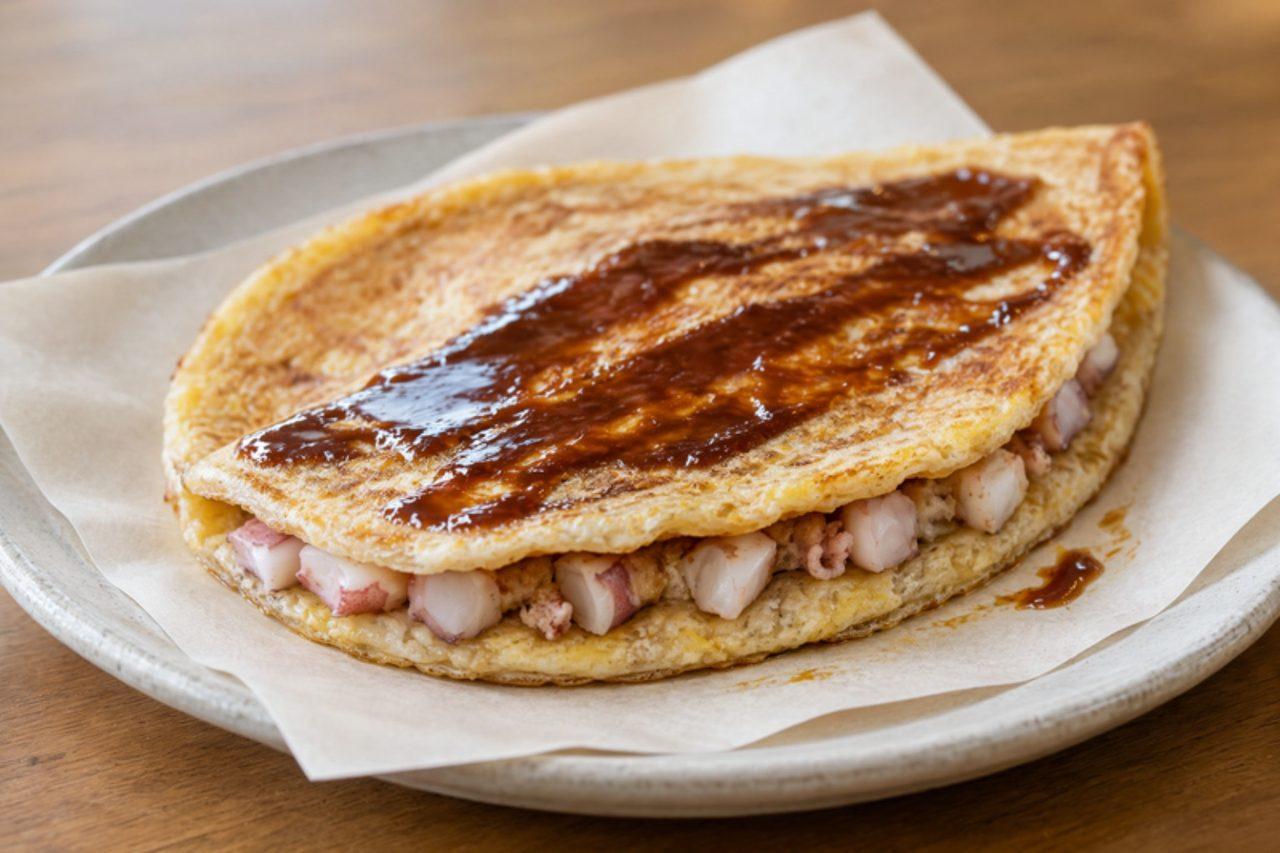
Ikayaki (Hanshin style)Squid and egg pancake

Osaka's ikayaki is nothing like the whole grilled squid sold at festivals elsewhere in Japan. In the basement food hall of the Hanshin department store at Umeda, people queue at lunchtime and on the way home for a thin, chewy pancake of batter and chopped squid, pressed flat between two scorching iron plates in seconds, brushed with sweet sauce and folded into paper. Order it "deluxe" and an egg is pressed in too. At home, a second heavy pan does the pressing. Chef's tip: chop the squid small; big pieces turn rubbery before the batter is cooked.

by KrazyBadal 0 views

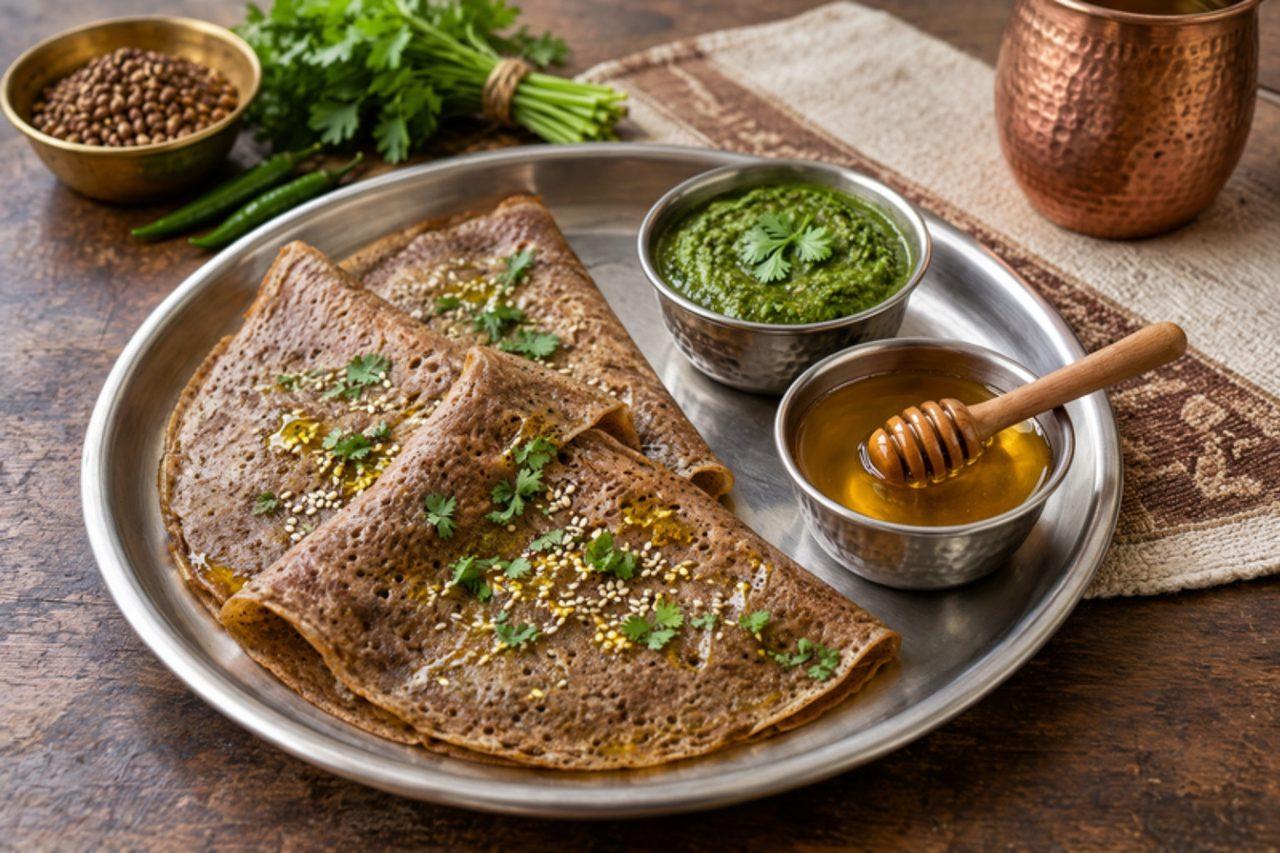
ChilreBuckwheat pancakes

In the upper hills around Shimla and through Kinnaur, buckwheat (kuttu or ogla) grows where wheat struggles, and chilre are its everyday form: thin, lacy pancakes poured on a hot griddle for breakfast or a late-afternoon snack. They are eaten with a sharp mint-and-walnut chutney, or sweet with honey, and are naturally gluten free when made with pure buckwheat. The common mistake is making the batter too thick, so the chilre come out stodgy; it should pour like single cream. Chef's tip: let the batter rest 15 minutes so the buckwheat swells, and wipe the pan with an oiled cloth rather than pouring oil, for even, lacy pancakes.

by KrazyBadal 0 views

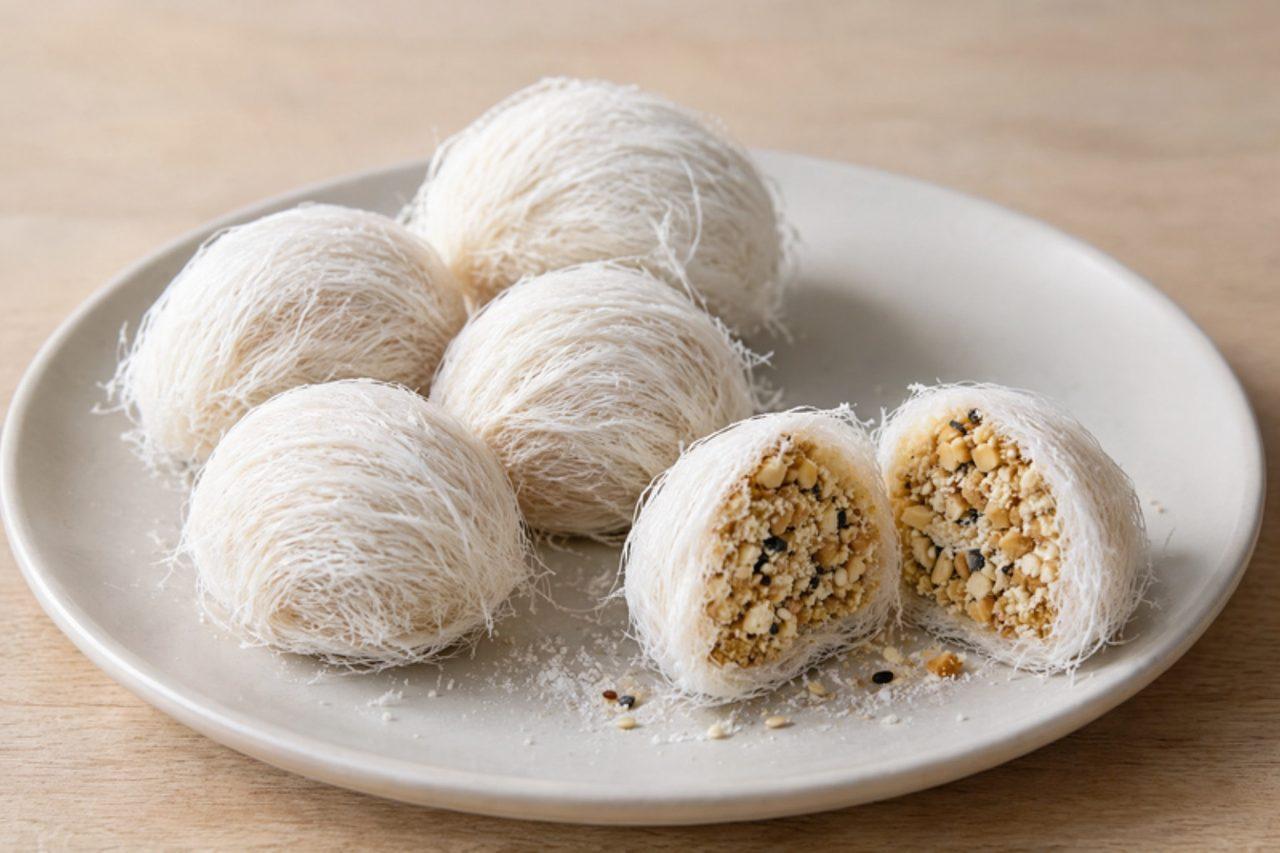
Dragon's beard candy

Dragon's beard candy is one of the old street crafts of Hong Kong, still demonstrated by a few hawkers in Tsim Sha Tsui and at Kowloon City snack shops, where children watch a hard disc of sugar stretched and folded in starch until it becomes a skein of hair-fine threads. Each cocoon is wrapped around a crunchy filling of peanuts, sesame and coconut and must be eaten within minutes, before it melts in the humidity. It takes practice; your first batch may be thicker threads, and that is fine. Contains peanuts and sesame; not for children under five, who can choke on the filling. Chef's tip: toast the cornflour first, as raw starch tastes chalky and is not safe to eat uncooked.

by KrazyBadal 0 views

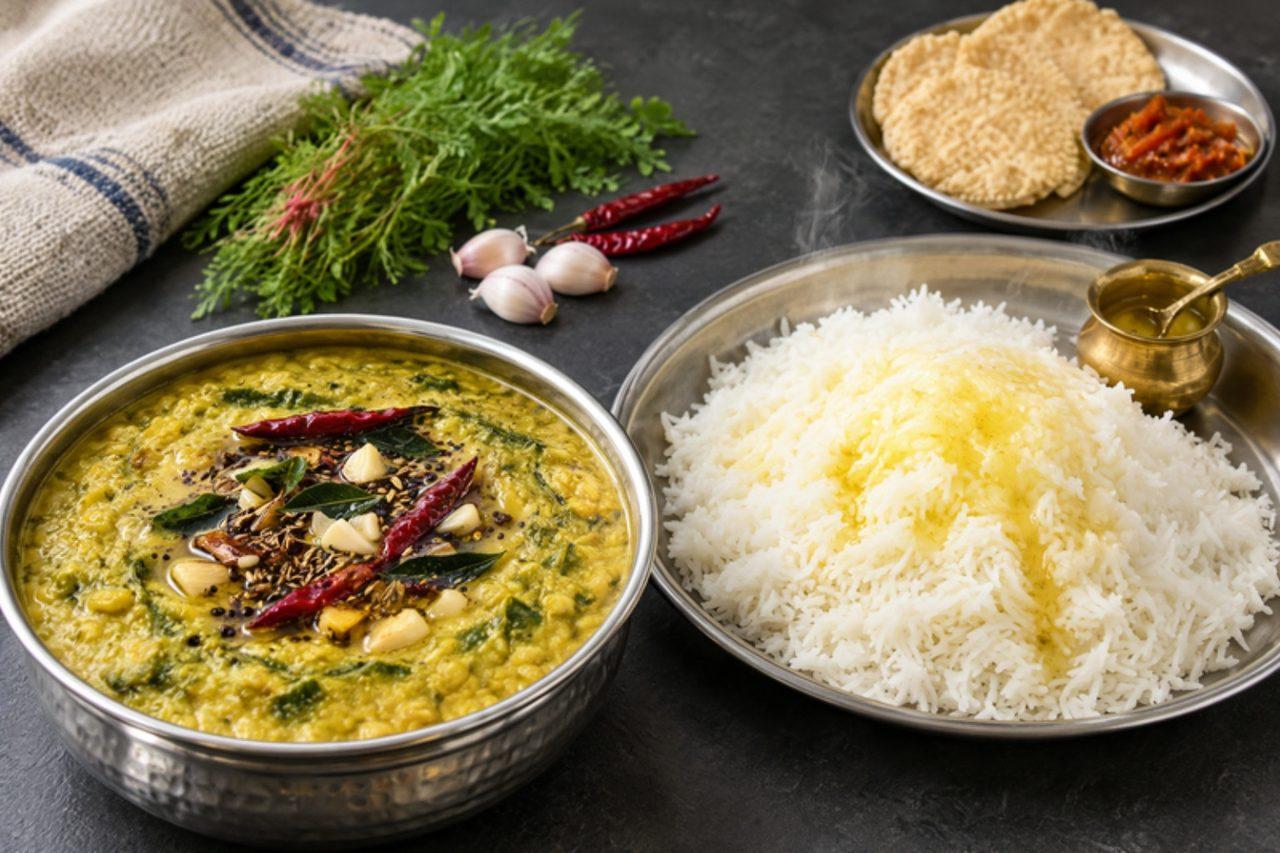
Chintha chiguru pappuDal with young tamarind leaves

Every spring the tamarind trees of Telangana put out soft, coppery new leaves, chintha chiguru, and housewives in Hyderabad and the districts strip them by the handful for a few weeks of this pleasantly sour dal. The leaves give the tang that tamarind pulp gives the rest of the year, and the pappu is eaten with hot rice, ghee and a crisp papad. The common mistake is adding all the leaves at the start; they lose their fresh sourness, so stir half in near the end. Chef's tip: if tamarind shoots are out of reach, use a mix of sorrel and a teaspoon of tamarind paste.

by KrazyBadal 0 views

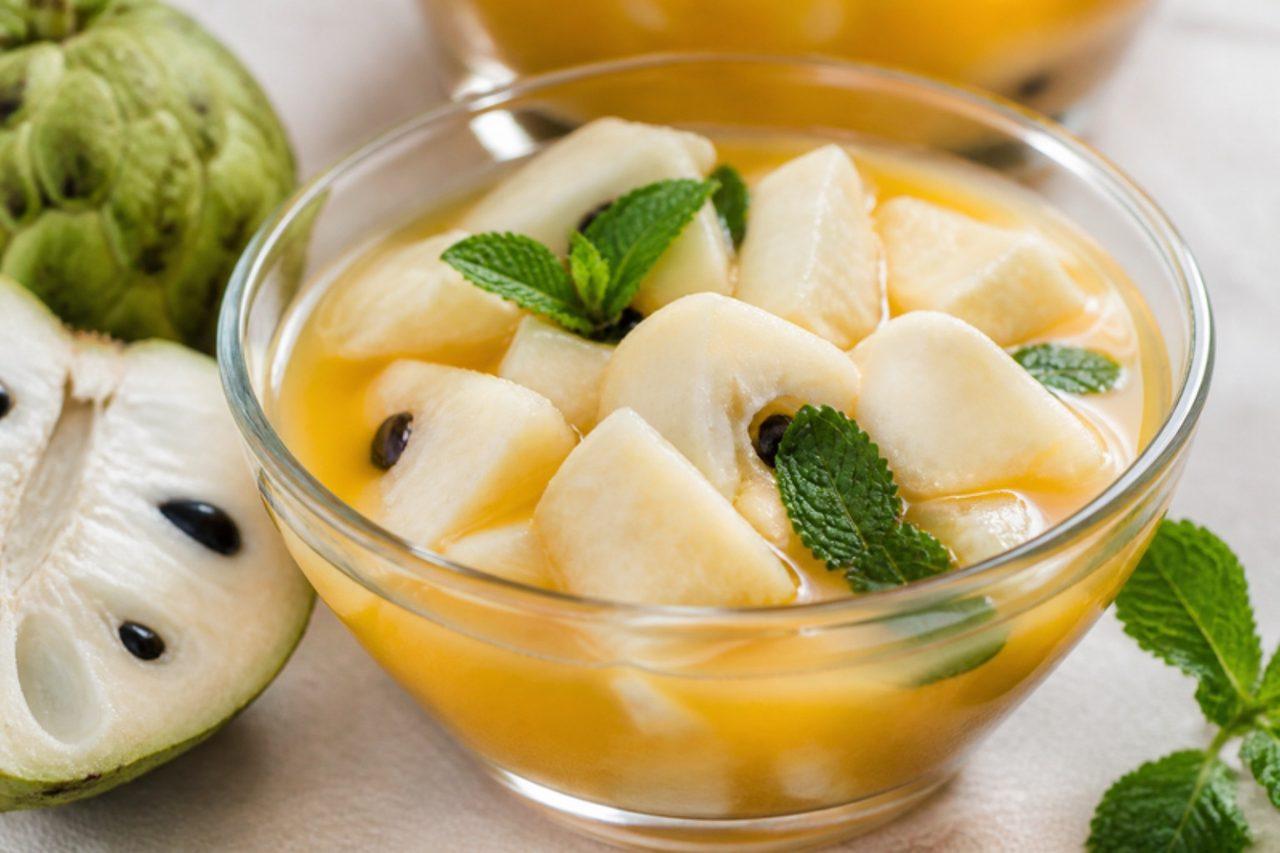
Chirimoya alegreCherimoya in orange juice

Chileans call it 'happy cherimoya': ripe custard-apple pulp dropped into fresh orange juice and served ice-cold. It turns up as the summer dessert after a big lunch in the Central Valley and in the Aconcagua valley, where much of Chile's cherimoya grows. The fruit should be soft like a ripe avocado; a hard one tastes starchy. The most common mistake is preparing the fruit ahead without juice, so it turns brown and loses its perfume: drop each piece straight into the orange juice. Remove every black seed, as the seeds must not be eaten or crushed. Chef's tip: squeeze the oranges yourself and taste before you sweeten; good juice often needs no sugar at all.

by KrazyBadal 0 views

ChirmolCharred tomato and mint salsa

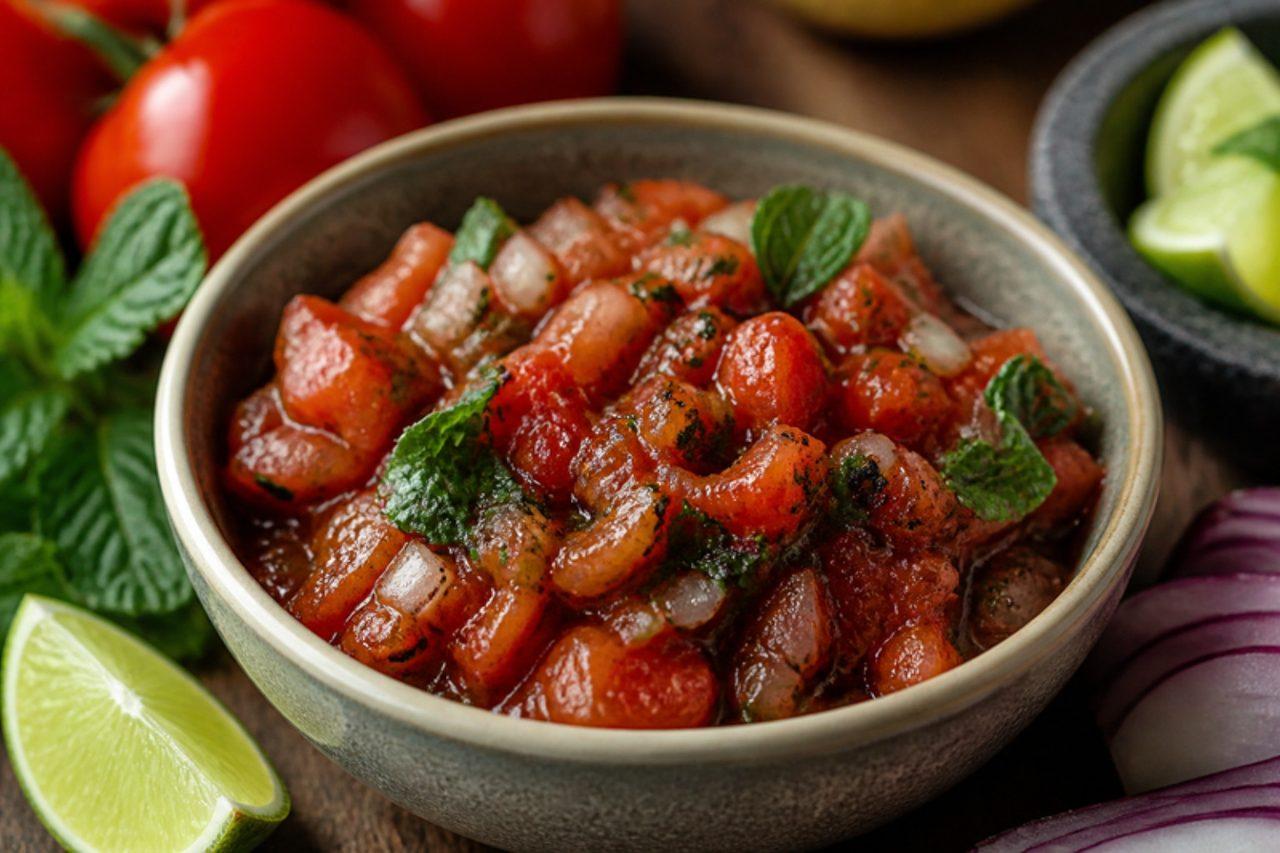
Wherever Guatemalans light a grill for Sunday carne asada, a bowl of chirmol sits beside it. The tomatoes are blackened on a comal until their skins split, then crushed with raw onion, lime and fresh mint, which is the herb that sets it apart from Mexican salsas. It is smoky, sharp and loose, meant to be spooned over grilled meat, black beans, eggs or plain rice. A common mistake is blending it smooth; chirmol should be chunky and juicy, crushed by hand or with a fork. Chef's tip: leave some of the charred skin in; those black flecks carry most of the smoky flavour.

by KrazyBadal 0 views

YaguarlocroPotato and lamb offal soup

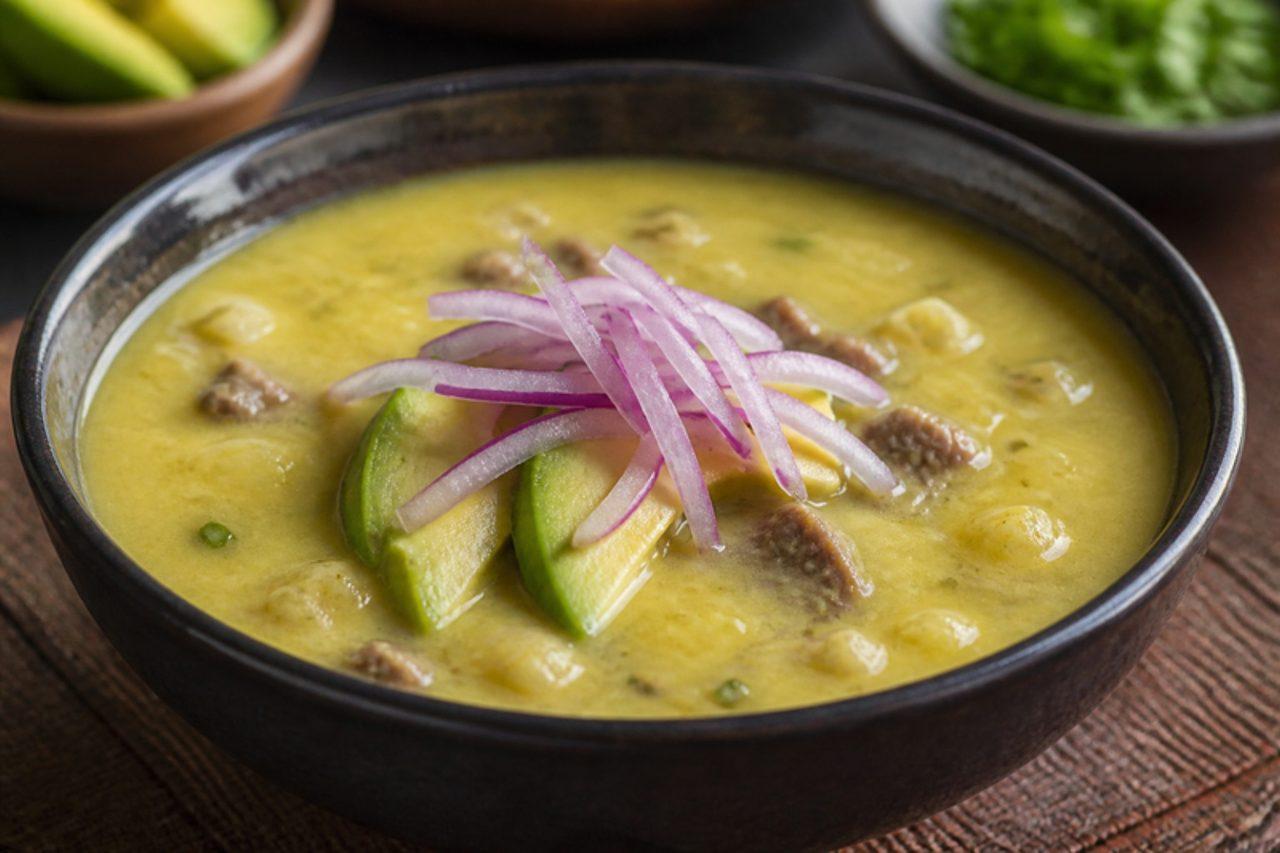
Yaguar is blood in Kichwa, and yaguarlocro is the Saturday soup of the markets of Ambato, Latacunga and Riobamba: a creamy potato broth cooked with lamb offal, cumin and achiote, crowned with avocado, sharp pickled red onion and, traditionally, crisp fried blood. Here the blood topping is optional; the soup is rich and complete without it. It is served at midday as a full meal. The usual mistake is blending the potatoes, which turns the soup gluey; let some break down by themselves and mash the rest lightly. Cook the offal until tender and the liver until no pink remains. Chef's tip: use half floury and half waxy potatoes, so the soup thickens yet keeps some soft chunks.

150 minAndeanSoupsGluten free
by KrazyBadal 0 views

Showing 36 of 7,762 recipes

Show more recipes

Page 163 of 863